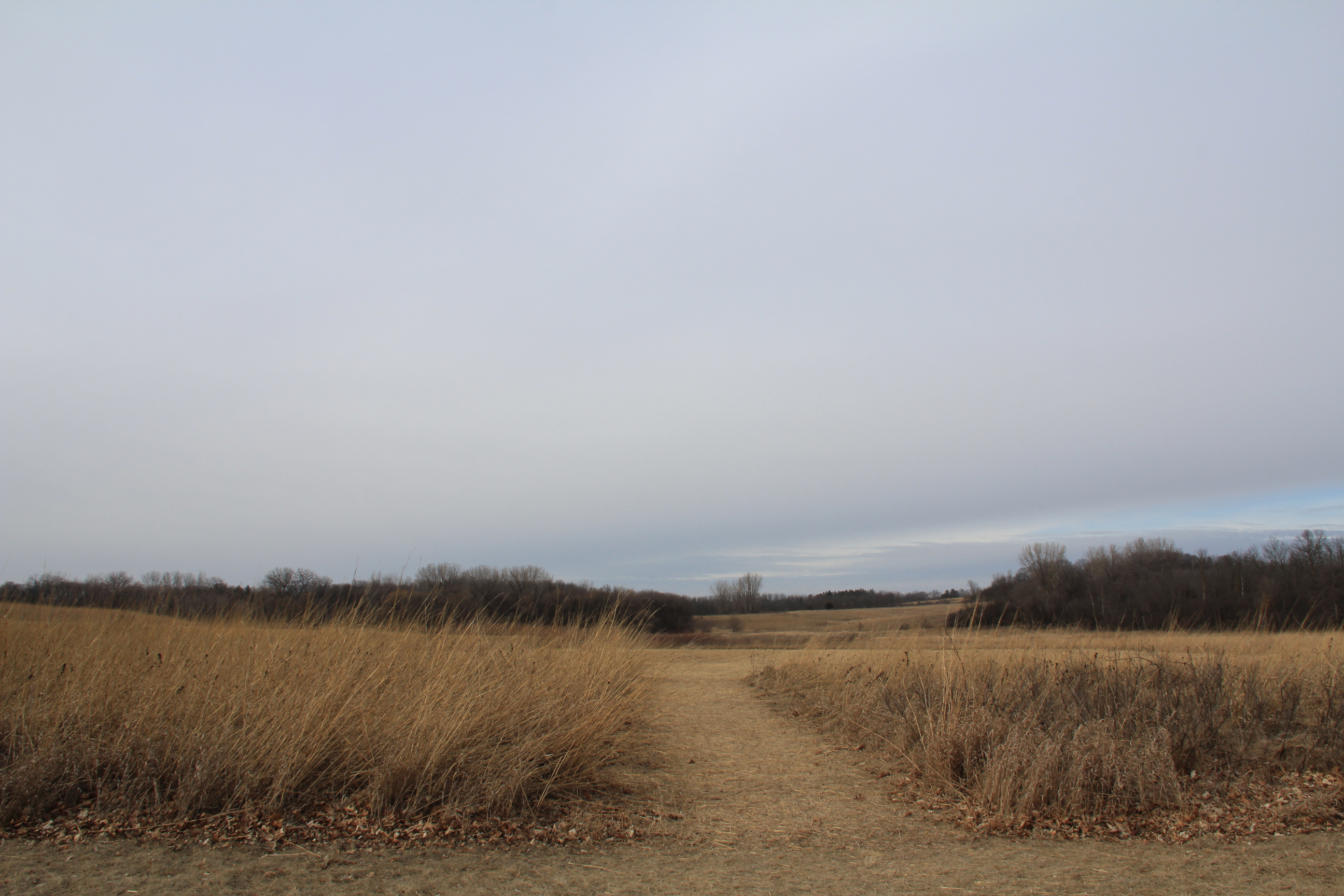
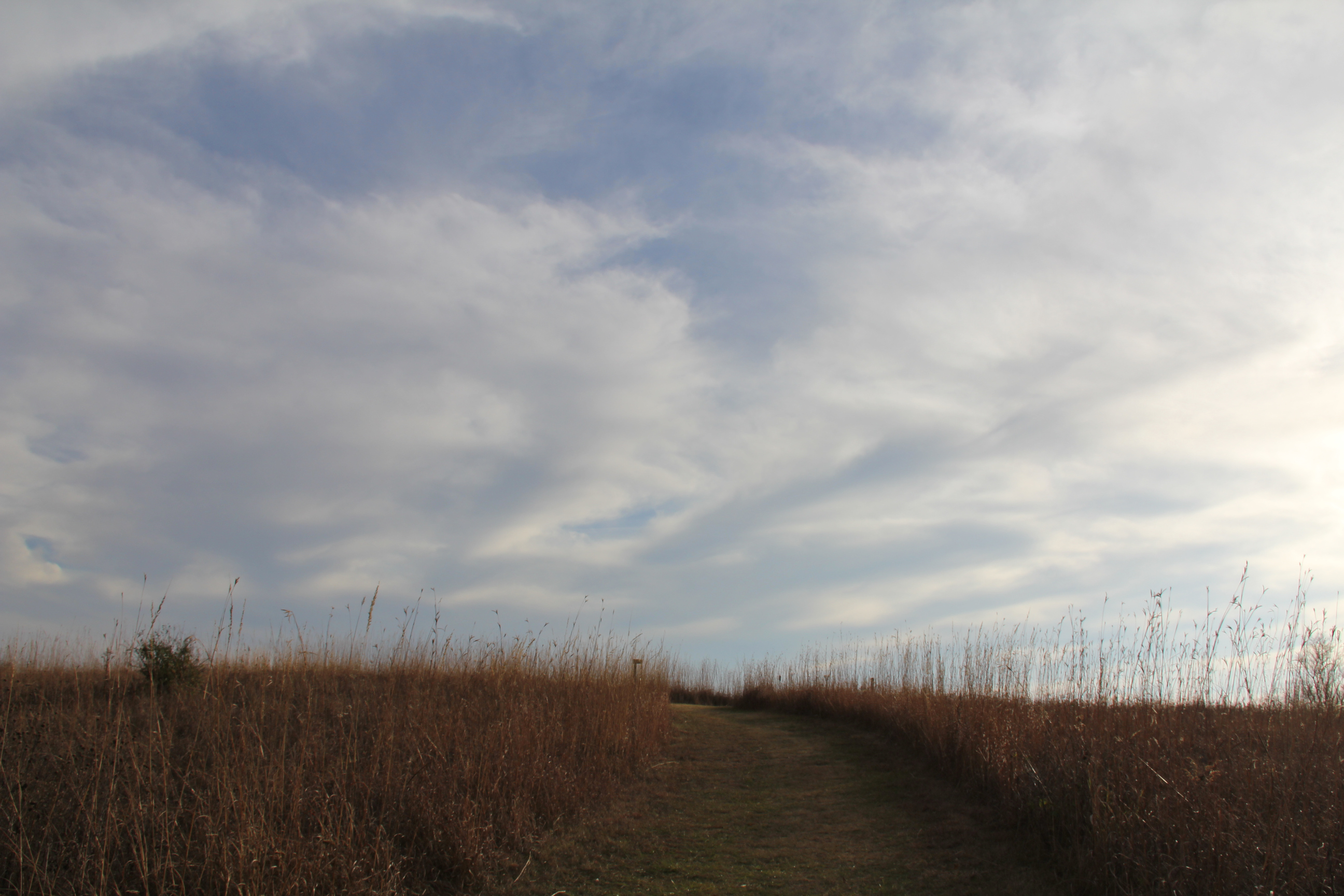
The prairie at River Bend Nature Center, Faribault. (Minnesota Prairie Roots copyrighted photo February 2025)
IN THE IN-BETWEEN SEASON of not exactly winter, but not quite spring here in Minnesota (although the calendar says otherwise), I feel like I’m waiting. Waiting for snowfalls to end. Waiting for the landscape to transition from drab browns and grays. Waiting for vibrant colors to appear.
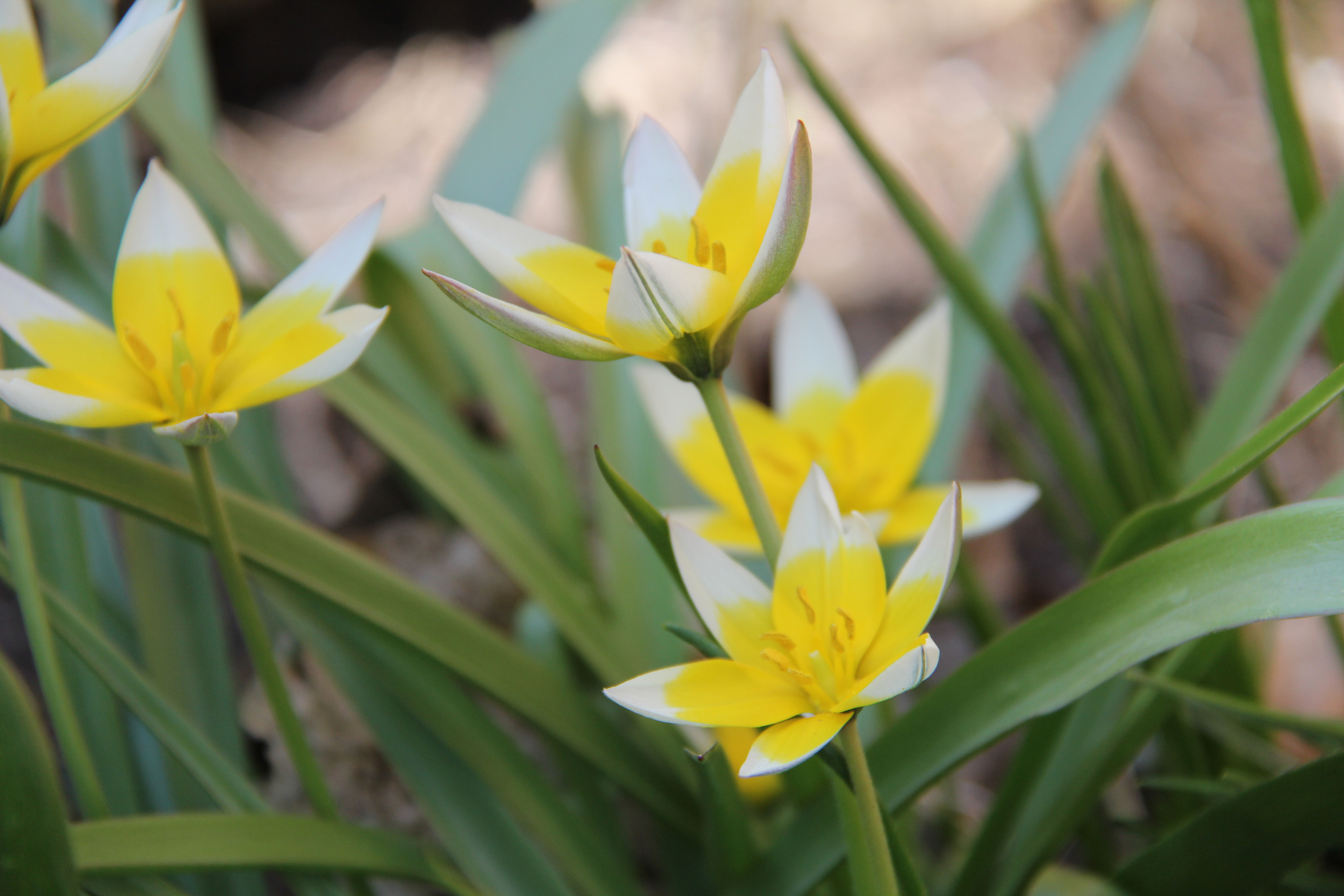
My neighbor’s spring flowers. (Minnesota Prairie Roots copyrighted file photo 2023)
There’s a sense of anticipation and wonder when buds form, when the first tender shoots of spring bulbs emerge from the soil, then flower. Purple crocuses. Sunny yellow daffodils. Followed by tulips and other flowers in a rainbow of hues.
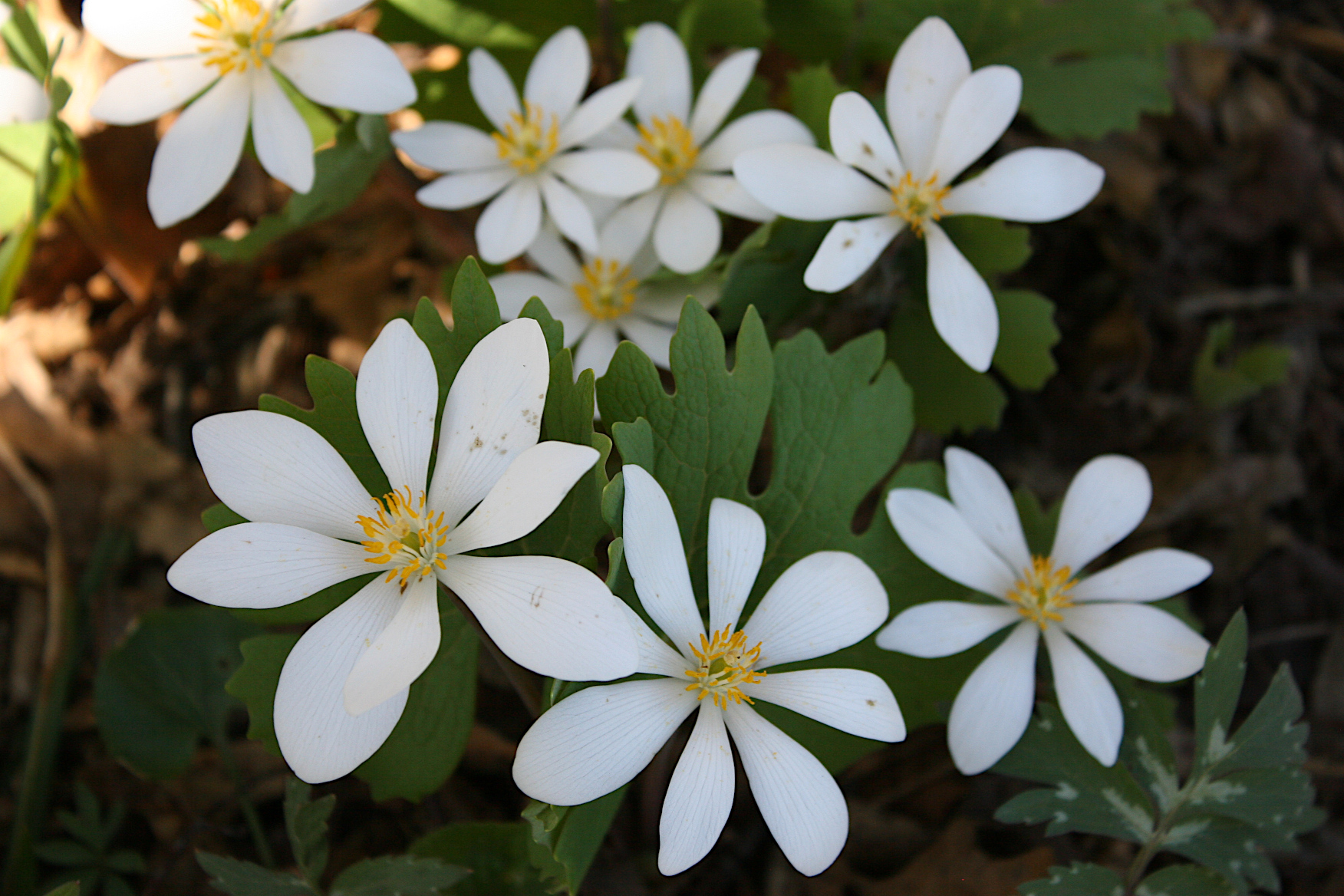
Spring wildflowers at Kaplan’s Woods Park, Owatonna. (Minnesota Prairie Roots copyrighted file photo)
I love the beginning of spring—real spring, not the teasing warm days of early and mid-March or simply a date (March 20) on a calendar.
Spring erupts in Minnesota at Falls Creek Park, rural Faribault. (Minnesota Prairie Roots copyrighted file photo May 2022)
I love when the landscape is flush in green, a green so vibrant that it’s almost indescribable.
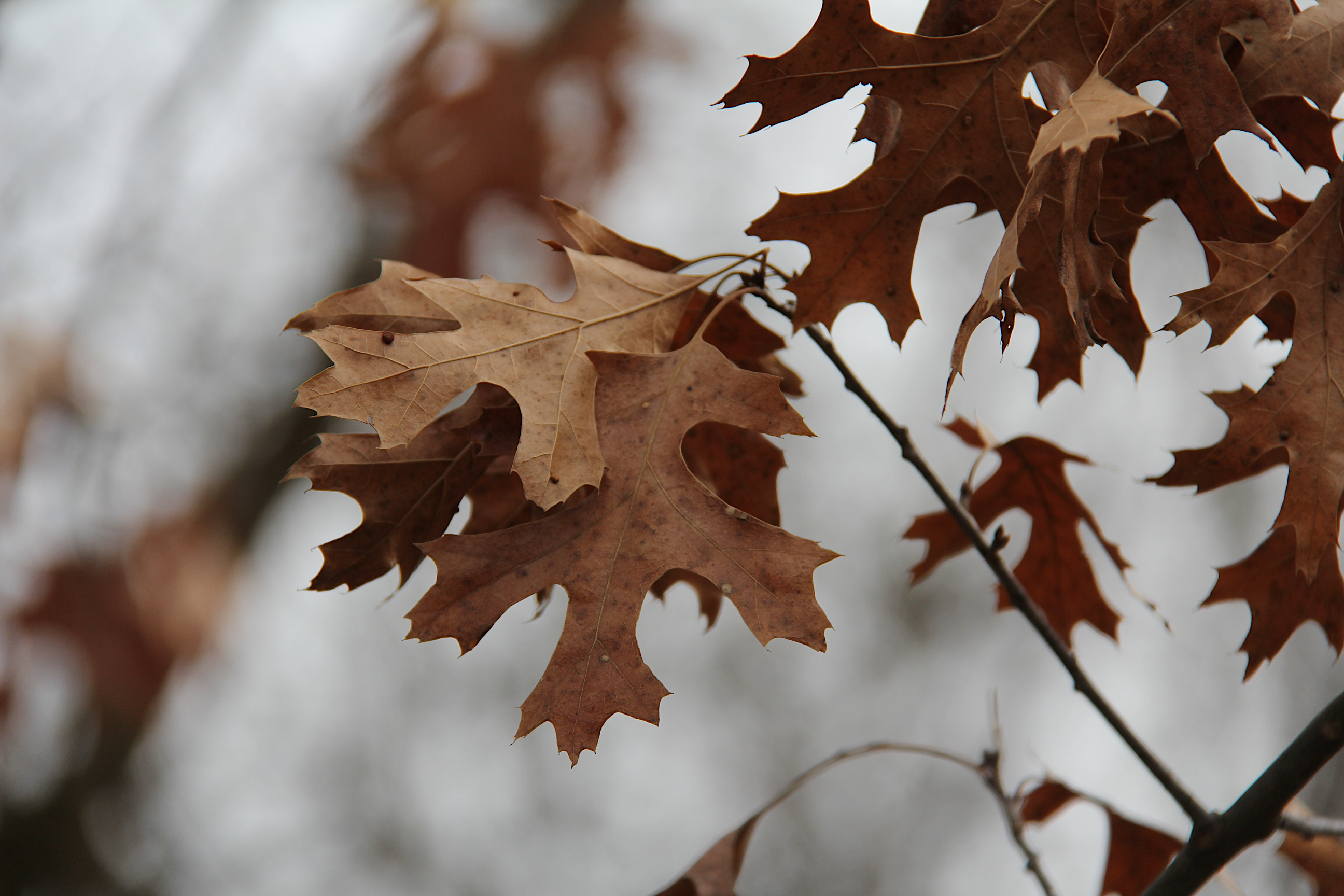
Oak leaves at River Bend. (Minnesota Prairie Roots copyrighted photo February 2025)
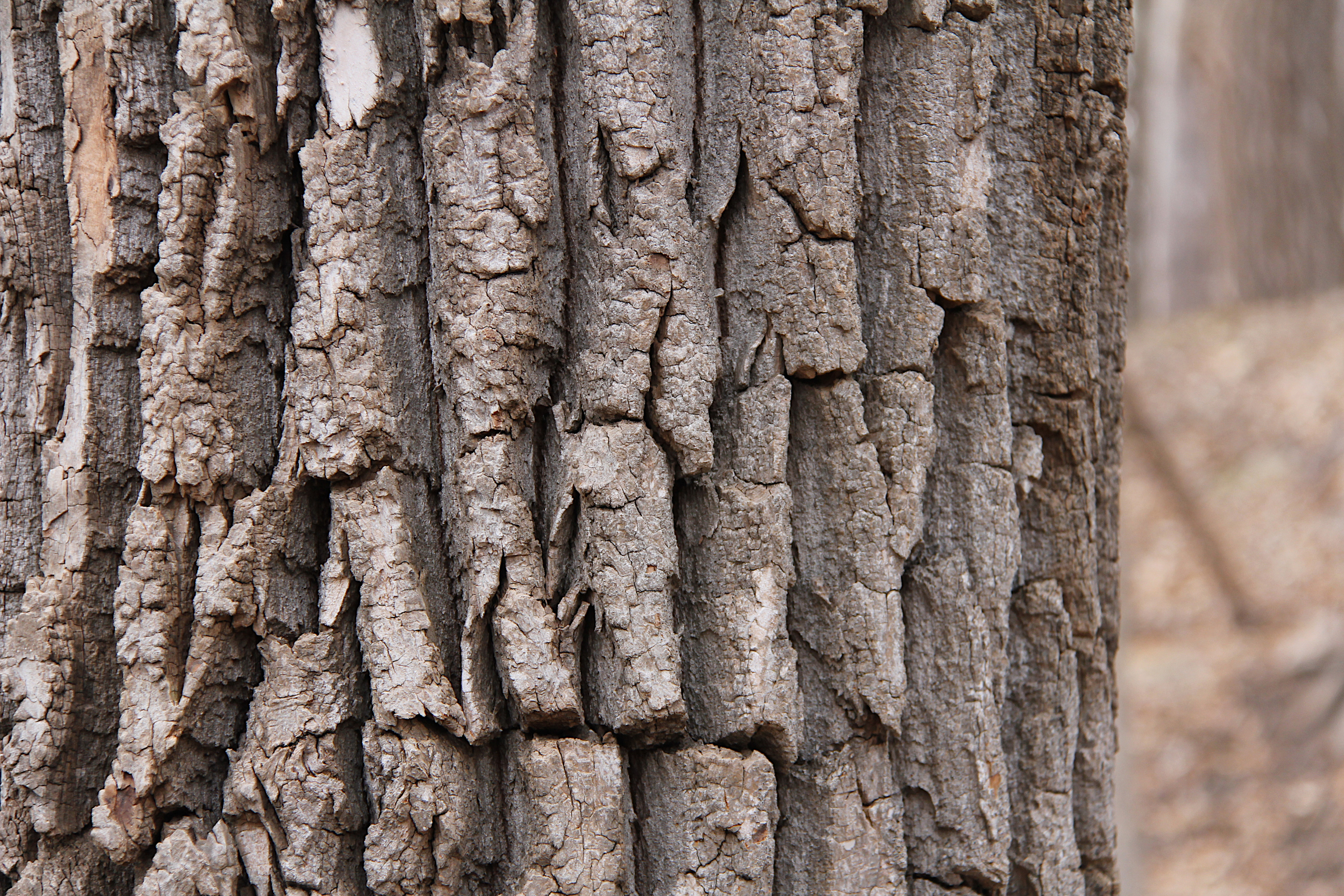
The starkness of this time of year in Minnesota focuses the eye on details, like the rough bark of a tree in the woods at River Bend. (Minnesota Prairie Roots copyrighted photo February 2025)
Dried seedheads at River Bend. (Minnesota Prairie Roots copyrighted photo February 2025)
While I await the greening of the landscape, I remind myself to appreciate the natural world around me as it is now. The stubborn dried oak leaves that clung to branches through the fierce winds of winter. The rough textured bark of a tree. The dried seed heads and leaning swamp and prairie grasses. All hold the seasoned beauty of days, of weeks, of months, of time.
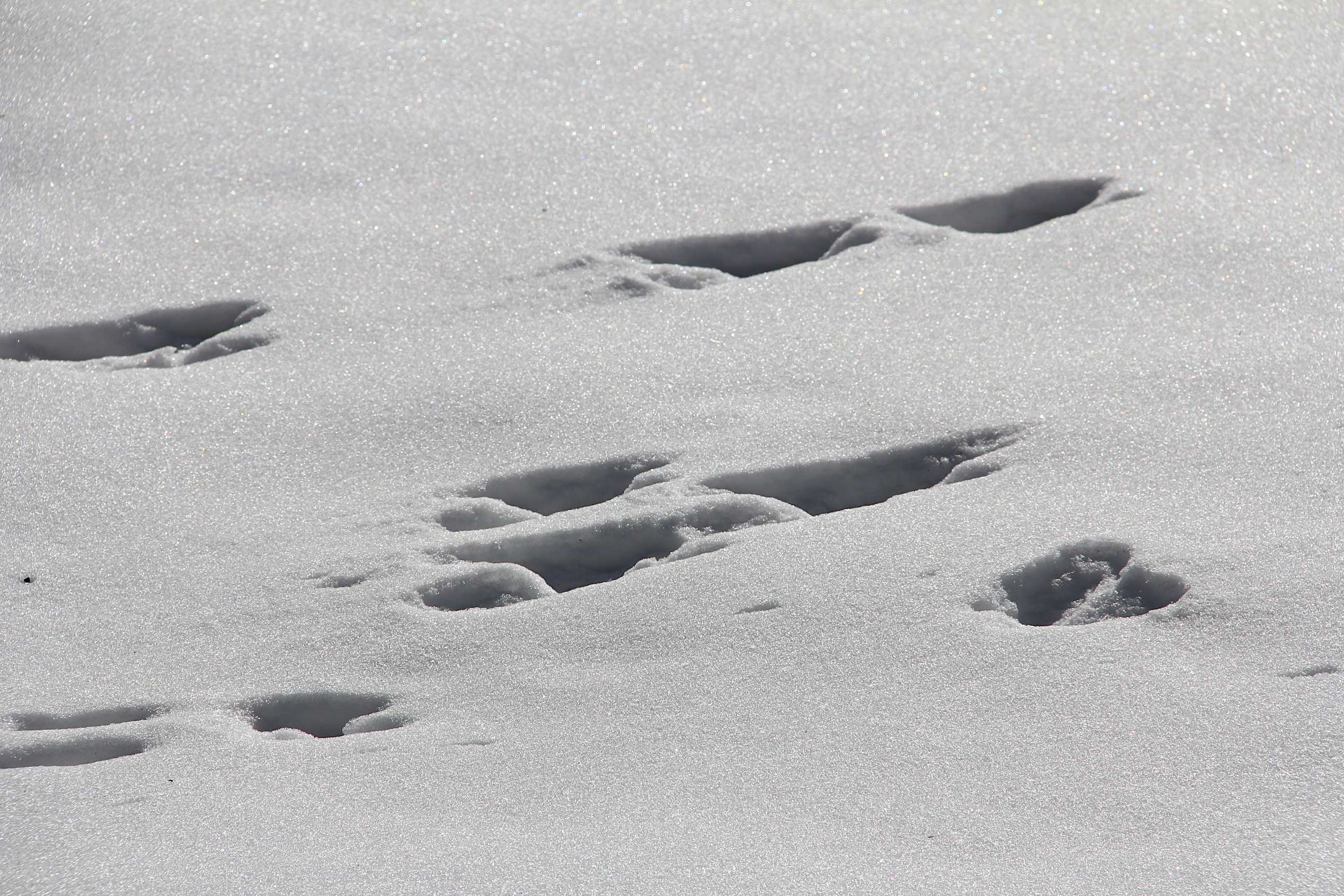
Animal prints in the snow in my backyard. (Minnesota Prairie Roots copyrighted photo February 2025)
Seasons are not timed by a calendar date, but by the natural world. Authentic spring arrives in Minnesota on her own timetable. Often unhurried. But sometimes abrupt.
The woods at River Bend await the budding of spring. (Minnesota Prairie Roots copyrighted photo February 2025)
As I await spring’s bloom and budding, I realize that the seasons of life also should not be hurried. The years pass too quickly, although we are mostly ignorant of that in our younger years. I understand that now in this advancing season of my life.
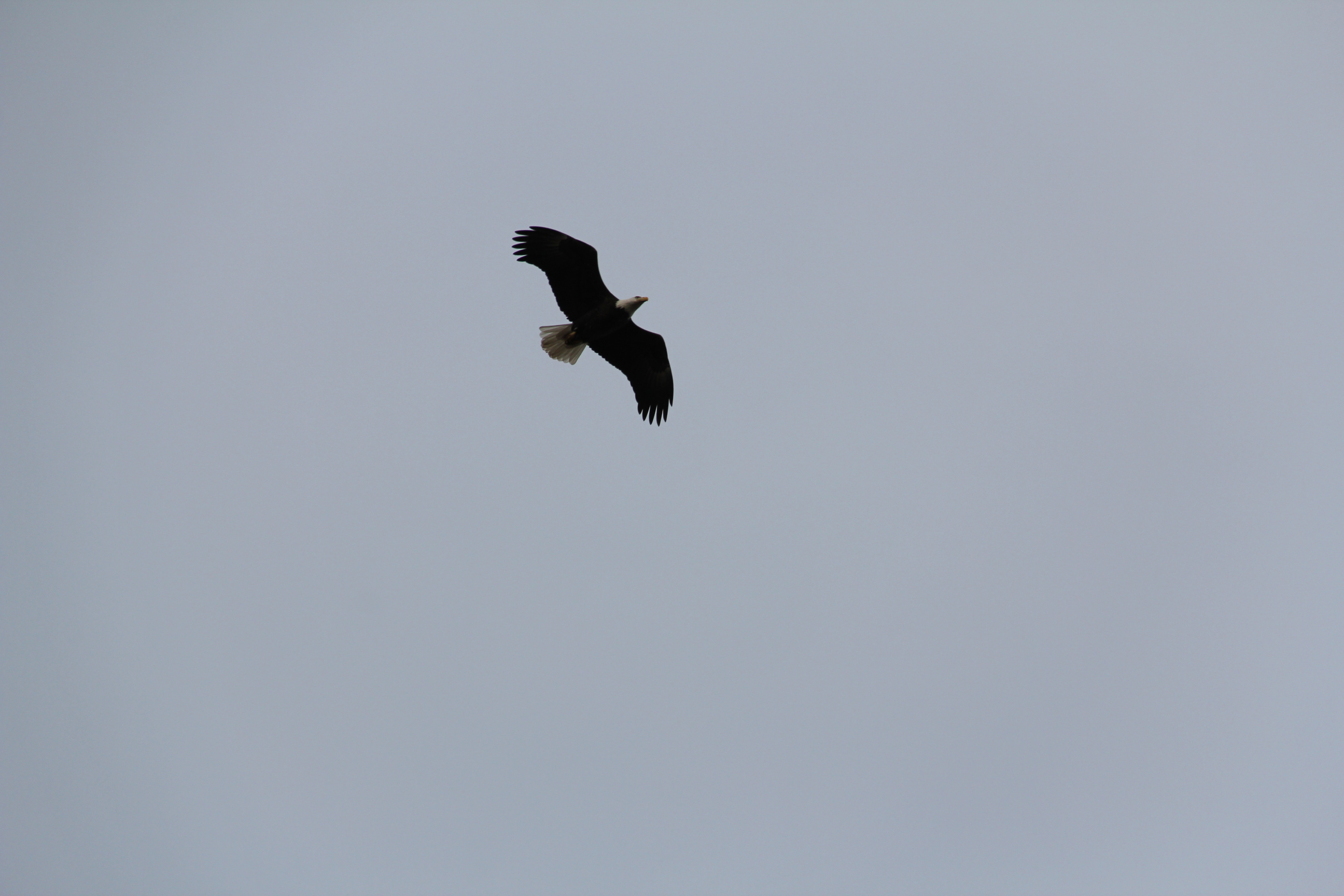
For several minutes, I watched and photographed this bald eagle soaring high above the Straight River at River Bend Nature Center. (Minnesota Prairie Roots copyrighted photo February 2025)
I value the moments more, recognizing that seasons end. And seasons begin.
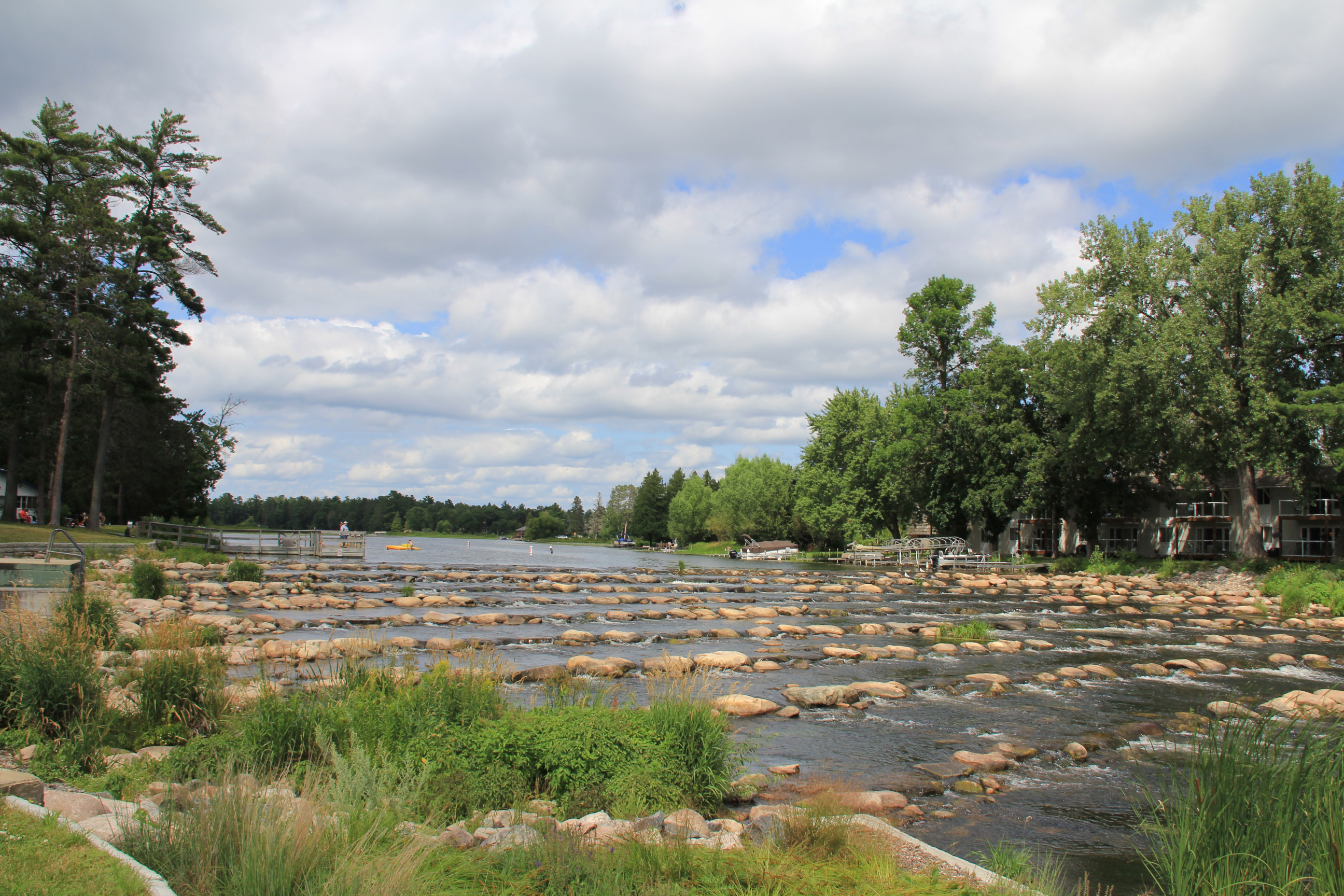
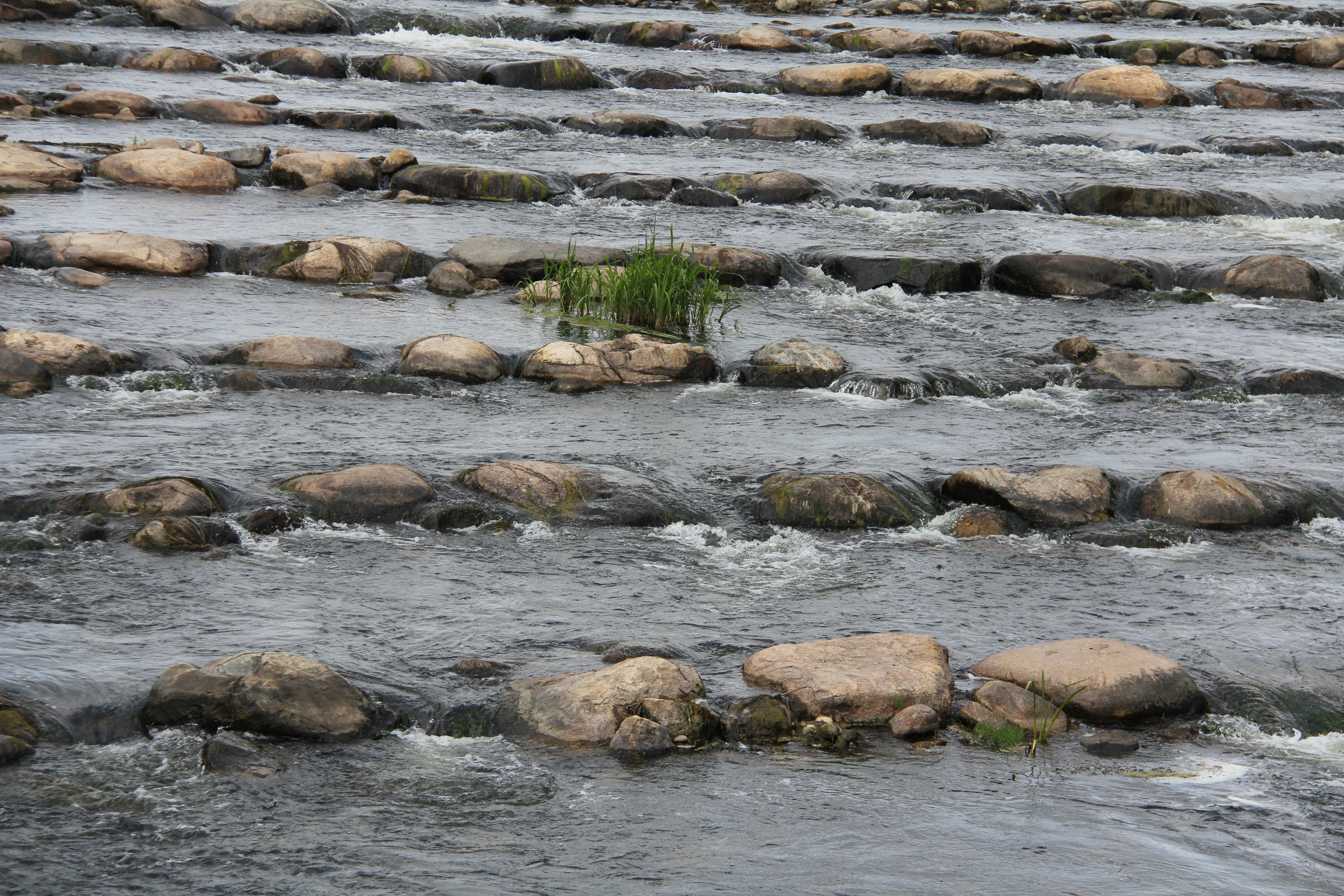
This rock riffle in Pine River replaced a traditional dam built in 1910 to hold back water flowing from Norway Lake into the Pine River. The old dam was designated as “high hazard,” thus in need of replacement. (Minnesota Prairie Roots copyrighted photo July 2024)
WIND AND WATER. Both prove soothing and calming elements of nature. Except when destructive.
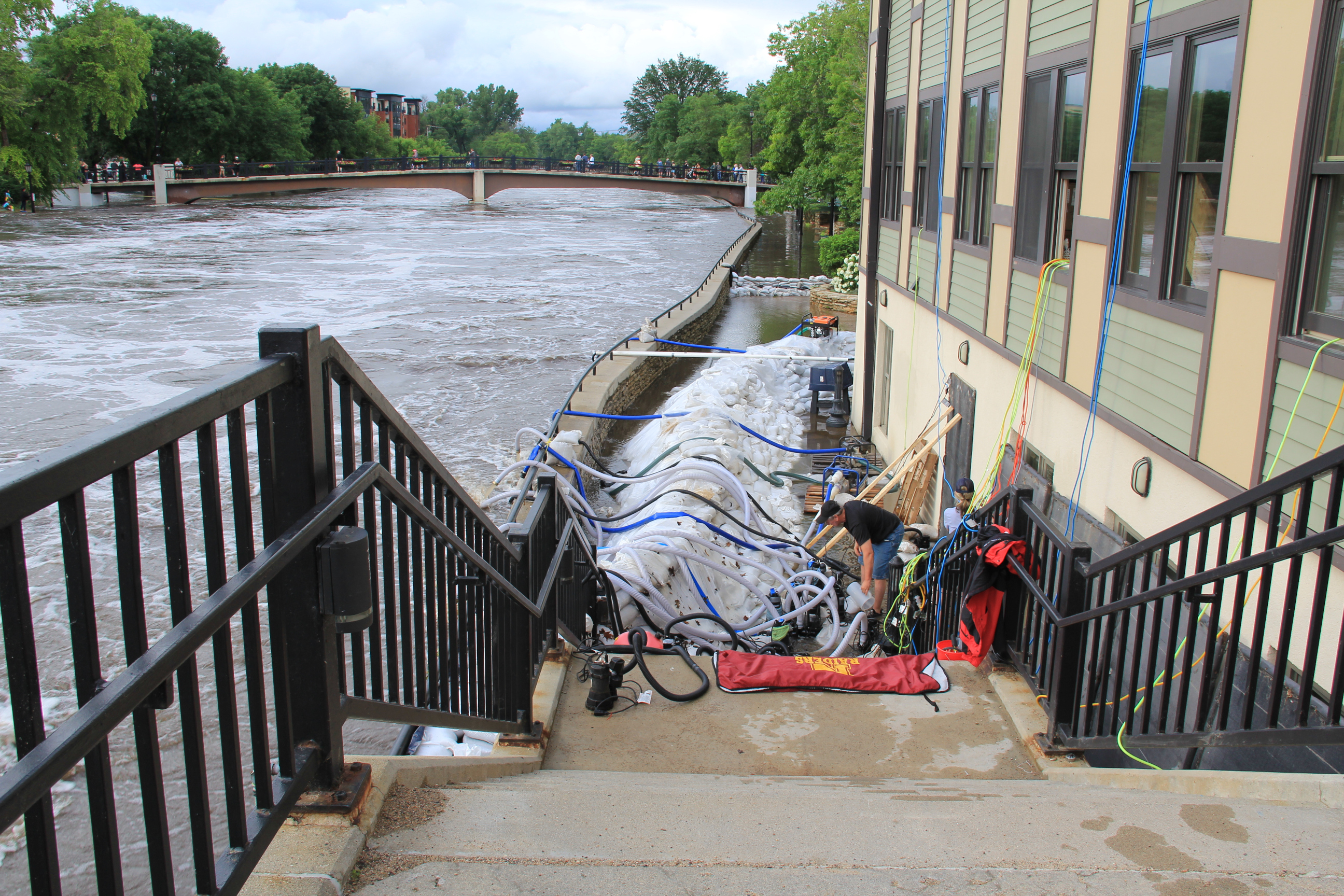
Sandbagging along the flooding Cannon River in downtown Northfield last June. The traditional dam in Northfield was not compromised, unlike in some Minnesota locations. (Minnesota Prairie Roots copyrighted file photo June 2024)
Last June, excessive rainfall led to devastating floods in parts of southern Minnesota, especially in Waterville, a 20-minute drive southwest of Faribault. Farther to the west in Rapidan, the Blue Earth River raged, causing a partial dam collapse and erosion of the land. That led to loss of a house and of the much beloved The Dam Store. In Northfield, 20 minutes from Faribault, the Cannon River flooded the Riverwalk and threatened riverside businesses. In Faribault, the Cannon and Straight Rivers spilled from their banks, flooding parks and several city streets. The powerful river also eroded the shoreline near the Faribault Mill Dam. Boulders were hauled in and placed beside the dam to contain the river and prevent additional erosion.
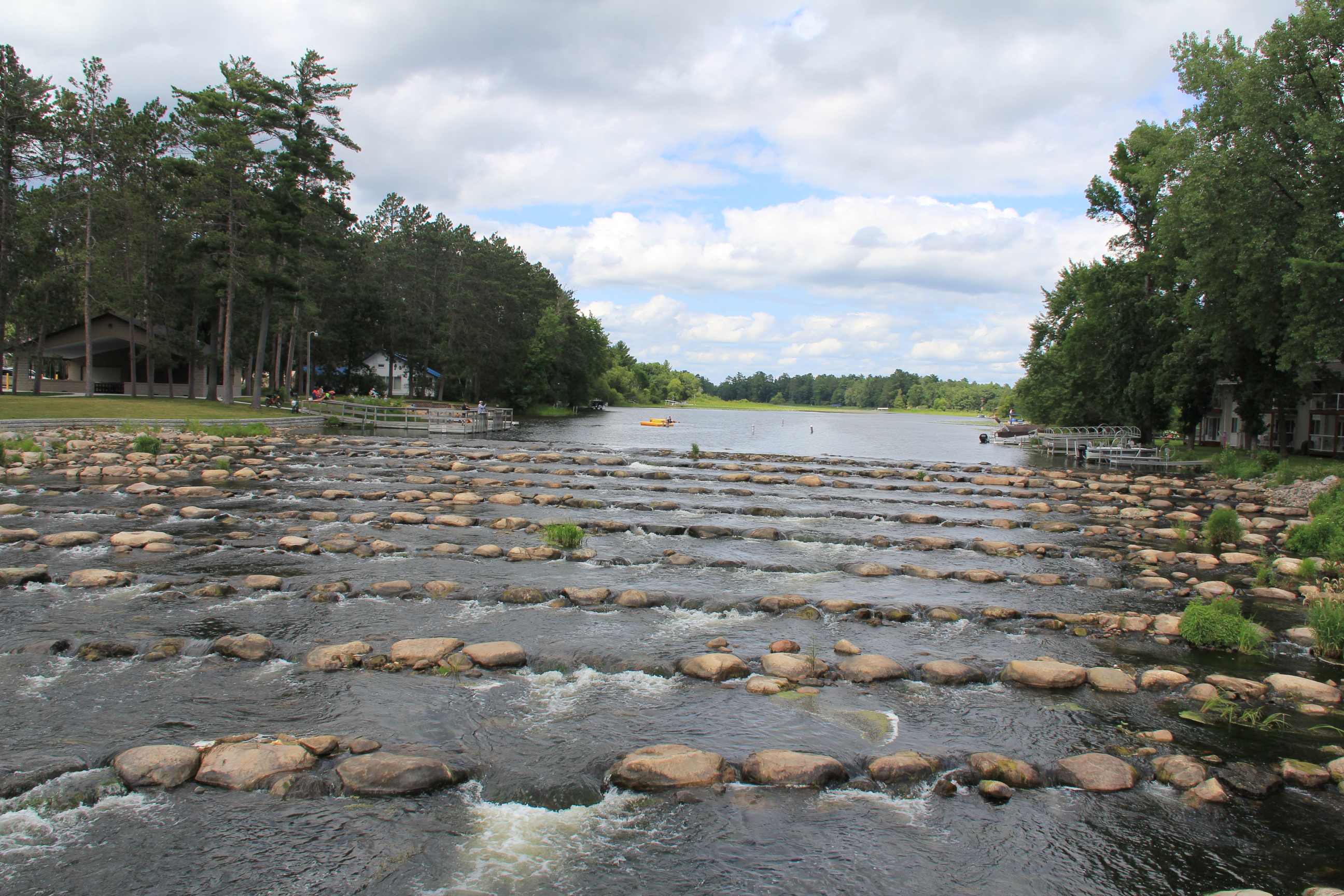
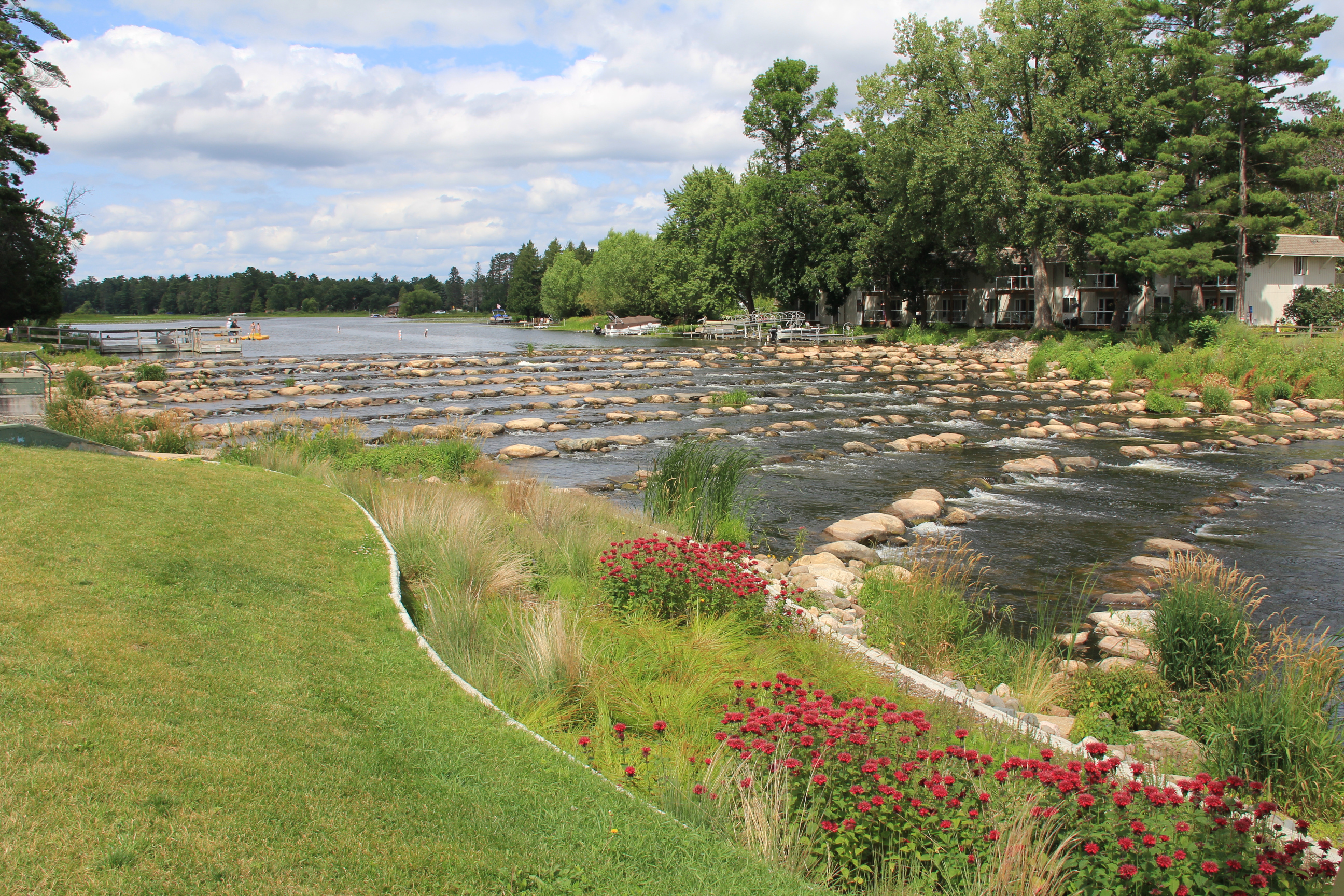
The Dam Park, with a pavilion, is to the left of the tree-edged Pine River in this photo, private homes to the right. (Minnesota Prairie Roots copyrighted photo July 2024)
Now, many months later, Faribault city officials are considering options for the Faribault Mill Dam. And that got me thinking about Pine River. In this north central Minnesota community, a rock riffle/rock arch rapids replaces a 200-foot long by 13-foot high traditional dam built in 1910. The result is nothing short of stunning.
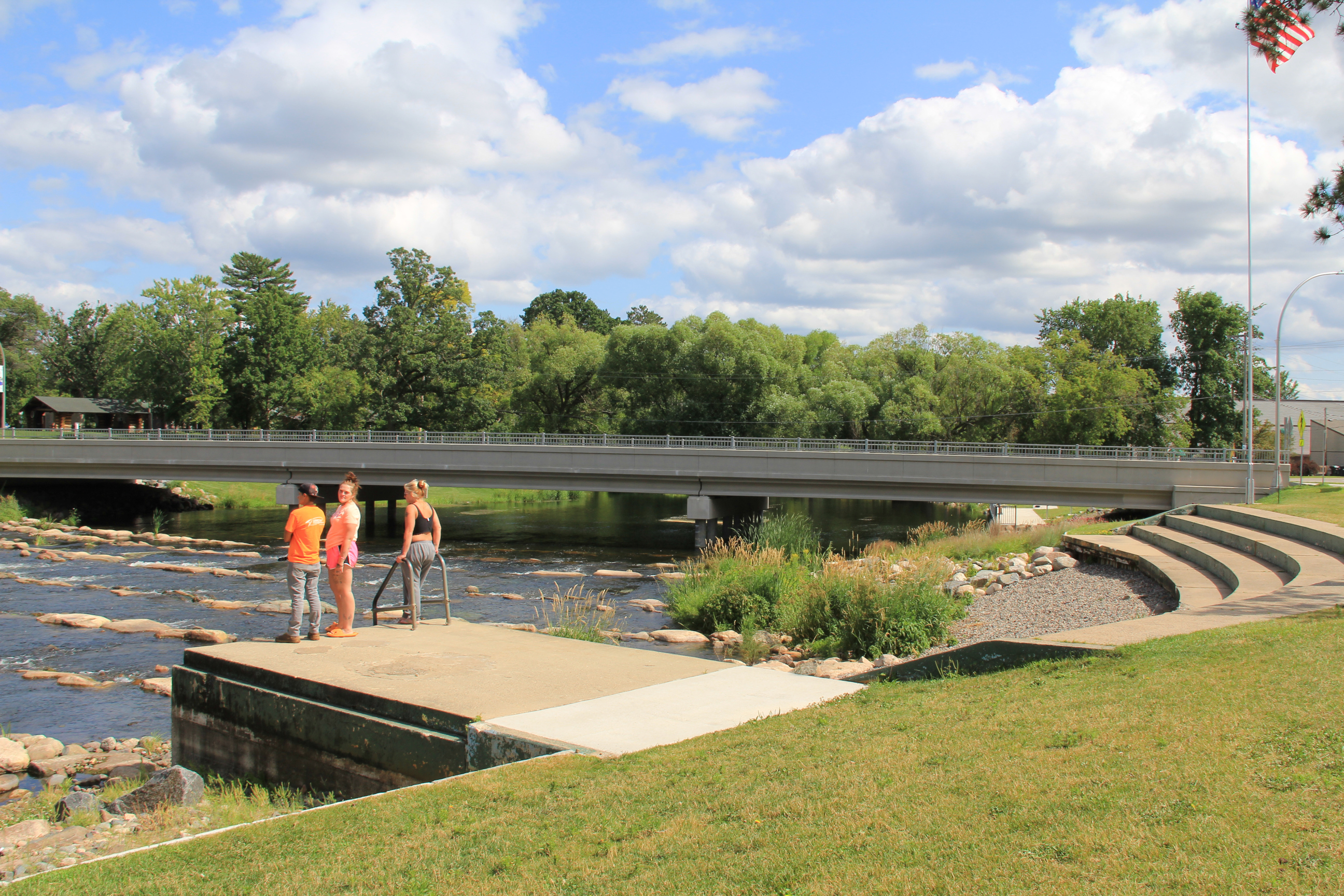
The concrete steps and platform remain from the original dam construction project. This image shows a view of the rock riffle looking downstream. (Minnesota Prairie Roots copyrighted photo July 2024)
Let me explain. Smaller rip-rap rocks, larger rocks and boulders were placed in sloping rows across the Pine River to replace the dam. Water spills over the rocks as the rows descend for several hundred feet. Except for the precise placement of the rock rows, the rapids appear almost natural. And that is much more visually pleasing than a wall of concrete.
It’s mesmerizing to watch and listen to the river spill over the man-made rock riffle in Pine River. (Minnesota Prairie Roots copyrighted photo July 2024)
The sound, too, is pleasing. I have always loved the sound of water rushing over rocks. It’s calming, soothing, mesmerizing. As is watching the water pour over and around rocks.
The traditional dam proved a significant fish barrier. Installation of the rock riffle has improved fish habitat in the river, which feeds into the Whitefish Chain of Lakes in north central Minnesota. (Minnesota Prairie Roots copyrighted photo July 2024)
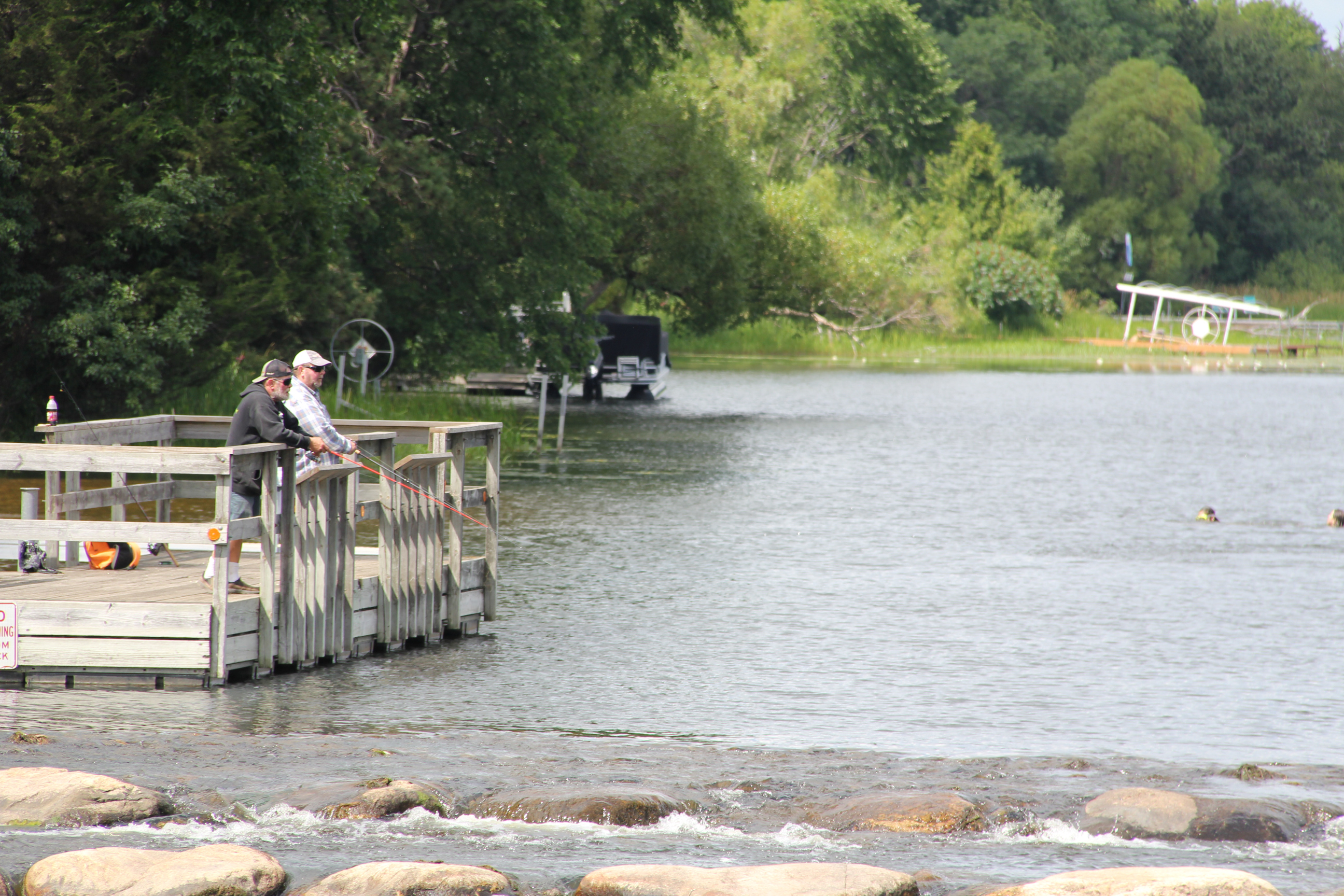
But this award-winning rock riffle dam in Pine River offers much more than a place to sit riverside and relax. It’s also a popular recreational area. During my mid-week July 2024 visit, anglers fished the river from a pier and from shore downstream. Swimmers jumped from floating platforms into the water above the rock riffle. There’s a sandy beach, too. And although I didn’t see any, kayakers can also navigate the rapids. And anyone can cross the river on the rocks, but at their own risk.
On a summer day, swimmers jump off a swimming platform above the rock riffle into the river. Dam Park includes a sandy beach. (Minnesota Prairie Roots copyrighted photo July 2024)
This revamped area, as I viewed it, draws people outside to the river. To recreate. To gather. To enjoy nature. There’s even a playground and a pavilion with a kitchen in Dam Park. What Pine River has created with this rock riffle is a community centerpiece that is beautiful in every way.
Plantings of flowers and grasses protect the river shoreline by the rock riffle. (Minnesota Prairie Roots copyrighted photo July 2024)
Now, whether this will work at the Faribault Mill Dam, I don’t know. I’m no engineer. But rock riffles have been placed in some 75 rivers and lakes across Minnesota. The one in Pine River is the first I’ve seen. I’d like local city officials to consider a rock arch rapids, maybe take a field trip to Pine River or elsewhere and see (and hear) just how inviting and lovely, calming, soothing and mesmerizing a rock riffle is compared to a traditional dam. See how this dam removal and rock riffle replacement in Pine River creates a recreational oasis, a beautiful gathering spot that grows community.
I photographed this tag hanging on The Gratitude Tree in the neighboring city of Northfield in 2019. I love this idea of publicly expressing thankfulness, including for community. (Minnesota Prairie Roots copyrighted file photo July 2019)
WHEN CONSIDERING GRATITUDE, as we do this week, we usually look inward. But I want to look outward and share six reasons why I feel grateful to live in Faribault.
This is my all-time favorite image showing local diversity. Here children gather to break a pinata during an international festival at Faribault’s Central Park. (Minnesota Prairie Roots copyrighted file photo 2012)
PEOPLE make a community. I knew no one when I moved here as a newlywed in 1982. But I was welcomed and have since formed deep friendships in Faribault. I can walk into a business, attend an event, or simply be out and about and run into someone who knows me. Conversation often follows.
Recently I attended a 75th anniversary open house at Burkhartzmeyer Shoes, a third-generation family owned shoe store in downtown Faribault. After purchasing athletic shoes, I headed to a back room for complimentary refreshments. A small group of us sat there talking and laughing, simply enjoying each other’s company. I felt like I was inside a small town cafe drinking coffee and conversing. It felt that down-home comfortable.
But I can feel just as comfortable with strangers, including Adolfo, whom I met in October while walking in Central Park. Adolfo moved to America from Venezuela, a country he fled because of Communism and violence. On this morning, he was pushing his one-year-old grandson in a stroller. It’s part of their daily routine. Darling Milan drew me to his grandpa, where I connected with Adolfo on a personal level and heard his story. I feel grateful for every opportunity I have to meet Faribault’s newest immigrants and hear their stories, stories often laced with hardship and hope. To live in a city as diverse as Faribault is truly a gift.
Kids help at the Faribault CommUnity Thanksgiving Dinner by, among other things, creating festive placemats.(Minnesota Prairie Roots copyrighted file photo November 2017)
Faribault overflows with CARING INDIVIDUALS AND ORGANIZATIONS striving to help others: the Community Action Center, Rice County Habitat for Humanity, St. Vincent de Paul, HOPE Center, Ruth’s House, IRIS (Infants Remembered in Silence), the Salvation Army, Operation: 23 to 0… I’ve received support while dealing with some especially challenging life events. When you experience that community love and care first-hand, you understand the true meaning of community.
Once again this Thanksgiving, volunteers will serve a free CommUnity Thanksgiving Dinner as they have for the past 30 some years. I’ve previously helped deliver those holiday meals. Every Tuesday, a free meal is also available at the Community Cafe. With Christmas approaching, I’m part of a bible study group coordinating the annual Angel Tree (gift giving) at my church. I could go on and on with an endless list of how people are helping people in my community. Hearts are loving, spirits giving.
A 1950s scene along Faribault’s Central Avenue is shown in this downtown mural.(Minnesota Prairie Roots copyrighted file photo)
I am especially grateful to live in a community which values THE ARTS. The Paradise Center for the Arts in downtown Faribault centers our arts scene. Every time I tour a gallery exhibit, attend a play or otherwise engage in the arts, I feel grateful to live here. I’ve even contributed to the local arts scene by publicly reading my poetry. I love attending summer concerts in the park and concerts inside the historic Cathedral of Our Merciful Saviour. I appreciate the history-based murals that color our downtown. I grew up in rural southwestern Minnesota with minimal access to the arts, meaning my gratitude for the arts in Faribault runs deep.
I treasure Buckham Memorial Library, just blocks from my home. (Minnesota Prairie Roots copyrighted file photo 2022)
My thankfulness for BUCKHAM MEMORIAL LIBRARYalso runs deep, for the very same reason. I grew up in a small farming town without a library. And I love to read. That we now also have a volunteer run used bookstore, Books on Central (benefitting the Rice County Area United Way), notches my gratitude level even higher.
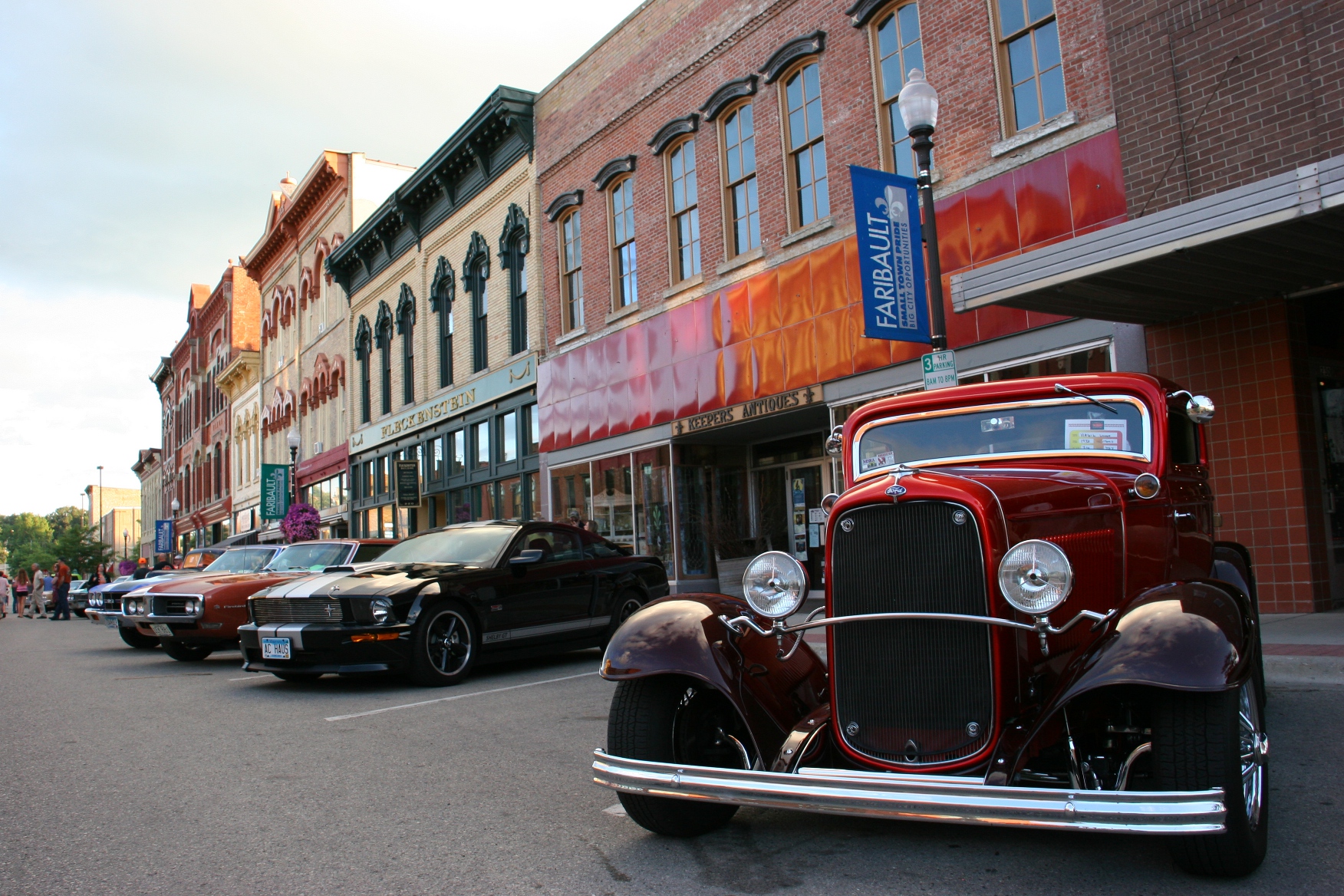
A snippet of Faribault’s historic buildings, photographed during a monthly Car Cruise Night.(Minnesota Prairie Roots copyrighted file photo 2016)
The bookshop is located in the heart of our HISTORIC DOWNTOWN, another reason I feel grateful to live in Faribault. My community cares about preserving historic buildings. I love old architecture. There’s nothing quite like walking among vintage vehicles along Central Avenue during Car Cruise Night as the sun sets at the end of a summer day. Beautiful.
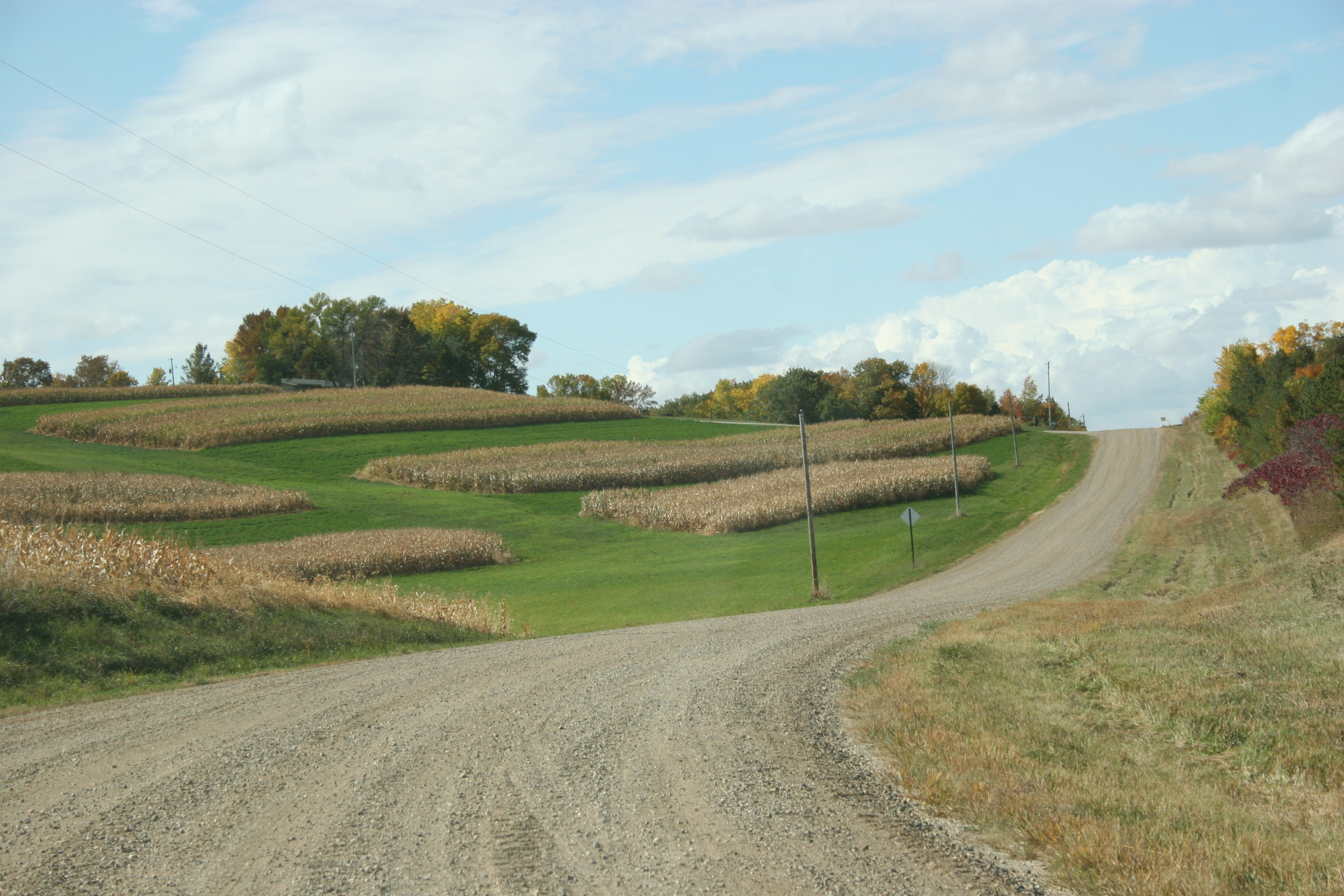
In just minutes, I can reach the countryside, where I love to travel gravel roads. This road winds among the lakes and farm fields west of Faribault. (Minnesota Prairie Roots copyrighted file photo October 2022)
Faribault also offers incredible NATURAL BEAUTY in a diverse landscape of woods and prairie, hills and valleys, ravines and bluffs. It’s so different than my native prairie. Admittedly, it took me a while to “get used to” all the trees when I moved here 42 years ago. I still mostly have no sense of direction on roads and streets that don’t run prairie grid straight. But I love to walk through city parks, along city trails, at River Bend Nature Center, on the campus of the Minnesota State Academy for the Deaf… And within a short drive of my home, I am immersed in the countryside.
A view of The Gratitude Tree outside the Northfield Public Library in 2021. People wrote their reasons for feeling thankful on a blank tag. Those were then hung on the tree. I’d like to see a Gratitude Tree in every community once a year. (Minnesota Prairie Roots copyrighted file photo May 2021)
This list of a half dozen reasons to feel thankful for the place I call home just touches the surface of why I am grateful to live in Faribault. It’s not utopia, certainly. Nowhere is. But today I want to pause, consider and acknowledge specific reasons for feeling thankful that Faribault is my home. I hope you’ll do the same, wherever you live.
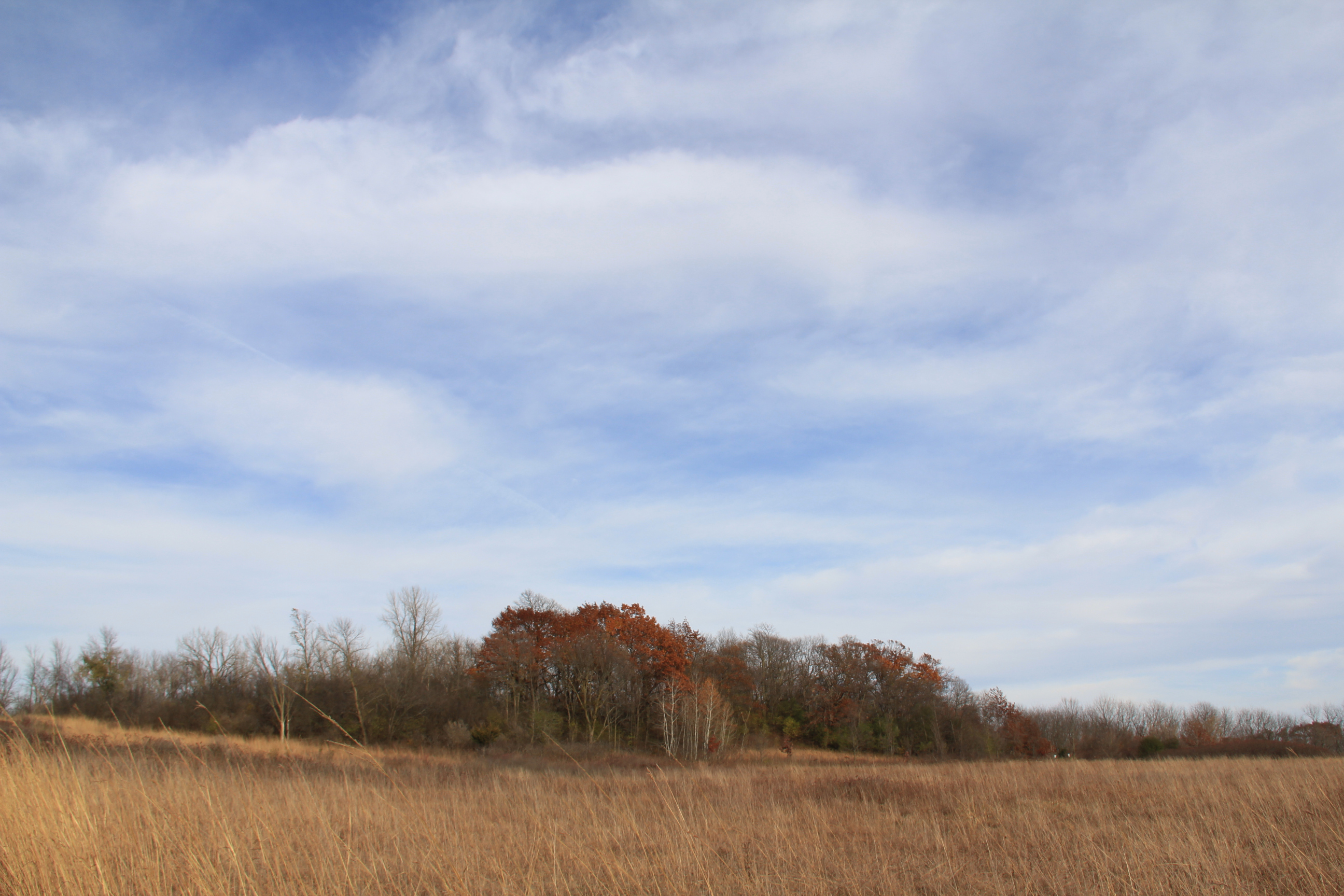
The woods, sky and prairie of River Bend in early November. (Minnesota Prairie Roots copyrighted photo November 2024)
NOVEMBER MARKS A SEASON of transition, a time when the landscape slides ever closer to a colorless environment. Soon winter will envelope us in its drabness of gray and brown highlighted by white. There’s nothing visually compelling about that.
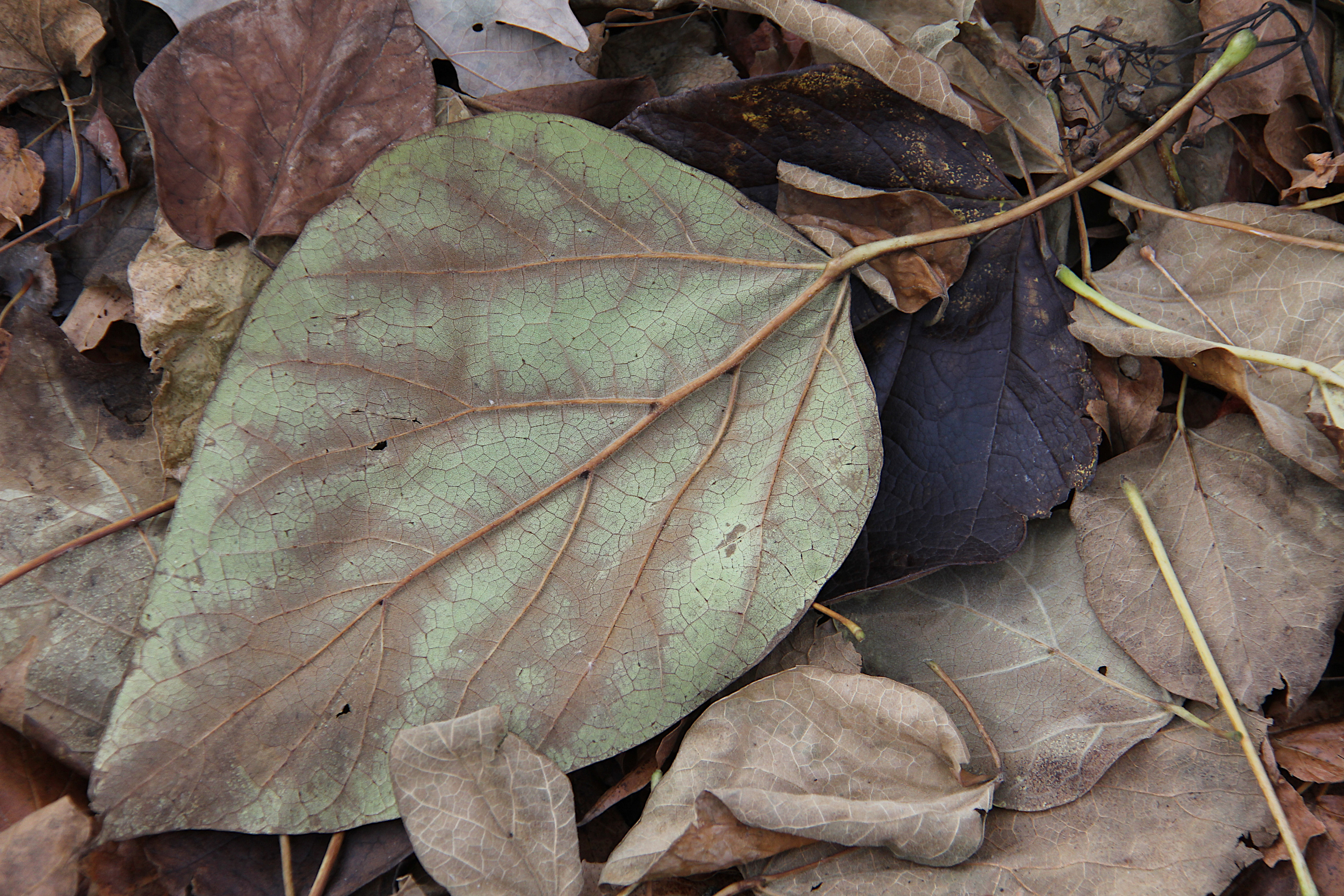
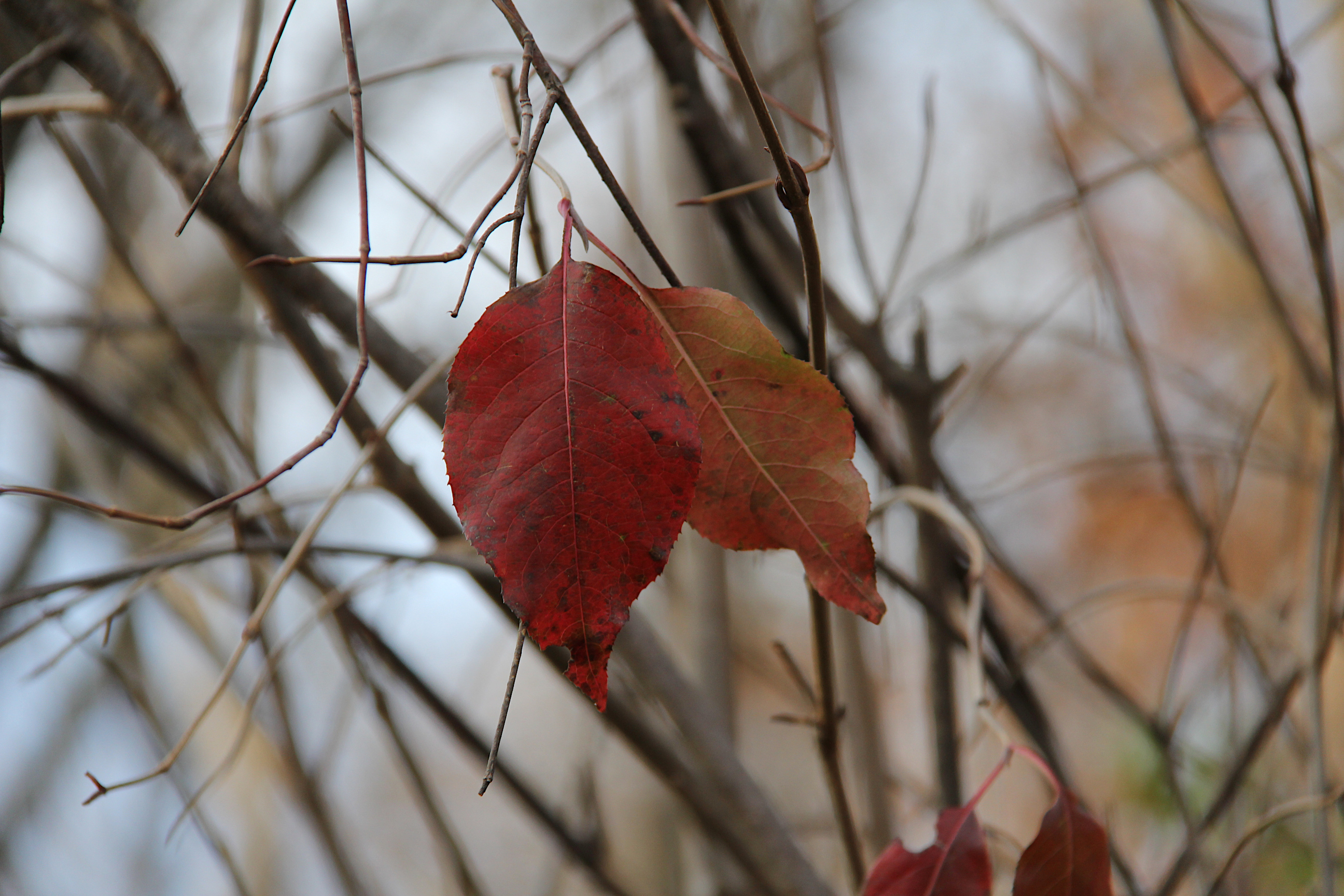
I found the veined back of this oversized fallen leaf especially lovely. (Minnesota Prairie Roots copyrighted photo November 2024)
As a life-long Minnesotan, I understand this about November. I know this. But I still don’t like the absence of color or light, the dark morning rising, the darkness that descends well before 5 p.m. And, yes, seasonal affective disorder, even if you don’t admit you’re experiencing it, likely touches all of us in Minnesota.
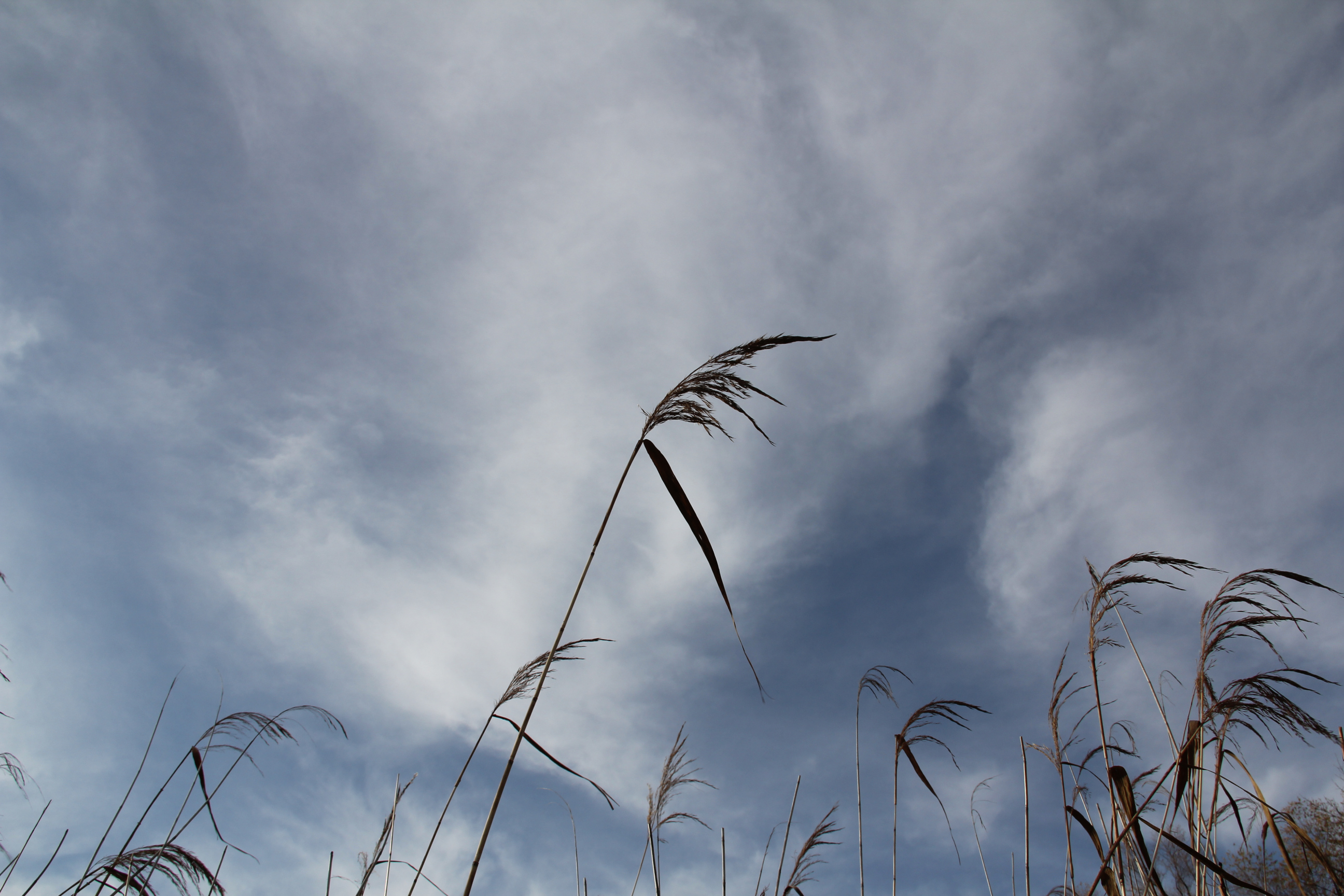
Beautiful: Wisps of clouds in the big sky and grass heads soaring. (Minnesota Prairie Roots copyrighted photo November 2024)
Times like this, it helps to get outside, into the natural world, and view the November landscape through an appreciative lens. It’s possible to reshape your thinking if you slow down, notice the details, determine that beauty is to be found in the outdoors, even in this eleventh month of the year.
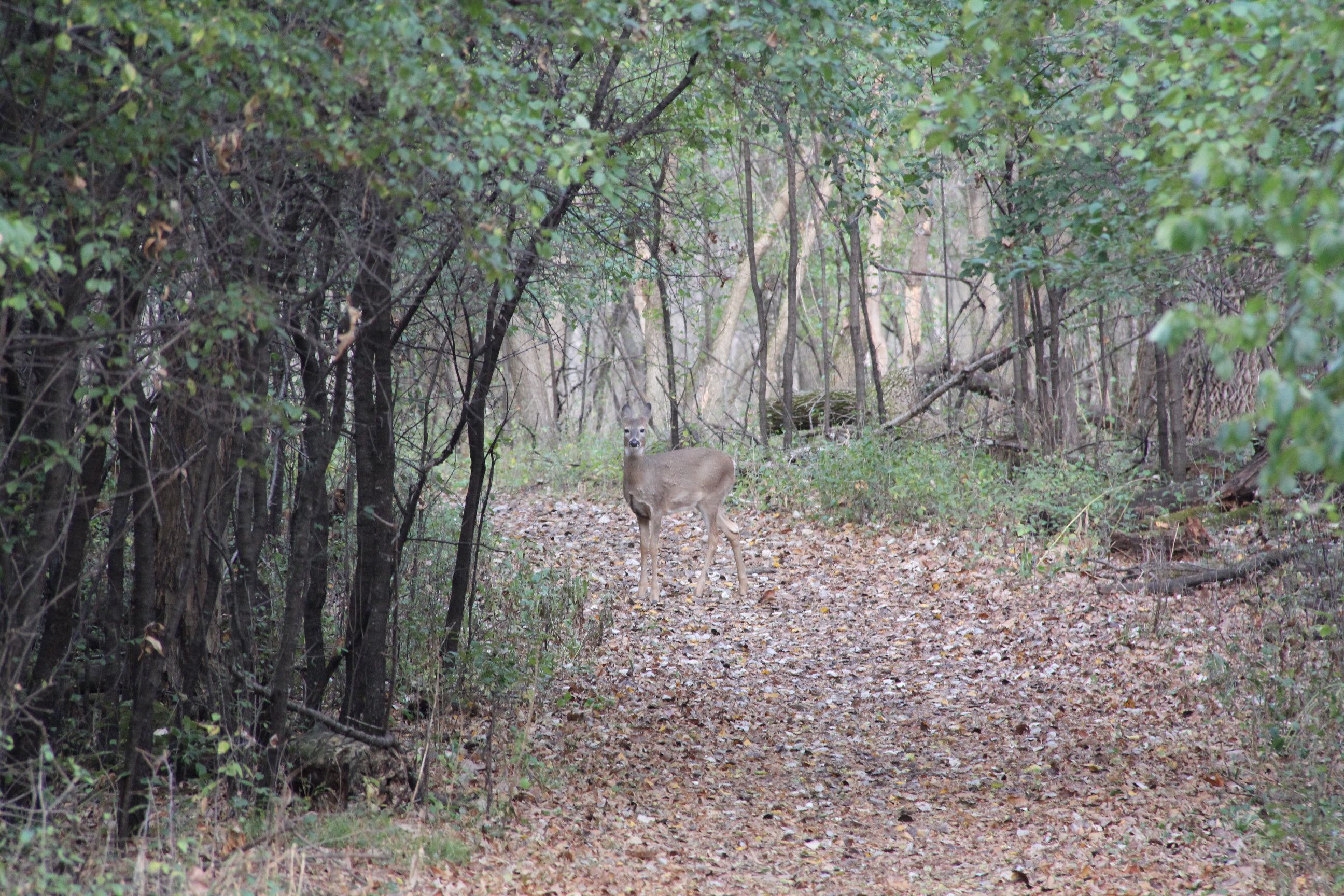
My initial glimpse of the nearly invisible deer standing on a leaf-littered trail. (Minnesota Prairie Roots copyrighted photo November 2024)
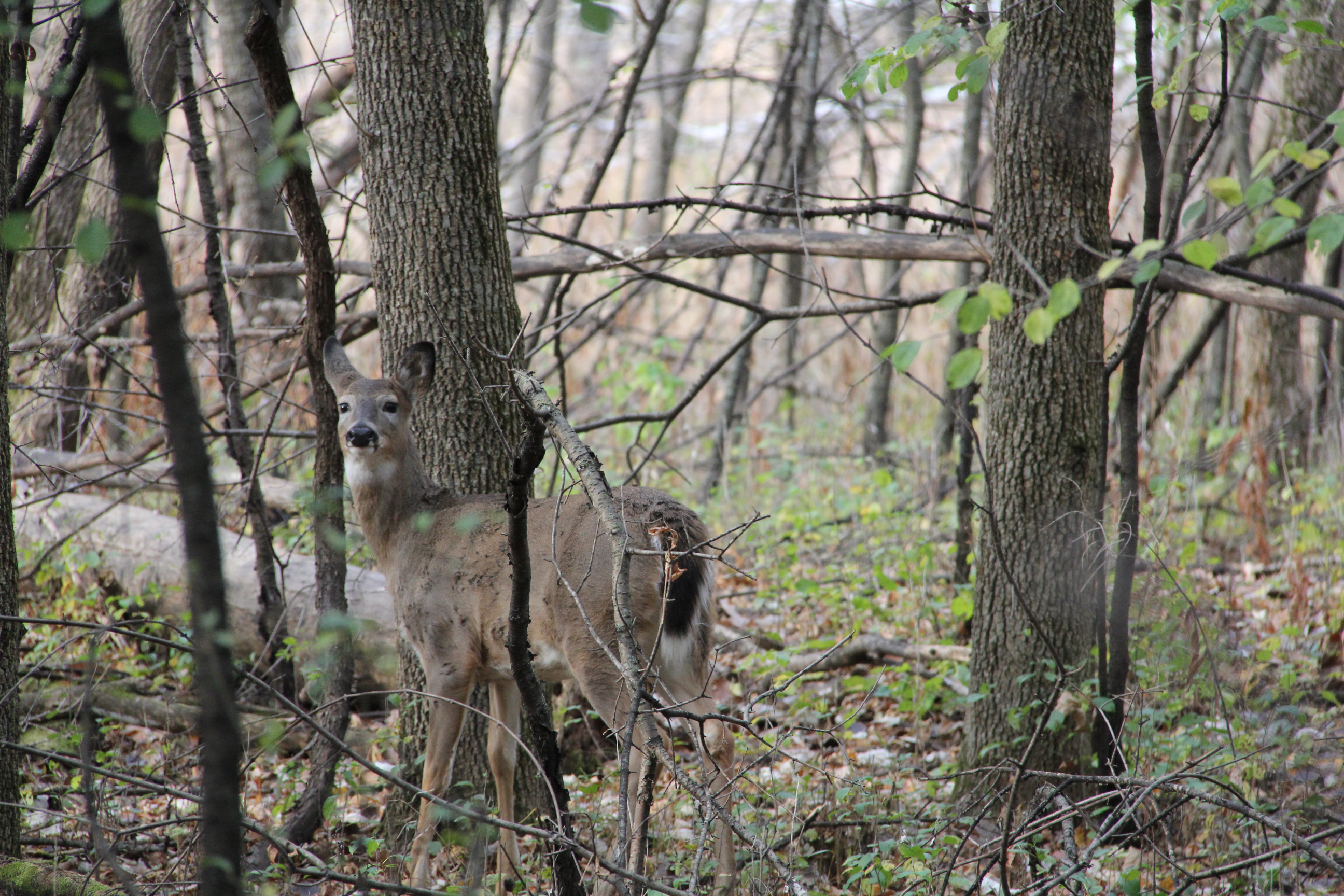
So into the woods I went at River Bend Nature Center in Faribault, where first off I spotted a deer on a trail, the animal effectively camouflaged among the dried leaves, the trunks of trees and buckthorn (an invasive species still green). The doe stood and watched as I eased slowly toward her intent on getting within better focal range. Soon she wandered into the woods, among the trees. I shot a rapid series of images as the stare-down continued, until finally the deer tired of my presence and hurried away.
I moved closer, then zoomed in with my telephoto lens to get this close-up image. (Minnesota Prairie Roots copyrighted photo November 2024)
What a wonderful way to begin my walk. Even if I consider deer too populous and a danger on roadways, my interest in watching them never wanes. And there are plenty of deer to watch at River Bend.
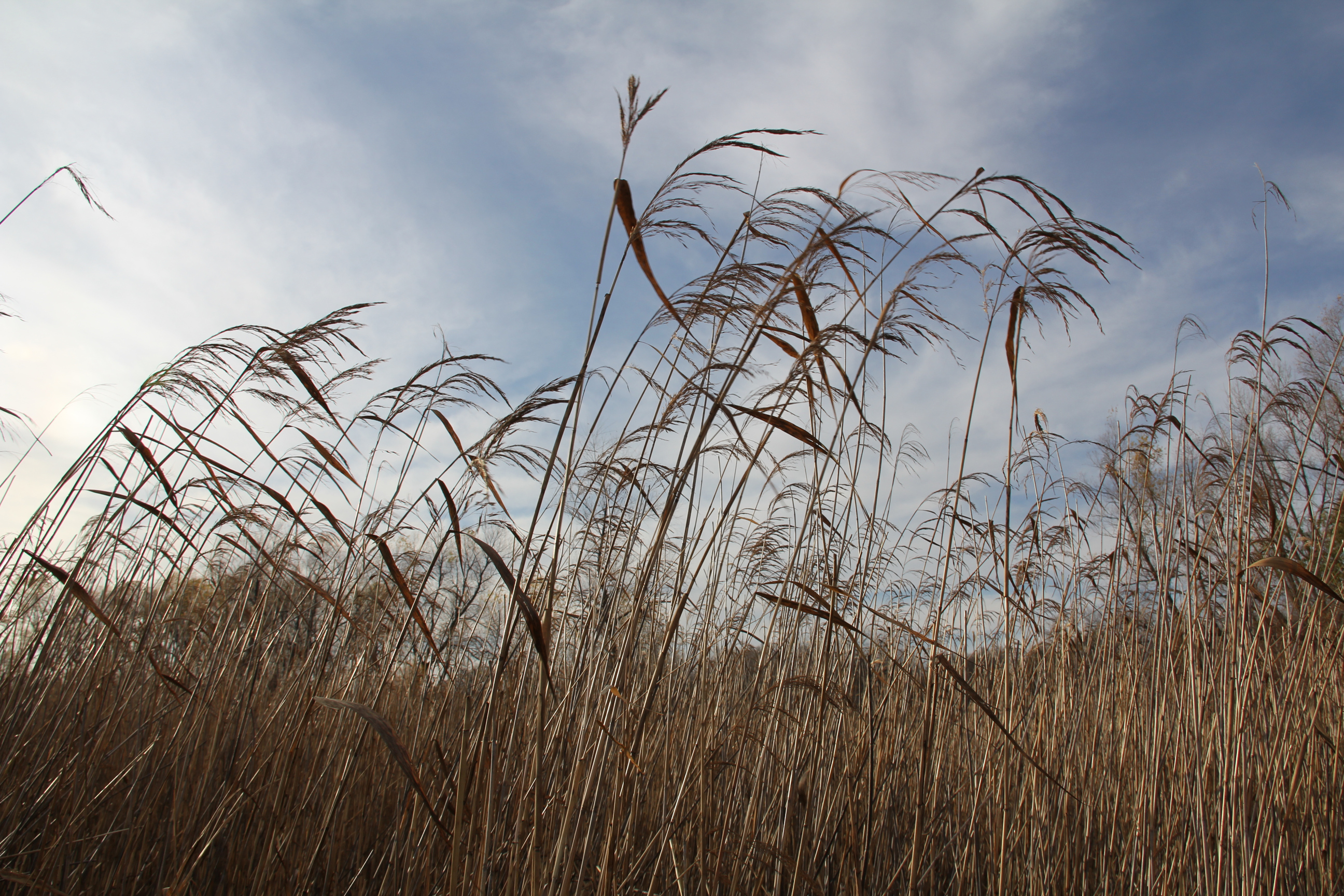
This grass stretches way above my head and dances in the wind. (Minnesota Prairie Roots copyrighted photo November 2024)
Mostly, though, I don’t see many animals at the nature center. Plant life becomes my point of interest. In November, that means dormant plants like dried grasses stretching across the expansive prairie. Or grasses rising high above my head along the trail, stalks listing, pushed by the wind. Dancing.
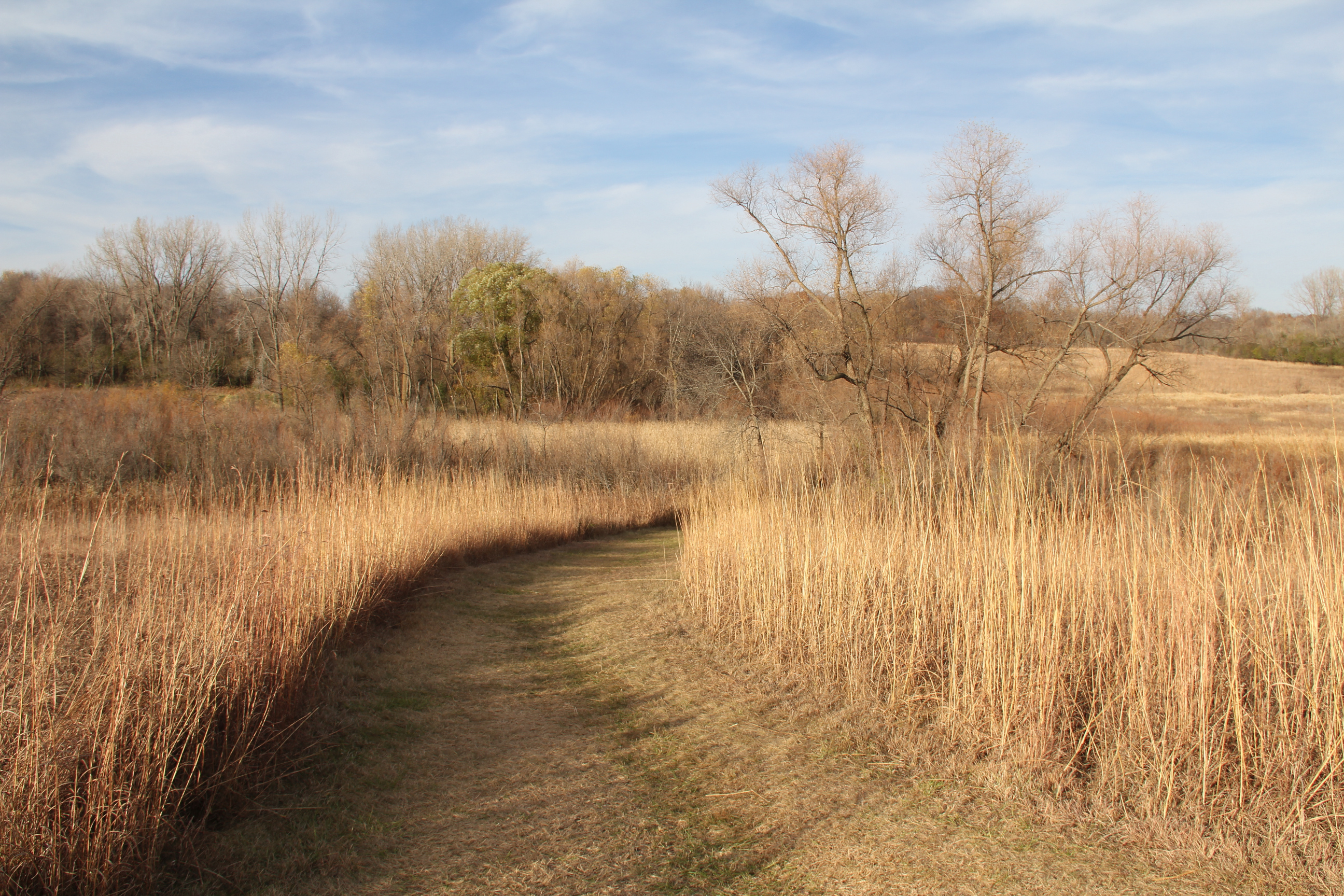
Dried grasses, possible fuel for fire, edge a trail. (Minnesota Prairie Roots copyrighted photo November 2024)
These grasses have lost their luster green, but they are no less lovely in muted shades. The thought crosses my mind how rapidly a spark could ignite a raging grass fire here upon the parched land.
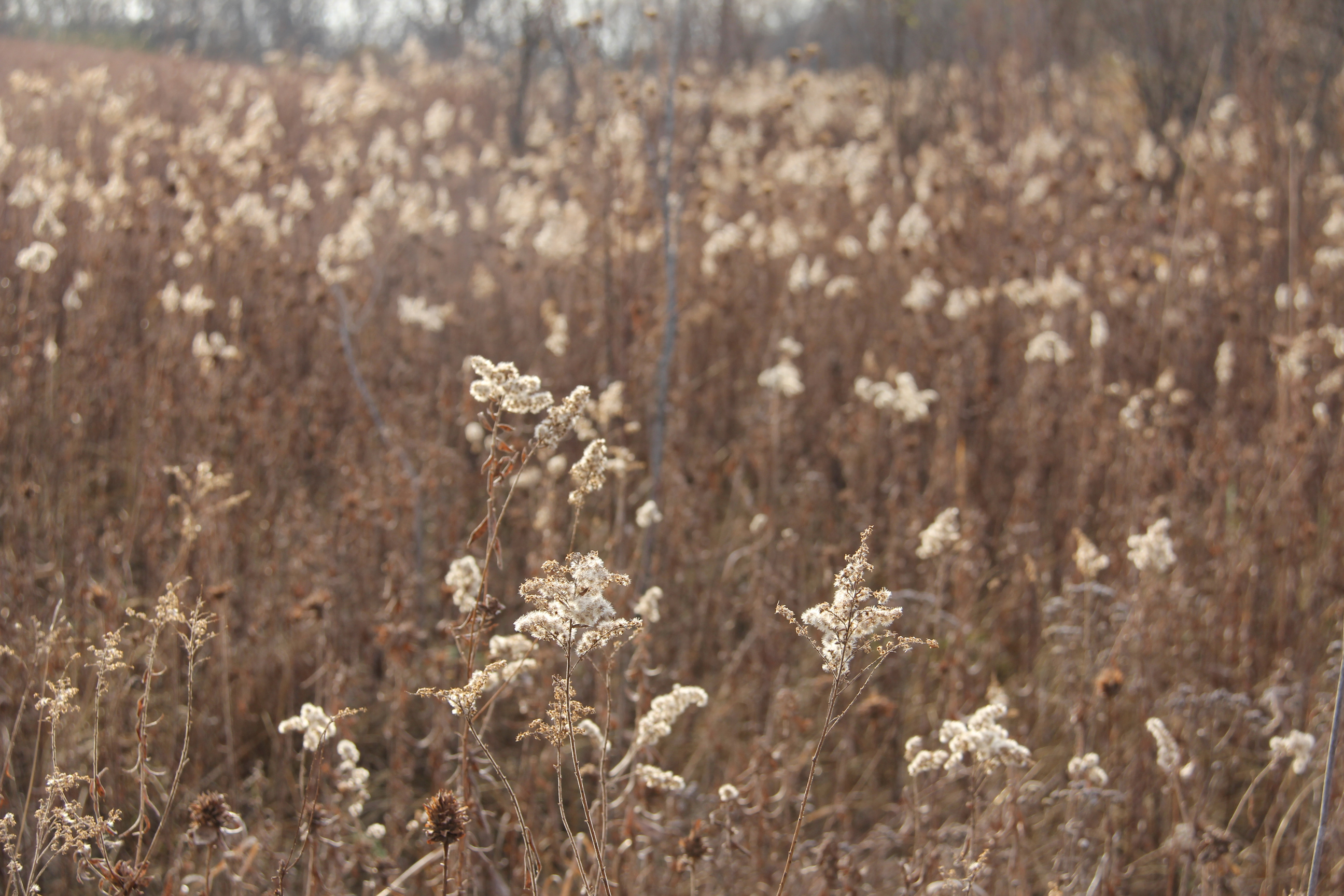
Dried goldenrod seemingly glow in the afternoon sunlight. (Minnesota Prairie Roots copyrighted photo November 2024)
Weeds and wildflowers (I’m no naturalist when it comes to identifying what I see) are likewise dead and dried, some glowing in the late afternoon sunshine. And that, too, is lovely.
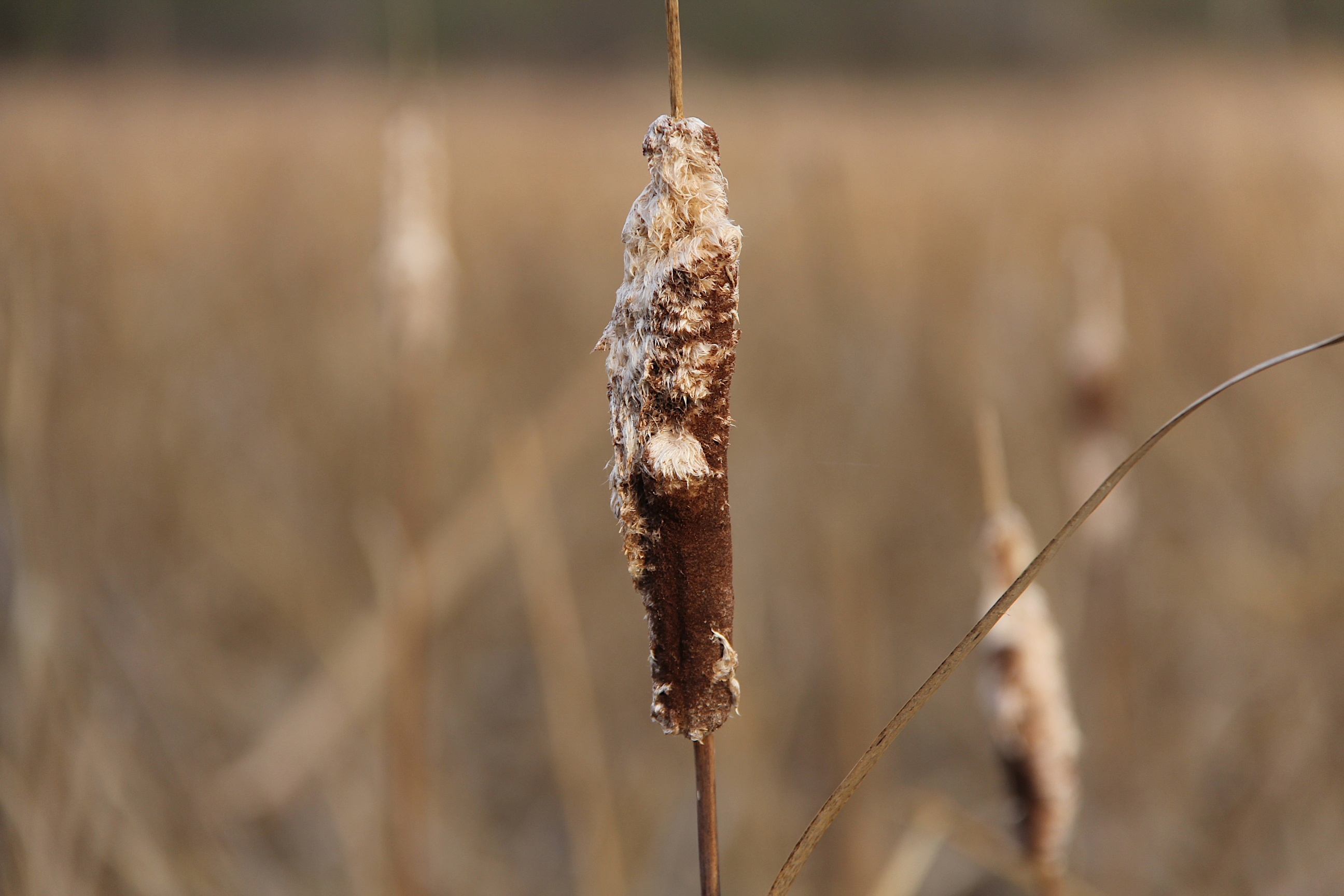
Cattails burst open at season’s end. (Minnesota Prairie Roots copyrighted photo November 2024)
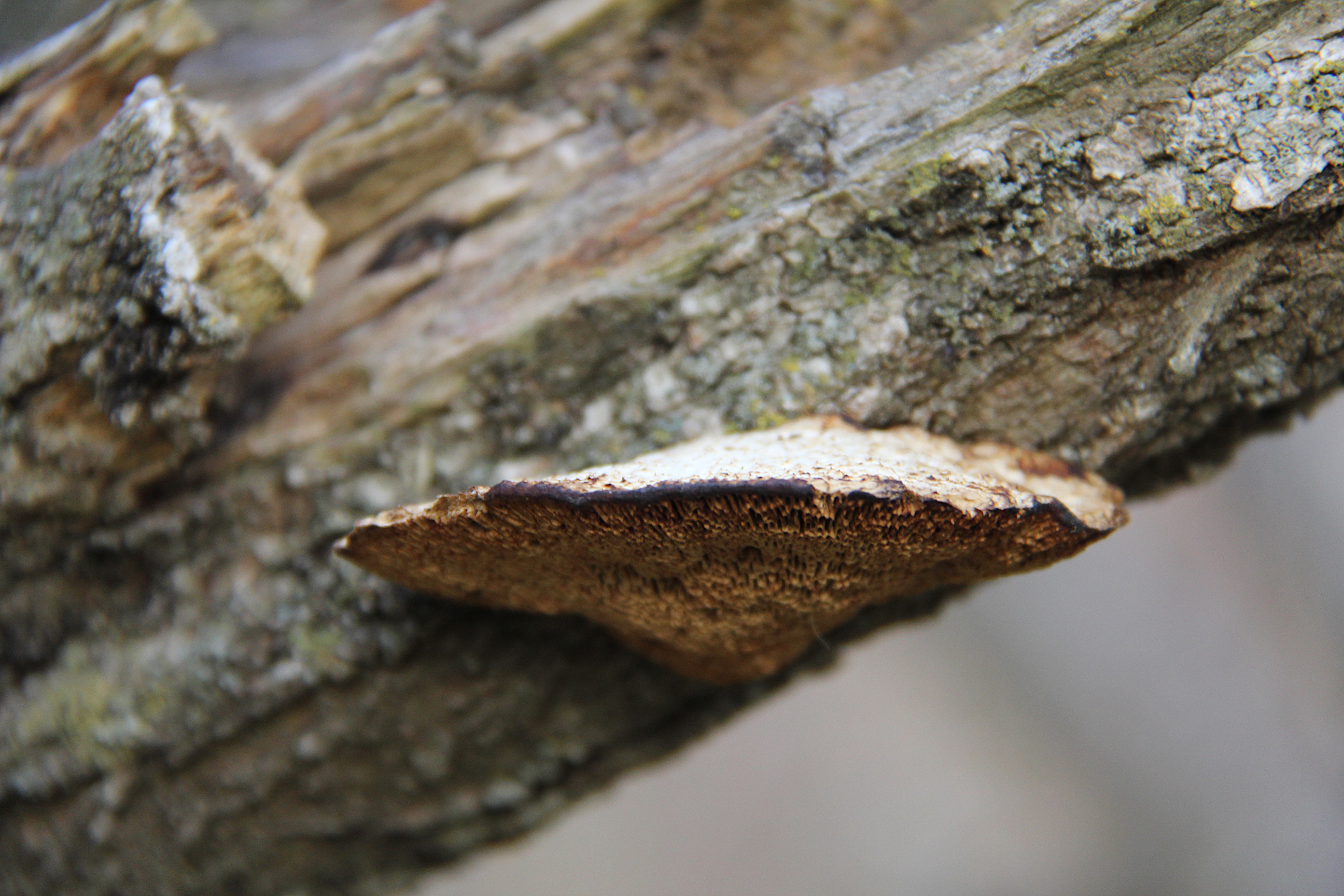
Fungus blends in with bark. (Minnesota Prairie Roots copyrighted photo November 2024)
Cattails appear ravaged by the seasons. Fungi ladder a tree branch. These are the details I notice in looking for photos, in convincing myself that beauty exists within the woods, upon the prairie, even in November.
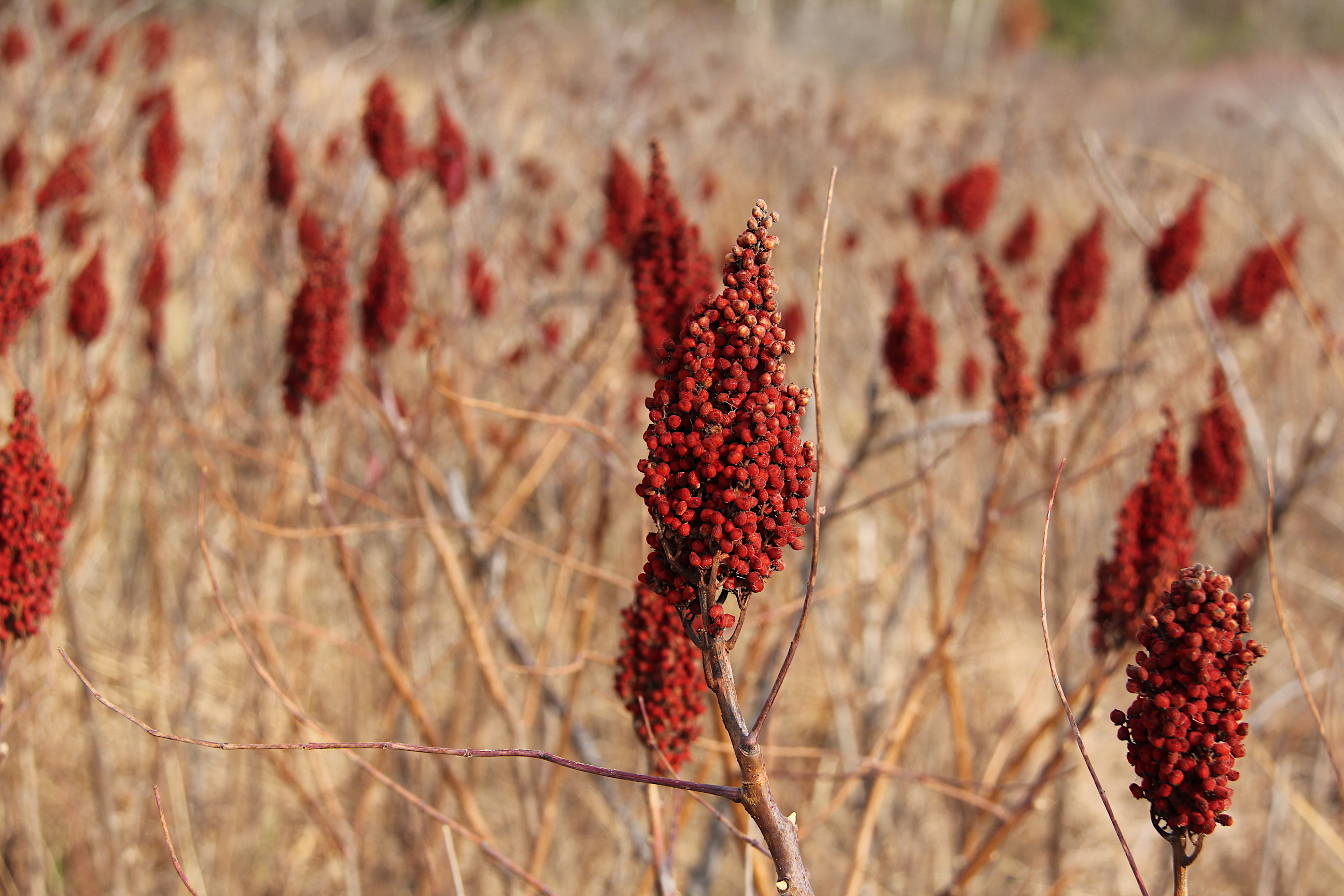
Dried sumac edge the prairie. (Minnesota Prairie Roots copyrighted photo November 2024)
Dried sumac in a hue that isn’t orange, that isn’t red, flames.
Walking uphill to the prairie, the sky appears expansive. (Minnesota Prairie Roots copyrighted photo November 2024)
A blue sky, swept with wisps of clouds, accents the scenes I take in. I always feel small under the expansive sky, no matter the month.
A spot of color in stubborn leaves. (Minnesota Prairie Roots copyrighted photo November 2024)
A few stubborn, autumn leaves still cling, flashing color like the flick of a flame. That, too, I see on this November day.
If any image visually summarizes November, this would be it. (Minnesota Prairie Roots copyrighted photo November 2024)
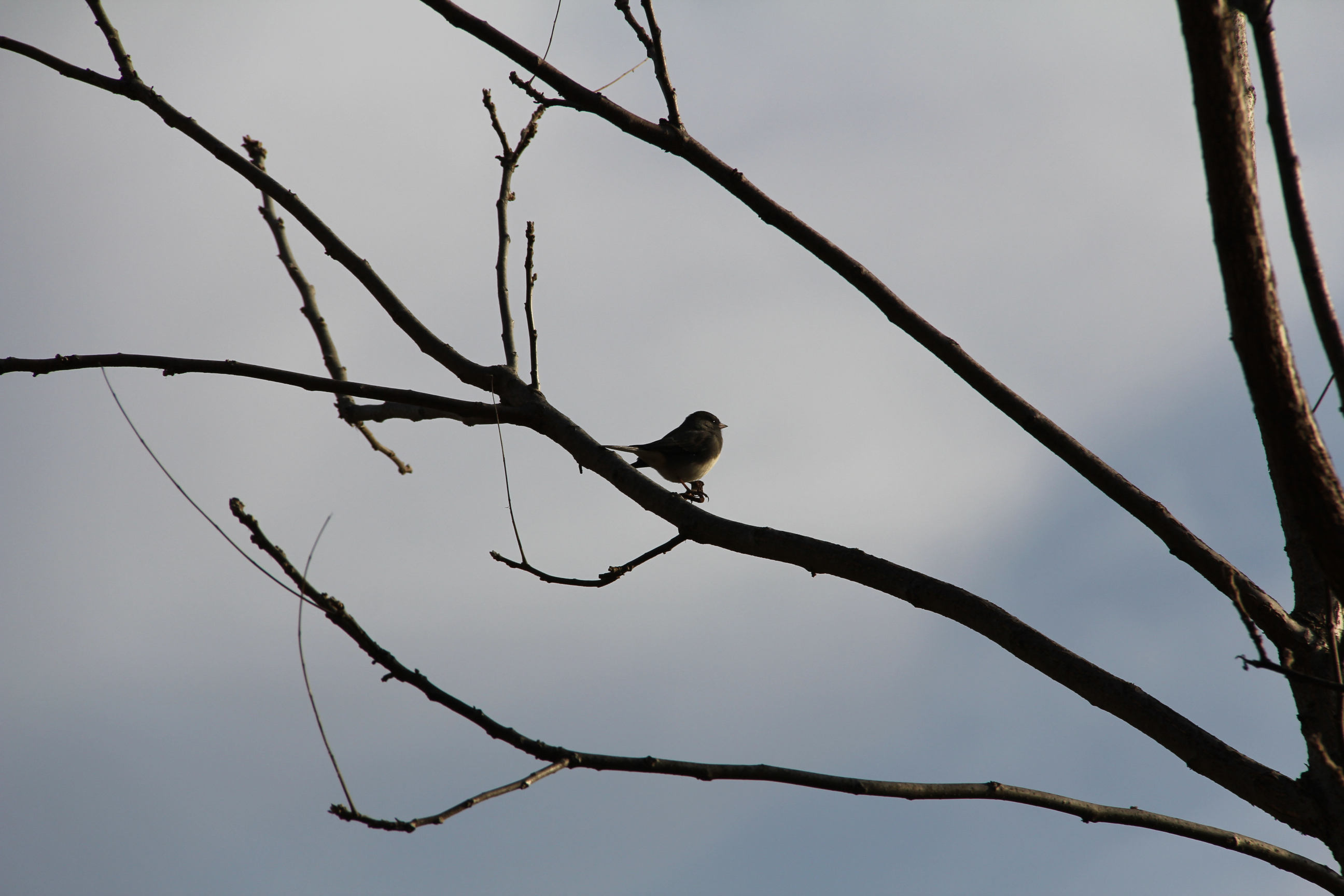
A flutter of birds near the end of my walk draws my eyes to a bare tree. To watch. To hear their movement, like a whisper of winter coming. Quiet and colorless. Signs of December soon overtaking November.
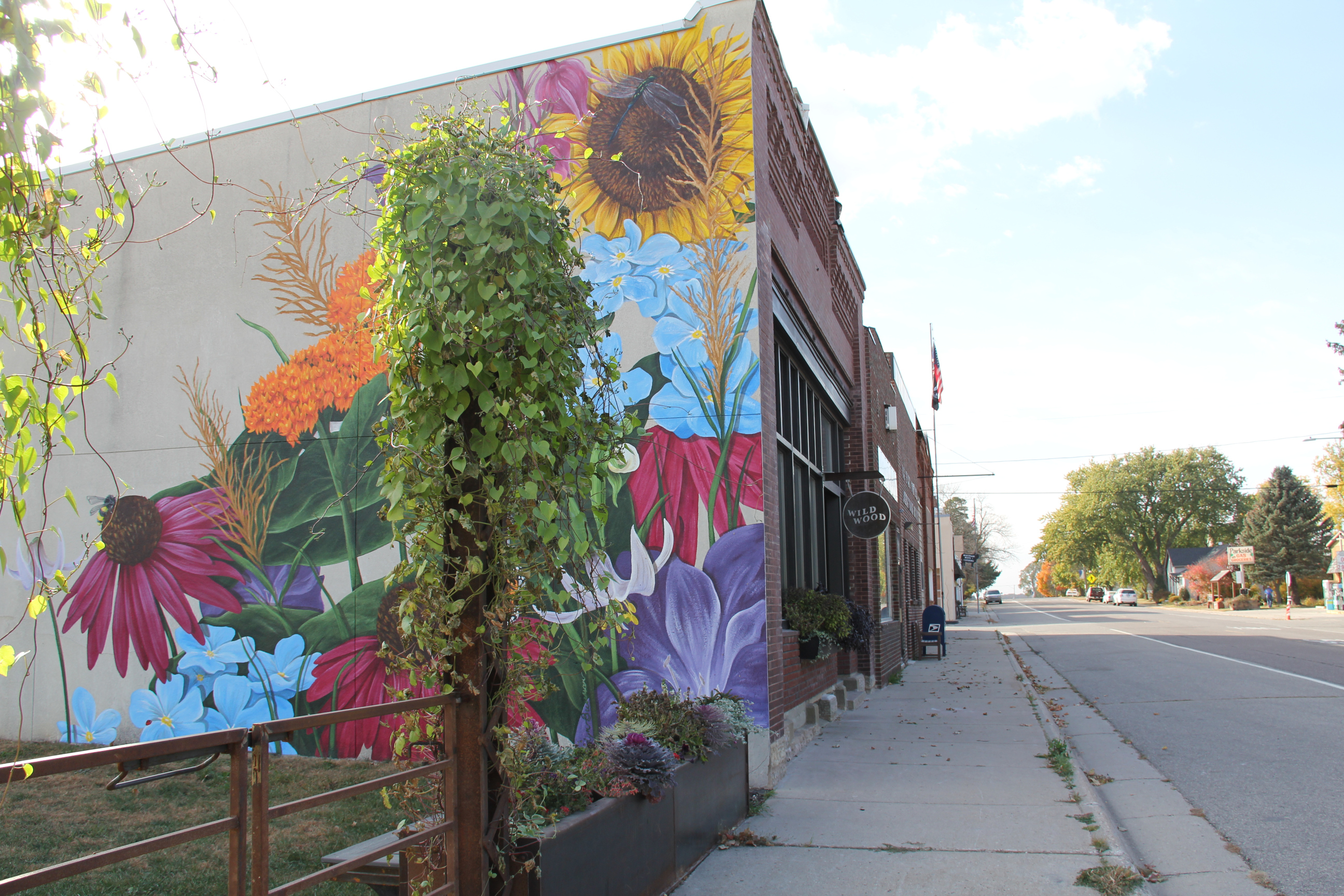
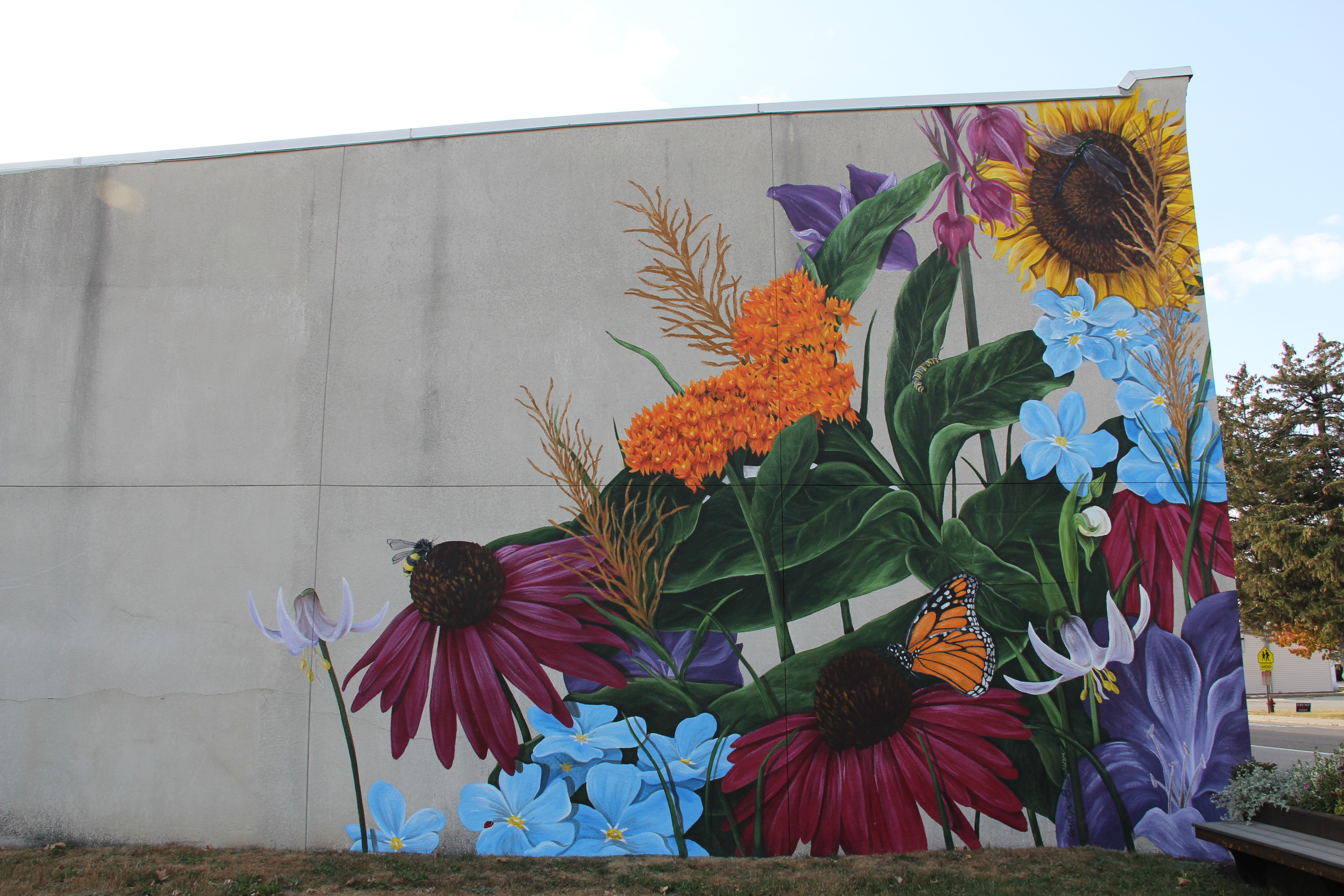
Wildflowers bloom on a mural along Main Street in Nerstrand. (Minnesota Prairie Roots copyrighted photo October 2024)
NERSTRAND, POPULATION 295, is one of those small towns where not a lot changes. Until something does, and then you notice.
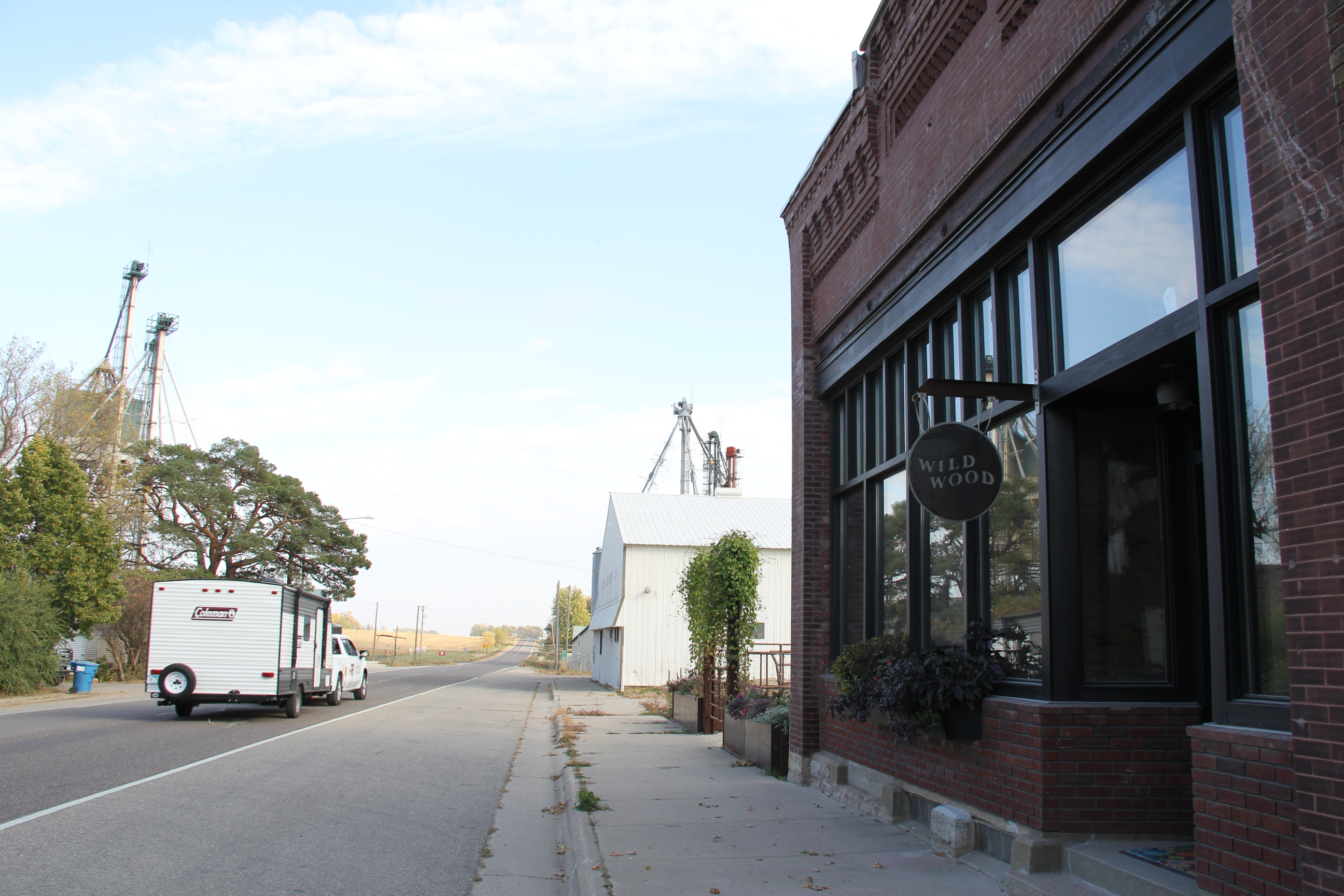
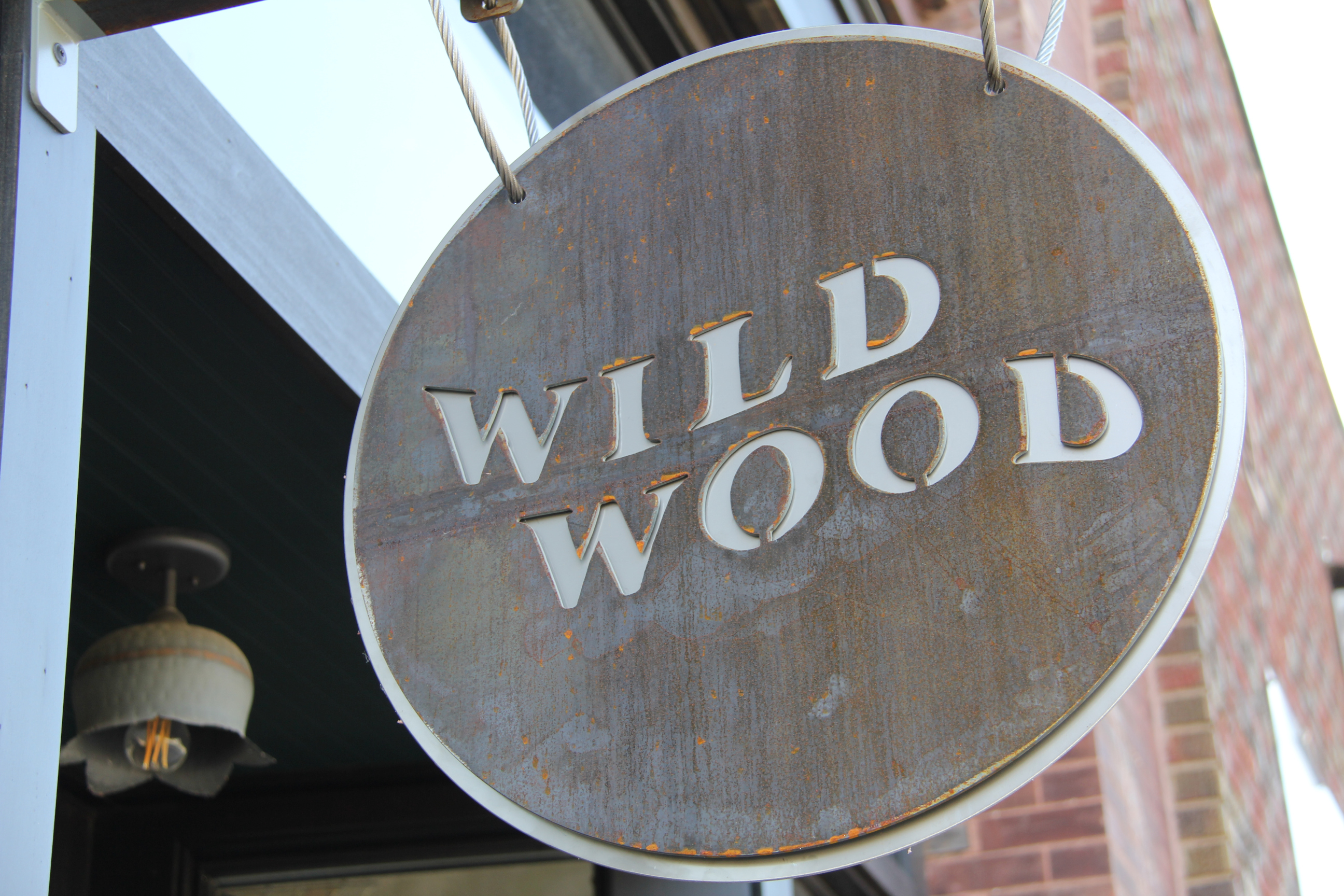
The mural is painted onto a corner of WildWood of Nerstrand. (Minnesota Prairie Roots copyrighted photo October 2024)
On a recent drive through this community in far eastern Rice County, I noticed something new. A mural. The wildflower-themed painting stretches across a corner of a brick building marked as WildWood.
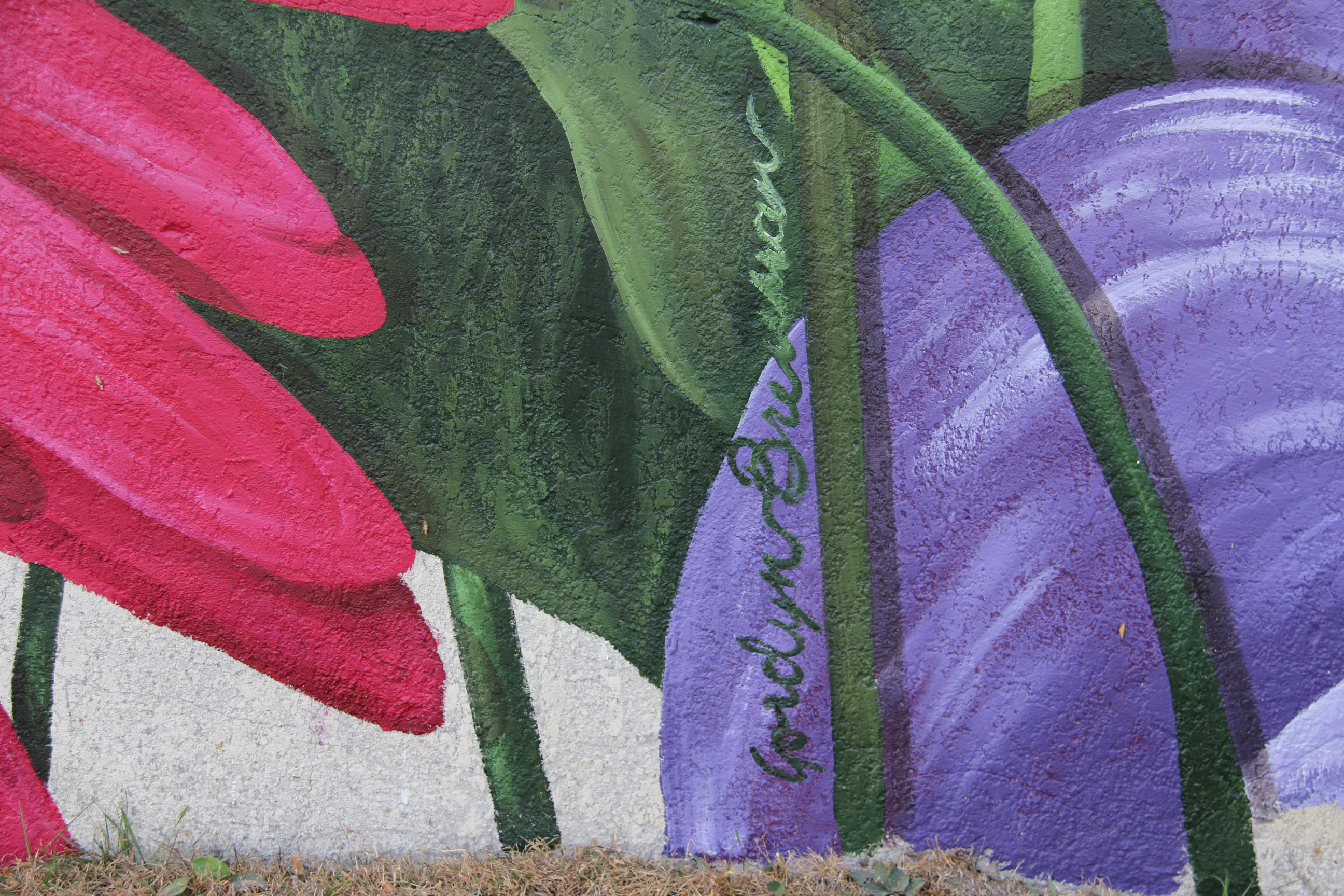
I found Jordyn Brennan’s signature down low on a lily stem. (Minnesota Prairie Roots copyrighted photo October 2024)
“Love for All,” a mural in Faribault that celebrates my community’s diversity. (Minnesota Prairie Roots copyrighted file photo)
I felt a sense of familiarity with the artwork. And then I saw Jordyn Brennan’s signature climbing the stem of a dwarf trout lily. The Minneapolis artist’s colorful “Love for All” mural, complete with hands signing the word “LOVE” and plenty of flowers, covers a spacious exterior building wall in the heart of downtown Faribault.
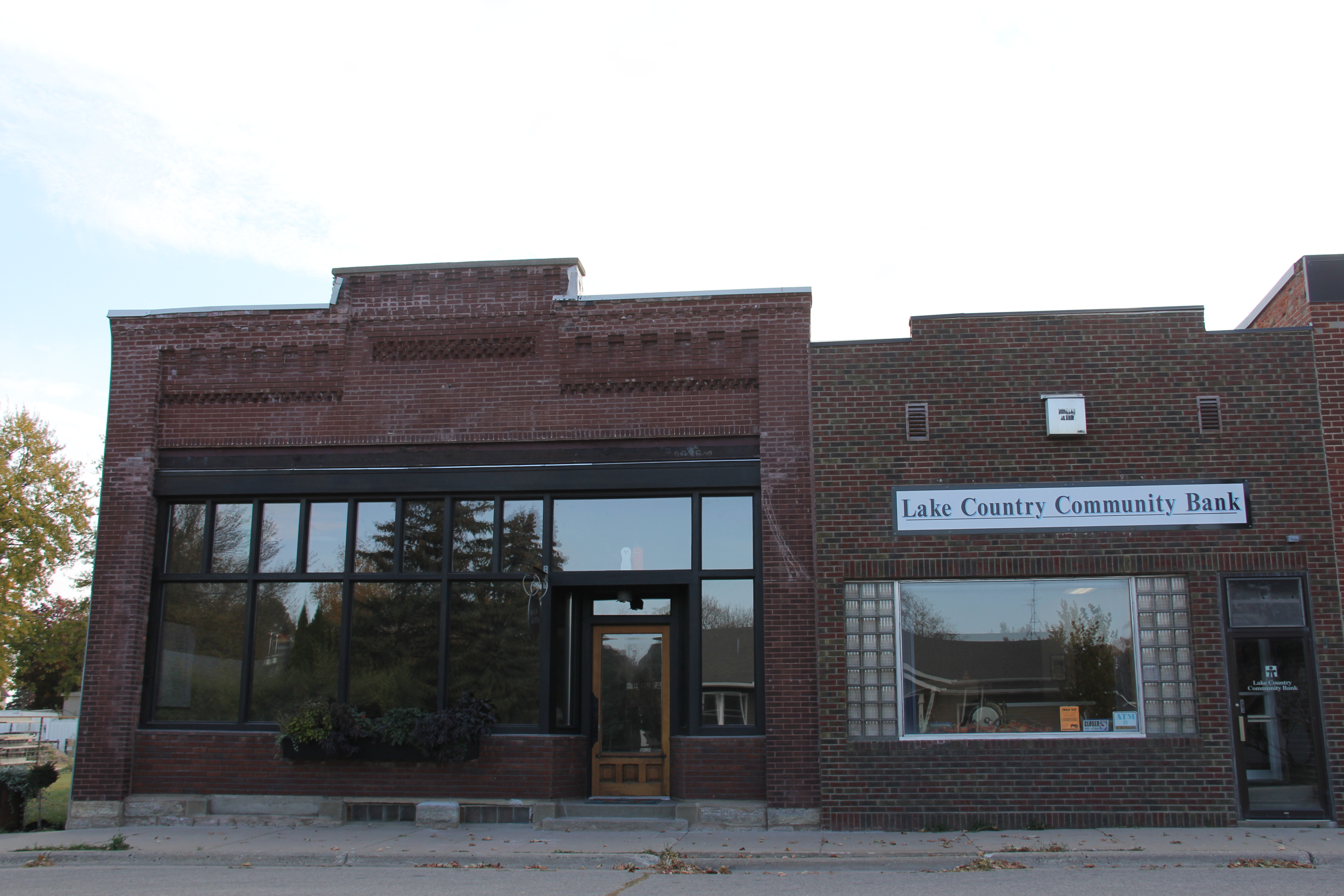
Heading east out of Nerstrand, WildWood is located at 315 Main Street, next to Lake Country Community Bank. (Minnesota Prairie Roots copyrighted photo October 2024)
And now her work can be seen in the heart of downtown Nerstrand on WildWood, a restored brick building housing an event space and photography studio. I peered through the window of the locked front door to see more brick and wood. Lovely. Rustic. Down-to-earth visually appealing.
The mural adds an inviting nature-themed backdrop to The Wilderness green space. (Minnesota Prairie Roots copyrighted photo October 2024)
Tricia and Nick Streitz, with the help of family and friends, worked many years to renovate the space, which previously housed a woodcraft business and was then used for storage. Tricia’s business, Sweet Shibui Photography, is now located in a portion of the historic building. The rest is available to rent for gatherings in the 1,800 square foot The Great Room and outdoors in the 2,400 square foot The Wilderness green space.
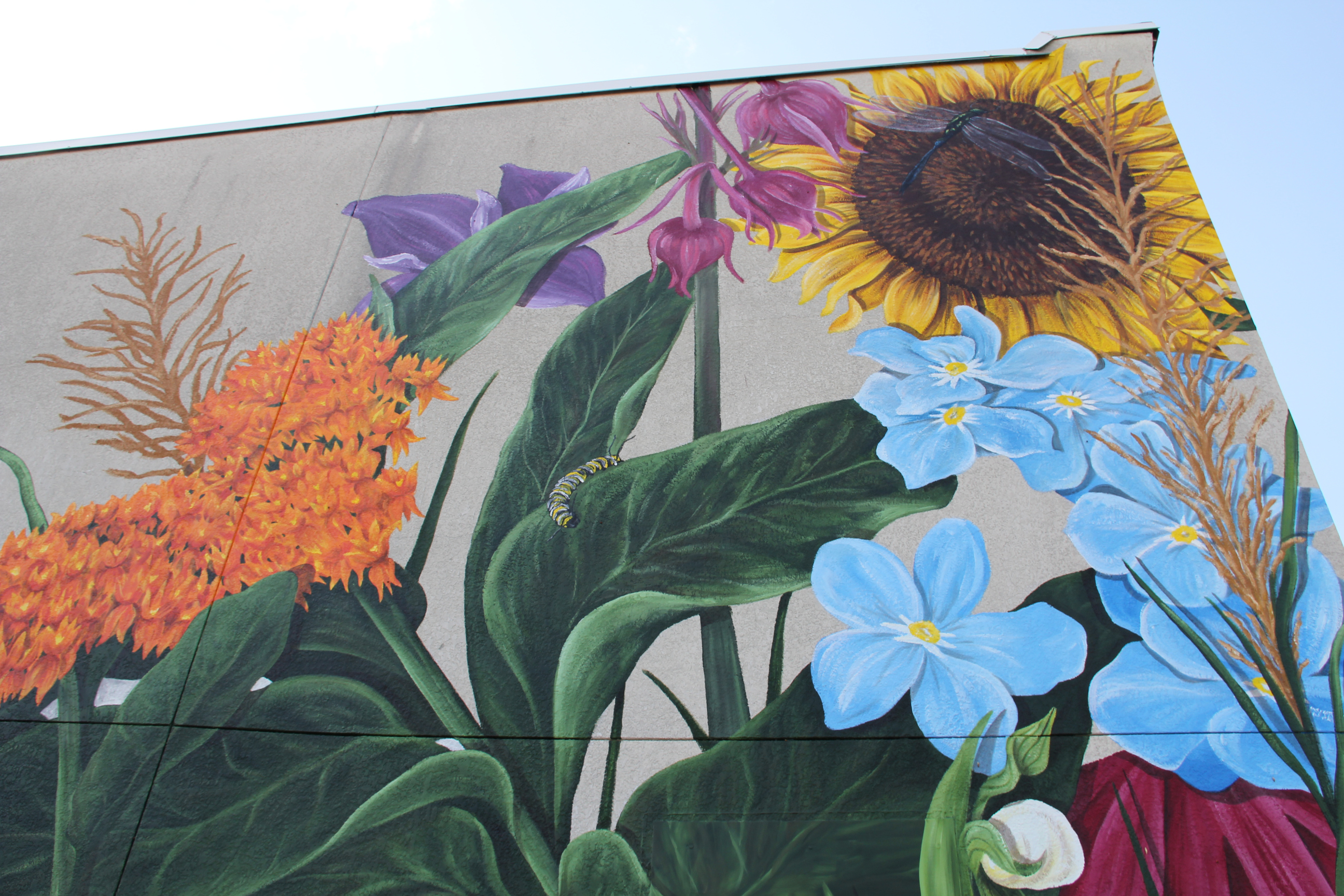
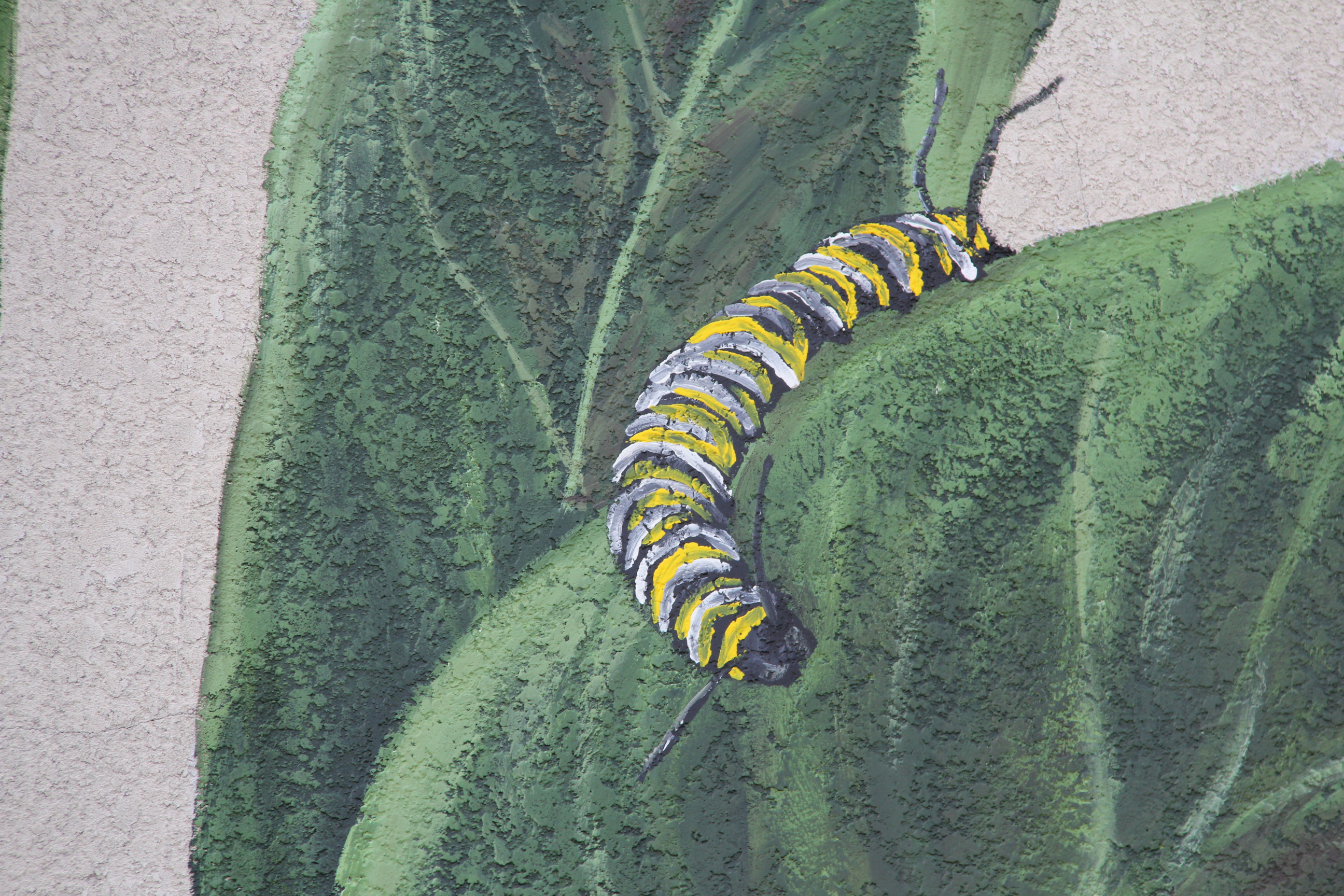
A Monarch caterpillar spotted among the flowers. (Minnesota Prairie Roots copyrighted photo October 2024)
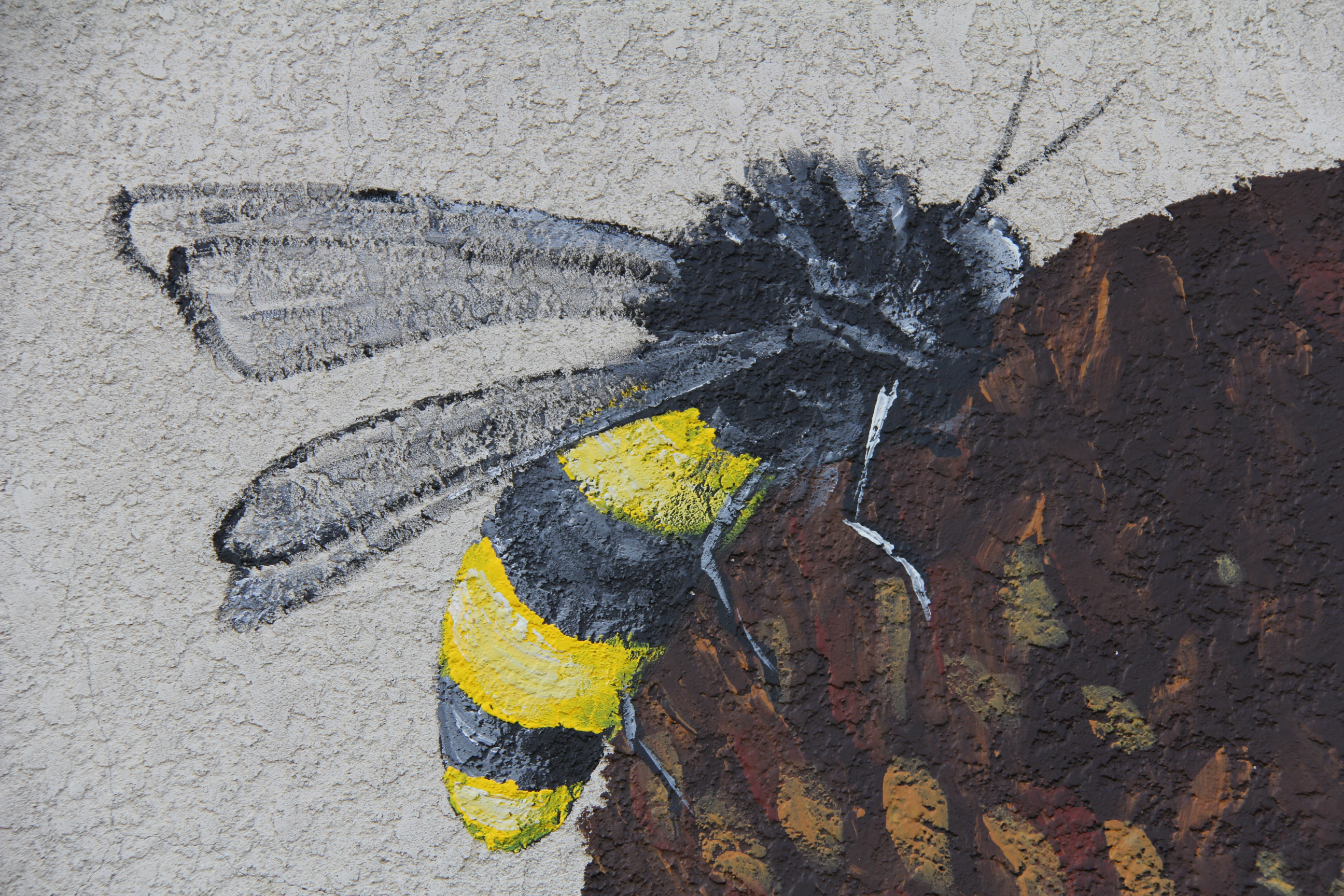
A bumblebee feeds on a coneflower. (Minnesota Prairie Roots copyrighted photo October 2024)
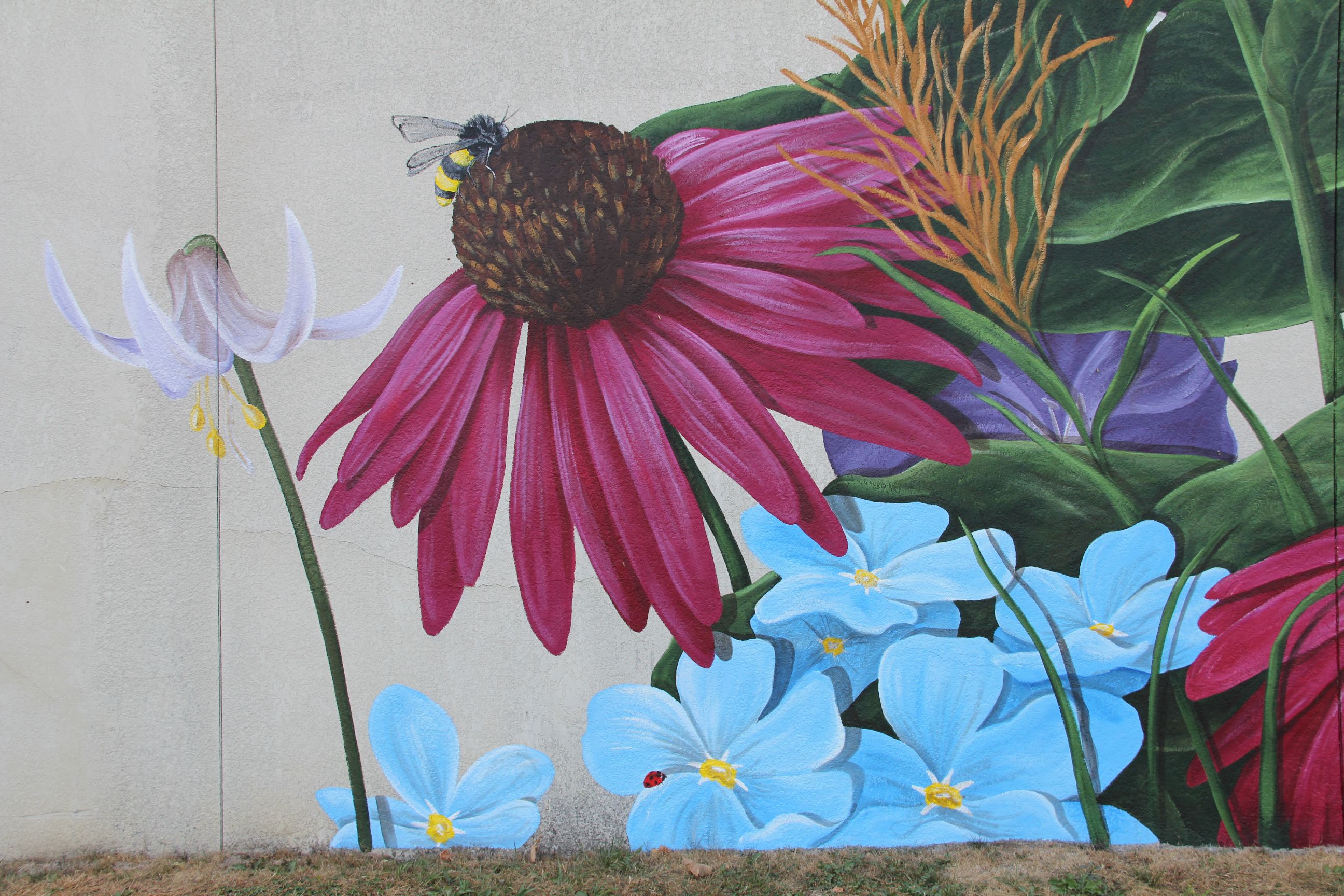
Way down low on the mural, near the ground, I found this ladybug. (Minnesota Prairie Roots copyrighted photo October 2024)
But on this Saturday afternoon in late October, I focused on the mural of coneflowers, dwarf trout lilies, sunflower, butterfly weed and several other wildflowers unknown to me. I found a Monarch caterpillar, Monarch butterfly, dragonfly and bumblebee interspersed among the florals, almost missing a ladybug.
The mural is on the left side of the WildWood building. (Minnesota Prairie Roots copyrighted photo October 2024)
I love public art, especially in small towns where art is often not easily accessible. This mural splashes color into the few blocks that comprise Nerstrand’s downtown business area. But the mural is also a backdrop for The Wilderness outdoor gathering space. I can easily envision family and friends gathering here and on the concrete patio to celebrate a small wedding, an anniversary, a graduation, a baby or bridal shower, whatever brings people together in life’s celebratory moments. Yard games are part of the package rental. WildWood is hosting an indoor/outdoor Makers Market from 9 a.m. – 1 p.m. Saturday, November 16.
That’s the rare dwarf trout lily to the far left in this section of the mural. (Minnesota Prairie Roots copyrighted photo October 2024)
This day I celebrated the discovery of the wildflower mural on the side of a new business in town. The over-sized art honors nature, including the endangered dwarf trout lily, which only grows in three places (Rice, Steele and Goodhue counties) in the world. That includes in Nerstrand Big Woods State Park just to the west of town.
The WildWood name fits given the nearby Big Woods and Tricia Streitz’s backstory. (Minnesota Prairie Roots copyrighted photo October 2024)
Even the name of the business, WildWood of Nerstrand, is decidedly appealing for the images it brings to mind. A favorite young adult book and treasured childhood memories of playing in the woods inspired the name, Tricia Streitz shares on the company website. Hers is a poetically-beautiful story. Imagine children running free, into the woods, building forts, climbing trees…
A Monarch butterfly lands on a coneflower in Jordyn Brennan’s mural. (Minnesota Prairie Roots copyrighted photo October 2024)
All of this I learned following a drive into a small Minnesota town, a town where not much changes. Until it does. I noticed the change. Stopped. Embraced the beauty of that wildflower mural, public art that reaches beyond art to connecting community in a celebratory space.
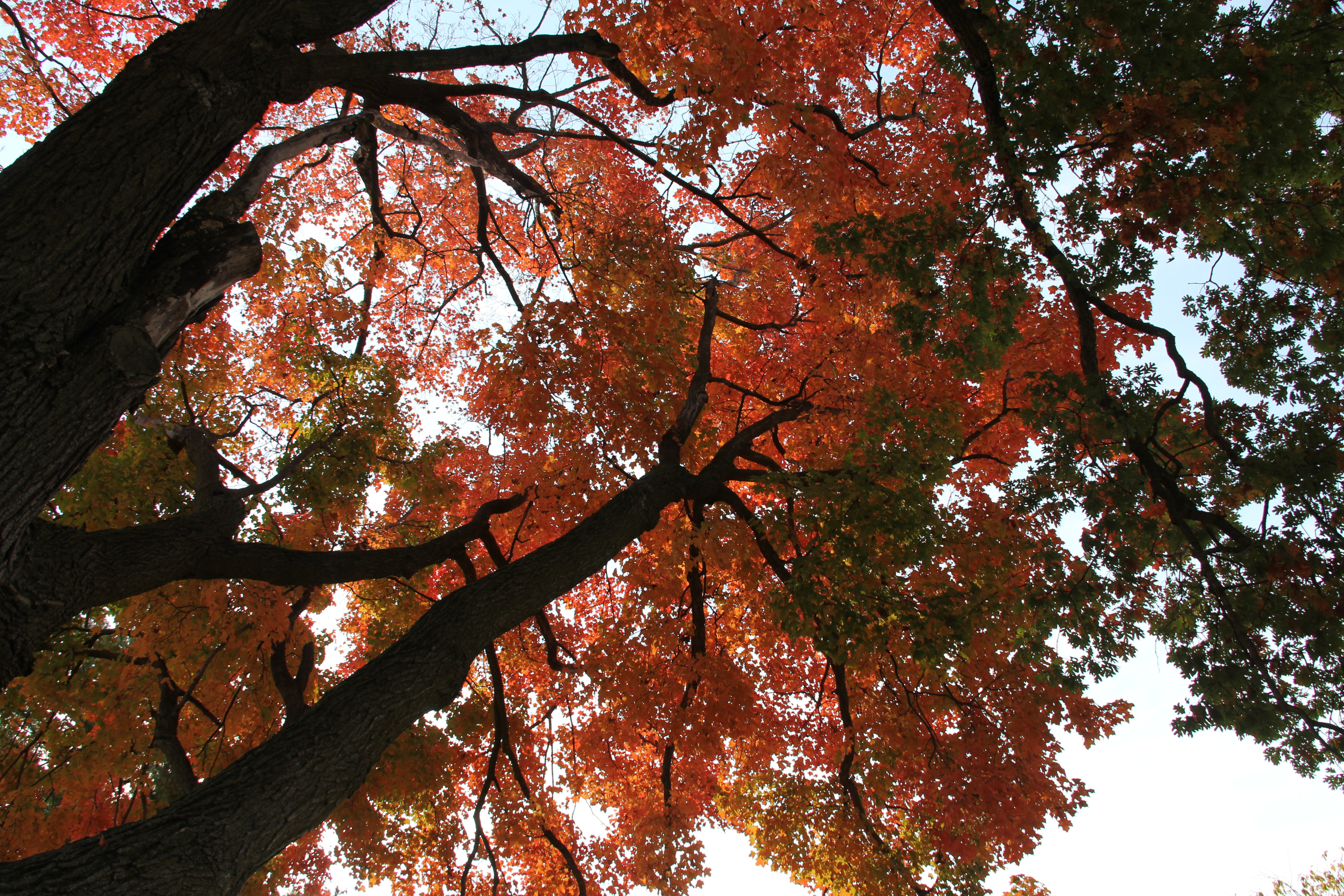
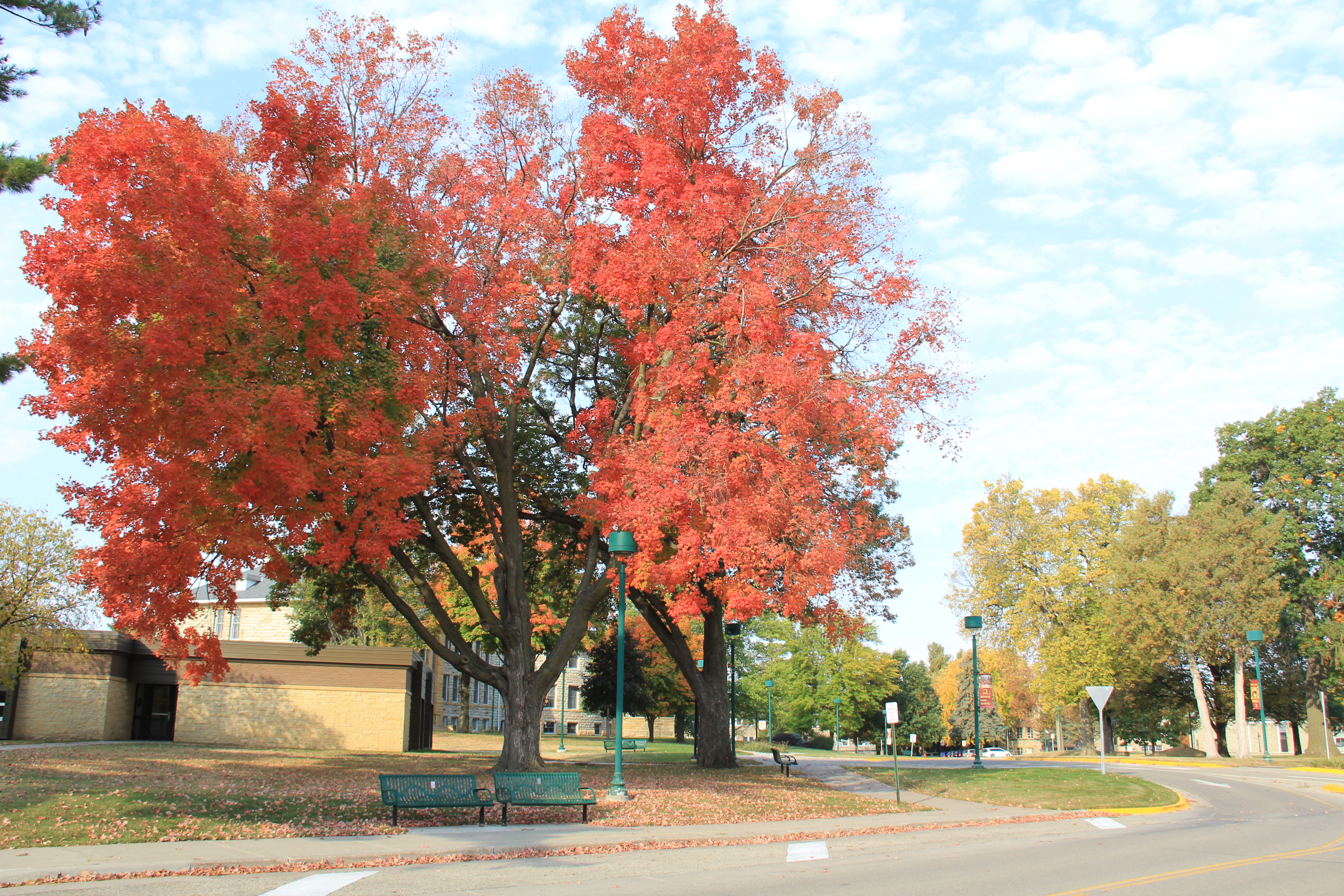
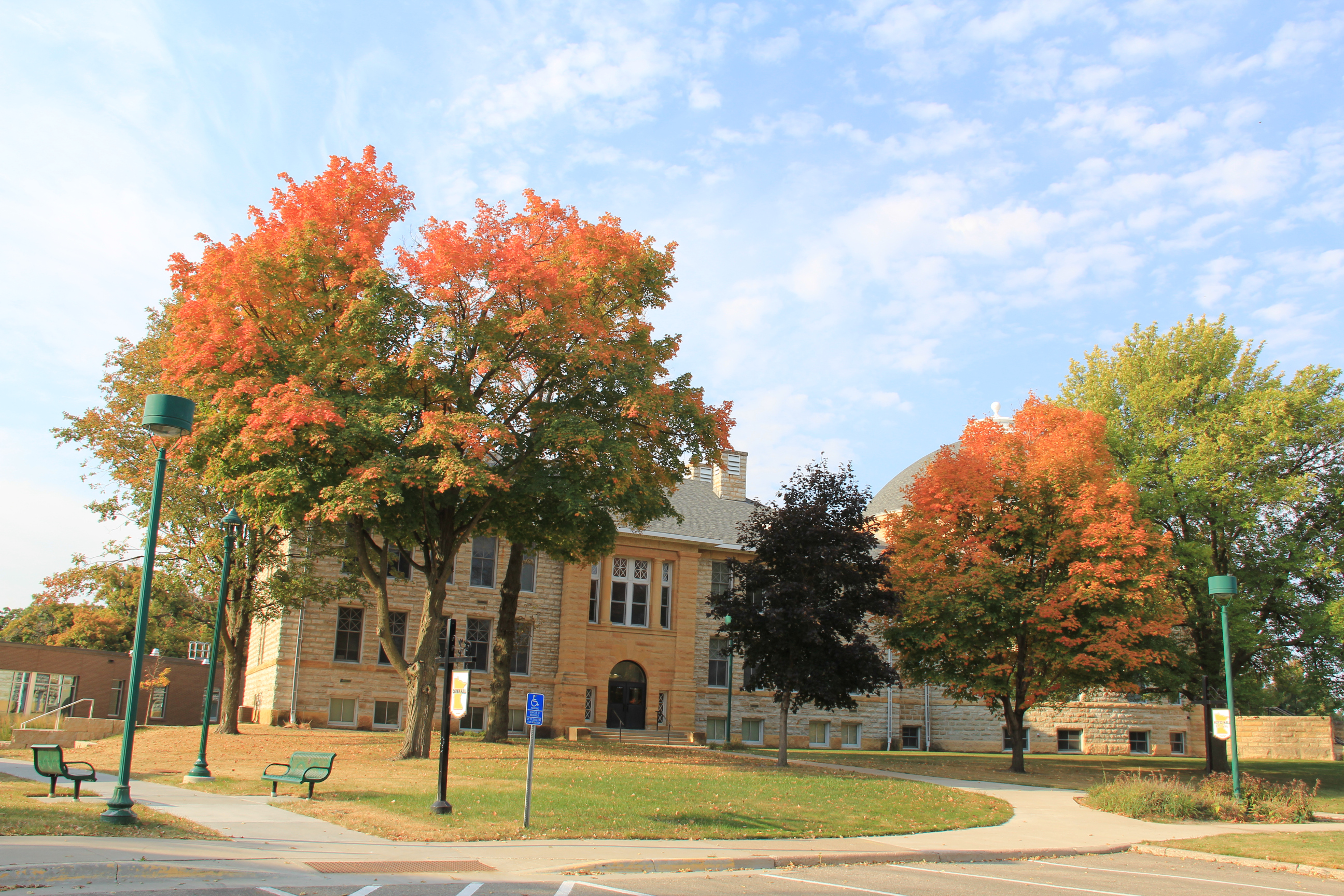
This towering maple on the campus of the Minnesota State Academy for the Deaf in Faribault is by far the most vibrant orange tree I’ve seen this fall. I took this photo nearly two weeks ago. The leaves are no longer as brilliant and many have fallen. (Minnesota Prairie Roots copyrighted photo October 2024)
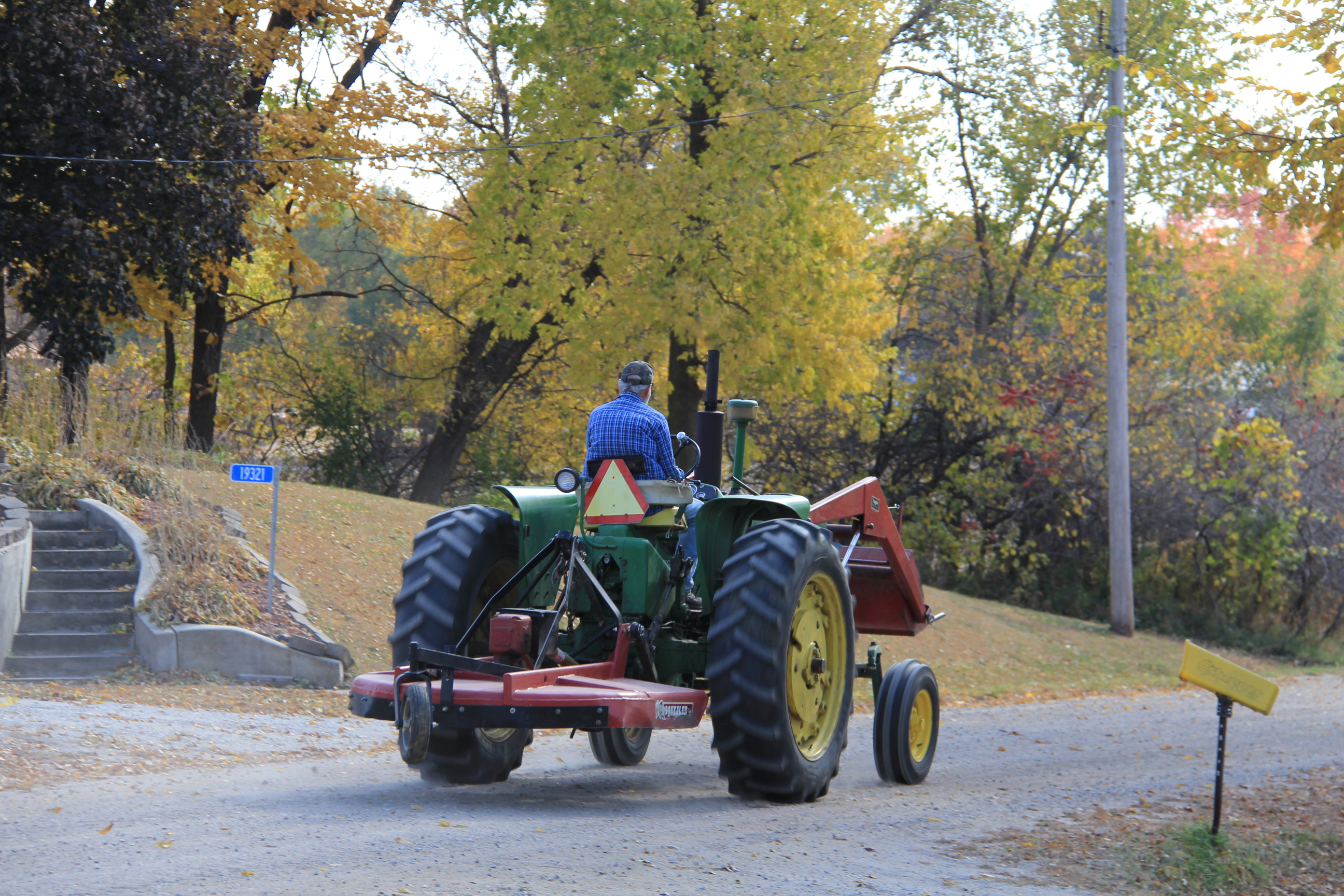
FROM CITY STREETS to gravel roads, Randy and I have traveled many miles in October to view the fall colors. Autumn rates, undeniably, as my favorite season except for the part of knowing what comes next—the cold and snow of a Minnesota winter.
A full view of that MSAD maple, photographed on October 12. (Minnesota Prairie Roots copyrighted photo October 2024)
We’ve stayed close to home, driving around our home county of Rice and also heading into portions of neighboring Le Sueur County, then Nicollet and Blue Earth counties. Admittedly, the lack of color has sometimes disappointed us. Blame the current drought, the too-warm weather or the hazy, dusty skies of windy days. Yet, the color is there, just not as abundant or brilliant as some years.
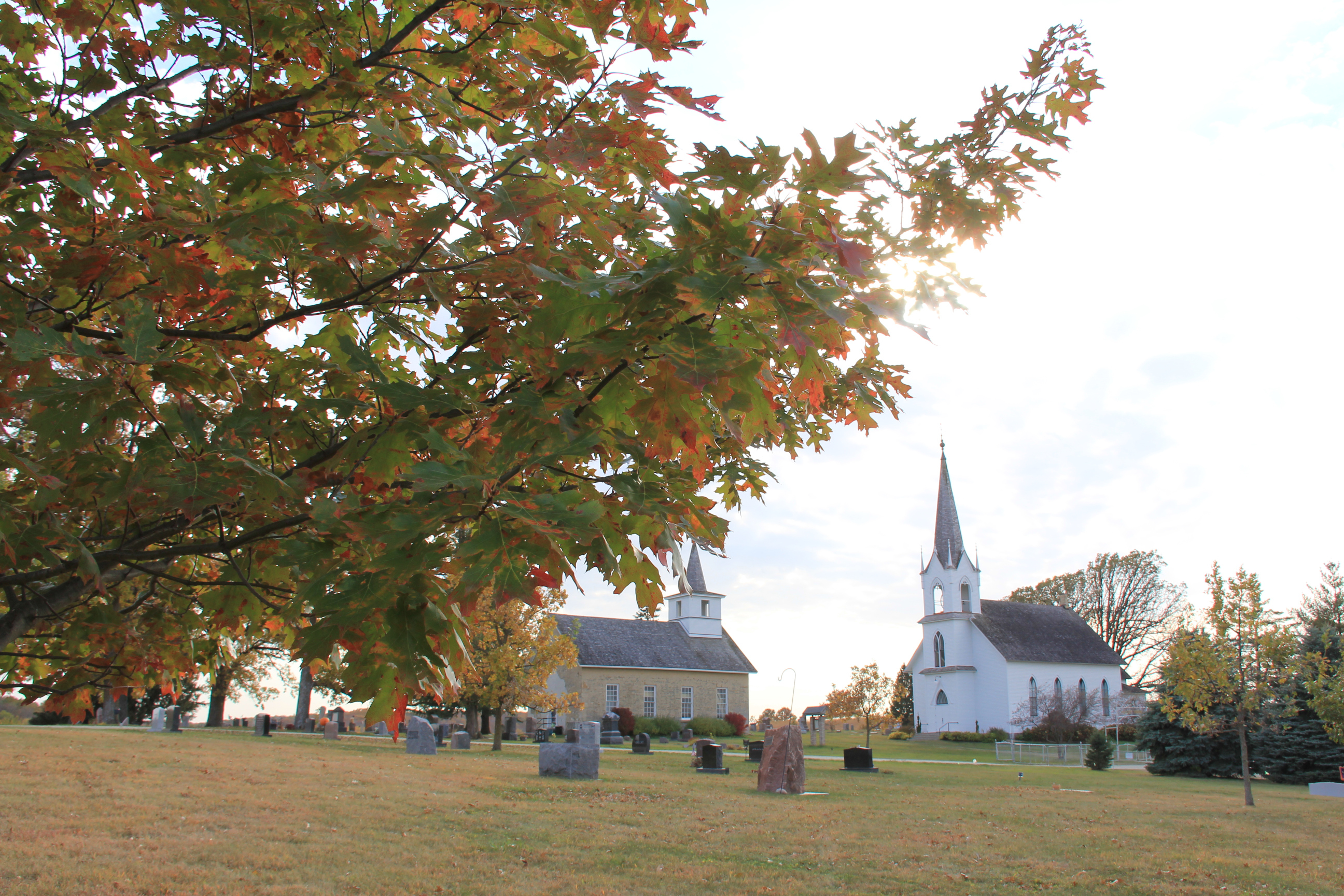
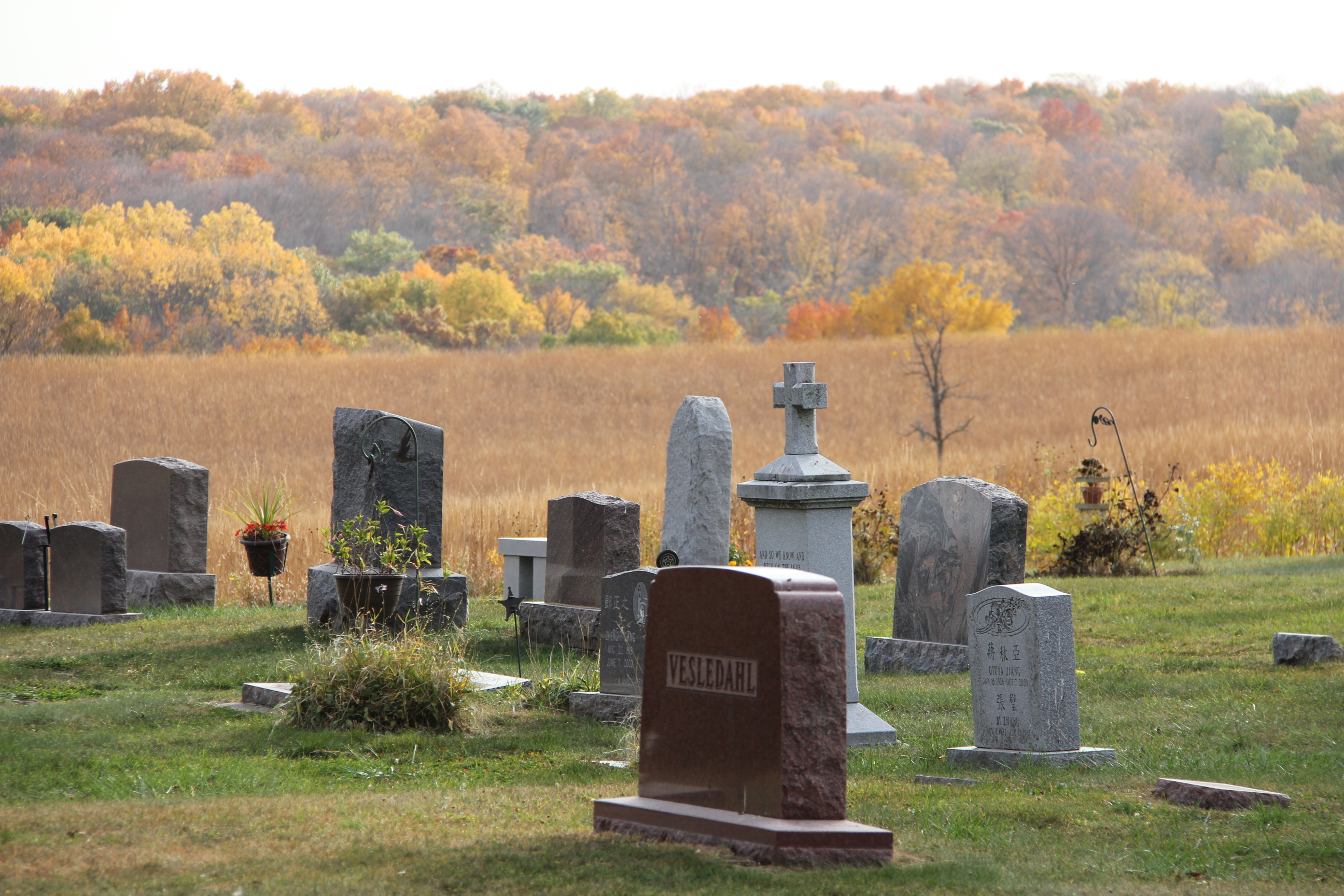
One of my favorite spots in rural Rice County is Valley Grove, two aged churches atop a hill near Nerstrand. Views and fall colors are beautiful here. (Minnesota Prairie Roots copyrighted photo October 2024)
A colorful tree line backdrops Valley Grove Cemetery. On this visit, skies were mostly cloudy and hazy. (Minnesota Prairie Roots copyrighted photo October 2024)
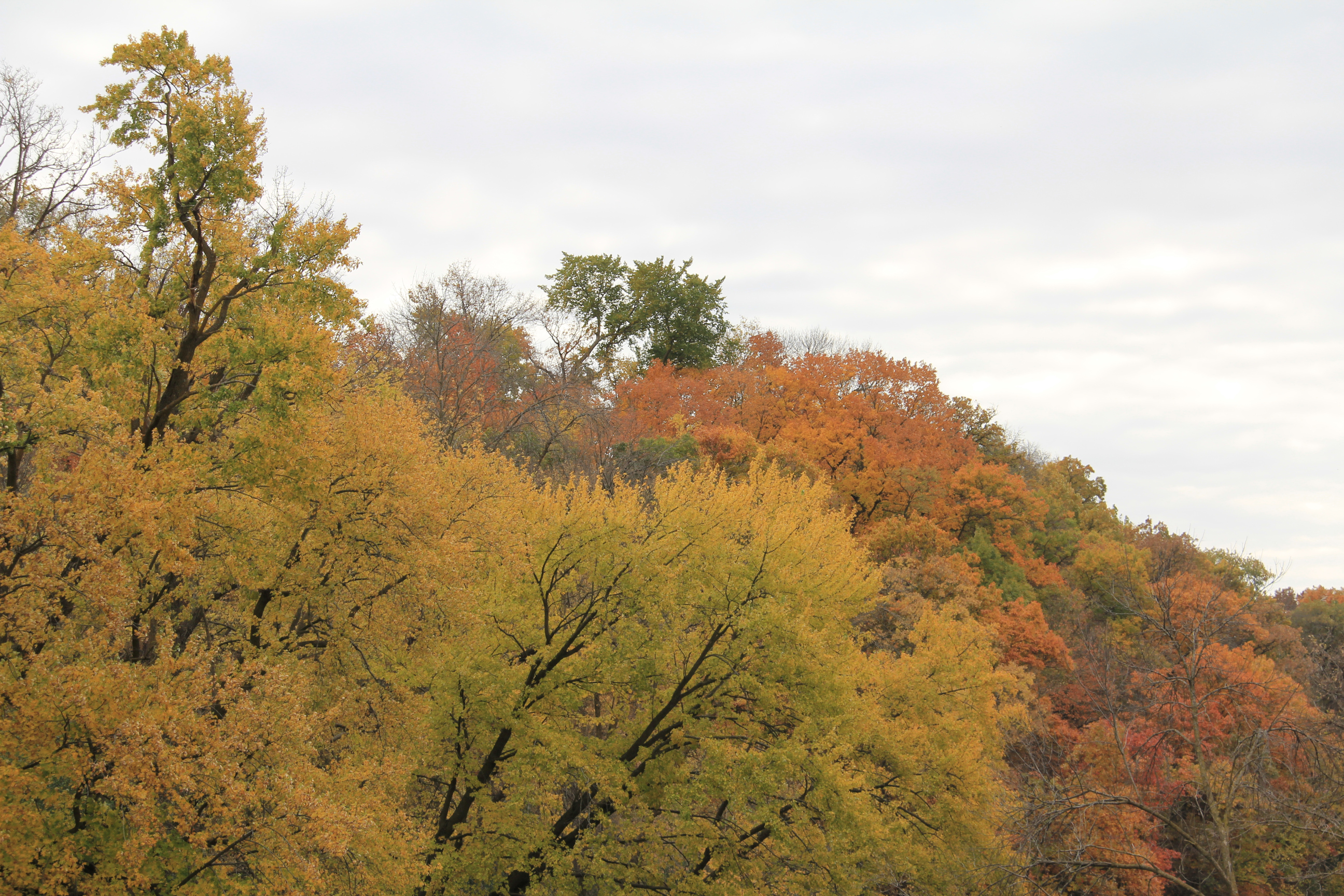
These beautiful trees hug the bluffs along the Straight River near downtown Faribault. (Minnesota Prairie Roots copyrighted photo October 2024)
Favorite area fall color spots include Valley Grove churches near Nerstrand Big Woods State Park, Dudley Lake in Rice County and right here in Faribault, along city streets, on the campus of the Minnesota State Academy for the Deaf, along the Straight River bluffs and even in our own backyard.
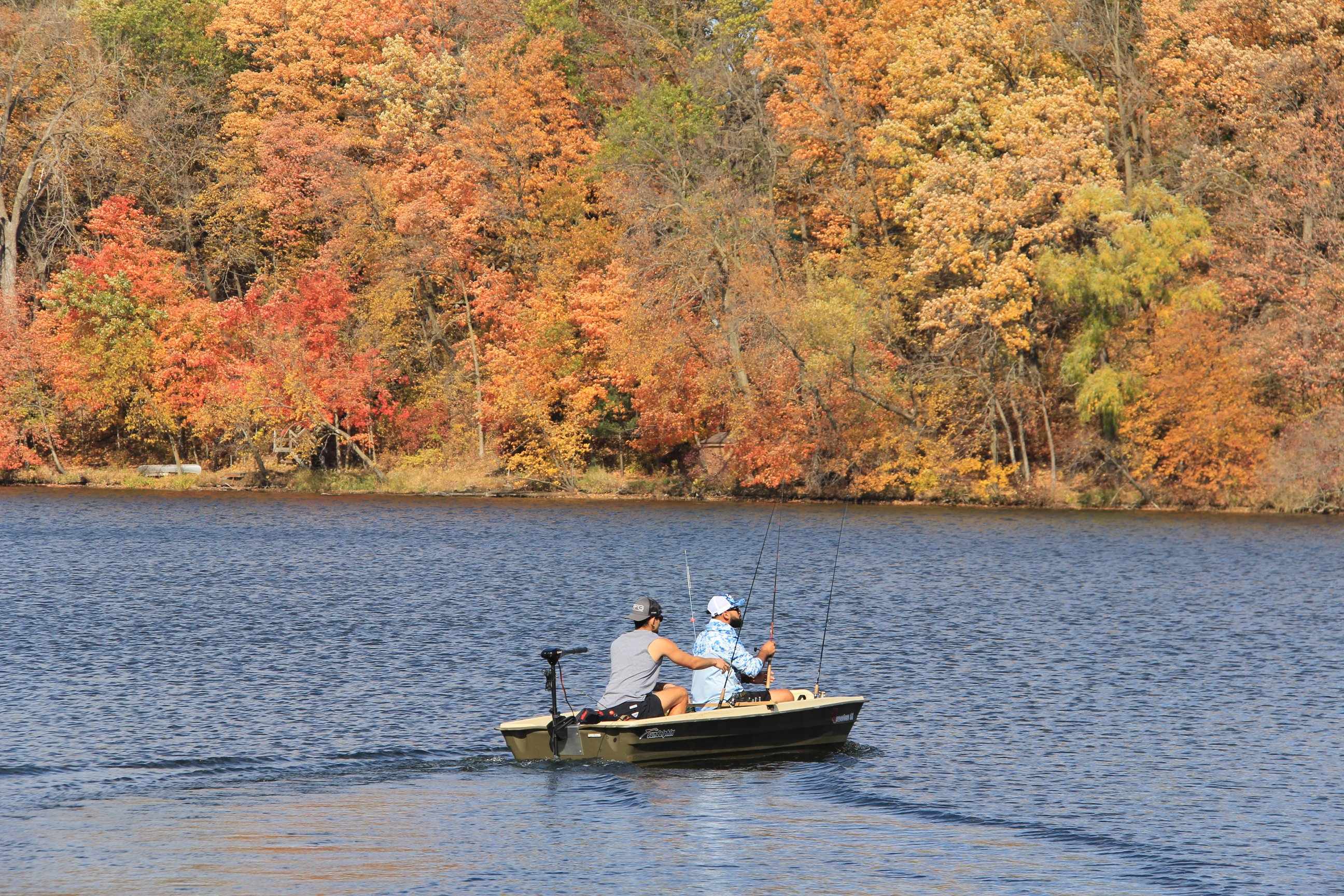
Setting out to fish on Dudley Lake Sunday afternoon. This was photographed from the dock at the public boat landing. (Minnesota Prairie Roots copyrighted photo October 2024)
It’s not too late to catch some of the colors. But they are fading, morphing, with many trees now stripped of leaves.
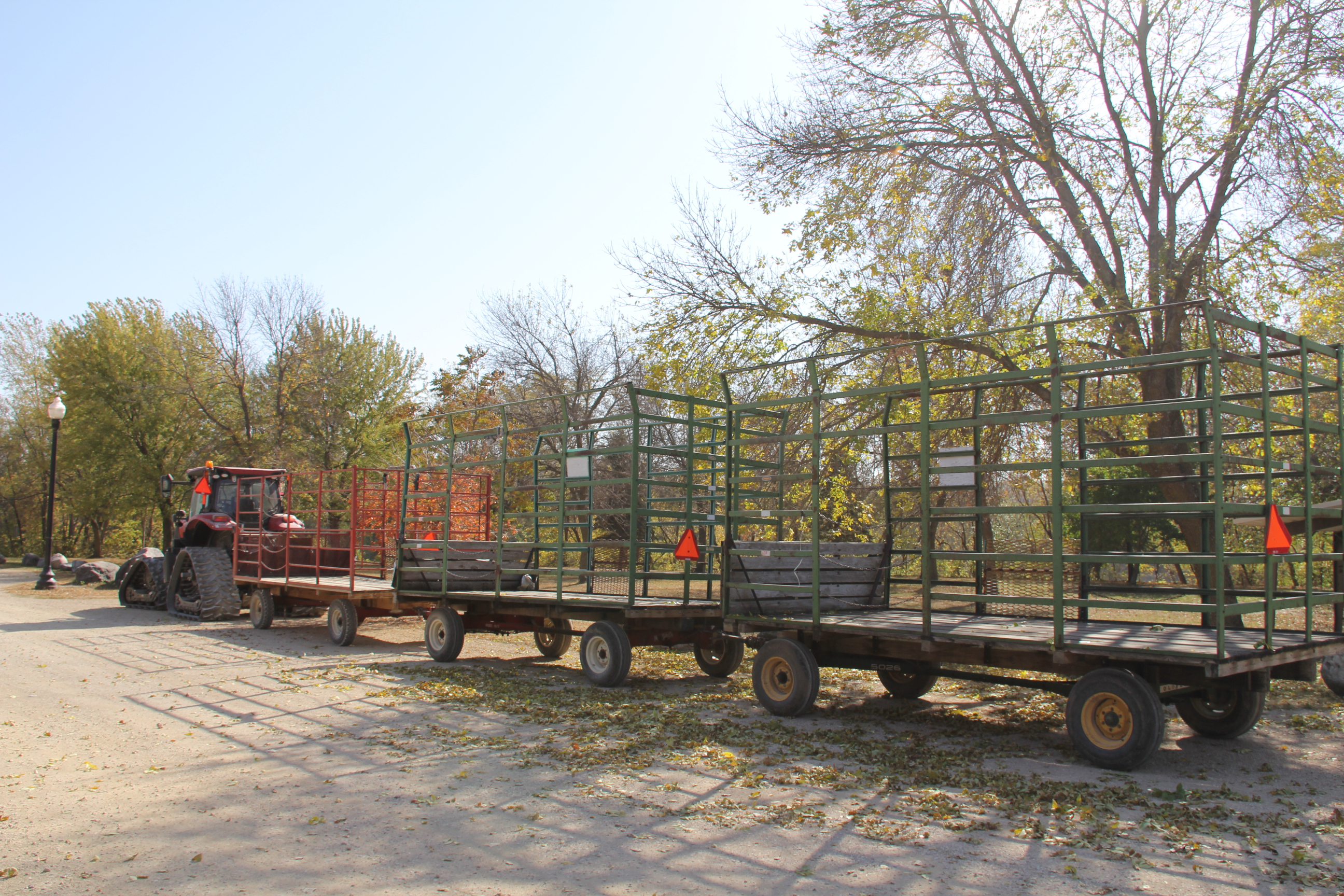
The Nicollet County Trail Association is hosting a second weekend of the Haunted Hayride from 7-11 p.m. October 28-29 at Riverside Park-Mill Pond Municipal Campground in St. Peter. The ride will wind through woods. (Minnesota Prairie Roots copyrighted photo October 2024)
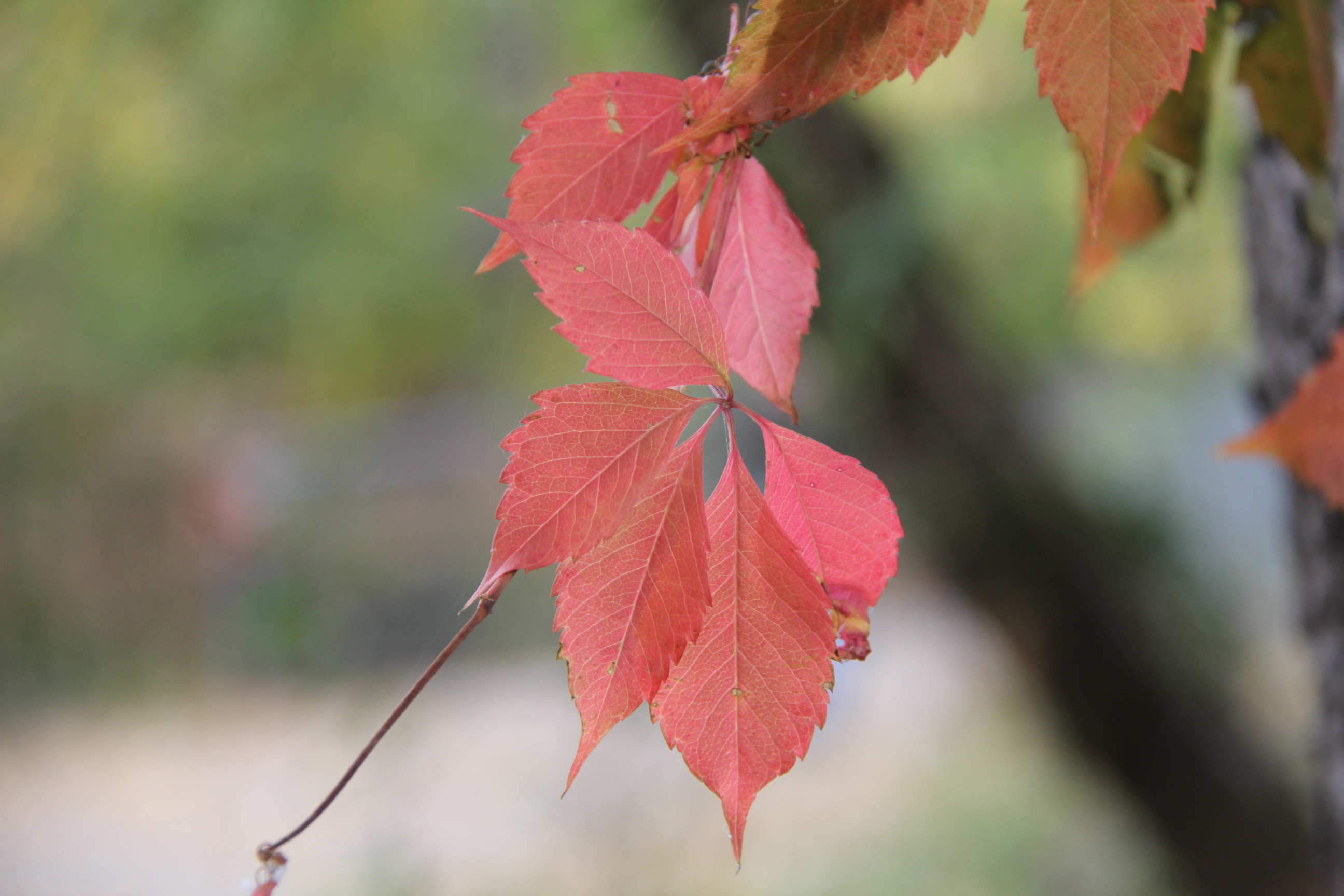
Every leaf is worth study and appreciation for its fall beauty. (Minnesota Prairie Roots copyrighted photo October 2024)
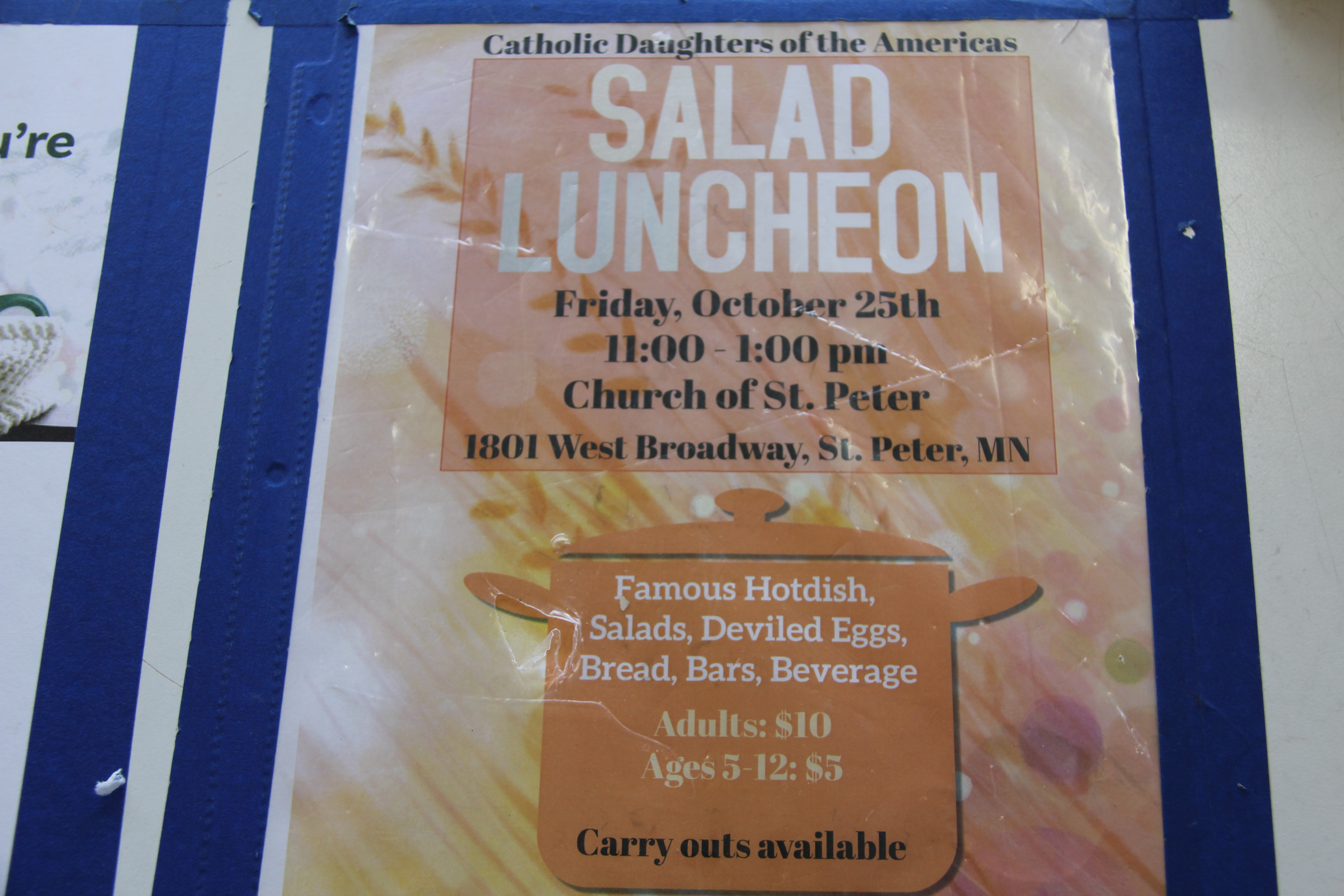
Fall is a popular time for church dinners, including this one advertised on a flyer taped to the checkout counter at the St. Peter Thrift Store, St. Peter. (Minnesota Prairie Roots copyrighted photo October 2024)
We hope to take one last fall color drive along the Mississippi River in southeastern Minnesota…if it’s not too late. Time is fleeting.
I photographed this bucolic rural scene along Canby Way just outside Faribault. (Minnesota Prairie Roots copyrighted photo October 2024)
Fall color drives are rooted within me. As a child, my parents, siblings and I piled into the Chevy each autumn for a Sunday afternoon meander along the Minnesota River Valley from the Granite Falls area to Morton. That annual outing imprinted upon me the seasonal beauty of September and October in Minnesota. I felt then, and still feel now, a close connection to the land during fall color drives.
More colorful trees, photographed October 12, on the Minnesota State Academy for the Deaf campus. (Minnesota Prairie Roots copyrighted photo October 2024)
There weren’t a lot of colorful trees on the rural southwestern Minnesota prairie where I grew up. There weren’t even all that many trees. Maybe that’s why I appreciate the trees blazing orange, red and yellow into the landscape in this area of Minnesota.
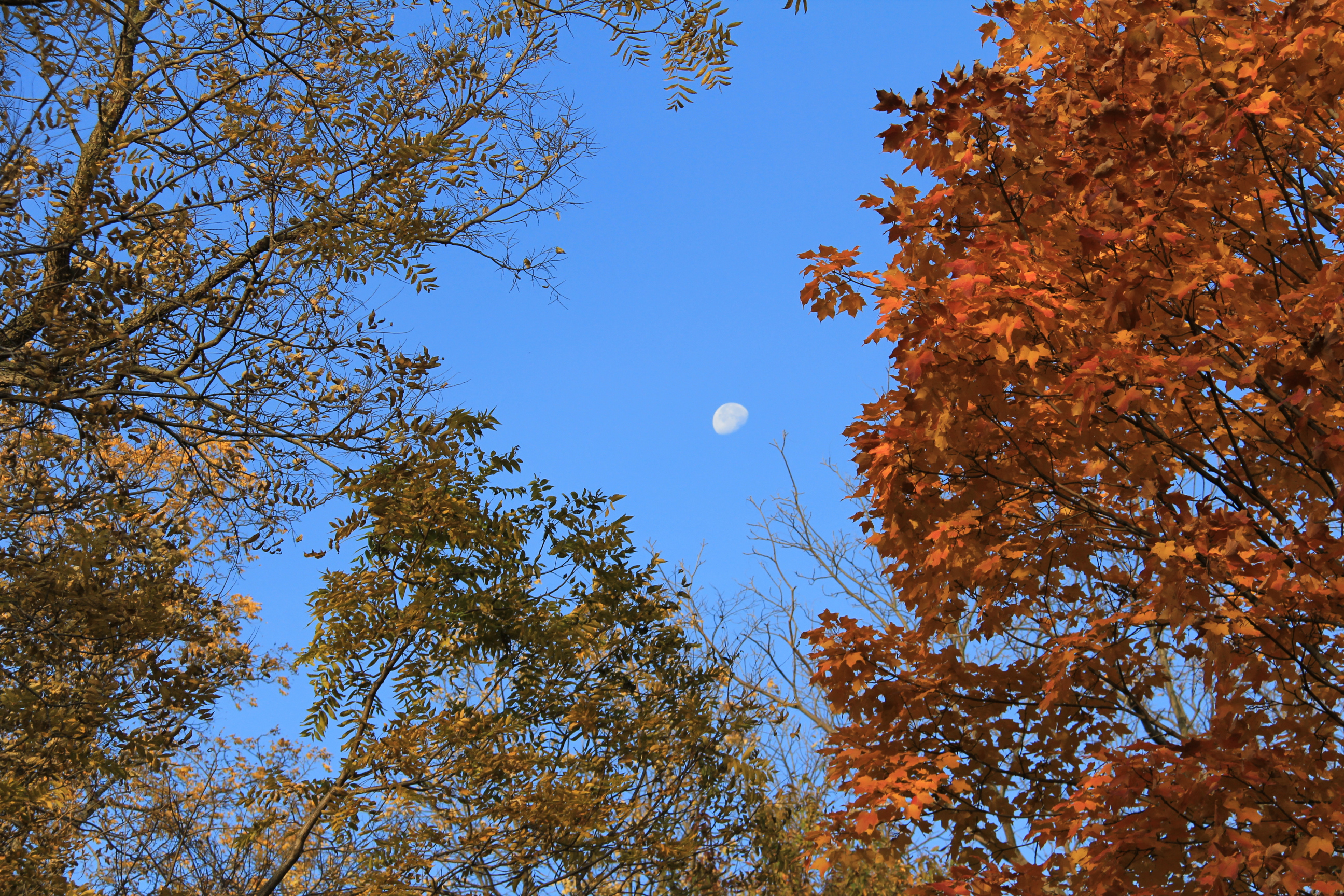
Monday morning I stood in my backyard and aimed by camera lens upward to my neighbors’ trees with the fading moon in the backdrop sky. (Minnesota Prairie Roots copyrighted photo October 2024)
I love slowing down to view stunning tree lines or a single brilliant red leaf. The nuances of nature, of the countryside, of small towns this time of year are worth noticing. And appreciating. Soon winter will be upon us. Stark. Devoid of color.
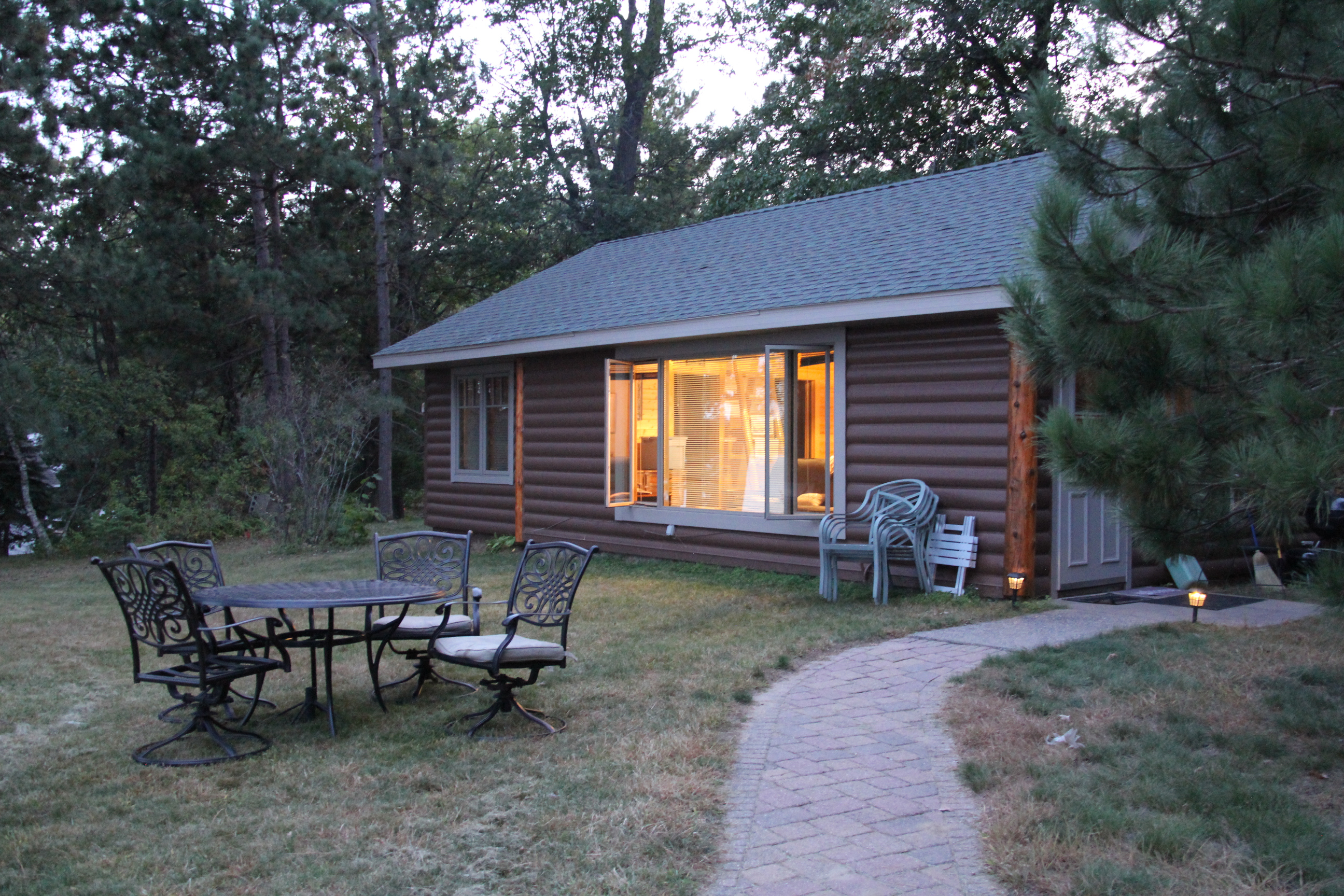
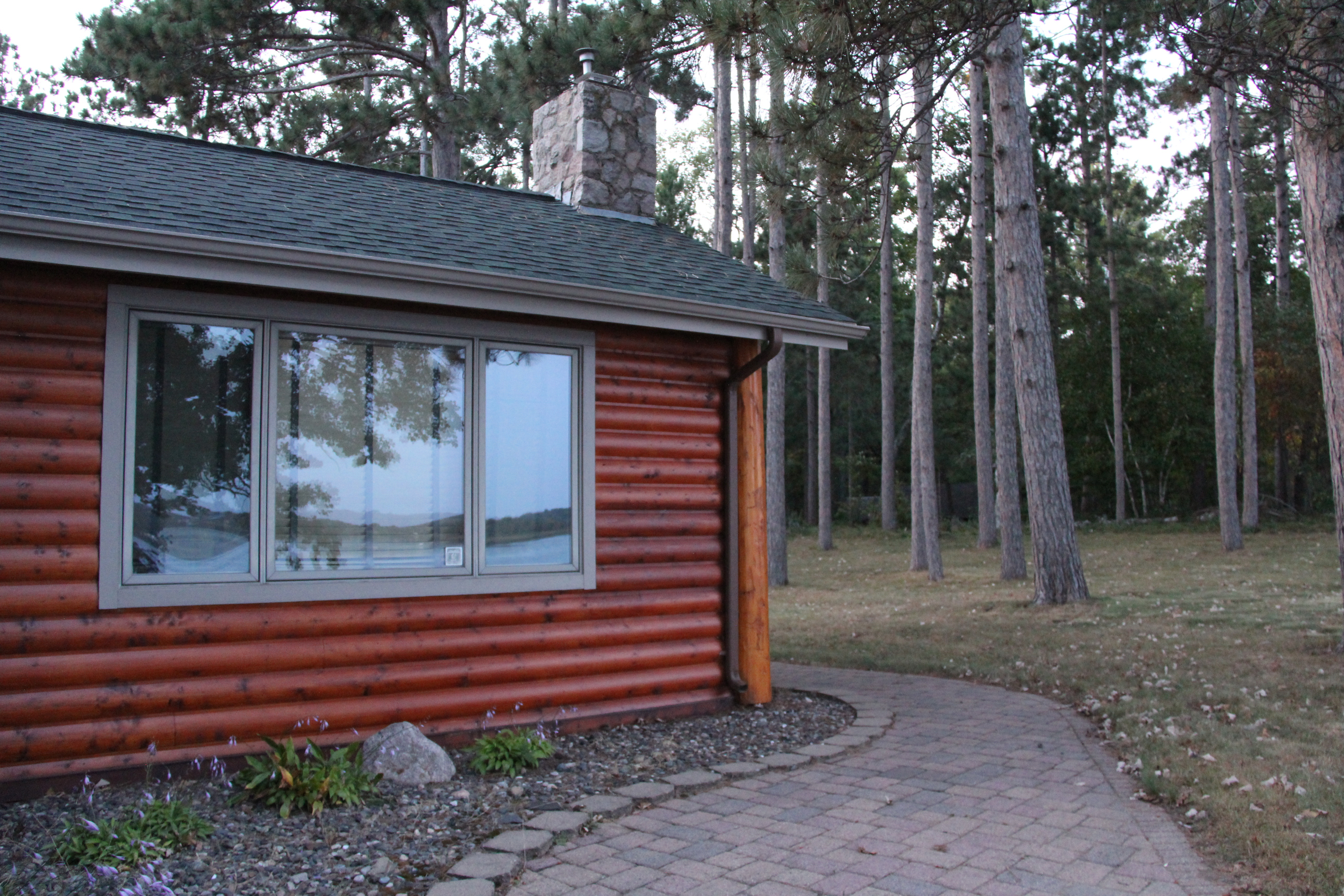
The Horseshoe Lake cabin where we stay once or twice yearly. (Minnesota Prairie Roots copyrighted photo September 2024)
CLOSING UP THE CABIN (not ours) proved more than a work weekend. Beyond pulling in the dock, mowing, raking, trimming trees, gathering sticks, cleaning rain gutters, scrubbing rust stains from the shower, draining the water heater and more, this was about family.
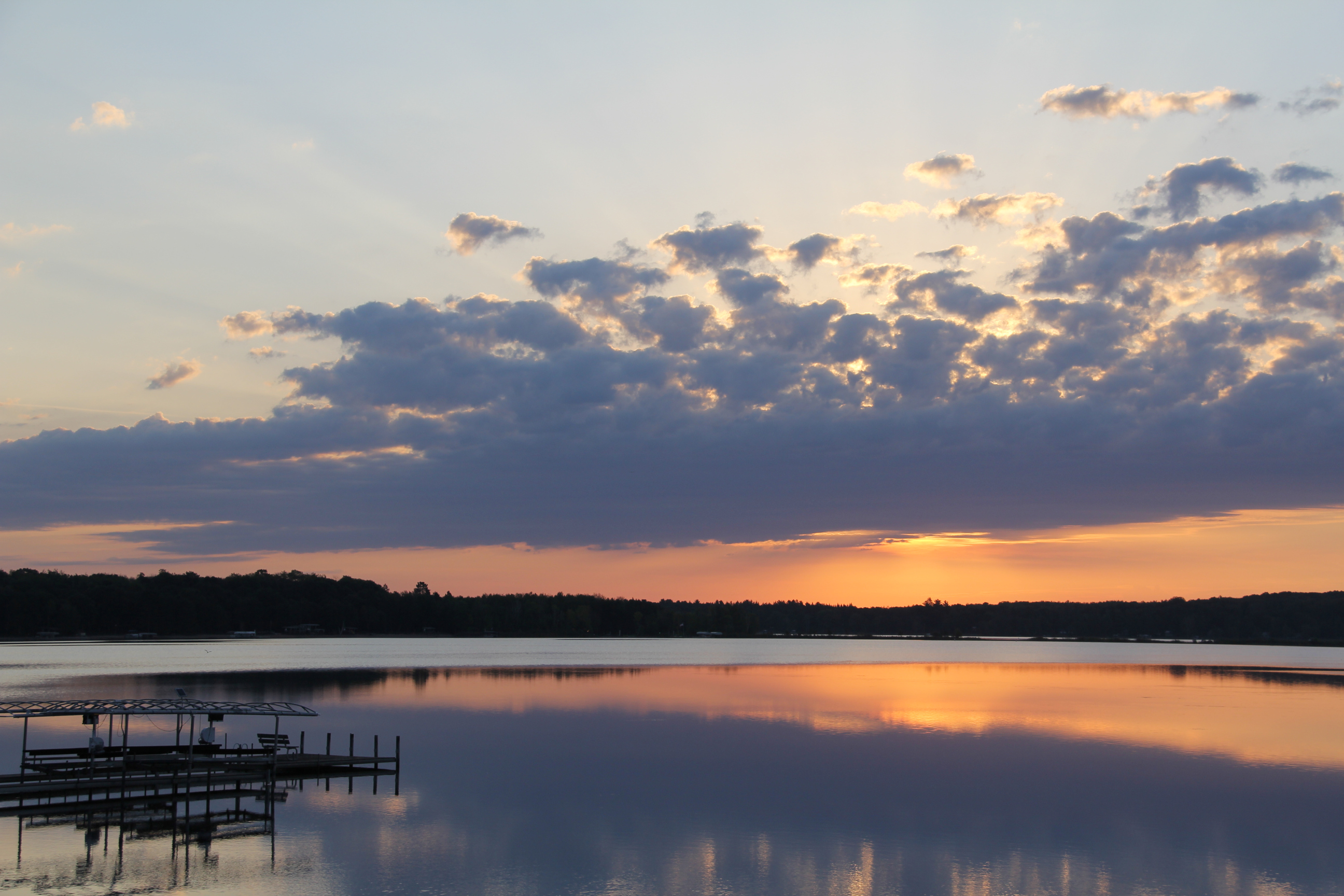
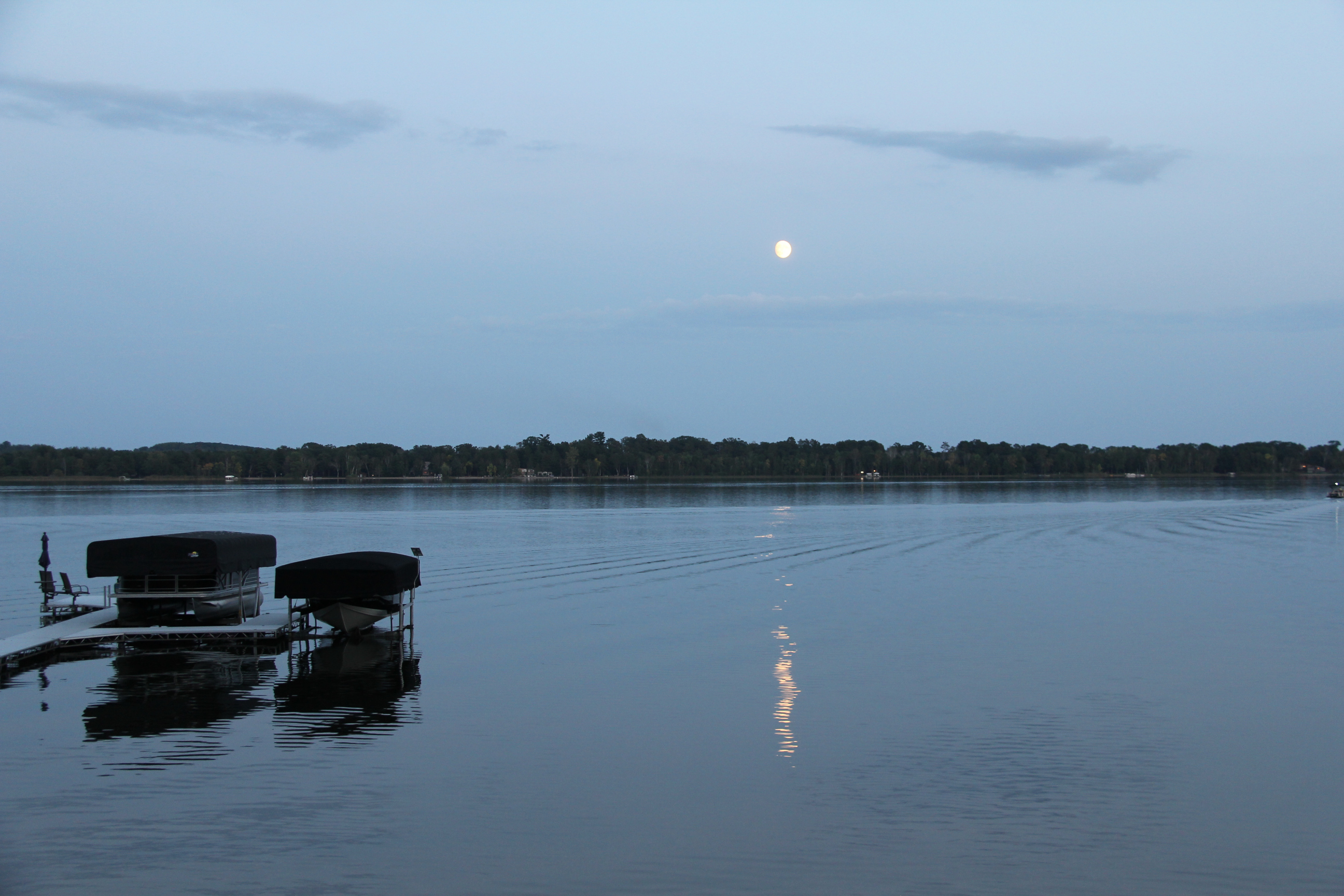
September sunrise on Horseshoe Lake. (Minnesota Prairie Roots copyrighted photo September 2024)
A spirit of teamwork, of gratitude, of enjoying this place along Horseshoe Lake in Mission Township in the Brainerd lakes area, prevailed. And it was all because of family. I love the Helbling family, which I’ve been part of for 42 years by way of marrying into it.
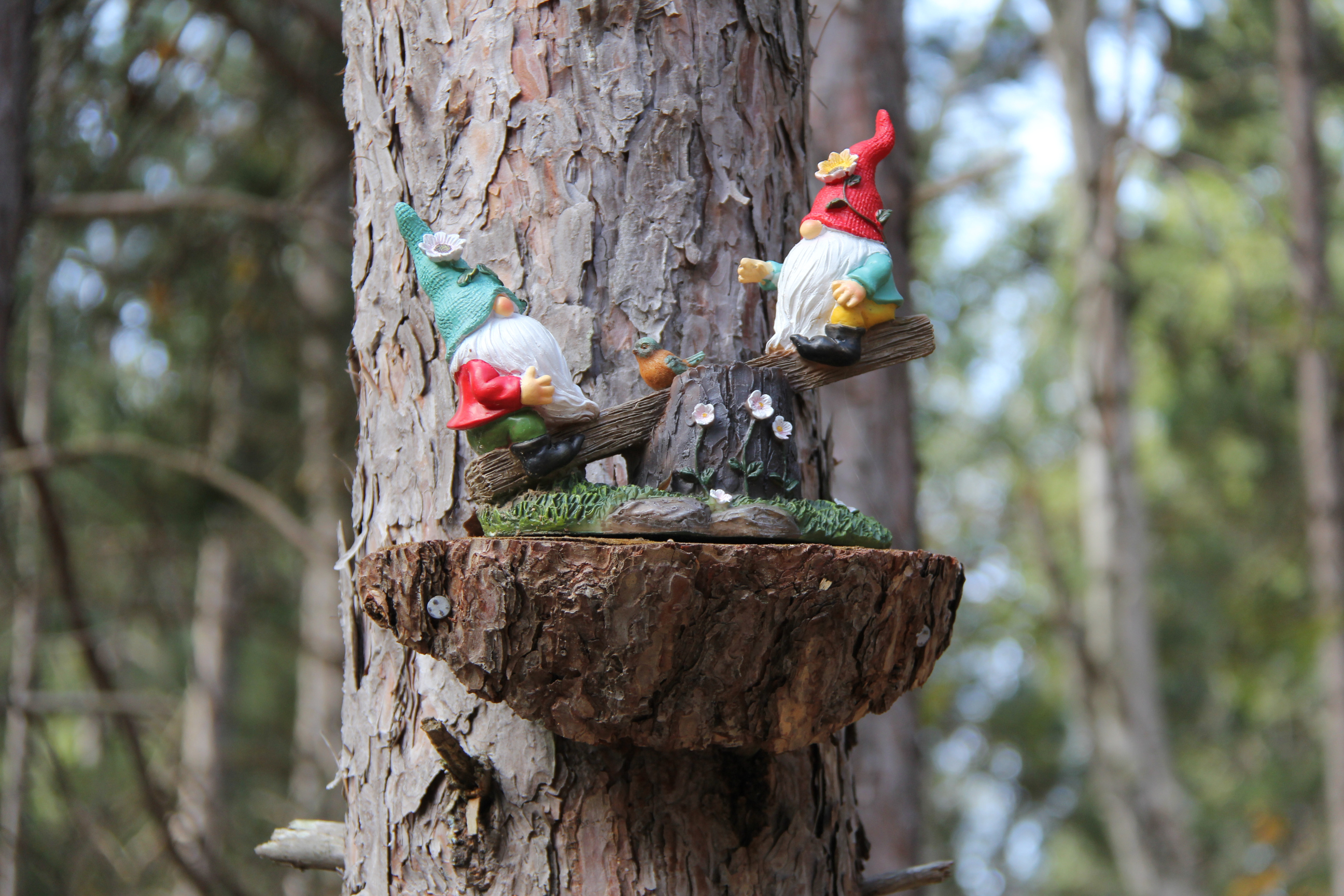
Gnomes were recently hidden in Mission Park, which is located several miles from the cabin. (Minnesota Prairie Roots copyrighted photo September 2024)
Randy and I joined three of his sisters, their husbands, and a niece and her family last weekend on this property his youngest sister and husband so graciously share. What a gift this has been to us. I love spending time in the quiet northwoods, immersed in nature, creating memories not only with Randy, but also with our eldest daughter, her husband and our two grandchildren. Campfires with s’mores, always s’mores. Walks in Mission Park. Lakeside dining. Fishing and swimming. Ice cream from Lake Country Crafts & Cones. Pizza from Rafferty’s. Great beer and conversation at 14 Lakes Craft Brewing. Day trips into nearby small towns. Lounging on the beach reading a book. Lying in the hammock. Watching loons and eagles. Doing nothing.
This visit we stayed in the main house, a section of which is shown here. (Minnesota Prairie Roots copyrighted photo September 2024)
And now, on this first weekend in October, we trekked three hours north to the cabin for the sole purpose of preparing the property for winter. An added bonus came in time with family. We worked together. Ate together. Laughed. Shared stories and memories and updates. We also built memories.
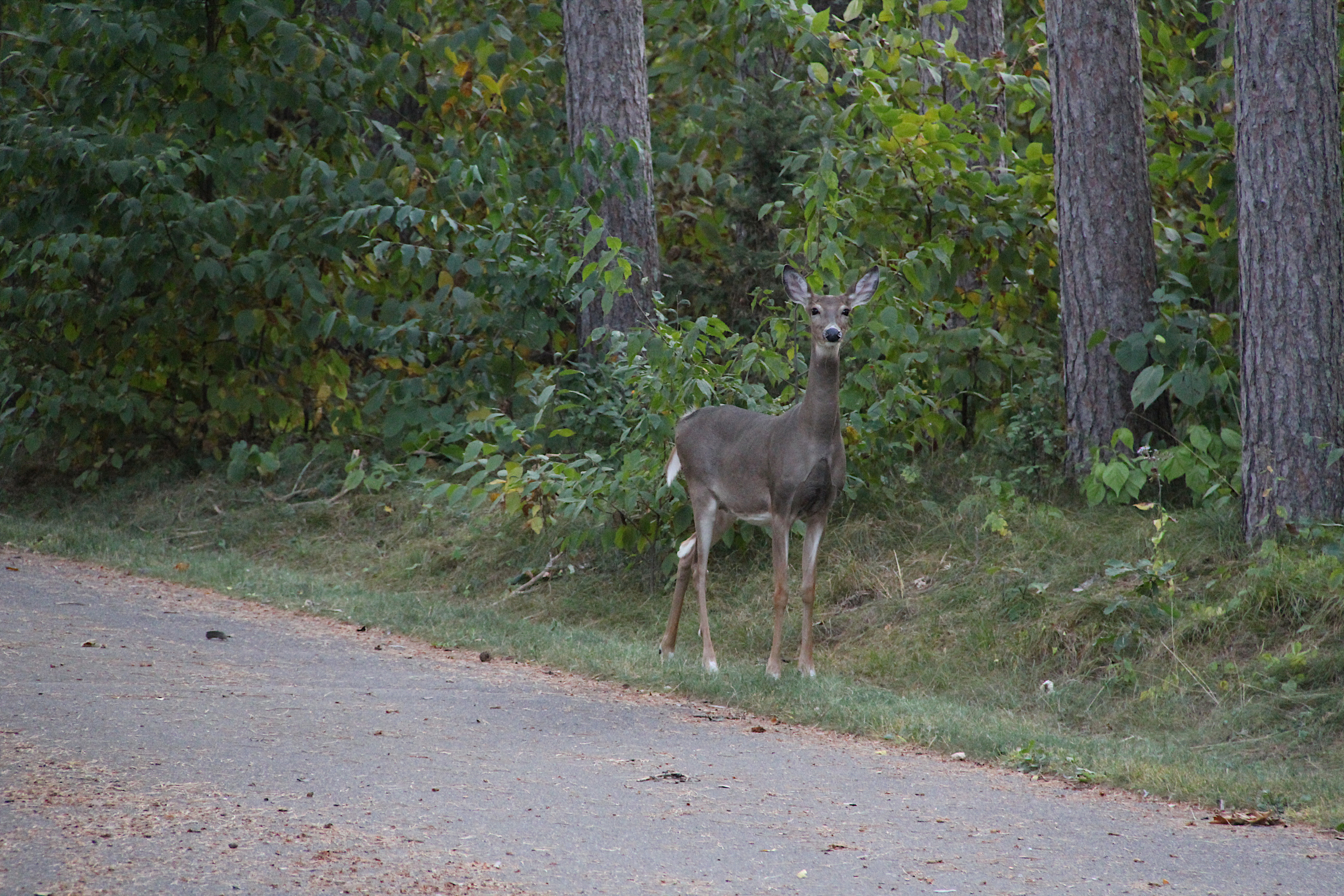
On a September cabin stay, three deer crossed the driveway. And we discovered bear scat, as did Randy this visit. (Minnesota Prairie Roots copyrighted photo September 2024)
Homemade caramel rolls baked by Vivian reminded us of Mom Helbling, who died unexpectedly 31 years ago at the age of 59. Much too soon. Jon’s smash burgers reminded me of my mom, prompting me to share a story about the hamburgers she fried to hockey puck doneness, the reason I didn’t eat burgers up until several years ago. Jon’s were nothing like hers. He’s quite the cook, I discovered, as I enjoyed his stir fry, his scrambled eggs, his smash burgers.
September moonrise over Horseshoe Lake. (Minnesota Prairie Roots copyrighted photo September 2024)
I also enjoyed getting to know four of my great nieces and nephews. We played Hi Ho Cherry-O!, Go Fish and some panda bear game I never fully understood despite 8-year-old Emmett’s patience in explaining it to me. Autumn insisted I work on a princess puzzle with her, even though I insisted I do not do puzzles. I should note here that the Helbling family loves puzzles. Autumn insisted I help her, also insisting that I not quit. The first grader has a strong personality, a strength as I see it.
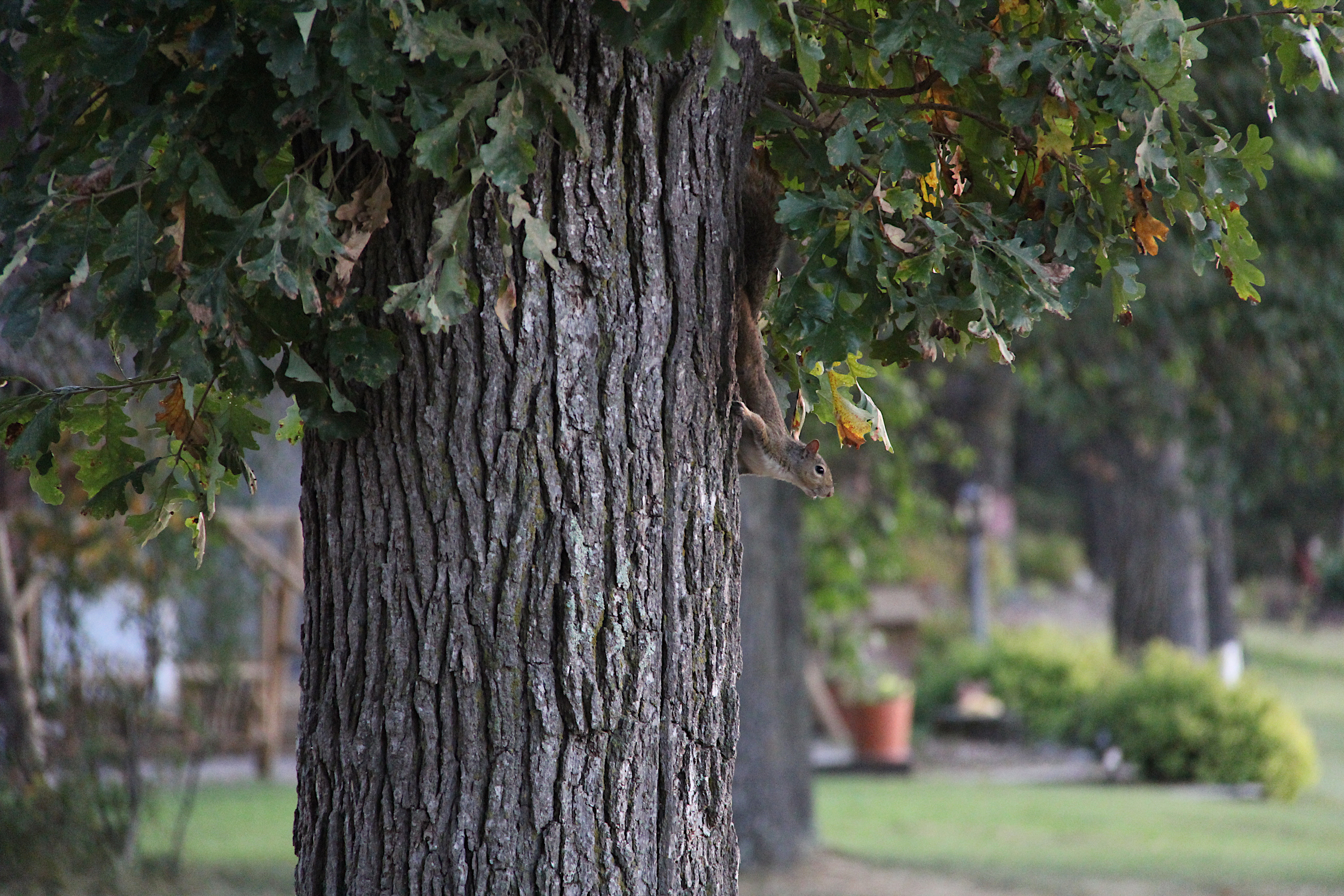
Squirrels were busy, too, as winter approaches. (Minnesota Prairie Roots copyrighted photo September 2024)
Three-year-old Quentin checked my heart several times as he did most family members after finding a stethoscope among the dress-up clothes. I also formed a firefighting crew, enlisting Emmett as acting fire chief when I had to step away to do some actual work. And sweet little redhead Annika, almost one and who looks a lot like a Who from Whoville, pretty much had her great aunt doing whatever she wished. That included jumping on my lap. My arms got quite the work-out.
Acorns, leaves and pine needles continued to fall as our crew headed home. (Minnesota Prairie Roots copyrighted photo September 2024)
And so these are the memories I gathered on this work weekend while squirrels scampered, acorns pelted roofs, the night wind howled, dust swirled, and pine needles and branches fell. Up north at the cabin is as much about place as it is about family and the memories we make there.
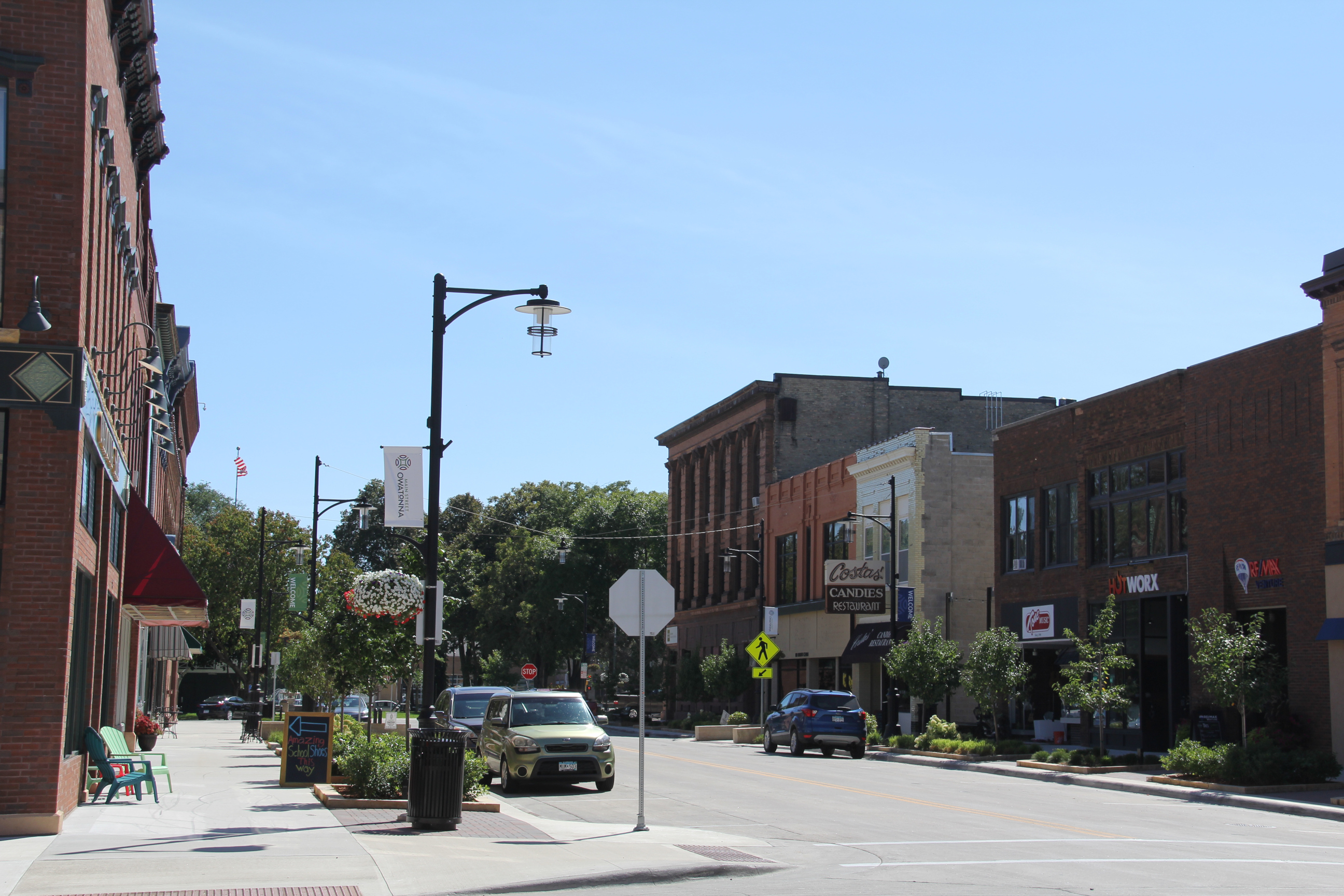
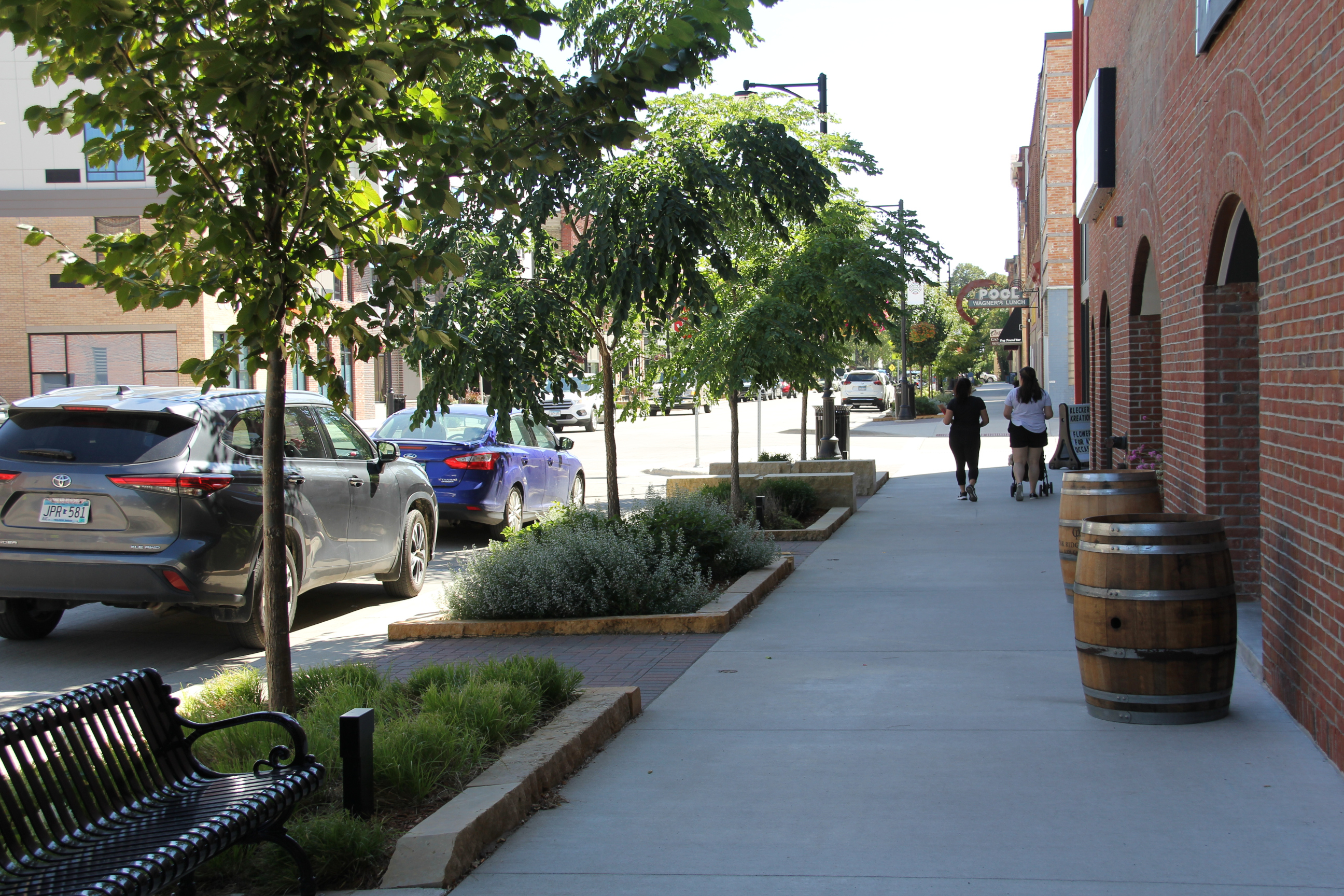
An overview of Owatonna’s new streetscape. (Minnesota Prairie Roots copyrighted photo September 2024)
FILL A DOWNTOWN WITH LUSH greenery and flowers in over-sized planters, add water features, and places to sit, mingle and converse, and you have what I consider an inviting space. That would be downtown Owatonna.
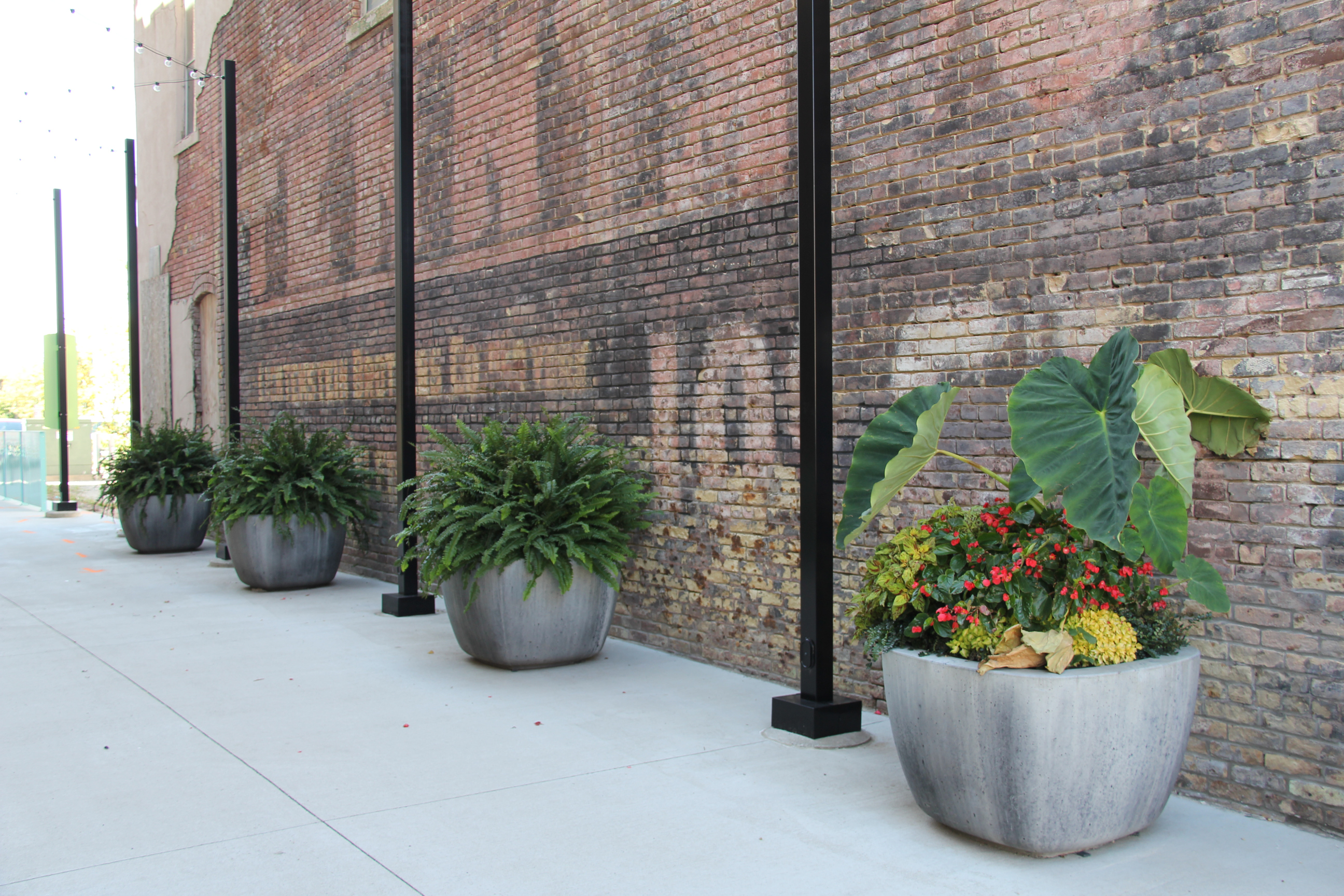
Lush planters front a ghost sign in a repurposed space, like a pocket park, between buildings. (Minnesota Prairie Roots copyrighted photo September 2024)
On a recent visit to this southern Minnesota city an hour south of Minneapolis along Interstate 35, I discovered a visually-appealing, pedestrian-friendly business district along revamped North Cedar Avenue. I haven’t walked through downtown Owatonna in awhile, not since a major streetscape project was completed in the fall of 2022. And I must say, the results are simply stunning.
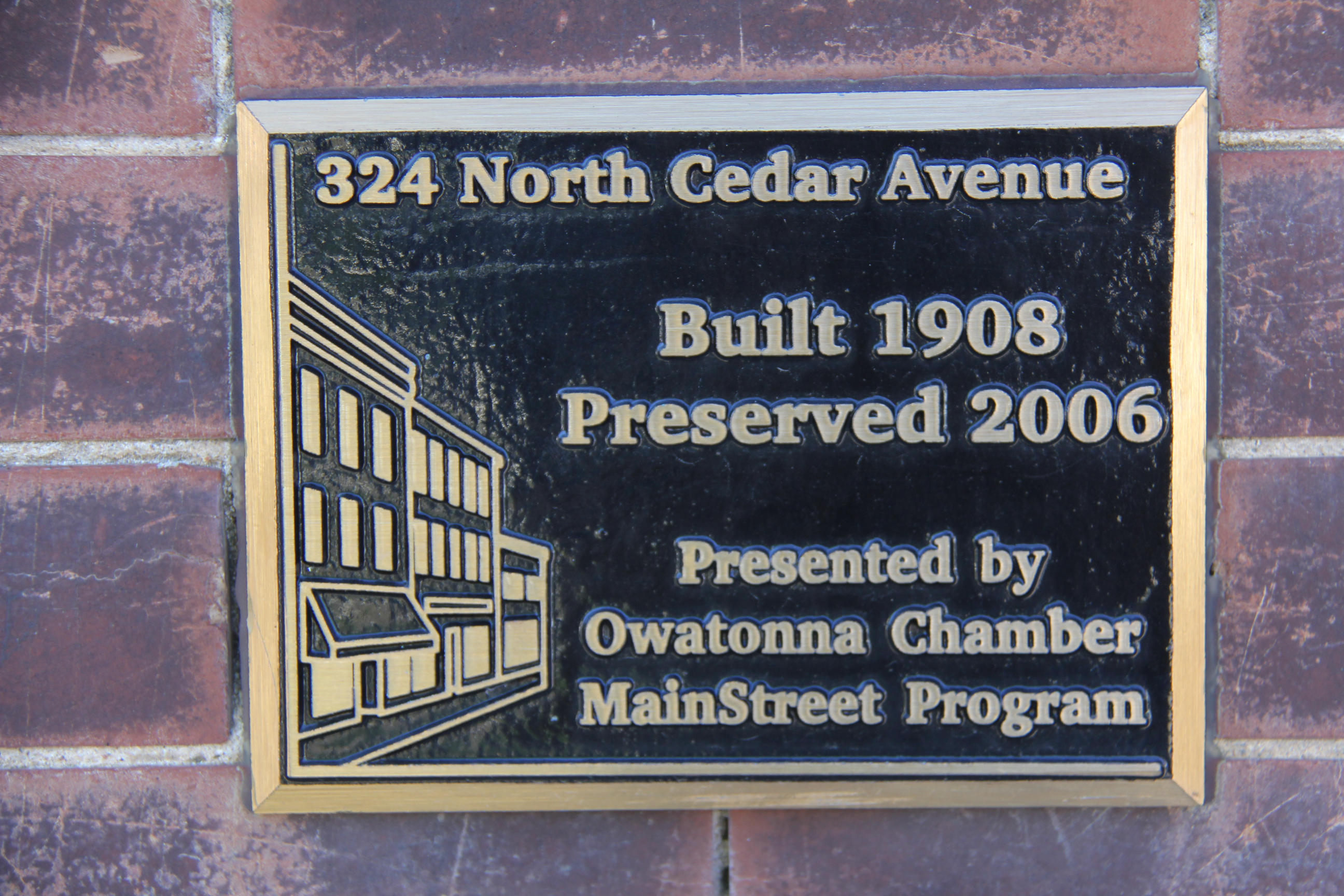
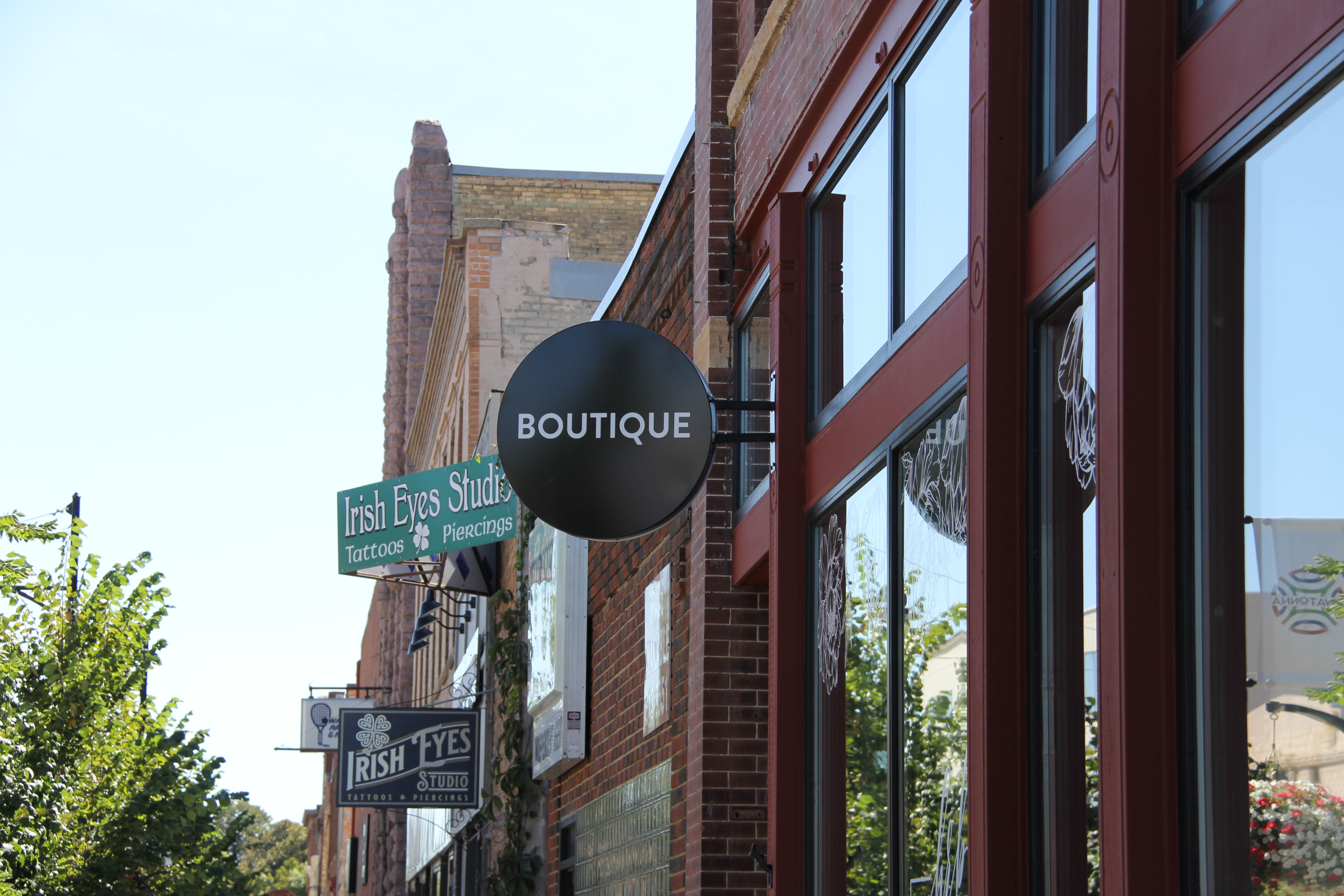
Signage on a building notes past preservation efforts. (Minnesota Prairie Roots copyrighted photo September 2024)
As I walked block after block through this National Register Historic District, I focused not so much on the buildings as on the beauty. Trees, shrubs, perennials, annuals, all have been incorporated into the streetscape. Within limestone edged planters. In mammoth free-standing planters. In hanging baskets.
So many inviting details here in bench, barrels and plantings. (Minnesota Prairie Roots copyrighted photo September 2024)
The results present a harmonious connection with nature, a garden-like appearance, a feeling of serenity, of wanting to linger. And that’s exactly what business owners and others hope. Stick around. Connect. Shop. Spend money. Enjoy.
An example of businesses located along North Cedar Avenue. (Minnesota Prairie Roots copyrighted photo September 2024)
Downtown Owatonna offers a good mix of service-oriented businesses, retail shops from shoe store to boutiques to bookshop and more, along with places to dine, drink and even stay overnight. A new Courtyard by Marriott anchors a downtown corner, complete with outdoor sidewalk-side seating and a fire pit.
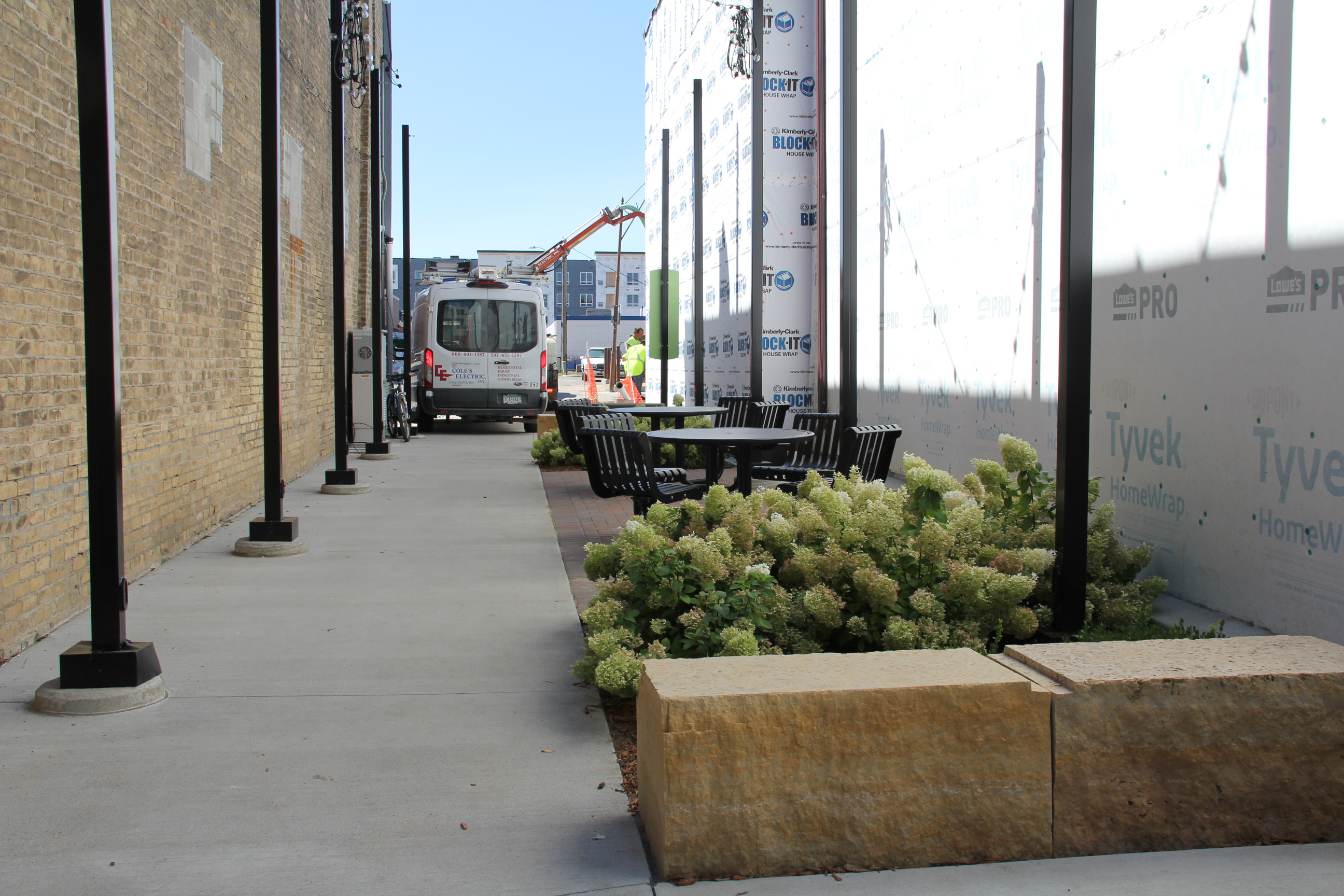
In a narrow space between buildings, bistro tables await. (Minnesota Prairie Roots copyrighted photo September 2024)
Everywhere, I spotted these welcoming spaces. Some are squeezed between buildings—in narrow areas I assume were once alleyways. Planters lush with ferns and flowers soften the hardscapes of brick and cement. Cozy bistro tables with seating for two to larger round tables with spots for four encourage outdoor dining and conversation. Overhead party lights crisscross some areas, adding to the evening ambiance. Only the addition of outdoor public art would up the charm. Maybe that’s coming.
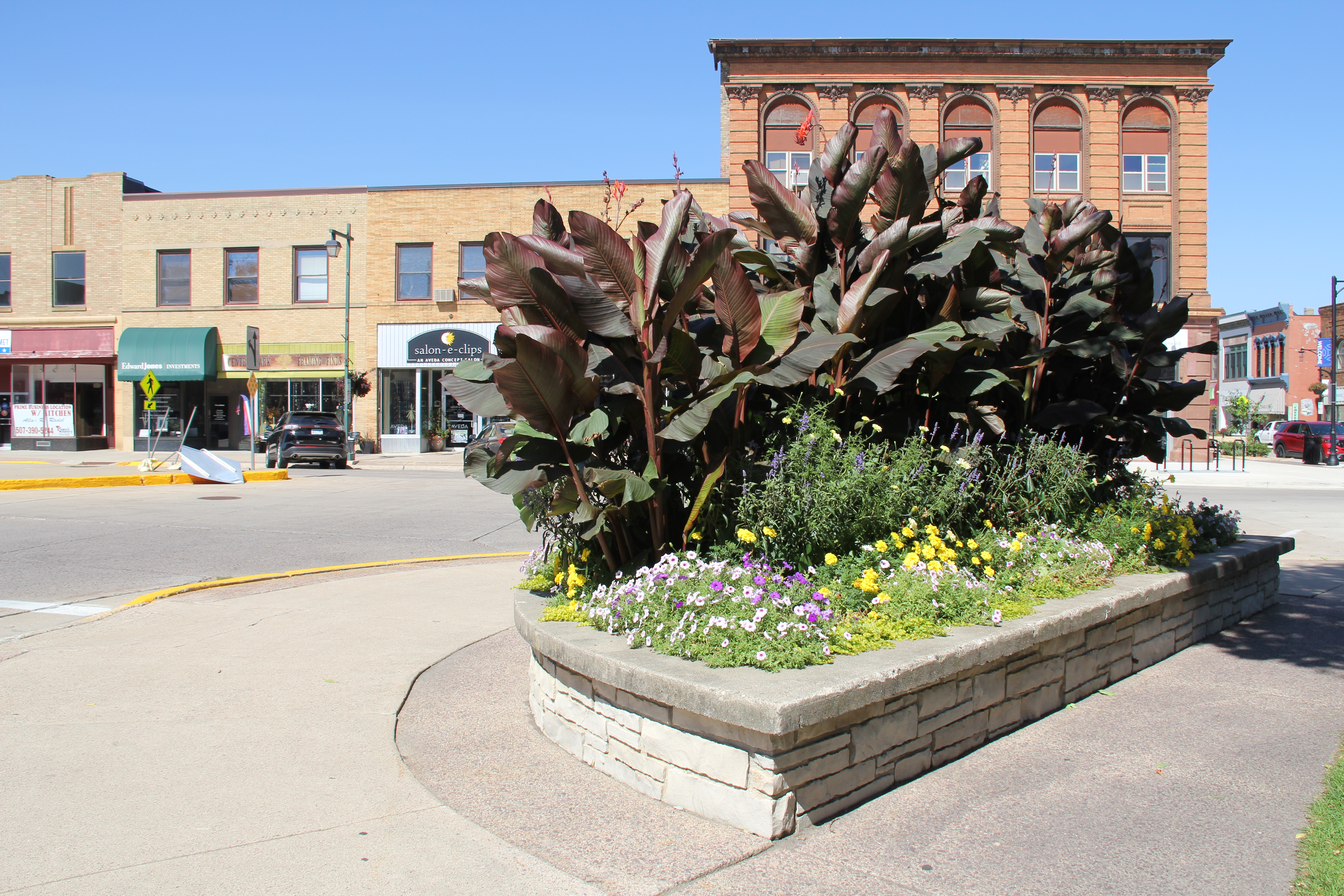
Flowers make a strong statement on a downtown anchor corner by Central Park. (Minnesota Prairie Roots copyrighted photo September 2024)
There’s more, much more. Rectangular limestone planters flush with trees, perennial flowers, shrubs and grasses create a living buffer between street and storefront that feels protective, naturally calming.
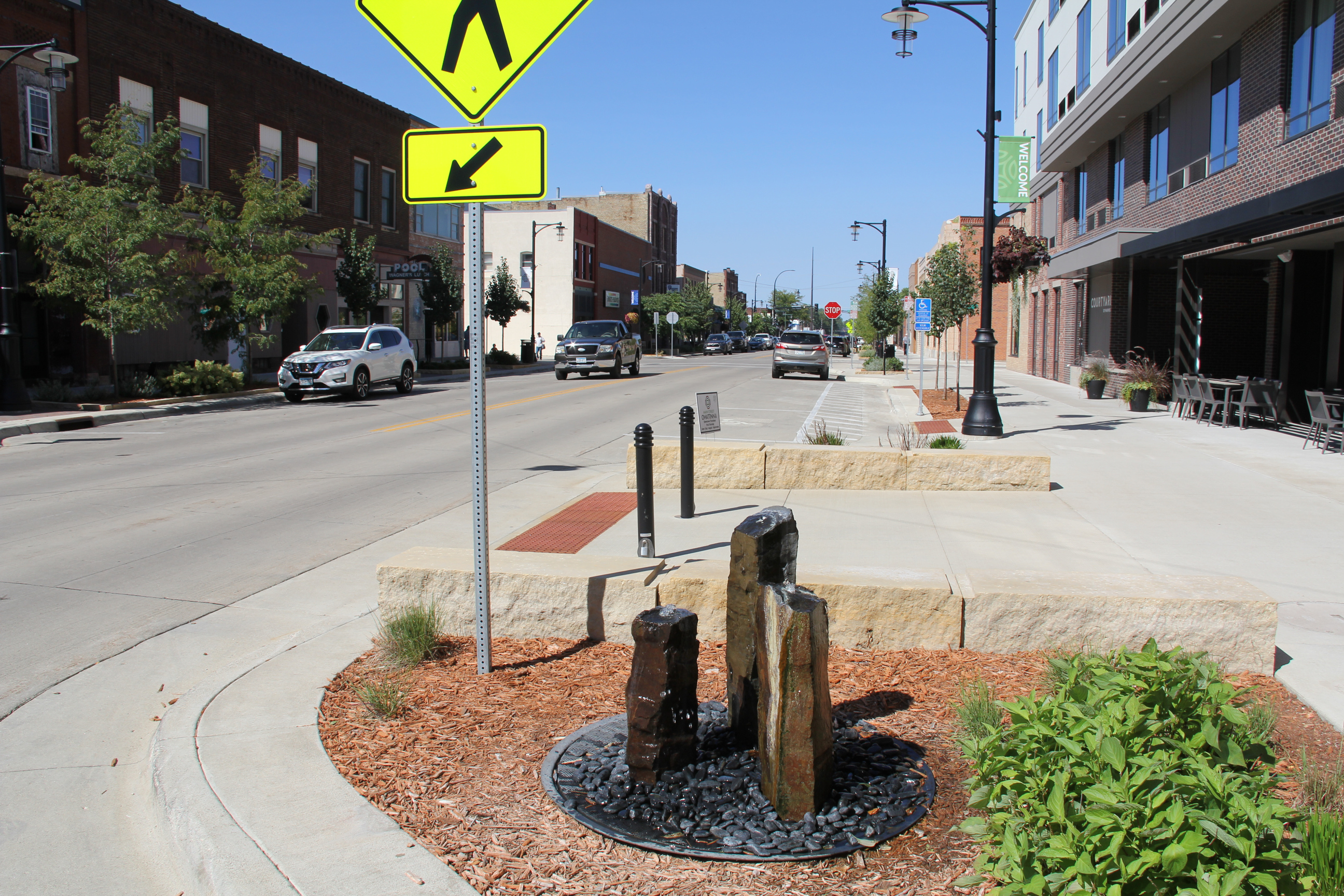
I spotted several of these fountains. (Minnesota Prairie Roots copyrighted photo September 2024)
Unobtrusive small scale water features scatter throughout the downtown. Benches beckon. There’s a neighborly vibe here, of connectedness.
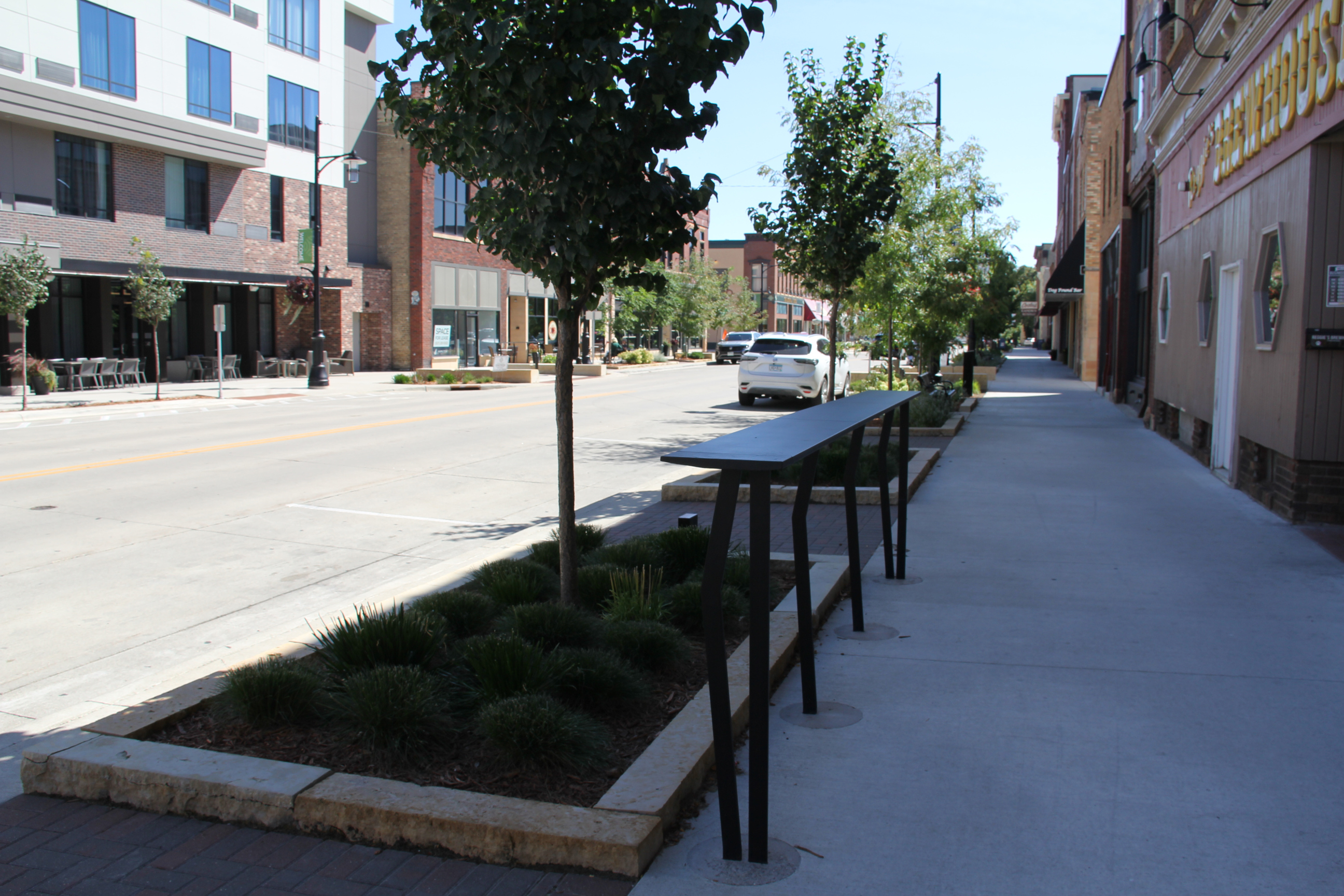
A high-top narrow table caught my eye. (Minnesota Prairie Roots copyrighted photo September 2024)
I even spotted a skinny high-top table, minus chairs, cemented into the sidewalk, ideal for standing and chatting while nibbling or sipping. Outside a wine bar, two wooden barrels hold space.
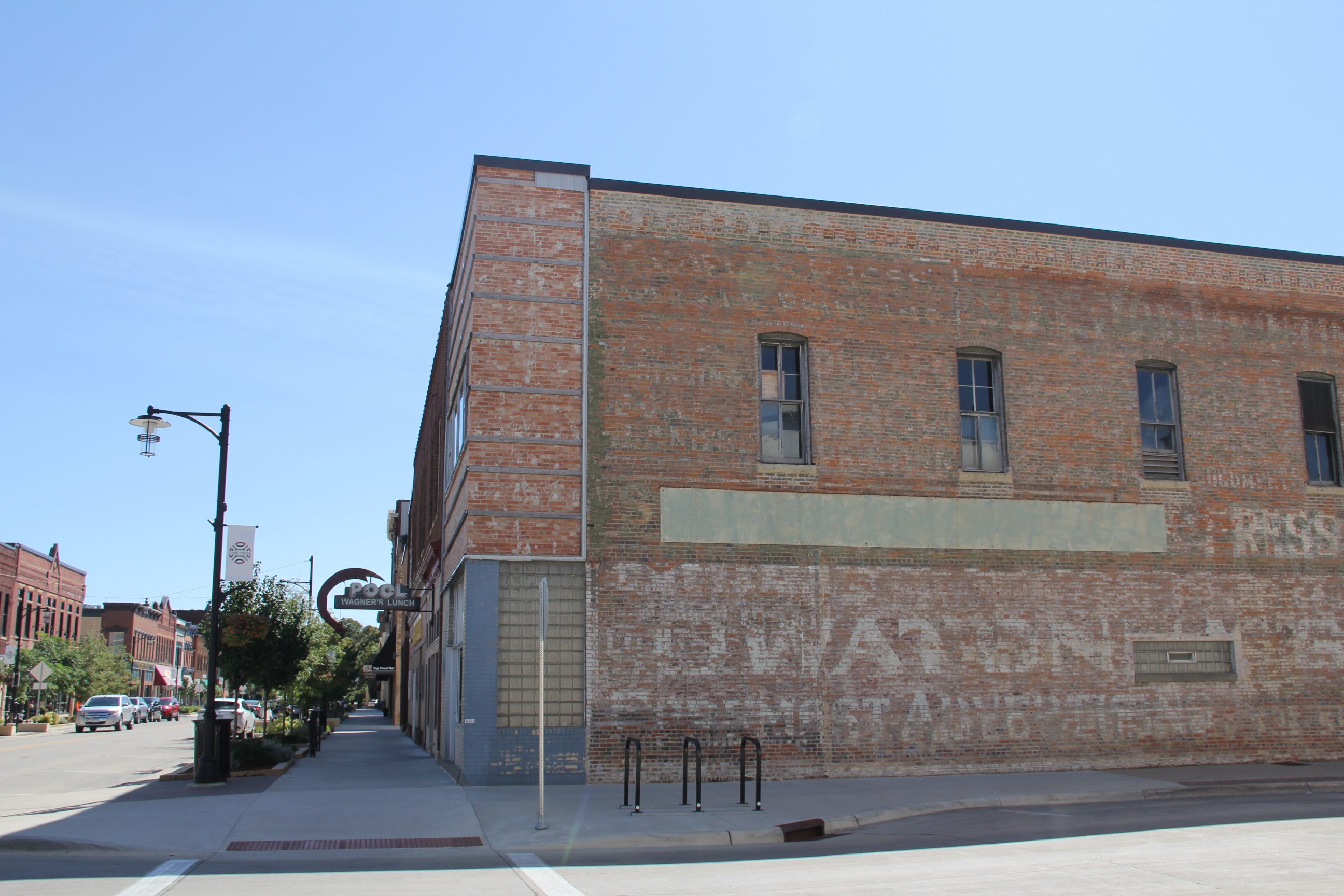
Bike racks, like these corner ones, are placed throughout downtown, making this a biker-friendly area. (Minnesota Prairie Roots copyrighted photo September 2024)
All of this, everything, speaks to me: “Welcome, we’re happy you’re here. Wander. Engage. Relax.” Owatonna got it right in this redo of their downtown. I appreciate when people take precedence over motor vehicles. (There’s still plenty of parking available.)
Hydrangea grow in this welcoming space, where work continues. (Minnesota Prairie Roots copyrighted photo September 2024)
I like the feeling I get in this downtown, along North Cedar Avenue. One of friendliness. One of deliberate attention to details. One of offering spaces that connect, that build community. One of feeling embraced in a carefully-curated nature-oriented environment.
This downtown feels like a place where I could listen to acoustic music, peruse a pop-up mini art show or listen to a local poet read poetry in a revamped alleyway. Mostly, though, downtown Owatonna feels pedestrian-friendly in a way that most downtowns do not. And that, to me, holds infinite appeal.
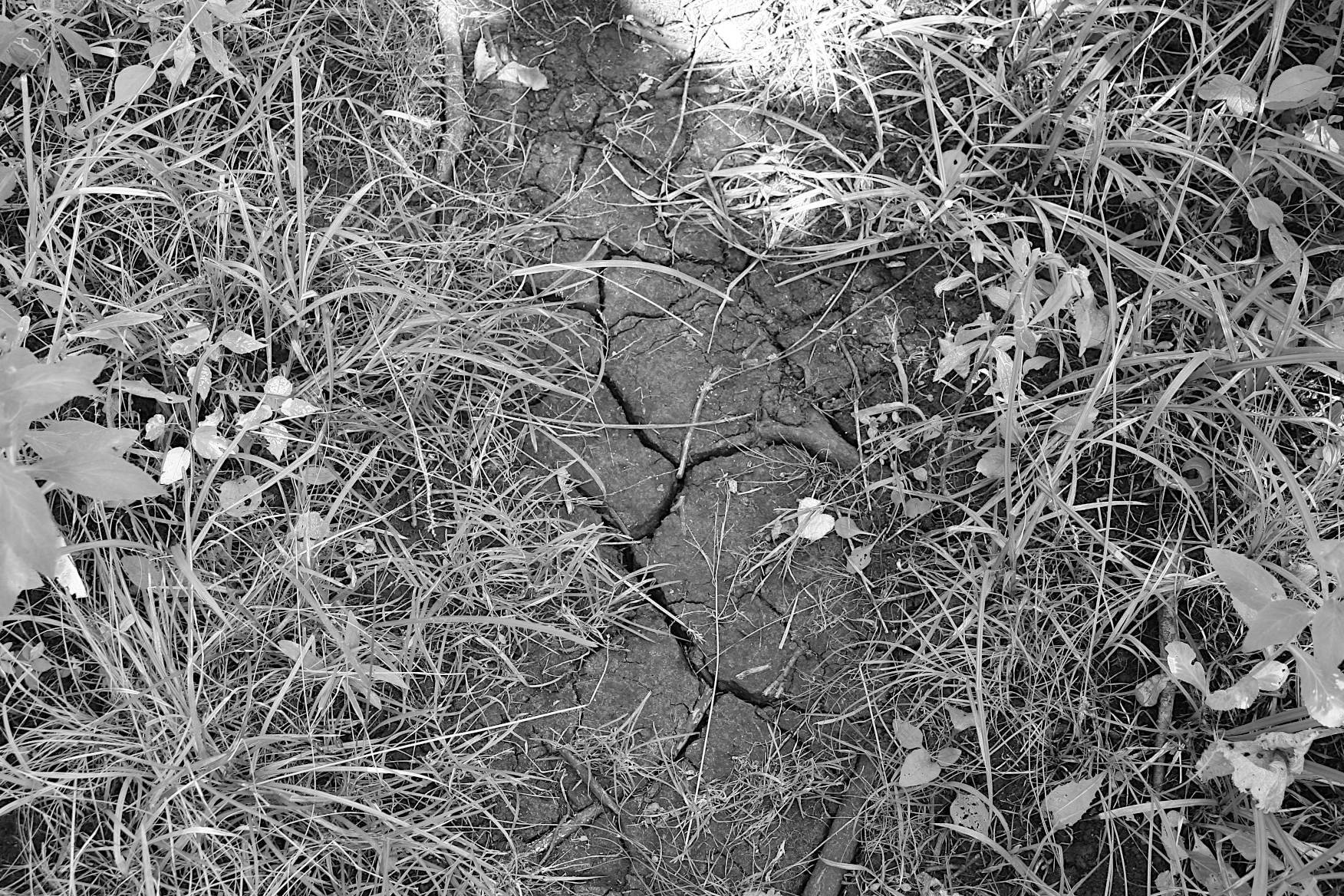
Parched, cracked earth by the Turtle Pond, River Bend Nature Center. (Minnesota Prairie Roots copyrighted file photo August 2021, used for illustration only)
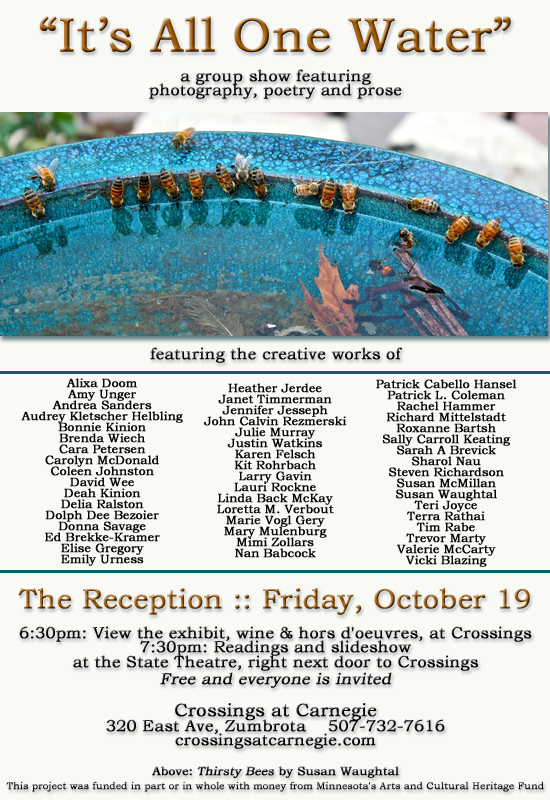
The invitation to the 2012 “It’s All One Water” reception and group show in Zumbrota.
The winning entries were printed in a beautiful 55-page booklet that paired the writing with submitted photos, all themed to water. I opted to pen a poem personifying Autumn as a woman searching for water upon the parched land. To this day I still love that strong visual, inspired by my long ago observations at River Bend Nature Center in Faribault.
And if I were to tap further into my visual memory, I would also see a semi trailer full of hay parked in a southwestern Minnesota farmyard in the summer of 1976. That was a year of severe drought, when my dad bought a boxcar full of hay from Montana so he could feed his cows and livestock. It was the year that nearly broke him as a farmer.
A REALLY DRY & WARM SEPTEMBER IN MINNESOTA
Here we are, 48 years later, settling once again into drought/abnormally dry weather conditions in Minnesota after a winter of minimal snow followed by an excessively wet spring, a dry-ish summer and now a record warm and dry September. This September, the Twin Cities recorded only 0.06 inches of rain and the most days of 80-degree or warmer high temps in any September. It doesn’t feel like fall in Minnesota, more like summer. But at least temperatures cool overnight.
Areas of western and central Minnesota are under a Red Flag Warning today, code words for a high fire danger, due to dry, windy conditions and dropping relative humidity. We are experiencing “near critical fire weather conditions” here in the southern part of the state.
AND THEN THERE’S TOO MUCH WATER
Contrast this with the weather my friends in western North Carolina and other areas affected by Hurricane Helene are experiencing. One is OK (as is her house). But she expects to be without power for a week and is relying on limited cell service at the local firehall. Another friend, a native Minnesotan, lost his car and may lose his home in Hendersonville after a creek swelled, flooding his garage (with four feet of water) and house (30 inches of floodwaters). A foundation wall “blew out” of his home. He is currently staying with family in Florida.
So, yes, even though the lack of rain and abnormally warm weather in Minnesota concern me, I feel a deeper concern for the folks dealing with loss of homes, businesses, infrastructures and, especially, deaths of loved ones. The devastation is horrific. It will take months, if not years, to recover.
RESPECT FOR WATER & MY POEM
In 2012, the following statement published in the intro to “It’s All One Water”: It is our hope to inspire respect, protection, preservation and awe in honor of water, our most precious of Natural Resources. How one views water right now depends on where they live. But I think we can all agree that water is “our most precious of Natural Resources.”
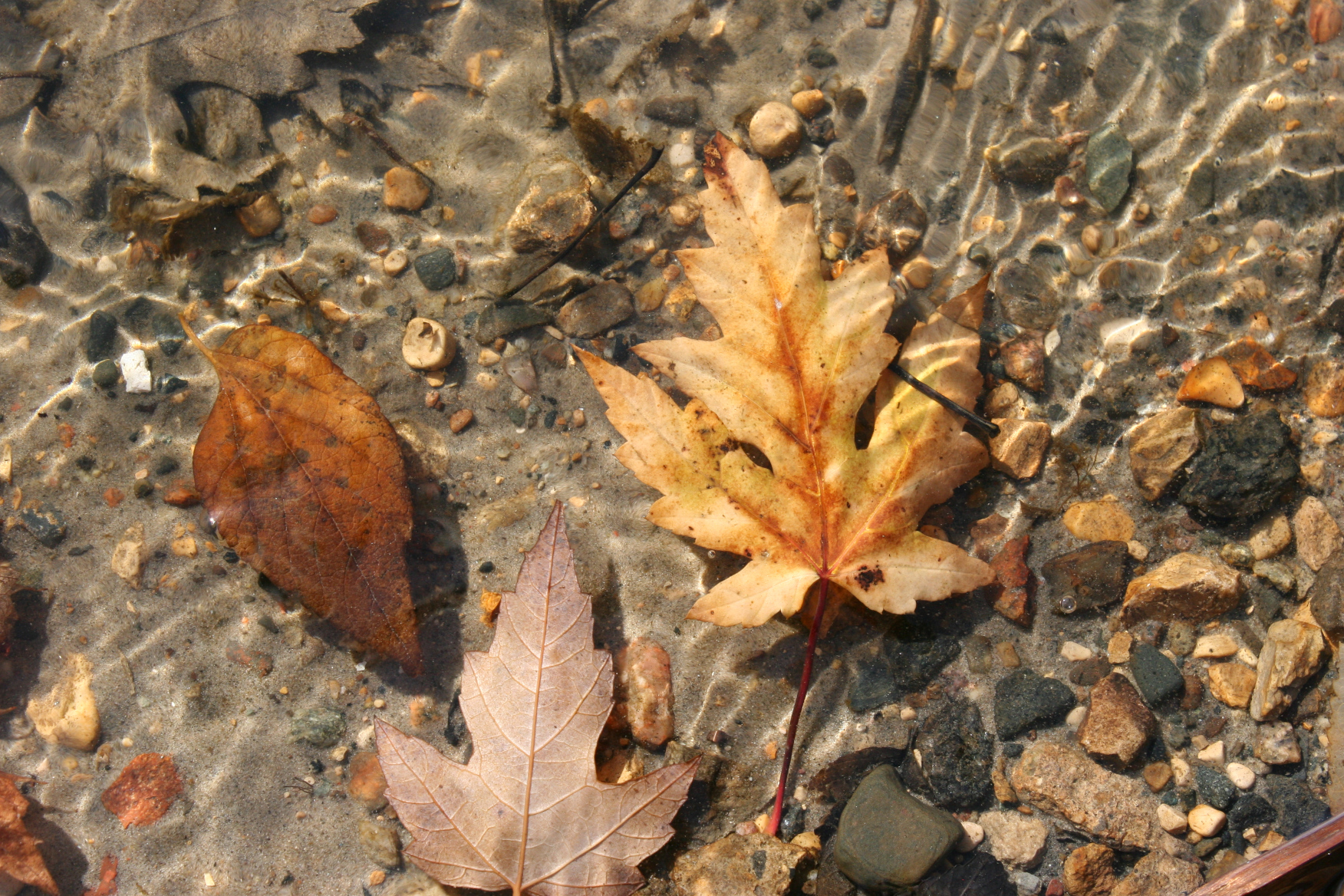
Autumn leaves in the Cannon River, Cannon River Wilderness Park. (Minnesota Prairie Roots copyrighted file photo 2021)
In which Autumn searches for Water
Water. The wayward word rises in a faint rasp,
barely a whisper above the drone of buzzing bees
weaving among glorious goldenrods.
I strain to hear as Autumn swishes through tall swaying grass,
strides toward the pond, yearning to quench her thirst
in this season when Sky has remained mostly silent.
But she finds there, at the pond site, the absence of Water,
only thin reeds of cattails and defiant weeds in cracked soil,
deep varicose veins crisscrossing Earth.
She pauses, squats low to the parched ground and murmurs
of an incessant chorus of frogs in the spring,
of Water which once nourished this marshland.
Autumn heaves herself up, considers her options
in a brittle landscape too early withered by lack of rain.
Defeat marks her face. Her shoulders slump. She trudges away, in search of Water.
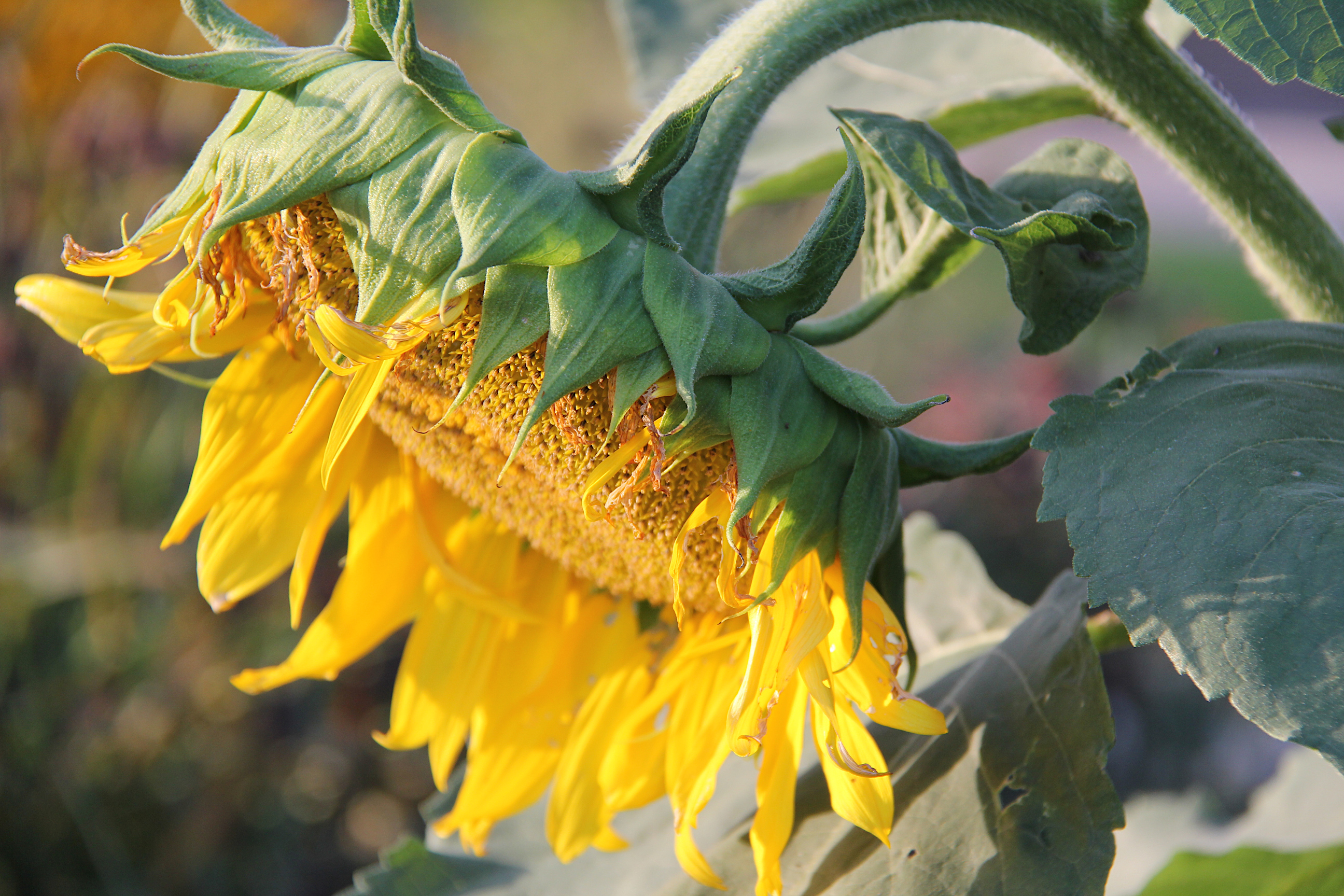
Sunflowers are drooping, like this one in the Rice County Master Gardeners’ Teaching Gardens, Faribault. (Minnesota Prairie Roots copyrighted photo August 2024)
I’M BEGINNING TO FEEL this sense of urgency, as if I need to spend more time outdoors taking in the natural world. It’s not a new feeling, but rather one which rolls into my thoughts at August’s end. When the calendar flips to September, everything shifts. I see it, hear it, smell it, feel it.
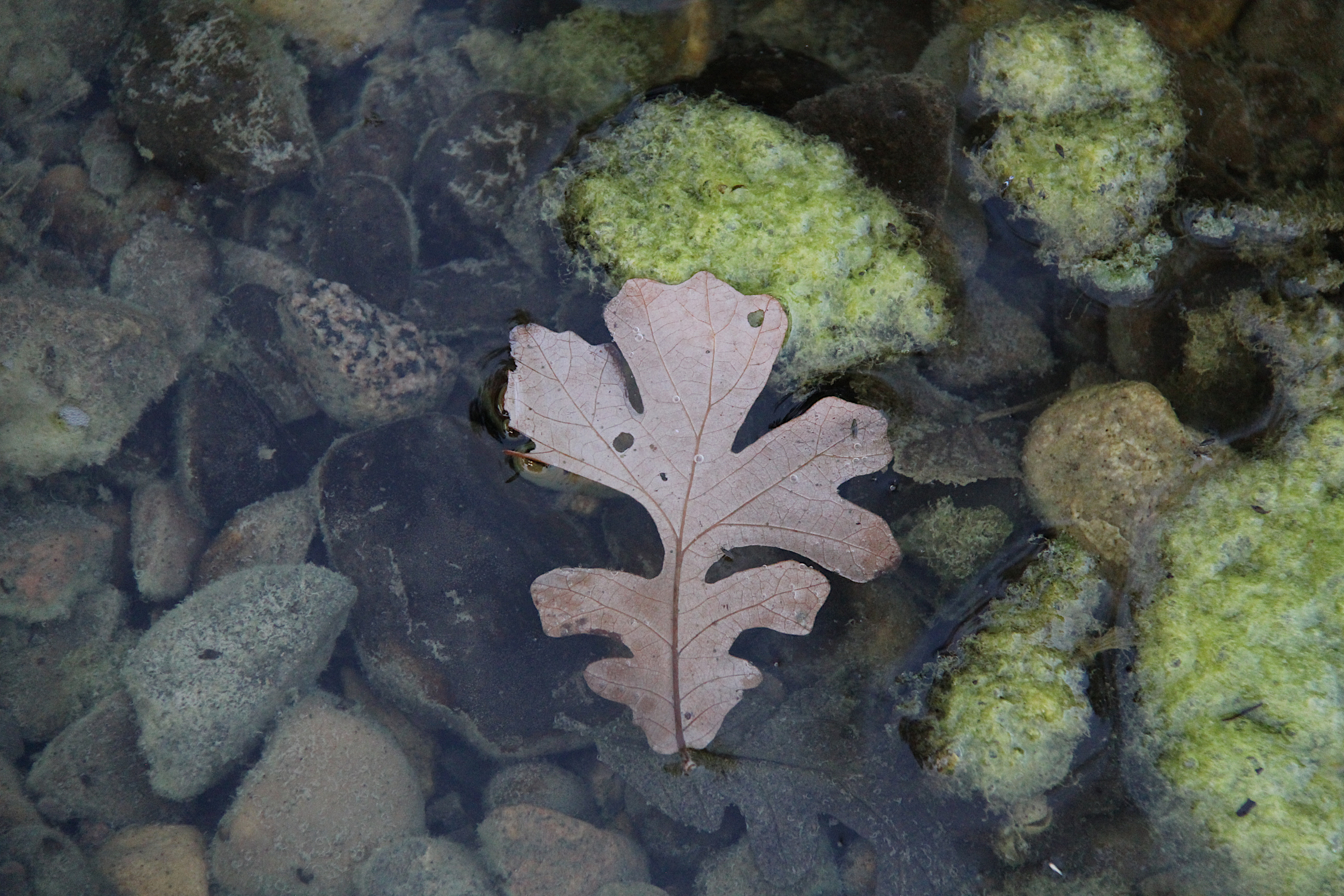
A dried oak leaf floats in a pond at the teaching gardens. (Minnesota Prairie Roots copyrighted photo August 2024)
Outside my front door, massive mophead hydrangeas are drying, morphing from green to brown. Once lush phlox are less full. Maple leaves, in hues of orange and yellow, litter the lawn. All over town, trees are beginning to change color.
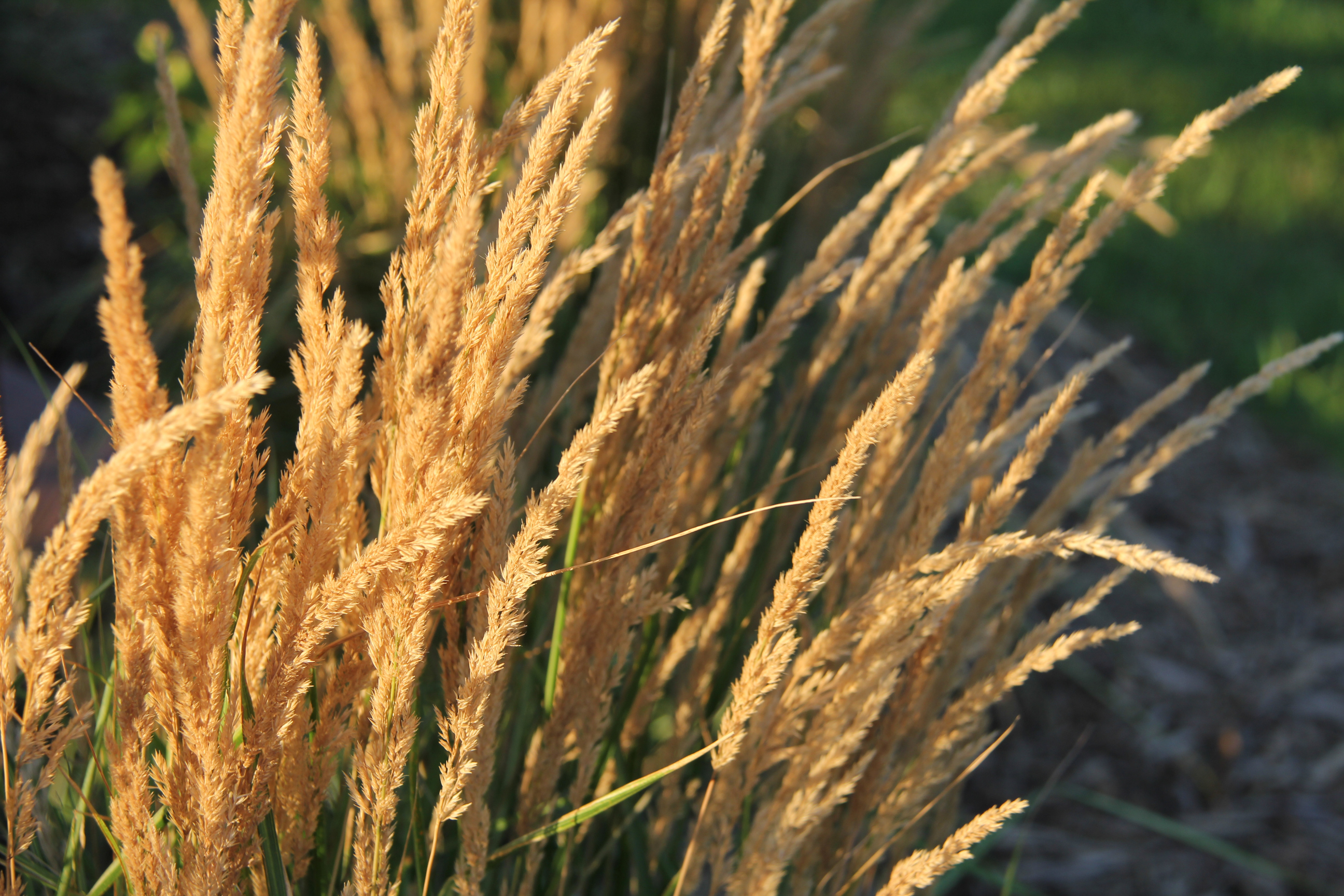
Golden grasses sway in the gentle wind of early evening. (Minnesota Prairie Roots copyrighted photo August 2024)
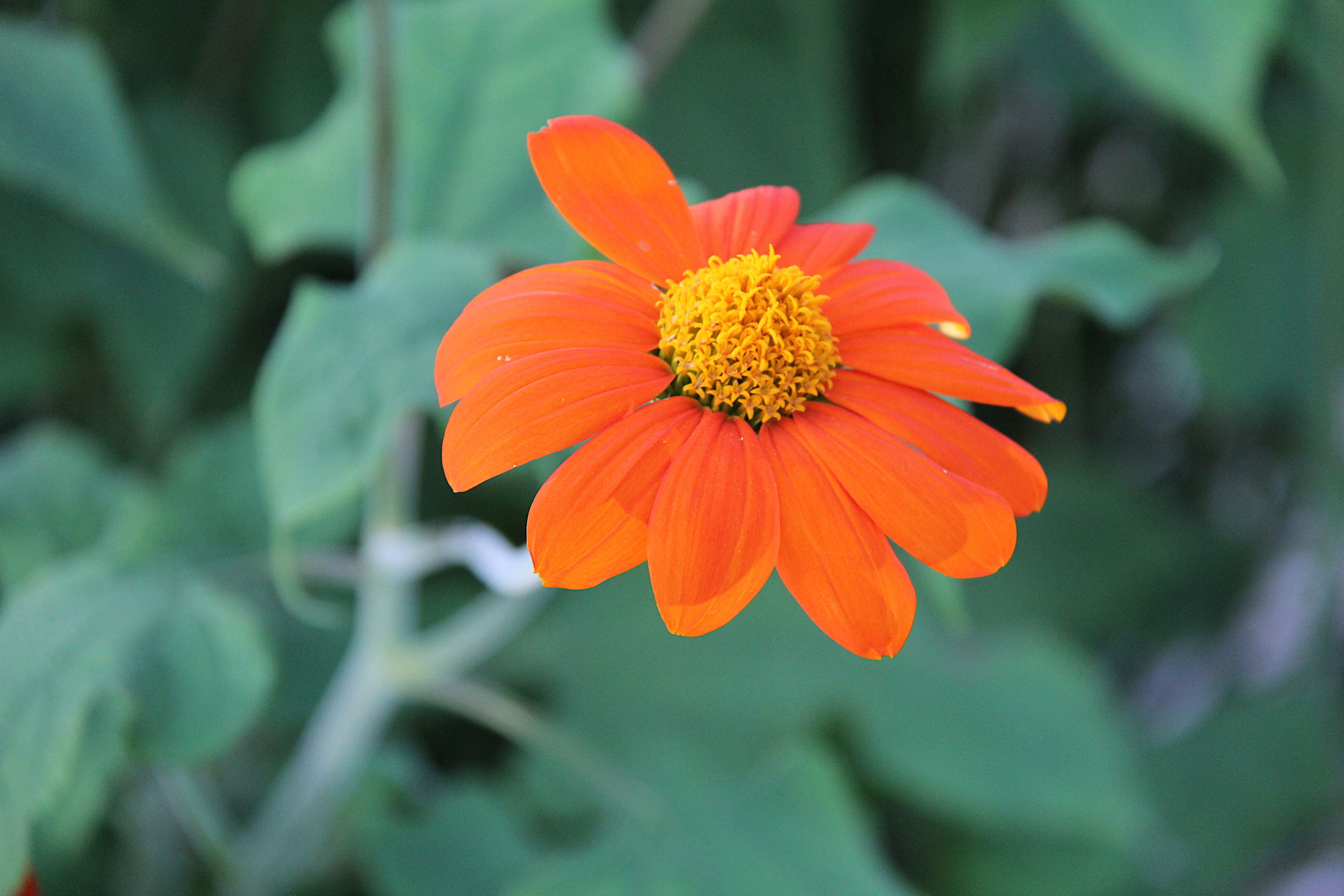
Jolts of color still fill the garden. (Minnesota Prairie Roots copyrighted photo August 2024)
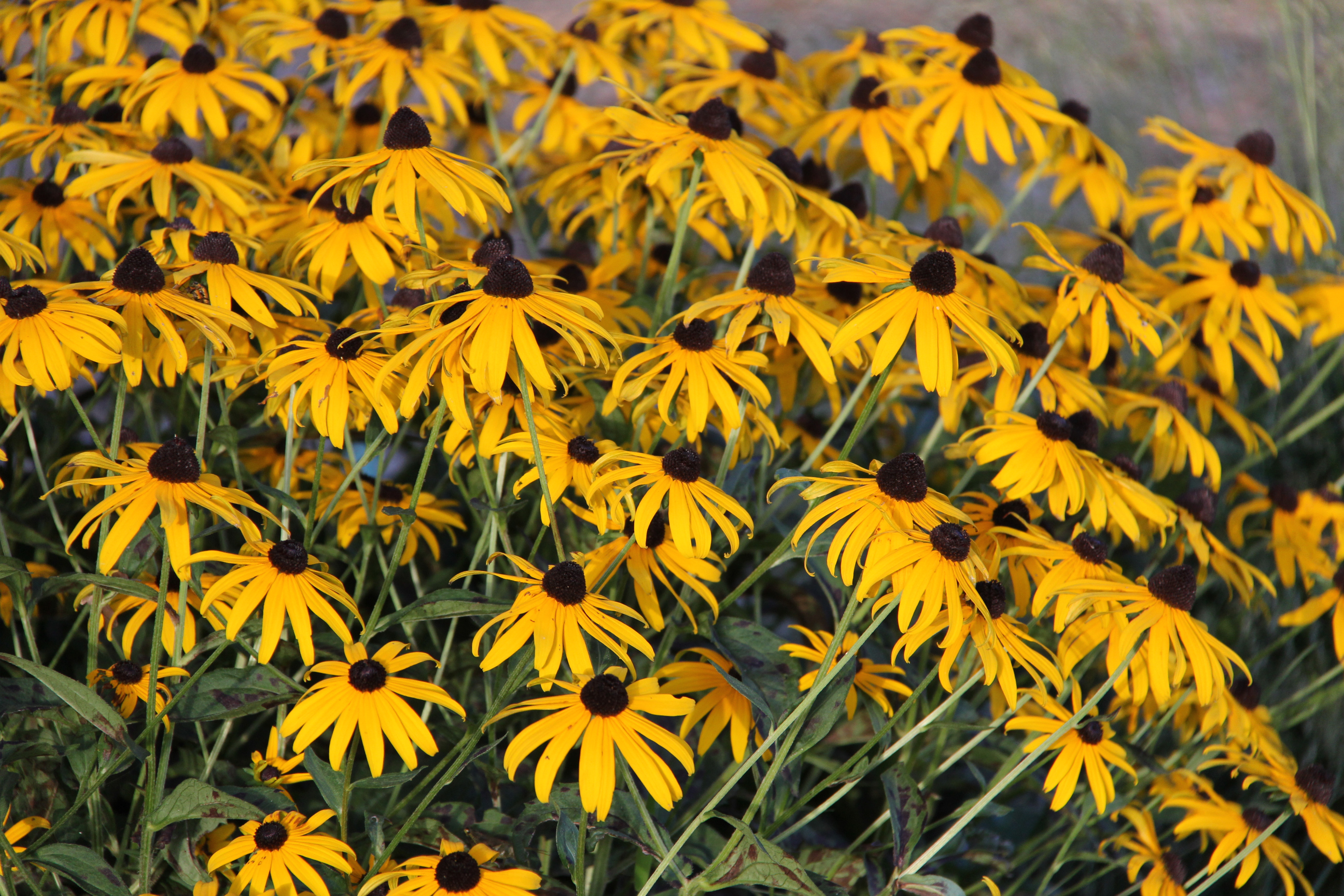
Prolific black-eyed susans. (Minnesota Prairie Roots copyrighted photo August 2024)
Crickets chirp. Cicadas buzz. School buses roll past my house. Everything is shifting. And nowhere is that more noticeable than in a garden.
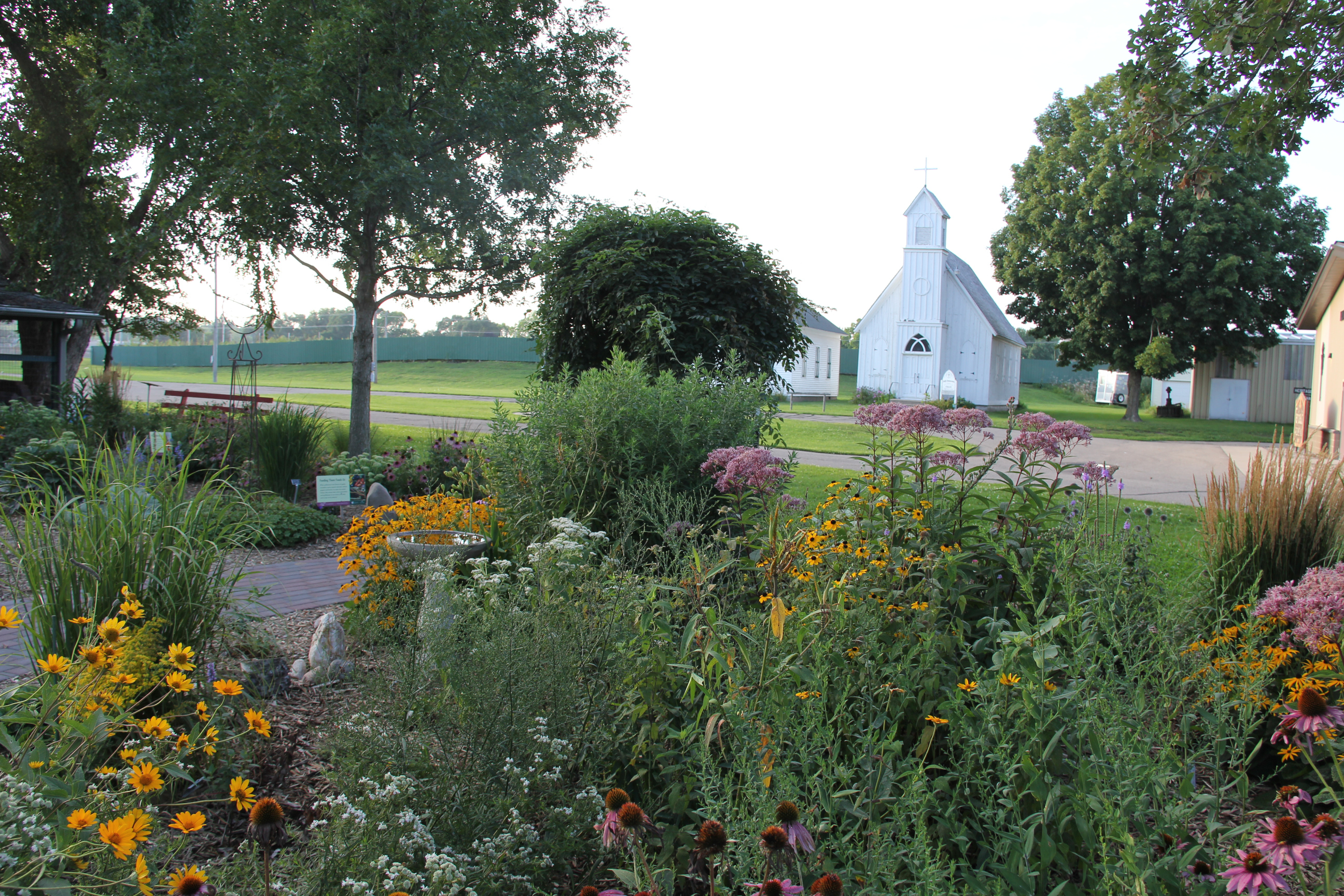
This shows only a section of the teaching gardens. That’s an historic church, on the grounds of the Rice County Historical Society, in the background. The gardens are next to the RCHS museum. (Minnesota Prairie Roots copyrighted photo August 2024)
And so I encourage you, if you live in a place that will soon change to cold and colorless, to enjoy the flowers while they are still blooming, as I did recently at the Rice County Master Gardeners Teaching Gardens.
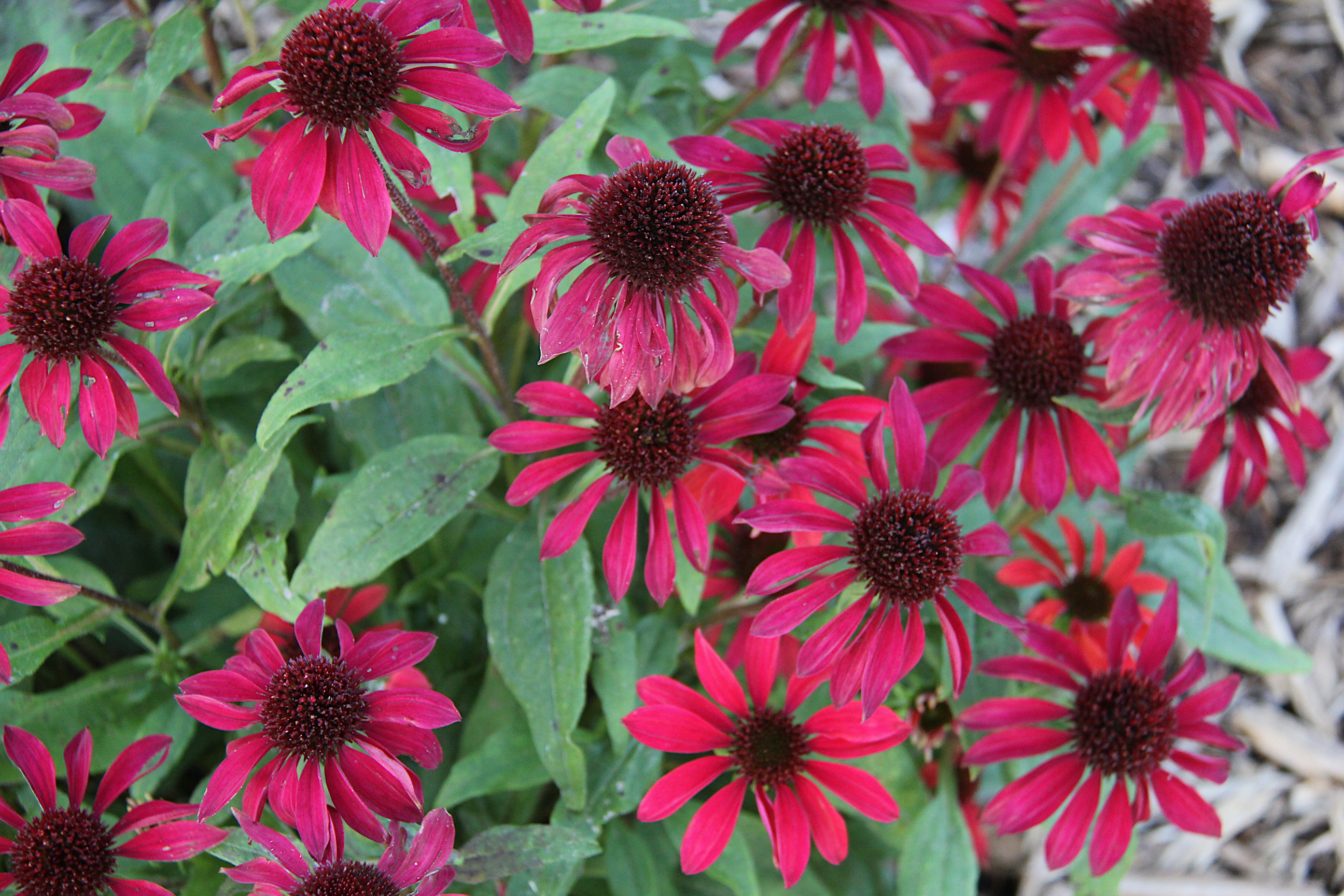
A mass of coneflowers. (Minnesota Prairie Roots copyrighted photo August 2024)
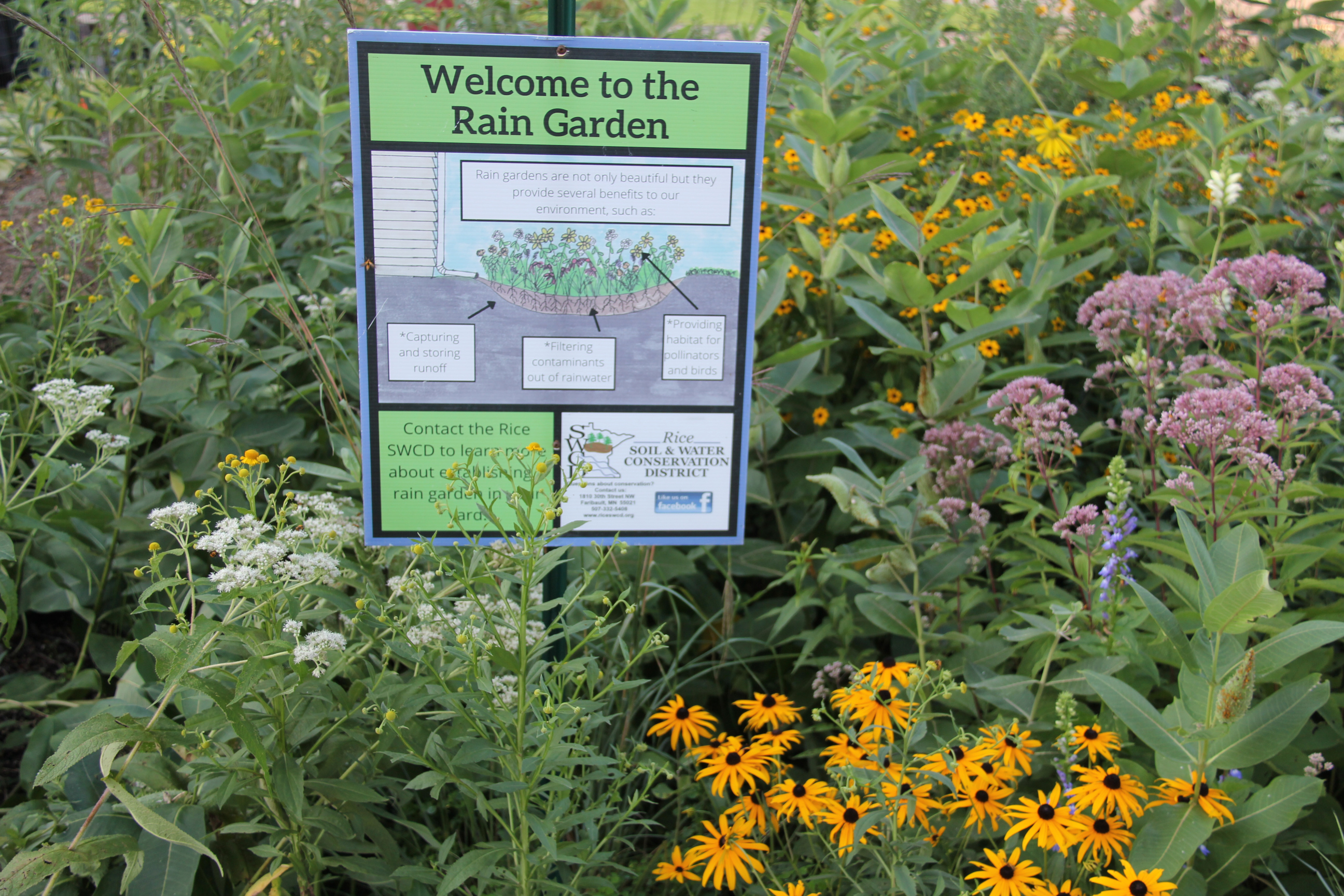
A rain garden flourishes here. (Minnesota Prairie Roots copyrighted photo August 2024)
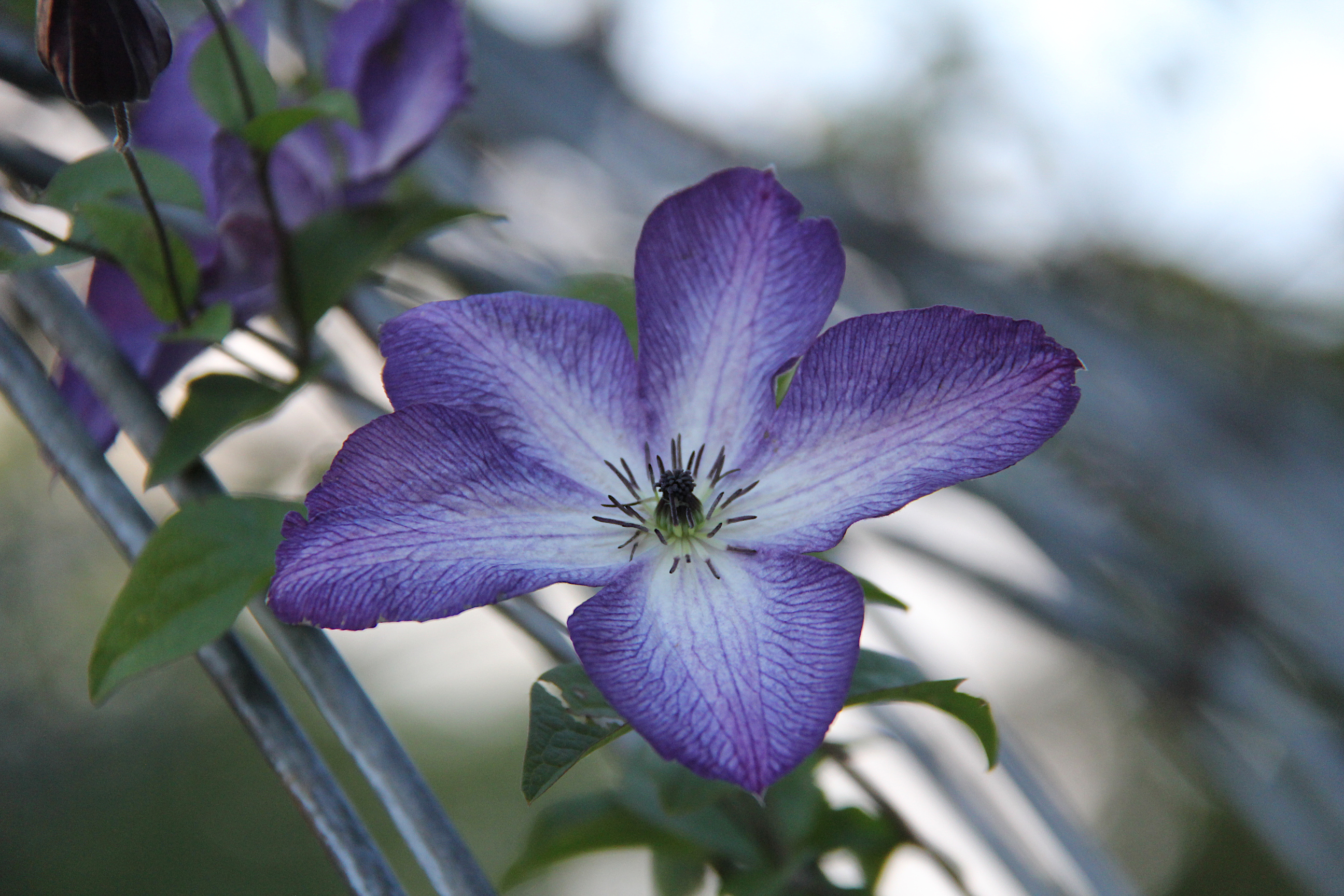
A few clematis were still blooming when I walked the gardens. (Minnesota Prairie Roots copyrighted photo August 2024)
Come, walk with me through this space with its beds of blooms, its textured perennials, its overall loveliness.
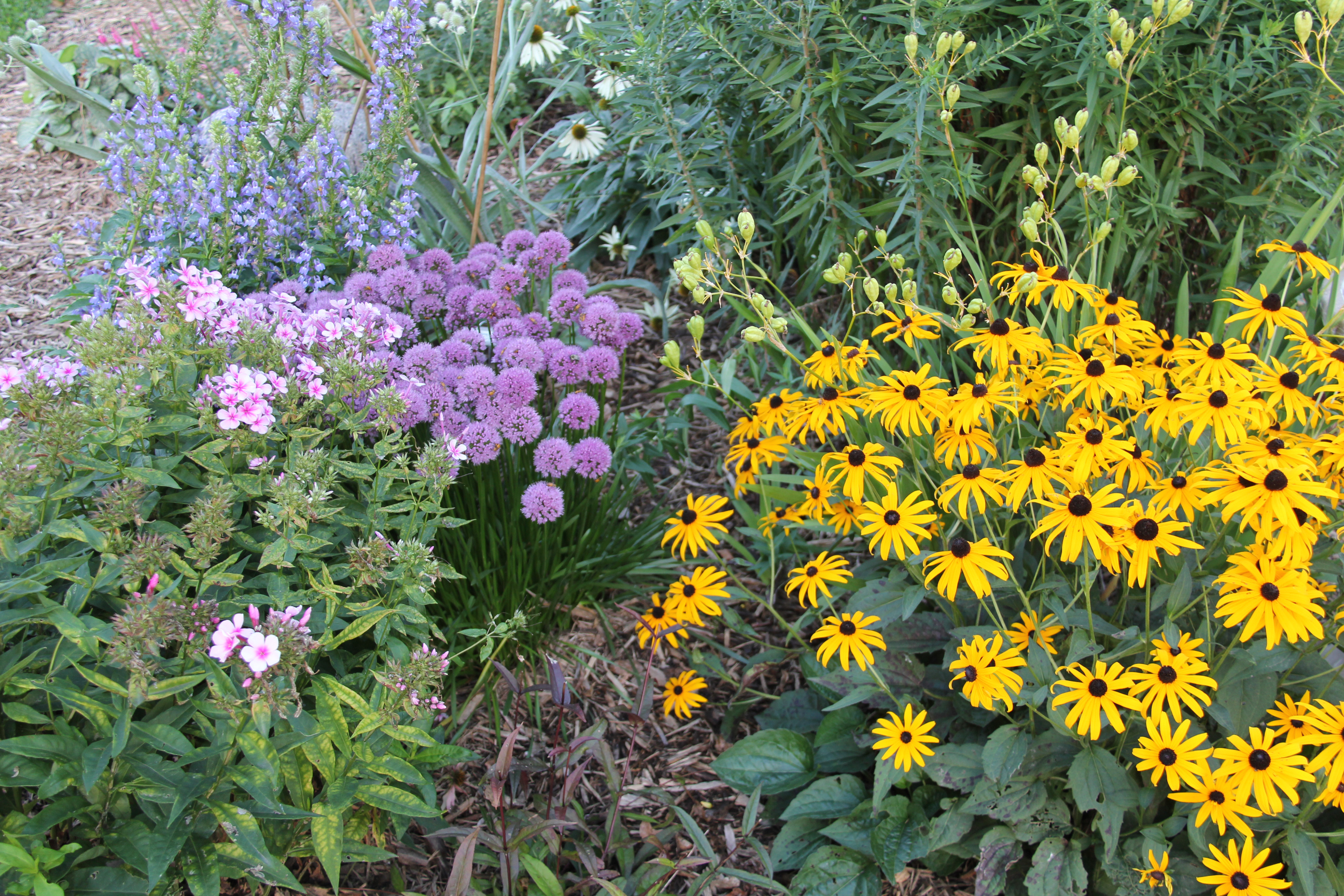
An array of flowers fill the gardens. (Minnesota Prairie Roots copyrighted photo August 2024)
A muted hue that leans into autumn. (Minnesota Prairie Roots copyrighted photo August 2024)
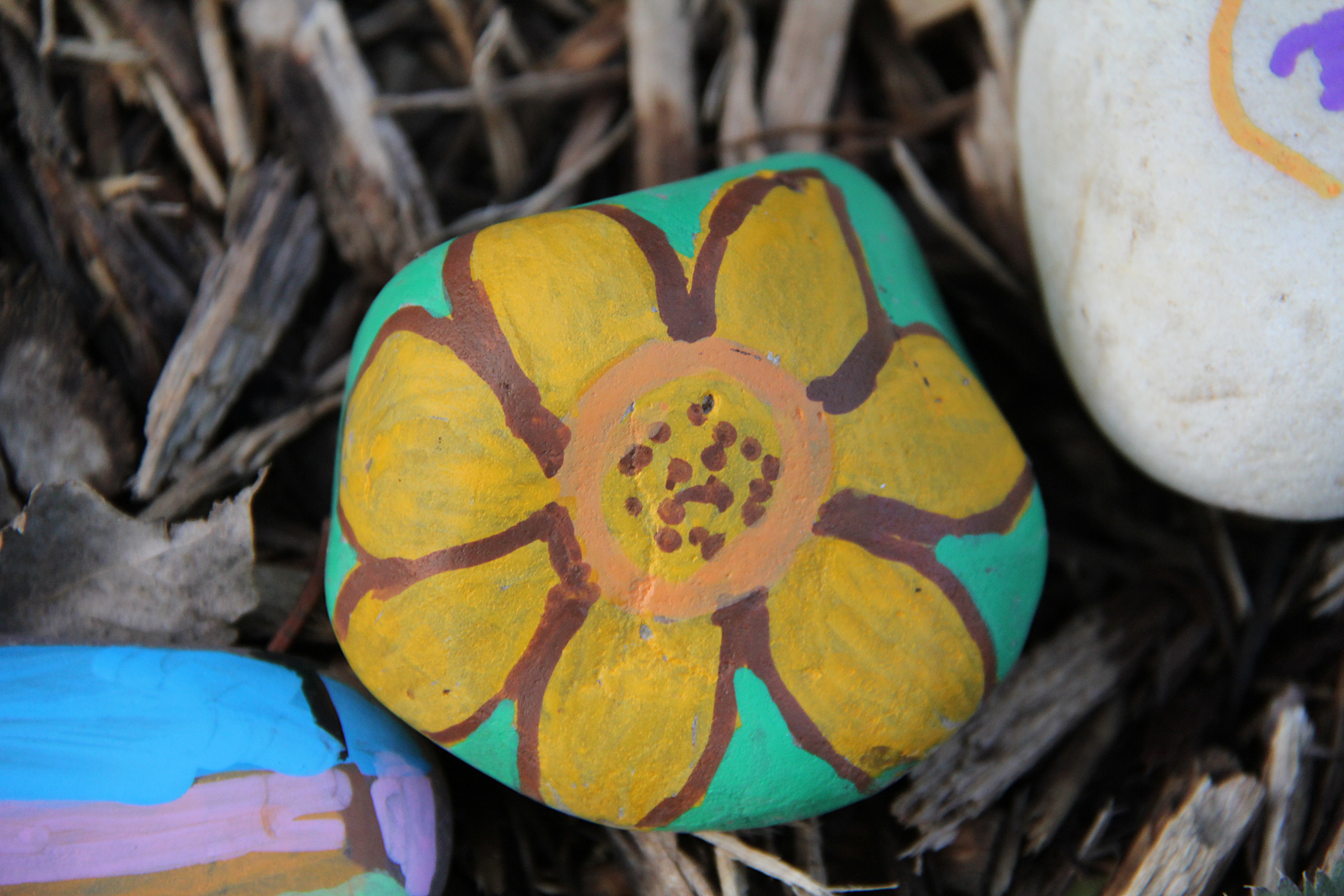
The gardens include rock art, this one in the Rock Art Snake. (Minnesota Prairie Roots copyrighted photo August 2024)
Or find your own garden in your place. Walk. Sit. Take it all in. And when the season shifts, when the flowers are long gone, when the trees have dropped their leaves, then remember this time, these days. Remember the beauty of it all. Remind yourself in the depths of winter how you paused to appreciate these days of summer transitioning into autumn.

















 Minnesota Prairie Roots
Recent Comments