Minnesota Prairie Roots

Writing and photography by Audrey Kletscher Helbling

Law & order in Rothsay May 16, 2013

SMALL TOWNS, TIME AND AGAIN, draw me in to explore.

It is the unpretentious genuineness, the make-do, no-frills approach to life that appeals to me. Folks in small towns typically are not trying to impress. Rather, they are simply living their lives—being good neighbors, working hard, getting by on what they have.

I’m not saying big city residents don’t do likewise. I just think the evidence of simpler living is more visible in our rural communities.

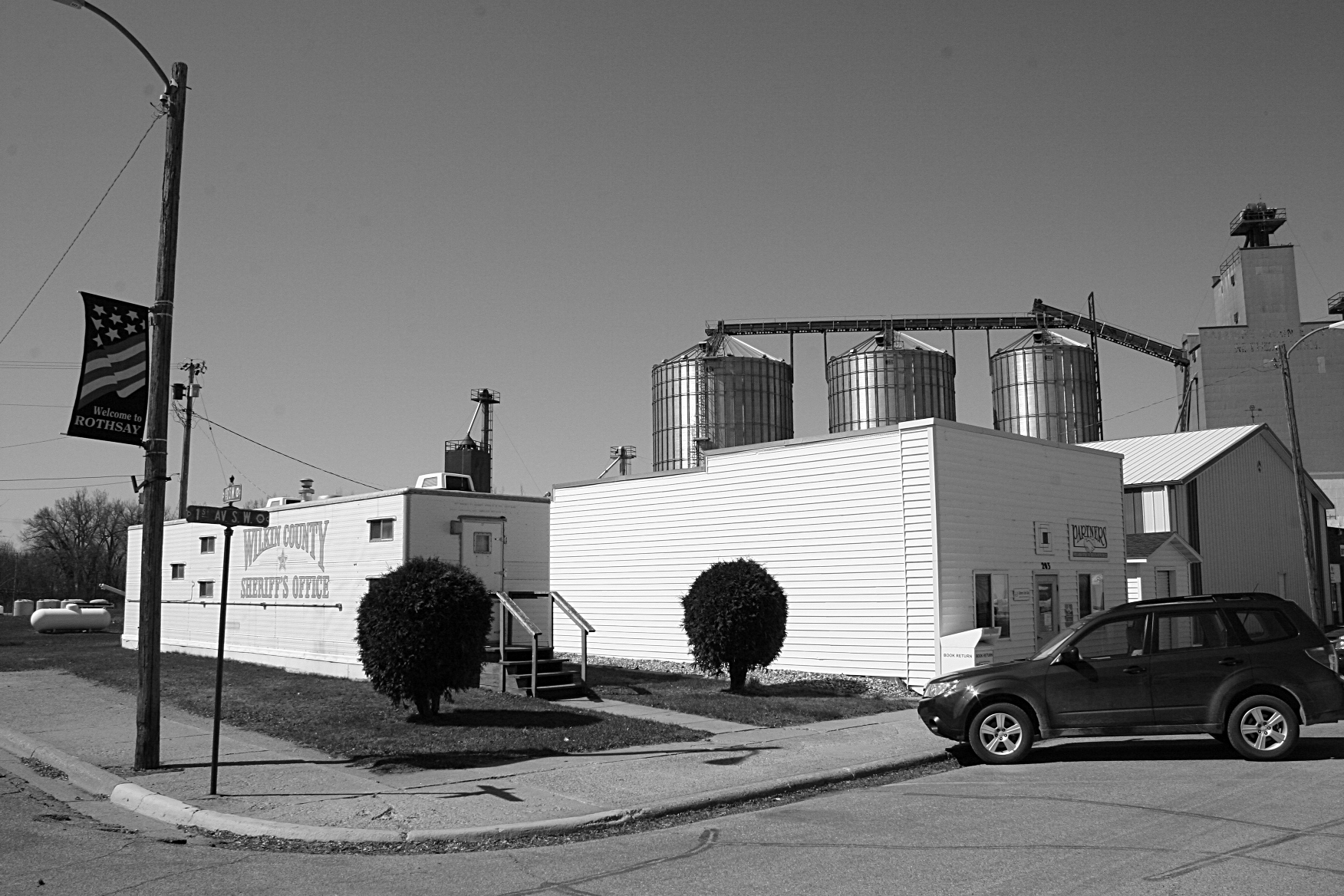
Wilkin County Sheriff's Dept. 1

Take Rothsay, population around 500. Just look at the building which houses the Wilkin County Sheriff’s Department in Rothsay, which lies along Interstate 94 some 35 minutes southeast of Fargo.

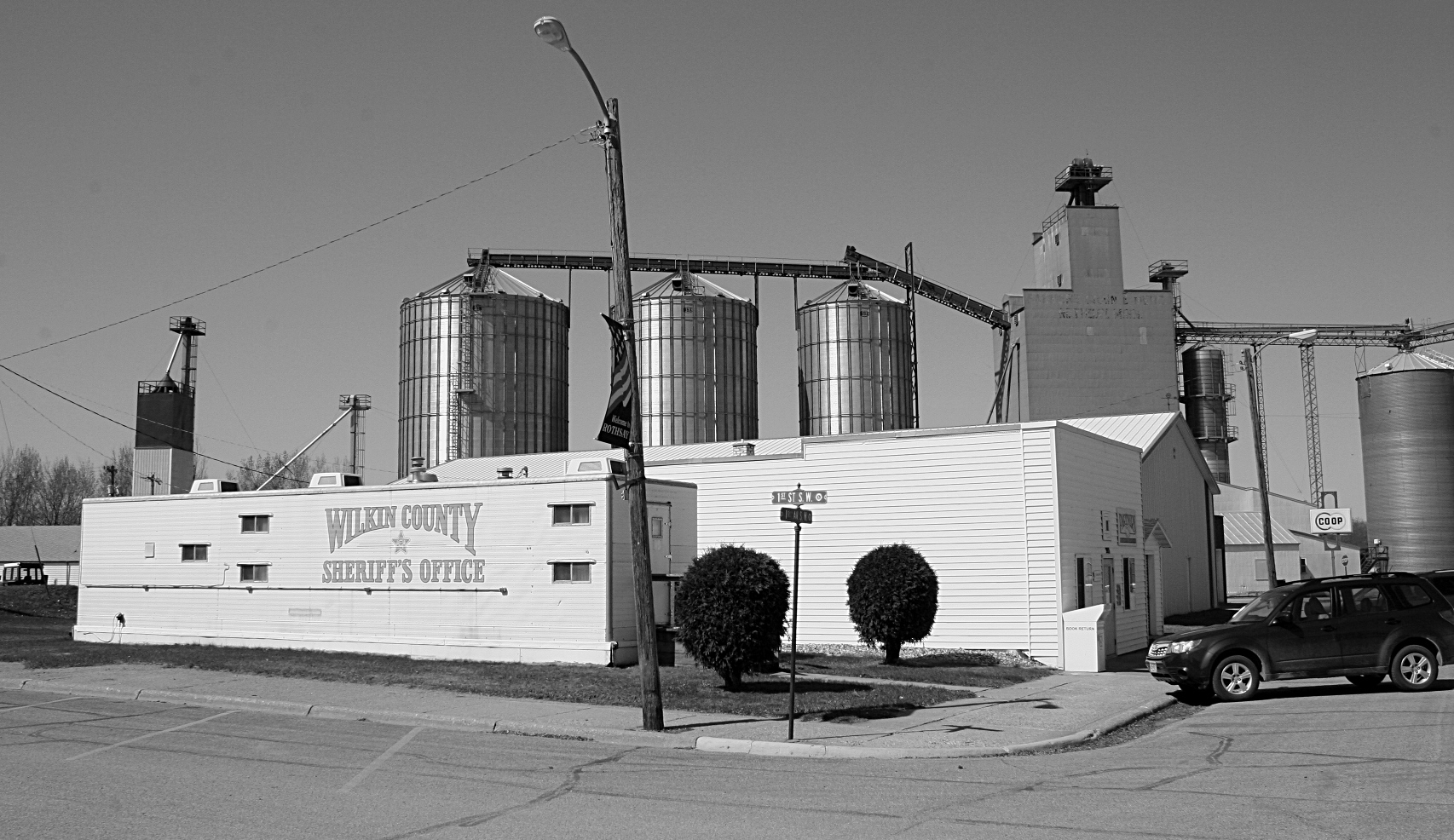
Wilkin County Sheriff's Dept. 2

Nothing fancy about this vintage trailerhouse, apparently a satellite office for the sheriff’s department based in the county seat of Breckenridge 30 miles distant.

Wilkin County Sheriff's Dept. 3

My husband and I were, should I say, awestruck when we pulled into the downtown business district and spotted this law enforcement headquarters. We’d never seen a sheriff’s office quite like this one.

I knew I’d found a gem, another slice of small-town Minnesota worthy of preserving via a photo shoot.

FYI: Check back tomorrow for more photos from Rothsay.

© Copyright 2013 Audrey Kletscher Helbling


The power of light in photography May 7, 2013

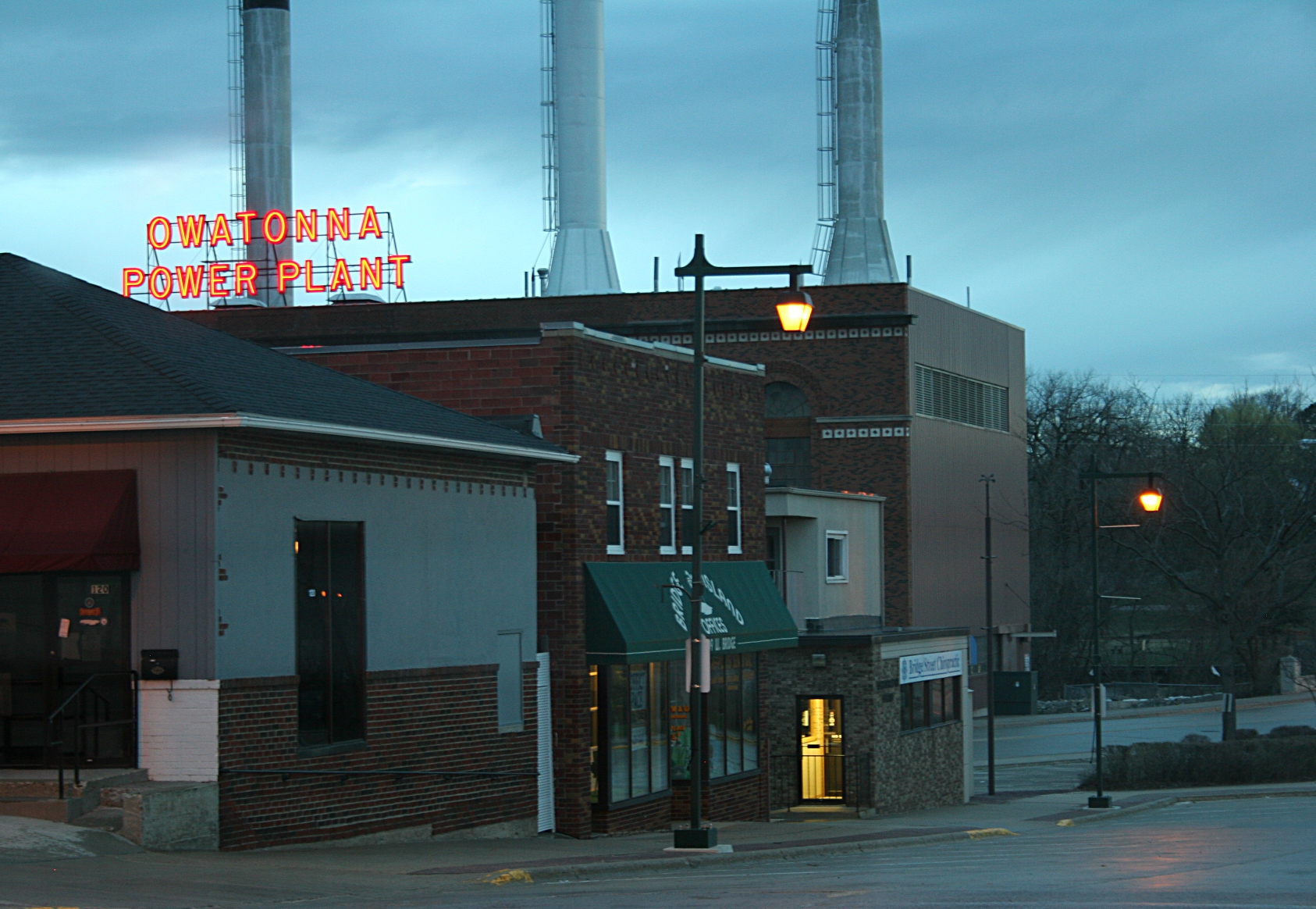
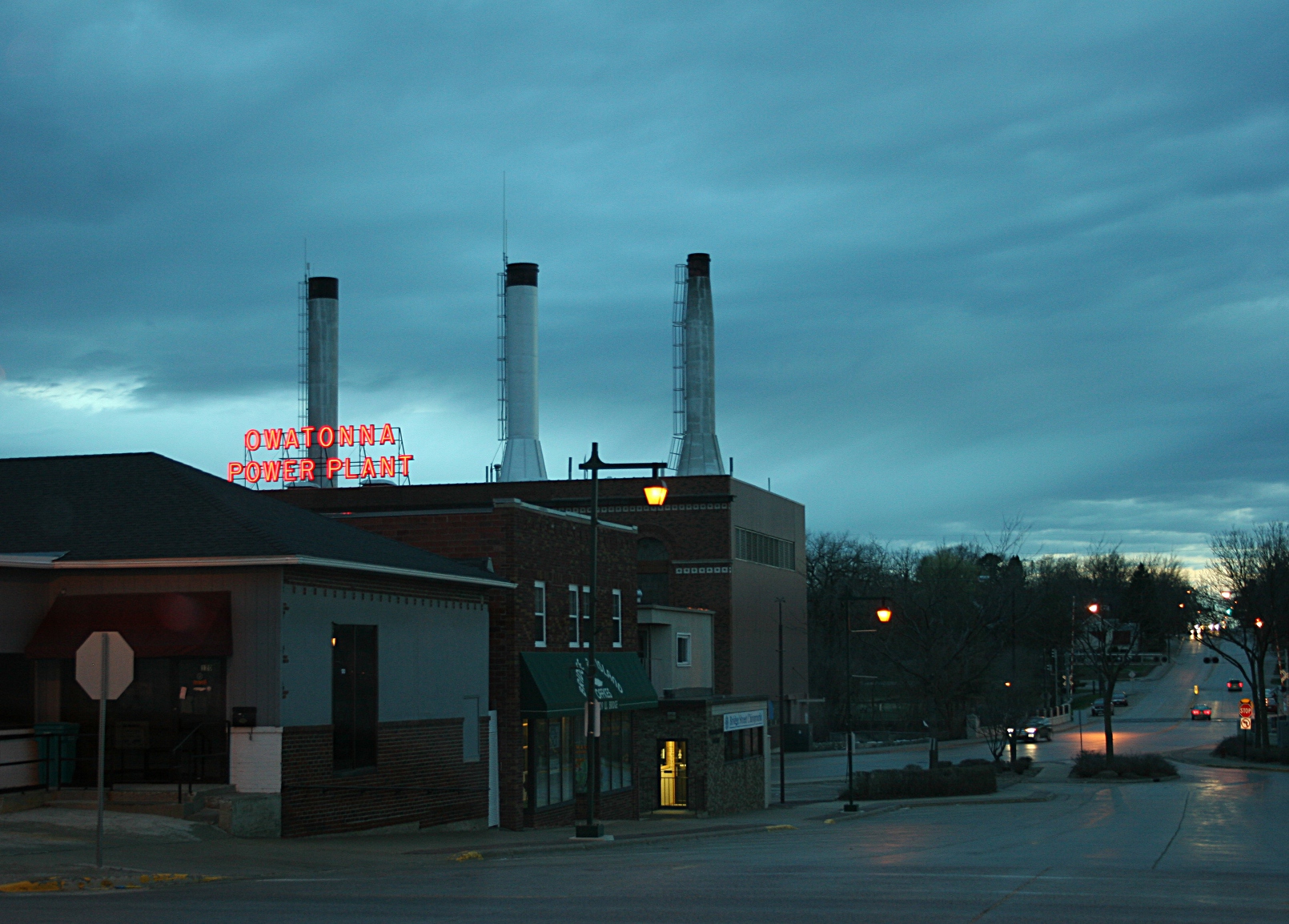
“WAIT. DON’T GO,” I requested as he was about to pull away from a stop sign in Owatonna.

Through the drizzled windshield, my eye caught a flash of red letters against the backdrop of a moody blue grey sky.

Shot Tuesday evening, April 30, in downtown Owatonna, Minnesota.

Shot Tuesday evening, April 30, in downtown Owatonna, Minnesota.

I wanted a photo of the dreamy scene—the bright signage atop the Owatonna Power Plant building, the warm glow of lantern street lights, flashes of taillights and headlights, the patch of light through a glass door, the reflection of light upon wet pavement.

In that precise moment, the frame unfolding before me was all about light, a gift to any photographer. There was no hesitating. Hesitation, for a photographer, equals regrets.

A closer shot of the 75-year-old signage.

A closer shot of the 75-year-old signage.

And so my husband, who understands, or at least pretends to understand, held foot to brake, flipped on the windshield wipers and allowed me to fire off several shots before continuing through the intersection.

Unexpected opportunities like this, to photograph an iconic landmark in remarkable light, are to be embraced.

FYI: The sign atop the Owatonna Power Plant recently underwent a transformation as the neon letters were replaced with LED technology. Also, as a result of damage caused by a September 2010 flood, the building has been repurposed into office space. The power plant has not been used as an energy source for years with Owatonna Public Utilities purchasing its electricity instead from Southern Minnesota Municipal Power Agency.

© Copyright 2013 Audrey Kletscher Helbling


Yes, Minnesota, there really is a spring April 23, 2013

Filed under: Uncategorized — Audrey Kletscher Helbling @ 6:44 AM
Tags: , , , , , , , , , , ,

ALLOW ME TO WEAVE a magical photo essay today, to sprinkle fairy dust into your eyes, to transport you from the snowy Minnesota landscape into a place of wondrous beauty and warmth.

If you truly believe, just as Virginia believed in Santa Claus, you will see spring.

Ready? Let’s go.

Greenhouse, fairy

A little fairy dust in the eyes

Greenhouse, exterior

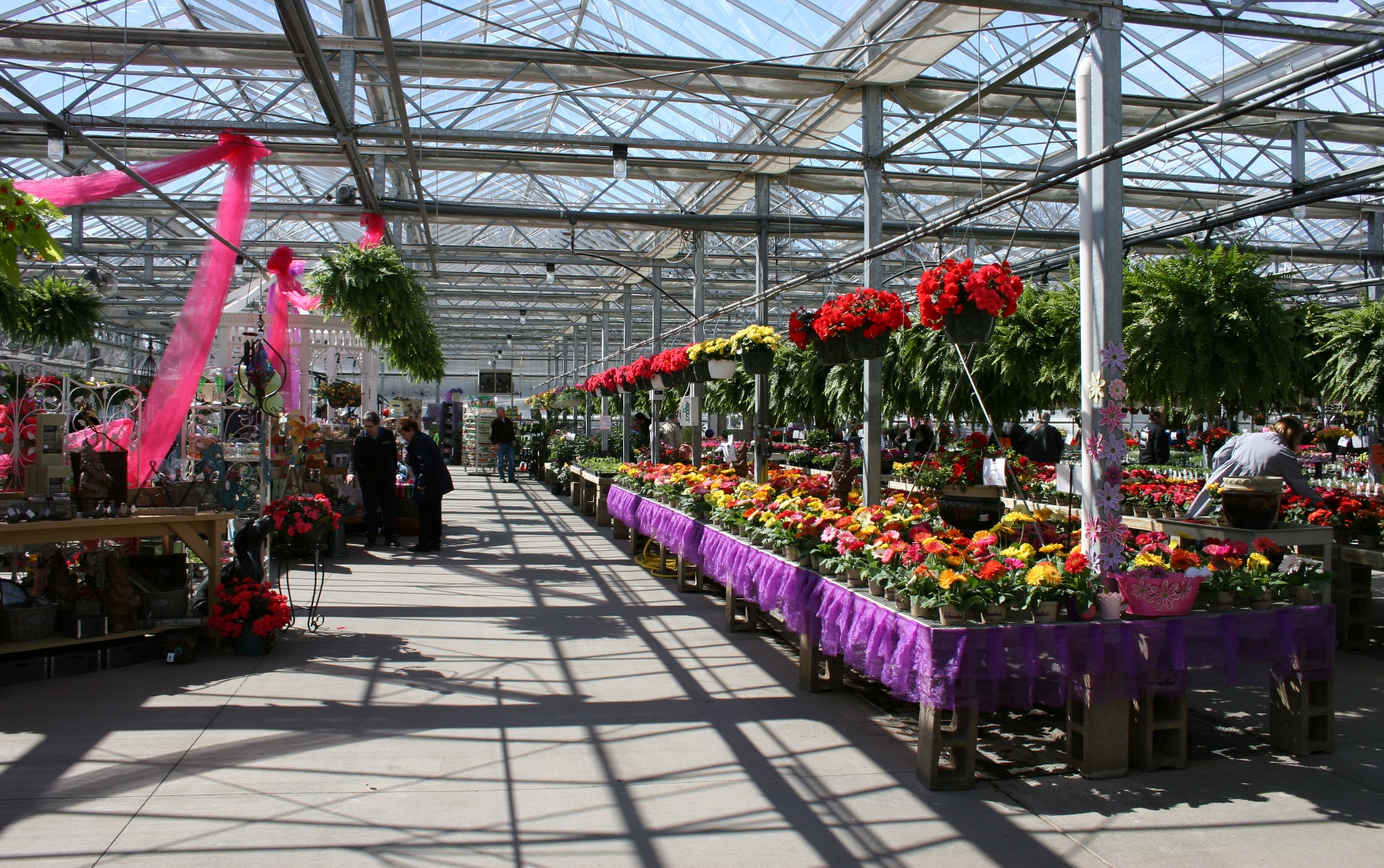
and we enter the magical world of spring inside Donahue’s Greenhouse in Faribault.

Greenhouse, flowers and ferns

Here a spell is cast upon winter weary Minnesotans, some of whom load their carts with plants, unable to resist the overpowering pull of flowers in bloom.

 Greenhouse, yellow bloom

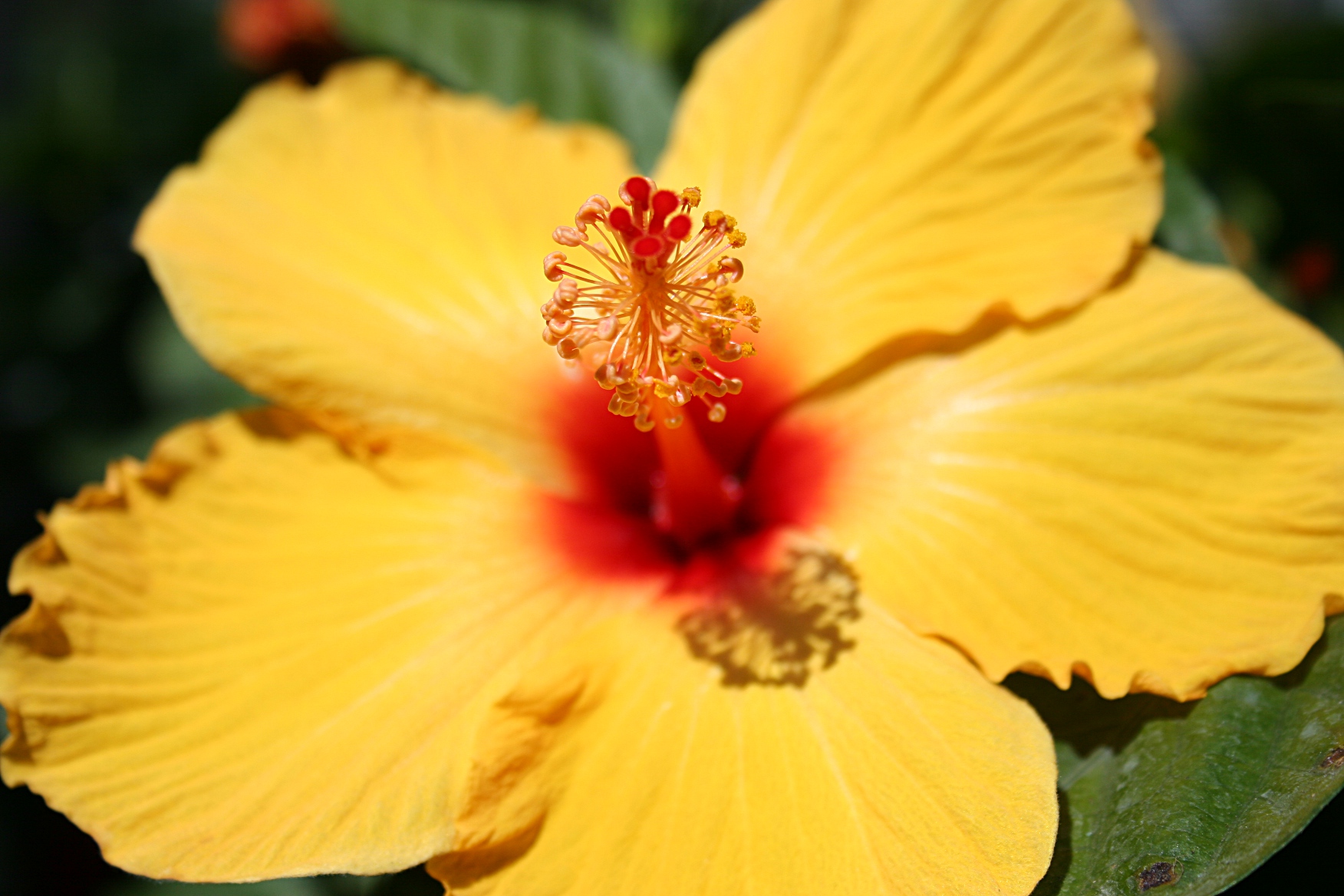
Blossoms unfurl, fooled into spring by the warmth of the greenhouse, the rare sunshine which graces this April day.

Greenhouse, gazing ball and geraniums

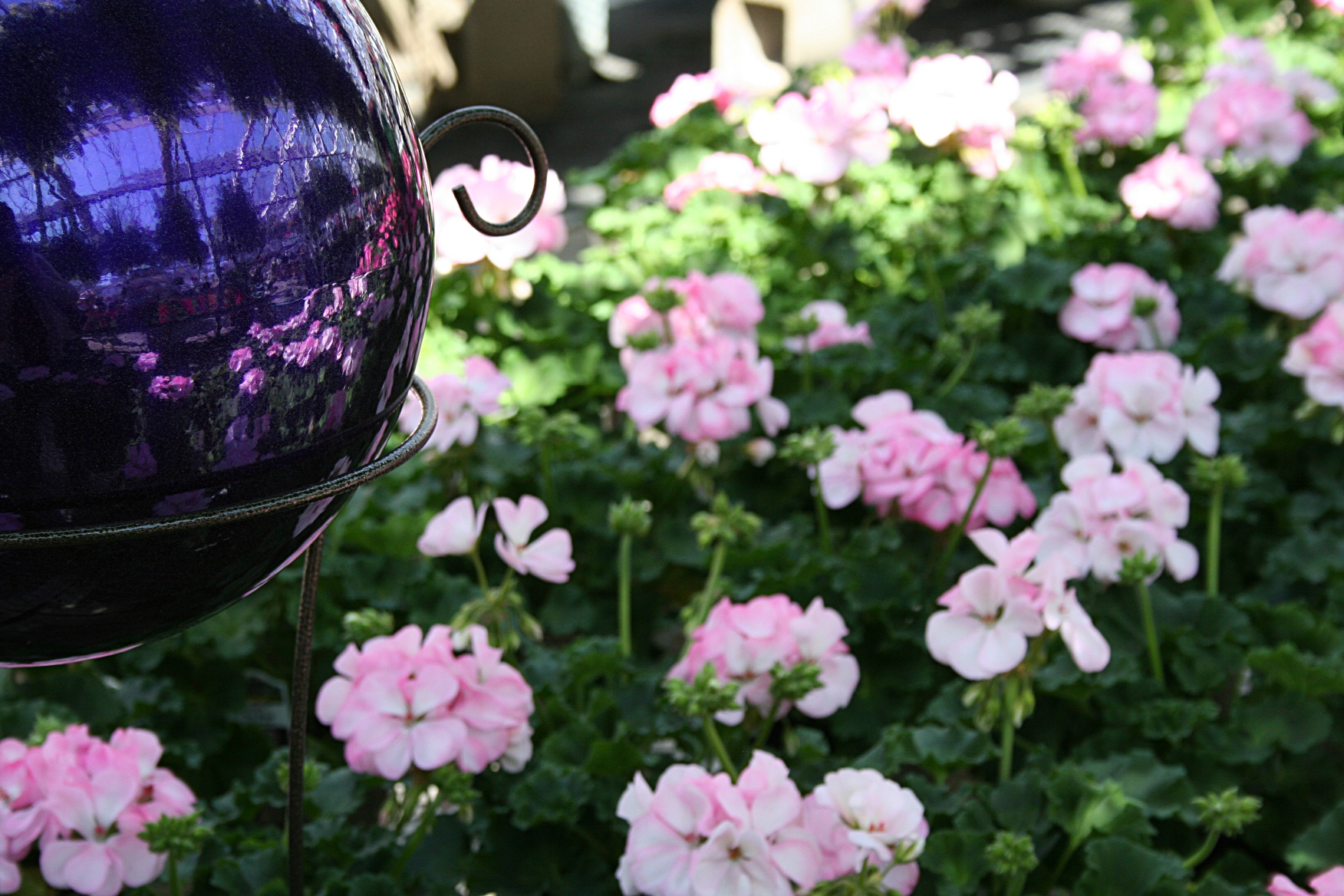
Gazing into the future, gardeners envision spring

Greenhouse, birds

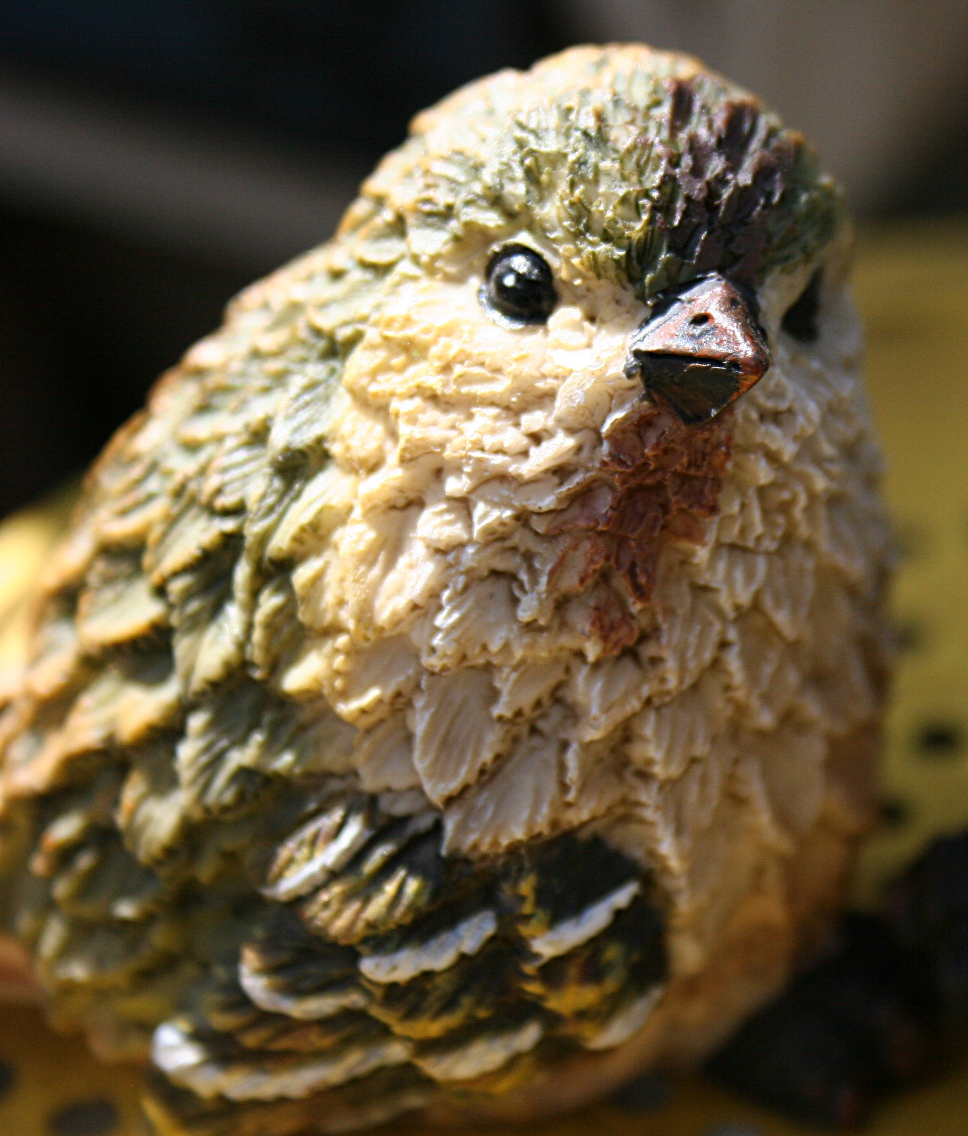
with nesting birds

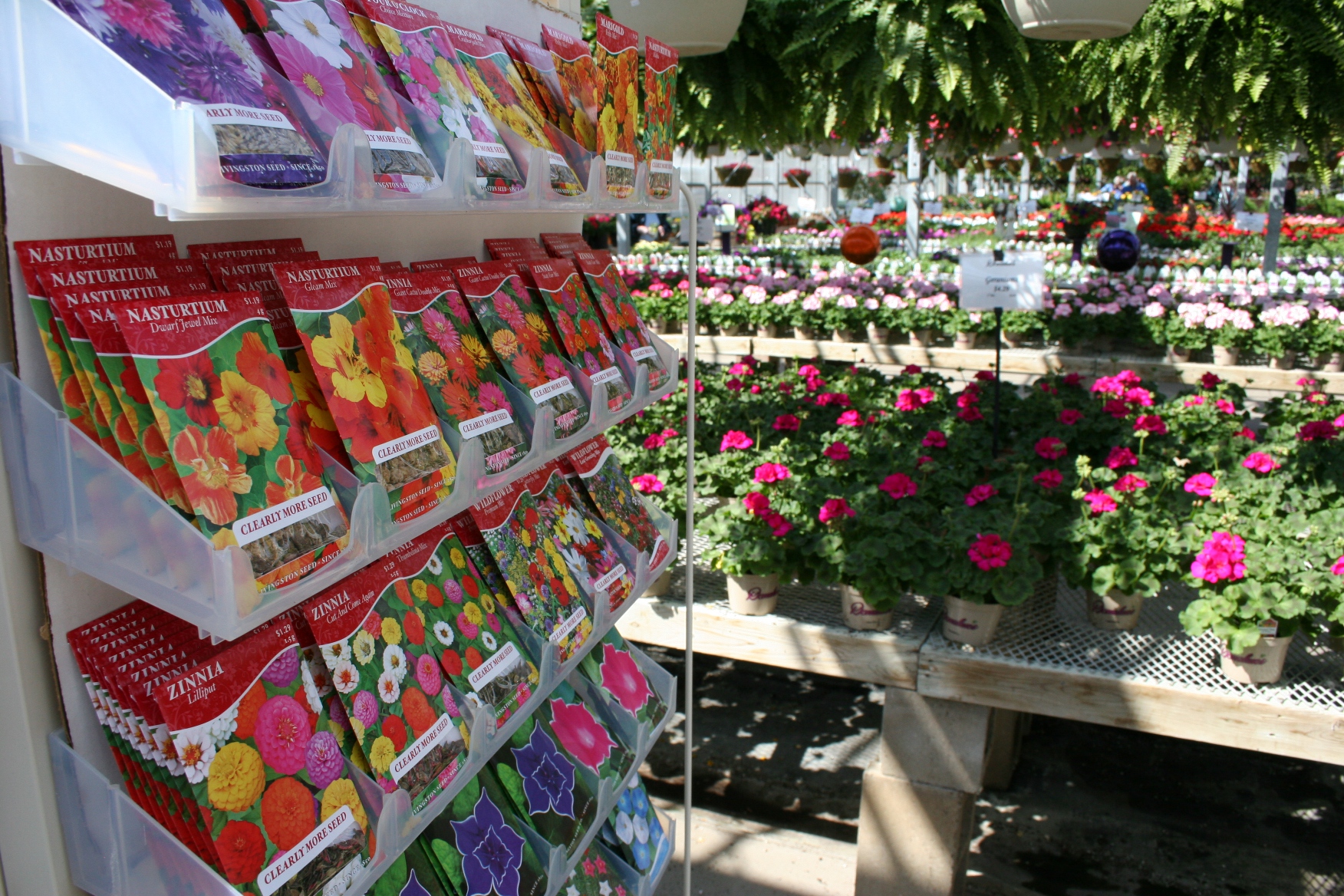
Greenhouse, seed packets

and soil warm enough to embrace seeds.

Greenhouse, blue flowers

They imagine delicate buds unfurling into graceful blossoms,

Greenhouse, broad view

defying winter in bursts of vibrant hues.

Greenhouse, close-up flowers and ferns

Everywhere, in this magical place, the sweet promise of spring prevails,

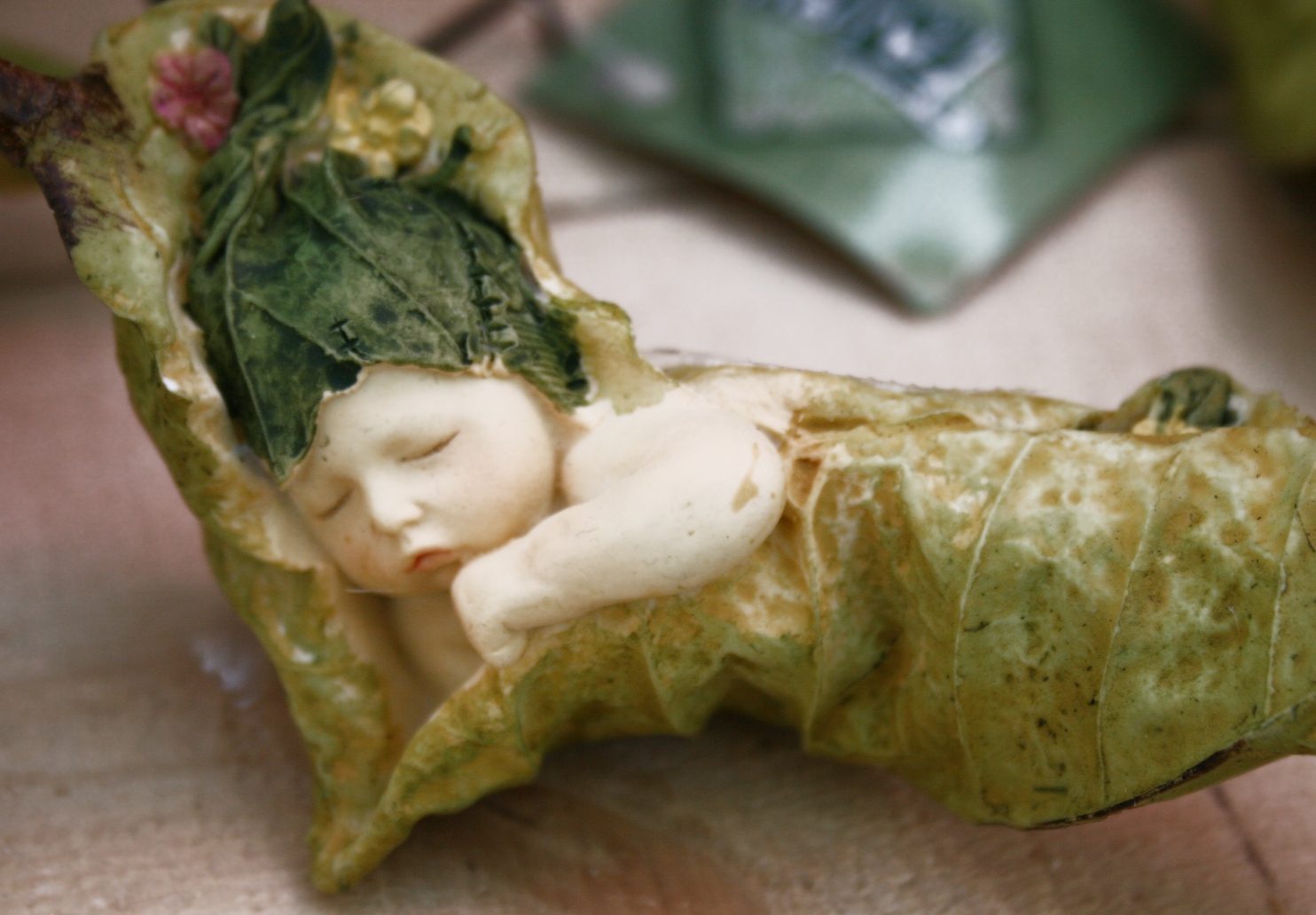
Greenhouse, baby sleeping

except on a shelf where fantasy vanishes in the face of truth.

Spring, my dear Minnesotans, exists only in our dreams.

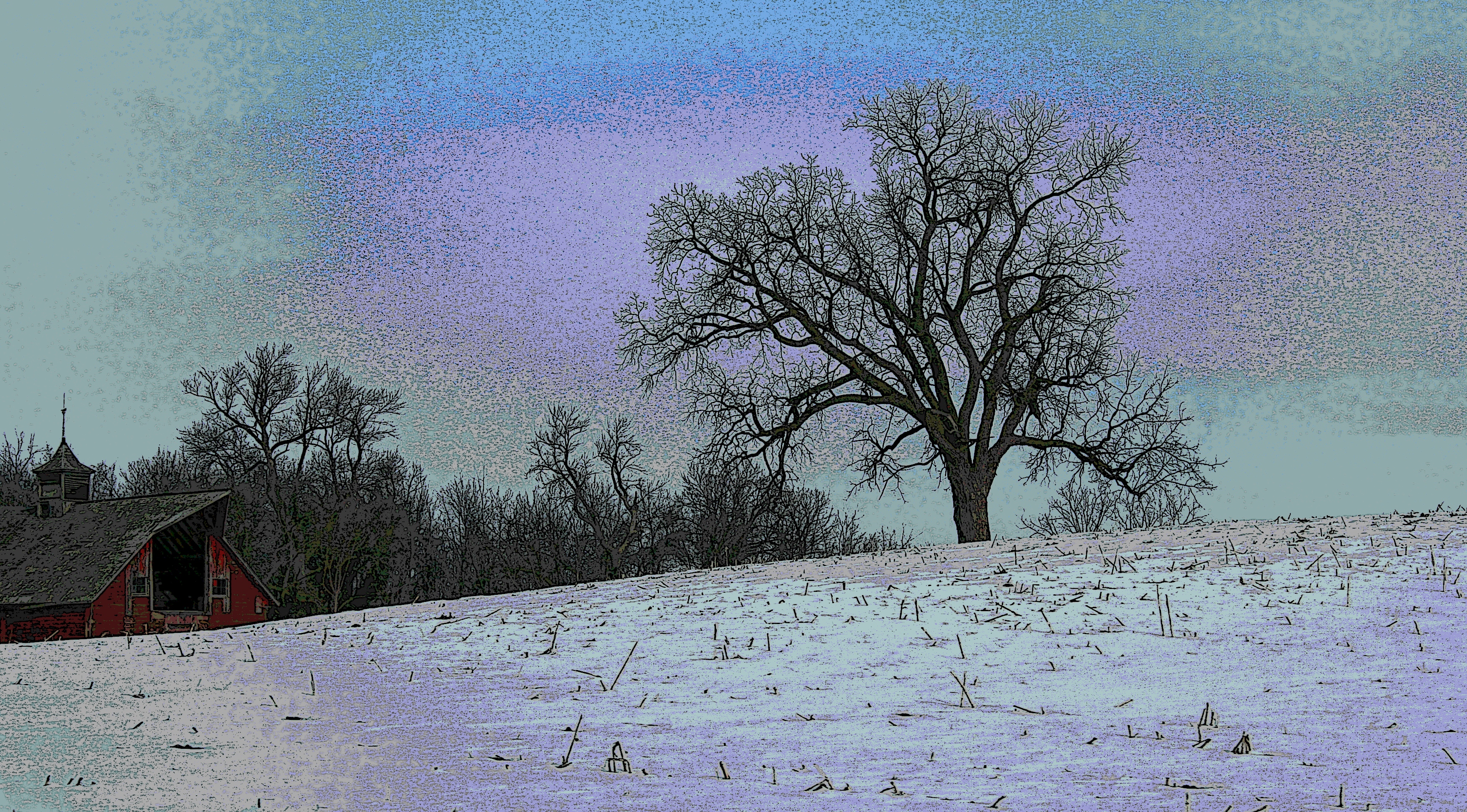
THIS MORNING WE AWOKE to “a bunch of snow” (my husband’s measurement) here in Faribault, snow which began falling around 4 p.m. Monday and was still coming down when I went to bed around 11 p.m.  Snowfall guesstimate would be around six inches. The landscape looks similar to this scene (click here) from last Thursday, except with even more snow. Power lines and trees are frosted with the heavy, wet snow. And for awhile last night, probably less than 15 minutes, the power was off in my neighborhood.

The scene outside my office this morning, dear readers, looks nothing like spring and exactly like winter.

© Copyright 2013 Audrey Kletscher Helbling


How I’ve composed poetry that dances (in the barn) April 4, 2013

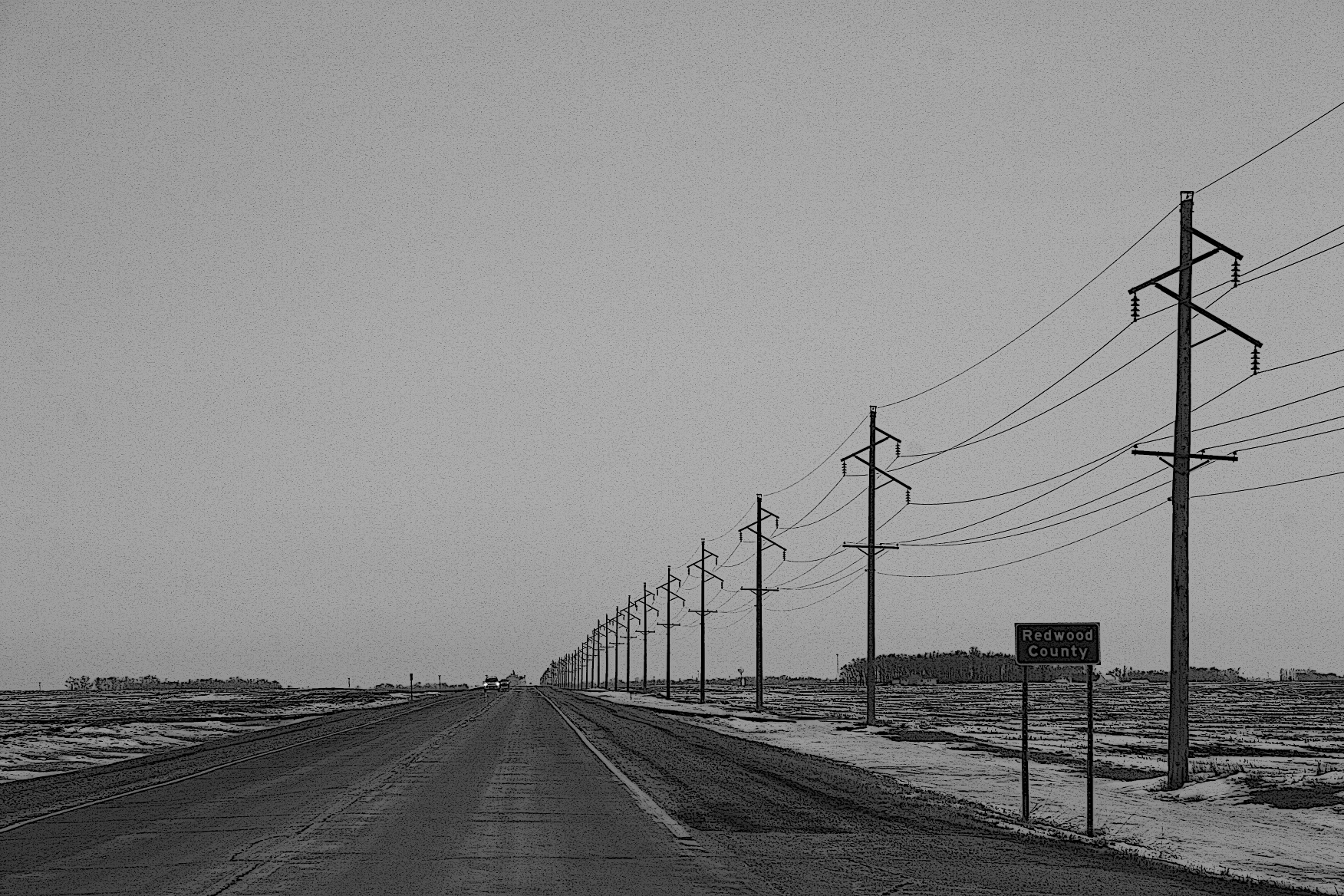
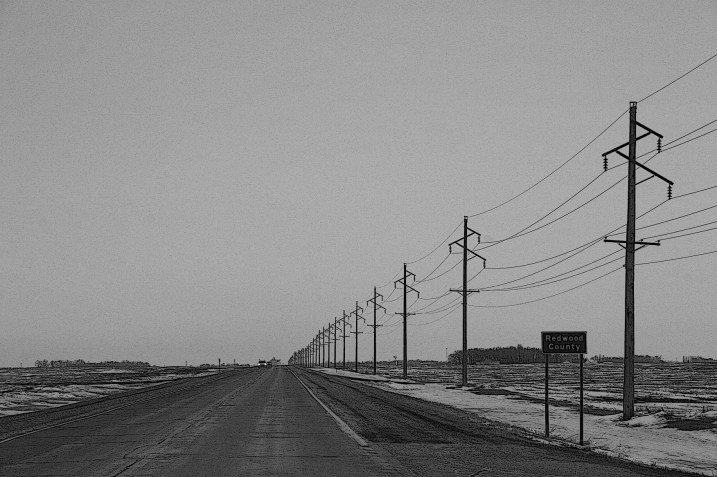
Entering my home county of Redwood along Minnesota State Highway 68 southeast of Morgan.

Entering my home county of Redwood along Minnesota State Highway 68 southeast of Morgan. Rural Redwood County is the setting for most of my poetry.

POETRY. That single word encompasses language, music, art, emotion and more. It’s a word to be celebrated in April, designated as National Poetry Month by the Academy of American Poets.

I’ve written poetry for about four decades, but not with particular passion or regularity until recent years. Something has evolved within me as a writer, directing me from the narrow path of journalistic style writing to the creativity of penning poetry.

Perhaps a parcel of my new-found enthusiasm can be traced to my publishing success. Seventeen, soon to be 18, of my poems have been published in places ranging from literary journals to anthologies to billboards to a devotional and more. I figure if editors have accepted my poetry for publication, I must be doing something right. And when they reject my poetry, as has happened often enough, they were correct in those decisions.
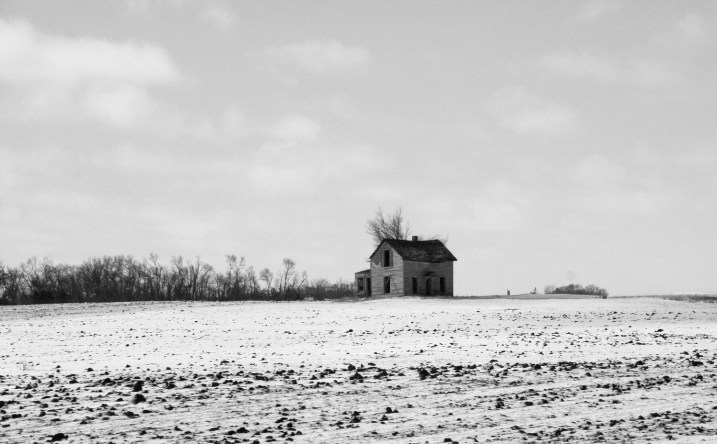
An abandoned farmhouse along Minnesota State Highway 19 east of Vesta on the southwestern Minnesota prairie.

An abandoned farmhouse, like this one along Minnesota State Highway 19 east of Vesta on the southwestern Minnesota prairie, inspired my poem, “Abandoned Farmhouse,” published in Poetic Strokes, A Regional Anthology of Poetry from Southeastern Minnesota, Volume 3.

Most of my poems are rooted in childhood memories from the southwestern Minnesota prairie. I write about topics like barns, walking beans, an abandoned farmhouse, canned garden produce, taking lunch to the men in the field and such.

My poetry rates as visually strong and down-to-earth. There’s no guessing what I am writing about in any of my poems.
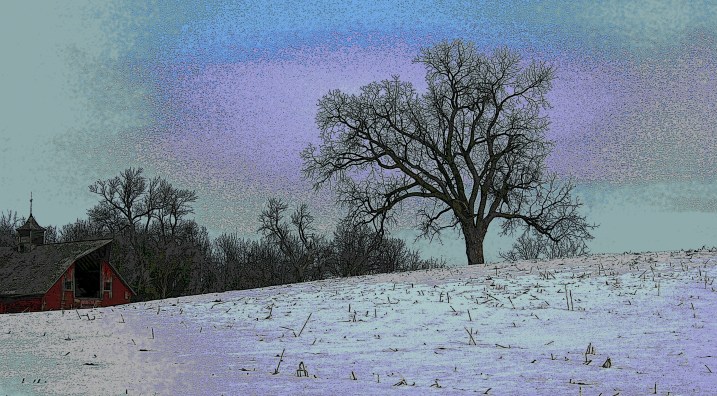
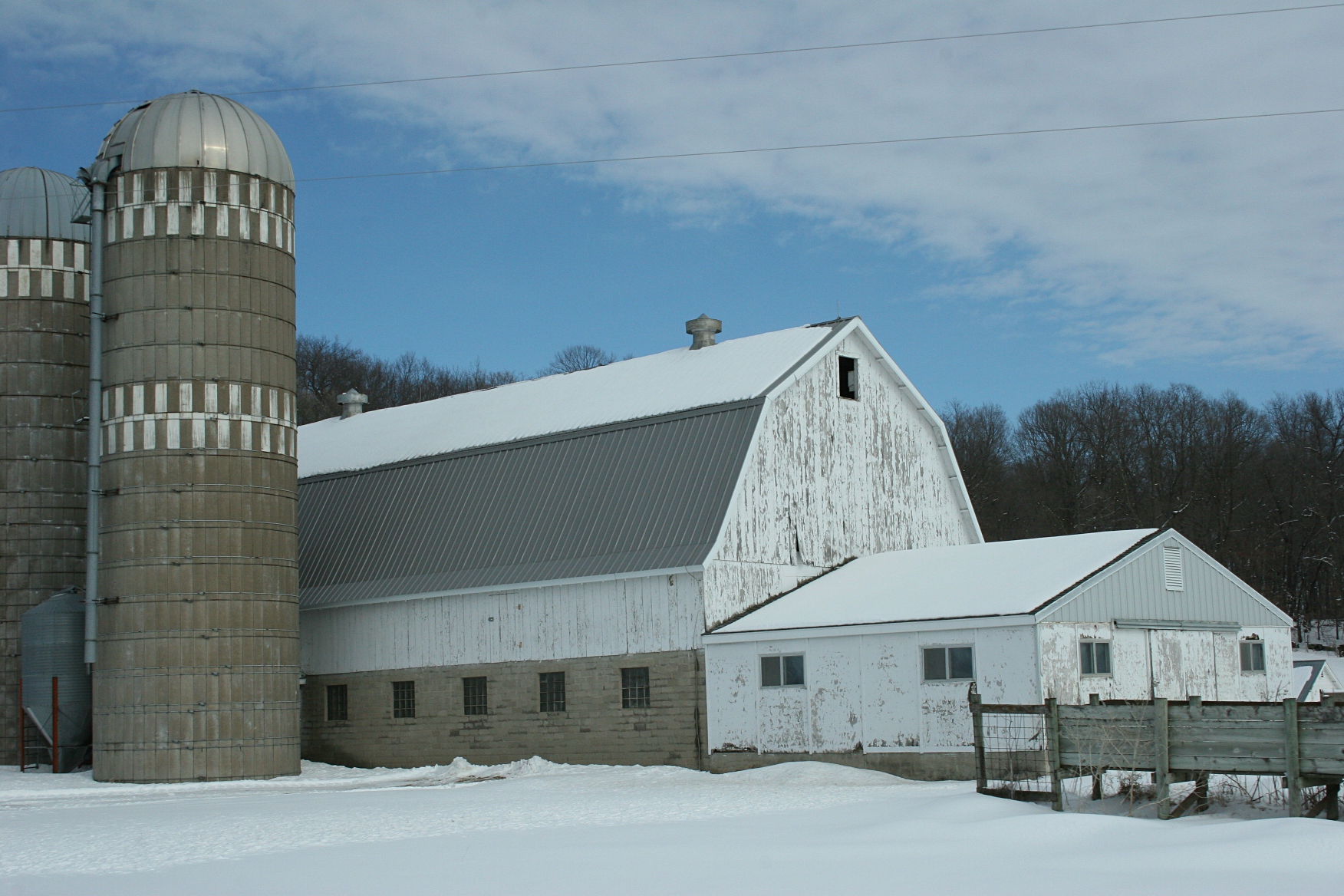
Barns, like this one along Minnesota Highway 60 west of Waterville, have woven into my poetry.

Barns, like this one along Minnesota Highway 60 west of Waterville, have woven into my poetry.

Here, for example, is my poem which published in Volume One of Lake Region Review, a high-quality west central Minnesota-based literary magazine of regional writing. To get accepted into this journal in 2011 and then again in 2012 significantly boosted my confidence as a poet given the level of competition and the credentials of other writers selected for publication.

This Barn Remembers

The old barn leans, weather-weary,
shoved by sweeping prairie winds,
her doors sagging with the weight of age,
windows clouded by the dust of time.

Once she throbbed with life
in the heartbeats of 30 Holsteins,
in the footsteps of my farmer father,
in the clench of his strong hands
upon scoop shovel and pitchfork.

This barn spoke to us,
the farmer and the farmer’s children,
in the soothing whir of milking machines
pulsating life-blood, rhythmic, constant, sure.

Inside her bowels we pitched putrid piles of manure
while listening to the silken voices of Charlie Boone
booming his Point of Law on ‘CCO
and Paul Harvey wishing us a “good day,”
distant radio signals transmitting from the Cities and faraway Chicago.

This barn remembers
the grating trudge of our buckle overshoes upon manure-slicked cement,
yellow chore-gloved hands gripping pails of frothy milk,
taut back muscles straining to hoist a wheelbarrow
brimming with ground corn and pungent silage.

This barn remembers, too,
streams of hot cow pee splattering into her gutters,
rough-and-tumble farm cats clumped in a corner
their tongues flicking at warm milk poured into an old hubcap,
and hefty Holsteins settling onto beds of prickly straw.
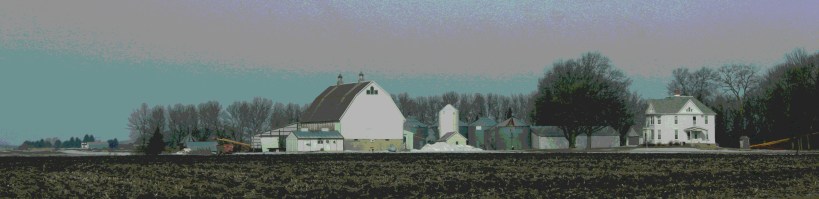
A rural scene along U.S. Highway 14 near Nicollet.

A rural scene along U.S. Highway 14 near Nicollet.

Let’s examine “This Barn Remembers” to see how I created this poem. Always, always, when penning a poem like this, I shut out the present world and close myself into the past.

I rely on all five senses, not just the obvious sight and sound, to engage the reader:

  • sight—sagging doors, clouded windows, manure-slicked cement
  • sound—soothing whir of milking machines, grating trudge of buckle overshoes, silken voices of Charlie Boone
  • taste—tongues flicking warm milk
  • touch—in the clench of his strong hands, gripping pails of frothy milk, settling onto beds of prickly straw
  • smell—putrid piles of manure, pungent silage

Strong and precise verbs define action: shoved, throbbed, booming, gripping, brimming, splattering, flicking

Literary tools like alliteration—pitched putrid piles of manure—and personification—the barn taking on the qualities of a woman—strengthen my poem.

The words and verses possess a certain musical rhythm. This concept isn’t easy to explain. But, as a poet, I know when my composition dances.

I also realize when I’ve failed, when a poem needs work and/or deserves rejection.

That all said, the best advice I can offer any poet is this:

  • Write what you know.
  • Write from the heart.
  • Write in your voice.
  • Write with fearlessness and honesty. (Note especially this line: “…streams of hot cow pee splattering into her gutters…”)
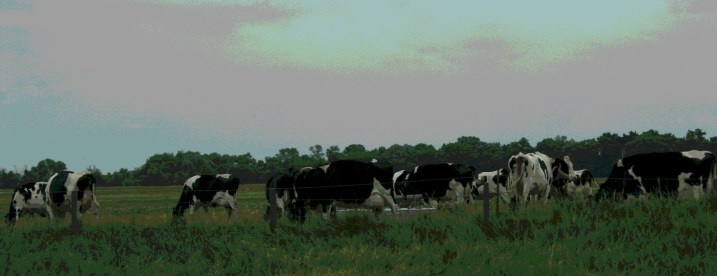
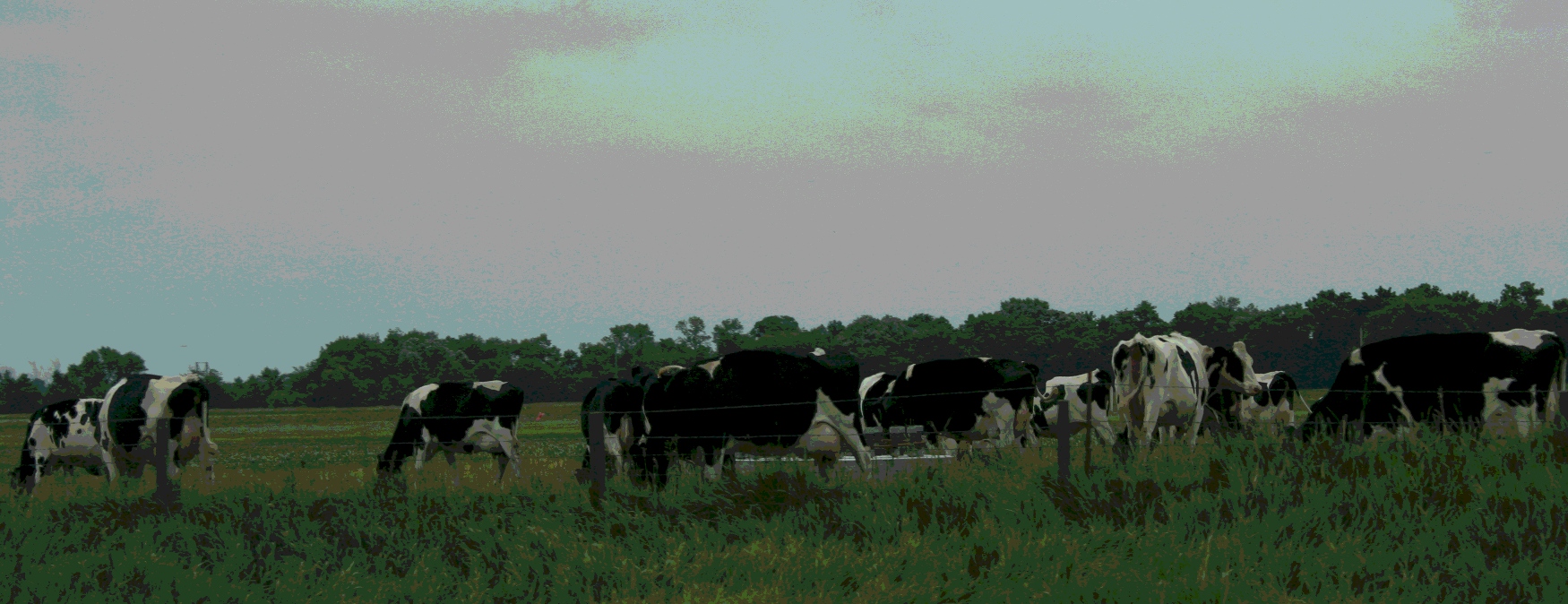
I grew up on a dairy and crop farm, so I know cows well enough to write about them in my poetry.

I grew up on a dairy and crop farm, so I know cows well enough to write about them in my poetry.

You can bet I smelled that hot cow pee, watched the urine gushing from Holsteins into the gutter, pictured a younger version of myself dodging the deluges, when I penned “This Barn Remembers.” Writing doesn’t get much more honest than cow pee.

IF YOU’RE A POET, a lover of poetry and/or an editor, tell me what works for you in composing/reading/considering poetry.

© Copyright 2013 Audrey Kletscher Helbling


Rural Minnesota, the place of my heart February 27, 2013

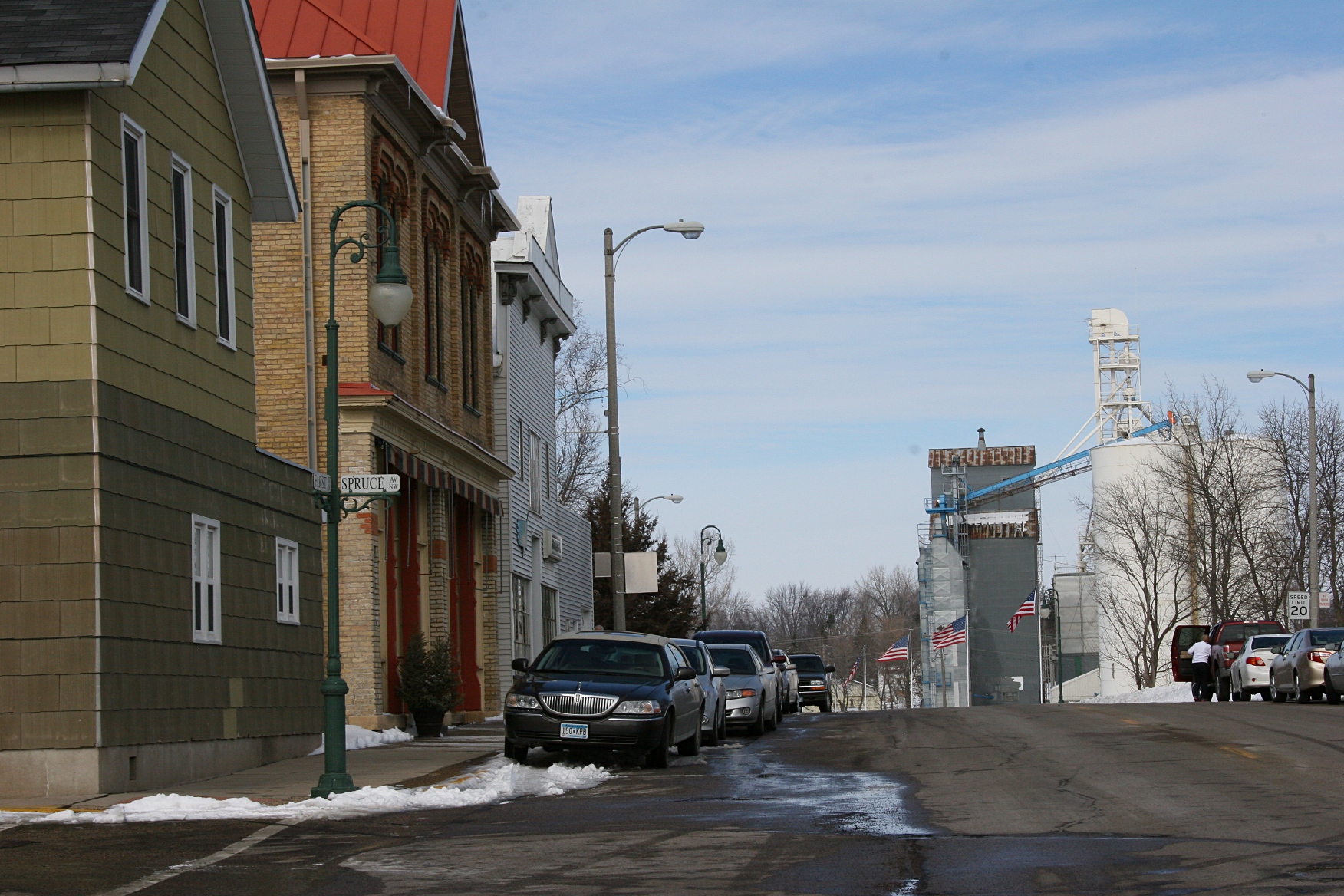
Montgomery, Minnesota, on a Sunday afternoon.

Montgomery, Minnesota, on a Sunday afternoon. That’s the Cannon Valley Co-op over the hill and to the right.

I NEVER TIRE of these snippets of small town life—the instant my eye catches a scene or a setting or a detail.

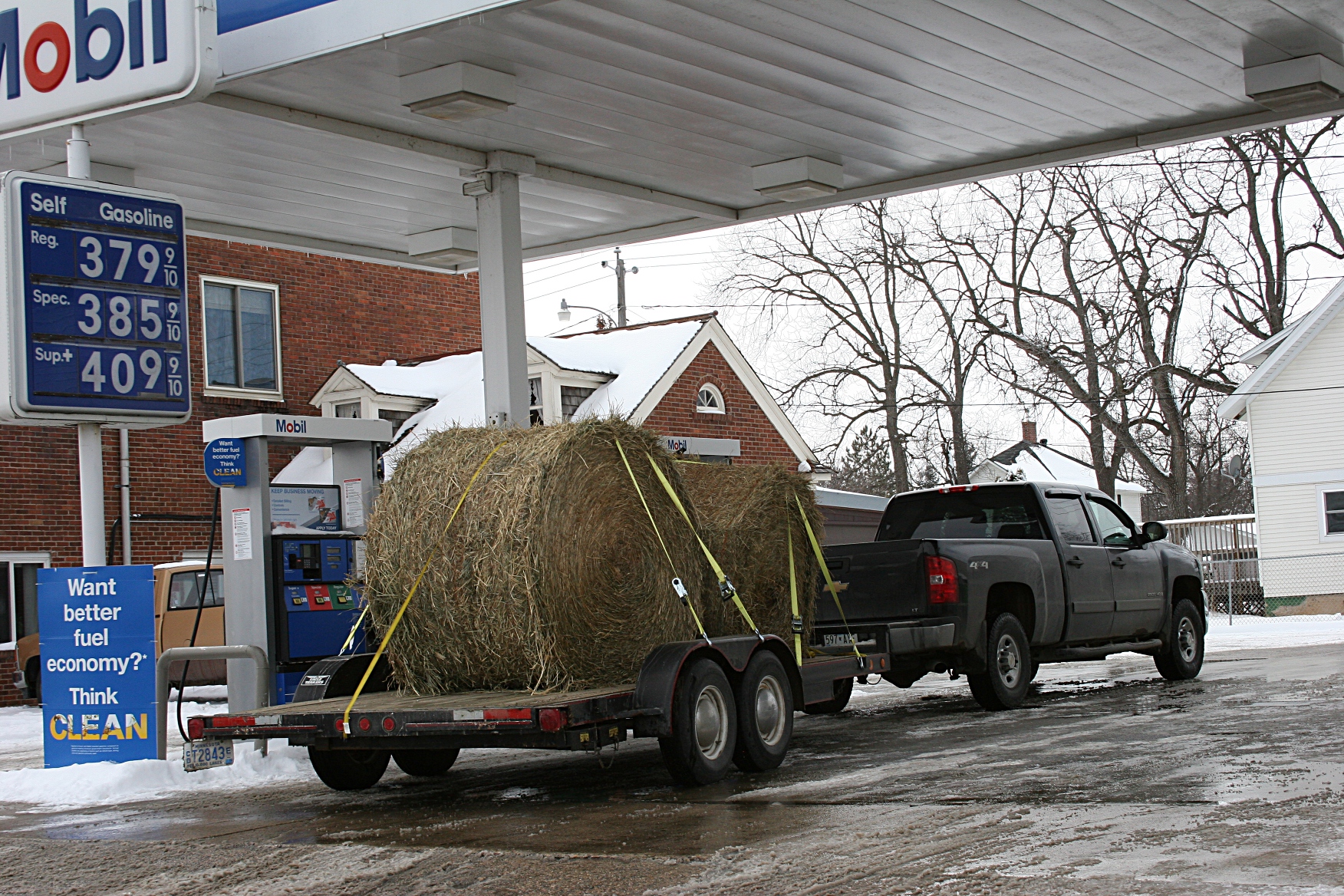
At the Mobil station in Medford on a Saturday afternoon.

At the Mobil station in Medford on a Saturday afternoon.

In those moments my heart sings with thankfulness that I live in a relatively rural region.

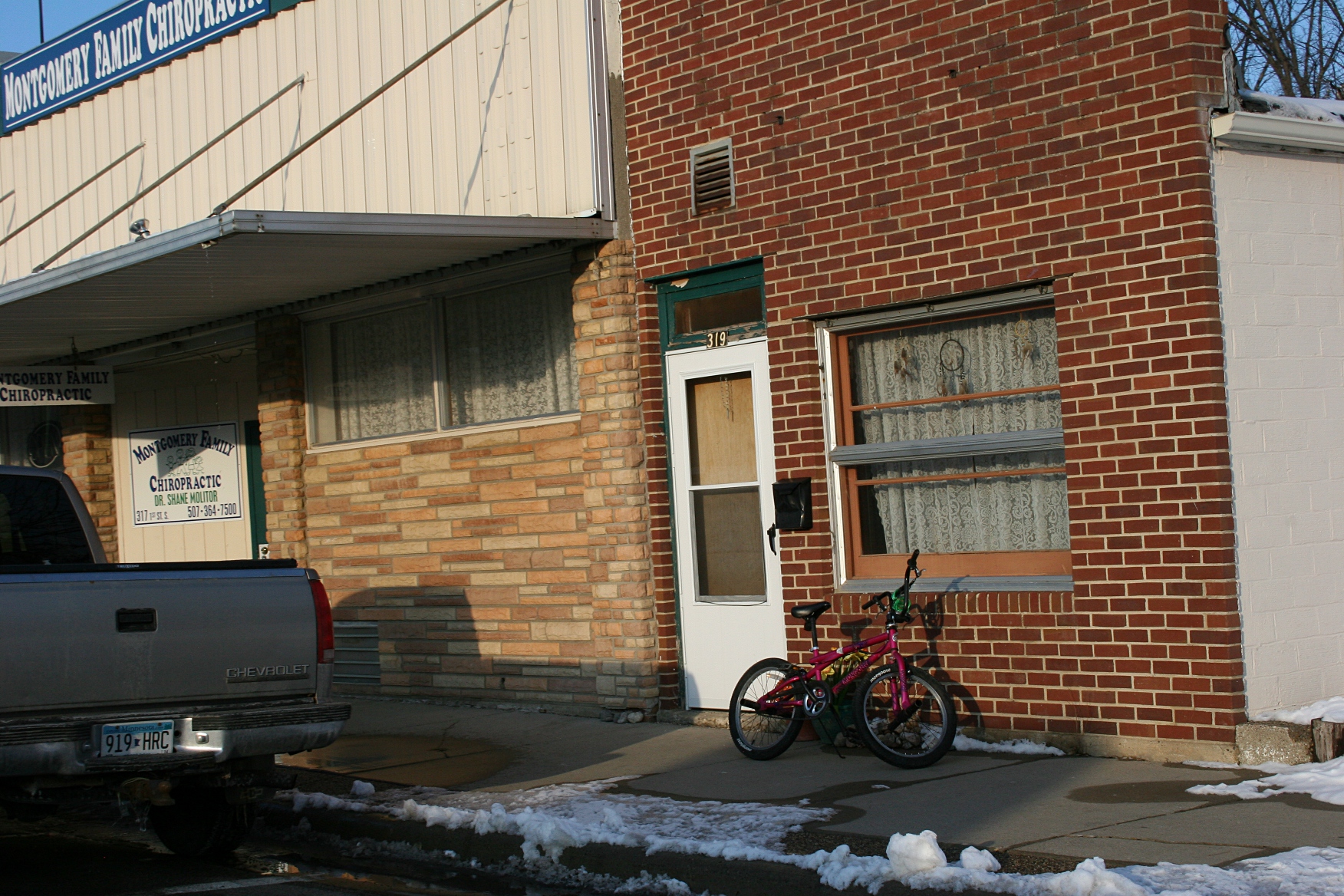
No need for bike racks in Montgomery.

Just drop the bike in downtown Montgomery.

While rural does not equate utopia or a life any less troubled or any more joyful than city life, this land is where I belong.

Just off Minnesota Highway 99 along a curve on Minnesota 21 heading toward Montgomery.

Just off Minnesota Highway 99 along a curve on Minnesota 21 heading toward Montgomery.

Growing up, I felt more comfortable inside a dairy barn than inside my pink-walled bedroom.

Along the same highway...

Along the same highway…

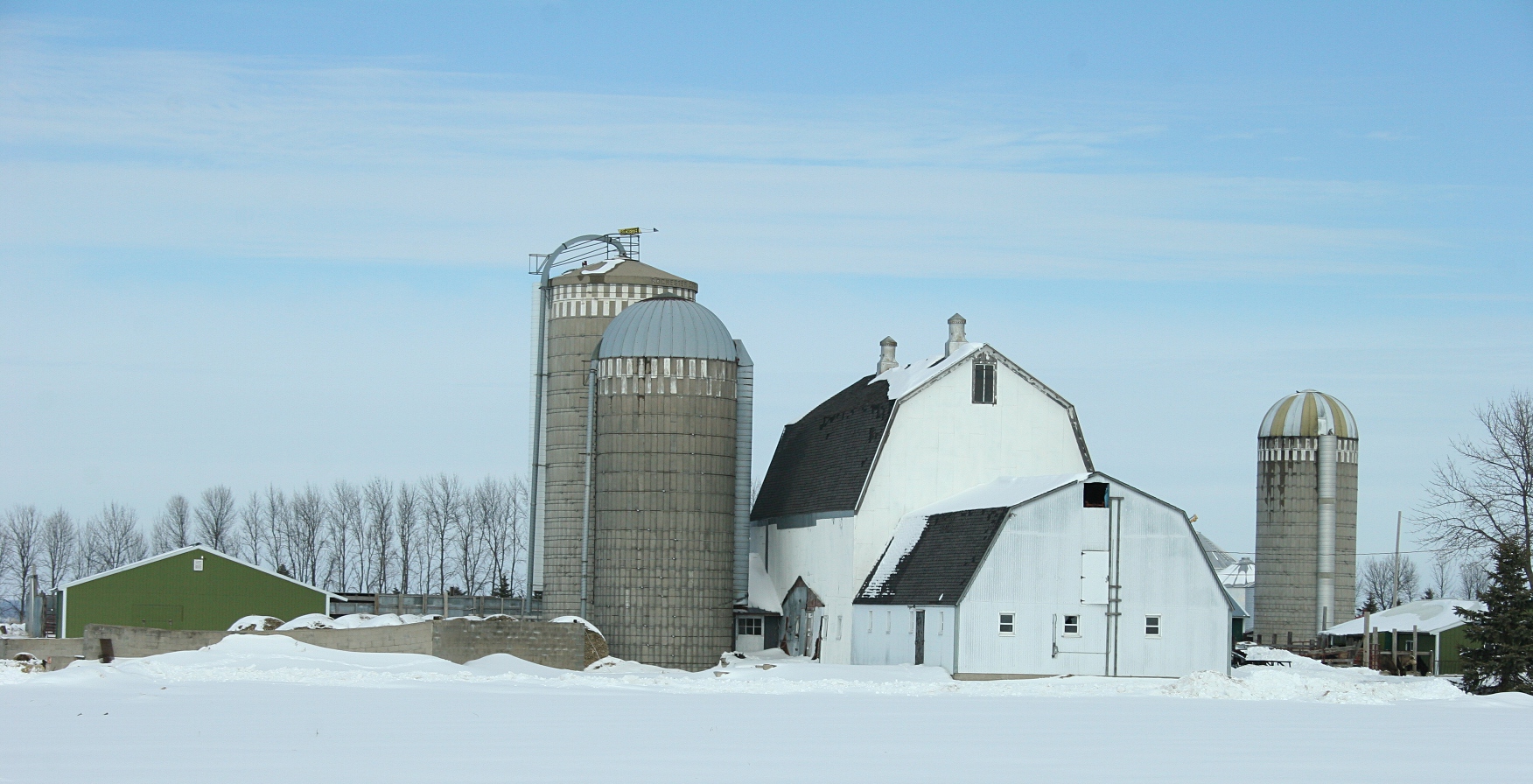
My connection to barns lingers as I’m drawn to photograph these disappearing rural landmarks.

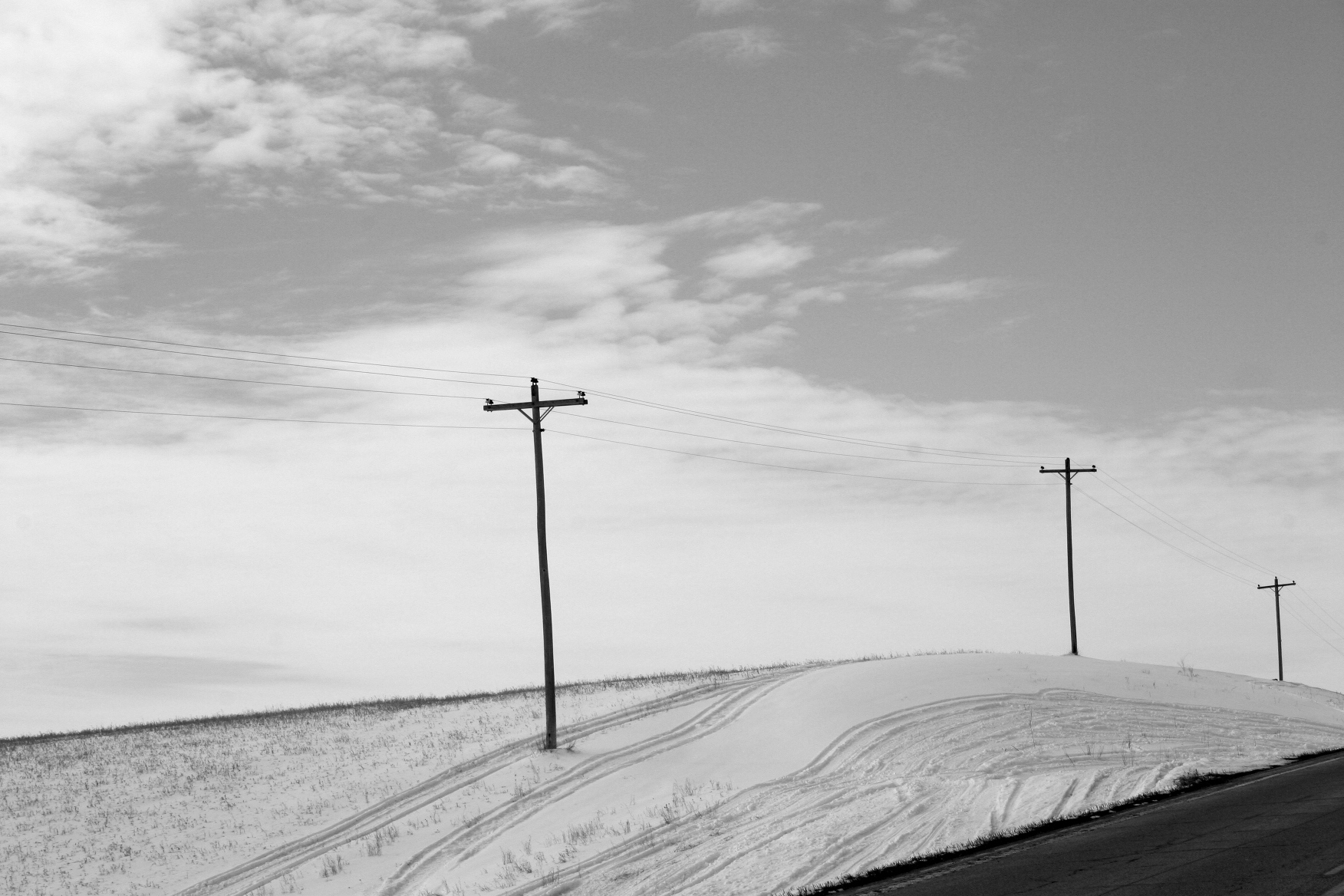
Utility poles break the horizontal landscape along Minnesota 21.

Utility poles break the horizontal landscape along Minnesota 21.

My eyes link with lines, always the lines.

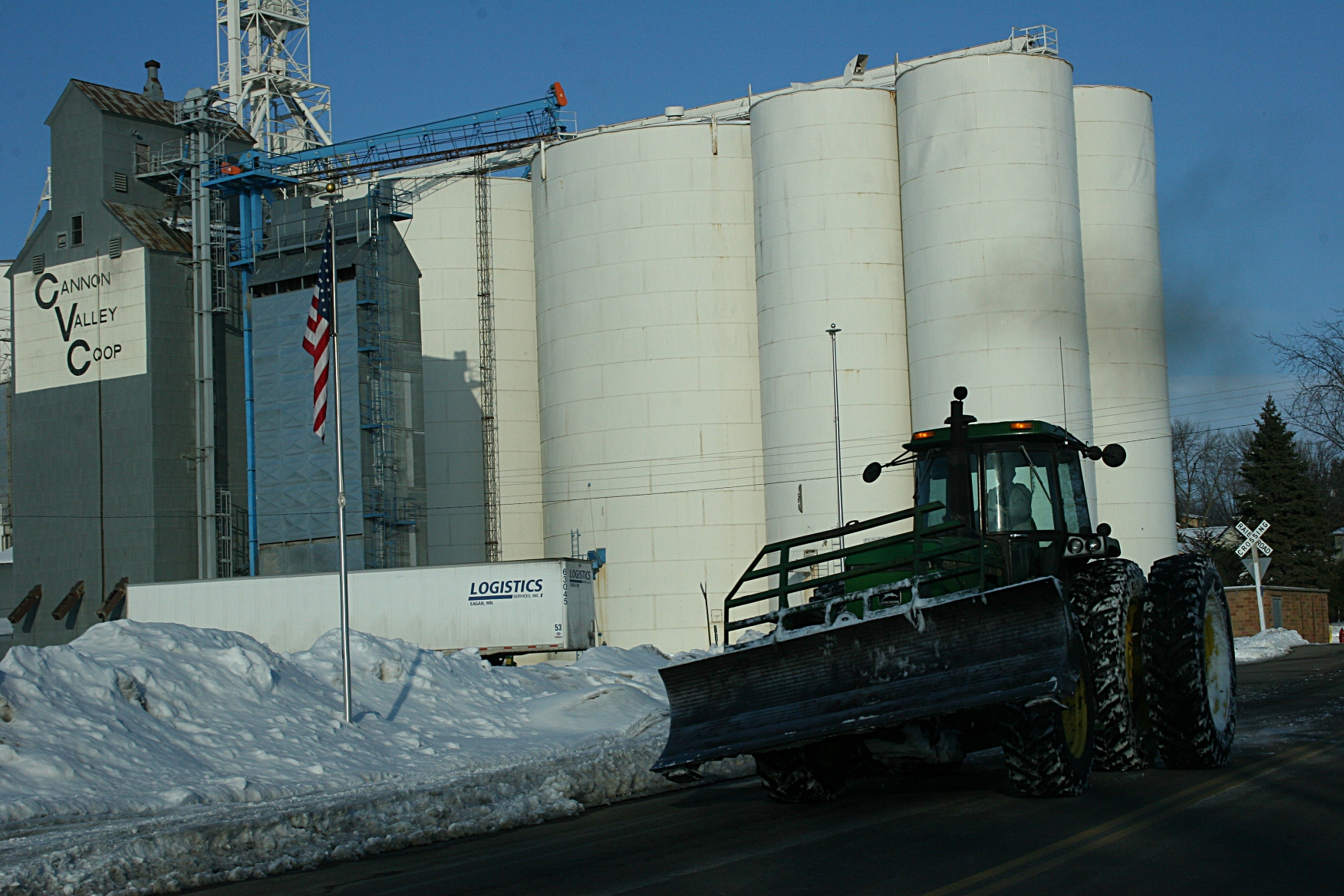
Ready to plow snow in Montgomery.

Ready to plow snow in Montgomery.

I am not a big city lights, traffic jams, hurry here, hurry there kind of girl.

Minnesota State Highway 21 between Shieldsville and Montgomery.

Minnesota State Highway 21 between Shieldsville and Montgomery.

I am a country dark, tractor in the field, meandering Sunday afternoon drive kind of girl.

© Copyright 2013 Audrey Kletscher Helbling
 

Sunday sunset February 24, 2013

Filed under: Uncategorized — Audrey Kletscher Helbling @ 7:39 PM
Tags: , , , , , , , ,

ON THE WAY HOME from Montgomery, Minnesota, not Alabama, late this afternoon, the sun danced with the clouds:

Sunset - Copy

Copyright 2013 Audrey Kletscher Helbling
 

On my way home from the Minneapolis-St. Paul International Airport February 22, 2013

MY VISUAL VIEW OF THE WORLD often differs from that of the average person. I notice details like…

Delta planes, edited 3

…the cold harsh lines of a building fronted by an equally forbidding fence with only a hint of welcome in the slight, graceful curves of aircraft tails.

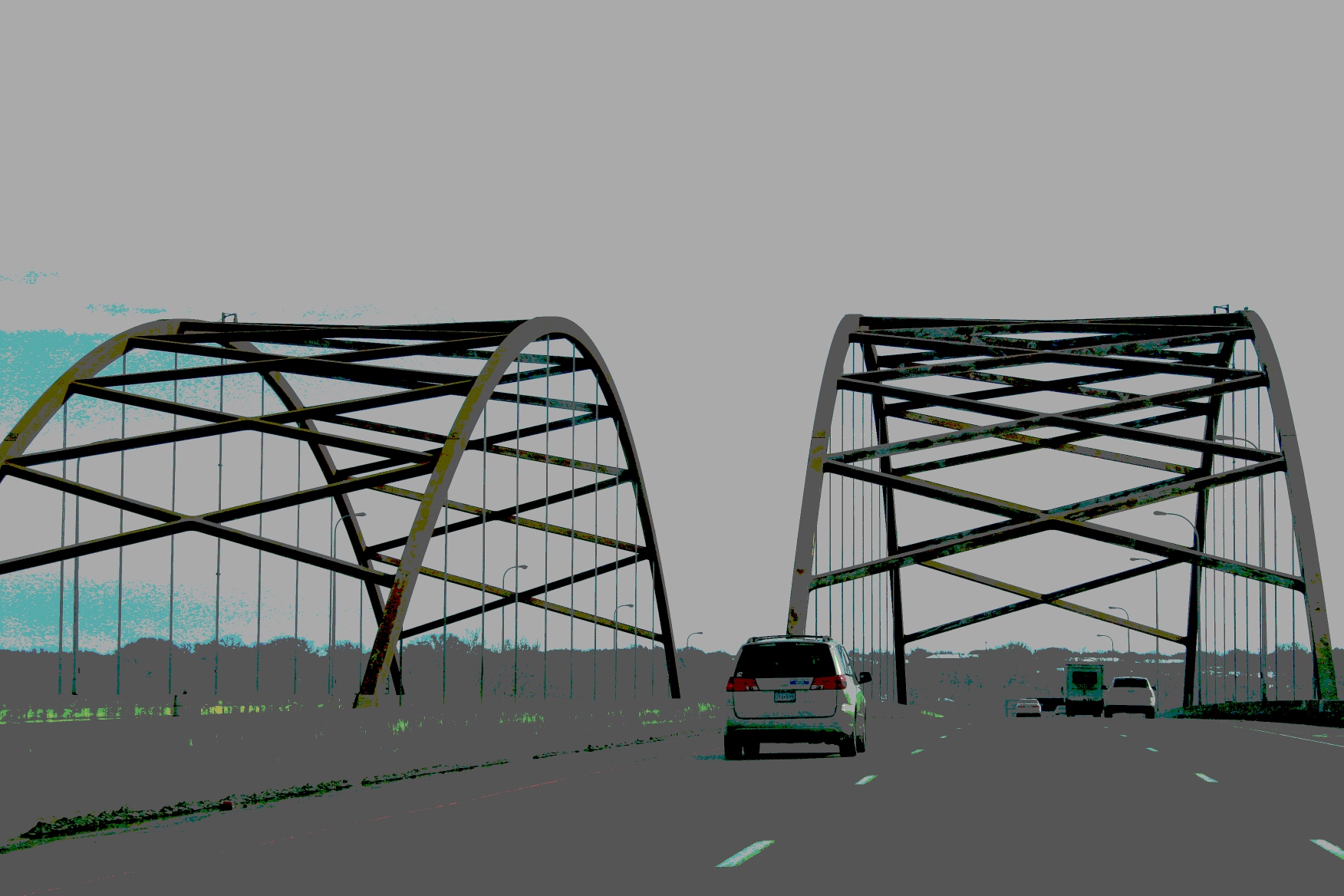
Bridge over the Minnesota on Cedar edit 2

…the graceful arcs of the Minnesota River bridge on Cedar Avenue south of the Mall of America and the Minneapolis-St. Paul International Airport

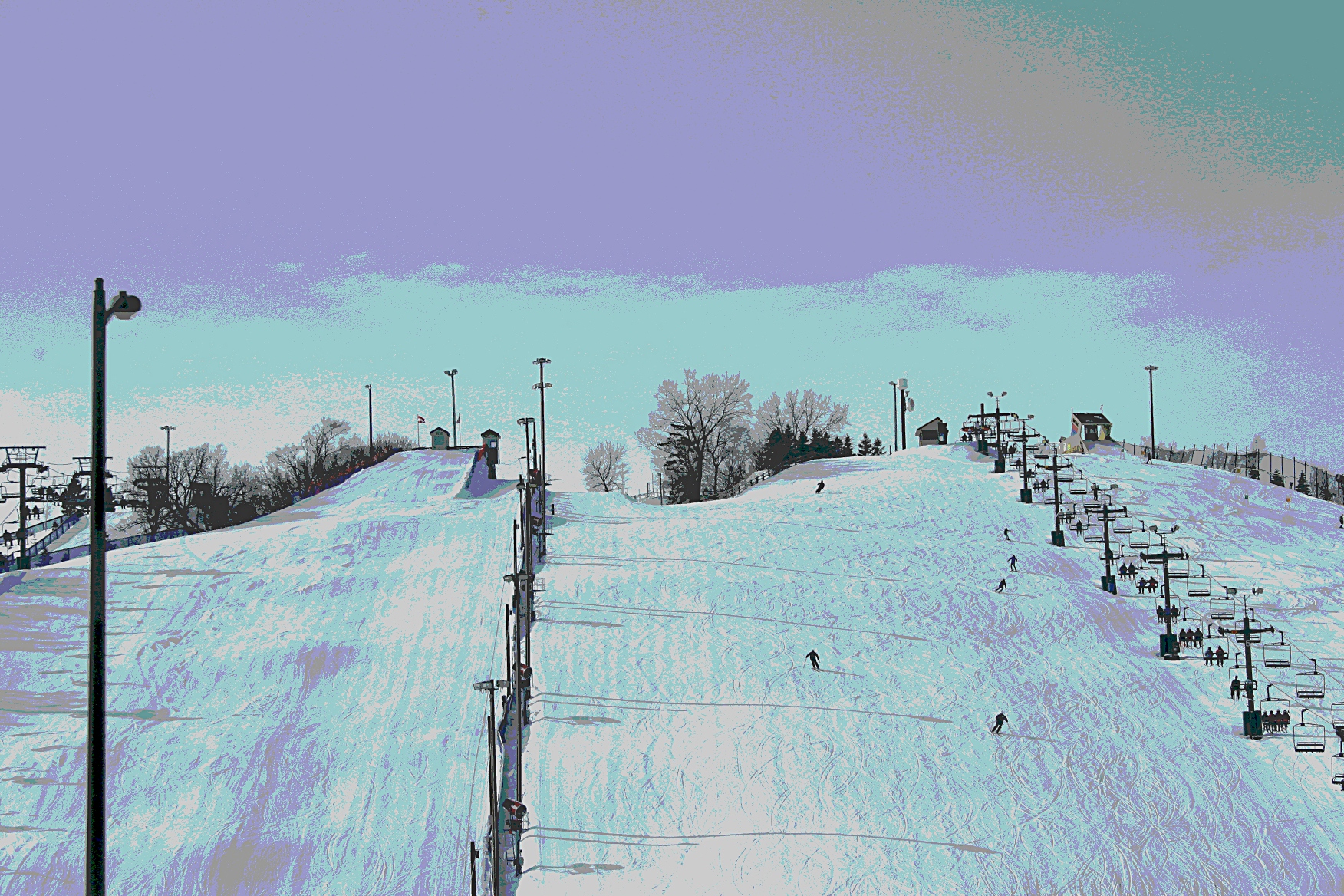
Buck Hill

…the grace of skiers swooping down Buck Hill in Burnsville on a February afternoon

Barn along I35

…and the sweet redeeming grace of rural Minnesota as seen in the Sugardale barn along Interstate 35 just north of the Northfield exit.

HOW DO YOU VIEW your world?

Copyright 2013 Audrey Kletscher Helbling
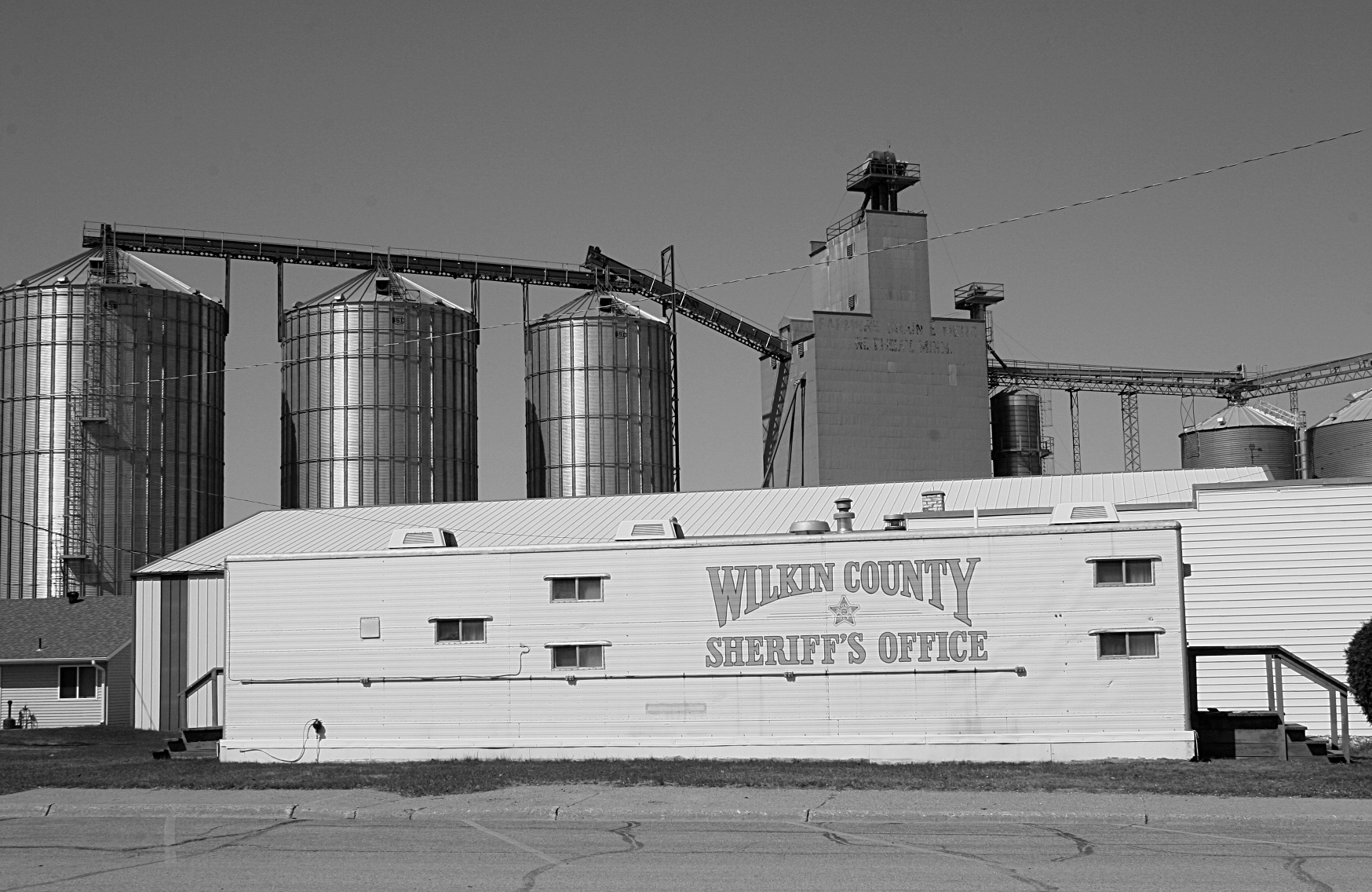
 

Photo art magic February 1, 2013

IF THERE’S ONE THING I’ve learned about photography, it’s that you never stop learning.

Take, for example, my recent discovery that even not-so-good bad images can be salvaged via the magic of digital editing.

Well, you’re probably thinking right about now, “Duh, Audrey, everyone knows that.”

Sure I am aware photos can be cropped, sharpened, contrast changed, etc. I’ve used all of those basic editing tools.

But how about transforming a ho-hum, out-of-focus and/or low-light photo into a work of art? It can be done with minimal effort. I basically just play around with artistic and other editing tools until I achieve results which please my eyes and fit whatever mood or effect I’m trying to achieve.

Most important, I approach my photos from an artistic, rather than a purely photojournalistic, perspective.

Now I know everyone is not going to like artsy photos. When I gushed to my husband about the images I’d edited, he viewed the “before” and “after” and stated emphatically that he preferred the originals. I wasn’t about to sway his opinion. He was clear on that.

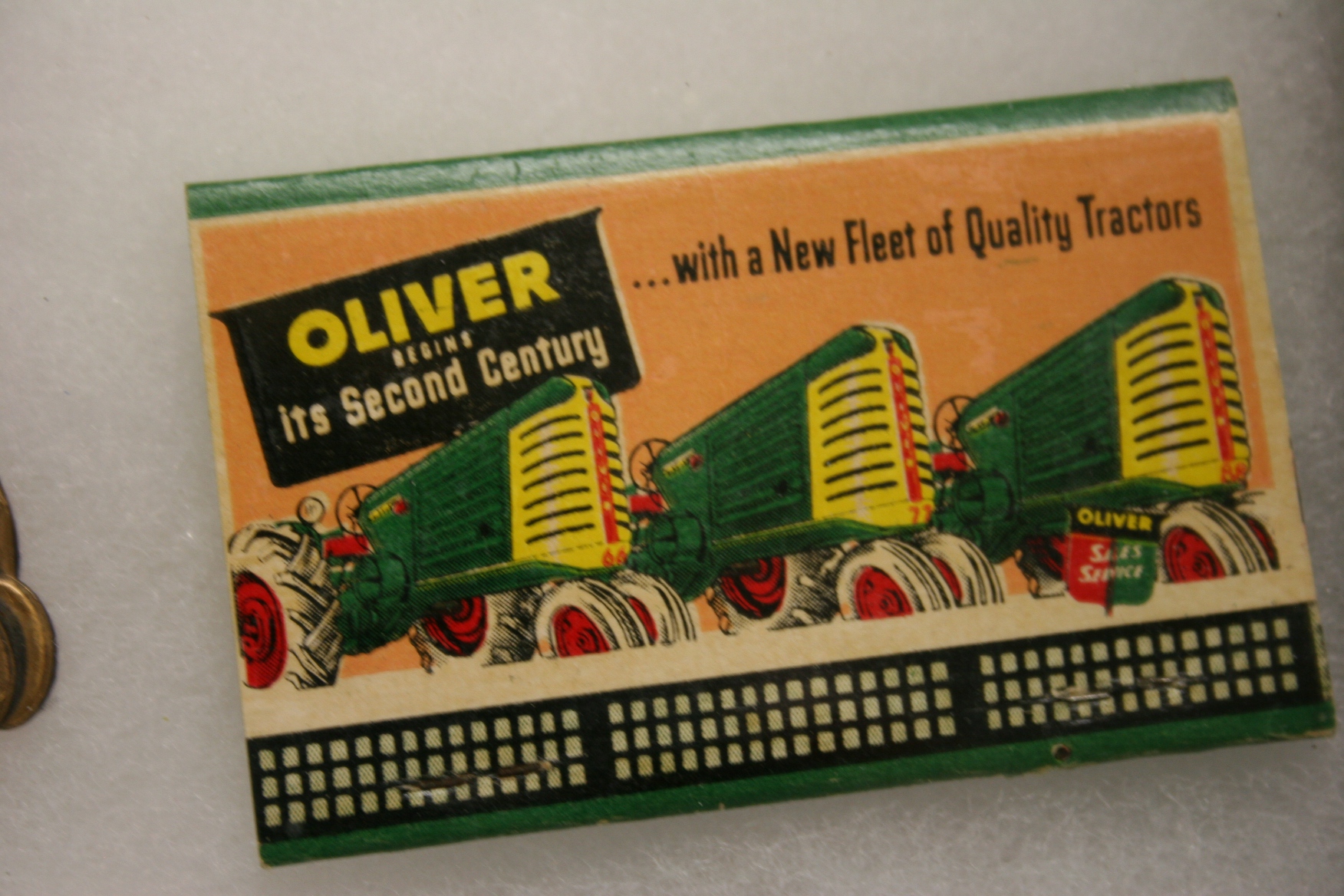
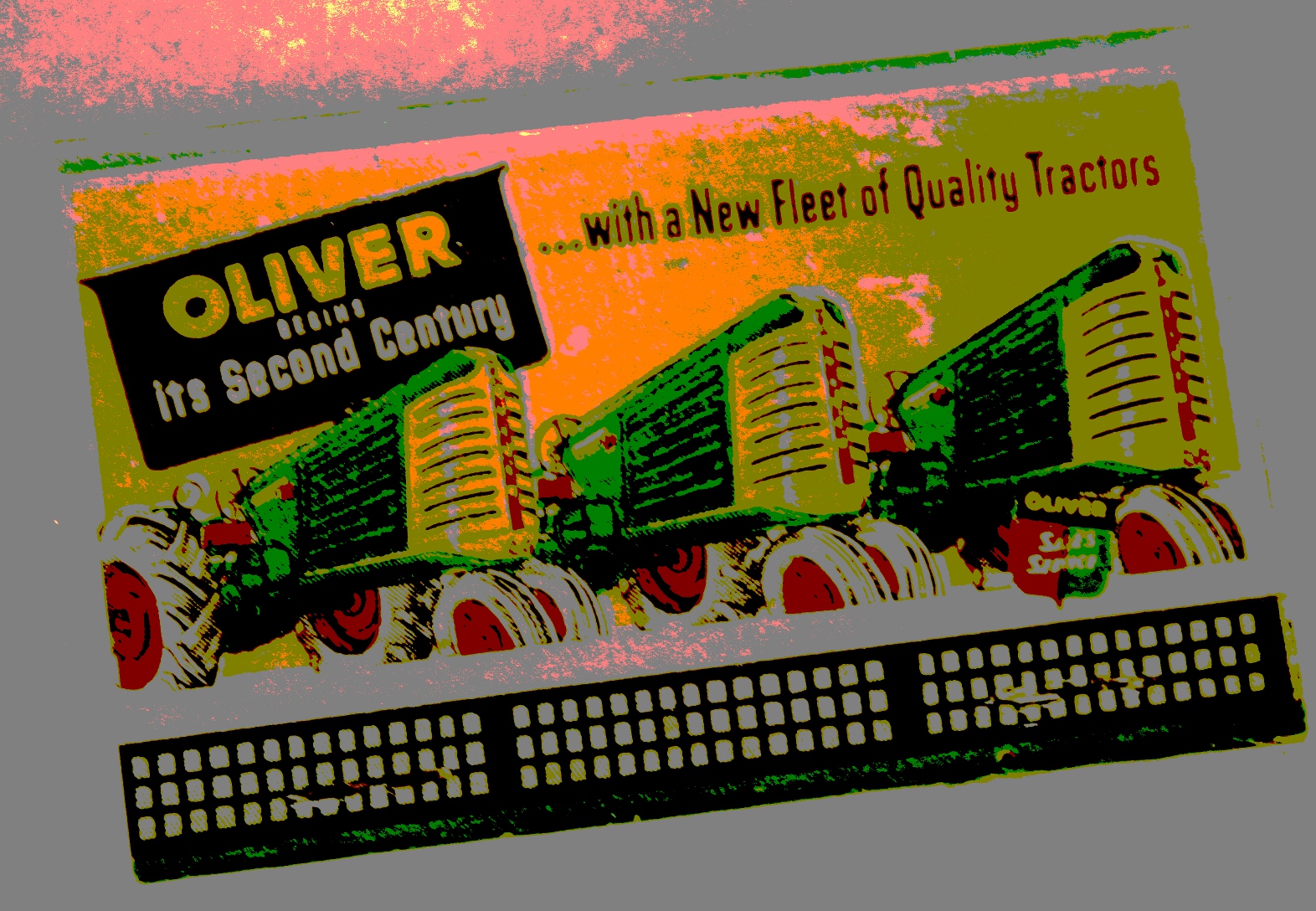
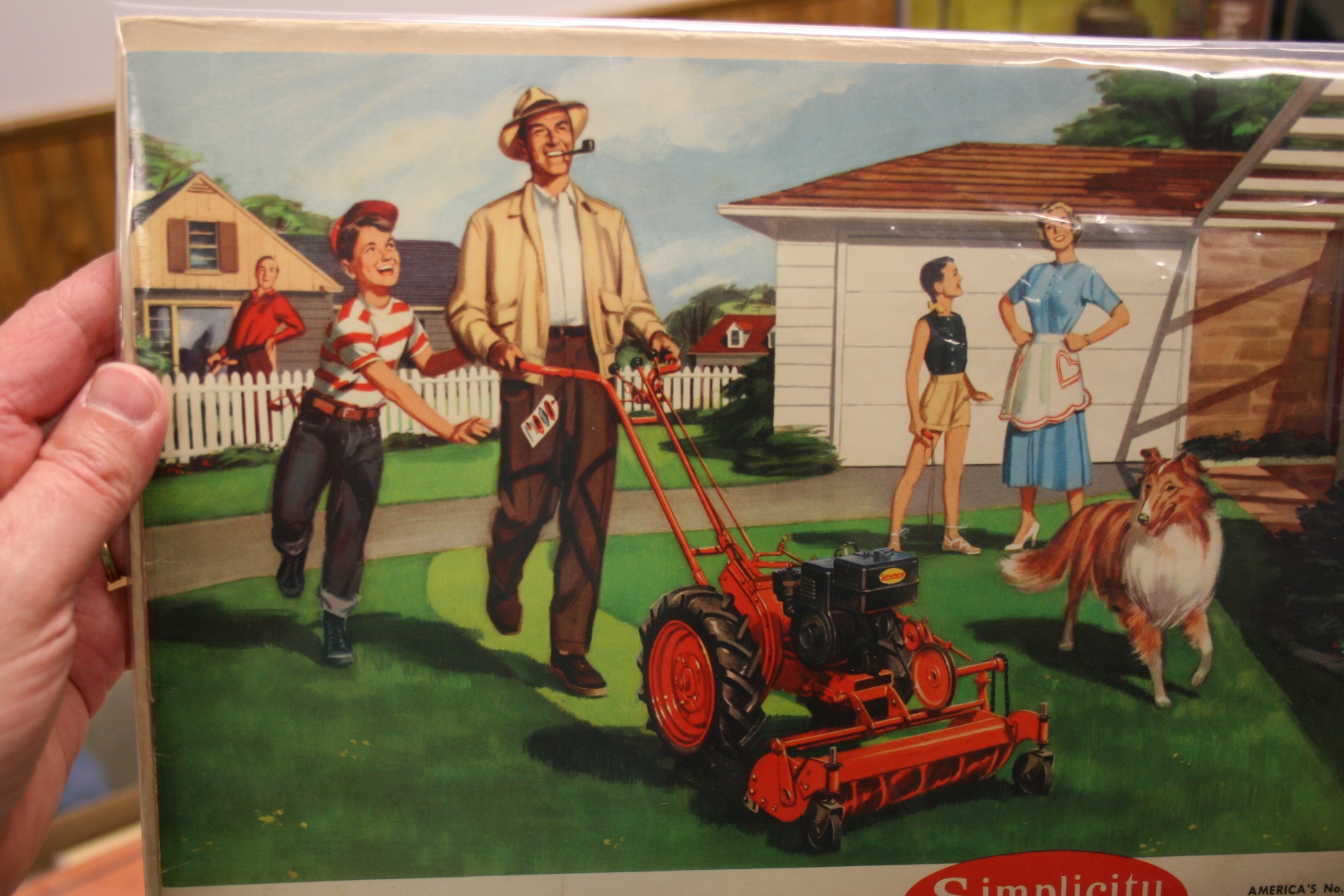
That said, here are some original and reworked photos from Louie’s Toy Box Farm Toy Show held recently in St. Peter. I aimed primarily for a more vintage look, in most instances, given the subjects are vintage collectibles. With other photos, I emphasized strong lines and colors, or lack thereof, for a more modern art approach.

BEFORE:

Problem: Focus and glare issues.

Problem: Not bad, but some focus and glare issues.

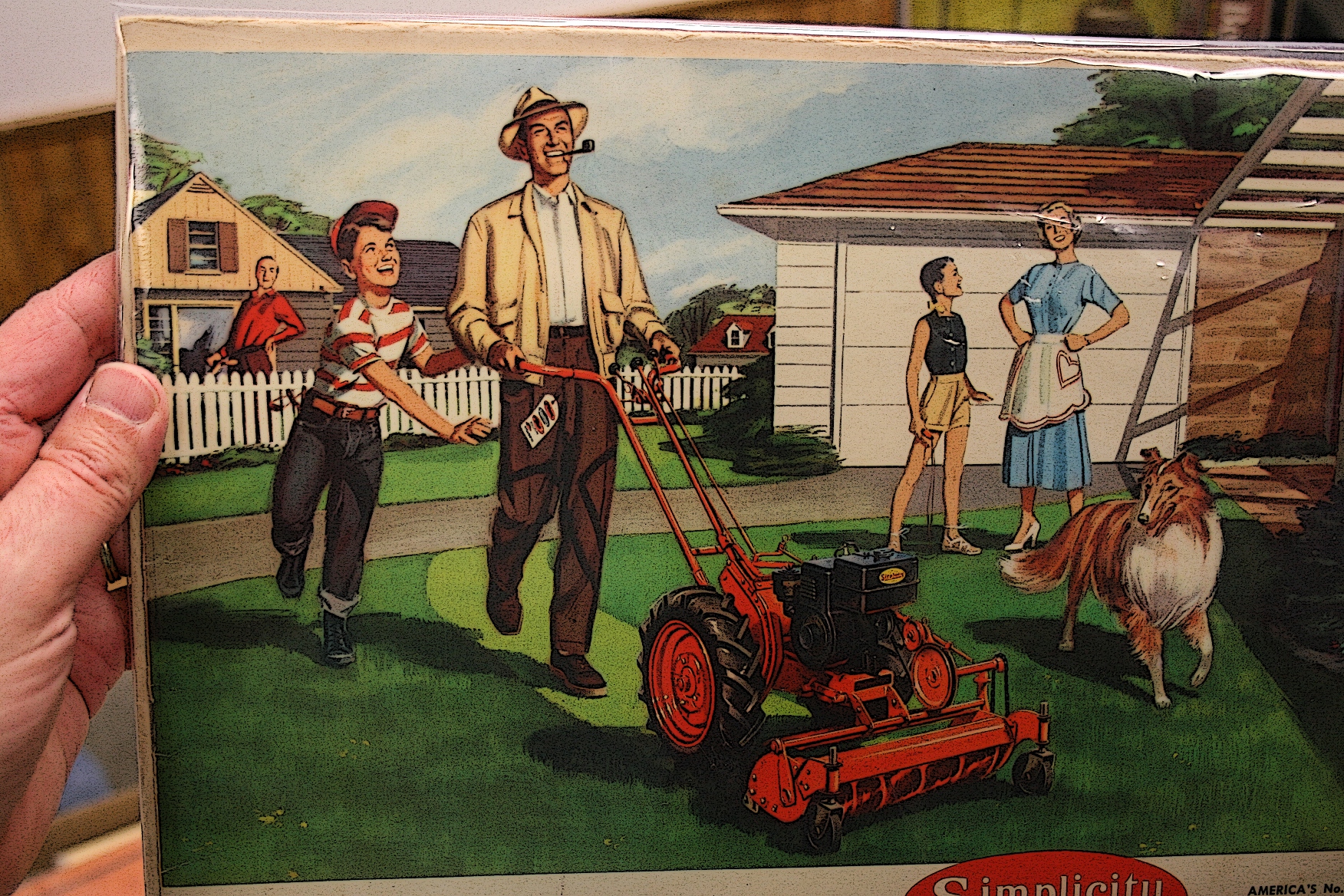
AFTER:

Solution: Apply cartoon tool to reduce glare and lend a more vintage look.

Solution: Apply cartoon tool to reduce glare and lend a more vintage look. (That’s a rotary lawnmower, BTW.)

BEFORE:

Problem: Out-of-focus and boring photo.

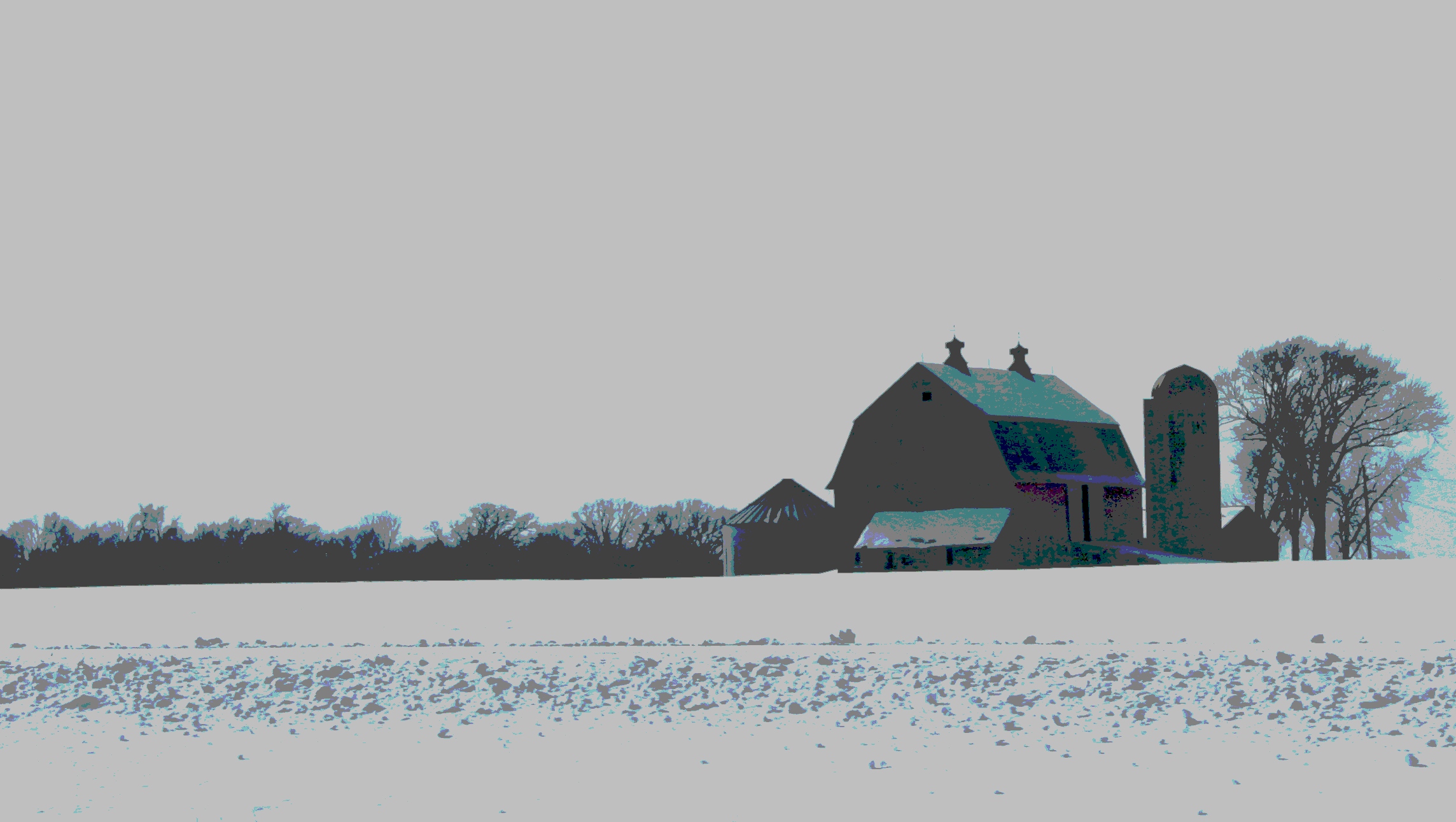
Problem: Out-of-focus and boring.

AFTER:

Solution: Simplify by converting to black-and-white and then apply the posterize tool. This emphasizes the element  of strong lines.

Solution: Simplify by converting to black-and-white and then applying the posterize tool. This emphasizes the element of strong lines without the distraction of color.

BEFORE:

Problem: Totally out of focus and in need of cropping.

Problem: Totally out of focus and in need of cropping.

AFTER:

Solution: Apply the posterize tool to divert the eyes from focus problems, thus emphasizing the interesting lines and strong colors in this image. Also crop.

Solution: Apply the posterize tool to divert the eyes from focus problems, thus emphasizing the interesting lines and strong colors in this image. Also crop.

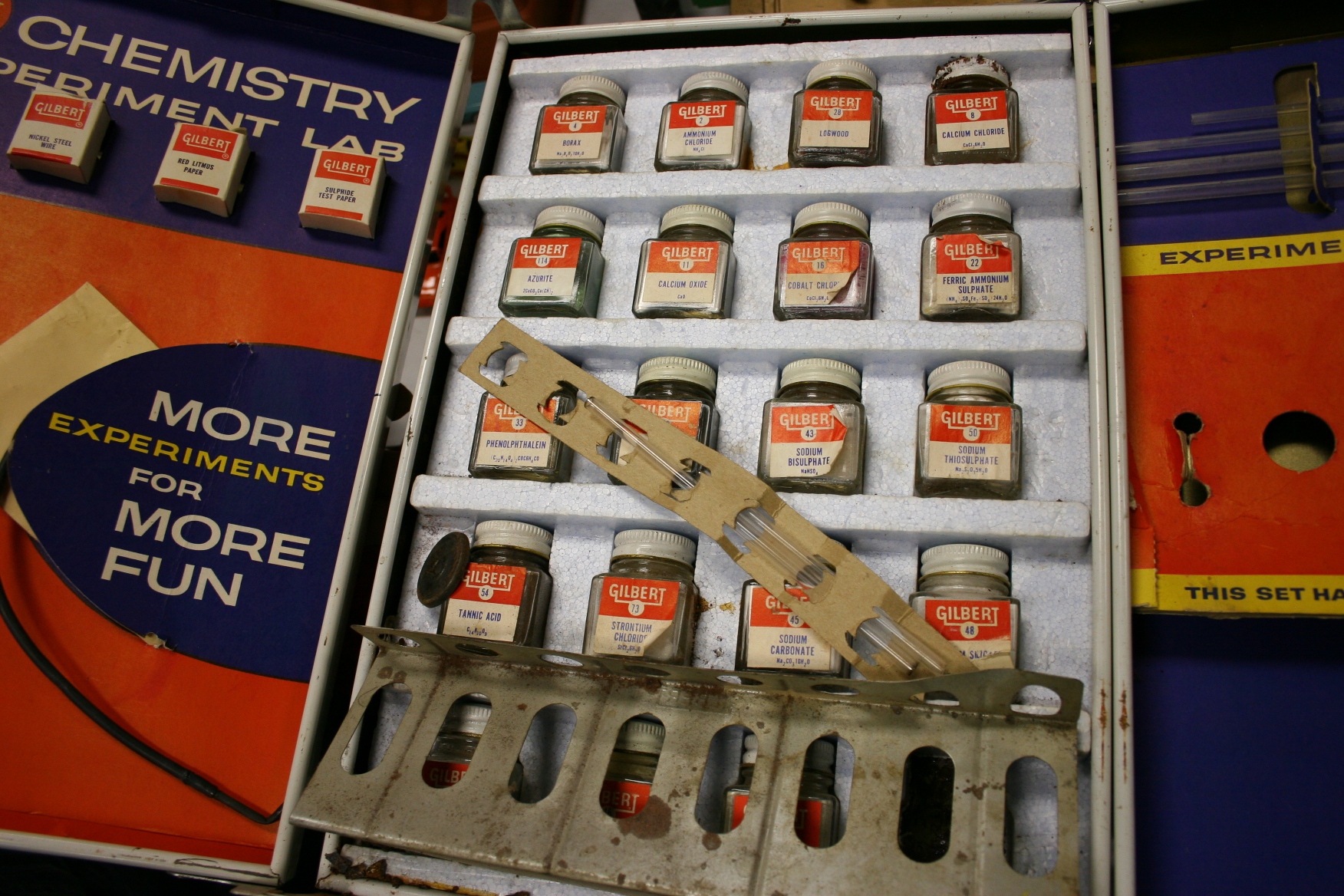
BEFORE:

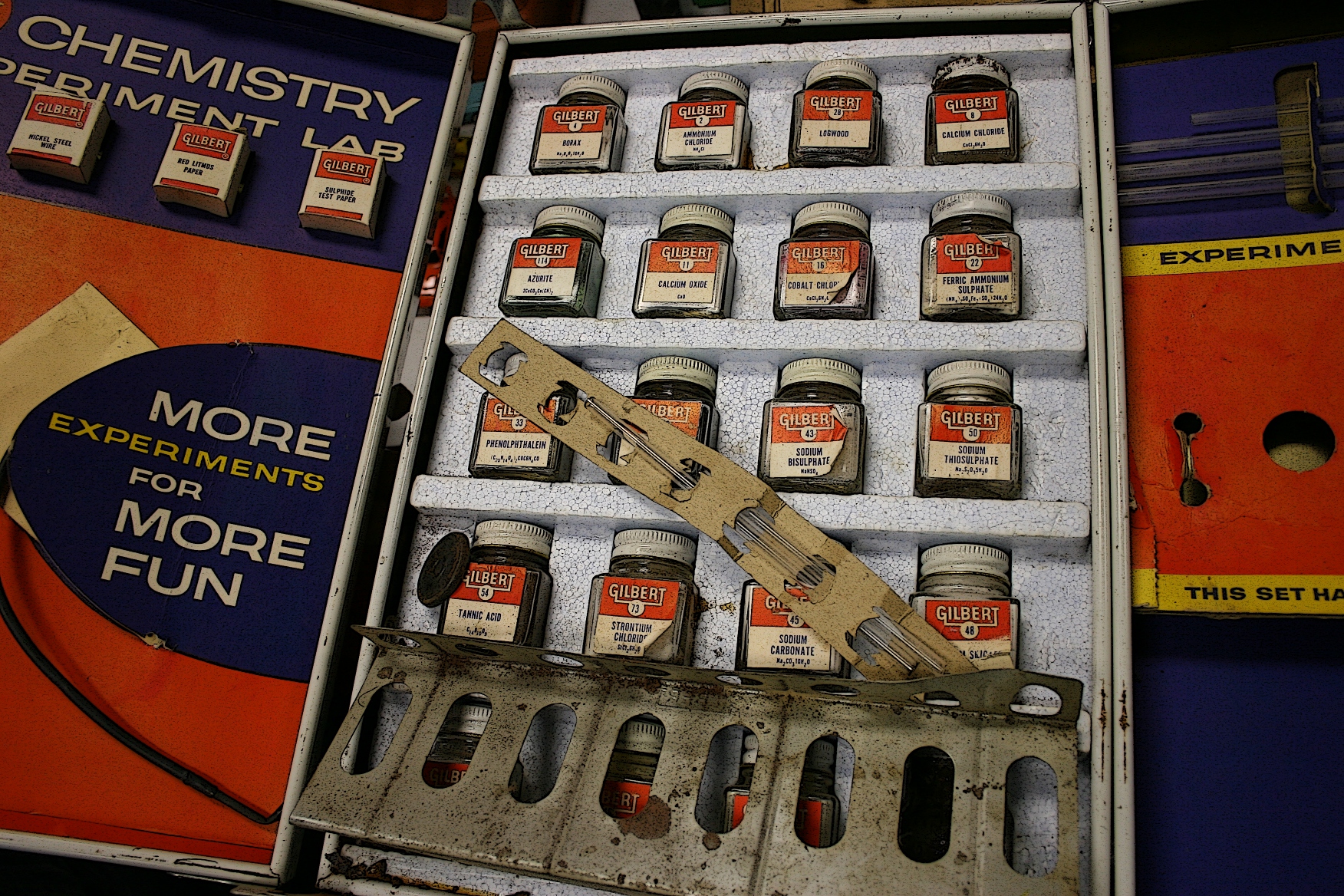
Problem: This photo of a child's Gilbert Chemistry Experiment Lab does not have issues and could be published unedited.

Problem: This photo of a child’s Gilbert Chemistry Experiment Lab does not have issues and could be published unedited. But I wanted to give it a more vintage look.

AFTER:

Solution: With the cartoon tool application, I added a subtle vintage vibe to the image.

Solution: With the cartoon tool application, I added a subtle vintage artsy vibe to the image.

Now if I was particularly tech savvy, which I am not, I’d be capable of producing even more creative photo art. But I’ve much to learn still and that keeps photography interesting.

THOUGHTS?

© Copyright 2013 Audrey Kletscher Helbling


The challenges of winter photography & a new perspective on art January 24, 2013

Filed under: Uncategorized — Audrey Kletscher Helbling @ 8:15 AM
Tags: , , , , , , , , ,

FOR A BLOGGER like me who incorporates so many photos into her posts, blogging in winter in Minnesota presents special challenges, the primary obstacle being the weather.

Simply put, I don’t like freezing my fingers, navigating icy surfaces, dodging snowflakes or battling frigid winds to get a photo. And when you live in Minnesota, you just can’t escape the cold, ice, snow and wind, especially not this week.

Yesterday I glanced outside to see a fresh dusting of snow sparkling like fairy dust in an enchanting scene. For a moment, as I slipped half my body outside to retrieve the morning paper, I considered bundling up to photograph the magic. But thoughts did not transform into action.

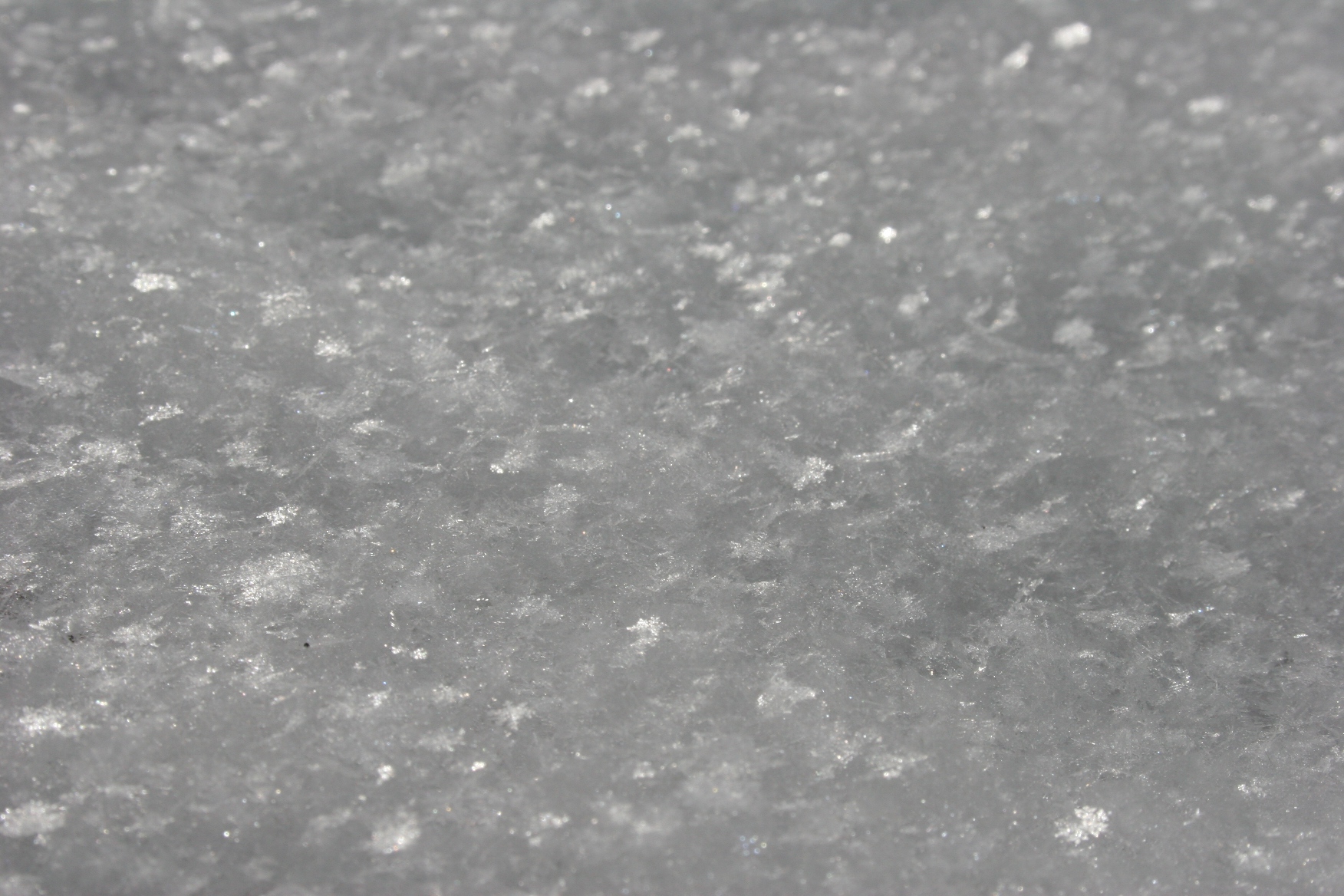
Later, though, after lunch, that fairy dust still danced in my brain so I zipped my fleece and stepped onto the patio to photograph the snow. I didn’t expect fantastic results; heck, the results rated as immediately deletable:

The original sparkling snow image, unedited except for down-sizing.

The original sparkling snow image, unedited except for down-sizing.

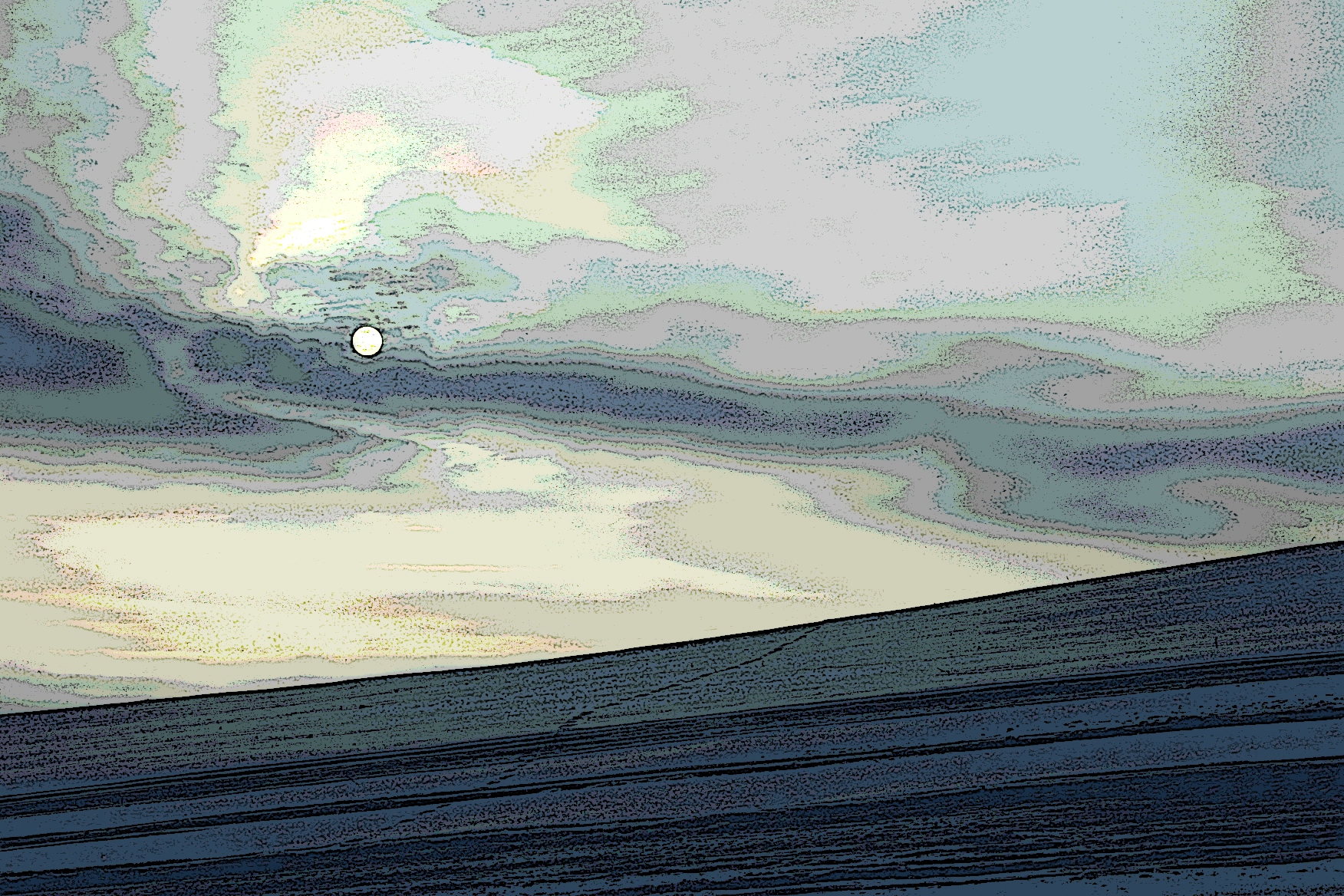
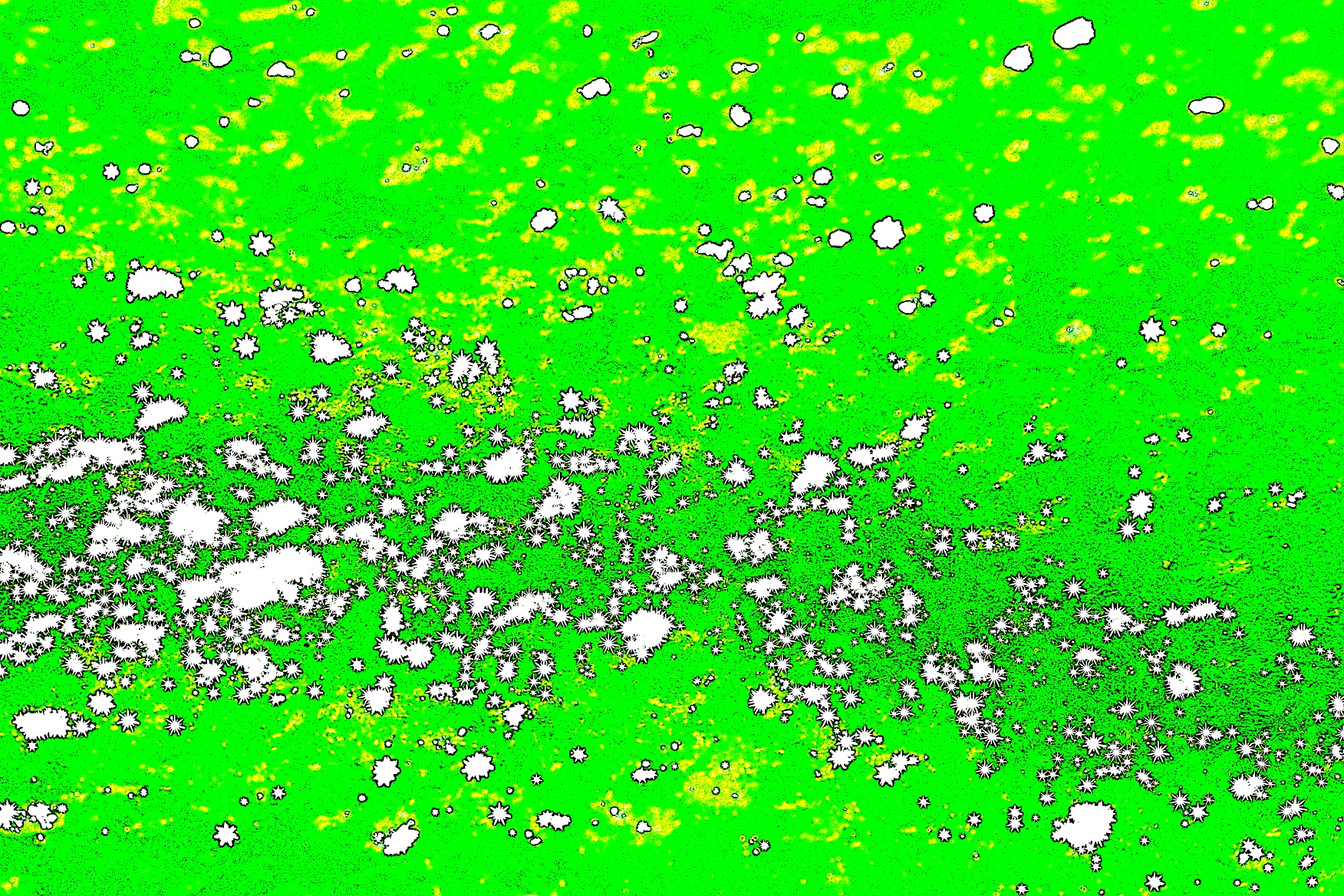
But then I worked my magic, trying several editing tools—sparkle effect, colorizing, cartoonifying and changing the contrast—to transform a blah image into an abstract work of art:

Sparkling snow in my backyard transformed into abstract art with photo editing tools.

Sparkling snow in my backyard transformed into abstract art with photo editing tools.

What’s really interesting about this entire process is that I’ve never been a fan of abstract art. I’ve always been inclined to view an abstract work and then blurt, “I could do that” or “That looks like the work of a kindergartner.”

I doubt I’ll ever quite stop thinking that.

But, through this digital editing process, I’ve discovered a part of me appreciates abstract photo art and the process of creating it. Temporary brain freeze perhaps?

WHAT ARE YOUR THOUGHTS on cold climate photography (as in Minnesota cold), abstract art, digital photo editing or anything along that line? (And don’t feel you have to like my abstract photo art.)

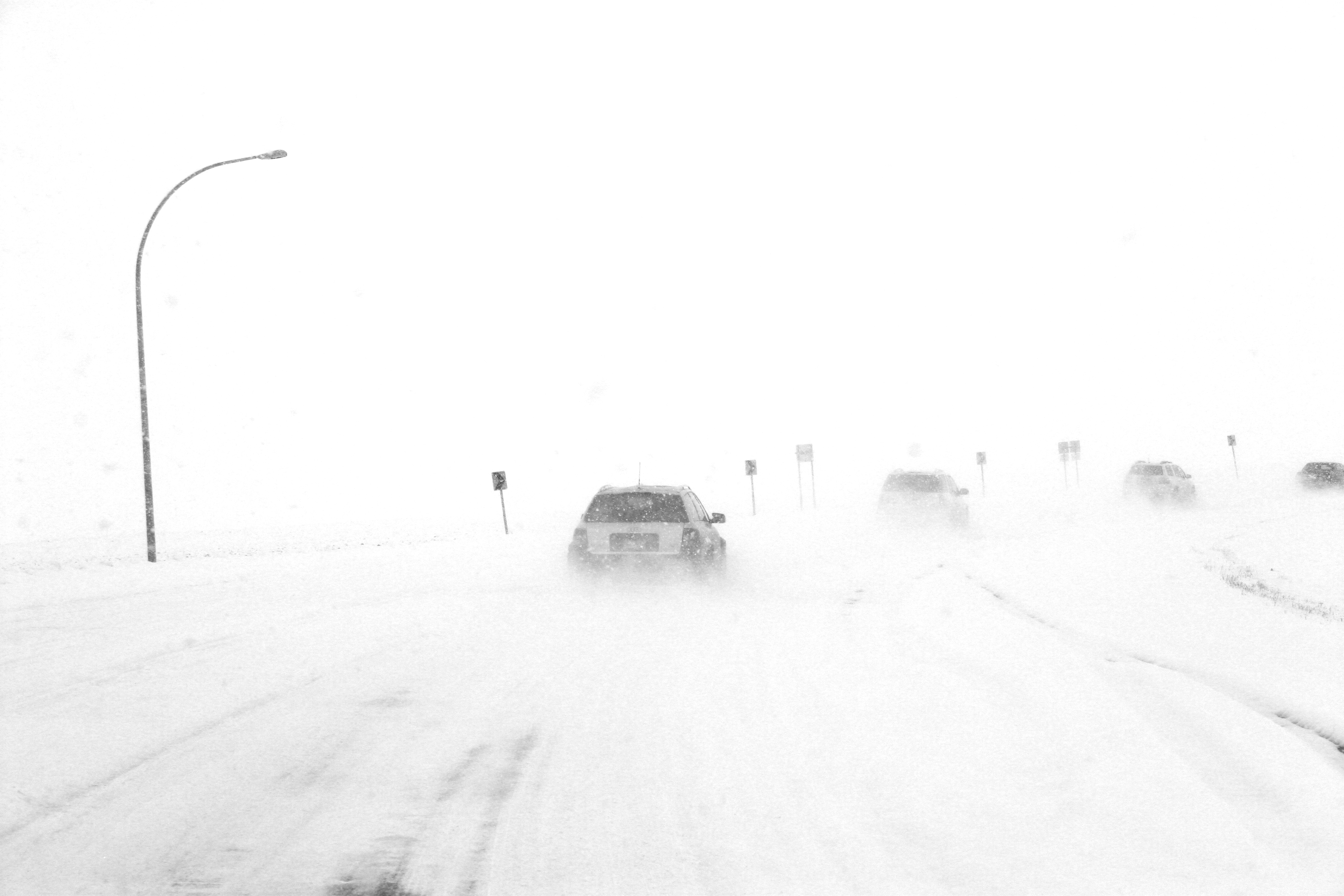
I prefer to shoot winter photos from the comfort of a building or a vehicle, as evidenced in these images I shot in March 2012:

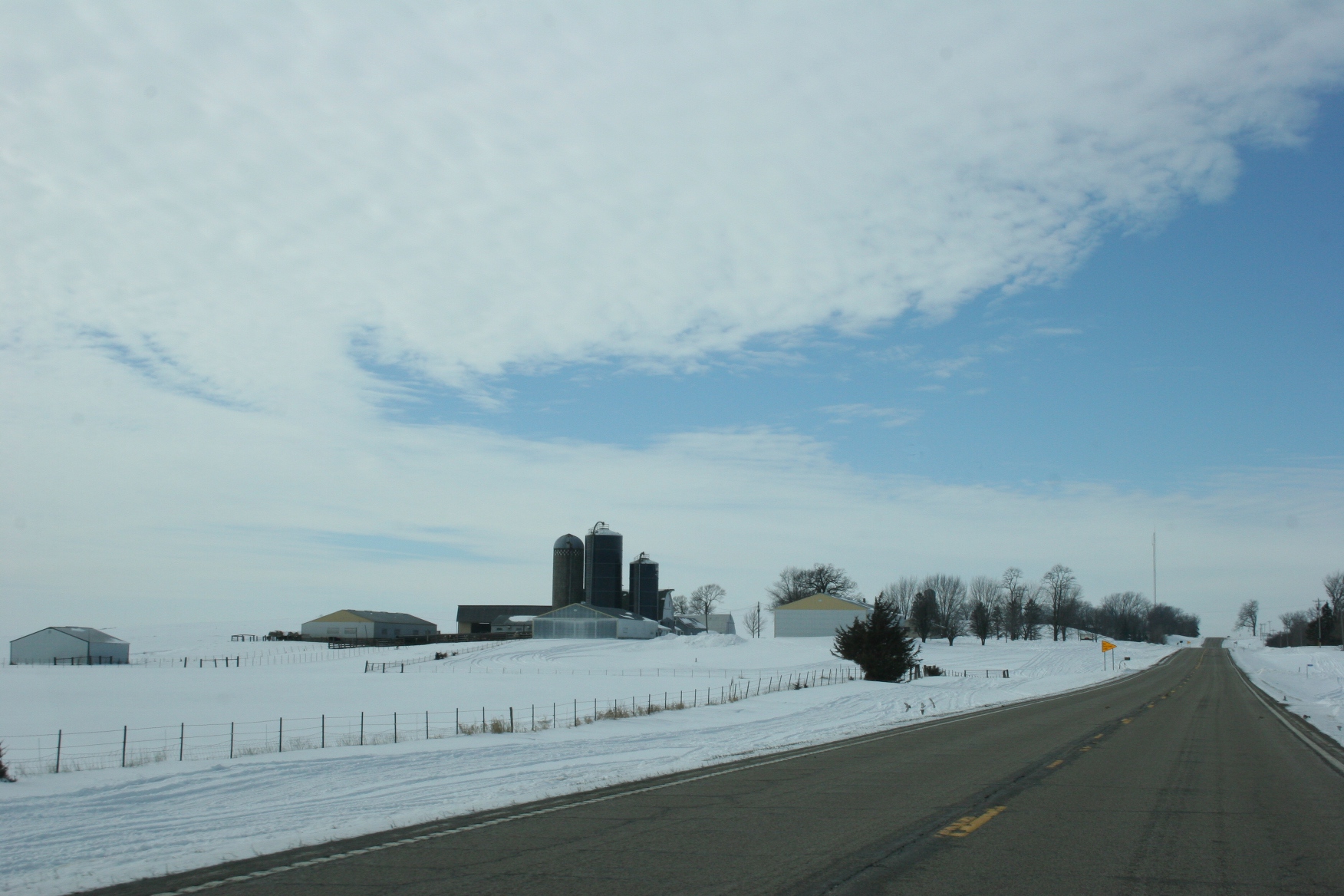
I converted this image to black-and-white and upped the brightness. This was shot on the Minnesota Highway 19 curve just north of Vesta, my southwestern Minnesota hometown.

I converted this image to black-and-white and upped the brightness. This was shot on the Minnesota Highway 19 curve just north of Vesta, my southwestern Minnesota hometown.

I used the same photo editing techniques on this scene captured on the same date just south of Echo, which would be north of Vesta. We were on our way to church.

I used the same photo editing techniques on this scene captured on the same date just south of Echo, which would be north of Vesta. We were on our way to church.

The day prior, en route to Vesta, I photographed this barn between New Ulm and Morgan.

The day prior, en route to Vesta, I photographed this farmyard between New Ulm and Morgan.

To the east, also en route to my hometown, I photographed this rural scene just west of Waterville along Minnesota Highway 60.

To the east, also en route to my hometown, I photographed this rural scene just west of Waterville along Minnesota Highway 60.

© Copyright 2013 Audrey Kletscher Helbling
 

Friday night at the car wash January 19, 2013

Filed under: Uncategorized — Audrey Kletscher Helbling @ 11:47 AM
Tags: , , , , , , , , ,

HE LEANED ACROSS the front seat of the car, not to kiss me, but to spray Windex onto the passenger side windshield and then wipe the glass dry with a paper towel.

After 30 ½ years of marriage, this is Friday night—a date at a local car wash.

Not that my husband invited me along or even remotely suggested that this might be a date. But at the last minute I decided the car wash would make for an interesting photo shoot. Randy knows me well. He didn’t even question me or roll his eyes.
My first side view shot of the car wash, taken from the adjoining Kwik Trip gas station.
My first side view shot of the car wash, taken from the adjacent Kwik Trip gas station.

While he tended to gassing up the car, I strolled over to the car wash to shoot some exterior scenes before we joined the line of five waiting vehicles. Not bad for a 37-degree January evening topping off an exceptionally warm winter day with temps soaring into the 40s.
When you live in Minnesota, you have to jump on warm weather like this to wash away the destructive road salt that clings to vehicles. A sign at the car wash even states the business will close when temps dip to 10 degrees.

And we all know, because we’ve been hearing for days now from weather forecasters, that Minnesota is headed into the deep freeze. Wind chill advisories have already been issued for parts of the state. Strong winds, combined with air temperatures, will make the outdoor temp feel like 25 to 30 degrees below zero.

We’ve heard repeated warnings about frostbite and hypothermia and the need to protect our skin.

I tell you this to emphasize to those of you who live in much warmer locales and cannot fathom such extreme cold, why Minnesotans would wait in line at a car wash on a 37-degree evening.

While Randy and I waited, he fiddled with his cell phone, inputting the number to an area radio station. He’s good at music trivia or being the whatever number caller, having recently won tickets to a Trans-Siberian Orchestra concert and years ago a trip to the Bahamas and the chance to win $1 million (which he did not win).

Waiting in line at the car wash, our car is on the left.

Waiting in line at the car wash, our car is on the left.

At this point, I stepped briefly from the car to scope out photo ops and shoot a few frames, hoping the other motorists wouldn’t roll down their windows and question me.

Back inside the car, we chatted a bit—about what I can’t remember—and Randy cleaned the interior windshield and eventually the garage door rose, the car ahead began exiting and my spouse directed our car inside.

Now you might think that in the privacy of the enclosed car wash, this could have been a date-date. But, nope, I was too busy photographing the art.

You perhaps see simply a car. I see art in this photo-edited image.

You perhaps see simply a car. I see art in this photo-edited image.

Yes, more car wash art.

More car wash art.

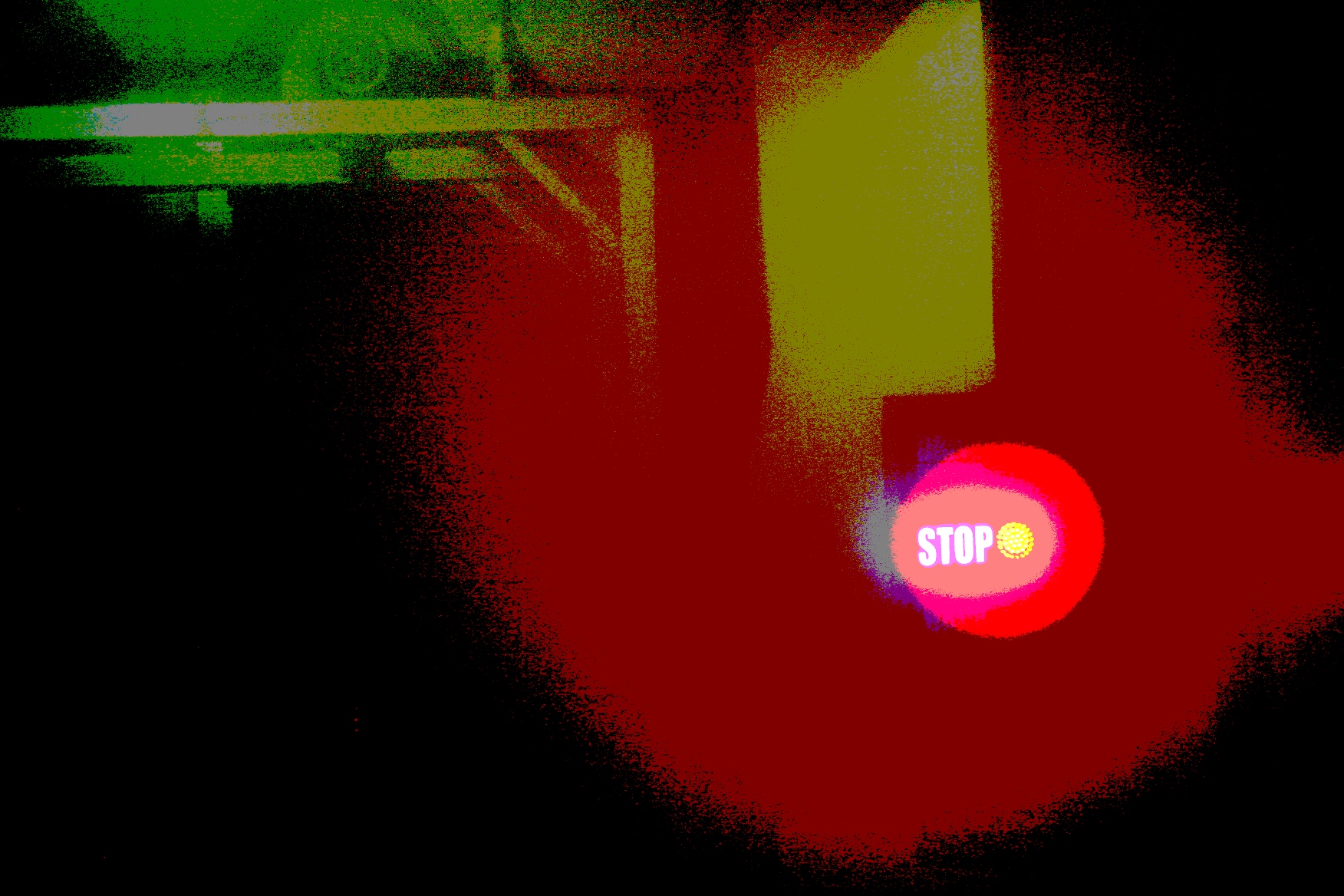
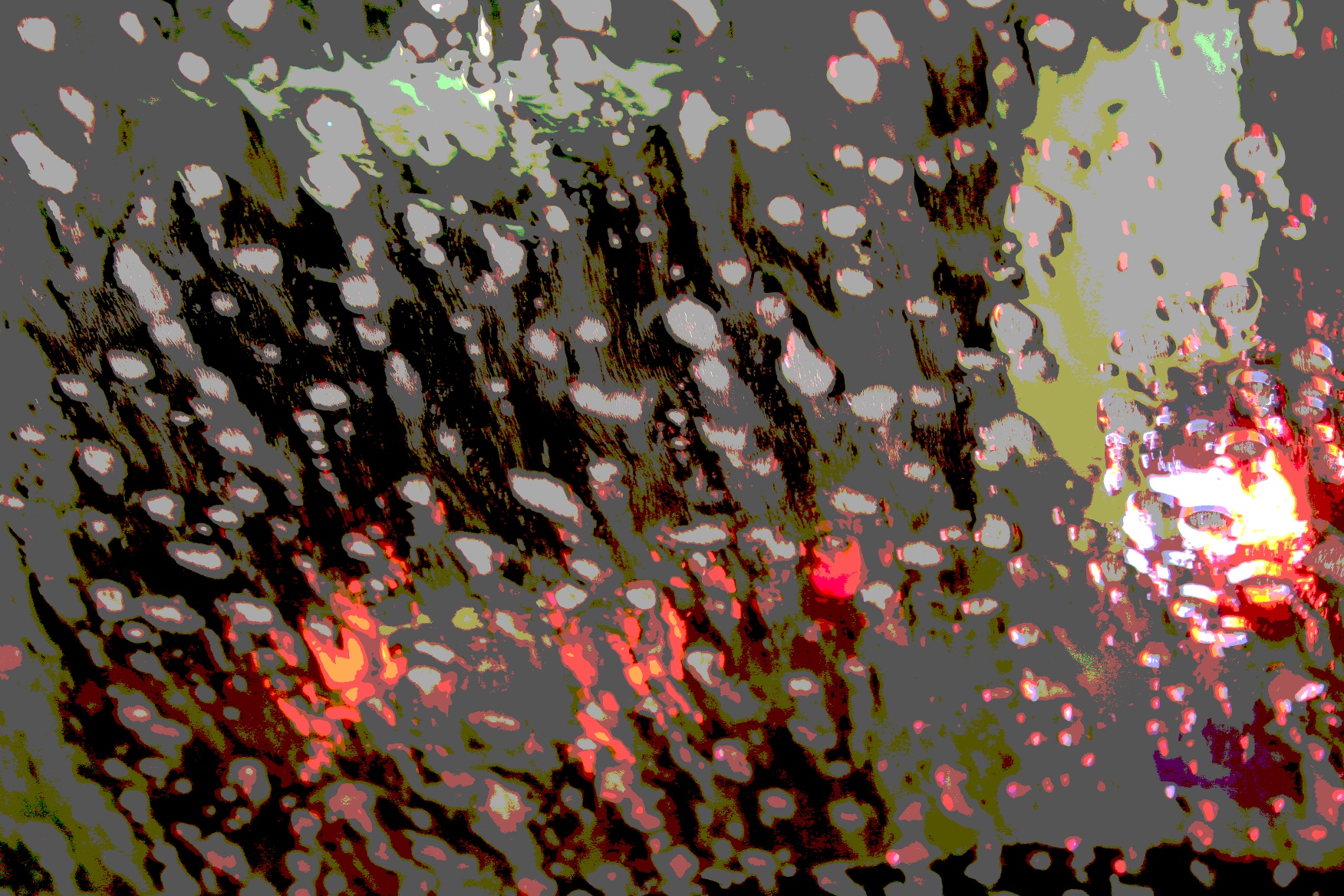
Not just water spraying on the windshield, but abstract art.

Not just water spraying onto the windshield, but abstract art.

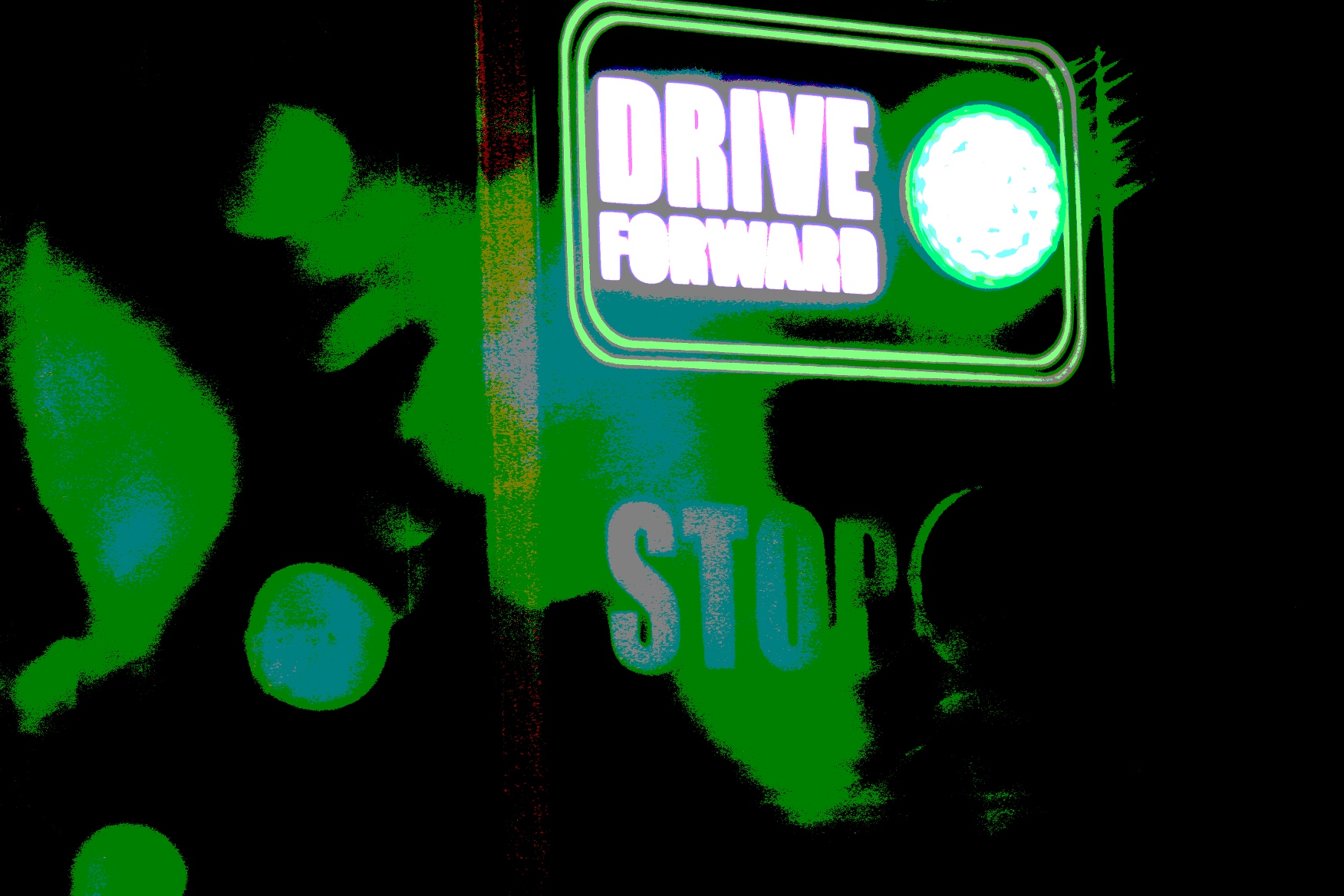
Nearing the end of the car wash art exhibit.

Nearing the end of the car wash art exhibit.

Exiting the car wash (exhibit).

Exiting the car wash (exhibit).

© Copyright 2013 Audrey Kletscher Helbling