Minnesota Prairie Roots

Writing and photography by Audrey Kletscher Helbling

Travel Wisconsin: Atypical tourist photos from Appleton January 19, 2012
Filed under: Uncategorized — Audrey Kletscher Helbling @ 8:43 AM
Tags: , , , , , , , ,

SAY “WISCONSIN,” and what pops into your thoughts?

I would expect these top two answers: cheese and the Green Bay Packers

Wisconsinites, am I right?

Every time I travel to the Dairyland State, which has been often since my second daughter moved to Appleton a year ago, I find myself drawn to that which distinguishes Wisconsin from my home state of Minnesota.

With my camera, I try to catch the snippets of buildings and life and sites and scenes that the typical tourist might never think to photograph. Often I capture these images in an instant, from the car window passing by or walking along a sidewalk. I have an moment to snap the shutter and then the scene vanishes.

Let me show you those snippet photos taken during a New Year’s weekend trip to Appleton, an hour’s drive from Lake Michigan in central Wisconsin.

Next time you’re in Wisconsin, or anywhere for that matter (even in your own community), I’d encourage you to not only look at what surrounds you, but to truly see.  Let me repeat that word. See.

Notice the signage, the curve of a street, the contrast of a building against sky, the shape of a window, the quirky and the unusual. Take in the details. Then, and only then, will you truly see.

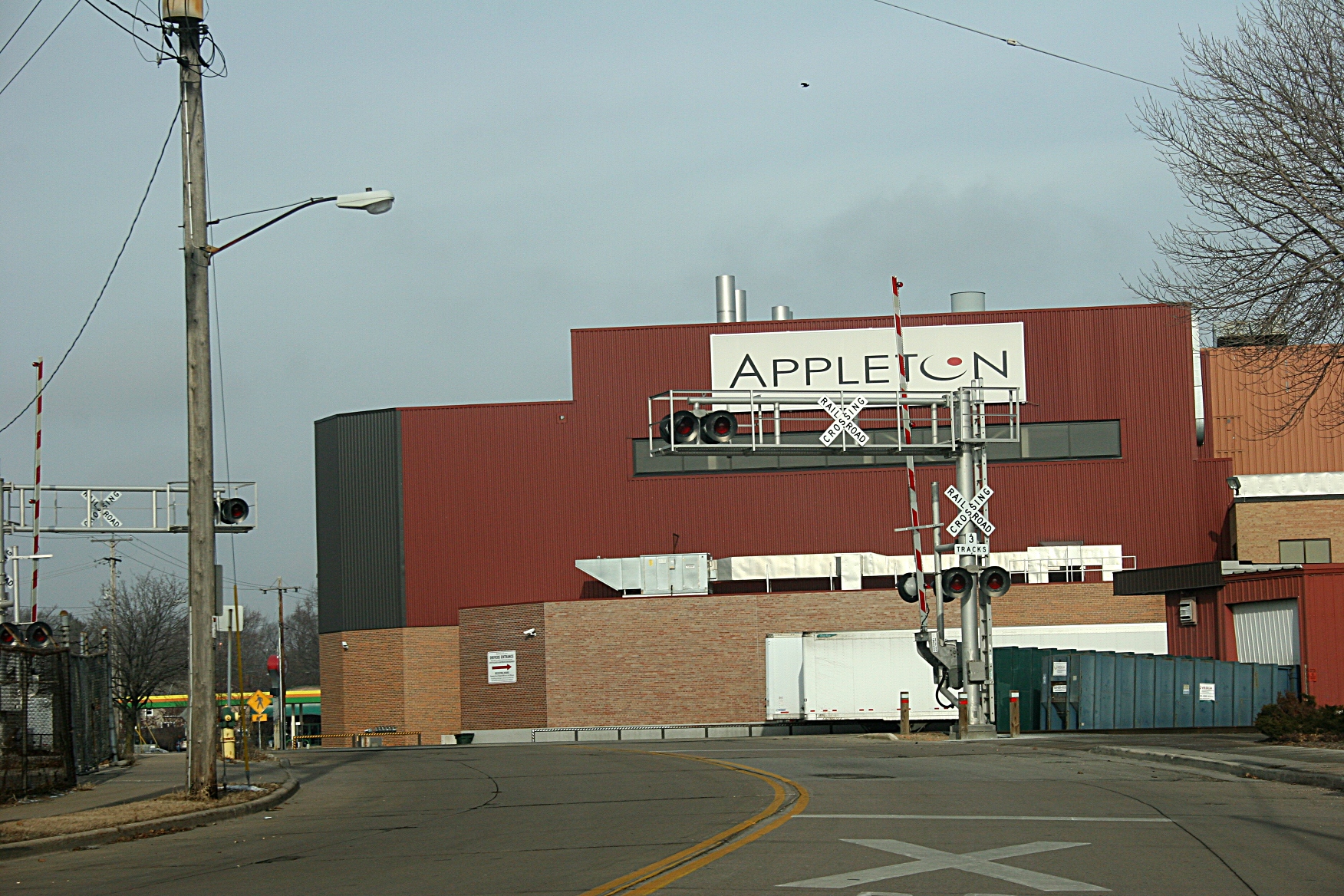
I was more than a bit lost in Appleton as our daughter chauffeured my husband and me around town. I spotted this building along the railroad tracks and photographed it because, well, my eyes were drawn to it. Appleton residents, what is housed in this building?

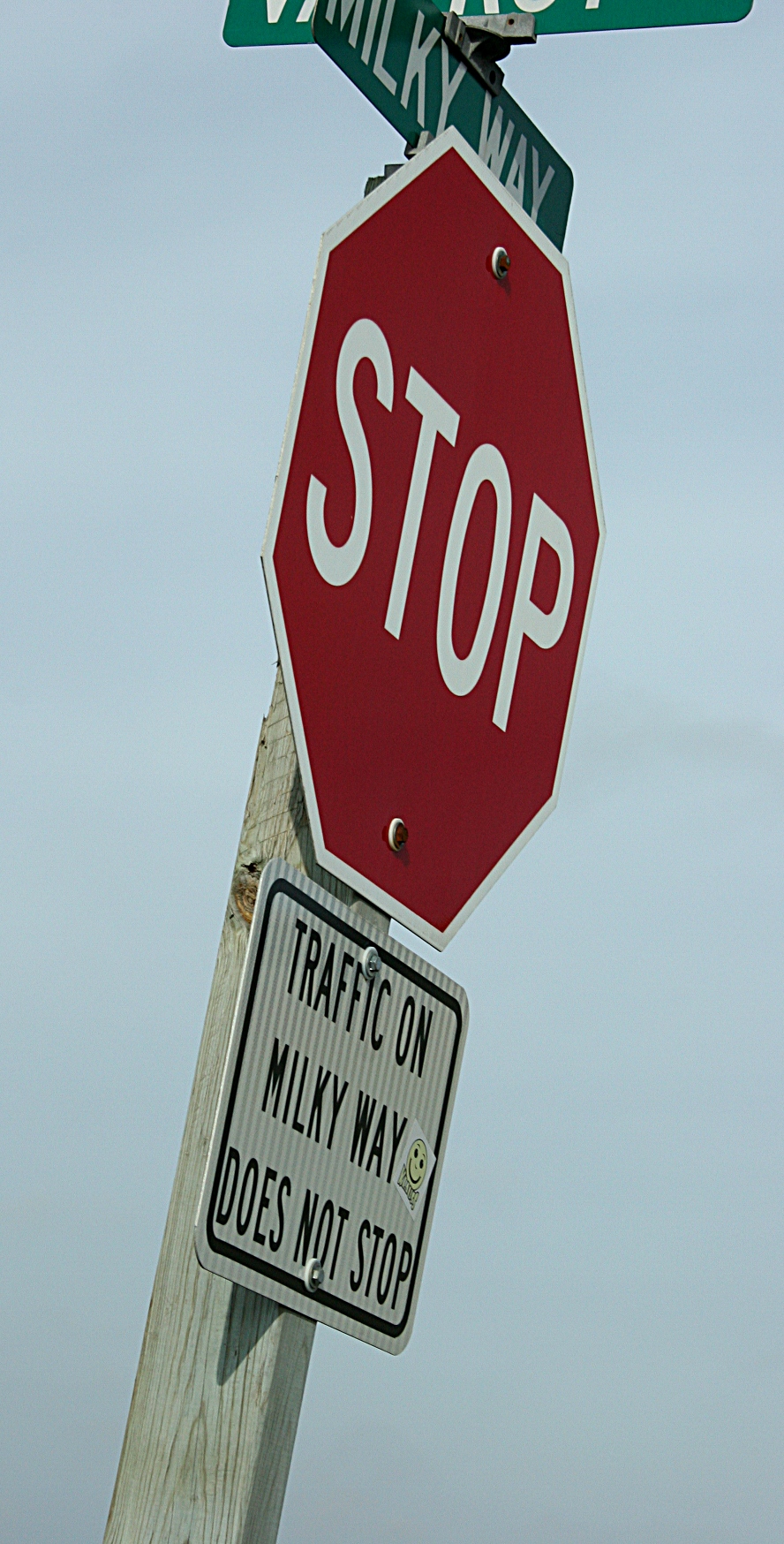
My favorite quirky discovery of the weekend, this signage near none other than...see the next photo.

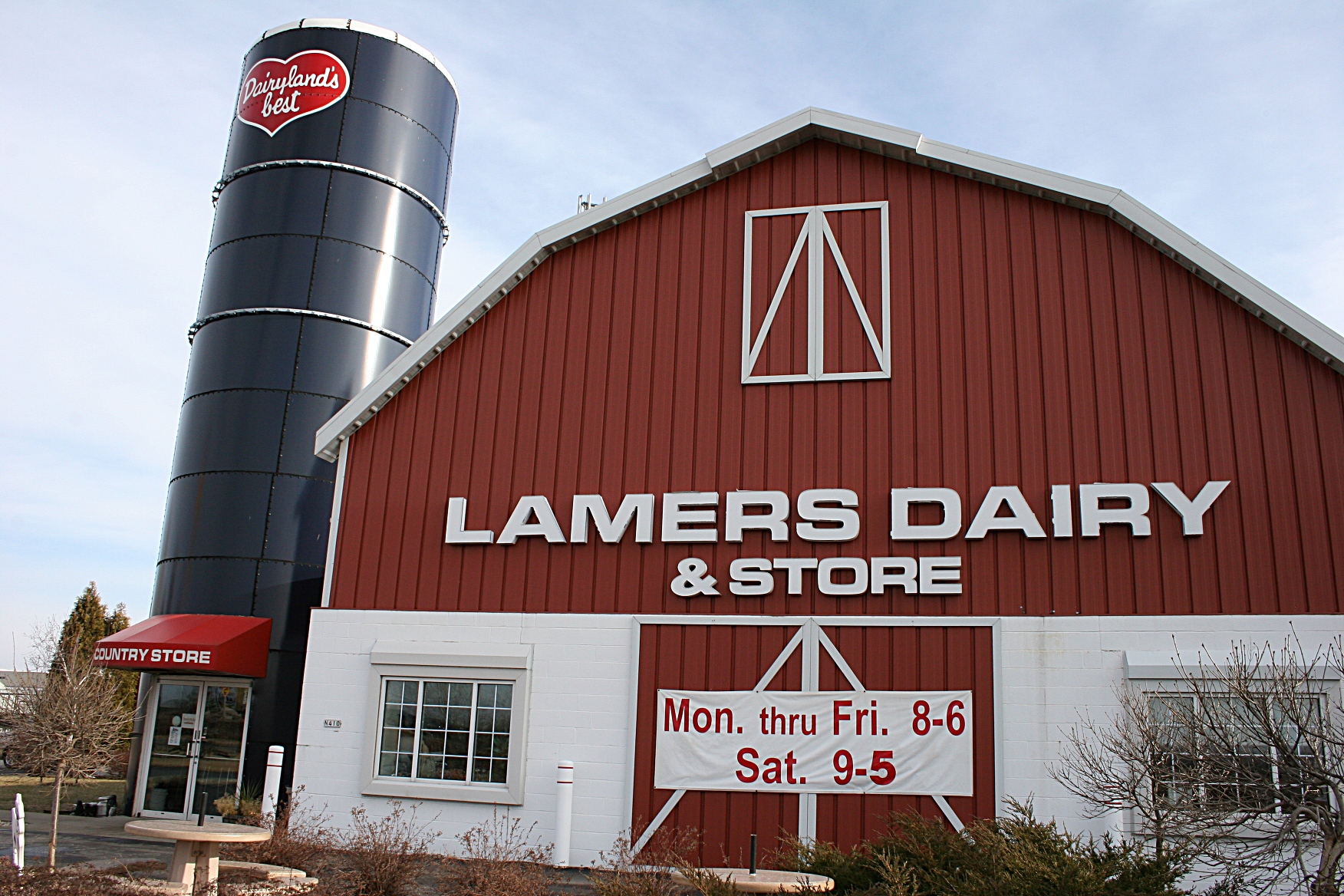
Lamers Dairy, along the Milky Way, sells its own bottled milk, cheese, wine and other food and merchandise. Visitors can watch milk being bottled. Unfortunately, this does not occur on weekends, when we were visiting.

Walking in historic downtown Appleton, I saw not a cheesehead, but this banana, who later posed for a photo. However, I prefer the action photo to the posed. She was promoting the Tropical Smoothie Cafe. My daughter was hoping we would also spot a gorilla pushing balloons along another Appleton street. But, alas, the gorilla was nowhere to be seen.

Inside artsy Studio 213, I laughed at this humorous tee. I grew up on a dairy farm. What can I say? I appreciate barn humor.

Over at the Downtown Appleton Farm Market in City Center, a vendor marketed bison meat. Now I'm wondering, is that bison head real and how do you cart that around?

When I shop at farmers' markets, I pay attention to details like merchandise display. Jan Jourdan's vintage marketing theme drew me right over to sample her Jan's Fabulicious Cookies. I asked to try the gingersnaps. Ooops. Not gingersnaps, but molasses cookies. Thick and chewy, they were as advertised, "fabulicious." Love those aprons, too. If my daughter hadn't just given me one for Christmas...

TO SEE MORE PHOTOS from Appleton, click here to view a previous blog post from the historic downtown.

Click here to see photos I shot along Wisconsin Highway 21 in a post titled “Preserving central Wisconsin’s rural heritage via on-the-road photography.”

In case you missed the link earlier in the story, click here for more info about downtown Appleton.

Click here to learn more about the Downtown Appleton Indoor Winter Farm Market.

Click here to learn about Lamers Dairy.

Click here to read about Studio 213 and here to check out the Tropical Smoothie Cafe.

© Copyright 2012 Audrey Kletscher Helbling


Inside the Owatonna orphanage museum: Heartbreaking stories and photos January 18, 2012

A telegram sent to an Owatonna orphanage in 1892 announcing the arrival of two sisters.

WESTERN UNION TELEGRAM, August 19, 1892:

Please meet Godman and two little waifs afternoon train.

It is an archaic word, that word “waif.” So I must page through my Webster’s New World Dictionary to confirm that I fully understand its meaning.

I read:

2 a person without home or friends; esp. a homeless child   3 a stray animal

The definition is mostly as I expect, except for the “stray animal” part.

It hurts my heart to read the telegram sent in 1892 to the Minnesota State Public School for Neglected and Dependent Children in Owatonna.

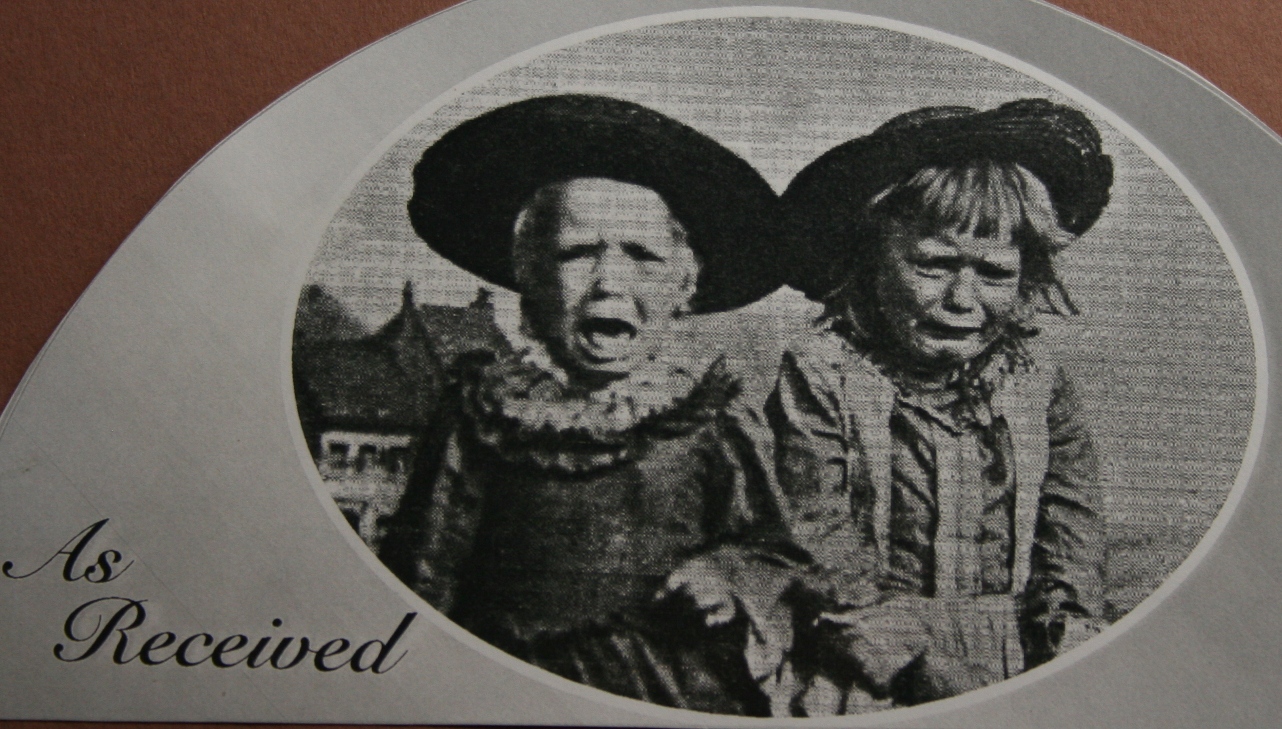
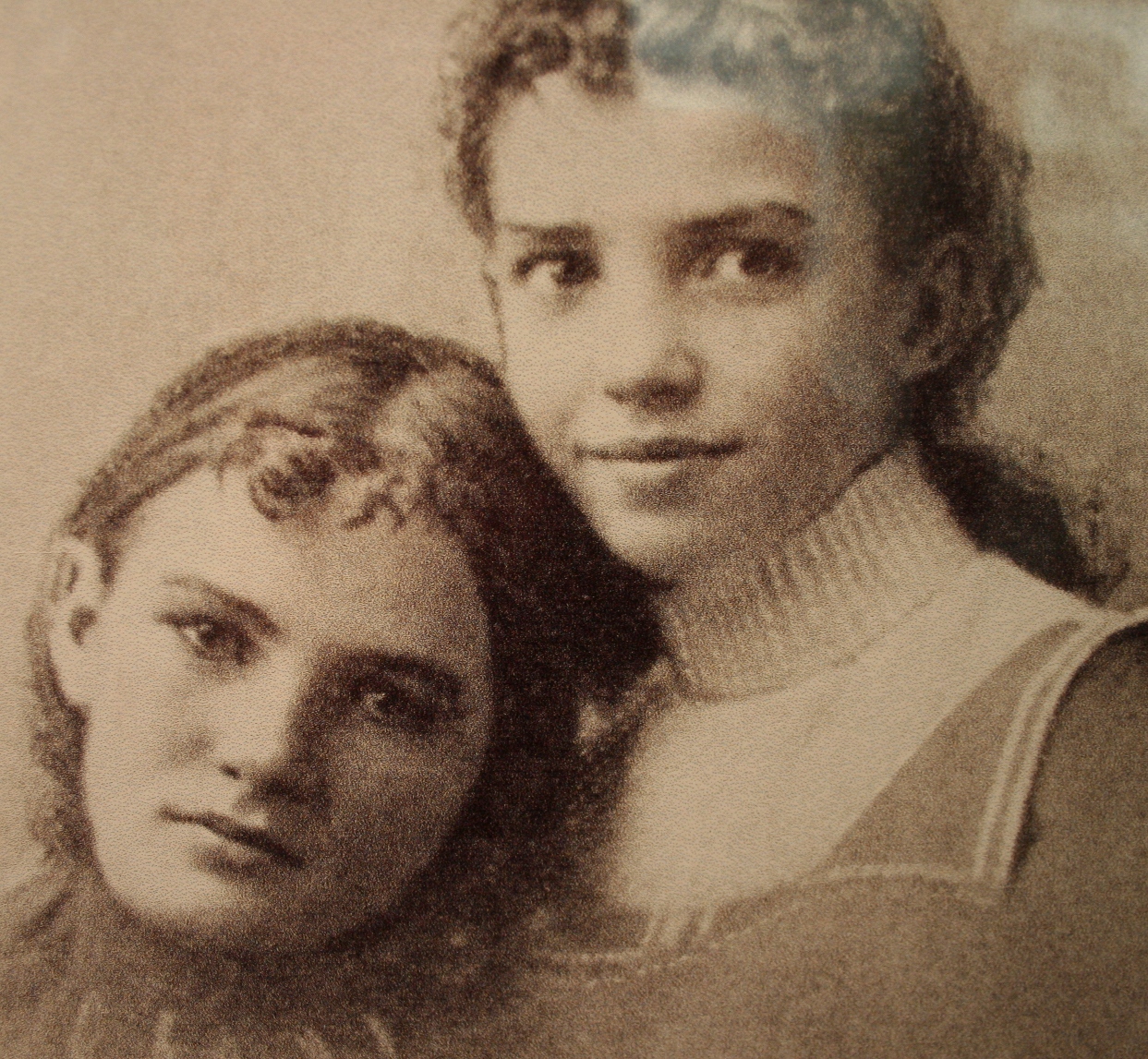
It hurts even more to view the photo of the “waifs,” sisters Mary and Clara, taken on the day they arrived. You can see the despair in their eyes, almost hear their wailing, feel their terror. If I could step back into time, to that day in August 1892, I would wrap those little girls in my arms and hold them and stroke their hair and give them all the love they never knew.

Sisters Mary and Clara, upon their arrival at the Minnesota State School.

Of all the documents and images displayed at the former school, now a museum, this one of the sisters sticks with me for the emotions it captures and evokes. I first saw the photo several years ago during an initial visit to the Minnesota State Public School Orphanage Museum. I have never forgotten it.

This past weekend I was back at the orphanage site to tour a new Owatonna Arts Center exhibit, “Where are the Children,” by Judy Saye-Willis. The Northfield artist taps into the location to pull together an introspective display about children with input from a variety of artists and a writer. I was especially impressed with the graphite drawings of children by Cambridge artist Marilyn M. Cuellar. (Note that Cuellar’s art pieces displayed in Owatonna are copies and not originals.)

The former state school dining area is now a beautiful public venue.

After perusing that exhibit, I walked toward the museum part of the building, through the former school dining room that today serves as a venue for wedding receptions, concerts and more. I hadn’t intended to go to the museum, but my husband had already wandered over there.

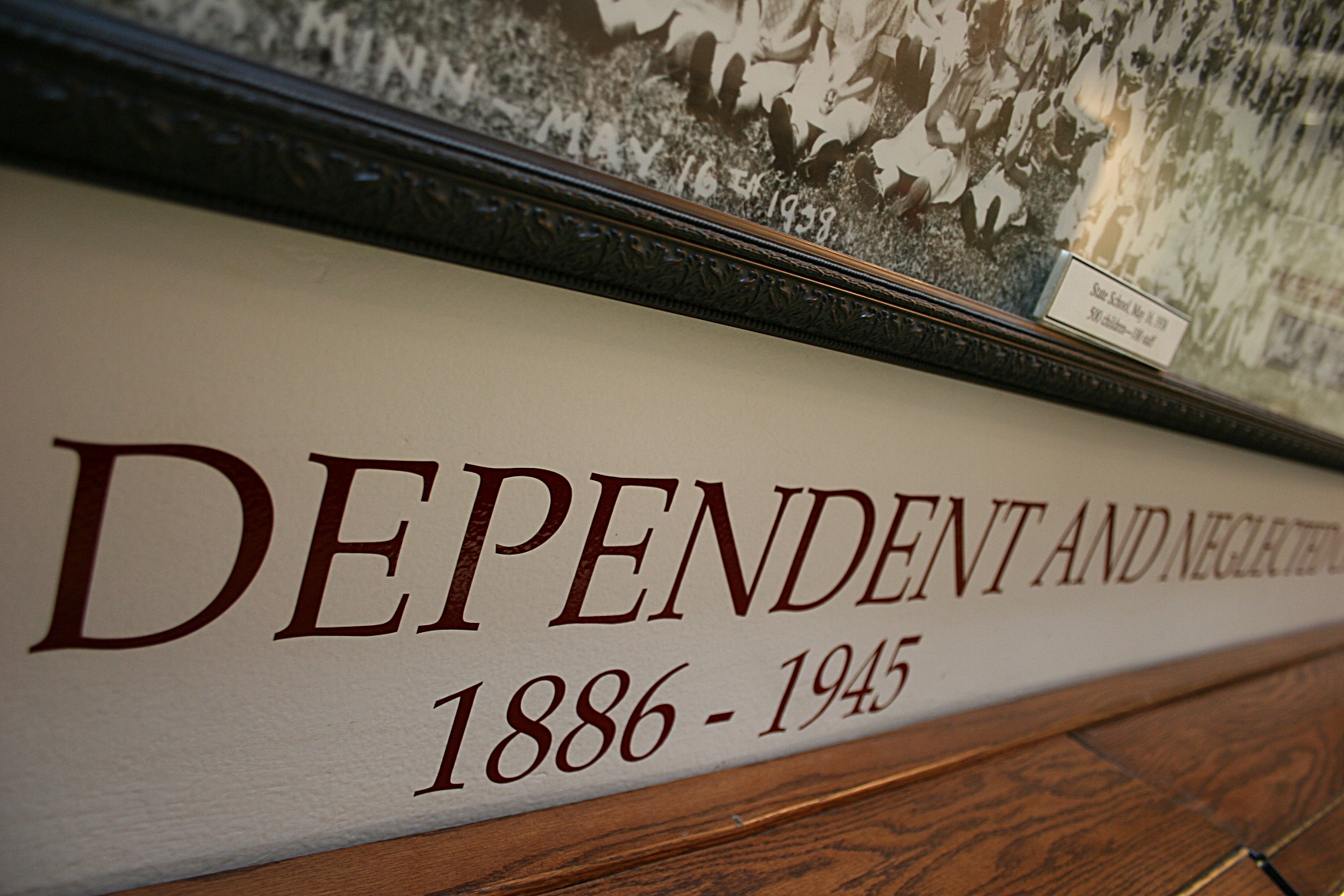
Signage under a state school photo in a section of the museum.

This visit I didn’t study each document and photo in depth. Rather, I swept through the U-shaped exhibit area, focusing on specific segments to photograph like the 1892 telegram and photos of the two sisters, including this one taken at a later date.

Mary and Clara, hardly recognizable as the same sisters who arrived in 1892.

I paused, though, to listen to a visitor talk to me privately about her father and an aunt who lived here. She spoke without a hint of bitterness, which surprised me given the negative experiences of many children who called this school home. Her father eventually was placed with a southern Minnesota farm family. In many instances, these families physically and emotionally abused the state schoolers. Her father, she said, was hit once, but never again.

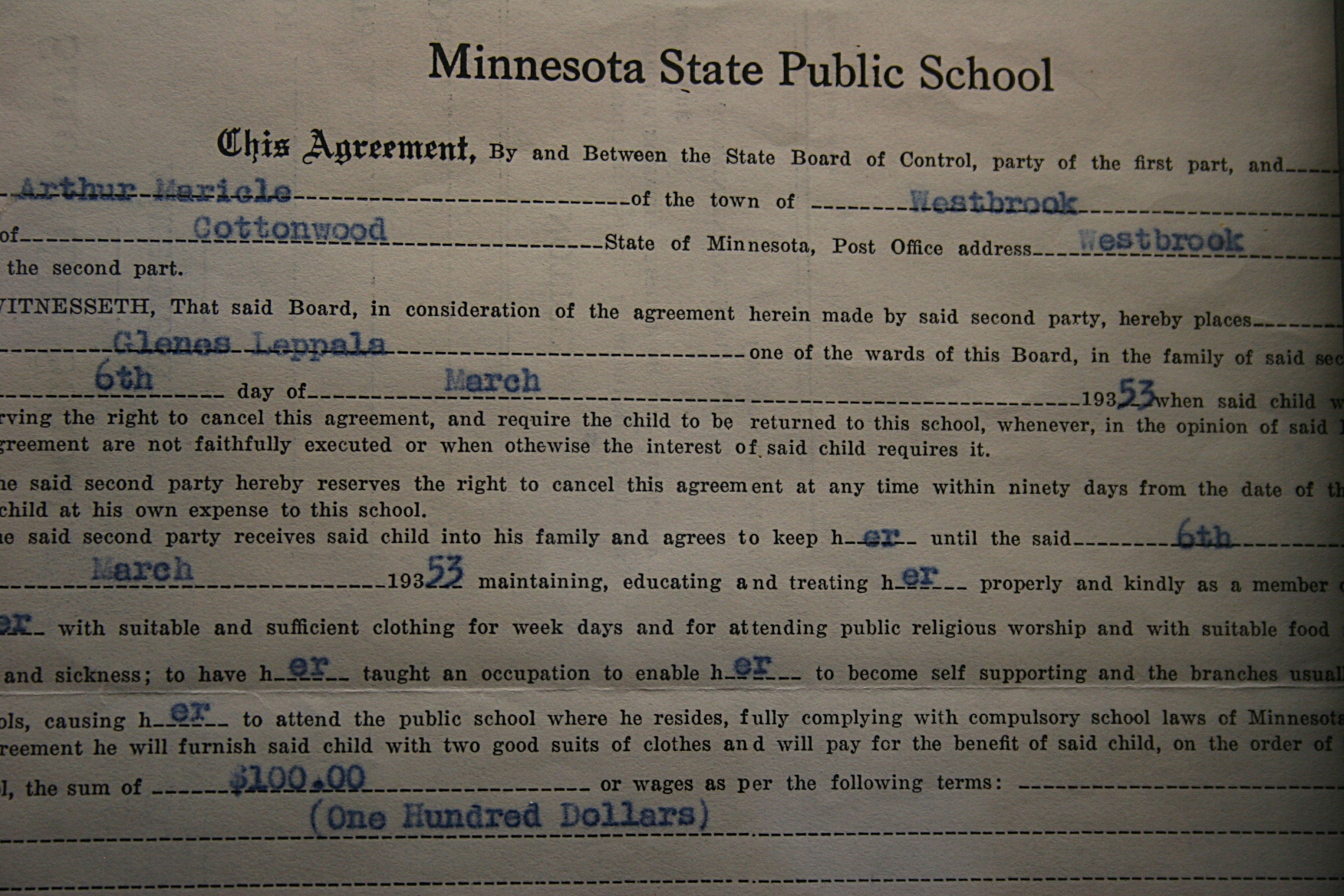
Contracts were signed between the school and families, typically farm families, allowing state schoolers to live with and work for these families. The families were to provide $100 in wages and two suits of clothing.

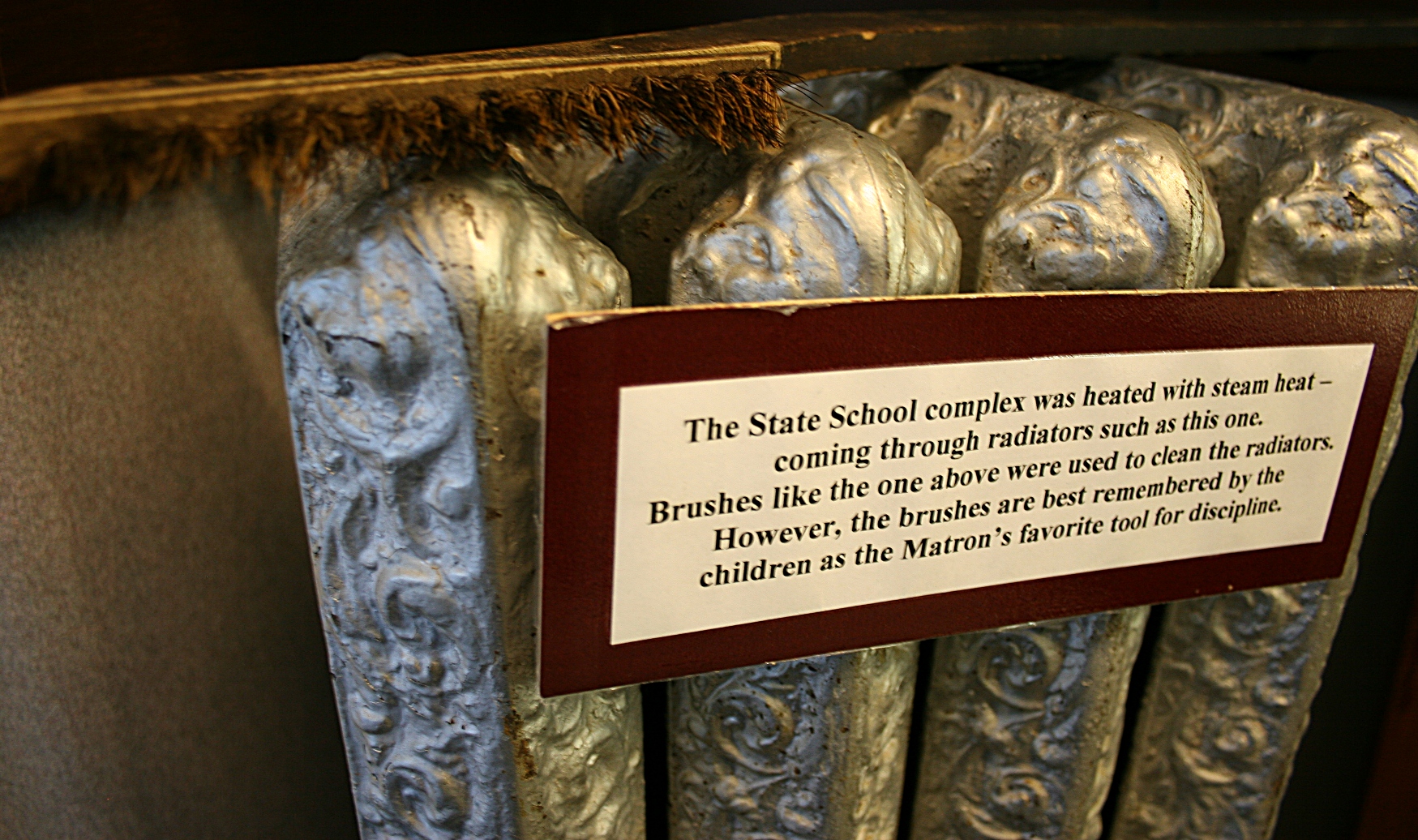
Later, I would photograph a radiator brush, “a Matron’s favorite tool for punishment,” according to the Fall 2010 issue of the museum newsletter, The Radiator Brush.

A dreaded radiator brush rests atop a radiator in the museum.

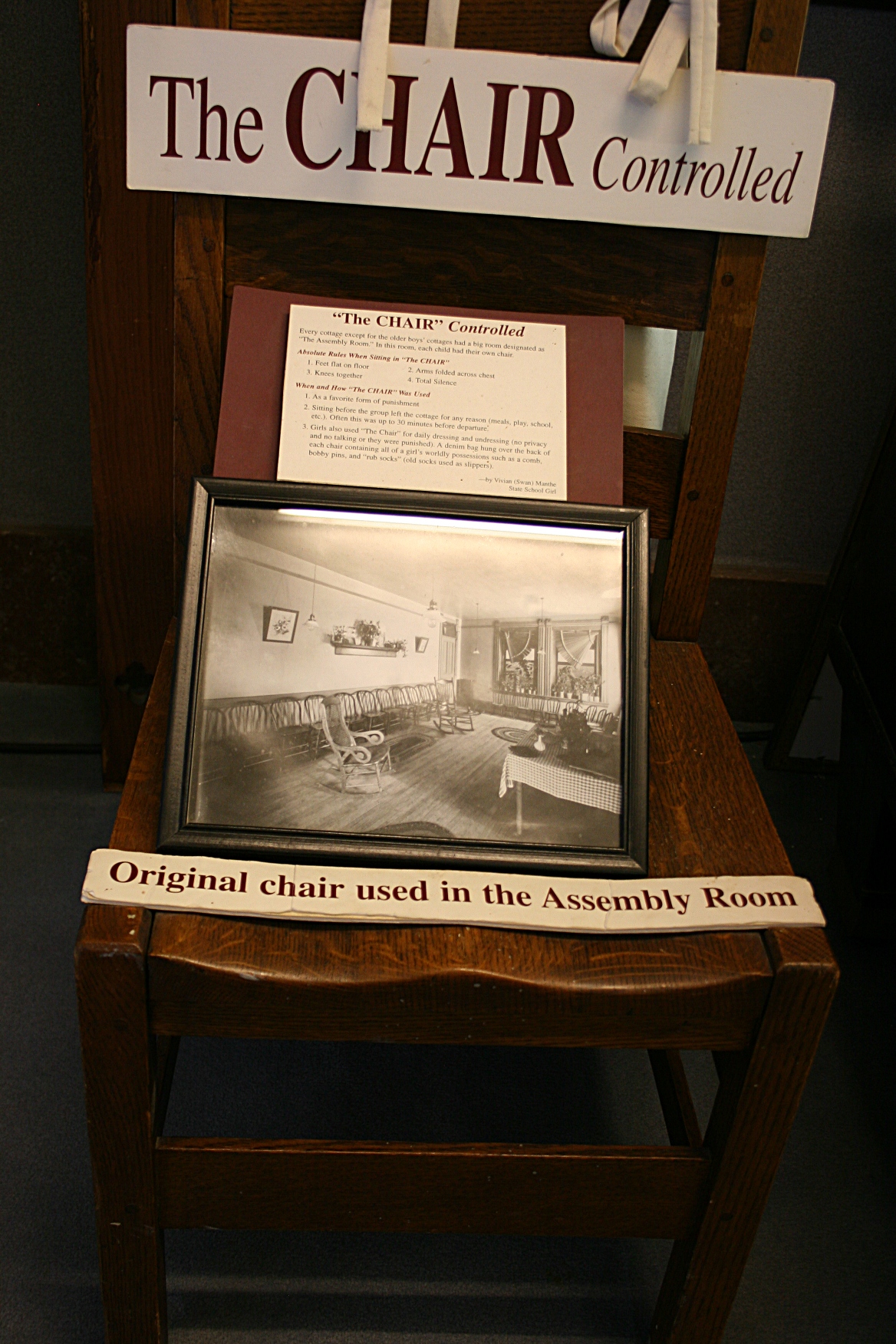
Next, I photographed “the chair,” also used to punish children.

Chairs like this one on display in the museum were used to control and punish children and keep them in their place.

I cannot imagine living here in this institution, separated from family.

Yet the school, despite its failings, offered for many children a better alternative than remaining in abusive and neglectful home settings too tragic to even fathom.

And so that is how sisters Mary and Clara, two little waifs who had been “the victims of extreme cruelty and neglect,” ended up on a train bound for the Minnesota Public School for Neglected and Dependent Children.

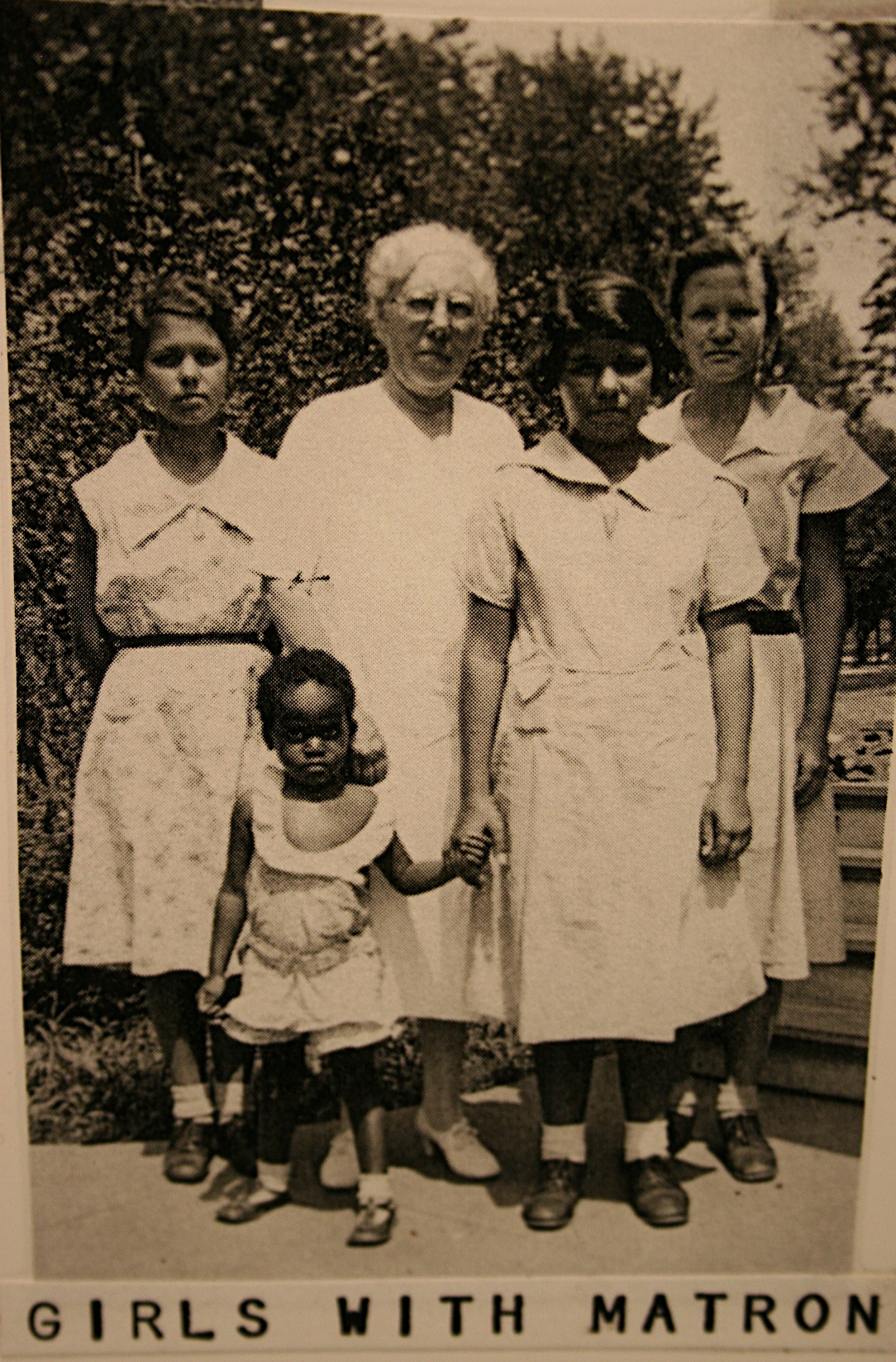
One of the photos on display in the museum of a matron and her girls.

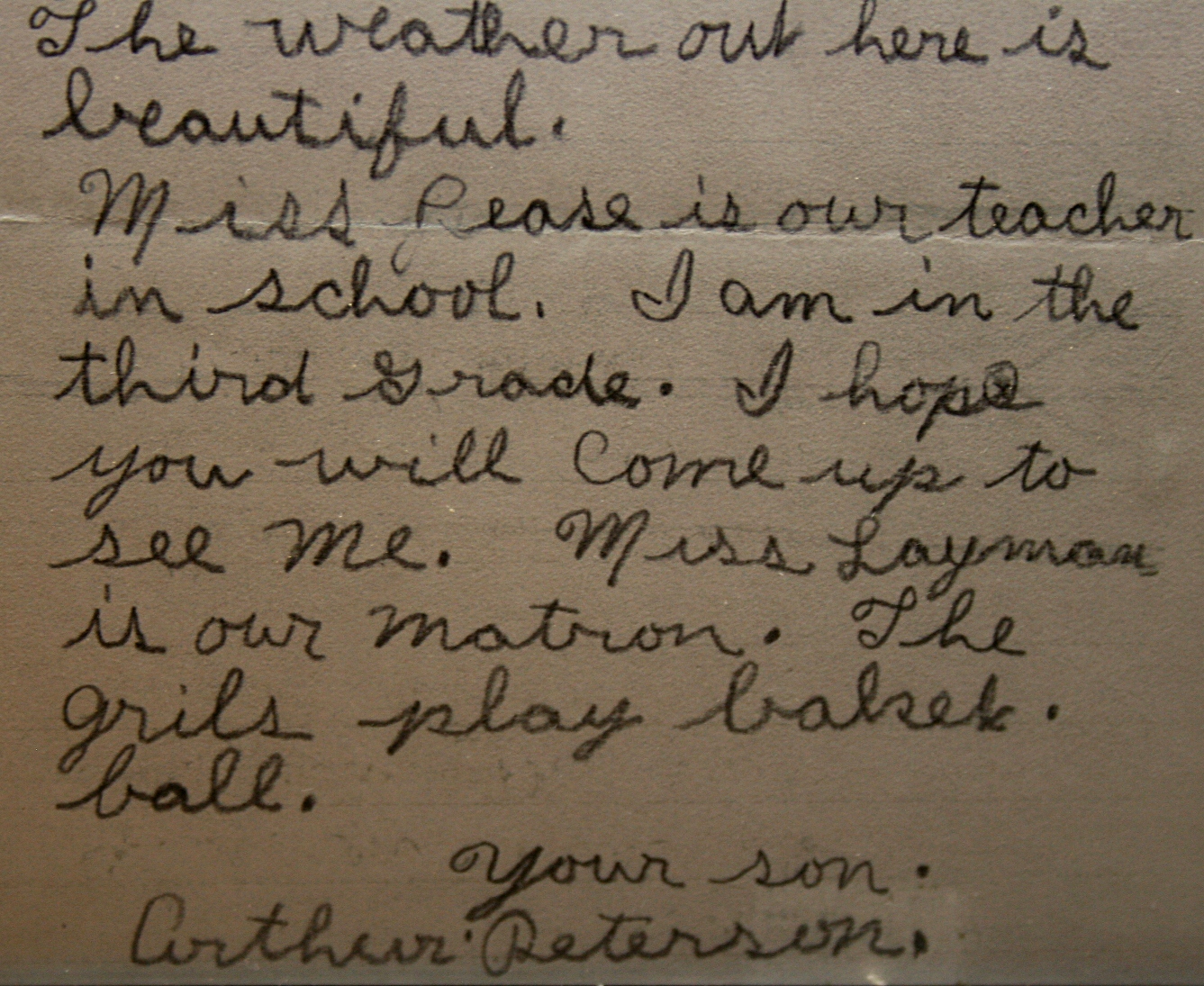
A snippet of a letter from third grader Arthur Peterson to his mother. You can almost hear the desperation in his words: "I hope you will come up to see me."

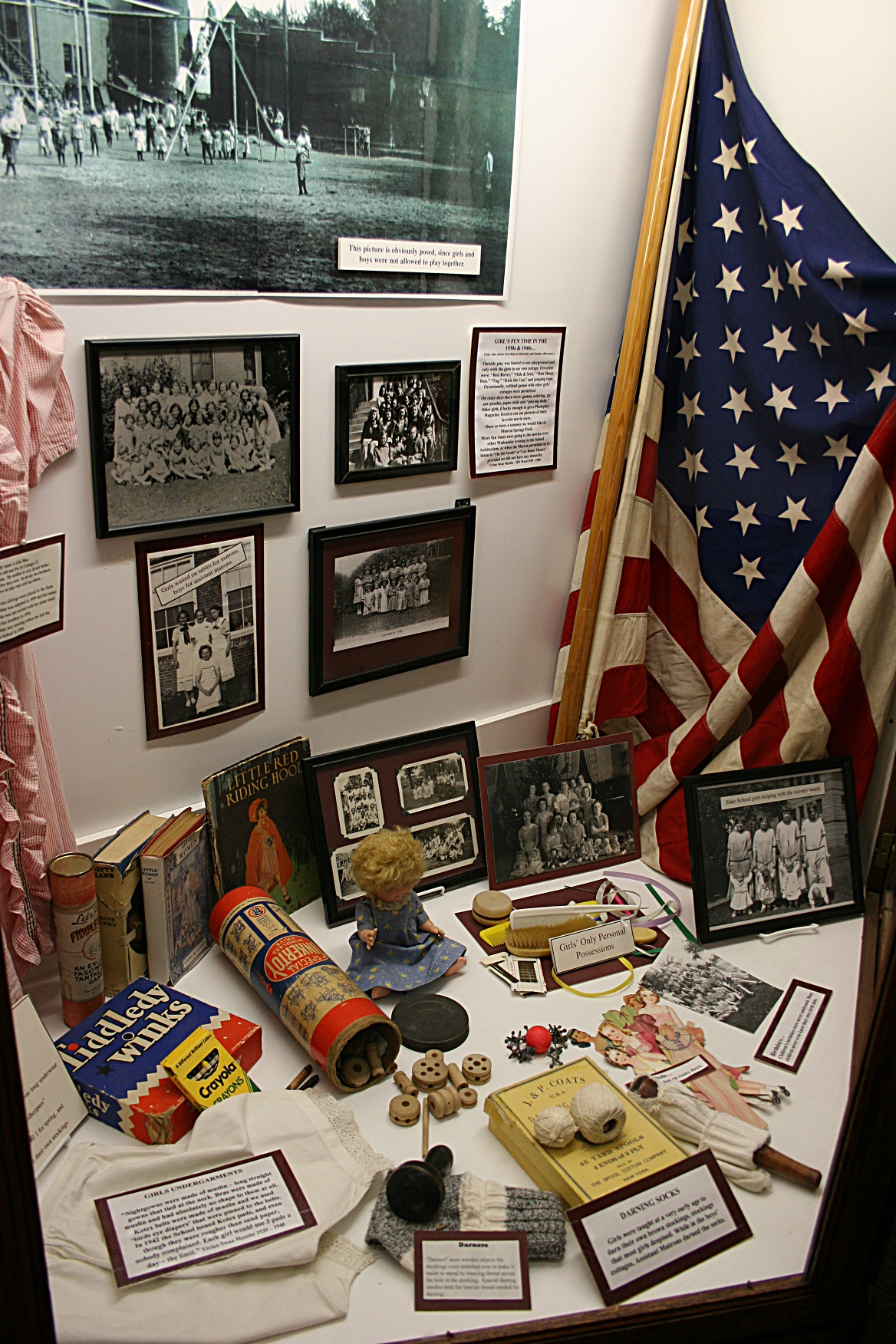
Museum exhibits, mostly in words and photos, but also artifacts, tell visitors about life at the state school.

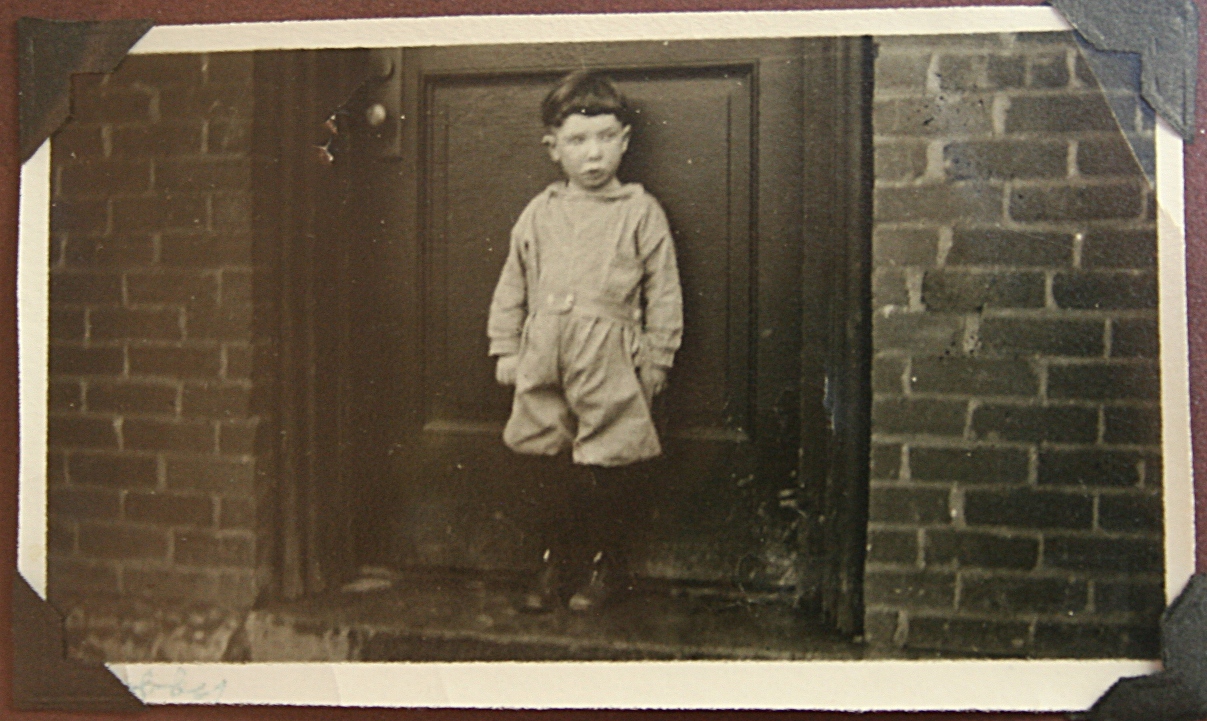
This photo of a little state school boy caught my eye. The museum's collection includes more than 1,100 original photos and an additional 150 reproductions. You can't help but be moved by such soulful images.

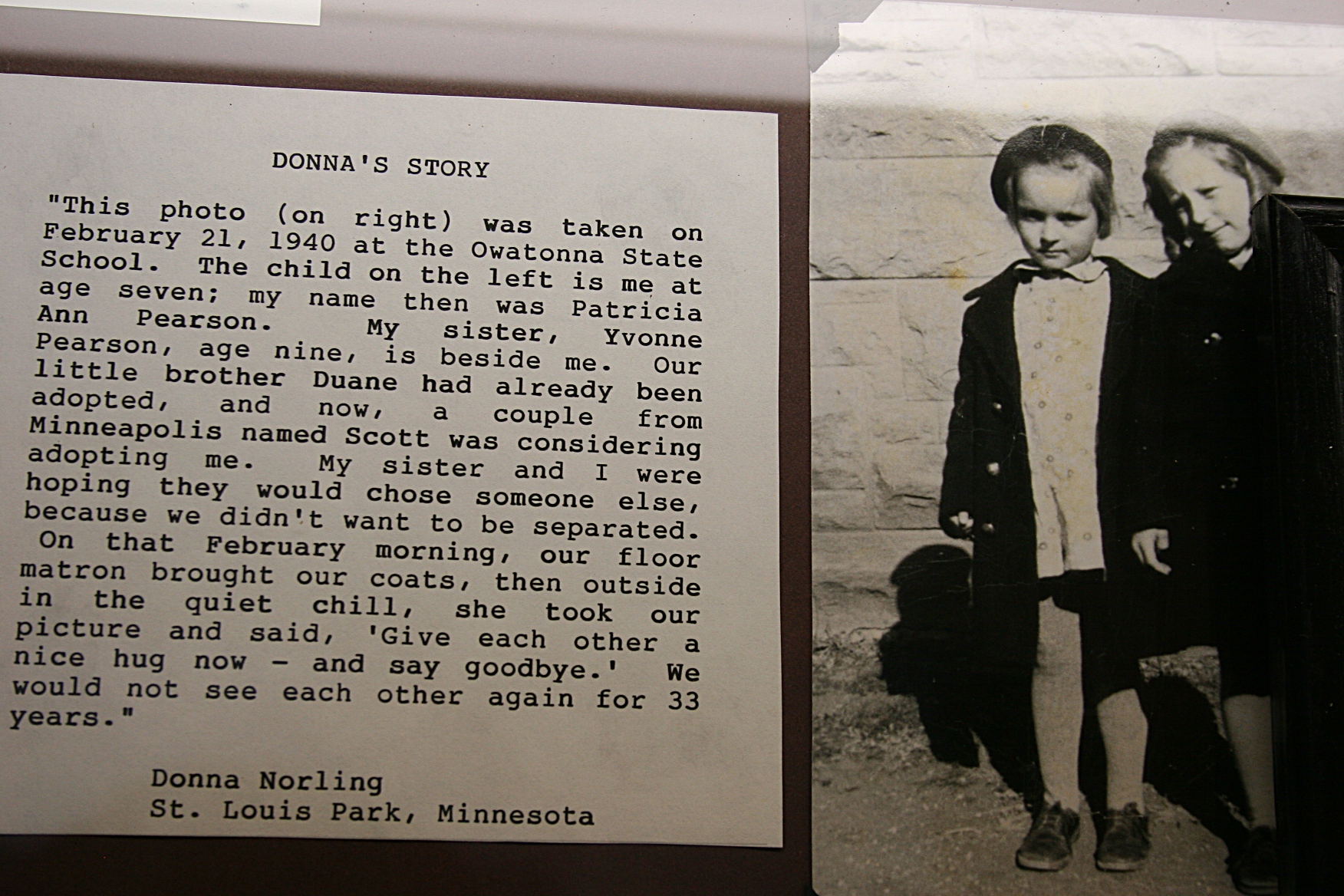
Patricia Ann Pearson, 7, left, and her sister, Yvonne, 9, on the day they were separated. They would not see each other for 33 years. Theirs is only one of thousands of heart-wrenching stories of separation.

FYI: From 1886-1945, nearly 11,000 orphaned, abused and/or abandoned children were sent to the Minnesota State Public School for Neglected and Dependent Children. Today visitors can tour the former school grounds, including a cottage and the cemetery. Click here to learn more about the museum. In 2011, an estimated 7,000 visitors toured the museum and Cottage 11.

Click here and then click here to read two previous blog posts I published about C-11.

© Copyright 2012 Audrey Kletscher Helbling


Photos plus poetry equals what? January 17, 2012

OK, READERS, LISTEN UP. Time for a brief math lesson. Yes, math. Didn’t expect that from me, did you? But today I want you to solve a word problem. Remember those? Oh, how, as a child, I hated word problems like this:

If  Susie goes to the grocery store and buys 3 apples for 25 cents each, an orange for 33 cents and a candy bar for $1, how much change will she get if she gives the clerk $5?

Questions like that taxed my pathetic little math brain back in grade school. This equation requires multiplication, addition and subtraction skills, all of which challenged me considerably and still do.

But present a word problem (perhaps more of a riddle) like this and I will solve it in a snap:

If you add poetry to a gallery full of photos, what do you get?

Ah, so have I stumped you on this one?

The answer: “The Image and the Word 2012”

Of course, you might stop right now and say I tricked you into believing we really were doing math. And you would be mostly correct. But since I prefer words to numbers, what would you expect?

You can expect to see three of my poems exhibited at “The Image and the Word 2012,” a show that pairs poems with photos. The exhibit opened January 11 at the Emy Frentz Arts Guild, 523 South Second Street, in downtown Mankato.

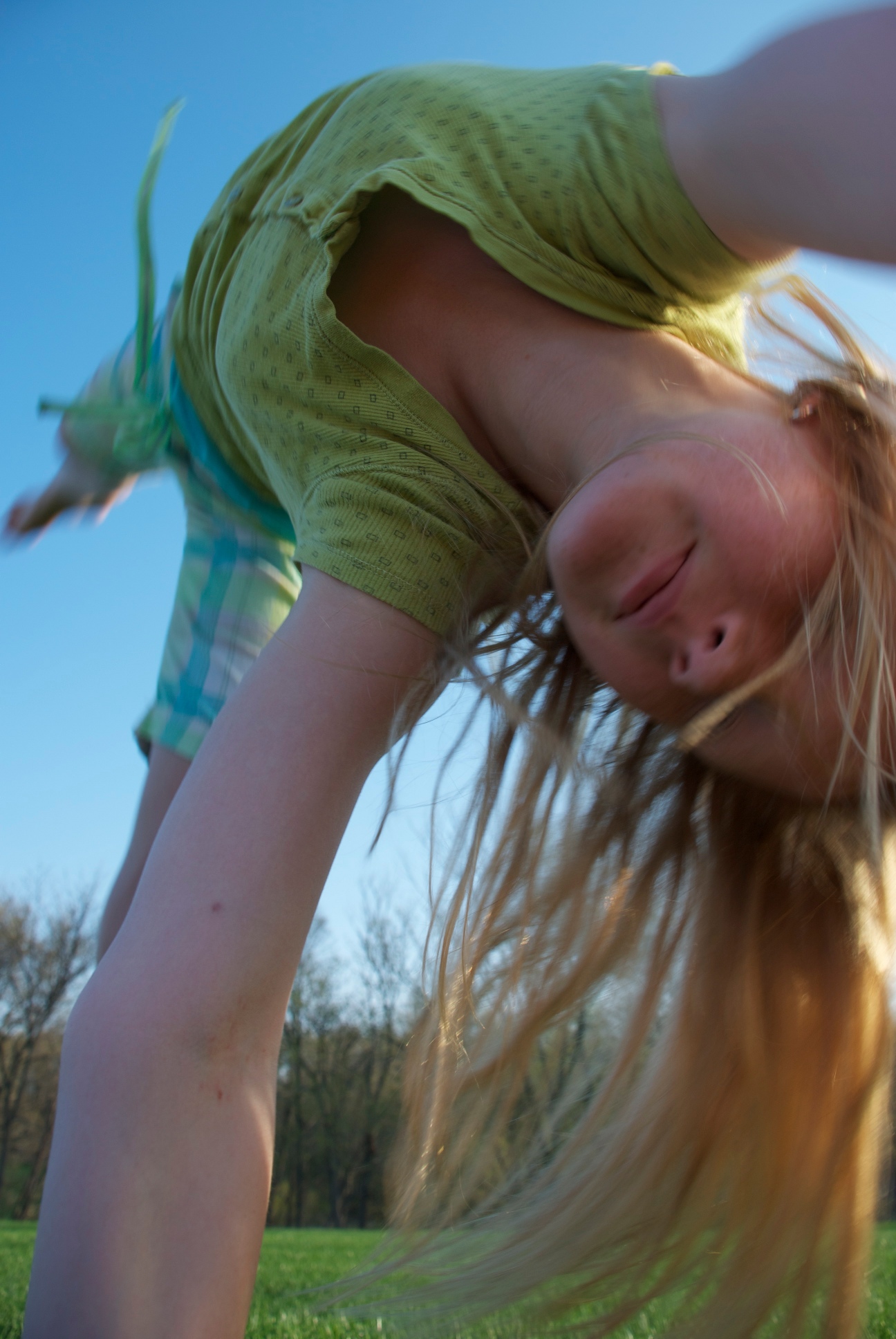
The brainchild of poets Derek Liebertz and Yvonne Cariveau, “The Image and the Word” features photograph-inspired poetry from southern Minnesota poets. This photo by Antje Meisner, for example, prompted me to write “I am not Martha.”

"Cartwheel" by Antje Meisner and the inspiration for one of my poems.

You might expect that this playful image inspired an equally carefree poem. It did not. Rather, I penned a poem about my not-so-fond memories of a junior high gymnastics class. Any of you who could not, like me, execute a perfect cartwheel, somersault or tumble will surely relate to “I am not Martha.”

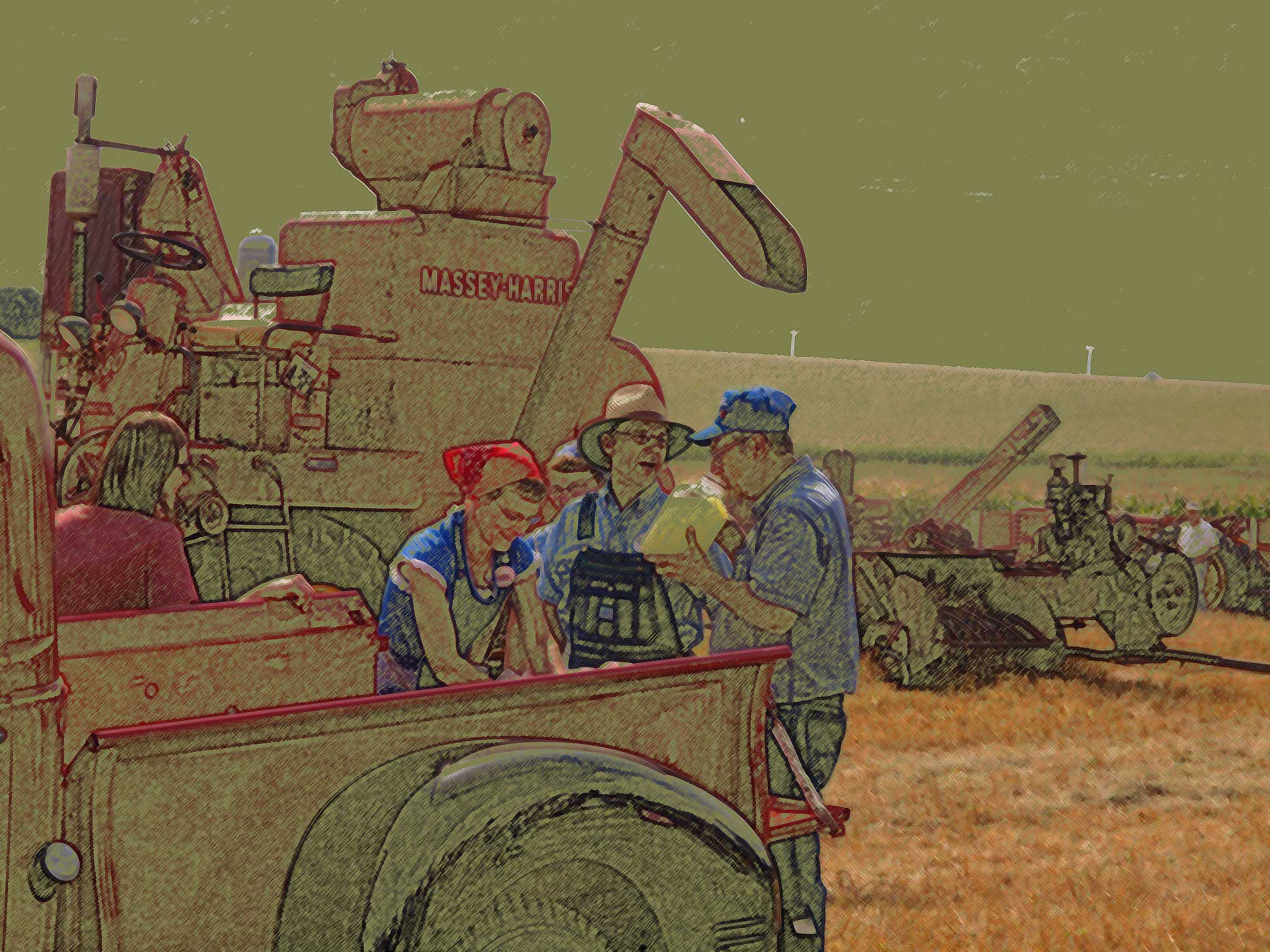
A second poem recalls memories of my brother and me taking lunch to our dad and Uncle Mike working in the fields. The third poem I will not discuss here, in print.

All of the poems in the exhibit were inspired by photos from Mankato area photographers, including members of the Bend of the River Photography Club. This fifth annual “The Image and the Word” exhibit is presented in cooperation with the Southern MN Poetry Society.

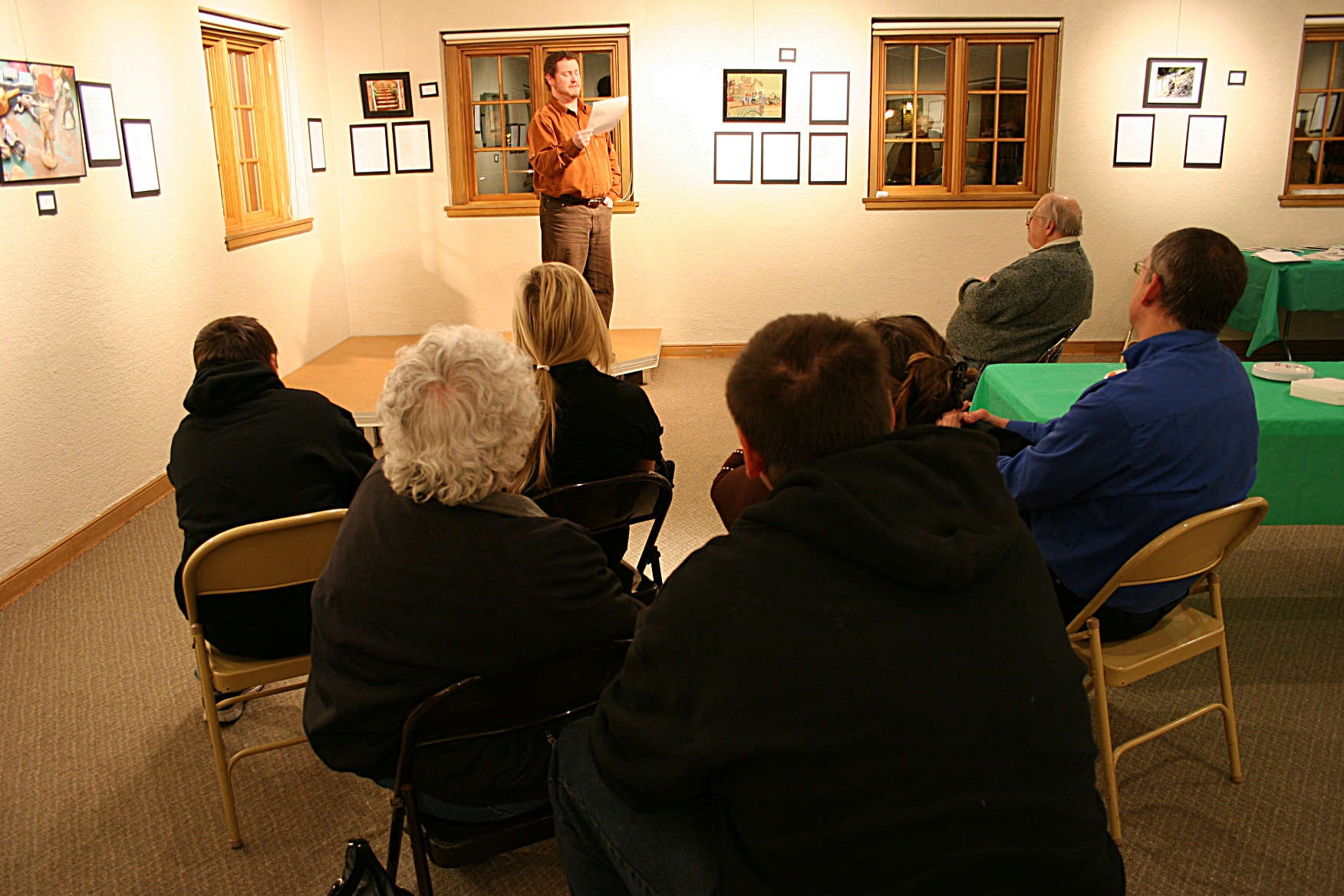
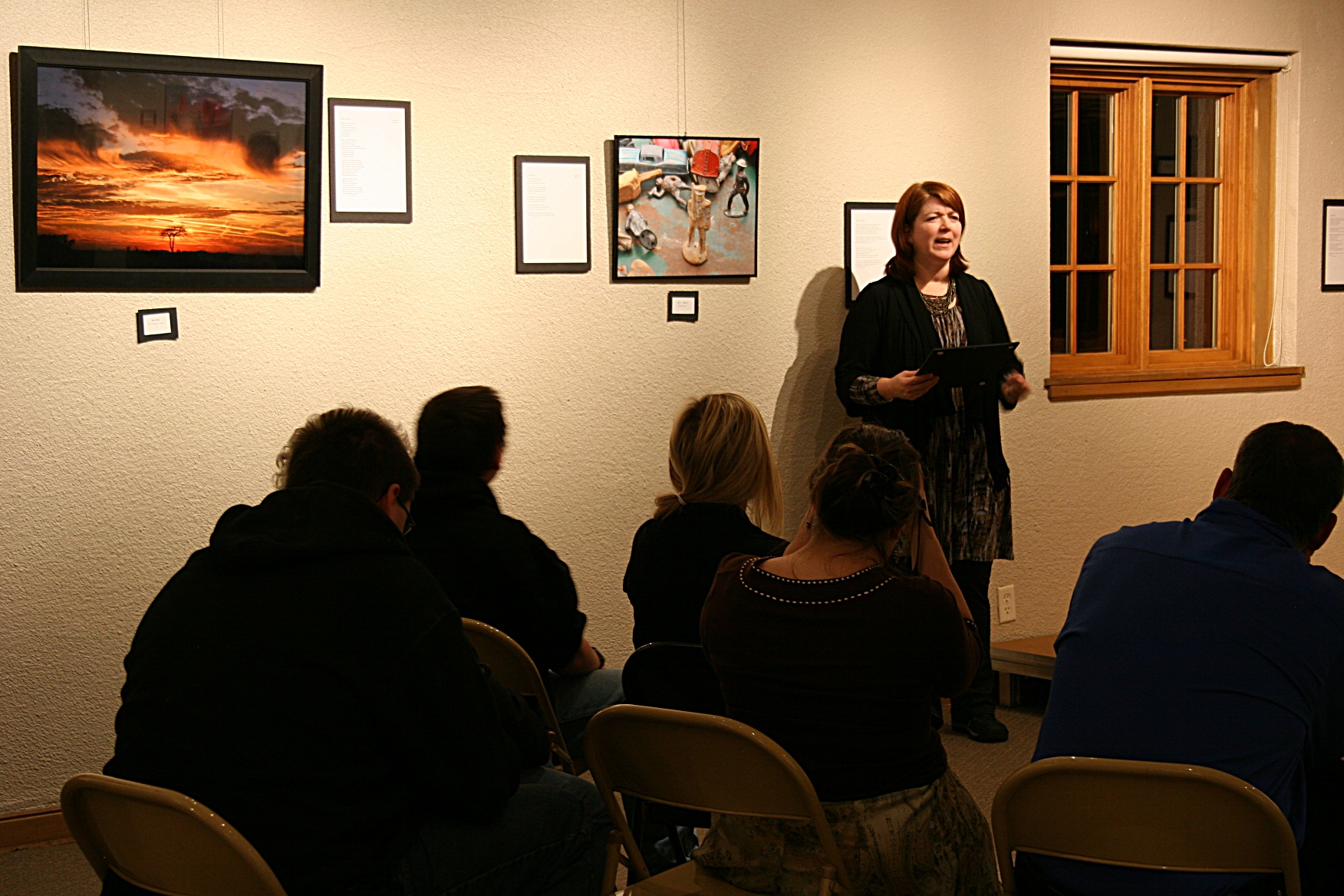
I’d encourage you to attend an opening reception for this exhibit from 5 p.m. – 7 p.m.  on Thursday, January 19.  This free-form event, where visitors can wander in and out of the gallery, will feature poetry readings. (I’m not so sure about that “reading” part; I prefer solitary writing to public speaking.) The photographers will also talk about their photos.

Just to entice you, wine and snacks will be available and all who attend this free event will receive a free poetry book. Yes. Free and free.

And while you’re there, vote for your three favorite poems, three favorite photos and the best pairing of photo to poem. Three, three and three.

Plan also to stop at numerous artistic locales during the Third Thursday Gallery Walk from 5 p.m. – 7 p.m. You can view new art and visit with area artists. Click here to see a complete listing of sites on this monthly gallery walk.

REGULAR GALLERY HOURS  for this exhibit are from noon – 4 p.m. Monday, Tuesday, Wednesday and Friday and from 4 p.m. – 8 p.m. Thursdays.

The show continues through February 15.

Mankato offers many other cultural opportunities, including WordWalk at Riverfront Park and a CityArt Walking Sculpture Tour. Check my June and July 2011 blog archives to read posts on those attractions.

I’m sorry if you don’t live in or near Mankato. I will try to take photos of the exhibit.

OH, AND THE ANSWER to that first word problem, well, it’s $2.92.

© Copyright 2012 Audrey Kletscher Helbling

Photo courtesy of Antje Meisner


How a car looks after spinning into the path of a semi truck January 10, 2012

Filed under: Uncategorized — Audrey Kletscher Helbling @ 7:30 AM
Tags: , , , , , ,

A WEEK AGO I published a post, “New Year’s thankfulness,” about my niece (in-law) who was involved in an accident that quite easily could have killed her. She lost control of her 2002 Saturn Ion on an icy Minnesota interstate sending her car spinning into the path of a semi truck. Her car was then subsequently struck by a pick-up truck. (Click here to read that original post.)

Heidi was knocked unconscious, had to be cut from her vehicle and was transported to St. Mary’s Hospital in Rochester. She, miraculously, suffered only a concussion, a gash on her head, and bumps, cuts and bruises.

At the time I wrote that post, I did not have photos of Heidi’s car meaning I could not fully grasp, but only imagine, the severity of this accident.

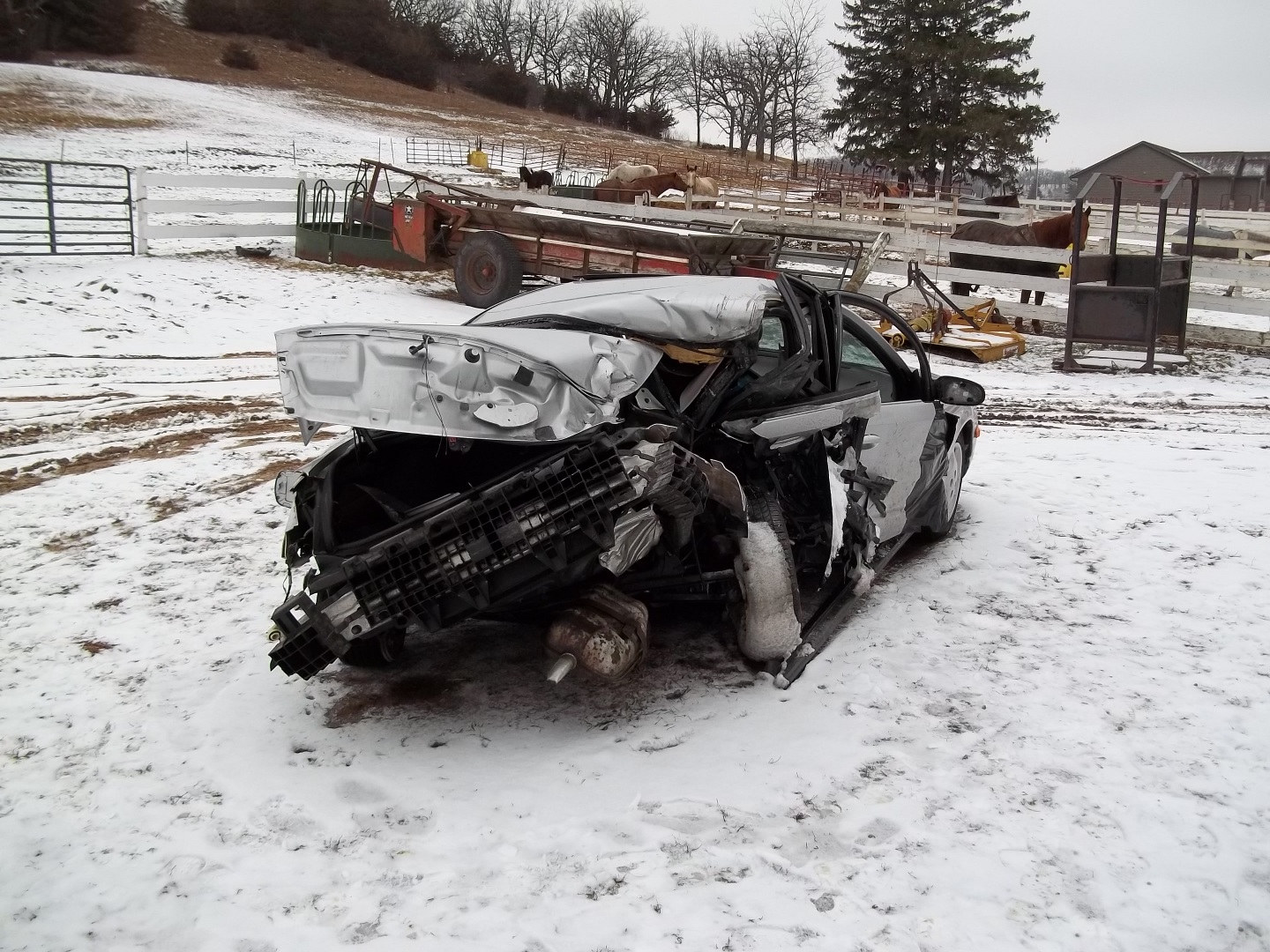
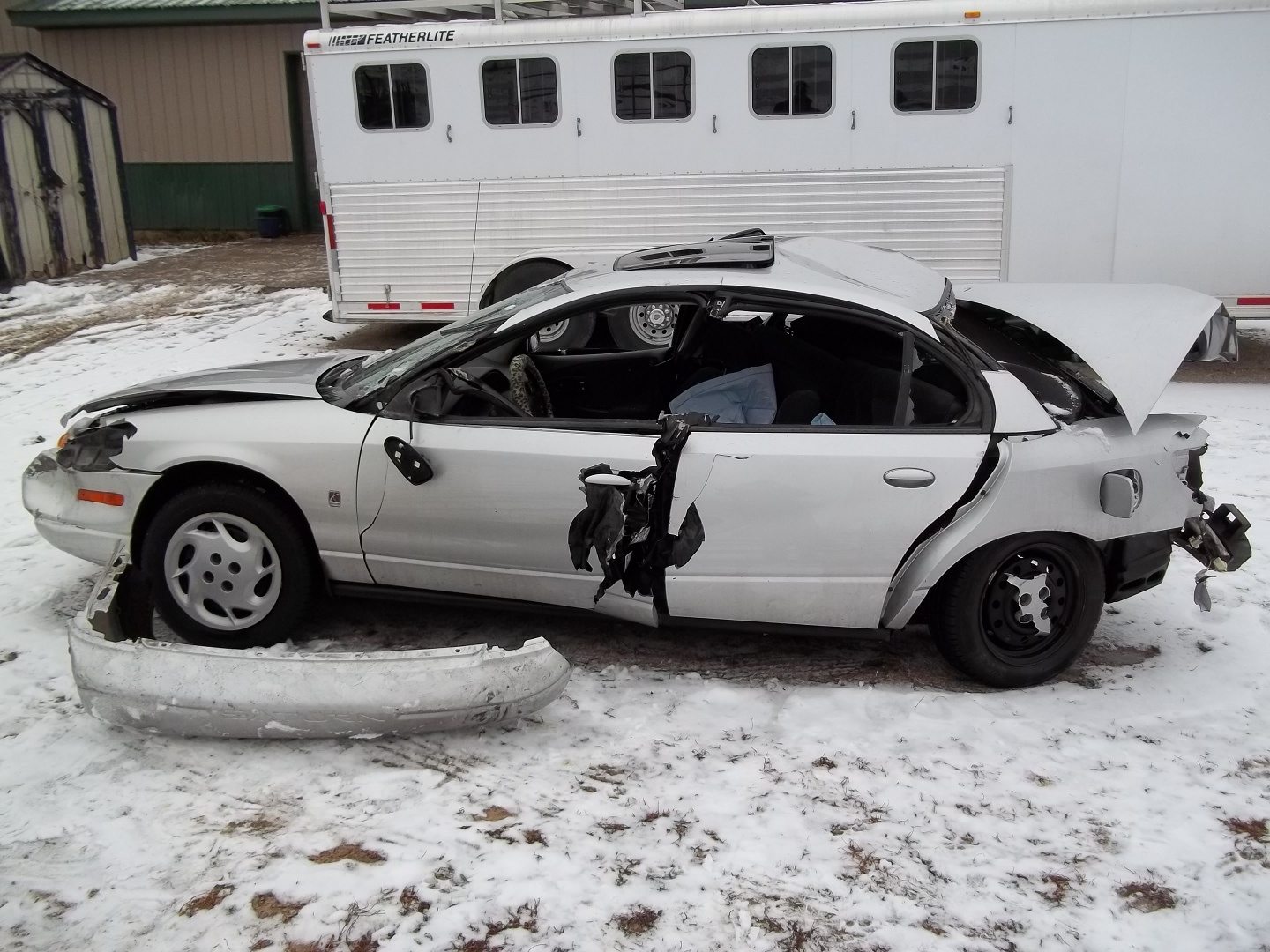
Recently I received two images from Heidi’s husband, Jeremy, and permission to post those car photos here. It is one thing to read, in an e-mail, details of an accident like this involving a semi. It is quite another to view images.

In this case, I would most definitely agree that “a picture is worth a thousand words.”

The demolished rear of Heidi's Saturn after her car was struck by a semi and pick-up on I-90.

Heidi was cut from her car following the December 30 morning crash on an icy interstate.

Jeremy reports that Heidi, also the mother of two young children, is doing much better since the December 30, 2011, crash. “…we’re able to go for walks now and she is able to go down stairs backwards. In a way, her healing process reminds me of watching our kids learning to walk in fast-forward.”

Godspeed in your recovery, Heidi.

© Copyright 2012 Audrey Kletscher Helbling

Photos courtesy of my nephew, Jeremy


If you appreciate old buildings, you must visit historic downtown Appleton, Wisconsin January 9, 2012

I’M NOT A MALL KIND OF GIRL. Never have been. Never will be. If you want to while away an afternoon window or power shopping at a sprawling indoor mall, don’t ask me.

But invite me to explore an historic downtown and I can’t get there fast enough. I delight in the detailed architecture, the charming ambiance, the folksy shops, the comfortable feel and the visual appeal of a downtown that hearkens more to yesteryear than to the modern day 21st Century.

A row of old buildings in downtown Appleton, Wisconsin, on a December morning..

Knowing this about me, you’ll understand exactly why I am so enthralled with downtown Appleton, a city of 72,400 in eastern Wisconsin and home to the 7-acre College Avenue Historic District with 27 buildings dating from 1857-1932 on the National Register of Historic Places.

This downtown is my kind of place—described as “one of Wisconsin’s folksiest, funkiest and friendliest downtowns.”

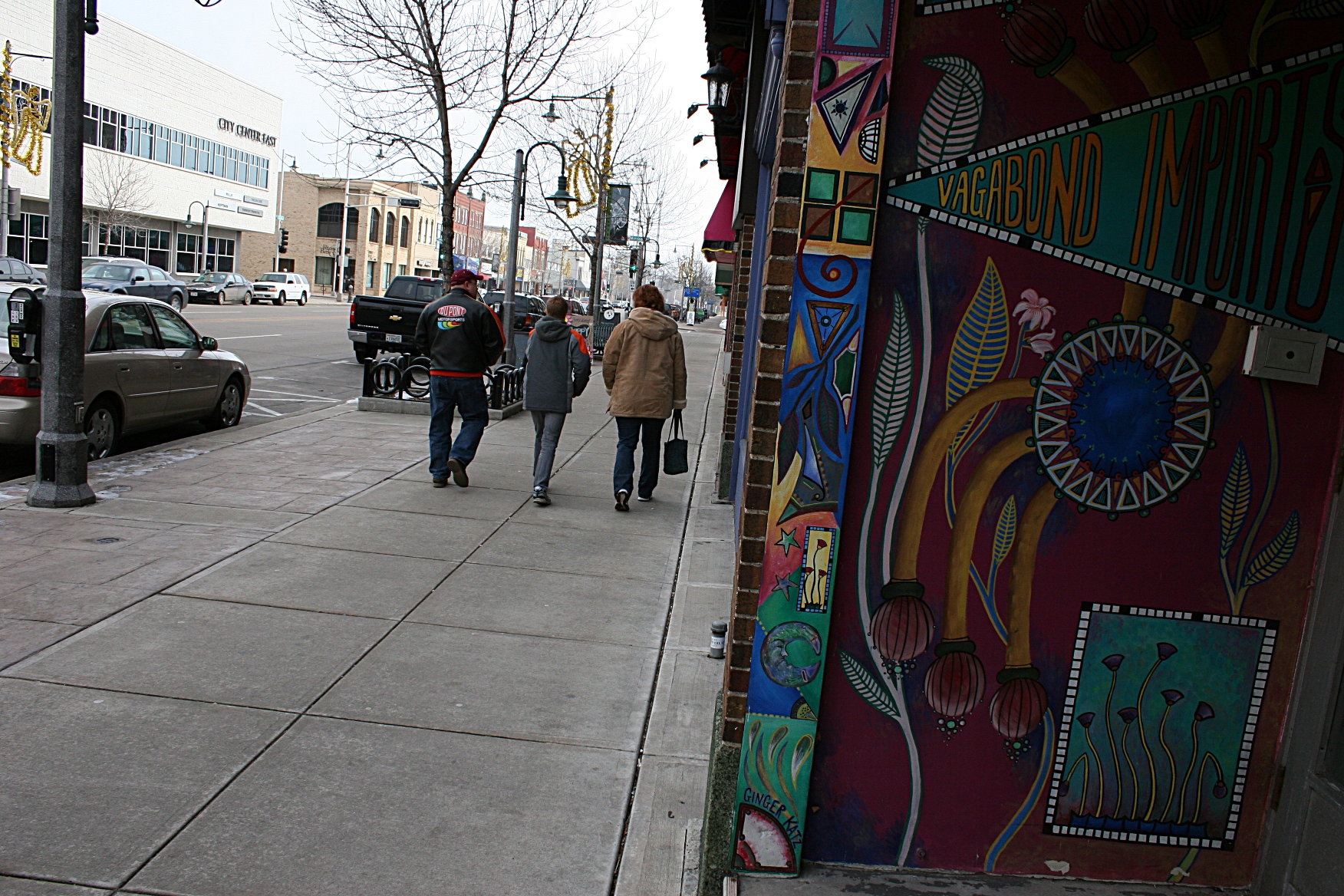
The exterior of funky Vagabond Imports.

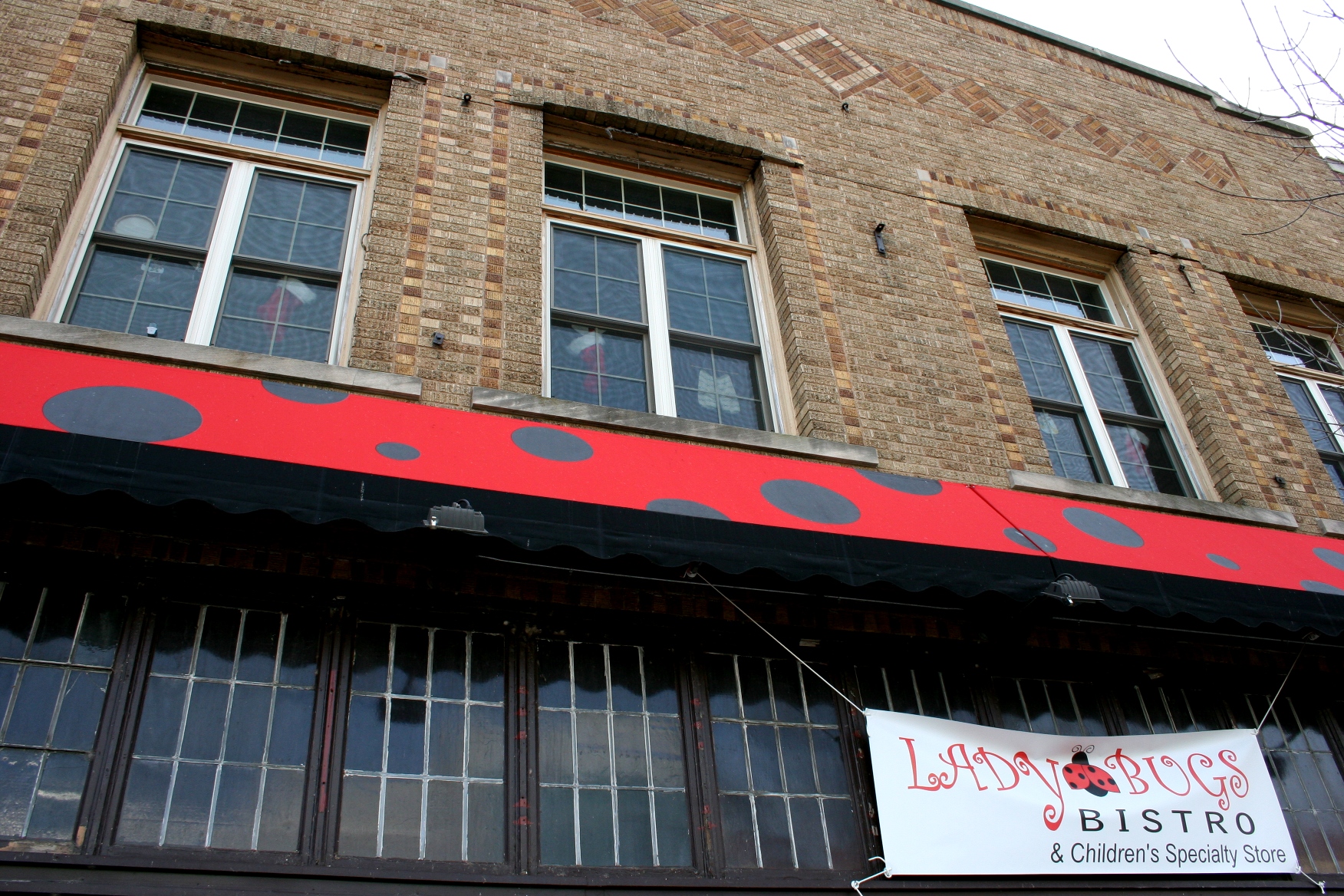
Loved the downtown signage, especially on Lady Bugs Bistro & Children's Specialty Store.

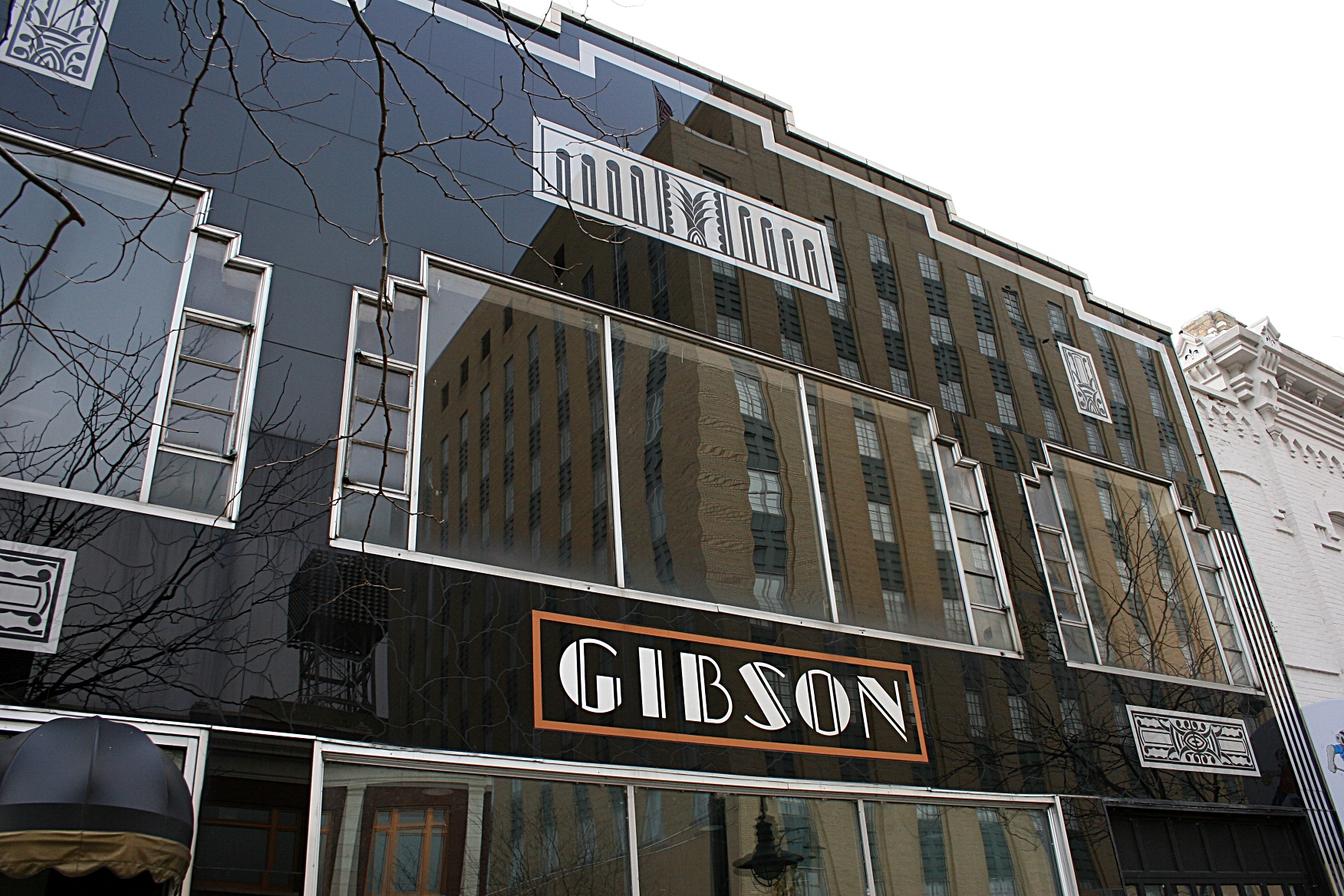
One of the more unique downtown buildings brought to mind the Roaring 20s and flappers and F. Scott Fitzgerald.

I’ll add photogenic to that list of superlative adjectives.

During my brief tour of downtown Appleton recently, I couldn’t stop gawking at the lovely aged buildings with their artsy signage. Even the more modern buildings meld nicely with the old, a sometimes difficult transition to make.

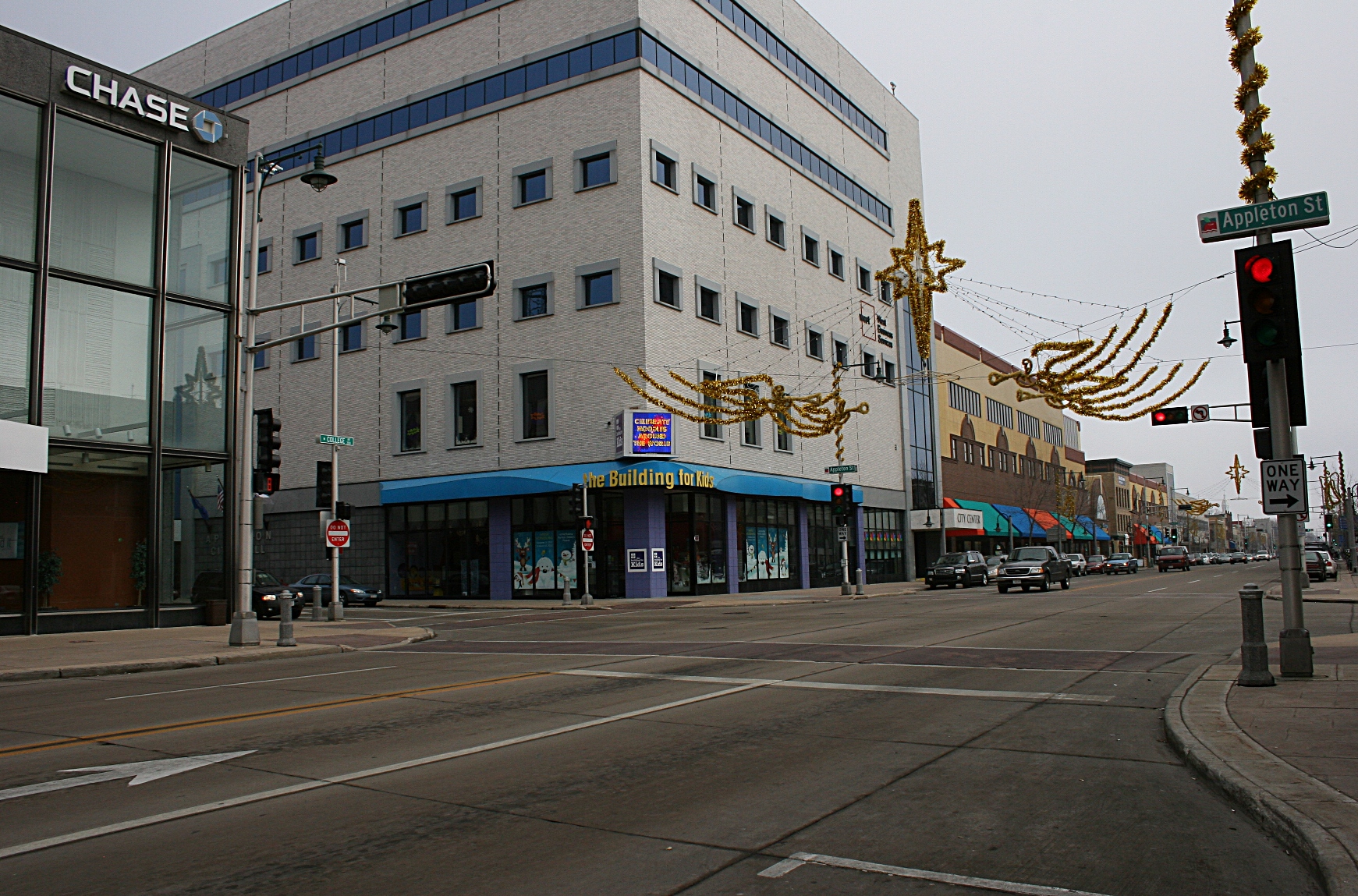
Downtown Appleton, along College Avenue, melds the new with the old.

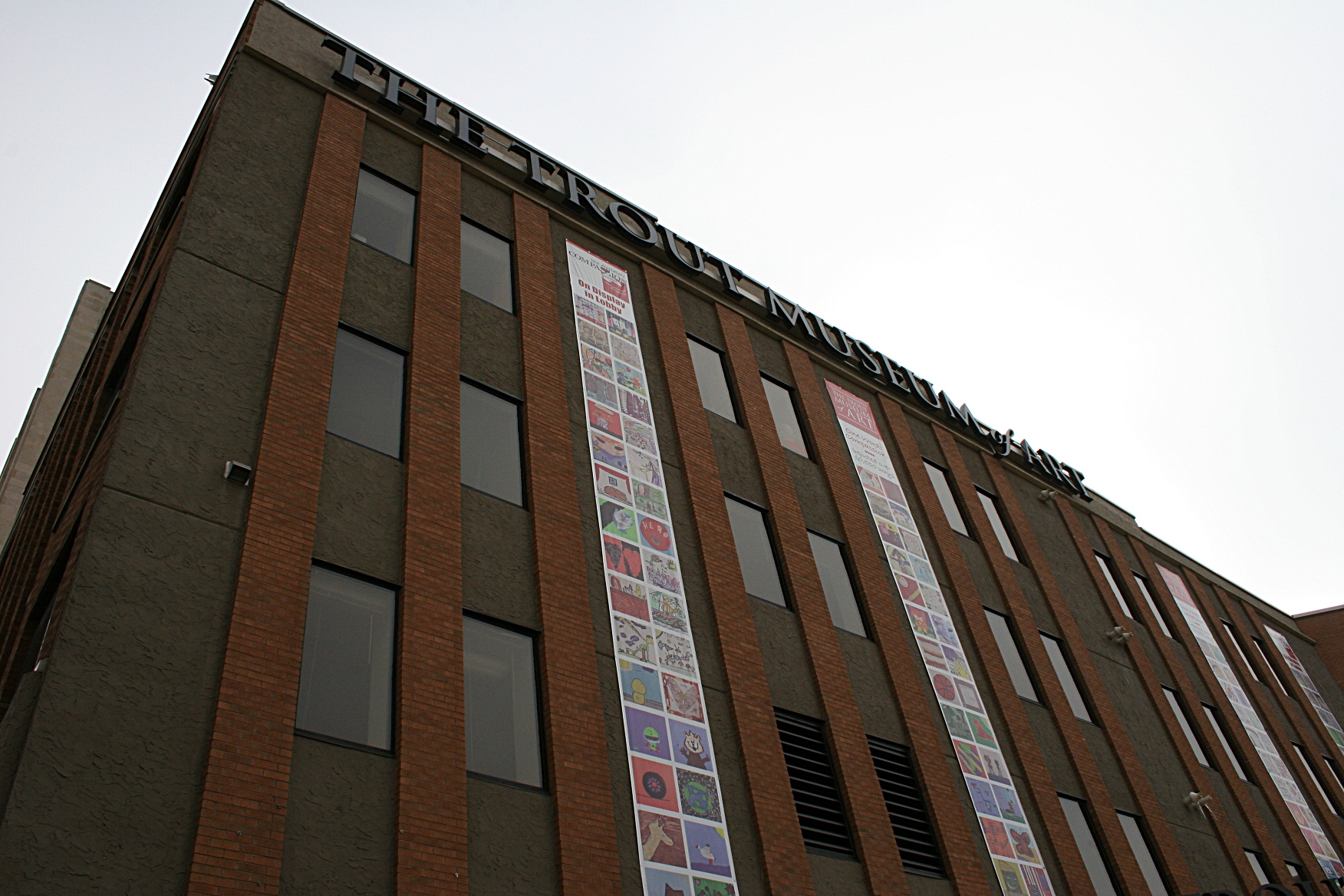
The Trout Museum of Art moved into the Riegel building in 2002.

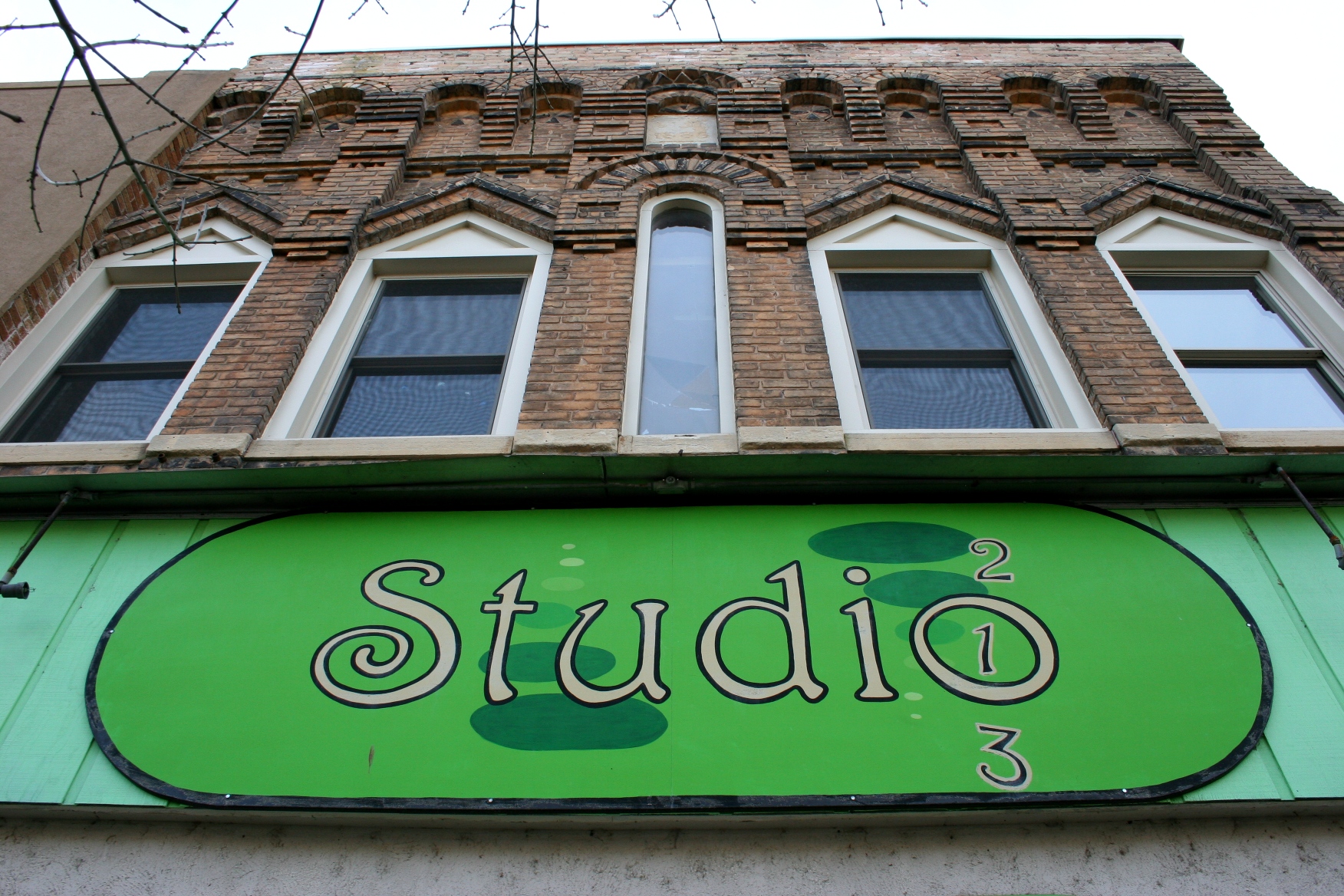
Studio 213 features art, collectibles and handcrafted items.

I found myself wishing for more time to explore and photograph the details of this historic district. However, my husband and second daughter, whom I’d accompanied downtown (the daughter lives in Appleton), will only put up with so much of my photographic dawdling.

So on this Saturday, the photo shoot was short and sweet. But I’ll be back to further embrace a downtown that’s already romanced her way into my heart.

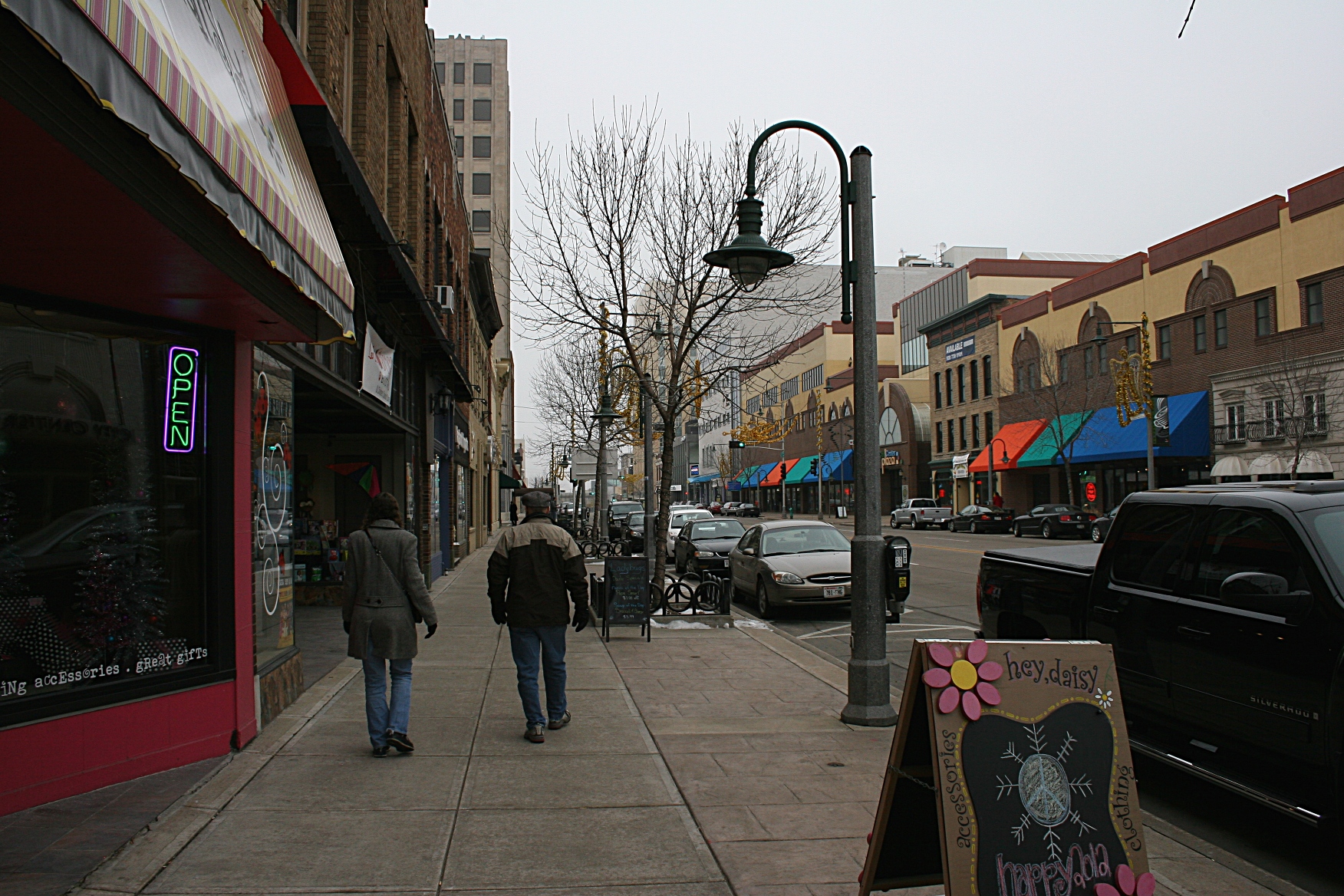
My husband and second daughter head toward the Winter Farm Market at City Center (colorful awnings to the right) while I linger to photograph the street scape and hey, daisy.

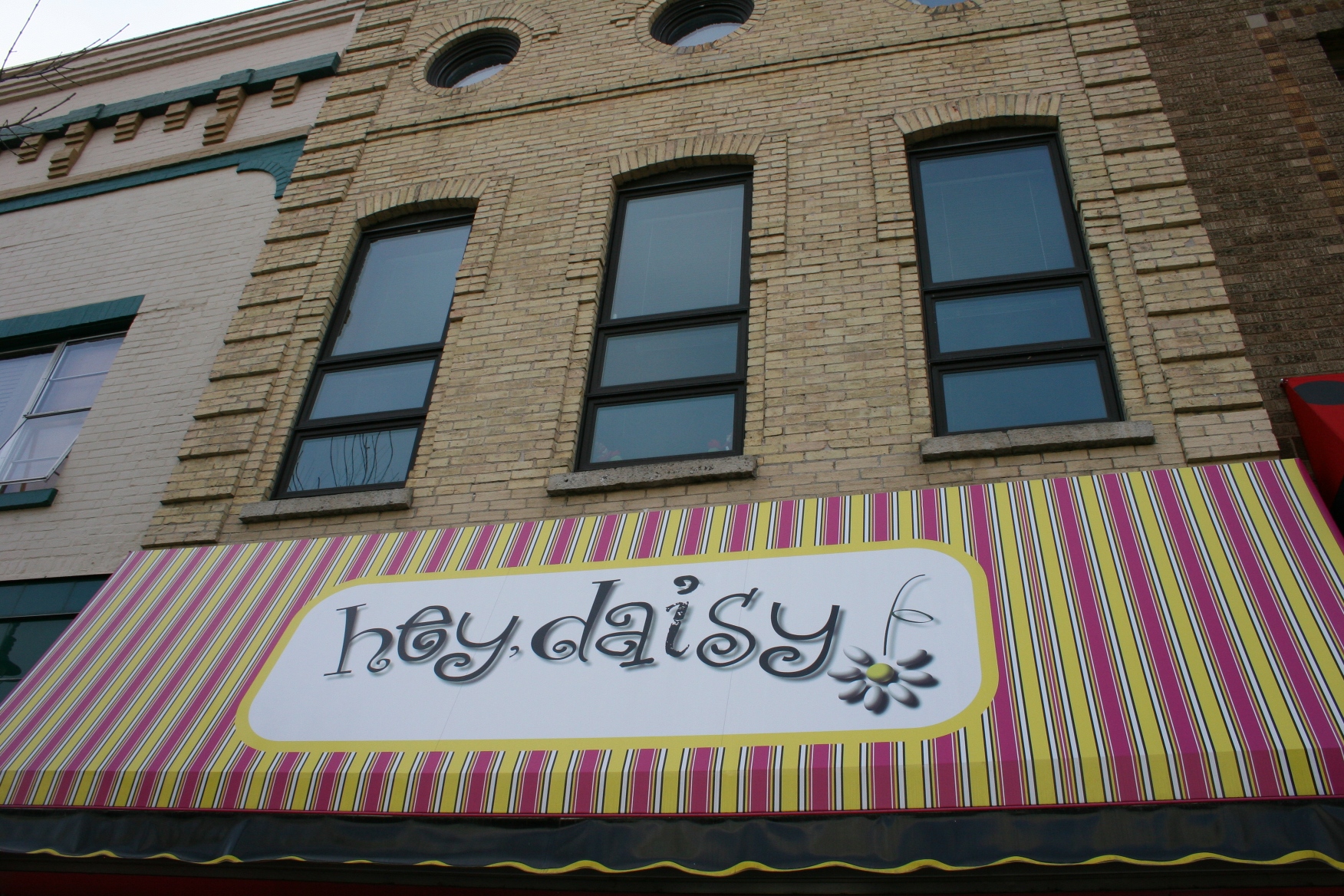
The charming front of hey, daisy, a women's clothing, accessories and gift store.

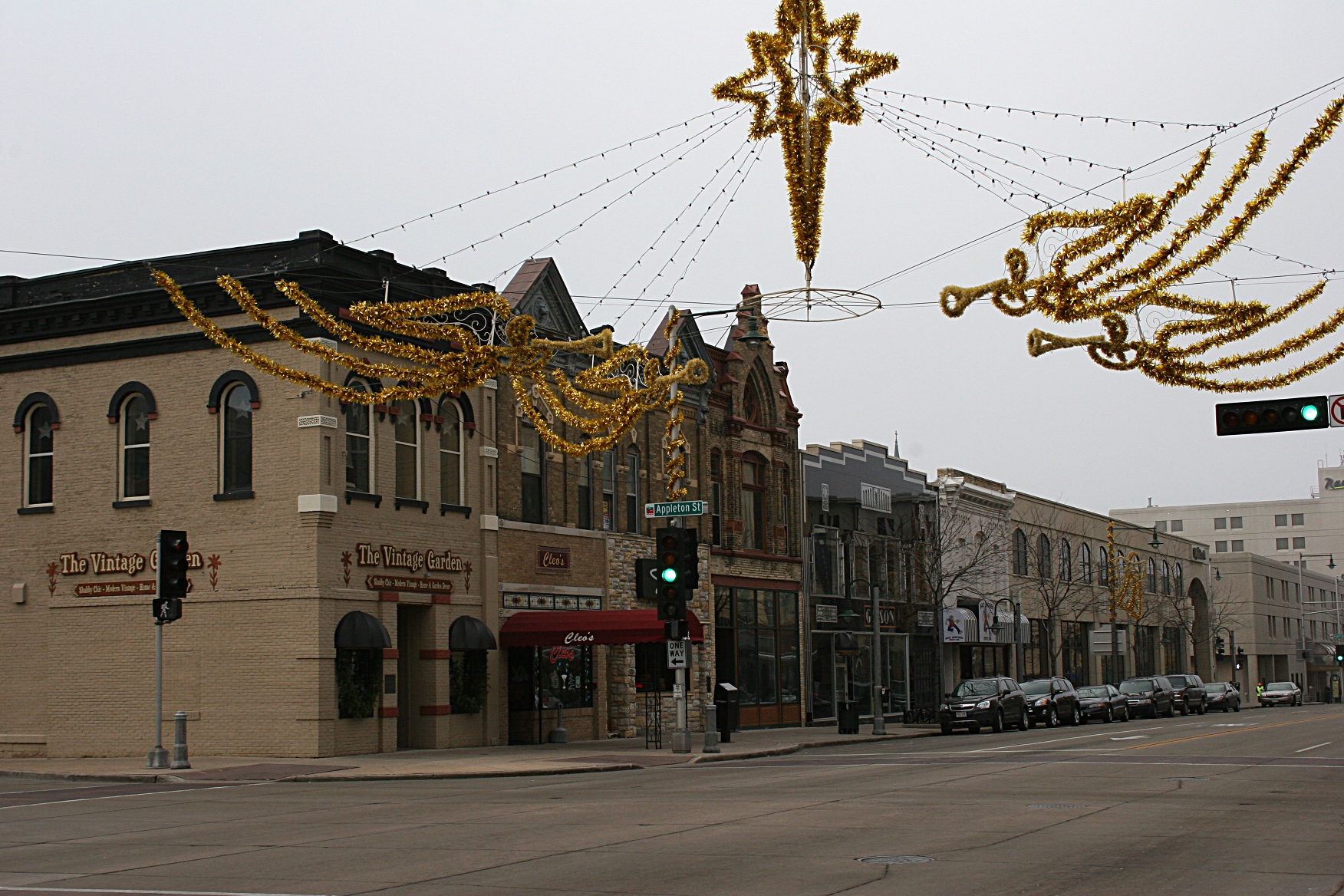
Downtown Appleton decorated for the Christmas season.

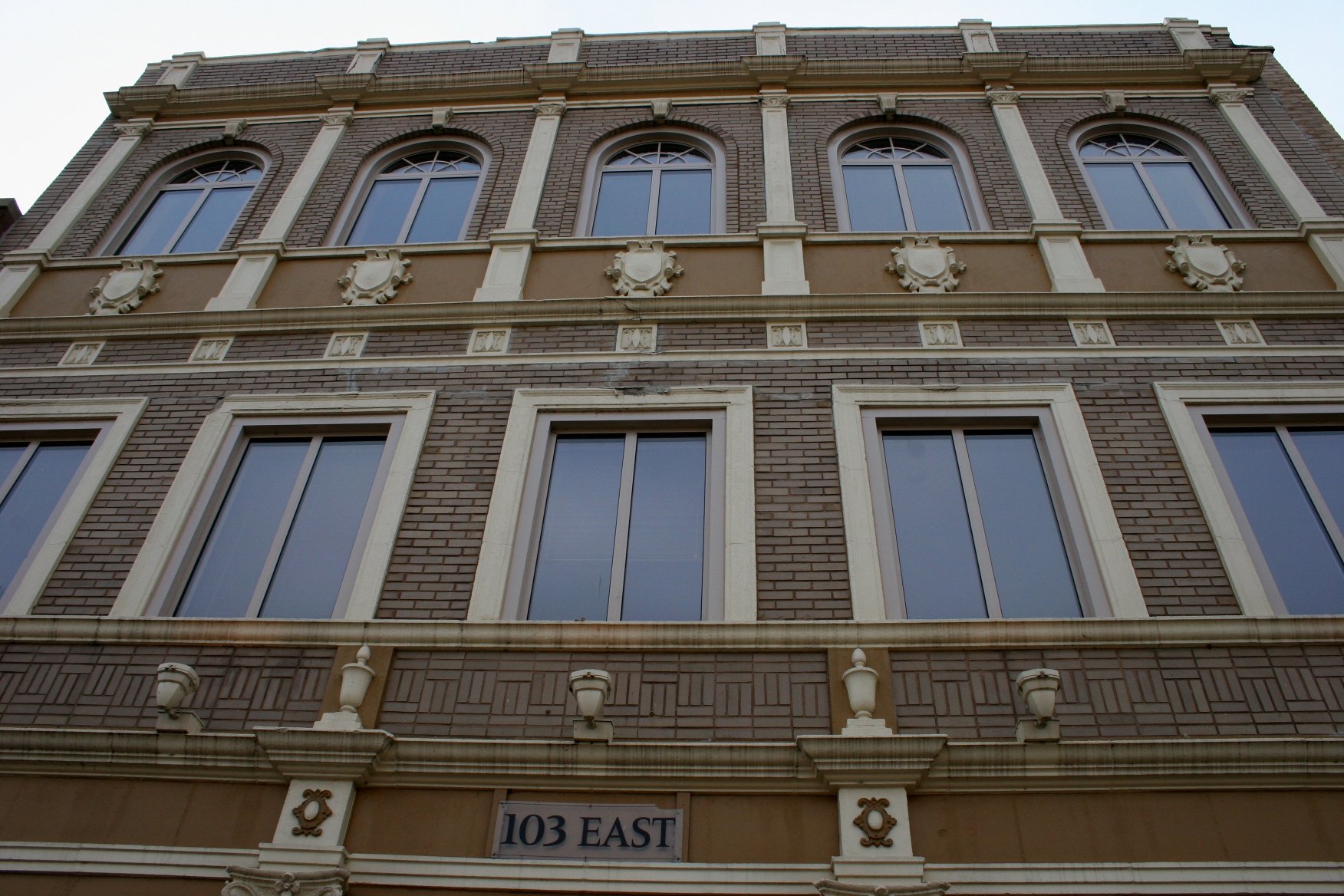
Another beautiful historic building at 103 East College Ave. in downtown Appleton.

© Copyright 2012 Audrey Kletscher Helbling


Preserving central Wisconsin’s rural heritage via on-the-road photography January 5, 2012

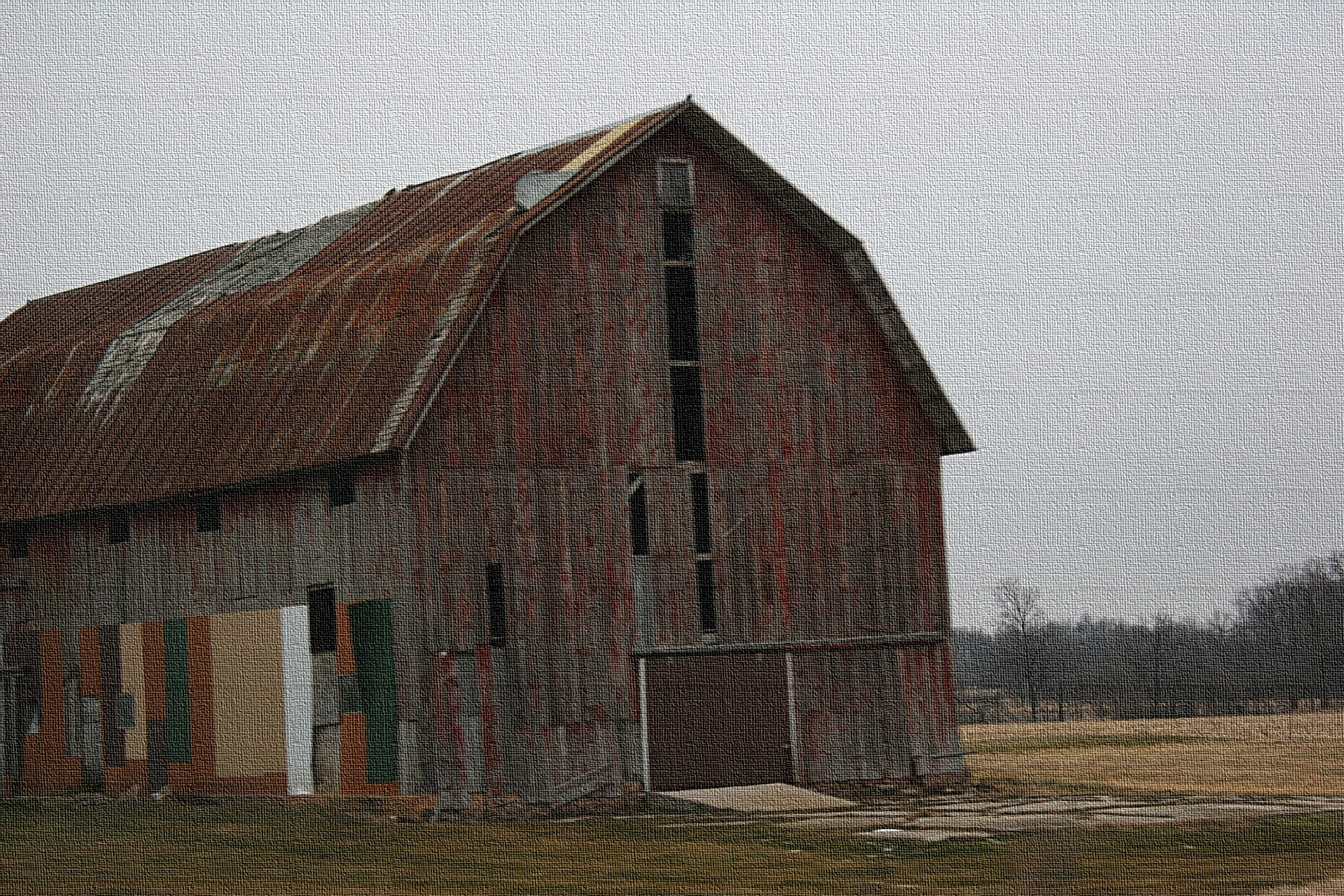
Each time I see this Wisconsin barn, I think of the biblical story of Joseph's coat of many colors.

ON OUR FOURTH TRIP through central Wisconsin in a year along the same route—Interstate 90 to Interstate 94 in Tomah then on Wisconsin Highway 21 to Oshkosh, up U.S. Highway 41 to Appleton—I’m getting to know the Dairyland state from her western to near eastern borders.

She’s a beautiful state of rolling hills, flat marsh land, stands of packed pencil-thin pines, too many towns whose names end in “ville,” infinite piles of stacked firewood, cranberry bogs and potato patches, muskrat mounds, cheese stores, Packers fans, small-town bars and barns—oh, the barns that I love to photograph.

One of my favorite barns along Wisconsin Highway 21 because of the stone walls.

As I’ve done on every 600-mile round trip to and from our second daughter’s Appleton home, I capture the scenery via on-the-road photography, meaning I photograph through the passenger side window or windshield of our vehicle at highway speeds. Sometimes I manage to snap a well-composed image. Other times I fail to lift my camera, compose and click in time and miss the photo op.

Journey after journey, I find my eyes drawn to the many old barns that are so much a part of Wisconsin’s landscape and heritage. And mine. Only in Minnesota.

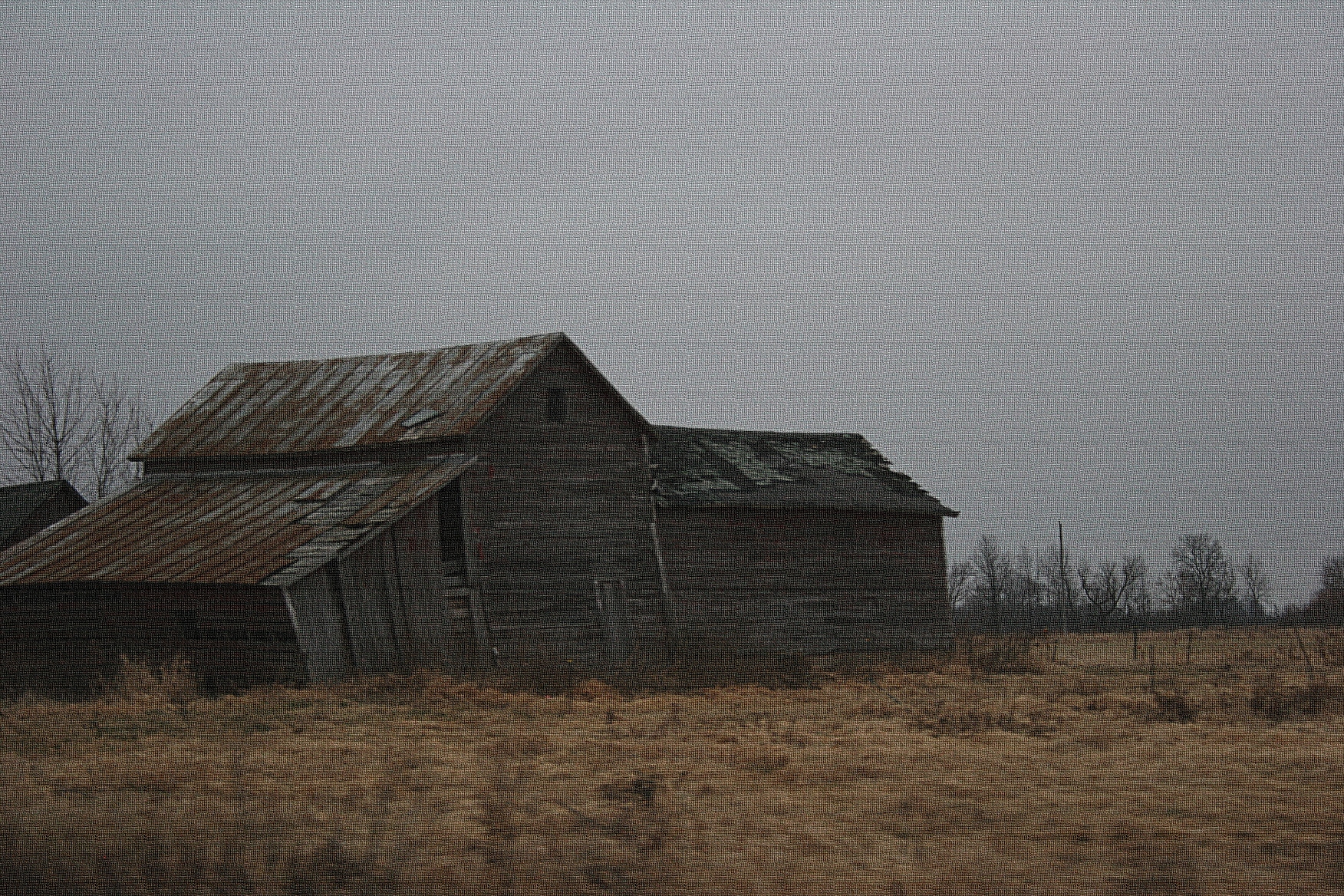
I’ve seen every type of barn, from the well-preserved to the crumbling, pieced-together-with-tin structure. I know that any barn, once left to fall into a rotting pile of boards, will never be replaced by an equally grand structure.

A pieced together weathered barn blends into the gray landscape on a dreary winter afternoon.

A once grand barn shows the first signs of falling into disrepair.

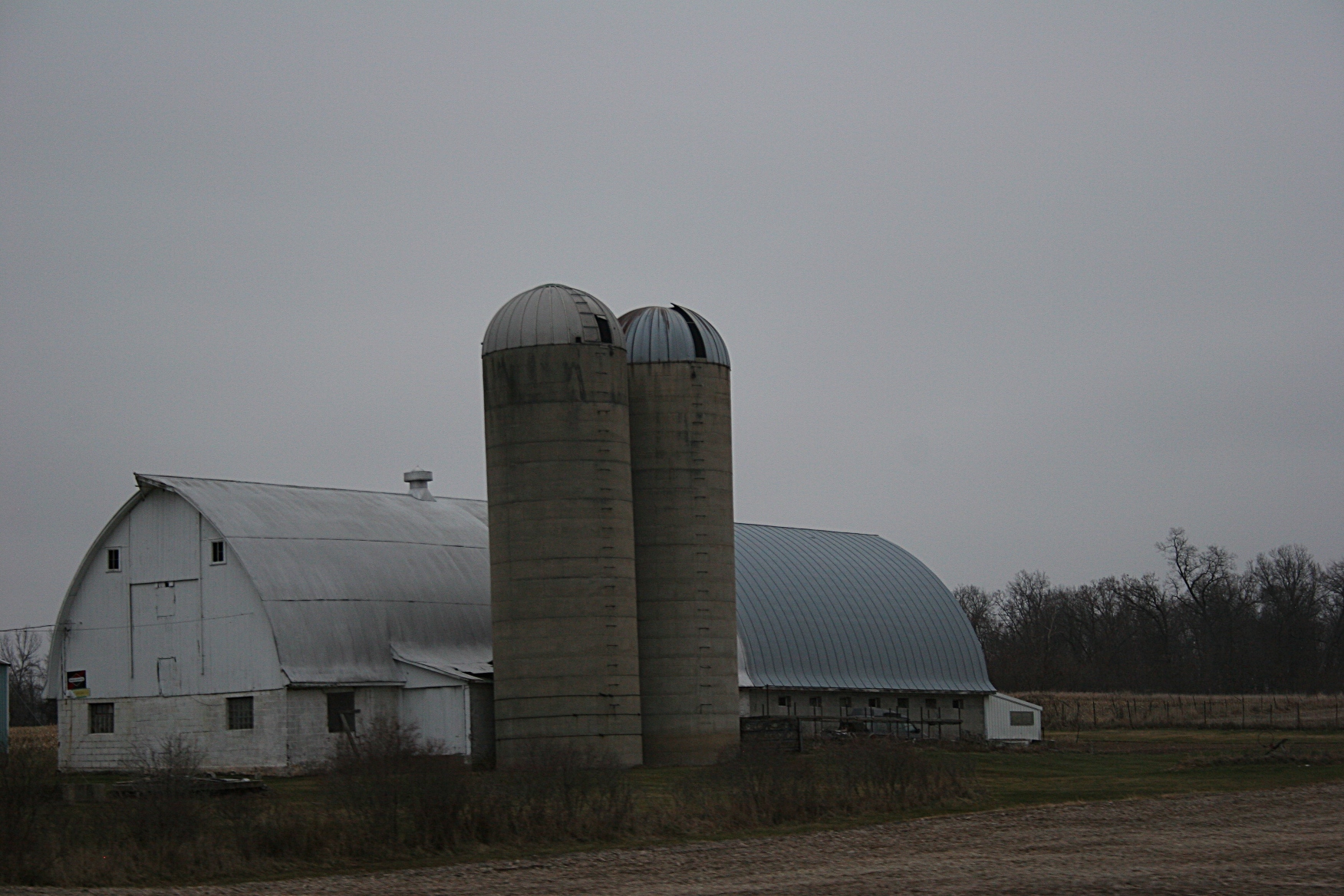
The occasional white barn pops up among the characteristically red barns.

Majestic barns, rising sturdy and proud above the land, are seldom crafted anymore. Instead, mundane metal rectangles sprawl, without any character or beauty, across the landscape. Such structures hold no artistic, but only practical, value on the farm.

Via my barn photography, I am documenting for future generations a way of life—the family farm—which, in many places, has already vanished.

If my photos inspire you to appreciate barns and rural life and the land and our agricultural heritage and the men and women who work the soil and their importance in this great country of ours, then I will have passed along to you something of great worth.

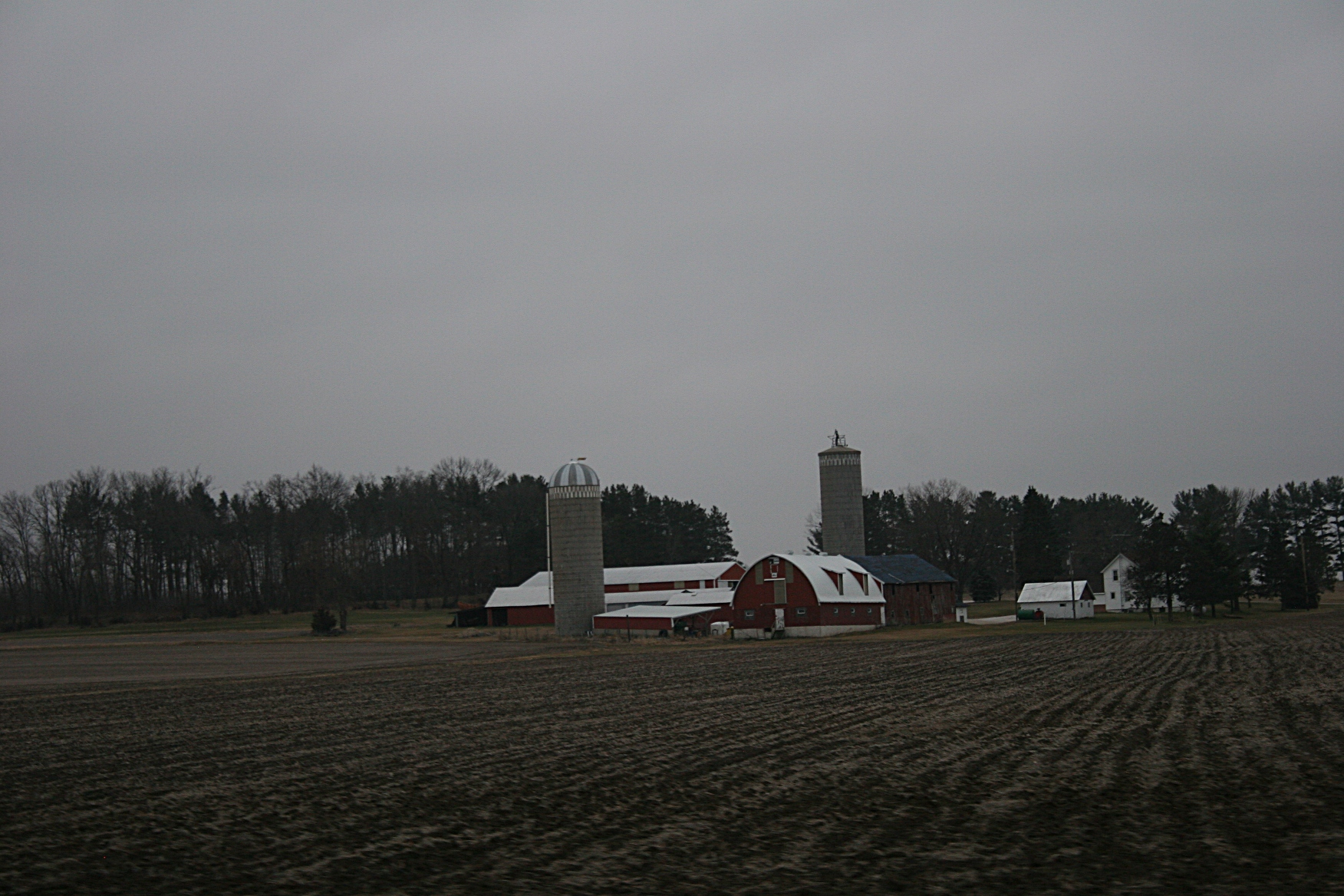
An especially picturesque farm site along Wisconsin Highway 21.

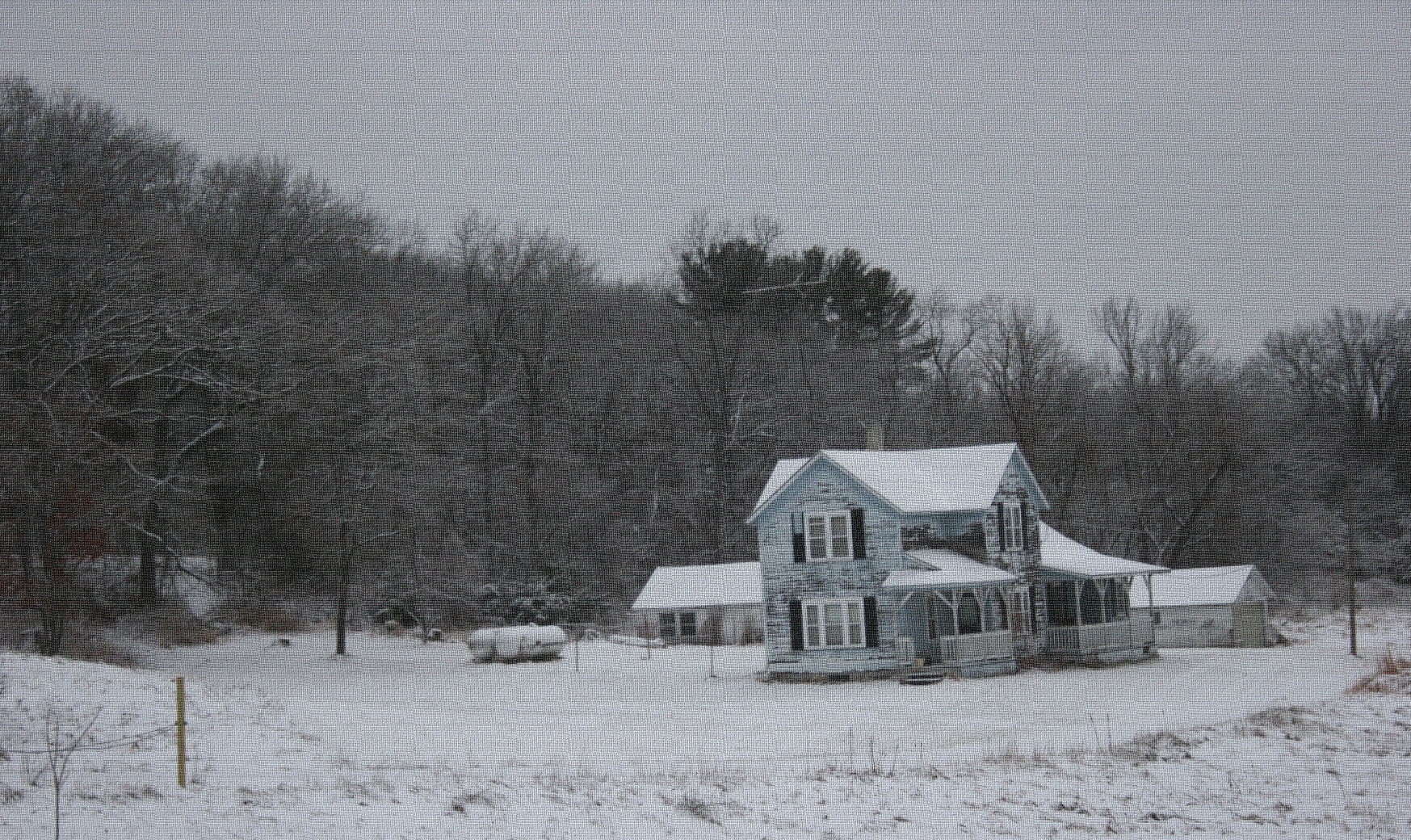
The muted blue-grey of this old farmhouse blends seamlessly with the dreamy landscape on a snowy New Year's Day afternoon in central Wisconsin.

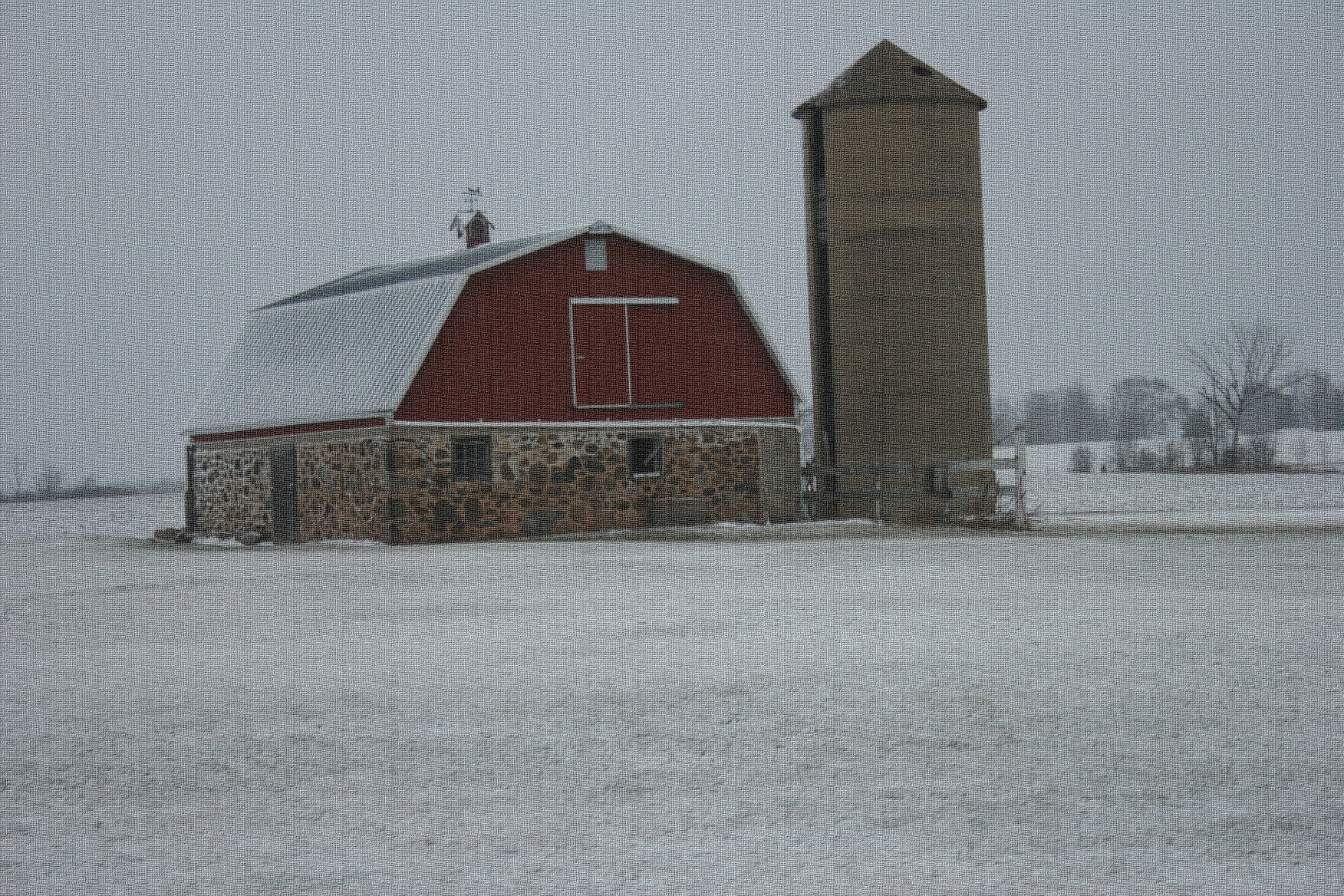
Contrasted against snow, red barns are particularly visually appealing.

NOTE: The above photos were taken on December 30, 2011, and January 1, 2012, along Wisconsin Highway 21 in the central part of the state primarily between Wautoma and Oshkosh.

I have applied a canvas style editing technique to most of the images, creating a quality that is more painting than photo.

© Copyright 2012 Audrey Kletscher Helbling


On-the-road prairie photos December 29, 2011

Filed under: Uncategorized — Audrey Kletscher Helbling @ 11:01 PM
Tags: , , , , , , , ,

Somewhere along a back county road between New Ulm and Morgan.

SORTING THROUGH the on-the-road photos I shot while traveling to and from southwestern Minnesota a week ago, I noticed a similarity in many of my images—pops of red in an otherwise mostly grey landscape.

I didn’t consciously swing my camera lens toward the jolts of red. It just happened. My eye would catch a scene and I would press the shutter button. Traveling at highway speeds allows a mere flick of an instant to frame and shoot through the front and passenger side windows of our family van or car.

I’ve practiced this type of traveling photography long enough that I’m now photographing some of the same sites along roadways. Yet, even the same subject, photographed at a different time of day, in another season, under changing skies, can result in a distinct image that tells a story or captures a mood.

This December, the Minnesota prairie, devoid of snow, appears drab and dreary against iron grey skies. Often only the occasional farm site or small town breaks the bleak blackness of tilled fields that can quickly depress the visual sense.

Perhaps for that reason, my eye is naturally drawn to the red barns and other bursts of red that contrast with the black and white and grey. My eyes are seeking color.

A red barn pop of color in the distance while driving toward Morgan last Friday morning.

Along the same road, I caught just a snippet of the red barn peeking from behind the row of grey grain bins.

Sunnier skies prevailed Saturday afternoon at this farm site just north of Lamberton.

Allow your eyes to wander over my images, to take in the stark essence of the southwestern Minnesota prairie on two days in late December. This is my land, the place that shaped me as an individual and as a writer. It is a land where details are noticed without the distracting visual clutter of traffic congestion and buildings clumped together and lights and signs and crowds.

Not everyone appreciates the prairie, dismissing this land as boring and plain and unexciting. I am not among those who wish only to flash across the prairie like a bolt of lightning. Via my roadside photos, you will see how this infinite space of sky and land has claimed my heart, defining my work as a photographer and a writer.

A red car infuses color into this prairie landscape near Lamberton, heading east toward New Ulm along U.S. Highway 14, the Laura Ingalls Wilder Historic Highway.

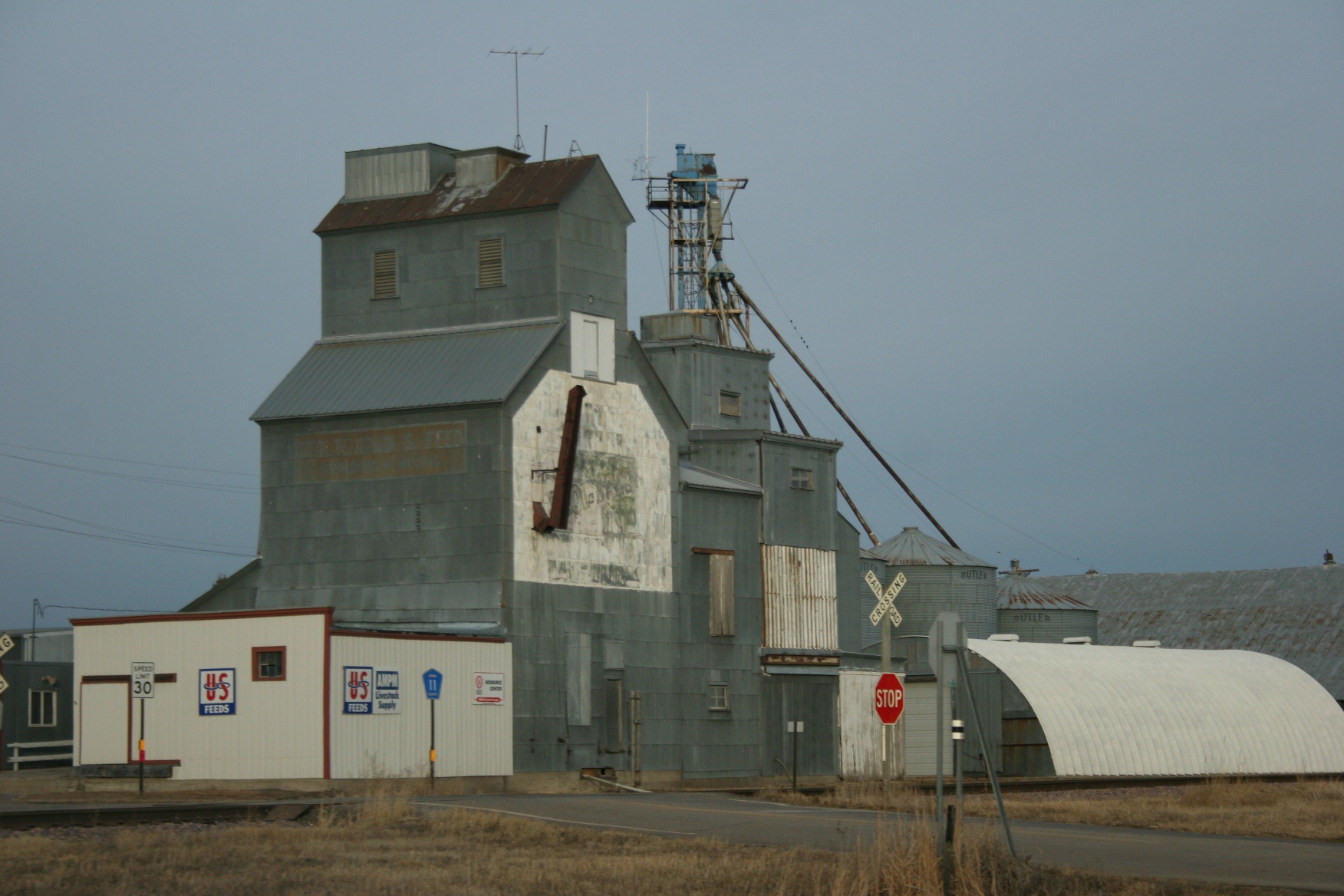
A stop sign adds color to an otherwise grey image of the elevator in Essig, along Highway 14 west of New Ulm.

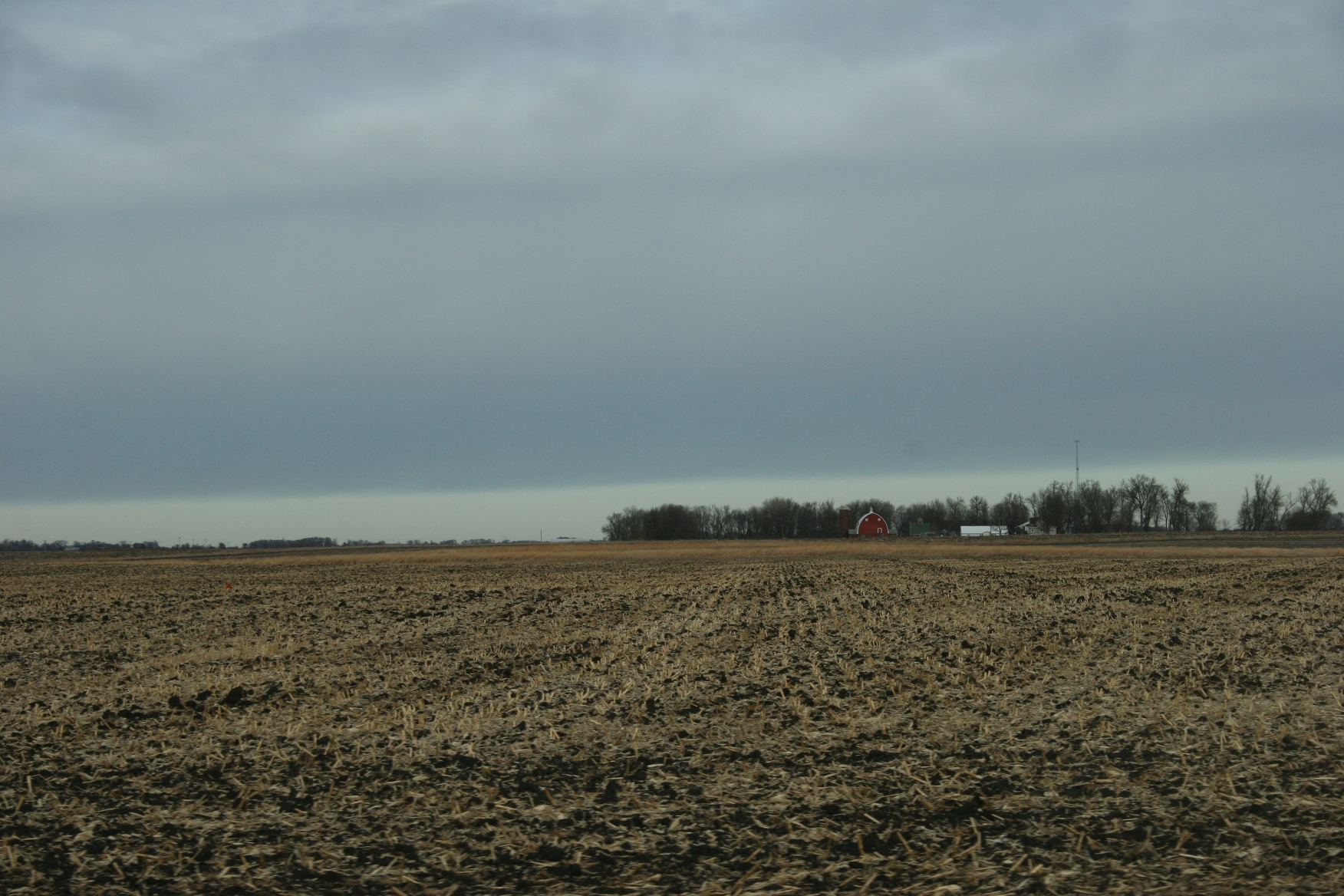
Fields like this one between New Ulm and Morgan define the southwestern Minnesota prairie.

AS I FINISHED this post, I wondered why most barns are painted red. Did the color choice come from a desire for a spot of red to brighten dreary days? I found one answer here, in Farmers Almanac Trivia. Click to read.

© Copyright 2011 Audrey Kletscher Helbling


Farewell to the Swany White Flour Mill of Freeport December 28, 2011

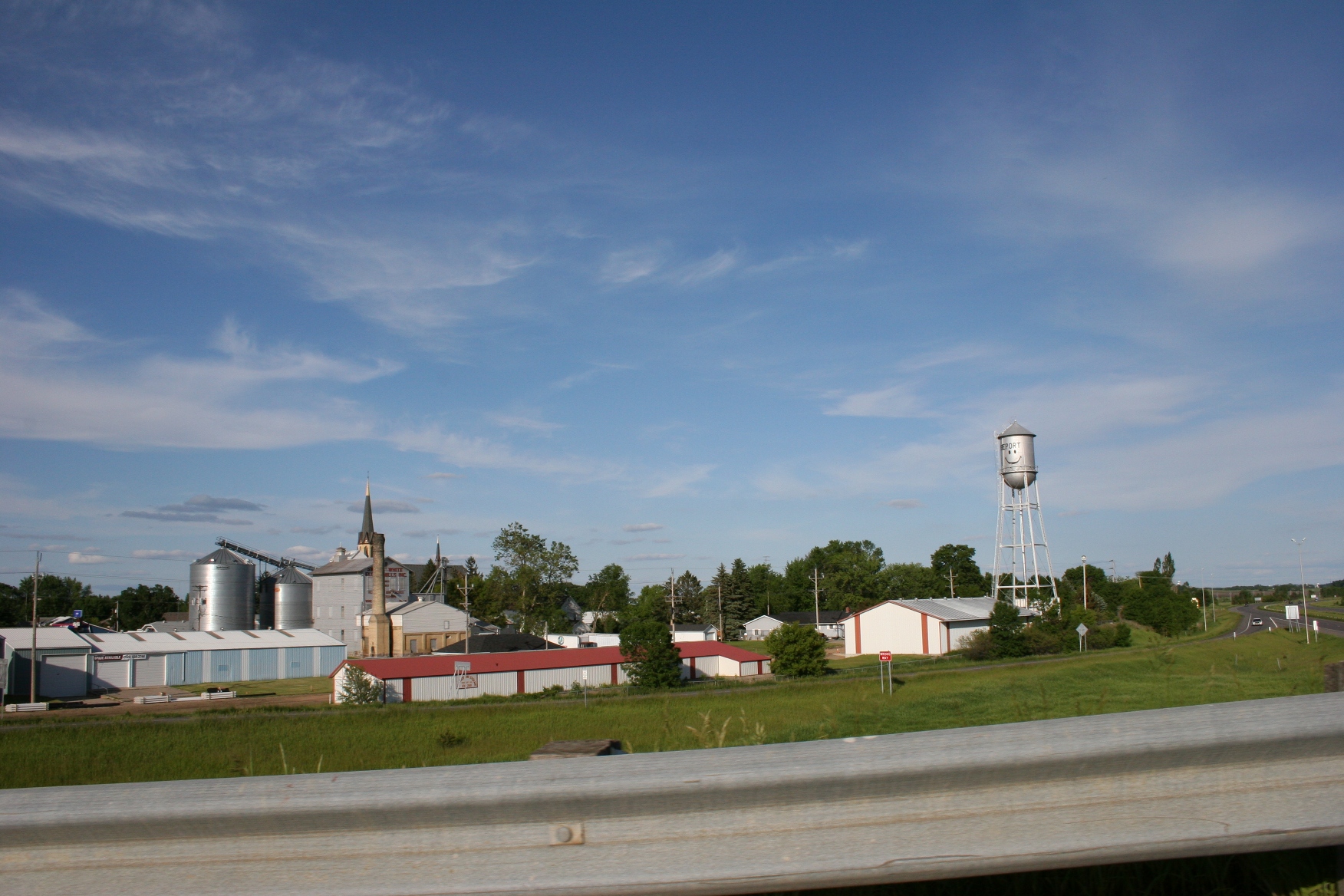
Freeport promotes itself as "The city with a smile!" That's the smiling water tower to the right and the Swany White Flour Mill to the left in front of the church steeple in this June 2011 image. Freeport is among the communities after which Garrison Keillor's fictional Lake Wobegon is fashioned.

CROSSING THE OVERPASS into Freeport last June, I snapped a quick landscape photo with the town’s charming water tower smiling at travelers along Interstate 94 in central Minnesota.

I should have focused, though, on the old-fashioned grain elevator-style flour mill to the left in my framed image.

Late Tuesday afternoon this historic icon, the Swany White Four Mill, built in 1897 and owned by the Thelen family since 1903, burned. Minnesota has lost an important part of her history, a still-functioning mill of yesteryear that specialized in producing commercial grade and organic flour and was known for its famous Swany White Buttercake Pancake and Waffle Mix.

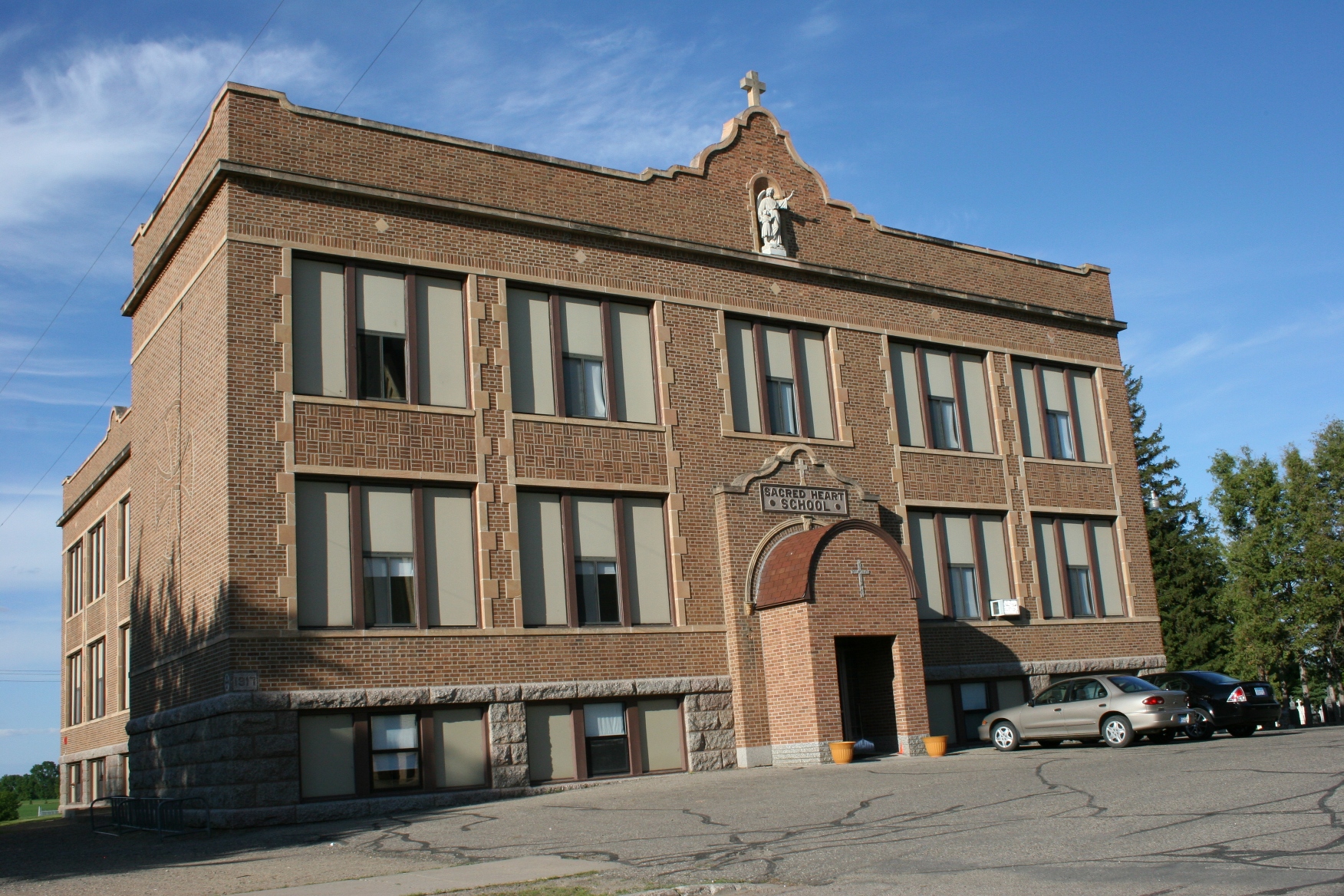
That I never realized the importance of this towering, aged building on that June afternoon saddens me for I am typically drawn to small-town elevators. But when my husband and I swung into Freeport late on that Saturday afternoon 6 ½ months ago, we were more interested in finding Charlie’s Café, a popular dining spot in this town of 450. We were hungry. Charlie’s was packed, so we left town without eating there, but not until I snapped photos of the café and Sacred Heart Church and School.

Popular Charlie's Cafe is noted for its tasty homemade food including caramel rolls, meringue pies and hot beef commercials. To the right is the Pioneer Inn, after which Garrison Keillor modeled The Sidetrack Tap in his fictional Lake Wobegon. Keillor and his family lived near Freeport in the early 1970s.

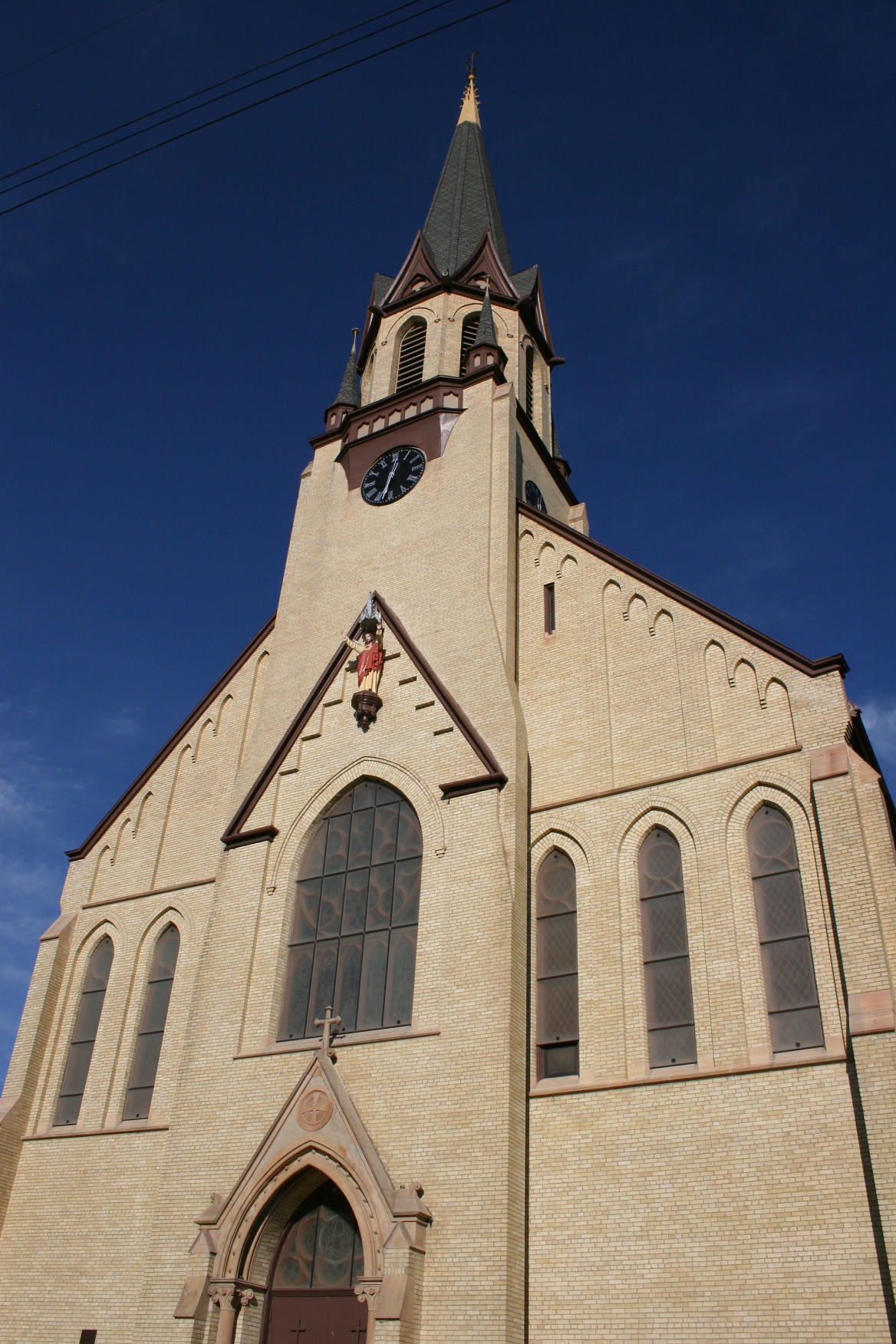
Sacred Heart Church, Freeport, described by Garrison Keillor as "a fine tall yellow-brick edifice with a high steep roof."

Sacred Heart School in Freeport, a lovely old building that caught my eye.

I totally missed out on the Swany White Flour Mill, simply because I was unaware of its important existence.

Eleven years ago, though, the historic mill, Charlie’s and other central Minnesota scenes were photographed by National Geographic photographer Richard Olsenius, illustrating a story, “In Search of Lake Wobegon,” by Garrison Keillor, expanded in 2001 as a book. A sister-in-law gave me her copy of the December 2000 National Geographic recently, knowing how much I would appreciate Keillor’s writing and the black-and-white images by Olsenius. I do.

Keillor rented a farmhouse south of Freeport some 40 years ago. He and his family weren’t exactly embraced by the community during the three years they lived there. Keillor writes about his experiences in the magazine piece, where he reveals that his fictional Lake Wobegon is based on life in central Minnesota, including Freeport.

I wonder if Keillor is reflecting on those years in Freeport as news of the Swany White Flour Mill’s demise reaches him. A eulogy or a tribute to this historic mill would seem fitting for Keillor’s radio show, “A Prairie Home Companion,” broadcasting from Honolulu, Hawaii, on New Year’s Eve, far from Lake Wobegon “where all the women are strong, all the men are good-looking, and all the children are above average.”

It hasn’t exactly been a quiet week in Lake Wobegon.


Downtown Faribault in December in black & white December 22, 2011

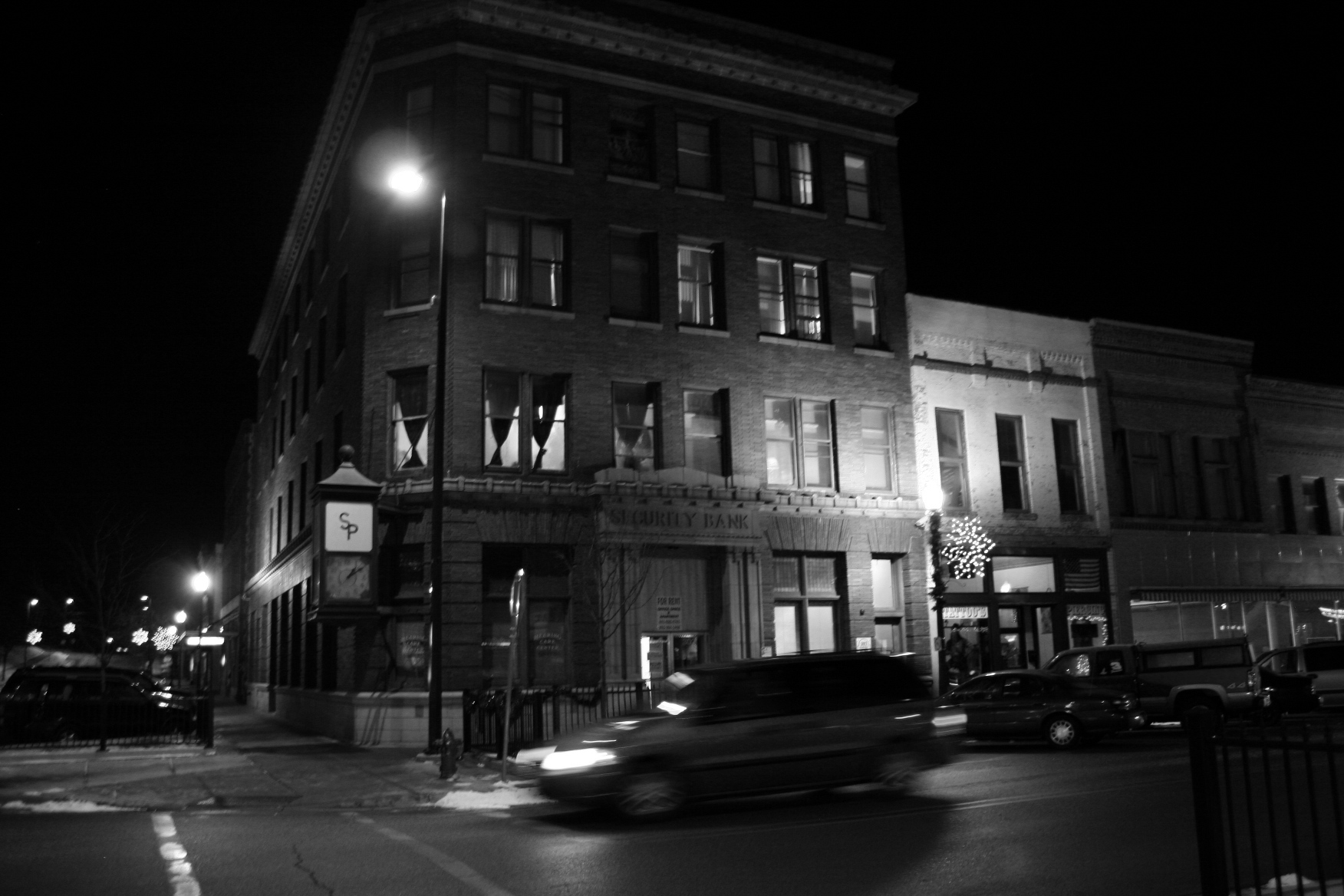
The former Security Bank building anchors a corner of Central Avenue in downtown Faribault.

PHOTOS DEVOID of distracting color possess a certain surreal, dreamy quality and a vintage feel that have always appealed to me.

Some of the best images I’ve seen hearken from years ago which just goes to prove that technology doesn’t always equate better results.

While filing through photos I shot in historic downtown Faribault on Saturday afternoon and evening, I decided to play with my photo editing tools and desaturate several images. I liked the results so much that I stripped every frame of color.

The results, I think, impress even more upon the viewer the history of this early Minnesota community that stretches back to its founding by fur trader Alexander Faribault in 1852.

We’re a city rich in history with 40 properties on the National Register of Historic Places.

With that perspective, please join me on a quick photo tour of the downtown area. Certainly much more comprises our downtown than what you see in the seven images here.

I invite you to explore on your own, to immerse yourself in the history that defines Faribault.

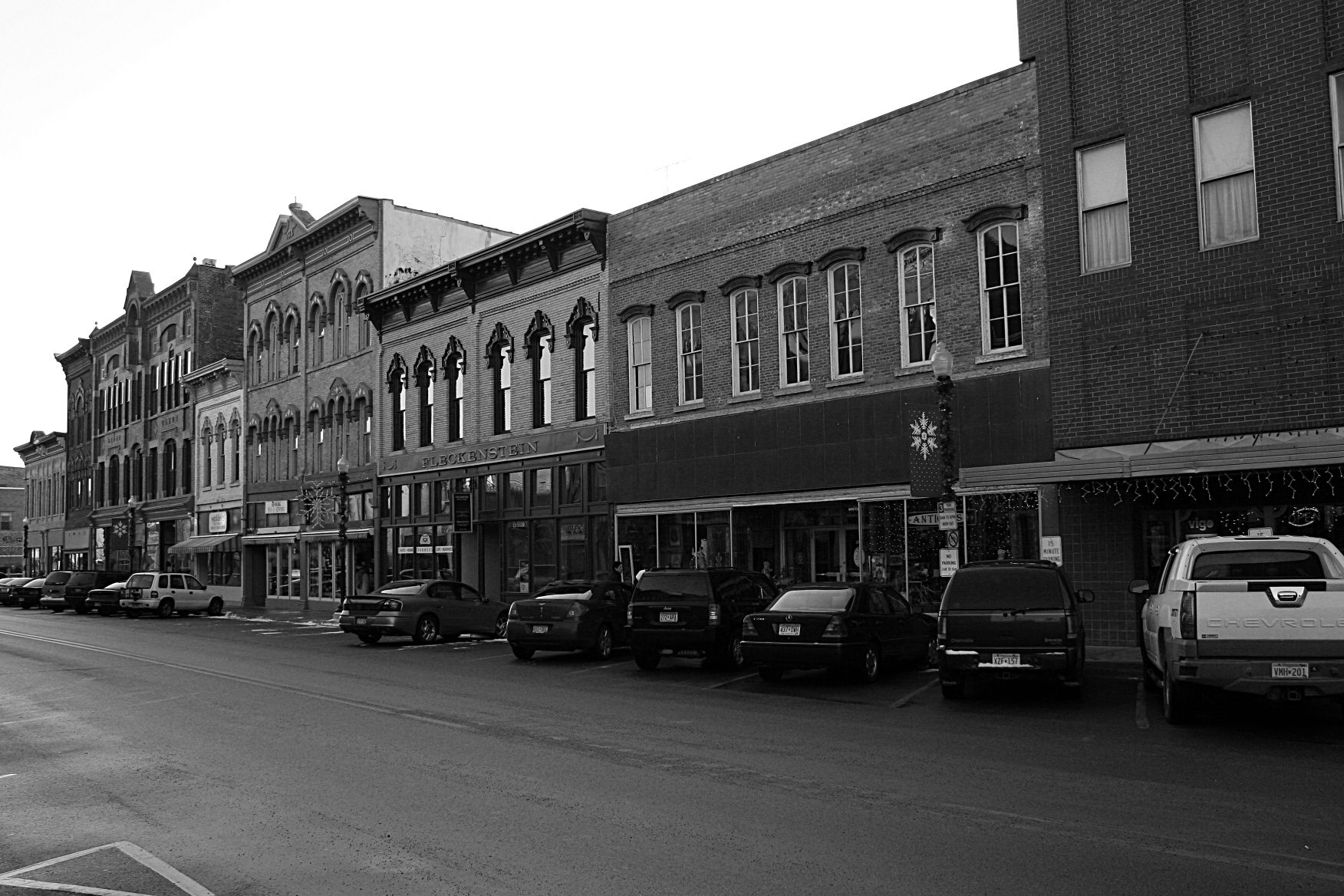
Historic buildings along Central Avenue.

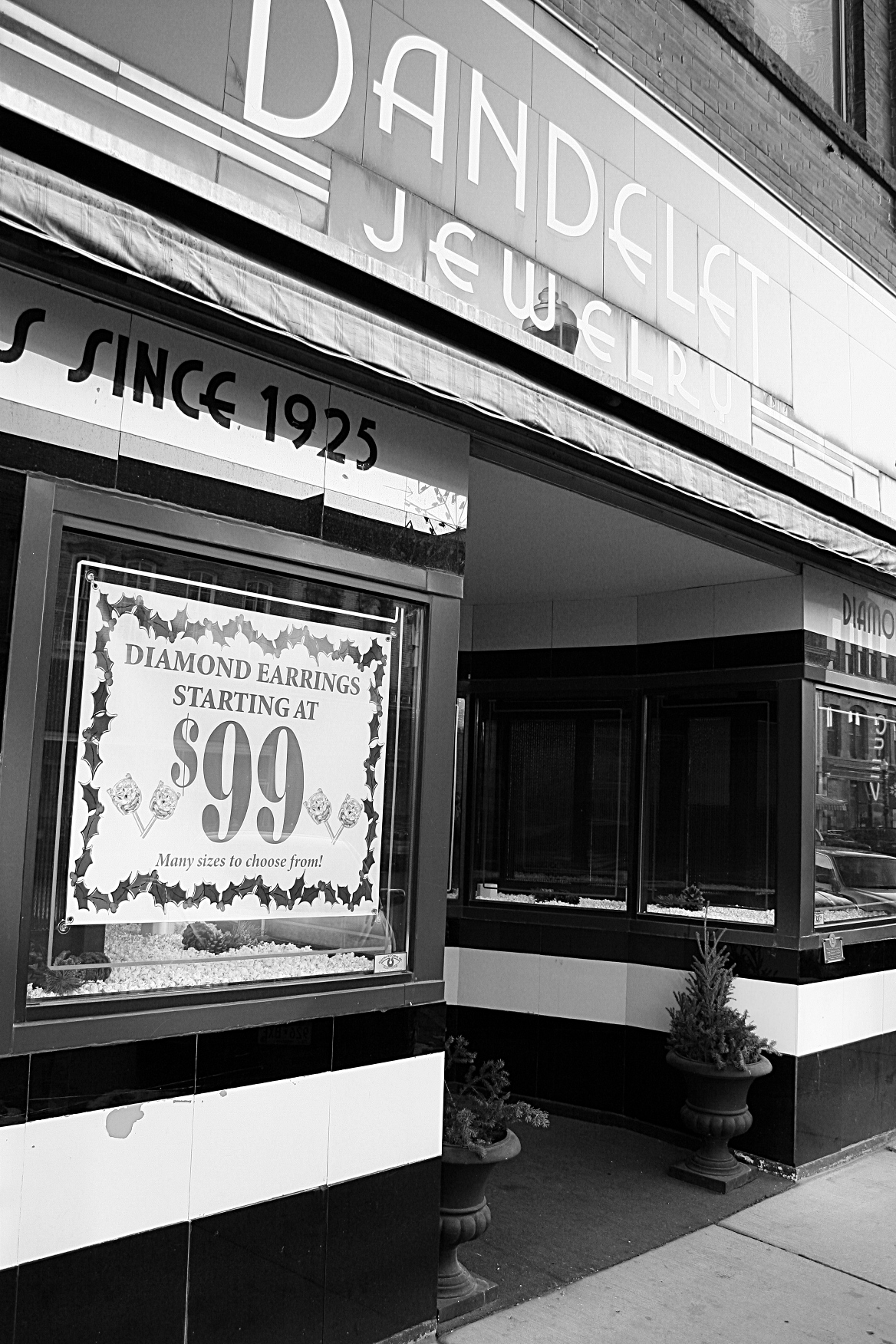
Dandelet Jewelry occupies the former 1882 Dandelet Dry Goods building, which was renovated in 1985.

A scene from the movie, "Grumpy Old Men," was shot in the former drug store to the right in this image. Today the building houses a pawn shop.

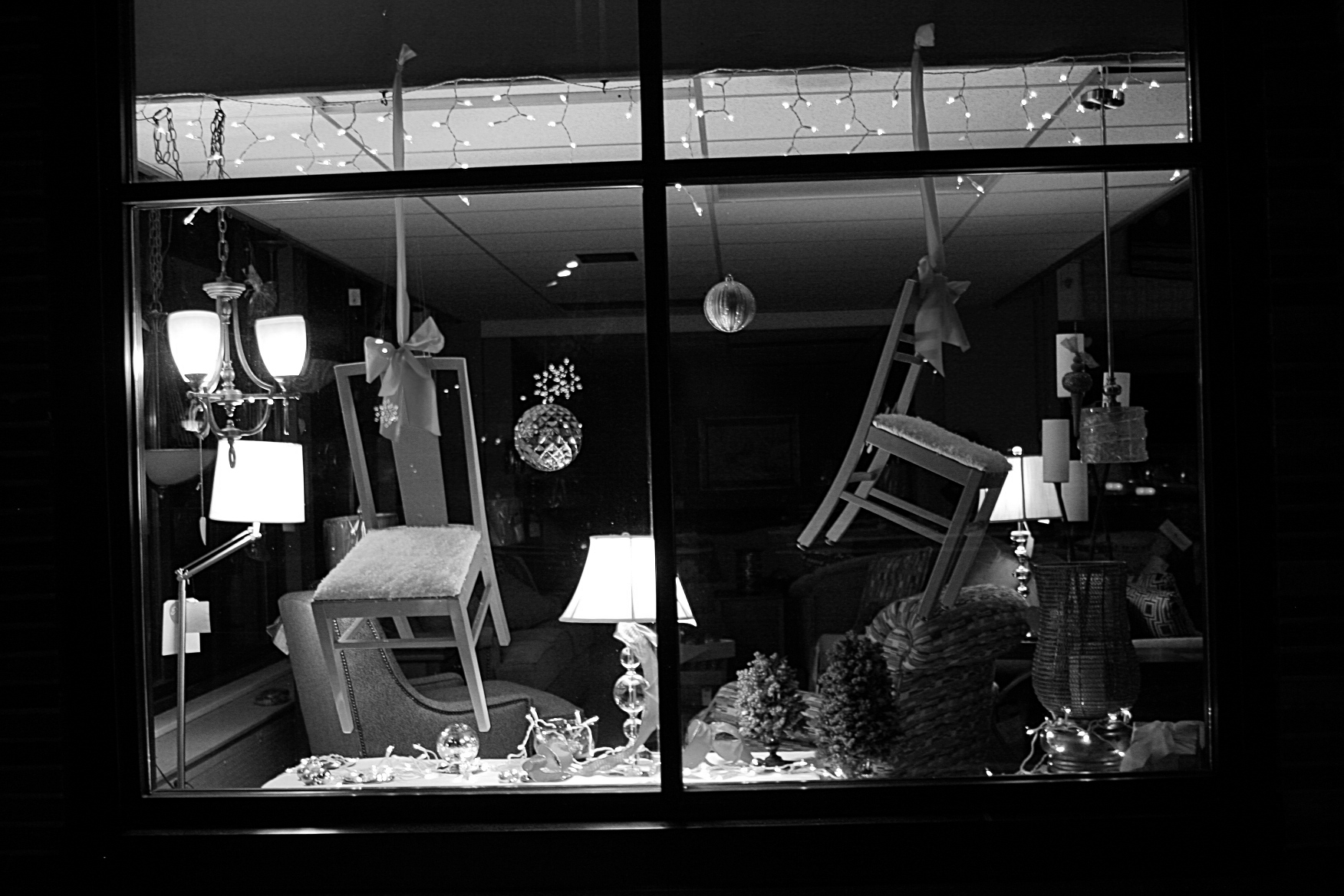
A holiday display window at Erickson Furniture, in business since 1956 and located along Fifth Street Northwest just a block off Central Avenue. Erickson Furniture won first place in the Main Street window decorating contest with its suspended green chairs, holiday ornaments and lights.

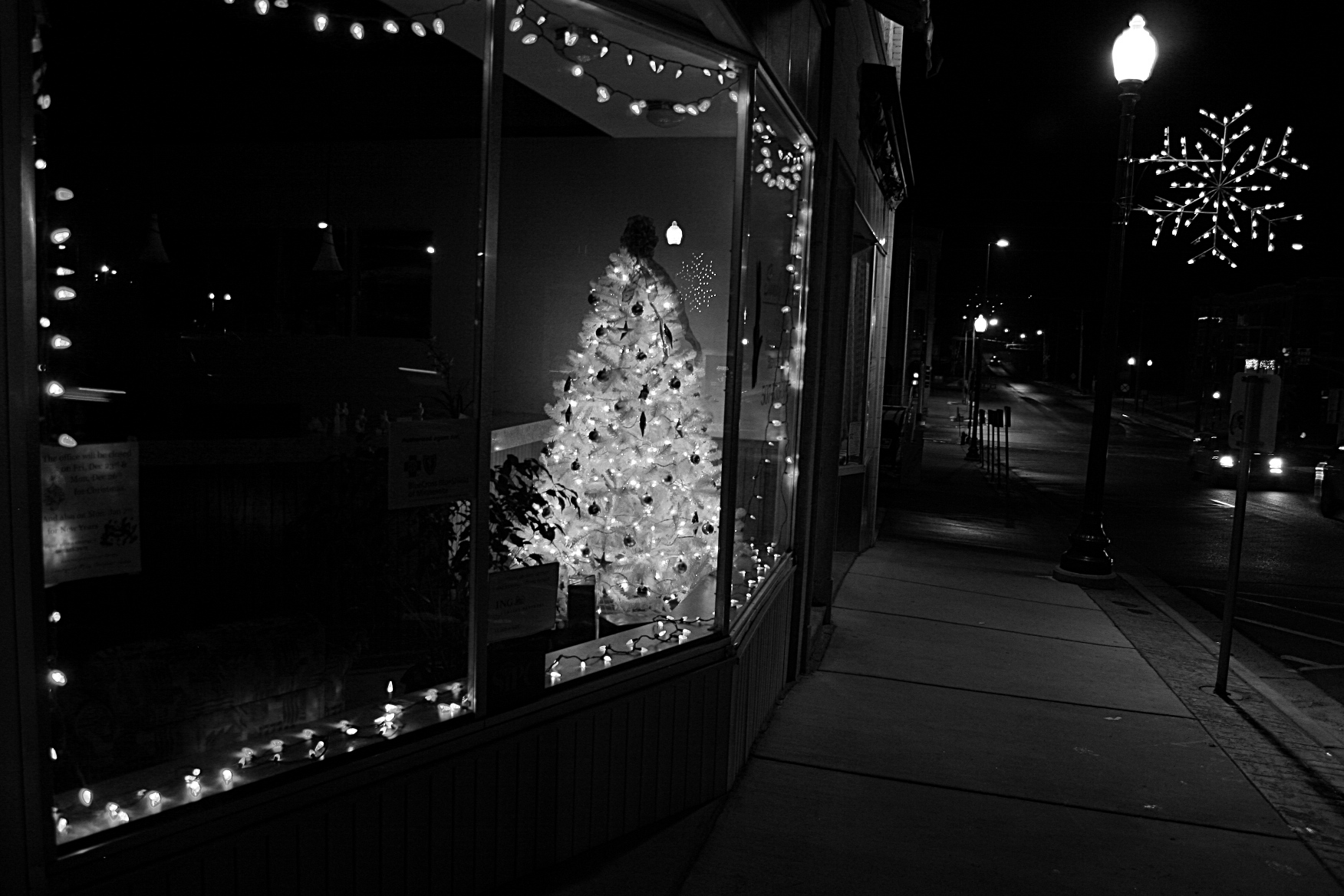
Holiday decorations in a business window along Third Street Northwest just off Central.

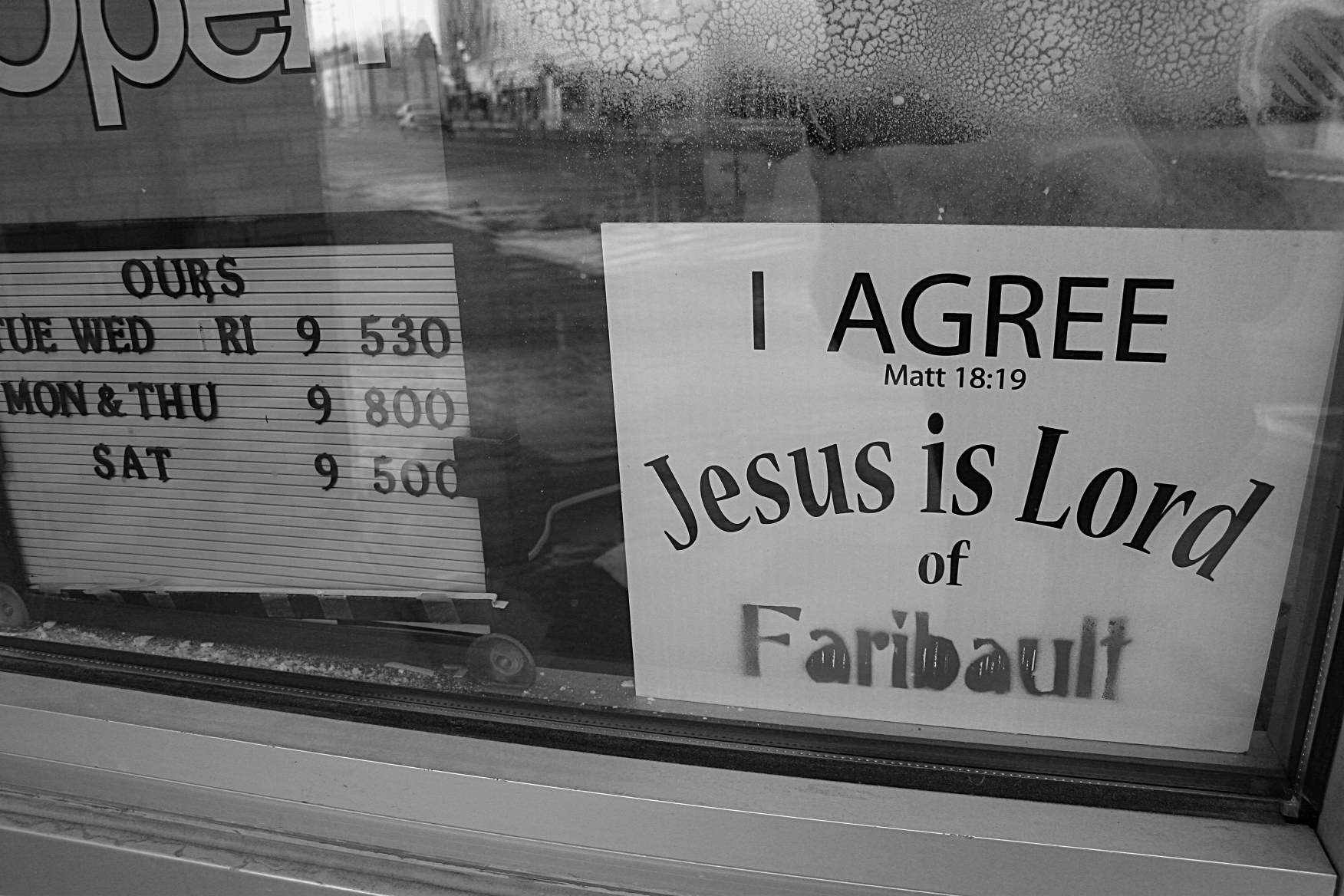
A sign in the window of Burkhartzmeyer Shoes, a third-generation family-owned shoe store founded in 1949.

CLICK HERE to read a previous post about Faribault’s historic downtown.

Copyright 2011 Audrey Kletscher Helbling


In the middle November 5, 2011

Filed under: Uncategorized — Audrey Kletscher Helbling @ 2:50 PM
Tags: , , , , , , , ,

TODAY I HAVE SEVERAL STORIES to share with you, all with a single common denominator: the middle.

Let’s start with the most recent. I made myself a sandwich for lunch—a little mayo, turkey deli meat and ham deli meat with a slice of pepperjack cheese layered in the middle. Nothing unusual about that.

The second half of my sandwich, minus the...

Until I bit into the sandwich and hit something that didn’t seem quite right. But I kept biting and chewing, thinking it was just the rough grains in the multi-grained bread or an edge on the meat.

But after several bites, I paused to investigate and discovered a piece of paper. Yes, people, I was eating the paper that separates cheese slices. I had removed one piece of paper while making the sandwich. Clearly I had not checked the flip side of the cheese slice.

WARNING: Always remove the paper from BOTH sides of the cheese slice before eating.

In relaying this story to my husband, he could only shake his head, laugh and repeat several times, “That’s my Audrey.”

Now onto those other “middle” stories, which have cast me in the role of a “middlewoman.”

Earlier this week I received a request from a retired Air Force chaplain for commissioned artwork. Not my art; I don’t paint or draw or sculpt or anything artsy like that. Rather, the retired military man was looking to contact Richard Vilendrer, a 72-year-old Faribault artist whom I met at the Faribault Farmers’ Market and featured in a September blog post. I spoke with Richard’s wife Carol several days ago and now I’m waiting to hear if Richard is being commissioned.

An example of Richard's nature and faith-inspired pen-and-ink and colored pencil artwork.

Another inquiry this week came from a videographer for Farm Rescue, an organization that helps farmers in need. The North Dakota man was requesting permission to use images from a July 1 storm (in southwestern Minnesota) which I published on my blog. Because I hadn’t taken the two photos he wanted, I had to contact my brother and my uncle. Done. I’ll tell you more about this organization next week.

Then, the same day, an inquiry came via a blog comment from a South Dakota writer. She wanted to know if I knew of a Minnesota organization that works to preserve prairie churches. I don’t. Do you?

On Friday I learned that I made my first art sale. Again, not my art. Not my money. But a reader saw my photo of a hideous “turkey choir” print in a blog post about a Stockholm, Wisconsin, antique shop and promptly put the print on hold to purchase. Do I get a commission on this sale?

The "singing turkeys" print I helped to sell.

Finally, today, a metro woman asked, via a blog comment, if I could find the man at the Faribault Farmers’ Market who sold fresh horseradish. I knew exactly who she needed to contact. So I dialed Dennis Gare’s number, spoke to his wife and hopefully fresh horseradish will soon be on its way to this reader’s house.

You might rightly conclude from the above stories, with the exception of that paper eating incident, that I am truly a “middlewoman.” And all because of the power of this blog.

Thank you, readers, for reading Minnesota Prairie Roots. Happy to help you if you’re in the market for art, photos, information or horseradish.

© Copyright 2011 Audrey Kletscher Helbling