Minnesota Prairie Roots

Writing and photography by Audrey Kletscher Helbling

Poetry that sings from Minnesota’s poet laureate May 2, 2024

Book cover sourced online. Cover watercolor painting, “The Musician,” is by Cherokee artist Roy Boney, Jr.

HER POEMS SING with the rhythm of a writer closely connected to land, heritage and history. She is Gwen Nell Westerman of Mankato, Minnesota poet laureate and author of Songs, Blood Deep, published by Duluth-based Holy Cow! Press.

Of Dakota and Cherokee heritage, Westerman honors her roots with poems that reflect a deep cultural appreciation for the natural world. The water. The sky. The seasons. The earth. The birds and animals. They are all there in her writing, in language that is down-to-earth descriptive. Readers can hear the birdsong, feel the breeze, see the morning light… That she pens nature poems mostly about the land of my heart—fields and prairie—endears me even more to her poetry.

This slim volume of collected poems is divided into seasons of the year, each chapter title written in the Dakota language. The book features multiple languages—Dakota, Cherokee, Spanish and English. That adds to its depth, showing that, no matter the language we speak, write or read, we are valued.
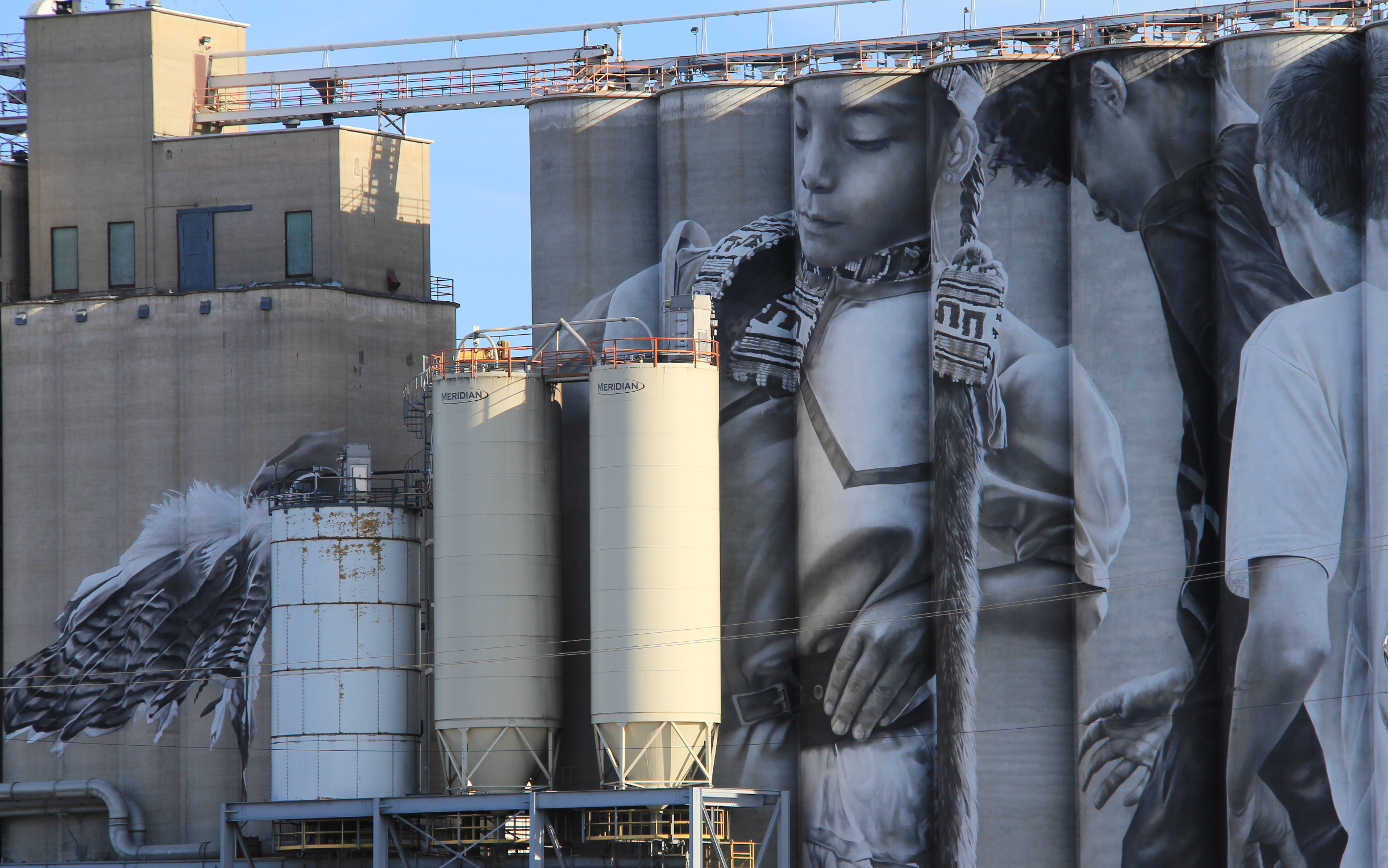
This silo mural in downtown Mankato celebrates the cultural diversity of the region, including the Dakota. (Minnesota Prairie Roots copyrighted photo November 2023)

Westerman clearly values her Native heritage, how lessons and stories have been passed to her through generations of women, especially. Songs, blood deep. In her poem “First Song,” she shares a lesson her grandmother taught her about the importance of sharing. After reading that thought-provoking poem, I considered how much better this world would be if we all focused on the singular act of sharing.

The Dakota 38 Memorial at Reconciliation Park in downtown Mankato lists the names of the 38 Dakota men hung at this site on December 26, 1862. (Minnesota Prairie Roots copyrighted photo November 2023)

This poet, who is also a gifted textile artist (creator of quilts), wraps us in her words. In the season of waniyetu, her poetry turns more reflective and introspective, as one would expect in winter. She writes of family, injustices and more. “Song for the Generations: December 26” is particularly moving as that date in history references the mass execution of 38 Dakota sentenced to death in 1862 and hung in Mankato. Westerman writes of rising and remembering, of singing and prayer. It’s a truly honorable poem that sings of sorrow and strength.

Her poems remind us that this land of which she writes was home first to Indigenous Peoples. Westerman writes of a state park in New Ulm, the sacred Jeffers Petroglyphs and Fort Snelling, where Dakota were imprisoned after the U.S.-Dakota War of 1862 and before their exile from Minnesota. The name of our state traces to Mni Sota Makoce, Dakota for “the land where the water reflects the sky.” It’s included in Westerman’s poetry.

I appreciate poems that counter the one-sided history I was taught. I appreciate Westerman’s style of writing that is gentle, yet strong, in spirit. Truthful in a way that feels forgiving and healing.

In the all of these poems, I read refrains of gratitude for the natural world, gratitude for heritage and gratitude for this place we share. We sang. We sing. Songs, blood deep.

FYI: Songs, Blood Deep, is a nominee for the 2024 Minnesota Book Award in poetry. The winner will be announced May 7. This is Westerman’s second poetry book. Her first: Follow the Blackbirds. In addition to writing poetry and creating quilts, Westerman teaches English, Humanities and Creative Writing at Minnesota State University, Mankato.

© Copyright 2024 Audrey Kletscher Helbling


Multi-genre Minnesota authors talking craft & more at Faribault library October 31, 2023

Book cover sourced online

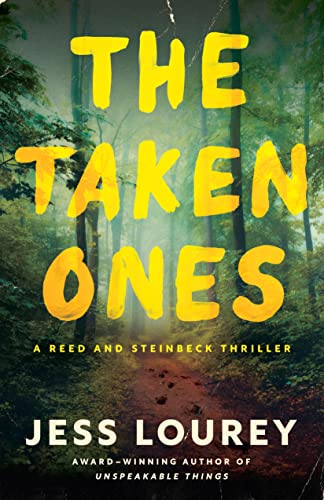
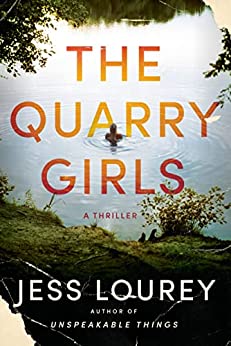
A FEW DAYS AGO, I nabbed Jess Lourey’s The Taken Ones from the LUCKY DAY shelves at my local library. This is a section where new books are placed and, if you’re lucky to get a new release, then lucky you. Already I want to stay up late reading this Minnesota author’s latest thriller. Just as I did when I read The Quarry Girls, a fictional crime story set in 1997 in St. Cloud and winner of the 2023 Minnesota Book Awards in genre fiction.

My familiarity with Lourey’s writing stretches back many years to my time as a freelance writer with Minnesota Moments, a magazine no longer in publication. Back then I reviewed Minnesota-authored books for the magazine, including books in Lourey’s Murder by Month romcom series set in Battle Lake, a real Minnesota community where she lived at the time. I still remember the name of the main character, Mira James, in books like May Day and June Bug.

Book cover sourced online

But since I’m an appreciator of intense mysteries, I’m more drawn to Lourey’s suspenseful crime titles. That’s my go-to genre, reaching as far back as the Nancy Drew detective series.

The library’s promo for Thursday’s event.

All of that aside, Lourey will be at Buckham Memorial Library in Faribault at 6 pm Thursday, November 2, as part of Moving Words: Writers Across Minnesota series. Authors John Lee Clark and Nicole Kronzer will join her. How lucky we are to have three talented, award-winning, multi-genre authors here to talk about their craft.

Book cover sourced online

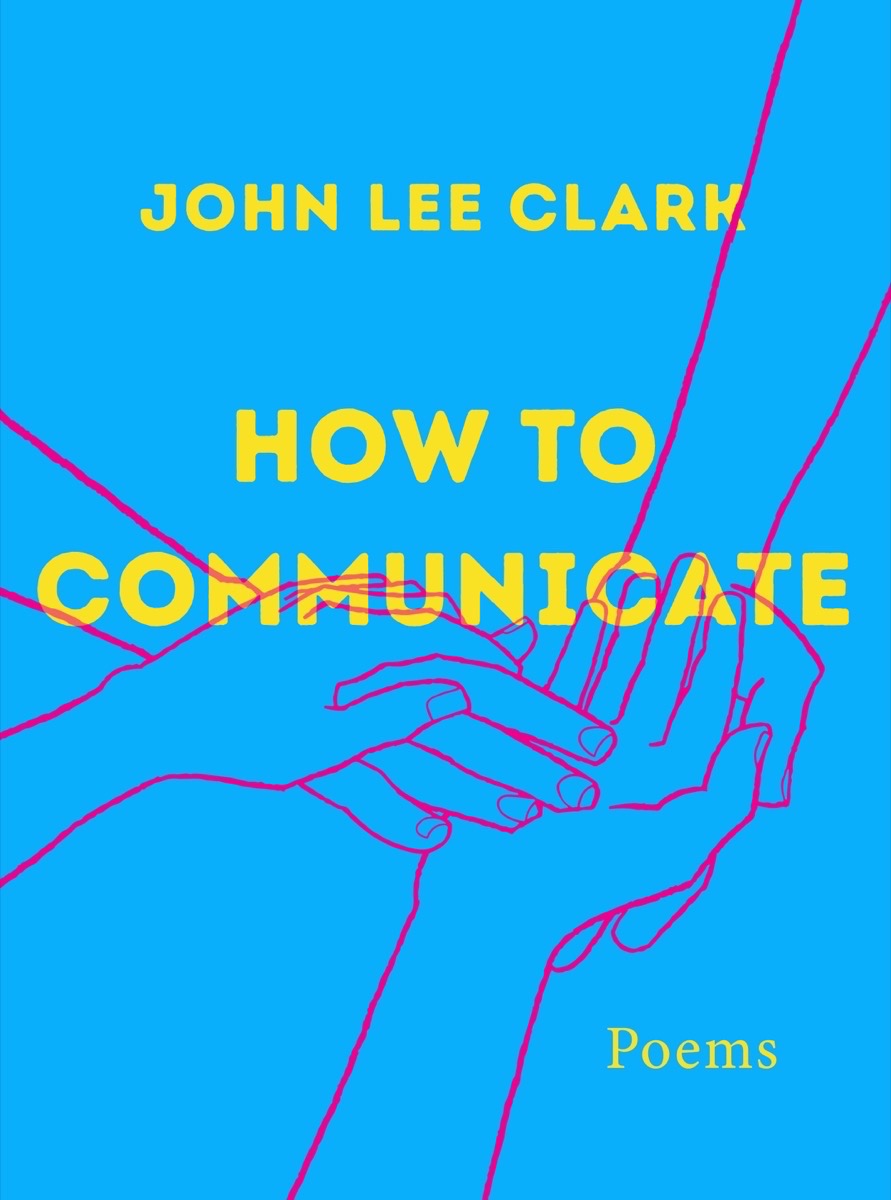
While Clark and Kronzer are unknown to me, their online bios reveal two gifted writers. Clark, a DeafBlind poet, essayist and actor, won the 2023 Minnesota Book Award in poetry for his How to Communicate: Poems. It seems particularly fitting that he is coming to Faribault, home to the Minnesota State Academies for the Deaf and the Blind.

Book cover sourced online

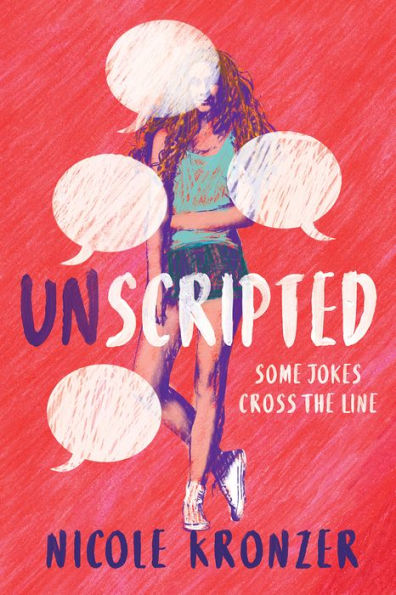
And Kronzer, a high school English teacher and former professional actress, writes young adult novels. In 2021, Unscripted was a Minnesota Book Awards finalist in young adult literature. Her second book, The Roof Over Our Heads, published in January.

I’ve already requested Clark’s poetry book and Kronzer’s Unscripted from the library. If those books were on the Lucky Day shelves, I missed them.

Now, time to take a break from writing to resume reading The Taken Ones. For it is also by reading that writers learn and grow their craft. And Lourey has that covered, too, in Rewrite Your Life: Discover Your Truth Through the Healing Power of Fiction, a book to first read then use as a writing guide.

© Copyright 2023 Audrey Kletscher Helbling
 

Celebrating poetry: Reflections from a Minnesota poet April 4, 2022

Roses from my husband, Randy. (Minnesota Prairie Roots file photo 2012)

Roses are red,

violets are blue.

Sugar is sweet

and so are you.

RAISE YOUR HAND if that’s the first poem you ever read or heard. My right hand is wildly waving. See it, right there next to a mass of many many hands?

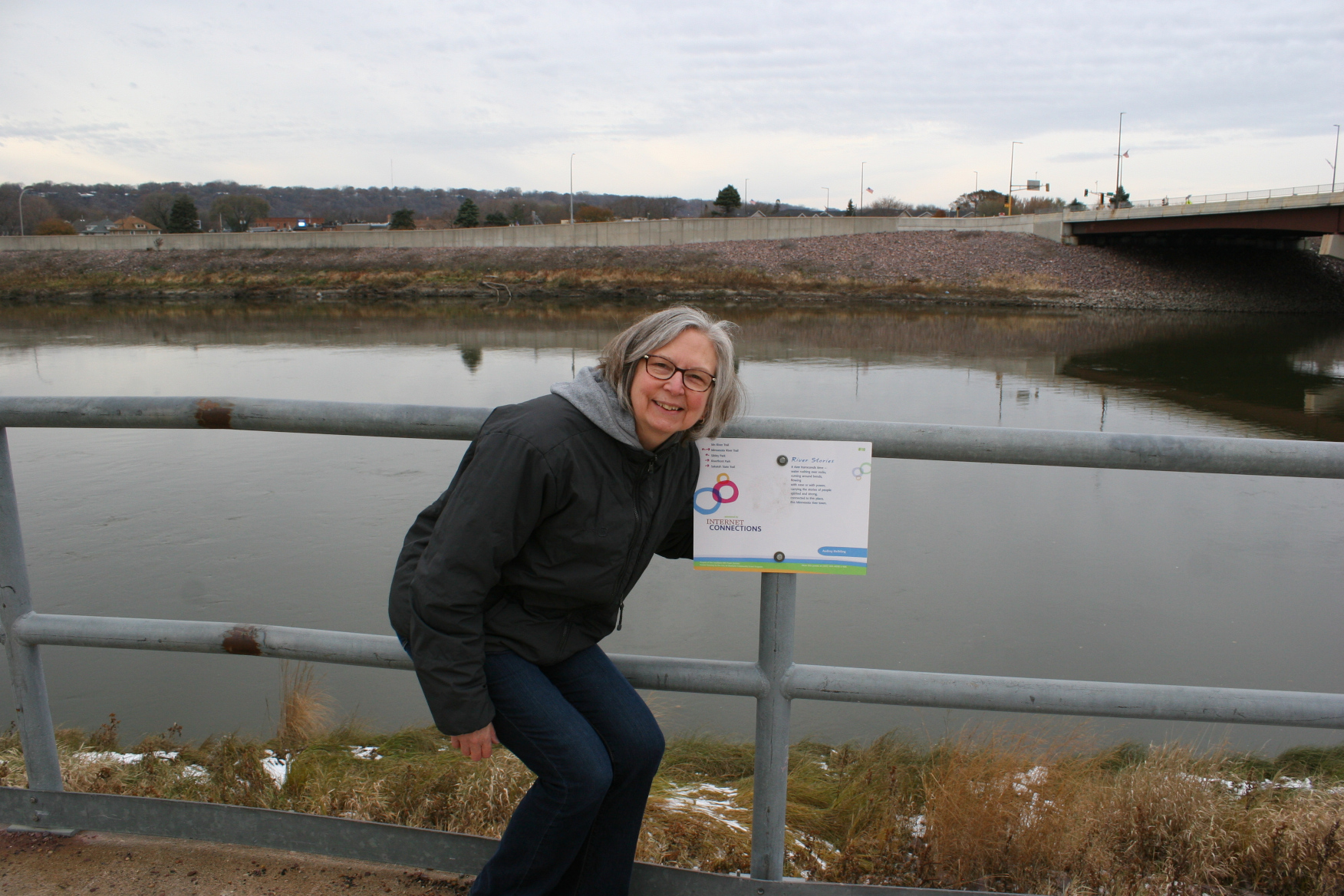
Me, next to my posted poem, “River Stories,” selected for the 2019 Mankato Poetry Walk & Ride. (Minnesota Prairie Roots November 2019 file photo by Randy Helbling)

Today, April 4, marks day four of National Poetry Month, which celebrates the importance of poetry in our culture and lives. Whether you like or dislike poetry, it holds value as a form of artistic expression, communication, storytelling, endearment…

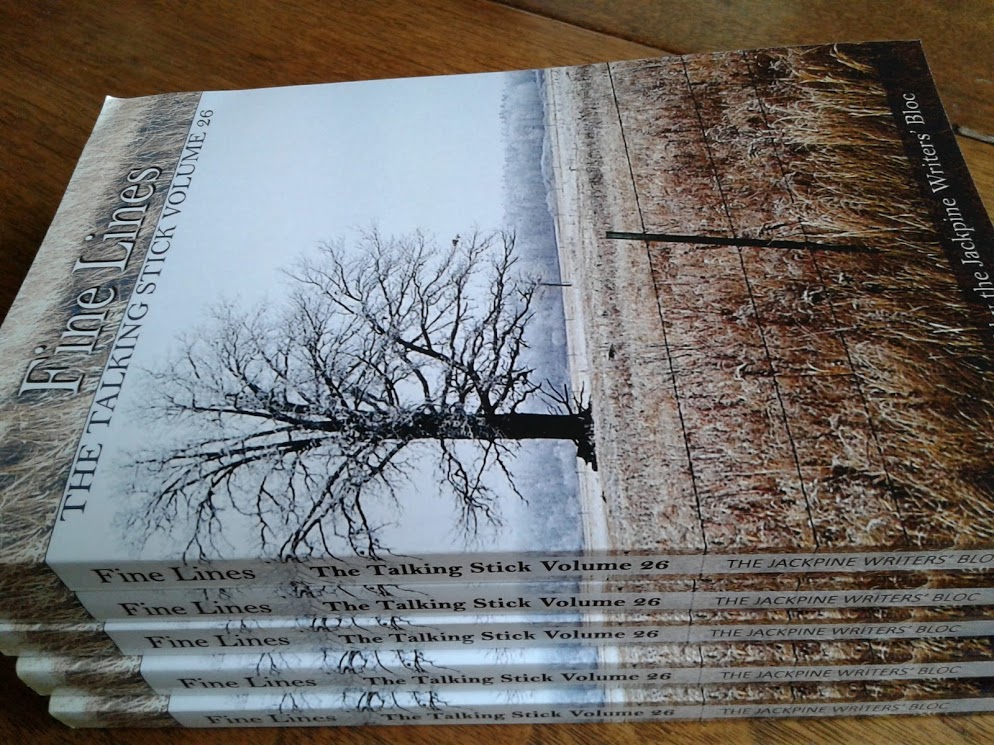
Many of my poems (plus short stories and creative nonfiction) have been selected for publication in The Talking Stick, an annual anthology published by the Jackpine Writers’ Bloc. (Minnesota Prairie Roots copyrighted file photo)

I am proud to call myself a poet. A published poet. How did I get there? I’ve always loved words, the song of language. Poetry is, I think, a lot like music. It carries a rhythm. A beat. A cadence. That comparison comes from a poet who can’t carry a tune, can’t read a musical note, can’t play an instrument.

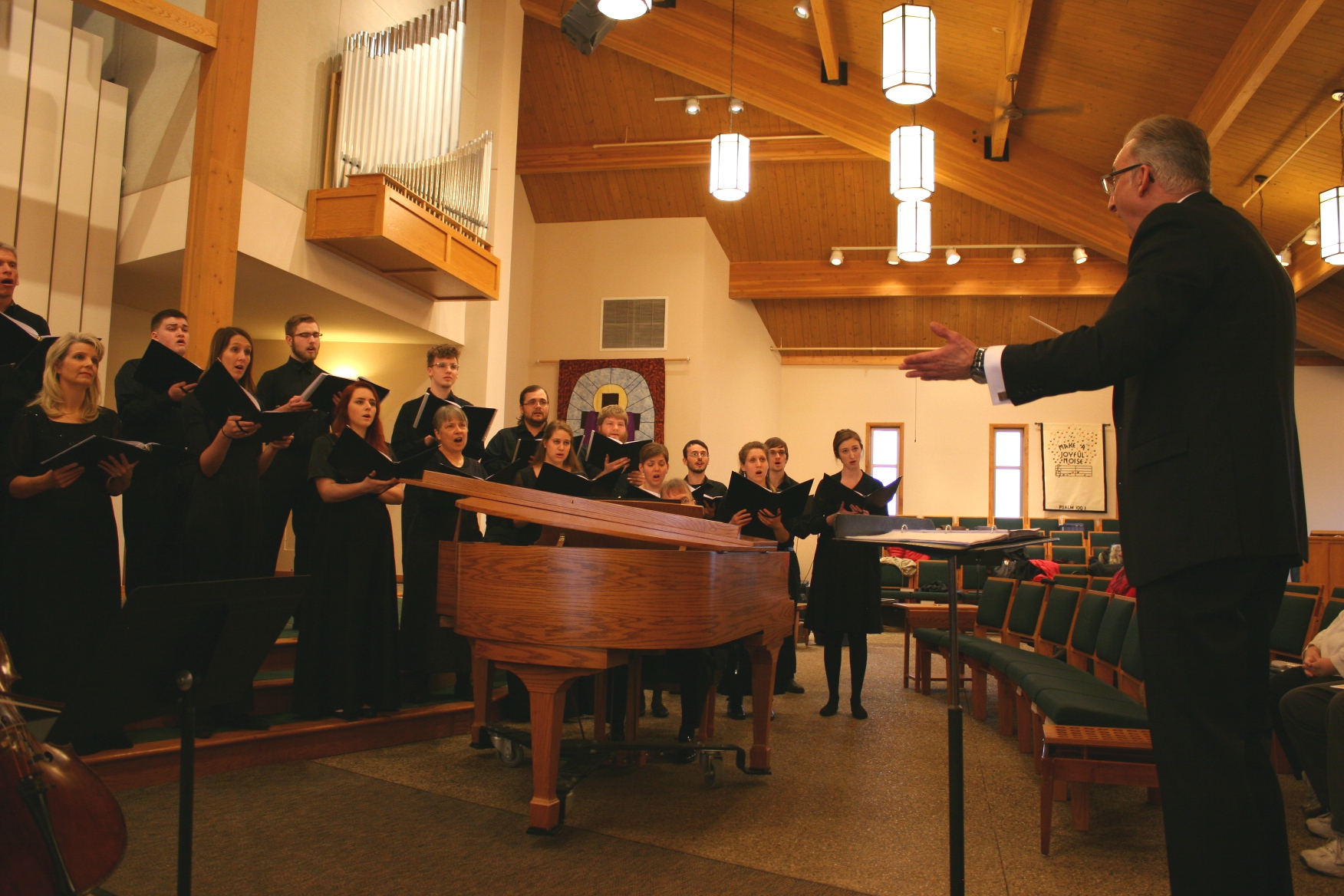
A Chamber Choir performs artsongs written from poems, directed by David Kassler. (Minnesota Prairie Roots file photo April 2017)

But in 2017, a chamber choir performed my poem, “The Farmer’s Song,” at two concerts in Rochester. David Kassler composed the music for my poem and six others as part of an artsong project. To sit in that audience and hear those vocalists sing my poem was overwhelmingly humbling. And validating.

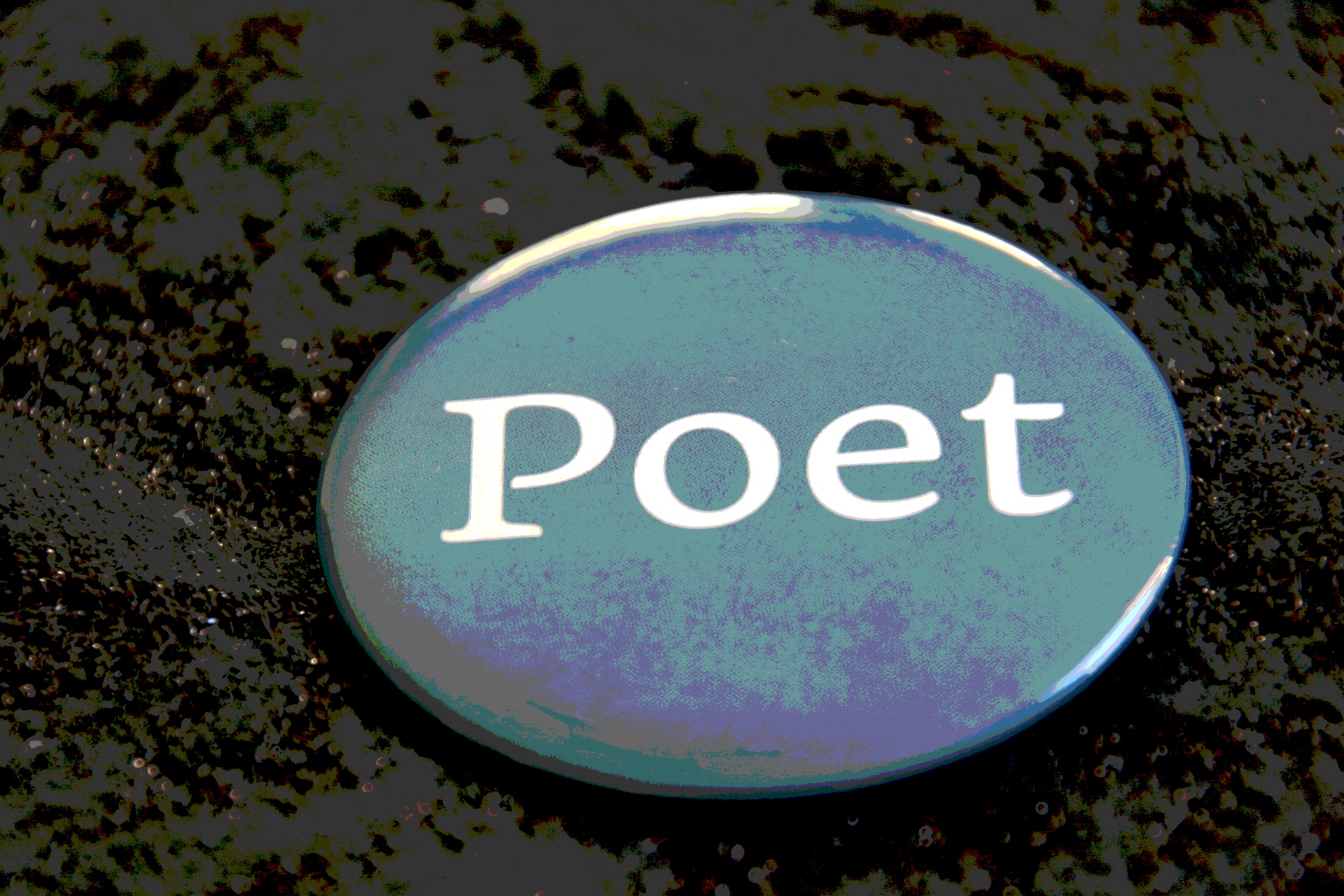
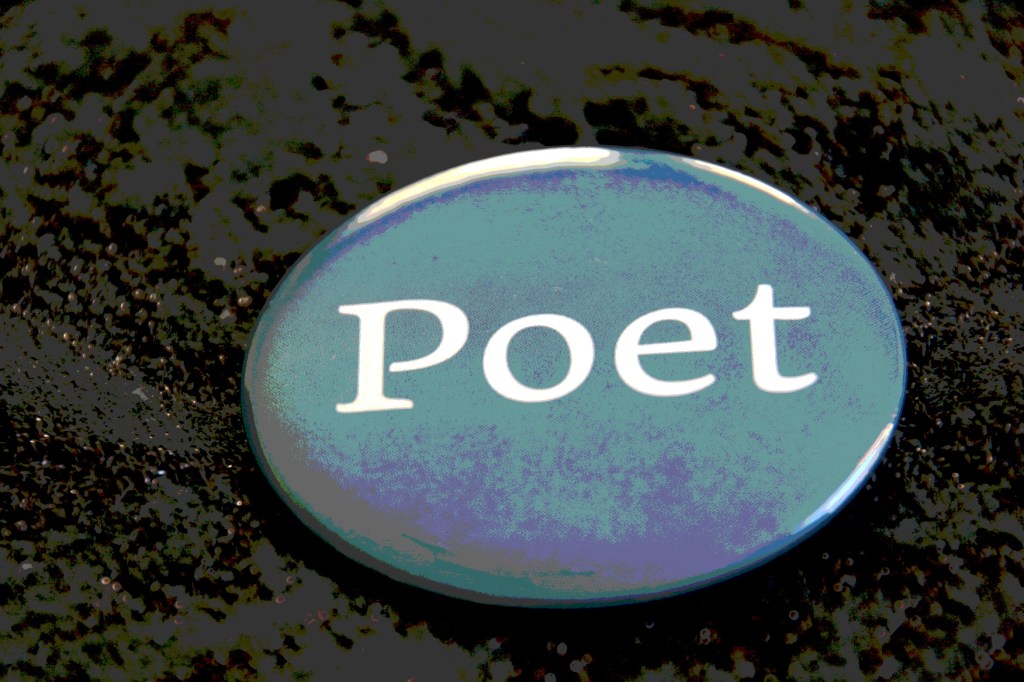
I took poetic license and photoshopped this image of the button I wore identifying me as a poet at a Poetry Bash. (Minnesota Prairie Roots copyrighted file photo)

I am a poet.

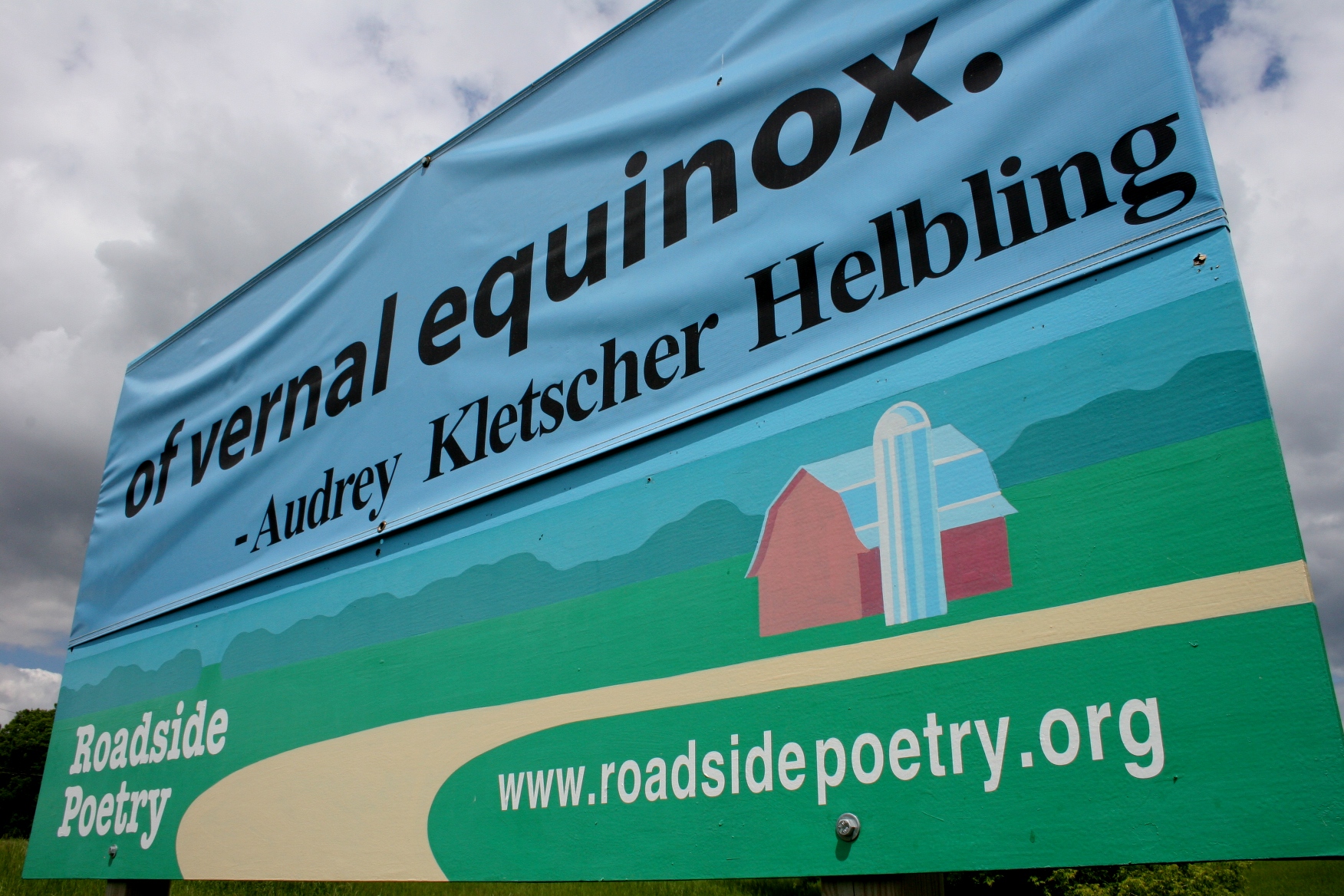
The last of four billboards featuring my Roadside Poetry spring poem. (Minnesota Prairie Roots file photo 2011)

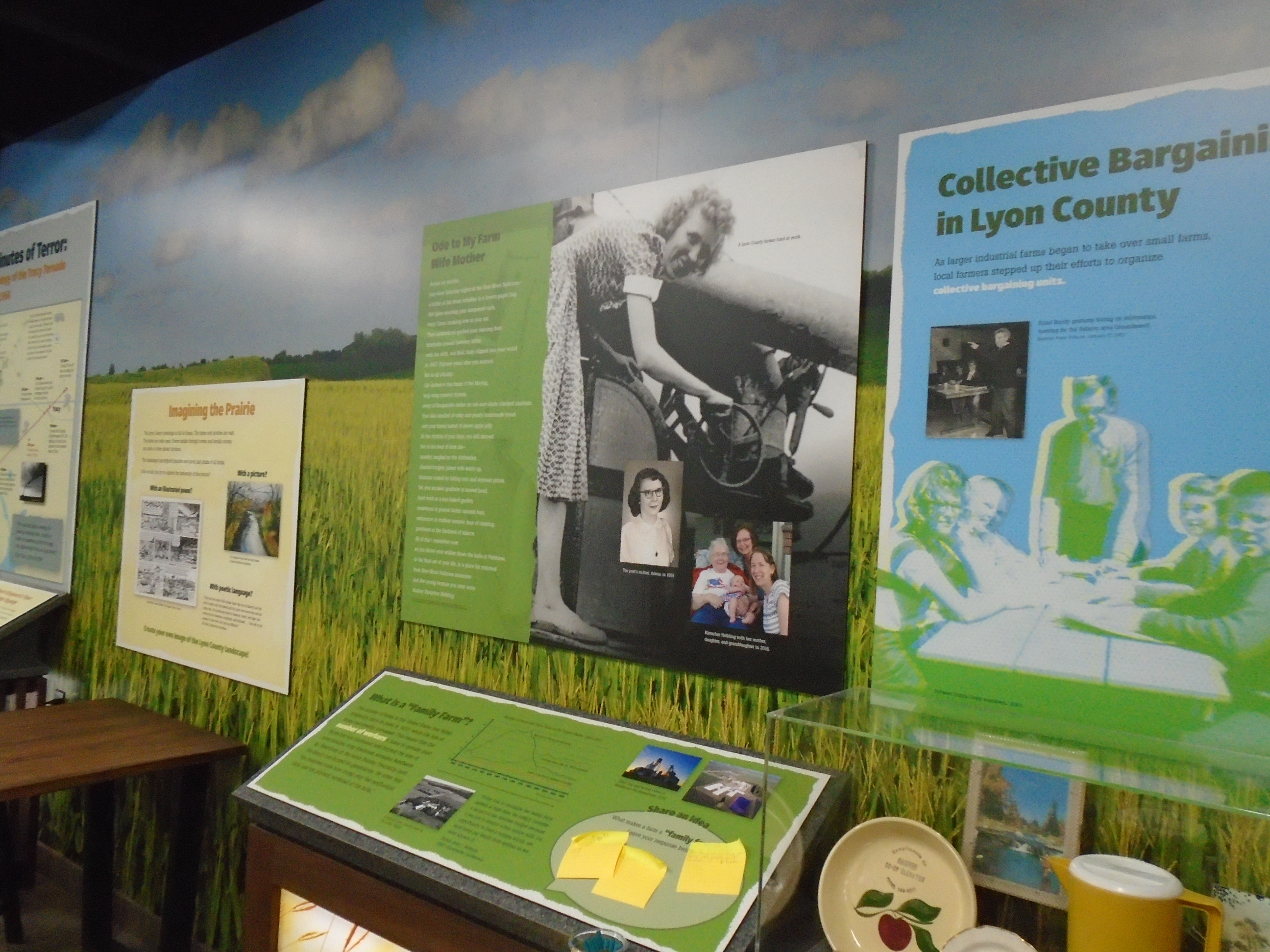
My poetry has been published in newspapers, magazines, literary journals, anthologies… And in unexpected places. In 2011, my spring-themed poem bannered four billboards in Fergus Falls as part of the Roadside Poetry Project. Other poems have been posted on signs along trails as part of the Mankato Poetry Walk and Ride. “Ode to My Farm Wife Mother” is currently showcased in an exhibit at the Lyon County Historical Society Museum in Marshall, Minnesota, in my hometown area.

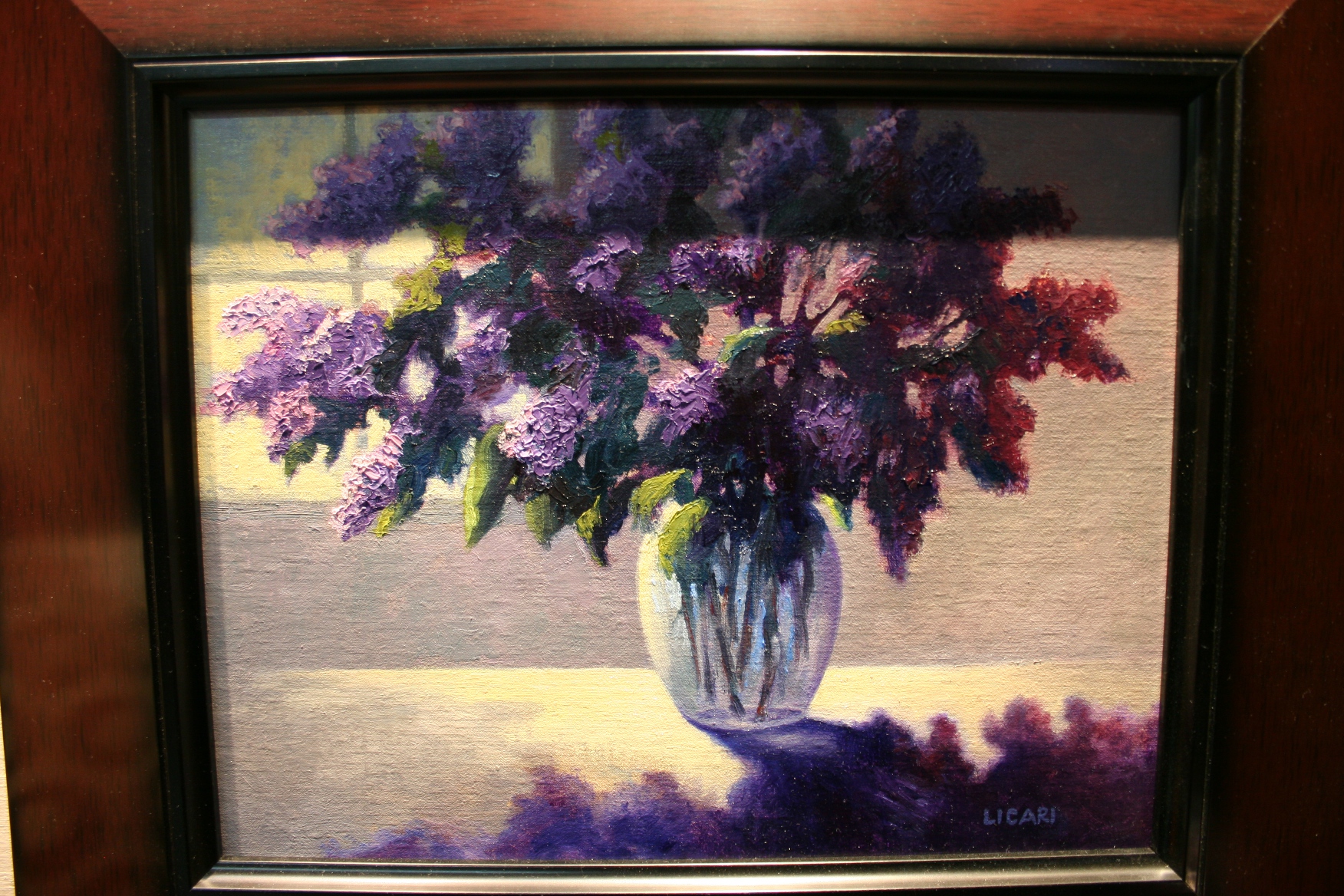
Jeanne Licari’s absolutely stunning interpretation of my “Lilacs” poem. Her “Lilacs on the Table” is oil on mounted linen. (Minnesota Prairie Roots copyrighted file photo May 2014)

Some of my poems have inspired art in Poet-Artist Collaborations, been aired on the radio and read by me at poetry readings.

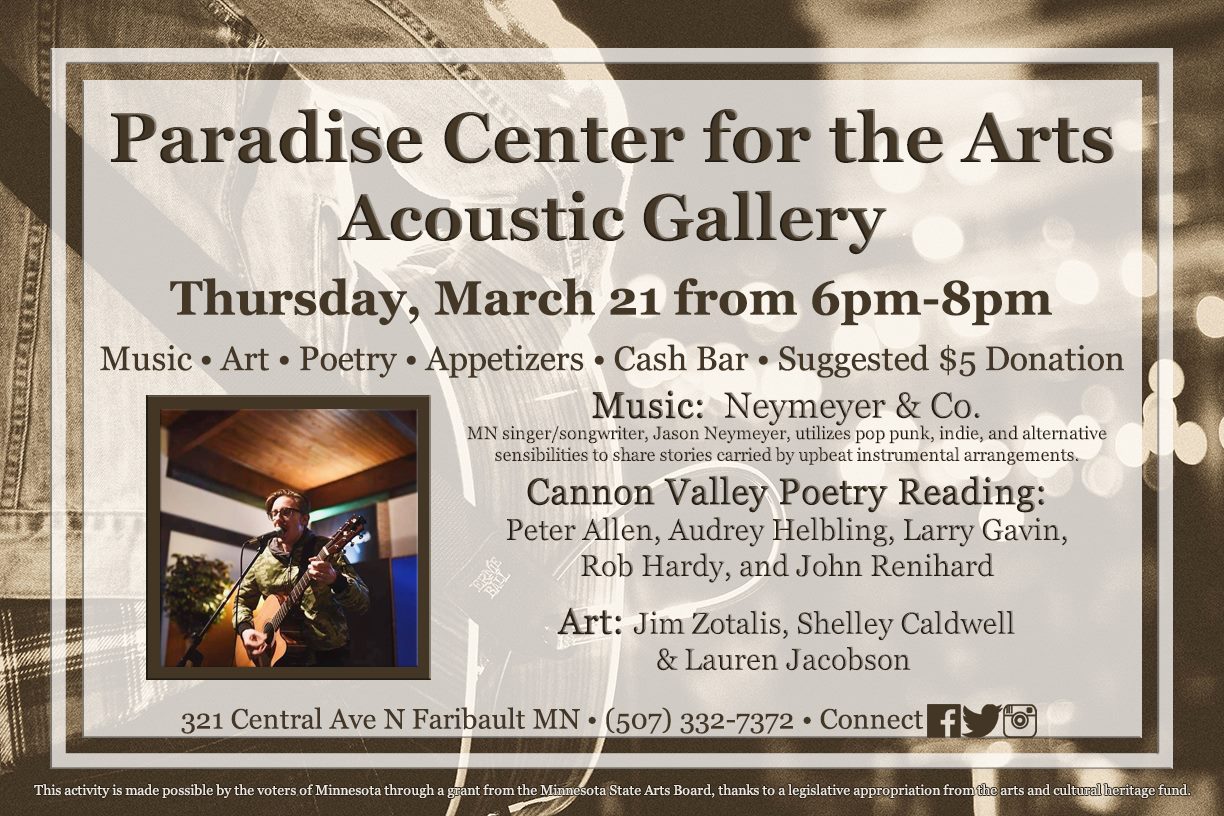
I read poetry at this event at my local arts center in March 2019. I was honored to read with other talented area poets. (Promo courtesy of the Paradise Center for the Arts)

Even I’m surprising myself at the volume of poetry I’ve crafted through the decades. I never set out to be a poet. It simply happened as an extension of my love of words, of language. And that undeniable need to express myself creatively. Unlike that “Roses are red…” introductory poetry of old, my poems do not rhyme.

My poem, “Ode to My Farm Wife Mother,” with accompanying photos (center of this photo) in the Lyon County exhibit. (Photo courtesy of the LCHS)

My poetry is like me. Unpretentious. Down-to-earth understandable. Flannel shirt and blue jeans. Honest. Detail-oriented. Rooted in the land with a strong sense of place and a story to be told.

TELL ME: What’s your opinion of poetry? Do you read it, like it, write it? I’d like to hear.

Please click on links in this post to read some of the poems I’ve written.

FYI: Content Bookstore, 314 Division St. S., Northfield, is hosting two Poetry Nights, both beginning at 7 pm. On Thursday, April 7, Northfield poet Diane LeBlanc will read from her latest works. That includes her new poetry book, The Feast Delayed. Northfield Poet Laureate Rob Hardy and poet Greta Hardy-Mittell will read from their latest works also. Hardy’s newest poetry collection, Shelter in Place, just released.

© Copyright 2022 Audrey Kletscher Helbling
 

Reflecting on poet Robert Bly December 1, 2021

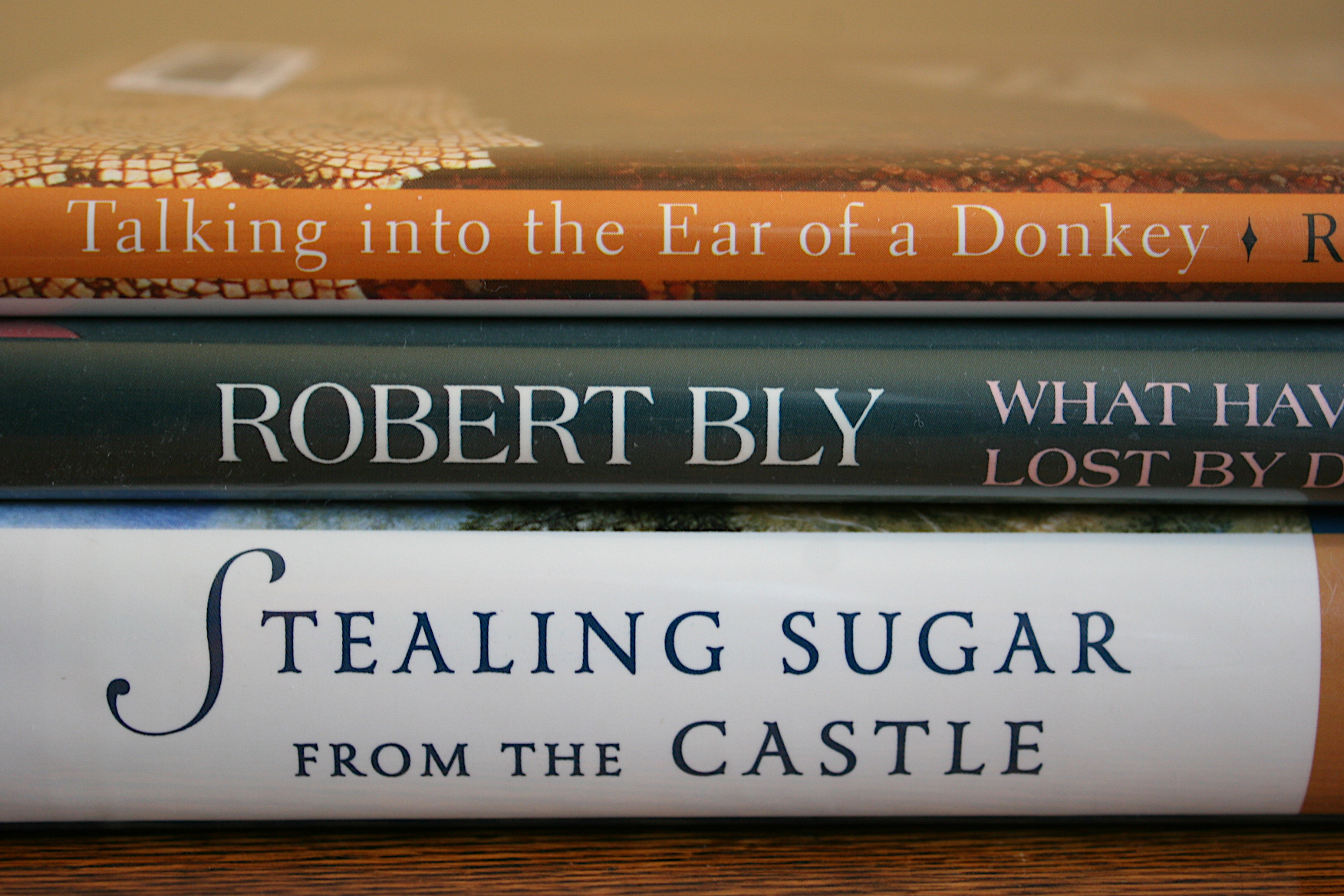
Books by Minnesota poet Robert Bly. (Minnesota Prairie Roots copyrighted photo)

AS A PUBLISHED POET, you might expect me to read a lot of poetry. I confess that I don’t. I should, because through reading and studying others who practice our crafts, we learn.

So I determined, upon hearing of the death of renowned Minnesota poet Robert Bly on November 21, that I would read more of his poetry. I’ve checked out every Bly book available at my local library: What Have I Ever Lost By Dying?, Talking into the Ear of a Donkey and Stealing Sugar from the Castle.

Interesting titles reveal likewise interesting poems crafted by an especially gifted writer.

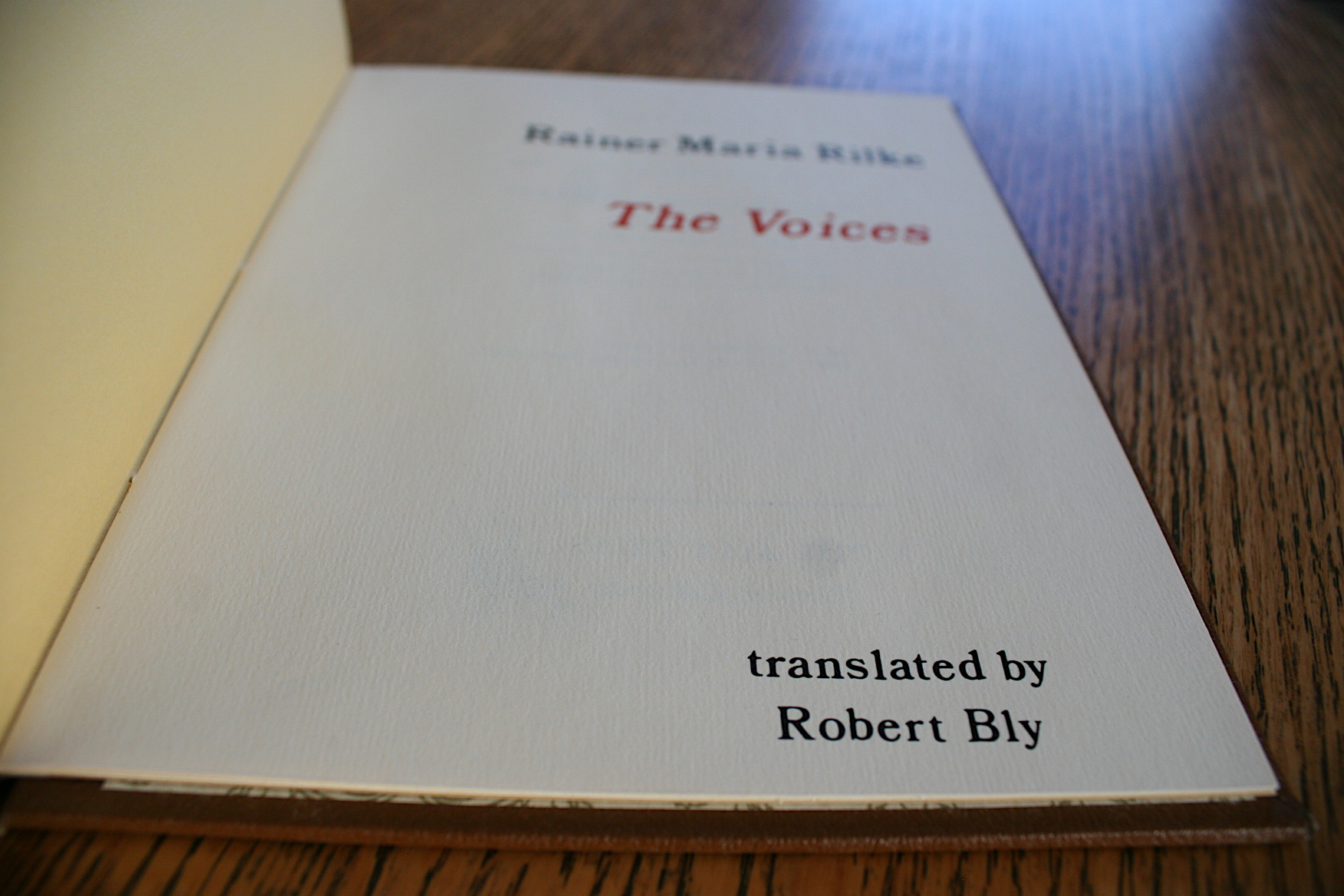
Robert Bly also translated poetry, here “The Voices” by Rainer Maria Rilke. (Minnesota Prairie Roots photo)

As I began to read Bly’s poems, I noticed the brevity. As any poet understands, each word in a poem must count. Bly seems especially adept at that. Poetry is perhaps the most difficult of writing genres.

I also see the influence of his upbringing on the southwestern Minnesota prairie. His roots are in Madison, near the South Dakota border. This small farming community is the self-proclaimed Lutefisk Capital of the US and home to a 25-foot-long fiberglass cod fish statue. Lutefisk is cod soaked in lye and a food of Norwegian heritage.

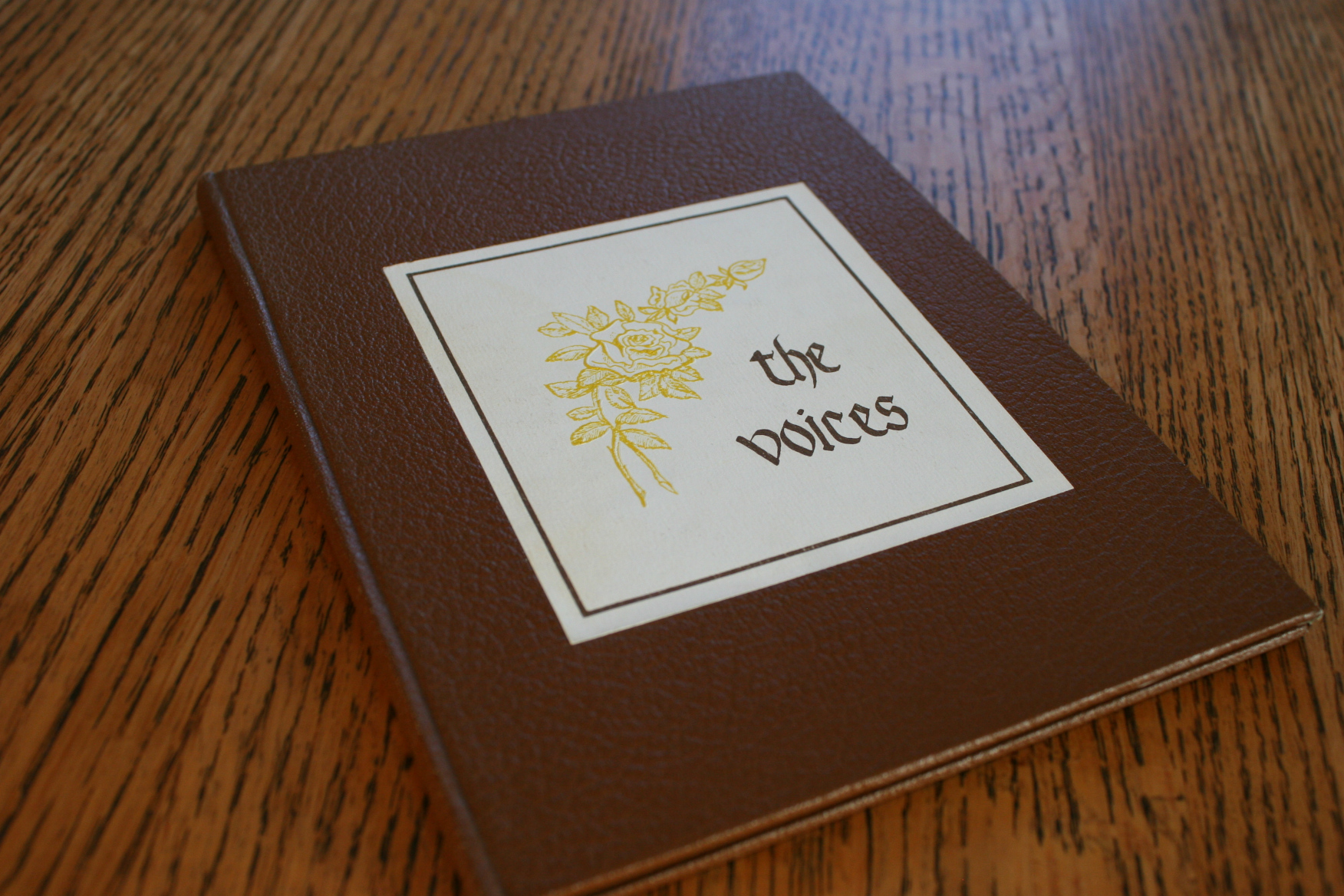
My copy of “The Voices,” translated by Robert Bly. (Minnesota Prairie Roots photo)

In Bly’s poetic voice, I hear rural reflected. From land to sky. Heritage strong. Faith interwoven. Solid work ethic. Agriculture defining small towns and occupations, threading through daily life. Bly writes with an awareness of his rural-ness, with a deep sense of place. I understand that given my roots on a southwestern Minnesota farm.

Yet, Bly’s writing isn’t defined solely by place. His world expanded when he joined the Navy after high school graduation, then attended St. Olaf College in Northfield for a year before transferring to Harvard. He pursued additional degrees. He was a prolific writer. A poet. An essayist. An activist.

While watching a public television documentary on Bly last week, I learned more about his activism. During the Vietnam War. In writing about men. He authored Iron John: A Book About Men, which remained on the New York Times Best Sellers List for 62 weeks. Sixty-two weeks. That’s saying something about Bly’s influence.

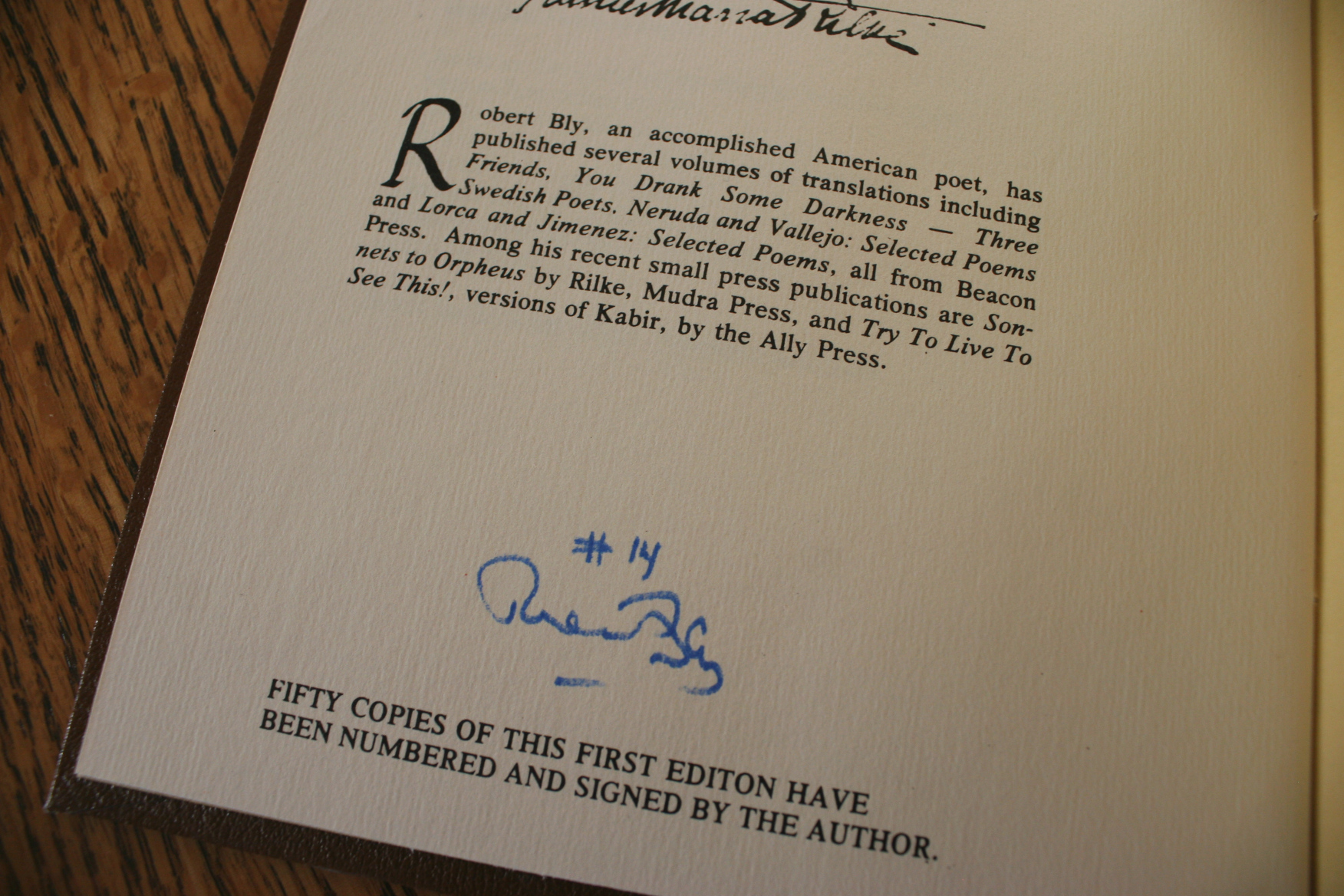
Robert Bly’s autograph in my first edition copy of “The Voices.” (Minnesota Prairie Roots photo)

He also translated the works of others, including Rainer Maria Rilke’s The Voices. It’s a slim volume of nine poems with a title poem. And I have a copy of that beautiful hardcover book, purchased several years back at a used book sale in Faribault. Mine is number 14 of 50 limited first edition copies published in 1977 by The Ally Press and autographed by Robert Bly. Now, upon the poet’s death, this collection holds even more significance. More value.

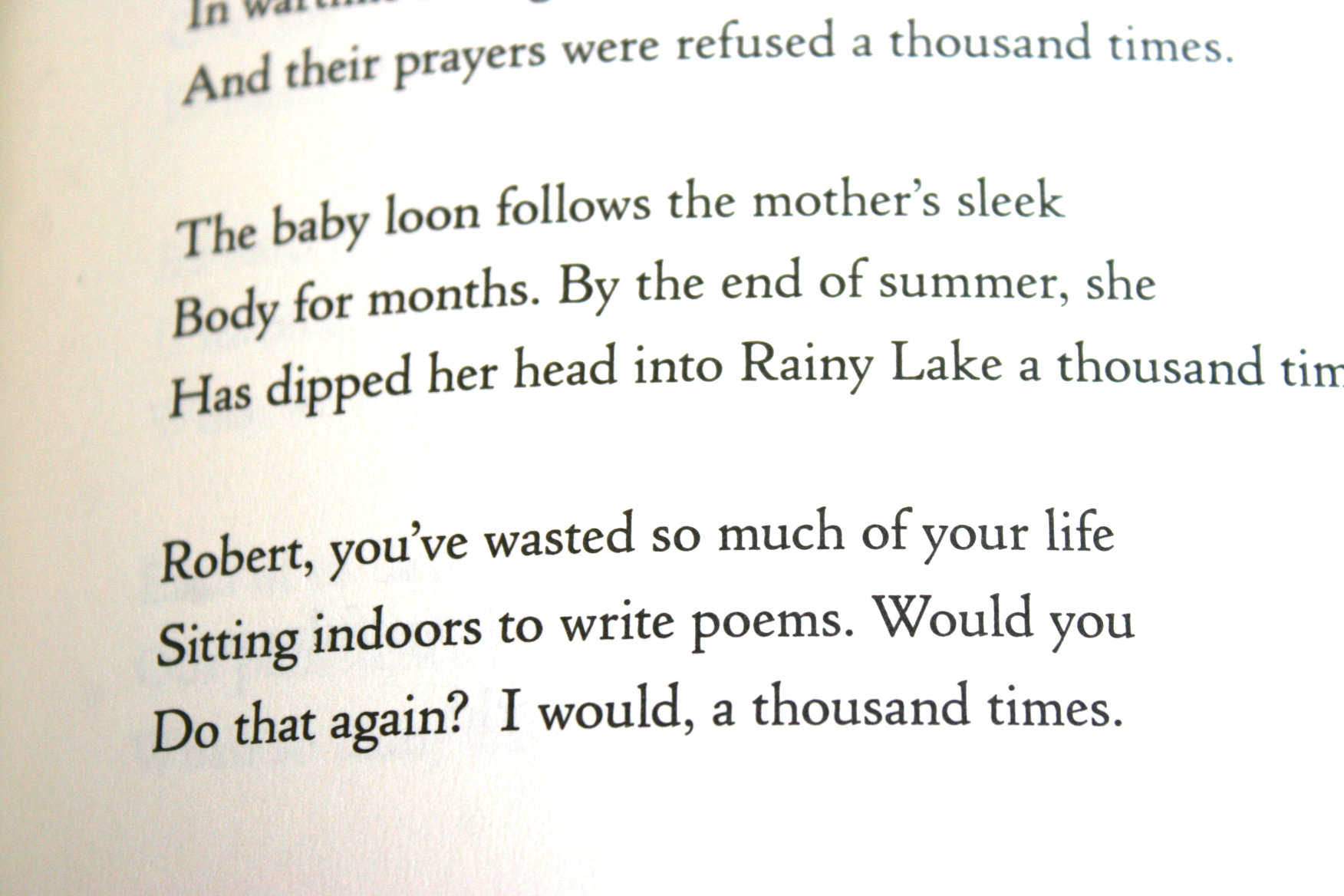
The final three lines in Bly’s poem, “Ravens Hiding in a Shoe,” summarize his passion for penning poetry. (Minnesota Prairie Roots photo)

Though Bly has passed at the age of 94, his legacy as a writer will endure. He scored many awards and accolades throughout his writing career. But I sense, even with that success, it was the craft of writing, the ability to pursue his passion for the written word, which he valued the most. That, too, I understand. For to write is to breathe.

#

FYI: To read another take on Bly, I direct you to gifted writer and poet Kathleen Cassen Mickelson, who blogs at One Minnesota Writer. She reflected on Bly in a post titled “Remembering Robert Bly.”

© Copyright 2021 Audrey Kletscher Helbling
 

Featuring Faribault poet Larry Gavin March 11, 2020

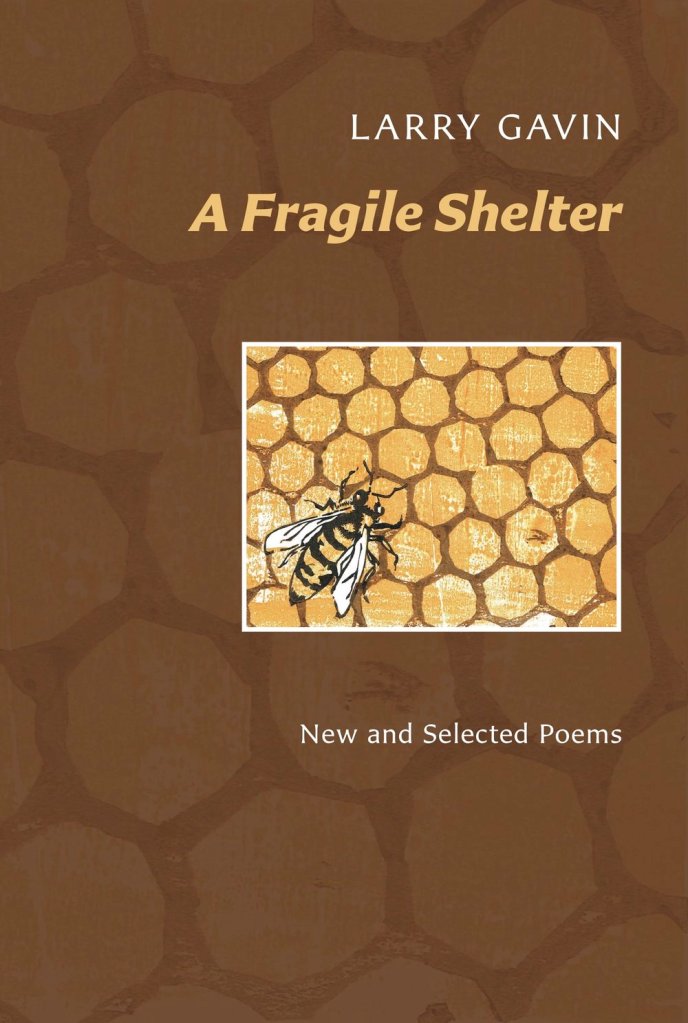
Cover art courtesy of Red Dragonfly Press.


FARIBAULT RESIDENT AND FELLOW poet Larry Gavin reads at 7 pm Thursday, March 12, from his latest poetry collection, A Fragile Shelter—New and Selected Poems, at the Northfield Public Library. This marks his fifth volume of poetry published by Northfield-based Red Dragonfly Press.

I’ve known Larry since he taught English to my eldest daughter at Faribault High School. And then to my second daughter and son. It was during parent-teacher conferences that I learned more about this gifted poet and writer and the connections we share.


An abandoned farmhouse along Minnesota State Highway 19 east of Vesta on the southwestern Minnesota prairie. The house is no longer standing. Minnesota Prairie Roots file photo.


Like me, Larry writes with a strong sense of place. His poems are down-to-earth, descriptive. I see his love of the outdoors, the natural world, imprinted upon his writing. He grew up in Austin, in a decidedly rural region of southeastern Minnesota. And he lived for 15 years, decades ago, in rural southwestern Minnesota to study writing with some remarkable writers like Robert Bly, Bill Holm, Leo Dangel and others. The prairie influence of place and details is there, in Larry’s poetry. Just as it is in mine as a native of the Minnesota prairie.

I’d encourage you to read a post I published in 2011 featuring a Q & A with this poet. Click here.


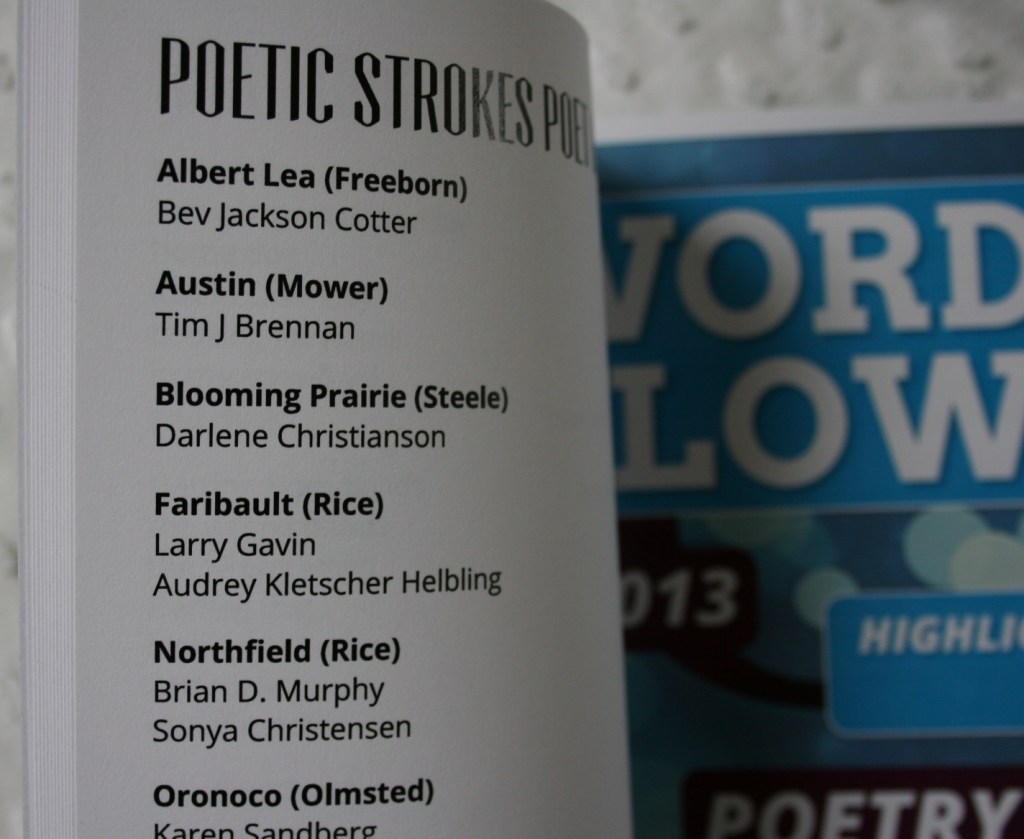
Larry and I both had poems published in the 2013 volume of Poetic Strokes. Minnesota Prairie Roots file photo 2013.


Over the years, Larry and I have sometimes found ourselves crossing as poets—work published in the same places, reading together with other area poets at events, our poems selected for poet-artist collaborations, our poems published on billboards…

It’s always been an honor and a joy to read with Larry, especially to hear him read. His voice is a radio voice—flawless, dipping and rising with the rhythm of his poem, each word flowing into the next in a way that mesmerizes. He taught me that poetry is meant to be read aloud. I find myself now, whenever I write a poem, reading it aloud to hear if a word/line works or it doesn’t.


I took poetic license and photoshopped this image of the button I wore identifying me as a poet at a poetry event. Minnesota Prairie Roots file photo.


Poetry today is not your grandmother’s poetry of rhyming verses and flowery, fancied up writing. At least not the poems I write nor those written by Larry. At a poetry reading last year, he talked about “found poems,” poetry inspired, for example, by a note posted in a public place. His humorous poem about a would-be babysitter, who cited experience picking rock, prompted an outburst of laughter. I like that, too, about Larry’s writing. His poems aren’t all stuffy and serious.

To my friend, fellow poet and recently-retired English teacher, Larry Gavin, I extend my congratulations on publishing another collection of poetry. To read or hear his poetry is to recognize his talent as a wordsmith, for he crafts with a love of language, of the land, of life.

© Copyright 2020 Audrey Kletscher Helbling
 

How I love this poetry collection April 22, 2019


HOW DO I LOVE THEE? Let me count the ways.

Those introductory words to sonnet number 43 by Elizabeth Barrett Browning imprinted upon many a heart, mine included. Not that I can recite the poem. But I remember that first love line and the two lines that follow.

I love thee to the depth and breadth and height
My Soul can reach, when feeling out of sight.


Ah, how I appreciate lyrical love poems. Words with depth penned from the soul.


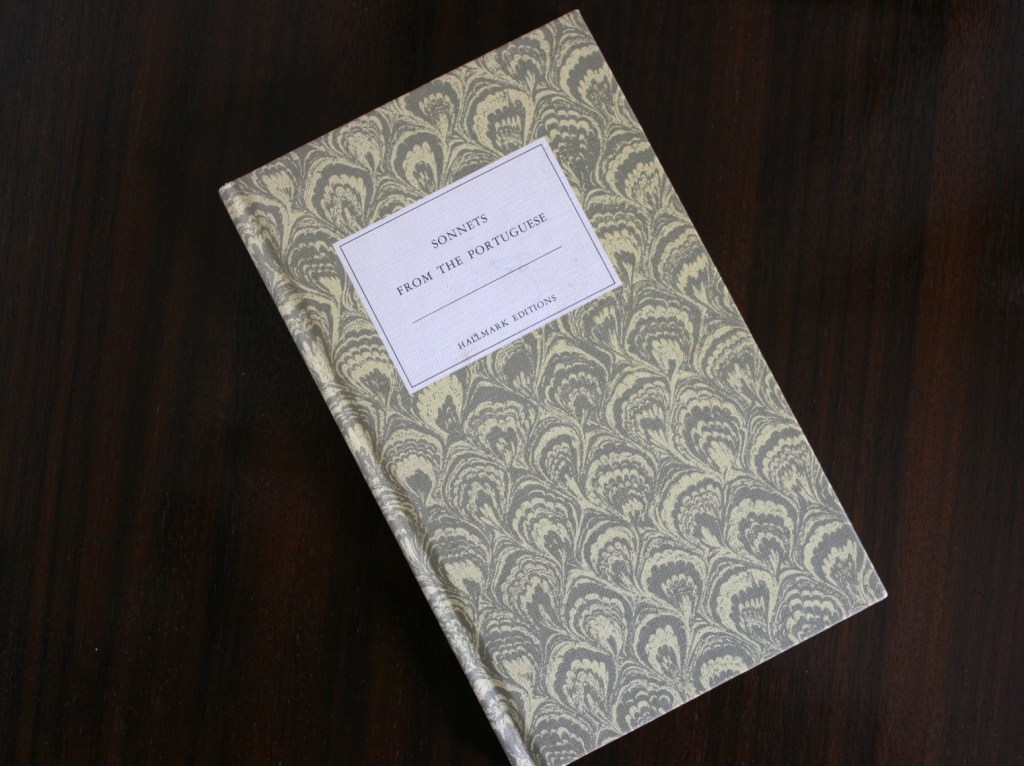
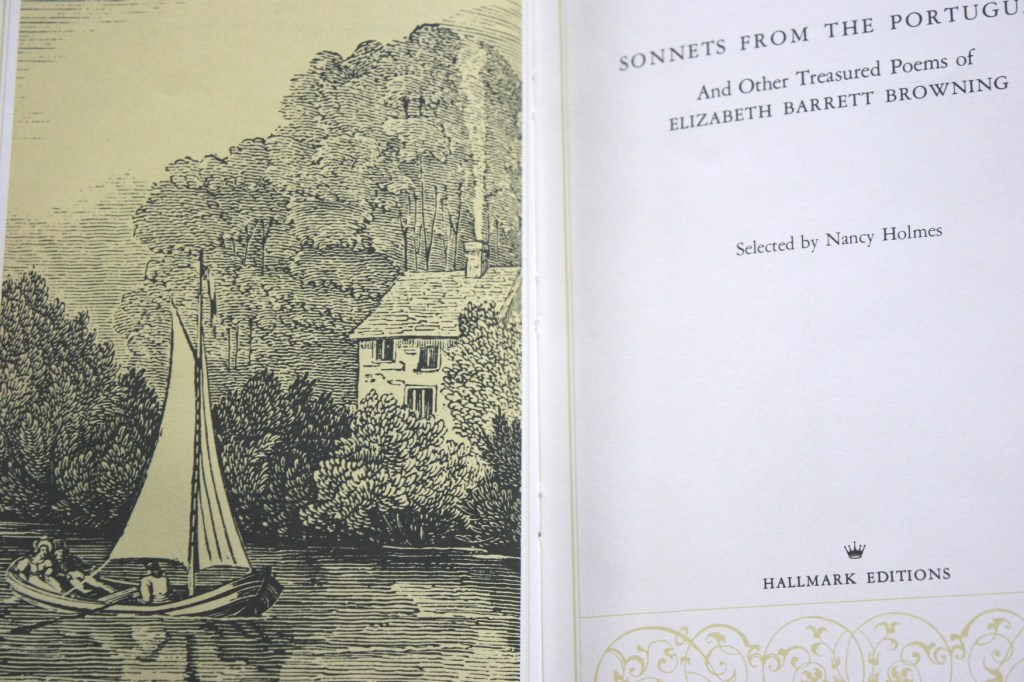
And how I appreciate those who embrace poetry. Like my friend Barb. She recently gifted me with a 1967 Hallmark Editions volume of Sonnets from the Portuguese and Other Treasured Poems of Elizabeth Barrett Browning. It’s a beautiful vintage collection of Browning’s love poems written between 1845-1846 and published in 1850. The British poet wrote the sonnets before her marriage to Robert Browning, a union disapproved of by her father. The couple secretly married in 1846.

I won’t pretend to understand everything Browning writes. If I chose to study her works, I would gain that depth of understanding. But I’m OK with simply reading and interpreting on my own.


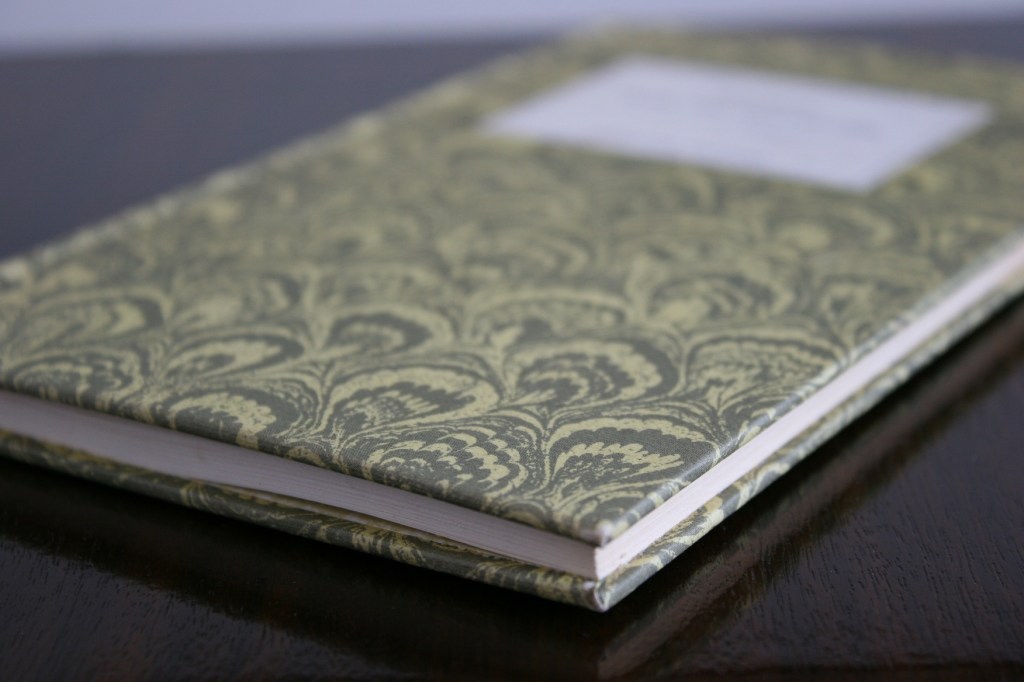
My delight in unexpectedly receiving this 52-year-old slim collection reaches beyond words. The book is a work of art with poems printed in Garamond typeface on Hallmark Eggshell Book paper and with several illustrations interspersed therein. The covers, too, are lovely in a muted sage. To hold and page through this book is to hold creativity.

I feel intentionally and richly blessed when friends like Barb understand how I value the literary and visual arts. Barb knew this collection of Browning’s writing would hold meaning for me as a poet, as a creative. Especially during April, National Poetry Month.

TELL ME: Do you have a favorite poet or poem?

© Copyright 2019 Audrey Kletscher Helbling
 

Eleven magnetic words equal a poem January 24, 2019

Filed under: Uncategorized — Audrey Kletscher Helbling @ 5:00 AM
Tags: , , , , , , , ,

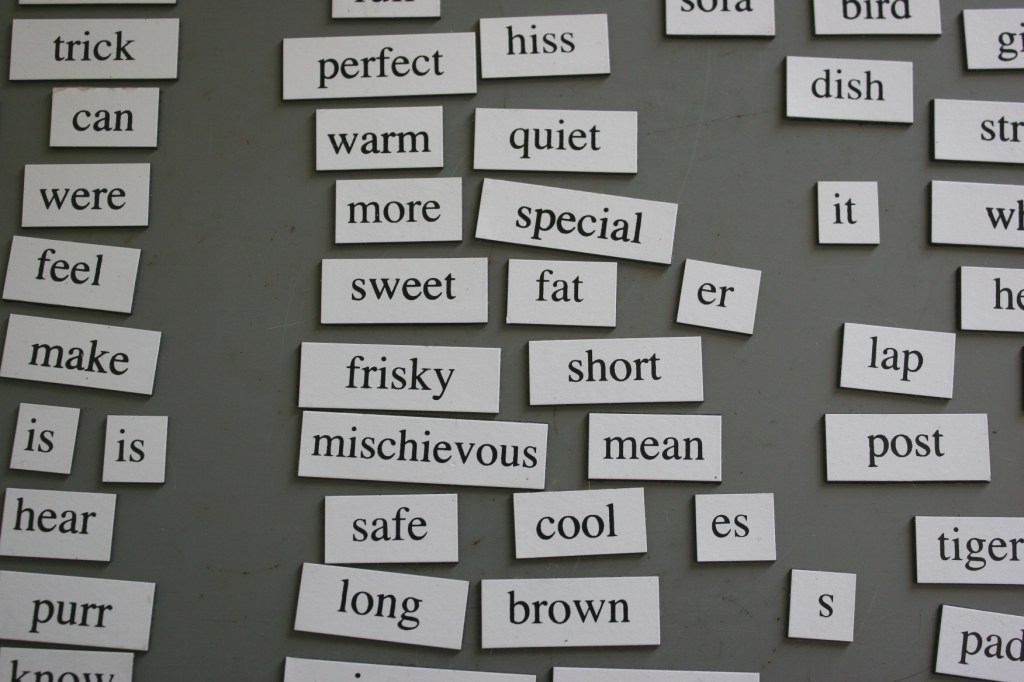
SEVERAL MONTHS AGO, I purchased a duo Tootsie Toy magnetic board/chalkboard at an Owatonna thrift shop. I didn’t need it. But I liked the vintage look and the possibilities. Those reasons sufficed to hand over a few bucks.


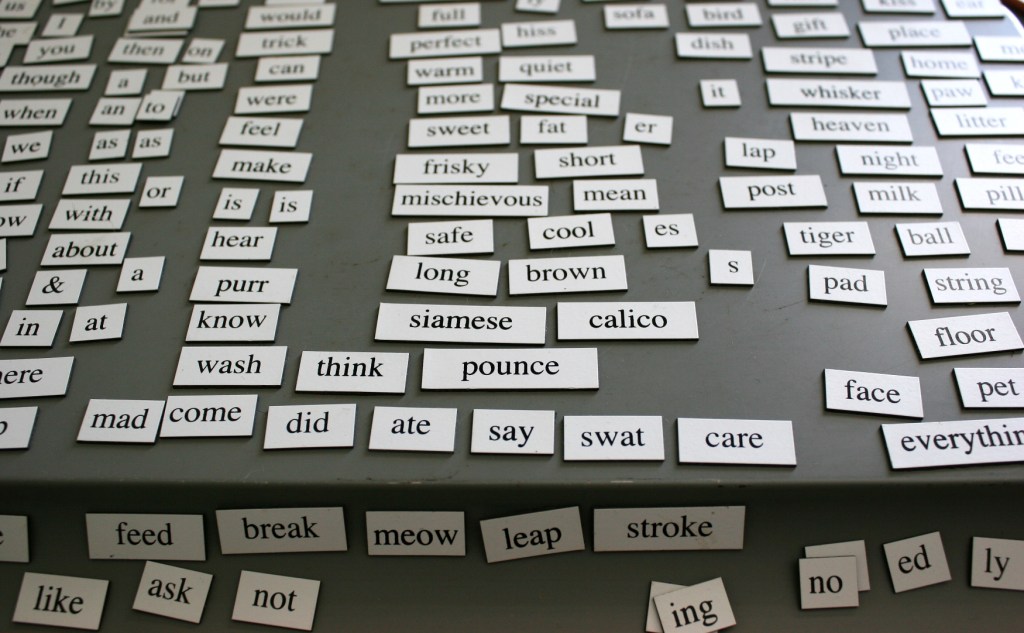
Along with the board came a bonus baggie of magnetic words. They aren’t original to the board but probably were thrown in because what else do you do with a bunch of donated stray magnetic words?

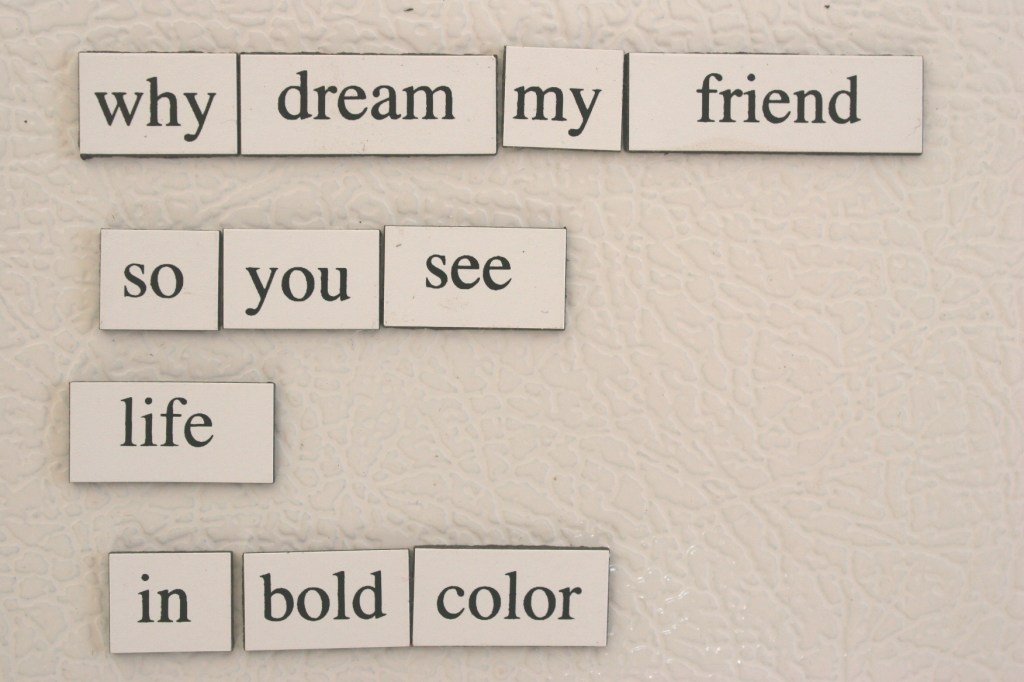
I finally got around to making poetry with them. Here’s my first poem, which I posted on my refrigerator:


This proved a good challenge—to use the limited words to create poetry. (Pretend a question mark ends the first line.)


As poets understand, poetry requires tight writing. A word must hold value or out it goes. Poetry writing may seem easy to those not engaged in the craft. But it’s not. Penning poems requires focused skill and much practice as one of the most disciplined forms of literary art.

Thoughts?

© 2019 Audrey Kletscher Helbling
 

An aha moment while reading poetry January 15, 2019

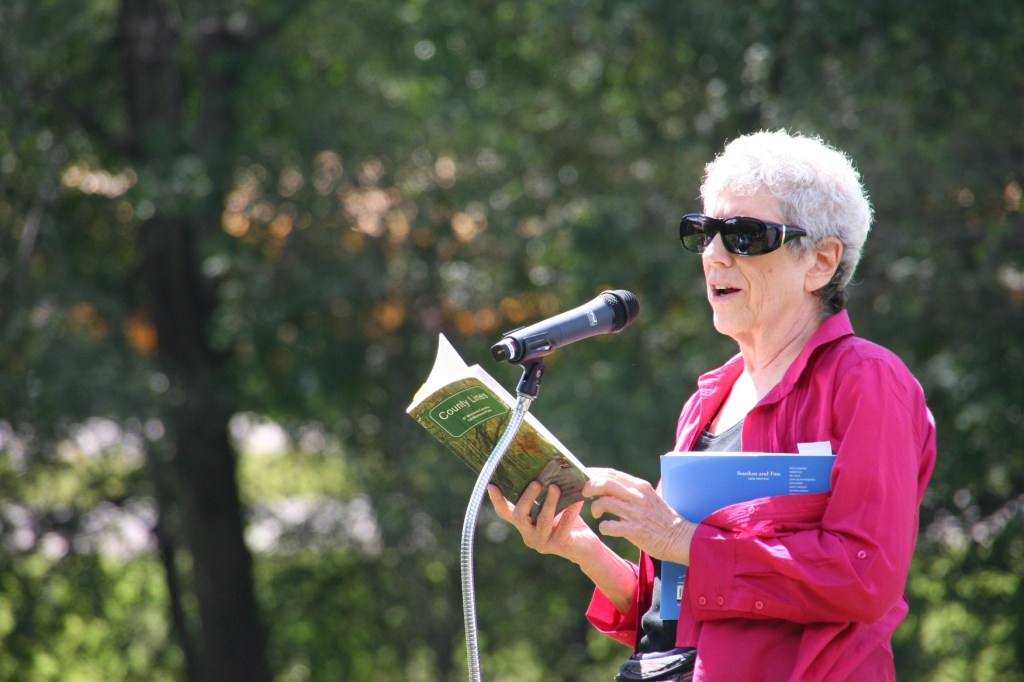
Mira Frank reads the works of published Minnesota poets, here from County Lines during an event at the Treaty Site History Center in St. Peter in August 2016. I also read. Minnesota Prairie Roots file photo 2016.


MANY TIMES I’VE READ my poetry aloud at events. I’m not a fan of public speaking. But it’s getting easier to stand before an audience and share what I’ve written. Practice helps.

When I read six poems at Content Bookstore in Northfield several days ago, I experienced a real connection with the audience. I don’t know if it was the intimate setting in a cozy independent bookstore or the people in attendance or the poems I selected or my frame of mind. Probably all. But something clicked that made me realize my poetry meant something to those hearing it.


Five of my works (poetry, fiction and creative nonfiction) published in Volume 26 of The Talking Stick, Fine Lines.


This proved a profound moment—to recognize that words I crafted into poetry sparked emotional reactions. I had created art. Literary art.

People laughed when I read a poem about my 40th high school class reunion and selecting “Dead Skunk in the Middle of the Road” as our class song.


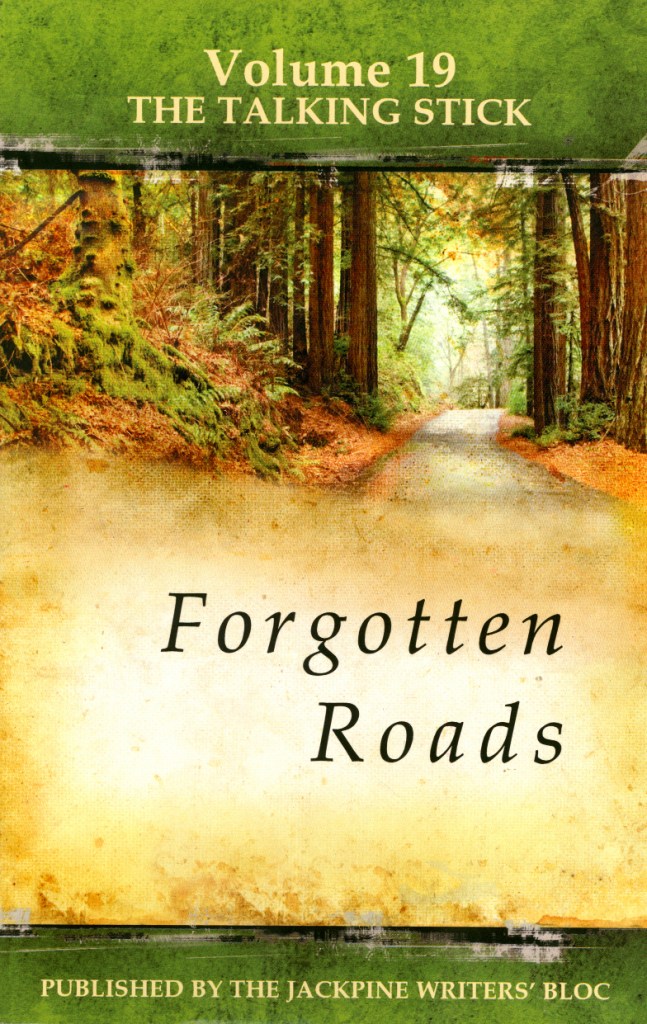
TS 19 in which my poem, “Hit-and-Run,” received honorable mention.


But, when I read an especially powerful, personal poem titled “Hit-And-Run,” I observed facial expressions change to deep concern, even fear. I struggled to get through the poem about my son who was struck by a car in 2006. I glanced at his then middle school science teacher sitting in the audience and remembered the support she gave our family. When I finished the final lines of the poem with an angled police car blocking the road to my boy, I sensed a collective sadness. I felt compelled to tell the audience, “He was OK.”

After that, I composed myself to read four additional poems. I read with inflection, with all the emotion a writer feels when writing a poem. I unleashed those feelings into spoken words. Words that, when verbalized, hold power beyond print. Poetry, I understood, is meant to be read aloud to fully appreciate its artistic value.

© Copyright 2019 Audrey Kletscher Helbling
 

Just a reminder: Poetry reading this evening in Northfield & I’ll be there January 10, 2019

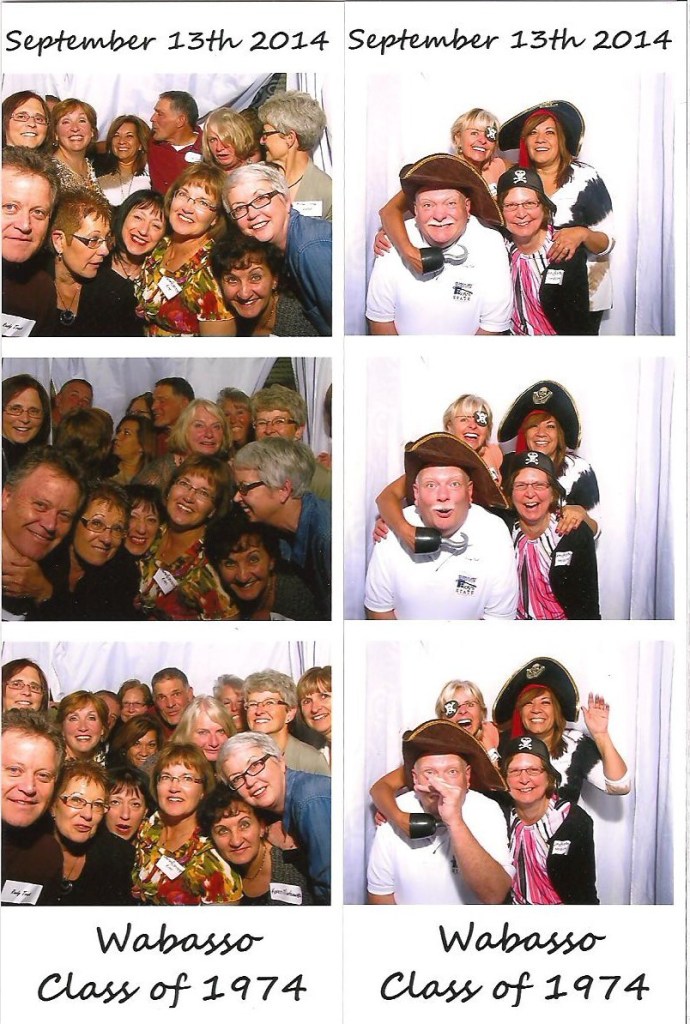
How many classmates can cram into a photo booth? These photos inspired a poem I wrote and will read this evening in Northfield. Minnesota Prairie Roots file photo.


AS I PREPPED for this evening’s poetry reading at Content Bookstore in downtown Northfield, my husband asked how many poems I’ve had published. Good question. I don’t know. But my guess would be forty.

With 10 minutes to read my work, choosing poems proved difficult. I narrowed it down to six that I particularly like and that are fun to read aloud. And that fit within my time limit. From an especially painful memory of my son being struck by a car in 2006 to a recap of my 40th high school class reunion to a conversation in a grocery store parking lot, my poems reflect a range of topics. I aimed for that.


My poem initially published in In Retrospect, The Talking Stick, Volume 22, an anthology published by The Jackpine Writers’ Bloc based in northern Minnesota. The same poem was then selected for inclusion in an artsong project by Rochester musician David Kassler. He wrote music for my poem which was then sung by a Chamber Choir. Minnesota Prairie Roots file photo.


Early on in my poetry writing I tended to write a lot of “place” poems set in my native southwestern Minnesota prairie. I’ve expanded beyond that narrow subject now, although the prairie can still claim credit for my writing style. I write with detail. Not just visual, but detail that engages every sense. The starkness of the prairie causes one to notice everything. The howl and bite of the wind. The warmth of soil black as a night sky. The smell of rain and of barn. The taste of sunshine in a garden-fresh tomato.


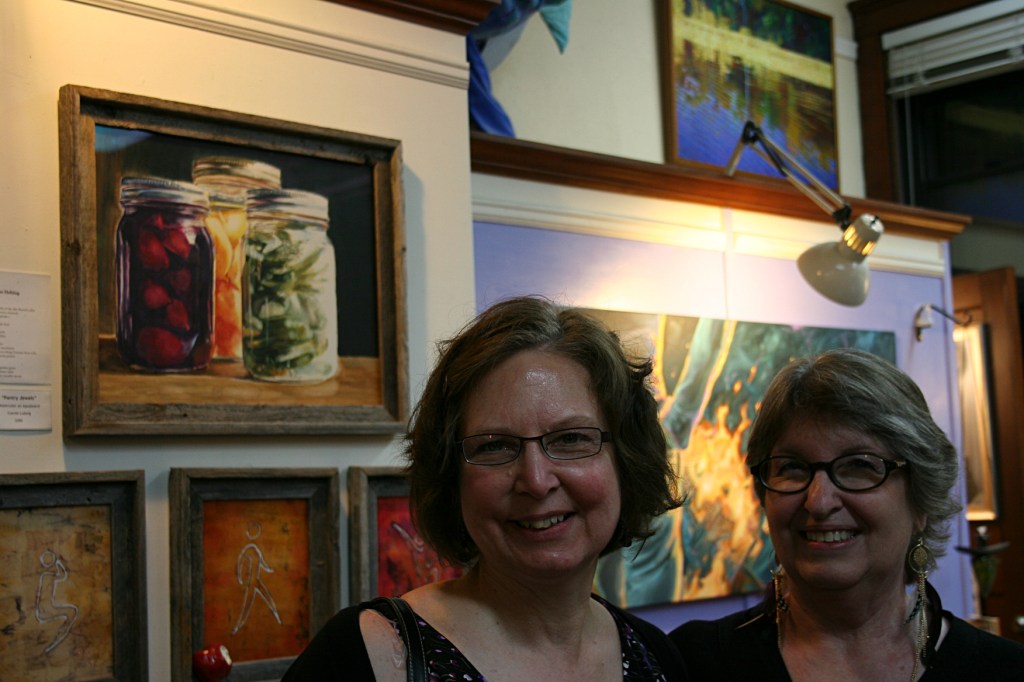
In 2012, artist Connie Ludwig, right, created a painting (left, above my head) based on my poem, Her Treasure. Minnesota Prairie Roots file photo 2012.


In my poem Her Treasure, which I will read this evening, I honor all the farm women who labored upon the land by planting and harvesting from vast gardens. I honor, too, my hardworking mom in Ode to My Farm Wife Mother. That poem published in the 2017 issue of Oakwood Magazine, a literary journal printed by South Dakota State University.


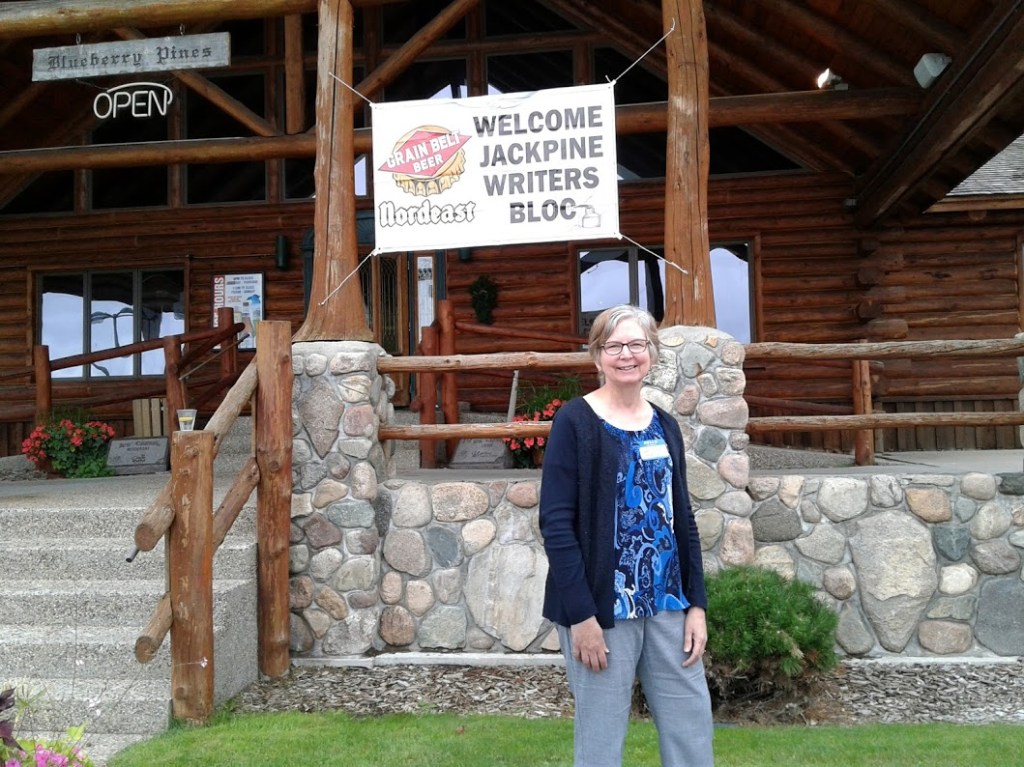
The setting for The Talking Stick book release party in 2017, Blueberry Pines Golf Club. I’ve been published in this Minnesota anthology numerous times winning honors for my poetry, fiction and creative nonfiction. Minnesota Prairie Roots file photo 2017.


I am honored and humbled to have my award-winning poetry published in a variety of places: The Talking Stick, Poetic Strokes, Lake Region Review, The Minneapolis Star Tribune, Mankato Poetry Walk & Ride, Oakwood Magazine, Roadside Poetry Project, Poet-Artist Collaboration at Crossings at Carnegie, Image & the Word, The Lutheran Digest, Minnesota Moments magazine and probably some other places I’m forgetting right now.

My poetry is down-to-earth understandable. I’ve always written that way. If you live near Northfield, please join me and four other Faribault area poets at 7 this evening as we share our poetry. And, please, introduce yourself. I’d love to meet you.

© Copyright 2019 Audrey Kletscher Helbling


Meet me at the Faribault library Thursday evening November 8, 2017
 

A snippet of the display I’ve created for the Local Authors Fair at Buckham Memorial Library.


TOMORROW EVENING (November 9) I join 13 Faribault area writers as we showcase the craft of writing at Buckham Memorial Library’s Local Author Fair.

I’m ready with a display of sample published works, educational hand-outs, free candy and a Minnesota anthology for you to buy. I have limited copies of Fine Lines, The Talking Stick, Volume 26 in which five of my works published this year.


Grab a mini candy bar from my table and get a bonus quote about the craft of writing.


The drop-in event on the second floor Great Hall features each writer at his/her own table. So simply circulate, meet the authors and engage in conversation. You have only one hour, from 6 – 7 p.m., to meet everyone.

Here’s a sample of my writing, an award-winning poem printed in 2014 in Symmetry, The Talking Stick, Volume 23, and published by The Jackpine Writers’ Bloc:


This auction barn in Montgomery inspired my poem, “Sunday Afternoon at the Auction Barn.” Minnesota Prairie Roots file photo.


Sunday Afternoon at the Auction Barn


Shoulder brushes shoulder as bidders settle onto plank benches

in the tightness of the arched roof auction barn,

oil stains shadowing the cement floor below their soles,

where a farmer once greased wheel bearings on his Case tractor.


The auctioneer chants in a steady cadence

that mesmerizes, sways the faithful fellowship

to raise hands, nod heads, tip bidding cards

in reverent respect of an ancient rural liturgy.


Red Wing crock, cane back rocker, a Jacob’s ladder quilt,

Aunt Mary’s treasured steamer trunk, weathered oars—

goods of yesteryear coveted by those who commune here,

sipping steaming black coffee from Styrofoam cups.


Find me, introduce yourself and ask me about my passions—writing and/or photography—and hear my story.


© Copyright 2017 Audrey Kletscher Helbling