Minnesota Prairie Roots

Writing and photography by Audrey Kletscher Helbling

“Love your neighbor,” Part I from Northfield November 17, 2025

Photographed many years ago in downtown Faribault. (Minnesota Prairie Roots copyrighted file photo used here for illustration only)

MY SUNDAY BEGAN as most Sundays do with morning worship at my church. The sermon highlighted sections of Mark 12, which includes this verse: Love your neighbor as yourself. That would theme the rest of my day.

Hours later I found myself gathered with others for the annual Rice County Salvation Army Red Kettle Campaign Kickoff. Again, the focus was on neighbors, specifically helping our neighbors in need.

Shortly after that event, Randy and I were on the road to neighboring Northfield for a 5 pm candlelight prayer vigil at Bridge Square. That, too, was about loving our neighbors. This time the gathering focused on supporting the family of Adan Nunez Gonzalez, a 41-year-old father of four snatched by masked Immigration and Customs Enforcement agents at gunpoint on November 11 in a residential neighborhood of Northfield. That incident has sparked outrage in this southern Minnesota college town and beyond.

Several family members and others witnessed Nunez Gonzalez being pulled from the passenger side of a vehicle while he was arriving at a job site along Washington Street. He’s a painter, originally from Mexico, with reportedly no criminal record who has been living in the US for 11 years. The entire incident was captured on video by his teenage son, called to the scene, and has been widely-circulated on social media. Nunez Gonzalez is now being held in the Kandiyohi County Jail. That county is among eight in Minnesota assisting with various aspects of ICE enforcement efforts. My county of Rice is not among them.

Attendees gather at Bridge Square as the candlelight prayer vigil is about to begin. (Minnesota Prairie Roots copyrighted photo November 2025)

HEAVY, YET HOPEFUL, HEARTS

The mood at Sunday’s prayer vigil felt heavy, yet hopeful, as some 200 of us gathered in the town square for this event organized by the Northfield faith community. As the sun set, as the nearby Cannon River roared over the dam, candles were distributed, lit and the crowd pressed together around a monument honoring Civil War soldiers. In late September, football players from Carleton College, blocks away, met here to turn the eagle atop the monument toward their college after defeating across-town rival St. Olaf College. It’s an annual celebratory tradition for the winning team.

Bridge Square has long been a community gathering spot, a place to celebrate, to peacefully protest, to meet one another for local events.

On this mid-November evening, it felt right and necessary to be here. To pray. To sing. To hear scripture quoted. To contemplate the gravity of ICE actions that have traumatized, torn families apart, instilled fear in communities across the country, raised the ire and concerns of many Americans like me who care about our neighbors and how they are being unjustly treated. Taken by armed, masked ICE agents and Border Patrol. Confined. Deported. Without due process of law.

Clergy gather before the start of the prayer vigil. (Minnesota Prairie Roots copyrighted photo November 2025)

A COMMUNITY RESPONDS

I felt the unity of a community determined to raise their voices and to take action. Northfielders have fed the family of their detained neighbor, organized activities for his children, started a GoFundMe to cover legal and other expenses, emailed support, expressed outrage and much more.

Love your neighbor as yourself was emphasized by clergy leading the vigil. One after another they stepped up to the mic, the first pastor leading us in The Lord’s Prayer. One referenced the biblical parable of the mustard seed and how we are to plant seeds of hope, faith, advocacy that will grow sturdy and strong among us. Another spoke of Jesus and his family fleeing to Egypt after his birth following threats from King Herod to find and kill all first-born males. It was fitting.

Another view of the crowd, not all of it, but a section of the attendees. (Minnesota Prairie Roots copyrighted photo November 2025)

A BIBLICAL DIRECTIVE

And then there was the well-known scripture from Matthew 25 in which Jesus asks us to care for one another—when hungry or thirsty, in need of clothing, when sick and in prison. It is as strong a directive as any in the bible to love our neighbors and to show that love in kind, caring and compassionate action.

The 25-minute Sunday evening prayer vigil closed with singing of “This Little Light of Mine.” Voices rose clear and strong in the darkness, arms stretched high, each hand grasping a single candle. A light. Many candles shining lights of support, hope, protest, resistance, outrage and more in a community that cares deeply about its neighbors.

#

NOTE: Please check back for a second “Love your neighbor” post, this one on the Salvation Army Red Kettle Campaign Kickoff. Also, note that the vigil images in this post were taken with my smartphone, thus the quality is not great compared with pix I would have taken with my 35 mm Canon. I left that at home, opting to be in the moment.

© Copyright 2025 Audrey Kletscher Helbling


Forgiveness on December 26 December 24, 2024

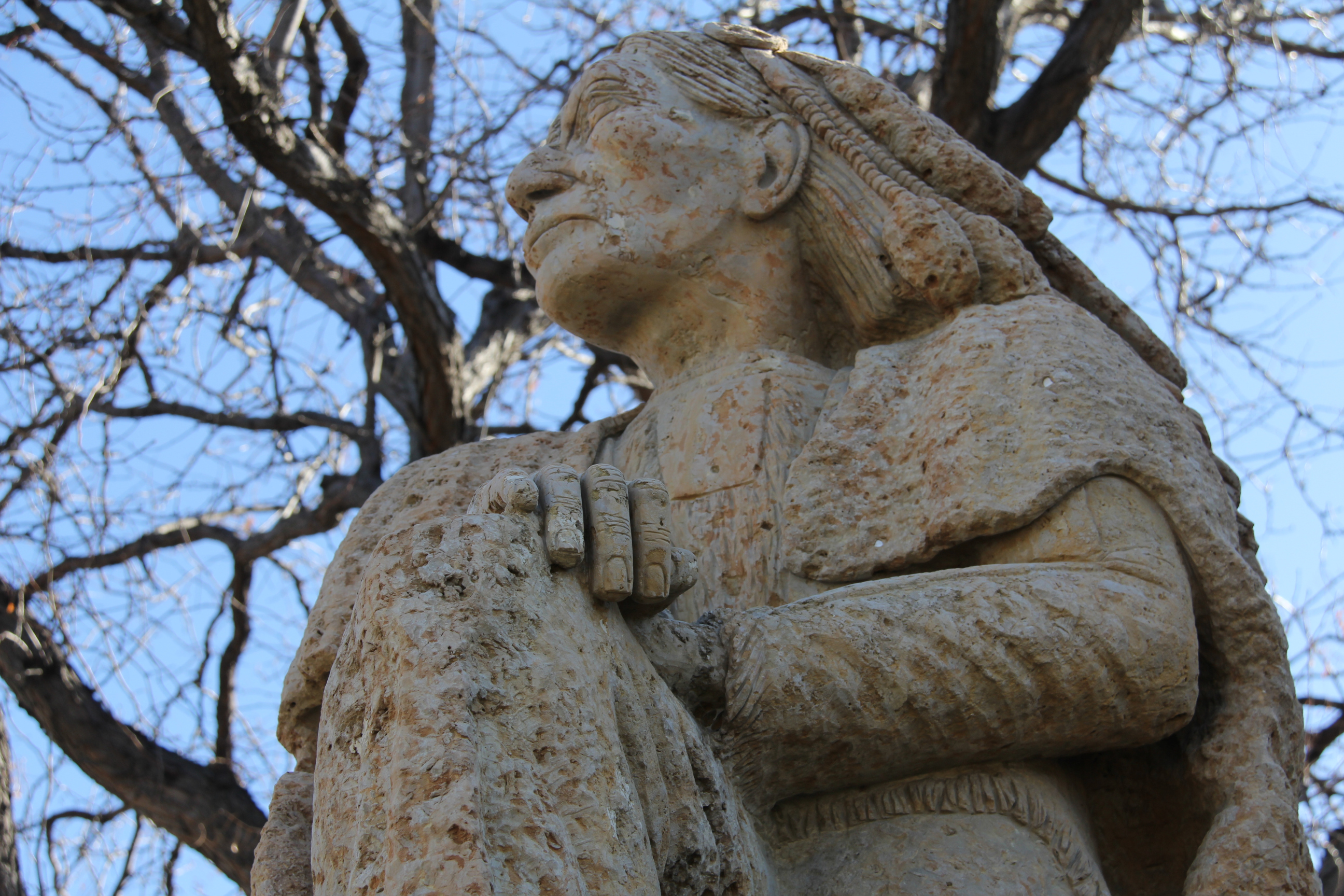
This limestone sculpture by Thomas Miller depicts a Dakota warrior. It sits across from Reconciliation Park in Mankato at the Blue Earth County Library. (Minnesota Prairie Roots copyrighted file photo November 2023)

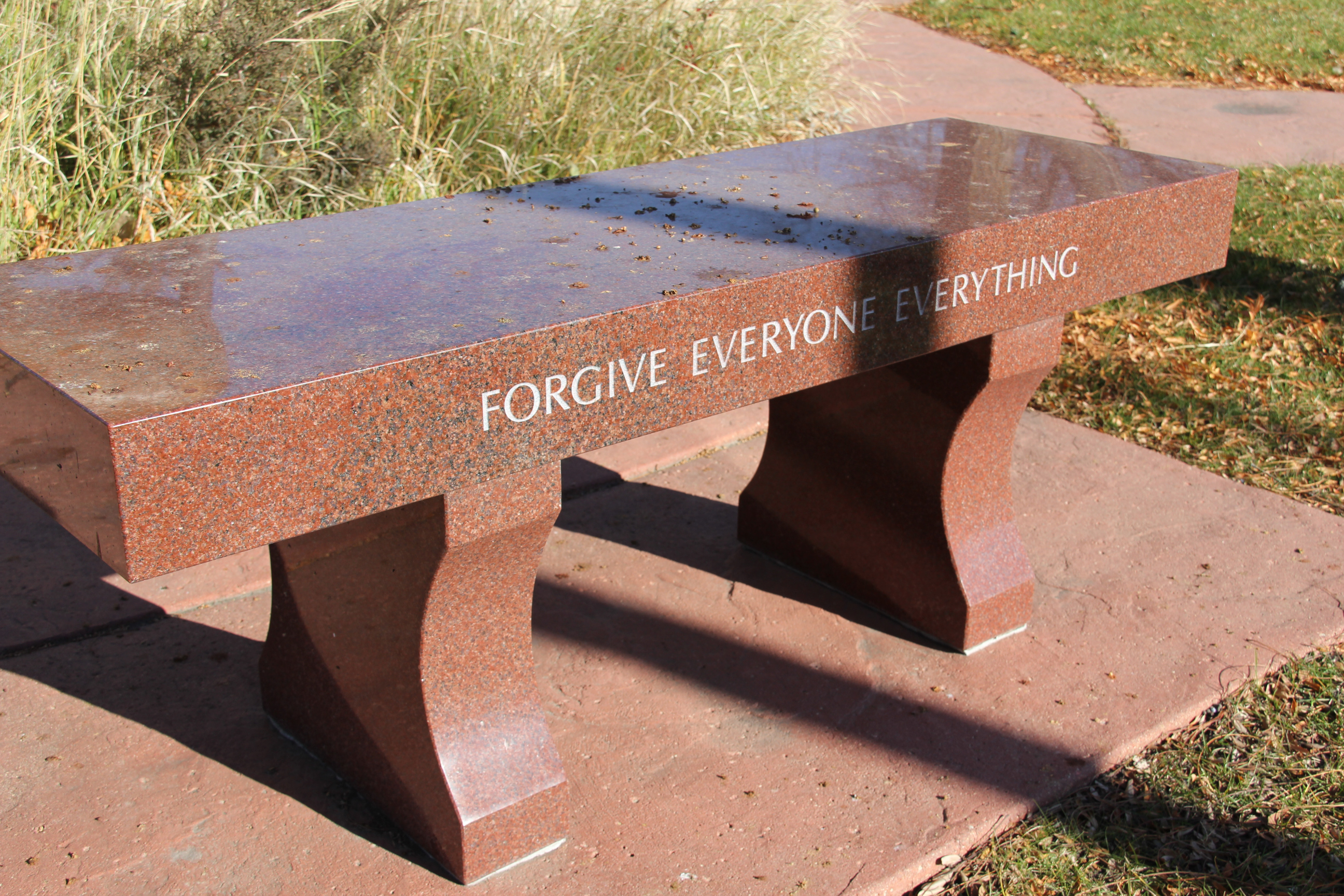
FORGIVE EVERYONE EVERYTHING.

Powerful words on a bench at the Dakota 38 Memorial in Reconciliation Park. (Minnesota Prairie Roots copyrighted file photo November 2023)

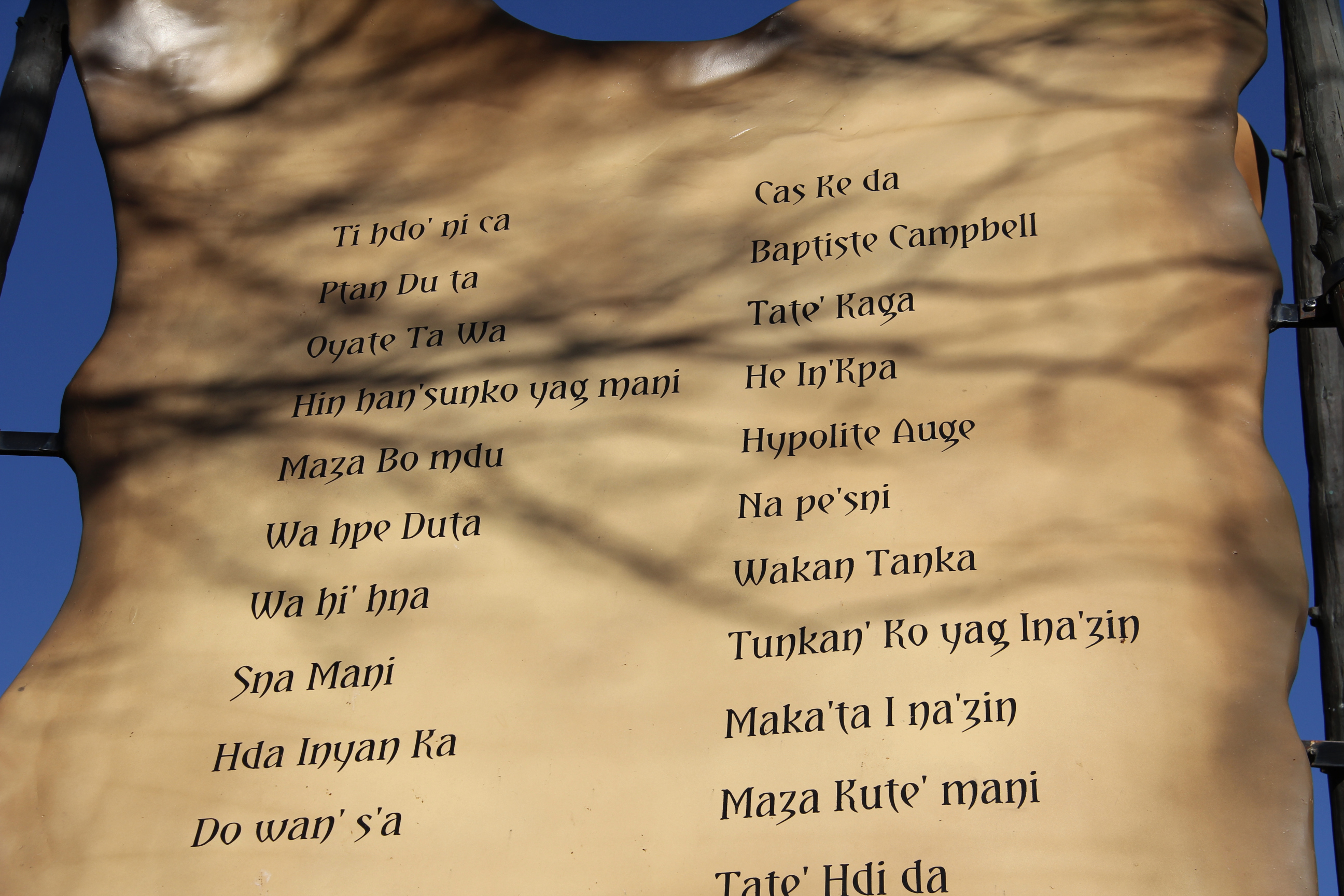
Those uppercase engraved block words, white against red on a stone bench at the Dakota 38 Memorial in the heart of downtown Mankato at Reconciliation Park, hold the strength of a people who really have no reason to forgive. But they choose to do so. And in forgiveness comes healing.

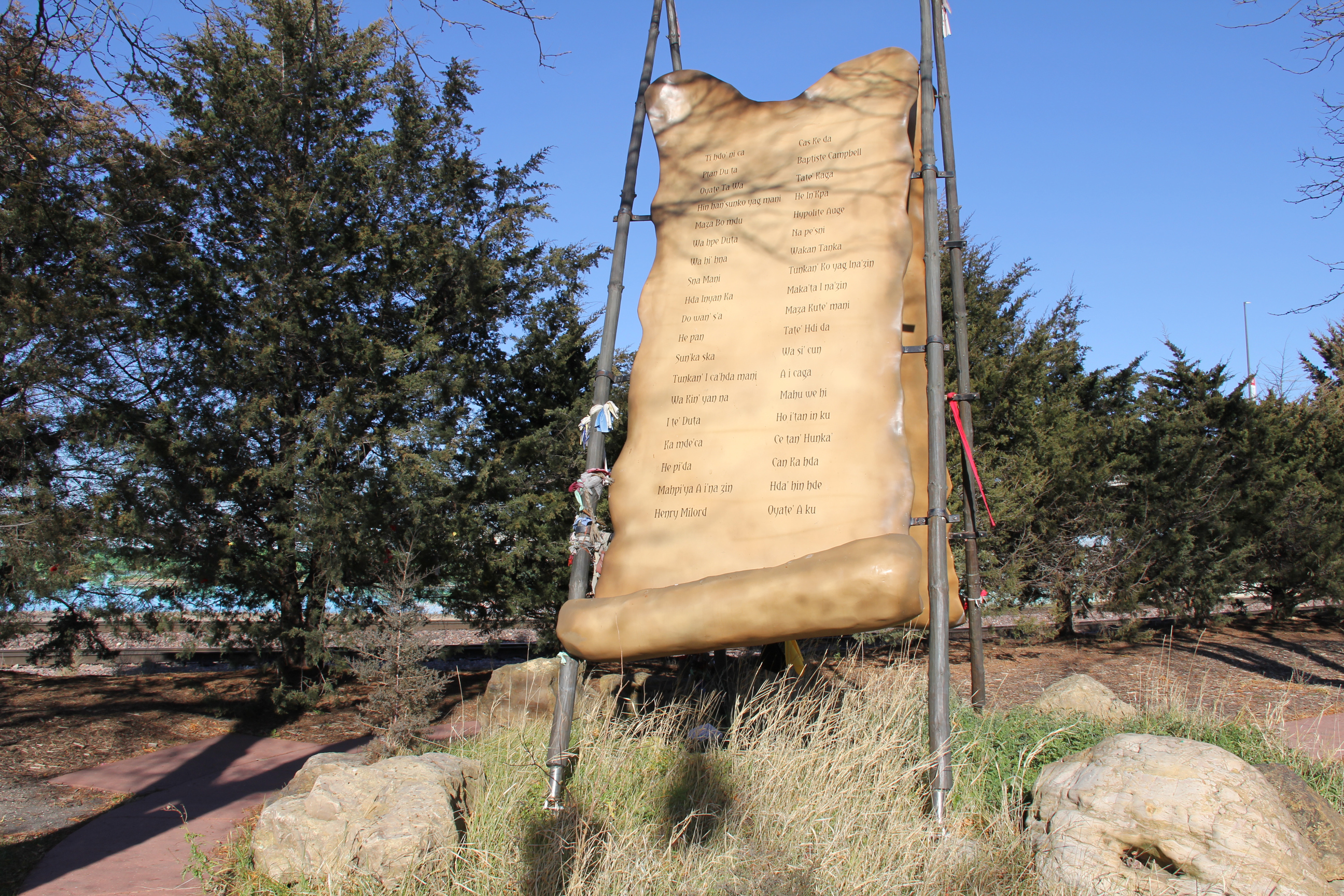
The names of the 38 Dakota men hung in Mankato are listed on the Dakota 38 Memorial. (Minnesota Prairie Roots copyrighted file photo November 2023)

December 26 marks the date in 1862 when 38 Dakota men were hung near this site along the Minnesota River in America’s largest mass execution. Originally, 303 Dakota were sentenced to death following “trials” (the quotes are intentional) after the U.S.-Dakota War of 1862. President Abraham Lincoln reviewed the list of those sentenced to death, approving the hanging of thirty-eight. Thousands gathered to watch the execution on the day after Christmas 162 years ago.

Up close, names of the Dakota who were hung. (Minnesota Prairie Roots copyrighted file photo November 2023)

This history I learned early on, but only from a White perspective and only because of my roots in southwestern Minnesota, at the epicenter of the war. I expect many Americans, including many Minnesotans, to this day know nothing of this conflict that killed hundreds of Whites and Dakota. Internment and exile of the Dakota followed. Native Peoples suffered because of the atrocities before and after the war.

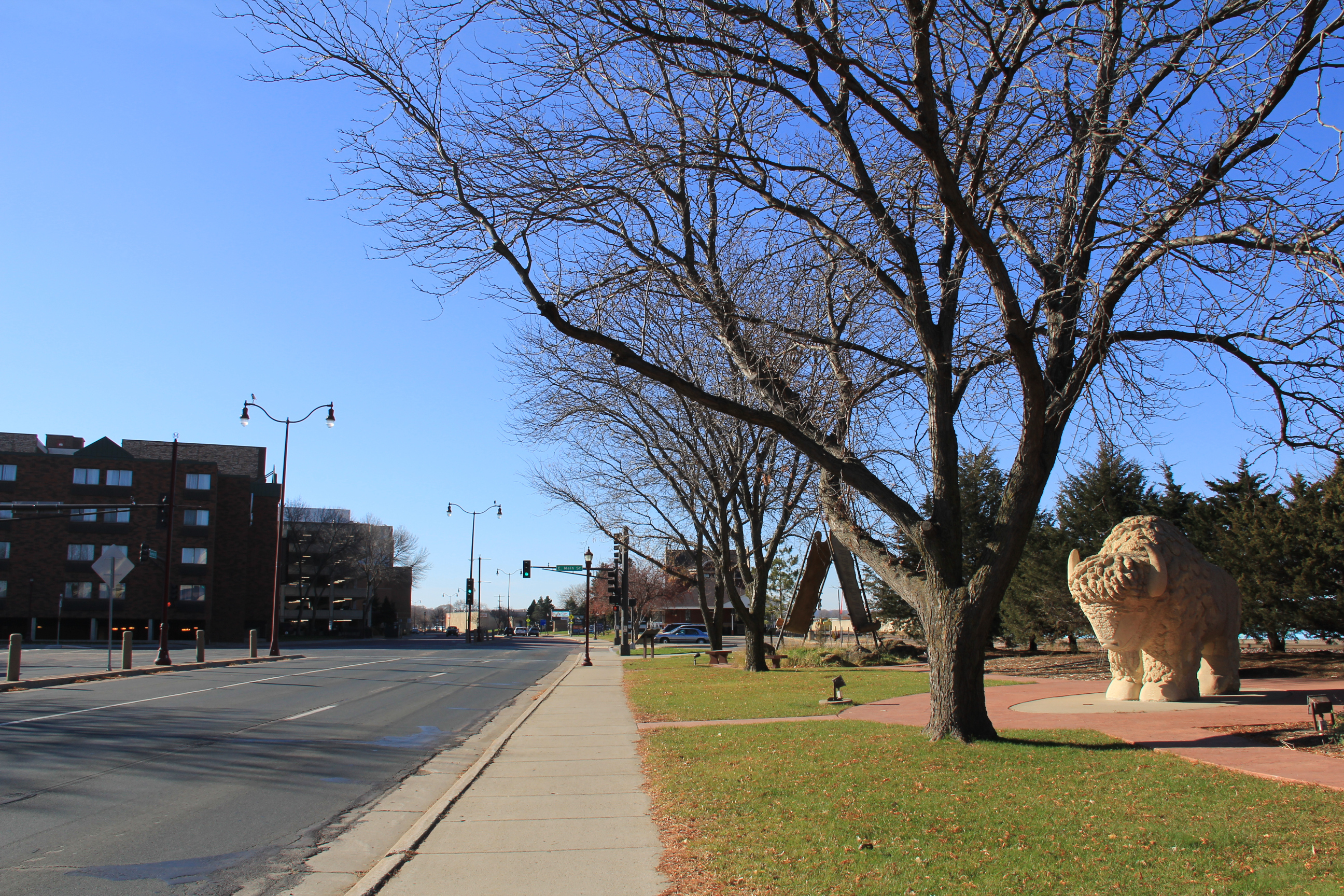
A massive limestone sculpture of a white buffalo in Reconciliation Park represents the spiritual survival of the Dakota. (Minnesota Prairie Roots copyrighted file photo November 2023)

This is history I’d encourage everyone to study. And not just from a one-sided perspective. I won’t pretend that I am fully-informed. I’m not. I do, though, have a much better understanding than I did growing up. I’ve read, listened, learned. I know of stolen land, broken treaties and promises. Starvation. Injustices. Demeaning words like those attributed to a trader who told starving Dakota to “eat grass.” Andrew Myrick was later reportedly found dead, his mouth stuffed with grass.

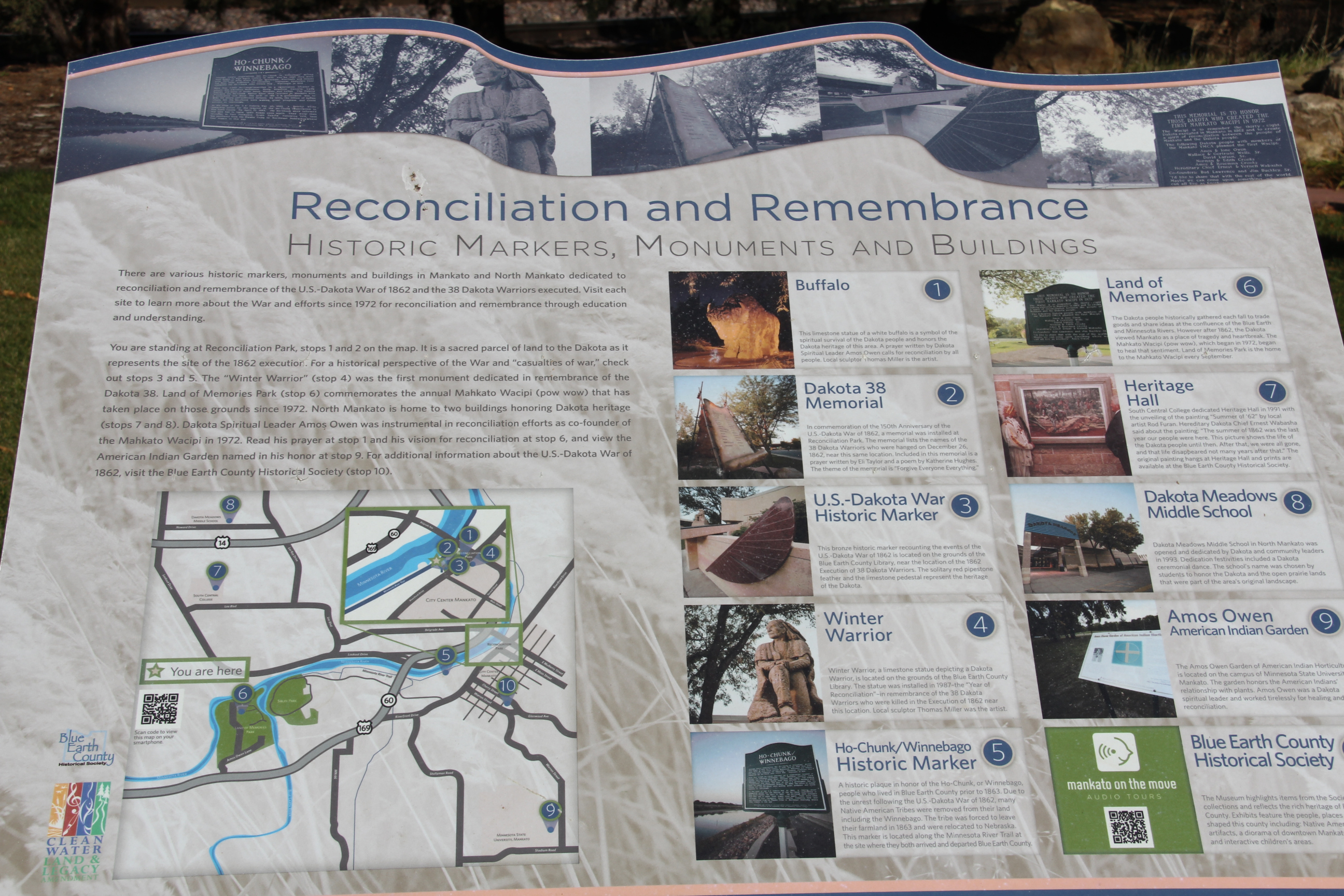
A sign in Reconciliation Park directs visitors to the many sites around Mankato focused on reconciliation and remembrance. (Minnesota Prairie Roots copyrighted file photo November 2023)

But back to those three words on that stone bench in Mankato: FORGIVE EVERYONE EVERYTHING. The Dakota truly have no reason to forgive. But they choose to do so. I’ve learned that forgiveness is part of Dakota culture and beliefs.

An overview of the location of Reconciliation Park along Riverfront Drive in Mankato, along the Minnesota River and across from the public library. (Minnesota Prairie Roots copyrighted file photo November 2023)

In the month of December, the attitude of forgiveness extends beyond words in stone to an annual horseback ride honoring the 38+2 (two more Dakota were sentenced to death two years later). This year, two rides—The Makatoh Reconciliation & Healing Horse Ride and The Dakota Exile Ride, the first originating in South Dakota, the other in Nebraska—will end on December 26 with gatherings at Reconciliation Park and the Blue Earth County Library, located across from each other.

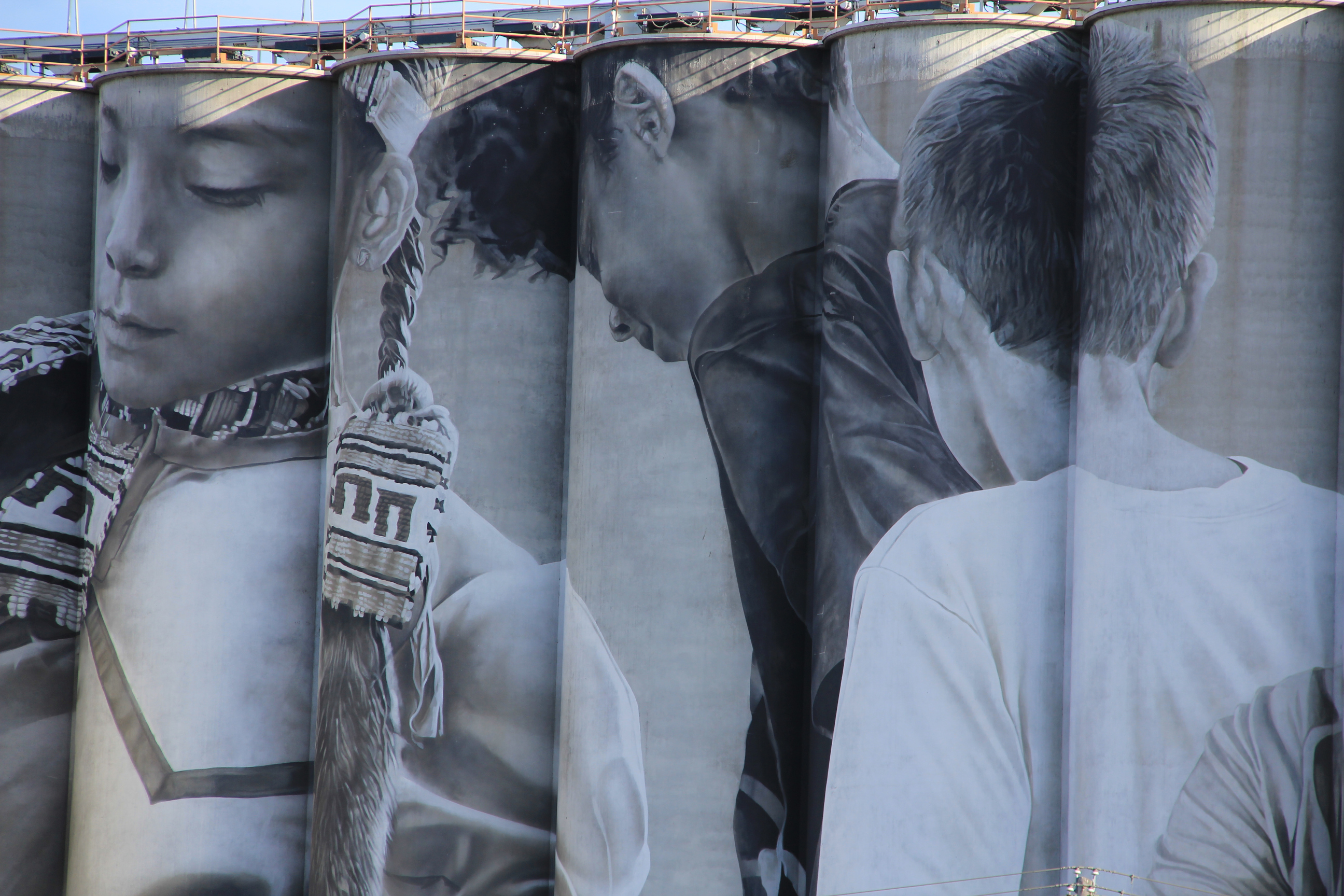
Just down the street from Reconciliation Park, murals on the Ardent Mills grain silos celebrate the diversity of Mankato, including that of the Dakota. (Minnesota Prairie Roots copyrighted file photo November 2023)

These rides focus on educating, remembering, honoring, healing and forgiving. Five powerful verbs when connected with the U.S.-Dakota War of 1862.

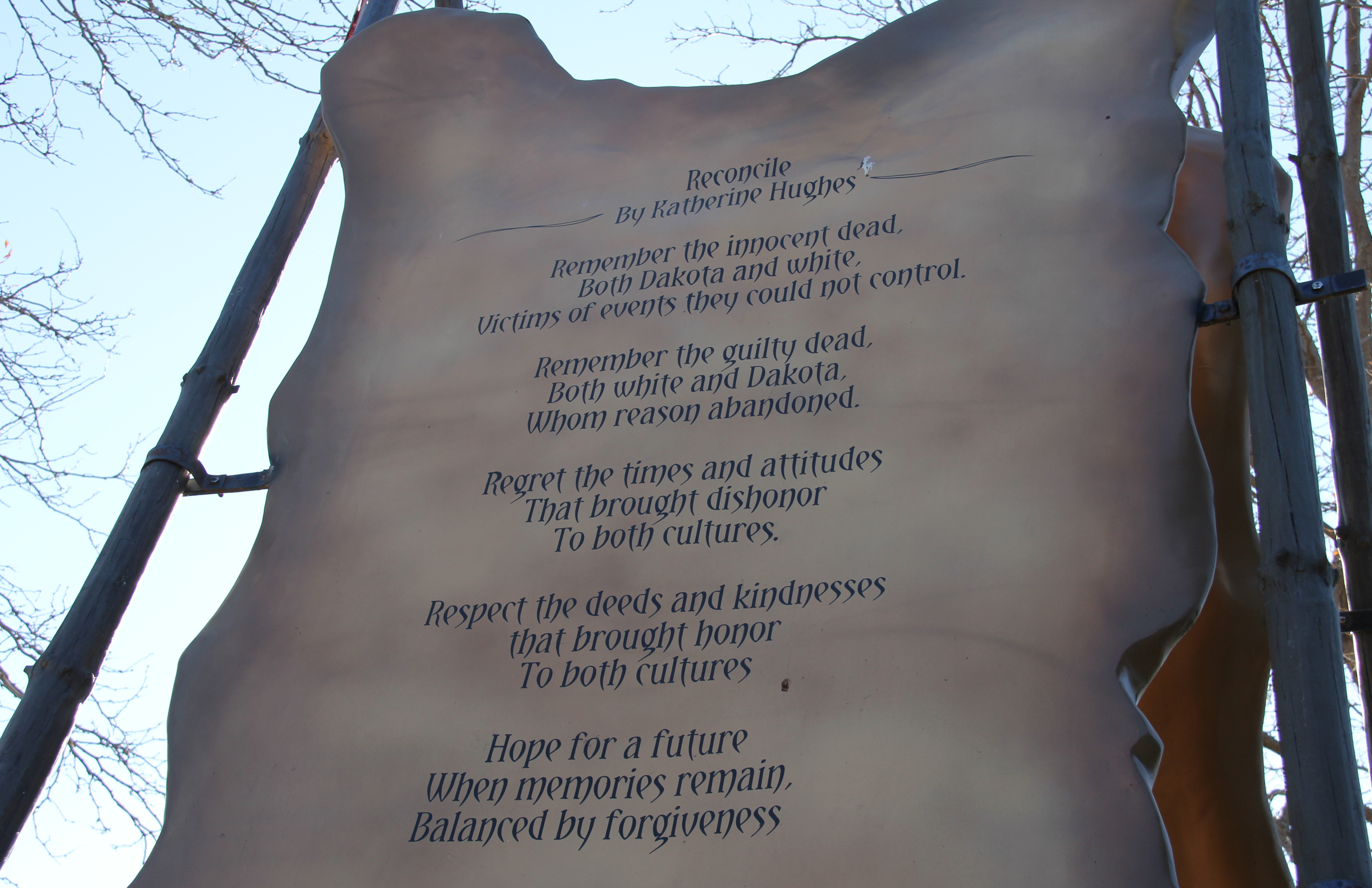
Katherine Hughes’ poem ends with the word “forgiveness.” (Minnesota Prairie Roots copyrighted file photo November 2023)

The poem “Reconcile,” written by Katherine Hughes and posted in Reconciliation Park, closes with this powerful verse: Hope for a future/When memories remain/Balanced by forgiveness.

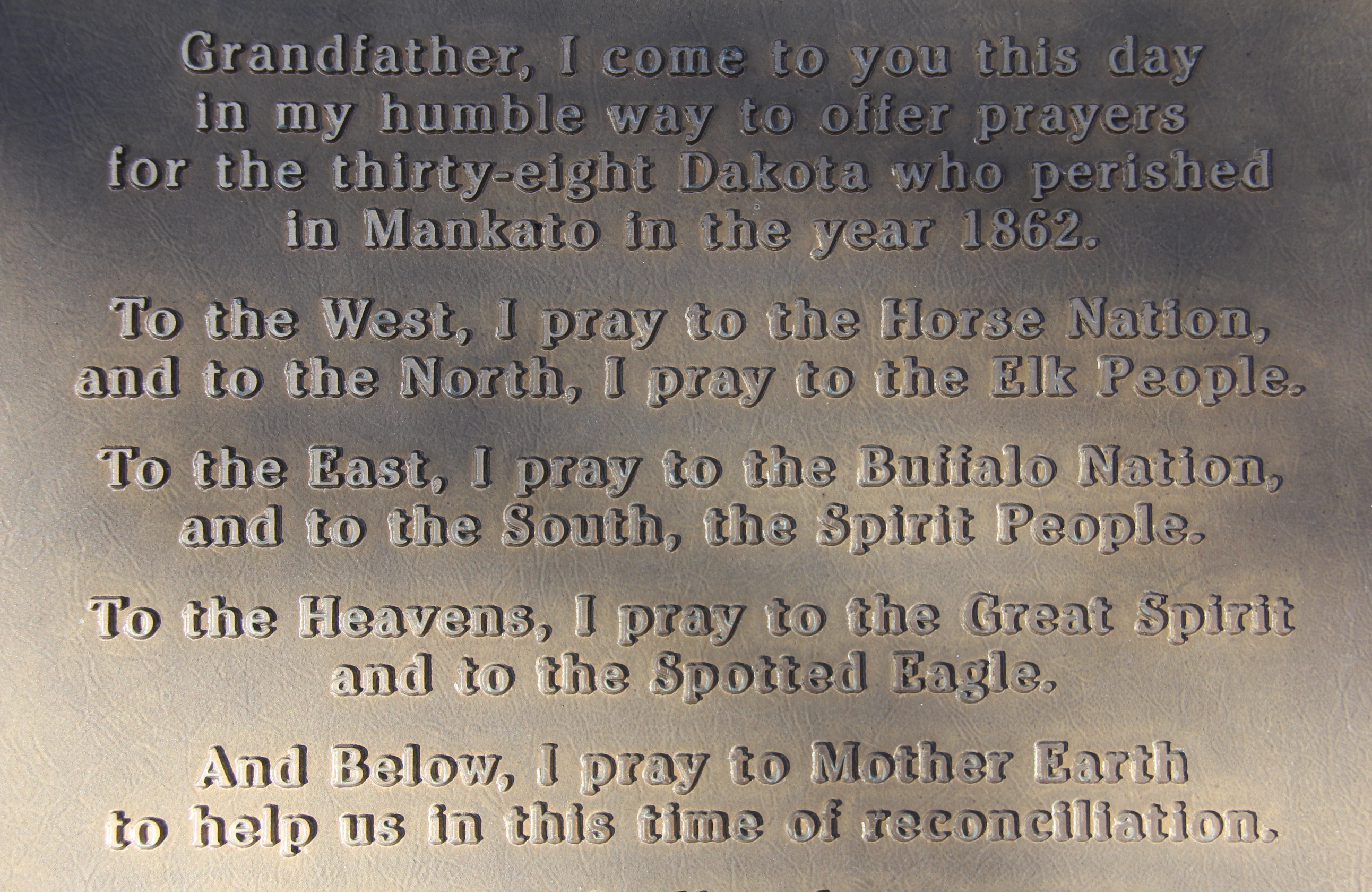
A Dakota prayer in the park ends with the word “reconciliation.” (Minnesota Prairie Roots copyrighted file photo November 2023)

FORGIVE EVERYONE EVERYTHING.

#

FYI: Here’s the schedule for the December 26 events. A community gathering is set for 9 am-10 am at Reconciliation Park and the library. Horseback riders arrive at 10 a.m. A ceremony in the park takes place from 10 am-11:30 am. From 11:30 am-1 pm, a healing circle will happen at the library with discussion surrounding the events of December 26, 1862, covering the past, present and future. A community meal for the horseback riders, who rode hundreds of miles to Mankato, follows.

© Copyright 2024 Audrey Kletscher Helbling


Prayer ribbons at the Cathedral July 16, 2024

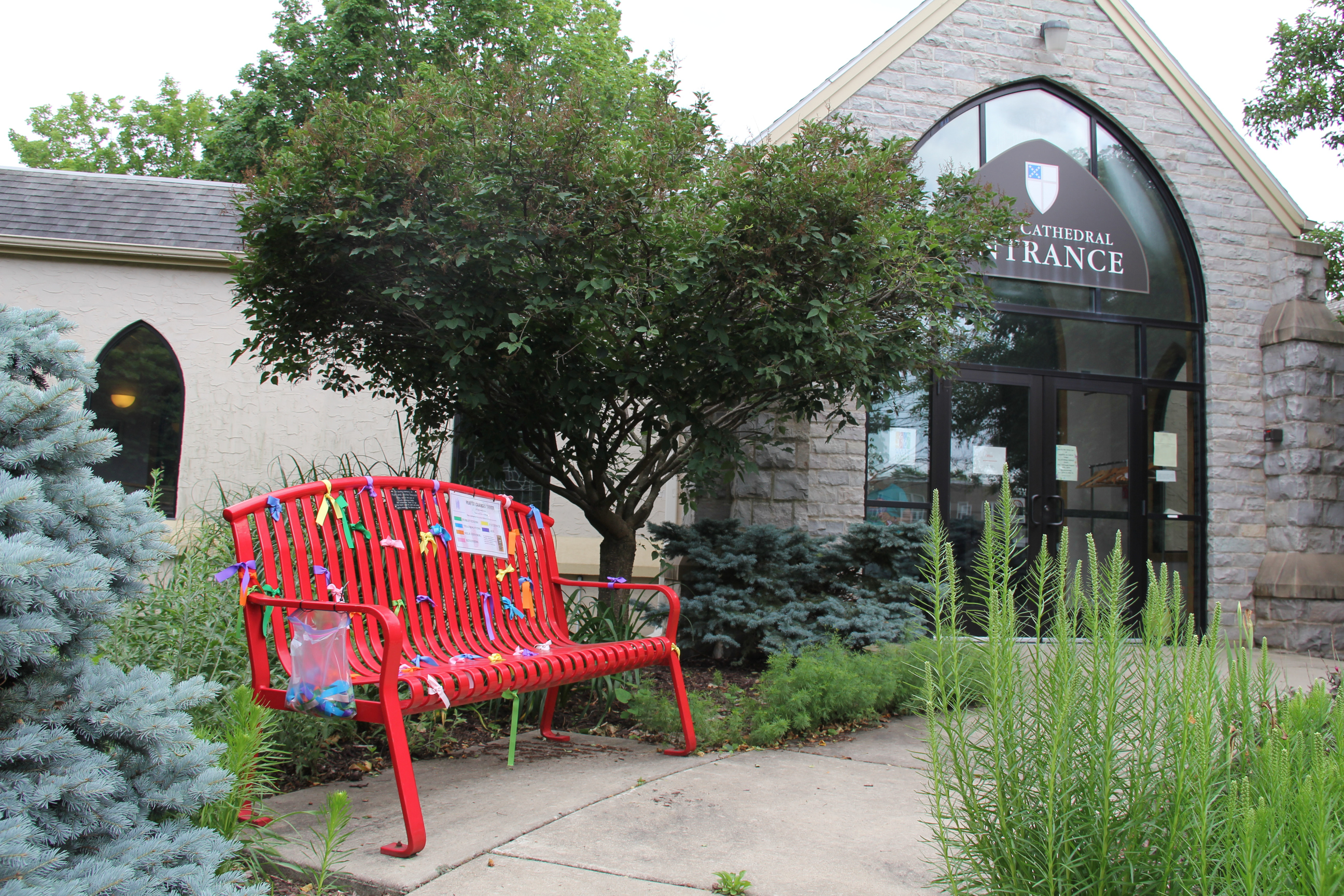
A garden graces a side entry to The Cathedral of Our Merciful Saviour in Faribault. (Minnesota Prairie Roots copyrighted photo June 2024)

AMONG THE FLOWERS, trees and shrubbery fronting a side entry to the space that connects church to guild house, three red benches nestle. Bold. Vibrant. Statement pieces in a garden at The Cathedral of Our Merciful Saviour.

Construction on the original part of the Cathedral began in 1862 and was completed in 1869. It is listed on the National Register of Historic Places. (Minnesota Prairie Roots copyrighted photo June 2024)

But those benches outside the massive limestone church towering above the landscape along Second Avenue across from Central Park in Faribault serve as more than a place to rest. They are a place for prayers.

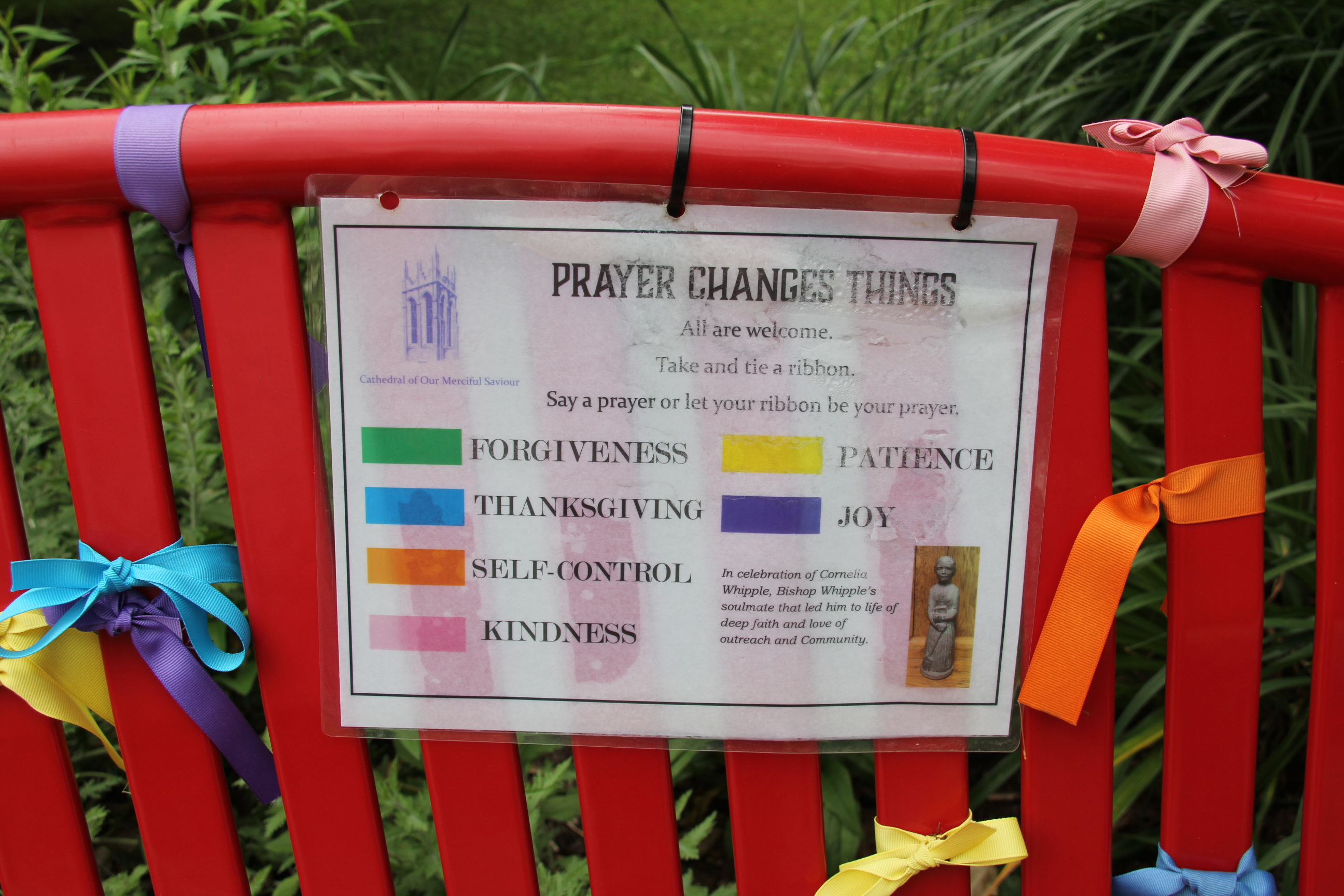
Prayer ribbon instructions posted on a bench. (Minnesota Prairie Roots copyrighted photo June 2024)

Ribbons, representing prayers, are tied to the slatted benches. A sign explains: PRAYER CHANGES THINGS. All are welcome. Take and tie a ribbon. Say a prayer or let your ribbon be your prayer.

Choose a ribbon from the bag. (Minnesota Prairie Roots copyrighted photo June 2024)

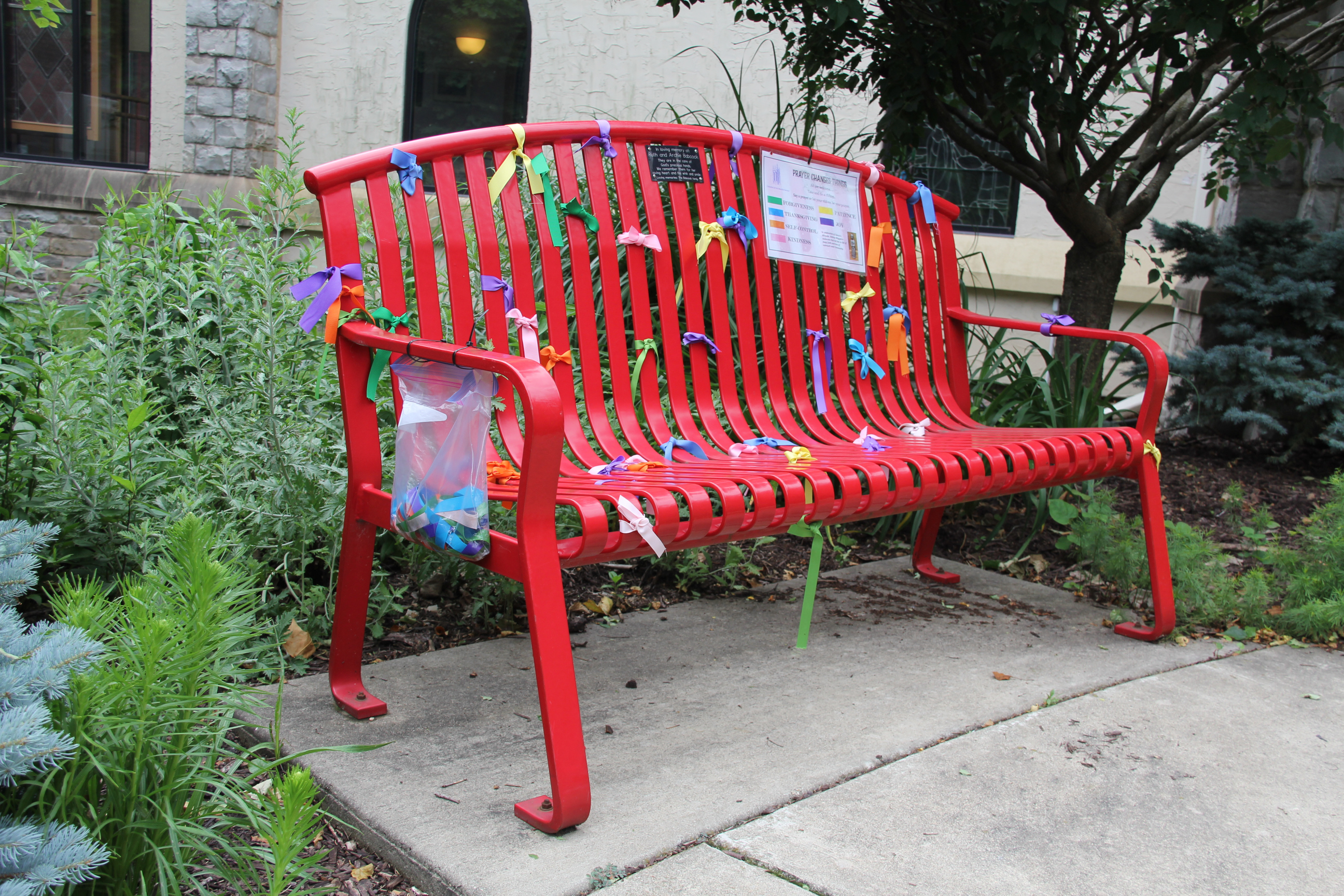
What a creative idea. A Ziploc bag of multi-colored ribbons hangs on one of the benches. Each hue represents a different prayer. Green for forgiveness. Blue for thanksgiving. Orange for self-control. Pink for kindness. Yellow for patience. Purple for joy.

One of the three garden benches is covered with prayer ribbons. (Minnesota Prairie Roots copyrighted photo June 2024)

These prompts prove soul-searching. Too often prayers focus on needs/wants/desires, not tough topics like forgiveness and self-control. And how often we forget to express gratitude and joy in prayer.

Ribbons representing prayers of joy, kindness and self-control. (Minnesota Prairie Roots copyrighted photo June 2024)

To be reminded of these traits, these feelings, these thoughts can only make us kinder, gentler, better people.

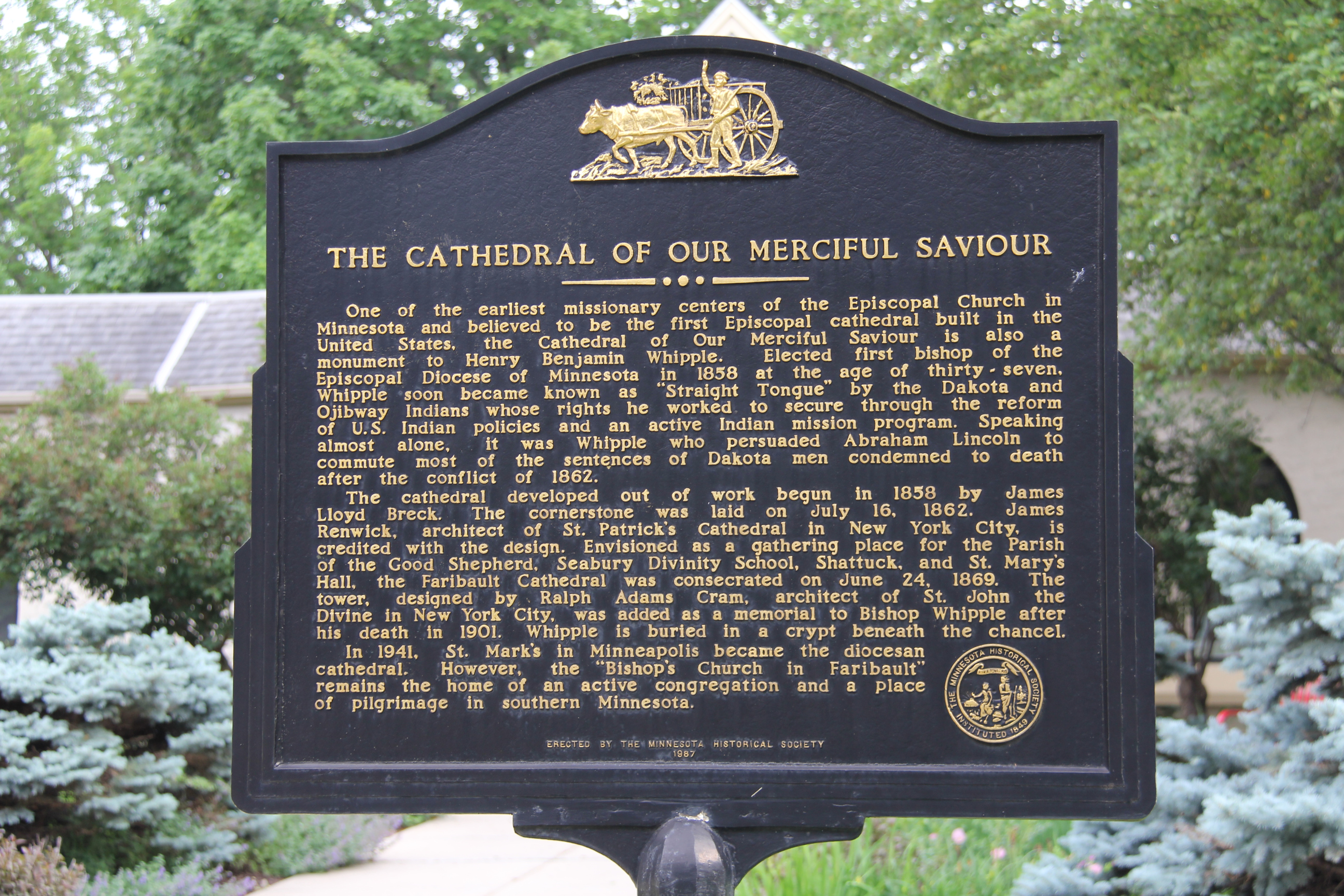
A historical marker at the Cathedral summarizes its history. (Minnesota Prairie Roots copyrighted photo June 2024)
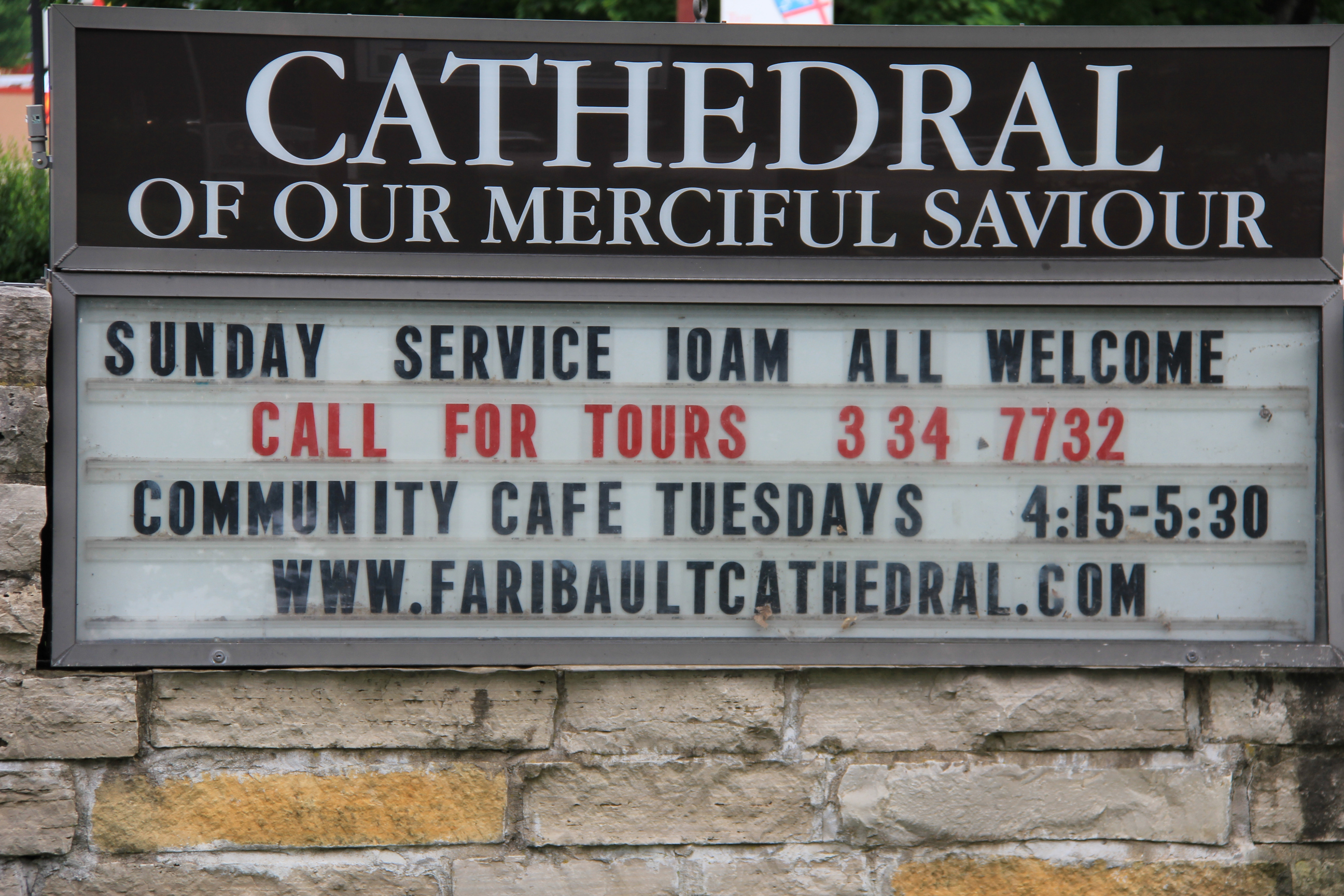
The Cathedral sign lists community connections. (Minnesota Prairie Roots copyrighted photo June 2024)

That follows a guiding principle of the Cathedral as a place “where history meets heart.” The Cathedral, since it’s founding in the mid-1800s, has long centered on community. Bishop Henry Whipple befriended the Dakota people and many more. Today the church still opens its doors—as the site of the Community Cafe (serving free meals weekly to the community), as a venue for free concerts, as a historic site to tour, as an active participant in Faribault’s annual Heritage Days celebration, as a location for Red Cross blood drives…

Ribbons representing patience, thanksgiving and joy. (Minnesota Prairie Roots copyrighted photo June 2024)

And now this seemingly small, yet powerful thing, this beckoning to ponder and place prayers upon public benches. Prayer changes things. Just as a faith family can, when thoughts and ideas expand into actions. Actions that embrace community, providing a welcoming place to gather, to celebrate, to contemplate life.

An inviting entry garden…with prayer beribboned benches. (Minnesota Prairie Roots copyrighted photo June 2024)

We all hold the capacity to forgive, to thank, to control our thoughts, words and behavior, to practice kindness, to exercise patience, to express joy. If tying a ribbon to a red bench encourages self-reflection and positive change, then that is a good thing. We can always be better, do better, live better, in ways that improve our lives and the lives of those around us.

© Copyright 2024 Audrey Kletscher Helbling


Inspired by Maria Shriver’s reflective book, “I’ve Been Thinking…” August 5, 2022

Filed under: Uncategorized — Audrey Kletscher Helbling @ 5:00 AM
Tags: , , , , , , , , ,
Published in 2018, a bestselling book I found at my local library. (Cover source: Amazon)

BE STILL. Two words. Two words that, at their core, seem so simple to follow. Yet, in the busyness and chaos and struggles of life, they often prove difficult to remember, then practice.

What does it mean to “be still”?

New York Times bestselling author, journalist, mother and celebrity Maria Shriver addresses the topic in “A Time to Rest,” a chapter in her book, I’ve Been Thinking…Reflections, Prayers, and Meditations for a Meaningful Life. In the chapter focusing on the importance of rest and reflection, Shriver reminds us to “be still.”

Those two words are a reference to Psalm 46:10 which, several years ago, became a bit of a mantra for me thanks to my friend Steve. Steve is quiet, a man of sparse words. So when he speaks, people tend to listen, really listen. He holds a deep faith. And when he pointed me to a specific verse in a Psalm that would remind me often to “be still” and hear the voice of God, he knew exactly what I needed.

A contemplative and peaceful photo I took, and edited, in December 2017. (Minnesota Prairie Roots copyrighted file photo)

This past week, Shriver’s book has based my morning time of quiet, of prayer and devotional/inspirational reading. I recommend this reflective collection of short themed chapters ending in prayer to anyone, whether a person of faith or not. I fully agree with Shriver’s advice to take time each day for quiet reflection, for thought and for a centering that calms. Be still.

Her inspirational book covers so many topics—empathy, listening, gratitude and much more—that, if we choose to practice them, will make our lives better and this world a much better place, We are, after all, all connected, Shriver writes as she calls for kindness and love to prevail. None of this is new. Yet, to read her words, from her perspective and experiences, reminds me that none of us are truly alone, unless we choose to be alone. Each of us deserves to be valued and appreciated. Heard.

An important message displayed at LARK Toys, Kellogg, Minnesota. (Minnesota Prairie Roots copyrighted file photo October 2015)

She encourages each of us to pause before we pass along something we’ve read or heard as truth. Like Shriver, I have worked in journalism and understand the necessity of verification, of truthfulness. She calls for a social kindness movement. I’ll take kindness period in a world where kindness feels more and more elusive.

This quarter-sized token, gifted to me by my friend Beth Ann, lies on my computer desk. (Minnesota Prairie Roots copyrighted file photo)

In the end, Shriver holds hope. And I do, too. Hope has been my focus word for many years. Hope, centered in my faith, has carried me through some especially difficult times. We’ve all had them—the struggles that stretch and challenge us. I hope you’ve never felt alone in difficulties. I haven’t.

I need to read books like I’ve Been Thinking…, to remind me of hope. To uplift and encourage and inspire me. To remember always to rest and reflect. To be still.

TELL ME: How do you work at being still? And what does “be still” mean to you?

© Copyright 2022 Audrey Kletscher Helbling


Regarding Ukraine March 9, 2022

A peace dove themes this painting on burlap by Mexican artist Jose Maria de Servin. I purchased this at a recycled art sale in Faribault perhaps 10 years ago. It is among my most-treasured pieces of art. (Minnesota Prairie Roots copyrighted photo March 2022)

I’M STRUGGLING, really struggling, with the invasion of Ukraine by Russia and the resulting death, destruction and humanitarian crisis.

Deaths of civilians, documented in a powerful image of a mother, her teenage son, her elementary-age daughter and a family friend killed by Russian mortar fire. Lying dead in the street, luggage beside them, as they attempted to reach safety in Kyiv. Photojournalist Lynsey Addario witnessed the attack and photographed the scene for The New York Times. That published March 6 on the front page. In a television interview, I could see and hear Addario’s pain, her grief. She struggled to photograph the deadly scene, terming this killing of innocent civilians a “war crime,” which the world needed to see. I saw. I cried.

I’ve seen, too, media images of bombed homes and other buildings. Utter destruction. I cry.

And I cry, too, over the “humanitarian crisis,” the endless exit of refugees from this country under attack. I can’t even count how many times I’ve cried over scenes of young mothers wheeling suitcases with young children clinging to their hands. I imagine my own daughter doing the same with my two grandchildren and the idea of that shakes me to the core. To see children clutching their stuffed lovies or a mom spoon-feeding soup to her preschooler roadside or a soldier cradling a baby…it’s overwhelmingly sad.

I wonder why, this time, I’ve felt such angst, such concern, such grief. War has always wrought death, destruction and exodus. But this seems different in sheer numbers of individuals and families fleeing. This seems different in the depth of evil behind what is unfolding in Ukraine. This seems different in the worldwide implications. I write this in the context of my life-time.

I think, too, my husband’s connection to Ukraine, where his ancestors resettled from Germany to then Russia (current-day Ukraine), deepens my sorrow. His forefathers once farmed the land around Odessa before journeying to America and a new life in North Dakota.

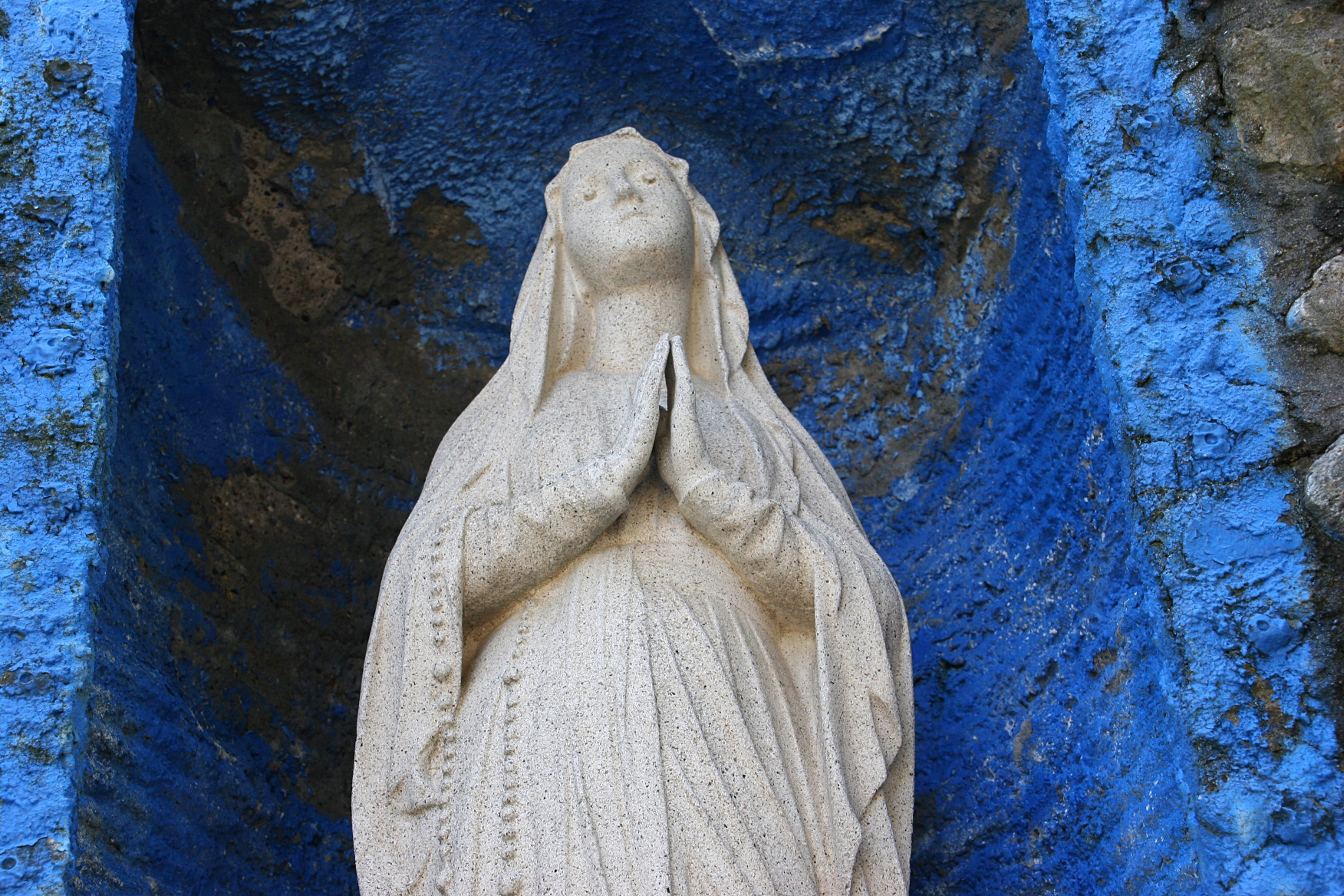
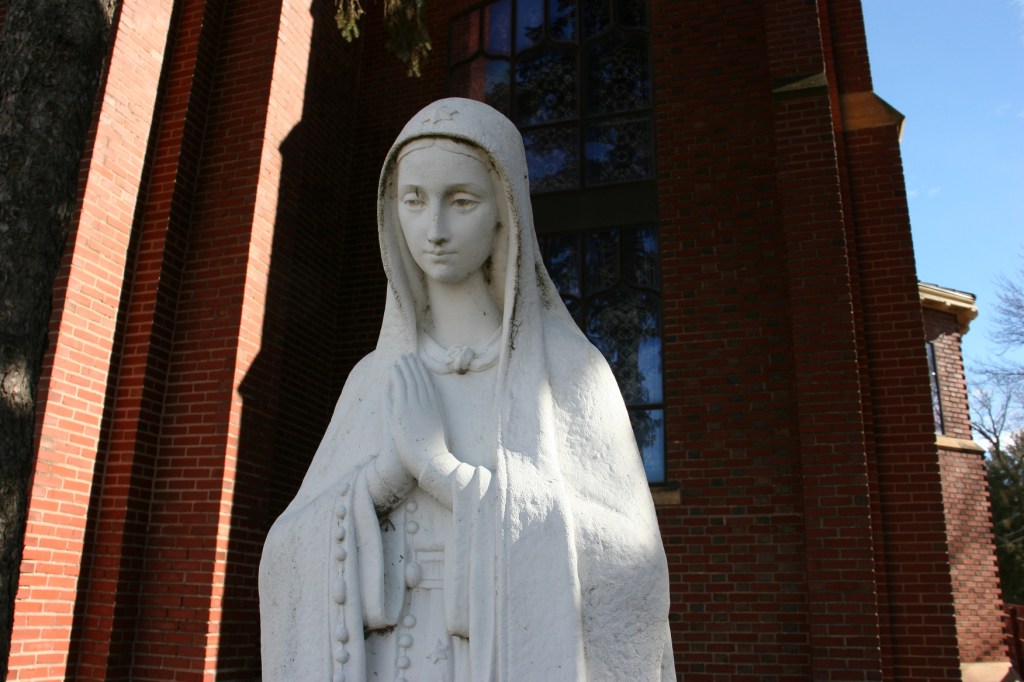
In prayer…just as Mary is depicted praying in this statue at the Holy Trinity Catholic Church Grotto in Waterville, Minnesota. (Minnesota Prairie Roots copyrighted file photo September 2016)

My feelings now are mostly of concern, angst, helplessness. Yet, there are three actions I am taking. As a woman of faith, I pray. I pray for protection of the Ukrainian people, some by name (given to me by friends). I pray for their leader, President Volodymyr Zelensky, and other world leaders. I pray for peace. And more.

I am also supporting and encouraging friends worried about people in Ukraine. Family of family. Friends.

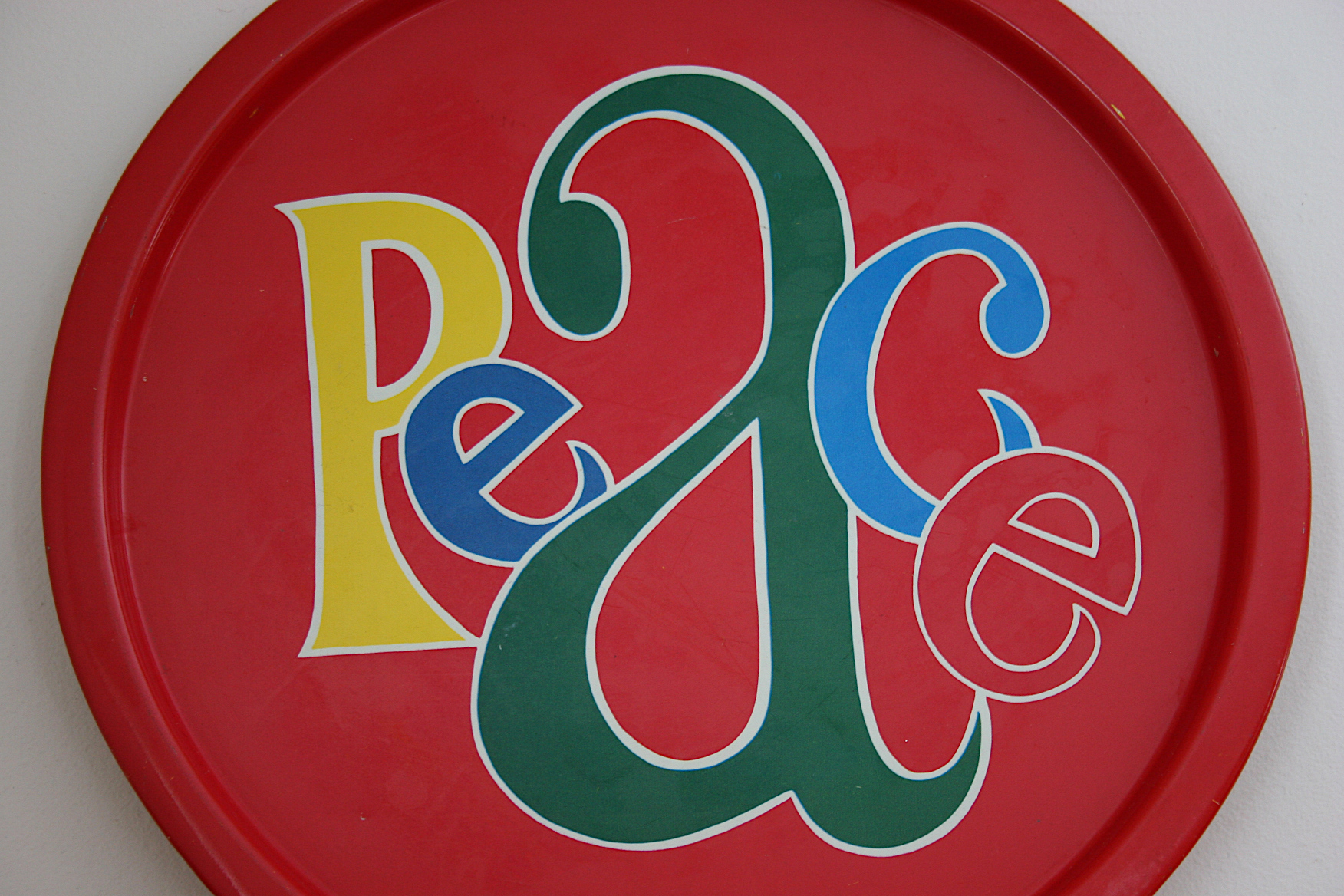
I purchased this vintage tray at an antique shop in St. Charles many years ago. It’s likely from the 60s or 70s. (Minnesota Prairie Roots copyrighted photo March 2022)

And, finally, I’ve pulled out my “peace” art as a visual reminder. Coming of age in the 1960s and 1970s, at the time of the Vietnam War, the word “peace” played into my everyday vocabulary. The peace symbol was everywhere. On posters, jewelry, drawn in my spiral-bound notebooks. Today, more than ever, I need visual cues that peace is possible. I need hope when I cry.

TELL ME: How are you reacting to the situation unfolding in Ukraine? If you have personal connections to Ukraine and feel comfortable sharing, please do.

ALSO, please take time to read my friend Paula’s post, “Spring in Europe.” You will be moved by the message from this US combat veteran and native Minnesotan living with her husband in the Netherlands.

© Copyright 2022 Audrey Kletscher Helbling


Prayer request for Waseca Police Officer Arik Matson February 2, 2020

Filed under: Uncategorized — Audrey Kletscher Helbling @ 5:00 AM
Tags: , , , , , ,

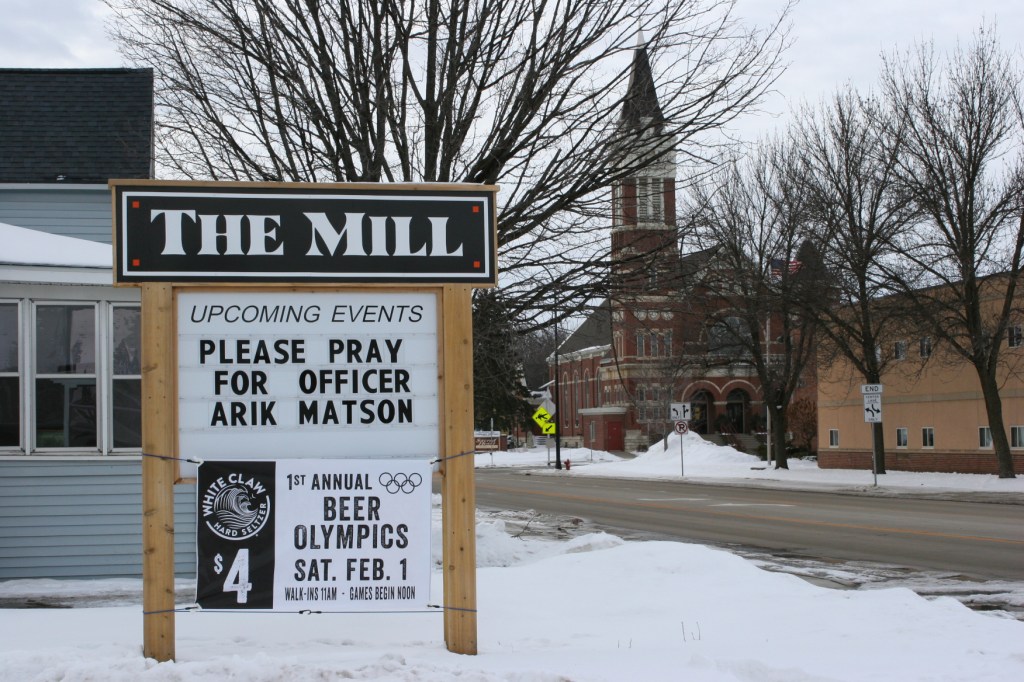
I photographed this sign in downtown Waseca, Minnesota, late Saturday afternoon, February 1.


A BLOCK AWAY STANDS Church of the Sacred Heart, backdrop for the words, PLEASE PRAY FOR OFFICER ARIK MATSON.

From my vantage point, the towering church in the heart of downtown Waseca proved a powerful reinforcing visual to the message.

People throughout Minnesota and elsewhere continue to pray for the 32-year-old Waseca police officer shot in the head on January 6 while responding to a call about a suspicious person in a backyard. A suspect was arrested and now sits in prison on an unrelated charge. Matson remains in a metro hospital ICU. His condition, according to a January 21 entry on his Go Fund Me page, is “steadily improving.”

As of February 1, donors had contributed $194,314 toward a $250,00 goal to help the Matson family cover medical, grocery, gas, hotel stay and other expenses. The police officer is the father of two daughters.

After I read the PLEASE PRAY message, I noticed the BEER OLYMPICS banner below and the mismatched non-beer graphic…

© Copyright 2020 Audrey Kletscher Helbling


From Faribault: The storm, the aftermath, the stories of kindness September 22, 2018

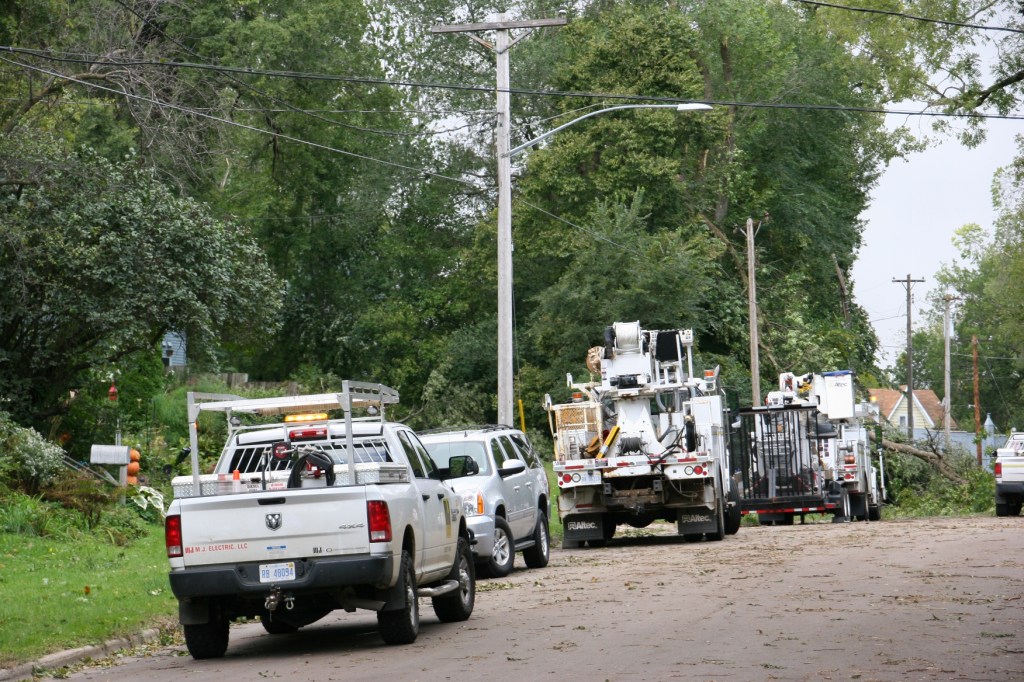
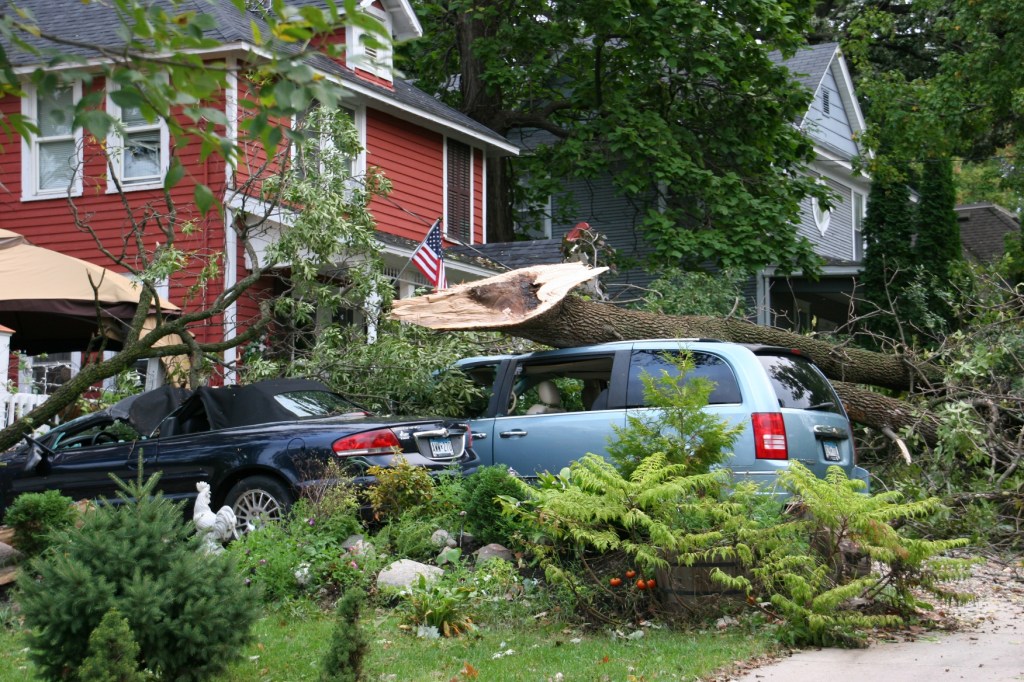
A tree fell onto these vehicles in my neighborhood during storms Thursday evening.


TORNADOES TERRIFY ME. So when severe weather, with the possibility of tornadoes, was forecast for southern Minnesota Thursday afternoon into evening, I felt a bit on edge. Not overly worried. But with the underlying thought that storms could happen here.

They did.
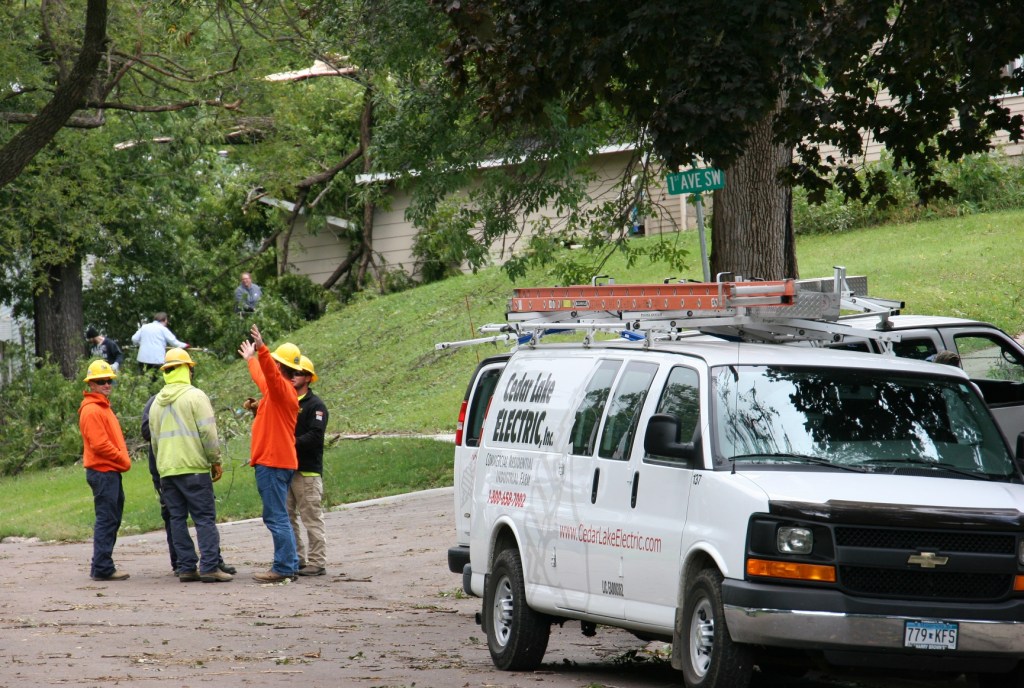
 

On the side street by my home, crews strategize the day after the storm.


Multiple confirmed tornadoes touched down in southern Minnesota Thursday evening, including one near Faribault. My community of some 24,000 was also hard hit by strong winds of up to 110 mph which destroyed the airport and ravaged my Willow Street/Tower Place/First Avenue Southwest neighborhood and many other neighborhoods.

 

The front page of the Faribault Daily News, September 22, 2018.


Two Faribault men are recovering from injuries sustained when a tree fell on them during the storm, according to a report in the Faribault Daily News.

In nearby small towns, it’s a similar story with downed trees and power lines and damage to vehicles and homes. In Morristown, though, homes were leveled and others uninhabitable.

From Granada to Cannon Falls, tornadoes and severe thunderstorms swept a swath of destruction across the landscape—demolishing farm buildings, flattening crops, downing too many trees and power lines to count.

Those stories I’ve read online and in print. The stories I’m sharing today are mine from observations and conversations. These are the stories that touched my heart, that even made me cry. But first, I’ll start with the sirens sounding and then, the storm.
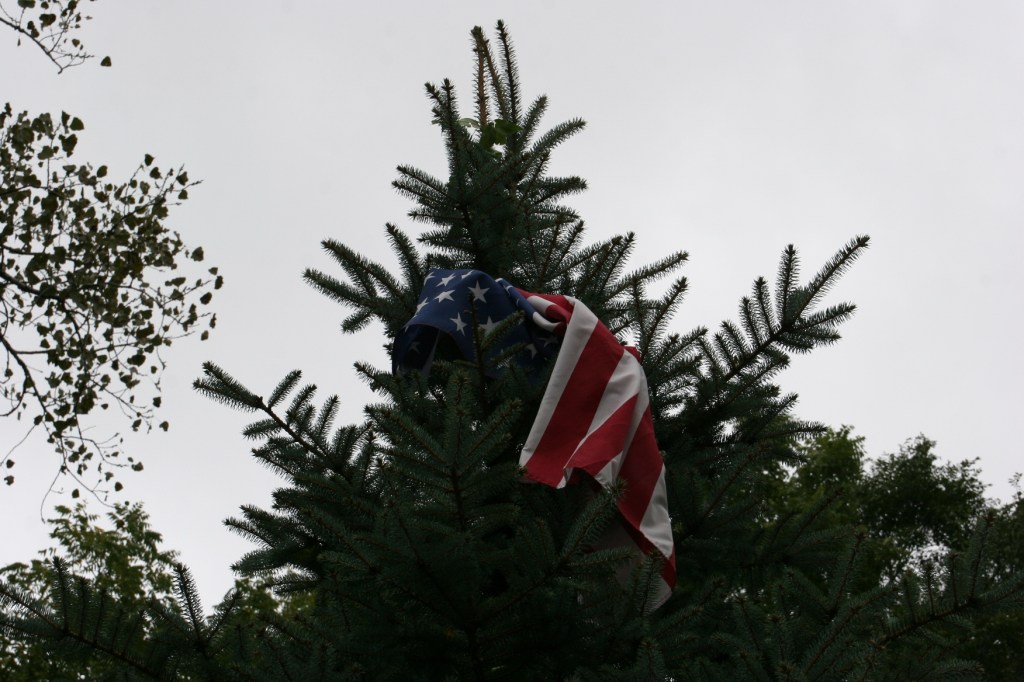
 

My next-door neighbor’s flag was ripped from the pole, landing in the top of an evergreen.


THE STORM

It’s around 6:15 p.m. Thursday and I’ve just finished the dinner dishes. Randy is deciding whether to replace the radiator in our car or head to the basement to work on a stained glass window project for our church. He chooses the window.

He has just stepped into the shower when emergency warning sirens begin blasting. I look outside to a sky that seems anything but threatening. I switch on the TV. A tornado warning for Rice County and many other Minnesota counties scrolls across the bottom of the screen. I turn on the radio. The announcer warns listeners to seek shelter immediately with precise times the storms are expected to hit each community. Target time in Faribault is 10 minutes. I storm into the bathroom. As is typical with Randy, he shows little hurry, little concern, about the storm warning.

I already feel my anxiety rising. He did not witness the aftermath of a killer tornado that claimed nine lives and injured 125 in Tracy, Minnesota, in June 1968. I did. A tornado also hit my family farm and my hometown years after that. I grew up with a respect for tornadoes. I hope I can convince him this is serious.

As Randy showers, I close windows, gather flashlights, scoop up my camera bag and external hard drive. Within that 10-minute time frame we are in the basement with our cellphones, the radio tuned to the local station, airing its usual 6:30 p.m. reciting of the Rosary. I want local up-to-date weather news.
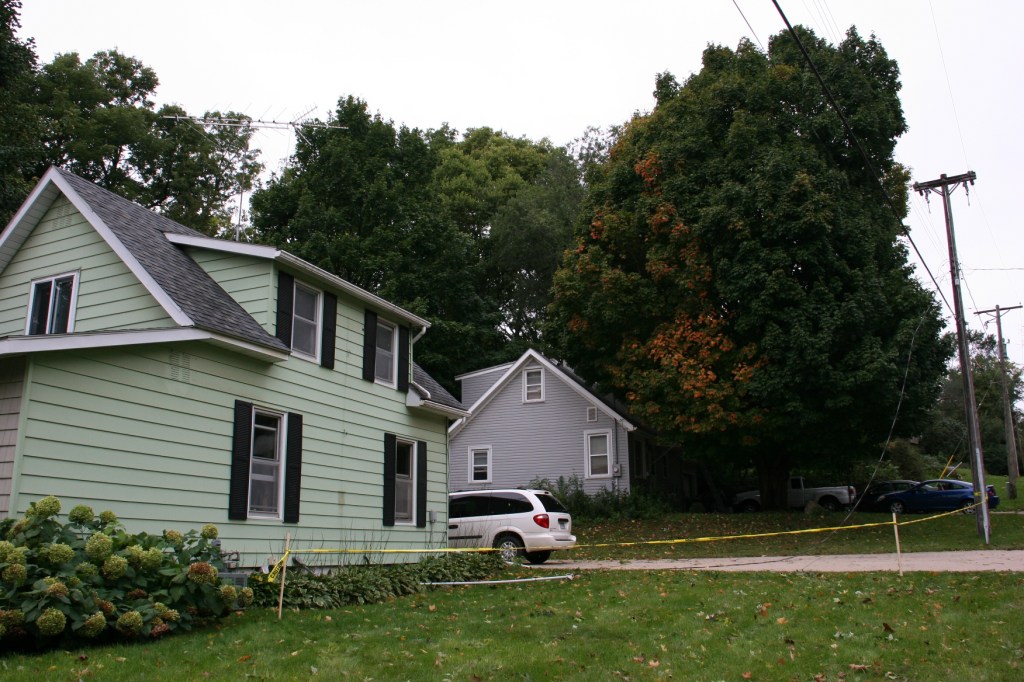
 

This image shows the conduit and power line ripped from our house, the wire lying across the driveway. Randy backed the van across the neighbor’s lawn to get out.


It doesn’t matter. Not long after, a loud bang sounds and the power goes out.

Randy continues cutting stained glass while I worry and text our daughter traveling in California. We hear and see little in our basement with two glass block windows. It’s probably better that way. But when I hear a roar, I ask whether that is rolling thunder or the signature tornado sound of a train. Randy says thunder, but not with significant confidence. Sirens continue to wail off and on for nearly 40 minutes. I’ve never heard emergency warning sirens blare that often for that long. Ever. I understand this is serious.

Our phones blast emergency alerts: Tornado Warning in this area til 7:00 PM CDT. Take shelter now. Check local media.–NWS

To say I am terrified would be accurate. I continue to text family who are keeping us updated from media accounts. We are trying to conserve our cellphone batteries with no way to charge them.

Around 7:10 p.m., we emerge from the basement to survey the damage.
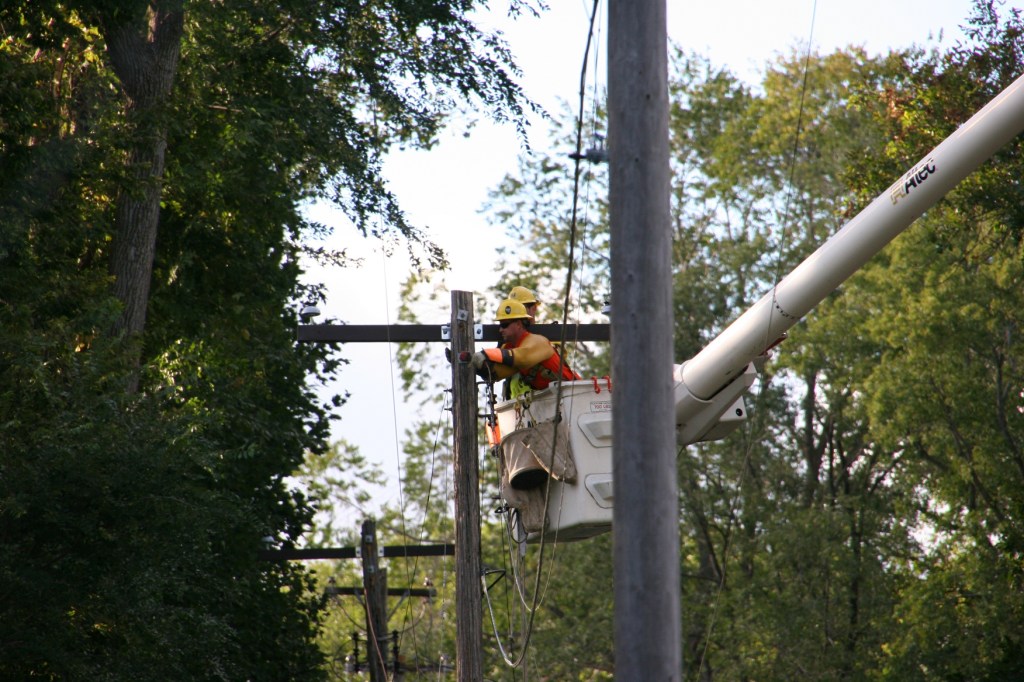
 

Energy crews are working long shifts, up to 16 hours one worker said, to restore power in Faribault and neighboring towns. We were without electricity for 26 hours. Power could be out for 4 – 5 days for some people.


THE AFTERMATH

We are fortunate. In the last remnants of daylight, we see that the power line and meter are ripped from our house, the line slicing diagonally across our driveway behind the van. Everywhere, across our arterial street and up side streets, trees block roadways. It’s a mess.

As rain falls, we walk a half-block in the dark, my concern mounting that we could encounter fallen power lines. I don’t feel safe. Traffic is metro rush hour heavy and I wonder why the heck all these people are out and about. A man directs traffic around a fallen tree blocking a lane of Willow Street.

There is nothing we can do. Damage assessment will come at daybreak.
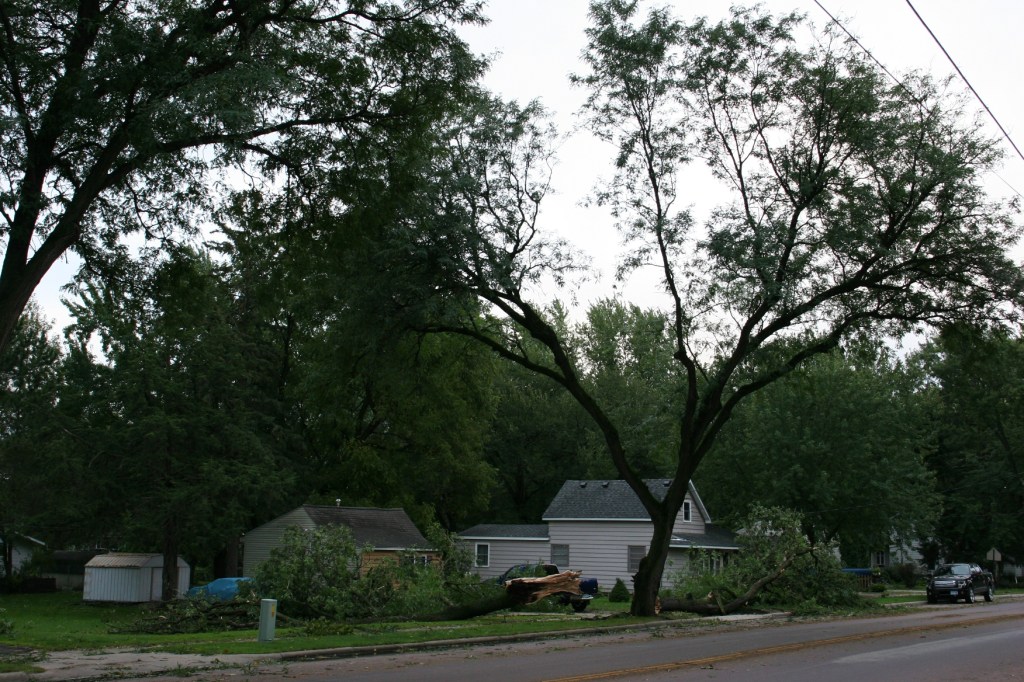
 

Across the street along Willow Street early Friday morning.


DAY BREAKS

We are up early after a restless night of little sleep. In the light of morning, we see trees down everywhere in our neighborhood. Passing by the remnants of a fallen tree, Randy points to three squirrels clinging to the trunk. They are shaking.
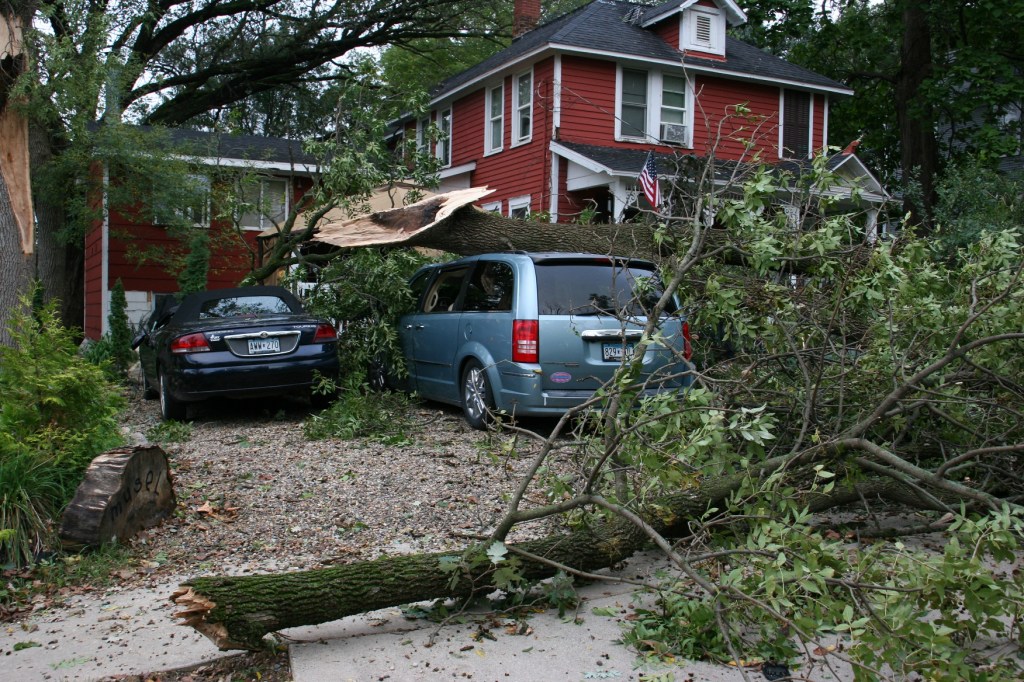
 

A half block from my home trees fell onto two vehicles along First Avenue Southwest.


Up the hill, just a half-block away, a tree lies across a car and a van in a driveway. We chat with the homeowner, who says both can be replaced. Life can’t. It’s a theme we hear repeated.
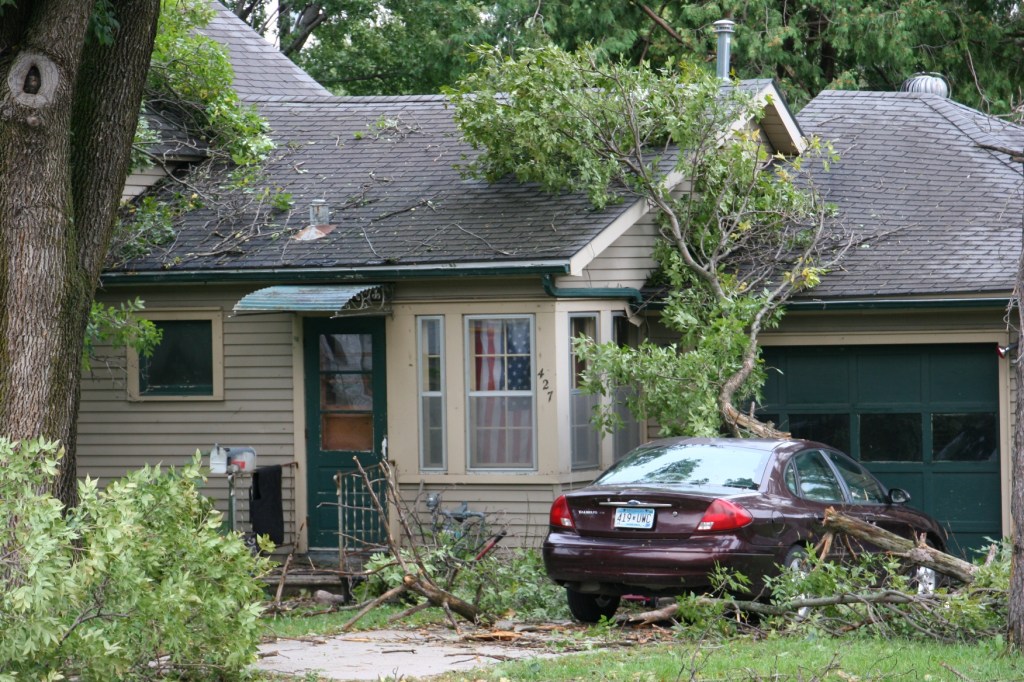
 

Across from our house along Willow Street.
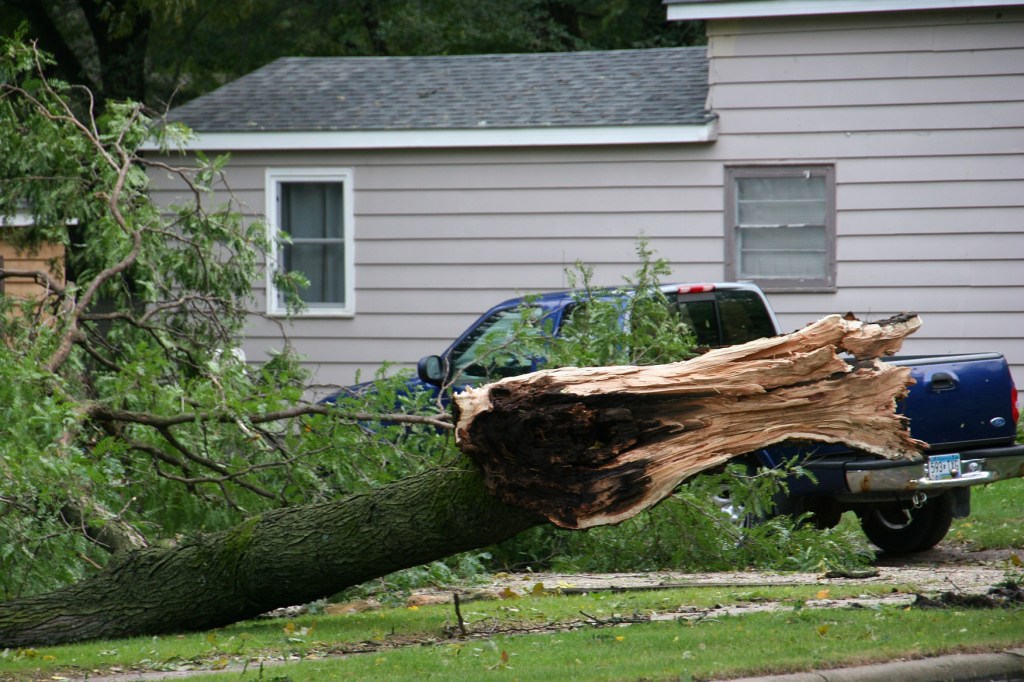


Crews line Tower Place, the side street by my house, as they work all day Friday and also into Saturday.
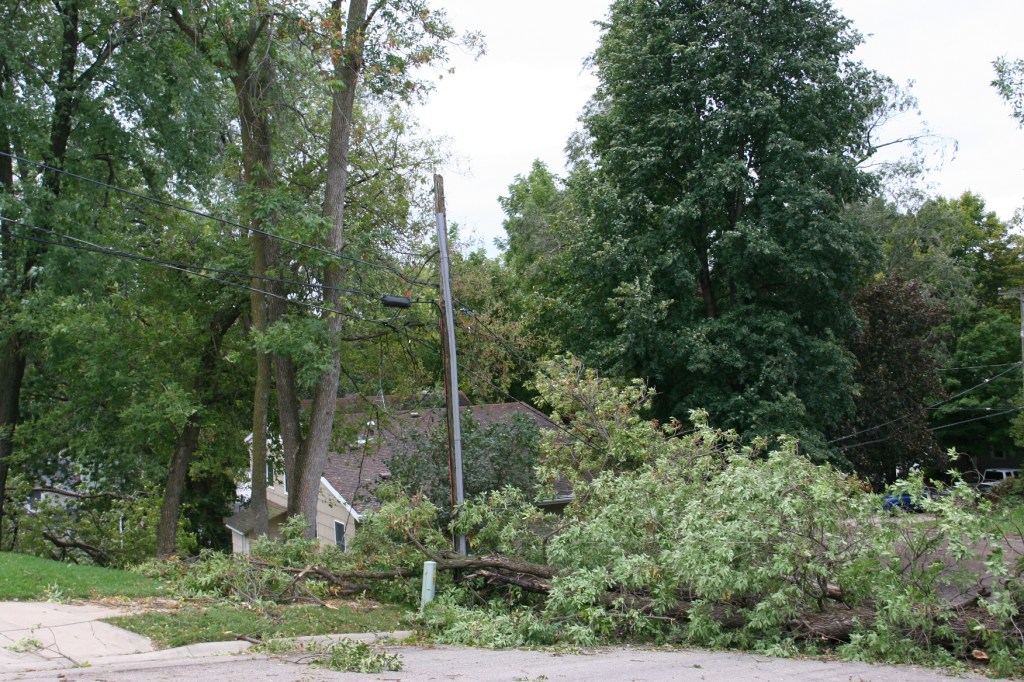
 

A downed tree blocks First Avenue Southwest a short distance from our house at its intersection with Tower Place.


A young man pauses to talk to us. He’s checking on his brother. At one point during our conversation, I mention that we are conserving our cellphone power. He continues up the hill. Within 10 minutes, he approaches us as we chat with an elderly neighbor. “Here, I want you to have this,” Xavion says and hands me a cellphone charger. “God bless you.” I am crying at the kindness of this young father. He asks to pray with us. So there we are, the morning after the storm, standing in our neighbor’s front yard, the four of us circled, hands joined, Xavion praying. It will not be the first time of circled prayer. This marks a profoundly powerful moment for me, this giving of thanks by a kind stranger in the aftermath of the storm.
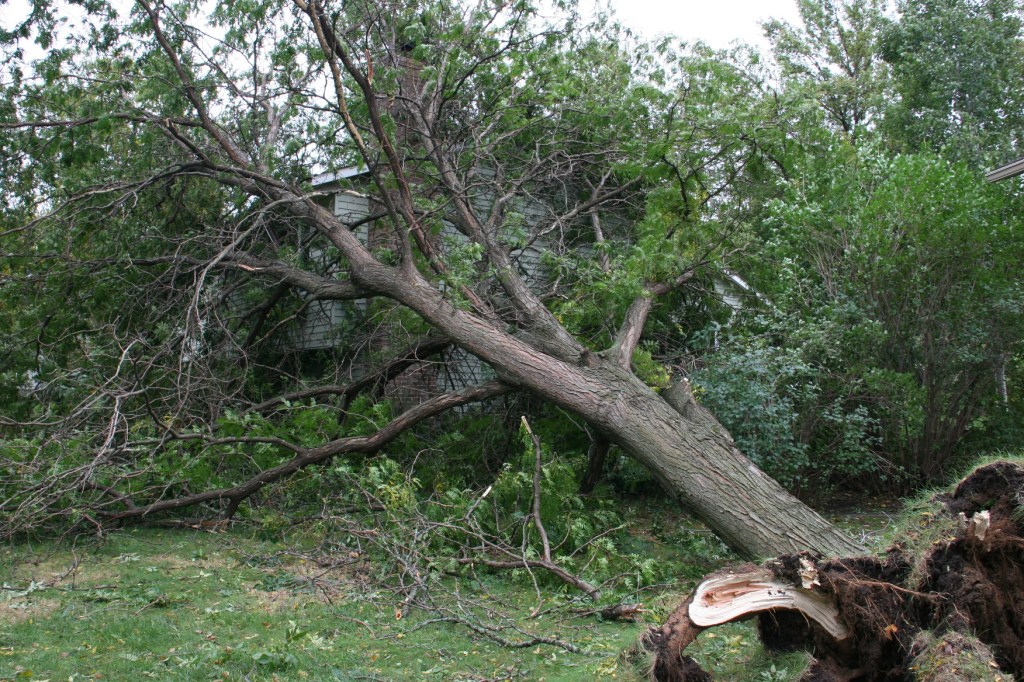
 

Three trees fell at my friend Lisa’s house, one against her house. This tree will be removed by professionals. Two others were removed by a friend and a crew of workers including Randy and me.


MORE KINDNESS

I expect many in my community could share similar stories of kindness. At Basilleos Pizza on Friday evening, Manager Connie tells us how, earlier in the day, staff baked 30 pizzas and then gave them to random people working on storm clean-up.

Saturday morning my friend Lisa’a neighbor drops off bottled water for the crew of 16 assisting with tree clean-up. Several others also bring water and another friend drops off scalloped potatoes, grapes and homemade cookies.
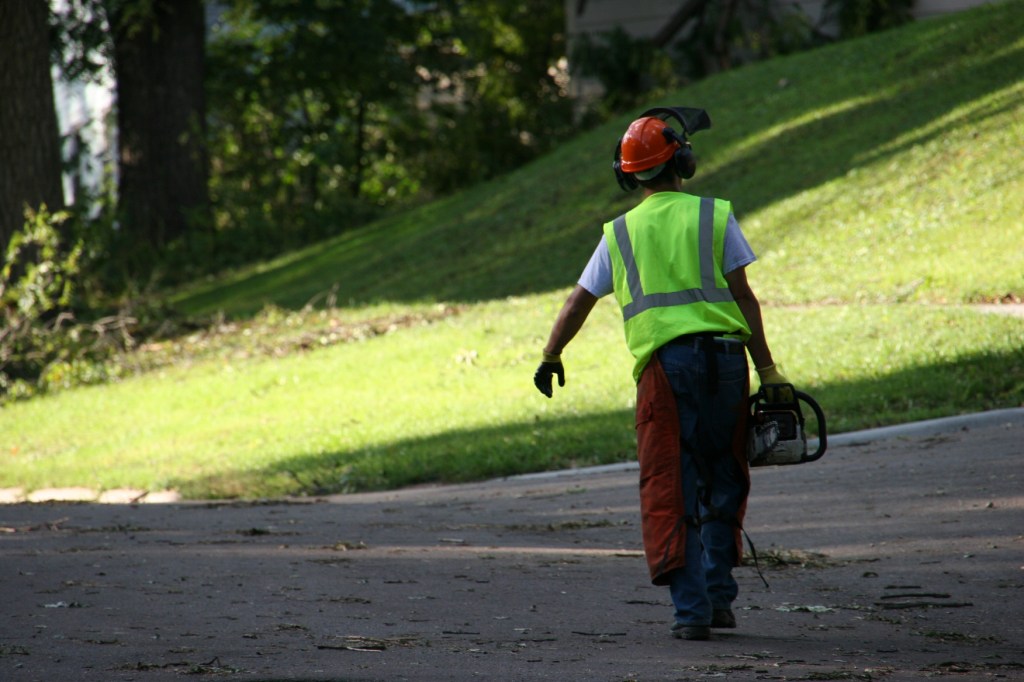
 

A city worker carries a chainsaw to clear a tree from a street in my neighborhood late Friday afternoon.
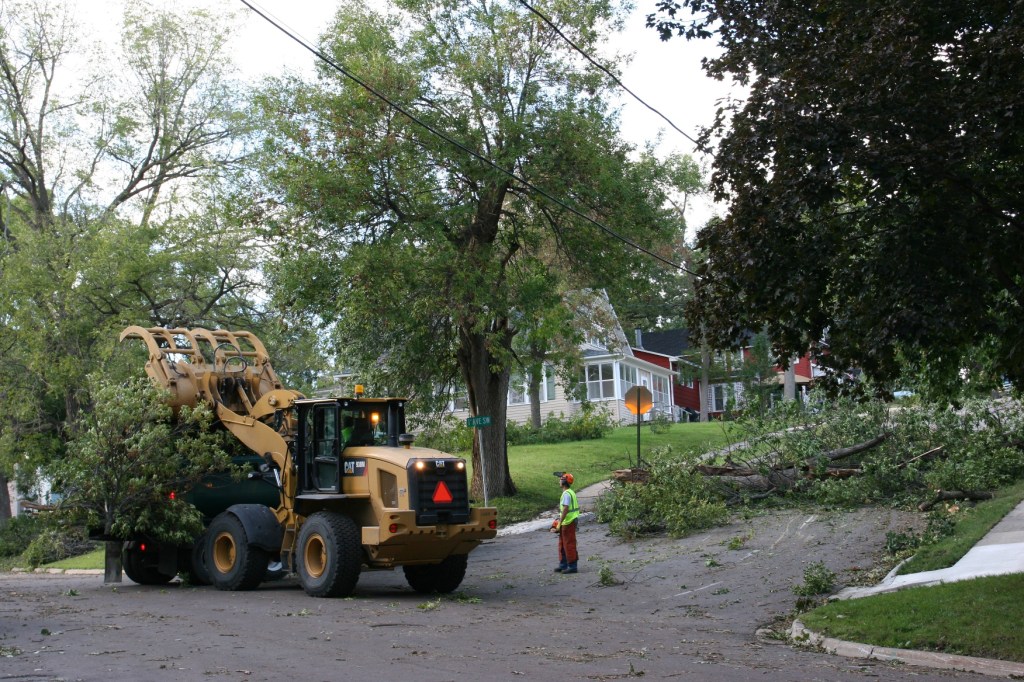
 

City crews clear away a tree blocking First Avenue Southwest.
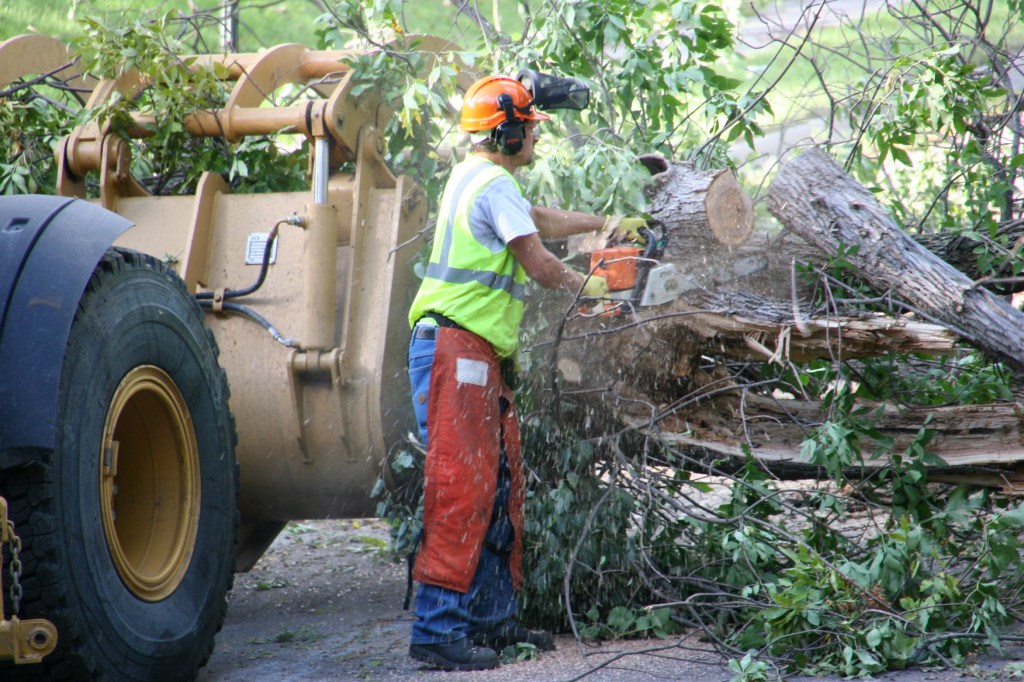
 

The buzz of chainsaws is nearly constant throughout Faribault.
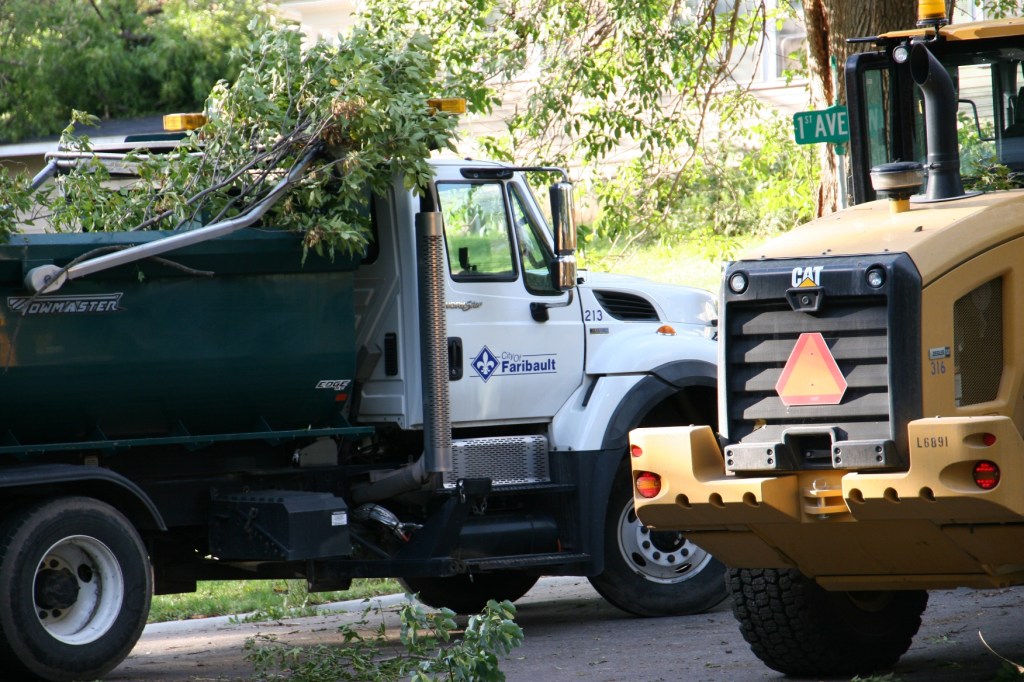
 

City crews continue tree clean-up.


An email went out the afternoon prior to show up at 9 a.m. at Lisa’s house. Three teens arrive with their dad and grandparents. A couple who live nearby also come; they’d stopped by on Friday with Klondike bars after losing power. Hours later when we’ve finished clean-up, we gather in a circle, all of us holding hands, the nearby neighbor—a pastor I would learn afterward—leading us in prayer.
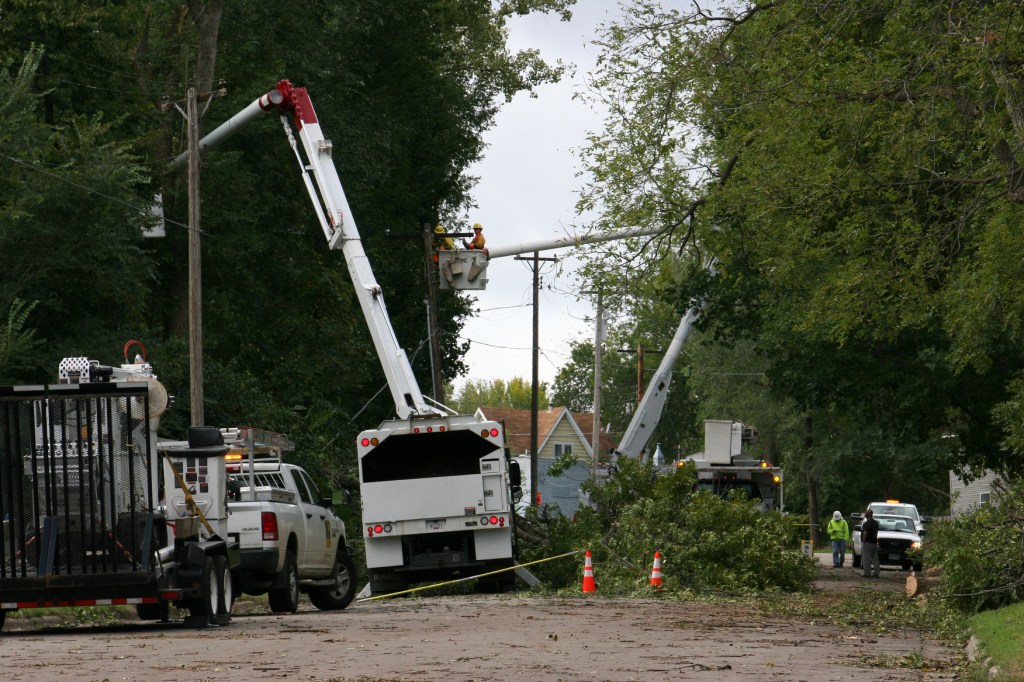
 

Still working along Tower Place.
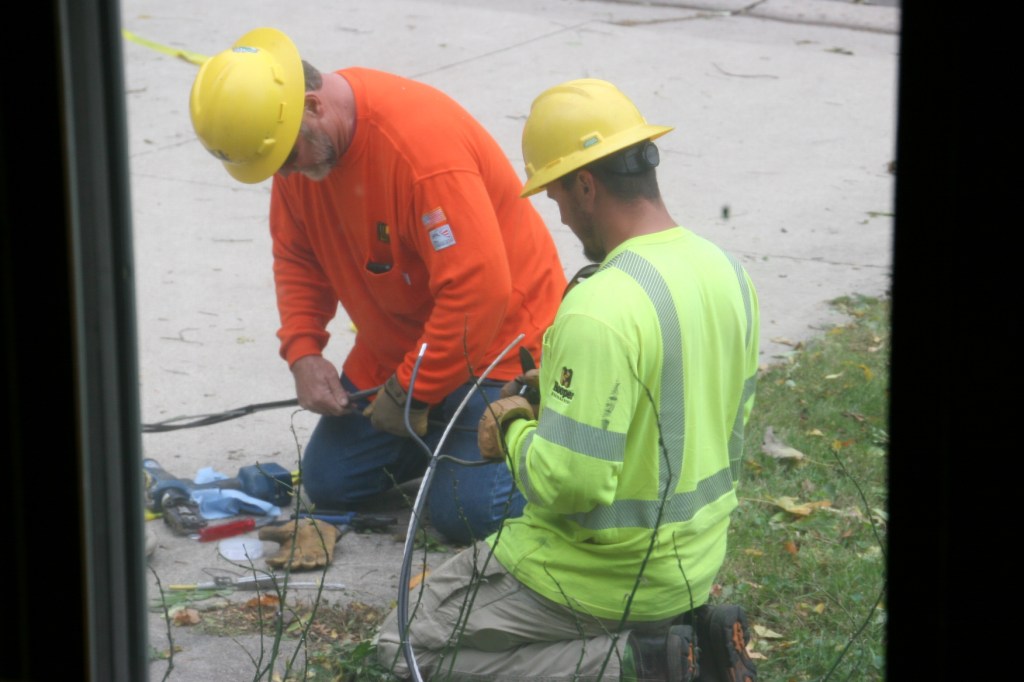
 

A shot through my dining room window of Xcel Energy crew members working on lines to reconnect to our house.
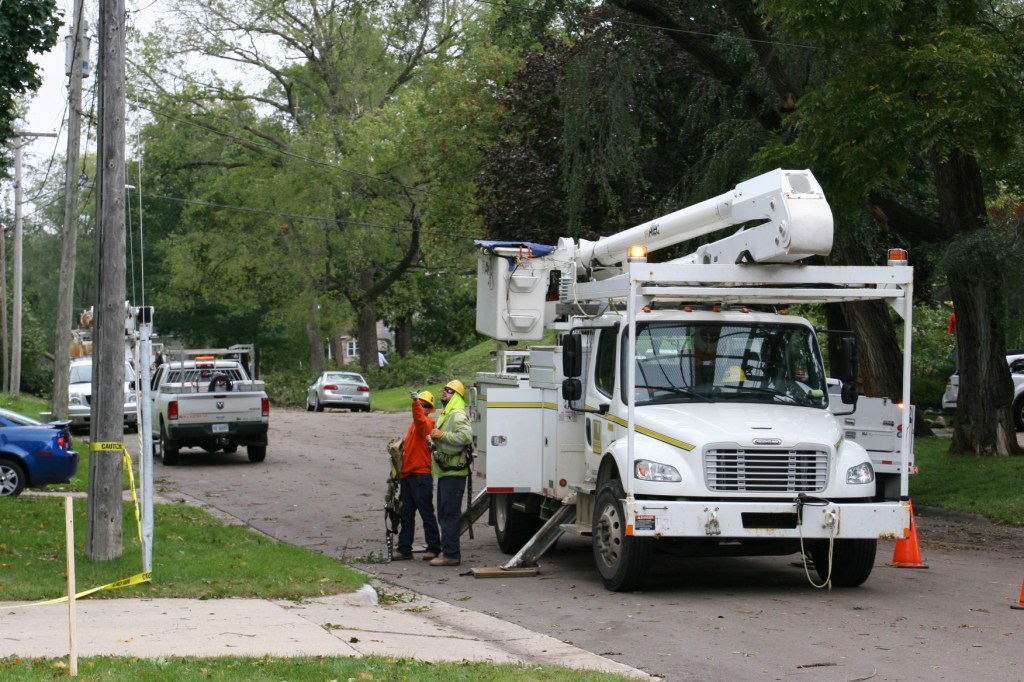
 

At the end of our driveway, workers prepare to string new power lines.


We have much to be thankful for. Each other. Protection. A beautiful Saturday of sunshine. Caring neighbors and co-workers and friends and strangers and professionals. It is said that difficult times bring out the best in people. I witnessed that firsthand in Faribault in the aftermath of this storm.


FYI: You won’t see photos of damage outside my neighborhood (except at my friend’s house) as local officials advise gawkers to stay out of storm-damaged areas.

© Copyright 2018 Audrey Kletscher Helbling


Twenty years of perpetual prayer at St. Mary’s in Sleepy Eye March 22, 2018

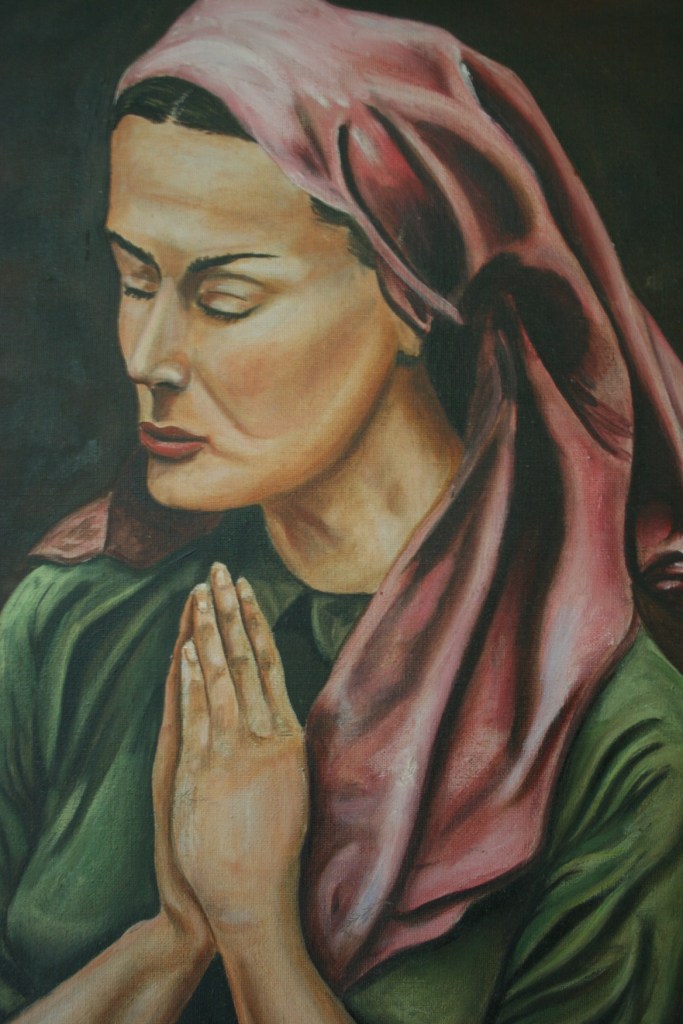
This painting of a woman in prayer hangs in my home, a gift from the family of Faribault artist Rhody Yule. I met Rhody several years before his death and helped organize two art shows of his work. I treasure this inspiring piece by Rhody as a reminder of our friendship and of his faith.


Pray without ceasing. (I Thessalonians 5:40)

“Could you men not keep watch with me for one hour?” he asked Peter. “Watch and pray so that you will not fall into temptation.” (Matthew 26: 40 – 41)

The prayer of a righteous man is powerful and effective. (James 5:16)


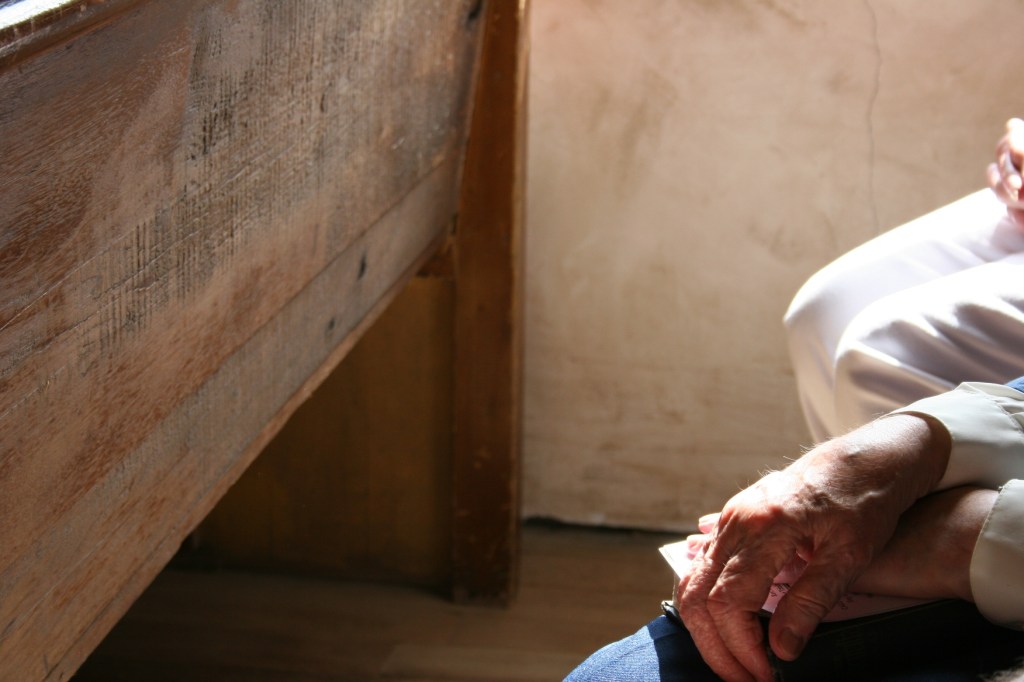
Praying during a service at the Old Stone Church, rural Kenyon, Minnesota. Minnesota Prairie Roots file photo June 2010.


FOR THE FAITHFUL at St. Mary’s Catholic Church in Sleepy Eye, those words from Scripture hold deep meaning. Not simply as words they should follow. But as words they do follow.


At Moland Lutheran Church, rural Kenyon, prayer needs are posted. Minnesota Prairie Roots file photo June 2013.


For 20 years, 24/7, the parishioners at this southwestern Minnesota prairie church have practiced Perpetual Adoration by praying. Every single hour. Of every single day. In one-hour shifts. For two decades. Remarkable.


A statue of Mary in prayer stands outside St. Nicholas Catholic Church in Elko New Market. Minnesota Prairie Roots file photo March 2017.


Today they pray in the Adoration Chapel housed in a new addition to the aged St. Mary’s Church. Originally, congregants prayed in the convent chapel, then the church.


The priest is about to proceed up the aisle to begin Mass at the Basilica of Saint Stanislaus Kostka in Winona. Minnesota Prairie Roots file photo September 2015.


Randy Krzmarzick has taken the 5 a.m. shift for all those 20 years. He writes about his experiences in a column posted on sleepyeyeonline. (Click here to read.) It’s an interesting read, especially for someone like me, a life-long Lutheran married to a former Catholic. But no matter your faith—or not—you will find value within Randy’s honest and humorous story. He suggests that we all need to quiet our hearts and seek silence in this busy and noisy world.


Praying at a car show at St. John’s United Church of Christ, Wheeling Township, rural Faribault. Minnesota Prairie Roots file photo August 2016.


Even he struggles to follow his own advice, admitting to sometimes thinking about the price of soybeans or a baseball game when he should be praying.


One of life’s simple delights: Wildflowers in the prairie of the Valley Grove churches, rural Nerstrand. Minnesota Prairie Roots file photo.


Life brims with distractions. We’re too busy. Too scheduled. Too whatever to notice the simple things in life. Or the people we love. Or those who are strangers and need our compassion.


Photographed at St. Stan’s in Winona. Minnesota Prairie Roots file photo September 2015.


There is much to be learned from the faithful of St. Mary’s in their two decades of dedication, discipline and devotion to prayer. In the silence, they have heard the quiet. And I expect, too, have found peace.

RELATED: Click here to read a story about Kathy Wichmann, who for 20 years has scheduled parishioners to fill those 24/7 prayer slots at St. Mary’s.


© Copyright 2018 Audrey Kletscher Helbling
 

A joyful labyrinth honors faith & family November 3, 2014

Filed under: Uncategorized — Audrey Kletscher Helbling @ 6:00 AM
Tags: , , , , , , ,

MY FRIEND JOY is one of those creative types whose talent and energy seem endless.

She carves and builds and creates, always working on some project that enhances the rural Faribault home she shares with her husband, Steve.

Indoors and out, Joy’s house and yard reflect her individuality, her appreciation for family and history and that which is old or useful or meaningful. Her faith is often interwoven into her projects.

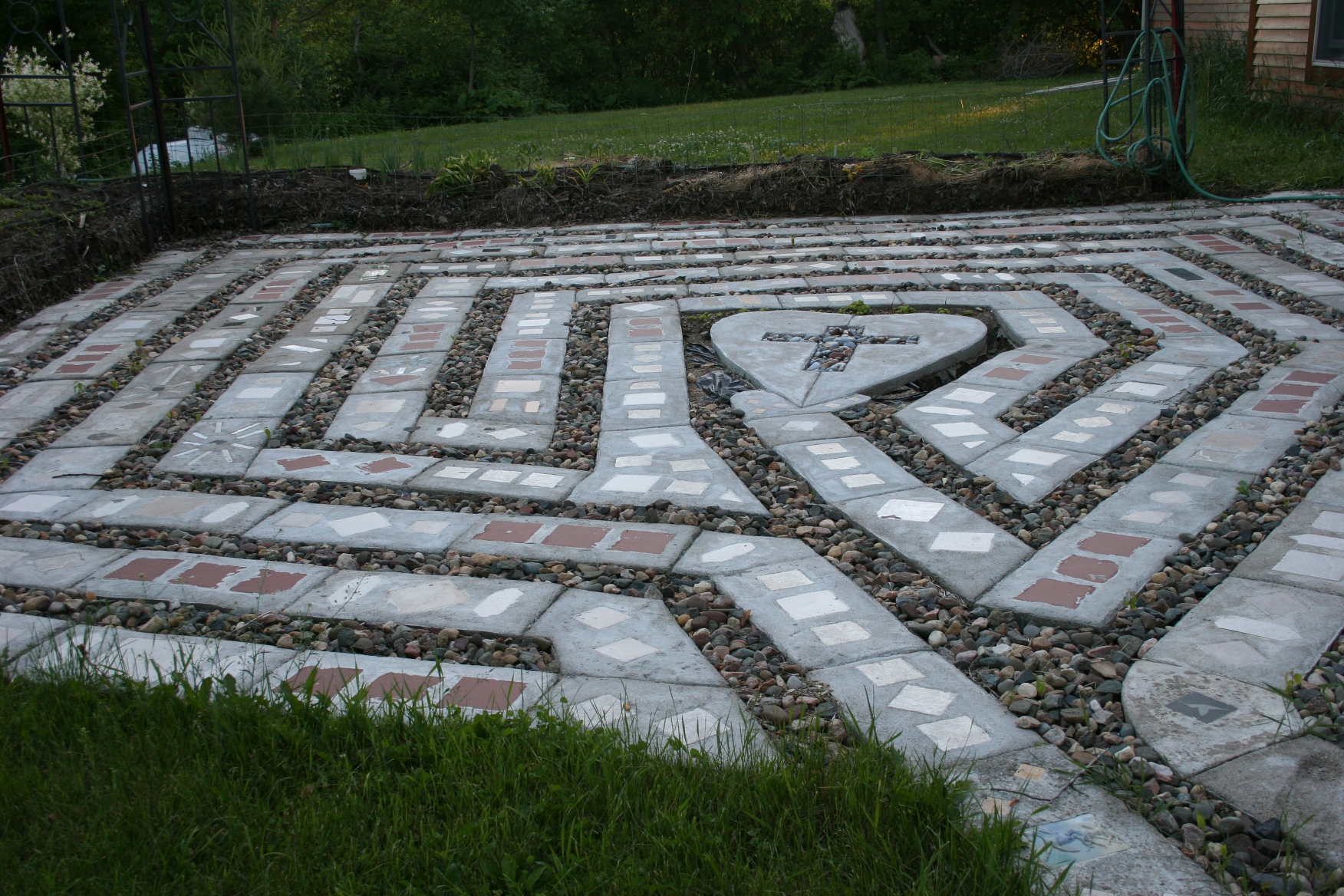
An overview of Joy's backyard labyrinth.

An overview of Joy’s backyard labyrinth.

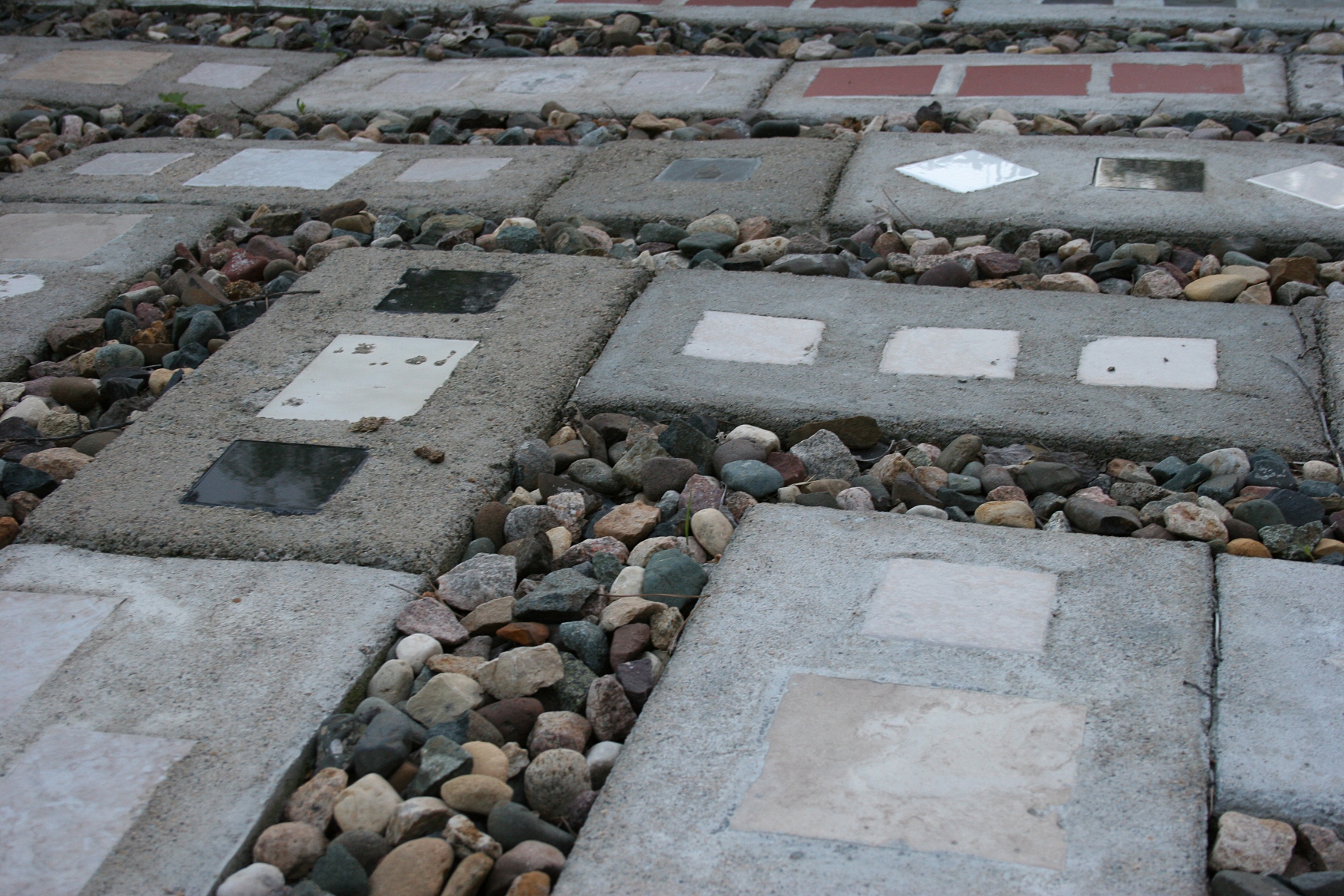
A few years ago, Joy constructed a labyrinth outside her walk-out basement. It presents for impressive and practical backyard art.

A close-up, without the overall impact of the meditative walk way.

A close-up, without the overall impact of the meditative walk way.

Until this past summer, I’d only seen the labyrinth in the dark, walking it during an evening campfire. I wasn’t prepared for the stunning beauty of this twisting path in the fading hours of daylight.

A mosaic created by Joy.

A mosaic created by Joy.

Wow.

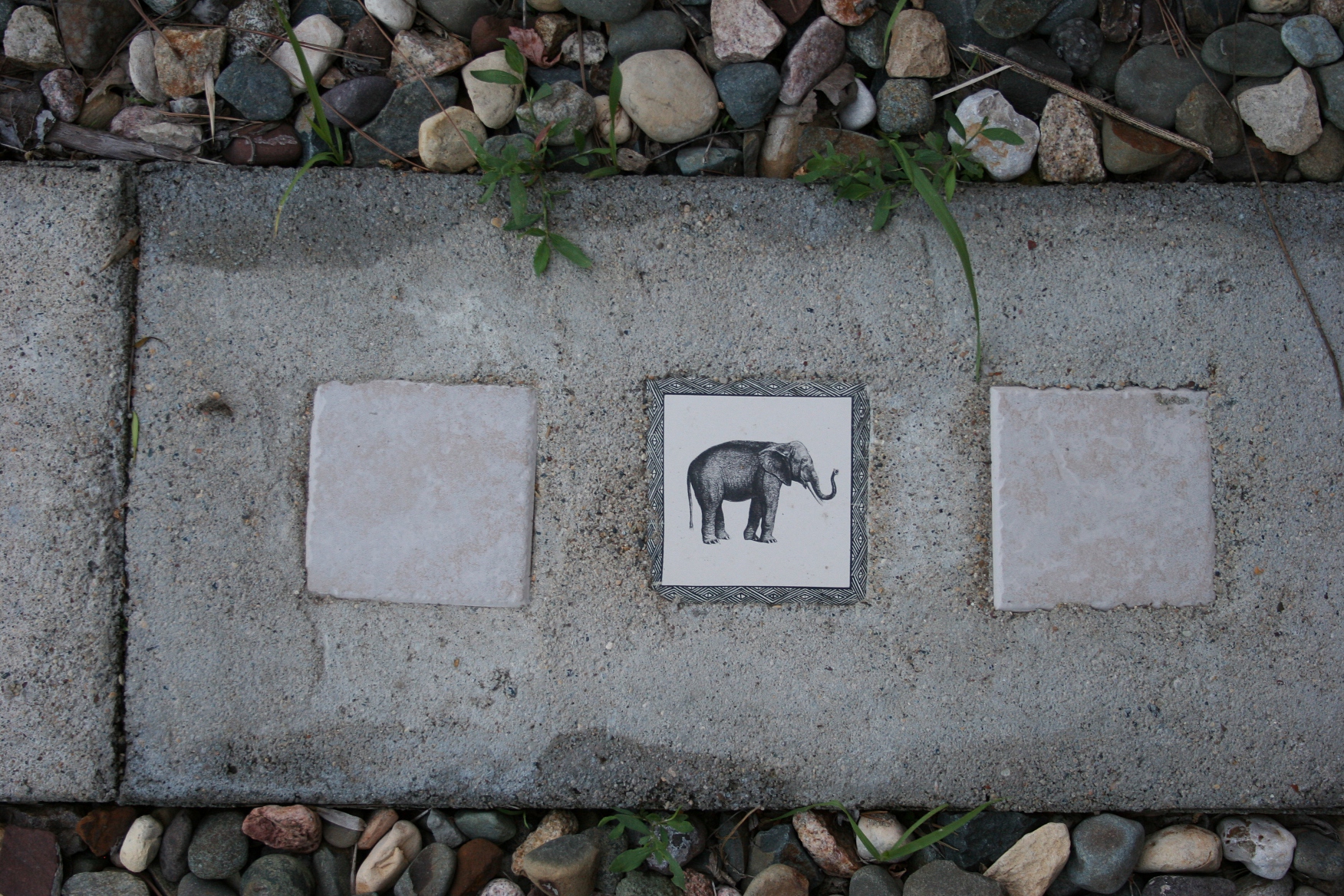
Sample tiles were used in the labyrinth.

Sample tiles were used in the labyrinth.

No wonder this took my friend some three years to construct. She began the labyrinth in 2010, laying selected tile into sections of concrete. Some of those tiles were sample tiles acquired from a friend.

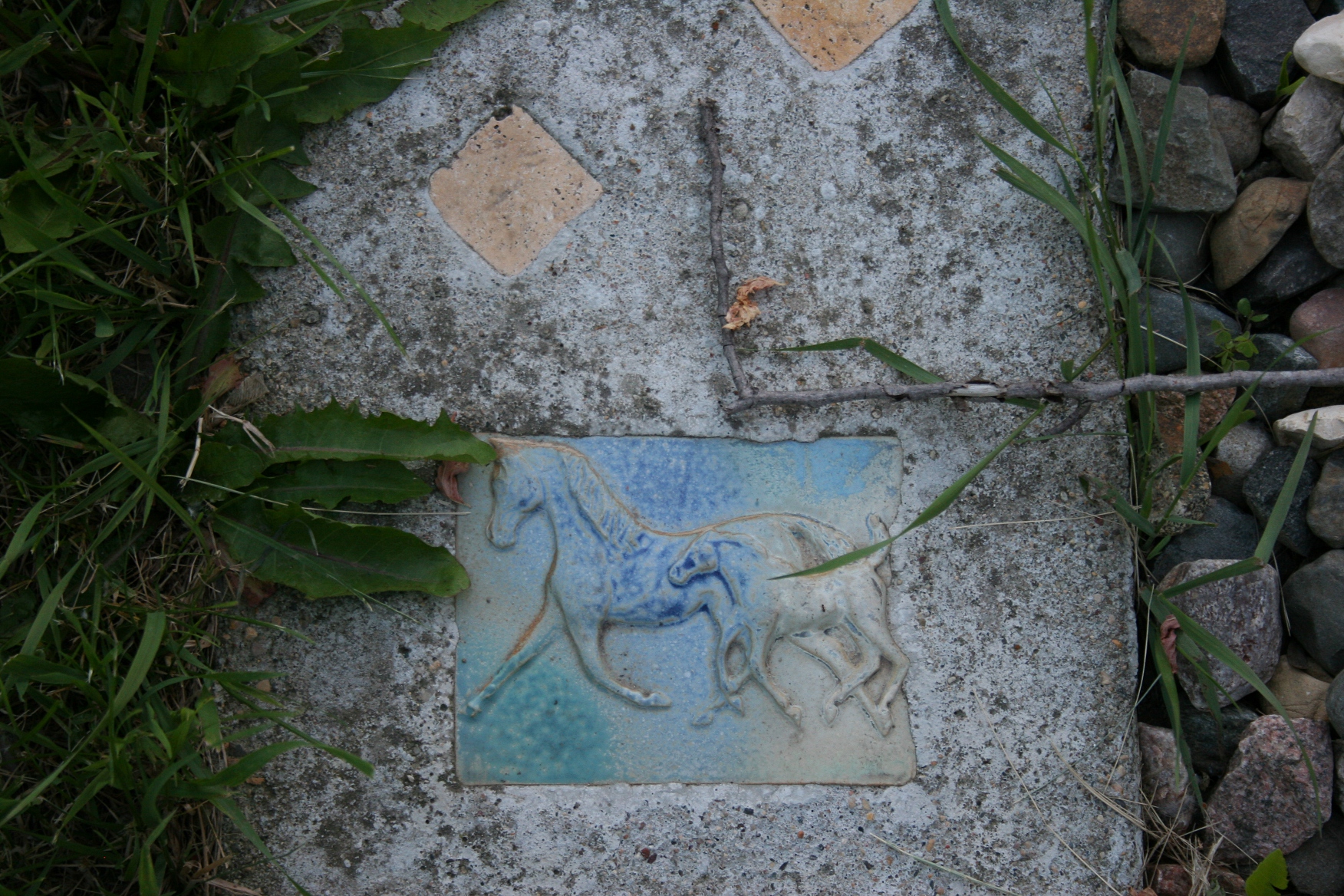
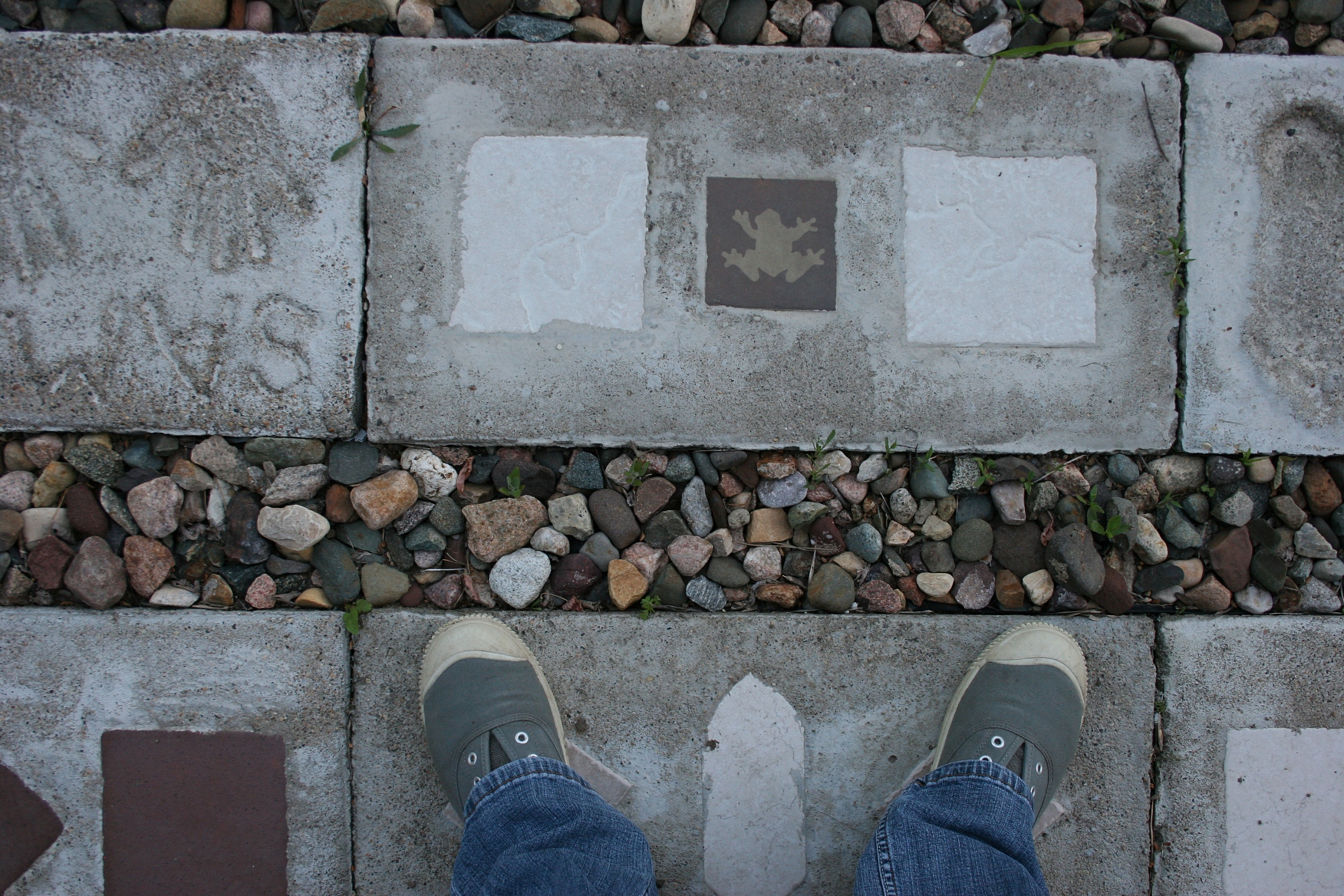
The horse tile celebrates a granddaughter's love of horses.

The horse tile celebrates a granddaughter’s love of horses.

Joy proves always resourceful in reusing and repurposing. There’s not much she will throw.

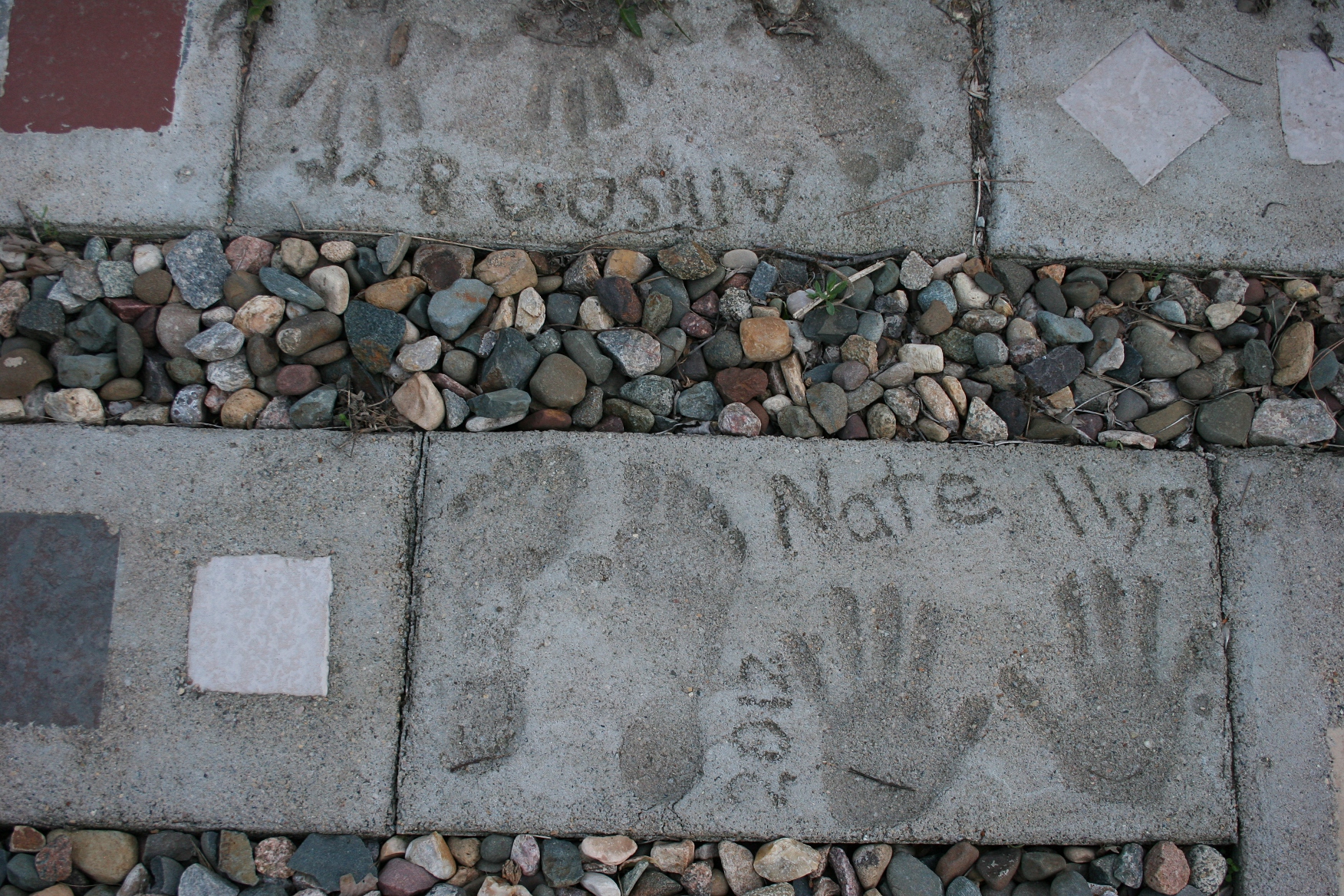
Precious imprints of loved ones.

Precious imprints of loved ones’ hands and feet.

Grandchildren imprinted hands and footprints.

The focal point and end of the labyrinth, perfect for a prayerful walk.

The focal point and end of the labyrinth, perfect for a prayerful walk.

Memories. Faith. Time. All are intertwined here.

Walking portions of the labyrinth during a photo shoot.

Walking portions of the labyrinth during a photo shoot.

At least once a week, if not more, Joy walks this labyrinth. It is her quiet place, her place of prayer. Right here, created by her gifted hands, in her backyard.

© Copyright 2014 Audrey Kletscher Helbling
 

Dear God, please restore the power October 14, 2014

Parked outside Trinity Lutheran Church North Morristown on Sunday morning for the congregation's annual fall dinner.

Parked outside Trinity Lutheran Church North Morristown on Sunday morning for the congregation’s annual fall dinner.

THE IRISH I M van parked outside the German Lutheran Church makes me laugh.

And it’s good to laugh on a Sunday morning when the power has been out for hours and the Lutheran ladies have been scurrying, along with their anxious husbands, to cart roasters of hot food from the church basement.

It is the morning of Trinity North Morristown’s annual fall dinner and the worst possible date for the power to fail at a nearby substation.

Before worship services on a Sunday morning at Trinity Lutheran Church, North Morristown.

Before worship services on a Sunday morning at Trinity Lutheran Church, North Morristown. Minnesota Prairie Roots file photo.

Upstairs in the sanctuary, pews are nearly empty as congregants scramble to move food to the homes of parishioners with power and to nearby Camp Omega. Eventually the pews fill. The church organist gathers her songbooks from the balcony and hurries to the piano at the front of the sanctuary.

The pastor jokes, during the morning worship service, about his strong and resilient German Lutheran congregation, then prays later for the electricity to come back on.

But when he blesses worshipers, the lights are still out.

So the well isn’t working and the toilet can’t be flushed except it can with water hauled in milk cans to pour into the toilet tank.

Outside, the scent of coffee wafts from an open kettle set atop a propane fueled burner.

Tickets for the dinner are selling and diners file in a side door, up the steps and into pews to await dismissal to the basement. Food has been hauled back, down the stairs, into the semi dark kitchen.
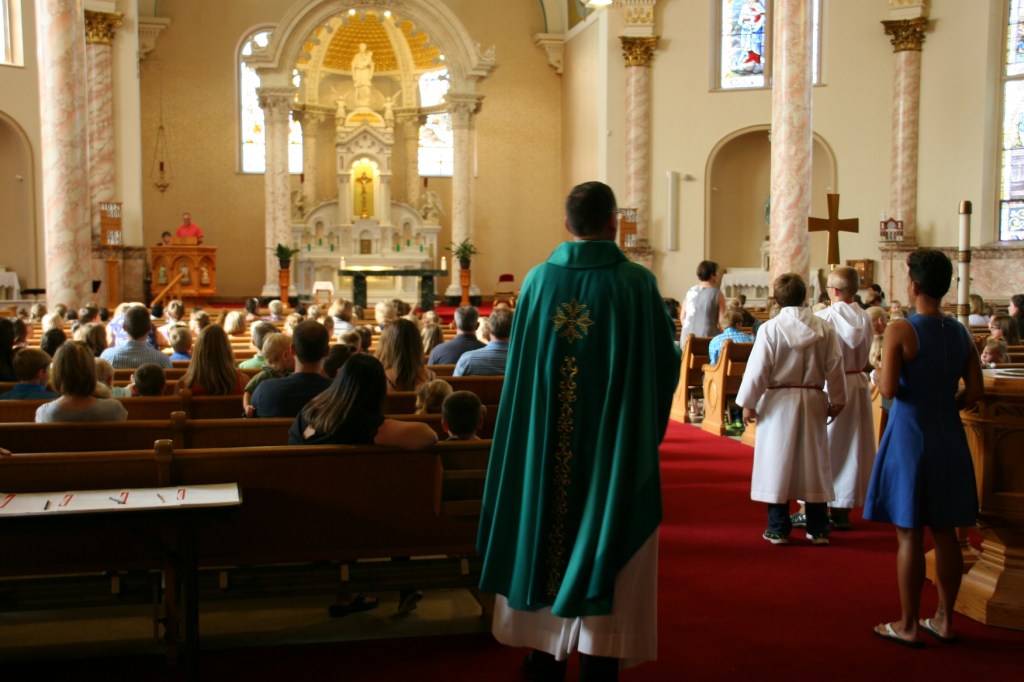
In the dim light of the sanctuary, conversation flows with the comfort that comes from visiting within the close confines of a small country church.
Then, just like that, the lights flick on at 11:10 a.m. Applause erupts. An audible gasp escapes, though, when the power flickers, off and on, before remaining on.
Dinner, tables set

Tables await diners in the church basement. Minnesota Prairie Roots file photo.

Diners file to the basement, the IRISH I M and the Lutherans, to feast on ham and turkey and to give thanks for an answer to prayer.

© Copyright 2014 Audrey Kletscher Helbling