Minnesota Prairie Roots

Writing and photography by Audrey Kletscher Helbling

More than a fall hike at Falls Creek Park October 6, 2020

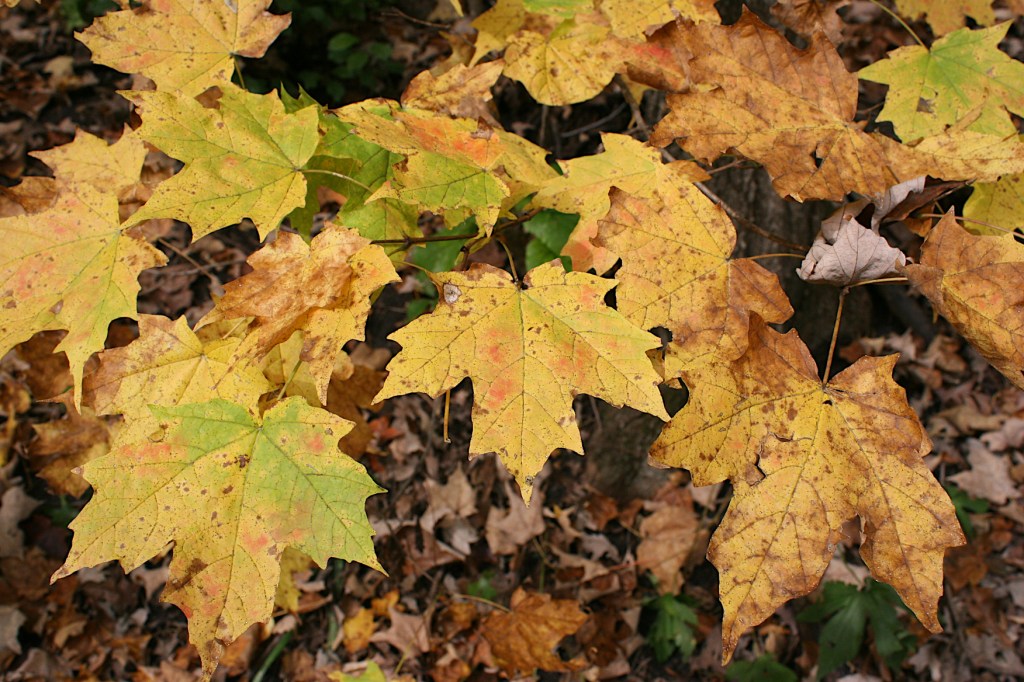
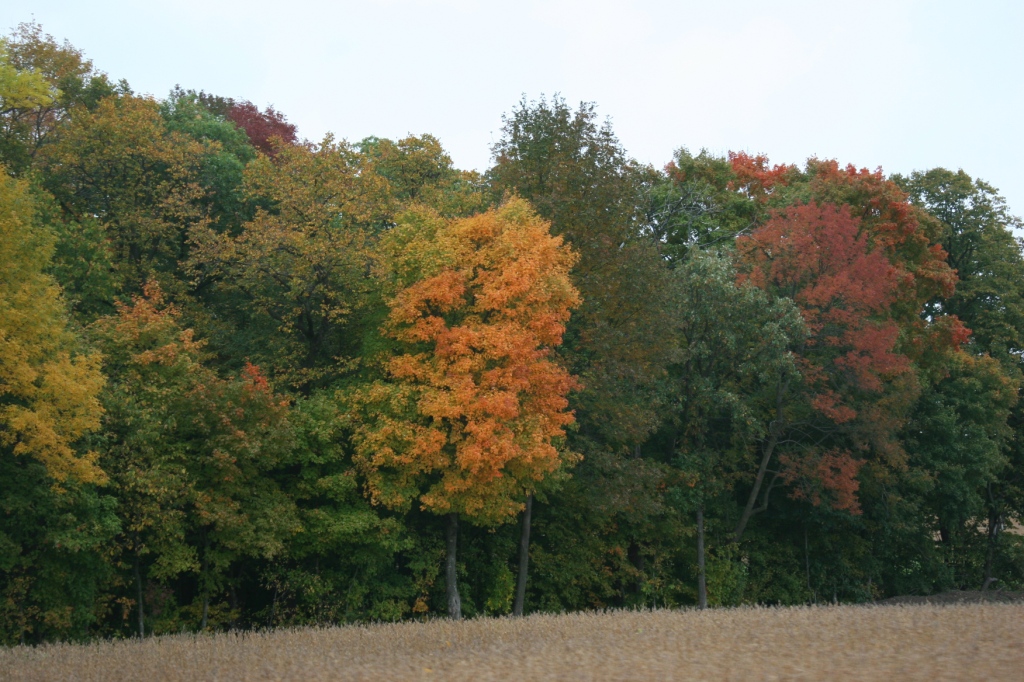
A cluster of maple leaves in fall colors photographed at Falls Creek County Park, rural Faribault, Minnesota.

AS A LIFE-LONG MINNESOTAN, I remain fully cognizant that the season will soon change to one of cold, colorless and confining.
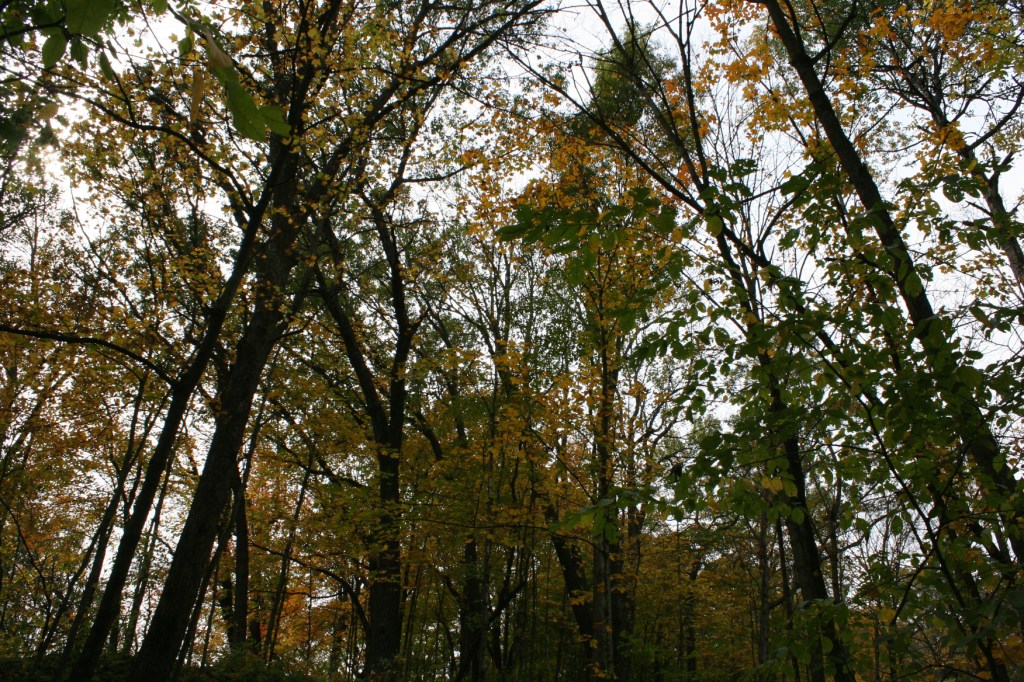
In the woods at Falls Creek Park, some trees are already stripped of leaves.

Thus, a week like the one predicted with sunny skies and temps in the 60s and possibly 70s, is to be celebrated.
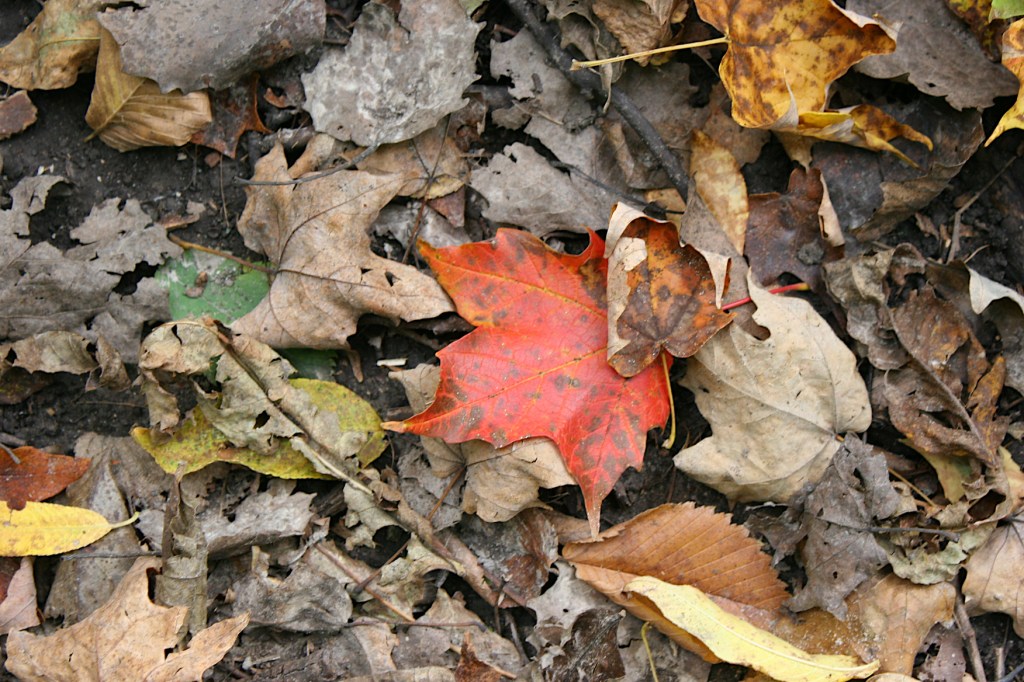
Maple leaves cover the earth, from my backyard to here, at Falls Creek Park.

As I look out my office window mid-Monday morning while writing this post, I see sunshine. Sunshine which casts shadows of leaves swaying in the wind onto my office walls.
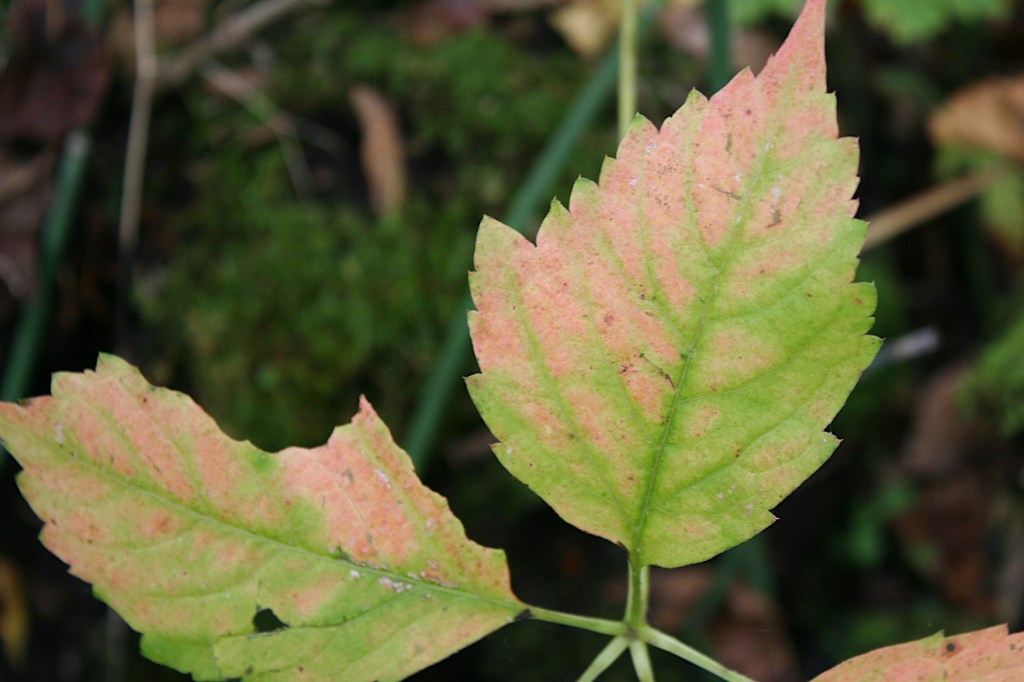
Subtle colors color these leaves at Falls Creek.

For today, the wind blows with a fierceness that assures the laundry pinned to my backyard clothesline will dry quickly. I’ve taken extra measures to assure the wash stays clipped to the line. The wind is that strong.
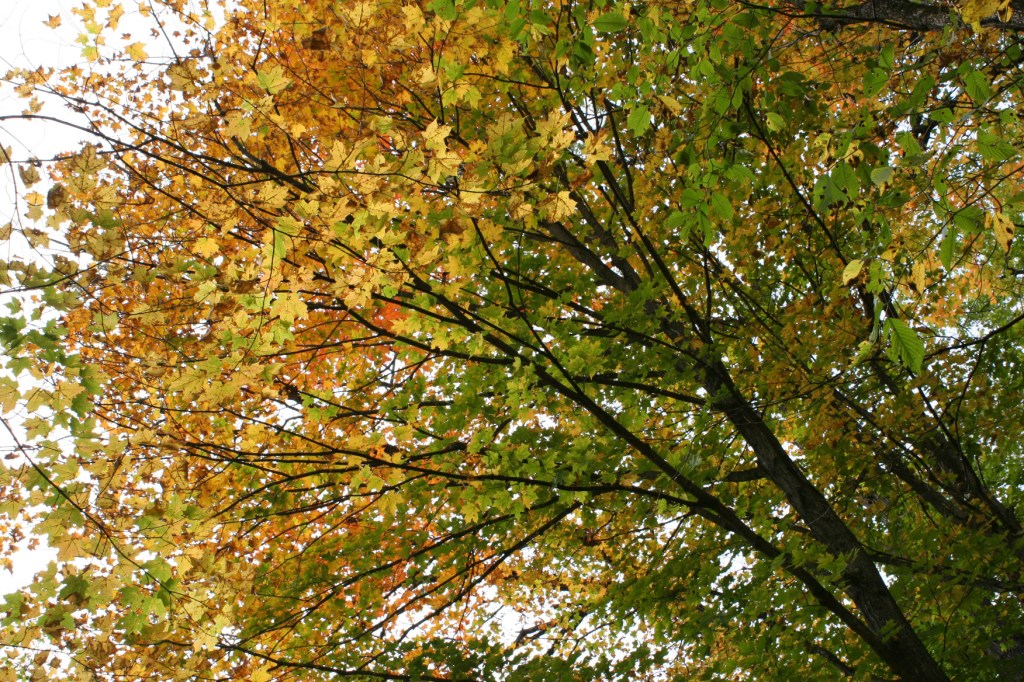
Throughout southern Minnesota, leaves are changing color and falling from trees.

Leaves spiral from the backyard maple at a dizzying rate that makes me melancholy. Soon the branches will be stripped bare, exposed to the sky, a strong visual reminder to me that Autumn is nearing her exit.
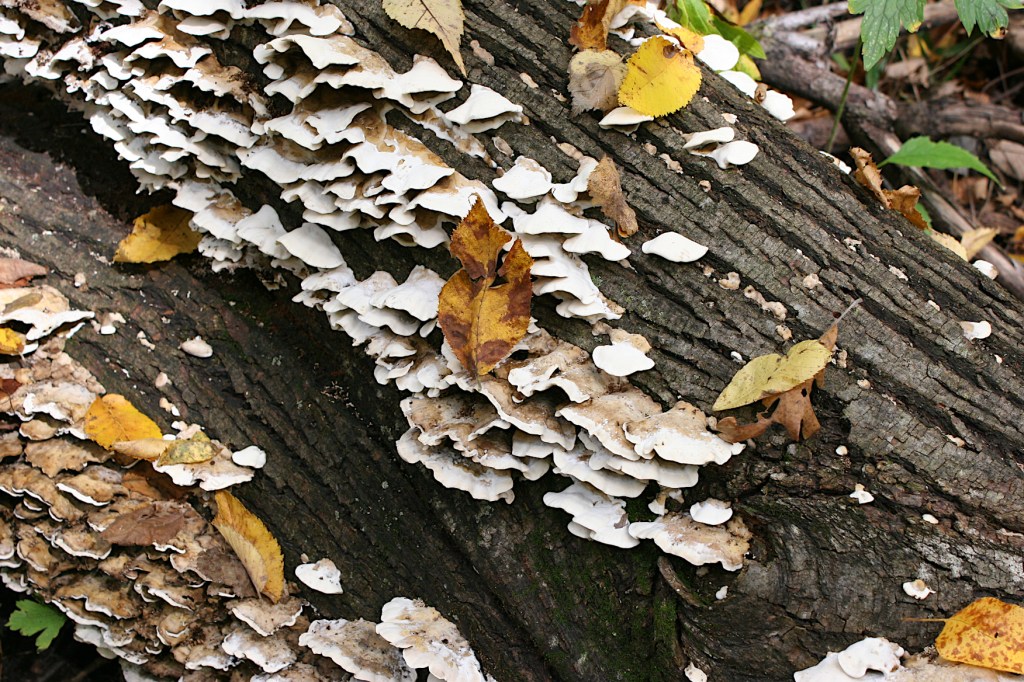
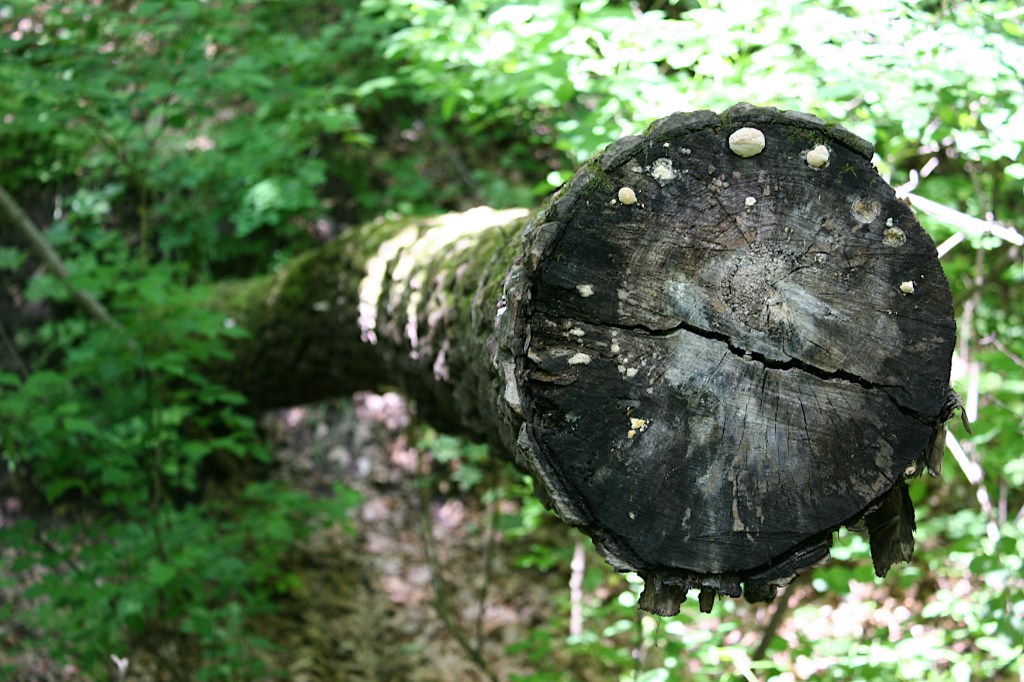
Fungi ladder on a fallen tree trunk.

I need to hold onto this season, to embrace and celebrate her for as long as I can because I recognize also that this winter ahead—this winter of COVID-19—will prove particularly challenging. The sense of isolation will be heightened as Randy and I continue to keep our circle small.

And so now, while we can, we spend a lot of time outdoors, walking on trails through woods and along rivers. Like at Falls Creek County Park, about a mile east of Faribault just off Minnesota State Highway 60. The 61-acre park seems mostly undiscovered. We last visited in June, although when the kids were still home, we went there more often to picnic and hike.
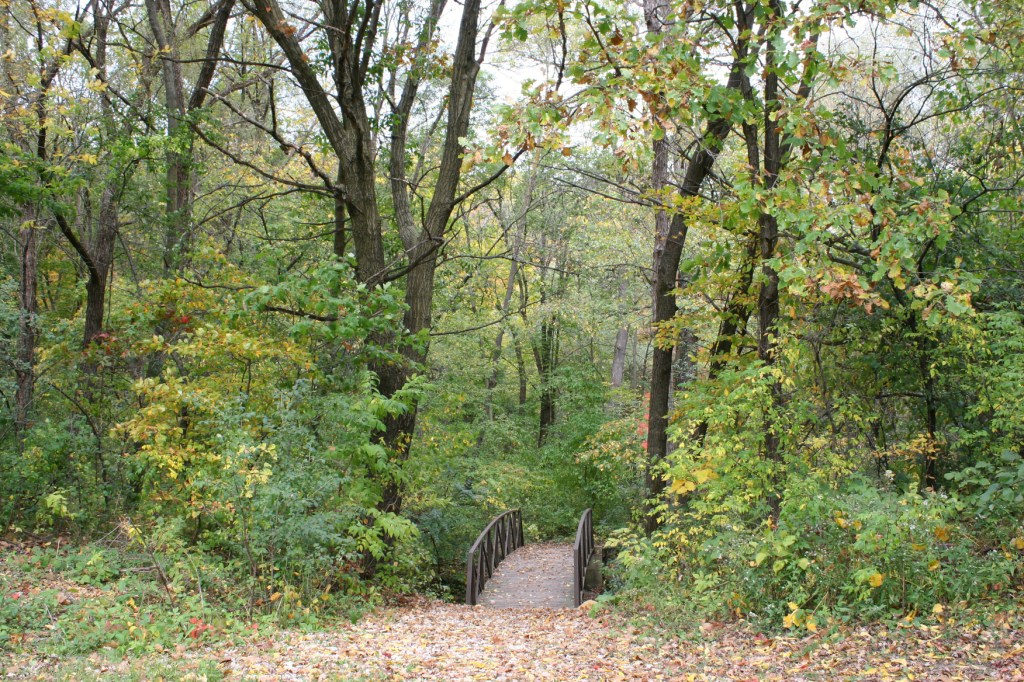
An opening in the woods leads to a bridge across Falls Creek.

On a recent weekend, we revisited this peaceful and primarily wooded destination, which includes about 3,000 feet of creek footage. After parking in the over-sized gravel parking lot pocked with potholes, we headed down the hill and across an expansive grassy space toward an opening in the woods.
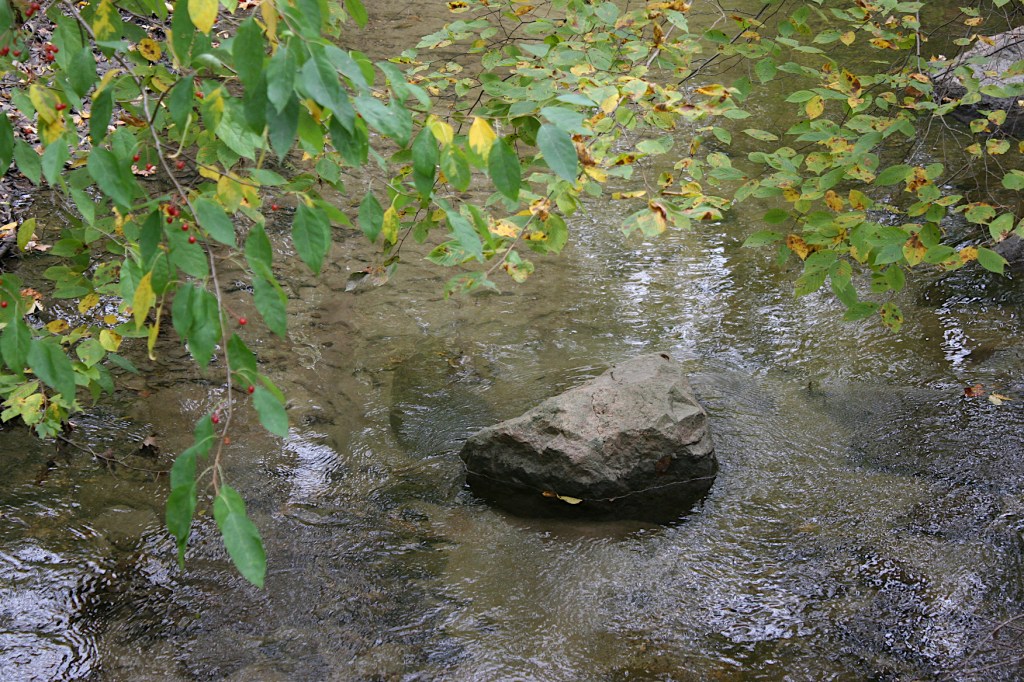
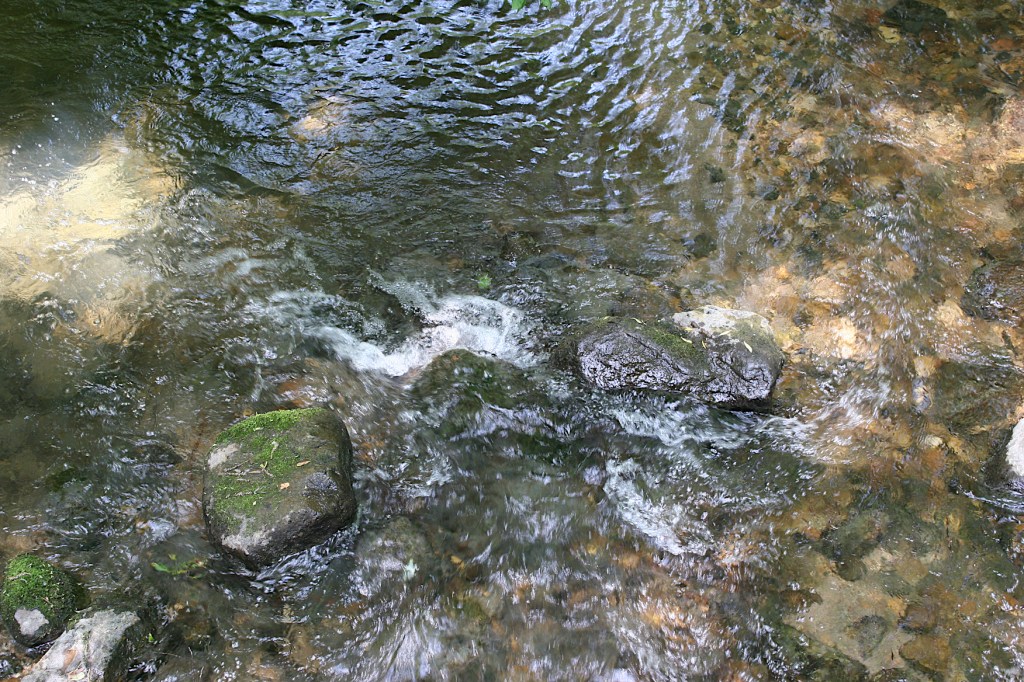
Water rushes around rocks, like this one, in the creek.

Through that gap, a picturesque bridge crosses Falls Creek. I love that cute little bridge spanning the narrow waterway. There’s something magical and fairy tale like about the arc of that bridge, where I stand and listen to water rush over rocks. Clear water, mostly unseen in this area of southern Minnesota with most waterways polluted by fertilizer run-off.
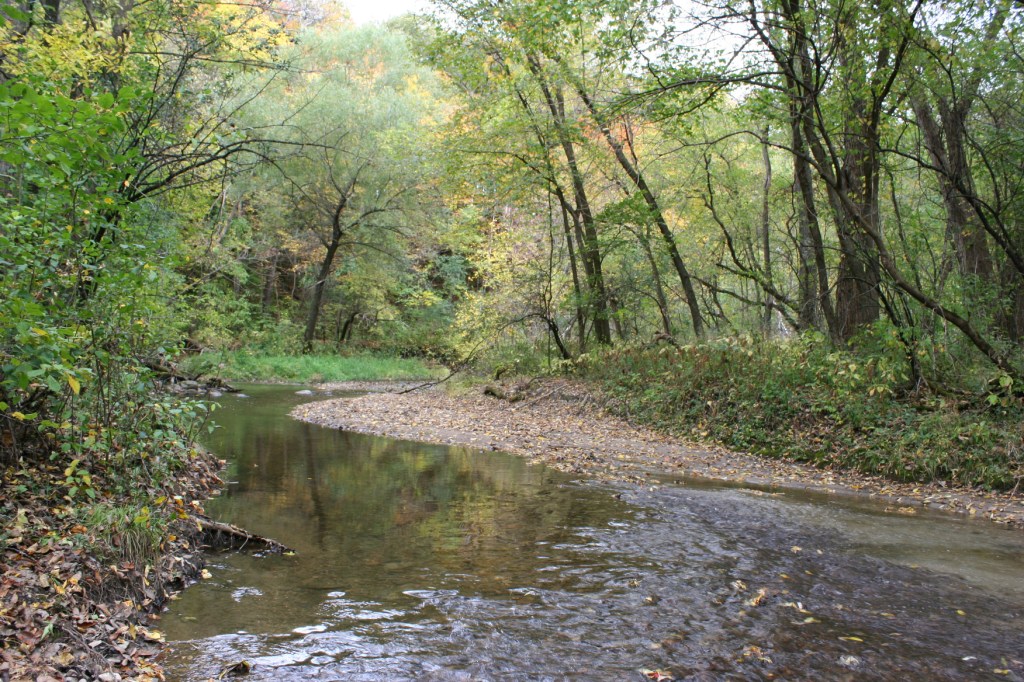
The creek curves through the woods.

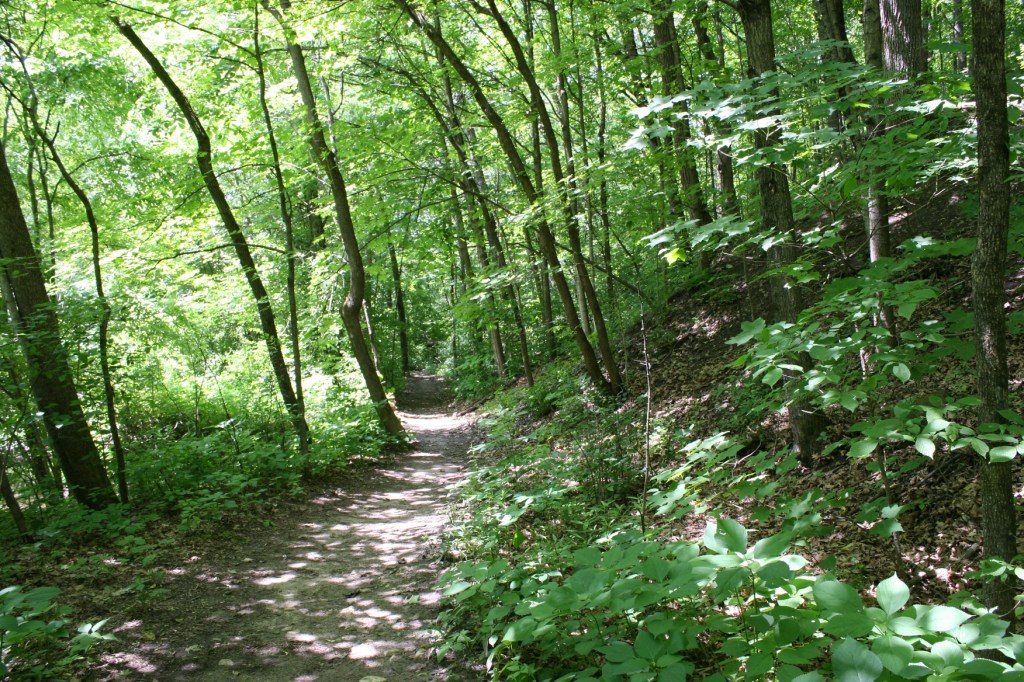
After that creekside pause, Randy and I headed onto the dirt trail into the woods. It runs along the creek bank, in some sections nearly eroded away. In one spot, we walk upon thick sticks laid on the pathway to stabilize the walk way.
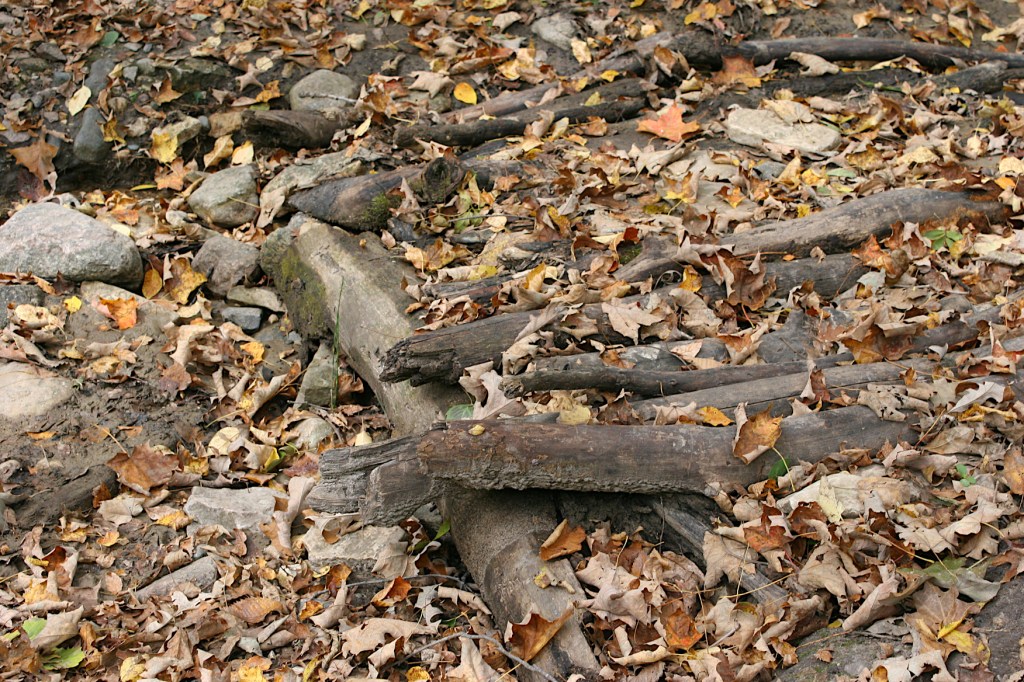
Sticks laid on the path to stabilize it in an eroded area.

Randy makes it all the way to the falls, only to find it eroded, too, and not as he remembers. I’ve stopped just short of that destination and turned back to retrace our steps. There are no trails spidering through the woods, only this solo one and another that, for a short distance, veers to our right.
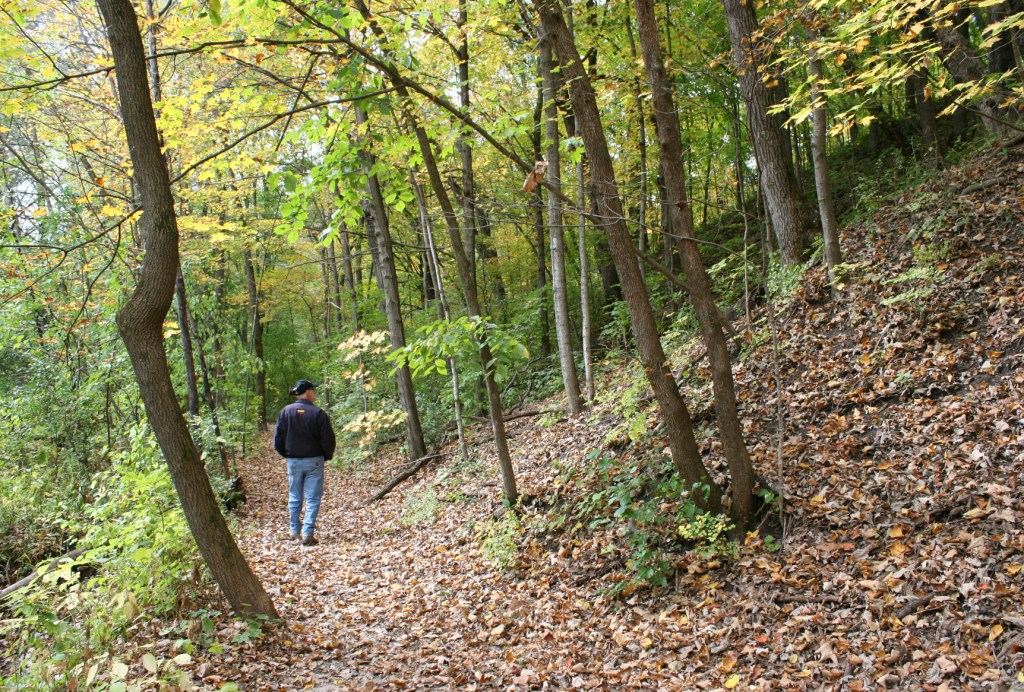
Randy walks on the leaf-covered trail, embraced by the woods.

Yet, we delight in being here. In the woods, even if not particularly colorful. Beside the creek. Just us, until we hear voices in the distance and eventually meet a couple from a neighboring town. They are lovely in every way for not only their appreciation of this place but also of others they’ve met here. That includes a group of young men from Somalia, immigrants who’ve resettled locally and spoke to the couple about past challenges. It was incredibly refreshing for me to hear the couple’s kind words about these young men rather than the unkind words I all too often hear about individuals who’ve fled war-torn countries and atrocities we can’t even imagine for a new life in Minnesota.
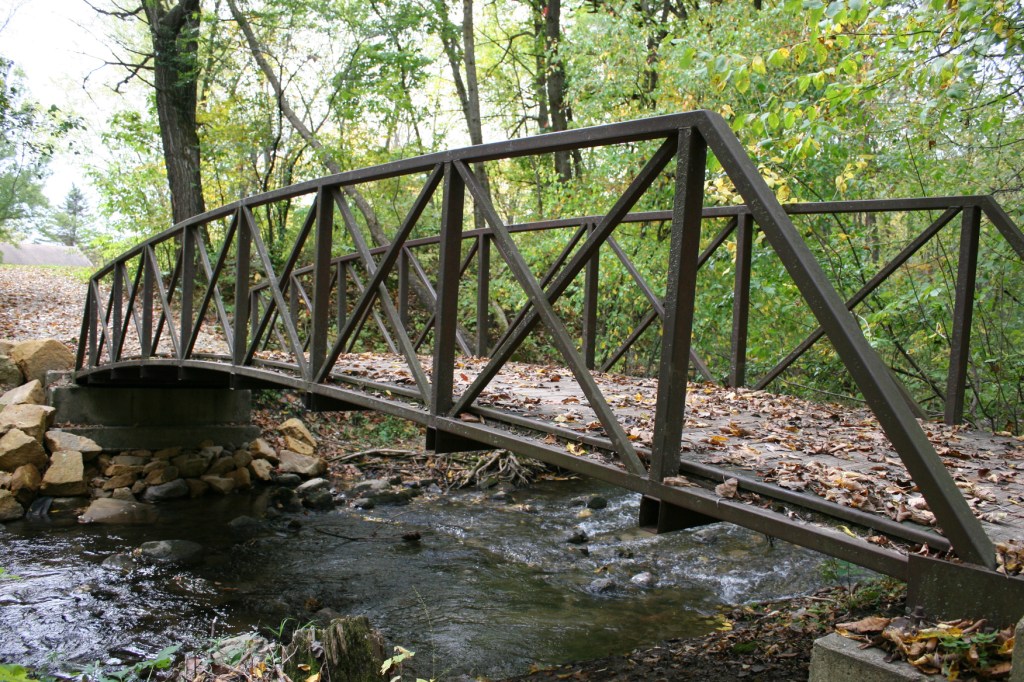
The lovely bridge across Falls Creek.

Even though I digress from the nature theme of this post, I feel it important to share this sidebar. There are stories to be heard, lessons to be learned, when we take pause to appreciate, to listen. To cross bridges into the woods.

© Copyright 2020 Audrey Kletscher Helbling


Following the backroads of Rice County into autumn October 2, 2020

Filed under: Uncategorized — Audrey Kletscher Helbling @ 5:00 AM
Tags: , , , , , , , , , ,

Fall colors as photographed in rural Rice County, Minnesota, on September 26.


THIS AUTUMN FEELS especially fleeting, as if the days are slipping too quickly into the cold and dark of winter’s grip. The sun now rises shortly after 7 a.m. and sets just before 7 p.m. The darkness is closing in and I feel it.


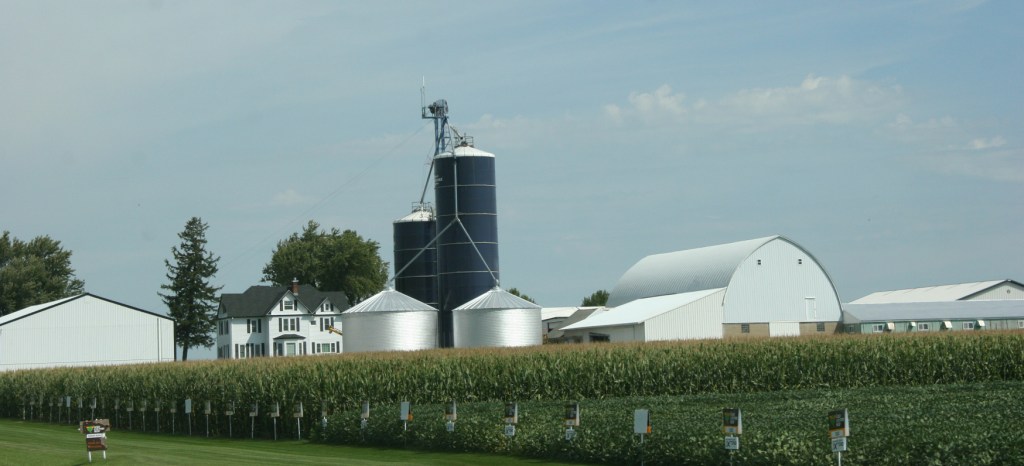
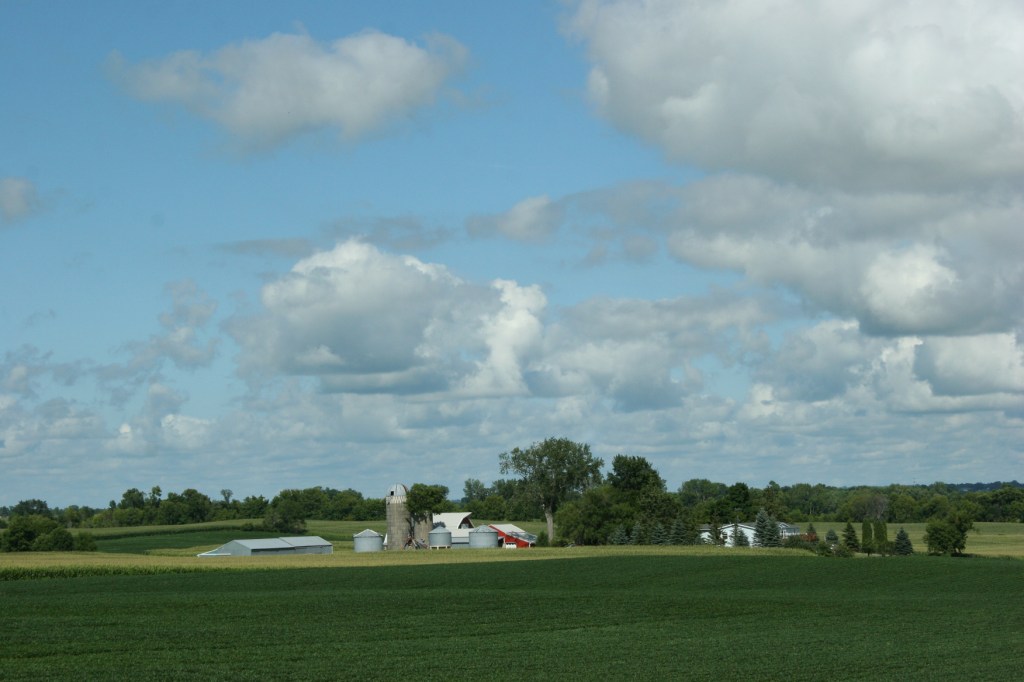
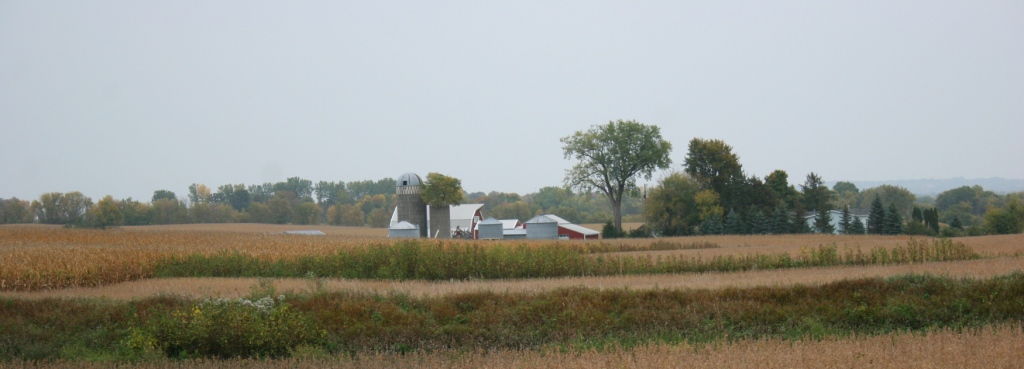
Ripening corn and soybean fields surround this farm site in Rice County.


This year, more than ever, I feel an urgency to get outdoors, to delight in every single moment of autumnal beauty, of semi warm temps, of days without snow.


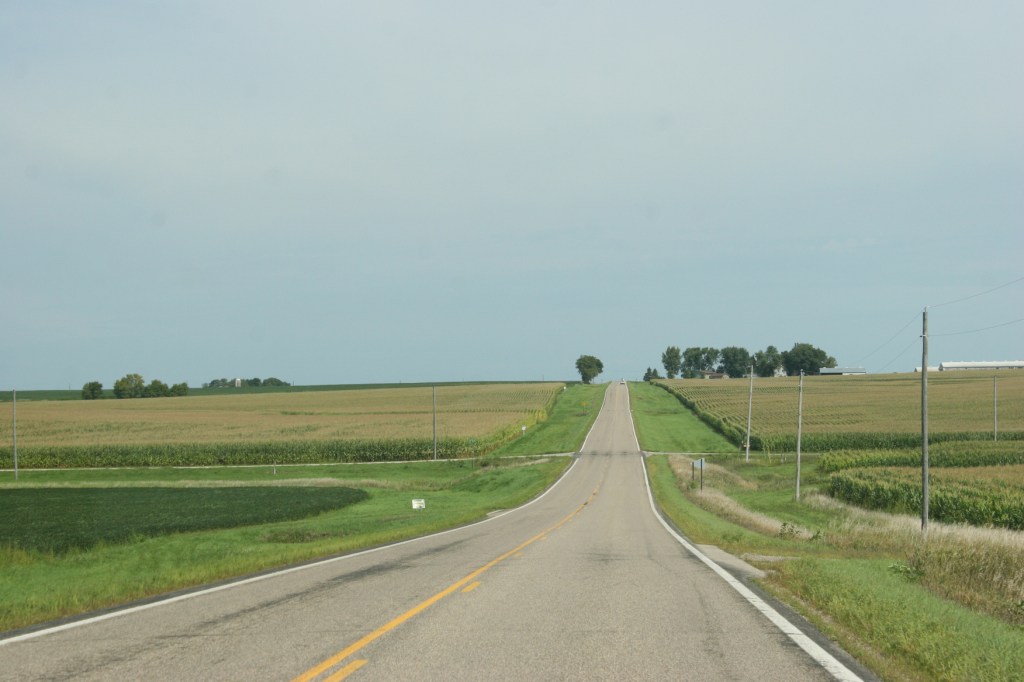
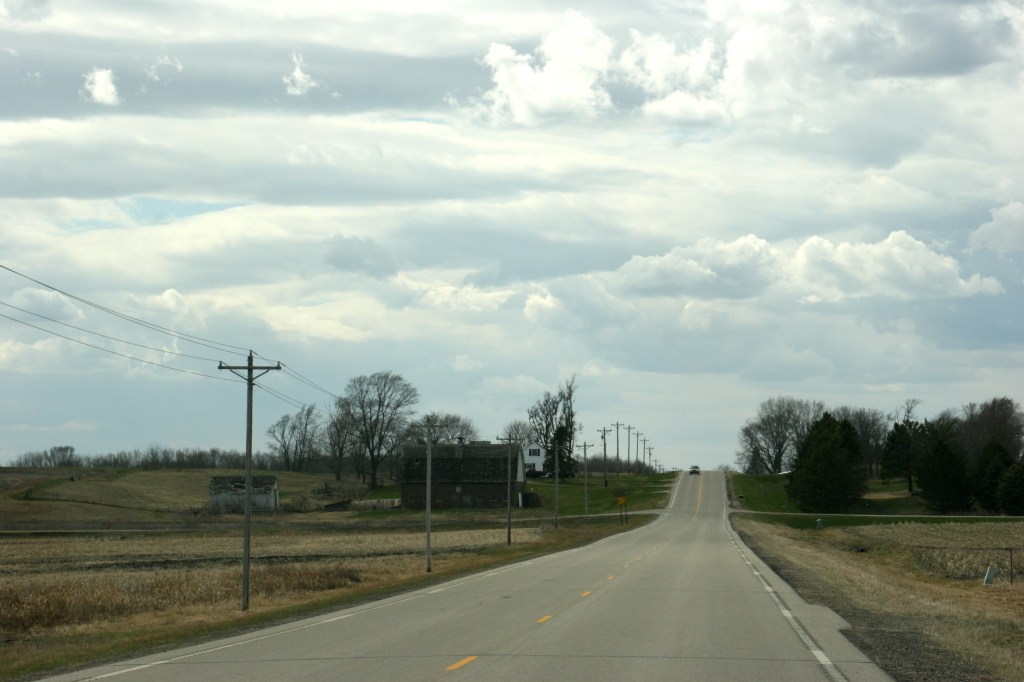
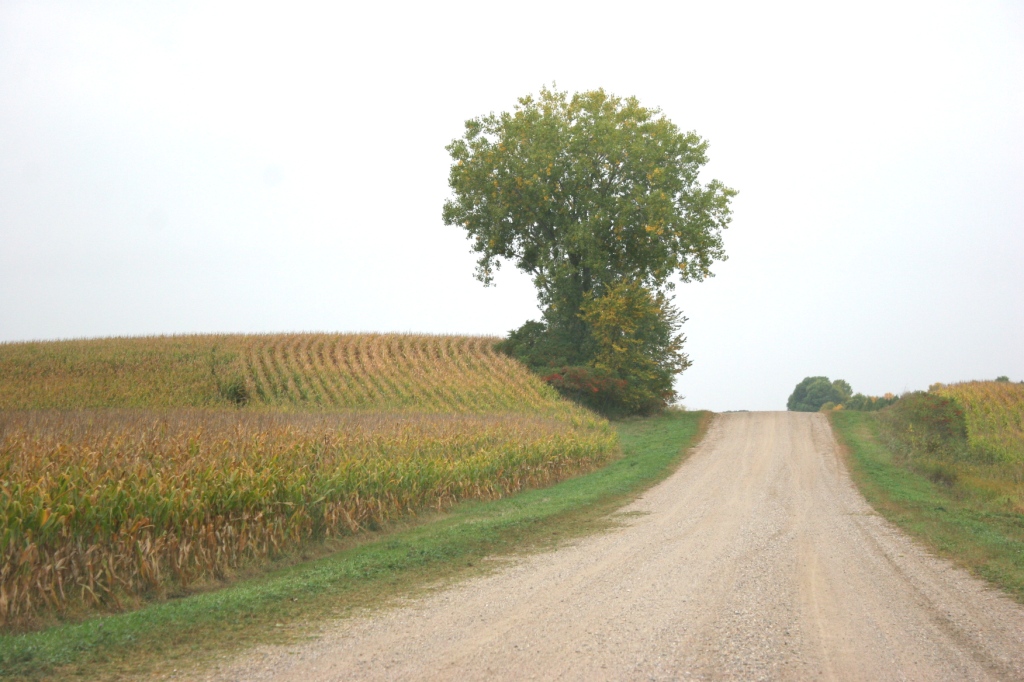
Heading uphill on the backroads of Rice County last Saturday.


And I feel this way due to COVID-19. The reality is that the winter ahead will prove challenging as we hunker down indoors, limiting our contact with others as we attempt to stay healthy and protect others. At least that’s my plan, Randy’s plan.


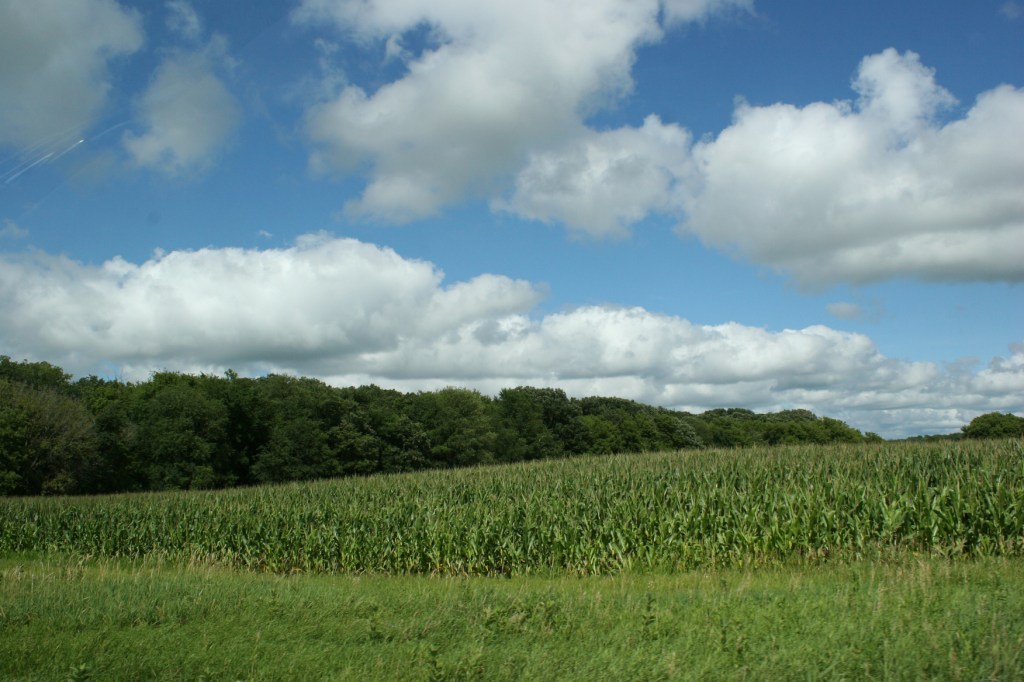
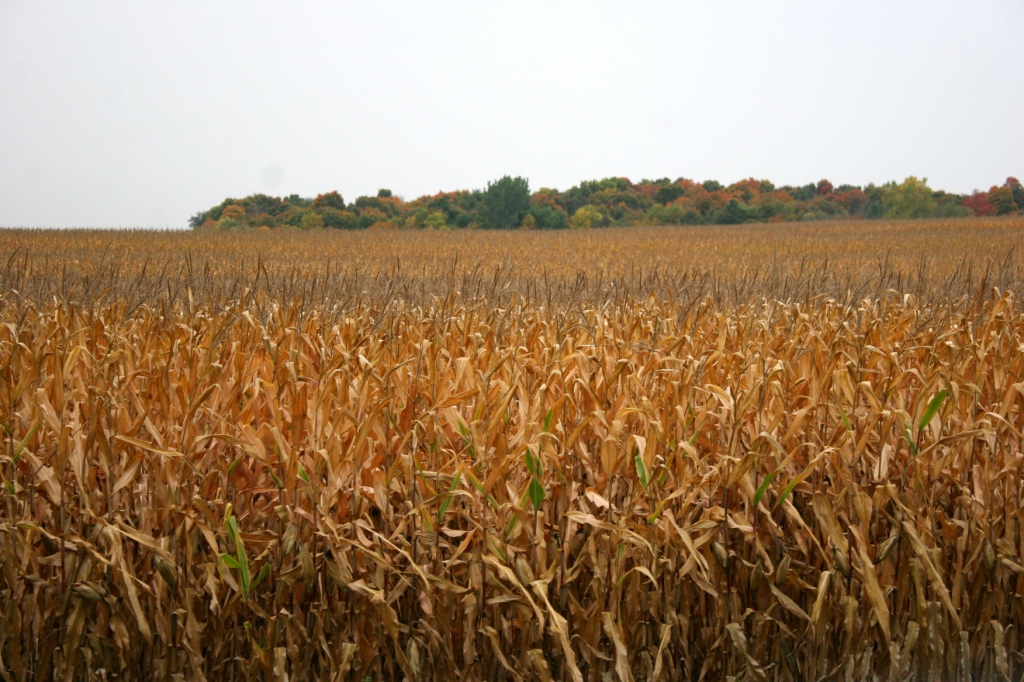
Cornfields ripen, awaiting the harvest. I feel like we’re all waiting. Just waiting in this season of COVID.


We’ve already managed seven months of this cautiousness, this recognition that we hold a responsibility to do our part. For ourselves. And for our friends, family and neighbors. I’m particularly worried these days about the upsurge in cases in Wisconsin, where our daughter and her husband and our son live. But I worry, too, about Randy facing potential COVID exposure daily at work because of a failure among others to mask, mask properly or to follow other safety/health regulations. I am beyond frustrated, as I’ve stated here in previous posts.


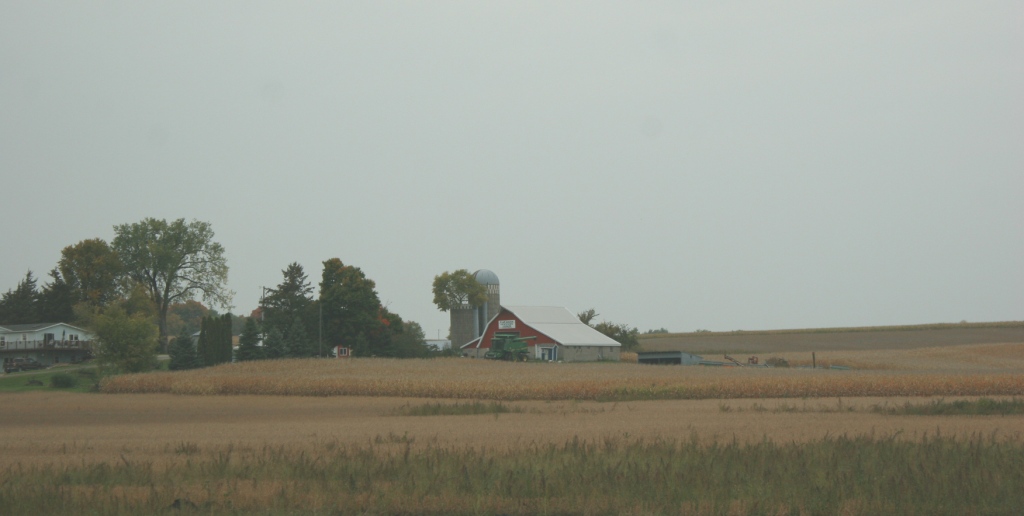
Another Rice County farm site. COVID knows no differences between rural and urban. We’re seeing that now in Minnesota, where cases of the virus in rural counties are spiking.


We’re weary of it all. Truly weary. Who isn’t experiencing COVID fatigue? But, as our health officials have advised, this is no time to let down our guard, to give up, to live our lives like there’s no pandemic. Because Randy and I are trying to be careful, we gravitate outdoors, whether on countryside drives or hiking. Nature and time outdoors provide a peaceful and uplifting escape.


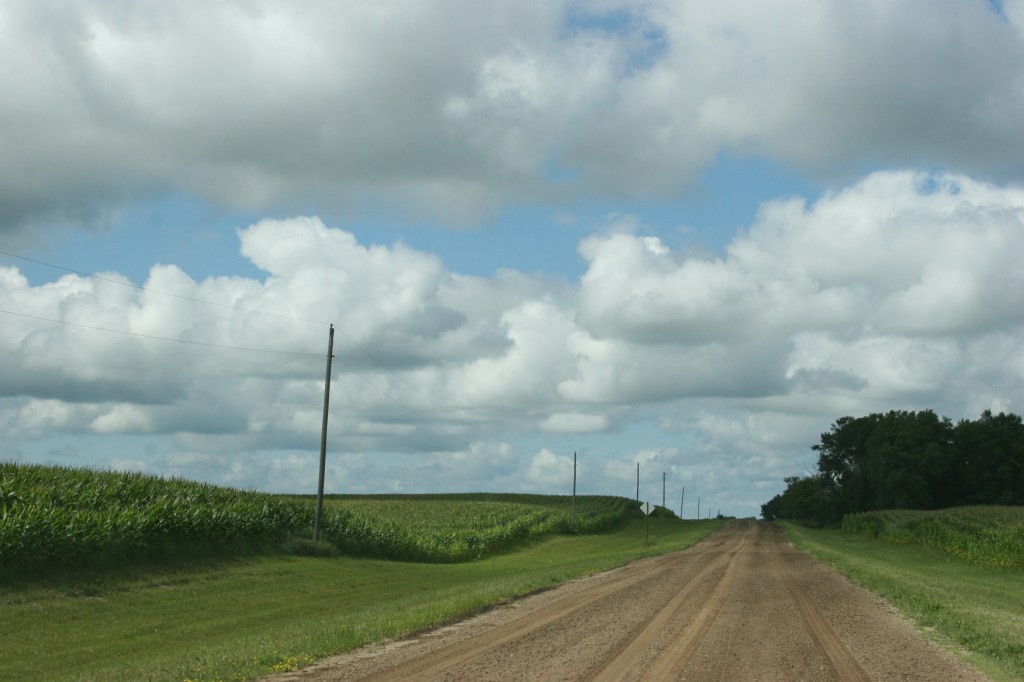
Driving down Rice County’s backroads to view the ripening crops and fall colors.


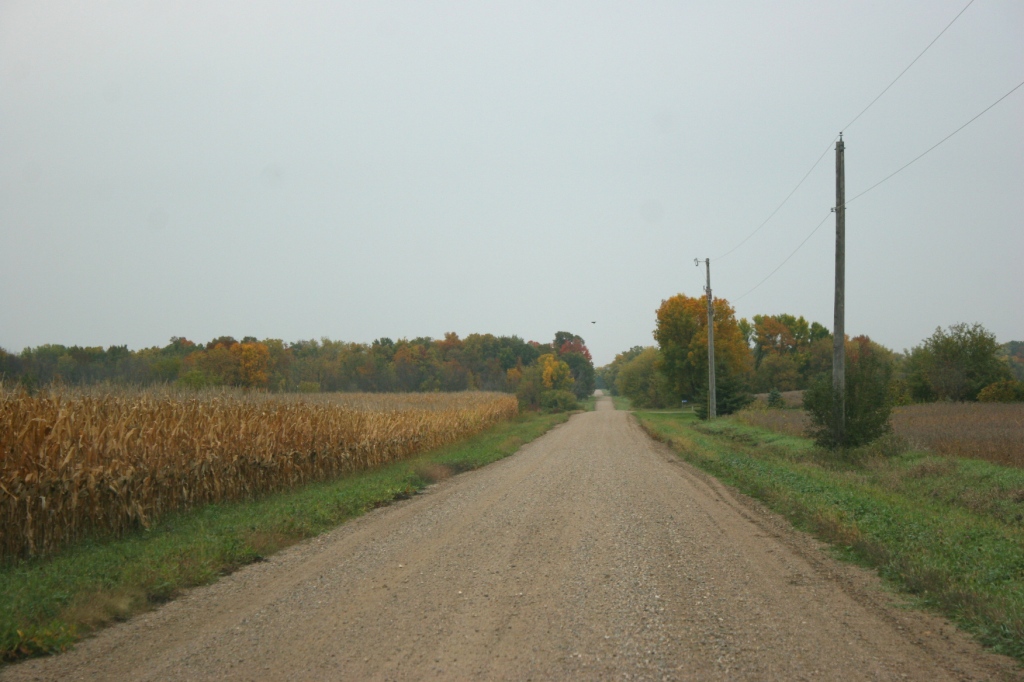
Last Saturday took us onto backroads in our county of Rice, where we’ve found fall colors to be especially lovely. And mostly undiscovered. We had no particular destination and I can’t even tell you where we drove. But we drive and turn and turn and drive and follow whatever roads seem interesting.


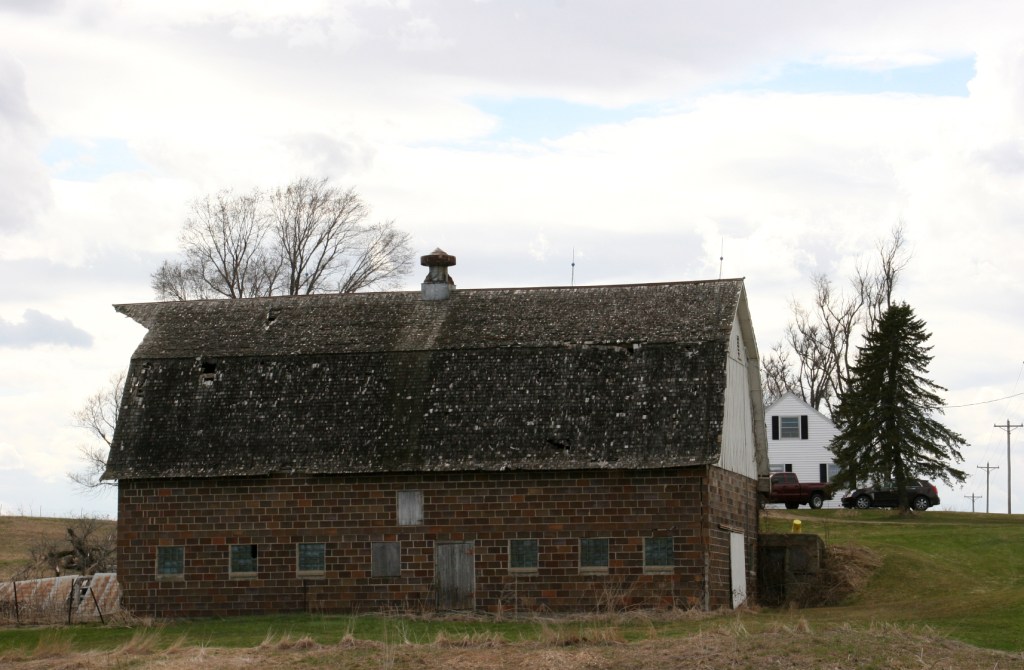
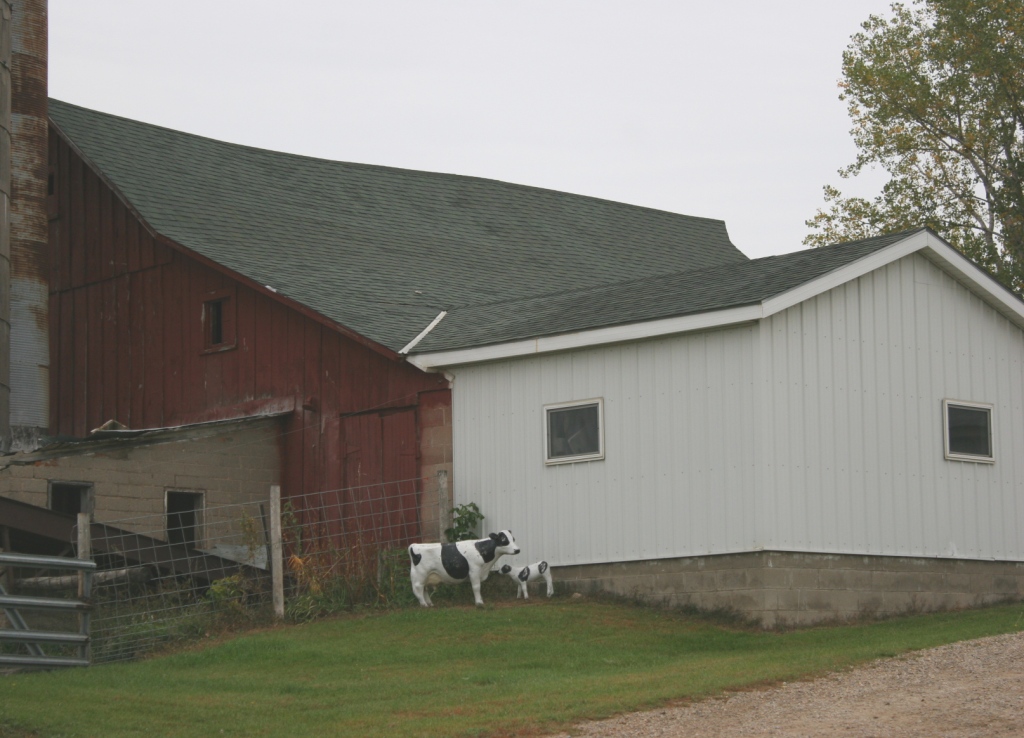
Farm sites prove interesting to me on these rural drives.


The overcast day wasn’t especially beautiful for leaf-viewing. But, this time of year, you take what you get and enjoy whatever appears before you.


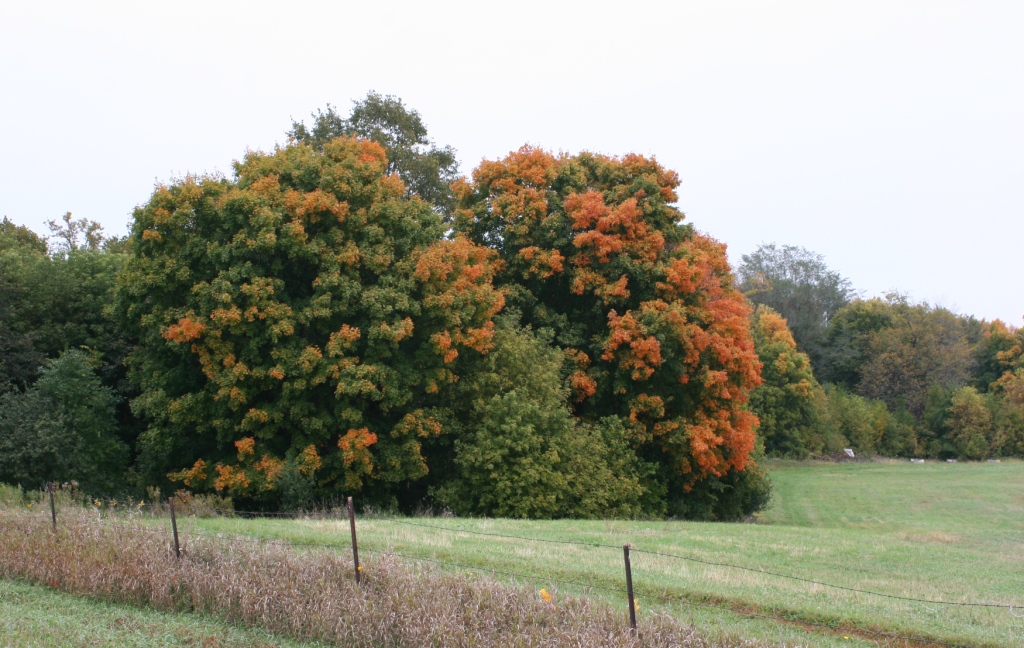
Color tints treelines in rural Rice County.


I encourage each of you, especially if you live in the Rice County area or other parts of Minnesota, to take a fall color drive this weekend. These days are fleeting as leaves change colors and fall, moving us closer and closer to the long winter ahead.


TELL ME: Do you have a recommendation for a great place to view fall colors?

© Copyright 2020 Audrey Kletscher Helbling
 

From milling flour to drinking whiskey in Rice County, history tour Part II August 25, 2020

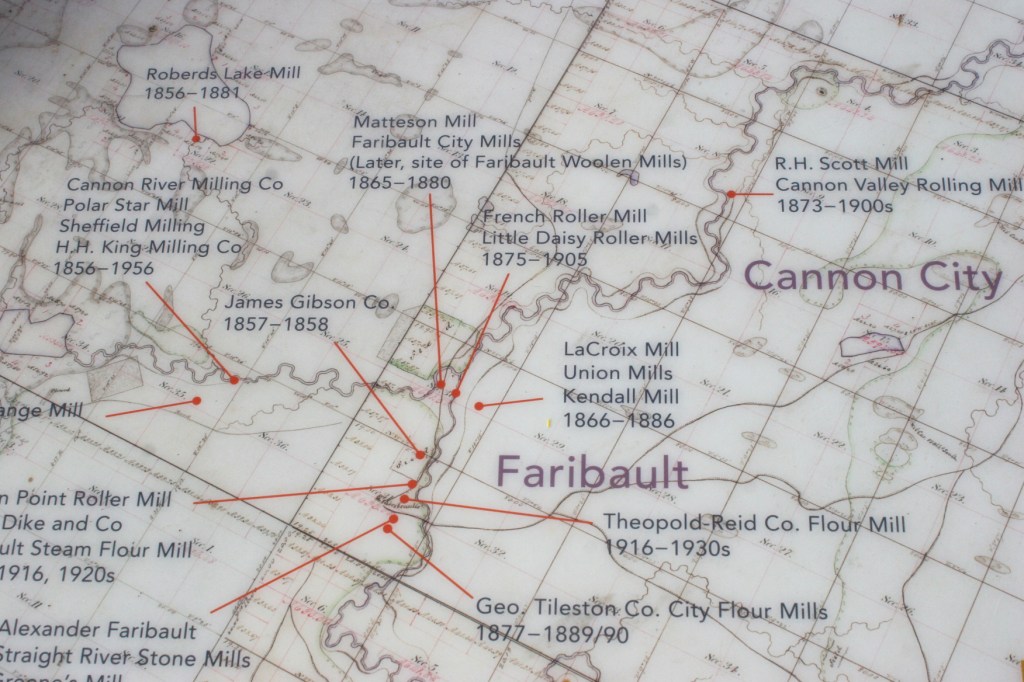
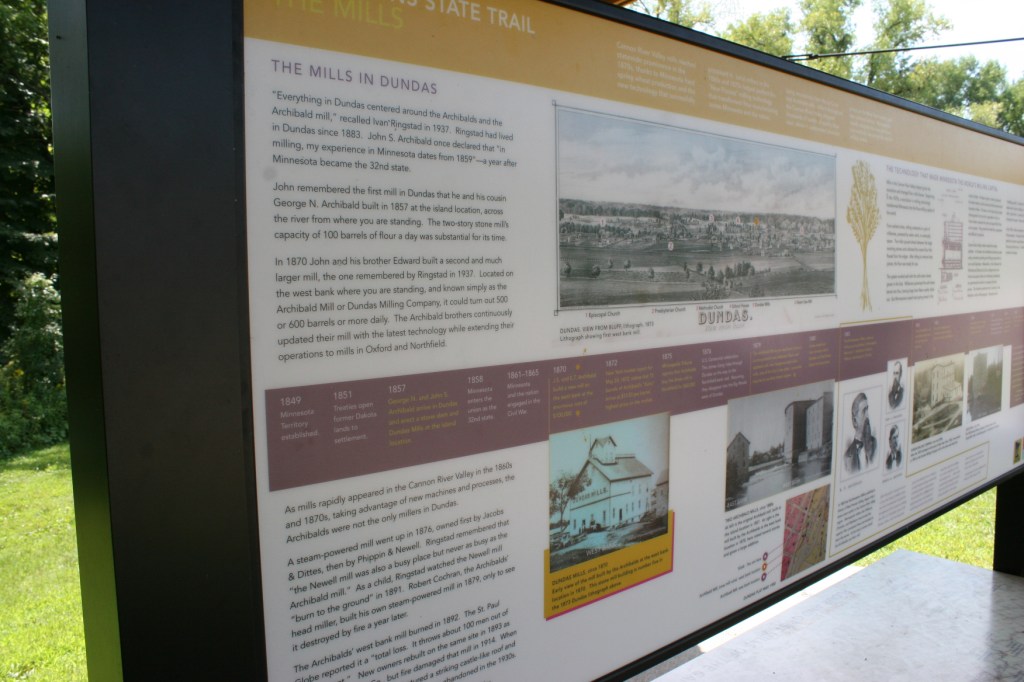
At the ruins of an historic flour mill in Dundas, a kiosk provides historical info, including this map of flour mills in the area.


RICE COUNTY IS RICH IN HISTORY, especially in historic buildings. I value that about this region of Minnesota. I appreciate that many aged structures remain, well cared for and treasured. I appreciate, too, those who share their knowledge of the past.

I grew up 120 miles west of here, on the prairie. Given the difference in landscape and settlement time and other factors, the history of southwestern Minnesota differs considerably from southeastern Minnesota. I am still learning about Rice County, the place I’ve called home for 38 years.


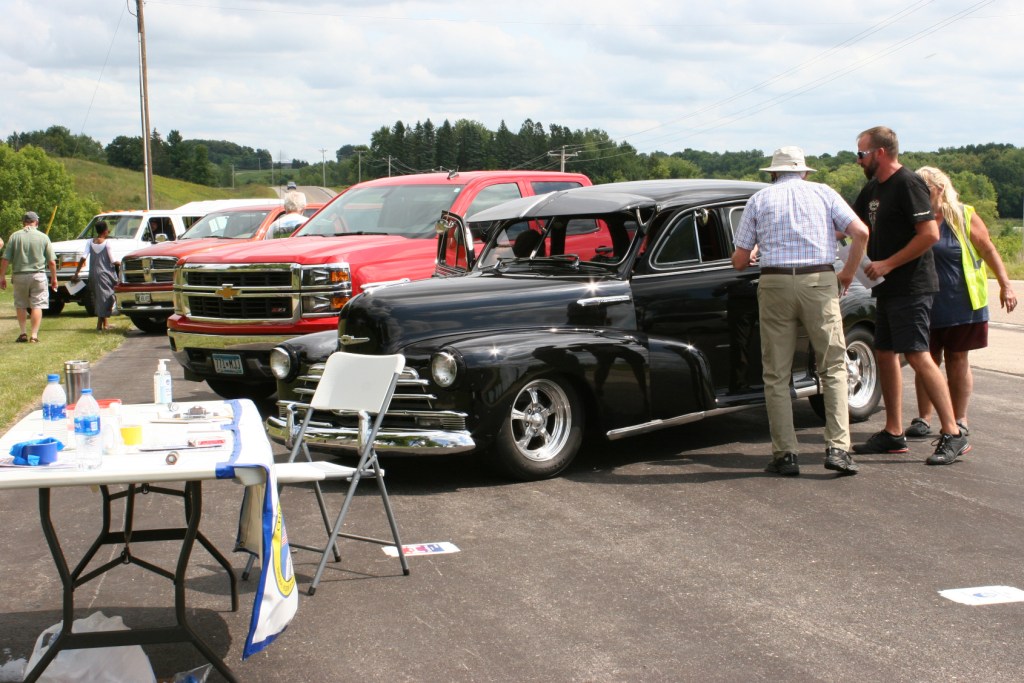
Vintage vehicles were among those on the history cruise, here at Christdala Swedish Lutheran Church near Millersburg.


On Saturday I expanded my understanding of this area by attending the first ever “Cruising Rice County History” tour, an event that took attendees through the county to seven historic sites. In yesterday’s post, I covered three of those places—Prairieville Church, Nerstrand City Hall and Valley Grove Churches.


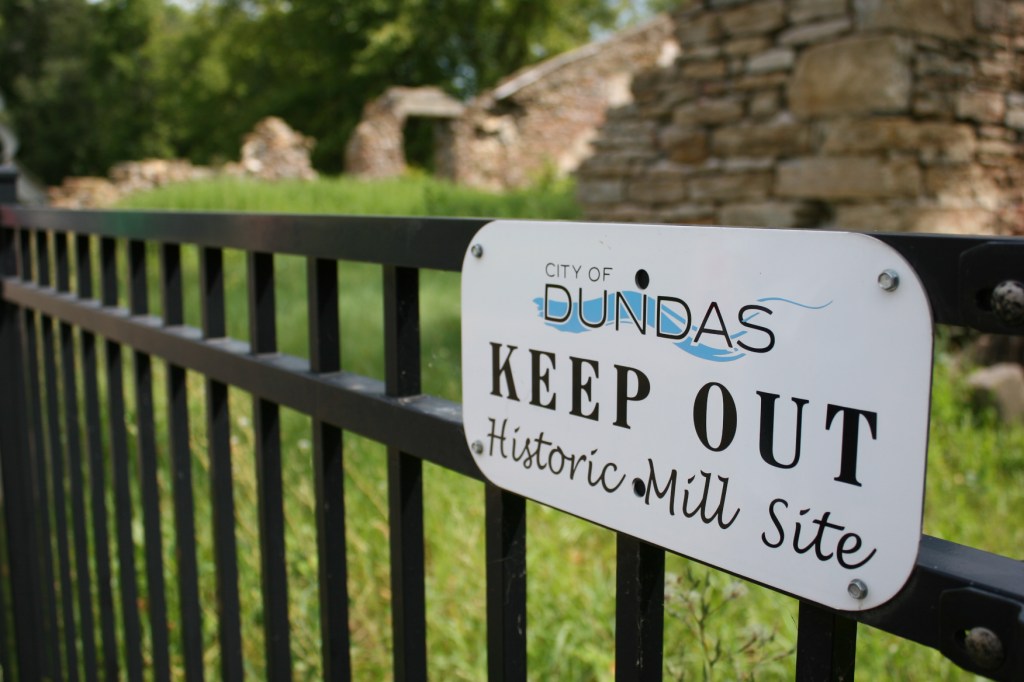
The Archibald Mill ruins are fenced to keep people from wandering onto the historic site.


Today we head west to the small town of Dundas, just outside of Northfield, and then even farther west to the even smaller settlement of Millersburg. Pre-tour, I was familiar with each point of interest on the cruise. But I still picked up tidbits of information either new to me or forgotten over the years.


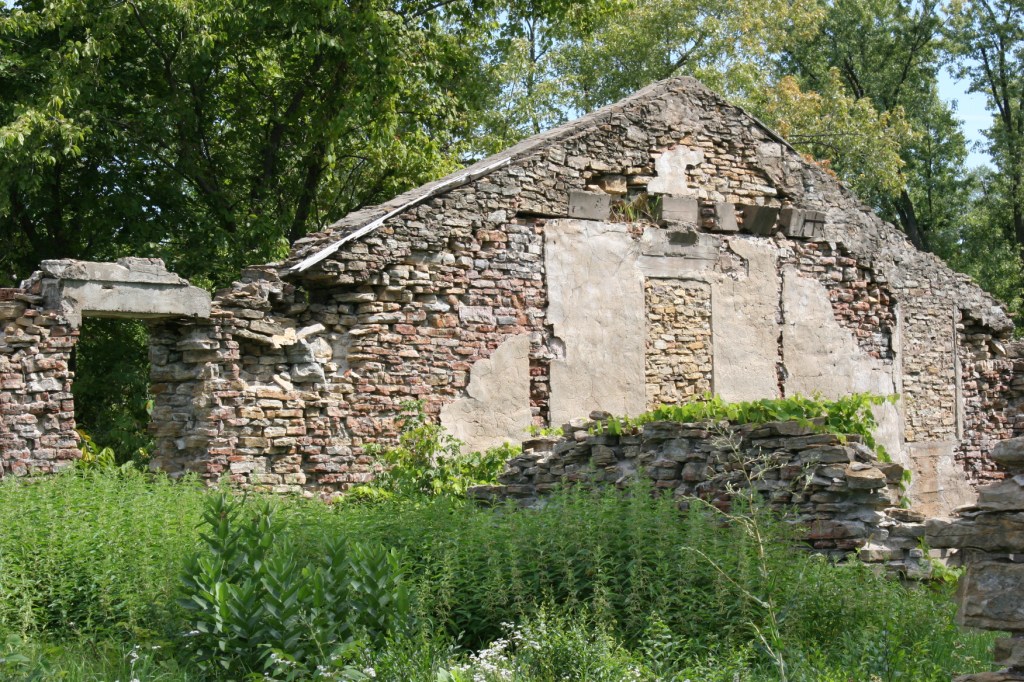
A few walls remain of the once flourishing flour mill on the west side of the Cannon River in Dundas.


Kiosk info details flour milling history here.


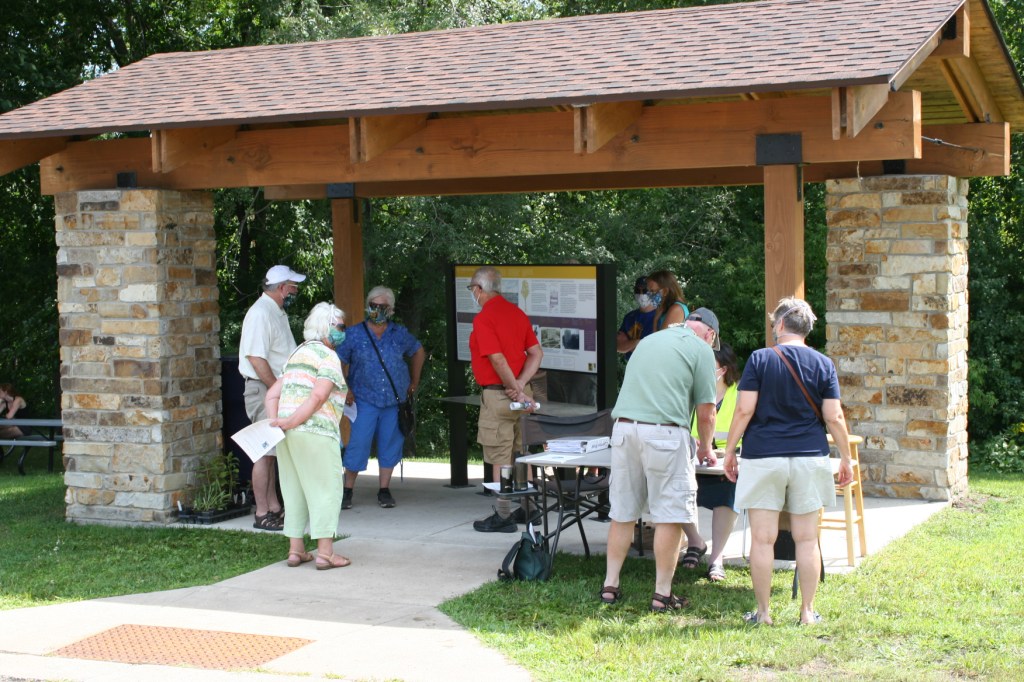
Tour participants check in at the flour mill ruins, where they could learn more about Rice County flour mills from local historian Jeff Jarvis, Susan Garwood (director of the RCHS) or read printed info.


In Dundas, the ruins of a long-gone flour mill, destroyed by fire, focused the third stop. I learned of the mills the Archibald brothers, from Canada, built here around the 1860s along the banks of the Cannon River. Their flour was world-renowned and their flour patent eventually sold to what is now General Mills. It’s quite a history in a region once known for its flour mills. If only one remained…


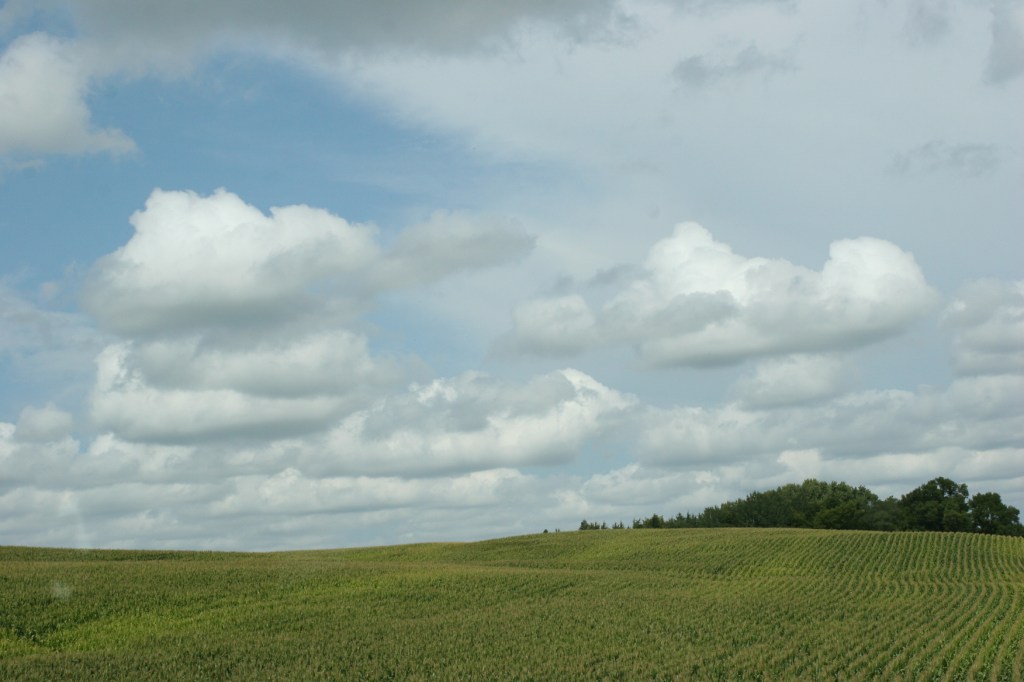
The history cruise took us throughout rural Rice County. This farm field lies along Rice County Road 1 on the way to Millersburg from Dundas.


Before heading to the next stop, Randy and I picnicked at Memorial Park in Dundas. That left us a bit crunched for time as we aimed out of town along Rice County Road 1 past farm sites and farm fields to the Millersburg District #20 School House Museum. We’ve been here before, toured the museum.


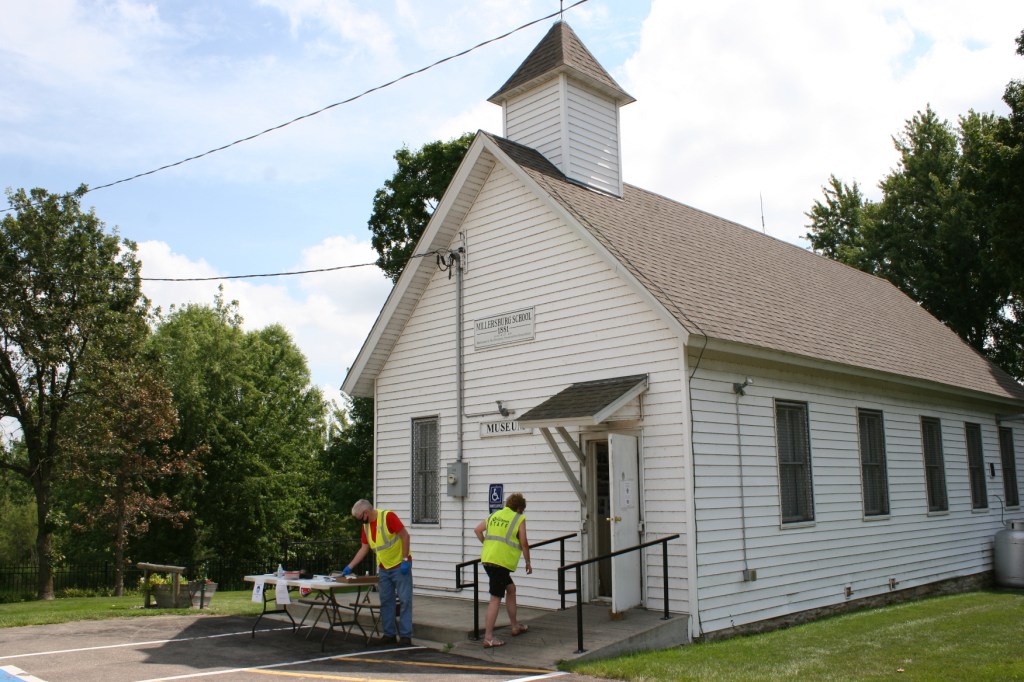
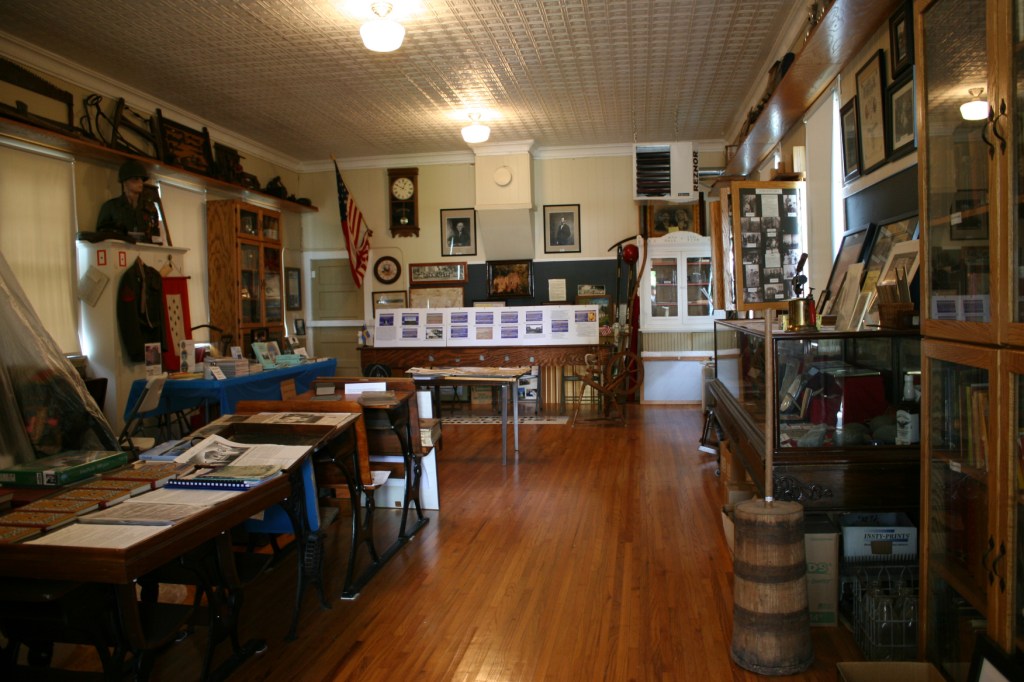
The former Millersburg School now houses a museum operated by the Christdala Preservation & Cemetery Association. Exhibits include school and church items, tools and info related to the James-Younger bank robbery.


While we couldn’t go inside the schoolhouse, we could peek our heads in the door.


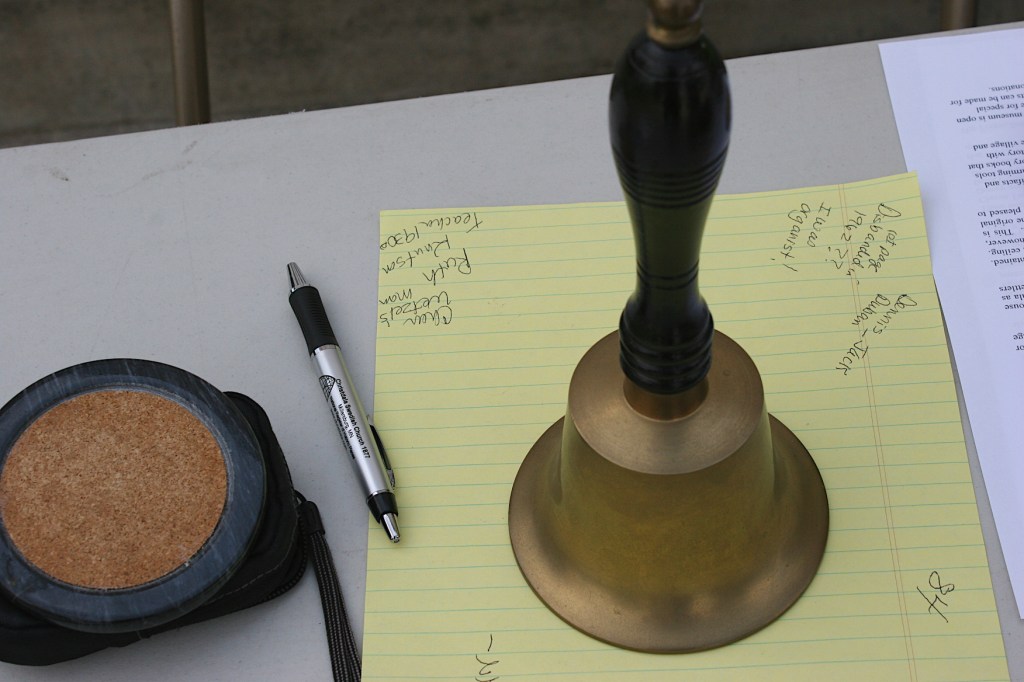
Appropriately, a bell sat on the check in station at the schoolhouse.


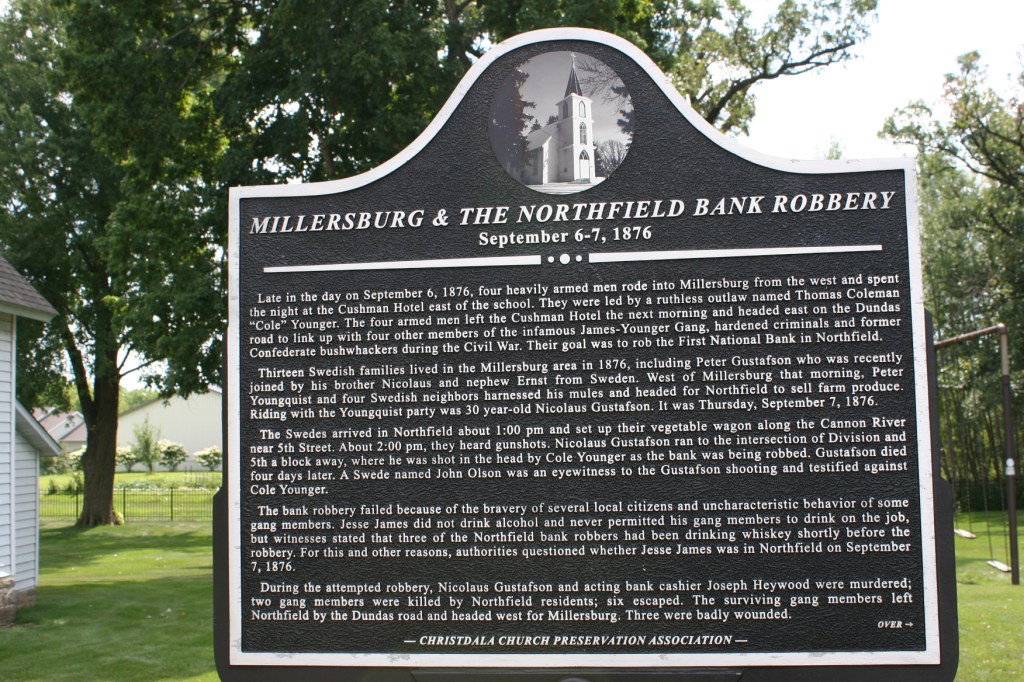
An historic marker outside the schoolhouse. You can also see the swings, remaining from the playground, to the right in this photo.


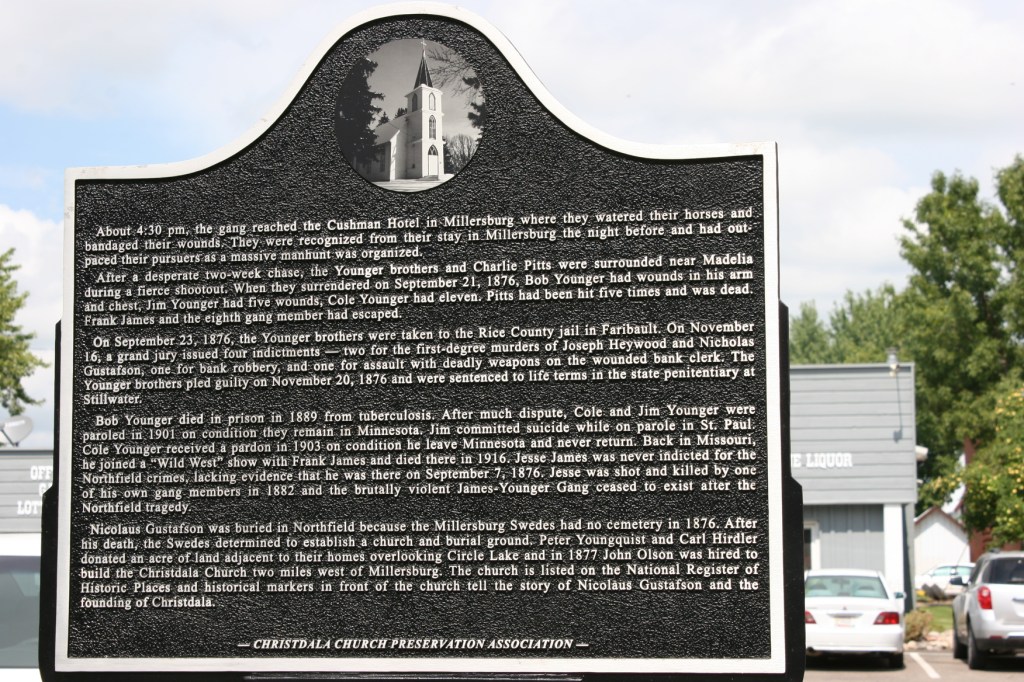
The back side of the historical marker outside the schoolhouse.


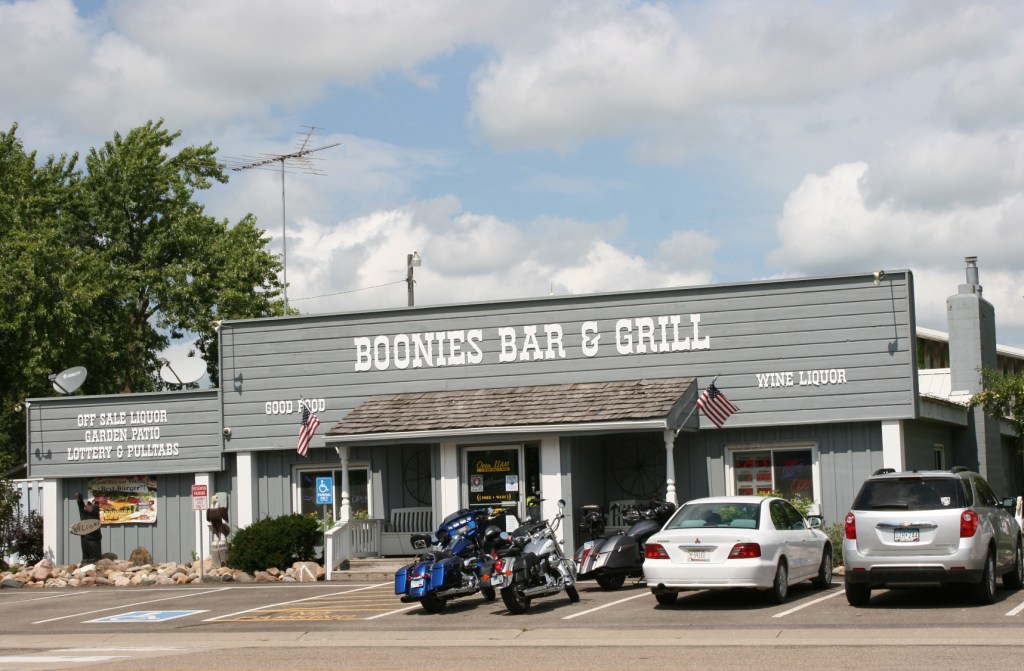
As the story goes, the Younger gang stopped for whiskey at the Millersburg store in September 1876 at the current location of Boonies.


But this visit I picked up some info not necessarily related to the 1881 school, but to the 1876 robbery of the First National Bank in nearby Northfield. Here, four members of the James-Younger Gang stopped for whiskey at the then Millersburg Store (today Boonies Bar & Grill across from the schoolhouse), stayed at the Cushman Hotel just down the road and the next day met up with fellow outlaws in Dundas.


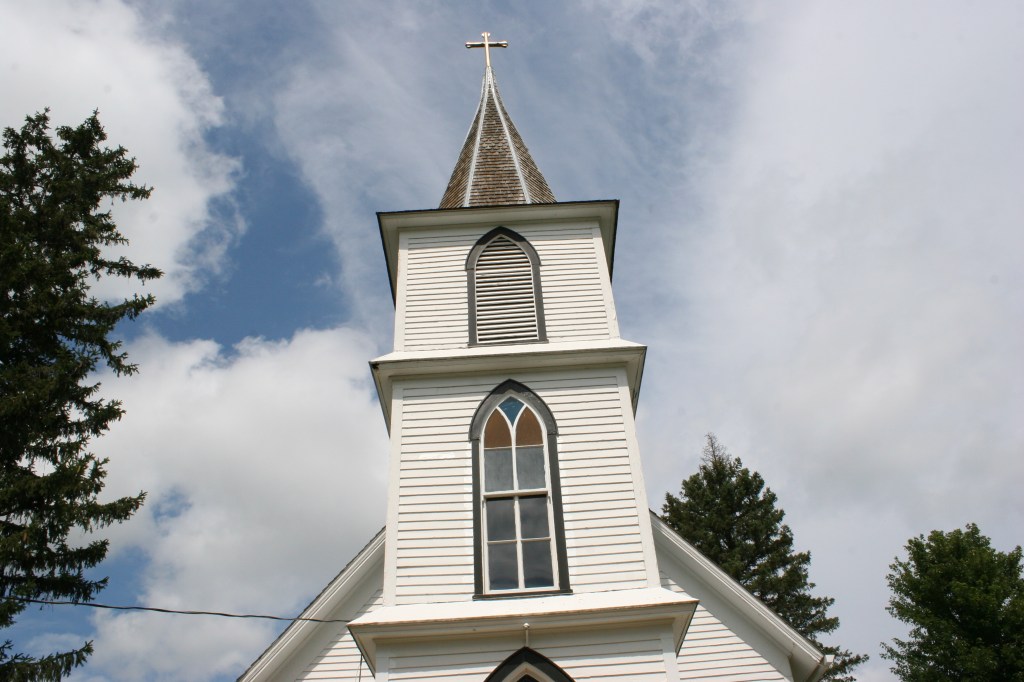
Christdala’s defining steeple. The church is on the National Register of Historic Places. Randy and I recently picnicked on the front steps of Christdala.


I was delighted to find the doors open to Christdala Swedish Lutheran Church.


And on their way back from robbing the bank, the gang followed the same route, taking us to the next stop on our tour, Christdala Swedish Lutheran Church. I’ve also visited here many times, including just a few weeks ago. Swedish immigrants built this church in 1878 high atop a hill, spurred by the death of friend and neighbor Nicolaus Gustafson. He was an innocent bystander killed in a shoot out during the Northfield bank raid. Because the Swedish community had no cemetery, Gustafson was buried in Northfield.


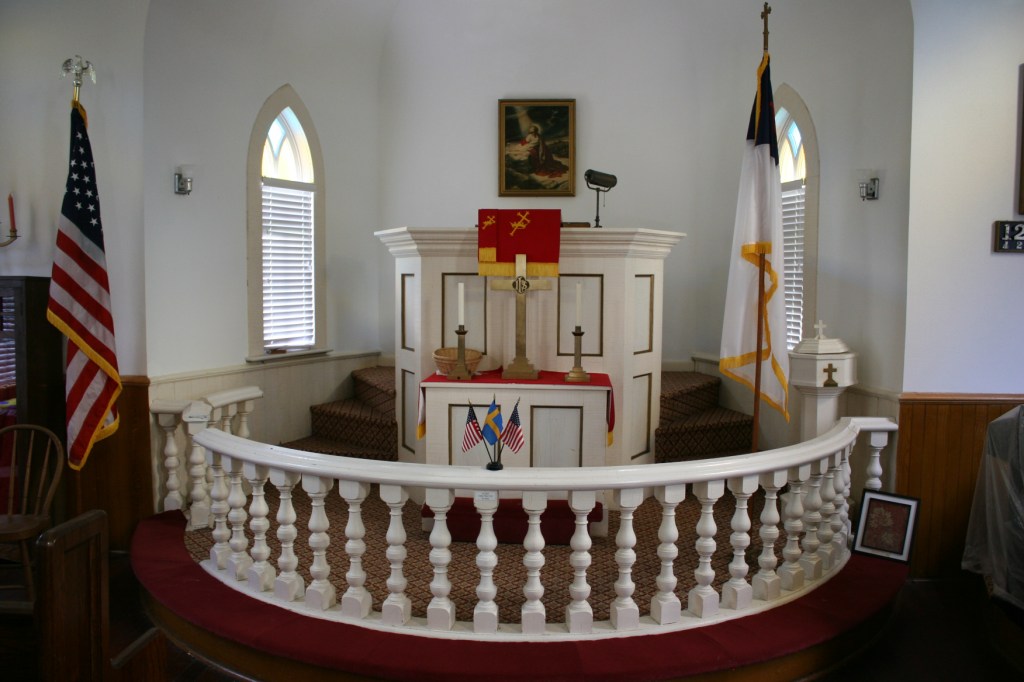
Simple stained glass windows inside Christdala in colors of the Swedish flag.


Today you’ll find Gustafsons buried in the Christdala graveyard along with many others whose surnames end in “son.” This long-closed church was open during the history tour. Although I’ve previously been inside, I wasn’t about to miss another opportunity to step inside this small Swedish church, complete with Swedish flags and stained glass windows in the Swedish colors of blue and yellow.


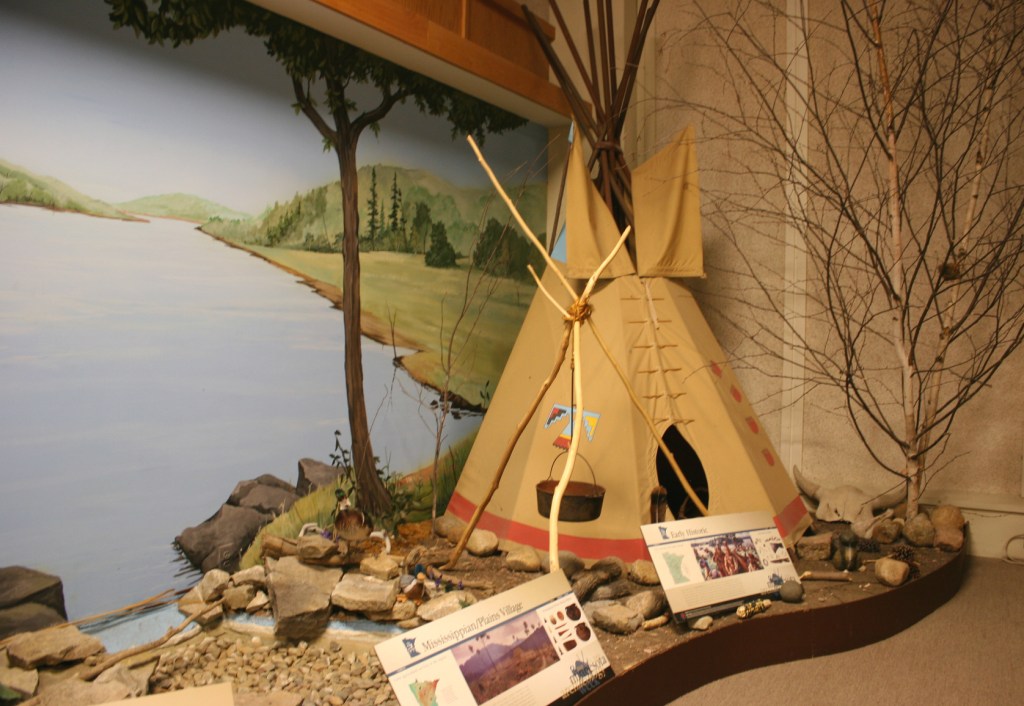
One of the many displays inside the Rice County Historical Society Museum, this one honoring Native Americans who lived in the county.


The RCHS recently acquired metal art sculptures from Lockerby Sheet Metal, a long-time Faribault sheet metal fabrication company no longer in business. Those pieces are being restored. This knight currently stands in the museum entry.


On the historical society grounds are these two historic buildings: the Pleasant Valley School District #22 schoolhouse (educating children in Bridgewater Township in the late 1850s) and Holy Innocents Episcopal Church, built in Cannon City in 1869 and later moved here.


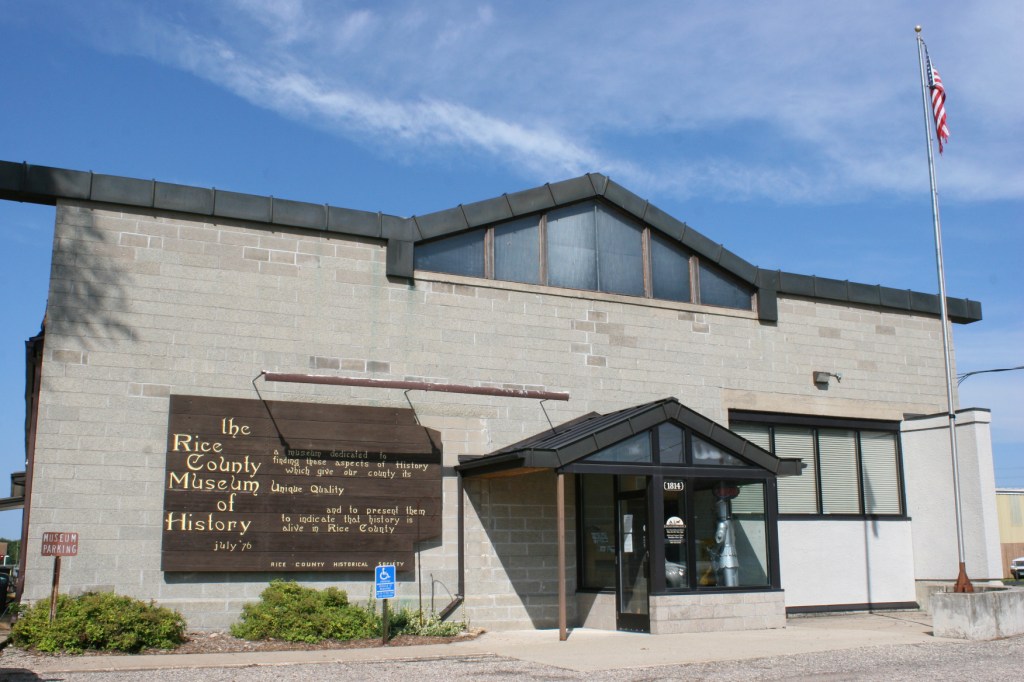
With time pressing to get back to (event sponsor) the Rice County Historical Society Museum in Faribault, Randy and I didn’t linger for long. We needed to turn in our poker run cards and look around the museum and grounds before everything ended. While Randy handed in our losing poker hand, I breezed through the museum exhibits and took a few photos inside and out.


Many of these historic places still exist thanks to preservation groups and history enthusiasts.


And I considered what a lovely day it had been. Out and about, enjoying and appreciating local history, thanks to the hard work and efforts of those who value Rice County history enough to preserve and share it.


Please check back for a follow-up post on an historic building I discovered in Dundas, and not on the tour, but with a powerful and timely message posted.

© Copyright 2020 Audrey Kletscher Helbling
 

“Cruising Rice County History,” Part I August 24, 2020

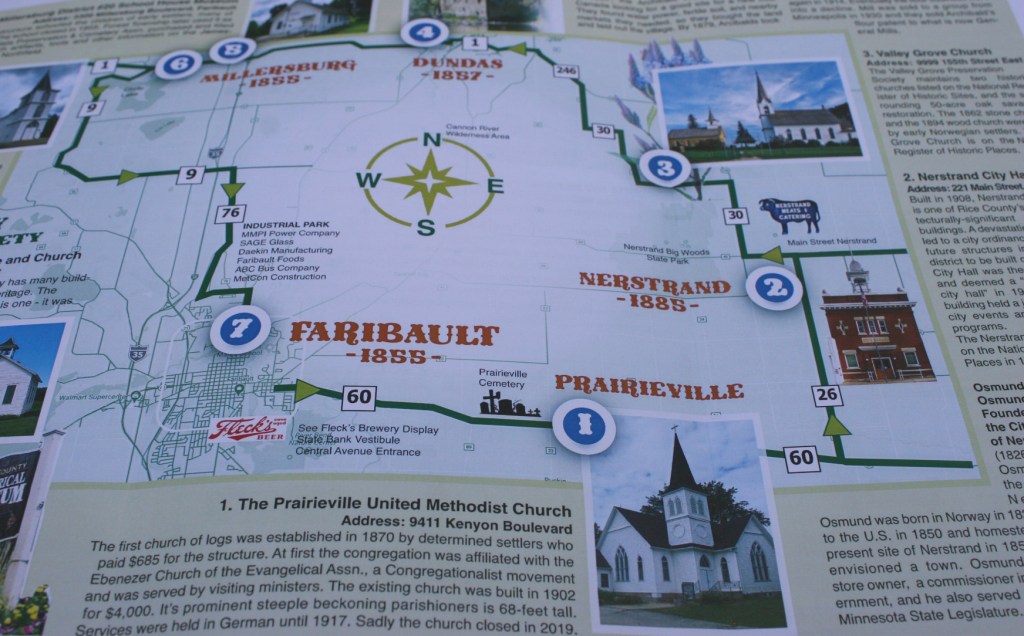
This shows a portion of a guide, designed by Jeff Jarvis of West Cedar Studio, for “Cruising Rice County History.”


WE CONSIDERED WHETHER WE SHOULD take the tour, expecting that we’d likely visited all of the historic places featured in “Cruising Rice County History,” the first ever cruise of historical sites in our county. But, in the end, because Saturday was beautiful weather-wise and COVID-19 has left us with few leisure options, Randy and I opted to attend the event sponsored by the Rice County Historical Society.


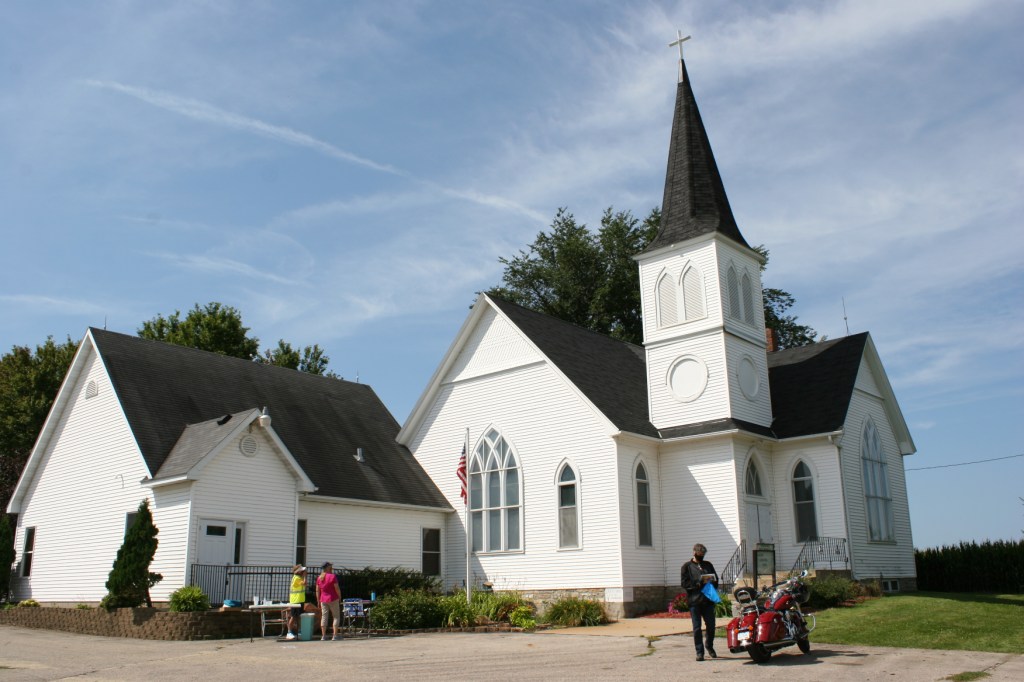
First on the tour, Prairieville United Methodist Church, founded in 1870; existing church built in 1902; and congregation dissolved in 2019.


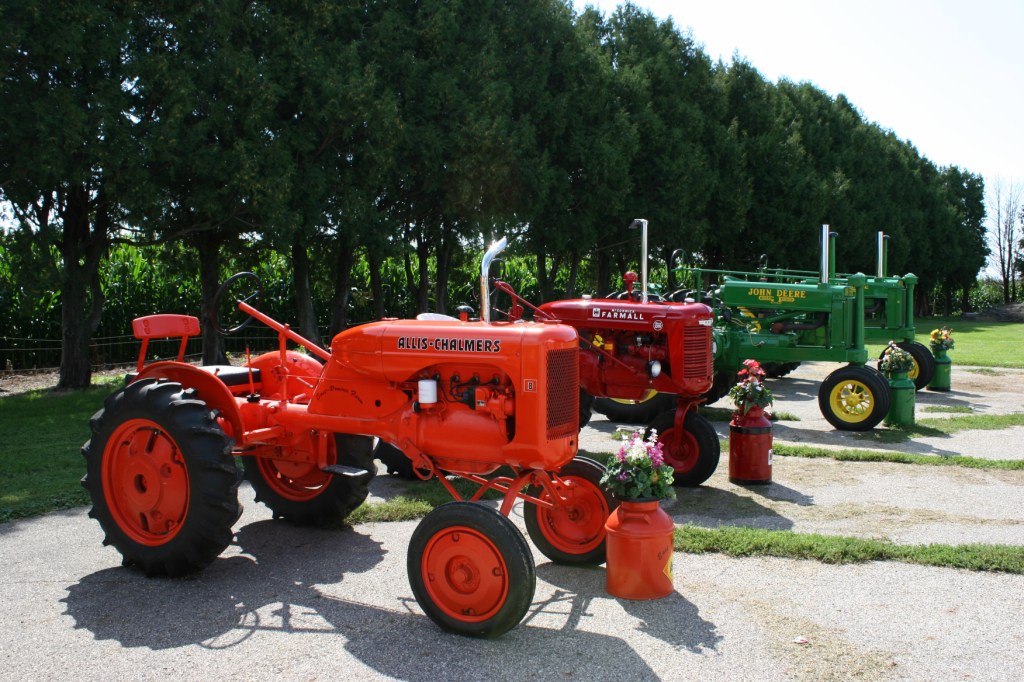
Vintage tractors added interest to the stop at the Prairieville country church.


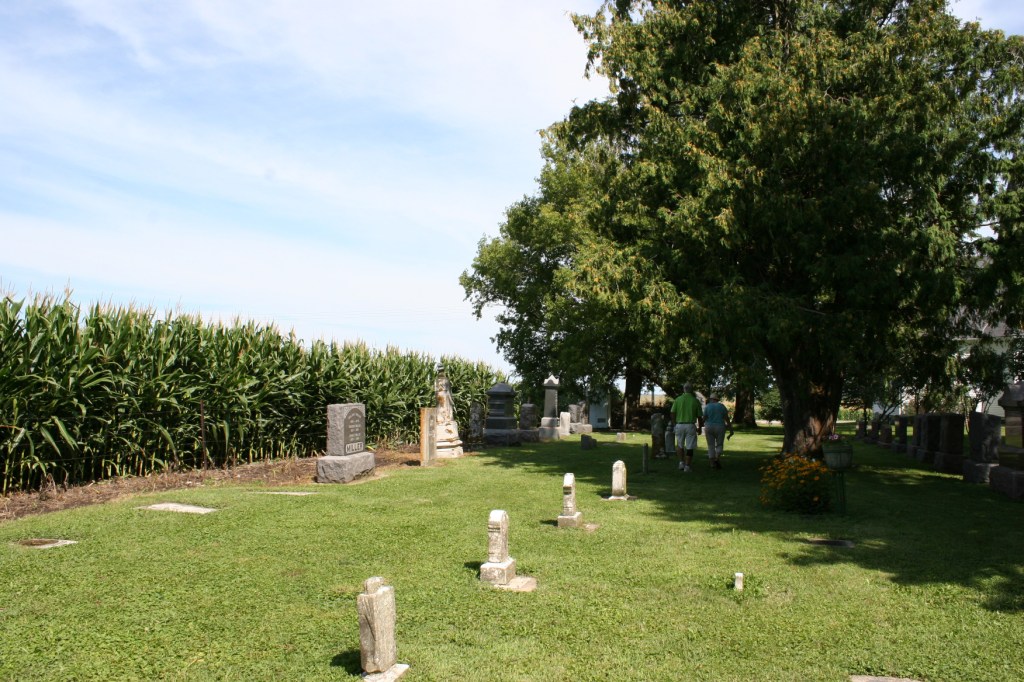
A cornfield snugs right up to the Prairieville Cemetery behind the church.


We joined 84 other vehicles on the tour, which took us east of Faribault, then north and west and, finally circling back to the RCHS in Faribault. Only one of the seven featured spots—Prairieville United Methodist Church and Cemetery—was a new to us point of interest, although we’re certainly familiar with the country church along Minnesota State Highway 60.


First stop: The Rice County Historical Society to pay our $20/vehicle tour fee and pick up our map and other info.


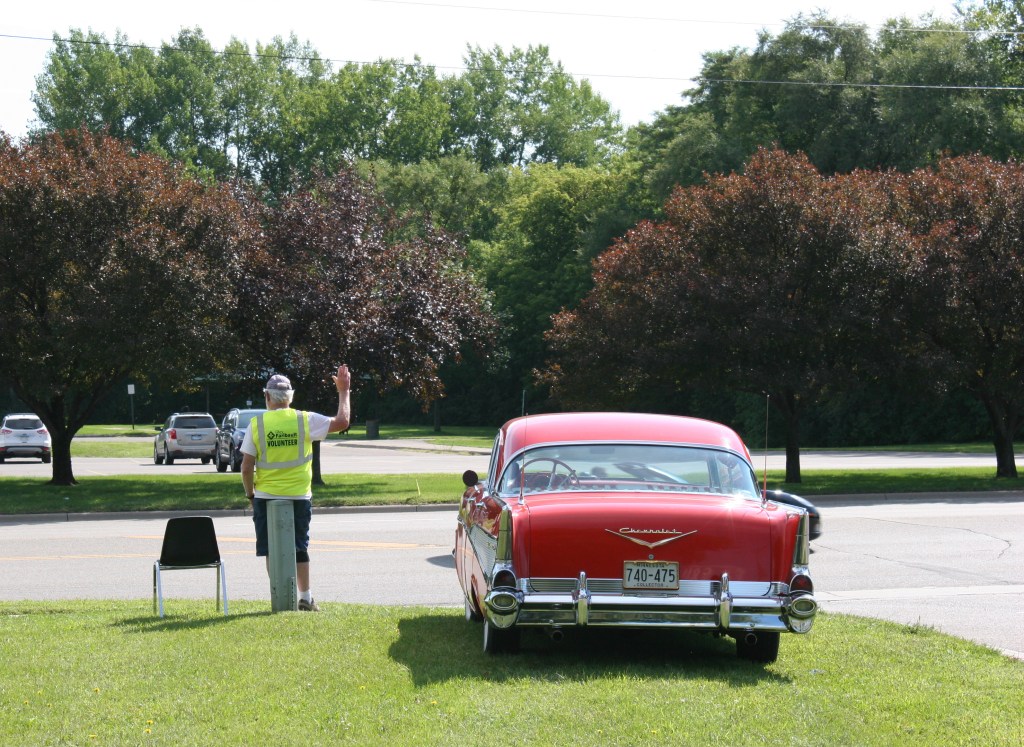
Many volunteers worked the event, including this guy who welcomed tour participants at the historical museum.


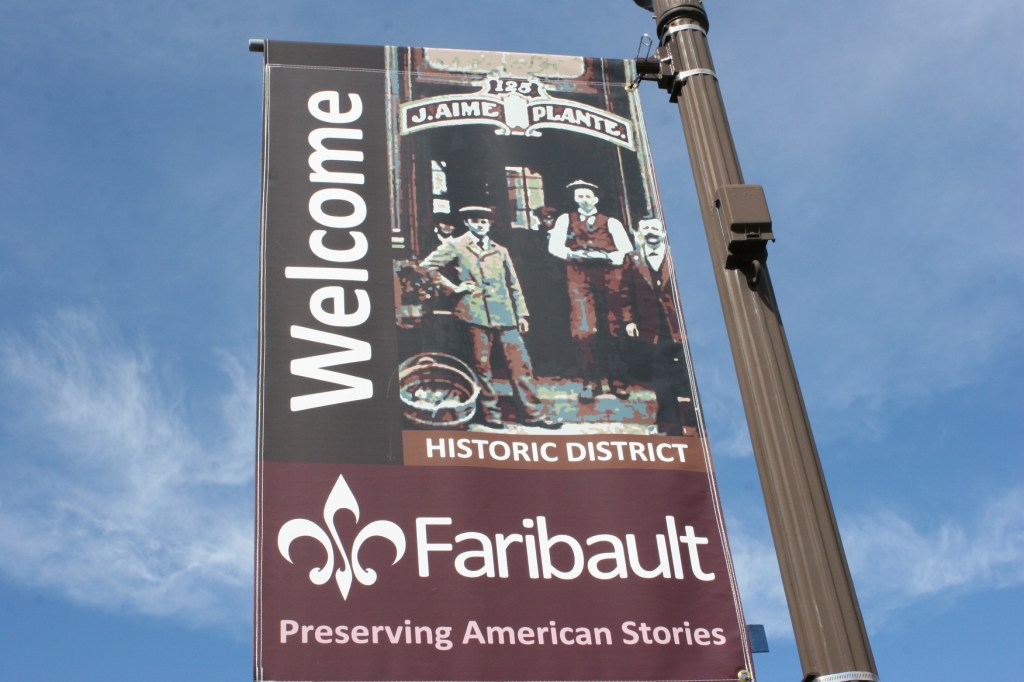
Before heading out of town, the tour took us through historic downtown Faribault, where I thought we were going to see a display of historic brewery items at a local bank. But apparently we are supposed to view this on our own sometime. Anyway, I photographed this banner outside the State Bank of Faribault.


Yet, at each stop, from two country churches to flour mill ruins to an old schoolhouse and an historic town hall, we learned new information, both from site hosts and from educational hand-outs.


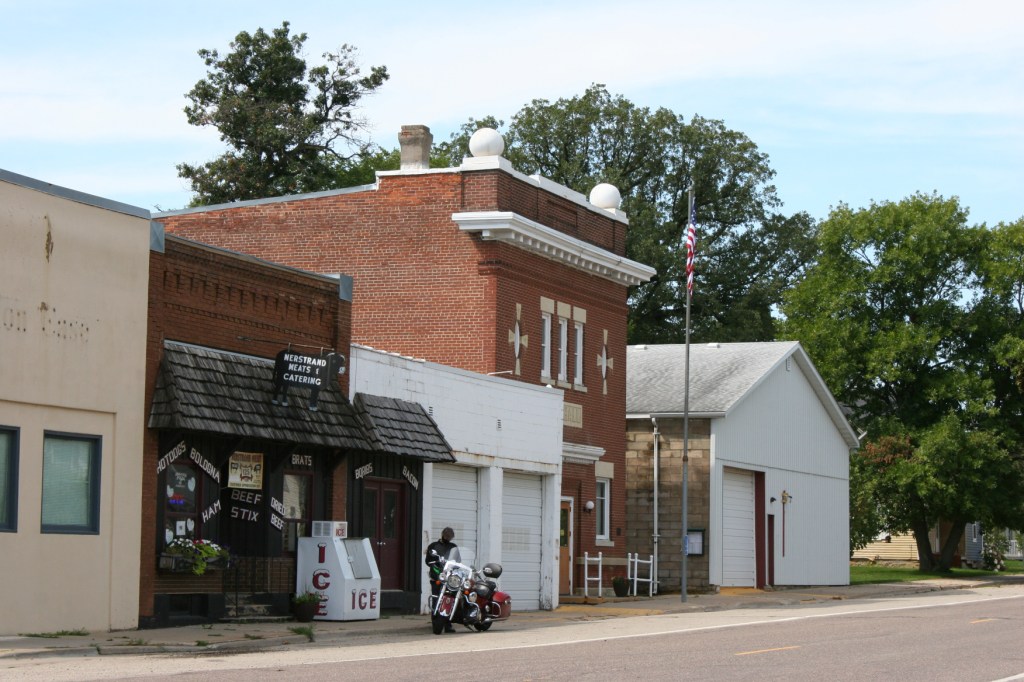
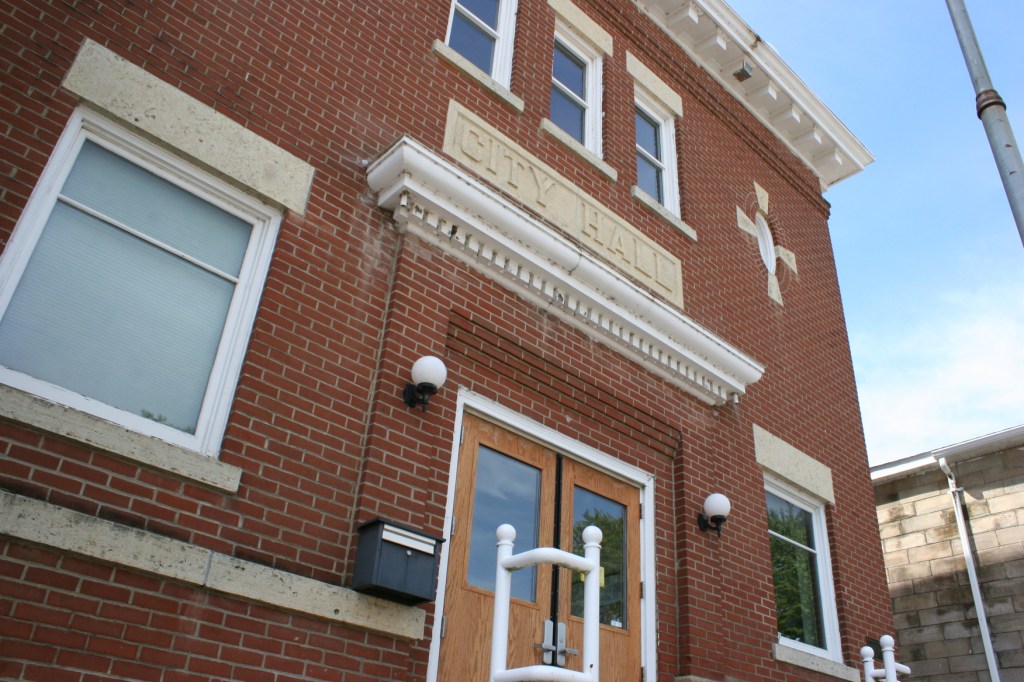
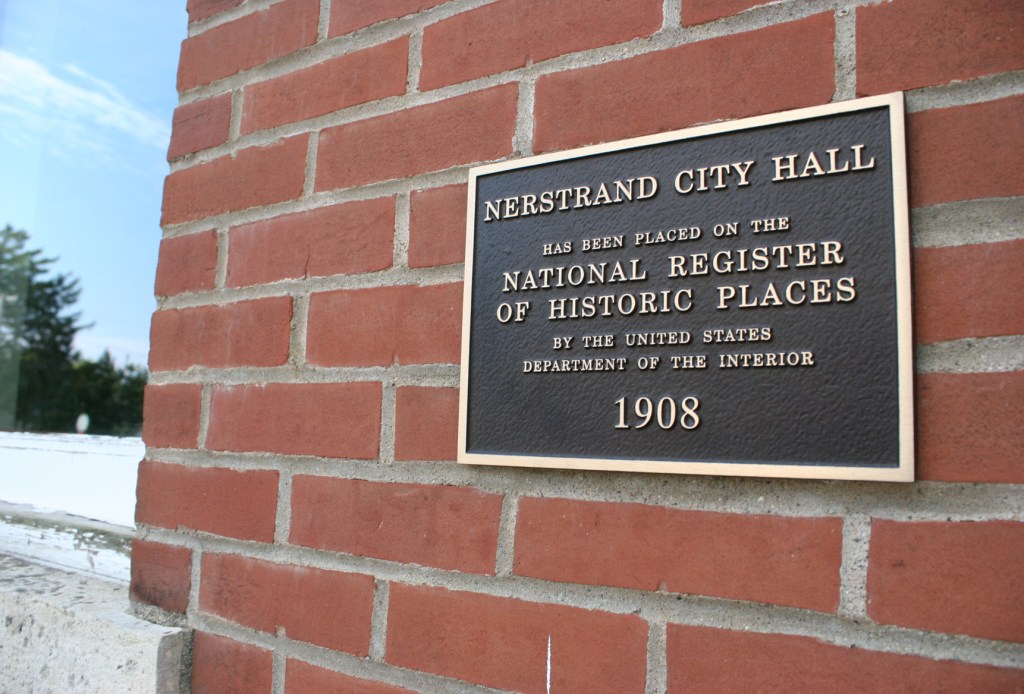
The Nerstrand City Hall (tall brick building)l, built in 1908, is on the National Register of Historic Places. After three wooden buildings were destroyed by a major fire in 1904, the city required all future buildings in the business district to be made of brick or stone and with firewalls between.


Nerstrand City Hall, up close.


A plaque marks the Nerstrand City Hall as an historic structure.


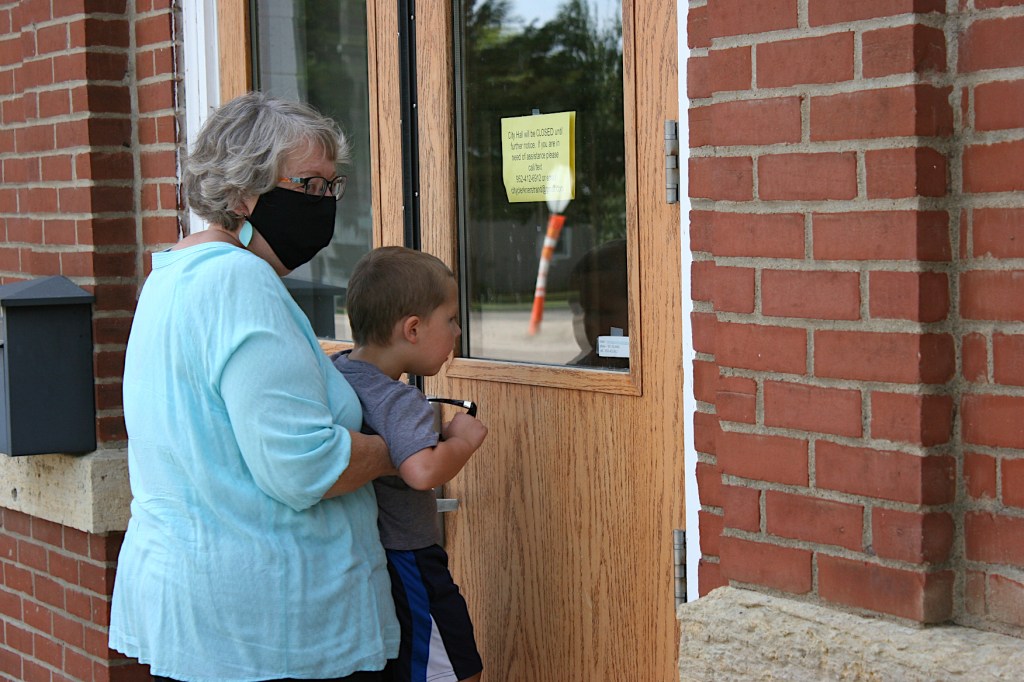
Peering in the windows of the locked city hall.


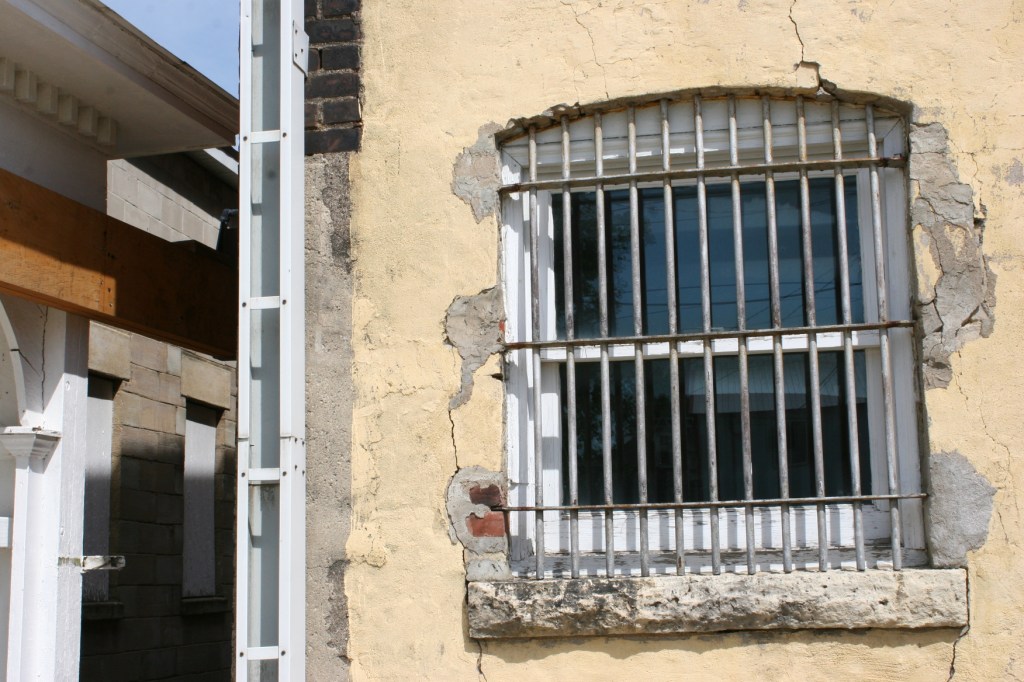
On the back of Nerstrand City Hall, bars cover a window, a reminder that a jail was once housed here.


We were disappointed we couldn’t get inside some of the historic buildings, but expect safety concerns factored into closed doors. Participants in the Saturday event were asked to mask up and social distance. And they did. So we felt comfortable.


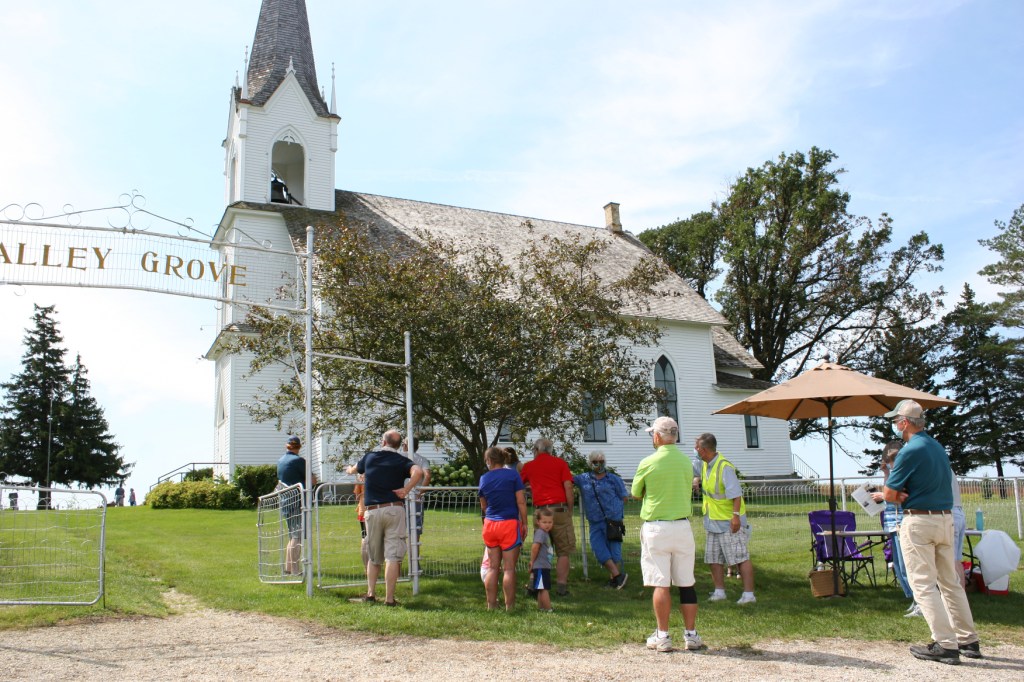
One of the two historic churches at Valley Grove, near Nerstrand Big Woods State Park. Randy and I have been to this site many times, thus didn’t linger here. It’s one of our favorite spots in rural Rice County. So peaceful and beautiful atop a hill. The woodframe church pictured here and a stone church directly across from it were built by Norwegian immigrants.


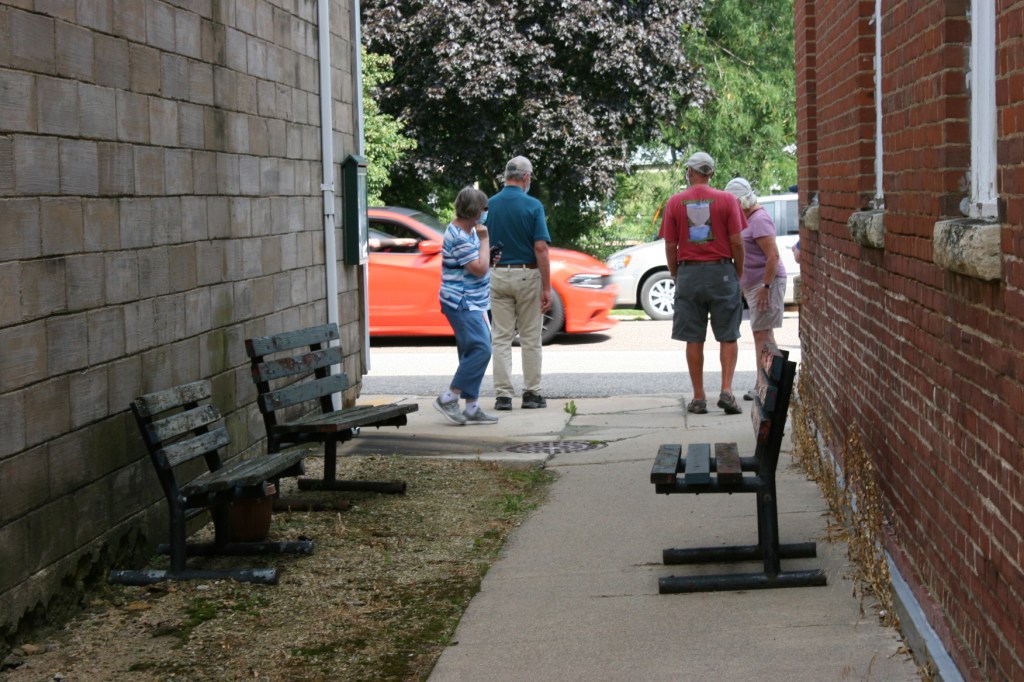
Two couples, including friends of ours (left), visit outside Nerstrand City Hall. This alley runs between the hall and the fire department.


We also chatted from a distance with friends, either hosting site stops or on the tour. What a joy to see familiar faces after months of minimal social interaction. Even if their smiles were hidden behind masks.


Driving toward Nerstrand.


Driving through rural Rice County, we saw lush fields of towering corn and acres of soybeans among farm sites.


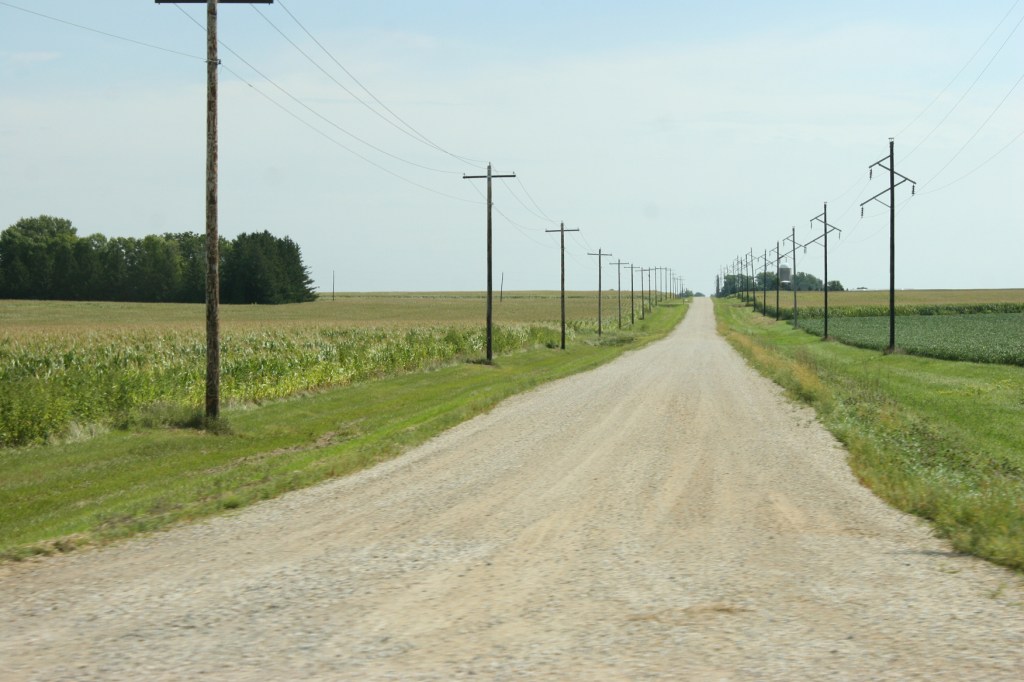
The route followed only paved roads, with plenty of gravel roads to see alongside.


I also enjoyed the rural route given my love of the country. There’s something freeing about traveling along paved back roads bordered by acres of cropland, intersected by gravel roads, punctuated by farm sites.


Young and old attended the “Cruising Rice County History” tour. This photo was taken at Valley Grove.


Thank you for joining my photo tour of “Cruising Rice County History,” Part I. Check back for Part II tomorrow.


© Copyright 2020 Audrey Kletscher Helbling
 

Picnicking at historic Christdala Swedish Lutheran Church August 16, 2020

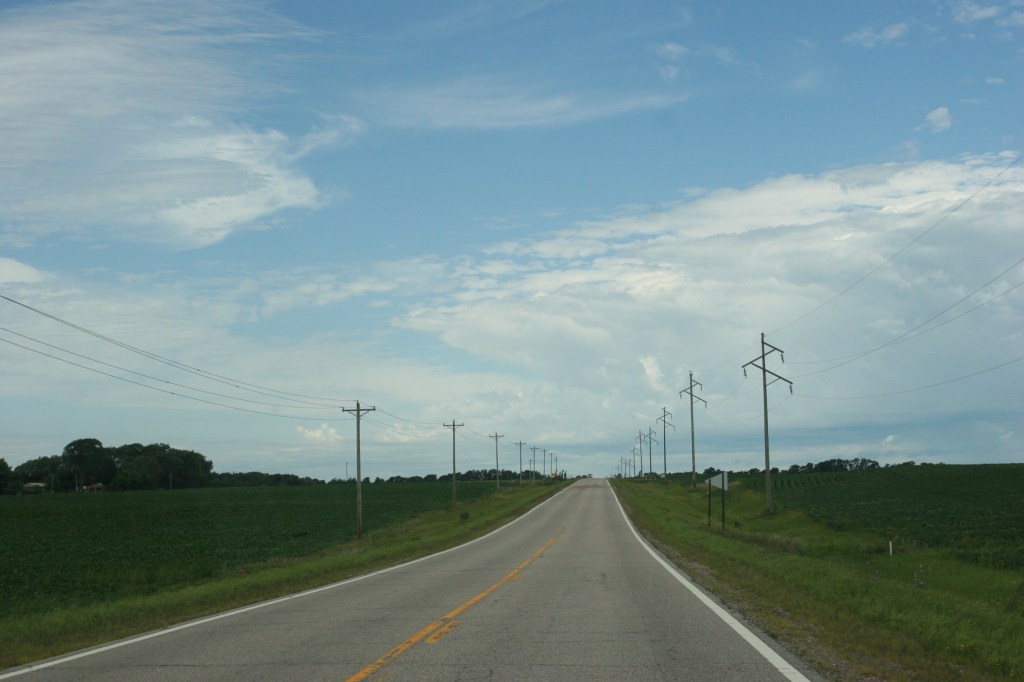
On the backroads in Rice County, heading northwest of Faribault.


IN MINNESOTA, WE LOVE our summers. And that has a lot to do with our long winter season of too much cold, too much darkness and too much being cooped up inside. Factor in COVID-19, and summer days are even more beloved.

This summer, especially, Randy and I often pack sandwiches, fruit and whatever else for a weekend picnic lunch. It gets us out of the house/town and into nature, exactly what we need when so few options exist for escaping anywhere these days.

On a recent Sunday we contemplated our choices and decided to head to Cannon Falls, a lovely river town about a 40-minute drive northeast of Faribault. But, as we backed out of the driveway and looked to the east, we saw storm clouds building. Change of plans.


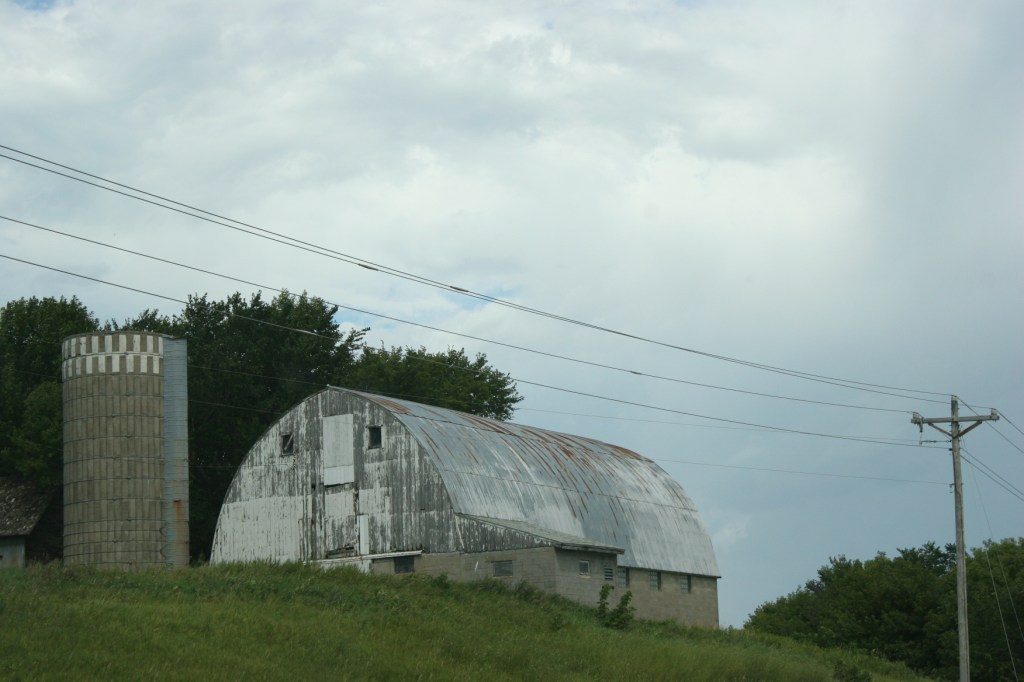
One of my favorite rural sightings: aged barns. This one is near Circle Lake.


Instead, we drove northwest, with the intention of picnicking at Circle Lake near Millersburg. A much shorter drive on a day of unsettled weather and possible afternoon storms. As farm-raised kids, Randy and I always delight in traveling rural roads—paved and gravel—to reach our destination. On our way to the lake, I observed acres and acres of cornfields, far exceeding soybeans. Not uncommon.


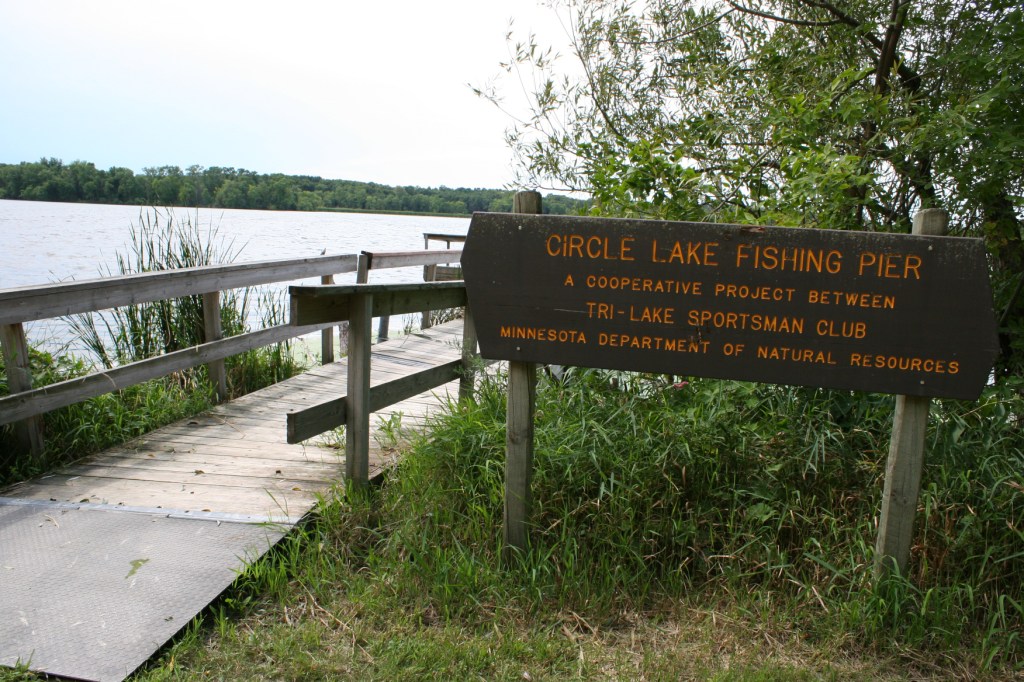
The sign marking Circle Lake’s public pier.


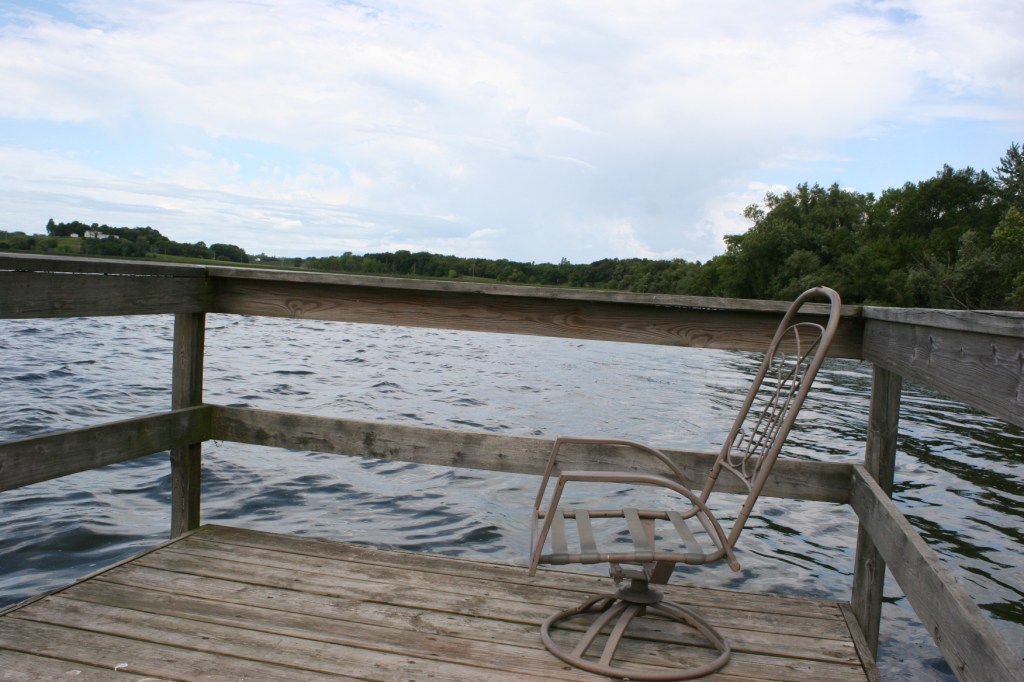
No comfortable place to sit here…


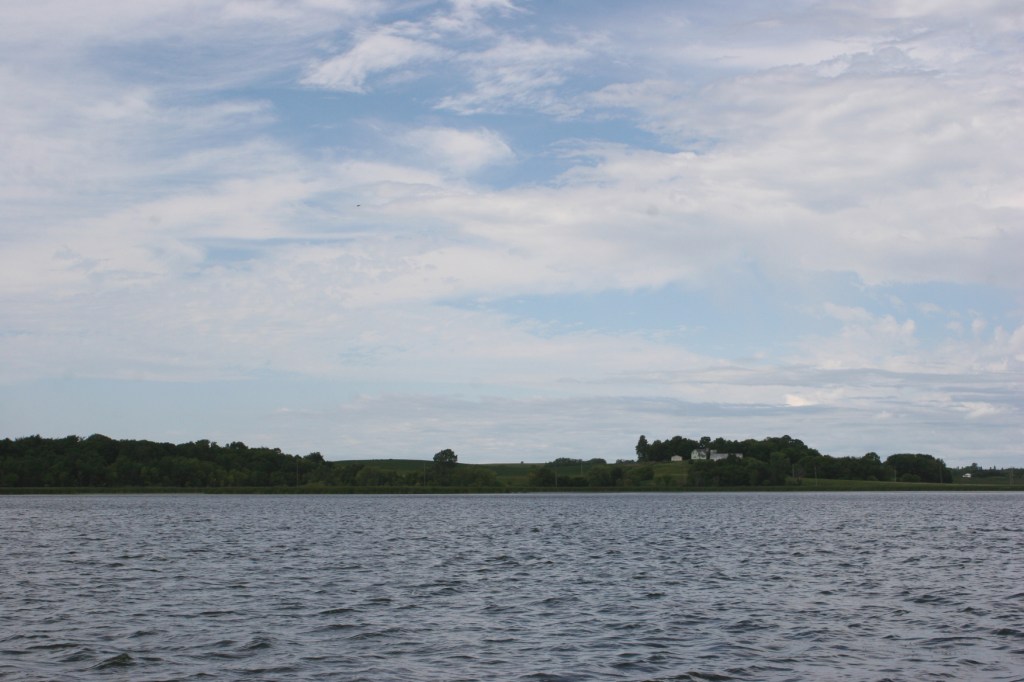
A view across the lake of the surrounding countryside.


Randy missed the lake turn, backed up on the county road and then proceeded down a gravel road toward the public access point on Circle Lake. To our dismay, we saw no picnic tables either at the boat launch site or the adjoining patch of green space. A bit farther, though, we spotted a public fishing pier and decided to eat our lunch there.


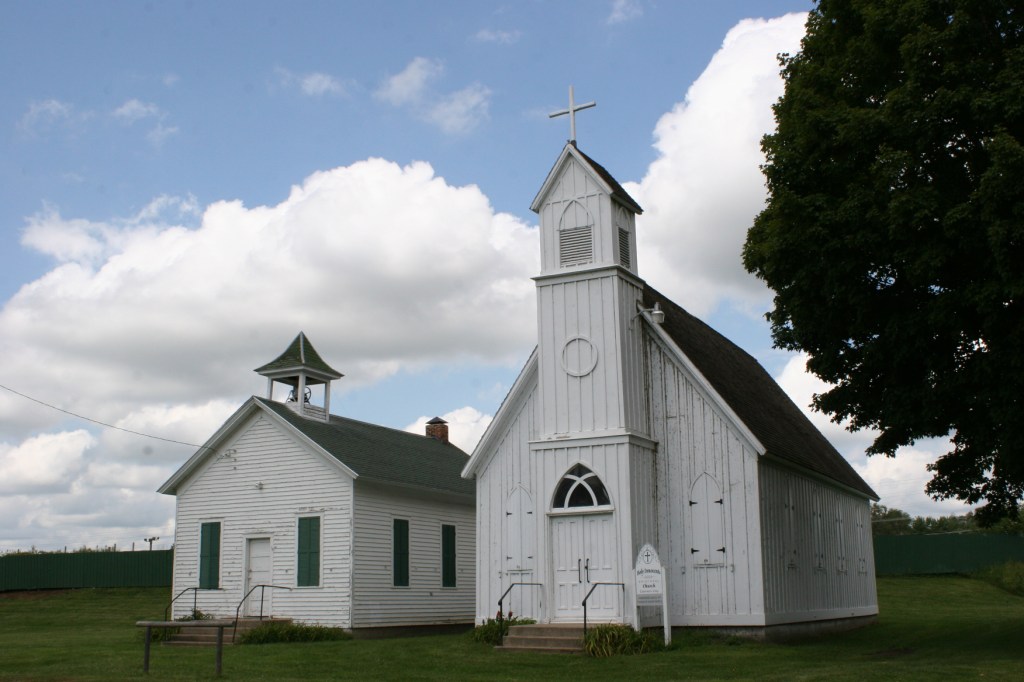
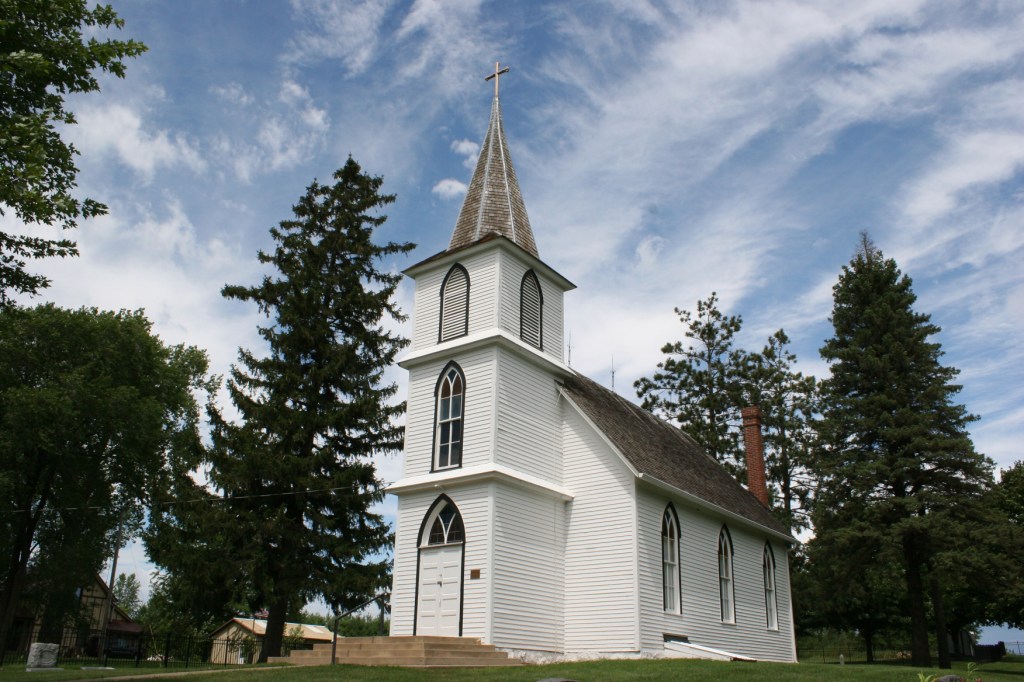
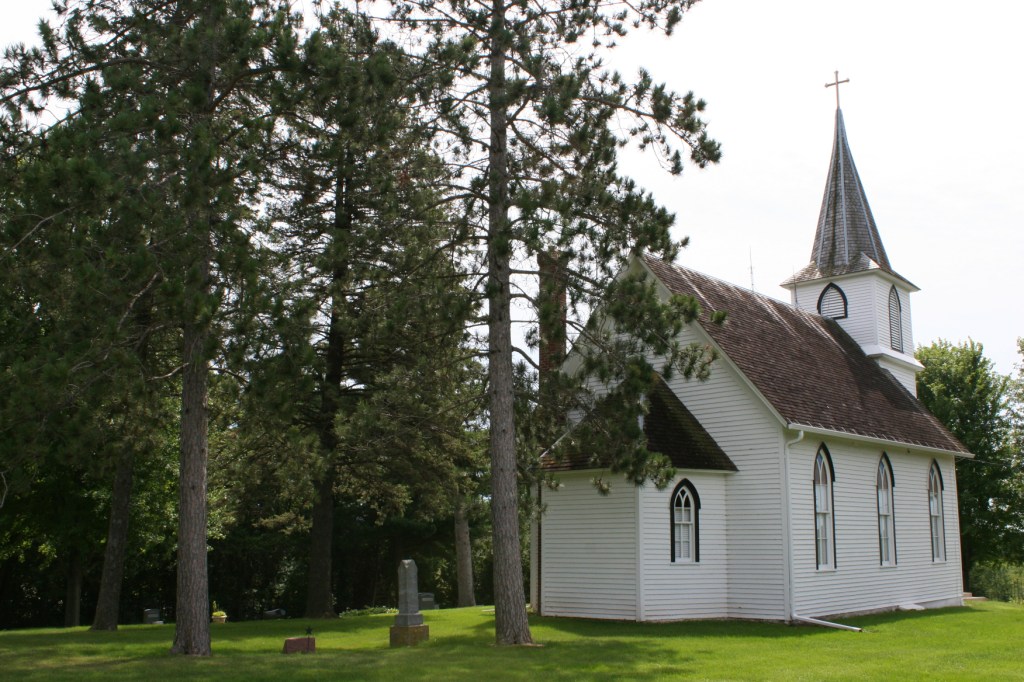
Christdala Swedish Lutheran Church, rural Millersburg. This congregation is no longer active with the church open only for special services and events.


Except, upon exiting the van, the stench and sight of stagnant green lake water, a floating dead fish and an obviously neglected dock caused us to, once again, change plans. I suggested we drive to Christdala Swedish Lutheran Church, a nearby historic church set atop a hill overlooking the countryside. We could, I suggested, sit and eat on the front steps.


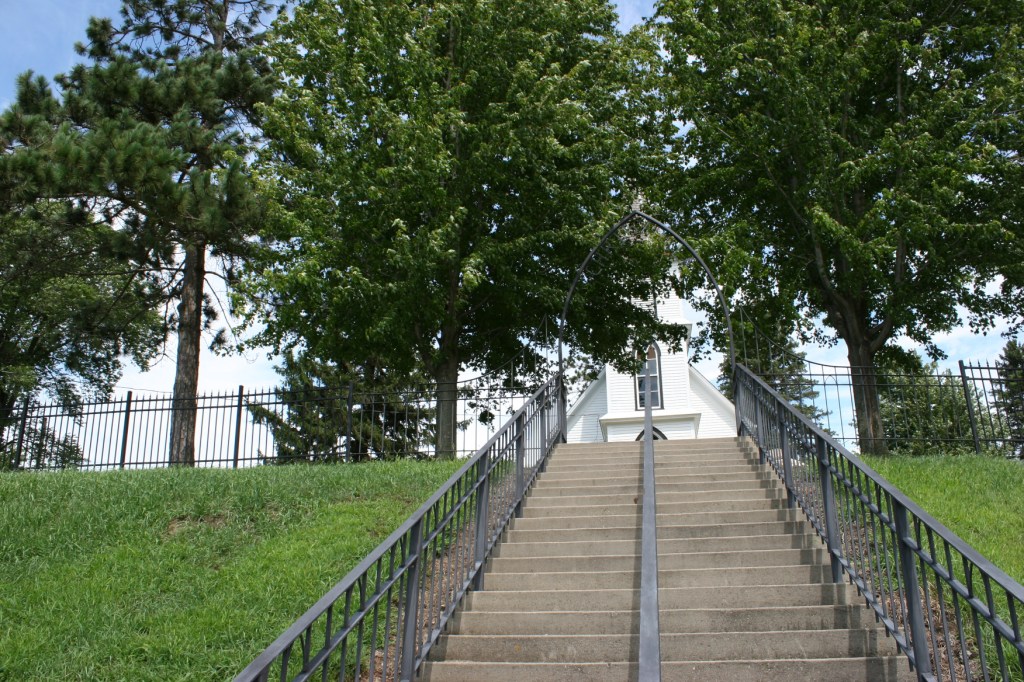
A long flight of steps lead up to Christdala.


And that’s exactly what we did, after we climbed a flight of steep steps and passed under an arch leading into the fenced church property. We turned our backs to the sun, settled onto the cement steps and pulled our sandwiches and other food from the cooler. It’s the first time I’ve picnicked next to a graveyard.


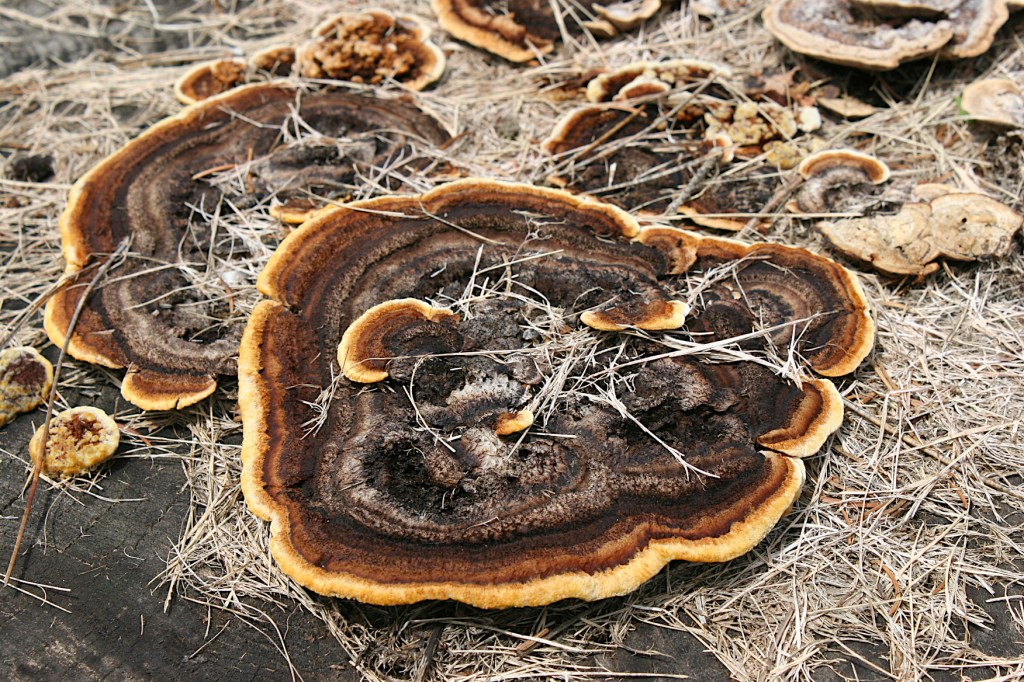
Near Minnie’s gravestone, I photographed this interesting fungi on a stump.


As we ate, we talked. About Minnie’s gravestone, in our direct line of vision. She died at age 23. Like too many who lost their lives prematurely so long ago, pre-modern medicine.


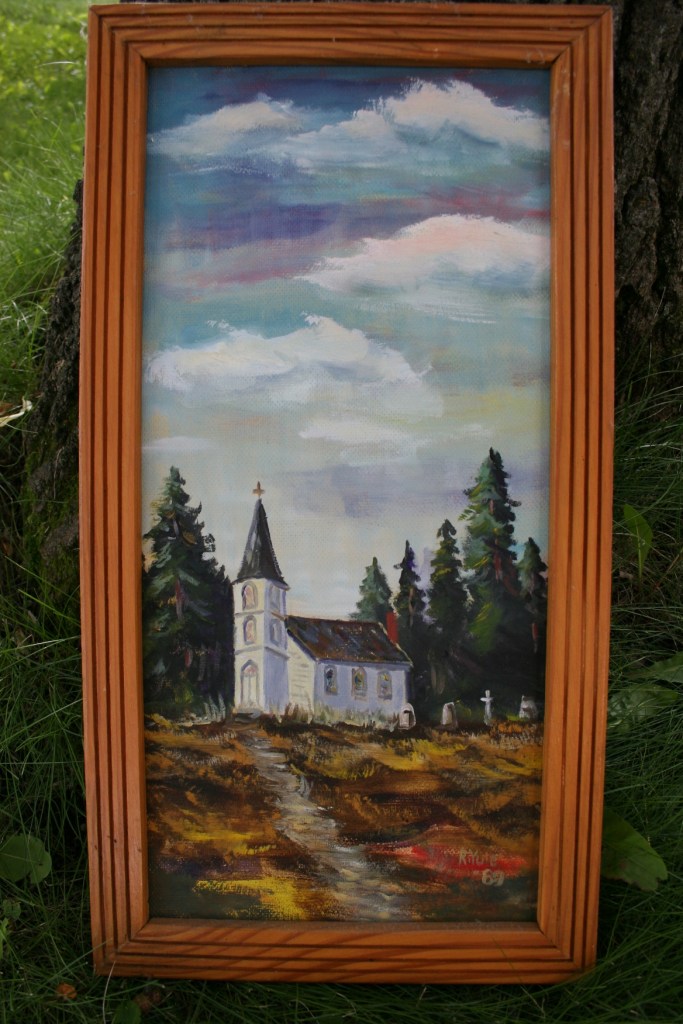
Christdala Swedish Lutheran Church painted in 1969 by Faribault artist Rhody Yule. Minnesota Prairie Roots file photo.


We talked about our friend Rhody Yule, who showed select original religious-themed paintings here in September 2010. He gifted his 1969 painting of Christdala to the church on that Sunday afternoon. I organized the outdoor exhibit and a more extensive gallery show months later at the Paradise Center for the Arts in Faribault. Randy and I shared how much we liked Rhody, an artist we met while on a Sunday afternoon drive two years prior. He quickly became a good friend, someone we delighted in for his gentle spirit of kindness and deep faith. A true joy.


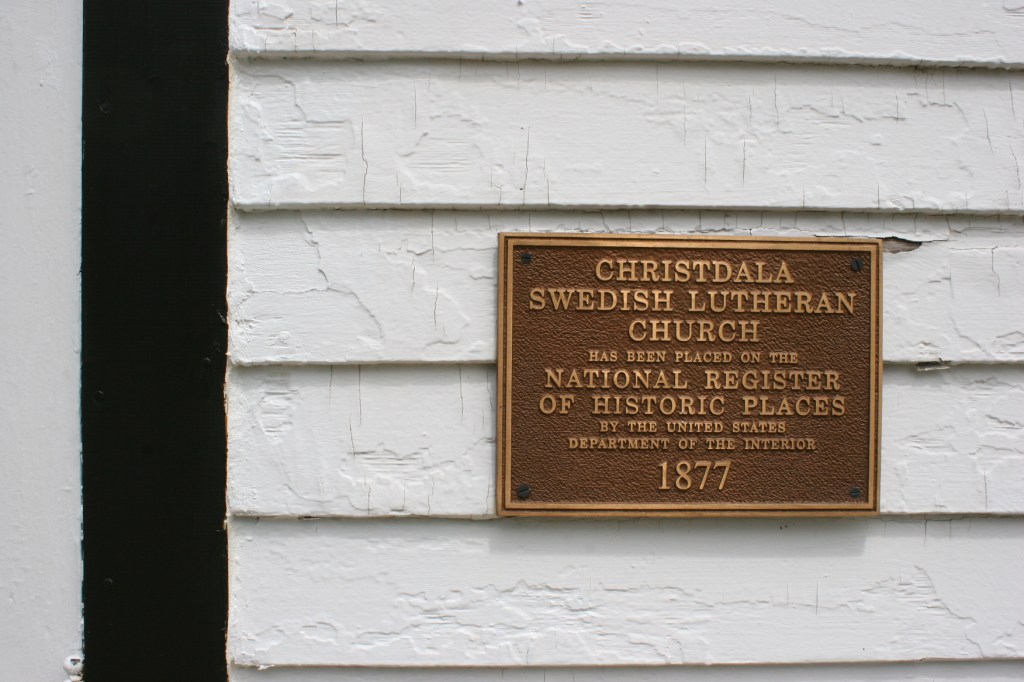
Posted next to the front door.


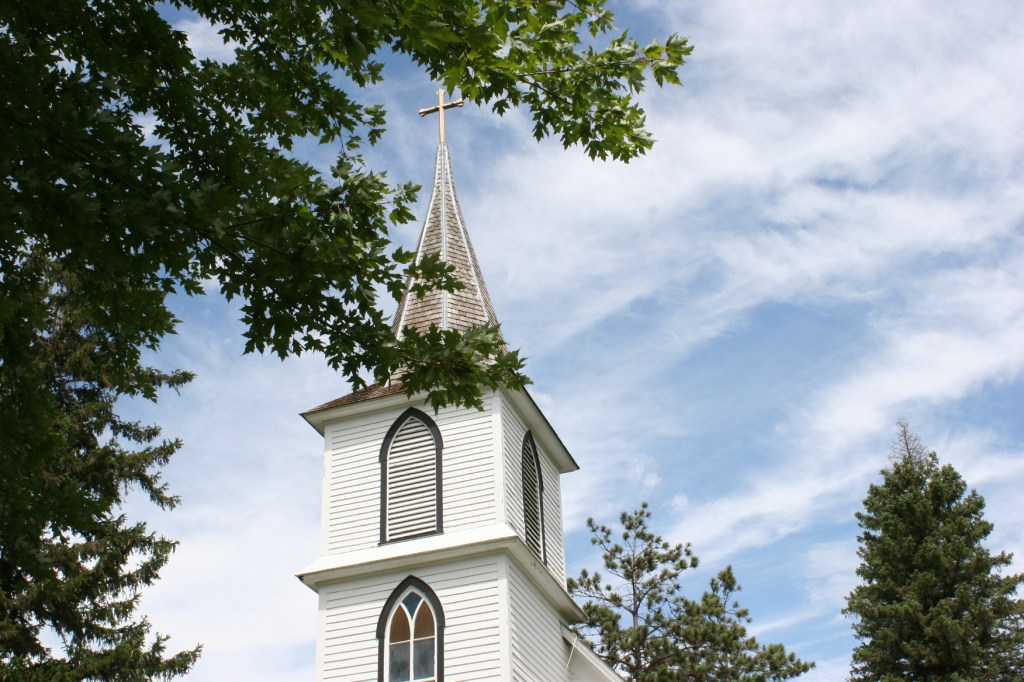
The steeple rises high above the treetops.


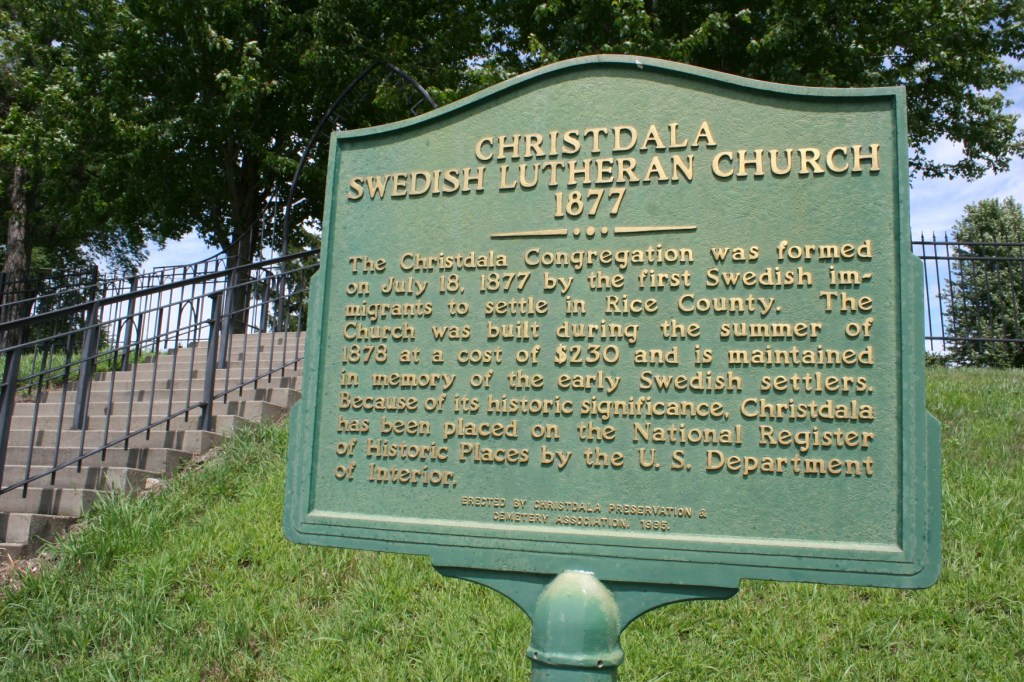
A summary of church history is posted next to the parking area at the bottom of the hill.


We noticed paint scrapings on the ground, indicating the 1877 church was recently repainted. It’s on the National Register of Historic Places, significant because the first Swedish settlers in Rice County founded this congregation, built this church.


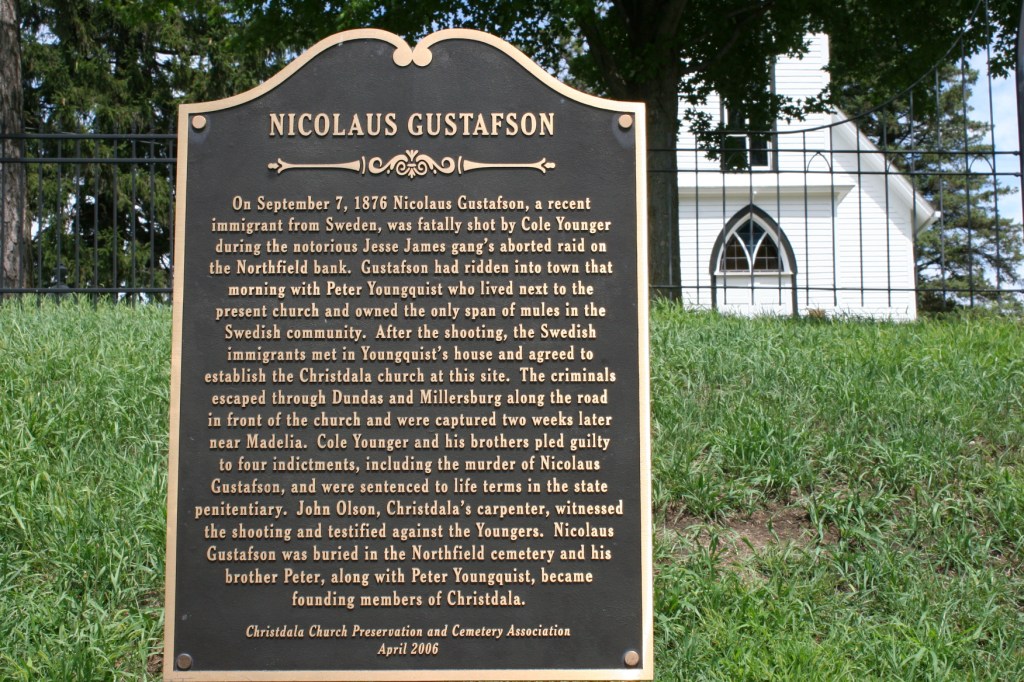
Another marker nearby honors Swedish immigrant Nicolaus Gustafson.


One of those immigrants, Nicolaus Gustafson, was fatally shot by Cole Younger in the attempted raid of the first National Bank in nearby Northfield in 1876.


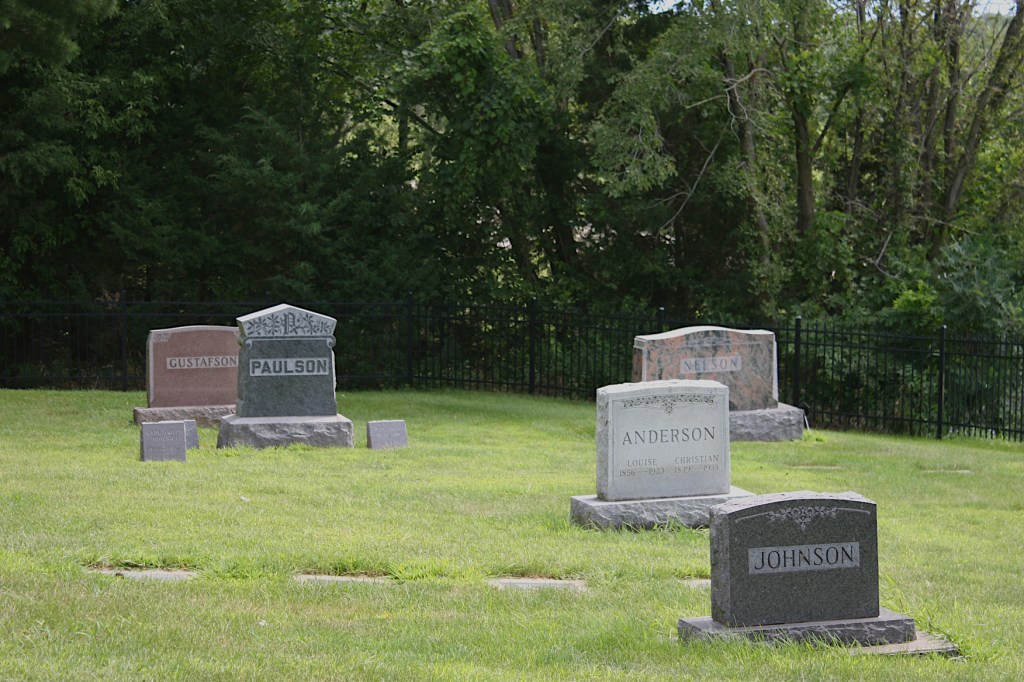
Just a sampling of the Swedish names on gravestones at Christdala.


There’s so much history and heritage here in names like Johnson, Anderson, Paulson, Gustafson, Nelson…the “son” of Swedish ancestry.


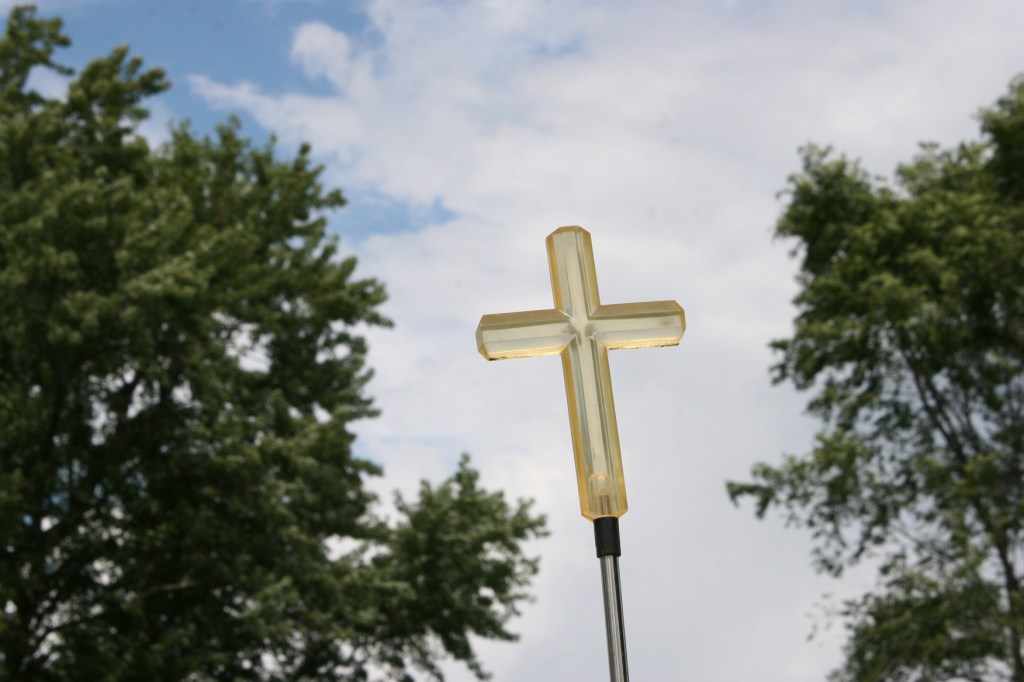
I spotted this probably glow-in-the-dark cross near a gravesite.


The graveyard surrounds Christdala church.


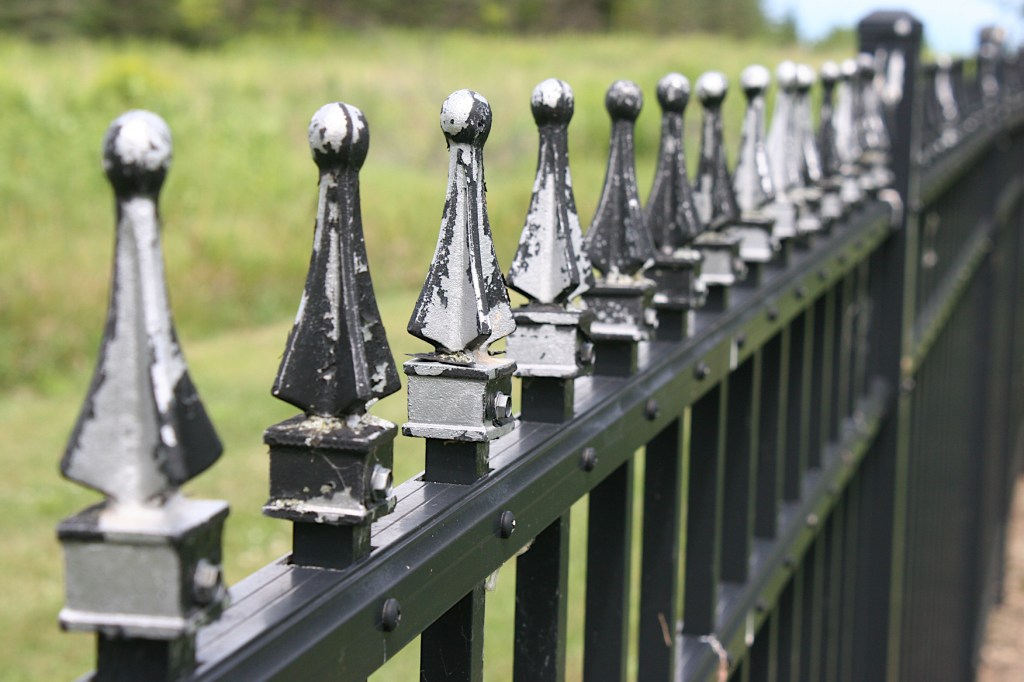
A wrought iron fence encloses the entire property.


We meandered through the graveyard separately. I didn’t recall the wrought iron fencing or the graveyard expansion with plenty of open space for future burials. It’s a lovely and peaceful spot behind the church, away from busy enough Rice County Road 1.


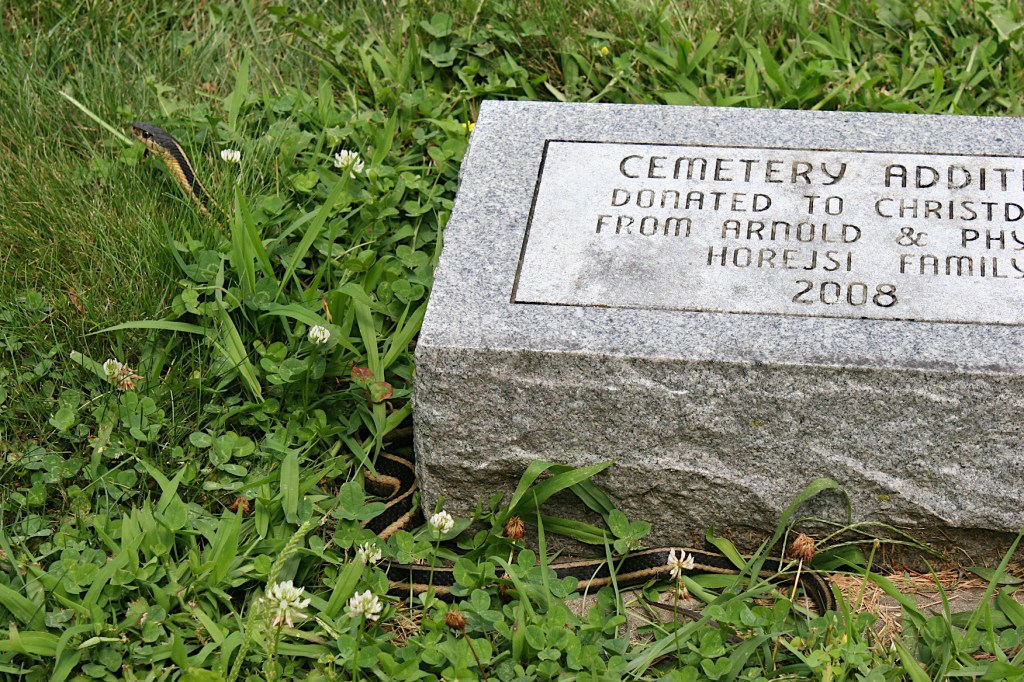
Randy saw this snake before me, but didn’t tell me. He knows I intensely dislike snakes. He suggested I move in for a closer photo. Nope, won’t get any nearer.


Randy directed me to a small stone marking the additional graveyard space as a 2008 donation from Arnold and Phyllis Horejsi. Arnold, 91, died on March 23 with services delayed until August 18 and burial at Christdala at a later date. I walked over to the marker, commenting on the many small holes that pock the land. And then, as I focused my camera lens on the stone, I noticed the garter snake. Striped. Too long. Head up. Tongue flicking.

That was it. I was done touring this cemetery, especially after I saw a second snake nearby. My mind fixated on snakes slithering over my feet and I couldn’t help but think of the biblical reference in Genesis to Satan as a snake. I wanted out, away, gone.


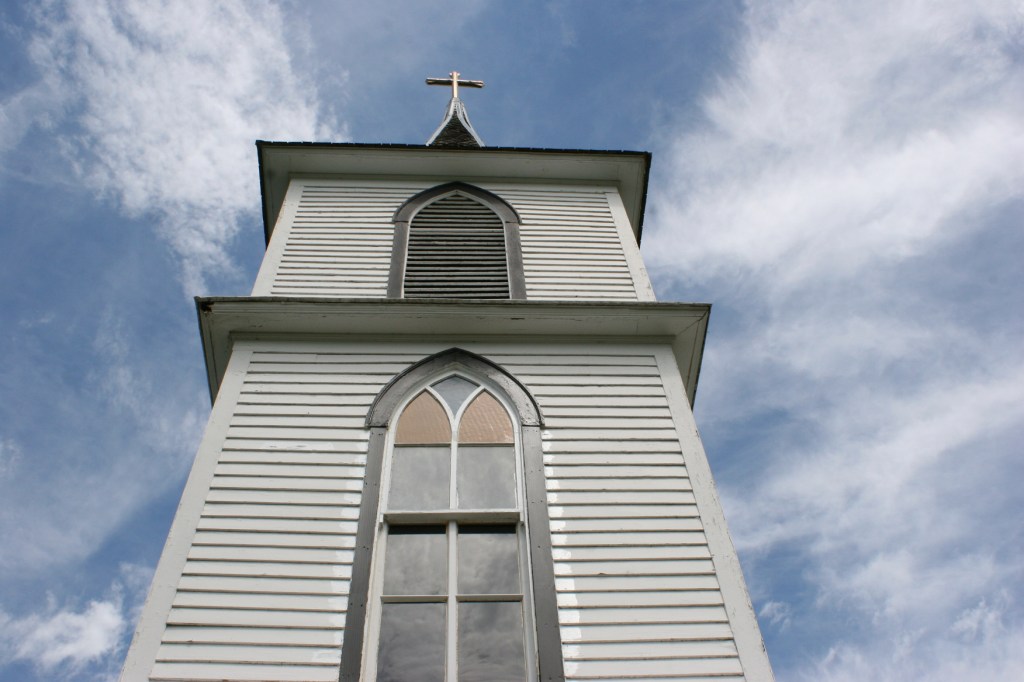
A heavenward view of Christdala.


And so I waited near the front steps for Randy to finish his graveyard tour. I aimed my camera lens skyward, away from the ground and slithering snakes. High toward the steeple. To the cross.


© Copyright 2020 Audrey Kletscher Helbling
 

Of gravel roads, barns & cornfields August 3, 2020

Rural Rice County, west of Faribault, Minnesota.


ON A SULTRY SUNDAY SUMMER AFTERNOON of oppressive heat and humidity, I needed to get out of the house. Away. Into the country. On a drive. It was too hot to walk, to do anything outside of air conditioning.


Steady rain the night before kept the dust down on gravel roads we drove.


Following back county and township roads in and around Faribault, Randy and I got the rural fix we needed. For me, the crunch of gravel upon tires and the washboard vibration of a road in need of grading.


The corn crop around here looks good.


I needed, too, to see cornfields stretching across the land, tassels flagging fields. My heart aches at the sight, for the missing of living in the country. Memories still root me there.


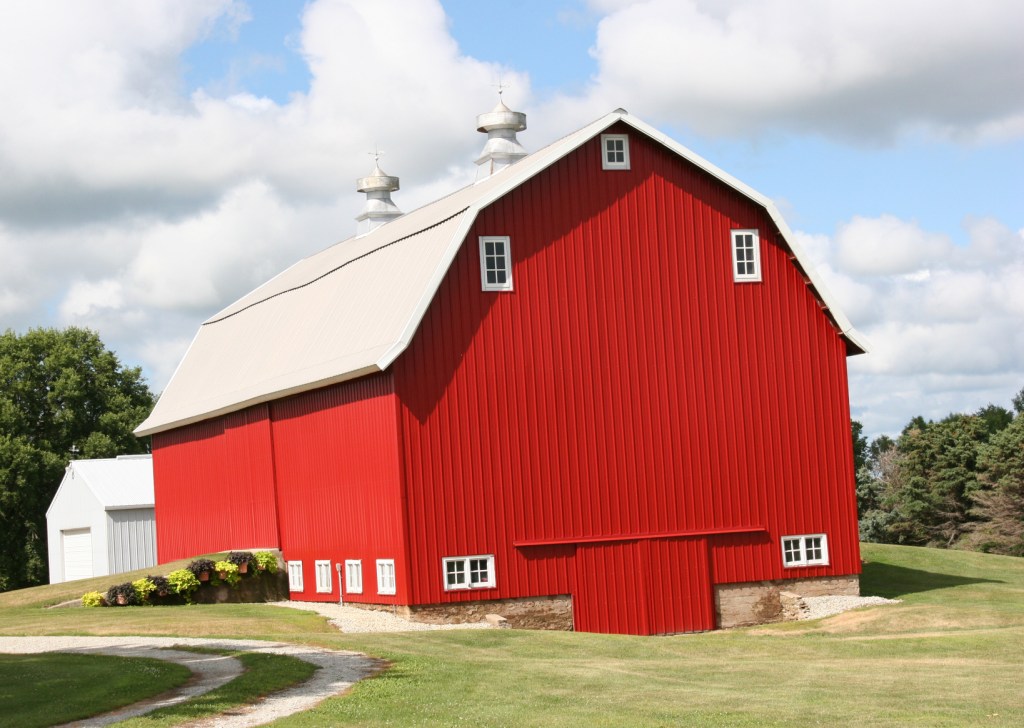
And then I spotted a barn flashing bold red into the landscape on the edge of Warsaw. I’ve long admired that well-kept barn.


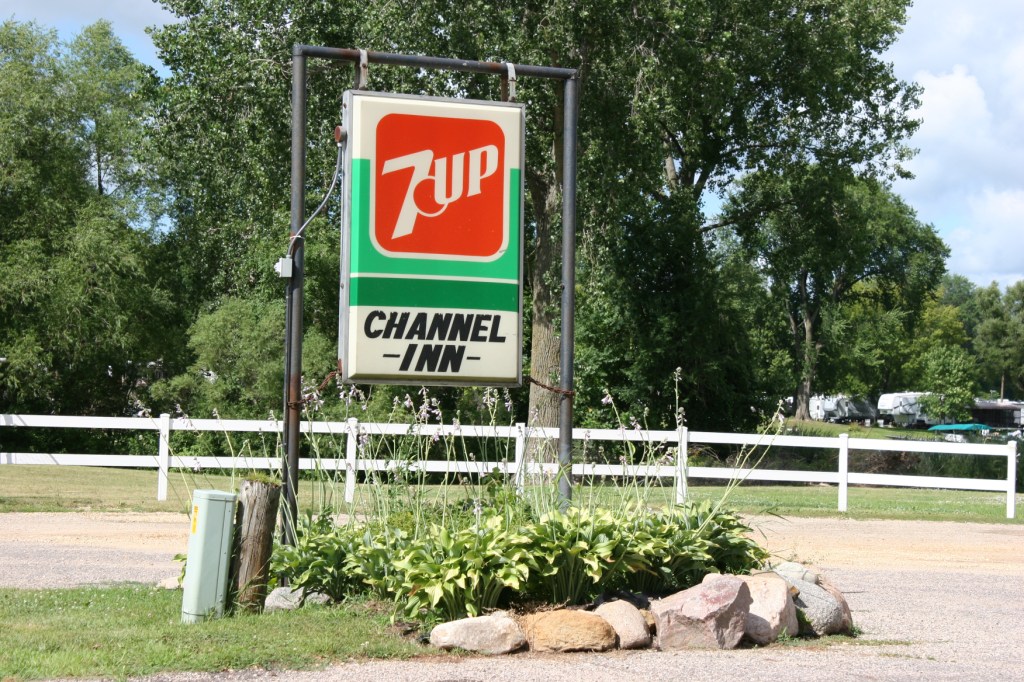
Weaving through Warsaw, Randy reminisced about living there decades ago as we passed his former rental place. At the Channel Inn in Warsaw, we paused only long enough for a photo of the vintage signage.


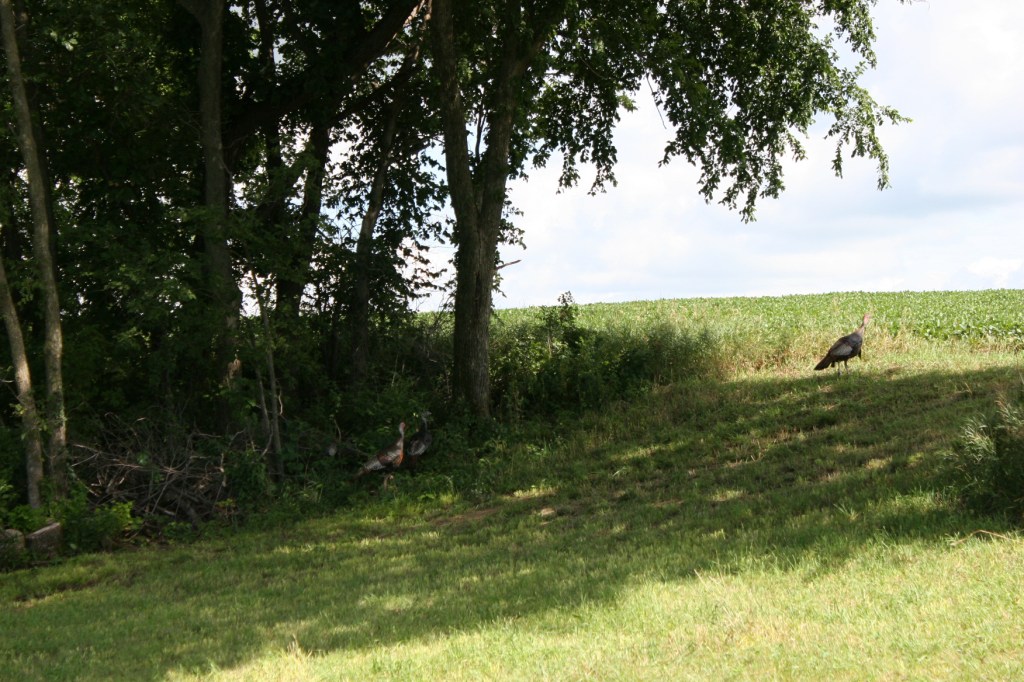
Without my telephoto lens on my camera, I couldn’t get a good shot of these turkeys. But you can make out two along the treeline and one by the field. The rest went the other direction.


And then we followed more gravel roads, routes not previously taken, but which revealed a PIG HOTEL sign on a house. I missed that photo op, but I promise to return. I almost missed the wild turkeys edging the woods.


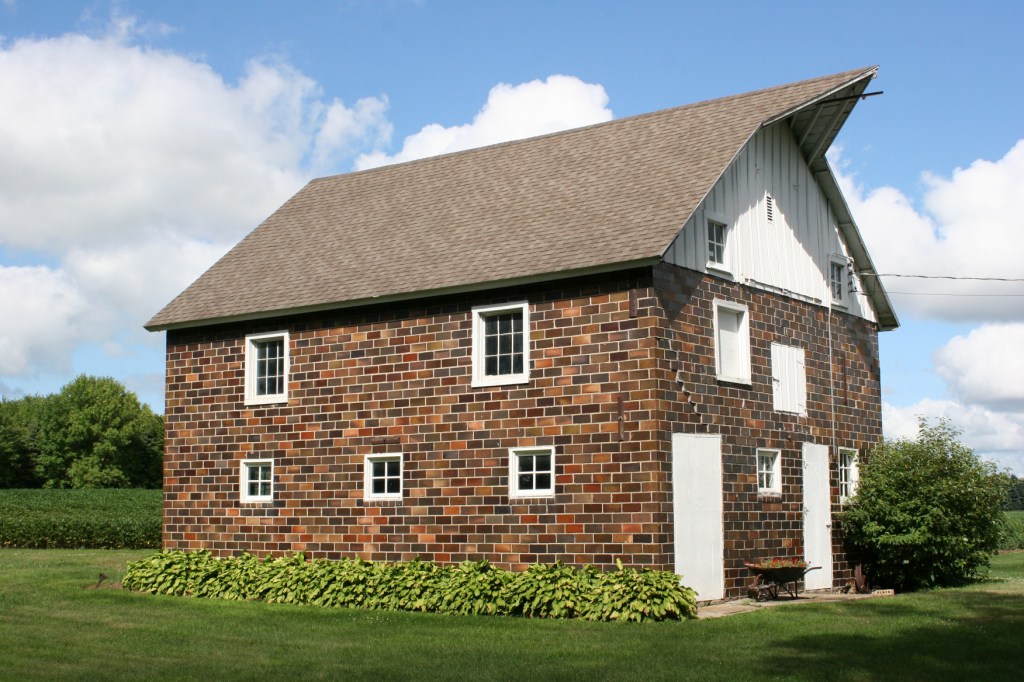
A bit further, I saw the cutest little brick barn. Solid. As good as new. Beautifully poetic in its construction.


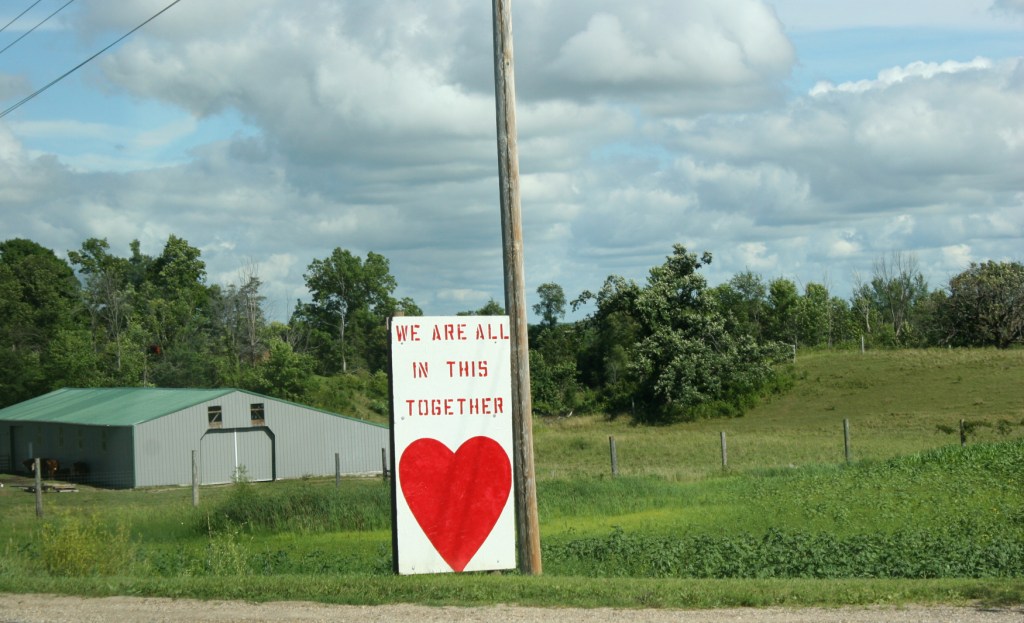
Past a gravel pit and an unknown lake and farm sites set among fields on rolling land, we aimed back toward town. Past Ableman’s Apple Creek Orchard, a favorite, and a roadside sign reminding us that we are not alone. Ever.


© Copyright 2020 Audrey Kletscher Helbling
 

Unexpected discoveries at Falls Creek County Park, rural Faribault June 30, 2020

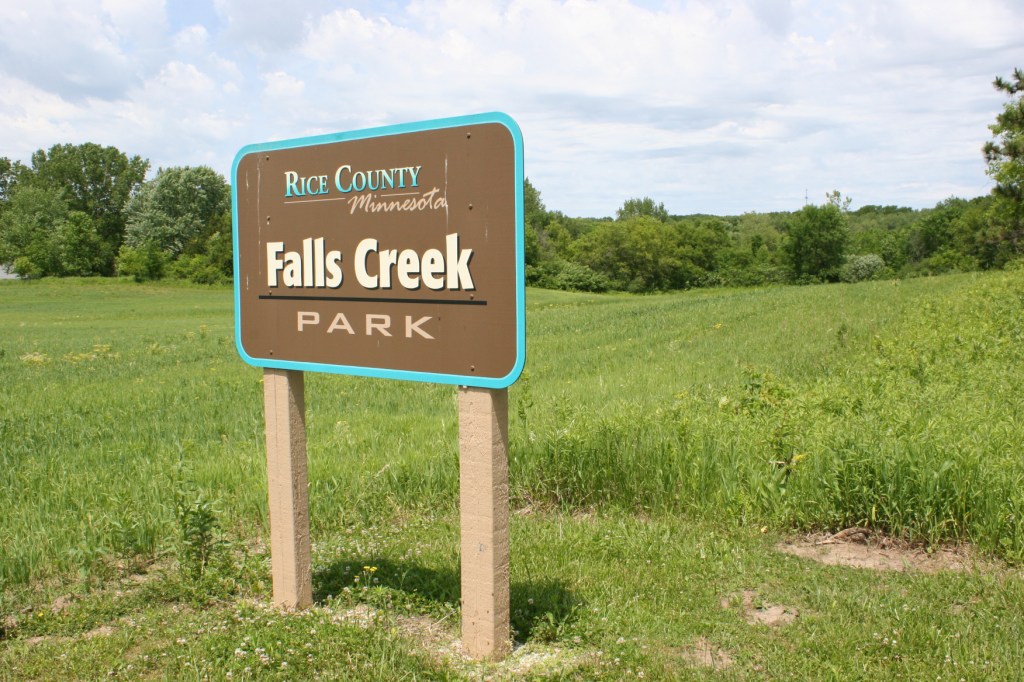
Falls Creek County Park is located one mile east of Faribault along Minnesota State Highway 60, just off the highway an eighth of a mile along a gravel road to the north. This sign is visible from Highway 60.


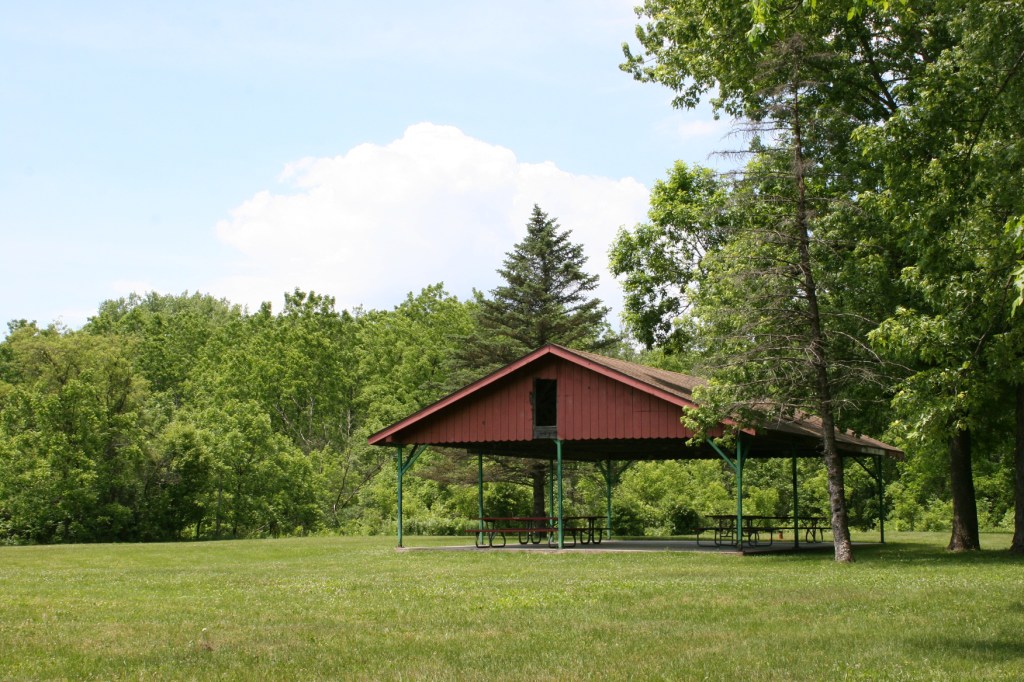
YEARS HAVE PASSED since I visited Falls Creek County Park just east of Faribault off Minnesota State Highway 60. I remembered the hill and the expanse of lawn leading to a shelter house. And the creek at the edge of the surrounding woods.


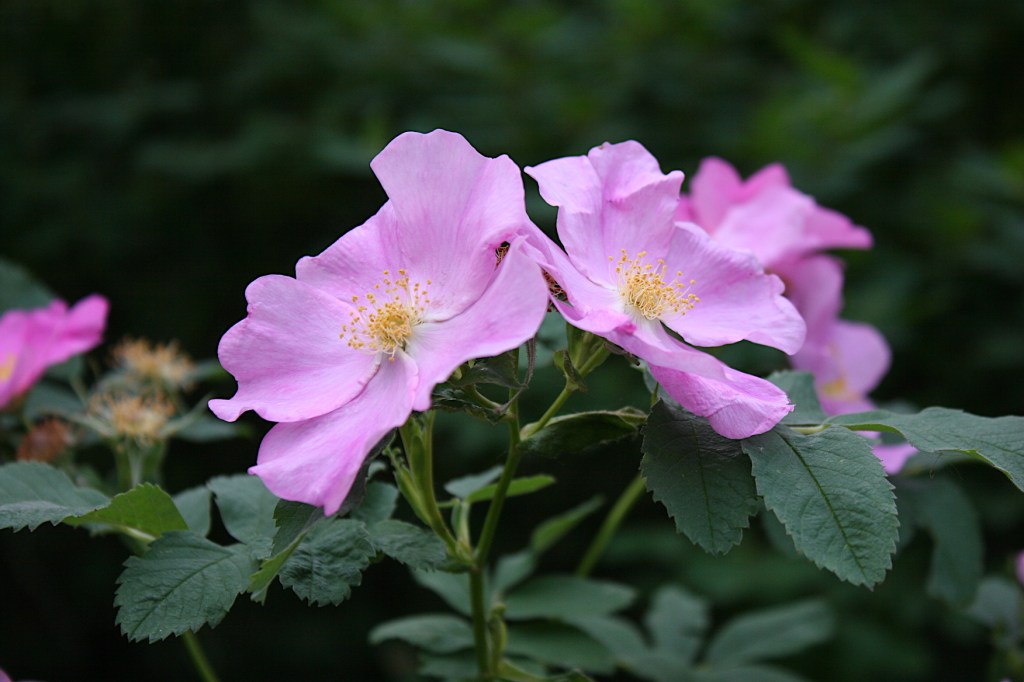
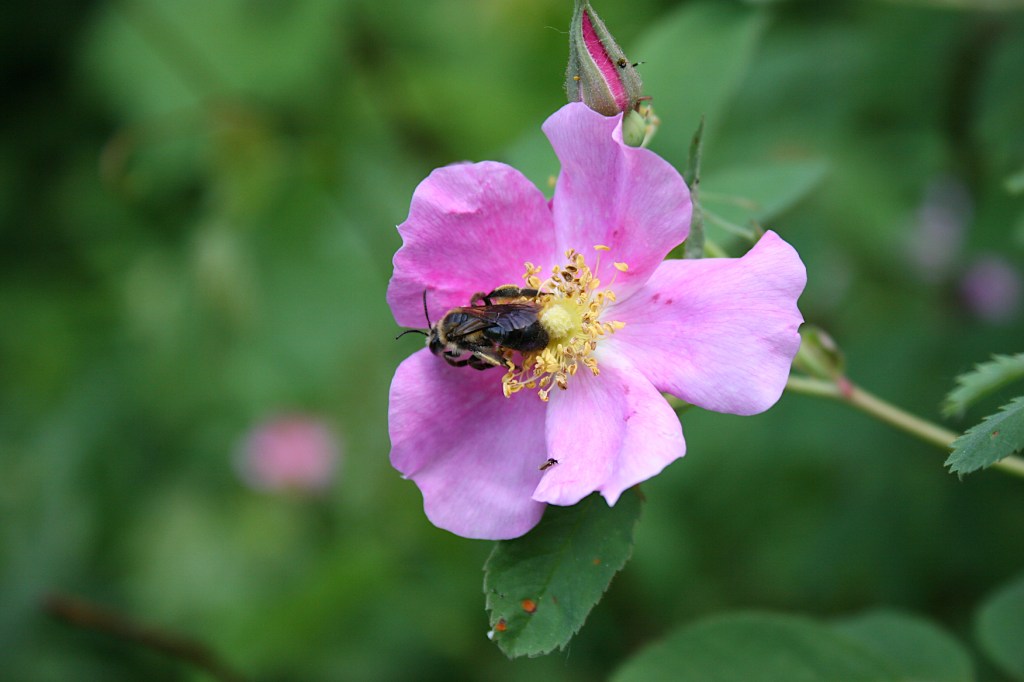
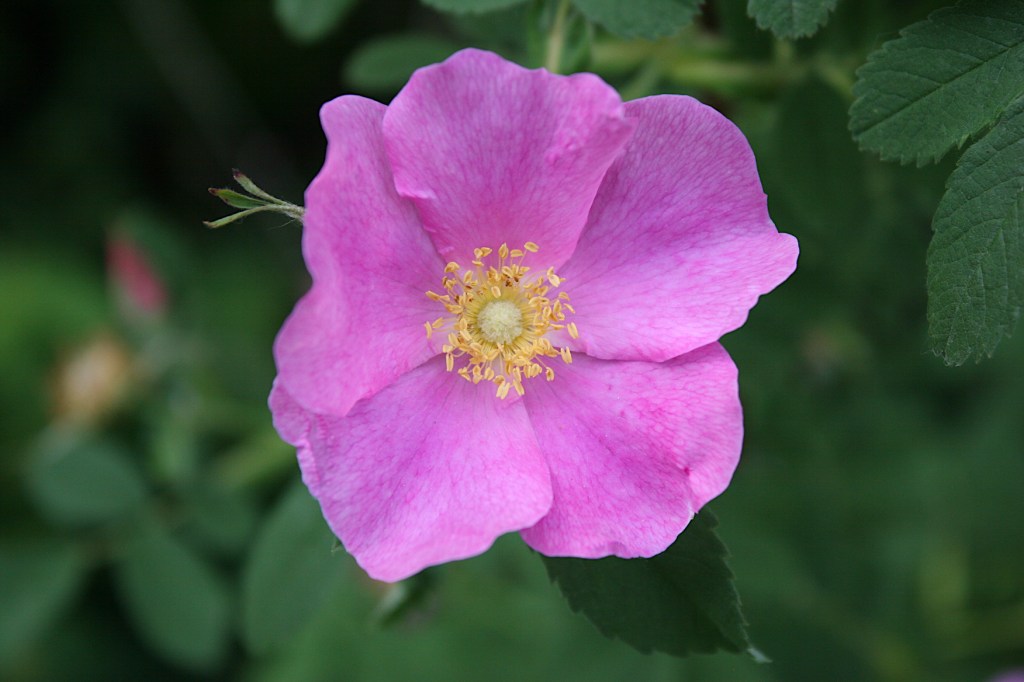
Beautiful wild roses.


I didn’t recall wild roses. Those I would remember because I love wild roses. They remind me of my native prairie home, where, decades ago, pink roses grew random in road ditches. Oh, the sweet scent and the sweet memories.


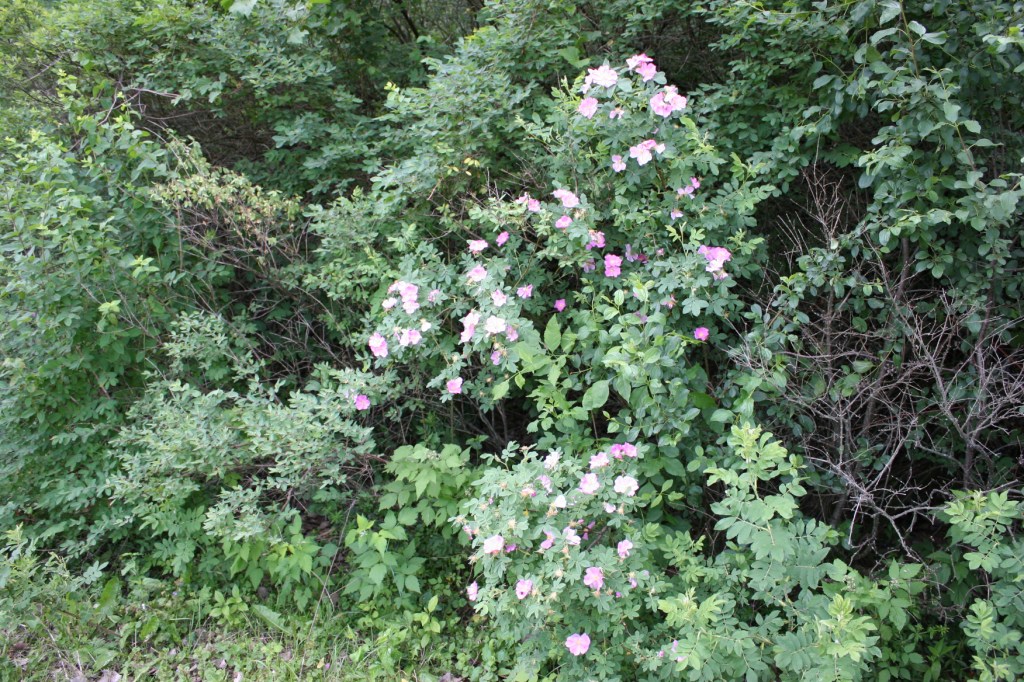
These wild rose bushes edge a section of the massive gravel parking lot.


Randy noticed the roses first at Falls Creek. We both paused to breathe in the old-fashioned fragrance and to share our rose stories of yesteryear. What an unexpected delight.


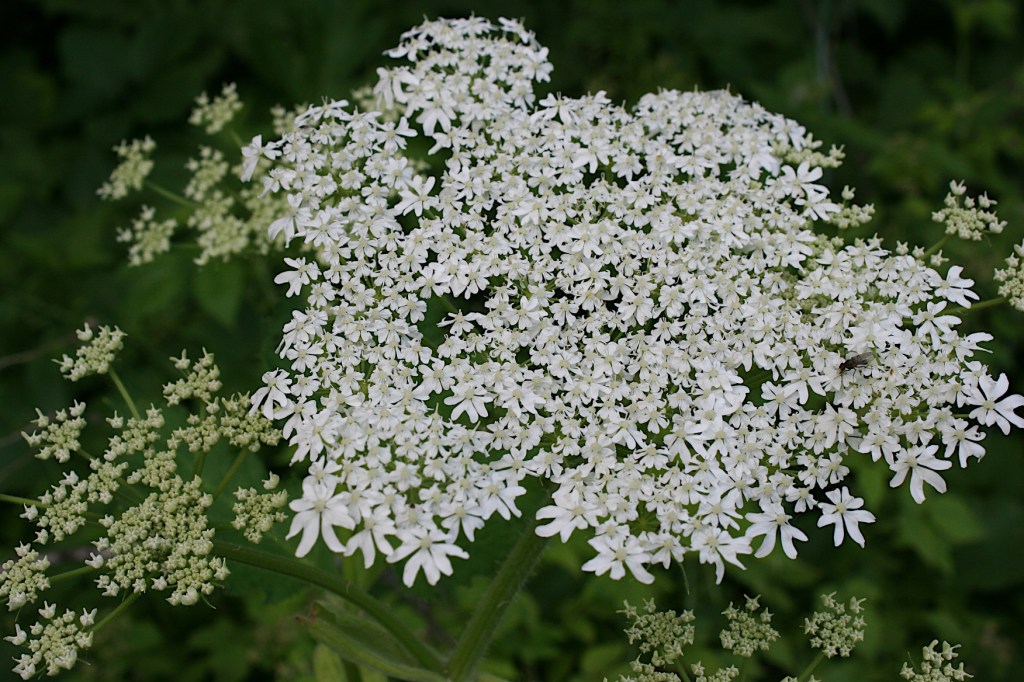
Randy termed this a “weed.” I called it a “flower.”


If you’re dipping your nose into roses, check for bees first. They love this flower.


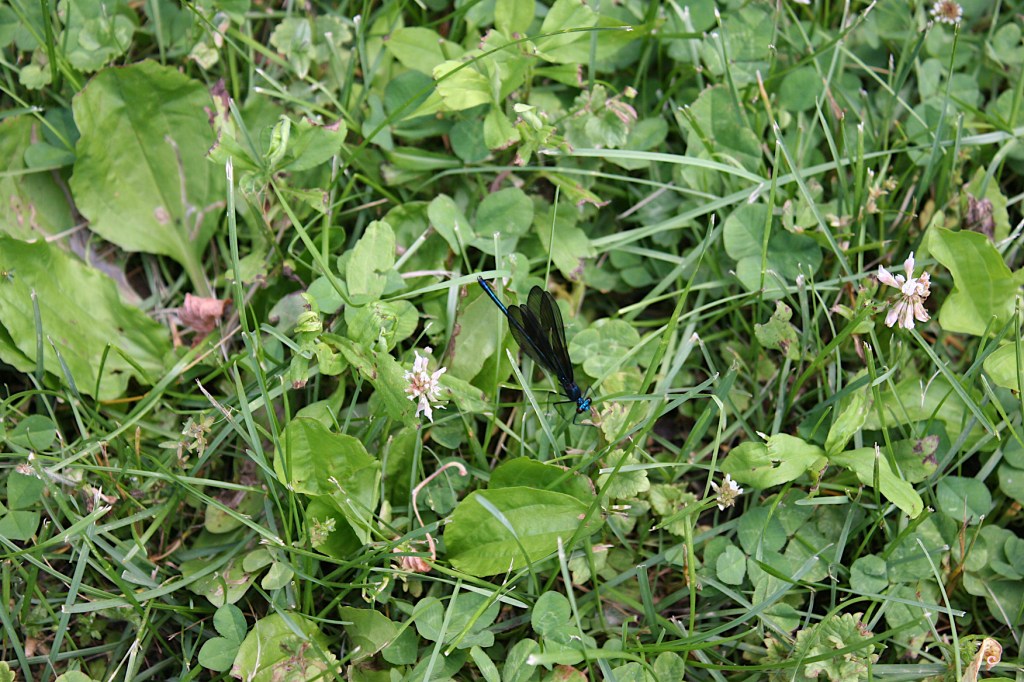
This elusive dragonfly proved incredibly challenging to photograph.


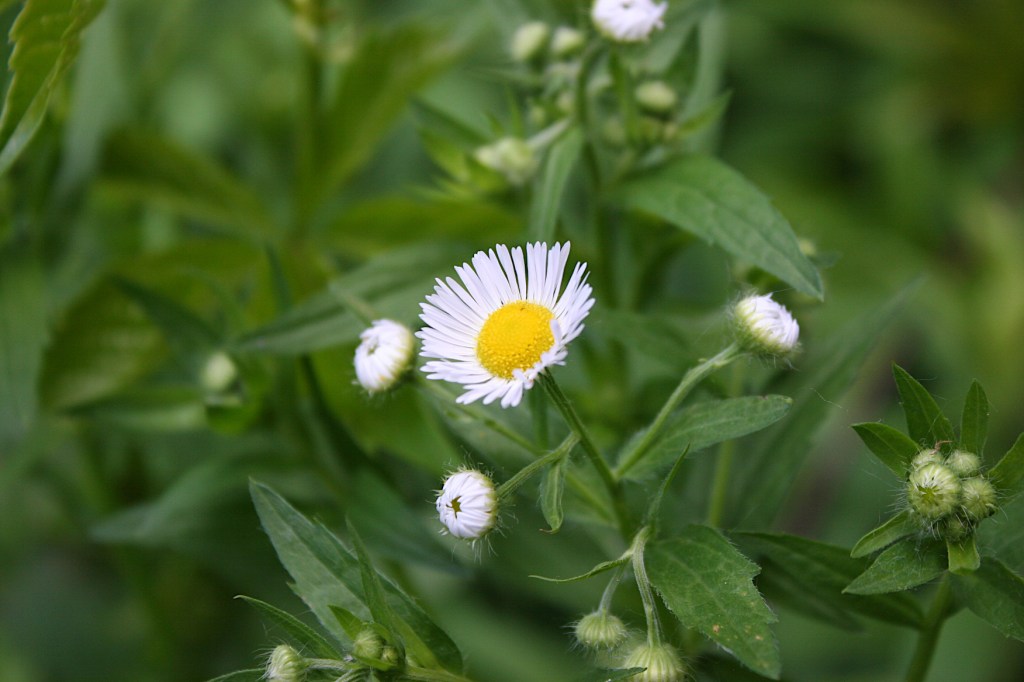
Another wildflower, or weed, depending on your perspective.


After a picnic lunch, I grabbed my camera to photograph roses and wildflowers and an elusive dragonfly before we aimed for the bridge over the creek.


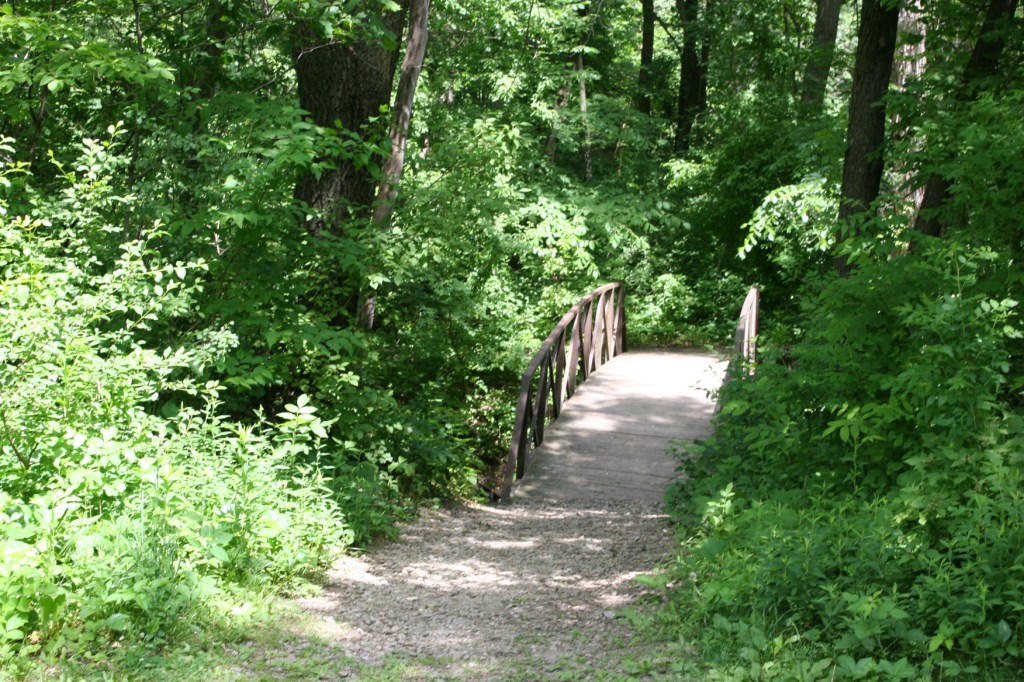
A foot bridge over Falls Creek leads to a path into the woods that follows the creek.


Looking into the creek from the bridge, I watched water tumble over rocks.


I love the sound and sight of water rushing over rocks. It’s mesmerizing, calming, soothing.


What a wonderful surprise to find this clean and clear creek water.


And, as we walked to water’s edge at a crook in the creek, we found water running clear. That is mostly unseen in these parts where rivers and other waterways and lakes are muddy and murky and often nothing you would want to wade into. I dipped my hand into the clean, cool water. Happy at this unexpected discovery, at this untainted water flowing past me.


Greenery galore.


I navigated this path in the woods.


This fallen tree was jammed into the hillside, half the tree on one side of the path, the other half on the opposite side.


From there, we followed the narrow dirt path hugging the creek. In parts, the trail had eroded. Tree roots underfoot and a makeshift crossing of rocks and branches caused me to slow my pace, to watch my feet, to walk with care. The last thing I needed was to stumble and tumble and break a bone or land in the creek with my camera.


Looking up toward the wooded hillside from the creek path.


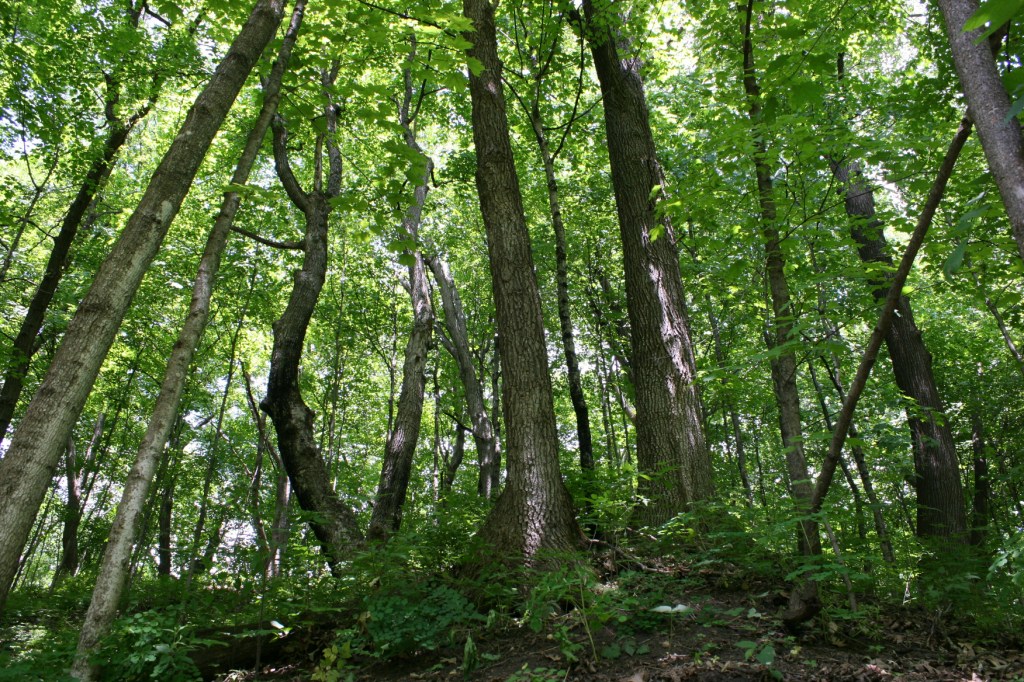
The woods proved a lovely place of greenery and dappled sunshine filtering through the trees…until the mosquitoes discovered our presence. My body reacts intensely to bug bites. So I needed to turn back and exit the woods.


The shelterhouse sits in a large open grassy area.


Back in the open, across the lawn and up the hill and on the far side of the massive gravel parking lot circled with tire track donuts, Randy spotted more wild roses. These were larger, better positioned to get sunshine. Once again, we paused to admire these dainty-looking, yet strong, prairie flowers. Once again, I breathed in the sweet scent.


Before leaving, we smelled the wild roses one final time.


I will remember Falls Creek County Park now for more than the falls I have yet to see—because of those mosquitoes. I will remember this place for the wild roses that edge the woods. And remind me of my native Minnesota prairie home, where there are no woods.

NOTE: This visit occurred several weeks ago, when the roses were nearly done blooming. We’ve also had substantial rainfall in the past two days, meaning the creek may now be muddy, the trail more eroded.

© Copyright 2020 Audrey Kletscher Helbling
 

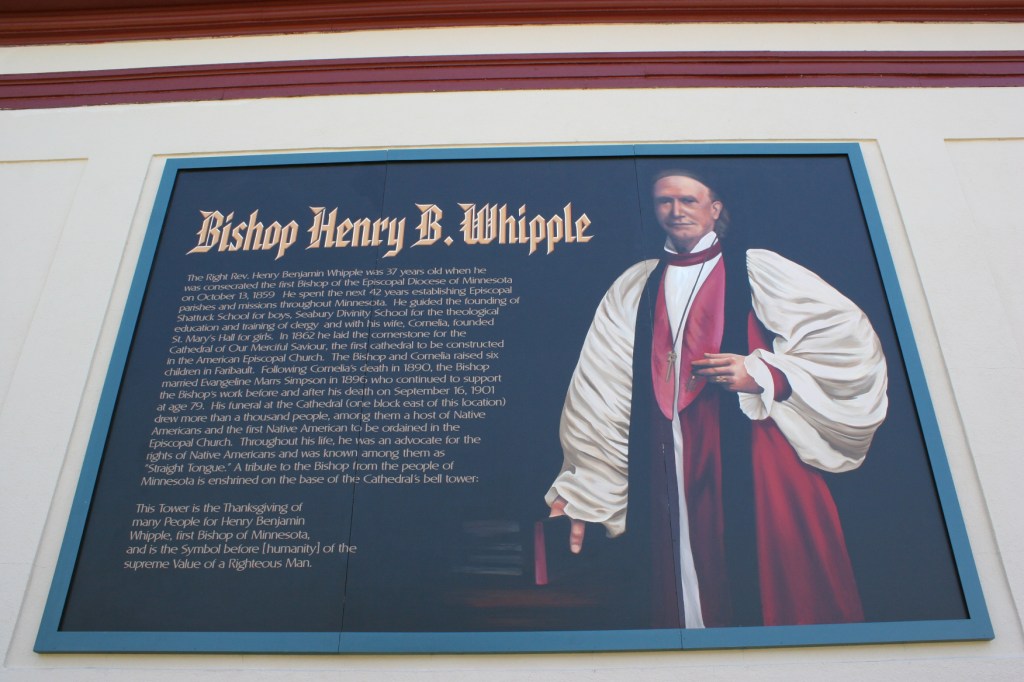
Honoring Bishop Whipple’s “unfailing love & hope for humanity” on a mural in Faribault June 29, 2020

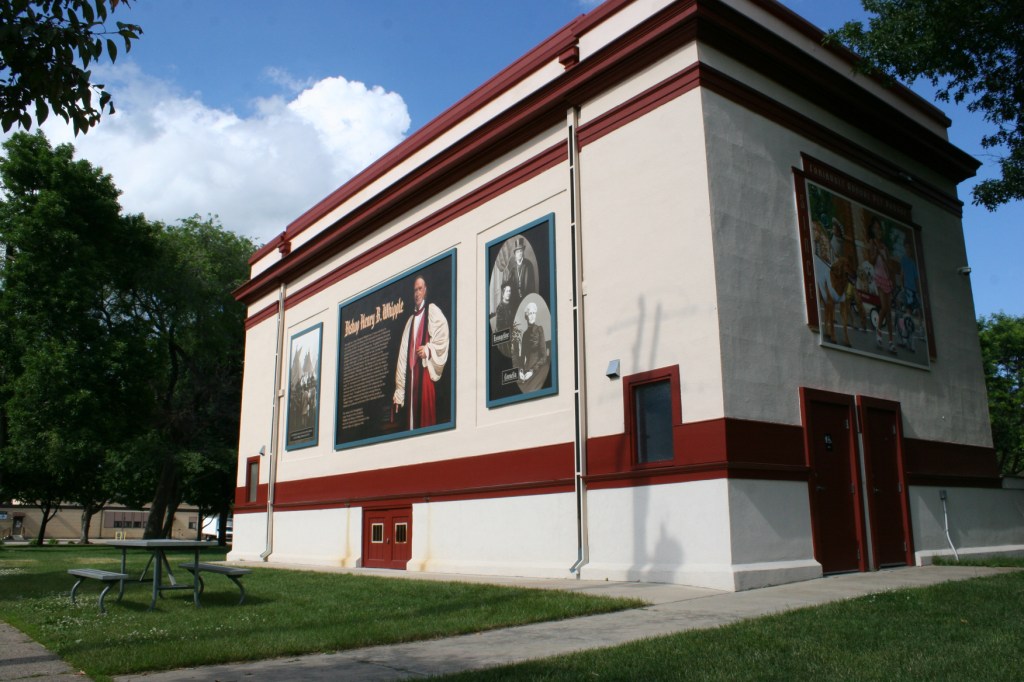
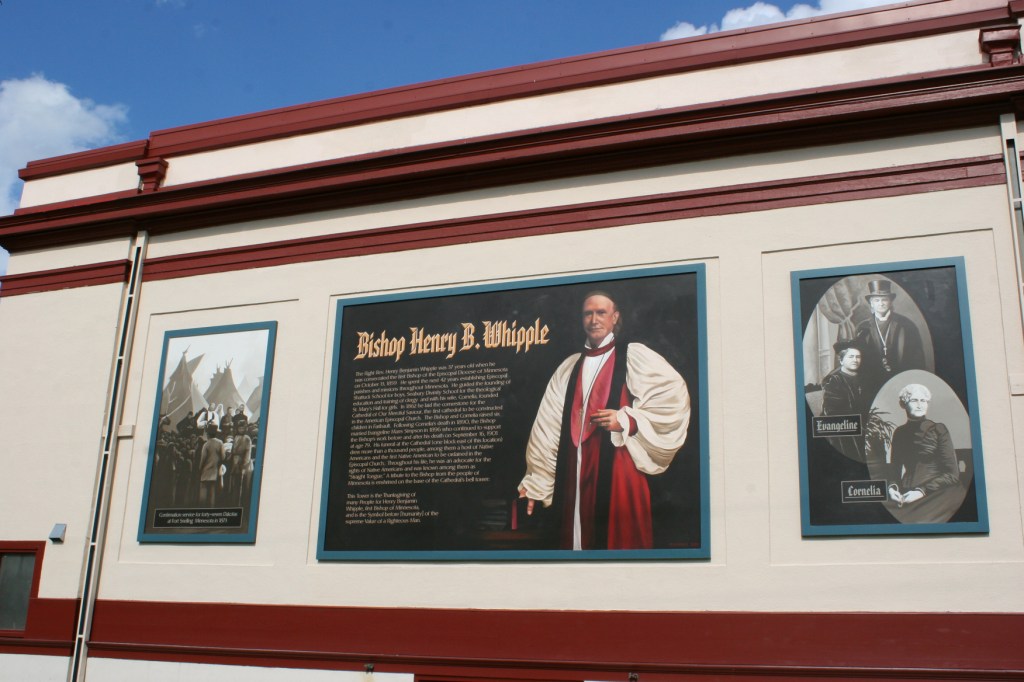
The Central Park Bandshell mural on the left honors Bishop Henry Benjamin Whipple. The one to the right features the Faribault Pet Parade and was placed there several years ago.


THE RECENT INSTALLATION of an historic-themed mural on the west side of the Central Park Bandshell in Faribault prompted me to look more closely at the man featured thereon—Bishop Henry Whipple.


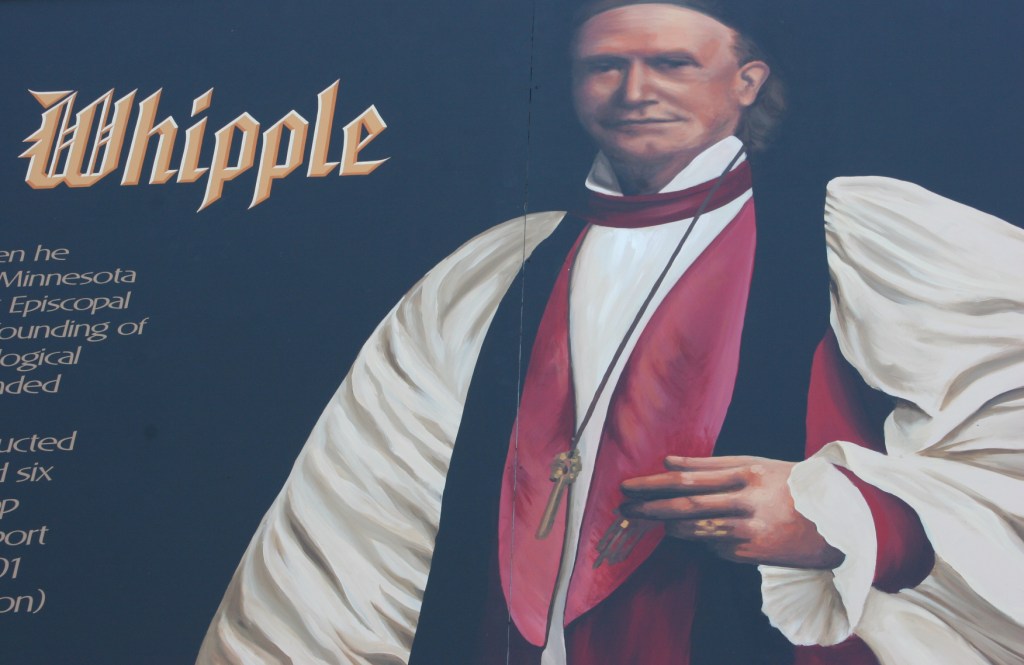
The middle mural panel features a portrait of Bishop Whipple and a summary of information about him.


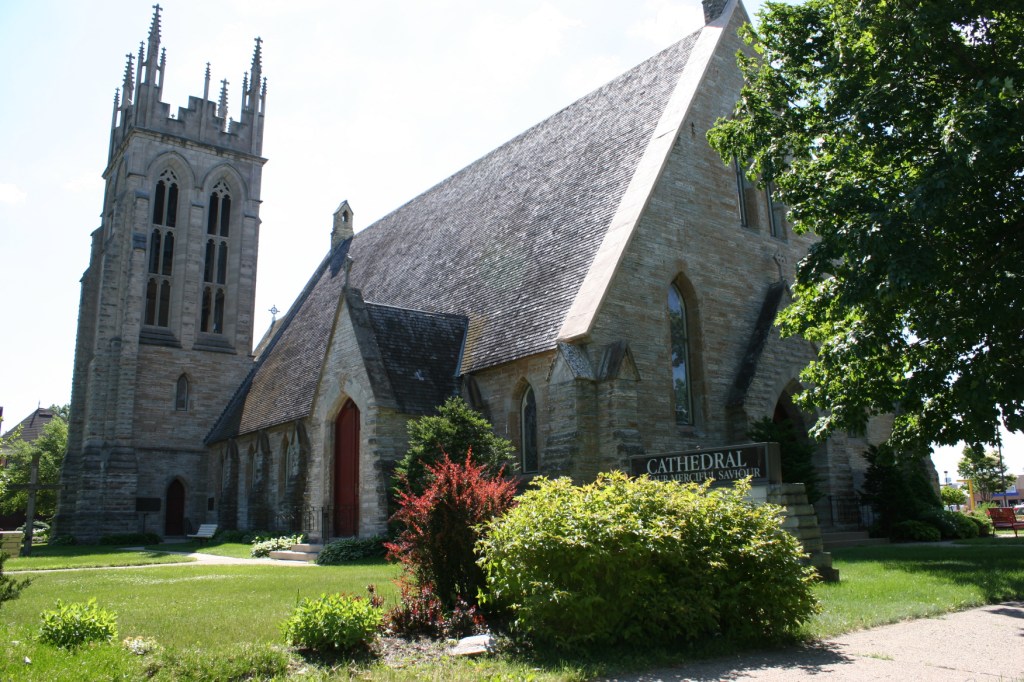
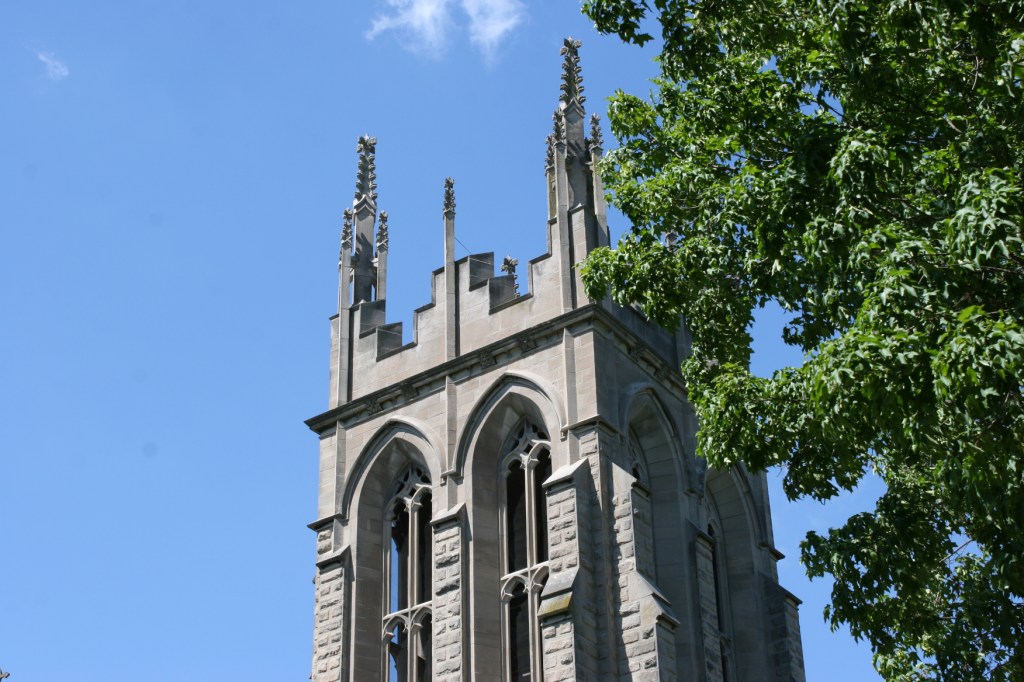
Just across the street from Central Park, the stunning Cathedral of Our Merciful Saviour.


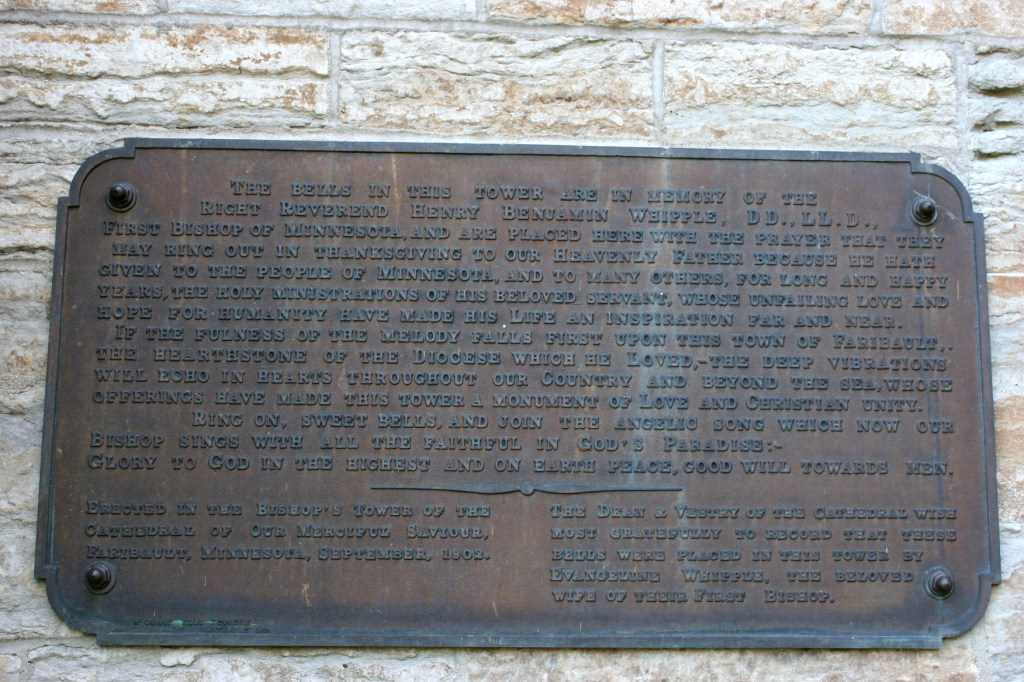
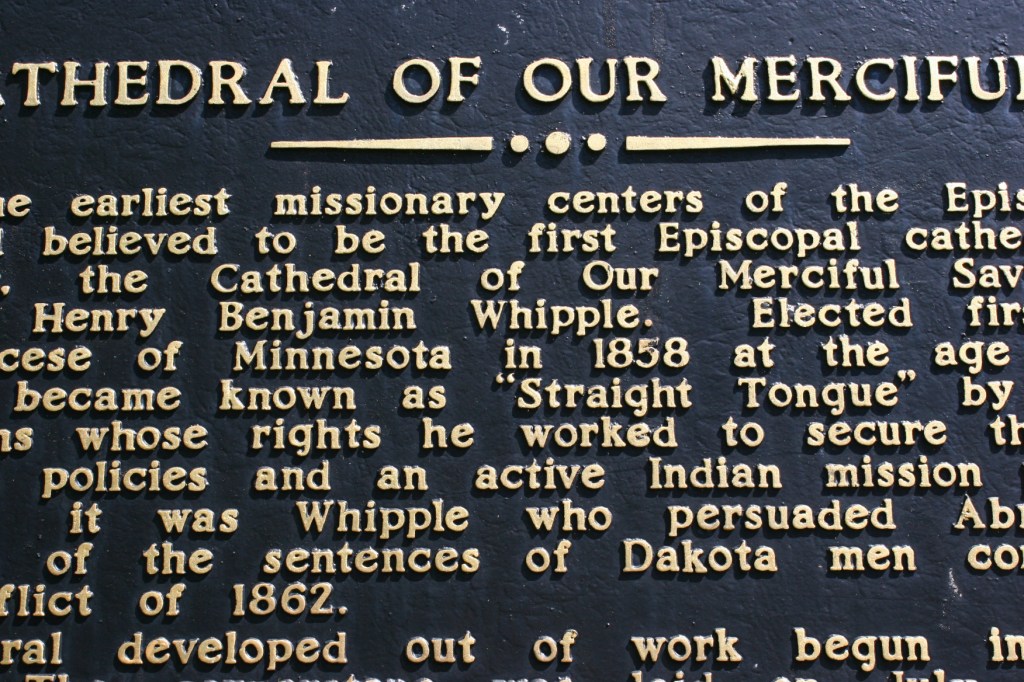
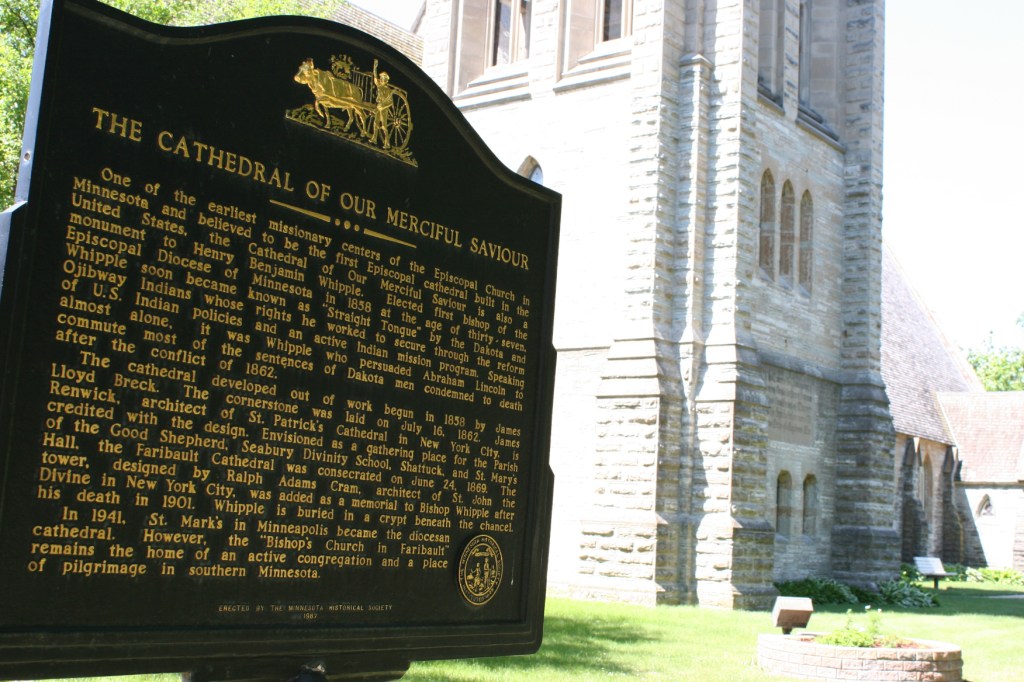
The historic marker posted on the Cathedral bell tower.


He is a prominent figure in the history of my community and the history of Minnesota. Explore Faribault, and you will find Whipple’s name on numerous plaques, including across the street from the park at the Cathedral of Our Merciful Saviour, the cathedral he helped build as Minnesota’s first Episcopal bishop. He’s buried in a crypt beneath the chancel there. The bell tower was dedicated in his honor by his second wife, Evangeline, as “a monument of love and Christian unity.”


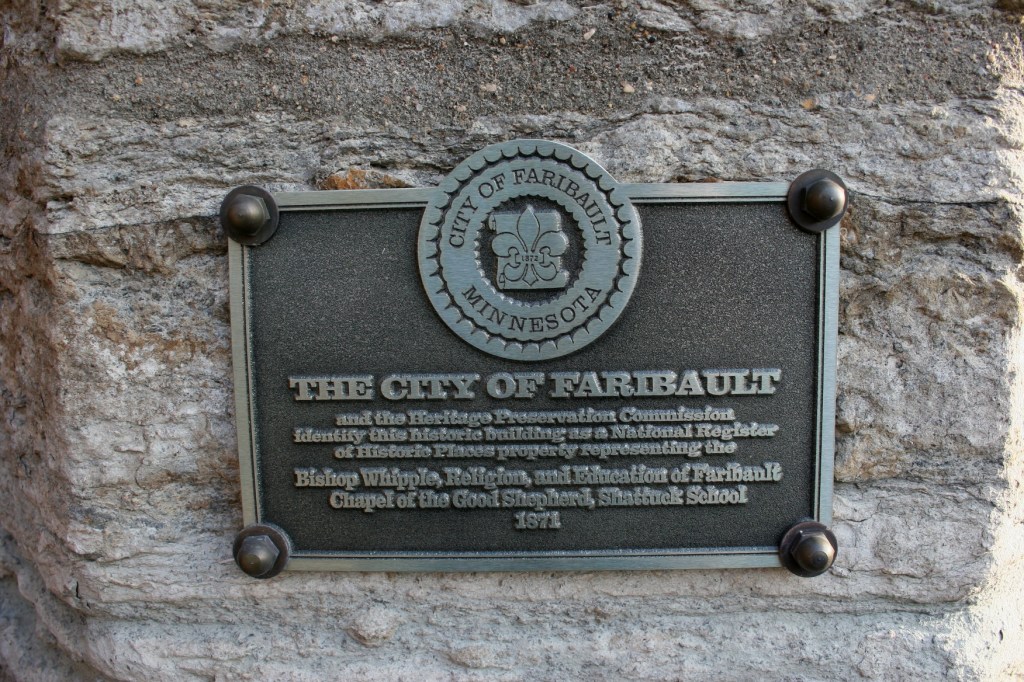
Posted outside the front door of the Chapel of the Good Shepherd. The church is on the National Register of Historic Places. Minnesota Prairie Roots file photo.


On the east side of town, Whipple’s name graces an historical marker at The Chapel of the Good Shepherd on the campus of Shattuck-St. Mary’s School. He helped found the school, separately first as Shattuck School for boys and St. Mary’s Hall for girls, along with St. James and Seabury Divinity schools, all in Faribault.


The soaring tower landmarks the Cathedral. Ralph Adams Cram, architect of St. John the Divine in New York City, designed the Cathedral tower. The tower was added as a memorial to Whipple after his death in 1901.


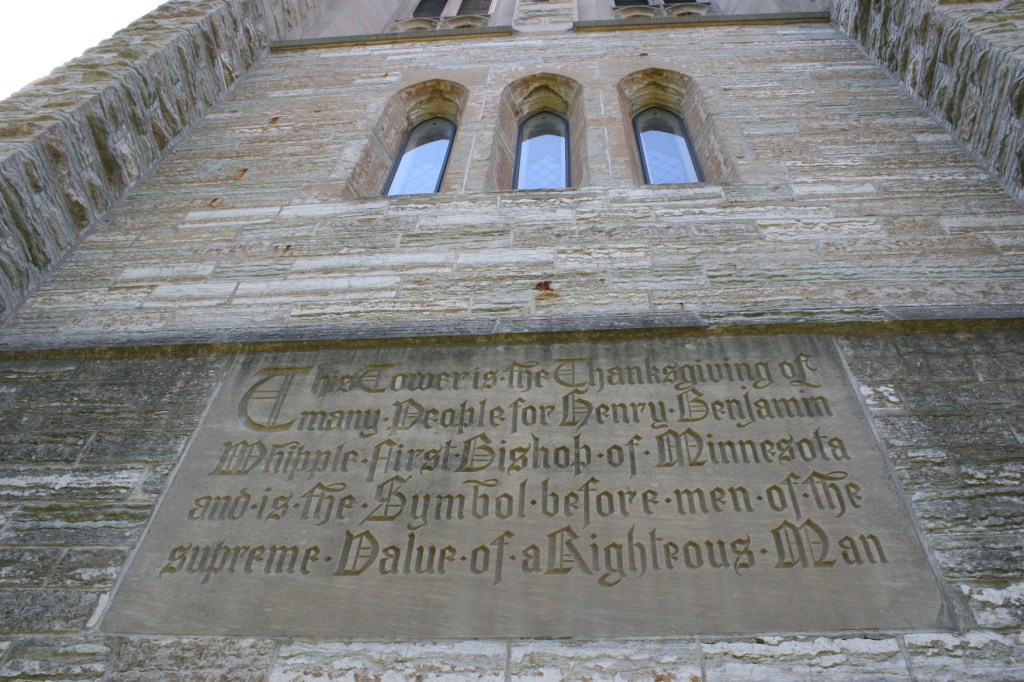
The inscription, in stone, on the bell tower.


An historic marker on the Cathedral grounds.


As admirable as Whipple’s role in founding educational institutions, it is another facet of this man—his humanitarian efforts—which are often cited in history. The inscription on the Cathedral bell tower states that Whipple’s “unfailing love and hope for humanity have made his life an inspiration far and near.”


This panel depicts the relationship between Native peoples and Bishop Whipple.


Bishop Whipple’s portrait, up close.


Details on a sign outside the Cathedral reference Whipple as “Straight Tongue.”


What, exactly, does that mean? To understand, one must consider the time period in which Whipple arrived in Minnesota, just years before the U.S.-Dakota War of 1862. He was a missionary and, as such, worked to educate and convert the Native peoples to Christianity and agrarian ways. (Not necessarily the adaptive approach one would take today toward other cultures, but the mindset then.) In his work, Whipple observed poverty among the Dakota and Ojibwe and mistreatment by the government and began to advocate for their rights. The Native peoples called the bishop “Straight Tongue.” That title speaks to their trust and respect for him.


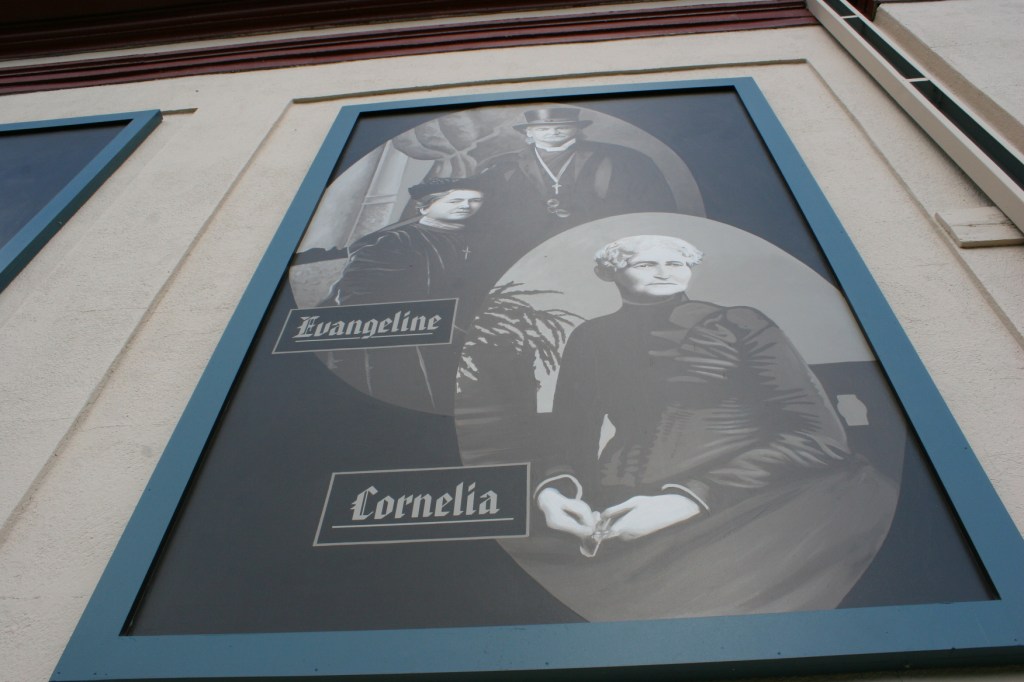
The mural, in full, including the right panel recognizing Whipple and his first wife, Cornelia, and his second wife, Evangeline.


Whipple was among the few leaders who publicly pressed for sparing the lives of 303 Dakota warriors sentenced to death following the war. President Abraham Lincoln spared or pardoned most, but 38 were still hung during a mass execution in Mankato.

Whipple’s strong public stances on behalf of Native peoples were not necessarily widely-embraced. Rice County Historical Society Executive Director Susan Garwood shared at a presentation I attended several years ago that several assassination attempts were made on the bishop’s life. Following the U.S.-Dakota War, about 80 Native people, under Whipple’s protection, moved to Faribault. Some helped build the Cathedral, a construction process which took from 1862-1869. Additionally, several Dakota and African Americans attended Seabury Divinity School, Garwood noted. That, too, caused concern.


The Whipples.


But through it all, from the information I’ve read, Whipple remained steadfast, unwavering in his compassion toward Native peoples, advocating for them, loving humanity.


FYI: The Mural Society of Faribault actively promotes Faribault history through public murals posted throughout the downtown area, this one the latest. Dave Correll of Brushwork Signs crafted, painted and installed the Whipple mural with help from his team.

For more information about Bishop Whipple, click here to reach MNOpedia.

Or read this post I wrote about a Rice County Historical Society event in 2018. The RCHS features a museum exhibit on Bishop Whipple.


© Copyright 2020 Audrey Kletscher Helbling
 

Portrait in a pandemic June 20, 2020

Filed under: Uncategorized — Audrey Kletscher Helbling @ 5:00 AM
Tags: , , , , , , , , ,


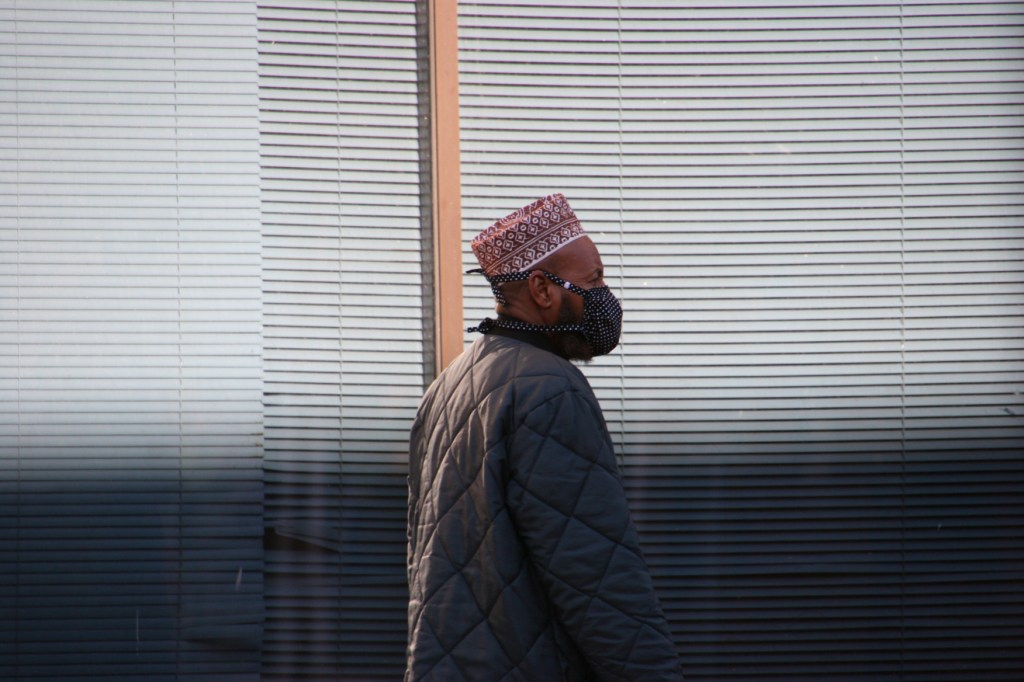
Minnesota Prairie Roots photo, May 15, 2020.


EVERY TIME I AM IN PUBLIC, I am reminded that we are living during a global pandemic. But even before I leave the house, I do a mental check list. Got my mask? Check. Hand sanitizer? Check. Hands washed? Check.

I admit, even after several months of this new way of living, pulling two elastic bands over my ears to hold a cloth face mask in place feels unnatural. Uncomfortable. Odd. But it’s necessary to protect others and to reduce my risk.

And then I need to remember to use hand sanitizer. Upon leaving a store. Before I re-enter my vehicle. Back home, no grocery bags set on counters. Hands washed. I’m learning.

A month ago, while attending the May Faribault Car Cruise Night, I took the above portrait of a man walking along Central Avenue in the heart of our downtown. I appreciate the story this image tells. It represents, to me, the portrait of a pandemic.

In my city of some 24,000, there have been 653 cases of COVID-19 as of Friday, June 19. That’s a fairly high number for our population, in my opinion. County-wide, we’ve had 743 positives, according to information on the Rice County Public Health Services web page. Our state prison accounts for 26 percent of those cases. We have the sixth highest incidence rate of the virus in Minnesota. Four county residents have died.

This virus knows no boundaries. Rural-ness offers no protection. We are all, by the fact that we are human, part of this pandemic. Part of the story. Part of history. Portraits in a pandemic.

© Copyright 2020 Audrey Kletscher Helbling
 

Oh, glorious April afternoon in southern Minnesota April 21, 2020

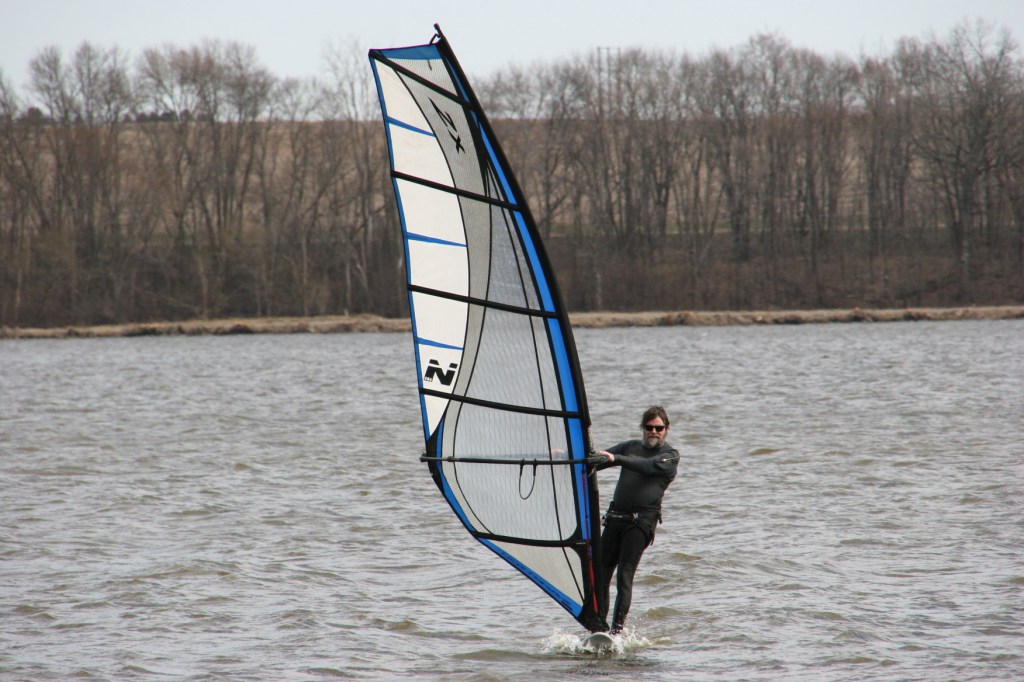
Windsurfing on Cannon Lake, rural Faribault, Minnesota, on Saturday afternoon, April 18. Minnesota Prairie Roots photo.
 

APRIL IS A FICKLE month in Minnesota. Sunshine and warmth one day and clouds and brisk temps the next.


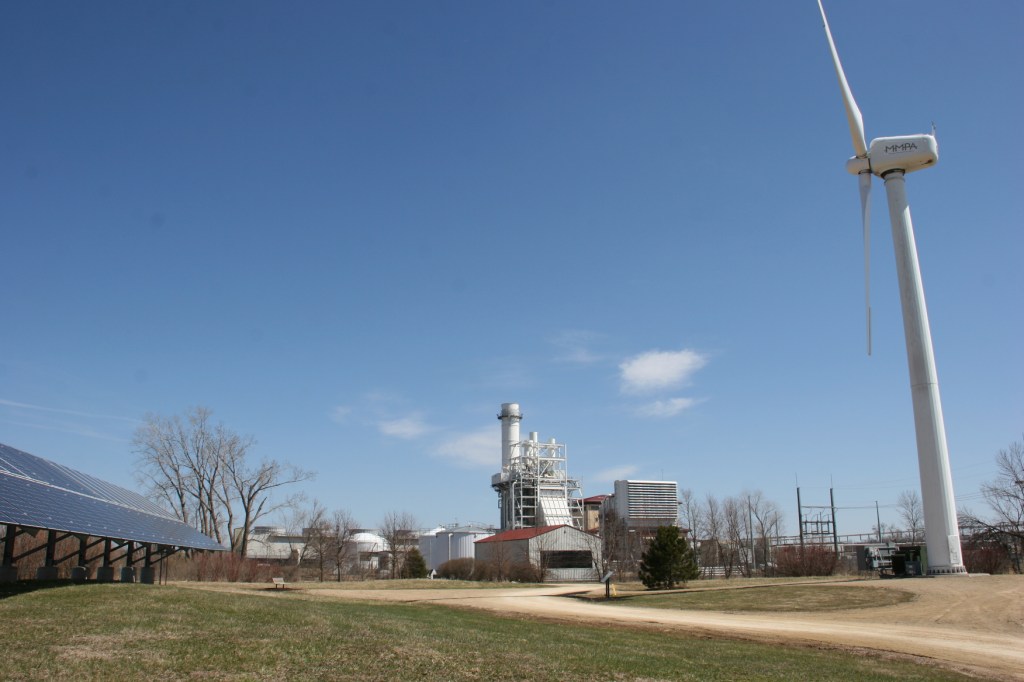
A wind turbine and solar panels are part of the Faribault Energy Park with the power plant in the distance. Minnesota Prairie Roots photo.


This past Saturday marked a glorious day here with the temp near 60 under sunny skies. I needed to get out of town, yet honor and respect the Governor’s Stay at Home order. So Randy and I set off, first, for the Faribault Energy Park, where we had the entire place to ourselves. I love that about this mostly undiscovered park. No need to concern ourselves about social distancing or, on this day, loose dogs.
 

Oh, the vibrant hues of red and blue on a sunny April afternoon in the Faribault Energy Park. Minnesota Prairie Roots photo.


While walking the dirt paths that wind around wetland ponds, we heard birds above the steady drone of traffic from adjacent Interstate 35. It looked to be a typical busy weekend of travel for folks on the interstate.
 

Greenery is beginning to erupt in the landscape. Minnesota Prairie Roots photo.
 

Everywhere, people were out and about. When you’ve been cooped up inside during the winter and under the Stay at Home order, which I fully support, there’s a real psychological need to get outdoors on a day as beautiful as Saturday.
 

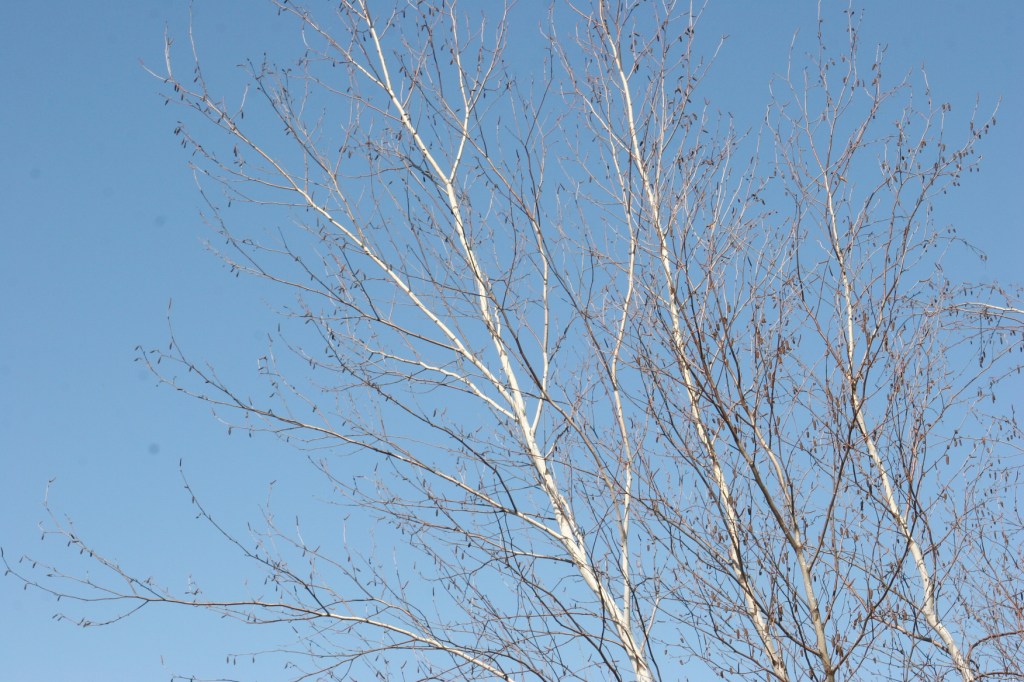
I couldn’t get enough of the trees set against that amazing blue sky. Minnesota Prairie Roots photo.
 

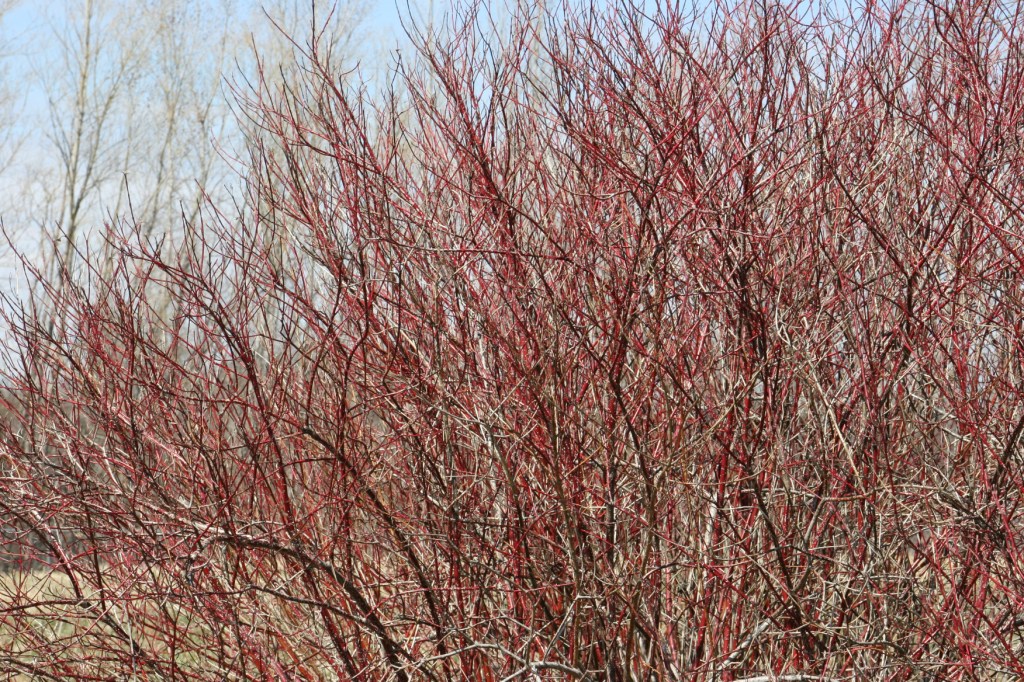
Love the hue and texture of dogwood. Minnesota Prairie Roots photo.


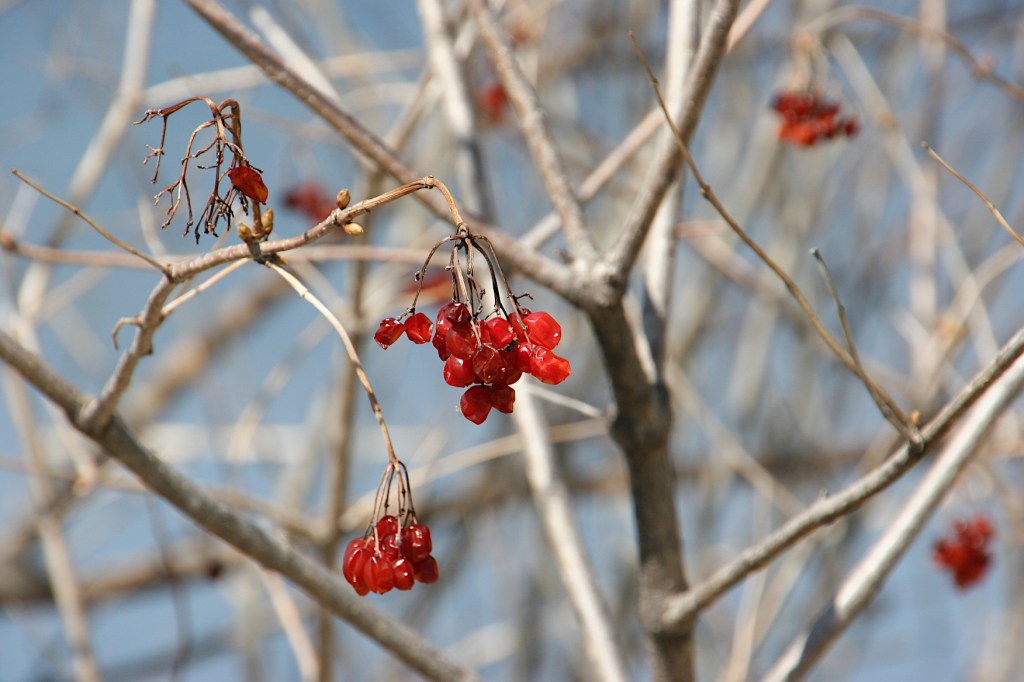
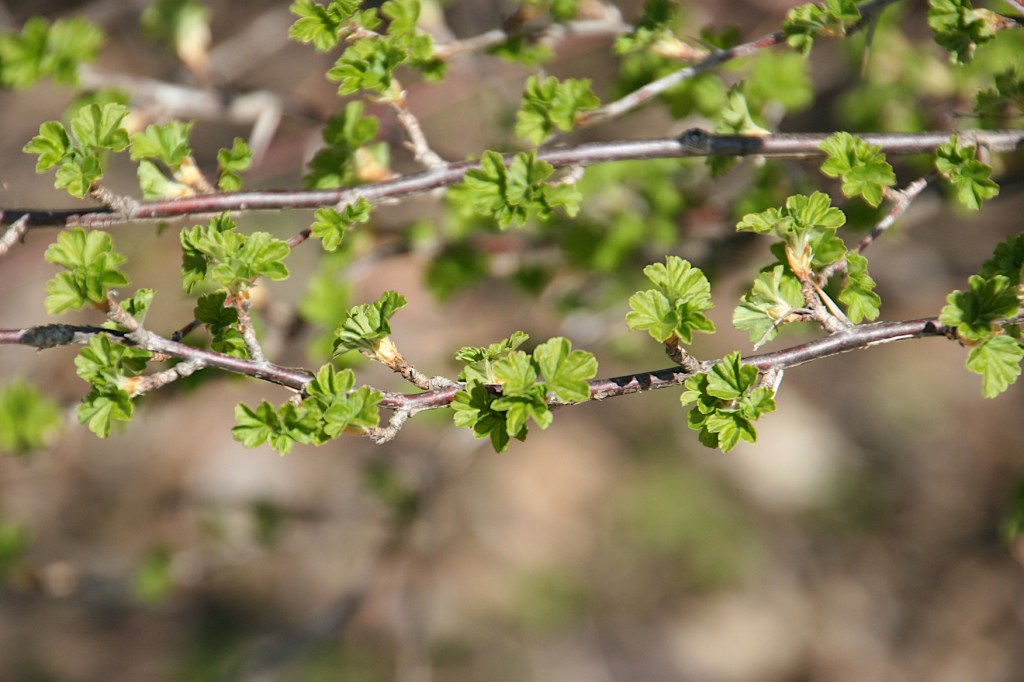
I took my time, noticing and appreciating the signs of spring in the landscape. Brilliant red berries against blue, not grey, skies. Green burst of buds. Twigs of mahogany dogwood flagging paths. Creek running. Path muddied by puddles floating oak leaves of autumn. The reflection of the sky in ponds of blue. It was lovely. All of it.


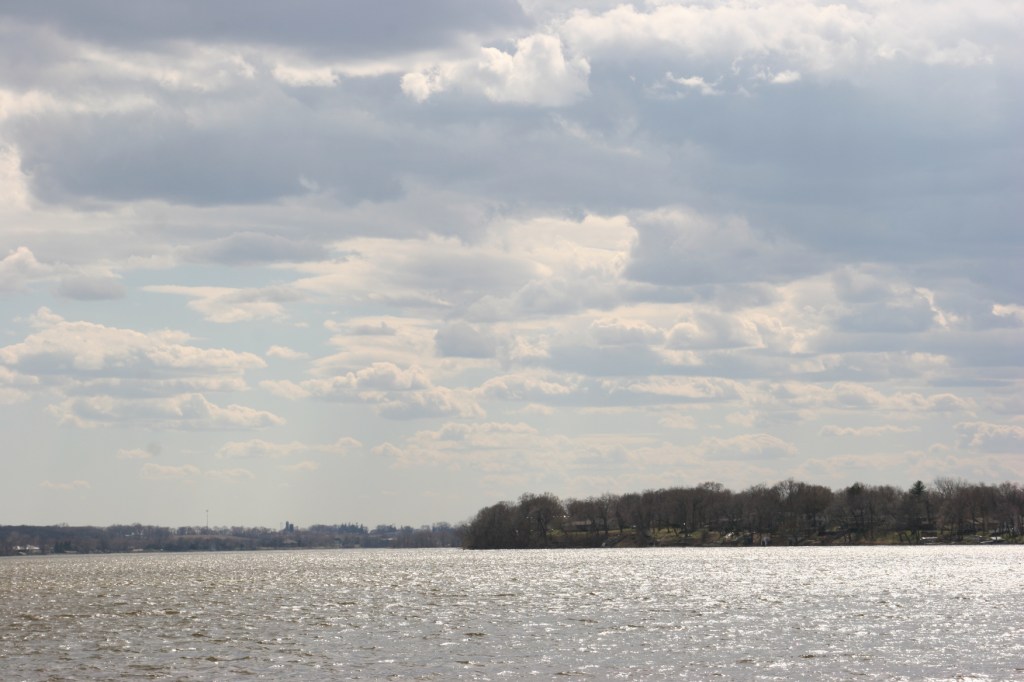
Cannon Lake west of Faribault. Minnesota Prairie Roots photo.


After walking in the park, we headed out to the Faribault lakes area west of town for a drive in the country. Pleasure driving, near home, is allowed under the state executive order.


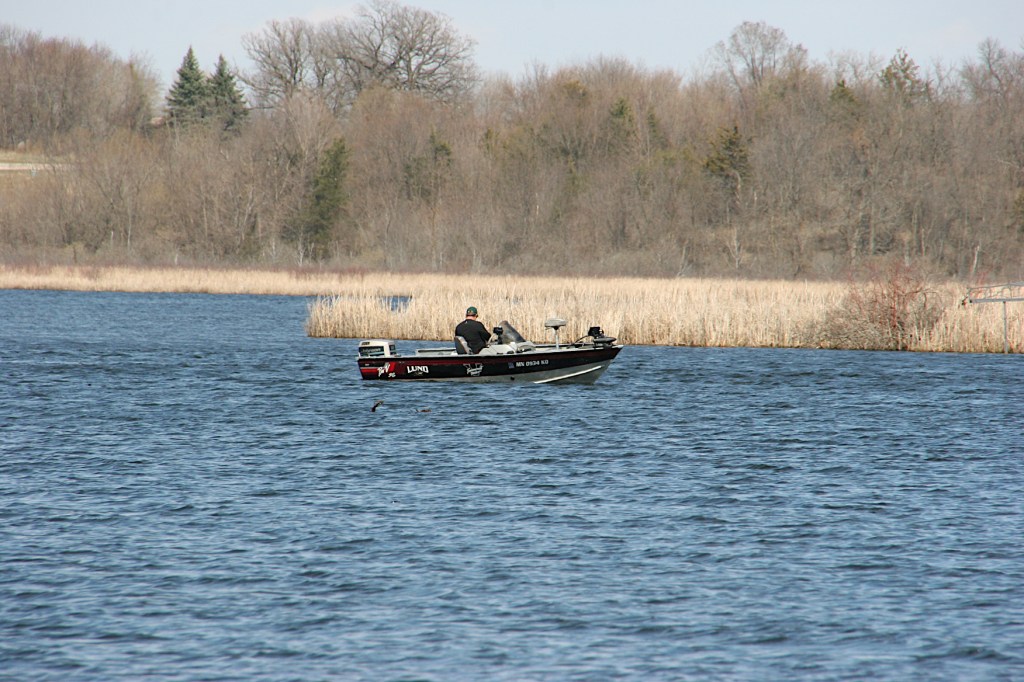
Fishing in one of the many area lakes. Minnesota Prairie Roots photo.


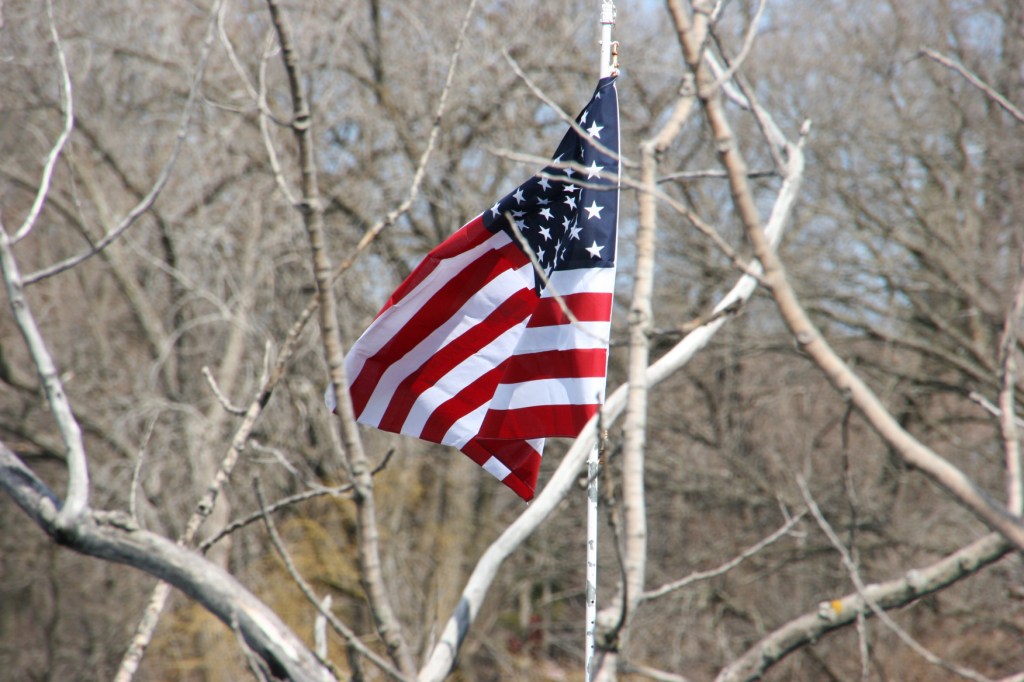
An American flag flies from a dock. Minnesota Prairie Roots photo.


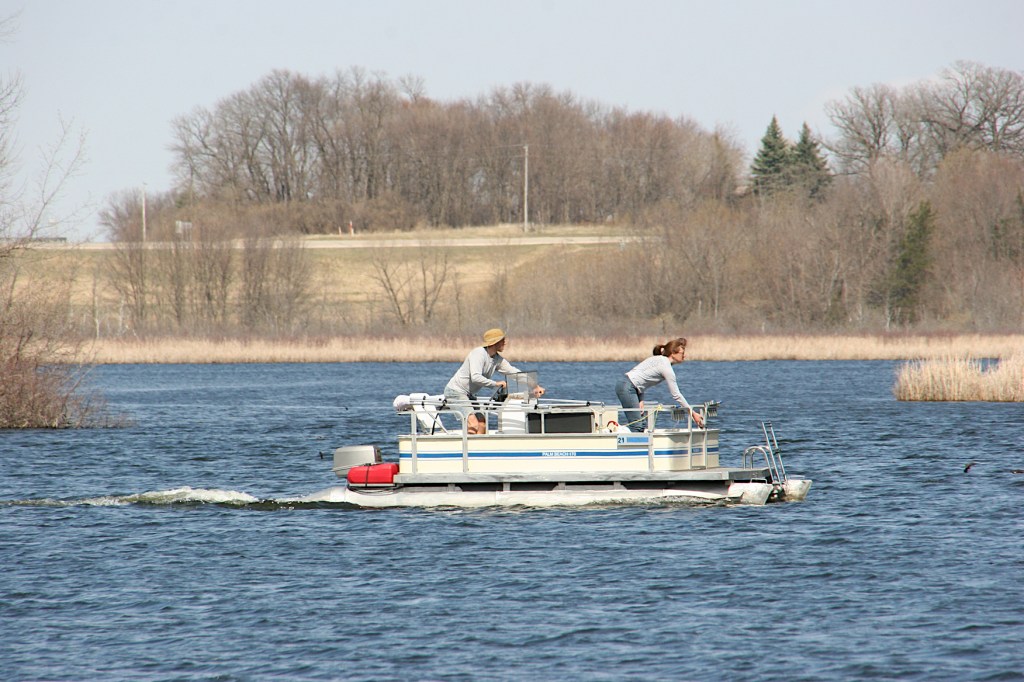
A beautiful afternoon to be out on the pontoon. Minnesota Prairie Roots photo.


During our lakes tour, we observed people fishing, pleasure boating, wind surfing and riding motorcycles. At a public boat landing, we met a grandpa out for a motorcycle ride with his granddaughter. Their “wind therapy,” he called it. He sees his granddaughter daily so there was no need to social distance from her.


The cloud deck was building as we drove into the countryside late Saturday afternoon. Minnesota Prairie Roots photo.


I even got my barn fix as we turned onto a gravel road. Minnesota Prairie Roots photo.


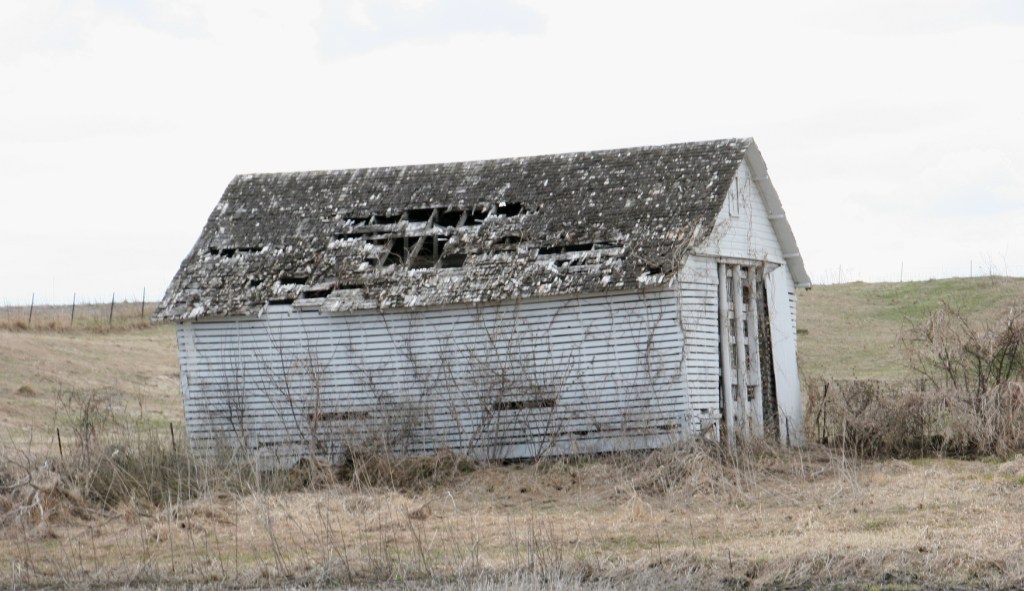
A decaying corn crib. Minnesota Prairie Roots photo.


I felt a sense of peace as we drove along back county and gravel roads in the countryside. Past barns and past fields awaiting planting. Through rural land that, for a brief moment of time on a lovely April afternoon, provided a respite from reality.

TELL ME: How are you getting away without really getting away?

© Copyright 2020 Audrey Kletscher Helbling