Minnesota Prairie Roots

Writing and photography by Audrey Kletscher Helbling

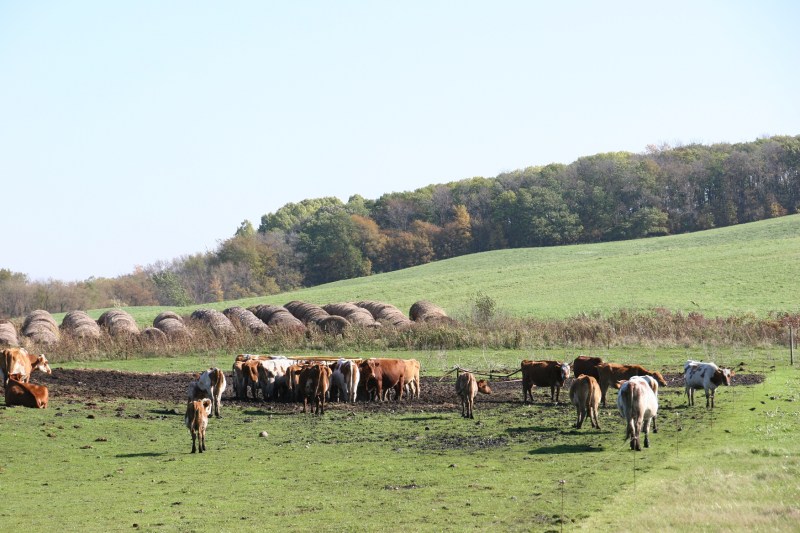
The season of harvest in southwestern Minnesota October 2, 2018

Filed under: Uncategorized — Audrey Kletscher Helbling @ 5:00 AM
Tags: , , , , , , ,


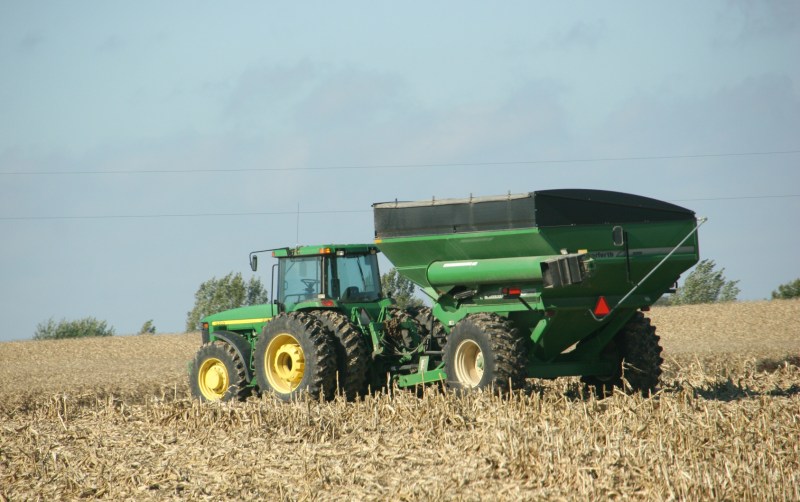
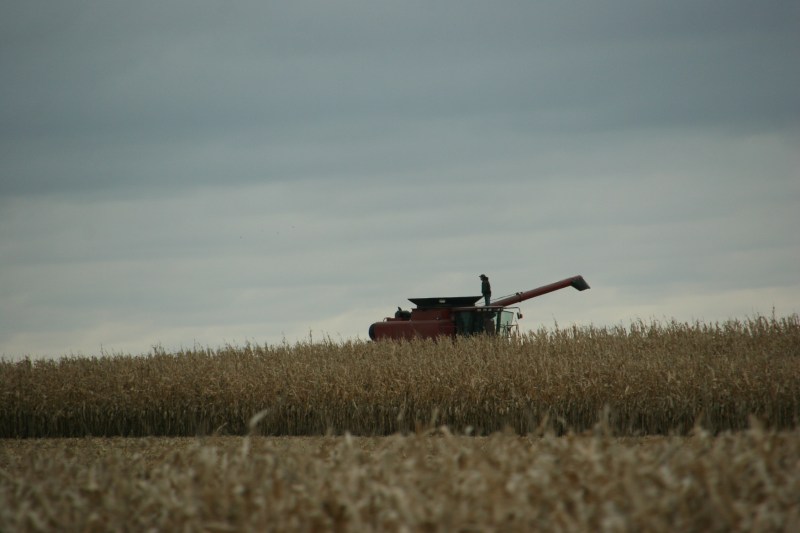
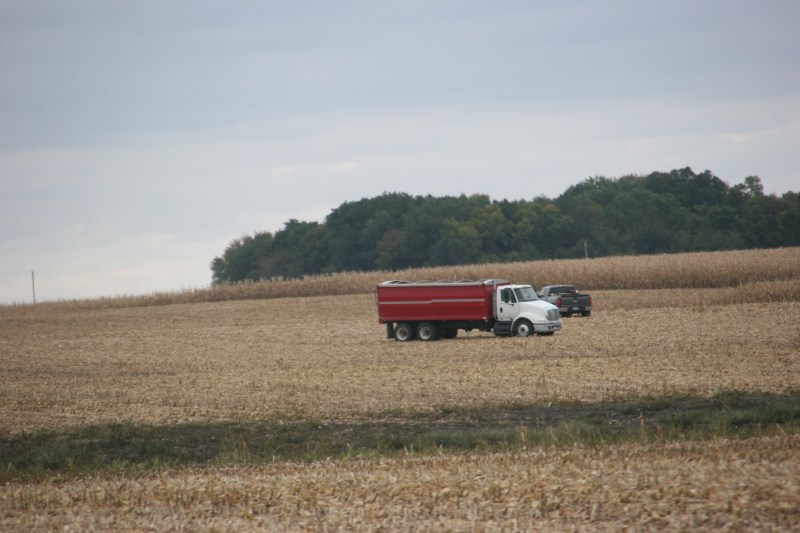
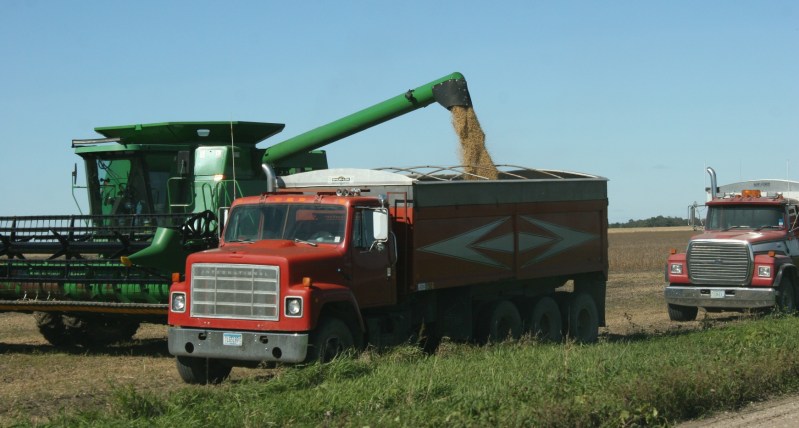
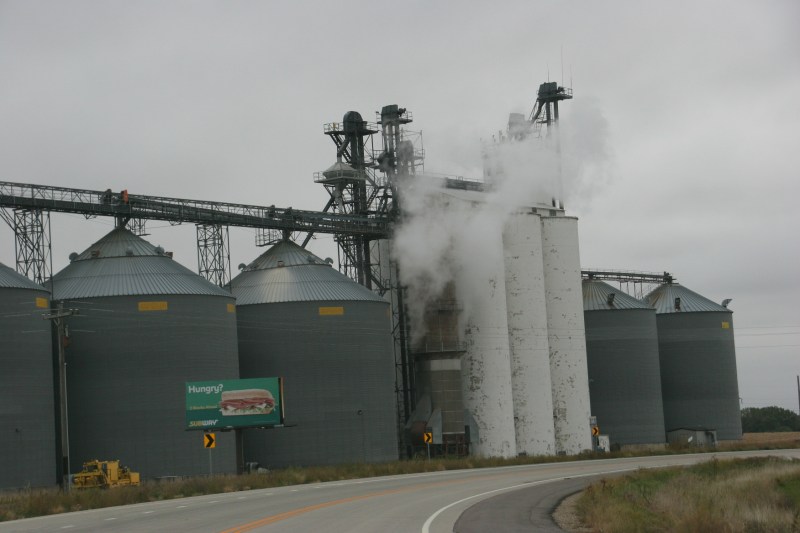
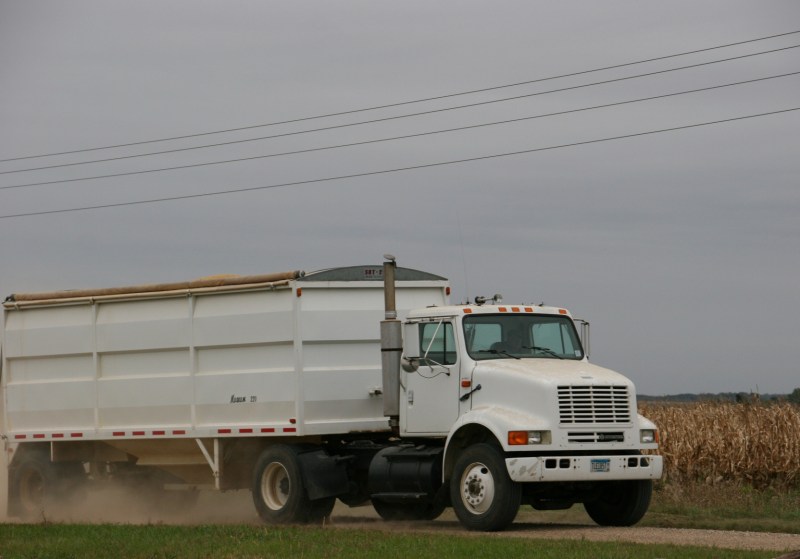
THE FARMER IN THE HOODED sweatshirt and jeans motions from atop the combine to the trucker across the field. He’s ready to unload just picked corn into the grain truck late on a Sunday morning near Sleepy Eye.


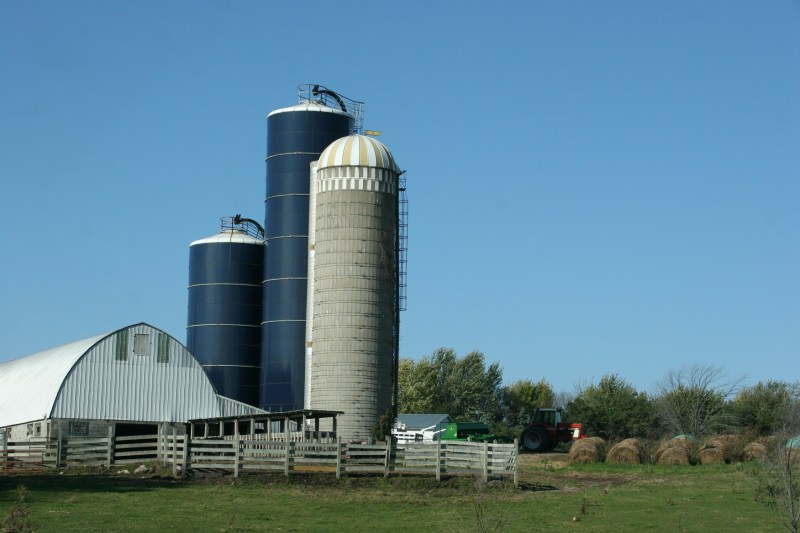
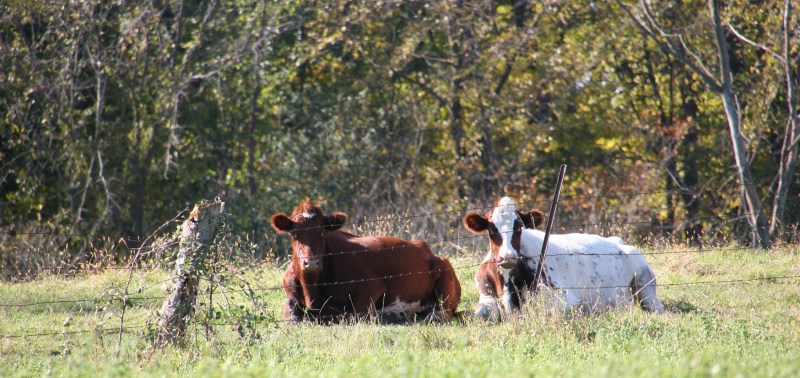
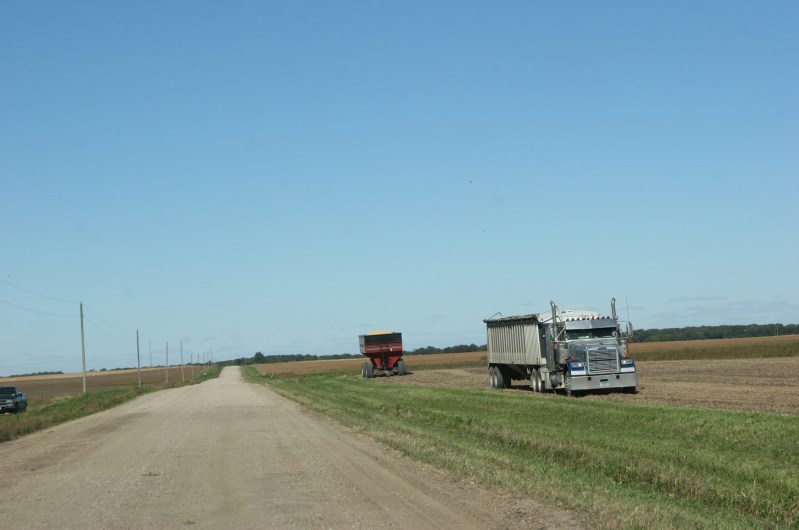
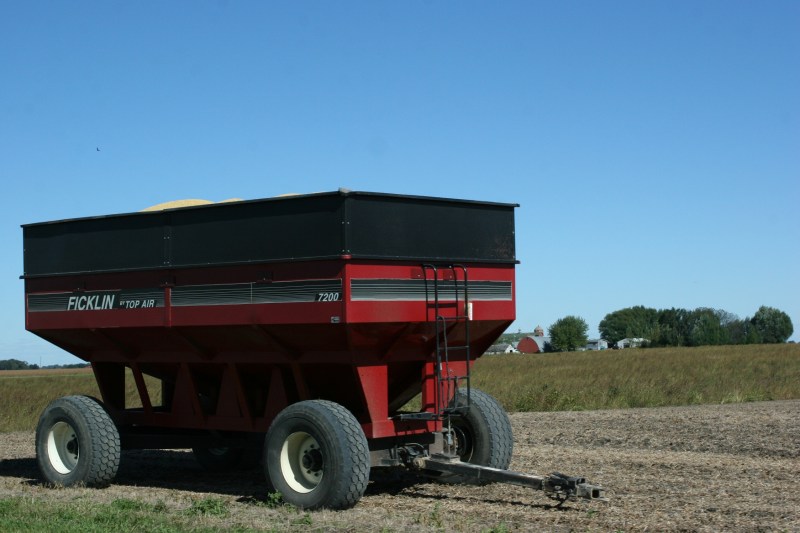
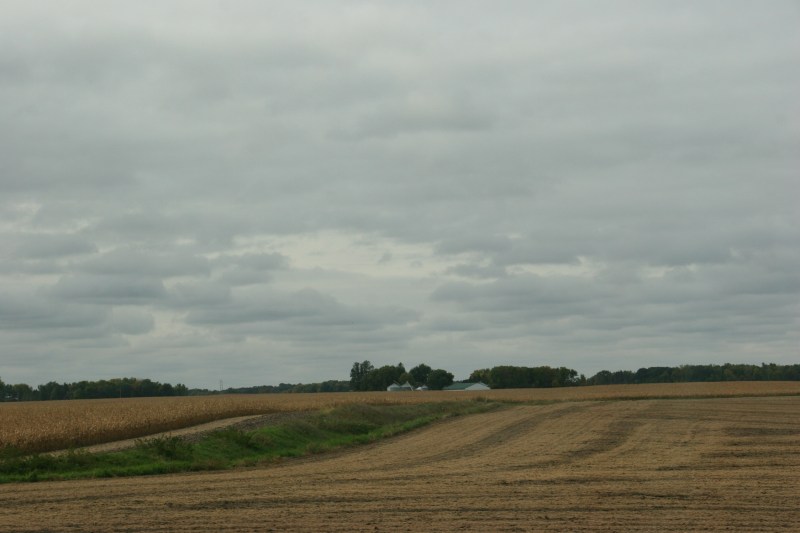
Scenes like this repeat throughout southern Minnesota as the fall harvest is underway. I embrace this season as much for the memories as for the sights, sounds and smells.


The farm-raised girl in me emerges, vicariously experiencing the harvest through a camera lens.


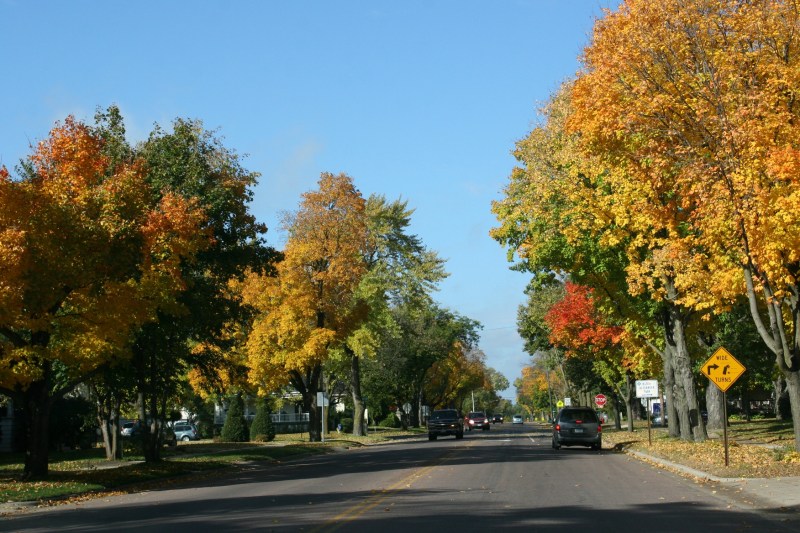
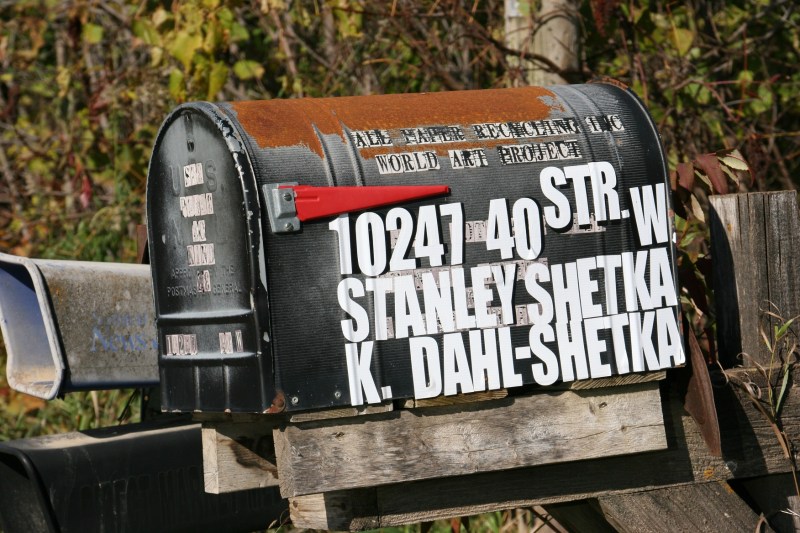
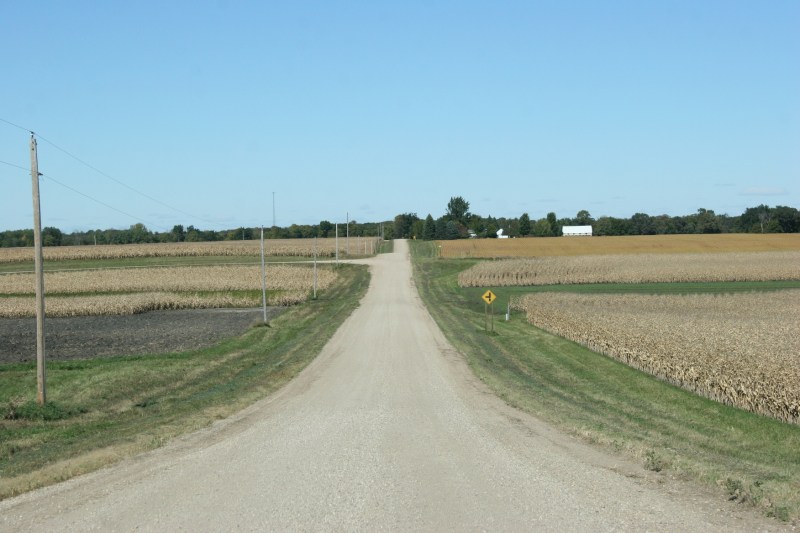
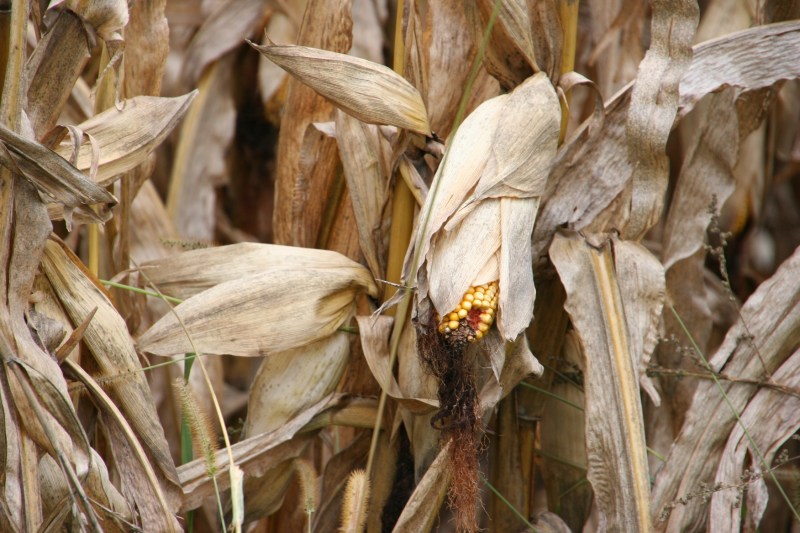
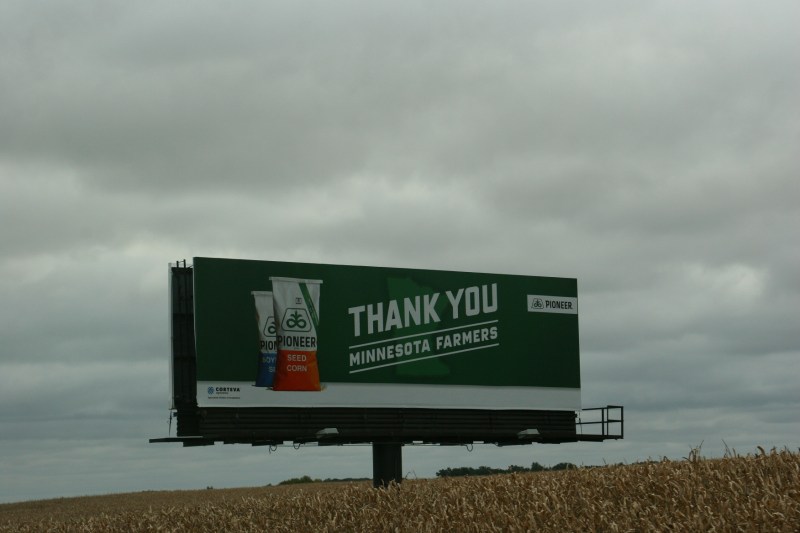
I feel this intense desire to return to the land every autumn. And last weekend an annual horseradish making party with extended family took me back to my home county of Redwood. Along the route there and back, I documented the harvest. It is the closest I come now to being part of the process of bringing in the corn and soybeans.


I miss the closeness to the earth that comes with growing up on a farm. Sure things have changed a lot in the nearly 45 years since I left rural Redwood County. But the imprint of harvest remains, still strong. You can take the girl from the land. But you can’t take the land from the girl.

© Copyright 2018 Audrey Kletscher Helbling


Celebrating heritage & history at the Valley Grove churches September 18, 2018

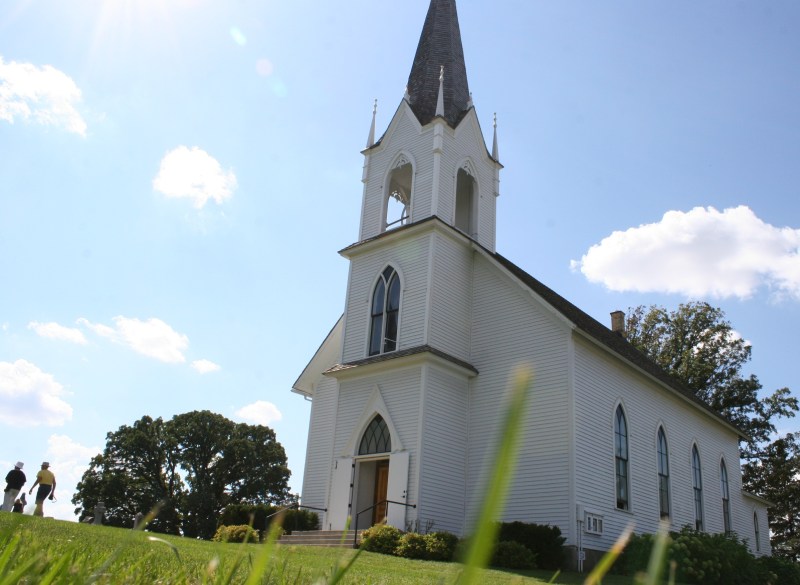
I propped my camera on the grass and tilted it up to snap this photo of the 1894 Valley Grove church, rural Nerstrand, Minnesota.


MID-SEPTEMBER AIR HUNG HEAVY with humidity, more summer-like than autumn on this Sunday afternoon at two country churches in southeastern Minnesota.
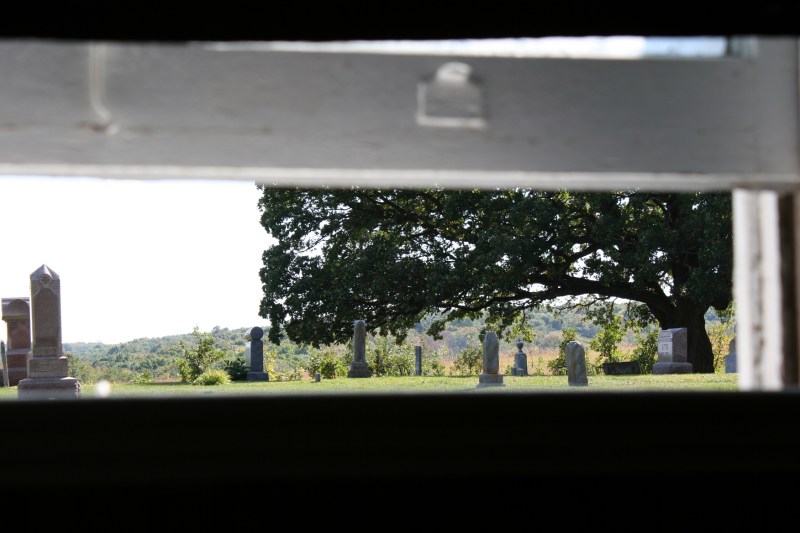
 

A view of a section of the Valley Grove cemetery through a partially open window in the wood-frame church.


But, inside the sanctuary, Randy and I sat near a window cracked open to the cemetery, wind fanning a breeze, and at one time a wasp.
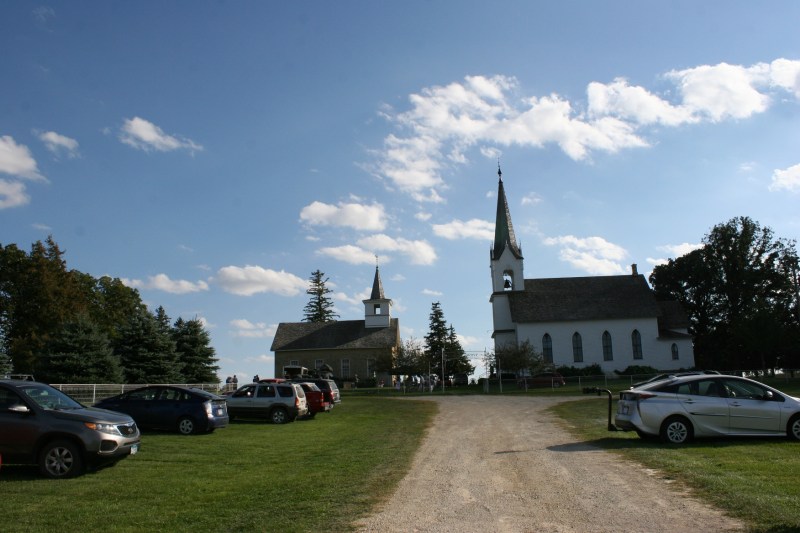
 

Duo churches grace the hilltop, the clapboard church replacing the original stone church for worship.
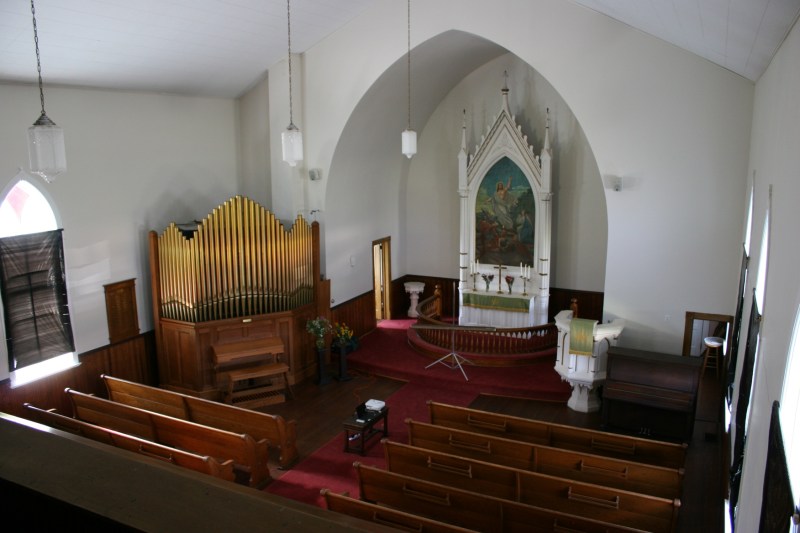
 

Inside the 1894 church with Doug Ohman’s equipment set up for his talk about country churches.
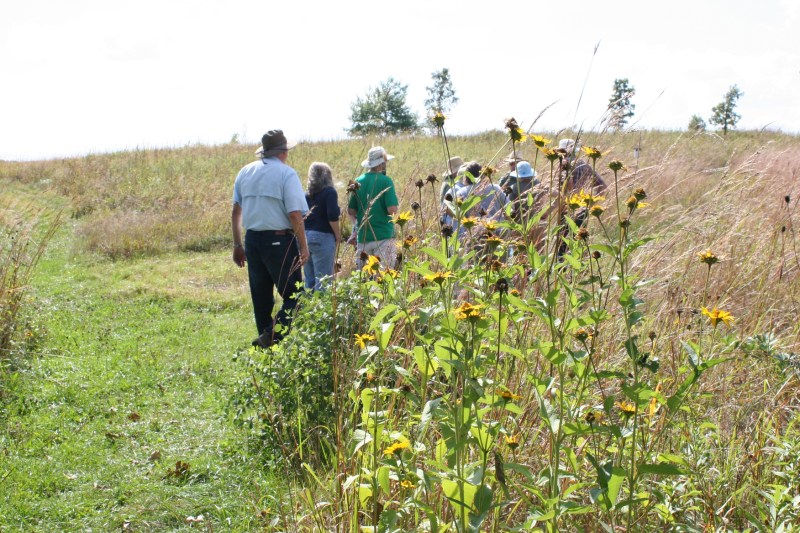
 

Visitors take a guided walk of the restored prairie.


I shifted, trying to find comfort on the hard wooden pew inside the 1894 church at Valley Grove, one of two built on a hilltop offering sweeping views of the countryside, Nerstrand Big Woods State Park next door and the small town of Nerstrand just miles to the southeast. Both church buildings remain, preserved, sanctuary doors opening to one another across a short swatch of lawn.
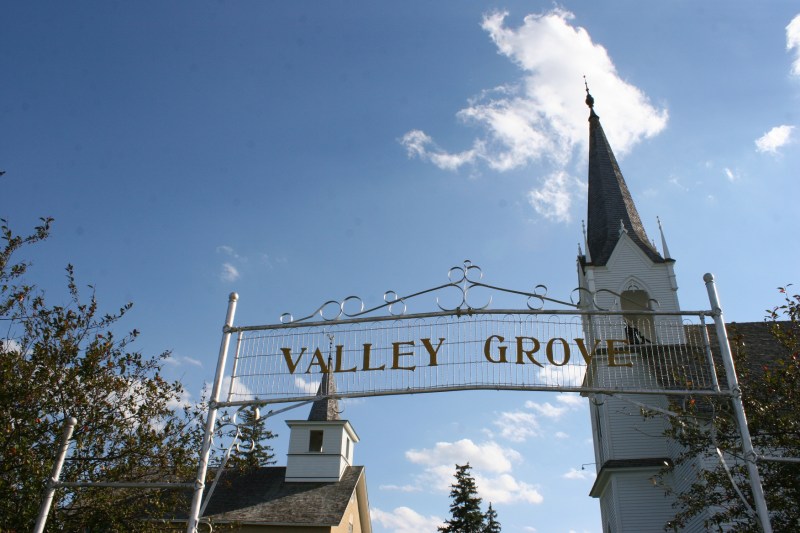
 

The arched entry gate to the church and cemetery grounds.
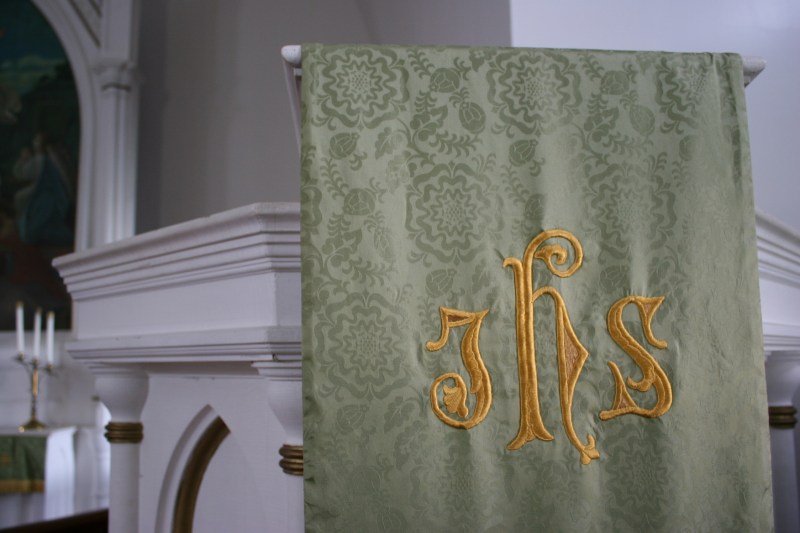
 

Imagine how many preachers preached from this pulpit. Ohman ended his talk with a short “sermon” advising us to view people and situations from the inside rather than the outside. He used a visual–that of a stained glass window appearing unimpressive from the outside but beautiful when seen from the inside.
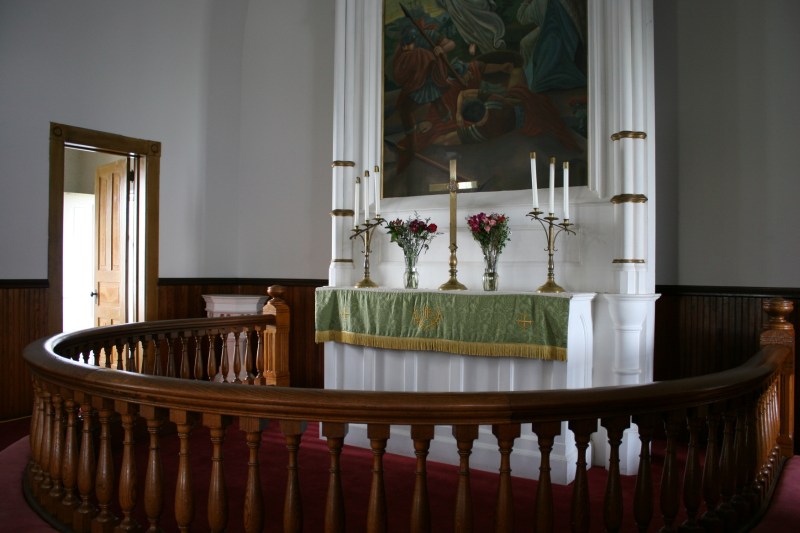
 

Altar details hold history.


We joined others here for the Valley Grove Country Social, an annual autumn event that celebrates this place. On this day, noted Minnesota photographer Doug Ohman blessed us with his storytelling and photo presentation on selected historic churches of Minnesota. “Valley Grove,” he said, “is one of my favorite spots in all of Minnesota. You can feel the history.”
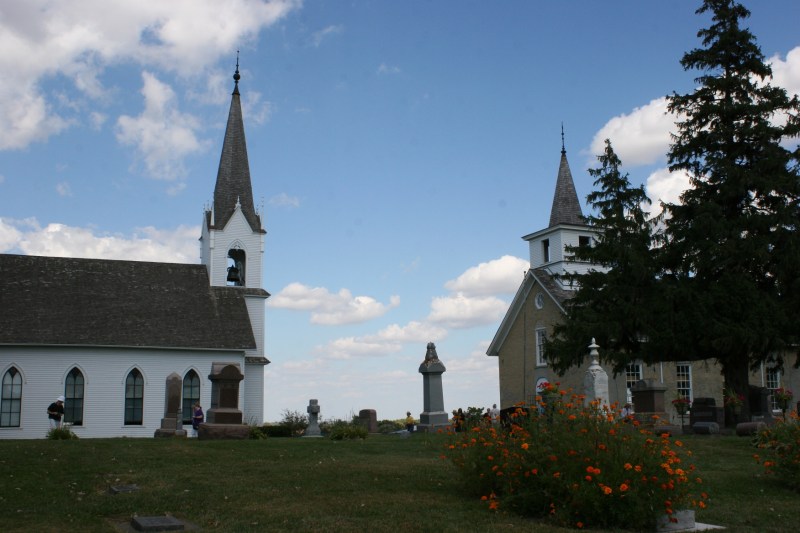
 

The Valley Grove churches and cemetery.


And that’s saying something. Ohman has photographed 3,000 plus Minnesota churches, many featured in his book Churches of Minnesota published by the Minnesota Historical Society Press as part of the Minnesota Byway series that also covers barns, courthouses, schoolhouses, cabins and libraries.
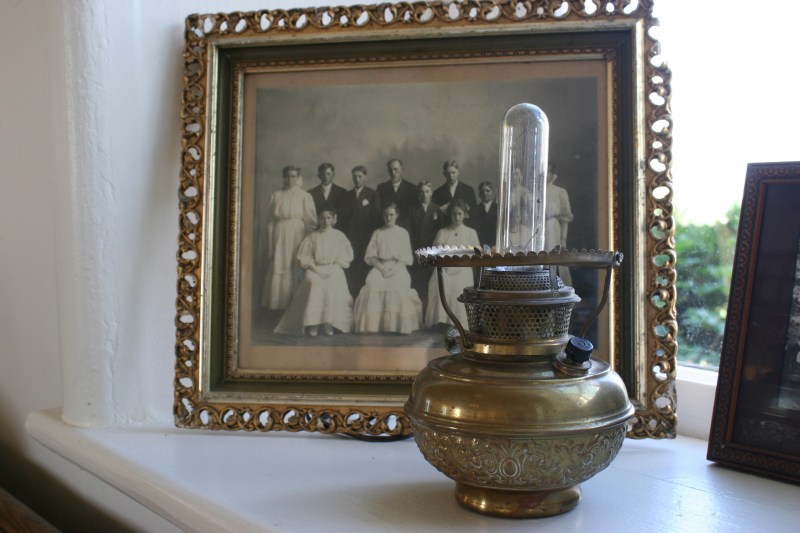
 

Vintage photos and artifacts were propped on windows in the stone church.


As Ohman talked of the early immigrants, like the Norwegians who founded Valley Grove, he noted “…communities were being knit together in the shadow of the church.”
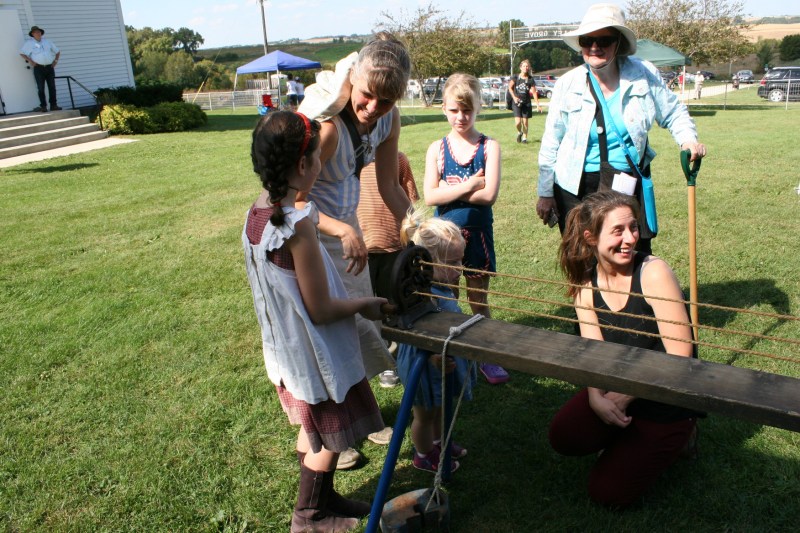
 

Visitors observed and participated in the craft of rope making.
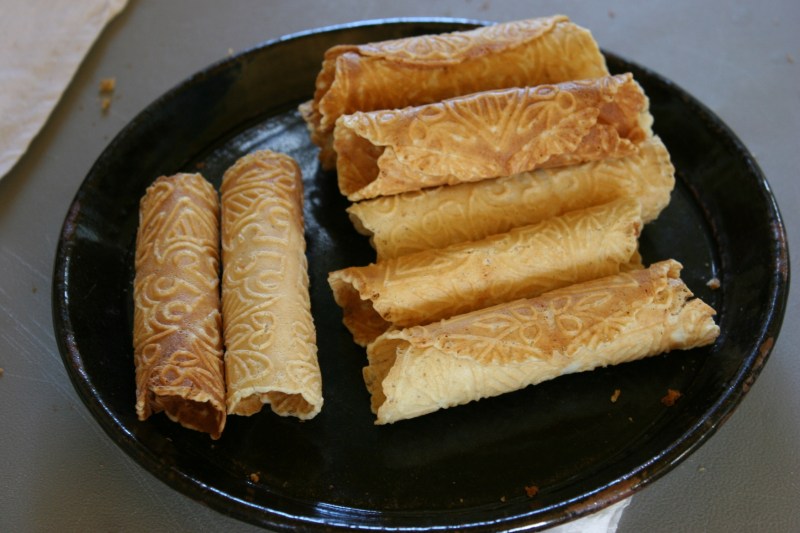
 

A woman demonstrated the art of making krumkake, a Norwegian cookie, available for sampling.
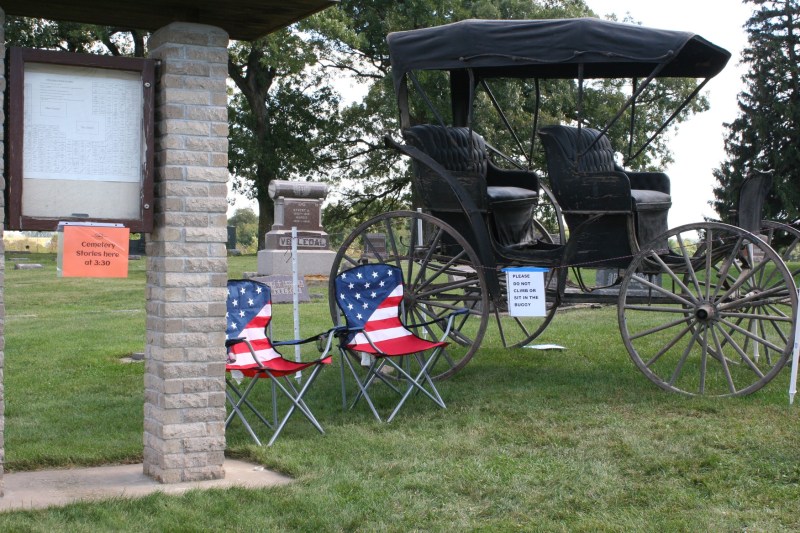
 

Old buggies on the grounds added to the sense of history.


A strong sense of history certainly exists at Valley Grove. Although I have no personal connection to these historic churches, I appreciate them. Like Ohman. “The church,” he said, “is a symbol of our heritage.” I agree.
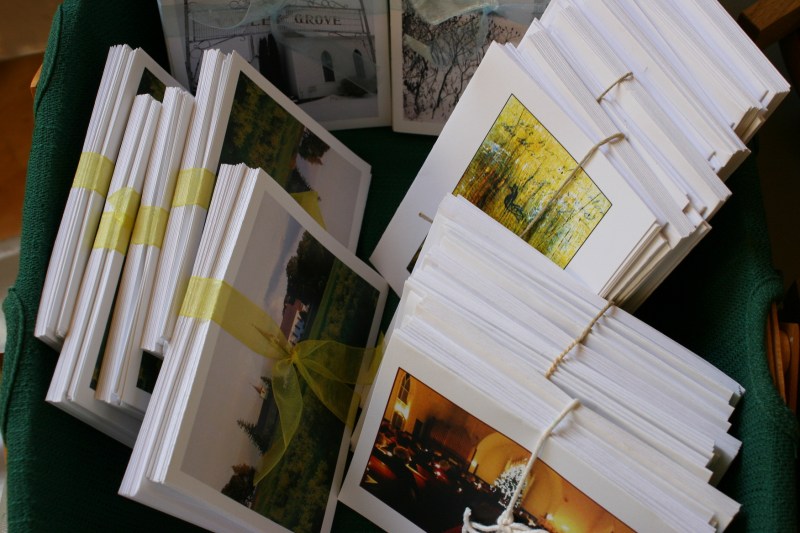
 

Valley Grove is an oft-photographed site with photos and artwork of the churches gracing notecards for sale at the country social.


This photographer not only documents with his camera, but he gathers stories, too. Ohman is a master storyteller. He regaled us with humorous and poignant stories—of retrieving a church key from an outhouse, of stringing 600 feet of extension cords from a farm to Lenora United Methodist Church so he would have electrical power to present, of a $70,000 check gifted to a central Minnesota bible camp to relocate Marble Lutheran Church 100 miles…
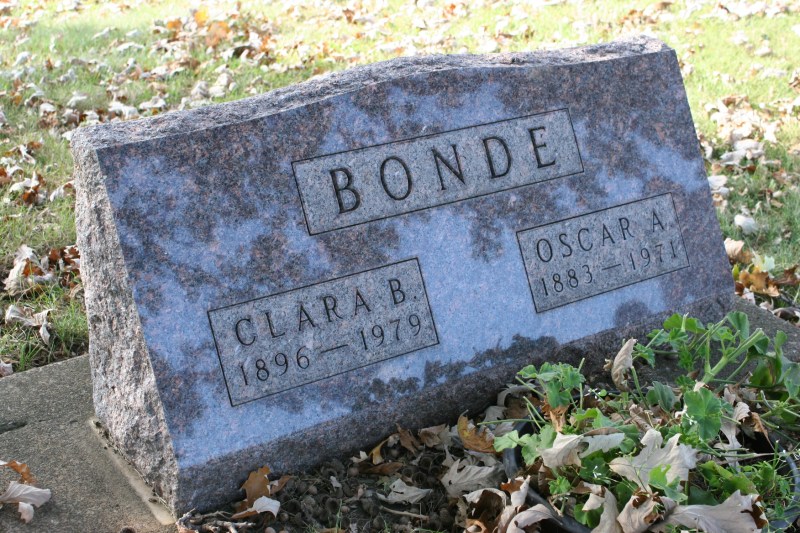


He personalized, as did Jon Rondestvedt, another storyteller who shared cemetery stories following Ohman’s talk. Rondestvedt spoke of Oscar and Clara Bonde, a couple buried in the cemetery adjacent to the two churches. Clara, he noted, was a teacher within the Normal School system before her marriage to Oscar. She loved raspberries, hated moles. She was known for her green thumb skill of growing African violets. And Oscar, well, he was known as a cookie thief, a tag that caused us to burst into laughter.
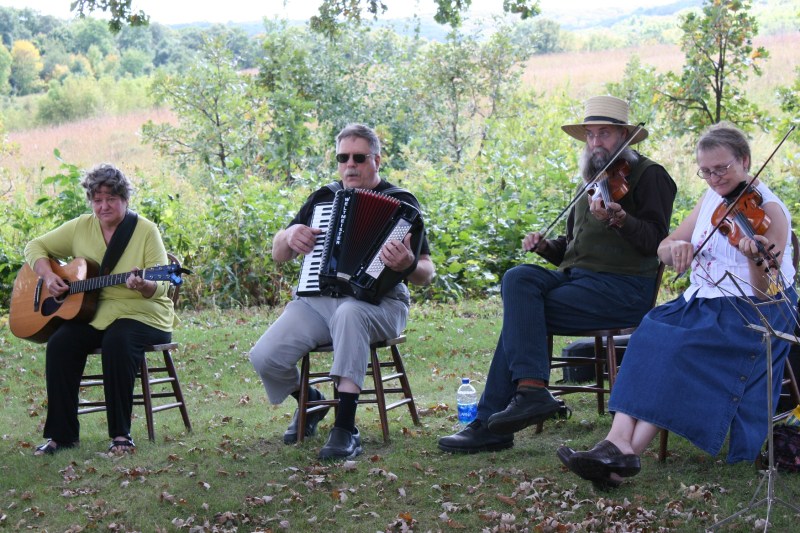
 

A snippet of the musical group Hutenanny, which performed under a sprawling oak.


Such stories reinforce Rondestvedt’s opening statement that tombstones are “testimonies to people who lived, breathed and mattered.” I like that word choice, mattered. “It’s up to us to remember them,” this storyteller said.
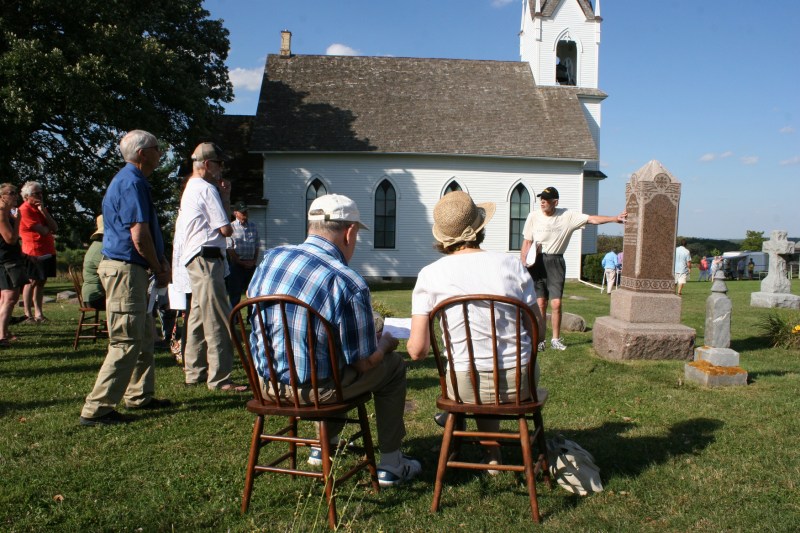
 

Jon Rondestvedt talks about the Hellerud family at their gravesites.


Later he moved from the shade of a sprawling burr oak to the sun-drenched plots of the Hellerud family. There he explained how husbands sometimes chose to honor their wives via only the woman’s name engraved on a large tombstone, the man’s grave marker nearby, a simple flat stone laid flush to the ground. “She was seen as a treasure by her husband,” Rondestvedt said. This was a new piece of information I will take with me now in my stops at country cemeteries.
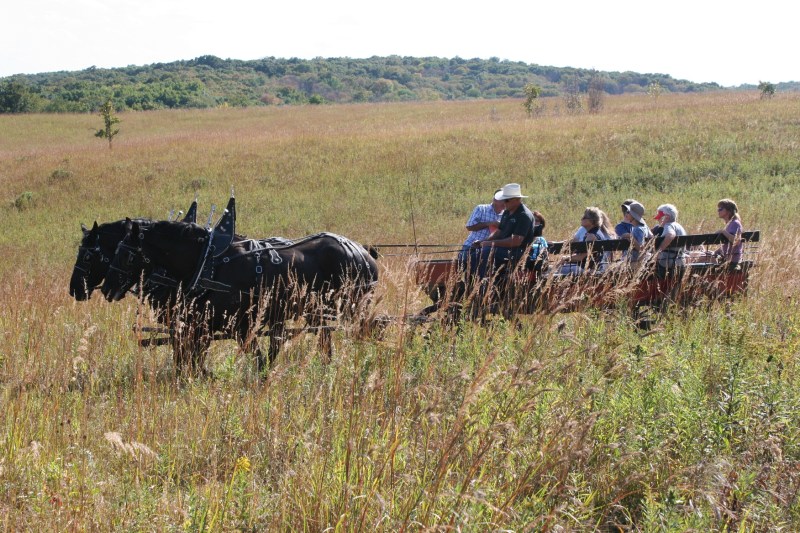
 

As I watched draft horses pull a wagon through the prairie, I imagined immigrant families traversing the prairie also.


I left Valley Grove, too, with a desire to read Giants of the Earth, a classic by O.E. Rolvaag about Norwegian immigrants settling in America. Rondestvedt read selected passages at the burial sites of the Helleruds, the wind ruffling pages of the aged novel.
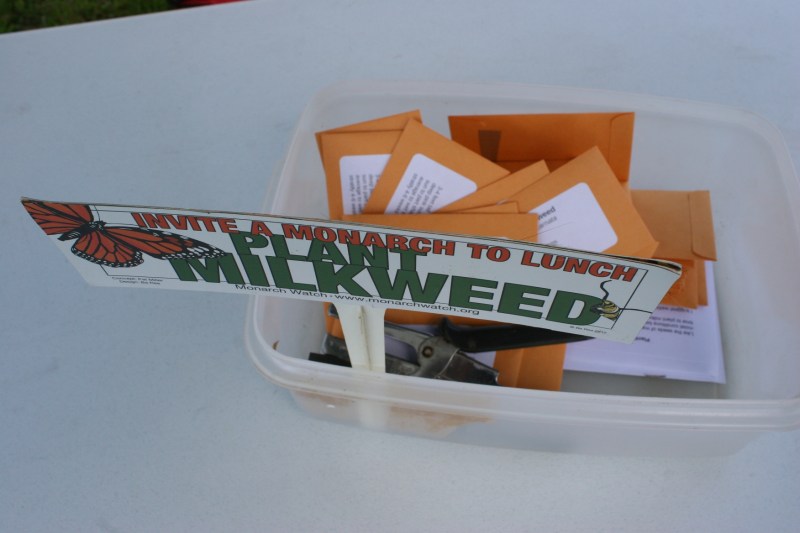
 

Packets of milkweed seed ready for the taking.


Shortly thereafter we gathered around the grave marker of Hannah Stenbakken Hellerud, a school teacher so beloved by a young boy that he said she was the first person he wanted to see in heaven. A monarch butterfly dipped and rose, circling our group. The butterfly seemed a symbolic ending to the afternoon, coming full circle to my first stop upon arriving at the Valley Grove Country Social. I’d stopped initially to check out a booth about monarchs. I left with a packet of swamp milkweed seeds which I will seed near the common milkweed already growing in my yard.
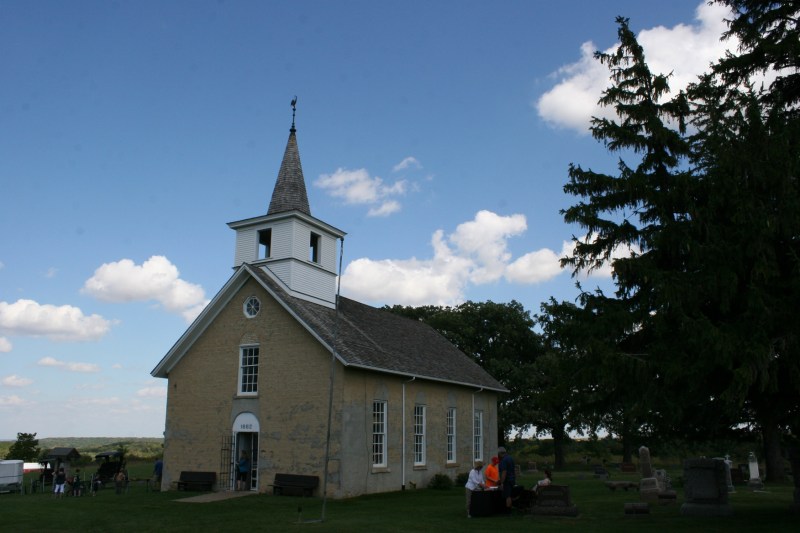
 

Efforts have been onging since 2007 to restore the 1862 limestone church.

 

Inside the plain stone church, a rebuilt chandelier adds elegance.
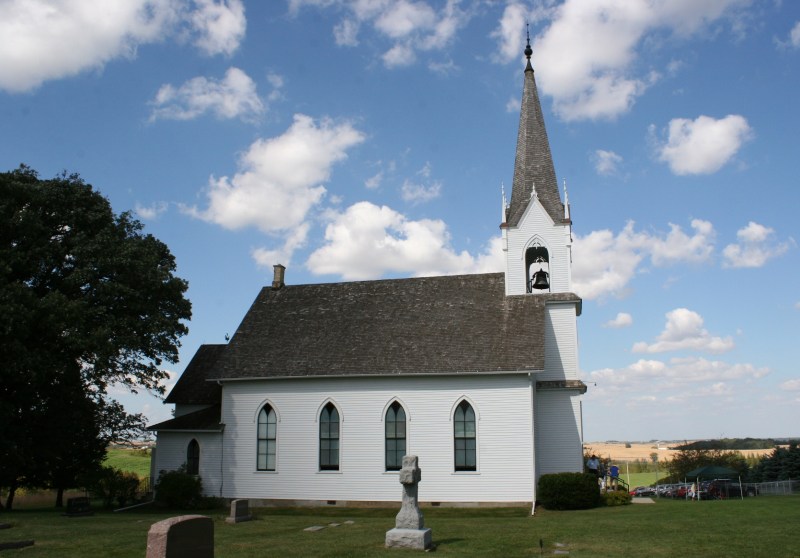
 

The Valley Grove Preservation Society has worked hard to restore both churches. Valley Grove is on the National Register of Historic Sites.


It is up to us to preserve—a population of threatened butterflies, country churches atop a hill, stories from churches and cemeteries…all that which holds our history, our heritage.
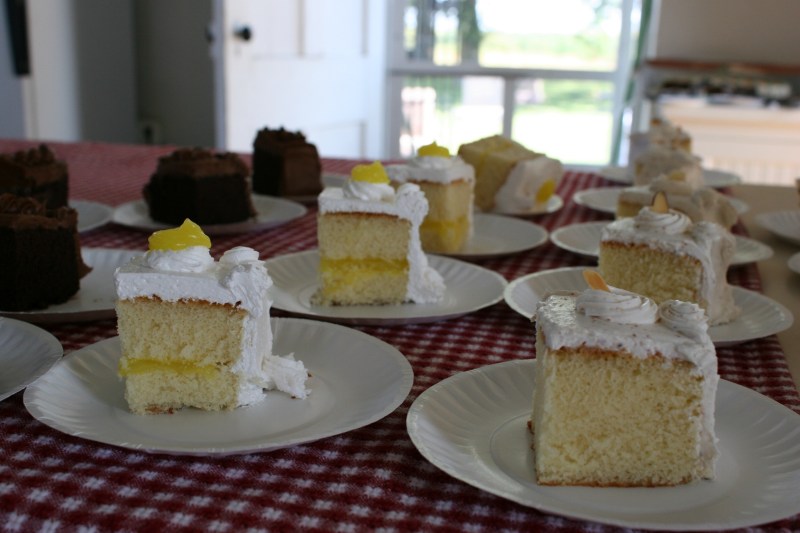
 

Every celebration calls for cake, including this cake served inside the stone church at the Valley Grove Country Social.


And it is up to us also to celebrate that which has been preserved.


© Copyright 2018 Audrey Kletscher Helbling


Celebrating a moment in life in Cannon Falls September 17, 2018

Filed under: Uncategorized — Audrey Kletscher Helbling @ 5:00 AM
Tags: , , , , , , ,


THE NUANCES OF RURAL MINNESOTA delight me.

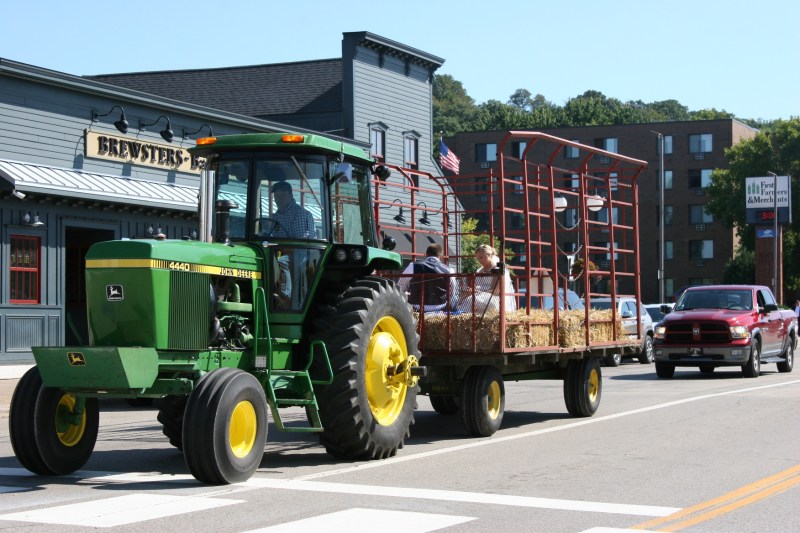
On a recent Saturday afternoon stop in Cannon Falls, population around 4,000, I spotted a John Deere tractor driving through the heart of downtown, wagon in tow. A bride and groom sat on straw bales as the tractor paraded past First Farmers Merchant Bank, Brewsters Bar, antique shops, the side street leading to a winery and brewery, and on down the road.

I love moments like this when I can pause to take in a joyful scene, to smile, to celebrate the happiness of another, to appreciate the rural character of southeastern Minnesota. This is why I live where I live, why I document people and places and events and life in general. It isn’t always the big things that define life, that mean the most. It is the moments of unexpected delight that bring me joy. And if I have my camera in hand, I delight in sharing these snapshots with you. In today’s world, we need more of this—more reasons to pause, to just stand there, to take it all in, to feel moments of joy.

THOUGHTS?

© Copyright 2018 Audrey Kletscher Helbling
 

Looking for farm work June 29, 2018

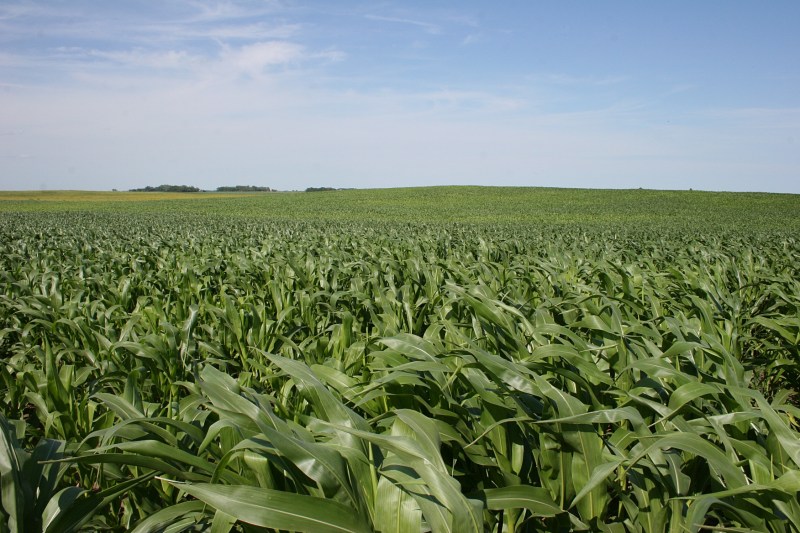
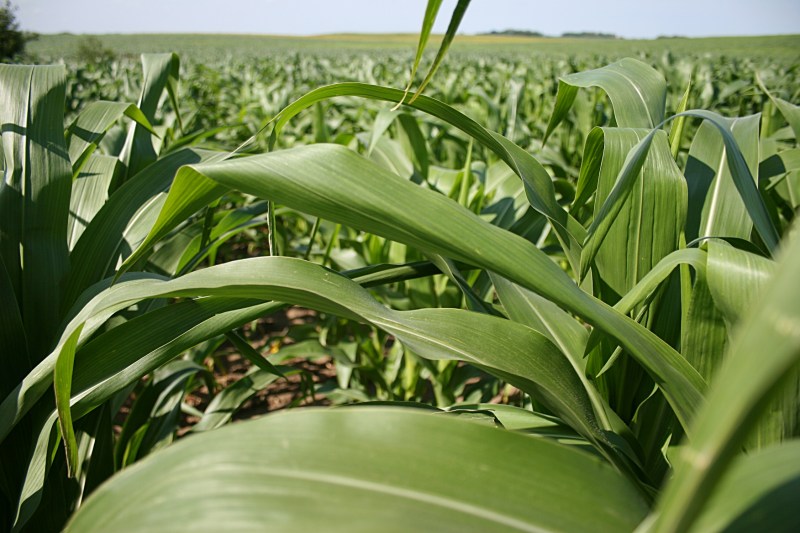
A southwestern Minnesota cornfield. Minnesota Prairie Roots file photo.


BEAN WALKERS and detasslers. I haven’t thought about those two farm jobs in a long time. Because I’d rather forget those summer jobs that found me laboring as a pre-teen and teen in the fields of southern Minnesota. Intense heat and humidity made those hours in corn and soybean fields nearly intolerable. But it was a way to earn money in rural Minnesota back in the 1960s and 1970s.


And still today apparently. I was surprised to read a recent ad placed in a south central Minnesota shopper by crews looking for work pulling weeds in soybean fields, detasseling corn and picking rocks. Yes, I picked rocks from farm fields, too.


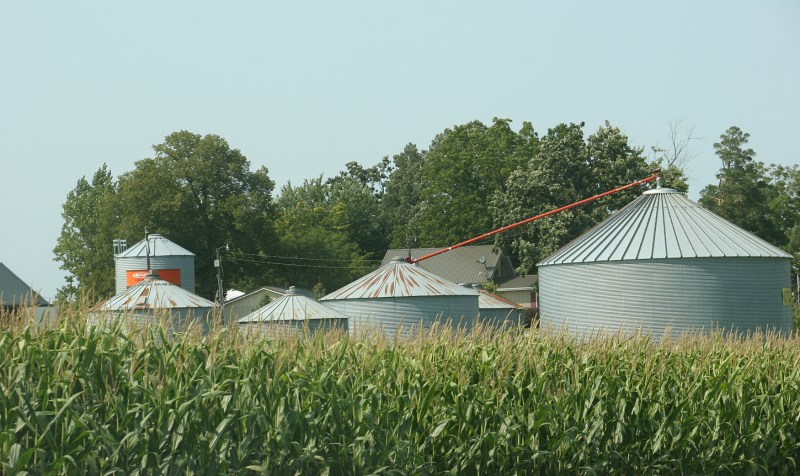
Bins peek above a cornfield between Faribault and Dundas. Minnesota Prairie Roots file photo.


Hire on to any of those jobs and you will understand hard physical labor. I realize conditions have improved since I yanked tassels, hoed cockle-burrs and heaved rocks from fields. But still, that farm work isn’t easy.

Tell me, have you ever worked any of those three farm jobs? Or tell me about a summer job you worked as a teen. What did it teach you?

© Copyright 2018 Audrey Kletscher Helbling


In the midst of aging, the joys of a walk in the park May 24, 2018

Filed under: Uncategorized — Audrey Kletscher Helbling @ 5:00 AM
Tags: , , , ,


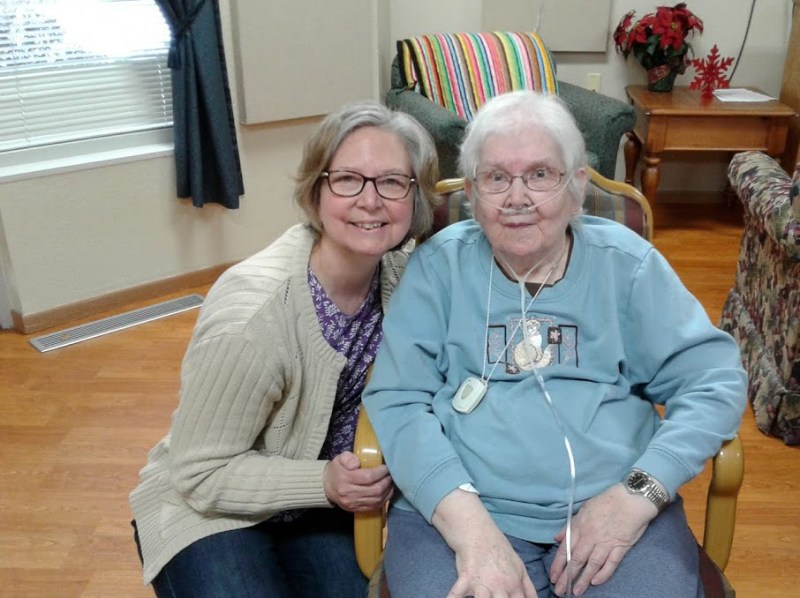
WE’D PLANNED, ALL ALONG, to wheel her outdoors, into the sunshine of a mid-May afternoon in rural southwestern Minnesota. She embraced the idea with a hint of concern. She worried about the wind, always the wind. So I searched the drawers in her room for her stocking cap, even though she didn’t need it on this 80-some degree day. I couldn’t find the cap she wanted to protect her ears.

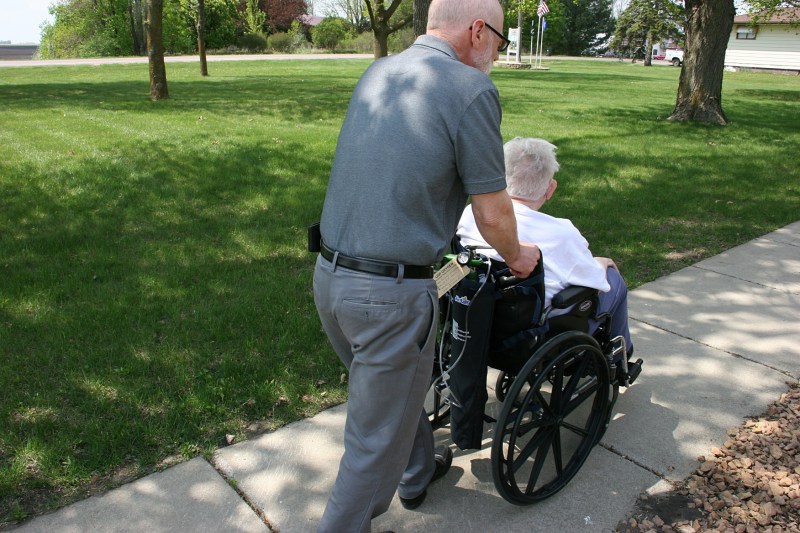
Soon Mom forgot about the wind in the busyness of preparing for her excursion. Staff rolled a wheelchair into her room, attached a portable oxygen tank, helped her move from easy chair into wheelchair. Mom noted how good it would be to get outside. And it was. Too many months have passed since her last wheel around the care center and into the adjoining city park.


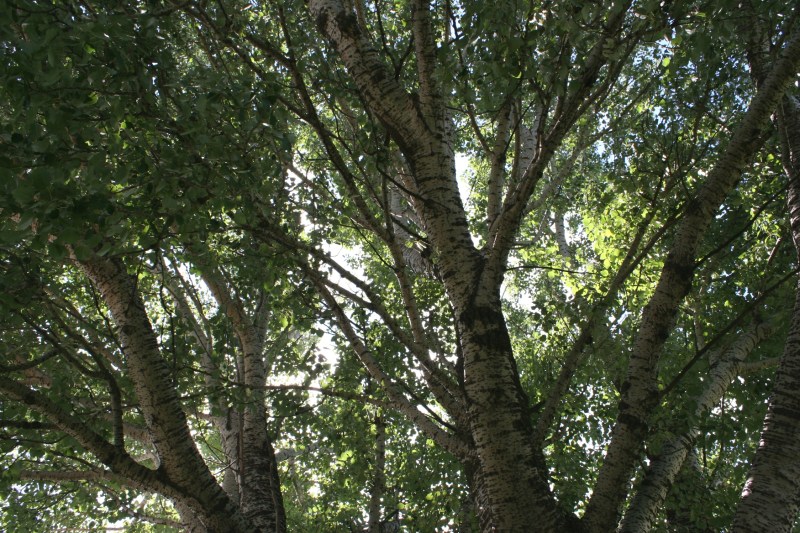
The tree I can’t identify. Minnesota Prairie Roots file photo 2017.


As Randy pushed her wheelchair along the sidewalk fronting Parkview, Mom noted the brightness of the afternoon. I started to view the world through her eyes, cloudy with the age of 86 years. She can’t see much at a distance. Thus I became her eyes. I described the pink splash of a blossoming crabapple tree, the rough bark of a tree I couldn’t identify. I doubt Mom saw the American flag stretched straight by the wind when we paused on the sidewalk.


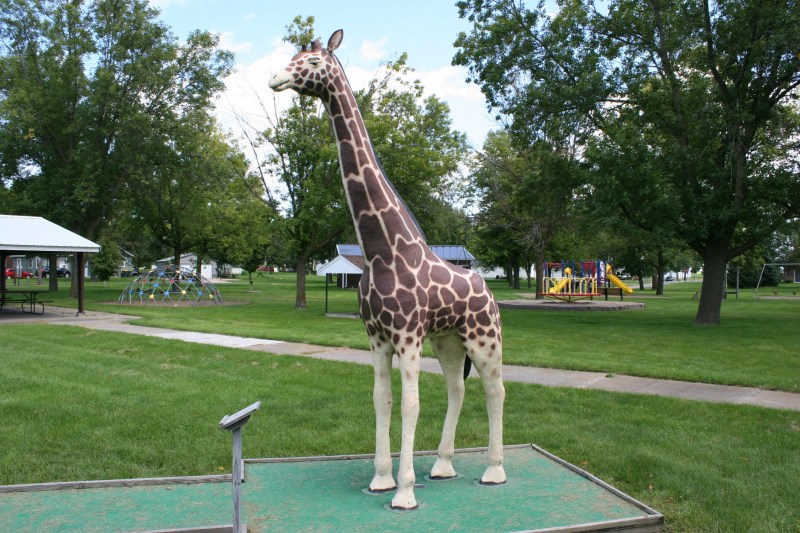
A feature in the mini golf course in the city park. Minnesota Prairie Roots file photo September 2017.


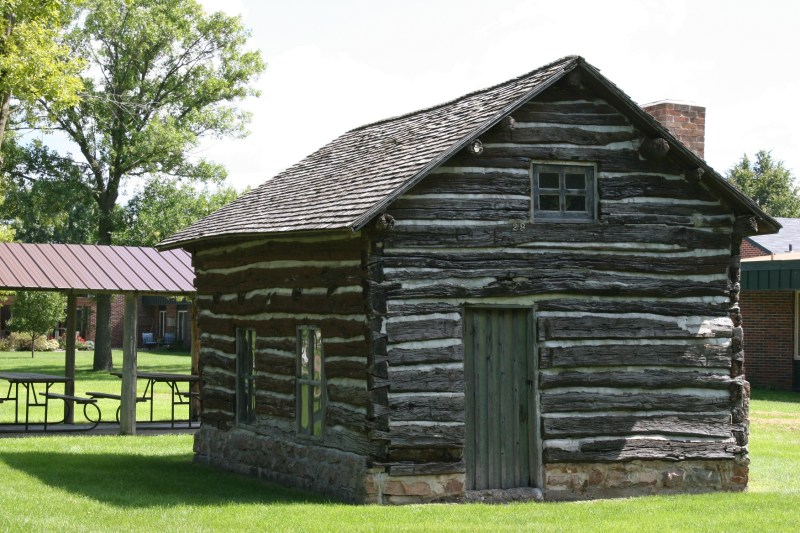
Just writing this, I feel a certain sadness that comes in observing how age steals the person you love, diminishing vision and memory and mobility. Yet, aging counters that loss with a return to the simple delights of life. I tried to remember that as we wound around the care center, past the mini golf course, to the park shelterhouse, past the aged log cabin and the barn swallows swooping.


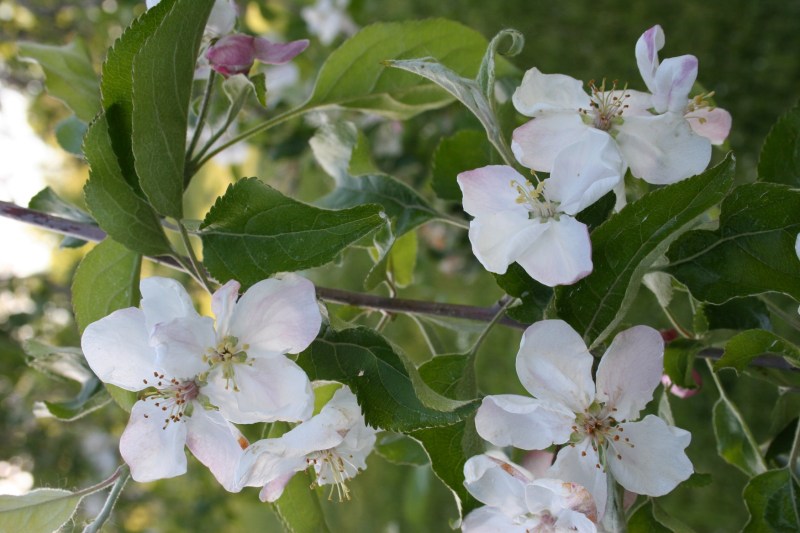
Apple blossoms on an evening in May. Minnesota Prairie Roots file photo.


Occasionally we stopped, once so I could stride across the grass to an apple tree. I picked a twig of blossoms, took it back to Mom. She lifted the fragrant petals to her face, told me she couldn’t smell their sweetness. Yet, she clutched the flowers in her left hand, between thumb and forefinger. I checked my emotions in the poignancy of the moment. I wanted Mom to breathe in, once more, the intoxicating scent of spring.

On our way back to the care center, Mom noted dandelions popping yellow through the greening grass. I wish now that I had paused to pick a bouquet for her, to bring back those memories of a little girl gathering dandelions in her fist, of Mom plunging the sticky stems into a jelly jar to set upon the farmhouse kitchen table.


The log cabin in the park is a reminder of the passage of time. Minnesota Prairie Roots file photo September 2017.


This aging of parents is difficult. Roles reverse. I feel a mix of sadness and anger and then, because I have to, thankfulness that my mother is still here for me to hug and to kiss and to hear the words, “I love you.”


TELL ME: Do you have an aging parent? If so, how are you handling this stage of life?

© Copyright 2018 Audrey Kletscher Helbling
 

A mother’s gift to her writer daughter May 11, 2018

Filed under: Uncategorized — Audrey Kletscher Helbling @ 5:00 AM
Tags: , , , , , , , , ,

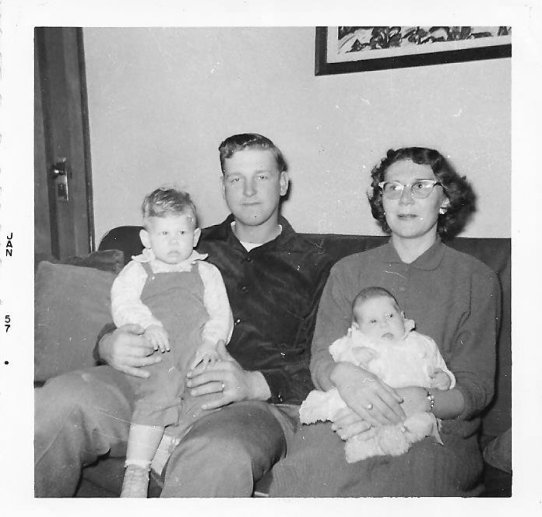
The only photo I have of my mom holding me. My dad is holding my oldest brother.


I SOMETIMES WONDER how my mom did it? How did she raise six kids and manage a household without the modern conveniences of today? No microwave. No bathroom or telephone or TV or automatic washing machine (for many years). An endless list of “no” whatever.

She planted a massive garden, canned and froze fruits and vegetables. Baked bread and assorted sweets from scratch. Mended clothes. She could do most anything.


Mom’s journals stacked in a tote.


And she wrote. Daily. Mom documented the happenings of farm life in southwestern Minnesota, even before she became a wife and a mother. I have those journals now, stacked inside a plastic tote. Musty-smelling spiral bound stenographer notebooks filled with her words. History inked in her beautiful signature flowing cursive.

They are my most treasured tangible part of her, a collection of information that is not personal, yet is. She writes not of feelings, but of weather and work, going to church and town and to relatives’ homes. She writes, too, of illness and new babies and skinned knees. While I’ve only read bits and pieces of assorted journals, I know that eventually I will read every word. Her single-paragraph daily entries of three to six lines or so document rural life. From her perspective as a wife and mother.

She became a mother in mid-July of 1955, two months shy of celebrating her first wedding anniversary. She writes:

Got to the hospital at 1:15 a.m. & baby was born at 3:20 a.m. He weighed 8 lb. Has a lot of hair. Folks visited me.

On her first Mother’s Day—months before my birth—Mom visited her parents, noting that her mother had gone to the Heart Hospital two days prior. Seven months later her mother died of a heart attack. I was only months old. I will always hold a certain sadness in my grandma’s early untimely death, knowing her only through the memories of others who spoke of a woman with the kindest of hearts. Just like my mom.

Through all the challenges of life, Mom has maintained a positive and cheerful attitude. She’s kind and compassionate and uncomplaining. That has been part of her gift to us, her six children, born between 1955 and 1967. Three girls. Three boys.


My mom and I at our extended family Christmas gathering in late December 2017.


Eight days before my birth, Mom put up 32 jars of grape jelly and 18 ½ quarts of tomato juice with her sister Dorothy. “Sure was tired,” she wrote. If I was about to give birth, I’d feel tired, too. But she never complained.

On my birthday, Mom writes:

Woke up at 3:00 a.m. Got to hospital at 4:20 & baby was born at 4:56 a.m. She weighed 8 lb. 12 oz.

Talk about cutting it close. But then the hospital was a 20-mile drive and my parents had to find someone to watch my oldest brother. Dorothy stayed on for several days after my birth to help with washing, ironing, cleaning and other tasks while Mom recovered and adjusted to having two kids under two.


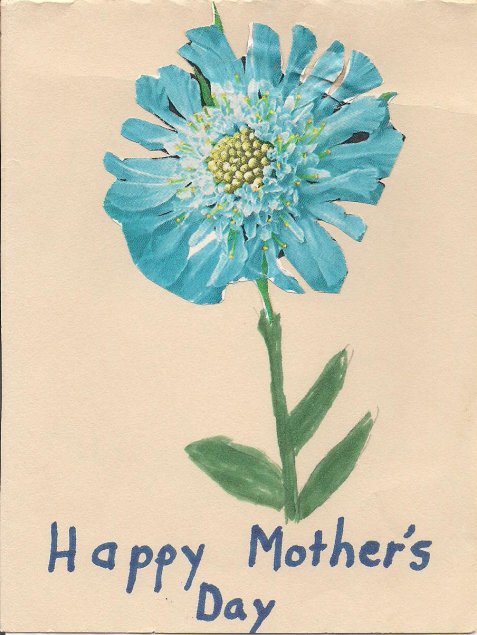
My mom saved everything, including this Mother’s Day card I made for her in elementary school. I cut a flower from a seed catalog to create the front of this card.


And so the years passed with more babies birthed. I wondered if Mom had any special memories of Mother’s Day. I paged through several journals from the 1960s to find entries about Mother’s Day programs at Vesta Elementary School. She noted the gifts we three oldest kids gave her—tomato plants, a hammered dish and on May 8, 1964, a writing pad. From me.


I took this photo nearly two years ago of my mom holding my granddaughter’s hand. Minnesota Prairie Roots file photo July 2016.

Now more than ever, as age steals my mom’s memory and she no longer keeps a journal, I appreciate her writing. Her words reveal a hardworking woman who valued her family and faith and farm life. That Mom took the time to write shows her deep appreciation, too, for the written word. She passed that along to me. I am grateful. But most of all I am grateful for a mom who loved me and my siblings with such depth. She was, and remains even in her advancing octogenarian years, an example of kindness and compassion and goodness that I strive to emulate. She is my mother. And I love her.


© Copyright 2018 Audrey Kletscher Helbling
 

The simple joys of life with kids on a spring day in rural Minnesota May 8, 2018

Filed under: Uncategorized — Audrey Kletscher Helbling @ 5:00 AM
Tags: , , , , , , ,


IT TOOK TWO SWEET KIDS to remind me just how joyful the early days of spring on a rural Minnesota acreage.


My favorite photo of Evelyn and Landon as my great niece celebrated her birthday on Sunday.


On Saturday, Randy and I watched our great niece and nephew while their parents celebrated their wedding anniversary with an all-day date. We were happy to do so. We love these two little ones who live within miles of our home. The family moved here a few years ago, our only family so close. The kids call Randy “Papa Two.” I’m just Audrey.


With sunshine and summer-like weather, we spent the entire day outdoors. Roaming. Playing. Running (the kids, not us). By mid-afternoon, the pair had successfully exhausted us. By then, Grandma and Grandpa arrived as our tag-team replacement.


It was a busy and adventurous day. I’m more cautious in my approach to caring for children than my husband. So when I observed Randy allowing the two to climb among the branches of a lilac (I think) bush, I advised against it. “You gotta let ‘em be kids,” he said. OK, but I wanted them safe and uninjured. Other than a slight slip from a branch and resulting tears, they were just that. OK.


I played side-by-side with Landon and Evelyn in the sandbox, pushed them in swings, supervised the watering of greenhouse plants.


We petted goats and watched chickens.


And we paused, too, to smell the perfume of apricot blossoms.


Landon told us that he wants to work on tractors when he grows up. No surprise there. He’s crazy about John Deere. And after observing his barbering skills on his little sister’s hair, I advised against that as a career.

Evelyn wants to be a horse girl, whatever that means. She already has the cowgirl boots, which I pulled on and off her feet multiple times. She prefers bare feet to the trappings of socks and shoes.

I love that these siblings would rather be outdoors than anywhere. I love that they have such good imaginations. We sat on the front stoop and in lawn chairs and “fished” with tiki torches, landing five tuna and past-our-limit walleyes from the front lawn “lake.”


We picked up sticks and loaded them into Landon’s mini gator which he steered like a seasoned farmer across the yard to the campfire pit. His efforts, though, to convince us to start a fire failed. While he and Evelyn can persuade us to do a lot, starting a fire on a hot and windy afternoon was not one of them.


Piggyback (or maybe horseyback for Evelyn) rides and tiny hands clasped in ours…such sweet moments. I’ll take them. Kids remind us that we need to pause in life, to take a day just to delight in the sunshine, the great outdoors, the carefree days of childhood.


© Copyright 2018 Audrey Kletscher Helbling
 

What’s the deal with all the flies at Valley Grove? April 27, 2018


The historic Valley Grove Churches, rural Nerstrand, Minnesota.


ALL YOU SCIENTIST, ENTOMOLOGY, biology types out there, I need your input to solve a mystery. I suppose I could google the topic, but I’d rather read your theories or fact-based conclusions.


The buzzing started once we stepped inside the front gate and onto the grass between the two churches.


Last Sunday afternoon while walking on the grounds of Valley Grove Church, rural Nerstrand, I heard a buzzing. Like a zillion bees. At first I thought I was hearing things because, when I would stop, the droning also stopped.

I questioned whether I could be suffering from tinnitus, an occasional issue given my hearing loss. I’m nearly deaf in the my right ear which causes all sorts of problems in determining sound sources and in hearing in general.


But this buzzing seemed real. I risked asking my husband if he heard what I heard. He did. We paused on the dormant dried grass. No buzzing. Then we took a few steps and the irritating hum resumed. Then my observant husband, with the way better vision than me, saw the flies. Everywhere. Infinite numbers settled on the grass as if sunning themselves. I strained to see the camouflaged flies and then photograph them. I managed one image of a single fly. Whenever either of us moved, they, too, moved. It was the craziest thing.


One of several birdhouses located on the grassland hiking area.


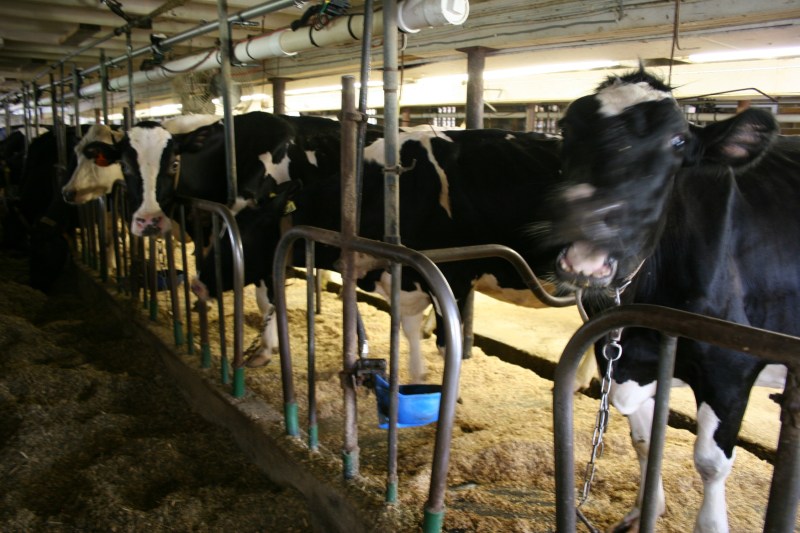
I’m a woman who has a history with flies. They were part of my growing up environment on a southwestern Minnesota dairy farm. A fly swatter was always at the ready. Sticky fly traps dangled from ceilings in our farmhouse; one even hung over the kitchen table. Not at all appealing. But I’d rather see a dead fly than have one land on my dinner plate. In the barn, biting, swarming flies were a constant problem. For cows. And for humans.


This aged, massive oak is a focal point in the corner of the cemetery.


But why were these thousands (maybe even millions) of flies here, on these church and cemetery grounds on a sunny late April afternoon, the first warm weekend of the season in Minnesota? There were no cattle (although the occasional piles of deer and other animal poop). There was no food.


The insects didn’t swarm the entire grounds—mostly just the area between the two historic church buildings and along the edge of the adjoining cemetery.


Once I got past the fly territory, I enjoyed my time at Valley Grove. It’s a beautiful place of quiet, of peace, set high atop a hill with lovely rural vistas. There are hiking trails and history in the cemetery (and churches when they are open). Generations of families are buried here. And there are oak trees, including one held together by thick chains in the corner of the cemetery.

This place holds stories. And now it holds one more story—the mystery of the fly invasion.


© Copyright 2018 Audrey Kletscher Helbling
 

Snapshots of Le Center April 5, 2018

Filed under: Uncategorized — Audrey Kletscher Helbling @ 5:00 AM
Tags: , , , , , , ,

Parked along an alley in downtown Le Center, Minnesota.


WHEN THE WEATHER WARMS (it will happen soon in Minnesota, right?), I’ll have my camera out more. Documenting. Photographing. Showing you the places I visit, the discoveries made.


The original section of the Le Sueur County Courthouse was built in 1897 of brick and Kasota stone at a cost of $55,000. It was designed by Chicago architect Louis M. Curry of Mayo & Curry in the Richardsonian Romanesque Revival style. Additions have been made to the building and remodeling done.


Those include small towns like Le Center. It’s the county seat of Le Sueur County and about a 45-minute drive northwest of Faribault. It’s one of those communities you’d likely not drive to unless you had business or family there or were passing by en route to somewhere like St. Peter.


I love this row of well-kept old buildings in the heart of Le Center.


On a recent Saturday afternoon of road tripping, Randy and I stopped in Le Center. We parked downtown, popped into the thrift store minutes before closing, walked 1 ½ blocks along sidewalks and then looped back through an alley to the van.


I snapped a few photos. These images offer a glimpse of this community.


A front window in Mexican Delights, a downtown restaurant.


Diverse.


Patriotic.


Spotted inside a Le Center thrift store.


Trusting.


Lovely in aged buildings.


Assorted trucks and other vehicles were parked in a vacant lot and along an alley behind Main Street businesses.


You can tell a lot about a town in first impressions. I need to revisit Le Center, though, to uncover more of its personality. Small towns are each individual, as individual as the folks who call these communities home.

© Copyright 2018 Audrey Kletscher Helbling
 

Reconnecting to the land during a March drive in Minnesota March 27, 2018

Filed under: Uncategorized — Audrey Kletscher Helbling @ 5:00 AM
Tags: , , , , , , , ,


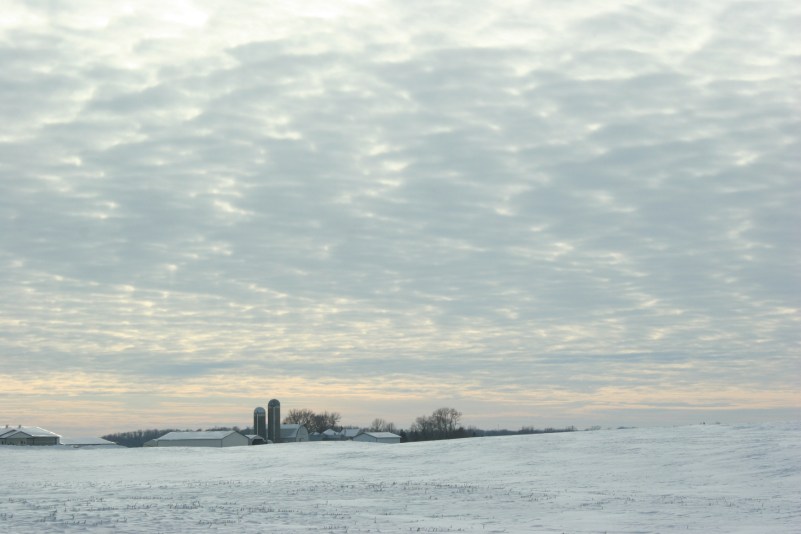
SOMETIMES I NEED JUST to get out into the countryside—to reconnect with the land, to see the sky, to feel the pulse of the earth.


I need to see farms,


follow rural roads,


hear the crunch of tires upon gravel,


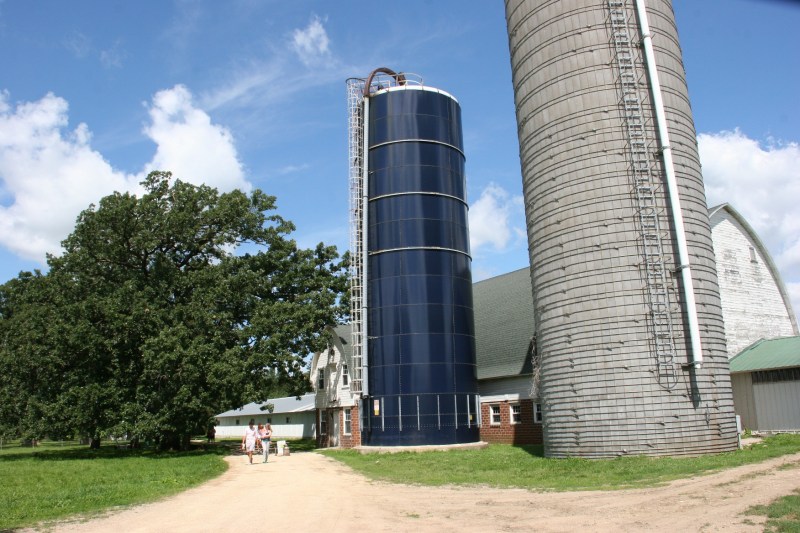
pass by rows of grain bins,


notice the oddities of signage,


the art of the land.


All of this I need to satisfy that part of me which misses rural life. I shall always retain my farm girl spirit, my connection to my rural roots despite my now decades-long absence.
 

Note: All photos are edited to create a more artsy look. All scenes were photographed in Le Sueur County, Minnesota.

© Copyright 2018 Audrey Kletscher Helbling