Minnesota Prairie Roots

Writing and photography by Audrey Kletscher Helbling

Oh, glorious April afternoon in southern Minnesota April 21, 2020

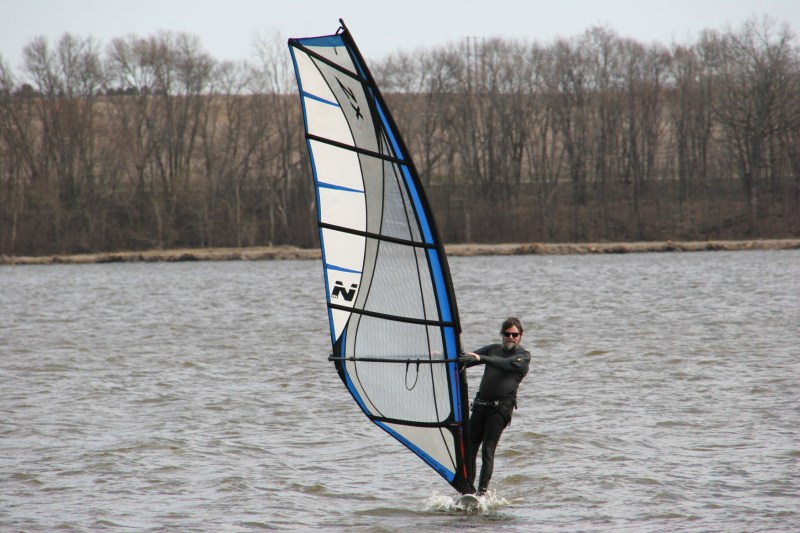
Windsurfing on Cannon Lake, rural Faribault, Minnesota, on Saturday afternoon, April 18. Minnesota Prairie Roots photo.


APRIL IS A FICKLE month in Minnesota. Sunshine and warmth one day and clouds and brisk temps the next.


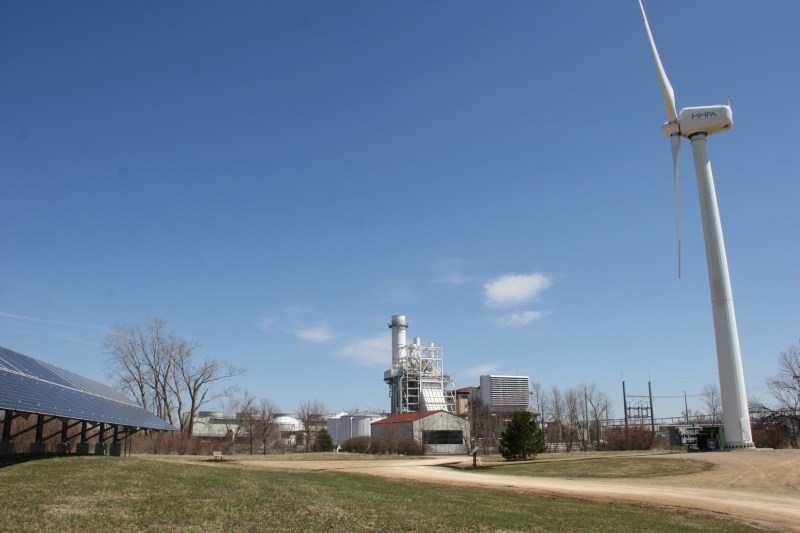
A wind turbine and solar panels are part of the Faribault Energy Park with the power plant in the distance. Minnesota Prairie Roots photo.


This past Saturday marked a glorious day here with the temp near 60 under sunny skies. I needed to get out of town, yet honor and respect the Governor’s Stay at Home order. So Randy and I set off, first, for the Faribault Energy Park, where we had the entire place to ourselves. I love that about this mostly undiscovered park. No need to concern ourselves about social distancing or, on this day, loose dogs.


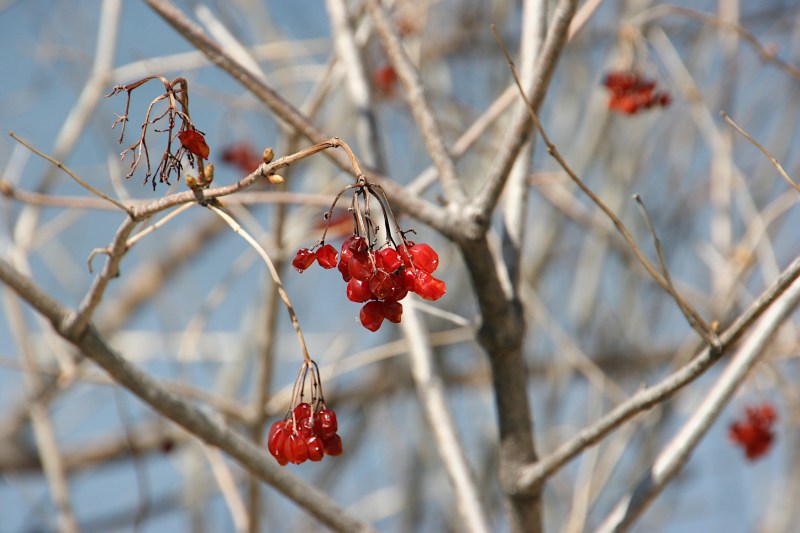
Oh, the vibrant hues of red and blue on a sunny April afternoon in the Faribault Energy Park. Minnesota Prairie Roots photo.


While walking the dirt paths that wind around wetland ponds, we heard birds above the steady drone of traffic from adjacent Interstate 35. It looked to be a typical busy weekend of travel for folks on the interstate.


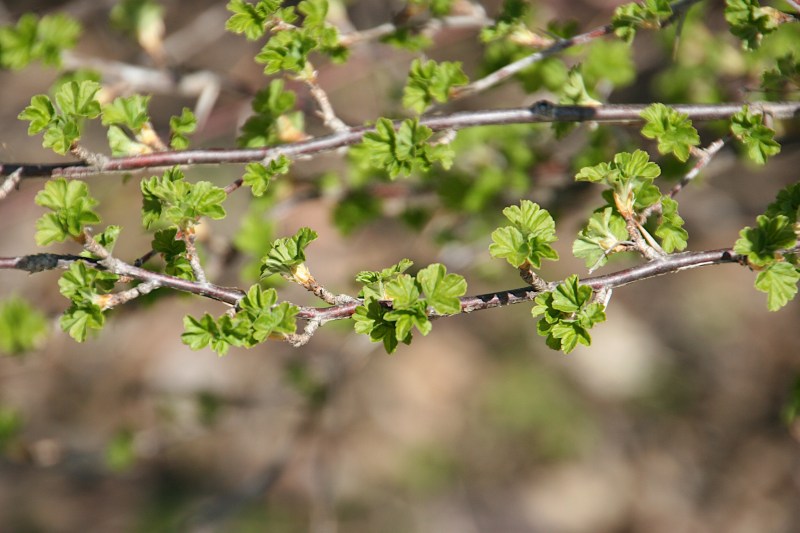
Greenery is beginning to erupt in the landscape. Minnesota Prairie Roots photo.


Everywhere, people were out and about. When you’ve been cooped up inside during the winter and under the Stay at Home order, which I fully support, there’s a real psychological need to get outdoors on a day as beautiful as Saturday.


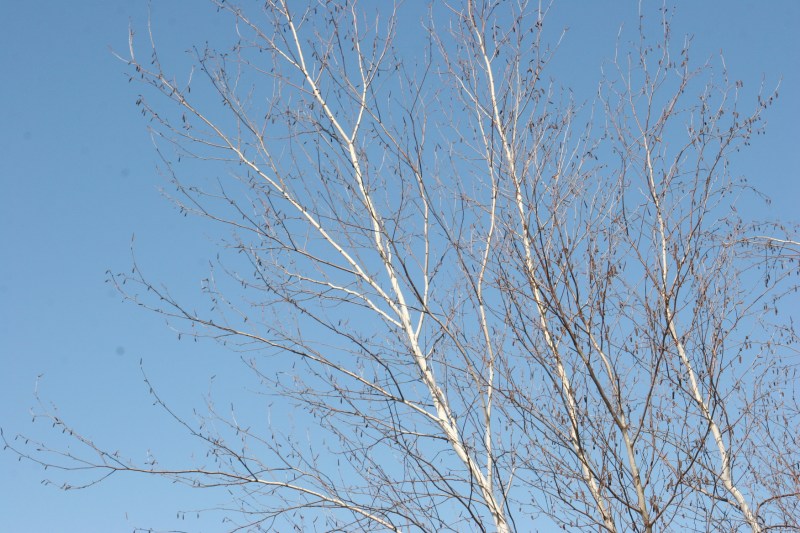
I couldn’t get enough of the trees set against that amazing blue sky. Minnesota Prairie Roots photo.


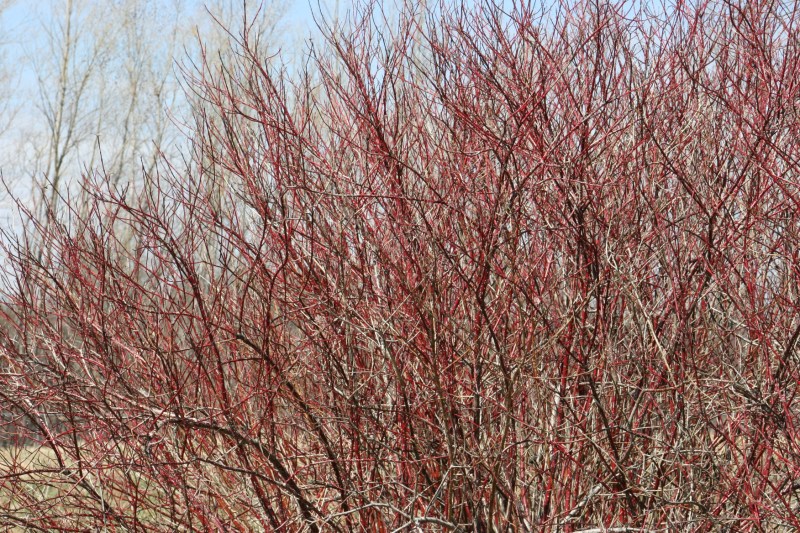
Love the hue and texture of dogwood. Minnesota Prairie Roots photo.


I took my time, noticing and appreciating the signs of spring in the landscape. Brilliant red berries against blue, not grey, skies. Green burst of buds. Twigs of mahogany dogwood flagging paths. Creek running. Path muddied by puddles floating oak leaves of autumn. The reflection of the sky in ponds of blue. It was lovely. All of it.


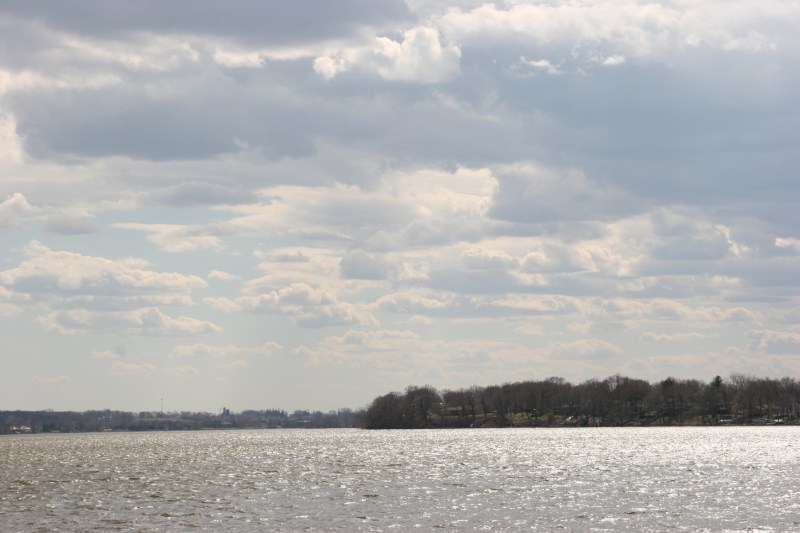
Cannon Lake west of Faribault. Minnesota Prairie Roots photo.


After walking in the park, we headed out to the Faribault lakes area west of town for a drive in the country. Pleasure driving, near home, is allowed under the state executive order.


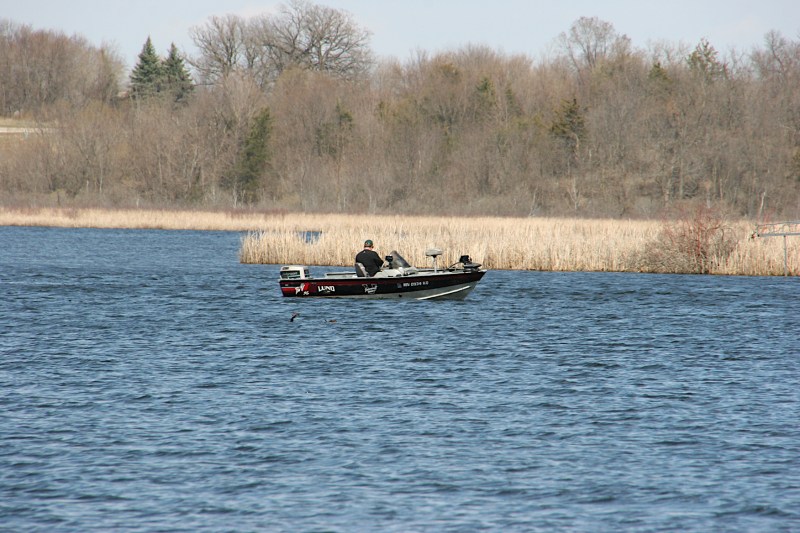
Fishing in one of the many area lakes. Minnesota Prairie Roots photo.


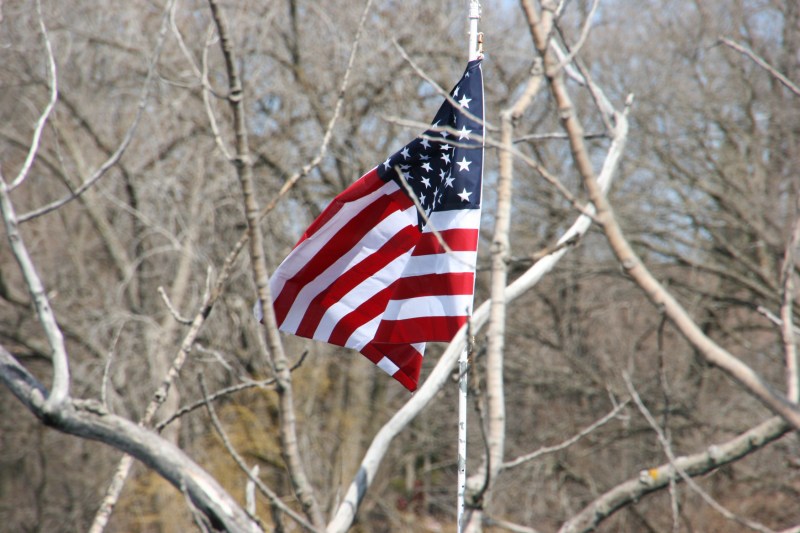
An American flag flies from a dock. Minnesota Prairie Roots photo.


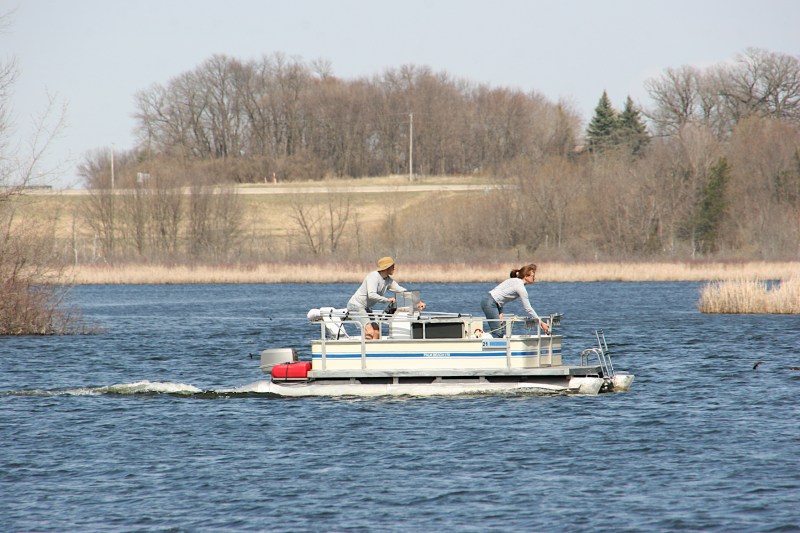
A beautiful afternoon to be out on the pontoon. Minnesota Prairie Roots photo.


During our lakes tour, we observed people fishing, pleasure boating, wind surfing and riding motorcycles. At a public boat landing, we met a grandpa out for a motorcycle ride with his granddaughter. Their “wind therapy,” he called it. He sees his granddaughter daily so there was no need to social distance from her.


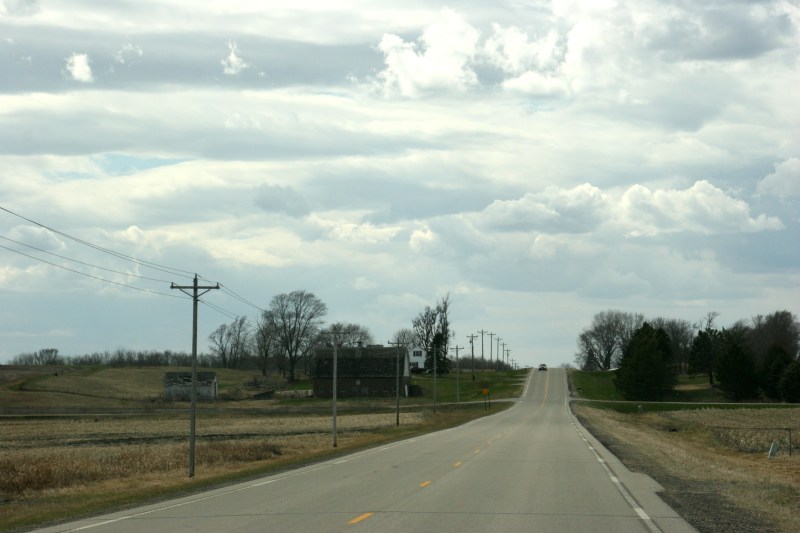
The cloud deck was building as we drove into the countryside late Saturday afternoon. Minnesota Prairie Roots photo.


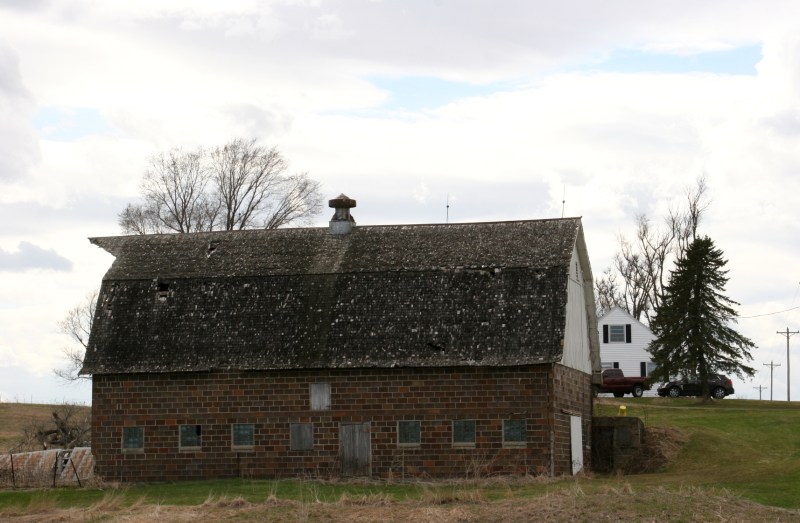
I even got my barn fix as we turned onto a gravel road. Minnesota Prairie Roots photo.


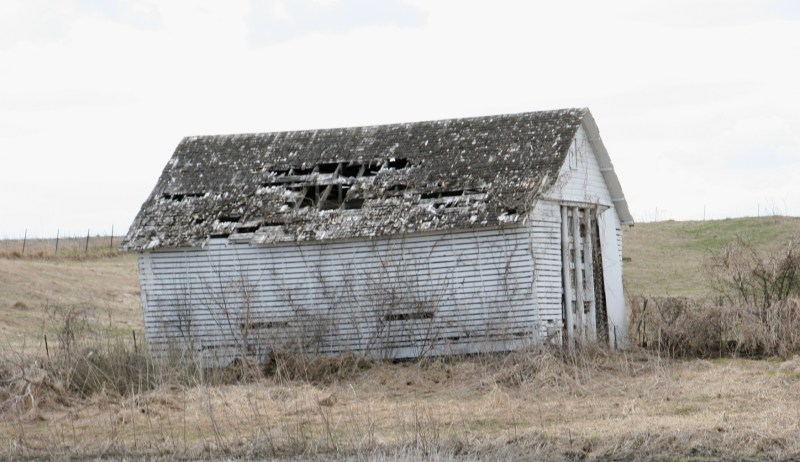
A decaying corn crib. Minnesota Prairie Roots photo.


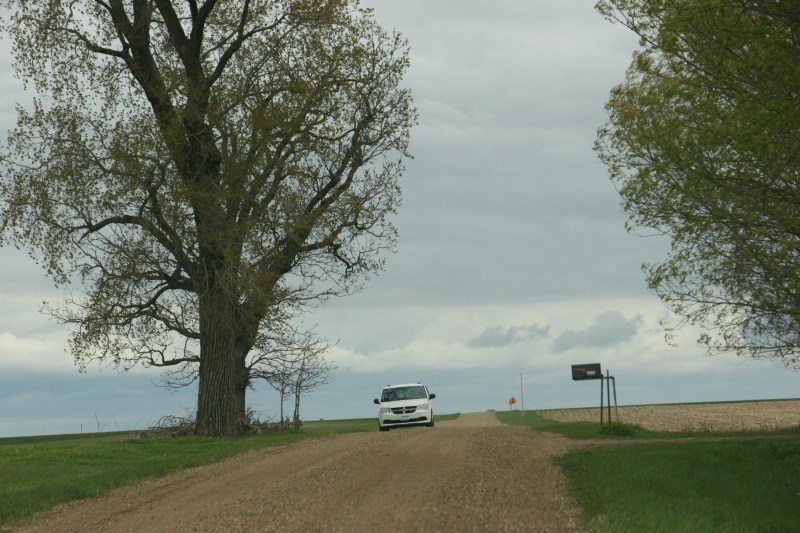
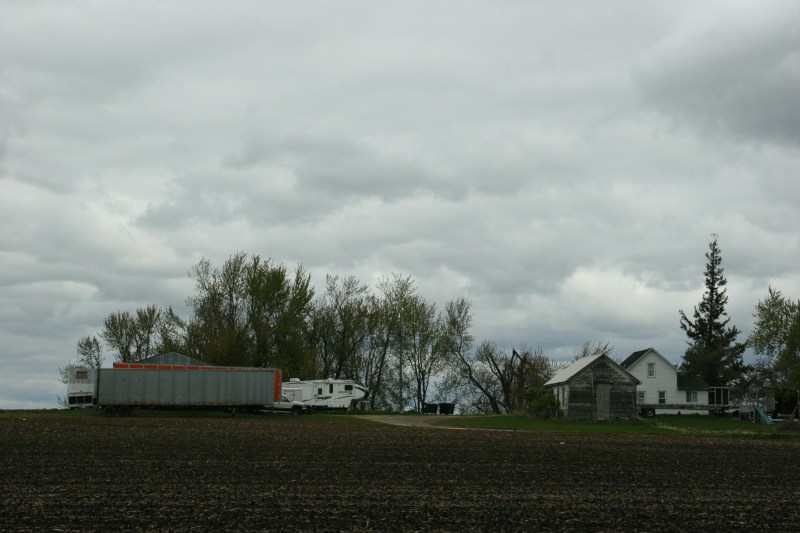
I felt a sense of peace as we drove along back county and gravel roads in the countryside. Past barns and past fields awaiting planting. Through rural land that, for a brief moment of time on a lovely April afternoon, provided a respite from reality.

TELL ME: How are you getting away without really getting away?

© Copyright 2020 Audrey Kletscher Helbling


Checking in on small town cafes April 9, 2020

Filed under: Uncategorized — Audrey Kletscher Helbling @ 11:37 AM
Tags: , , , , , , , , ,


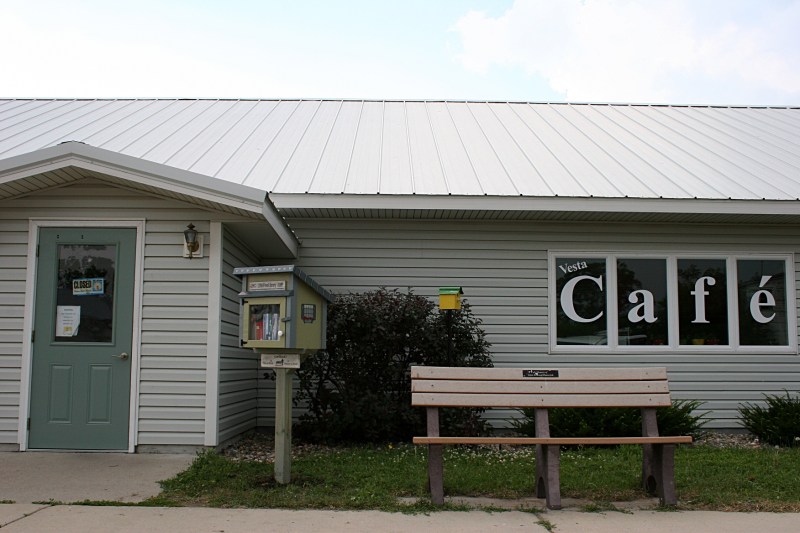
The sole cafe in my hometown of Vesta. Minnesota Prairie Roots file photo 2012.


IN RURAL COMMUNITIES, restaurants serve as gathering spots, as social hubs, for those who live there. Farmers, retired or not, meet for coffee and cards at the local cafe. Some return for dinner—that would be the noon meal in farming country—joined by younger men. Women come, too, for food and conversation. Plus families and others, like me, pop in from out of town on occasion.

But all of that has changed because of COVID-19. Those restaurants which center these small towns (along with churches and schools) are now closed to in-house dining. And that’s a challenge for those who rely on these places to connect with friends and family, to socialize.


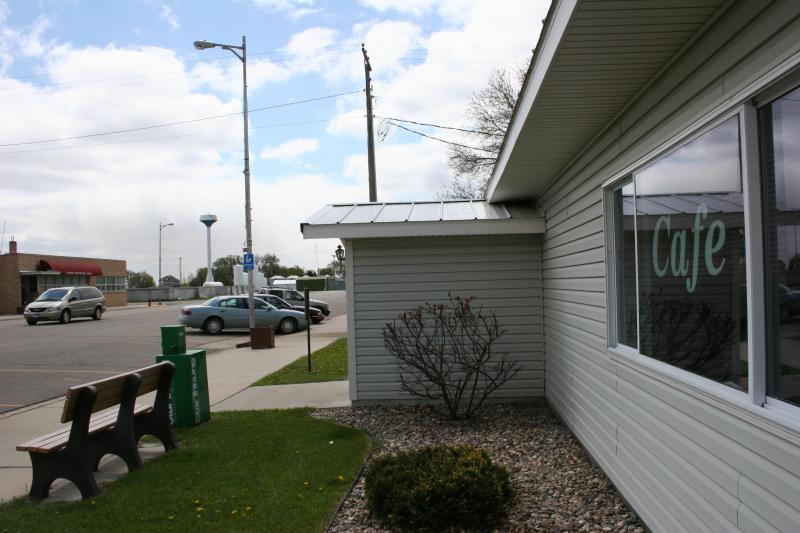
Looking south from the cafe to the bank on the corner and the Vesta water tower. Minnesota Prairie Roots file photo.


I wondered about my hometown of Vesta, a farming community of some 320 in southwestern Minnesota. The one-block Main Street looks much different than when I grew up on a dairy and crop farm south of town decades ago. There’s still a grain elevator, a bank, a post office and a few other businesses. Years ago, though, hardware stores, restaurants, bars, grocery stores, a barbershop…filled the block.

Community leaders had the foresight, when the last restaurant closed, to build a community cafe, the Vesta Cafe. When my mom still lived in Vesta, prior to her move to a senior care center in nearby Belview, Randy and I occasionally ate at the restaurant. I saw the importance of this gathering spot to locals. In 2012, I helped bring a Little Free Library to my hometown, which doesn’t have a public library or even a bookmobile. Since then the sharing of books and magazines has expanded to include jigsaw puzzles.

But back to now. I went online to see how the Vesta Cafe is faring during these difficult times. And if Facebook is any indication, the cafe is experiencing enthusiastic support from the community. A full menu is posted for April with meals to go. That includes Easter dinner, available for pick-up between 10 am-12:30 pm. Sunday. For $8.95, you’ll get a choice of roast beef or ham, mashed potatoes with gravy, carrots, a dinner roll and dessert. Orders must be placed in advance.

Reading through the menu posted on Facebook, I see the rural influence. Like a beef commercial—roast beef layered between pieces of white bread, topped with a scoop of mashed potatoes and then smothered in gravy. It was my dad’s favorite meal on the rare occasion he ate at a cafe. Other rural-centric meals feature liver and onions, scalloped potatoes and ham, sausage and sauerkraut, and meatloaf.

But the Vesta Cafe also offers menu items like walleye, BBQ ribs, shrimp and, now, take-and-bake pizzas.


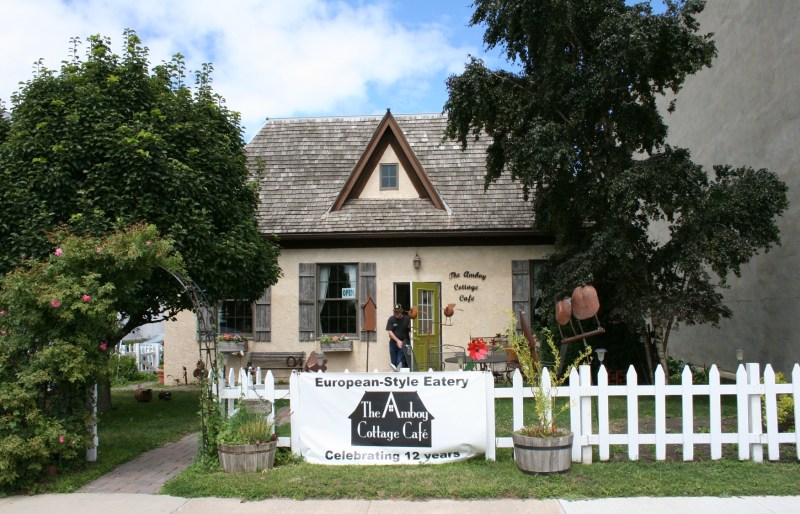
The Amboy Cottage Cafe. Minnesota Prairie Roots file photo July 2014.


I’m pleased, that during these challenging times, my hometown continues to support its sole restaurant. I also want to give a shout-out to The Amboy Cottage Cafe, a lovely eatery I discovered in the small town of Amboy, south of Mankato, six years ago. The made-from-scratch food is exceptional and unusual for a farming community. Offerings range from burgers to tuna melts to Salmon Quiche and Foraged Nettle Lasagna. The Amboy eatery continues to cook and bake (pies, rolls, bread pudding, etc), offering curbside pickup for several hours on limited days.


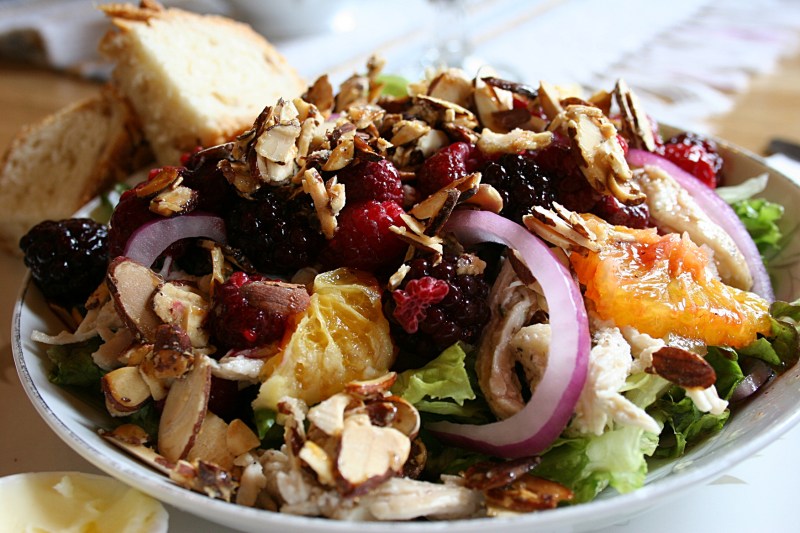
My incredible raspberry chicken salad, ordered at the Amboy Cottage Cafe in July 2014. Minnesota Prairie Roots file photo.


It is my hope that these small town restaurants can survive. They are more than simply a place to enjoy a good meal. They are a place to gather, to talk, to connect and share each others heartaches and joys. And daily lives.

TELL ME: Do you know of a small town restaurant that continues to thrive during this time of COVID-19 restrictions? I’d love to hear about these eateries that center our rural communities.

© Copyright 2020 Audrey Kletscher Helbling

 

A look at COVID-19 from a personal perspective March 12, 2020

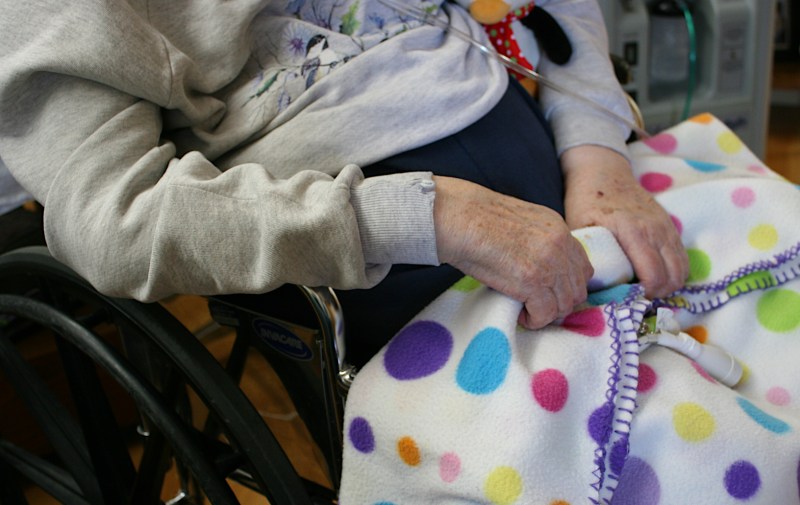
I photographed my mom’s hands during a visit with her last Saturday.


HOW IS COVID-19 affecting you and those you love? Your friends? Your neighbors? How is this pandemic changing the way you go about your daily life? Are you worried? Anxious?

I would describe my attitude as one of cautious concern. I’ve not yet stockpiled any supplies. But I hold concerns as the situation touches my life. All of our lives in some way, I suppose.

Last evening my brother texted that my mom’s senior living care center is restricting visitors, specifically banning those who have recently traveled overseas or been on a cruise. That’s a smart move designed to protect the vulnerable, at risk population. Anyone not feeling well and with cold and flu-like symptoms should stay away. Staff must clear all visitors before they are allowed to enter, my brother wrote. I’m thankful this center, in a very rural region of Minnesota, is taking this action, as they sometimes do during influenza season.

The facility details this policy on its Facebook page. I’m grateful for these efforts to protect my mom, who is on hospice, and others who live there. Even in rural southwestern Minnesota, where one might consider the risk of exposure to the Coronavirus to be low, the possibility exists. People from this region travel, too, as do those who visit the area.

With the continuing spread of the virus and these new restrictions, I’m thankful Randy and I drove 2.5-hours one-way last weekend to see Mom. We typically limit our visits to 1.5 hours. While each visit is bittersweet given Mom’s confusion and memory loss, I remain grateful for this bonus time with her. When I started talking about Coronavirus to Mom, Randy caught my eye, successfully conveying with his warning look that I should stop. I promptly did. He’s right. Mom doesn’t need to hear about a pandemic.

But I’ve heard plenty about it from others—how it’s affecting vacation plans and raising fears about loved ones with compromised immune systems and other health issues. I worry some about my second daughter, who works in the healthcare field in Wisconsin. And then there’s my son, currently attending an international conference in Florida and the risks that involves, especially with air travel. But neither are in the noted vulnerable population.

So daily life goes on. I’m probably listening to and reading way too many media reports. But I’ve always been a news junkie since pre-teen on, never wanting to miss the CBS Evening News with Walter Cronkite. (Yes, that dates me.) Is it any wonder I went on to earn a mass communications degree and then work in journalism? I’m thankful for a media which keeps us informed. And, no, I don’t want to get into a discussion here about the media. The World Health Organization has declared COVID-19 to be a global pandemic. Period.

It’s up to each of us to take Coronavirus seriously, even if we aren’t personally at risk. We have a responsibility to protect individuals like my mom. We’re in this together.

© Copyright 2020 Audrey Kletscher Helbling
 

How a drive along a back road prompts thoughts about farming today February 12, 2020


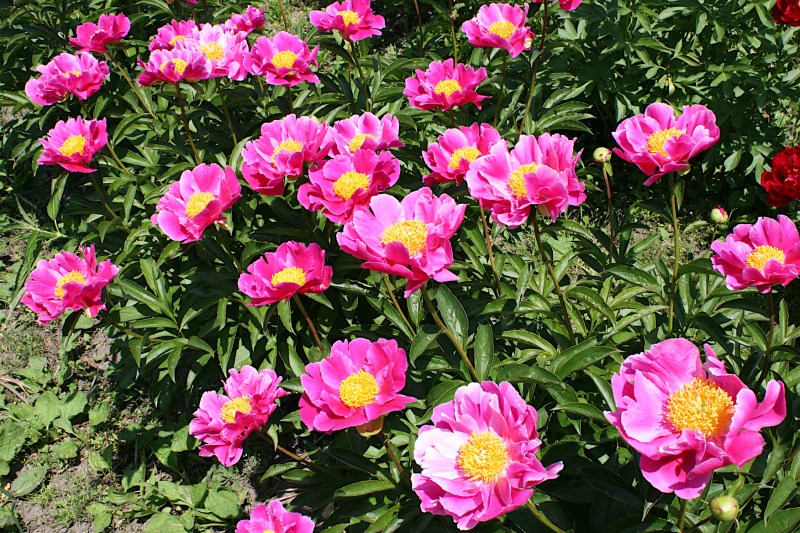
I CALL IT THE BACK ROAD to Morristown, Rice County Road 15 south of Faribault and running west to Morristown. The more-traveled main route follows Minnesota State Highway 60.


But, I prefer the back way, which takes me past farm sites hugging the county road.


Looking across a snowy field along Rice County Road 15 near CR 45.


Here I feel immersed in the rural setting with less traffic, open land spreading wide under an equally wide sky.


I know some of the people who live along this road. They are salt-of-the-earth folks, hardworking, caring… Dairy farmers. Retired pig and crop farmer. A farmer who balances crop farming with a full-time job in town. Families raised on the land, with only one son among those I know along CR 15 continuing in farming. One son’s moved to Nashville, where he’s finding success as a professional oboist. I’m working on a story about him for a regional arts and entertainment magazine.

The times they are a changin’.


But then agriculture has always been evolving. I think back to my great grandparents and my grandparents who broke the land and farmed with horses in an especially labor-intensive way of life. And then machinery replaced horse power for my dad and his farmer brothers. And my middle brother, who no longer farms, saw even more advances in mechanization and technology. I barely recognize the farms of today.


I’d like to think, though, that those who still work the land do so because they love and value the land. In recent years I’ve observed a shift in attitudes toward a deepening respect of the soil, of using less chemicals (or even none), of adapting innovative erosion control practices, of protecting waterways…


I recognize the challenges of balancing the need to earn a living from the land, getting the highest yields possible, with decisions about farming practices. It’s not easy. Public perception and government regulations and weather and fluctuating markets add to the stress. It’s not easy being a farmer today. This is not our grandparents’ farm. Nor even our parents.


To those who choose to live on and work the land, I admire your stamina and determination. While I miss the peace and solitude of living in the country on land where the nearest neighbor lives more than a driveway width away, I realize I never would have made it as a farmer. I don’t have the guts or the fortitude or adaptability necessary to farm.

THOUGHTS?

© Copyright 2020 Audrey Kletscher Helbling
 

Documenting rural Minnesota February 6, 2020


I OFTEN WONDER, as I travel past farm sites in southern Minnesota, how these places will look in 50, even 20, years.


Will once grand barns still stand? Will farmhouses be abandoned? Will corporate ag operations completely replace family farms?


Already the evolution is well underway. Many barns no longer hold livestock, serving instead as storage sheds. Rural houses are not so much farmhouses as dwellings for those working off the farm to supplement their farm income.


Independent farmers either quit, expand or try to hang on for one more year. Some have become innovative—diversifying, organizing, working together to grow and sell local.


The rural landscape is changing, shaped by markets and weather and operating costs and government regulations, issues that have always affected farming. Technology, too, now factors into agriculture.


Some 40-plus years removed from the farm, I’ve witnessed the changes from afar. None of my five siblings stayed on the farm, although two work in ag fields. I no longer have a direct link to the land. And because of that, my children and grandchildren are losing that generational connection to farming, to a way of life. This saddens me. They prefer city over country.


And so I continue to photograph, documenting with my camera lens the places of rural Minnesota. Therein I present a visual history, a memory prompt and an expression of appreciation for the land which shaped me.


FYI: This Saturday, February 8, from 1 – 4 p.m., embrace and celebrate locally-grown and crafted during Family Day at the Faribault Winter Farmers’ Market. In addition to vendors, you’ll find hands-on art activities for kids, games, healthy recipes and more. The market is located inside the Paradise Center for the Arts along Central Avenue in the heart of historic downtown Faribault.

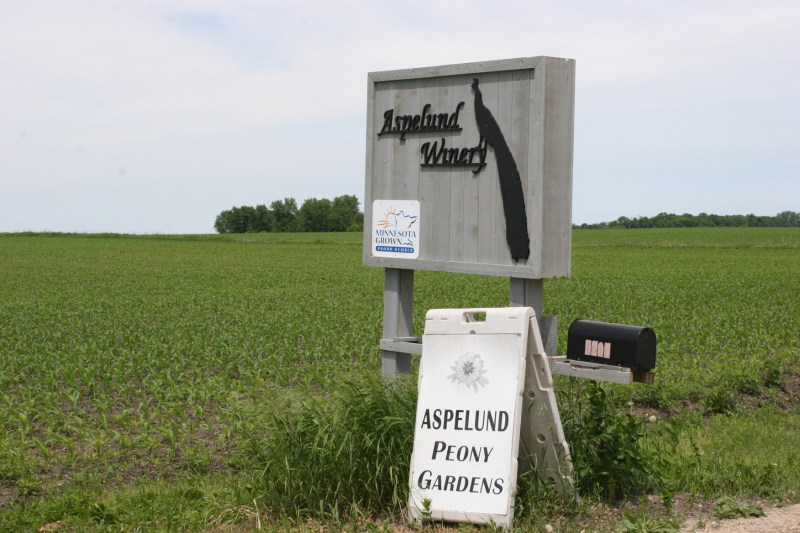
These photos were taken last Saturday along Minnesota State Highway 21 on my way to Montgomery.

© Copyright 2020 Audrey Kletscher Helbling
 

What I’m drawn to photograph in rural Minnesota January 7, 2020

Filed under: Uncategorized — Audrey Kletscher Helbling @ 5:00 AM
Tags: , , , , , , , , ,

One of my favorite Minnesota barns is this especially well-maintained one along a back county road west of New Ulm.


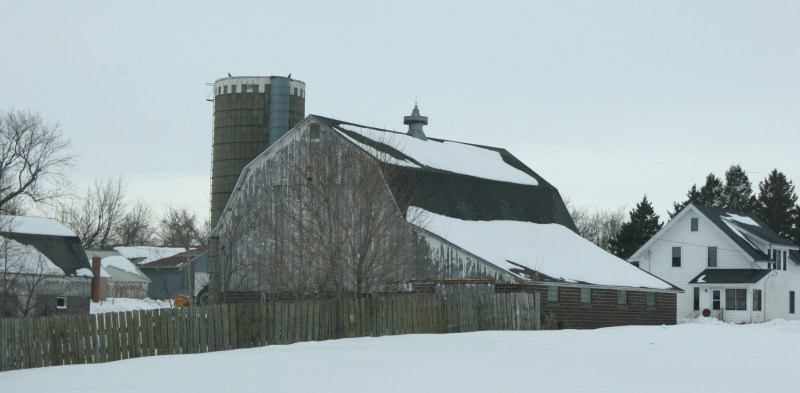
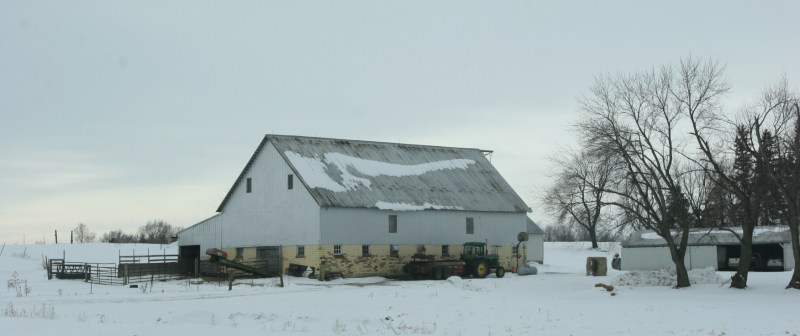
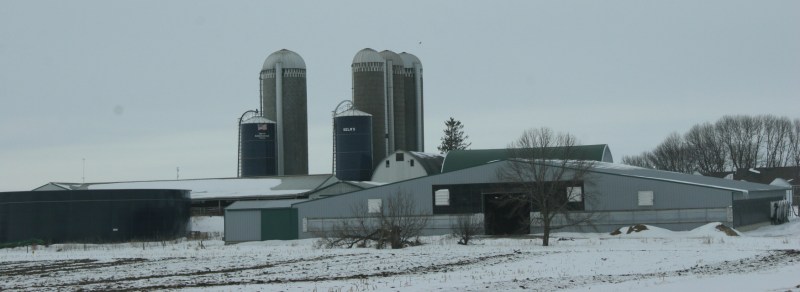
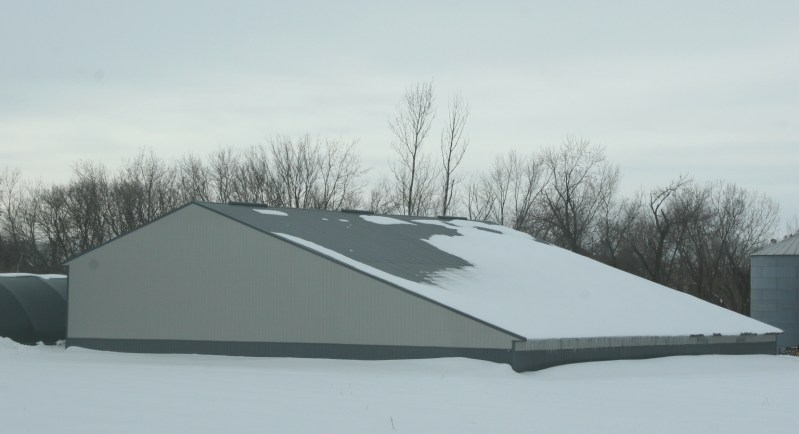
I FIND MYSELF, all too often in my on-the-road rural photography, focusing primarily on barns. My eyes gravitate toward these agricultural icons that I fear will vanish within the next 50 years, fallen to abandonment and/or replaced by nondescript cookie cutter metal polesheds. That saddens me. But it is the reality of the times, of the decline of the family farm.


Massive polesheds have replaced traditional barns on some farms, including this one along Interstate 90 in southeastern Minnesota.


I will continue to photograph these beloved landmarks, symbols of a bygone era of farming. Barns hold personal value to me as a farmer’s daughter. I grew up working in the barn—feeding cows, bedding straw, shoveling manure, lugging pails of still warm milk from cow to bulk tank and much more.


An abandoned farmhouse near Morristown, Minnesota.


A tiny, colorful house in Morristown, Minnesota.


Just blocks away in Morristown, newer homes cluster in a housing development. A tornado hit this area in 2018, destroying and heavily damaging houses.


While documenting these centers of farm life, I’ve mostly neglected to photograph the homes of rural Minnesota. They vary from abandoned houses with broken windows to modern-day structures.


In southwestern Minnesota, an aged farmhouse so familiar to me.


It is the decades-old farmhouses that appeal to me most, no matter their conditions. My childhood home until my early teens was a cramped three-bedroom 1 ½-story house without a bathroom. A hulking oil burning stove in the living room heated the structure. A trap door in the kitchen opened to stairs leading to a dark dirt-floored cellar where salamanders lurked. Mom stashed the bounty of her garden in fruit jars lining plank shelves.


A southwestern Minnesota farmhouse.


I am thankful to have grown up in a minimalist house, in a poor farm family. We may have been poor materialistically. But our family was rich in love. I never realized until I became an adult that I was raised in near poverty. Because of that background, I’ve never needed the most, the best, the newest.


In Kenyon, Minnesota, a brilliant turquoise makes this house stand out.


On recent road trips, I intentionally aimed my camera lens at houses. Both in small towns and in the countryside. These are not just houses. They are homes. Or memories of homes. Worthy of preserving with my camera as part of rural Minnesota history.


A home in the small town of Morristown, Minnesota.


THOUGHTS?

© Copyright 2020 Audrey Kletscher Helbling
 

On the road in southwestern Minnesota, a photo essay November 25, 2019

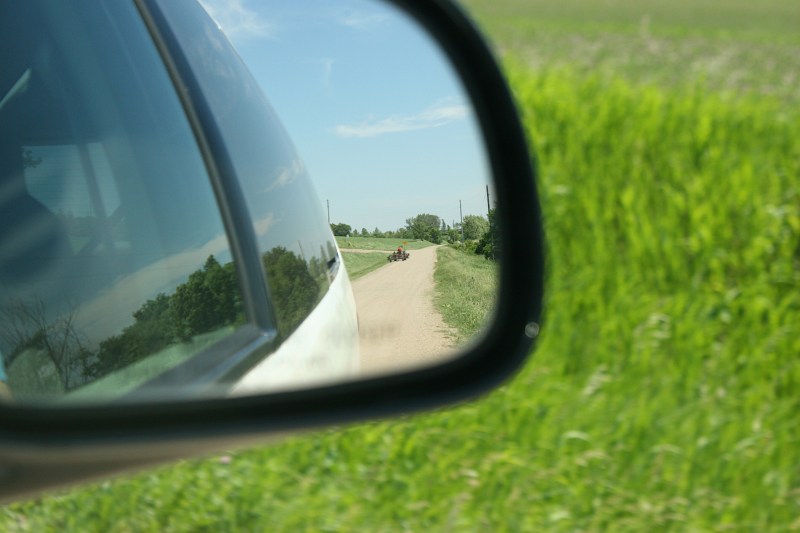
Sometimes I photograph scenes in the passenger side mirror, here the grain elevator in Morgan.


IF I STOPPED TO PHOTOGRAPH everything that grabbed my interest while on the road, I would never get anywhere. So I’ve learned to shoot on the fly—from the passenger seat and out the windshield or the side window. I set my camera’s shutter speed in sports mode (a fast speed to catch action) and then scan for photo ops.

Photographing in this style calls for a watchful eye, an ability to compose/frame a scene at a moment’s notice and a lot of luck. Factor in dirty/tinted windows and reflections and the challenge is even greater.


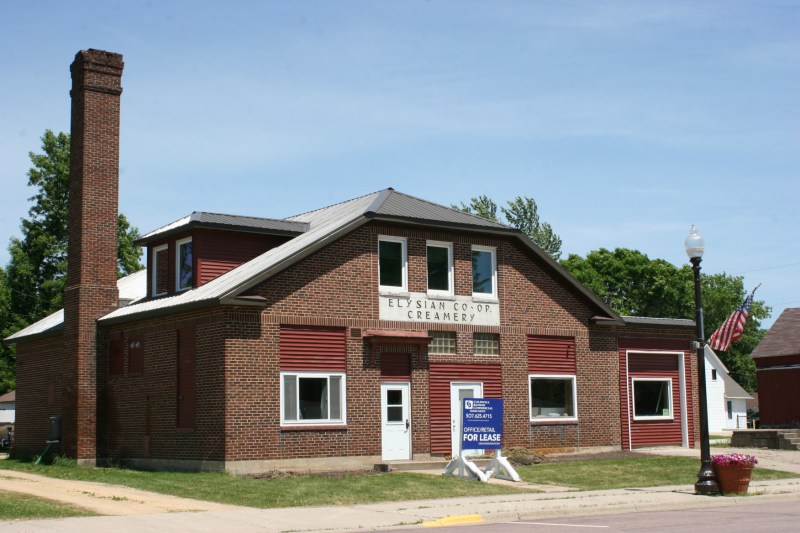
I often think, this creamery in Courtland would make a lovely brewery. I’m unsure of its use, but I think it’s a residence/apartments.


Still, I manage to capture plenty of images that I wouldn’t otherwise get.


Courtlands’ Swany’s Pub, left, always draws my eye for the signage.


With that background, I take you on the road, westbound toward my native Redwood County. My photo tour begins about 1 ½ hours into this road trip, in Courtland, This small town is a pass-through point for busy US Highway 14. It’s also the home of my maternal forefathers. Not a lot changes in Courtland, although the Crow Bar burned down a few years ago and has since been rebuilt. It’s across the street from Swany’s Pub.


The curve of this tire shop draws my focus.


The Minnesota Music Hall of Fame in New Ulm, which I have yet to visit.


A billboard near New Ulm advertises Schell’s Brewery’s seasonal snowstorm beer.


Continuing west, New Ulm now requires driving through this long river town (due to a major road construction project on Highway 14). I love New Ulm, just not the time it takes to get through the city when you want to reach your destination quickly. The strong German heritage of this place, its natural beauty and a variety of attractions (including Schell’s Brewery) make me a fan of New Ulm.


Harvest was in full swing during my most recent trip to southwestern Minnesota a few weeks ago. This is near New Ulm.


Once outside the seat of Brown County, the rural landscape continues on the long stretch of roadways to Morgan.


Driving through Morgan, a small farming community.


Waiting at the elevator in Morgan.


I photograph this co-op elevator nearly every time we drive through Morgan.


Now I’m back in Redwood County and the familiarity of grain elevators and small town Main Streets.


Near Redwood Falls, a grain truck in a cornfield.


Photographing breaks the boredom of too many miles between Morgan and Redwood Falls.


Driving through part of the business district in downtown Redwood Falls, Minnesota.


Redwood always brings out mixed emotions in me. I attended junior high here, the worst two years of my youth due to bullying in school. From both teachers and classmates. Yes, teachers. But Redwood also evokes some wonderful memories of visiting my maternal grandfather, of hiking in beautiful Alexander Ramsey Park (known as The Little Yellowstone of Minnesota) and buying fabric in the basement of the J.C. Penney’s store. I sewed most of my clothes as a teen.

As I photograph these places, I am documenting my life. Not always directly, but indirectly. And if not my life, then the lives and places of those who call southwestern Minnesota home.

© Copyright 2019 Audrey Kletscher Helbling
 

“Back home” in rural southwestern Minnesota November 22, 2019

Along U.S. Highway 14 west of Mankato. I grew up some 80 miles west of here.


ALTHOUGH I’VE LIVED IN TOWN longer than in the country, I still feel most at home in the familiar surroundings of endless land and vast sky. Southwestern Minnesota. It is the place of my roots, the place of my heart, the place where I feel overwhelmingly comfortable.


Farms edge U.S. Highway 14 in this region of Minnesota.


I expect most people connect to a geographic location. Do you?


Another farm along Highway 14 west of Mankato.


Every time I’m back home, because, yes, I still call this rural region back home, I sweep my eyes across the landscape, noticing always how small I feel in this setting. The sky and land overtake every aspect of this place, dwarfing farm sites and farm machinery and people. Only grain elevators seem to hold any sort of visual power.


An old-style machine shed in southwestern Minnesota.


As I travel through this farming region, I study building sites, pleased by sturdy, maintained barns, dismayed by those with roofs caving. Too many barns are vacant of animals, an almost certain start of their demise.


Grain bins define a farm site near Delhi, Minnesota, in my native Redwood County.


Like the farmer’s daughter I am, I notice the status of crops from spring planting to harvest. It’s in my DNA, this natural instinct to focus on corn and soybean fields, to assess the growing season, to care about the weather.


A farm site west of New Ulm, Minnesota.


Although I’ve left this land of my youth, I remain grateful for the earth, the sky, the wind, the communities, the schools, the churches and peoples of southwestern Minnesota. All influenced and shaped me. And still do.

© Copyright 2019 Audrey Kletscher Helbling
 

Thoughts after returning “home” to southwestern Minnesota November 14, 2019

Filed under: Uncategorized — Audrey Kletscher Helbling @ 5:00 AM
Tags: , , , , , , ,

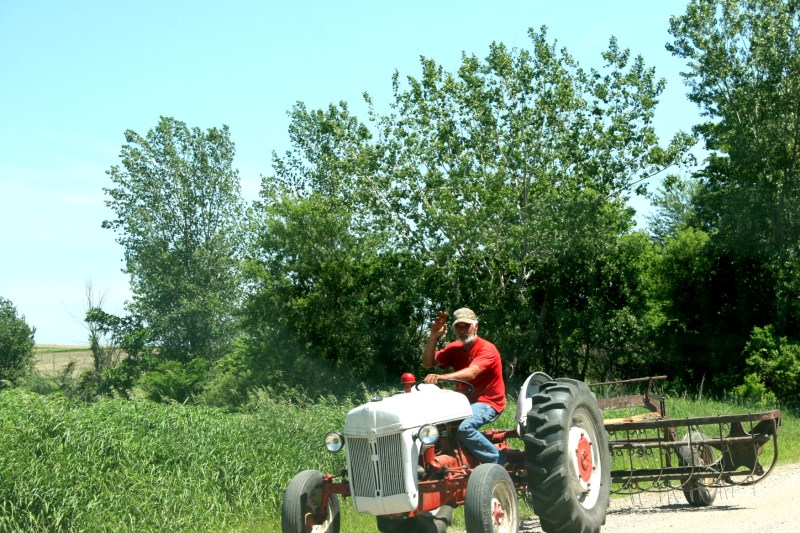
Just a few miles south of Belview, a John Deere tractor travels along a county road.


SOUTHWESTERN MINNESOTA. It is the place of my roots. The fields. The small towns. The people. The land. The sky. Even the wind.


A real estate and farm loan office in downtown Belview.


When I return here, I return with a sense of nostalgia. With memories. With a fondness for all this wide and spacious place represents to me. Yes, I admit to looking through a rose-colored lens, too often forgetting the challenges of living in rural Minnesota.


I love the colorful art on this antique shop in Belview, Minnesota.


But I prefer to focus on the comfort that going back home brings to me. A sense of calm. A sense of peace. A sense of quiet in a sometimes too chaotic life.


The local gas station/convenience store in Belview, next to the grain elevator. An important place since there’s no grocery store in town.


Small towns have their issues. Just like anywhere. But they also have the positives of a strong sense of community, of loyalty, of grit and determination. Agriculture weaves into every aspect of these small towns. Like Belview, rooted in agriculture. You see that influence in the businesses along Main Street.


Another Belview business.


There is comfort in seeing that, despite e-commerce and regional shopping centers, rural communities manage to hold onto local businesses. I often wonder how long. And that is a question only those who live in these communities can answer.


Working the land between Belview and Delhi.


THOUGHTS?

© Copyright 2019 Audrey Kletscher Helbling
 

From Sleepy Eye: When a small town clinic goes the extra mile August 23, 2019

Sleepy Eye Lake with the steeples of St. Mary’s Catholic Church visible in the distance across Minnesota State Highway 4.


ON A WEEKDAY AUGUST AFTERNOON as lovely as they come in Minnesota, I sat at a shelterhouse picnic table along the shores of Sleepy Eye Lake eating a salad. Sportsman’s Park proved a picturesque place to enjoy a picnic lunch with my husband and son before continuing west to visit my mom in a care center.


After lunch, we followed a paved trail to a public dock with a view of the lake and the town of Sleepy Eye to the south. I wasn’t at all surprised by the mucky green growth polluting the lake like most lakes in southern Minnesota.


A few kids hung out at a second dock angling for fish in the murky water. And two bikers zipped by in this park which also features 16 camping sites, two camper cabins, disc golf and a playground. Just a nice spot to picnic and enjoy the outdoors.


Sportsman’s Park seems pretty typical of most small town parks at first glance. But then I noticed something unique—a row of six white bicycles. Further investigation revealed a seasonal bike rental program offered through the Sleepy Eye Healthcare Foundation. Begun in the summer of 2017, Bike Share allows users to download an app and rent a bike. I never would have expected this in a community the size of Sleepy Eye with a population of some 3,400.


But given the 3.12-mile paved Sleepy Eye Bike Trail and the camp sites and cabins at this park, this seems an ideal fit.


The nonprofit foundation, part of Sleepy Eye Medical Center, aims “to provide excellent healthcare to our patients and to enhance the wellness and quality of life in the communities we serve.” Bike Share fulfills that mission. Maybe other healthcare teams offer the same in rural communities. But this is the first I’ve seen.


Additionally, the Sleepy Eye Healthcare Foundation sponsors an annual 5K Run/Walk for Health, a golf tournament and post-secondary scholarships for students entering the healthcare field. I’m not surprised really at the level of community support. I grew up in the county just to the west and understand the importance of local healthcare access. Without it, people sometimes drive hours to clinics and hospitals.


I’m getting sidetracked here. So I’ll circle back to those bikes, to my appreciation for these rural clinics and hospitals that show they care about the communities they serve through programs like Bike Share. The sign below the main Sportsman’s Park sign summarizes well the spirit of small towns like Sleepy Eye in the words “a cooperative project.” Working together to enhance wellness and the quality of life seems a noble goal no matter where you live, no matter the size of your community.

© Copyright 2019 Audrey Kletscher Helbling