Minnesota Prairie Roots

Writing and photography by Audrey Kletscher Helbling

A picture story from small town Minnesota September 27, 2016

Filed under: Uncategorized — Audrey Kletscher Helbling @ 5:00 AM
Tags: , , , , , ,

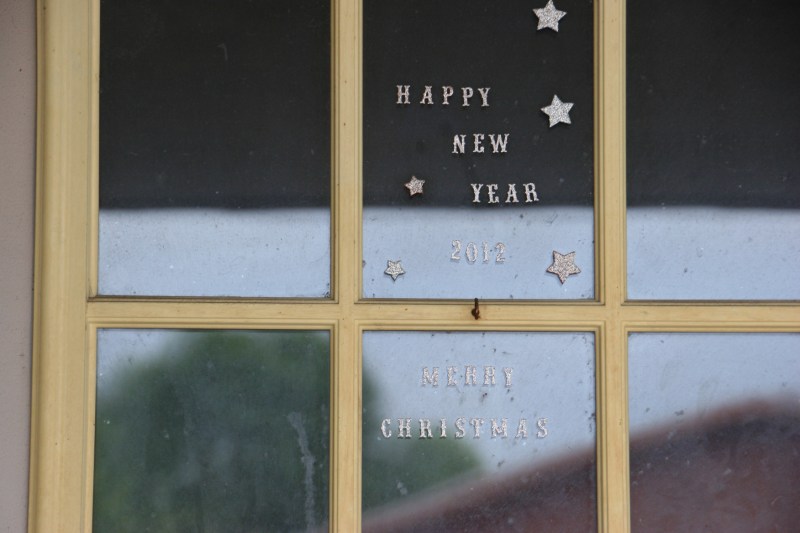
side-street-waterville-26-holiday-greetings-on-door


SMALL TOWNS SOMETIMES present images of time standing still.


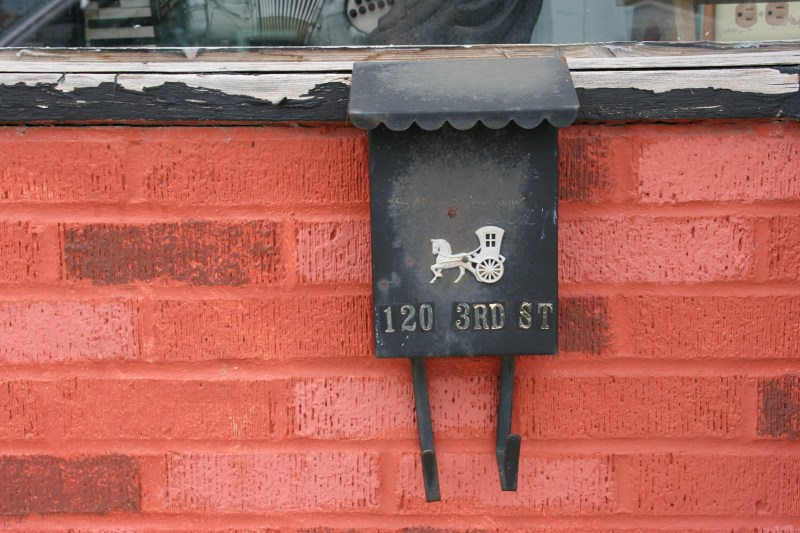
side-street-waterville-28-mailbox


History lingers.


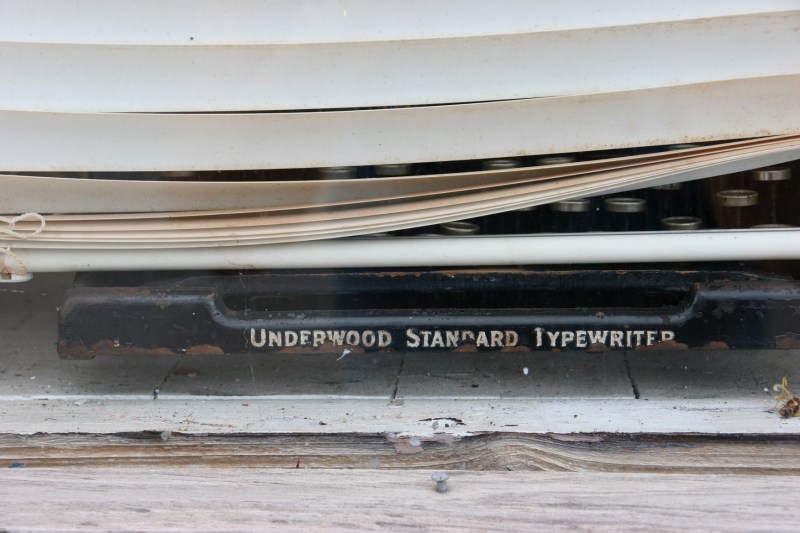
side-street-waterville-27-vintage-typewriter


The past writes in to the future.


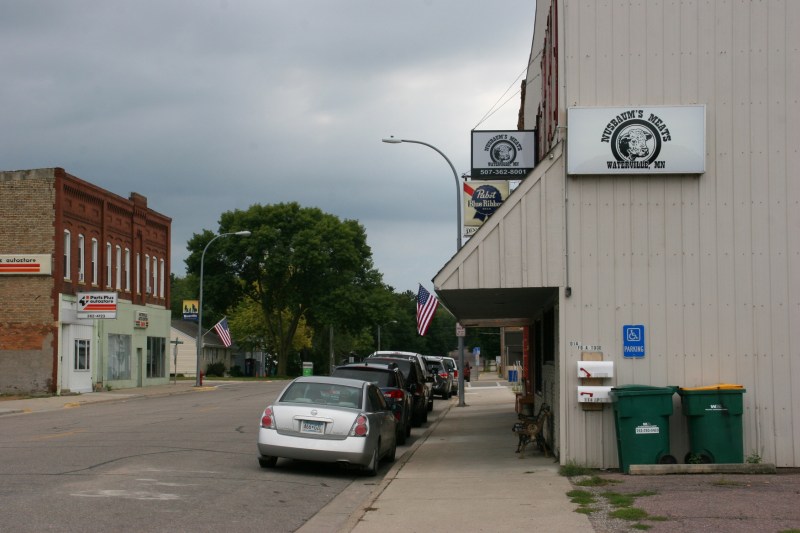
side-street-waterville-25-nusbaums-meats


Long-time grassroots businesses maintain a presence, some strong, others struggling against the consumer pull to regional shopping centers, to discount and chain stores.


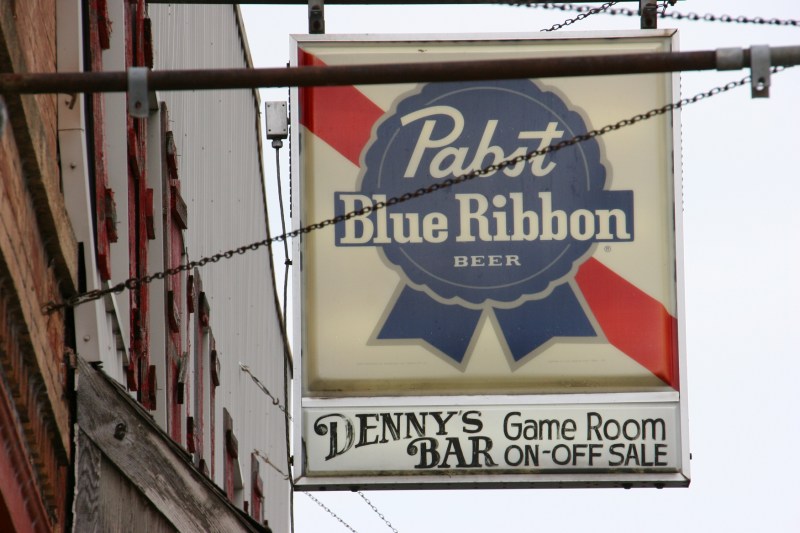
side-street-waterville-pabst-blue-ribbon-bar-sign


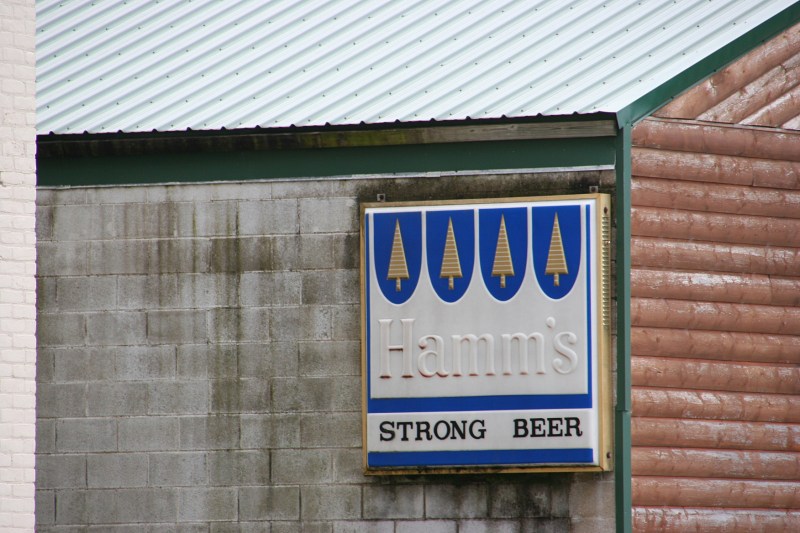
Watering holes still lure in the locals with icy beer and plenty of BS, enough to crank up the town rumor mill.


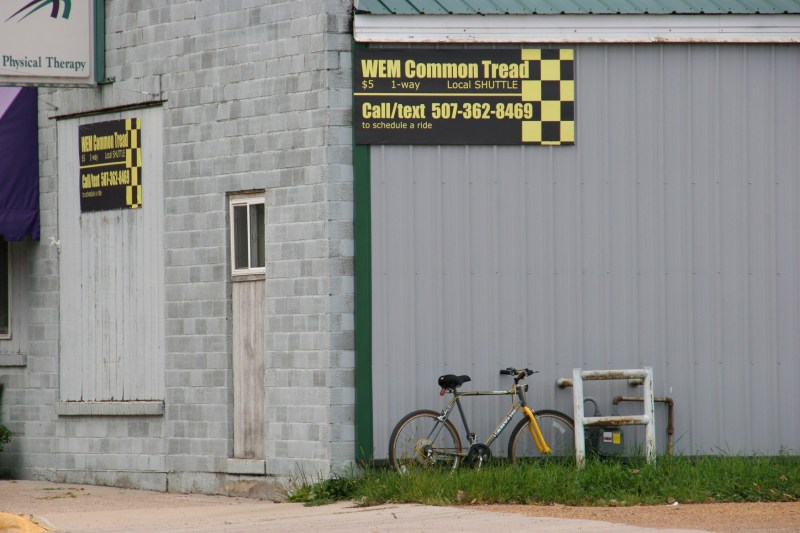
side-street-waterville-13-wem-common-tread


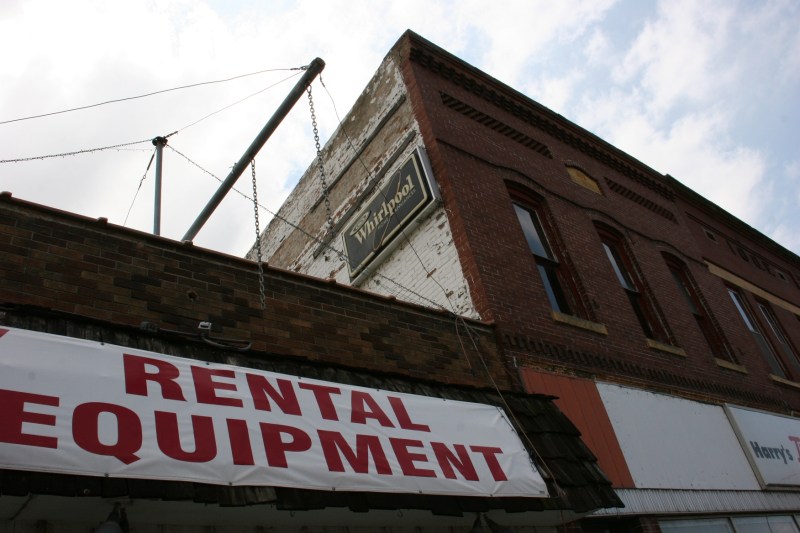
Signs of change creep in. An aging populace. Technology. New needs.


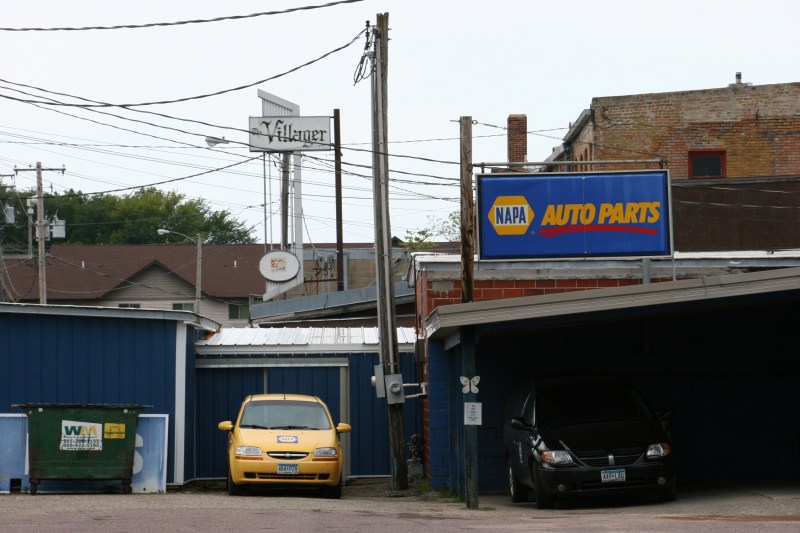
side-street-waterville-30-alley-napa-sign


But always the community webs together, lines interconnecting those who call this place, this small town, home.

#

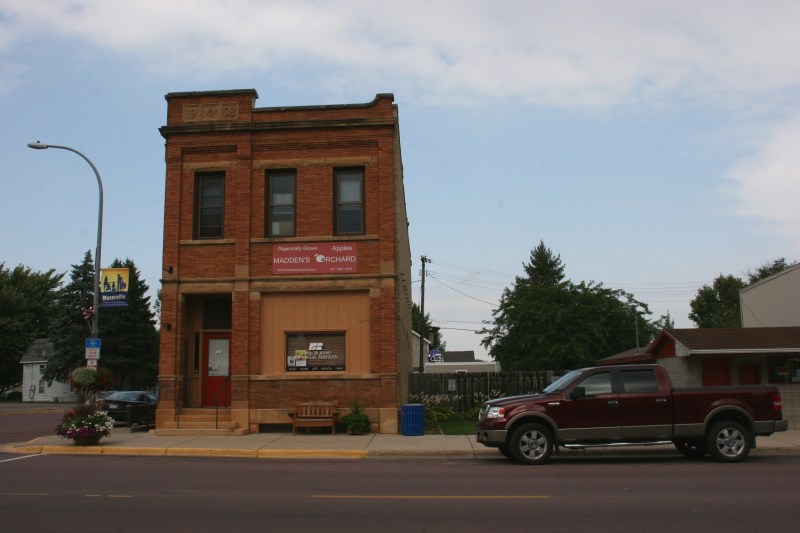
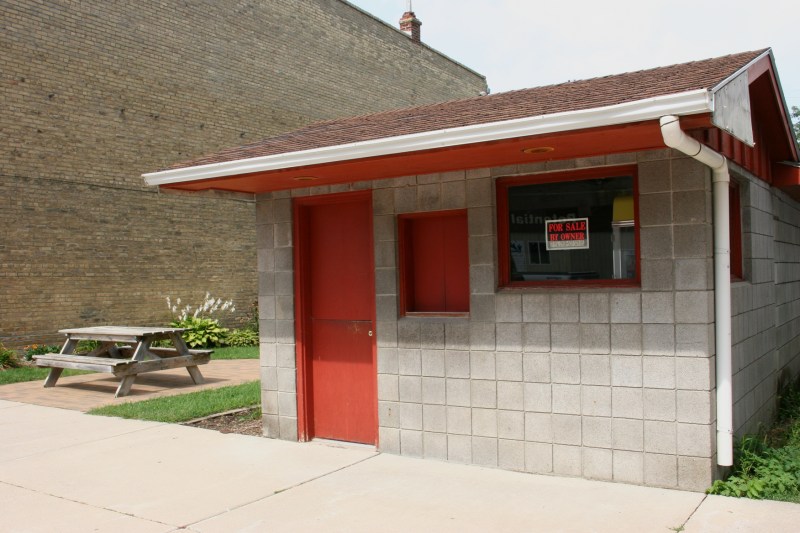
(All of these images were taken recently along two side streets and an alley off Main Street in Waterville, Minnesota.)

FYI: Please click here to read my first post from Waterville. And check back for more photos from this southern Minnesota community.

© Copyright 2016 Audrey Kletscher Helbling


In appreciation of the Sunday afternoon drive: Snapshots from Main Street Waterville September 26, 2016

A recent street scene from small town Waterville, Minnesota.

A man and his dog in a recent street scene from small town Waterville, Minnesota.

SOME MIGHT LAUGH. Others may consider it an activity for old fogies. But I don’t care. I appreciate the Sunday afternoon drive. We all should.

I grew up with the occasional Sunday afternoon drive as a rare diversion from southwestern Minnesota farm life. My siblings and I would pile into the Chevy, Dad behind the wheel, Mom in the front passenger seat. My farmer father would steer the car along rugged township gravel roads, tires kicking a trail of dust. His drive had purpose, focus—to look at the crops.

Today I still study farm fields. But not with the same assessing eye as my dad. My livelihood doesn’t depend on yields from the land.

Still, those semi-leisurely drives taught me something important. They taught me the value of looking and truly seeing, of noticing the details. And they taught me the value of going for a drive.

In the past several years, since we became empty nesters, my husband and I have taken to Sunday (or Saturday) afternoon drives like moths to porch lights. We choose a general direction we want to travel and just go.

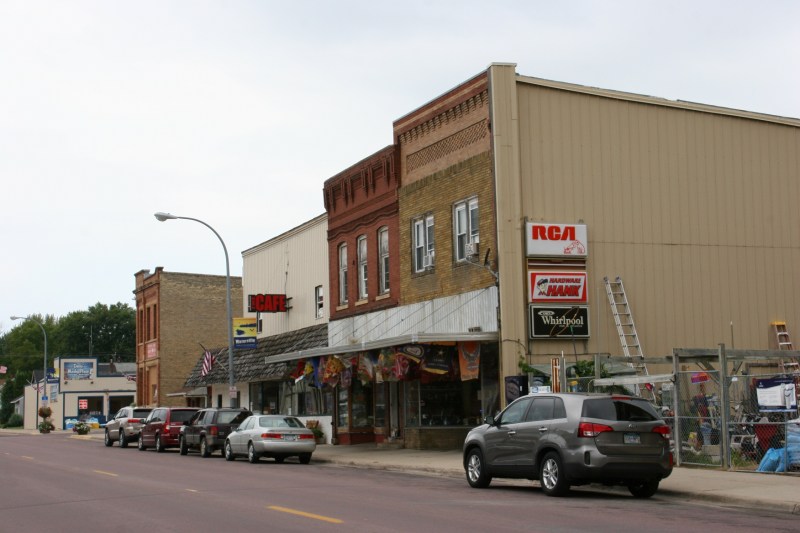
A snippet of Waterville's Main Street, including Ron's Hardware, jam-packed with merchandise.

A snippet of Waterville’s Main Street, including Ron’s Hardware Hank, jam-packed with merchandise. You have to see this place to believe it.

A Labor Day drive took us west to the small towns of Elysian and Waterville. We’ve explored both before. But, still there were new details awaiting discovery. I like nothing better than to park the van along the Main Street of a rural community and then walk, camera in hand, documenting the nuances that define a place.

Waterville is the self-proclaimed Bullhead Capitol of the World and celebrates Bullhead Days every June.

Waterville is the self-proclaimed Bullhead Capital of the World and celebrates Bullhead Days every June.

On this day, it was Waterville.

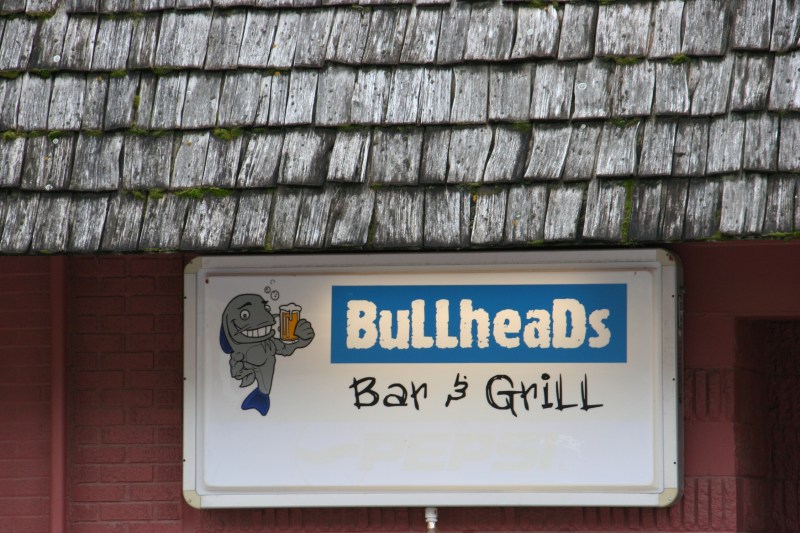
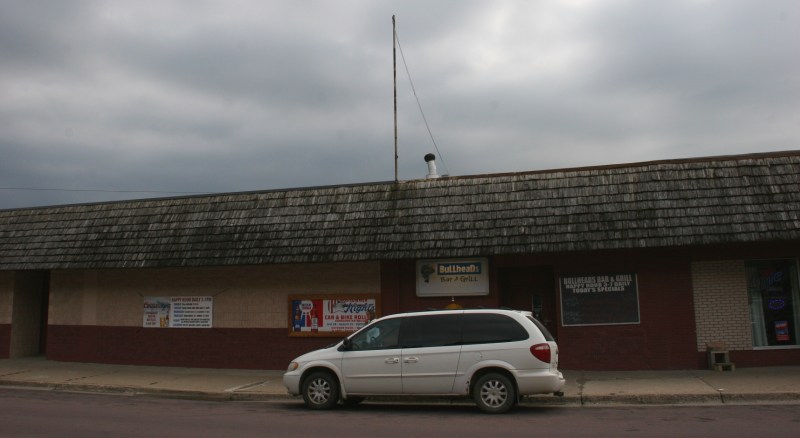
Bullheads Bar & Grill, one of several bars in Waterville.

This low-slung building along Main Street houses Bullhead’s Bar & Grill, one of several bars in Waterville. The name pays tribute to the bullhead, a fish abundant in area lakes.

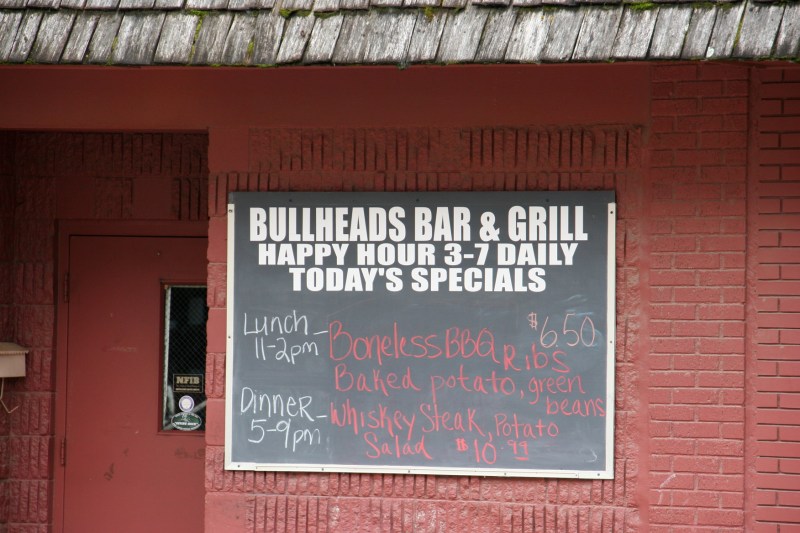
The food sounds enticing and the prices really reasonable.

The food sounds enticing and the prices reasonable. If I hadn’t just eaten a Sticky Burger (burger with peanut butter and bacon) at Tucker’s Tavern in Elysian…

I appreciate vintage signage like this spotted on a downtown building.

I appreciate vintage signage like this spotted on a downtown building.

Madden's Orchard occupies this corner building next to a community park.

Madden’s Orchard occupies this corner building next to a community park.

And next to the mini park sits this mini building, which is for sale. I peered inside to see a popcorn machine, making this a former popcorn stand.

And next to the mini park sits this mini building, which is for sale. I peered inside to see a popcorn machine, making this a former popcorn stand. What possibilities could you see for this building besides reopening a popcorn stand?

Signage always catches my eyes, especially the vintage signs I often find in small towns.

Signage always catches my eyes, especially the vintage signs I often find in small towns.

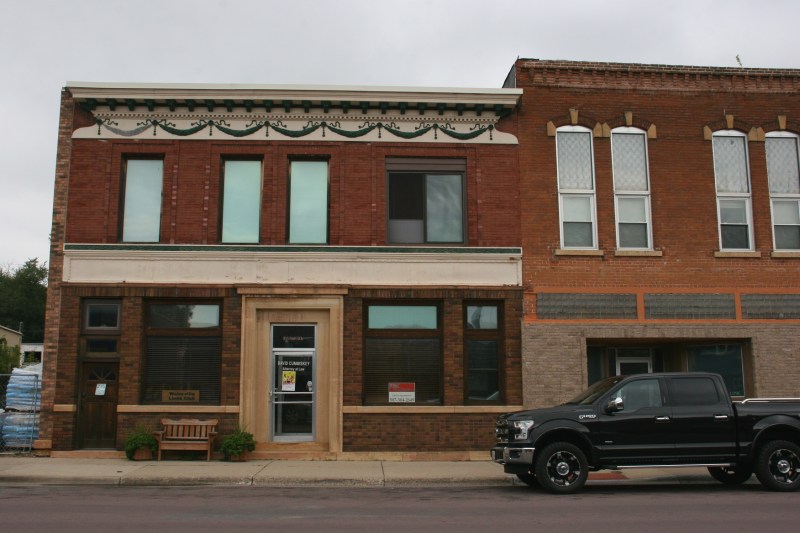
Some lovely aged buildings occupy downtown Waterville. This one, left, houses a law office.

Many aged buildings occupy downtown Waterville. This one, left, houses a law office.

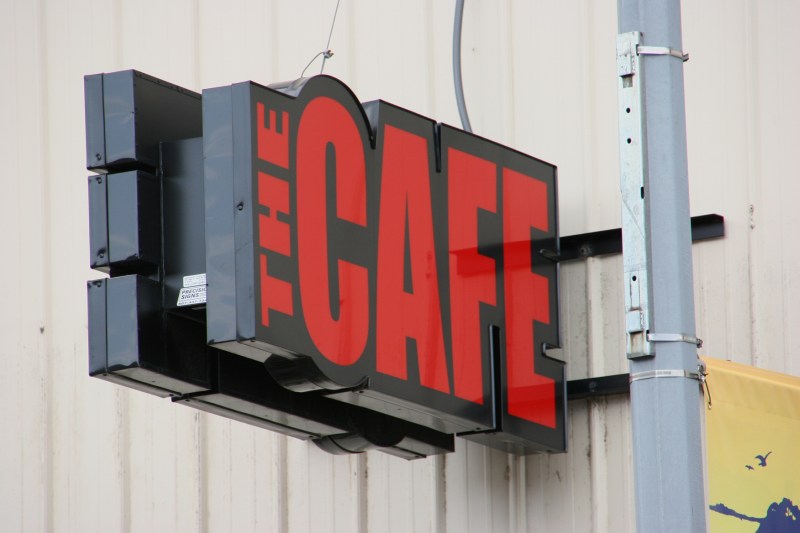
I love this simple, bold graphic marking The Cafe.

I love this simple, bold graphic marking The Cafe.

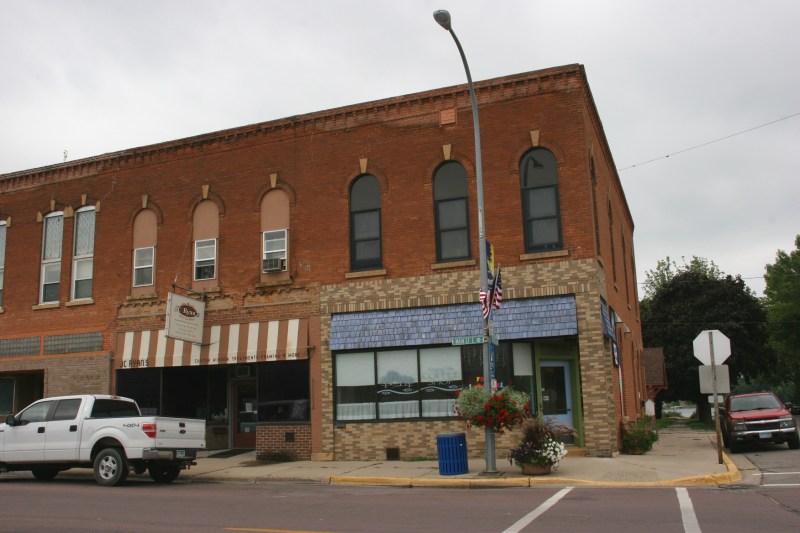
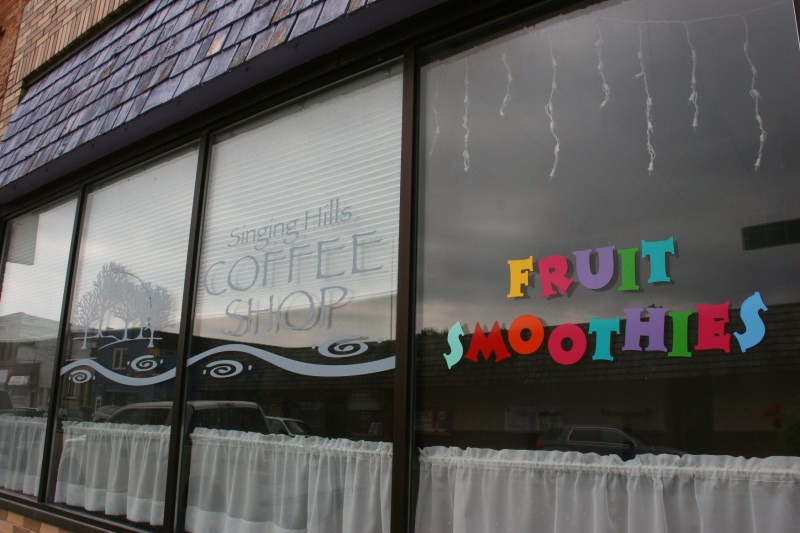
Singing Hills Coffee Shop anchors the corner building next to JC Ryan's Art Gallery. The coffee shop, which I blogged about four years ago, is available for lease. It's named after the

Singing Hills Coffee Shop anchors the corner building next to JC Ryan’s Art Gallery. The coffee shop, which I blogged about four years ago, is available for lease. It’s an inviting shop named after the Sakatah Singing Hills State Trail, a recreational trail that runs through town from Faribault to Mankato. Waterville is a popular southeastern Minnesota lakeside resort community.

I had a maple bacon sundae when I visited the coffee shop in September 2016. It was closed when I was there this year and, I believe, is closed for the season.

I had a maple bacon sundae when I visited the coffee shop in September 2014. It was closed when I was there this year and, I believe, is closed for the season.

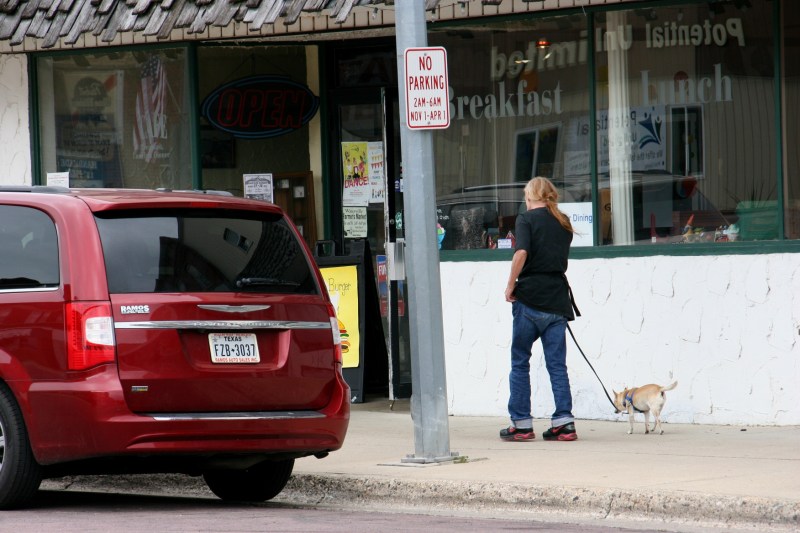
Just walking the dog...

Just walking the dog in downtown Waterville…

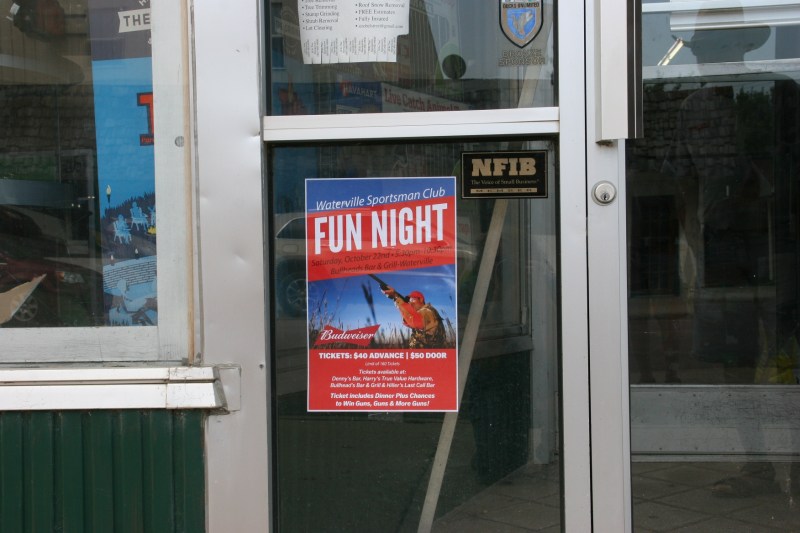
You can learn a lot about a small town simply by reading the posters, signs and notices on storefront windows and doors.

You can learn a lot about a small town simply by reading the posters, signs and notices on storefront windows and doors.

TELL ME: Do you take Sunday afternoon drives? If so, why? If not, why not?

FYI: Check back for more photos from Waterville.

© Copyright 2016 Audrey Kletscher Helbling


Wisconsin’s rural character revealed along State Highway 21 September 22, 2016

Filed under: Uncategorized — Audrey Kletscher Helbling @ 5:00 AM
Tags: , , , ,

DRIVE THE INTERSTATE and you mostly miss the nuances of a place.

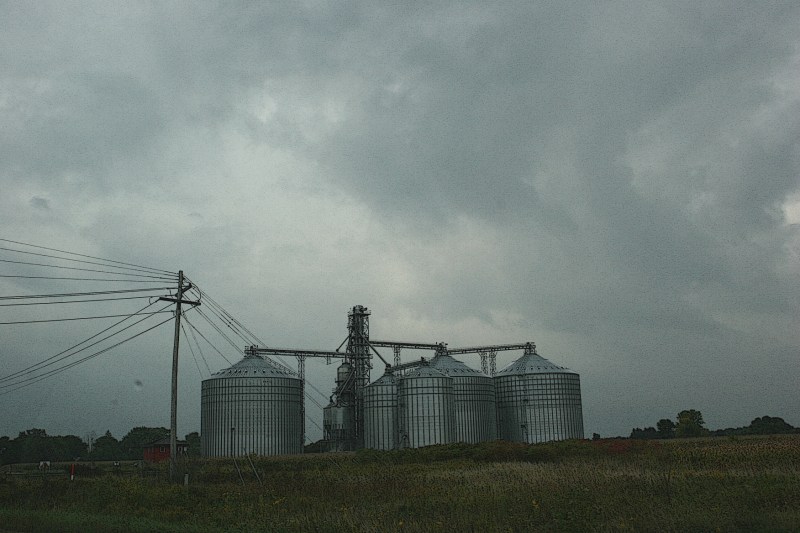
On a rainy Friday afternoon, I photographed this scene along Wisconsin Highway 21, a rural region of the state.

On a rainy Friday afternoon, I photographed this scene along Wisconsin Highway 21, a rural region of the state.

But travel a back county road or a state highway and you begin to see the details that comprise a location. Like rural Wisconsin.

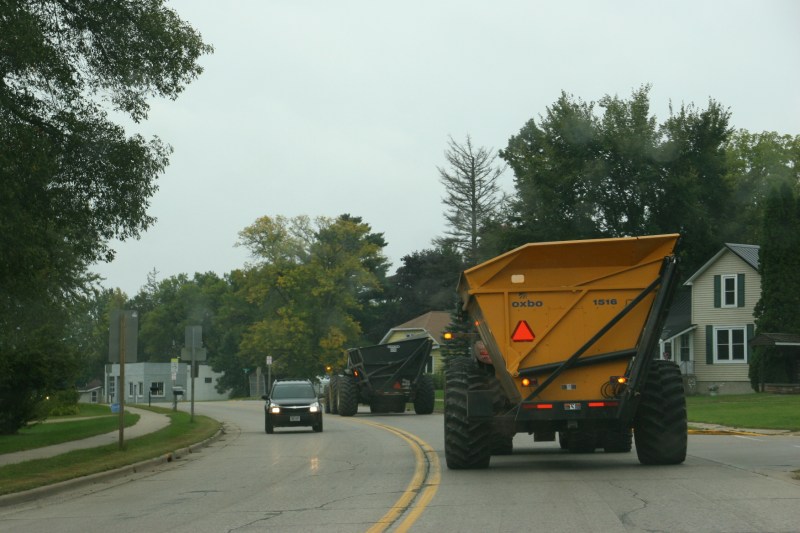
Stuck behind farm equipment along Highway 21.

Stuck behind farm equipment along Highway 21.

Wisconsin State Highway 21 between Tomah and Oshkosh has become a familiar stretch of highway for my husband and me as we travel that route to reach our second daughter’s home in the Fox Valley region. It is a busy stretch of roadway which often leaves us wishing for a quicker, safer east-west route. But options are limited, especially if we don’t want to travel through the Twin Cities metro.

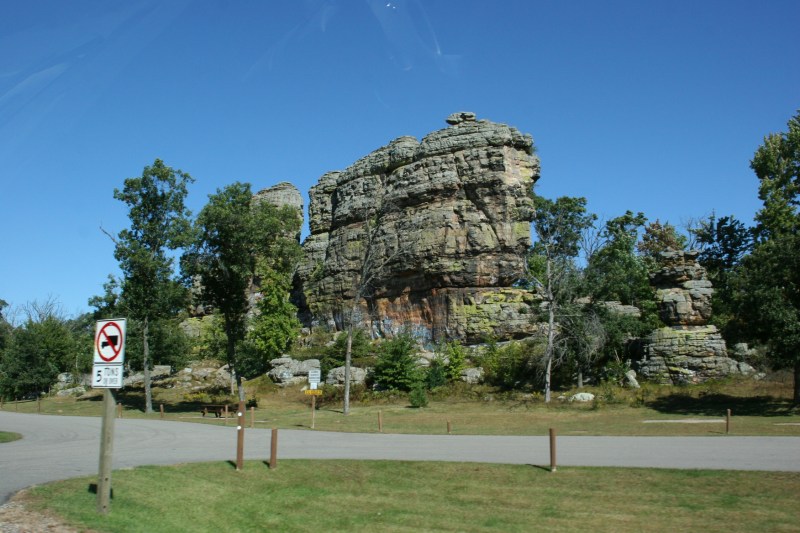
The natural attraction, Castle Rock, juts up from the landscape.

The natural attraction, Castle Rock, juts up from the landscape near Coloma.

So we make the best of it, watching for the cranberry bogs east of Tomah, the Amish between Coloma and Wautoma, the natural wonder of Castle Rock,

ju

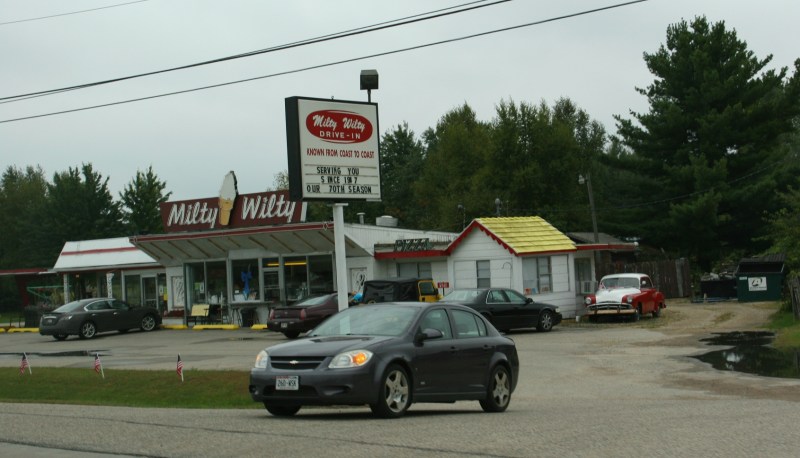
Probably the oldest drive-in along Wisconsin Highway 21, the Milty Wilty has been in business in Wautoma for 70 years.

the Milty Wilty in Wautoma and anything that screams Wisconsin.

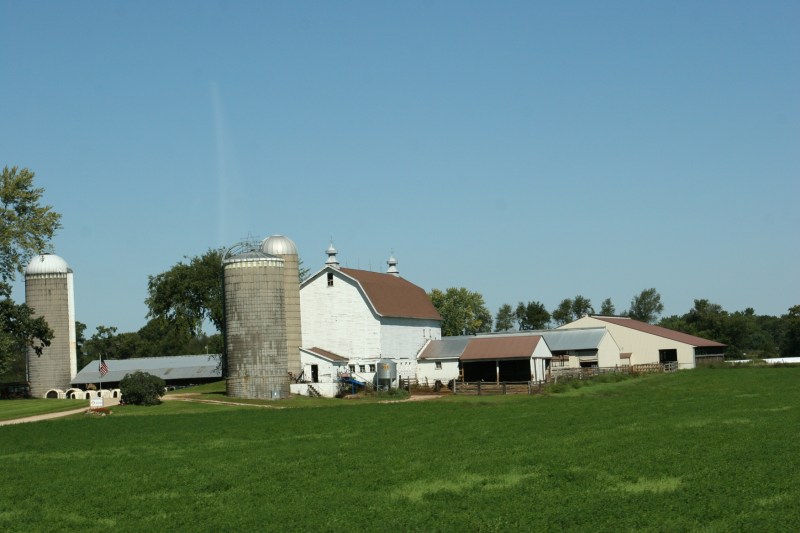
Small family farms abound along Wisconsin State Highway 21.

Small family farms abound along Wisconsin State Highway 21.

Highway 21 takes us past potato and dairy farms,

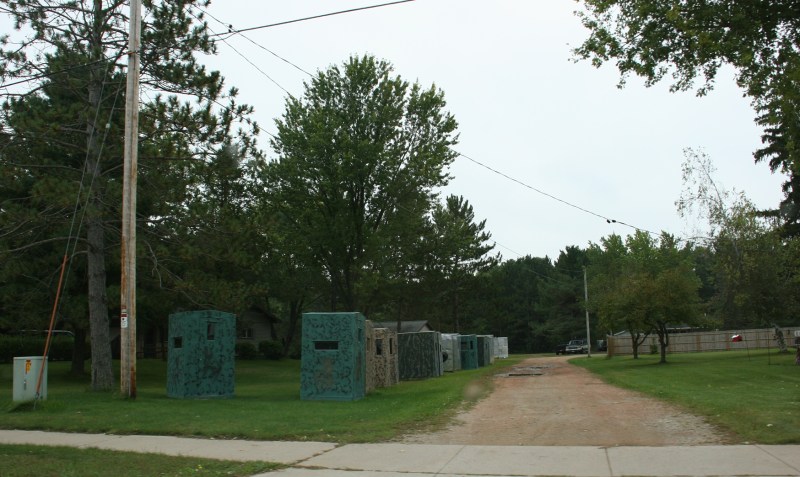
Hunting shacks for sale in Redgranite.

Hunting shacks for sale in Redgranite.

past hunting land and the Necedah National Wildlife Refuge, across rivers and creeks,

Businesses in downtown Redgranite, one of my favorite towns along Highway 21.

Businesses in downtown Redgranite, one of my favorite towns along Highway 21.

through small towns like Omro and Redgranite,

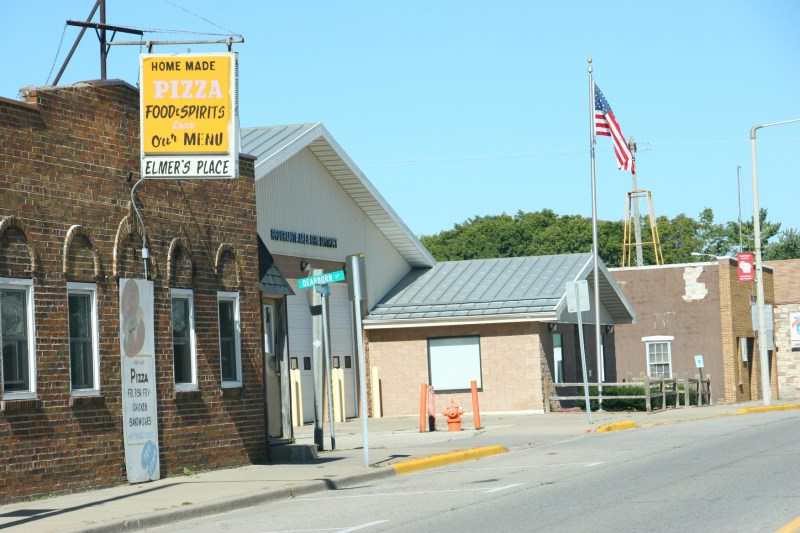
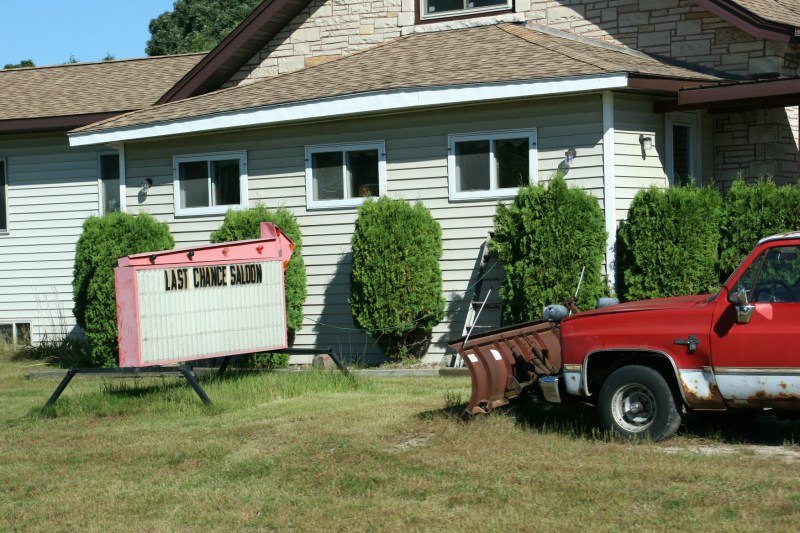
The names of small town bars, like this one in Redgranite, amuse me.

The names of small town bars, like this one in Redgranite, amuse me.

past bars and churches,

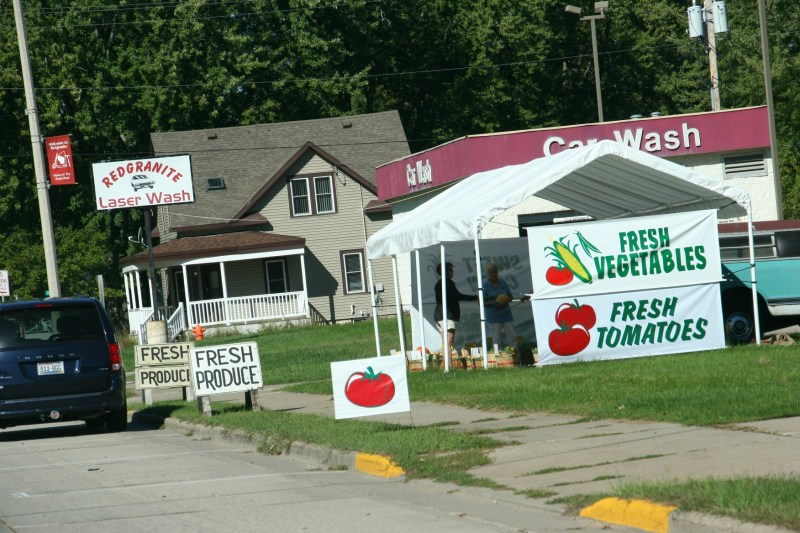
Roadside stands are plentiful this time of year.

Roadside stands are plentiful this time of year. Here’s one in Redgranite.

to roadside stands and Piggly Wigglies.

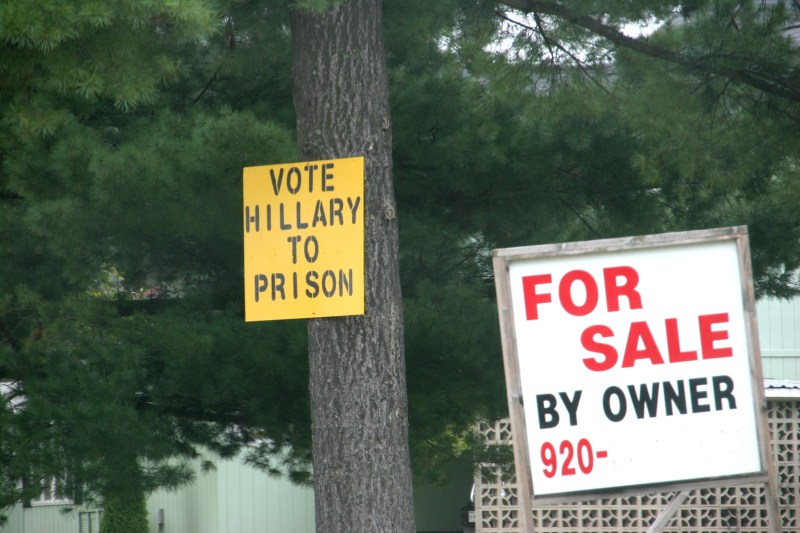
Posted in a front yard in Redgranite.

Posted in a front yard in Redgranite.

This route reveals so much about the character of Wisconsin. Signs for brat fries. Bars aplenty. Strong opinions voiced in handcrafted signs.

One of my favorite restaurant icons, located in Wautoma.

One of my favorite restaurant icons, located in Wautoma.

Small town diners.

Making silage.

Making silage.

Farming and fishing.

Scenes along Wisconsin State Highway 21 reflect this area's rural character.

Scenes along Wisconsin State Highway 21 reflect this area’s rural character. This is near Coloma.

Travel the interstate and you will miss most of this. But follow a state highway and you will begin to understand a place. Like rural Wisconsin.

© Copyright 2016 Audrey Kletscher Helbling


Beyond the Big Woods on Nerstrand’s Main Street July 28, 2016

Driving westbound into Nerstrand, Minnesota.

Driving westbound into Nerstrand, Minnesota.

WITH A POPULATION of only 253, you might expect Nerstrand to be a quiet small town with, as some could surmise, not a lot going for it. But that would be an inaccurate assessment.

A farm site just east of Nerstrand.

A farm site just east of Nerstrand.

Just north of Nerstand, country gravel roads run through the hilly terrain.

North of Nerstand, country gravel roads run through hilly terrain.

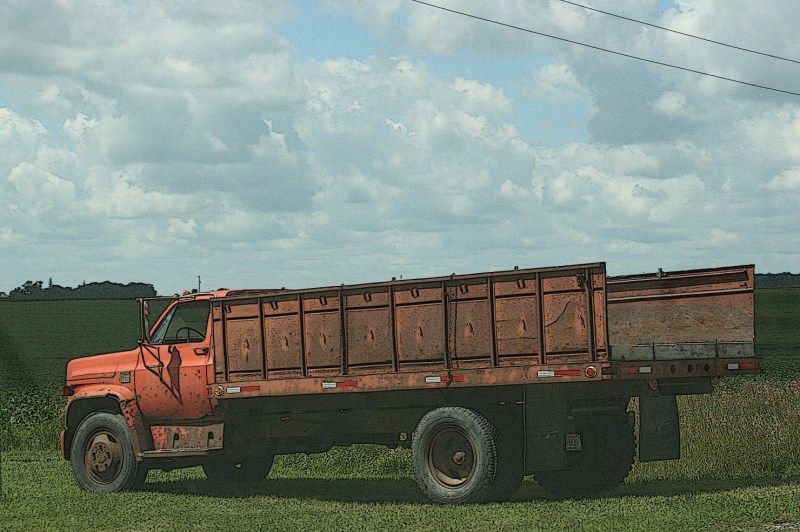
I photographed this truck in a field drive west of Nerstrand.

I photographed this parked truck just outside of Nerstrand to the west.

This farming community in eastern Rice County is known for many things including the local ag equipment dealer, Isaacson Implement; the highly-touted Nerstrand Elementary School; nearby Nerstrand Big Woods State Park; and Nerstrand Meats and Catering.

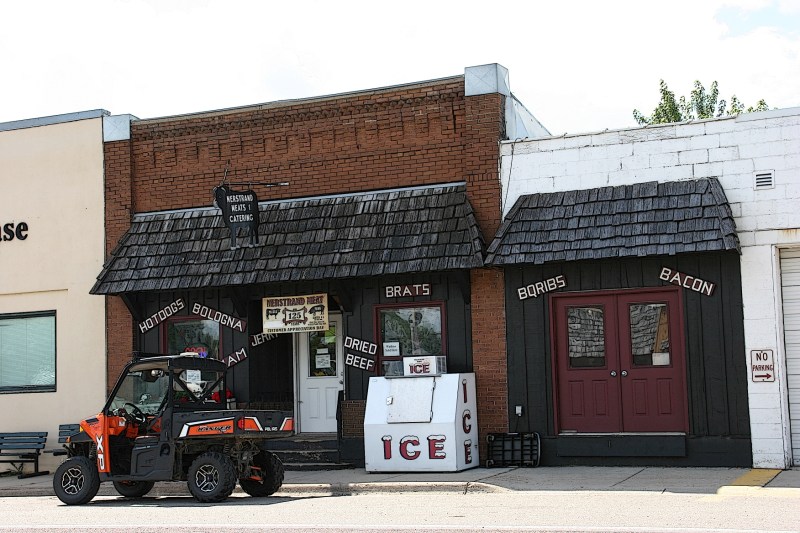
Nerstrand Meats.

Nerstrand Meats is a popular stop in this small southeastern Minnesota community.

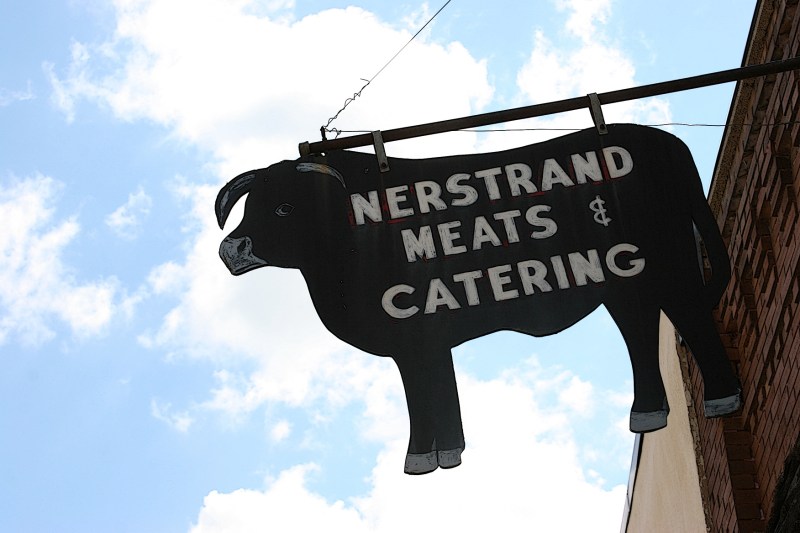
This sign marks the meat market.

This sign marks the meat market.

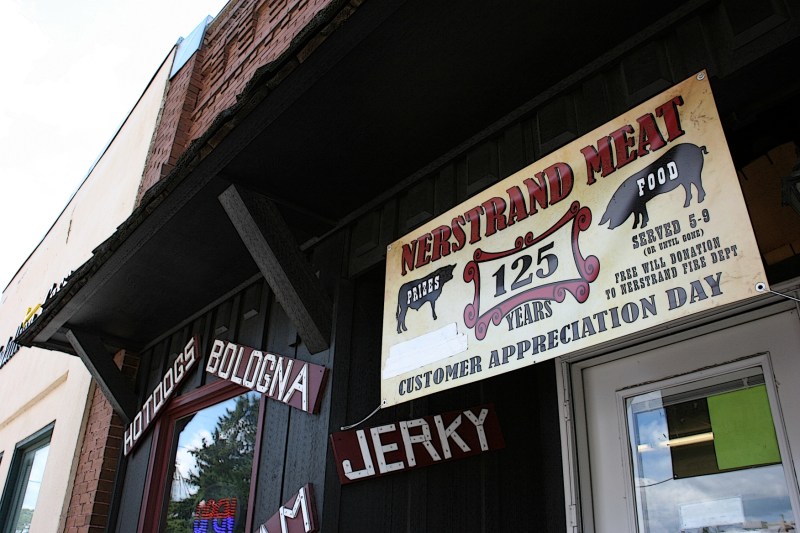
In business for 125 years...

In business for 125 years…

On a recent Saturday, while on the 2016 Eat Local Farm Tour, my husband and I stopped in Nerstrand to purchase meat at the family-owned meat market open since 1890. While Randy ducked into the shop, I snapped a few exterior photos before joining him in the small storefront space that smells of smoked meats, the market’s specialty.

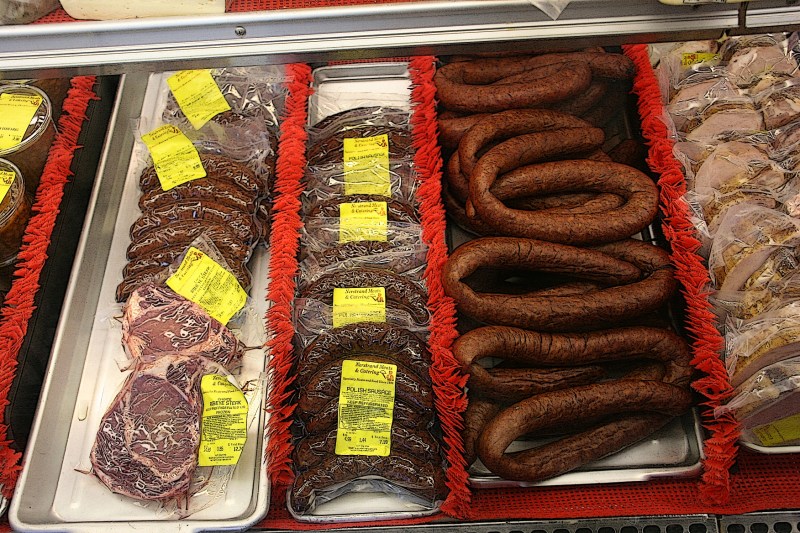
A small section of the fresh meat counter.

A small section of the fresh meat counter.

Randy chose smoked chops, Nerstrand weiners and a half pound of dried beef. He’s the big meat eater in our house. I could live on fruits and vegetables.

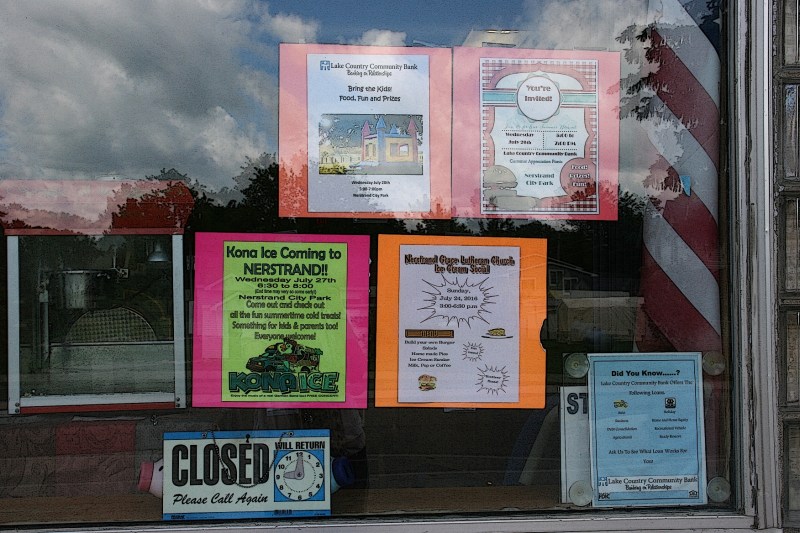
Notices in a storefront window half a block from the meat market. So typical of a small town.

Notices in a storefront window half a block from the meat market. So typical of a small town.

While the clerk packaged his purchases, I headed out the door to see the rest of this several-block downtown. That tour didn’t take long.

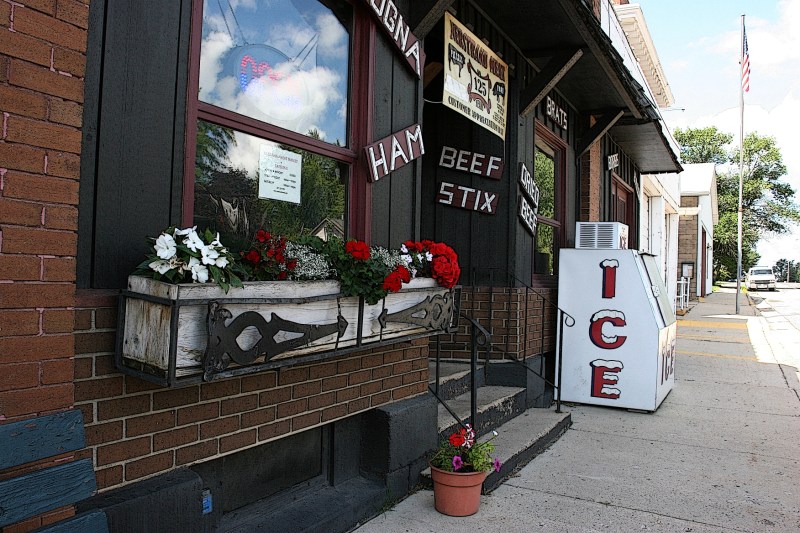
Another view of Nerstrand Meats.

Another view of Nerstrand Meats. How convenient and necessary the ice machine.

Yet, I left this small town knowing Nerstrand is a destination for many—whether in need of farm equipment, in need of an education, in need of a get-away or in need of fresh smoked meats.

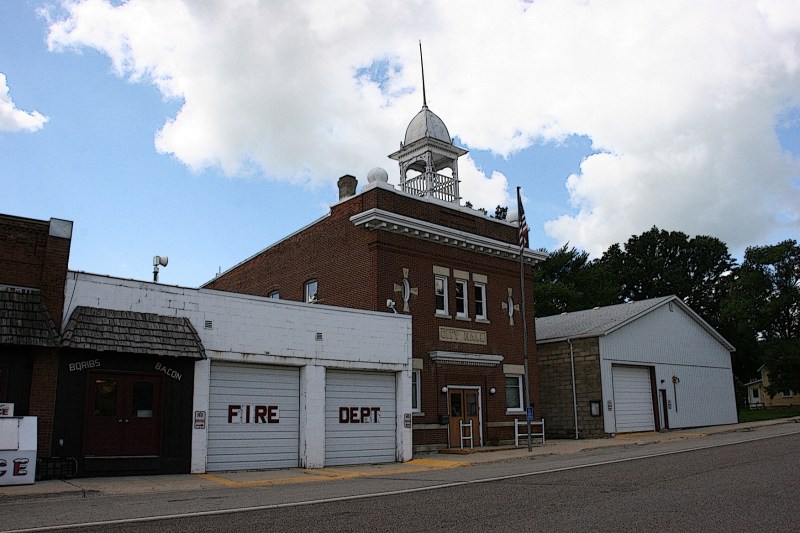
The fire hall and city hall sit next to Nerstrand Meats.

The fire hall and city hall sit next to Nerstrand Meats.

TELL ME: What small town have you discovered that offers unexpected reasons to visit?

© Copyright 2016 Audrey Kletscher Helbling


From small town Minnesota: When no one would be queen July 22, 2016

Filed under: Uncategorized — Audrey Kletscher Helbling @ 5:00 AM
Tags: , , , , , ,
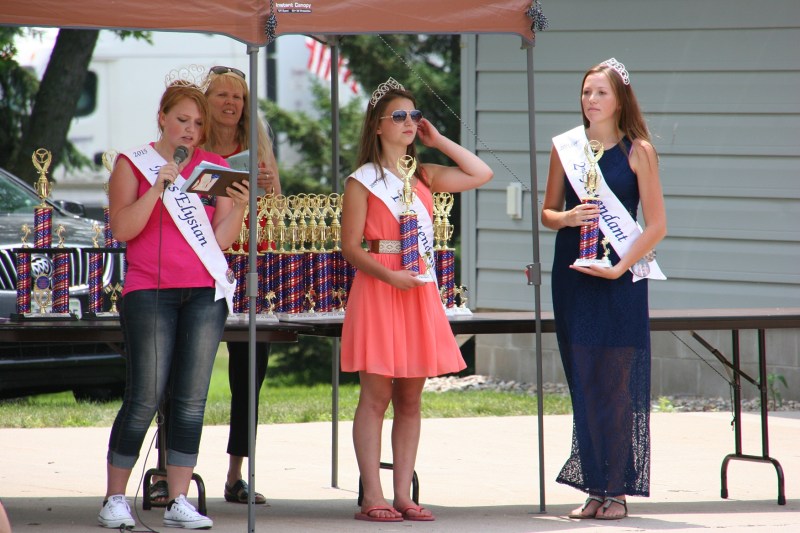
As we were leaving, Miss Elysian royalty were handing out Car Show trophies.

Miss Elysian royalty handed out Car Show trophies at the community’s Fourth of July celebration in 2015. Minnesota Prairie Roots file photo used for illustration purposes only.

ARE HIGH SCHOOL teens too busy to reign as small town royalty? That’s the assessment of one local pageant organizer.

According to an article published in the The Gaylord Hub, only one girl applied for the role of Miss Gaylord 2016. That lack of interest caused organizers to call off the coronation which is part of this southern Minnesota community’s annual Extravaganza celebration in August.

Brianna Hahn, chairperson of the Gaylord Royal Ambassadors, cited competition from sports, summer jobs and post-secondary education for the waning interest along with a smaller than usual pool of potential candidates this year. Additionally, Hahn noted that surrounding communities are facing the same problem.

I checked several neighboring towns and found the royalty tradition continuing with a Miss Winthrop at Farm City Fun Fest, Miss Henderson at Sauerkraut Days, Miss Nicollet at Friendship Days and Miss Le Sueur at the Giant Celebration.

But I expect Hahn is right—that other rural Minnesota communities are experiencing declining numbers, too, in queen candidates. Is your community one of them?

Are small town queen competitions becoming a thing of the past? Should changes be made to continue the tradition? What are your thoughts?

© Copyright 2016 Audrey Kletscher Helbling
Source cited: The Gaylord Hub


Every life matters to a social media savvy small town Minnesota police chief July 13, 2016

Kenyon Police Chief Lee Sjolander. Photo from Kenyon Police Department Facebook page.

Kenyon Police Chief Lee Sjolander. Photo from Kenyon Police Department Facebook page.

HOOLIGAN BY DEFINITION means violent young troublemaker.

And although Lee Sjolander is officially a hooligan, as in the percussionist for the Goodhue County rock and country variety band The Local Hooligans, he’s not by any standards a troublemaker. That’s his part-time after hours band gig title.

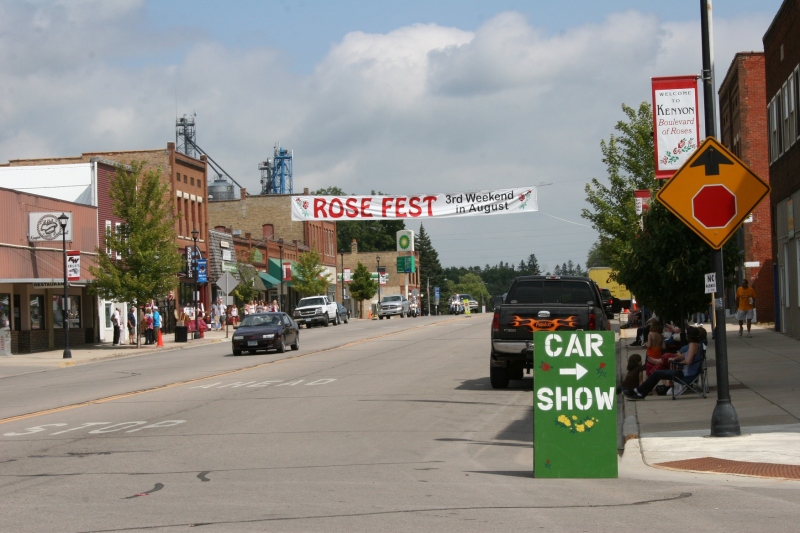
Kenyon, Minnesota, welcomes visitors to its recent Rose Fest.

Downtown Kenyon, Minnesota, during the 2014 Rose Fest, always held on the third weekend in August. Minnesota Prairie Roots file photo.

Full-time, Sjolander serves as the police chief of Kenyon, a small southeastern Minnesota community of about 1,800.

But he’s more than your average small town police officer. He’s also a social media celebrity with a world-wide Facebook following that numbers in the thousands. He recently returned from an invitation only 21st Century Policing conference at the White House. And he’s appeared on a Twin Cities television station and has been referenced by Minnesota Public Radio.

Yet, despite all of the notoriety, Sjolander keeps doing what he does best—caring about the good folks and animals (yes, he picks up strays) of Kenyon and writing about his work, his community, social issues and even the personal struggles he faces.

Sjolander is refreshingly positive. If there’s a problem or need in his community, he seeks out solutions. He helps families find housing, pays for groceries, distributes donated monies to locals who are going through tough times and more. In summary, he cares.

He sports a sprawling tattoo on his upper right arm inked with the words: Every Life Matters. Those same three words are stitched onto his bullet proof vest.

Sjolander has an open book, down-home personal writing style infused with compassion and humor that resonates with the masses. If you aren’t following the Kenyon Police Department Facebook page, I’d encourage you to do so. You will be a better person for having read the chief’s words.

And if you’re interested in meeting the chief and his officers, attend a Friday, July 22, open house starting at 4 p.m. at the Kenyon VFW. It is an opportunity, say organizers, to thank and recognize the police department for its work.

That’s how things roll in small town Kenyon under the policing of Lee Sjolander.

© Copyright 2016 Audrey Kletscher Helbling


Serving up kraut at a Minnesota “feed” July 7, 2016

Filed under: Uncategorized — Audrey Kletscher Helbling @ 5:00 AM
Tags: , , , , , , , , ,

HOW DO YOU DEFINE feed?

In Minnesota, the word can typically be defined as an event in which large numbers of people are served food by a group of volunteers aiming to raise money for a cause. Not exactly a Webster dictionary concise definition.

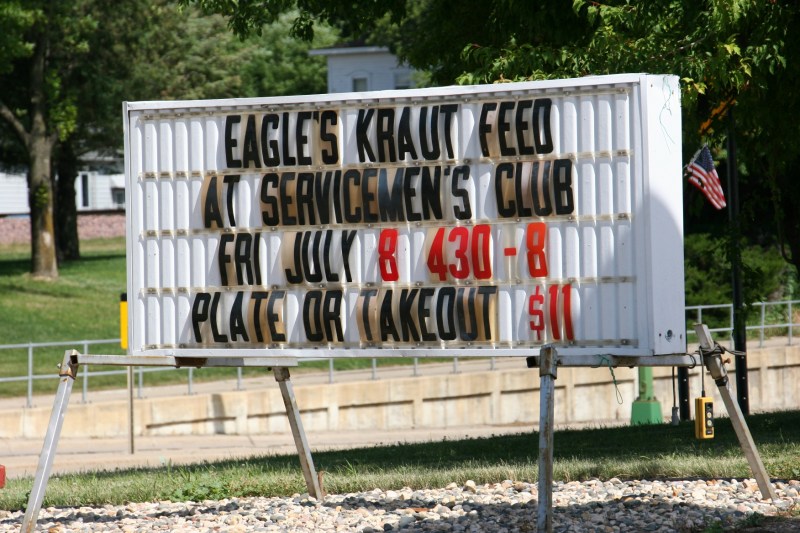
This sign is posted at the intersection of U.S. Highway 14 and Minnesota State Highway 4 in downtown Sleepy Eye.

This sign is posted at the intersection of U.S. Highway 14 and Minnesota State Highway 4 in downtown Sleepy Eye.

Often the featured food reflects the ethnicity of the region. Take, for example, the Eagle’s Kraut Feed slated for tomorrow at the Servicemen’s Club in Sleepy Eye. This southwestern Minnesota community has a strong German heritage. That would explain the Kraut Feed menu of all you can eat sauerkraut, dumplings, mashed potatoes and gravy, Landjagers (sausage), applesauce, bread and coffee and/or milk.

Even though I’m 100 percent German and do eat sauerkraut, I don’t like dumplings or sausage. But apparently a lot of folks do.

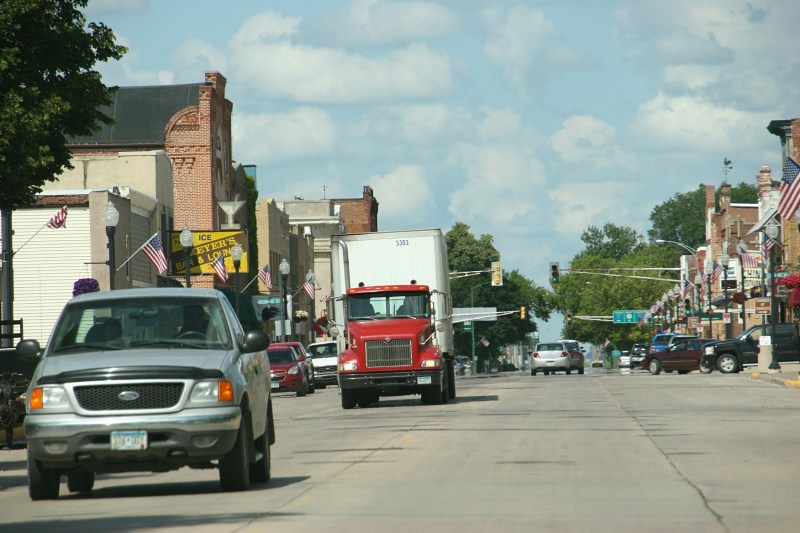
Downtown Sleepy Eye, Minnesota, photographed on July 2.

Downtown Sleepy Eye, Minnesota, photographed on July 2.

While searching online for info about the July 8 Kraut Feed, I also read that the Servicemen’s Club hosted a Ring Bologna Feed in February and a Bullhead Feed in March. I’m not surprised. I grew up in the county next to Sleepy Eye and my mom cooked both. I wasn’t fond of either ring bologna or bullheads. But those locally-sourced (from our farm and nearby School Grove Lake) cheap foods fed our family of eight.

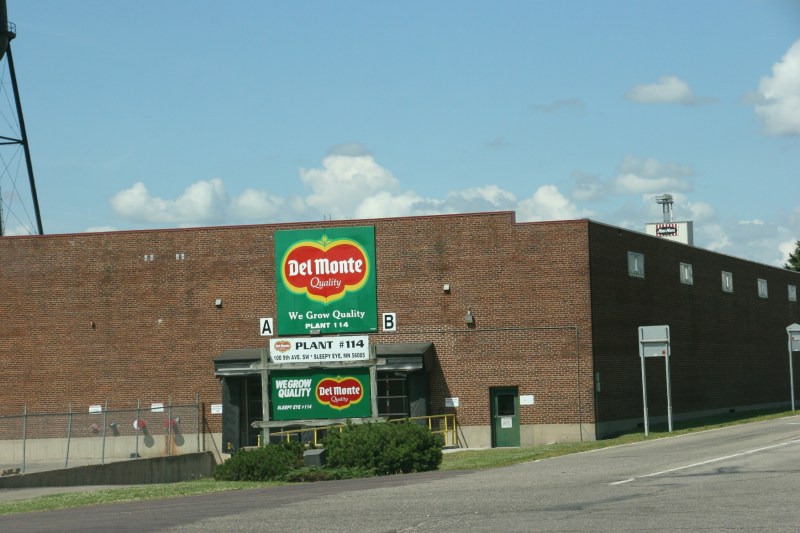
Sleepy Eye's Del Monte plant, located on the west edge of town along U.S. Highway 14.

Sleepy Eye’s Del Monte plant, located on the west edge of town along U.S. Highway 14.

In August, Sleepy Eye will serve free buttered sweet corn at its annual Buttered Corn Days. That event connects to the local Del Monte company, a community fixture since 1920. According to the Del Monte website, the Sleepy Eye plant “produces the largest case quantities of peas and corn for the company, planted by over 300 different growers on more than 26,000 acres.” That and the employment of up to 400 seasonal employees are good enough reasons to host a free community sweet corn feed.

TELL ME: What types of feeds are popular in your area? Or what is the most unusual feed you’ve come across and/or attended?

© Copyright 2016 Audrey Kletscher Helbling


A rural Minnesota teacher takes action when her students need books May 12, 2016

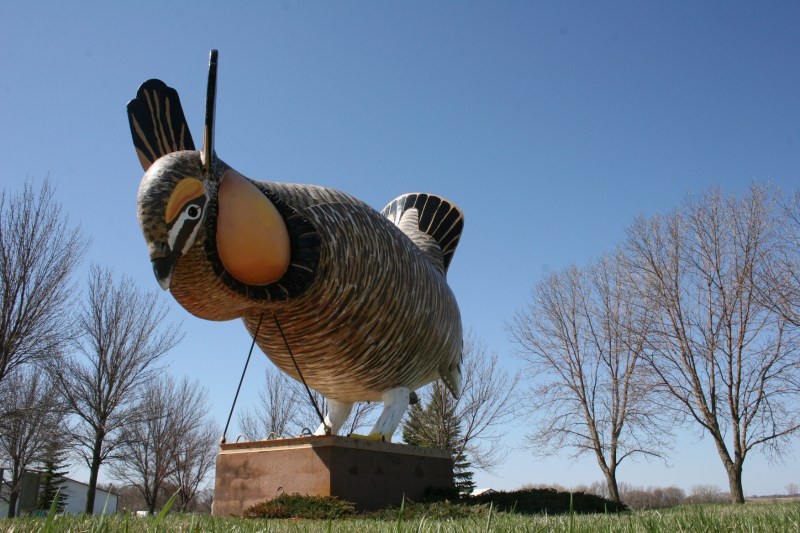
This prairie chicken statue celebrates the real prairie chickens which reside in the Rothsay area.

This prairie chicken statue celebrates the real prairie chickens which reside in the Rothsay area. Minnesota Prairie Roots file photo, May 2013.

FORTY MILES EAST of Fargo, an 18-foot tall, 9,000-pound statue marks Rothsay as The Prairie Chicken Capital of Minnesota. Without the kitschy roadside attraction, travelers likely would consider this just another small town along Interstate 94.

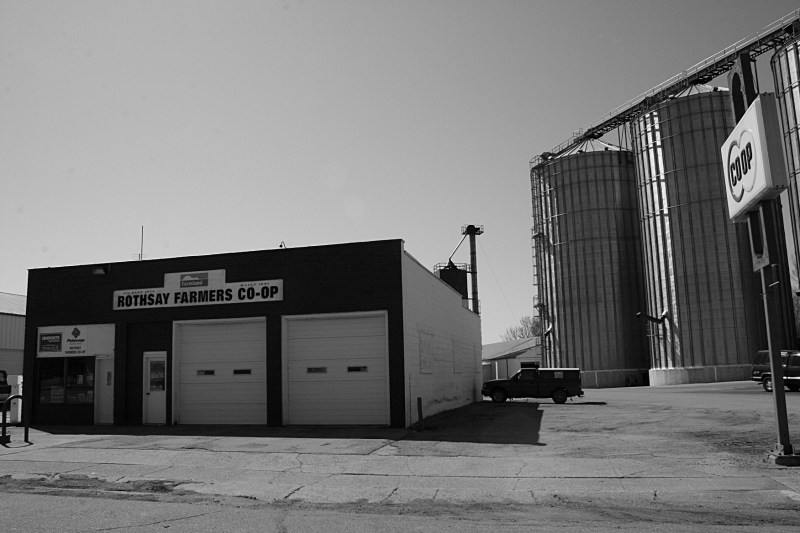
Downtown Rothsay is ag-oriented. Minnesota Prairie Roots file photo 2013.

Downtown Rothsay is ag-oriented. Minnesota Prairie Roots file photo, May 2013.

A few years ago, I popped into Rothsay. It’s your typical Minnesota farming community with a farmers co-op, hardware store, a bank, automotive body and repair shop, and such. And, if it’s lucky, as Rothsay is, a still surviving public school.

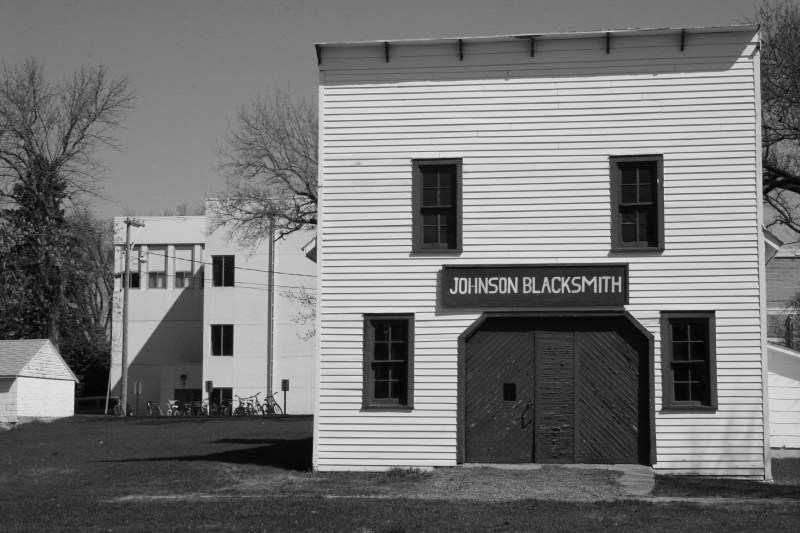
From what I observed, this is an historic blacksmith shop, not a working one. Note the bikes in the background parked outside the public school.

When I visited Rothsay three years ago, the school sat behind this historic blacksmith shop. Minnesota Prairie Roots file photo, May 2013.

In the three years since I visited this Wilkin County community, a new school has been built. But there’s a problem, specifically in the Media Center. A shortage of books exists for high school students.

This graphic comes from the gofundme page.

This graphic of book covers comes from the gofundme page.

Now Kristie Sullivan, an English Language Arts teacher who returned to her hometown to teach, has established a gofundme page to fund the purchase of books for high schoolers. She’s seeking $5,000 for titles ranging from classics like The Catcher in the Rye to the current-day popular The Hunger Games.

I can’t think of anything in education more important than books. They are the foundation tool of learning. If you can read, you can learn.

I understand the situation Ms. Sullivan faces. Years ago, when my children were attending a Christian day school in Faribault, I volunteered in the library. There was no funding for library books. So I had to get creative. New books came through cash gifts, a birthday book program, rewards from an annual book sale and from a used book drive. I also purchased many books at garage sales. I’d like to think I made a difference in getting books to students.

Kudos to this young teacher for caring so much about her students that she set up this gofundme page. Such action shows me she is passionate about teaching. And when a teacher is passionate, kids learn. Really learn.

FYI: If you are interested in supporting this gofundme project to buy books for Rothsay High School students, click here.

(h/t Fargo Forum)

© Copyright 2016 Audrey Kletscher Helbling


Part V from Wanamingo: Landmarks & oddities March 28, 2016

Filed under: Uncategorized — Audrey Kletscher Helbling @ 5:00 AM
Tags: , , , , , , ,
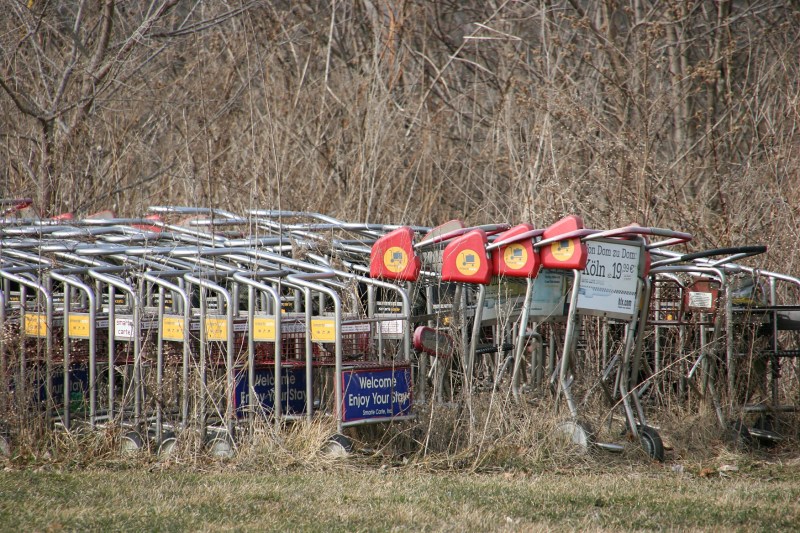
Some of the airport luggage carts still remaining in Wanamingo.

Some of the airport luggage carts still remaining in Wanamingo.

MOST SMALL TOWNS possess oddities and landmarks unique to the community. Wanamingo in Goodhue County is no exception.

A few years back, I spotted row upon row of airport luggage carts parked outdoors in a lot on the north edge of town. It was the oddest sight. Only a small cluster of carts remains now. They’re still a mystery to me.


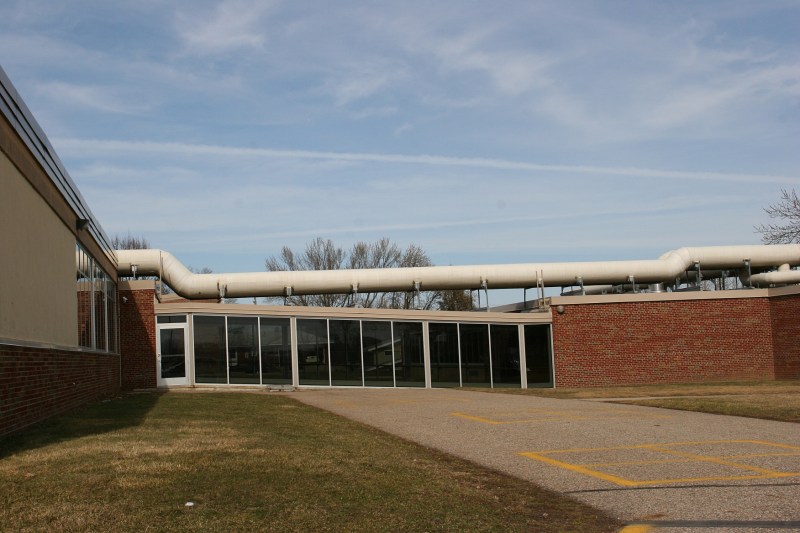
Small town Wanamingo, 47 elementary school


I am also intrigued by the massive pipes winding along the roofline of Kenyon-Wanamingo Elementary School. Typically, these heating (I presume) pipes run underground. Why are these atop the roof?


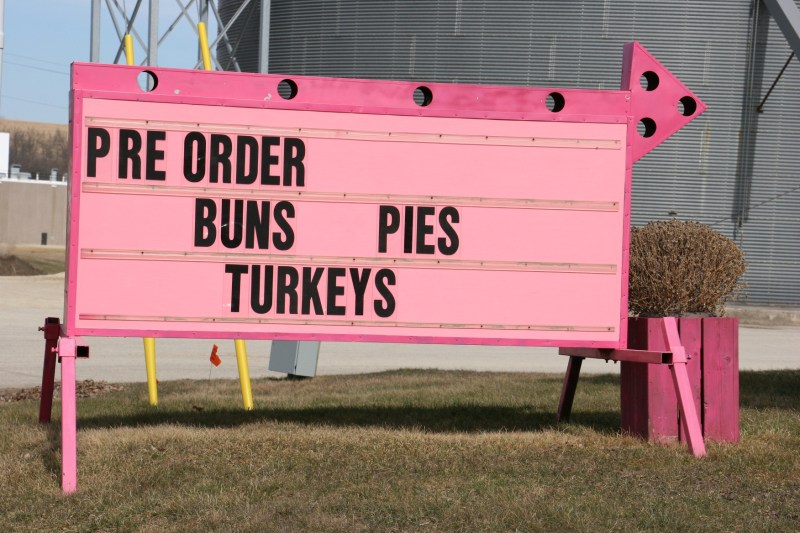
Small town Wanamingo, 44 butcher shop sign


At Wanamingo Meats and Catering, a hot pink sign and hot pink shutters draw attention to this downtown business owned by two sisters. That explains the pink. Butcher shops aren’t typically owned by women. Customers sing the praises of this business on its Facebook page.


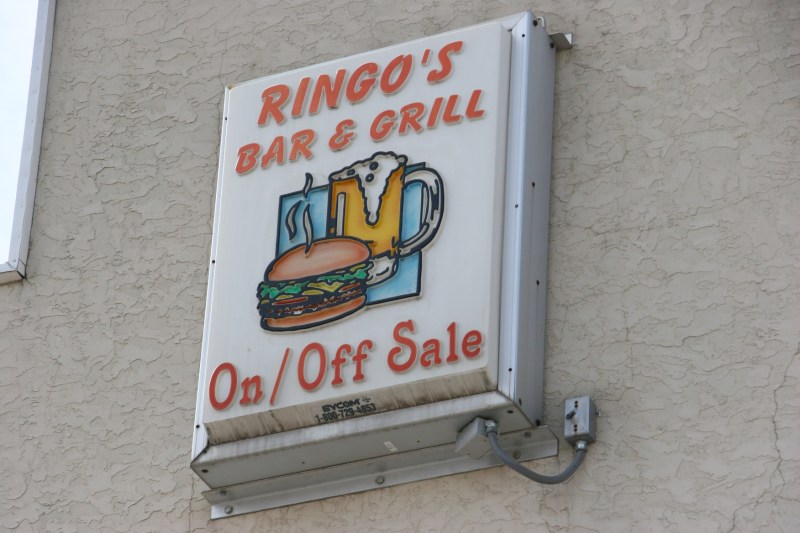
Small town Wanamingo, 38 Ringo's sign above bar


Downtown, I noticed a bar and grill with a seeming identity crisis. A sign high on the building identifies the business as Ringo’s Bar & Grill. But an over-the-door sign banners J B’s Tavern.

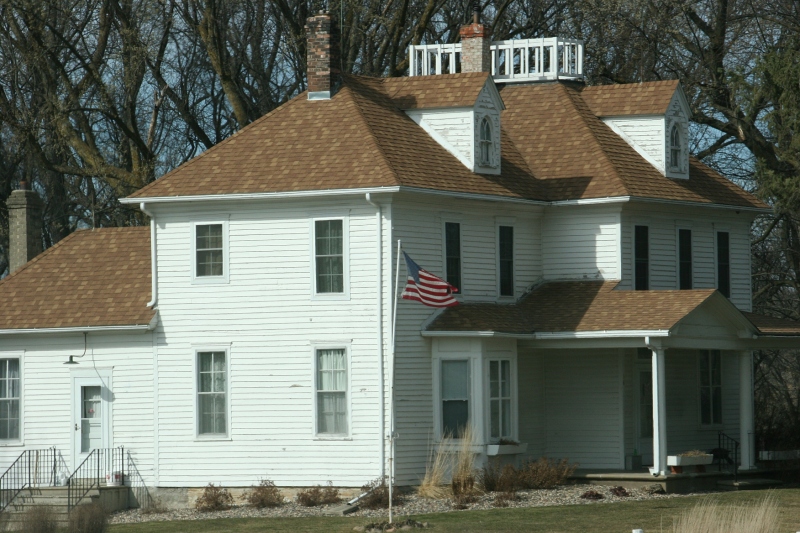
I would love to get inside this aged house, to know its story.

I would love to get inside this aged house, to know its story.

On the north end of Main Street, I photographed a hulking old house with a widow’s walk. Surely there’s a story here. I expect the original owner may have been someone of great importance in Wanamingo.

That this portion of the old creamery was saved and posted on a highly-visible corner impresses me.

That this portion of the old creamery was saved and posted on a highly-visible corner along Minnesota State Highway 57 impresses me.

Finally, on the corner of Riverside Park, angles signage for Minneola Creamery. A quick google search tells me the creamery, organized in December 1893, was one of the most successful in Minnesota. In 1908, according to information in History of Goodhue County, Minnesota by Franklyn Curtiss-Wedge, the creamery manufactured 550,00 pounds of butter selling for $125,000. Oh, the things I learn because I notice and photograph. And because I delight in touring small town Minnesota.

WHAT ODDITIES OR LANDMARKS would I find in your town/city? Let’s hear.

FYI: Check back tomorrow as I conclude my “from Wanamingo” series. To read the first four posts in this series, check last week’s archives.

© Copyright 2016 Audrey Kletscher Helbling


Part III from Wanamingo: The connection to a beloved hymn March 23, 2016

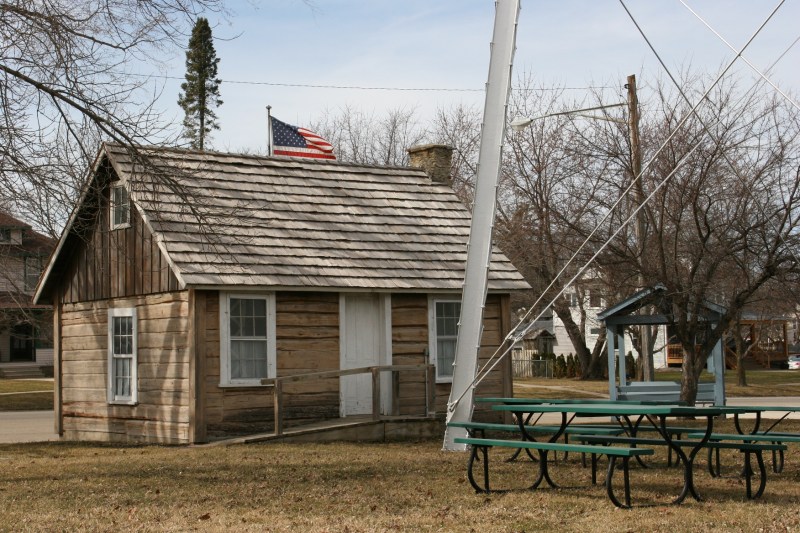
The Lars Larson log cabin sits next to the water tower in Wanamingo. The information center can be seen to the right

The Lars Larson log cabin sits next to the water tower in Wanamingo. The blue grey structure to the right is the information center.

IN THE UNLIKELIEST OF PLACES, beneath an aged water tower and next to an historic log cabin, an unexpected bit of Wanamingo’s history is revealed. It is typed on sheets of paper sandwiched under Plexiglas in a handcrafted case labeled Information Center.
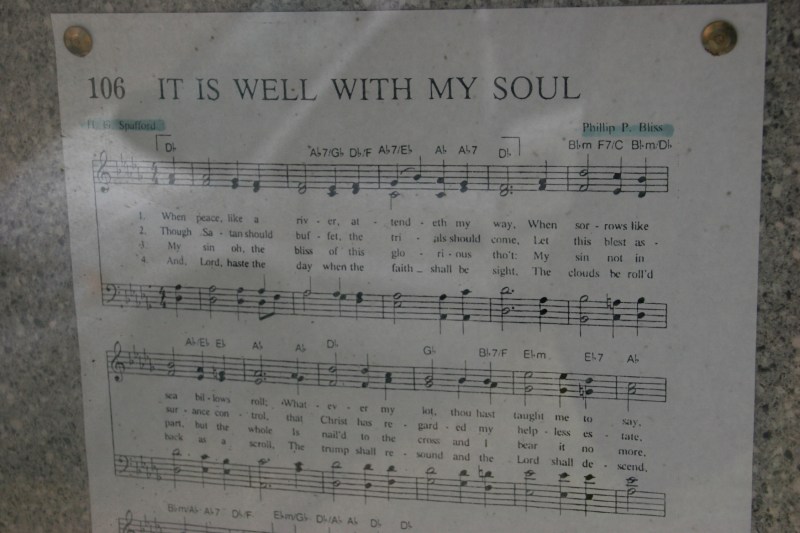
The song: It Is Well With My Soul.

The song: It Is Well With My Soul. The writer and composer’s names are highlighted in blue.

It is the story of the beloved hymn, It Is Well With My Soul, and its link to this Southeastern Minnesota farming community of nearly 1,100.

When peace, like a river, attendeth my way, When sorrows like sea billows roll; Whatever my lot, thou hast taught me to say, It is well, it is well with my soul.

My lips move in silence as I read the familiar words, the familiar melody chorusing comfort. It is well, it is well with my soul.
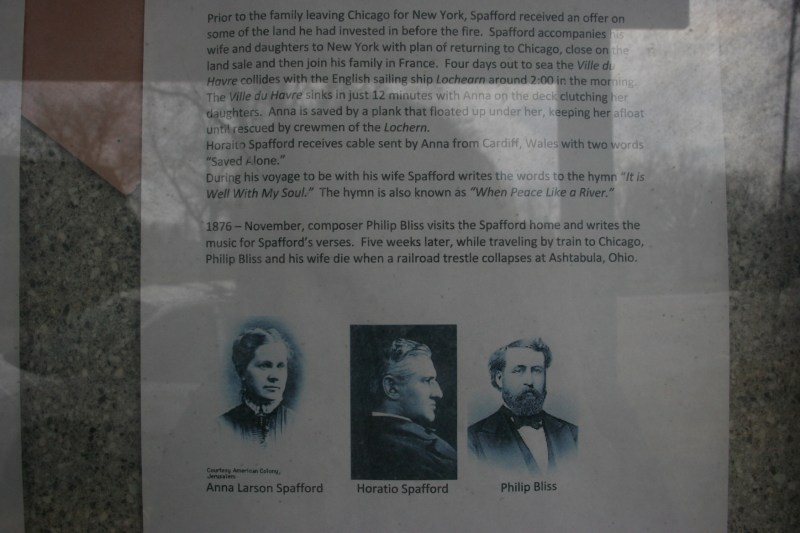
The story of the Spaffords and the hymn, along with images, is posted.

The story of the Spaffords and the hymn, along with images, is posted.

I’d never considered the story behind the words. But now that I’m reading about Horatio and Anna Spafford’s personal tragedy, I am deeply moved. The couple lost their four oldest daughters at sea when the Ville du Haure collided with an English sailing ship en route to Europe in 1873. Only Anna survived, cabling her husband, who remained back home on business, with two words: Saved Alone.

During his voyage to see his grieving wife, Horatio penned It Is Well With My Soul. Three years later, Philip Bliss composed the accompanying music.
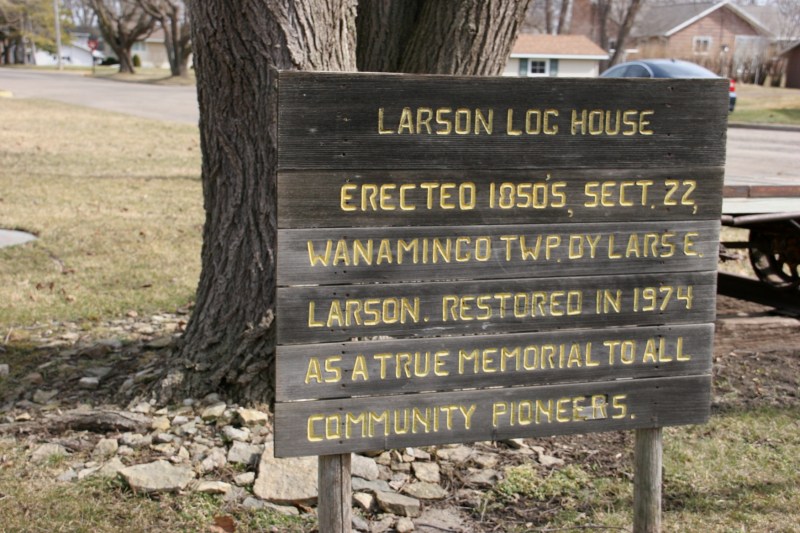
This sign marks the log cabin.

This sign marks the log cabin.

But what does any of this have to do with Wanamingo? The connection begins about two decades earlier when 14-year-old Anna Larson journeys to Wanamingo Township from Chicago to be with her ill father. Lars E. Larson moved to Minnesota the year prior in hopes farming would improve his health. He died in the spring of 1857, within a year of Anna’s arrival. That same year, Anna, 15, met her Sunday School teacher, 29-year-old Horatio Spafford. In 1861, she married Horatio, a then successful Chicago attorney.

Within 10 years, the Spaffords have four daughters. And then those girls are dead, drowned at sea. Their mother, Anna, survives, kept afloat by a plank until she is rescued.
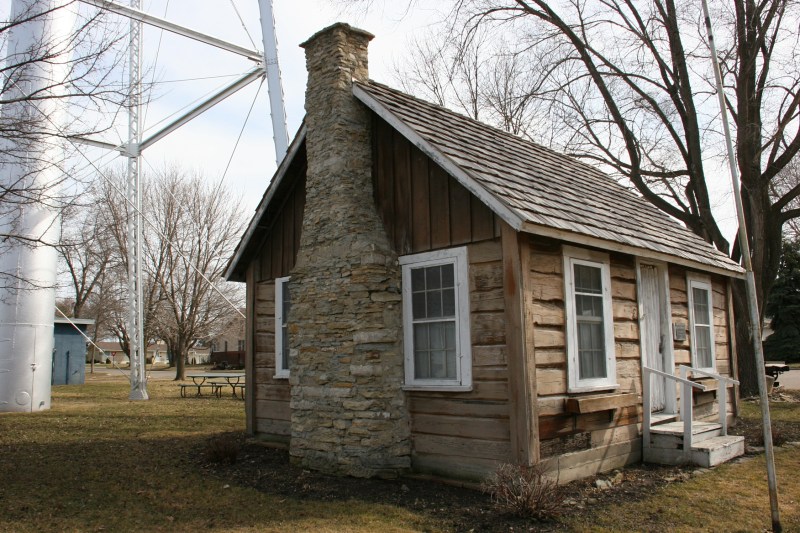
How many people drive by this log cabin on Main Street in Wanamingo and never stop? We were tipped off by a local to the story I've shared here, thus my husband and I stopped.

How many people drive by this log cabin on Main Street in Wanamingo and never stop? I was tipped off by a local to the story I’ve shared here, thus I stopped.

Having read this story behind the familiar hymn while standing in the shadow of the Wanamingo water tower next to the Larson log cabin, I am moved. I am moved by the faith of Horatio Spafford who, in sorrow rolling like sea billows, penned such profound and comforting words. It is well, it is well with my soul.
FYI: Check back tomorrow for another post in my “from Wanamingo” series. I will take you inside Trinity Lutheran Church.

© Copyright 2016 Audrey Kletscher Helbling