Minnesota Prairie Roots

Writing and photography by Audrey Kletscher Helbling

Gratitude beyond Thanksgiving November 21, 2023

Filed under: Uncategorized — Audrey Kletscher Helbling @ 5:00 AM
Tags: , , , , ,

Reasons to feel thankful, hung on a Gratitude Tree at the Northfield Public Library. (Minnesota Prairie Roots copyrighted file photo July 2019)

A SOLITARY TEAR TRICKLED down my left cheek as I struggled to hold back my emotions. I willed myself not to burst out sobbing in the quiet of the sanctuary, in the profoundness of his story.

He was nine years old, the pastor said, when a vision screening showed he needed prescription eyeglasses, an expense his parents could not afford. Yet, they found a way. His father sold his treasured guitar to pay for the $25 eyeglasses. Twenty years later, the son realized, understood, the sacrifice his dad made for him. And he thanked him. That simple thank you forever changed their relationship.

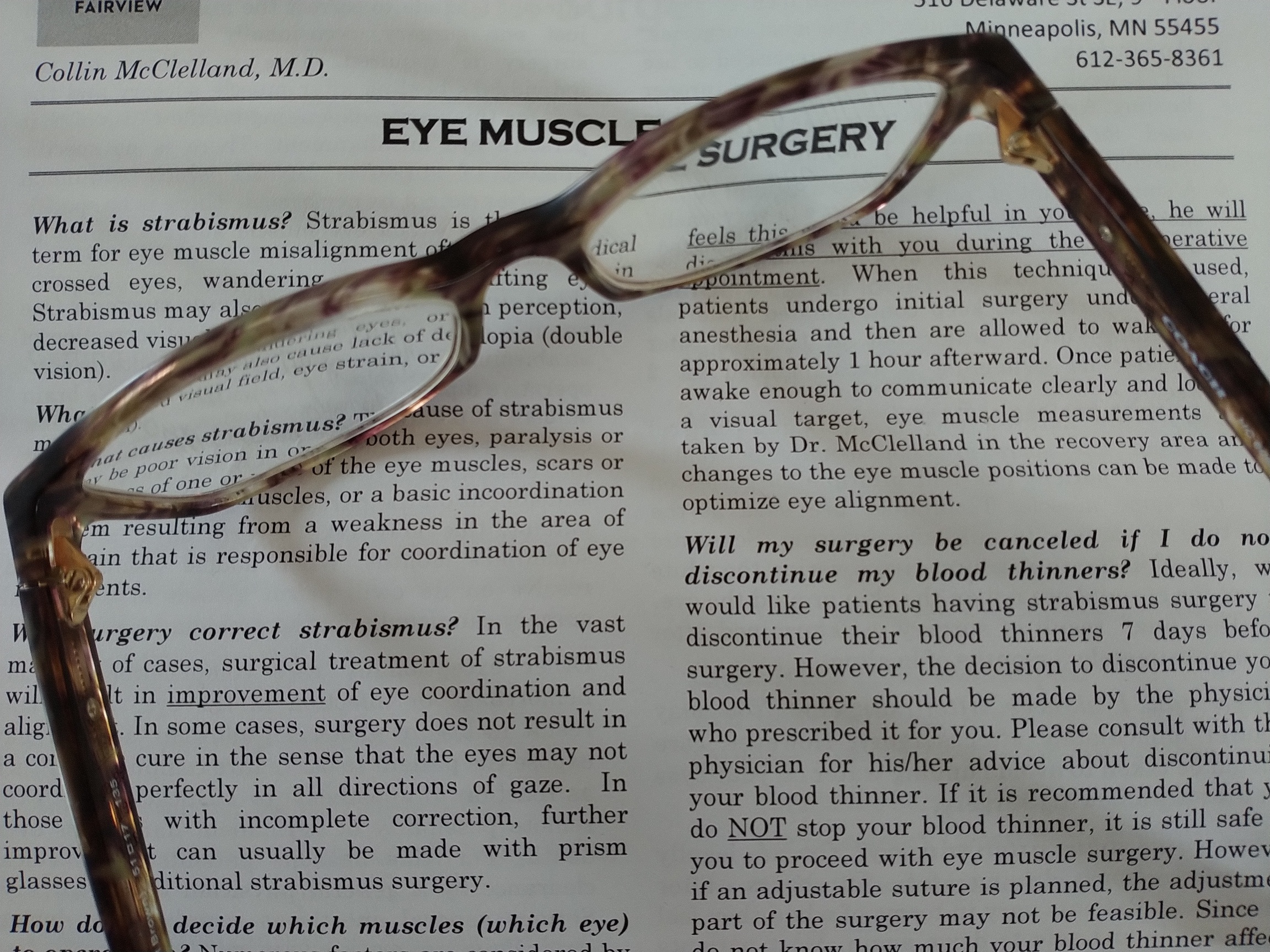
The Rev. Bruce Stam shared this personal story as he preached on gratitude just days before Thanksgiving. And it was his story which got me thinking about my own eyes and how, as a four-year-old, I underwent corrective eye surgery to realign my crossed eyes. I, of course, was too young to understand the financial challenges this presented to my parents. I regret that I never thanked them for the sacrifices they made to keep me from going blind in one eye and then for the prescription eyeglasses I needed to see. Just like the boy who would become a pastor.

Reasons to feel thankful written on feathers of a turkey at Faribault Lutheran School 10 years ago. (Minnesota Prairie Roots copyrighted file photo November 2013)

All too often we are blind to seeing the importance of gratitude. Except perhaps on Thanksgiving, our yearly thankfulness reminder. Gratitude does not come easily. We need to work at it, to carry an attitude of gratitude throughout the year. We are more inclined, however, to focus on that which we do not have, on complaining rather than expressing thanks. That’s human nature.

I created this Thanksgiving centerpiece as a reminder to be thankful. (Minnesota Prairie Roots copyrighted file photo)

But we can refocus. Thanksgiving is a good day to start. Sure, we say we’re thankful for family and friends and food and shelter and good health and such. But what does that mean, in a personal way? I’ll start.

I am especially grateful this November for having mostly reclaimed my health following a viral infection in January that affected my brain. This was tough stuff. But I got through it with the help of caring medical professionals and the loving support of my husband and my eldest daughter, especially. Amber checked in with me daily via text, always asking how I was feeling and offering ongoing encouragement. Randy mostly did everything on the home-front besides encouraging me, taking me to medical appointments and reminding me that I was making progress. Their unconditional love and support carried me through some really dark days. I am forever grateful.

Likewise, friends and some extended family did the same. I tried to remember to thank them. But I expect sometimes, in the midst of my neurological issues, I failed.

I love the idea of a public Gratitude Tree, this one at the Northfield Public Library in 2019. (Minnesota Prairie Roots copyrighted file photo July 2019)

Thanking someone need not be complicated or extravagant. Heartfelt, loving words spoken, texted or written are often all that is needed. As a writer, I am big on sending greeting cards to express my feelings.

When I graduated from five months of vestibular rehab therapy in mid-September, I knew I needed to do more. I baked homemade carrot cake cupcakes with homemade cream cheese frosting for the team at Courage Kenny in Faribault. For my therapist, Ryan, I also baked chocolate chip cookies and penned a lengthy thank you. He deserved my deep gratitude for working with me tirelessly to reclaim my life.

Another thankfulness tag on that Gratitude Tree in Northfield. (Minnesota Prairie Roots copyrighted file photo July 2019)

Opportunities abound to express gratitude in our daily lives. With words. With actions. With a smile. Sometimes understanding the importance of thankfulness comes in a story, a story of sacrifice. A story that touches the emotions, that causes us to see as a single tear slides down our cheek.

© Copyright 2023 Audrey Kletscher Helbling


New film focuses on the people & stories of Johnston Hall November 7, 2023

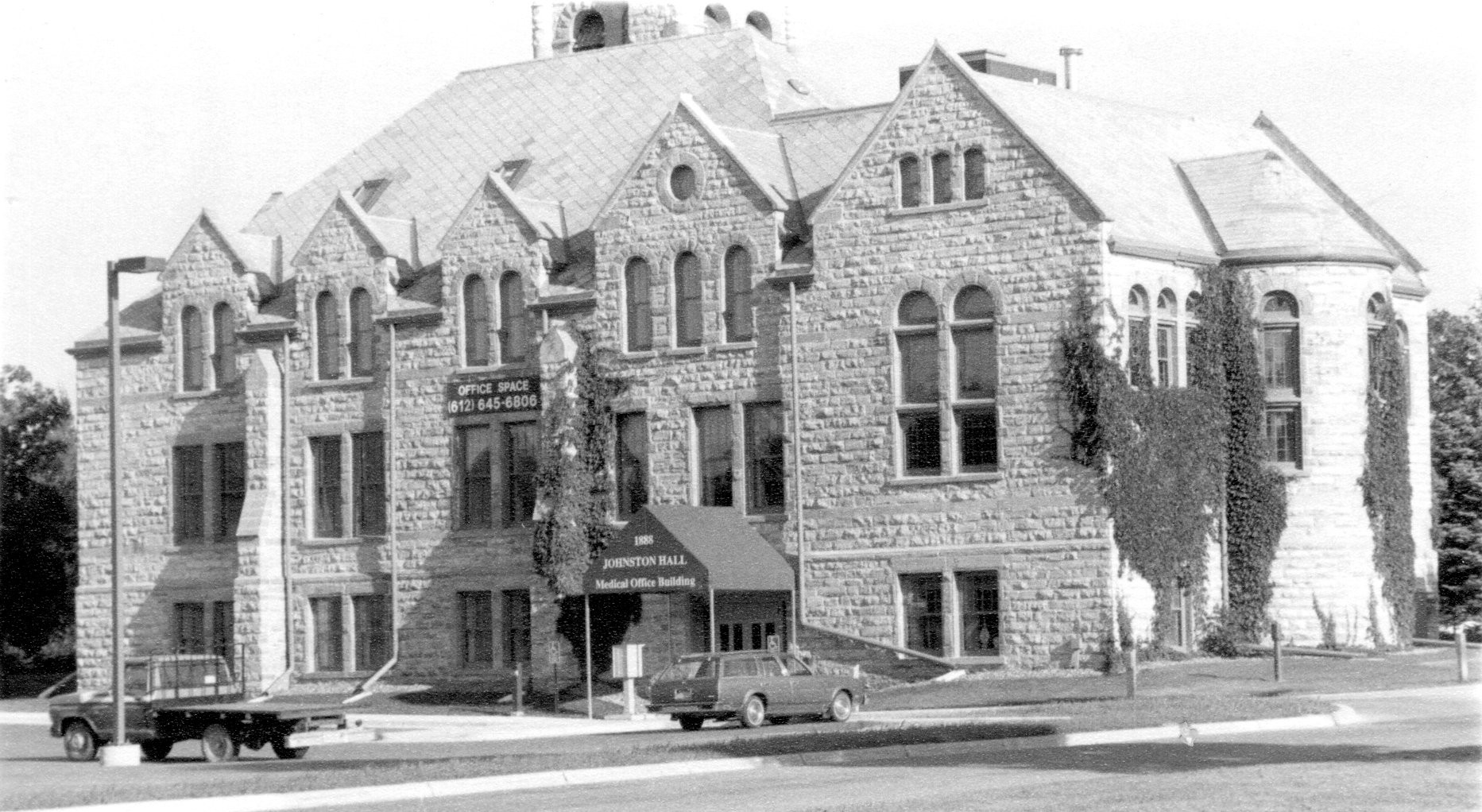
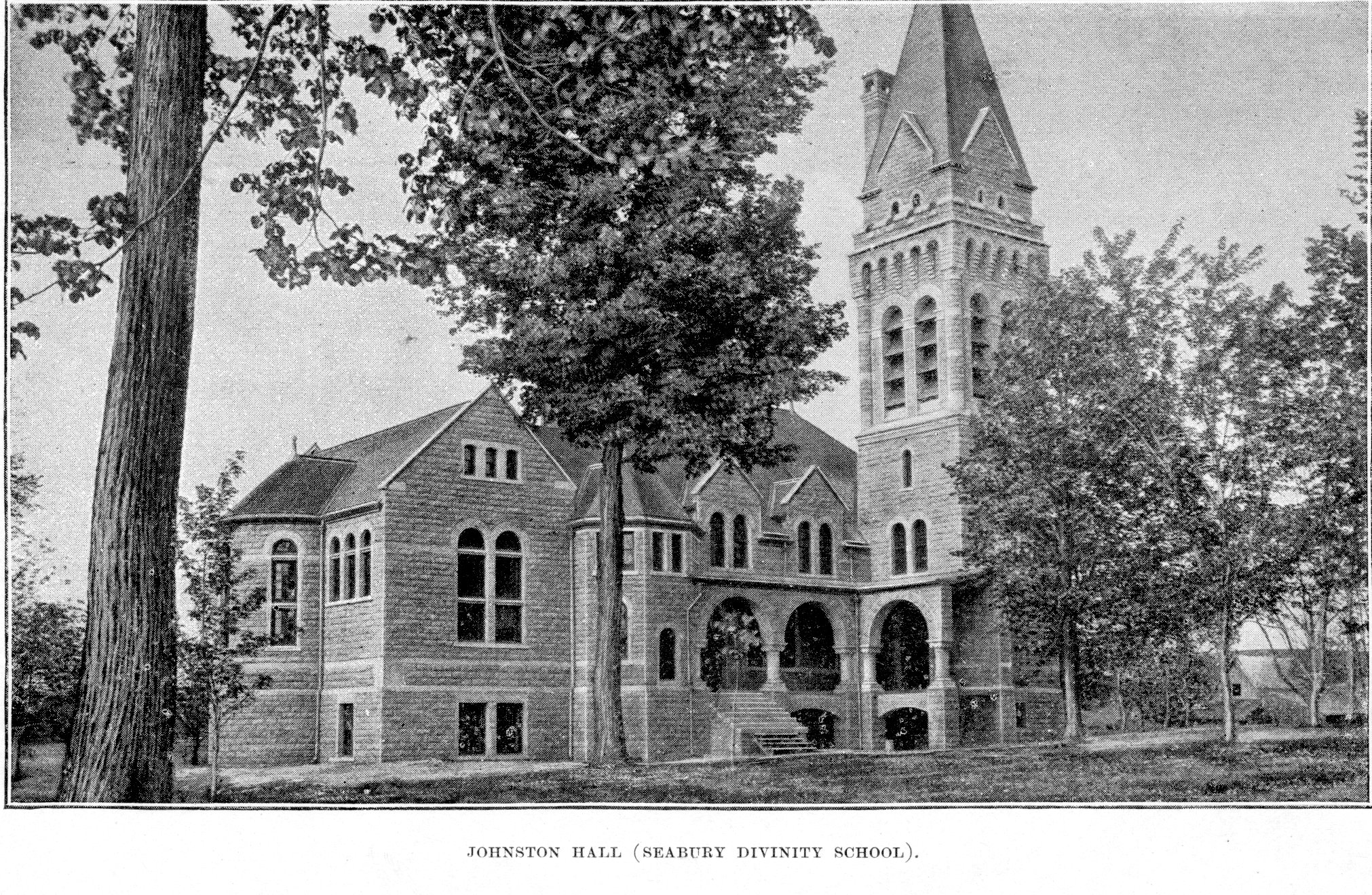
This undated photo of Johnston Hall is courtesy of the Rice County Historical Society.

AS A WRITER AND PHOTOGRAPHER, I understand the power of storytelling. That focuses my work. I strive to connect with readers in a meaningful and personal way via images and words.

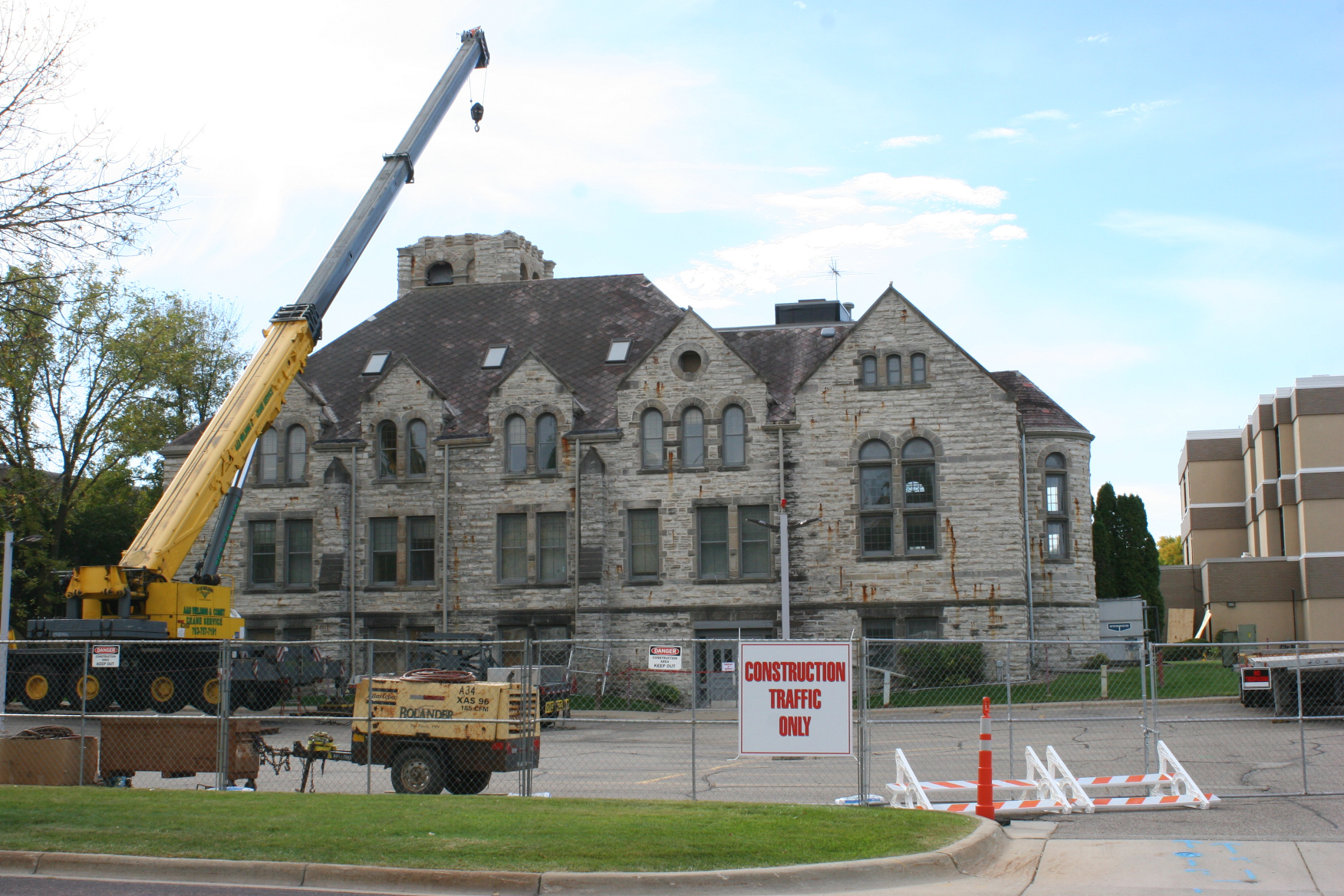
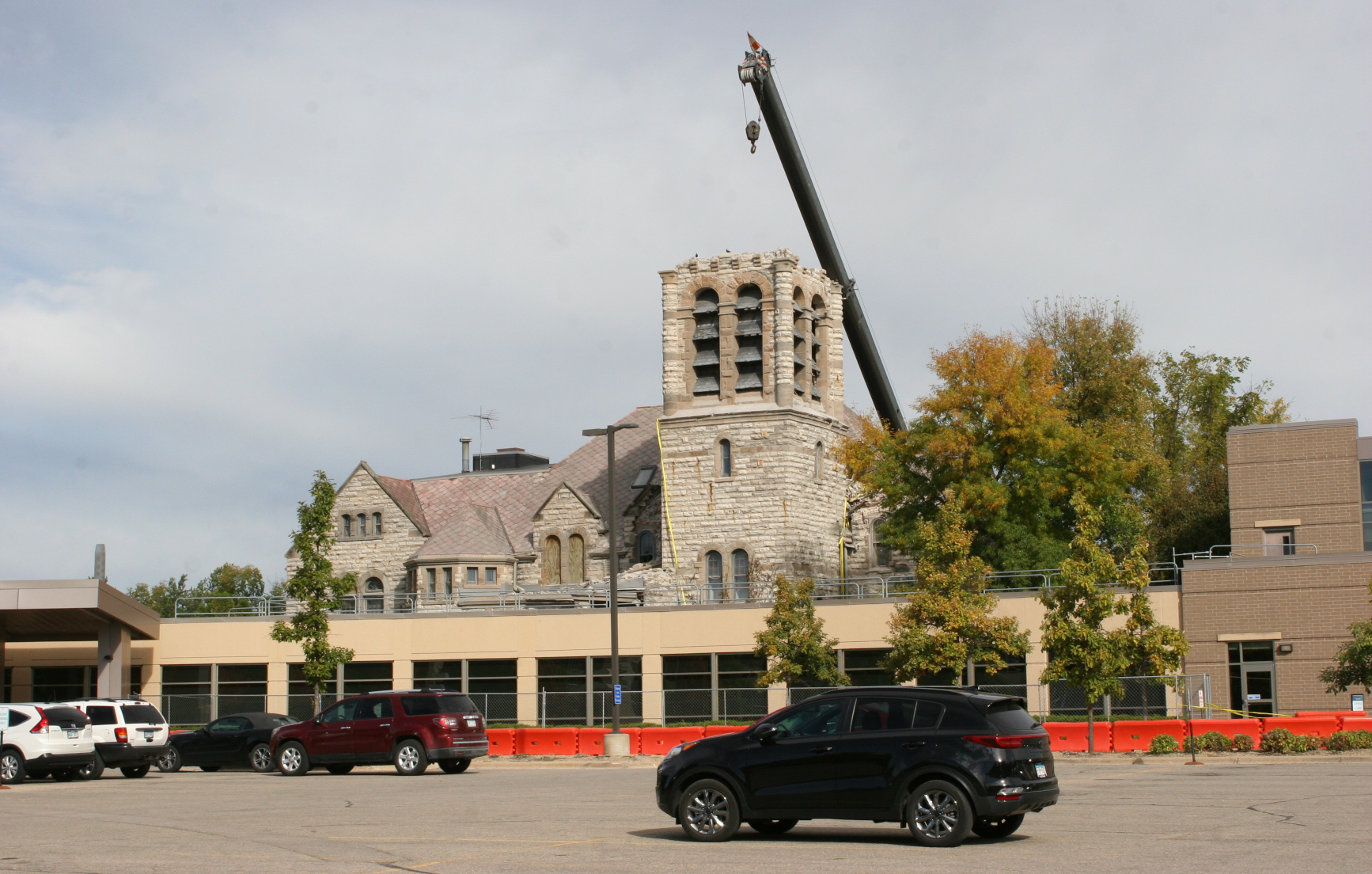
Johnston Hall, photographed shortly before it was demolished. (Minnesota Prairie Roots copyrighted photo September 2021)

And so storytelling is the approach I intended to take in writing about Johnston Hall. A building constructed in 1888 on Faribault’s east side. A building which once centered learning, then healthcare. A building placed on the National Register of Historic Places. A building that did not, physically, withstand the ravages of time and weather. A building which in 2021 was demolished, but not without efforts to save it.

The QR code on the sign links to the new documentary on Johnston Hall. (Minnesota Prairie Roots copyrighted photo August 2023)

Johnston Hall is not only part of my family’s story, but of the larger community, of Faribault’s history for 133 years. Now filmmakers Samuel Temple and Logan Ledman of the local 1855 History Team (Steamboat Media Company) have released their newest documentary, “Love Inwrought: Johnston Hall and the Memory of a Building.”

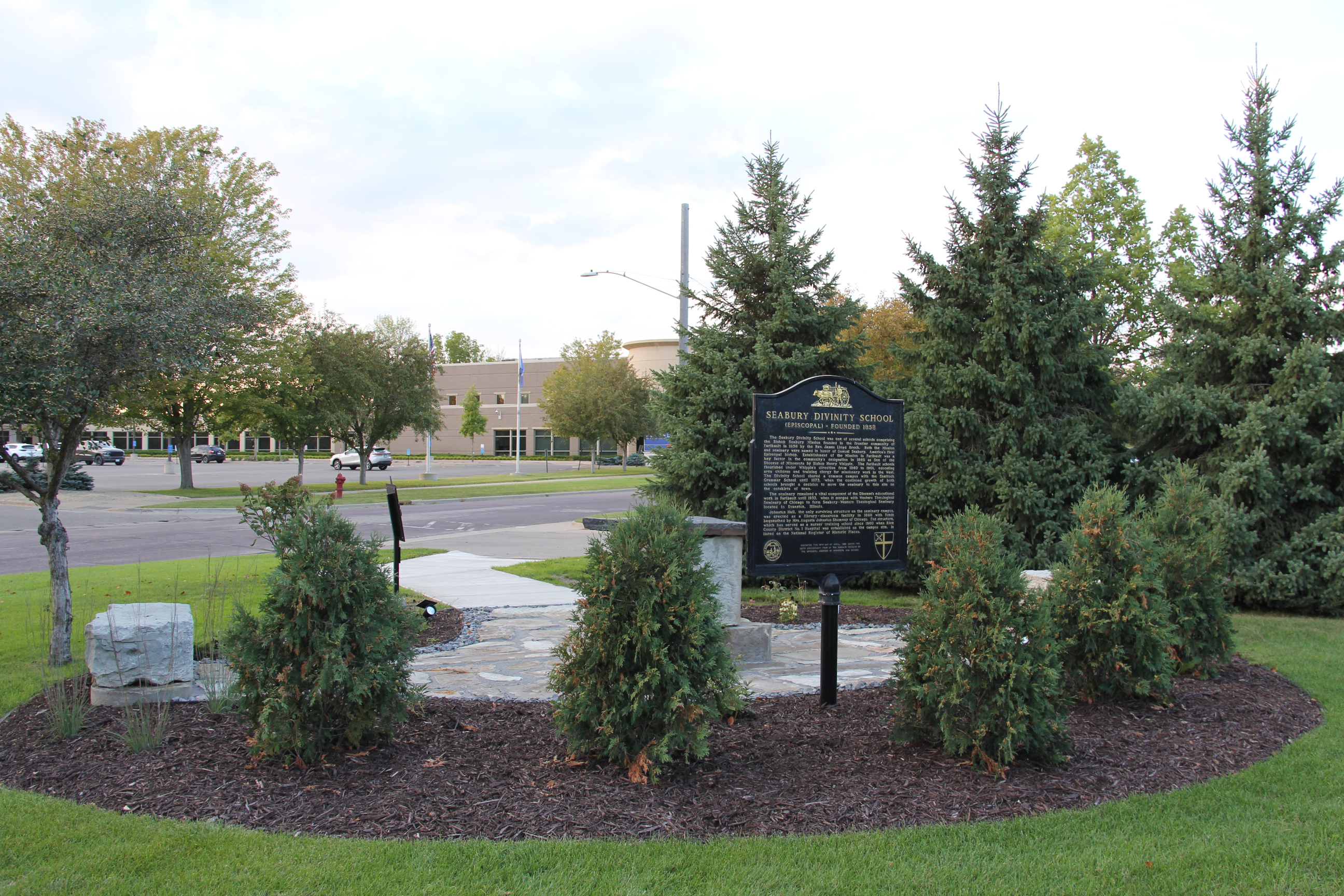
This shows the back of Johnston Hall Memorial Garden, looking toward Allina Health Faribault Medical Center. The garden is next to an employee parking lot. The bronze Seabury Divinity School plaque was saved from the hall and focuses the garden. (Minnesota Prairie Roots copyrighted photo August 2023)

I need to backtrack for a moment, though, to late August, when I photographed Johnston Hall Memorial Garden, located along State Street on the campus of the Allina Health Faribault Medical Center. The recently-completed garden honors the history of Johnston Hall and provides a contemplative space to reflect. For me, that’s remembering the time I spent, along with loved ones, in the aged building that once sat north of the hospital and clinic, northwest of the new garden.

Image credit: 1855 History Team Facebook page

In their Johnston Hall documentary, the filmmakers weave together history, memories, stories. Temple states that “…each soul passing through a building is a part of its memory, its identity and its legacy.” That is the singular line which stands out for me, the line defining Johnston Hall as more than a building that once stood tall, grand and strong, initially as part of Seabury Divinity School. Johnston Hall is part of so many personal stories, including mine.

Johnston Hall in a 1990 image, as a Medical Office Building. (Photo courtesy of the Rice County Historical Society)

While I don’t recall the exact year I first walked through the doors of this stately limestone Romanesque architectural style structure, it was after an orthopedic and fracture clinic moved into the building. That followed histories of usage as the divinity school (closed in 1933) library and classrooms, a nurses’ training school and then a vocational-technical school.

Johnston Hall photographed from the parking lot of the hospital and clinic. (Minnesota Prairie Roots copyrighted photo September 2021)

Broken bones and other health issues landed me and my family inside Johnston Hall. As a grade schooler, my son broke his little finger while unicycling in our driveway. In 2006, he was back at Johnston Hall, this time with a rib fracture and a broken bone in his hand after a hit-and-run driver struck him while he crossed the street to his bus stop. The same morning of that May 2006 scare, while my husband and son were in the hospital emergency room, I wound my way to nearby Johnston Hall for an appointment with an orthopedic doctor. I had waited too long to cancel my appointment, although I desperately wanted to stay by my son’s side in the ER.

On that May morning, I learned that I would eventually need right hip replacement surgery due to osteoarthritis. I delayed that surgery until 2008. The stairway and waiting room and exam rooms of Johnston Hall soon grew all too familiar.

To my second daughter also, who was screened for scoliosis in junior high and then referred to the medical team at Johnston Hall. Eventually her spinal curvature required wearing a customized, full body, hard plastic back brace 24/7 for a year. It was the first time I cried at Johnston Hall.

Stone was saved from Johnston Hall and incorporated into the memorial garden, including stone marking the hall as a gift from Augusta Huntington. (Minnesota Prairie Roots copyrighted photo August 2023)

In many ways, Johnston Hall and tears are intertwined. As the filmmakers share in their documentary, funding for the hall came from Augusta Huntington, formerly Augusta Shumway. Horatio Shumway left tens of thousands of dollars to his grieving widow. She used his gift to fund construction of Good Shepherd Chapel and then Shumway Hall in honor of Horatio. Both sit on the campus of the current-day Shattuck-St. Mary’s School, a private college prep school. In 1888, construction of Johnston Hall was completed, the cornerstone laid. The hall was a final bequeath from Augusta, who died in 1884. The building honors her father, William Johnston.

Up close, historic Johnston Hall shortly before its demolition. (Minnesota Prairie Roots copyrighted photo September 2021)

“Love Inwrought: Johnston Hall and the Memory of a Building” features much more in-depth history, including the connection between Minnesota’s first Episcopal bishop, Bishop Henry Whipple (who called Faribault home), and Augusta Shumway. The filmmakers also highlight Henry St. Clair, a Dakota man who attended Seabury Divinity School, studying inside the library and classrooms of Johnston Hall. He became an ordained deacon and then a pastor. Indigenous peoples are an integral part of Faribault’s history and I appreciate that these filmmakers focus on that, too, in their latest work.

Incorporated into Johnston Hall Memorial Garden, the 1888 cornerstone. (Minnesota Prairie Roots copyrighted photo September 2023)

In their well-researched documentary, Temple and Ledman use historical photos, illustrations, even a building model, actors, original music (composed by Sam Dwyer) and narration to tell the stories of Johnston Hall. Theirs is, indeed, a work of love, revealing how love inwrought takes a building beyond wood and limestone to memories abiding within the souls of those who’ve passed through its doors.

FYI: To view this documentary film, click here.

Please check back for a follow-up story featuring a closer look at Johnston Hall Memorial Garden.

© Copyright 2023 Audrey Kletscher Helbling


Halloween frights or fun, you decide October 25, 2023

A wax doll for sale at Audre’s Attic, a Lonsdale shop packed with vintage, collectibles, antiques and other interesting finds. (Minnesota Prairie Roots copyrighted photo October 2023)

SHE LOOKED SWEET ENOUGH, the big blue-eyed doll with cascading blonde curls clutching a teddy bear. But something about the wax doll creeped me out. Maybe I’d seen too many media reports about the annual Creepy Dolls contest at the History Center of Olmsted County, this October upped to a “Creepy Dolls: Murder at the Masquerade Event!”. Whatever the reason, I felt unsettled, as if that doll for sale at Audre’s Attic in Lonsdale was watching me. Any other time of year, I likely would have passed her without a wary thought.

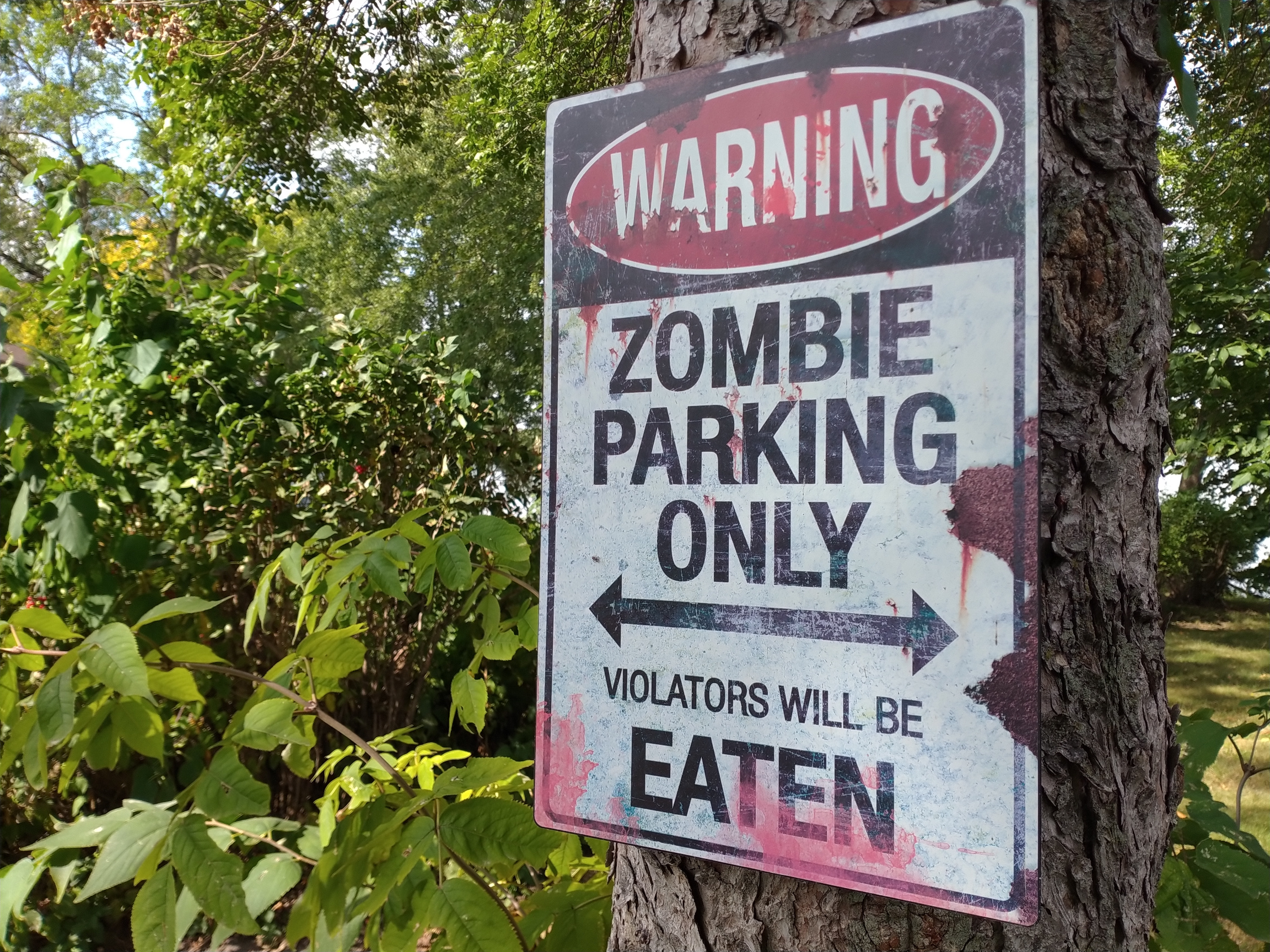
A sign posted on property along Wells Lake outside Faribault. (Minnesota Prairie Roots copyrighted photo October 2023)

But this close to Halloween, the imagination leans toward the frightful. Scary stuff, depending on your definition of scary, is everywhere. Mostly, it’s all in good fun…unless you decide otherwise.

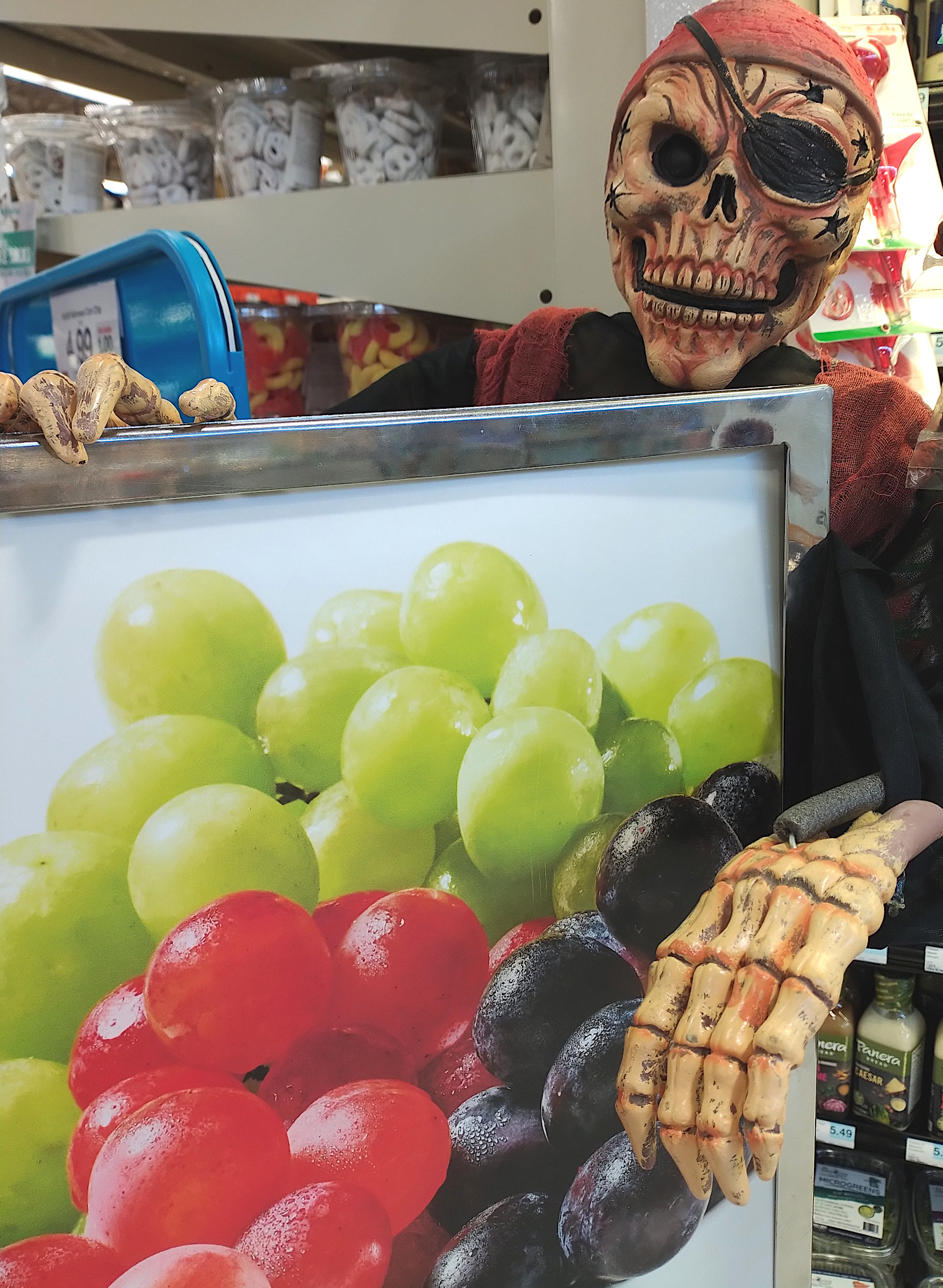
Displayed at Hy-Vee Grocery in Faribault. (Minnesota Prairie Roots copyrighted photo October 2023)

It’s interesting how just the sight of something ghoulish can trigger a memory. Like the pirate skeleton curling his bony hands around a photo of grapes in the produce section of a local grocery store. The skeleton didn’t frighten me. Rather, it was the grapes that rattled me. I flashed back to a 1960s Halloween party. I was an impressionable kid then, blindfolded and instructed to stick my hand inside a container holding something decidedly cold, wet and roundish. “Cows’ eyeballs,” enthused the older girls hosting the party. I shrieked. Why wouldn’t I? We were in the basement of the local veterinarian’s house. It made total sense to me that I was touching cows’ eyes. I wasn’t. I was fingering cold, wet grapes.

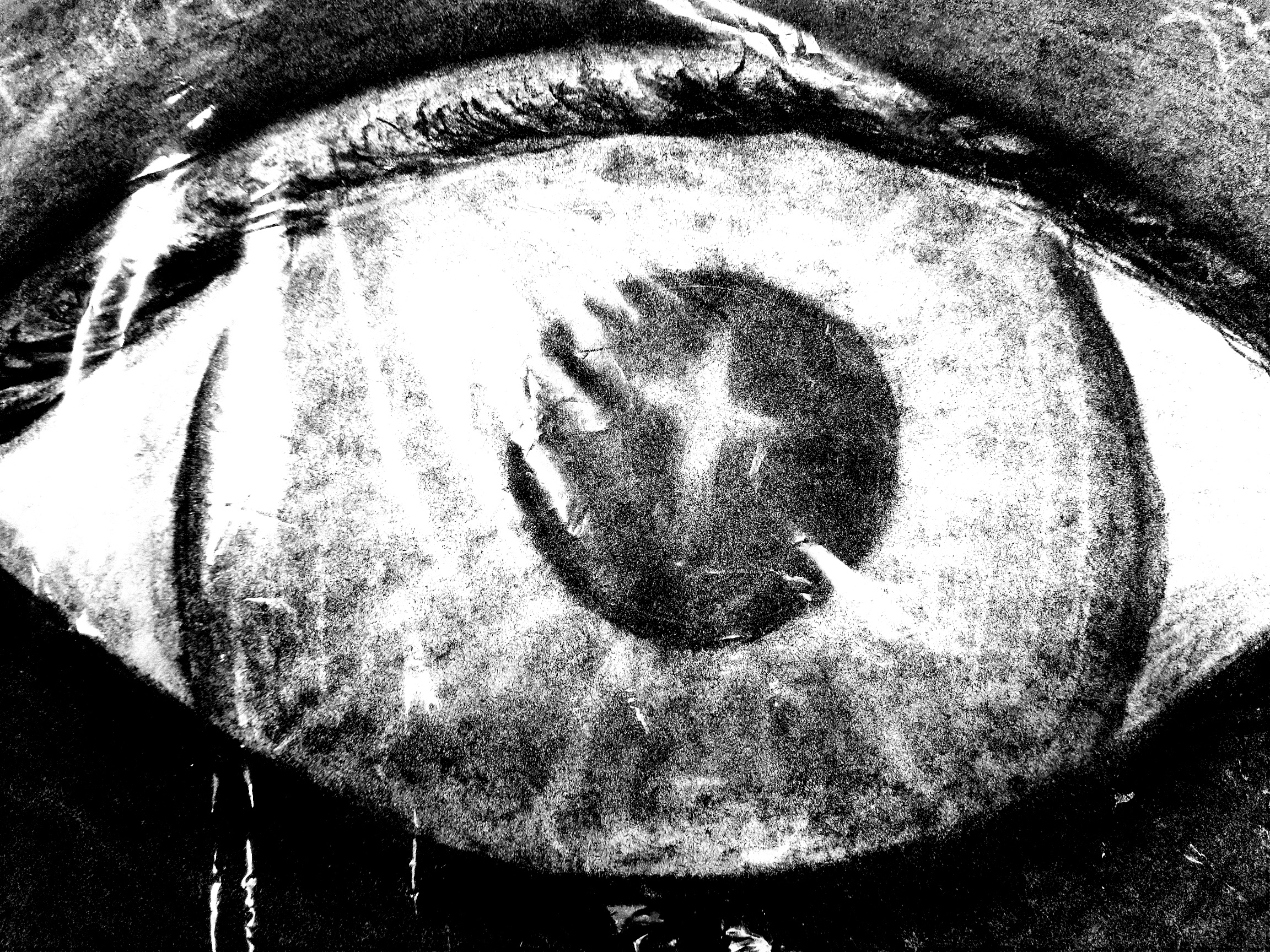
An edited version of original artwork at Something for All Consignment/Thrift Store in Lonsdale. (Minnesota Prairie Roots copyrighted photo October 2023)

The eyes apparently have it for me in the terror department. I’ve always been vexed by Edgar Alan Poe’s “The Tell-Tale Heart,” his one short horror story that I remember above all others. An old man’s vulture eye, Evil Eye, led the narrator to commit murder and then confess to the crime after being taunted by an endless ringing in his ears. It’s a macabre story as is Poe’s writing in general.

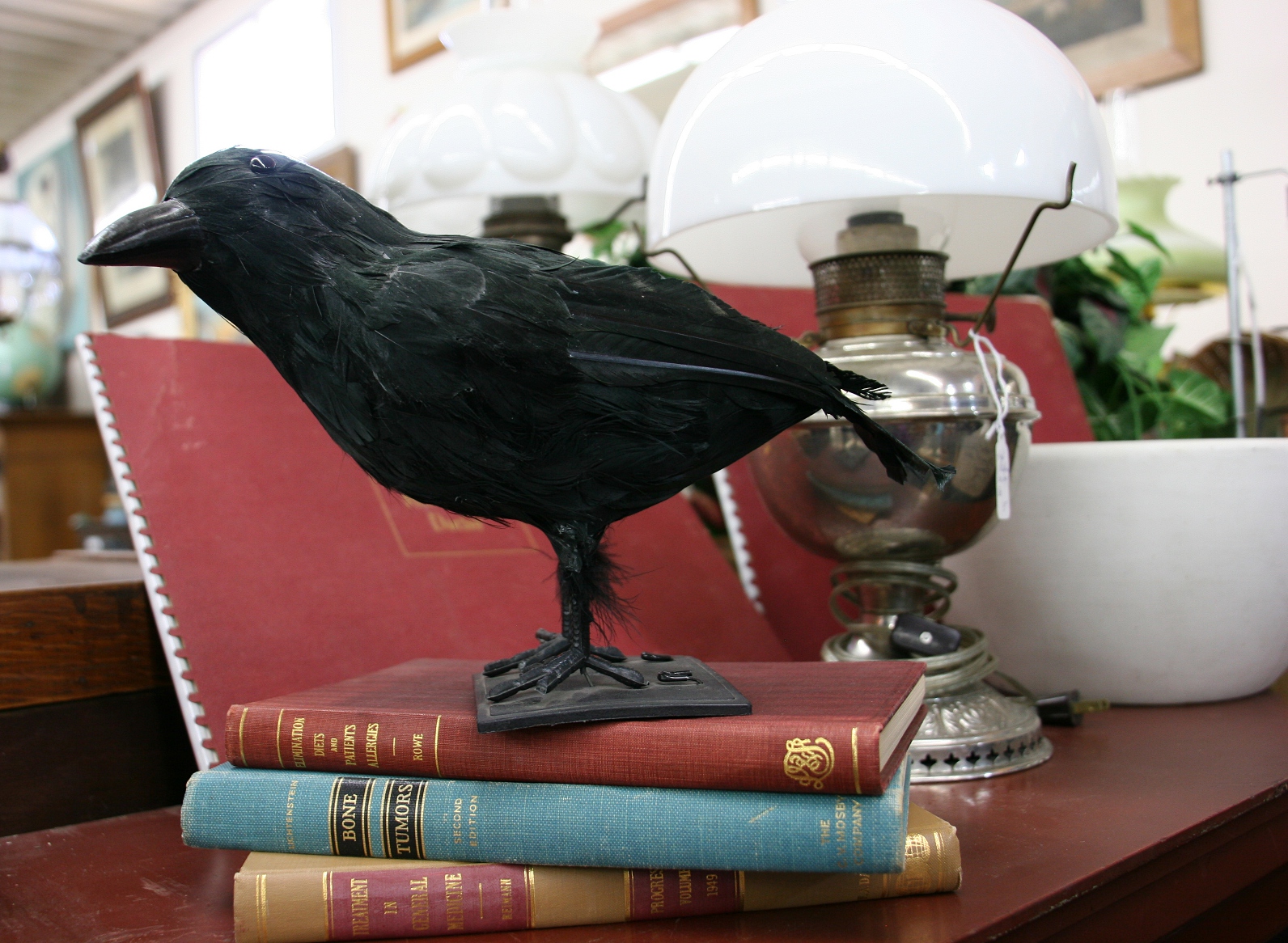
Photographed in 2015 at an antique shop (now closed) in Oronoco. (Minnesota Prairie Roots copyrighted file photo April 2015)

Screenwriter and filmmaker Alfred Hitchcock matches Poe’s talent in the horror genre. I can’t watch “The Birds” (starring Lafayette, Minnesota native Tippi Hedren) without freaking out. To this day when I hear the raucous caw caw caw of crows, I feel unnerved, as if the birds are waiting to descend upon me.

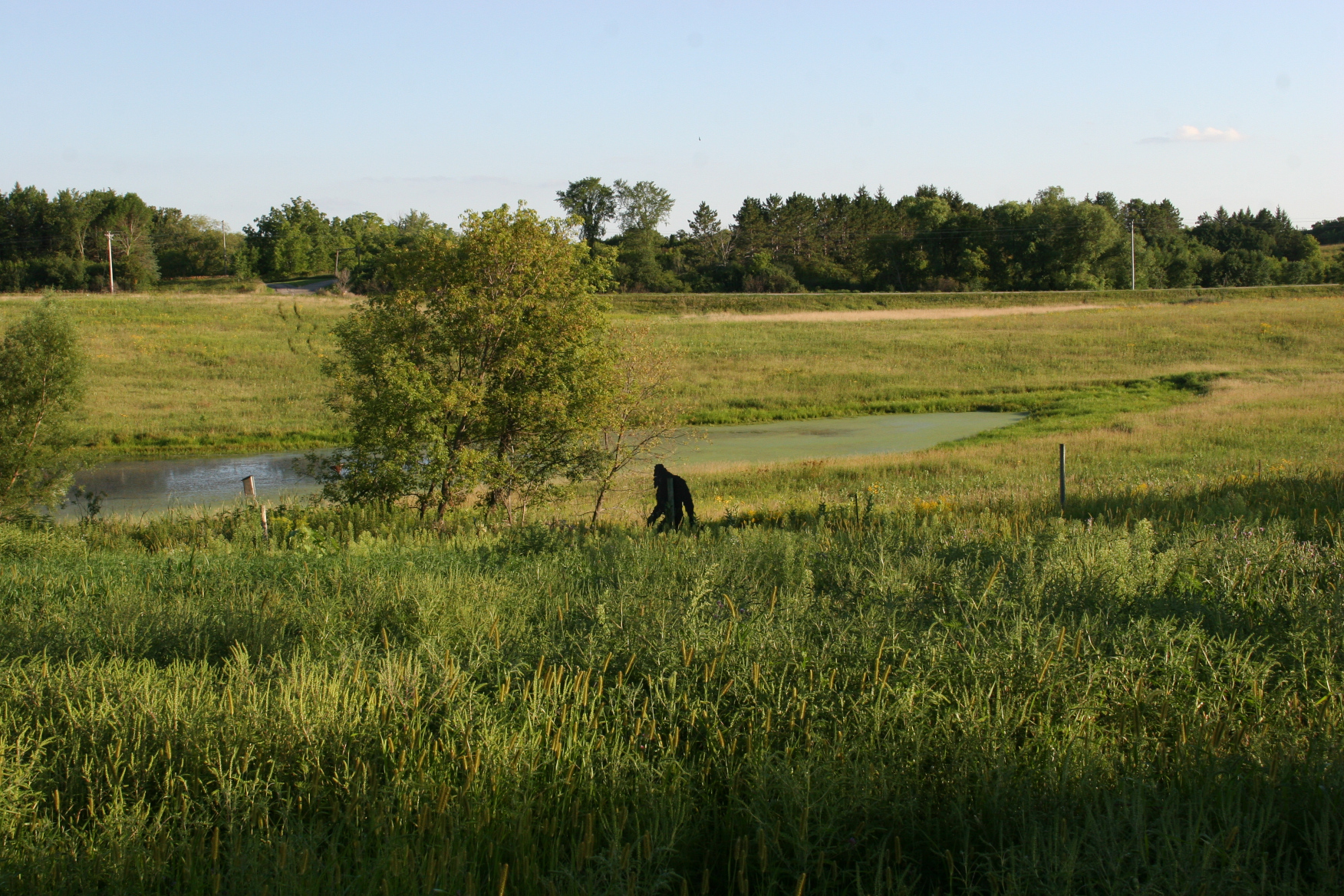
Big Foot crosses grassland on the Spitzack farm in Rice County. (Minnesota Prairie Roots copyrighted photo 2022)

Black things with wings, including bats and gigantic bugs with pinchers, fit my definition of frightening. Not skeletons. Not spiders. Not Big Foot. Not zombies. But dark winged things, plus mice, centipedes and memories of cold grapes scare me.

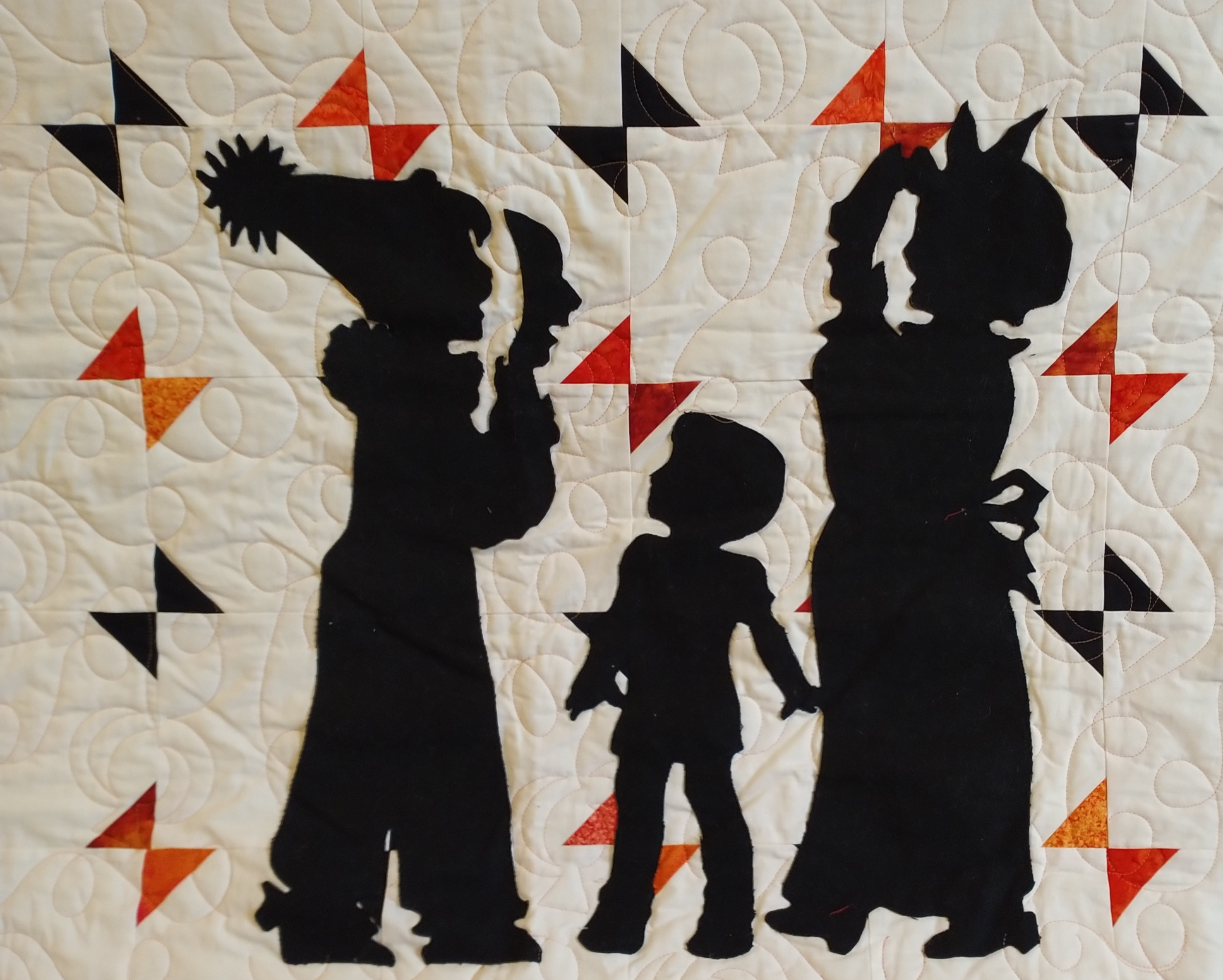
“All Dressed up for Halloween,” a quilt pieced and quilted by Marcia Speiker and displayed at the Rice County Piecemakers Fall Splendor Quilt Show in September. Buttermilk Basin is the pattern author. (Minnesota Prairie Roots copyrighted photo September 2023)

Aside from the scary, I appreciate the fun side of Halloween, especially the excitement kids feel in dressing as favorite characters, imagining they are someone they are not. A superhero. A Disney character. An animal. Maybe even Batman, distinctly different than a bat. Wherever their imaginations take them, they race in their costumes—door-to-door and to Halloween events (not held in veterinarians’ basements) to gather bags full of candy.

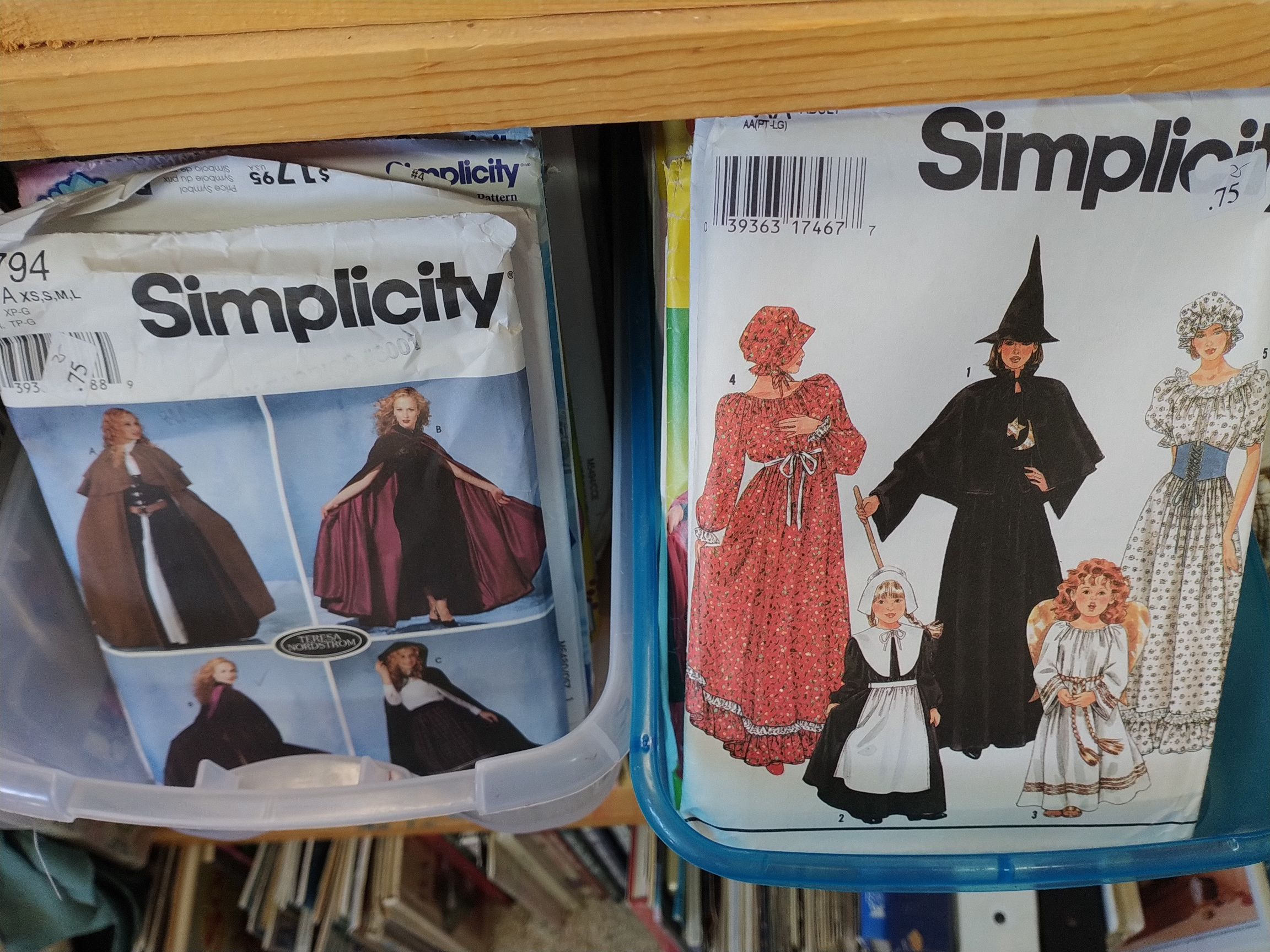
Something for All Consignment/Thrift Store in Lonsdale offers assorted patterns to stitch Halloween costumes, including the 1995 pattern on the right. (Minnesota Prairie Roots copyrighted photo October 2023)

The little witches, dinosaurs, Spider Men and more skirt doorstep jack-o-lanterns, guts pulled out in strings of seeds and pulp. Unpleasant in an Edgar Alan Poe sort of way. Only painted pumpkins are spared disembowelment.

The underside of a monstrous bug found recently in Faribault. (Minnesota Prairie Roots copyrighted photo October 2023)

Halloween mixes fun and fright. Over-sized bugs and skeletons. Candy. Creepy dolls. Cute princesses. Horror stories. Parties. And, if the mind (or the eye) wanders far enough, cold grapes persuasively re-imagined as cows’ eyeballs.

© Copyright 2023 Audrey Kletscher Helbling


Focusing on the stats & stories of domestic abuse & violence in Minnesota October 17, 2023

Lights glow purple on the Rice County Government Services building in Faribault in recognition of Domestic Violence Awareness Month. The moody sky fits the topic, the arrow on the pavement (from my perspective) pointing to hope, a way out of an abusive relationship. (Minnesota Prairie Roots copyrighted photo October 2023)

BEVERLY BOARDED THE GREYHOUND BUS, battered suitcase in hand, journal and hastily grabbed clothes zippered inside. She felt worn down. Exhausted. On this day, she chose to leave, to flee her husband’s physical, emotional and verbal abuse. As Beverly walked down the aisle to her seat, her mood lightened. But then she spotted Thomas approaching the bus, face flashing anger, clenched fists threatening.

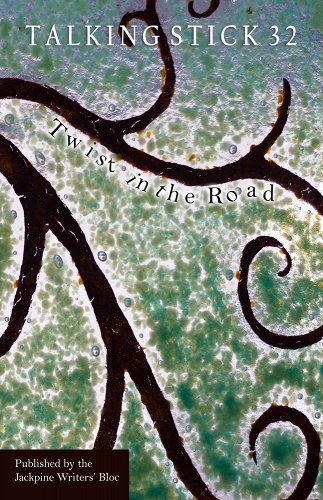
This anthology, featuring Minnesota writers or those with a connection to Minnesota, includes my short story about domestic abuse. (Book cover image sourced online)

This account of domestic abuse is fictional. I wrote the story, “Evidence,” which recently published and received an honorable mention in Talking Stick 32, Twist in the Road, a Minnesota-based anthology of stories and poetry. Even I don’t know how Beverly’s story ends. Will Thomas bust through the doors of the bus, hunt down his wife? Kill her?

Every day across Minnesota and beyond, scenarios like Beverly’s unfold in real life. The faces and places and circumstances differ. But the threat is real, as real as my fictional version aimed to not only provide a suspenseful read but also to raise awareness about domestic abuse.

A promo for the “2022 Homicide Report.” (Source: Violence Free Minnesota Facebook page)

October marks Domestic Violence Awareness Month. And that began in Minnesota with the release of the “2022 Homicide Report: Relationship Abuse in Minnesota” by Violence Free Minnesota. The report states that “at least 24 people were killed due to intimate partner homicide in 2022.” A further break-down of that shows at least 20 women and one man died from intimate partner violence and at least three bystanders/intervenors also died. Their ages ranged from 13 to 66. They lived in all areas of Minnesota from rural to urban.

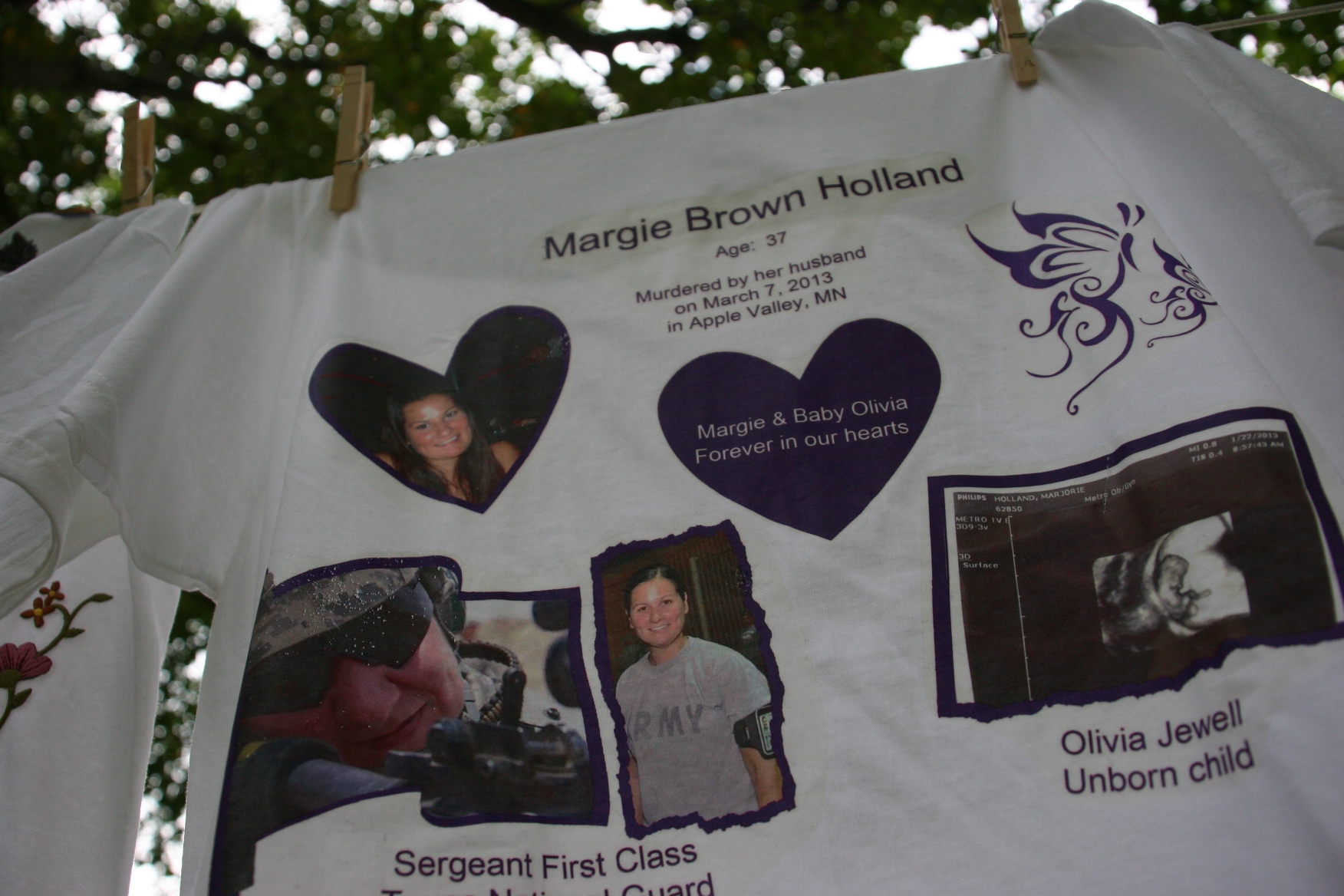
Margie Brown Holland (my former neighbor’s daughter) and her unborn daughter, Olivia, were murdered in 2013 in an act of domestic violence. Information about Margie was displayed on a t-shirt as part of The Clothesline Project exhibit I saw in Owatonna in 2015. This exhibit is available for display through Violence Free Minnesota. (Minnesota Prairie Roots copyrighted file photo July 2015)

While statistics and summaries matter, it is the stories which make the greatest impact. This report includes those, along with photos of nearly every homicide victim. Those stories begin on page 47, well into the 66-page report which is packed with powerful information that really should be read by every adult.

I focused my attention first on Chandra Lanae Pelch of nearby Medford. The 18-year-old was shot six times by her boyfriend in a murder-suicide on June 3, 2022. While the profile on Chandra is short, it is enough to break my heart. She leaves behind an infant son and loving family and friends.

I was also drawn to the story of Isaac Jon Hoff, 13, stabbed to death by his mother’s boyfriend, now serving 17 years in prison for his murder. It’s another heartbreaking case of domestic violence, of a woman attempting to defend herself, of a man grabbing a knife from her hand, of a son stabbed as he stood behind his mother. They were under an order of protection against their attacker. Isaac, who was described as “spunky, big-hearted and loved,” managed to call 911. He died later at the hospital. Isaac was from small town Olivia in southern Minnesota.

And then there’s Kimberly Ann Robinson, 41, who was found dead from a gunshot wound and blunt force trauma injuries on the side of a road in Rochester. Her boyfriend has been charged in her murder. She was a mother of three.

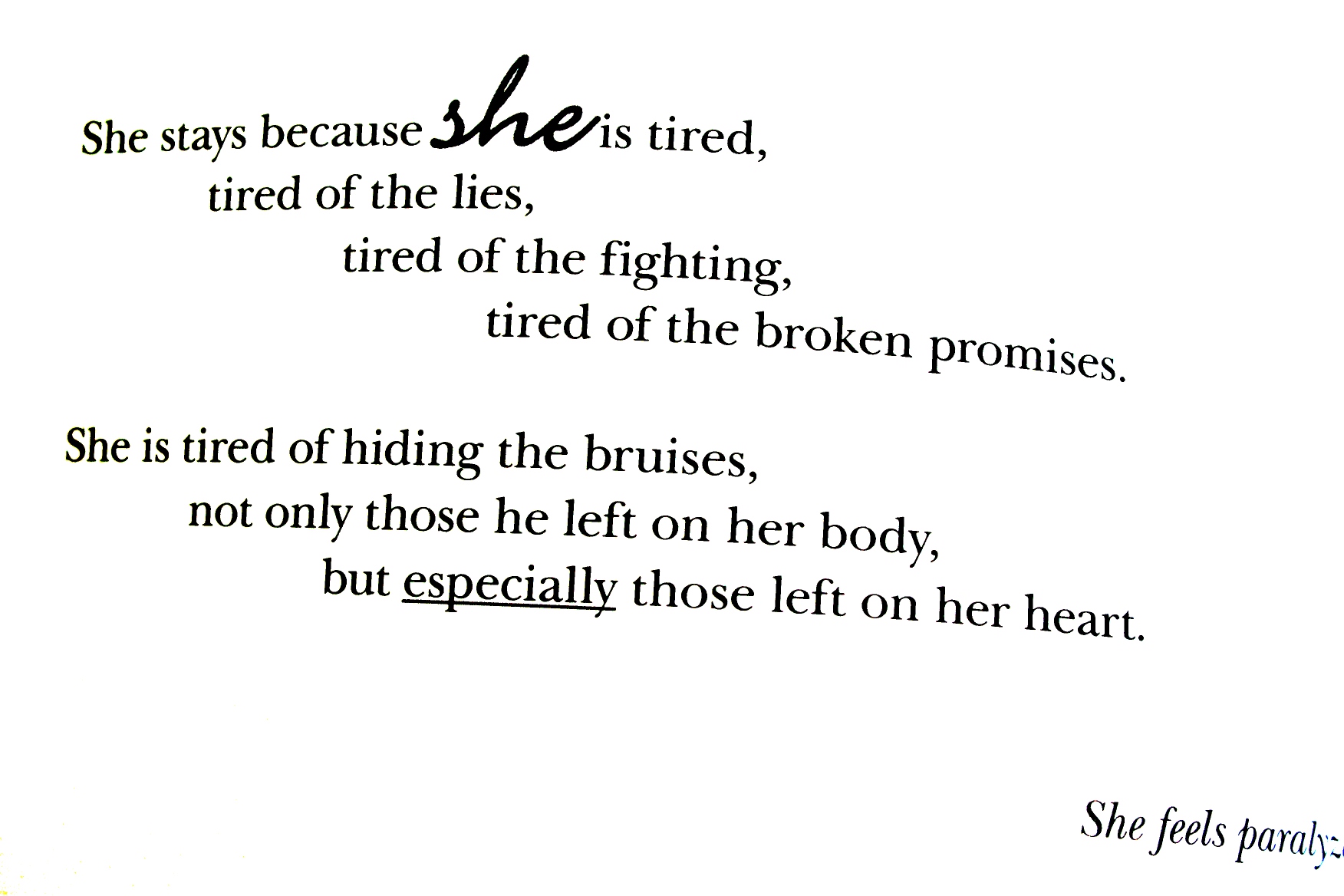
An excerpt from the 2016 book “She Stays” by HOPE Center Director Erica Staab-Absher explains why a woman stays in an abusive relationship. (Text copyright of Erica Staab-Absher)

Each story in this report deserves attention, for each person lived and loved and was loved. None were to blame for their horrific deaths, just like Beverly in my fictional story did nothing to deserve the physical and emotional abuse inflicted upon her by her husband. Domestic abuse, at its core, is about power and control. Too often, people ask, “Why didn’t she just leave?” That, in essence, shifts blame to the victim. This report explains “why” in “VICTIM’S ATTEMPT TO LEAVE THE ABUSER.”

The “2022 Homicide Report” does a good job of revealing the “whys” and of expanding on domestic abuse/violence-related topics within the legal system, racial disparities, healthcare, economic abuse, public/workplace violence and more. The report also includes recommendations in each of those target areas. One section even makes recommendations to the media about covering domestic violence.

Inspirational and honoring words are embedded in a mosaic honoring Barb Larson, killed in an act of domestic violence at her workplace, the Faribault Area Chamber of Commerce and Tourism, on December 23, 2016. (Minnesota Prairie Roots copyrighted file photo)

In the all of this, in the awfulness of these 24 deaths in Minnesota in 2022, we can all learn, grow our compassion, support and understanding, begin to recognize the warning signs of domestic abuse. There is hope and help available through advocacy groups and organizations, shelters and more. But it takes courage to seek help while under the power and control of an abuser. In my fictional story, Beverly found that courage on the day she grabbed her battered suitcase with her documenting journal zippered inside and boarded that Greyhound bus. But did she survive? The truth is, I don’t know.

#

FYI: Talking Stick 32, Twist in the Road includes not only my fictional story about domestic abuse, but four other fictional short stories and two poems on the topic. Particularly powerful is the poem “At the Cafe” by Mary Scully Whitaker in which the author and a waitress witness emotional abuse and threats of violence against a woman, then intervene. The anthology, published by the Jackpine Writers’ Bloc, is available through Amazon.

If you are a victim of domestic abuse, know that help is available. Have a plan in place to leave safely, recognizing that leaving an abuser is a particularly dangerous time. You are not alone. And you are not to blame.

© Copyright 2023 Audrey Kletscher Helbling


In Seaforth: Celebrating books, art & people October 4, 2023

Promo for Saturday’s event, courtesy of Elizabeth Johanneck.

THEY ARE LONG-TIME FRIENDS. Friends who grew up together, who have a history of experiences and stories and of being there for one another. And they are both authors of books rooted in rural Redwood County, the land which shaped and grew them and their enduring friendship.

On Saturday, October 7, Twin Cities resident Elizabeth “Beth” Johanneck, author of If You Can’t Make it to Heaven, at Least Get to Seaforth—The Monica Stories and Then Some, and Granite Falls resident Cynthia “Cindy” Bernardy Lavin, author of the children’s book I Think I’ll Call You Annie: Based Upon a True Story (which Beth illustrated), return to Seaforth, population 77, for a 1-4 pm event sure to draw lots of interest.

The C4th Bar hosts the afternoon activities, which include a meet-and-greet (1-3 pm) with the authors and Monica Pistulka Fischer, prominently featured in Beth’s collection of short stories and art from the Seaforth and Wabasso areas. Books will be available for purchase.

Event promo courtesy of Elizabeth Johanneck.

But there’s much more planned than a book signing and time to chat with the long-time friends. The event also includes a hayride and self-guided tour of St. Mary’s Cemetery just northwest of Seaforth. Attendees can visit the gravesites of locals included in both books.

Image sourced online.

Back at the bar, Cindy, a retired elementary school teacher, will read her book about Seaforth’s most famous pig and offer a pig art project for kids.

The original painting of “Seaforth Main Street,” featured here on the cover of Beth’s book, will be on display at Saturday’s celebration. (Minnesota Prairie Roots copyrighted file photo 2023)

Art is an important part of this celebration as art is an integral part of Beth’s book. Her book includes the only printed collection of selected paintings by her grandfather, Arnold Kramer, dubbed “Minnesota’s Grandpa Moses.” He documented early to mid 1900s rural life and scenes, creating an historical agrarian treasure of some 400 paintings upon his retirement from farming. His original painting, “Seaforth Main Street,” which graces the cover of Beth’s book, will be displayed at Saturday’s celebration.

The C4th Bar is also honoring Kramer and several other Seaforth residents (and one pig) with special drinks: “The Grandpa Moses” for folk artist Arnold Kramer; “The Angie” for business owner Angie Bergen; “The Monica” for Monica Pistulka Fischer; and “The Annie” for Dana and Connie Dittbenner and Annie the Pig. “The Monica” and “The Annie” are non-alcoholic drinks. Hot chocolate and make your own s’mores will also be available.

No event is complete without music. The celebration features the live music of Cowboy Dave Gewerth.

It will be quite an afternoon in Seaforth. I can almost envision the scene of a packed bar, of Beth and Cindy mingling, of glasses raised, of stories shared, of memories made. That’s the thing about small towns, especially—you may leave, but you remain forever connected to the place, the events, the people. Like Beth and Cindy, long-time friends who on Saturday return to their roots to celebrate publication of their books, but, more importantly, Seaforth and its residents.

#

FYI: To purchase If You Can’t Make it to Heaven, at Least Get to Seaforth—The Monica Stories and Then Some, click here. (Also available through Barnes & Noble and independent bookstores, including Chapter Two Bookstore in Redwood Falls.) To read my review of the book, click here.

To purchase I Think I’ll Call You Annie, click here. Also available at independent bookstores and Barnes & Noble.

Disclaimer: I edited and proofed the manuscript for Beth’s book. My poem, “Her Treasure,” is printed in the book as a companion piece. Beth, Cindy and I attended Wabasso High School together, graduating with the class of 1974. Beth and I were also lockermates.

© Copyright 2023 Audrey Kletscher Helbling


The centenarian, the seamstress & the tortoise September 27, 2023

Audrey Kletscher Helbling and Mickey Nelson inside The Junk Monkey. (Copyrighted photo by Randy Helbling, September 2023)

IN THE EVERYDAY MOMENTS of life, I often strike up conversations with strangers given my innate desire to hear their stories, to connect, to learn, or simply to show I care. Through such encounters, I’ve met the most delightful individuals.

THE CENTENARIAN

Take Mickey Nelson, 103, of Clarks Grove.

“You’re 103?” I overheard the question, edged with disbelief, while recently browsing a local vintage, collectibles and treasures shop. That was enough for me to pause and head to the front of the store to meet this centenarian engaged in conversation with shopkeeper Theresa.

When I spotted Mickey, I understood why Theresa sounded so incredulous. Mickey looked not a day over 80. His smile, which reached his eyes, exuded positivity, joy. And then I heard his story, realizing I’d heard it three years earlier.

Mickey is, in every way, extraordinary. In 2020, he walked 100 miles in his small southern Minnesota community to celebrate his 100th birthday. He didn’t walk just to walk. Mickey walked for a purpose, to raise money for the Salvation Army. And he raised a whole lot—$115,000, his daughter Michelle said.

I was beyond impressed by this WW II veteran and his generosity. Mickey remembered the bread lines during the Great Depression. That sparked his 100-mile mission to gather monies for Salvation Army food assistance during COVID-19. A similar effort by an aged veteran in England, who walked 100 laps in his garden during the pandemic and raised $30 million for Britain’s healthcare system, also proved motivating for Mickey.

On this day, I felt honored to meet Mickey, whose story was broadly shared in the media in 2020, the reason it was familiar to me. I decided right then and there that I wanted my photo taken with this celebrity, a remarkable man not only for his generosity of spirit, but also for the spirit of joyfulness he exudes.

Virginia Malecha displays two of her tote bags, among creations she was vending at the Faribault Farmers’ Market. (Minnesota Prairie Roots copyrighted photo September 2023)

THE SEAMSTRESS

The same can be said for Virginia Malecha of Millersburg, whom I met while enjoying a pork burger during a recent event at the local co-op. She, like Mickey, exudes joy. And she, like Mickey, is generous. Virginia has sewn 200 cloth bags for patrons to use at the Northfield Public Library. As we talked, I learned that this seamstress has been sewing since age nine. She clearly enjoys the craft, stitching totes from recycled materials (such as clothing and duvets) and from her fabric stash collected through the decades.

Virginia invited me to stop at the Faribault Farmers’ Market to view more of her creations, including dish towels she machine embroiders, scrubbies and more. Two days later, I did just that. I was impressed by this kind, generous and friendly woman. She not only sews, but also taught herself to play the concertina and raised her family on a dairy farm (another connection given I grew up on a dairy farm). I asked to take her photo. I wanted to remember her beautiful smile and how she, like Mickey, inspired me. And it all started with a conversation over burgers in a co-op parking lot.

Not a tortoise, but a turtle, which is nearly as slow as a tortoise. (Minnesota Prairie Roots copyrighted file photo June 2020)

THE TORTOISE

And then there was the recent afternoon I met Paul (whose last name I never got) in the same park where Virginia vended her wares. He was walking, just like my husband and me. Randy and I were, however, going at a much faster pace. That led to a humorous moment, when Paul called us the hares, himself a tortoise. But, I reminded him, the tortoise wins the race.

On this day, though, I truly was the winner given the conversation that followed. We chatted a bit about retirement and other topics. But even before Paul mentioned that he was a retired Lutheran pastor from New Richland now relocated and living across the street from the park, I recognized his compassion. He listened as I shared about my neurological health issues caused by a virus in early January. His wife, he said, suffered a traumatic brain injury. Her challenges in many ways mimic mine. I felt, in that moment, understood, uplifted and incredibly thankful for this caring man.

Like Mickey and Virginia, we connected in an everyday moment of life. And I am the better for having met the three of them—the centenarian, the seamstress and the tortoise.

© Copyright 2023 Audrey Kletscher Helbling


Invisible, but, oh, so real September 20, 2023

Early on in my diagnoses, my brain felt like this, scrambled. Art by Bill Nagel, previously exhibited at the Paradise Center for the Arts, Faribault. (Minnesota Prairie Roots copyrighted photo March 2023)

FOR ME, THE FEELING of imbalance started shortly after an early January virus, likely *COVID-19. At the time I didn’t make the connection between the two. But eventually medical professionals did. That led to multiple diagnoses of vestibular neuritis, Meniere’s Disease and peripheral sensory neuropathy. Yes, it’s been a lot to handle. But I’m in a much better place health-wise than nine months ago thanks to professional intervention and a whole lot of hard work.

The thing about having a vestibular disorder is that it’s unseen. You can’t see inside my brain to view the damage. And, for the most part, you can’t see the effects of a malfunctioning vestibular system, unless you’re my husband or eldest daughter who can. Randy and Amber can look at my face, see my eyes squinting, my look of fatigue, tell-tale signs I’m not doing well. And if I’m closing my eyes or holding my hands on the sides of my face, I’m blocking my peripheral vision, thus reducing visual input.

All of that aside, I’ve at least reclaimed my balance. Most days. Brief bouts of vertigo set me back mid-summer. Via vestibular rehab therapy to retrain my brain, I’ve learned to manage and live with my many ongoing symptoms and mostly get on with my life. Maybe not as I did previously, but with a renewed appreciation for something as simple as walking with confidence, as watching TV, as shopping for groceries.

A promo postcard from VeDa. The painting, “Uncharted Waters,” is by vestibular patient Nicolle Cure.

FOCUS ON BALANCE

Today, though, I want to focus on balance, for two reasons. Imbalance was the first issue I overcame. And secondly, September 17-23 marks Balance Awareness Week, started in 1997 by the Vestibular Disorders Association. That national nonprofit is “a lifeline of support to anyone affected by vestibular (inner-ear and brain balance) disorders.” VeDA has proven an invaluable resource for me in learning about my vestibular-based diagnoses.

Knowledge is power. Just ask my physical therapist at Courage Kenny. Ryan answered many questions during my vestibular rehab therapy sessions, especially early on when I was just learning about my health issues. He always replied thoughtfully, helping me to understand what was happening in my brain and how we would work together through targeted exercises to manage my symptoms.

I’ve come a long way from the days of standing in place turning my head back and forth to the beat of a metronome. Today I’m power walking 15 minutes in the morning, 15 minutes in the evening with Randy. Even I’m amazed that I can do this. Not all that long ago, I couldn’t walk a block, often needing to hold onto Randy.

Fiona the Flamingo is VeDA’s Balance Awareness Week logo/mascot.

EVEN THOUGH MY DISORDER IS INVISIBLE, I STILL NEED TO BE SEEN, ENCOURAGED…

There is hope for anyone dealing with a vestibular disorder. Many seniors (and, yes, I’m a “senior”) struggle with balance. So do those who’ve suffered traumatic brain injuries like concussions. That includes my sister-in-law Rosie, my go-to support. Because she understands. And encourages. She realizes the importance of physical therapy in recovery.

In sharing a bit of my story with you, I am aiming to increase awareness. Make Vestibular Visible themes Balance Awareness Week. A promo from VeDA reads: Balance Awareness Week is our time to shout from the rooftops: “I have a vestibular disorder and this is my story.”

This is my story. One of challenges, of professional intervention, of hard work, of acceptance, of perseverance, of relying on others, of patience, of strength, of gratitude, of tears, of resilience, of focusing on what I can do (and not what I can’t). It is also a story of recognizing that no matter what we face in life—whether visible or invisible—we all need to be seen, to be uplifted, to feel cared for and loved.

#

© Copyright 2023 Audrey Kletscher Helbling

*I self-tested negative twice for COVID, but those tests (if done incorrectly and for other reasons) can be wrong, my primary doctor told me. He guesses I had COVID in January, and I agree based on my symptoms.


The power of hair among Native Peoples September 19, 2023

“My Powerful Hair,” published in 2023 by Abrams Books for Young Readers. (Book cover source: Abrams Books)

SOME OF THE MOST MEANINGFUL, enlightening and powerful books I’ve read, I’ve found in the children’s picture book section of my local public library. That includes My Powerful Hair written by Carole Lindstrom and illustrated by Steph Littlebird.

I happened upon this book while searching for recently-published astronaut and geography books for my 4-year-old grandson. I never did find those sought-after titles. Not that it mattered. What I discovered instead were three must-read books: My Powerful Hair, Boycott Blues—How Rosa Parks Inspired a Nation and We Are Better Together.

Parks is certainly familiar to me as the Black seamstress who in 1955 refused to give up her seat to a white man on a city bus in Montgomery, Alabama. That sparked a bus boycott and the Civil Rights Movement. Likewise, working together to effect change, to improve our world, to help one another is a familiar theme.

“The Native Man, His Eagle & His Chanupa,” an oil painting by Dana Hanson and part of her 2018 “Healing the Land” exhibit at the Owatonna Arts Center. (Minnesota Prairie Roots copyrighted file photo 2018, used for illustration only. Art copyrighted by Dana Hanson.)

THE IMPORTANCE OF HAIR REVEALED

It is the story on hair, though, which proved a particularly teachable read. My Powerful Hair focuses on Native Peoples’ hair and its importance in their culture, their history, their lives. Through the writing of New York Times bestselling and award-winning author Lindstrom, who is Anishinaabe/Metis (and an enrolled citizen of the Turtle Mountain Band of Ojibwe), and Indigenous artist Littlebird of Oregon’s Confederated Tribes of Grand Ronde, I learned the symbolism and power of hair in Native American culture. Admittedly, this is something I should have known, having grown up on the southwestern Minnesota prairie between the Upper Sioux and Lower Sioux Indian Reservations (today termed “communities”). I thought I was informed. But I wasn’t, not about hair.

Told from the perspective of a young Native girl, My Powerful Hair explains the reasons Native Peoples grow their hair long. And keep it long. Hair holds stories, memories, strength, sorrow, connections to each other and to Mother Earth. And more. Page after page, the narrator shares events in her life that weave into her hair. When Nimishoomis (her grandfather) taught her to fish, her hair reached her ears. When her cousins taught her to make moccasins, her hair flowed past her shoulders. In the sharing of these moments, I began to understand the power of hair in Native American culture.

A photo panel at the Traverse des Sioux Treaty Center in St. Peter shows Dakota leaders photographed in Washington D.C. in 1858. The photo is from the Minnesota Historical Society and is used here for illustration only.

FORCED HAIRCUTS

I also understood fully, for the first time, the trauma inflicted upon Indigenous individuals forced long ago by white people to cut their hair. The writer and illustrator don’t hold back. In the first few pages, a young Nokomis (grandmother) is in tears as the hands of a Catholic nun grasp, then cut, her braids. It’s an emotionally impactful visual.

But this was reality at Indian boarding schools, within faith communities and elsewhere back in the day, in a time period when efforts focused on erasing Indigenous culture, on conforming Native Peoples to European ways. It was wrong.

Displayed at Bridge Square during Northfield’s Earth Day celebration in 2022. (Minnesota Prairie Roots copyrighted file photo April 2022, used for illustration only)

A TERRIBLE INJUSTICE”

A blogger friend from the central Minnesota lakes region recently shared a bit of her family’s experience per my request. Of unverified (records were often destroyed) Cherokee ancestry, Rose speaks of her mother’s trauma after being sent to a Catholic girls’ school in Crookston. “Mom didn’t tell us much about her experience there,” Rose says, “only that they made her cut her long black hair. My mom never cut her hair again for the rest of her life. She saw the forced haircut as a terrible injustice.” Injustice seems a fitting word.

In an author’s note, Carole Lindstrom shares the same trauma, documented, she writes, in a photo of her grandmother and two great aunts with their black hair shorn above their ears. They were forced into an Indian boarding school in the early 1900s.

“Honoring the Legacy of the Dakota People” focuses this artwork by Dana Hanson. Chief Taopi centers the painting with Alexander Faribault to the left and Bishop Henry Whipple on the right. The word “Yuonihan” means honor or respect. This art hangs inside Buckham Memorial Library. (Minnesota Prairie Roots copyrighted file photo November 2022. Art copyrighted by Dana Hanson.)

POWER IN STORIES, IN HERITAGE, IN RESPECT

Rose is thankful for books like My Powerful Hair. “I am glad that stories like this are being told,” she says. “Much First Nations history nearly disappeared. And many First Nations keep their ceremonies and other information ‘secret’ so it won’t be distorted or misused by people who don’t understand, or who seek to harm them.” Based on history, that seems warranted.

This Minnesota woman has one more reason to feel grateful for children’s picture books by Indigenous Peoples. Her grandchildren are of Ojibwe heritage; their other grandmother lives on the White Earth Nation in northwestern Minnesota. “My hopes for my grandchildren are that they learn all they can about their Ojibwe ancestors and customs and values,” Rose says. “I hope they can choose what lessons they want to carry forward in their own life. I hope they are fantastic examples of how people from different backgrounds can get along and respect and love one another.”

And so I learned, not only from Rose, but from reading My Powerful Hair. Stories woven into our hair matter. For they are powerful.

© Copyright 2023 Audrey Kletscher Helbling


“I Am Minnesota” immigrant portraits & stories inspire September 11, 2023

Portraits and stories, including that of Tin Tea owner, Chau, second from right, are featured in the newest “I Am Minnesota” exhibit. (Minnesota Prairie Roots copyrighted photo September 2023)

IN THE CORRIDOR LINKING Buckham Memorial Library and the Faribault Community Center, 13 portraits of immigrants and second-generation immigrants line the walls. They are the work of Faribault artist Kate Langlais in her updated “I Am Minnesota” project.

“Faysel,” who fled the war in Somalia. (Minnesota Prairie Roots copyrighted file photo September 2020)

This is a remarkable and revealing exhibit, which stretches well beyond faces portrayed primarily in black and white charcoal on gray paper. Langlais also includes the stories of those who now call this region home. Those stories hold the challenges and dreams, the successes, the gratitude and more of individuals who have become integral, and important, parts of our communities.

Faysel’s story from Langlais’ 2020 “I Am Minnesota” exhibit. (Minnesota Prairie Roots copyrighted file photo September 2020)

I saw Langlais’ first “I Am Minnesota” exhibit in 2020 at the Paradise Center for the Arts. She includes seven of those 2020 portrait-story pairings in her latest installation along with six new featured individuals. I appreciate her work today as much as I did three years ago.

Kate Langlais at work in her home studio. (Photo courtesy of Kate Langlais, 2022)

In her artist’s statement, Langlais states in part that, “It is an honor to learn about each individual’s hardships and perseverance, as well as the beauty of their hopes and dreams.”

“Hilda,” successful Faribault business owner. (Minnesota Prairie Roots copyrighted photo September 2023)

That includes the hopes and dreams of Hilda, who came to Faribault in 1996 with the goal of opening a family-run restaurant serving authentic Mexican food. Twenty-seven years later, El Tequila Family Mexican Restaurant is still going strong, even expanding to other communities. Hilda overcame a vocal naysayer who doubted such a restaurant could survive, let alone thrive, in Faribault. She proved him wrong and, in her story, expresses gratitude to a supportive community.

Likewise, another woman with a dream, second-generation Vietnamese-American Chau, opened Tin Tea in Northfield in June 2021 at the age of 19 while also a full-time student at St. Olaf College. Her story begins with gratitude to her parents: “My parents’ incredible journey from Vietnam to a new land left an indelible mark on my life. Filled with hardships and unwavering determination, their arrival in a foreign land with nothing but hope and courage inspired me deeply.”

An unidentified “I Am Minnesota” portrait of a woman hangs next to a drawing of Peter. (Minnesota Prairie Roots copyrighted photo September 2023)

To read these stories, to view these portraits, is to witness the strength and determination of individuals like Hilda and Chau. And Peter, an immigrant from the Netherlands who moved with his wife Virginia to Faribault in 2002. Since then, Peter, now a U.S. citizen, has volunteered tirelessly in Faribault, heading up the International Festival, being selected as “Citizen of the Year” (along with Virginia), elected to the City Council, recently named the new Rice County fair manager and more.

Included in Hilda’s portrait is the name of her successful Mexican restaurant, the first in Faribault and now one of several. (Minnesota Prairie Roots copyrighted photo September 2023)

Thirteen faces. Thirteen stories. They are ours to view, to read, to appreciate. For in seeing, we put faces to the word “immigrants.” For in reading, we learn their backstories. And in both, we begin to understand that our newest neighbors and their families overcame much to call this place, this southern Minnesota, home.

FYI: Kate Langlais’ “I Am Minnesota” exhibit will be up until Friday, September 15. A closing reception is slated for 5-7 pm with a free portrait drawing class beginning at 6 pm. Register for the drawing class at Faribault Parks and Recreation.

© Copyright 2023 Audrey Kletscher Helbling
 

Connecting in life’s everyday moments August 30, 2023

I love this positive message posted on a rear vehicle window. (Minnesota Prairie Roots copyrighted photo August 2023)

WE STOOD OUTSIDE the local library, minutes before the 9 am weekday opening, waiting for staff to unlock the front door and let us inside. Rather than wait silently, I struck up a conversation with the elderly man next to me. I’ll always choose talking to a stranger over saying nothing. That’s my nature.

Via conversations, I have met many interesting individuals, listened to their stories, sometimes shared mine. It’s all about pausing, about truly taking the time to engage others in meaningful ways, if even for a minute or ten.

On this morning, I learned that I was talking to a 94-year-old Korean War veteran. We had an instant connection as my dad also served in the “Forgotten War.” I sensed immediately that my new acquaintance did not want to talk about anything war-related and I respected that. My dad had been the same.

Instead I veered to a safe topic, this veteran’s early appearance at the library. “I have nothing else to do,” he said. My heart hurt at his words as I imagined how long his days stretch before him. He comes to the library to read newspapers. Not books. He struggled to read books in high school and never attempted since.

As we walked through the now open library doors, he ahead of me, I had one more thing to say. “I challenge you to read a book.” I doubt he will. But that’s OK. He reads newspapers, watches sports on TV. And on this day, he shared just a bit of his life story with me. And I felt honored to hear it.

Vintage dresses for sale at Antiques Plus in New Ulm. (Minnesota Prairie Roots copyrighted file photo March 2021 used for illustration only)

AT THE ANTIQUE SHOP

Weeks prior, I found myself unexpectedly assisting a bride-to-be as she tried on vintage dresses at a local antique shop. Tall and slender with a thick braid falling to the side of her left shoulder, Angela radiated beauty inside and out. I offered to zip the zipper-back dresses she was considering for her October rehearsal dinner. She slipped into a flared pink dress that, even on her slight frame, fit too tightly. Next Angela donned a sleeveless chocolate brown wool dress that seemed custom-made for her. But I wanted to be honest. “Wool can be itchy,” I warned. She agreed that the heavy, textured fabric did feel a bit uncomfortable. Finally, I zipped the last dress—a long white sleeveless dress in a nubby fabric. When Angela expressed doubts about wearing white, I advised she’s the bride and can wear whatever she desires.
I left before Angela made a decision on the vintage dresses. But I didn’t leave before I learned that she works as an engineer at a medical device company in the metro and that she loves her job. What a joy to meet a young woman so devoted and passionate about her profession. That gives me such hope. We also shared a faith-filled moment, one which I will keep private between me and Angela. I consider her an angel in every sense of the word and felt blessed to have met her.

Roxy of Owatonna sent me a clutch of uplifting mini cards which I can give to others. She has been such an encourager to me during my recent health struggles. (Minnesota Prairie Roots copyrighted photo August 2023)

IN A GROCERY STORE PARKING LOT

Last Saturday, I experienced another uplifting moment, this time in a grocery store parking lot. The auburn-haired teen wheeling my cart full of groceries to the van asked about my plans for the rest of the day. I had none, I said, then asked about hers. She was meeting friends after work. As we parted, I told her to have fun with her friends. And she wished me a good day. Again, I felt such hope. This young woman could have simply pushed the cart, unloaded the groceries and said nothing. But she chose to engage. That says a lot about her character, her humanity.

It is everyday encounters like this which fill my spirit. Life offers so many opportunities to connect, to be there for one another. Whether to converse, to encourage or to zip the backs of vintage dresses for a bride-to-be, opportunities await us. We need only pause, listen, care.

© Copyright 2023 Audrey Kletscher Helbling