PERSPECTIVE DOESN’T DIMINISH challenges in life. Rather, perspective helps one to assess, to consider, to reshape thoughts.
On Thursday, the word “perspective” edged to the top of my mind upon learning about the collapse of a 12-story residential building in Surfside, Florida. Suddenly what Randy and I experienced this week doesn’t seem all that bad. Minor, really, in comparison to the loss of life and home in Florida.
As I write this, four people are confirmed dead with 159 missing. And then there are the injured and those who are now without a home. It’s a lot of loss. A lot of grief and pain and heartache and stress beyond comprehension.
When I view the rubble of the high-rise, I think of the fallen World Trade Center towers and of the I-35 bridge collapse. The visuals from Florida imprint the immensity of the catastrophe. Media reports, especially interviews with loved ones of the missing, cause an emotional reaction which leaves me in tears, feeling deeply saddened. My heart breaks at the humanity of it all—the deaths of loved ones in such a sudden and awful way.
As six industrial-sized fans and a dehumidifier roar in our basement, I focus on perspective. I see those media reports featuring search and rescue teams, eye witnesses, family members, government officials and others at the site of the Florida tragedy. I also hear the repeated word, “hope.” Hope rises, even when it seems futile.
But, like perspective and resilience, we need hope. Especially now in Florida.
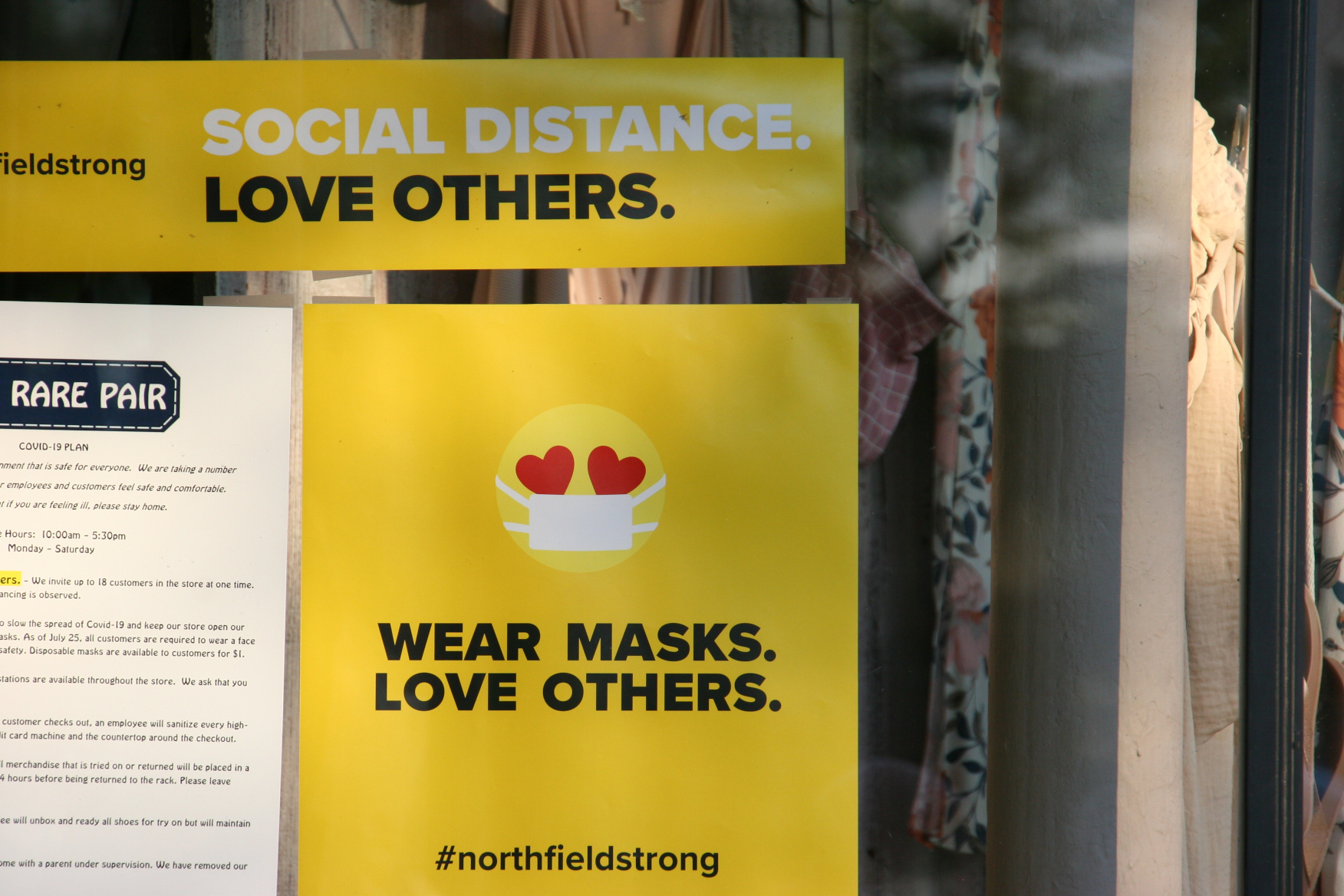
Early in the pandemic, the Rare Pair in Northfield posted this sign on the front door. While social distancing and masking are no longer required in Minnesota, the overall message of LOVE OTHERS can apply to vaccination. Minnesota Prairie Roots file photo 2020.
AS THE BAND PLAYED, as the scent of gyros wafted in the breeze, as the summer day drew to a close in Central Park during Faribault’s Heritage Days celebration, I engaged in a conversation that left me frustrated. The subject: COVID-19 vaccination.
For some 10 minutes, an acquaintance and I discussed the vaccine, specifically his refusal to get vaccinated. I tried to be respectful as I listened to his belief that COVID is no worse than the flu and his assessment that, if he gets the virus, he expects a mild case. He’s around my age, in his 60s. I politely disagreed with his assessment of COVID and stated no one really knows how their body will react to the virus. In our county of Rice 110 people, ranging in age from 24 to 104, have died from COVID.
I shared stories about those, with a connection to Randy and me, who have died of COVID. Those deaths didn’t seem to matter. He acknowledged hearing my concerns, but remained unswayed.
“PARANOID” VS. CAUTIOUS & CARING
When he called his co-workers at a local factory “paranoid” about COVID, I felt myself losing patience. There’s nothing paranoid about concern, about taking precautions, about preventing the spread of a potentially deadly virus. There’s nothing paranoid about caring for your own health and the health of humanity by choosing vaccination.
In hindsight, had I known I would have this conversation, I would have taken a different approach—emphasizing that the decision whether to get vaccinated or not stretches beyond our individual selves to our families, friends, neighbors, and yes, even our co-workers. Even to strangers.
My acquaintance, while seemingly unconcerned about his own health, should feel a sense of responsibility to his community. I wonder how he would feel if he exposed someone to COVID and that person died or suffered long-term health issues. I would struggle with guilt.
I DON’T UNDERSTAND
Not only do I struggle with my acquaintance’s refusal to get vaccinated, but I really struggle with those employed in healthcare settings who are refusing vaccination. At my local hospital, about 37% percent of staff remains unvaccinated, according to a recent story in the Faribault Daily News. They are putting patients at risk by that choice. The same goes for those who work with our elderly and most vulnerable in long-term care centers. Where is the sense of care for others, of respecting science, of maintaining health in a place devoted to health?
GRATITUDE MIXED WITH ONGOING CONCERN
To those of you who have chosen vaccination, thank you. Thank you for protecting yourselves, those you love and the broader community. Because of your choice, we are seeing a significant drop in COVID cases. Vaccines are working. That decline doesn’t apply everywhere, though. In states like Arkansas, Missouri and Oklahoma, where vaccination rates are especially low, COVID cases are still prevalent, according to media reports. And the highly-contagious Delta variant is quickly spreading, accounting for 20% of new COVID cases in the U.S. This pandemic isn’t over yet and I’m concerned for those who aren’t getting, or can’t yet be, vaccinated. Like my acquaintance. And my young grandchildren. And others I know who refuse to trust and accept that vaccines work.
DESPERATE TO BE VACCINATED
In closing, I want to share one final story. A friend’s son and his family are flying from their home in Brazil to Minnesota to get vaccinated. Vaccination is many months away for them in a country hit especially hard by COVID. Their oldest daughter, who has Downs Syndrome and thus is especially vulnerable to the virus, is their primary concern. Think about that for a moment. We can’t give away vaccines in this country. People are refusing them. And here we have a family of four flying some 5,000 miles to get vaccinated. They trust the science. They want to protect themselves. They understand that COVID-19 can be worse than the flu. They are part of our global family and I feel thankful that they are choosing vaccination.
If you are not yet vaccinated, please get vaccinated. Your decision is about more than you. It’s about all of us. Your family. Your friends. Your neighbors. Your co-workers. Your community. Your world.
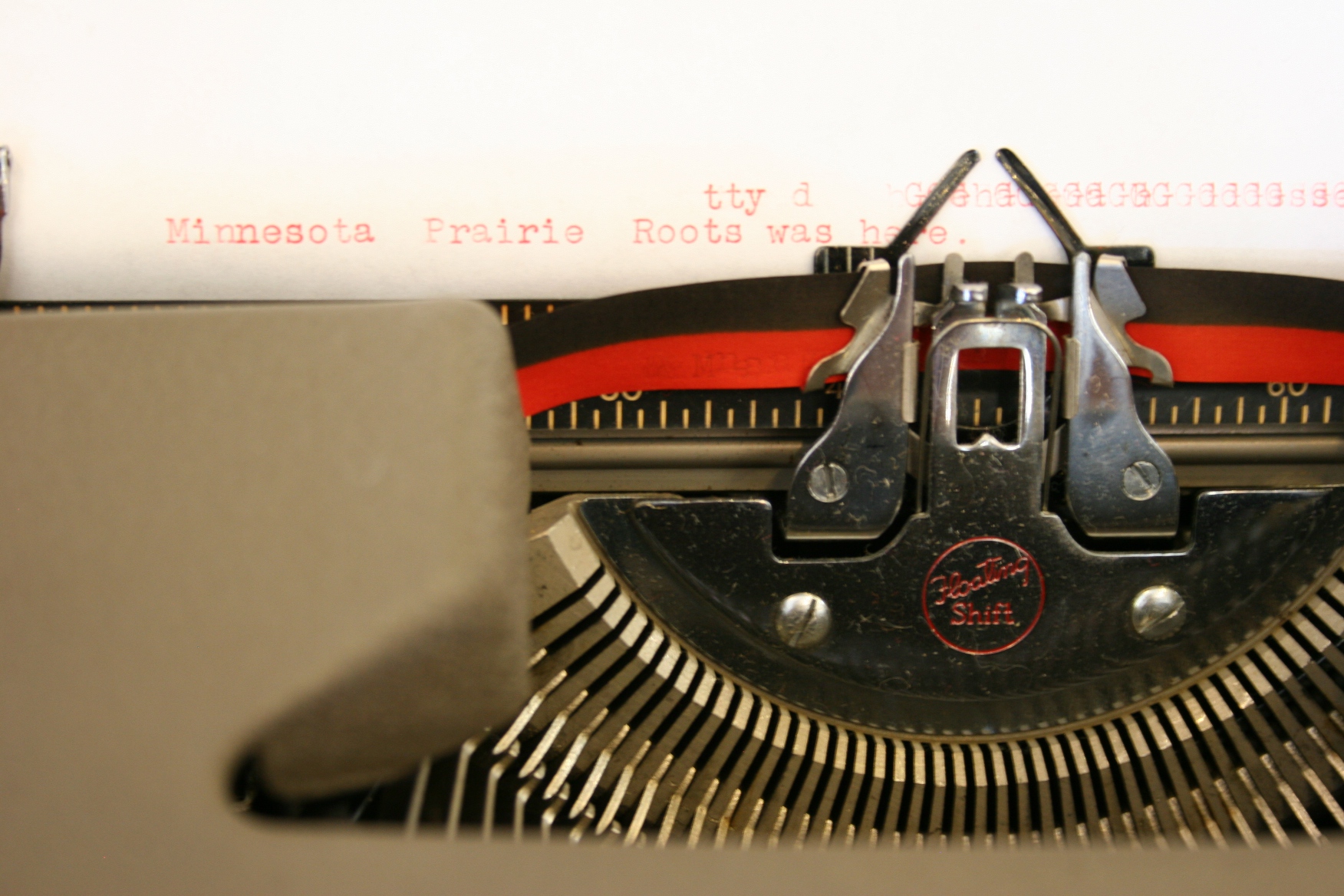
In journalism school and early in my journalism career, I typed stories on a manual typewriter similar to this. MN Prairie Roots file photo.
IN A WINDOWLESS ROOM of Armstrong Hall on the campus of Mankato State University, I pounded out a fictional obituary on a manual typewriter.
The year was 1976. And I was learning the basics of newspaper reporting. Lesson number one: Always spell a person’s name correctly. Never assume. Ask for the spelling. There is no reporting sin worse than misspelling a name. I remembered that during my first reporting job out of college when I interviewed Dayle. Not Dale.
I learned from two of the best—Robert O. Shipman and Gladys B. Olson. They were old school journalists, determined to teach Woodward and Bernstein-hyped students how to gather facts and report with truth, accuracy and integrity. They taught the basics—how to write a strong lede, how to infuse interest into feature stories, how to get the story right…
But beyond that, they cared. Deeply. They cared about the roles newspapers play in communities. To report hard news. To share human interest stories. To inform. To keep tabs on government and schools and other groups entrusted with public monies and policies. To share and express opinions on the editorial page, considered the heart of a community newspaper. To publish obituaries. And much more.
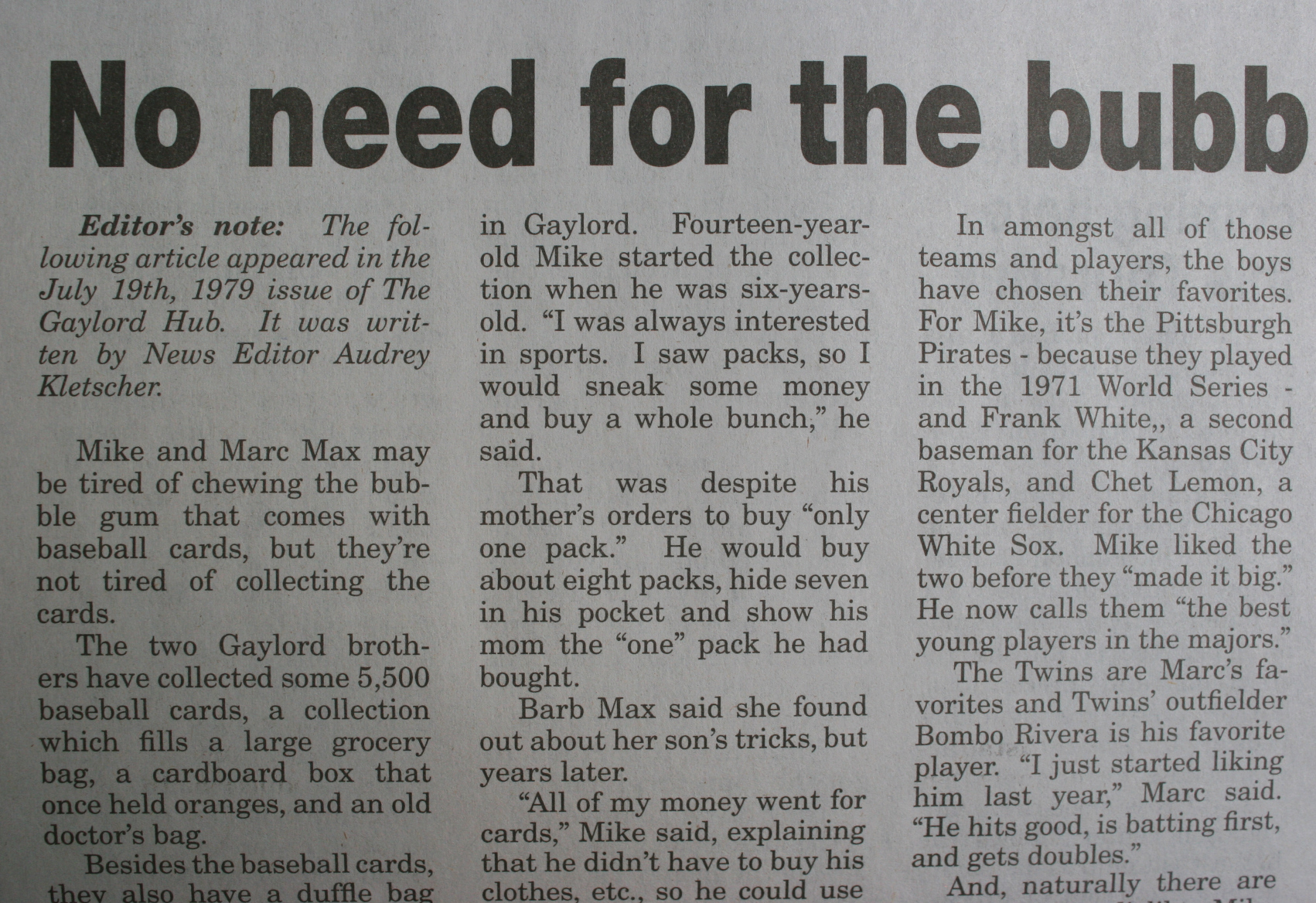
A section of a feature I wrote about Mike Max, now a sports anchor at WCCO TV. MN Prairie Roots file photo.
All these decades later, I remember those lessons learned from Shipman, Olson and others who taught mass communication classes at what is today known as Minnesota State University, Mankato. I graduated in March 1978 and shortly thereafter started working as a newspaper reporter at a small town weekly, The Gaylord Hub. My career would also take me to full-time reporting jobs in Sleepy Eye, Mankato and Owatonna, and to a short-term assignment in Northfield with freelance work also tossed in the mix.
Through the years, I’ve maintained my passion for writing and grown my passion for photography. Even while raising three children, with minimal time to write. Yet, I’ve had no desire to return to the long and odd hours of working for a newspaper at low pay with the stress and pressure of deadlines and a public that criticizes more than values the free press.
Much has changed since I typed a fictional obit in Armstrong Hall on a manual typewriter. For one, technology. Two: Newspapers charge to publish obits. I still struggle with that change. But I understand given the declines in ad revenue. Three: Attitudes. The easily flung accusation of “fake news” simply angers me as does constant criticism of responsible media. “Don’t kill the messenger,” I advise those who target the media for reporting “only bad news.”
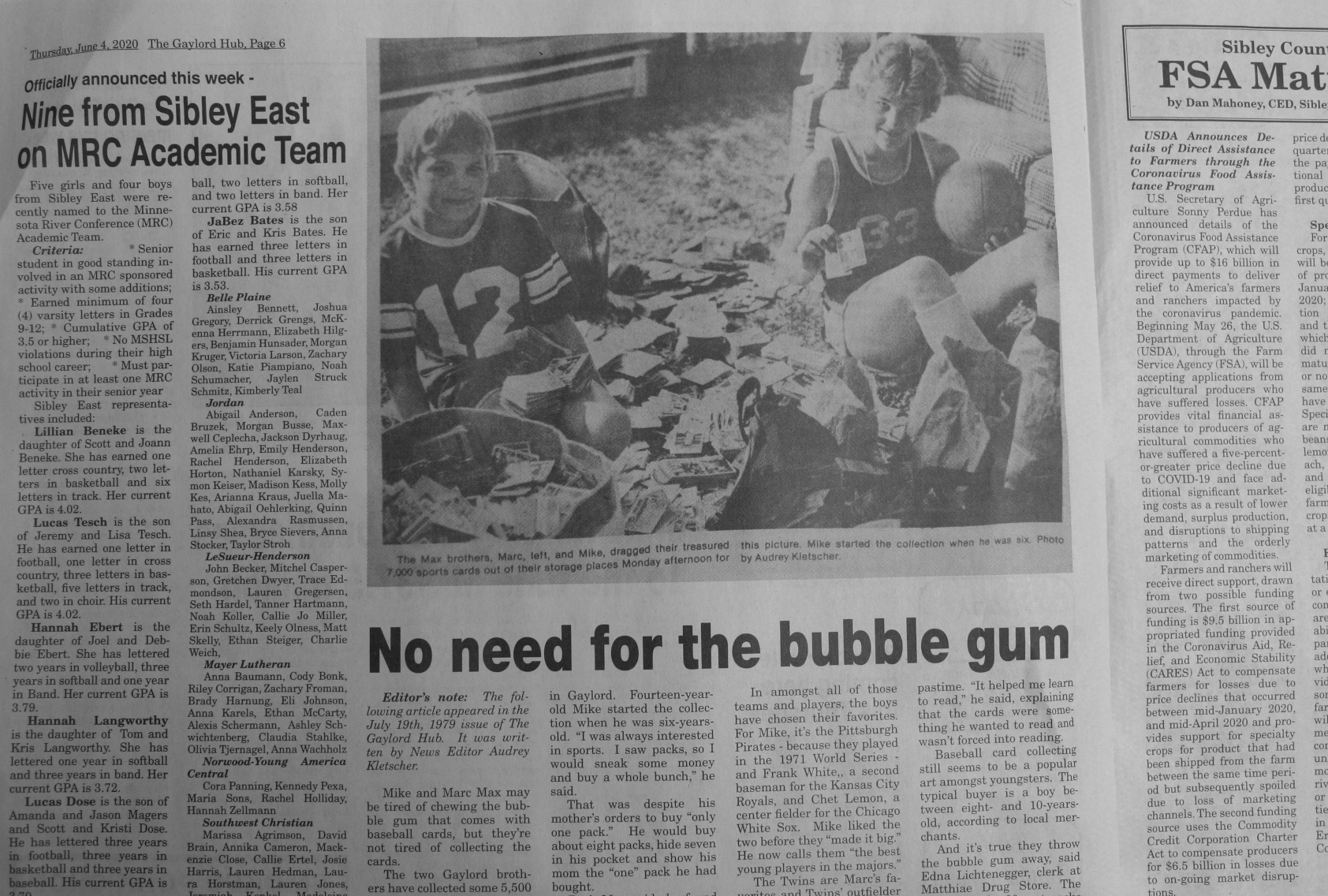
A feature I wrote in 1979 republished in the June 4, 2020, issue of The Gaylord Hub. MN Prairie Roots file photo.
I wonder what Professors Shipman and Olson would teach students today. I expect they’d still focus on the basics. On accuracy and integrity and spelling names correctly.
While writing this post, I wanted to assure I spelled their names right, which led me to search online. It was then that I discovered some interesting facts about Olson, a petite spitfire of a woman. Shortly before she turned four, Gladys and her infant brother were orphaned as a result of the 1918-1919 flu pandemic. Their parents died within 24 hours of each other, among more than 8,000 North Dakotans who died of influenza in 1919. The siblings were raised by their paternal grandparents. I wish I’d known this when Olson taught me how to become a good, decent and fair newspaper reporter.
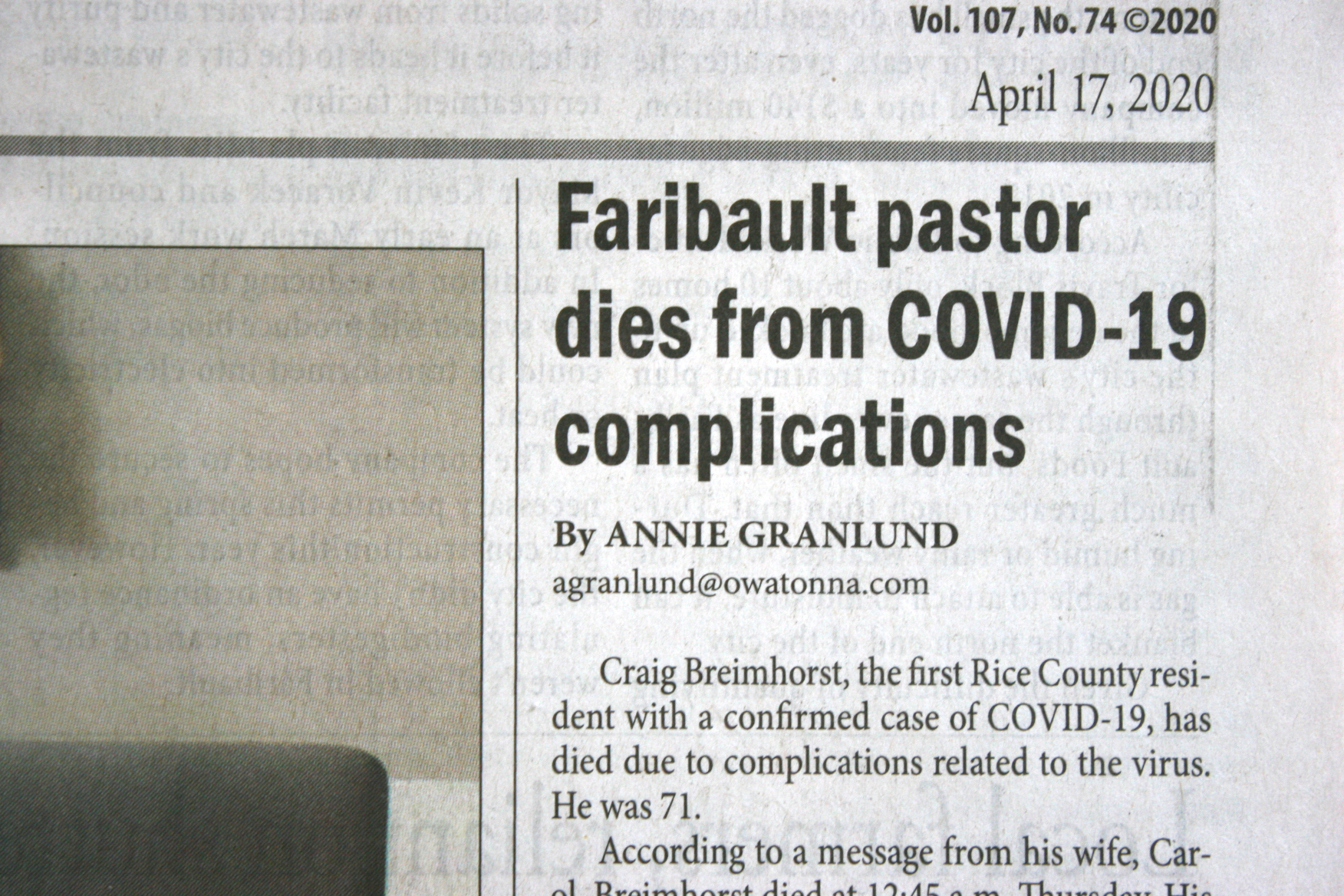
From the front page of the Faribault Daily News. MN Prairie Roots file photo 2020.
Today, as I read Olson’s 2016 obit, I understand her backstory, what shaped her strength and resilience and kindness. The list of her accomplishments beyond journalism professor emphasizes service to others. She lived to age 101. That she died only four years before the COVID-19 pandemic is not lost on me. I’m thankful she didn’t have to endure another pandemic. I’m also thankful that she, and Robert Shipman, taught me old school journalism style. To write with fairness, integrity and accuracy. And to value the role of newspapers in a democracy.
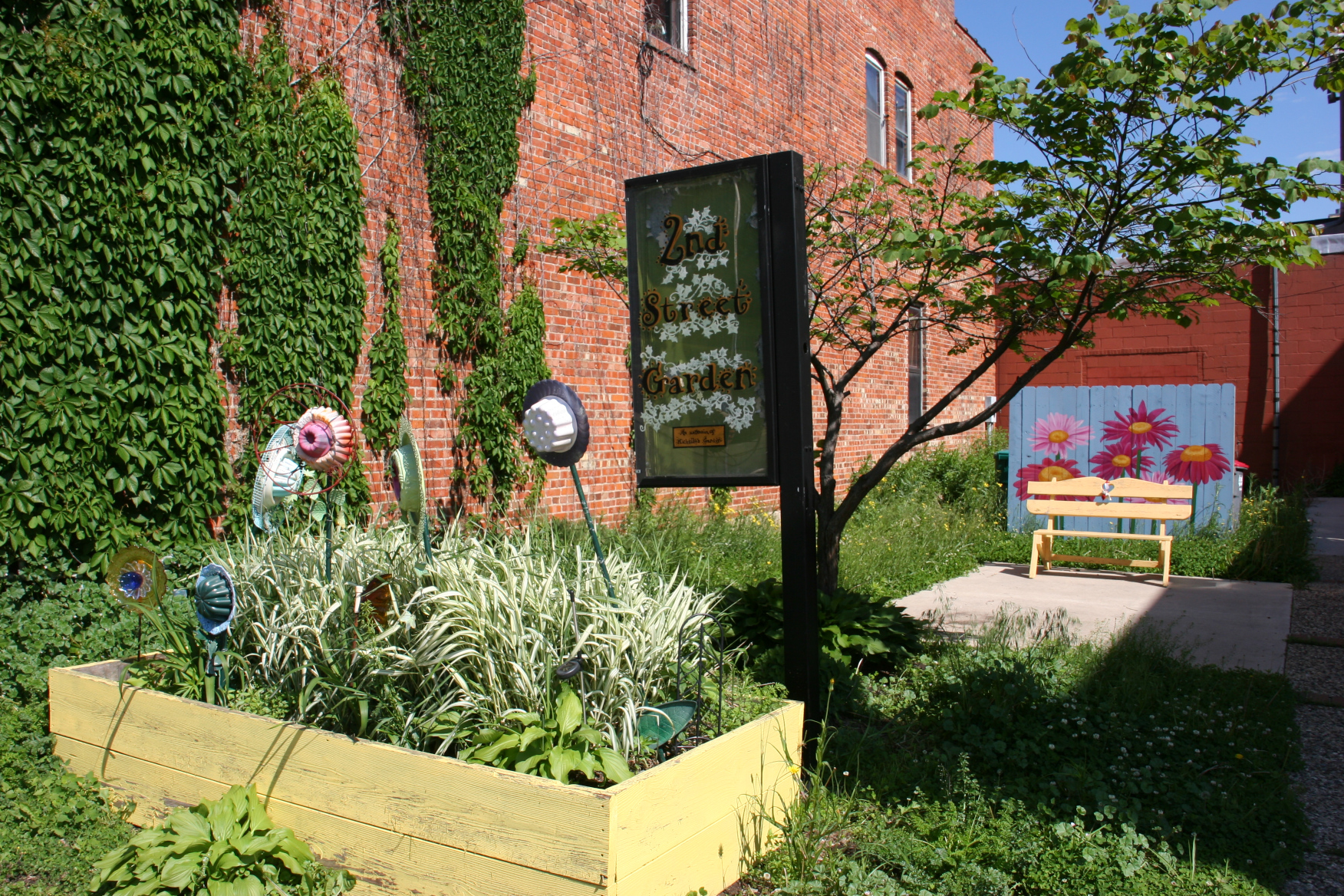
2nd Street Garden in downtown Faribault. MN Prairie Roots copyrighted photo.
WHEN YOU CONSIDER THE WORDpocket, what flashes into view? A side or back pocket in your jeans? A place to tuck your cellphone or keys? A slip of fabric stitched to the front of a shirt? How about a garden? Yes, a garden.
Downtown Faribault features a pocket garden, a mini garden sandwiched in an open space between buildings. I love the concept, the artsy and practical use of a spot that might otherwise exist as unused and unsightly.
In 2018, two sisters and two artists created the 2nd Street Garden next to DuFour’s Cleaners thanks to funding from Faribault Main Street. That downtown-focused group secured a $15,000 grant from the Preservation Alliance of Minnesota and the Bush Foundation for six creative placemaking art projects, including the pocket garden.
With financial support, sisters Dee Bjork and Beth Westerhouse (who has since died) and husband-wife team Ann Meillier and Dave Correll (Brushwork Signs) designed and created the garden. It incorporates metal flowers, real flowers and plants, a bench and floral art.
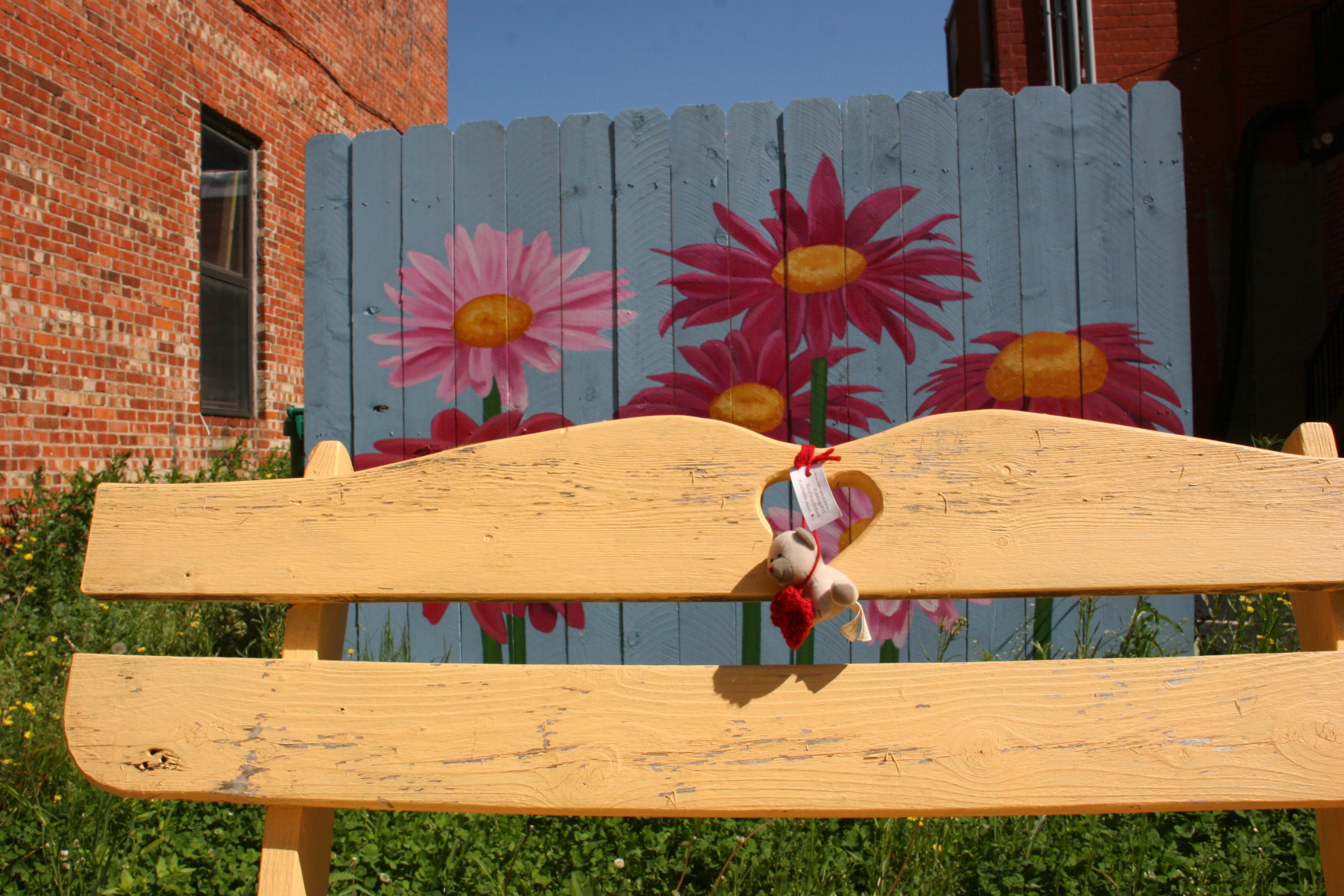
A bench offers a place to rest and ponder. MN Prairie Roots copyrighted photo.
The result is an inviting oasis that feels tranquil and welcoming. And unexpected.
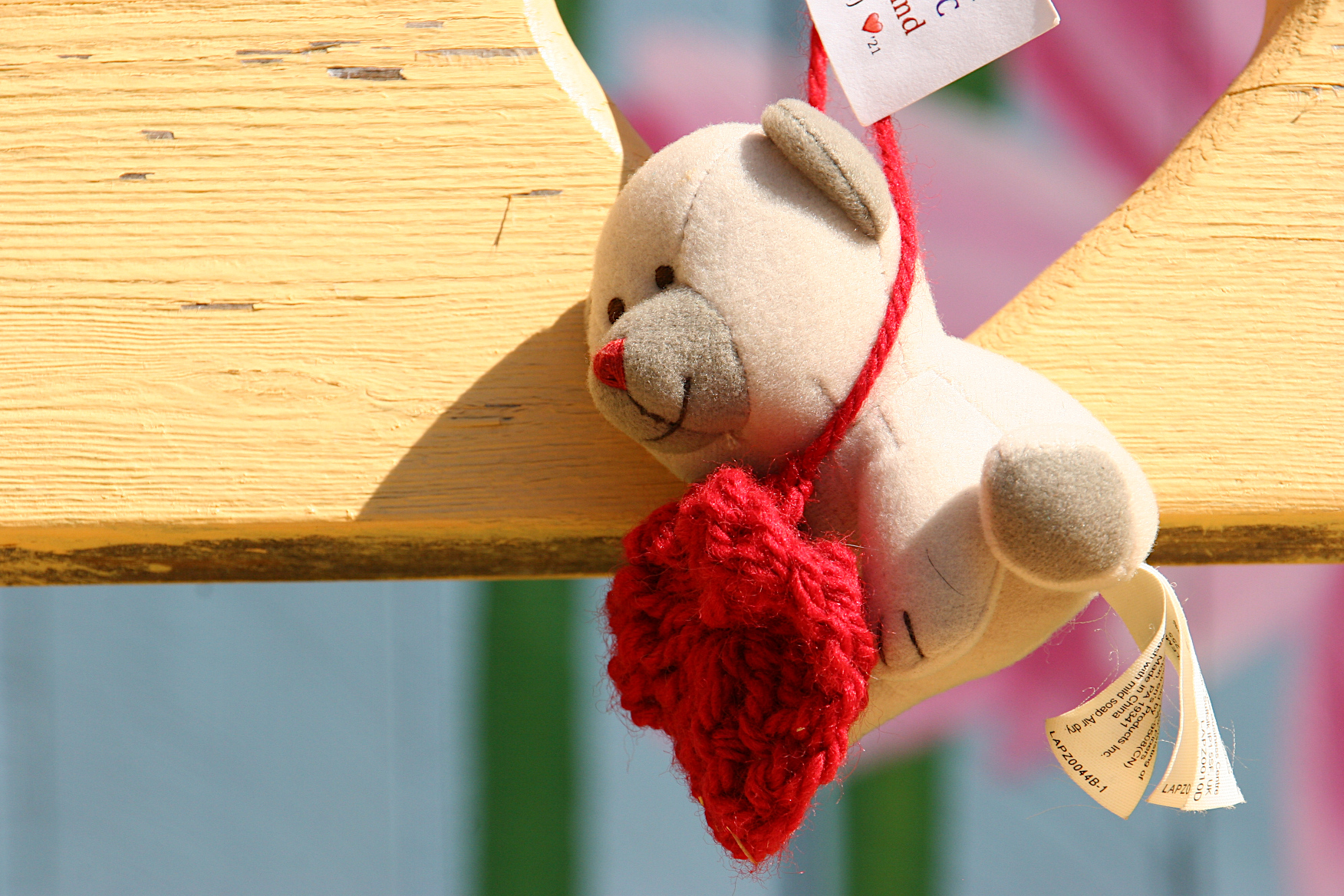
Left behind by a recent visitor to inspire kindness. MN Prairie Roots copyrighted photo.
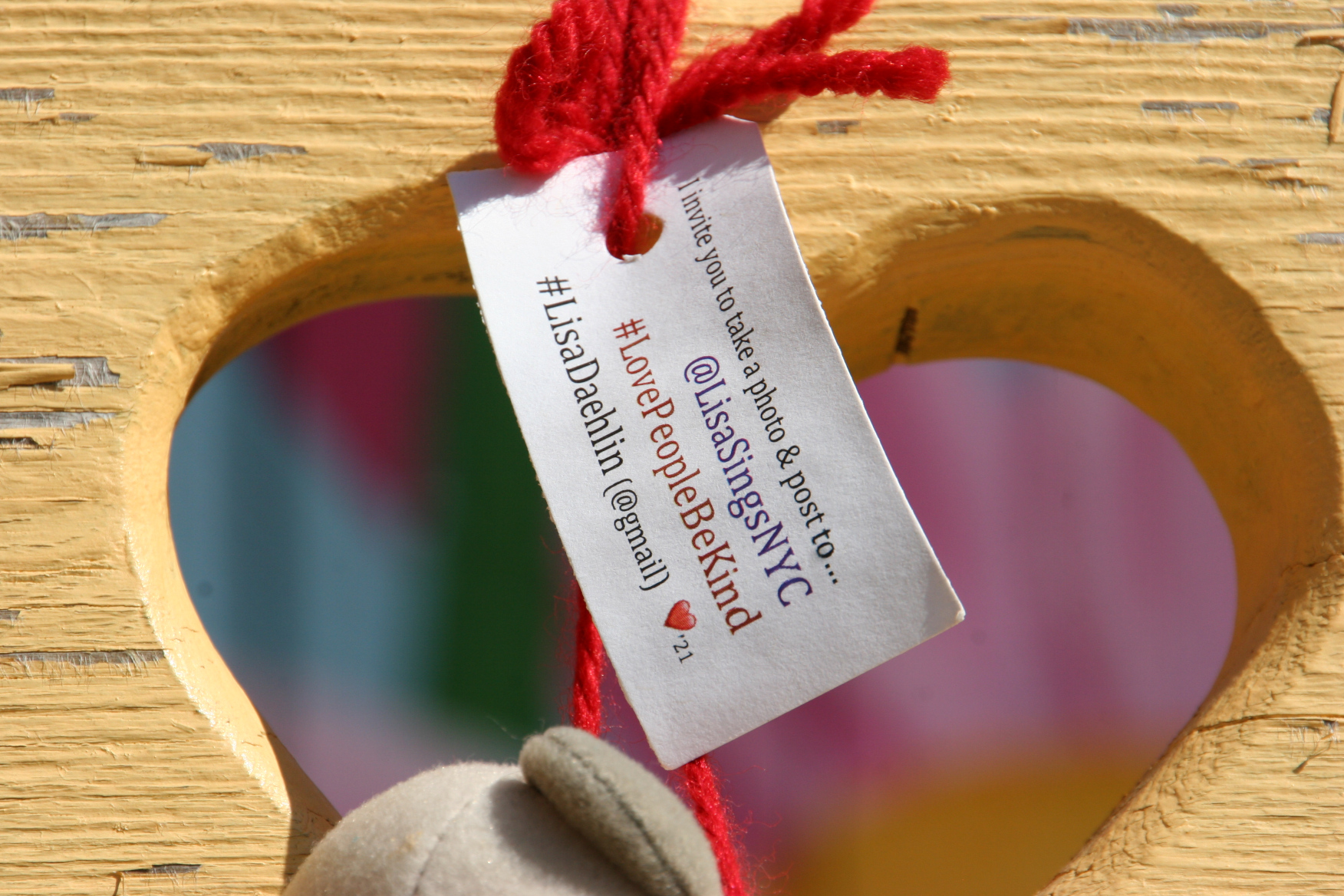
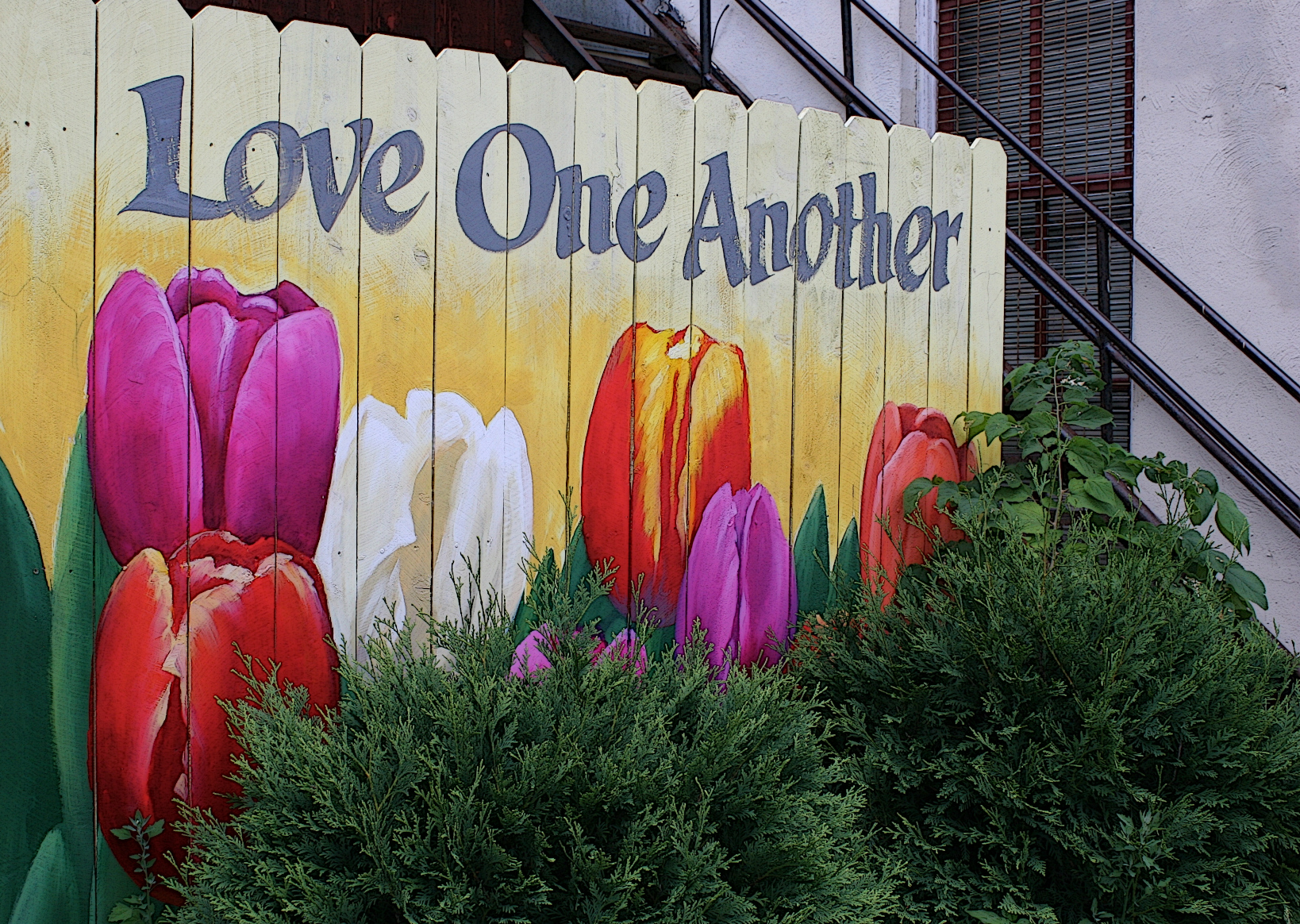
Recently, I revisited the garden and discovered a mini stuffed bear on the park’s bench. An attached tag invited visitors to take a photo and to use #LovePeopleBeKind. The bear, with red heart connected, fits the garden’s theme of Love One Another.
An important message tagged to the bear. MN Prairie Roots copyrighted photo.
It’s such a simple concept: Love One Another. But it’s not always easy to do. We say and do things that hurt others. We fail to listen. We blame and criticize and jump to conclusions. And with technology, it’s easier than ever to fire off words in the heat of the moment. Without thinking. Without considering. Without putting our fingers and mouths on pause.
The positive message painted onto a fence panel in the garden. MN Prairie Roots copyrighted and edited photo, August 2019.
I’d like each of us to step into a pocket garden. To sit on a real or imaginary bench, surrounded by natural and artistic beauty, and to contemplate. To think beyond ourselves. To think of ways we can grow more loving and caring. To consider that what we say, write and do matters. In either a positive way or a negative way. We can hurt people. Or we can choose to love one another. We can choose to show, and grace others with, kindness, love, care, empathy and compassion.
That strong visual of the empty chair before that Somerstein photo sparks within me the desire, the need, to look deep within myself, and then beyond myself. To learn. To begin to understand in some small way what it means to be Black in America. To read the history. To recognize how slavery affected generations of families. How the hurts and wrongs of yesterday remain.
The official declaration of Juneteenth as a federal holiday certainly prompts me to research, reflect and contemplate. But I hope this new national observance initiates community conversations that bring change in a nation reeling from racial issues and injustices. It truly takes each of us at a grassroots personal level to effect change.
Recently, I listened as an elderly white woman spouted angry words about George Floyd, murdered by a Minneapolis police officer in May 2020. She claimed that Floyd was being portrayed as a “saint” when he was “nothing but a criminal.” I felt my blood pressure rising as she continued her rant about all the shootings in Minneapolis and how thankful she was that she didn’t live in the Cities. She missed the point of the protests—over police brutality, over racial injustices, over the needless death of a Black man (yes, one with a criminal record) while in police custody. I walked away. And maybe I shouldn’t have. Maybe I should have stayed and tried to discuss this with her. But I knew my efforts would prove futile. She saw this all as a metro, not a rural, “problem.”
I disagree. We are all human. No matter where we live, we ought to care about how others are treated, whatever their skin tone. Perhaps today, Juneteenth, we can sit quietly for a bit, contemplate and reflect on life in America today. How can we improve this country, starting right in our own neighborhoods and communities? Within ourselves.
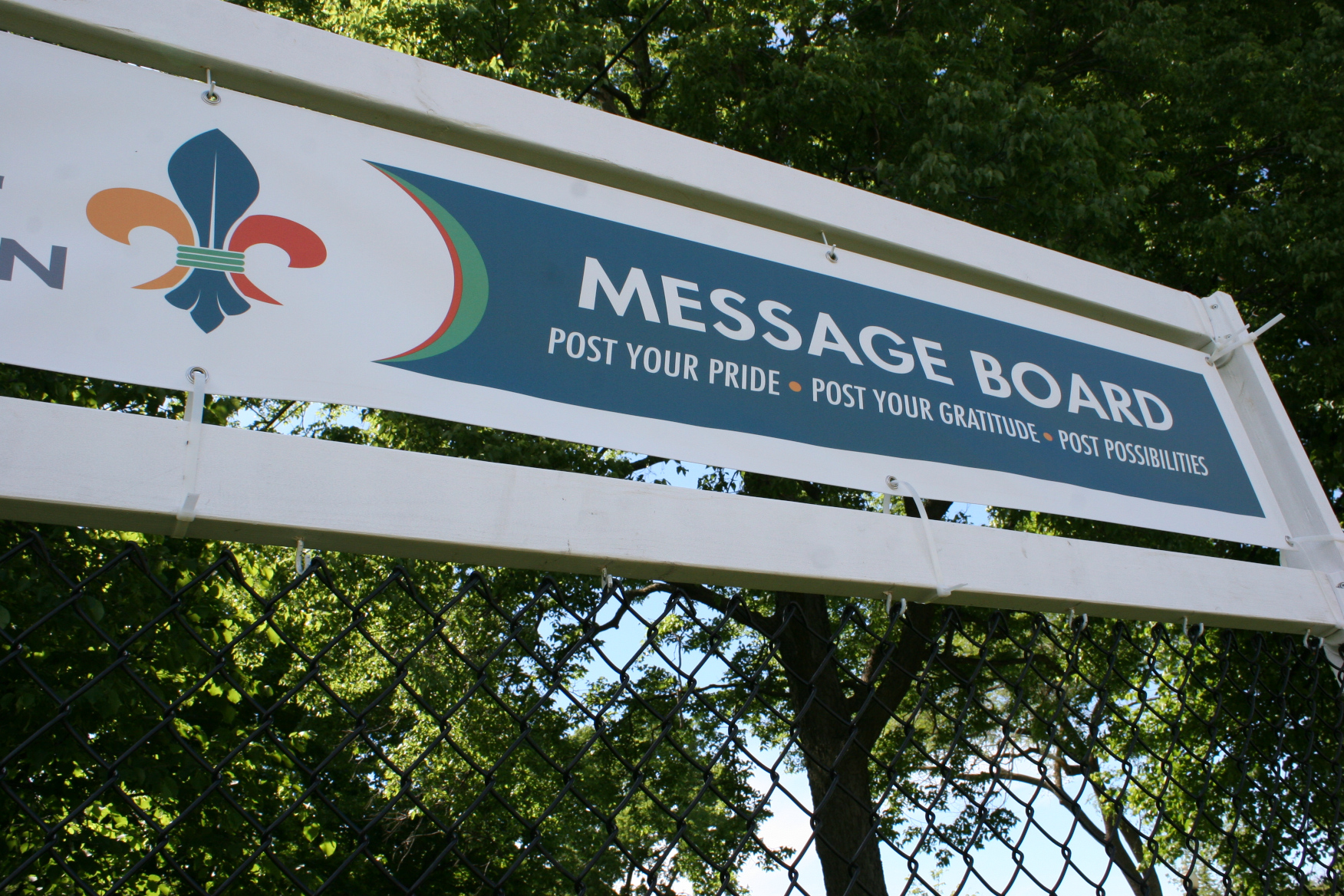
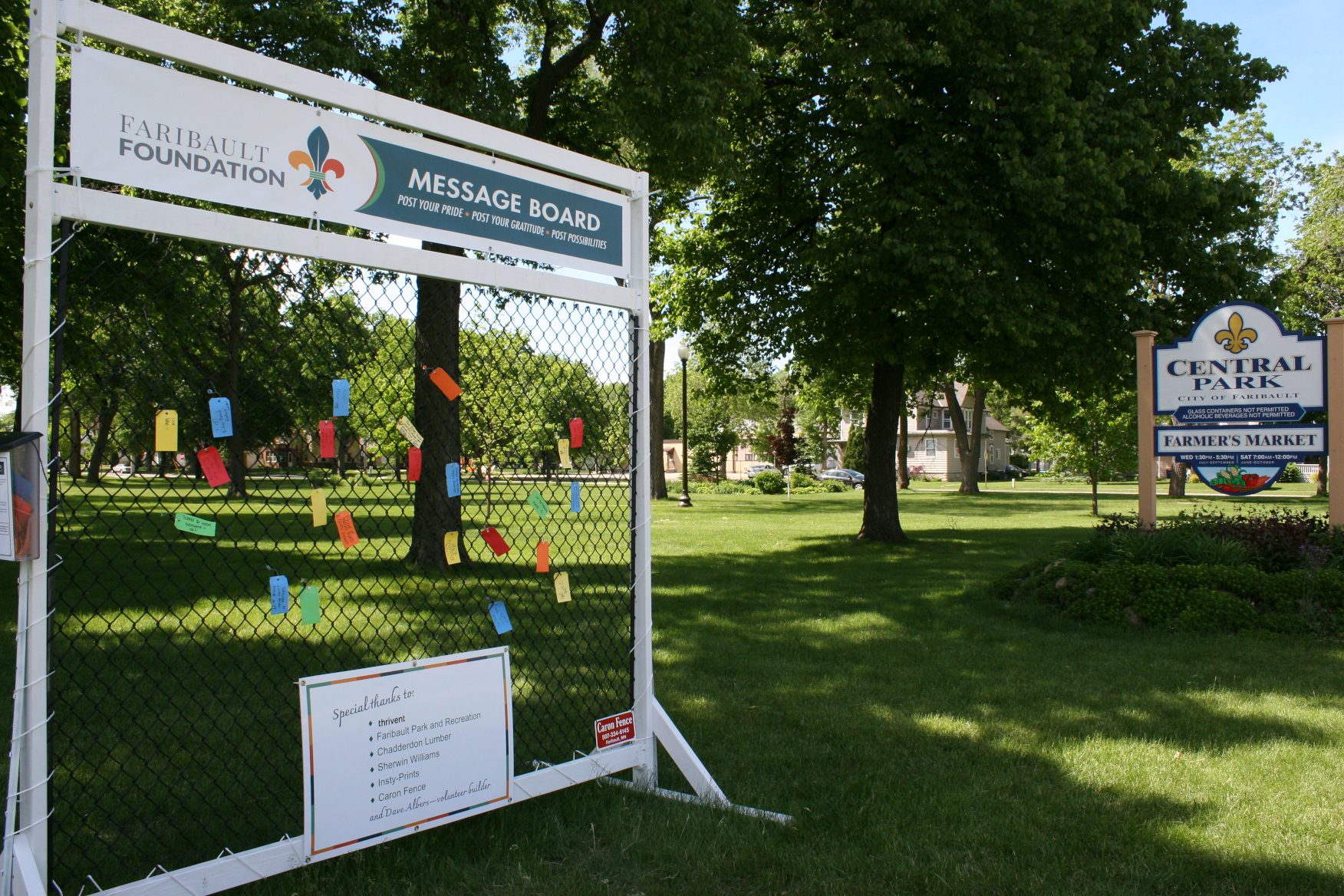
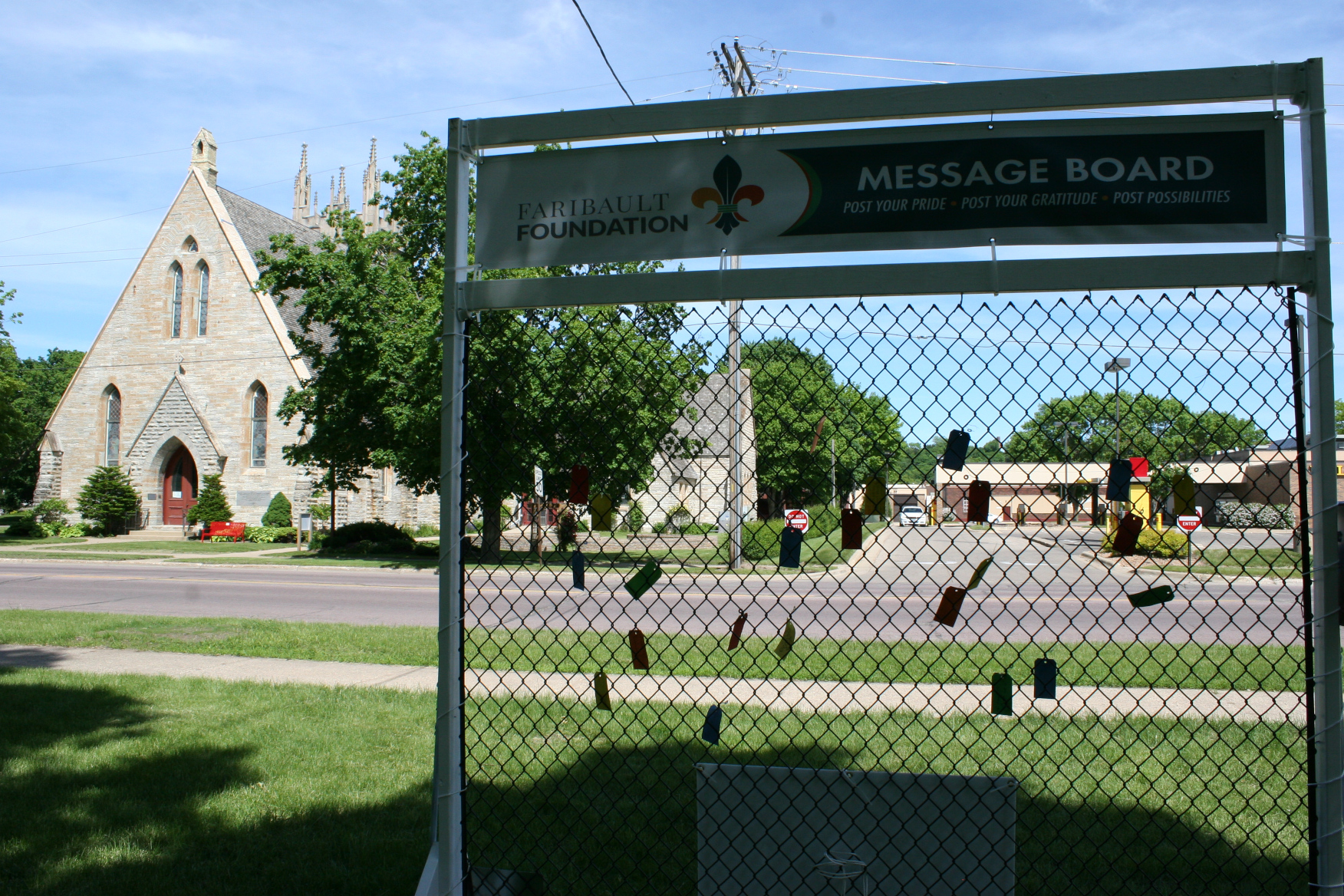
Signage atop the Message Board defines its purpose. Minnesota Prairie Roots copyrighted photo May 2021.
GRATITUDE. PRIDE. POSSIBILITIES. Those topics theme a new opportunity for locals and others to voice their thoughts on the positives in my community via a public Message Board.
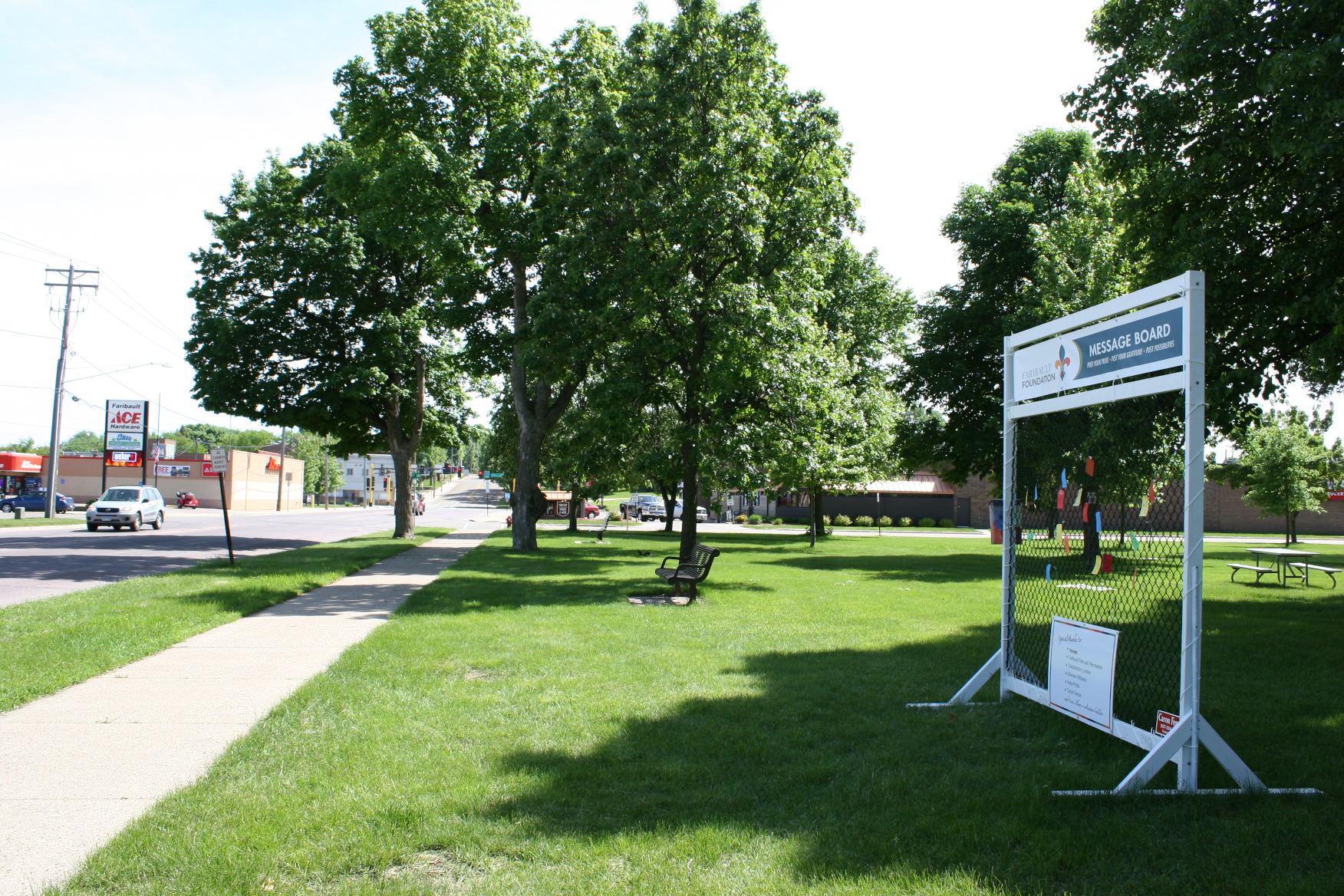
The portable board is currently stationed along the Second Avenue side of Faribault’s Central Park. Minnesota Prairie Roots copyrighted photo May 2021.
The Faribault Foundation, which aims to promote and enhance the quality of life for the greater Faribault area, recently developed and then crafted a portable public board from wood and fencing and stationed it along Second Avenue NW in Central Park.
Central Park is the backdrop for the Message Board. Minnesota Prairie Roots copyrighted photo May 2021.
I love this concept of inviting people to ponder, and then post, their Faribault pride, gratitude and hopes for the future of our southern Minnesota city. Too often we hear the complaints, the negatives. This emphasis on the good qualities and the possibilities is much-needed. And appreciated.
Minnesota Prairie Roots copyrighted photo May 2021.
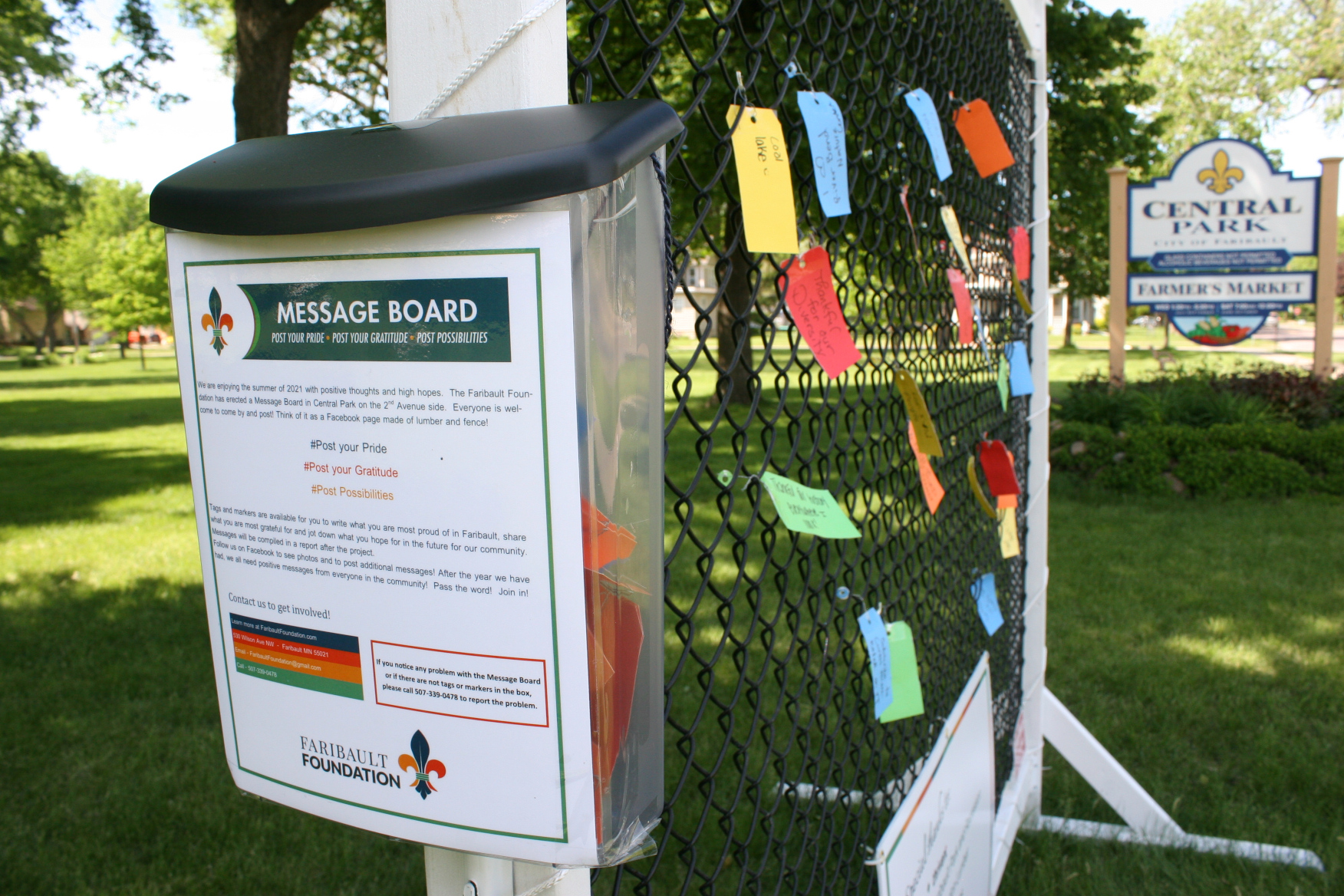
A container on the side of the board holds the tags and a Sharpie. Minnesota Prairie Roots copyrighted photo May 2021.
Minnesota Prairie Roots copyrighted photo May 2021.
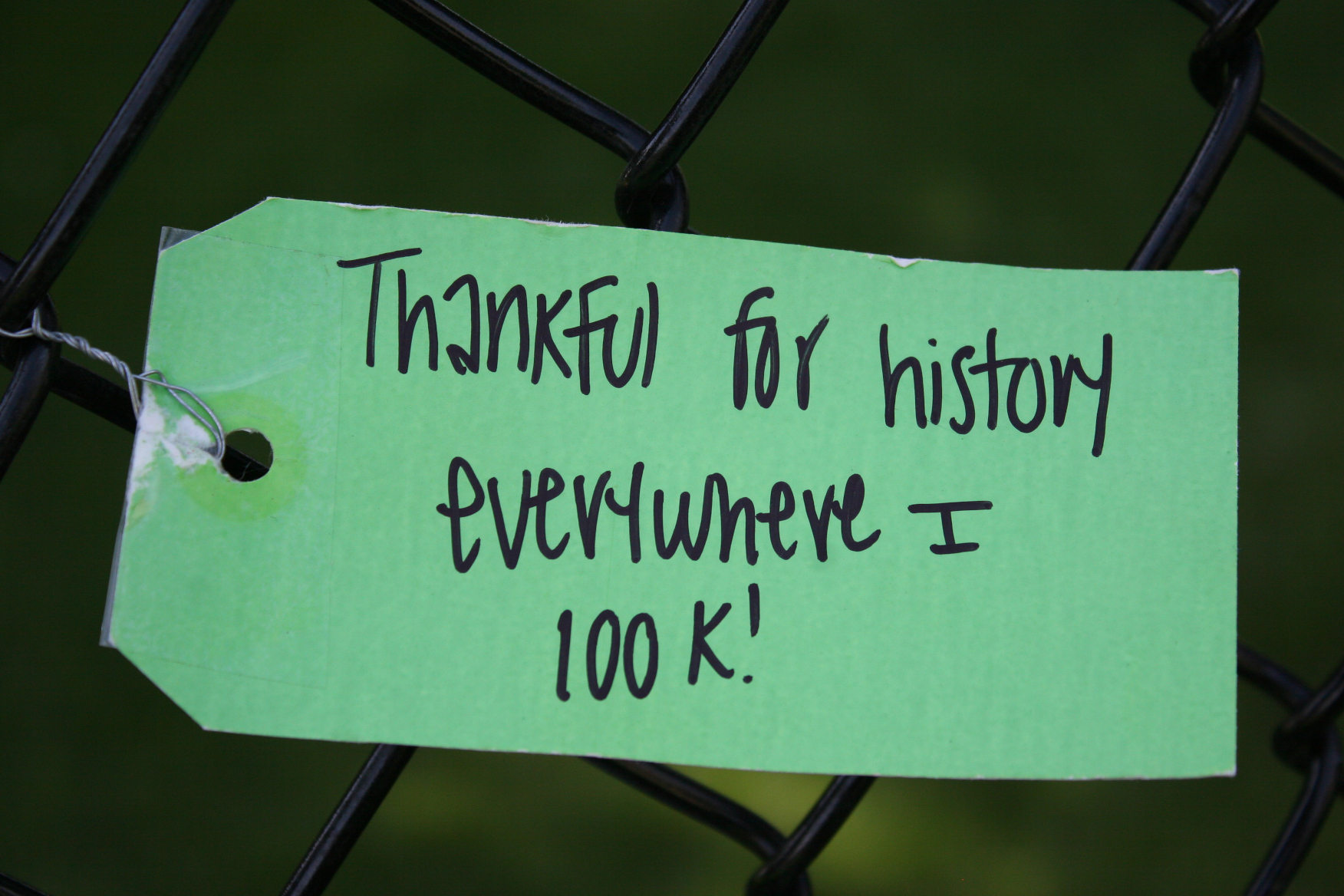
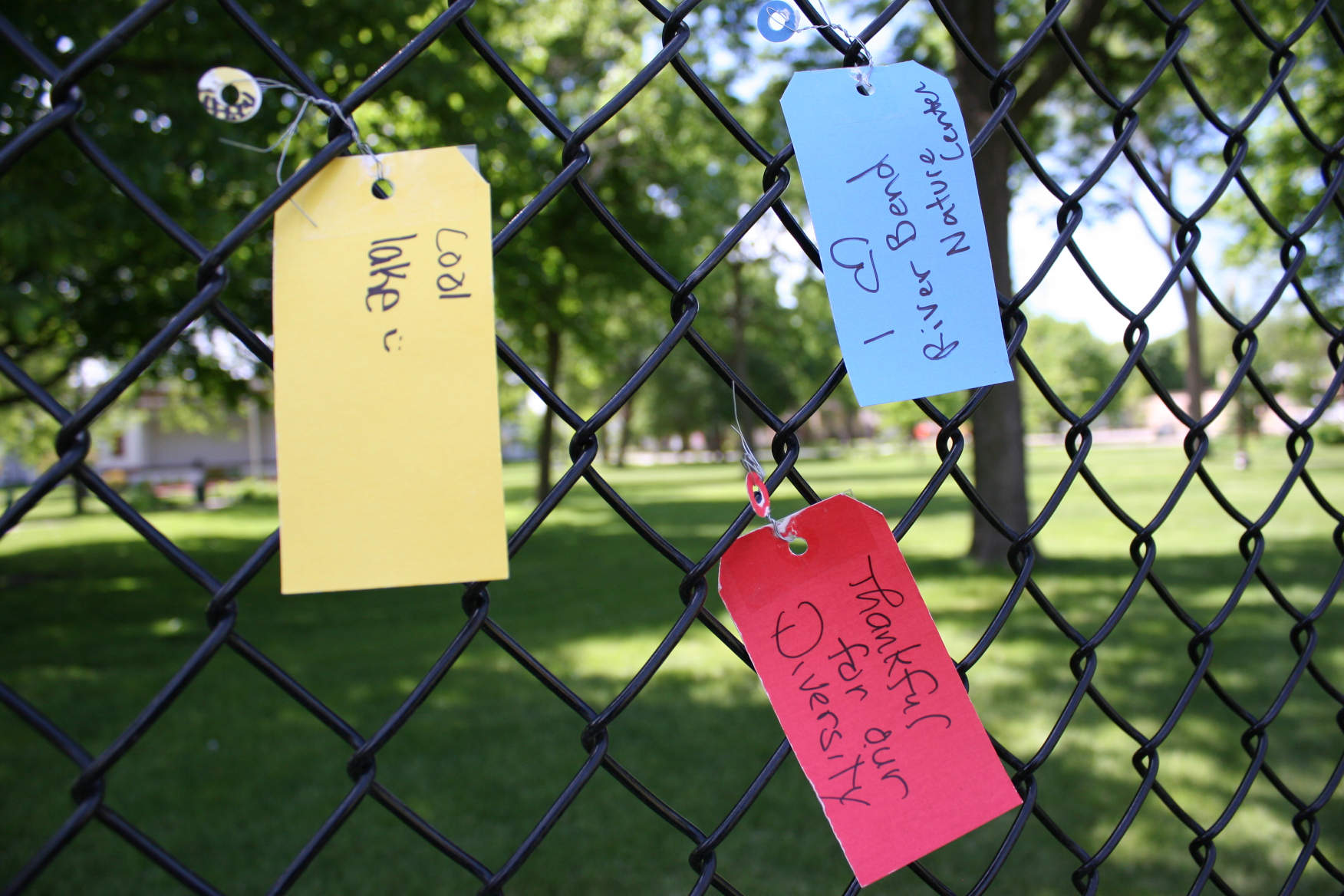
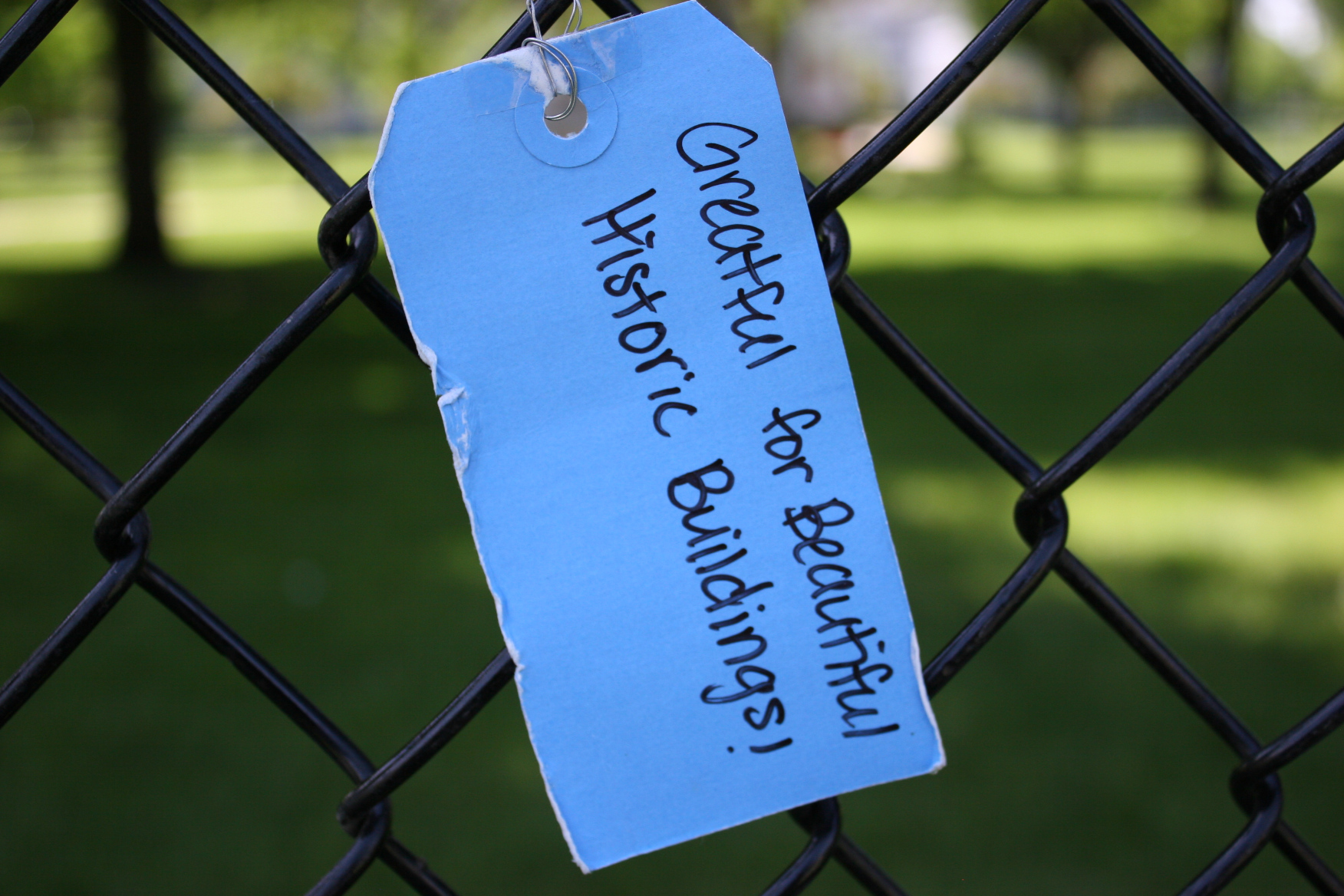
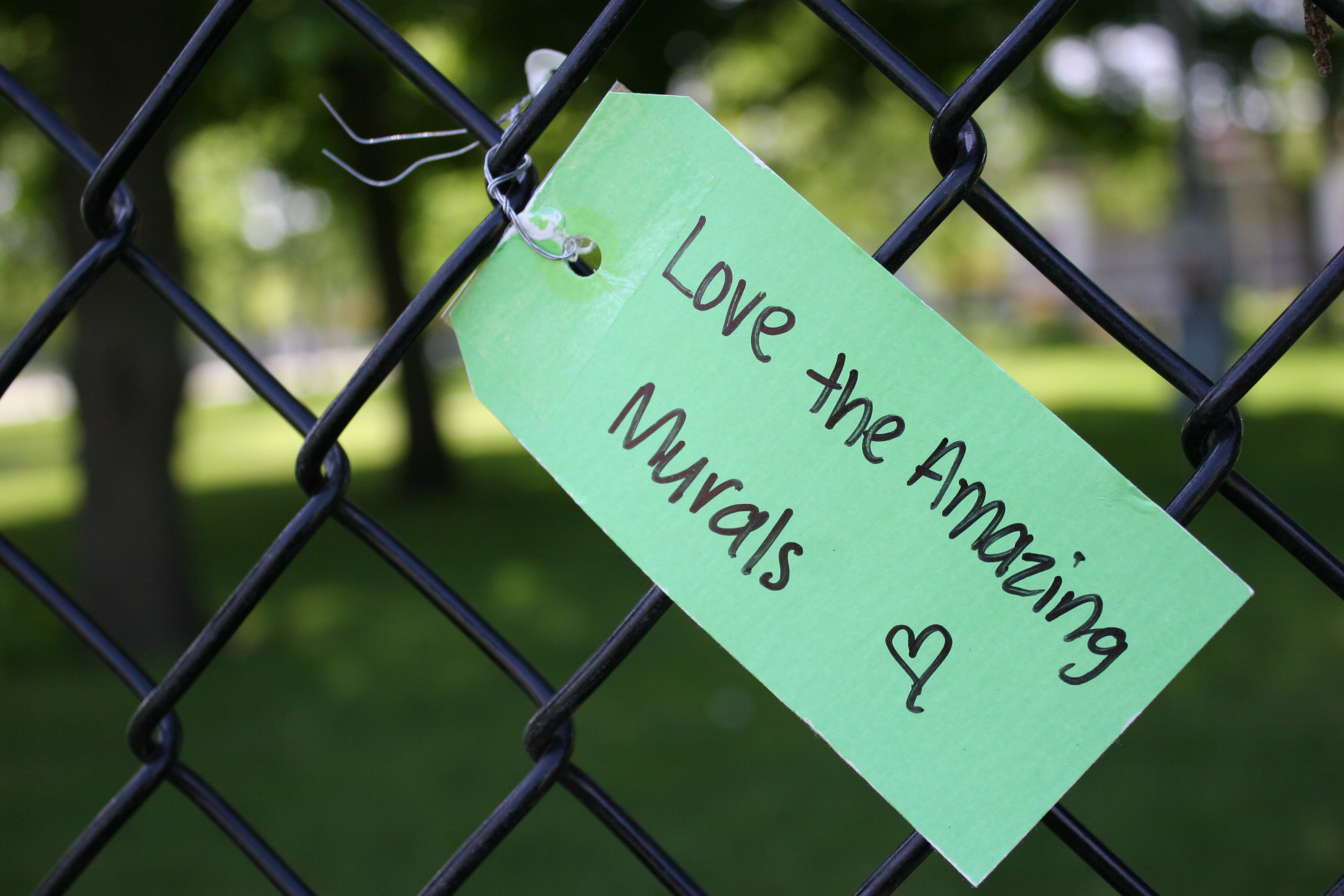
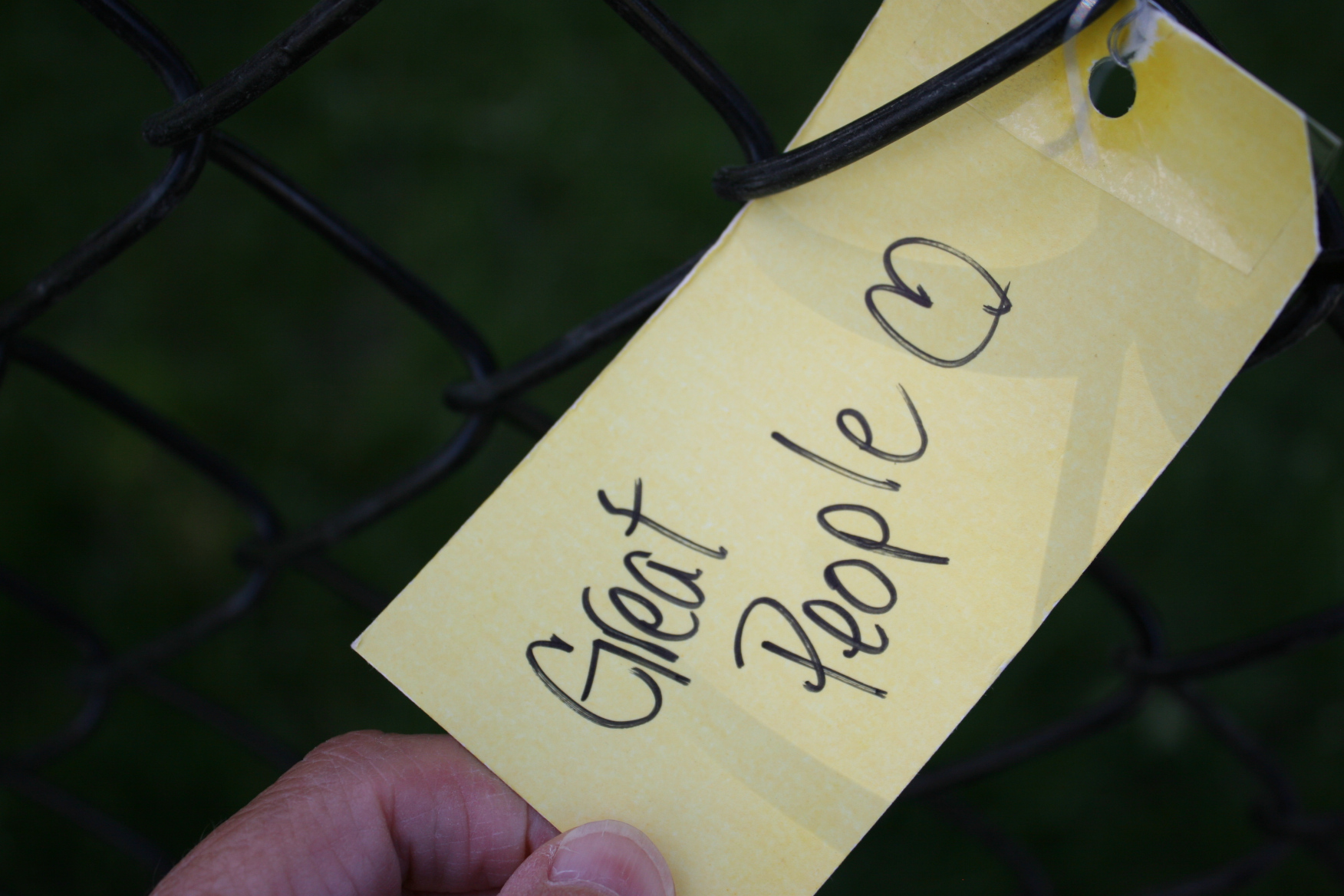
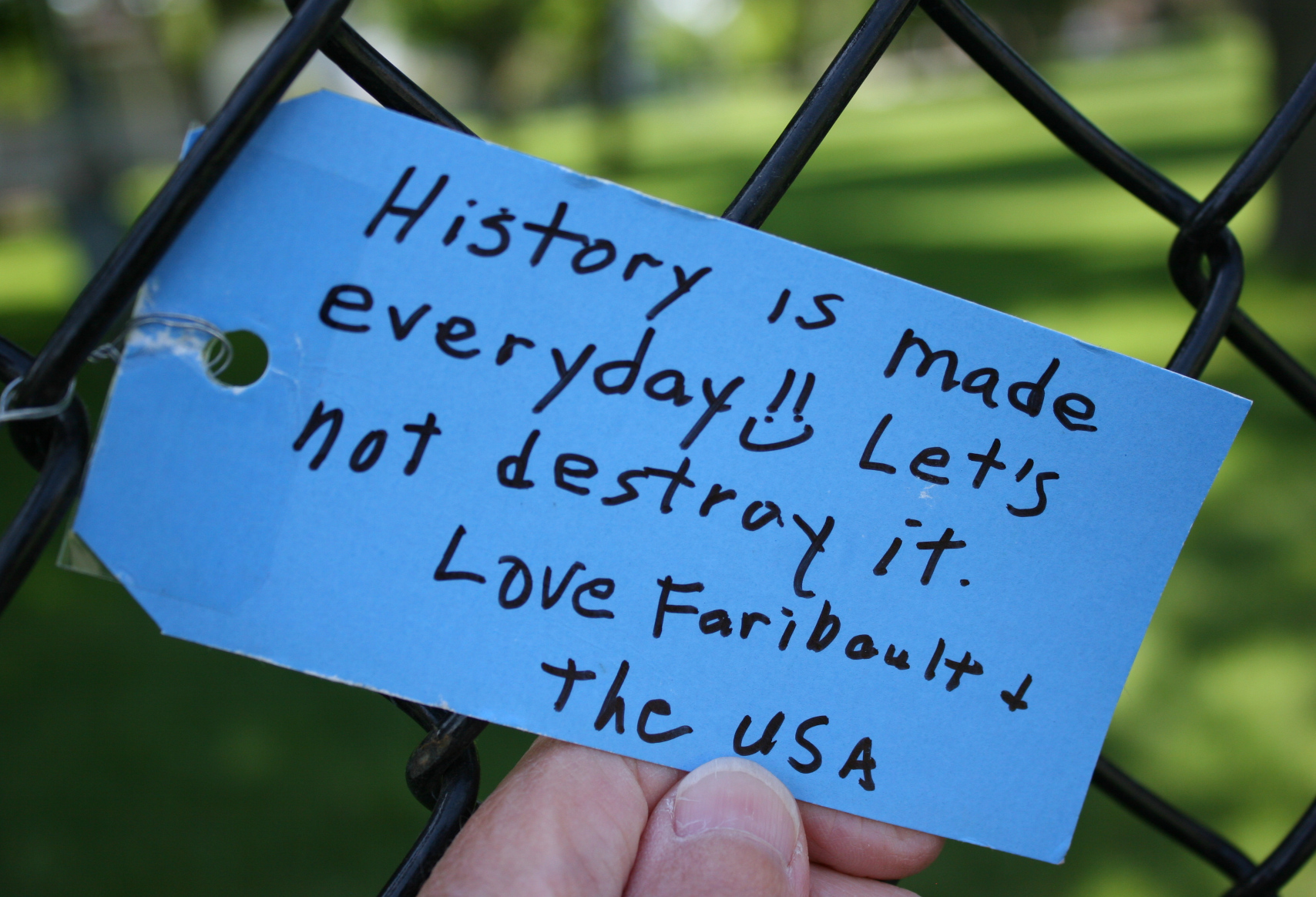
So what are people writing on the colorful tags wired onto the fence? On the Saturday afternoon I stopped to photograph the Message Board and then leave my thoughts, I counted 23 comments. Among the positives in Faribault—history, River Bend Nature Center, murals, historic buildings, diversity and more.
The Cathedral of Our Merciful Savior sits right across the street from Central Park. Minnesota Prairie Roots copyrighted photo May 2021.
Minnesota Prairie Roots copyrighted photo May 2021.
Minnesota Prairie Roots copyrighted photo May 2021.
As I aimed my camera, I looked across the street toward the historic Cathedral of Our Merciful Savior. In the other direction, I noted the historic Bandshell, where our community gathers on Thursday summer evenings for free concerts in the park. On the side and back of that bandshell are two historic-themed murals. Although I didn’t grow up here, I appreciate Faribault’s rich history and the beautiful old buildings that grace our downtown and other parts of the city.
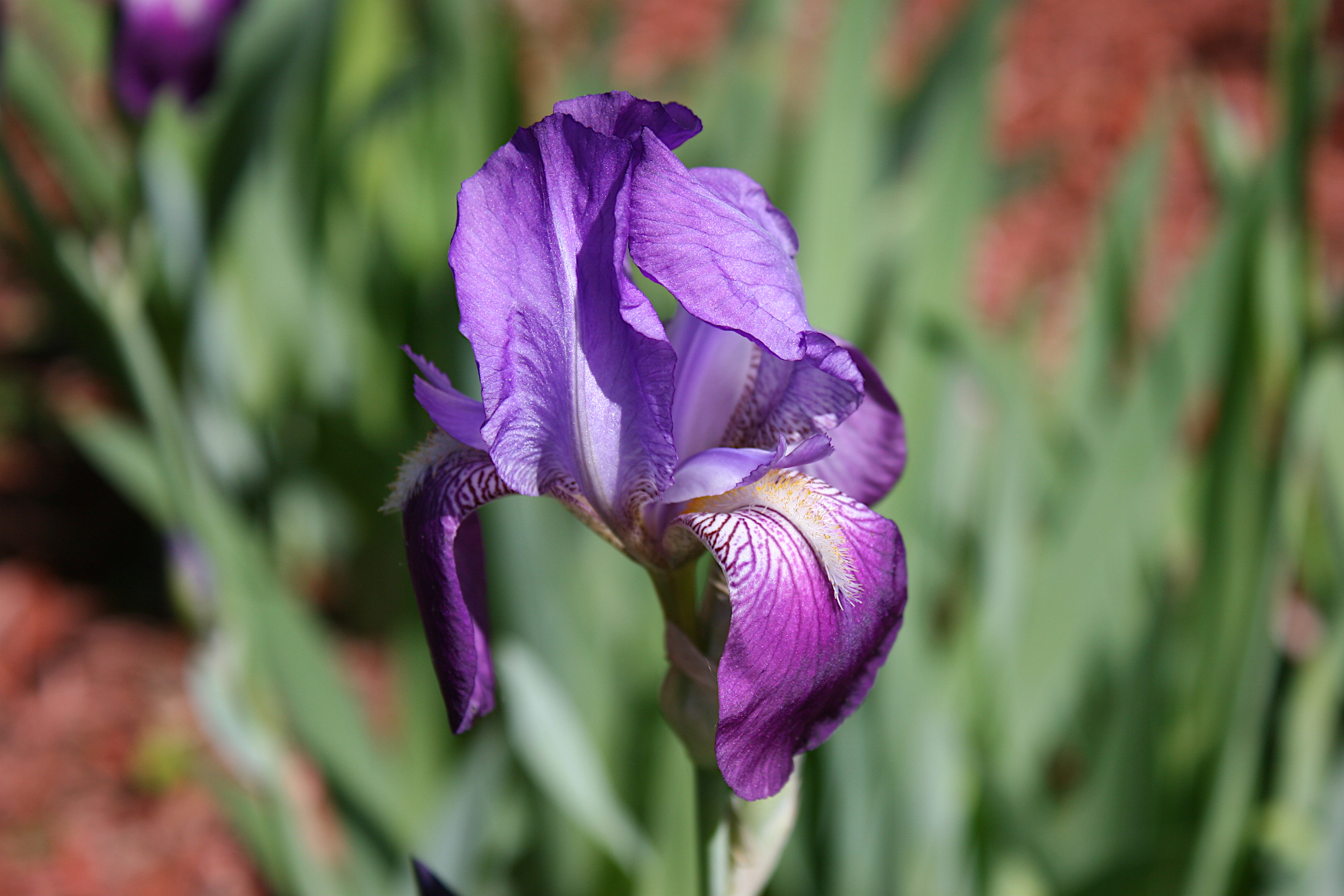
An iris blooms in a Central Park garden. Minnesota Prairie Roots copyrighted photo 2021.
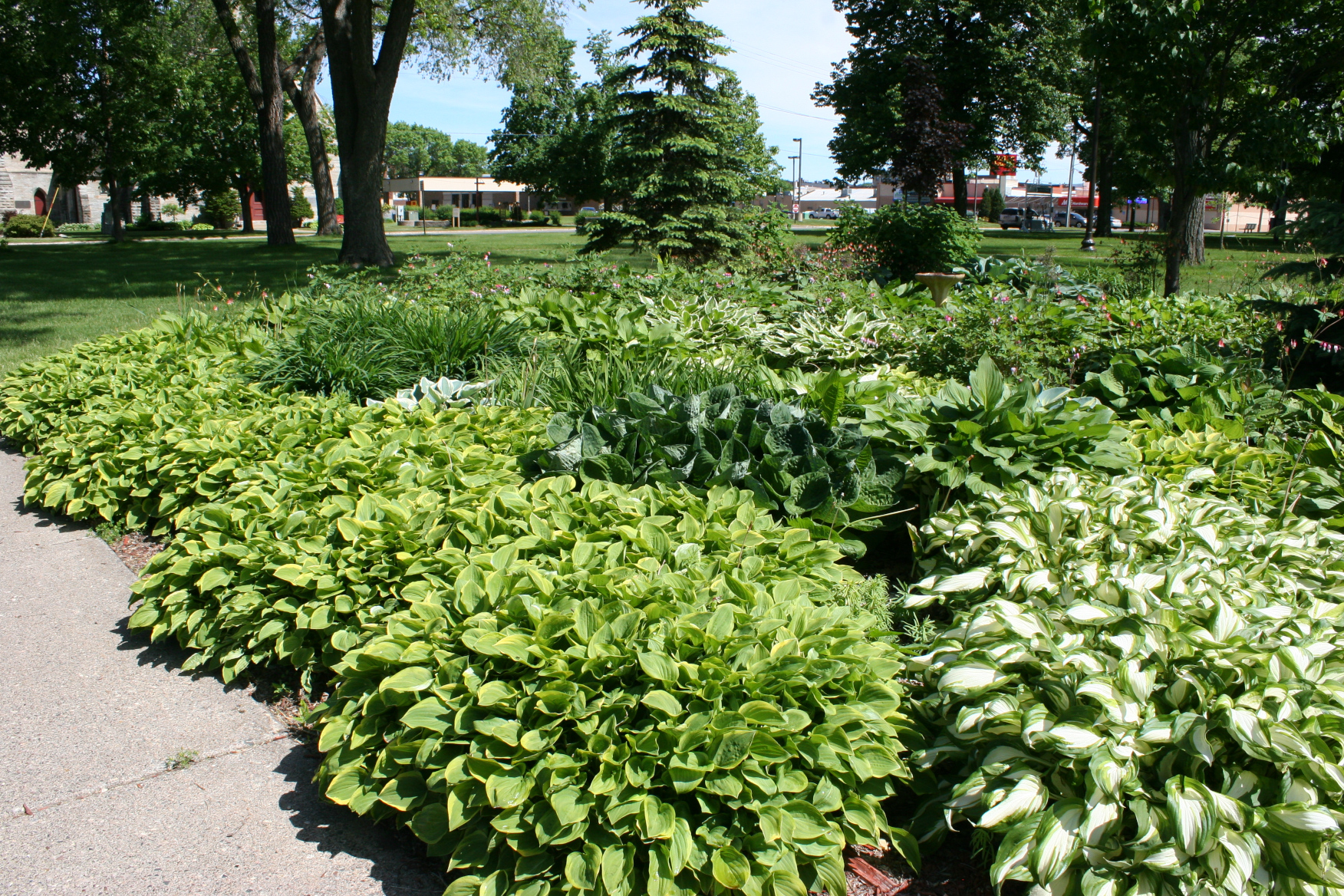
A lovely garden bordered by hosta. Minnesota Prairie Roots copyrighted photo May 2021.
Then I meandered through the park, admiring the flowerbeds tended by Faribault Gardeners Reaching Out With Service (GROWS). That reminded me just how much I appreciate the natural beauty of Faribault. And also how grateful I am to the Faribault Farmers’ Market vendors who set up here on Wednesdays and Saturdays during the growing season.
Minnesota Prairie Roots copyrighted photo May 2021.
Just as many of those vendors grow produce to feed the body, so this new Message Board can grow positivity to feed the spirit. I hope my community embraces this Faribault Foundation project. When we shift our focus to that which is good, to hopes and dreams and gratitude, then the possibilities for this place we call (or called) home are endless.
Minnesota Prairie Roots copyrighted photo May 2021.
FYI: The Message Board will be moved to different locations throughout Faribault for greater accessibility and exposure.
TELL ME: Have you seen a similar project? Nearby Northfield has a Gratitude Tree at the public library. I recently featured that in a post.
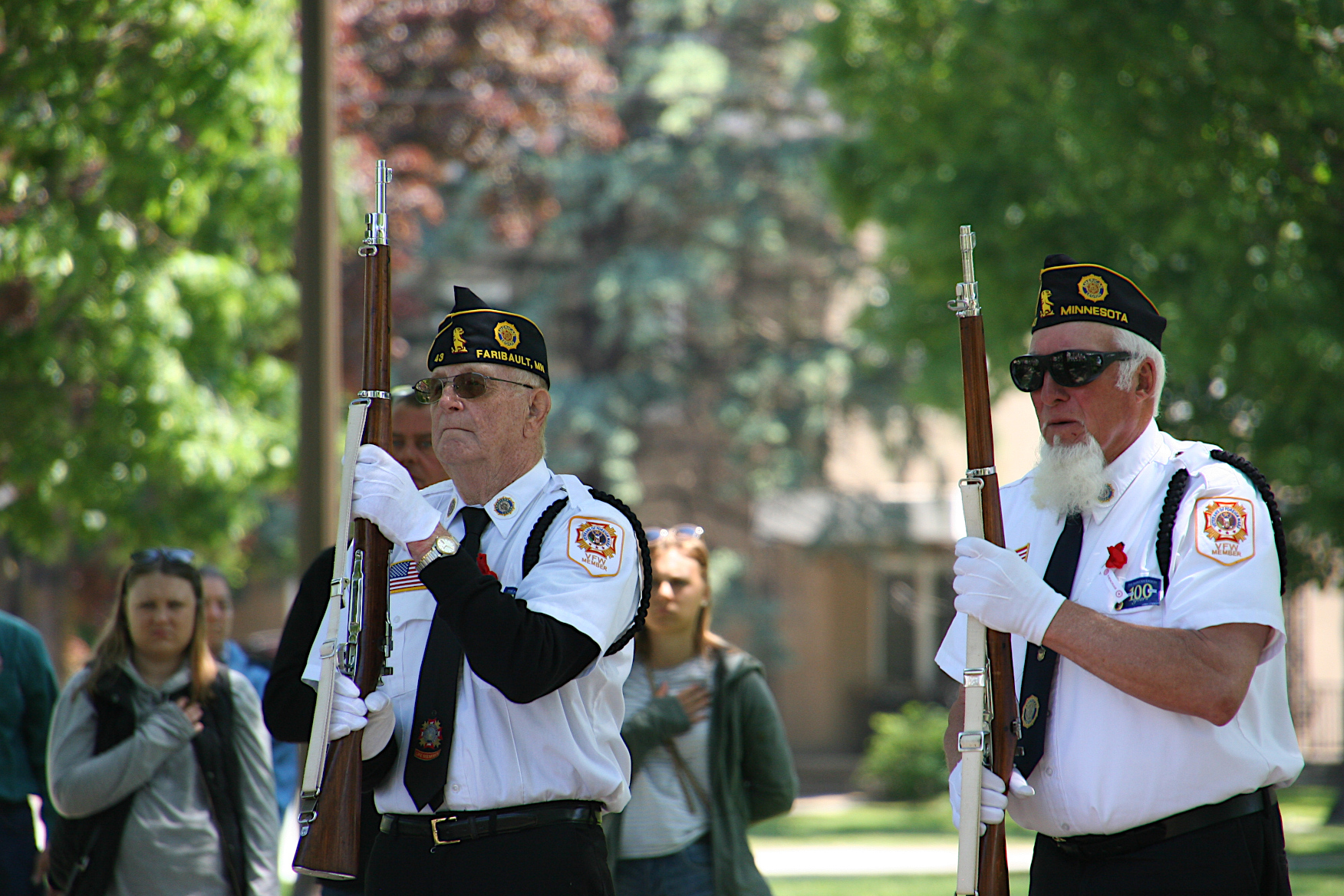
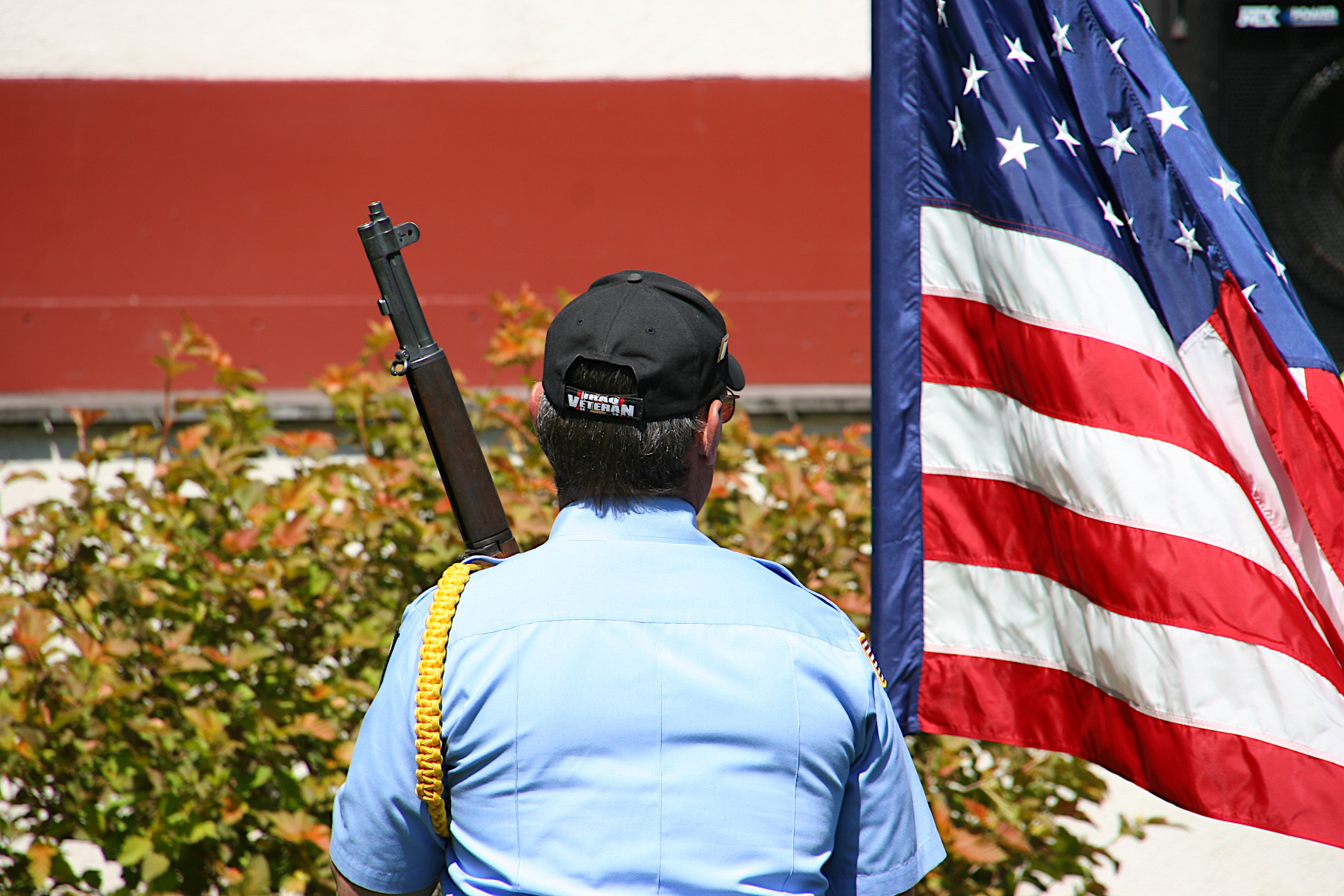
A member of the color guard at the Memorial Day program in Faribault. Minnesota Prairie Roots copyrighted photo 2021.
EVERY MEMORIAL DAY, my emotions rise, sometimes spilling into tears. This year, 2021, proved no exception.
Folks gather for the Memorial Day program in Central Park. Minnesota Prairie Roots copyrighted photo 2021.
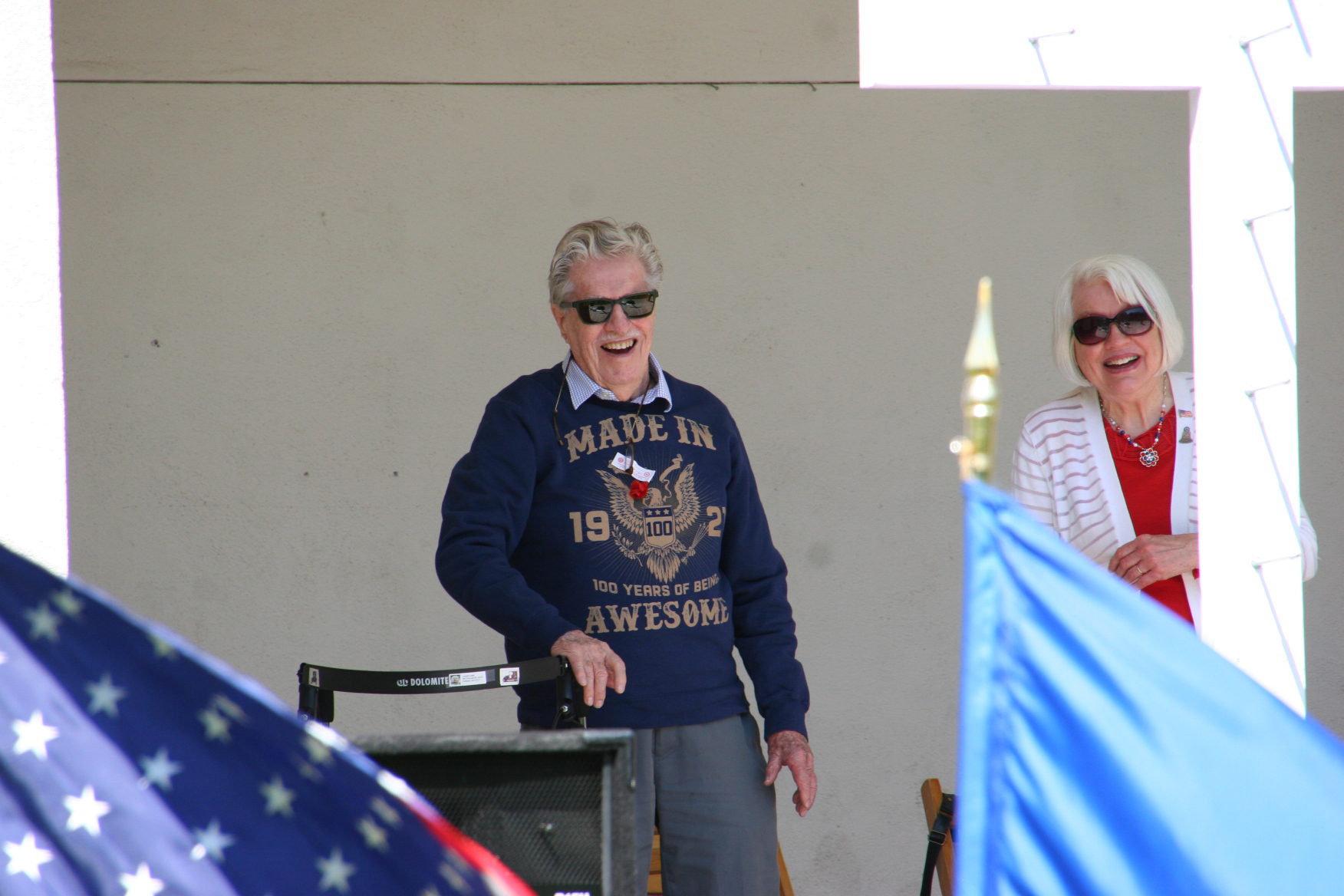
WW II vet and Army Air Corps pilot Joseph Skodje, 100, served as grand marshal of Faribault’s Memorial Day parade. Minnesota Prairie Roots copyrighted photo 2021.
The Rev. Greg Ciesluk opens with prayer. Minnesota Prairie Roots copyrighted photo 2021.
As I listened to speakers during a Memorial Day program at Faribault’s Central Park, a sense of loss, of sorrow, of grief descended on me. It is the personal stories that always get me.
Awaiting the playing of Taps to honor the war dead in, an always mournful sound. Minnesota Prairie Roots copyrighted photo 2021.
When Honored Combat Veteran Donald F. Langer spoke of losing his soldier-buddy John, I thought of my dad losing his soldier-friend Ray during the Korean War. Decades removed from Vietnam and John’s death, Langer’s grief still runs deep. I could hear it in his words.
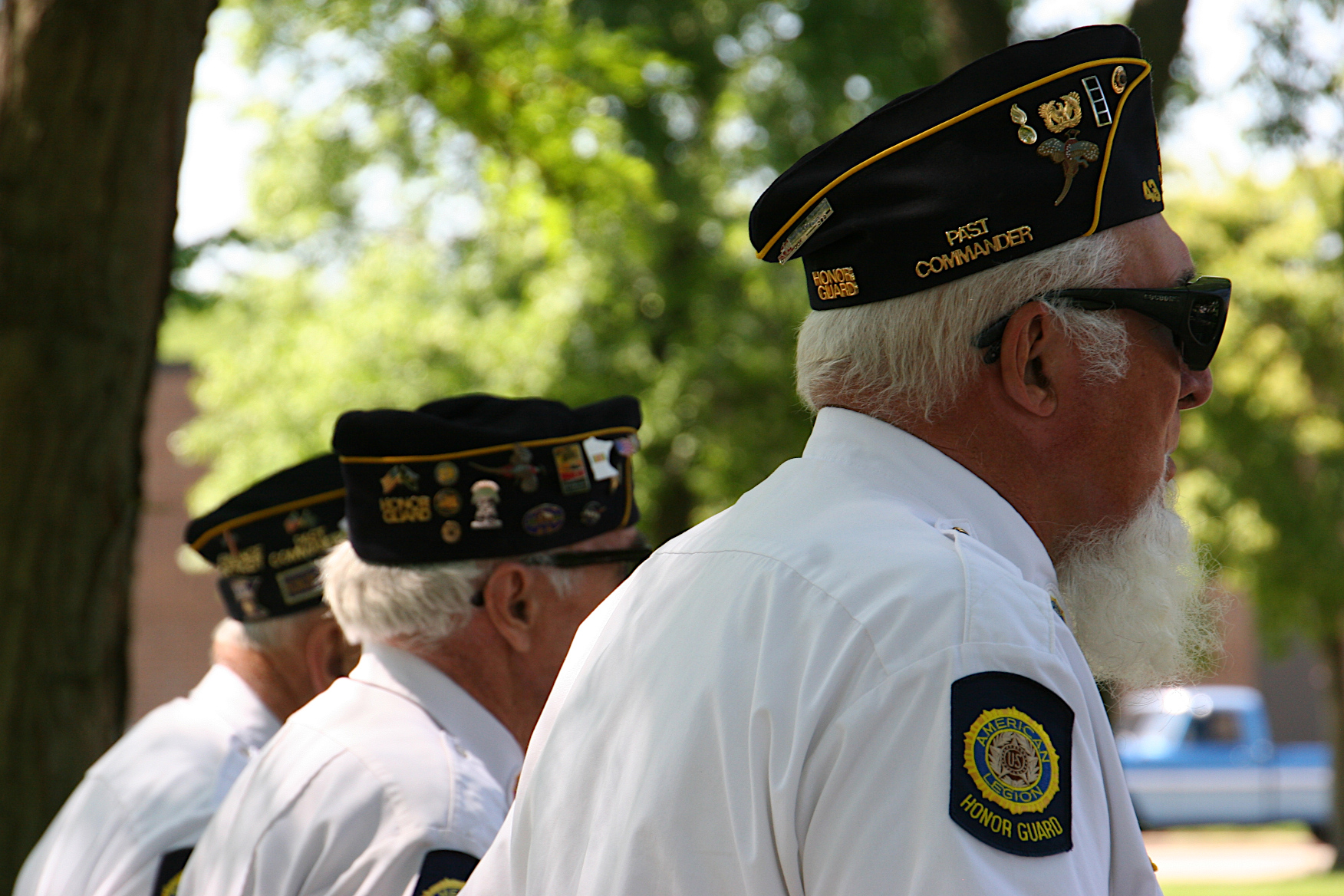
Members of the honor guard ready to fire their rifles. Minnesota Prairie Roots copyrighted photo 2021.
I heard, too, of the challenges he faced while on R & R. He didn’t fit into civilization, Langer said, so he returned early to the jungle rather than continue his respite separated from his fellow soldiers. And when he exited war via a flight out of Saigon, Langer carried with him the trauma of war.
Everyone who served has stories… Minnesota Prairie Roots copyrighted photo 2021.
These are the stories we need to hear. To personalize war. To make it about more than patriotism and fighting for freedom and serving country. Behind every platitude are individuals who loved and were loved. Who were forever changed.
The honor guard waits and listens to speakers. Minnesota Prairie Roots copyrighted photo 2021.
Emcee Gordy Kosfeld shared a poignant story pulled from Guidepost magazine about a young soldier killed in Italy. Uncle Bud, who loved his dog, Jiggs. And Maria. In his riveting radio storytelling voice (KDHL), Kosfeld had the audience listening with attentiveness.
He served… Minnesota Prairie Roots copyrighted photo 2021.
While I listened, my thoughts drifted to my dad, recipient of the Purple Heart. He made it out of Korea alive, but not without trauma.
Patriotism in attire and hand on heart. Minnesota Prairie Roots copyrighted photo 2021.
Bud was killed in action. John, too. And Dad’s buddy, Ray. So when the honor guard fired their guns and the bugler played Taps and the women laid wreaths representing our nation’s wars and the pastor prayed and we sang patriotic songs and the color guard retired the colors, I thought of the sacrifices made by so many. They are the reason we gather on Memorial Day. To remember. To honor. To consider the ultimate sacrifice of dying for country.
Please check back for one more post from Memorial Day in Faribault. A light-hearted moment that eased the grief I was feeling.
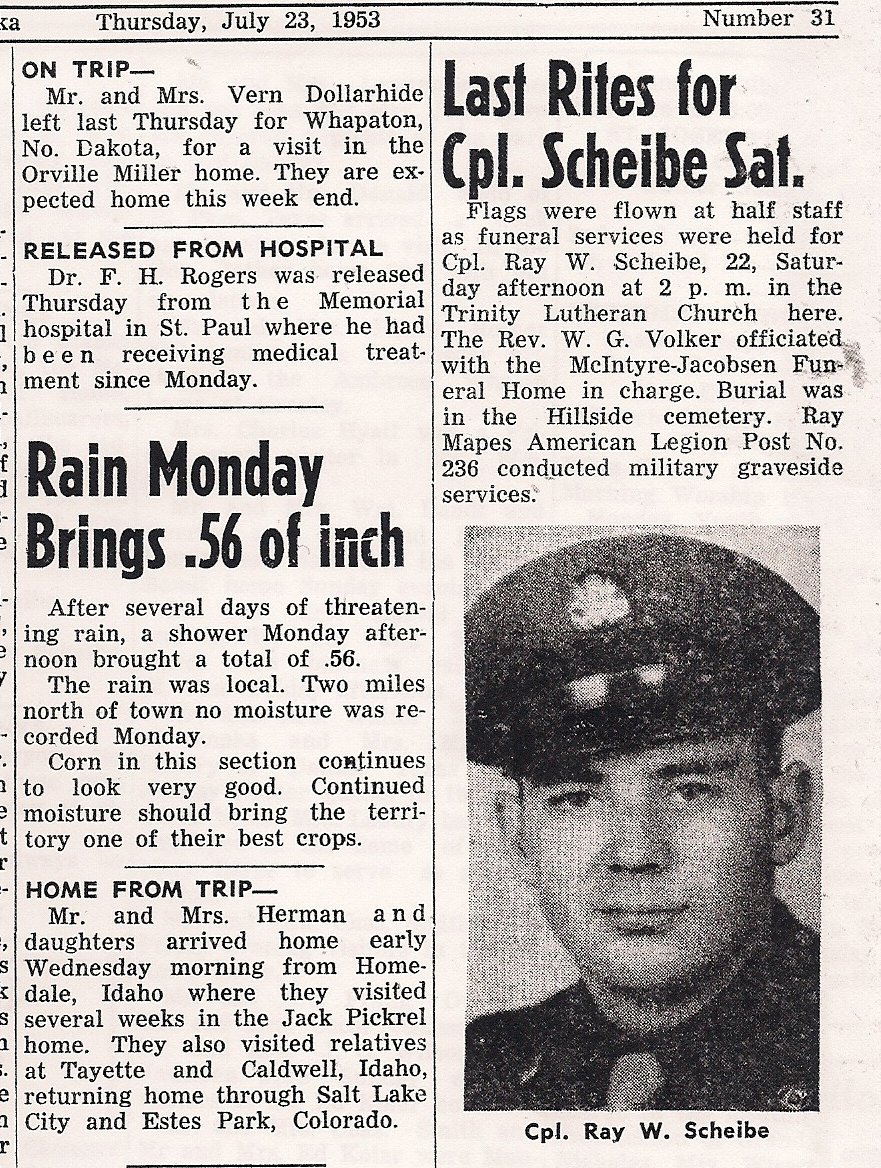
A story about Cpl. Ray W. Scheibe, published in the July 23, 1953, issue of The Wolbach Messenger.
SIXTY-EIGHT YEARS AGO on June 2, 1953, a 22-year-old soldier died on the battlefields of Korea. Blown apart by a mortar just the day before he was scheduled to leave, to return home to Wollbach, Nebraska. To his wife and six-week-old daughter.
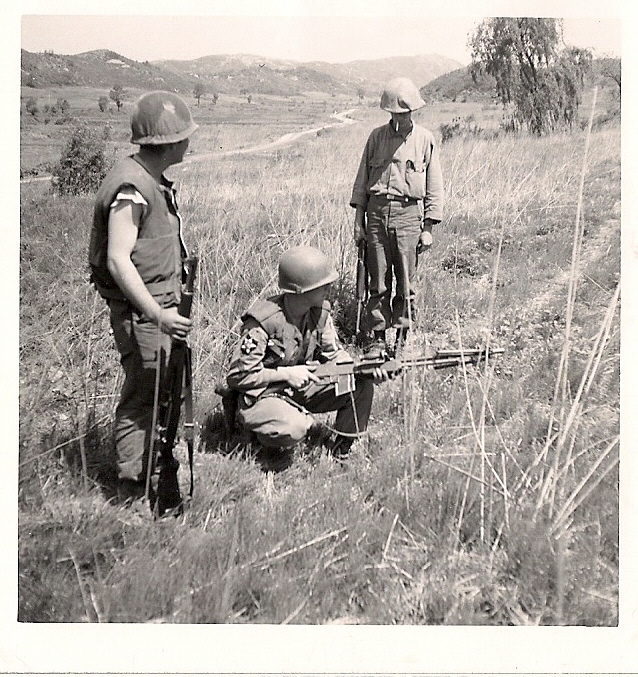
This May 1953 photo, taken by my dad, shows Ray Scheibe on the left.
He was Cpl Ray W. Scheibe, my dad’s Army buddy. Fellow soldier. Comrade.
My dad, Elvern Kletscher, witnessed Ray’s horrible death. Something he never forgot. The visual he carried with him from Korea back home to southwestern Minnesota. The trauma. The pain. The loss never left him. How could it? He and Ray were like brothers, linked by a bond unlike any other in the commonality of survival, of facing death, of shoot or be shot.
Today I honor Ray and all those brave men and women who died in service to our country. They left behind grieving friends and families and communities. Eventually, I would find and connect with Ray’s daughter, Terri. (Read that story by clicking here.) We have yet to meet in person, but continue to exchange annual holiday letters.
My dad carried home a July 31, 1953, memorial service bulletin from Sucham-dong, Korea. In the right column is listed the name of his fallen buddy, Raymond W. Scheibe.
I hold close the memory my dad shared about Ray’s death. Dad seldom talked about Korea. I wish I’d asked more about his time there. It’s too late; he died in 2003. But I have a shoe box full of photos and memorabilia, including the memorial service bulletin Dad carried home from Korea. The one that lists Ray’s name among those soldiers who died in service to their country. The ones who gave the ultimate sacrifice—their lives.
GRATITUDE IS A CONSCIOUS CHOICE. Feeling grateful takes effort. If you disagree, that’s OK. Maybe gratitude comes naturally for you. But, for most of us, I don’t think that’s true.
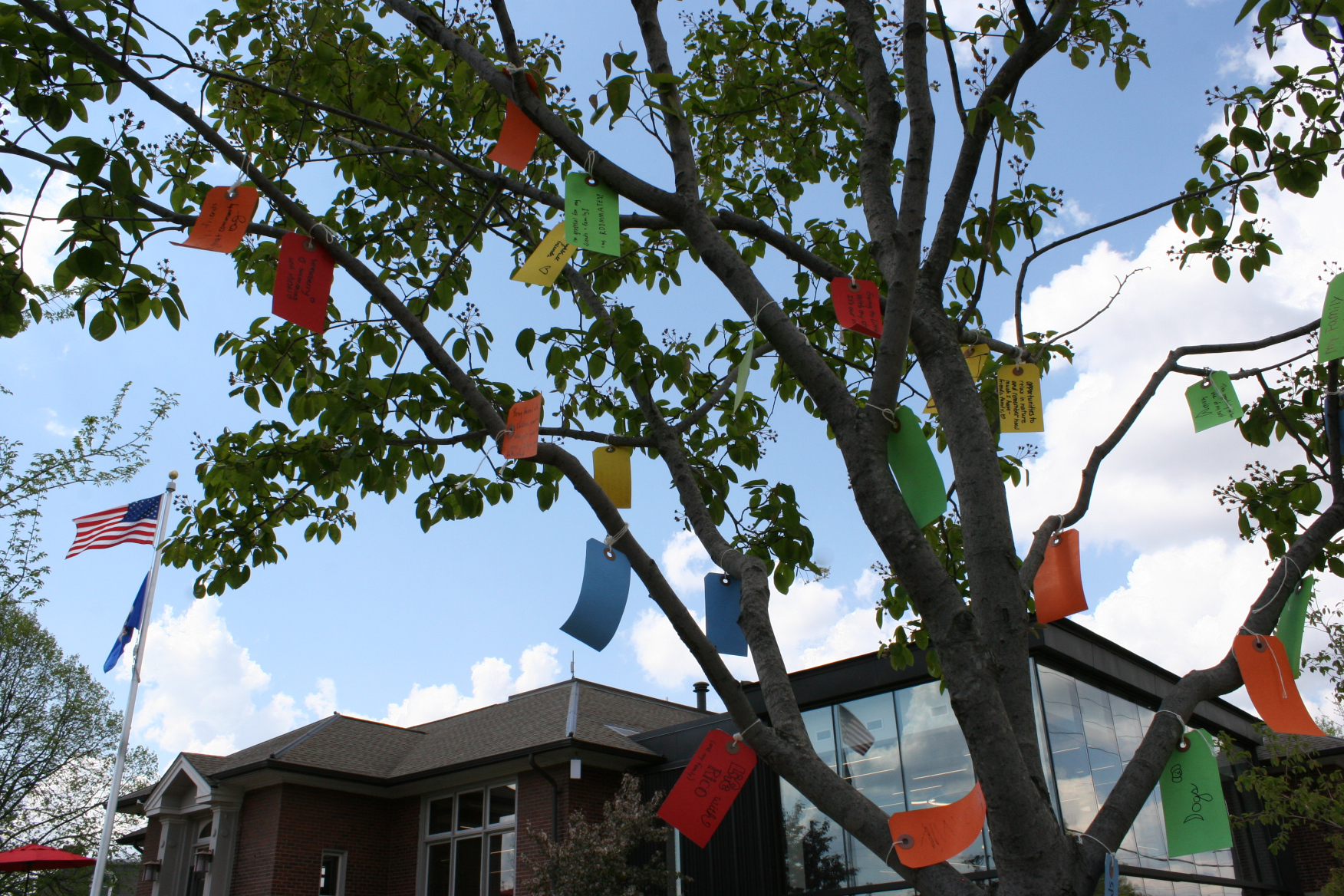
Rocco, The Gratitude Tree, just outside the Northfield Public Library. Minnesota Prairie Roots copyrighted photo 2021.
Minnesota Prairie Roots copyrighted photo 2021.
Minnesota Prairie Roots copyrighted photo 2021.
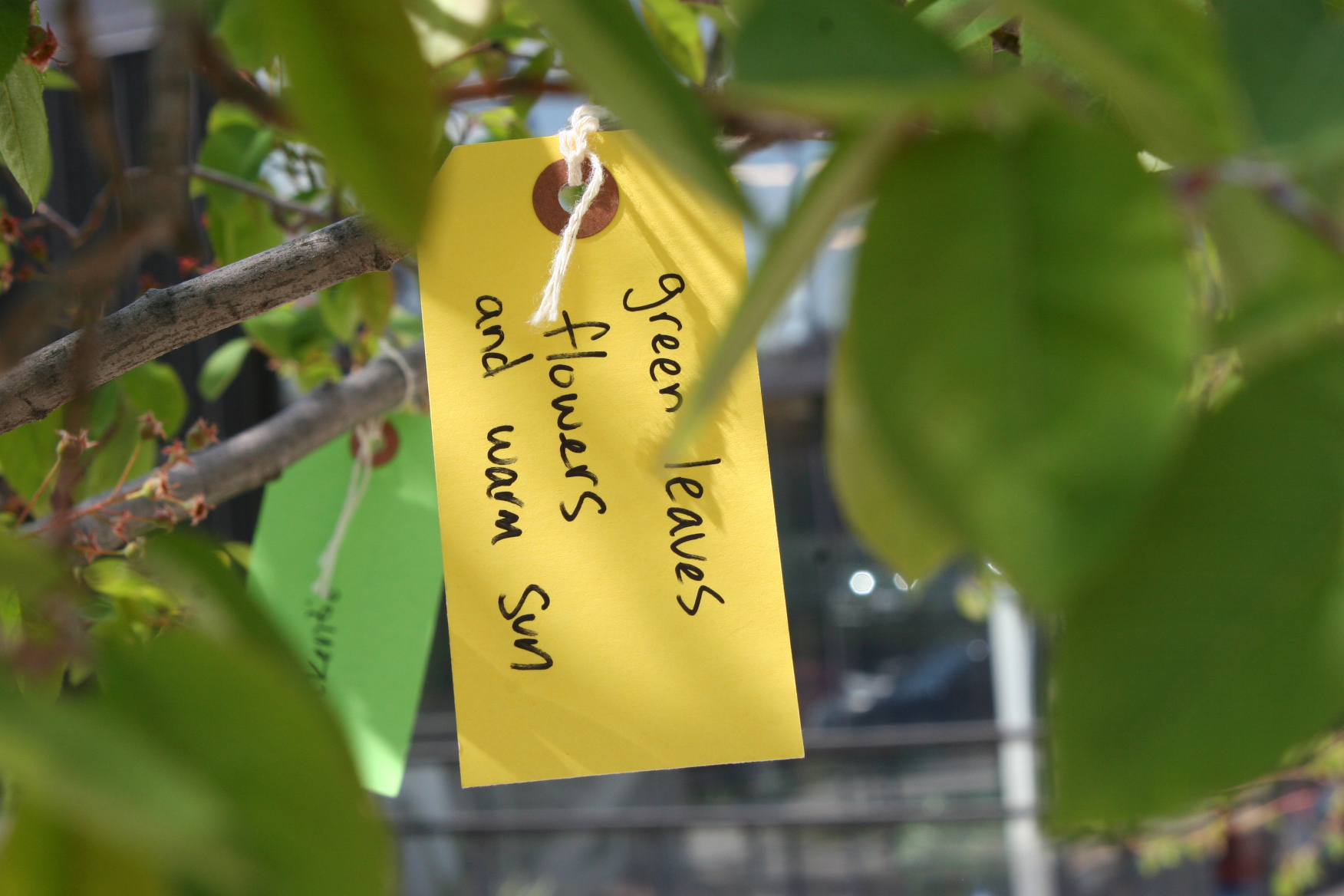
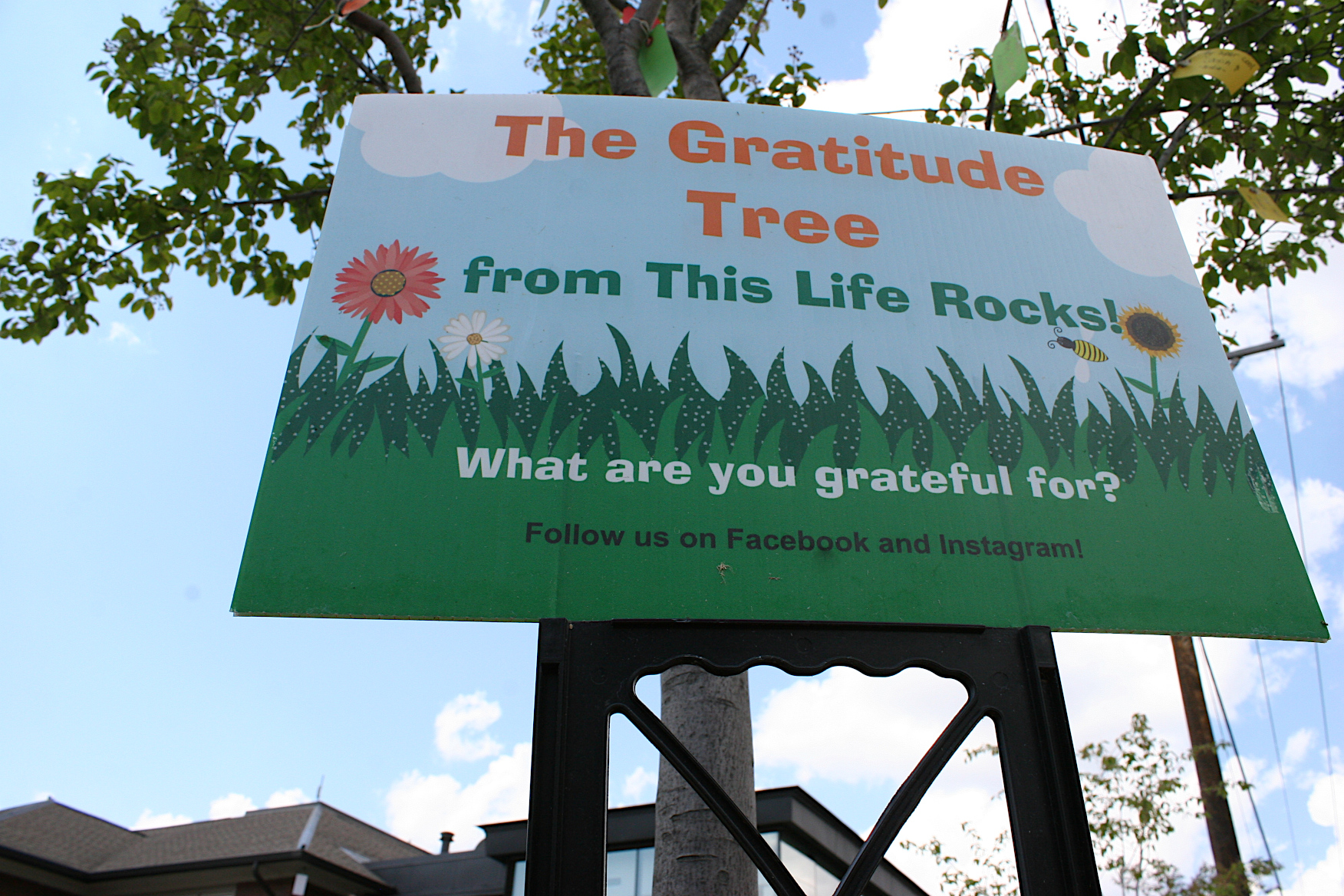
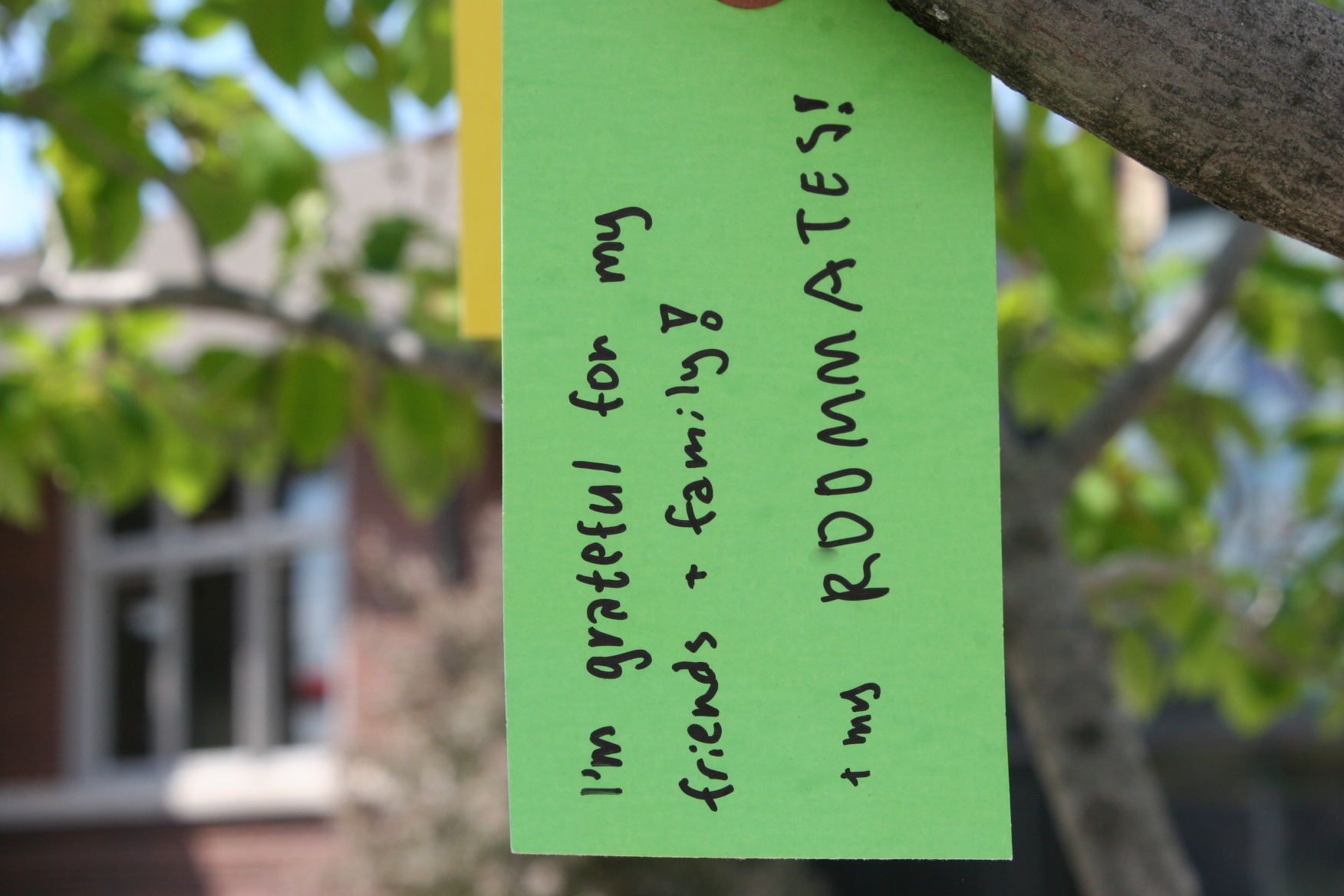
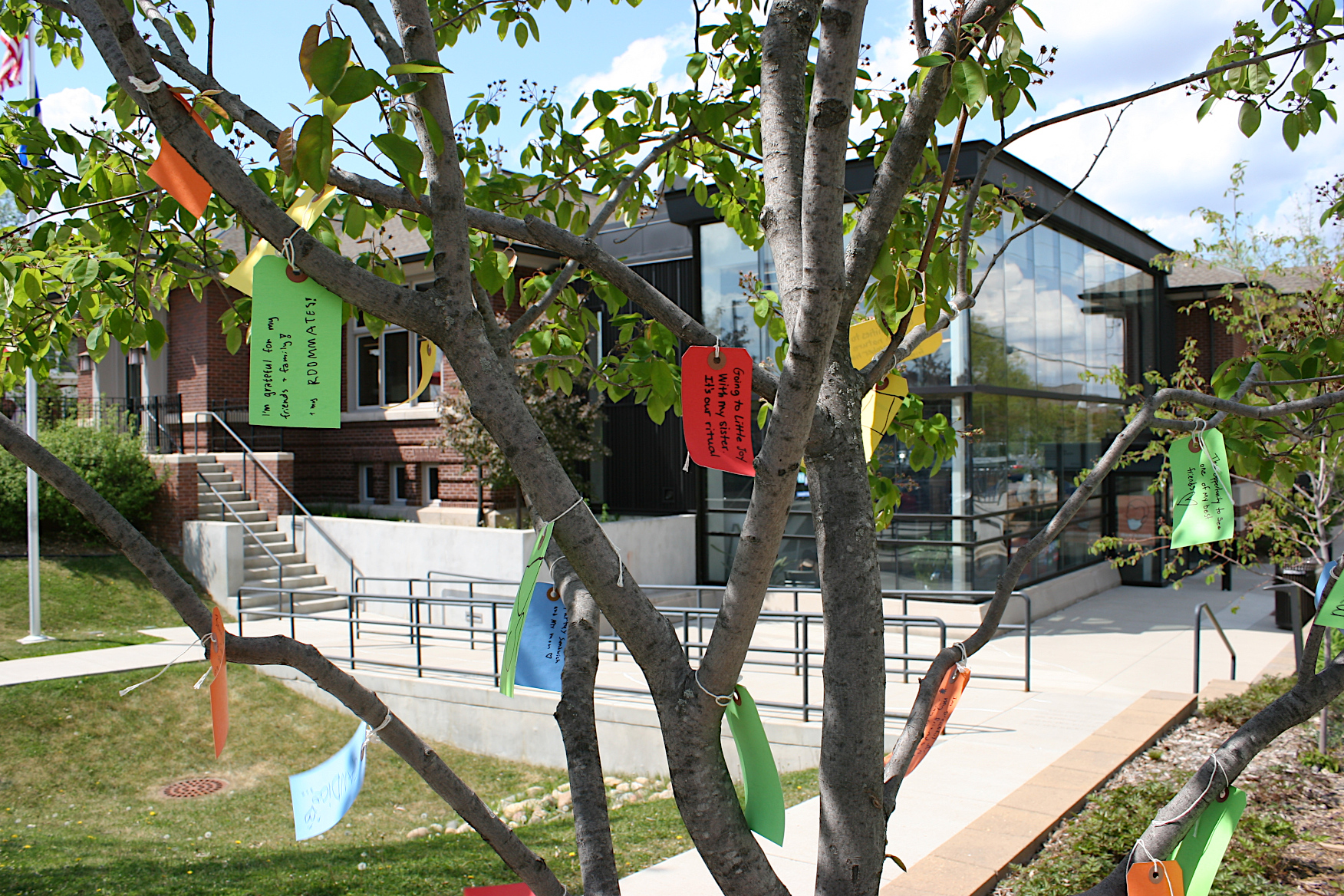
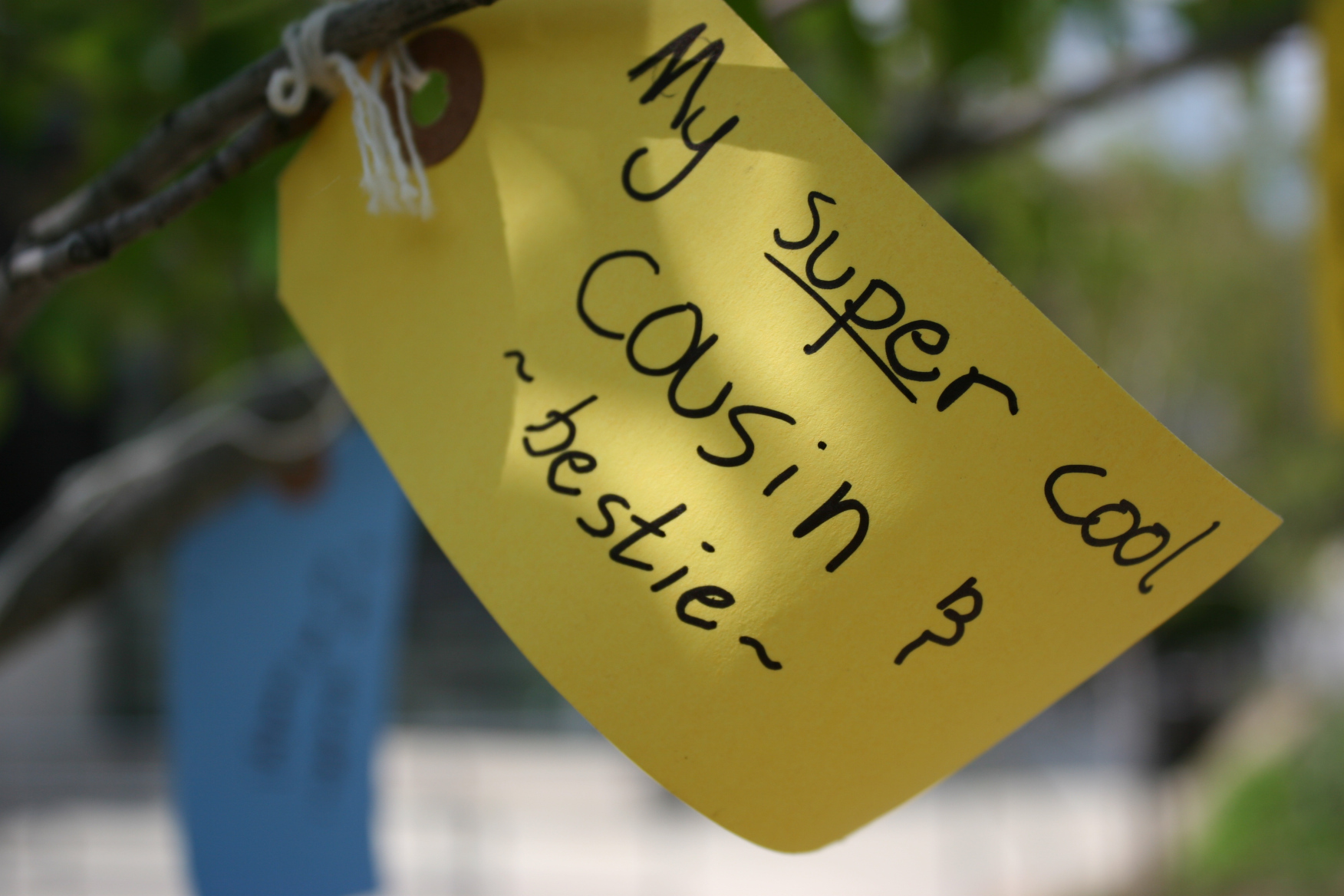
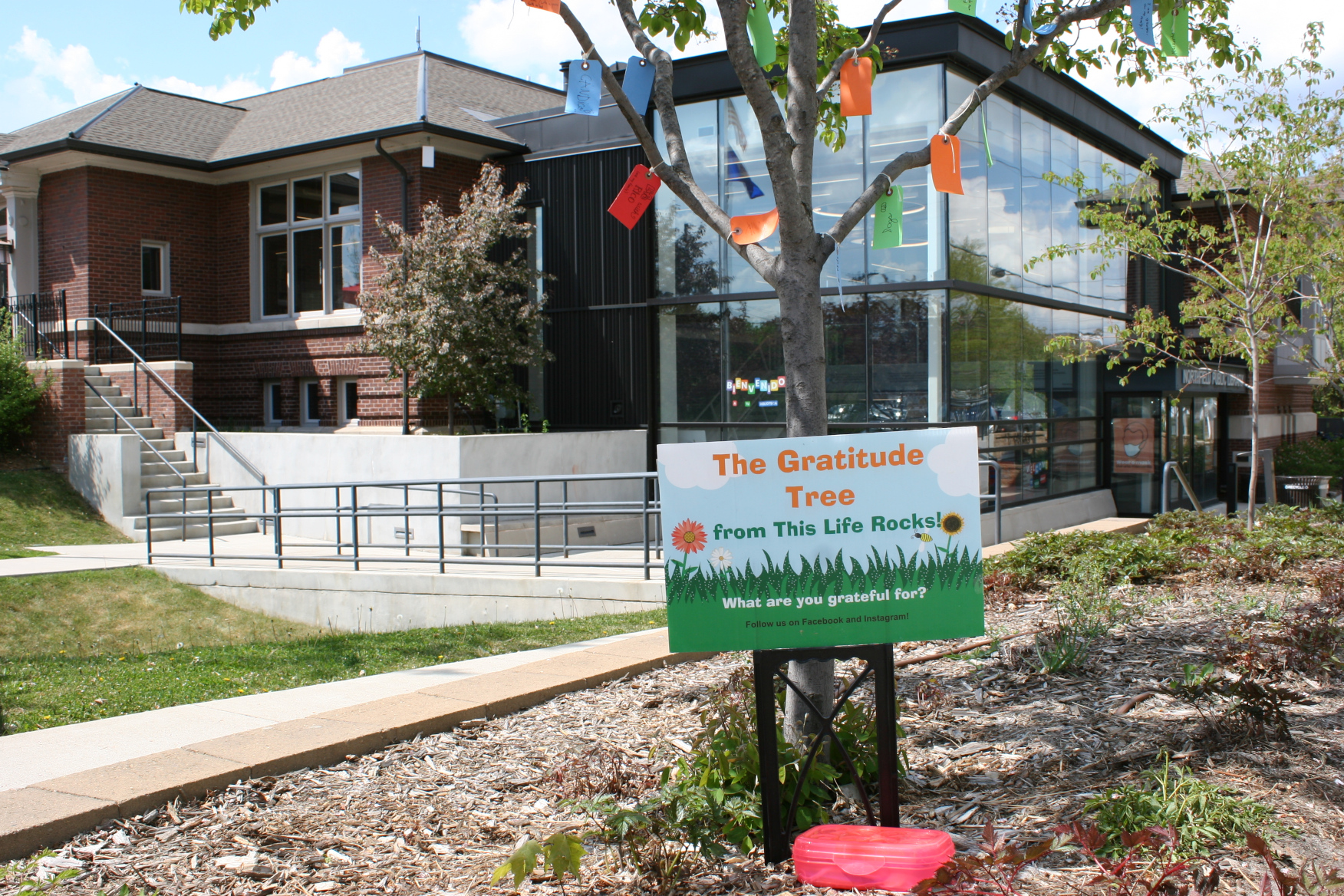
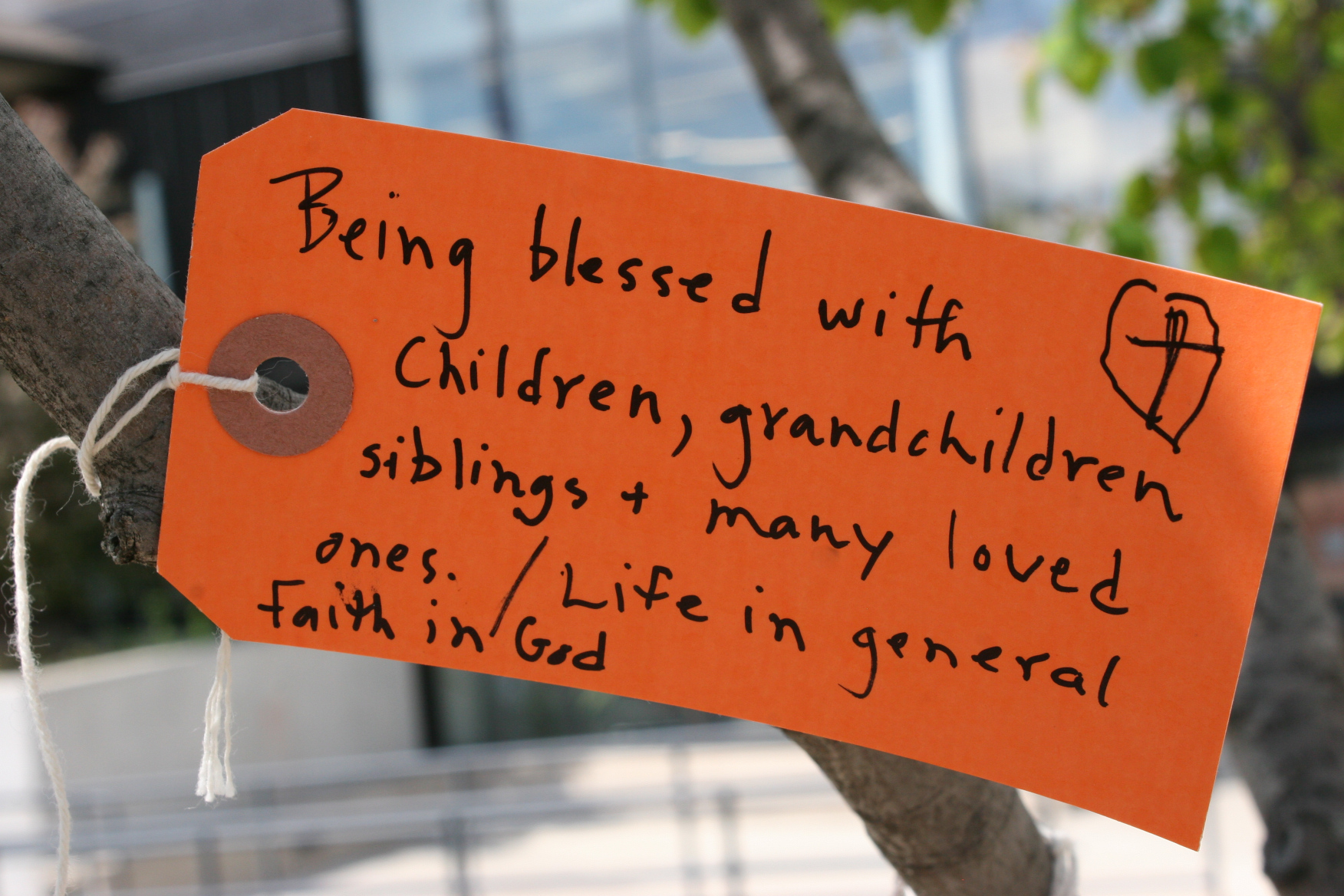
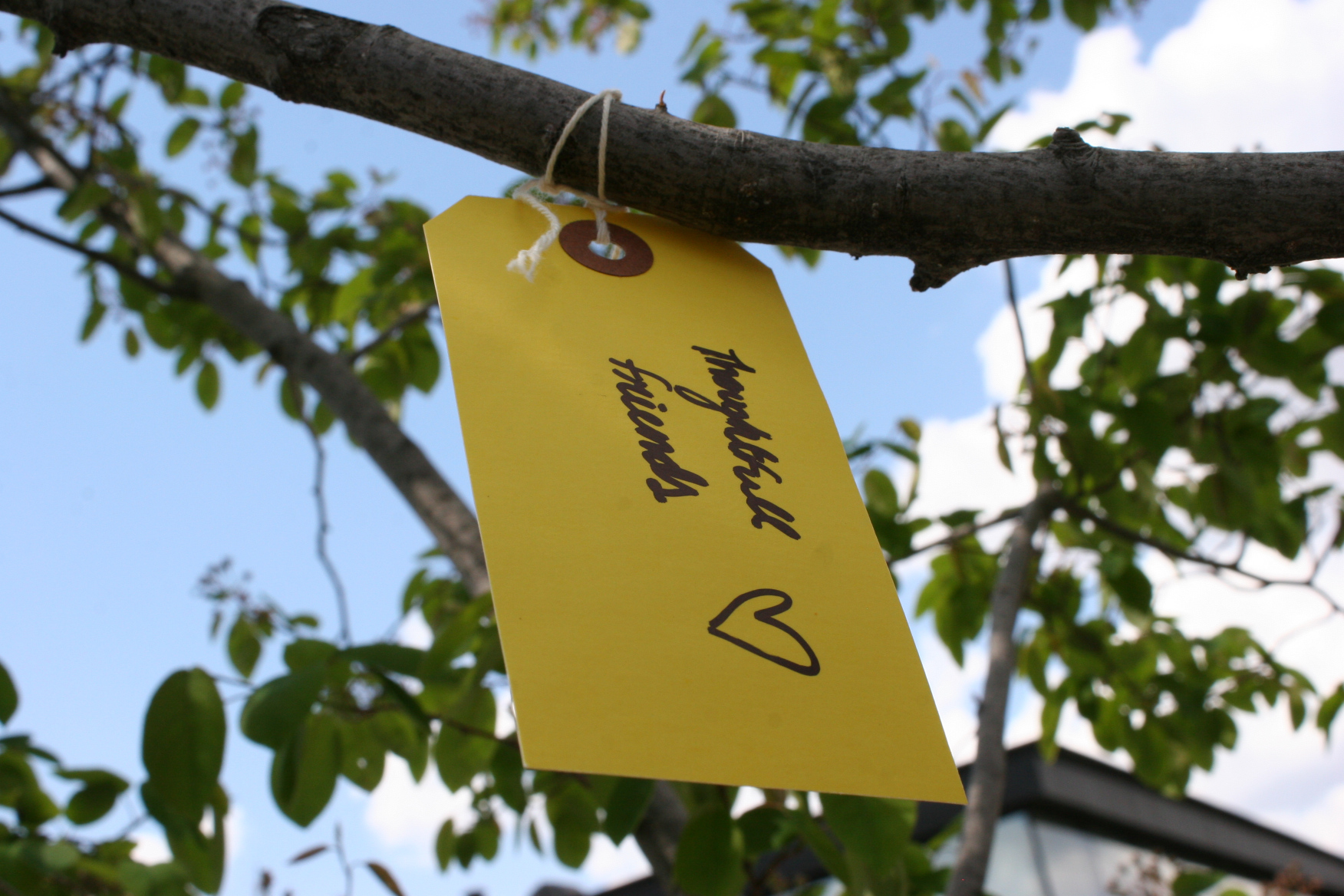
That’s why I appreciate projects like The Gratitude Tree. Outside the Northfield Public Library, colorful tags sway in the wind on the branches of a small tree. The Gratitude Tree. And on those slips of paper, people have answered the question, “What are you grateful for?”
Minnesota Prairie Roots copyrighted photo 2021.
Minnesota Prairie Roots copyrighted photo 2021.
Minnesota Prairie Roots copyrighted photo 2021.
I paused to read the responses, which seemed mostly focused on thankfulness for family, friends and others. That doesn’t surprise me, especially after this past year of separation due to COVID-19. Most of us crave human connection. We’ve missed our families, friends, co-workers…
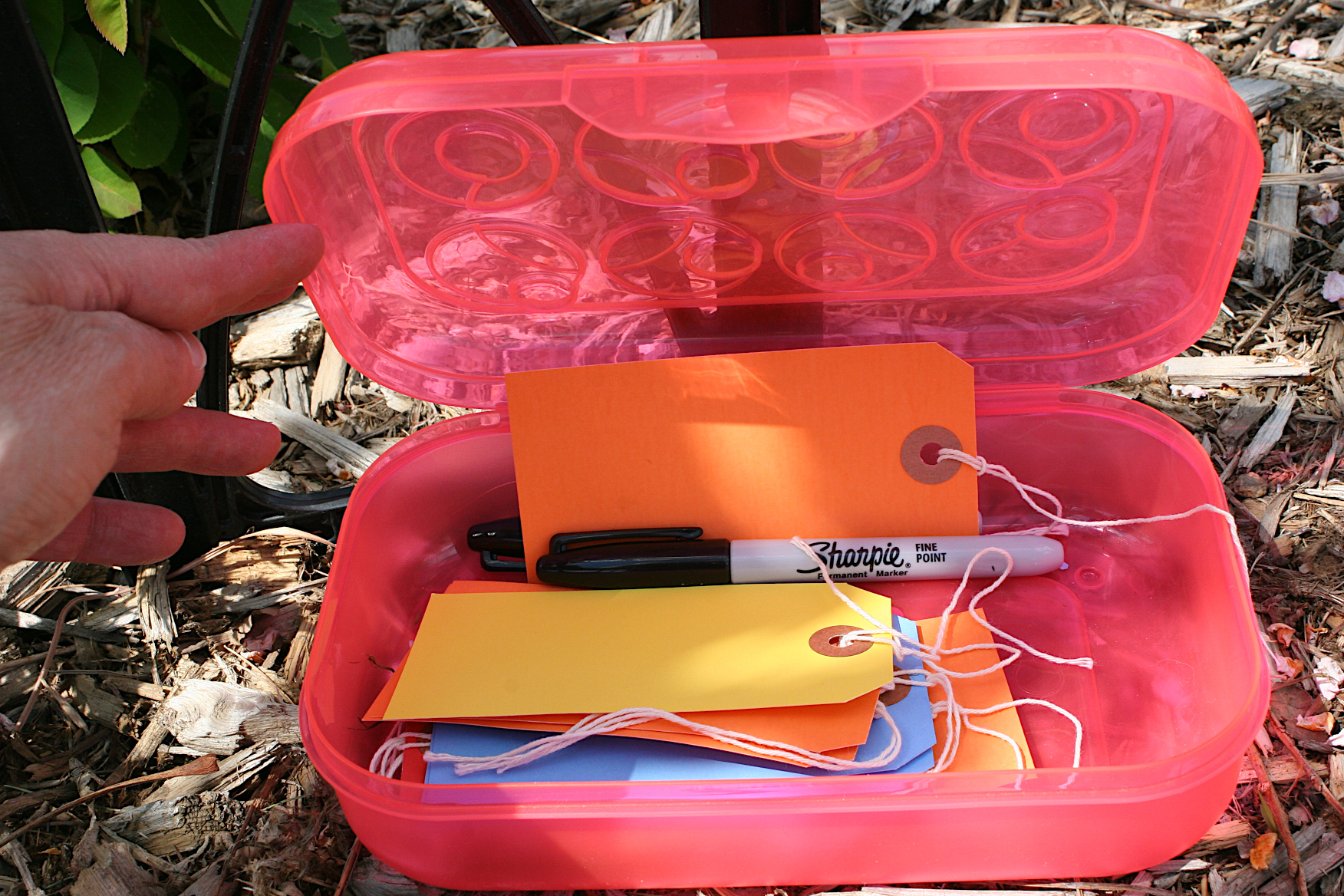
A plastic container at the base of the tree holds tags and a Sharpie for writing notes of gratitude. Minnesota Prairie Roots copyrighted photo 2021.
It’s important to acknowledge that. To say it. To write it. To embrace this feeling of longing to be with people.
Minnesota Prairie Roots copyrighted photo 2021.
I’m grateful we’re at a point in the pandemic where those of us who are vaccinated can reclaim our lives. It feels good. Really good. I can hug my second daughter now. I can feel comfortable being out in public among other vaccinated individuals. I feel grateful for that.
The Gratitude Tree, outside the Northfield Public Library. Minnesota Prairie Roots copyrighted photo 2021.
We can all learn from Nika, a role model for community service and positivity. She inspires. She uplifts. She causes us to pause and think. To focus on the good in life. To see the reasons to smile, to feel happy, to give thanks.
Photographed at the Northfield Public Library. Minnesota Prairie Roots edited and copyrighted photo.
IF YOUR FRIEND was battling cancer, what would you do? Send an encouraging card? Deliver a meal? Offer a ride to the doctor’s office? Plan or support a fundraiser for her?
Now, what if that same friend was battling clinical depression? Would you do the same?
I’d like to hope we’d all answer “yes.” That we would respond in the same loving and supportive way whether someone was fighting cancer or dealing with a serious, debilitating mental illness.
But the truth is that most of us wouldn’t. And there are multiple reasons for our inaction. We are unaware. We don’t understand. We’re too uncomfortable. We’re at a loss as to what to do. We may even wonder why our friend can’t just get over it.
THE STRUGGLE IS REAL
Yet, those struggling with serious mental health issues need our support, encouragement, understanding, compassion and love. They can’t simply wish away chemical imbalances in their brains. They can’t simply take a pill and magically return to good health. The struggle is real. As real as cancer.
I’m hopeful that an increasing focus on mental health, especially during the pandemic, will shift thinking and reduce the stigma attached to mental illness. That’s a start. But so much more needs to be done.
WE NEED…
We need more mental health professionals. In my area of Minnesota, the wait to see a psychiatrist can be lengthy. Some doctors are not even taking new patients. Psychiatric care is limited, especially in areas outside the metro. That’s how bad it is. Imagine being in a mental health crisis, the equivalent of a heart attack, and being told you can’t get medical attention for six weeks? That’s reality for way too many people.
We need more funding for research that will lead to new, more effective medications or other treatments for mental illnesses.
We need early intervention. Education. Heightened awareness.
We need to move this beyond buzz words and hashtags. We need to stop throwing out offensive words like “crazy,” “insane,” or “nuts” when talking about mental illness or anything, really.
YOU CAN HELP
I recognize we as individuals hold little power over changing most of those problems. But we do have the ability to, on a very basic level, acknowledge and support those in our circle who are dealing with mental health issues. Send a card. Deliver a meal. Offer a ride. Listen. Give a financial gift—individuals and families in the throes of a mental health crisis often face overwhelming financial challenges. There’s so much we can do. If only we choose to take action.
FYI: May marks Mental Health Awareness Month. The National Alliance on Mental Illness is an excellent resource for information on mental health. If you or someone you love is in crisis, seek immediate medical attention in your emergency room. That’s a starting point. Above all, please know that help is available and that you are not alone. The same goes for those who care for and love family members struggling with mental health. NAMI offers confidential family support groups.














Recent Comments