Minnesota Prairie Roots

Writing and photography by Audrey Kletscher Helbling

Two Minnesota towns July 27, 2017

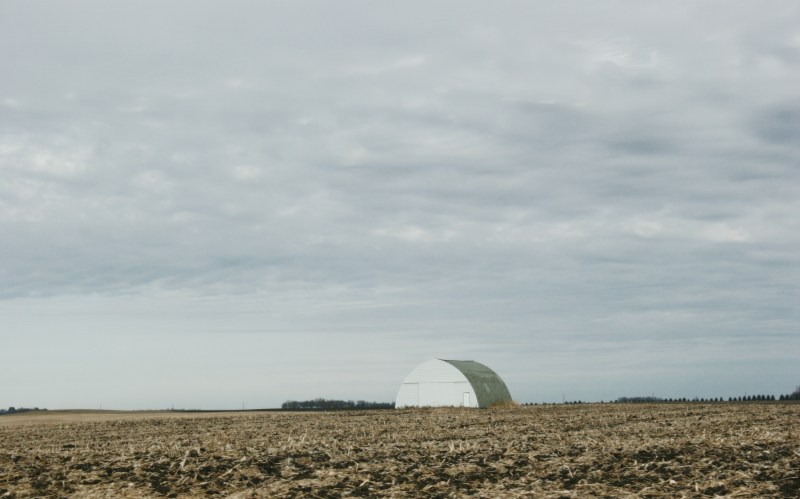
Fields and sky envelope a farm building just west of Wabasso in my native Redwood County. Minnesota Prairie Roots file photo 2015.


I GREW UP ON THE PRAIRIE, a place of earth and sky and wind. Land and sky stretch into forever there, broken only by farm sites and the grain elevators and water towers that define small towns.


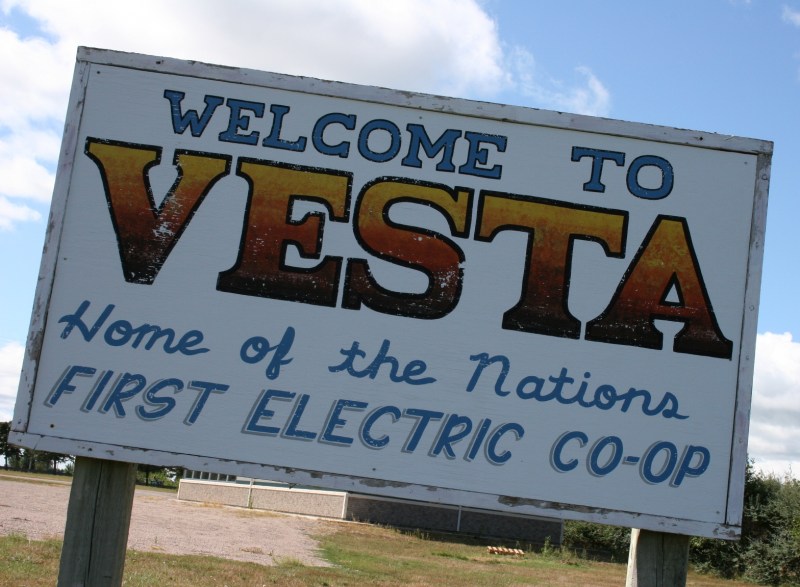
Along Minnesota Highway 19, this sign once marked my hometown. That sign has since been replaced. Minnesota Prairie Roots file photo.


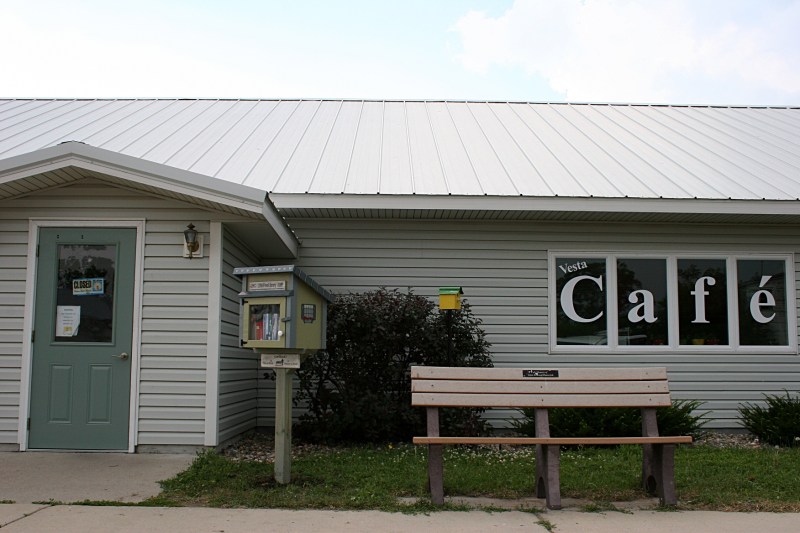
My hometown of Vesta in Redwood County once bustled with businesses—a lumberyard, feed mill, hardware stores, grocers, cafes, a blacksmith… Now the one-block center of town is mostly empty, vacant lots replacing wood-frame buildings that once housed local shops. Time, economics and abandonment rotted the structures into decay and eventual collapse or demolition.


One of the few businesses remaining downtown, the Vesta Cafe. Minnesota Prairie Roots file photo.


Why do I tell you all of this? The back story of my prairie hometown, where buildings were built mostly of wood rather than brick or stone, led me to a deep respect and appreciation for communities that have retained buildings of yesteryear. Cities like Cannon Falls, founded in 1854. By comparison, Vesta was founded in 1900.


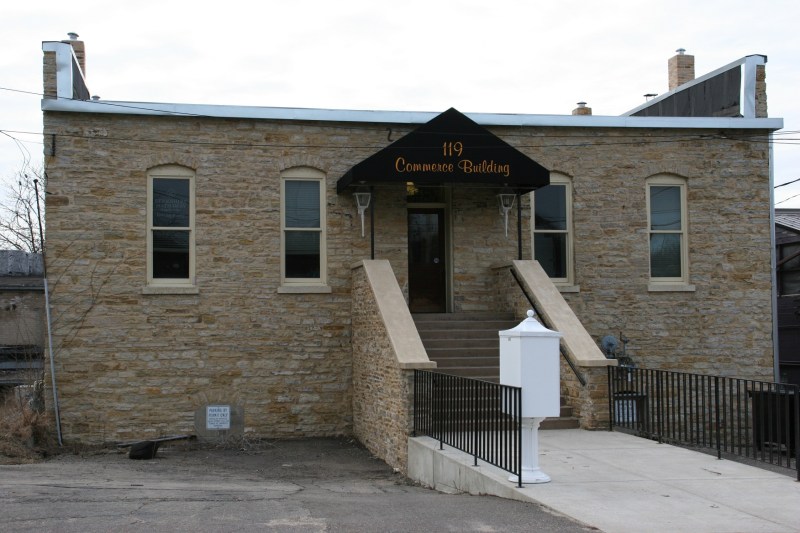
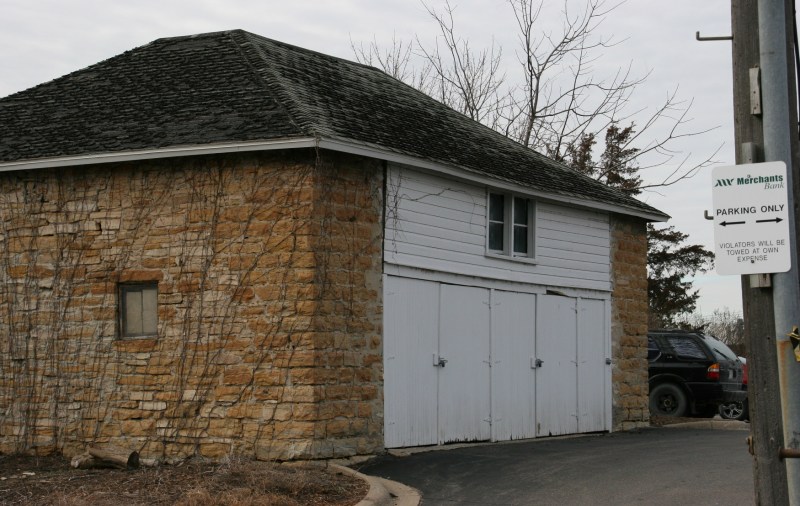
The rear of an historic stone building in the heart of downtown Cannon Falls. Minnesota Prairie Roots file photo March 2017.


Cannon Falls still has a thriving downtown landmarked by 29 properties in a Commercial Historic District. It’s population of around 4,000 and location between Rochester and the metro contrast sharply with Vesta’s population of 300 in the much more rural southwestern corner of Minnesota.


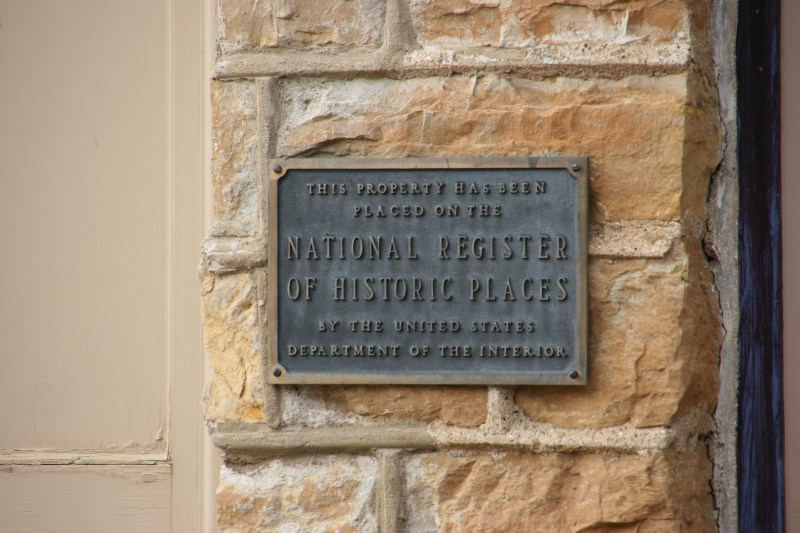
This sign marks the aged former Firemen’s Hall, now the Cannon Falls Museum, pictured below. Minnesota Prairie Roots file photo March 2017.


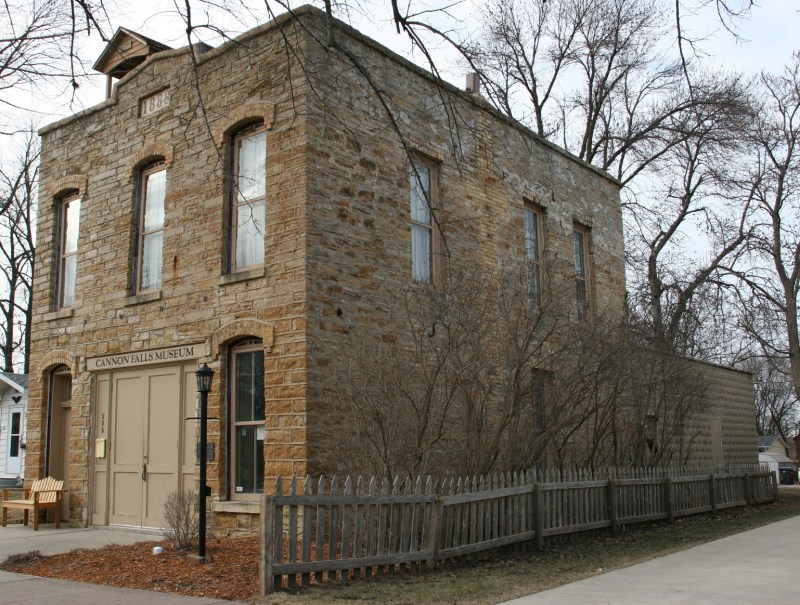
The Cannon Falls Museum. Minnesota Prairie Roots file photo March 2017.


Drive through Cannon Falls neighborhoods and you will see history still standing. In Vesta, history comes in photos and memories. It’s sad really. But that is reality.


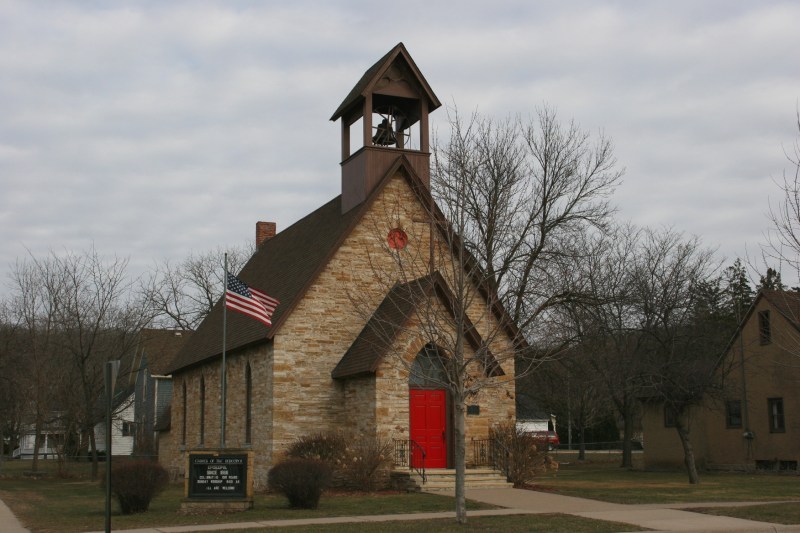
The Church of the Redeemer, an Episcopal congregation founded in Cannon Falls in 1866. Minnesota Prairie Roots file photo March 2017.


Because I grew up without solid stone buildings in a place that unsettles many for its breadth of sky and land, I am drawn to stone structures. They portray a strength and permanency that defies time and change. Yet I expect both masons and carpenters shared the same dreams of a better life, of prosperity and success.


Another lovely stone building photographed behind downtown Cannon Falls buildings. Minnesota Prairie Roots file photo March 2017.


That’s the underlying truth. Even if the buildings and businesses in my hometown have mostly vanished, the ground upon which they stood represents something. The land remains—the same earth upon which early settlers planted their boots and stood with hope in their hearts.

© Copyright 2017 Audrey Kletscher Helbling


Beyond a mother’s love July 26, 2017

Filed under: Uncategorized — Audrey Kletscher Helbling @ 5:00 AM
Tags: , , , ,


WHEN I BECAME A MOM 31 years ago, a new love settled into my heart so profound and protective and encompassing that I was forever changed.

Decades later, my care and love for my two daughters and son remain as strong as the day they were born. Sure they are independent now, living as near as an hour away and as distant as 1,400 miles. But they are still as close as the love I hold for them.


My motherly love reaches higher than a prairie sky, wider than a prairie landscape, deeper than the prairie place that rooted me.

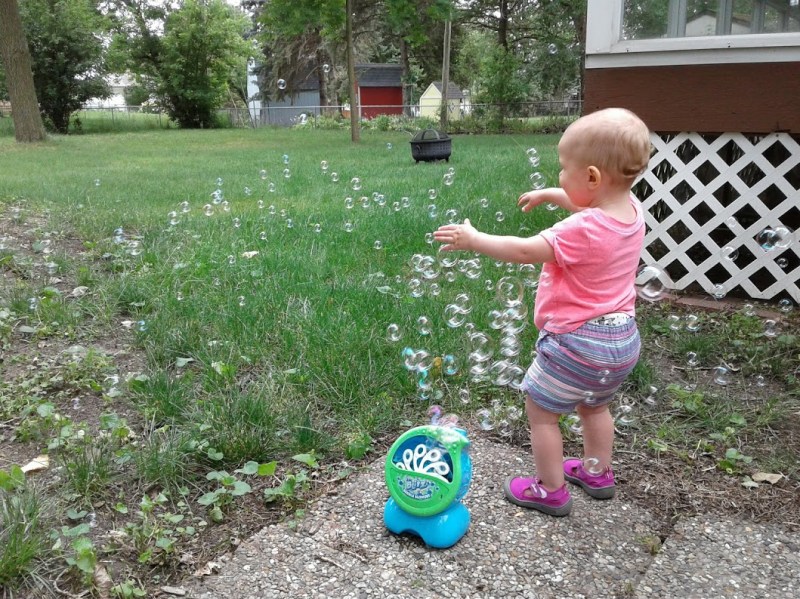
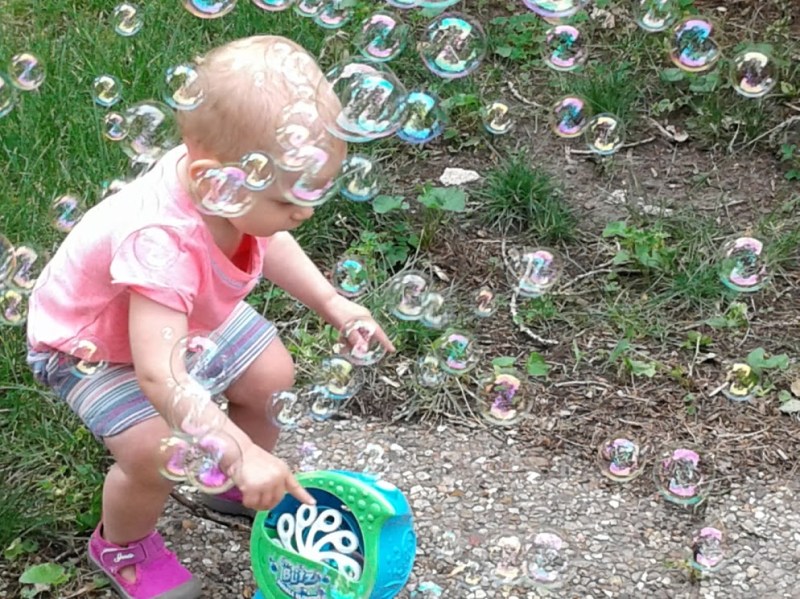
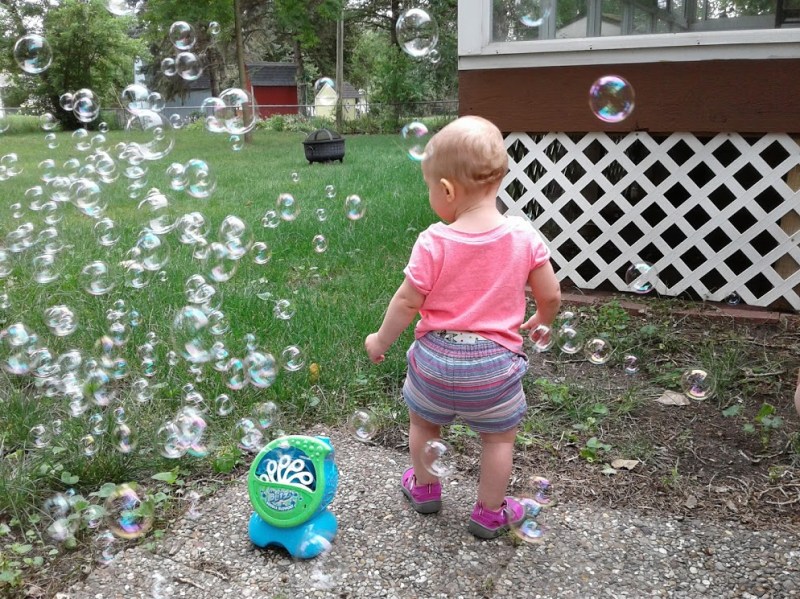
And just when I thought love could expand no farther, my granddaughter was born. Isabelle is nearly 16 months old now, growing into a little girl with a mind of her own. She walks with confidence, is single-word talking, cries sometimes when her mama leaves the room, offers hugs and blows kisses, loves books and brings incredible joy to my life.


At the birth of Izzy, a new love settled into my heart so profound and protective and encompassing that I was forever changed. I am a grandma smitten.

TELL ME: How has a little one (whether son/daughter, grandchild or niece/nephew) changed you?

© Copyright 2017 Audrey Kletscher Helbling


Observations while caught in St. Paul traffic July 25, 2017

Filed under: Uncategorized — Audrey Kletscher Helbling @ 5:00 AM
Tags: , , , , , , ,

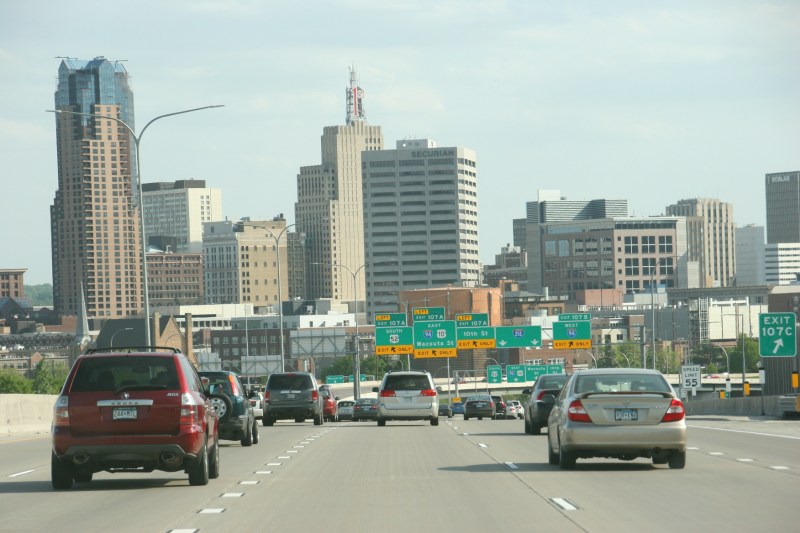
Southwest bound into St. Paul on Interstate 35E. Minnesota Prairie Roots file photo May 2017.


CREEPING SOUTHBOUND ALONG INTERSTATE 35E in St. Paul early Sunday evening in a snarl of traffic due to a lane closure, I studied my surroundings. And people watched.

I waved to the elementary-aged girl flapping a mini American flag out the window of her family’s maroon van sidled next to ours. She smiled. I smiled. And I wondered if her dad couldn’t wait to get out of the metro Minnesota traffic mess and back to Iowa.

I watched, too, as a motorcycle driver sped his bike, American flag flying from the back, onto the shoulder, skirting lanes to get ahead of four-wheel traffic.

Soon several vehicles followed in the right lane that had emptied of traffic about a block before the right lane closure. The zipper merge worked up until then. I could see an accident waiting to happen as the impatient motorists flexed their muscles, bullying into the left lane with concern only for themselves and whatever hurry they had. Drivers like that endanger all of us with their excessive speed.

I dug two peppermint life savors from my purse, rolled down the passenger side window, tried to relax in the near traffic gridlock. I’ve never determined how people can handle this daily congestion while driving to and from work or wherever.


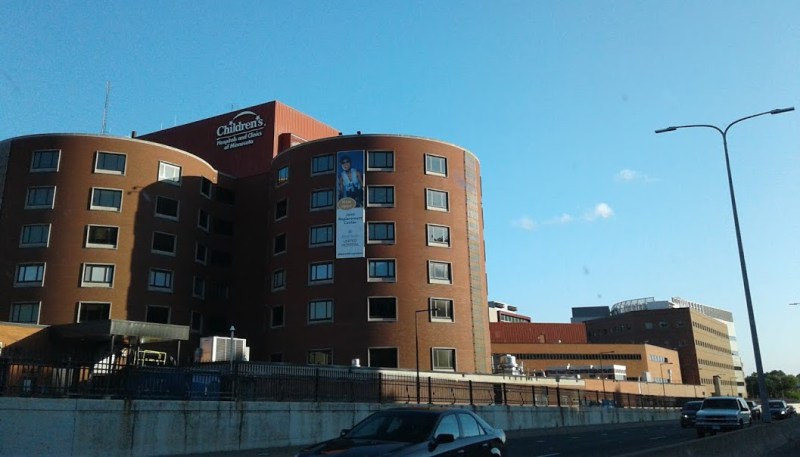
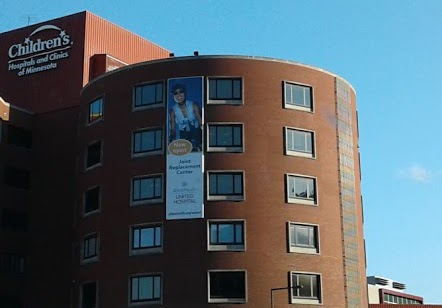
Randy diverted my attention to a sign posted on the Children’s Hospital and Clinics of Minnesota building next to the interstate. We laughed at the suggestion that joint replacement could transform the average patient into a buff biker.


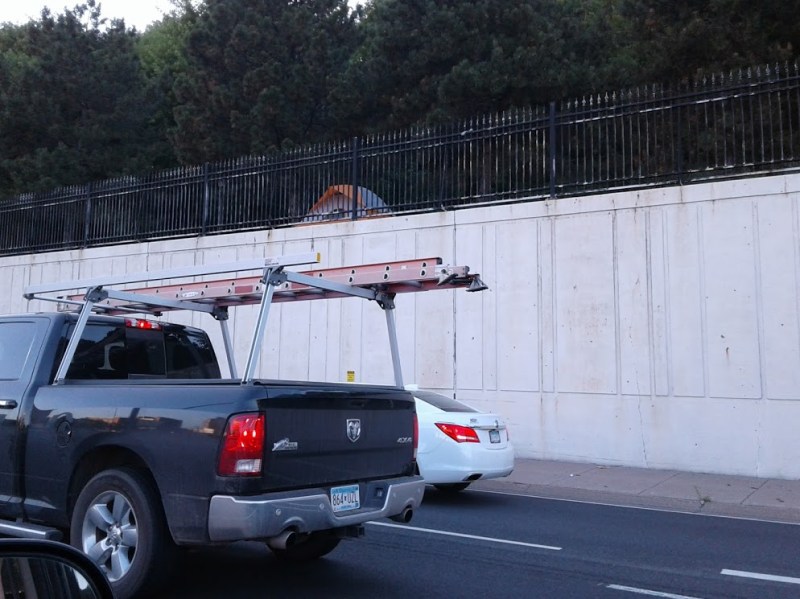
Tents like the one above hugged the fenceline above and along Interstate 35E just south of Interstate 94 in St. Paul.


Then I noticed a string of one-man tents hugging the fence along and above the interstate. I have no clue why anyone would camp in such a location. What was that all about?

As much as I dislike traveling through the Twin Cities metro, I always spot something intriguing. And I always land back home in Faribaault incredibly thankful that I don’t live in the Cities.

© Copyright 2017 Audrey Kletscher Helbling


Where, oh, where has my little dog gone & pet photos July 20, 2017

Filed under: Uncategorized — Audrey Kletscher Helbling @ 5:00 AM
Tags: , , , , , , , , , ,

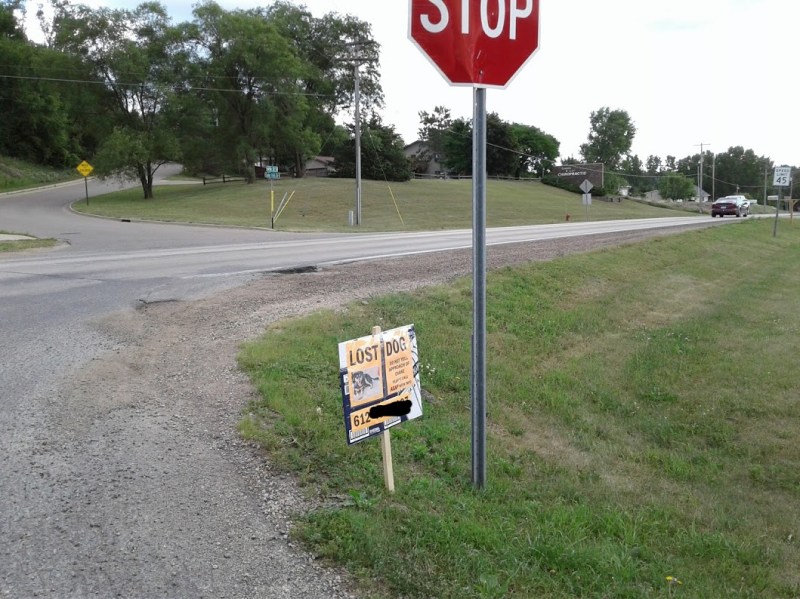
Photographed recently along a busy roadway in Cannon Falls. (Yes, I blacked out the phone number.)


EVERY SPRING, SUMMER and fall, handcrafted photo signs pop up on street corners with the message, LOST DOG.

DO NOT YELL, APPROACH OR CHASE, the writer advises of a dog lost recently in Cannon Falls.

I often wonder if these canines are ever found or wander home or why they are running loose in the first place. I realize pets sometimes escape…but I appreciate responsible pet owners who keep their animals under control on their property and who clean up after the dogs they’re walking. I’ve stepped in stinky dog poop too often in my yard. Yuck.

A few years ago a woman even posed her dog in the middle of a corner flowerbed by my house for a photo op. In the process, the dog destroyed flowers I’d planted. I was not happy.


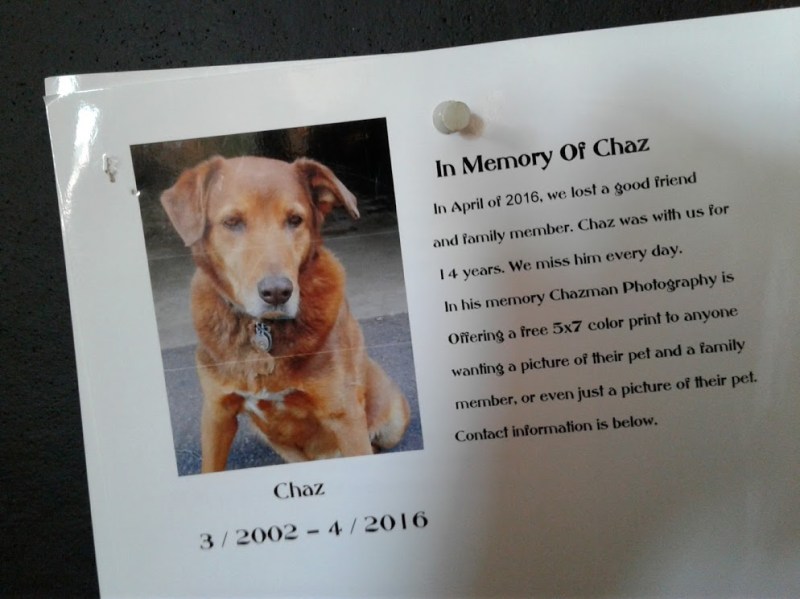
But I was happy to see the owner of a lost (as in deceased) pet post a public notice offering free pet portraits. I spotted the sign recently in a Waterville gift shop. The owner of Chaz the dog is a photographer specializing in pictures of people and their pets, according to the Facebook page for Chazman Photography based in Janesville.


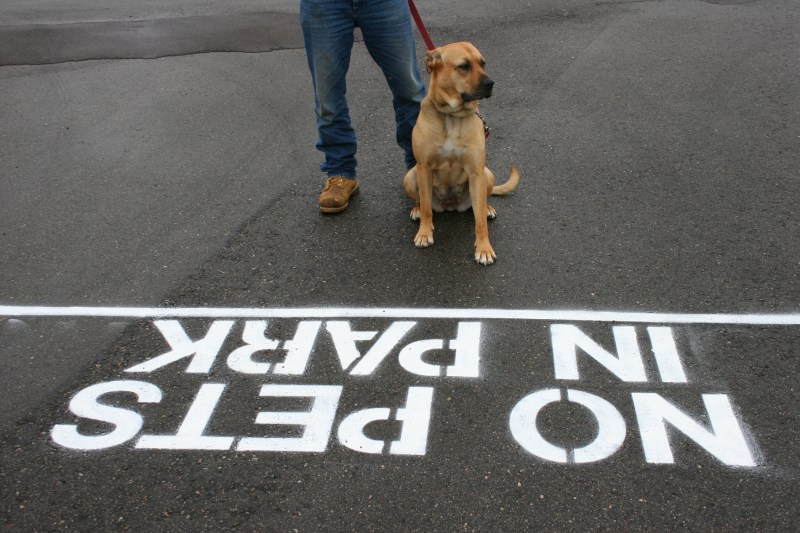
I haven’t photographed a lot of pets. But the animal images I’ve taken are, I think, notable. I’m not your typical stand, point-and-shoot photographer. I strive to tell a story, using perspective and setting to achieve that. Here are some cat and dog photos I’ve shot, my favorite being the “NO PETS ALLOWED” image shot outside Riverfront Park in Mankato in June of 2011. The dog owner, upset his canine couldn’t enter the park, suggested the photo location, almost daring himself and his dog to cross that line.

Here are those promised pet photos pulled from my files:


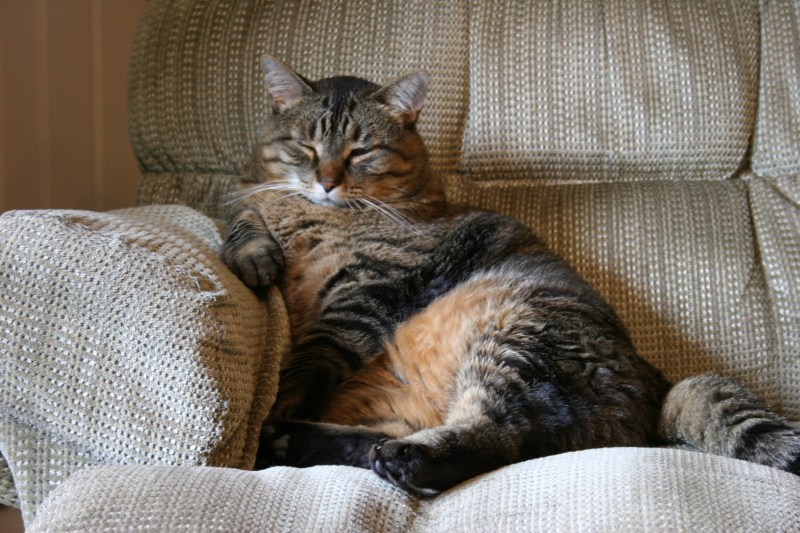
My sister Lanae’s fat cat, Sable, now deceased. Minnesota Prairie Roots file photo 2010.


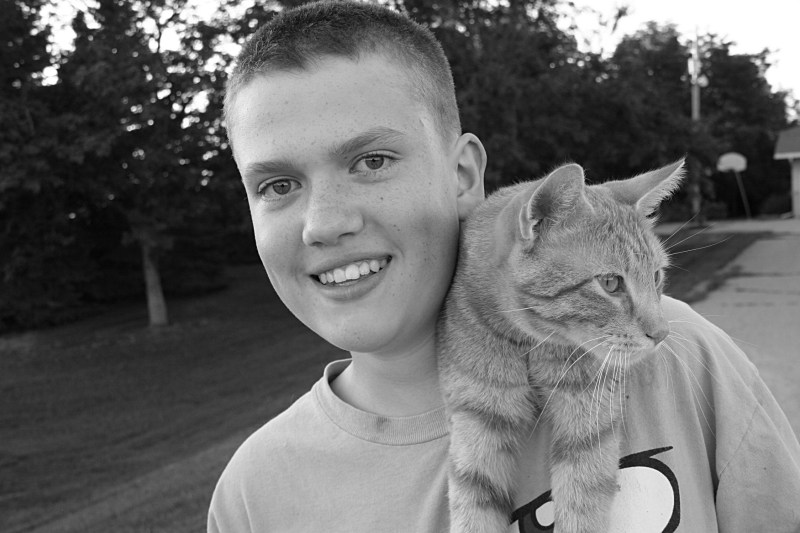
Ian with Zephyr in rural Bigelow. Minnesota Prairie Roots file photo 2013.


Titan, so active I struggled to photograph him in 2014. He was owned by the Spitzack family of rural Faribault. Minnesota Prairie Roots file photo.


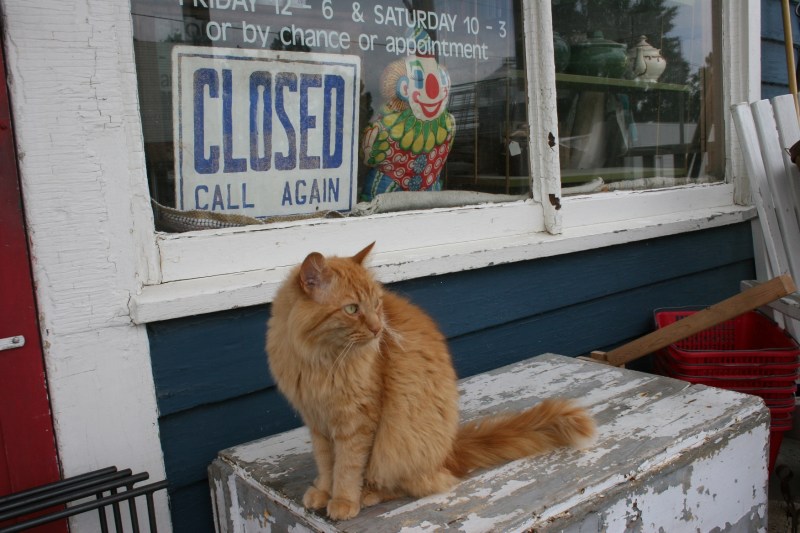
I photographed this cat outside Hopefull Treasures in Hope, MN., in 2011. Minnesota Prairie Roots file photo.


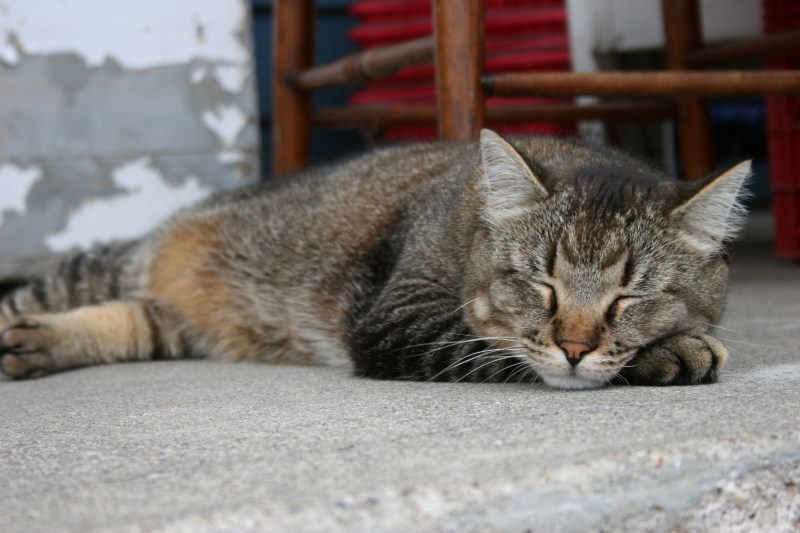
Another cat photographed in 2011 in Hope, MN. Minnesota Prairie Roots file photo.


Another view of that dog outside Mankato’s Riverfront Park. Minnesota Prairie Roots file photo 2011.


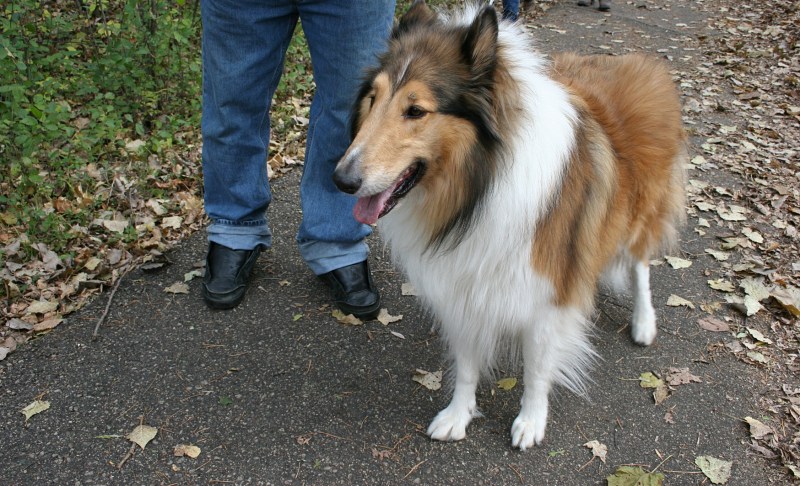
Rudi, one friendly collie at River Bend Nature Center in Faribault. Minnesota Prairie Roots file photo 2014.


My friend Mandy’s cat, Gretchen, photographed in 2015. Minnesota Prairie Roots file photo.


Taco the dog, photographed at the Faribault Farmers’ Market in Central Park in 2012. Minnesota Prairie Roots file photo.


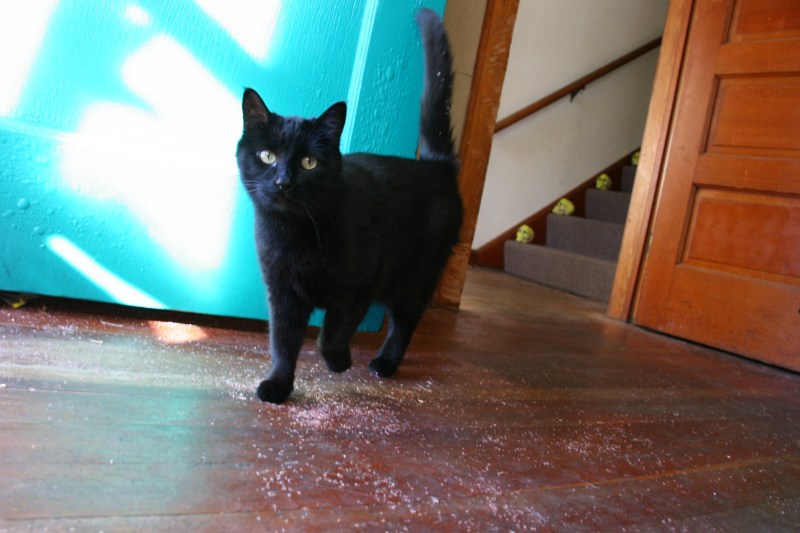
Brianna’s cat, in her home in Hayfield, Minnesota. Minnesota Prairie Roots file photo October 2016.


© Copyright 2017 Audrey Kletscher Helbling


Aging, up close & personal July 17, 2017

Filed under: Uncategorized — Audrey Kletscher Helbling @ 10:59 AM
Tags: , , , ,


MORE AND MORE I am experiencing the difficulties of watching a parent age. My husband likewise along with many of our friends.

Bodies are failing, memories fading, personalities changing as our parents move further into their eighties. I feel at times a profound sadness in all of this. Yet, I understand from an intellectual perspective that this is the natural progression of life. I feel in my own body the changes that occur with advancing age.

I want to turn back time to the days when Mom took care of me, to the days when my father-in-law would walk into a room. Roles are reversed, mobility now diminished. Walker and wheelchair. Dinner in a care center dining hall. BINGO and rare days out.

If I would allow it, melancholy would seep into my thoughts in their presence. But I shove it aside, replace it with a smile and encouragement.

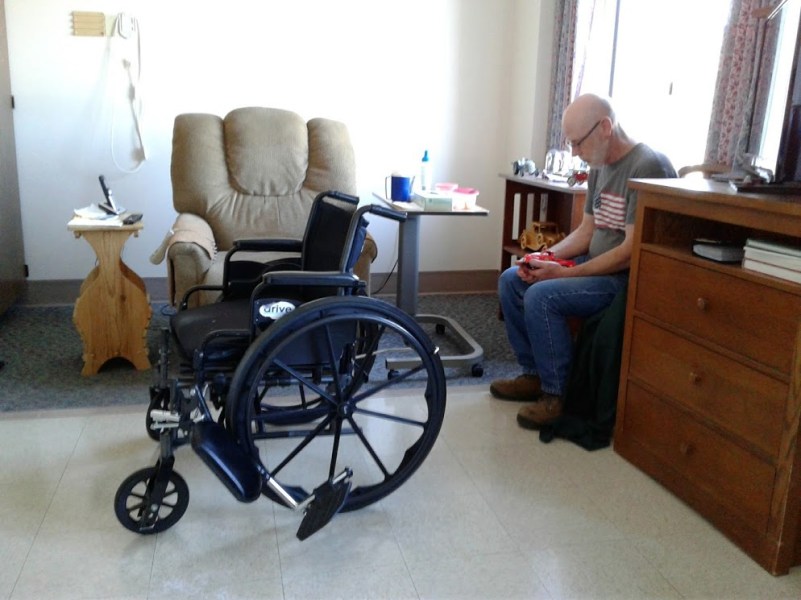
On a recent visit with my father-in-law, I observed my husband pick up a toy truck and fiddle it in his hands. Before him rested his dad’s vacant wheelchair. I snapped a few quick photos with my smartphone because I saw something in that moment. I observed a depth of sadness my quiet husband would never share in words. But it was there, lingering in the silence, in the flood of sunlight through spacious windows, in the sparse room made homey by a recliner and a collection of replica small-scale vintage tractors and trucks.


TELL ME: Are you in a similar place of watching parents age and decline in health? What are your thoughts and how are you coping?

Note: My father died in 2003 at the age of 72. Randy’s mother died in 1993 at the age of 59. His dad remarried. My mom did not.

© Copyright 2017 Audrey Kletscher Helbling


About those dirty hands July 1, 2017

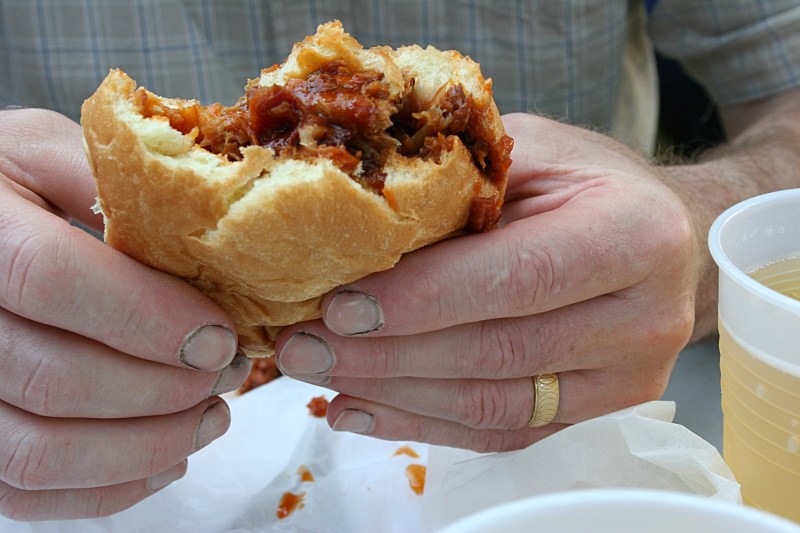
My husband enjoys his cheeseburger at the 2016 North Morristown Fourth of July celebration. This photo and a comment on it prompted this post. Minnesota Prairie Roots file photo July 2016.


I FEEL THE NEED to defend my husband. And if I was on Facebook, I’d go directly to the source of an uninformed and hurtful comment about a photo I took of Randy’s hands while he was eating a cheeseburger at the 2016 North Morristown Fourth of July celebration.

The commenter wrote that she would not eat a burger “with those dirty hands/fingernails. Yikes.”


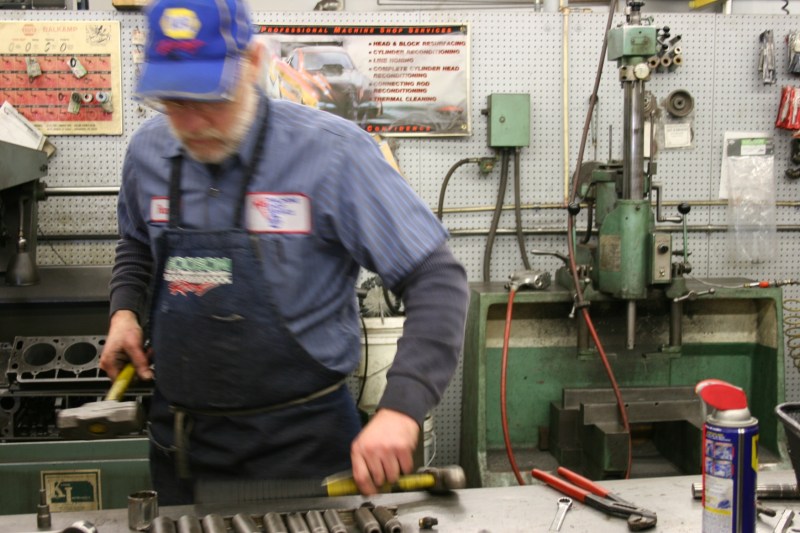
My husband at work in the automotive machine shop where he is employed as the sole employee. Minnesota Prairie Roots file photo October 2013.


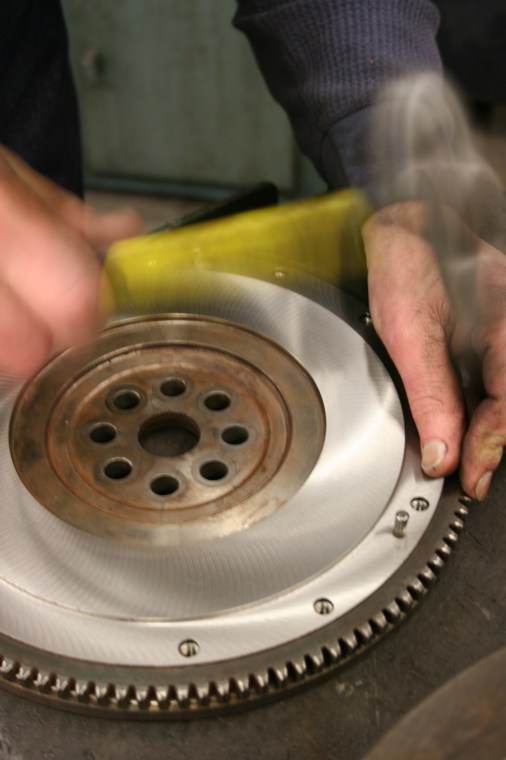
I take issue with that. Randy is an automotive machinist and has been for about 40 years. He works in a dirty environment on heads, blocks, brake rotors, flywheels and more that are oily, greasy, filthy—whatever word you choose to define the grime he touches.


His hardworking hands are permanently imprinted with the residue of his labor. He washes his hands multiple times daily. Removing every trace of grease would be nearly impossible. It’s not like he’s coming to the table with hands just pulled from some project. They are as clean as he can get them without extensive scrubbing. To suggest otherwise is just plain wrong.


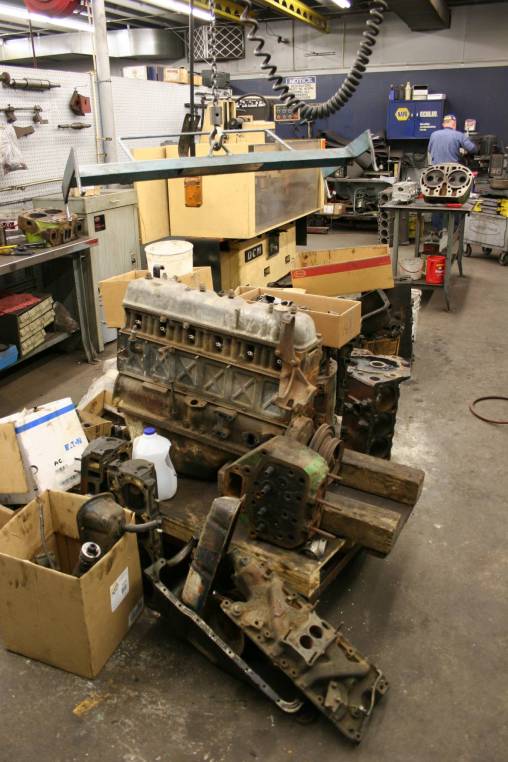
Just one example of all the work that awaits my husband in the NAPA automotive machine shop. Minnesota Prairie Roots file photo October 2013.


I’ve often felt that blue collar employees don’t get the respect they deserve. Randy is good at what he does. Really good. His skilled work is in high demand. Always. Few people do what he does. His skills are advanced beyond basic garage mechanics to precision automotive machining. He repairs everything from cars to vans, trucks, semis, forklifts, snowmobiles, motorcycles, tractors and more.

Randy holds an incredibly strong work ethic. I keep telling him that, at his age of 60, he doesn’t need to work so hard and long. He stopped working Saturdays only a few years ago, often puts in 9-hour plus days and, up until this summer, received only 10 vacation days annually. But he continues to work hard because he feels an obligation to his customers, the people depending on him to get their cars back on the road, their tractors in the field, their boats on the water.

I admire his dedication. And I recognize those “dirty hands/fingernails” as those of a man who is not always appreciated as he should be. Without hands-on skilled tradesmen and women, this country could not function. Randy may not have a four-year college degree, but that does not make him or his work any less important than that of a college grad.


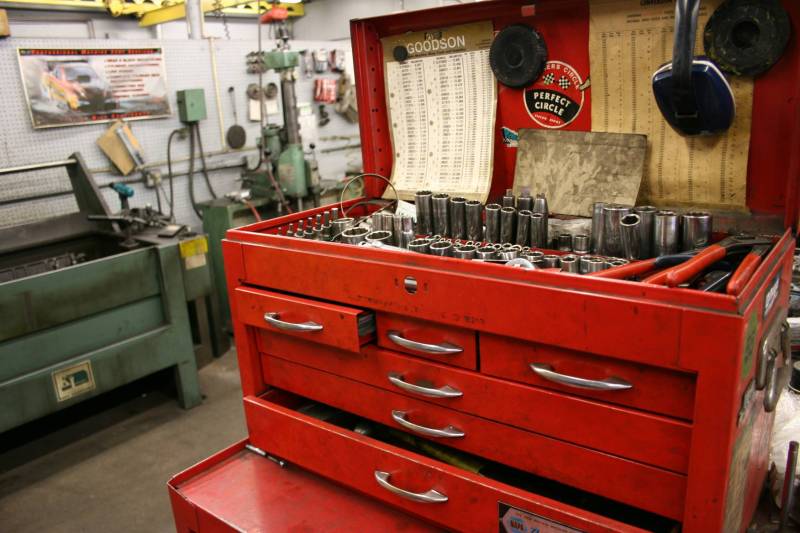
Randy’s toolbox. Minnesota Prairie Roots file photo October 2013.


I realize I’m getting a tad off topic here. But I grow weary of a society that generally places a higher value on white collar workers. Fresh out of college, our son, now 23, started a job in the tech field at a salary more than double his dad’s pay and with much better benefits. We always want our kids to do better than us. That is a good thing. But this personal example within our family shows the disparity between blue and white collar workers and the minimal value placed on 40 years of experience and those without a four-year degree.


Randy enjoys a BBQ pork sandwich and a beer at the 2013 North Morristown July Fourth celebration. Minnesota Prairie Roots file photo July 2013.


So, yeah, criticize my husband’s hands and you will hear from me. His are the hands of a man who has worked in his field for about four decades. His are the hands of hard work and dedication. His are not unwashed hands holding a burger.

© Copyright 2017 Audrey Kletscher Helbling


I’ve never been so happy to hang laundry on the line June 30, 2017

Filed under: Uncategorized — Audrey Kletscher Helbling @ 5:00 AM
Tags: , , , , , , , , , ,


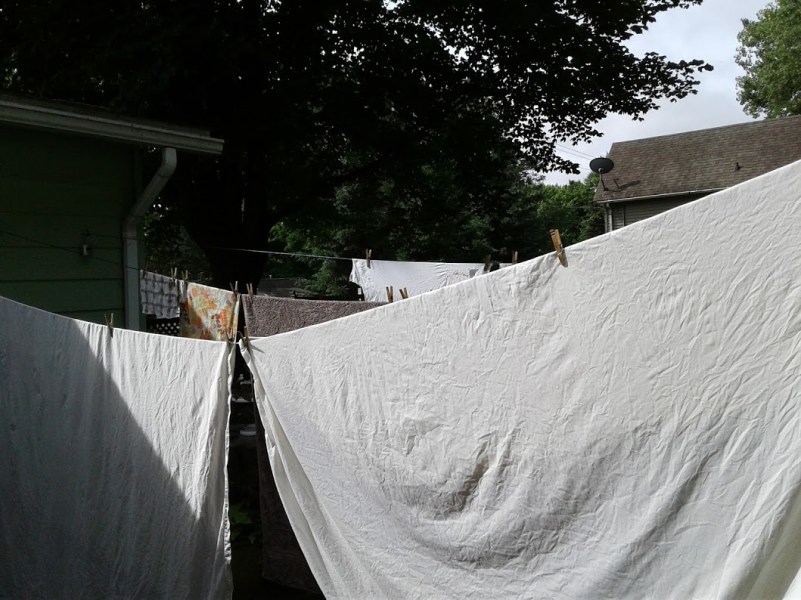
I KNOW THIS PHOTO is not particularly creative, interesting or exciting. I snapped it with my cell phone because I am unable to use my much heavier and bulkier Canon DSLR due to a right shoulder fracture.

But to me this image represents healing, recovery, progress, accomplishment. For the first time in nearly six weeks, I hung laundry on the line yesterday. To do this again gives me joy. Yes, I am a hanging-laundry-on-the-line fanatic.

But how did I manage one-armed and especially with my laundry room down a flight of stairs in the basement? Planning.

The husband provided some start-up assistance by taking the dirty towels and sheets to the basement before leaving for work. Once the first load was done, I continued with my plan.

I strategically placed an empty laundry basket on the rag rug just inside the kitchen door then headed downstairs. As I pulled bedding from the washing machine, I placed the sheets and pillowcases on the edge of the appliance. I then carried them upstairs in the crook of my left arm. Yes, I took the steps slow and steady because the last thing I want is to reinjure my healing right humerus by falling.

Once in the kitchen, I dumped the wet bedding into the laundry basket, propped open the exterior door and used my hip, left side and left arm to wrangle the basket onto the back steps. The movable clothesline stretches across the patio just out the back door.

Then with some careful draping and clothespins in hands and mouth, I managed to secure the sheets to the line.

Since my May 22 fall and resulting bone break, I’ve been unable to do many basic household tasks. Everything in general requires much more time and effort. It’s exhausting. Preparing a simple salad for lunch, for example, takes upwards to a half hour. I wash and slice with a left hand that has not adapted well to being the dominant appendage. It’s rather comical at times to watch myself.

I am frustrated by the difficulty or impossibility of doing simple things—opening a stubborn plastic clamshell, pulling apart bunched bananas, opening a can of food, closing a storm window, clipping my toenails, shaving my underarms, shutting a car door, tightening my belt, putting in my earrings, slipping on a shirt…

These tasks/movements are so routine that you never think about them until you can’t do them. But my disability is only temporary and I am getting better. For many others, their disabilities are permanent and there will be no “better.” I get that and I have no reason to complain.

With permission now granted to have my arm out of the protective sling while at home (but with still restricted movement), I feel myself regaining muscle strength. I still experience pain and frustration. But that’s to be expected. Next week I hope to start physical therapy beyond the exercises I am doing at home.

And I plan to continue hanging laundry on the line. Unless rain is in the forecast.

TELL ME: Have you ever dealt with a temporary or permanent disability and how did you adapt? What frustrated you?

© Copyright 2017 Audrey Kletscher Helbling


Thoughts on domestic violence six months after a high profile murder in my community June 28, 2017

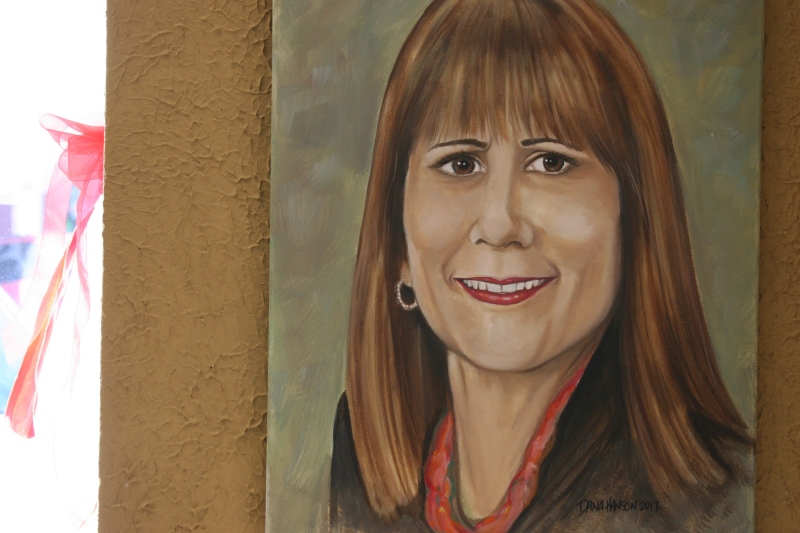
A portrait of Barb Larson by Faribault artist Dana Hanson. Minnesota Prairie Roots file photo.


SIX MONTHS AGO a former Faribault police officer walked into the Faribault Area Chamber of Commerce and Tourism office and murdered his ex-wife, then turned the gun on himself. It was a crime that left my community reeling just days before Christmas.

On Tuesday, The Faribault Daily News published a column by Chamber and Tourism President Kymn Anderson reflecting on life since the death of her friend and 12-year employee Barb Larson. Click here to read that piece on the Chamber website. In summary, Anderson writes about the grief she and her staff experienced, the support they received and ways in which Barb is being honored and remembered. All are important topics to cover when dealing with a violent crime that had such a profound affect on a community.


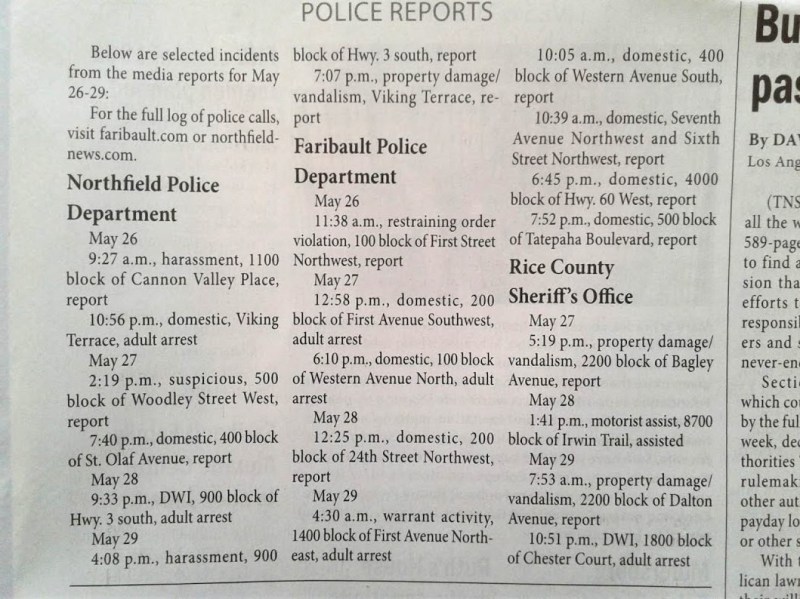
A photo of recent police reports published in the local paper. Minnesota Prairie Roots file photo.


This high profile case has created in Faribault a heightened awareness of domestic violence. Yet, is it a sustaining awareness? Six months from now, a year from now, five years from now will we have forgotten? Will we view this as an isolated incident or will we continue to wonder why, week after week, local law enforcement are called to respond to reports of domestic assault? What are we doing to reduce those numbers, to personally help those women who continue to be victimized?

I struggle with those tag words of domestic assault, as if domestic relegates the crime to something less important, for example, than a bar fight or a street fight. To me, domestic diminishes the crime and subconsciously lays some of the blame on the victim. As a wordsmith, I pay attention to language usage. And so does Jackson Katz, an educator who spoke on “The Language of Gender Violence” at Middlebury College, a private liberal arts college in Vermont. He claims that the way we talk and write about gender violence places blame on the victim rather than the perpetrator. Click here to read the story; it’s worth your time. And then consider how we as a society label these crimes against (mostly) women.


A snippet of the My inner chick homepage. Don’t let the “B” word scare you from reading this powerful blog.


I am passionate about educating others on the crime of domestic violence. So is Minnesotan Kim Sisto Robinson of Duluth. On May 26, 2010, Kim’s brother-in-law shot and killed Kim’s sister, Kay, and then killed himself. A month after Kay’s murder, Kim started blogging. She writes with depth, grief, honesty, passion and fire—her words flaming from her heart and soul. Kim holds nothing back. Not her grief. Not her anger. Not her desire to help others. Not her anything. If you want a personal glimpse into how domestic violence/murder has affected one woman, then read My inner chick. In her grief, Kim rises to inspire and bring hope. She has committed to raising her voice against domestic violence. In Kay’s honor.


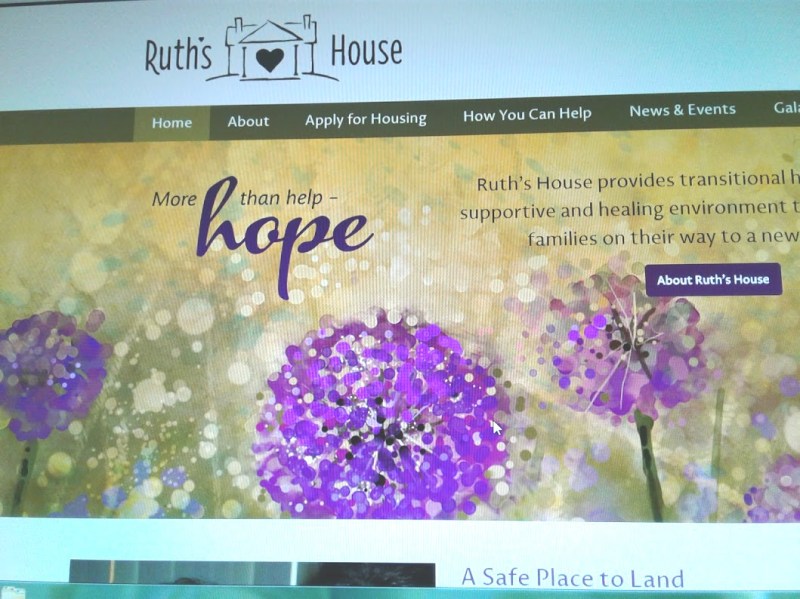
The homepage for Ruth’s House website.


How about you? Have you educated yourself and loved ones on domestic abuse and violence? Do you notice red flags in relationships and trust your gut? Do you speak up or remain silent? In early June a Minnesota State Representative intervened when he observed a man beating a woman in downtown St. Paul. I’m not suggesting that you should do the same as it may not always be safe. But, at least call the police. I’ve done so myself, when I watched a guy shoving a woman along my street. I also called out a teen who was getting verbally abusive with his female companion. I refuse to remain silent.

I am grateful to the many organizations, like my local HOPE Center and Ruth’s House, that help women in need and their families. I love that word hope. It is such a positive, and powerful, word.

© Copyright 2017 Audrey Kletscher Helbling
(h/t to HOPE Center for the Jackson Katz article)

NOTE: I realize that men are also the victims of domestic abuse. But because the majority are women, I reference women when writing on this topic.


How we can become better at caring for others June 26, 2017

Filed under: Uncategorized — Audrey Kletscher Helbling @ 5:00 AM
Tags: , , , , , , , ,
Perhaps we could learn something from owls, who have a superb sense of hearing. Minnesota Prairie Roots file photo.

Perhaps we could learn something from owls, who have a superb sense of hearing. Minnesota Prairie Roots file photo.

THIS IS NOT ABOUT YOU. How often have you thought that and wanted to tell someone:

This is not about your challenge or difficulty. This is about me, what I’m dealing with right now.

Me. See, the person you’re looking at, the person standing right in front of you, the person emailing you, the person calling you, the person you think you’re trying to help. But you’re not. You’ve shifted the focus to yourself. You.

This is not about you, your personal experience projected onto mine or the impact of my situation on you. This is about me. While I empathize that you, too, have dealt with your share of difficulties, now is not the time to talk about them. I don’t need that kind of “help.” I just need you to listen, to hold the unsolicited advice, to encourage, to simply be there. I don’t need to hear your story.

Because I strive for kindness, I usually hold those thoughts inside.

I’m not a self-centered person. In my life, I strive to be compassionate and caring. Like everyone, though, I fail at times.

But I am convinced that, with some effort, all of us can become better at caring for one another. And that begins with listening. I direct you to one of the best articles I’ve read on the topic:

http://articles.latimes.com/2013/apr/07/opinion/la-oe-0407-silk-ring-theory-20130407

It comes from a 2013 op-ed piece in the Los Angeles Times by Susan Silk, a clinical psychologist, and by Barry Goldman, an arbitrator, mediator and author. Titled “How not to say the wrong thing,” this article is a must-read for everyone. It may change the way you approach family and friends who are dealing with health issues, challenges, difficulties. The authors emphasize listening, really listening, and focusing not on yourself but rather the individual in need.

Please read the article and then share your thoughts.

TELL ME:  How do you help friends, family and others through difficulties in life? How have you been helped? Let’s learn from one another.

FYI: Please note that my thoughts here come not only from personal experiences, but also from my observations of others.  So when I use the words “I” and “me,” I’m referencing more than myself. I am grateful for the many genuinely loving and caring people in my life who truly know how to listen.

(H/T Hope Center Facebook page)

© Copyright 2016 Audrey Kletscher Helbling
 

On target with my recovery, go gentle on the hugs & other thoughts June 23, 2017

Filed under: Uncategorized — Audrey Kletscher Helbling @ 5:00 AM
Tags: , , , , , , , ,

I’m not good at taking selfies. So I turned the camera on my mirrored image. I took this image a week ago, about 3 1/2 weeks into my recovery.


A MONTH AND FOUR DAYS (yes, I’m counting days) into recovery from a broken right shoulder, I am healing on schedule. That’s according to my orthopedic doctor who was all smiles when he saw me Wednesday afternoon.
I was relieved by the good report given I’ve experienced recent shifting and incidences of severe pain in the break area. That’s normal, he said, explaining that I’m feeling muscle and nerve pain related to the injury. Whew. I thought perhaps the crack in my bone had widened.
I’m continuing with two home exercises—elbow flexing and the pendulum swing—with professional physical therapy likely starting the week of July Fourth. And bonus, when I’m in a secure environment at home, I can remove my body hugging arm sling. But I still basically need to keep my arm tight to my side. No reaching to my right.

Mentally, I keep reminding myself that this disability is only temporary and that others deal with far worse injuries. I have a wonderfully supportive husband who helps me with basic caregiving needs and who also is keeping everything up (mostly) on the homefront.


This is a photo of an x-ray of my broken shoulder from several weeks ago. To the untrained non medical professional, it’s difficult to see the fracture. It’s there in the humerus.


I’m not a particularly patient person, but I’m learning. There is always something to be learned in whatever situations we face in life. Good health is not something any of us should assume will always be ours. I never expected to miss a step, fall and end up with a broken shoulder. Just like I never expected to get osteoarthritis and undergo total hip replacement some 10 years ago. And I never expected to spend an entire summer battling whooping cough.

From all of these health issues, I’ve learned empathy, deeper compassion and an appreciation for others. As a woman of faith, I’ve also drawn closer to God. I’ve never asked, “Why me?” I’m not going to tell you it’s always been easy; it hasn’t. I get frustrated and just want to be able to do everyday tasks. Professionally, I’ve had to limit computer usage (thus writing time) due to pain and I can’t take photos with my Canon DSLR. This is prime season for photography.


A month after my fall, I continue to receive get well cards. This ongoing support for someone with a lengthy recovery is so appreciated.


I’ve appreciated the ongoing encouragement via conversations/emails/texts and in cards sent. Do not underestimate the value of a get well card. My personal experiences are useful now as I pen greeting card verses for Warner Press with an end of July deadline.

There are two things, though, that people should note related to my injury. Do not ask, in jest, if Randy pushed me. There is nothing, absolutely nothing, funny about domestic violence. I have written tirelessly on the subject here and have zero tolerance for domestic abuse and violence. I fell; my husband did not abuse me and to suggest such in humor diminishes the crime of domestic violence.

Also, be gentle on the hugs. I am extremely protective of my right side. I’ve had to stop about a half dozen people as they reached out to touch me on my right arm. There is a reason I am wearing a sling.

Last week I simplified one aspect of my life by getting my hair cut super short. I am grateful to the stylist at Sunset Salon who understood my needs. I love my new style which requires only my fingers and mousse to shape it. Randy is appreciative, too.

I am grateful to all of you also for your continuing encouragement and readership of this blog.

Please take what you’ve read here today and do something positive. Reach out with kindness to a stranger or to a friend/family member. Send a card/text/email. Make a phone call. Visit someone in recovery. Prepare a meal. Offer a ride. Hold a door. Offer praise and empathy and support. In these days when we witness so much violence and hatred in the world, it is more important than ever to express compassion and care. We need each other. We really do.


© Copyright 2017 Audrey Kletscher Helbling