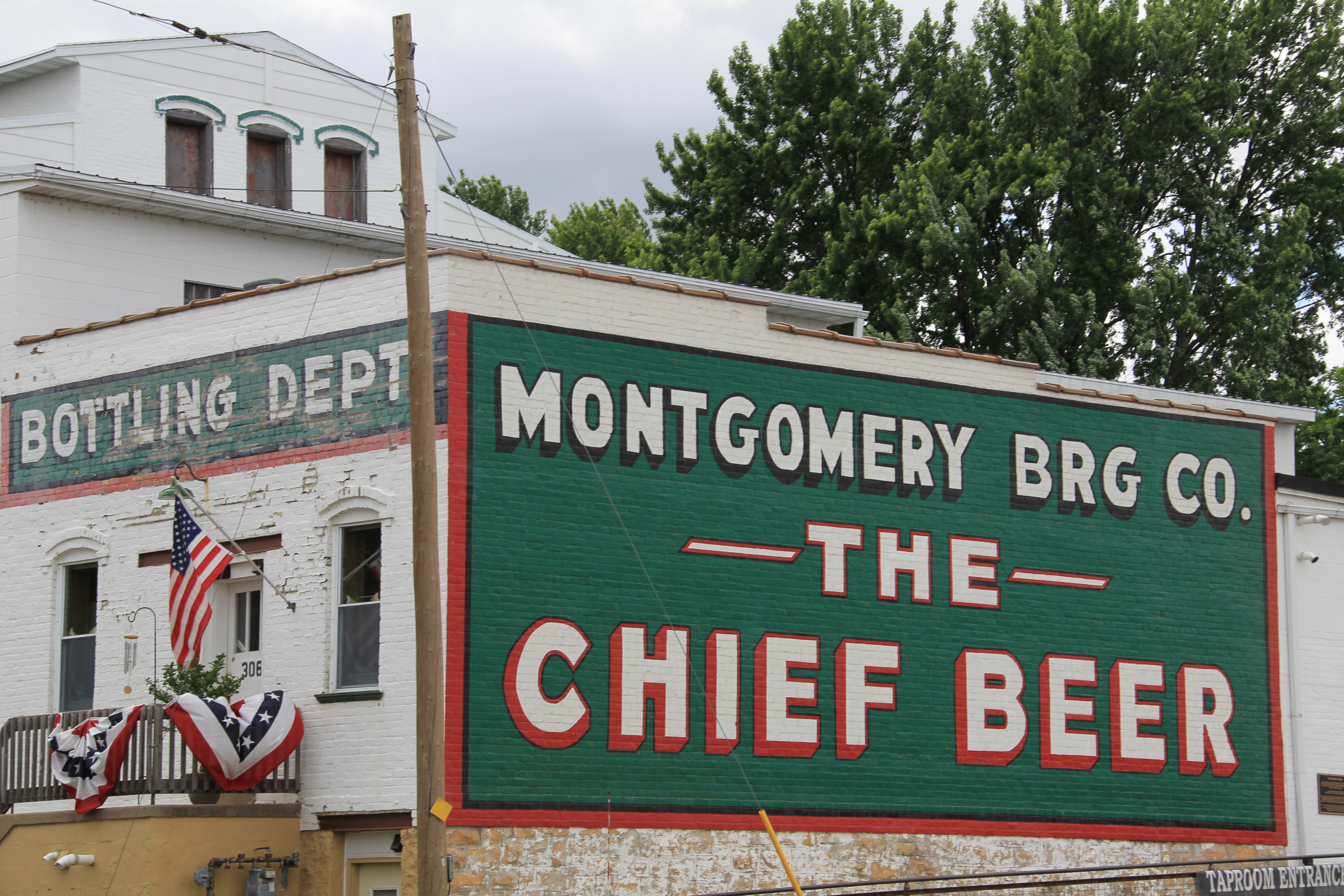
American pride displayed at a brewery in Montgomery, Minnesota. (Minnesota Prairie Roots copyrighted photo June 2024)
O say, does that star-spangled banner yet wave
O’er the land of the free and the home of the brave.
A flag flies from the popular Franke’s Bakery in downtown Montgomery. (Minnesota Prairie Roots copyrighted photo June 2024)
How often have you sung those words, heard those lyrics, considered the meaning of our national anthem? Perhaps, after time, the words have become simply rote, voiced without much thought of their meaning.
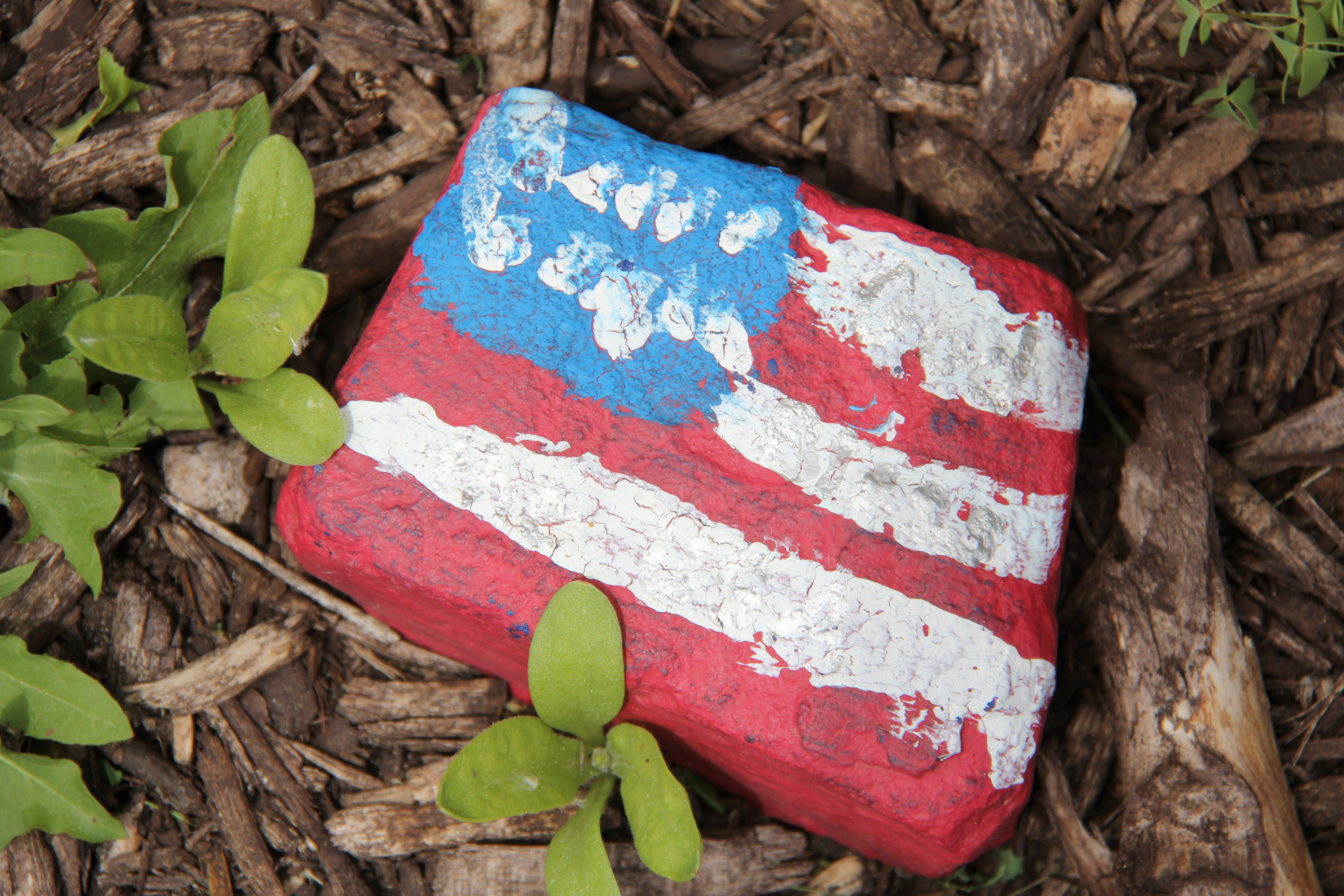
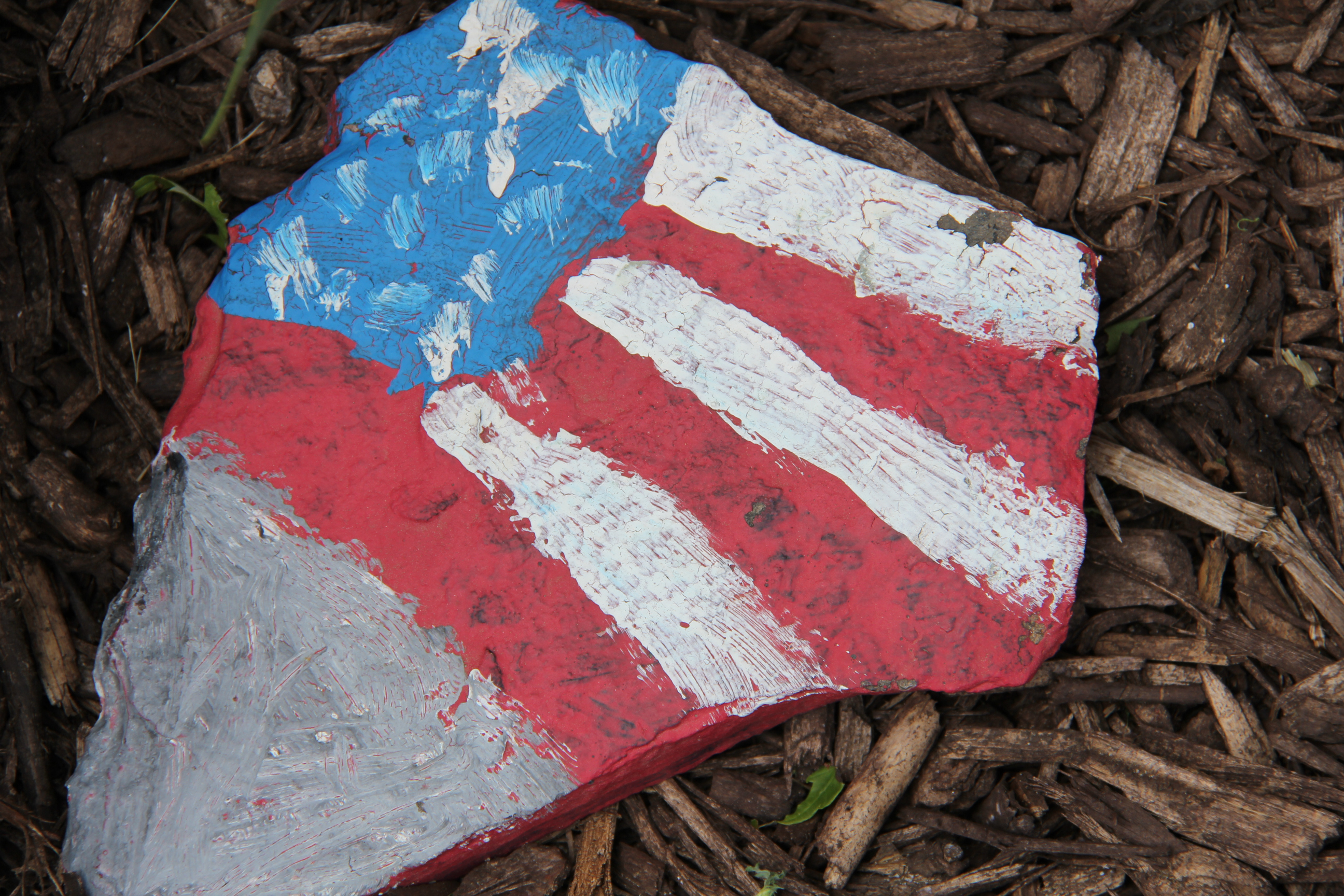
A flag rock in a flower garden at Most Holy Redeemer Catholic School. (Minnesota Prairie Roots copyrighted photo June 2024)
Our nation’s birthday seems a good time to ponder the depth of bravery required to attain and maintain our freedom. It’s come at great cost with loss of life and physical, mental and emotional trauma. And, at times, with events that have rocked the very core of our democracy.
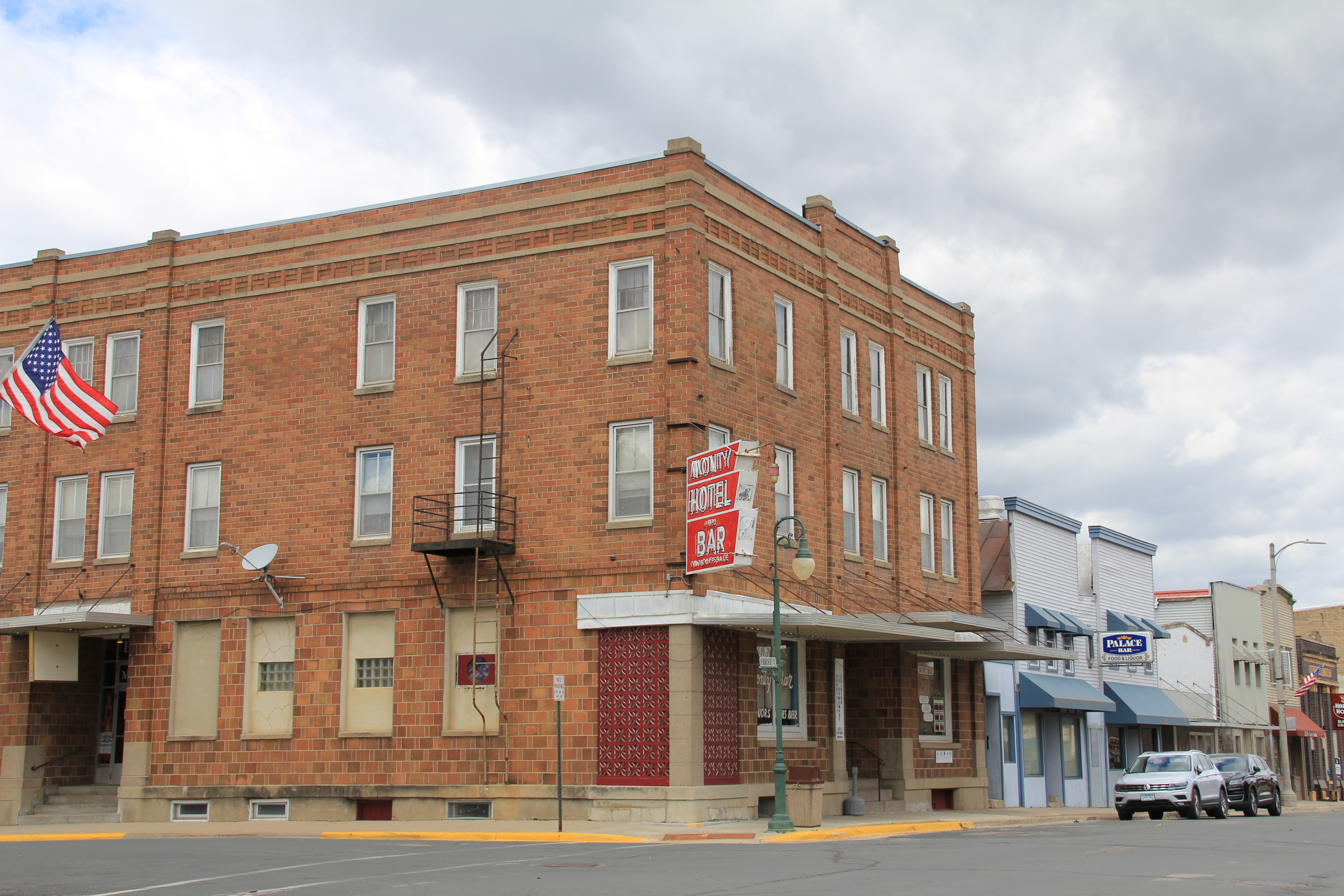
A flag flies near The Monty Bar, a mammoth building anchoring a corner. (Minnesota Prairie Roots copyrighted photo June 2024)
Through everything, our flag still waves—sometimes tattered, torn and abused—but still there. A symbol of our country and the freedoms we live.
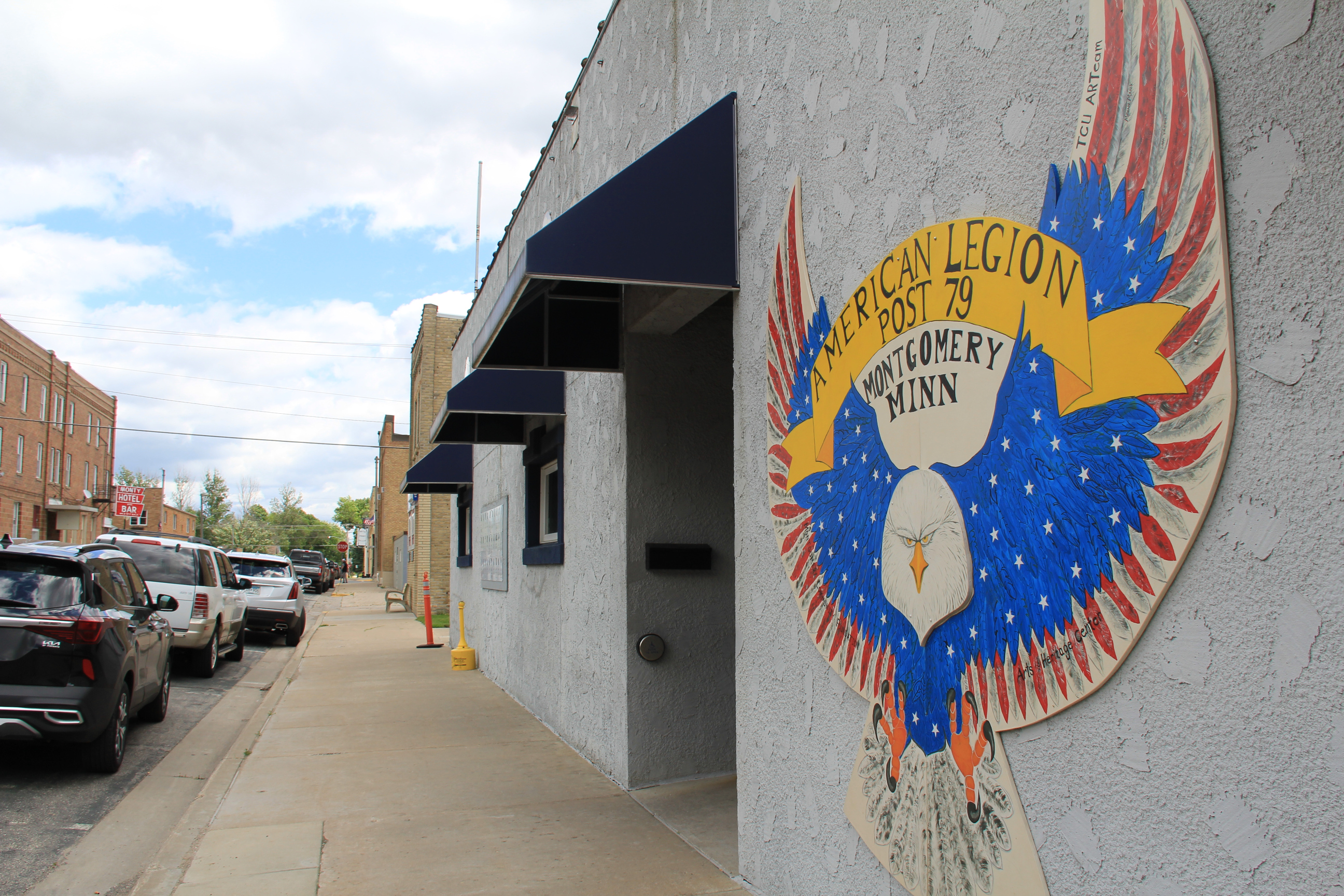
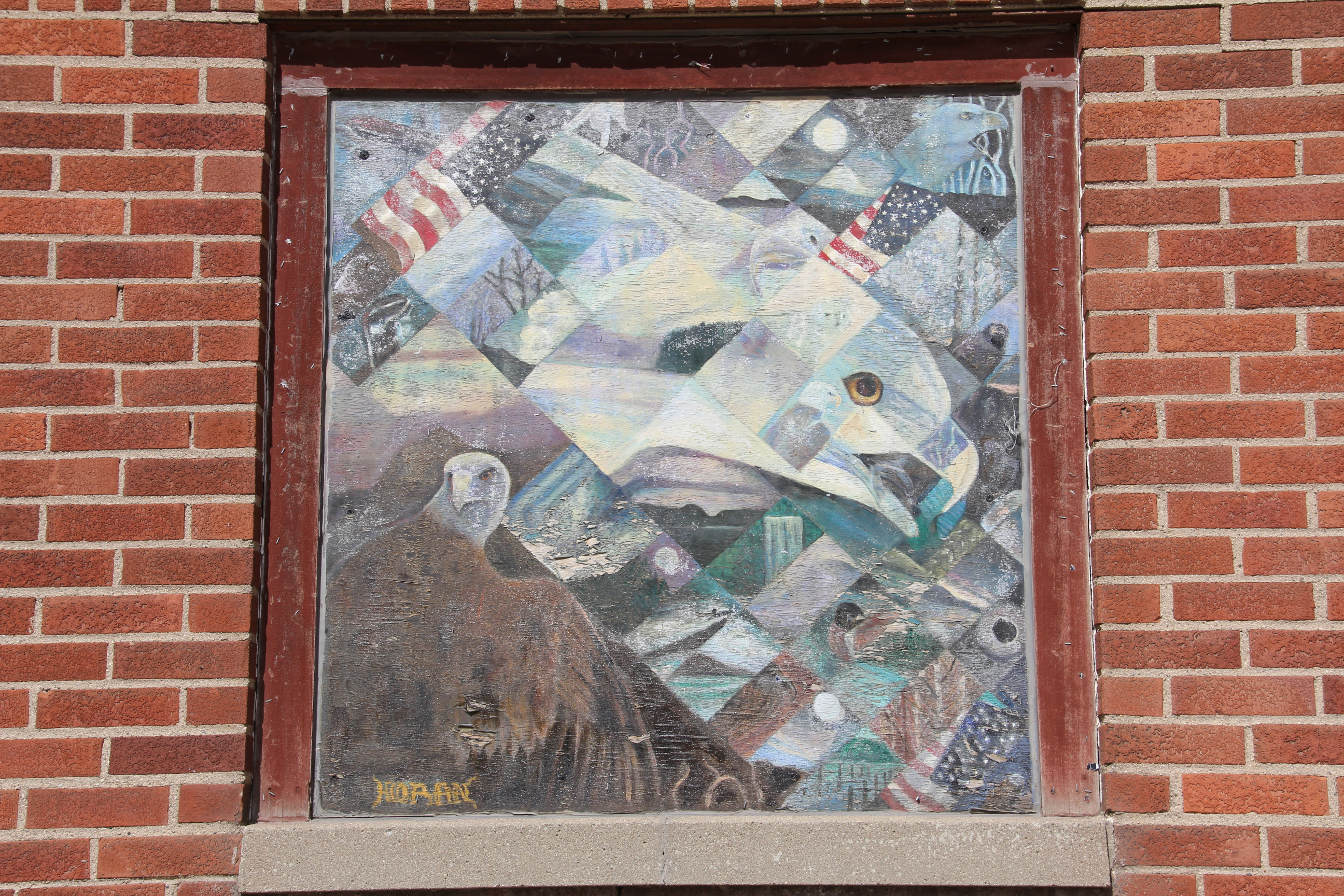
Patriotic art on Legion Post 79 is part of The Montgomery Wings Mural Walk. (Minnesota Prairie Roots copyrighted photo June 2024)
It always amazes me how small towns, especially, fly so many American flags. Take Montgomery, a southern Minnesota community that honors its veterans with photos and bios of them posted throughout the downtown area. Montgomery also flies a lot of U.S. flags.
To the far right in this photo, an oversized flag flies along Main Street Montgomery. (Minnesota Prairie Roots copyrighted photo June 2024)
Those flags mostly grace lampposts, but also flagpoles, businesses and flower gardens. The red-white-and-blue flashes color into Main Street and elsewhere, creating a visual of patriotism. There’s something about a crisp, new American flag publicly displayed that swells the heart with love of country.
Another flag rock in a Most Holy Redeemer garden. (Minnesota Prairie Roots copyrighted photo June 2024)
My country ‘tis of Thee, sweet land of liberty of Thee I sing…let freedom ring.
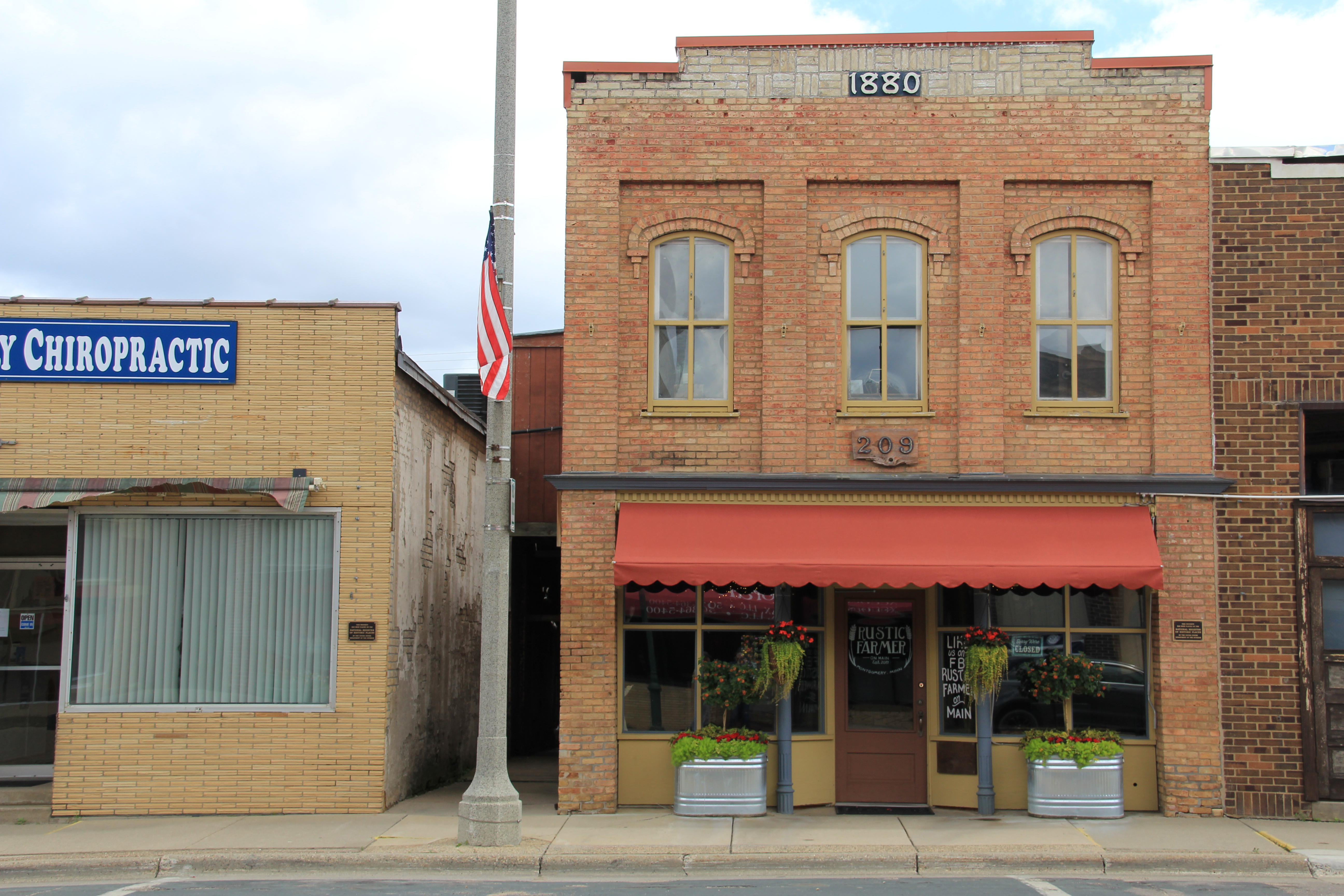
A flag drapes on a pole outside The Rustic Farmer on Main, an event center and community gathering spot in Montgomery. (Minnesota Prairie Roots copyrighted photo June 2024)
Let freedom ring, unsuppressed by anyone who may attempt to silence it via words, actions, ego, authority. Let freedom ring strong and loud in this land.
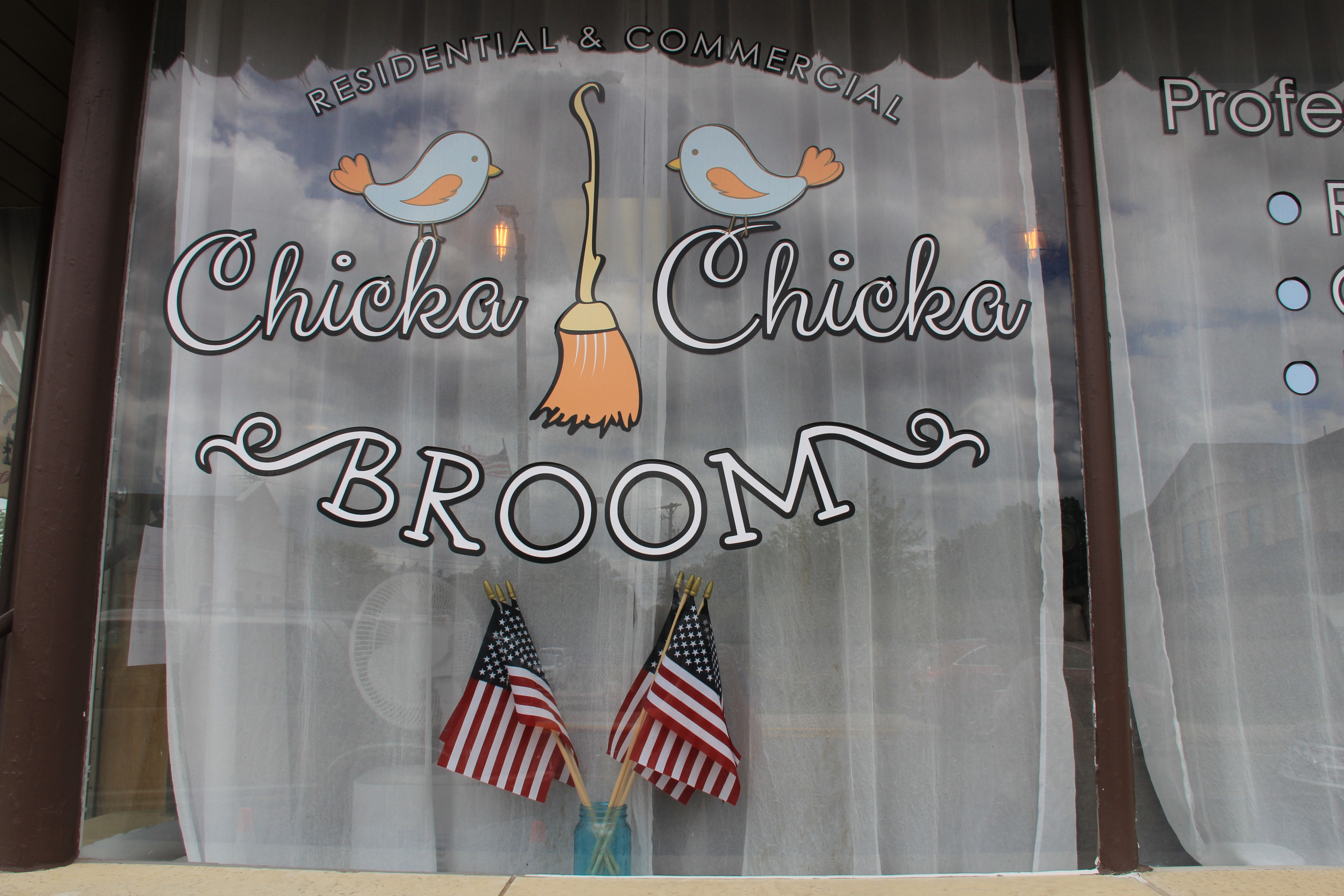
Even small flags like this in the storefront window of a cleaning service make an impact. (Minnesota Prairie Roots copyrighted photo June 2024)
Let the flag fly as a symbol of a free people, a free country, where democracy is to be valued, cherished and respected.
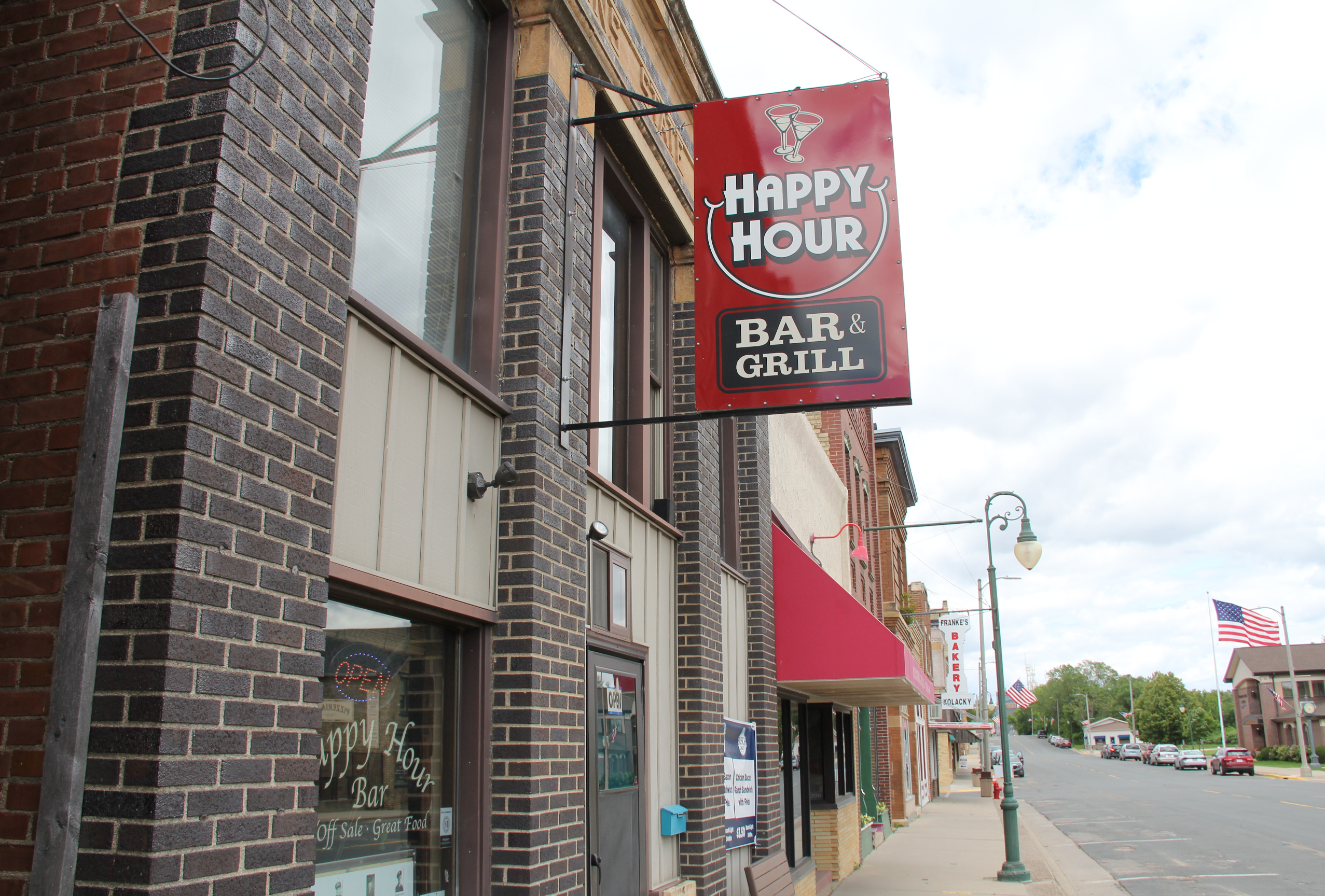
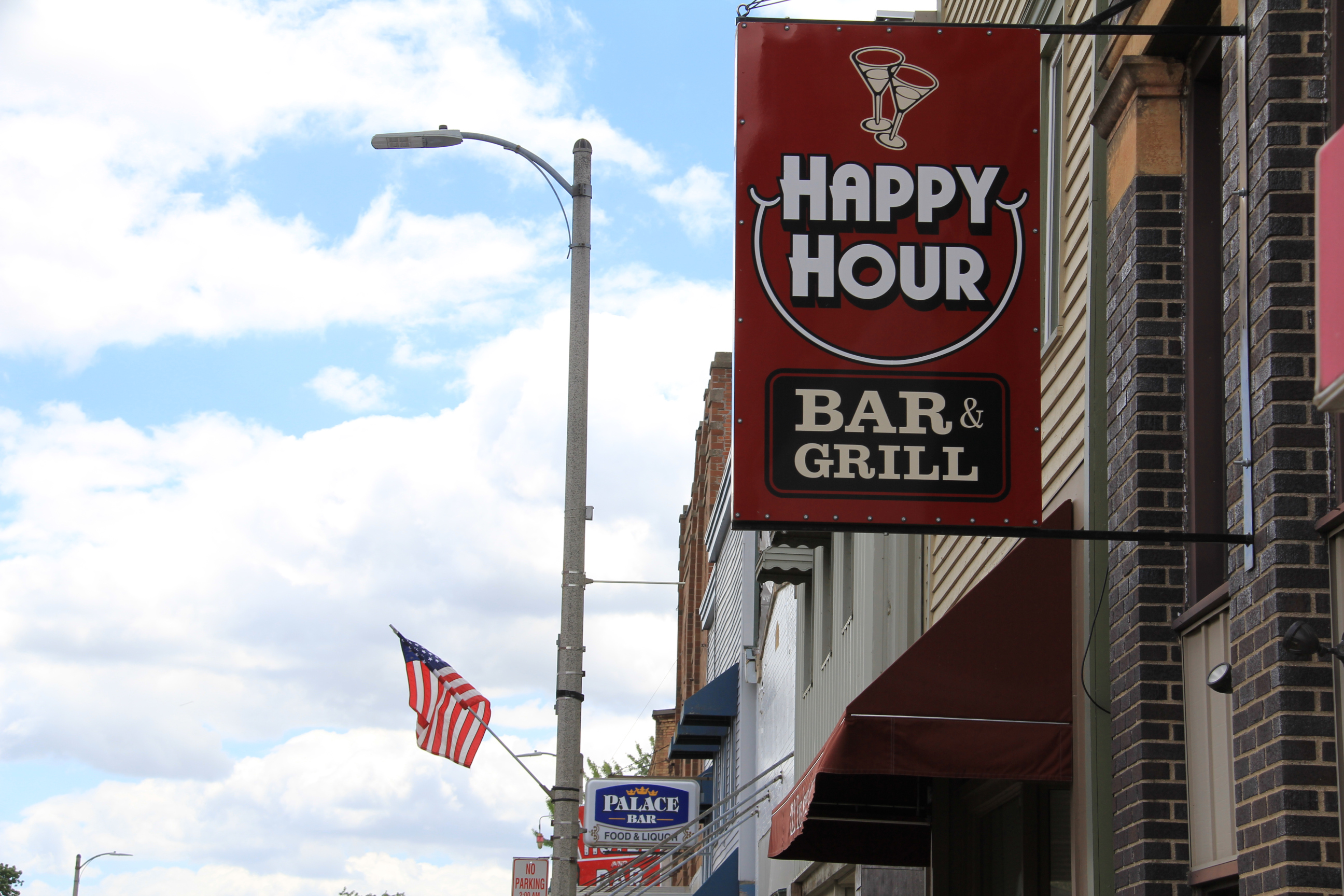
Montgomery has a lot of drinking establishments and a lot of American flags. (Minnesota Prairie Roots copyrighted photo June 2024)
This Fourth of July, the 248th birthday of the United (emphasis on united) States of America, let’s remember the freedoms we have and vow to always honor them. Always.
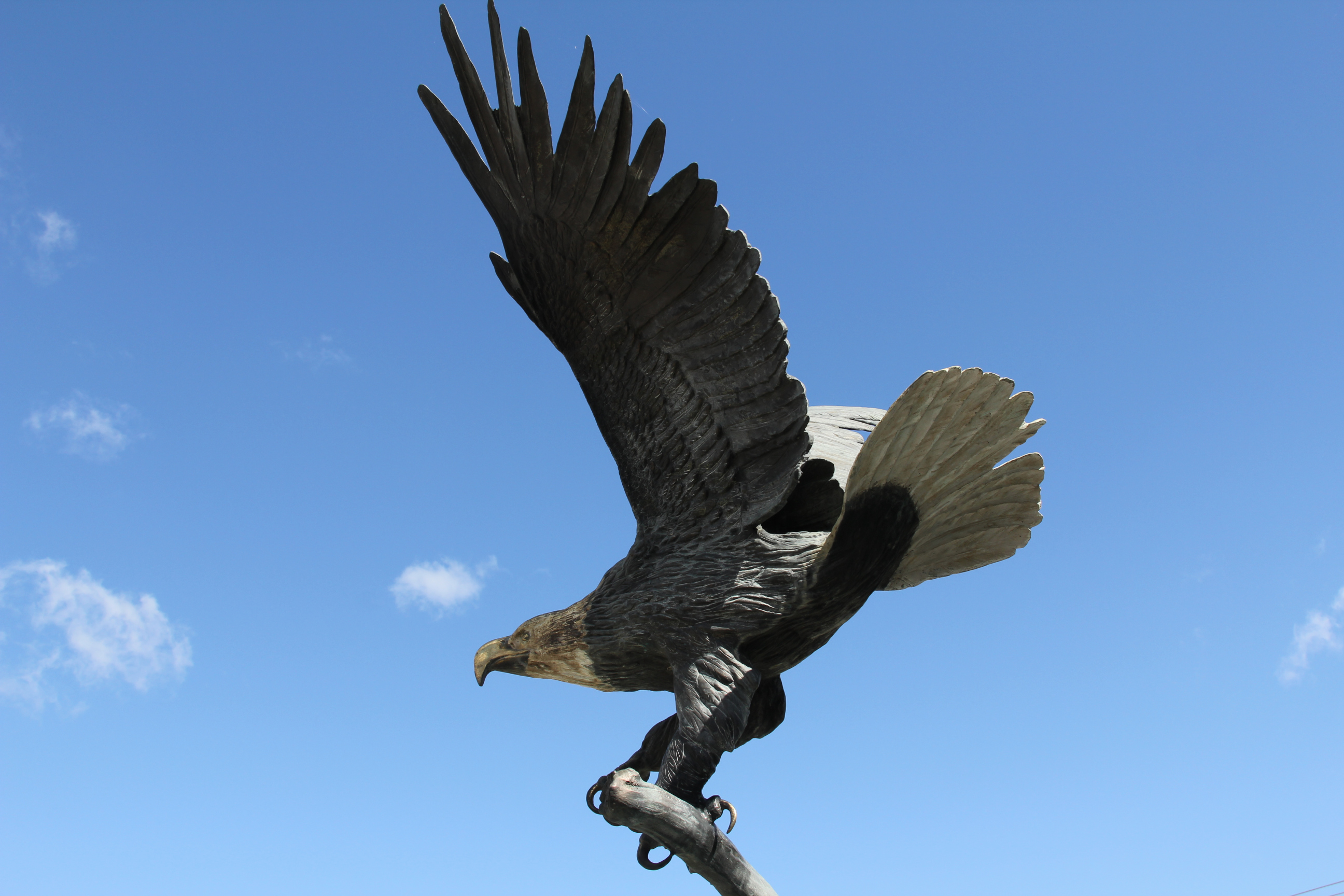
This eagle graces the veterans’ memorial in Morristown. (Minnesota Prairie Roots copyrighted file June 2024)
AMERICAN FLAGS, eagles, freedom, democracy…those symbols, those words imprint upon my vision, upon my mind as I consider our nation’s 248th birthday on July 4.
Outside the Morristown Legion, a place to dispose of worn out American flags, which are then burned in a special ceremony held by Legion members. (Minnesota Prairie Roots copyrighted photo June 2024)
Admittedly, recent years have proven challenging on so many levels in our country. Division, chaos, discontent have been all too common. That cannot be denied. But, on the Fourth of July, I hope we can all pause, set aside our differences, and appreciate the freedoms we have as U.S. citizens. I hope we understand, too, that our freedoms should never be taken for granted. Ever.
Eagle art on the exterior of the Corner Bar in Waterville. (Minnesota Prairie Roots copyrighted photo June 2024)
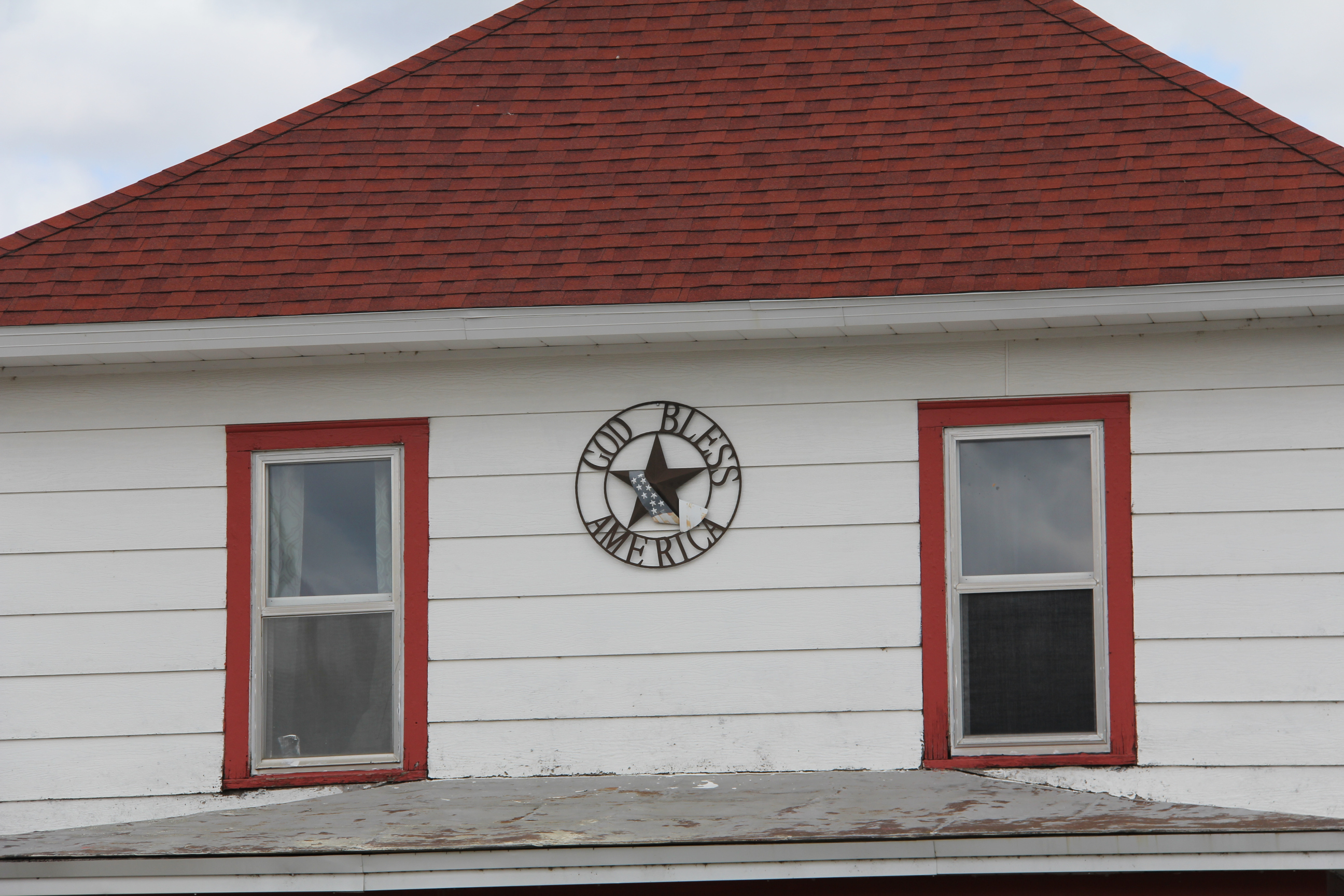
A message spotted on a house in downtown Waterville. (Minnesota Prairie Roots copyrighted photo June 2024)
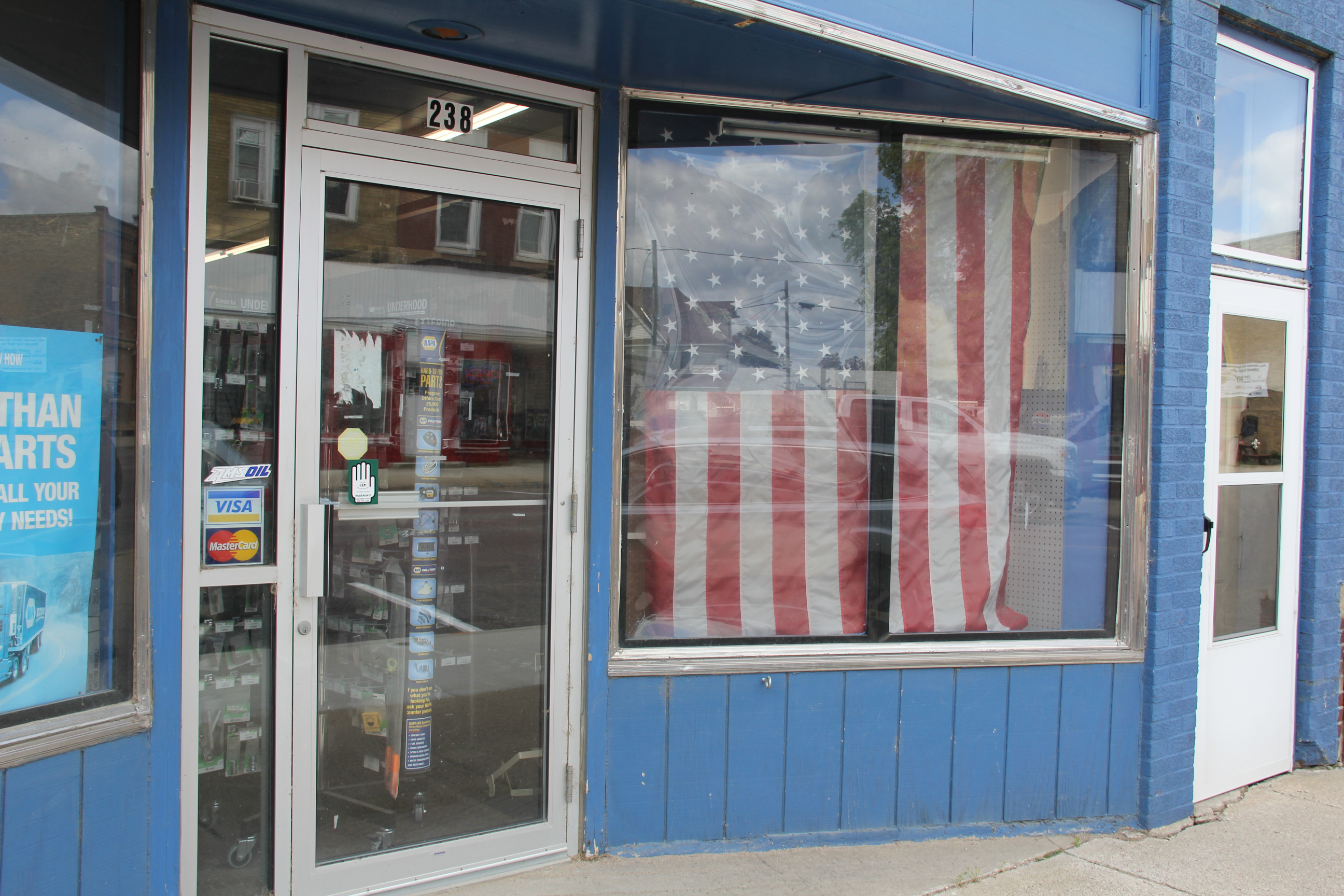
Patriotism in the front window of Twin Lakes Auto Parts in Waterville. (Minnesota Prairie Roots copyrighted photo June 2024)
On recent day trips to small southern Minnesota communities, I captured images that express love of country. I appreciate those displays of American pride seen along Main Streets. From flags to messages to art, these are reminders that our democracy is to be cherished and celebrated.
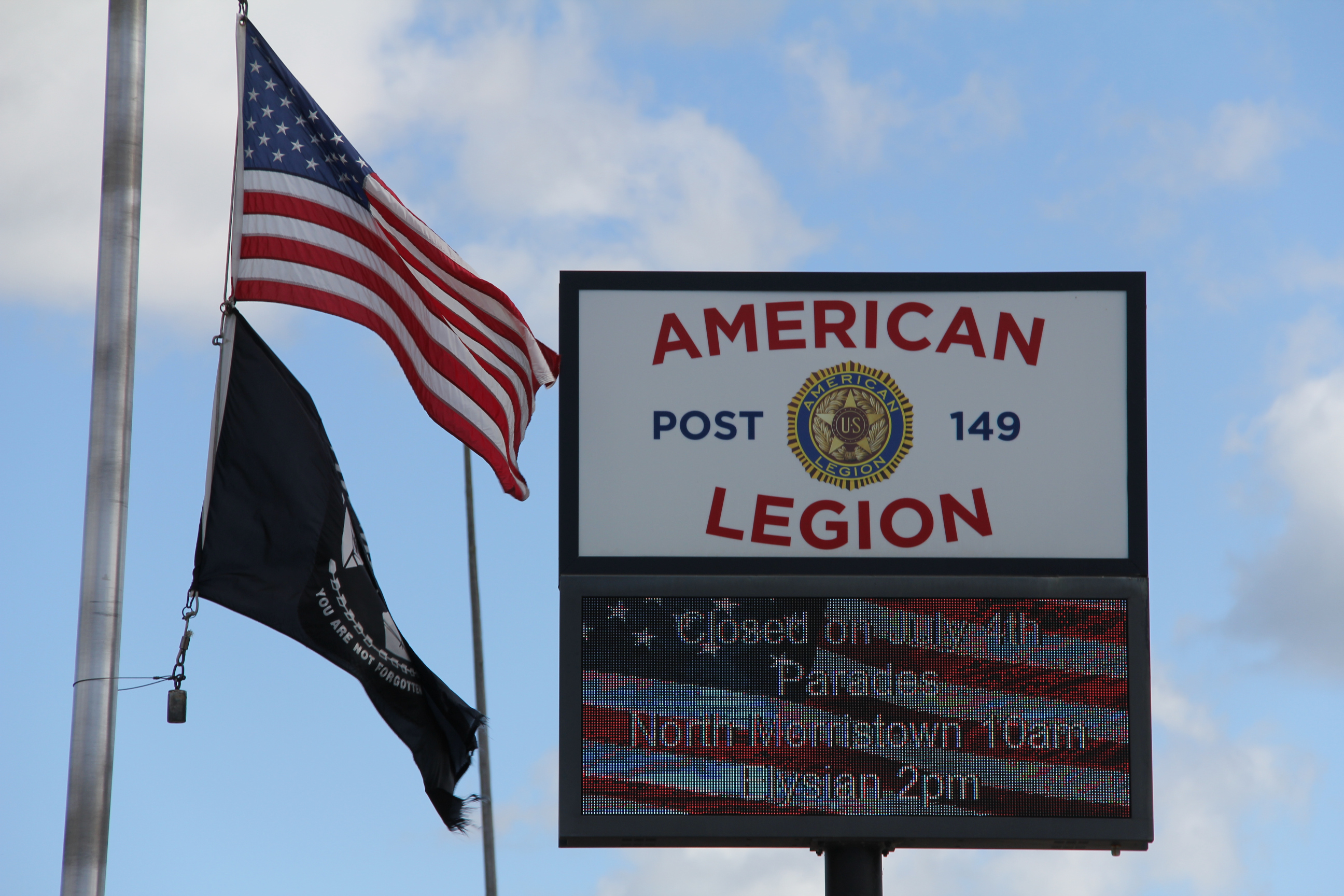
Nearby July 4 celebrations are promoted on the Morristown Legion sign. (Minnesota Prairie Roots copyrighted photo 2024)
All across my region of Minnesota, small towns host July Fourth celebrations. Families and neighbors gather for backyards BBQs. Kids wave flags. Fireworks erupt in the black night sky.
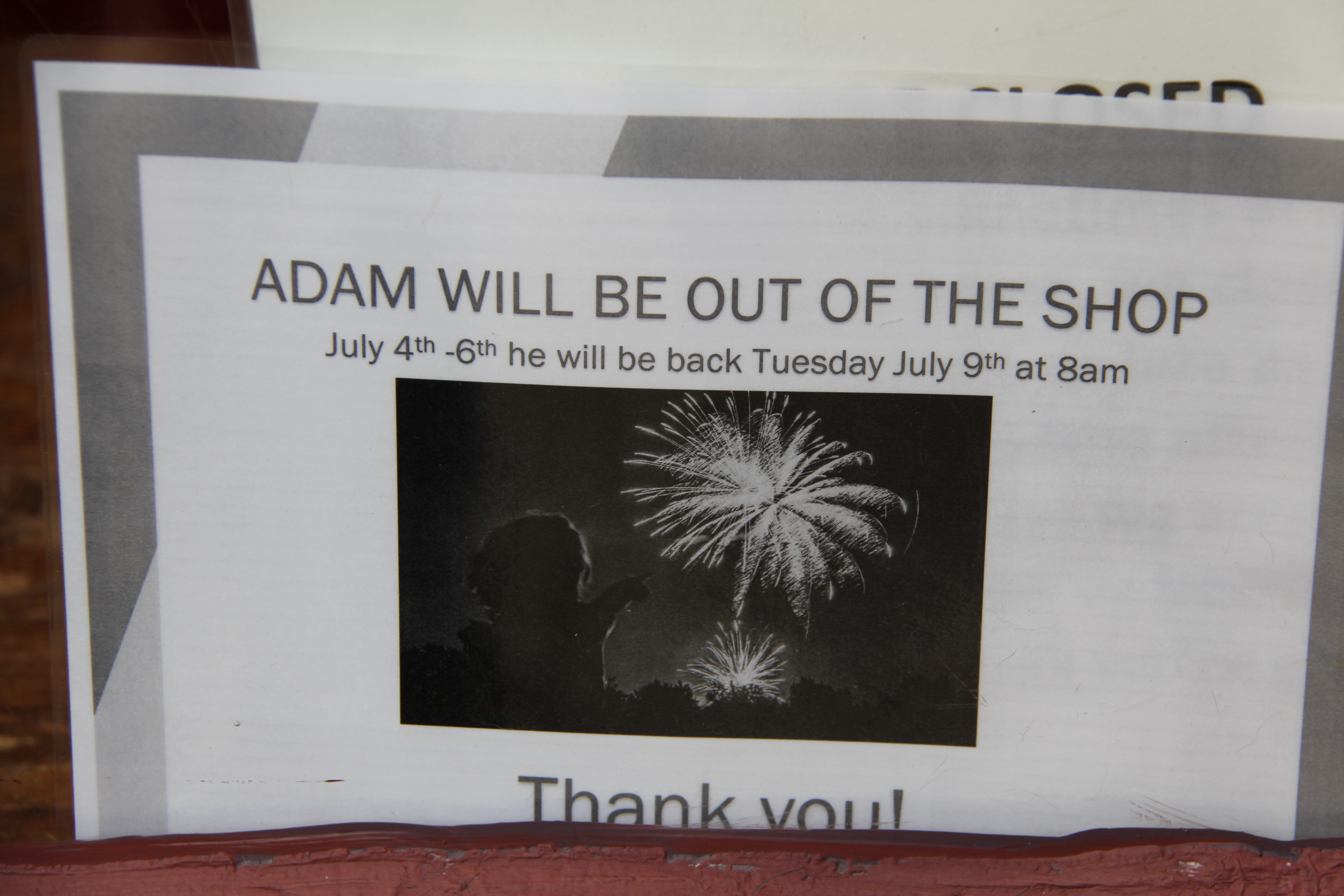
Posted in the window of Bridge Square Barbers in Northfield. (Minnesota Prairie Roots copyrighted photo June 2024)
There is reason to feel jubilant and hopeful and proud to be an American.
Roses bloom in the Rice County Master Gardeners Teaching Gardens at the Rice County Fairgrounds in Faribault. (Minnesota Prairie Roots copyrighted photo June 2024)
OH, HOW BEAUTIFUL the flowers that gardeners tend. Petals flash color, painting the landscape in bold and delicate hues. Flowers dip and bend in the wind like silent writers penning poetry. Flowers inspire, bring joy, carry love stories and memories.
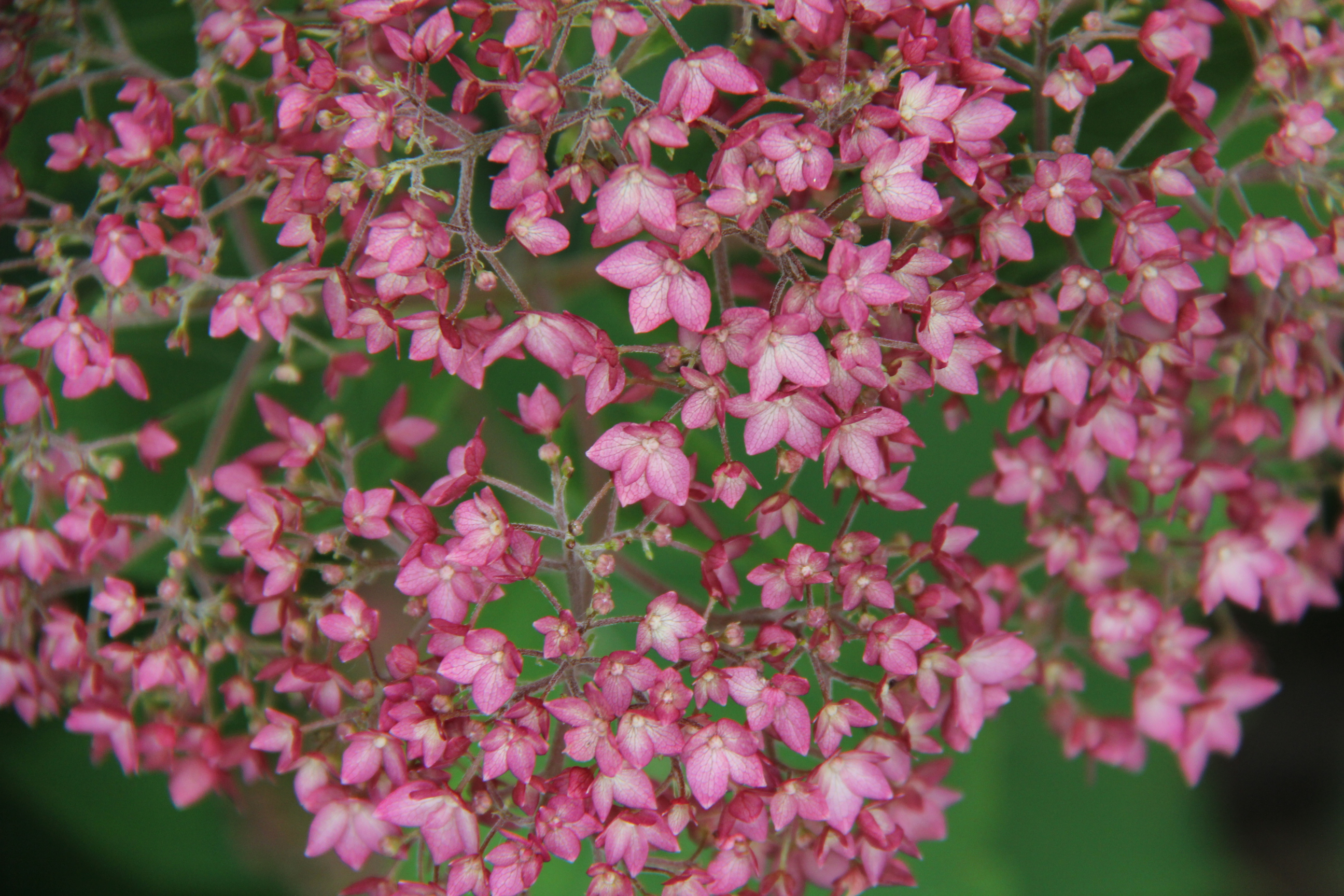
Delicate pink flowers in a garden at the Cathedral of Our Merciful Saviour. (Minnesota Prairie Roots copyrighted photo June 2024)
Flowers have always been a part of my life. From my paternal grandma’s unruly flowerbeds to my mom’s rows of colorful zinnias in the vegetable garden to my own flowers growing in a chaotic mess, I’ve delighted in blooms.
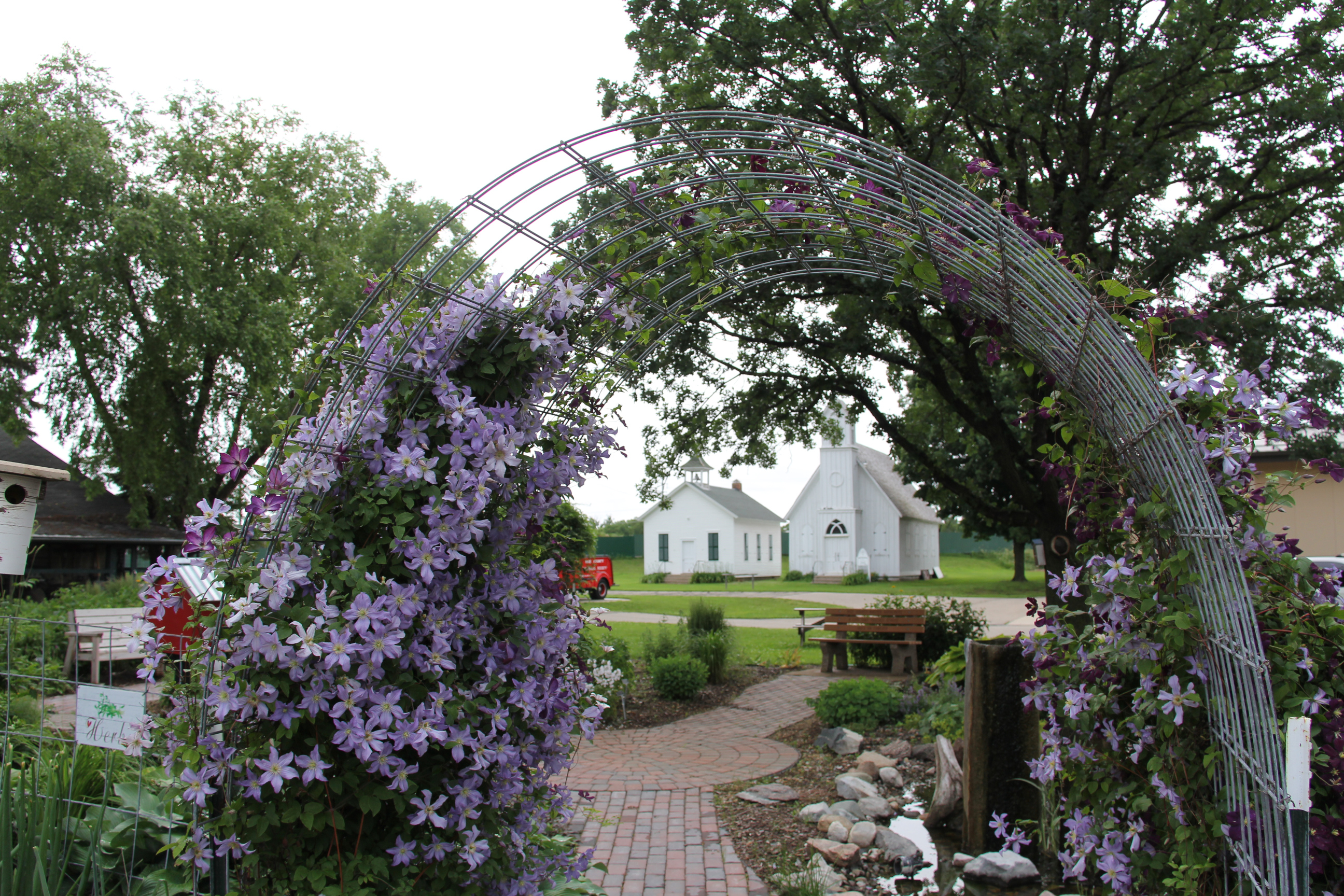
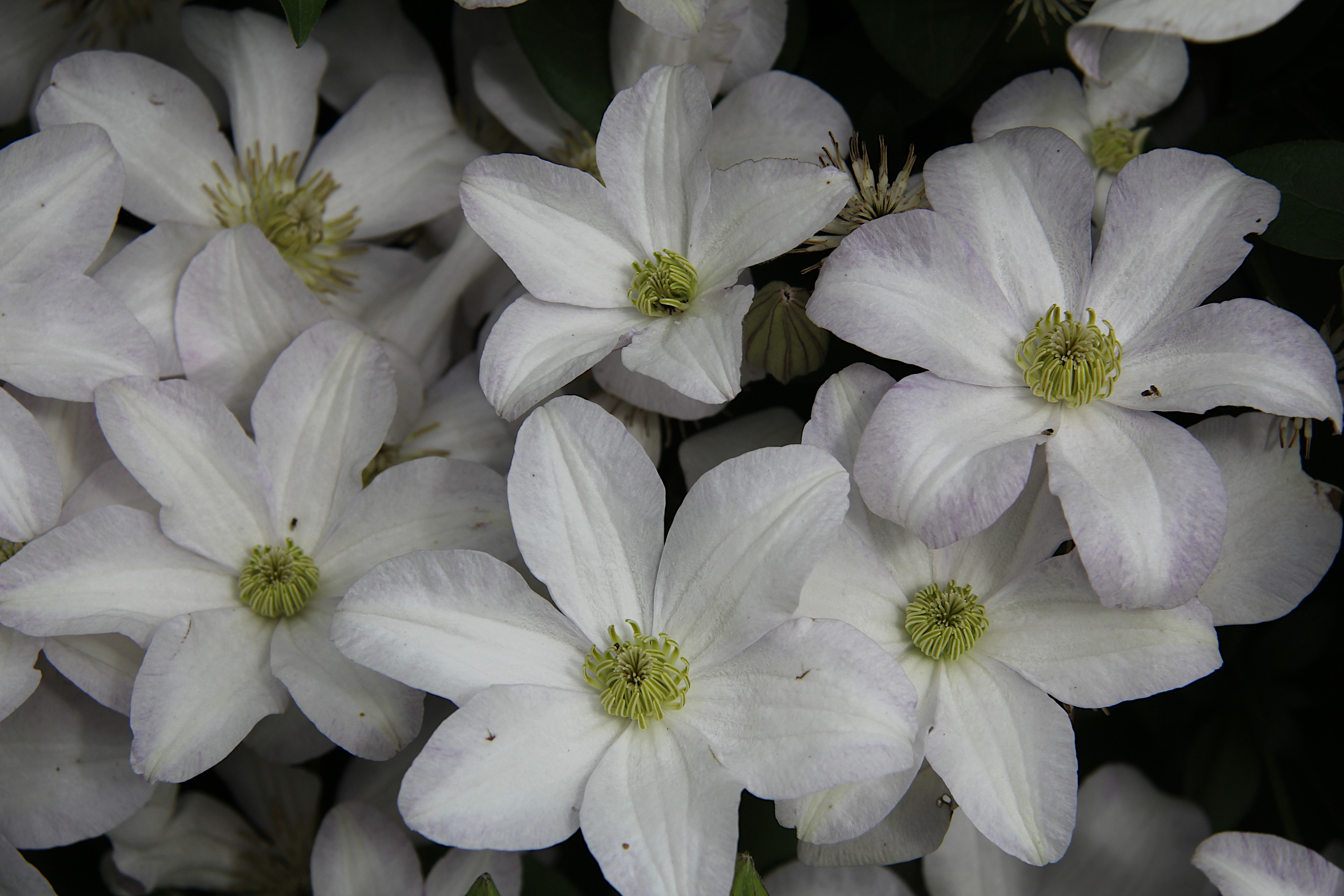
Clematis climb an arched trellis at the teaching gardens. An historic church and school, part of the Rice County Historical Society, are a lovely backdrop. (Minnesota Prairie Roots copyrighted photo June 2024)
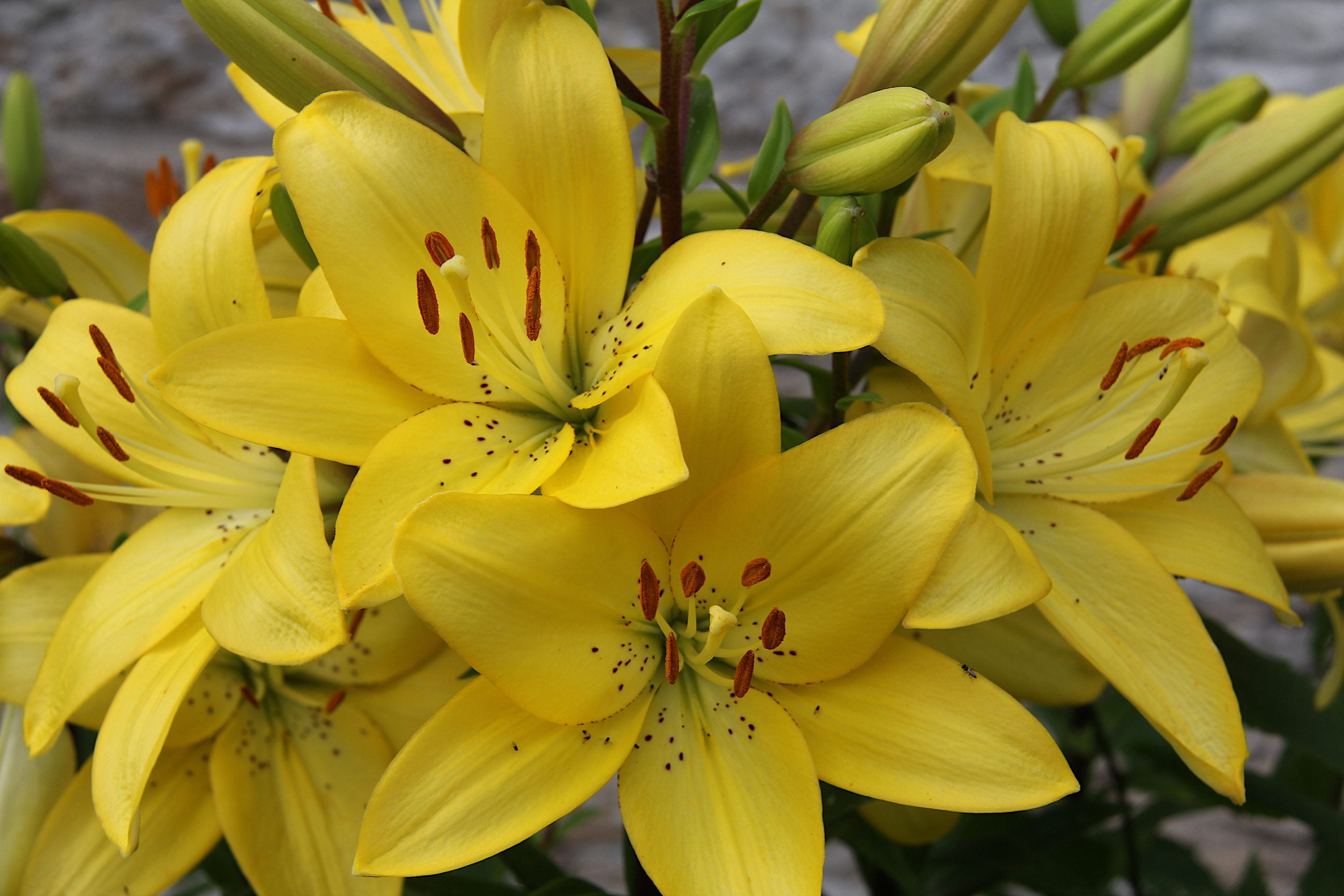
Vivid yellow lilies jolt color into Cathedral gardens. (Minnesota Prairie Roots copyrighted photo June 2024)
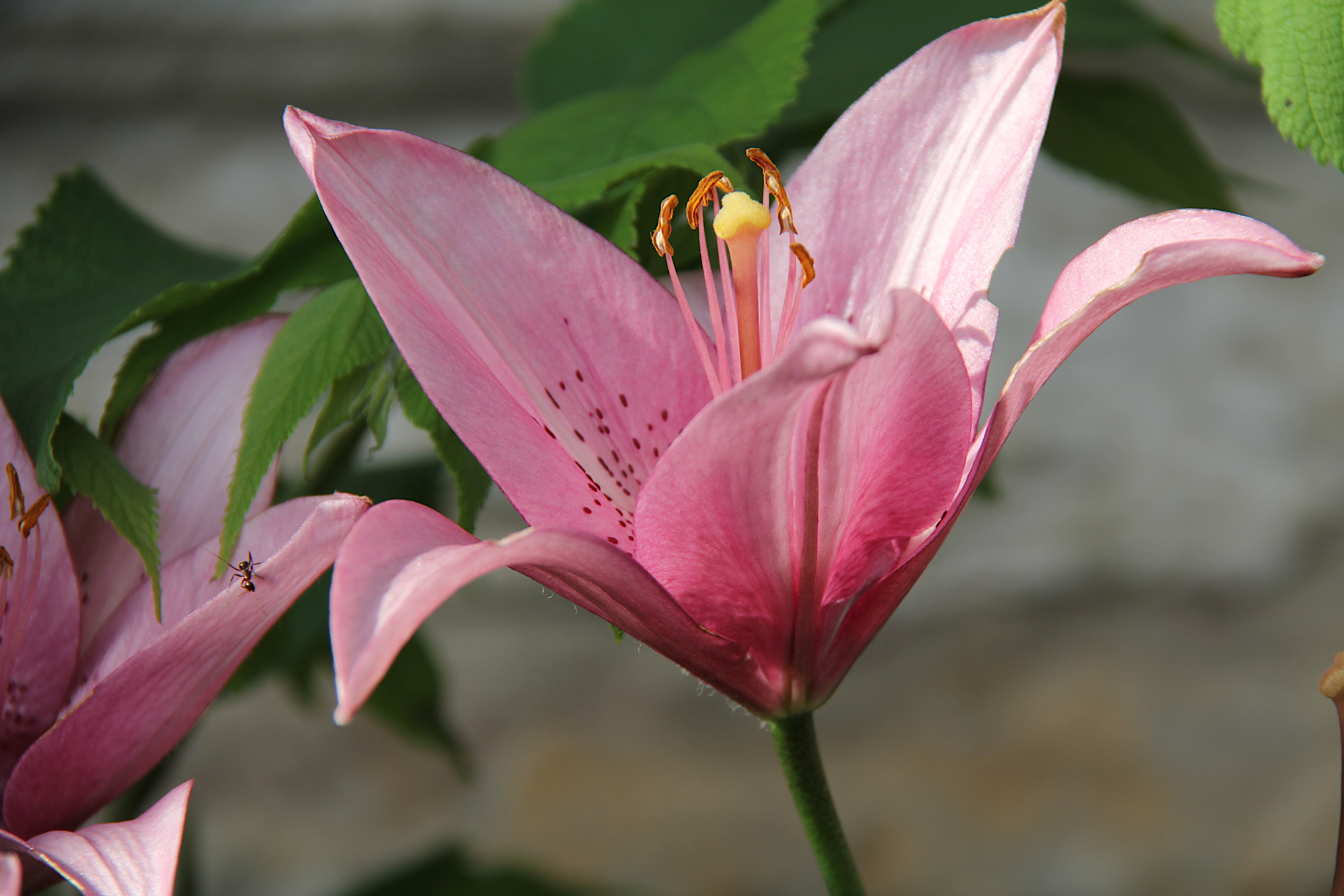
Another Cathedral lily. (Minnesota Prairie Roots copyrighted photo June 2024)
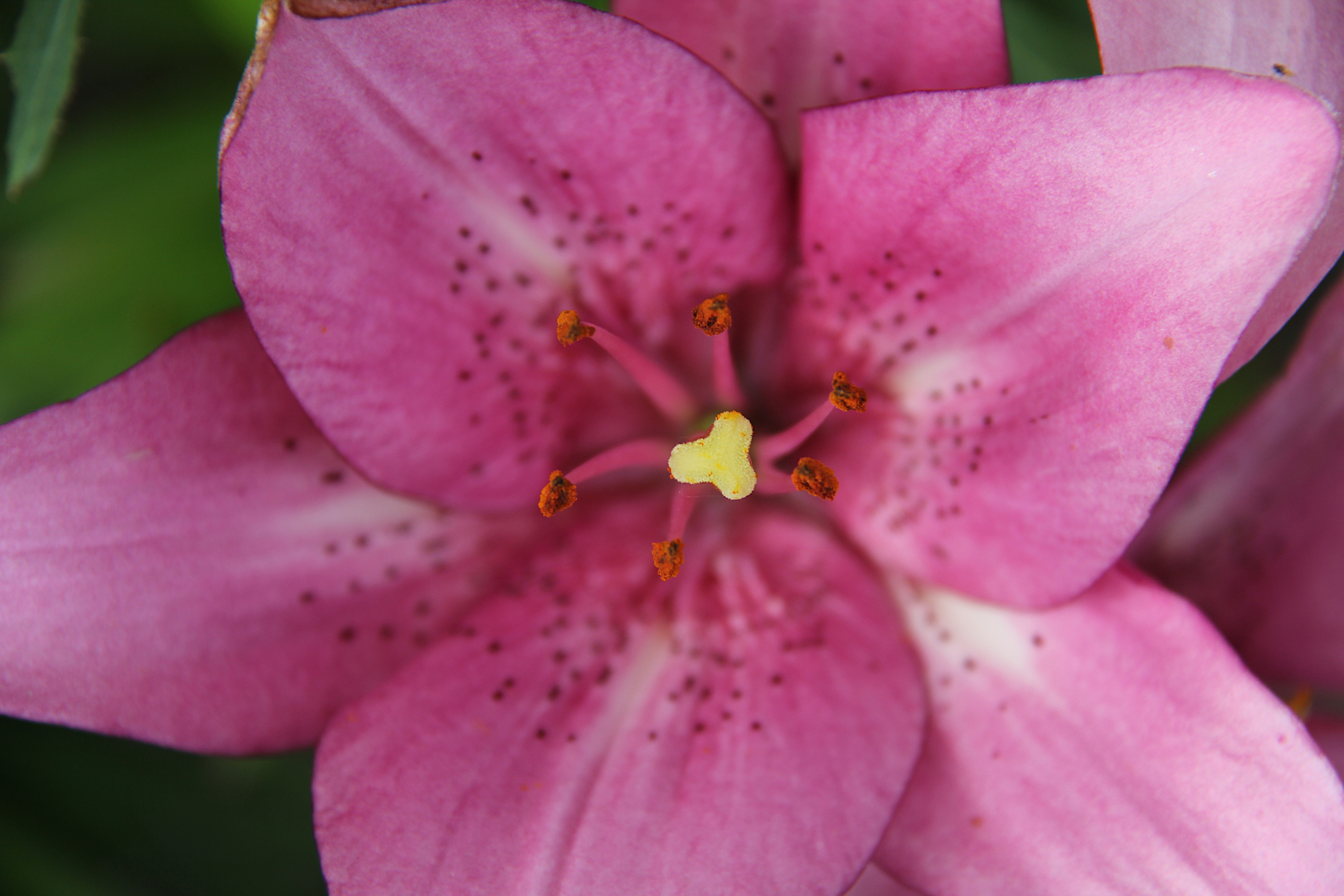
At one time I could identify flower parts, like those shown in this lily close-up blooming at the Cathedral. (Minnesota Prairie Roots copyrighted photo June 2024)
Right now, the lilies are in full bloom. They appear a sturdy lot to me, a lesson in botany with stamens and pistils and all those parts I once learned in a long ago science class. Now I don’t care much about that, just the beauty my eyes take in as I wander among the flowers.
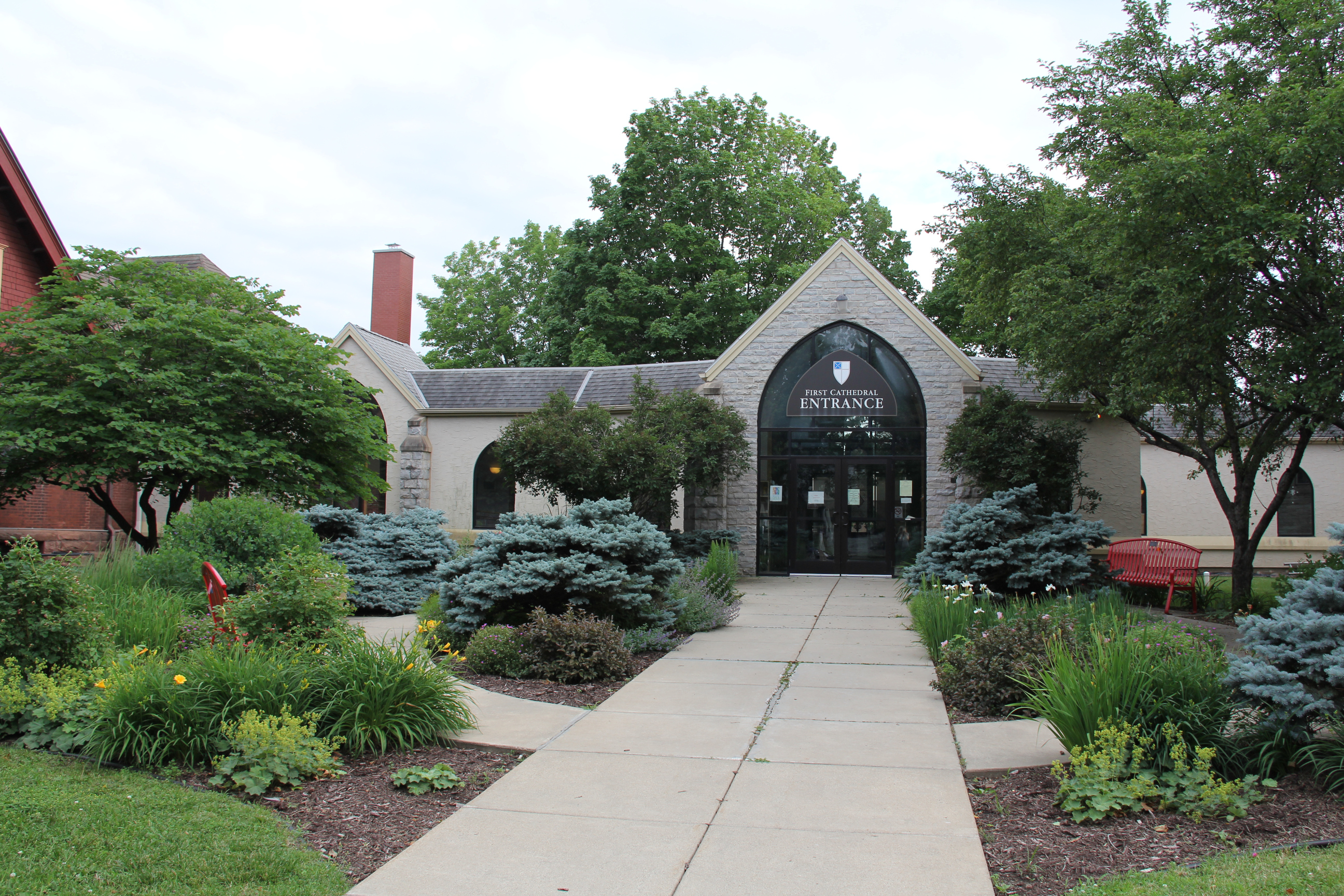
An inviting garden, complete with benches, graces the northside entry to the Cathedral. (Minnesota Prairie Roots copyrighted photo June 2024)
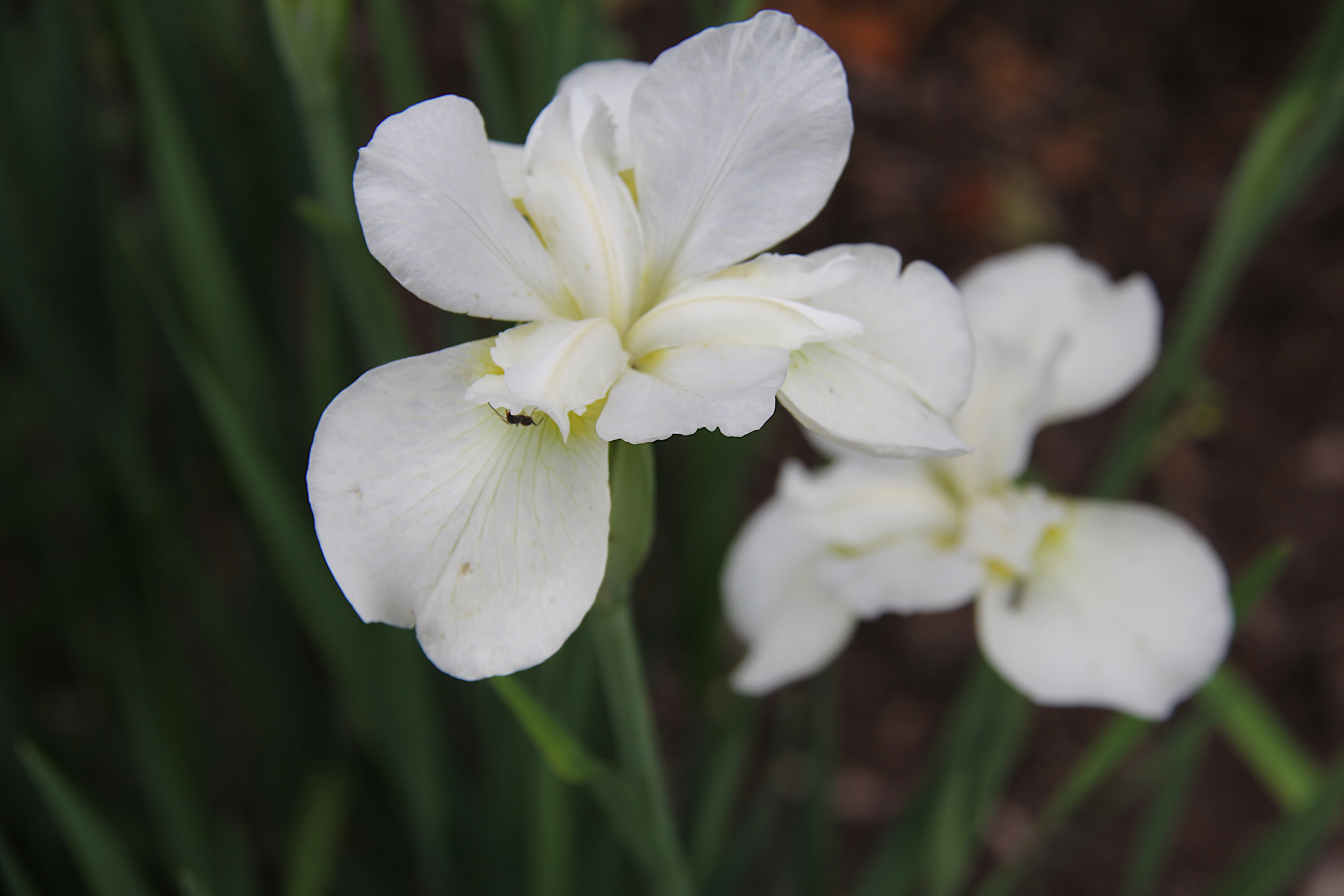
Iris bloom at the Cathedral. (Minnesota Prairie Roots copyrighted photo June 2024)
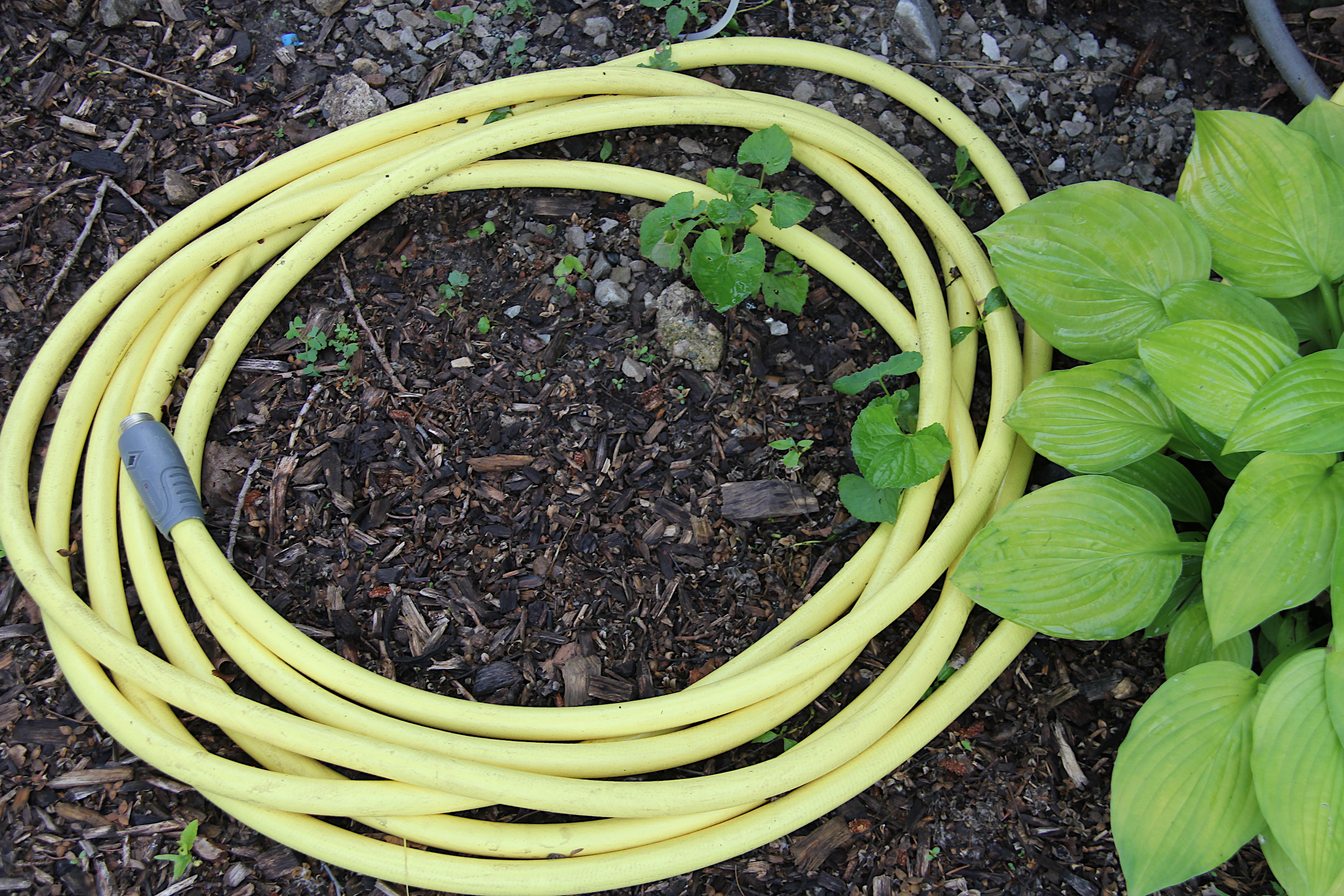
For use at the teaching gardens when needed. (Minnesota Prairie Roots copyrighted photo June 2024)
I’m thankful for the volunteers who plant, weed and care for flower gardens created out of a love of gardening and out of a desire to beautify a community. It takes time, effort, commitment, and that does not go unnoticed by me.
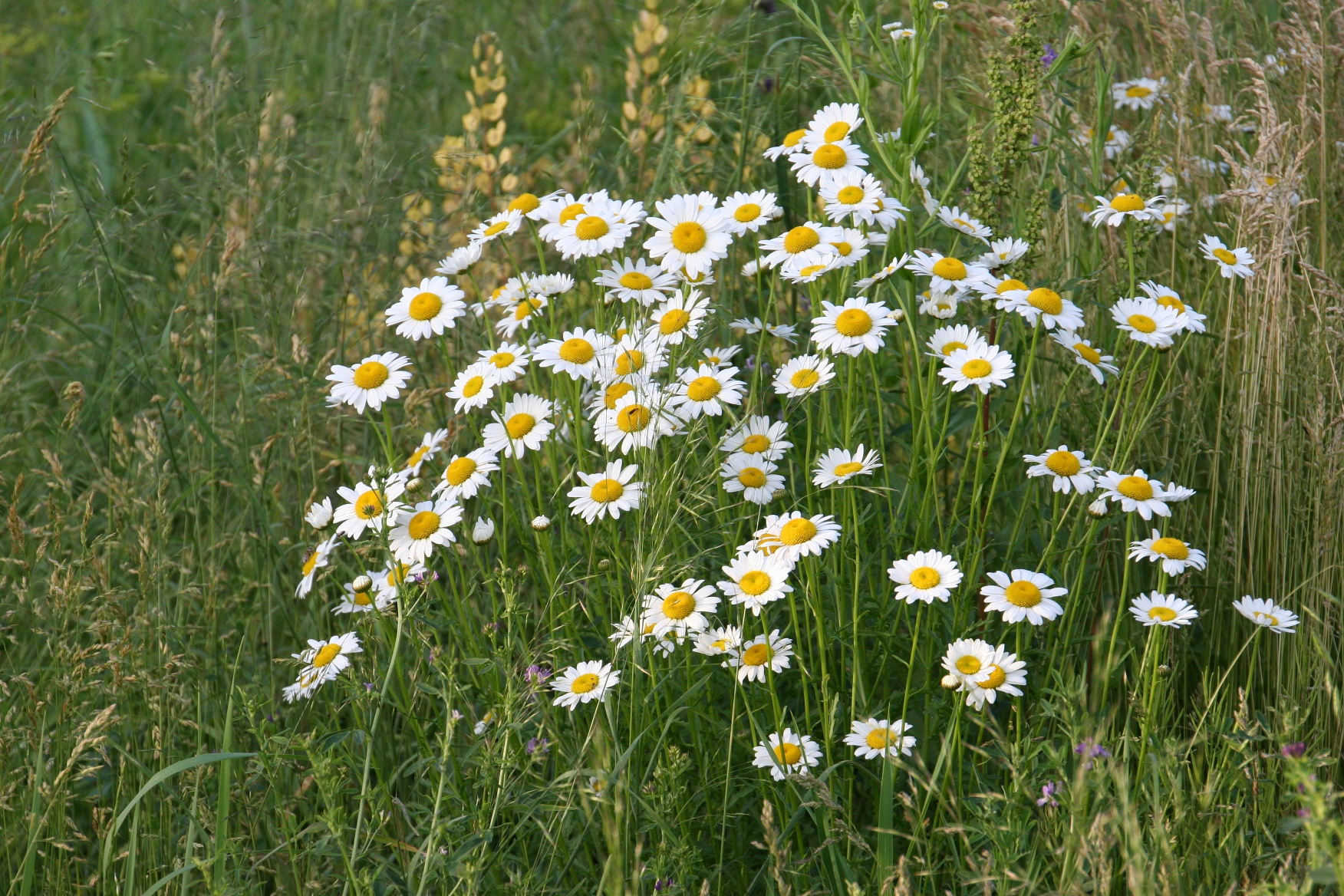
A clump of daisies, similar to these photographed at Faribault Energy Park, grow on my boulevard. (Minnesota Prairie Roots copyrighted file photo July 20219)
Life is full of opportunities to brighten this world. Flowers are one way. I watched the other day from my living room window as a young boy picked a daisy from an errant patch growing in the boulevard by my house. Then his mom plucked one, too, tucking a single stem into the front of her tank top. I didn’t care that they picked the daisies. I could see how happy it made them.
At the teaching gardens, flowers ladder a stem. (Minnesota Prairie Roots copyrighted photo June 2024)
The daisy, such a simple flower, blooming profusely in the grass next to a busy street. Bent by the wind and rain, as if bowing to the earth. The daisy has always been a sunny favorite of mine. Daisies were woven into my bridal bouquet, my bridesmaids’ baskets of flowers and corsages on my wedding day 42 years ago. Flowers hold love stories, memories.
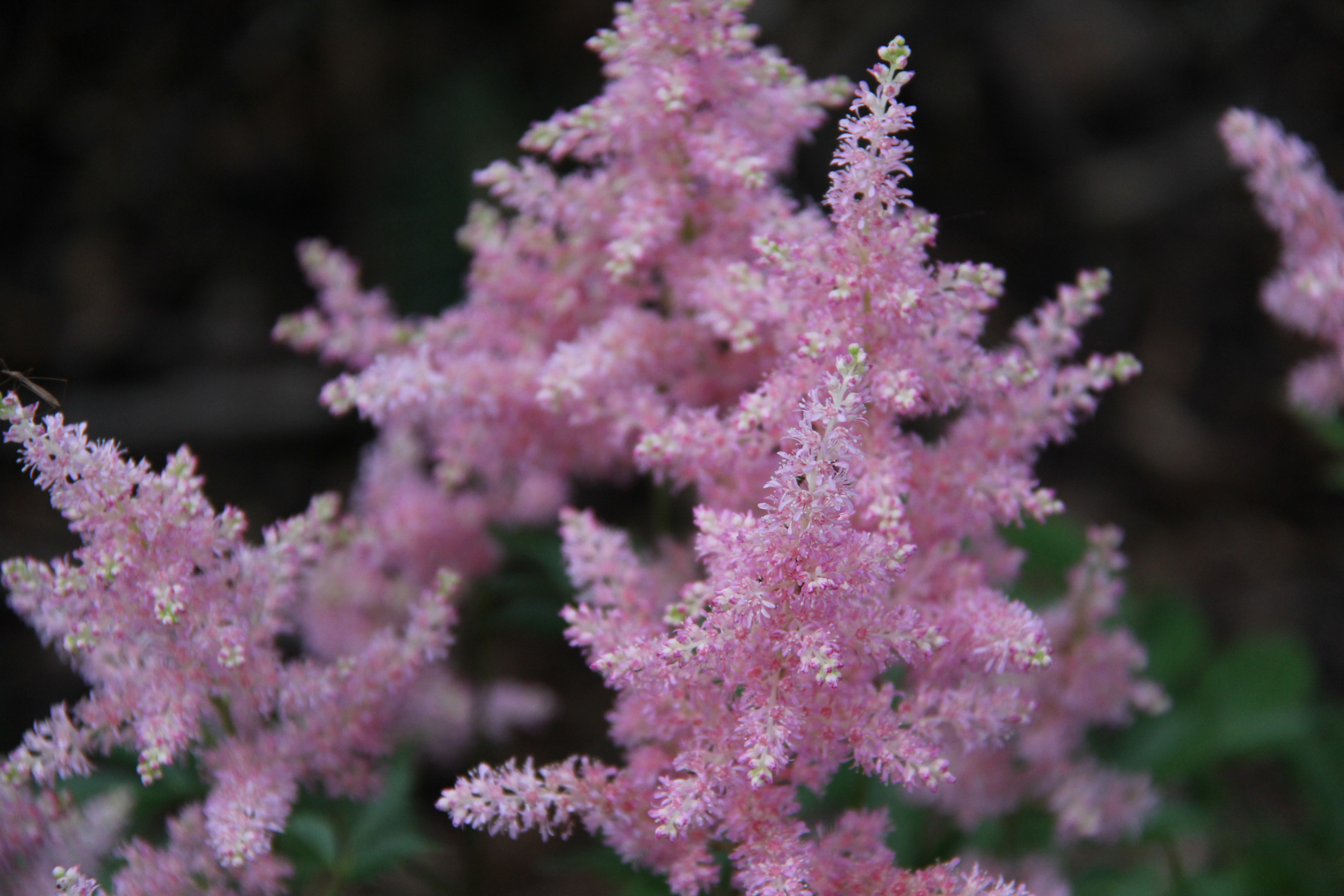
Fanciful astilbe grow in the teaching gardens. (Minnesota Prairie Roots copyrighted photo June 2024)
In bloom at the Cathedral. (Minnesota Prairie Roots copyrighted photo June 2024)
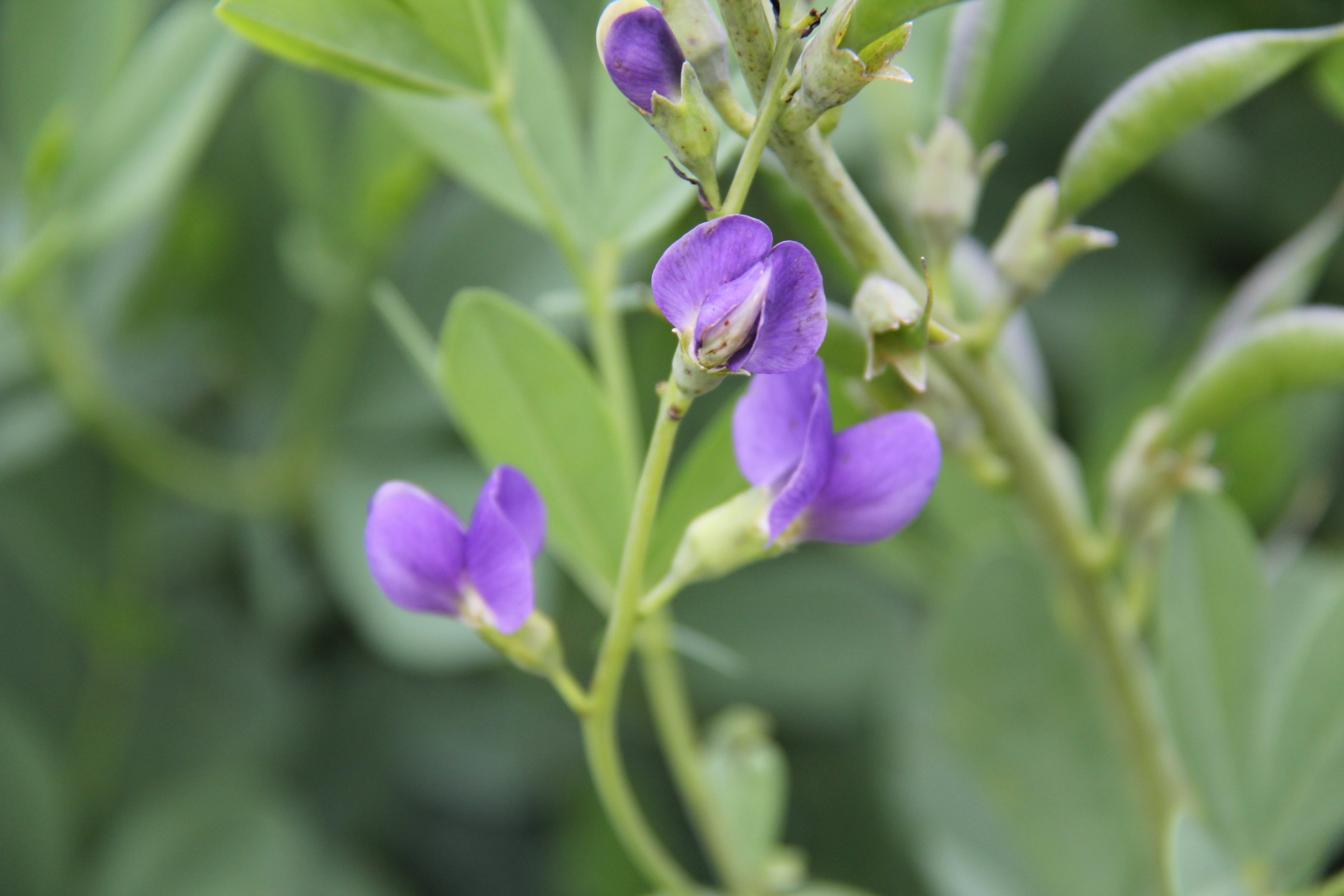
Spots of purple in a Cathedral garden like a single line of poetry. (Minnesota Prairie Roots copyrighted photo June 2024)
I expect, if pressed, anyone could share a flower story. Stories of love and loss, celebration and sorrow, gratitude and healing. Flowers hold stories as much as they write them. Creativity thrives in their bold and delicate hues, in the way they grow and flourish and fade. In the way they stand or bend in the wind, like silent writers penning poetry.
Photographed at the Rice County Master Gardeners garden in Faribault on one of my meandering walks. (Minnesota Prairie Roots copyrighted photo May 2024)
WHEN I GO FOR A WALK, I’m either walking to primarily exercise or to photograph. One involves fast-paced movement to increase my heart rate. The other entails a leisurely pace of observing the world around me.
There was a time when I always carried my camera. No more. I need to feel the freedom of just being, without thought of, oh, I need to photograph that. If I’m without my 35 mm digital camera and absolutely need to take a photo, I will use my smartphone.
An example of exercises I did in vestibular rehab therapy. (Minnesota Prairie Roots copyrighted file photo 2023)
A NEW PERSPECTIVE
What prompted this change? My health. Last summer was, for me, the summer that wasn’t. I was primarily housebound from April through September due to long haul COVID. You’ve probably read my story, detailed here. I dealt with balance, sleep, sensory and other issues. All aspects of my life were affected. I left my house only for medical appointments because I couldn’t handle being out in the world of noise, light, sound, movement. I felt overwhelmed. I sat in my darkened living room, curtains drawn, lights low, no sound.
But here I am, a year later, with six months of vestibular rehab therapy behind me, and doing significantly better. Time and a lot of hard work on my part got me to this better place health-wise. I still deal with residual sensory issues. But mostly, I manage. And when I don’t, I temporarily sequester myself.
That I am back walking and photographing is, in many ways, remarkable. Last summer I couldn’t walk half a block due to imbalance. And I certainly couldn’t use my camera. I credit my physical therapist for patiently working with me, helping me regain my sense of balance and build my tolerance and ability to manage sensory overload. There is hope for anyone dealing with similar issues. But it can be a difficult road. There’s no denying how often I felt unheard, unsupported, without hope.
My new prism-heavy prescription eyeglasses. (Minnesota Prairie Roots copyrighted file photo May 2024)
DEALING WITH VISION ISSUES
At the same time all of this was happening, I was experiencing increasing double vision. In late January, I had bilateral strabismus eye surgery to realign my eyes. It was successful until it wasn’t. In 10-20 percent of cases, the eyes shift back to misalignment post-surgery. Mine did. I opted to try prism-heavy prescription lenses before considering a third surgery. I had my initial eye surgery at age four.
Four weeks out from getting my new prescription eyeglasses, my eyes and brain are still adjusting. The prisms have mostly corrected my double vision. But I’m struggling with distorted close-up vision, specifically slanting. I’m hoping, with time, that will vanish. I also can’t see things clearly on my computer screen, which is problematic when writing and when processing photos.
But onward I forge. Sometimes I push myself too much, taking too many photos, doing too many things. That results in strained, aching eyes and headaches. Often I feel just plain tired due to all the effort it takes to simply see. My brain and my eyes are working hard to focus my vision.
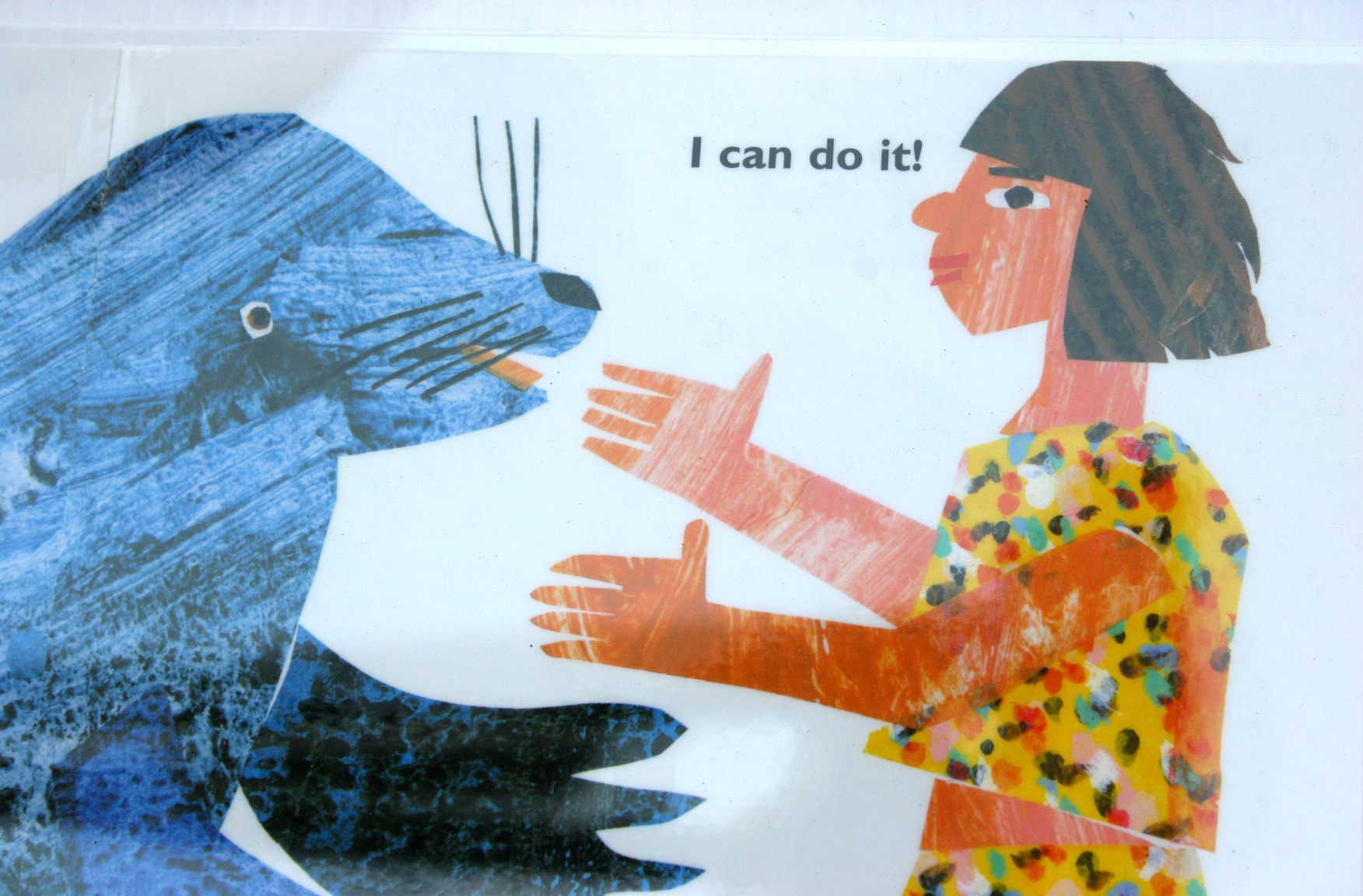
A page from Eric Carle’s book, From Head to Toe.
TAKE NOTHING FOR GRANTED
Too often in life, we take things for granted—the ability to walk, to hear, to see. And then something happens to us or someone we love and we realize that, hey, none of these are givens. I recognize that I have a responsibility to take care of myself in the best way I can. Sometimes that means walking to stay fit and sometimes that means walking to feed my creative spirit.
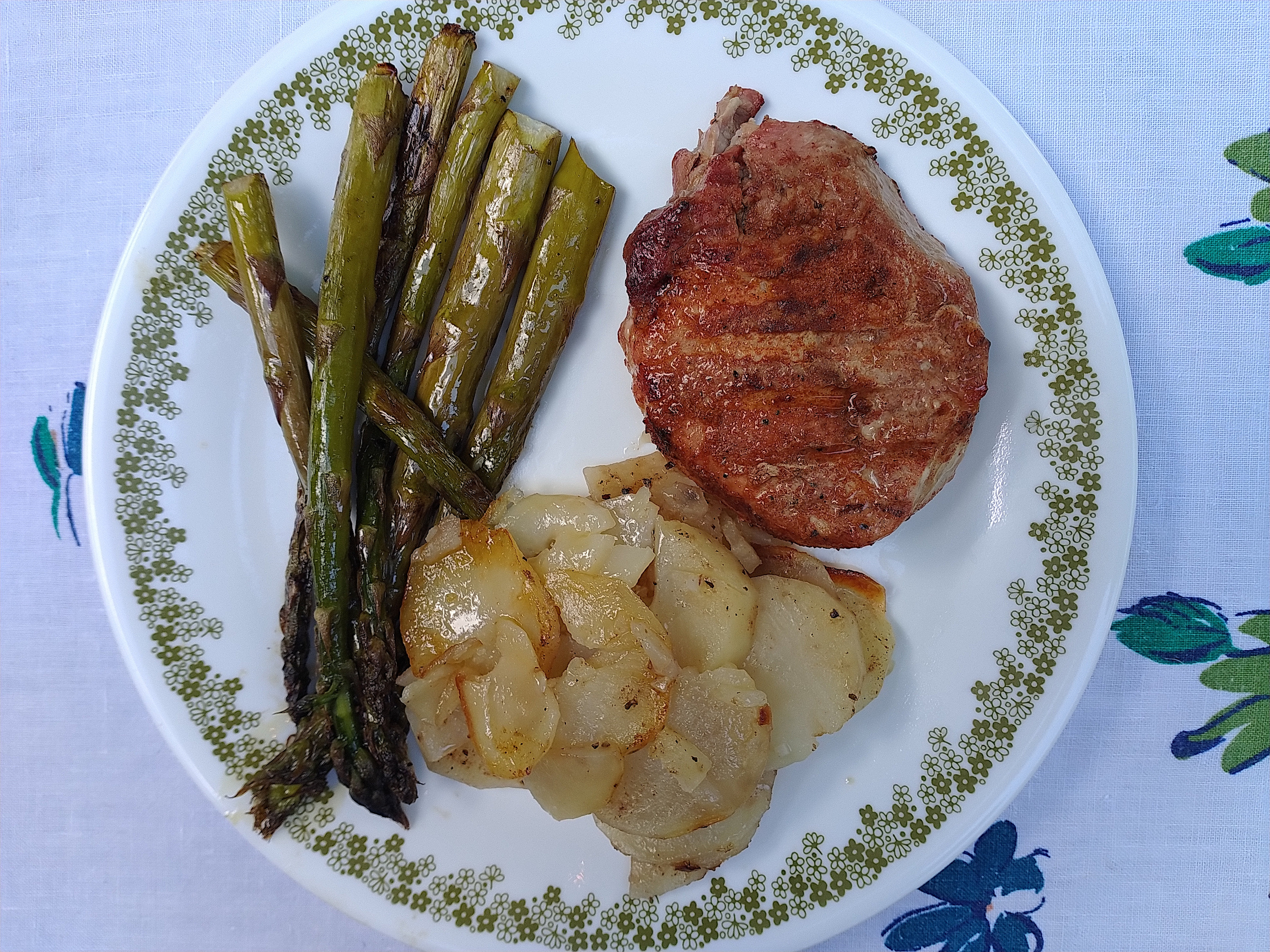
Chops, seasoned potatoes and asparagus made on a charcoal grill and served on my mom’s 1970s Spring Blossom Green Corelle dinnerware, set on a vintage tablecloth. (Minnesota Prairie Roots copyrighted photo June 2024)
SCENT OF GARLIC permeates the air as Randy lifts the lid from his Weber grill, smoke momentarily pouring out. He flips the pork chops, adjusts the packets of potatoes and asparagus. I can hardly wait to taste the food he’s preparing. It’s always delicious.
I feel fortunate that my husband enjoys grilling year-round. Yes, even in the depths of a Minnesota winter, although he draws the line on cooking outdoors when a snowstorm rages. I appreciate the break from meal prep. And there’s nothing quite like food cooked over charcoal. Randy is a purist when it comes to grilling. No gas grill for him.
He’s a meat-and-potatoes man. So if I want something beyond the basics, I come up with a vegetable side. On this day, it’s fresh asparagus purchased at the Faribault Farmers’ Market. Asparagus is one of my favorite veggies. I keep it simple, drizzling the spears with olive oil and sprinkling them with freshly ground pepper and sea salt.
We dine outdoors this time of year. Randy carries the card table up from the basement. I select a vintage tablecloth from my vast collection. And then we settle onto lawn chairs grabbed from the garage. Nearby a tabletop fountain, which he gifted me years ago on our wedding anniversary, burbles. It helps mask the constant din of traffic along our busy street.
If the mosquitoes and flies aren’t hovering, it’s a lovely dining experience.
There’s nothing quite like dining alfresco in Minnesota this time of year. If you live in a mostly warm weather state, you perhaps take eating outdoors for granted. I don’t. Once the weather warms here, I prefer to eat outdoors—on our patio or, on the rare occasion we eat out, on a restaurant patio/deck. We also often pack sandwiches, yogurt, fruit and nuts for a picnic lunch at an area park. It’s all about being outside, sunshine warming our backs, breeze brushing our skin, birds singing, lush green filling our vision.
Great food consumed outdoors, now that’s a Minnesota dining experience that feeds body and soul.
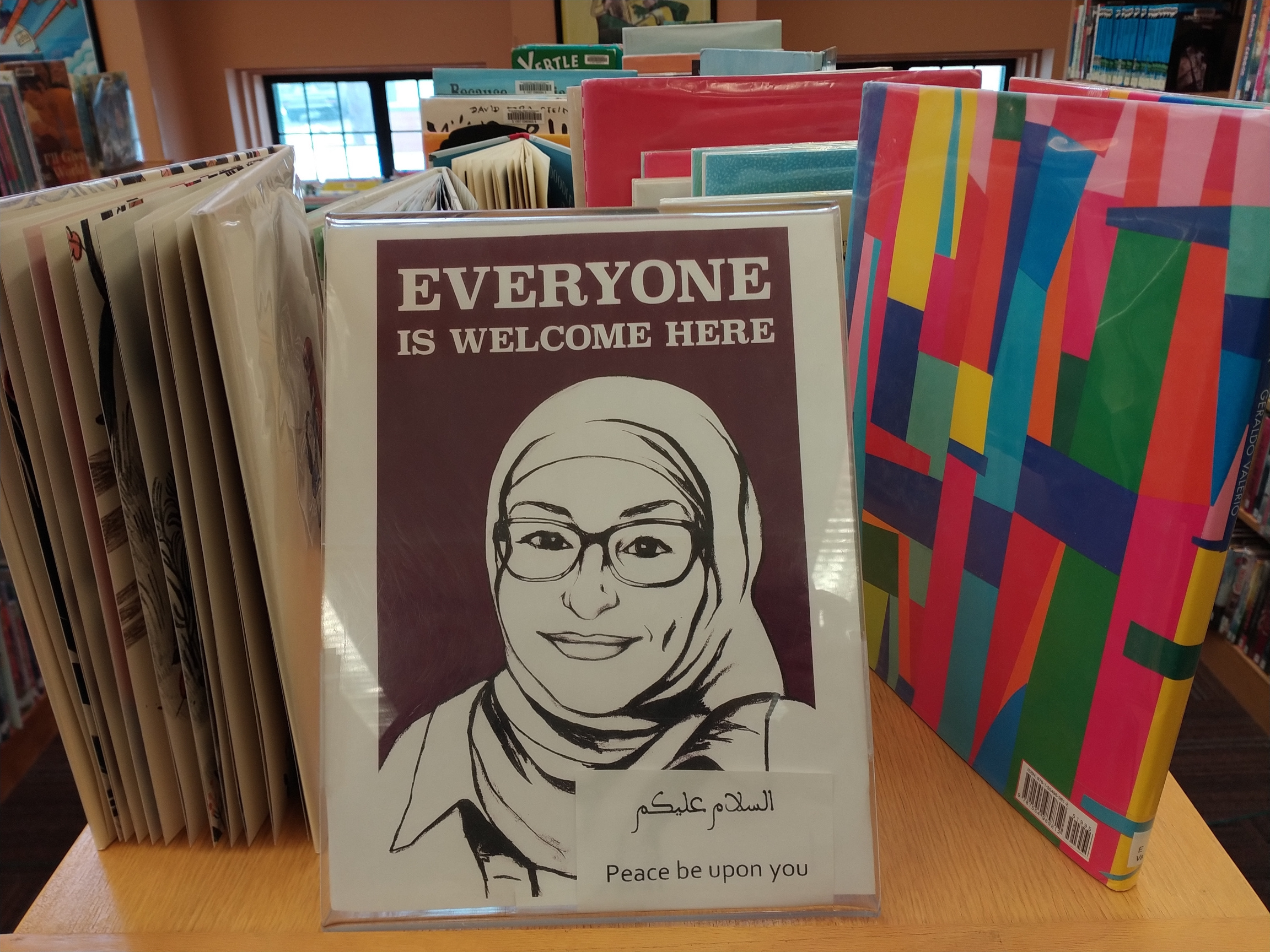
A welcoming sign photographed earlier this year in the children’s section of Buckham Memorial Library, Faribault. (Minnesota Prairie Roots copyrighted photo 2024)
KNOWLEDGE IS POWER. Not in the sense of personal power, but in understanding. And I am always about growing my knowledge and understanding, especially within my community.
Faribault, like many neighboring communities, is culturally-diverse, home to immigrants, refugees and those who have received American citizenship. Somalis. Hispanics. Latinos. And others from countries that fit anything but the mostly White European backgrounds of rural Minnesotans. We are a state evolving in diversity, and I embrace that.
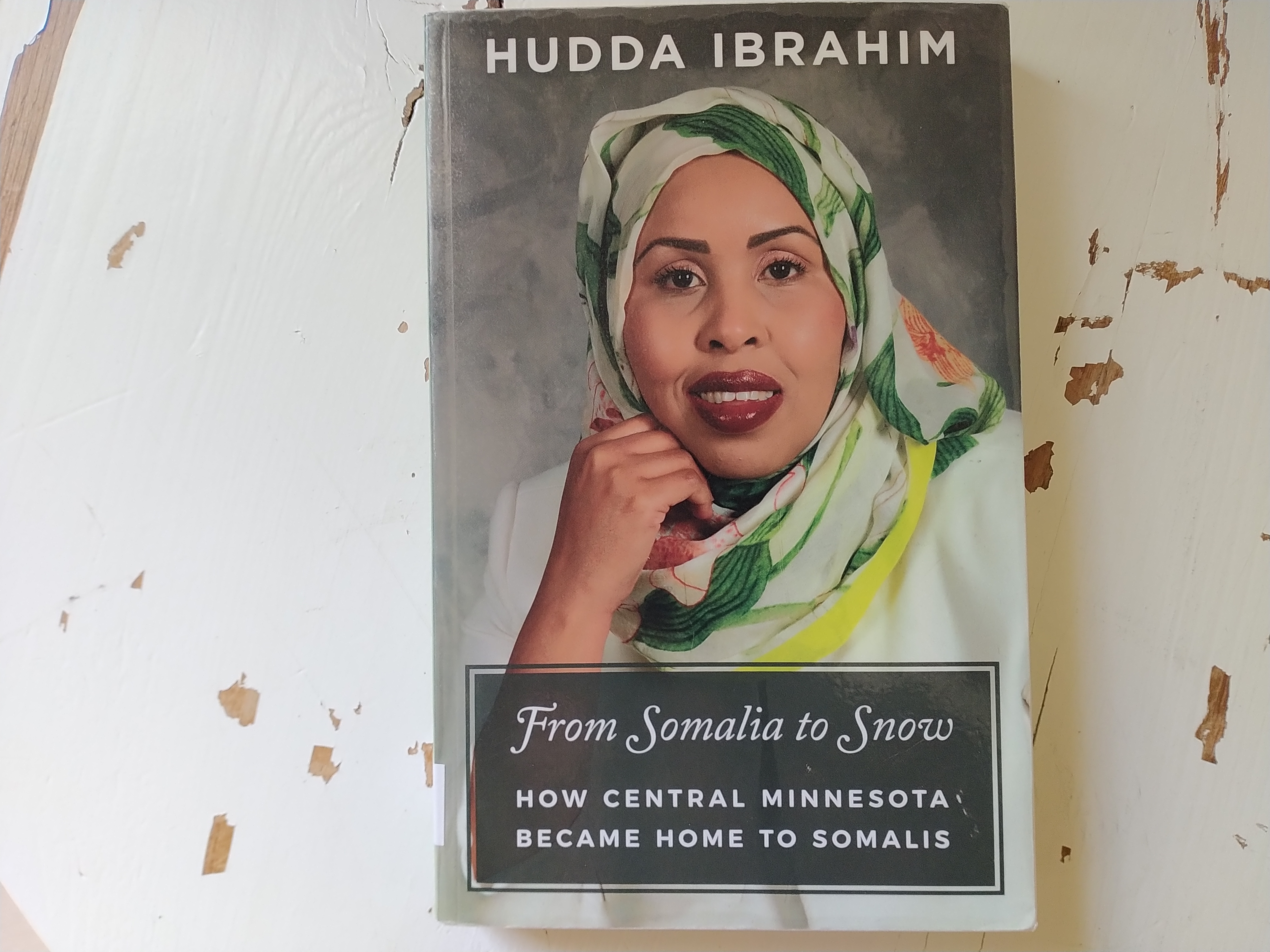
Hudda Ibrahim’s book offers an in-depth look at Somalis living in Minnesota. (Minnesota Prairie Roots copyrighted photo May 2024)
Recently I met a central Minnesota author who was in town as part of an event celebrating Somali culture at the Paradise Center for the Arts. Hudda Ibrahim of St. Cloud, which has a sizable Somali population, was selling her books, including From Somalia to Snow—How Central Minnesota Became Home to Somalis. Although I didn’t purchase her book then, I eventually checked it out through my regional library system. That and her nonfiction children’s picture book, What Color Is My Hijab?
Hudda Ibrahim’s children’s book inspires girls to be whatever they want to bevia Ibrahim’s empowering words and Meenal Patel’s vivid art. (Book cover sourced online)
After reading those two books, I have better insights into the backgrounds, stories, culture and challenges of my new neighbors. Ibrahim writes with authenticity. She was born and raised in Africa (Somalia, Ethiopia and Kenya), came to the U.S. in 2006, teaches diversity and social justice in St. Cloud, and works closely with Somalis there. From Somalia to Snow includes interviews with Somalis in Ibrahim’s community along with her observations, insights and recommendations.
I quickly discovered that I had much to learn, even when it comes to understanding the basics. A person of Somali ethnicity is not a “Somalian,” as I’d incorrectly said, but rather a “Somali.” I appreciate that about Ibrahim’s writing. She doesn’t presume her readers know, making her book a really good source of basic, yet detailed and thorough, information.
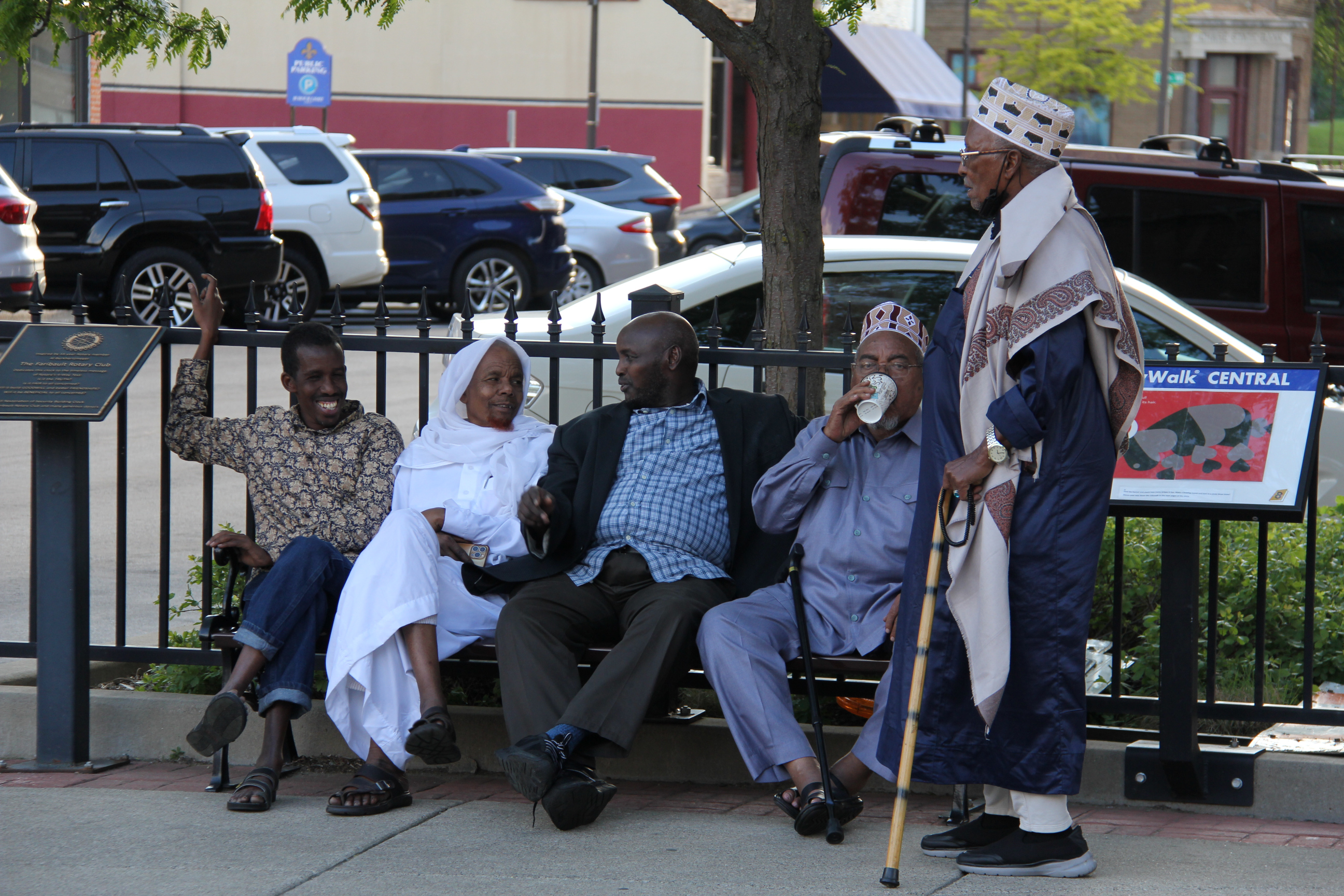
I often see Somali men visiting in downtown Faribault, where many live. (Minnesota Prairie Roots copyrighted file photo May 2024)
I especially appreciated her chapter titled “Integration and Assimilation” because I’ve heard the comments from locals about how Somalis need to do this and that because they’re living in America now. Ibrahim states that Somalis prefer to “integrate,” not “assimilate.” That makes sense to me, that our new neighbors want to retain their cultural identity while also adapting to their new home. I think back to my own maternal ancestors who settled together near New Ulm in southern Minnesota and clung to their German identity, speaking in German, following customs and traditions from the Old Country. The same can be said for Scandinavians, who still eat lefse and lutefisk. Cultural identity is important to all of us.
So is family. Like my German ancestors settled together, so do those who come from Africa. They want to be near people who get them, understand them, share a language and faith and customs and culture. Jobs and family (clans) brought Somalis to St. Cloud, Ibrahim writes. Many work in meat-packing plants, just like in my community.
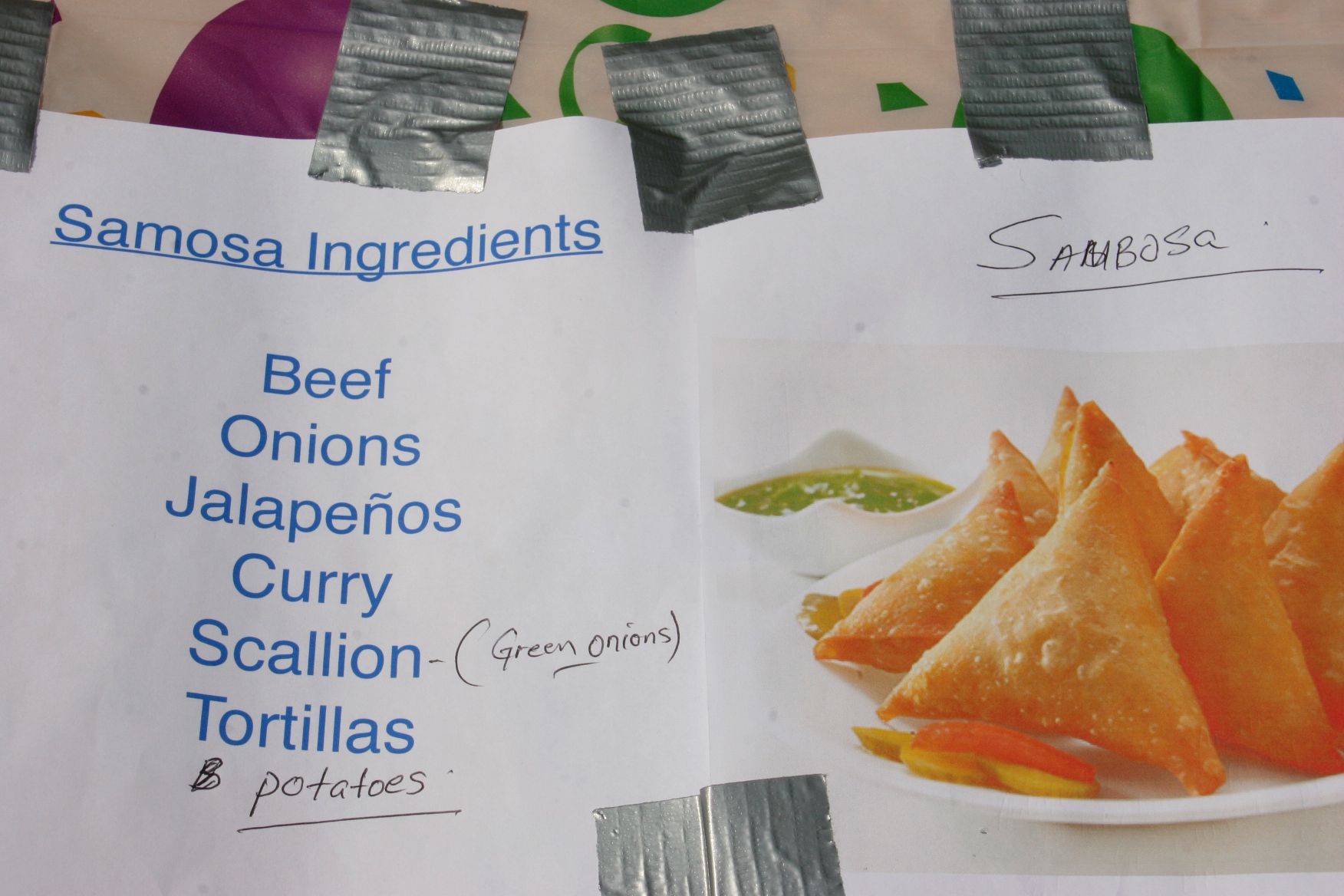
This sign for Somali food was posted at a past International Festival in Faribault. I especially like sambusa, a spicy, meat-filled triangular pastry. It was served at the recent Somali-focused event I attended. (Minnesota Prairie Roots copyrighted file photo)
Others have pursued higher education and entrepreneurship, opening businesses which serve primarily their community. I need only walk Faribault’s downtown business district to see numerous Somali-owned shops and restaurants. I love the color and culture they bring. And I love Somali tea, which I tried at that event where I met Ibrahim. It’s tea mixed with milk and spiced with cinnamon, ginger, cloves, cardamom… The scent is heavenly, the taste divine. And I can buy it locally.
Faribault is a culturally-diverse city, as seen in this image taken during a car show in downtown Faribault in 2015. (Minnesota Prairie Roots copyrighted file photo 2015)
Ibrahim’s book is packed with insights: Somalis value oral communication over written. They are good oral poets. Restaurants often do not have printed menus, primarily because they serve Somalis. Muslims memorize the Quran (with 6,666 verses), a process that can take years. Socializing and community are important. Barriers remain in healthcare. There’s just a whole lot to learn via reading From Somalia to Snow. It starts with an overview of Somali history and then takes readers into the lives, cultures and challenges of Somalis living in Minnesota today. Thanks to Ibrahim’s writing, I now have a better understanding of my new neighbors. And for that I am grateful.
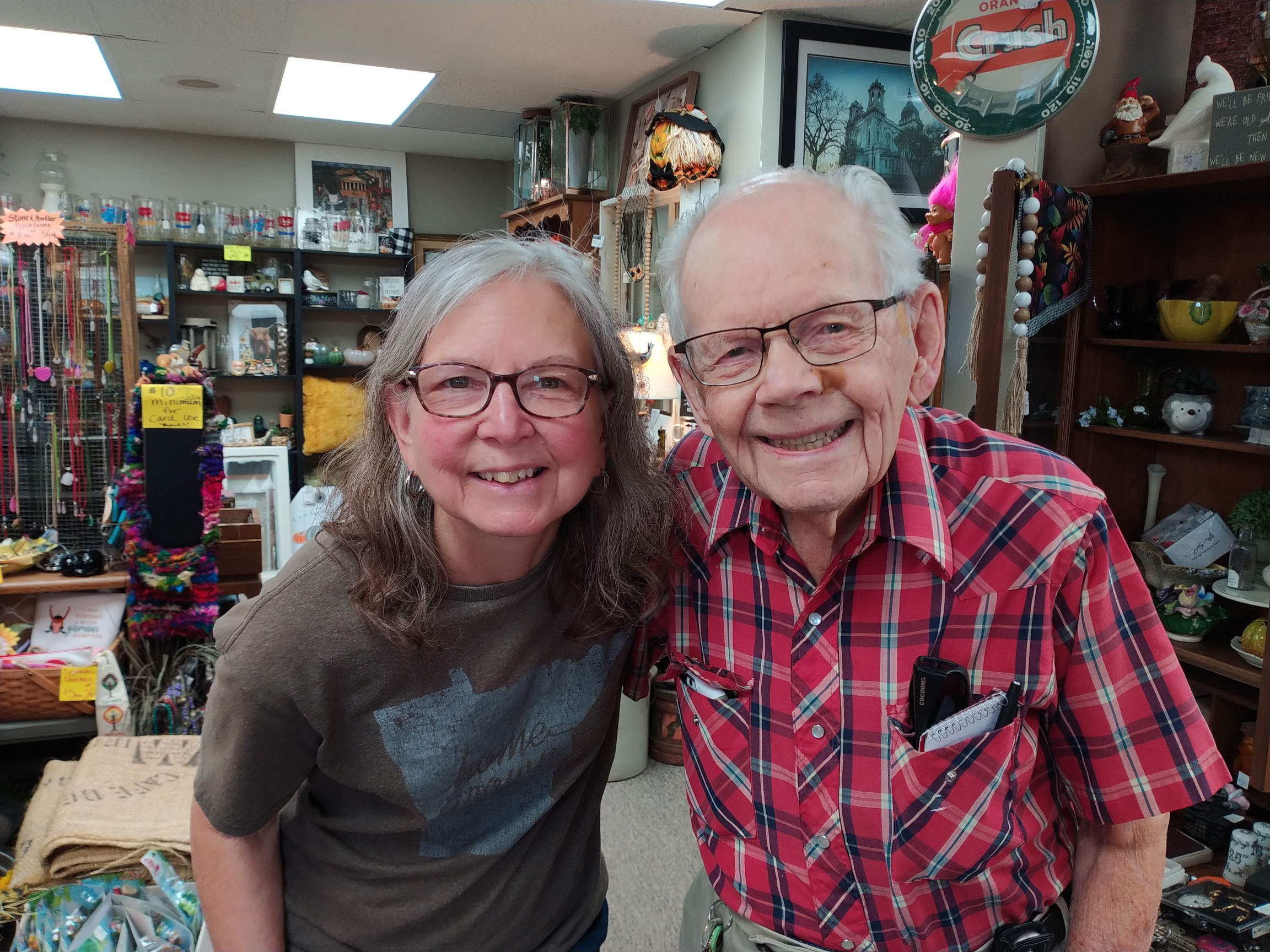
Audrey Kletscher Helbling and Mickey Nelson inside The Junk Monkey. (Minnesota Prairie Roots copyrighted file photo by Randy Helbling, September 2023)
SOMETIMES IN LIFE we meet a person only once. But they make such an impression upon us that we always remember them.
Milton “Mickey” Nelson of Clarks Grove was that person to me. I met Mickey in September 2023 while shopping at a vintage, collectibles and treasures shop in Faribault. After overhearing a conversation between him and shop owner Theresa, I initiated a conversation with Mickey and his daughter Michelle.
Eight months later, on May 14, 2024, this amazing man died, about a month short of his 104th birthday.
Mickey was a remarkable man, not only because of his longevity, but because of his generosity. At age 99, he decided to walk 100 miles by his 100th birthday. That in itself is an accomplishment for a centenarian. But Mickey took his goal the extra mile by raising $115,000 for Salvation Army food assistance during the COVID-19 pandemic via his daily half to mile-long walks in Clarks Grove. He remembered the bread lines of the Great Depression.
That’s the thing about Mickey, a World War II veteran. He cared. I felt that immediately upon meeting him. His smile stretched wide, to the corners of his eyes. He was sharp and engaged and the type of person anyone would be happy to meet, to call “friend.”
In that brief interaction with Mickey, I felt such a connection, as if I’d known this delightful man for years. Michelle confirmed that her dad, too, “valued those (unexpected/everyday) connections.” He had a way about him that made me feel cherished, even though we’d just met.
Today his loved ones and friends are left to cherish his memory, as are those who heard or read his story, shared locally and nationally, perhaps even internationally. I doubt Mickey ever expected that his plan to walk 100 miles by his 100th birthday to raise money for one of his favorite charities would captivate such media attention. But it did, inspiring many.
Mickey’s funeral service is planned for June 27 at First Baptist Church in Clarks Grove, on what would have been his 104th birthday. I think he would have liked that and I hope birthday cake is served. Up until nearly the end, this man of a strong and unwavering faith remained mentally sharp, his daughter Michelle shared. I’m not surprised. Michelle and I kept in touch after our chance meeting at The Junk Monkey eight months ago. I knew her dad had begun failing in late December and soon thereafter entered hospice.
Even through the emotional challenges that come with watching a parent moving toward death, Michelle remained grateful for the remaining time she had with her much-loved father. The bond between father and daughter was strong, loving, caring. That, too, is something to be cherished.
Mickey was remarkable. I feel blessed to have met this man of generous spirit, of kind heart, of compassion and care and love unending. I feel grateful for my time with him. Even if brief, Mickey made such an impression upon me that I will always, always remember him.
LOONS, LEATHER, LITERARY ART…, oh, the work of creatives who set up shop Saturday at Faribault’s annual Straight River Art Festival. It’s an event that always impresses upon me the incredible talent of those who create with their minds, their hands, even their voices.
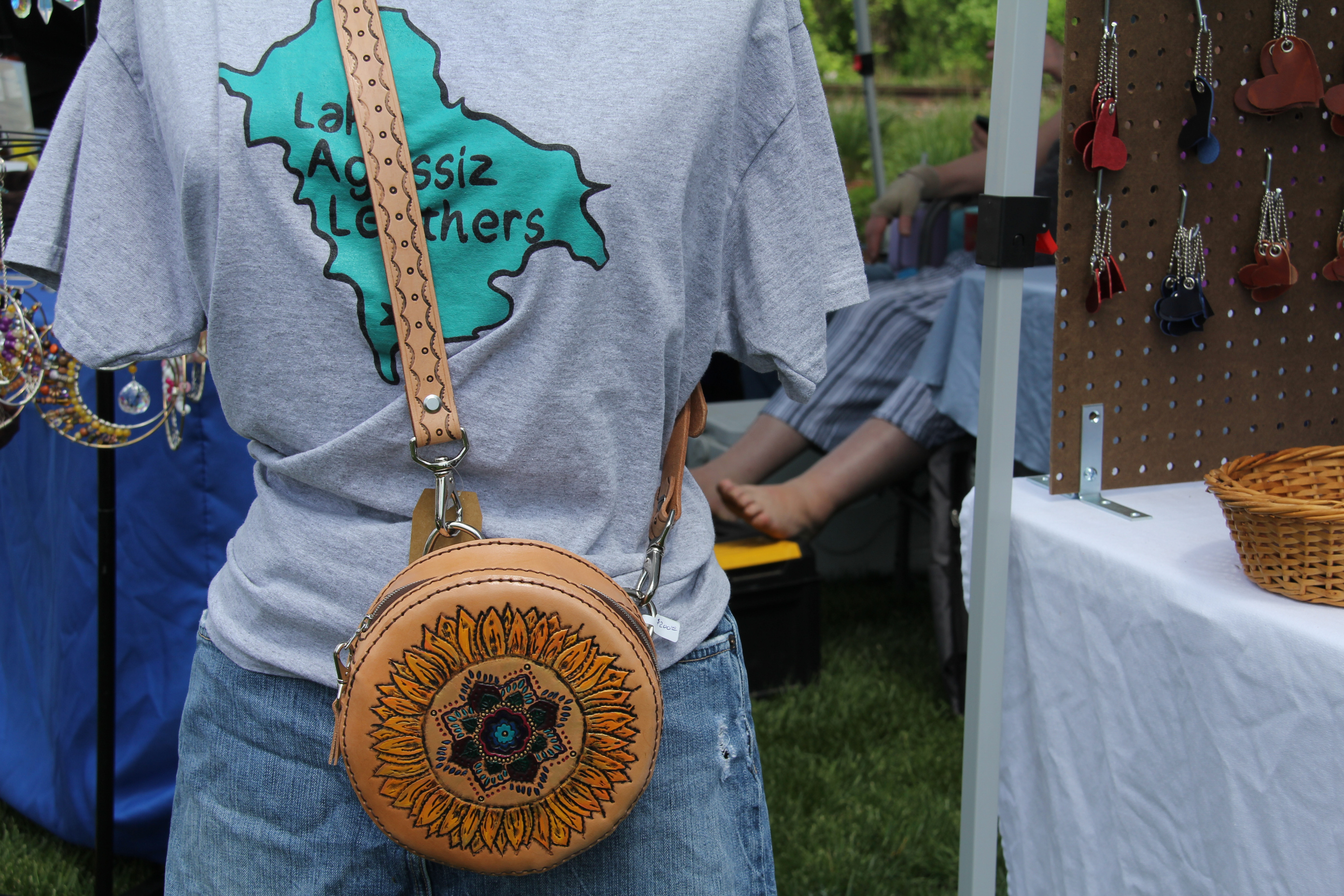
A hand-tooled sunflower mandala circle crossbody purse crafted by Susan McCabe of Lake Agassiz Leathers LLC. (Minnesota Prairie Roots copyrighted photo May 2024)
Mankato author Jason Lee Willis brought a selection of his Minnesota-themed historical fiction books. (Minnesota Prairie Roots copyrighted photo May 2024)
Los Tequileros played a mix of music during the art festival. (Minnesota Prairie Roots copyrighted photo May 2024)
One photographed loons. Another crafted goods from leather. And an author represented the literary arts in his books of historical fiction. Several bands played, bringing in the performing arts.
Vendor tents ringed and filled the park. (Minnesota Prairie Roots copyrighted photo May 2024)
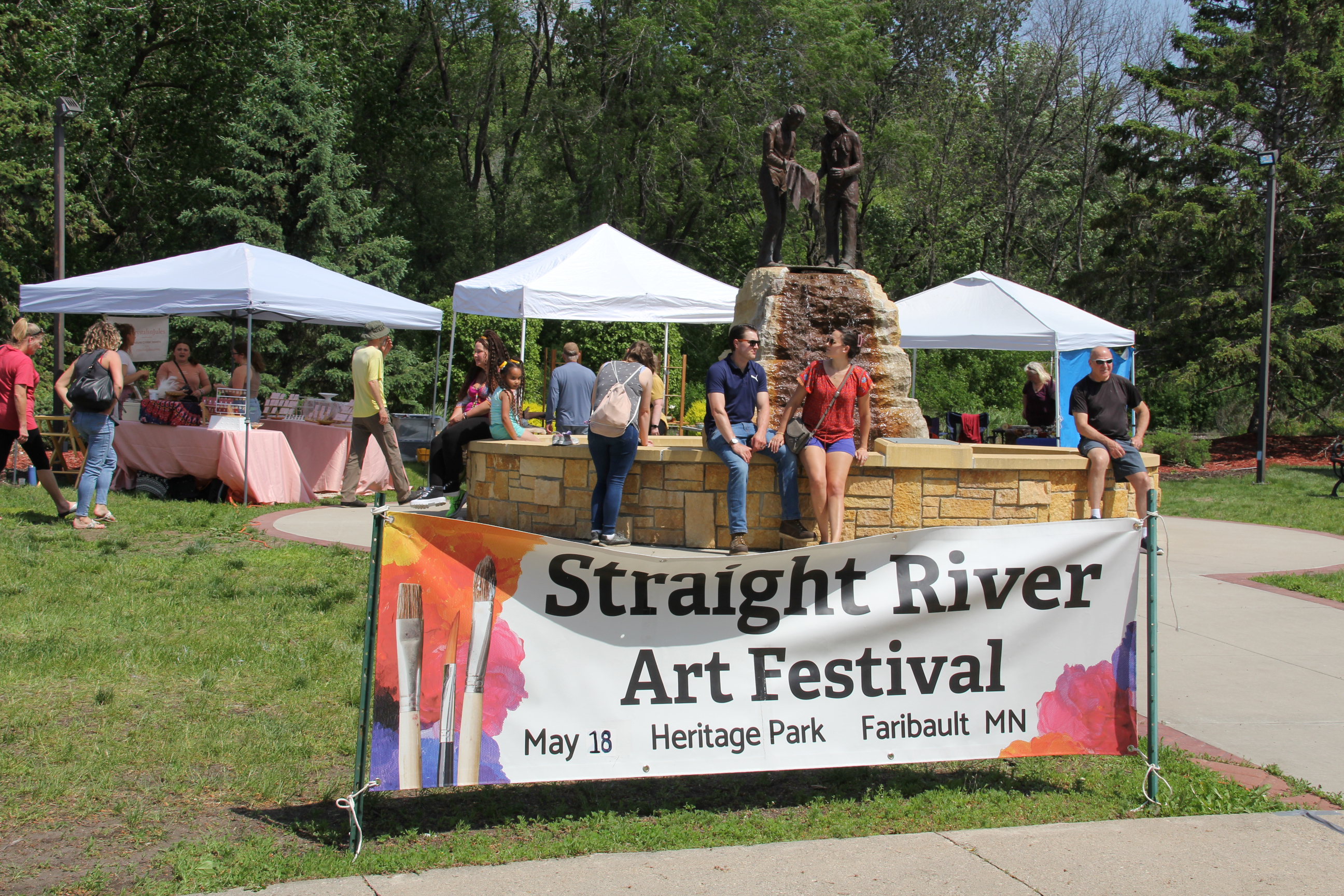
This fest, held in Heritage Park against a scenic backdrop of trees and limestone bluffs aside the Straight River near downtown, is a lovely setting for meandering among vendor tents, viewing art, chatting with artists and enjoying the Minnesota outdoors.
Bea Duncan Memorial Fountain centers Heritage Park, site of the art festival. (Minnesota Prairie Roots copyrighted photo May 2024)
A fountain sculpture depicting town founder Alexander Faribault trading with a Dakota man centers the park, adding an historic, artsy element.
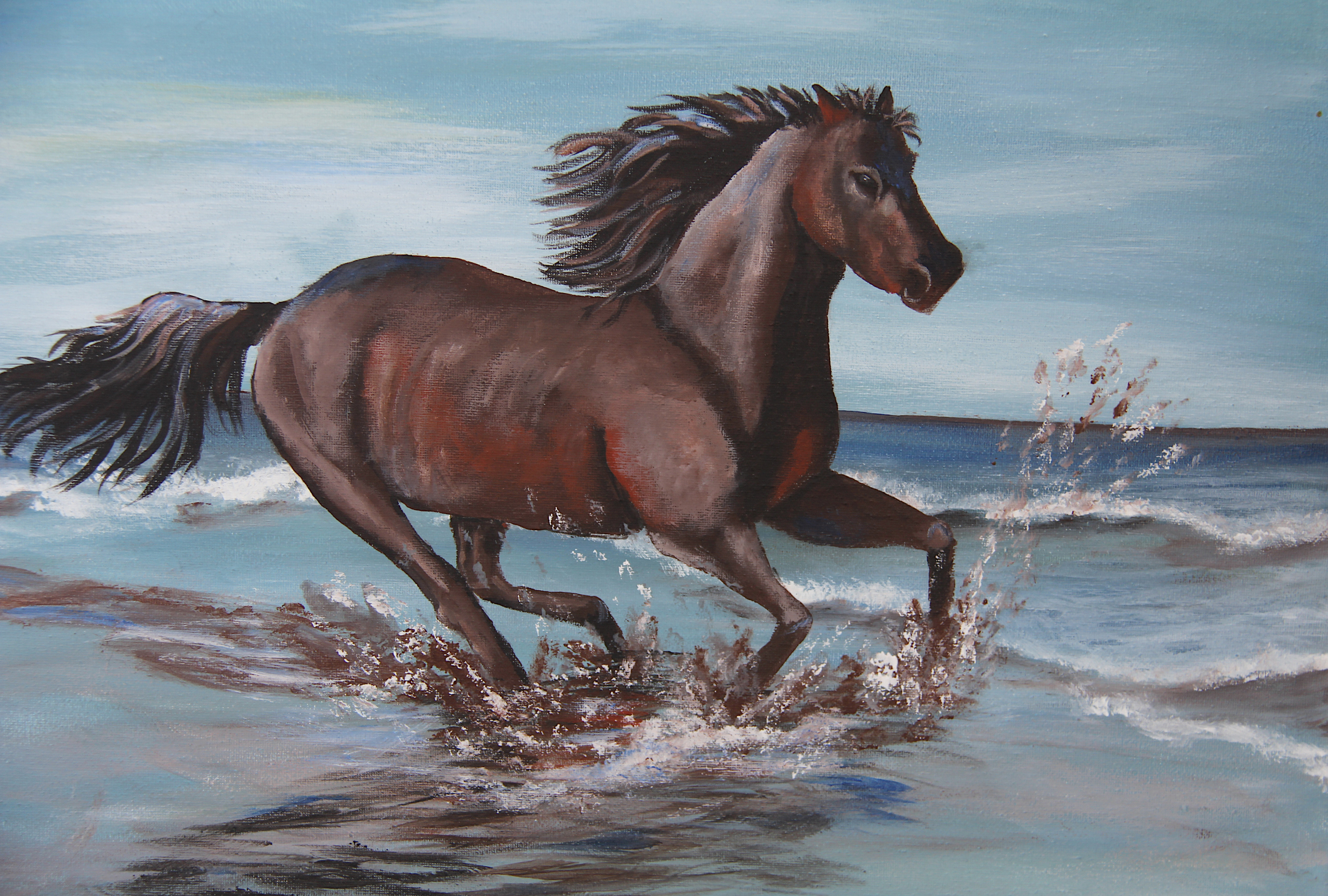
An acrylic painting by Peggy Paulson of Prairie Creek Art, Faribault. (Minnesota Prairie Roots copyrighted photo May 2024)
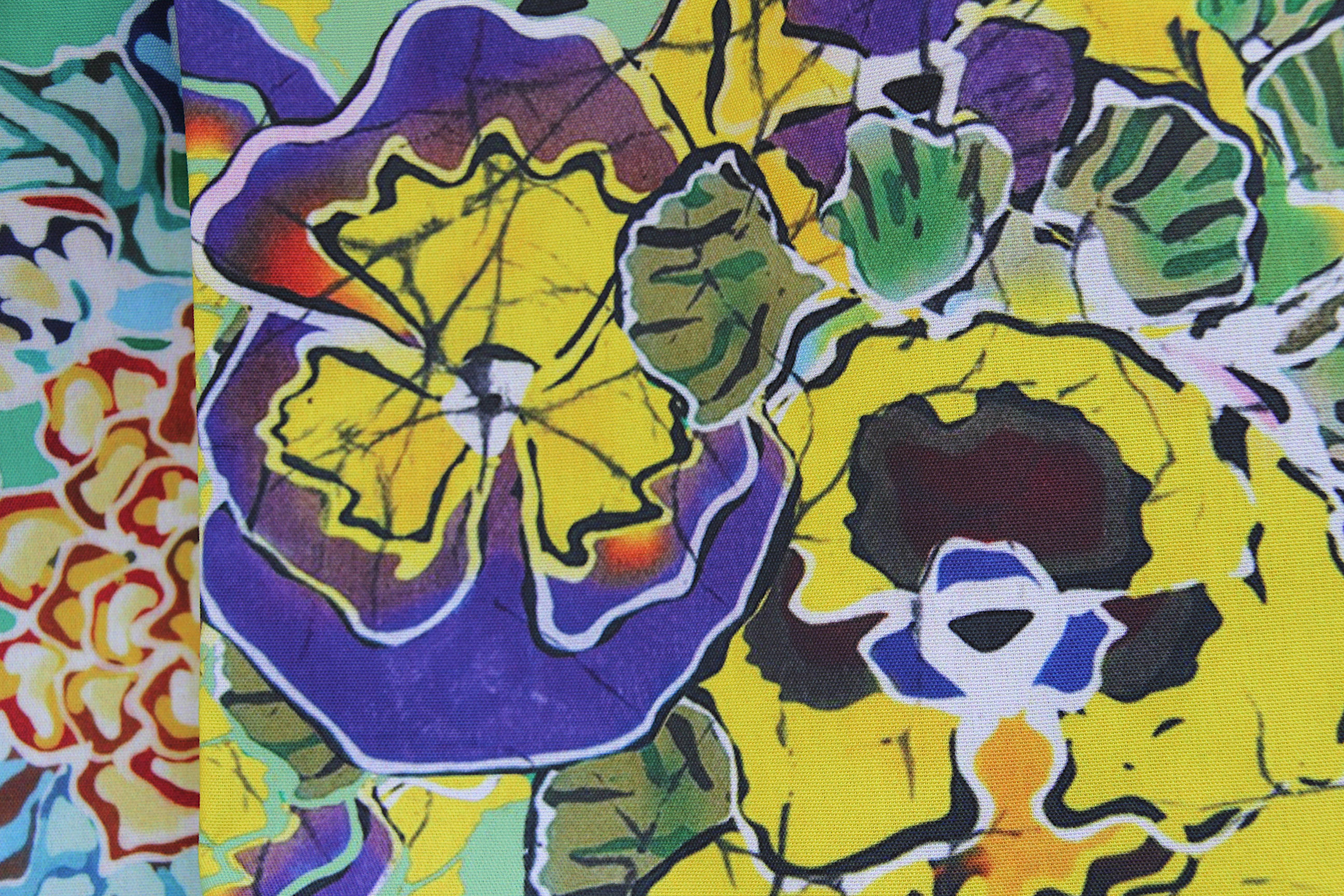
Original textile design art done with a serti-batiktechnique by Suz Klumb of Brigg Evans Design. (Minnesota Prairie Roots copyrighted photo May 2024)
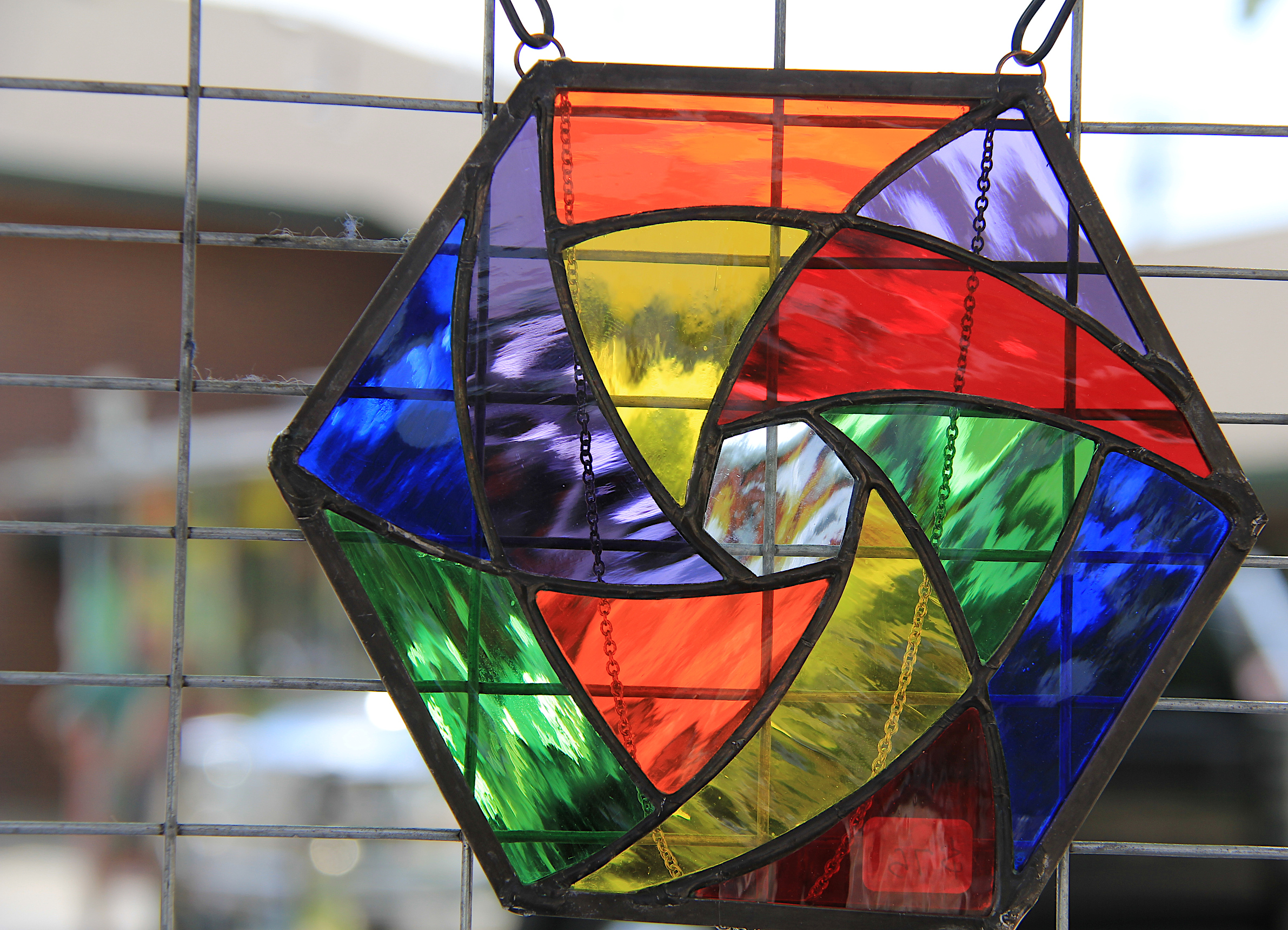
Like most arts festivals, this one featured a variety of art, this year from 30-plus creatives. I saw pottery, fabric and textile, batik, acrylic paintings, photography, stained glass, jewelry, fiber soft sculptures, handcrafted glass botanicals and more. Much more.
Vivid colors. Textures. Earthen hues. Stitching and sculpting. And shaping. An assortment of art appealing to assorted interests. It was all there.
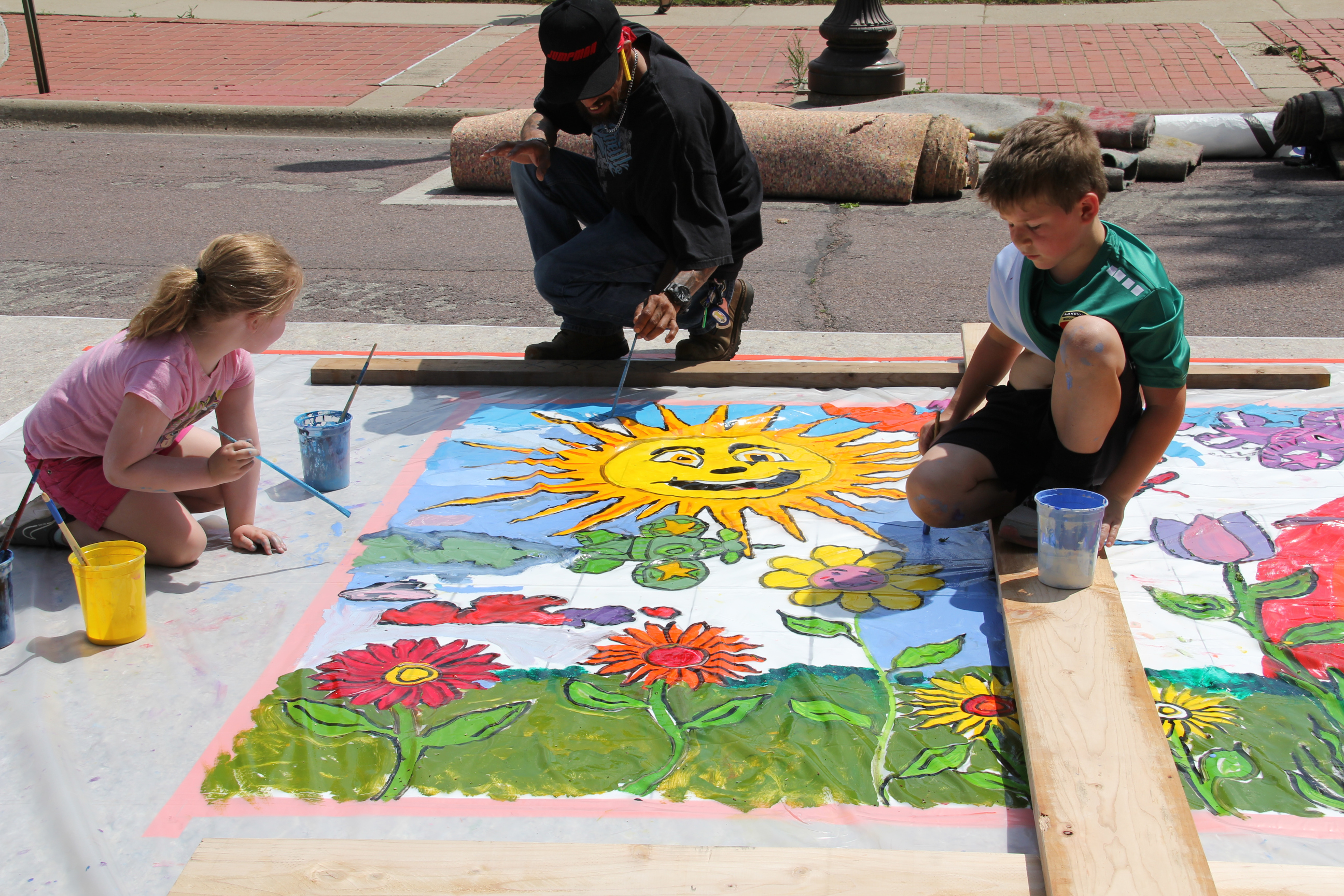
Mural painting at the Straight River Art Festival. (Minnesota Prairie Roots copyrighted photo May 2024)
There were activities for kids also, which I always appreciate since it’s important to engage families. The Paradise Center for the Arts offered hands-on art. Books on Central, a used bookshop in downtown Faribault run by Rice County Area United Way, handed out free picture books to little ones. And on a section of blocked off street, visual artist Stephen McKenzie laid out a mural for the community to paint. It’s on display now inside the Bachrach building along Central Avenue.
The center of the mural. (Minnesota Prairie Roots copyrighted photo May 2024)
The mural is bold and vibrant, engaging and beautiful, reflecting nature. It reflects, too, a sense of togetherness, that we are all one on this earth, under one sun, all colors of the rainbow, surrounded by beauty.
Kids and adults work side-by-side to paint the community mural. (Minnesota Prairie Roots copyrighted photo May 2024)
Watching adults and youth working side by side, painting bold hues onto the mural design, I felt joy. Individuals worked as a cohesive team to create art. There’s something to be said for that in this time of much divisiveness.
Paint inside a trailer used in painting the mural. (Minnesota Prairie Roots copyrighted photo May 2024)
Art brought folks together on Saturday to show and sell their art. But, more than that, the Straight River Art Festival builds community, energizes and connects creatives. There’s a certain vibe to an event like this that feels good, really good. But then again, I love art. And I deeply appreciate those who share it with us.
The only photo I have of my mom holding me. My dad is holding my brother Doug. (Minnesota Prairie Roots)
MOTHER’S DAY. It’s a day that can feel both sad and joyful. Sad if your mom is no longer living. Mine isn’t. Joyful if you have children, no matter their age.
It is a Sunday of gathering, of remembering, of honoring, of celebrating motherhood. Perhaps with a meal together. Perhaps with flowers delivered or received. Whatever, however, the focus should be one of love and gratitude.
I feel grateful for my lovely mom, who taught me kindness, compassion and care. Sure, she had her moments. Who wouldn’t with six kids spanning 12 years? We tested her patience more than once. But that didn’t diminish her love for us. Her own mother died at age 48, when I was only two months old, and I cannot imagine how difficult that was for my mom and her three younger siblings. So treasure your mom. Time together is precious.
The card I made for my mom as a child. (Minnesota Prairie Roots copyrighted photo)
So are words shared. As a writer, I value greeting cards as a way of expressing love and other emotions. My mom did, too. She saved cards, including a simple card I created for her in elementary school for Mother’s Day. I cut a flower photo from a seed catalog and pasted it to the front of a folded piece of paper, then printed I love you Mother. Audrey inside. The editor in me wants to add a comma and change the formal Mother to Mom. But I doubt Mom much cared. She was just happy to get a handcrafted card from her eldest daughter.
Likewise, I love getting greeting cards from my now-grown children. One arrived in the mail today from my second daughter, who lives 260 miles away in Madison, Wisconsin. I last saw her at Christmas. Her job as a letter carrier for the US Postal Service keeps her working 10-12 hours daily, usually six days a week. So seldom does Miranda have adequate time off to travel to Minnesota. I couldn’t help but think, as I opened her Mother’s Day card, that Miranda was likely dropping similar cards into mailboxes along her route.
Mothers always appreciate flowers. These were a gift from my daughter Amber and her family in 2021. (Minnesota Prairie Roots copyrighted file photo 2021)
She chose a lovely floral design card that is certainly “me.” And then my sweet daughter penned the most loving message. One that left me in tears. Hope you have a nice, relaxing day surrounded by the people you love. We love & miss you. Love, John & Miranda.
A plane leaves Minneapolis St. Paul International Airport. (Minnesota Prairie Roots copyrighted file photo)
I will be surrounded by people I love—my eldest daughter, Amber, son-in-law and two grandchildren—on Saturday. But “the people I love” also includes the rest of my family. And in that moment tears fell at the missing of Miranda and her brother, Caleb, both of whom I haven’t seen in more than four months. Caleb lives in Boston.
This photo of me with my mom was taken two years before her death. Minnesota Prairie Roots copyrighted file photo January 2020 by Randy Helbling)
To be a mom is to understand that separation is inevitable. Our kids grow up, move away, sometimes farther than we’d like. Things keep us apart. Death also separates. Daughters and sons have lost mothers. Mothers have lost children. But in the end, love remains. As does gratitude. I am grateful for my mom. Grateful for my three children. I am grateful to be a mother.
Happy Mother’s Day to all the moms out there! You are loved. And appreciated.
THE LOSS IS IMMENSE, TRAGIC—the deaths of eight prominent community members in southern Minnesota last week. I knew none of them personally. Yet I did. We all did.
If you have ever read a community newspaper, then you knew the deceased. For it is eight Minnesota newspapers, not individuals, that died. Ceased publication, only weeks after an announcement of their forthcoming funerals.
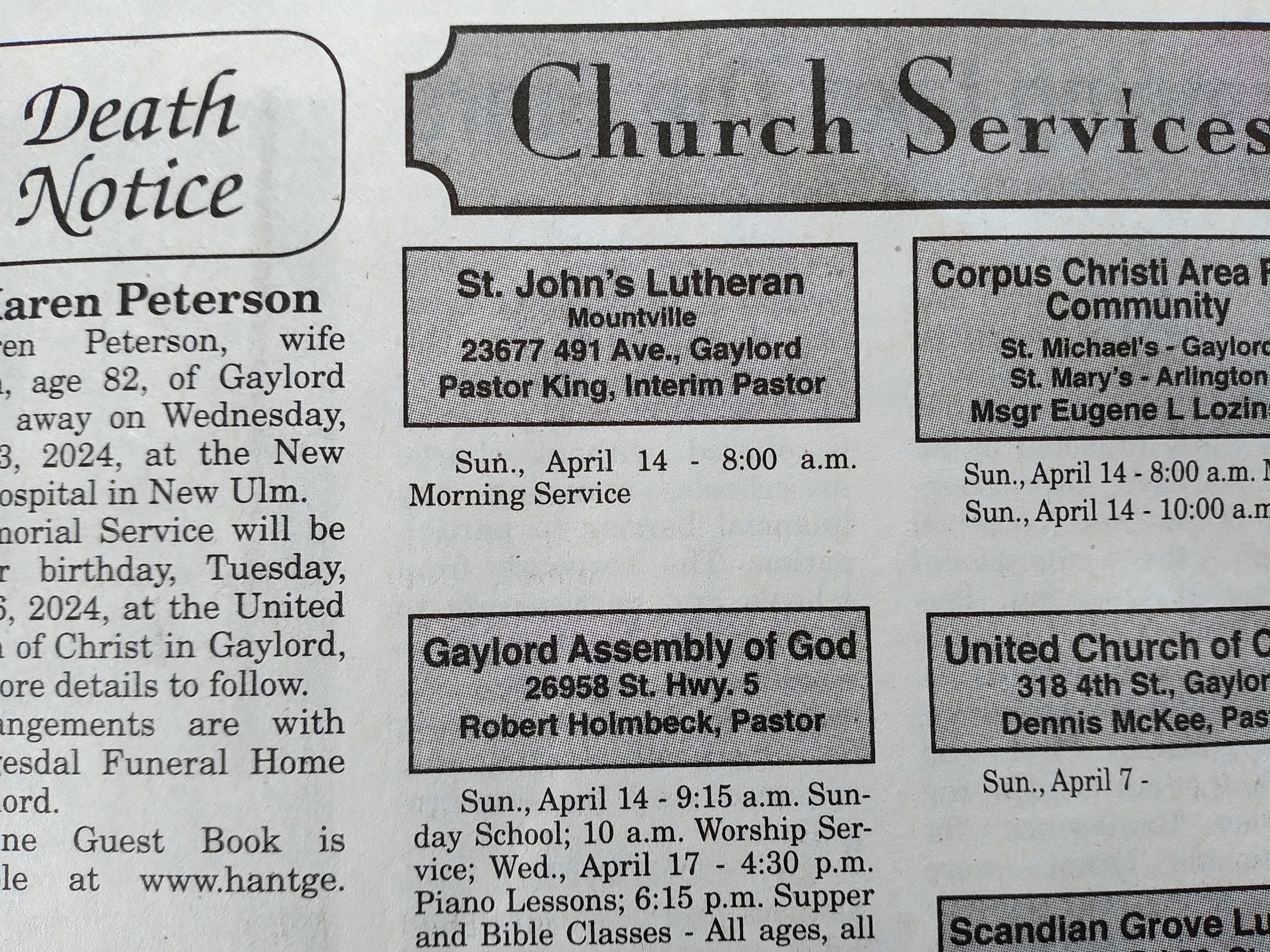
Death notices and church services, printed in The Gaylord Hub.
I am mourning the deaths of the Hutchinson Leader, Litchfield Independent Review, Chaska Herald, Chanhassen Villager, Jordan Independent, Shakopee Valley News, Prior Lake American and Savage Pacer, plus Crow River Press Printing Plant. All are owned by Denver-based MediaNews Group, part of hedge fund Alden Global Capital.
They ranged in age from 30 (Savage Pacer) to 162 (the Chaska and Shakopee papers). Five of the eight began publication between 1862-1880. That’s quite a legacy.
I am undeniably biased in reporting this news. I hold a journalism degree, have worked for community newspapers and write for publications owned by Adams Publishing Group. I believe in community journalism with the fierceness of recognizing its importance, its value, to the people who live and work in the places these papers cover. No one covers local like local.
My local paper, owned by Adams Publishing Group, still prints a special graduation section each spring.
And now that print coverage is lost in all these southern Minnesota towns, cities and rural areas: The watchdog coverage of school board, city council, county board, planning and zoning, and other government bodies. The stories about crime and tragedies. The stories about community events and celebrations. The interesting features that focus on people. Local sports and arts and entertainment stories. Community calendars, school honor rolls and lunch menus. Graduation. Obituaries and much more.
In my first journalism class at Minnesota State University, Mankato, I learned how to craft an obituary. It was our initial writing assignment, I think to impress upon all of us post-Watergate would-be reporters the importance of getting every detail correct in a story. That lesson stuck with me. Get it right.
I took that knowledge with me to The Gaylord Hub, a small town community newspaper printed at Crow River Press in Hutchinson. Each week a co-worker and I aimed north in a vintage Dodge van to deliver the newspaper lay-out sheets to the printing plant. The process of creating a newspaper in 1978 was decidedly different than today. Consider that I typed all my stories on a manual typewriter. A typesetter then typed my work into a typesetting machine. Stories were printed out in columns, then laid out and pasted onto lay-out sheets. No designing by computer. Then it was off to Crow River Press, where a co-worker and I watched the Hub roll off the press, bagged the freshly-inked papers and delivered them to the Gaylord Post Office, where subscribers eagerly waited to get their papers.
A front page story in the April 11 issue of The Gaylord Hub.
Yes, I’m feeling a tad nostalgic and sad thinking of the closure of Crow River Press. The recent shut-down left the publisher of The Gaylord Hub, and other small town newspaper owners, scrambling for a place to print their papers. Many printing plants, like community papers, have met their demise in Minnesota as large media groups acquired papers and plants.
This thank you published in the April 21 final edition of The Galaxy, a supplement to eight community newspapers printed by Crow River Press.
Times change. I understand that. The economy, technology, COVID, acquisitions and much more have factored into the deaths of community newspapers. Readers find their “news” elsewhere. Businesses spend their advertising dollars elsewhere. Far-removed executives make questionable business decisions. The list of reasons and excuses and explanations is extensive.
Community members, too, hold some responsibility in the deaths of newspapers. I can’t speak to the specific papers that closed last week in Minnesota, but I can tell you what I hear locally. And that is criticism, some deserved, much not. People have always criticized the media, failing to remember that reporters are reporting, not creating, the news. But the comments have become more intense, more rabid, more frequent. Freedom of the press feels threatened in our democracy.
The community journalists I know are honest, hardworking, (probably) underpaid and devoted to the craft. Just as I was when I worked as a full-time newspaper reporter.
This full page notice/thank you, an obituary of sorts, published in the April 21 final edition of The Galaxy.
Community newspapers are no longer valued like they once were, resulting in fewer subscribers. When I hear people say they no longer subscribe to the local paper, I suggest they reconsider. Community newspapers are vital to our cities, towns and rural areas. And sometimes we don’t understand that, until it’s too late, until we’re reading their obituaries.
-30-
NOTE:Print journalists have used -30- to signify the end of a storysubmitted for editing. I use # to indicate the ends of my stories, except today, when the old school -30- seems more appropriate.



























 Minnesota Prairie Roots
Recent Comments