Minnesota Prairie Roots

Writing and photography by Audrey Kletscher Helbling

Up close with an Amish family in southeastern Minnesota October 15, 2013

HIS NAME SURPRISES ME. Dennis. “It is not,” I insist to my husband, “in The Book of Amish.”

Not that a Book of Amish exists. I have made that up. But in my mind, this trim Amish carpenter with the dark beard, suspenders criss-crossing his back and a tape measure hooked on his black pants, should bear a biblical name like Samuel, Jacob or Daniel.

Dennis sounds too Englisch.

His surname of Hershberger, however, seems appropriate although the German in me would like to insert a “c” and make that Herschberger.

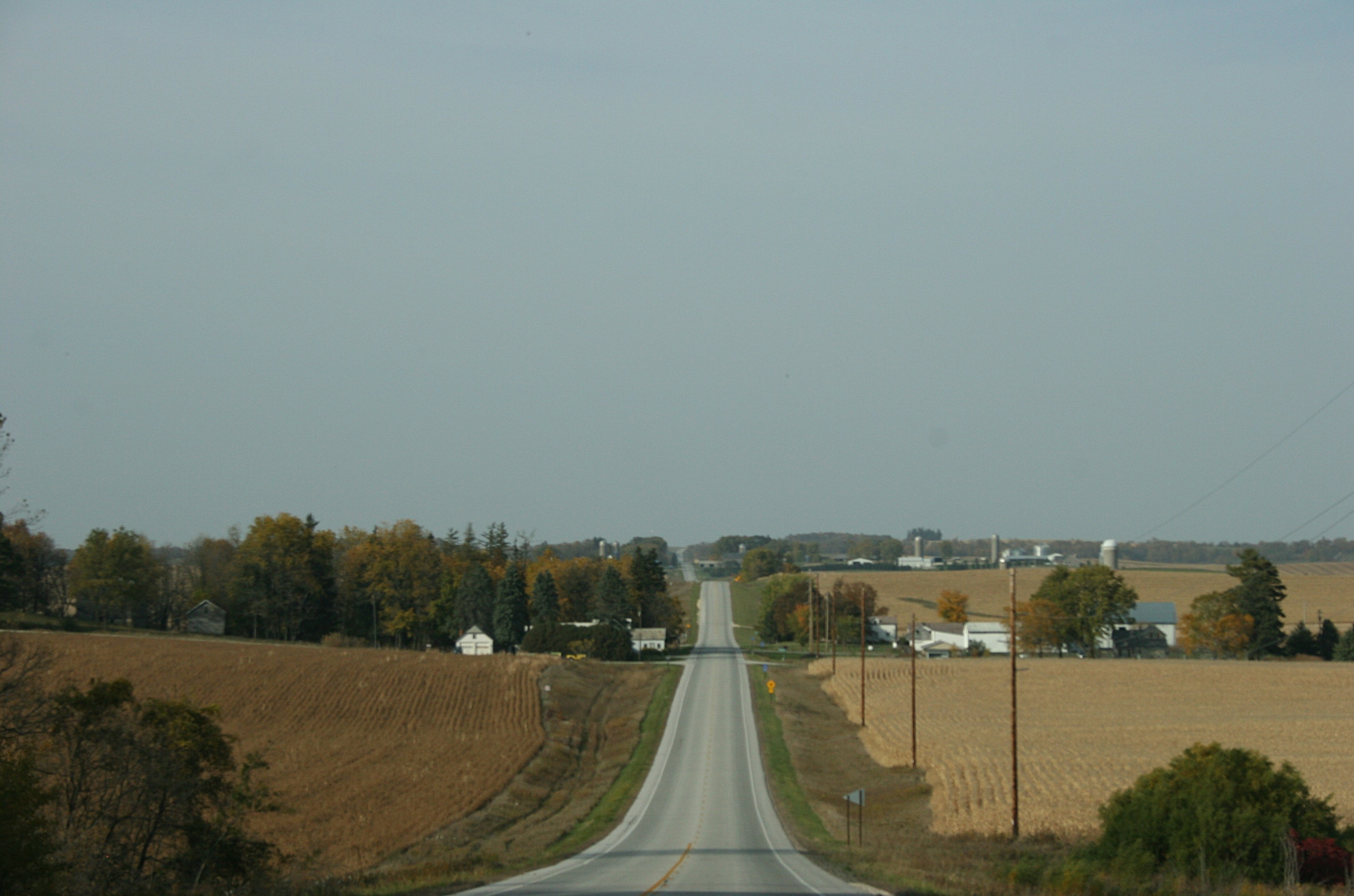
Driving Fillmore County Road 21 north of Canton toward Henrytown then west to Dennis and Mary Hershberger’s farm in early October 2012. This is deep in Minnesota Amish country.

The photographer in me would also like very much to photograph this young Amish father who crafts the most beautiful, gleaming furniture you can imagine on his farm north of Canton and west of Henrytown in southeastern Minnesota. But I know that to photograph him would violate his trust and hinder my welcome to Countryside Furniture.

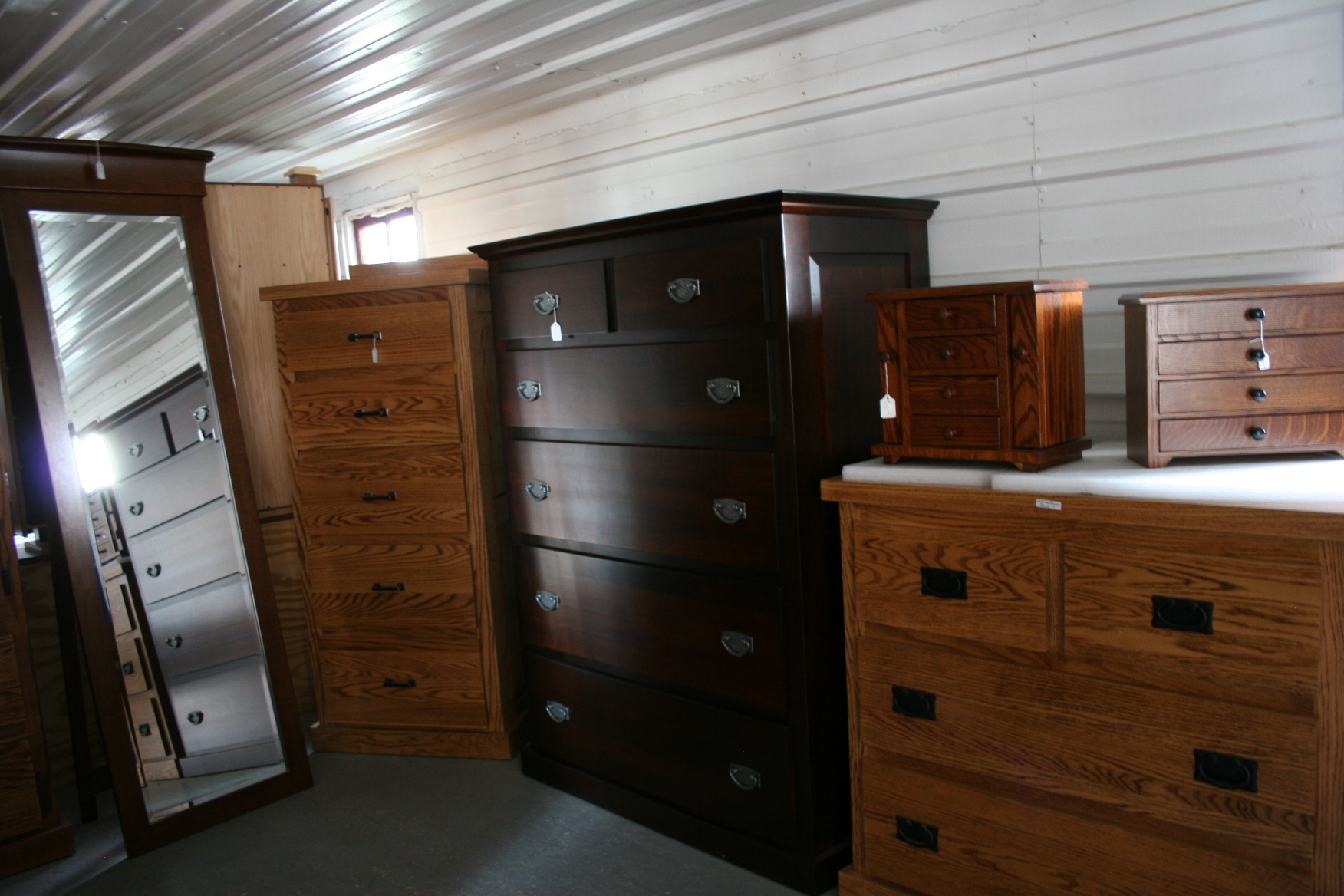
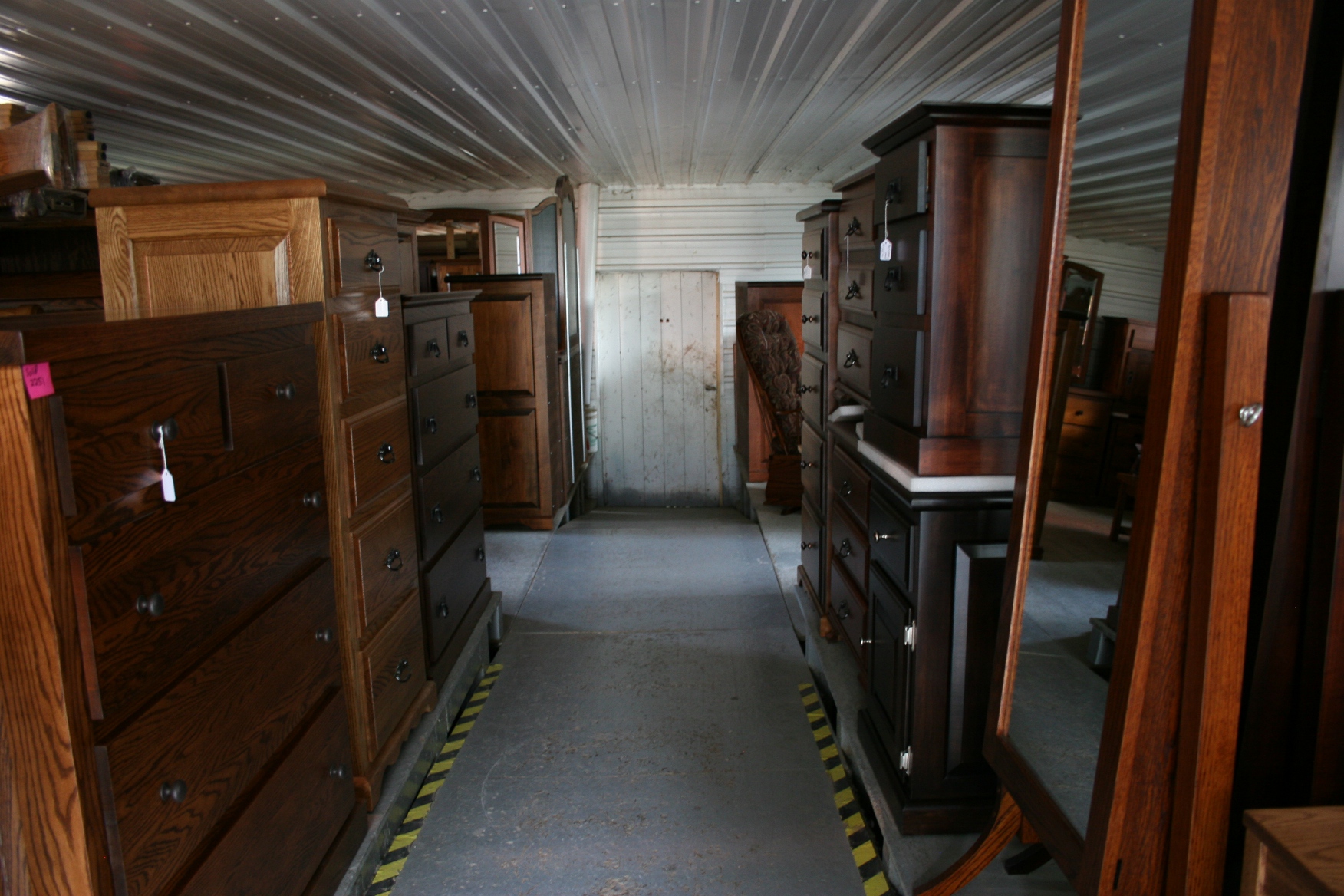
Inside Countryside Furniture, with furniture crafted by Dennis and crew.

So I keep my camera low, tugging it to my side as I watch the Hershberger children, 17-month-old Simon and his 3-year-old sister, whose name I never do learn, wheel a faded red wagon. I am mostly intrigued by Simon in the plain handcrafted blue dress that skims his ankles above pudgy bare feet hardened to the stones and rough grass underfoot. His face is still edged with the softness of a baby, but emerging into that of a little boy. Straight cut bangs ride high on his forehead with wisps of hair tickling his ears in a bowl cut hair style.

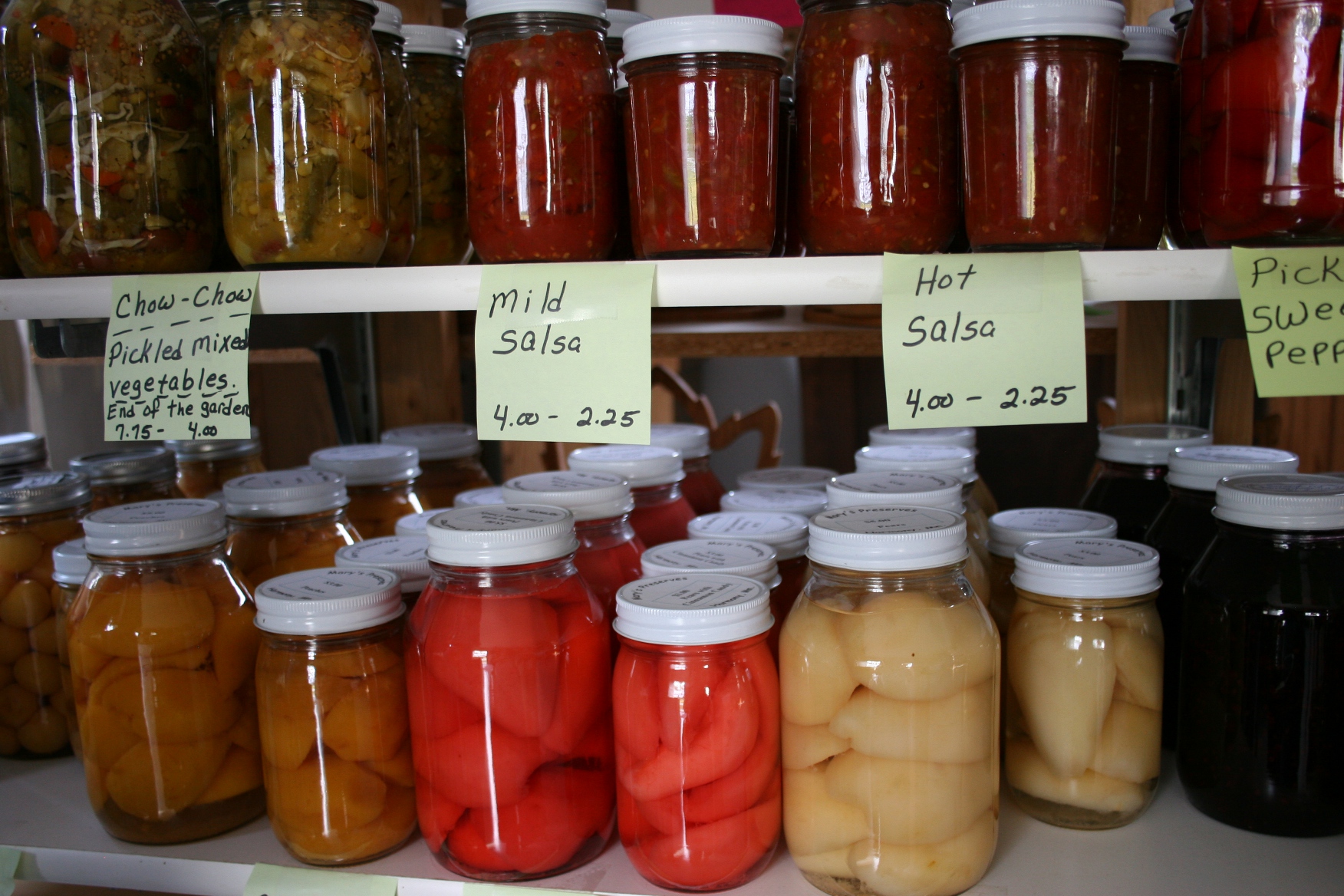
Jars of canned goods line the shelves in Mary’s shop.

When I amble next door, the siblings follow me into their mother’s shop, rattling round and round with the wagon like a car on a racetrack.

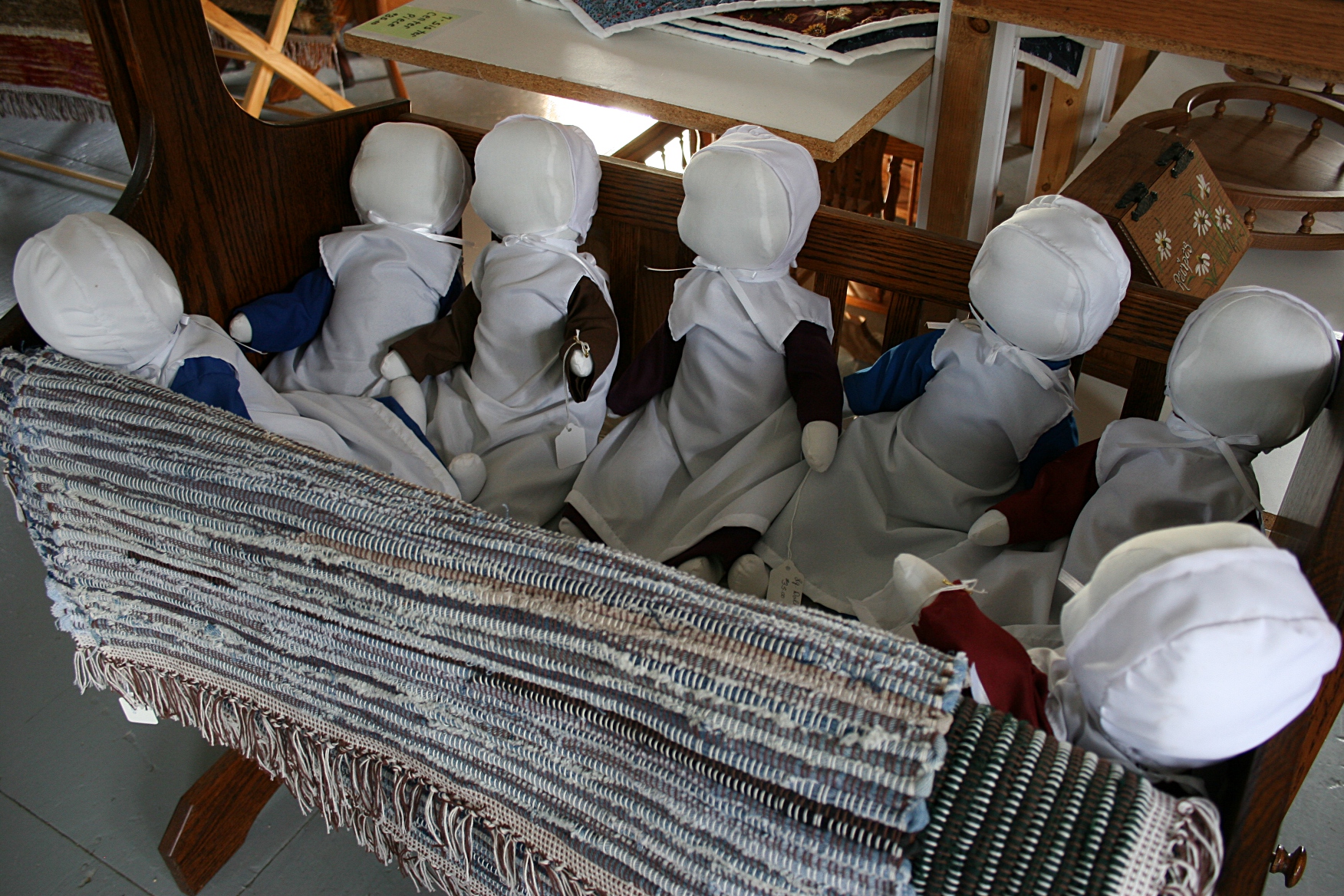
I admire the rows of canned produce (bright orange carrots, golden nuggets of corn, jade spears of dill pickles), the faceless Amish dolls snug in a cradle, the tight weave of cotton rag rugs…

Faceless handcrafted Amish dolls in a handcrafted cradle.

I lift bars of homemade soap and breathe in their perfumed scent.

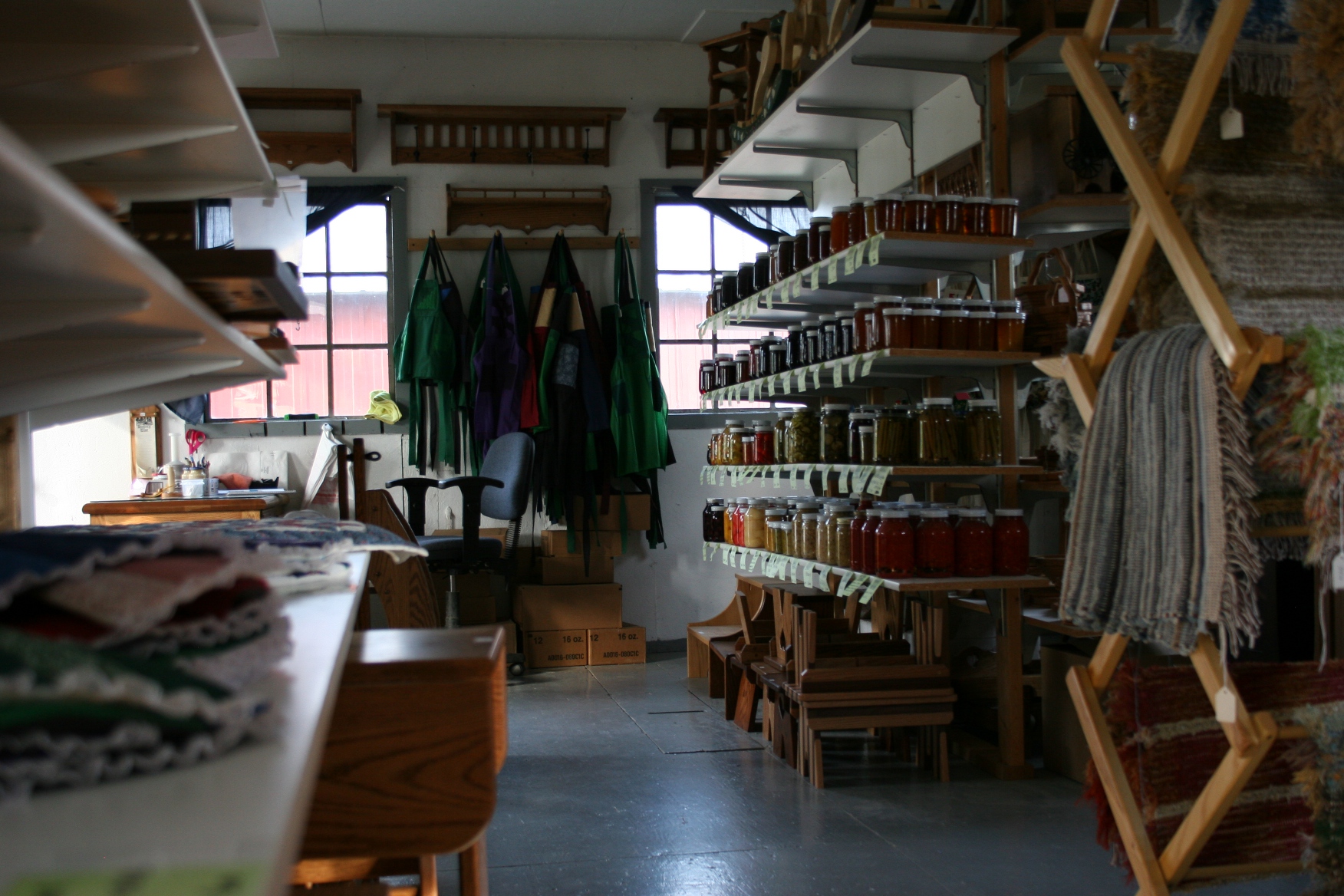
A pathway in the crafts store where Simon and his sister circled their wagon.

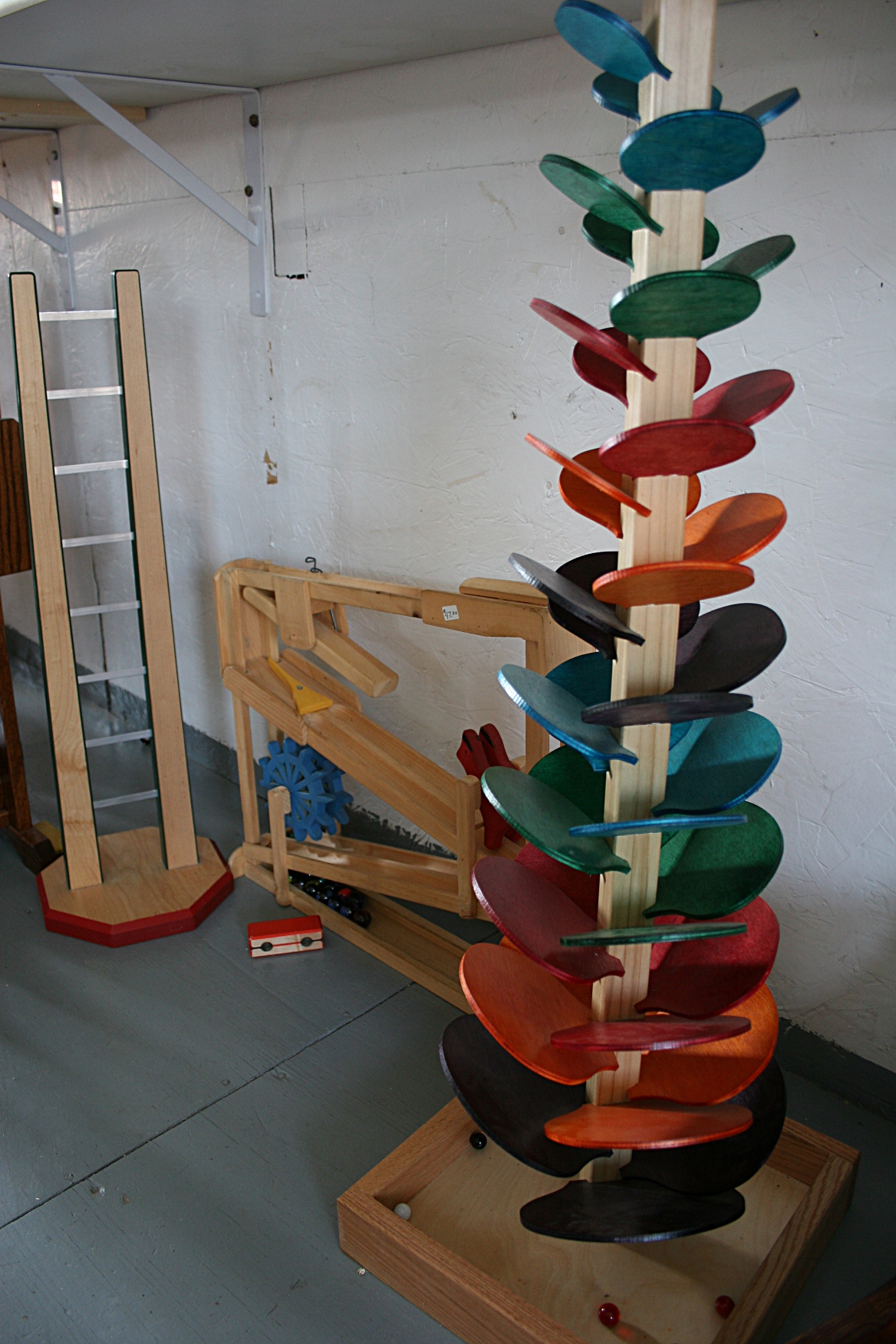
Then my attention turns again toward little Simon and his sister as they drop marbles onto a colorful tower before darting outside. Clack, clack, clack.

The siblings dropped marbles down the colorful tower on the right.

Through the open shop door, I watch a horse and buggy wheel into the farmyard, steering toward the weathered red barn. A boy, perhaps 10 years old, strolls toward the farmhouse and I lift my right hand to wave. He hesitates, then returns my greeting.

I turn my attention back to Mary’s merchandise. We must choose something to purchase now. It is expected. So Randy picks two jars of Mary’s Preserves. We head back to the furniture showroom, a small outbuilding with white walls and a low ceiling, with two jars of strawberry and tripleberry jams.

We make small talk. Dennis asks where we’ve come from. “Faribault,” I tell him.

“Along Interstate 35,” he notes, then tells us of a good customer from our community.

A close-up of the furniture Dennis and his crew craft.

I ask Dennis’ permission to photograph his fine furniture and he gives his OK. Then we return, with Simon still tugging that wagon, to Mary’s shop. As we walk, Dennis lifts his son off the ground, snugs the boy against his right hip, then speaks to him in a language I can only assume is a German dialect. I expect Simon may be getting a gentle admonition about taking the wagon inside his mother’s shop.

Randy pays $4.50 for the jam. We thank Dennis for the gracious welcome to his farm.

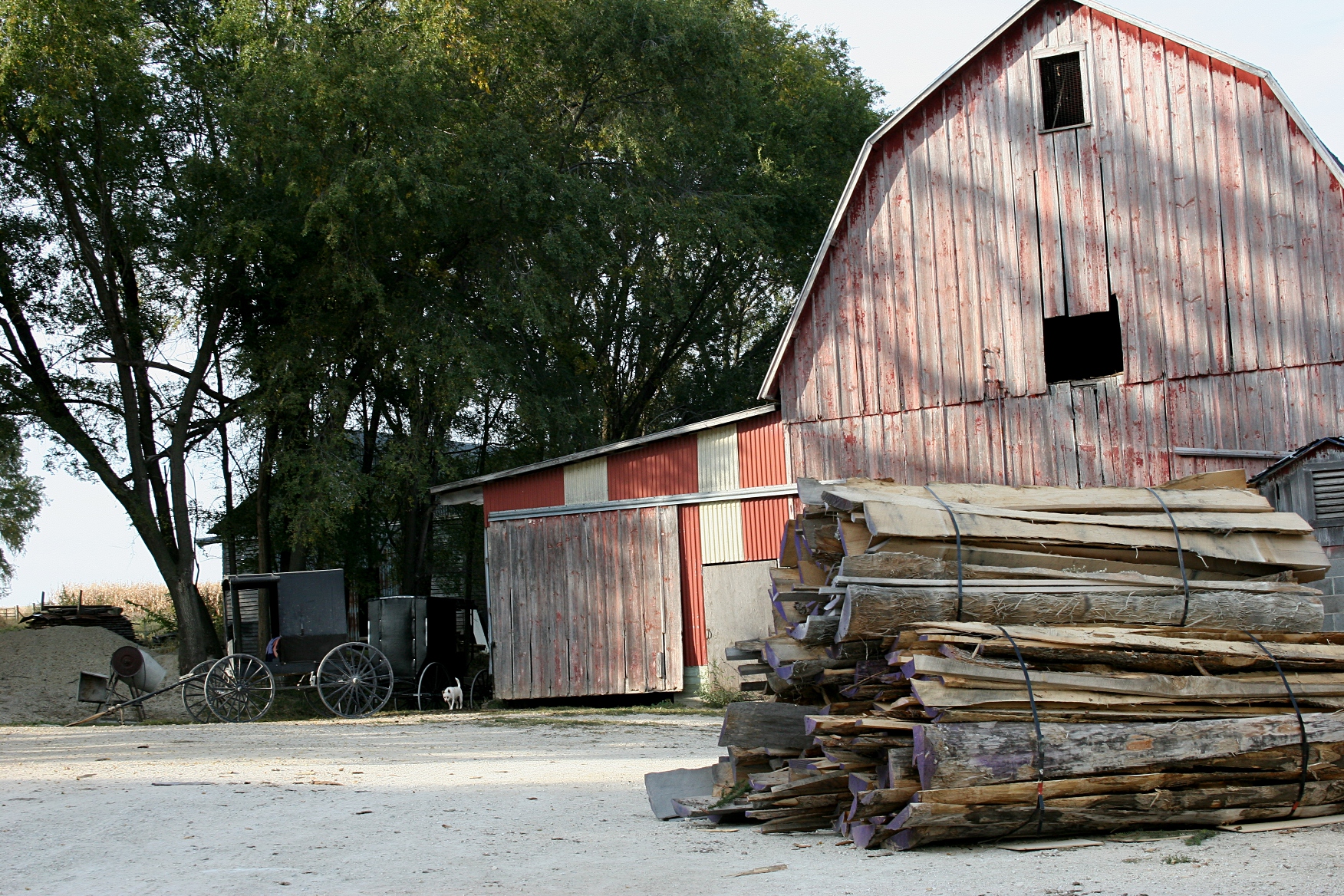
My final shot of the Hershberger farmyard: the barn, the buggies, the stack of wood.

As we head to the car, I photograph the red barn, the two buggies parked next to it and the rough-hewn lengths of stacked wood which Dennis and his helpers will soon craft into fine furniture.

Even though I couldn’t photograph the Hershbergers, the visuals of this place, of this Amish family, of this experience, have imprinted upon my memory. And sometimes that is better than a photo.

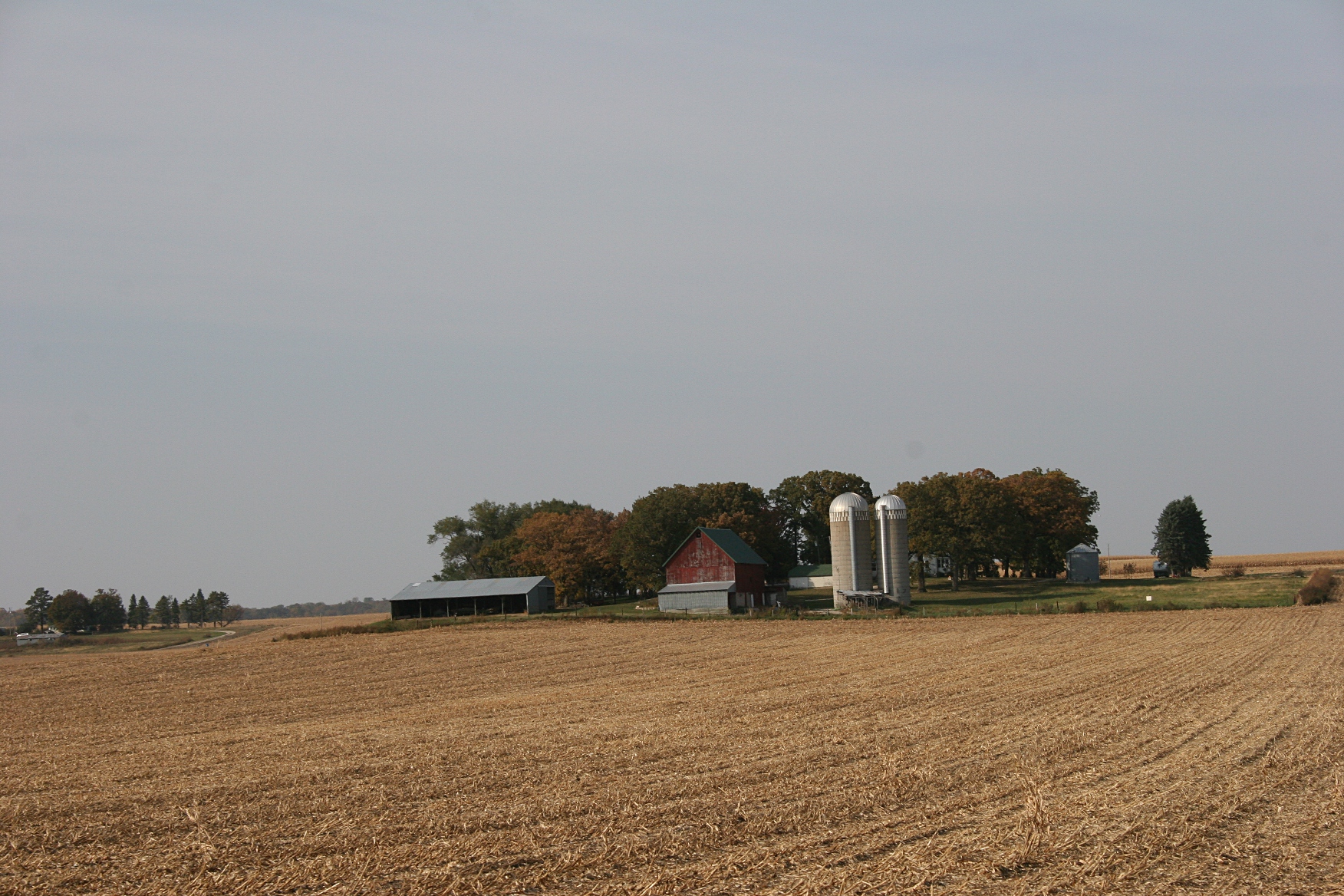
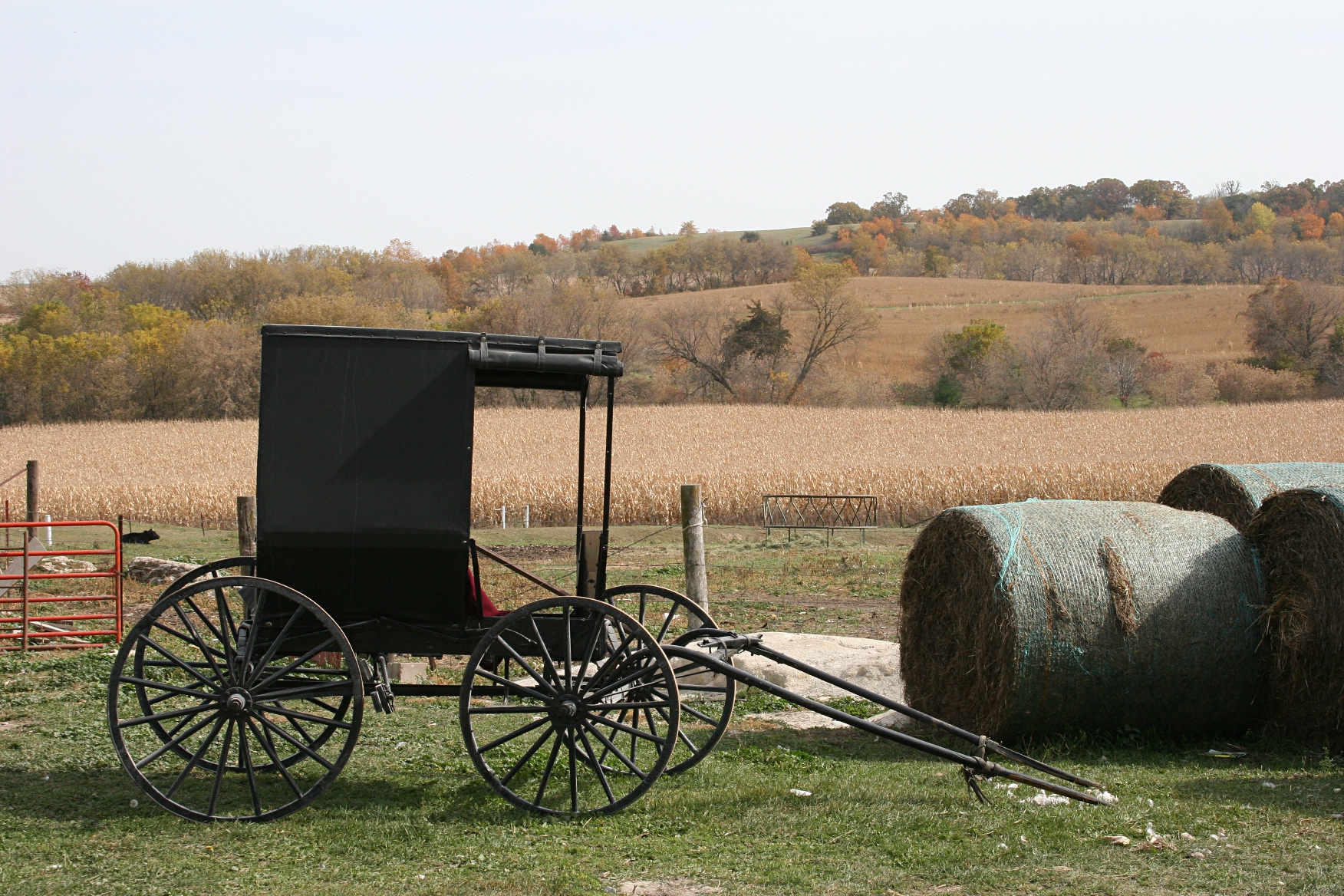
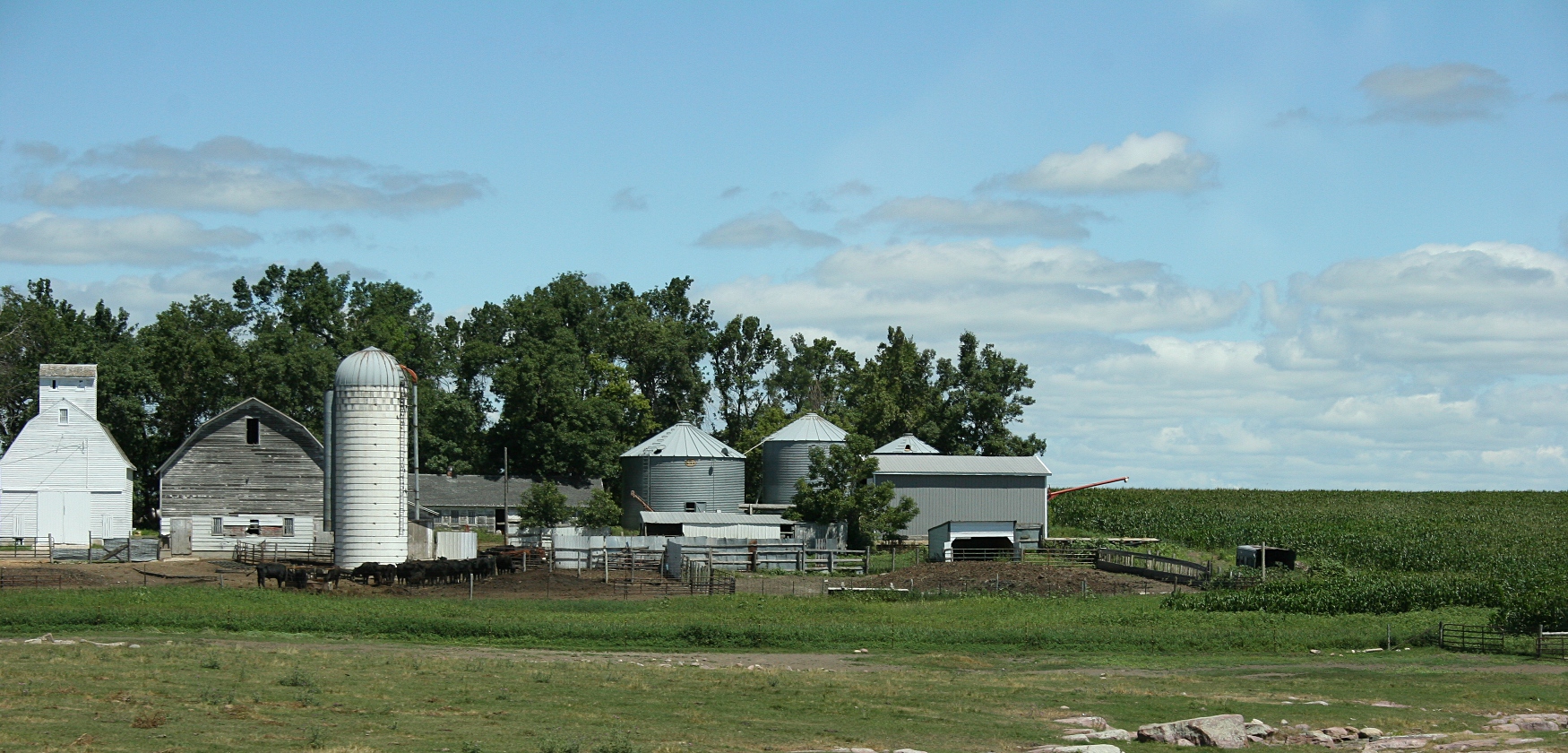
A picturesque farm near the Hershberger place, rural Fillmore County, Minnesota, taken in early October 2012.

FYI: Dennis Hershberger also sells his furniture at Countryside Furniture, located at Old Crow Antiques in Canton, at the intersection of U.S. Highway 52 and Fillmore County Road 21. The Hershberger farm is about five miles northwest of that intersection.

Old Crow Antiques is a great place to stop for information on local Amish farms.

This story and these images are from an October 2012 visit to the Hershberger farm.

© Copyright 2013 Audrey Kletscher Helbling


In which I meet Amish quilter Fannie Miller on her Lenora farm October 11, 2013

Filed under: Uncategorized — Audrey Kletscher Helbling @ 6:00 AM
Tags: , , , , , , , , ,

THE AMISH HAVE ALWAYS intrigued me. I can’t explain specifically why, except to admit that perhaps I am a bit envious of their minimalist lifestyle, one likely similar to that of my farmer forefathers.

Never have I gotten a closer look at Amish life than on an early October 2012 day trip to the Lenora/Canton/Harmony area of southeastern Minnesota.

My first glimpse of the Amish began in unincorporated Lenora in southeastern Fillmore County where my husband and I were searching for the historic Lenora Methodist Church. Unable to initially locate the church (how we could miss it in tiny Lenora is beyond me), we stopped at Summer Kitchen Antiques, which was closed, and then began driving east onto a gravel road.

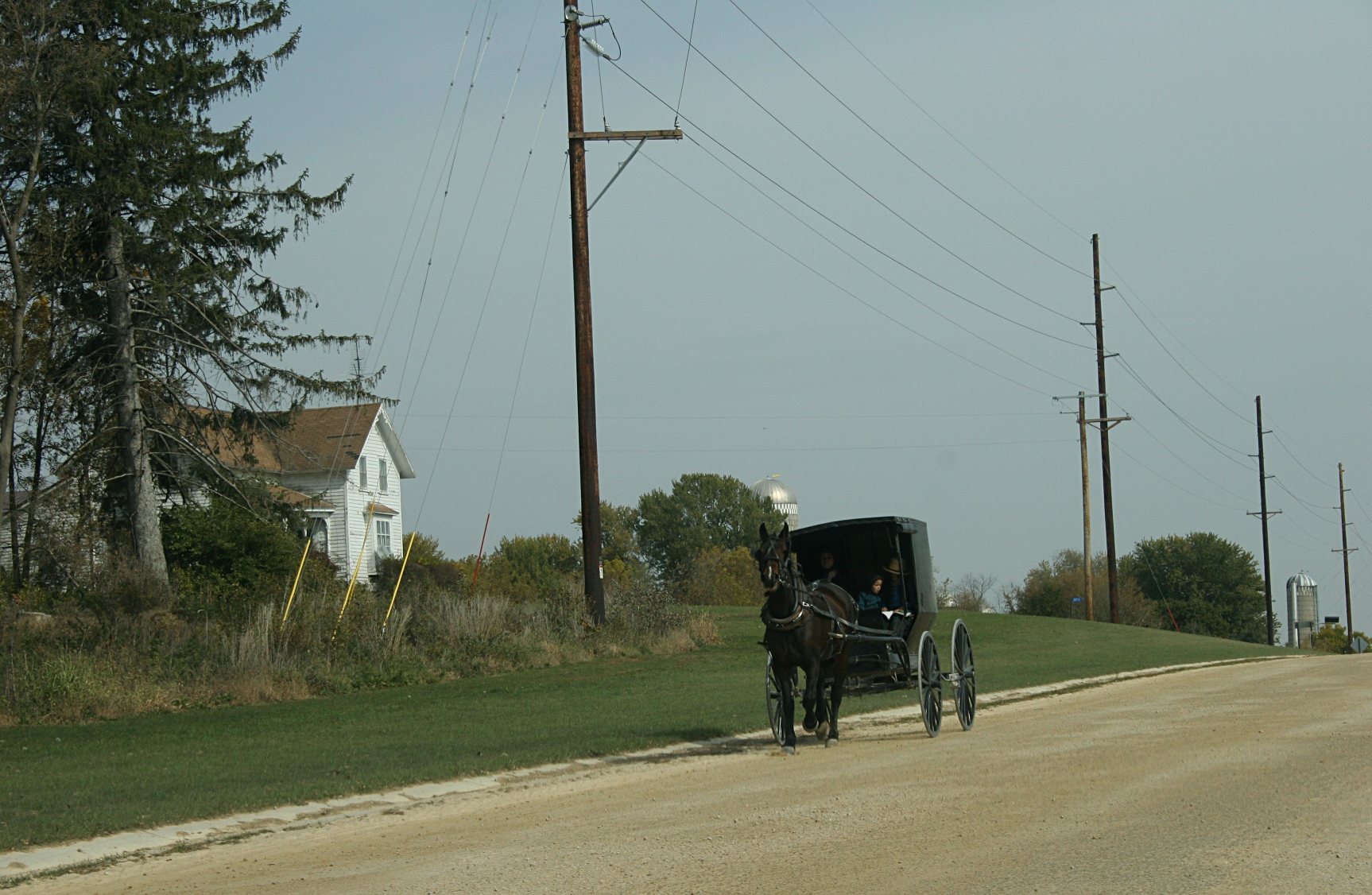
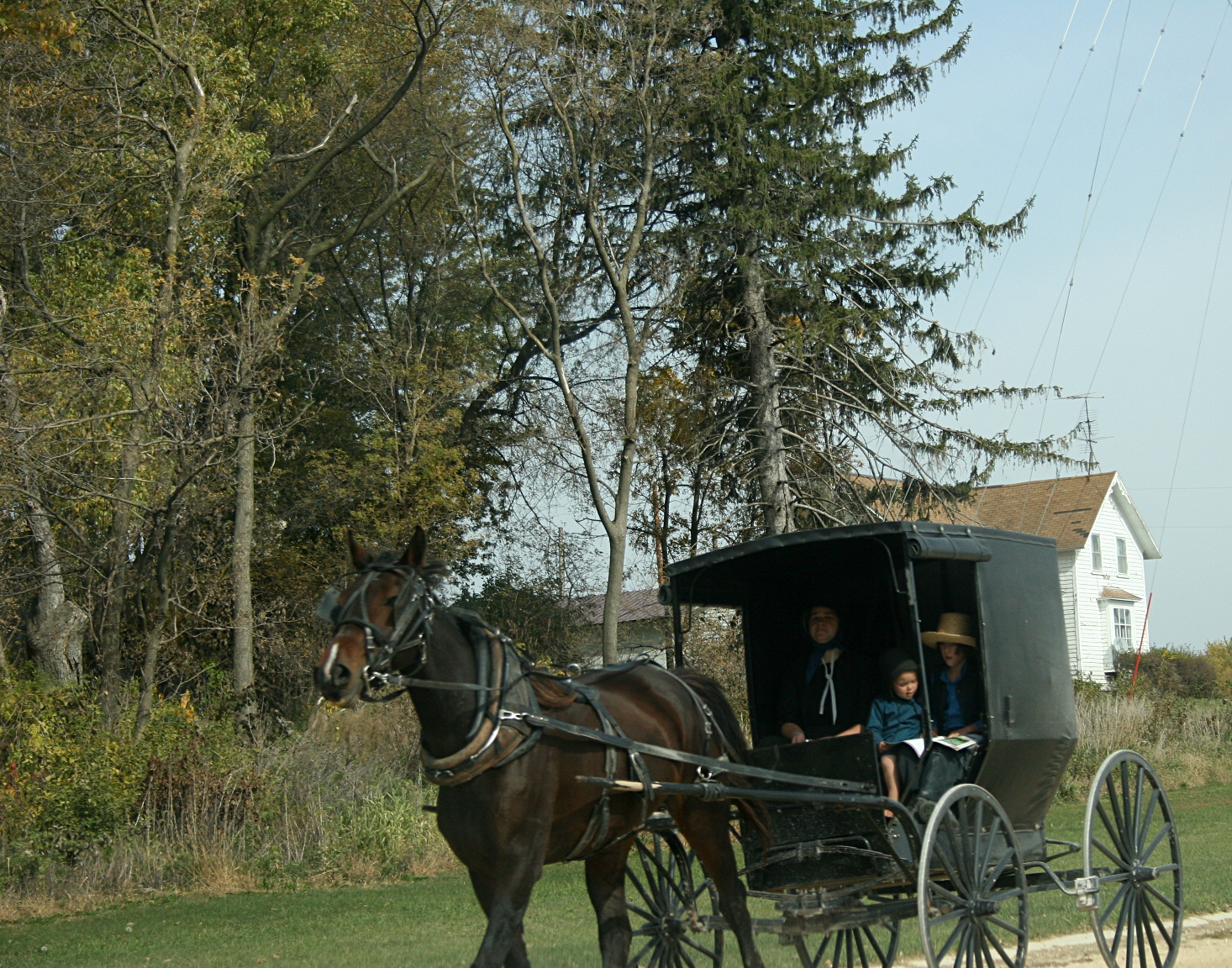
An Amish buggy approaches our car just on the outskirts of Lenora.

Just barely past the antique shop, an Amish buggy came into view and I raised my camera to snap two quick photos through the passenger side windshield. Now I know how the Amish forbid face photos, and I am (mostly) respectful in their close presence. But when they are traveling on a public roadway in a region that markets itself as a “see the Amish” destination, from which the Amish benefit financially, I do not feel obliged to keep my camera tucked away.

A close-up look at the approaching buggy shows a young Amish boy reading a book to his little sister as their mother guides the horse and buggy down the gravel road.

After that initial sighting, we came upon a roadside sign advertising quilts and table runners less than one-quarter of a mile from Lenora. My excitement heightened as we turned into the Amish farmyard, even though I was acutely aware I’d need to keep my shutter button finger mostly still.

That proved to be a challenge as I desired more than anything to photograph the red-haired pre-teen Amish girl with the pinkish birthmark splotched across her right cheek lolling on the feather-littered lawn next to her younger brother with the bowl-cut auburn hair.

When I cannot take a photo, I imprint visual details upon my mind.

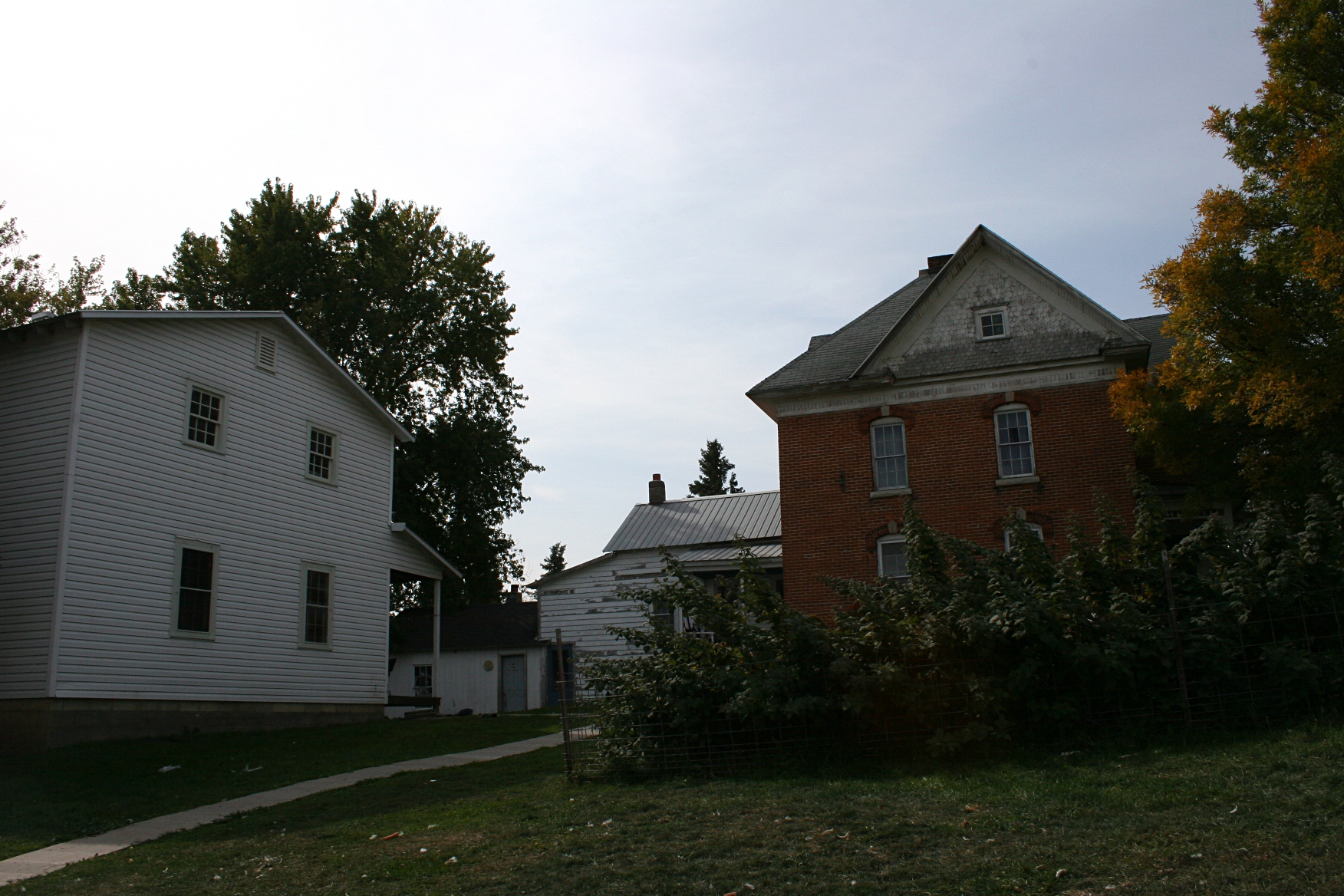
Fannie Miller’s brick house is on the right, her shop in the attached lean-to just to the left.

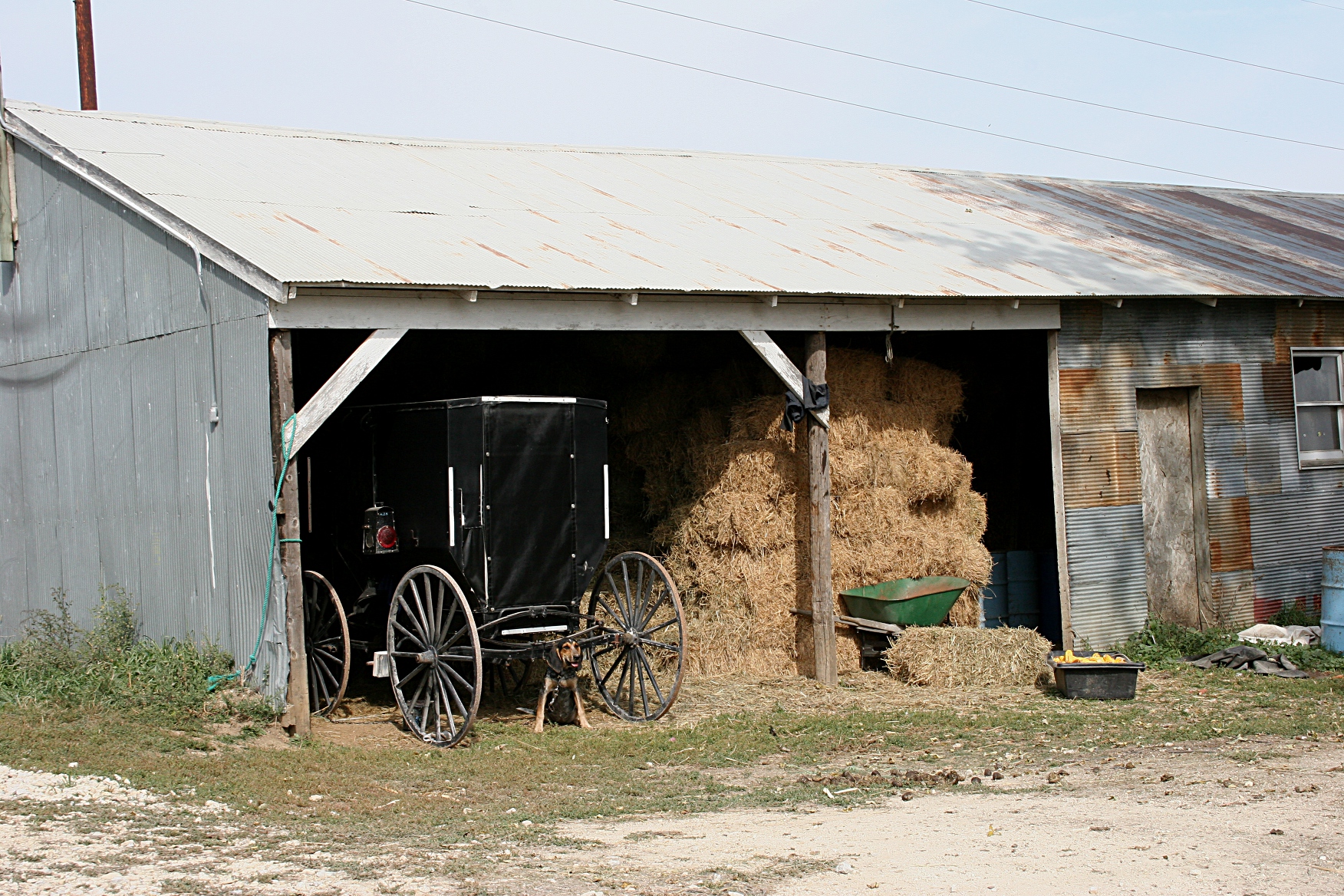
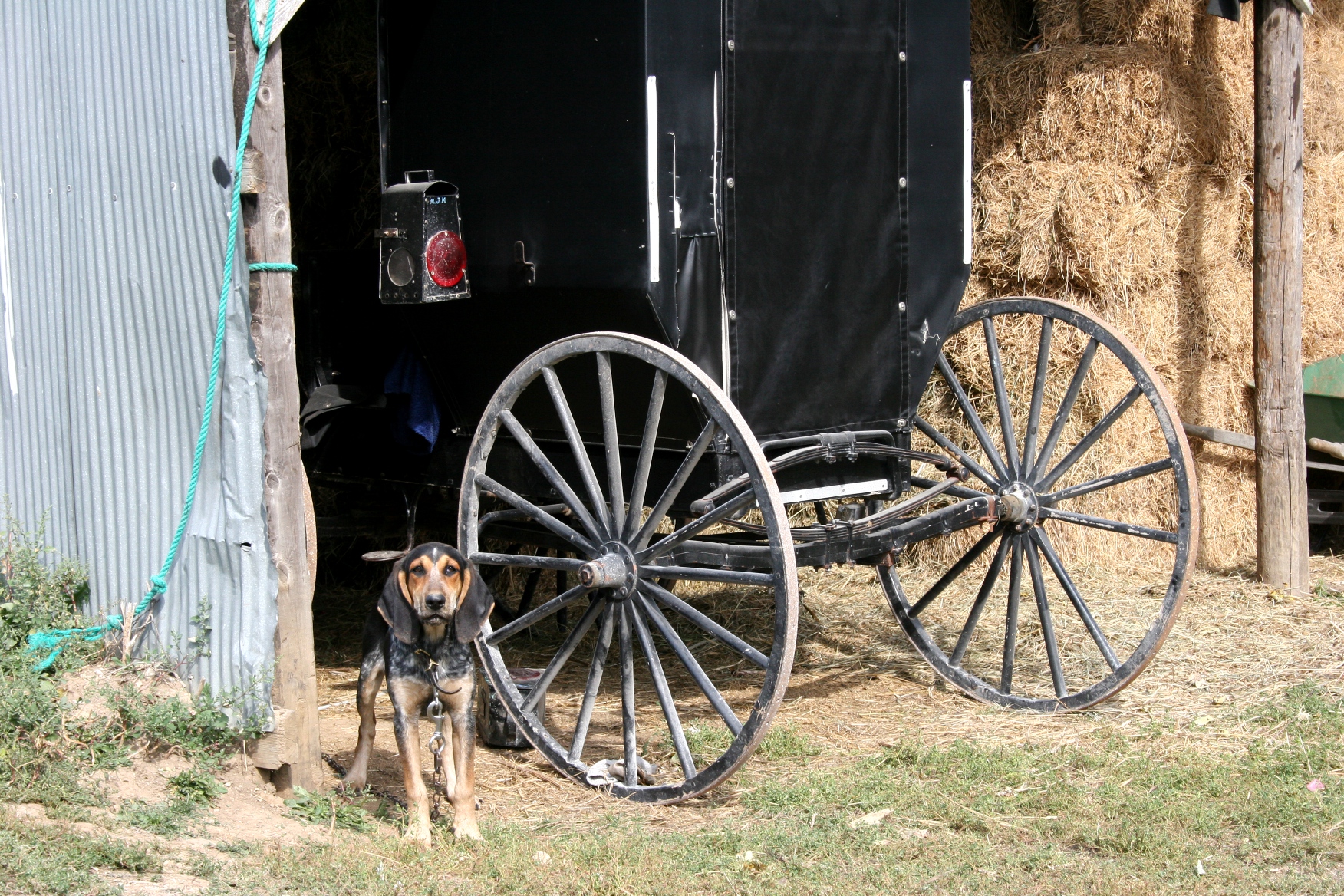
The siblings directed us toward a lean-to attached to a stately and aging brick house adjacent to a wood-frame house. Dogs roamed while a third one, tethered to a thick chain in a pole shed next to an Amish buggy, barked with a ferocity that made me thankful he was restrained.

My first glimpse of the Millers’ dog chained in the pole shed.

The pungent smell of silage wafted across the yard as, across the gravel road, a farmer pushed the fermented corn with his tractor and loader.

Stepping onto the lean-to porch, I eyed a handwritten “no photos” sign and pulled my camera close to my side. Randy made a point of pointing out the warning to me, as if I couldn’t see it.

And then we met Fannie Miller, whose name aptly describes her rotund physical appearance. She settled onto a chair and watched as I caressed her fine handiwork, praised her stitching. I admired the sturdy, blue built-in wall of cupboards in the corner and told Fannie so.

I wished, in that moment, that I could photograph the entire scene before me and through the doorway into the next room where Fannie’s husband napped in a chair by the wood-burning stove. His chin dipped, his scruffy beard defining my side view of the old man sleeping. In the corner I spotted a patchwork quilt snugged across a single bed. I dared not look more for fear Fannie would banish me from her home.

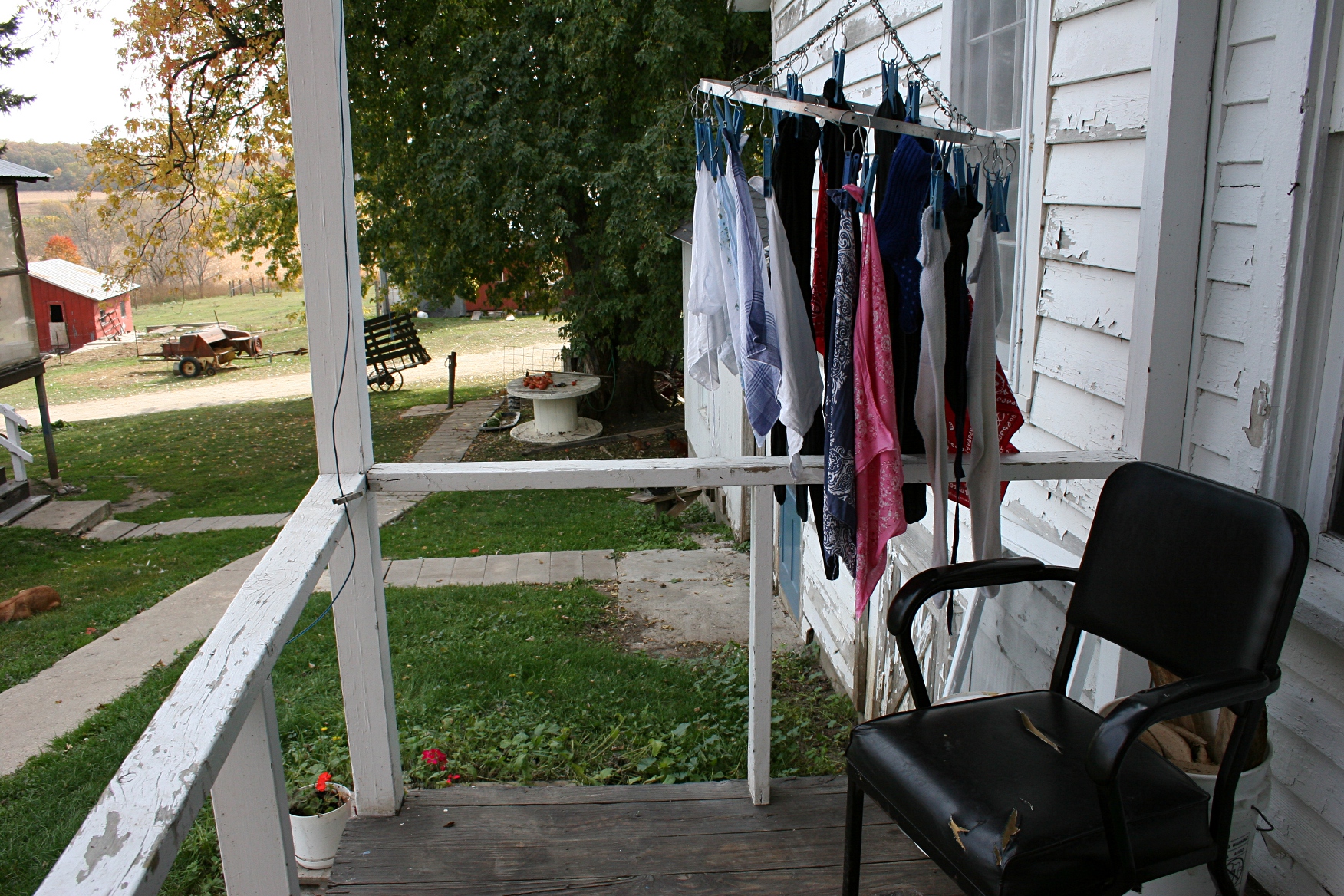
I hang my laundry outside, so I was particularly intrigued by this circular drying rack onto which handkerchiefs were clipped on the porch of Fannie’s house.

I remember thinking, though, before exiting Fannie’s shop, before asking her if I could photograph hankies drying on her porch on this Monday wash day in October, how perfect and lovely the natural light that filtered into the two rooms of her house.

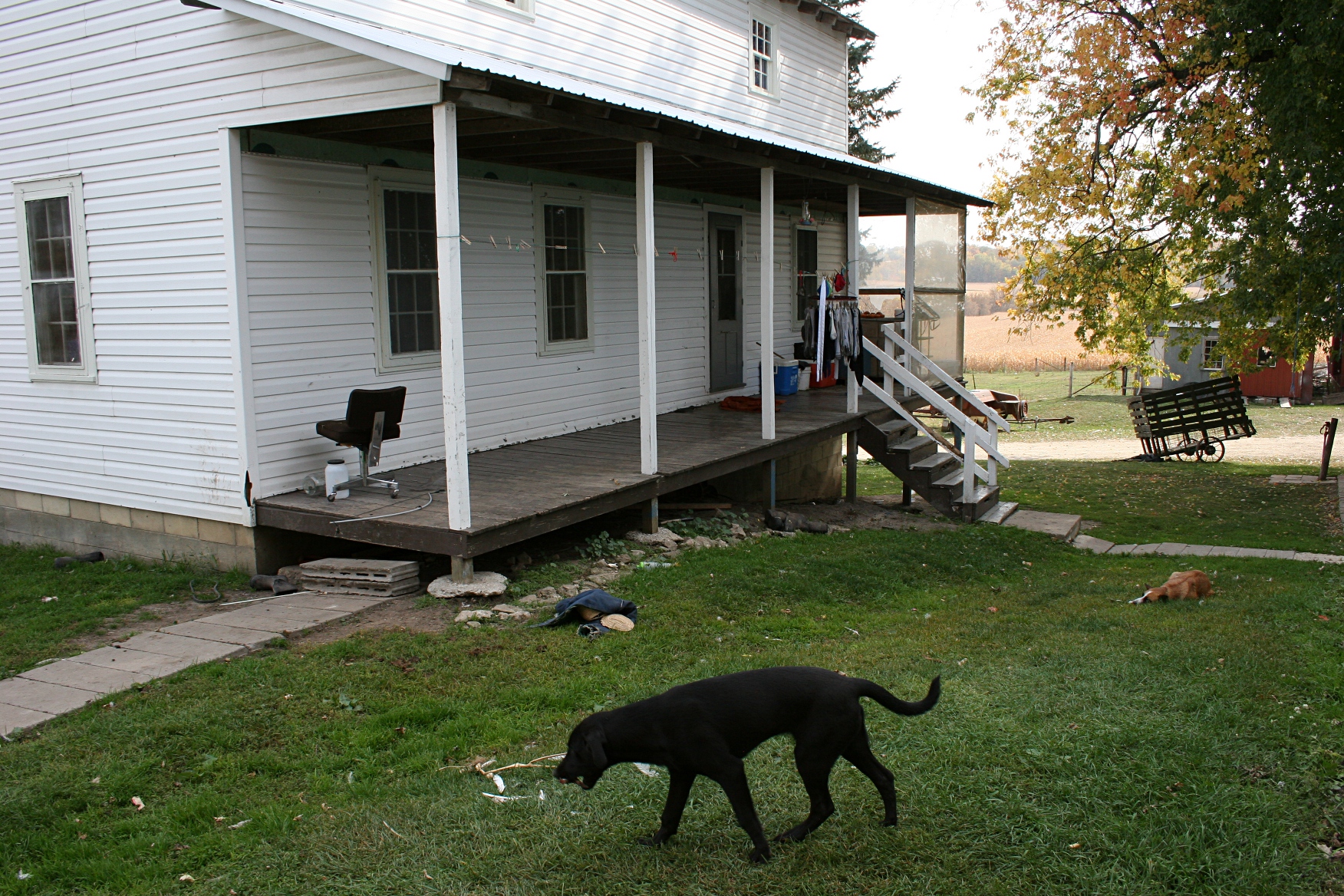
The children ran into this house after I stepped out of Fannie’s shop.

She granted me permission to photograph outside, as long as I did not photograph the children. I told her I would respect her request, then watched the red-haired siblings scamper inside their house.

Just another buggy parked on the Miller farm. I was surprised to see the round bales.

I snapped several more building and buggy photos, though not too many as to overstay our welcome, before passing by the now placid chained dog and turning onto the gravel road back to Lenora.

My final photo on the Miller farm, of the dog turned docile.

PLEASE CHECK BACK for another post about the Amish in the Canton and Harmony areas.

Click here to read my previous post about the historic Lenora United Methodist Church.

© Copyright 2012 Audrey Kletscher Helbling


Rugged Blue Mounds State Park on the southwestern Minnesota prairie September 17, 2013

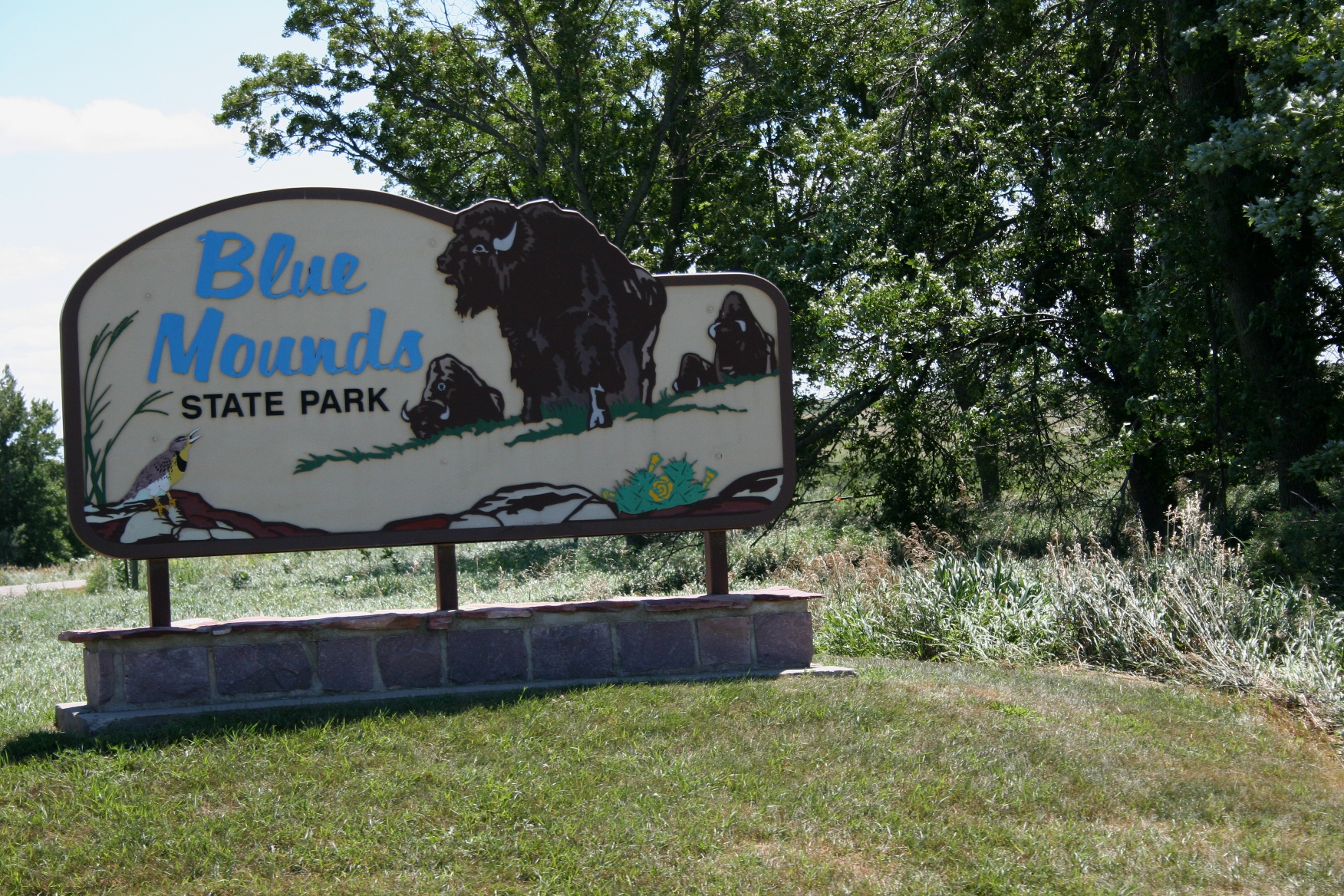
Welcoming visitors to Blue Mounds State Park in rural Rock County, Minnesota.

Welcoming visitors to Blue Mounds State Park in rural Rock County, Minnesota.

YOU WOULD THINK, considering I am a native of southwestern Minnesota, that I would have visited Blue Mounds State Park many times.

But I hadn’t, ever, and it has been on my list of must-see places for the past several years. That and the Brandenburg Gallery in Luverne, four miles to the south. That would be Jim Brandenburg, perhaps Minnesota’s best-known nature photographer. He grew up in rural Luverne, near the South Dakota border.

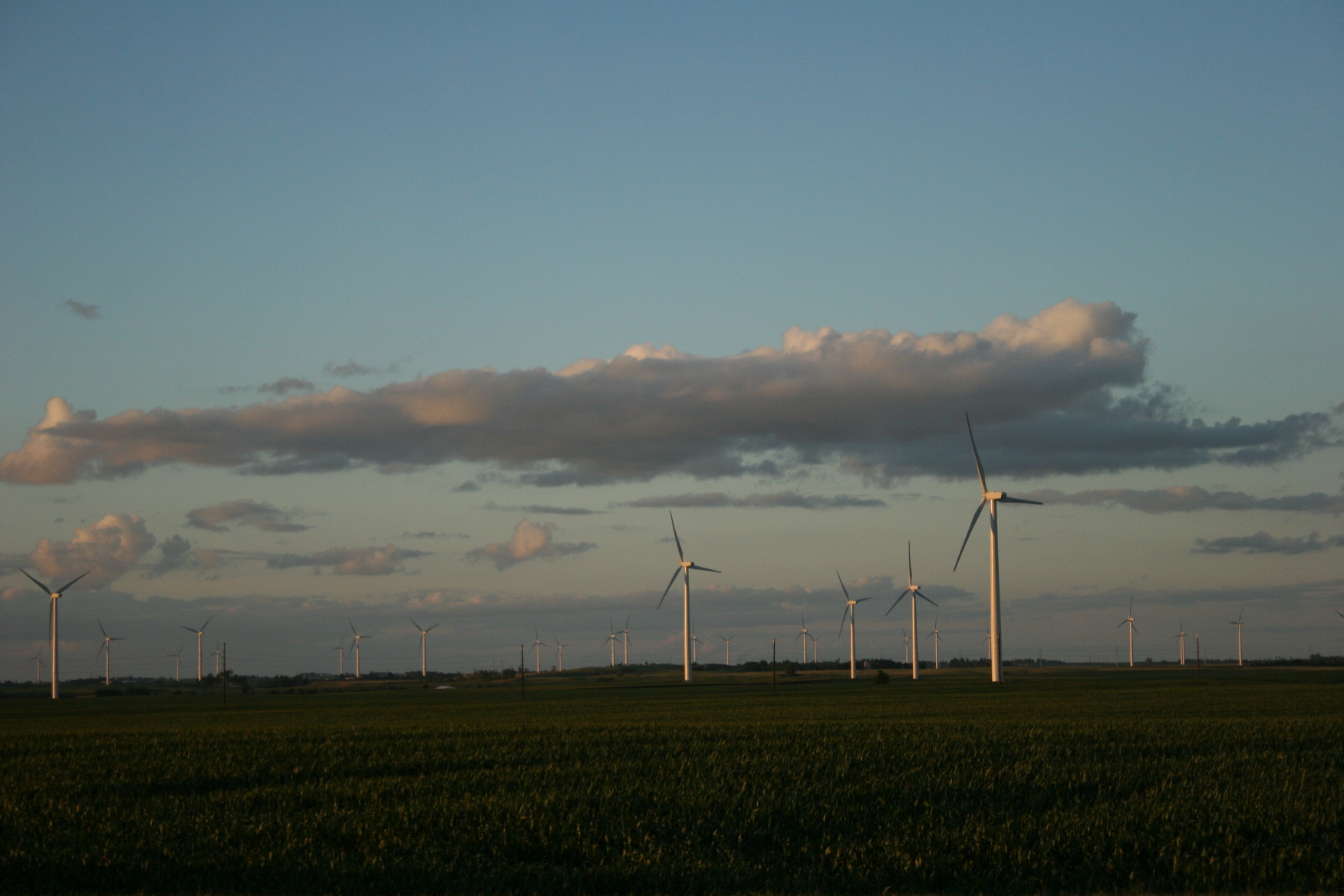
Hundreds of windmills now define this region of southwestern Minnesota.

Hundreds of windmills now define this region of southwestern Minnesota.

Recently my husband and I traveled to this corner of Minnesota specifically to see these two sites. It was well worth the long drive that took us through many small agricultural communities, past acres and acres of cropland, and past hundreds of wind turbines which define so much of the landscape in this region now. While I understand their energy value, these unnatural giants, in my opinion, have ruined the aesthetics of the prairie. I like my prairie big, open and wide, without monstrosities to detract from its natural beauty.

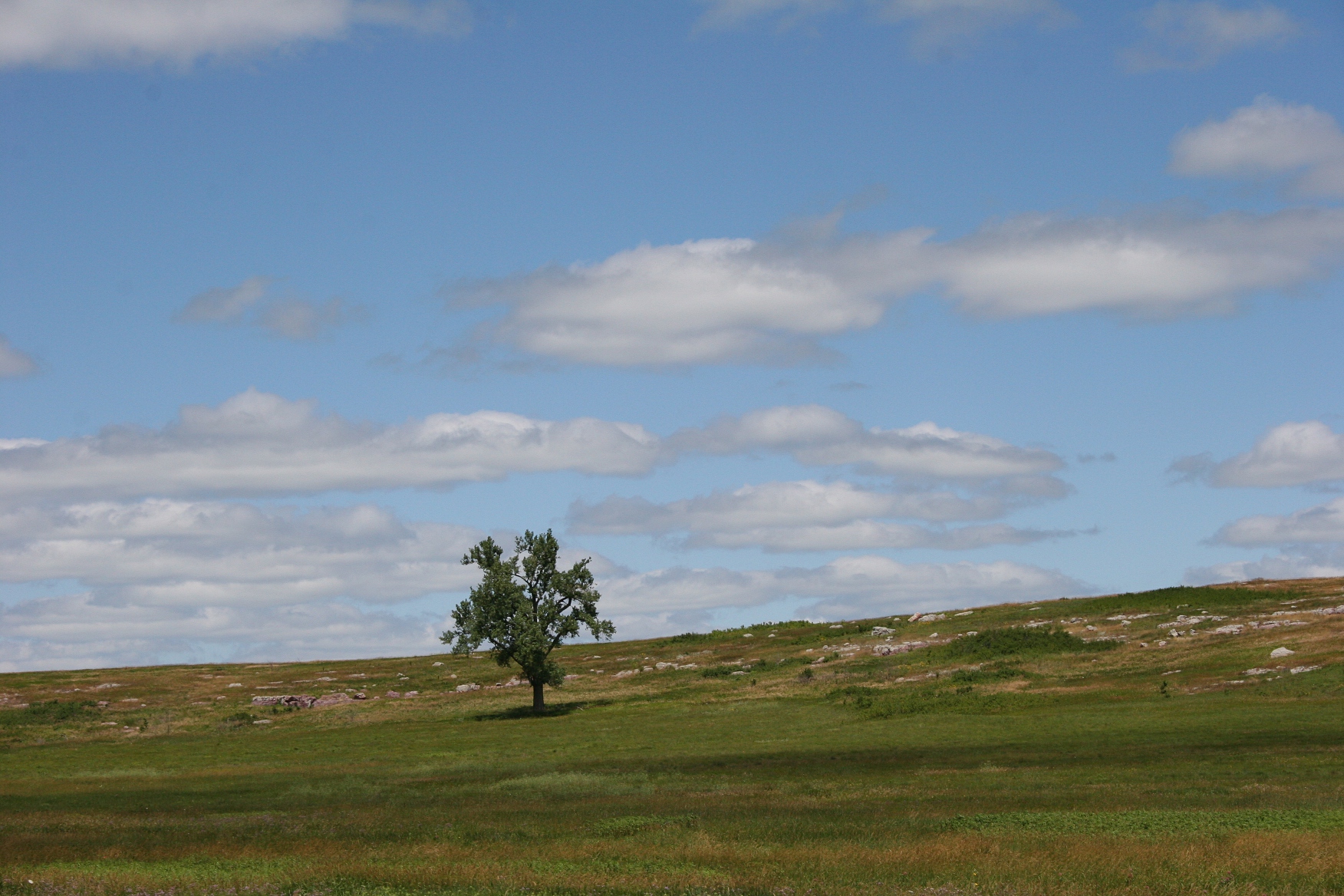
Beautiful natural scenery.

Beautiful natural scenery.

Thankfully, preserved and protected prairie remains in places like Blue Mounds State Park and nearby Touch the Sky Prairie and in Brandenburg’s images.

Hiking the path up and through the prairie grass.

Hiking the path up and through the prairie grass.

On the Saturday we hiked Blue Mounds, strong winds buffeted the land, bending prairie grasses as we climbed a hillside,

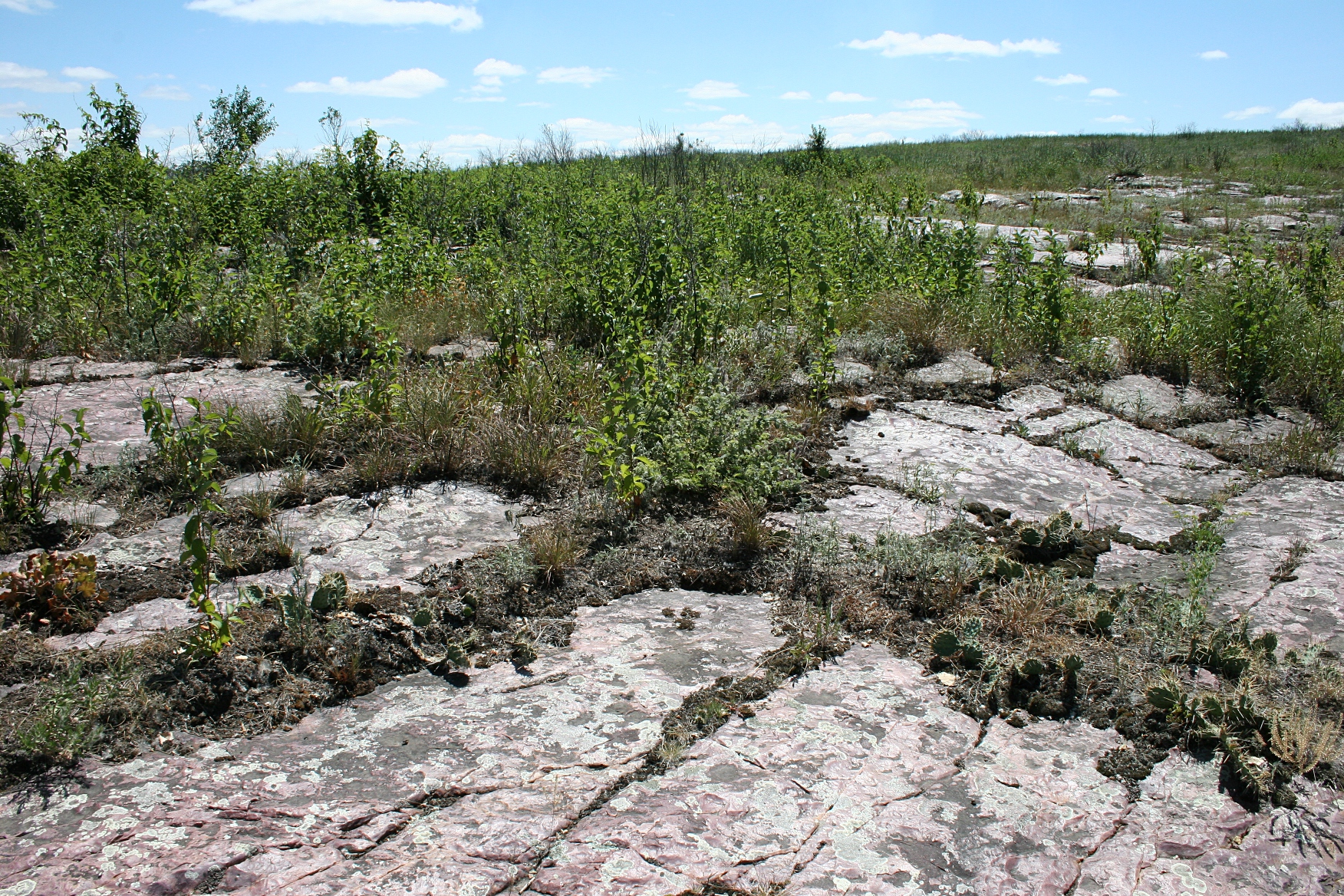
Mounds of flat rock naturally planted upon the prairie.

Mounds of flat rock naturally planted upon the prairie.

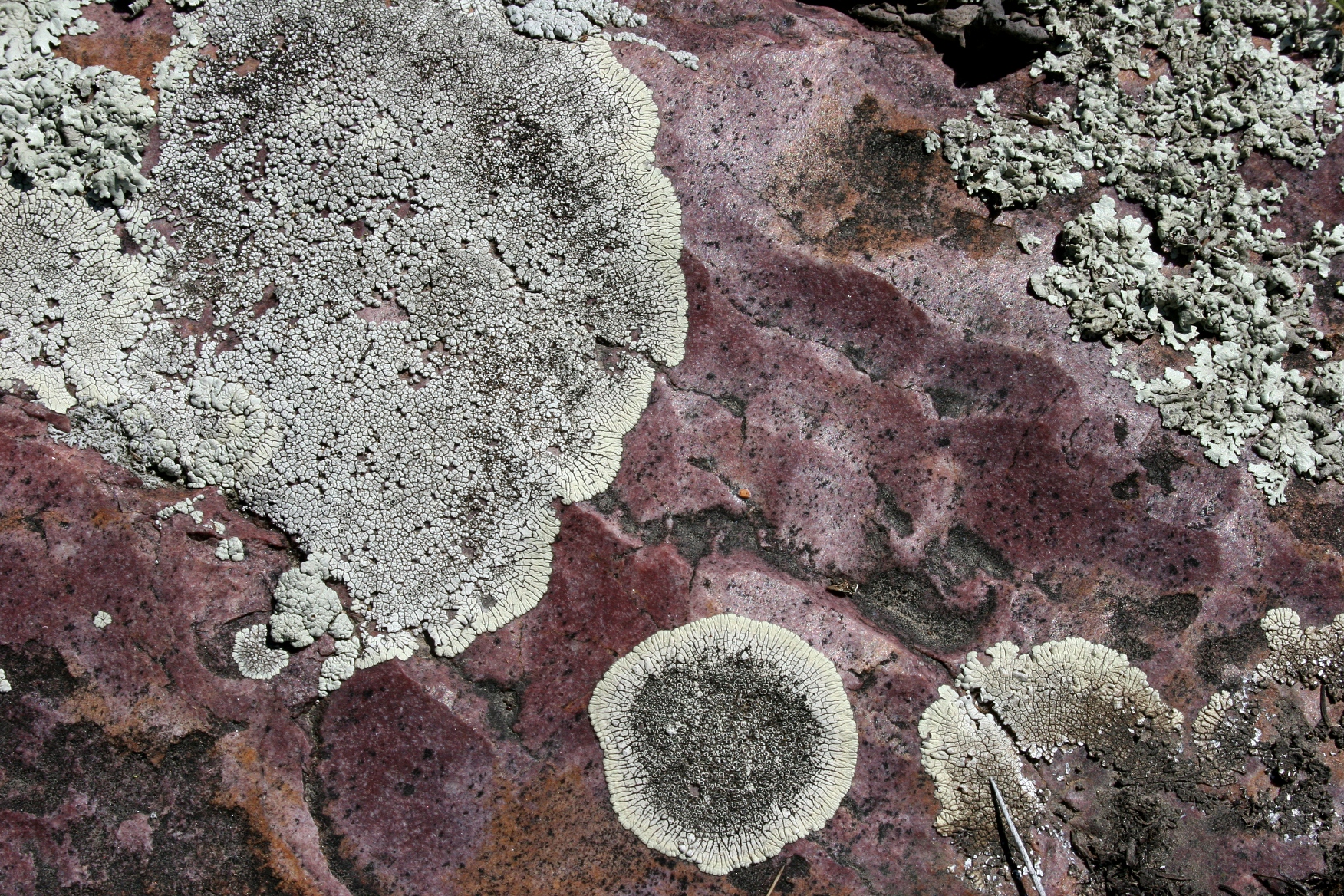
A close-up shot of that in-ground flat rock.

A close-up shot of that in-ground flat rock.

examined and walked upon clumps of huge rock,

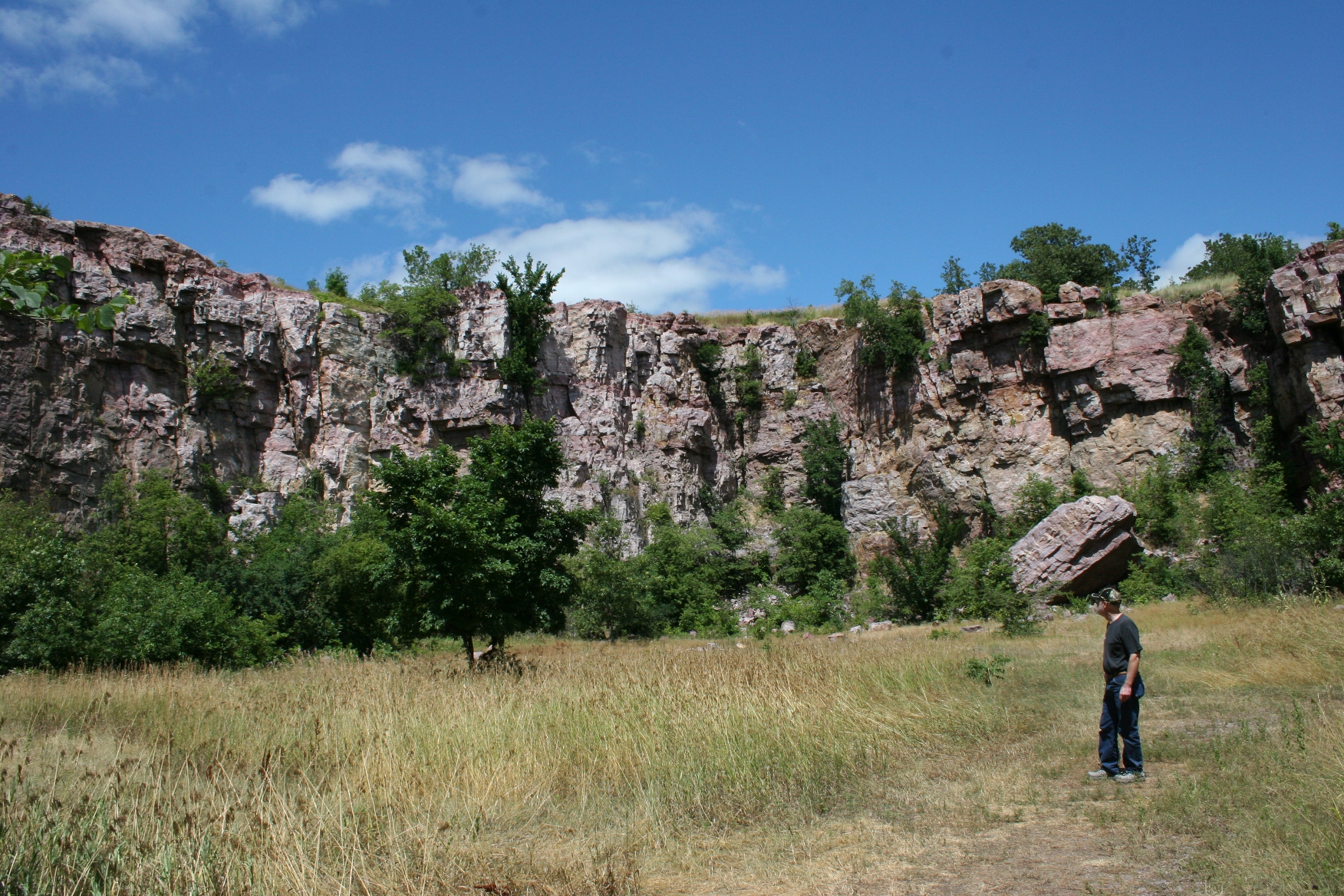
My husband inside the portion of the park where rock was once quarried.

My husband inside the portion of the park where rock was once quarried.

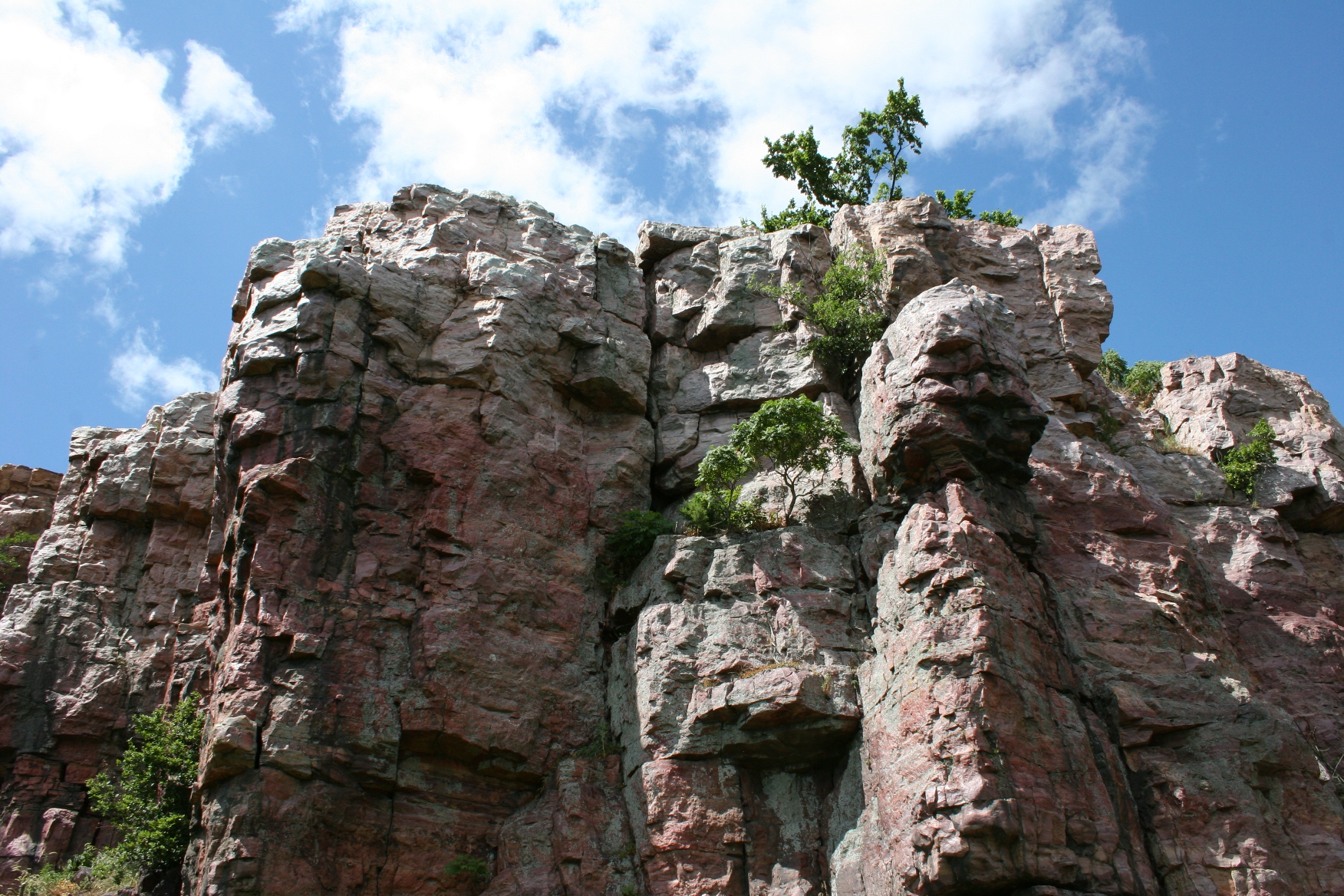
An impressive quarry wall of Sioux quartzite.

An impressive quarry wall of Sioux quartzite.

admired towering cliffs of Sioux quartzite,

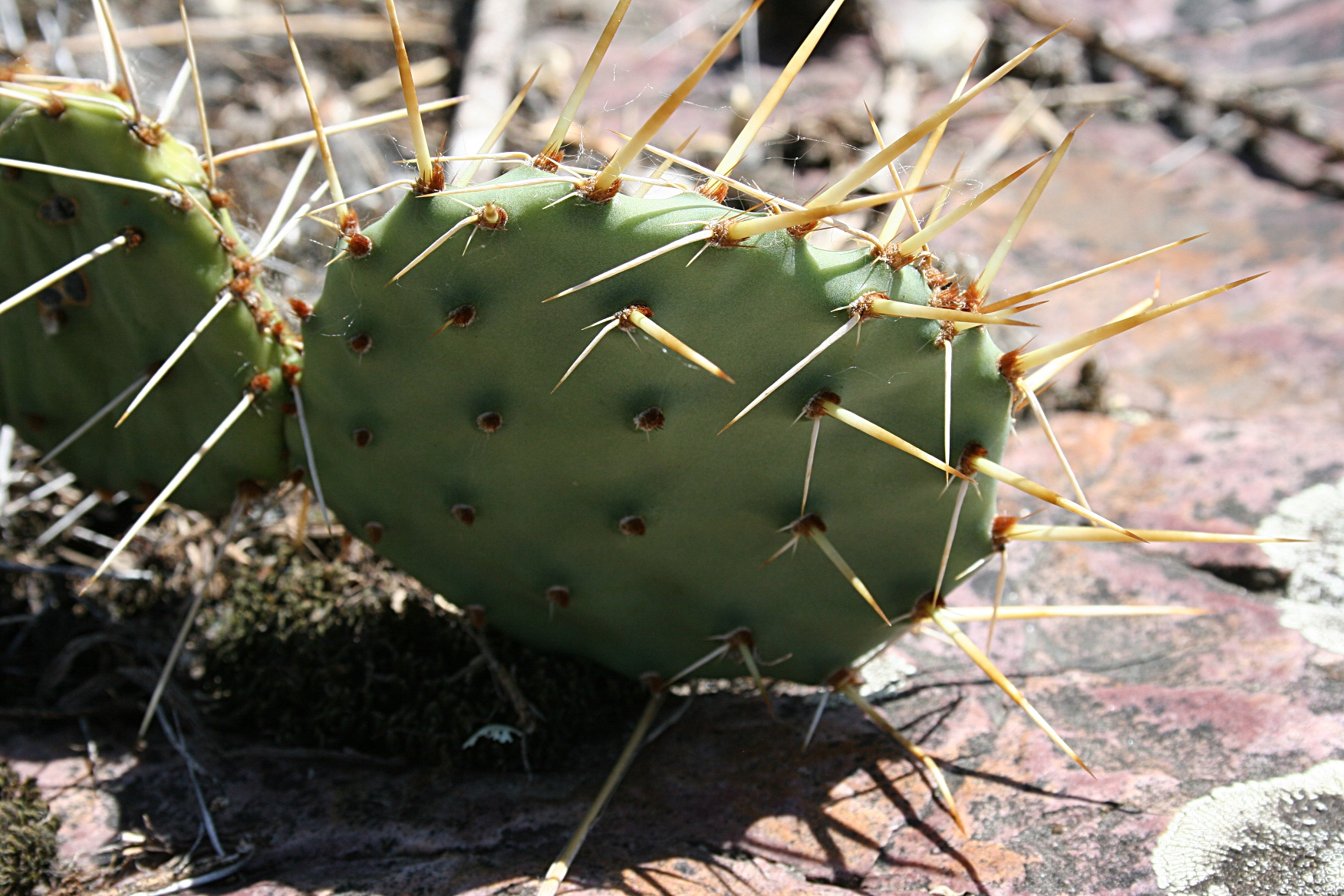
The prickly pear cactus seemingly grows right out of the rock.

The prickly pear cactus seemingly grows right out of the rock.

bent low to study the prickly pear cactus, an unexpected plant in this northern climate. In the distance, we glimpsed the park’s herd of bison.

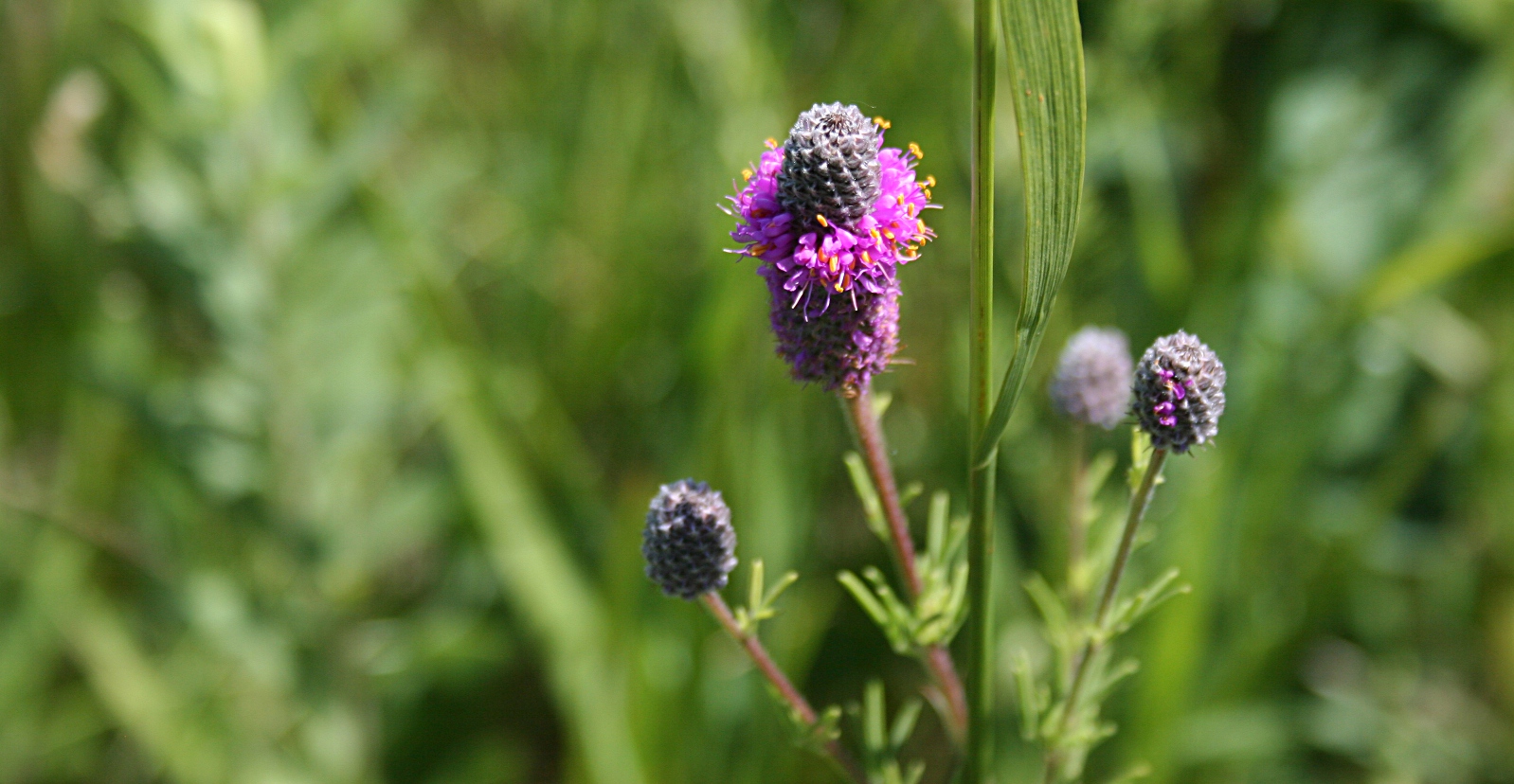
One example of the many prairie wildflowers.

One example of the many prairie wildflowers.

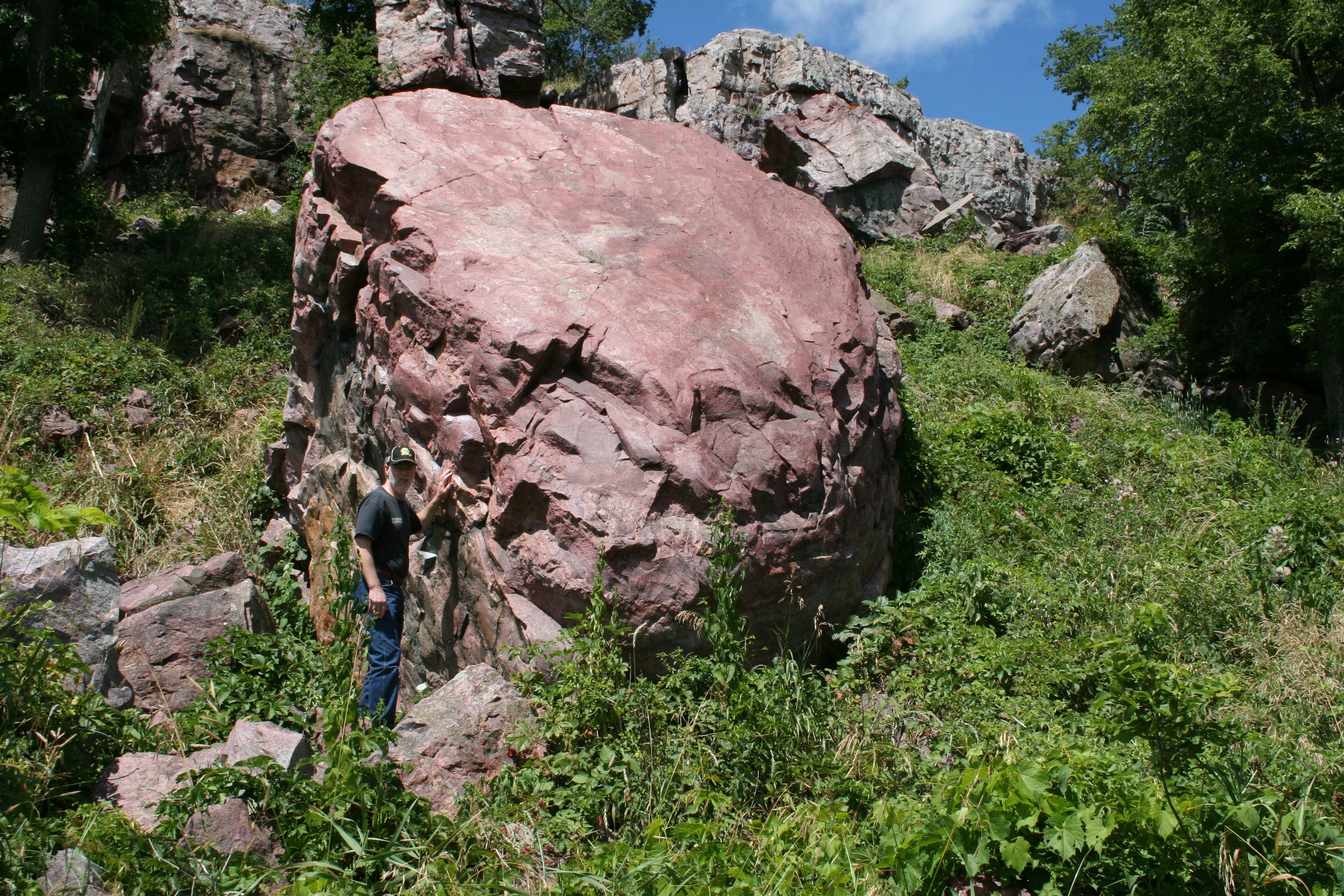
Look at the size of that Sioux quartzite rock compared to my husband.

Look at the size of that Sioux quartzite rock compared to my husband.

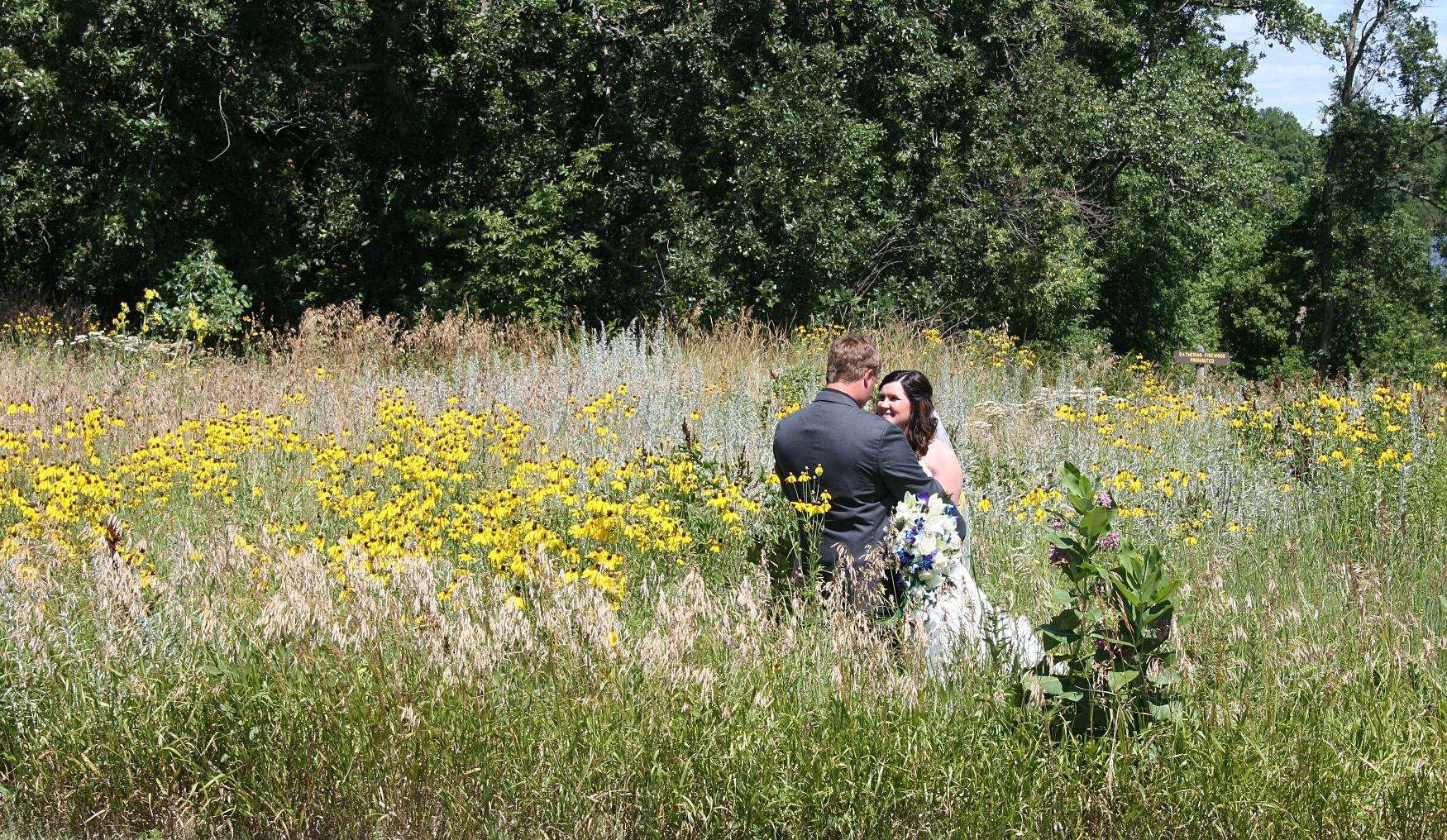
Just inside the park entry, I spotted this couple getting wedding photos taken among the prairie grasses and wildflowers.

Just inside the park entry, I spotted this couple getting wedding photos taken among the prairie grasses and wildflowers.

I stopped more often than not to photograph wildflowers and the prairie grass and rocks and the overall scenery in this stunning spot on the prairie, unlike any I’ve ever viewed in Minnesota.

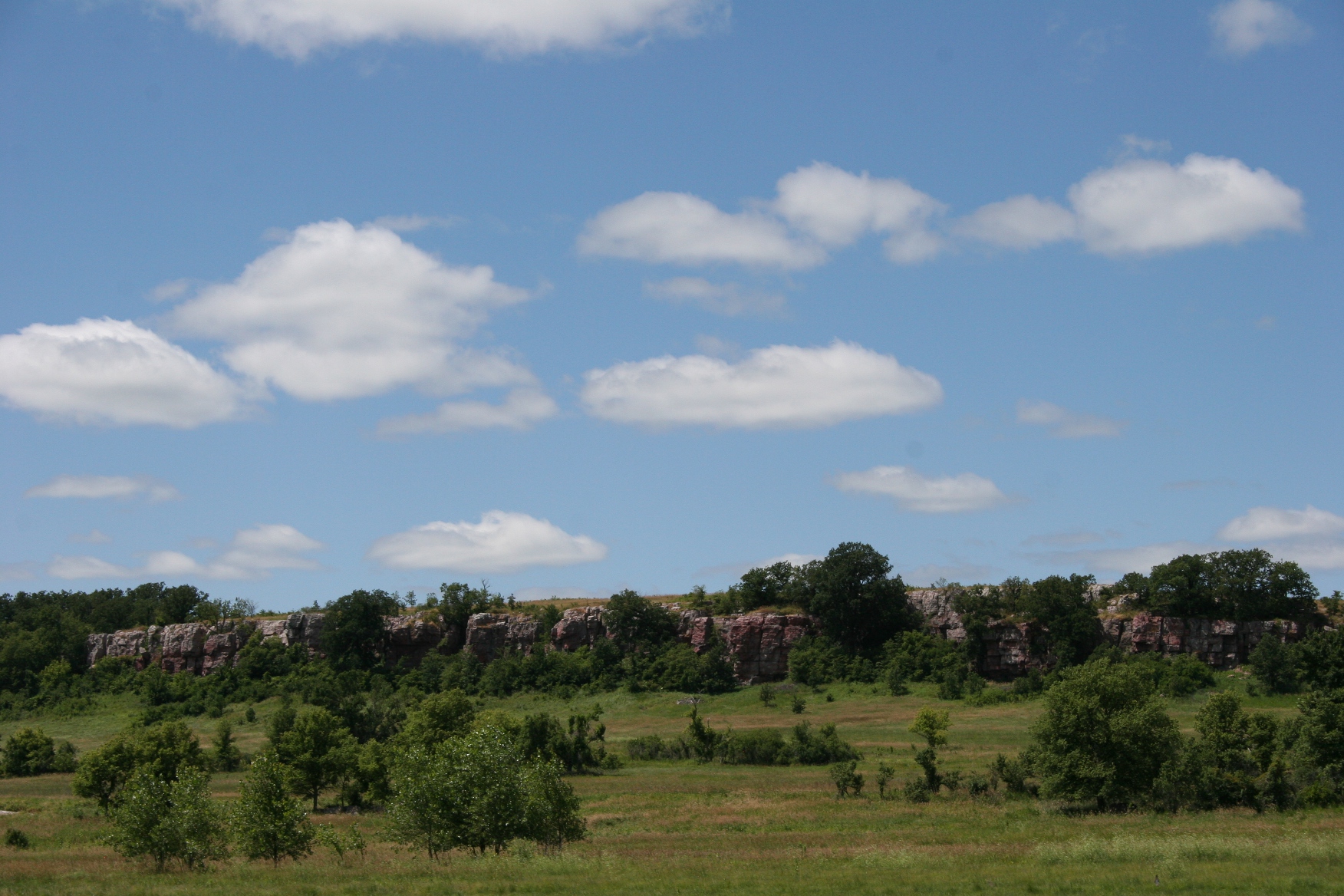
From a gravel road that loops past the park, I photographed this rugged rock line.

From a gravel road that loops past the park, I photographed this rugged rock line.

This prairie differs from the flat, cropped agricultural prairie of my youth. This prairie rolls and rises and meets the sky and feels wild and rugged and untamed. I almost expected to see horses galloping across the land, like a scene out of a western. It has that feel.

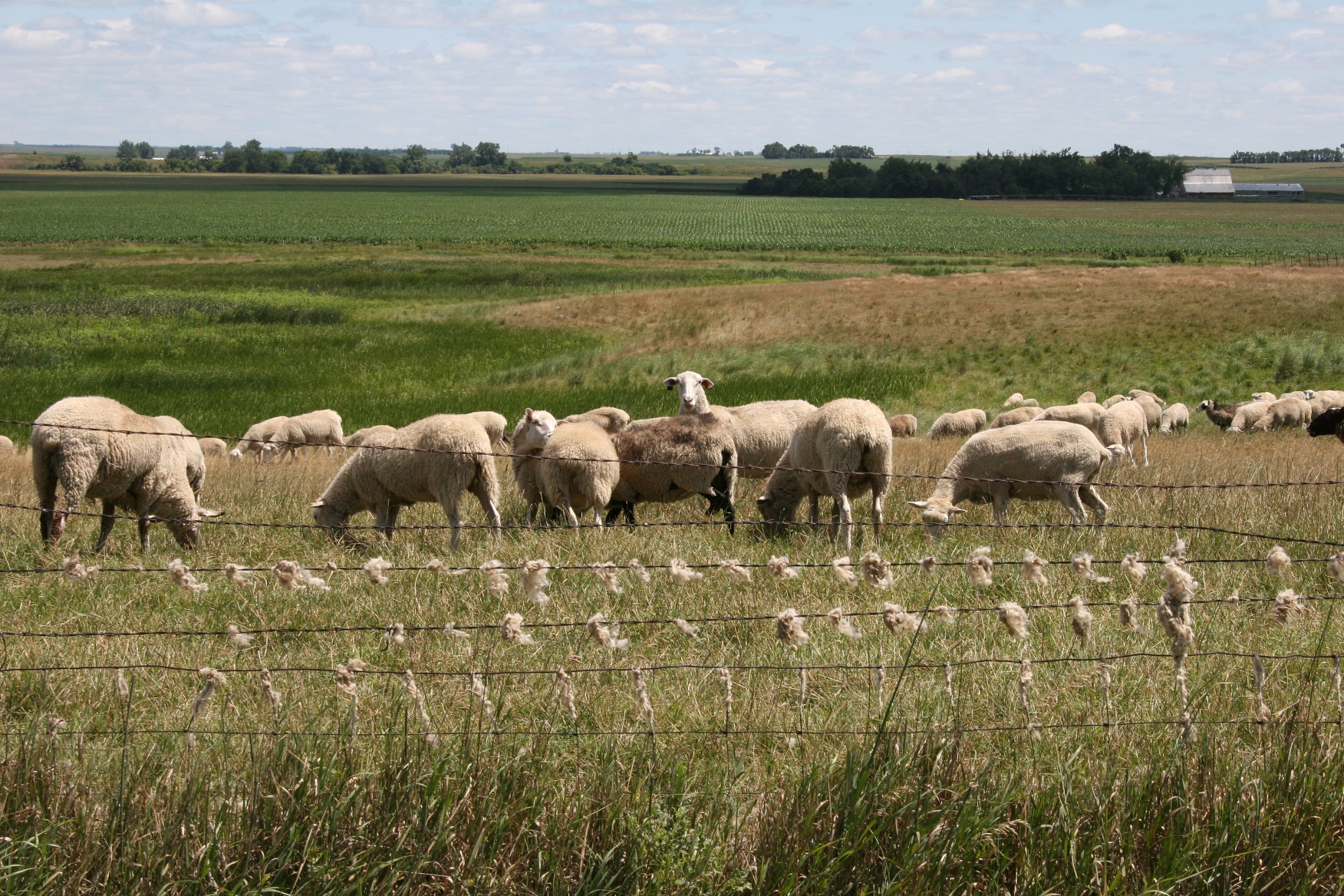
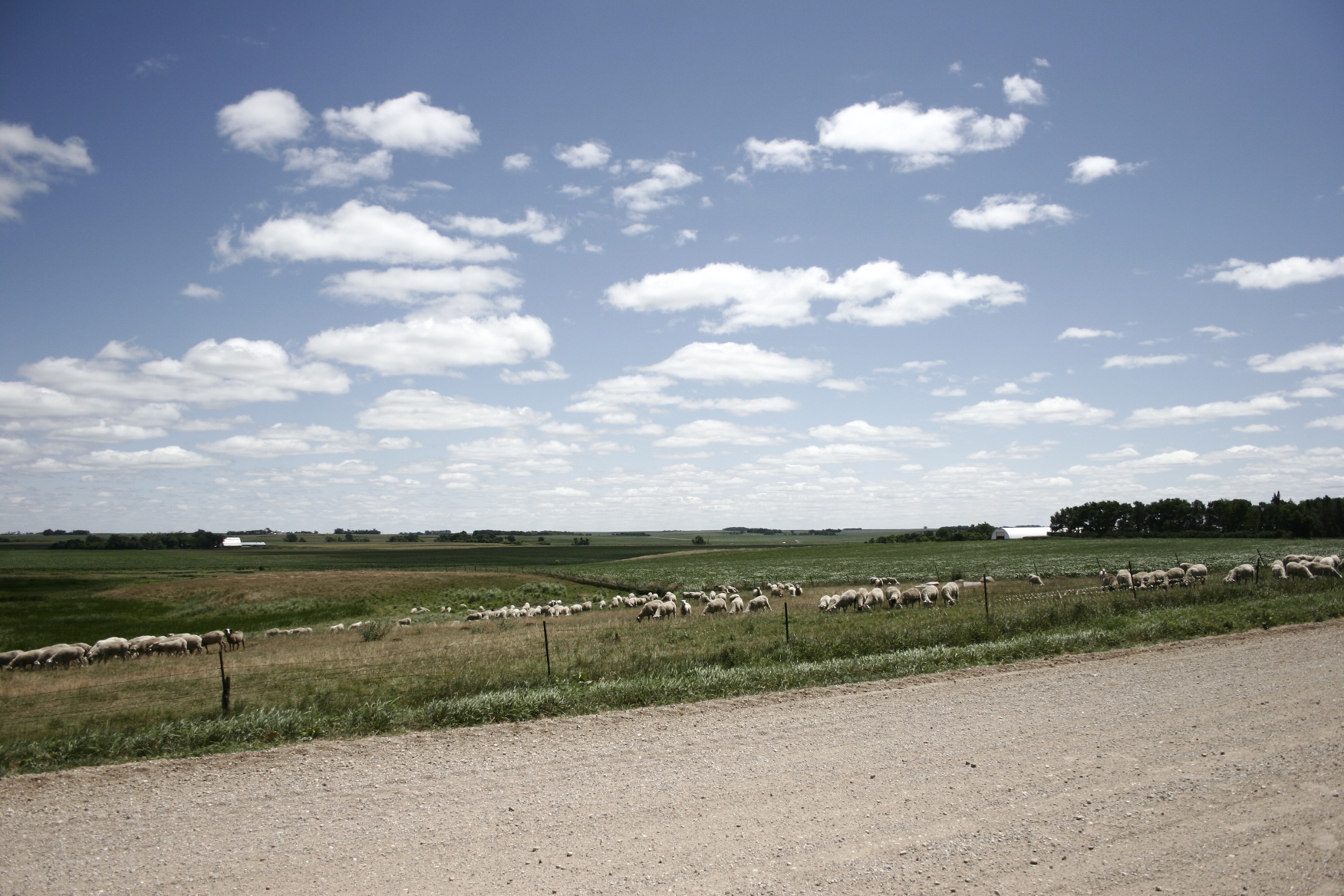
Pasture land near the park for these grazing sheep. Note their wool clinging to the fence.

Pasture land near the park for these grazing sheep. Note the tufts of wool clinging to the fence.

I observed sheep and cattle grazing in an abundance of rocky pastures nestled between corn and soybean fields. And from the hilltops, the land seemed to stretch in to forever in all directions.

BONUS PHOTOS:

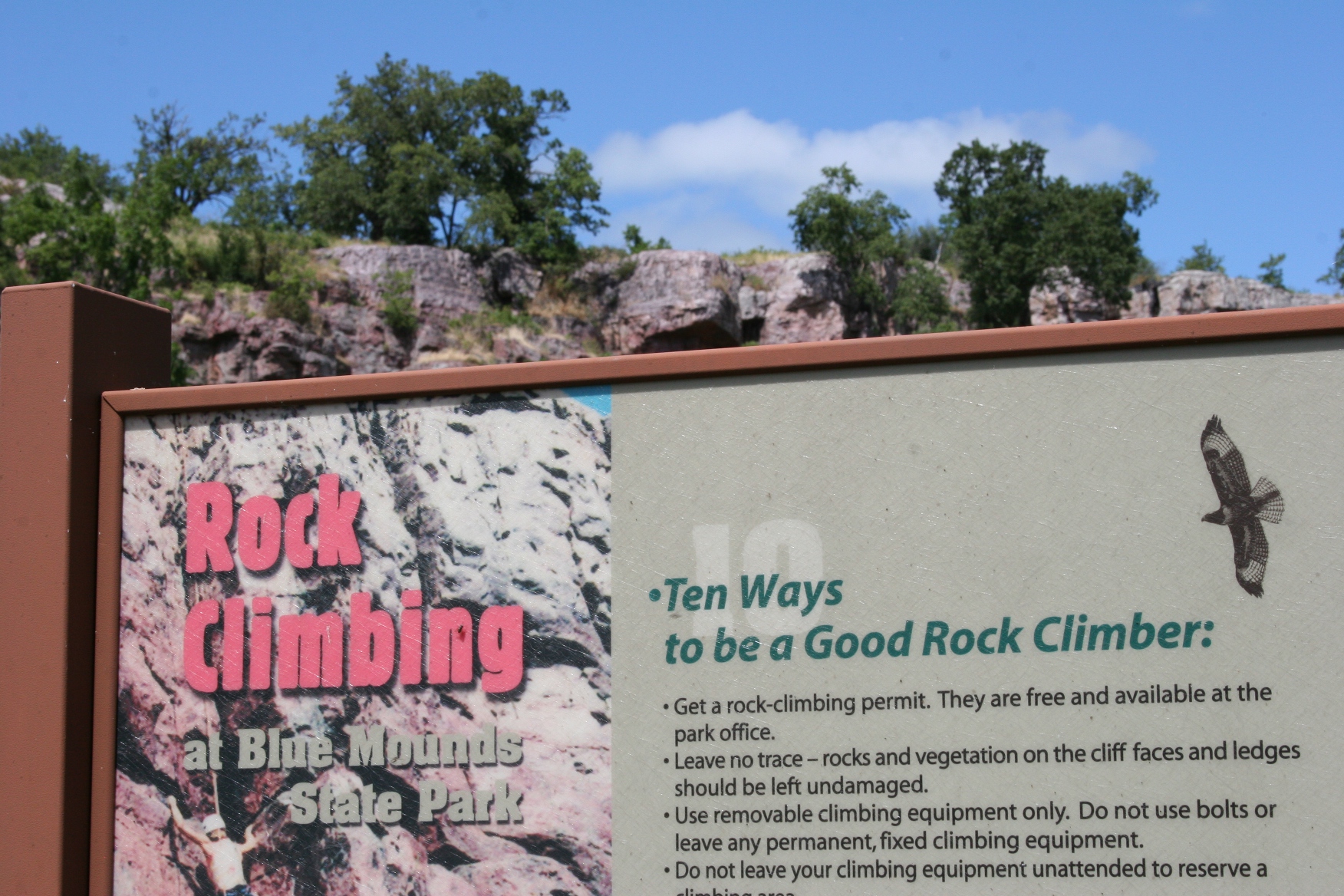
No rock climbing for us, but if you're a rock climber, Blue Mounds allows this sport.

No rock climbing for us, but if you’re a rock climber, Blue Mounds allows this sport.

Photographing wildflowers is more my type of "sport."

Photographing wildflowers is more my type of “sport.” That proved a challenge in the wind.

Farms like this border Blue Mounds State Park.

Farms like this border Blue Mounds State Park.

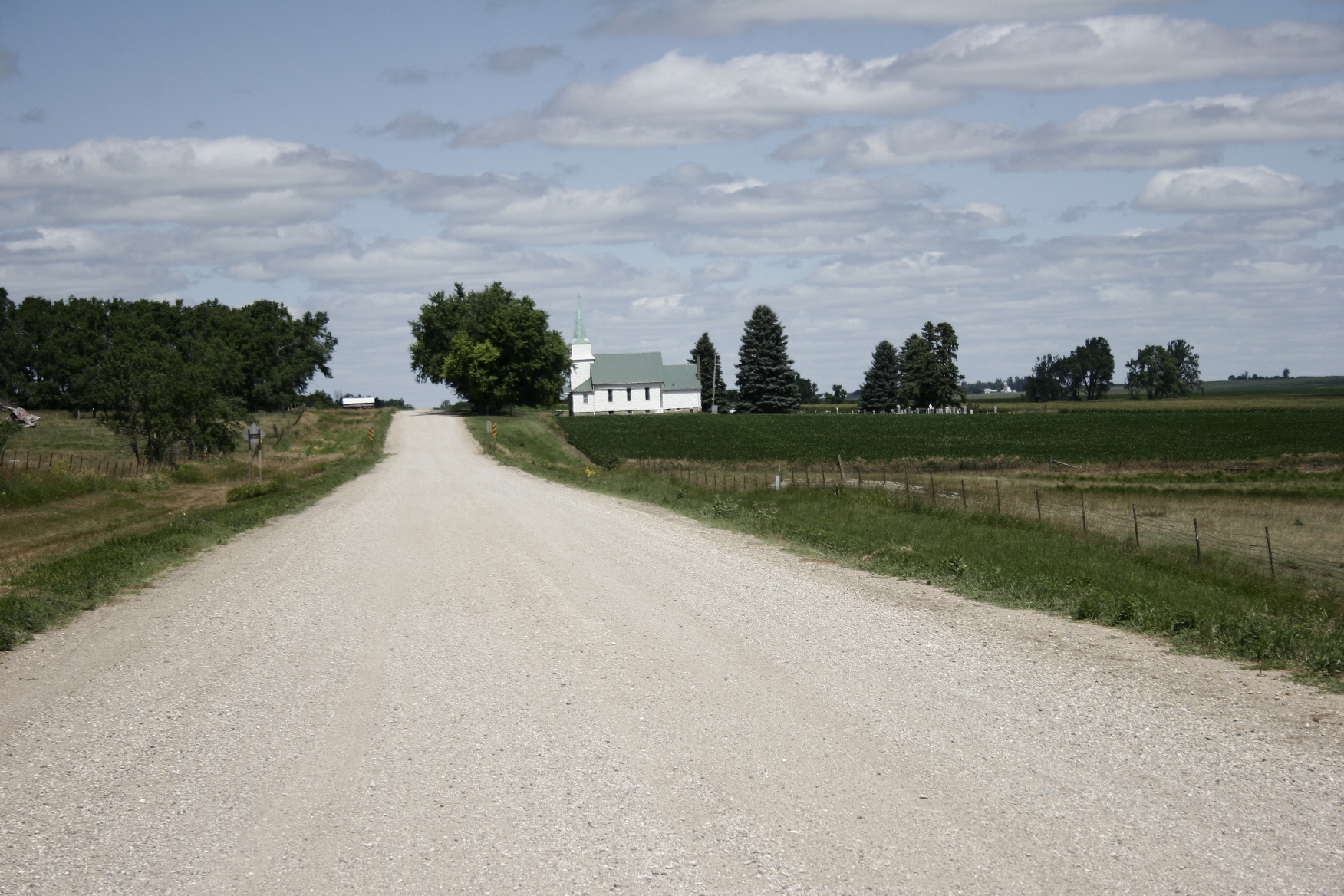
We followed this gravel road around the park and past a country church in the distance.

We followed this gravel road around the park and past a country church in the distance.

Sheep graze in a pasture near the country church.

Sheep graze in a pasture near the country church.

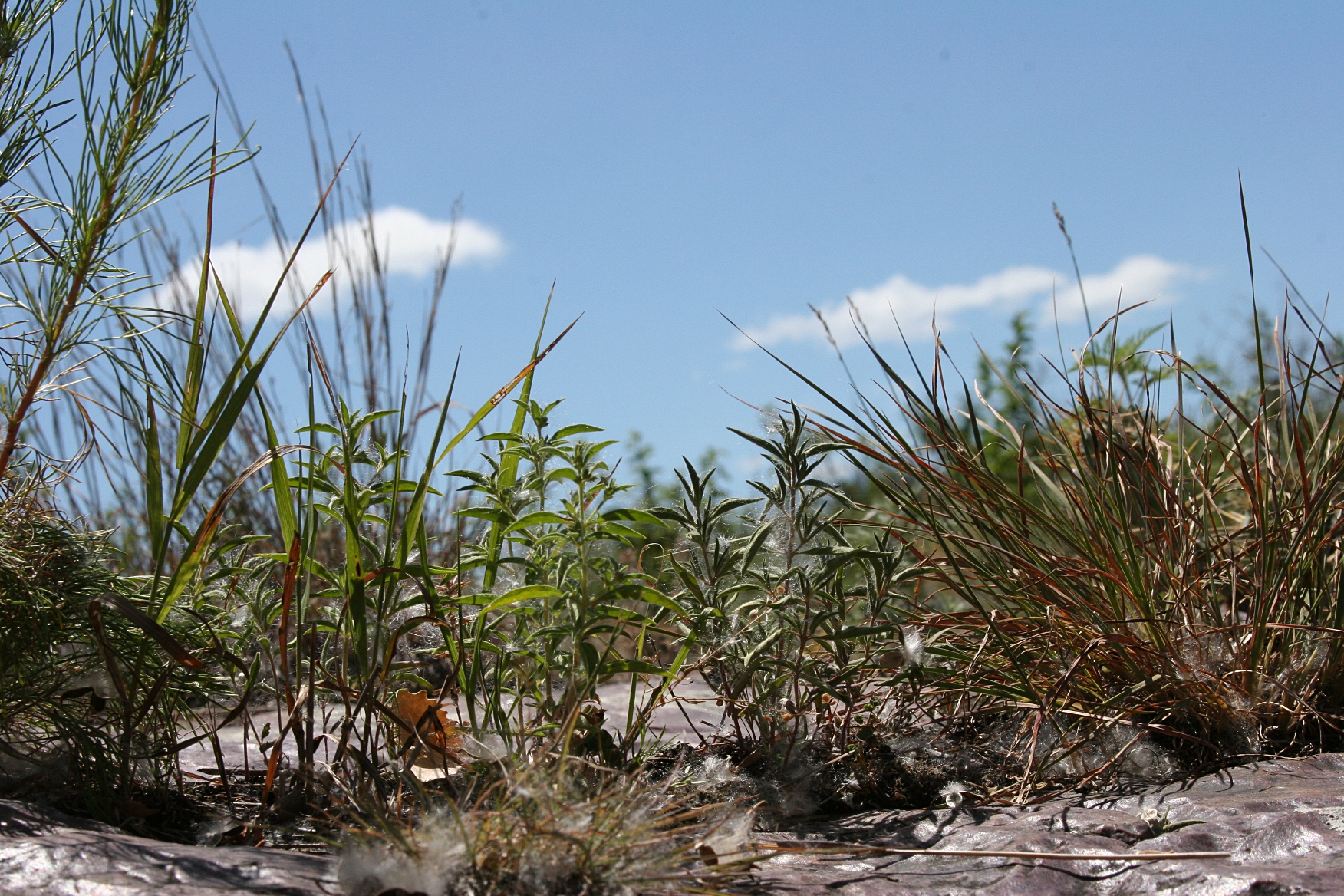
And because I value detail, I set my camera on the prairie and took this shot.

And because I value detail, I set my camera on a rock on the prairie and took this shot.

CHECK BACK for more posts from this region of Minnesota. I’ll take you into Luverne to view the Brandenburg Gallery and other points of interest.

© Copyright 2013 Audrey Kletscher Helbling


A photographic escape to Two Rivers, Wisconsin May 3, 2013

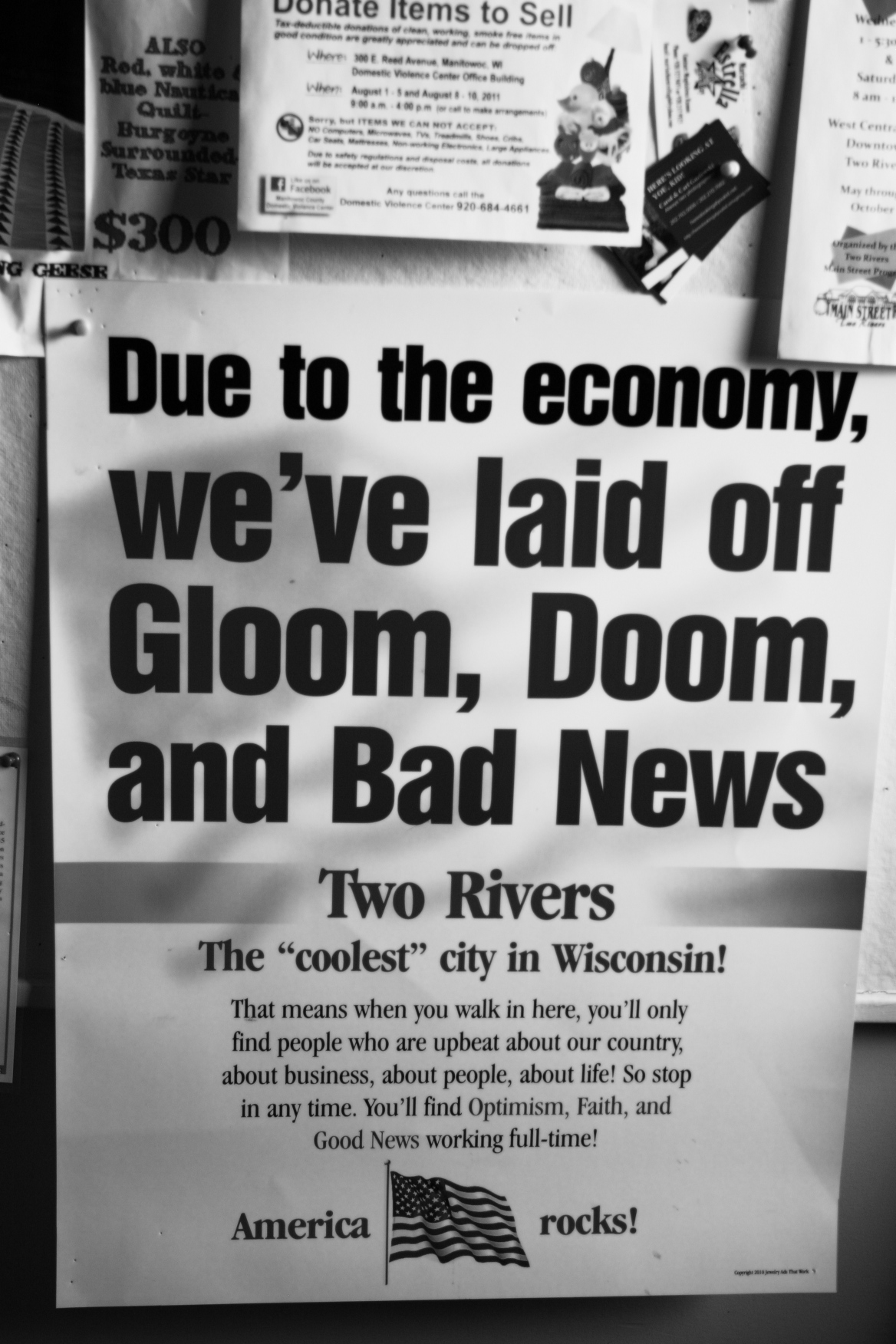
A sign inside the historic Washington Museum and Visitor Center in Two Rivers.

A sign inside the historic Washington Museum and Visitor Center in Two Rivers.

HAVE YOU EVER DRIVEN into a community you’ve never visited and fell totally, absolutely, head-over-heels in love with the place?

For me, that would be Two Rivers, along Lake Michigan in northeastern Wisconsin.

Nearly two years have passed since I toured this community which claims to be the birthplace of the ice cream sundae. I love ice cream as much as the next person and savored my sundae at Berners’ Ice Cream Parlor, established in 1881.

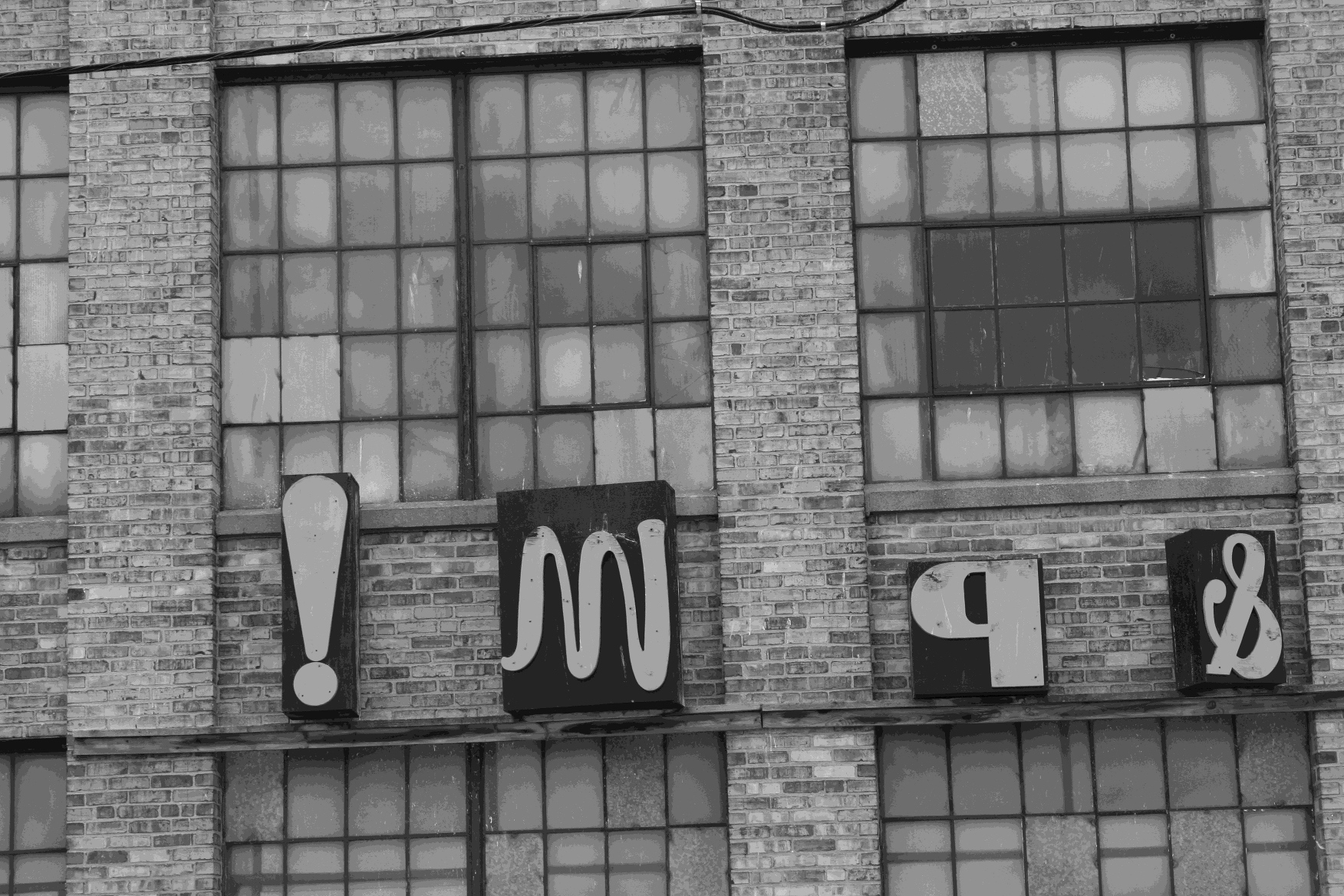
Signage on the exterior of the Hamilton Wood Type Museum.

Signage on the exterior of the Hamilton Wood Type Museum.

But even more so, I loved the Hamilton Wood Type & Printing Museum across the street, a magnet for artists and former newspaper types like me who view print as art and not just a means to publish news. I wrote about the museum shortly after my family’s visit there in August 2011. Click here to read that post.

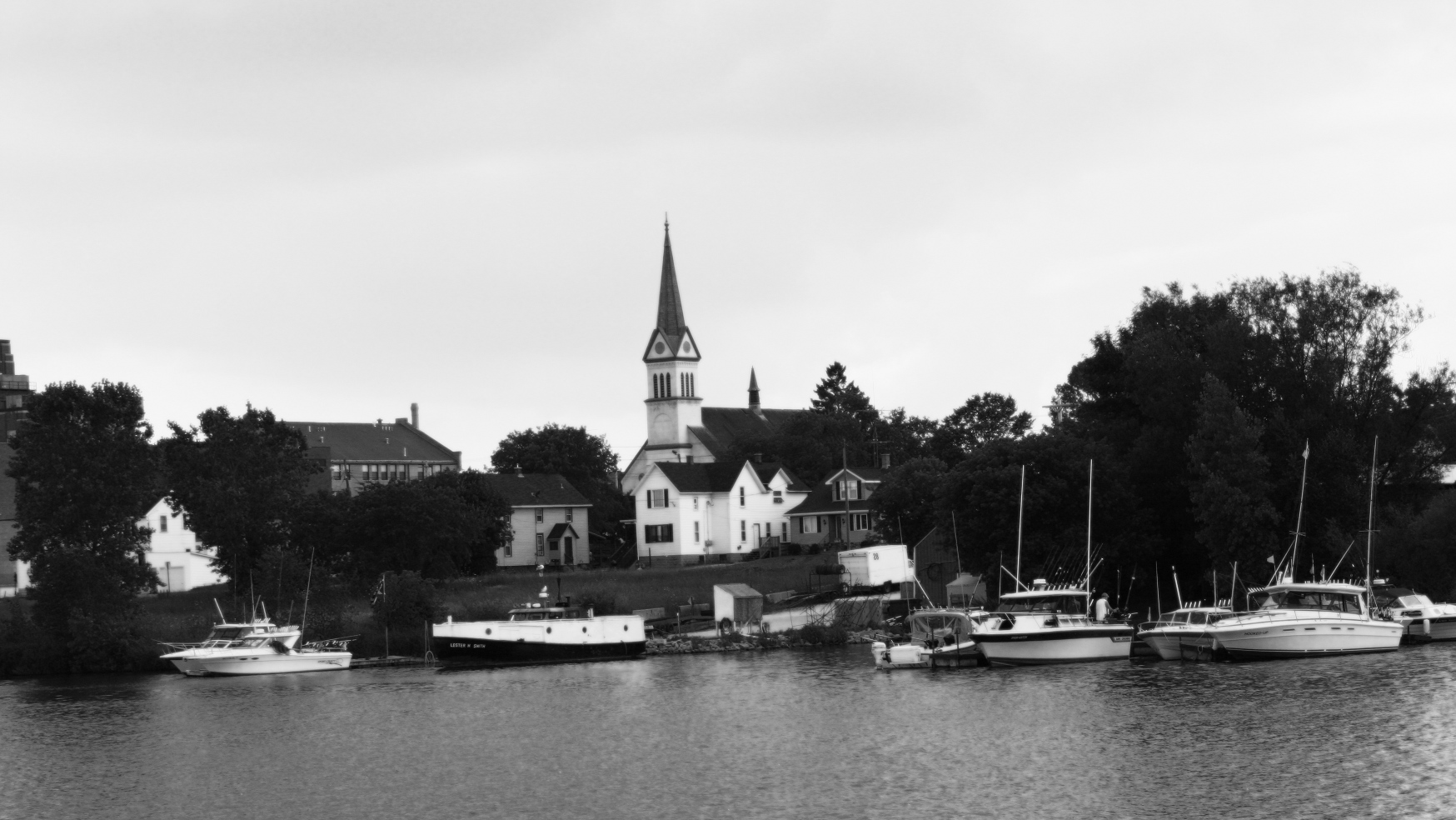
A view of Two Rivers from the historic fishing village.

A view of Two Rivers from the historic fishing village.

Besides treats and type, Two Rivers wooed me with the Rogers Street Fishing Village. From there I photographed a dreamy, idyllic view of the town complete with a white steepled church in the background. Although I’ve never been to New England, I imagine the scene might be similar to a quaint fishing village there.

Cool signage.

Cool signage.

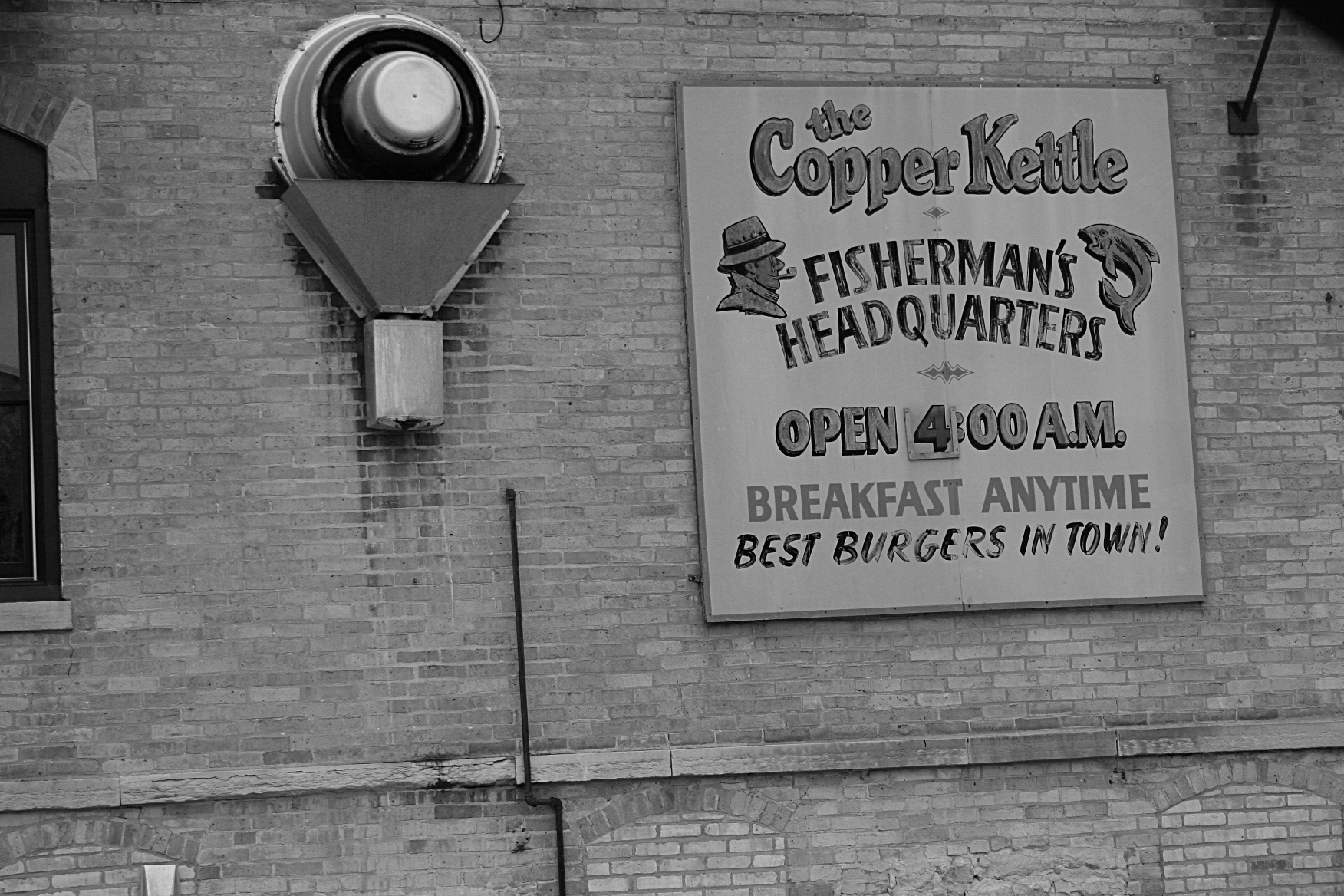
And then there’s the signage in Two Rivers—those details I notice because, well, I tend to notice details. I appreciate artful signage that beckons me.

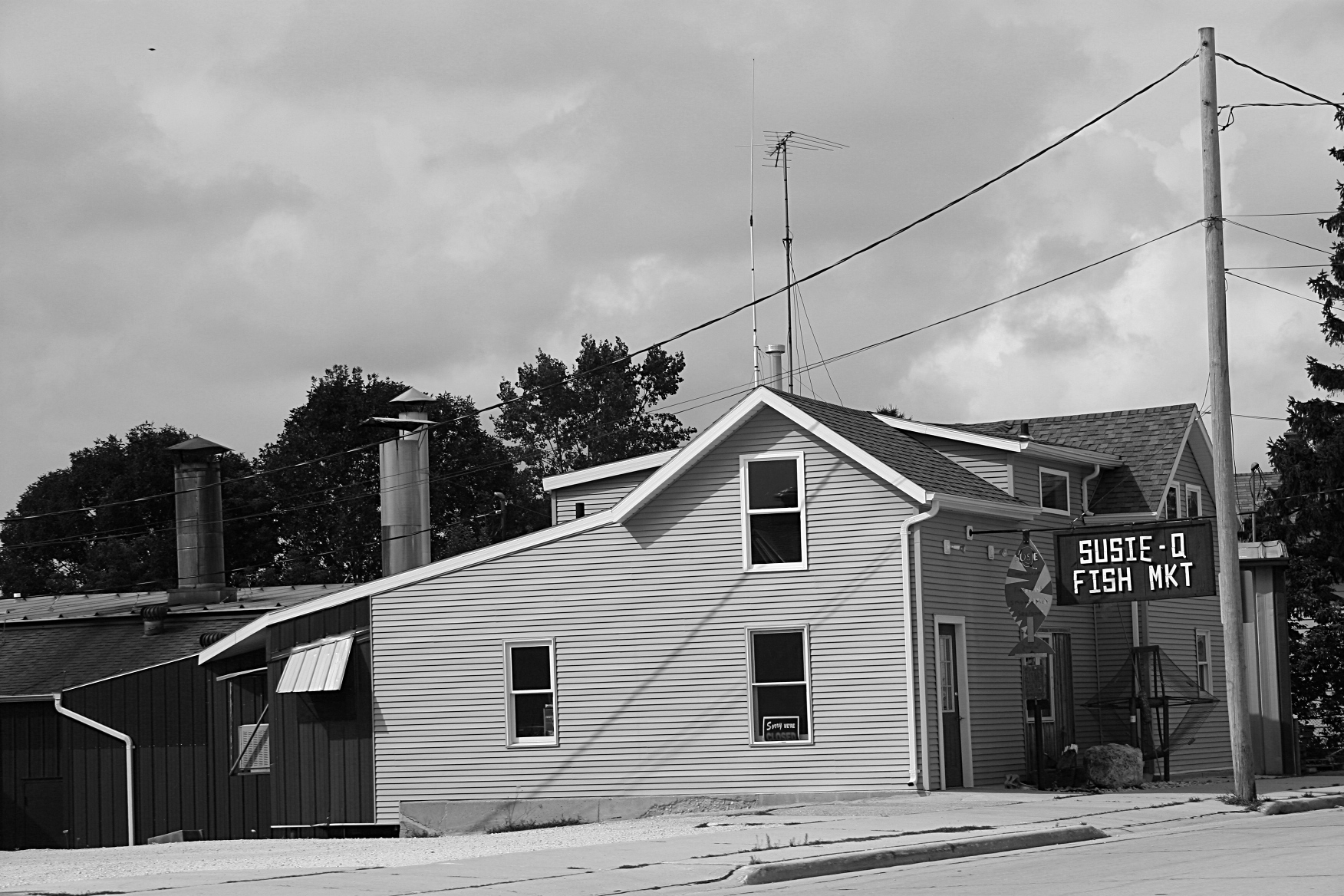
Although I didn't stop at this fish market, the exterior charmed me.

The exterior of Susie-Q Fish Market charmed me.

Today I long to return to Two Rivers 356 miles to the east. But for this moment, viewing photo memories must suffice to lift my winter weary spirits, to erase the doom and the gloom and the visual of the snow which is falling here again this morning.

I will imagine for this day that I am among the good folks of Two Rivers, in a community where optimism, faith and good news prevail.

BONUS PHOTOS:

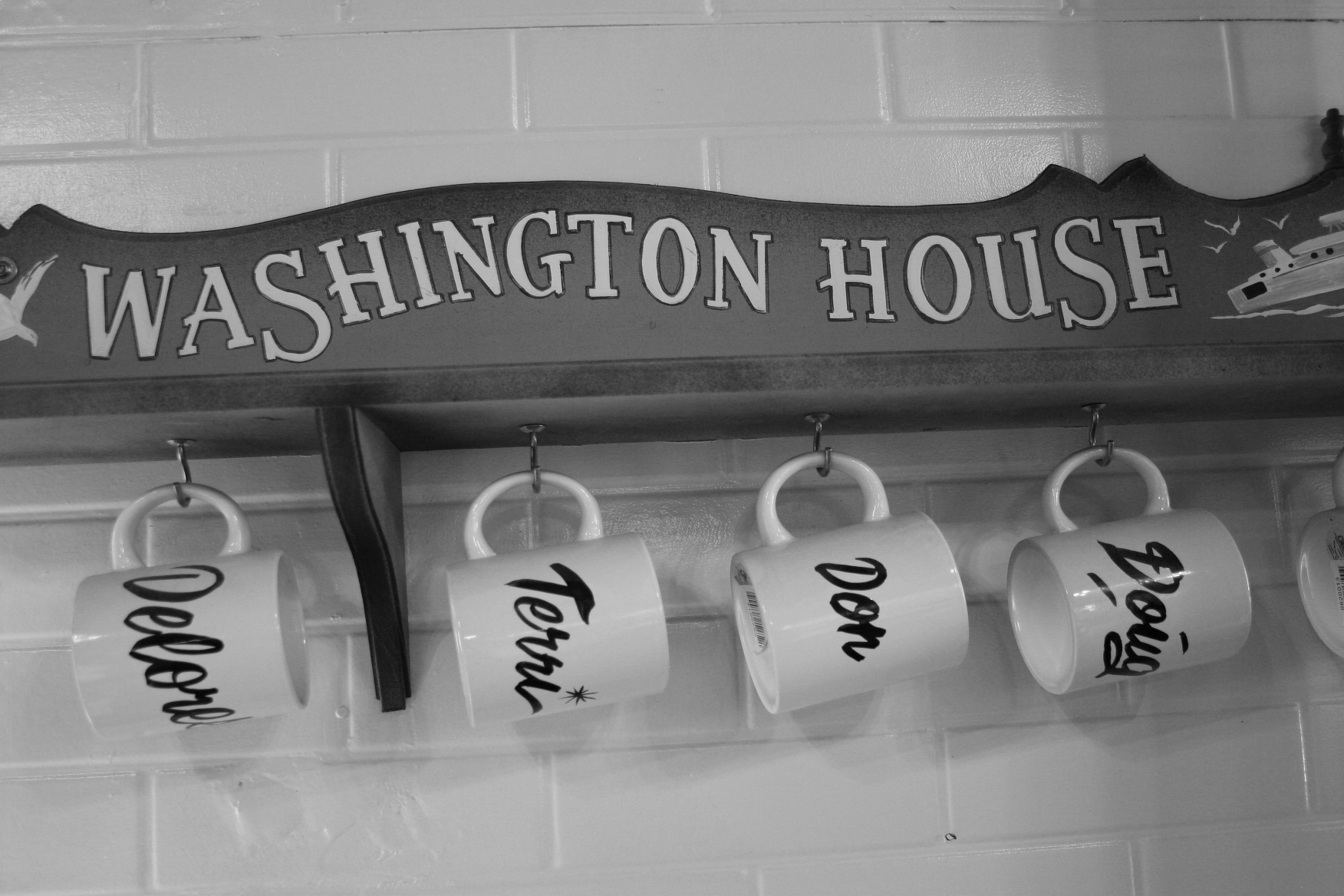
A snippet of small town life inside the Washington House.

A snippet of small town life inside the Washington House.

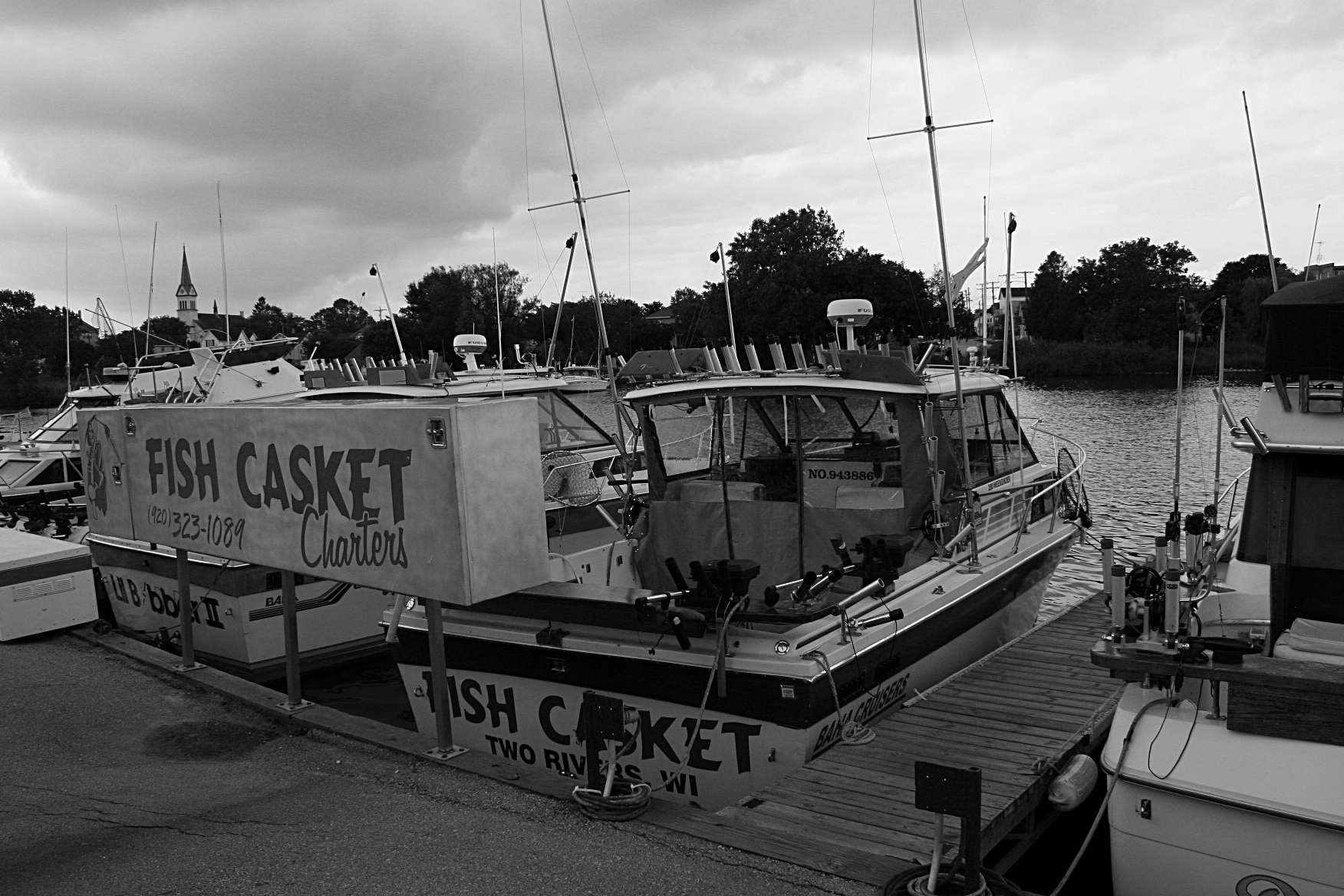
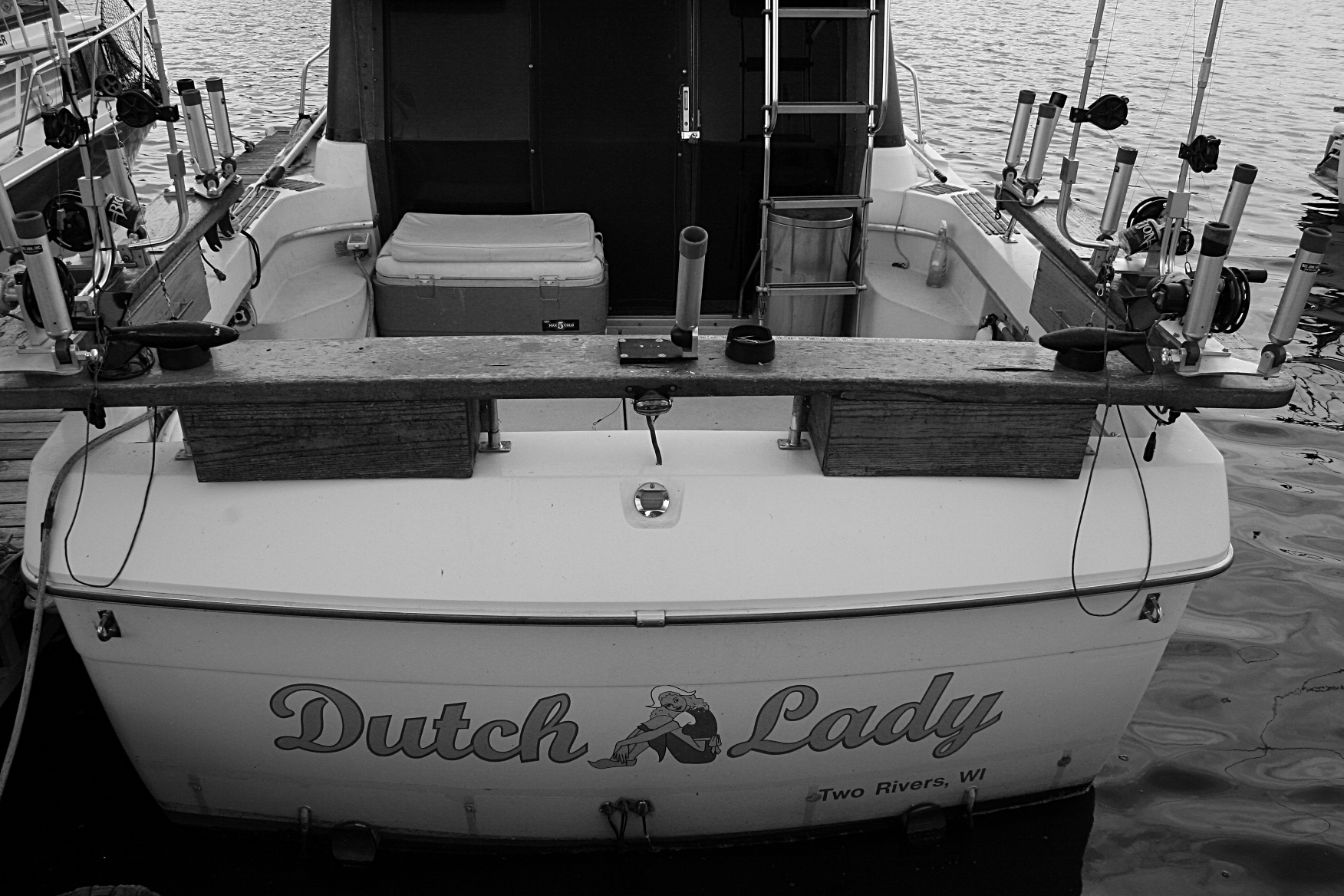
I was amused by the names of the docked boats.

I was amused by the names of the docked boats.

The Dutch Lady

Dutch Lady

Why would you name your boat Fishing Pox

Why would you name your boat Fishing Pox II? Is there a Fishing Pox I?

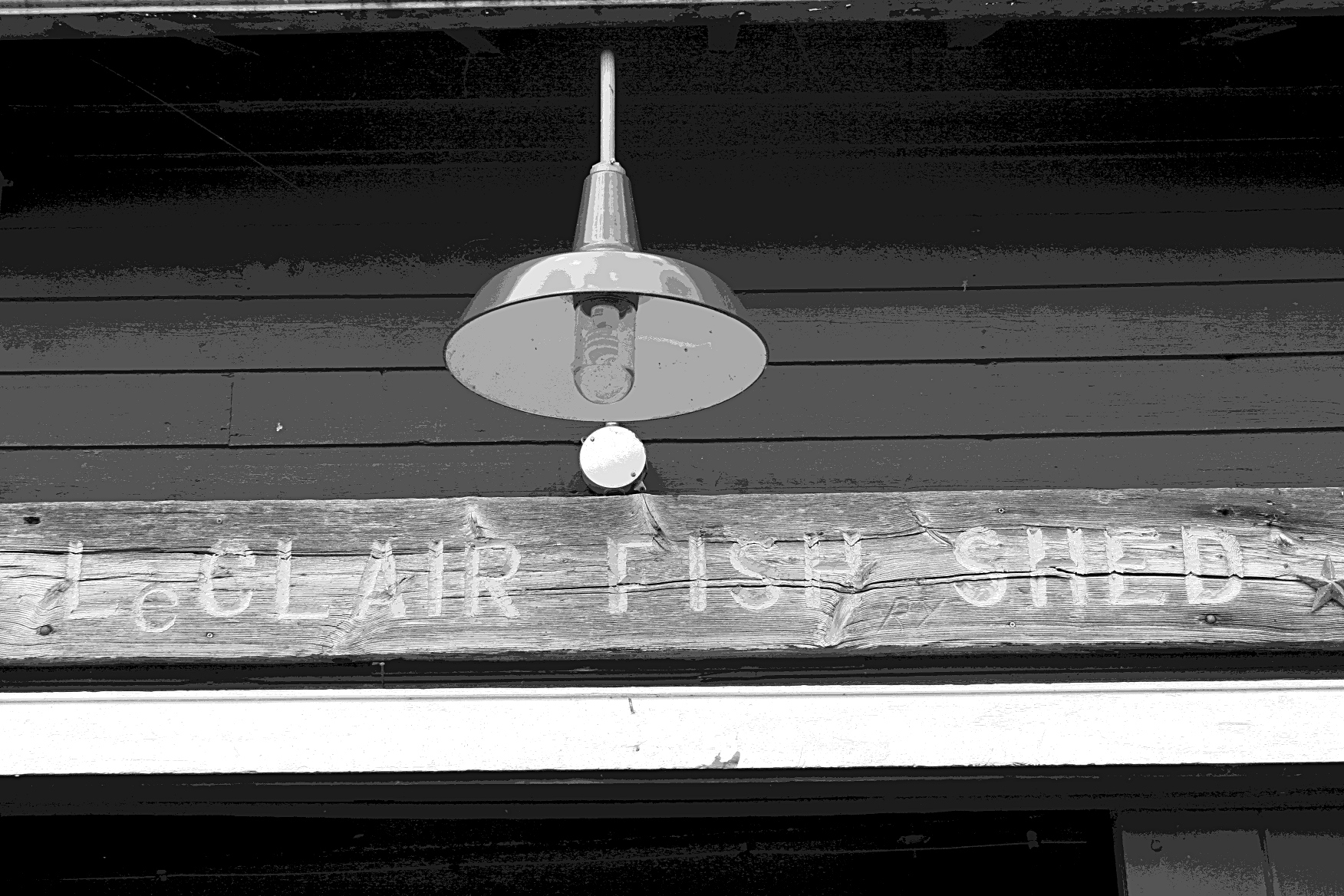
A simple fish shed sign in the fishing village.

A simple fish shed sign in the fishing village.

© Copyright 2013 Audrey Kletscher Helbling


This Minnesota mom welcomes her daughter back from Argentina, again March 12, 2013

Filed under: Uncategorized — Audrey Kletscher Helbling @ 7:16 AM
Tags: , , , , , , , , ,

WE RETRIEVED HER between bouts of morning and late afternoon snowfall from the parking lot of the Culver’s restaurant in Lakeville, wrapping winter coat arms around her thin frame.

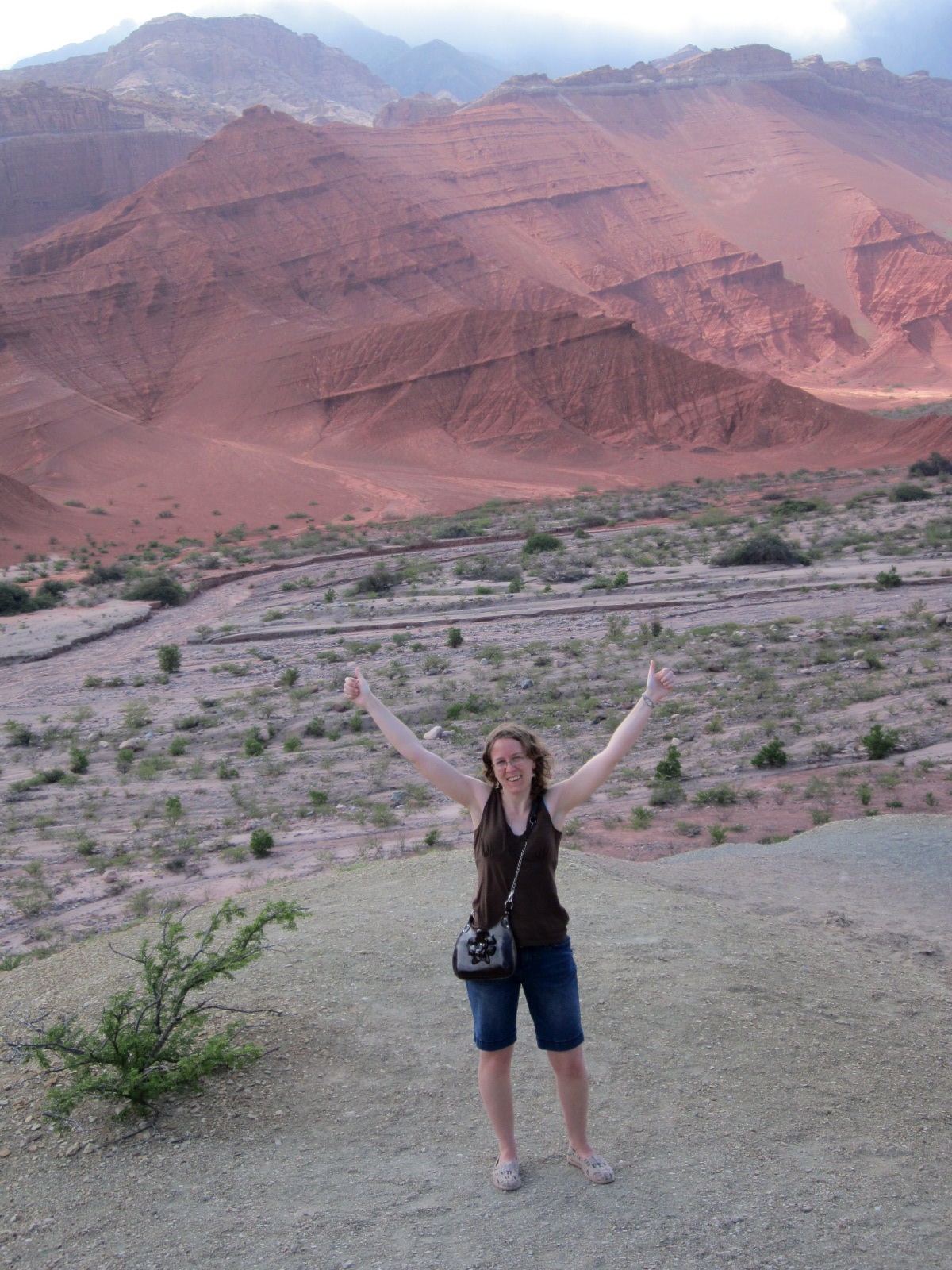
Miranda in Valles Calchaquies, near the town of Cafayate in the Salta province.

Miranda in Valles Calchaquies, near the town of Cafayate in the Salta province.

She, her arms and torso snugged in a borrowed red parka, shivered in the Minnesota winter. Already she missed her beloved Argentina where the summer sun’s rays brushed bronze upon her skin.

As she and her dad lifted her travel-worn suitcase and lavender backpack from the trunk of her sister’s car, shifting them into the trunk of ours, I savored the sweet moment of her homecoming. Nearly four weeks earlier I’d embraced my second-born, tears trailing down my cheeks as she turned away. The scene of her wheeling that suitcase, slipping through the airport doors, remains imprinted upon my memory.

But on this Sunday afternoon, joy defined the minutes, the hour, in which all three of my adult children (it always seems odd to write that contradiction of words, “adult children”) and the boyfriend of the eldest, slid into a corner booth at Culver’s. The restaurant marked a deliberate dining choice by the oldest daughter whose sister once raved about the fast food eatery. Ironically, it’s headquartered in Wisconsin, where the returning traveler now lives.

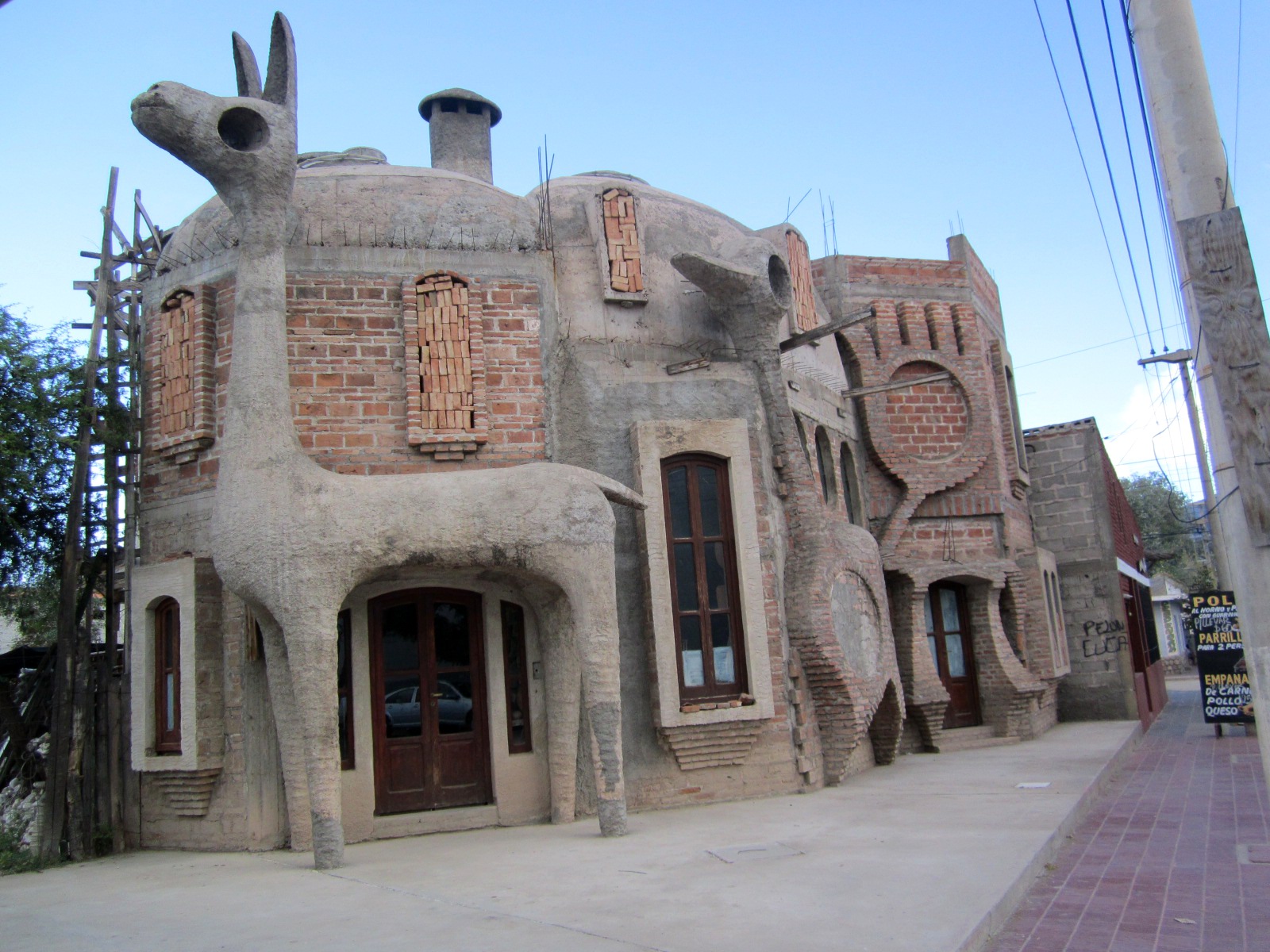
Unique restaurant architecture in Cafayate, Salta province.

Unique restaurant architecture in Cafayate, Salta province.

I truly cared not where we ate. Rather, I cared that my family surrounded me. With two of my three now living 300 miles away in opposite directions, such togetherness happens only a few times a year. I am not complaining as many more miles, even oceans, separate families.

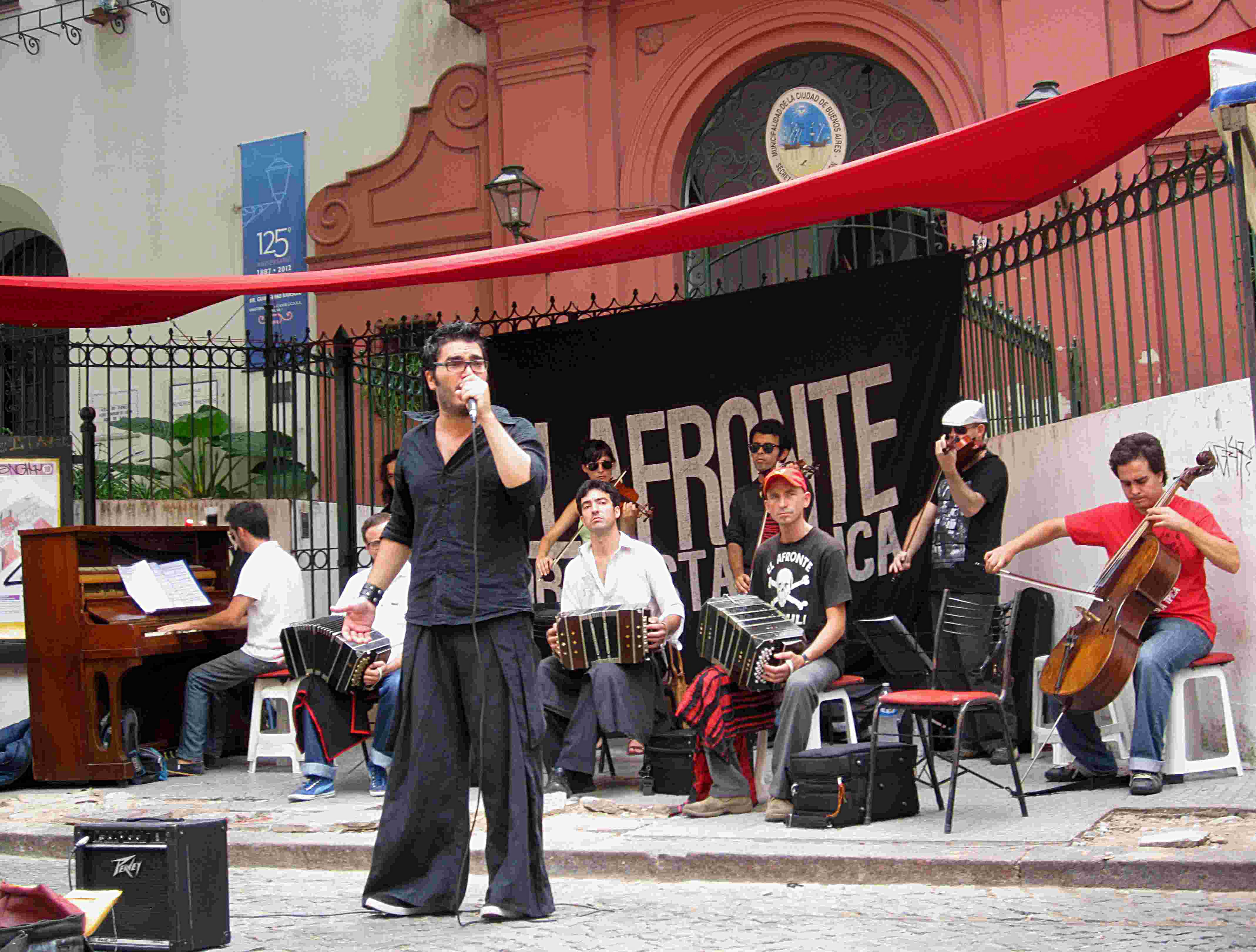
A tango band performs on the street during a fair in San Telmo barrio of Buenos Aires.

A tango band performs on the street during a fair in San Telmo barrio of Buenos Aires.

But tucked deep into the recesses of my mother’s worries exists the possibility that my second daughter, some day, will return to Argentina. Permanently. Twice she’s lived there, once visited. She’s been mistaken already numerous times as a local, Spanish flowing fluent from her tongue.

While she can claim a knowledge of Spanish as her own, I have passed along this genetic love of language, this appreciation for words and sentence structure and communication.

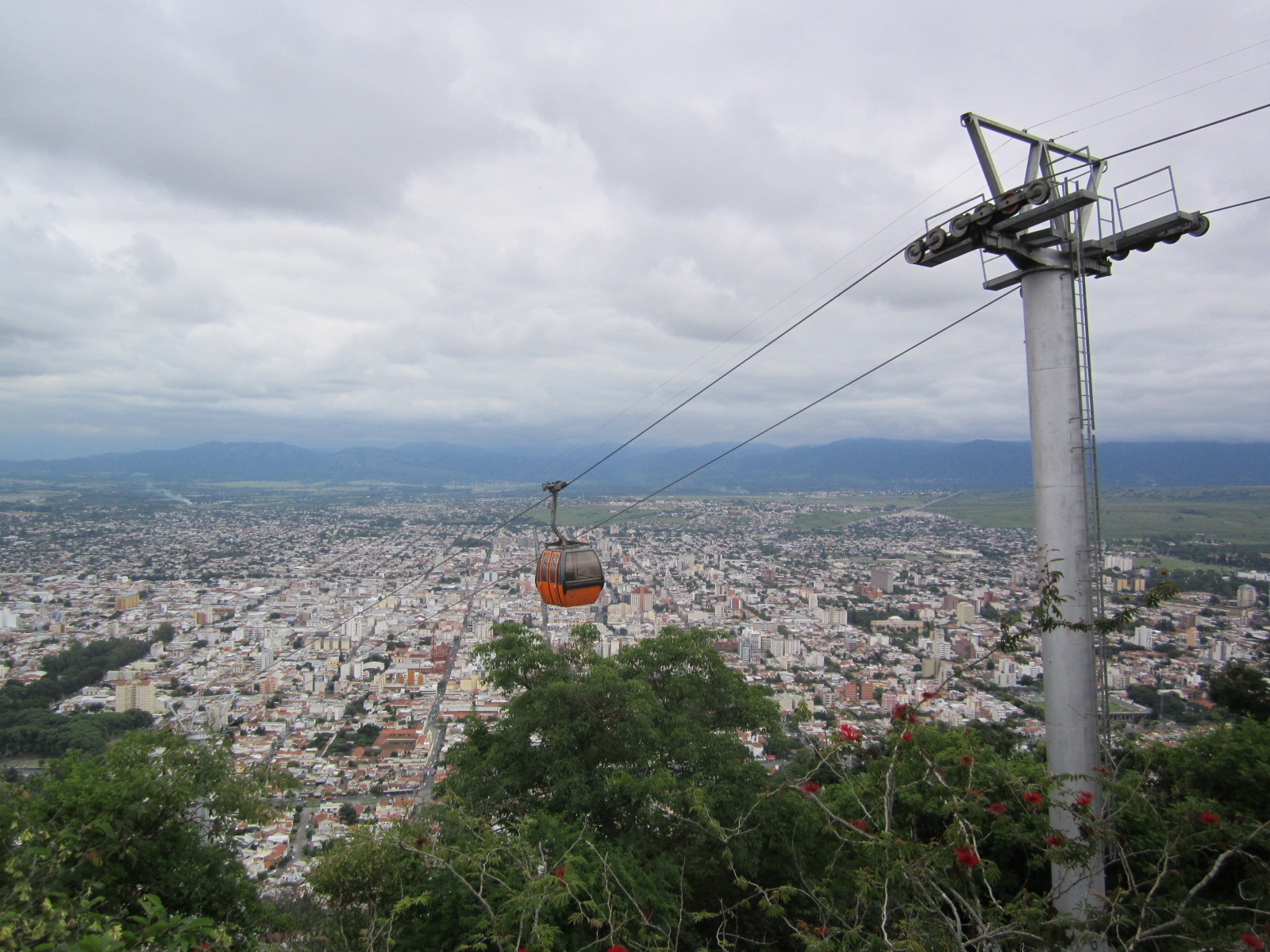
Riding the cable car in Salta.

Riding the cable car in Salta.

This desire to adventure, though, wells from within her, sourced perhaps from me. I intentionally encouraged her, like her sister before, her brother after, to travel, to see that which I’ve never seen, never will, for I possess not a distant traveler’s heart.

This has been my selfless mother’s gift—this unfurling of the fingers, this revealing of the palm, this opening to flight, this letting go.

Every Thursday afternoon the Mothers of the Plaza de Mayo march in front of the central government of Argentina. They are honoring the memories of, by most accounts, 30,000 protesters who disappeared during the "Dirty War" between 1976-1983. The then military/dictorial government, so my daughter tells me, kidnapped

Every Thursday afternoon the Mothers of the Plaza de Mayo march in front of the central government of Argentina, in Buenos Aires. They are honoring the memories of, by most accounts, 30,000 protesters who disappeared during the “Dirty War” between 1976-1983. The then military/dictatorial government, so my daughter tells me, kidnapped those who opposed the government and placed them in detention camps. Those detainees “disappeared,” killed in the camps or drugged and dropped from planes into the ocean, she further explains. Why have I not heard of this or why do I not remember this?  The white scarves identify the group and, she says, are embroidered with the names of the mothers’ lost children.

BONUS PHOTOS from Argentina:

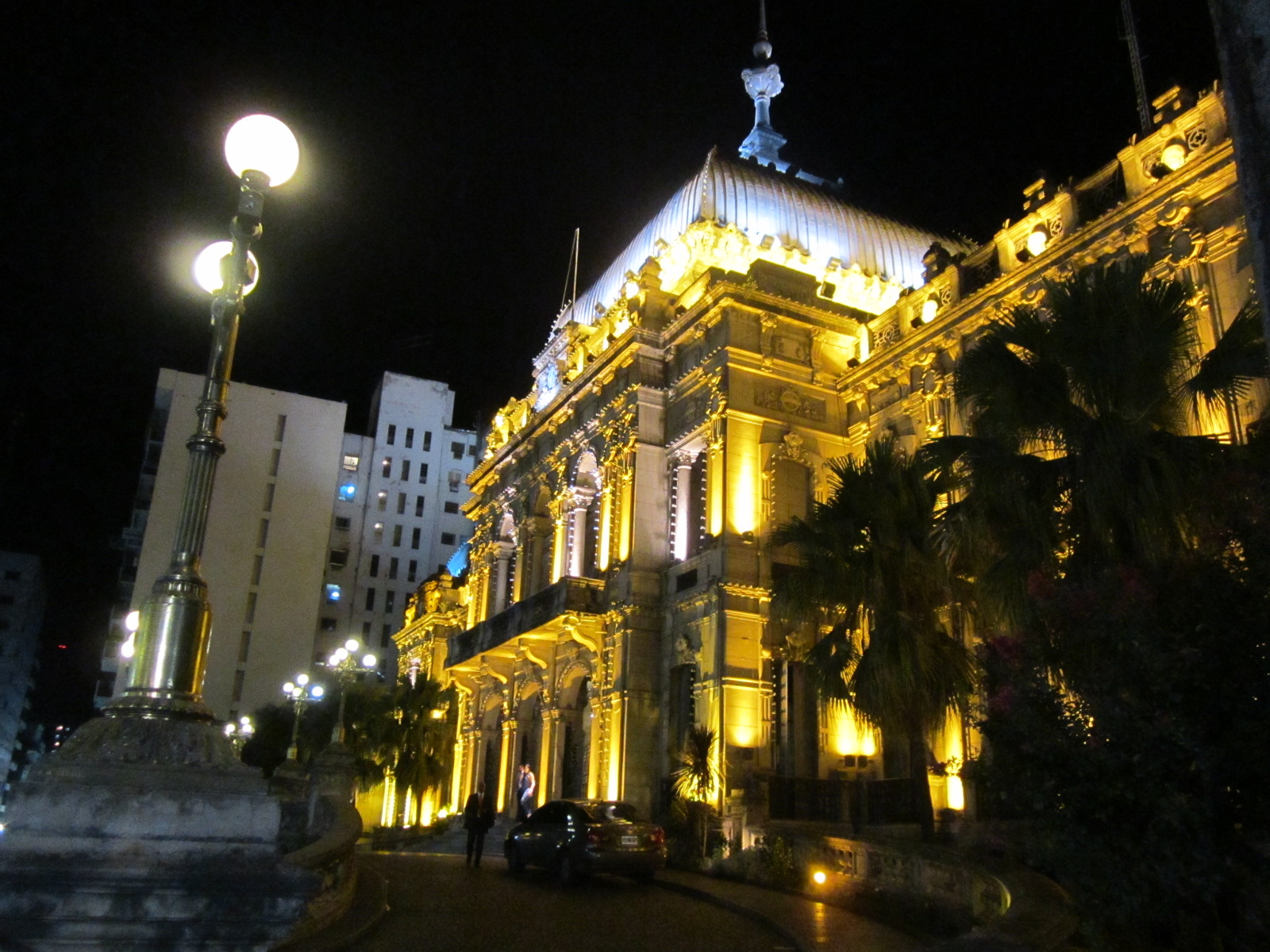
Casa del Gobierno (House of Government) in San Miguel de Tucuman.

Casa del Gobierno (House of Government) in San Miguel de Tucuman.

El Mirador (Lookout), Valles Calchaquies, Salta.

El Mirador (Lookout), Valles Calchaquies, Salta.

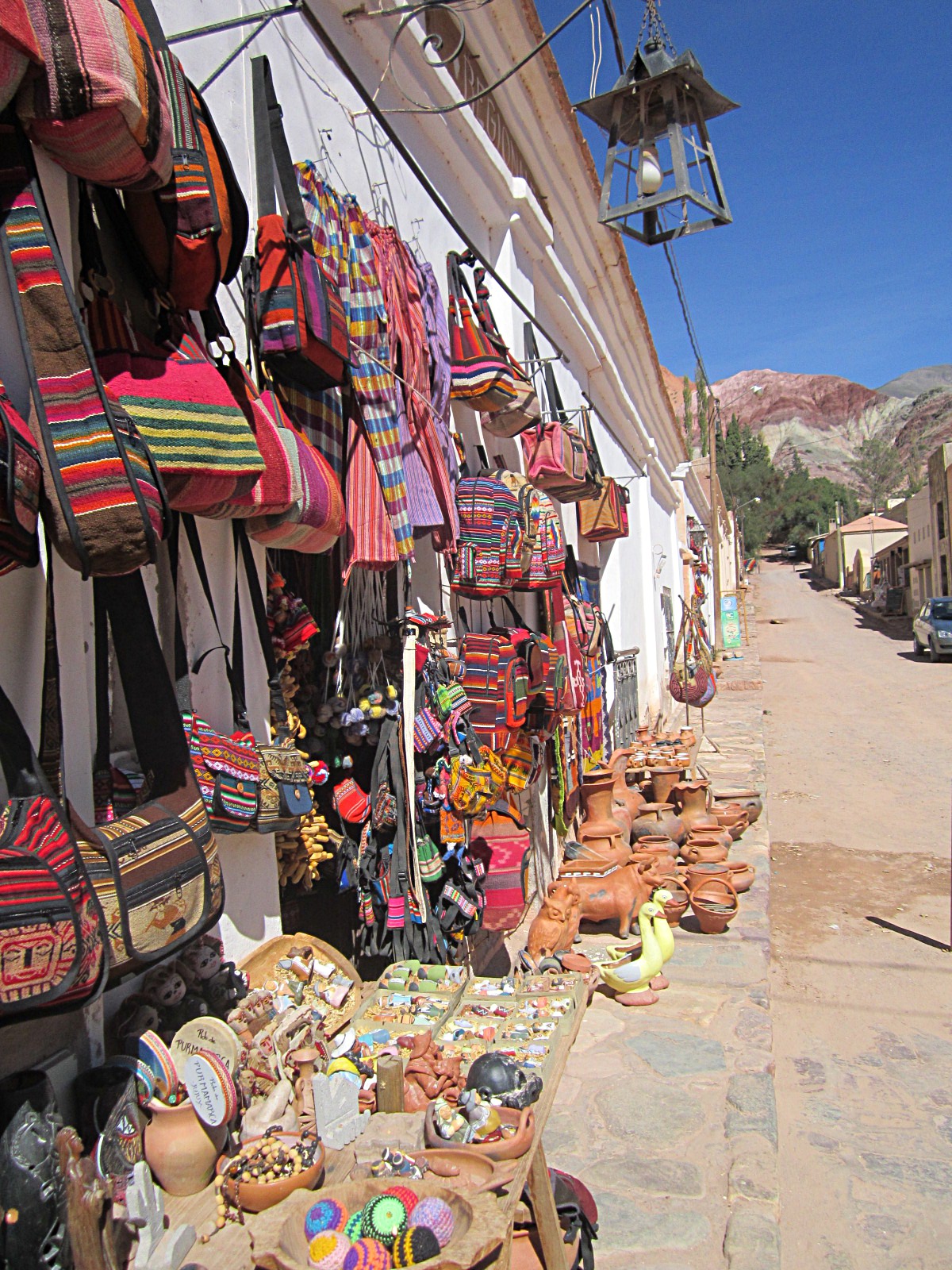
An open air market in Purmamarca, Jujuy province.

An open air market in Purmamarca, Jujuy province.

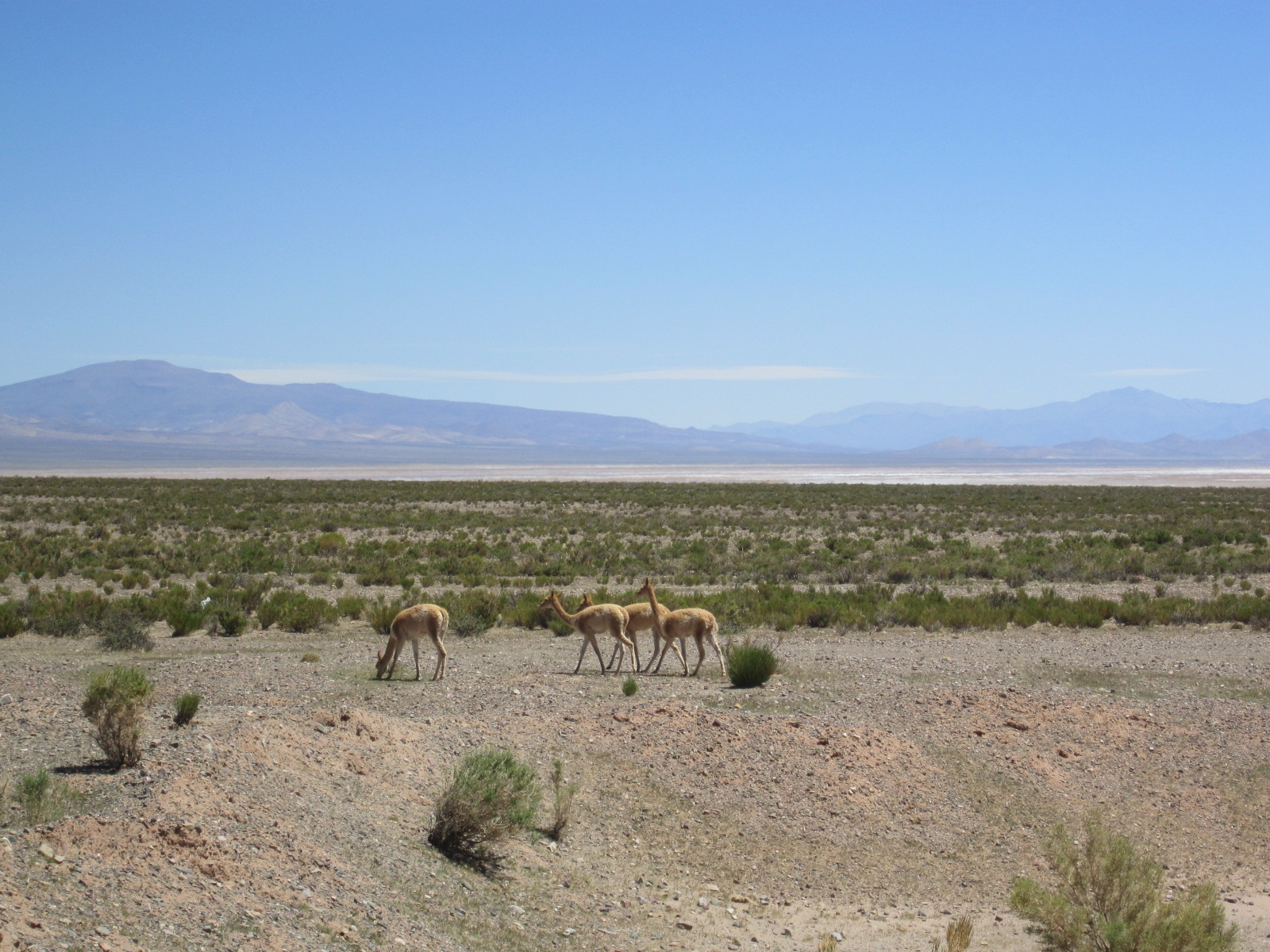
A herd of vicunas, Jujuy province.

A herd of vicunas, Jujuy province.

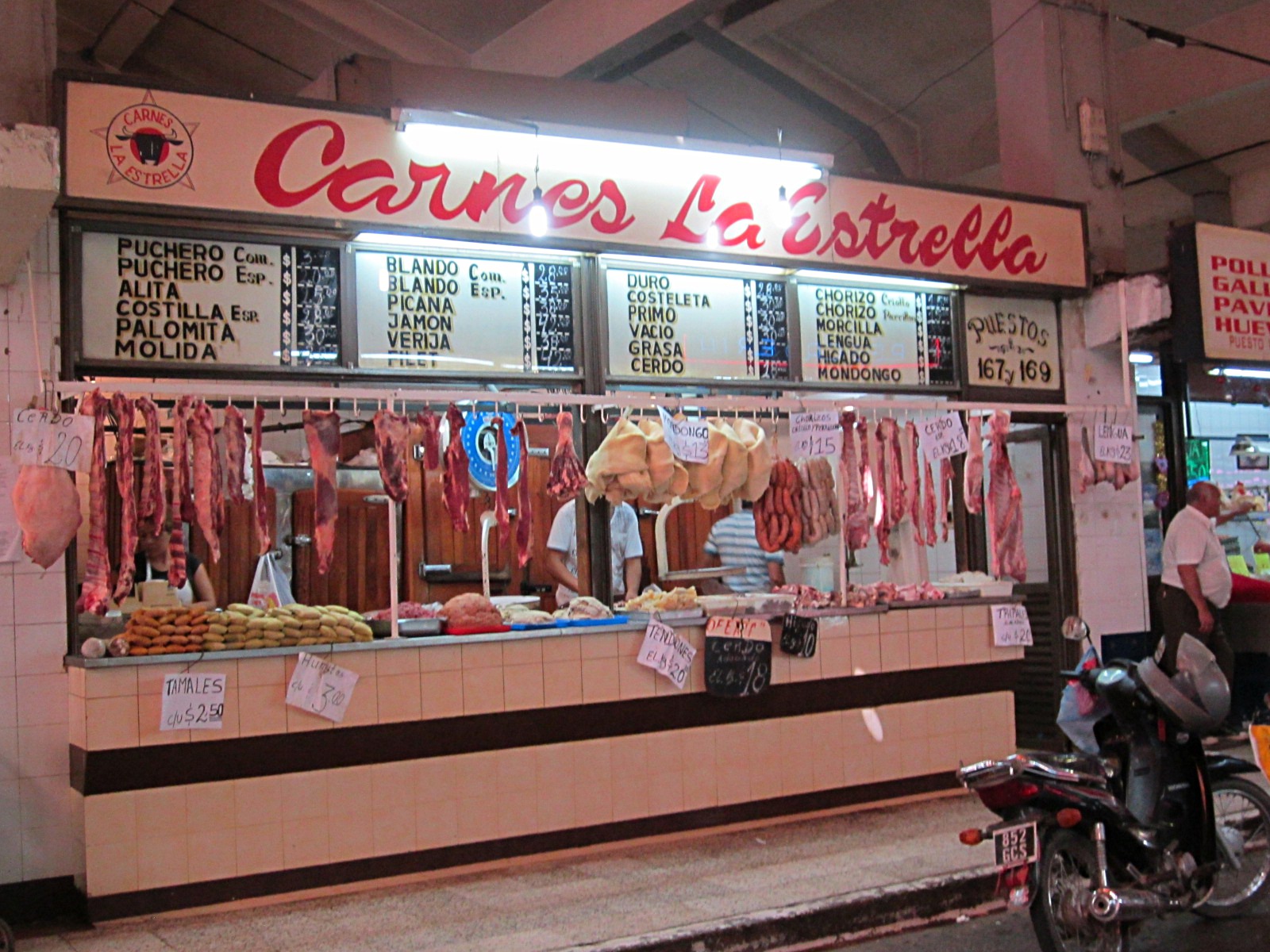
A meat stand at Mercado del Norte (North Market), San Miguel de Tucuman.

A meat stand at Mercado del Norte (North Market), San Miguel de Tucuman.

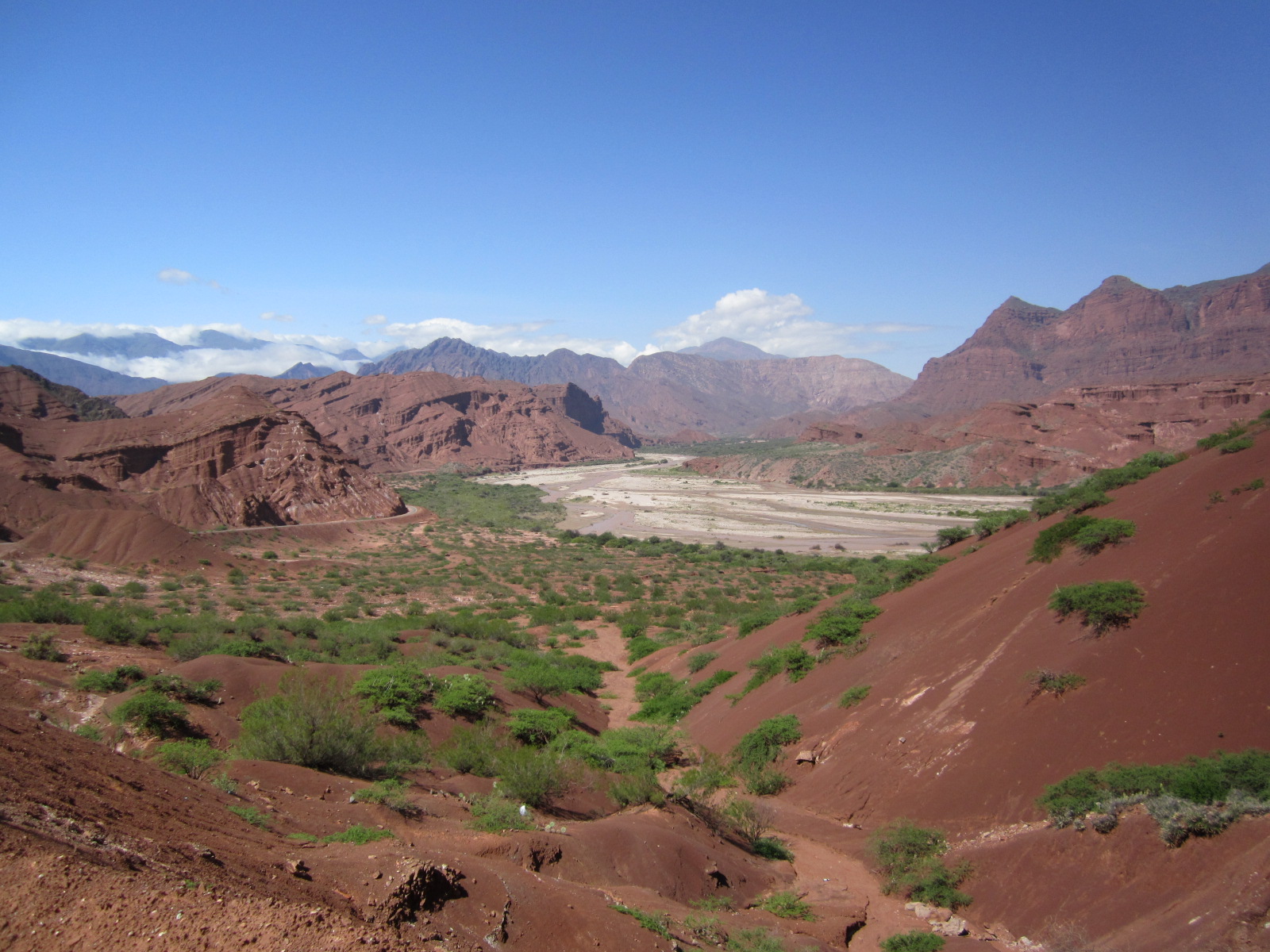
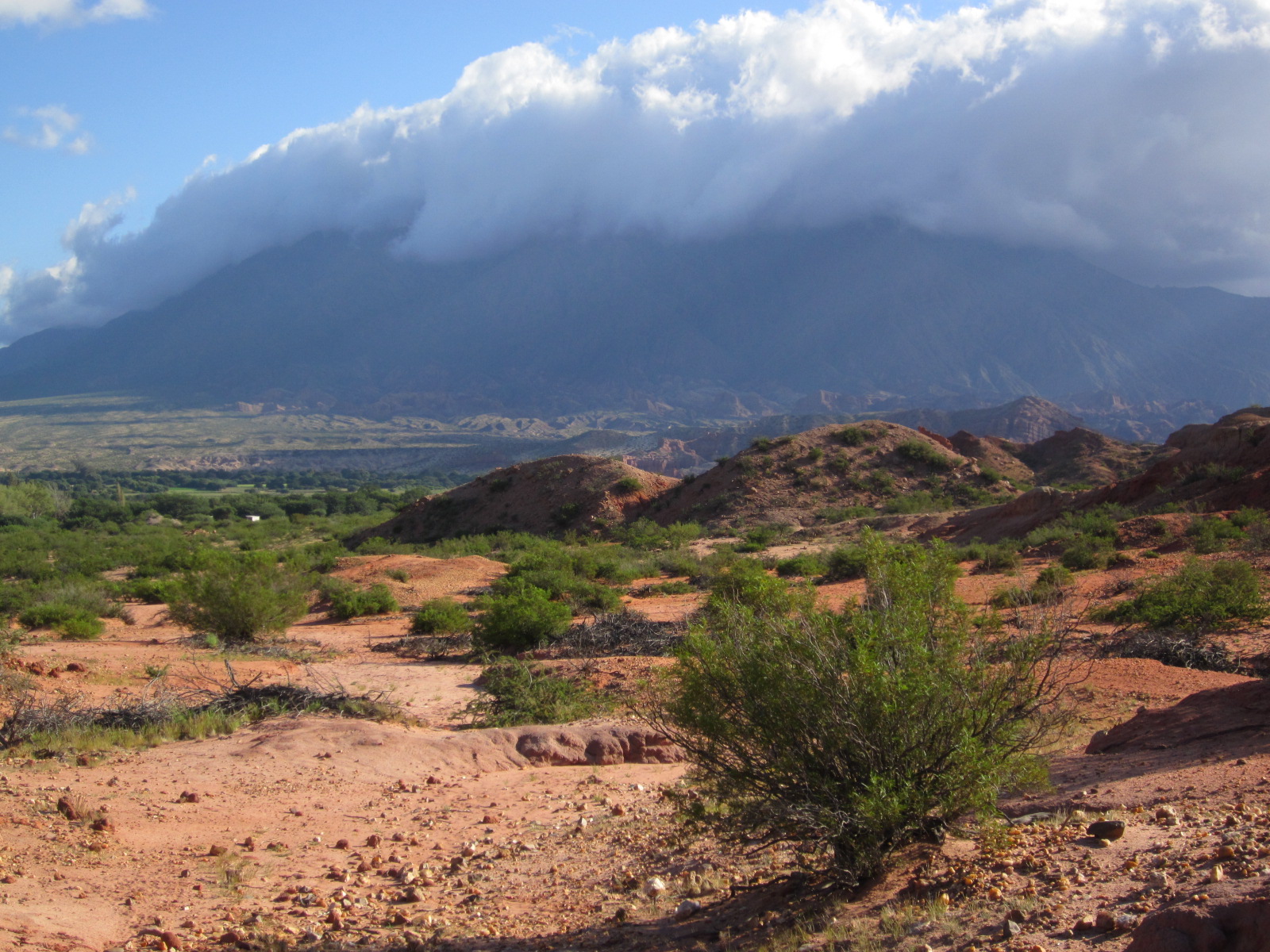
Valles Calchaquies near Cafayate, Salta province.

Valles Calchaquies near Cafayate, Salta province.

© Copyright 2013 Audrey Kletscher Helbling

Photos courtesy of Miranda Helbling


Montgomery, Part II: Entertaining & inspiring the folks of South Central Minnesota in an historic dance hall March 5, 2013

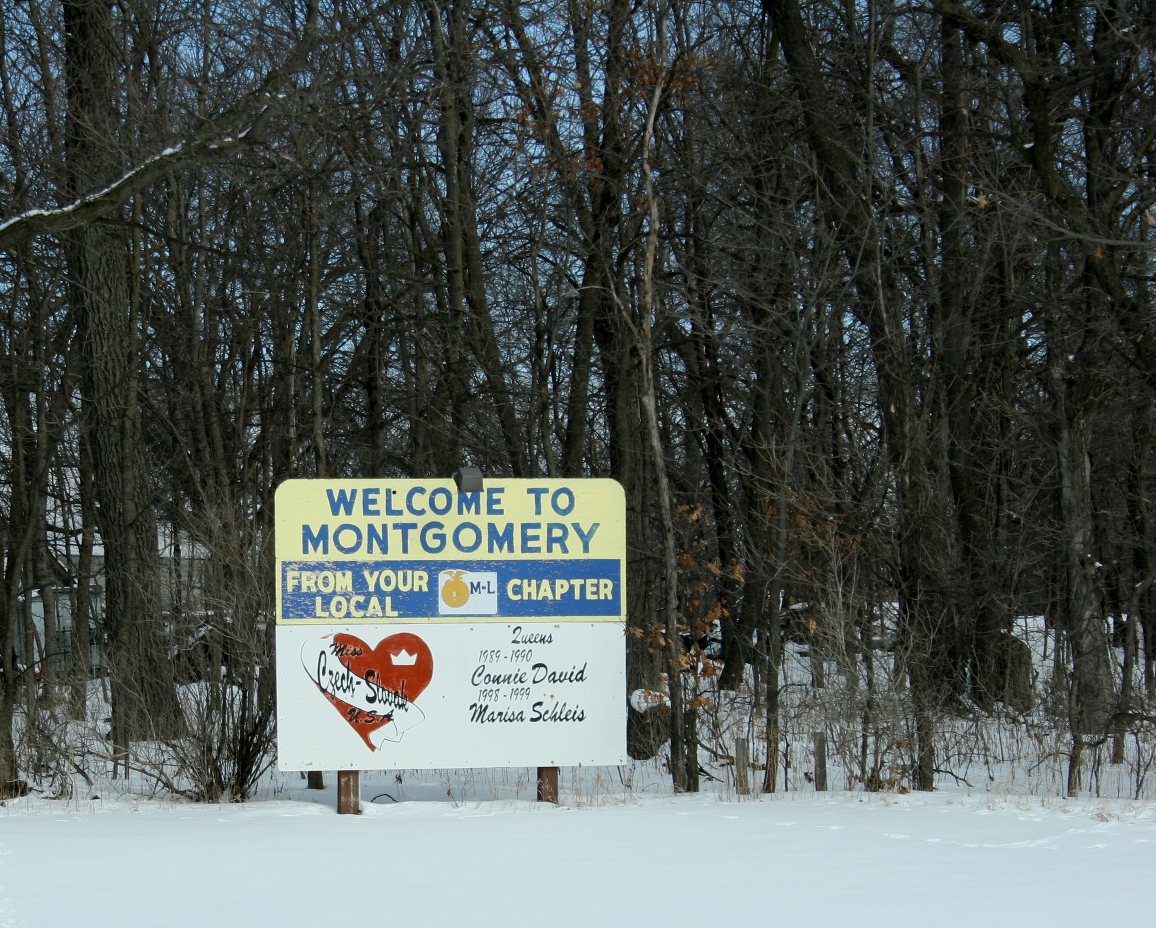
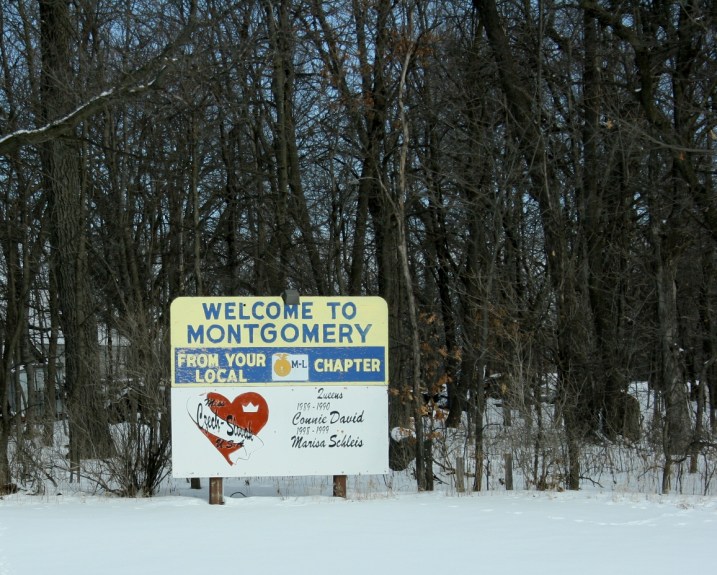
A sign just off Minnesota Highway 13 welcomes travelers to Montgomery.

A sign near the Minnesota Highway 13 and 21 intersection welcomes travelers to Montgomery.

IN RURAL SOUTHERN MINNESOTA, in the heart of Czech country, in a community with a fading welcome sign noting local Miss Czech-Slovak U.S.A. queens Connie David (1989-1990) and Marisa Schleis (1998-1999), you’ll discover an unexpected treasure.
The red-roofed building in the distance is Hilltop Hall.

The red-roofed building in the distance is Hilltop Hall.

Historic Hilltop Hall sits on the north end of First Street in Montgomery, past the library and chiropractic office, the eateries and bars, the newspaper and accounting offices, the antique shops, even farther than the bakery which bakes ethnic kolacky, just two doors up from the meat market, source of homemade sausage.
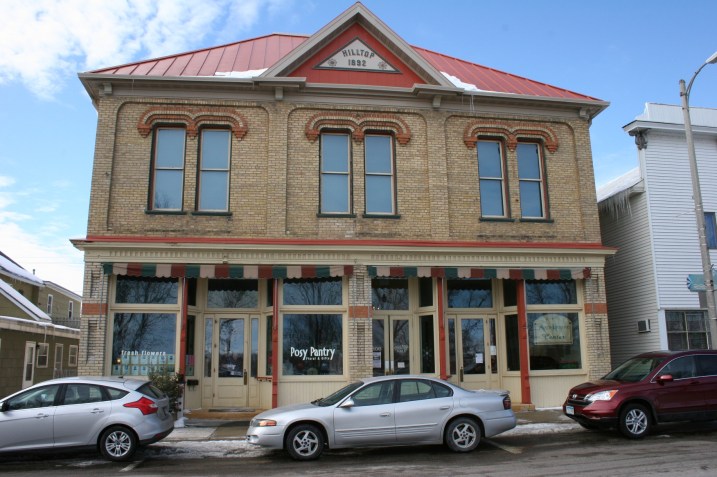
Hilltop Hall was "falling apart," John Grimm says of the building he bought in the early 1990s. He reroofed, gutted and reconstructed and/or restored the interior.

Hilltop Hall was “falling apart,” John Grimm says of the building he bought in the early 1990s. He reroofed  the hall and gutted and reconstructed and/or restored the interior.

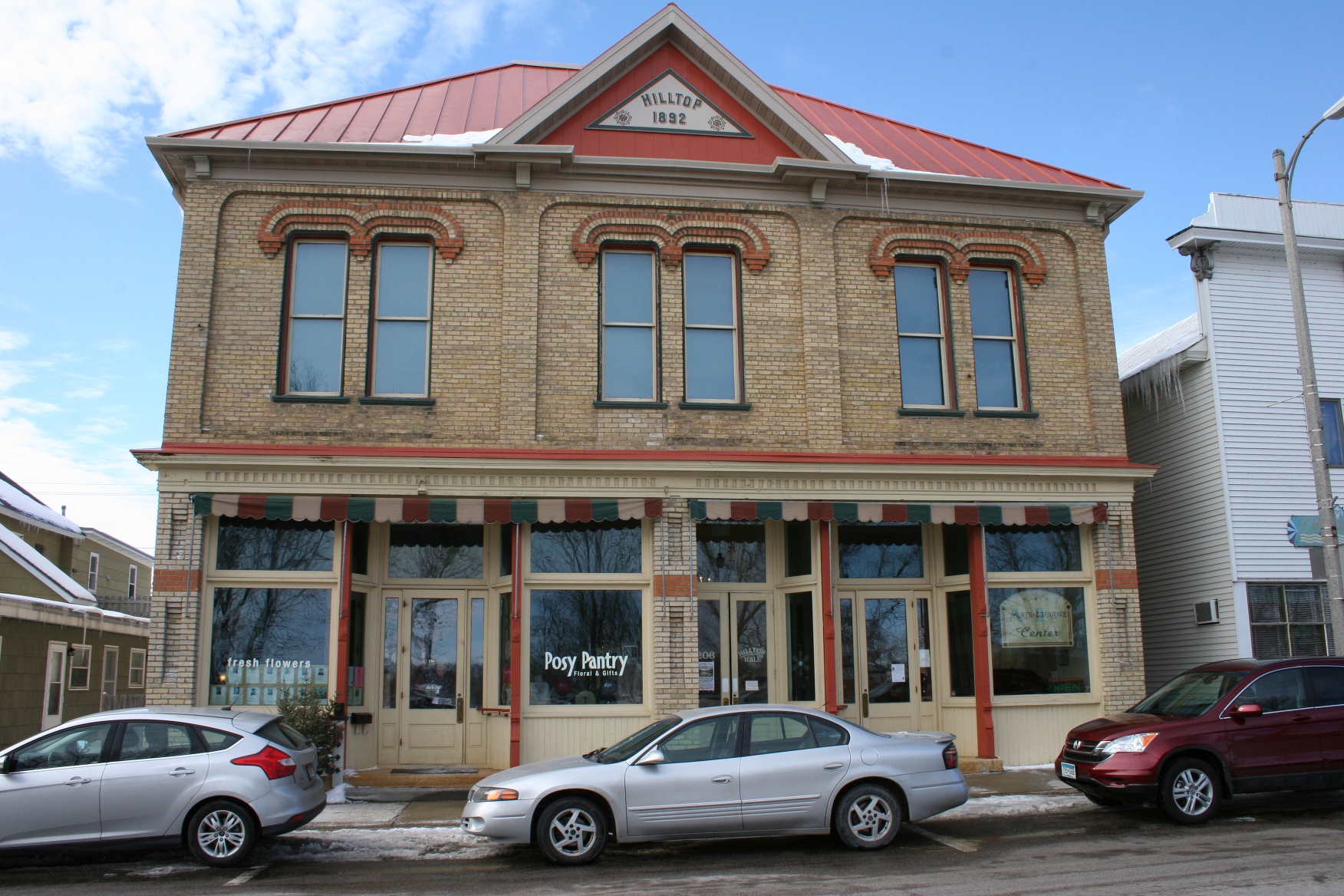
The red-roofed 1892 brick structure on the National Register of Historic Places represents a center of culture in this self-proclaimed Kolacky Capital of the World, a farming town of nearly 3,000 notably proud of its Czech heritage.
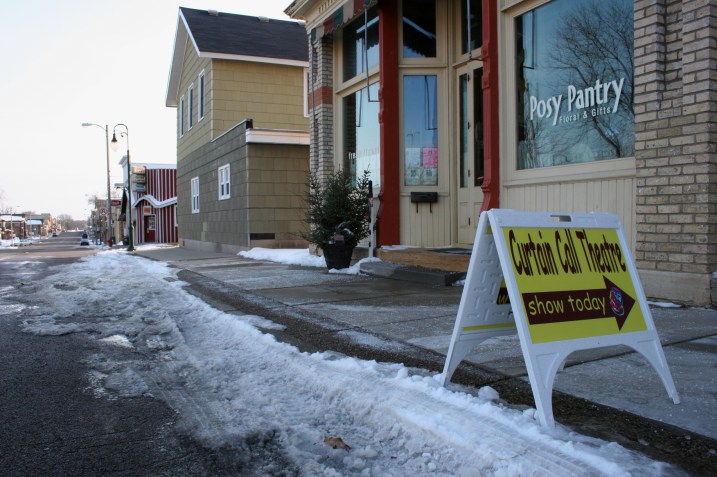
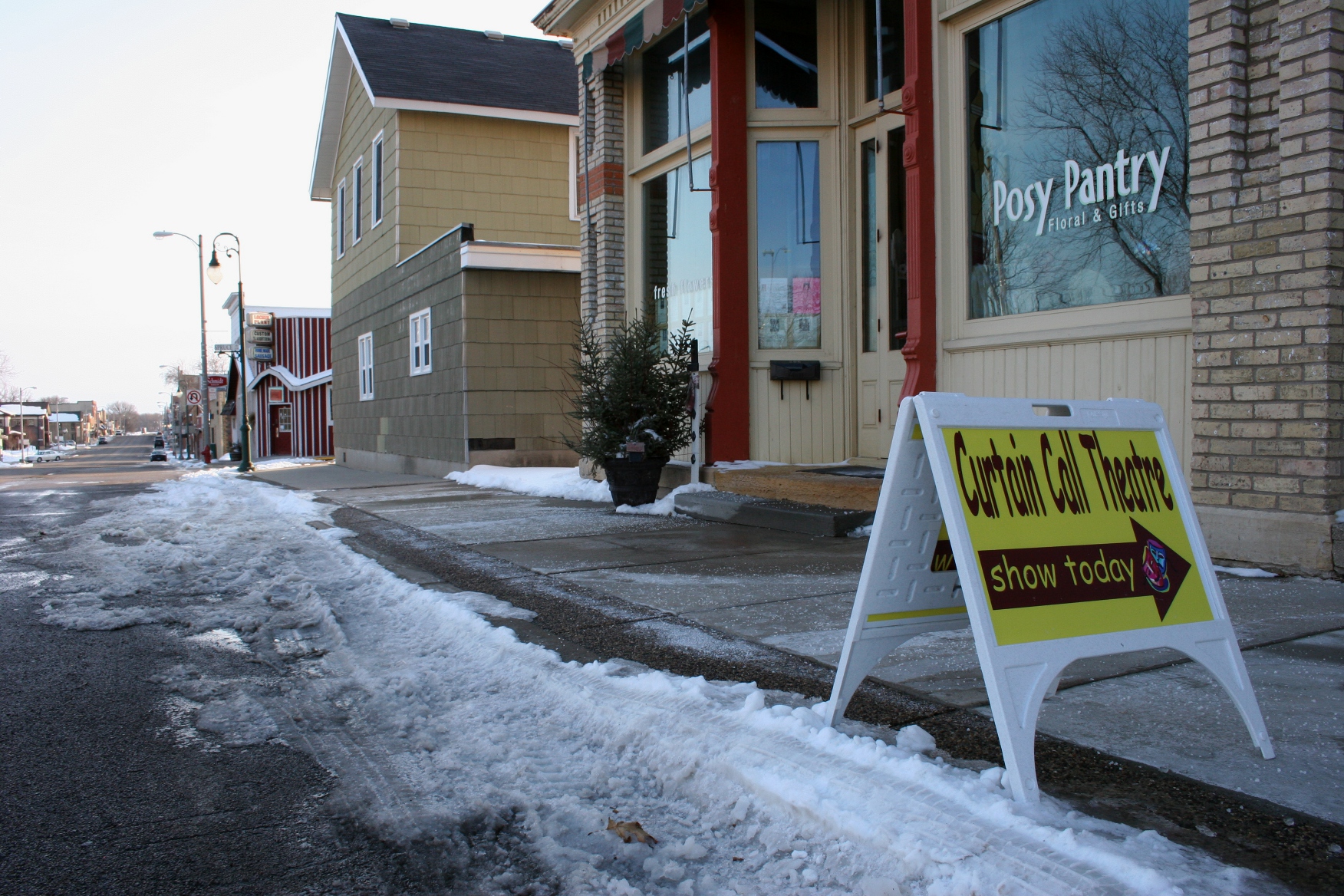
A sign outside Hilltop Hall directs guests to the Curtain Call Theatre performance of "On Golden Pond." The area theatrical group also performs in neighboring New Prague.

A sign outside Hilltop Hall directs guests to the Curtain Call Theatre performance of “On Golden Pond.” The area theatrical group also performs in neighboring New Prague.

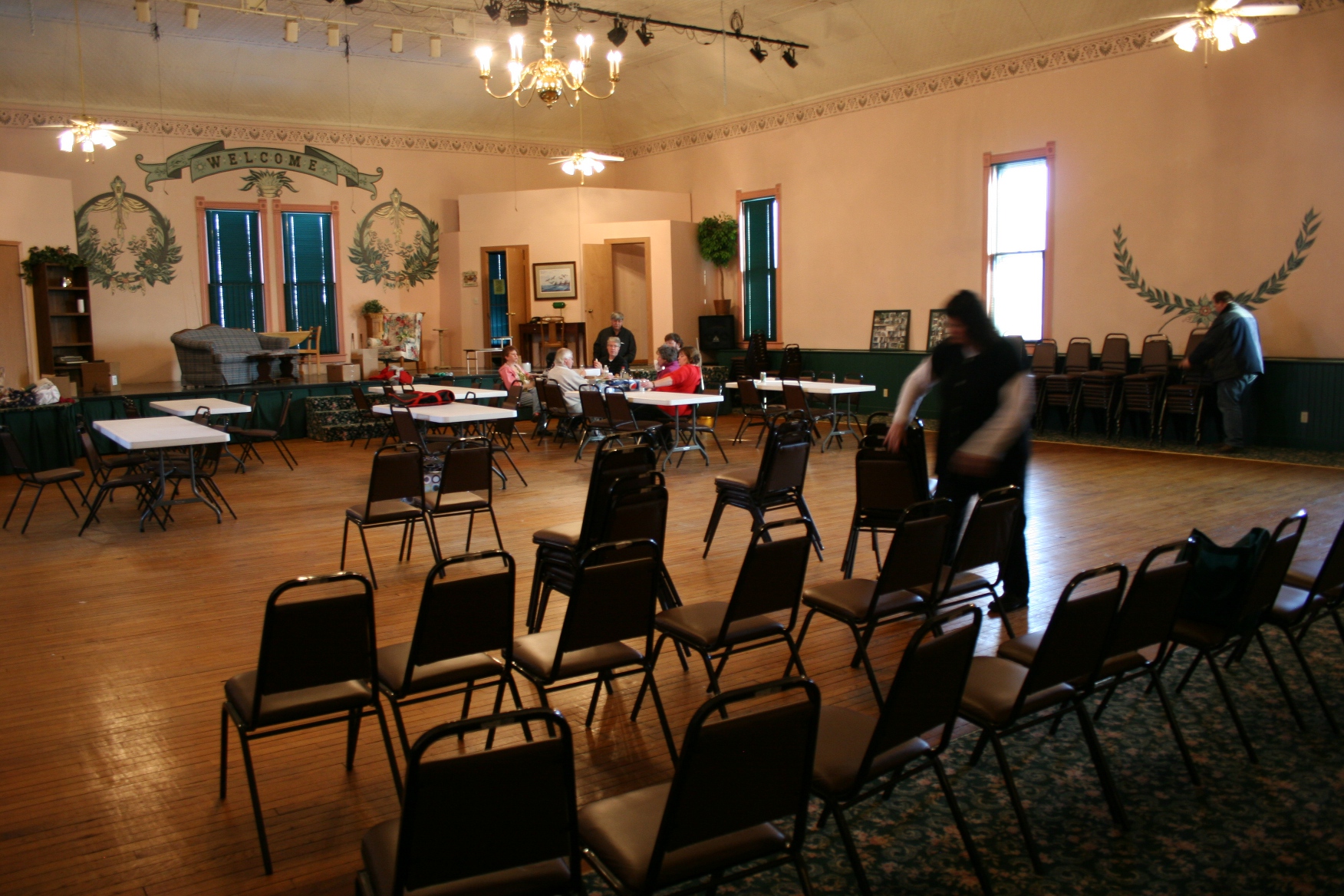
The community should also be proud of Hilltop, a rare small town gem which hosts once-a-year comedic performances by Curtain Call Theatre and monthly Hilltop Happenings Series variety shows in the second floor 75-foot by 45-foot vintage concert and dance hall. The main floor is home to the Montgomery Area Arts & Heritage Center—featuring rotating historic and artistic exhibits—and a floral/gift shop, Posy Pantry.

Native Wisconsinite John Grimm, 72, a retired airline pilot, entrepreneur and former Le Sueur County commissioner who has lived in the Montgomery area since 1992, represents the driving force behind this cultural center nestled into a hill across the alley from St. John’s Lutheran Church.

This composer and singer—by passion, not profession—and a team of equally enthusiastic musicians six months ago revived the variety shows which have been an irregular part of Hilltop since Grimm purchased and restored the building in the early 1990s. He bought the old hall, he says, “to save a significantly historic building” and “to create a place where local folks could perform.”
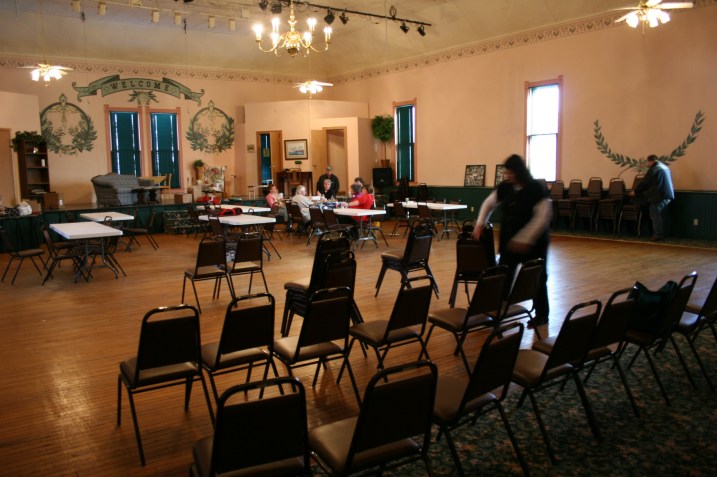
Except for a small section which was damaged by water, this wood floor is original.

Except for a small section which was damaged by water, this wood floor is original. Here volunteers stack chairs following the final performance of “On Golden Pond” while the cast enjoys pizza.

Now on Sunday afternoons, during the recently-resurrected variety shows, audiences ranging from 30 – 100 gather in the upper floor venue, feet planted on the restored wood floor, to hear next-door Lutheran pastor, Bob Kaul, strum his folk style guitar music or professional musician Craig Wasner of Northfield perform or Grimm present his Elvis impersonations (or other musical selections).

In a kicked back atmosphere where performers arrive two hours before the 4 p.m. – 6 p.m. show to rehearse, if necessary, and then sit among the crowd, the audience will hear a wide range of music from gospel to pop, folk, country, classical and more presented by regular troupe members from the Montgomery, Le Sueur, New Prague and Northfield areas.

Among the crowd favorites, Grimm notes, is 2012 Montgomery-Lonsdale High School (now Tri-City United) graduate Jesse Beulke, a gifted musician studying psychology and music at Minnesota State University, Mankato, with aspirations of becoming a professional composer. Beulke’s classical music selections on the piano have drawn standing ovations. “The audience recognizes his talent,” Grimm says.

Other regulars include musicians Wade and Mary Lou Fradenburgh, Maren Wasner and Wendy Zaske.
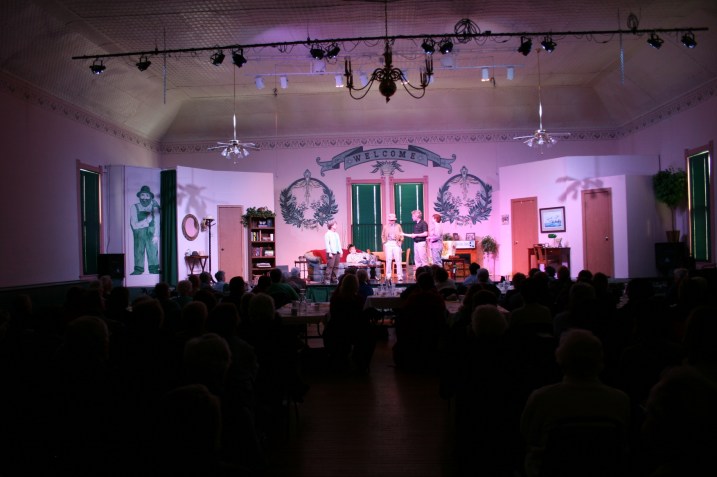
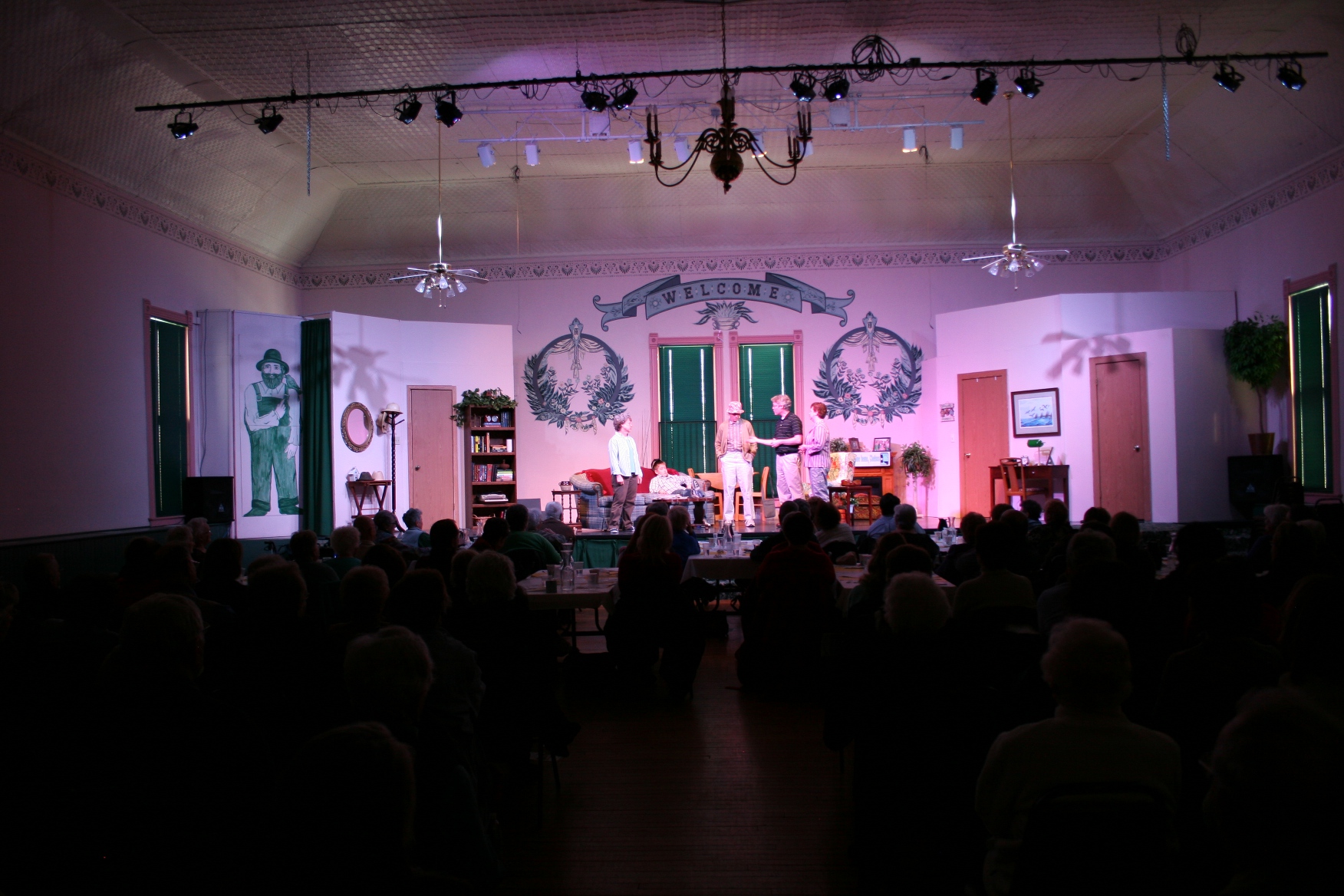
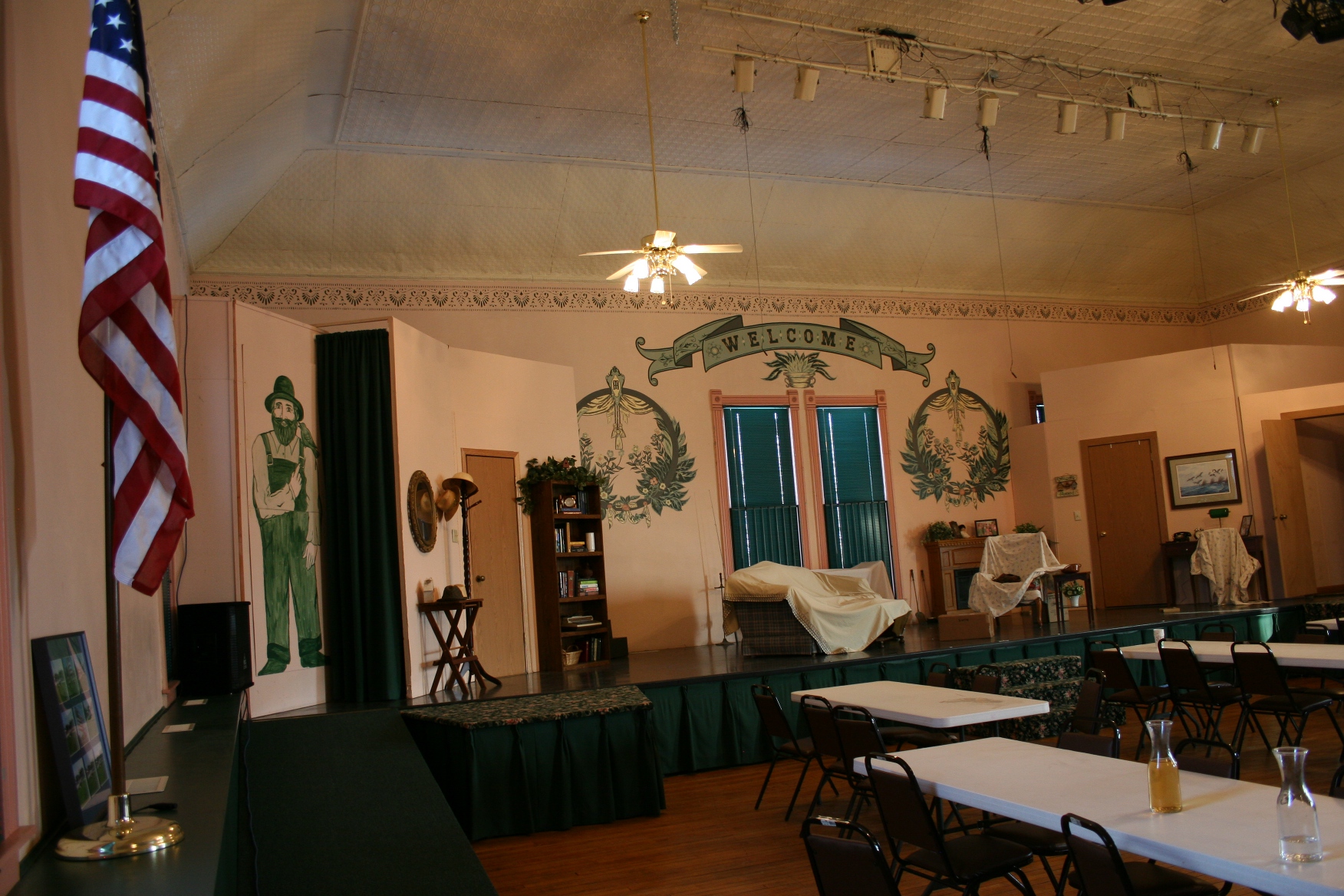
A view of Hilltop Hall's performance venue shows John Grimm and Fran Bohlke playing the lead roles in "On Golden Pond."

A view of Hilltop Hall’s performance venue shows the cast of “On Golden Pond.” John Grimm, center, plays the lead role along with Fran Bohlke of Shakopee, left in Curtain Call Theatre’s production. This marked Bohlke’s third time playing Ethel Thayer. She previously played the part during performances in Worthington and Luverne. Stenciling in the hall was either replicated or restored, depending on condition.

Grimm is planning to add original humorous skits to the monthly Sunday variety shows, tapping into his passion for performing. Fran Bohlke, who played Ethel Thayer opposite Grimm’s Norman Thayer Jr. in the Curtain Call Theatre’s recent performances of “On Golden Pond” at the Hilltop, will also sing at the March 24 show.

While Grimm and his troupe welcome guest performers, those entertainers must audition for what’s billed as “a unique mix of breathtaking talent, lighthearted entertainment and tasty snacks—all in one lovely historic place…that brings entertainment, enjoyment and inspiration to the folks of South Central Minnesota.”
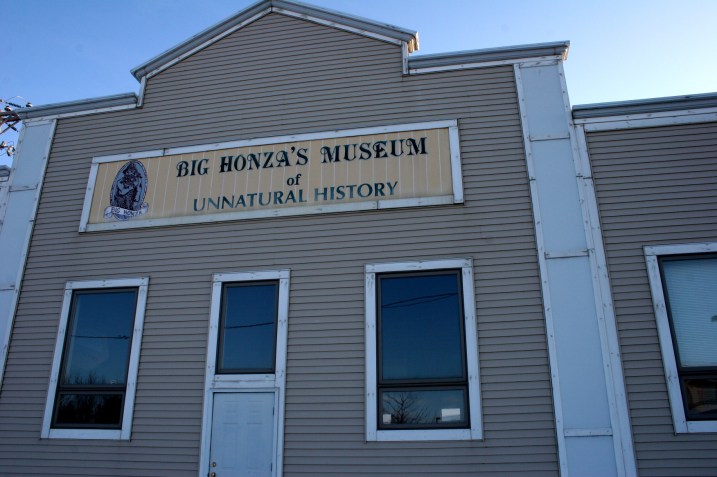
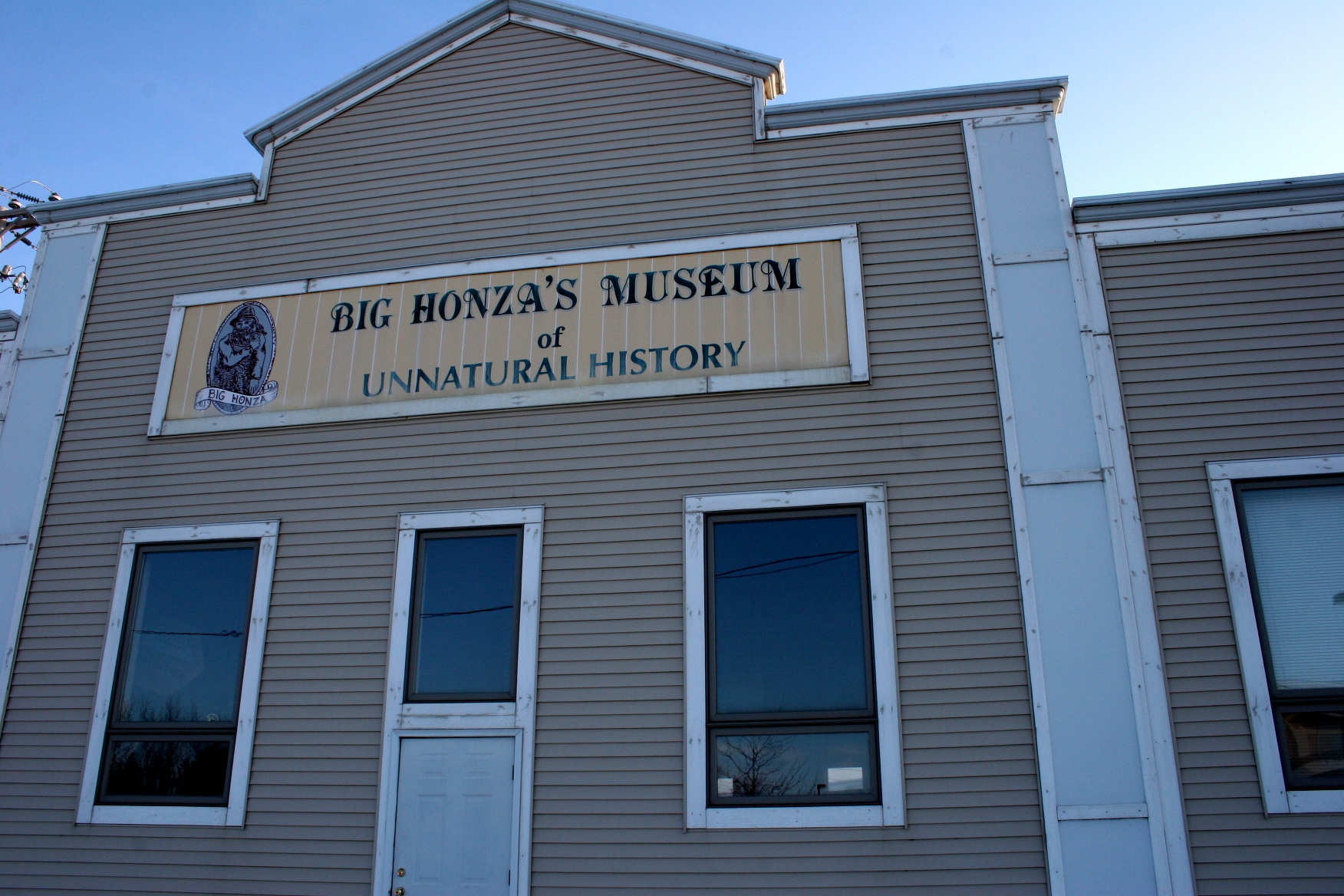
Big Honza's Museum of Unnatural History.

Big Honza’s Museum of Unnatural History.

The snacks include freshly-popped popcorn from the popcorn machine tucked in the hall’s second floor corner kitchen and pizza from Pizzeria 201 just down First Street in the historic Westerman Lumber Company office and residence. Grimm also owns that 1895 building which is on the National Register of Historic Places. Next door you’ll find Big Honza’s Museum of Unnatural History, another project of the creative Grimm.
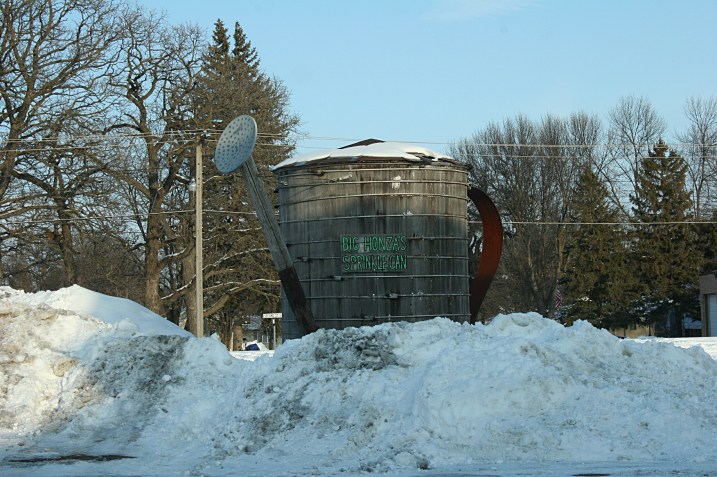
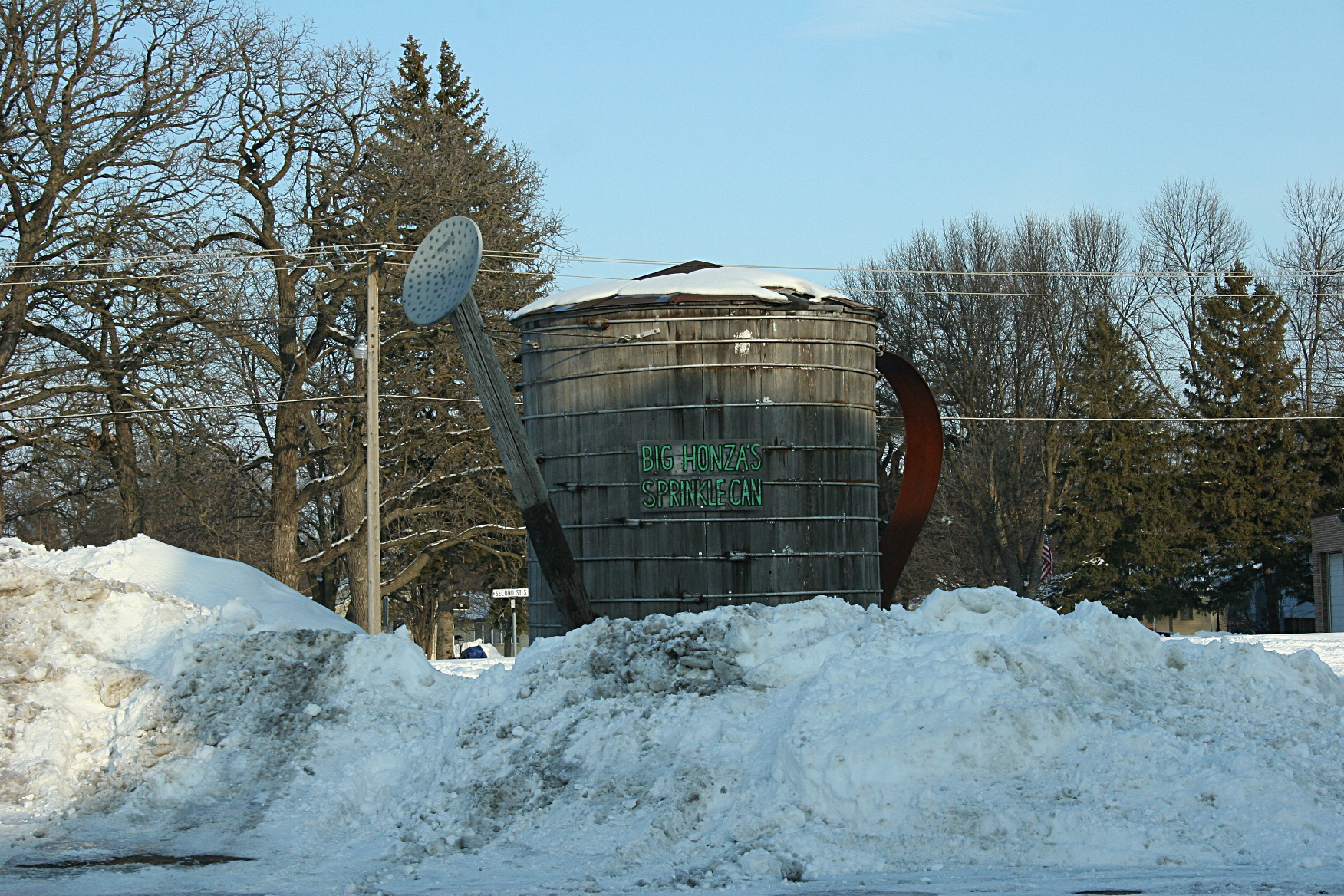
Big Honza' sprinkling can located near his museum.

Big Honza’ sprinkling can located nest to the Big Honza museum.

As Grimms tells it, the fictional Big Honza Giganticzech originated when he penned a musical for Montgomery’s annual Kolacky Days celebration, embellishing local history to create the town’s version of Paul Bunyan. That led to the museum where visitors will see items like Big Honza’s airplane/corn shredder, a chain driven concertina and more. The museum is open by appointment or ask the folks at the Pizzeria to let you in; they have a key.

A view of the set for "On Golden Pond" with Big Honza painted on the wall to the left.

A view of the set for “On Golden Pond” with Big Honza painted on the wall to the left.

At Hilltop Hall, a rendition of Big Honza is painted onto a wall of the stage where those Curtain Call Theatre comedies are presented each February. Grimm enjoys the intimate setting of the old dance hall which will seat about 100 during the dinner theatre shows. On a recent Sunday afternoon, dinner guests savored chicken breast with pasta and sauce, roasted cauliflower and fresh fruit in a meringue-topped shell catered by Pizzeria 201. Other audience members arrived later just for the show.

“People look forward to it,” Grimm says of the yearly winter plays first performed at the Hilltop in 1999 with “Bull in a China Shop.” Other shows have included “The Odd Couple,” “Moon Over Buffalo,” The Dixie Swim Club,” and more. “Bathroom Humor” is slated for February 2014.

Set requirements, due to limited space in the built-on stage area, are the biggest restrictions in selecting a play, Grimm says. He doesn’t worry about the number of performers as a spiral staircase hidden behind the stage allows actors and actresses to slip down to the first floor floral shop to await their cues. Grimm installed the staircase after removing the building’s original freight elevator, a decision he today regrets.
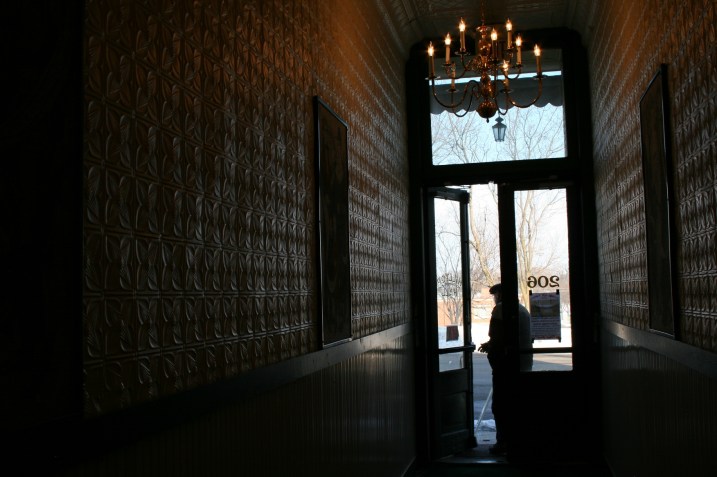
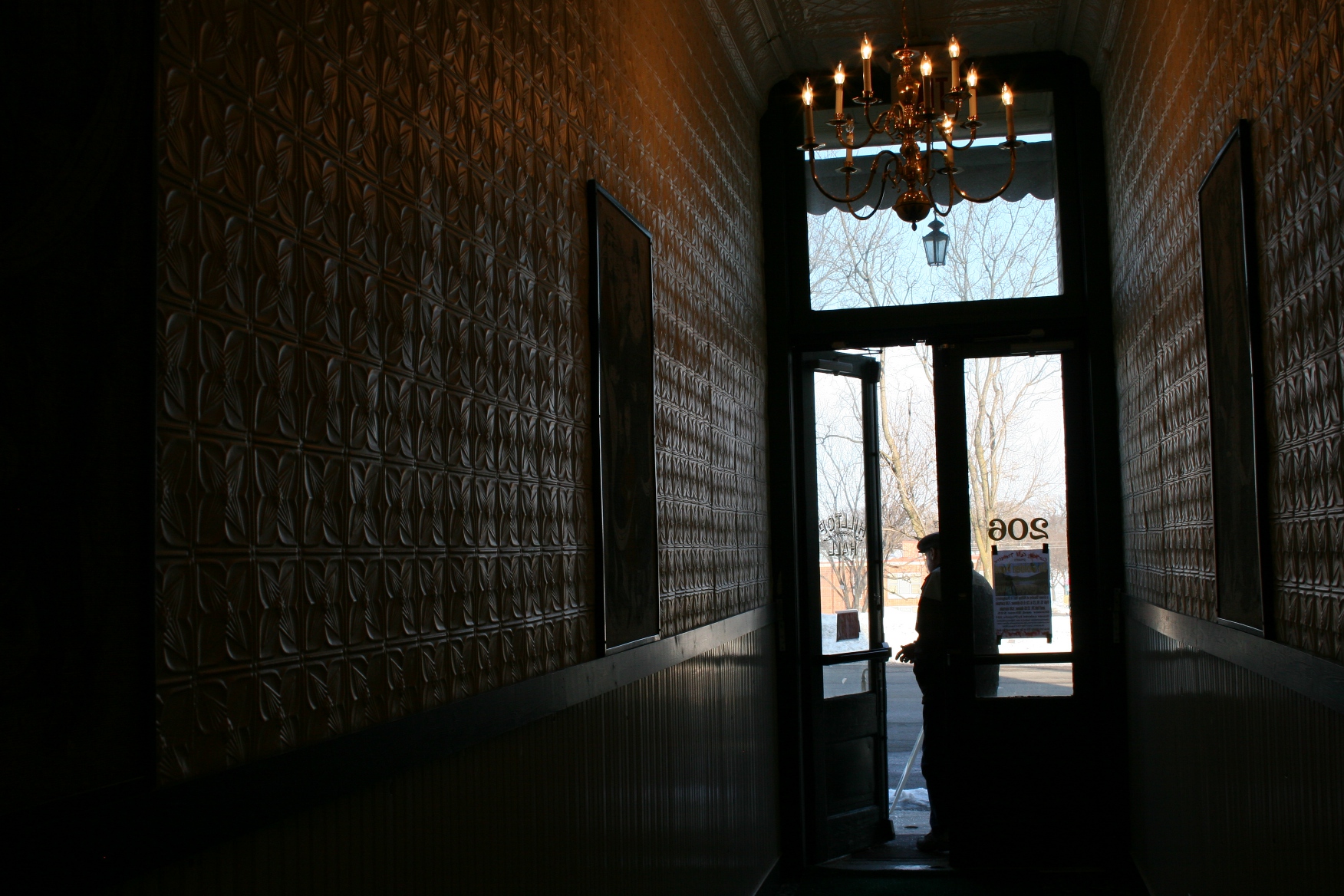
When Grimm purchased Hilltop Hall, site of a laundromat, he found 10 inches of lint covering these walls as dryers had been vented into the hallway. This hall runs between the heritage center and floral shop and leads to a stairway to the performance space.

When Grimm purchased Hilltop Hall, site of a laundromat, he found 10 inches of lint covering these walls as dryers had been vented into the hallway. This hall runs between the heritage center and floral shop and leads to a stairway to the performance space. The chandelier is not original to the building.

He’s never regretted, though, his decision to buy the old dance hall, although Grimm admits some people think he’s crazy. But his passion for singing and entertaining—he’s composed several hundred songs, made four CDs and authored a play, “It’s About Us”—for promoting Montgomery, and for offering this arts venue, drive him.

With annual taxes on the building at $10,000-plus and a monthly light bill of some $200, his Hilltop project is a “money losing situation,” Grimm says. He justifies the expense noting that he doesn’t take vacations, so his vacation money goes into his arts endeavor.
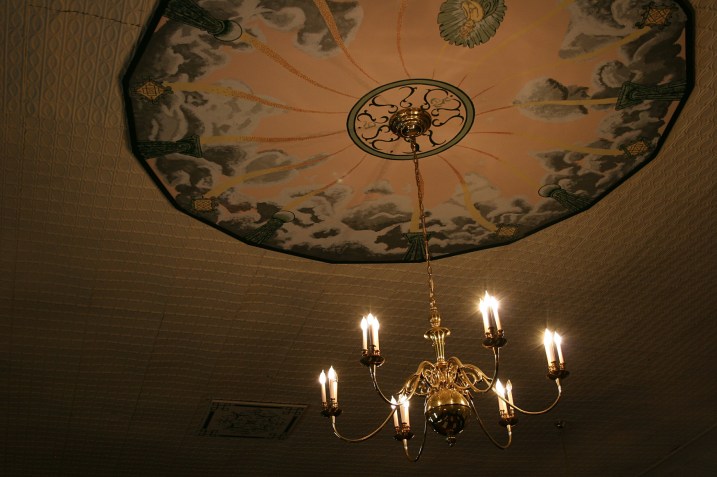
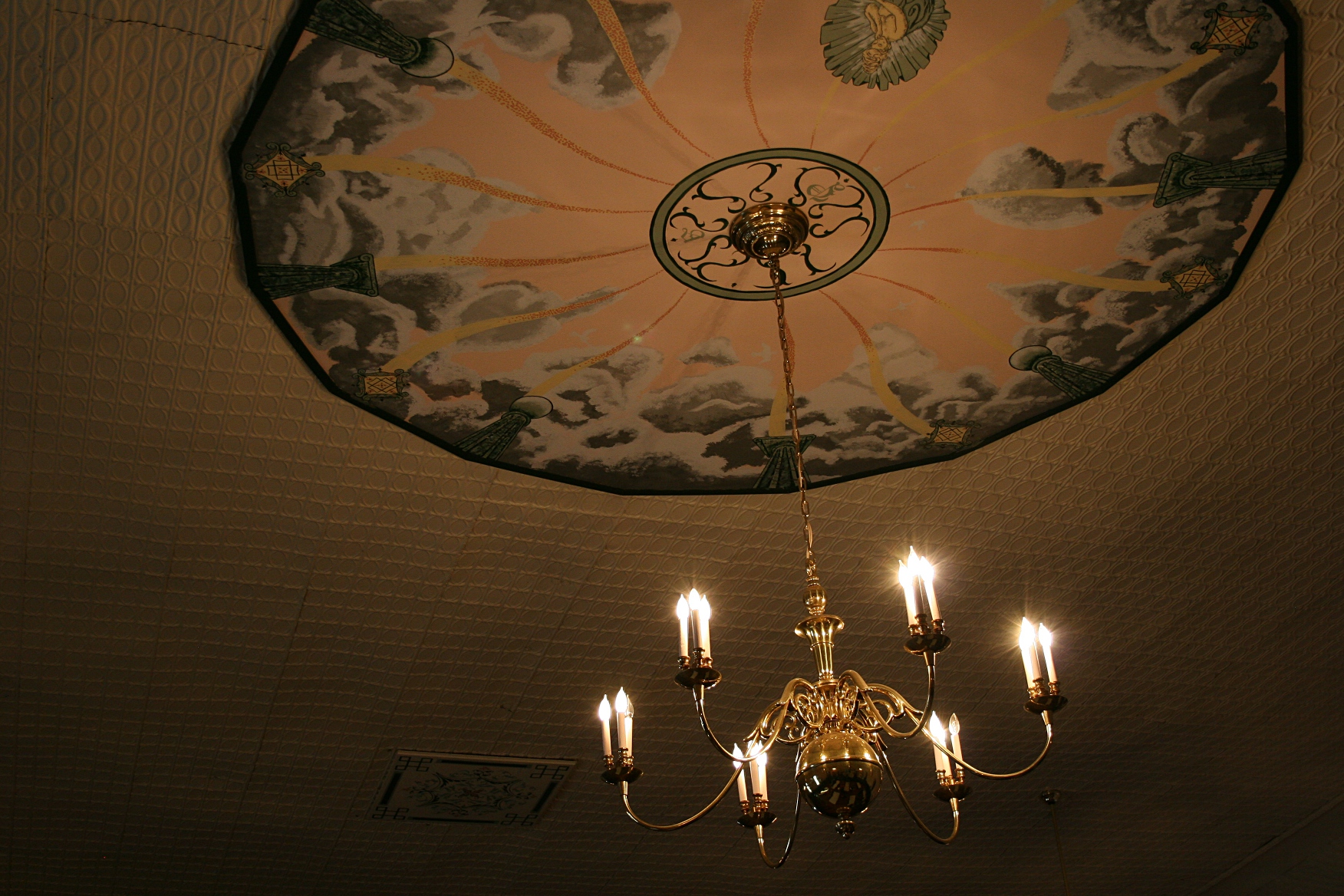
The ceiling plaster had crumbled, so an artist laid on his back to re-create this mural on sheetrock in the center of the performance space.

The plaster had crumbled, so an artist laid on his back to re-create this ceiling mural on sheetrock in the center of the performance space. The chandelier is antique but not original to the hall. The original lights could not be restored, Grimm says.

Grimm admits an ineptness at promoting and that Hilltop Hall is under-utilized. But he won’t compromise his conviction not to allow alcohol into the building which is also used for the occasional community meeting, piano recitals and exercise classes.

For now he’s focused on those monthly variety shows, bringing “pizza, performers & plenty of pizzazz” to the folks of South Central Minnesota at the historic Hilltop Hall in Montgomery.
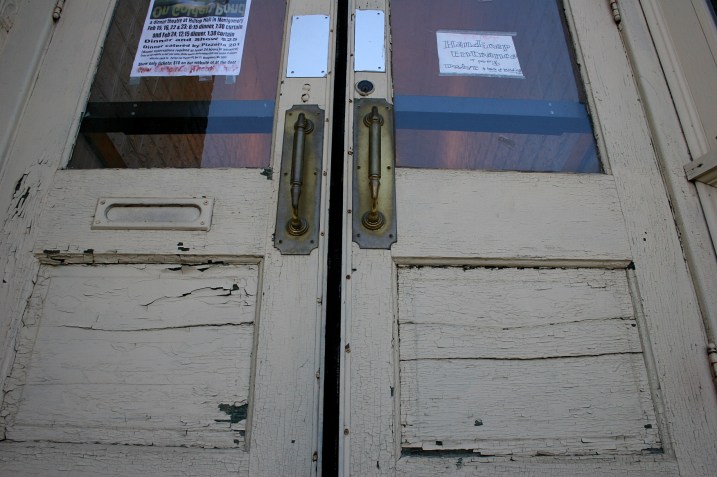
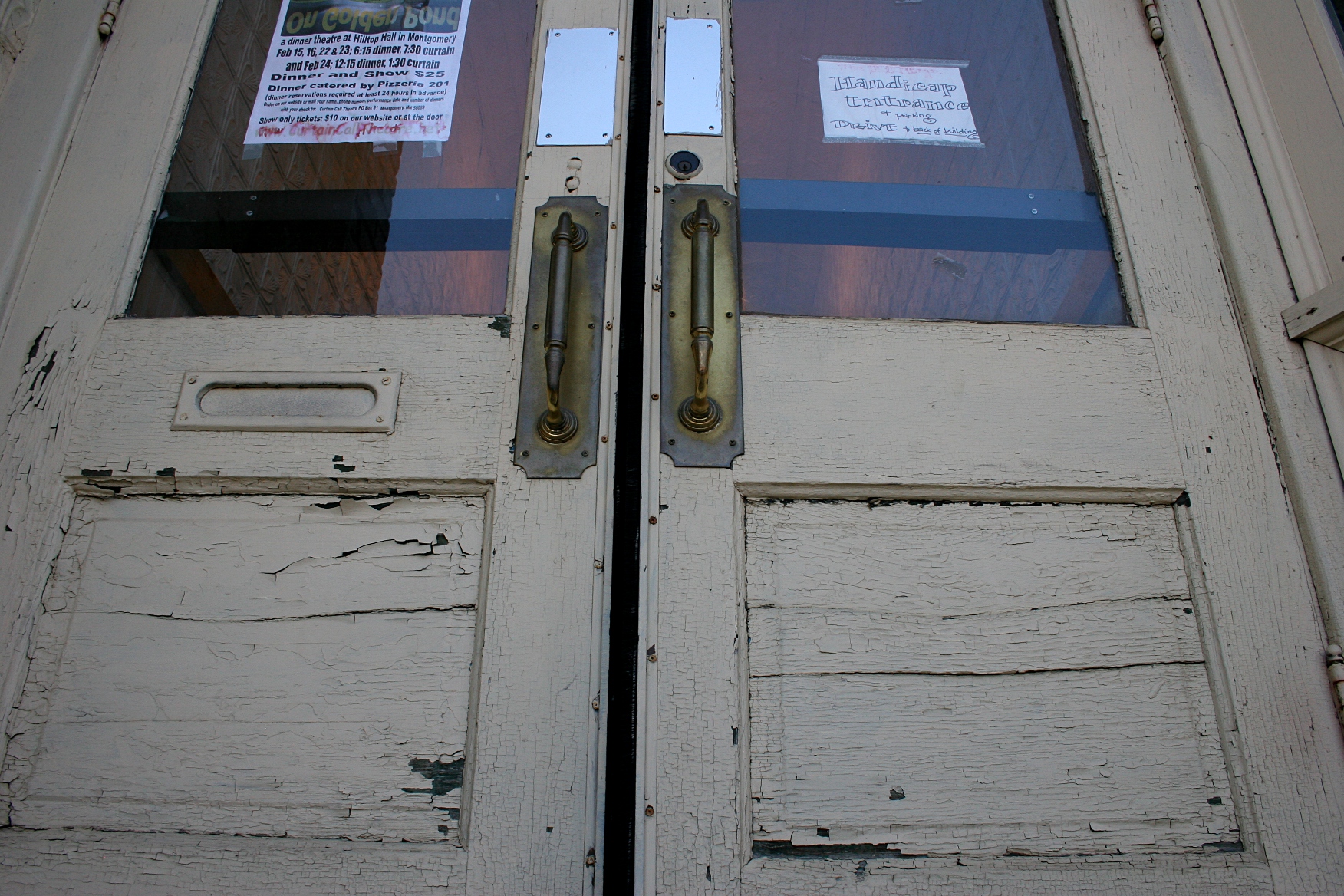
These exterior doors open to the hallway leading to the performing arts center.

These exterior doors open to the hallway leading to the upstairs performing arts center. A handicapped accessible entry is at the rear of the building off the alley.

FYI: Upcoming Hilltop Happenings Series shows are set for 4 p.m. – 6 p.m. on Sundays, March 24, April 28, May 26 and June 30. Admission is free although donations are accepted to help defray production and overhead costs.

The 2013 billing promises “…popular favorites to concert hall classics; from costumes and comedy to inspirational gospel and harmonic collaborations.”

Hilltop Hall is located at 206 First Street North in Montgomery’s downtown business district.

To learn more about the people and places in this post, be sure to click on their highlighted names. I’d encourage you, especially, to click on Jesse Beulke’s link to hear two original compositions, “I Guess It’s Goodbye” and “Rise,” by this gifted young composer and musician.

CHECK BACK FOR MORE posts from Montgomery.

© Copyright 2013 Audrey Kletscher Helbling


Part I: Touring historic downtown Montgomery, Minnesota, not Alabama March 4, 2013

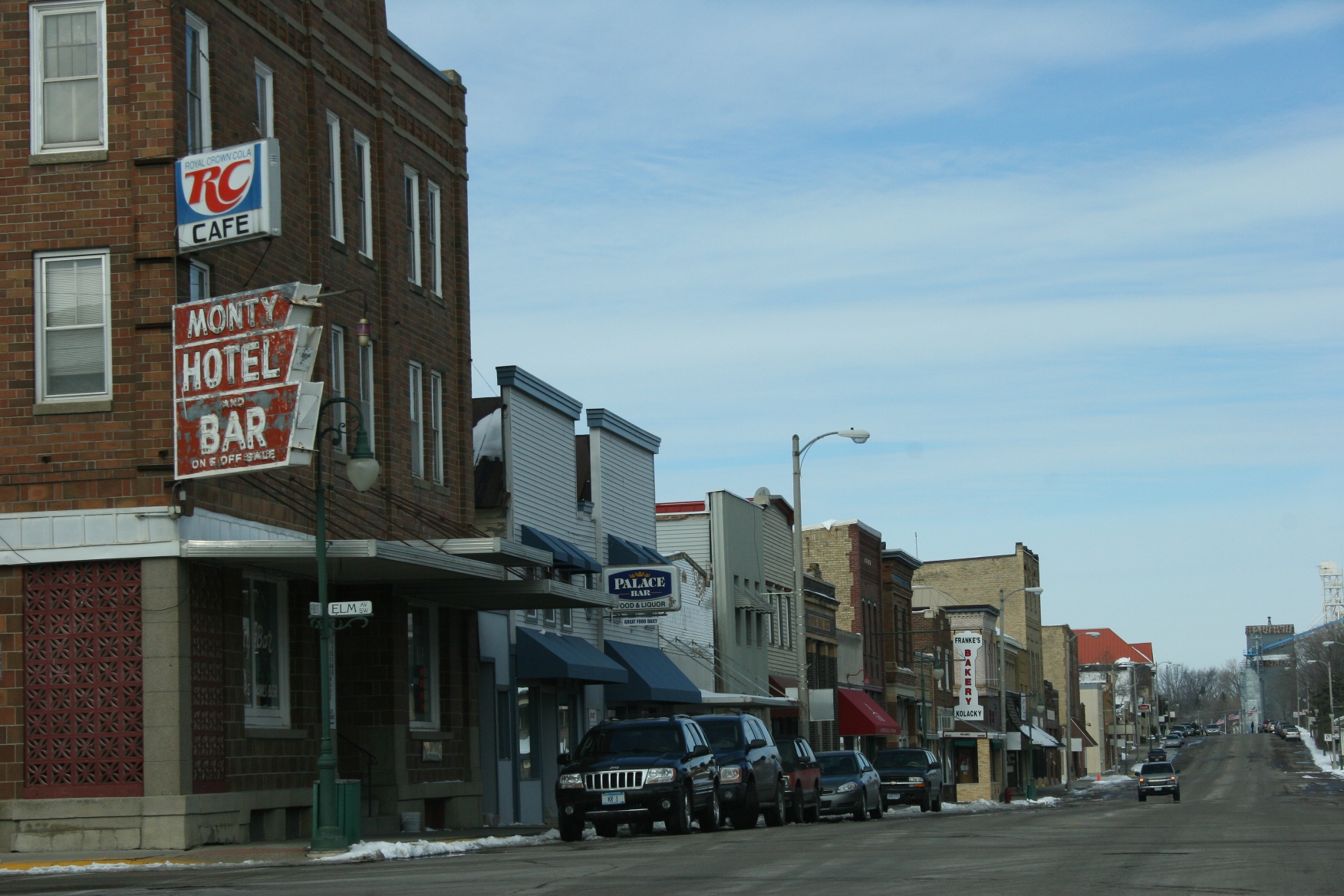
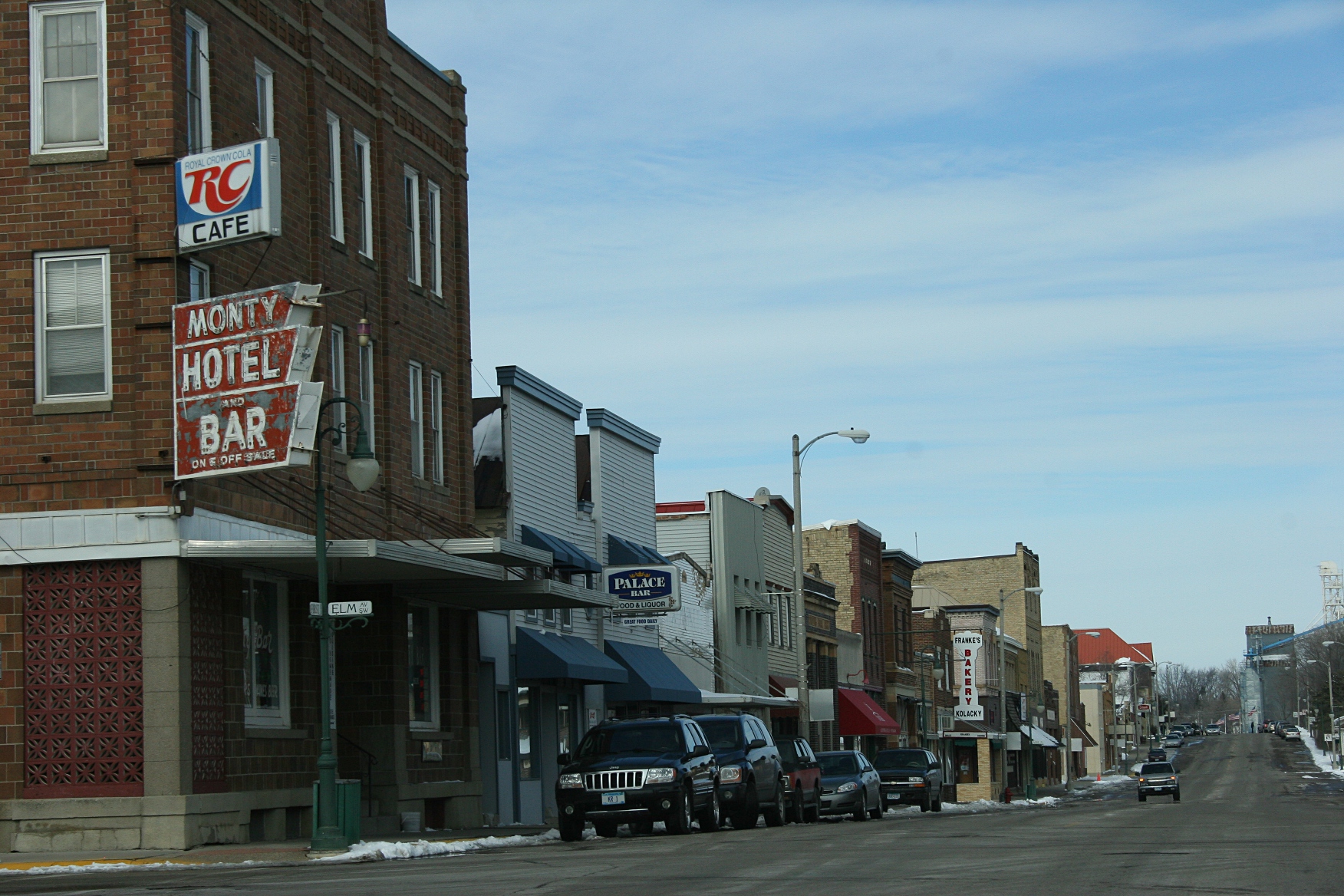
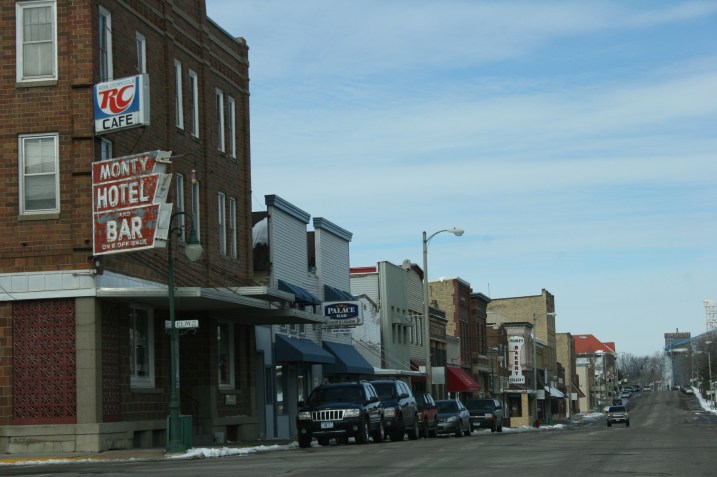
A snippet overview of First Street in downtown Montgomery.

A snippet overview of First Street in downtown Montgomery late on a Sunday afternoon.

EARLY ON A SUNDAY AFTERNOON in the dead of a Minnesota winter, downtown Montgomery, except for vehicles clustered around Hilltop Hall for a theatrical performance and around locals bars, is mostly quiet.

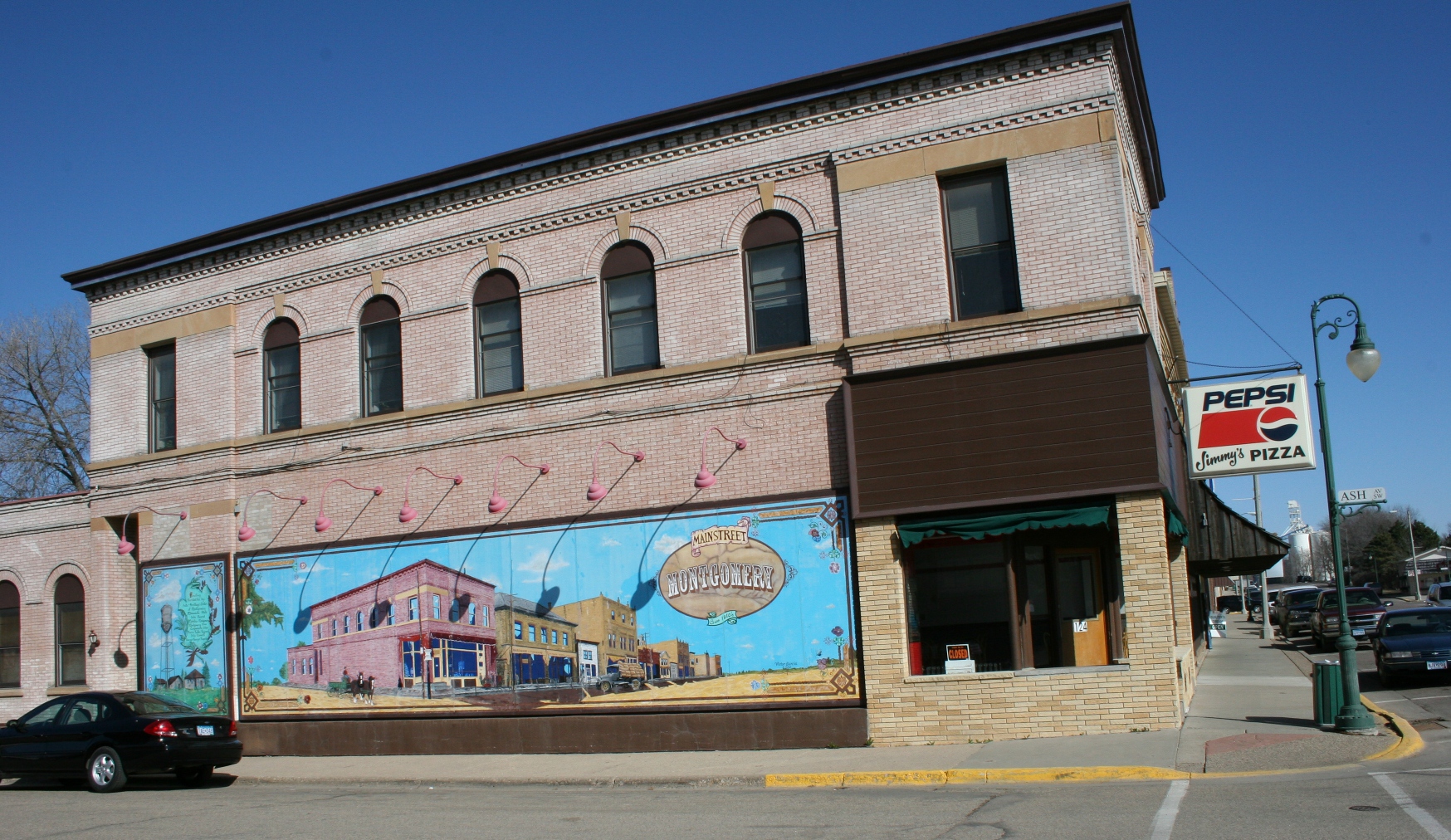
A mural on the

A mural depicts downtown. Minnesota Prairie Roots file photo.

The occasional pick-up truck cruises First Street, the main north-south route through the heart of this Le Sueur County farming community of nearly 3,000 noted for its strong Czech heritage.

Although this self-proclaimed “Kolacky Capital of the World” lies only about 25 miles northwest of my Faribault home, I’ve never really explored the town except to attend three plays at Hilltop Hall and to write a magazine feature story about Franke’s Bakery. The 99-year-old bakery specializes in kolacky, a folded Czech pastry filled with poppy seeds or fruit.

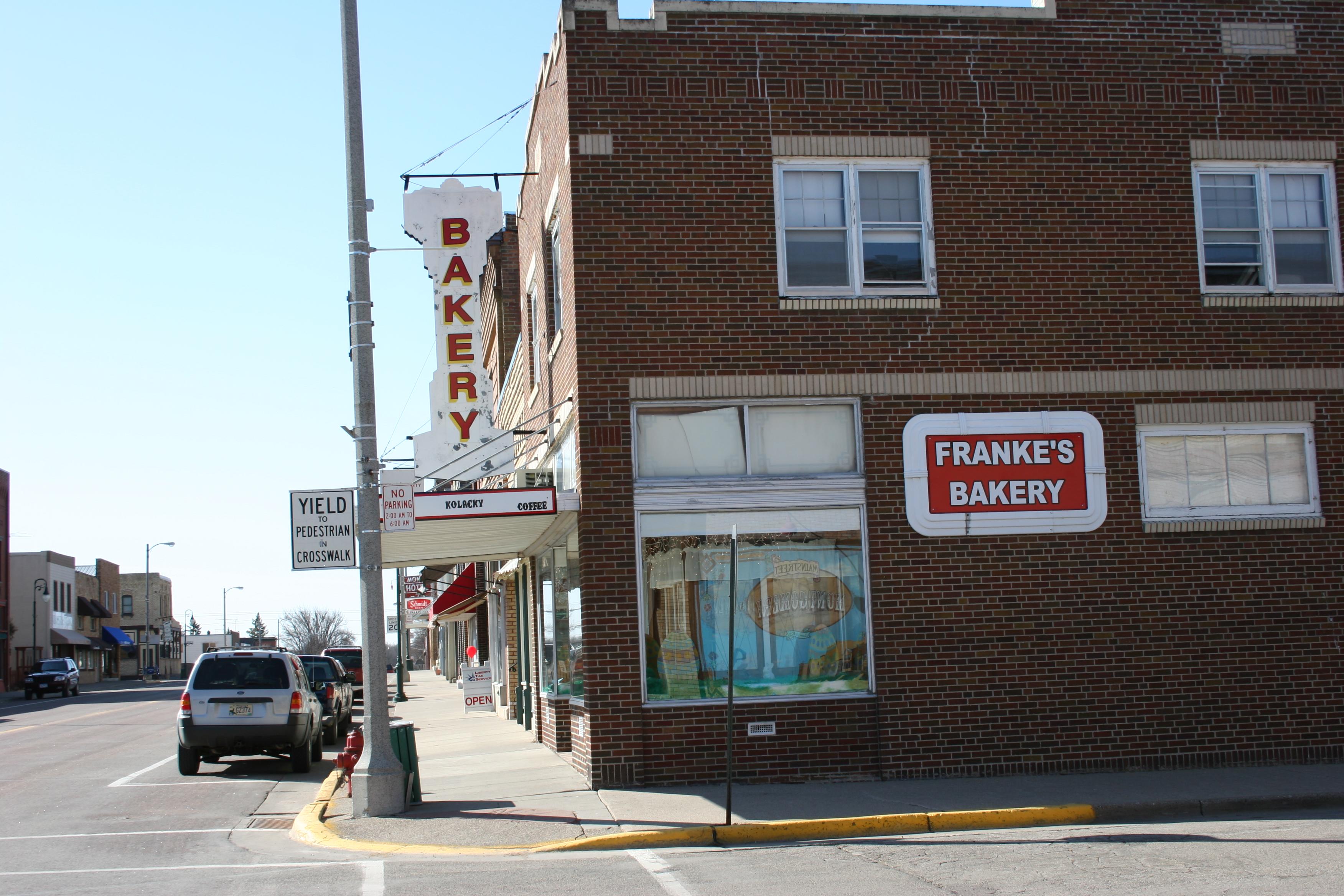
Franke's Bakery. Minnesota Prairie Roots file photo.

Franke’s Bakery. Minnesota Prairie Roots file photo.

On this Sunday afternoon the bakery is closed. And so are most other businesses. Without distracting vehicles, I can fully appreciate the historic architectural qualities of this downtown. From the aged brick buildings to the vintage signage to the woodframe storefronts that always remind me of something out of a Western, I am smitten with these buildings, this business district.

I must, I tell myself, return to Montgomery when these businesses are open. I can only imagine what discoveries await me.

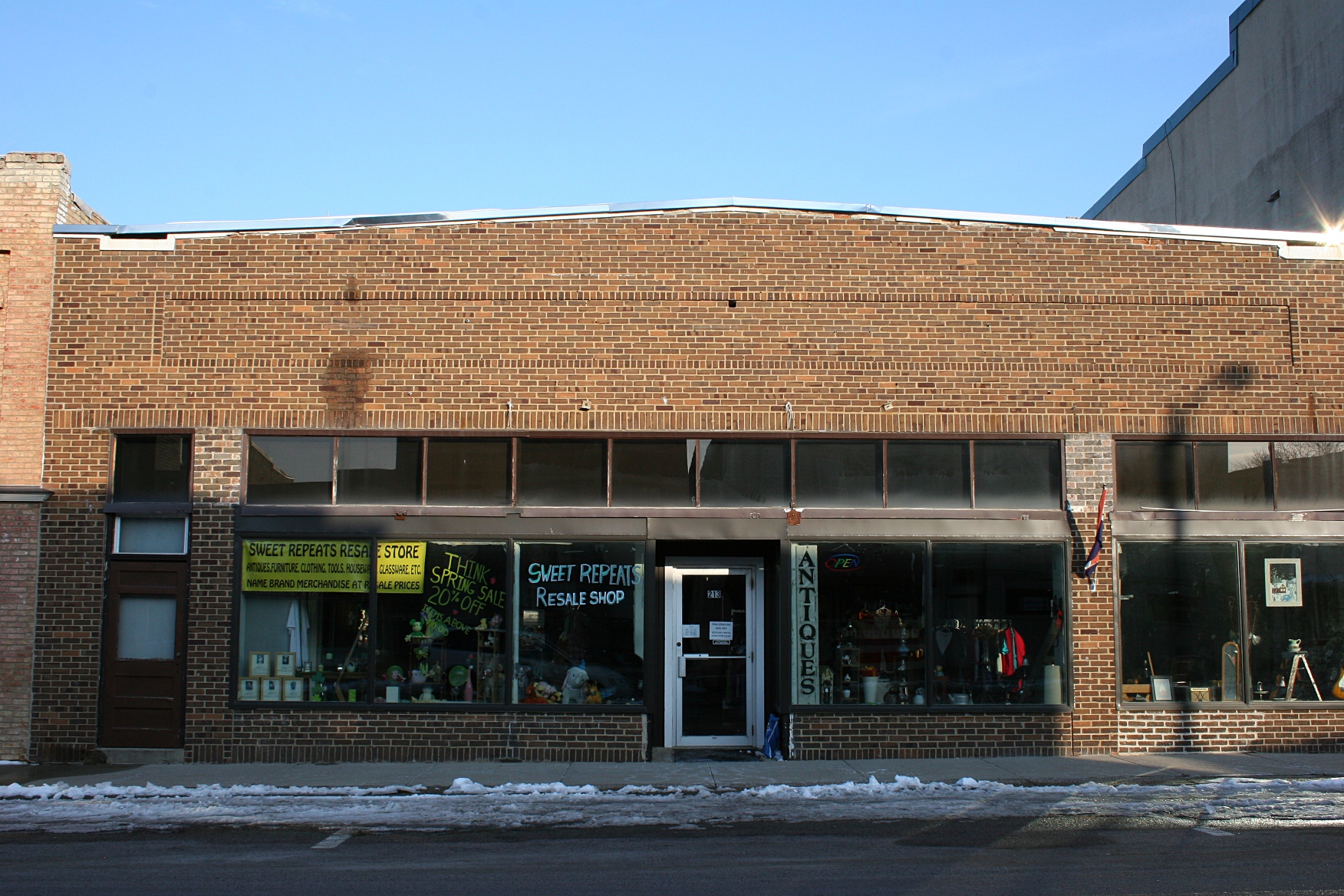
I love antique shops and thrift stores, so you can bet Sweet Repeats Resale Shop is on my list of places to check out.

I love antique shops and thrift stores, so you can bet Sweet Repeats Resale Shop is on my list of places to check out.

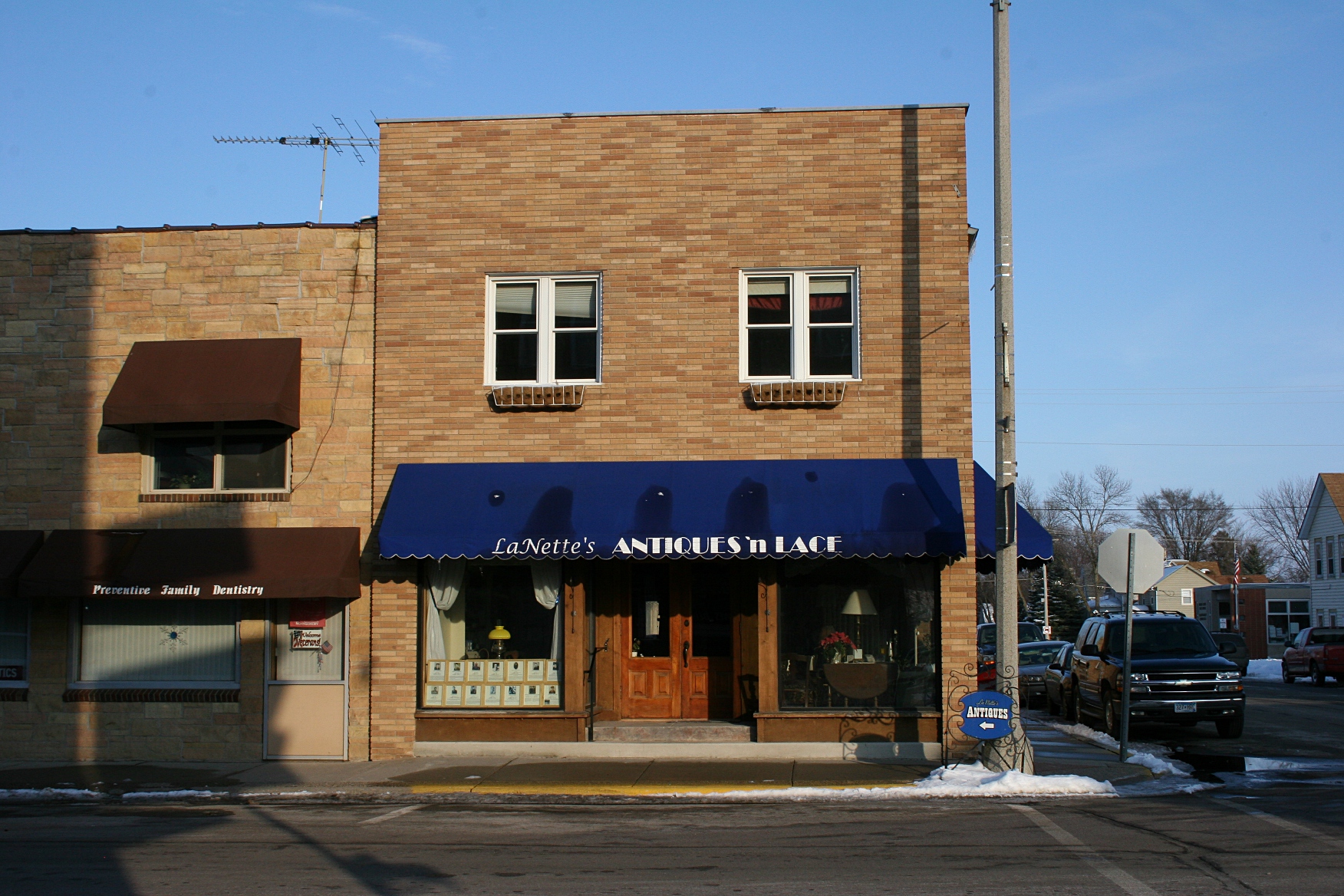
Look, another antique shop, La Nette's Antiques'n Lace.

Look, another antique shop, La Nette’s Antiques’n Lace.

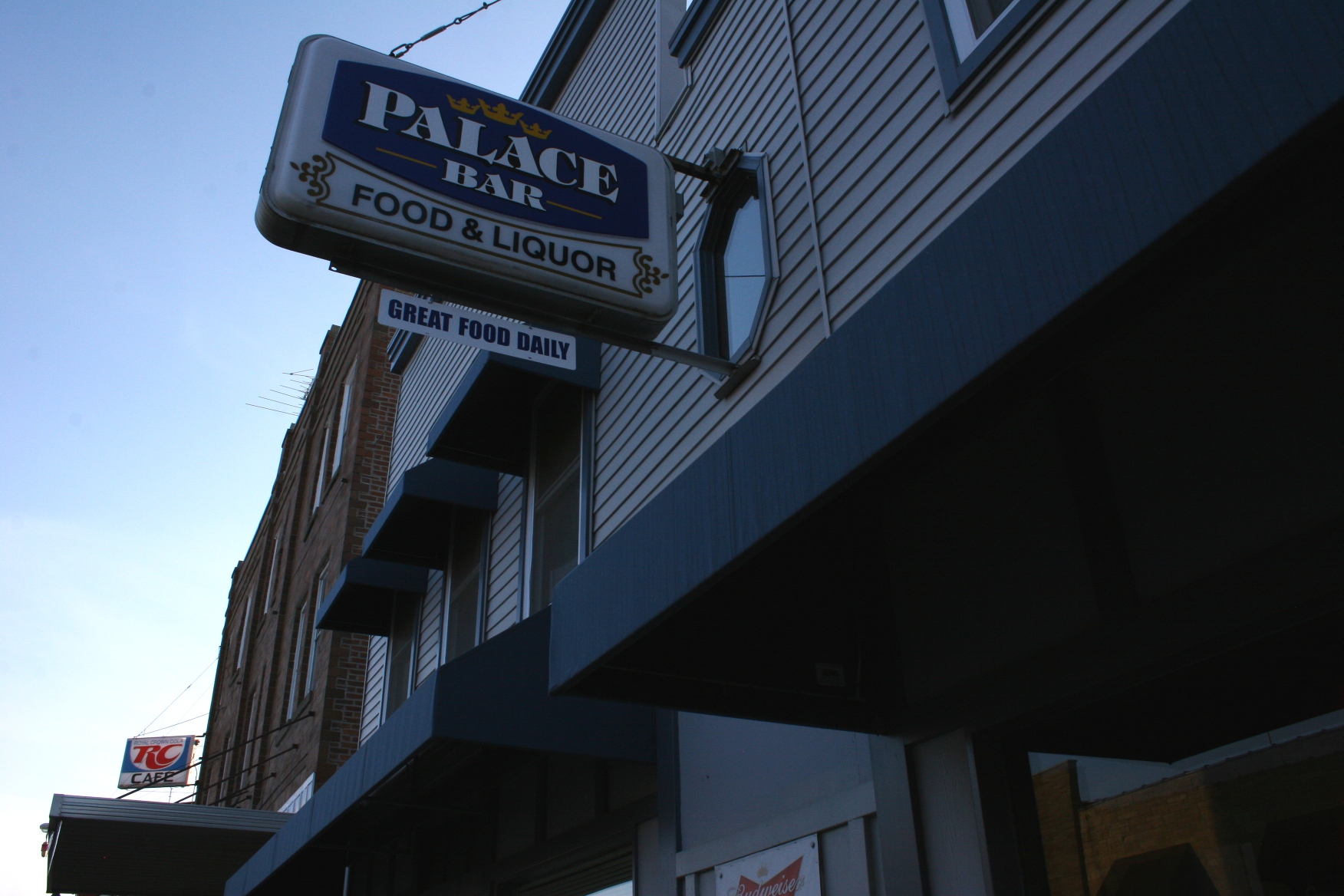
Lots of super cool vintage signage in Montgomery.

Lots of super cool vintage signage in Montgomery.

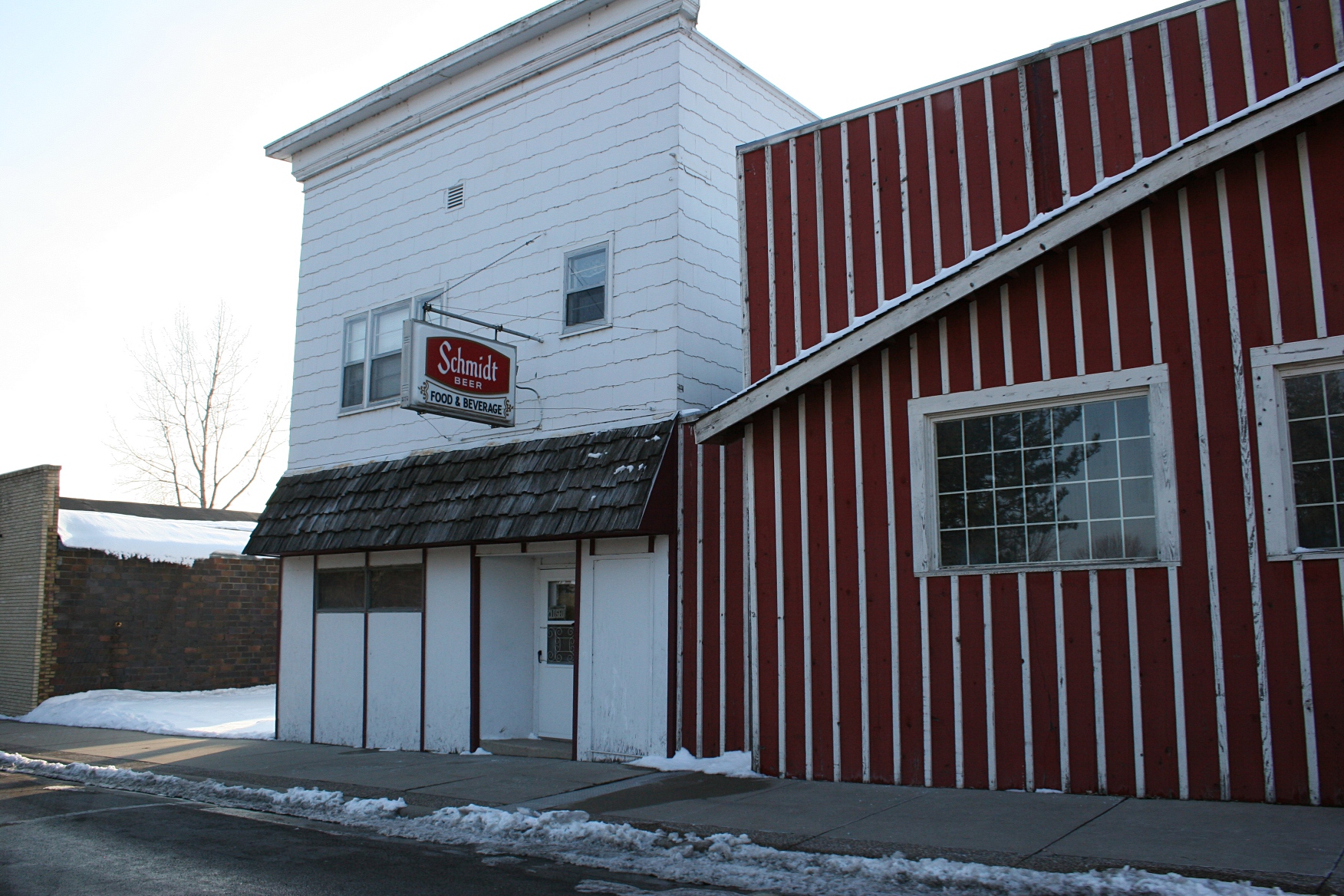
Because my eldest daughter is in love with a Schmidt boy (nothing to do with the beer), I had to photograph this sign. The striped building is the local meat market.

Because my eldest daughter is in love with a Schmidt boy (nothing to do with the beer), I had to photograph this sign. The striped building is the local meat market.

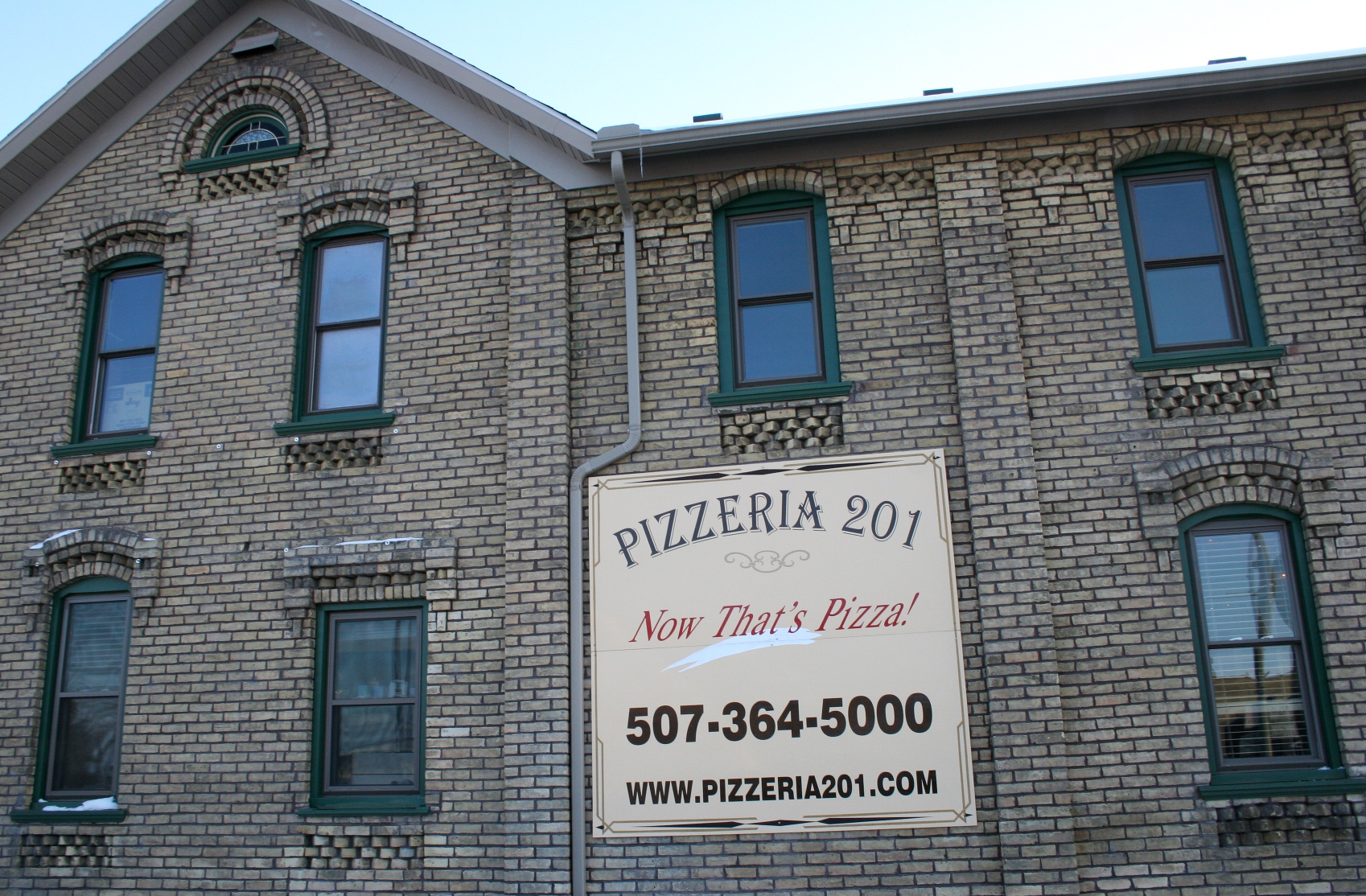
On the National Register of Historic Places, the historic Westerman Lumber Company office and house is home to Pizzeria 201. The restaurant makes homemade pizzas, a wide selection of Italian foods and more.

On the National Register of Historic Places, the historic Westerman Lumber Company office and house is home to Pizzeria 201. The restaurant makes homemade pizzas, a wide selection of Italian foods and more. I’ve heard rave reviews about the food.

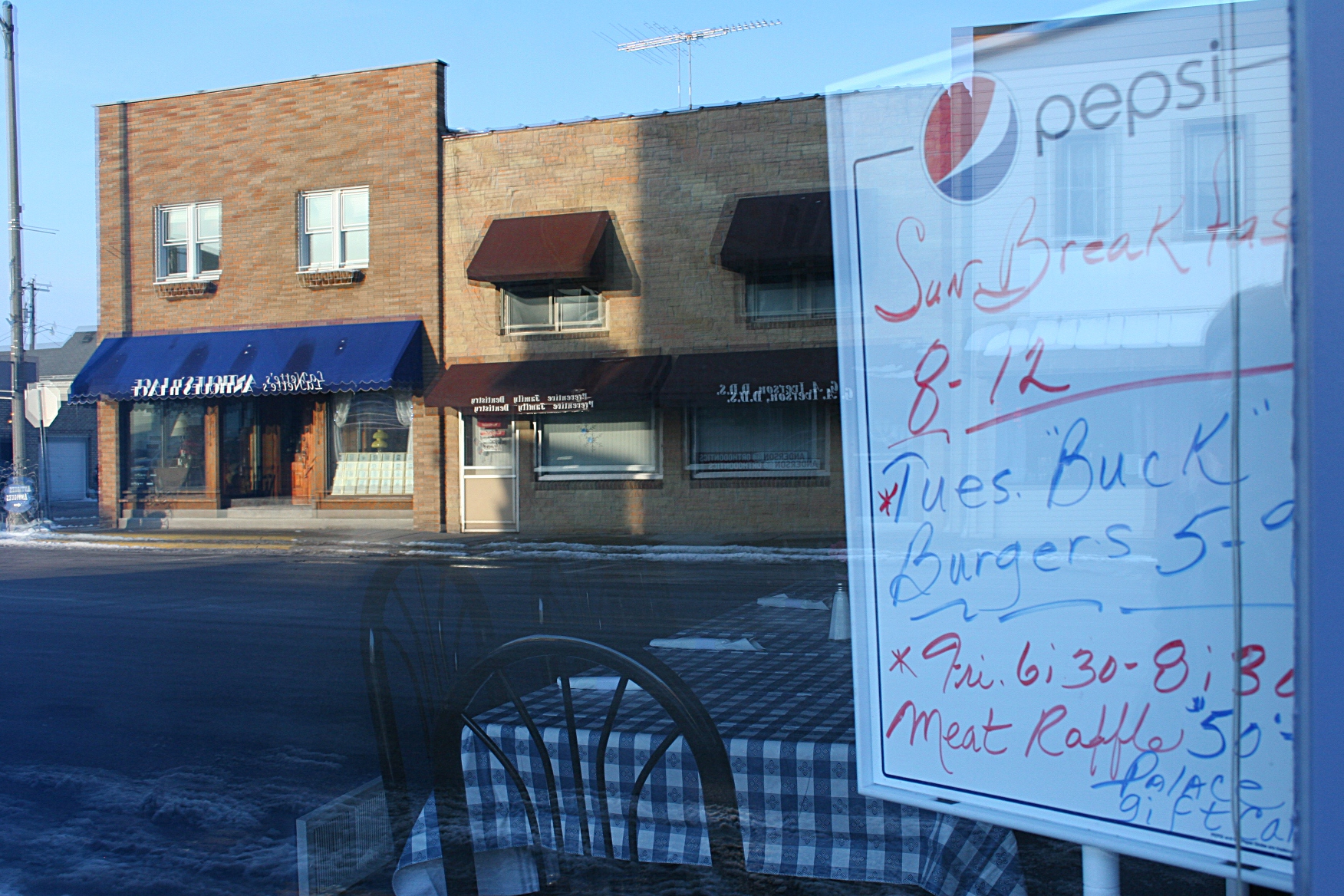
So small town: burgers and a meat raffle promoted on a whiteboard in a restaurant window.

So small town: burgers and a meat raffle promoted on a whiteboard in a restaurant window.

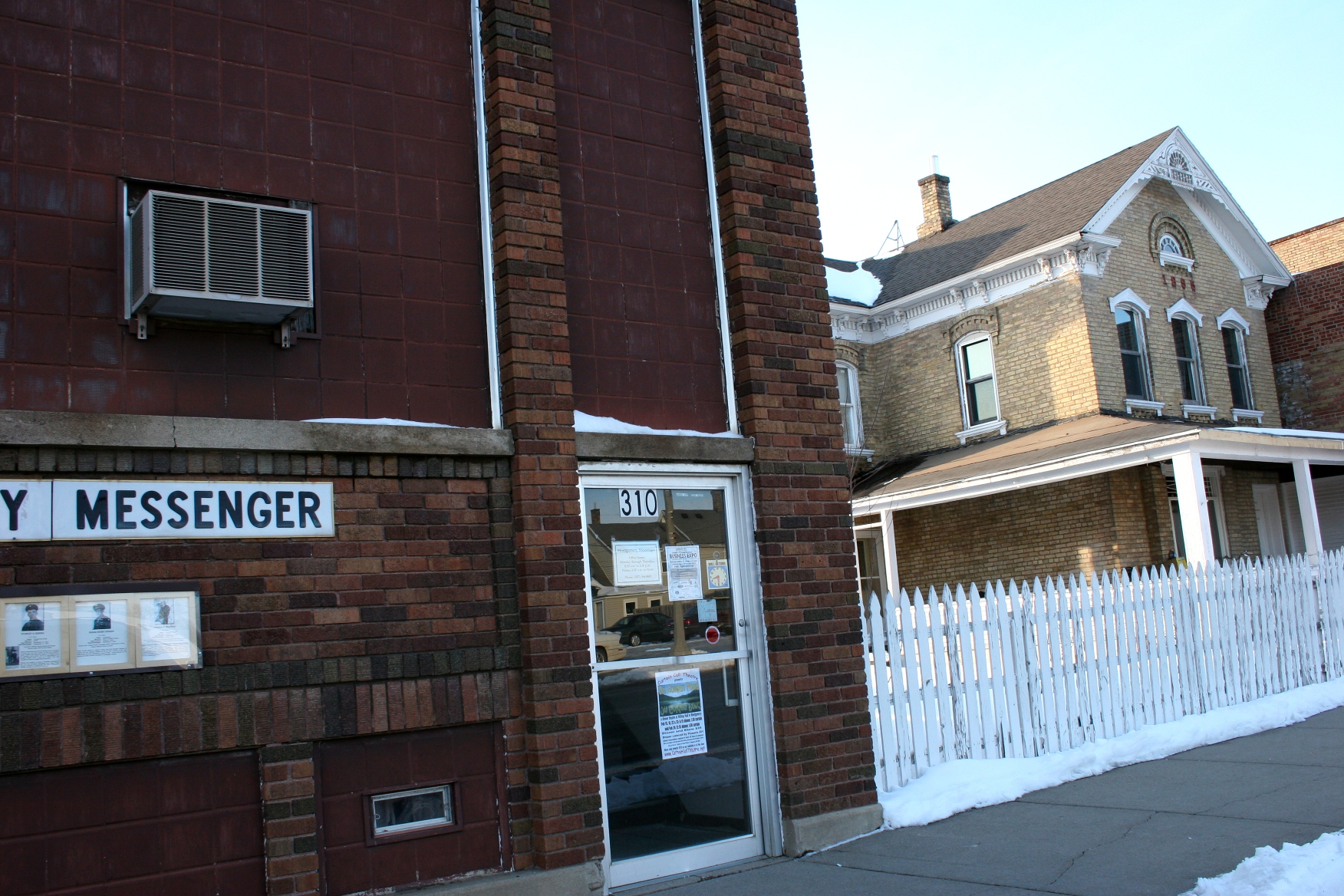
I don't expect I'll get inside this vintage 1800s house tucked between businesses on First Street, but I could try. That's the office of the local newspaper, The Montgomery Messenger, on the left.

I don’t expect I’ll get inside this vintage 1800s house tucked between businesses on First Street, but I could try. That’s the office of the local newspaper, The Montgomery Messenger, on the left.

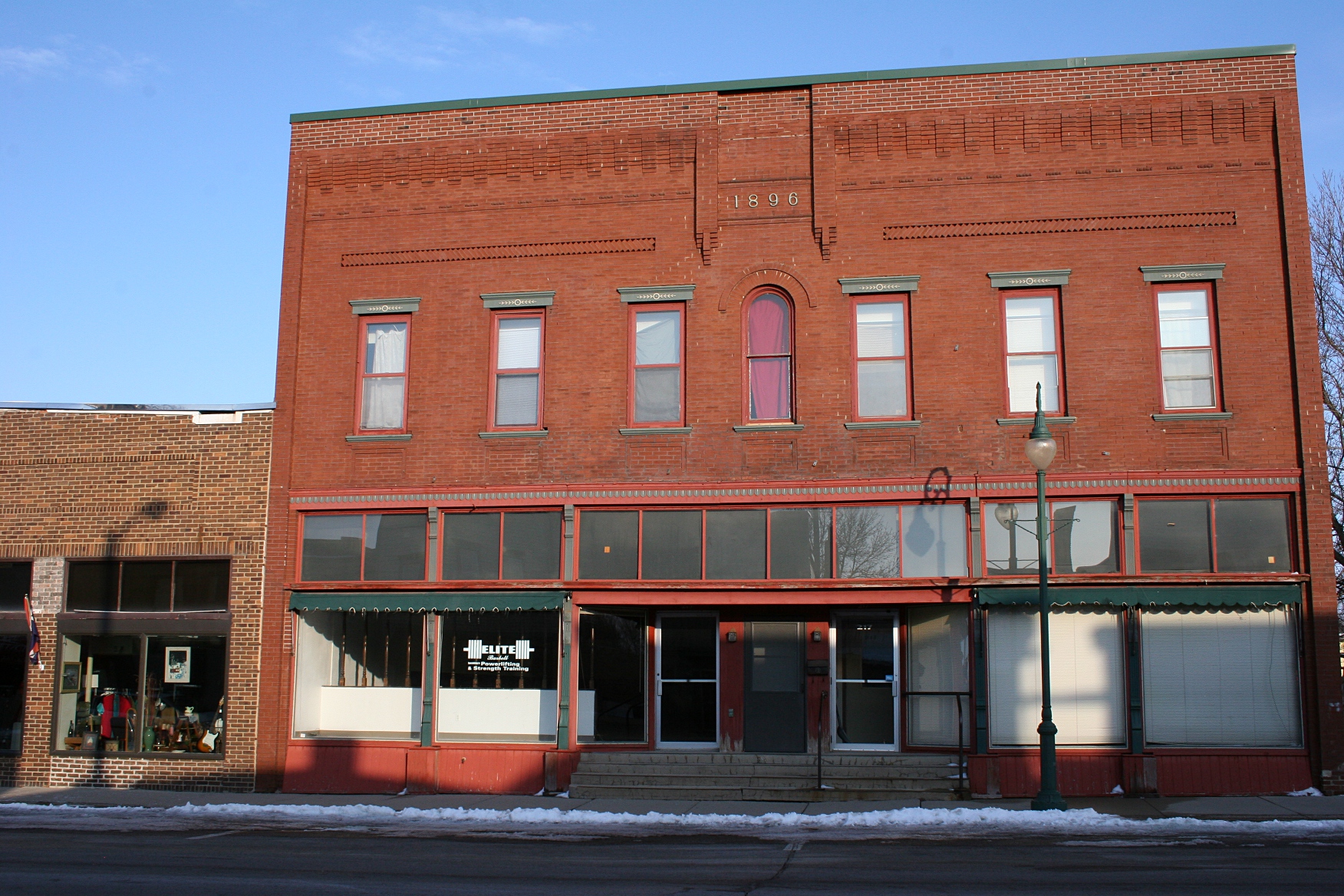
I absolutely love these small towns that have kept their historic buildings.

I absolutely love these small towns that have kept their historic buildings like this one dated 1896.

TOMORROW, IN THIS FIVE-PART SERIES from Montgomery, I take you to Hilltop Hall, which I’ve visited thrice. After that, we’ll go inside Franke’s Bakery, with photos from my 2010 visit there; I don’t expect much has changed. Next, I’ll show you how this community honors its veterans in a unique way. And then, to end my five-part series on Montgomery, I’ll show you several bonus photos from the town.

© Copyright 2013 Audrey Kletscher Helbling
 

Appreciating the history of, and in, Appleton, Wisconsin’s “castle” January 16, 2013

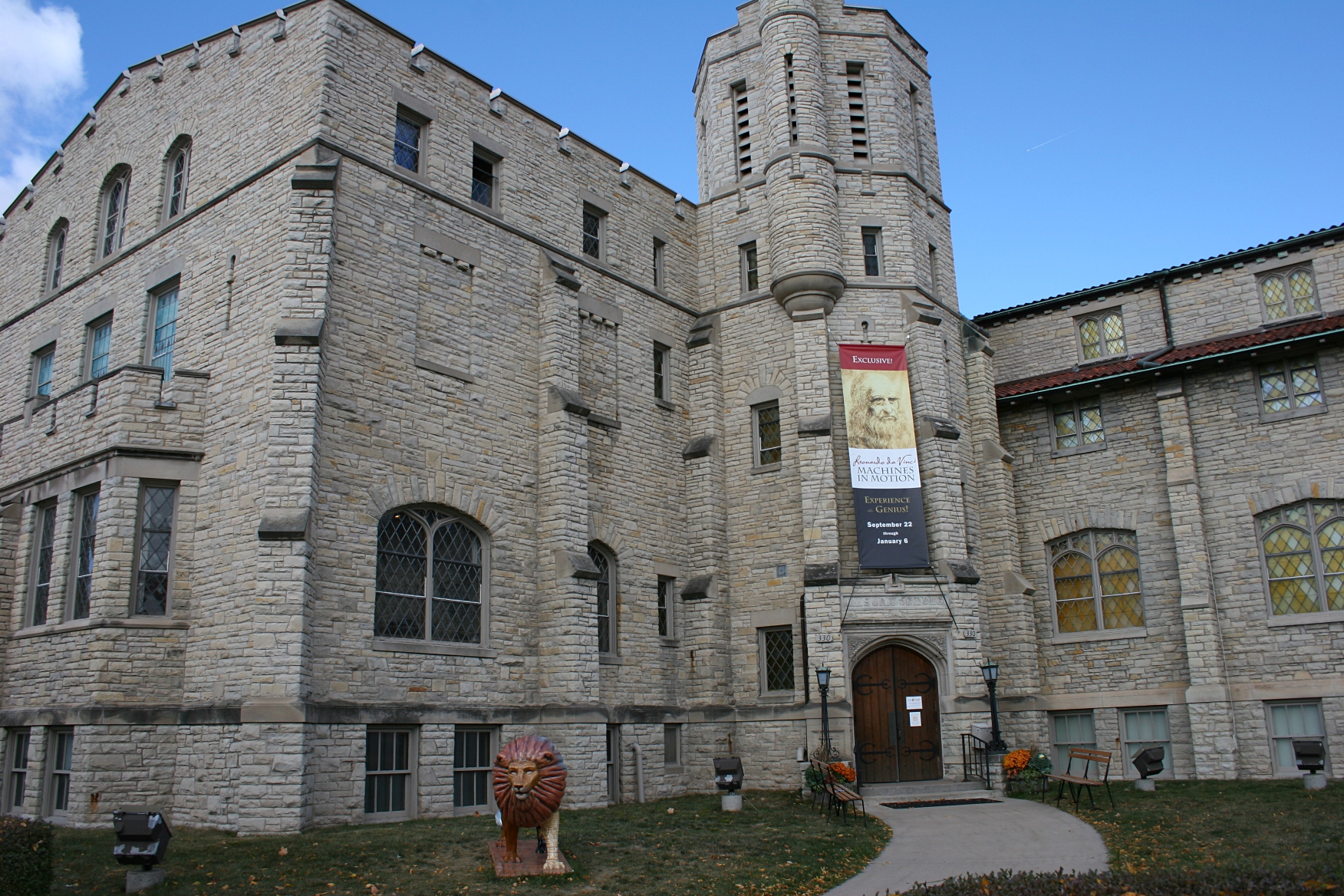
The History Museum at the Castle, 330 E. College Ave., Appleton, Wisconsin.

The History Museum at the Castle, 330 E. College Ave., Appleton, Wisconsin.

CONSTRUCTED OF STONE and anchored by a center tower, the impressive multi-story structure commanding the corner of College Avenue and Drew Street in downtown Appleton, Wisconsin, presents an almost formidable exterior presence.

Aptly named The History Museum at the Castle, this sprawling castle-like fortress embodies the essence of history from the outside in. History seems meant to be showcased here. And it is, in this, the home of The Outagamie Historical Society.

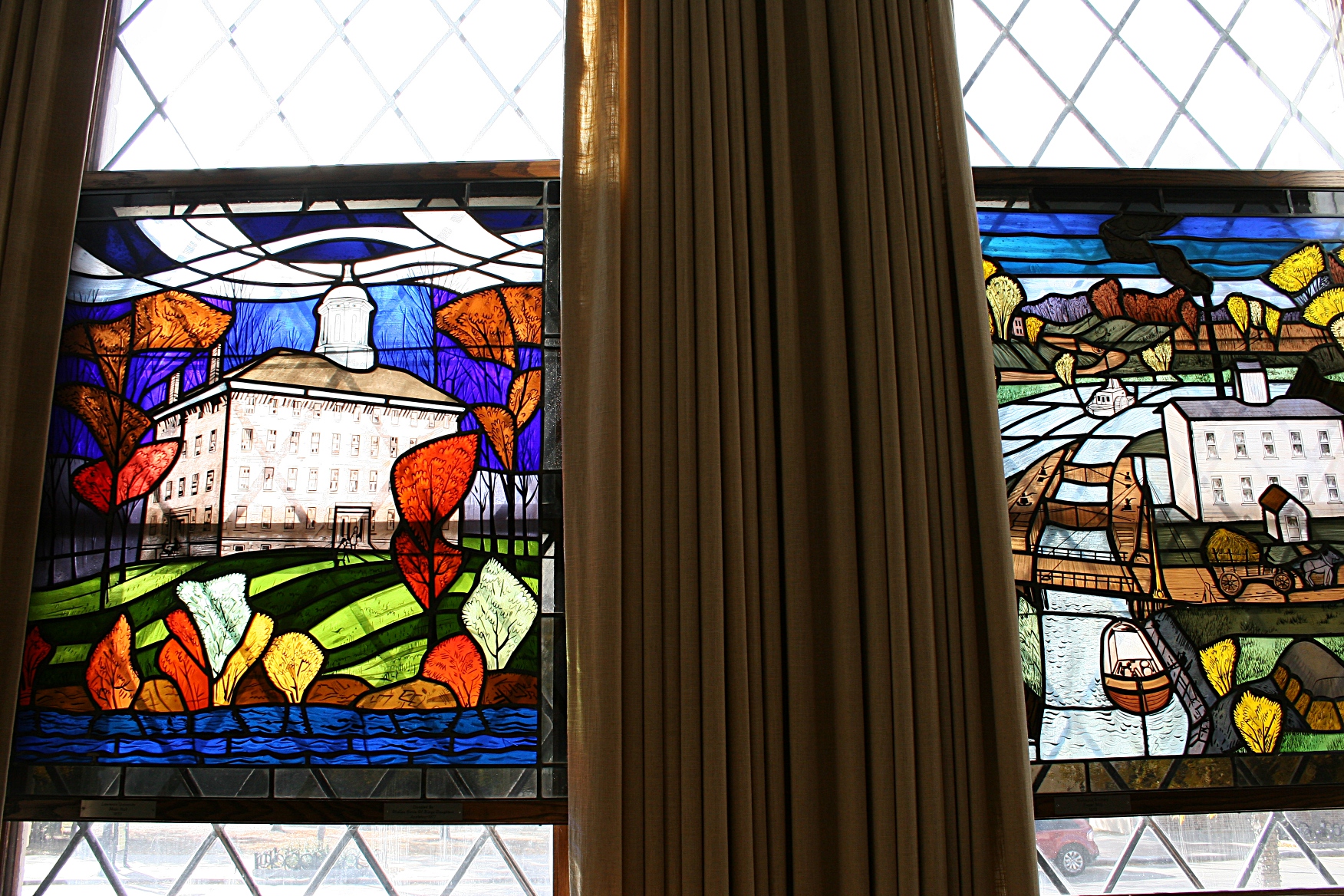
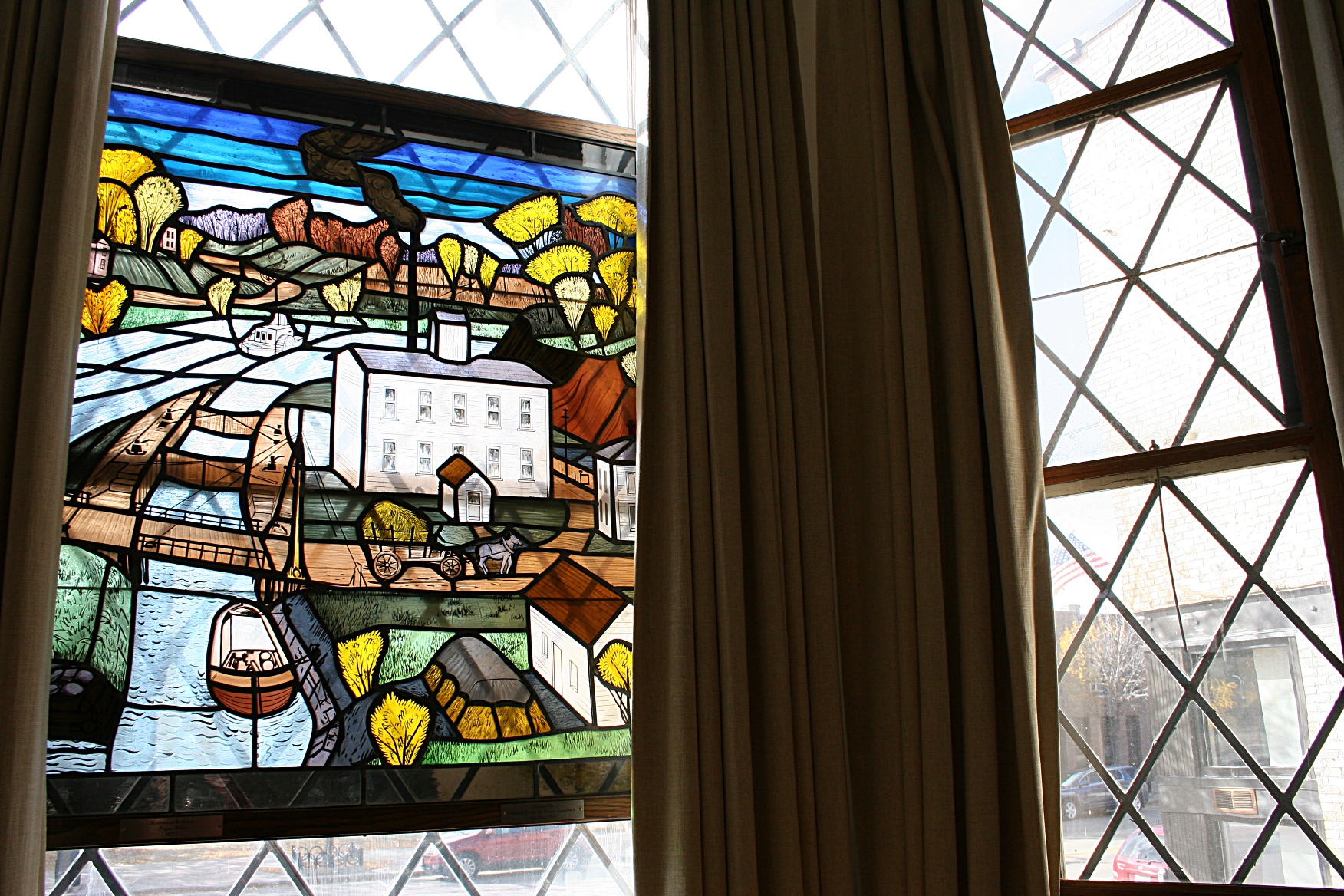
Windows in the Siekman Room depict the history of the Fox Cities from the days of the early explorers until modern times.

Windows in the Siekman Room depict the history of the Fox Cities from the days of the early explorers until modern times.

Perhaps it is a matter of personal taste. But I prefer to learn about history within the walls of a place aged by time rather than in a sterile, modern facility. From the heavy wooden double front entry doors strapped with metal to the woodwork woven throughout the interior to the detailed wall scones, fireplace, paintings and stained glass windows, this museum exudes yesteryear.

More Fox Valley history in art.

More Fox Valley history in stained glass art.

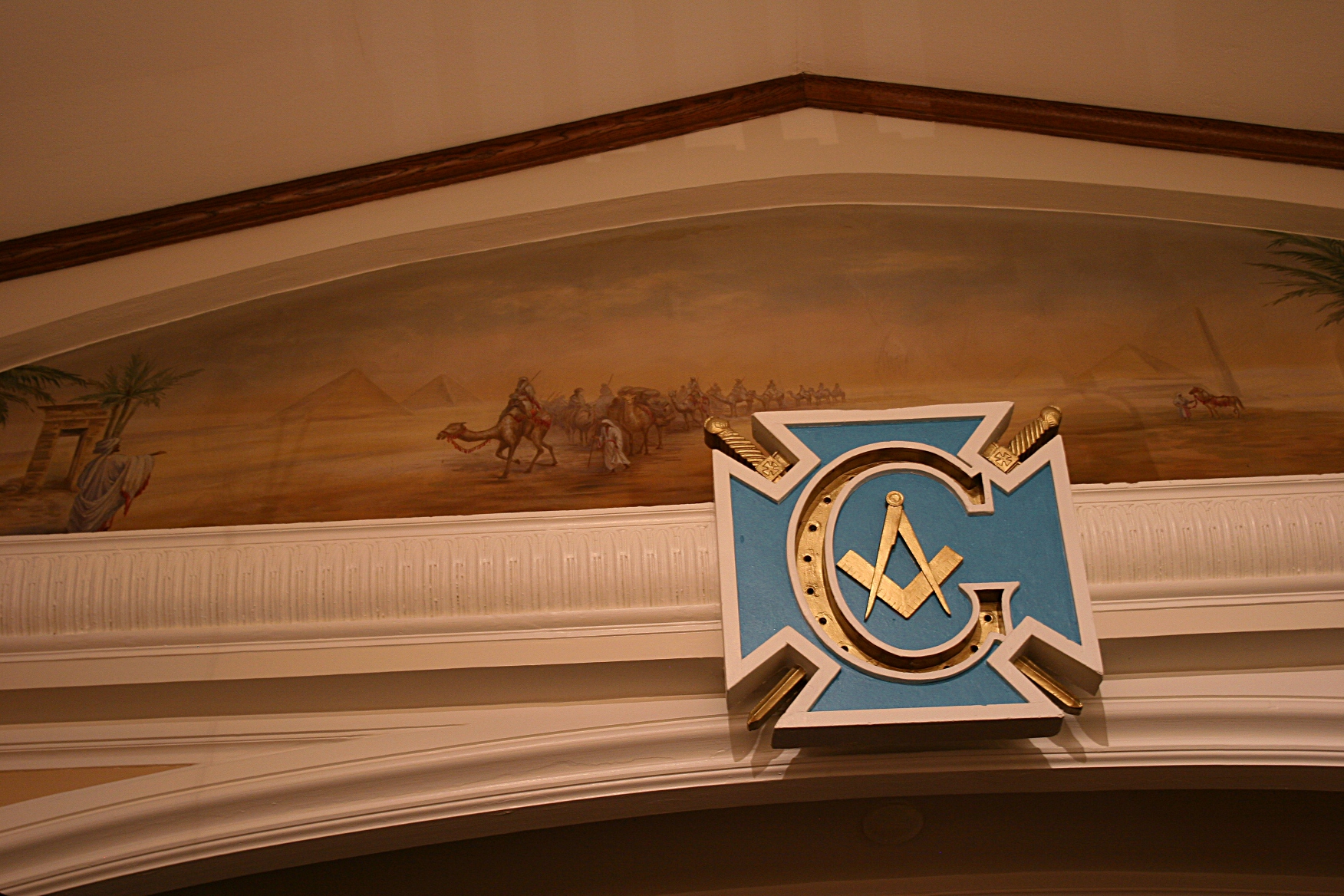
Its history dates back to 1923-1924 when Waverly Lodge No. 51 constructed the complex for use as a Masonic Temple, according to Kathy Voigt, community engagement manager for the museum. Says Voigt:

Now on the National Register of Historic Places, the building is constructed in the Norman Revival style, characterized by the use of rough-hewn stone and other features reminiscent of medieval castles and churches, such as vaulted ceilings, heavy beams and leaded windows.

Artwork above an auditorium stage hints at the building's past as a Masonic Temple.

Artwork above an auditorium stage hints at the building’s past as a Masonic Temple.

In the mid-1980s, after the Masons could no longer afford to maintain the temple, the building was sold to the local historical society.

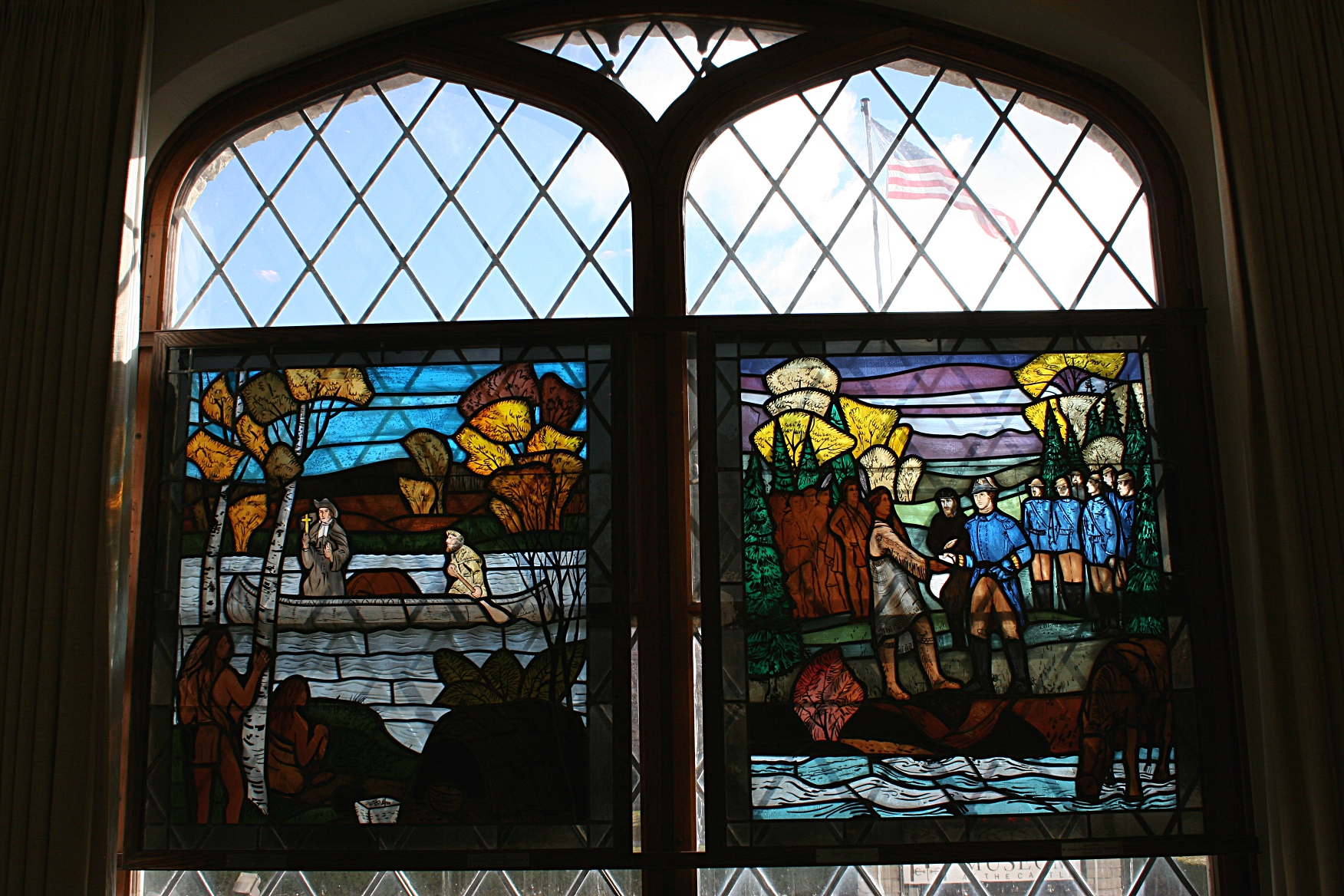
Windows depicting the region's early fur trading history.

Windows depicting the region’s early fur trading history.

Today this building houses, among other exhibits, rotating and permanent, the history of the Fox River Valley, a region stretching from Green Bay on the north to Neenah on the south. The area was once home to the Fox River Valley Indians, AKA the Meskwaki/Mesquakie, who relocated to Wisconsin from the East around 1650.  “Tools of Change” highlights the Fox Valley’s tools, people, work and everyday life between 1840-1950.

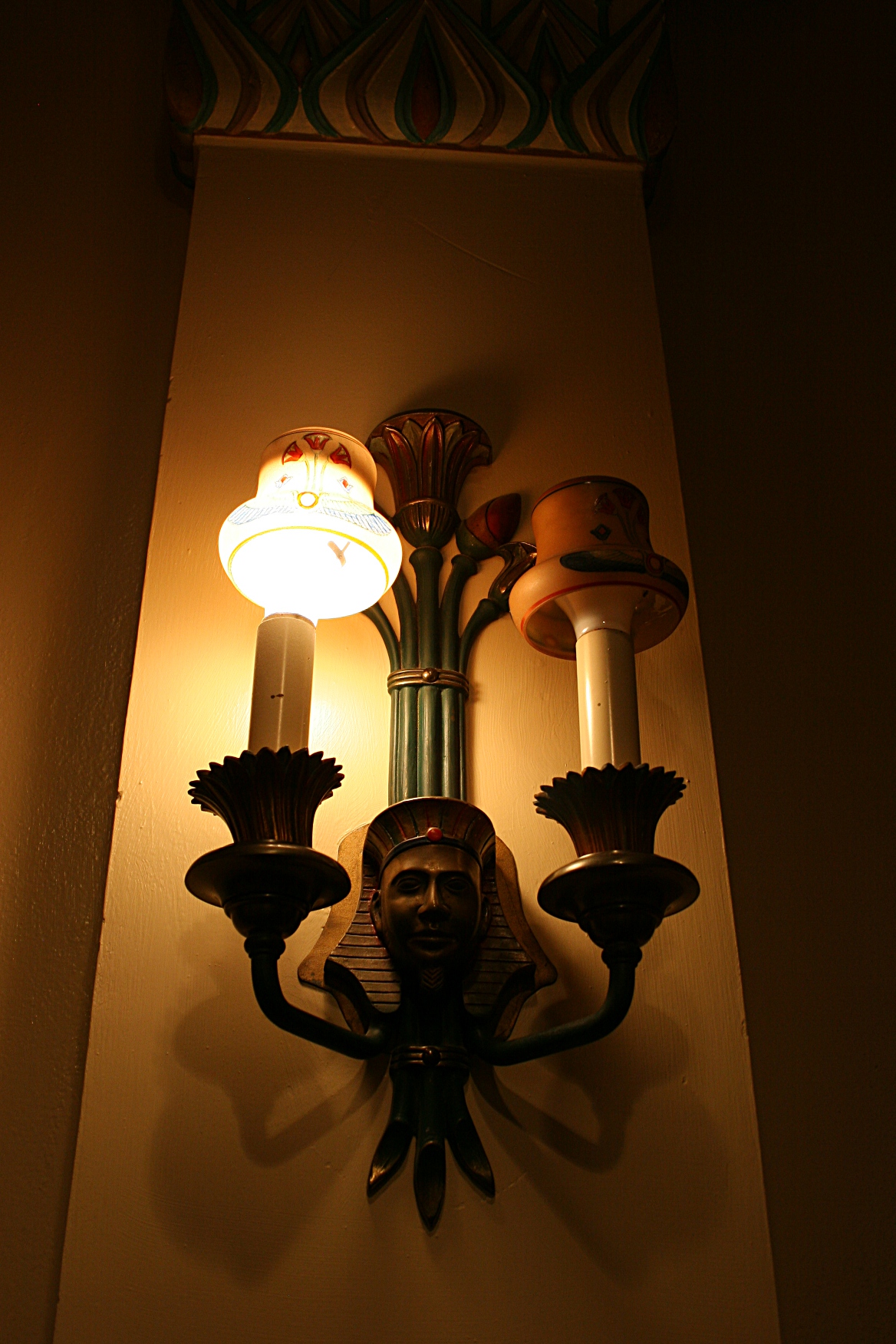
And because I notice details, be sure to look for these incredible light fixtures in the main Houdini exhibit room.

I noticed these incredible wall sconces in a Houdini exhibit room.

Other exhibits feature Senator Joseph McCarthy, born and raised in Appleton; Nobel Prize winning writer Edna Ferber; the work of local noted photographer Andrew J. Mueller; and, upstairs, a more extensive exhibit on illusionist and escape artist Harry Houdini, who lived in Appleton as a child. I’ll post about the “AKA Houdini” exhibit tomorrow.

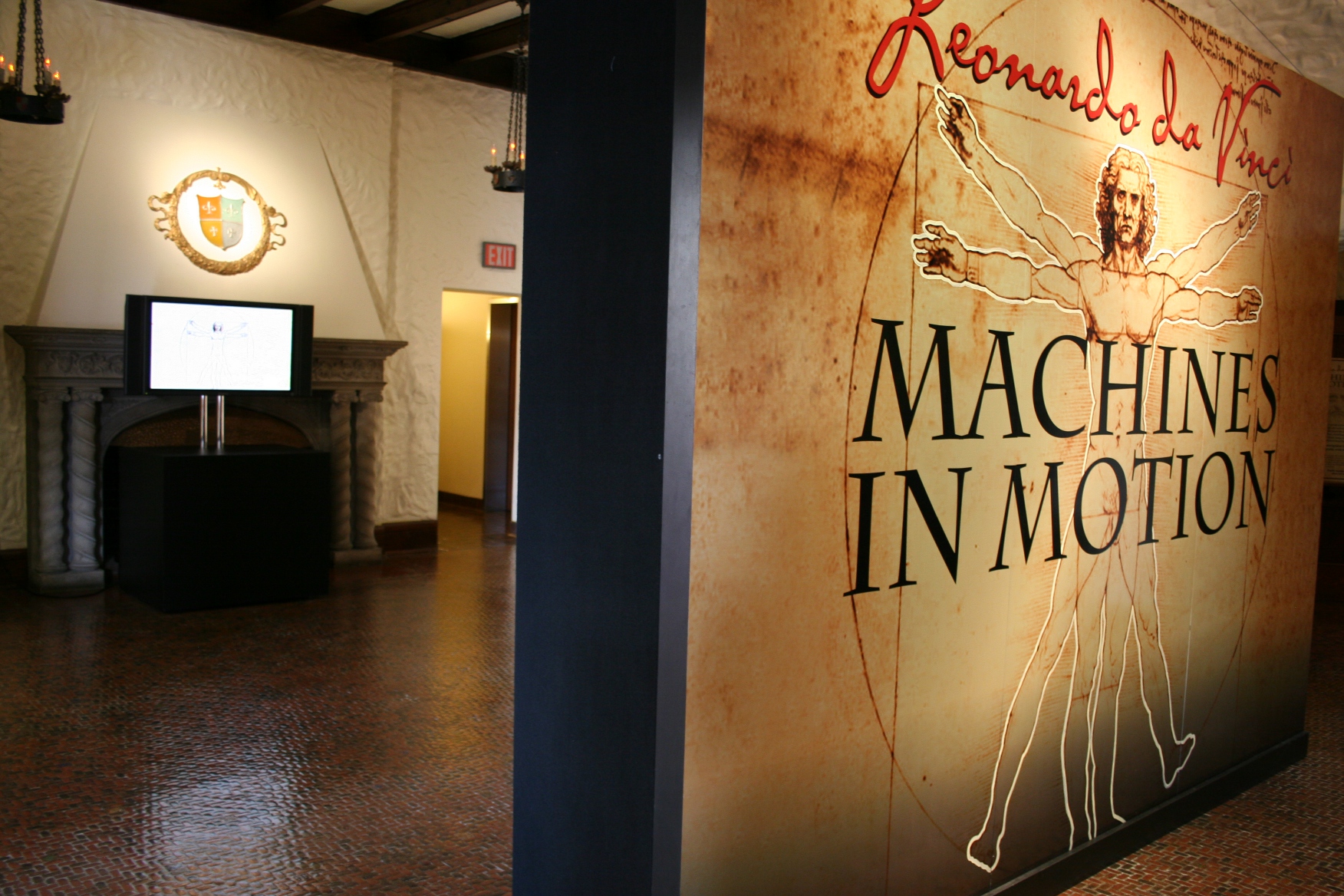
While the Leonardo da Vinci signage likely catches your eye first in this photo, look to the left and notice the fireplace.

While the Leonardo da Vinci signage likely catches your eye first, look to the left and notice the fireplace, the lights, the floor.

But currently drawing the most interest is the museum’s temporary “Leonardo da Vinci: Machines in Motion” exhibit which opened late last year and has now been extended through February 3. You can read about “Machines in Motion” in a previous post by clicking here. This show was my primary reason for touring the museum in early October when my husband and I were in Appleton visiting our second daughter.

Another view of the historic museum.

Another view of the museum, from early October.

The historic Masonic Temple housing the museum rates as a bonus to the history inside. I wonder how many visitors, when they tug at those heavy front entry doors and then enter the castle, pause to appreciate the building they are standing within.

BONUS IMAGES:

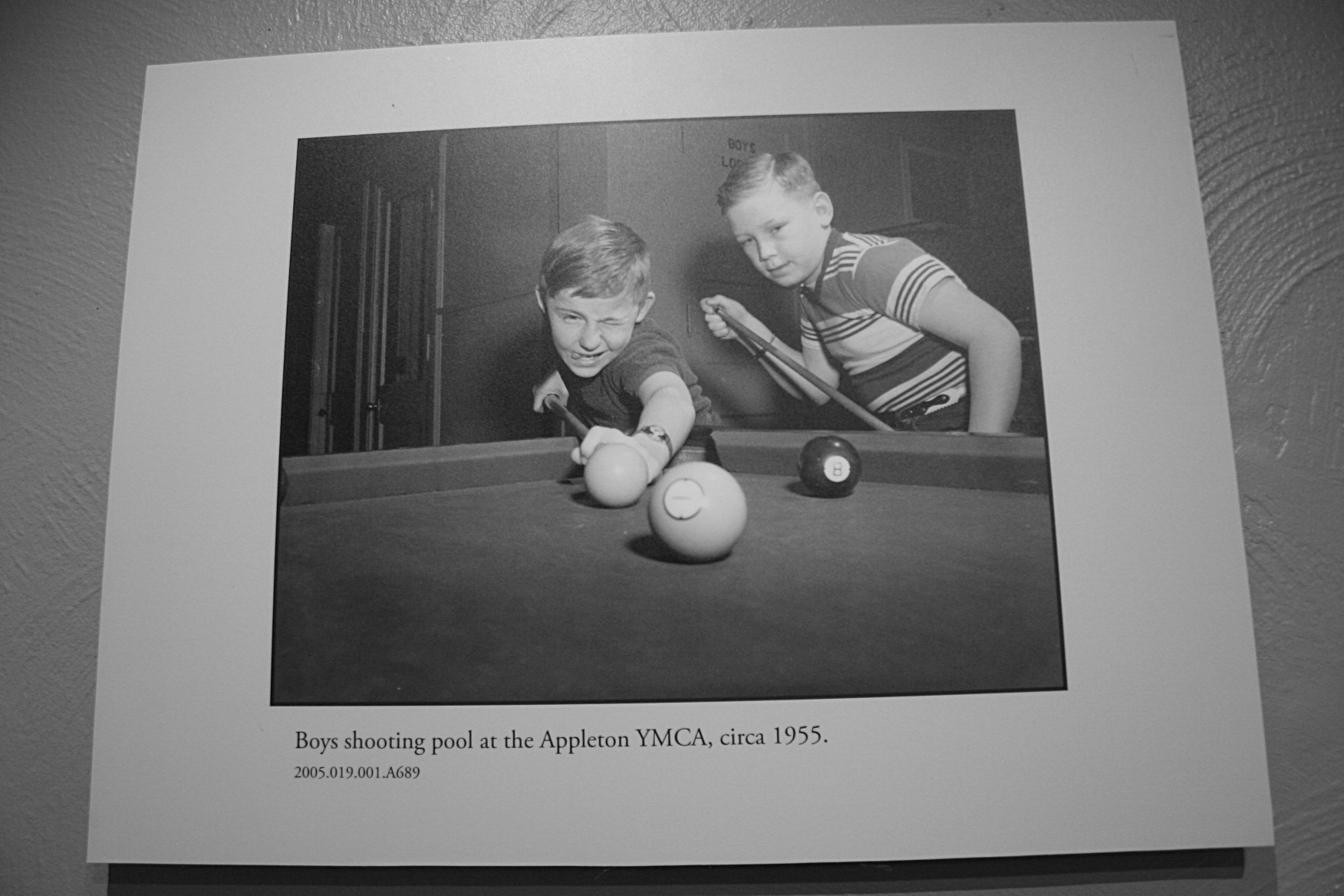
Given my love of photography, the "From My View: The Photographs of Andrew J. Mueller" exhibit especially interested me. Mueller worked for the local newspaper.

Given my love of photography, the “From My View: The Photographs of Andrew J. Mueller” exhibit especially interested me. Mueller worked for the local newspaper, beginning as an artist there and becoming the paper’s full-time photographer in 1950. He approached photography from both artistic and journalistic perspectives.

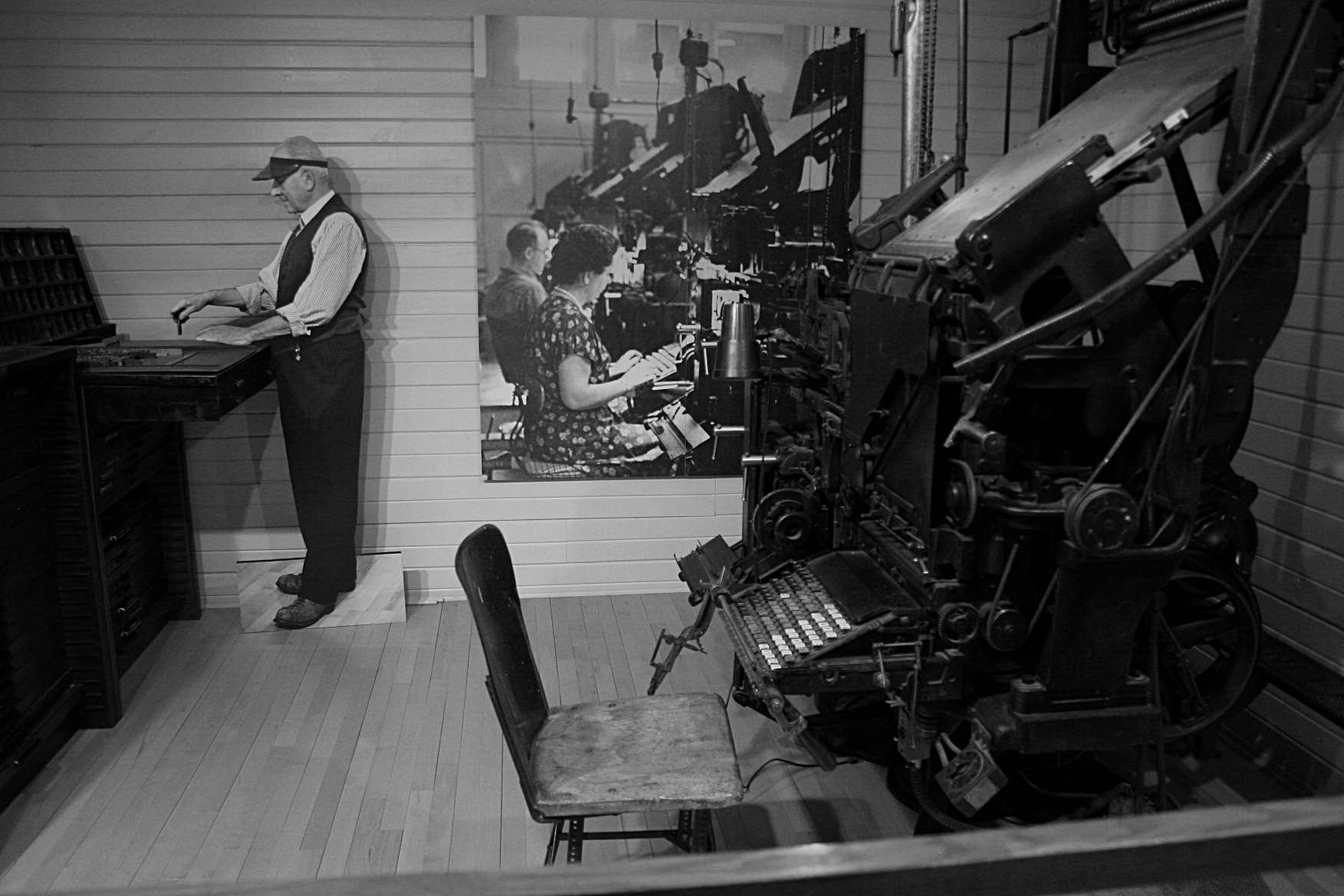
Given my journalism background, an old printing press also caught my eye.

Because of my journalism background, an old printing press also caught my eye.

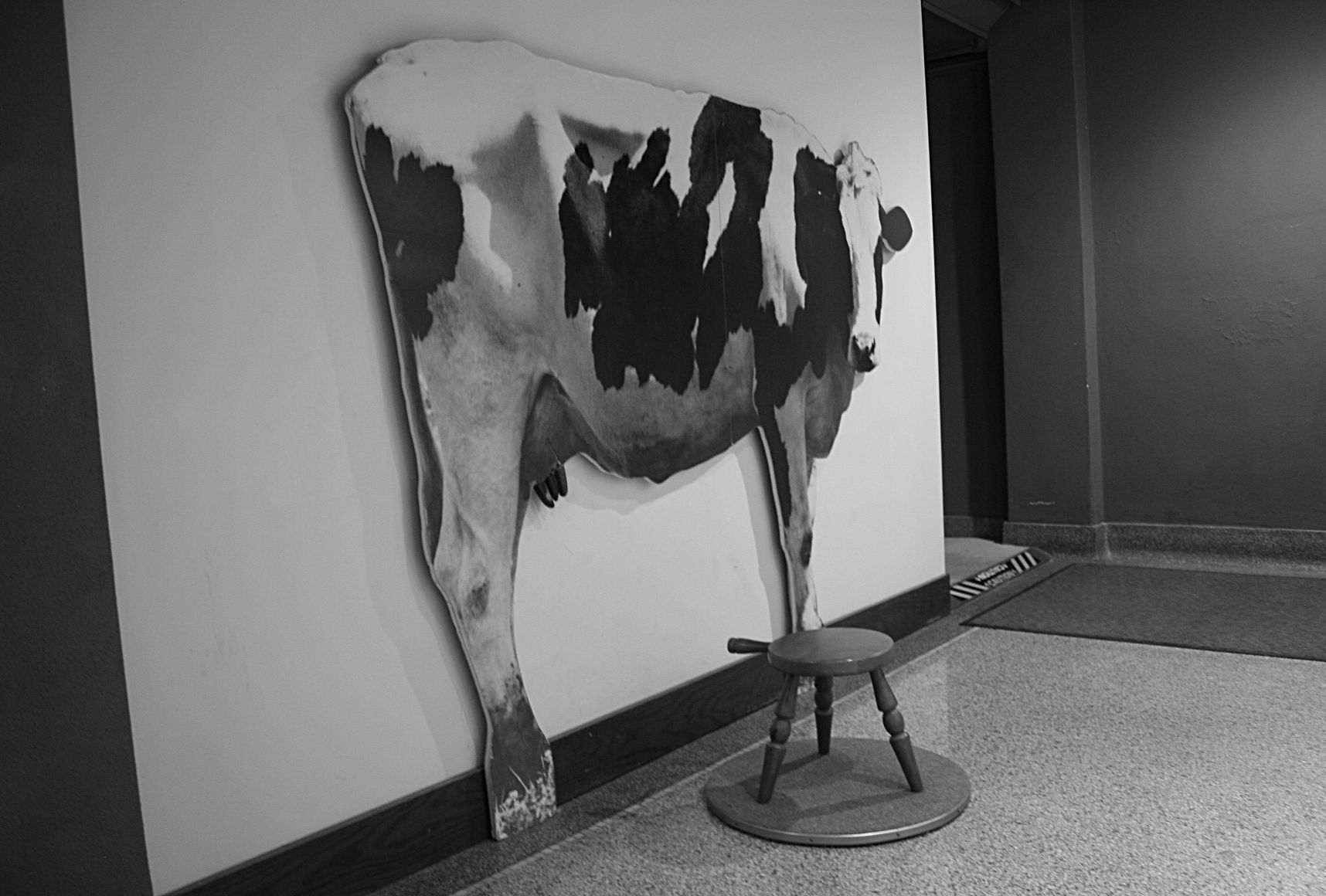
Would any Wisconsin museum exhibit be complete without a cow? Here you can perch on the stool and pretend to milk this Holstein.

Would any Wisconsin museum exhibit be complete without a cow? Here you can perch on the stool and pretend to milk this Holstein.

FYI: For more information about The History Museum at the Castle, click here.

© Copyright 2013 Audrey Kletscher Helbling
 

At the Hjemkomst Center: A cultural melting pot of gifts November 19, 2012

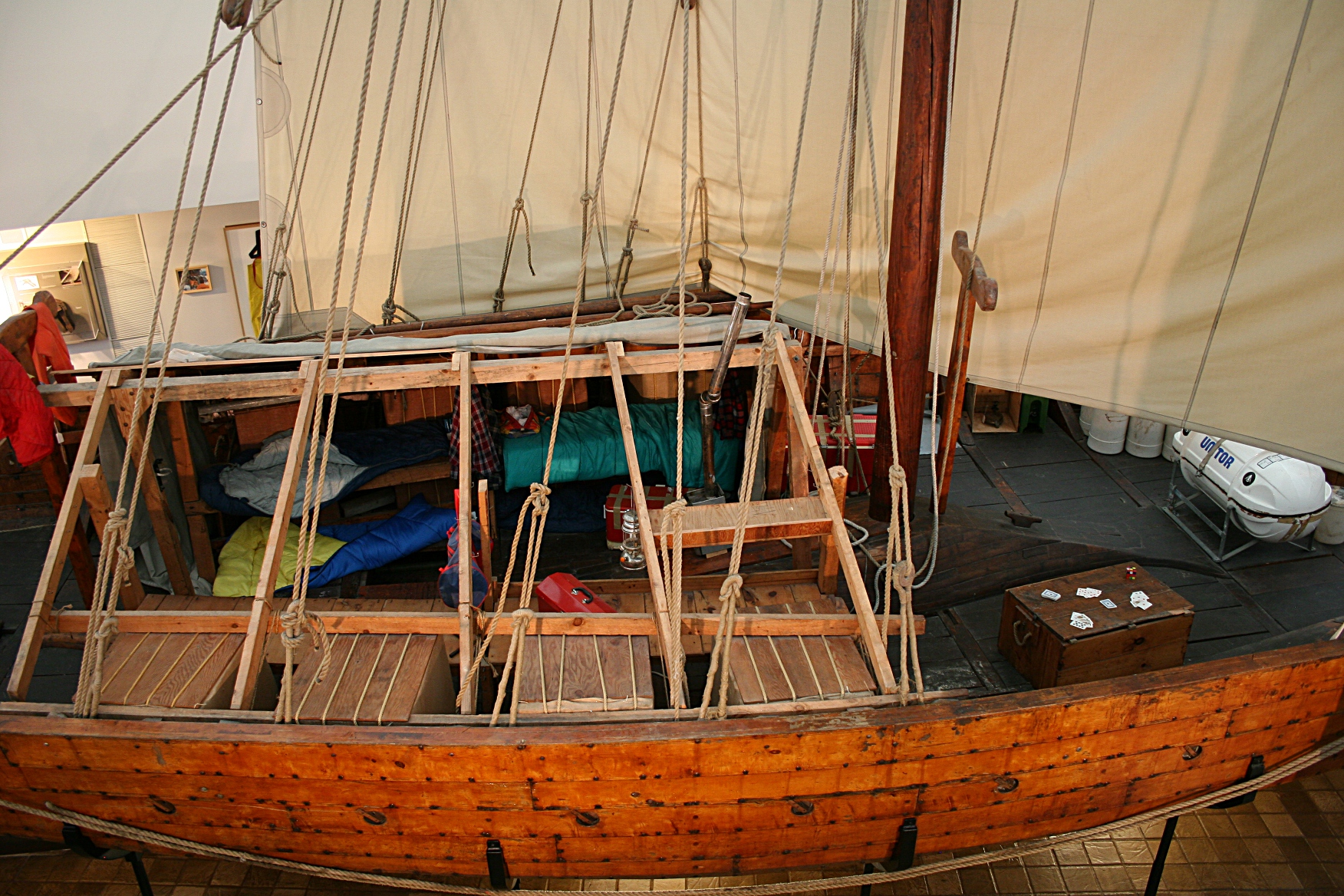
The interior of the Hjemkomst, a replica Viking ship.

IMAGINE PACKING YOUR ENTIRE LIFE into a steamer trunk and sailing across a vast ocean into the unknown and a future that holds both fear and promise.

I cannot fathom this as I am neither an adventurer nor lover of water transportation. Nor would I desire to leave the familiarity of the only home I’d ever known, or loved ones behind.

To be an early immigrant to this country had to be difficult.

My ancestry is 100 percent German.

My own forefathers, both maternal and paternal, arrived here from Germany, making their way west to eventually settle in Minnesota.

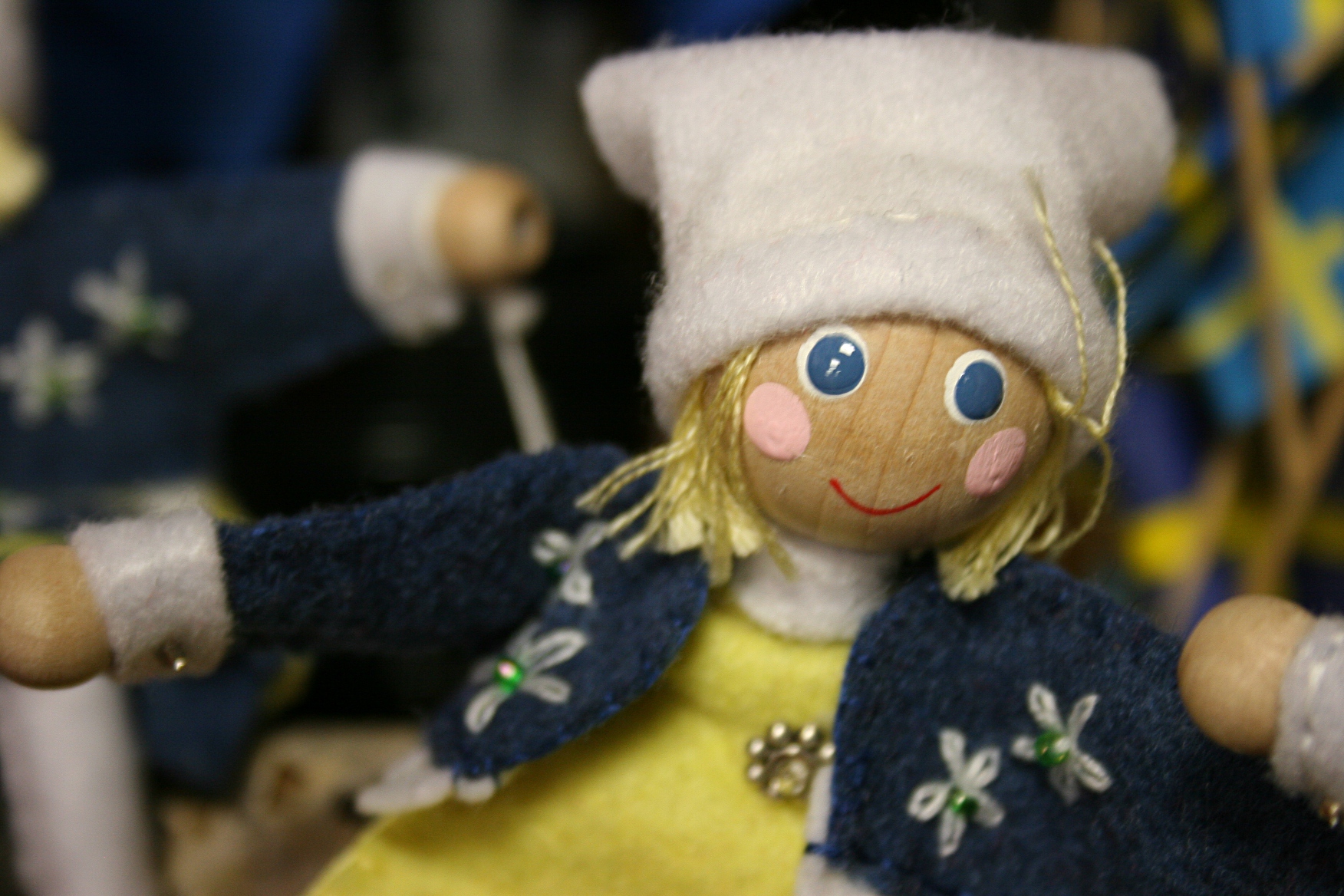
A Swedish ( I think) gift shop doll.

Minnesota. Home to Swedes and Germans, Norwegians and Finns and Irish and Poles and Italians and…a whole melting pot of people in those early days of settlement. Today we might add Sudanese, Somali and Hispanic to the mix.

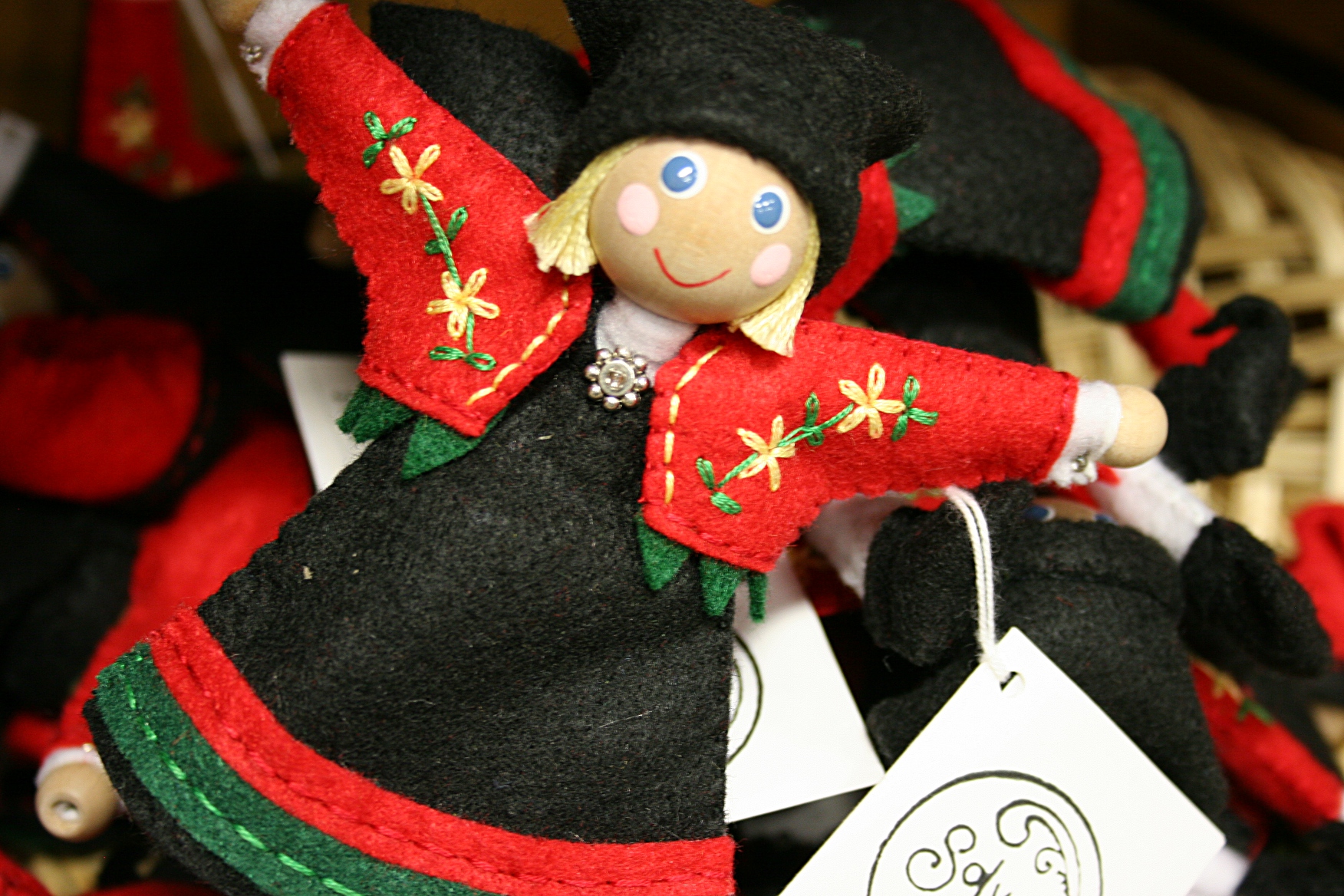
A gift shop doll labeled Solveig. Norwegian, I think.

So where am I going with this pondering?

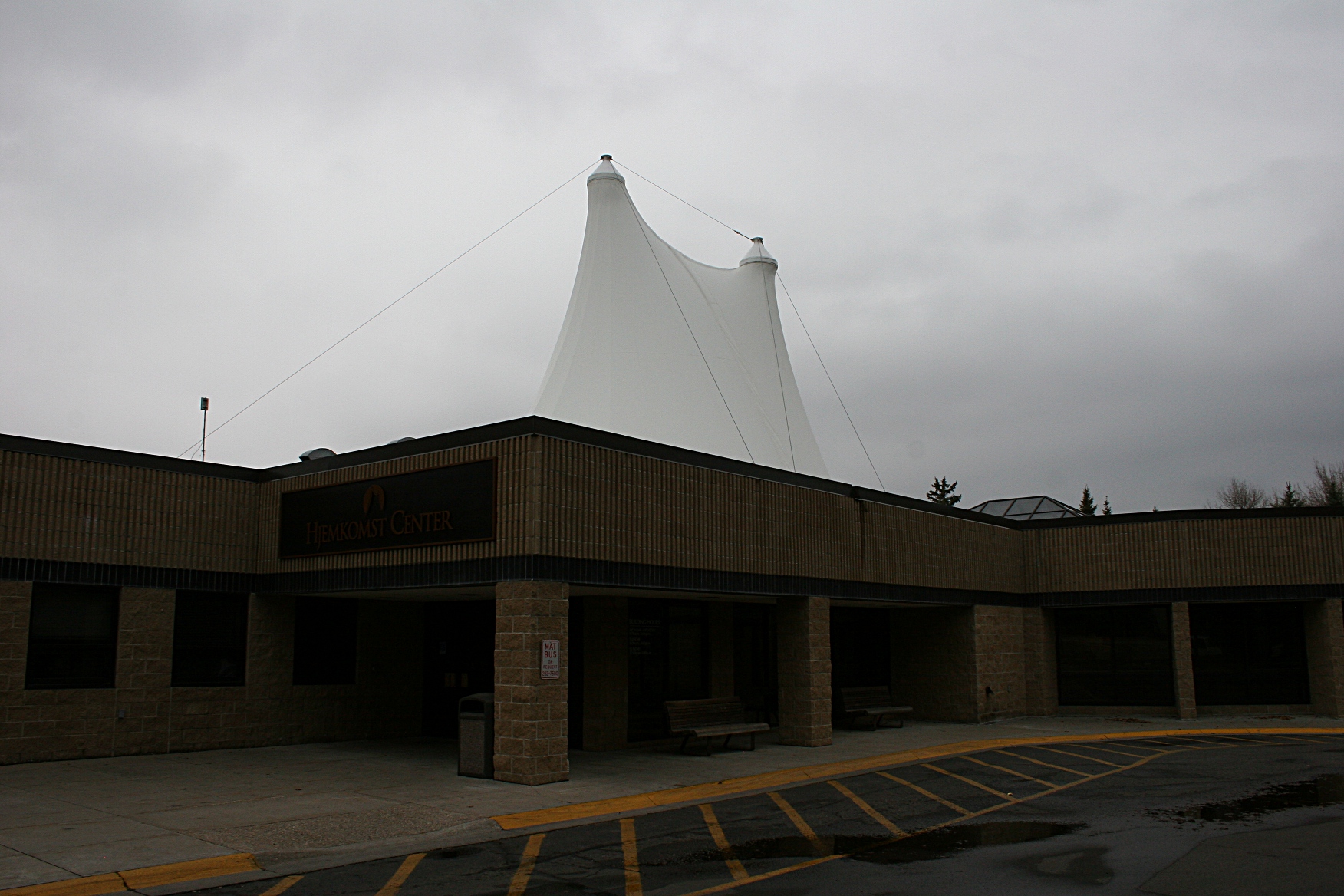
In the center of the Hjemkomst Center, the mast area of the Hjemkomst ship dominates the roofline.

A visit to the Hjemkomst Center on the western border of Minnesota in the city of Moorhead, snugged against the Red River of the North, prompted all this thought about immigration. The center is, among other things, home to the Hjemkomst, a replica Viking ship constructed in northwestern Minnesota and then sailed from Lake Superior in Duluth, Minnesota, across the Atlantic Ocean to Norway in 1982. (Click here to read my post about the Hjemkomst.)

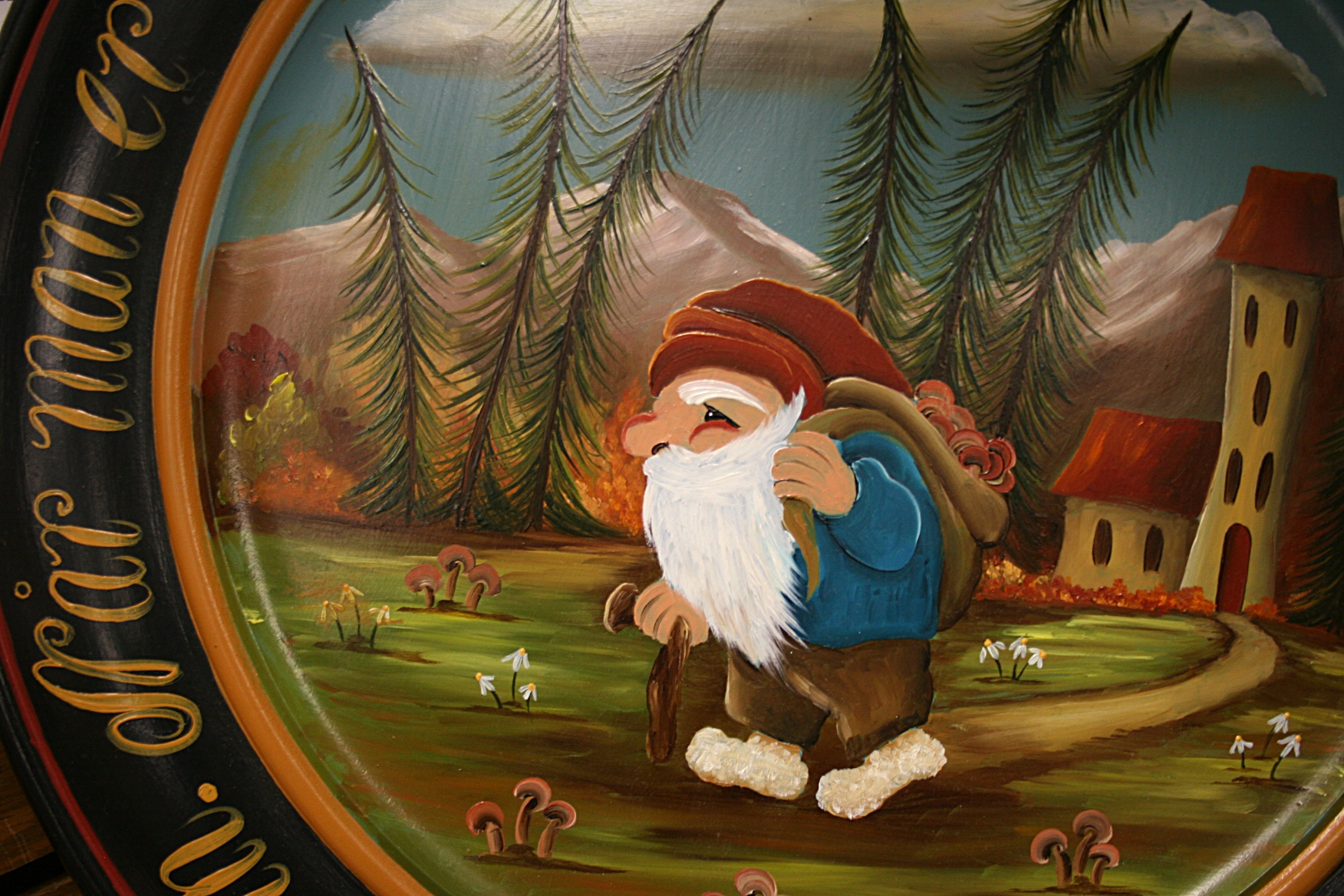
A Scandinavian painting on a plate in the gift shop.

It was the Hjemkomst Center Heritage Gift Shop which truly directed my thoughts toward immigration and celebrating the cultural diversity of our country. Here, in this store, you can purchase merchandise which connects to ethnicity.

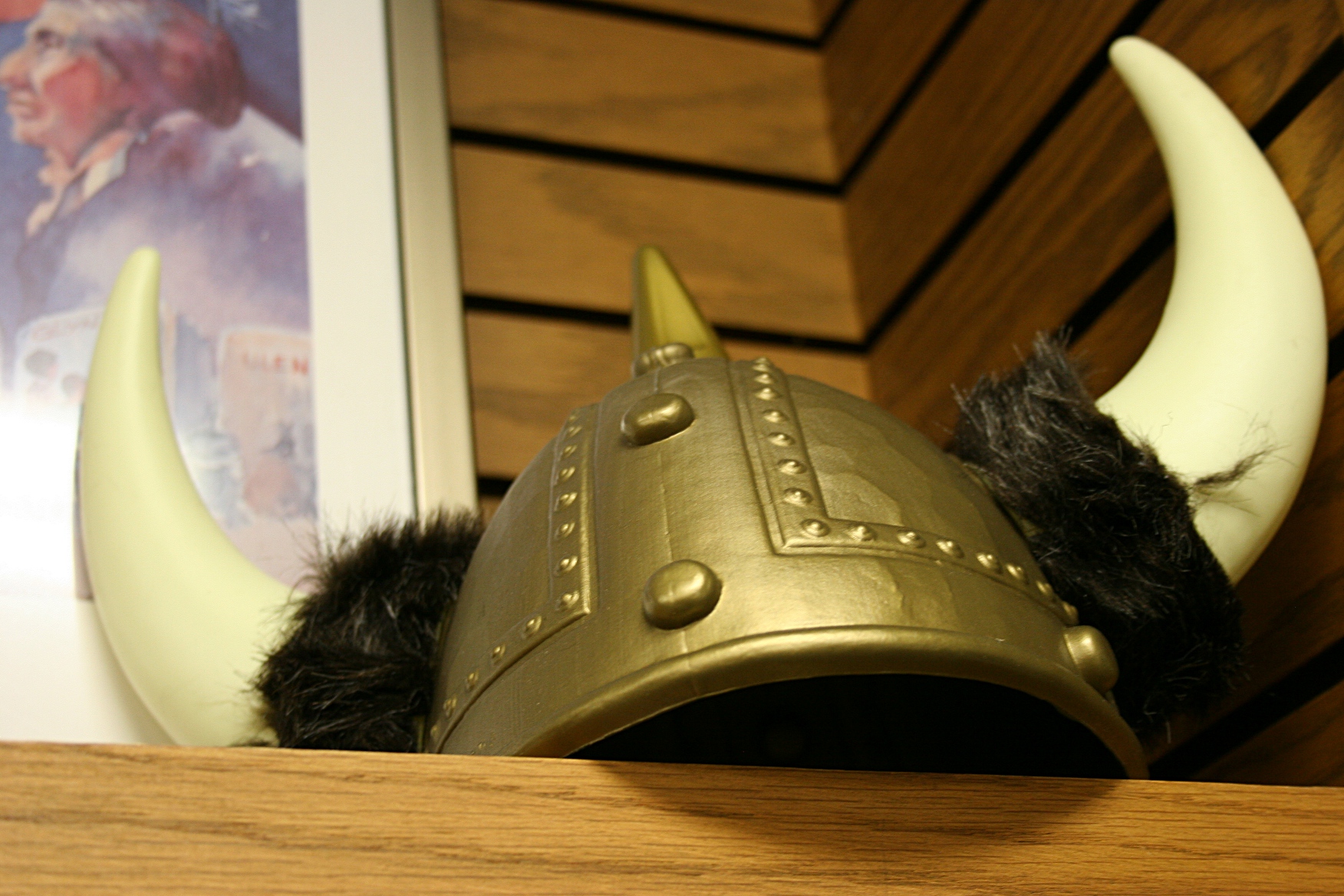
A Viking helmet on display.

And because I have never traveled across the ocean, not any farther west than the eastern border of Wyoming, but as far east as New York with the Statue of Liberty within my view, shops like this allow me to experience snippets of other countries and cultures.

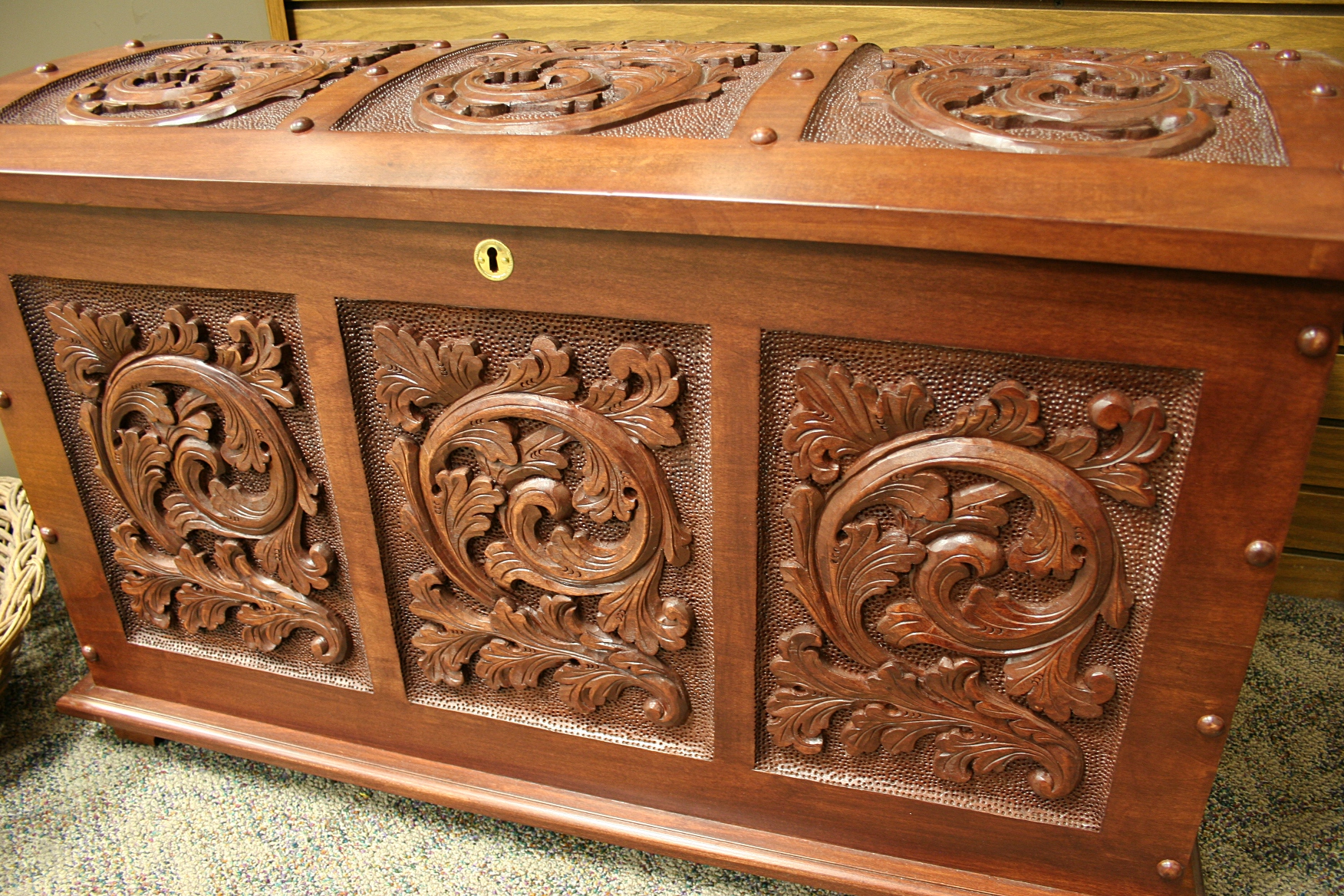
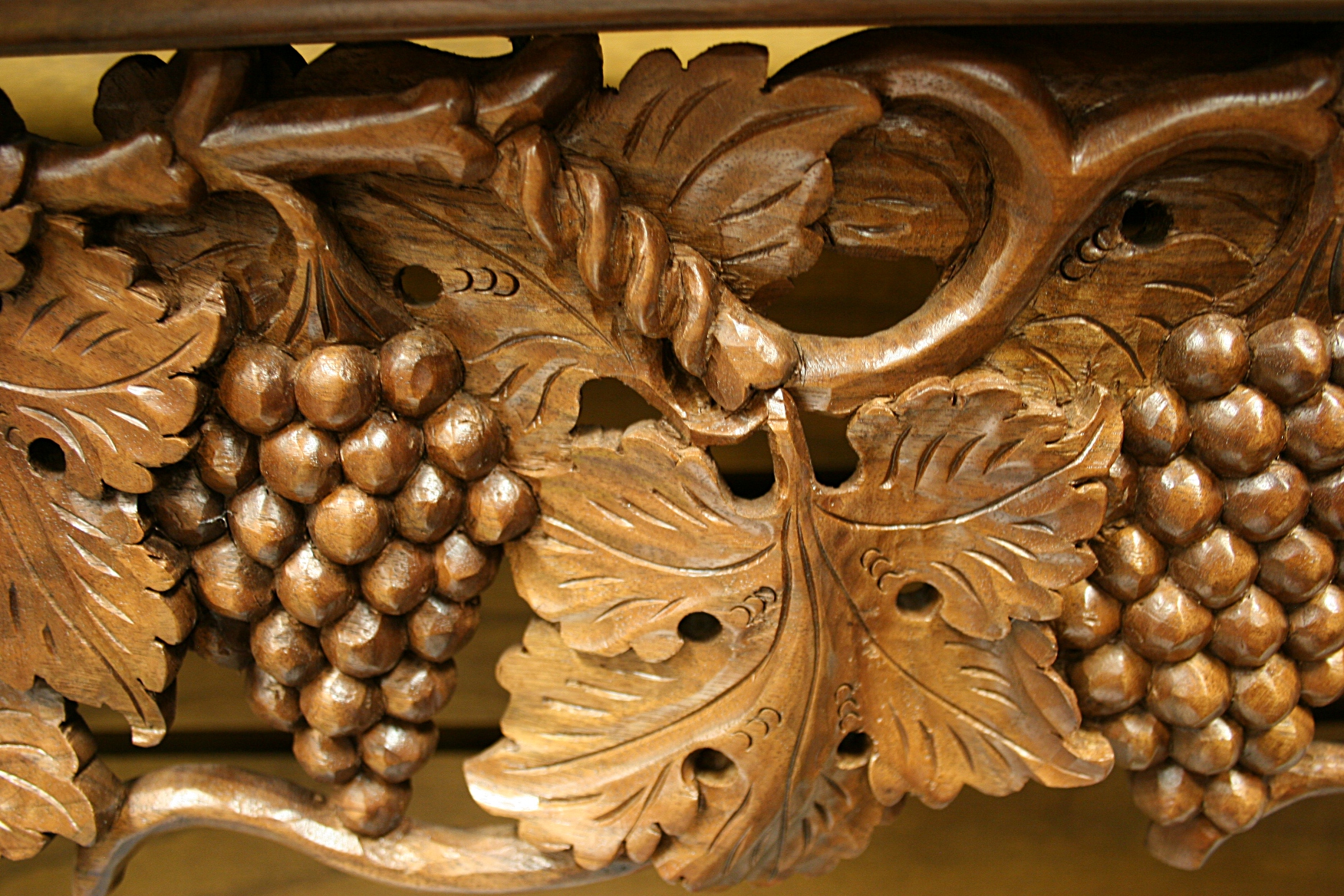
Hands down, I found this to be the most stunning piece of handcrafted art for sale in the Heritage Center Gift Shop. Bosnian immigrant Dzenan Becic carved this incredible cedar chest and other pieces sold in the gift shop. I tried to find more info online about this artist, but could not. His father, Izudin, is also a carver. These artists live either in Fargo or Moorhead.

I know. This museum gift shop does not hold the same meaning to those of you who are seasoned world travelers. But for me, a child of the land-locked prairie, such places hold a certain allure. I suppose it’s like reading a book. I can travel afar without actually ever boarding the ship.

More Becic carving in a wall shelf.

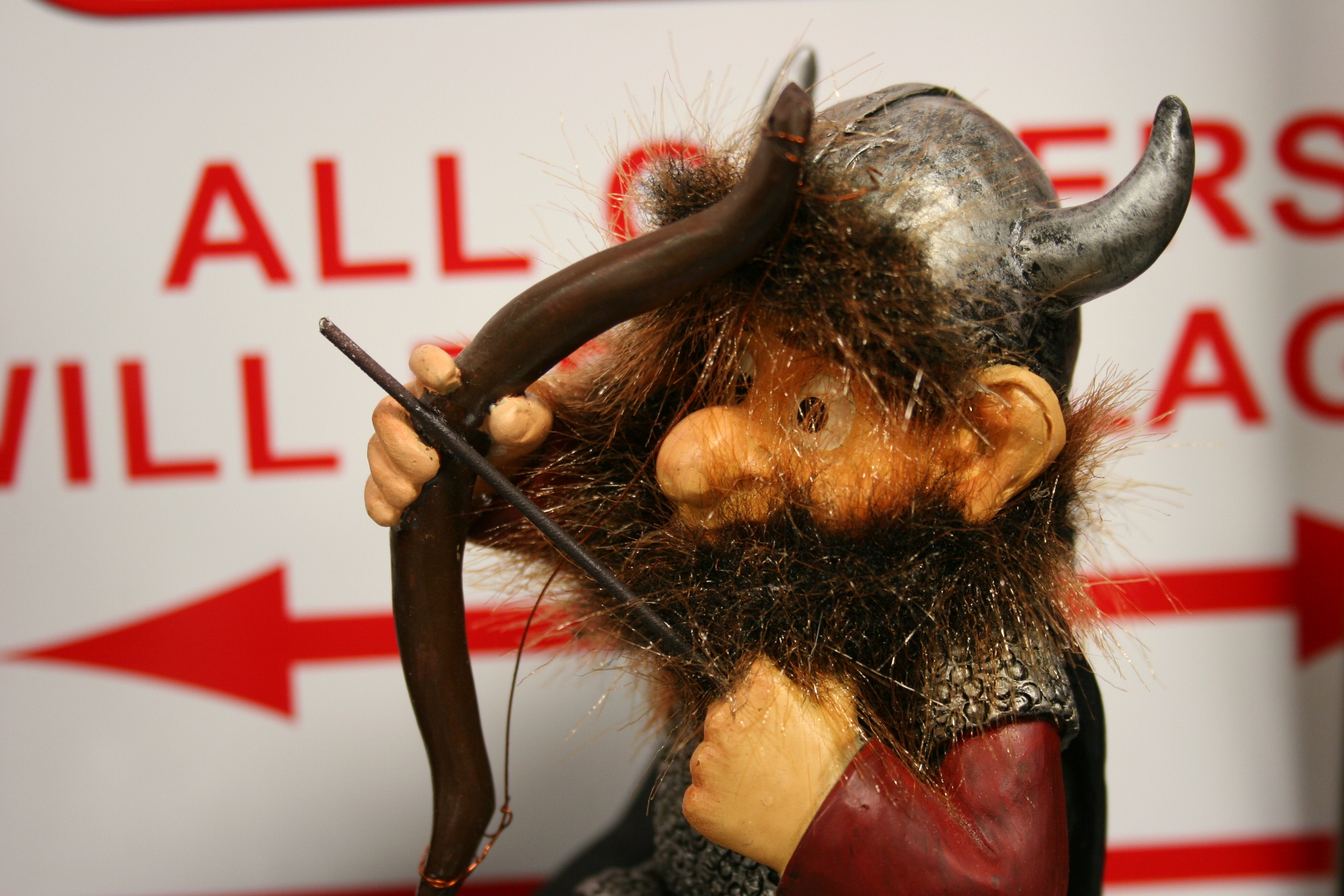
Just a cute little Viking I spotted for sale in the gift shop. May I call a Viking “cute?”

BONUS BUY:

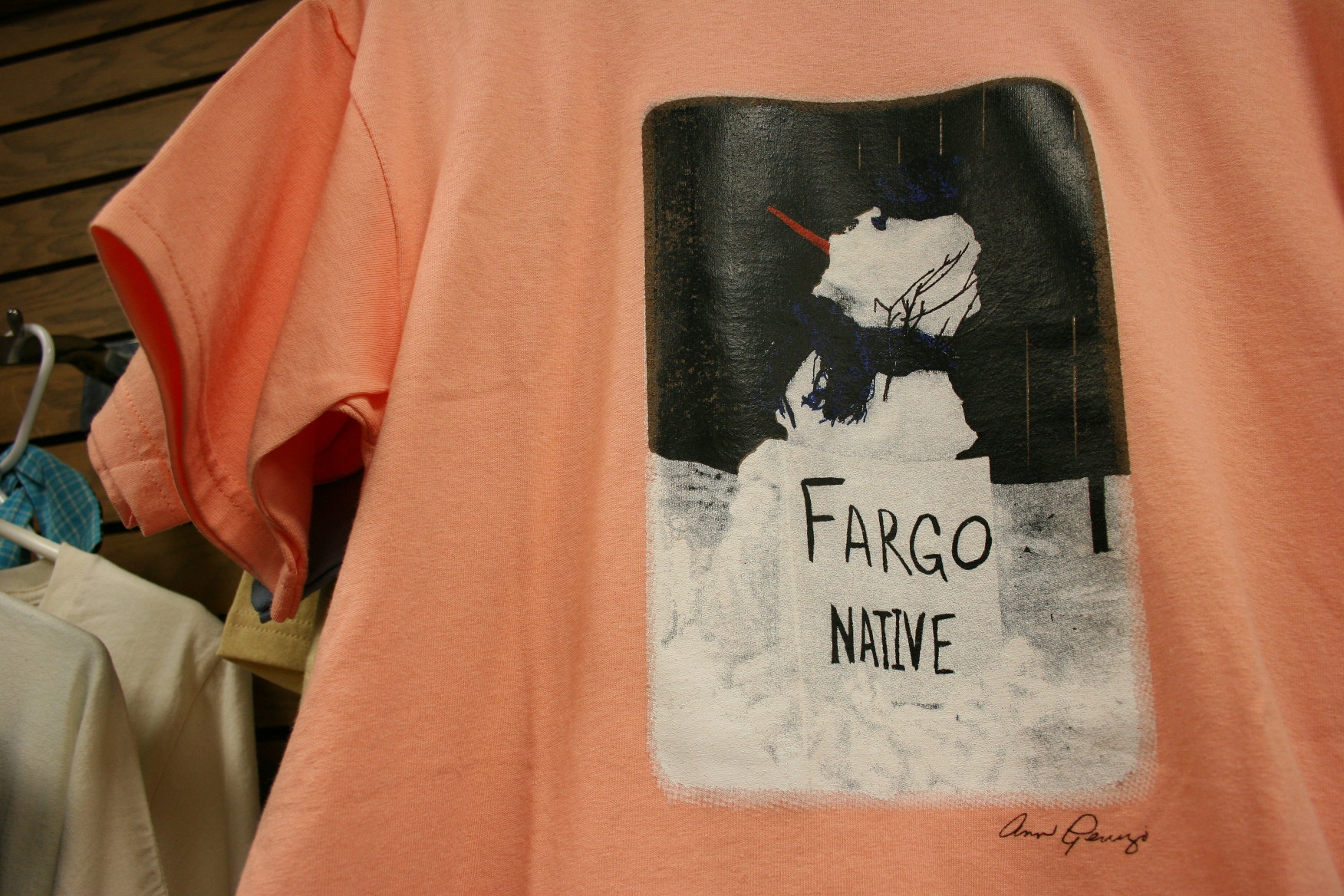
Even though, geographically, you’re in Moorhead, Minnesota, and not Fargo, North Dakota, when you’re at the Hjemkomst Center, you may still be interested in purchasing this Fargo native t-shirt.

© Copyright 2012 Audrey Kletscher Helbling
 

Musings of a Baby Boomer upon touring a museum exhibit in Moorhead November 15, 2012
I’M WONDERING IF the rest of you baby boomers out there feel as I do, that youthful years have vanished, poof, just like that.

I need only look in the mirror to see the patches of ever spreading gray (time for a dye, again), the lines and creases and sagging skin to realize that Age has crept into my life to the point that I no longer can deny her presence.
Age has also shoved me into the corner of those who are overwhelmed by technology. It’s like the boxing gloves never come off as I resist, rather than embrace, technological changes. No Facebook or Twitter for me. No PayPal or paying bills online. And what is a smart phone and an iPad?
I am not joking, people. I need to enroll in a Technology 101 course or persuade the 18-year-old son, who is pursuing a degree in computer engineering, to tutor me.
Interestingly enough, this musing relates to a recent tour of  The Historical and Cultural Society of Clay County exhibit, “The BOOM 1945-1960 in Clay County,” at the Hjemkomst Center in Moorhead.

While I was only a few years old at the end of that boom period, much of what I saw in that exhibit, including the outhouse, looked pretty darned familiar:

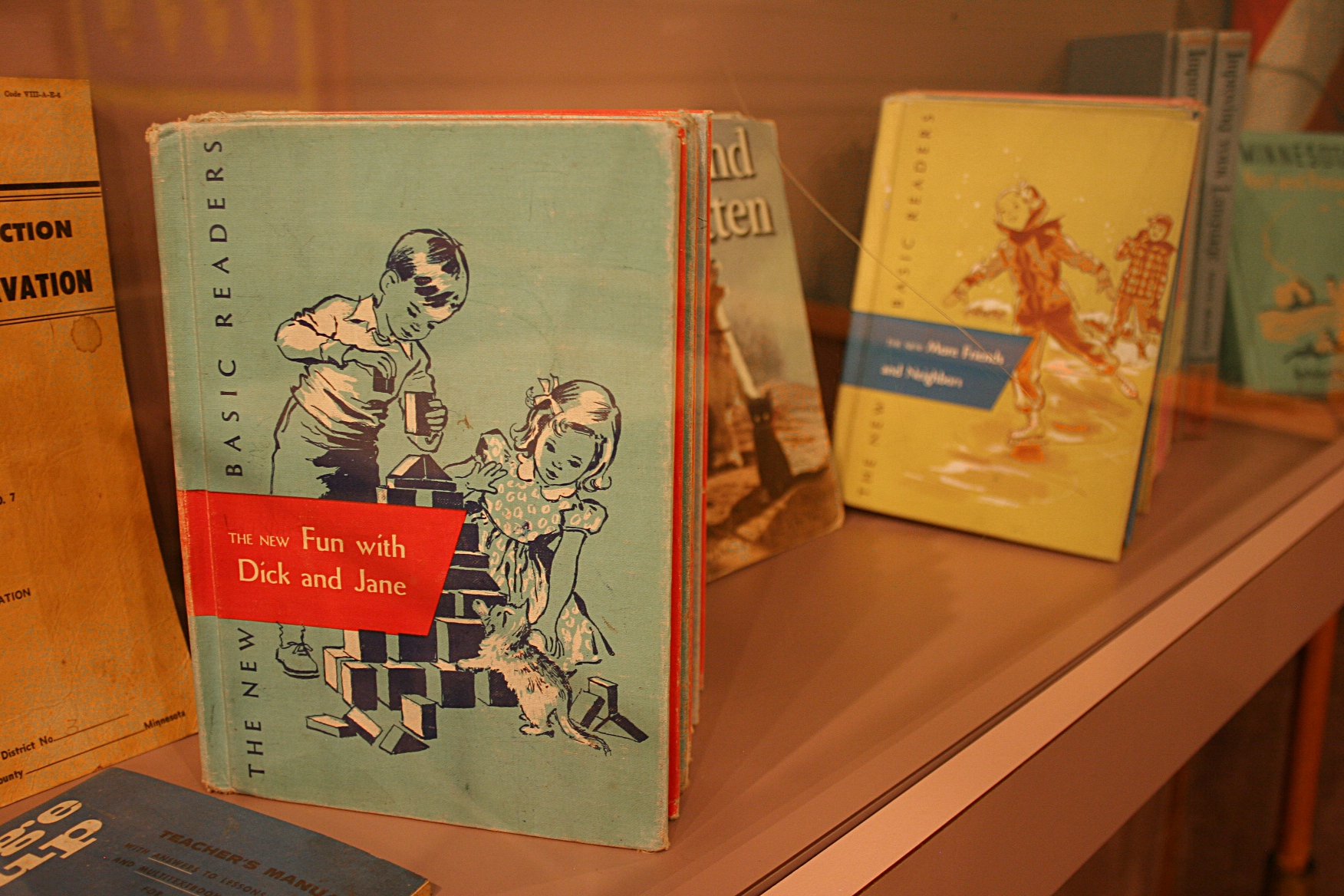
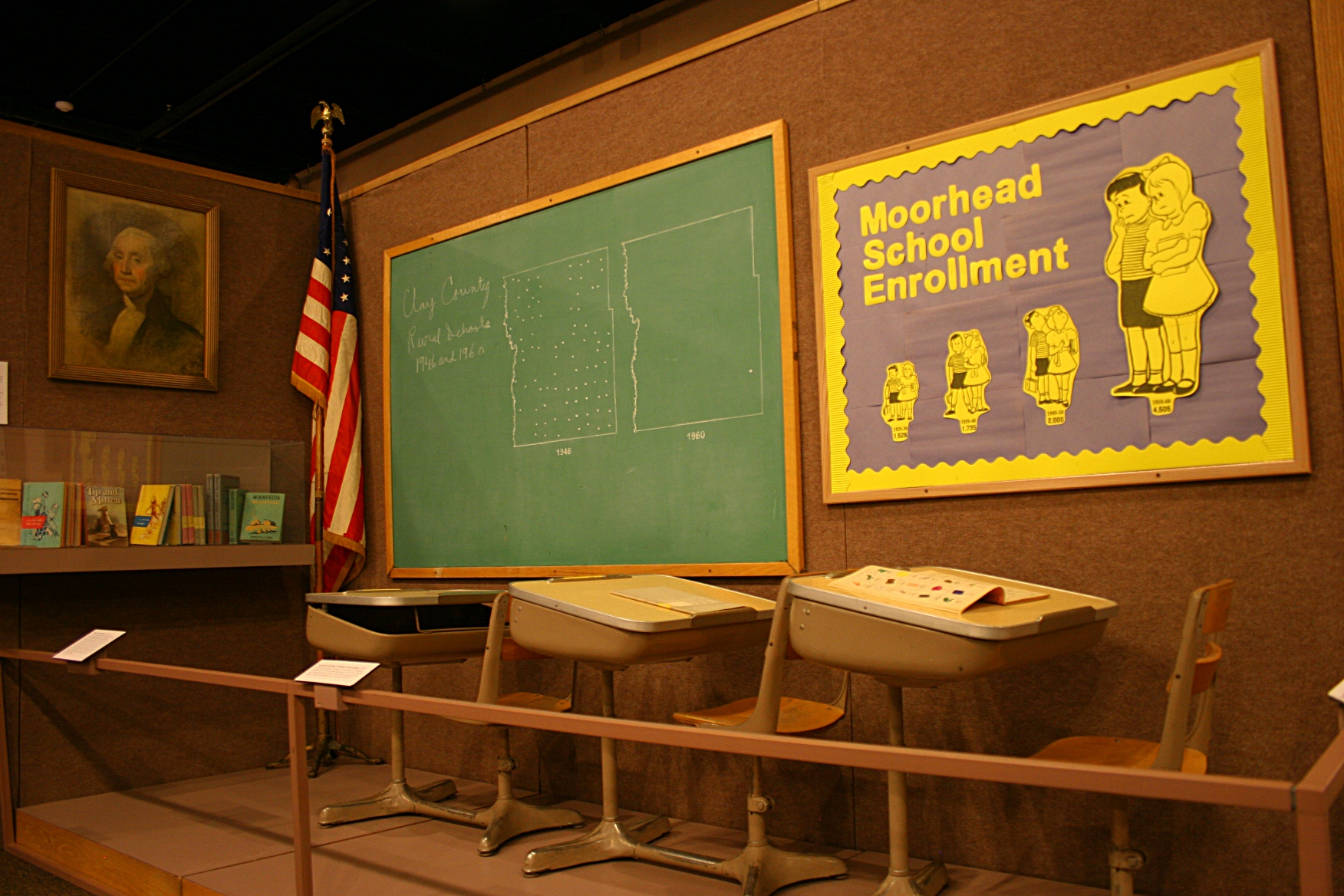
These books are shelved in a mock boom era one-room schoolhouse display. I own that exact Dick and Jane book.  I love Dick, Jane, Sally, Tim, Spot and Puff. They taught me to read. Oh, I mean my teacher taught me to read via that book series.

Fun with Dick and Jane book. Check.

So familiar to me, desks just like I sat in through my years at Vesta Elementary School. The blackboard, though, is not correct. Ours was black, not green.

Rows of school desks. Check.

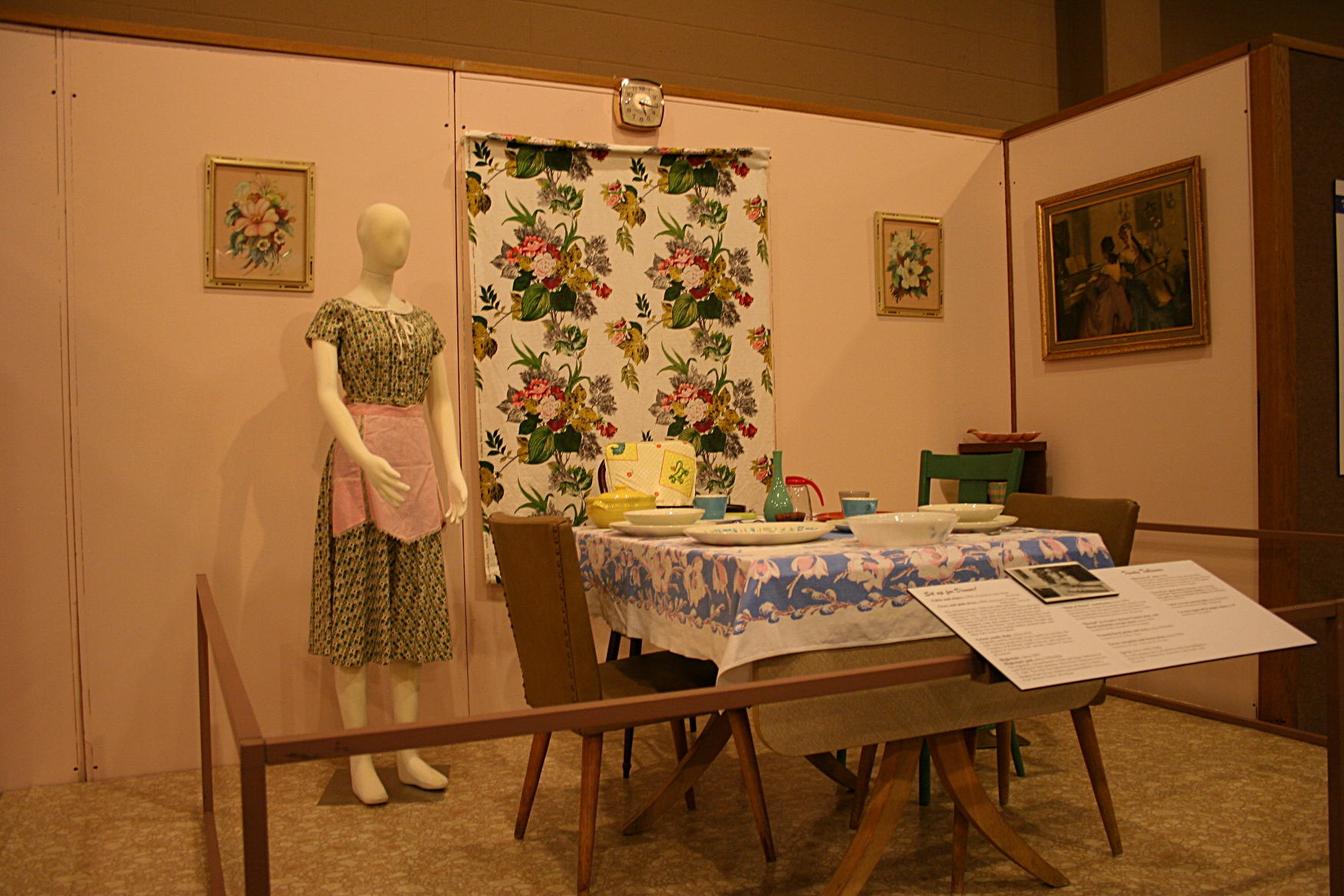
I remember the floral print plastic curtains which once hung in the tiny wood-frame house where I grew up on the southwestern Minnesota prairie. Today I collect vintage tablecloths like the one draping the table here. And, yes, I use them. Come to dinner at my house and you’ll find one gracing the table. I love retro.

A floral print curtain and floral print tablecloth. Check.

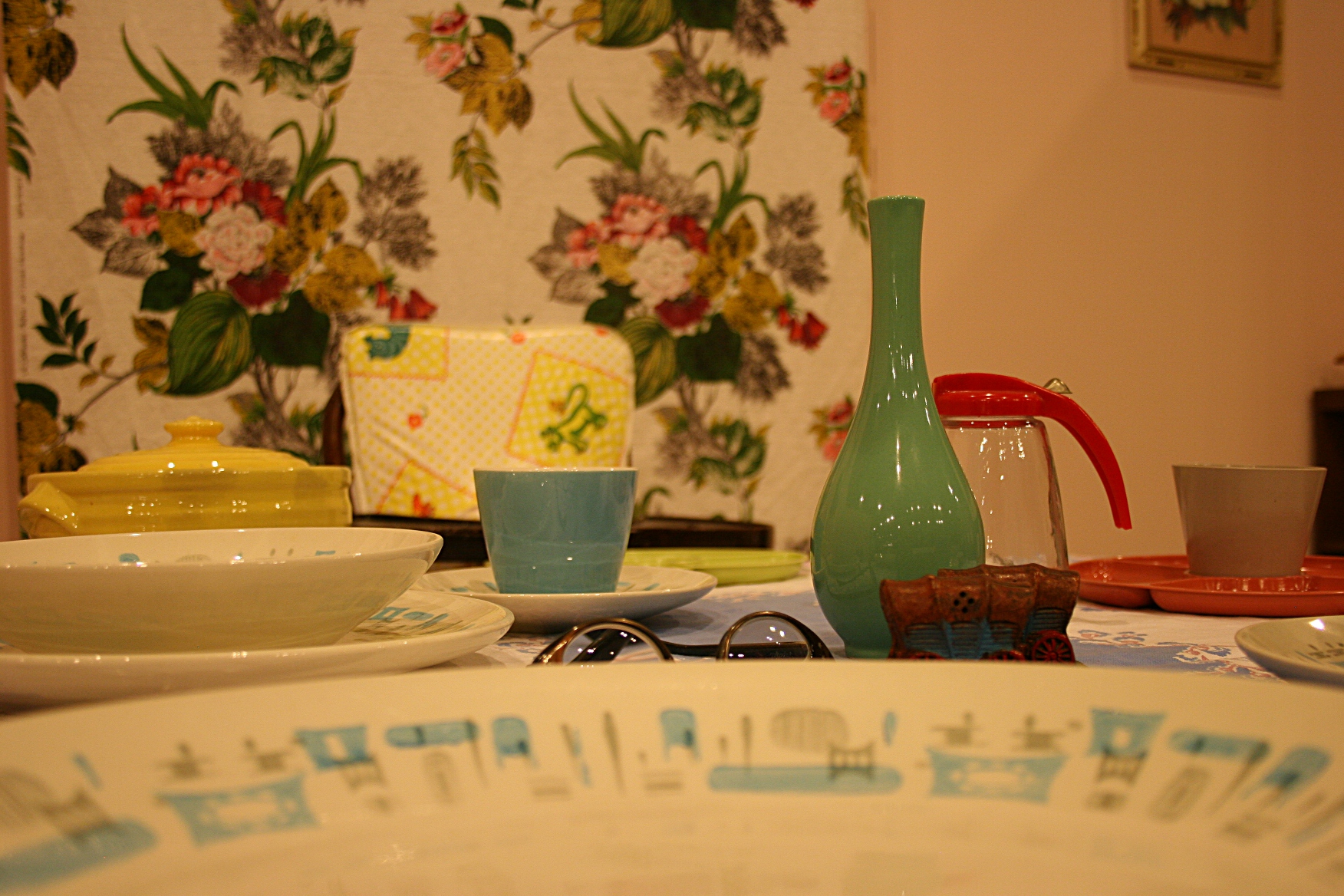
Tucked behind the close-up of the vintage plate, you’ll spy eyeglasses. I’ve worn prescription eyeglasses since age four, including the cat eye style and dark brown framed ones.

Dark-framed eyeglasses and vintage tableware. Check.

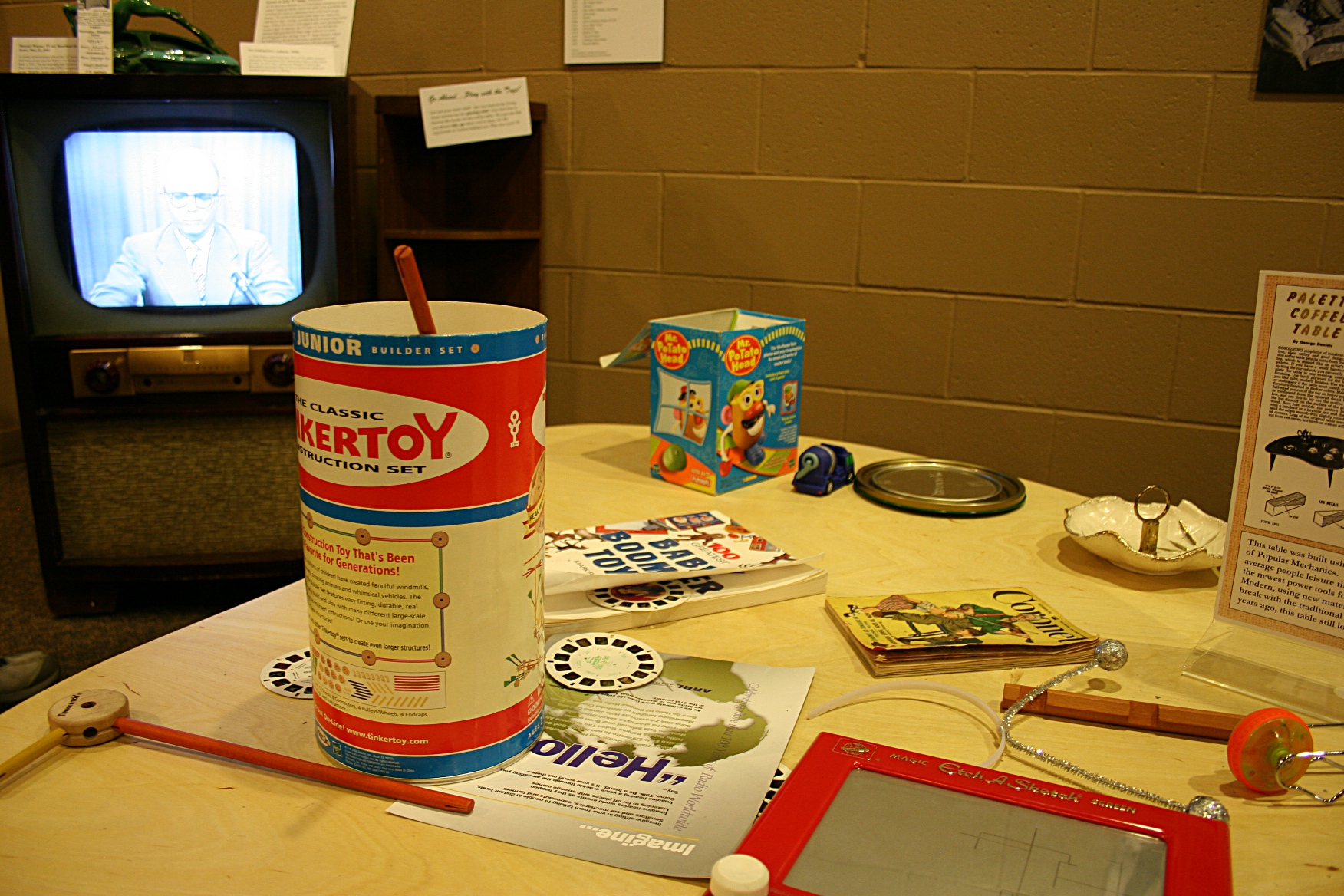
Popular Baby Boomer toys, ones my children, born between 1986 and 1994, also played with. Some toys truly are timeless, although I expect the View-Master isn’t. I played with Mr. Potato Head in the background, but he was not a favorite.

An Etch a Sketch, View-Master reels and Tinker Toys, all among my favorite childhood toys. Check, check and check.

There was not a piece of technology in sight save the old grainy black-and-white television.

© Copyright 2012 Audrey Kletscher Helbling