Minnesota Prairie Roots

Writing and photography by Audrey Kletscher Helbling

A delightful discovery in Madison: Mini gardens in the Atwood Neighborhood September 10, 2020

Filed under: Uncategorized — Audrey Kletscher Helbling @ 5:00 AM
Tags: , , , , , , ,

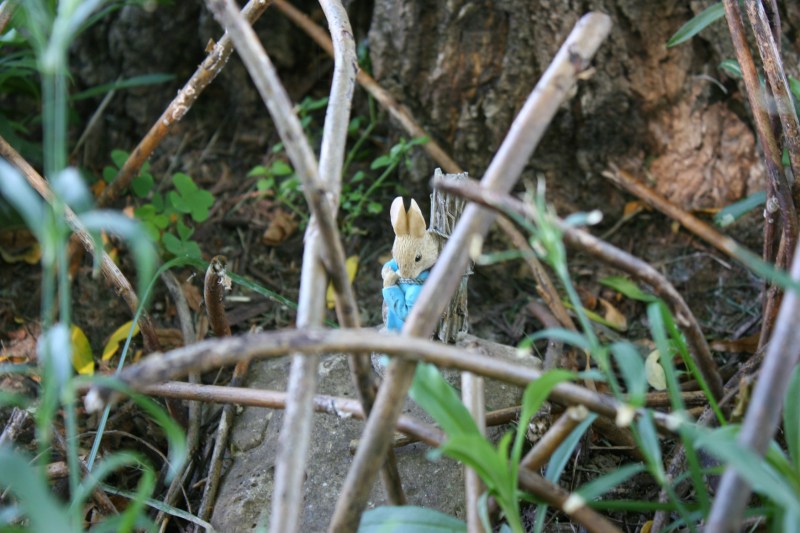
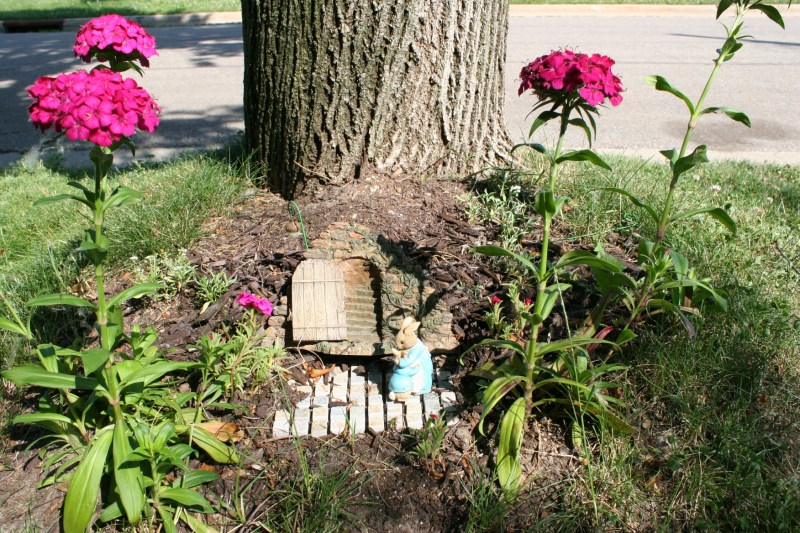
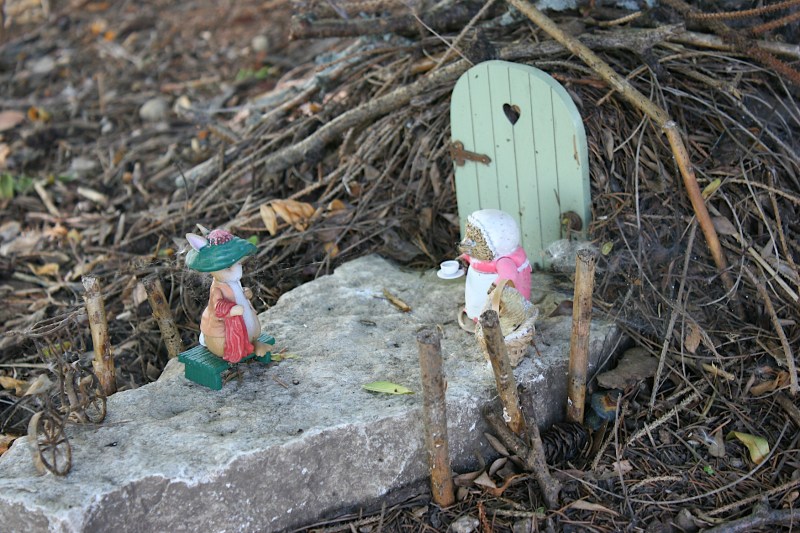
Through the twigs I spotted this mini rabbit by a tree in the Atwood Neighborhood of Madison, Wisconsin.


SOMETIMES IT’S THE SMALL THINGS in life that bring the most joy. And that adage can apply to gardening.


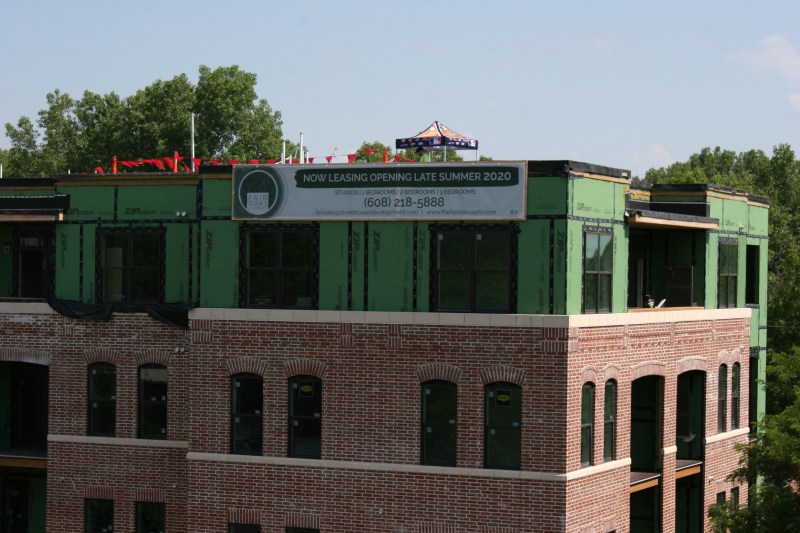
An apartment complex under construction in the Atwood area of Madison.


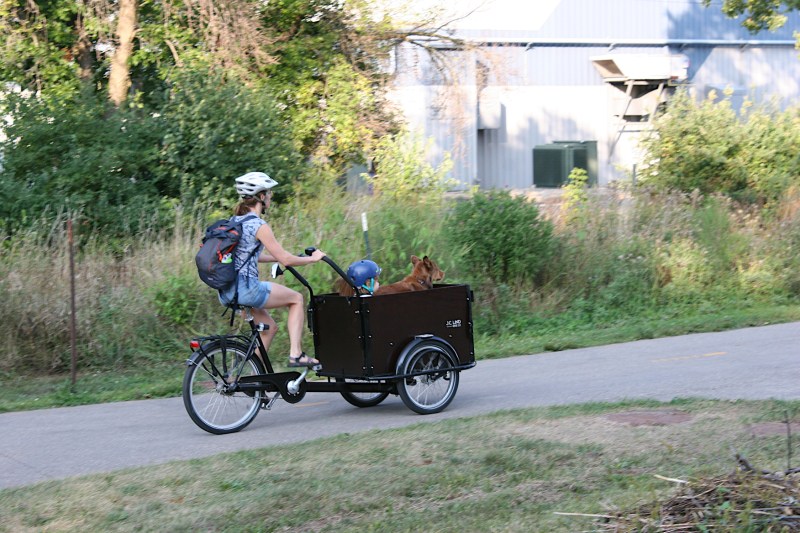
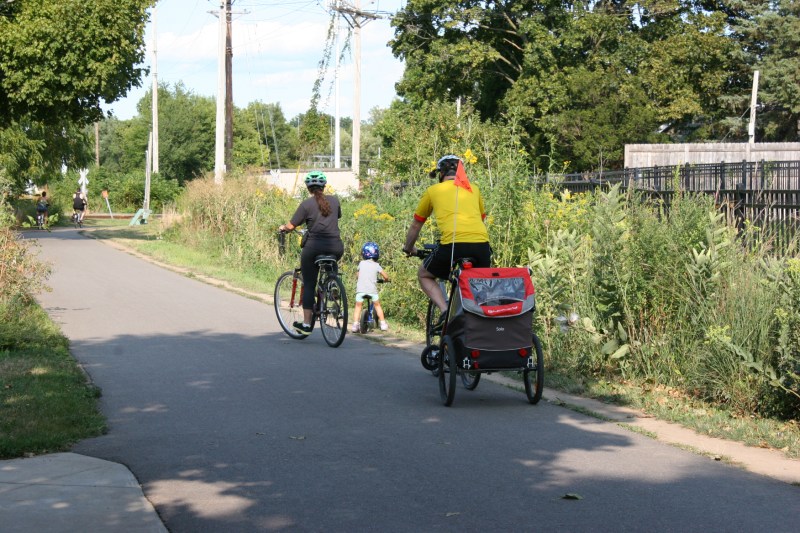
This view from my son’s apartment balcony shows the bike trail crossing the street and the residences alongside.


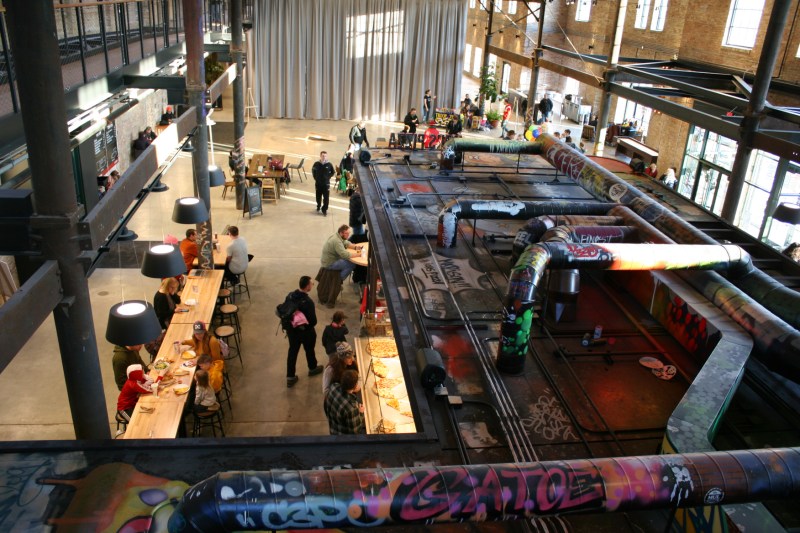
Inside the restored historic Garver Feed Mill complex, now a gathering spot for food, entertainment and more in the Atwood Neighborhood. This photo was taken from the second floor, in mid-February, pre-COVID. Minnesota Prairie Roots file photo February 2020.


On a July trip to Madison, Wisconsin, to see family, Randy and I explored a block square residential area near our son’s apartment in the Atwood Neighborhood. This east-side area offers an appealing mix of single family homes, apartments and multi-family housing mingling with home-grown businesses. Add in the Olbrich Botanical Gardens, bike trails and Lake Monona and this part of the city presents an attractive place to live, especially for young professionals.


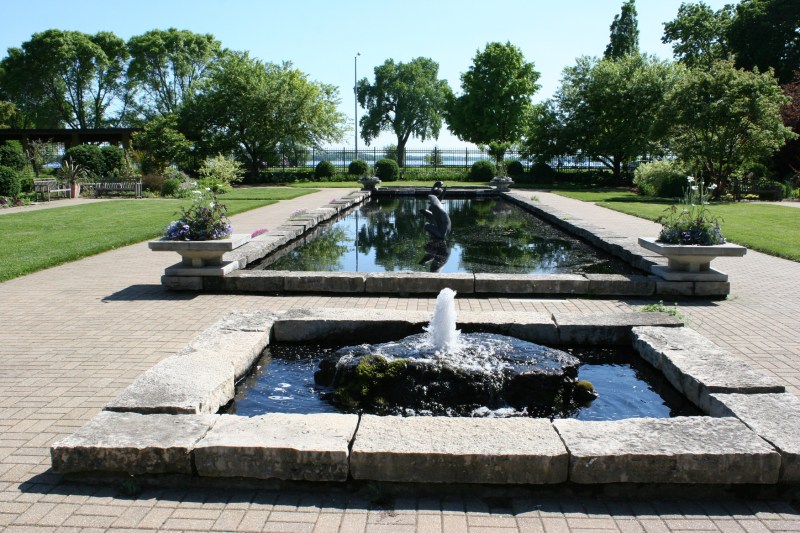
A water feature at Olbrich Botanical Gardens, Madison, Wisconsin, Minnesota Prairie Roots file photo May 2018.


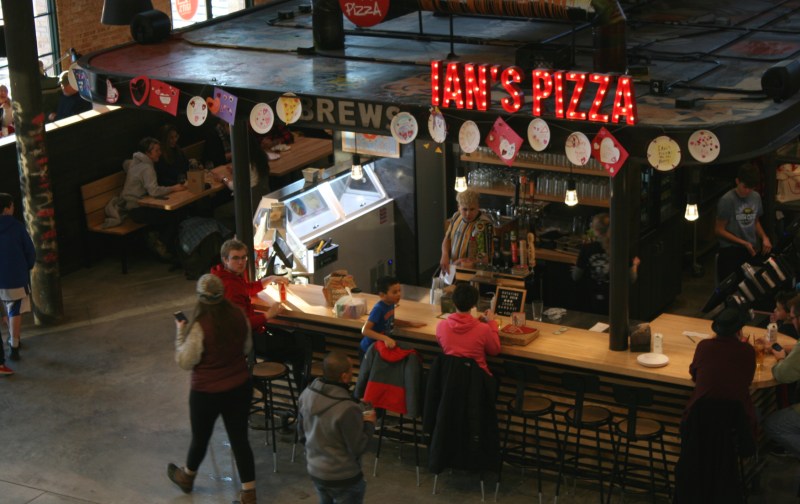
A pizza place located inside the historic Garver Feed Mill complex, photographed before COVID-19 related restrictions.. Minnesota Prairie Roots file photo February 2020.


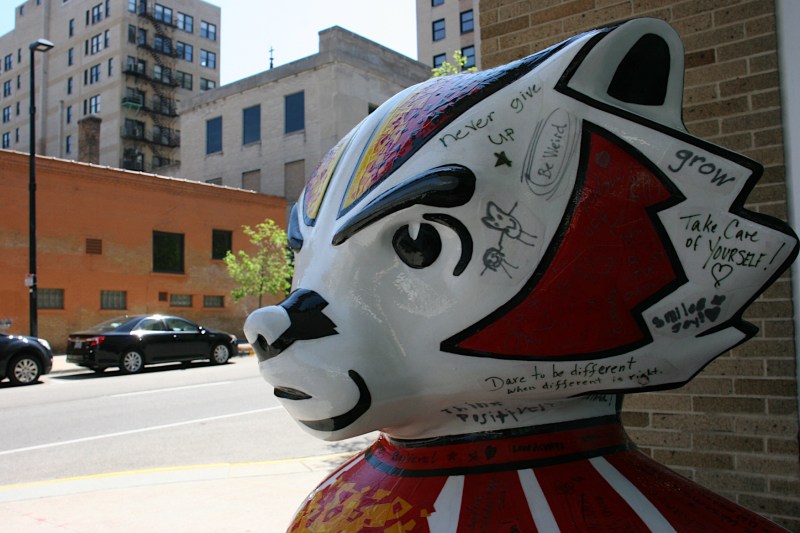
With UW-Madison located in the heart of downtown, you’ll find plenty of statues of Bucky Badger, the university’s mascot. Minnesota Prairie Roots file photo 2018.


Typically, Randy and I would explore Madison with our son, daughter and her husband. The city has much to offer in the arts, architecture, food and beverage scene, and the thriving Dane County Farmers’ Market centered around the state capitol (except now). But, because of COVID-19, we have limited our activities to walking. The daughter also lives next to a recreational trail on the opposite side of the city. Madison seems a model for getting around by foot or on two wheels versus solely by vehicle. Plenty of green space also defines this city.


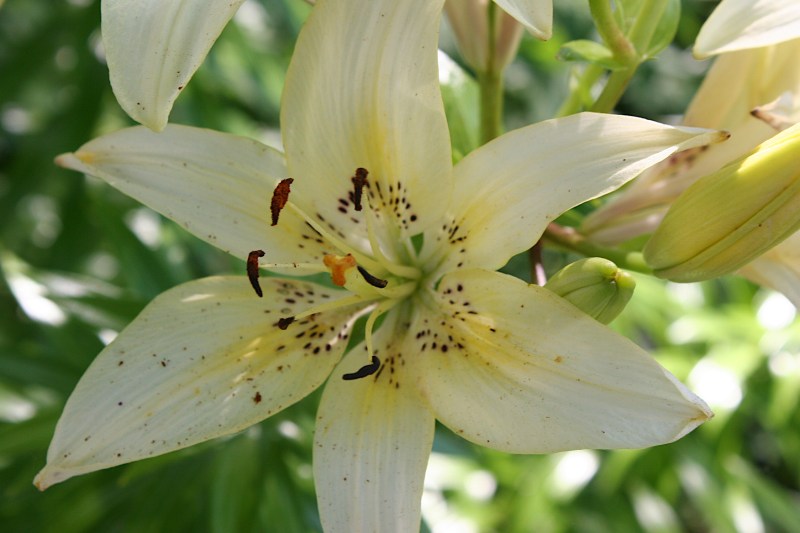
Lilies bloomed in one yard.


From our stroll around the block, I observed how residents value their neighborhood. That shows in well-kept homes and yards, with flowers aplenty replacing the typical lawn. I love that concept of filling one’s outdoor space with plants and flowers. It seems more environmentally friendly and artistically inviting than a manicured, chemical-laced lawn.


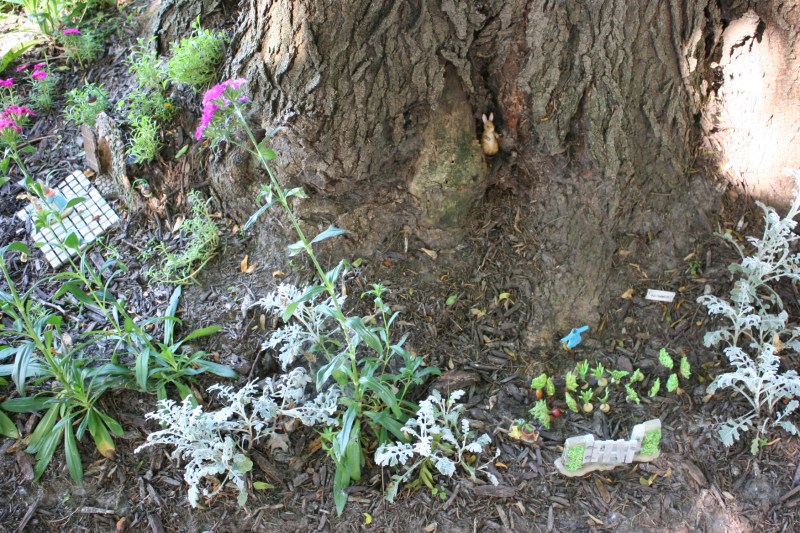
Among vibrant phlox at the base of a tree, a sweet mini garden.


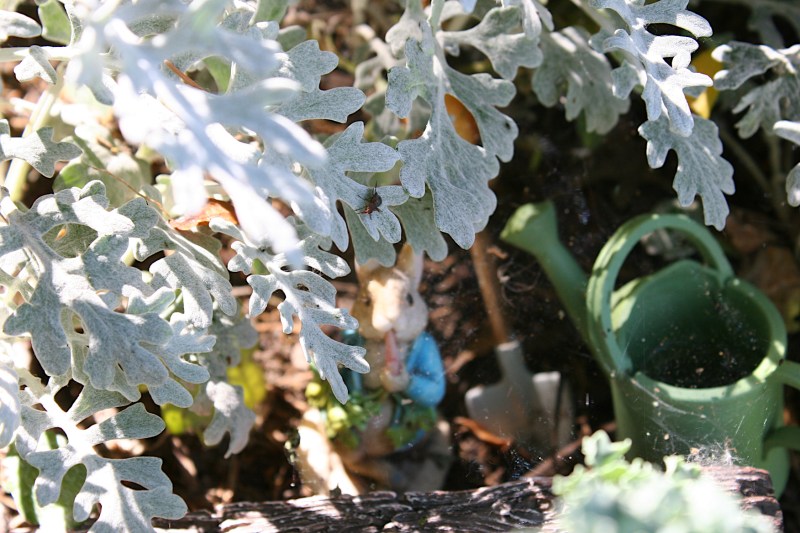
Through the Dusty Miller, I spotted a rabbit gardener.


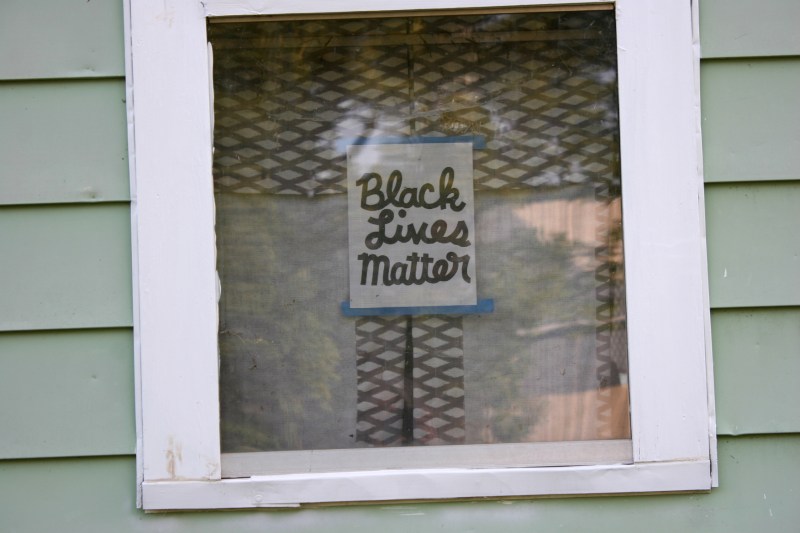
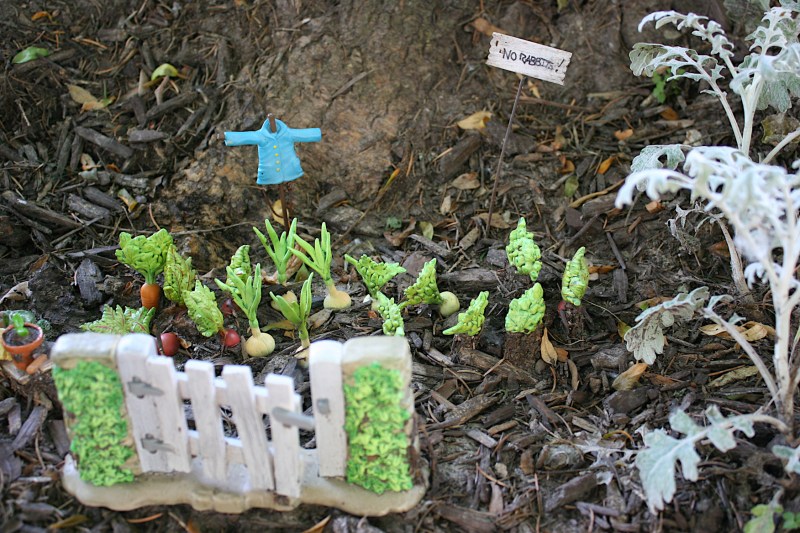
In a neighborhood where many homeowners post inclusive, welcoming signs, I found this mini garden with the sign that rabbits are not welcome.


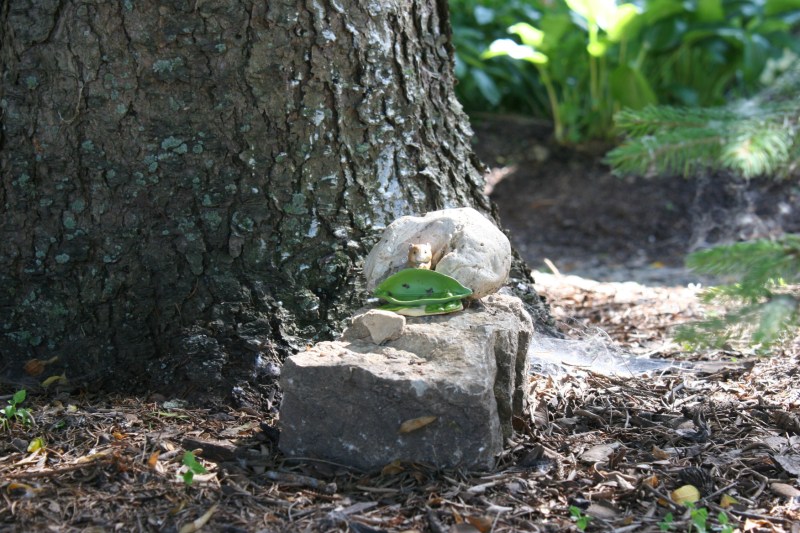
While taking in the nuances of the neighborhood, I discovered a sweet surprise in one yard. Mini garden art. Tiny scenes created with miniature figurines. Mostly rabbits. The unexpected find made me giddy.


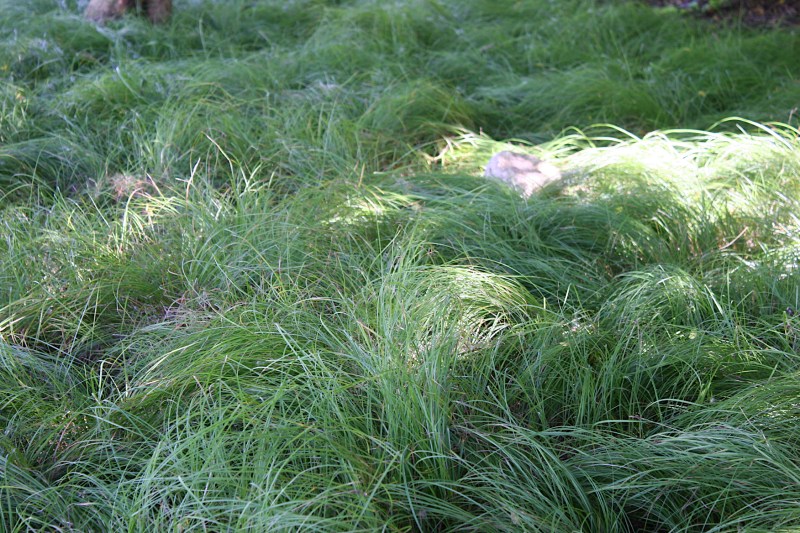
I love how this prairie dropseed grass rolls.


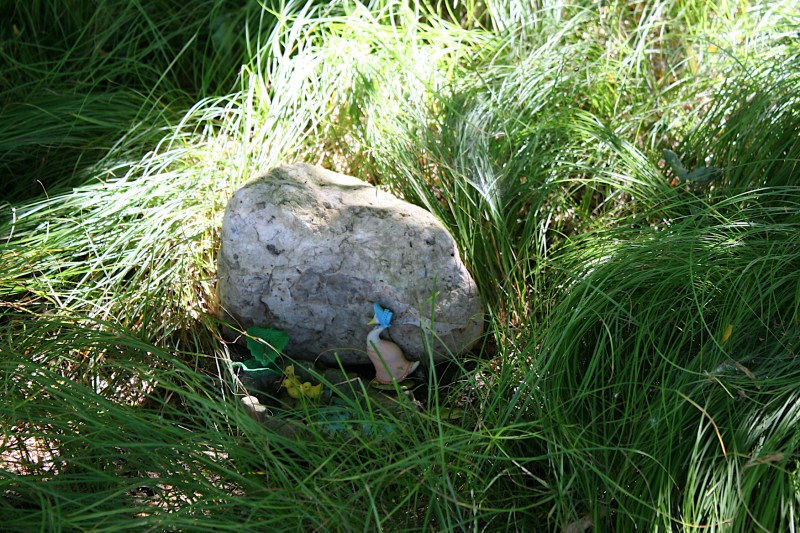
When I looked closely, I discovered Mother Goose and family in the spirals of grass next to a rock.


Together Randy and I scanned the yard, spotting these magical scenes among spiraling prairie dropseed grass, at the base of trees, upon and next to rocks. For a few moments I immersed myself in finding and then photographing the mini garden art, all the while almost squealing with delight.


I love this simple mini garden art.


Randy alerted me that the homeowner was watching through a window. I hope he understood, while watching, just how much I appreciated his efforts that brought joy into my summer afternoon.


This scene seemed especially fitting given the bike trail just across the street.


Sometimes that’s all it takes. A little effort. A little creativity. A little caring about your neighborhood and about others to make a difference.


The mini garden scenes in this Atwood Neighborhood yard provide a delightful moment of escape from reality.


Especially during a global pandemic.


© Copyright 2020 Audrey Kletscher Helbling

Please check back for more posts from a more recent trip to Madison.


Oh, so excited to see an Oscar Mayer wiener on wheels September 9, 2020

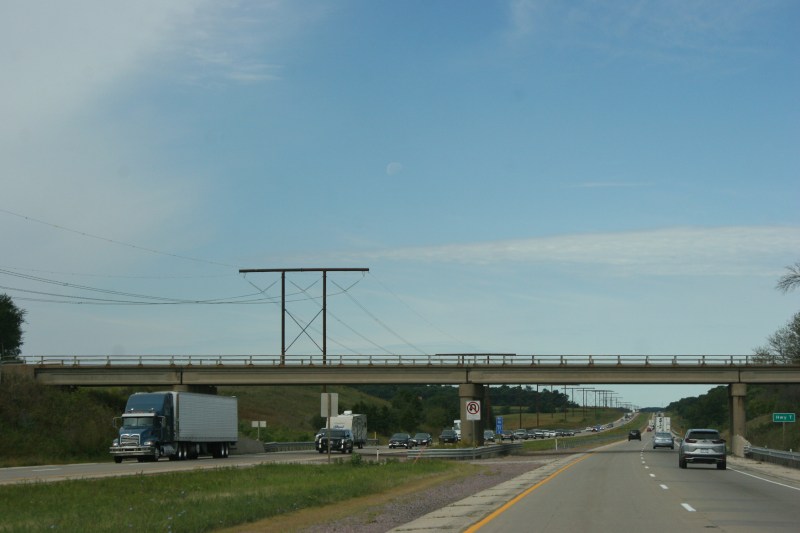
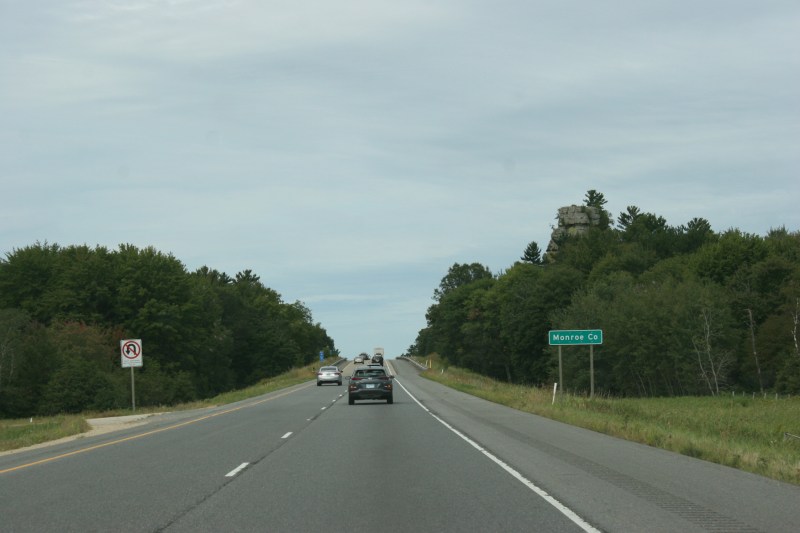
Heading into Madison, Wisconsin. Minnesota Prairie Roots file photo July 14, 2020.


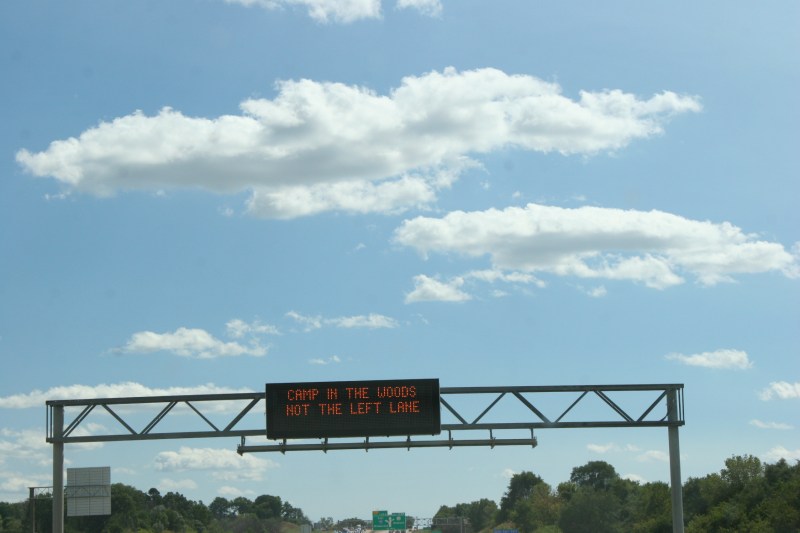
SO…WE’RE DRIVING along the interstate, entering Madison, Wisconsin, on a mid-July afternoon. Traffic is getting heavier. Drivers are weaving their vehicles in and out of traffic lanes. Trip after trip to this capital city we’ve noticed the increases in speed and aggressive driving as we near Madison.

But this time something other than the traffic chaos diverts our attention. Up ahead I spot a bright yellow vehicle with what looks like a hot dog atop the roof. Could this be…yes, it is, the Wienermobile.

Oh, I wish I were an Oscar Mayer wiener…

Remember that jingle? I expect you do. The catchy words and tune proved memorable, an advertising success in promoting hot dogs.


Minnesota Prairie Roots file photo July 14, 2020.


On this summer day, one of six Wienermobiles circulating throughout the US is here, perhaps for a stop in Madison or on its way to Milwaukee or even Chicago to the east. I don’t know. But I smile at the sight of this American icon.


In Dane County, Wisconsin, location of the state capital, Madison. Minnesota Prairie Roots file photo July 14, 2020.


The sighting led me to research the 27-foot-long Wienermobile, first created in 1936. That includes one crafted in Madison in 1969, recently restored and now under ownership of the Wisconsin Historical Society. Too big for the Society’s museum, the iconic “Old Number 7” Wienermobile will be displayed outside the downtown Madison museum during special events and also shown elsewhere in the state.


Minnesota Prairie Roots file photo July 14, 2020.


Up until the closure of the Oscar Mayer plant in Madison in June 2017, that Wienermobile stood outside company headquarters. When Oscar Mayer’s parent company, Kraft, merged with H.J. Heinz Co., corporate restructuring resulted in closure of the Madison facility. A local business staple for more than 100 years as a producer of hot dogs and lunch meat, this was a big loss to the city. The Madison plant at one time employed 4,000 people, but by 2013, only 1,300. Still, that’s a lot of jobs.

But, at least Madison kept its Wienermobile.

© Copyright 2020 Audrey Kletscher Helbling
 

Honoring Prince in Henderson September 3, 2020

This bronze statue of Prince, crafted by Brodin Studios in Kimball, Minnesota, focuses a Prince Memorial Garden in Henderson, Minnesota.


MY CONNECTION TO THE MUSICIAN Prince, of Purple Rain fame, stretches back to my stint as a news reporter for the Owatonna People’s Press. The girlfriend of my then co-worker Roy was an extra in the movie. In a crowd scene, probably, although I’m uncertain. I don’t recall her name, but she was a quiet and beautiful young woman with hair the color of corn silk.


The mural (painted by Moises Suriel) and a memorial bench were the first installations in 2018 with the statue added recently. Donations from fans primarily funded the project.


Fast forward to 36 years after the release of that 1984 movie and I found myself in Henderson, where a memorable scene from the movie was filmed on the banks of the Minnesota River. I’ve not seen the movie nor am I familiar with Prince’s music, other than “Purple Rain.” Still, I recognize his value as a musician and his worldwide popularity. He’s an important part of Minnesota’s performing arts history and a draw for those who are fans.


An overview of the Prince Park in downtown Henderson, located at 522 Main Street/Minnesota State Highway 19 and next to the busy Henderson RoadHaus, a bar, restaurant and event center (and popular with bikers).


For those reasons, I wanted to photograph the latest tribute to Prince, a lovely pocket park in the heart of historic downtown Henderson. The park focal point is a life-size bronze statue of Prince set against a backdrop mural. Purple petunias, purple benches, even a purple mailbox (with guestbook inside) frame the garden honoring Prince Rogers Nelson.


Up close with Prince, in bronze.


On the Saturday afternoon I visited, Joel King, president of Prince Legacy Henderson Project Inc., presided at the site, purple folding chair open on the sidewalk next to his vehicle. He worked as a cameraman for Graffiti Bridge (the sequel to Purple Rain), has a long credit history in filming and now lives in Henderson. He introduced himself as the man behind the Prince memorial and offered plenty of advice on photographing it. Ever the cameraman.


Another look at the Prince memorial.


I got a few photos; not as many as I wanted. I decided I would do better to return on a day when no one is around, when I can take my time photographing this homegrown Prince Garden, when Henderson isn’t teeming with people…


This billboard stands along the northbound lane of Interstate 35 in Faribault, which is about an hour from Henderson. Paisley Park is only a 40-minute drive from Henderson.


FYI: This Friday, September 4, The Relief Sessions Summer Concert Series in Burnsville honors Prince during a “Celebrating the Music of Prince! LIVE!” session from 7:30-8:45 pm by Chase & Ovation. The group bills itself as presenting the “World’s Premier Prince Tribute Show.”

TELL ME: Have you heard Chase & Ovation or seen the Prince park in Henderson or toured Prince’s home and studio at Paisley Park?

© Copyright 2020 Audrey Kletscher Helbling
 

From milling flour to drinking whiskey in Rice County, history tour Part II August 25, 2020

At the ruins of an historic flour mill in Dundas, a kiosk provides historical info, including this map of flour mills in the area.


RICE COUNTY IS RICH IN HISTORY, especially in historic buildings. I value that about this region of Minnesota. I appreciate that many aged structures remain, well cared for and treasured. I appreciate, too, those who share their knowledge of the past.

I grew up 120 miles west of here, on the prairie. Given the difference in landscape and settlement time and other factors, the history of southwestern Minnesota differs considerably from southeastern Minnesota. I am still learning about Rice County, the place I’ve called home for 38 years.


Vintage vehicles were among those on the history cruise, here at Christdala Swedish Lutheran Church near Millersburg.


On Saturday I expanded my understanding of this area by attending the first ever “Cruising Rice County History” tour, an event that took attendees through the county to seven historic sites. In yesterday’s post, I covered three of those places—Prairieville Church, Nerstrand City Hall and Valley Grove Churches.


The Archibald Mill ruins are fenced to keep people from wandering onto the historic site.


Today we head west to the small town of Dundas, just outside of Northfield, and then even farther west to the even smaller settlement of Millersburg. Pre-tour, I was familiar with each point of interest on the cruise. But I still picked up tidbits of information either new to me or forgotten over the years.


A few walls remain of the once flourishing flour mill on the west side of the Cannon River in Dundas.


Kiosk info details flour milling history here.


Tour participants check in at the flour mill ruins, where they could learn more about Rice County flour mills from local historian Jeff Jarvis, Susan Garwood (director of the RCHS) or read printed info.


In Dundas, the ruins of a long-gone flour mill, destroyed by fire, focused the third stop. I learned of the mills the Archibald brothers, from Canada, built here around the 1860s along the banks of the Cannon River. Their flour was world-renowned and their flour patent eventually sold to what is now General Mills. It’s quite a history in a region once known for its flour mills. If only one remained…


The history cruise took us throughout rural Rice County. This farm field lies along Rice County Road 1 on the way to Millersburg from Dundas.


Before heading to the next stop, Randy and I picnicked at Memorial Park in Dundas. That left us a bit crunched for time as we aimed out of town along Rice County Road 1 past farm sites and farm fields to the Millersburg District #20 School House Museum. We’ve been here before, toured the museum.


The former Millersburg School now houses a museum operated by the Christdala Preservation & Cemetery Association. Exhibits include school and church items, tools and info related to the James-Younger bank robbery.


While we couldn’t go inside the schoolhouse, we could peek our heads in the door.


Appropriately, a bell sat on the check in station at the schoolhouse.


An historic marker outside the schoolhouse. You can also see the swings, remaining from the playground, to the right in this photo.


The back side of the historical marker outside the schoolhouse.


As the story goes, the Younger gang stopped for whiskey at the Millersburg store in September 1876 at the current location of Boonies.


But this visit I picked up some info not necessarily related to the 1881 school, but to the 1876 robbery of the First National Bank in nearby Northfield. Here, four members of the James-Younger Gang stopped for whiskey at the then Millersburg Store (today Boonies Bar & Grill across from the schoolhouse), stayed at the Cushman Hotel just down the road and the next day met up with fellow outlaws in Dundas.


Christdala’s defining steeple. The church is on the National Register of Historic Places. Randy and I recently picnicked on the front steps of Christdala.


I was delighted to find the doors open to Christdala Swedish Lutheran Church.


And on their way back from robbing the bank, the gang followed the same route, taking us to the next stop on our tour, Christdala Swedish Lutheran Church. I’ve also visited here many times, including just a few weeks ago. Swedish immigrants built this church in 1878 high atop a hill, spurred by the death of friend and neighbor Nicolaus Gustafson. He was an innocent bystander killed in a shoot out during the Northfield bank raid. Because the Swedish community had no cemetery, Gustafson was buried in Northfield.


Simple stained glass windows inside Christdala in colors of the Swedish flag.


Today you’ll find Gustafsons buried in the Christdala graveyard along with many others whose surnames end in “son.” This long-closed church was open during the history tour. Although I’ve previously been inside, I wasn’t about to miss another opportunity to step inside this small Swedish church, complete with Swedish flags and stained glass windows in the Swedish colors of blue and yellow.


One of the many displays inside the Rice County Historical Society Museum, this one honoring Native Americans who lived in the county.


The RCHS recently acquired metal art sculptures from Lockerby Sheet Metal, a long-time Faribault sheet metal fabrication company no longer in business. Those pieces are being restored. This knight currently stands in the museum entry.


On the historical society grounds are these two historic buildings: the Pleasant Valley School District #22 schoolhouse (educating children in Bridgewater Township in the late 1850s) and Holy Innocents Episcopal Church, built in Cannon City in 1869 and later moved here.


With time pressing to get back to (event sponsor) the Rice County Historical Society Museum in Faribault, Randy and I didn’t linger for long. We needed to turn in our poker run cards and look around the museum and grounds before everything ended. While Randy handed in our losing poker hand, I breezed through the museum exhibits and took a few photos inside and out.


Many of these historic places still exist thanks to preservation groups and history enthusiasts.


And I considered what a lovely day it had been. Out and about, enjoying and appreciating local history, thanks to the hard work and efforts of those who value Rice County history enough to preserve and share it.


Please check back for a follow-up post on an historic building I discovered in Dundas, and not on the tour, but with a powerful and timely message posted.

© Copyright 2020 Audrey Kletscher Helbling
 

From Lonsdale: Reading, ‘Riting & ‘Rithmetic August 21, 2020

My first view of the 3-R Landmark School, Lonsdale, Minnesota.


MANY TIMES I’VE BEEN TO LONSDALE, a small, but growing, community in far northeastern Rice County only a 30-minute drive from the metro. I’ve even stopped to shop at antique and thrift shops there. And, decades ago, Randy and I attended a wedding at Immaculate Conception Catholic Church.


But during all those visits, I’d never seen the 3-R Landmark School, once home to Independent School District #76 Lonsdale Public School. Until recently.


A view from the back of the school shows the bell tower cupola, chimney (is there a fireplace inside?) and the top of the second story fire escape.


A side and back view of 3-R Landmark School.


The bottom of the fire escape, left.


As is our habit on random Sunday afternoon drives, Randy and I set out from Faribault to explore the countryside and small towns. This day our route led us to Lonsdale, and eventually a turn onto Third Avenue Southwest. And there, smack in the middle of a residential neighborhood, sits a stately two-story structure complete with bell tower cupola and bell in place.


You can only imagine my excitement at this discovery given my fondness for historic buildings. This 1908 school, designed and built by Patrick Sullivan and on the National Register of Historic Places, is a gem. From the exterior, the building with long, lean windows appears well cared for.


I peered through the windowed front door, not seeing much except the sign advertising OLD SCHOOL HOUSE TOURS (No Food or Drink Please!). I wished I could get inside. But this visit I had to settle for an exterior tour and only imagine the Reading,’Riting and ’Rithmetic that happened inside this center of education.


Once the center of education in Lonsdale.


From those three “Rs” comes the name, 3-R Landmark School. I like that creative tag tracing back to the basics of education—reading, writing and arithmetic.


Near the schoolhouse, a water source.


I found little information online about this school, which one source says was abandoned in 1946, the other 1948. The City of Lonsdale acquired the school property in 1963 after the Lonsdale school district consolidated to become Montgomery-Lonsdale Independent School District #394.


On the grounds are two vintage lamp posts.


Lamp post details.


Additional information reveals that a grassroots nonprofit formed in the late 1970s to restore the old schoolhouse. That group apparently dissolved in the mid 1980s following the school’s re dedication in 1986. Today this historic schoolhouse houses a museum and is open occasionally for community events.


Trees frame 3-R Landmark School, which sits on a one-acre grassy site. Plenty of outdoor play space for kids back in the day.


Perhaps once COVID-19 ends, the museum will reopen and I can walk through the front door into a classroom of yesteryear.


RELATED: The Steele County History Center in Owatonna is currently offering an exhibit, Country Schools: The Beating Heart of Rural Community. I toured that exhibit in June and will post on it at some point.

This Saturday, August 22, from 10 am – 2:30 pm, the Rice County Historical Society in Faribault is hosting Cruising Rice County History, a tour that will take participants on a self-drive to seven historic sites in the county. Cost is $20 per vehicle. Maps will be handed out at the historical society in Faribault on Saturday morning.

© Copyright 2020 Audrey Kletscher Helbling
 

Montgomery’s new mural details this Czech community August 19, 2020

Filed under: Uncategorized — Audrey Kletscher Helbling @ 5:00 AM
Tags: , , , , , , , , , ,

A family views Montgomery’s updated mural by Victor A. Garcia.


PUBLIC ART, WHEN RESEARCHED, well thought out and created by talented hands, enhances any community. Montgomery, Minnesota included.


The new mural, recently installed in Montgomery.


Recently, this town of some 3,000 in Le Sueur County unveiled a new historic-themed mural done by former long-time Montgomery resident and artist Victor A. Garcia, now of Belle Plaine.


A close-up shot of the prior Montgomery mural, photographed around 2013. Minnesota Prairie Roots file photo.


The latest 40-foot long painting replaces a weather-beaten mural Garcia created about 25 years ago.


Montgomery’s main street, circa 1900. Overhead lights shadow across the mural.


A current day view of a section of downtown Montgomery. The mural is to the left, on a side street.


Like the previous scene, the new mural depicts a view of the town’s main street, First Street, around 1900. But this time, both sides of the street are included in the painting.


A “key” of sorts to the mural. And a thank you to supporters.


Kolacky Days honored in the mural.


Garcia also featured “Montgomery Identifiers” to search for in his artwork. Like kolacky. This Czech community is, after all, the self-proclaimed “Kolacky Capital of the World.”


Franke’s Bakery is among businesses incorporated into the mural.


My photo of Franke’s photographed from across the street, by the mural.


Right across the street from the mural sits Franke’s Bakery, a popular local source for this fruit-filled Czech pastry.


The artist’s signature and a “Redbird.”


Cardinals are also painted into the mural, honoring the former school mascot, the Redbirds, before schools merged and the mascot became the Titans.


The local newspaper gets a place on the mural.


A Czech flag and the Green Giant and many more details incorporated into the mural depict the history and heritage of Montgomery.


One of several names I spotted on the mural.


Garcia even added some personal touches in images and words.


One last look at the Montgomery mural on Ash Street.


This mural calls for close study, not just a quick drive-by or look. Next visit to Montgomery, I’ll take more time to study the details I missed. For it is in the details that we learn the intricacies of a community and its history. And grow to understand and appreciate that which defines a place.


FYI: This $20,000 project was funded and supported by the Southern Minnesota Initiative Foundation, The Montgomery Community Foundation, Prairie Lakes Regional Arts Council, individuals, businesses and more.

This concludes my series of blog posts from Montgomery.

© Copyright 2020 Audrey Kletscher Helbling
 

LaNette’s, more than a coffee shop in small town Montgomery August 18, 2020

Filed under: Uncategorized — Audrey Kletscher Helbling @ 5:00 AM
Tags: , , , , , , , , ,

A view outside LaNette’s Coffee Shop, 225 First Street South, Montgomery, Minnesota.


FOUR PLASTIC MOLDED CHAIRS in a blue that seems more beachy than rural Minnesota, angle outside LaNette’s Coffee Shop. Two women sit here, sip coffee, engage in conversation on this sunny summer Saturday morning.


A close-up of that kitschy cute cone art.


The occasional vehicle passes by or stops at the stop sign before crossing or turning onto First Street. LaNette’s anchors a corner on the south end of Montgomery’s main business district and is housed in a small brick building marked by smiling waffle cone art that identifies this as more than just a coffee source.

Besides a variety of coffees and bakery treats like muffins, cinnamon rolls and cookies, Owner LaNette also serves up ice cream in homemade waffle cones. I’ve yet to try any of her treats. Next visit.


Pat Preble won first place for “Old Barn” and “Cows in the Field,” both displayed in the front window of the coffee shop.


But this time in town, I’d already eaten my sweet for the day—from Franke’s Bakery just up the street. Instead, I popped into La Nette’s for a closer look at the art displayed in her front window as part of the local “Celebrating Farmers and Agriculture” Exhibit coordinated by the Montgomery Arts & Heritage Center. I asked LaNette if I could turn a barn painting by Pat Preble to photograph it. She quickly agreed.


An example of the art in LaNette’s.


I noticed the work of other artists showcased and available for purchase in LaNette’s shop. I love when local businesses support local artists. And writers, as noted by a Hometown Authors section in a wall display.


The inviting interior.


An antique doorstop keeps the front door open.


LaNette’s with mismatched tables and chairs, inviting sitting spaces, art, a few antiques, a pine plank floor and the aforementioned beverages and treats, has a comfortable feel of neighborliness. Of gathering with friends. Of catching up on family and town news. Of enjoying the often slower pace of life found in small town Minnesota. Of contentment.


A neon sign in the front windows signals that the coffee shop is open.


FYI: LaNette’s Coffee Shop is open from 6 am – 3 pm Monday-Saturday. Please check back for one final post from Montgomery tomorrow.

© Copyright 2020 Audrey Kletscher Helbling


Anything but prune & much more in Montgomery August 17, 2020

Popular Franke’s Bakery anchors a corner in downtown Montgomery, Minnesota.


SMALL TOWN MINNESOTA. What is it about our rural communities that holds my heart? Surely, my upbringing on a crop and dairy farm in the southwestern region of our state influences how I feel about rural places.


Farms and fields surround Montgomery.


But it’s more than that. I see in these communities, like Montgomery in Le Sueur County, a distinct character, a connection of people, an appreciation for the quieter life afforded to those who live in this ag-based area.


Art in downtown business windows showcases the town’s annual Kolacky Days celebration.


Fresh-baked kolacky are always available at Franke’s Bakery.


One of my favorite signs in Montgomery banners the 106-year-old bakery.


I’ve written about and photographed Montgomery many times. Each visit I notice the details that define this self-proclaimed Kolacky Capital of the World with its strong Czech heritage. Kolacky are a fruit-filled (sometimes poppyseed, too) Czech pastry, available at the century-plus-old Franke’s Bakery and elsewhere.


A quilt adorns an historic downtown building.


When I walk along First Street, the main street through the downtown business district, I always notice the historic buildings.


And the home-grown businesses, including multiple meat markets.


The Monty Bar is missing its corner signage, which I loved.


And, like many small towns, multiple bars. Montgomery also has a craft brewery, Montgomery Brewing.


Signs plaster the front of the Monty Bar, including this one.


But I also notice the signage that is distinctly Montgomery. Like the best place to buy Jell-O shots (the Monty Bar).


An historic building houses the Happy Hour Bar & Grill.


The Happy Hour lunch special on the day of my visit.


Or the lunch-time Sloppy Joe special at the Happy Hour Bar & Grill.


Signage marks the Rustic Farmer.


The inviting dining space in front of the Rustic Farmer along Montgomery’s main street.


It is this type of signage that reveals much about a town and its people. When I spot the event space, Rustic Farmer on Main, and later sit there at a patio table to enjoy a custard-filled sweet treat from Franke’s, I think on that name. Rustic Farmer. It fits this rural community.


Hilltop Hall is on the National Register of Historic Places.


The same goes for Hilltop Hall, an historic building perched atop a hill on the north end of downtown. It’s home to Posy Floral & Gifts and the Montgomery Arts & Heritage Center.


I photographed this puzzle at Herrmann Drug, where it’s available for purchase.


That center houses a small gift shop and heritage displays, including Kolacky Days celebration buttons. Photographer Sarah Dolejs designed a 513-piece jigsaw puzzle featuring a photo of a button collection. The puzzle is available in local businesses and online. Recently, organizers of this year’s virtual Kolacky Days held a “Jigsaw Puzzle Competition from Your Kitchen Table” to see who could assemble the puzzle the fastest. The winning time was 67 minutes by Team Sherman. They beat out Anything but Prune (a reference to prune kolacky) by a mere minute. The Poppyseed Posse (another reference to kolacky) and the Laughing Polka Ladies didn’t even come close to winning.


The town’s water tower is located near the Montgomery National Golf Club.


I love those creative names. They reveal a sense of humor, a sense of pride, a sense of appreciation for heritage and all that defines this town. This Montgomery, Minnesota.

#

A section of downtown Montgomery, including the popular eatery, Pizzeria 201, on the left. It’s located in the historic Westermann Lumber Office & House.


Please check back as I continue my series of posts from Montgomery. Upcoming posts will feature the community’s redone mural and a downtown coffee shop.

© Copyright 2020 Audrey Kletscher Helbling
 

Montgomery celebrates agriculture with art August 13, 2020

“Stop to Remember,” a pen and watercolor by Cami Vargo, was awarded third place in the show by judges Dale and Gale Looft. The art depicts her Great Grandpa Orville Richter’s 1965 Ford tractor.


THEIR ARTIST STATEMENTS are as compelling as their art.


Cami Vargo’s artist statement about her tractor art.


In a new exhibit, “Celebrating Farmers and Agriculture,” coordinated by the Montgomery Arts & Heritage Center, 15 artists share their deep love and appreciation for all things rural. Recently I viewed the 22 pieces of art displayed in the front windows of the arts center and businesses in the heart of this small Minnesota town.


One of two photos by Liz Krocak, this one titled “Apple Harvest Visitors.”


Through the screen window, you can read this artist statement by Liz Krocak.


Bold and beautiful stained glass art by Annette Stavos hangs in a window of Hermann Thrifty White Pharmacy. If the drugstore is open, go inside and view the art to see the sun shining through it. Another stained glass creation by Mona Grimm hangs in a window of Montgomery Chiropractic and was awarded second place in the show.


From cows to a rooster to a farm dog, from tractors to windmills, from barns to country scenes, the art showcases important aspects of rural life.


Constructed from cardboard by Brian Prchal, this is a replica of a modified 4020 John Deere.


Brian Prchal shares the stories behind his two art pieces.


And the stories that accompany that art are often deeply personal. Rooted in the land.


The Montgomery Arts & Heritage Center (right side of building), 206 First Street North on the north end of downtown.


In the ag display, 4-H buttons.


County fairs are an important part of rural life.


Before beginning my tour, I stopped first at the arts and heritage center to pick up a map and to view an exhibit of local ag-related memorabilia showing the importance of agriculture in this community.


The grain elevator complex in Montgomery.


Just down the hill from the arts center, grain elevators loom, a strong visual of ag’s local economic value. On the opposite end of town, the canning company processes sweetcorn. And on every border of town, homes or businesses adjoin farm fields.


Future Farmers of America, based at the local high school.


Recognizing 4-H in Le Sueur County.


Lots of signs downtown celebrate kolacky, a Czech pastry sold at Franke’s Bakery and Mackenthune’s Fine Foods.


Montgomery centers on agriculture and its Czech heritage as the self-proclaimed Kolacky Capital of the World. So it seems particularly fitting that the arts center would focus its new exhibit on farmers and agriculture. The project was funded with a Prairie Lakes Regional Arts Council grant and donations from the Bob and Mary Jo Loftus Foundation and Compeer Financial.


“The Nuts & Bolts of Farming” fits this tractor art crafted by Tyler Fromm.


Area artists clearly enjoyed the challenge of creating ag-themed art. I saw that in tractor art drawn, formed from string and nails, cut and crafted from cardboard, welded from nuts and bolts.


Pat Preble won first place for “Old Barn” and “Cows in the Field.” She incorporated a “Star of Heaven” quilt block into her barn art in honor of her mom, a quilter.


Stained glass. Batik. Wood. Photos. Quilts. So many different tools and styles and ways of creating art add to the interest.


This artist statement made me laugh out loud. Because of glare, I was unable to photograph Anna’s cow art.


The art honors pioneer women who pieced quilts, an uncle, farm wives… Liz Krocak writes in her artist’s statement, “Behind every good farmer is his wife, rolling her eyes.” Yes, humor even infuses some of the artist statements.


Glare made it really challenging to photograph Carol Ehrhardt’s entire cattle and windmill art. But I decided I like this image showing only the top of the windmill and the reflection of an aged building. Ehrhardt was awarded third place in the show.


Annette Stavos, who grew up on a hobby farm, honors her uncle. “My uncle was the real farmer and we helped him pick rocks and bale hay.”


A close-up of Susan Hayes batik art titled “Summer Fields.”


Susan Hayes, a city girl who married a farmer, writes. “…I’ve had first hand experience with agriculture and life on a small farm. It’s not easy getting up before 5 am to milk the cows or baling hay in 100 degree weather. She created a beautiful batik piece, “Summer Fields.”


A farm in the Montgomery area.


Anna Prchal expresses her love of rural life in these words: “The fresh air, hard work ethic and never having a dull moment there are the things I love most about the farm.”


The countryside near Montgomery.


For Kimmie Loranger, who once traveled with the carnival, worked as a nanny and waitress, and who was at one time homeless, living in rural Montgomery and now creating art “is the happiest I’ve ever been in my whole life.”


Tyler Fromm drew this picture of his “beloved farm dog, Buddy.” Oak siding from the corn crib on his family’s century old farm frames the art.


These are the stories that make this exhibit especially meaningful, especially touching, especially impressionable. This isn’t just another art show, but rather an expression of emotions with a rural perspective. Written. And showcased in art.


FYI: You can view this exhibit any time during the day as the art is visible from outdoors in front windows. Note that glare and reflections sometimes make seeing the art a challenge. The Arts & Heritage Center, however, is open limited hours from 2-5 pm Thursday and Friday and from 9 am to noon Saturdays. The exhibit runs until the end of November. Maps to the art locations are available from several downtown Montgomery businesses in addition to the arts center. Be sure to vote for your favorite for the People’s Choice Award. This blog post represents only a sampling of art in the exhibit.

Please check back next week for additional posts from my visit to Montgomery.

© Copyright 2020 Audrey Kletscher Helbling
 

Building on history in Montgomery August 12, 2020
Fire destroyed an historic building at 104 South First Street in downtown Montgomery during the early morning hours of July 29.
 

ANY TIME AN HISTORIC BUILDING falls, I feel a certain sadness. You can’t replace a structure built half a century, maybe even 100 years, ago. Stories and memories remain. But there’s something lost when a building crumbles, collapses, comes down, for whatever reason.
 

The long-time barbershop, a local gem, did not catch fire.


Recently, the small town of Montgomery—self-proclaimed Kolacky Capital of the World—lost one (possibly two) historic buildings in an early morning July 29 fire. The fire started on the second floor of a vacant building previously declared hazardous and slated for demolition in mid-August. The blaze then spread to an adjoining building which houses a plumbing and air conditioning business and an apartment. Main Street Barber, located in a diminutive building next door, was spared.


The fire site.


Just days after the fire, the smell of smoke still lingered. Barricades and a fence blocked access to the pile of rubble. As I photographed the scene, I considered the depth of loss to this Le Sueur County community. Locals with the Montgomery Historical Society have been inventorying and documenting the downtown in an effort to get historic district designation, helpful in attracting visitors. This was a snag in that process.


One of many historic buildings in Montgomery. Several are already on the National Register of Historic Places.


I recognize the importance of that historic district designation. According to the Minnesota State Historic Preservation Office, a historic district is “a geographically defined area with a concentration of historic buildings, structures, site, spaces and objects unified by past events, physical development or design.”


A snapshot section of Montgomery’s downtown.


No one needs to sell me on the historic beauty and connections in downtown Montgomery. The aged buildings are one of the reasons I love this small town. Every time I visit, I walk through the main business area downtown, photographing buildings and signs and whatever else draws my eye.


In the window of a downtown business, art promoting Montgomery’s Kolacky Days, held virtually this year. Kolacky is a Czech pastry.


But buildings do not define a place. People do. And I have always found the people of Montgomery to be incredibly welcoming. I appreciate their friendliness, their community spirit, their cohesive respect for their Czech heritage, their efforts to build Montgomery, even when buildings fall.

Please check back for more posts from Montgomery.
© Copyright 2020 Audrey Kletscher Helbling