Minnesota Prairie Roots

Writing and photography by Audrey Kletscher Helbling

When COVID-19 alters summer plans August 6, 2020

Filed under: Uncategorized — Audrey Kletscher Helbling @ 5:00 AM
Tags: , , , , , , ,

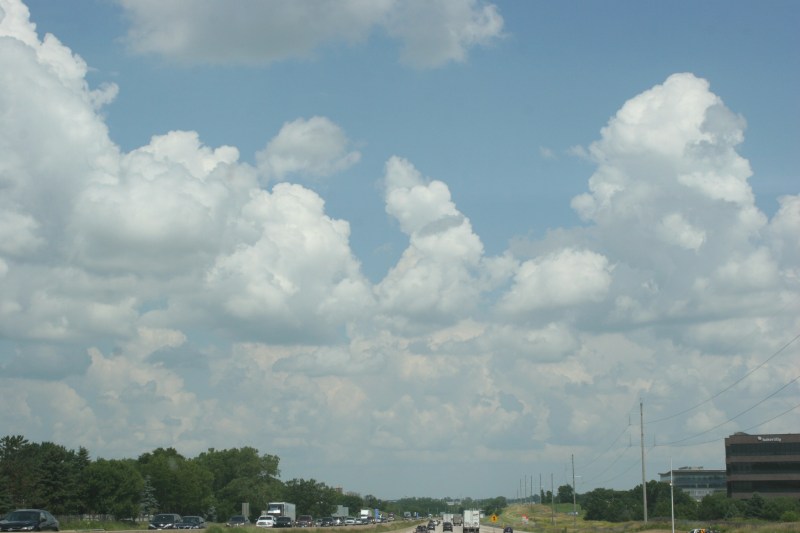
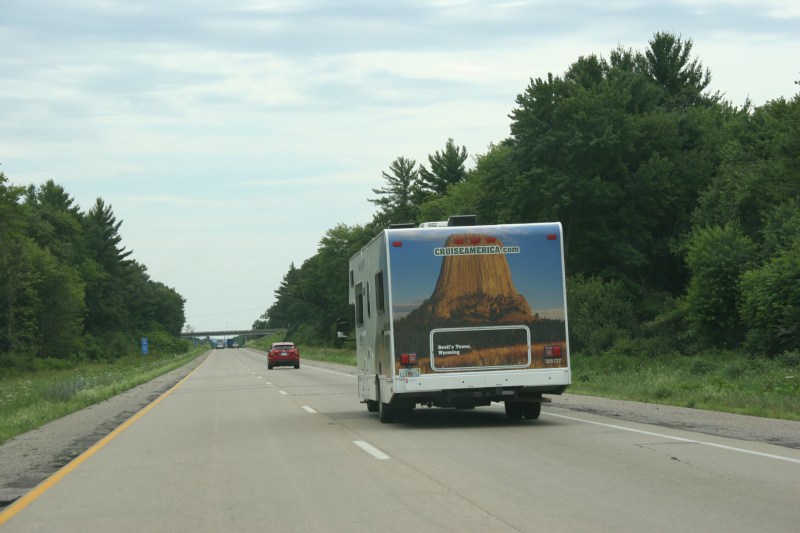
Nearing Madison, Wisconsin, in early July.


THIS WAS SUPPOSED TO BE our summer. The summer to explore. The summer of no broken bones and physical therapy and health crises. Three years in a row of challenges left us yearning for a good summer. Randy and I already had tentative plans to spend time in Madison—where two of our adult children live—and explore that region of Wisconsin.


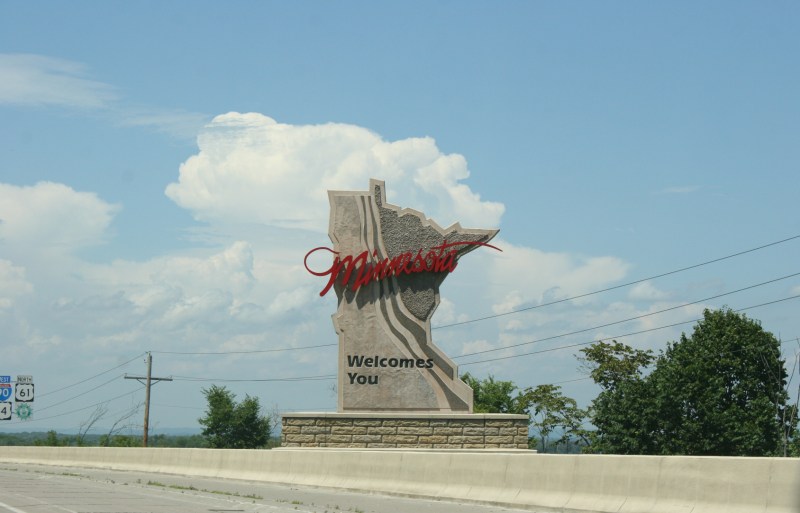
Plans to spend more time outside of Minnesota this summer changed. This sign is located at the entry point to our state near La Crosse, Wisconsin.


But then COVID-19 happened and all summer plans vanished. Poof. Just like that.


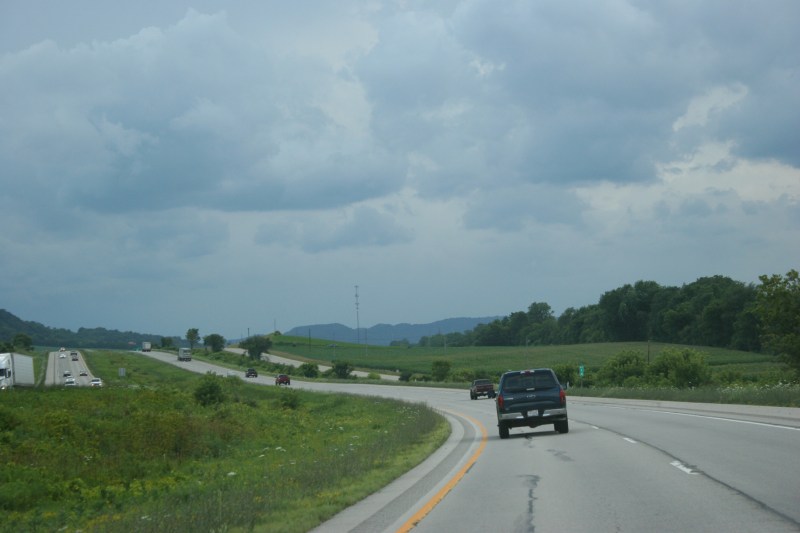
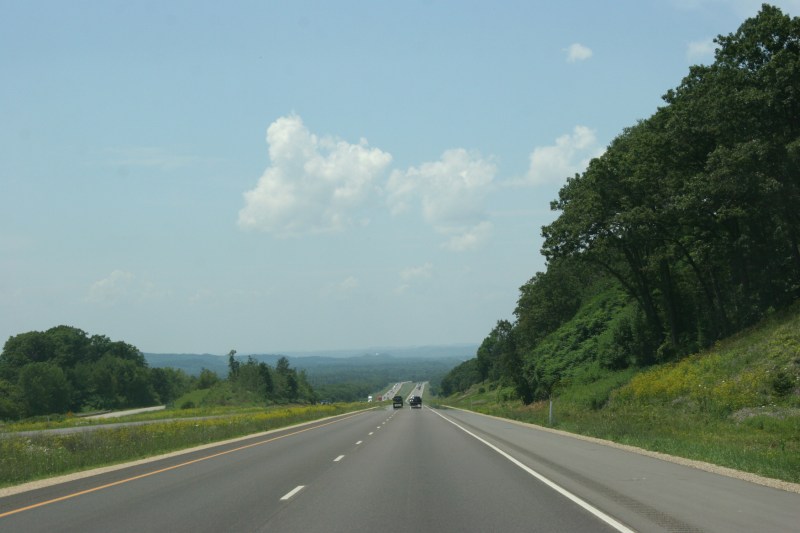
Along the interstate in Wisconsin in July, returning home to Minnesota.


Now, rather than discovering Wisconsin, we are simply traveling from Point A in Faribault some four hours to Point B in Madison. And once there, our activity is restricted to visiting with family. No touring museums. No dining out. No anything that will put us in contact with the general public.


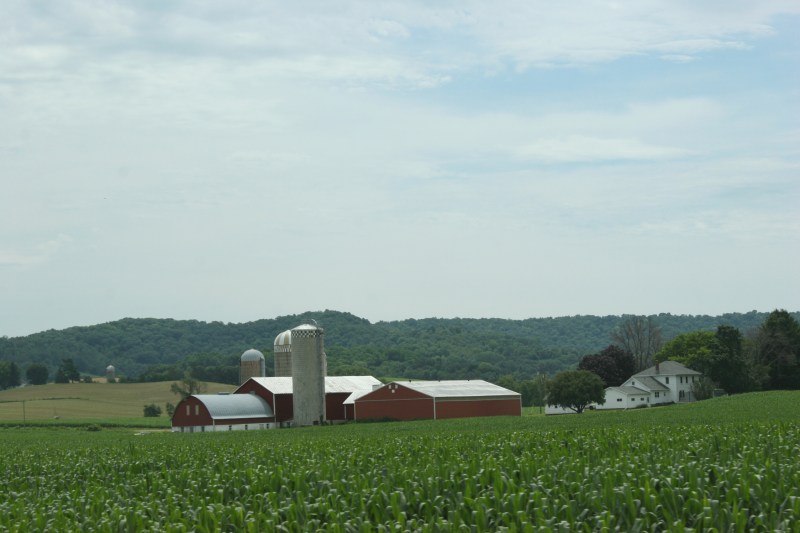
I never tire of appreciating and photographing the beautiful farm sites in the valley east of La Crosse.


Except we still have that matter of needing to stop at interstate rest stops en route and back. The newly-constructed one in La Crosse gets a gold star rating for easy access and overall cleanliness. The eastbound one near Mauston…won’t ever stop there again.


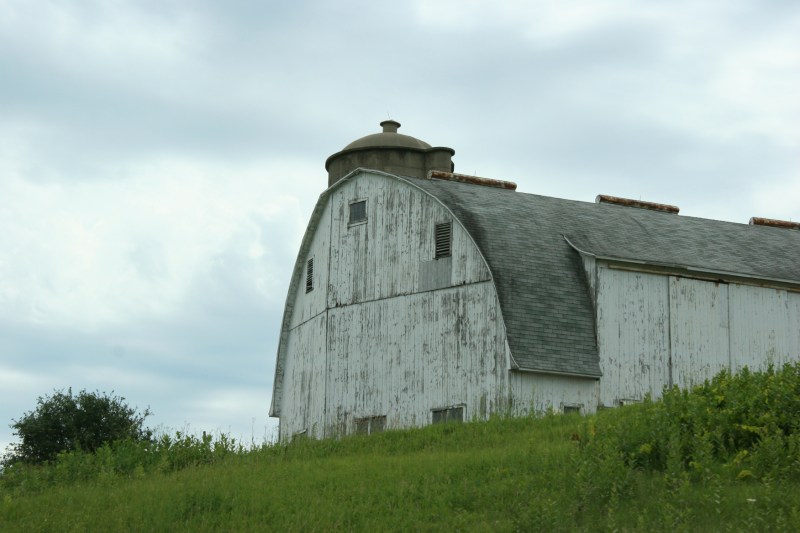
One of my favorite barns looms on a hillside along the interstate near Madison.


A longer trip like this also requires one gas up. While Randy filled the van in Madison, I went inside to grab a bottle of lemonade, and then waited in a long line marked with social distancing circles. Most customers were complying and wearing masks. (This was prior to Madison, and now Wisconsin’s, mask mandate.) But then two unmasked young men walked in and stood right next to me. I gave them a look, looked intentionally down at the social distancing circle and then back at them. They got the message and stepped away. No words necessary.


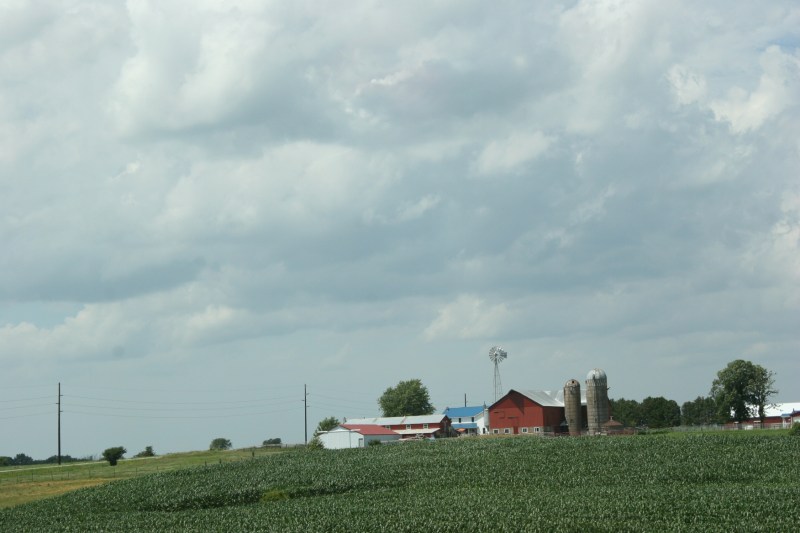
A farm in Amish country in southeastern Minnesota.


It’s interesting how, in a global pandemic, even stopping to get gas or pee or to picnic raises concerns and takes thought. And care. Masking up, grabbing hand sanitizer, dodging people… I’ve never felt so anti-social.


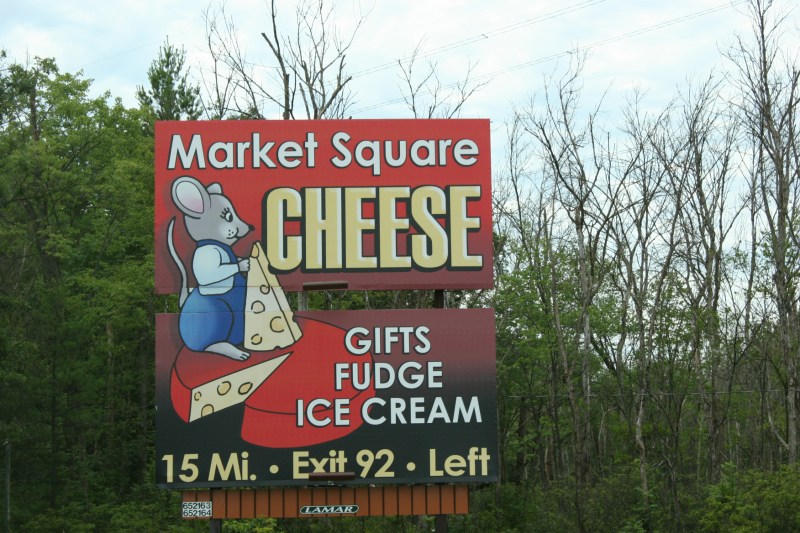
Wisconsin offers plenty of places to pick up cheese as seen on this interstate sign.


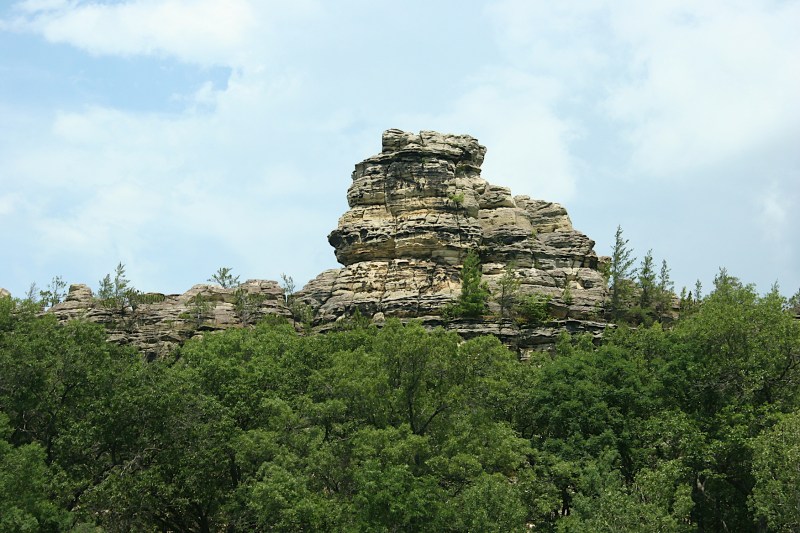
East of La Crosse and in the Wisconsin Dells area are particularly stunning rock formations jutting from the landscape.


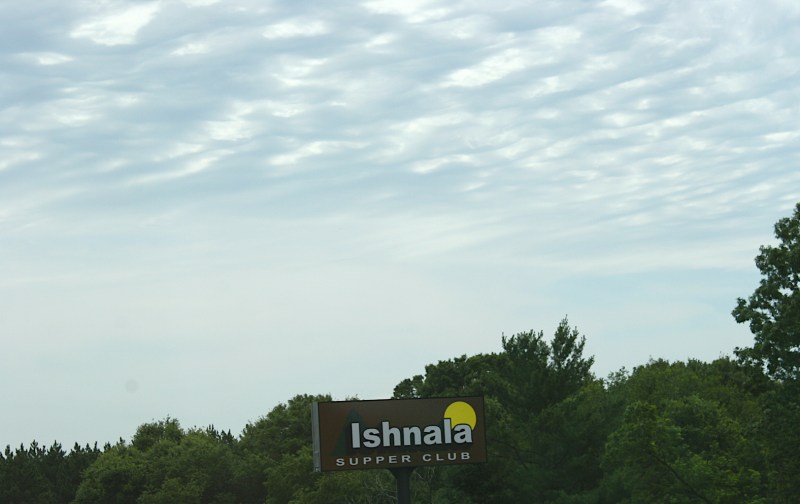
Anyone remember supper clubs? Every time I see this sign along the interstate, I think, “I want to dine there.”


All of that aside, wouldn’t you just love to hop in your vehicle now and drive away from it all? Drive to see loved ones. Drive to explore some interesting natural place you’ve never seen before. Dine out. Stop at cheesy attractions. And I mean that literally when it comes to Wisconsin. Or drive away into the future, when no COVID-19 exists.


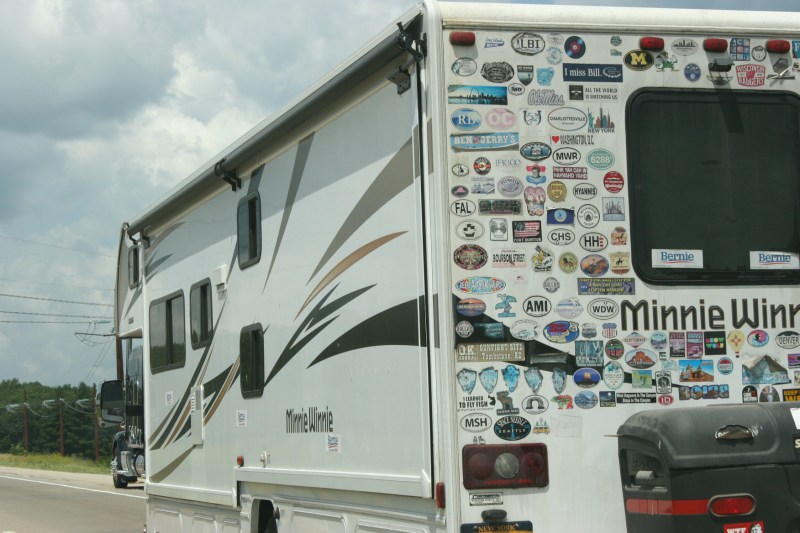
Look at all the places these campers have traveled.


Westbound on the interstate, nearing La Crosse.


More campers…saw lots of those in July on the interstate in Wisconsin en route to and from Madison.


I expect some of you have gotten away. Still vacationing. Still traveling. If that fits your comfort level and you’re being careful, then good for you. Just be mindful of mandates and quarantines and everything you can do to protect yourself and others.


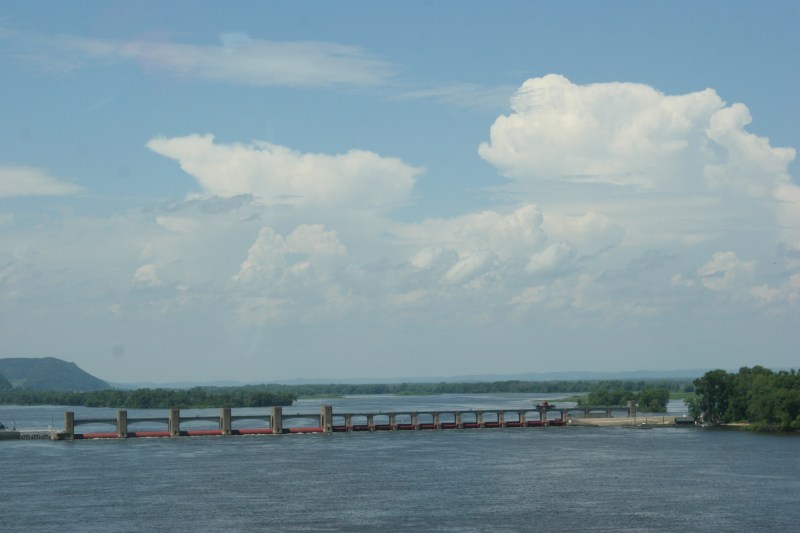
A lock and dam on the Mississippi River by La Crosse, on the river that separates Wisconsin from Minnesota.


Life goes on. Even in a lockdown. And as cranky as too many people seem over restrictions and shutdowns, I’m grateful for those requirements. Health and safety are more important than temporary inconveniences or sacrifices or whatever argument spewed. I don’t need to send more sympathy cards to friends who have lost loved ones to COVID-19. I’ve already mailed two.


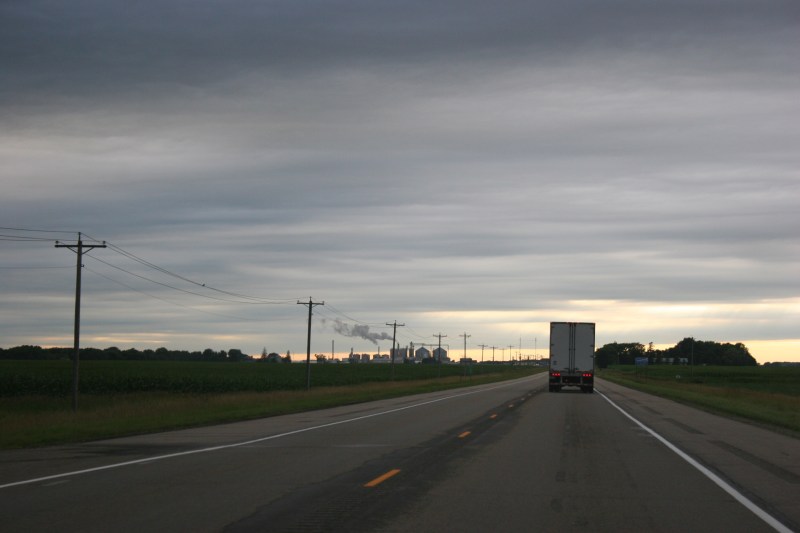
Nearing Claremont, Minnesota, as the sun sets upon our return from Madison.


Maybe next summer will be my summer to explore Wisconsin…


TELL ME: What did you intend to do this summer before COVID-19 changed your plans? Or did you continue as planned? If you could go one place right now, where would that be? How are you coping with everything?

© Copyright 2020 Audrey Kletscher Helbling


The nuances of Northfield keep me returning August 5, 2020

Beautiful historic buildings grace downtown Northfield, Minnesota.


NORTHFIELD. There’s so much to appreciate about this southern Minnesota community with the slogan of Cows, Colleges and Contentment. Cows honor the area’s rich agricultural heritage. Colleges reference the two resident colleges, Carleton and St. Olaf. And contentment frames the feeling in this riverside town rich in natural beauty, history, and a thriving business community and arts scene.


A view of the Cannon River in downtown Northfield from the flower-edged pedestrian bridge connecting riverside walkways.


Every time I walk along the River Walk aside the Cannon River or meander through the downtown on Division Street, I am struck by the sense of artistic vibrancy. The sense of care in this community. Pride. Hometown loyalty.


The display windows of Content Bookstore grab attention in vivid hues. I once participated in a poetry reading here.


I see this in shop windows with displays that are creative and eye-catching.


Poetry is stamped into sidewalks throughout the downtown district.


I read this in words imprinted in cement as part of Northfield’s Sidewalk Poetry Project.


One of several musicians performing last Friday evening at The Contented Cow Pub & Wine Bar.


I hear this in music performed outdoors at eateries.


Art showcased in the exterior lower streetside window of the Northfield Arts Guild.


I view this in colorful art.


At the Northfield Public Library, this sculpture is changed up to promote the U.S. Census.


Bold art.


You’ll find plenty of coffee shops in Northfield.


And a hometown bakery, Quality Bakery and Coffee Shop.


In neon lights marking businesses.


A personal note posted in a business that has closed.


In publicly posted gratitude.


Banners honor the Northfield High School graduates of 2020.


And banners that show each individual matters.


Novelty tees displayed in the front window of the Northfield Historical Society reference the 1876 bank robbery by the James-Younger Gang.


Photographed through the front window of MakeShift Accessories, a handcrafted bracelet.


Temporarily closed because of COVID-19, Antiques of Northfield is one of my favorite stops.


Northfield draws me back, as a writer and a photographer, to notice nuances of place. The rushing water. The home-grown art. The aged buildings in this community where locals, in 1876, defeated the James-Younger Gang during a raid at the First National Bank.


No longer the First National Bank, this historic building houses Merchants Bank. The original First National (site of the bank raid) sits across the street and houses the Northfield Historical Society and Museum.


Northfield is simply one of those towns when, each time I visit, I leave feeling better for having spent time there.

© Copyright 2020 Audrey Kletscher Helbling
 

Of gravel roads, barns & cornfields August 3, 2020

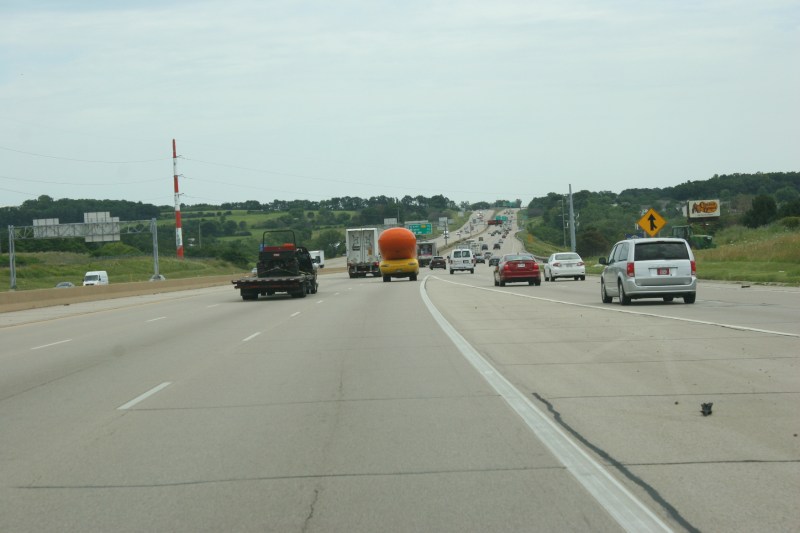
Rural Rice County, west of Faribault, Minnesota.


ON A SULTRY SUNDAY SUMMER AFTERNOON of oppressive heat and humidity, I needed to get out of the house. Away. Into the country. On a drive. It was too hot to walk, to do anything outside of air conditioning.


Steady rain the night before kept the dust down on gravel roads we drove.


Following back county and township roads in and around Faribault, Randy and I got the rural fix we needed. For me, the crunch of gravel upon tires and the washboard vibration of a road in need of grading.


The corn crop around here looks good.


I needed, too, to see cornfields stretching across the land, tassels flagging fields. My heart aches at the sight, for the missing of living in the country. Memories still root me there.


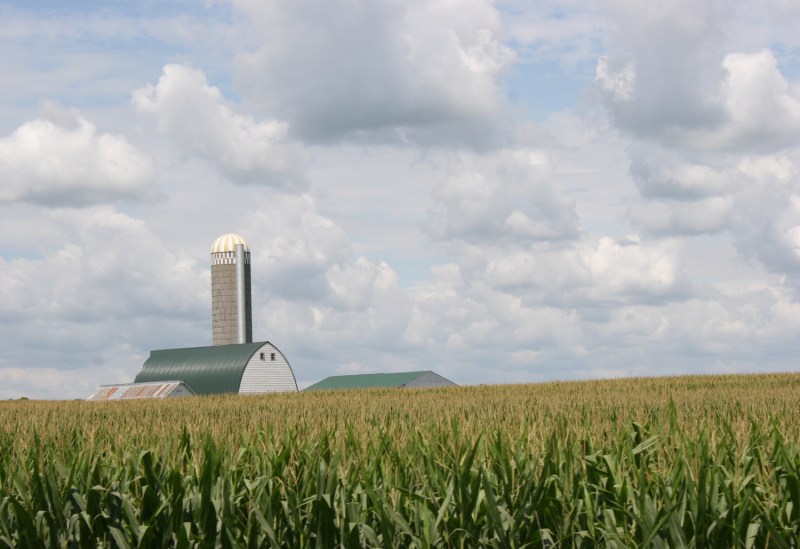
And then I spotted a barn flashing bold red into the landscape on the edge of Warsaw. I’ve long admired that well-kept barn.


Weaving through Warsaw, Randy reminisced about living there decades ago as we passed his former rental place. At the Channel Inn in Warsaw, we paused only long enough for a photo of the vintage signage.


Without my telephoto lens on my camera, I couldn’t get a good shot of these turkeys. But you can make out two along the treeline and one by the field. The rest went the other direction.


And then we followed more gravel roads, routes not previously taken, but which revealed a PIG HOTEL sign on a house. I missed that photo op, but I promise to return. I almost missed the wild turkeys edging the woods.


A bit further, I saw the cutest little brick barn. Solid. As good as new. Beautifully poetic in its construction.


Past a gravel pit and an unknown lake and farm sites set among fields on rolling land, we aimed back toward town. Past Ableman’s Apple Creek Orchard, a favorite, and a roadside sign reminding us that we are not alone. Ever.


© Copyright 2020 Audrey Kletscher Helbling
 

Walk, sit & then study Faribault’s history via educational benches August 1, 2020


“Faribault supports the military” themes a recently-installed bench.


SEVERAL DAYS AGO, I featured historic-themed benches recently installed in historic downtown Faribault. Well, more have been added to Central Avenue. And some I missed during my first walking tour. More are yet to come.

All 12-plus (I’ve lost count) highlight important aspects of my community’s history in images and words.


Alexander Faribault and the fur trade focus a bench on the north end of Central Avenue.


This depiction of Alexander Faribault trading with a Dakota trading partner stands in Faribault’s Heritage Park near the Straight River and site of Faribault’s trading post. Faribault artist Ivan Whillock created this sculpture which sits atop a fountain known as the Bea Duncan Memorial Fountain. Minnesota Prairie Roots file photo.


The home of town founder Alexander Faribault, located just a block off Central Avenue. Minnesota Prairie Roots file photo 2017.


One bench focuses on town founder, Alexander Faribault, and the local fur trade he began with the Dakota peoples. He was of French-Canadian and Dakota heritage. One of his fur trading posts eventually became the site for the town of Faribault.


Focus on downtown.


This mural on the corner of Minnesota State Highway 60 (Fourth Street) and Second Avenue, welcomes people to our historic downtown. Minnesota Prairie Roots file photo.


A 1950s scene along Faribault’s Central Avenue is shown in this mural in our downtown district. Minnesota Prairie Roots file photo.


Another bench shines a light on the core business area with Downtown: The Place to Be.


An historic photo of students and staff at the Minnesota State Academy for the Blind backs one bench.


Honoring a teacher and leader at the school for the blind.


Another bench highlights the Minnesota State Academy for the Deaf.


Across the river on the east side of Faribault, sit the Minnesota State Academy for the Blind and the Minnesota State Academy for the Deaf, schools still in operation and each getting their own benches along Central Avenue.


WASP Pilot Liz Strohfus, after whom the Faribault airport is named.


Finally, Faribault’s support of the military themes another bench that showcases WASP Pilot Liz Strohfus and Brigadier General Lewis Beebe, a veteran of WWI and WWII, a POW and more of notoriety.


The bench honoring the school for the deaf sits on the north end of Central Avenue.


There’s a lot of historic information to take in on these benches, a project coordinated by the Faribault Area Chamber of Commerce & Tourism and Faribault Main Street and supported by local businesses. My posts only summarize what you will discover on these locally-crafted park style benches that now enhance our downtown.


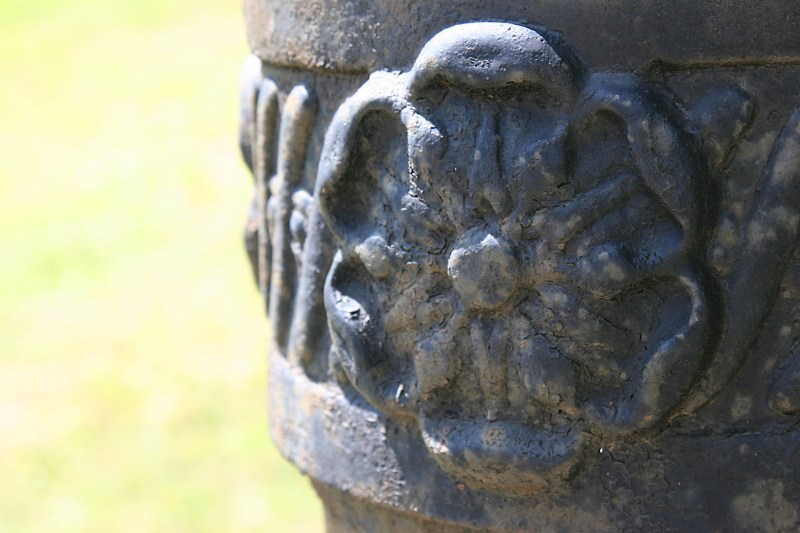
Here you see the fleur de lis symbol.


No detail is too small. On the bench ends, the branding symbol of Faribault—the fleur de lis—has been incorporated into the iron work. Depicting a lily, the symbol honors Faribault’s French roots.


Markers like this tag historic buildings throughout downtown Faribault. Minnesota Prairie Roots file photo.


There’s so much to learn about my southeastern Minnesota community from these benches. I invite you to walk along Central Avenue, sit for a spell, shop, admire the historic buildings, enjoy the many historic murals in the downtown core. Faribault truly is an historic gem. In so many ways.


© Copyright 2020 Audrey Kletscher Helbling

 

Along Wingra Creek: The natural beauty of Madison July 30, 2020

Wingra Creek, photographed from the recreational trail with the same name.


MADISON. My first impression several years ago of Wisconsin’s capital city remains unchanged. This is a place defined by water, lots of green space, an extensive recreational trail system and residents who love their Badgers, bikes, beer and cheese.


I took this photo in downtown Madison in June 2018. Love the buildings and vibrancy and walk-ability of this area, including the nearby state capitol. Minnesota Prairie Roots file photo 2018.


As I’ve explored Madison, pre-COVID, I’ve always felt comfortable. And that says a lot for someone who doesn’t really like big cities all that much. Madison maintains a minimum metro feel, yet offers all the amenities of a growing urban area. During past visits, I’ve spent time downtown—including inside the capitol, restaurants and art museums—and toured the Olbrich Botanical Gardens and more.


Another way to follow Wingra Creek, via paddleboarding.


Oh, the loveliness of sunset lighting when photographing a flowering milkweed.


A single wildflower stalk rises along the creek bank.


On a visit in early July, because of the global pandemic, I confined my activities to a stop at a frozen custard shop and to walking. One evening I grabbed my camera to follow a section of the Wingra Creek Path near my daughter and son-in-law’s home. The golden hour of sunset presented ideal soft-glow lighting for photos.


A flowering milkweed.


Flowers flourish along the grassy creek bank.


A patch of bee balm.


While the rest of the family walked ahead, I lagged, stopping to photograph the many wildflowers that grow along the banks of Wingra Creek.


I’ve learned to be vigilant while using Madison’s recreational trails due to the high volume of bikers. Because of a hearing loss, I often don’t hear them approaching from behind. And most speed by.


Occasionally a biker zipped by at a rate of speed which caused me concern. I recognized quickly that I needed to pay attention to activity around me and not get too lost in photographing this beautiful place.


Flowers, grass, trees, water, sky…


A coneflower.


Berries on a bush along the trail.


Had I not known I was in the middle of a city, I would have thought myself in the countryside.


Looking down Wingra Creek from a foot bridge linking to a park. The trail is to the left.


The tiniest of flowers I photographed.


The first wildflower photo I took on this walk and among my favorite for the perspective.


The water. The flowers. The lack of city noises. All define this recreational trail as a place to embrace nature.


A trailside reminder that we’re still in a global pandemic.


Dog walkers. Bikers. Families out for an evening stroll. Joggers. Us. Everyone simply enjoying time outdoors with subtle reminders that we remain in a world-wide health crisis. A sign reminding trail users to social distance. A discarded face mask littering the side of the pathway.


The trail passes through this tunnel.


But for a short while we mostly forgot all about the tunnel of COVID-19.


Paddling in Wingra Creek.


When we retraced our path and crossed a footbridge back to my daughter’s street, I almost missed the paddleboarder gliding under the bridge, so quiet was she. As I watched, I admired her skills.


Light filters softness into my floral photos.


And I thought, how peaceful this moment in the golden hour of a July sunset.


© Copyright 2020 Audrey Kletscher Helbling

 

Honoring Faribault’s history in a functional, public way July 28, 2020

Filed under: Uncategorized — Audrey Kletscher Helbling @ 5:01 AM
Tags: , , , , , , , ,

This shows a portion of Central Avenue, in Faribault’s historic downtown. Historic-themed benches now grace street corners.


MY COMMUNITY OF FARIBAULT is proud of its rich history, reflected most noticeably in our downtown historic district of primarily well-kept aged buildings. It is one of the aspects I most love and appreciate about this southeastern Minnesota city where I’ve lived since 1982.


This bench, on the south end of Central Avenue, is themed “Central Avenue, Heart of the City.”


The Central Avenue focused bench features a photo of a parade welcoming home WW I veterans.


Now another dimension has been added to the downtown with the street corner placement of park style cast iron benches that feature stories and photos on local history. Functional, educational and lovely.


A bench on the corner of Central and Minnesota State Highway 60/Fourth Street highlights government in Faribault, the county seat of Rice County, Minnesota.


Diagonally across the street, a bench focuses on milling in Faribault.


A close-up on the milling bench shows a flour mill that once operated here.


Sunday morning Randy and I walked along Central Avenue, pausing at each bench to read the brief text and view the accompanying images.


The Tilt-A-Whirl amusement ride was invented in Faribault and themes one bench. Two refurbished vintage Tilt-A-Whirls located downtown also provide photo ops for locals and visitors.


Details on the Sellner Manufacturing/Tilt-A-Whirl bench.


The restored Tilt-A-Whirl and themed bench are located by Burkhartzmeyer Shoes, a third-general family-owned shoe store, which includes a repair shop.


A project of the Faribault Area Chamber of Commerce & Tourism and Faribault Main Street, the business-sponsored benches provide a quick lesson in Faribault’s history. I was curious to see what topics would be highlighted. None surprised me.


Peony farms are an important part of Faribault’s history.


Likewise, Farmer Seed & Nursery, a long-standing business icon now closed, focuses a bench.


The “Famous People of Faribault” themed bench includes Heisman Trophy winner Bruce Smith, Red Jackson and Marlo Brandon (who attended Shattuck-St. Mary’s School). The local athletic field is named after Smith.


From milling to manufacturing (of the Tilt-A-Whirl), from education to floriculture, from famous people to noted buildings and much more, Faribault’s history is well-covered. I noted, though, that the fur trade, brewing history and Women’s Air Force Service Pilot Liz Wall Strohfus (after whom our airport is named) missing. But benches are in the works for those.


A broader view of Central Avenue, where the benches are located. This one is of Bishop Henry Whipple and Shattuck-St. Mary’s School.


This bench honors Bishop Whipple, important in founding Shattuck-St. Mary’s School and construction of The Cathedral of Our Merciful Saviour.


Thomas and Anna Buckham gifted a library to the city.


For anyone new to or visiting Faribault or even those who grew up here or have lived here for a long time (like me), I’d recommend a stroll along several blocks of Central Avenue to view these 12 benches. History is such an important part of a community in defining its identity. Past and present link. And sometimes it’s good to review that history, to understand and appreciate a place.


The restored Security State Bank clock is also an important part of Faribault’s preservation efforts.


This local graciously moved so we could look at the WPA bench.


Works Progress Administration projects in Faribault highlight this bench. Those include noted local landmarks like the Faribault waterworks, the viaduct and the Rice County Courthouse.


Parents, grandparents, educators, take the kids downtown Faribault for a walk and a quick history lesson. Along the way, notice businesses and how diverse our community.


Faribault’s newest mural, left, honors Bishop Henry Benjamin Whipple. The one to the right features the Faribault Pet Parade and was placed on the Central Park Bandshell several years ago. Minnesota Prairie Roots file photo.


This banner hangs in downtown Faribault as part of a branding campaign defining areas of our city. Minnesota Prairie Roots file photo.


Buckham Memorial Library. Minnesota Prairie Roots file photo.


Reflect on the stories you read on these benches and perhaps plan additional side trips to take in places highlighted. Also seek out the many historically-themed murals in our downtown core.


The talented artisans bench honors Grace McKinstry,internationally-known portrait painter, and woodcarvers Ivan Whillock and Marvin Kaisersatt.


Quarrying of limestone was once a major industry in Faribault and is evidenced in the many historic limestone buildings..


The WPA bench sits outside the local pawn shop.


I am grateful to those in our community who continue to preserve and showcase Faribault’s past. This bench project is just another example of how history is valued locally. History is, and always will be, an important part of our identity.


Several benches are currently unadorned, awaiting final art.


And today, the people who live and work here continue to write history for future generations as Faribault grows and changes.

#

FUN FOLLOW-UP FACTS:

  • Local and regional businesses crafted the benches, including Jeff Jarvis of West Cedar Studio, Morristown, leading the art work; MRG Tool & Die, Faribault, crafting the steel seats; Mercury Minnesota, Faribault, painting and assembling, Alliant Castings, Winona, creating the bench ends; and Sakatah Carvers, Signs and Creations, Faribault, ordering and applying the decals.
  • The bench end design is based on a set of antique bench ends.
  • Faribault’s identifying brand symbol, the fleur de lis, is custom reverse engineered into the bench ends.
  • A ribbon cutting and history walk around the benches is planned once the project is completed.

Facts source: Kelly Nygaard, Faribault Area Chamber of Commerce & Tourism

© Copyright 2020 Audrey Kletscher Helbling

Updated at 7:40 am July 29, 2020


Close-up in the Atwood Neighborhood of Madison July 22, 2020

Filed under: Uncategorized — Audrey Kletscher Helbling @ 5:00 AM
Tags: , , , , , ,

One of the many inspiring signs posted in the residential neighborhood where I walked a square block.


THE MESSAGES ARE STRONG. Powerful. Statements that express the beliefs of those who live here. In a section of the Atwood Neighborhood in Wisconsin’s capital city.


A view of the Atwood neighborhood, including the bike trail that crosses this busy street. The residential neighborhood photographed for this post is to the left (and unseen) in this image.


On a recent trip to Madison to visit our second daughter and her husband and our son, I walked a block-square residential area near the son’s apartment building on the east side. I chose that over following the bike trail since I suffer a hearing loss and often don’t hear bikers fast-approaching from behind. Madison has a great system of recreational routes. But strolling sidewalks feels safer for me as I take in my surroundings, sometimes pausing to take photos.


Charming homes and yards…with powerful messages posted.


I was delighted to find fairy gardens in one yard.


Vegetables grow in a watering tank along the boulevard.


In the block I walked near the trail, also near Olbrich Botanical Gardens and Lake Monona, I found plenty to photograph. This is a well-kept area of older homes snugged together. Most front yards overflow with flowers, including in one, sweet fairy gardens. Inviting front porches, decks and entries define these homes that truly fit the definition of charming.


A bold door carries a strong message.


This sign references the death of George Floyd in Minneapolis on Memorial Day, which prompted a movement.


A statement of beliefs outside another Atwood home.


In these mostly lawn-less properties, there seems a cohesiveness of pride and of people who care about others, about issues, about this place they call home. And beyond. I saw that in the many posted signs addressing current-day concerns.


Bowling balls make for interesting garden art.


Lilies burst color into one of many front yard gardens.


This typewriter garden art intrigued me. I wished I could roll a piece of paper into the typewriter and leave a message.


Among the lilies and the outdoor art—including a rusting vintage typewriter—I experienced a sense of neighborhood that expands into home-grown businesses like Monty’s Blue Plate Diner, Michael’s Frozen Custard, the Barrymore Theatre


In this photo, the message I quote below is posted in the sign to the far right, bottom.


And I heard, too, this overall general message: No matter where you are from, we’re glad you’re our neighbor.

© Copyright 2020 Audrey Kletscher Helbling
 

Up North at the lake cabin, Part III: Eagle watching July 18, 2020

Filed under: Uncategorized — Audrey Kletscher Helbling @ 5:00 AM
Tags: , , , , , , , , ,

This scene is familiar to those who spend weekends or vacation along lakes in central and northern Minnesota. “Up North,” as we say.


UP NORTH AT THE LAKE CABIN evokes, for many Minnesotans, memories of lazy summer days on the water, on the beach, on the dock. Fishing. Swimming. Boating.


Nearly in the top center of this photo, high in the treetop, sits one of the young eagles.


A sign posted on a pine identifies this as an eagle zone.


This juvenile perched here for the longest time.


But, for my family, which is just now making such memories thanks to a generous sister-in-law and brother-in-law who recently purchased lake land with a guest cabin and are welcoming extended family, Up North also means eagle watching. The lakeside property south of Cross Lake, came with resident bald eagles.


An eagle (s) flies along the lake.


And last week, while staying at the cabin, I spent plenty of time watching eagles. As did the husband, eldest daughter, son-in-law, granddaughter and, occasionally, the son. One evening, just as we sat down to our lakeside dinner, an eagle flew directly over us. Other times, we watched it from afar, circling around the lake, along the treeline.


One of the eagles spreads its wings in the treetop nesting area.


Sure, I’ve previously seen bald eagles. Soaring. Perched over roadkill. Flying just inches from the windshield of our van. In captivity at the National Eagle Center in Wabasha. Huddled among tree branches. But this was different. This time I was in their habitat with the eagles’ nest high in a pine just outside the guest cabin.


The eagles’ nest is well-hidden in the tall pine tree.


It amazes me that these majestic and massive birds can stay so well hidden. If my brother-in-law, Jon, had not pointed out the nest in the top of the pine in the fork of the driveway, I doubt I would have spotted it, home to two adult and two juvenile eagles.


A view of the less visible young eagle.


I certainly heard them, though. At feeding time. Jon occasionally needs to clean up fish remains under the pine.


The only photo I got of a parent eagle. This one was sitting in a tree next to the lake, a favorite perch, Jon said.


It became somewhat of a joke during our cabin stay that, every time I wasn’t carrying my camera or had my short lens (rather than my telephoto) attached, the eagles would show up or fly away. I don’t possess the instincts or patience of a wildlife photographer, something I’ve long known.


The massive nest, spacious enough for four eagles.


But I’m learning. And it was a joy to take my four-year-old granddaughter by the hand and race to the pine tree when we heard the screeching of eagles. I would point and Izzy would follow my finger to the nest. Sometimes we would see an eagle. Mostly not.


The two juvenile bald eagles, one born last year, the other this year. One is clearly visible to the left. The other is higher in the tree to the right.


Days after our departure, my sister-in-law texted with the news that one of the juvenile eagles had either fallen or been shoved from the nest, landing on bottom boughs of the pine tree. The young eagle freed itself, seemingly unscathed.


The statue still juvenile eagle.


These eagles are part of the story of this land, of this place by the lake, of our memories of Up North at the lake cabin.


This concludes my three-part series on my northwoods cabin stay. Please feel free to share your cabin memories.

© Copyright 2020 Audrey Kletscher Helbling
 

Up North at the Lake Cabin, Part II: Water, land & sky July 17, 2020

Filed under: Uncategorized — Audrey Kletscher Helbling @ 5:00 AM
Tags: , , , , , , , , , ,

The picture of a perfect summer day at Horseshoe Lake in the Brainerd lakes area.


UP NORTH AT THE LAKE CABIN in Minnesota writes poetry into summer days.


In water and land and sky.


Each sings with the relaxing rhythm of days that roll one into the other until dates are forgotten and the world seems to exist only among the towering pines.


Day fades into evening at the lake.


Poetry writes verses on the lake and in cloudless skies and skies heavy with clouds and skies tinged with the fiery and golden hues of day’s beginning and day’s end.


This family of loons swam and dove within view every day of our lake stay, of great interest to me since we don’t have loons in southern Minnesota.


A loon family and boat share the lake.


Loons call.


Boats cruise and buzz.


Water skiers fly across water’s surface.


Families laugh and talk. Reconnect. Make memories.


My 18-month-old grandson loved everything about lake life.


This is the poetry of Up North at the lake cabin. Sand between toes.


Grandpa (Randy) and granddaughter (Isabelle) check out the dock and lake.


Generations bonding.


Randy kayaking.


Solitary moments of gliding across the lake on a kayak or paddleboard.


The most memorable and creative watercraft I spotted.


Each experience, moment, scene writes poetry into summer days at the lake cabin. S’mores around the campfire. Dining lakeside. Spending every waking minute outdoors. Embraced by nature.


Water. Land. Sky.


Pine trees stretch tall and lean in the woods surrounding the lake.


Up North at the lake cabin.


© Copyright 2020 Audrey Kletscher Helbling
These photos were taken during a recent family stay at a Minnesota lake cabin. This is the second post in a 3-part series.


Up North at the Lake Cabin, Part I July 15, 2020

A view of Horseshoe Lake on a weather-perfect July day in Minnesota.


FOR MANY MINNESOTANS, summers at an Up North family lake cabin span generations. Not so for me.


The guest cabin sits just around the corner from this, the main year-round house. Both are northwoods Minnesota style.


But now, into my sixties, I am finally enjoying that quintessential summer experience thanks to the generosity of extended family who recently purchased lake property with a roomy guest cabin. They intentionally chose a place they could share with family. And I am grateful.


Isaac loved splashing in the lake. The water was clear, vastly different from the murky lakes of southern Minnesota.


For five days last week into this, Randy and I were joined by our eldest daughter and her family and our son at the cabin near Cross Lake in central Minnesota. To have that family time together in such an incredibly beautiful natural setting was a gift. A joy. A much-needed respite from reality.


The neighbors’ dock, a visual of relaxation.


Randy and I never left the lake place together until we left. No trips into town, mostly because of COVID-19 concerns. But Randy did surprise us with an unexpected Monday morning run to Valeri Ann’s Family Foods in Ossipee for her heavenly homemade caramel rolls. He got the last two.


We saw loons every single day of our stay.


Relaxing in the hammock strung lakeside in the pine trees.


Randy and Isabelle watch as the sun set reflects on the treeline across the lake.


We found plenty to do at the lake cabin. Time in and on the water. Time watching eagles and loons. Time fishing. Time dining lakeside. Time in the hammock. Time around the campfire. Time with the grandkids, ages four and 18 months.


A beached kayak awaits its passenger.


Our son, back in Minnesota for our family vacation, paddles into the lake.


The grandkids (and adults) loved the inflatable floaties.


There is nothing quite like immersing one’s self in the northwoods lake experience.


Grandpa and grandson lakeside.


I will always treasure hearing Isaac giggle at the fish wiggling on the end of Grandpa’s fishing line. I will always delight in watching Isabelle wiggle to her made-up “I Got the Wiggles” song on the lakeside deck. I will always cherish memories of walking outside at night with Randy and Izzy to show our granddaughter the stars. I will always remember seeing my eldest glide across the water on a paddleboard, her daughter sitting on the front.
 

One of the adult resident eagles in a lakeside treetop.


I will remember, too, walks down the long evergreen-lined driveway, the many minutes standing at the fork in the drive, neck craned to watch the resident eagles.


Grandpa and grandchildren follow the pine-edged driveway.


So many memories. So much happiness. So much peace.


Kid-sized chairs used by the grandkids.


And, for my grandchildren, the beginning of summers Up North at the lake cabin.


Please check back for more posts in this “Up North at the Cabin” series.

© Copyright 2020 Audrey Kletscher Helbling