Minnesota Prairie Roots

Writing and photography by Audrey Kletscher Helbling

Up North at the lake in Minnesota July 26, 2023

Filed under: Uncategorized — Audrey Kletscher Helbling @ 5:00 AM
Tags: , , , , , , , , , , , ,
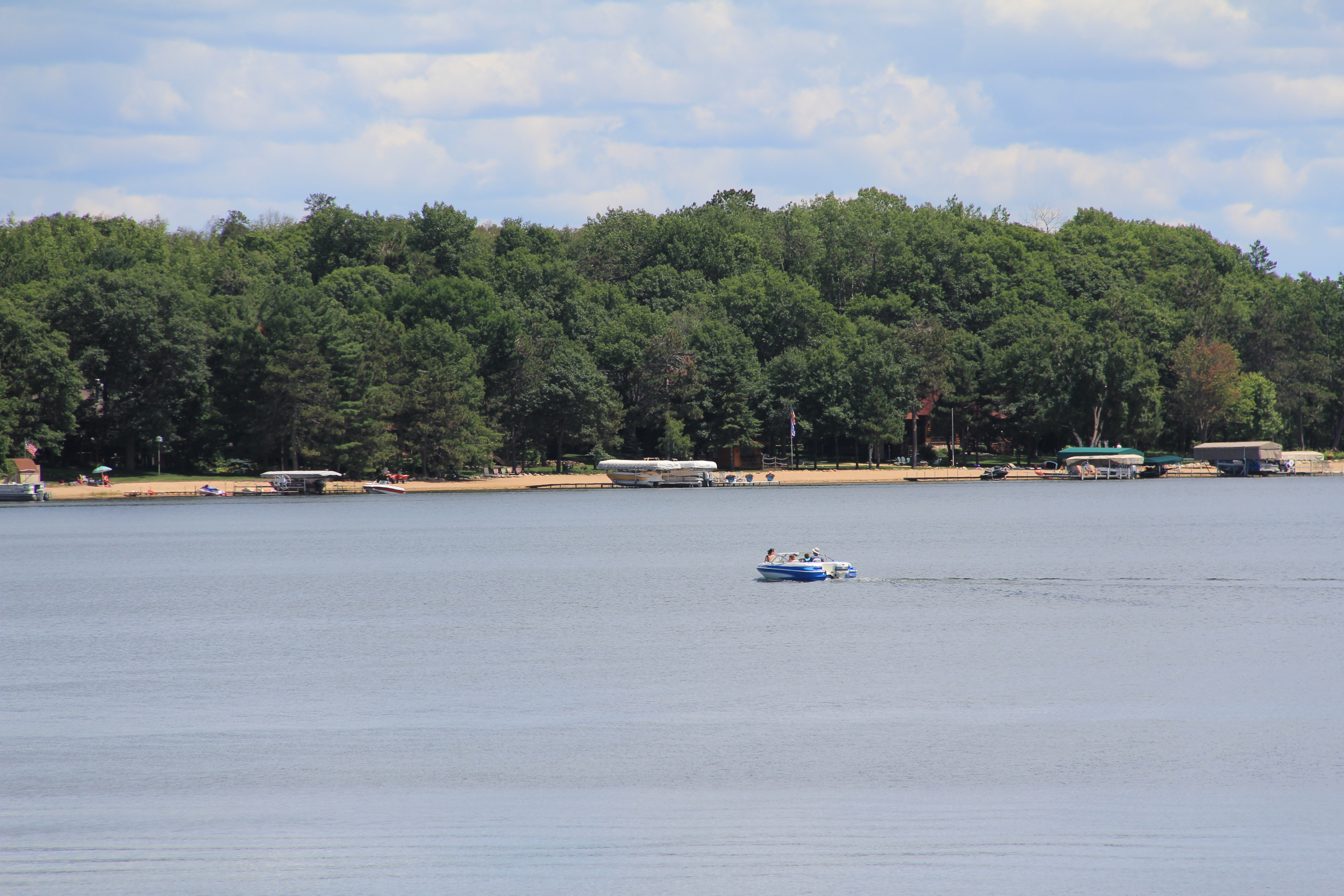
Horseshoe Lake, south of Crosslake in central Minnesota. (Minnesota Prairie Roots copyrighted photo July 2023)

WE LOVE OUR LAKES in Minnesota, dubbed “The Land of 10,000 Lakes.” In reality, our state has more than 10K, but that’s a nice, round, marketable number.

Recreational boating. (Minnesota Prairie Roots copyrighted photo July 2023)

And because we love our lakes so much, we spend endless hours enjoying them year-round, especially during the summer. I was well into my sixties before I experienced cabin lake life.

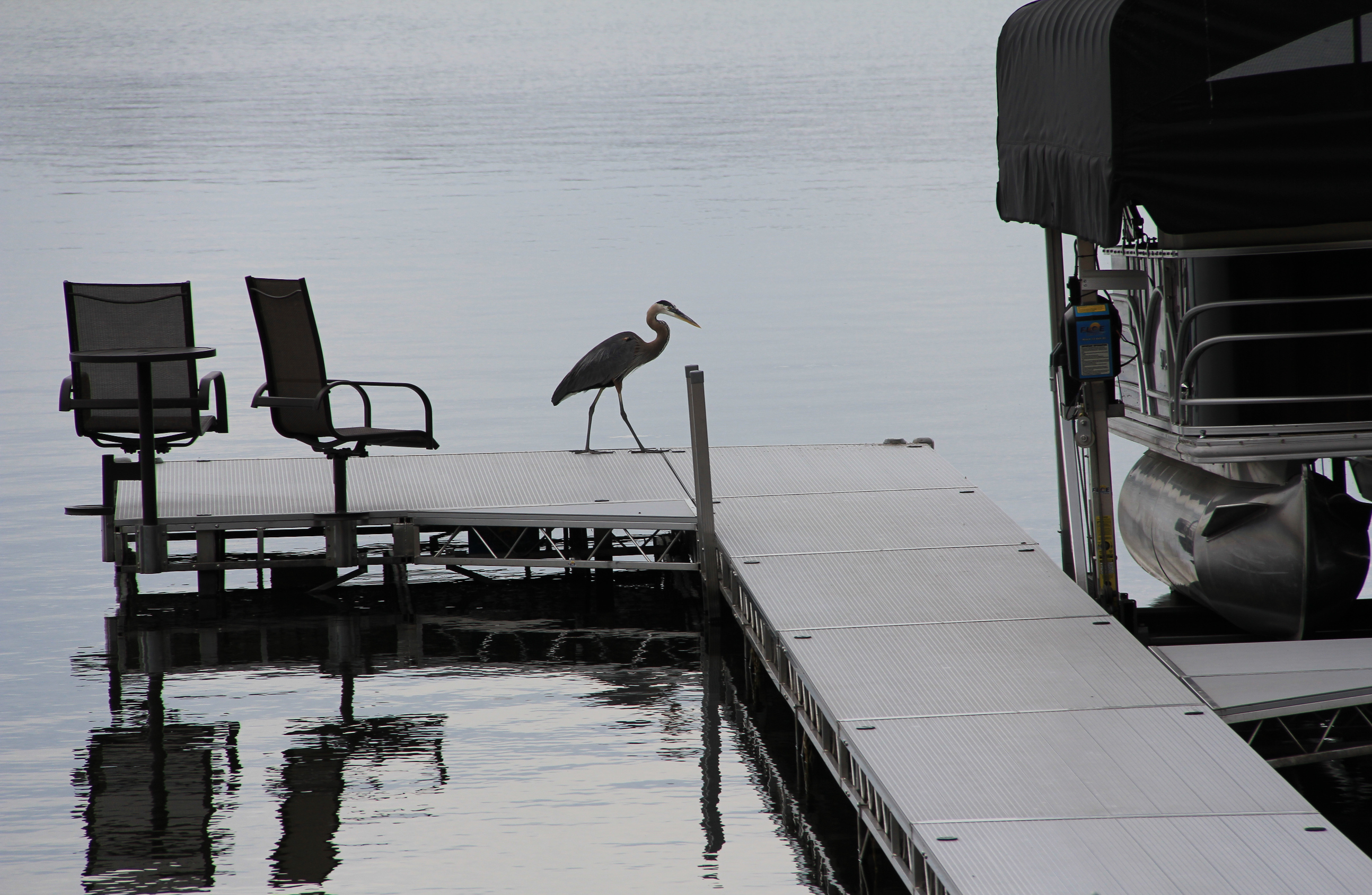
A blue heron walks the dock. (Minnesota Prairie Roots copyrighted photo July 2023)

Recently, Randy and I headed to a family member’s lake property south of Crosslake in central Minnesota, to us Up North since we’re from southern Minnesota. Randy’s youngest sister and her husband have graciously invited extended family to stay in their guest lake cabin. And each summer for the past several, we’ve made the four-hour drive north to relax at the lake.

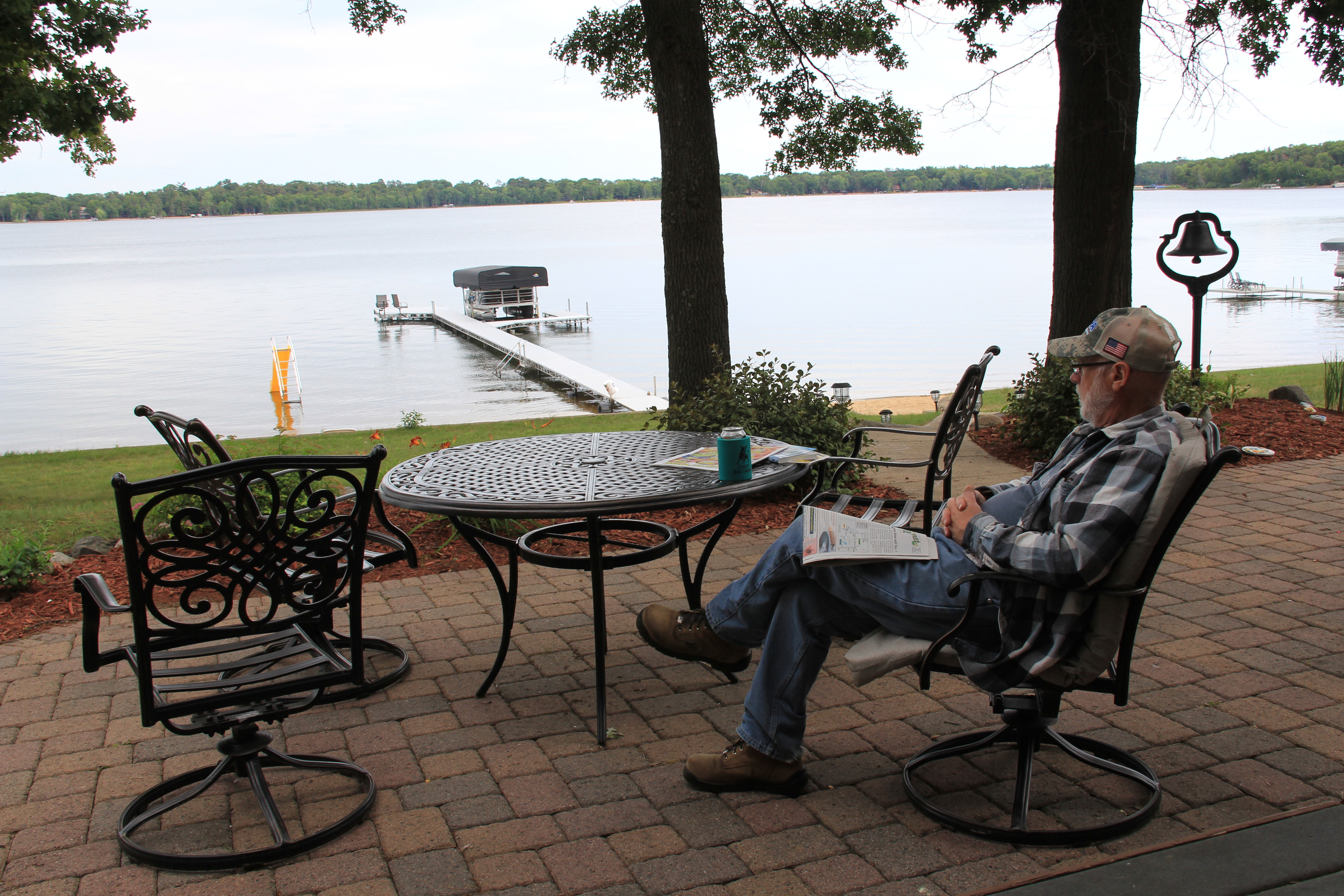
The lake experience is new for Randy also, relaxing on the patio on a cool day. (Minnesota Prairie Roots copyrighted photo July 2023)

As someone who grew up on a dairy and crop farm with only two childhood vacations in her history, none of them at a lake, these cabin stays have proven tranquil, relaxing and lovely in every way. There among the tall pines with a clear view of Horseshoe Lake, I feel such peace. Isolated. Disconnected from the world unless I opt to connect via my smartphone.

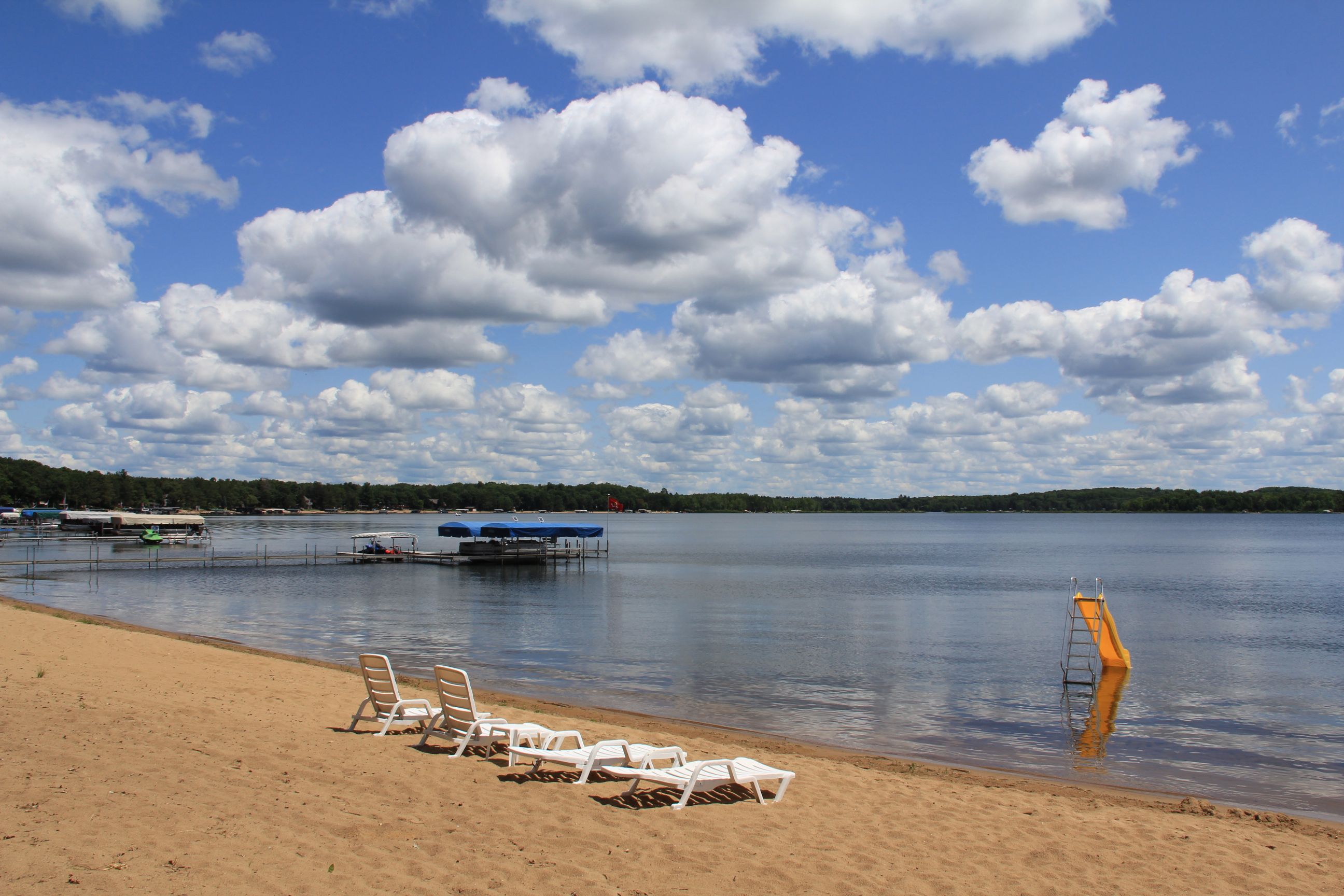
Lounge chairs line the beach. (Minnesota Prairie Roots copyrighted photo July 2023)

Time has no clock here. No schedule.

A loon on Horseshoe Lake. (Minnesota Prairie Roots copyrighted file photo 2022)

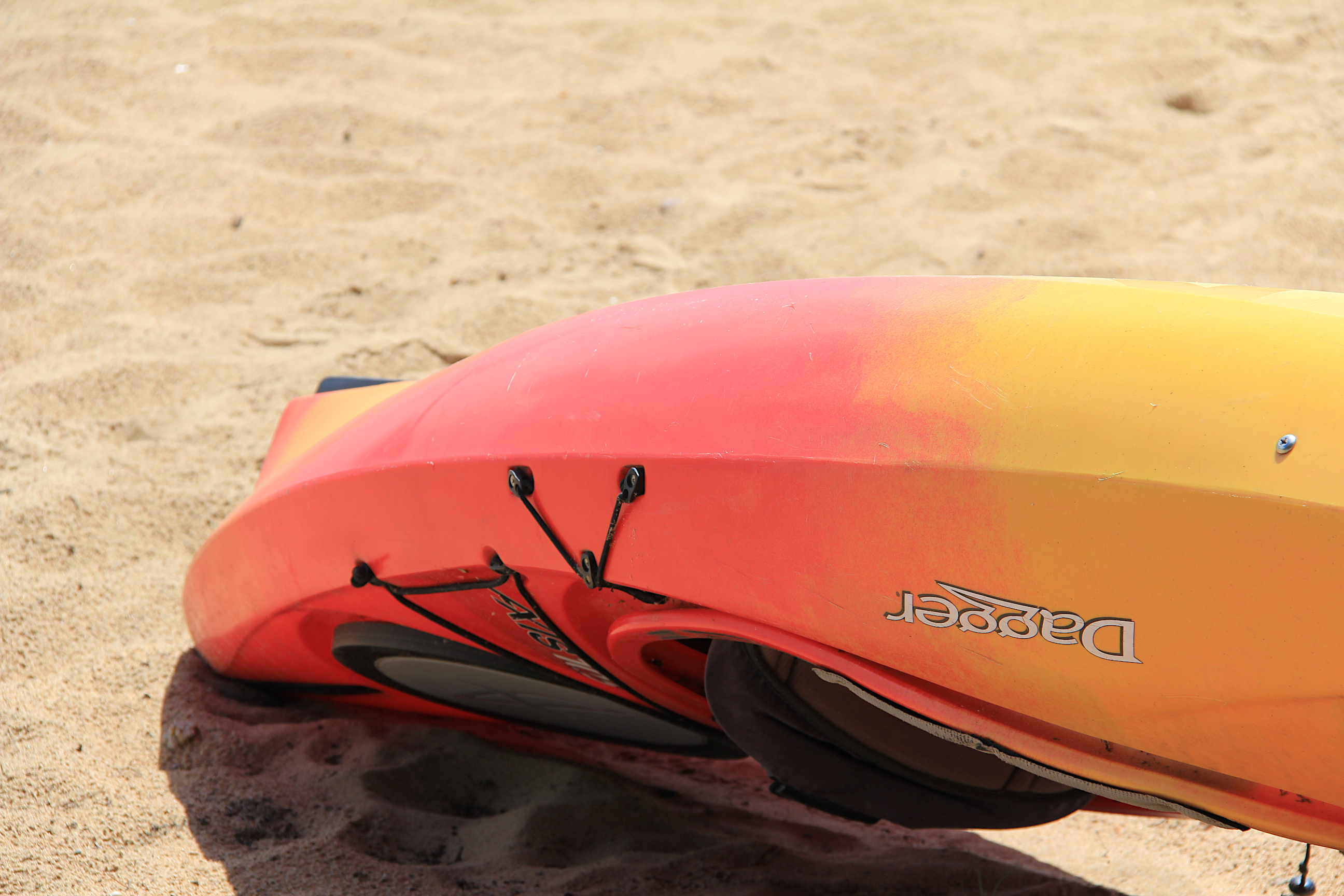
Awaken with the sun or sleep in. While away hours fishing from the dock, lounging on the beach or reading lakeside. Pull a kayak into the lake if you’re a water lover, which I am not. I like water, just not being on water. Watch the loons while listening to their haunting call.

Randy took a kayak out to retrieve a kite he lost in the lake. (Minnesota Prairie Roots copyrighted photo July 2023)

Delight in the imaginative play of the grandchildren, this year forming the Shovel Team with their over-sized beach toys. For me, this is part of the joy of lake life, this time together with Izzy, 7, and Isaac, 4, who always anticipate their family vacation to the “brown house.” They look forward to helping Grandma assemble s’mores, to swimming and playing on the beach, to ice cream at Lake Country Crafts & Cones and to pizza from Rafferty’s. We are building life-long memories.

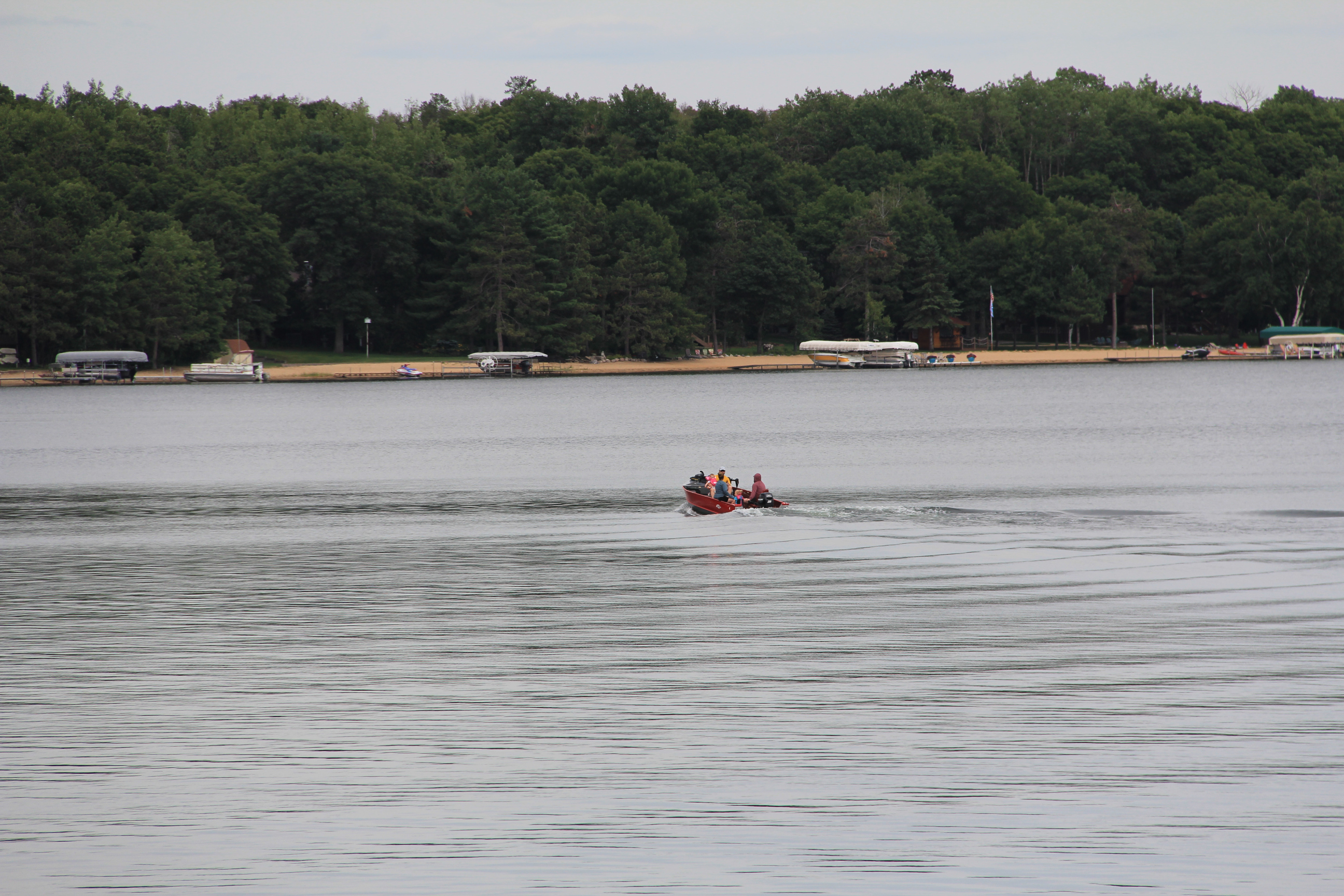
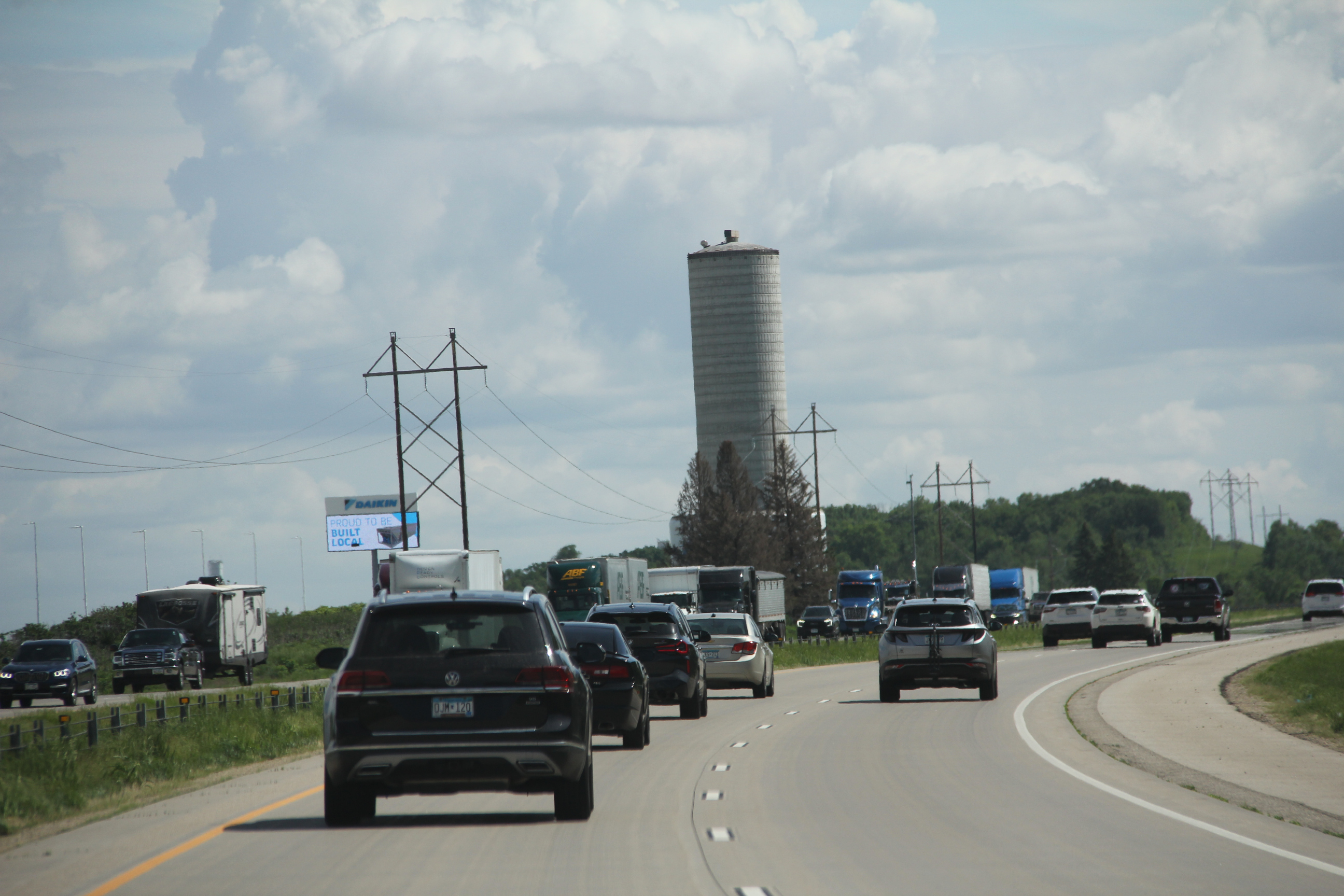
The lake can be busy with boaters at times, especially weekends. (Minnesota Prairie Roots copyrighted photo July 2023)

This is perhaps what I love most, this being with family. Mornings and afternoons and evenings spent together, then sleeping under the same roof. Meals mostly charcoal-grilled and shared. Walking hand in hand with the grandchildren down the long pine-lined driveway. Collecting shells. Washing sand from little feet. Cuddles and hugs and sitting on the bed playing a card game with made up rules.

And this year, solar system artwork created by artist-in-residence Isaac taped to the log walls in our bedrooms.

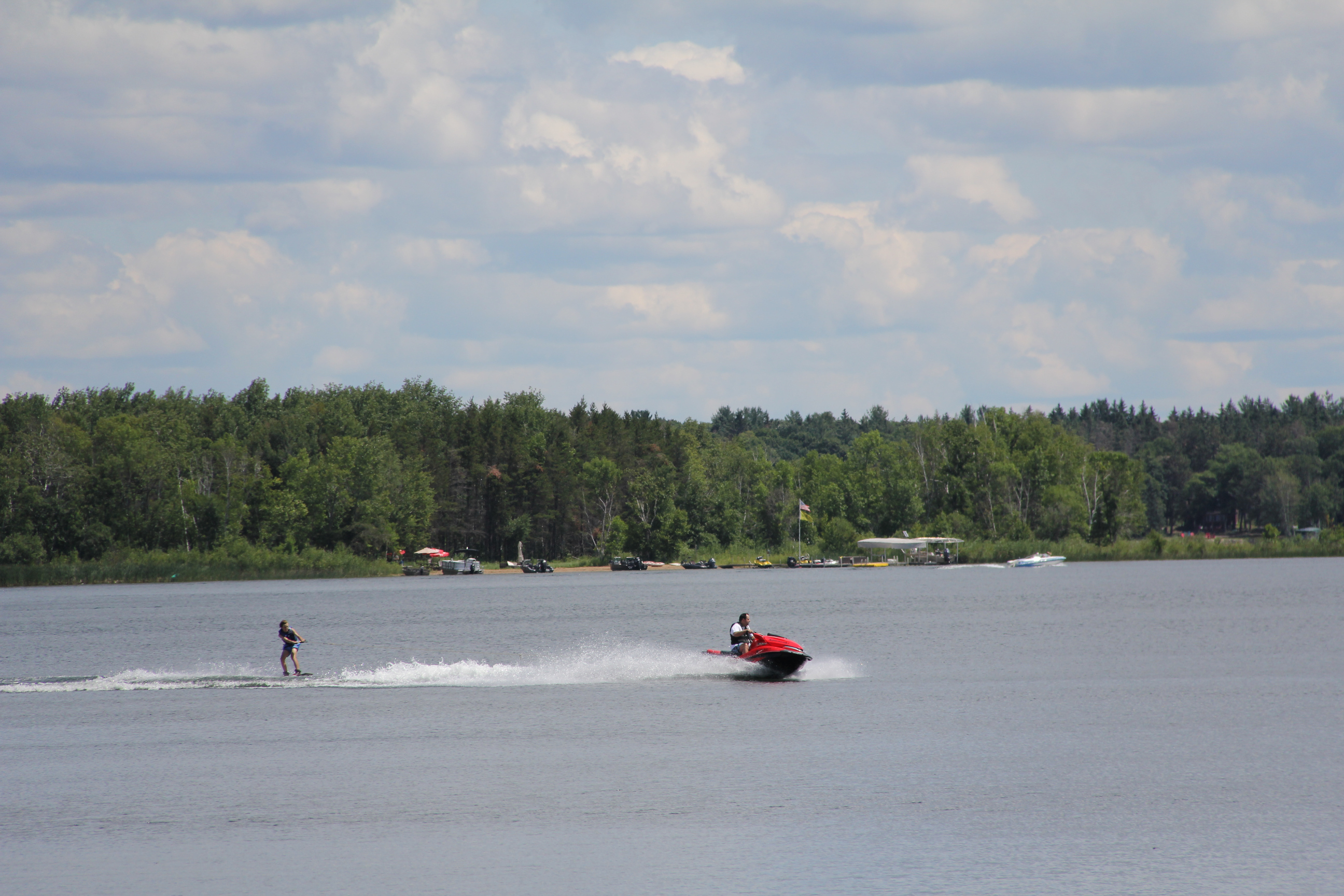
Water skiing behind a jet ski. (Minnesota Prairie Roots copyrighted photo July 2023)

This is the stuff of Up North at the cabin. Generational connections defined by love-filled, joyous moments at the lake.

© Copyright 2023 Audrey Kletscher Helbling


Book review: Things you gotta see & do in Minnesota showcased in new travel guidebook April 17, 2023

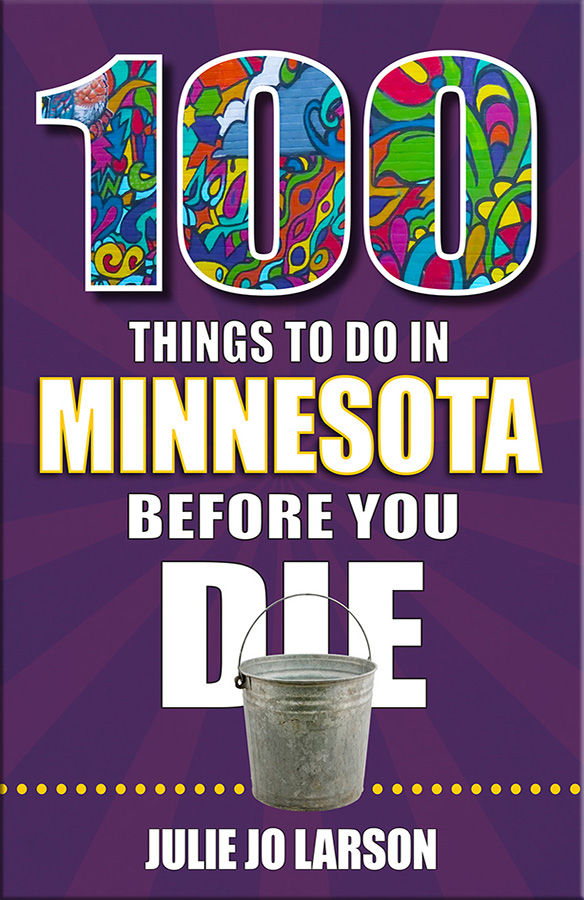
(Image source: Julie Jo Larson’s website)

WHETHER YOU’RE A LIFE-LONG Minnesotan, a newbie or a visitor, Julie Jo Larson’s newly-published 100 Things to Do in Minnesota Before You Die guidebook is an invaluable resource for exploring this place I call home. I’ve lived here my entire life, but only experienced or visited one-quarter of the listings in Larson’s travel guide.

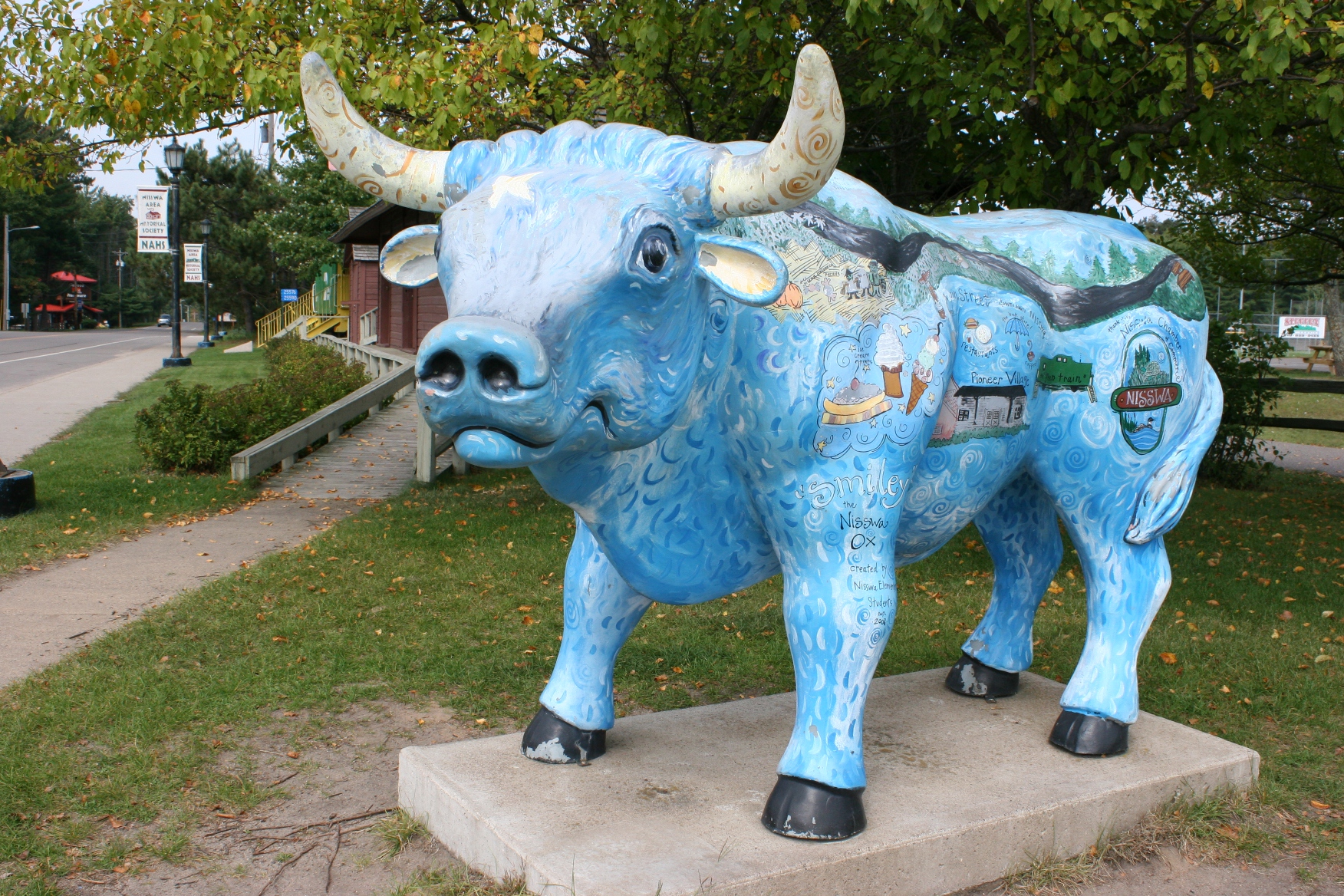
Babe the Blue Ox of Paul Bunyan legend stands along Nisswa’s Main Street. In her book, Larson encourages readers to seek out the many Minnesota-centric statues found throughout our state. (Minnesota Prairie Roots copyrighted file photo 2017)

Minnesota is an expansive state, spanning 400 miles from north to south and 350 miles from east to west. So there’s lots to see and do from prairie to woodland, from lakes to rivers, from bluffs to valleys, from small towns to bigger cities. Larson offers a good mix of destinations and activities.

Domeier’s German Store, nestled in a residential neighborhood for decades, is a must-see German import shop in New Ulm. (Minnesota Prairie Roots copyrighted file photo)

I should note that I feel a kinship with Larson in a commonality of roots. She was born in New Ulm, in Brown County next to my home county of Redwood in southwestern Minnesota. New Ulm, situated in the Minnesota River Valley and rich in German heritage and culture, has long been a favorite community of mine. There’s so much to see and do from touring and sampling beer at August Schell Brewing Company; shopping at compact German import store, Domeier’s; exploring Flandrau State Park along the Cottonwood River; watching the Glockenspiel; and lots more. Larson now lives in rural Brainerd and has already written a guide on the Minnesota Northwoods. Her love for Minnesota shines.

Craft beer flights are served on old movie reels at Sleepy Eye Brewing, housed in a former movie theater. While not included in Larson’s book, I recommend a stop at this unique southwestern Minnesota brewery. (Minnesota Prairie Roots copyrighted file photo)

In creating this travel book, Larson divides her suggested “things to do” into five categories: Food and Drink, Music and Entertainment, Sports and Recreation, Culture and History, and Shopping and Fashion.

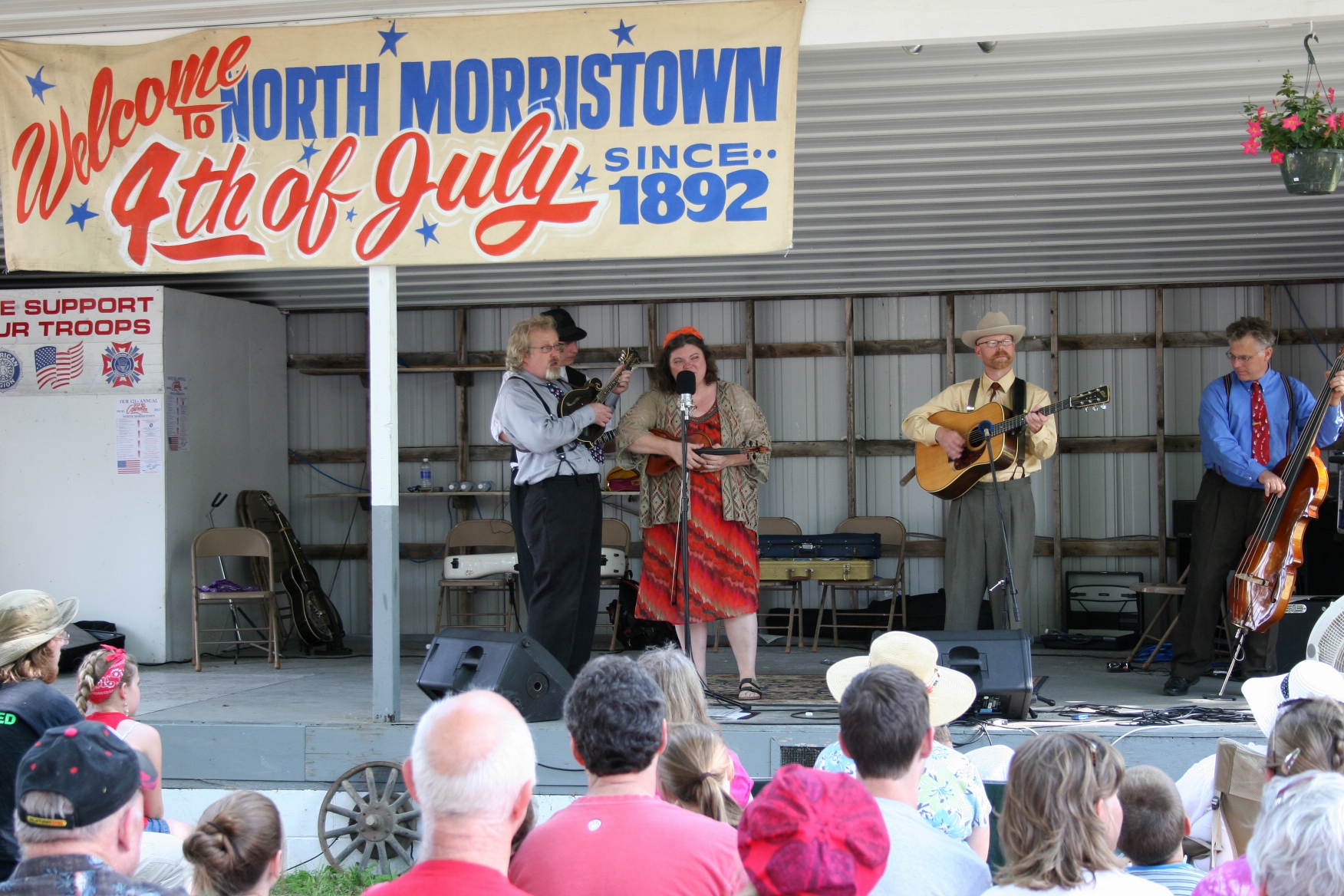
The bluegrass band, Monroe Crossing, performs every July 4 in North Morristown. (Minnesota Prairie Roots copyrighted file photo)

I so now want to try the chicken wild rice pizza at Poor Guy’s Pizza in Moose Lake. That—the wild rice part—sounds incredibly Minnesotan. I want to tour the Minnesota Music Hall of Fame in New Ulm to learn more about musicians and bands like Monroe Crossing, which performs each July Fourth in North Morristown. I want to wander among the 50 metal sculptures crafted by Ken Nyberg in Vining simply because I love outdoor public art. I want to tour the Mille Lacs Indian Museum and Trading Post in Onamia to learn more about that region’s Indigenous peoples. I want to peruse the handcrafted goods at The Shoppes of Little Falls. I want to…

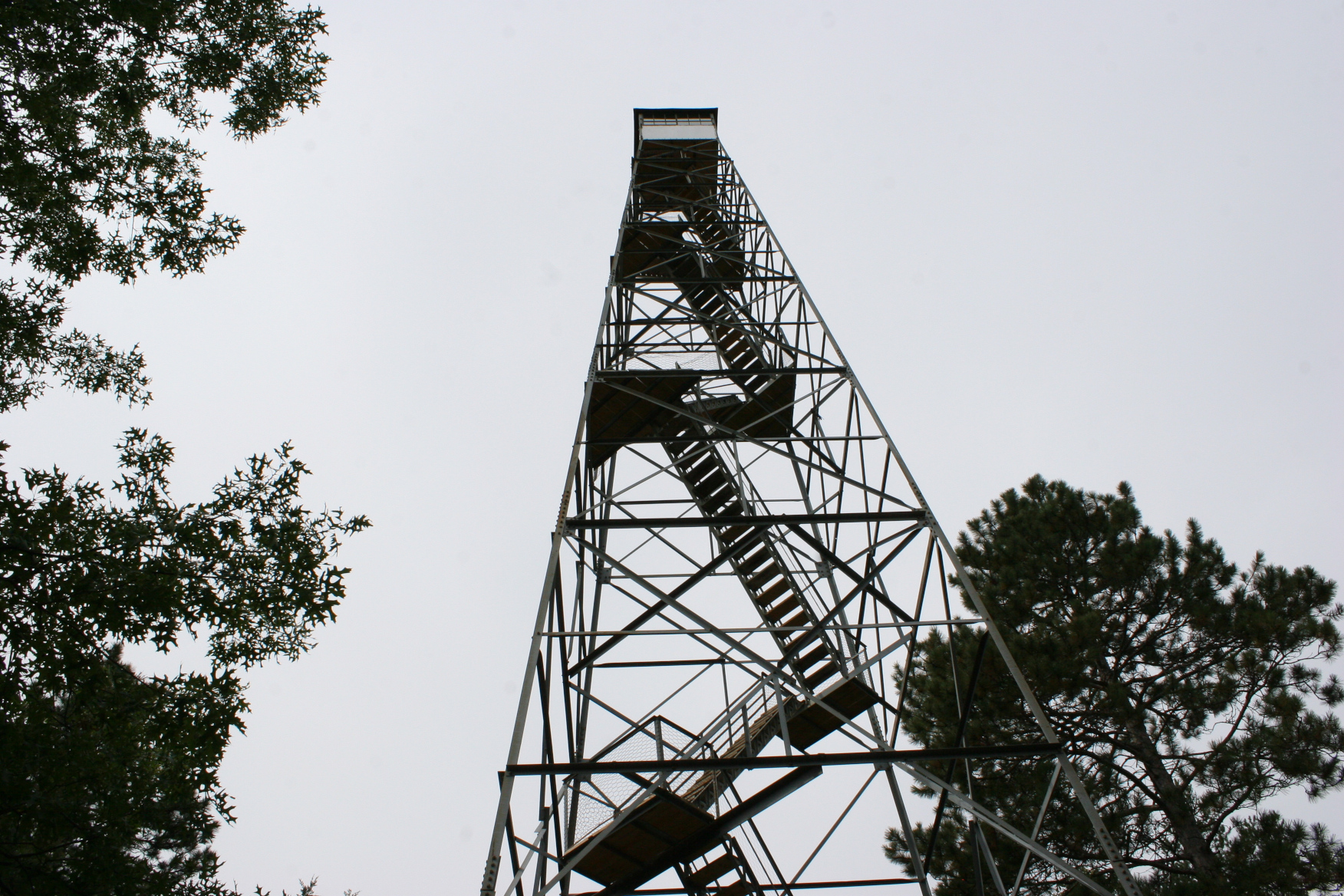
I climbed up to the tower, but not up the Paul M. Thiede Fire Tower. I’d suggest combining a stop here with Pequot Lakes’ annual Bean Hole Days in July. (Minnesota Prairie Roots copyrighted file photo 2021)

Yes, there’s a lot to do in Minnesota. Some things on Larson’s list, though, I won’t do. I won’t travel into the depths of the earth at the Soudan iron ore mine. I won’t climb to the top of a fire tower at Pequot Lakes, although I’ve hiked to it. I won’t zip through the trees 175 feet off the ground on a Kerfoot Canopy Tour in the Minnesota River Valley at Henderson. But other readers of Larson’s guidebook will and that’s good. Her “100 things to do” offers a variety of experiences and places that appeal to diverse interests.

At Minneopa State Park, Mankato, visitors can get up close with a bison herd on a drive-through across the prairie. (Minnesota Prairie Roots copyrighted file photo August 2019)

As a life-long southern Minnesotan who has explored this region extensively, I especially appreciate Larson’s tips from other areas of this vast state. She even breaks down her list to activities by seasons and suggested itineraries. Black-and-white photos scattered through the pages and a centerfold of color images only further entice readers to get out and explore.

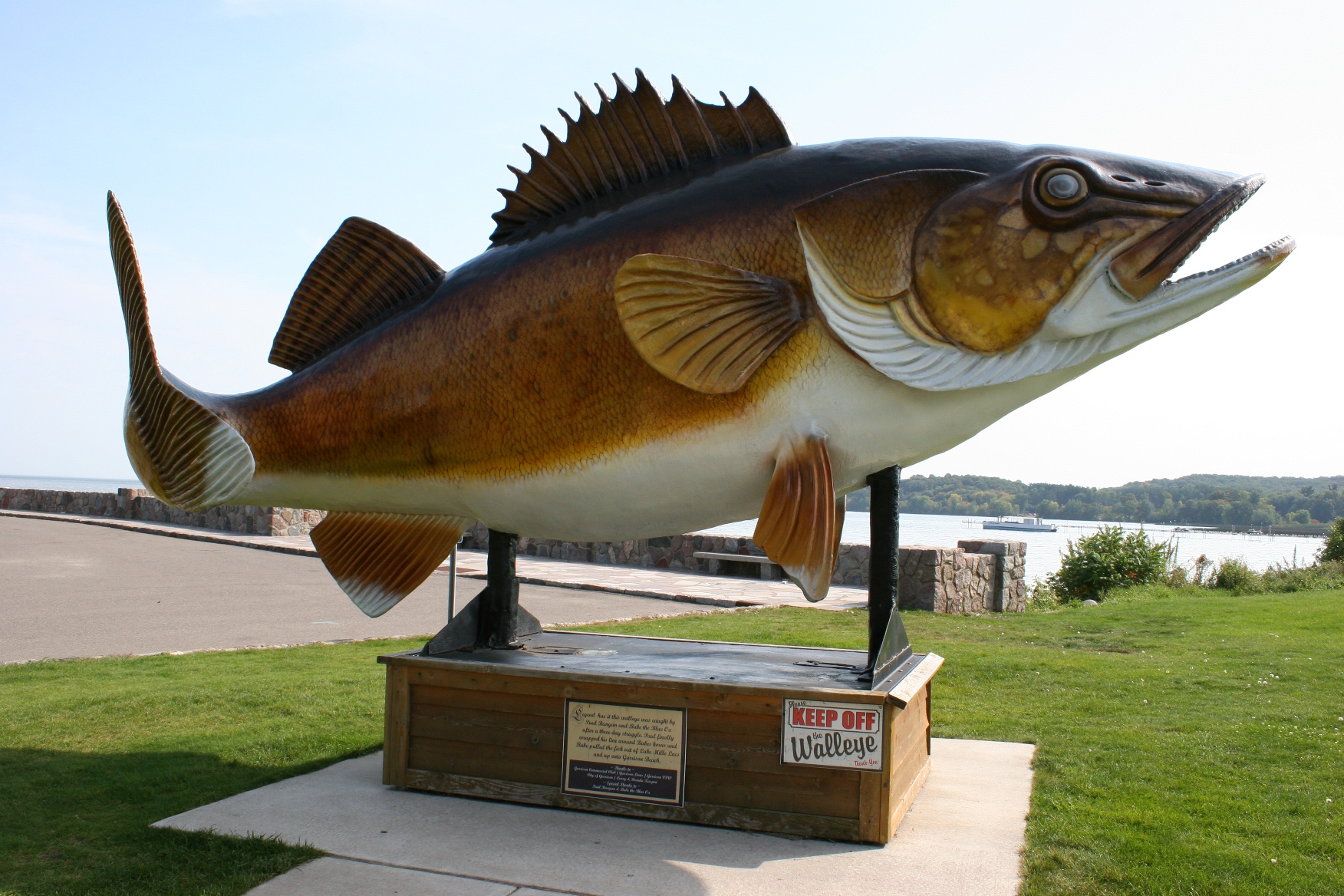
A walleye statue fronts Lake Mille Lacs in Garrison. The walleye is Minnesota’s state fish. (Minnesota Prairie Roots copyrighted file photo)

Bottom line, 100 Things to Do in Minnesota Before You Die rates as an excellent resource for anyone planning a road trip, looking for something to do/see while in a specific area of Minnesota or even just seeking to learn more about the North Star State.

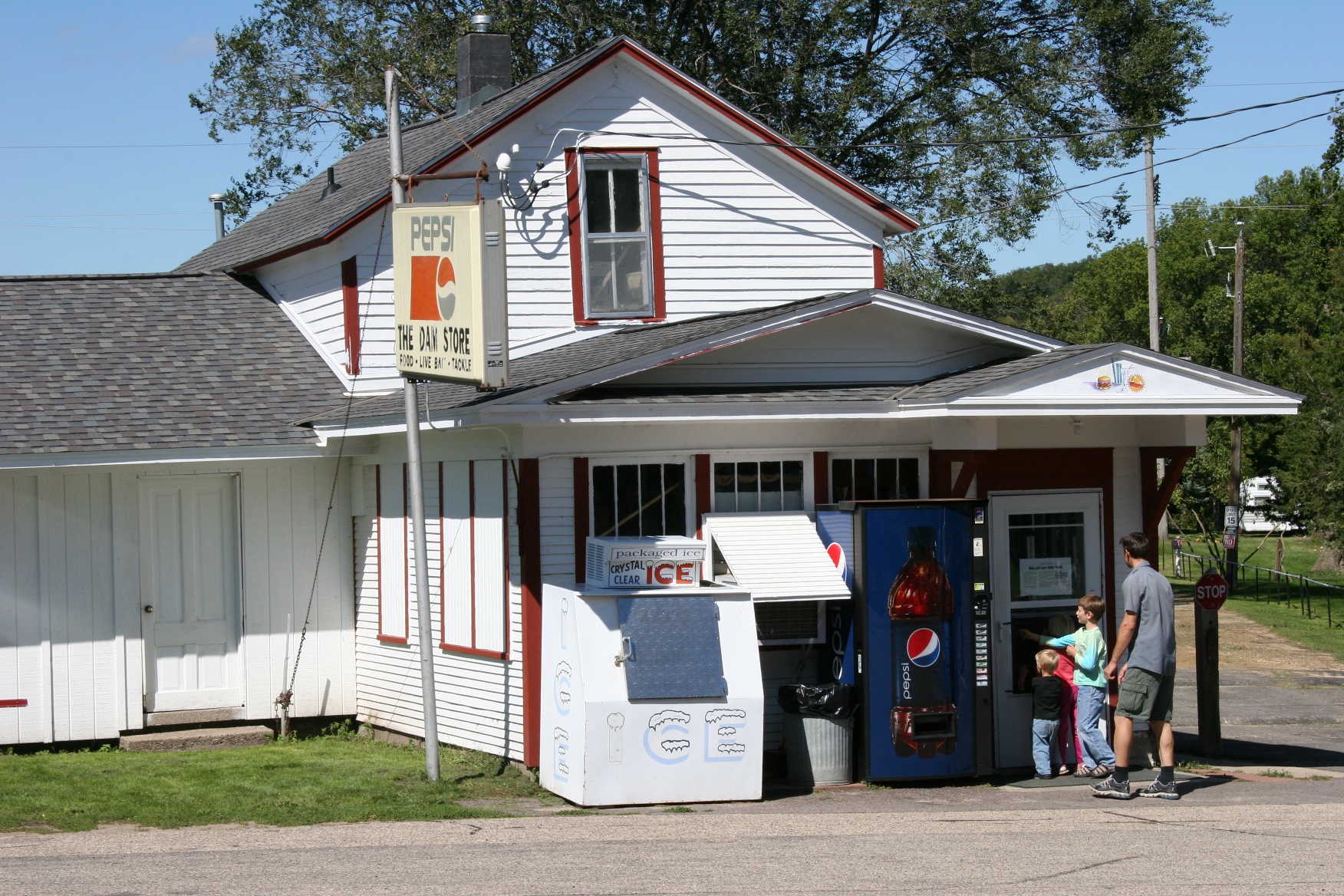
You’ll find great hamburgers and homemade pies at The Dam Store. (Minnesota Prairie Roots copyrighted file photo 2010)

Looking for a great slice of pie? Larson recommends (and so do I) the Rapidan Dam Store, yes, by the dam at Rapidan (which is near Mankato). Want to enjoy art in a top-notch museum along the Mississippi River? Visit the Minnesota Marine Art Museum in Winona. Interested in a cave tour? Head to Niagra Cave near Harmony. Wanna see a replica Viking ship? The Hjemkost Center in Moorhead features one. Need a book fix? Visit any one of Minnesota’s independent bookstores.

The independent bookstore portion of Victor Lundeen Company in Fergus Falls. (Minnesota Prairie Roots copyrighted file photo)

And while we’re talking books, buy a copy of 100 Things to Do in Minnesota Before You Die, published by Reedy Press. Support a Minnesota author while, bonus, learning about all sorts of places to visit and things to do in this place Larson and I call home.

© Copyright 2023 Audrey Kletscher Helbling
 

Inspired by an outdoor community gathering spot in Marshall April 13, 2023

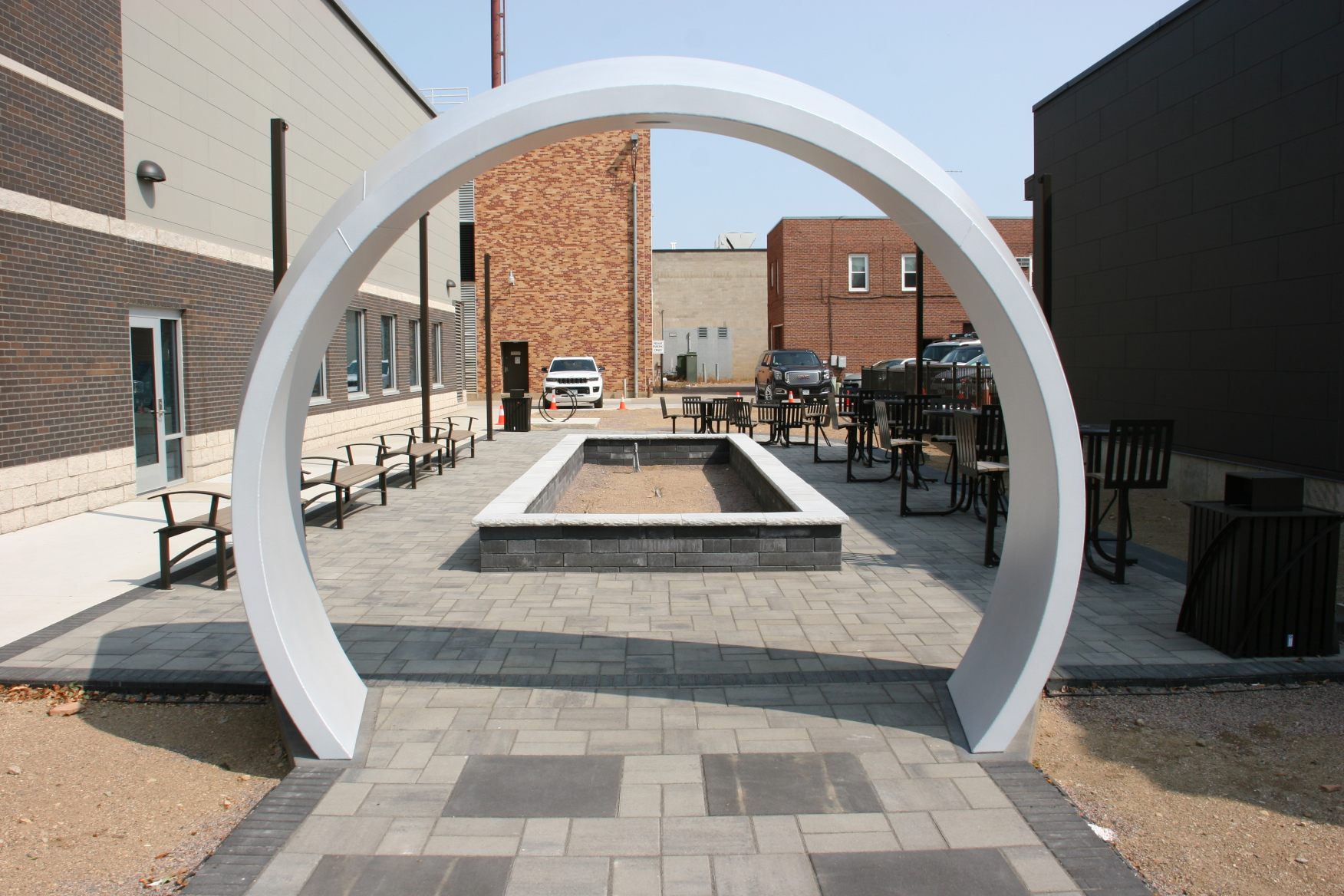
Terrace 1872, under development in September 2022 in downtown Marshall, Minnesota. (Minnesota Prairie Roots copyrighted file photo September 2022)

WHEN I PHOTOGRAPHED an under construction patio while visiting Marshall in mid-September, I wondered exactly what was up with this space. And then I forgot about it…until now.

The Lyon County Historical Society Museum, housed in a former library. (Minnesota Prairie Roots copyrighted photo September 2022)

It was a warm and sunny day when I happened upon the patio project in the heart of Marshall’s downtown business district. This ag-based community and college town sits on the southwestern Minnesota prairie, some 20 miles west of my hometown. I was back in the area to view two of my poems on display in the “Making Lyon County Home” exhibit at the Lyon County Historical Society Museum. After touring the museum, Randy and I did a short walk-about in a downtown that looks nothing like the downtown I remember from my last visit 40 years earlier.

During that brief tour, we came across the developing outdoor area. I was impressed by what I saw—by the well-laid pavers, the strong arched entry, the cluster of patio tables and chairs, and the then-unfilled planter bed. I envisioned plants and flowers adding a calming natural balance to hard surfaces.

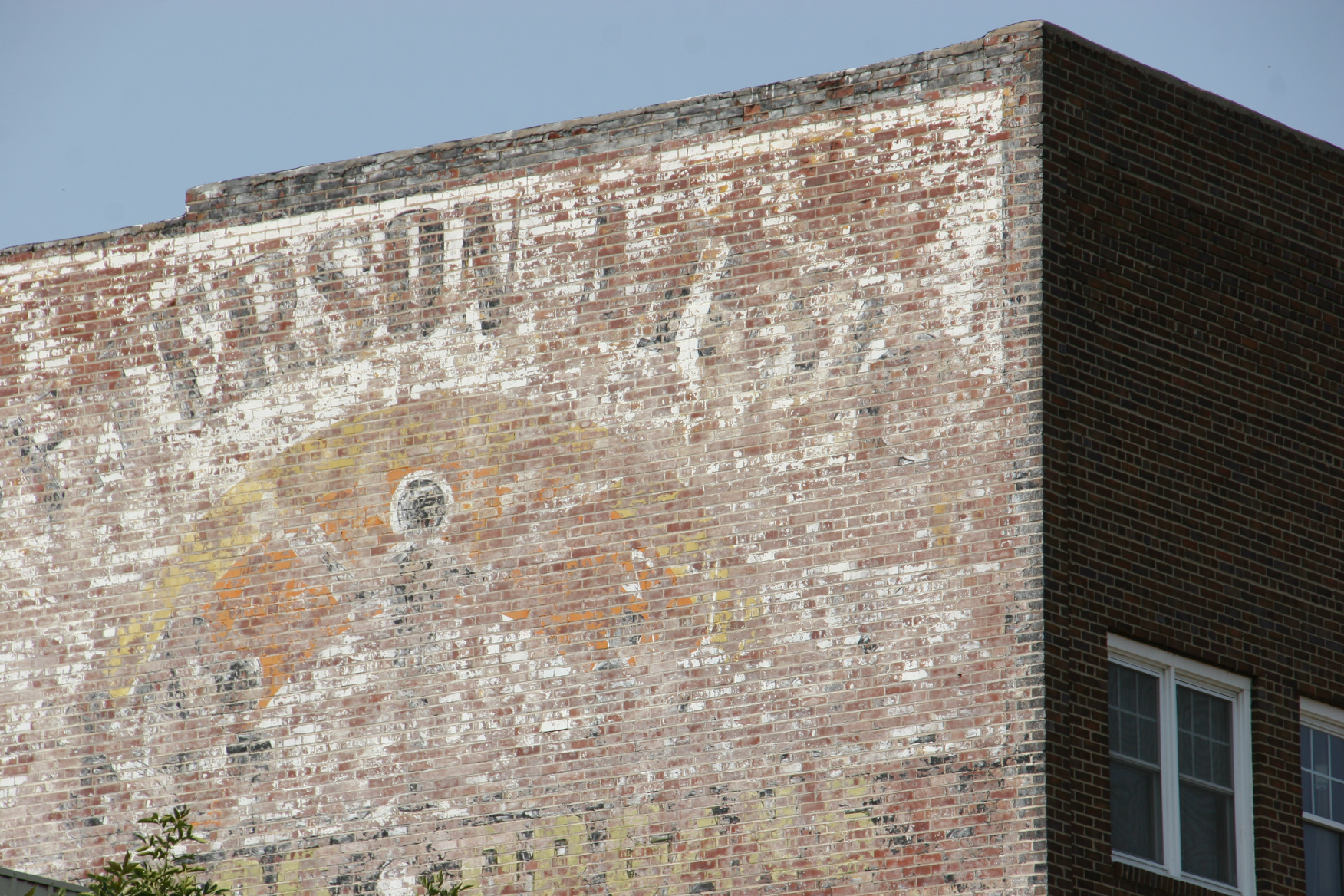
An unreadable (to me) ghost sign speaks to Marshall’s history. (Minnesota Prairie Roots copyrighted photo September 2022)

My eyes saw all of this. But, still, I didn’t know the backstory until now. This is Terrace 1872, a public gathering space next to City Hall. It came to be after the former Marshall Hotel was demolished, leaving a narrow, empty lot. Local visionaries saw this as an opportunity to create a community gathering spot. And so it will be. And the name, well, Terrace is self-explanatory. But 1872 represents the year Marshall became a city.

A mural, “At the Bend of the Redwood,” sprawls across a business in the heart of downtown Marshall. (Minnesota Prairie Roots copyrighted photo September 2022)

I love this concept of an outdoor area downtown where visitors, shoppers and downtown employees can meet, relax, just be. I also envision Terrace 1872 as a site for pop-up events—mini art shows, concerts, poetry readings… The possibilities seem endless for this pocket park.

Plans are to add a sculpture or art piece to the terrace, enhancing a downtown already graced by murals. Online plans also show movable fire pits and patio lights strung between posts. I appreciate the vision of an inviting and welcoming space to gather.

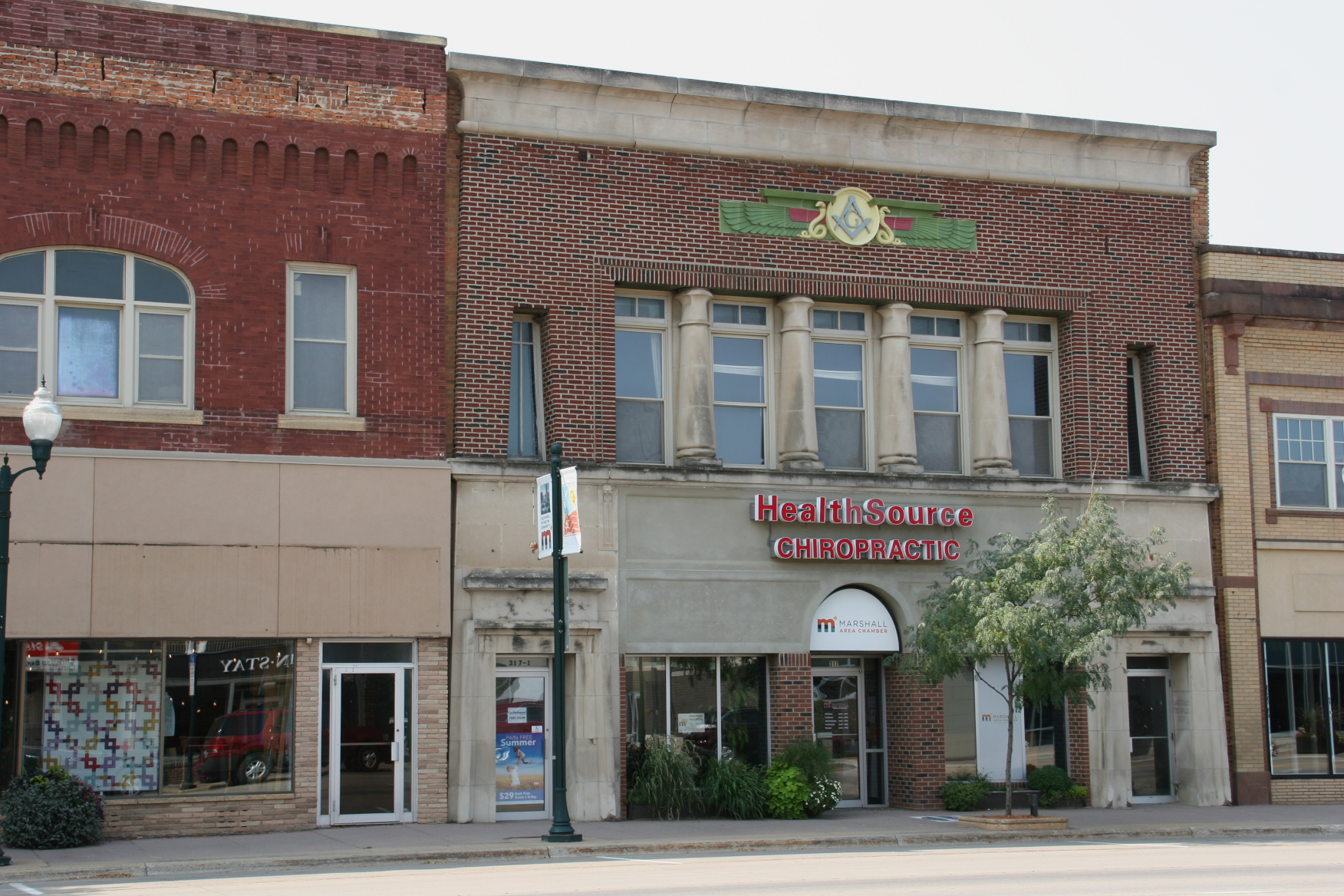
Businesses across the street from Terrace 1872. (Minnesota Prairie Roots copyrighted photo September 2022)

I’d love to see my community of Faribault adopt Marshall’s Terrace 1872 idea and create a similar mini gathering spot in the heart of our downtown. We have many vacant lots left after buildings were demolished. Previously demolished buildings were replaced by parking lots. Faribault now needs some greenery and additional outdoor public art infused into downtown, creating a peaceful place for people to gather, connect, relax, grow a sense of community while outdoors. I hope the visionaries here follow Marshall’s lead…

TELL ME: Do you have a Terrace 1872 in your community or have you seen one in another community? I’d love to hear details.


Minnesota prairie native Jim Brandenburg wins top photo honor March 25, 2023

A Brandenburg bison photo hangs to the left and the photographer talks about his work in a video, right, inside the Brandenburg Gallery. (Minnesota Prairie Roots copyrighted file photo 2013)

OF ALL THE PHOTOGRAPHY—from general to portrait to sports to nature and wildlife—it is wildlife photography that most impresses me as particularly challenging. And now one of the best wildlife and nature photographers in the world, who happens to be a native of my beloved southwestern Minnesota prairie, has received National Geographic’s Lifetime Achievement Award. Luverne-born and raised Jim Brandenburg, today based in Ely in northern Minnesota, won that top honor. He’s so deserving. His photos are beyond any star rating.

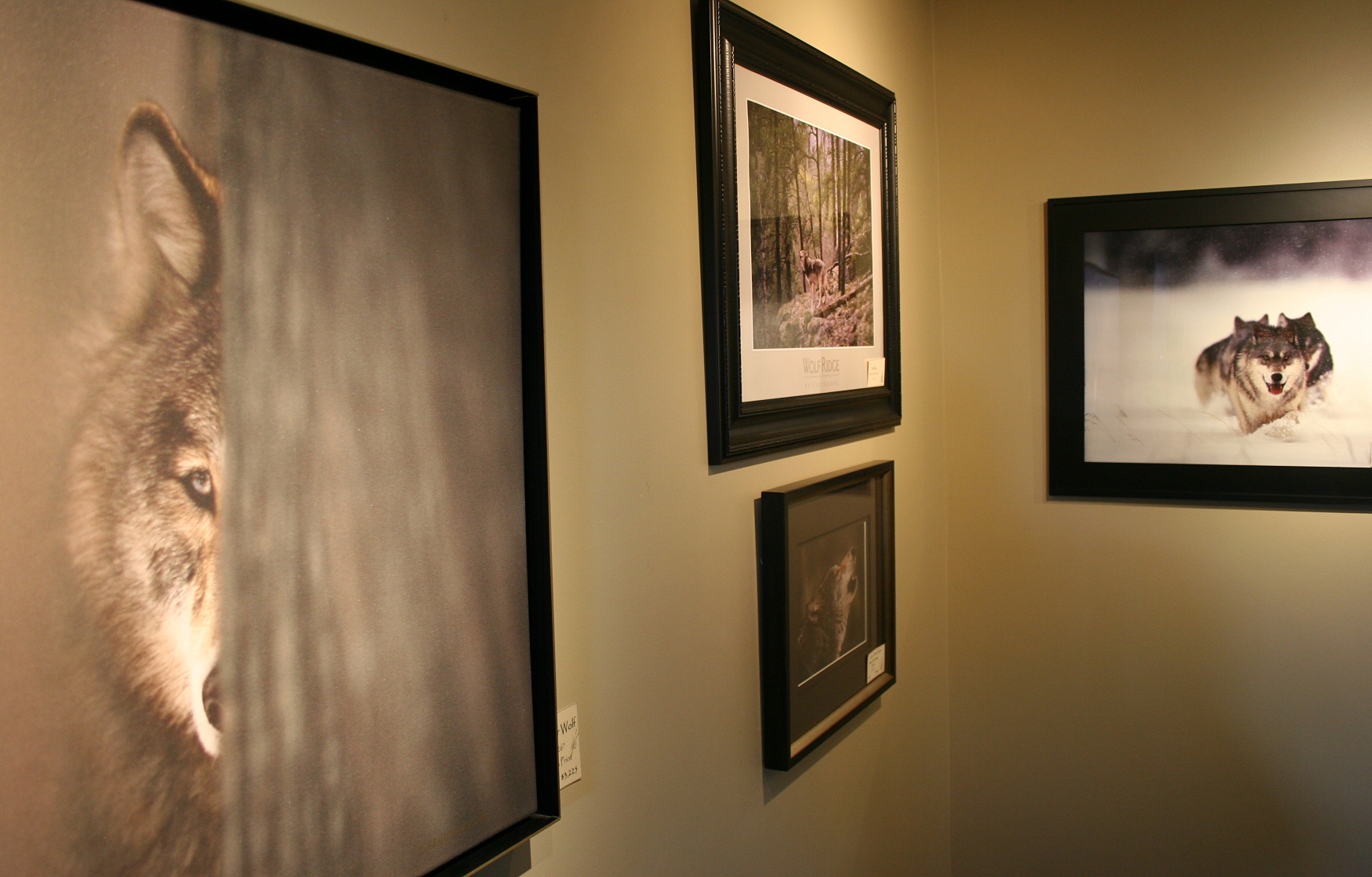
Brandenburg’s published books include “Brother Wolf–A Forgotten Promise.” He is known for his wolf photos, including these displayed in the Luverne gallery. (Minnesota Prairie Roots copyrighted file photo 2013)

Brandenburg joins only five other National Geographic photographers who’ve received this award. That he hails from the prairie, my homeland, makes me especially proud.

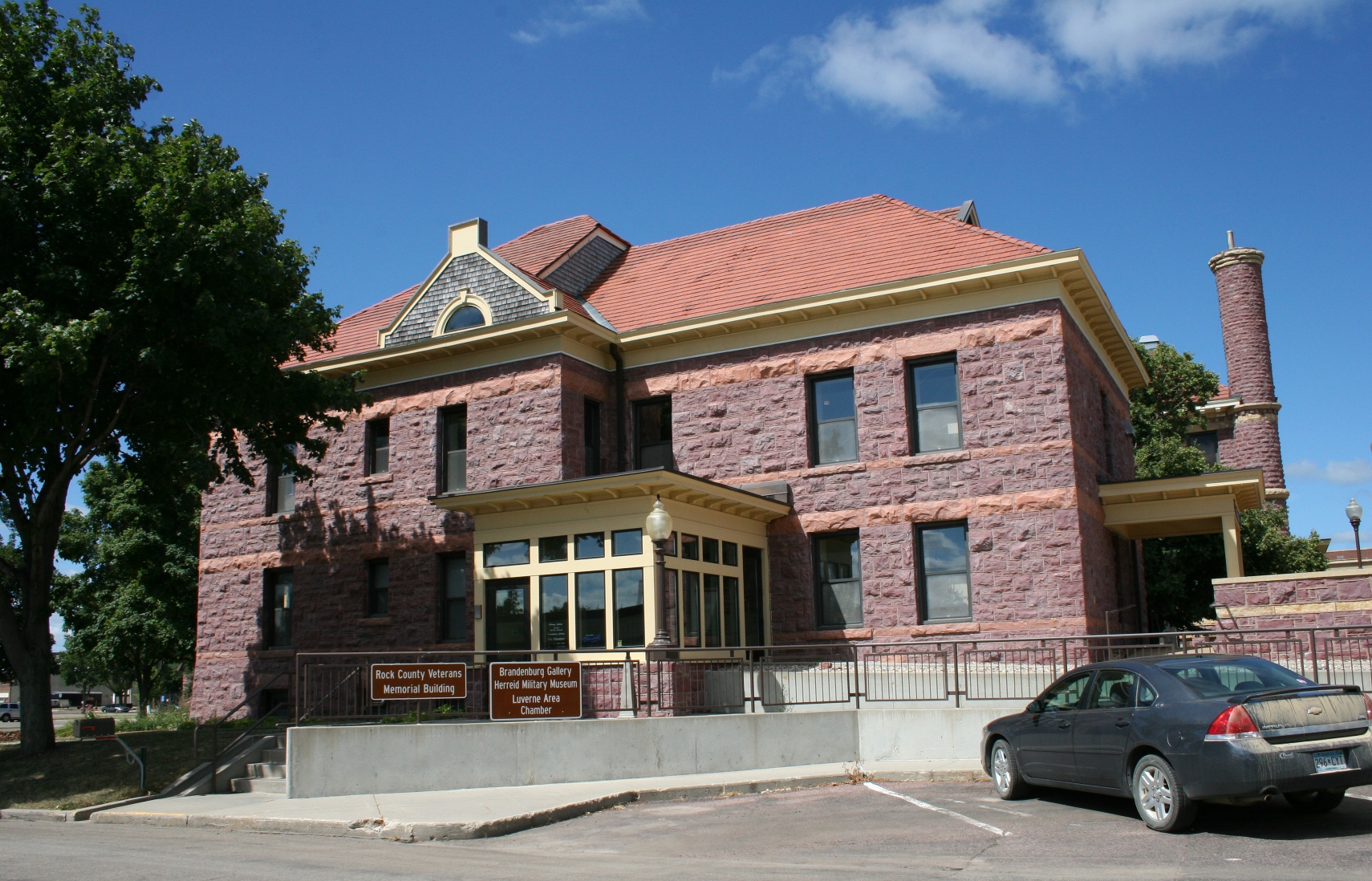
The entry to the gallery, located in the Rock County Courthouse square. (Minnesota Prairie Roots copyrighted file photo 2013)

Ten years ago, I toured the Brandenburg Gallery, owned and operated by the Luverne Area Chamber of Commerce. It was of special interest to me as a photographer. I wanted to study Brandenburg’s images—the light, the perspective, the techniques he uses to draw viewers into scenes.

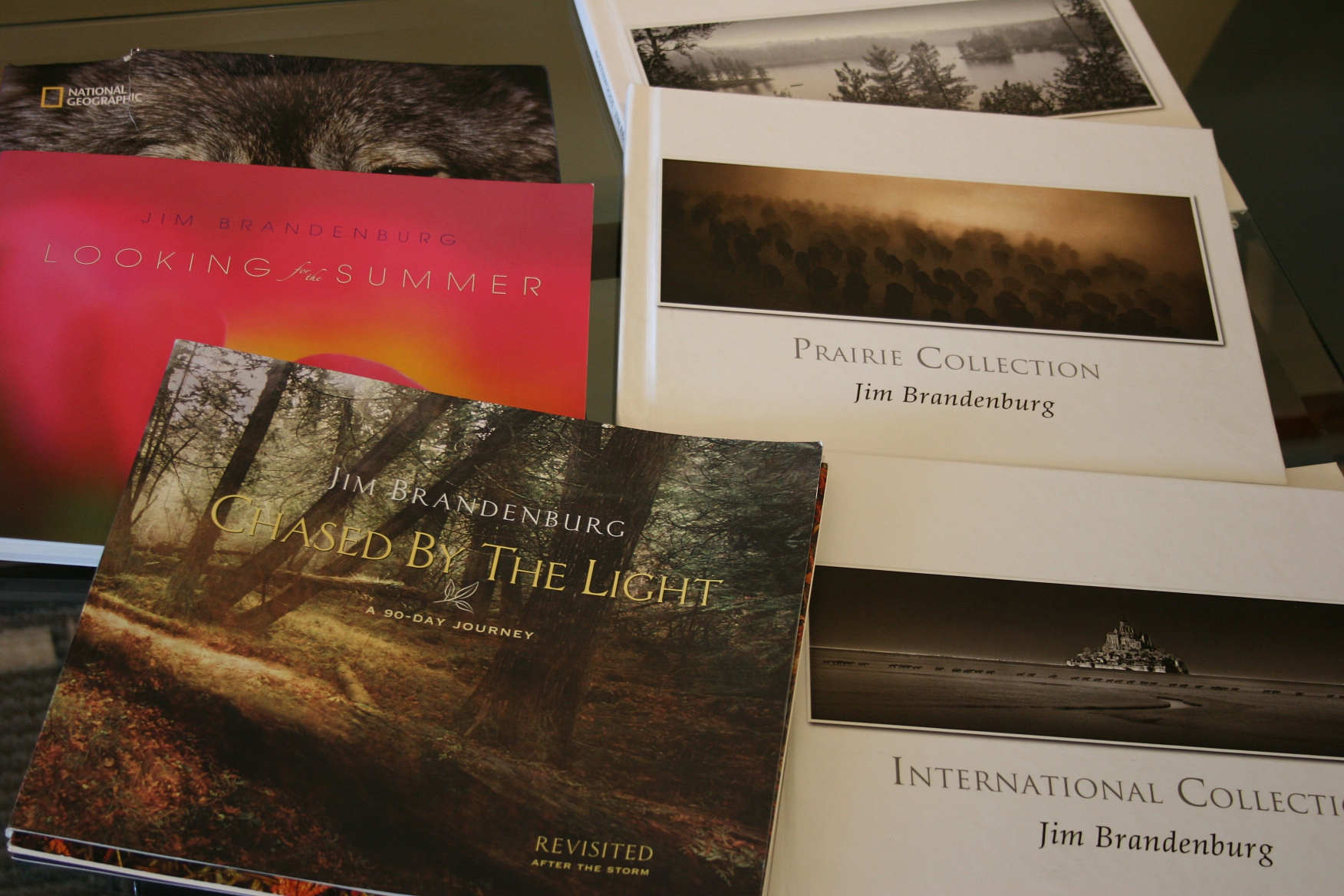
Some of Brandenburg’s photo books displayed in the Luverne gallery. (Minnesota Prairie Roots copyrighted file photo 2013)

I have no ambition to pursue wildlife photography. I don’t have the interest, talent, knowledge of the natural world or patience required for the craft. But I appreciate those who excel in this specialized photography and I can learn from them. Brandenburg has been honing his craft for some 50 years with National Geographic. He’s won countless awards, produced many books filled with his images.

Beautiful rocky landscape of Rock County. (Minnesota Prairie Roots copyrighted file photo 2013)

In all of this, this world travel, this move from southern to northern Minnesota, from prairie to northwoods, he’s remained rooted to his roots. He established the Luverne-based Brandenburg Prairie Foundation with a mission “to educate, preserve and expand native prairie in southwest Minnesota.” Brandenburg’s Foundation and the U.S. Fish and Wildlife Service bought 800 acres of untilled prairie in Rock County some eight miles northwest of Luverne, where visitors can immerse themselves in tallgrass prairie. I regret not walking the Touch the Sky Northern Tallgrass Prairie National Wildlife Refuge during my 2013 visit to this area. I need to return.

Hiking the path up and through the prairie grass at Blue Mounds State Park. (Minnesota Prairie Roots copyrighted file photo 2013)

I recognize that to many, this region of Minnesota seems desolate, lacking in beauty, just a place to get through when traveling. But for prairie natives like me, beauty is everywhere. In the wide sky. In sunsets so profoundly beautiful that they almost defy description. In farm sites set like islands among endless fields. In small towns and acres of corn. In prairie grasses swaying in the breeze. I can forever sing the praises of the prairie in refrains of howling wind and songbird and the silence of quiet.

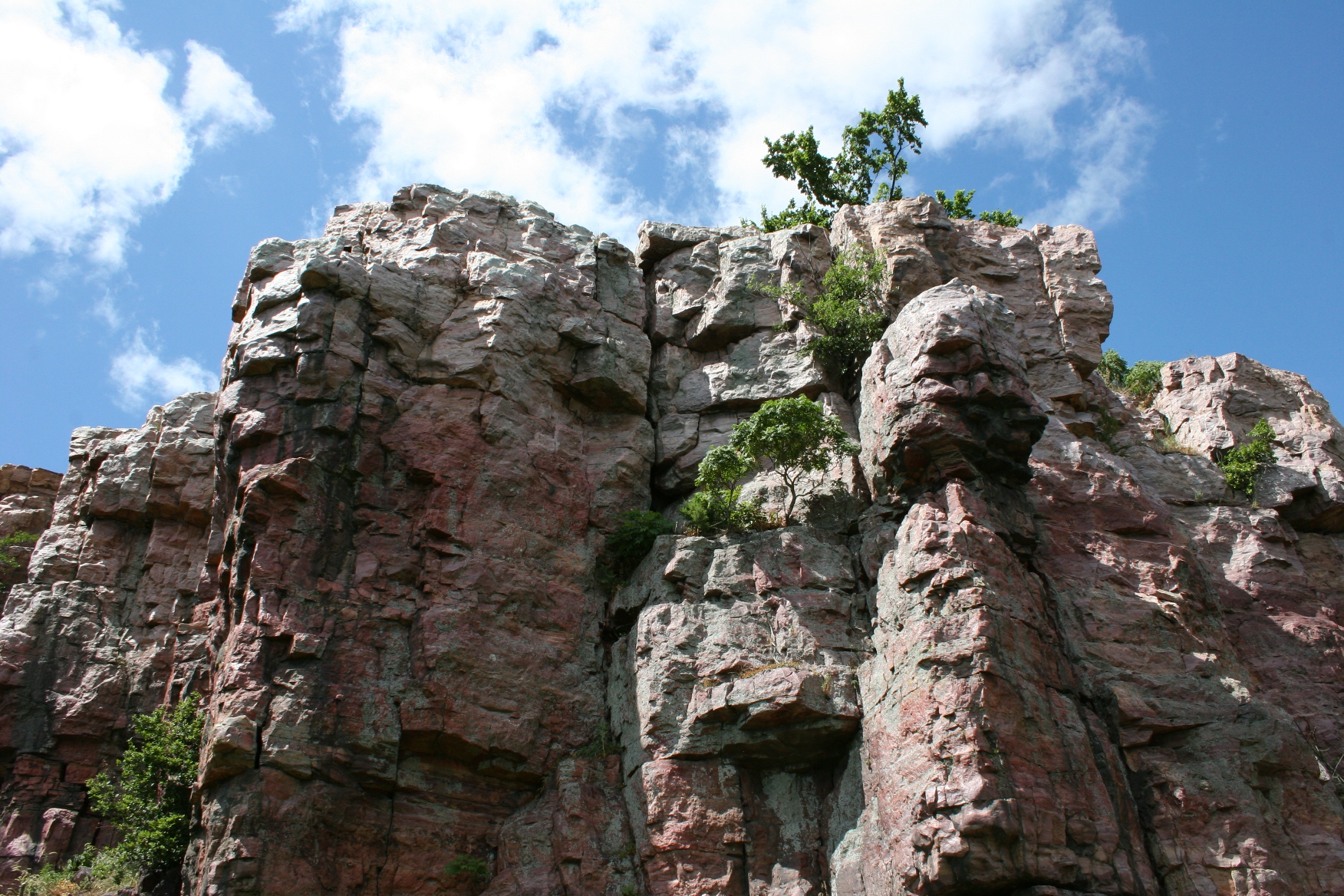
An impressive quarry wall of Sioux quartzite. (Minnesota Prairie Roots copyrighted file photo 2013)

Brandenburg, I expect, experienced all of these, even if his native Rock County differs from my home county of Redwood a bit farther to the north and east. Even on the prairie, landscapes vary. Near Luverne, at Blue Mounds State Park, cliffs of Sioux quartzite rise 100 feet above the plains. It’s amazing, unexpected in this place where prickly pear cacti also grow, where bison graze, where wildflowers bloom.

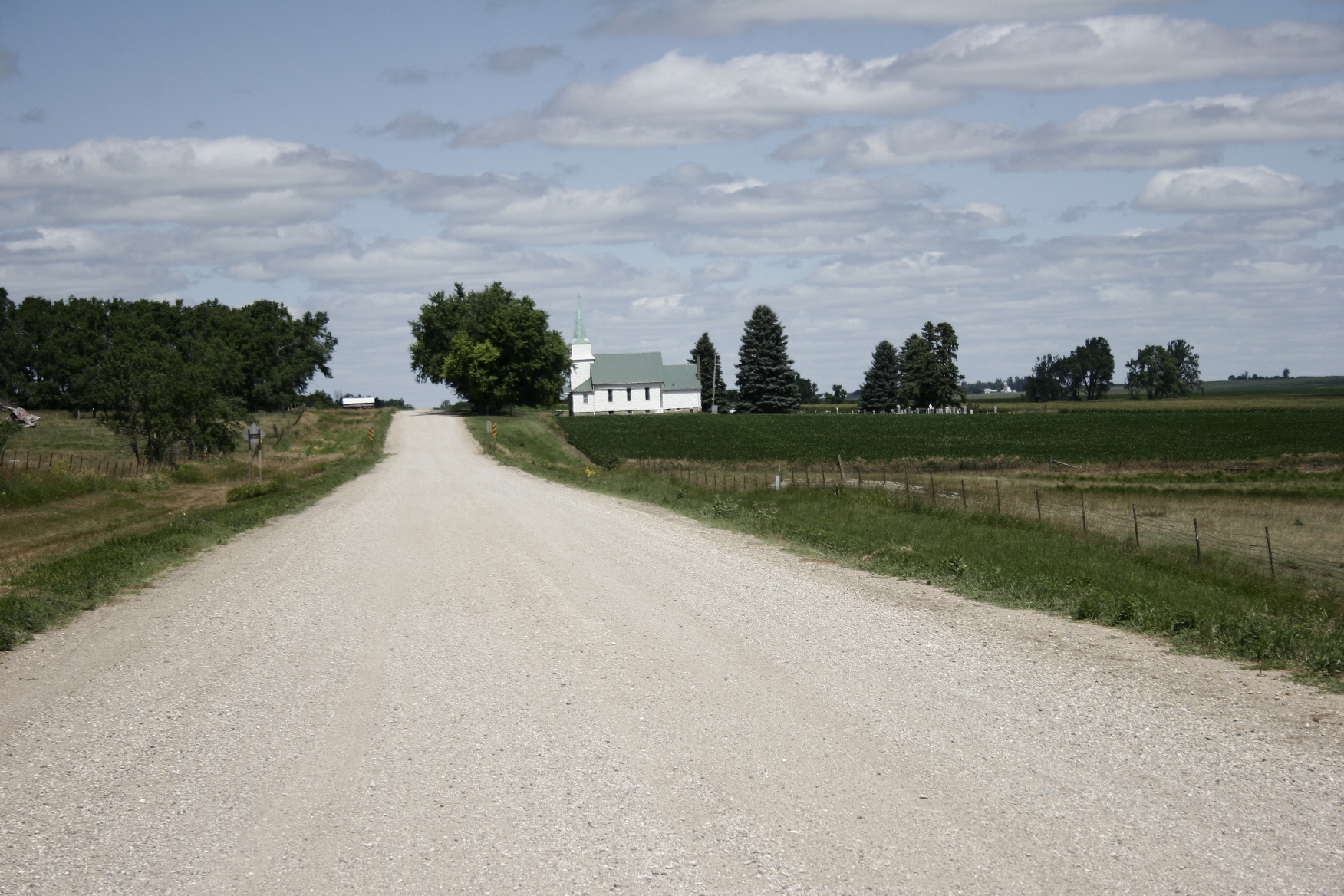
A gravel road around the state park passes a sheep pasture and country church. (Minnesota Prairie Roots copyrighted file photo 2013)

I encourage you, if you’ve never spent time in southwestern Minnesota, to do so this spring or summer. View the landscape through an appreciative lens that takes in every nuance, every detail. Notice the light. Feel the wind. Hear the quiet. Settle into the simplicity of this place that renews the spirit, that a world-class photographer called home. That I, too, once called home.

© Copyright 2023 Audrey Kletscher Helbling
 

Celebrating Minnesota Irish via stops in Kilkenny, St. Patrick & St. Thomas March 17, 2023

Photographed in Kilkenny, Minnesota, in January 2020, this pub no longer exists. I loved the name, the sign, the graphic in this Irish community. (Minnesota Prairie Roots copyrighted file photo January 2020)

ENCLAVES OF IRISH scatter throughout Minnesota from unincorporated settlements to small towns to big cities.

In my wanderings through southern Minnesota, I’ve discovered Irish pockets, including in nearby Kilkenny. The Le Sueur County community of just over 100 residents traces its name to Kilkenny County, Ireland, birthplace of early immigrant settler Dennis Doyle.

Kilkenny, proud of its Irish heritage, maintains a twinship with Kilkenny County in the Old Country. And each September, the community celebrates St. Patrick’s Day with Half-Way to St. Paddy’s Day complete with parade and, in the past, toilet bowl races. I’ve never attended, but need to and document this event.

Irish pride on Kilkenny, Minnesota’s water tower. (Minnesota Prairie Roots copyrighted file photo January 2020)

Three years ago while out and about on one of those rural drives I so enjoy, Randy and I passed through Kilkenny, marked by a signature silo style light green water tower decorated with a shamrock. There was no doubt we were in an Irish proud small town.

Murphy’s Pub was once Kilkenny’s gathering spot. It closed, replaced by The Toy Box Saloon. (Minnesota Prairie Roots copyrighted file photo January 2020)

At the time, Murphy’s Pub centered the core of Kilkenny, which, as I recall, is about a handful of businesses. Today that Irish-tagged pub with the memorable ale drinking leprechaun signage is closed, replaced by The Toy Box Saloon. That doesn’t quite hold the same Irish appeal as the name Murphy’s Pub. But you will still find Irish brew, like Finnegan’s Irish Amber.

St. Patrick’s Bonin Field. (Minnesota Prairie Roots copyrighted file photo summer of 2015)

In Scott County to the north, in unincorporated St. Patrick, I discovered a strong Irish enclave centered around a church, cemetery, ballpark and tavern. St. Patrick of Cedar Lake Township Catholic Church and its surrounding cemetery sit high atop a hill across from St. Patrick’s Tavern and next to the ball field. The ballpark, St. Patrick’s Bonin Field, is named after Father Leon Bonin, a strong supporter of local baseball.

The appealing leprechaun signage on St. Patrick’s Tavern. (Minnesota Prairie Roots copyrighted file photo summer of 2015)

That this rural place is proud of its Irish heritage is clear. I need to return to St Patrick, perhaps pop into the bar for a brew. Make that an Irish stout.

St. Patrick of Cedar Lake Township Catholic Church and cemetery. (Minnesota Prairie Roots copyrighted file photo summer of 2015)

During my one and only visit in the summer of 2015, I mostly wandered the cemetery. I find cemeteries historically and artistically interesting.

Irish immigrants buried in the St. Thomas Church Cemetery. (Minnesota Prairie Roots copyrighted file photo March 2018)

Back in Le Sueur County, I meandered through the St. Thomas Church Cemetery in the unincorporated settlement of St. Thomas. During my March 2018 visit, I found plenty of Irish buried here.

A closed Irish-named bar in St. Thomas, Minnesota. (Minnesota Prairie Roots copyrighted file photo March 2018)

Down the road a bit, I spotted an apparently abandoned Callahan’s Bar.

An appropriately-named township hall in an Irish enclave. (Minnesota Prairie Roots copyrighted file photo March 2018)

And then I saw Derrynane Town Hall, Derrynane being a small village in County Kerry, Ireland. Ah, yes, Irish roots run deep in pockets of rural Minnesota.

This St. Patrick’s Day I celebrate Kilkenny, St. Thomas and St. Patrick. What a delight to have found these backroad places of Irish heritage in rural southern Minnesota.

© Copyright 2023 Audrey Kletscher Helbling
 

The magic of Faribo Frosty March 7, 2023

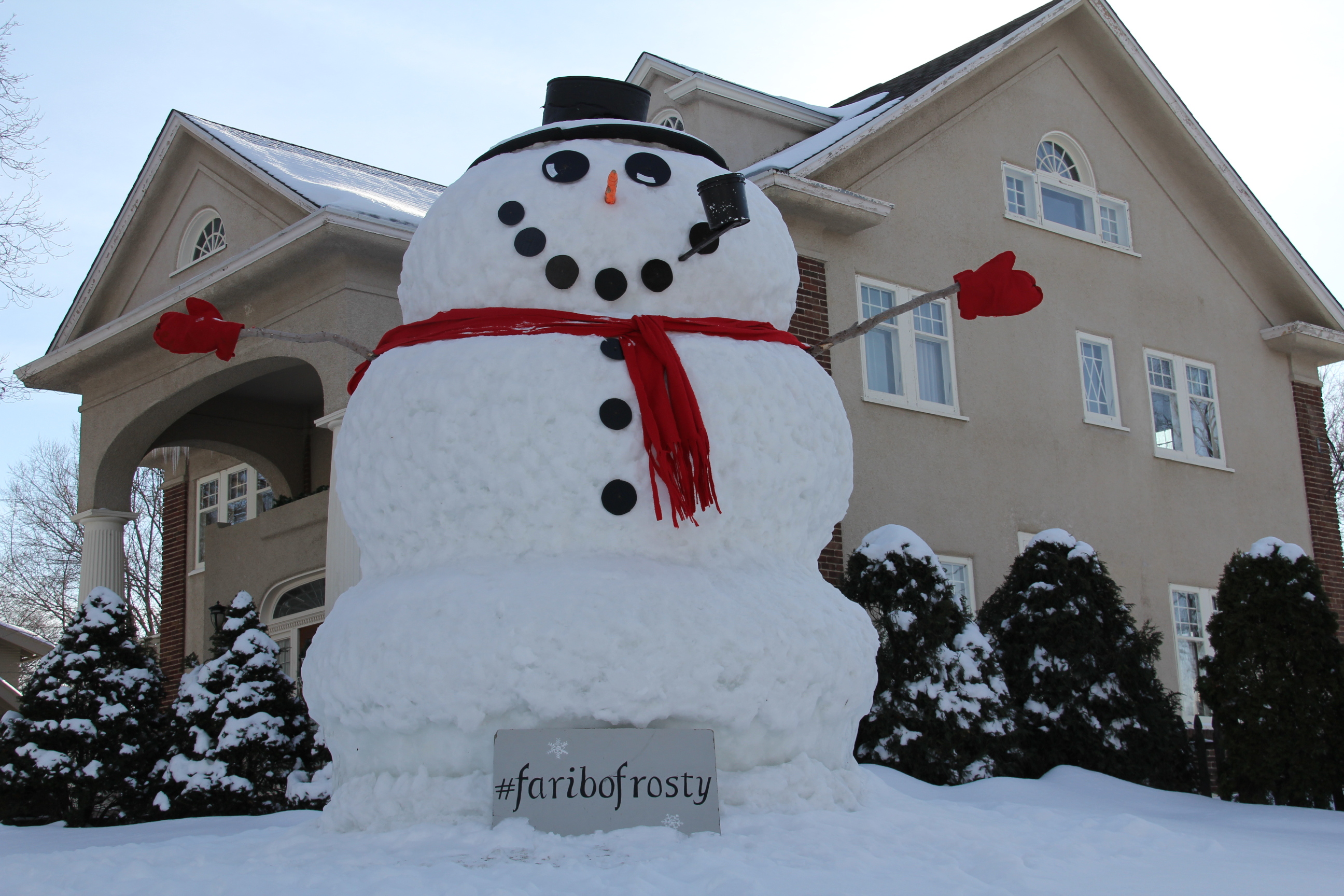
Faribo Frosty, a Faribault icon. (Minnesota Prairie Roots copyrighted photo February 2023)

NOSTALGIA WEAVES into our lives the older we grow, time blurring the edges of memories. But then something comes along to jog the mind into recalling a sweet childhood memory. For me, that’s Faribo Frosty.

Faribo Frosty’s smile brings so many smiles. (Minnesota Prairie Roots copyrighted photo February 2023)

Since 2005, the Hoisington family has built my community’s version of Frosty the Snowman. I loved Frosty as a child—the song, the Little Golden book, the animated holiday cartoon narrated by Jimmy Durante. There’s something so compelling about a snowman that comes to life via a magical top hat. And when he melts, oh, the sadness.

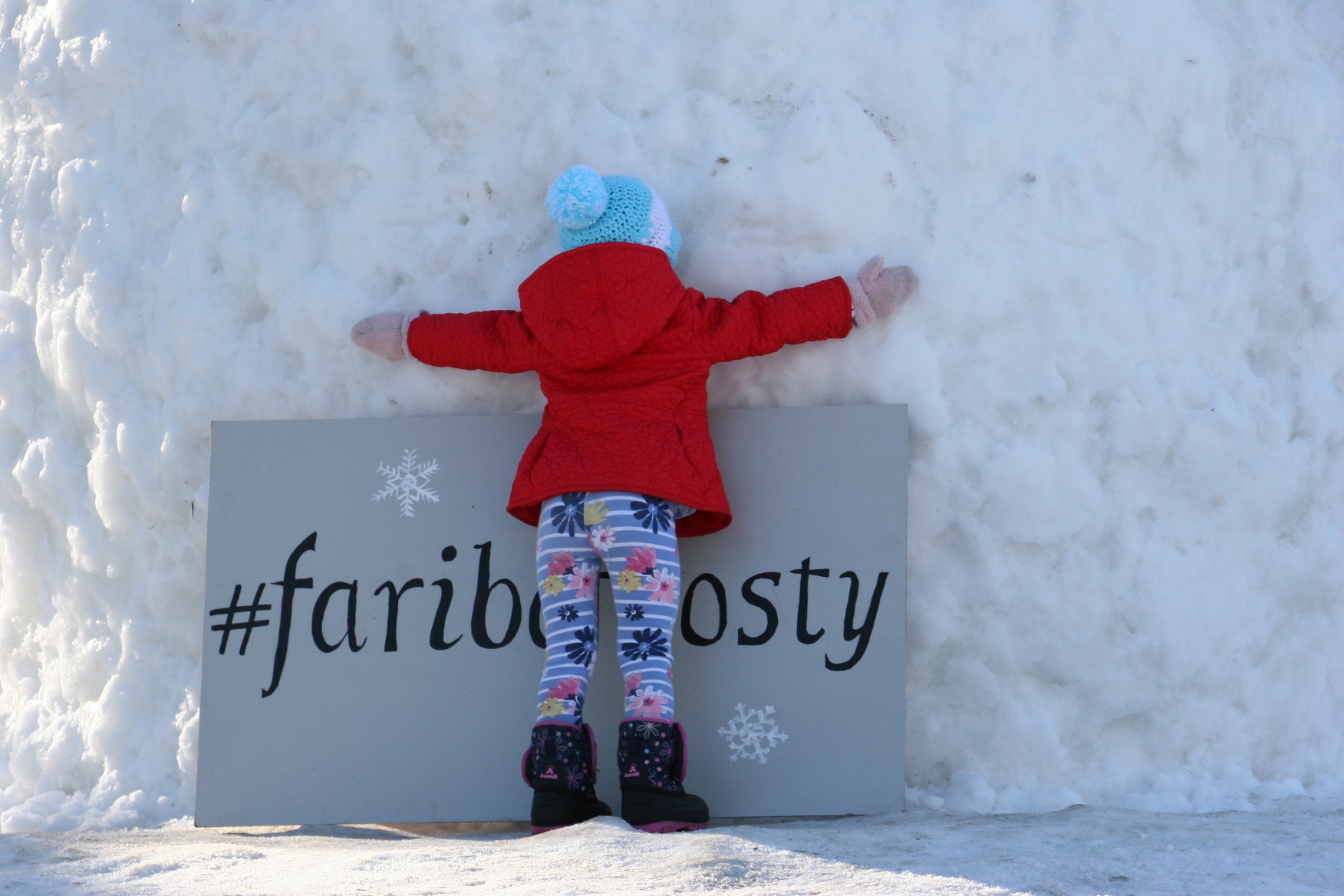
My then 2 1/2-year-old granddaughter hugging Faribo Frosty in December 2018. (Minnesota Prairie Roots copyrighted file photo December 2018)

But the melting of Faribo Frosty, given his robust size and current height of 17 or so feet, is not imminent. Lead creator Andy Hoisington cares for Frosty with the devotion of a man who recognizes the importance of his snowman. Families and grandparents and couples come to the corner of First Street Northwest and Third Avenue Northwest to see Faribo Frosty in the Hoisington’s front yard. I’ve been there with my grandkids, most recently a few weeks ago. When my granddaughter was two, she stretched her arms wide to hug Frosty. Couples have gotten engaged here and been photographed here to announce a pregnancy.

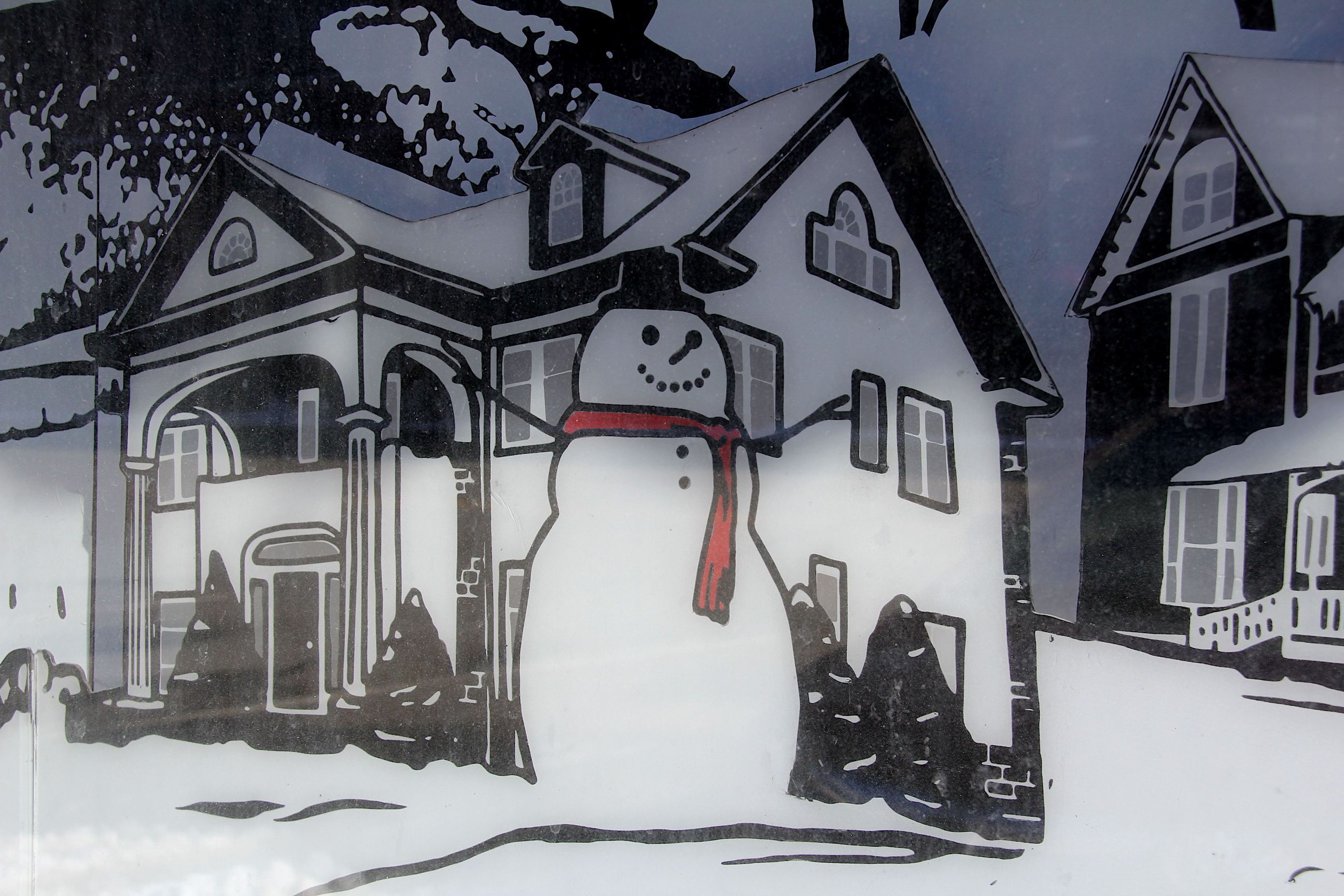
I photographed this Faribo Frosty art through the storefront window of Actualize Fabrication in the 300 block of Central Avenue in historic downtown Faribault. (Minnesota Prairie Roots copyrighted and edited photo February 2023)

Ginormous Faribo Frosty, crafted with shaved ice from the local ice arena and from snow by Andy and his family (including adult sons Jake and Josiah and son-in-law Nick), attracts visitors from well beyond Faribault. He’s also been filmed for metro area television features, including KARE 11 Boyd Huppert’s “Land of 10,000 Stories.”

Jake, left, and Andy Hoisington work on Faribo Frosty in this December 2020 image. (Minnesota Prairie Roots copyrighted file photo 2020)

I’ve watched the Hoisingtons work on Frosty, shoveling shaved ice from a trailer, climbing a ladder to pack and shape the beloved snowman. He requires constant maintenance given Minnesota’s diverse winter weather. This is truly a labor of love after 18 years.

The Hoisington’s beautiful historic home is a lovely backdrop for their snowman. (Minnesota Prairie Roots copyrighted photo February 2023)

I am grateful for this family’s dedication to bringing joy into my community with their version of Frosty. Faribo Frosty makes me happy. He makes me smile with his wide smile, his bright carrot nose, his over-sized signature red scarf and mittens, even his black bucket pipe and his black top hat. Faribo Frosty is, in every way, nostalgically magical.

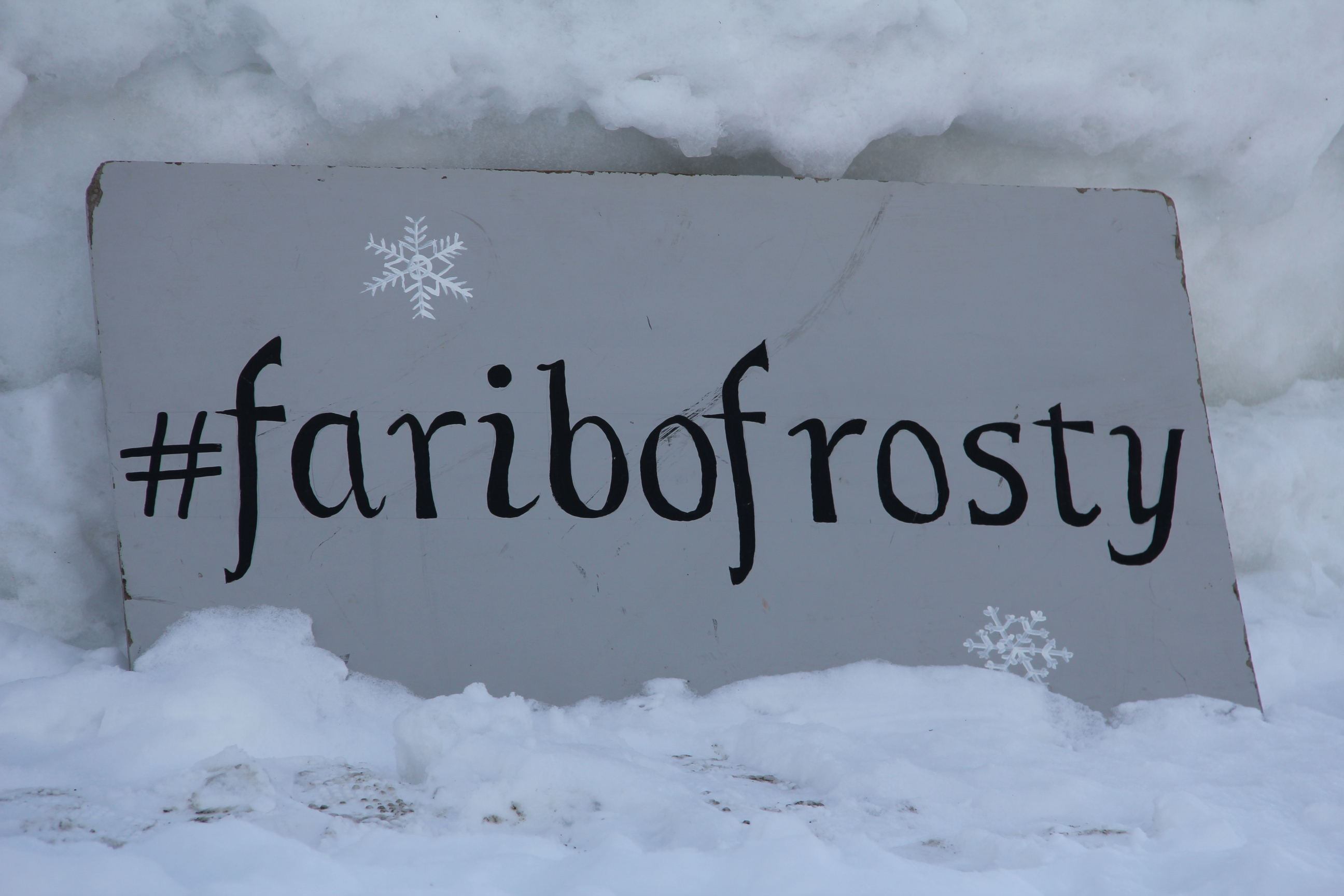
This sign standing in front of Frosty encourages others to share the snowman on social media with this hashtag. (Minnesota Prairie Roots copyrighted photo February 2023)

TELL ME: If you live in southern Minnesota, have you seen Faribo Frosty? If you live in another cold weather area, do you have a similar winter attraction or have you seen one?

© Copyright 2023 Audrey Kletscher Helbling
 

A tropical escape from Minnesota March 2, 2023

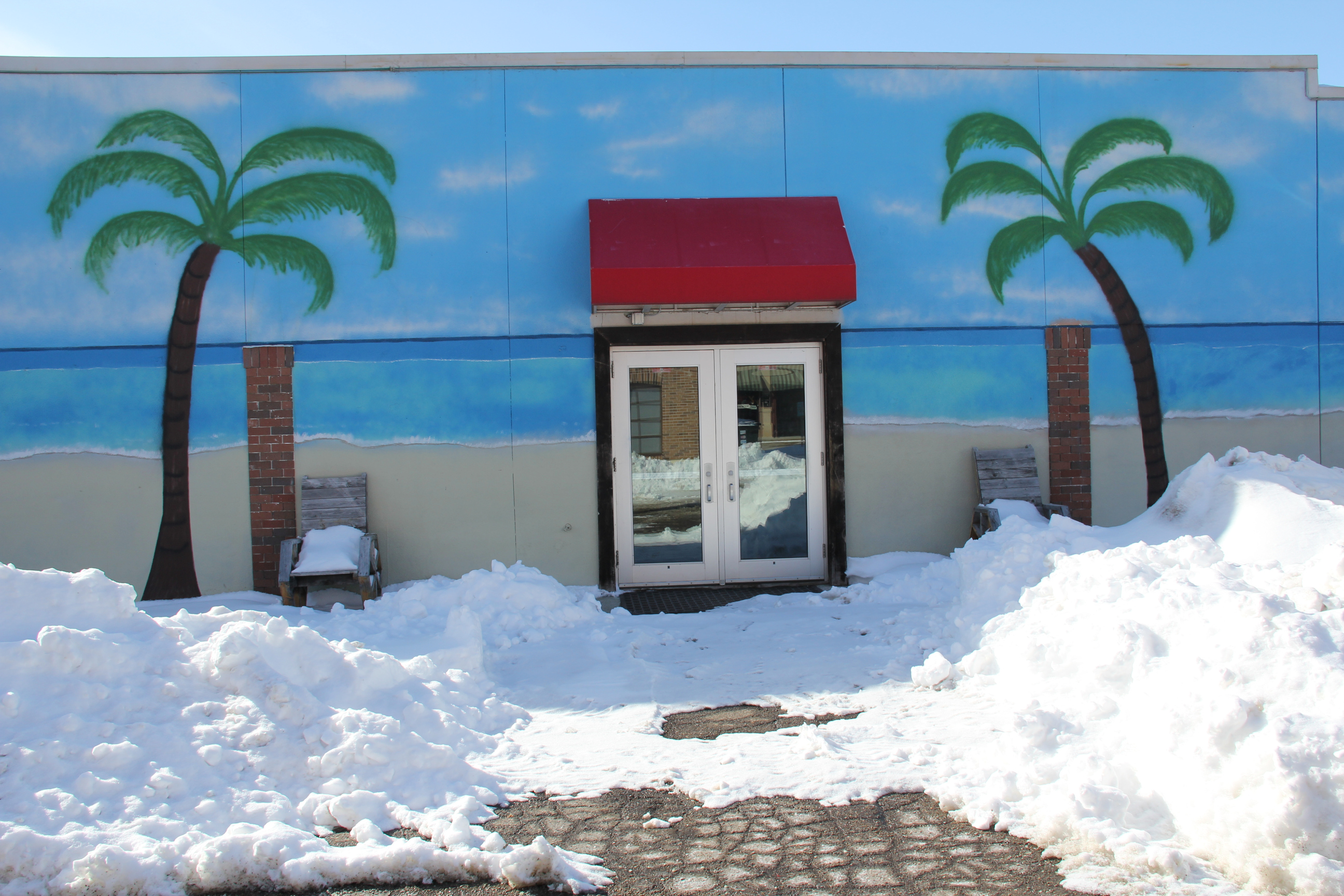
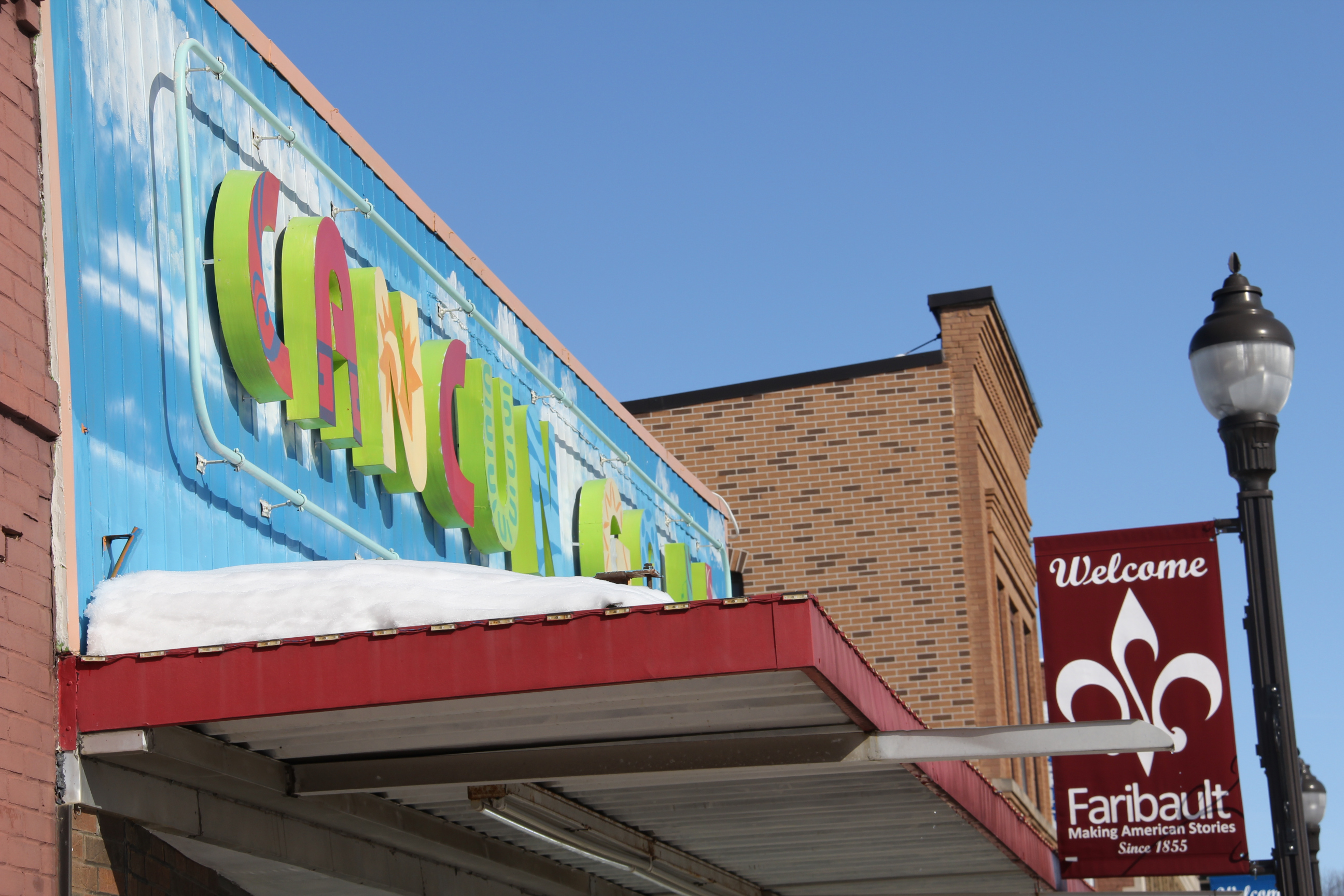
This tropical mural graces the side of the former Cancun Grill Mexican Restaurant in downtown Faribault. (Minnesota Prairie Roots copyrighted photo February 2023)

IF NOT FOR THE SNOW, I can envision this as some place warm and sunny. Some location other than here. Some place with real palm trees, not just those painted on the side of a building.

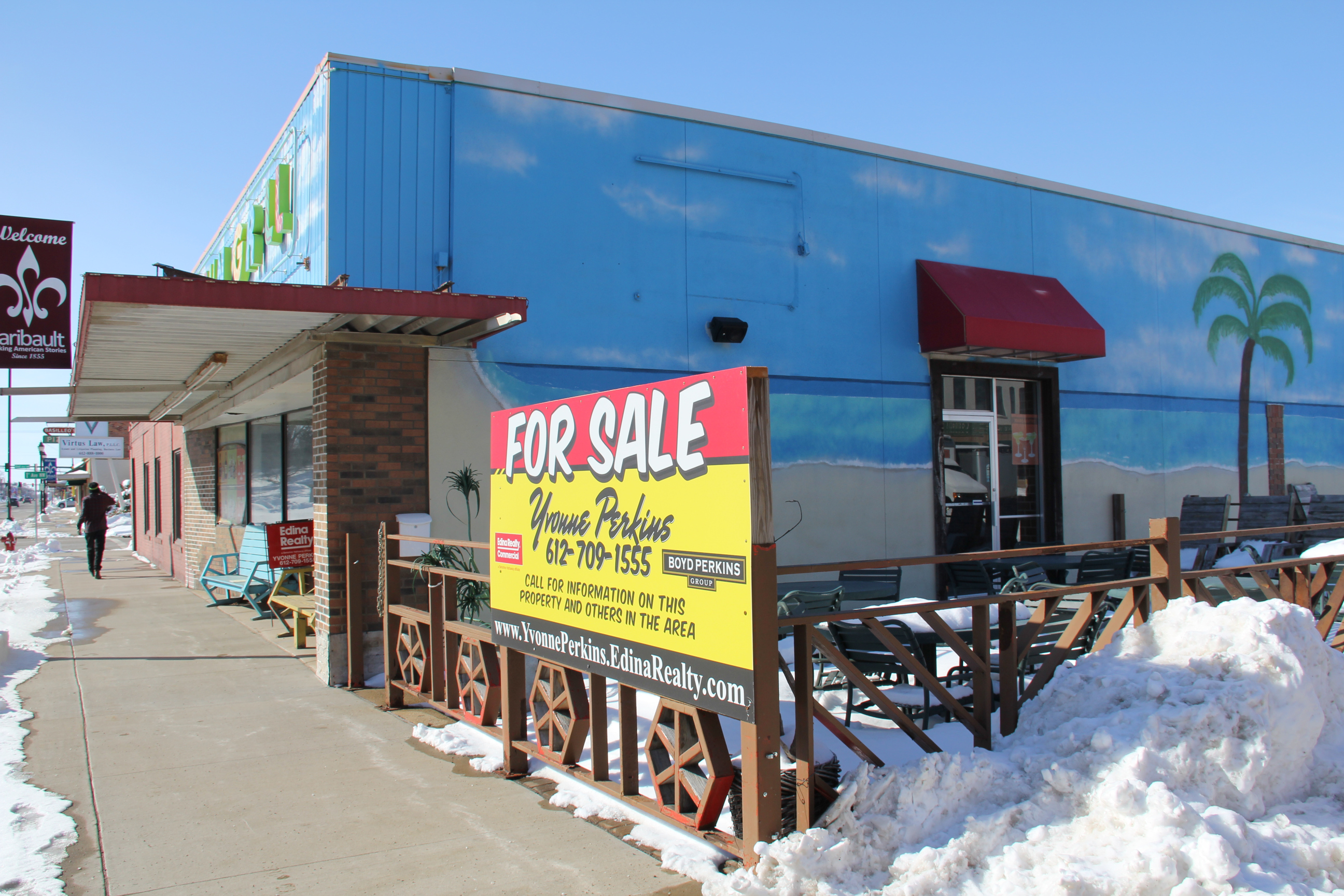
The closed restaurant is located downtown along a busy state highway that runs right through the heart of Faribault. (Minnesota Prairie Roots copyrighted photo February 2023)

I can picture myself on the patio, relaxing and conversing at a table with friends, drinking margaritas while the hot sun bakes my skin. But wishful thinking doesn’t land me in Arizona or Texas or California or Florida or Mexico. I am in Minnesota, outside the shuttered Cancun Grill Mexican Restaurant, drawn here by an inviting tropical scene of ocean and palm trees.

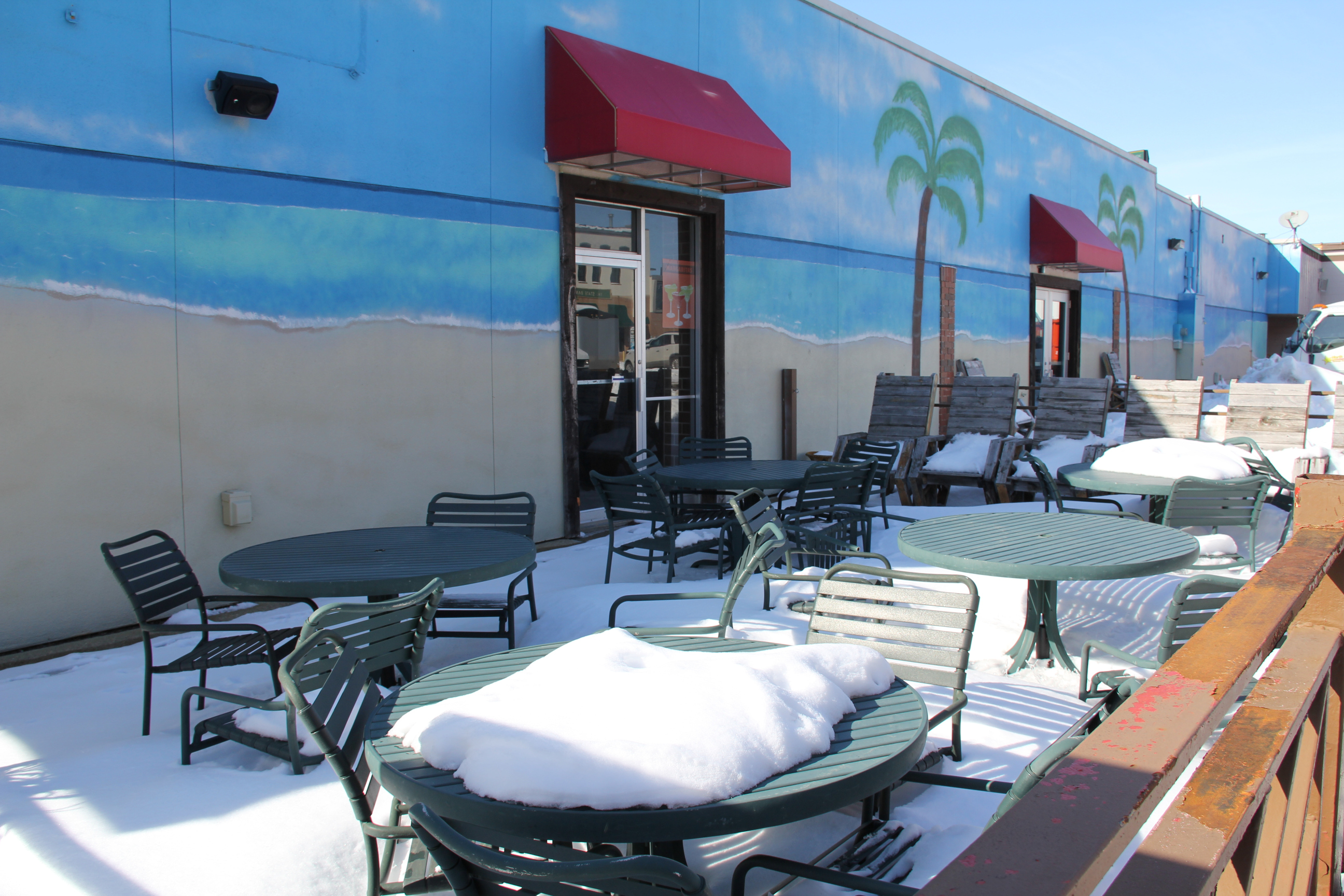
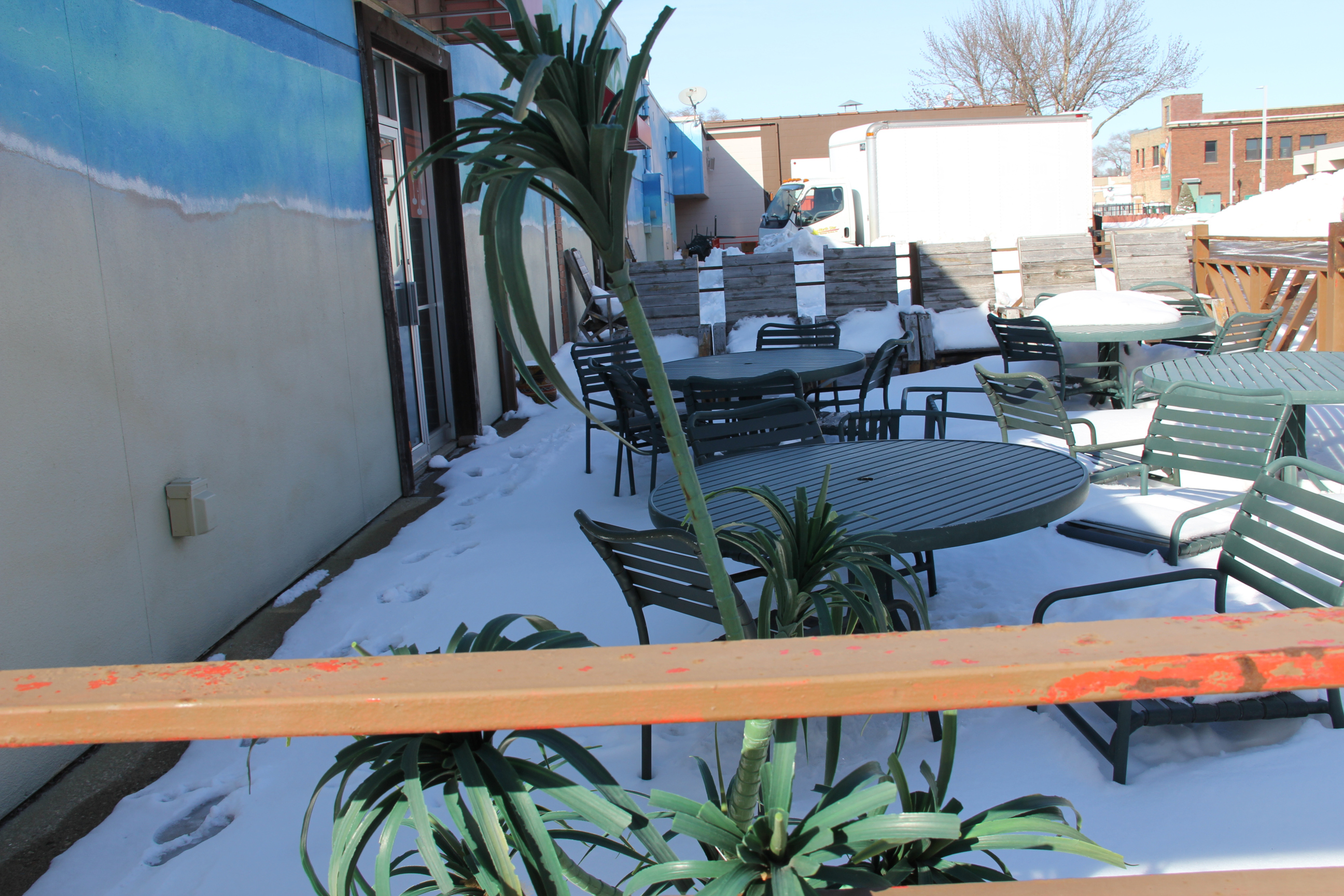
Snow blankets an otherwise inviting outdoor dining and drinking space. (Minnesota Prairie Roots copyrighted photo February 2023)

Just days after a major multi-day winter storm dumped some 14 inches of snow on Faribault, I find myself photographing the “for sale” restaurant. The contrast of snow layering tables, chairs and patio against the backdrop tropical-themed mural catches my creative eye, allowing for a visual and mental escape from all this winter.

I’ve never dined at this restaurant, although I wish I had based on the positive online reviews: Authentic wonderful Mexican cuisine. Best tacos here. Excellent burritos and margaritas. Large portions. Delicious. Great service.

Even the Cancun Grill business sign is tropically inviting. (Minnesota Prairie Roots copyrighted photo February 2023)

Now it’s too late to experience this taste of Cancun in my southern Minnesota community. But I can dream. I can dream of palm trees I’ve never seen, except at Como Park Conservatory in St. Paul. I can dream of places I’ve never visited. I can dream of staying at an all-inclusive fancy resort, of warm beach sand filtering through my toes and sunshine on my face. I can dream of lazy days lounging by the sea with a good book rather than time spent shoveling snow.

In this moment I am not in Minnesota, enveloped in a wintry landscape. Rather, my imagination melts away the snow, replacing it with beach sand so white I need sunglasses. Ah, this is lovely, this Cancun of fleeting travel.

A fake tropical plant stands inside the gated patio next to the tropical mural. (Minnesota Prairie Roots copyrighted photo February 2023)

This permanently closed restaurant along busy Fourth Street Northwest/Minnesota State Highway 60 in Faribault offers me a momentary escape. I feel the breeze as palm trees sway against the merging blue sky and water while I sip a strawberry margarita on the sun-drenched patio.

© Copyright 2023 Audrey Kletscher Helbling

 

Focus on musicians, the Surf & Clear Lake, Iowa February 7, 2023

Portraits of the deceased musicians grace the Surf Ballroom. (Minnesota Prairie Roots copyrighted file photo May 2015)

I’M SEVERAL DAYS LATE to the party. Yet, it’s worth noting, even after the fact, the importance of February 2 and 3 in music history. On February 2, Buddy Holly, Ritchie Valens, J.P. “The Big Bop” Richardson and other musicians performed at the Surf Ballroom in Clear Lake, Iowa. The next day, the three died, along with the pilot, when their chartered plane crashed in a field near this northern Iowa community. It was, as Don McClean later wrote and sang, “the day the music died.”

A broad view of the massive ballroom which seats 2,100. (Minnesota Prairie Roots copyrighted file photo May 2015)

Each February, Clear Lake commemorates the musicians and celebrates their music at a Winter Dance Party. I’m about 10 years too young to have known these early rock and rollers. But I still appreciate their status in rock and roll, a music genre I definitely embraced as a teen. McClean’s iconic lengthy “American Pie,” which holds meaning well beyond the tragedy in Clear Lake, remains forever imprinted in my memory, like so many other songs of my adolescent years.

In the back are layers of booths, all original. (Minnesota Prairie Roots copyrighted file photo May 2015)

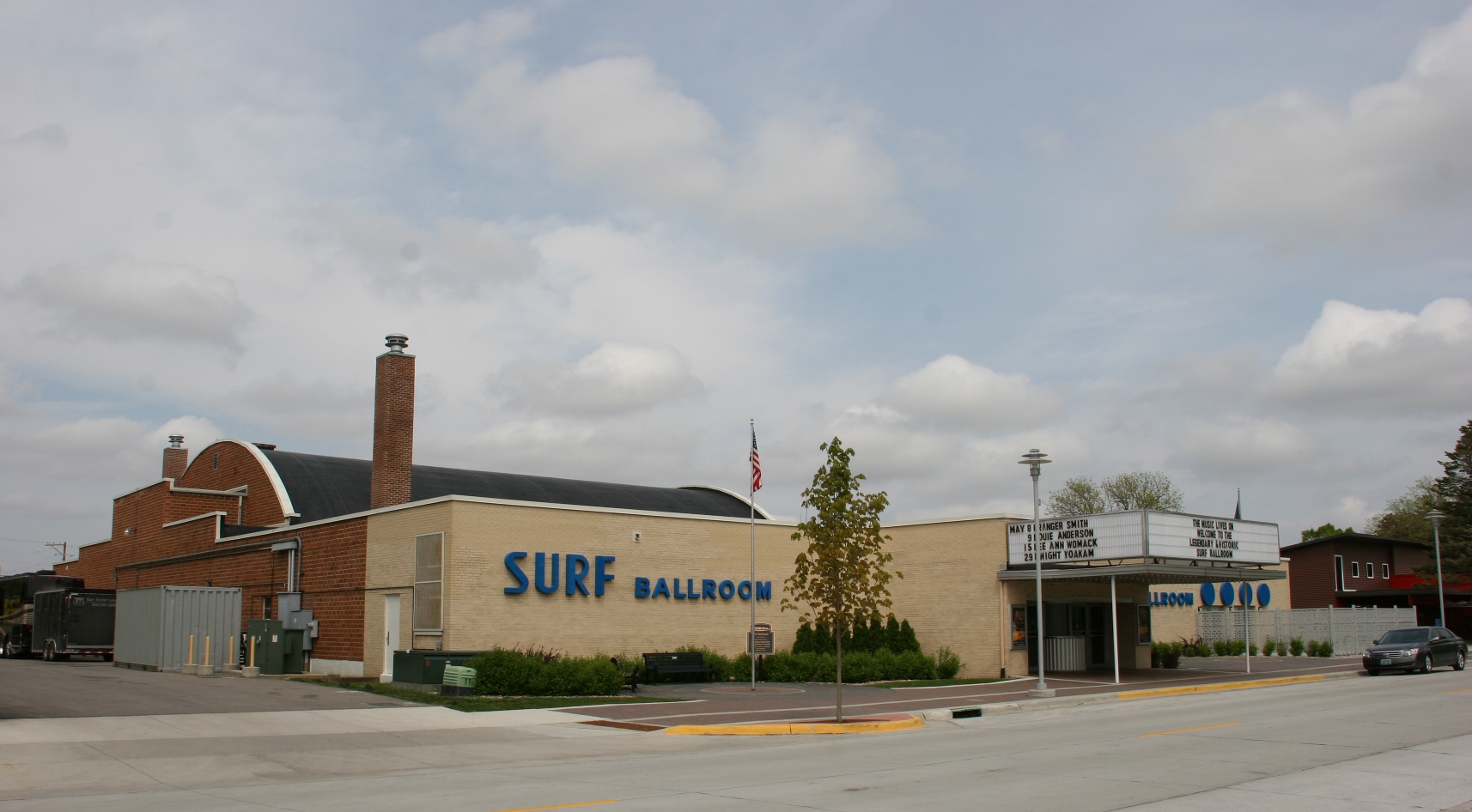
In mid-May 2015, Randy and I traveled to Clear Lake, just an hour and 15 minutes from Faribault across the Iowa border along Interstate 35. We toured the Surf, but because of rain, did not walk to the crash site. The sprawling ballroom is worth visiting for the history it holds and simply for its ballroom of yesteryear appeal. Retaining its original ocean beach club theme (yes, in rural Iowa nowhere near an ocean), built-in wooden booths and a hardwood floor, this music venue feels like a step back in time. Simply put, I felt like I could have brought a whiskey bottle in a brown paper bag, ordered a set-up and settled in for an evening of dancing and fun.

This display references “American Pie.” (Minnesota Prairie Roots copyrighted file photo May 2015)

Even if you’re like me, not too knowledgeable about music, the Surf will draw you into the music of the era with posters and historical information. But mostly, it’s about being there, about feeling the music that was made, and continues to be made, here.

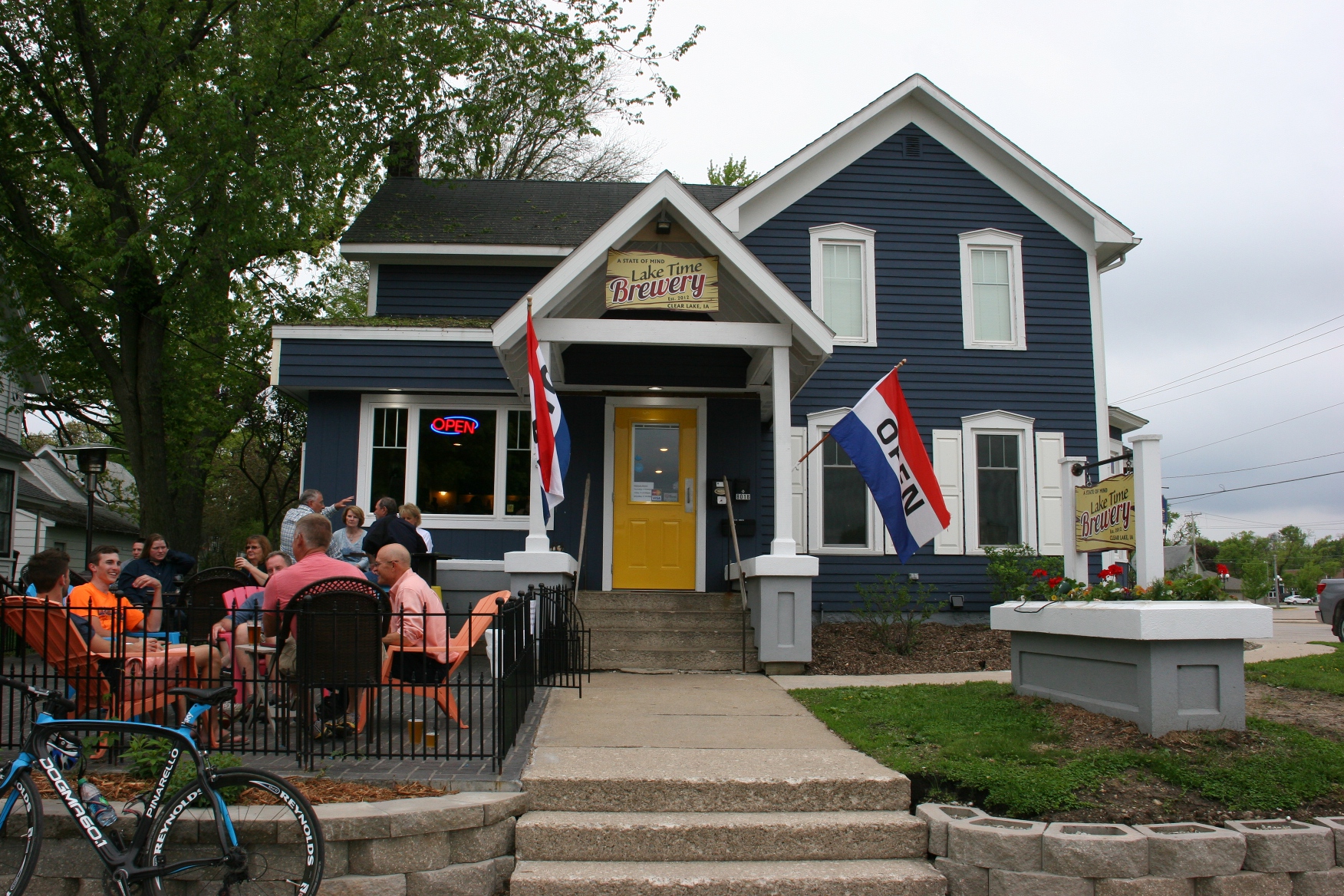
Lake Time Brewery, a great place to converse with the locals. (Minnesota Prairie Roots copyrighted file photo May 2015)

Clear Lake is one of those small towns that appeals to me. Art and history and eats and drink and natural beauty and homegrown shops and much more make this a must-visit Iowa community. Randy and I are already thinking about a return trip there this summer. On our list of places to revisit is Lake Time Brewery. There we met Connie, Nancy, Chris and “They Call Me Norm.” What a welcoming bunch, exactly the type of connection we hope to make when visiting a place. We still reminisce about enjoying craft beer with locals on the Lake Time patio on a lovely May evening.

A public dock in Clear Lake. (Minnesota Prairie Roots copyrighted file photo May 2015)

These are my thoughts as I reflect on the tragic deaths on February 3, 1959, outside Clear Lake, Iowa, so far from the ocean yet so near.

TELL ME: Have you been to the Surf Ballroom in Clear Lake?

© Copyright 2023 Audrey Kletscher Helbling


Minnesota prairie roots revisited, remembered, reflected January 25, 2023

My “Hope of a Farmer” poem exhibited at the Lyon County Historical Society Museum. The exhibit also includes my poem, “Ode to My Farm Wife Mother.” (Minnesota Prairie Roots copyrighted file photo September 2022)

WHEN I RETURNED to my beloved southwestern Minnesota prairie in September, I did so with one primary purpose—to see my poetry showcased in the “Making Lyon County Home” exhibit at the Lyon County Historical Society Museum in Marshall. Any additional attractions—like viewing a public art sculpture outside the local ice arena and a stop at Brau Brothers Brewing—would only enhance the day trip.

Randy Walker’s “Prairie Roots” sculpture defines the entrance outside the Red Baron Arena on Marshall’s east side at 1651 Victory Drive. (Minnesota Prairie Roots copyrighted photo September 2022)

My one regret is that Randy and I didn’t stay overnight, allowing more time to explore local sites without feeling rushed. Forty years have passed since I visited Marshall en route to the Black Hills on our honeymoon. The college and county seat town lies 20 miles to the west of my hometown, Vesta in Redwood County, and 140 miles from my current home in Faribault.

A serene country scene just north of Lamberton in southern Redwood County on the southwestern Minnesota prairie. (Minnesota Prairie Roots copyrighted file photo September 2013)

This area of Minnesota is the place of my roots. My prairie roots. It is the place of wide open space, expansive skies, small towns and endless acres of cropland.

A prairie sunset photographed from Minnesota State Highway 67 between Redwood Falls and Morgan. (Minnesota Prairie Roots copyrighted file photo)

The land where I grew up inspired my blog name, Minnesota Prairie Roots. The name fits me as a person and a creative. The sparseness of the prairie taught me to notice details, to fully engage my senses. To appreciate the landscape and people. The vastness of the flat land and the star-flushed night sky and achingly beautiful sunsets. Here I connected to the land—bare feet upon dirt, bike tires crunching gravel, dirt etched into my hands from working the soil. Here I connected to the people—down-to-earth, hardworking, linked to the land.
A favorite children’s picture book about the prairie gifted to me by my friend Kathleen.

For those who are not of prairie stock, the sparse landscape can seem uninteresting, empty, desolate. Even I admit the challenge of “if you’re not from the prairie…” A children’s picture book by that title, written by David Bouchard and illustrated by Henry Ripplinger and published in 1995, speaks to the prairie sun, wind, sky, flatness…grasses.

The tall grasses stretch to the prairie sky. The bent tops of the stems are also meant to resemble hockey sticks given the sculpture’s location outside the ice arena. (Minnesota Prairie Roots copyrighted photo September 2022)

Tall grasses are often associated with the prairie. Yet, those grasses were mostly missing from the landscape of my youth as cultivated crops covered the earth. But on our farm site, a sliver of unmown grass grew between granary and grove and gravel driveway, stretching high, stems bending in the wind. That Little House on the Prairie (Walnut Grove is 20 miles from Vesta) space opened summer afternoons to imaginative play. I hold many memories rooted in those tall grasses, in the prairie.

Depending on the time of day and viewing point, the steel grass stems showcase different colors. (Minnesota Prairie Roots copyrighted photo September 2022)
The sculpture reflected in an arena window. (Minnesota Prairie Roots copyrighted photo September 2022)
Just another view of the grass stems, emphasizing the orange and yellow hues. (Minnesota Prairie Roots copyrighted photo September 2022)

Prairie Roots. That name graces a public art sculpture outside the Red Baron Arena in Marshall. Minneapolis artist Randy Walker was commissioned by the City of Marshall in 2018 to create the sculpture reflecting the prairie landscape. I knew in advance of my September visit that I needed to see this artwork if time allowed. We made time. Walker used 210 painted steel poles to represent tall stems of grass, prairie grass. They are colored in hues of yellow, orange, red and green, reflecting seasonal changes and light.

Prairie grass grows within the sculpture. (Minnesota Prairie Roots copyrighted file photo September 2022)

And in between all those steel stems, prairie grass grows, thrives.

A grasshopper clings to a steel grass stem in the “Prairie Roots” sculpture. (Minnesota Prairie Roots copyrighted photo September 2022)

I even spotted a grasshopper on a steel stalk, taking me back decades to the hoards of grasshoppers that amassed and hopped through that patch of uncut grass on the farm.

Viewing the sculpture toward the field, this perspective shows the meandering course of the Redwood River in the Marshall area on the floor of the gathering space. (Minnesota Prairie Roots copyrighted photo September 2022)

Walker’s sculpture holds visual appeal against an expansive backdrop sky and open field (when viewing the art from the arena entrance outward). Via that perspective, I see the enduring strength of the prairie, and the immensity of land and sky, this place of my Minnesota prairie roots.

Please check back for more posts about my day trip back to southwestern Minnesota in September 2022.

© Copyright 2023 Audrey Kletscher Helbling