Minnesota Prairie Roots

Writing and photography by Audrey Kletscher Helbling

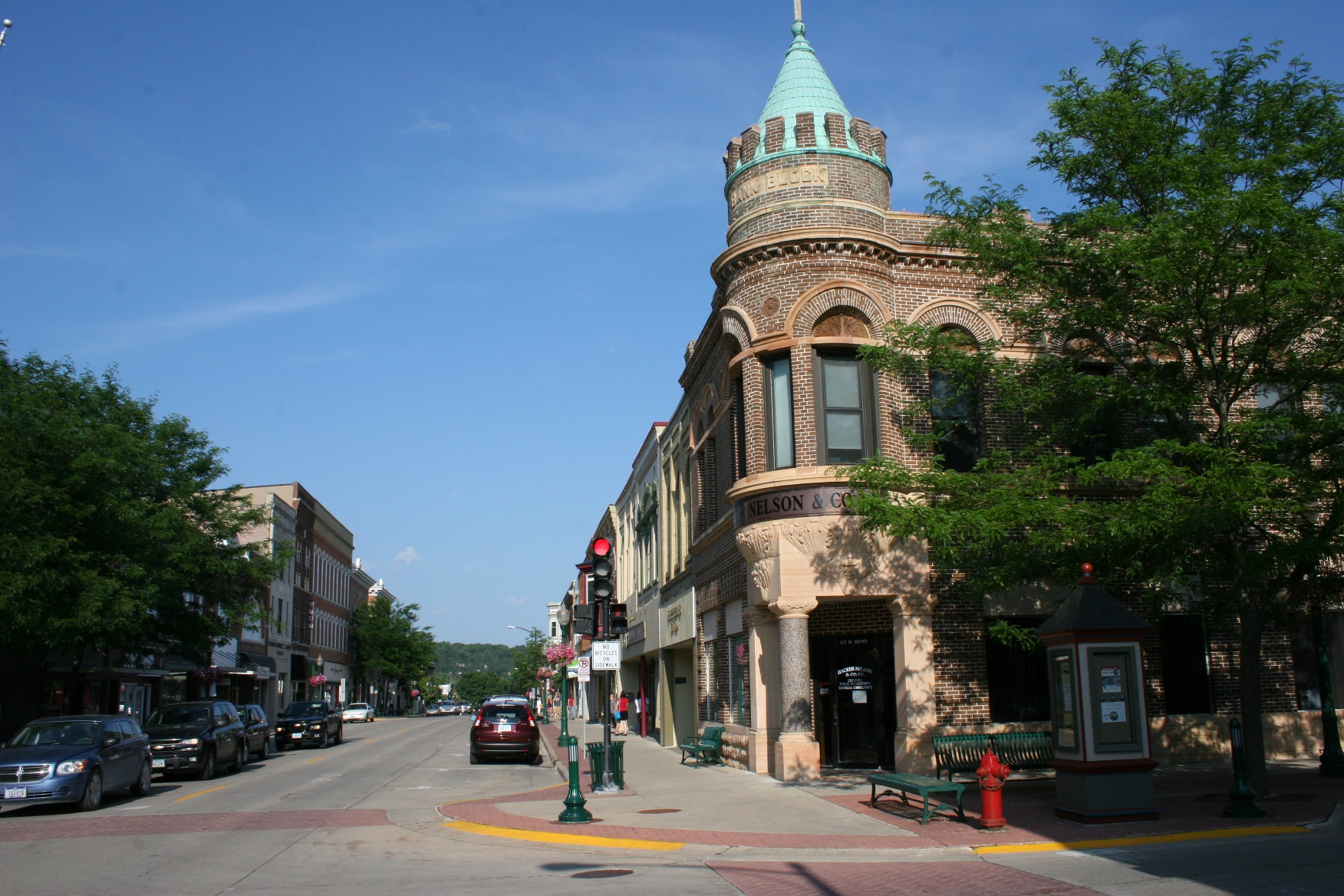
Reason number one to visit Decorah, Iowa: The historic architecture July 10, 2013

The architecture on the historic buildings is incredible.

The architecture on the historic buildings is incredible.

“MOM, YOU’LL LOVE DECORAH.”

Except for getting sprayed with soda while dining at an Italian eatery (and no amends made save a perfunctory “sorry”), my husband and I loved this northeastern Iowa river town.

Our daughter Miranda, who visited a college friend here last summer, was right. We delighted in Decorah’s historic architecture, natural beauty and small town ambiance.
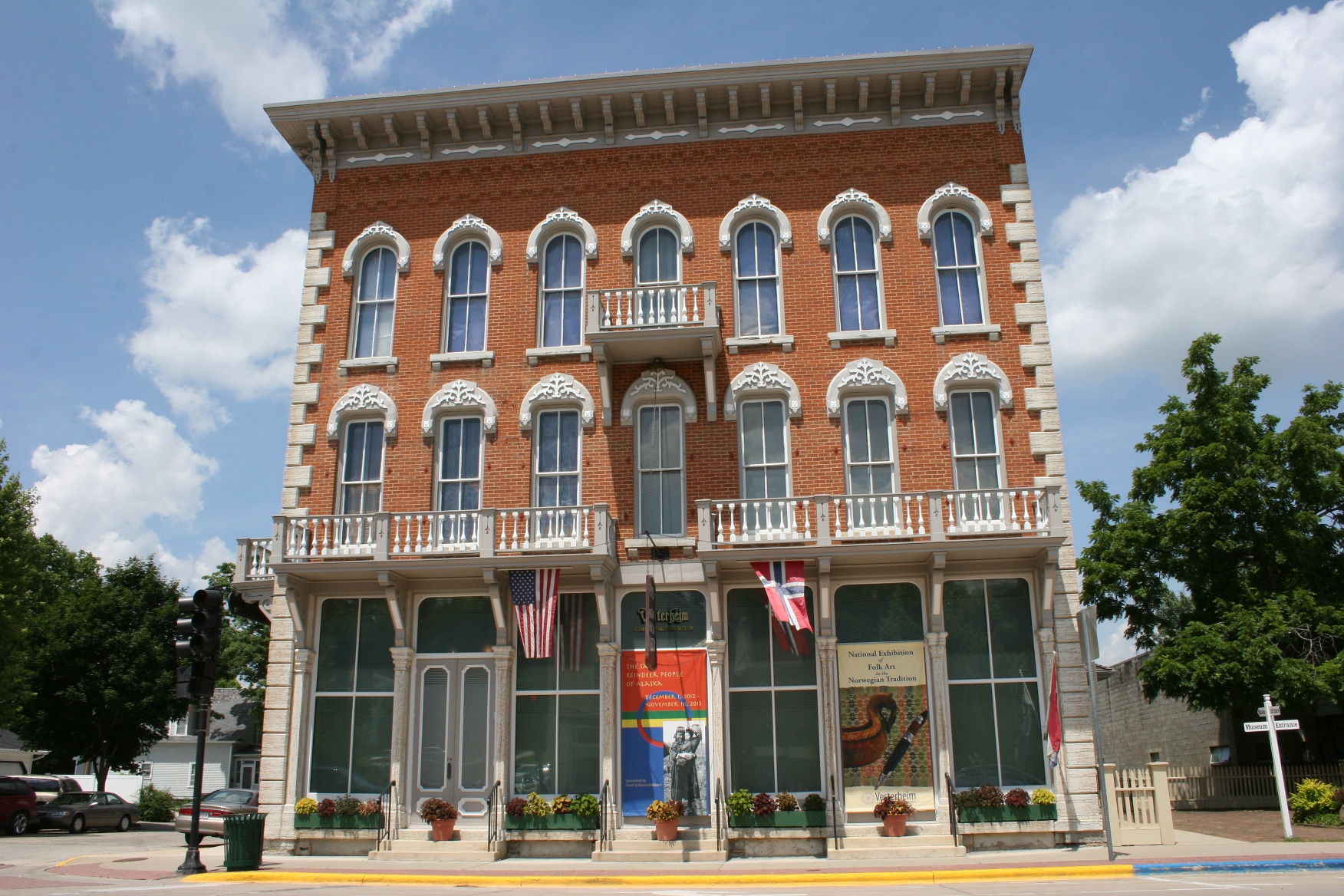
That Norwegian museum we need to tour next time we're in Decorah.

That Norwegian museum we need to tour next time we’re in Decorah.

Home to Luther College and the world’s largest collection of Norwegian artifacts at the Vesterheim—The National Norwegian-American Museum and Heritage Center, Decorah definitely presents a college town feel and an ethnic bend toward Norwegians. Interestingly enough, we didn’t tour either Luther or the Vesterheim. Next trip, because we will return.
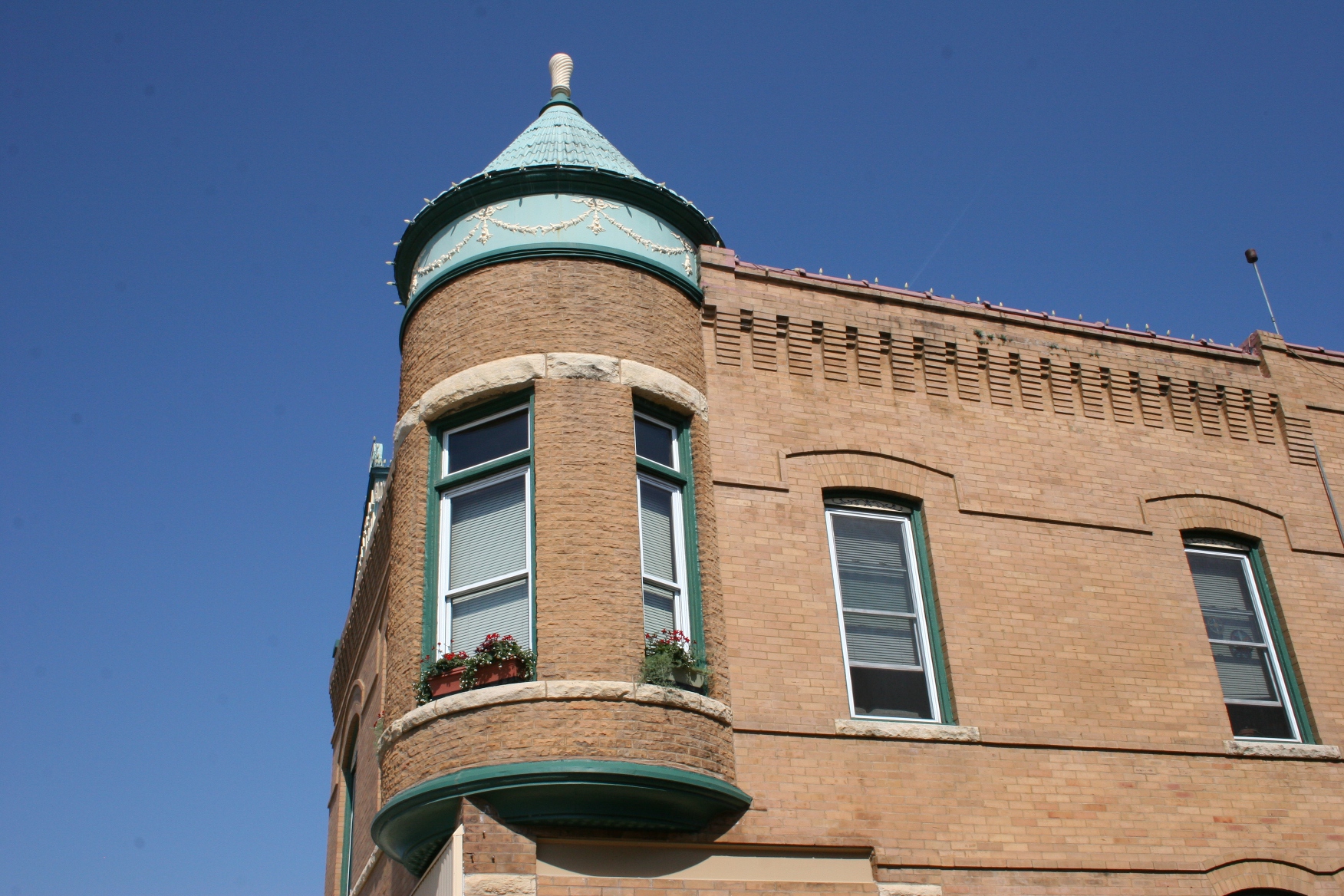
Blue Heron Knittery is housed in the lower level of this architecturally stunning corner building in downtown Decorah.

Blue Heron Knittery is housed in the lower level of this architecturally stunning corner building in downtown Decorah.

So what exactly did we see? Mostly, we simply strolled through downtown admiring the historic buildings and occasionally popping into charming shops in this city of some 8,000.
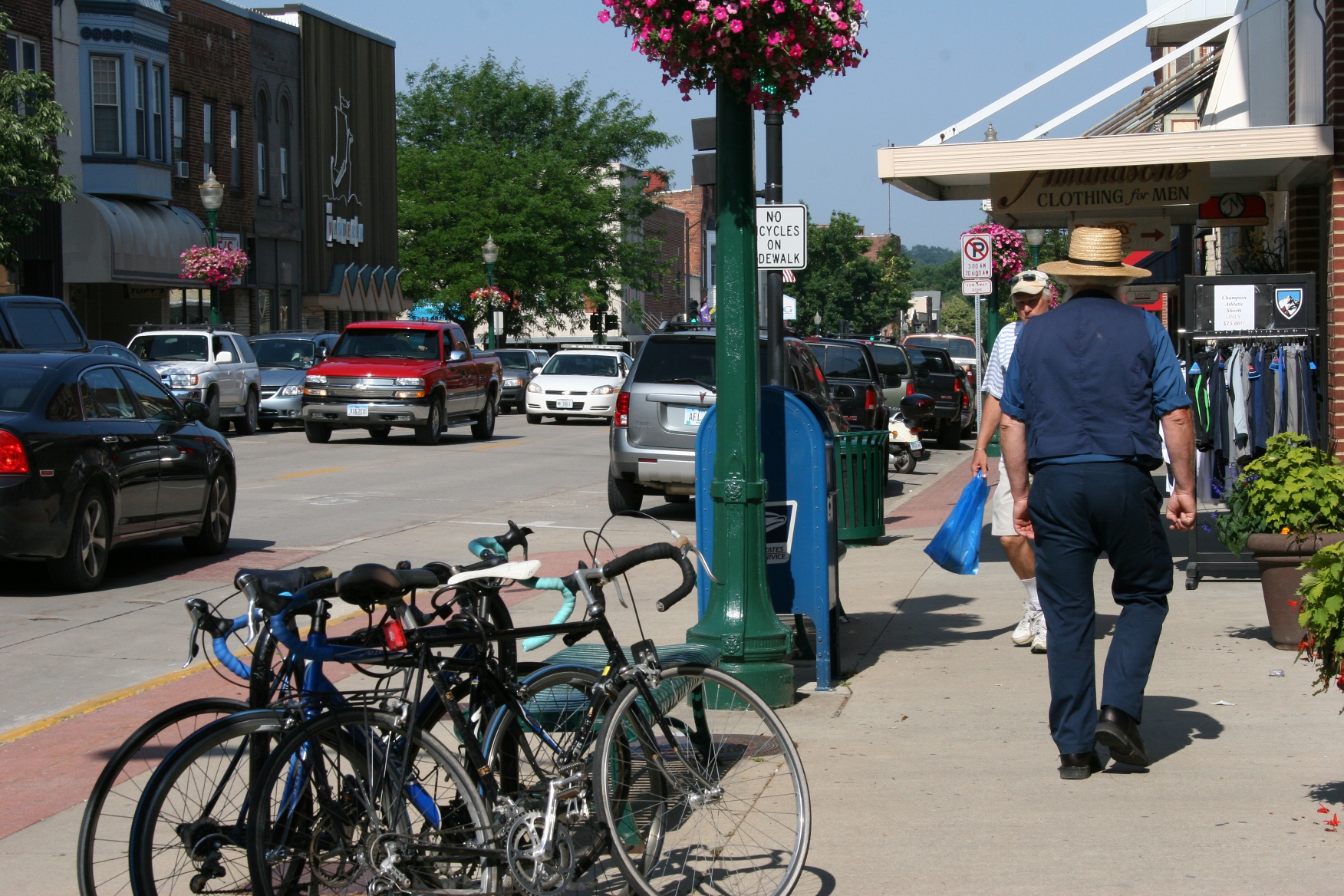
On a Tuesday morning, the streets were teeming with pedestrians, including this Amish man from southeastern Minnesota.

On a Tuesday morning, the streets were teeming with pedestrians, including this Amish man from southeastern Minnesota.

Decorah, with numerous one-way streets, plenty of stoplights, an abundance of benches, information kiosks, bike racks, and planters overflowing with vibrant flowers and vining plants, rates as an especially pedestrian friendly community. First impressions count and this Iowa town does a splendid job of making visitors feel welcome via the relaxed setting created in the downtown business district.
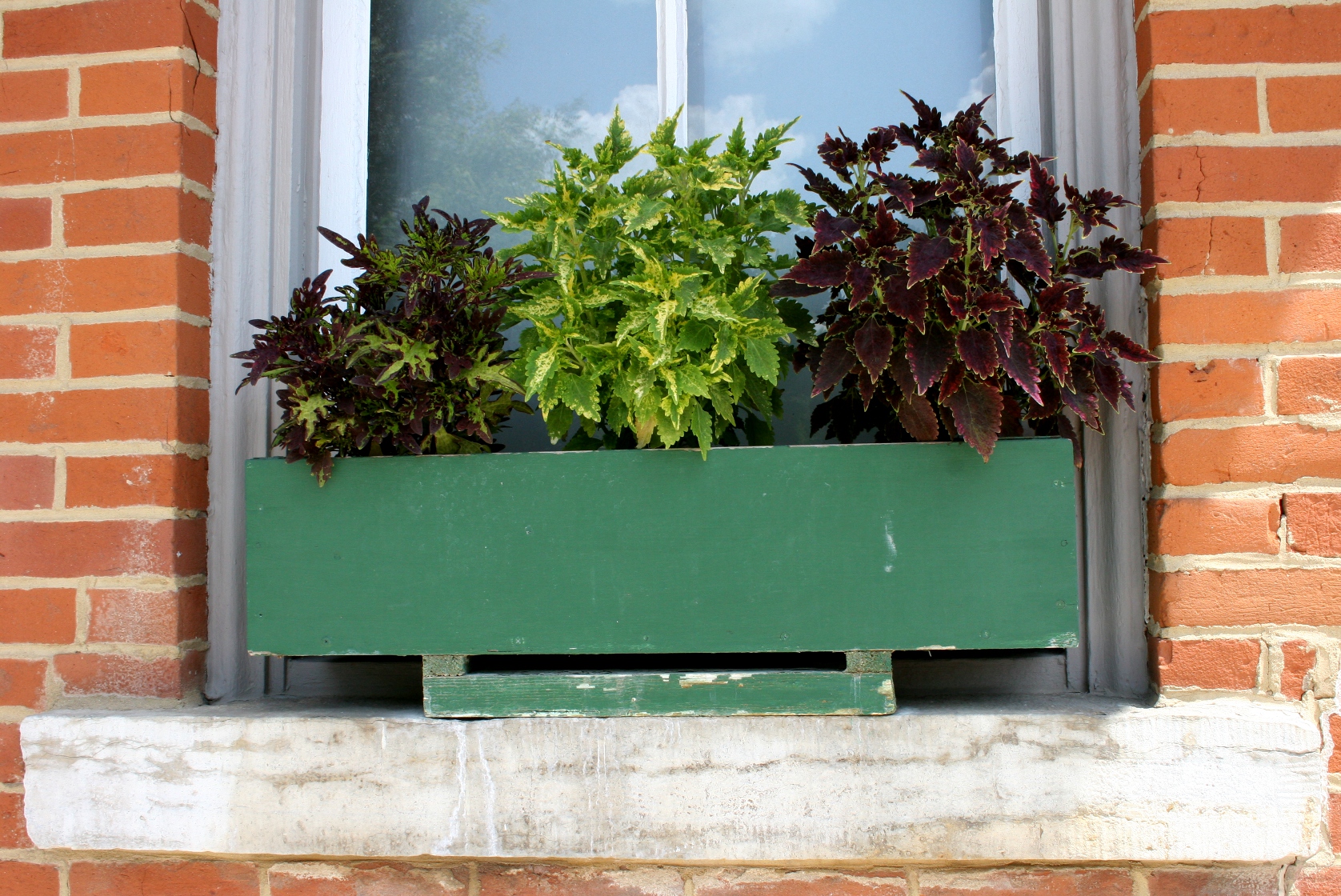
It's the details that count, that show a community truly cares like vibrant plants in windowboxes.

It’s the details that count in creating an inviting downtown shopping experience.

Join me as we begin our journey through Decorah, today with a peek at that historic architecture and other photo-worthy snippets in the downtown.
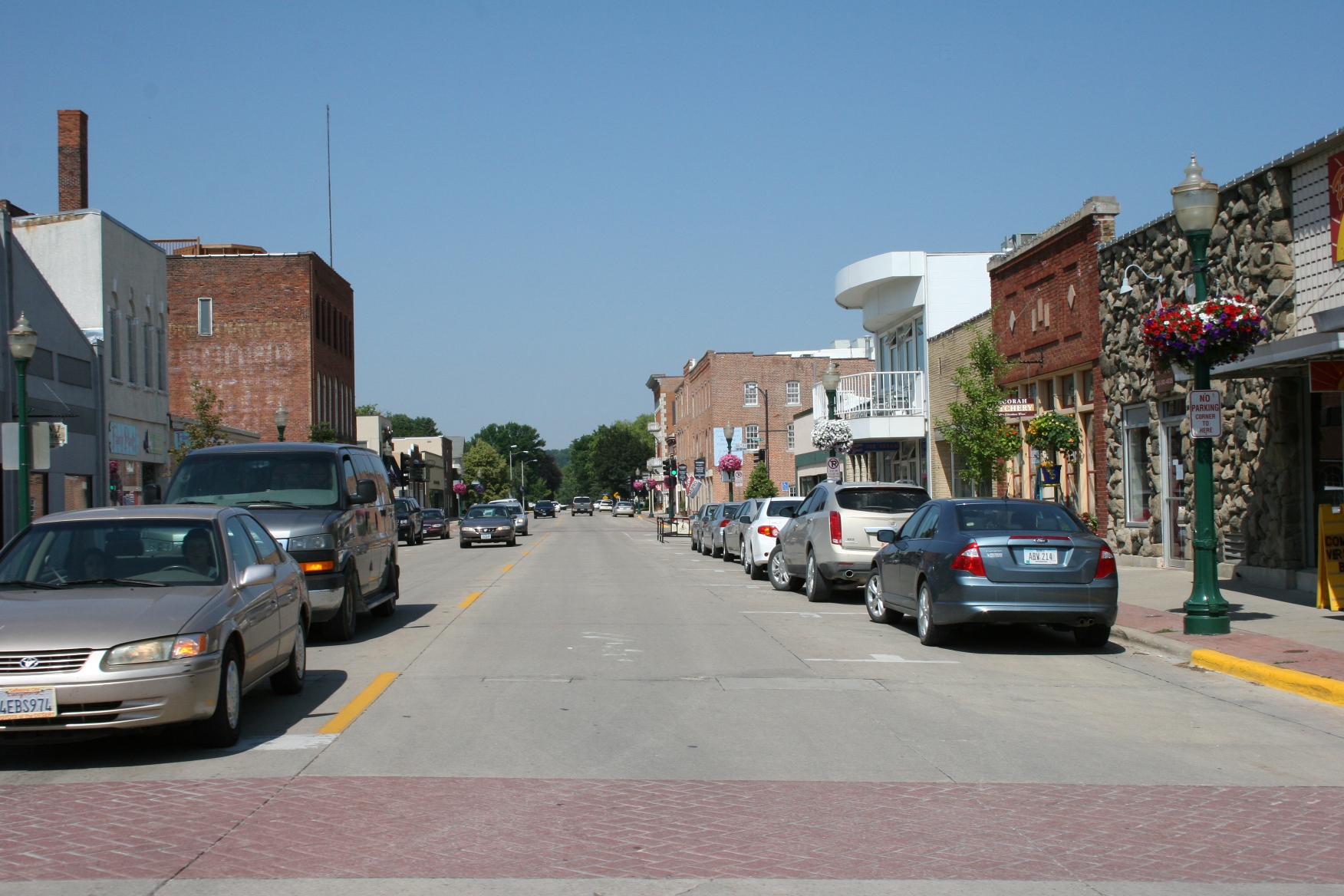
So much to see along Decorah's downtown city streets.

So much to see along Decorah’s downtown city streets.
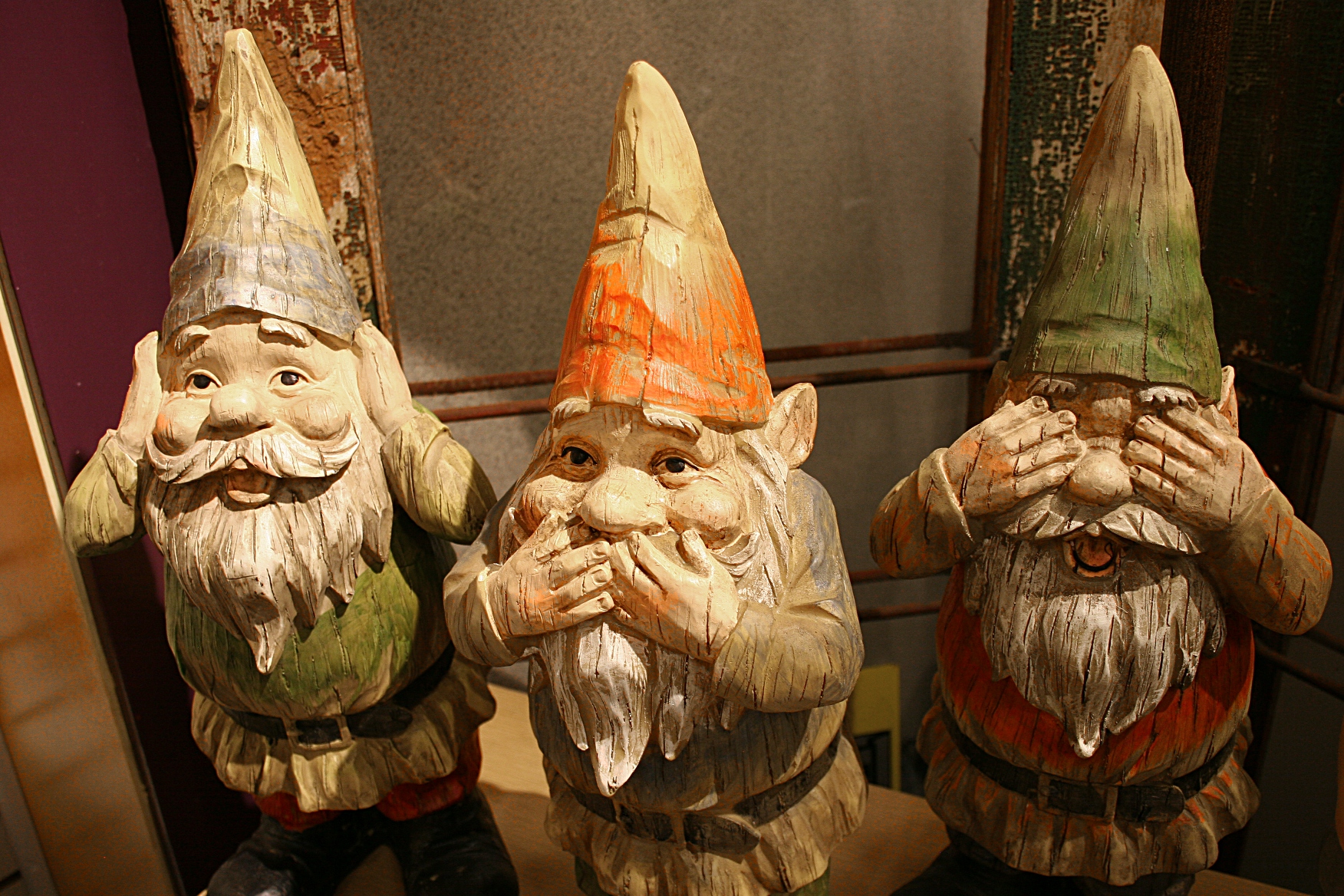
You'll find an abundance of trolls/gnomes.

You’ll find an abundance of trolls/gnomes.
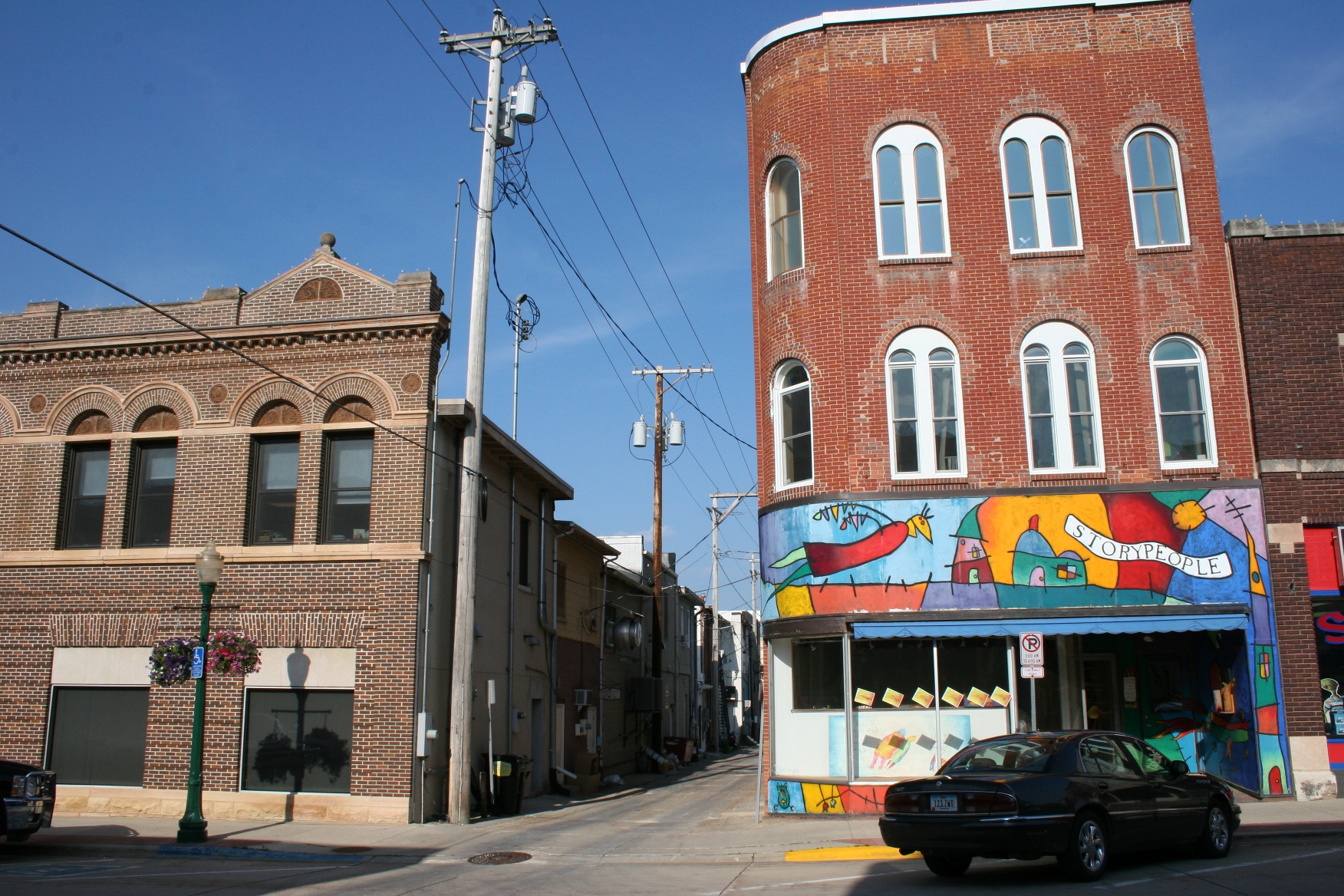
The Storypeople workshop exterior pops with vibrant colors and images. I'll tell you more about Storypeople in a future post.

The Storypeople workshop exterior pops with vibrant colors and images. I’ll tell you more about Storypeople in a future post.
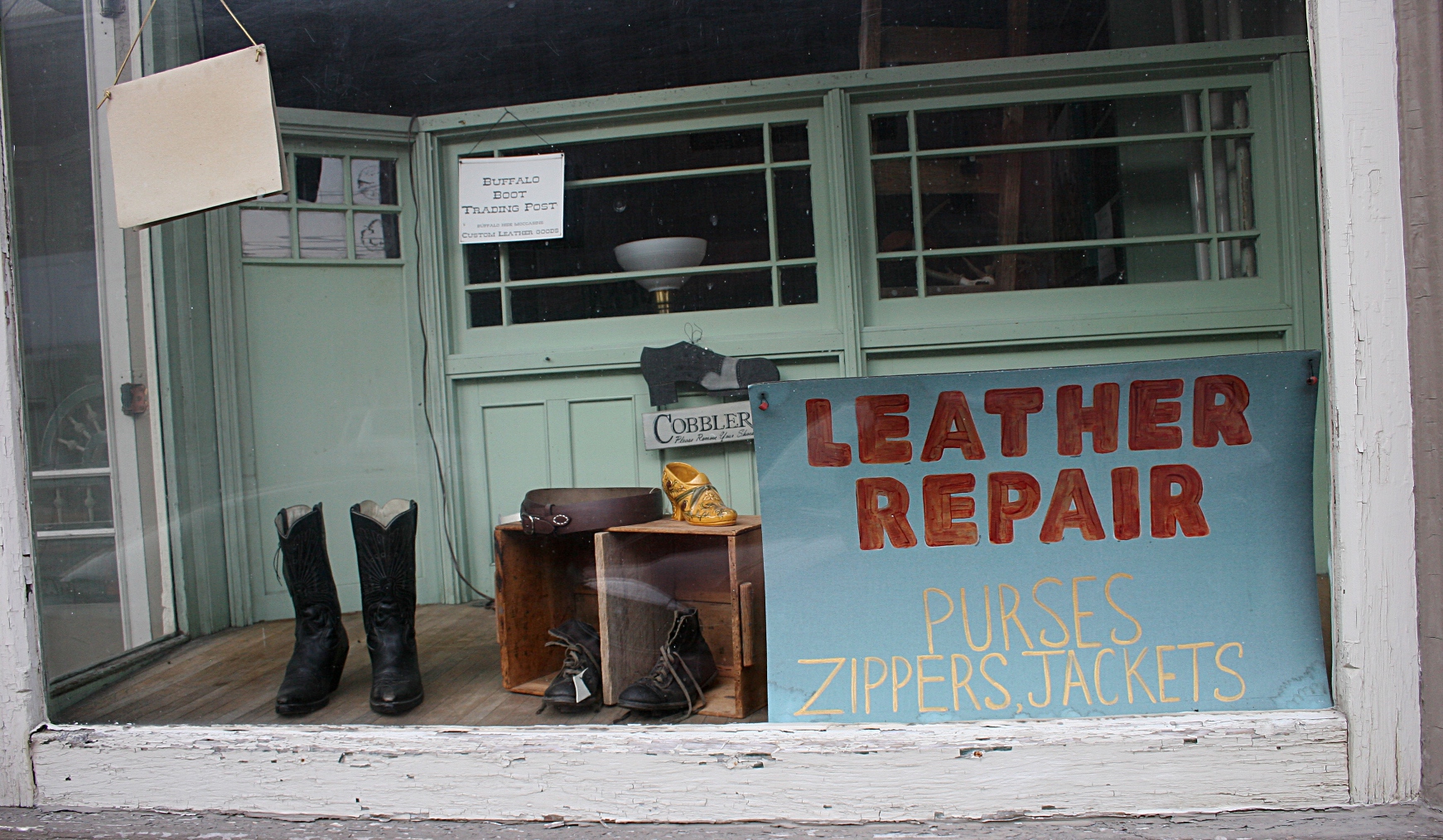
Window displays and signs are equally as interesting as the architecture.
Window displays and signs are equally as interesting as the architecture.

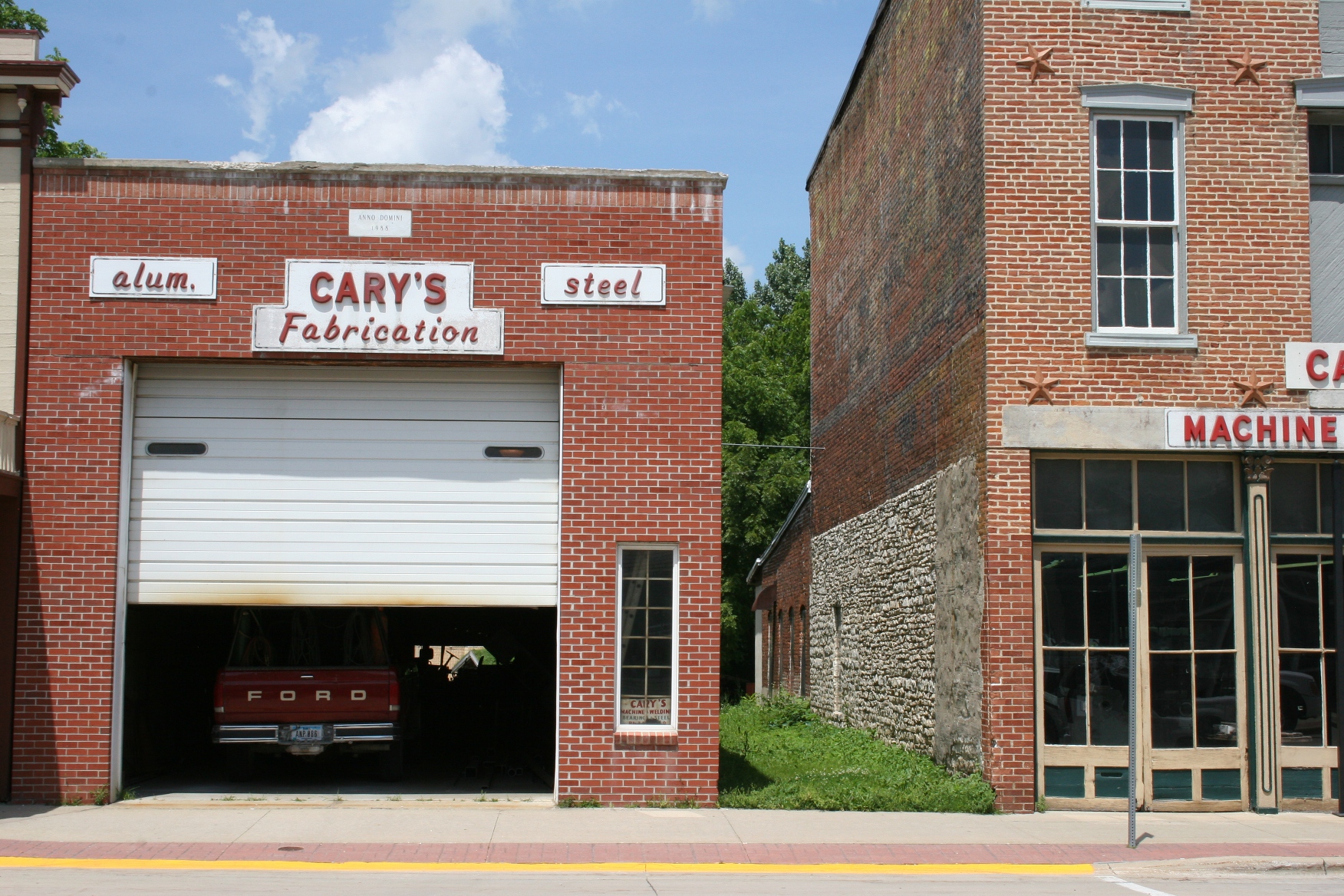
A building needn't be ornate to impress. I love the strong simple lines of Cary's Fabrication.

A building needn’t be ornate to impress. I love the strong simple lines of Cary’s Fabrication.

If I had excess discretionary funds, I would have purchased the woodcut art of Lennis Moore sold at Eckheart Gallery.

If I had excess discretionary funds, I would purchase the woodcut art of Lennis Moore sold at Eckheart Gallery.
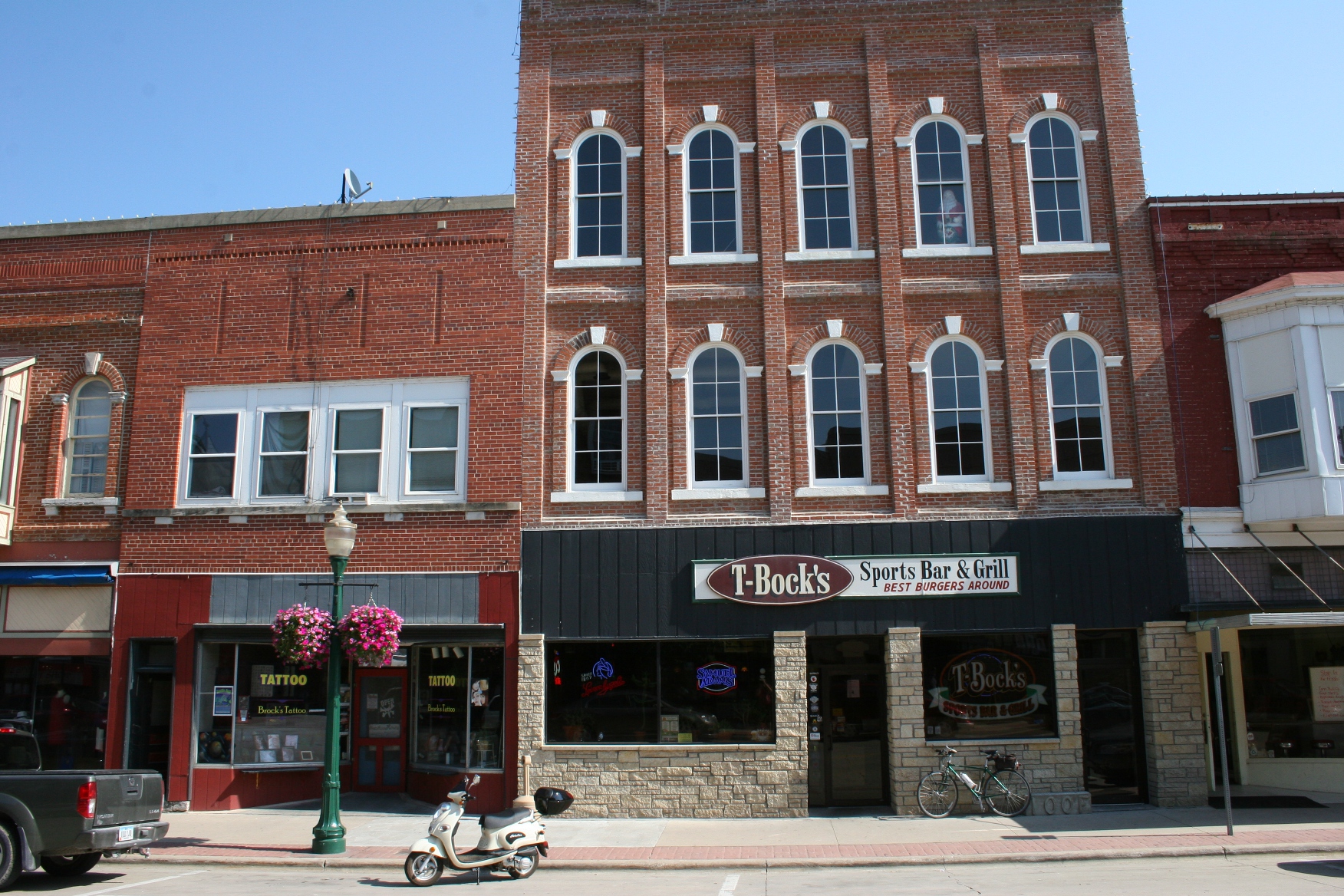
More great buildings...

More great buildings…

FYI: Check back for more posts from downtown and elsewhere in Decorah, Iowa, including images of the historic hotel where we stayed, a beautiful waterfall, Storypeople, an historic home and a fish hatchery. I promise that by the end of this photographic tour, you will add this community to your list of “must visit” towns.

© Copyright 2013 Audrey Kletscher Helbling


Serving up ice cream & nostalgia at The Whippy Dip July 9, 2013

Filed under: Uncategorized — Audrey Kletscher Helbling @ 6:00 AM
Tags: , , , , ,

WITH THE WEATHER HOT as Hades, nothing beats an ice cream treat.

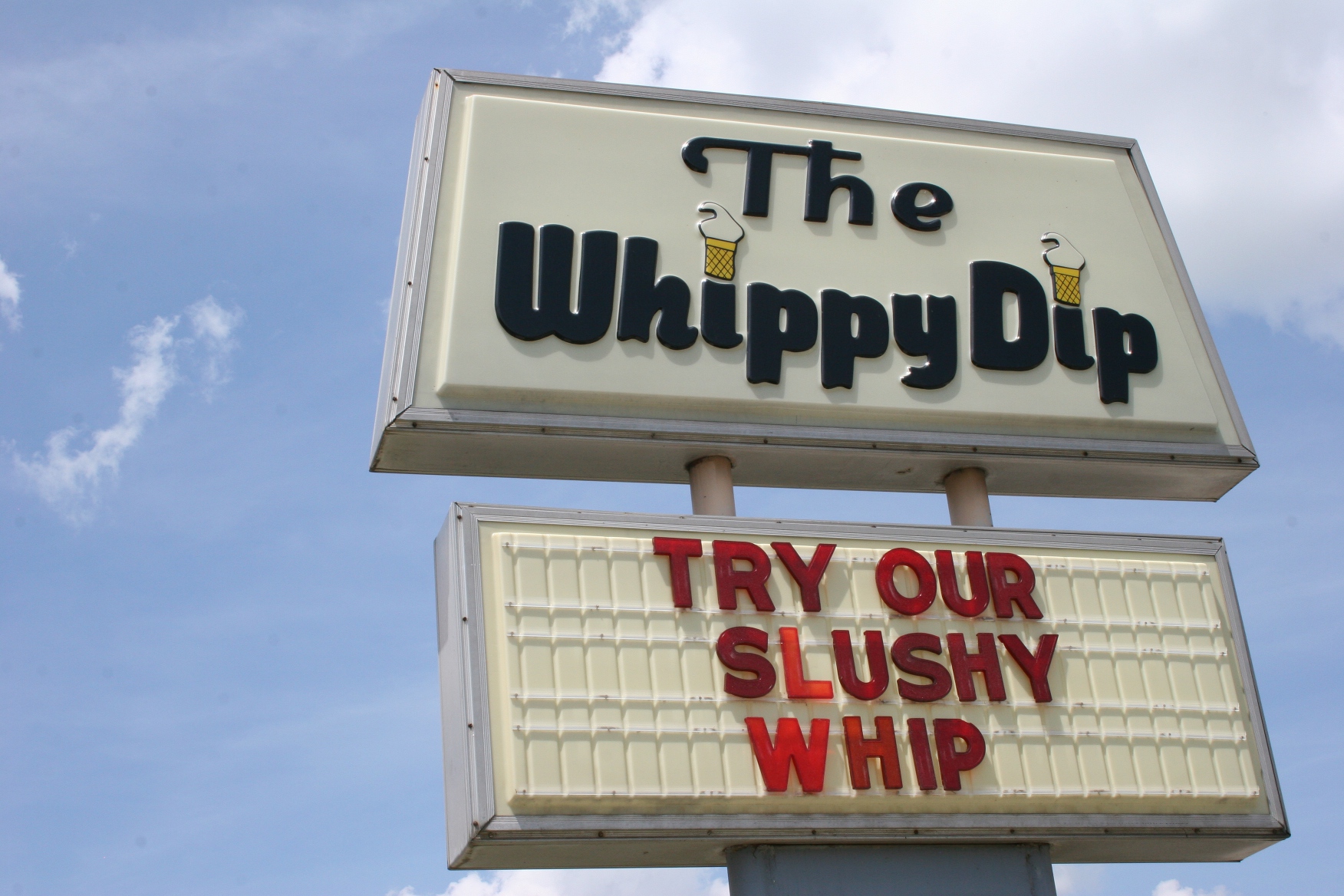
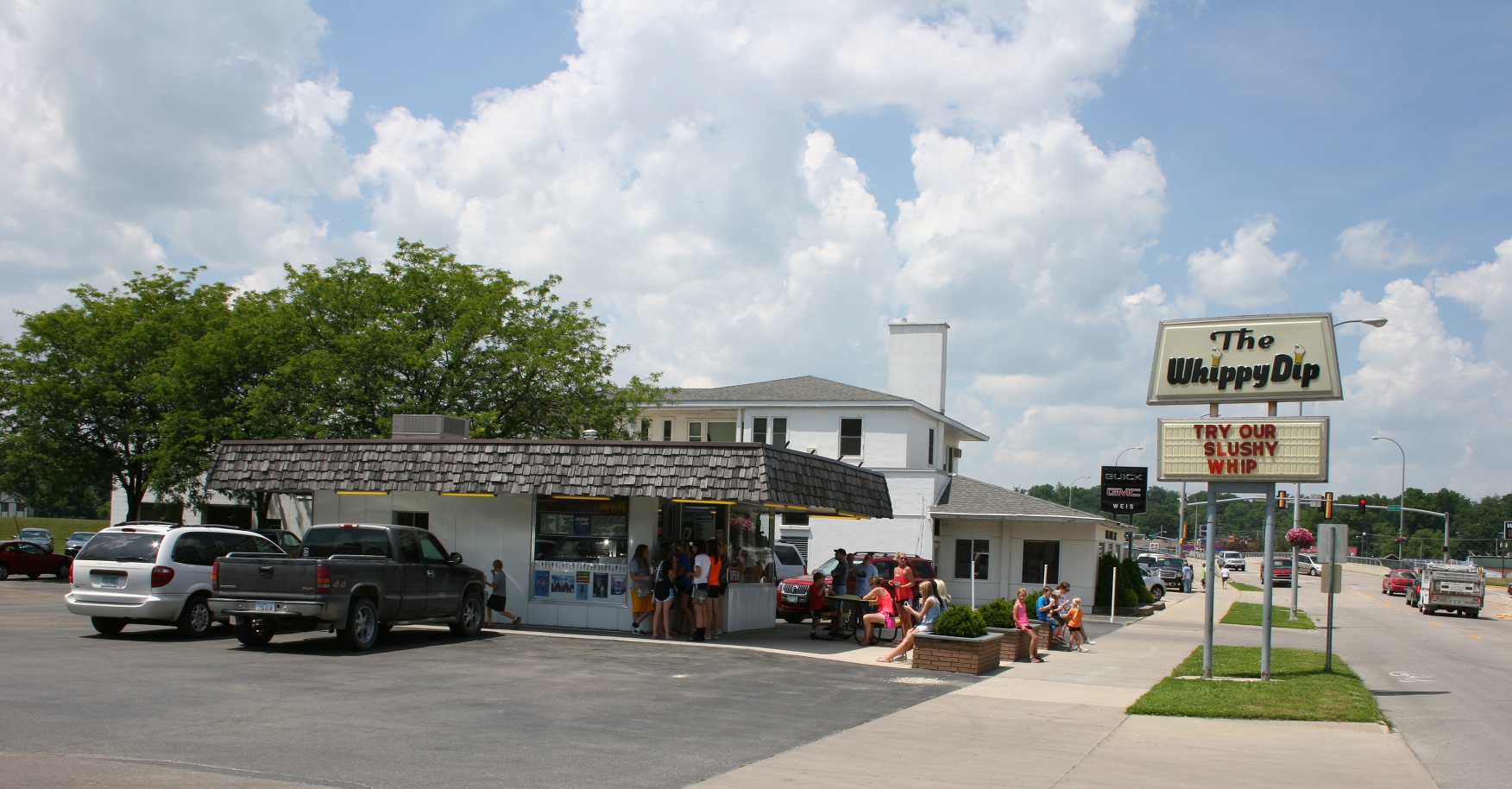
The Whippy Dip sign close-up

And it’s especially delicious served with a scoop of nostalgia, like that offered at The Whippy Dip in Decorah, Iowa. Don’t you just love that name? Whippy. Dip.

The Whippy Dip, overview

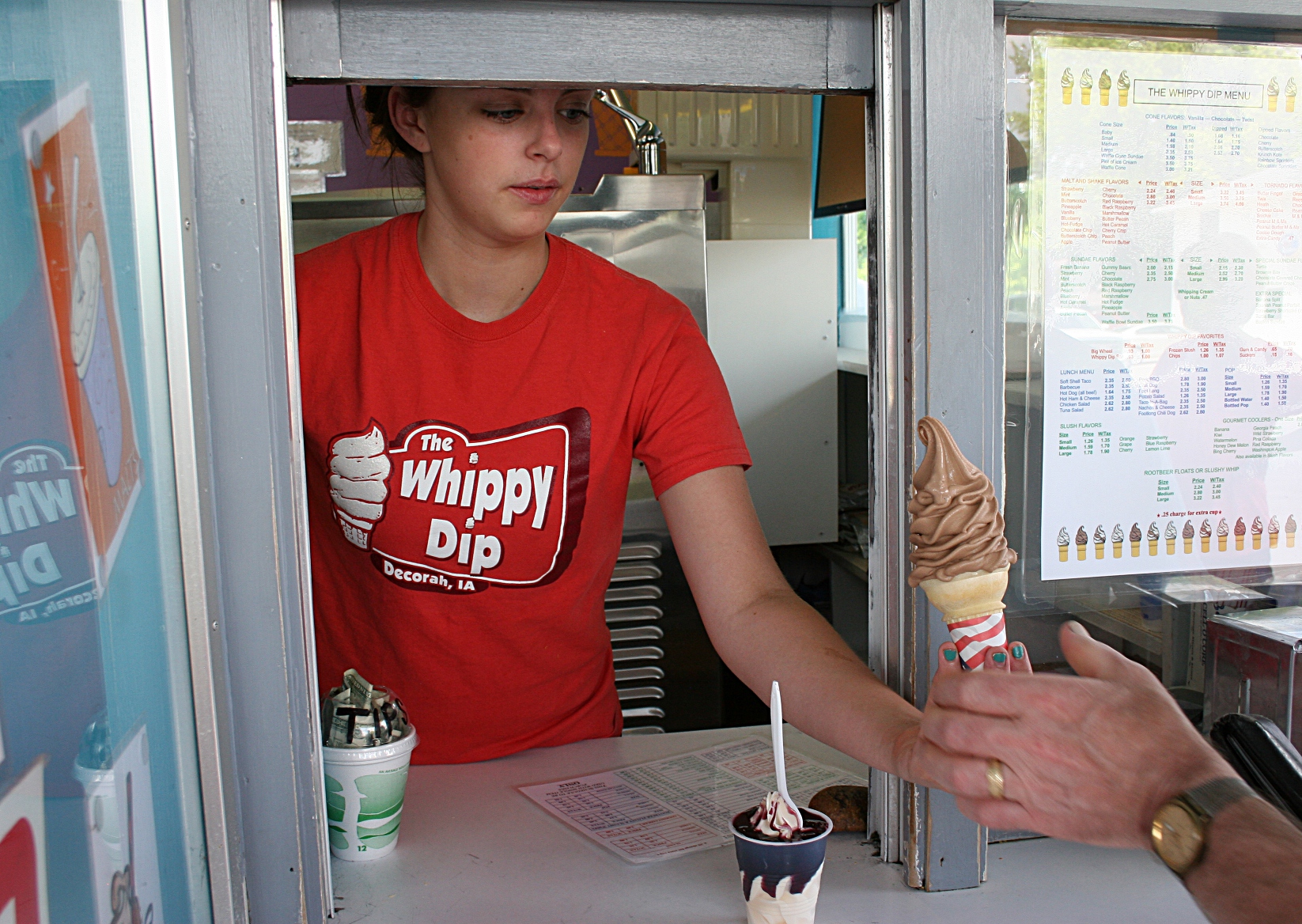
On a recent stop at this popular walk-up/drive-up ice cream/fast food stand, my husband waited in line to order a chocolate twist cone for me and a blueberry sundae for himself while I snapped a few photos.

The Whippy Dip, ice cream

I was impressed with the generous size of the $1.50 small cone, but soon realized my error in choosing a cone on a hot day. Picture chocolate ice cream dripping onto your fingers. Shoulda had the sundae or maybe the tornado or…

Great spot, the Whippy Dip.

What’s your favorite home-grown place to stop for an ice cream treat? And what do you order?

FYI: Look for more stories from Decorah and other northeastern Iowa communities which my husband and I visited last week while vacationing. Yes, this Minnesotan is admitting that she vacationed in Iowa. And loved it.

© Copyright 2013 Audrey Kletscher Helbling
 

Little school on the prairie July 8, 2013

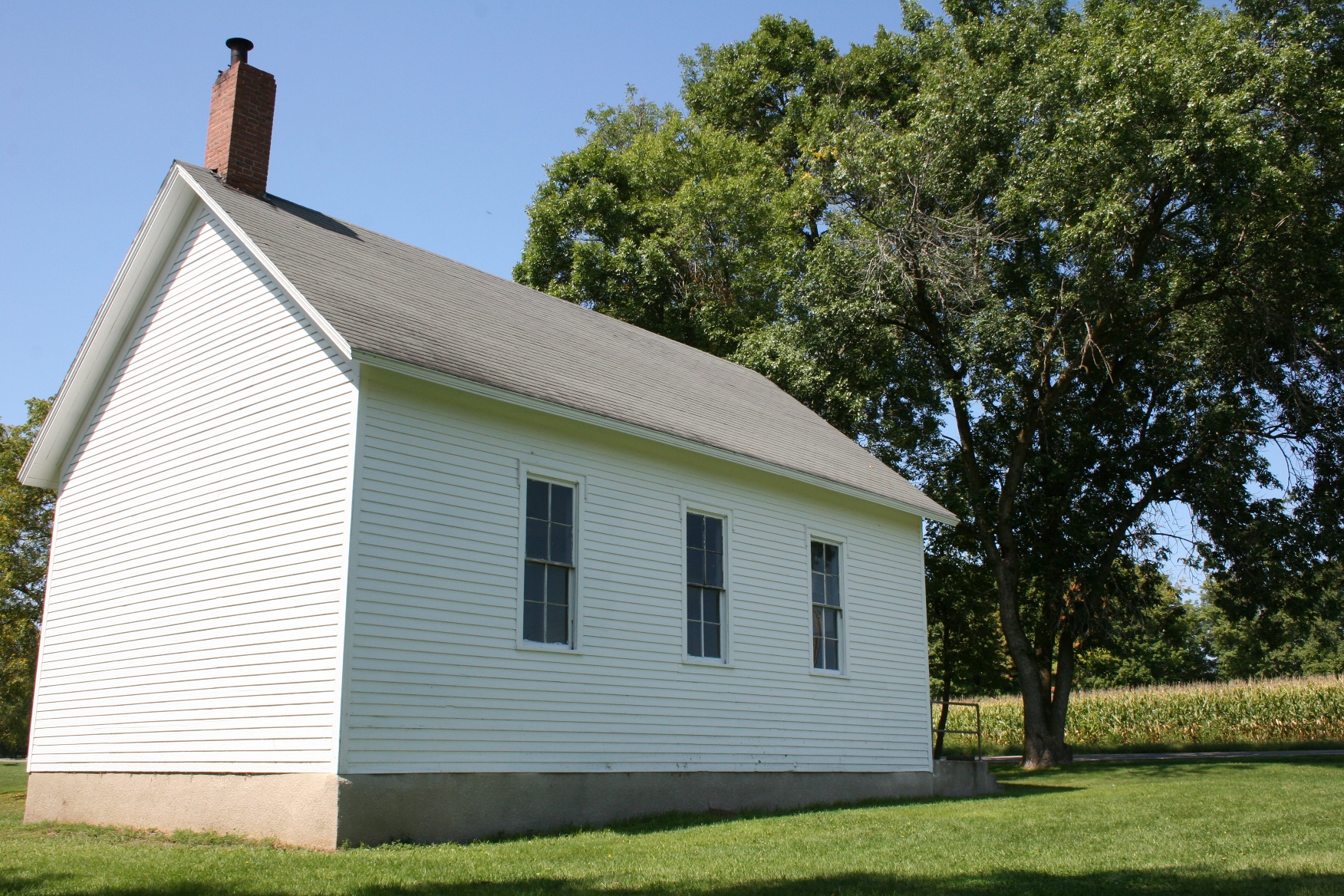
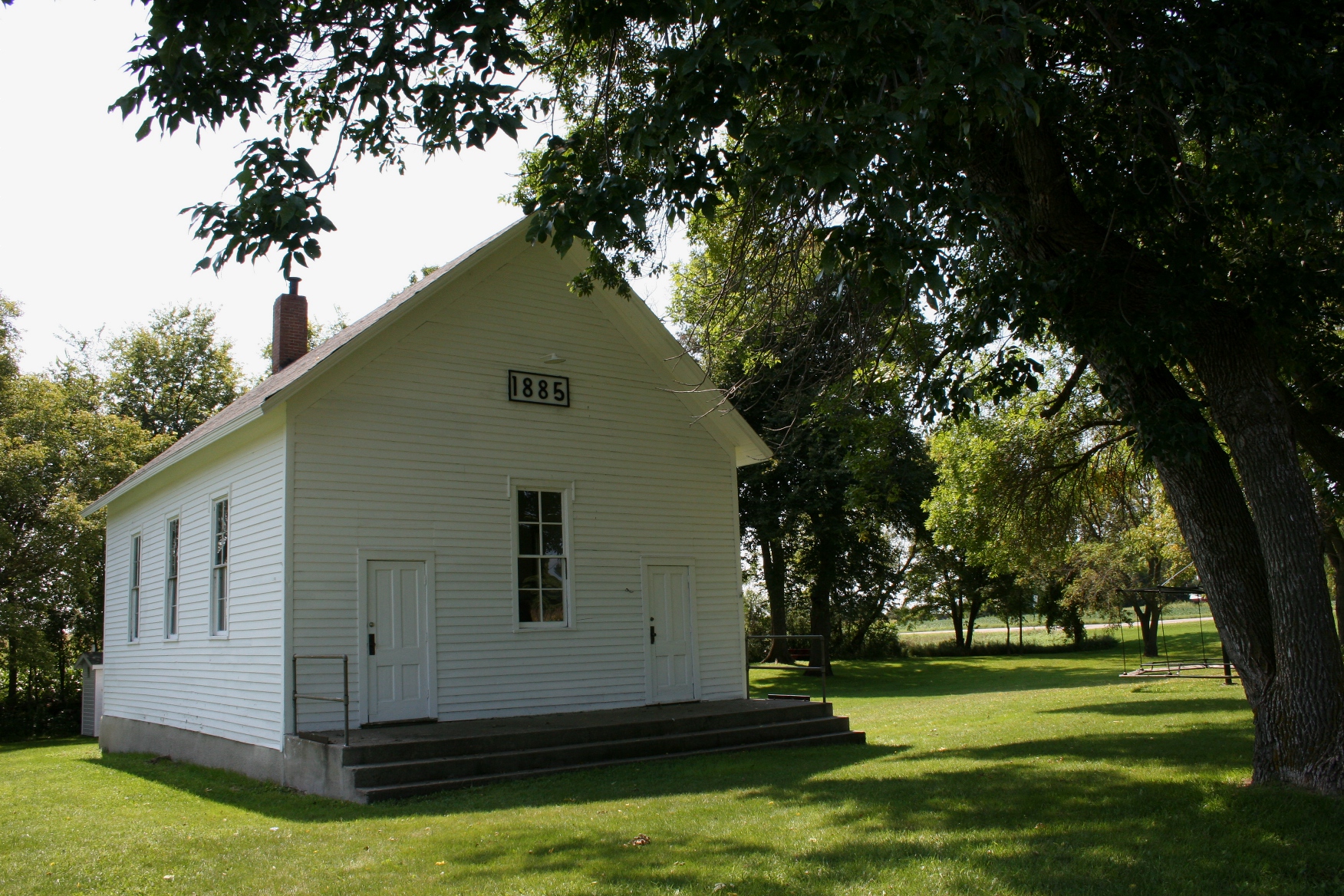
The former Little Prairie School District 15 country schoolhouse near Dundas in rural Rice County Minnesota.

AS THE STORY GOES, and I’ve no reason to believe it’s been embellished, the teacher kept the students inside for recess one afternoon because of coyotes roaming the school grounds.

True story from the one-room Chimney Butte School, rural St. Anthony, North Dakota, in the early 1960s.

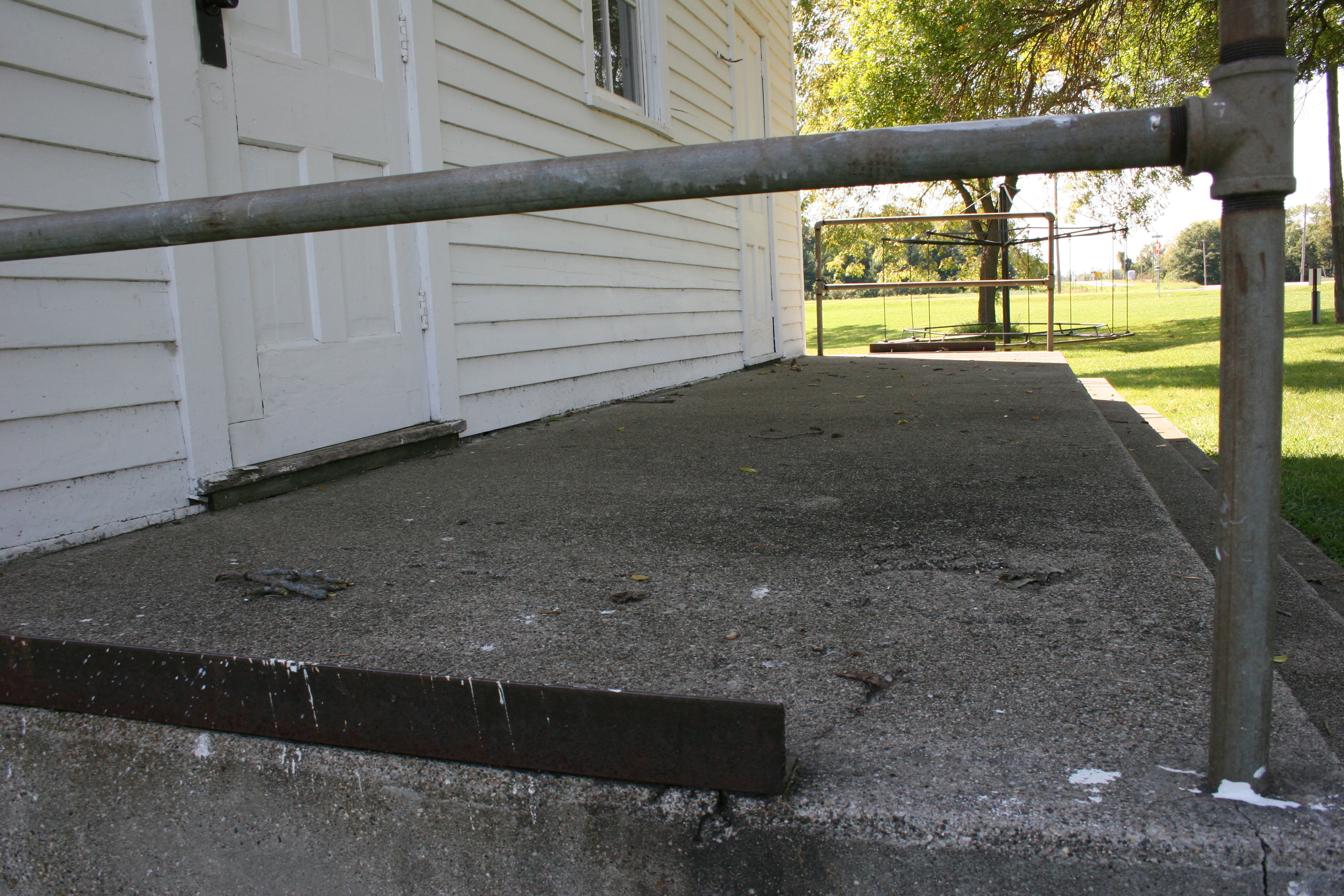
Scrape the mud from your shoes on the metal scraper, left, before stepping inside the Little Prairie school.

This tale, which I suppose does not make it a tale if it’s the truth, flits through my mind every time I step inside a country school, like that at Little Prairie. My husband, one of the Chimney Butte students sheltered from the ranging coyotes, and I came across the 1885 Little Prairie School District 15 country school as we traveled the back roads between Faribault and Dundas.

We’ve previously driven Rice County roads 8 and 77 through the heart of Little Prairie. But I’d only noticed then the historic Little Prairie United Methodist Church and not the old schoolhouse kitty-corner across the tar road.

As I always do, I tried the schoolhouse doors, hoping to get inside, knowing they would be locked. So I cupped my hands around my eyes to reduce the glare and peeked inside the windows, then lifted my camera and shot a few photos.

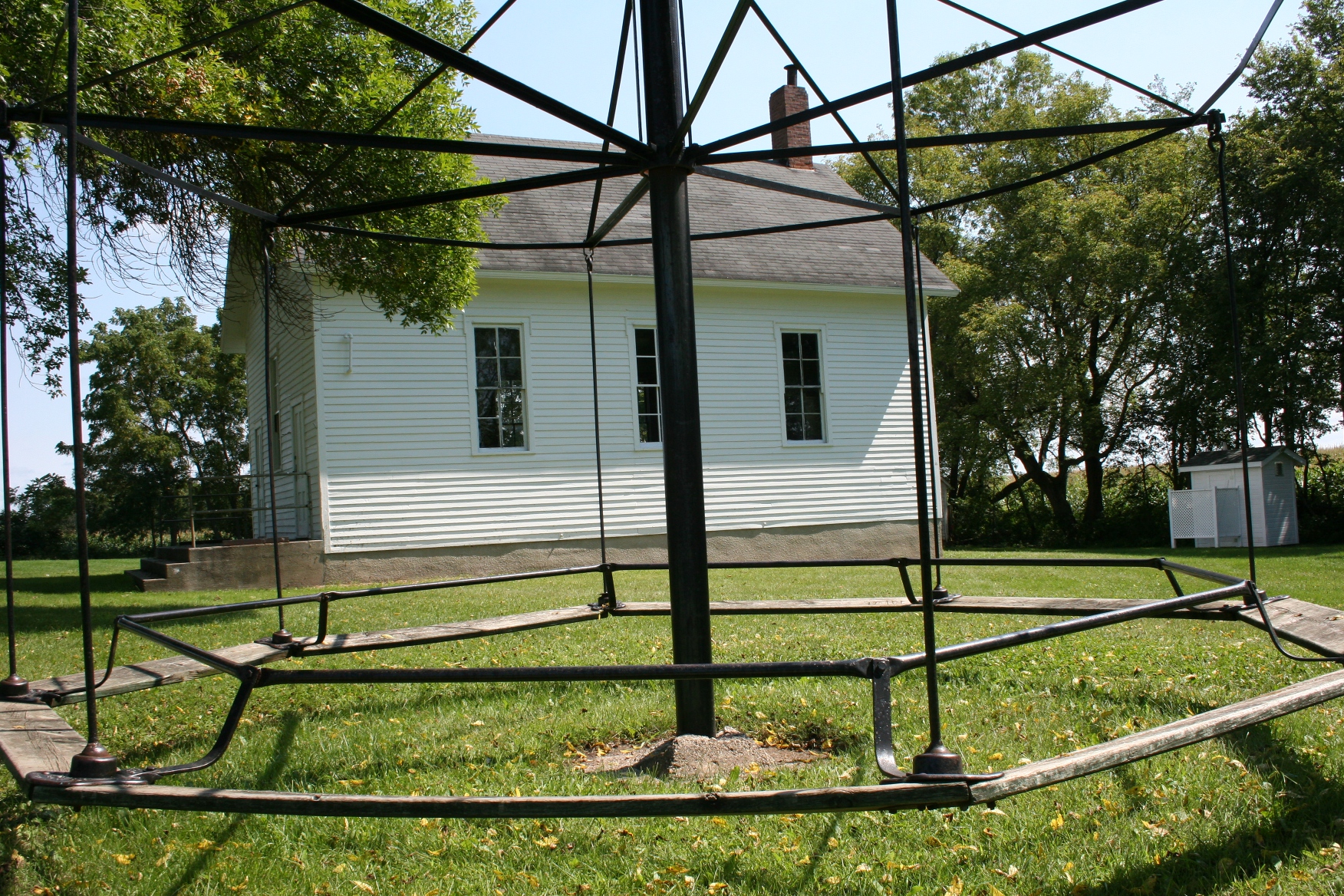
I’ve never seen or ridden a merry-go-round like this one in the Little Prairie school yard. It gently swayed up and down as we circled.

And then, as we spun on the merry-go-round, we noticed the car parked by the church and the man sitting on a bench outside with his back to us. We contemplated that he might be the pastor, a man with a key. Randy even went so far as to suggest that he likely was waiting between appointments to counsel couples engaged to be married.

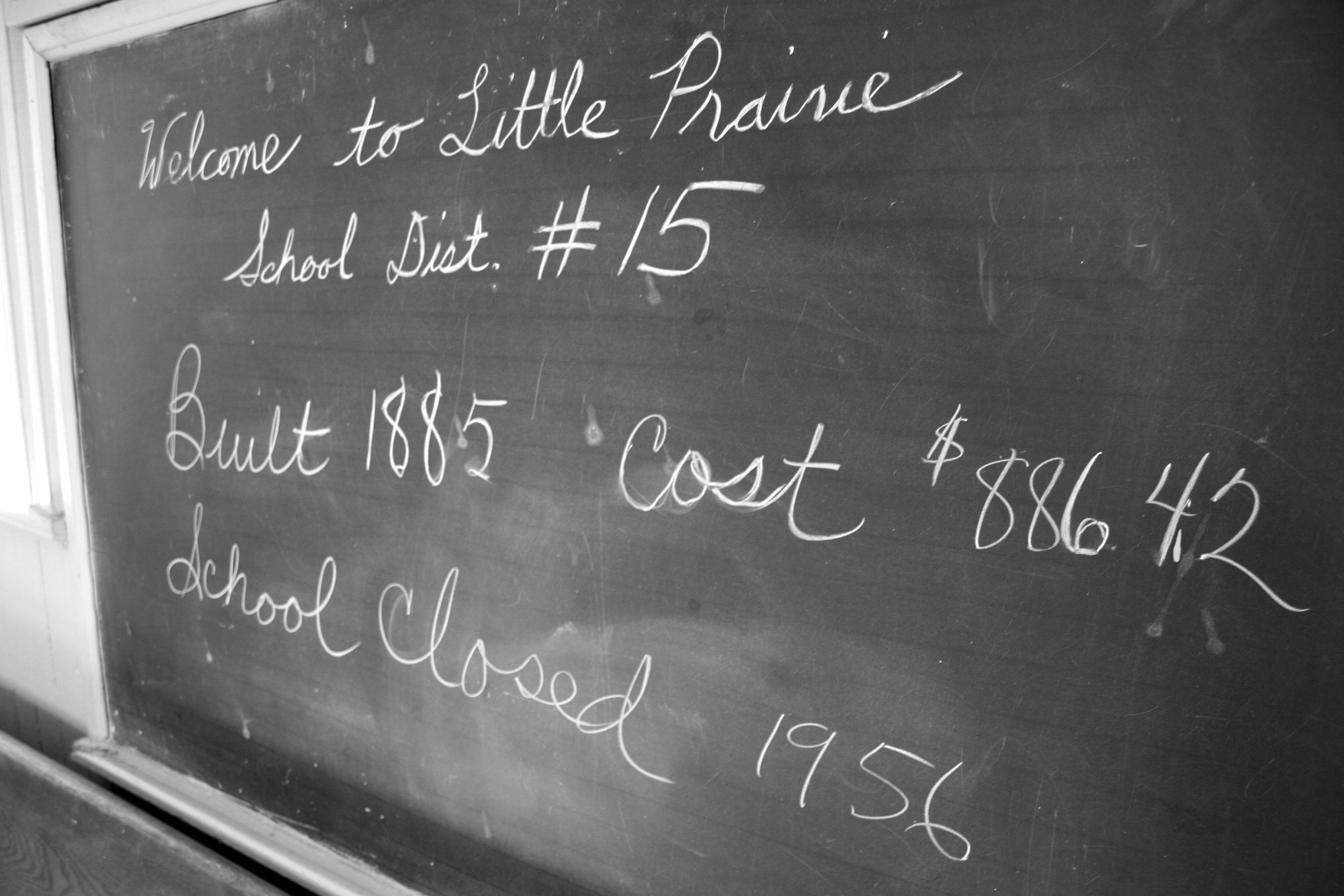
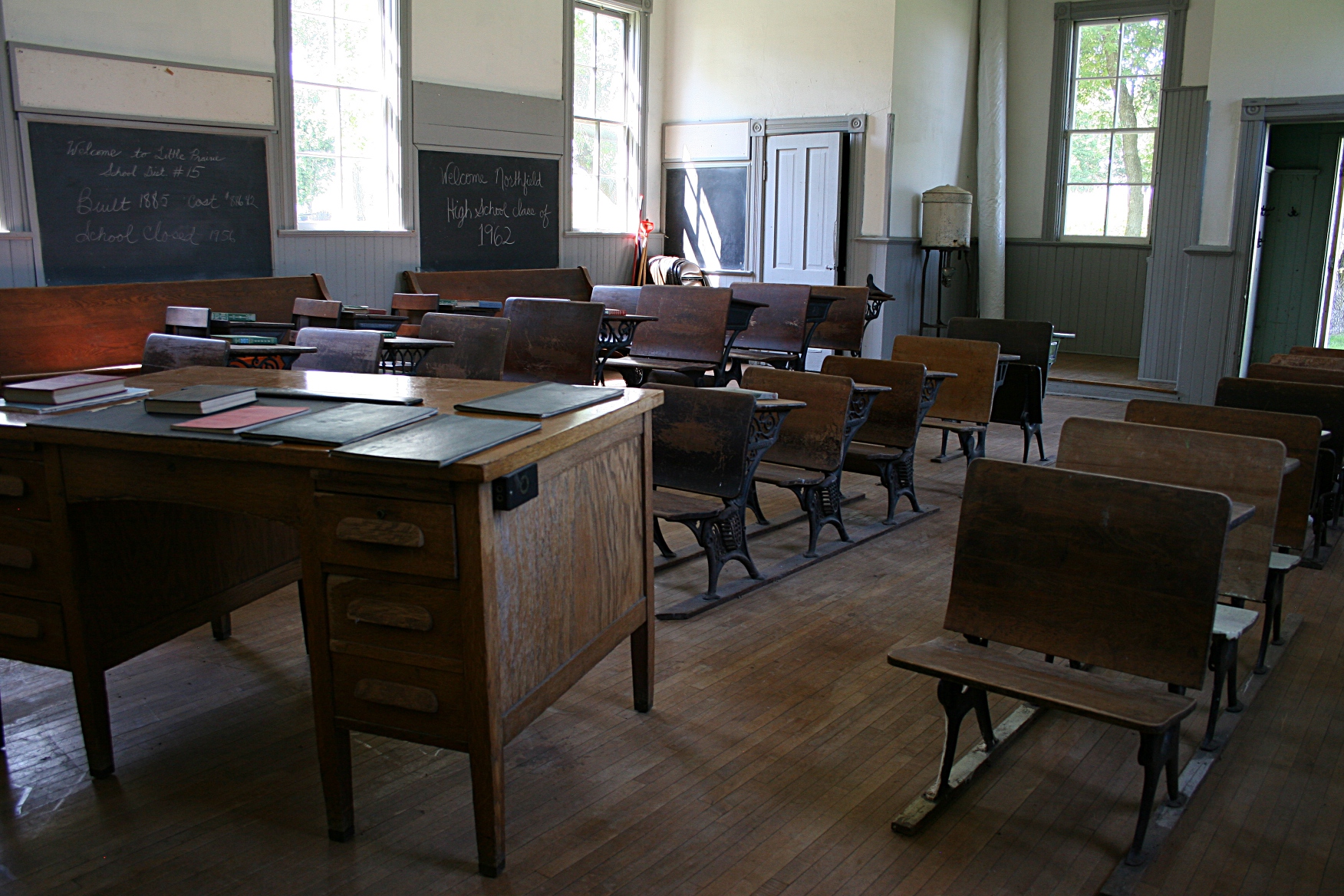
A blackboard, with pertinent historical info about the school.

Eventually the man spotted us, crossed the road and we were in. Pastor Gordon, as he introduced himself, wasn’t leaving us outside for the coyotes, not that we saw any lurking in the vicinity. And, yes, he said, he was between pre-marriage counseling sessions.

Like us, Pastor Gordon Deuel did not grow up in Rice County. Like me, he’s from southwestern Minnesota, except farther west than me, from the prairie town of Hendricks on the Minnesota-South Dakota border. He feels at home here, where he’s pastored Little Prairie for seven years.

I tell you this because he cannot recite the detailed history of the Little Prairie School as a local would. But he possesses, like Randy and me, a deep appreciation for the preservation and history of old buildings such as country schoolhouses and churches.

A back and side view of the school, surrounded mostly by cornfields.

Just that morning his congregation had planned to gather in the school yard for a worship service and community potluck picnic. But the heavy dew moved the event into the church. The school is opened several times a year for public touring and occasionally for solo stops like ours or group tours by former students.

Looking to the front and one side of the school.

We came away from our chat with a realization that the people of Little Prairie care deeply for their little country schoolhouse. Although owned by the church, the school is really a community project embraced by those who live around Little Prairie and/or attend the Methodist church and also by members of the local Full-O-Pep 4-H Club, Pastor Gordon informs us. They form the informal “Schoolhouse Committee” which maintains the building and property.

Pastor Gordon remembers how several terminally ill individuals from the Northfield and Faribault areas wanted to give back to the community. So, for a small fee, they were hired to paint the exterior of the school.

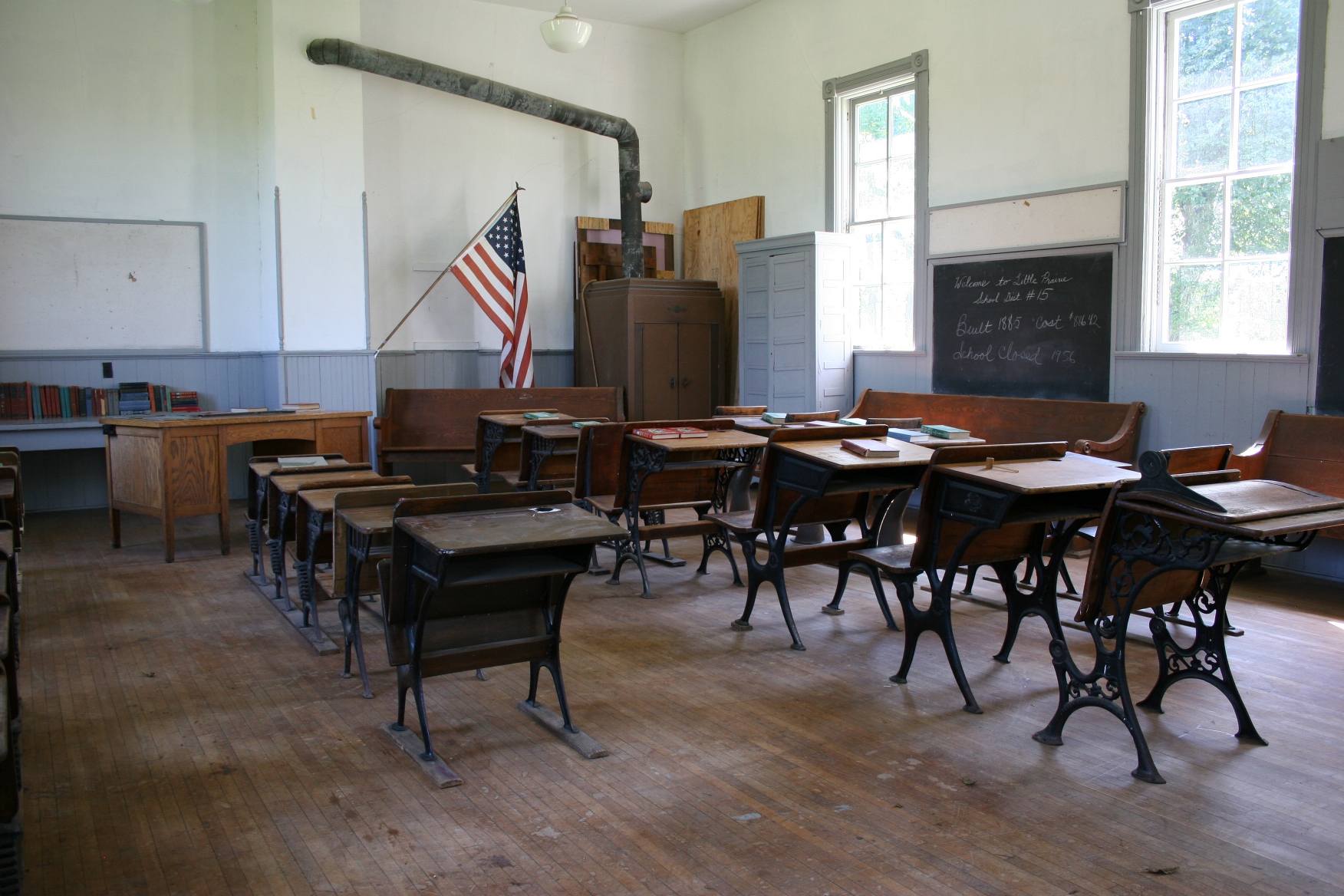
Many old books were lined precisely on a table behind the teacher’s desk.

Such care for country schools is shown likewise at the 1881 District 20 Millersburg School to the north and west near Millersburg. There members of the Christdala Preservation Association have converted the one-room country school into a museum. Randy and I discovered it two years ago, during the annual association meeting and worship service at Christdala Evangelical Swedish Lutheran Church just down Rice County Road 1.

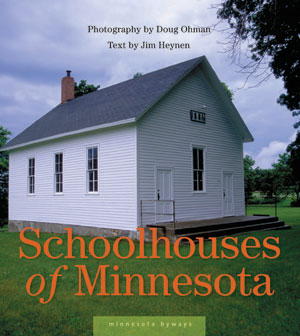
Minnesota photographer Doug Ohman, in his Minnesota Byways series book Schoolhouses of Minnesota, features “120 color photographs that illuminate the simple, often abandoned, sometimes refurbished, and nearly vanishing Minnesota pioneer and early schoolhouses.”

That’s Little Prairie School on the cover of Doug Ohman’s book.

Gracing the cover of that volume—Little Prairie School District #15.

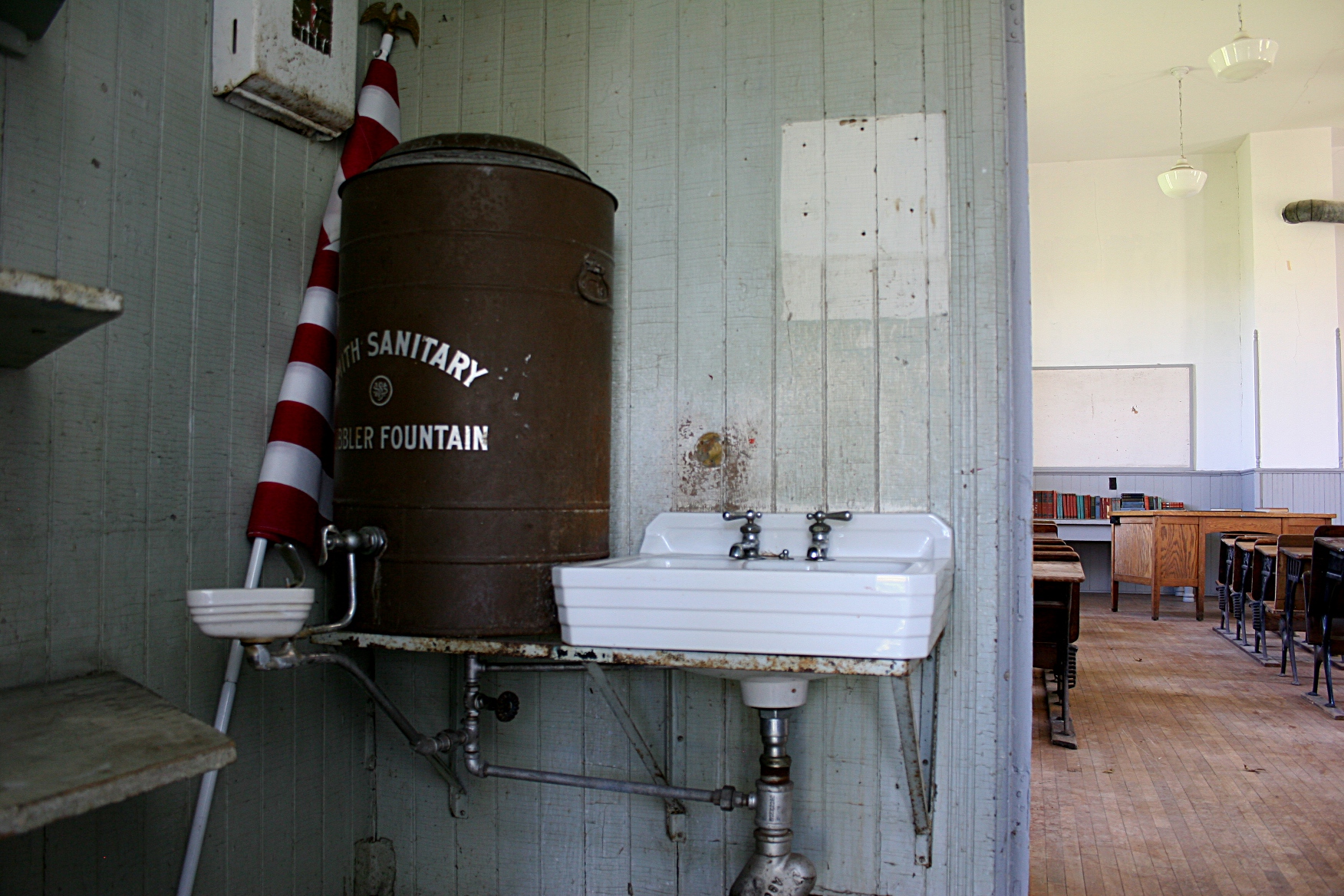
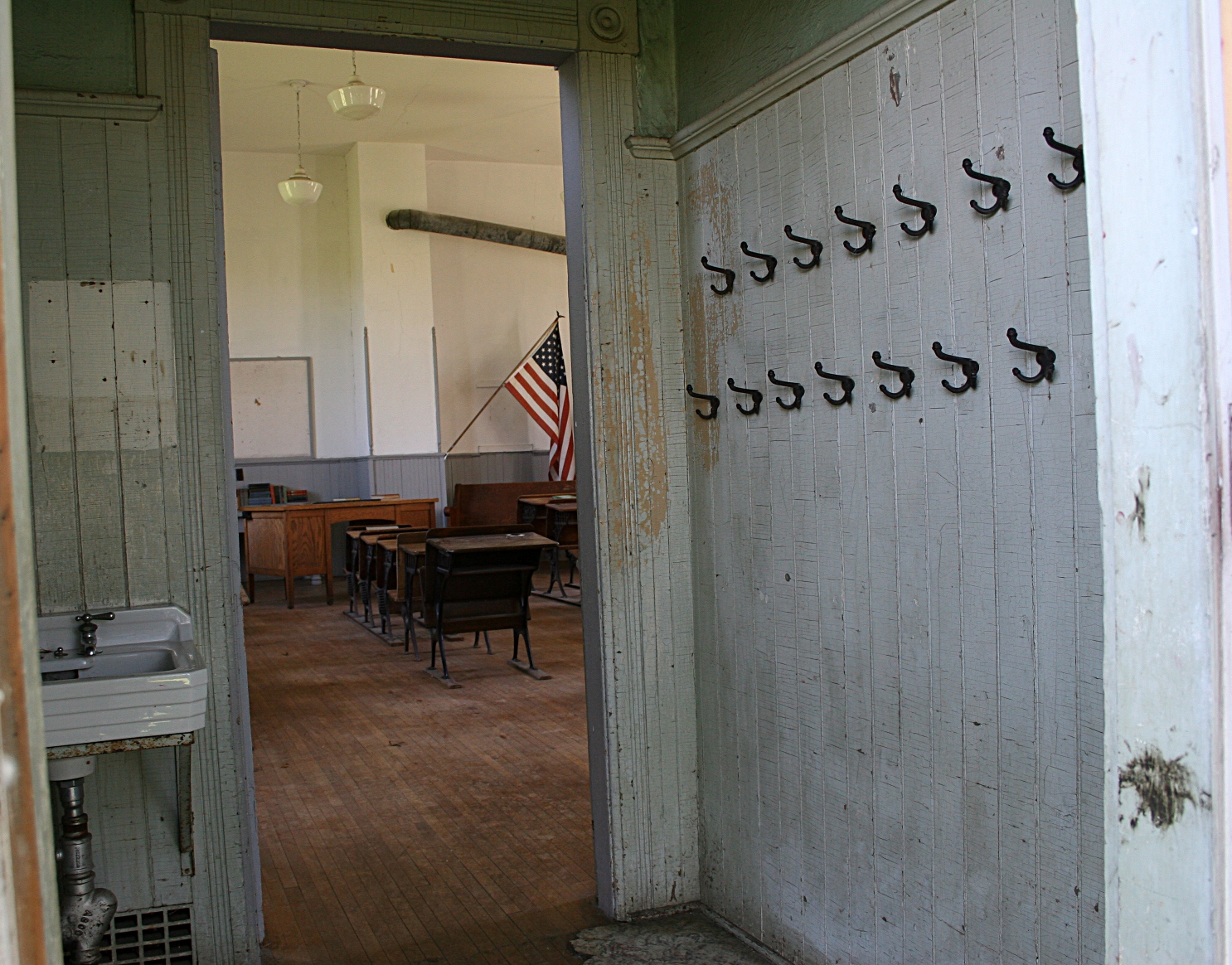
The school entry, with a place to hang coats, right, and a sink to wash up, left.

Another view of that same entry with the water fountain to the left of the sink.

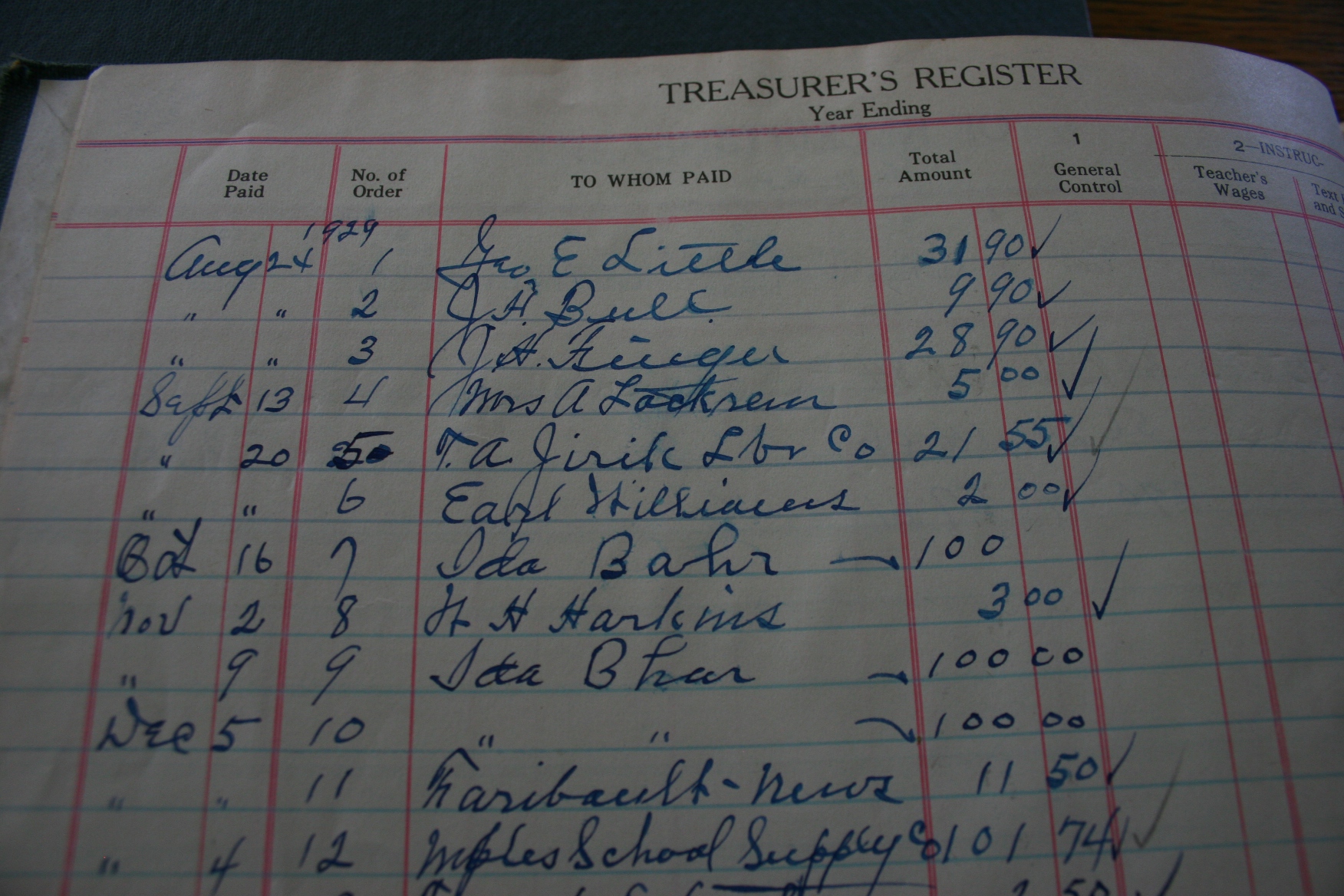
The school treasurer’s bookkeeping register from 1929.

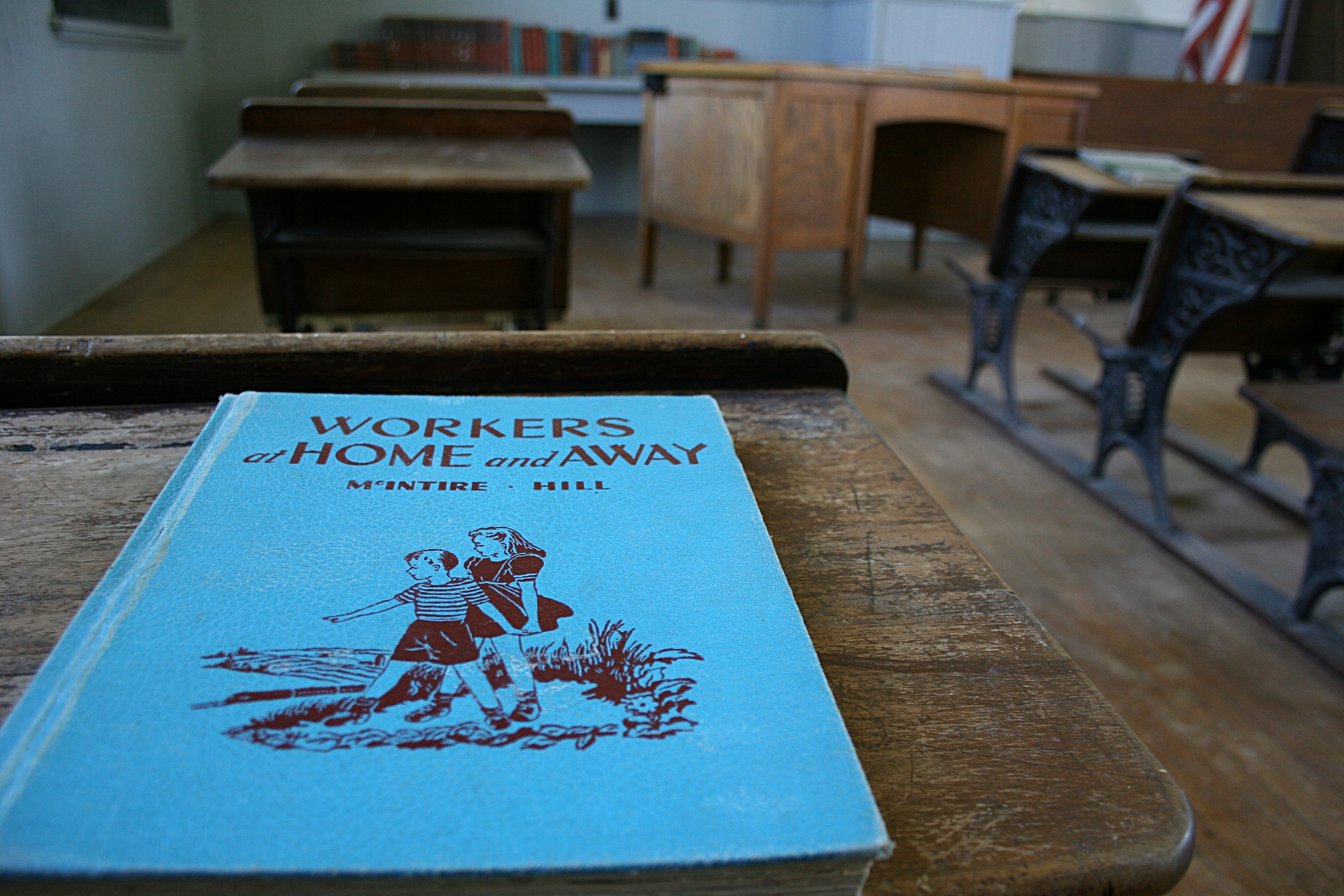
If only I’d had time to peruse all the wonderful old books inside this school.

Looking toward the back of the school.

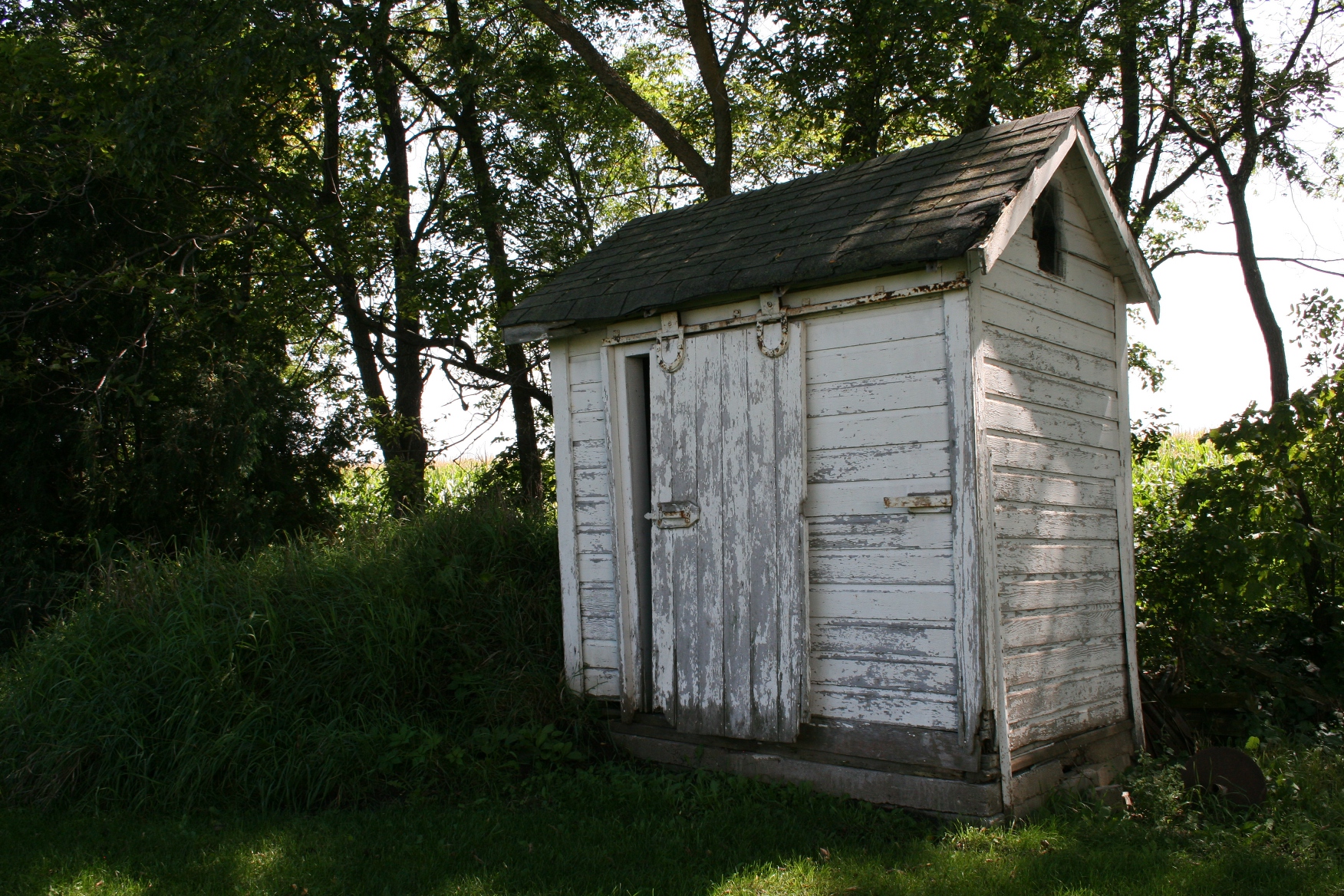
An old shed, I think the outhouse; I did not peer inside.

FYI: These images were shot last summer when my husband and I stopped at the school while on a Sunday afternoon drive.

© Copyright 2012 Audrey Kletscher Helbling


In North Morristown: A photo essay of Minnesota’s oldest July 4th celebration July 4, 2013

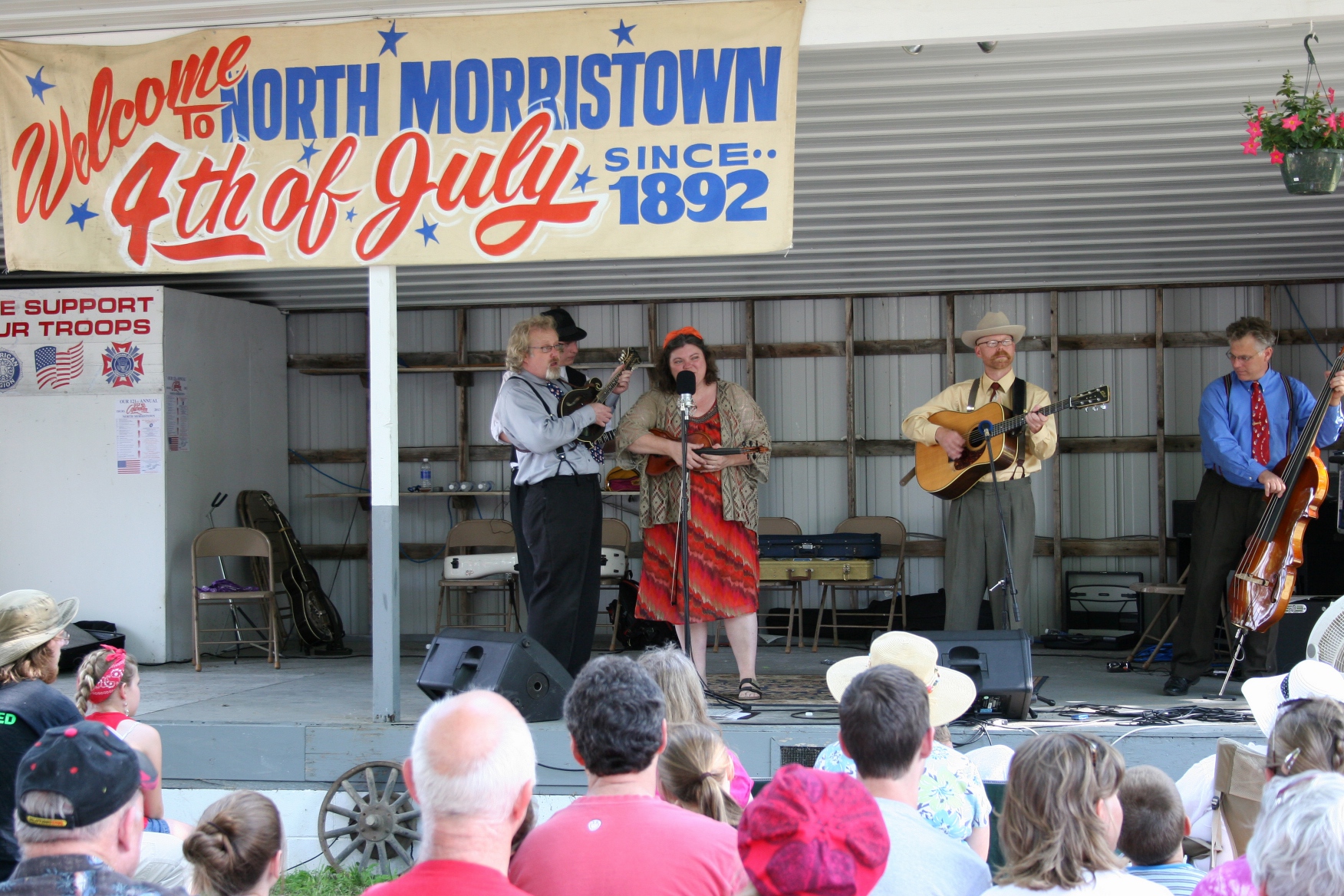
The bluegrass band, Monroe Crossing, has performed at North Morristown the past seven years, presenting two concerts at the celebration.

The bluegrass band, Monroe Crossing, has performed at North Morristown the past seven years, presenting two concerts at the celebration this year.

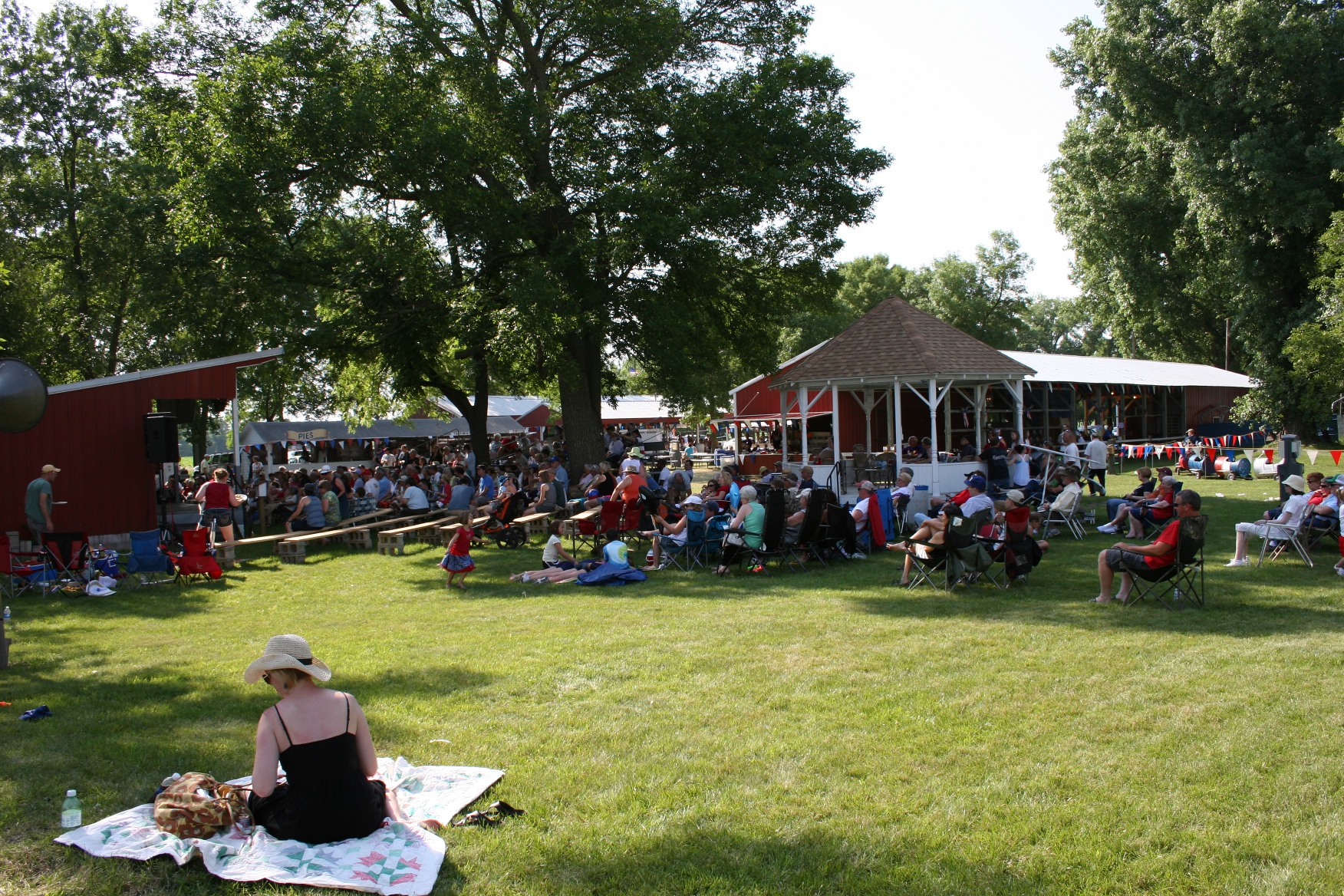
NORTH MORRISTOWN, MINNESOTA, is about as rural Americana as you’ll find anywhere in these United States of America on the Fourth of July.

The event is held at the North Morristown picnic grounds in southwestern Rice County.

The event is held at the North Morristown picnic grounds in southwestern Rice County.

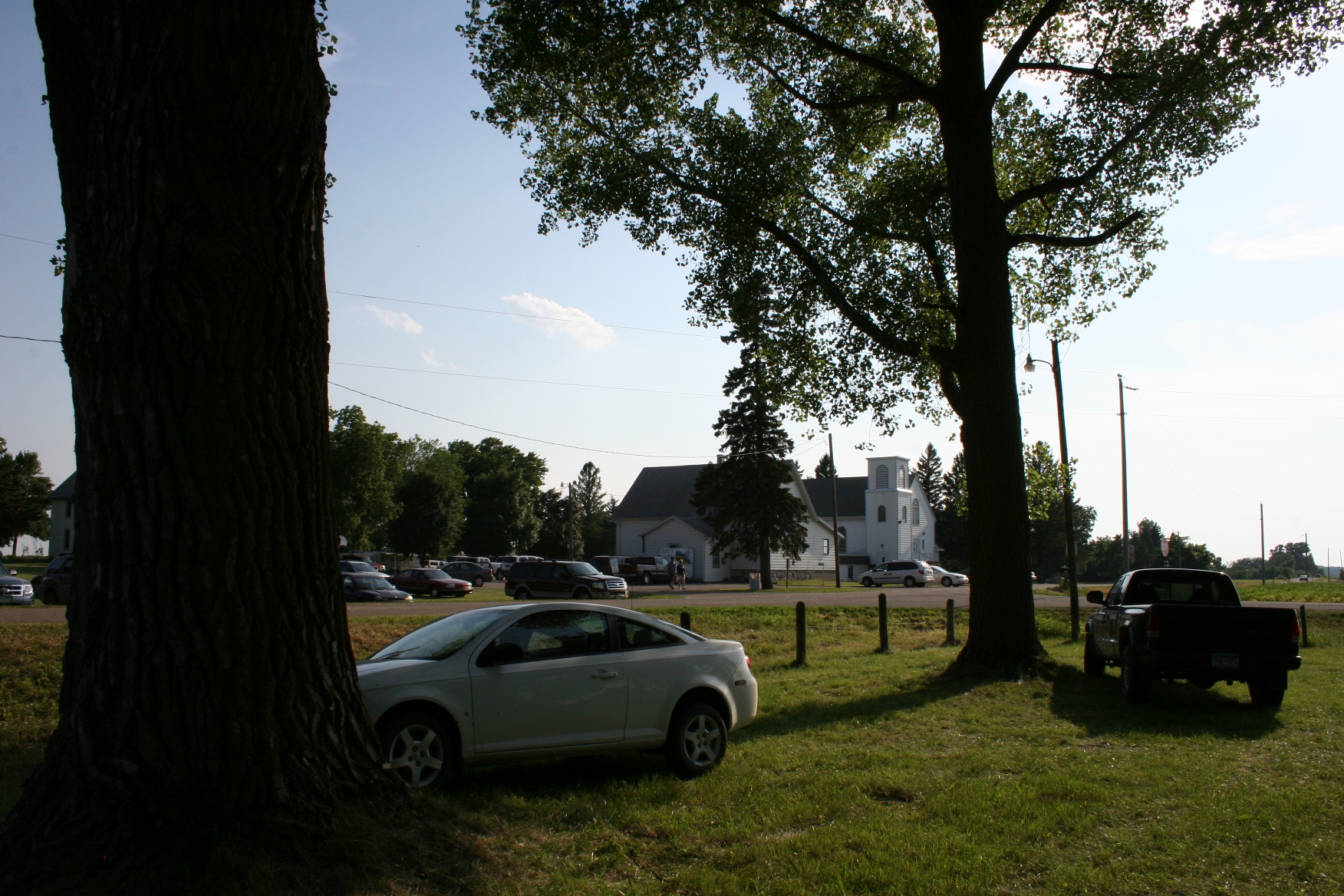
Trinity Lutheran Church and School sit across the road from the picnic grounds.

Trinity Lutheran Church and School sit across the road from the picnic grounds.

Here, on the picnic grounds of Trinity Lutheran Church and School, generations of families have gathered for 121 years to celebrate our nation’s birthday with family and friends at our state’s oldest Independence Day celebration, begun in 1892.

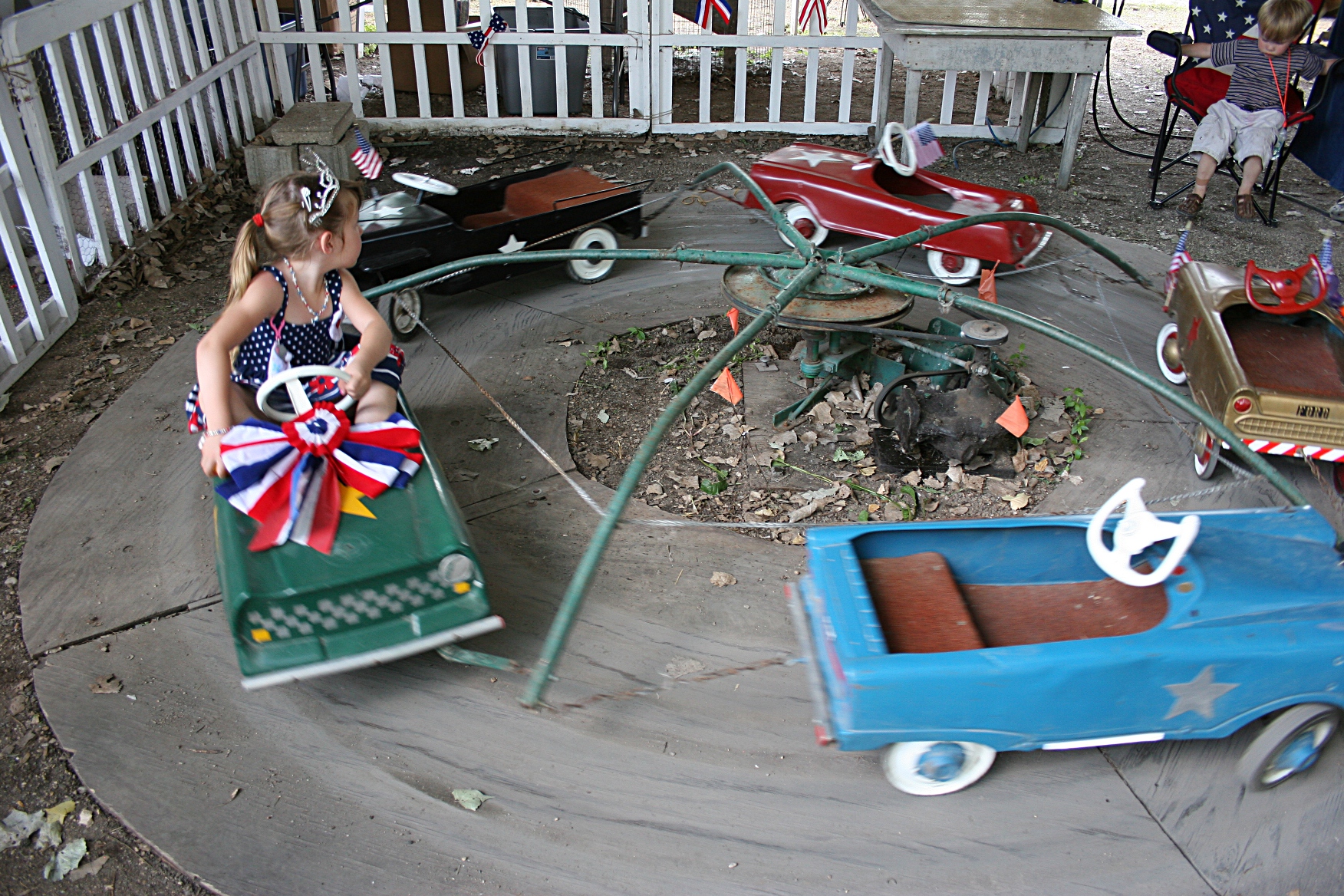
The vintage car ride for kids.

The vintage car ride for kids.

The day brings old-fashioned games and rides for the kids, bingo, music, a scavenger hunt, a parade, a patriotic program and more. Fireworks shot over farm fields cap the day’s festivities.

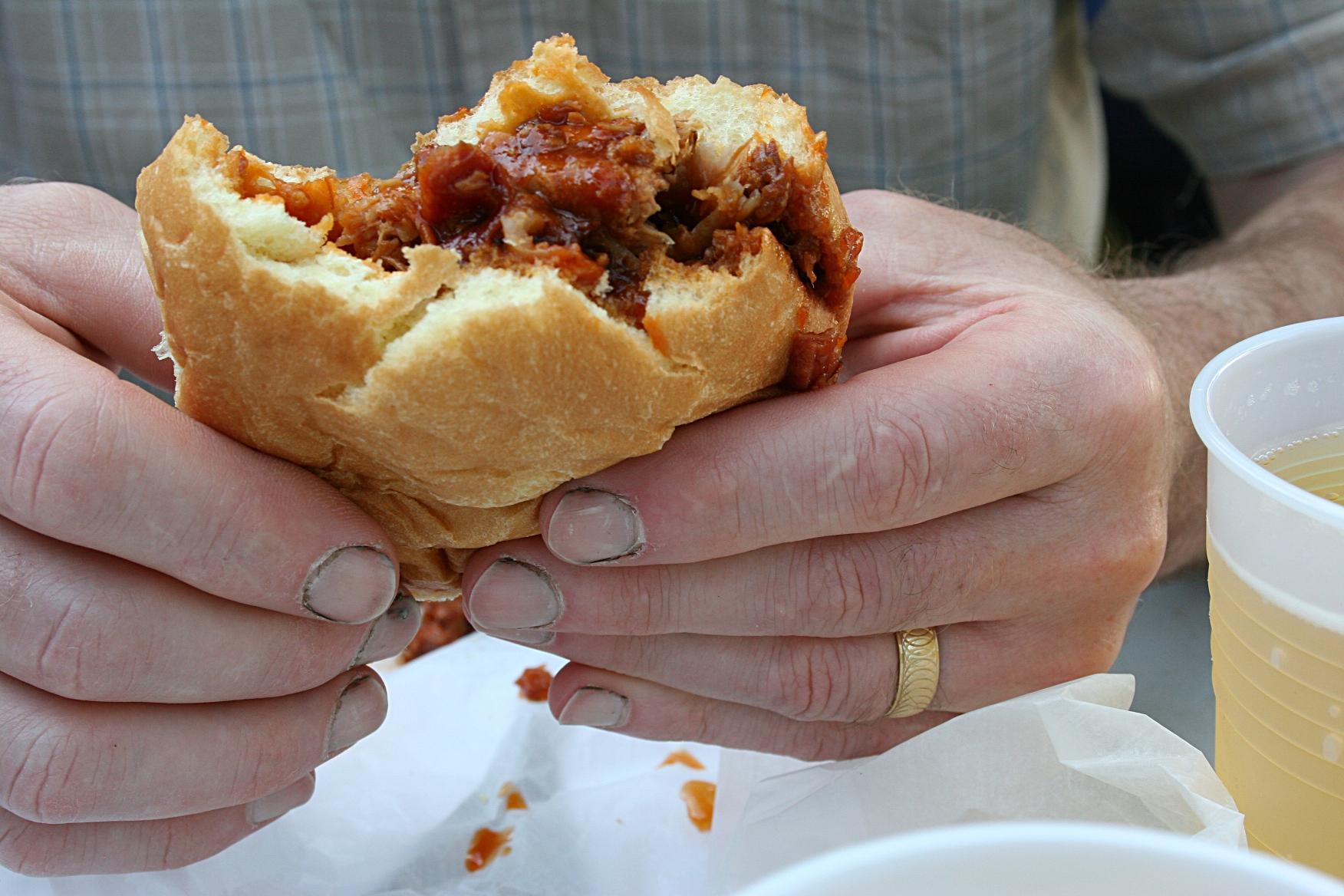
Enjoying a pork sandwich and a beer.

Enjoying a pork sandwich and a beer.

And the food, oh, the food. Homemade pies. Savory hot pork and beef sandwiches, burgers, thick onion rings, and more.

A large crowd enjoys a free afternoon concert by Monroe Crossing.

A large crowd enjoys a free afternoon concert by Monroe Crossing.

What a day. What a celebration.

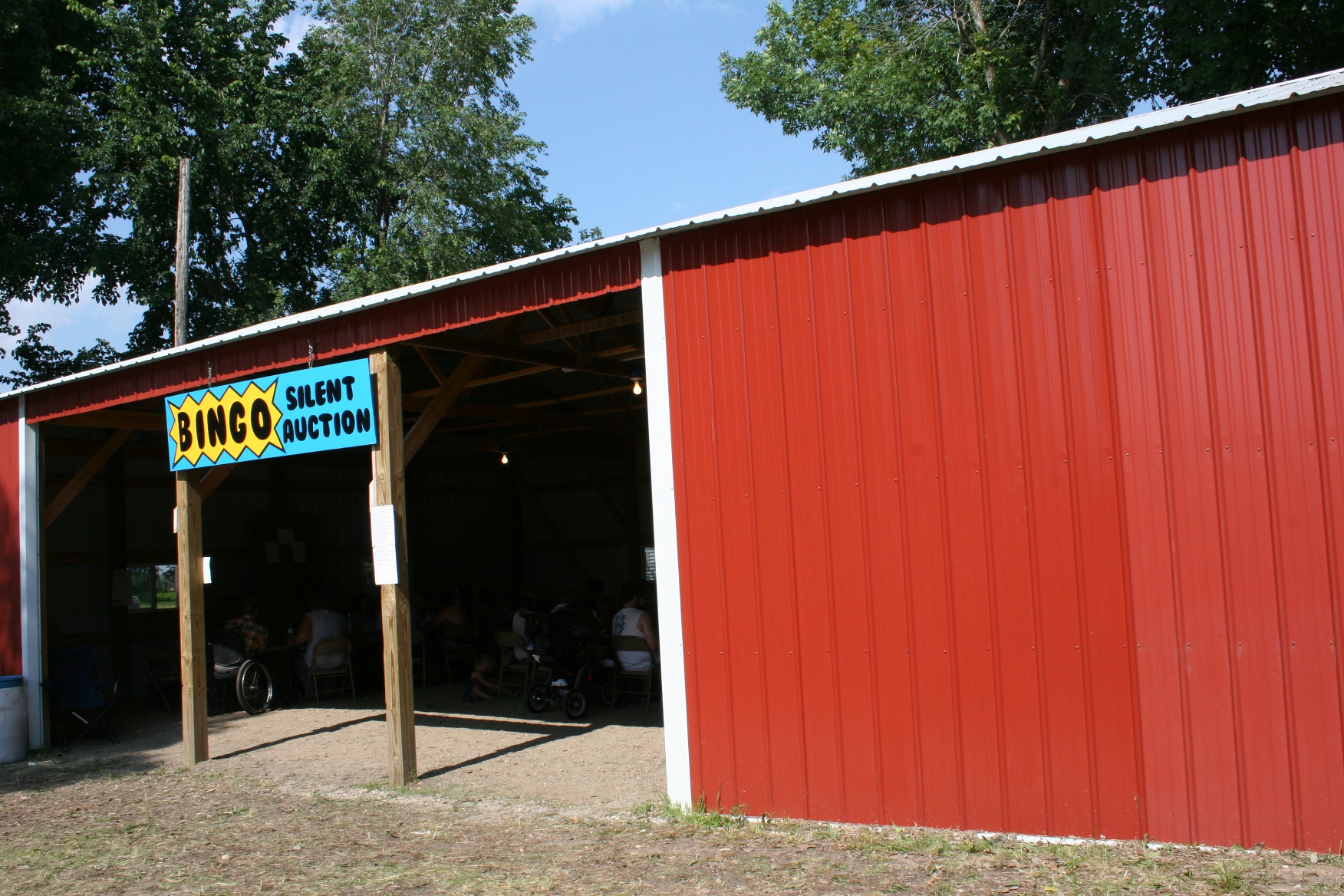
One pole shed is dedicated to bingo.

One section of a pole shed is dedicated to bingo and a silent auction.

The bingo callers.

The bingo callers.

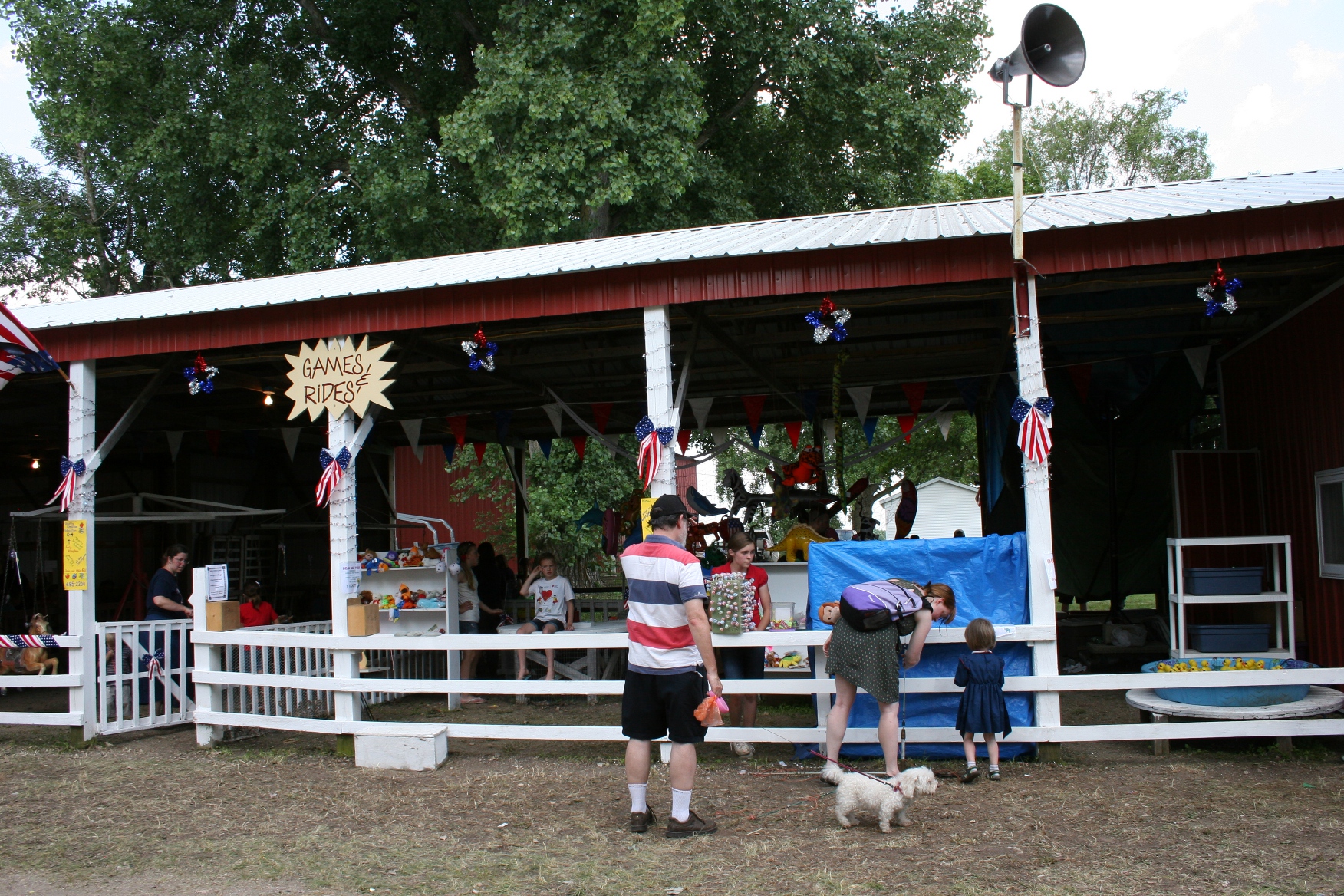
Fun for the kids in the games and rides building.

Fun for the kids in the games and rides building.

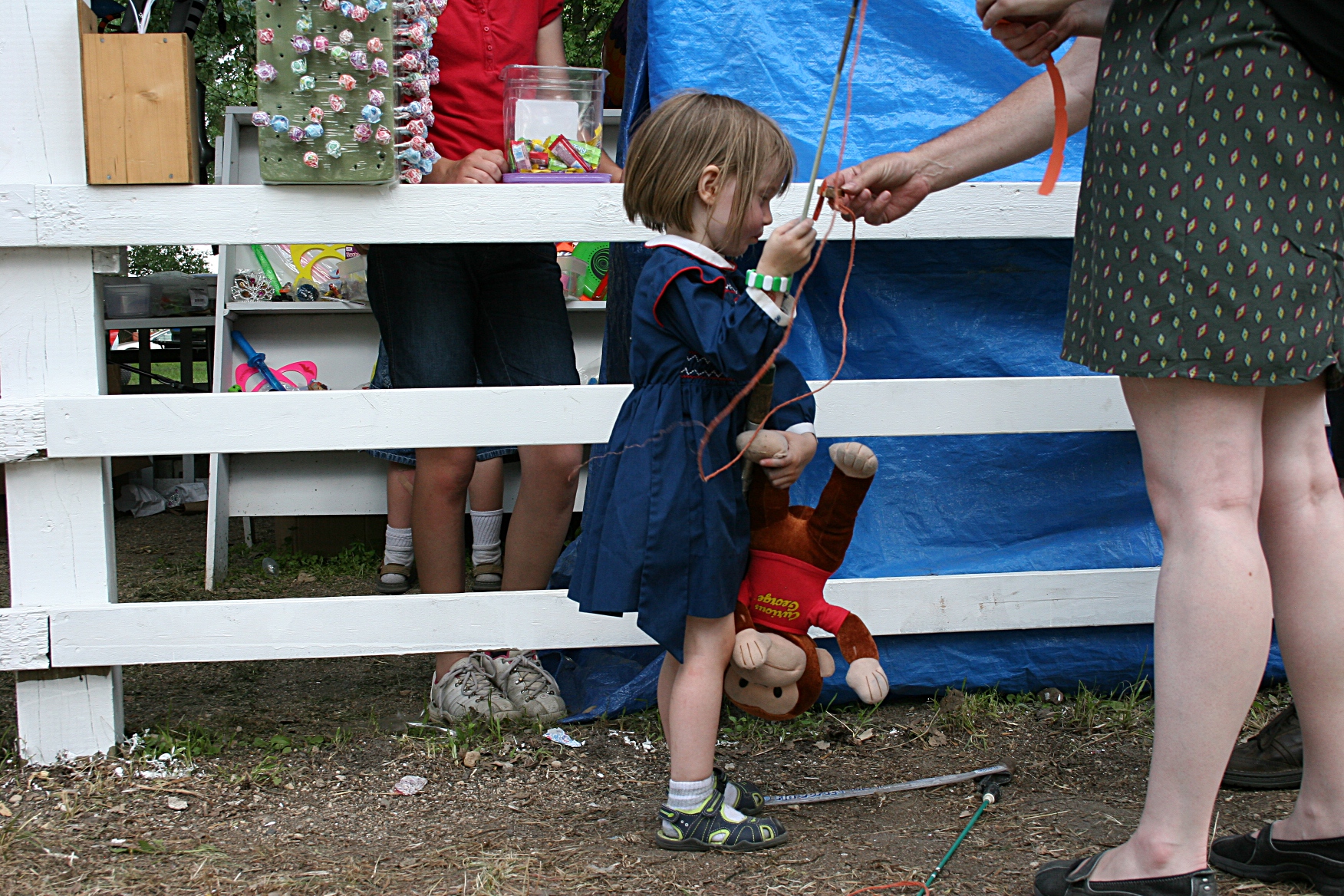
A ticket for the fish pond.

A ticket for the fish pond.

Filling the squirt gun in the duck pond.

Filling the squirt gun in the duck pond.

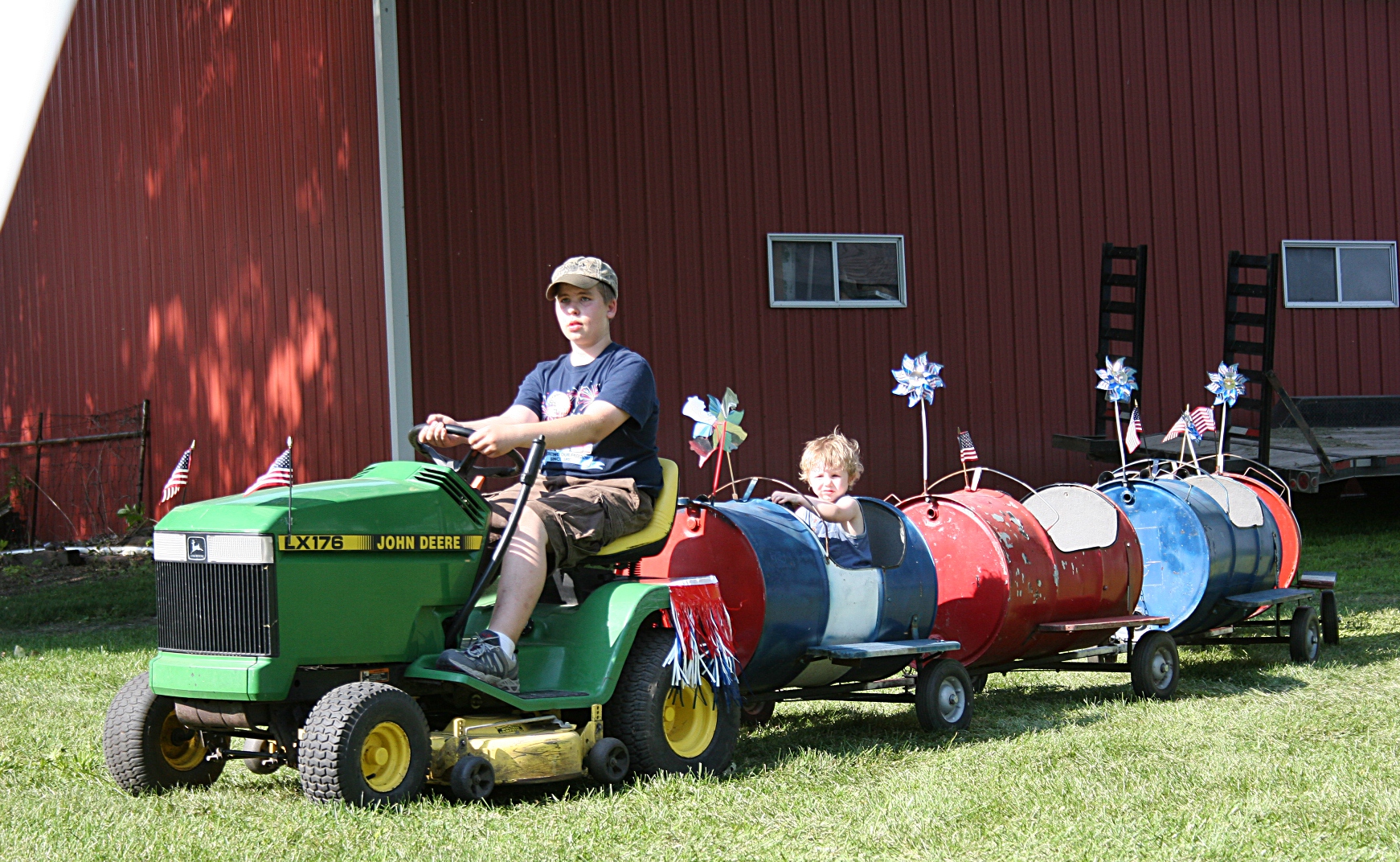
Riding the old-fashioned barrel train.

Riding the old-fashioned barrel train.

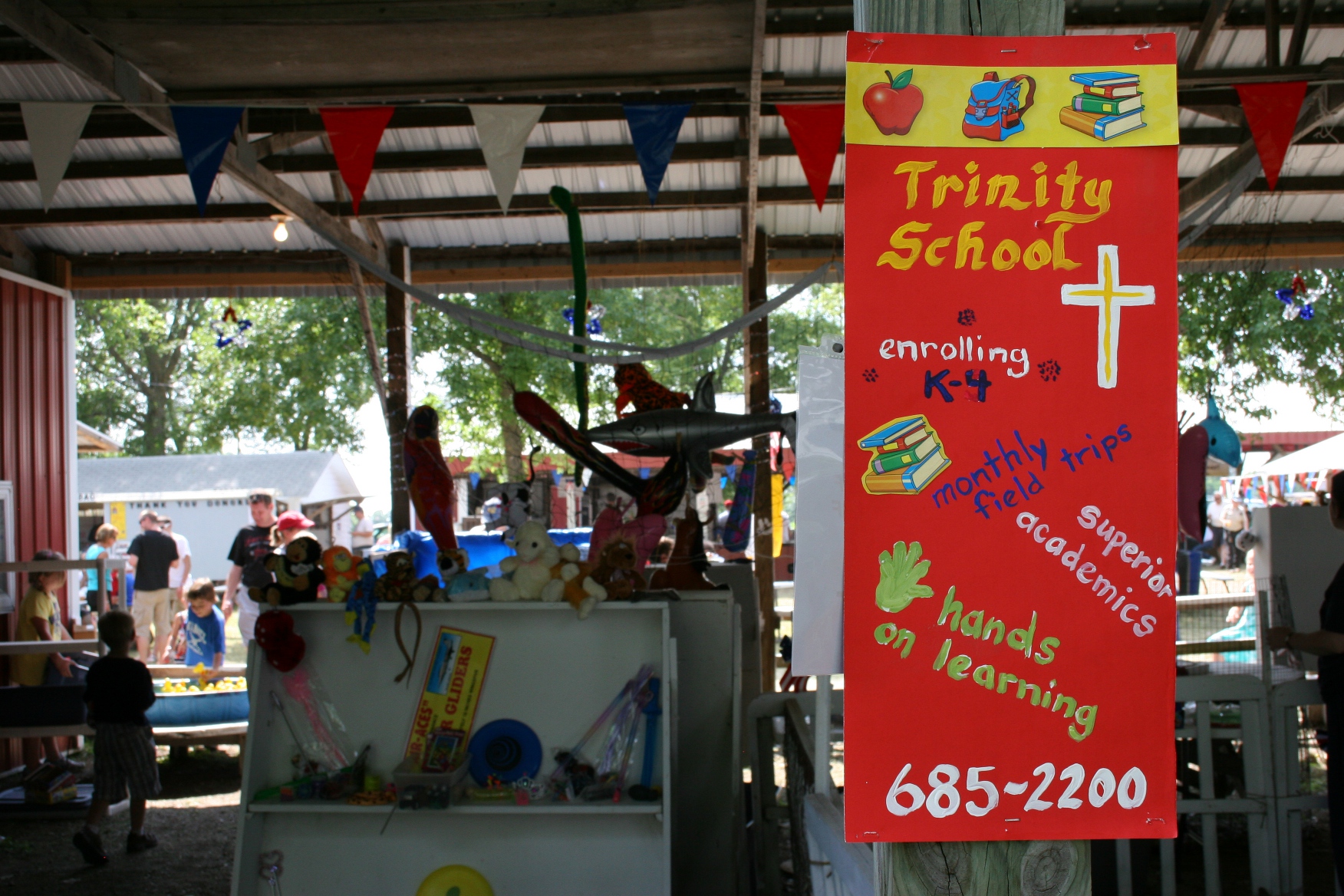
The day's proceeds benefit Trinity Lutheran School.

The day’s proceeds benefit Trinity Lutheran School.

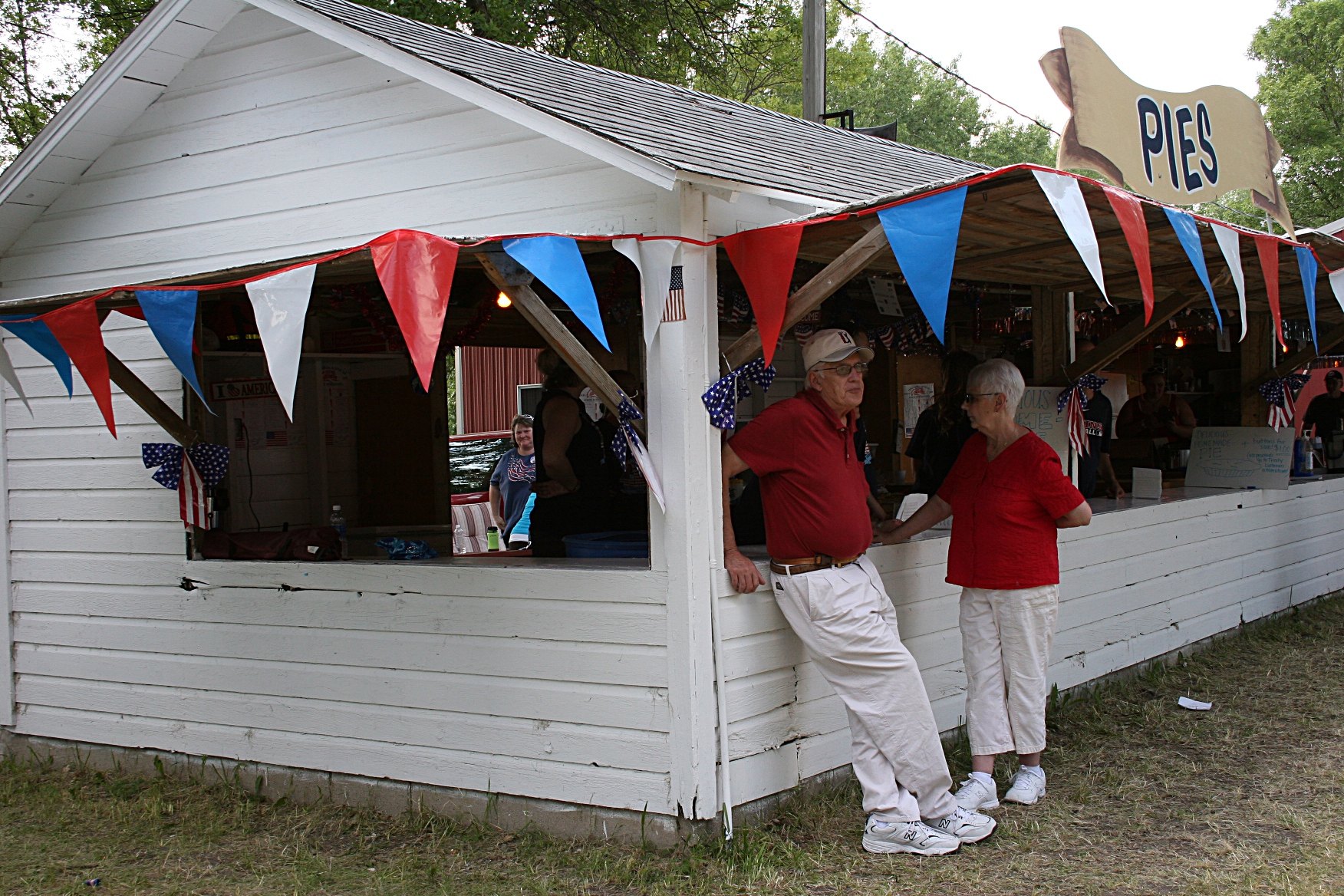
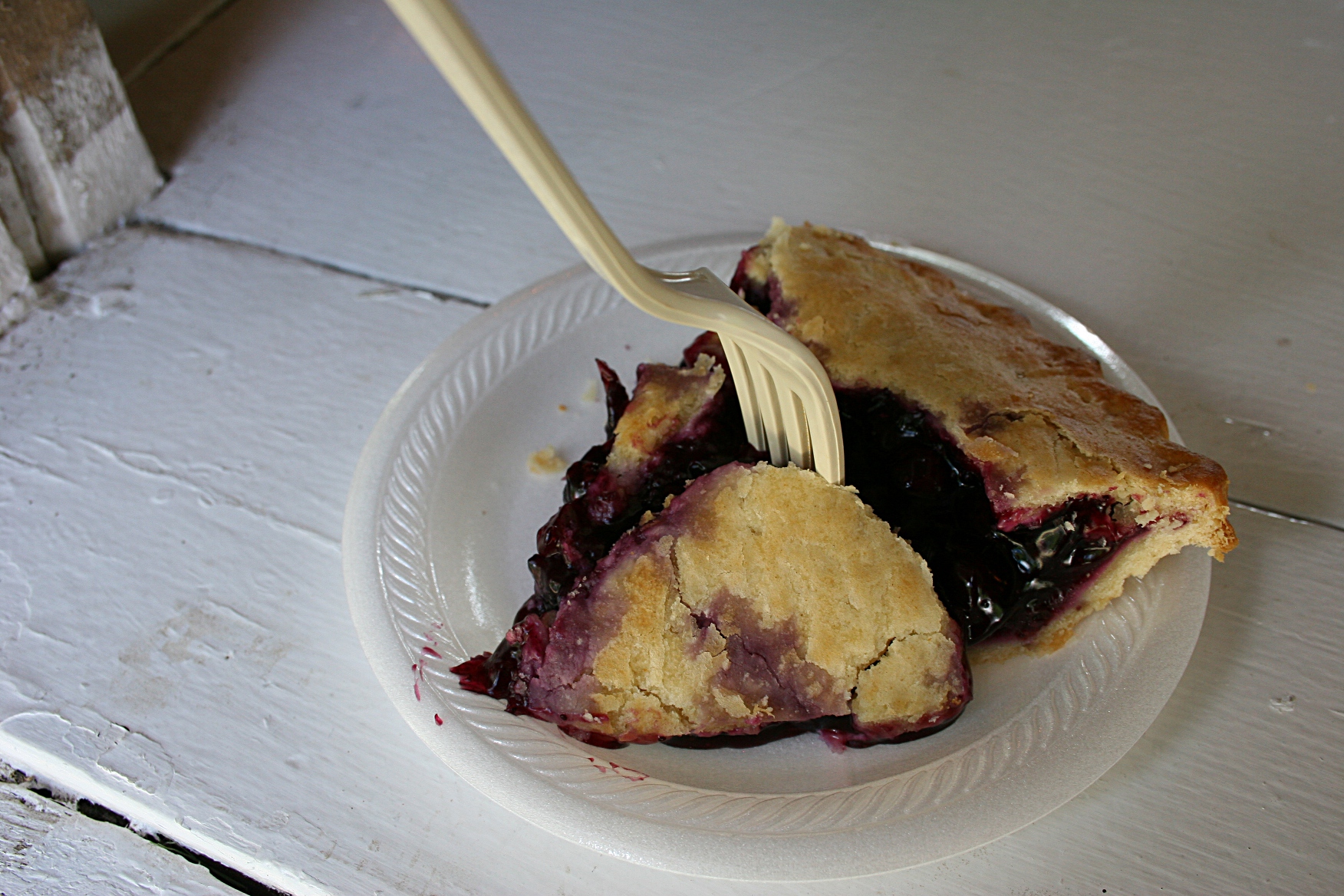
Homemade pies and ice cream are served from the pie building.

Homemade pies and ice cream are served from the pie building.

Blueberry pie.

Blueberry pie.

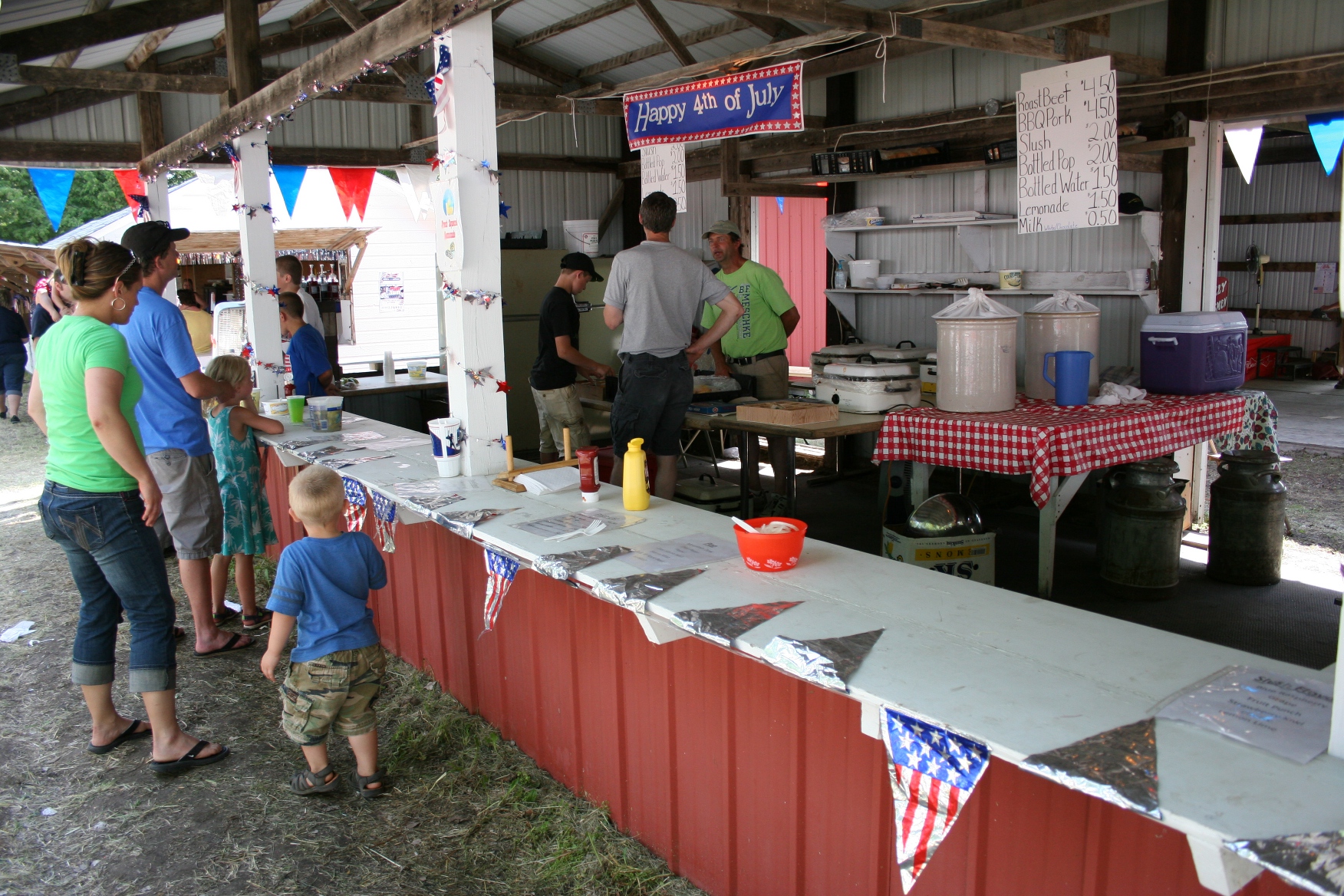
Hot pork and beef sandwiches and cold beverages are served from this stand.

Hot pork and beef sandwiches and cold beverages are served from this stand.

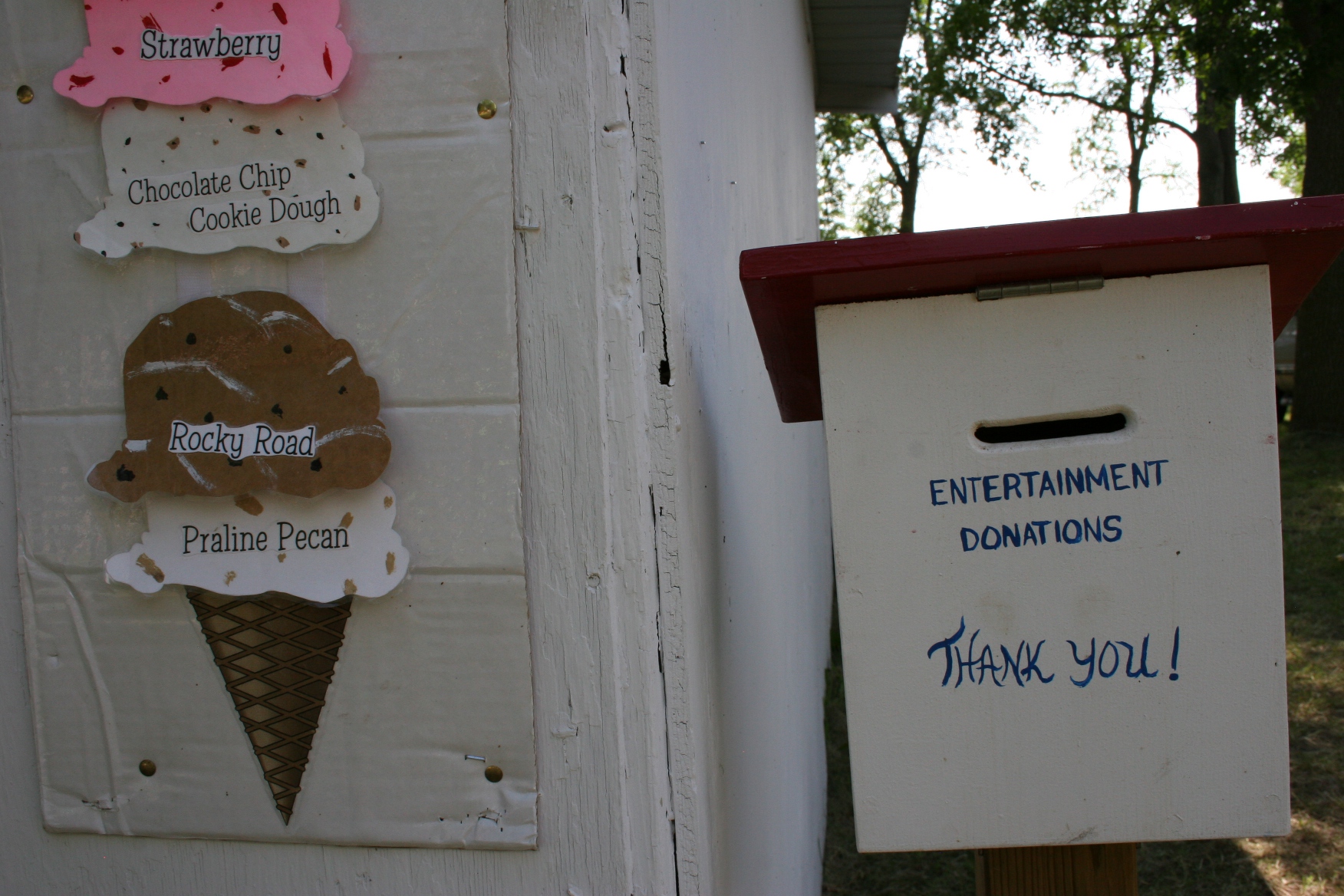
Visitors stopping by the ice cream shop can drop donations for the entertainment into a drop box.

Visitors stopping by the ice cream shoppe can drop donations for the entertainment into a drop box.

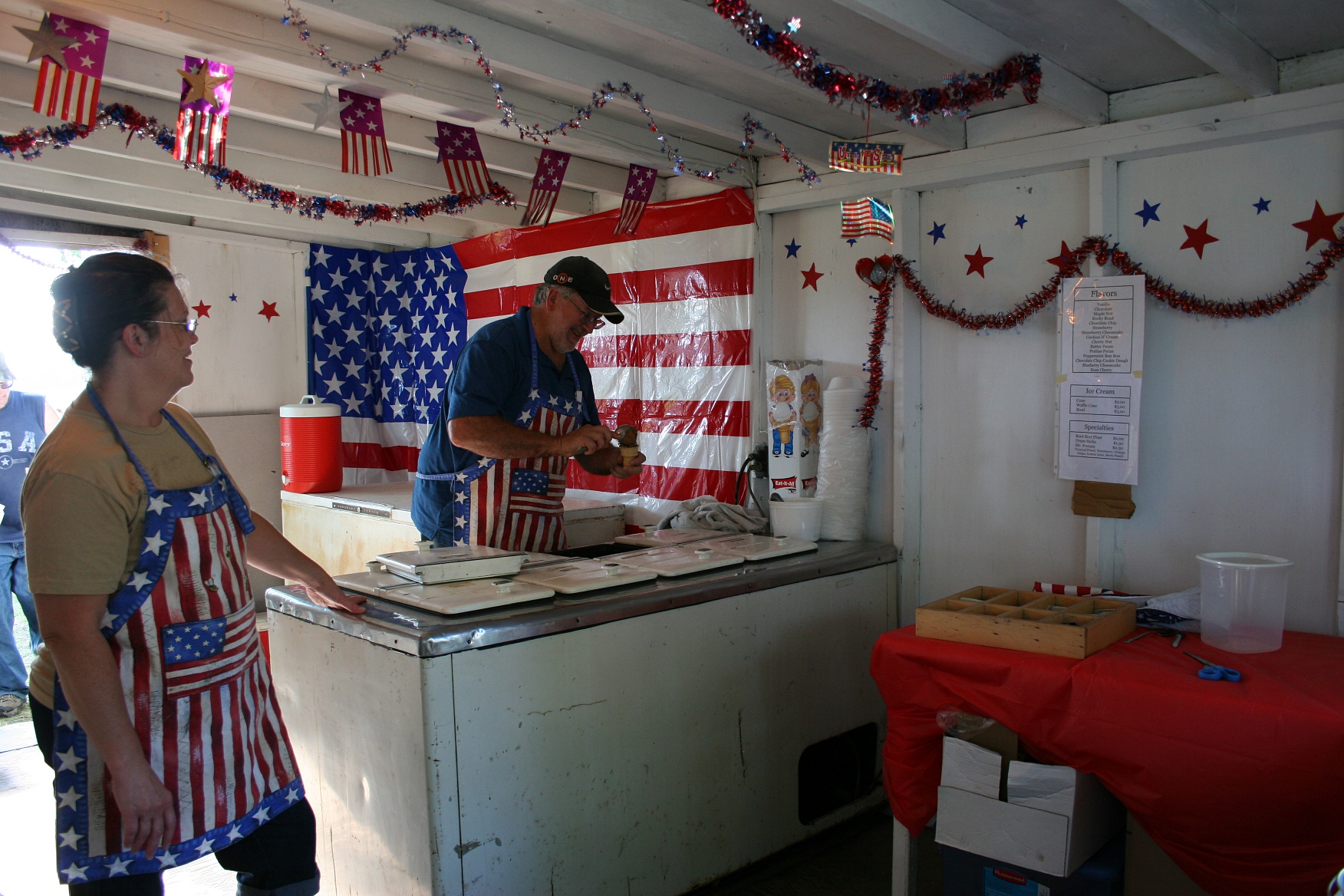
A peek inside the ice cream shoppe.

A peek inside the ice cream shoppe.

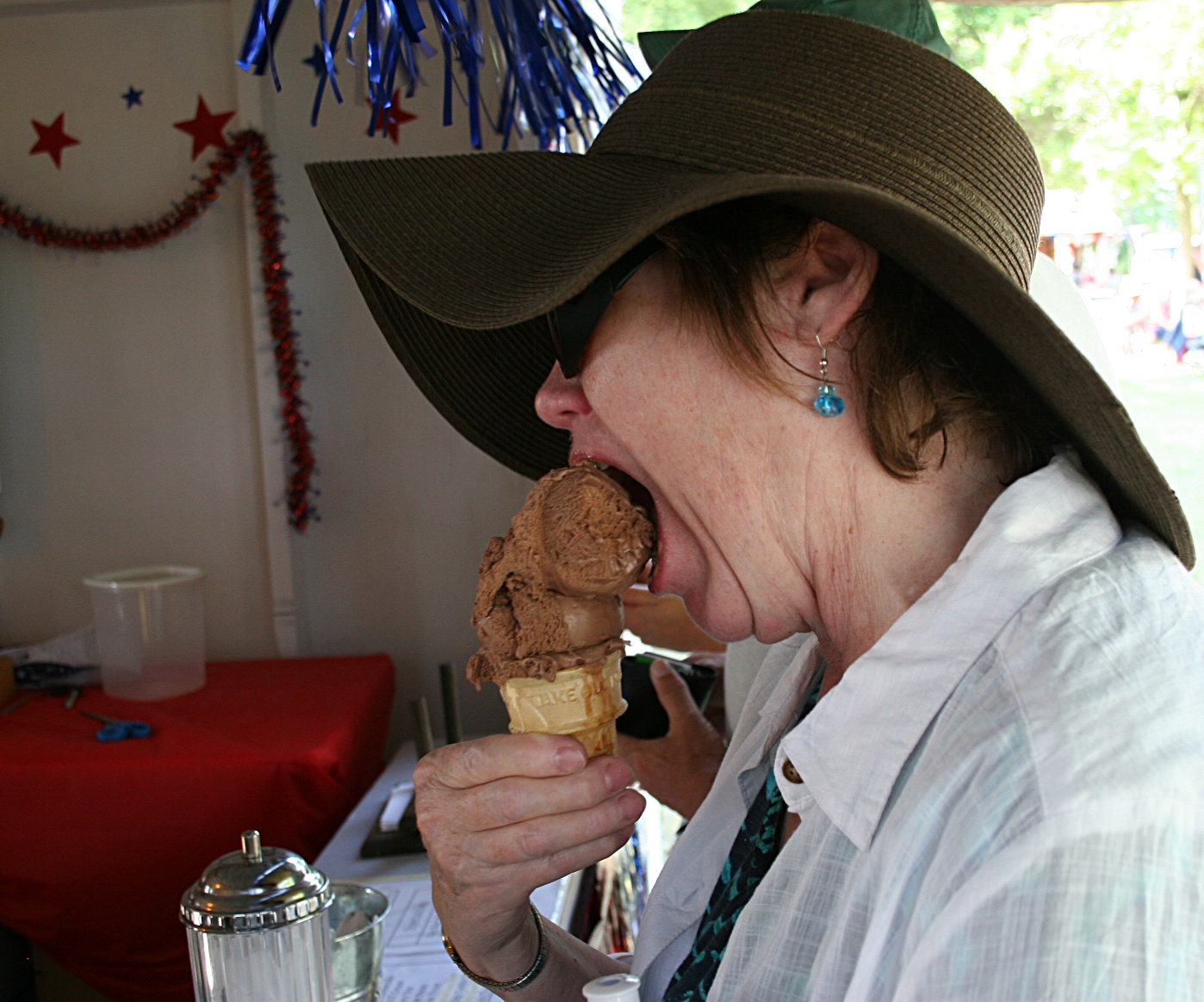
Enjoying an ice cream cone.

Enjoying an ice cream cone.

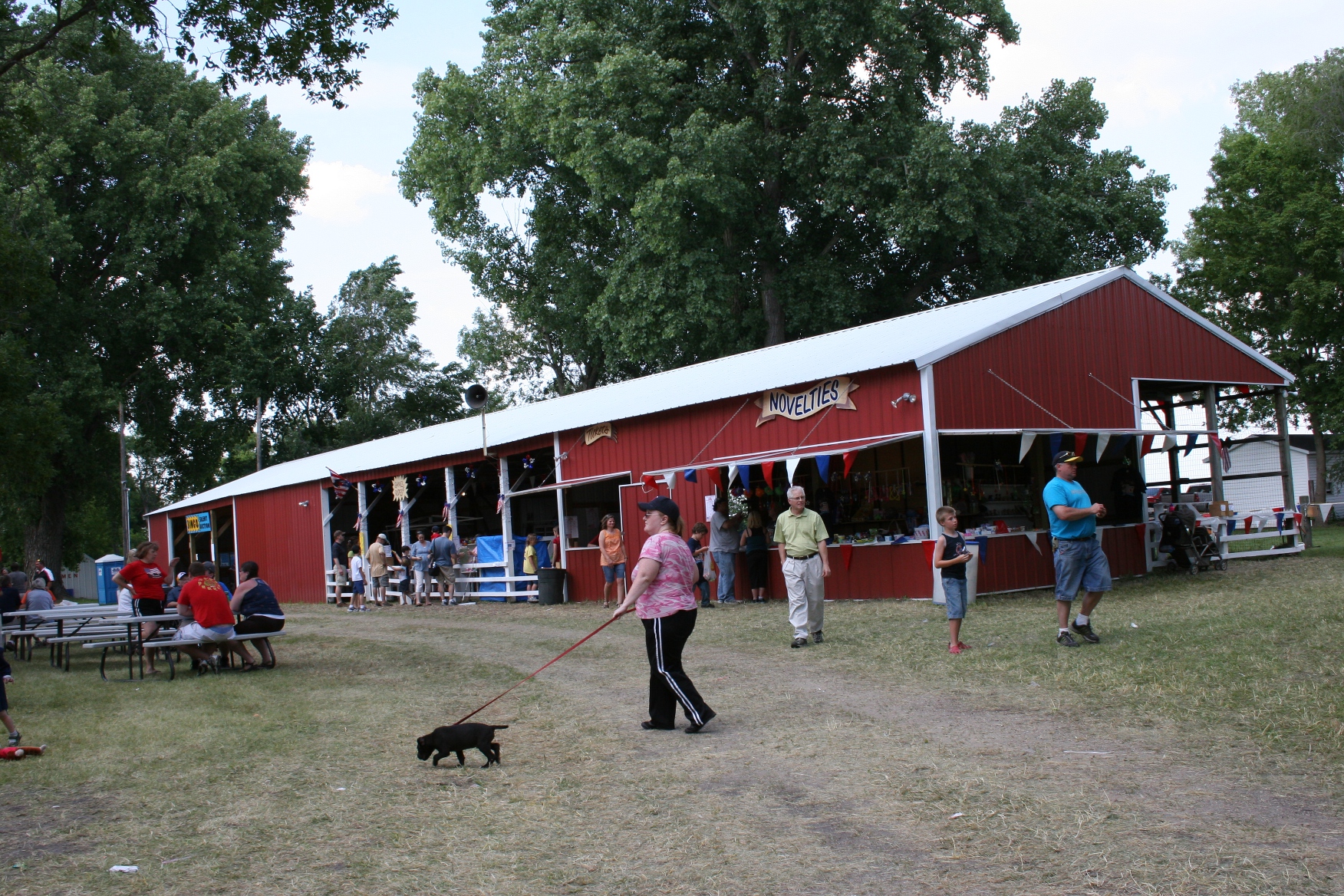
An overview of the novelties shoppe and games and rides building.

An overview of the novelties shoppe and games and rides and bingo building.

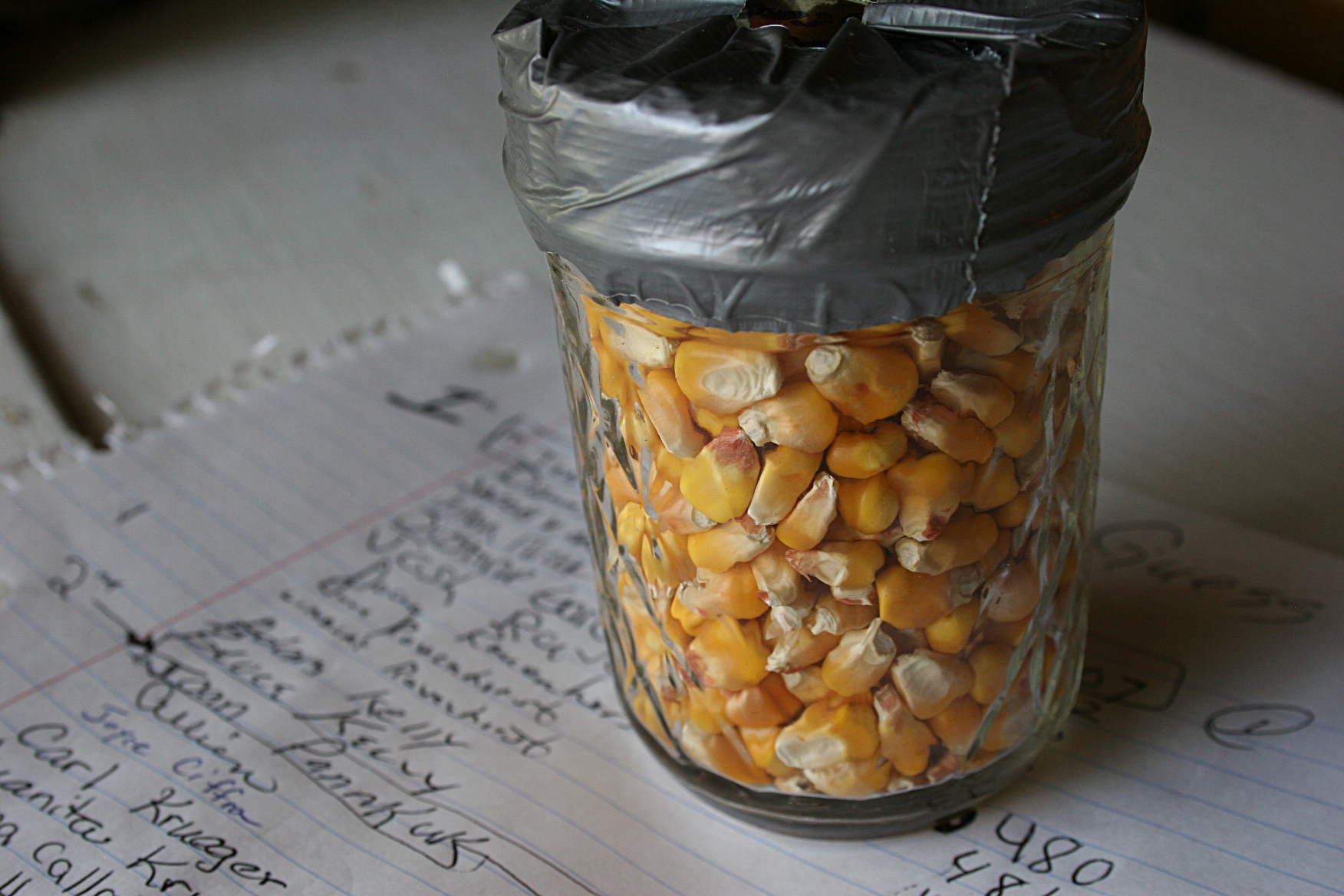
Guess the number of corn kernels in the duct taped jar and win a prize.

Guess the number of corn kernels in the duct taped jar and win a prize.

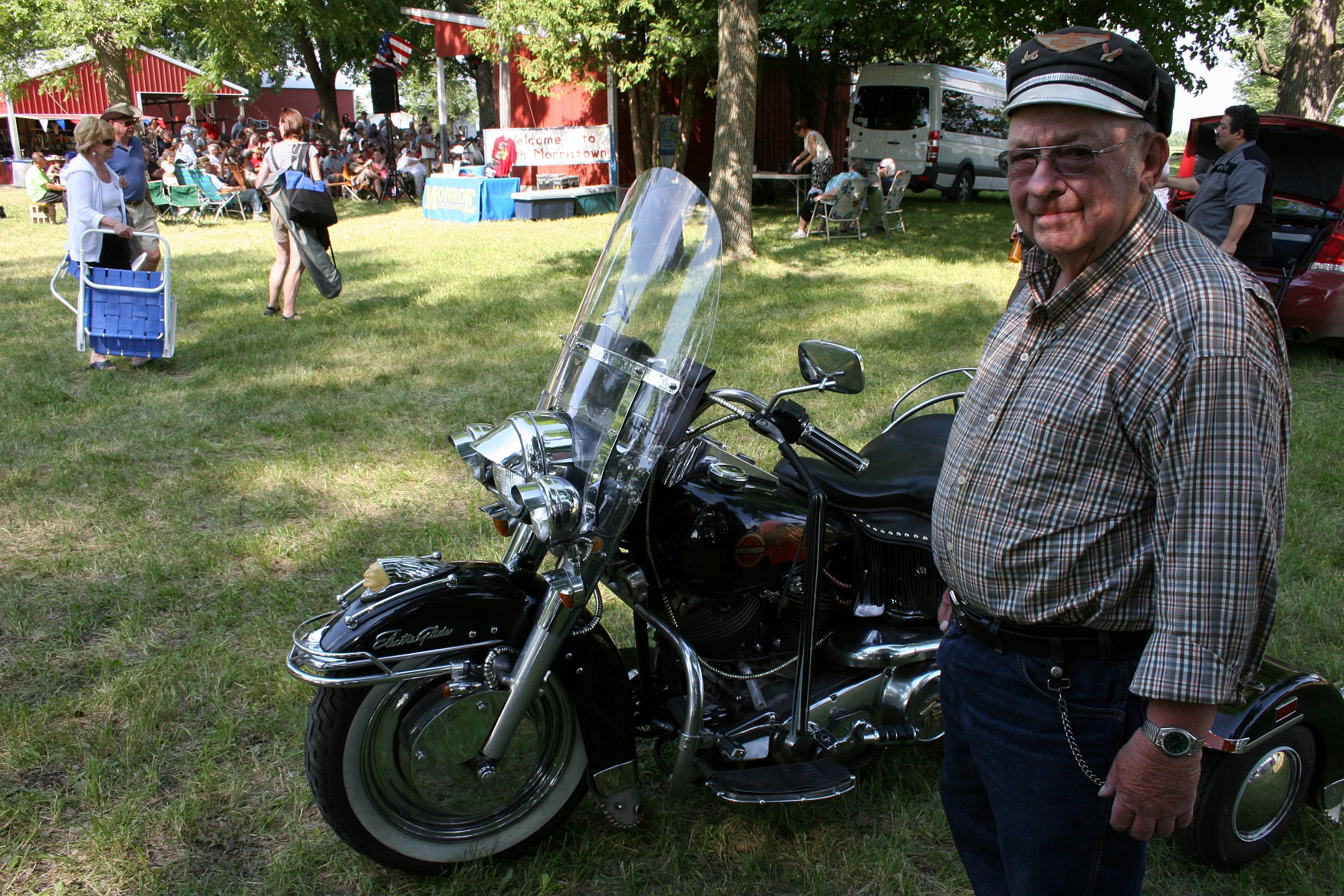
A 75-year-old Harley rider arrives at the celebration late in the afternoon.

A 75-year-old biker arrives at the celebration late in the afternoon on his 1977 Harley.

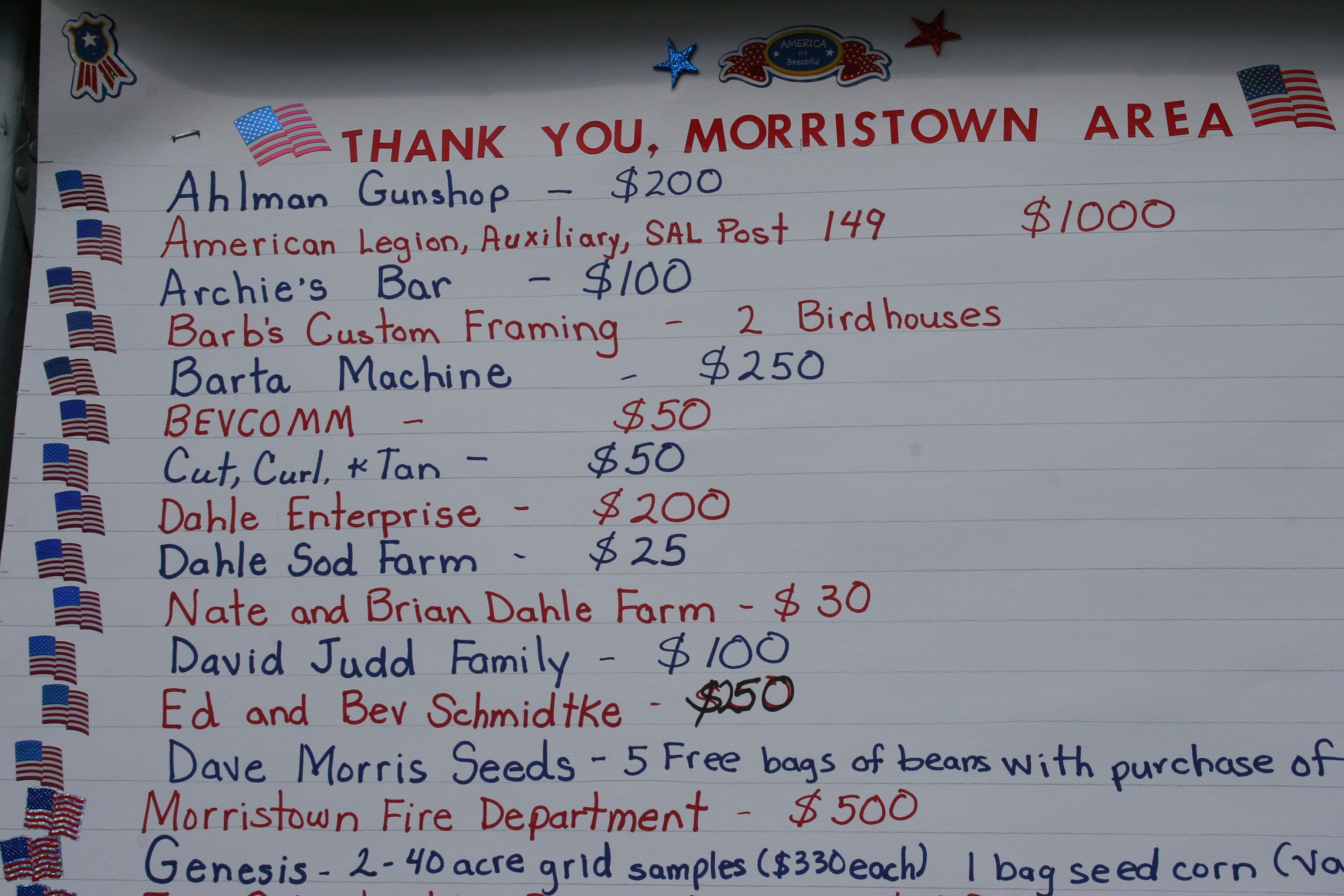
One of several lists thanking supporters.

One of several lists thanking supporters.

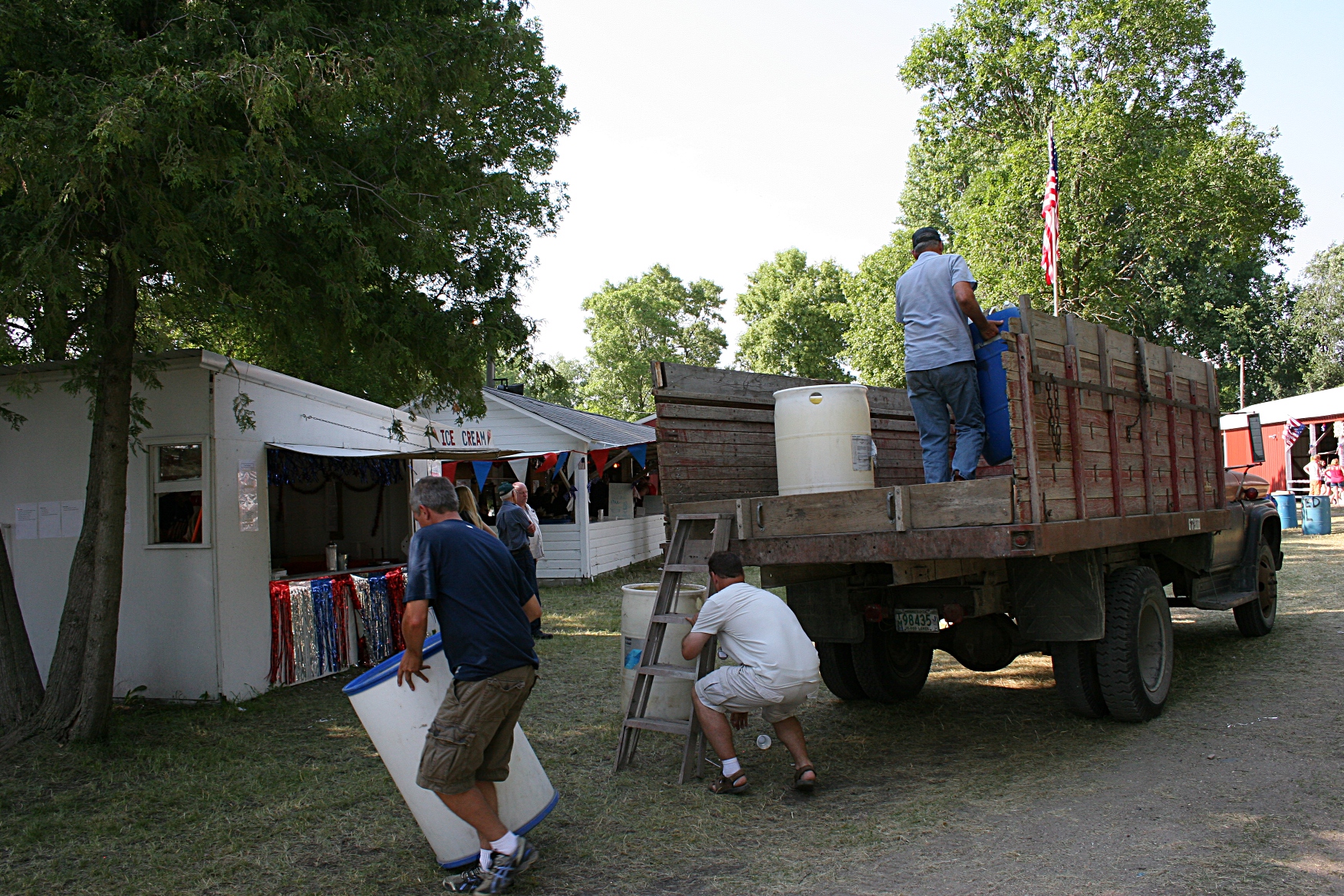
Garbage pick up in a 1964 grain truck.

Garbage pick up by a 1964 grain truck.

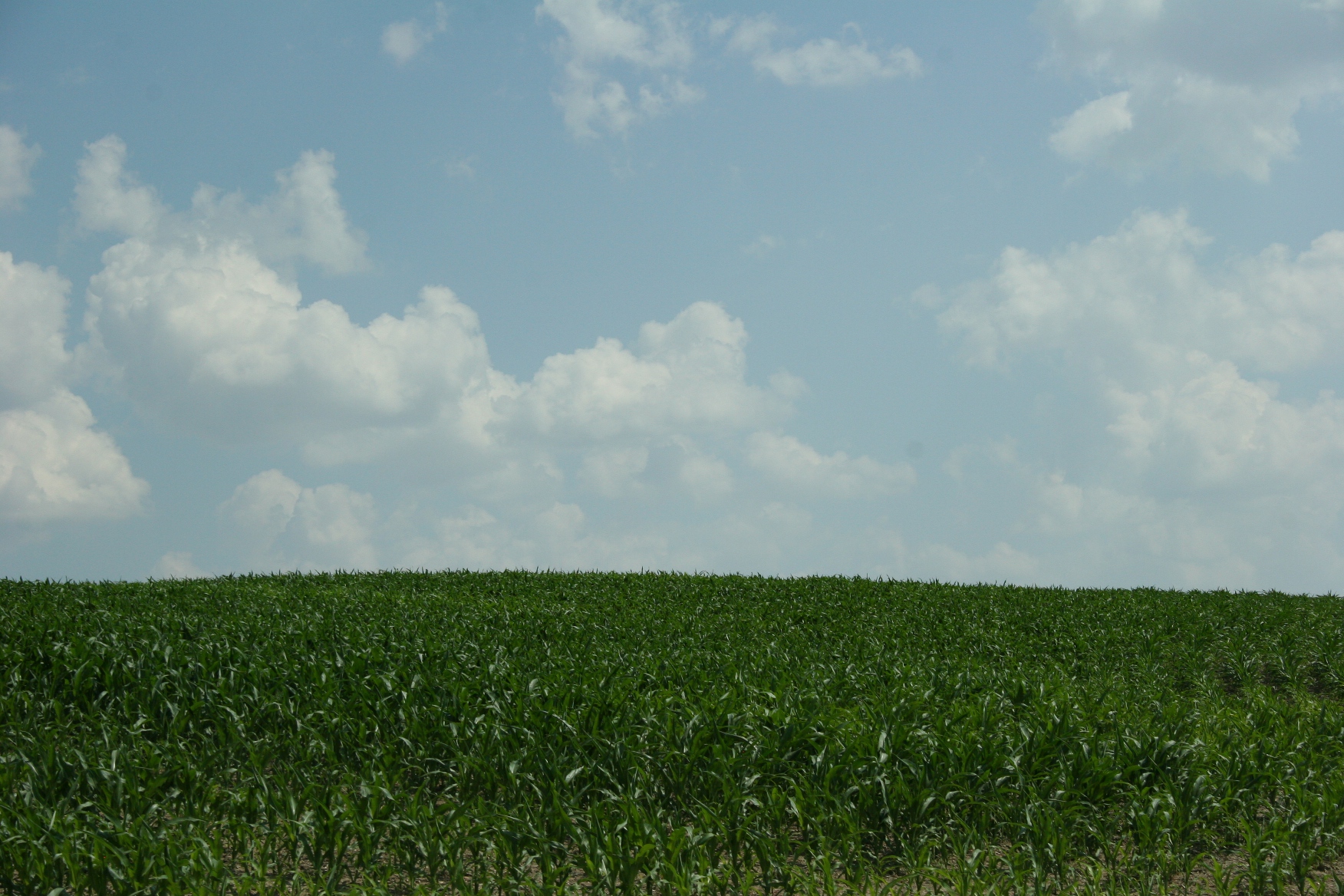
North Morristown is set in the middle of farm fields.

North Morristown is set in the middle of farm fields.

© Copyright 2013 Audrey Kletscher Helbling
 

Displaying the red, white & blue in small town America

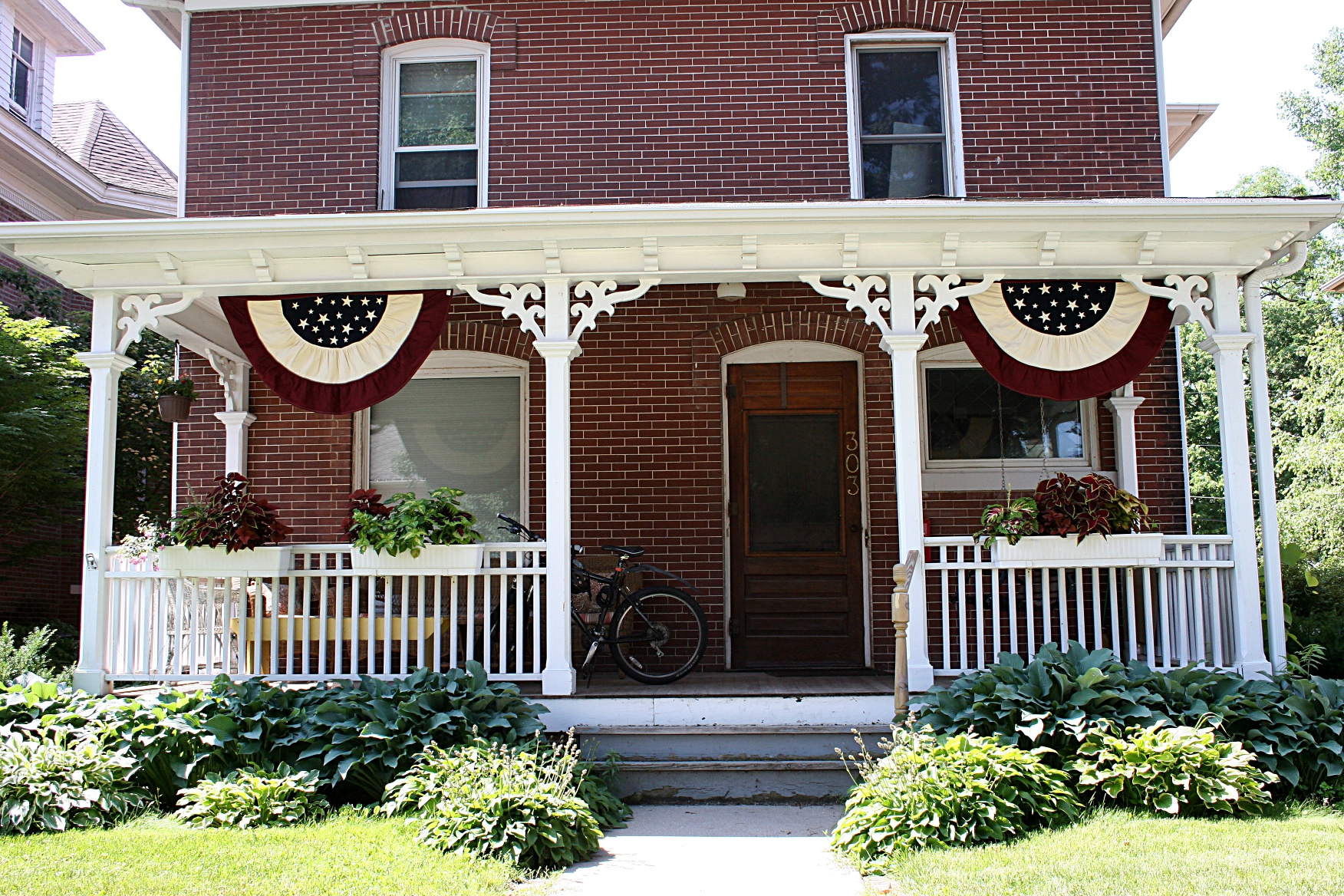
Flag buntings decorate an historic home in the beautiful river town of Decorah, Iowa.

Flag buntings decorate an historic home in the beautiful river town of Decorah, Iowa.

SIGNS OF U.S. PRIDE/patriotism/love of country are evident everywhere this week in small town Midwestern America.

Here are a few examples from a recent short trip into southeastern Minnesota, western Wisconsin and northeastern Iowa.

Enjoy.

And Happy Fourth of July, dear readers.

Chalk art at St. Feriole Island Gardens in Prairie du Chien, Wisconsin, along the Mississippi River.

Chalk art at St. Feriole Island Gardens in Prairie du Chien, Wisconsin, along the Mississippi River.

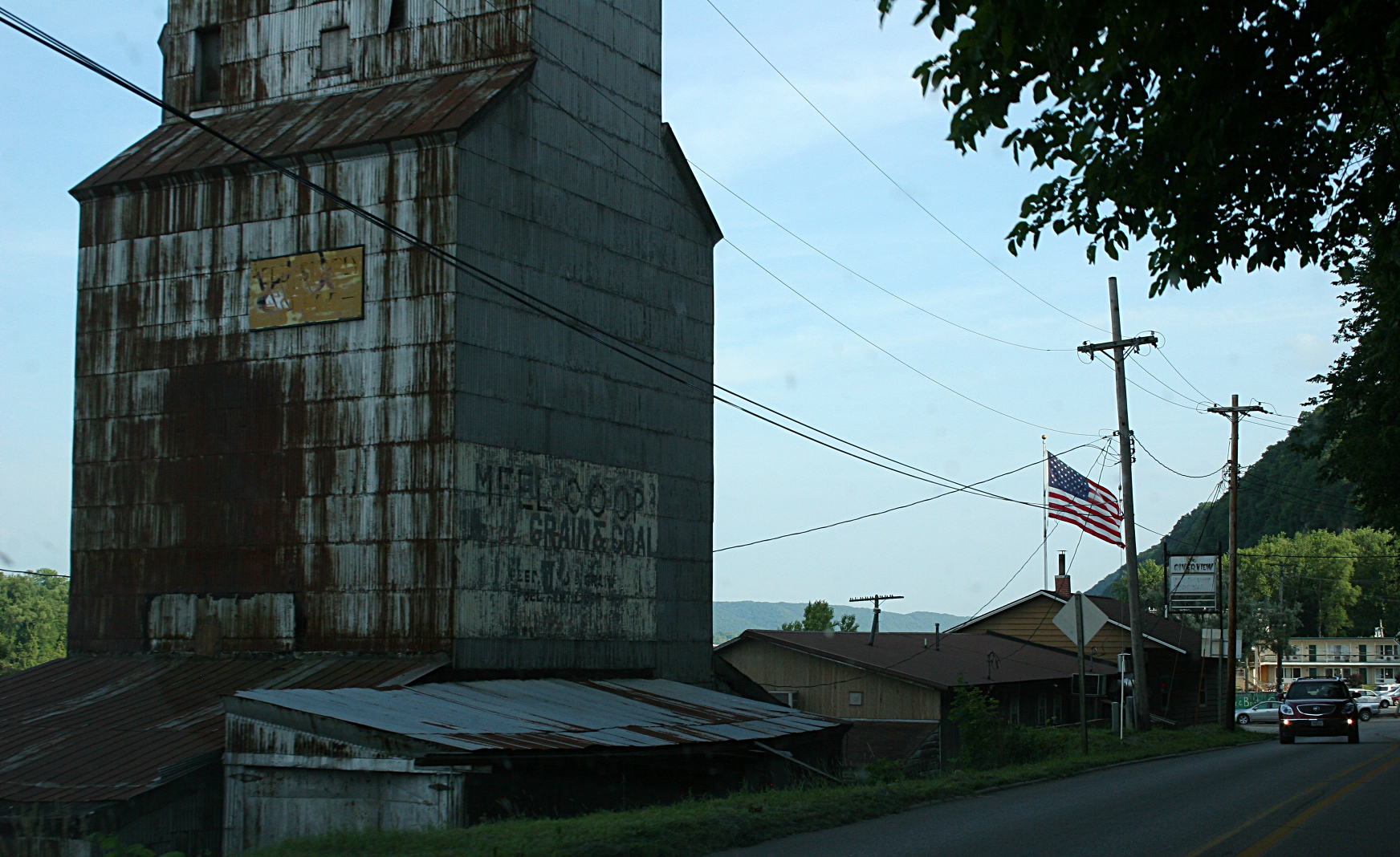
Snapped through the windshield of the van, this aged elevator and flag to the right, entering the Mississippi River town of Marquette, Iowa, from the north.

Snapped through the windshield of the van, this aged elevator and flag, to the right, entering the Mississippi River town of Marquette, Iowa, from the north.

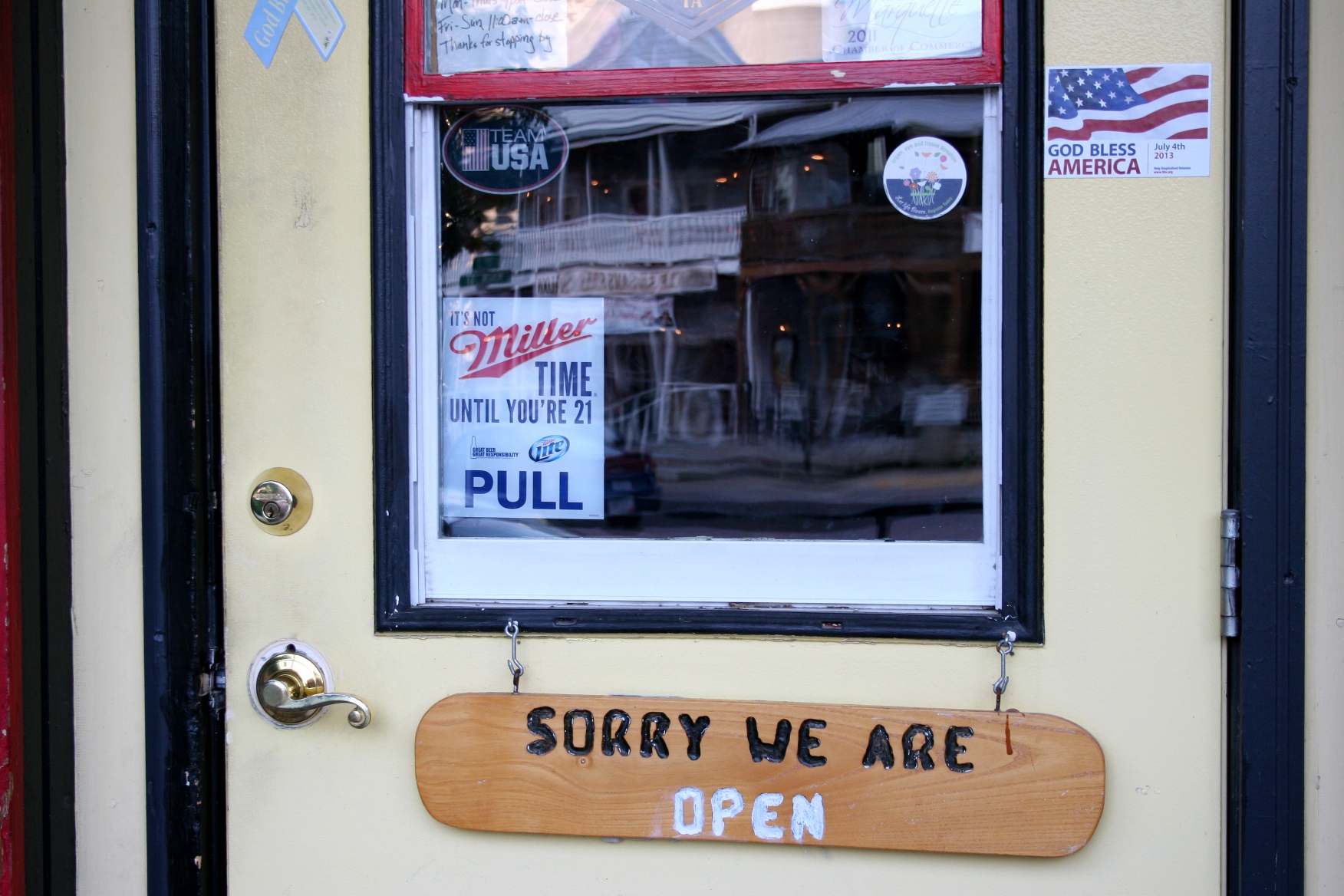
A few miles to the south in McGregor, Iowa, I found this "God bless America" sticker and humorous welcome on the door of a bar.

A few miles to the south in McGregor, Iowa, I found this “God bless America” sticker and humorous welcome on the door of a bar.

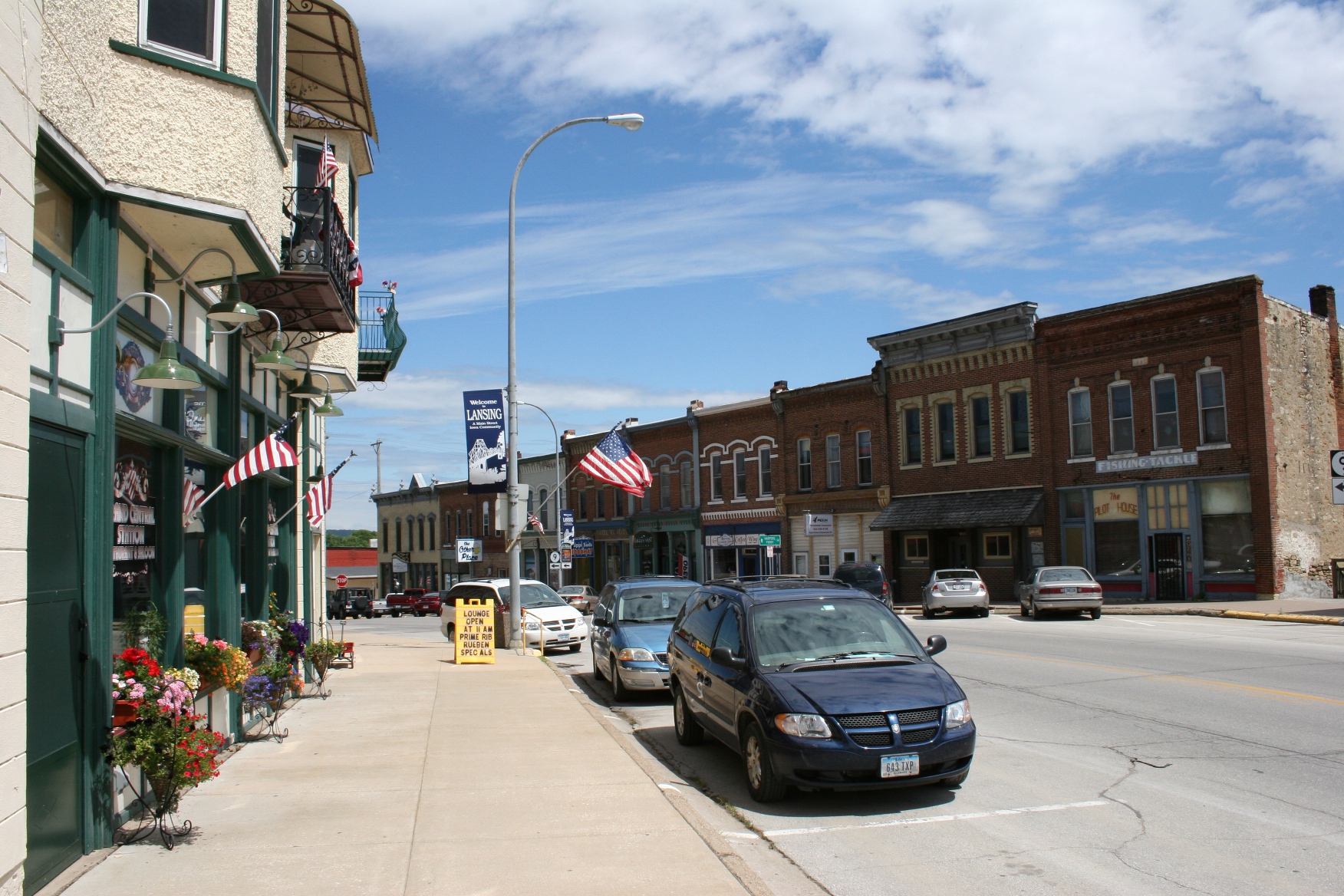
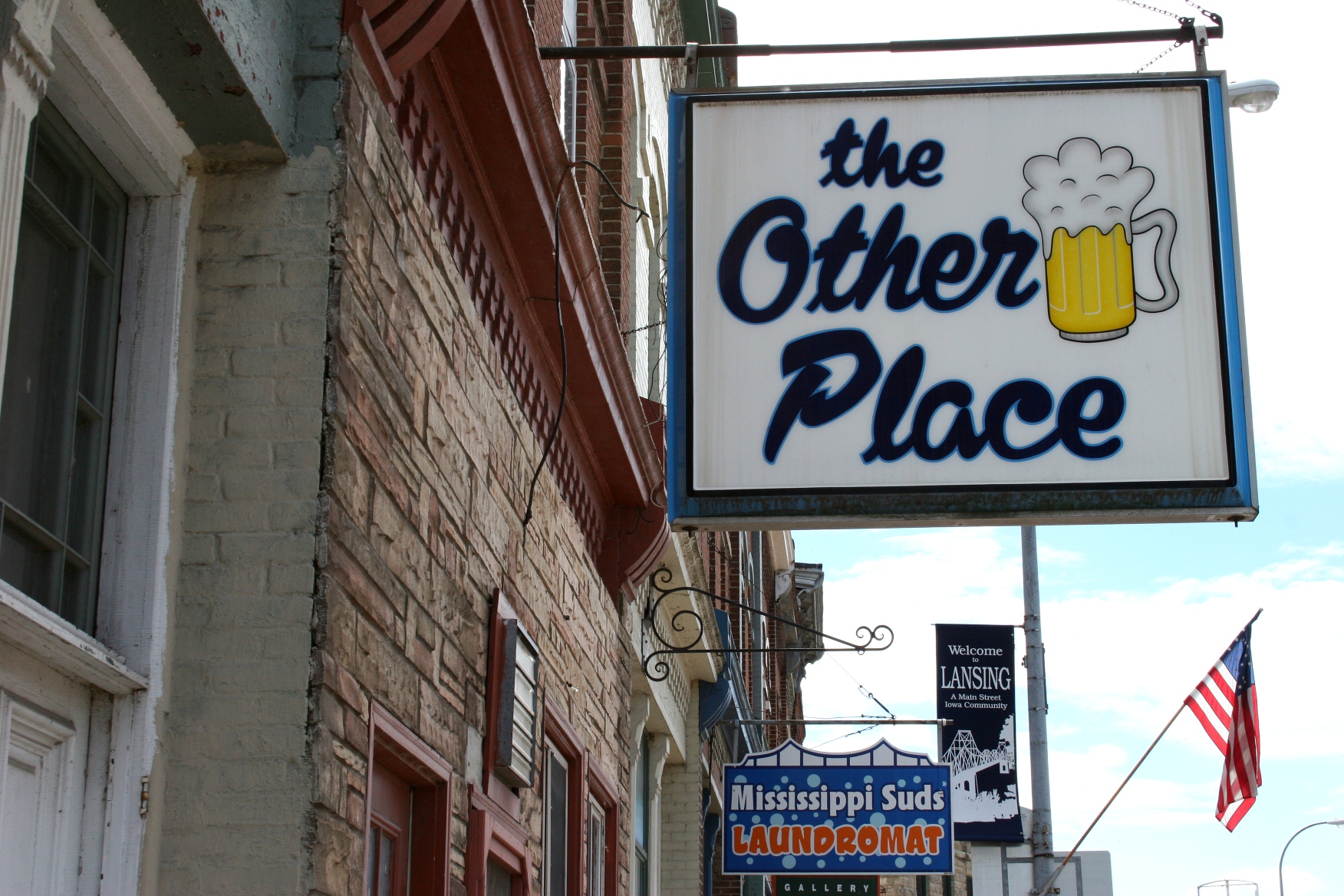
I spotted plenty of American flags in the Mississippi River town of Lansing, Iowa.

I spotted plenty of American flags in the historic Mississippi River town of Lansing, Iowa.

Signs and a flag in Lansing, Iowa.

Signs and a flag in Lansing, Iowa.

Copyright 2013 Audrey Kletscher Helbling
 

Appreciating the Sunday afternoon drive June 29, 2013

Filed under: Uncategorized — Audrey Kletscher Helbling @ 6:30 AM
Tags: , , , , , , , ,
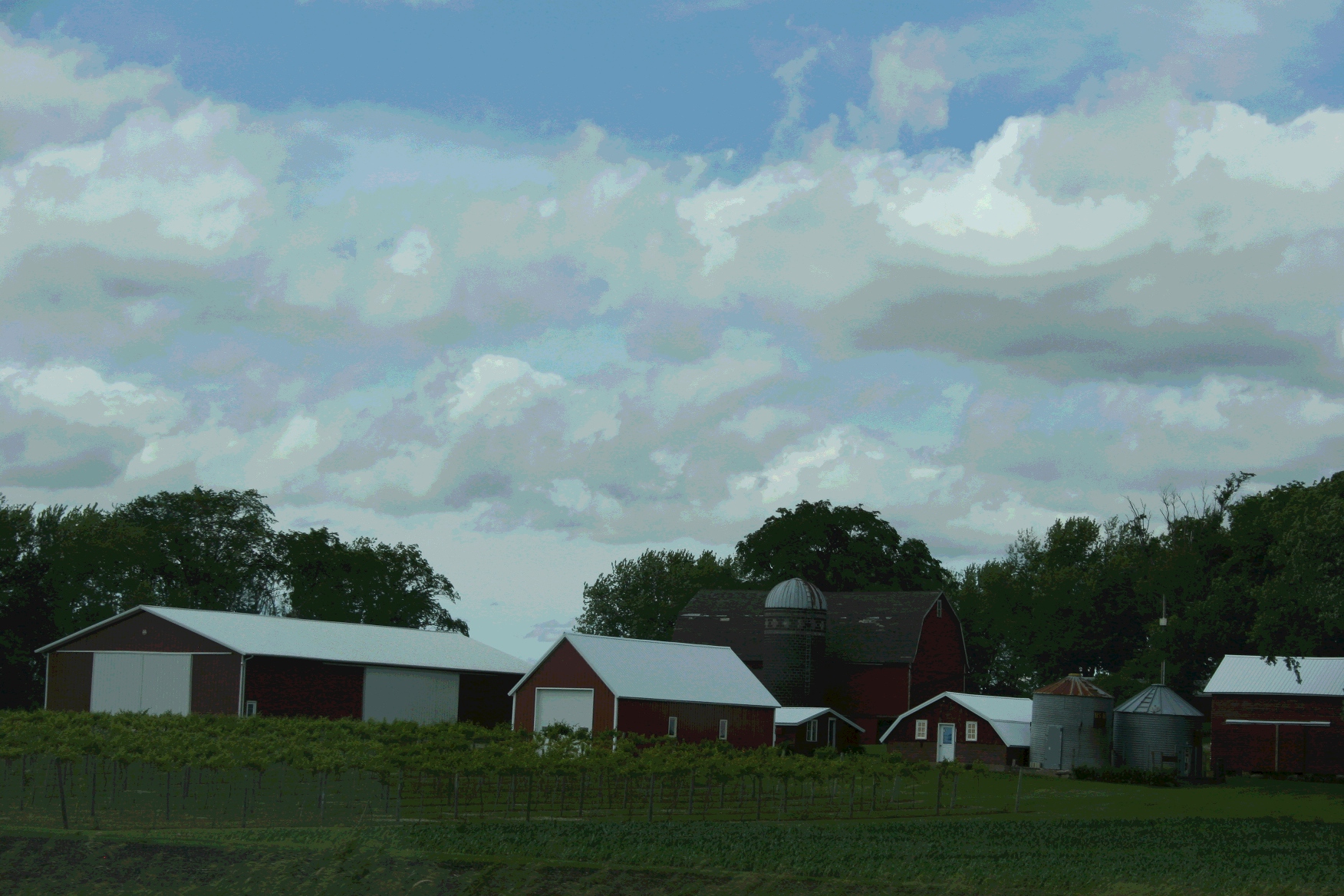
Checking out the crops near Moland Lutheran Church in Steele County, Minnesota.

Checking out the crops near Moland Lutheran Church in Steele County, Minnesota.

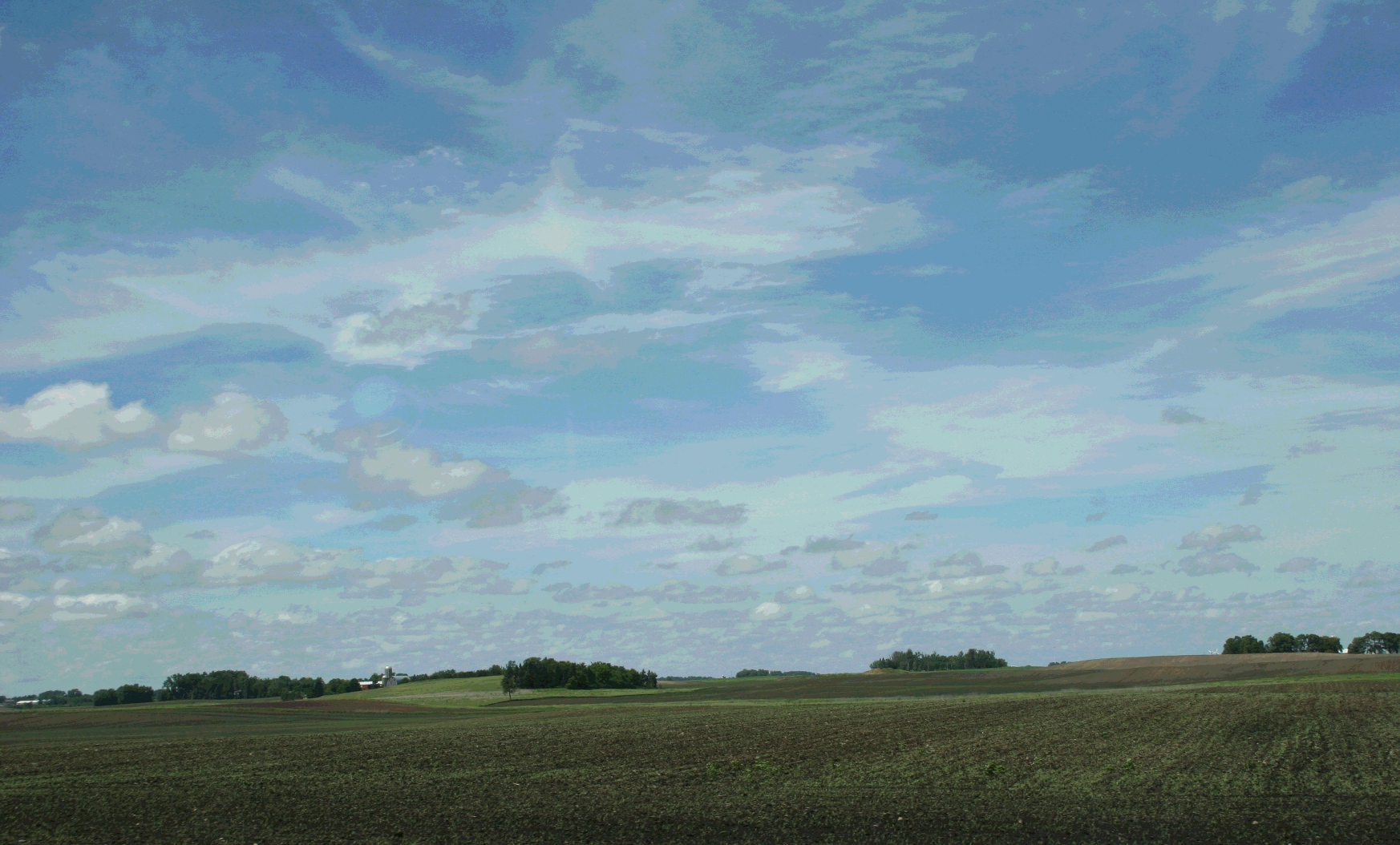
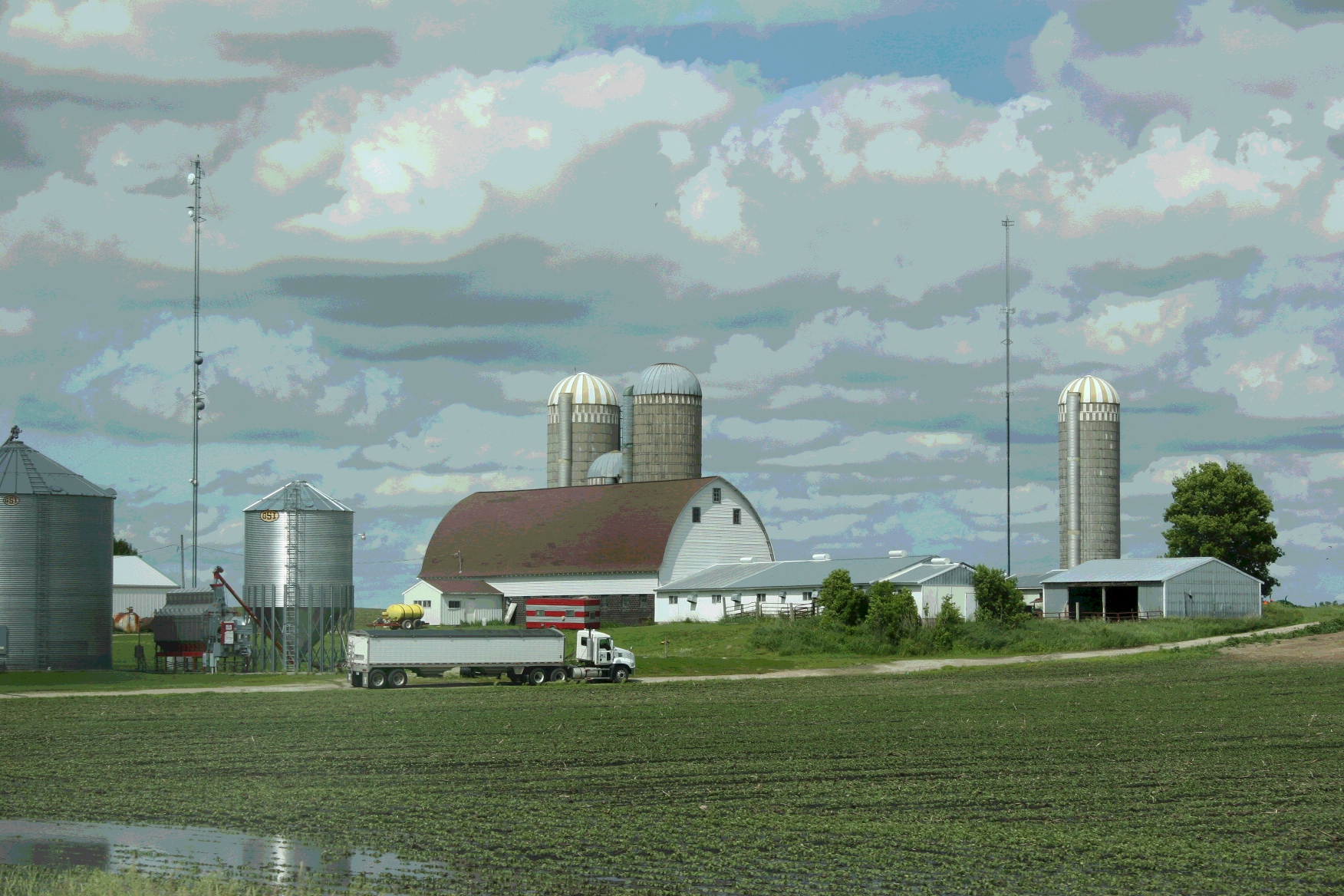
ONCE UPON A TIME, I thought Sunday afternoon drives were reserved for farmers checking out the crops or for old people with nothing more important to do.

In Merton Township, Steele County, Minnesota.

In Merton Township, Steele County, Minnesota.

No longer do I think that. I now welcome these day trips into the country for the solace, the beauty, the discovery, the photo ops, the joy of whiling away an afternoon with no specific destination.

Along Rice County Road 21 south of Faribault.

Along Rice County Road 21 south of Faribault.

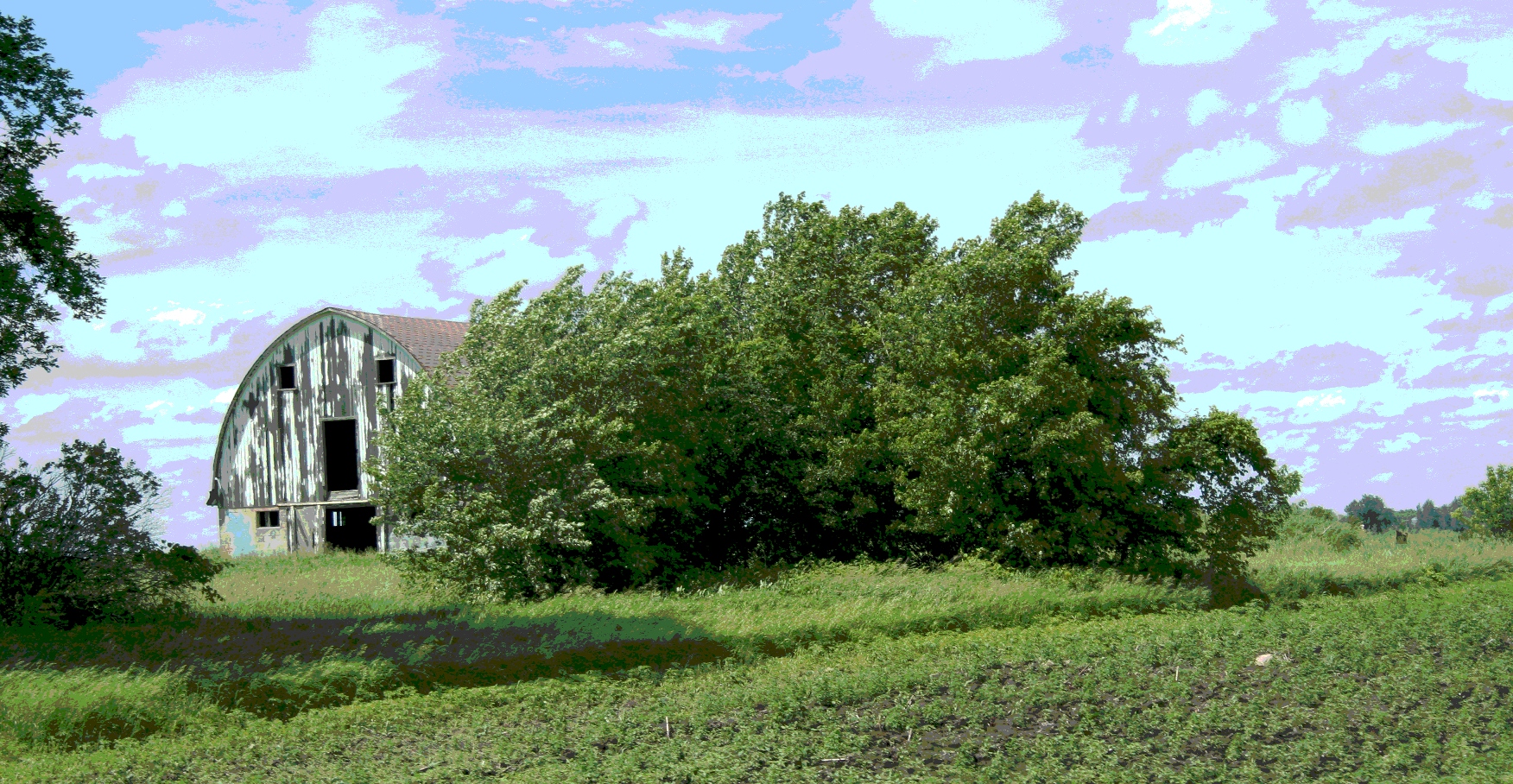
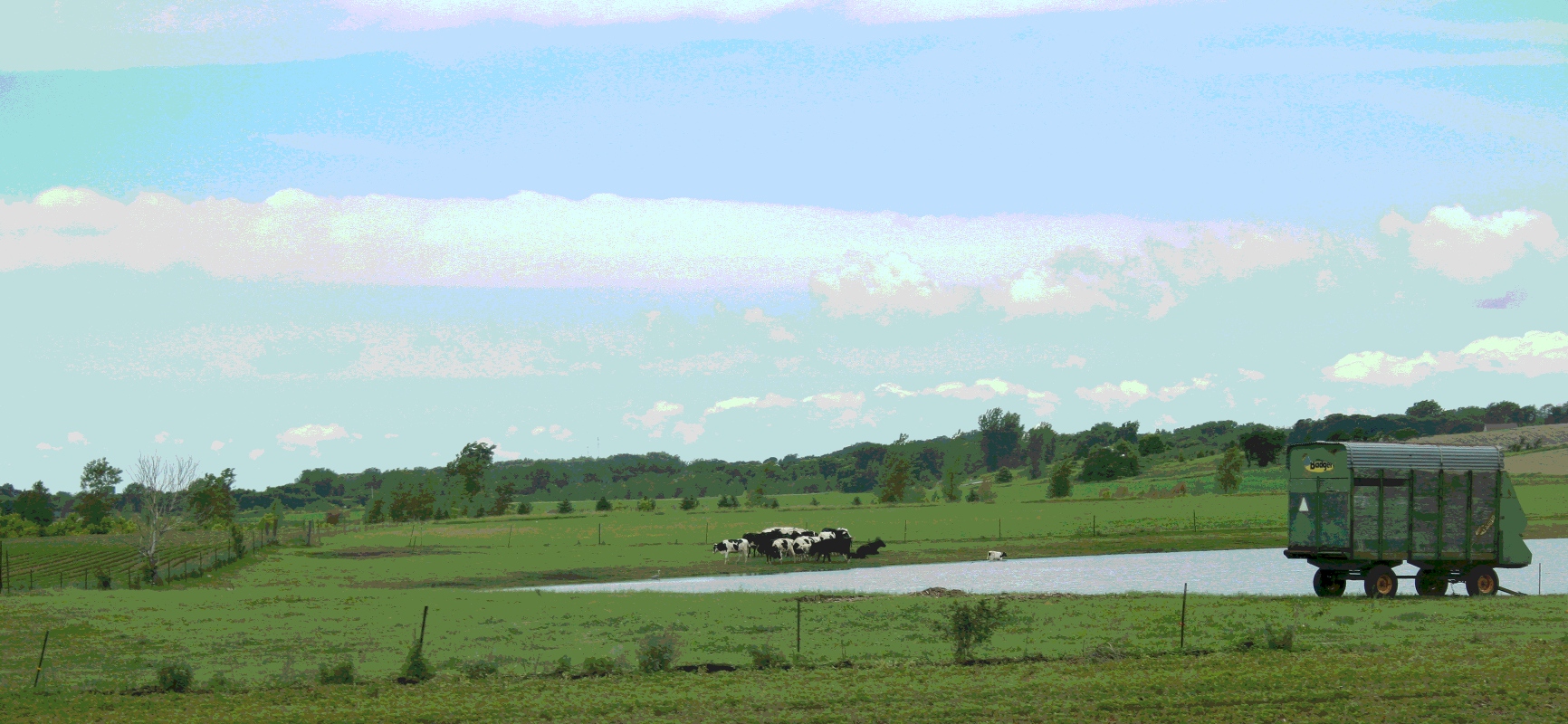
I love wide skies and open fields. I love old barns and gravel roads and cows grazing and tidy rows of corn. I love country.

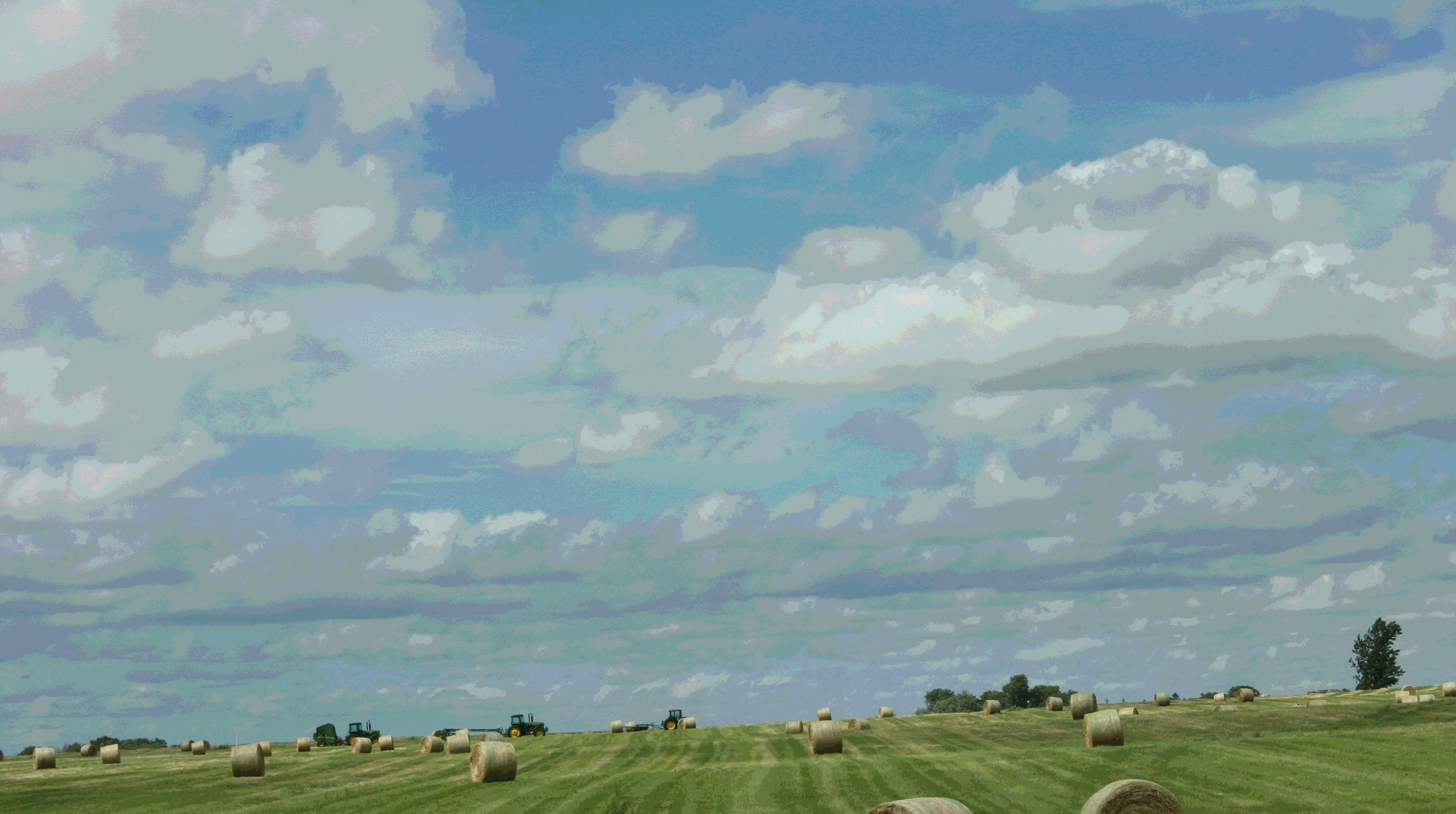
Making hay, along old U.S. Highway 14 west of Owatonna.

Making hay, along old U.S. Highway 14 west of Owatonna.

In this crazy fast-paced world of scheduled activities and rare free time, such impromptu rural jaunts are to be embraced.

Near Clinton Falls in Steele County, Minnesota.

Near Clinton Falls in Steele County, Minnesota.

If you have not discovered the Sunday afternoon drive, you are missing out on one of life’s simplest and most soul satisfying pleasures.

Northwest of Owatonna along Steele County Road 17.

Northwest of Owatonna along Steele County Road 17.

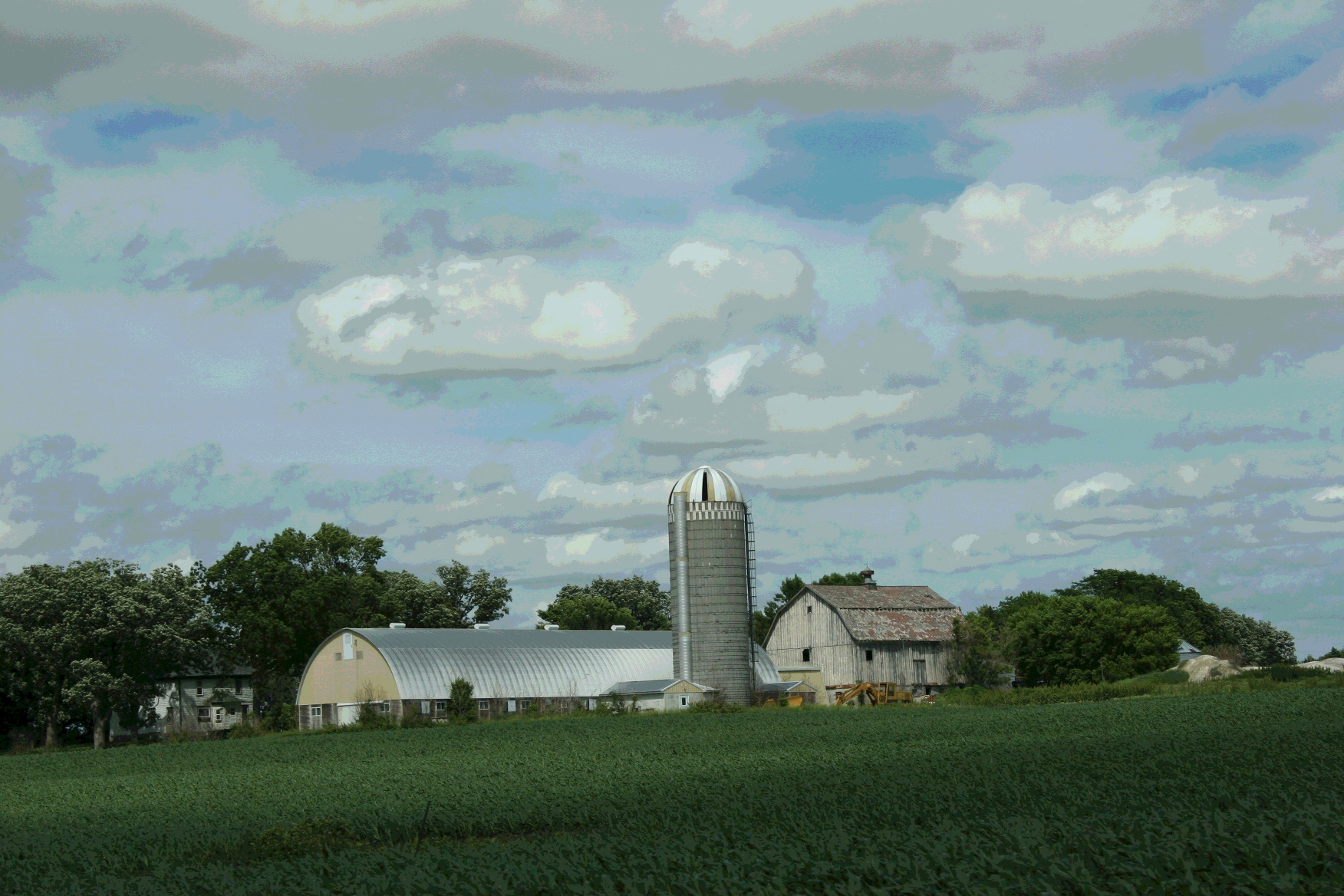
On a farm site west of Owatonna.

On a farm site west of Owatonna.

A vineyard along Steele County Road 17.

A vineyard along Steele County Road 17.

Southwest of Faribault.

Southwest of Faribault.

FYI: The edited photos featured here are from a recent Sunday afternoon drive south and east of Faribault and then west and north of Owatonna looping back to Faribault. All images were shot from the passenger seat of our van at highway speeds, or slightly under.

Copyright 2013 Audrey Kletscher Helbling
 

In celebration of country churches June 26, 2013

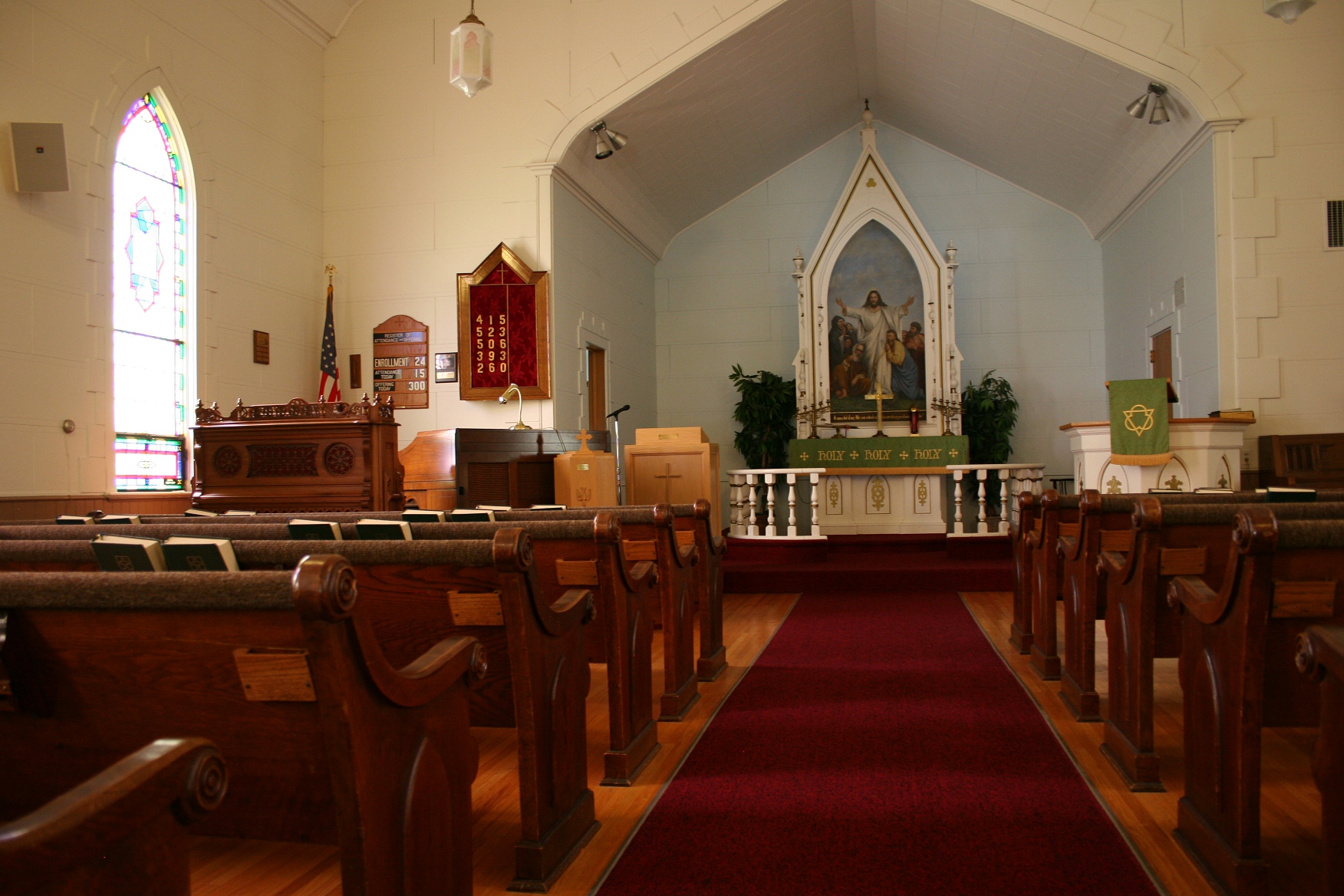
Fine craftsmanship defines the sanctuary.

Fine craftsmanship defines the sanctuary.

STEP INSIDE AN AGED COUNTRY CHURCH anywhere and you will be drawn in by the history, the craftsmanship, the holiness of a house dedicated to God and the fellowship of the faithful.

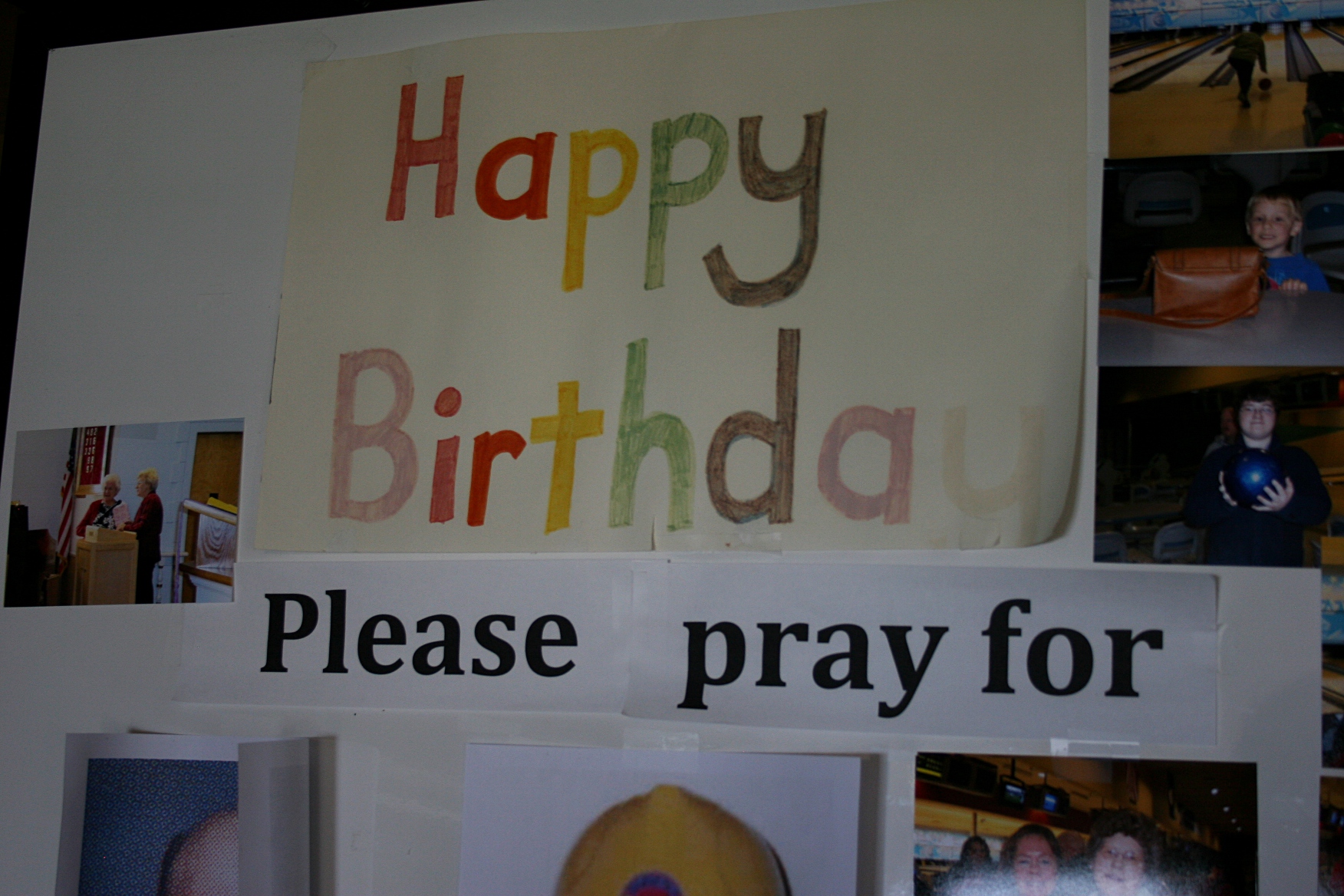
A poster board with photos and well wishes stands in the church entry.

A poster board with photos and well wishes stands in the Moland Lutheran Church entry.

You need only pause and look, really look, to see the care, the love, the devotion, which fill such a sacred place.

Moland features architecture common in country churches.

Moland features architecture common in country churches.

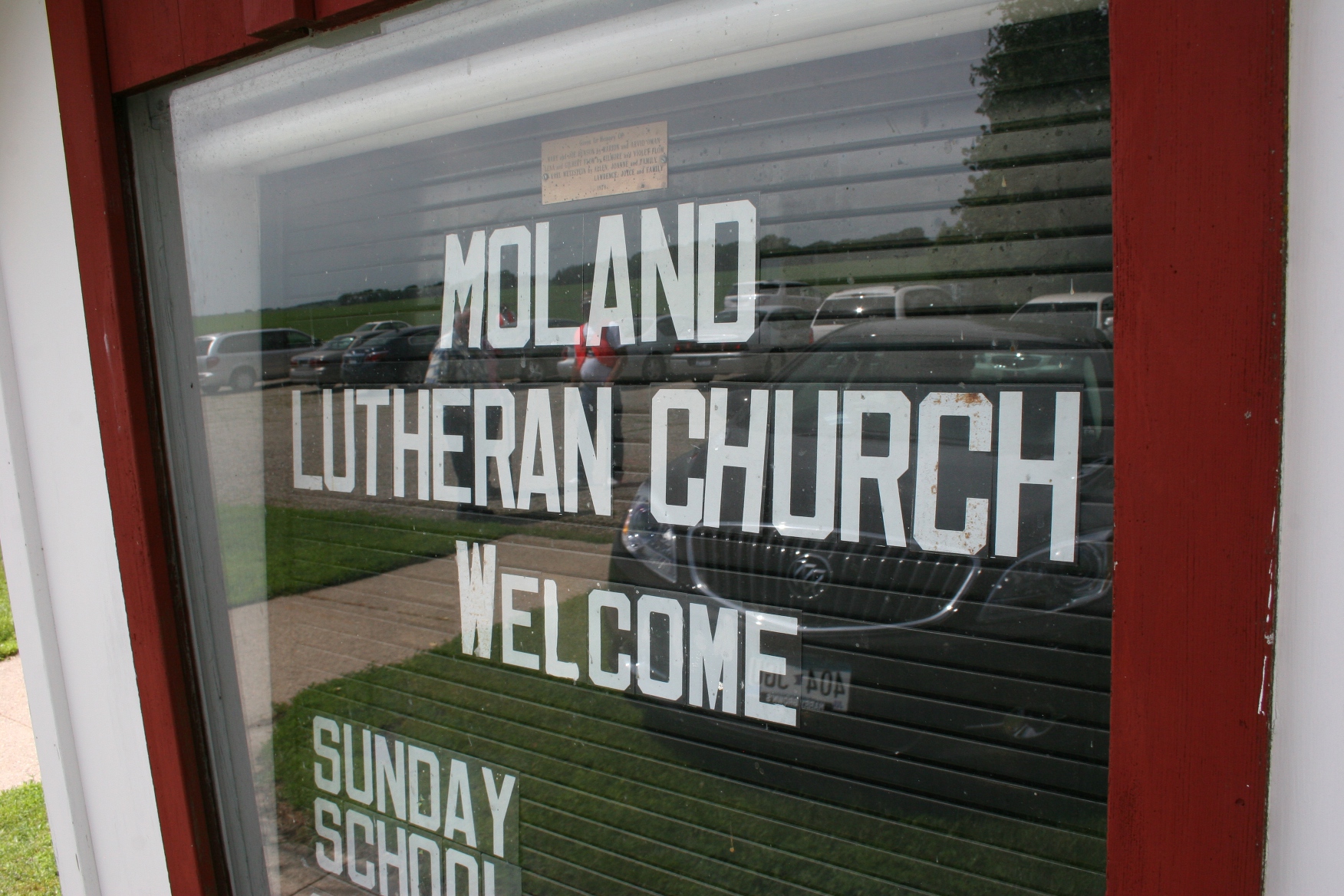
Join me on a photographic tour of Moland Lutheran Church, 7618 Northeast 84th Avenue, rural Kenyon, Minnesota. The church, built by Norwegians in 1884, still holds Sunday morning worship services, currently led by the Rev. Nancy Edwardson.

Worship service is at 9 a.m. on Sunday.

Worship service is at 9 a.m. on Sunday. These photos were taken during the congregation’s June 23 strawberry festival.

From 25-30 worshipers fill the pews each week. And if that number seems too few to keep these doors open, do not underestimate the strength of a congregation rooted deep in this place, connected to this church building, this spot of land in rural Minnesota.

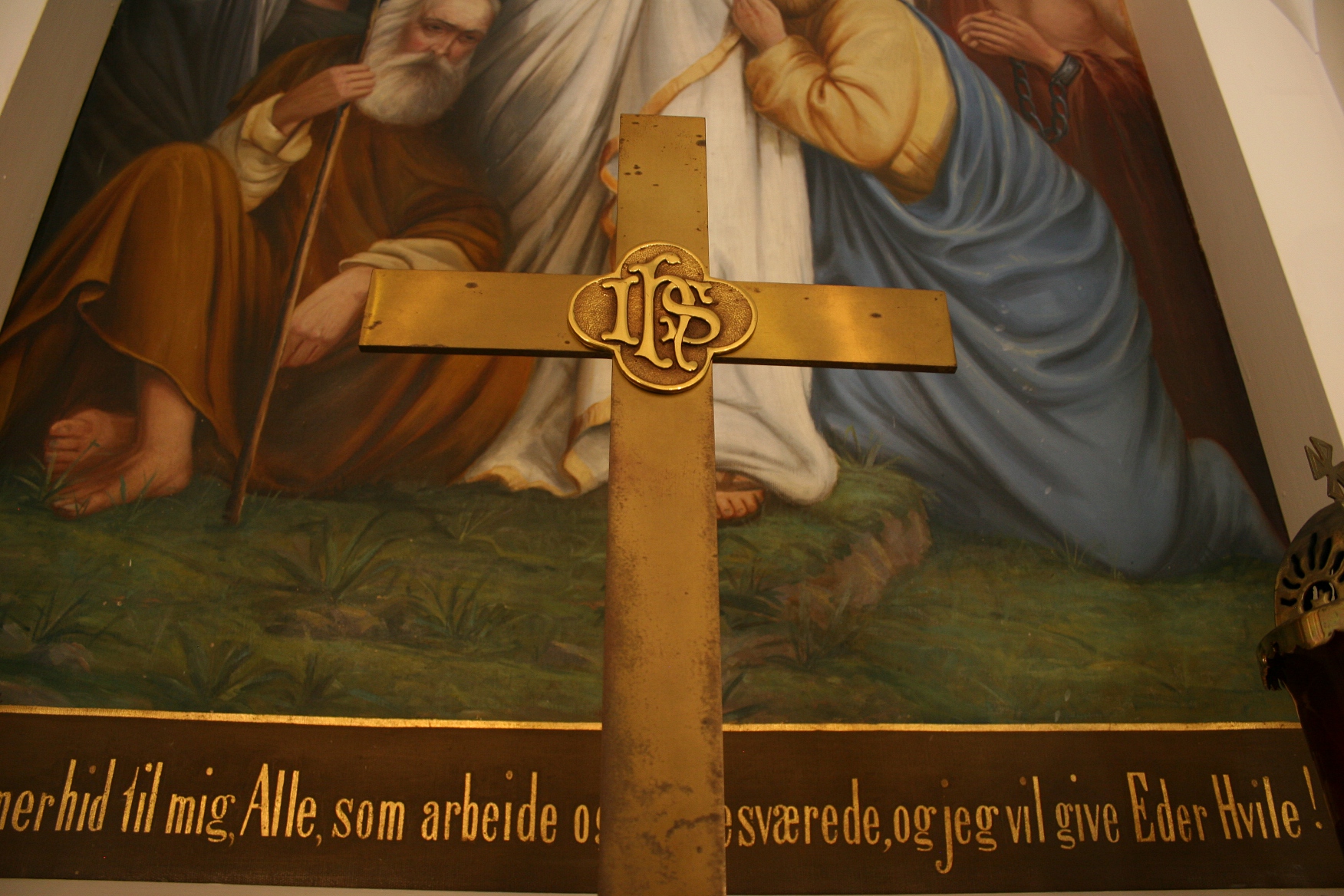
A verse from Matthew graces the altar.

A verse from Matthew graces the altar.

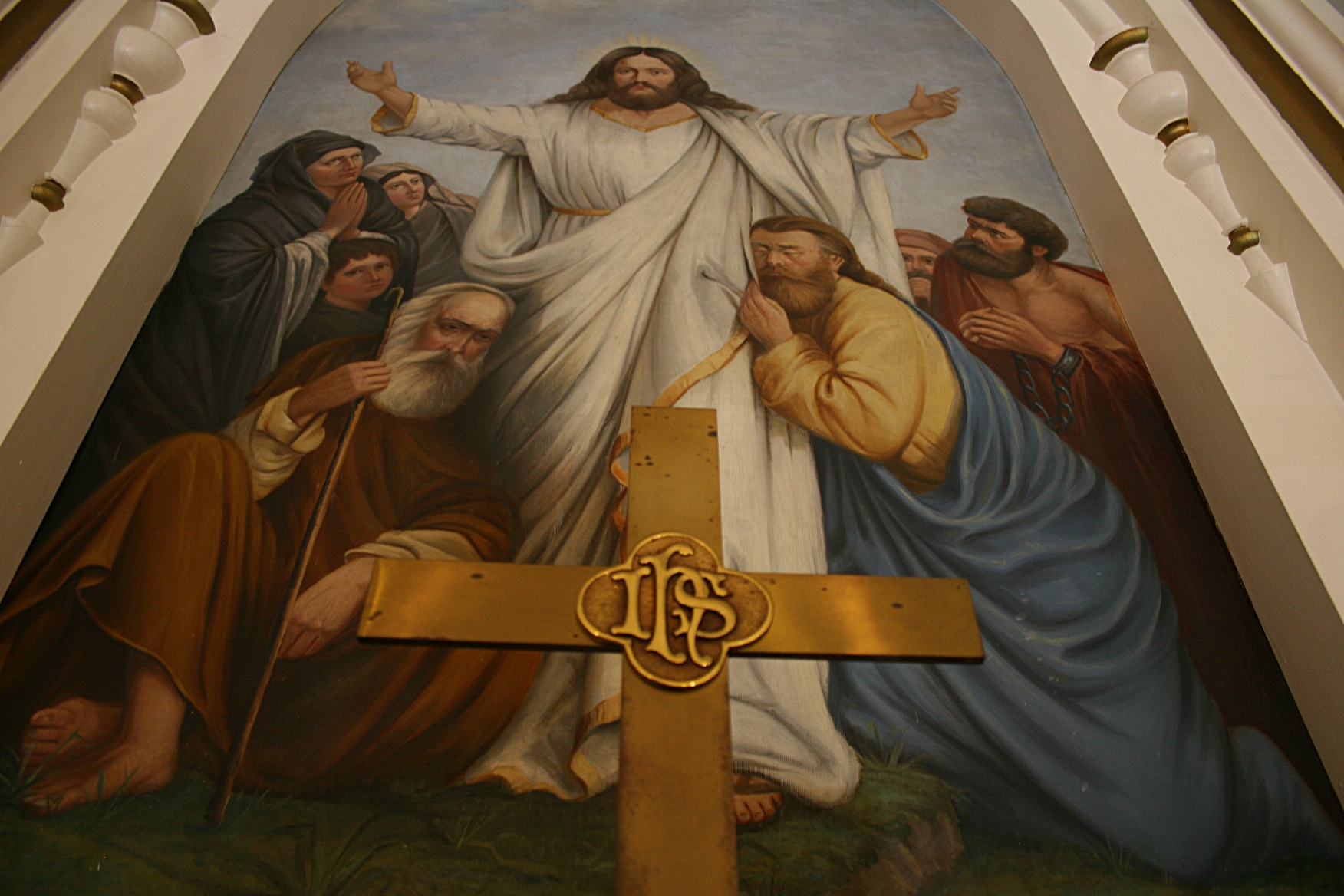
A full view of the altar painting done by A. Pederson and based on Matthew 28 - 30.

A full view of the altar painting done by A. Pederson and based on Matthew 28 – 30.

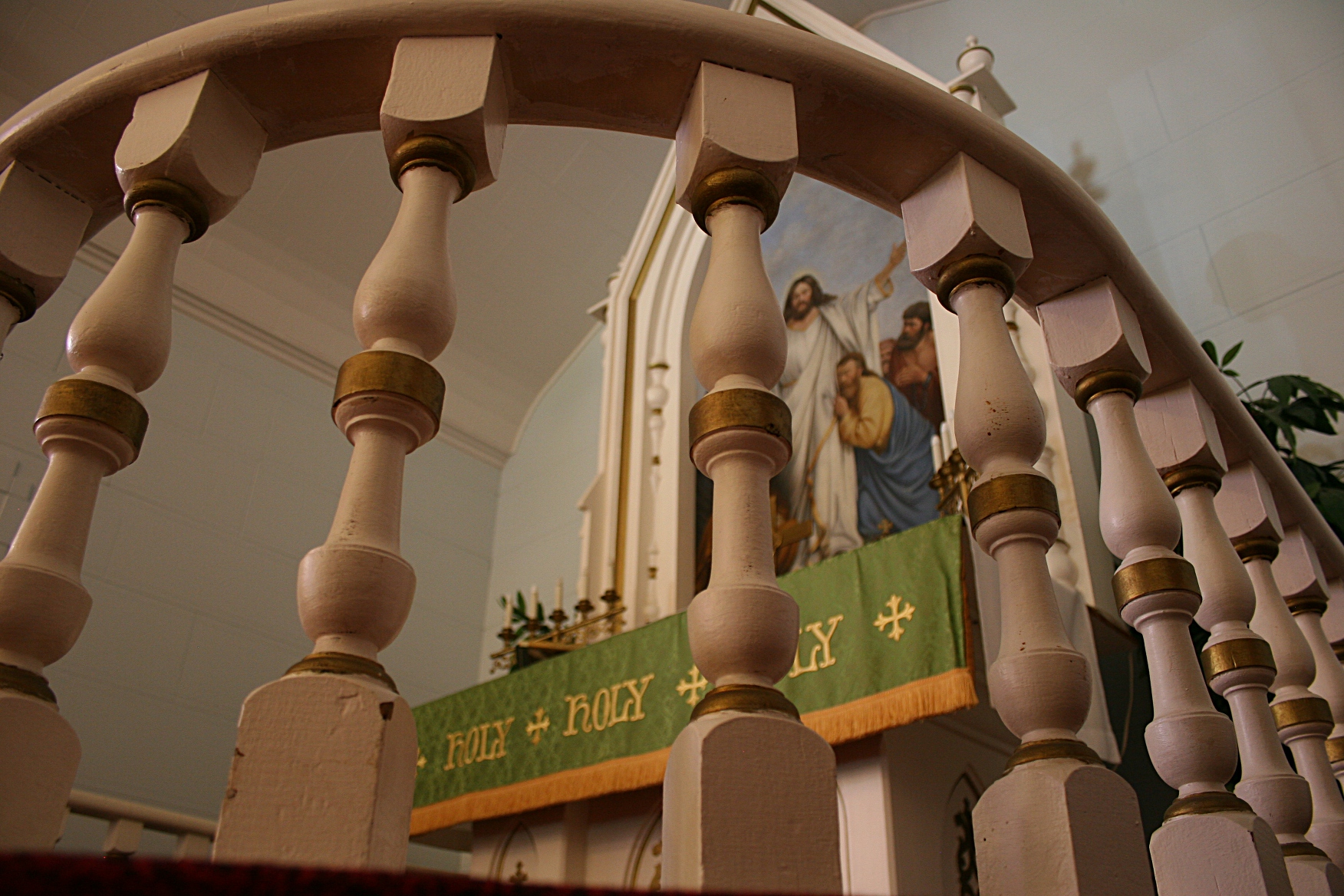
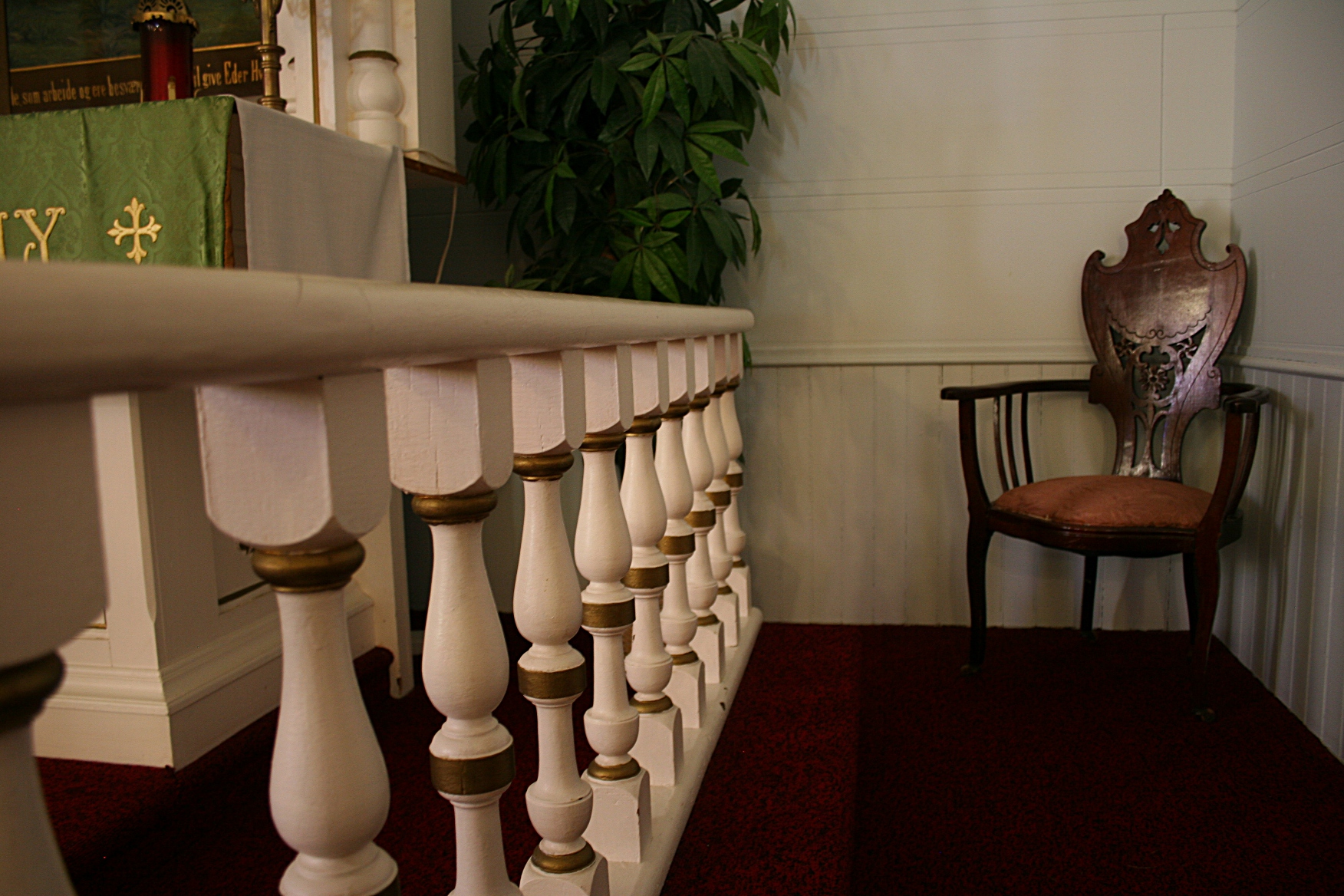
One can only imagine how many faithful kneeled at this altar railing.

One can only imagine how many faithful have knelt at this altar railing.

Or how many pastors have occupied this chair.

Or how many pastors have occupied this chair.

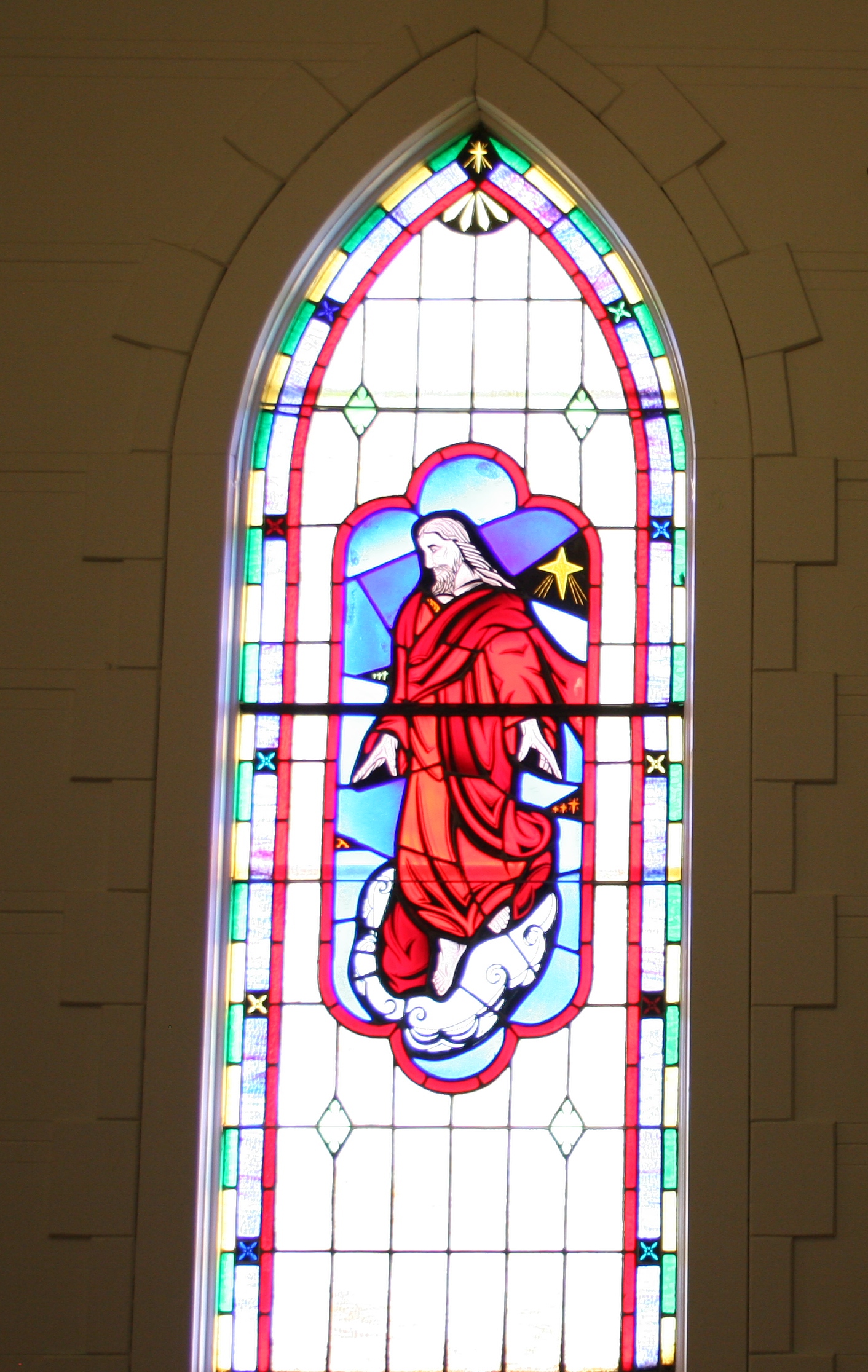
Stunning stained glass windows grace the sanctuary.

Stunning stained glass windows grace the sanctuary.

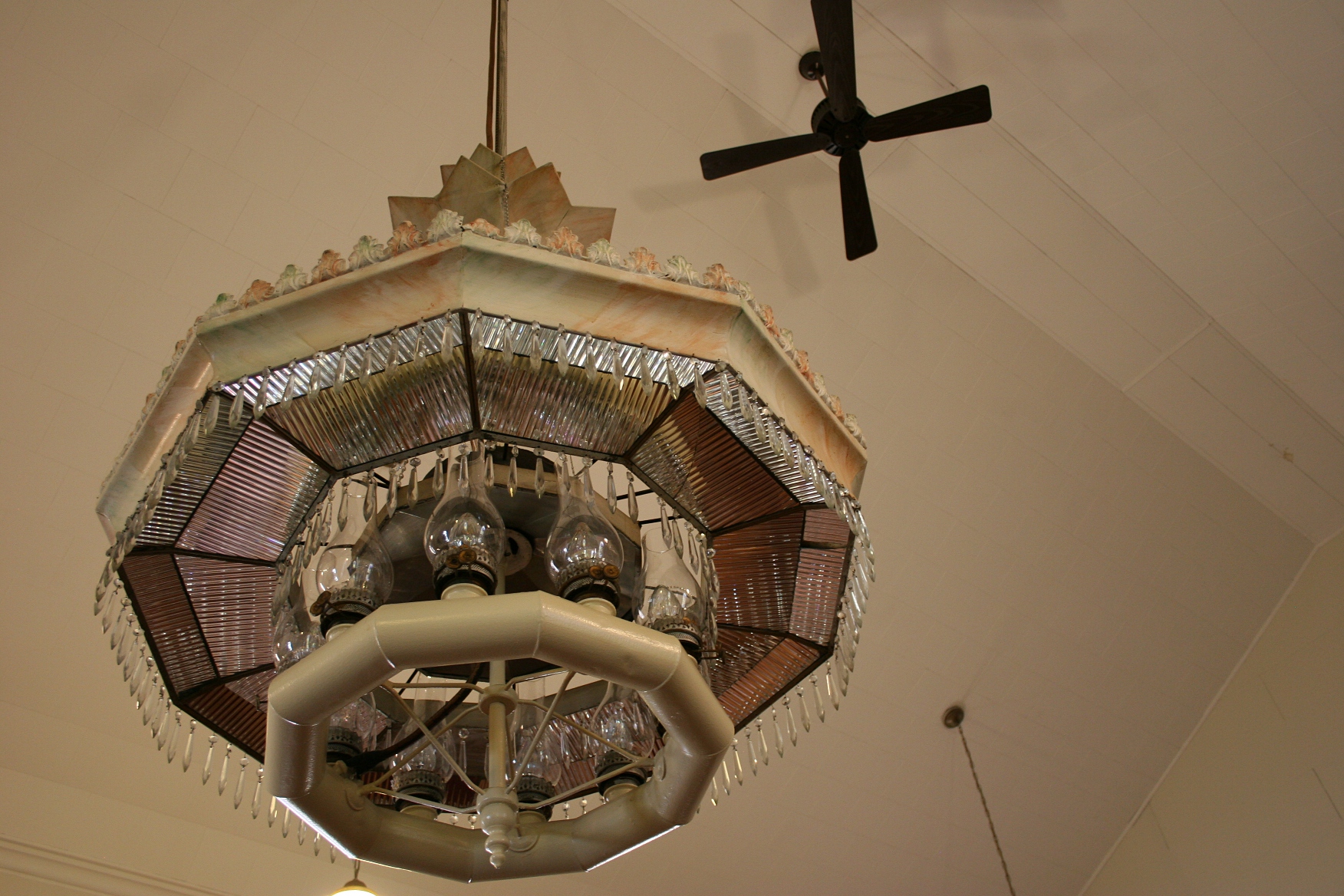
Suspended from the ceiling is this incredible historic light fixture.

Suspended from the ceiling is this incredible historic light fixture.

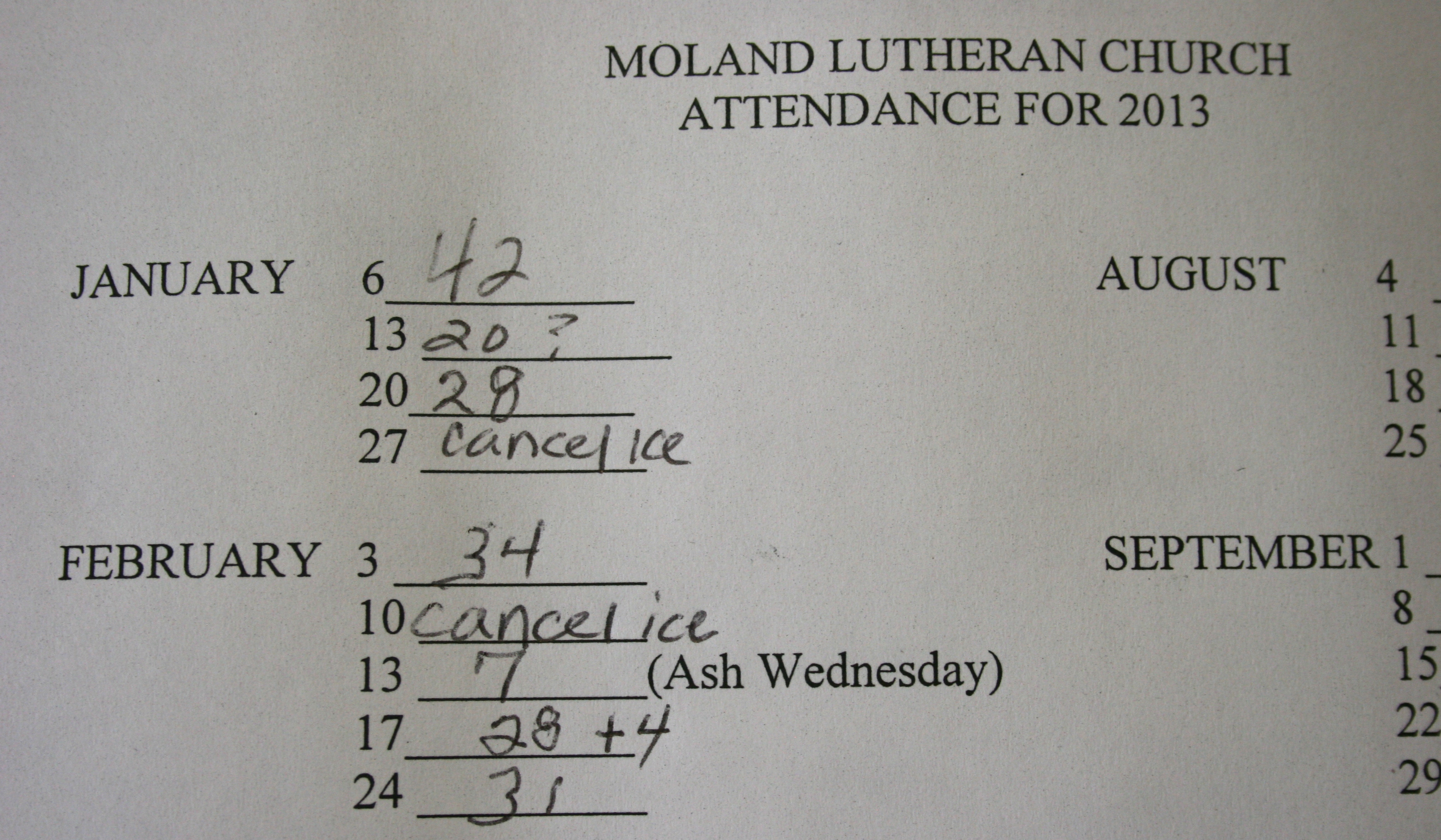
Stats, posted in a corner behind the organ at the front of the church.

Stats, posted in a corner behind the organ at the front of the church.

And more stats posted on paper just outside the sanctuary.

And more stats posted on paper just outside the sanctuary.

And, on the edge of the church property, this sense of community.

And, on the edge of the church property, this sense of community.

TO VIEW A PREVIOUS post about Moland Lutheran, click here. And then click here for another post.

To view my post about the Moland Lutheran Strawberry Festival, click here.

Copyright 2013 Audrey Kletscher Helbling
 

Why I love church festivals like the one at Moland Lutheran June 25, 2013

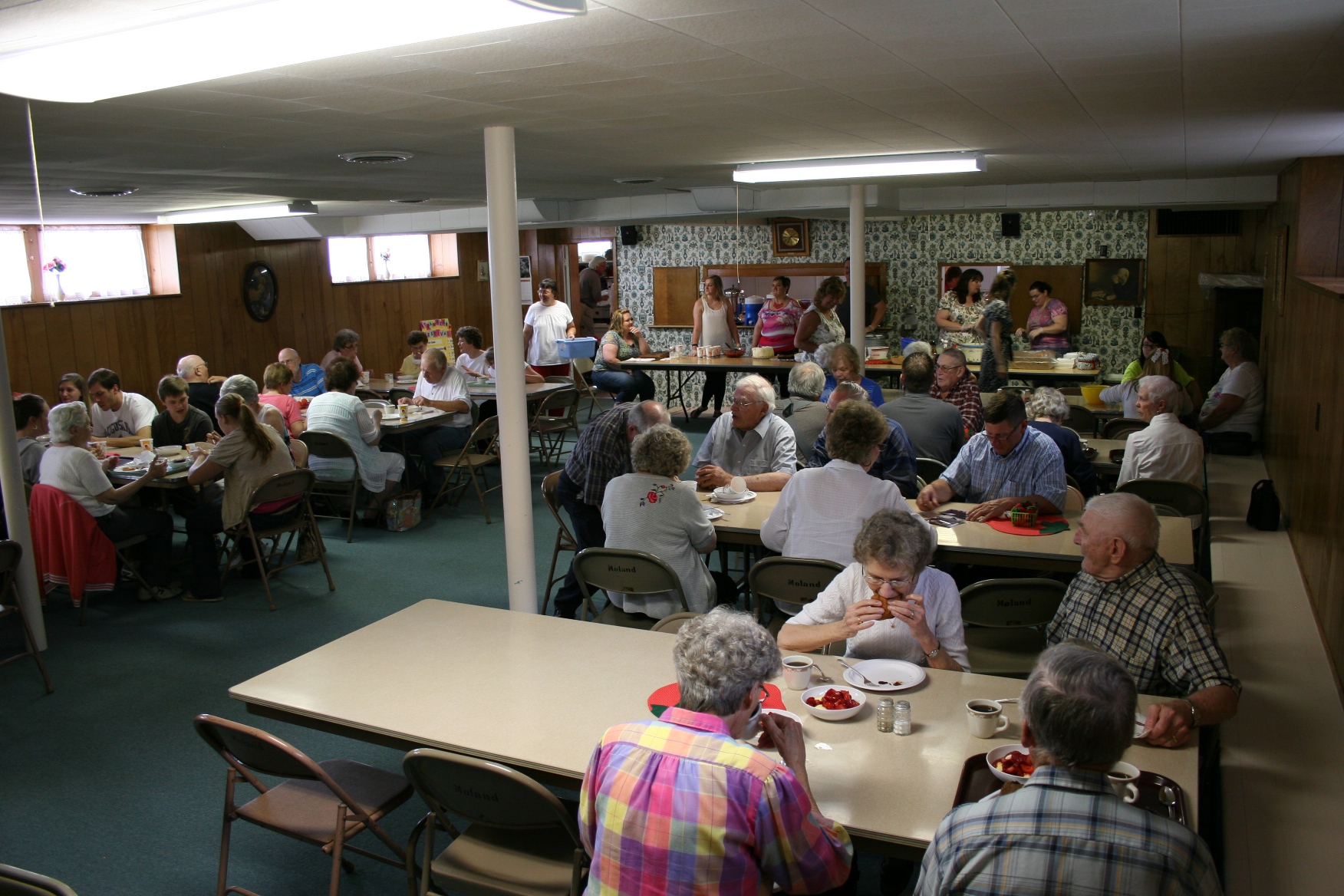
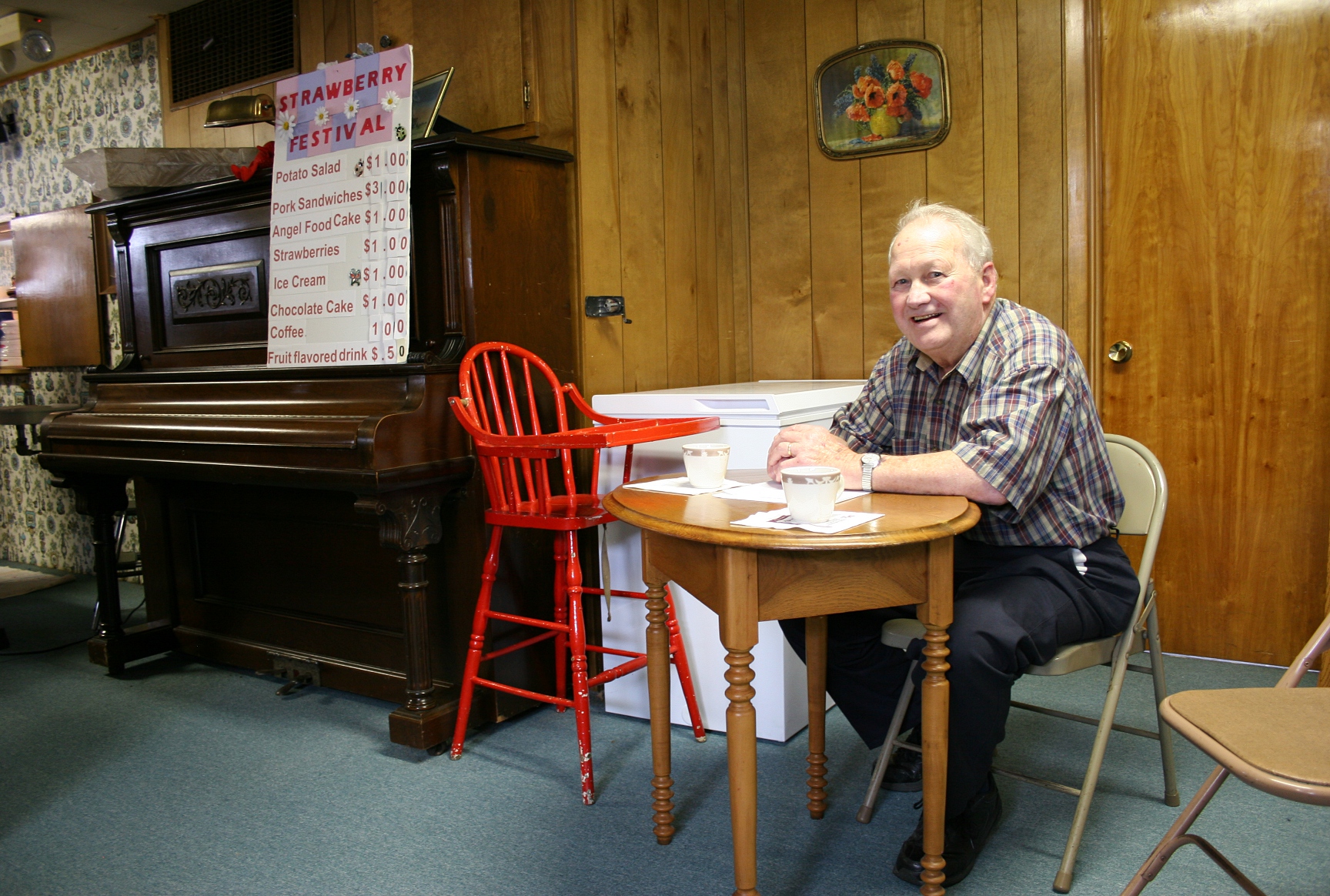
Diners flocked to Moland Lutheran Church on Sunday for the congregation's annual strawberry festival in the church basement.

Diners flocked to Moland Lutheran Church on Sunday for the congregation’s annual strawberry festival in the church basement.

OH, THE PEOPLE you meet in church basements…

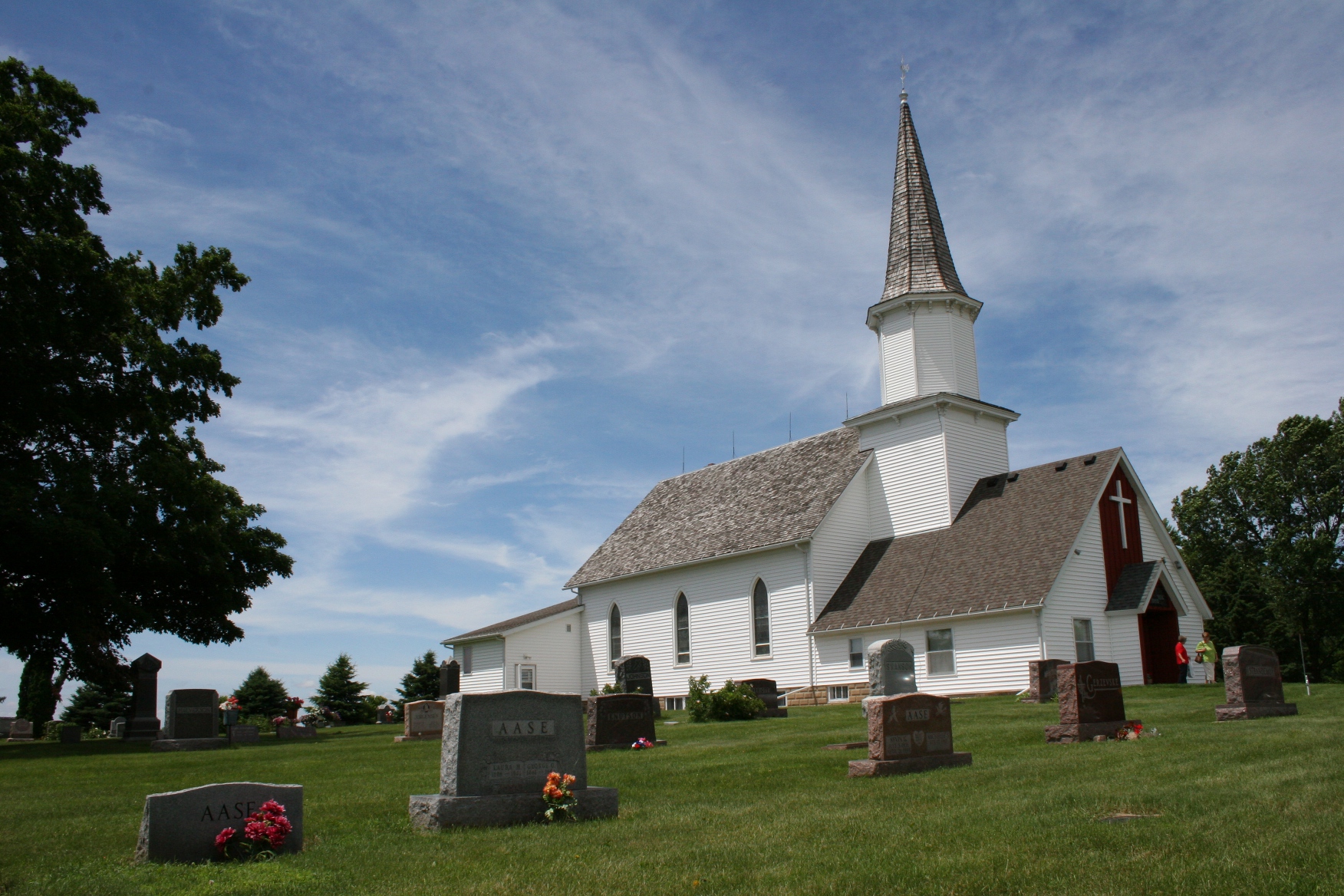
Moland Lutheran Church southwest of Kenyon.

Moland Lutheran Church southwest of Kenyon.

Like 90-year-old Georgia Vincent, nee Aase, who was born a mile south of Moland Lutheran Church, was baptized in this rural Kenyon parish and today drives 25 miles from Steele Center every Sunday morning for worship services.

She’ll tell you that her great grandparents came from Norway and that her father wanted a boy, whom he would name George. He didn’t get his boy.

Georgia eventually moved away to the Twin Cities and married. Her husband died on her 48th birthday, so, after 35 years she returned to the area, settling in Steele Center to raise her young daughter.

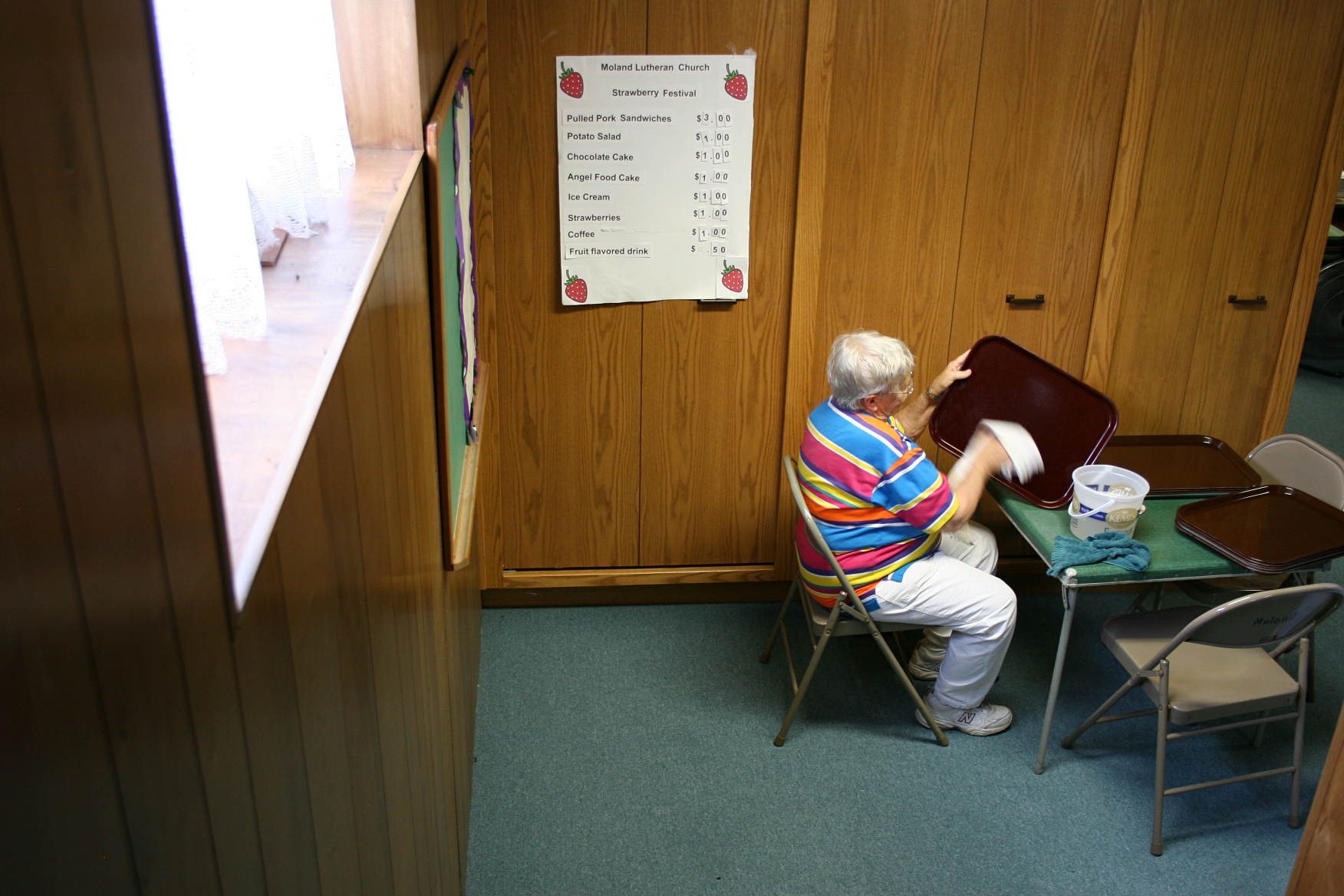
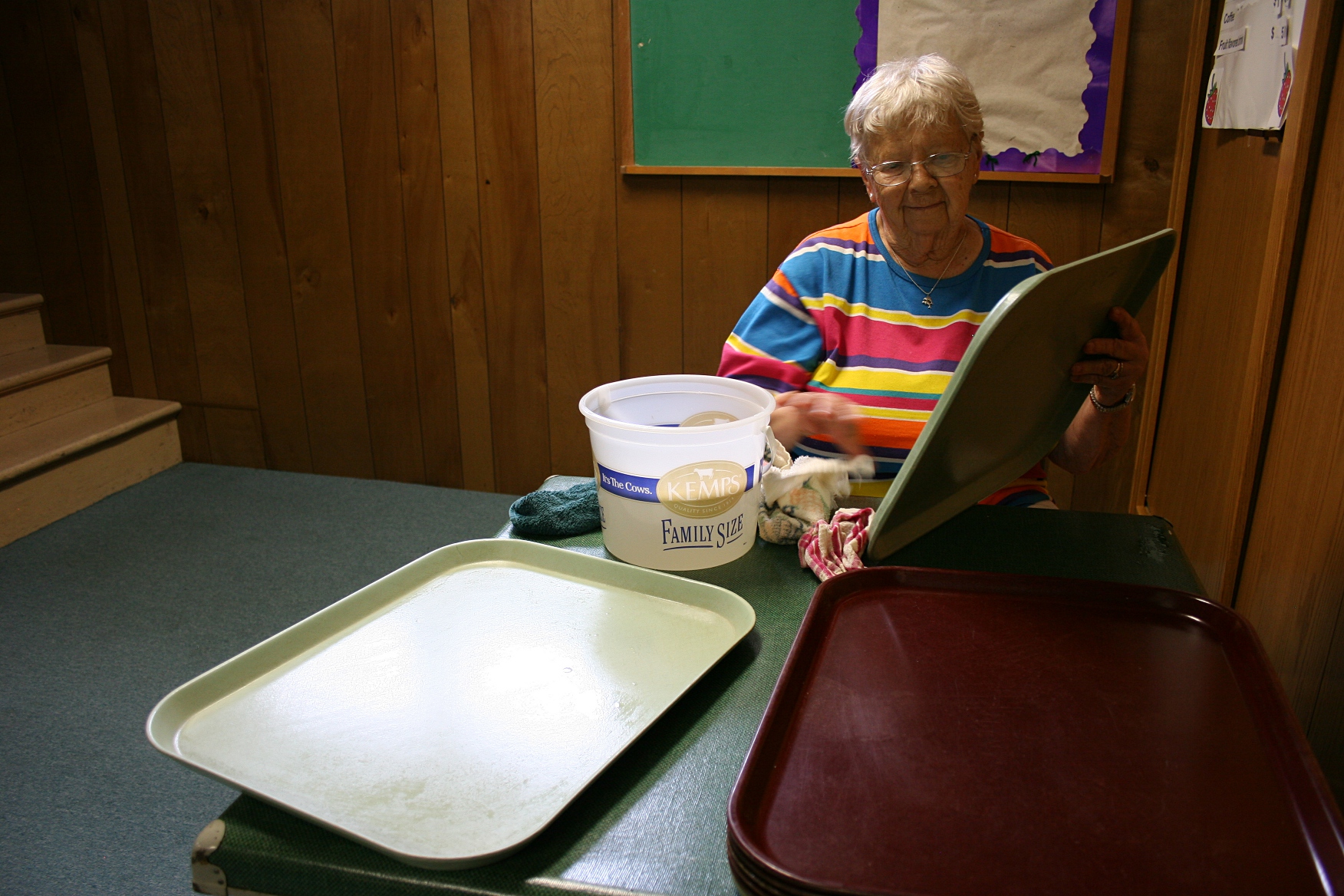
Georgia Vincent wipes down trays.

Georgia Vincent wipes down trays.

On this Sunday afternoon, Georgia was stationed in a corner of the church basement, washing trays during Moland’s annual strawberry festival. She did so with a smile, happy to contribute to an event where she once served food to diners. At age 90, she leaves that task to the younger folks.

Georgia, at work.

Georgia, at work.

Next year Georgia claims she will retire from helping at the festival.

I don’t believe her.

AND NOW, ON TO MORE PHOTOS from that strawberry festival:

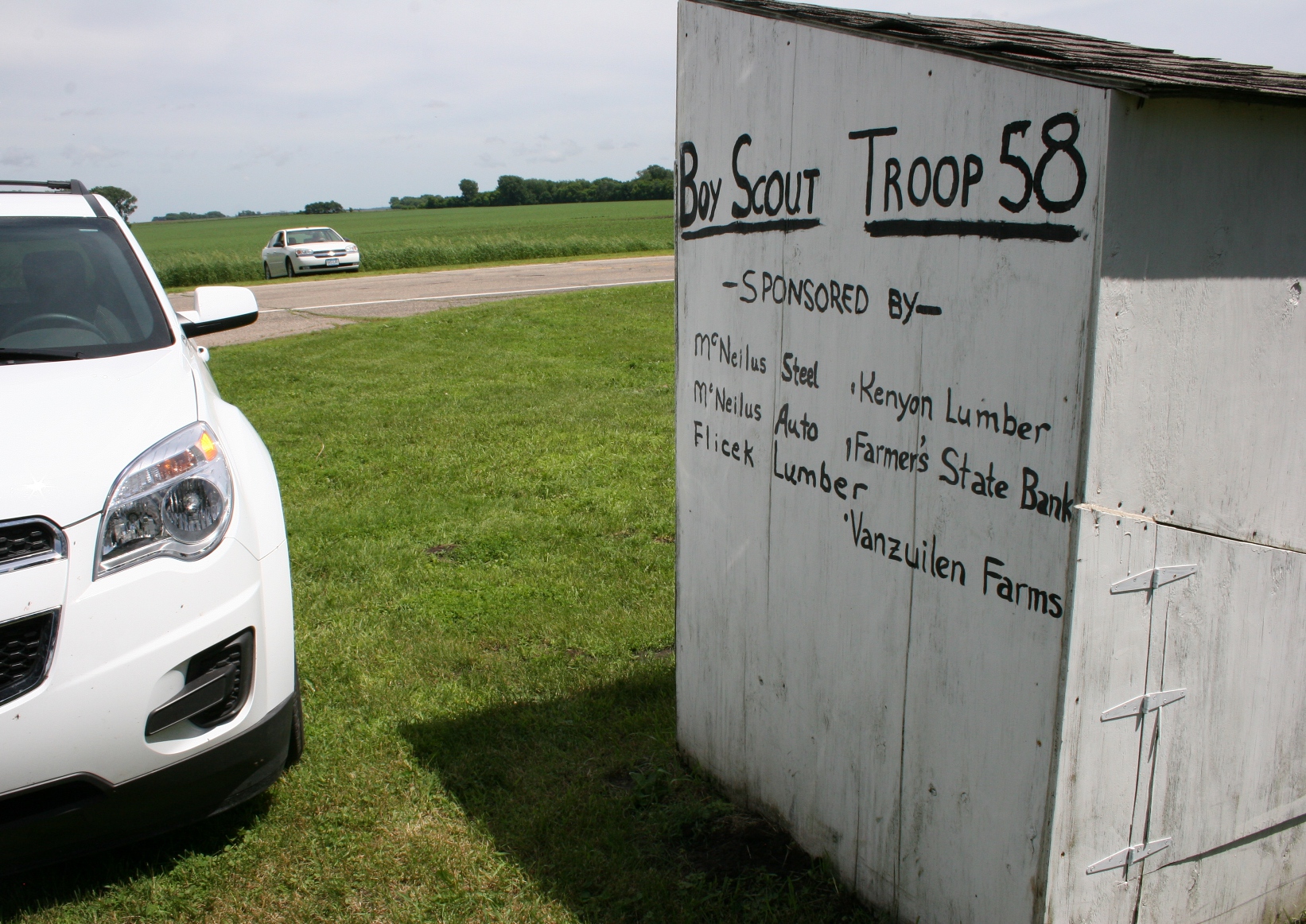
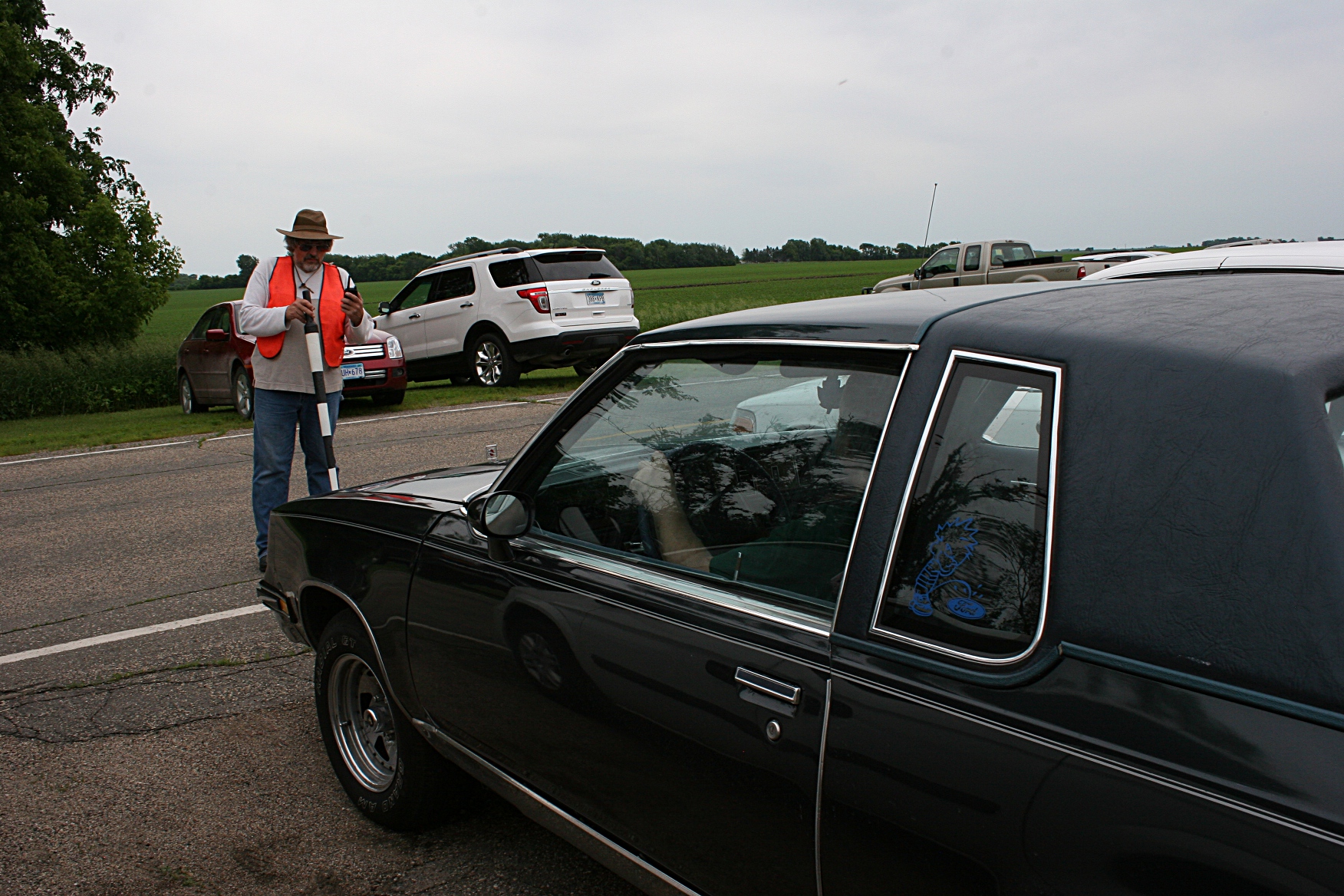
Volunteers guide motorists into parking spaces outside the country church.

Volunteers guide motorists into parking spaces outside the country church.

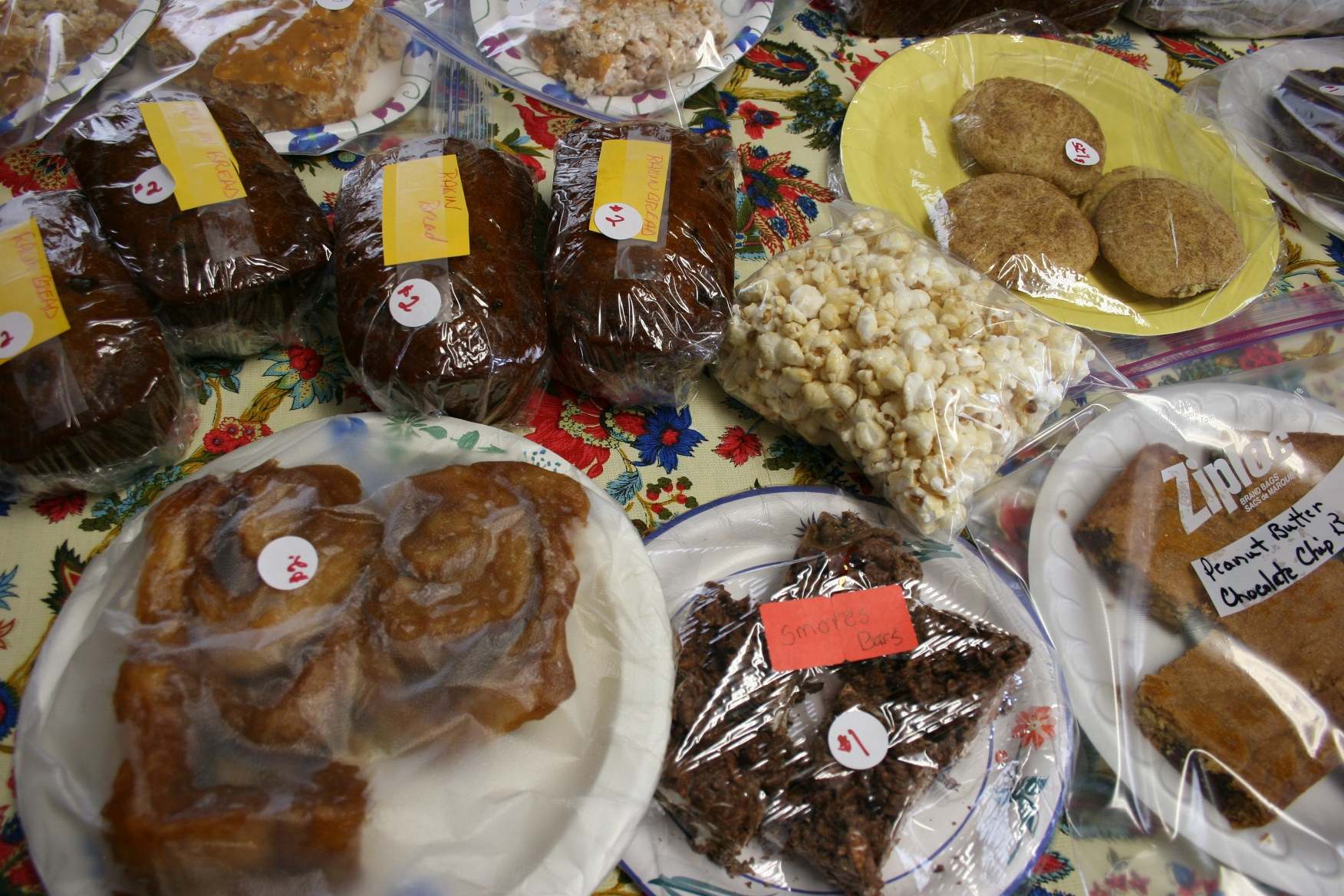
First stop: the bake sale inside the church entry. My husband purchased caramel rolls.

First stop: the bake sale inside the church entry. My husband purchased caramel rolls.

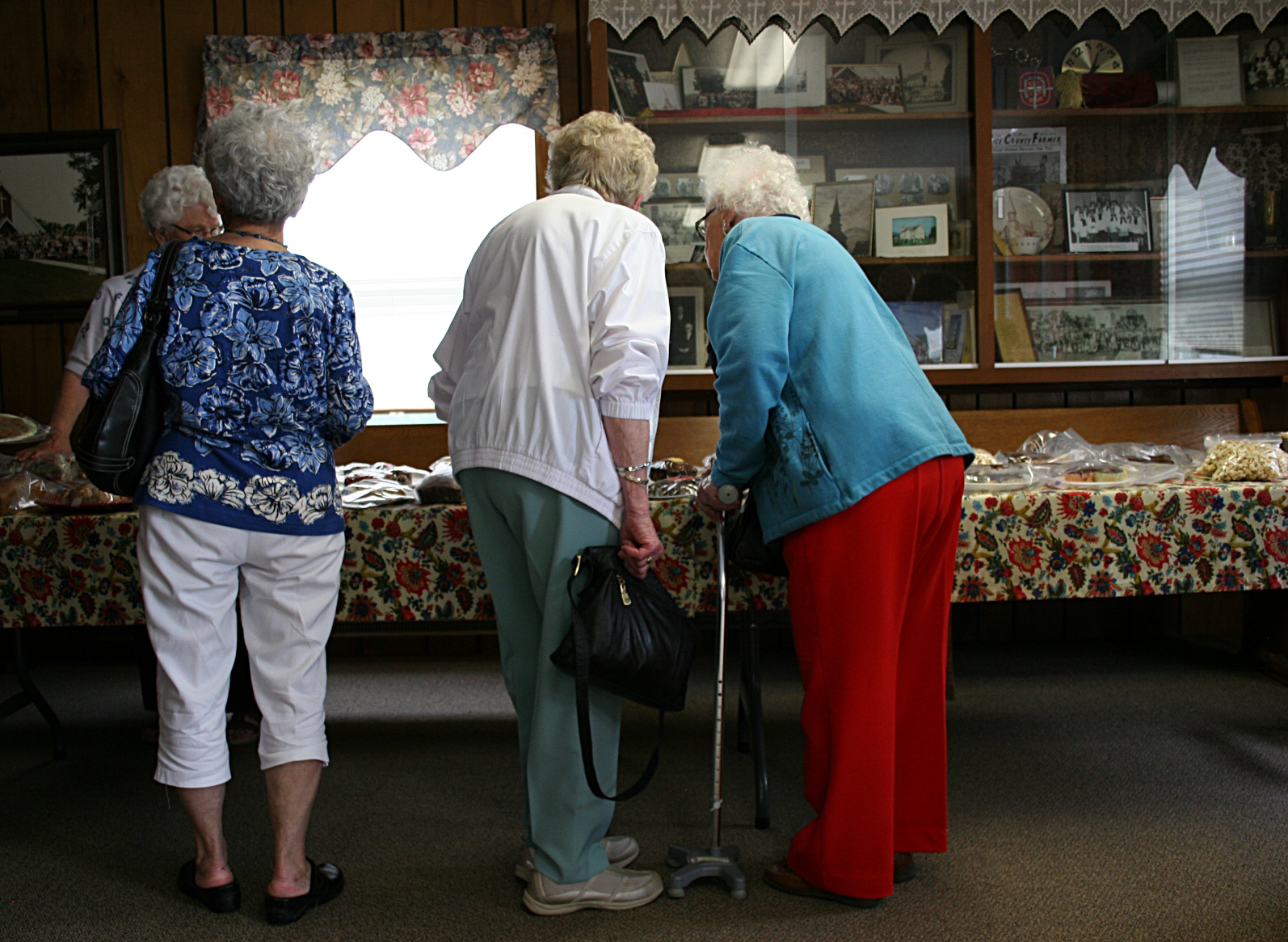
Shopping at the bake sale.

Shopping at the bake sale.

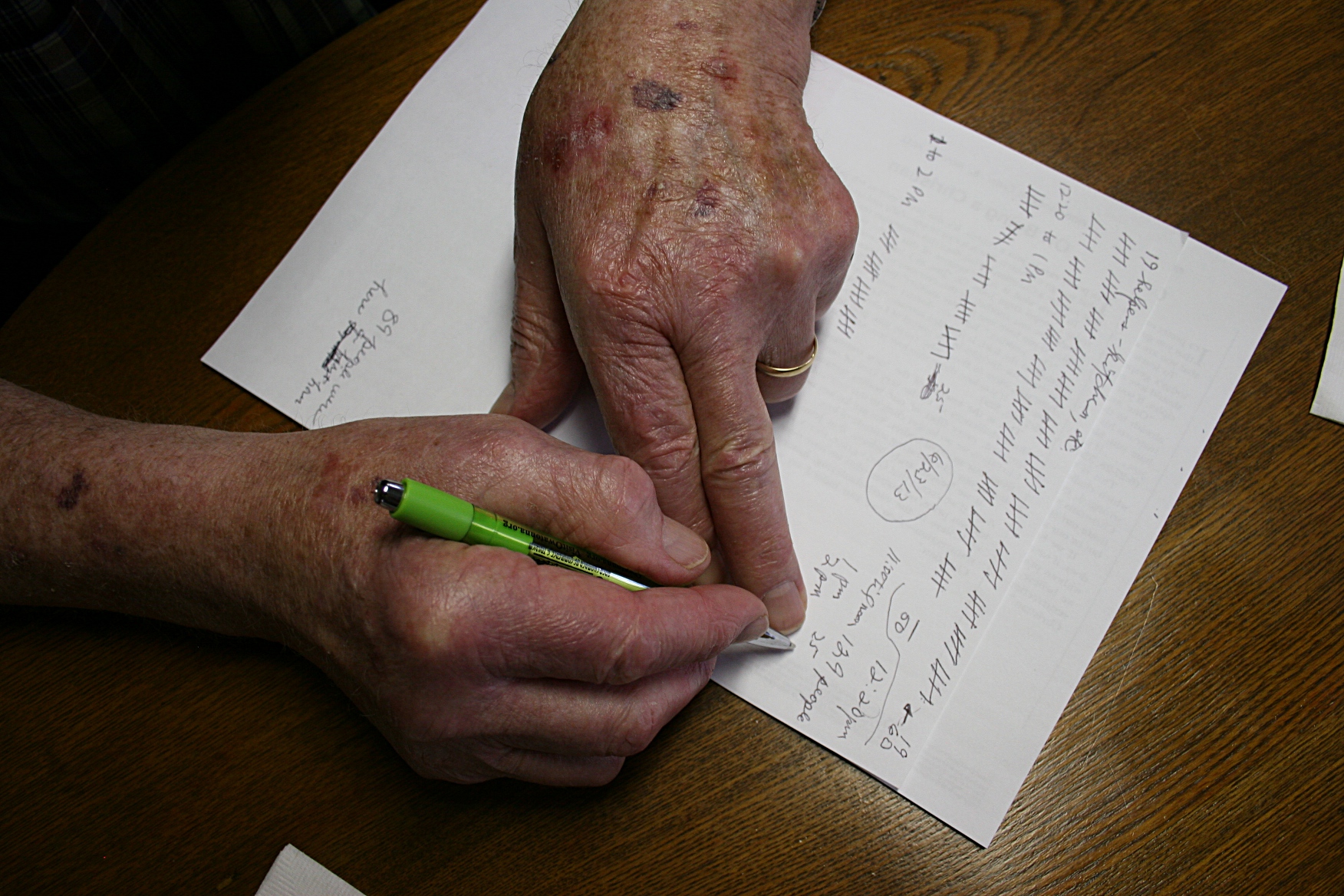
Routing past retired farmer and head counter George Derscheid, stationed near Georgia.

Routing past retired farmer and head counter George Derscheid, stationed near Georgia in the church basement.

George's tally sheet. George pointed out a spot of skin cancer on his hand, said, he's dealt with bone cancer and now skin cancer. He's the most optimistic and cheerful person.

George’s tally sheet. He wondered why I wanted to photograph his hands. Because, I said, I like hands and the stories they tell. And then George pointed out a spot of skin cancer on his hand, said he’s dealt with bone cancer and now skin cancer. He’s the most optimistic and friendly person, just like Georgia.

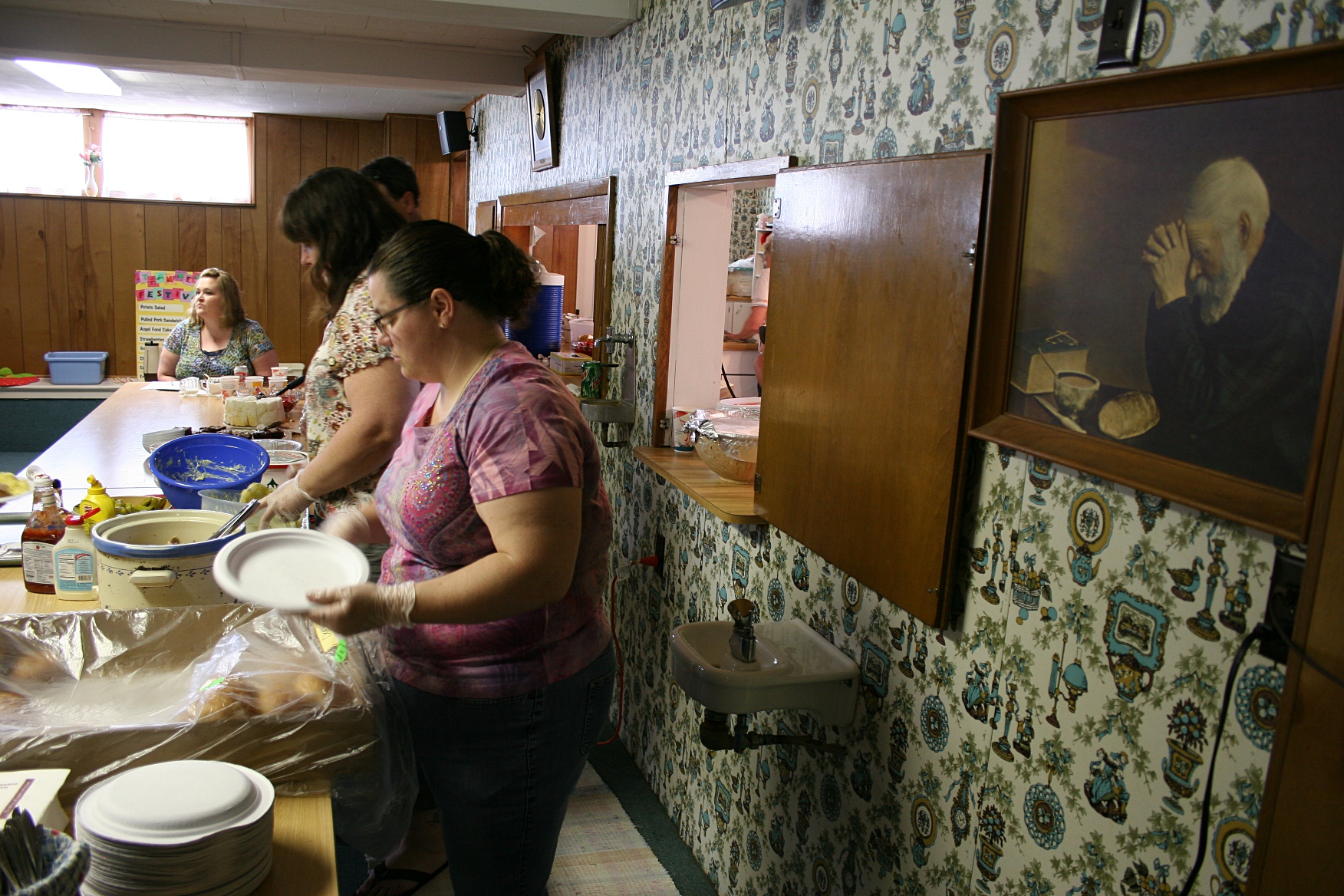
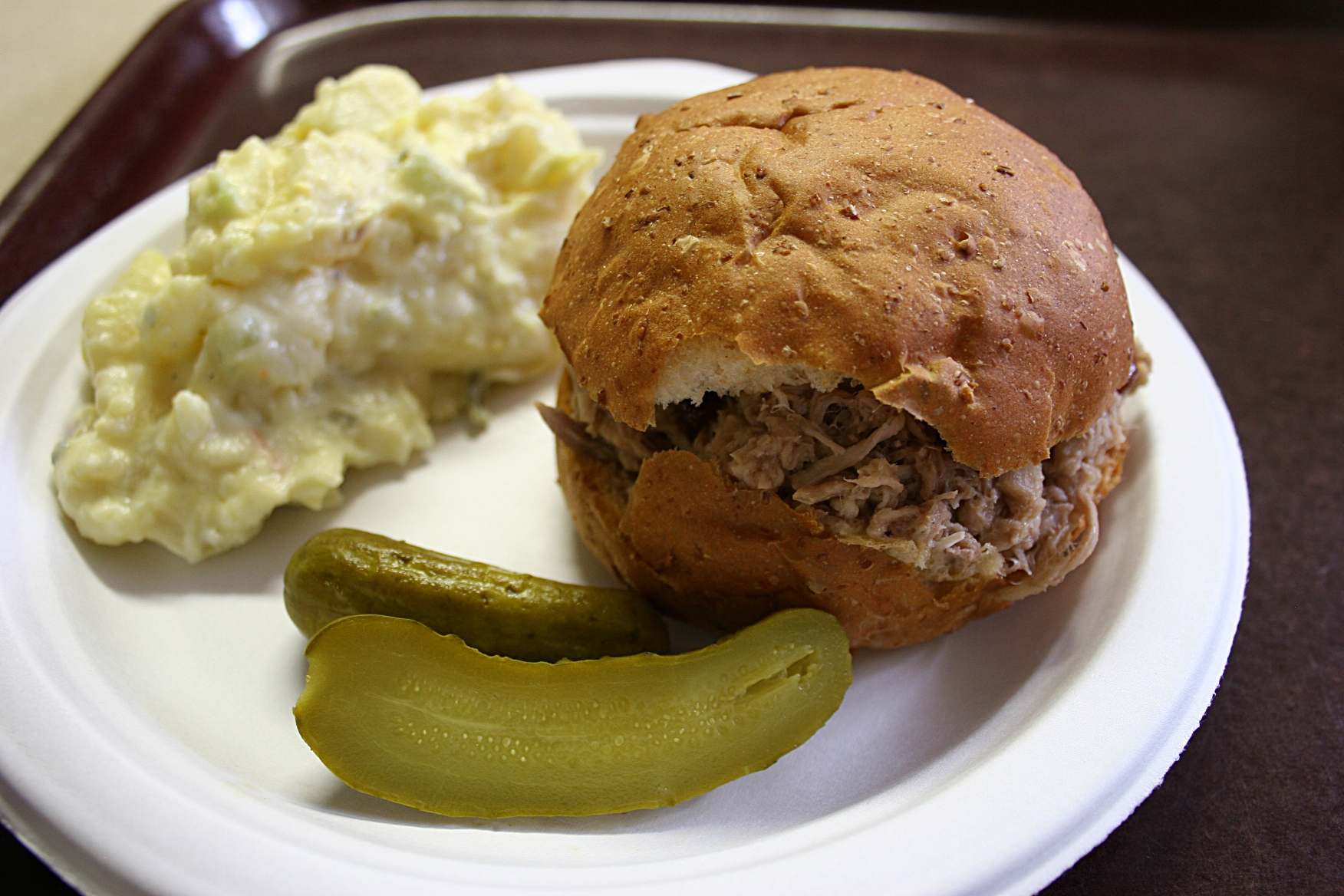
Volunteers dish up hot pork sandwiches from Nerstrand Meats, homemade potato salad, ice cream, angel food cake, strawberries and chocolate cake, whatever you choose.

Volunteers dish up pulled pork sandwiches from Nerstrand Meats, homemade potato salad, ice cream, angel food cake, strawberries and chocolate cake, whatever you choose.

Lots of coffee to go around.

Lots of coffee to go around.

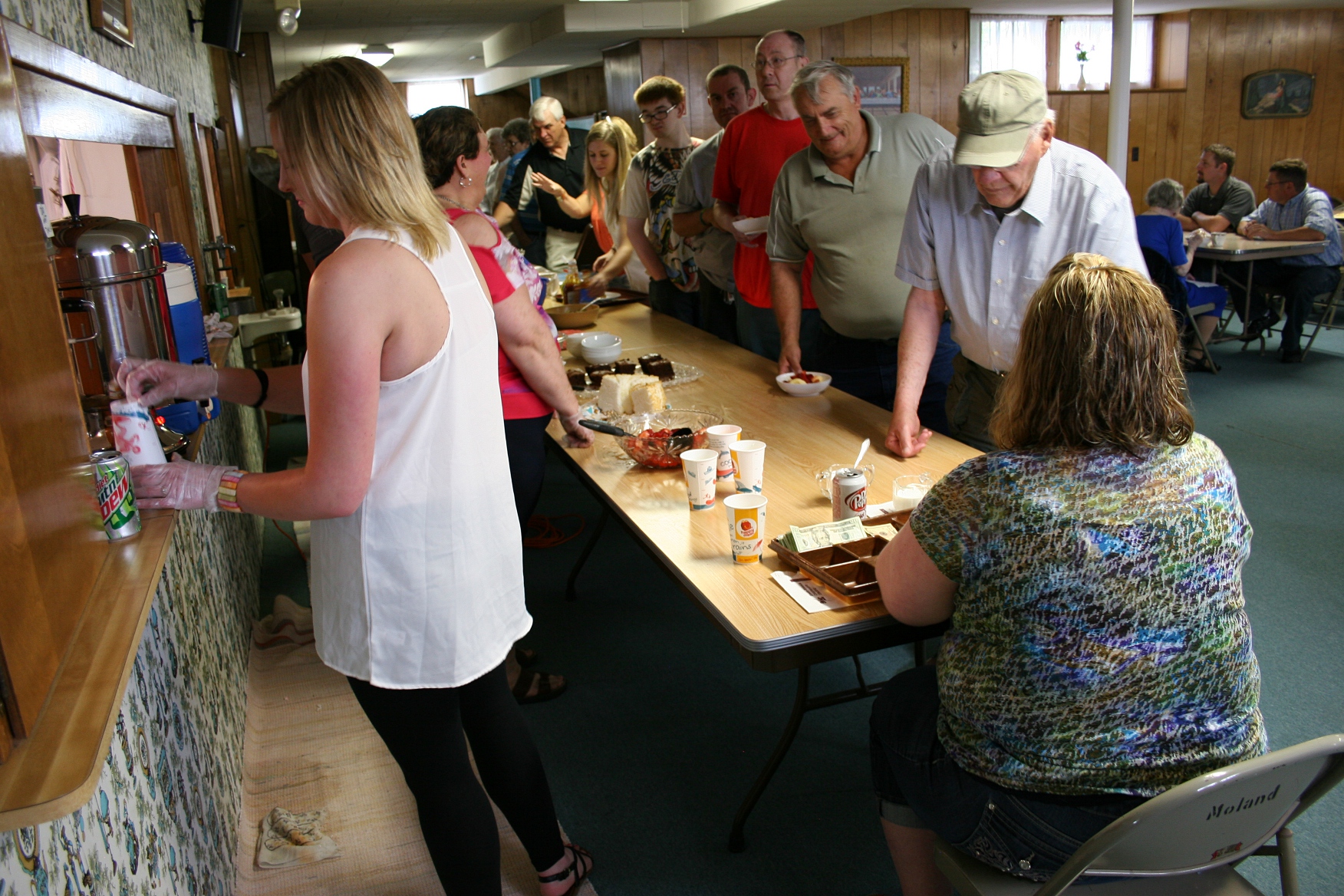
Diners file through the food serving line.

Diners file through the food serving line.

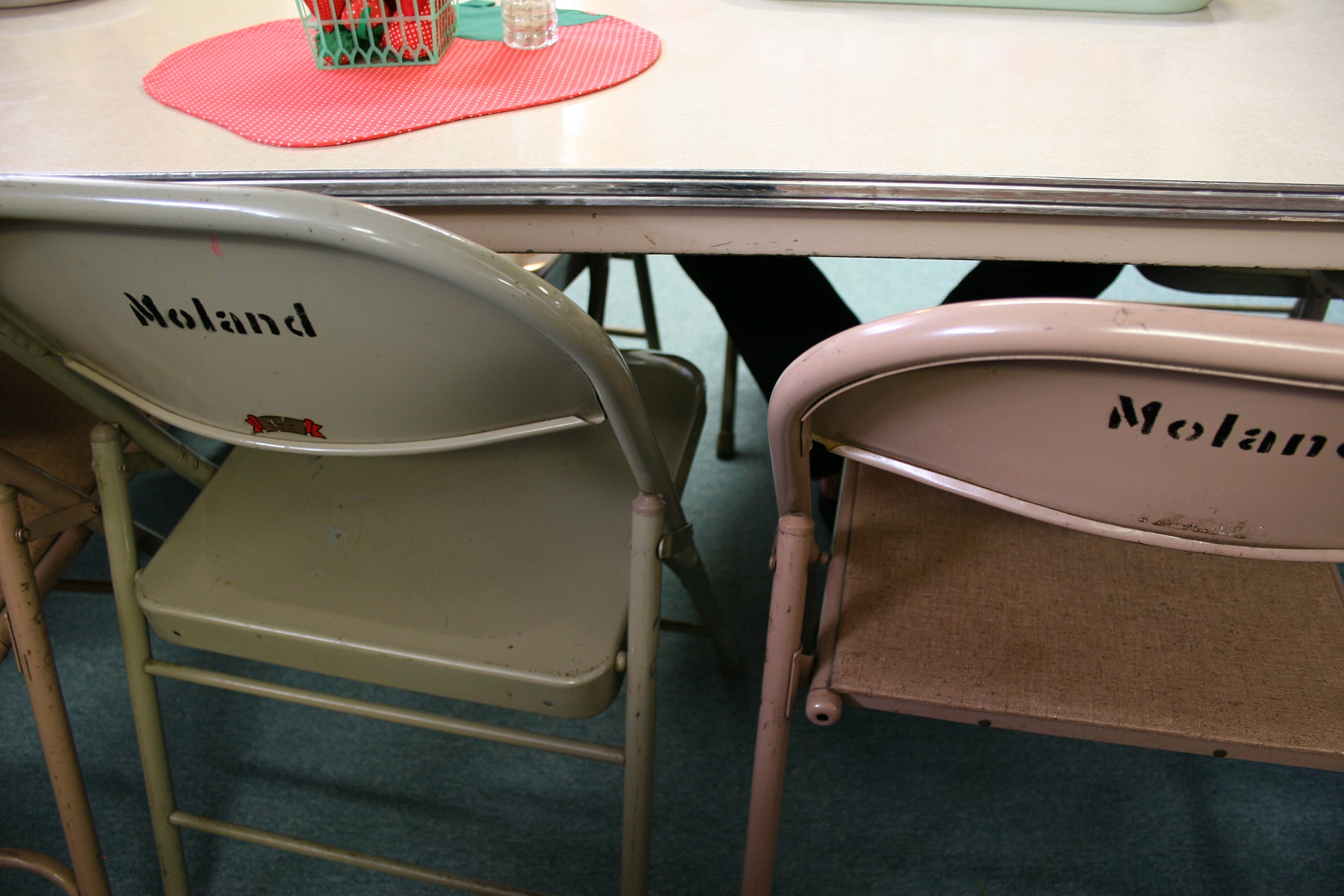
The backs of the folding chairs are labeled with the church name.

The backs of the folding chairs are labeled with the church name and the same strawberry decorations are pulled out every year.

First I ate my pork sandwich and potato salad.

First I ate my pork sandwich, potato salad and pickles.

Then I returned for a generous bowl of ice cream heaped with fresh strawberries. I couldn't eat all of it, so my husband finished off the delicious dessert.

Then I returned for a generous bowl of ice cream heaped with fresh strawberries. I couldn’t eat all of it, so my husband finished off the delicious dessert.

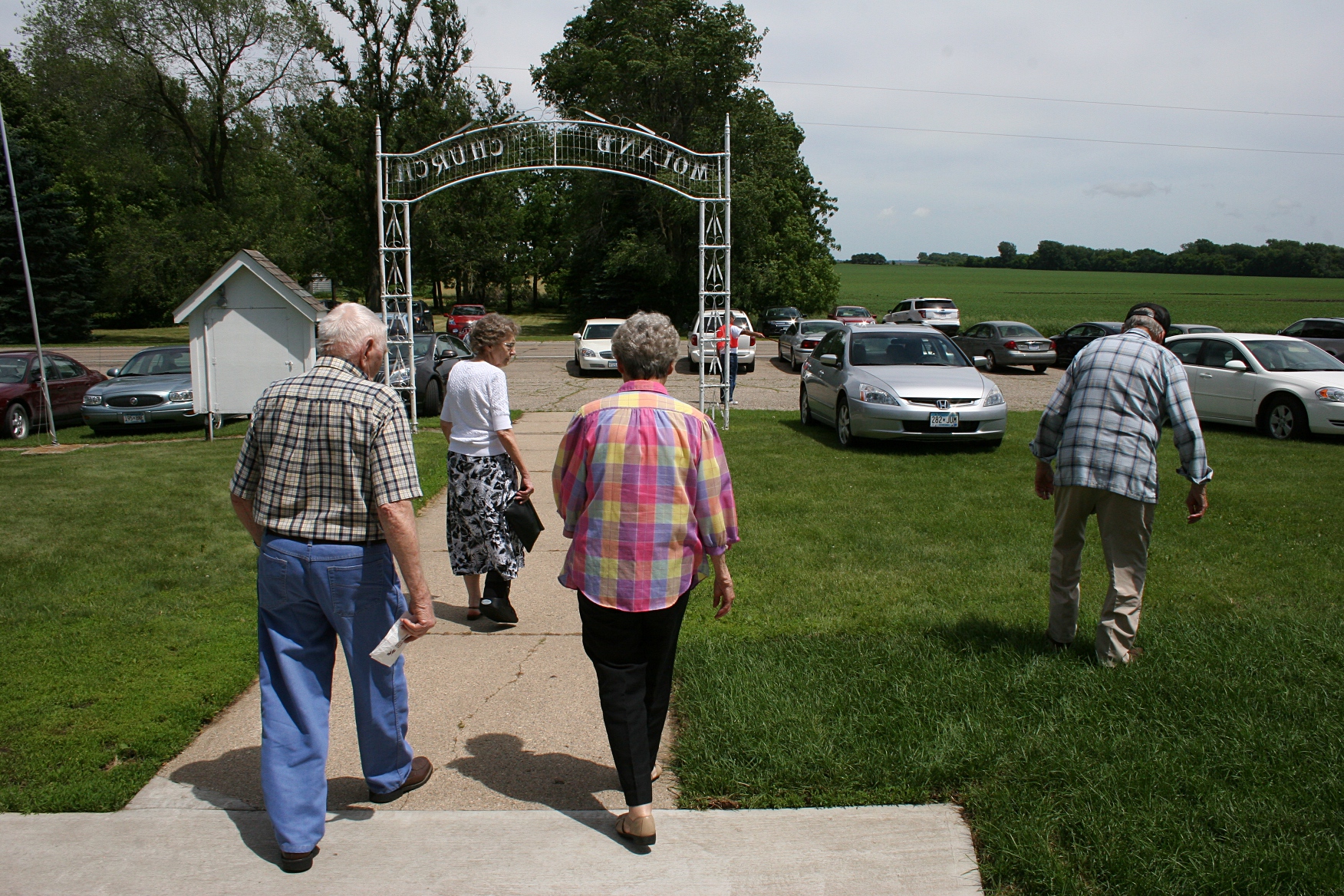
Diners exit the church.

Diners exit Moland Lutheran Church.

I love church festivals. For the food, the fellowship, the friendly folks, the history, the often beautiful setting…

PLEASE CHECK back for additional photos from Moland Lutheran.

© Copyright 2013 Audrey Kletscher Helbling
 

Dairyland, an old-fashioned drive-in in Fergus Falls June 13, 2013

Filed under: Uncategorized — Audrey Kletscher Helbling @ 7:12 AM
Tags: , , , , , , , , , ,

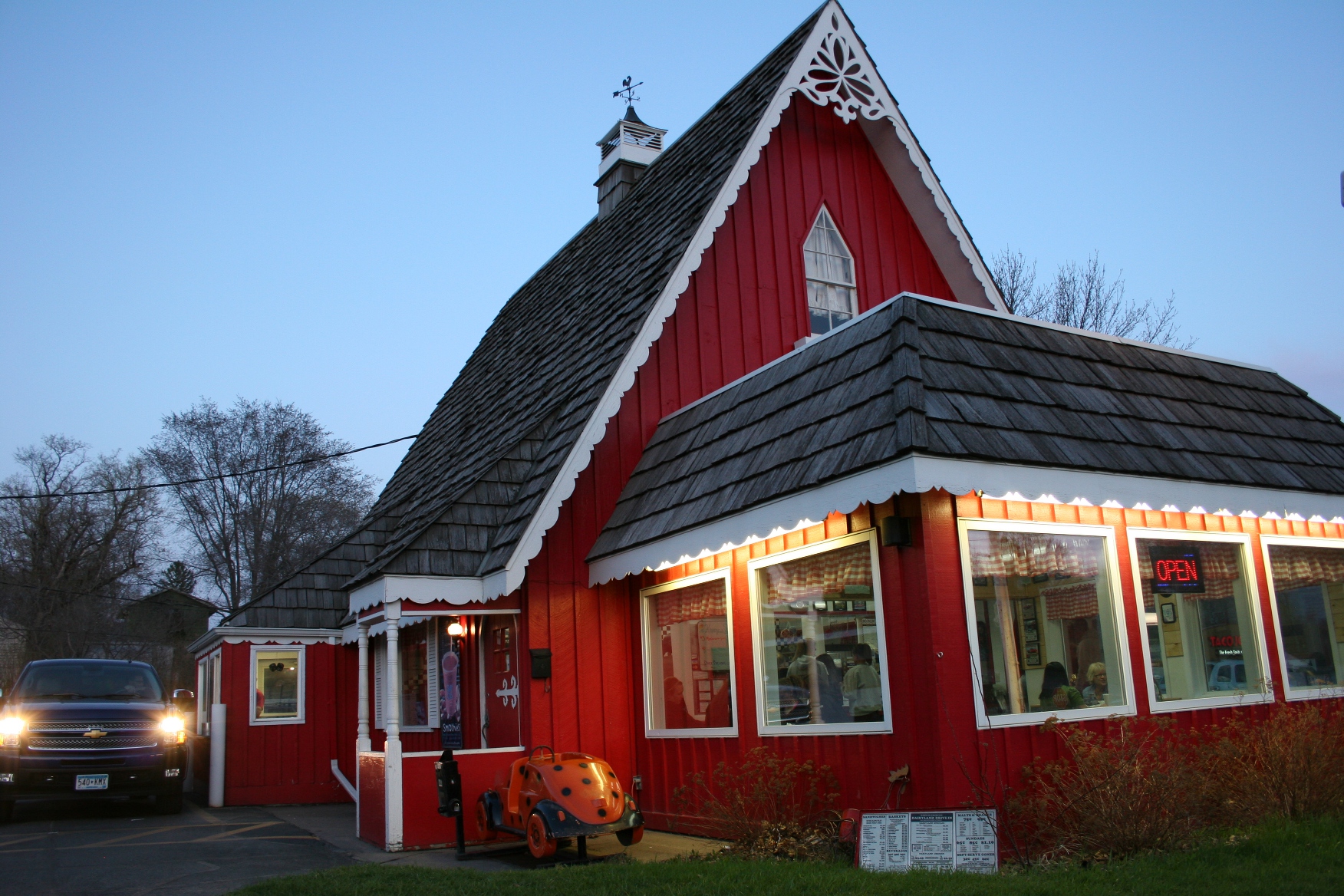
I’VE SEEN THIS PLACE BEFORE. I just know I have. On my vintage Candy Land board game. Or in a fairy tale perhaps.

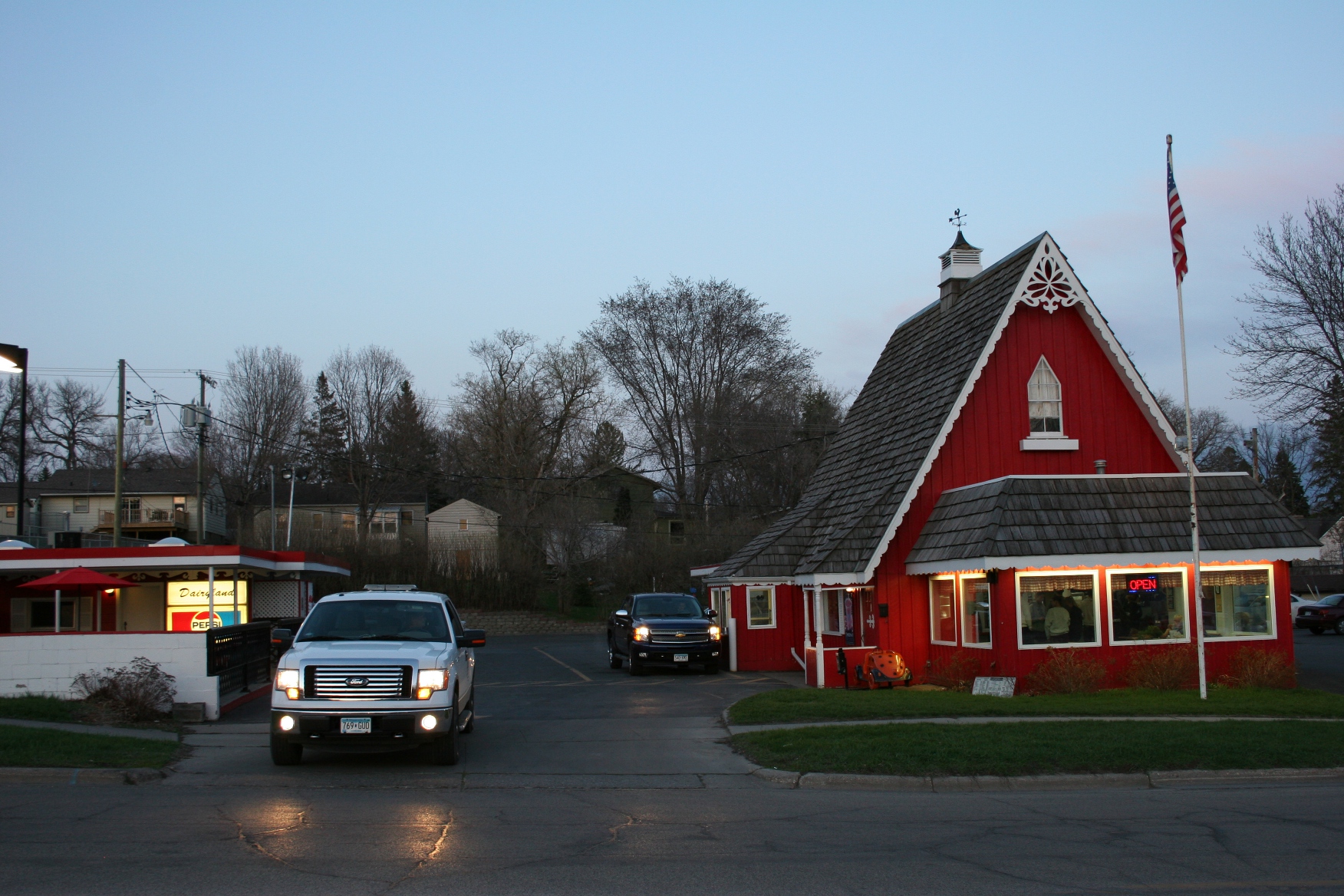
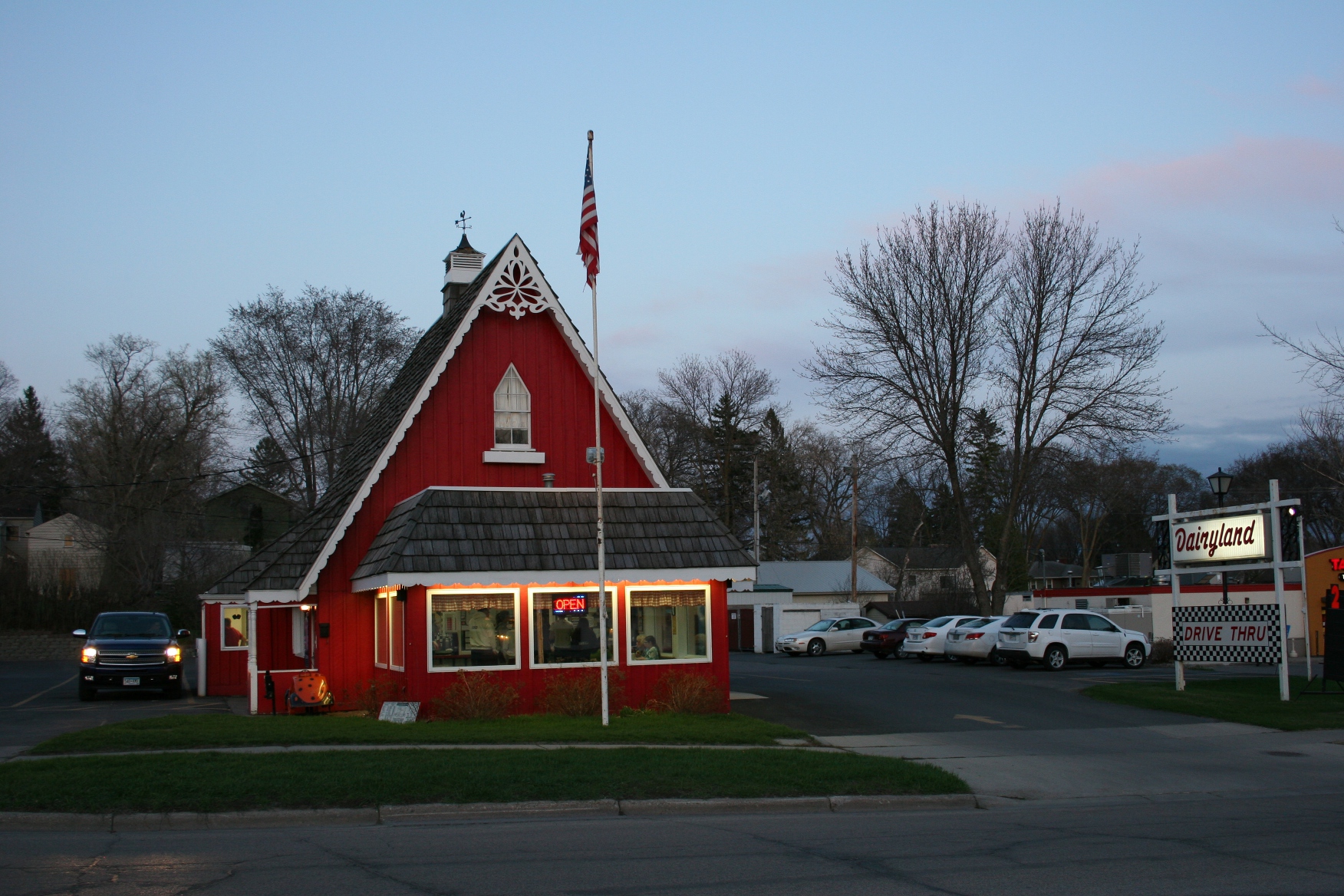
The seasonal Dairyland Drive In opened in 1955.

The seasonal Dairyland Drive In opened in 1955. Although I did not ask, I believe the area to the left is the original drive-in, now used for storage and patio dining.

But I haven’t really. Not until this glorious spring evening have I laid eyes on the Dairyland Drive In in Fergus Falls. Now, here I am, photographing this longtime fast food place in the photographer’s golden hour, thrilling in the pop of red against pink-tinged sky, the flash of headlights signaling the end of a Thursday in this west central Minnesota community.

As close as I got to going inside the drive in. I should have gone inside anyway, just to photograph the interior. Photographer's regrets...

This is as close as I got to going inside the drive in. I should have gone inside anyway, just to photograph the interior. Photographer’s regrets…

If I had even a smidgen of space in my tummy for an ice cream treat, I’d be waiting in line at Dairyland for a hot fudge sundae. But my husband and I have just finished a filling meal of sandwiches and fries at Mabel Murphy’s, across Interstate 94, before touring the town. We are not one bit hungry. Too bad.

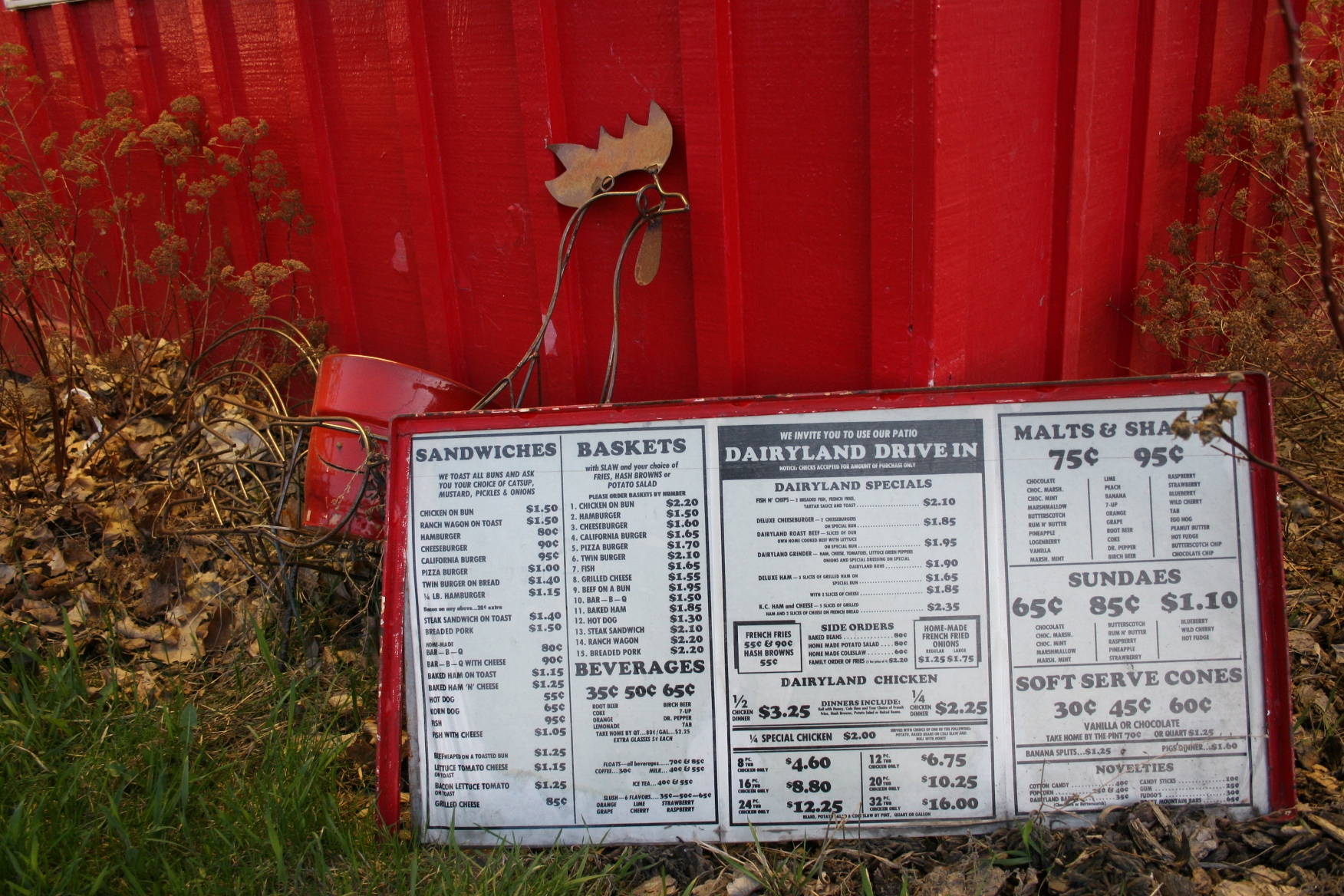
A vintage menu is propped outside the restaurant.

A vintage menu is propped outside the restaurant.

So on this visit to Fergus Falls, I must content myself with photographing that sweet gingerbread style building which houses Dairyland, established here in 1955 and now in its 58th year of business.

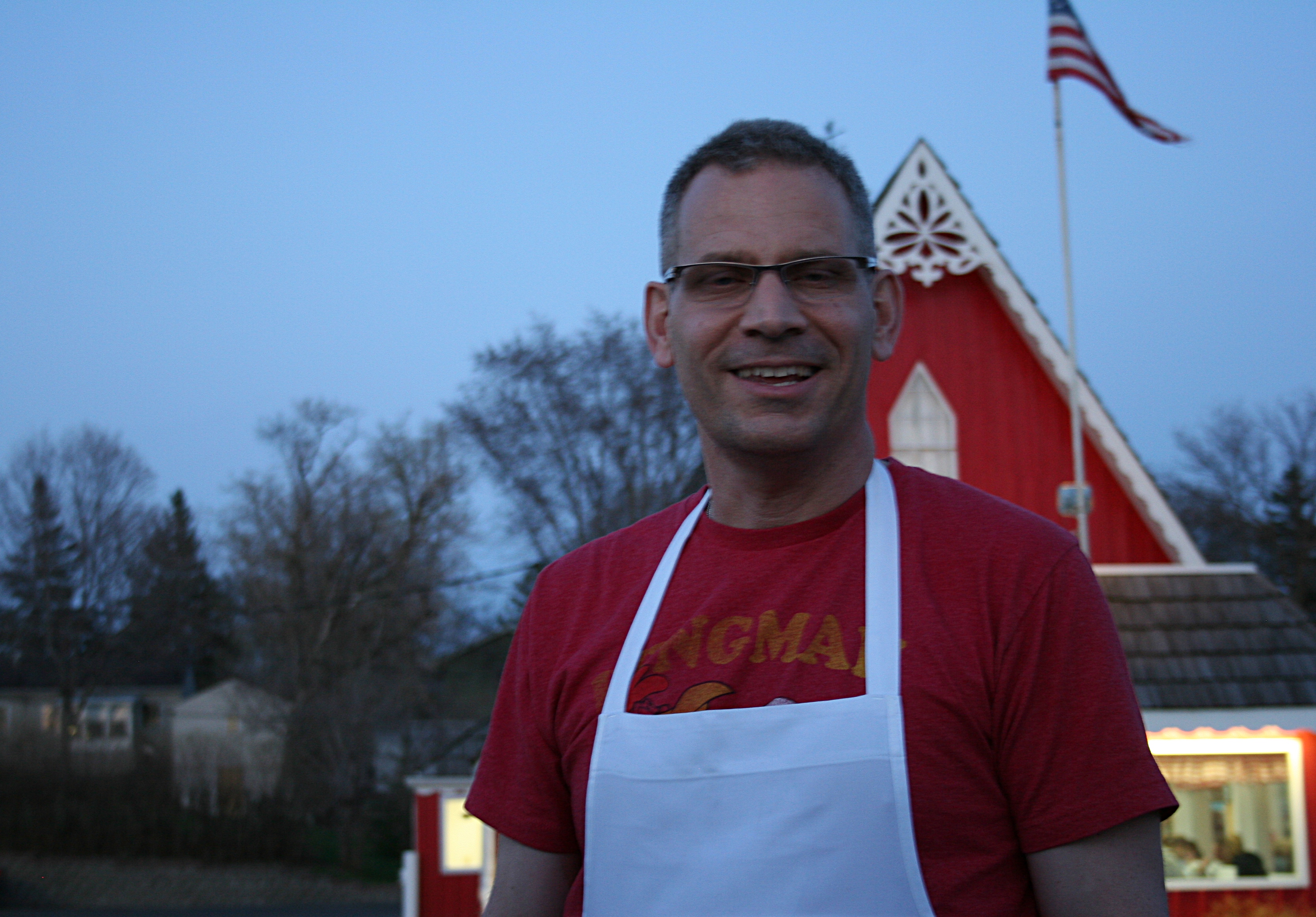
Pat Connelly

Pat Connelly

Soon co-owner Pat Connelly notices me and walks across the street. He first worked at Dairyland at age fourteen, when he started with slicing onions. He and his wife, Jean, bought the place in 1997 from his brother, Chuck, who bought the business in 1982 from Bert Skogmo.

Up until 2001, Dairyland still had car hops. Now it’s drive-through or dining inside or on the patio.

Just another view of Dairyland, with the parking lot to the right.

Just another view of Dairyland, with the parking lot to the right.

The eatery is still known for its homemade onion rings and for broasted chicken, Pat tells me.

Sandwiches are named after locals and those who worked here. Like the K.C. Ham & Cheese after Kelly Chandler. Or the Borstad Burger.

Pat seems especially proud of all the local teens he’s employed—500-plus through the years. When an elementary-aged girl walks by Dairyland, he greets her, tells me she will be coming with Mrs. Johnson’s class on an end-of-the-year class outing for treats. That’s tradition for most Fergus Falls students.

I can’t help but wonder at the memories they’ll cherish of Dairyland… and pass along someday to the next generation.

HAVE YOU EATEN at Dairyland Drive In in Fergus Falls? If so, let’s hear your thoughts. If not, tell us about a similar old-fashioned drive-in you’d recommend. Note that my husband and I were in Fergus Falls in mid May, when these photos were taken and I met Pat Connelly.

© Copyright 2103 Audrey Kletscher Helbling
 

Touring an historic mill in Morristown June 4, 2013
I WISH MY MEMORIES of the old feed mill were imprinted upon the pages of a book. Indelible ink. Words recorded so that I would always remember. The smell. The sound. The sights. The everything encompassing this agricultural business in my southwestern Minnesota prairie town.
I recall so little—the wooden steps leading to the feed mill; the ground feed residue lingering in the air and on surfaces; the ever-deafening grinding noise of machinery chomping grain; handsome operator Wally Anderson with his shock of white hair who lived in a well-kept corner house several blocks north; and the summer a ventriloquist sat in front of Vesta’s feed mill with a dummy perched on his knee.
The Morristown Feed Mill in Morristown, Minnesota.

The Morristown Feed Mill in Morristown, Minnesota.

Those faint wisps of recollection filtered through my thoughts on Saturday as I meandered through an historic 1860 grist mill along the banks of the Cannon River in Morristown. Once a year this rural southeastern Minnesota community opens the mill for tours and grinds wheat and corn.

A replica waterwheel built in 1997 by Theodore E. Sawle.

A replica waterwheel built in 1997 by Theodore E. Sawle.

I won’t even pretend to understand all I viewed and photographed at this mill once powered by a waterwheel, later by electricity.

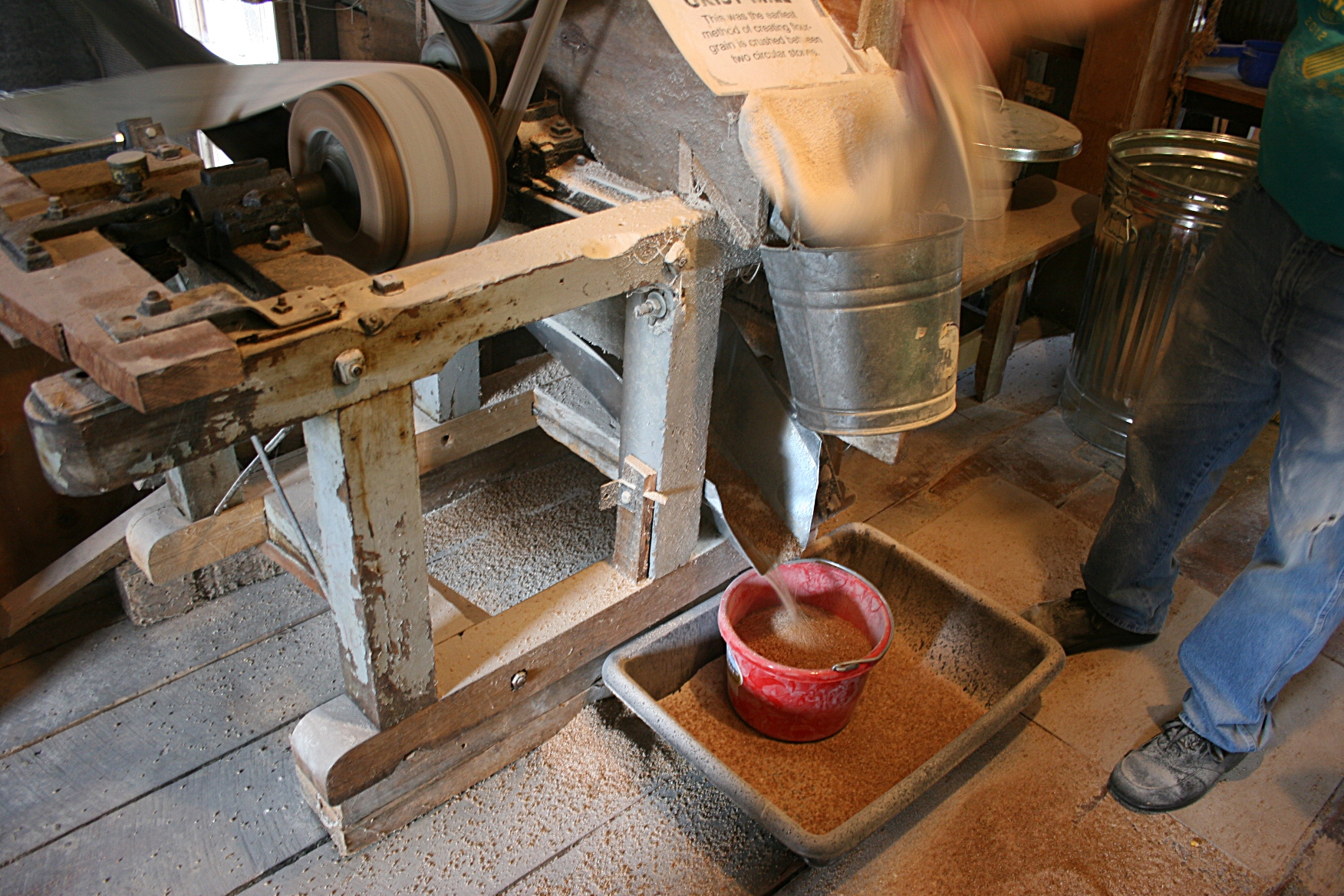
A volunteer grinds wheat into flour in the old grist mill. Each time the waterwheel turns, it spins the millstone 17 times in the process of crushing grain between stones. The volunteer's wife bakes Communion bread for the local Methodist church.

A volunteer grinds wheat into flour in the old grist mill. Each time the waterwheel turns, it spins the millstone 17.5 times in the process of crushing grain between stones. The volunteer’s wife bakes Communion bread for the local Methodist church.

Initially, the mill opened in 1855 as a sawmill. But, within years, the business was replaced by Hershey Grist Mill, a mill for grinding grain into flour and livestock feed. On the afternoon I toured, a volunteer was grinding wheat into flour with the waterwheel powering the grinder. I had intended to buy a bag of the $2 wheat flour, but forgot in the midst of my photographic focus.

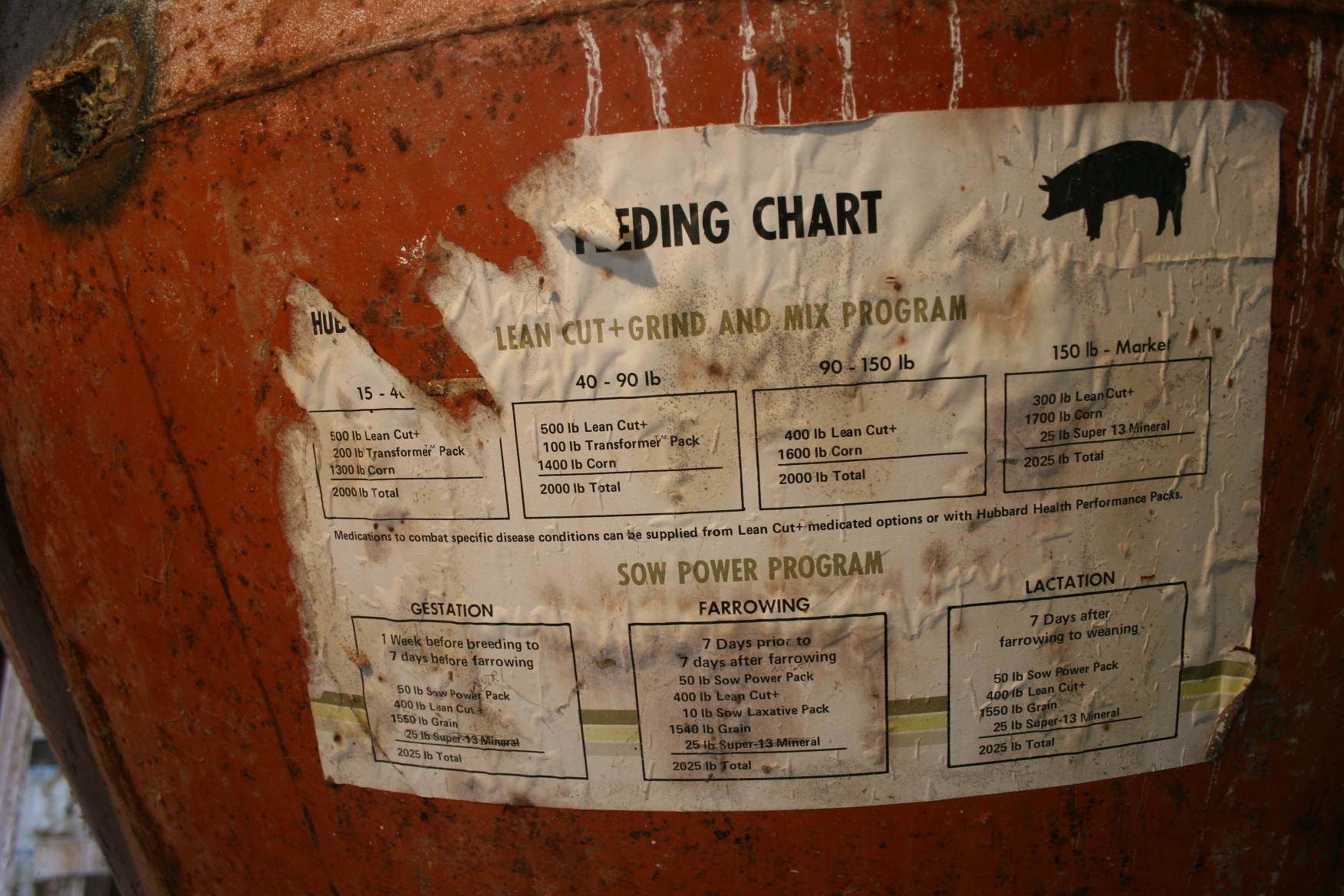
Guidelines for pig feed.

Guidelines for pig feed posted on a mixer.

The Morristown Historical Society today cares for the facility which closed in the 1970s as the Morristown Feed Mill, purveyor of livestock feed. For those like me, who grew up on a farm but have long ago left the land, such endeavors to preserve the rural past are deeply appreciated.

The conveyor belt powered by the waterwheel. This operates the grinder.

The waterwheel turns these pulleys and belts which operate the grinder.

While I walked the old wooden floor of the feed mill, descended stairs into the cluttered utility room where a dangerous conveyor belt cycled and afterward climbed stairs to the second floor, I reconnected with my rural roots.

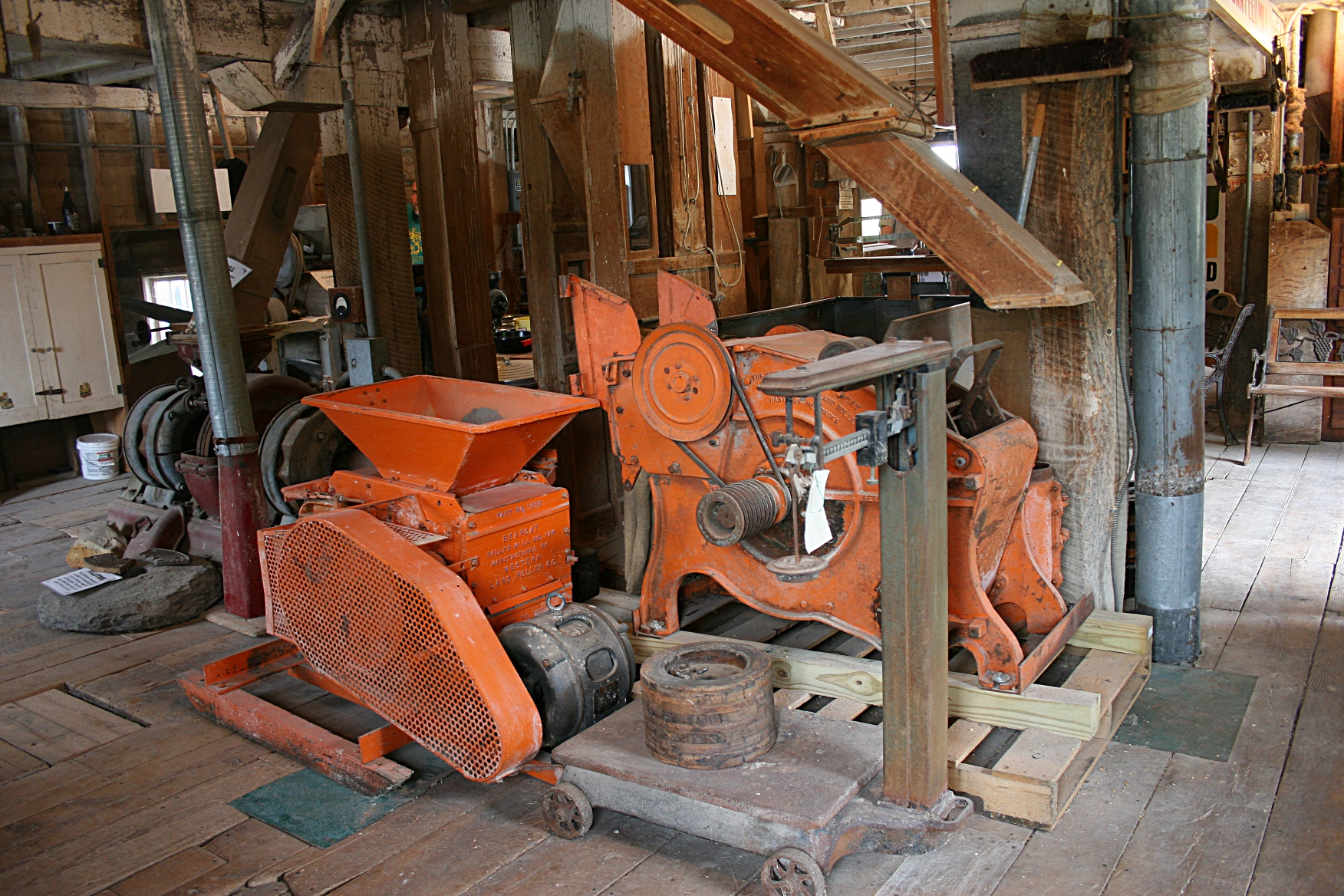
The old feed mill is stocked with lots of vintage grinding equipment.

The old feed mill is stocked with lots of vintage mill equipment.

And it may not have been in the way you most likely would expect. For me, the experience was mostly about the dust—knowing I needed to protect my camera from the fine grain dust which permeates a place like this, layers on the skin, hovers in the air, filters into memories.

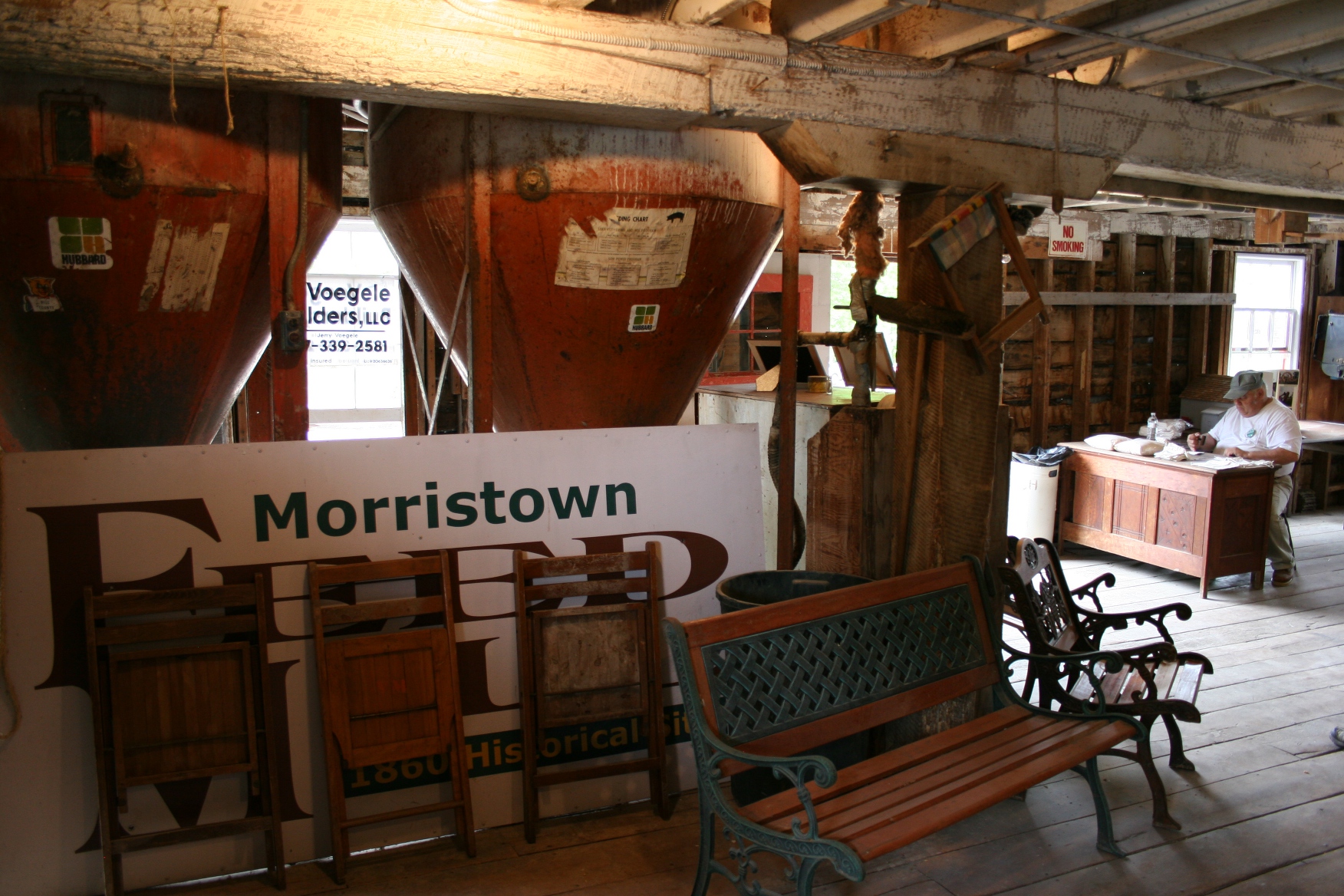
Inside the feed mill, where a volunteer stamps cloth bags with Morristown Feed Mill.

Inside the feed mill, a volunteer stamps cloth bags with Morristown Feed Mill. Behind the sign are two mixers.

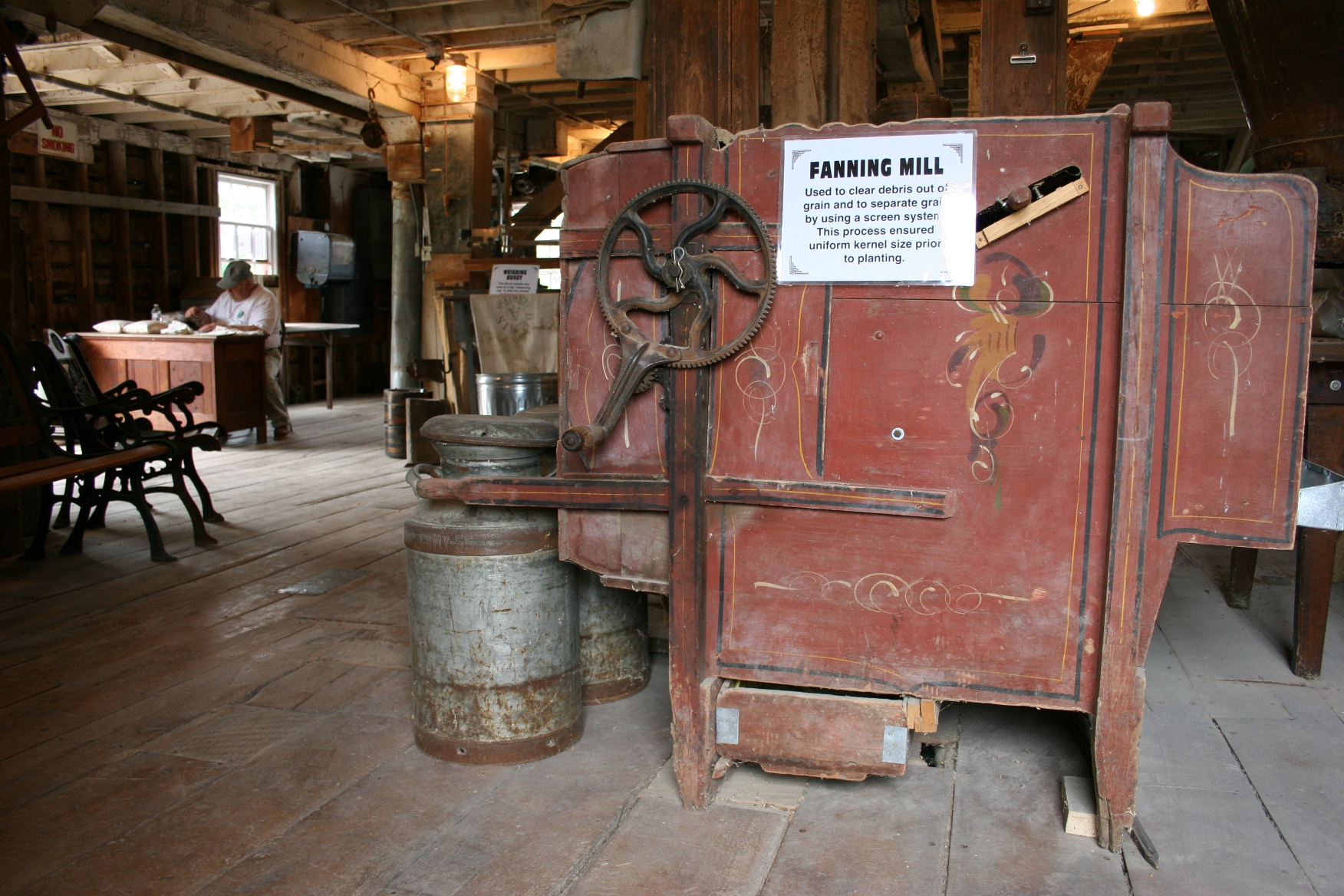
An old fanning mill cleans the grain for planting.

An old fanning mill cleans the grain for planting.

When I heard mention of mice, I was a little nervous about going into the utility room.

When I heard mention of mice, I was a little nervous about going into the utility room.

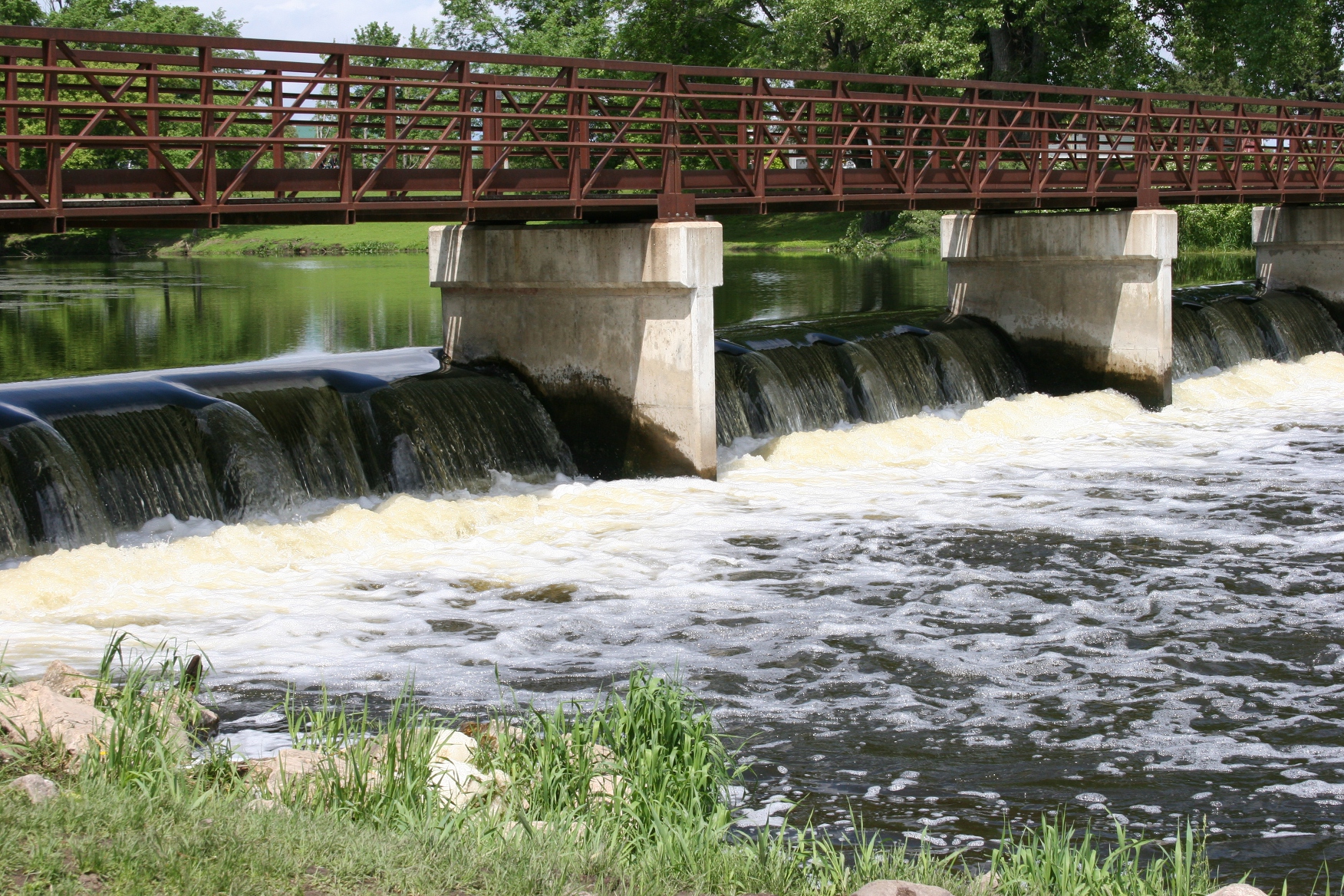
The Cannon River dam right next to the mill.

The Cannon River dam right next to the mill.

FYI: As a side note, the mill sheltered several refugees from the U.S. – Dakota Conflict of 1862.  Check back for more mill photos.

© Copyright 2013 Audrey Kletscher Helbling