Minnesota Prairie Roots

Writing and photography by Audrey Kletscher Helbling

Inspiring creativity March 24, 2022

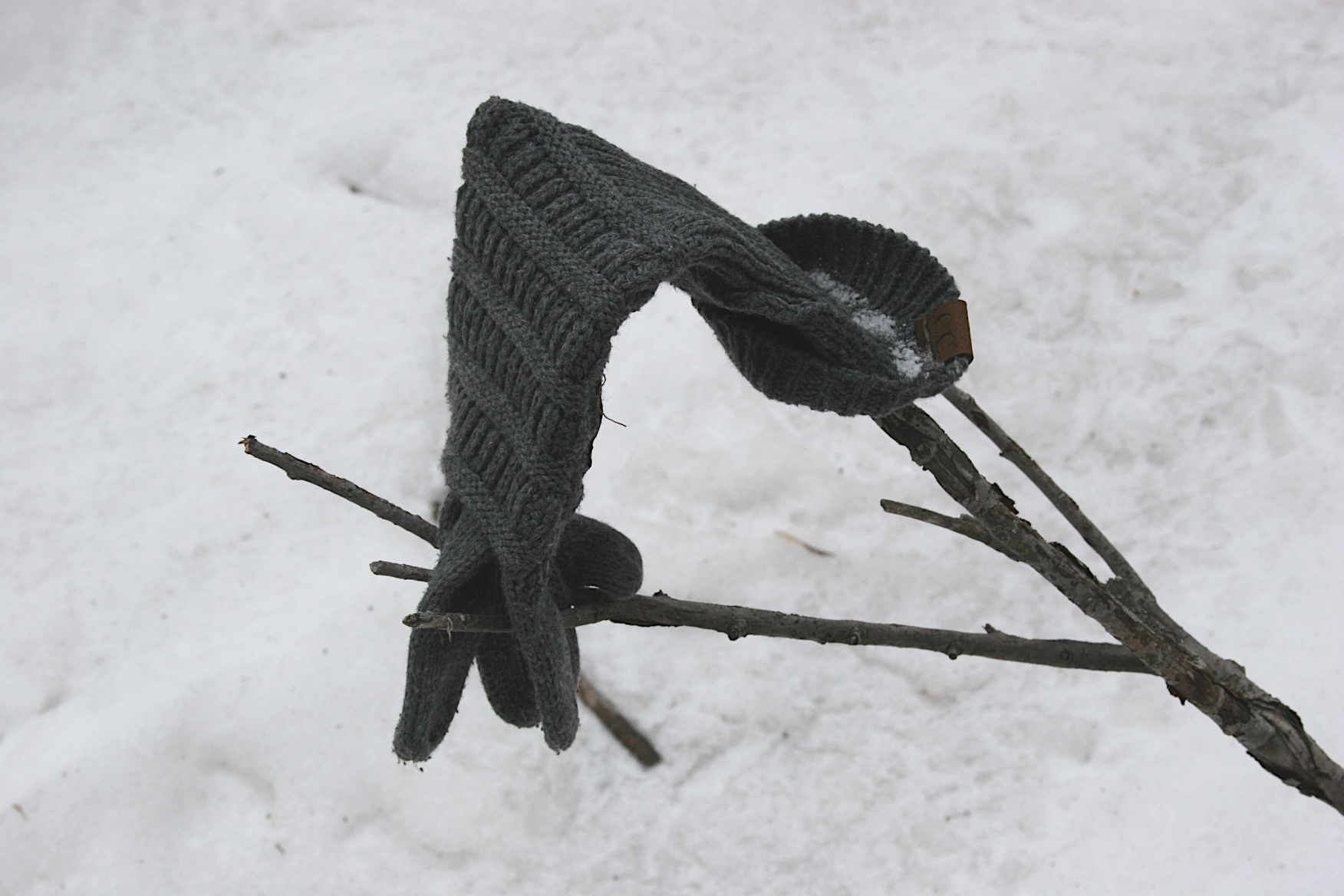
Lost glove along the Straight River Trail, south Faribault, Minnesota. (Minnesota Prairie Roots copyrighted photo March 2022)

THE GLOVED STICK stuck out like a snowman’s broken appendage. There, stuck in the snow, aside the Straight River Trail in south Faribault.

Camera in hand, I paused on a recent afternoon trail walk to photograph the lost grey glove. Scenes like this intrigue me because there’s always a story. Who lost the glove? Why? Who found the glove and then decided to stick it on a stick? Would the woman who lost the glove find it?

Real life often prompts my creative writing. Several weeks ago I wrote with a fury over two days, under pressure to meet a contest deadline. In those two full days of creating, I wrote two pieces of creative nonfiction, two short stories and two poems. The Muse moved within me and I felt it.

More often than not, I tap into my life for ideas. The “write what you know” adage holds true for me.

In writing fiction, I can take a snippet of truth and craft it into a short story that rings with reality, except it’s not. A text shaped one of the pieces I crafted. The other story came from some dark place I have not yet unearthed.

The recent death of my mom resulted in a poem and a work of creative nonfiction. A sign in a barbershop window prompted the second piece of creative nonfiction.

And my second poem emerged from a previous walk along a riverside trail in Faribault. Not the same path of broken snowman appendage. But a place where fingers of snow wrote stories across asphalt.

TELL ME: If you are a creative, what inspires you in your writing/painting/creating? I’d like to hear.

© Copyright 2022 Audrey Kletscher Helbling


Feeling especially valued as a Minnesota creative February 18, 2022

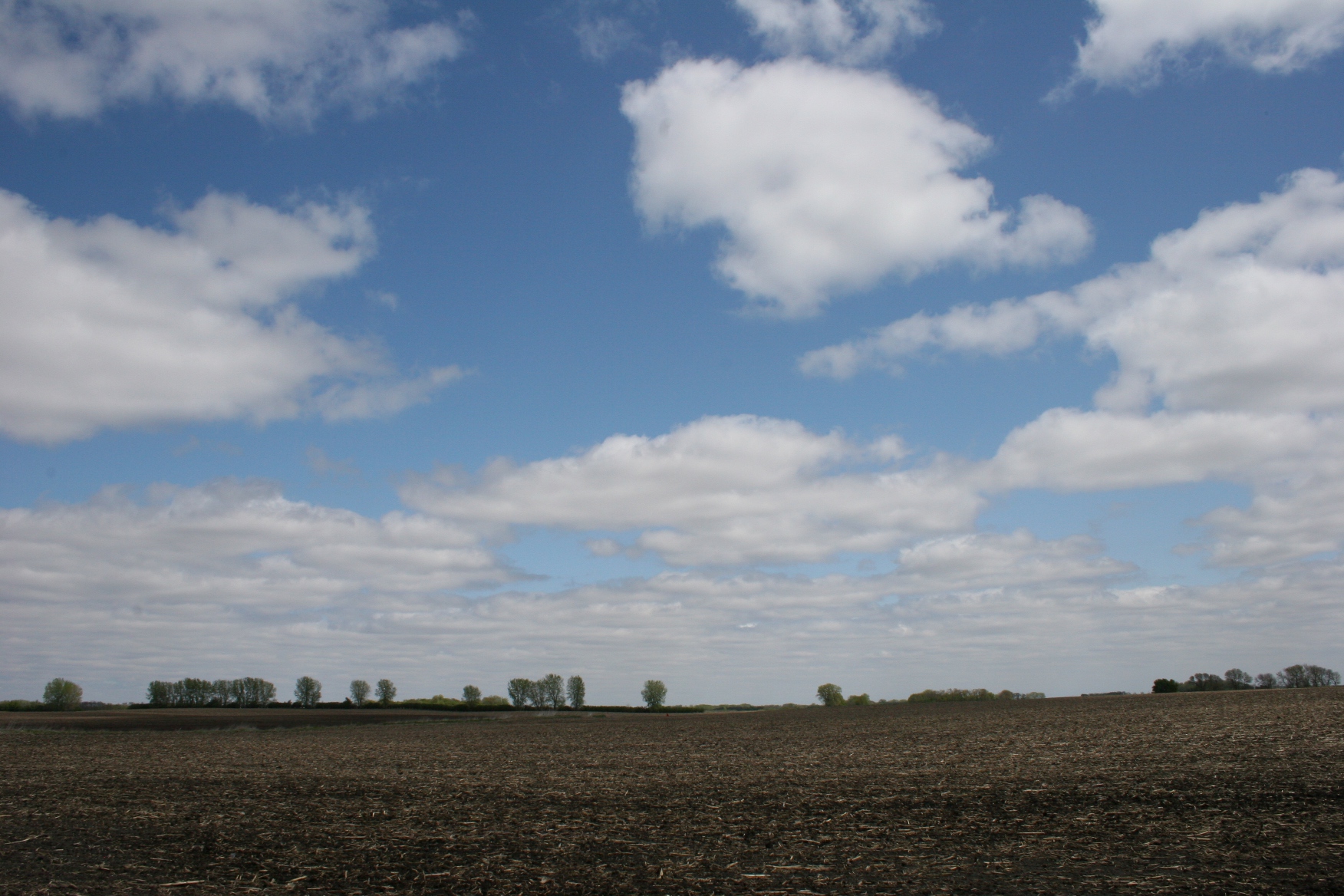
A serene rural scene just north of Lamberton in southern Redwood County, my home county, shows the roots of my creativity in the prairie. (Minnesota Prairie Roots copyrighted file photo October 2013)

I’VE ALWAYS SENSED within the artistic community an unwavering support of one another. A kinship in creativity. A connection sparked by the sheer act of creating, whether by words, by music, by paintbrush or pencil or camera or hands or…

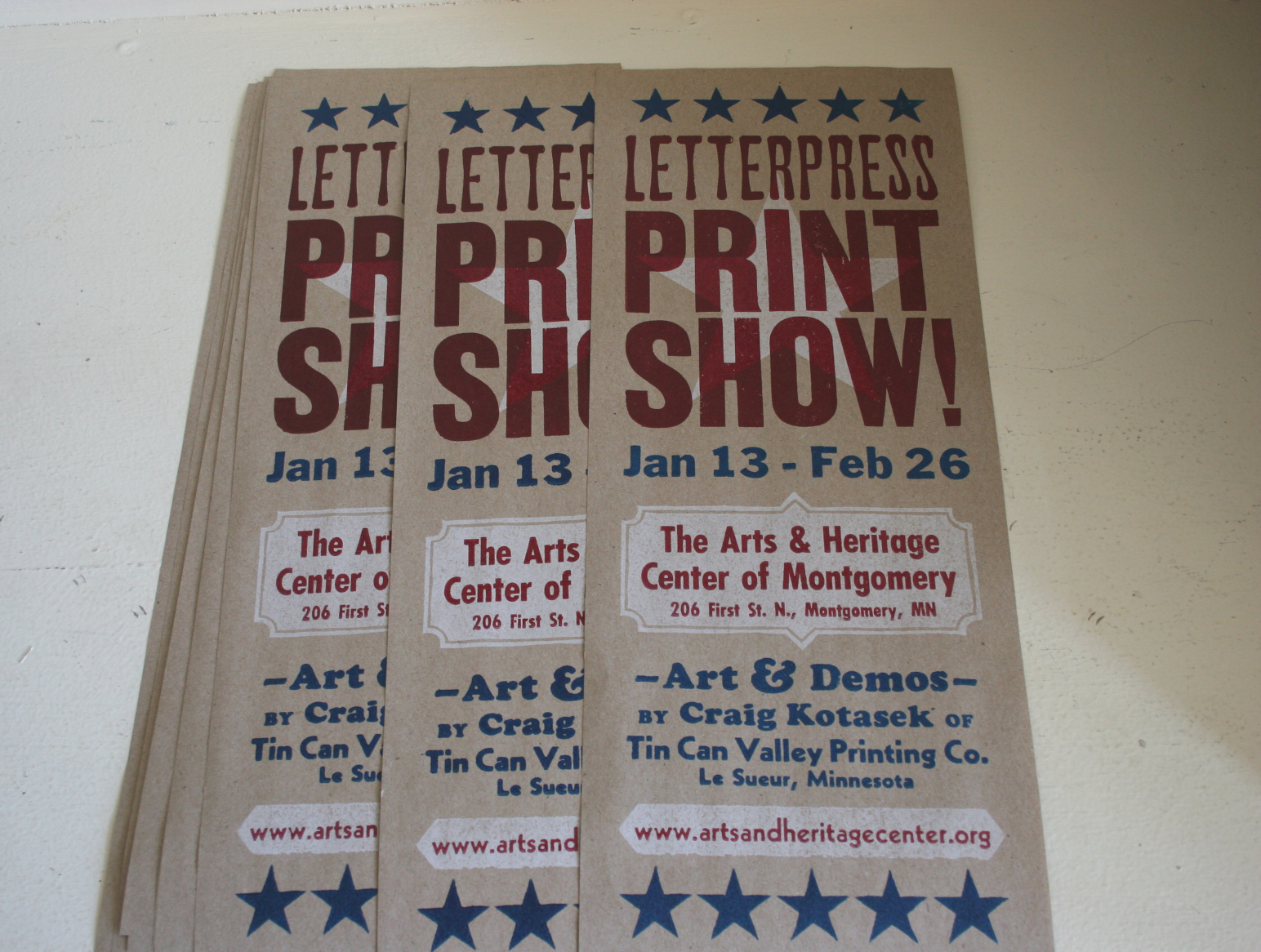
Craig Kotasek crafted these letterpress print promo posters for his current show. (Minnesota Prairie Roots copyrighted photo February 2022)

And today I’m feeling especially valued by an artist I posted about just days ago—Craig Kotasek of Tin Can Valley Printing in Le Sueur. I wrote about his Letterpress Print Show at The Arts & Heritage Center of Montgomery (Minnesota). If you haven’t viewed that story yet, click here to read my insights into his work and to see his incredible letterpress artistry showcased in my photos.

Well, Craig heard about my post, followed up with an email to me and then posted the kindest/loveliest/nicest review of my work on his website (click here). I am not only humbled by his generous words, but by his detailed gratitude for Minnesota Prairie Roots. He clearly understands me, my artistic and journalistic passions, my love for small towns and rural Minnesota, and my desire to share my discoveries.

Craig is just one example of how generous this community of creatives.

When we create, we share part of ourselves with the world. I cannot imagine not creating. That comes from a southwestern Minnesota farm girl who grew up with minimal exposure to the arts. No music lessons. No art classes. No gallery shows. No community concerts. Nothing outside the basic core of required class courses in middle and high school.

A snippet of the land my father farmed, my middle brother after him, on the rural Vesta farm where I grew up. (Minnesota Prairie Roots copyrighted file photo April 2013)

But what I lacked in the arts I found in the prairie landscape. In the unrelenting wind. In sunsets bold and beautiful. In snowstorms that washed all color from the earth. In wild pink roses pushing through road ditch grass. In the earthy scent of black dirt turned by a plow. I took it all in, every detail in a sparse land.

And I read. Laura Ingalls Wilder, pioneer girl from Walnut Grove only 20 miles distant. Nancy Drew with her inquisitive mind. Whatever books I could find in a town without a library.

Today I feel grateful to live blocks from a library. I feel grateful to have access to the arts. You will find me often posting about creatives on this blog. Creatives like Craig Kotasek of Tin Can Valley Printing. He’s a gifted craftsman and artist specializing in letterpress printing. What a talented community of artists we have in rural Minnesota. I feel grateful to be part of that creative community.

© Copyright 2022 Audrey Kletscher Helbling
 

Reflecting on poet Robert Bly December 1, 2021

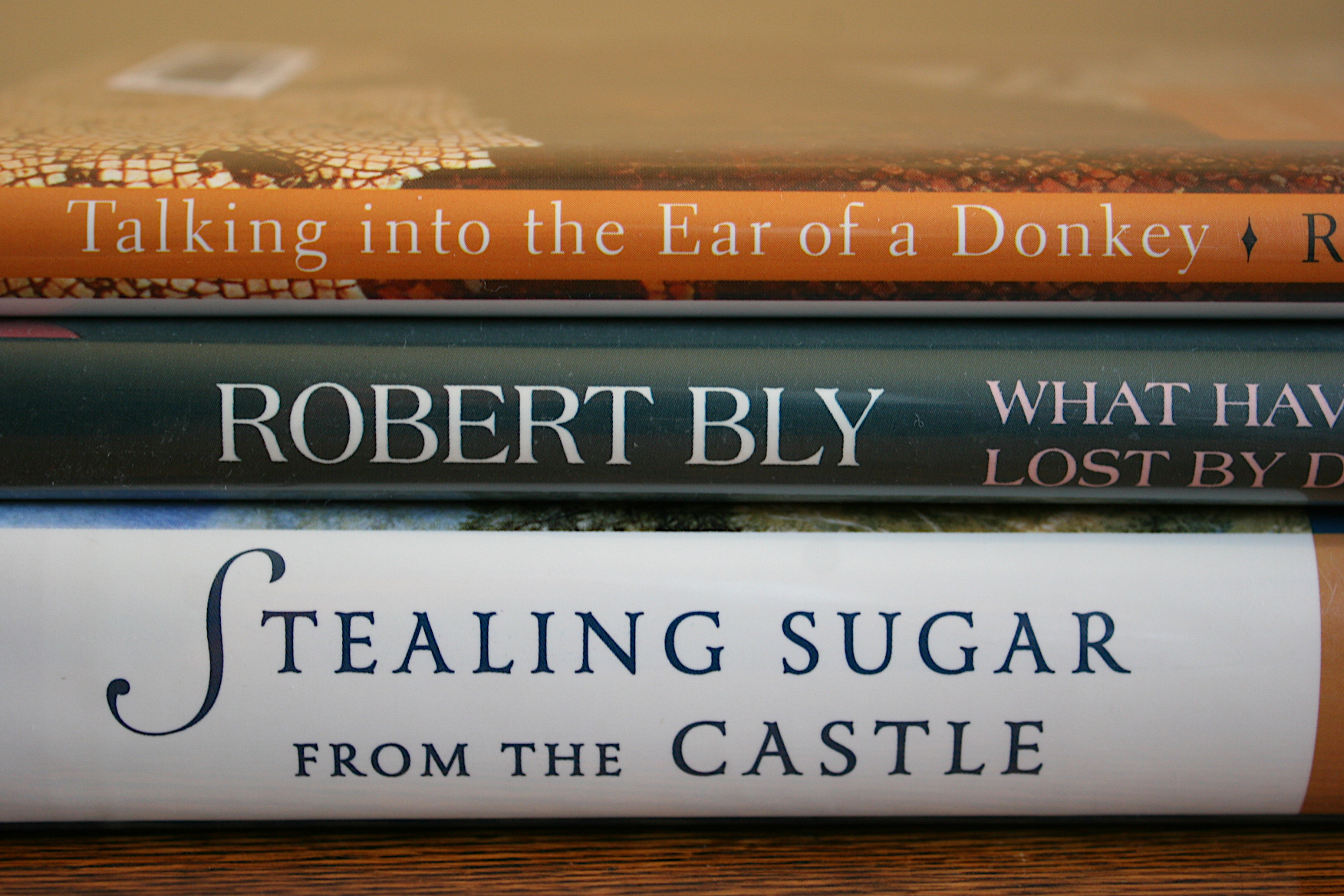
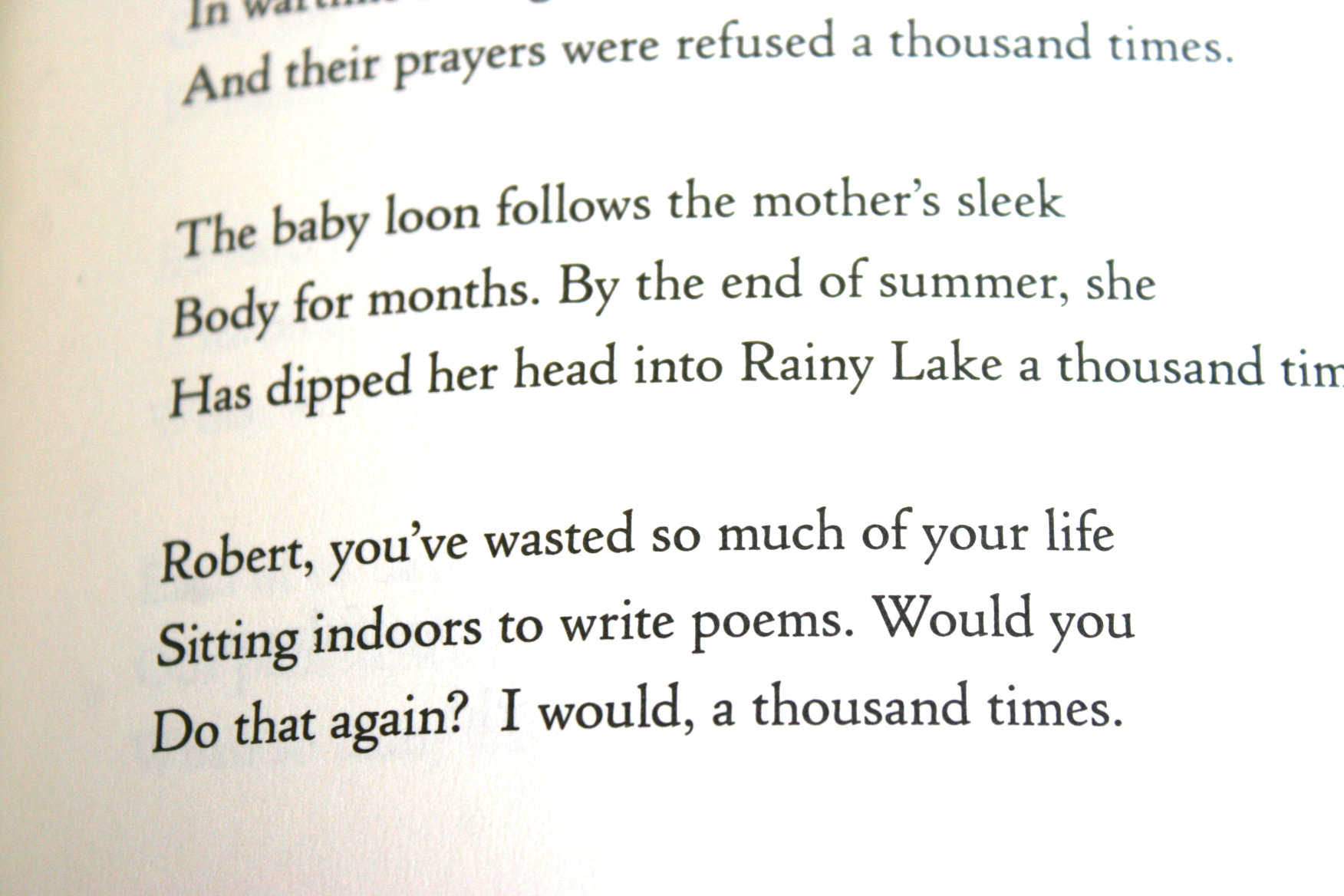
Books by Minnesota poet Robert Bly. (Minnesota Prairie Roots copyrighted photo)

AS A PUBLISHED POET, you might expect me to read a lot of poetry. I confess that I don’t. I should, because through reading and studying others who practice our crafts, we learn.

So I determined, upon hearing of the death of renowned Minnesota poet Robert Bly on November 21, that I would read more of his poetry. I’ve checked out every Bly book available at my local library: What Have I Ever Lost By Dying?, Talking into the Ear of a Donkey and Stealing Sugar from the Castle.

Interesting titles reveal likewise interesting poems crafted by an especially gifted writer.

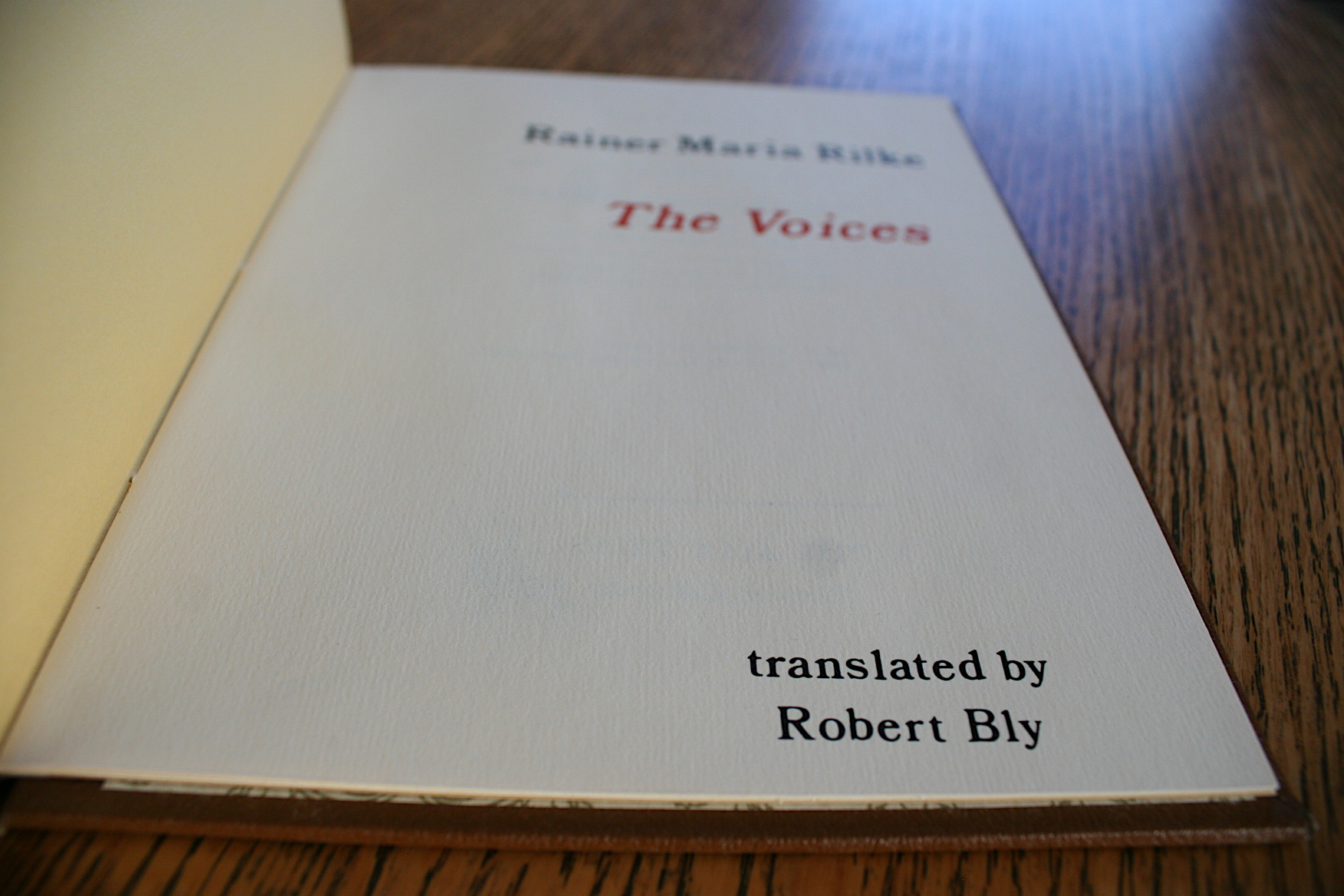
Robert Bly also translated poetry, here “The Voices” by Rainer Maria Rilke. (Minnesota Prairie Roots photo)

As I began to read Bly’s poems, I noticed the brevity. As any poet understands, each word in a poem must count. Bly seems especially adept at that. Poetry is perhaps the most difficult of writing genres.

I also see the influence of his upbringing on the southwestern Minnesota prairie. His roots are in Madison, near the South Dakota border. This small farming community is the self-proclaimed Lutefisk Capital of the US and home to a 25-foot-long fiberglass cod fish statue. Lutefisk is cod soaked in lye and a food of Norwegian heritage.

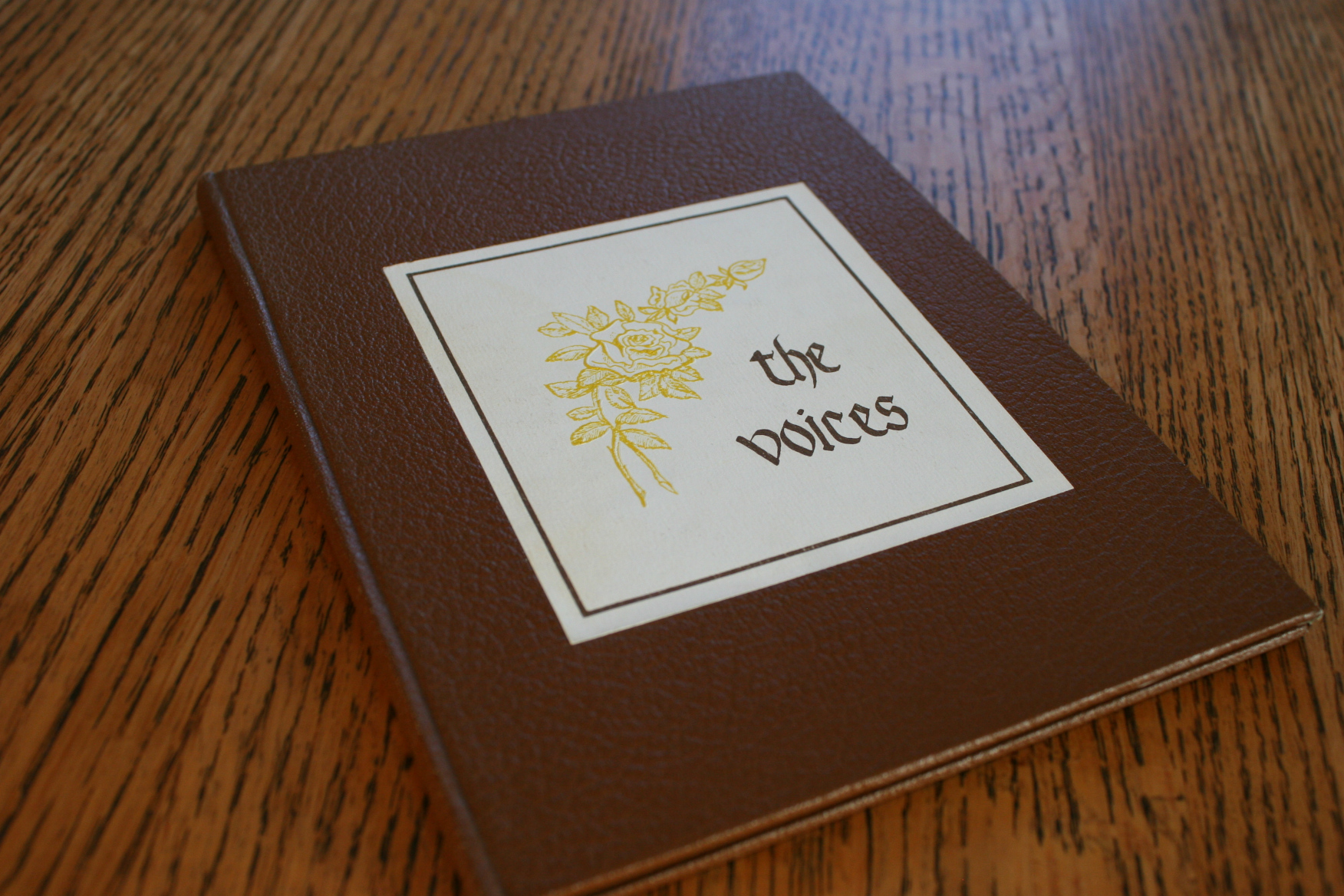
My copy of “The Voices,” translated by Robert Bly. (Minnesota Prairie Roots photo)

In Bly’s poetic voice, I hear rural reflected. From land to sky. Heritage strong. Faith interwoven. Solid work ethic. Agriculture defining small towns and occupations, threading through daily life. Bly writes with an awareness of his rural-ness, with a deep sense of place. I understand that given my roots on a southwestern Minnesota farm.

Yet, Bly’s writing isn’t defined solely by place. His world expanded when he joined the Navy after high school graduation, then attended St. Olaf College in Northfield for a year before transferring to Harvard. He pursued additional degrees. He was a prolific writer. A poet. An essayist. An activist.

While watching a public television documentary on Bly last week, I learned more about his activism. During the Vietnam War. In writing about men. He authored Iron John: A Book About Men, which remained on the New York Times Best Sellers List for 62 weeks. Sixty-two weeks. That’s saying something about Bly’s influence.

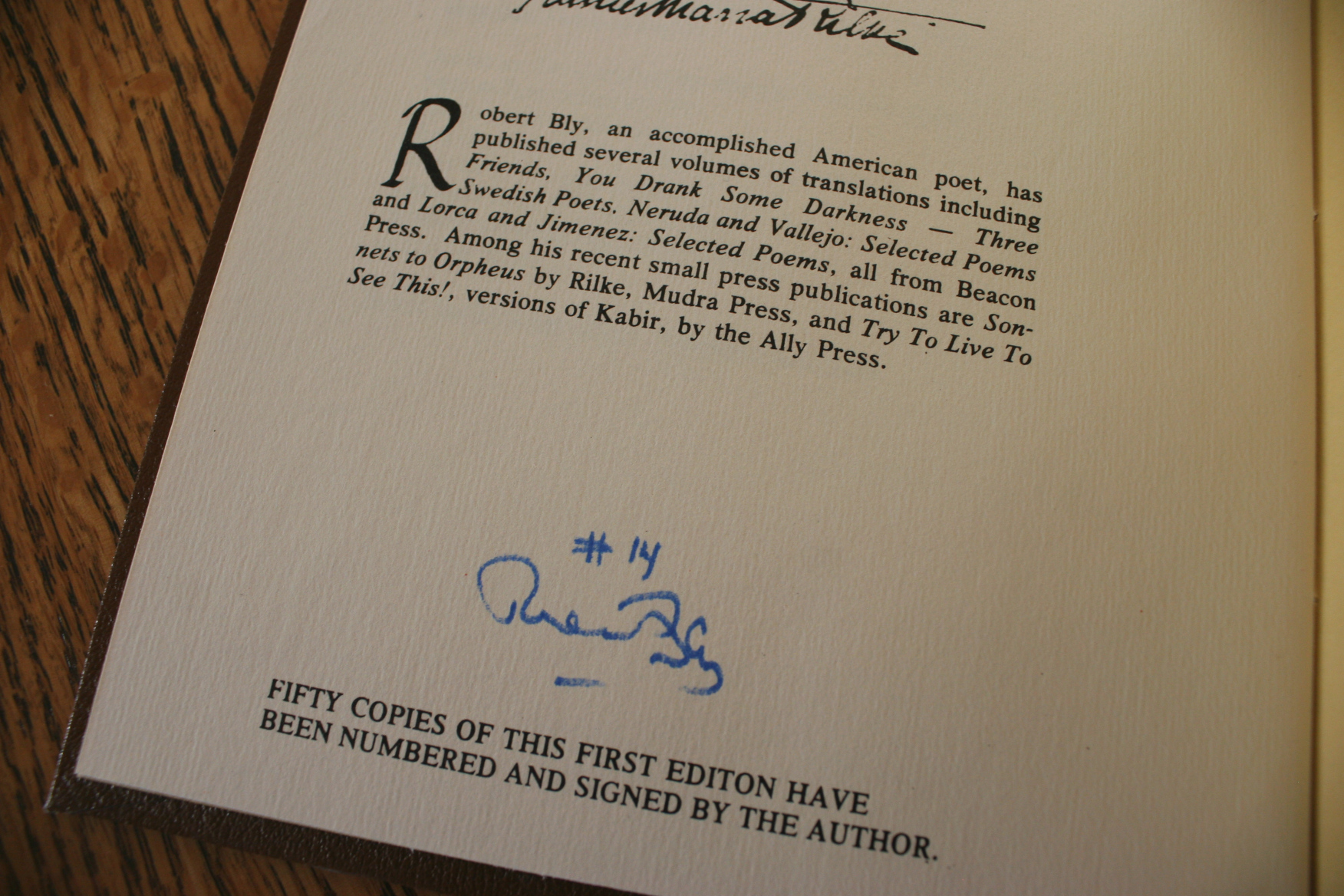
Robert Bly’s autograph in my first edition copy of “The Voices.” (Minnesota Prairie Roots photo)

He also translated the works of others, including Rainer Maria Rilke’s The Voices. It’s a slim volume of nine poems with a title poem. And I have a copy of that beautiful hardcover book, purchased several years back at a used book sale in Faribault. Mine is number 14 of 50 limited first edition copies published in 1977 by The Ally Press and autographed by Robert Bly. Now, upon the poet’s death, this collection holds even more significance. More value.

The final three lines in Bly’s poem, “Ravens Hiding in a Shoe,” summarize his passion for penning poetry. (Minnesota Prairie Roots photo)

Though Bly has passed at the age of 94, his legacy as a writer will endure. He scored many awards and accolades throughout his writing career. But I sense, even with that success, it was the craft of writing, the ability to pursue his passion for the written word, which he valued the most. That, too, I understand. For to write is to breathe.

#

FYI: To read another take on Bly, I direct you to gifted writer and poet Kathleen Cassen Mickelson, who blogs at One Minnesota Writer. She reflected on Bly in a post titled “Remembering Robert Bly.”

© Copyright 2021 Audrey Kletscher Helbling
 

Rural reflections in the season of autumn November 22, 2021

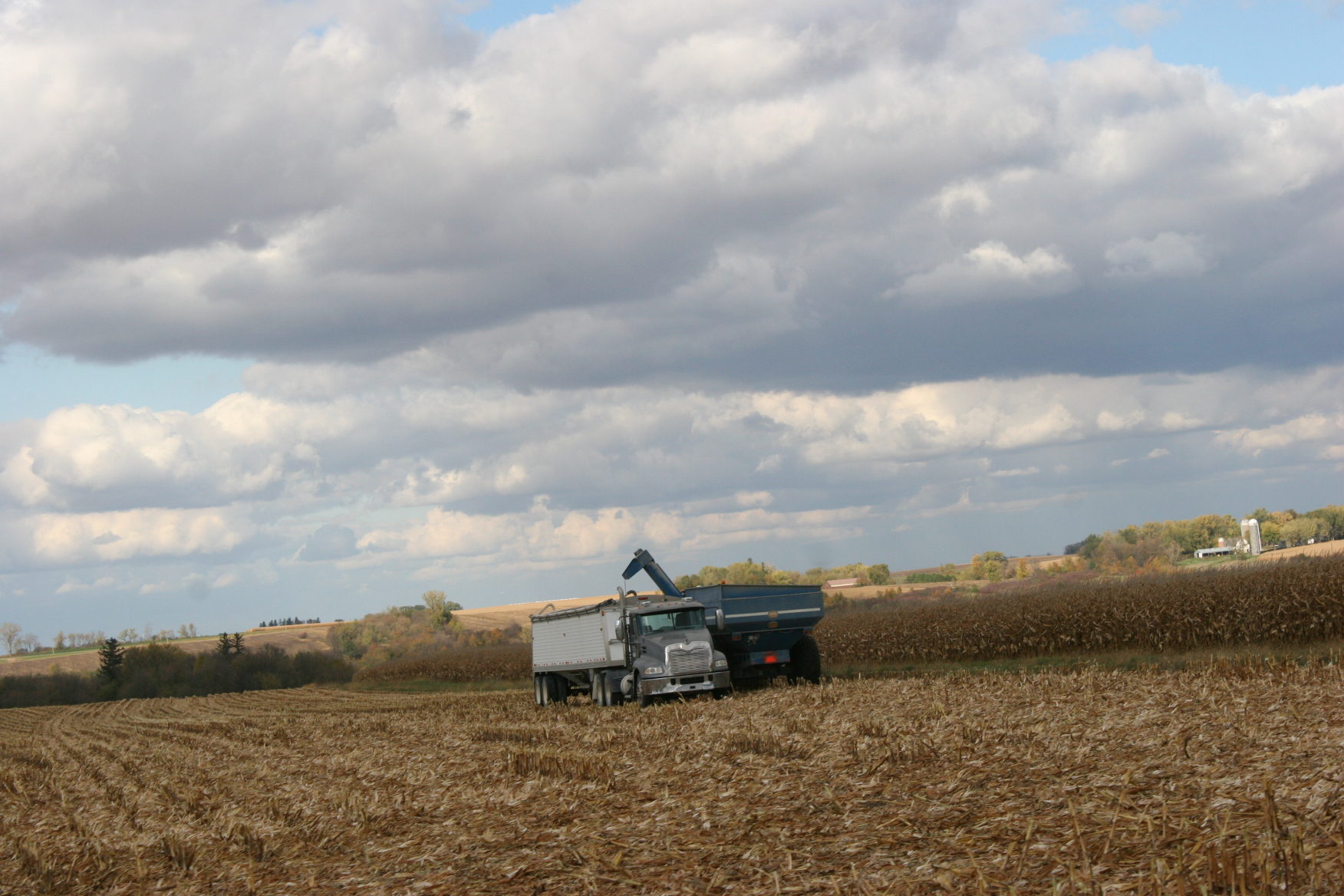
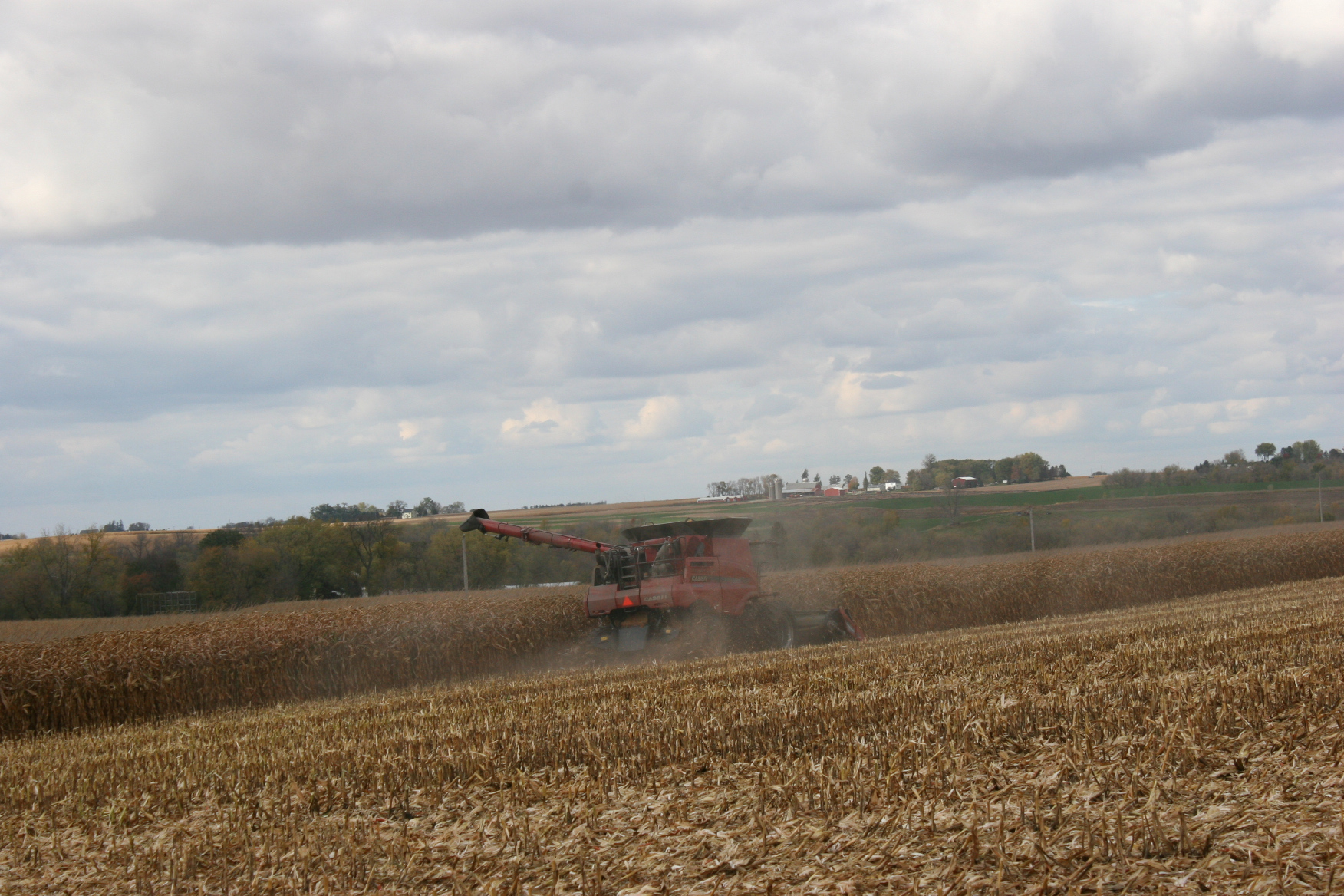
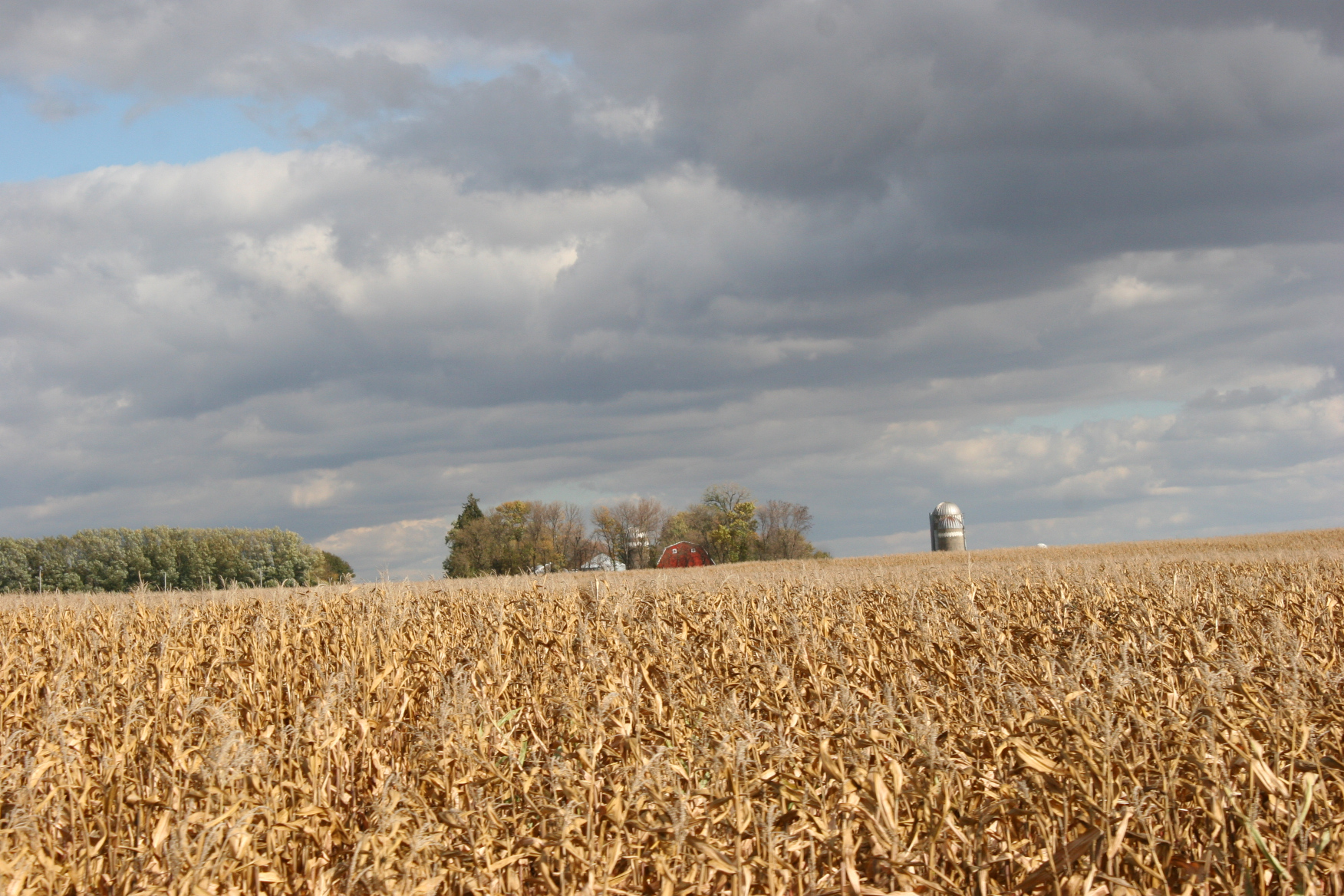
Harvest in Monkey Valley near Kenyon. (Minnesota Prairie Roots file photo October 2021)

NOVEMBER MARKS A MONTH of transition from autumn to winter here in Minnesota.

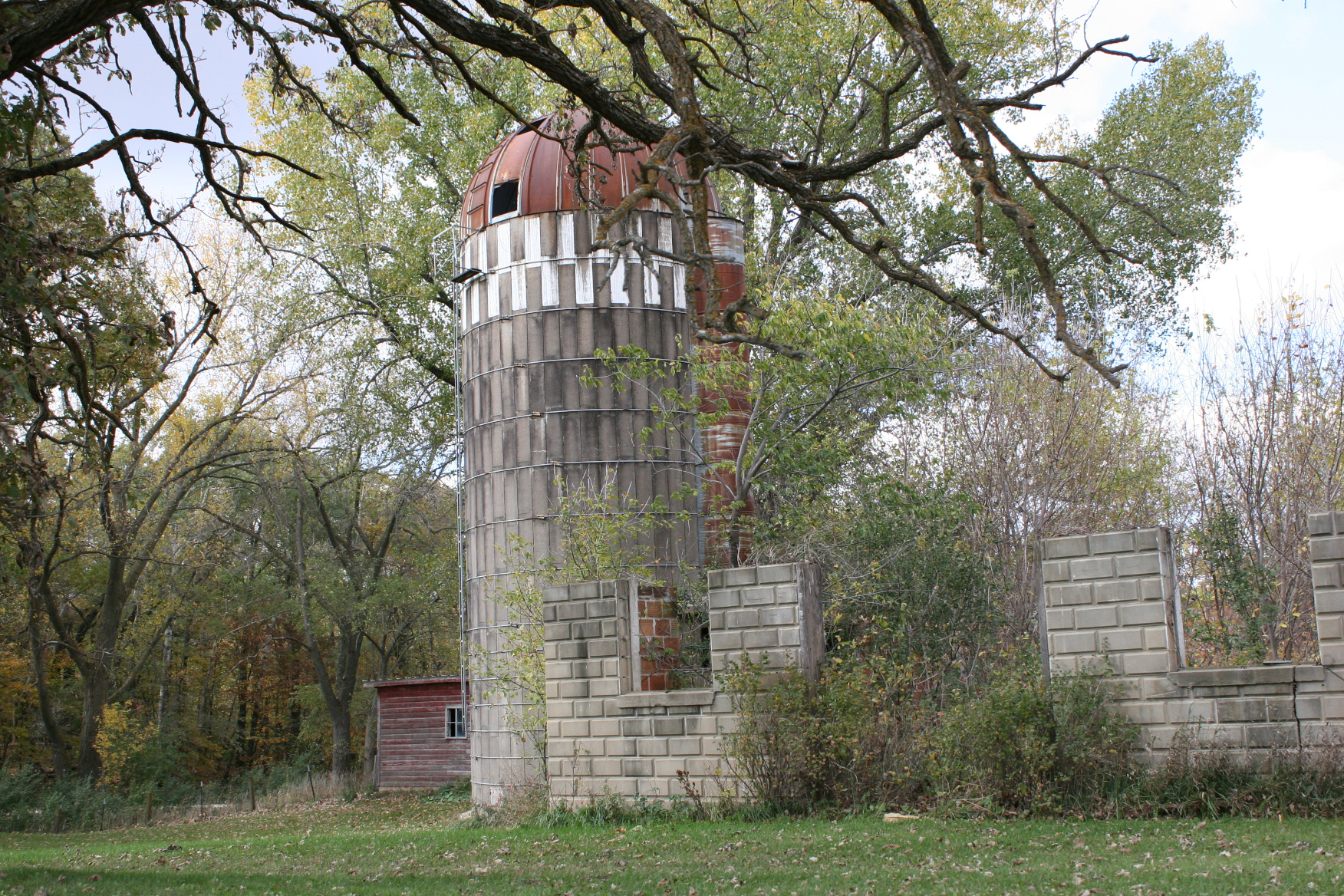
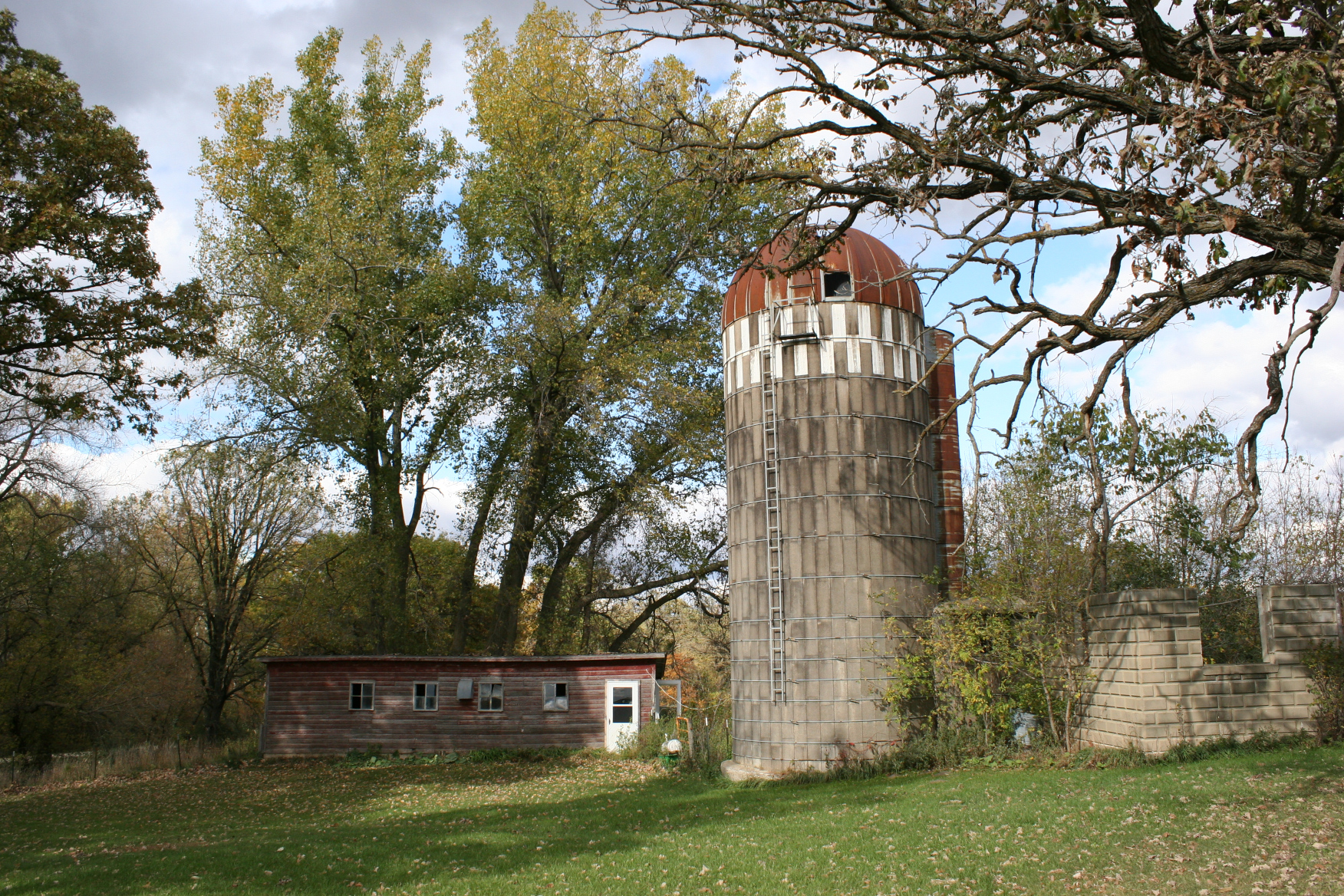
A tree frames an abandoned silo and the remains of a barn in Monkey Valley. (Minnesota Prairie Roots copyrighted photo October 2021)

Trees stand against an often grey sky, brisk winds stripping the last of their leaves to bare branches. Nests crafted by squirrels high in treetops appear vulnerable, unsheltered, exposed to the elements while far below these busy oversized rodents munch on maple seeds, hide walnuts, prepare for winter. Their smaller cousins find their way into our aged house and garage, necessitating a daily check of the trap-line.

Harvesting corn in Monkey Valley. (Minnesota Prairie Roots copyrighted photo October 2021)

Harvest is done. Corn and soybeans reaped. A once lush rural landscape now looks drab, awash in muted earth-tones.

Endless acres of corn defined the landscape near Kenyon pre-harvest. (Minnesota Prairie Roots copyrighted photo October 2021)

For farmers, long days and nights in the field are but a memory. Stress and rush easing into a slower rhythm of life.

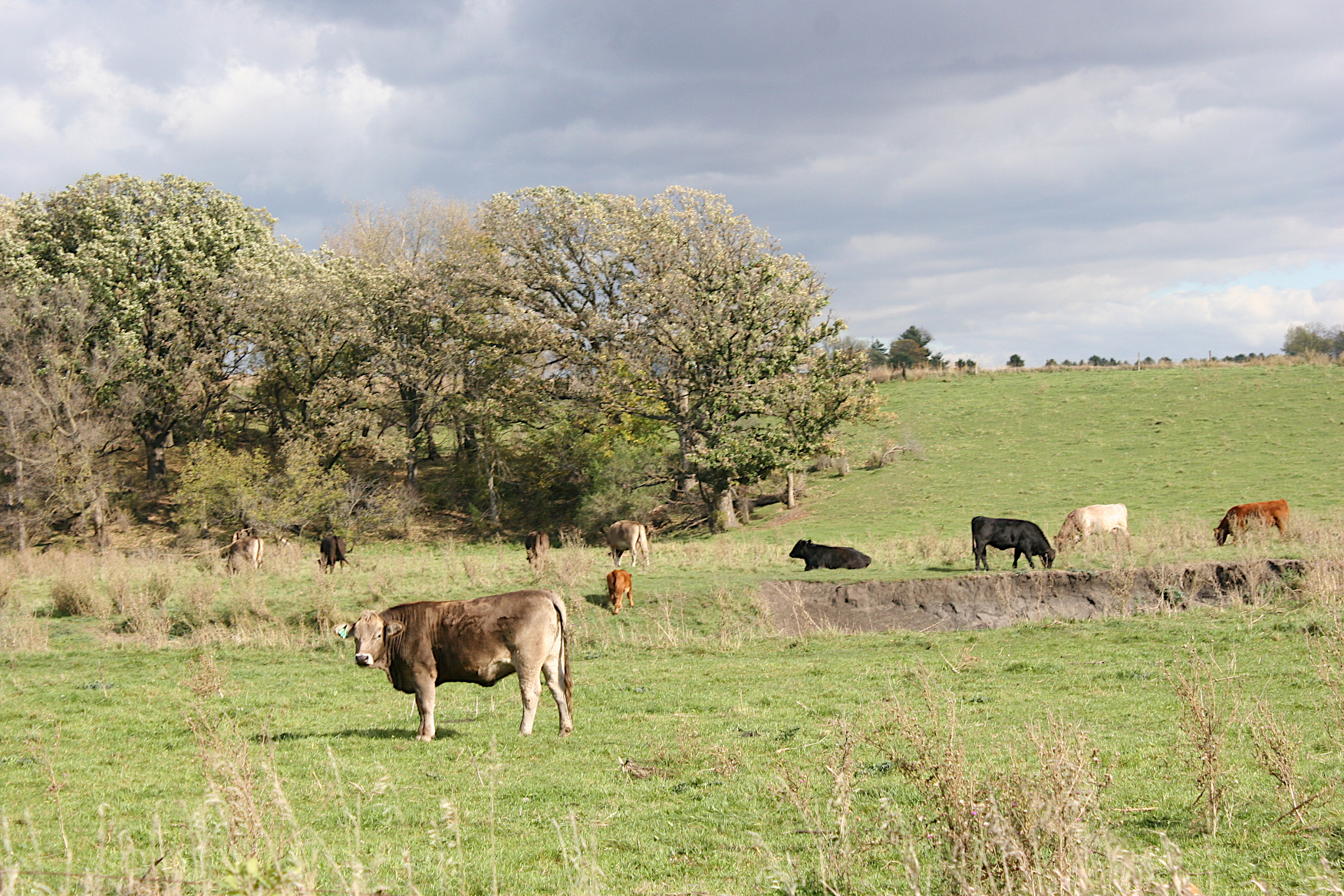
Spotted along a gravel road near Kenyon, grazing cattle. (Minnesota Prairie Roots copyrighted photo October 2021)

The early days of autumn hold such beauty in landscape, such promise in anticipation of harvest. I’ve always loved September and October. This autumn, particularly, in the unchanging season of COVID-19, I’ve needed to reconnect with the earth. To witness the harvest. To view farm sites. To follow back country gravel roads, dust trailing the van. To find peace.

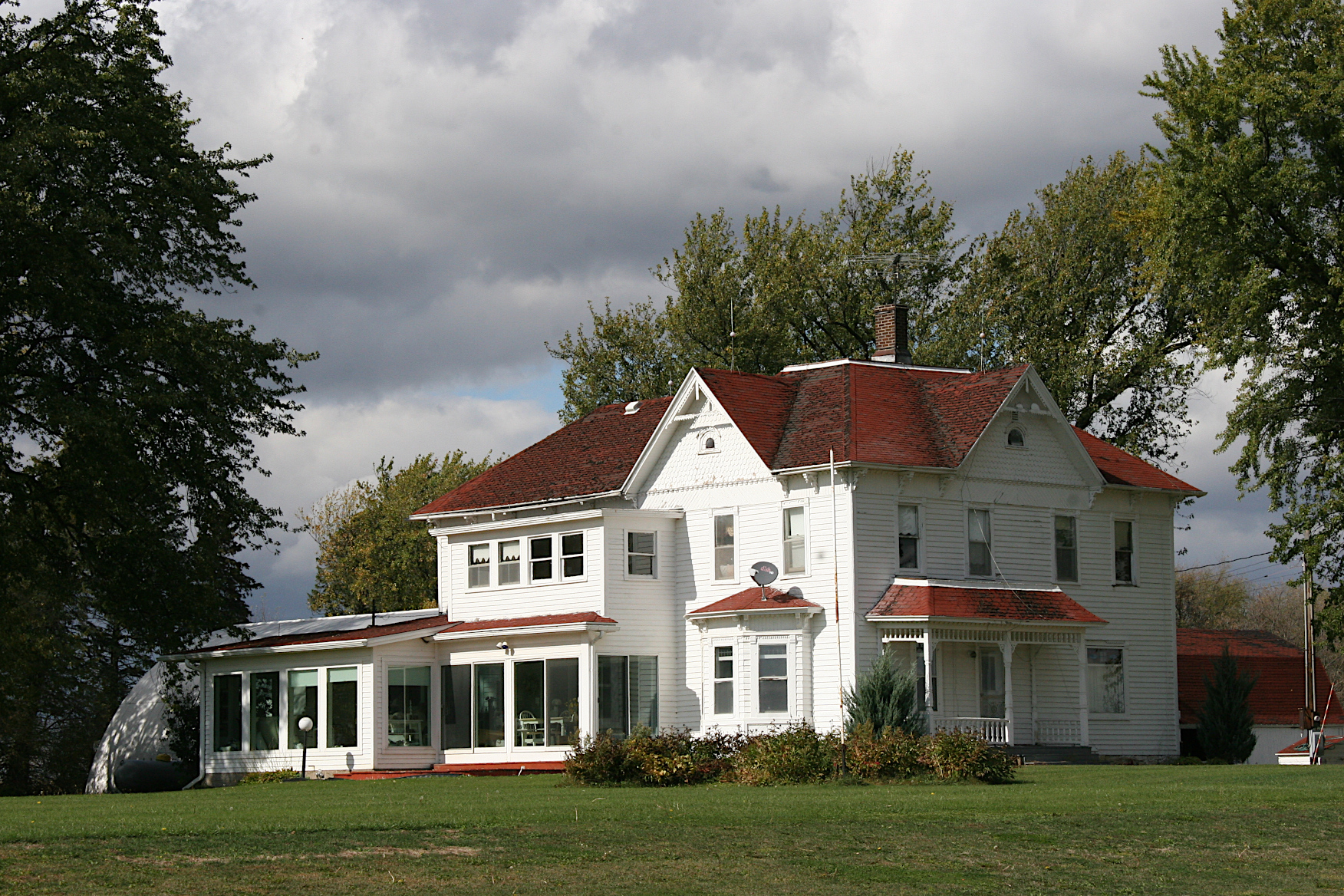
A farm site in the ghost town of Aspelund. (Minnesota Prairie Roots copyrighted photo October 2021)

My appreciation for rural traces to my rural roots. I shall always feel gratitude for my 18 years on the farm. The southwestern Minnesota prairie shaped me as a writer and a photographer in that I noticed, still notice, details. The brutal slice of the winter prairie wind. The remarkable beauty of a flaming sun edging down. The taste of earth in potatoes dug from the garden. The sound of silence in hearing nothing. The unmistakable smell of harvest carried from combine to farmyard.

Just another view of the farm site in Monkey Valley. (Minnesota Prairie Roots copyrighted photo October 2021)

These farm memories I carry with me as autumn wanes, as November days move Minnesota toward winter. Harvest done.

#

NOTE: All of these photos were taken a month ago. The landscape looks much different now. Grey. Stark.

© Copyright 2021 Audrey Kletscher Helbling
 

From the wagon repair shop… August 19, 2021

Filed under: Uncategorized — Audrey Kletscher Helbling @ 5:00 AM
Tags: , , , ,
Minnesota Prairie Roots August 2011 copyrighted file photo, used here for illustration only.

ONCE UPON A TIME in The Land of Plenty, a lowly worker headed off to work in the local wagon repair shop. He wasn’t feeling particularly well. But he couldn’t take a day off simply because he felt sick. He had a family depending on his paltry wages to put food on the table and keep a roof over their heads.

In the depth of his heart (his mother had always modeled mindfulness of others), the young man felt a tinge of guilt about laboring when he was ill. He, after all, was fully aware of a deadly virus which swept through the region and well beyond the borders of his homeland. None-the-less, need prevailed over his underlying fear of The Great Invader.

The wagon repair shop owner expected him there, sick or not. The wealthy owner held no concern for the virus and would quickly dismiss anyone who failed to show up, so focused was he on filling his coffers with gold.

And so the young man went off to work, feeling he had no choice in the matter. He continued to repair carts and wagons and sometimes even chariots inside the dank, windowless shop. Occasionally he paused to swipe the back of his filthy hand under his runny nose and to sip tepid water from a dirty tin cup.

Within days, those who worked beside him fell ill, the sickness spreading like wildfire. Even the wagon repair shop owner, who sat in a corner enclosure counting his coins, fell ill. But that didn’t matter. Everyone was expected to be at work. There were carts to fix. Wagons to repair. Chariots to get on the road. A coin box to fill.

Then one day, the young man overheard a conversation between the senior repairman and the wagon repair shop owner. The older man shared how sick his wife had become with the virus. She lay in bed wracked by fever and coughs, unable to function. Guilt swelled within him. And anger rose as he listened.

“Everyone’s sick,” the shop owner said dismissively. “You can’t stay in your hovel and hide when there’s work to be done.” The lowly worker heard not an ounce of care or concern. No compassion or mindfulness.

Regret overwhelmed the young man. What if the senior repairman’s wife died? He could not shake his sense of responsibility, his role in spreading the virus. If only he had listened to his inner voice, his conscience, his heart. His mother. If only he’d cared about those who toiled beside him and their families. If only he’d joined the line of villagers who waited for hours for a magical potion distributed throughout the region to help stop The Great Invader. If only…

NOTE: In every story, truth exists, this one no exception. Please click here to read my first post about The Great Invader published in February 2021.

© Copyright 2021 Audrey Kletscher Helbling
 

Old school journalism & lessons learned June 22, 2021

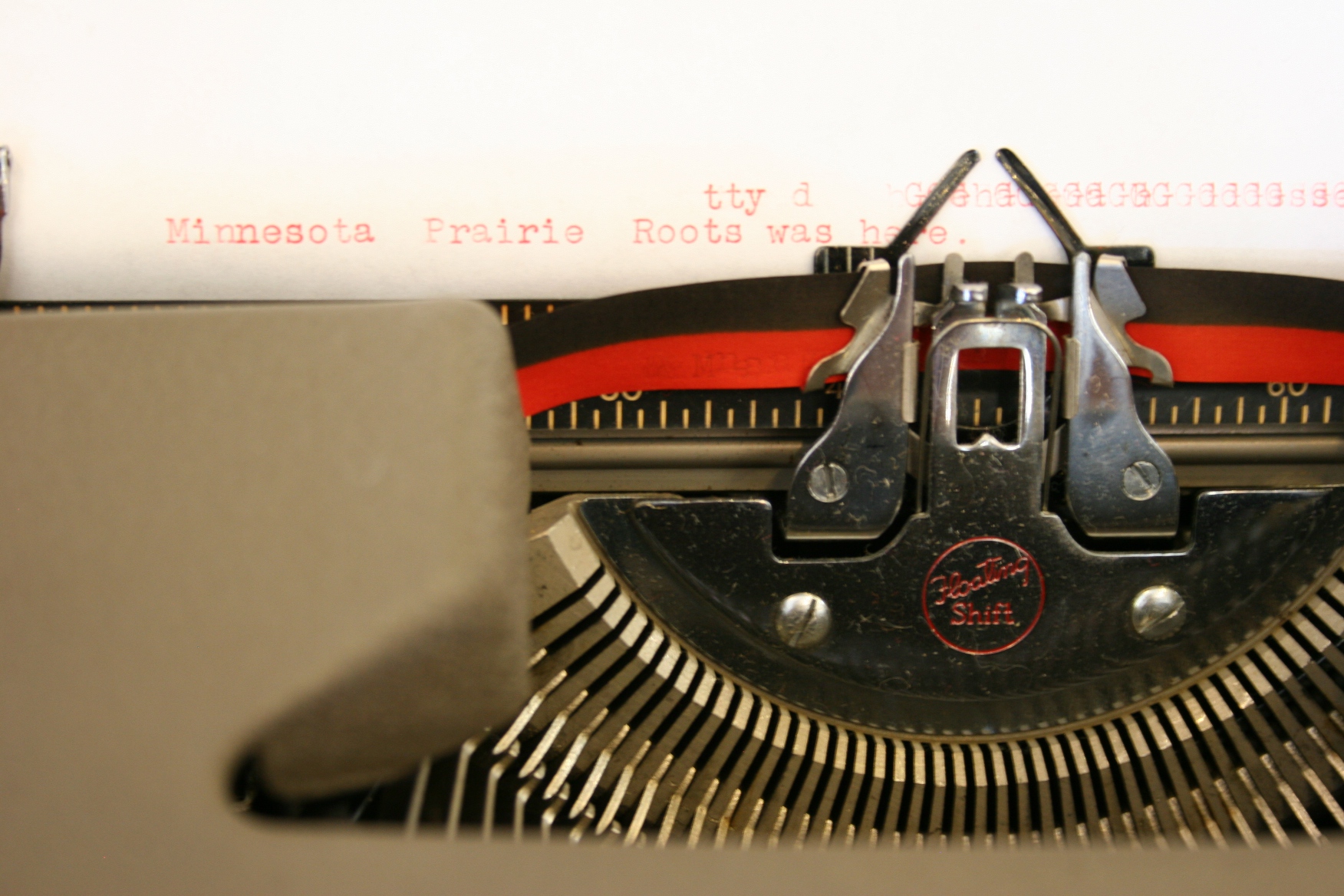
In journalism school and early in my journalism career, I typed stories on a manual typewriter similar to this. MN Prairie Roots file photo.

IN A WINDOWLESS ROOM of Armstrong Hall on the campus of Mankato State University, I pounded out a fictional obituary on a manual typewriter.

The year was 1976. And I was learning the basics of newspaper reporting. Lesson number one: Always spell a person’s name correctly. Never assume. Ask for the spelling. There is no reporting sin worse than misspelling a name. I remembered that during my first reporting job out of college when I interviewed Dayle. Not Dale.

I learned from two of the best—Robert O. Shipman and Gladys B. Olson. They were old school journalists, determined to teach Woodward and Bernstein-hyped students how to gather facts and report with truth, accuracy and integrity. They taught the basics—how to write a strong lede, how to infuse interest into feature stories, how to get the story right…

But beyond that, they cared. Deeply. They cared about the roles newspapers play in communities. To report hard news. To share human interest stories. To inform. To keep tabs on government and schools and other groups entrusted with public monies and policies. To share and express opinions on the editorial page, considered the heart of a community newspaper. To publish obituaries. And much more.

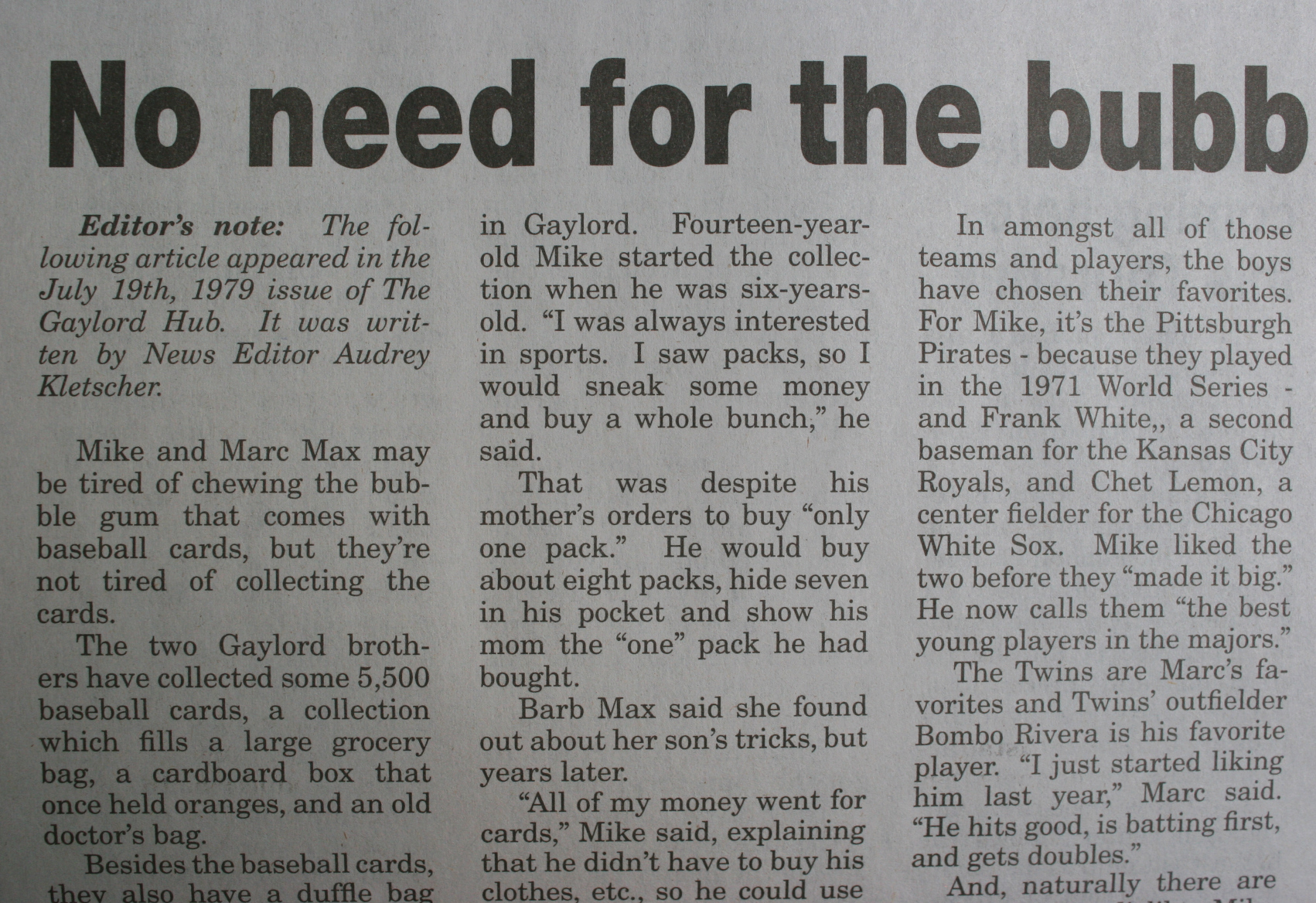
A section of a feature I wrote about Mike Max, now a sports anchor at WCCO TV. MN Prairie Roots file photo.

All these decades later, I remember those lessons learned from Shipman, Olson and others who taught mass communication classes at what is today known as Minnesota State University, Mankato. I graduated in March 1978 and shortly thereafter started working as a newspaper reporter at a small town weekly, The Gaylord Hub. My career would also take me to full-time reporting jobs in Sleepy Eye, Mankato and Owatonna, and to a short-term assignment in Northfield with freelance work also tossed in the mix.

Through the years, I’ve maintained my passion for writing and grown my passion for photography. Even while raising three children, with minimal time to write. Yet, I’ve had no desire to return to the long and odd hours of working for a newspaper at low pay with the stress and pressure of deadlines and a public that criticizes more than values the free press.

Much has changed since I typed a fictional obit in Armstrong Hall on a manual typewriter. For one, technology. Two: Newspapers charge to publish obits. I still struggle with that change. But I understand given the declines in ad revenue. Three: Attitudes. The easily flung accusation of “fake news” simply angers me as does constant criticism of responsible media. “Don’t kill the messenger,” I advise those who target the media for reporting “only bad news.”

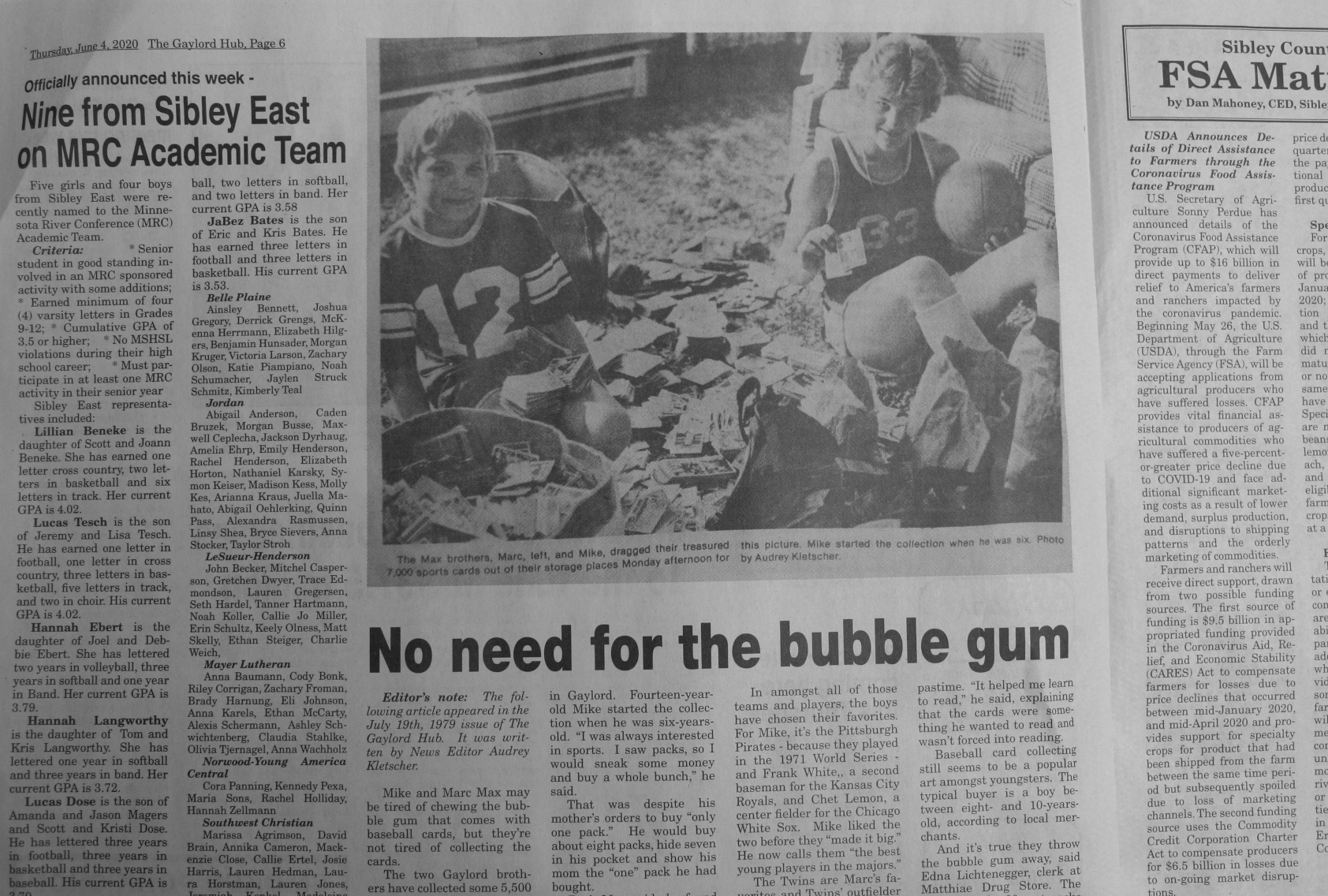
A feature I wrote in 1979 republished in the June 4, 2020, issue of The Gaylord Hub. MN Prairie Roots file photo.

I wonder what Professors Shipman and Olson would teach students today. I expect they’d still focus on the basics. On accuracy and integrity and spelling names correctly.

While writing this post, I wanted to assure I spelled their names right, which led me to search online. It was then that I discovered some interesting facts about Olson, a petite spitfire of a woman. Shortly before she turned four, Gladys and her infant brother were orphaned as a result of the 1918-1919 flu pandemic. Their parents died within 24 hours of each other, among more than 8,000 North Dakotans who died of influenza in 1919. The siblings were raised by their paternal grandparents. I wish I’d known this when Olson taught me how to become a good, decent and fair newspaper reporter.

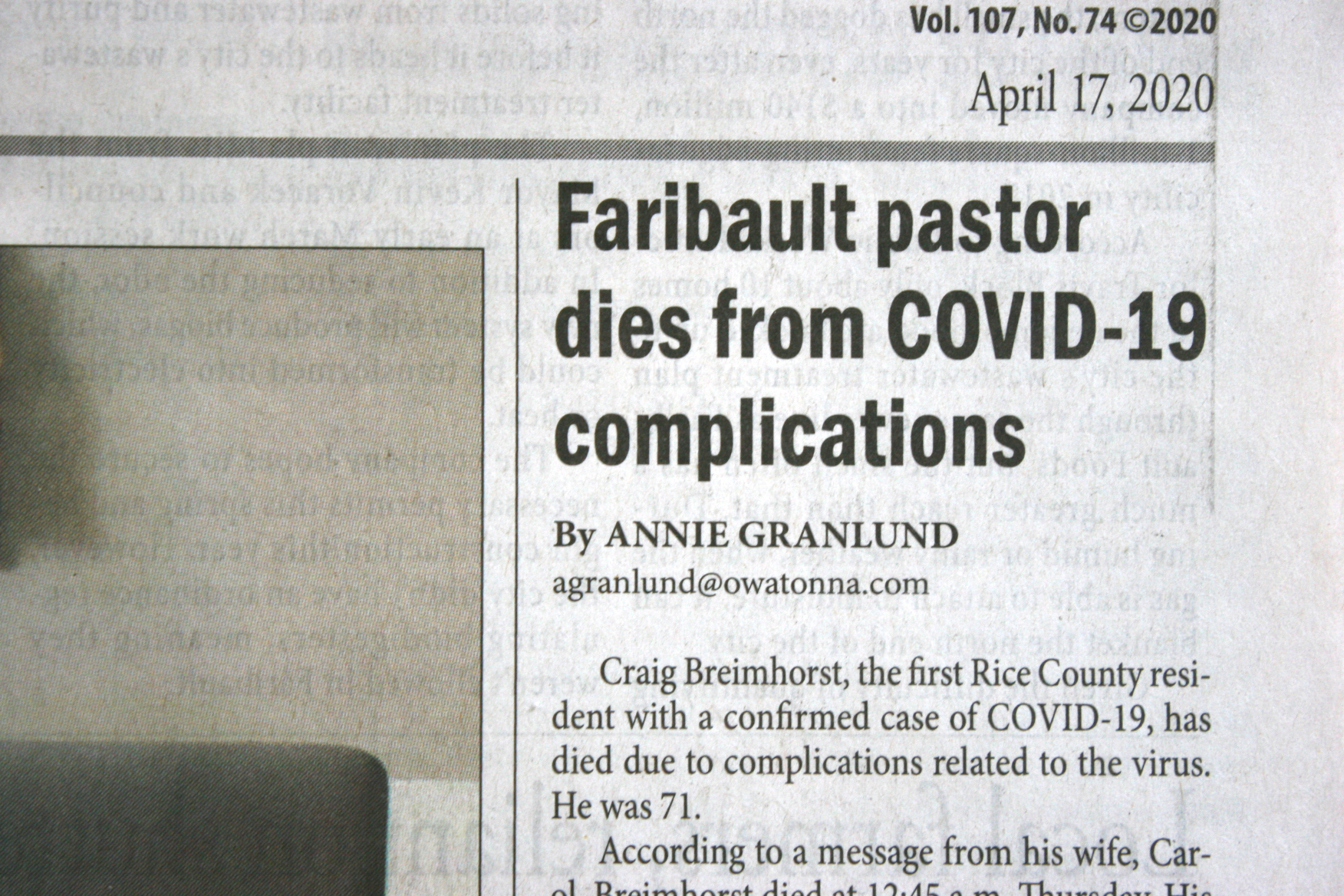
From the front page of the Faribault Daily News. MN Prairie Roots file photo 2020.

Today, as I read Olson’s 2016 obit, I understand her backstory, what shaped her strength and resilience and kindness. The list of her accomplishments beyond journalism professor emphasizes service to others. She lived to age 101. That she died only four years before the COVID-19 pandemic is not lost on me. I’m thankful she didn’t have to endure another pandemic. I’m also thankful that she, and Robert Shipman, taught me old school journalism style. To write with fairness, integrity and accuracy. And to value the role of newspapers in a democracy.

© Copyright 2021 Audrey Kletscher Helbling

 

A pause February 24, 2021

Filed under: Uncategorized — Audrey Kletscher Helbling @ 5:55 PM
Tags: , , ,
Minnesota Prairie Roots file photo.

DEAR READERS,

I’m taking a bit of a break this week in my regular blogging. So please don’t worry because I’m not posting each weekday as is typical of me.

My focus now needs to be on other writing projects with deadlines in a few days. Those require my near full attention. I fell a bit behind when my father-in-law recently died and I couldn’t focus so much on writing. I still feel emotionally-drained from that and other challenges.

Be assured that I will be back soon to consistent weekday postings.

Thank you for continuing to follow Minnesota Prairie Roots, even when I pause briefly. I appreciate and value each of you and hope you are well.

Audrey


“The Great Invader,” neither fable nor fairy tale February 2, 2021

Filed under: Uncategorized — Audrey Kletscher Helbling @ 5:00 AM
Tags: , , , , , , ,
Edited painting by Ruby from the 2018 student art show at the Paradise Center for the Arts, Faribault. Minnesota Prairie Roots file photo.

ONCE UPON A TIME, in The Land of Plenty…

Ah, a fairy tale, you say. Not exactly. Rather, this is a story rooted in reality. A story with a main character who, for ease of writing, shall be identified in secondary references as “he.” Not that The Great Invader is male.

So let’s dive into the story. Once upon a time in The Land of Plenty, The Great Invader landed, making himself comfortably at home. He was, by nature, a traveler. But he wasn’t the type of guest you’d knowingly invite into your home. You know the kind. Ungrateful. Demanding. Messy. And mean, just plain mean. Because of those undesirable traits, he soon found himself on the road, hopping from place to place under a guise of masterful deception. West Coast to East Coast. Then to the South and Up North and to the Midwest. He wanted, above all, to avoid detection and negative publicity.

But word soon got out about The Great Invader. Scientists found him especially fascinating. The more they studied the strange-looking traveler with his signature spiky hair, the more alarmed they grew. They realized he was much more than he appeared. Dangerous. He left a path of death and destruction wherever he went. Yes, that’s a cliché. But it fits.

The scientists warned about the intruder and suggested ways to deal with him. By then they’d studied him in their labs and determined that he traveled mostly by air. No ticket required. “Wear masks,” public health officials who collaborated with the scientists, advised. “Distance yourself from others. Avoid crowds. If you’re sick or feel like you’re coming down with something, stay home.” All of those tactics would discourage The Great Invader. But these proactive protocols were especially difficult for some people in The Land of Plenty to hear, let alone follow. They didn’t like anyone telling them what to do.

The Great Invader was acutely aware of these efforts to stop his adventures. He also recognized the discontent and division spreading across the land like a California wildfire. He needed a plan. And he didn’t have to think too hard. He’d simply rely on people who doubted scientists, who took little stock in warnings from health officials, who spread false information, especially via social media. People who could be a voice. He didn’t much care if that voice was loud or insidiously quiet.

As the months passed, The Great Invader found his hands-off strategy working quite well. He traveled to nearly every corner of The Land of Plenty. Even to the smallest village, where the villagers never dreamed he would visit and leave his imprint. “Why would The Great Invader come here? We have no great theaters or art museums or sports arenas or five-star restaurants or any major tourist attractions,” the villagers reasoned. So many went on with life as usual. Yet, an undercurrent of concern began to bubble when evidence of The Great Invader’s presence surfaced in the remotest of villages.

Meanwhile, across The Land of Plenty, scientists, health and government officials, and even journalists, were tracking The Great Invader on his journey around the country. And the world. They soon discovered they were no longer dealing with a sole sojourner, but rather many with magical powers. The spiky haired traveler had reproduced millions, if not billions, of times and created new versions of himself. This frightened the scientists, who by then had called upon experts to develop a battle plan. They needed to stop the traveler as he asserted his deadly powers. So researchers created a powerful potion to protect the people.

Soon squabbles arose as to who would get the potion first. The Great Invader laughed. He thrived on chaos, confusion and discontent. And lies. He admired selfishness.

He also secretly applauded those who defied common sense and science. He reveled, especially, in those in The Land of Plenty who refused to wear face masks. He celebrated every single person who wore their masks below their noses. And he saw plenty of those, whom he considered valued allies. The mask-less and the half-maskers allowed The Great Invader to travel with ease. If he found himself temporarily removed from a region, he just moved on for a while, only to return when people thought he’d permanently left.

And so, while the people of the land claimed all sorts of indignities brought on by The Great Invader and even tried to stop distribution of the powerful potion, he continued mapping his routes, plotting strategies and documenting his travels in his Once Upon a Time journal.

#

NOTE: In every story there are truths, this one no exception. To all who have encountered The Great Invader/COVID-19 at his worst, I am sorry.

Observations in my community of Faribault sparked the idea for this story. As COVID-19 infections and deaths rise in Rice County, I see too many individuals in public who are wearing masks below their noses and/or mouths or not masking at all. I am beyond frustrated. We’re not talking just a few people. While I shopped at a local big box retailer, a smaller discount store and grocery stores recently, I saw perhaps 30 individuals who were half-maskers, plus a mask-less couple and children old enough to wear masks (but who were unmasked). Employees were among those half-maskers. I implore the people of Faribault to, please, just wear a tight-fitting, multi-layered mask, and wear it over your mouth AND nose. It’s not that difficult.

© Copyright 2021 Audrey Kletscher Helbling
 

My poem included in collection vying for Minnesota writing award September 23, 2020


Minnesota Prairie Roots file photo.


WE ARE SIXTEEN STRONG, 16 area poets whose collected poetry, Legacies: Poetic Living Wills, is now a finalist in the 2020 Minnesota Authors Project: Communities Create contest.

I learned of this honor only recently via Northfield Poet Laureate Rob Hardy. A gifted poet and tireless promoter of poets and poetry, he submitted the collection to the debut contest sponsored by the Minnesota Library Foundation, Minnesota libraries and Bibliolabs.

According to the MN Reads MN Writes website, the new contest is designed “to recognize community-created writing and to highlight the central role that libraries play in providing support for local authors and the communities they serve.”

I crafted my poem, “Life at Forty Degrees,” in response to Hardy’s 2018 call for submissions to an anthology of “poetic living wills.”

The content of the poetry collections is summarized as “poems (that) deal with death and dying, with the things that make life meaningful in the face of death, and with the legacies that the poets hope to leave behind or have received from others before them.” My poem, about hanging laundry on the clothesline, focuses on the legacy passed on to me by my grandmothers.

You can read the collection by clicking here.

The winner of the first-ever Minnesota Authors Project: Communities Create contest will be announced later this month at the annual Minnesota Library Association’s annual conference. No matter the outcome, I feel honored to stand in the “finalist” category with 15 other gifted poets from Northfield and nearby (like me from Faribault).

© Copyright 2020 Audrey Kletscher Helbling
 

My writing publishes in The Talking Stick, Volume 29 September 11, 2020

Two stories and a poem I wrote just published in the latest The Talking Stick literary anthology.


AS A WRITER, getting one’s work published always validates personal creativity.

I’m honored to once again have my writing selected for publication in The Talking Stick literary journal, an annual project of the Park Rapids area based Jackpine Writers’ Bloc.

This year my short story, “Josephine Holding Deloris,” earned honorable mention in creative nonfiction. The story connects a 1 ½-inch square vintage family photo to my life experiences.


The beginning of my award-winning story.


Nonfiction judge Jill Johnson, author of several books, including Little Minnesota: 100 Towns Around 100, praises my work. “Thank you for sharing your touching story about your grandmother and aunt. You connected the tiny size of the photo to the small moments of life. You allowed the reader a vivid description of mother and daughter and brought the connection full circle. Keep writing!”

My poem, “Final Harvest,” and second piece of creative nonfiction, “A Quick Guide to Practicing Minnesota Nice,” were also chosen for publication in Insights, The Talking Stick, Volume 29.

This year’s book features 139 poems and stories (selected from 300 submissions) by 92 Minnesota-connected writers. My writing has published many times in The Talking Stick and earned multiple honors.

Copies of the latest book and past volumes are available for purchase at jackpinewriters.com. On the back cover of Insights, the editors note, “In the midst of social distancing, in the midst of mask wearing and Plexiglas shields, we are all grieving the changes in our world. But let’s keep one thing the same—you can still curl up with a good book and read. You can open the pages of Talking Stick 29 and see what your fellow Minnesota writers have written, and some how, perhaps, we can all feel a little bit closer.”

I’d encourage you to order a copy of this collection featuring so many talented writers. That includes Bernadette Hondl Thomasy, a native of Owatonna and a reader of this blog. Her “Mother’s Mojo” also earned honorable mention in creative nonfiction. She co-authored the book, Under Minnesota Skies, with her sister Colleen Hondl Gengler. Minnesota, in my opinion, has produced many gifted writers in all genres. And you’ll find a fine sampling of those creatives in Insights, The Talking Stick, Volume 29.

Copyright 2020 Audrey Kletscher Helbling