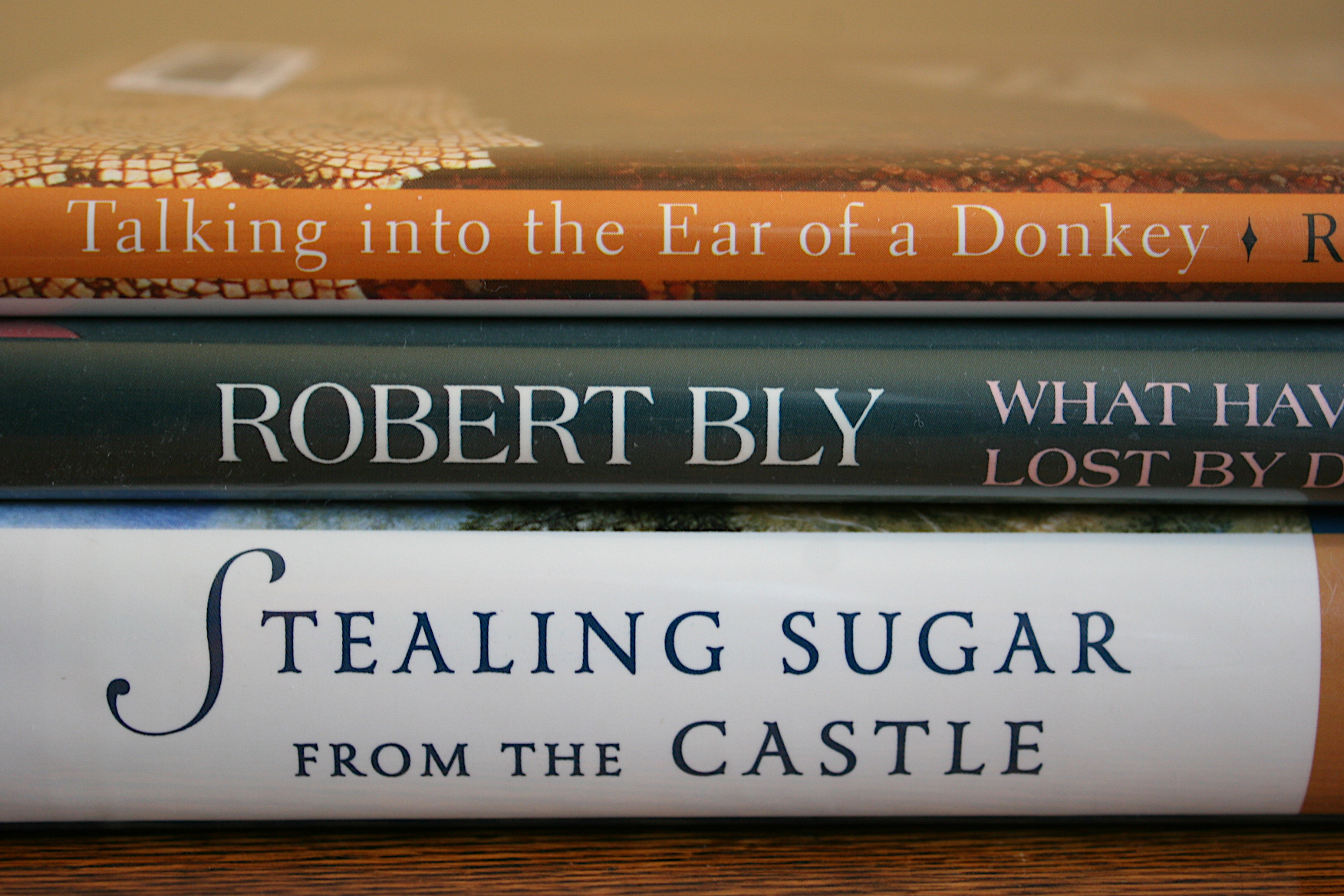
Books by Minnesota poet Robert Bly. (Minnesota Prairie Roots copyrighted photo)
AS A PUBLISHED POET, you might expect me to read a lot of poetry. I confess that I don’t. I should, because through reading and studying others who practice our crafts, we learn.
So I determined, upon hearing of the death of renowned Minnesota poet Robert Bly on November 21, that I would read more of his poetry. I’ve checked out every Bly book available at my local library: What Have I Ever Lost By Dying?, Talking into the Ear of a Donkey and Stealing Sugar from the Castle.
Interesting titles reveal likewise interesting poems crafted by an especially gifted writer.
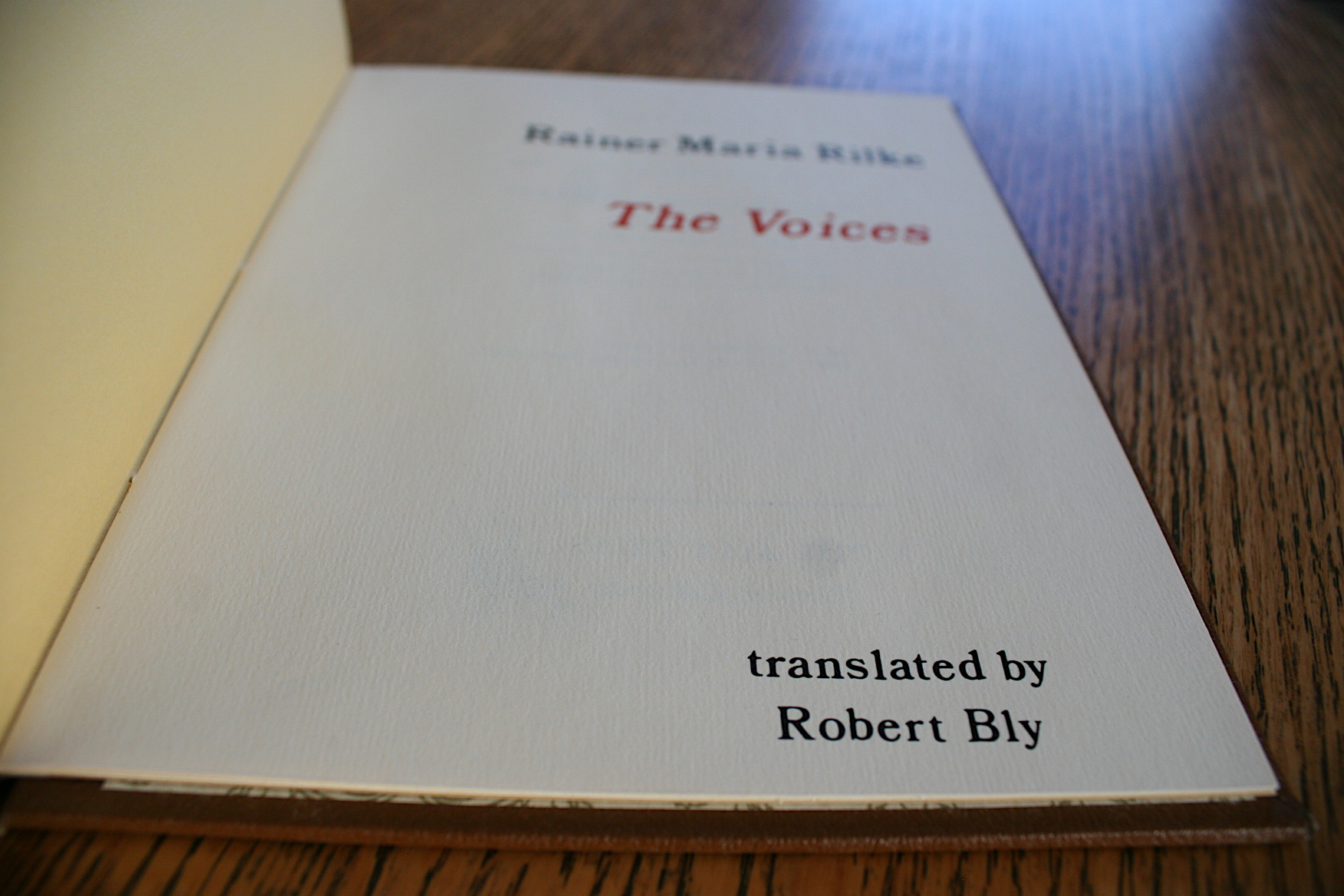
Robert Bly also translated poetry, here “The Voices” by Rainer Maria Rilke. (Minnesota Prairie Roots photo)
As I began to read Bly’s poems, I noticed the brevity. As any poet understands, each word in a poem must count. Bly seems especially adept at that. Poetry is perhaps the most difficult of writing genres.
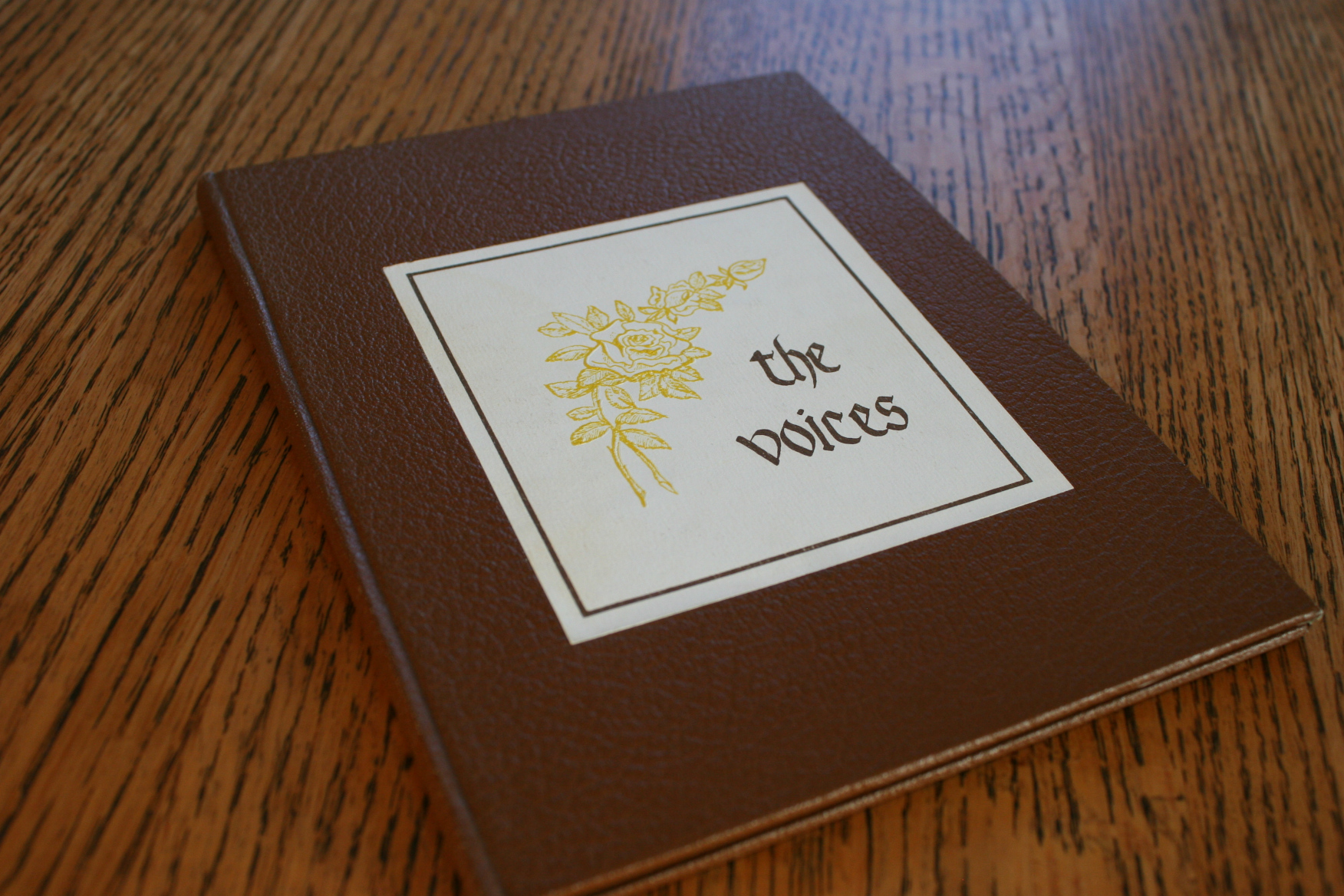
My copy of “The Voices,” translated by Robert Bly. (Minnesota Prairie Roots photo)
In Bly’s poetic voice, I hear rural reflected. From land to sky. Heritage strong. Faith interwoven. Solid work ethic. Agriculture defining small towns and occupations, threading through daily life. Bly writes with an awareness of his rural-ness, with a deep sense of place. I understand that given my roots on a southwestern Minnesota farm.
Yet, Bly’s writing isn’t defined solely by place. His world expanded when he joined the Navy after high school graduation, then attended St. Olaf College in Northfield for a year before transferring to Harvard. He pursued additional degrees. He was a prolific writer. A poet. An essayist. An activist.
While watching a public television documentary on Bly last week, I learned more about his activism. During the Vietnam War. In writing about men. He authored Iron John: A Book About Men, which remained on the New York Times Best Sellers List for 62 weeks. Sixty-two weeks. That’s saying something about Bly’s influence.
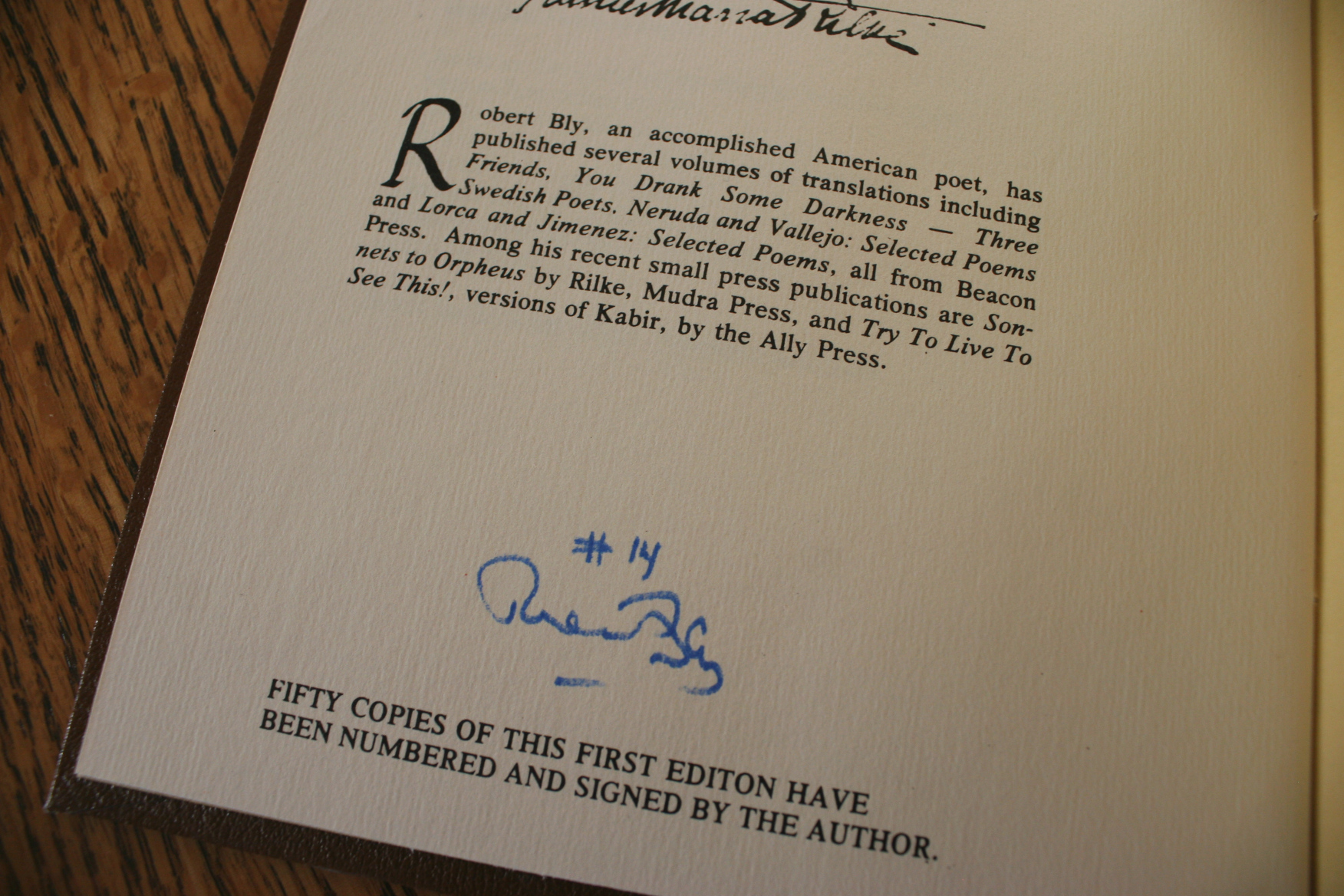
Robert Bly’s autograph in my first edition copy of “The Voices.” (Minnesota Prairie Roots photo)
He also translated the works of others, including Rainer Maria Rilke’s The Voices. It’s a slim volume of nine poems with a title poem. And I have a copy of that beautiful hardcover book, purchased several years back at a used book sale in Faribault. Mine is number 14 of 50 limited first edition copies published in 1977 by The Ally Press and autographed by Robert Bly. Now, upon the poet’s death, this collection holds even more significance. More value.
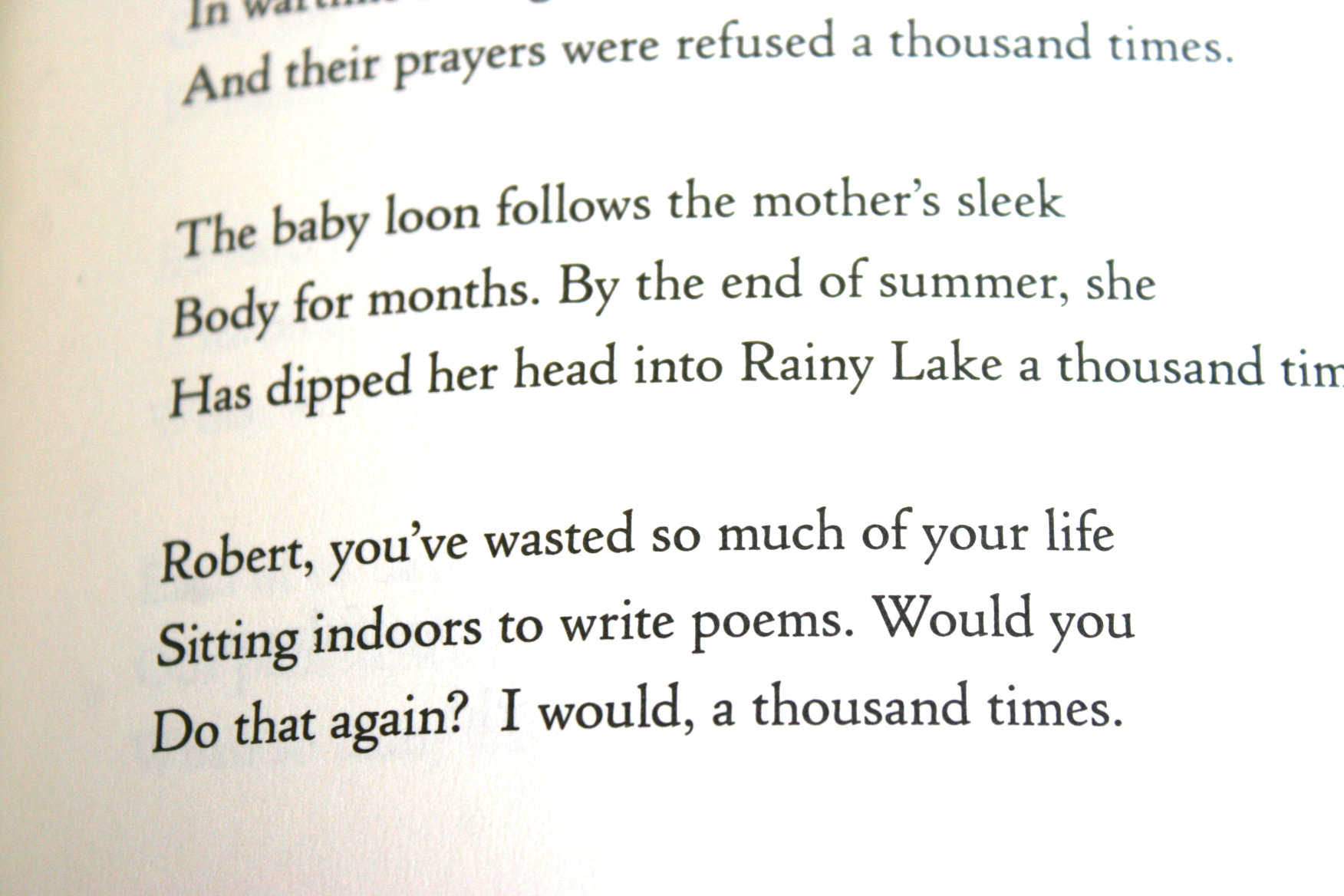
The final three linesin Bly’s poem, “Ravens Hiding in a Shoe,” summarize his passion for penning poetry. (Minnesota Prairie Roots photo)
Though Bly has passed at the age of 94, his legacy as a writer will endure. He scored many awards and accolades throughout his writing career. But I sense, even with that success, it was the craft of writing, the ability to pursue his passion for the written word, which he valued the most. That, too, I understand. For to write is to breathe.
ONCE UPON A TIME in The Land of Plenty, a waif of a girl and her mother huddled, seeking warmth inside their small stone house. They’d just returned from a tiring journey by foot to a neighboring village. There the daughter received a magical potion to protect her from The Great Invader, who had claimed her father’s life. They felt such gratitude for the protective potion now available to all but the youngest.
The pair felt no bitterness about the loss of their beloved husband and father, but rather a mournful acceptance of his fate. When he fell ill, Ministry of Health researchers had only begun to understand The Great Invader and ways to effectively deal with him. They were certain he could be stopped. But, alas, Ministry officials underestimated the resistance to their advice, to the life-saving potion, to measures that would keep most villagers, city-dwellers and peasants from serious illness or death.
Spikes define The Great Invader and his cousins. (Minnesota Prairie Roots copyrighted photo August 2019)
A KNOCK ON THE DOOR
As mother and daughter edged near the hearth, fire heating a small kettle of thin porridge, a persistent pounding broke the silence. The weary woman hesitated, unsure whether to answer the urgent knock. But the kindness instilled in her by sage elders replaced her momentary hesitation. She rose, grabbed a swatch of cloth from a peg on the wall, covered her face and cracked the door.
There stood a stranger—teeth a sickly yellow, spiked hair framing his filthy face, gnarled hand raised in a threatening pose. Without even a second thought, the mother slammed the door, dislodged a worn plank, dropped and locked it in place. Her shoulders heaved. Her legs gave way. And she fell in a heap onto the dirt floor, overcome with emotion. She recognized the stranger as a cousin of The Great Invader from a sketch posted in the village square (before The Village Know-It-All removed the identifying scroll). She breathed gratitude for the potion that protected her and her cherished child.
The young mother and her daughter were, by nature, kind and loving. They often befriended the lowliest among them. The beggars. The downtrodden. Those who had fallen on hard times. They had little themselves, but shared what they had. Yet, even with the mindset of kindness, they struggled to understand how so many in their village seemed now to care only about themselves. Gone was the cohesiveness of community care. The Great Invader and his extended family gloated, empowered to press on with selfishness, untruths, misinformation and distrust fueling their cause. They never could have imagined the ease with which they could infiltrate The Land of Plenty and beyond.
Frustration mounted whenever mother and child ventured into the crowded village marketplace. Few covered their faces. Few believed The Ministry of Health or the Office of Truthfulness. The pair observed how villagers dismissed warnings about The Great Invader and scoffed at ways to protect themselves and others. So the two hastened to gather a handful of potatoes, a sheaf of grain and a clutch of carrots clumped with dirt. They parceled pennies into the palms of peasants, then fled the market.
Minnesota Prairie Roots copyrighted file photo.
HOPE IN AN UNSETTLING SCENE
On their way home, mother and daughter passed by The Village Center for Healing, now overrun with the sick and dying infected by The Great Invader. Most had refused the magic potion. The pair’s hearts hurt for the exhausted village healers who continued to care for the failing, even in the face of disrespect and denial. They skirted past the ill and sidestepped rotten tomatoes lobbed by villagers refuting reality with anger.
The woman paused for a moment when she noticed strangers tending to the ill in overflow cots along the cobblestone streets. Fear prickled her spine. Could this be The Great Invader in yet another disguise? But she soon realized these strangers had come to ease the burden on village healers. She recalled a posting in the village square announcing the arrival of the group from a far away city. Gratitude rose within her, a smile curving her lips.
Hope swelled within her that maybe, just maybe, the influx of healers would convince the doubters to recognize the severity of the situation. To realize they could stop The Great Invader, first by believing those who had investigated him and then trusting the magic potion to keep them safe. It was within their grasp…
#
NOTE: In every story exists truth, this one no exception. As The Great Invader (COVID-19) continues his march, now in mutant strains, we need to remain vigilant. Get vaccinated and boostered. (If you already are, thank you.) Mask up. (If you do, thank you.) Stay home when you’re sick. Follow other safety mitigation. Think beyond yourself. To the child next door. To the elderly. To the immune-compromised. To the family you love. This is about more than each of us individually. This is about all of us, our community of humanity.
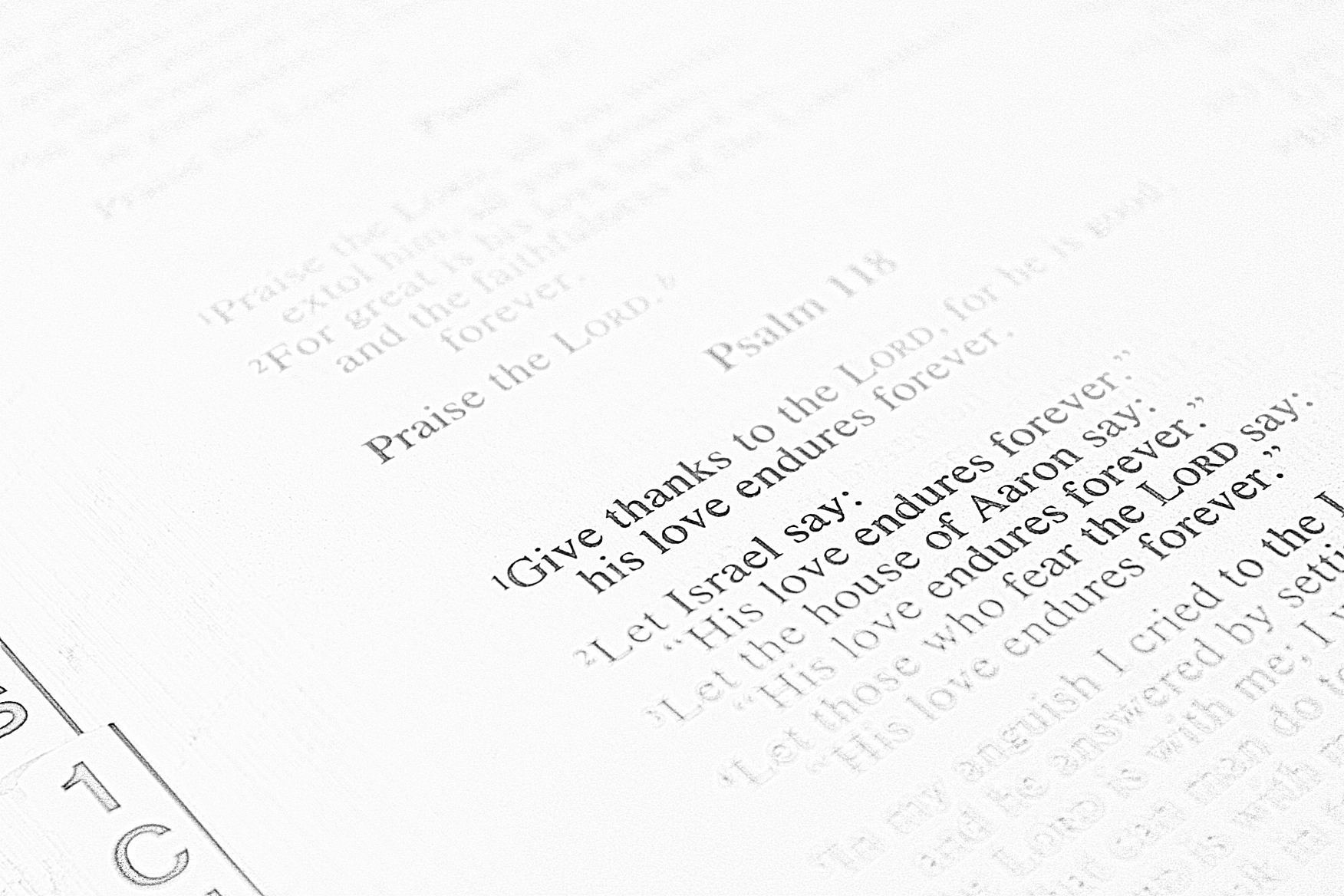
Words of thanks in the Psalms. (Minnesota Prairie Roots copyrighted file photo)
ON THIS NATIONAL day of Thanksgiving, I realize that gratitude may feel elusive.
Perhaps you are mourning the loss of a loved one, grief shadowing your thoughts. Perhaps a loved one is seriously ill, near death. Maybe you are struggling with new or ongoing health issues. If this describes your situation, I’m sorry. Holidays like today, focused on family, can be hard, really hard.
We’ve all had those years when we’d rather skip the holiday for all the pain it brings.
But within and over and under and through and beside and between, gratitude can still find a way into our hearts. In photos. In memories. In a phone call or a text or a video chat. In time together, whether in-person or virtually. In a prayer offered. In a prayer received.
This Thanksgiving, I give thanks for you. For your support of my creative work. For the connections we’ve made, the friendships formed. For being part of my world. I value you. I count you among my reasons to give thanks, especially today.
A blessed and happy Thanksgiving to you and yours, dearest readers of Minnesota Prairie Roots!
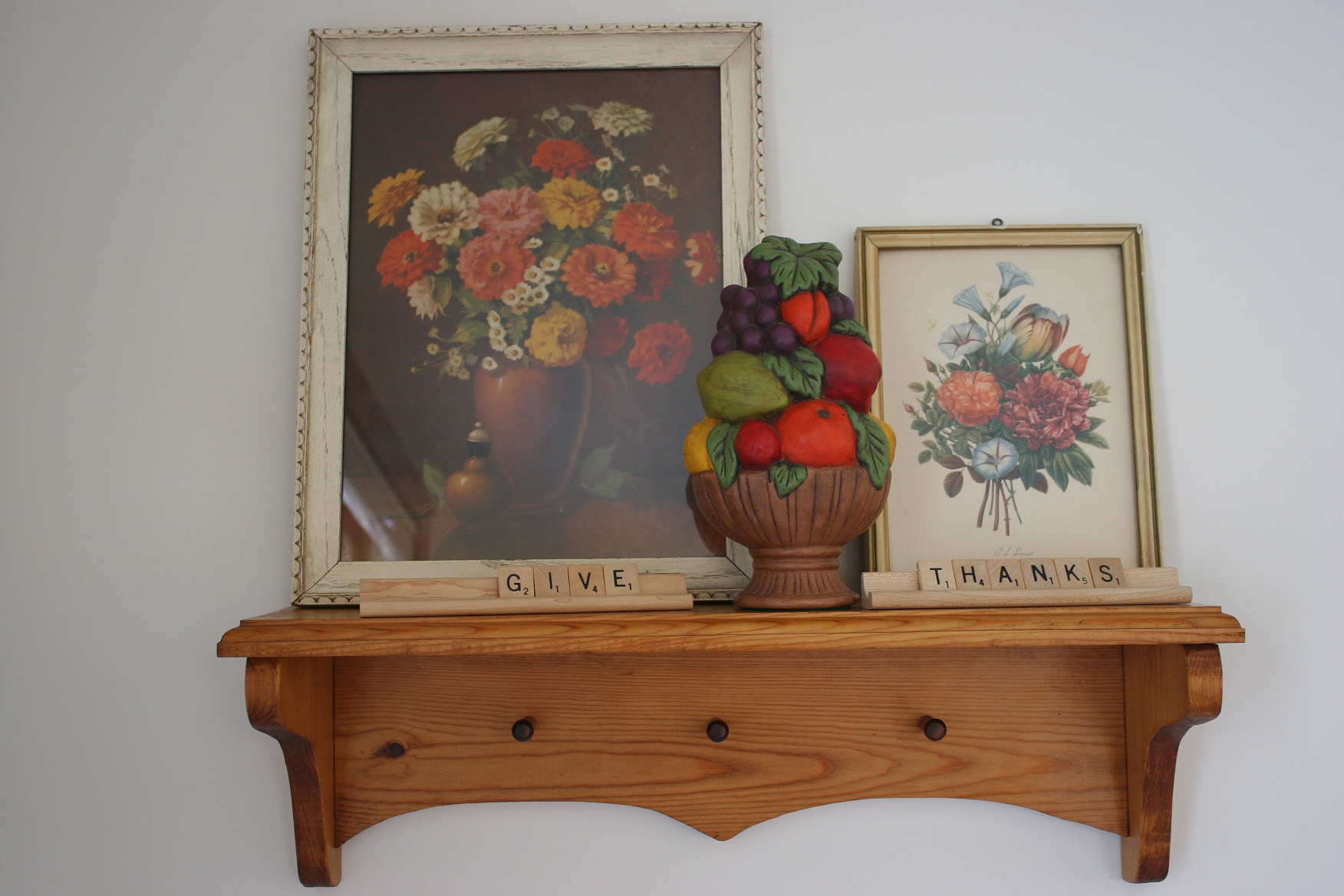
Given my love of words, I created this Thanksgiving display with thrift store art purchases and Scrabble letters. (Minnesota Prairie Roots copyrighted file photo)
WITH THANKSGIVING ONLY DAYS AWAY, my thoughts shift to gratitude. I must admit, though, that feeling grateful in the midst of this ongoing global pandemic takes effort. Yet, it’s important, even necessary, that I reflect on my blessings.
Now, I could simply list the usual broad categories most of us would choose as reasons to feel grateful—family, food, faith, health… But hovering a magnifying glass over those words for a close-up look really focuses gratitude.
With that introduction, I am feeling thankful for…
Grandpa and grandchildren follow the pine-edged driveway at a central Minnesota lake cabin. (Minnesota Prairie Roots copyrighted file photo 2020)
My immediate FAMILY circle, including my husband, three grown adult children, two sons-in-law and two grandchildren. I feel grateful for their love and for the last time we were all together in May. Although I yearn to see my out-of-state family more, I’m happy for that spring visit.
The grandchildren, especially, bring joy. Most recently, before temps plummeted into the 20s here in Minnesota, Isabelle, Isaac and I swirled sticks in a mud puddle in our backyard. What a simplistically memorable moment. Later, inside the house, we crafted snow people from paper and birthday cards for their Aunt Miranda. More moments of connecting and bonding and loving.
Time spent at an extended family member’s guest lake cabin this past summer with the eldest daughter and her family rate particularly high on my gratitude list.
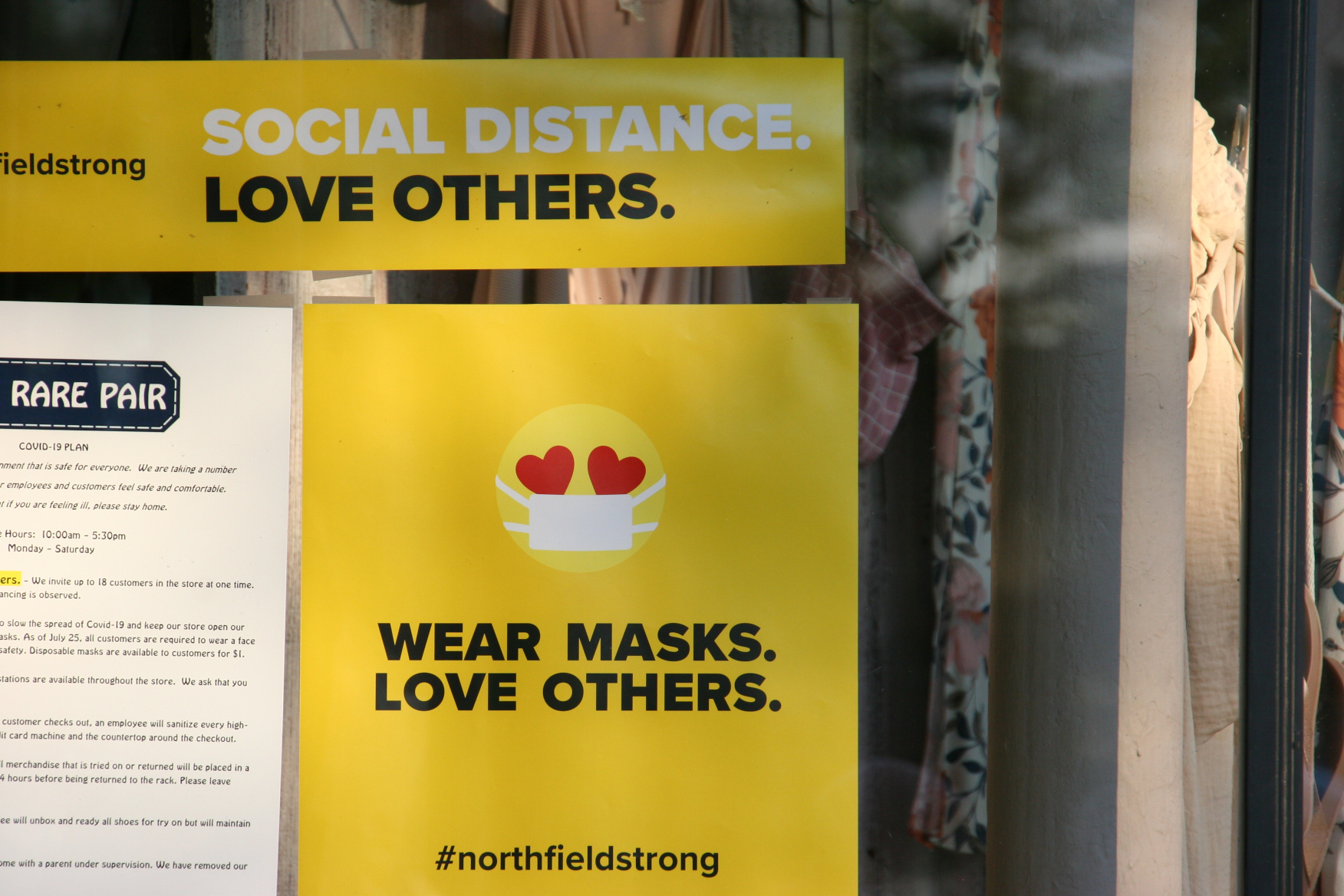
The reason the Rare Pair in Northfield gave for wearing face masks early in the pandemic. I love this message. (Minnesota Prairie Roots copyrighted file photo 2020)
HEALTH, mine and that of those I love most, gives me pause for thankfulness. But this year I’m stretching that to include the scientists and researchers who created COVID vaccines and to those in healthcare who strive to keep us healthy and also care for us, whether doctors, nurses, public health officials or others. And to businesses who recognize the importance of COVID mitigation/safety measures (and to the people who follow them).
Along the topic of health, I feel relieved and thankful to now be on MEDICARE. That gives Randy and me affordable healthcare coverage and thus accessibility to healthcare. Paying about $500/month in premiums compared to nearly $1,900/month (with $4,200/each deductibles) lifts a great financial burden.
I photographed my mom’s hands during a visit with her. (Minnesota Prairie Roots copyrighted file photo)
These days my thoughts often turn tomy dear mom, 120 miles away in a long-term care center, health failing. I feel overwhelmed by emotion, my heart aching in the missing of her. I last saw her in early July (and not since due to too much COVID in my home county, and now all of Minnesota). Too long.
But I think back to THAT SUMMER VISIT with such gratitude. Per the social worker’s suggestion, I brought along a stash of old family photos. As I held the black-and-white images close to Mom so she could see them through eyes clouded by age, joy blossomed. “That’s my dad,” she said. “That’s me.” And then the moment that brought me to tears. “That’s my husband.” It was a photo of my dad, in his 20s, when he met and married Mom. She recognized him. He’s been gone now nearly 18 years.
If I never see my mom again this side of heaven, I carry that cherished visit with me. The brief period of time when she connected, remembered, celebrated the love of her parents and her husband. Even as she likely forgot within minutes of my departure that I’d visited and shown her those vintage photos. But I realize, still realize, that this is not about me, but about her.
The light, the colors, the water…love this photo of leaves in the Cannon River, Cannon River Wilderness Park, rural Faribault. (Minnesota Prairie Roots copyrighted file photo 2021)
NATURE gives me another reason to feel blessed. During these pandemic years, especially, I’ve embraced the natural world with a deepened sense of the peace it brings. River Bend Nature Center in Faribault remains a cherished place to walk through the woods and prairie. To feel the calming effects of the outdoors, of solitude and quiet, and escape from reality. Likewise I feel the same when following a back country gravel road.
Jordyn Brennan’s “Love For All” mural in historic downtown Faribault. (Minnesota Prairie Roots copyrighted file photo)
ART continues to hold importance for me. I’m thankful for all creatives. I consider myself among them. That I can create via images and words brings me unlimited satisfaction and joy. I’m thankful for those who value my work.
An important message posted along a recreational trail in the Atwood Neighborhood of Madison, WI. (Minnesota Prairie Roots copyrighted file photo 2020)
LOVE centers gratitude. I feel grateful for the love of God, the love of my husband and children and grandchildren. The love and support of friends. To love and to give love tops reasons to feel grateful this Thanksgiving. I love, especially, to observe how my grown children love and support one another. My heart overflows with gratitude this Thanksgiving, even during a pandemic.
#
TELL ME: What are you feeling especially thankful for right now? Please be specific.
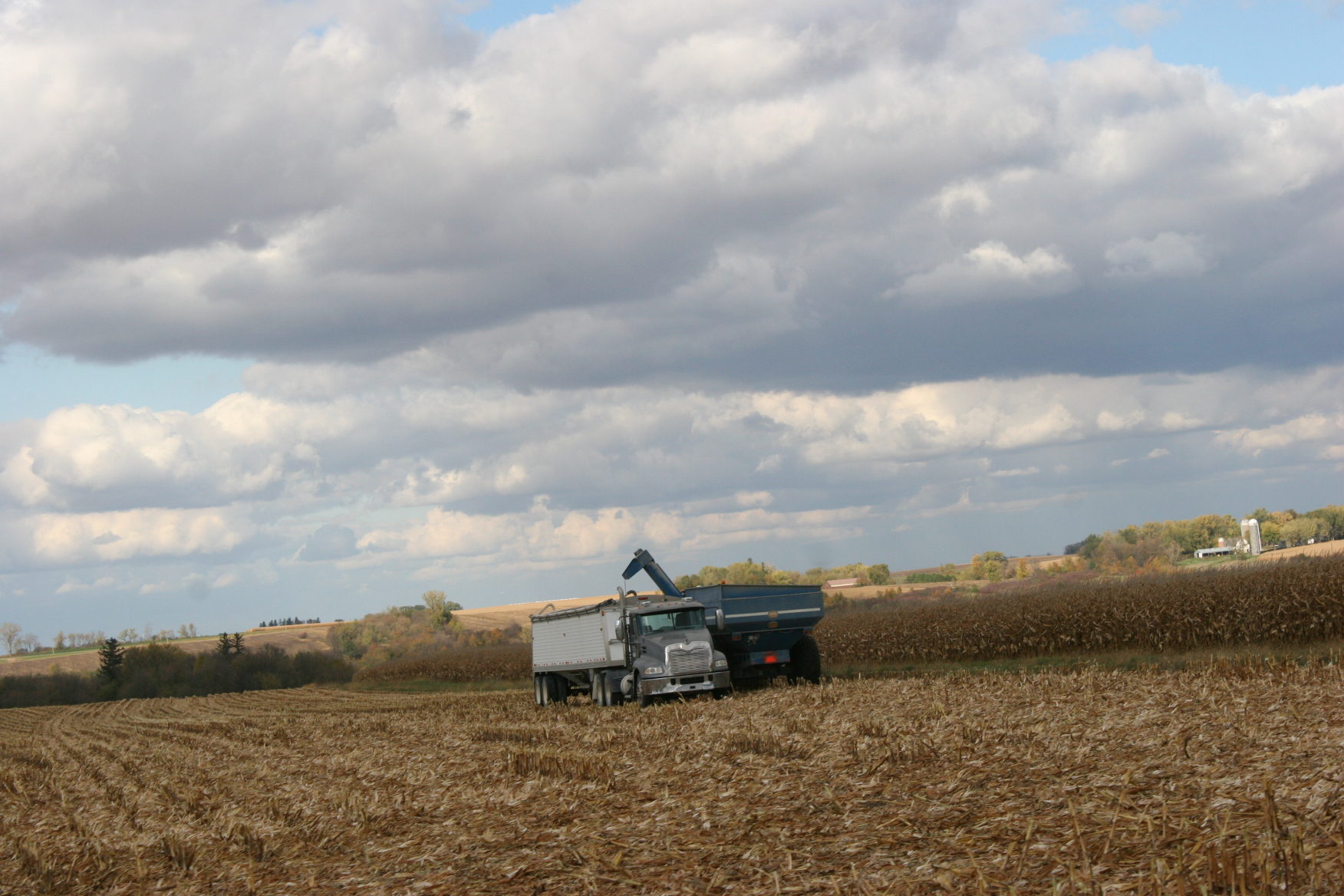
Harvest in Monkey Valley near Kenyon. (Minnesota Prairie Roots file photo October 2021)
NOVEMBER MARKS A MONTH of transition from autumn to winter here in Minnesota.
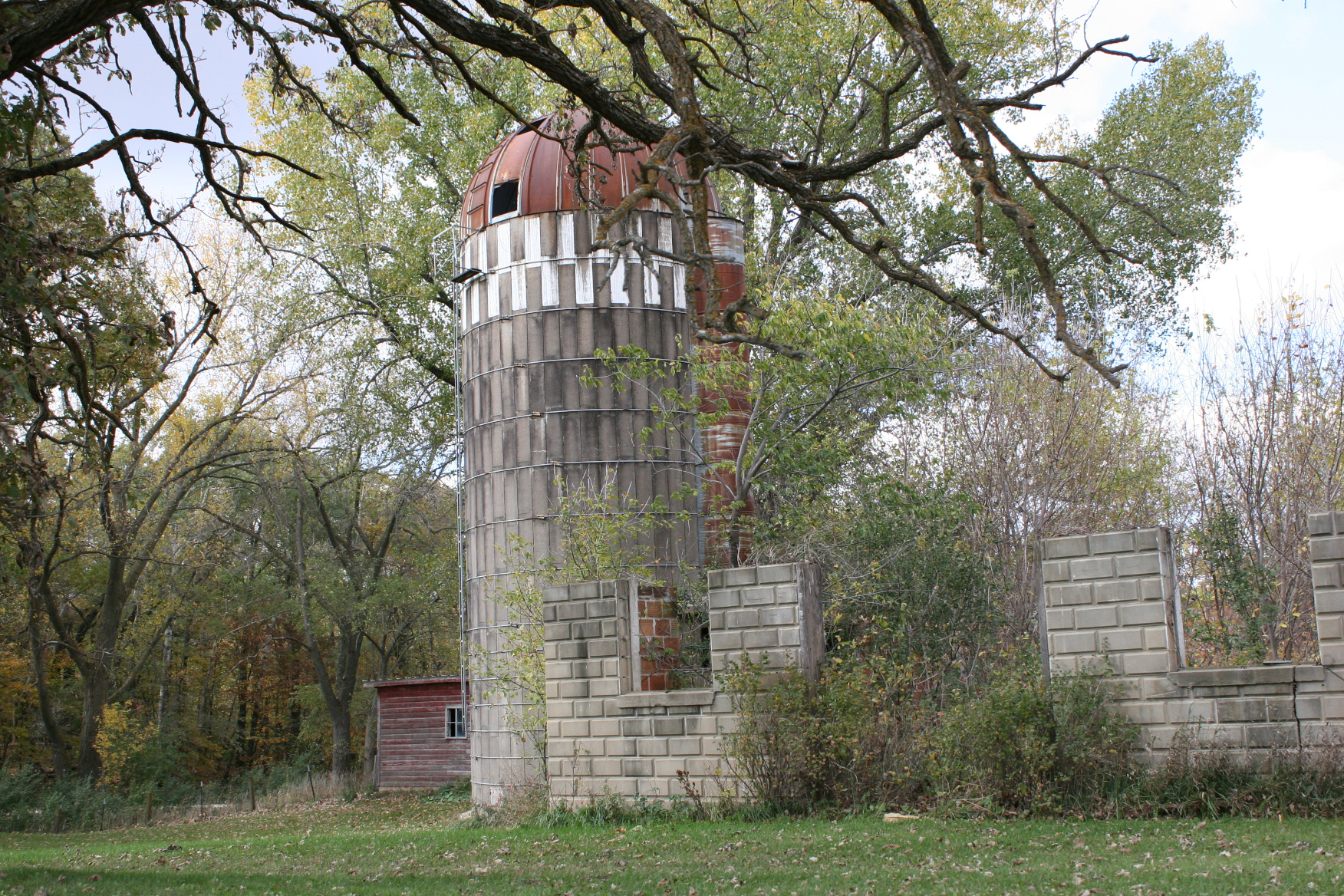
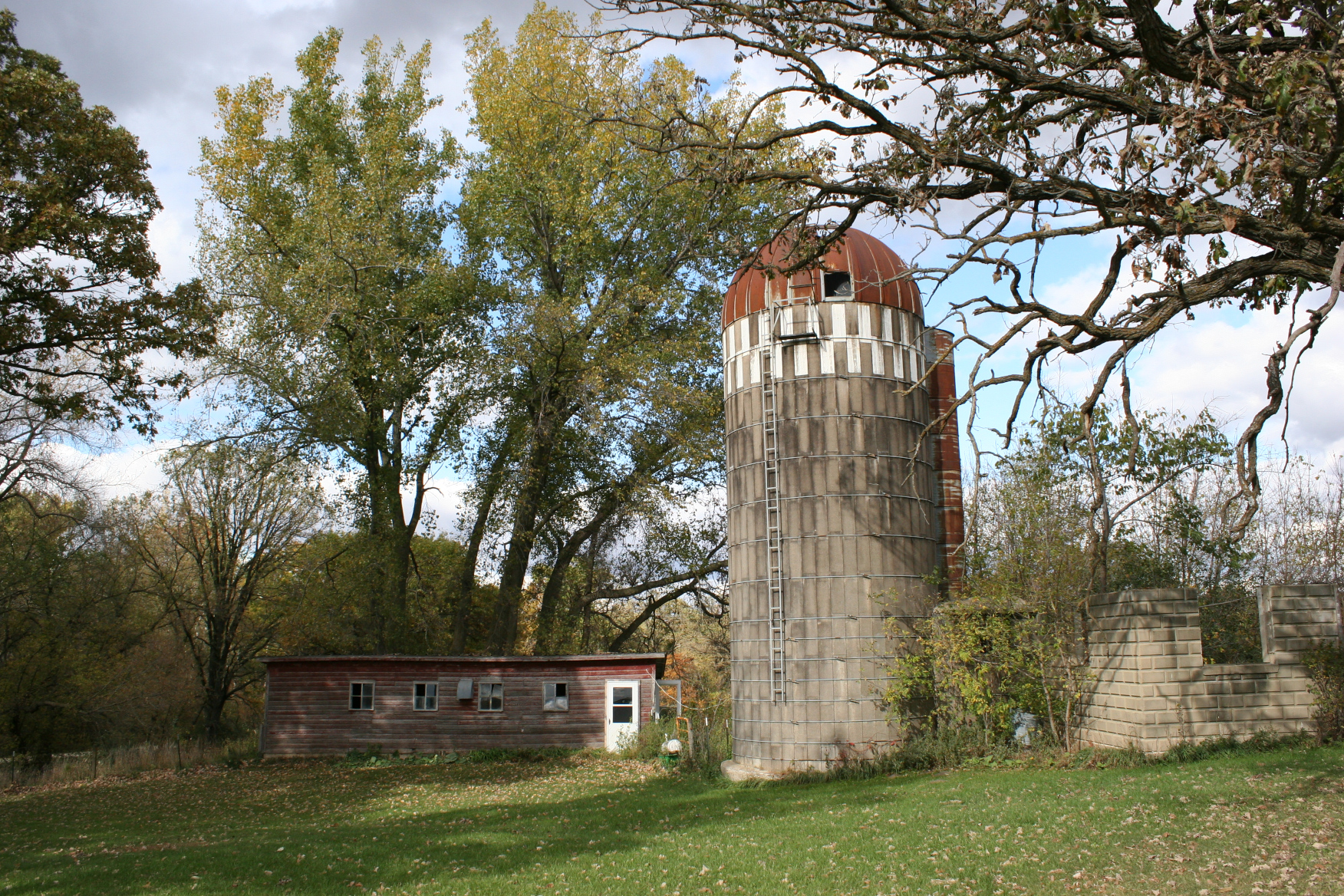
A tree frames an abandoned silo and the remains of a barn in Monkey Valley. (Minnesota Prairie Roots copyrighted photo October 2021)
Trees stand against an often grey sky, brisk winds stripping the last of their leaves to bare branches. Nests crafted by squirrels high in treetops appear vulnerable, unsheltered, exposed to the elements while far below these busy oversized rodents munch on maple seeds, hide walnuts, prepare for winter. Their smaller cousins find their way into our aged house and garage, necessitating a daily check of the trap-line.
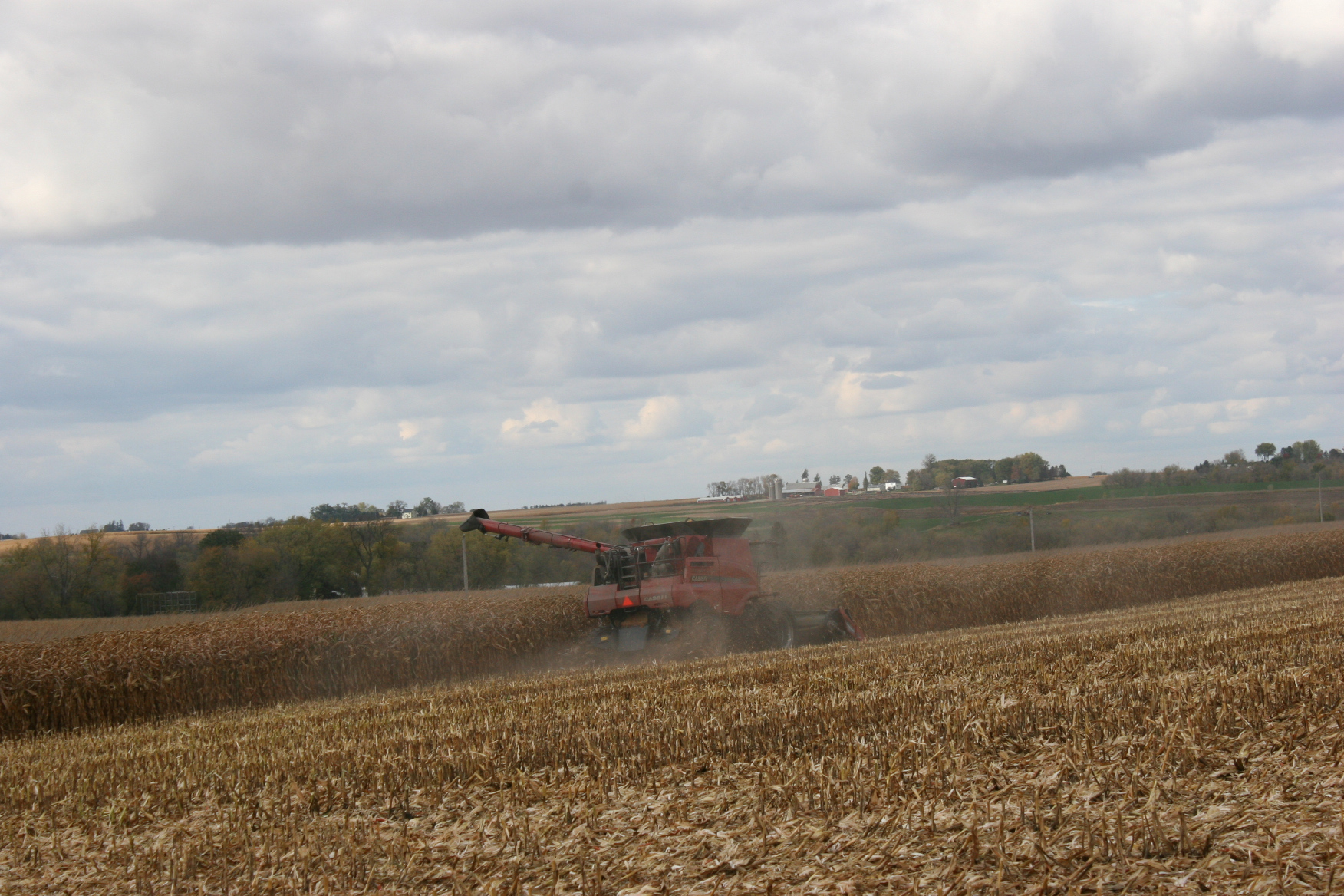
Harvesting corn in Monkey Valley. (Minnesota Prairie Roots copyrighted photo October 2021)
Harvest is done. Corn and soybeans reaped. A once lush rural landscape now looks drab, awash in muted earth-tones.
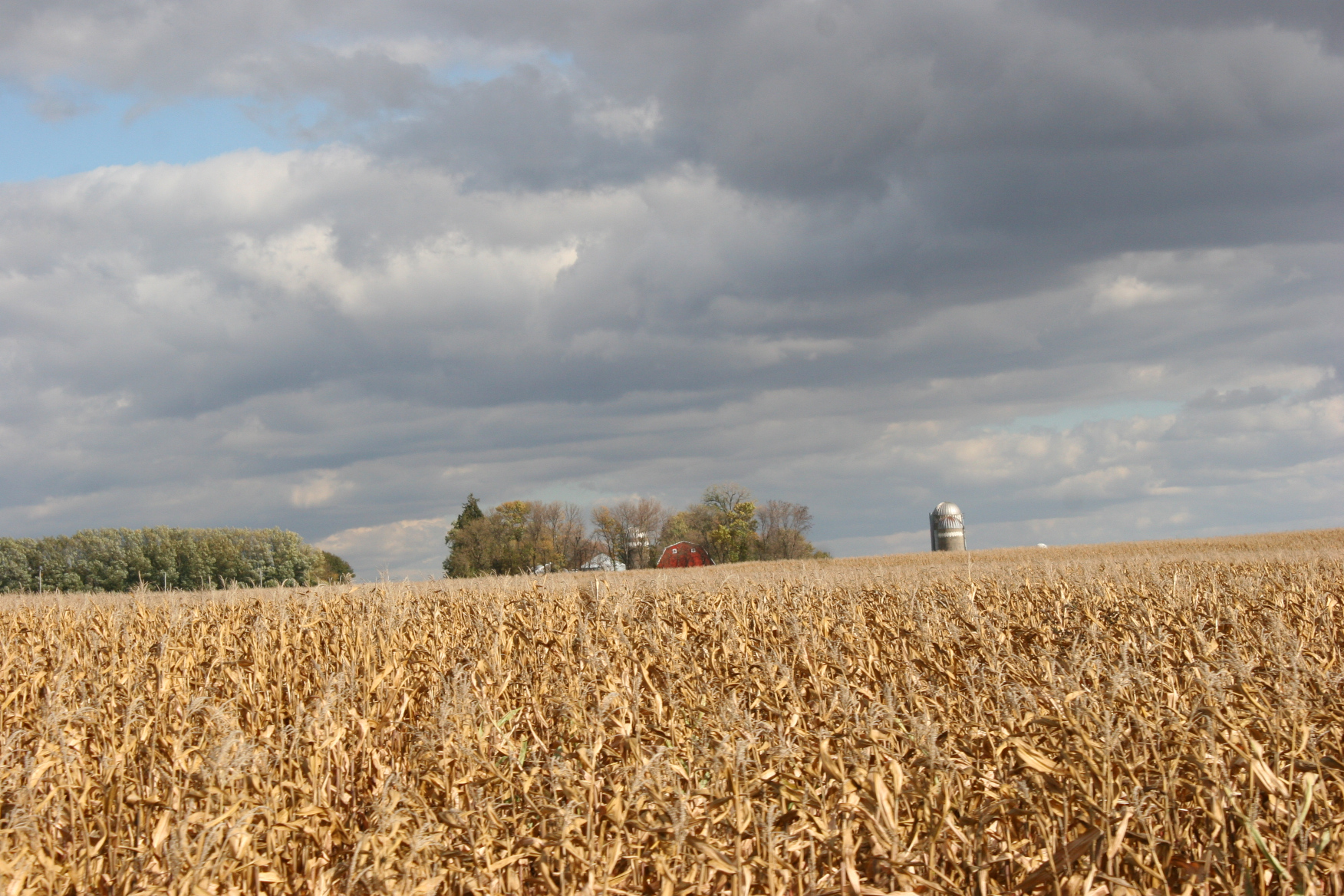
Endless acres of corn defined the landscape near Kenyon pre-harvest. (Minnesota Prairie Roots copyrighted photo October 2021)
For farmers, long days and nights in the field are but a memory. Stress and rush easing into a slower rhythm of life.
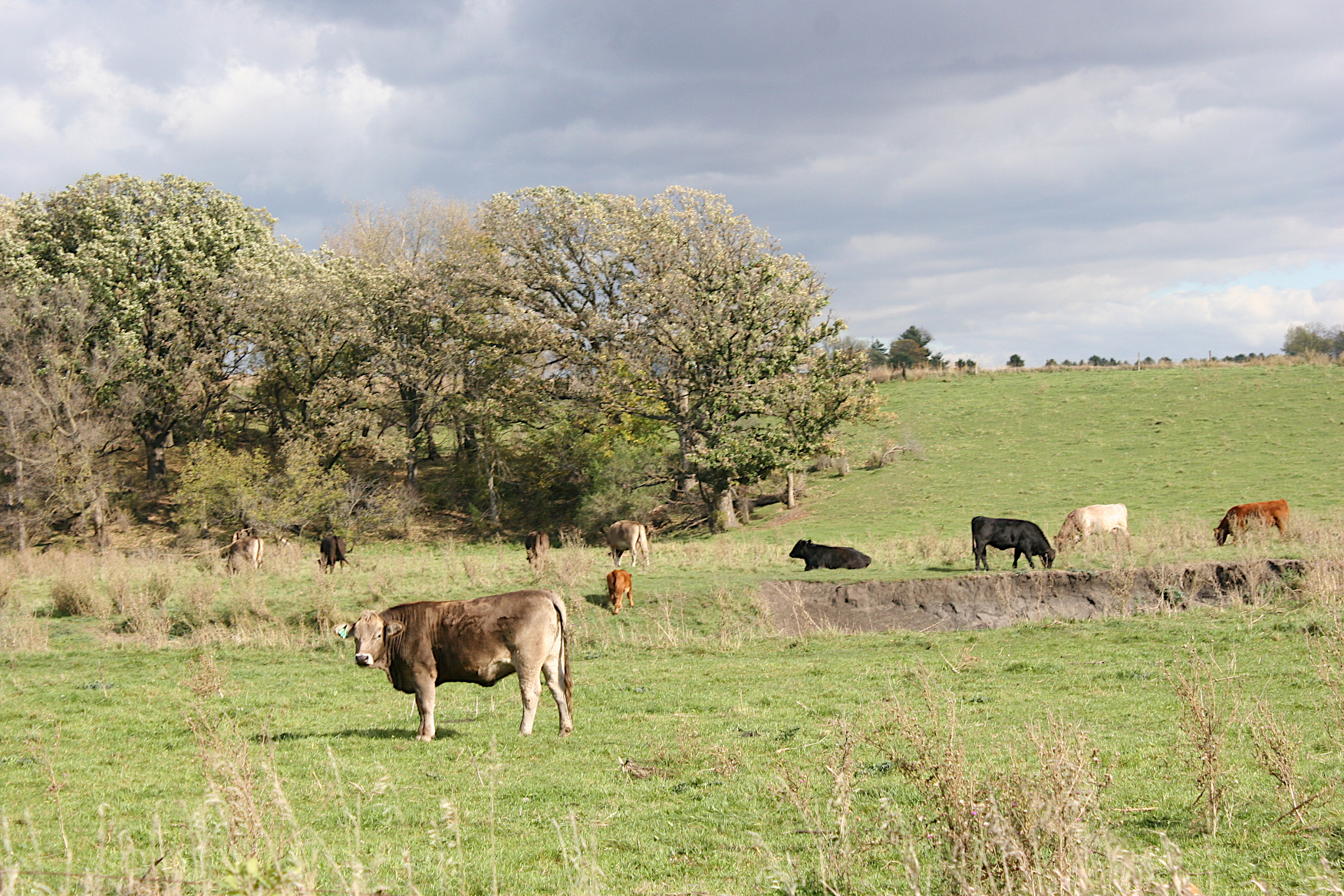
Spotted along a gravel road near Kenyon, grazing cattle. (Minnesota Prairie Roots copyrighted photo October 2021)
The early days of autumn hold such beauty in landscape, such promise in anticipation of harvest. I’ve always loved September and October. This autumn, particularly, in the unchanging season of COVID-19, I’ve needed to reconnect with the earth. To witness the harvest. To view farm sites. To follow back country gravel roads, dust trailing the van. To find peace.
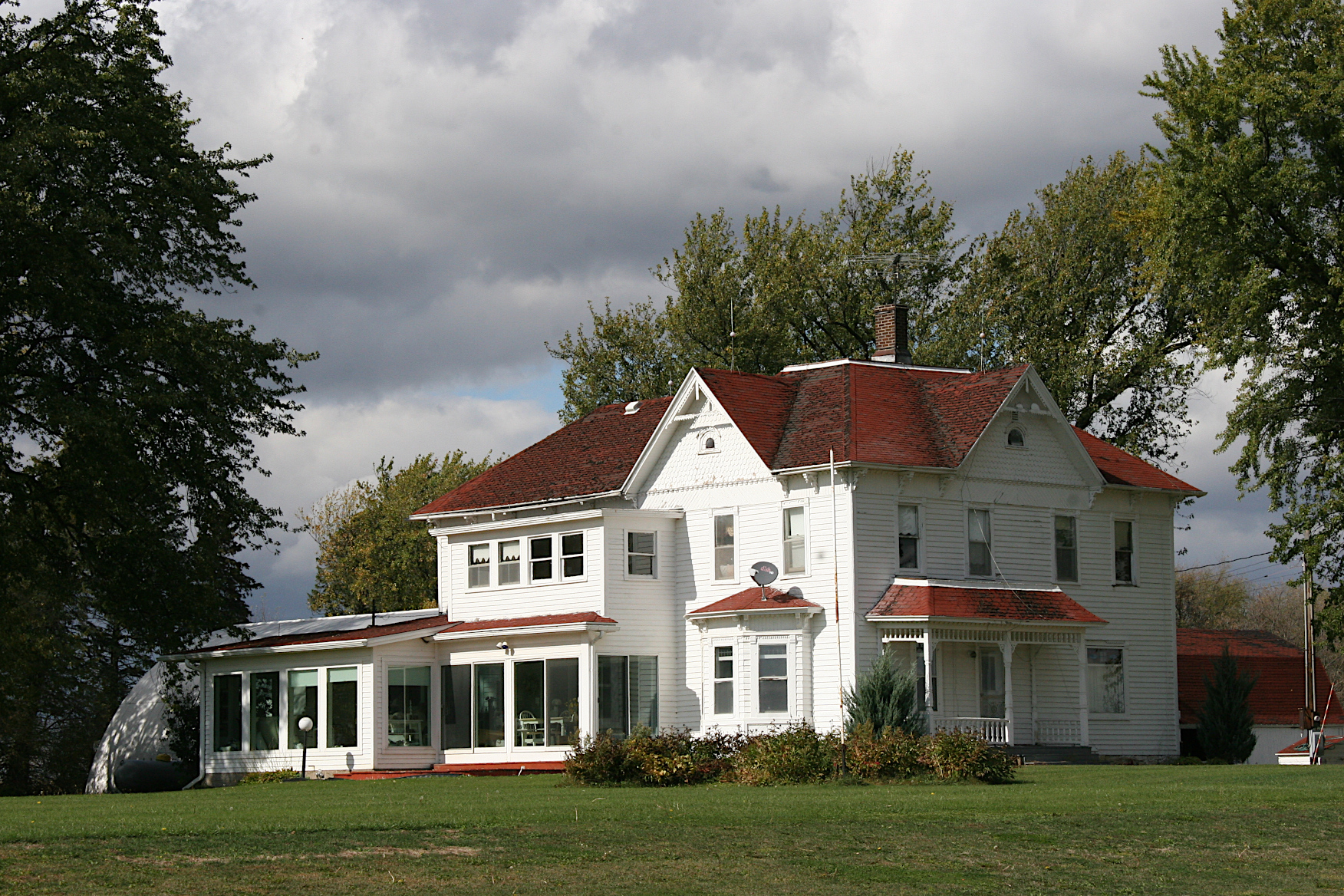
A farm site in the ghost town of Aspelund. (Minnesota Prairie Roots copyrighted photo October 2021)
My appreciation for rural traces to my rural roots. I shall always feel gratitude for my 18 years on the farm. The southwestern Minnesota prairie shaped me as a writer and a photographer in that I noticed, still notice, details. The brutal slice of the winter prairie wind. The remarkable beauty of a flaming sun edging down. The taste of earth in potatoes dug from the garden. The sound of silence in hearing nothing. The unmistakable smell of harvest carried from combine to farmyard.
Just another view of the farm site in Monkey Valley. (Minnesota Prairie Roots copyrighted photo October 2021)
These farm memories I carry with me as autumn wanes, as November days move Minnesota toward winter. Harvest done.
#
NOTE: All of these photos were taken a month ago. The landscape looks much different now. Grey. Stark.
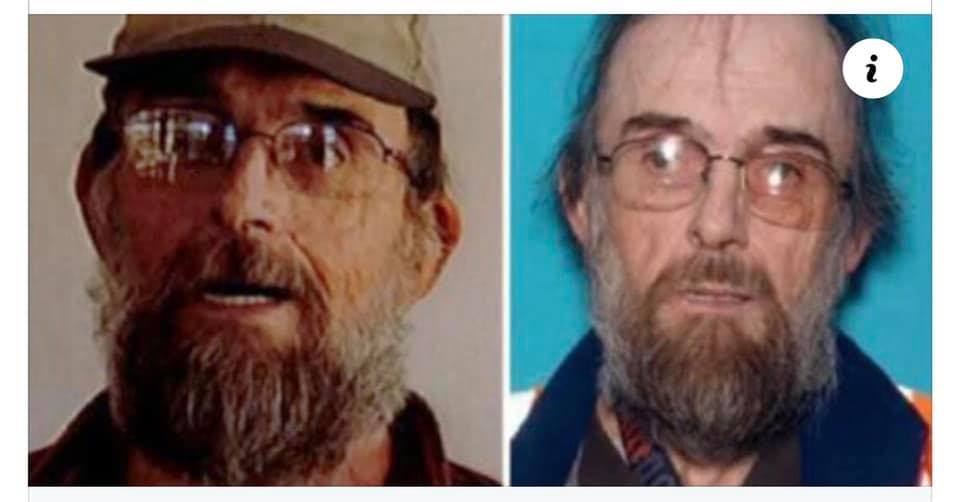
This Saturday, November 20, his community will rally at Bridge Square at noon to raise awareness of the missing 71-year-old and to continue the search for “Dice,” as he is known. Northfield police term him an endangered missing person due to possible onset dementia.
The only clues in his disappearance are the discovery of his hat and money clip.
Law enforcement and volunteers have searched many areas in and around Northfield for Budenski, who is 5-foot 9-inches tall, weighs 145 pounds, with brown hair and brown eyes.
If you have any information about this missing man, contact Northfield police, the prime investigating unit, at 507-645-4477. Or if you can aid in the search on Saturday, show up at Bridge Square. Visit the search Facebook page for more information.
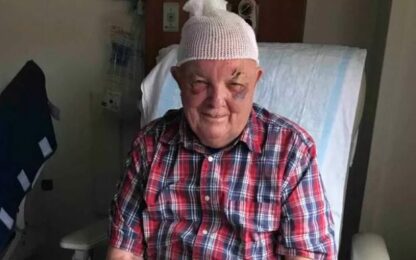
Arnie Lillo of rural Good Thunder (Photo credit: Go Fund Me page)
If this was a story about art, I would pen an endless list of this 83-year-old’s accomplishments. But this is not a story focused on Lillo’s sheet metal art. Rather, this is about a crime. He was the victim of a recent brutal attack.
On November 10, Lillo was attacked from behind and hit in the head with a hammer. He was able to drive to a neighbor’s home for help. A 34-year-old acquaintance is now charged in the crime which left the rural Good Thunder man hospitalized with serious injuries. Lillo is recovering, but in need of financial and emotional support.
A Go Fund Me page, “Arnie’s Angels,” has been set up with a goal of $10,000. I encourage you to contribute if you are able. I don’t know Lillo. But, from what I’ve read and viewed on his business website and Facebook page, I am impressed by his work and by how he has opened his rural property to anyone who wants to view his art. He finds great joy in sharing his creativity. And he is, clearly, much loved.
The vegetable garden outside Buckham Memorial Library, Faribault, Minnesota.(Minnesota Prairie Roots copyrighted file photo August 2020)
AT THE END of the growing season a few weeks back, I walked into Buckham Memorial Library and spotted a stash of green tomatoes free for the taking. To say that I reacted with joy might be an understatement.
I felt practically giddy at the thought of preparing green fries, a coveted food I haven’t eaten in years because…I don’t have a garden.
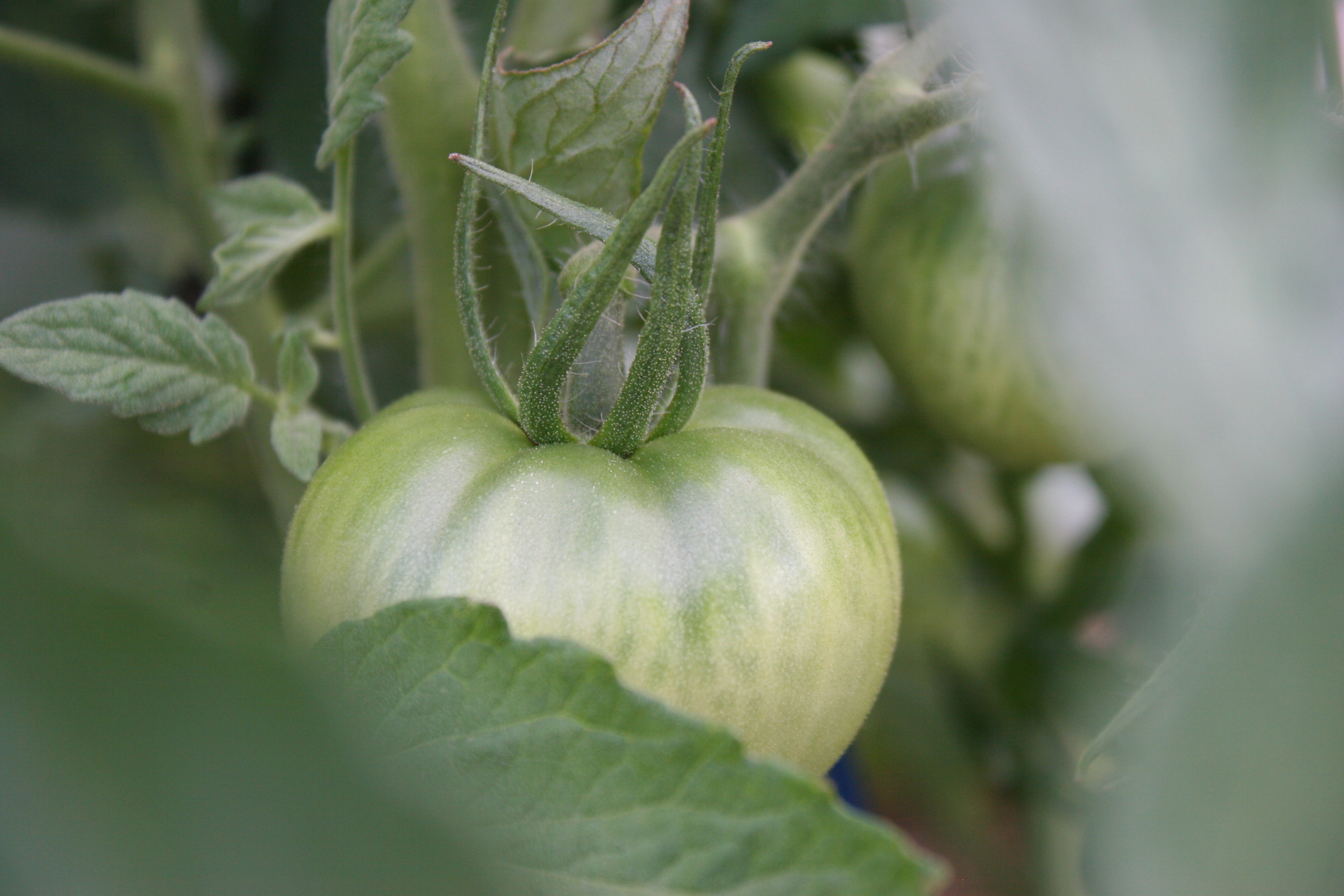
A green tomato in the library garden. (Minnesota Prairie Roots copyrighted photo August 2020)
But, back in the day, my mom planted a sprawling garden, growing vegetables to feed our farm family of eight. Green fries were a summer-time to harvest staple as were the tomatoes left to ripen on the vine.
Items grown in the library garden are free for the taking to the community. (Minnesota Prairie Roots copyrighted file photo August 2020)
Earlier this summer and fall, when I stopped at The Friends Organic Learning Garden on the library’s east side to look for produce, I noticed choice green tomatoes. I was tempted to pick a few. Who would miss the green orbs? But my conscience prevailed and I walked away empty-handed.
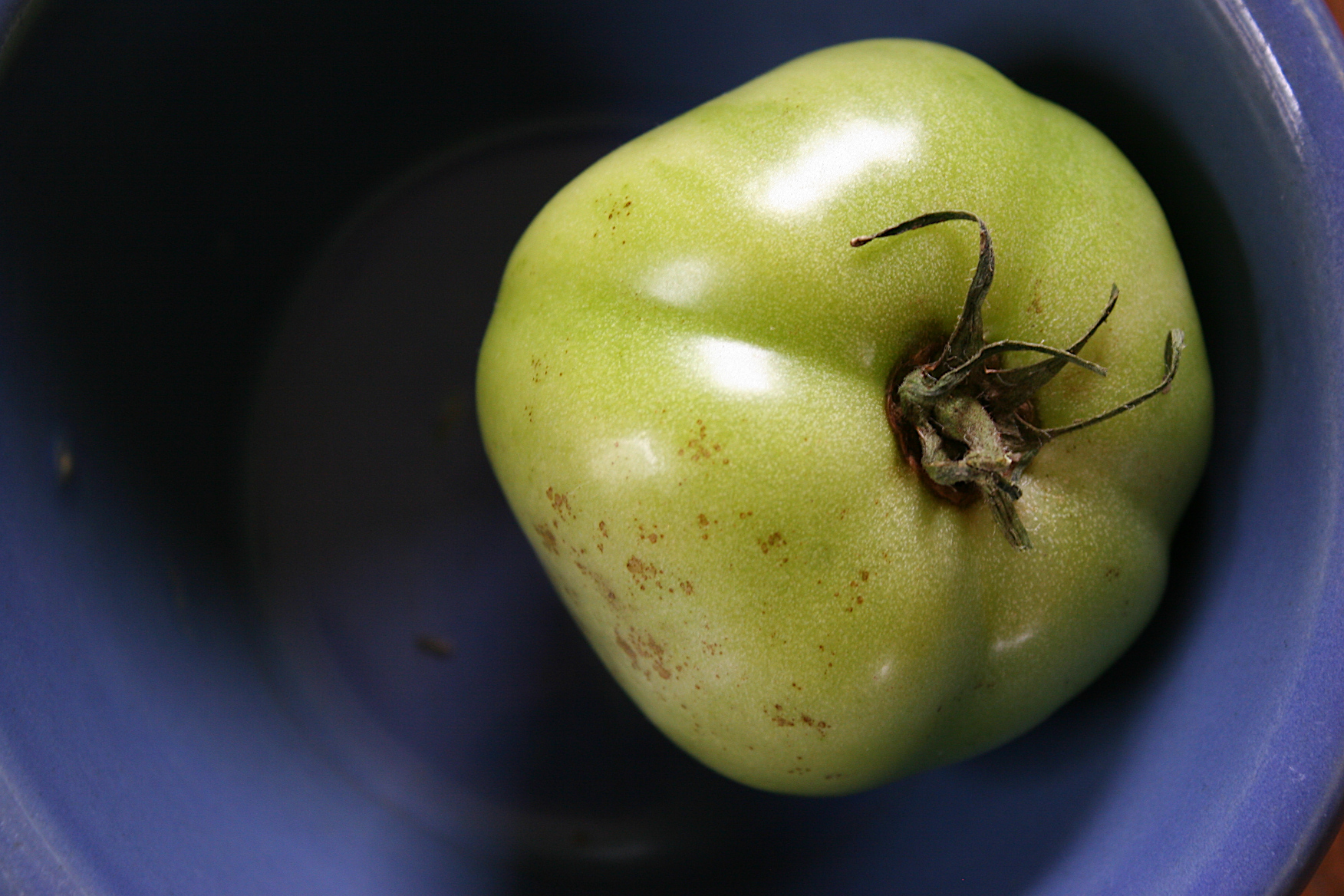
Perfect for making green fries. (Minnesota Prairie Roots copyrighted photo October 2021)
So when those green tomatoes appeared inside the library, I quickly took four, reining in my greedy impulse to grab more.
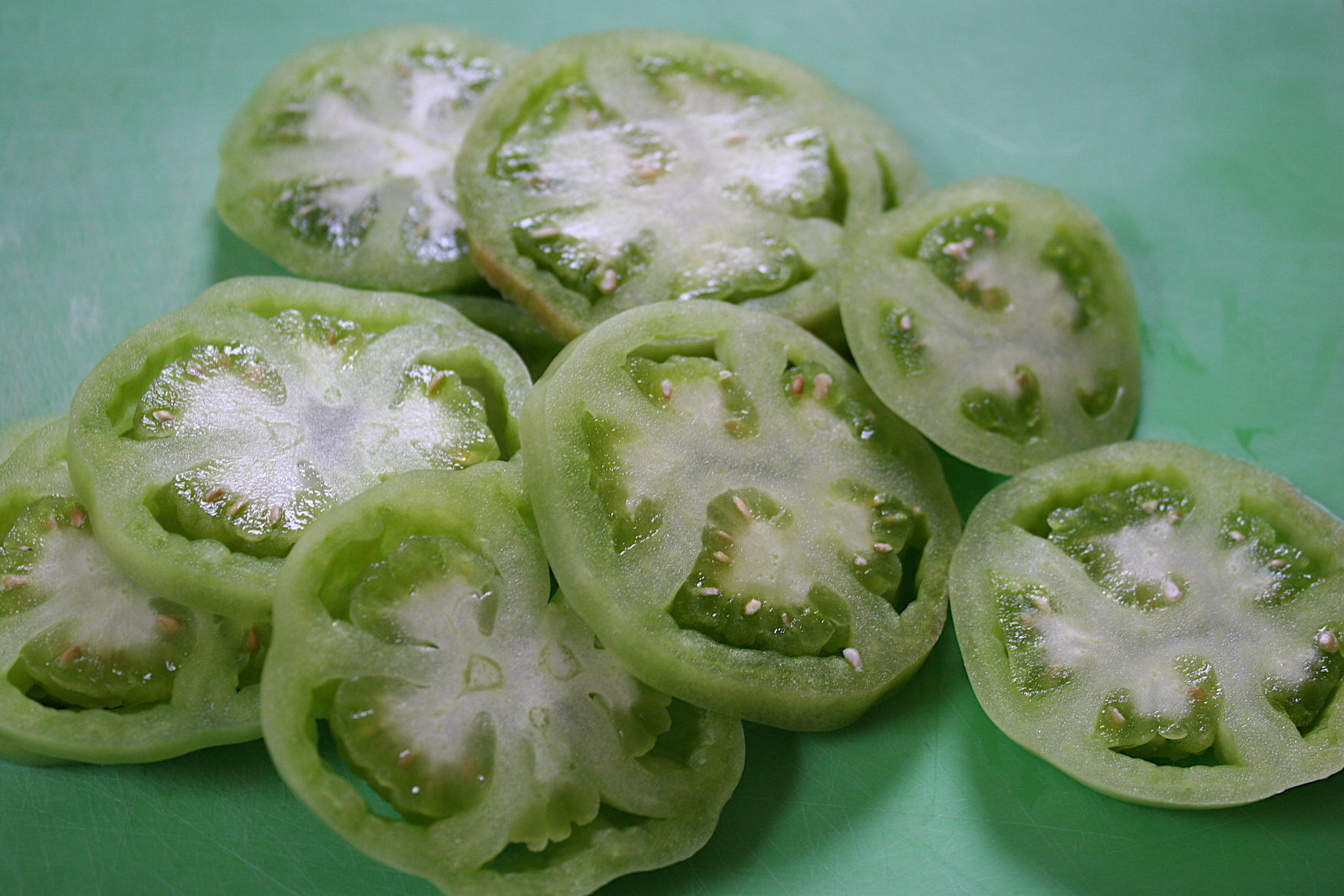
Step one: Slice the tomatoes. (Minnesota Prairie Roots copyrighted photo October 2021)
The next day, I sliced two of those beautiful green tomatoes, dipped both sides in all-purpose white flour and laid the slices into a hefty cast iron skillet sizzling with butter. Lots of butter. I ground on fresh black pepper, sprinkled on salt and then waited for the slices to brown, flipping and seasoning and adding butter as needed.
Frying the tomatoes to golden brown. (Minnesota Prairie Roots copyrighted photo October 2021)
The result: golden circles of green-fried tomatoes that tasted of sun and sky and earth. And of yesterday’s garden.
As I forked into the savory rounds, I thought of Mom and how she spaced tomato plants evenly in the tilled soil and ringed each with a rusty tin can opened on both ends. The cans protected the tender plants from the prairie wind and cold. I remember pouring water into those cylinder reservoirs, overflow sometimes flooding the surrounding ground. When the plants edged over the cans, Mom removed the weather shields.
To me, green fries rate as much more than a food I enjoy. They are part of my culinary family history. A connection to my now 89-year-old mom who, though no master chef, did her best to feed her family with food sourced from our farm.
TELL ME: Do you have a favorite food tracing to your childhood and that you crave today? I’d like to hear. And, have you ever eaten, or made, green fried tomatoes?
I took this photo in downtown Faribault on May 15, 2020. It remains my personal most powerful early local documentation of the pandemic. (Minnesota Prairie Roots copyrighted file photo May 2020)
I DISLIKE CONFLICT. I prefer decency, kindness and respect. I’d rather we all just got along. Listened. Stopped all the political jockeying and spread of misinformation. Cared about one another. Really cared. That would be ideal.
But this is not Utopia, especially not now during a pandemic. I am beyond frustrated. We’ve risen to new levels of disagreement and disconnect that threaten our health and our relationships, even our democracy. I find myself faced with sometimes heartwrenching choices as I try to protect my health and that of those I love most.
WHOOPING COUGH WAS BAD ENOUGH
A severe viral infection, which my husband caught at work and then passed along to me in mid-August, showed just how vulnerable I am to respiratory infections. While this week-long-plus infection had all the marks of COVID-19, it was not. We both tested negative. (Yes, we were fully vaccinated and recently got our boosters.) Yet, this reminded me of my need to be careful. Sixteen years ago I developed a severe case of whooping cough that lasted for three months and required an inhaler and steroids to help me breathe. (Yes, I was vaccinated for pertussis, but that protection wears off, unbeknownst at the time to me. Staying current on vaccines is essential.)
When I asked my doctor back in 2005 where I could have contracted whooping cough, he replied, “You could have gotten it waiting in line at the grocery store.” I was his first adult diagnosed case in 30-plus years of practicing medicine. I never want to be that ill again.
PROTECTING MYSELF & OTHERS
I have made, and will continue to make, choices that best protect me and my closest family circle from COVID-19. With young grandchildren and also a mother in a long-term care center, I am not willing to take chances with their health or mine. Because of high COVID rates in Minnesota, I haven’t seen my mom since July.
In the past nearly two years, I’ve opted out of grad parties, family reunions and gatherings with friends that included unvaccinated and unmasked individuals. I also stopped attending in-person worship services earlier this summer for the second time during this pandemic. I don’t feel comfortable being in enclosed spaces (beyond brief passing) with people who may or may not be vaccinated and who are unmasked.
I’ve missed funerals, attending only one since this whole pandemic began. And that was my father-in-law’s in February, pre-vaccination. It was a horrible experience, trying to keep my distance from the half-maskers and unmasked, too often repeating that I wasn’t hugging or shaking hands because, um, we’re in a pandemic.
STRAINED RELATIONSHIPS
Already, family relationships feel strained as I struggle to understand why some extended family refuse to get vaccinated. And then feel it’s OK to attend family get-togethers. I expect to make some difficult choices soon about whether to attend upcoming holiday gatherings. If unvaccinated adults are in attendance, I likely won’t be. Not because I don’t trust the vaccine, but because there’s always some risk and it’s a matter of principle. I don’t want to, by choice, be around individuals I know to be unvaccinated.
CARE, COMMON SENSE & OUR CHILDREN
And then there are those daily life occurrences which trigger concern. Like the unmasked teenage grocery store cashier who ran her fingers around her mouth. Then checked out my groceries.
Early on in the pandemic, playgrounds were off-limits to kids, including this one at North Alexander Park in Faribault. (Minnesota Prairie Roots copyrighted photo March 2020)
Months ago at the playground, I watched my granddaughter run up and down a tunnel slide with another little girl. The whole time I wondered, should I allow her to do this? In the end, I did, mostly because they were outdoors and in constant motion. I find myself feeling especially protective of my two grandchildren. The day my 5-year-old granddaughter got her first vaccine dose, I felt incredible joy. I cannot wait for the nearly 3-year-old to become eligible for his COVID vaccine.
Week Day, 6, a first grader at Park Side Elementary School in Marshall, MN., died of COVID on April 25, 2021. Photo source: Hamilton Funeral Home.
It’s true that, generally, if kids get COVID, they experience milder cases. But some have also ended up severely ill in the hospital and others have died. I will take every preventative measure I can to keep my dear grandchildren healthy and safe.
I recognize we each have different comfort levels. I tend to believes the experts, to be a rule follower, to want to do my part to keep others safe via vaccination and mitigation. I trust health and science. If public health officials are recommending we wear masks indoors, regardless of vaccination status, I will do exactly that. Not that I need them advising this. Common sense and knowledge of the highly-contagious Delta variant are enough for me to mask up, keep my distance and more. I would never think of going into surgery (and I’ve had many surgeries in my life) with an unmasked healthcare team, pandemic or not.
OVERWHELMED IN MINNESOTA, A COVID HOTSPOT
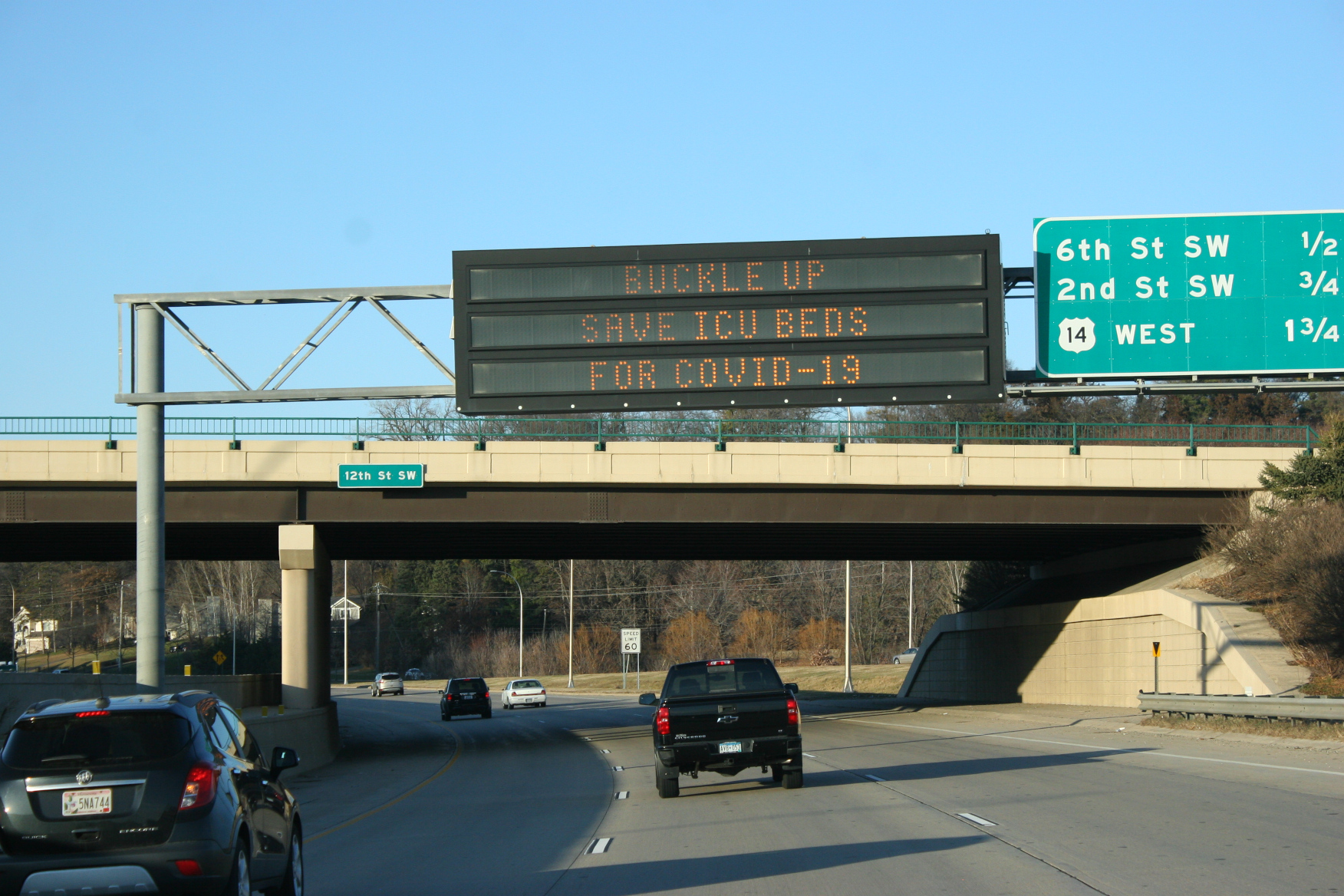
I photographed this from the passenger seat of our van as we drove through Rochester in November 2020. I’d like to see a message now stating, GET VACCINATED & save ICU beds for anyone who needs one.(Minnesota Prairie Roots copyrighted file photo November 2020)
Minnesota’s overwhelmed healthcare system concerns me as it affects anyone who needs care. Not just those with COVID. Despite all of this, too many Minnesotans are still refusing to get vaccinated.
I want this pandemic to end. But right now I don’t foresee that happening any time soon…unless we start acting like we care about one another. How? Get vaccinated (and that includes boosters). Wear a face mask. Social distance. Stay home when sick. Practice other proven COVID mitigation measures. We have the power to stop COVID-19. This isn’t 1918. But sometimes it sure seems like 103 years ago, despite advances in science and knowledge and an understanding of how this virus spreads.
#
NOTE: I will not publish anti-vaccine or anti-masking comments on this, my personal blog. Likewise, I will not publish misinformation, etc. as it relates to COVID and vaccines.
Just outside of Cannon Falls along Goodhue County Road 8, we stopped to admire the treeline and the gravel road winding toward it. (Minnesota Prairie Roots copyrighted photo mid-October 2021)
WHITE ROCK. Belle Creek. Hader. They are among the 60-plus ghost towns of Goodhue County. Places that once thrived, marked now only by signs along a road, a cluster of homes, perhaps a church or abandoned buildings.
Oh, lovely hues of autumn near Cannon Falls. (Minnesota Prairie Roots copyrighted photo mid-October 2021)
Yet, acknowledging their existence, as the Goodhue County Historical Society does with roadside signs, matters. Because these towns mattered to previous generations and still matter to those with connections to the likes of Aspelund, Burr Oak Springs, Crystal Springs, Eidsvold, Skyberg and so many more with names that hint at heritage and sound poetically beautiful.
On a road trip to Goodhue County a month ago, Randy and I followed County Road 8 east and then south of Cannon Falls back toward Faribault.
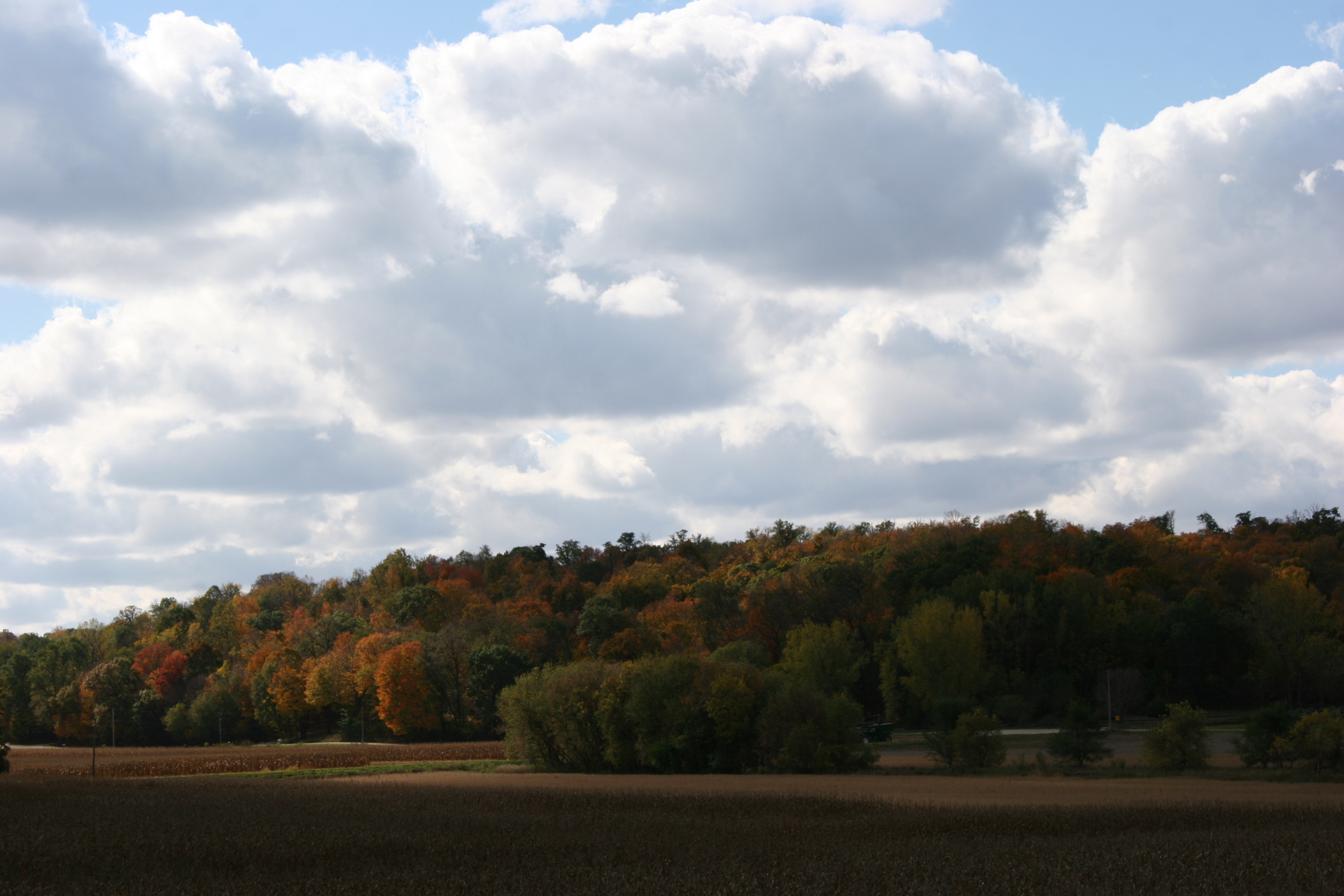
Clouds and trees and field along CR 8. (Minnesota Prairie Roots copyrighted photo mid-October 2021)
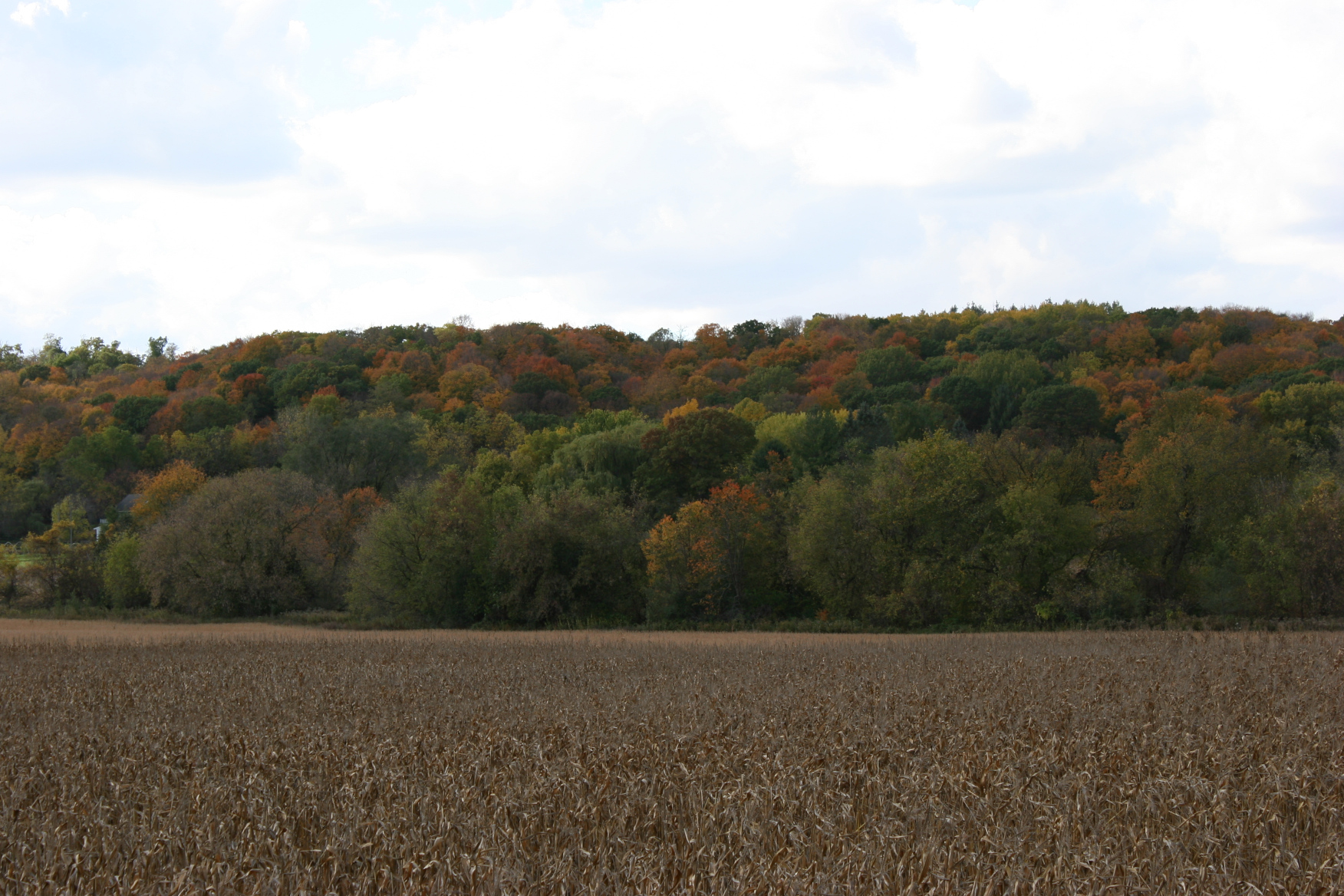
Our route took us past clusters of woods, some tinged in autumn hues.
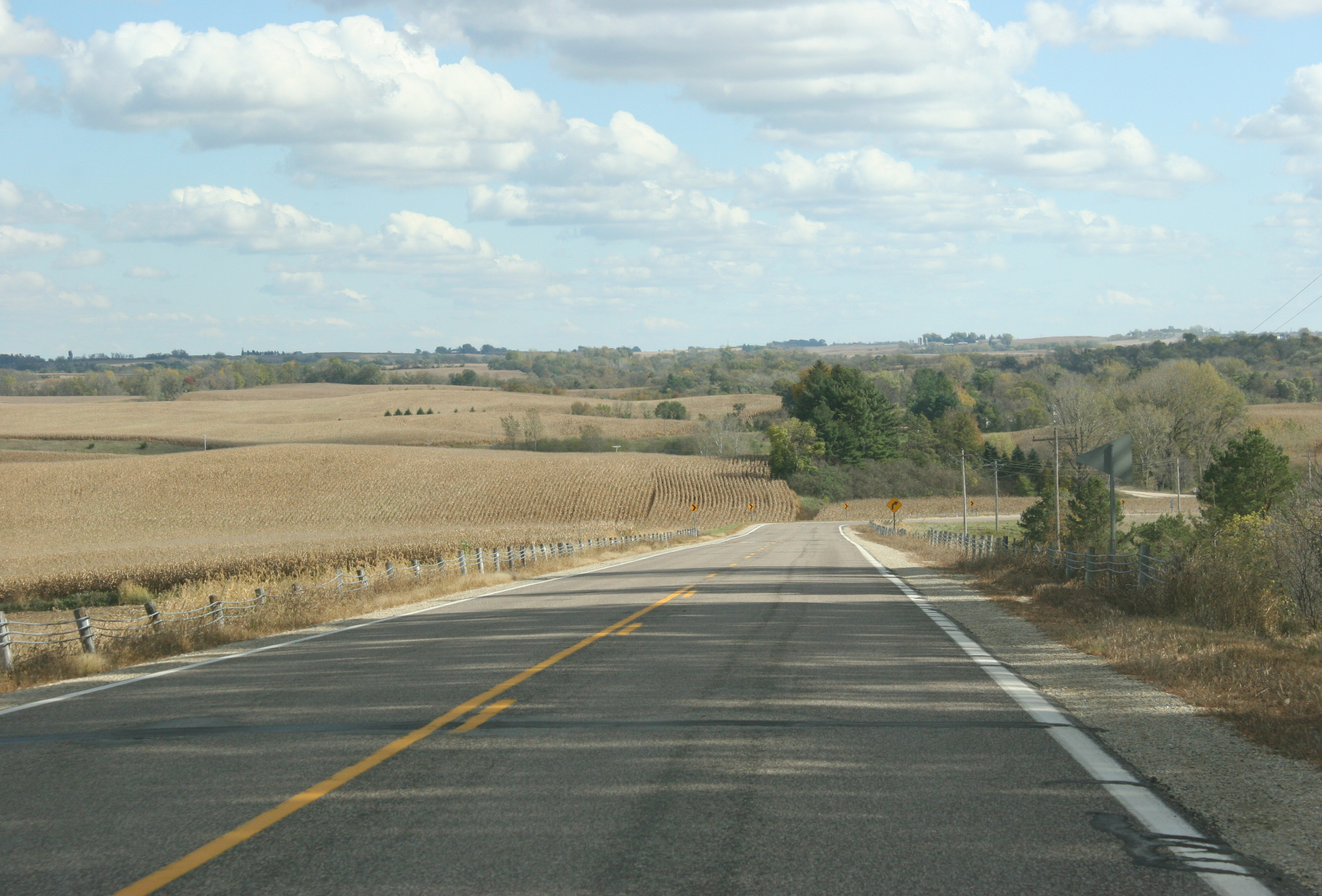
Goodhue County Road 8 near Cannon Falls sweeps into the valley. (Minnesota Prairie Roots copyrighted photo mid-October 2021)
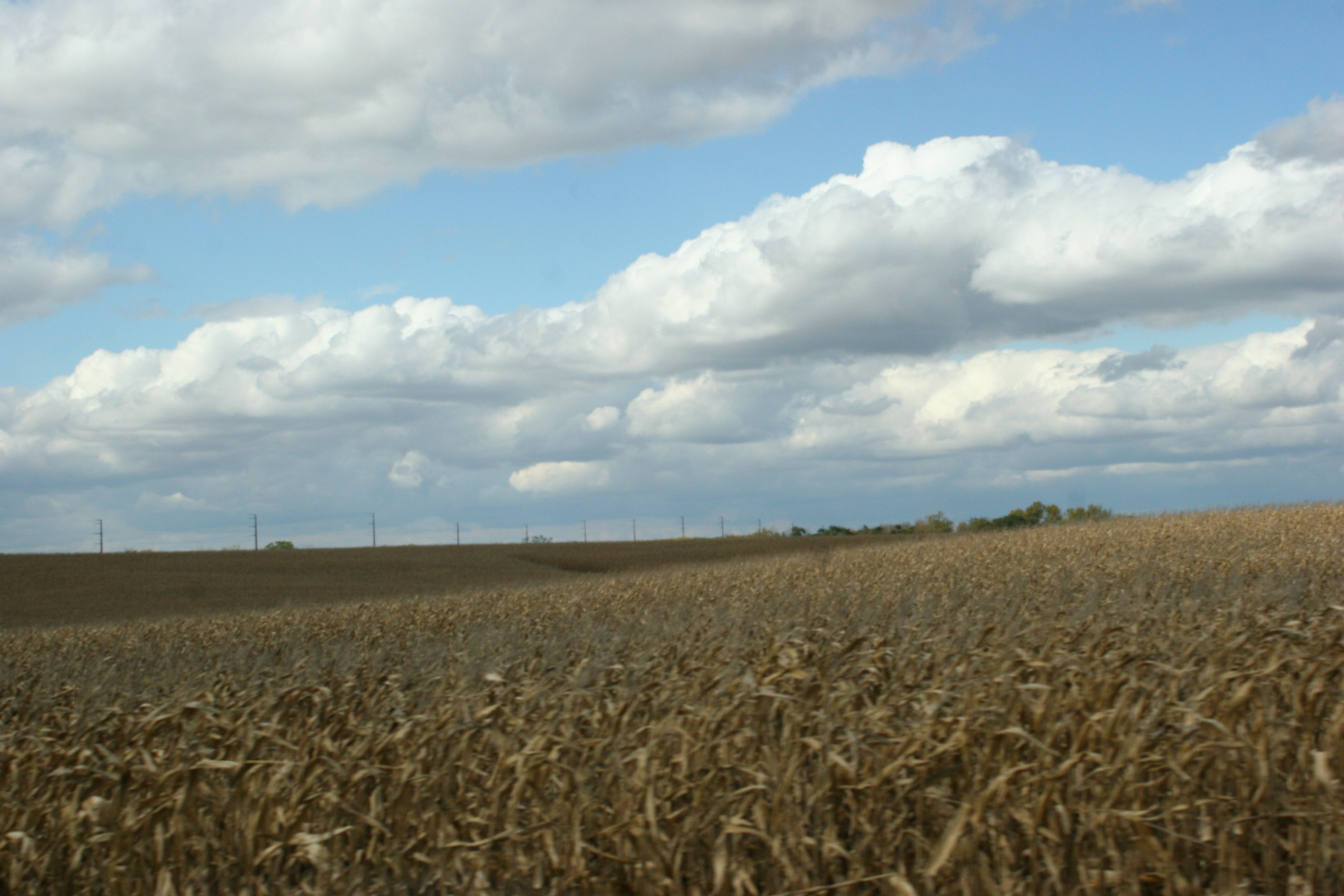
Soon the road curved and swept into the valley, rows of corn rolling across the landscape. Only groves of trees surrounding farm sites broke the vista of endless unharvested fields.
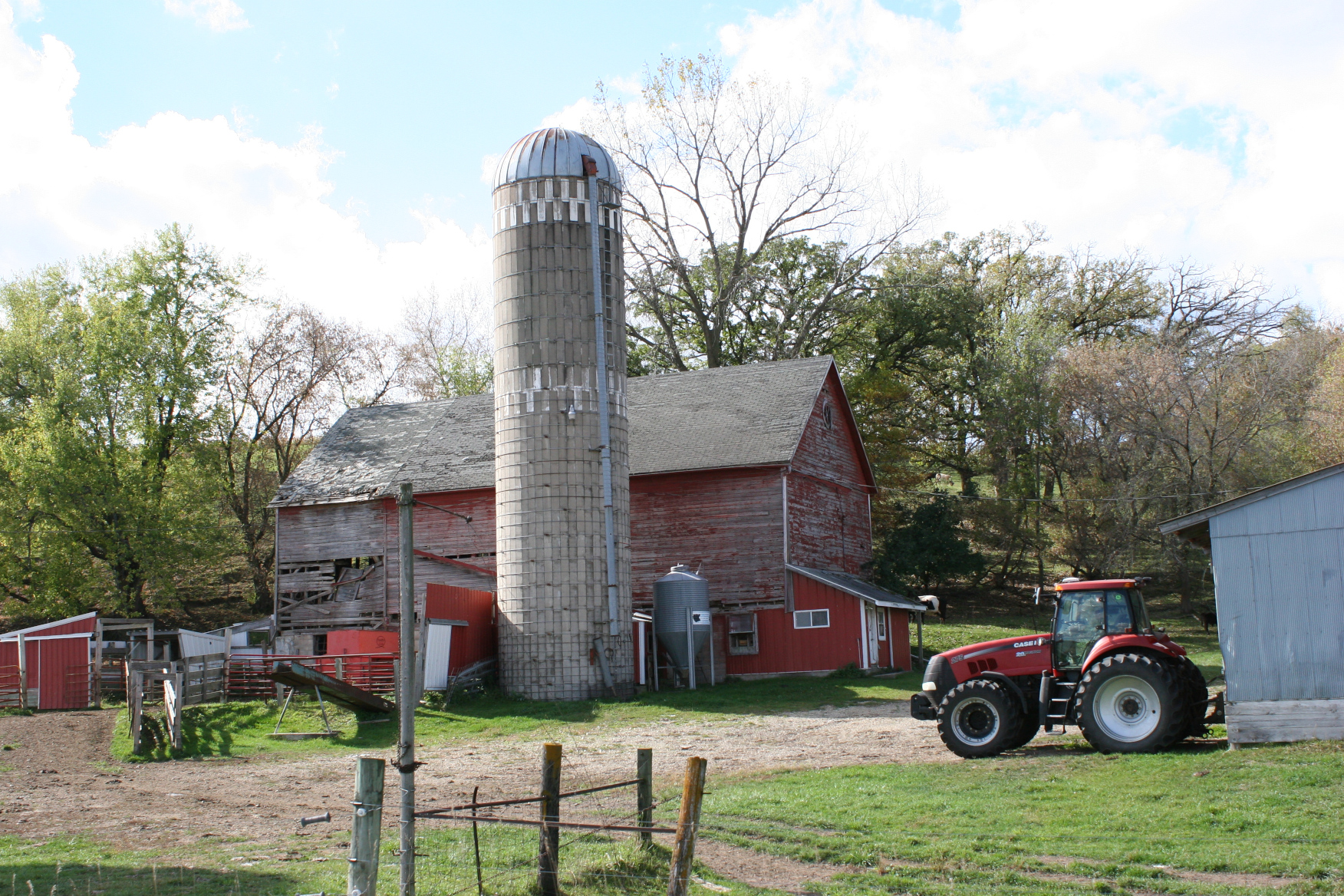
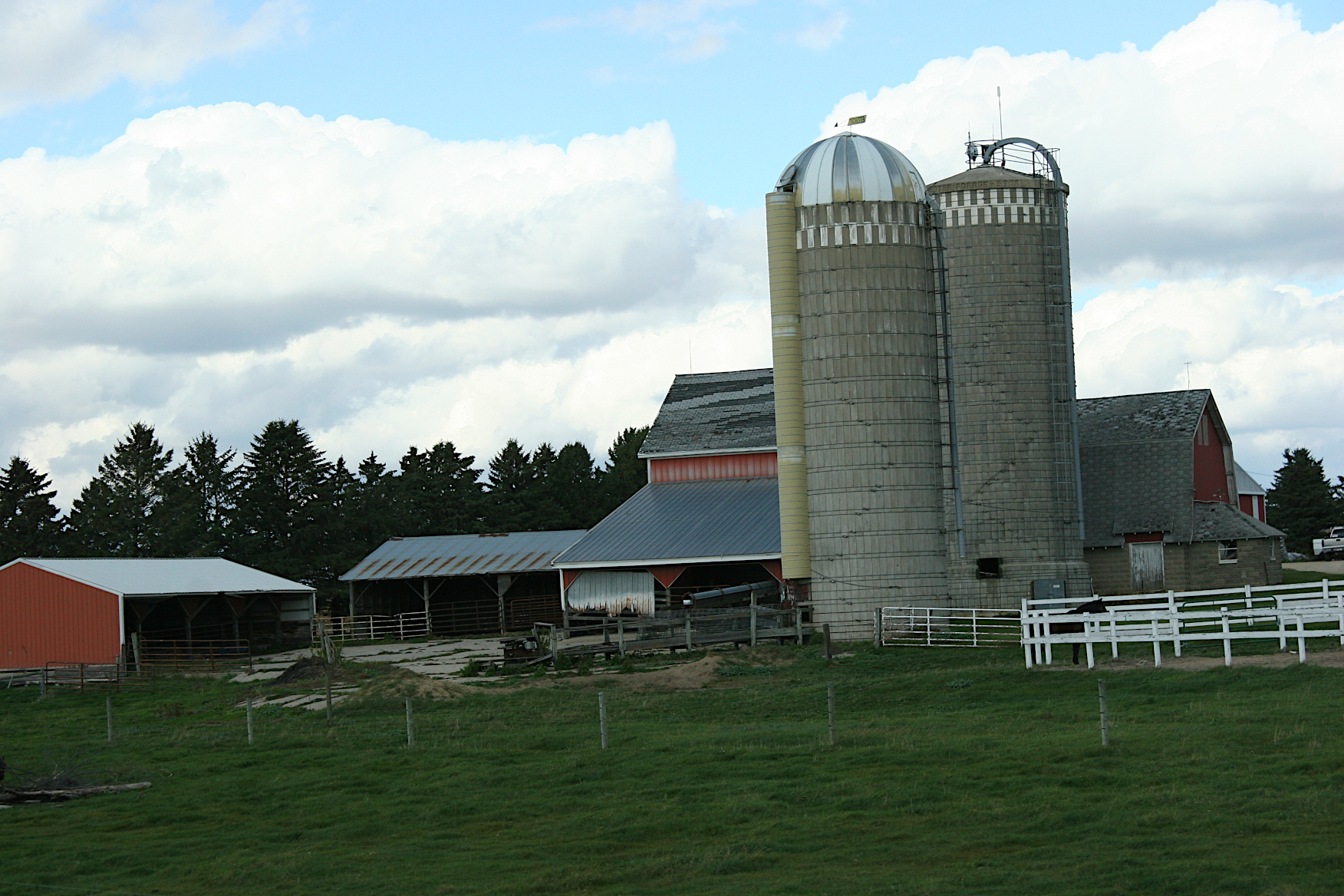
Somewhere between White Rock and Belle Creek, this farmyard drew my eye. (Minnesota Prairie Roots copyrighted photo mid-October 2021)
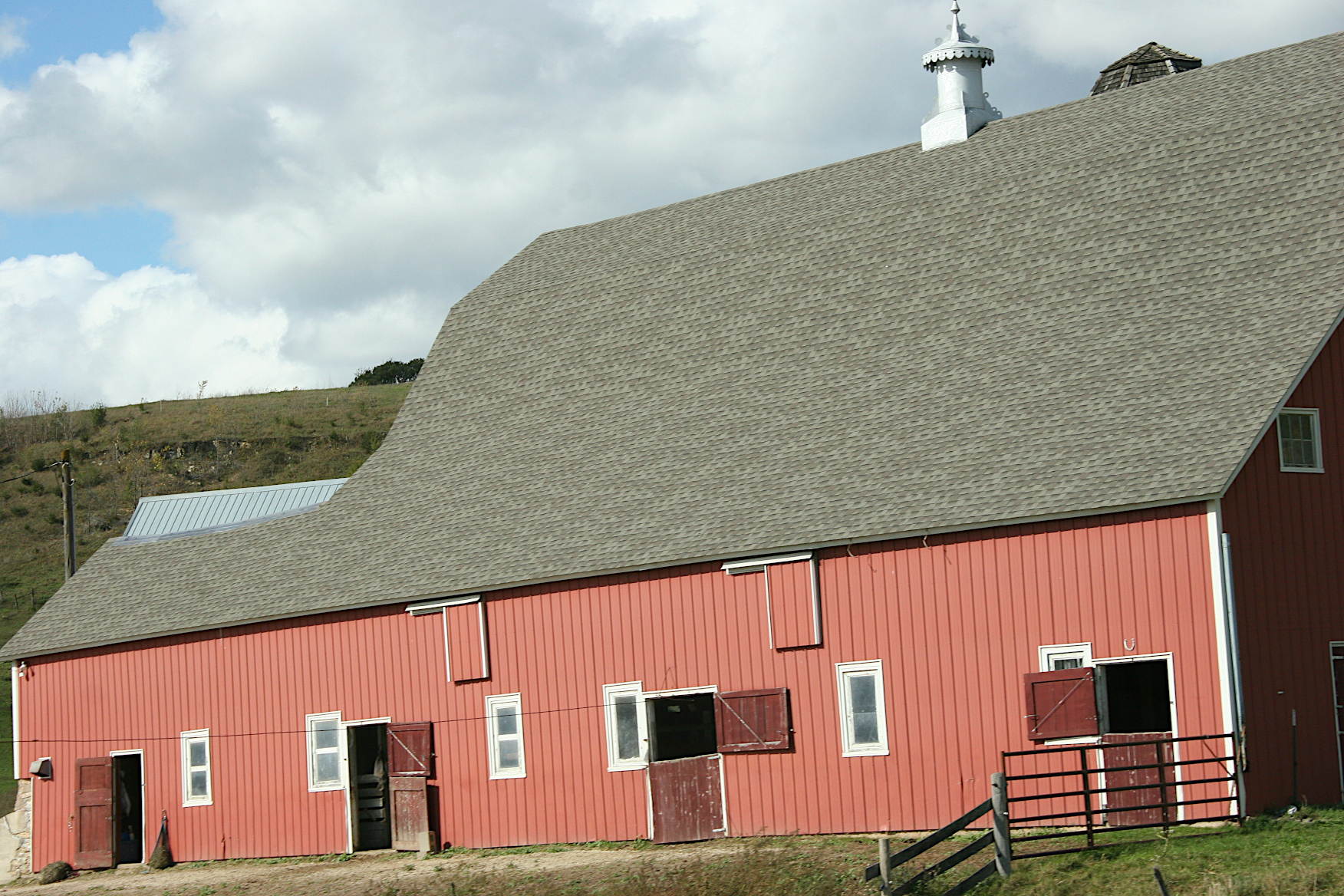
Sometimes those farmyards hugged the paved road and I caught a close-up glimpse of farms, some with aged weathered barns and outbuildings, others updated with modern equipment and structures.
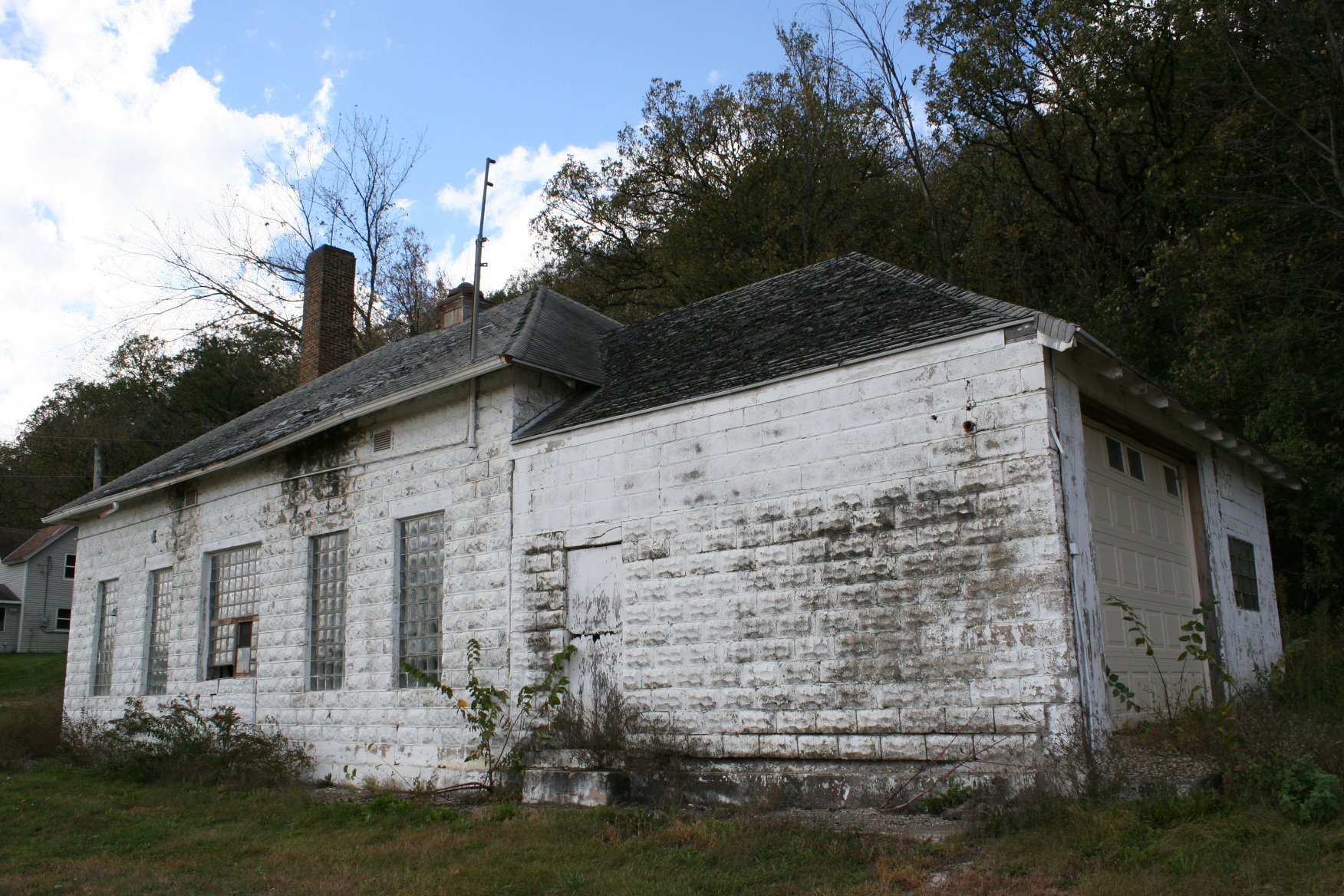
Likely a former creamery in Belle Creek. (Minnesota Prairie Roots copyrighted photo mid-October 2021)
In Belle Creek, Randy and I noticed a white building, likely a former creamery. Creameries often graced these small settlements, a necessity for farmers who sold cream for butter-making.
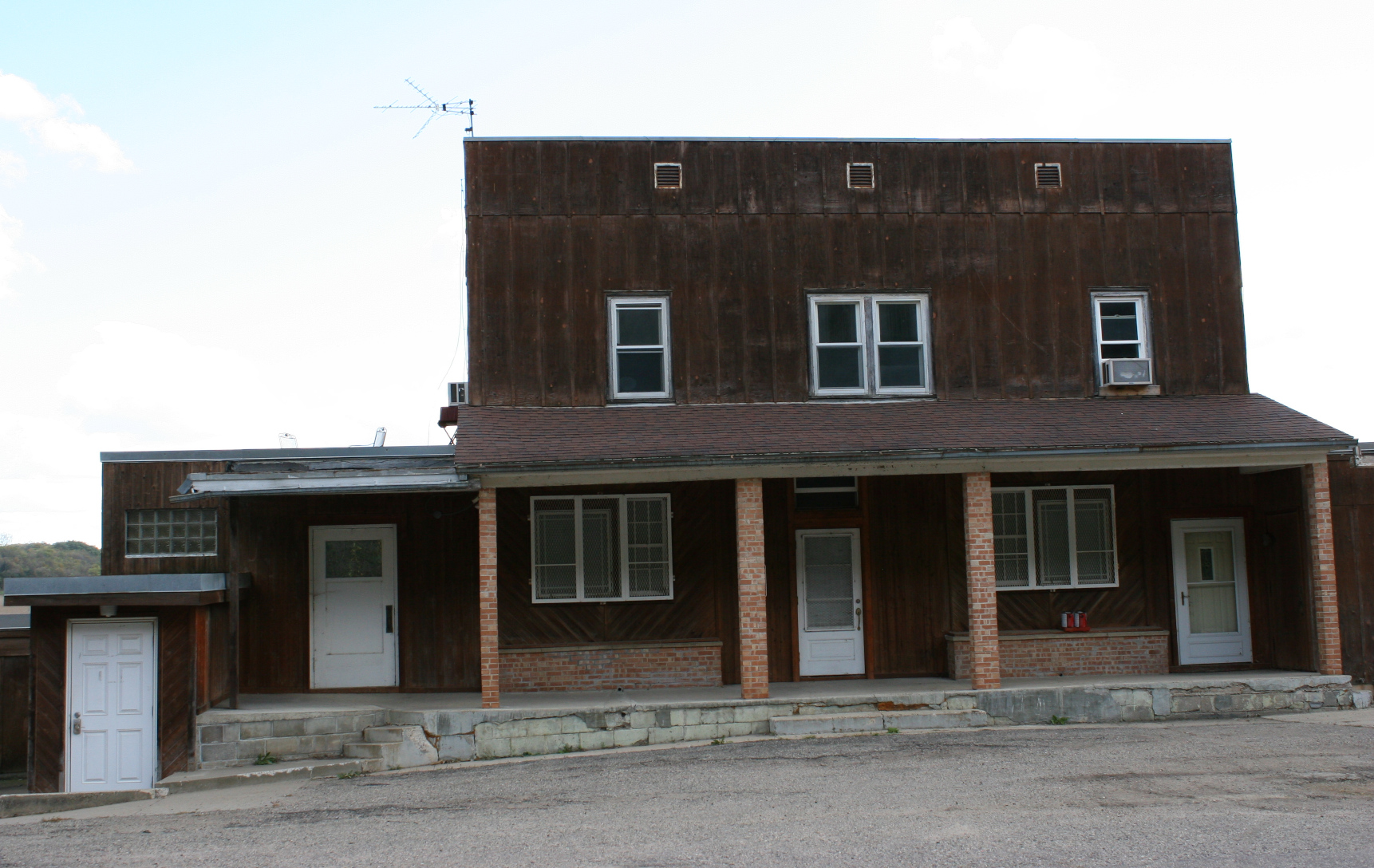
In Belle Creek, a building with an unknown-to-us story. (Minnesota Prairie Roots copyrighted photo mid-October 2021)
Another building in Belle Creek left us guessing at its past life. Perhaps a general store. Then a dance hall. We could be way off…
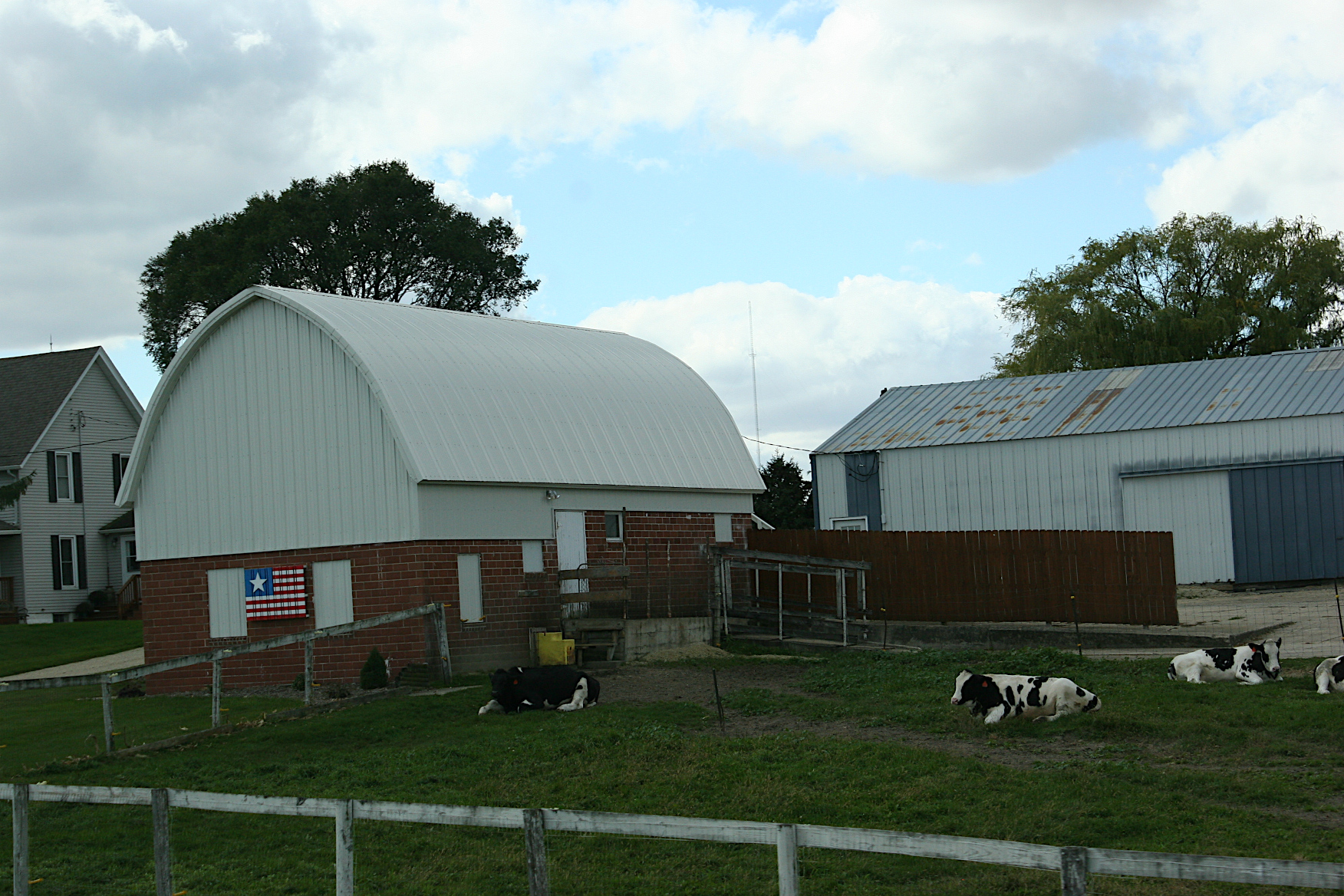
Seeing cows in the countryside takes me back in time. (Minnesota Prairie Roots copyrighted photo mid-October 2021)
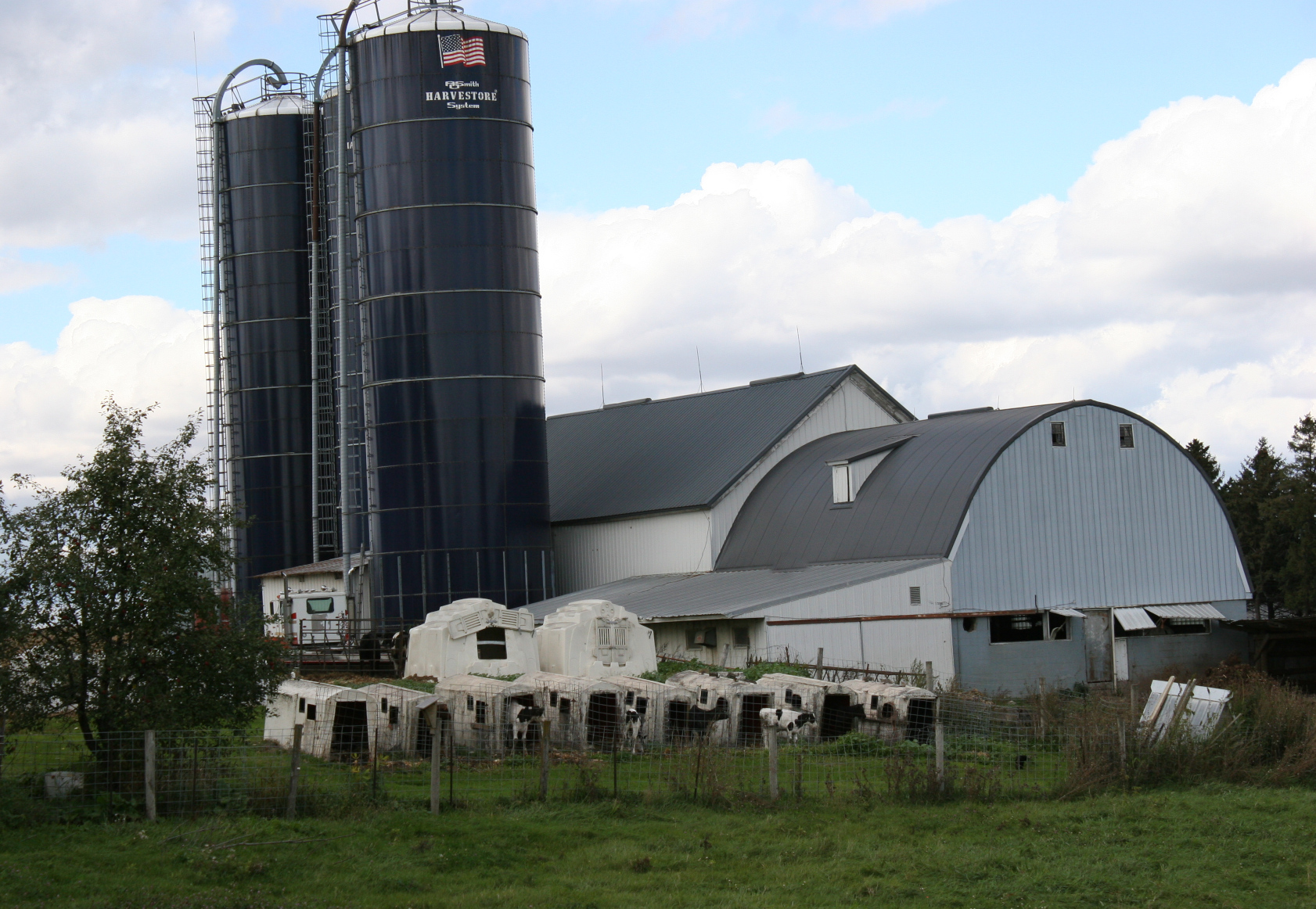
Near Hader, I spotted calves outside their huts. (Minnesota Prairie Roots copyrighted photo mid-October 2021)
Occasionally, we spotted cattle, cows, calves. Growing up on a dairy farm, I delight in seeing bovines, especially Holsteins. But rare are the small family farms today that still raise animals. Corporate and mega farms have mostly replaced that self-sufficient lifestyle. That’s reality.
Lots of sky and cornfields along CR 8 in Goodhue County. (Minnesota Prairie Roots copyrighted photo mid-October 2021)
Just like ghost towns, many farms have become, in some ways, ghost farms. They are but ghosts of the past. Ghosts of their former selves and purposes. I see that in decaying, empty buildings, especially barns. I see that in the absence of livestock. I see that in families who can no longer support themselves solely via the farm.
Farm after farm after farm defines this area of Goodhue County. (Minnesota Prairie Roots copyrighted photo mid-October 2021)
All of this is unsettling. But with time comes change. And with change must come acceptance and perhaps also an added historical appreciation for the past.
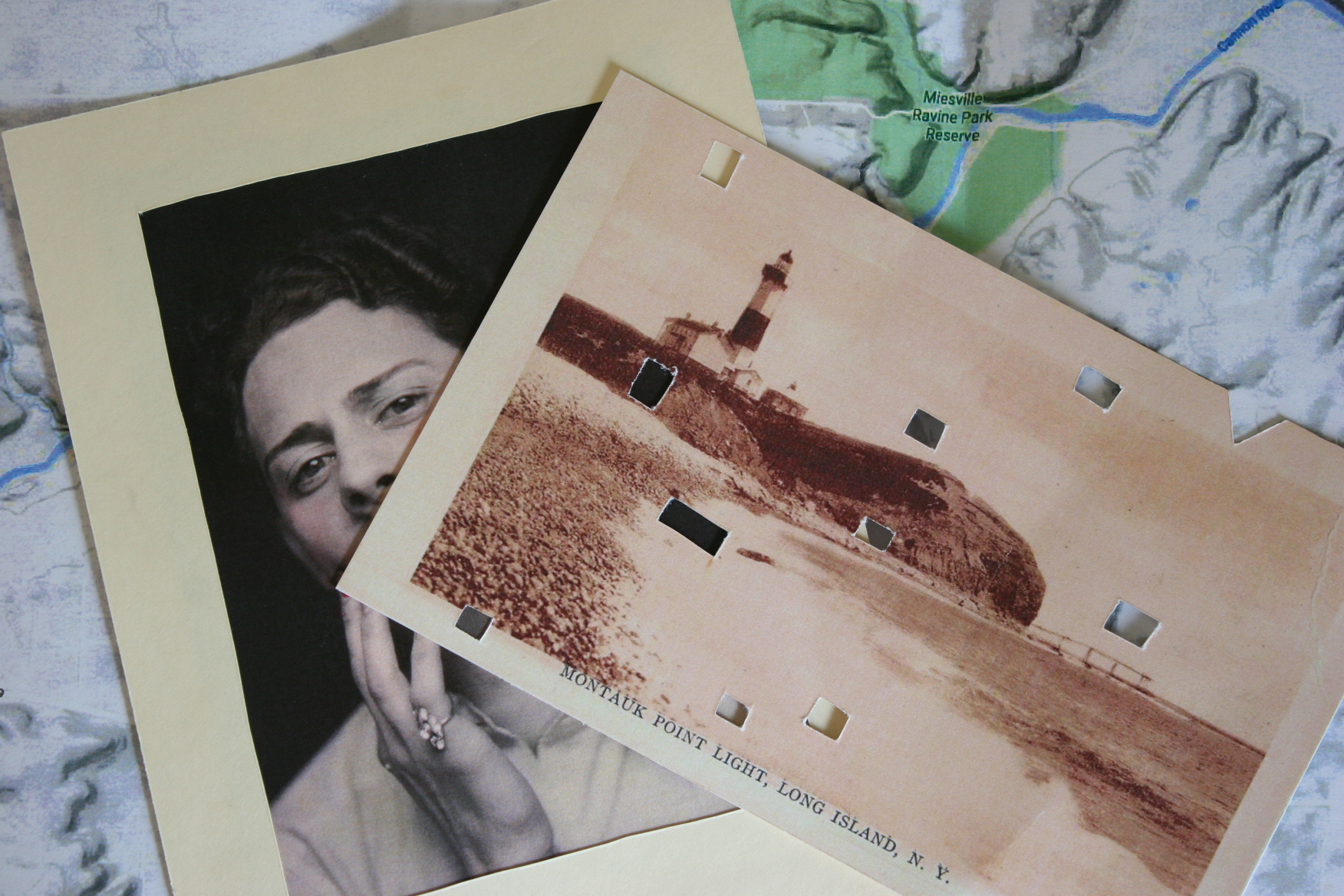
I used a magnifying glass to study this vintage Cannon Falls area map, among clues in the “Gangster’s Gold” mystery. (Minnesota Prairie Roots copyrighted photo November 2021)
THE “Mailbox Mysteries” SIGN POSTED in the front window of a downtown Cannon Falls insurance agency, drew my interest. I’ve always appreciated a good mystery and I wanted in.
So I headed to the nearby library, home base for the mysteries, to inquire about the featured Gangster’s Gold mystery. Within a week I received an introductory letter about notorious gangster and bootlegger Dutch Schultz and his $50 million treasure hidden somewhere in the Cannon River Valley.
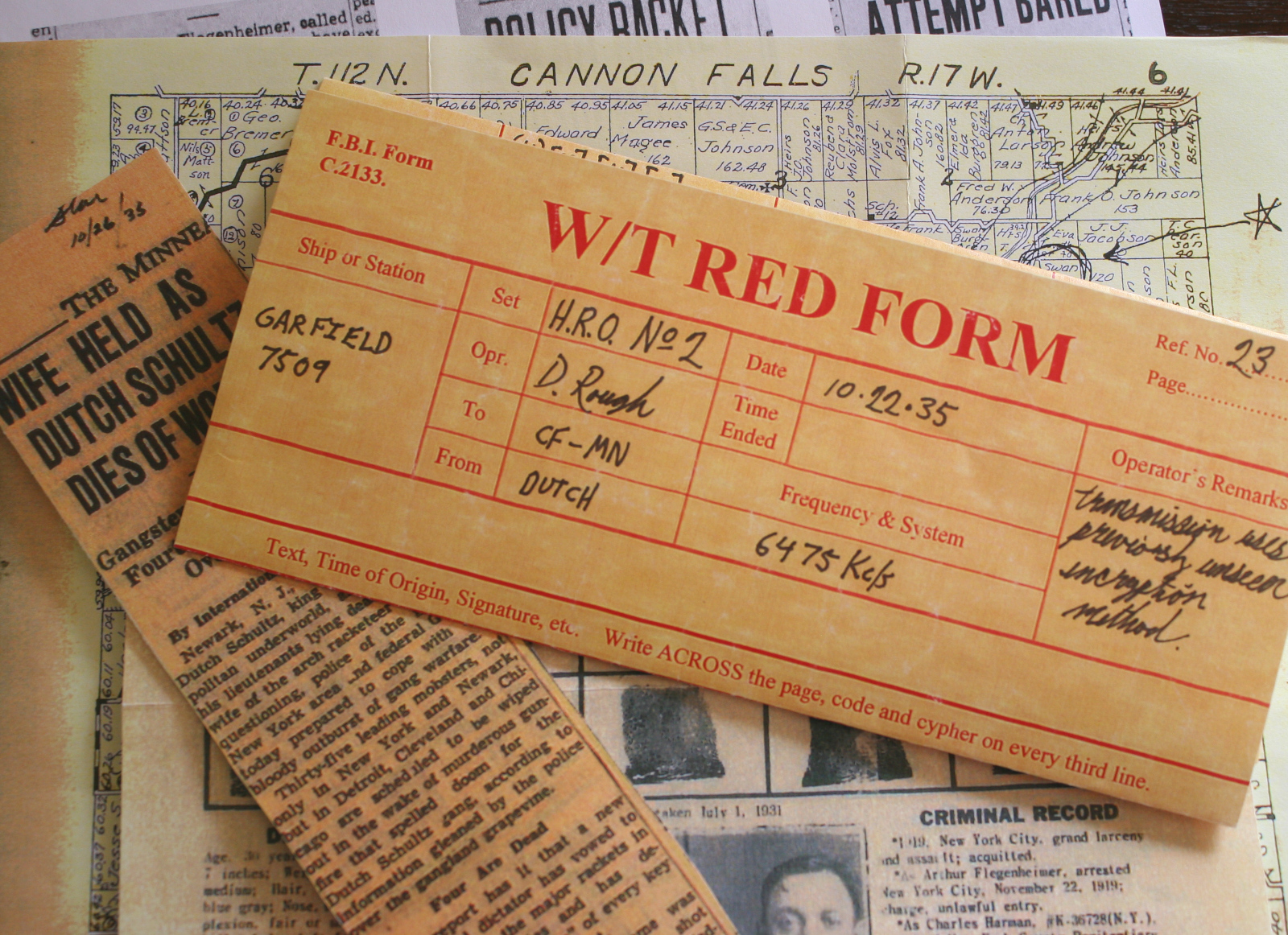
Background and clues. (Minnesota Prairie Roots copyrighted photo November 2021)
Channeling my inner Nancy Drew, I determined to locate that treasure. If only my sleuthing skills matched my enthusiasm. Right from the start, I couldn’t figure out how to fold, and then use, a Tri-Hexa-Flexa-Coder to de-code a secret message. I needed help. My friend Stephani, who once considered becoming a private investigator but stuck to family genealogy, solved the folding/coding problem.
I realized solving this mystery would not be easy. Exactly as “Mailbox Mysteries” creator Matthew Stelter, Teen and Adult Services Librarian in Cannon Falls, likely intended. He created this interactive mystery series last winter as an outreach program for library patrons stuck at home during COVID-19 and, as he said, “tired of a life lived entirely through a computer screen.” At that time, the library building was closed to visitors. All of the clues for his mysteries are sent via US mail to the home-based investigators.
Eventually, Stelter crafted six mysteries—five for adults and a math-based set, “Postcard Puzzles,” for kids 12 and under. A bit overwhelmed by managing all of those mysteries, Stelter has since tweaked and downsized the “Mailbox Mysteries” to three.
The final clues to locate the hidden treasure. (Minnesota Prairie Roots copyrighted photo November 2021)
His past experience developing escape rooms and murder mysteries shows in “Mailbox Mysteries.” I admire his ability to craft a fictional mystery rooted in facts with added local elements. He uses newspaper clippings, photos, letters, historical documents, maps, coded messages (he created the code for the challenging Hexa-Flexagon) and more in believable story lines.
A seemingly authentic newspaper article, for example, references the long-ago Fleckenstein Brewery in Faribault and a possible connection to the underworld. Turns out that story was pure fiction as is gangster and bootlegger Dutch Schultz’s connection to Minnesota. He never had ties here, although many gangsters did. Rather, he lived in New York, where his treasure is rumored to be hidden. Schultz died in a gang shoot-out.
So much to consider in solving “Gangster’s Gold.” (Minnesota Prairie Roots copyrighted photo November 2021)
In the end, I found the location of the $50 million treasure after hours of dissecting documents—yes, I became a bit obsessed—and using a magnifying glass to better view details on a map. Stelter rewarded me with a personalized Certificate of Commendation and advised me to bring a shovel to dig deep for the buried treasure.
These three items were in the first mailing of “Spy School” mystery. (Minnesota Prairie Roots copyrighted photo November 2021)
Now I’m on to the next “Mailbox Mysteries,” Spy School. I’ve received my introductory letter, a brochure for the Vera Atkins Spy Academy and an encoded note warning that the school is compromised.
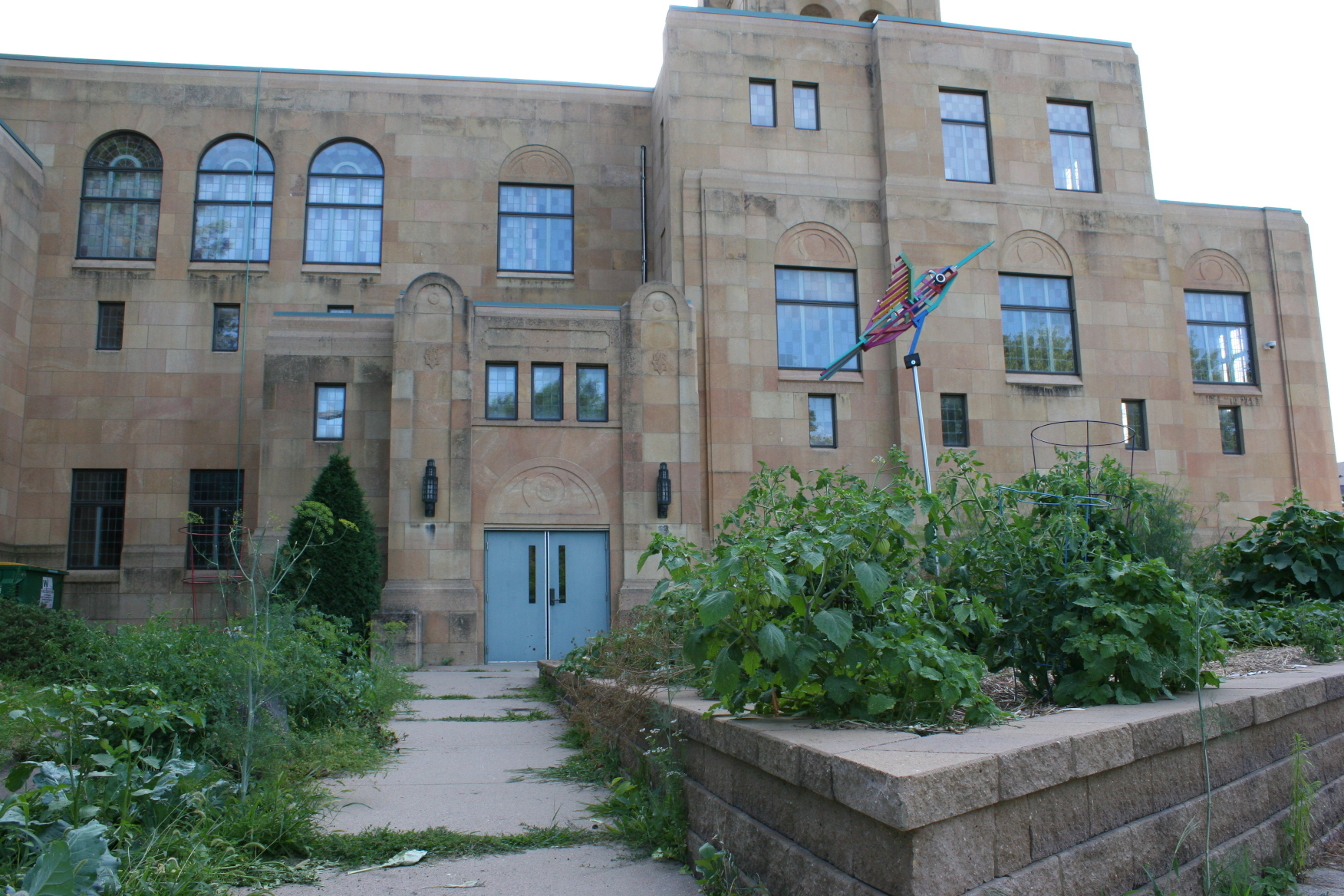
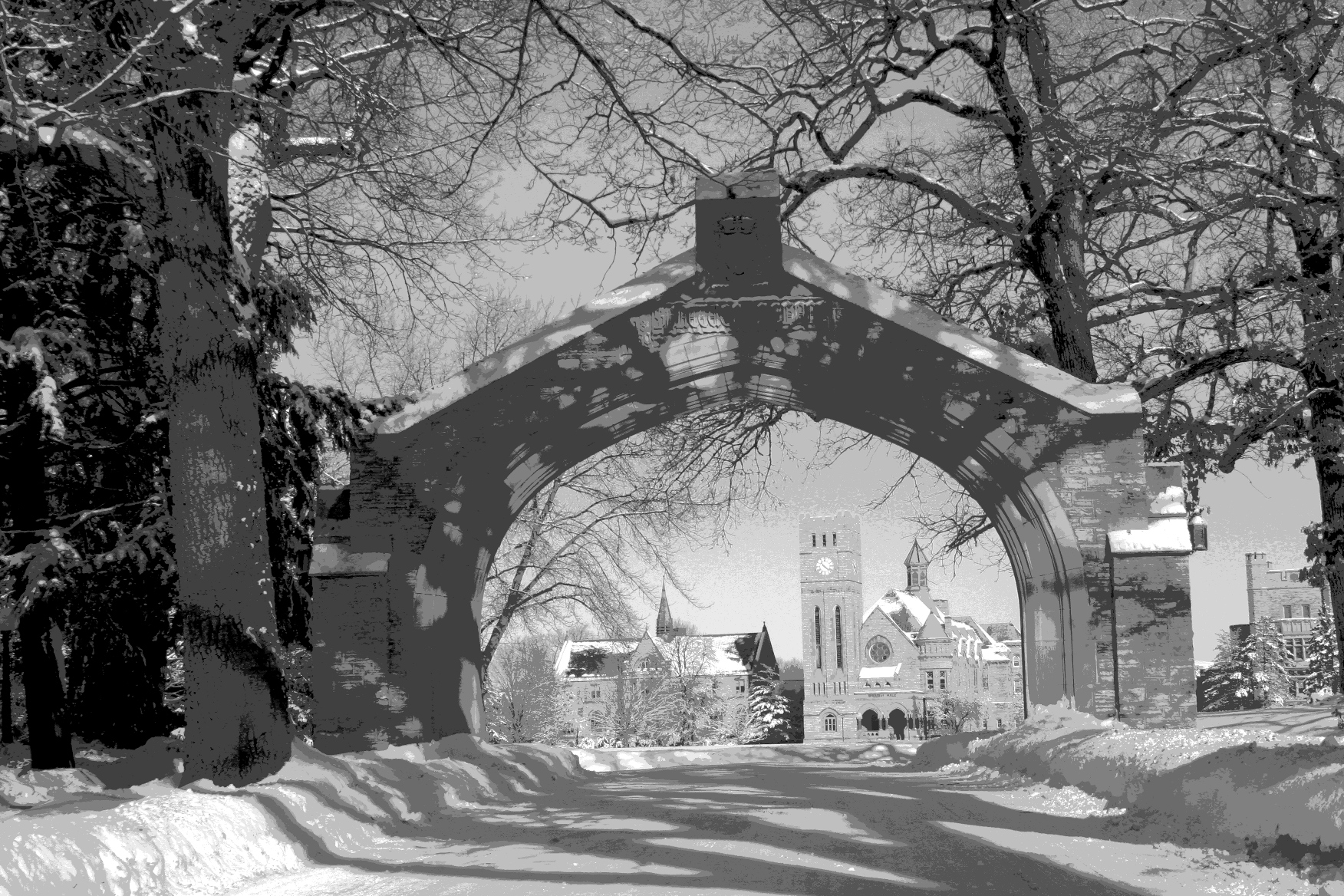
The arched entry to Shattuck-St. Mary’s School, upper campus, in Faribault. (Minnesota Prairie Roots copyrighted file photo)
VASA happens to be in Faribault, as printed in a brochure so professionally done that I would think the academy really existed if I didn’t recognize the photos of Shattuck-St. Mary’s School. Stelter lived at Shattuck for 10 years. I’m also semi-familiar with the campus so I’ll see if that familiarity helps in solving the mystery. As in Gangster’s Gold, I expect this mystery writer to weave more local details into the fictional story line.
While I await the next set of clues, I invite you to join the team of private investigators. Stelter welcomes all Nancy Drew, Hardy Boys, Sherlock Holmes types to register by November 30. Simply email your request for Spy School along with your name and complete snail mail address to: mstelter (at) selco (dot) info
Be forewarned, though, that these mysteries are challenging and time-consuming. Yet so worth the satisfaction of solving and of reaching into your mailbox to find, not a bill, but rather the efforts of a talented and creative librarian.
The third “Mailbox Mysteries,” Cypher Cabin, will be available starting December 1.
















 Minnesota Prairie Roots
Recent Comments