Minnesota Prairie Roots

Writing and photography by Audrey Kletscher Helbling

Minnesota Faces: A World War II veteran from Kenyon May 22, 2015

Filed under: Uncategorized — Audrey Kletscher Helbling @ 5:00 AM
Tags: , , , , , , ,

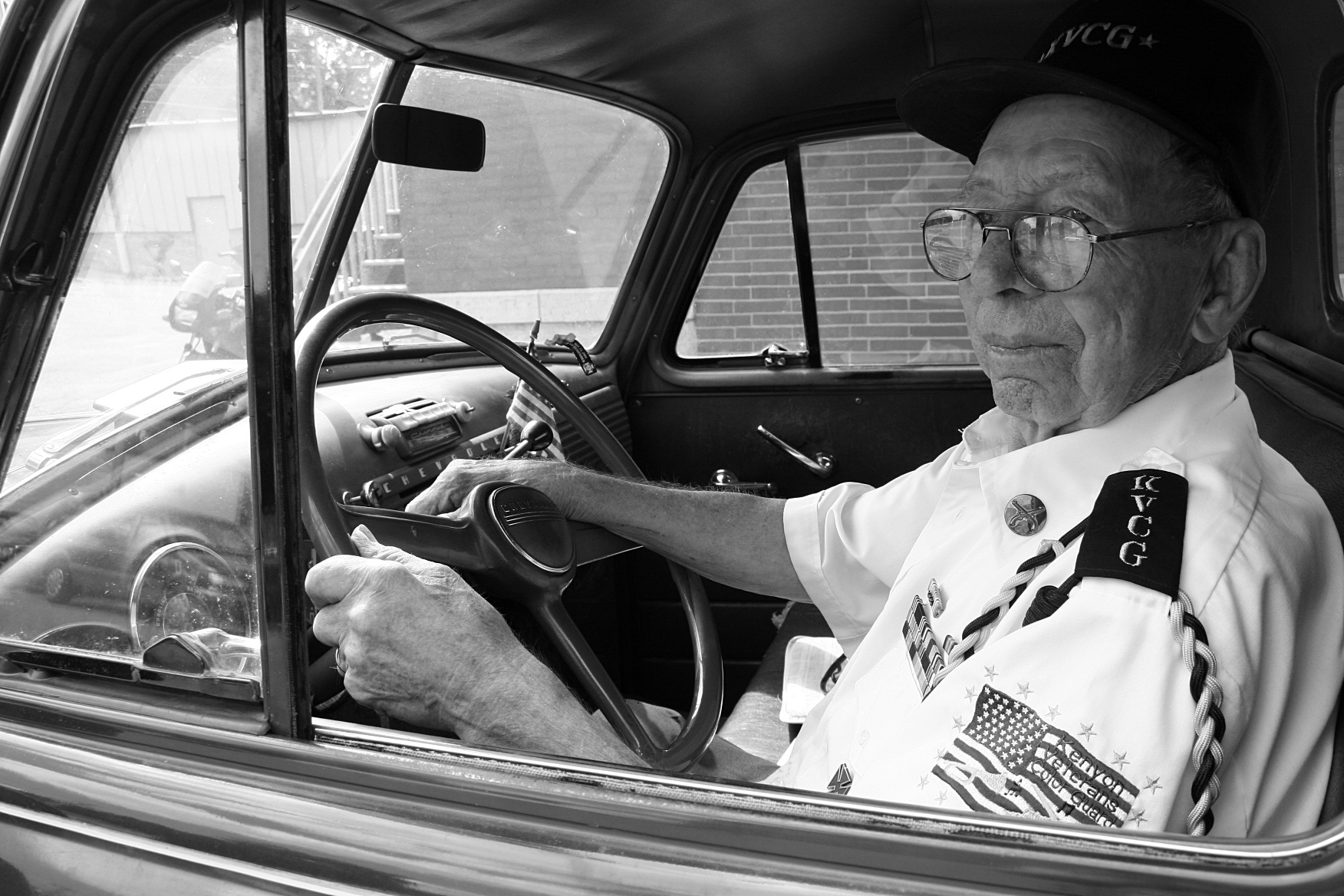
Portrait #24: Howard Homeier

Howard Homeier in his cherished early 1950s Chevy pick-up truck.

Howard Homeier in his cherished early 1950s Chevy pick-up truck. Minnesota Prairie Roots file photo 2009.

When I met World War II veteran Howard Homeier of Kenyon, in Kenyon, in August 2009, he’d just come from Kenyon Veterans Memorial Park. There, with other members of the Kenyon Veterans Color Guard, he’d participated in a ceremony during this southern Minnesota community’s annual Rose Fest.

Howard and I chatted briefly about his service with the U.S. Army in the China Burma India Theater. Then I admired his vintage 50s truck, with Howard allowing me to photograph it and him in it.

What I mostly admired, though, was Howard’s patriotism and support of veterans. Although I didn’t ask, I’m certain he does not take freedom for granted. He understands its cost. This vet put his freedom into practice by serving in Kenyon city government.

Nearly six years after meeting Howard, I still remember him. I hope you, too, this weekend remember and honor a veteran.

#

This is part of a series, Minnesota Faces, featured every Friday on Minnesota Prairie Roots.

Copyright 2015 Audrey Kletscher Helbling


The patriotism of the Winnebago County, Iowa, courthouse square May 21, 2015

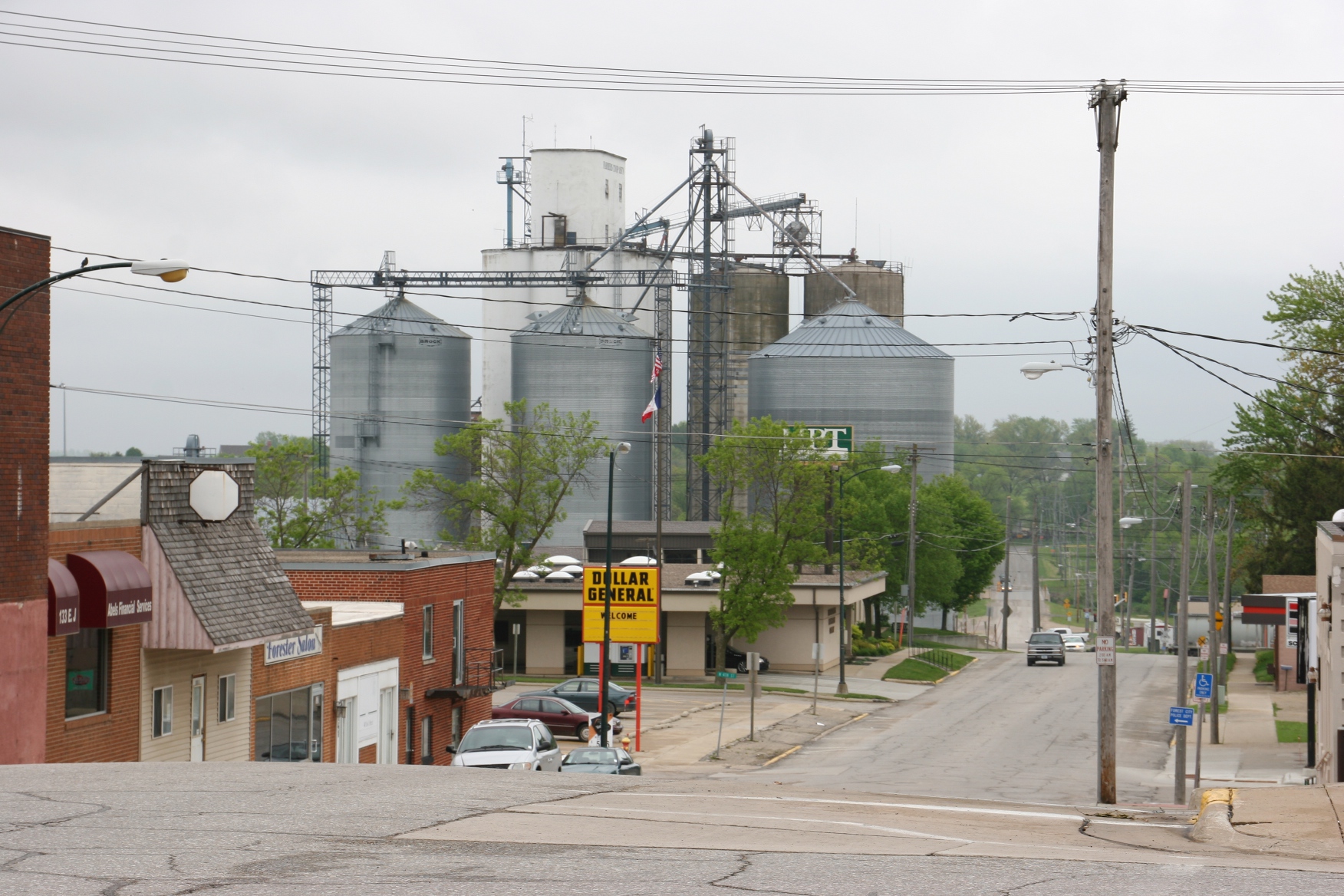
At the top of the hill looking down the street we just traveled to reach downtown Forest City and courthouse square.

At the top of the hill looking down the street we just traveled to reach downtown Forest City and courthouse square.

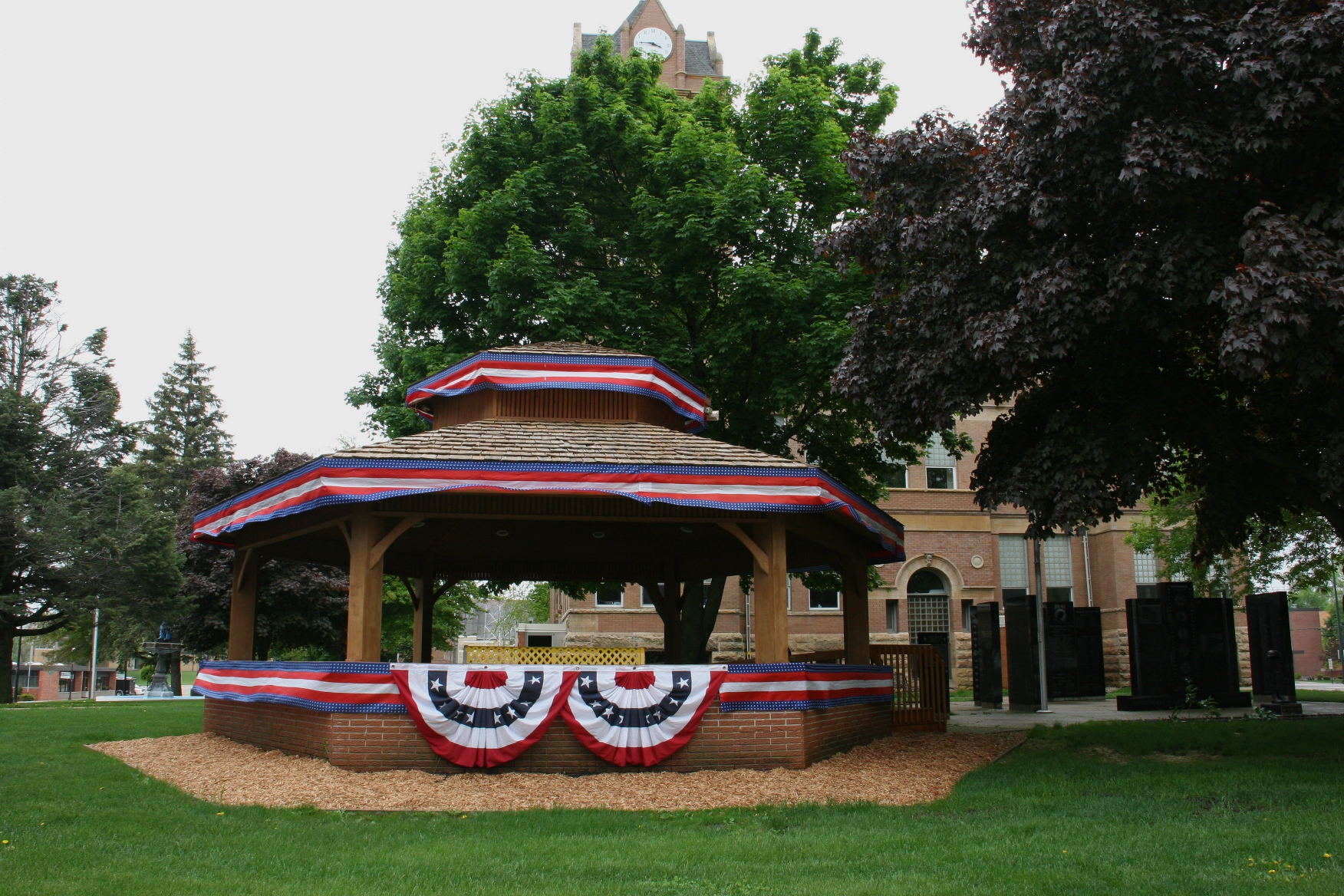
THE RED-WHITE-AND-BLUE BEDECKED gazebo caught my attention as we drove up the hill, past grain bins and Dollar General, into downtown Forest City two Saturdays before Memorial Day.

This oversized gazebo sits in the Winnebago County Courthouse square.

This oversized gazebo sits in the Winnebago County Courthouse square.

What a delightful, patriotic welcome to this northern Iowa county seat, home to Waldorf College, Winnebago Industries and Heritage Park of North Iowa.

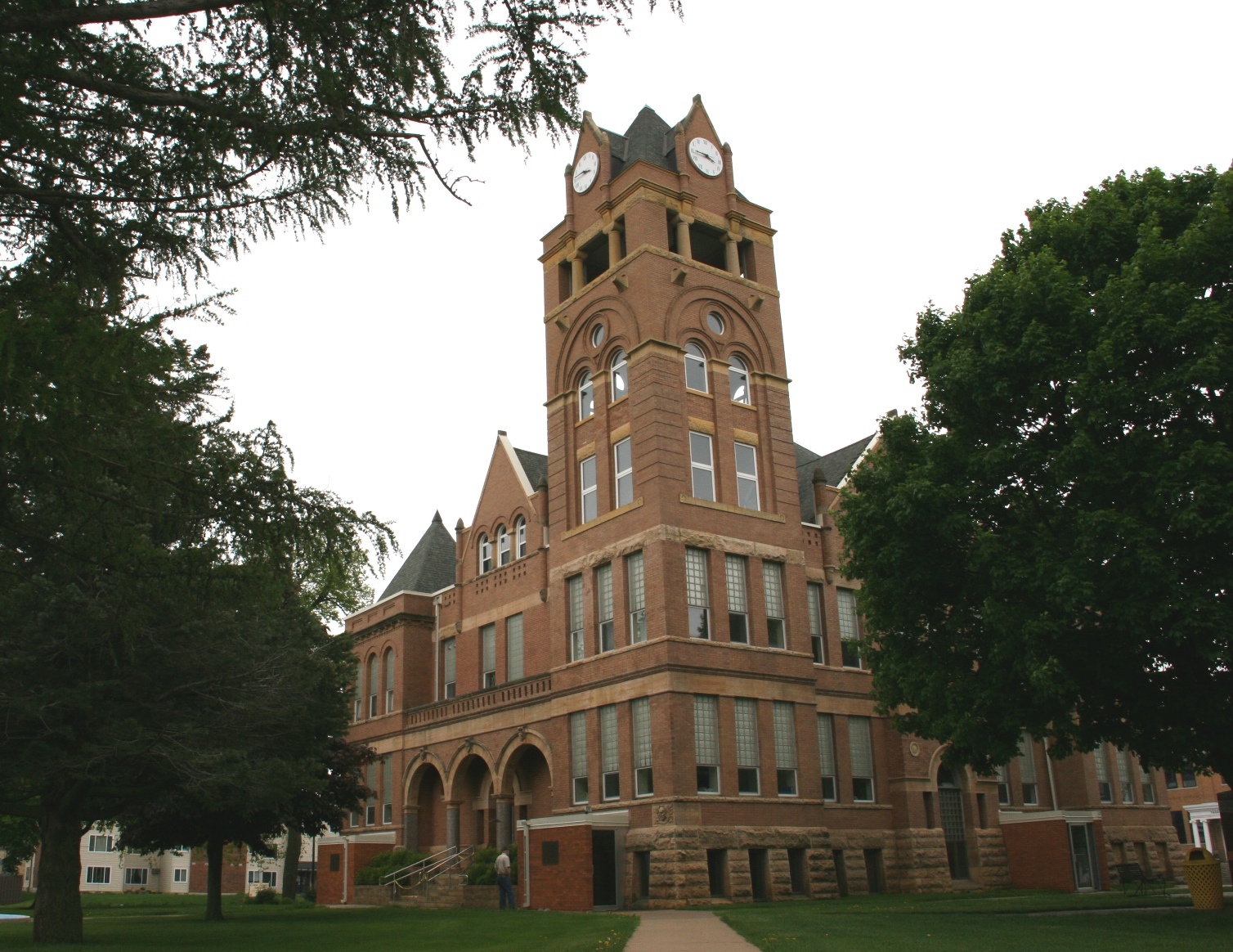
The courthouse was built in 1897 for $20,496. A south wing was added later.

The courthouse was built in 1897 for $20,496. A south wing was added later.

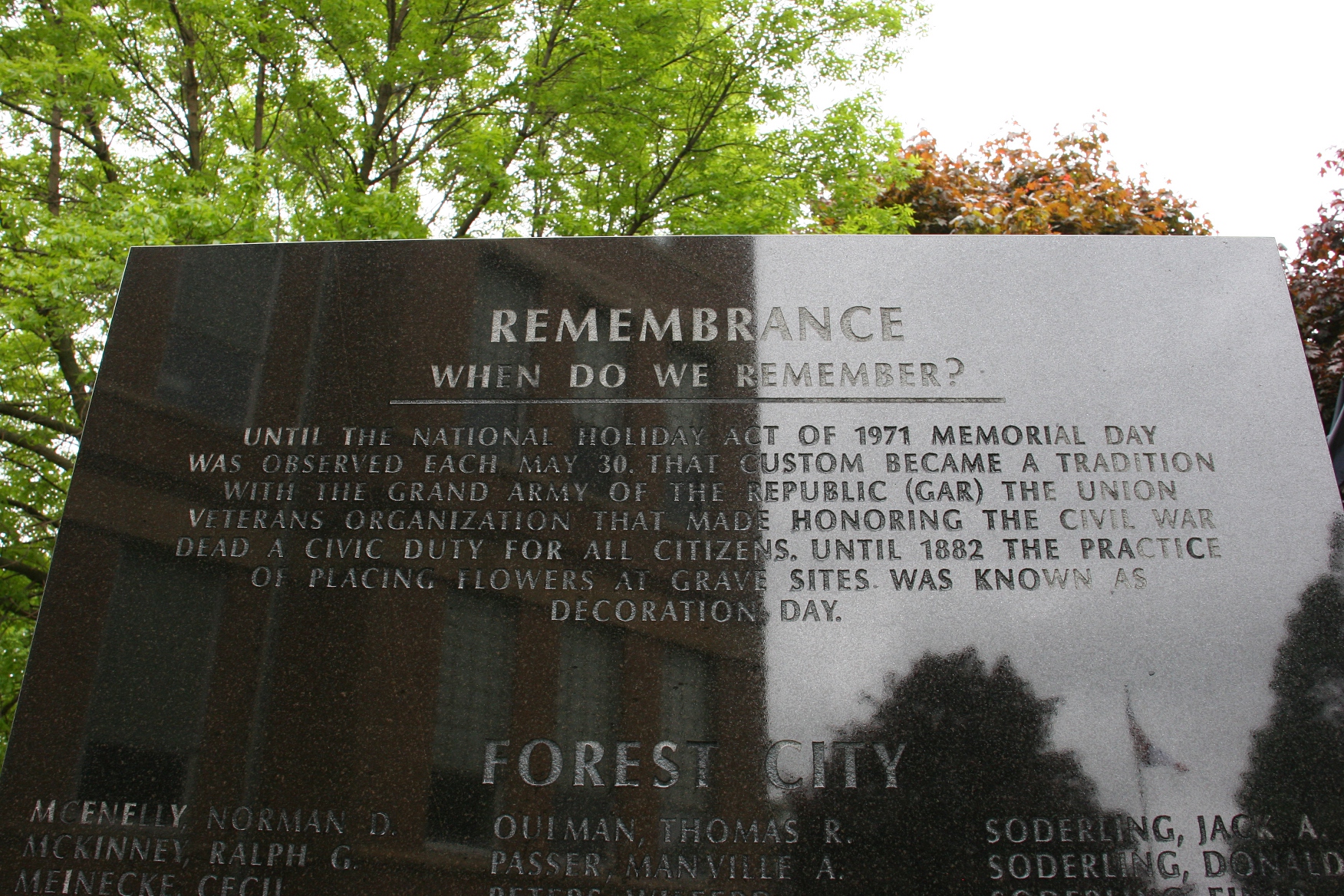
The Winnebago County Veterans Memorial rests on the side of the courthouse near the gazebo.

The Winnebago County Veterans Memorial rests on the side of the courthouse near the gazebo.

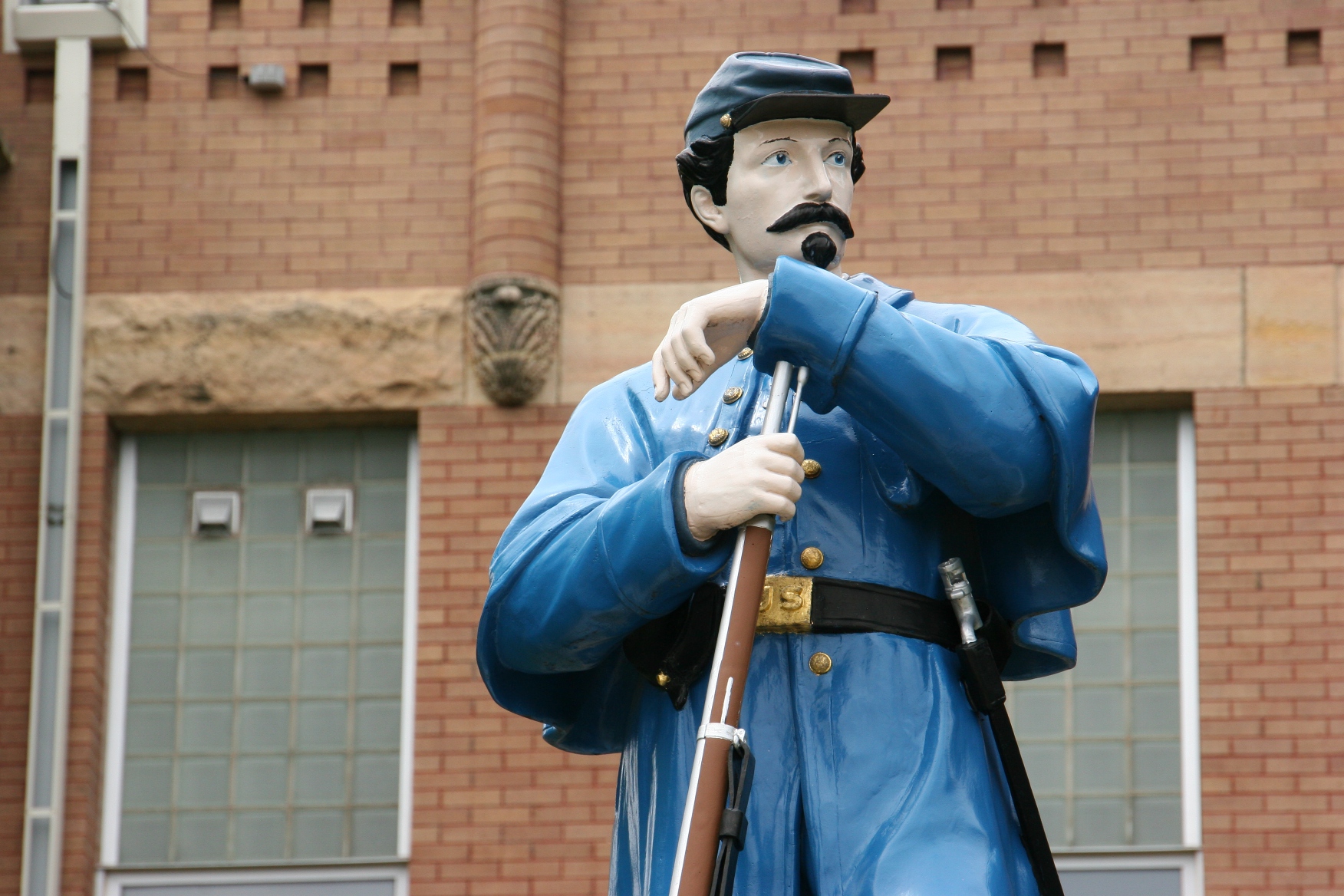
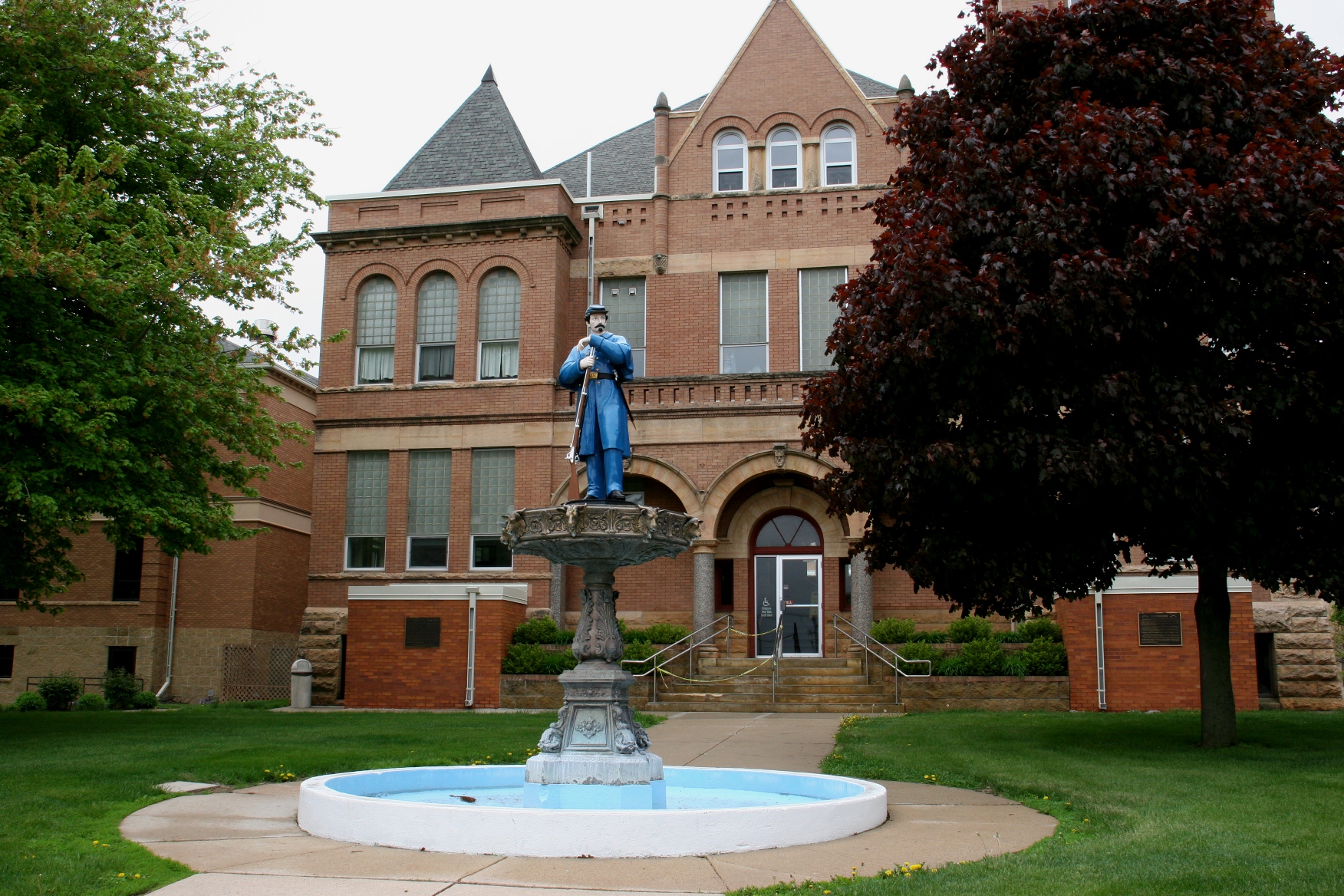
The Union Soldier statue was purchased by the local Women's Relief Corps in 1899. The chapter was founded to care for Union soldiers and to assist their widows and orphans and to honor the dead. There are 151 Civil War veterans buried in Winnebago County.

The Union Soldier statue was purchased by the local Women’s Relief Corps in 1899. The chapter was founded to care for Union soldiers and to assist their widows and orphans, and to honor the dead. There are 151 Civil War veterans buried in Winnebago County.

This eye-catching display of American pride drew my eyes to the gazebo and then to the imposing 1897 Romanesque style courthouse. Both sit in the Winnebago County Courthouse square, graced by two war memorials—that of a Union soldier and the Winnebago County Veterans Memorial.

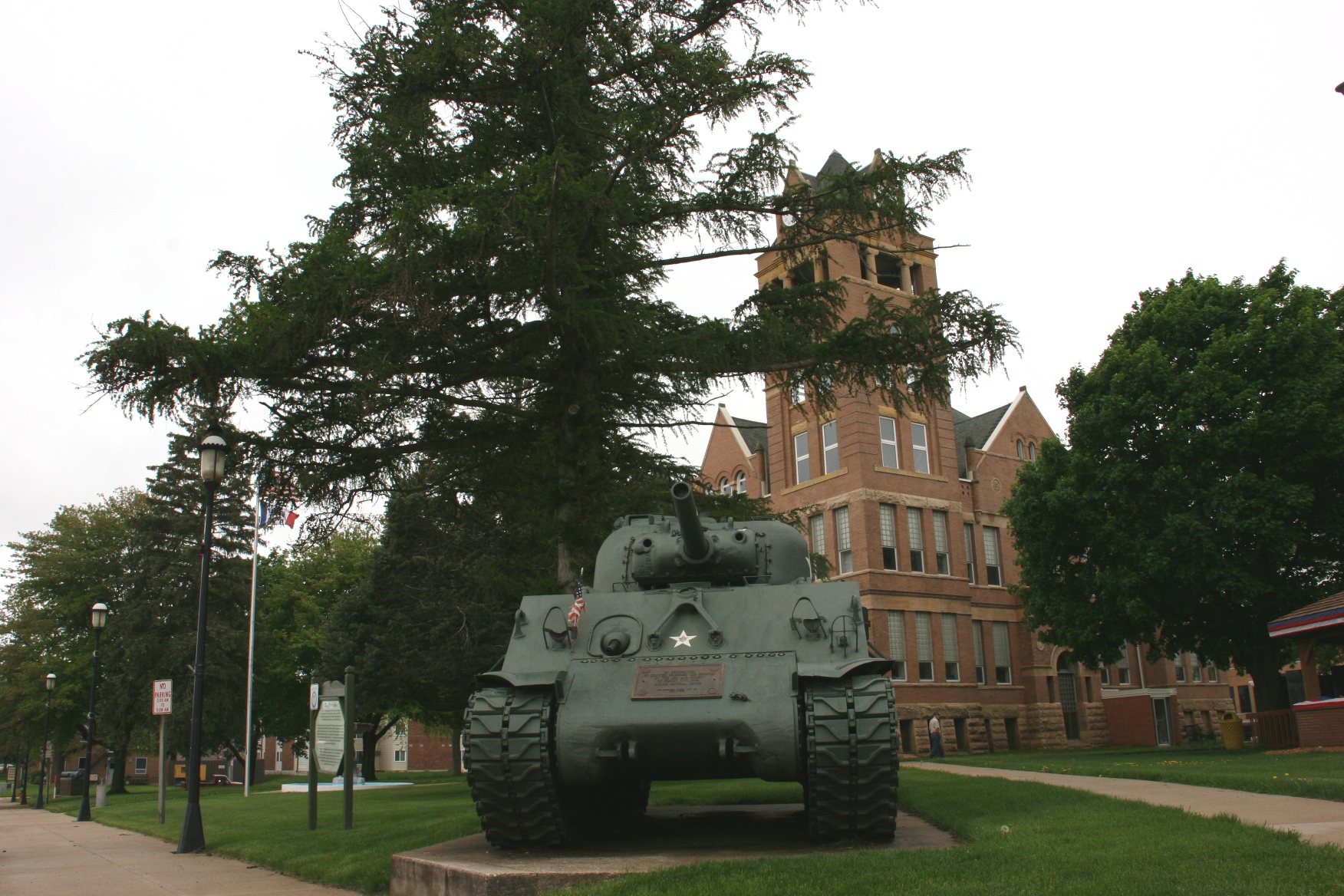
The vintage Sherman tank.

The vintage Sherman tank.

A Sherman tank anchors a corner of the block.

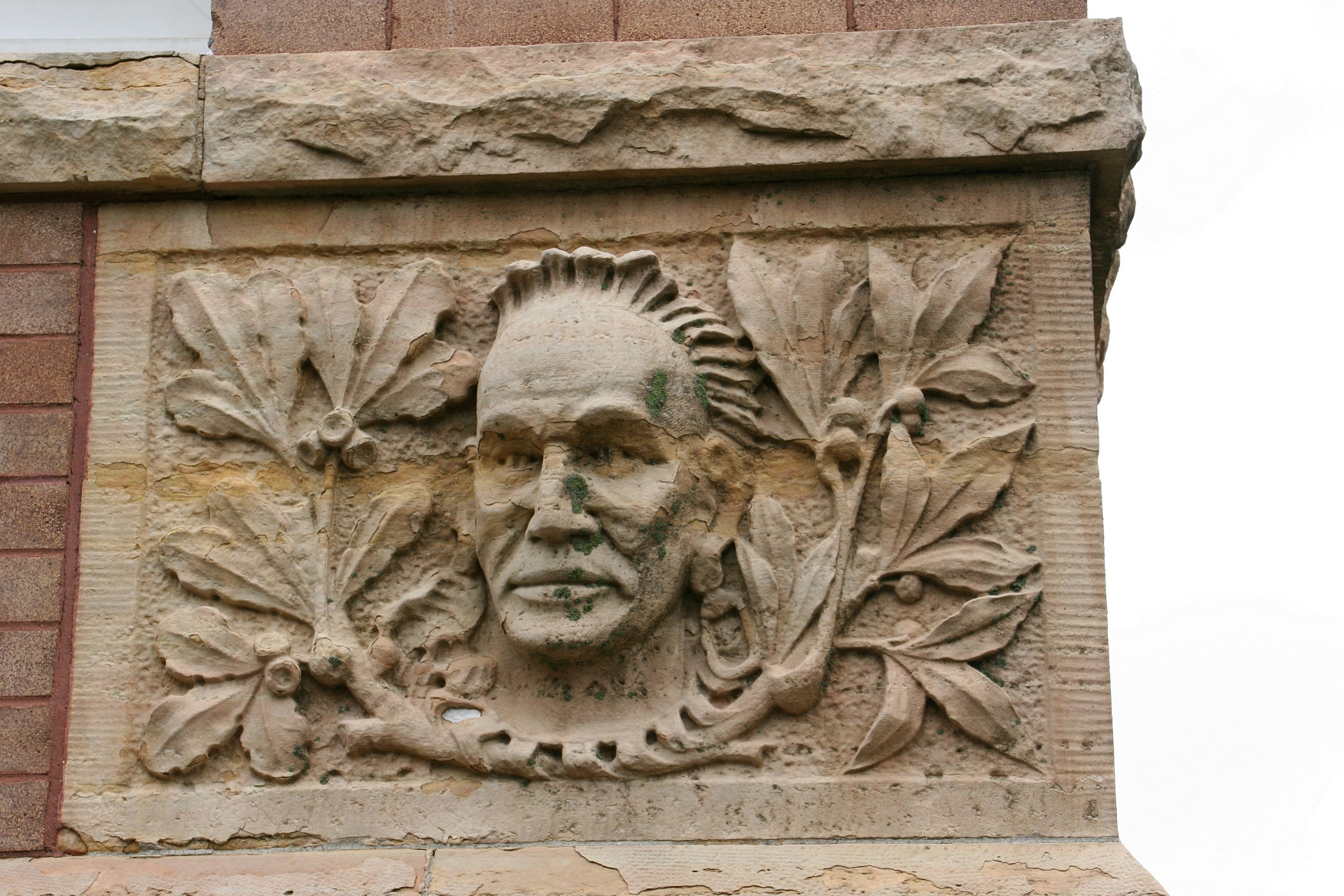
A sculpture on a corner of the courthouse.

A sculpture on a corner of the courthouse.

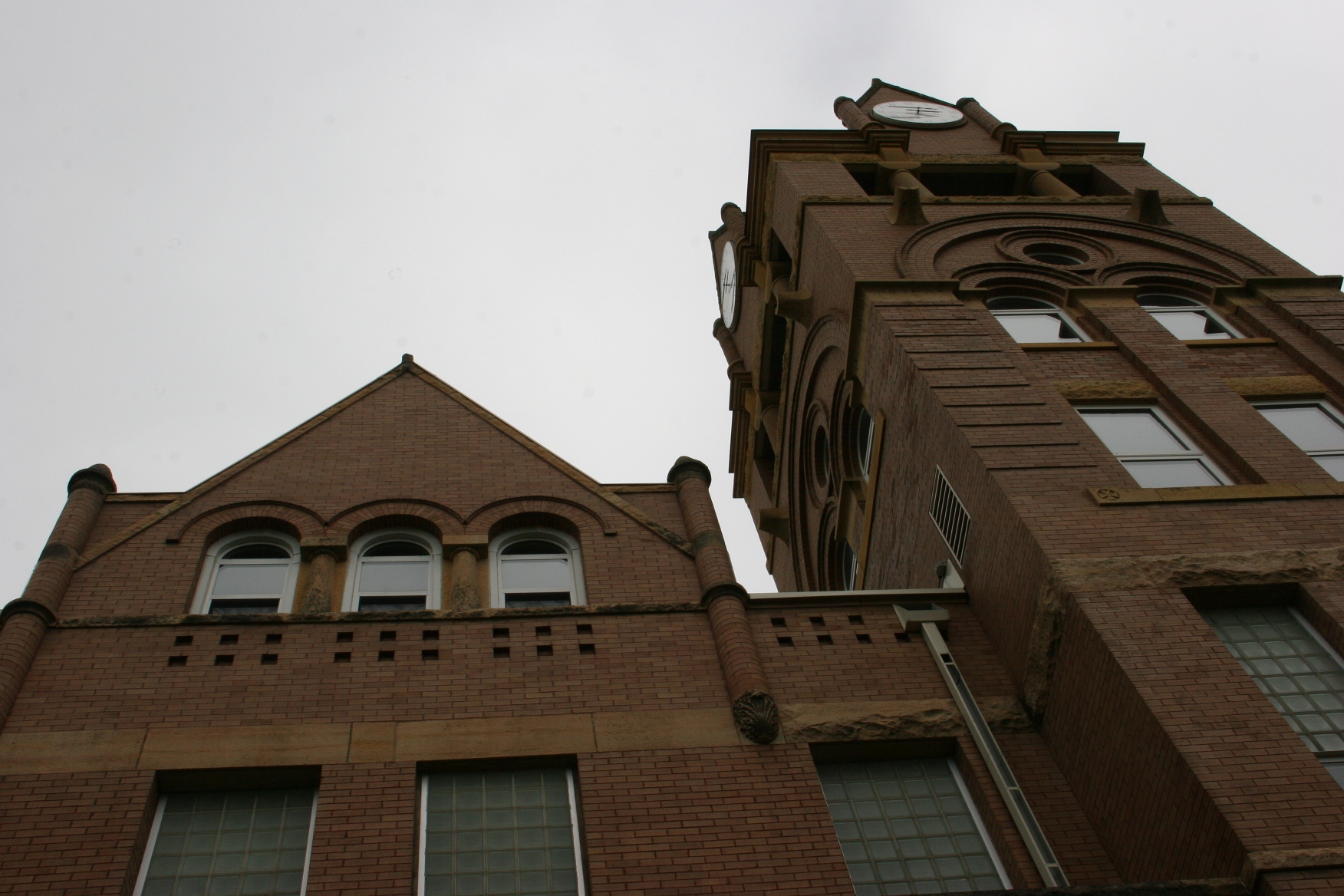
Aiming my camera up at the towering courthouse.

Aiming my camera up at the towering courthouse. Notice all that architectural detail.

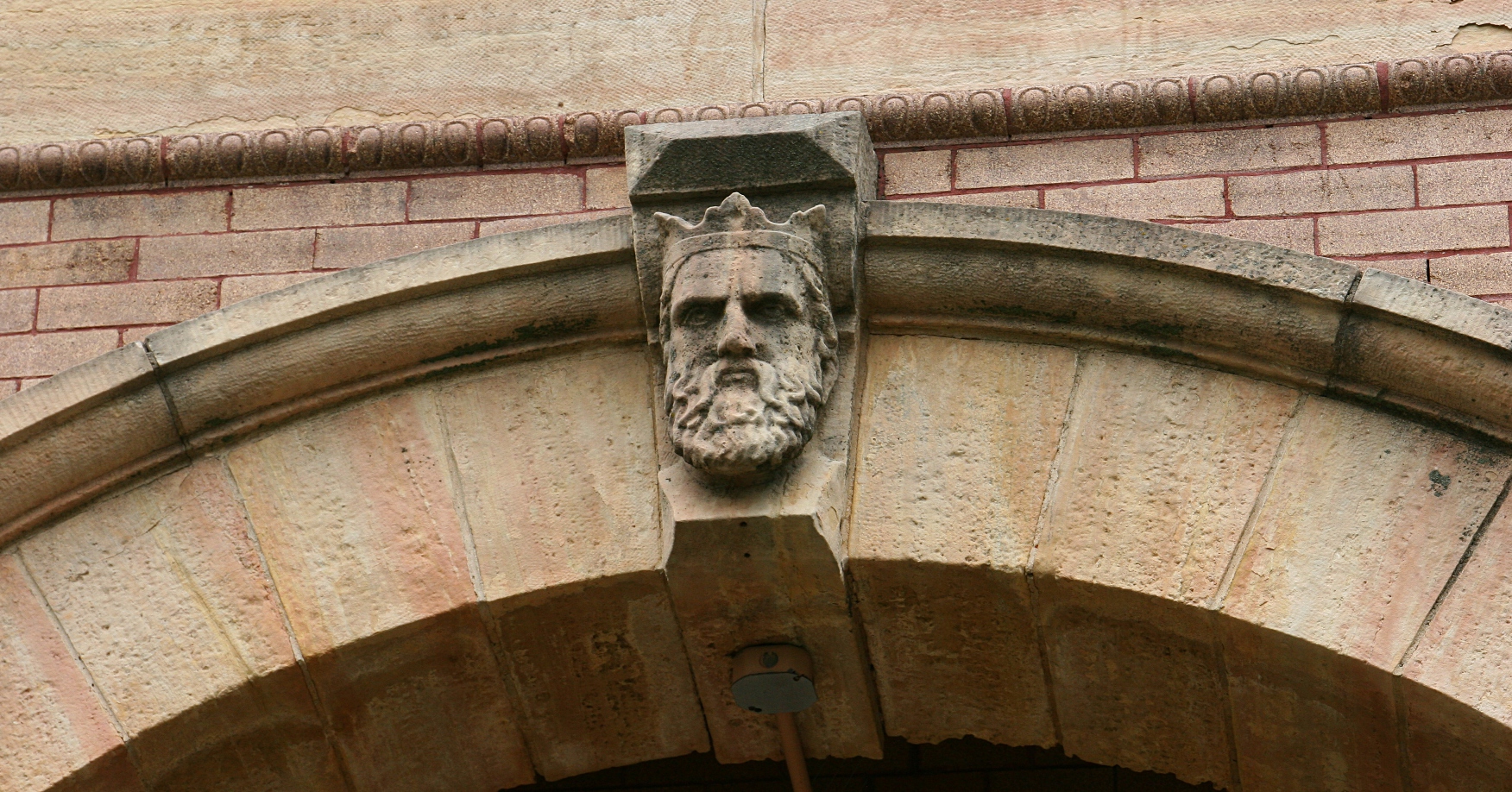
Another courthouse sculpture.

Another courthouse sculpture.

The Union Soldier was constructed from zinc by J. L. Mott Iron Works of Trenton, New Jersey, at a cost of $155.

The Union Soldier was constructed from zinc by J. L. Mott Iron Works of Trenton, New Jersey, at a cost of $155. The monument was restored in 2005.

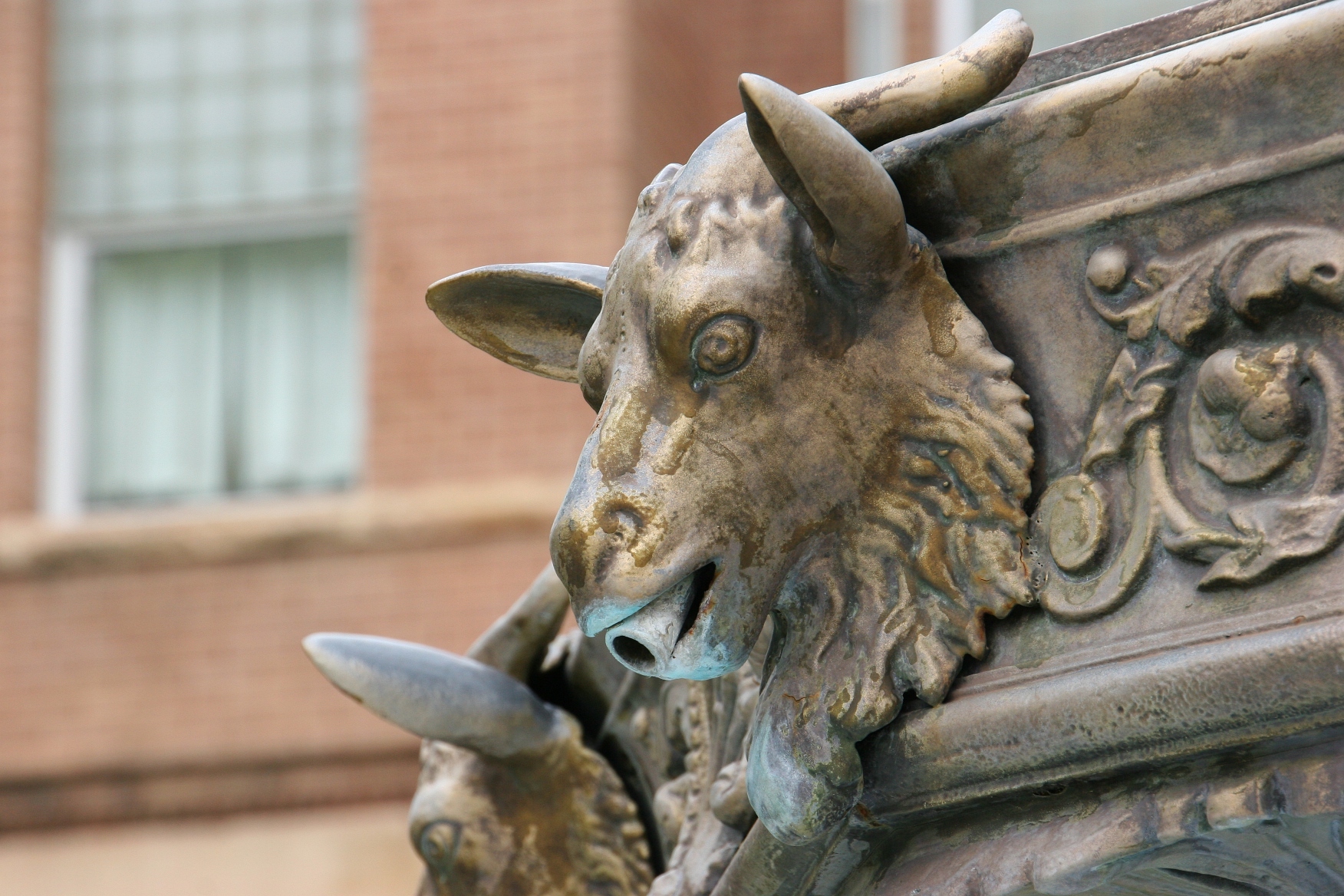
The fountain atop which the Union soldier stands was also built by J. L. Mott Iron Works. It is of French Victorian design. The goat head symbolizes strength and victory.

The fountain atop which the Union soldier stands was also built by J. L. Mott Iron Works. It is of French Victorian design. The goat heads symbolize strength and victory.

It was a lot to take in, to photograph. Artsy architectural details add visual interest to the fountain and courthouse, which is on the National Register of Historic Places. I only wished it had been a week day so I could have toured the courthouse interior.

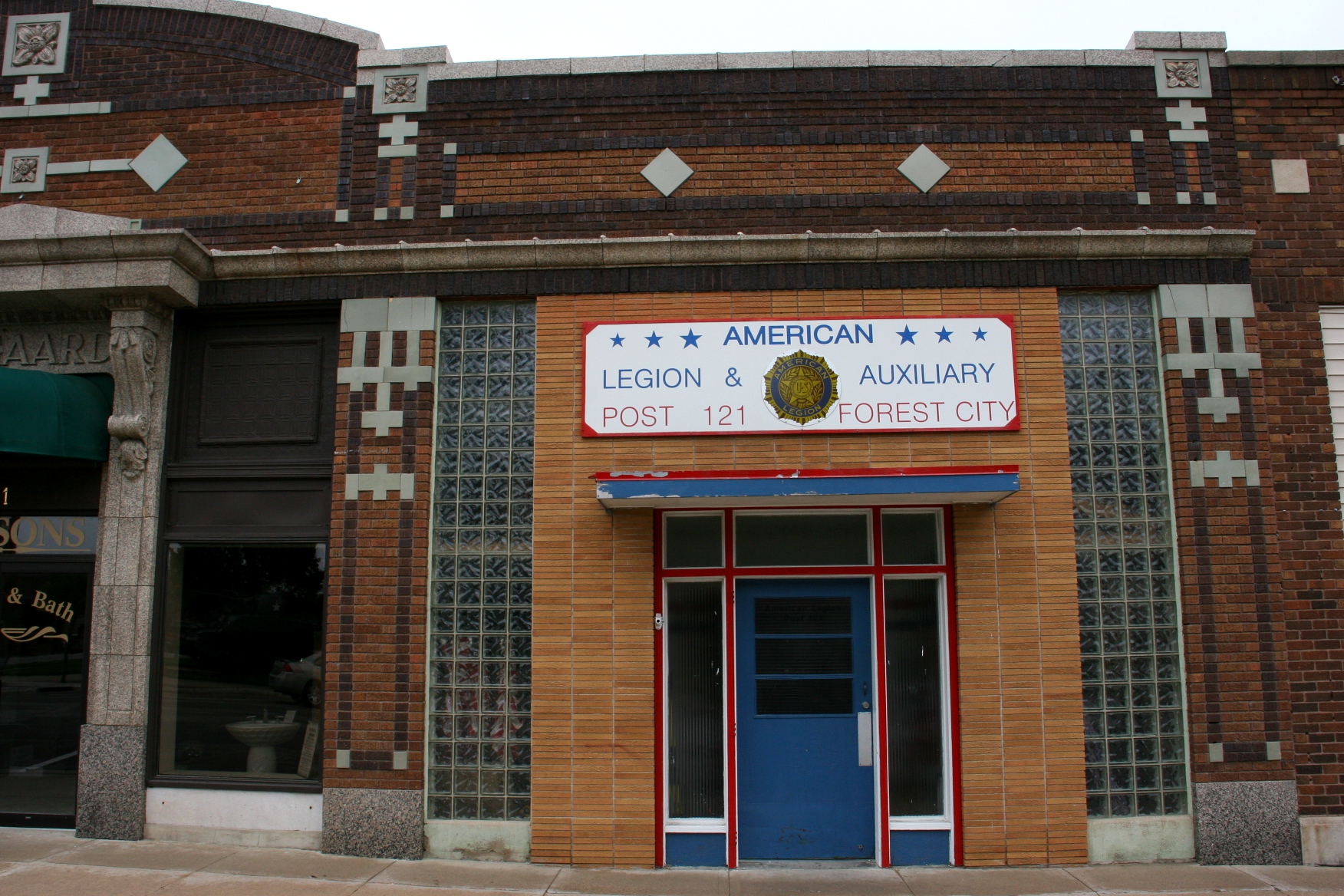
I appreciated the patriotic colors on The Legion.

I appreciated the patriotic colors on The Legion.

But, since I couldn’t get inside, I focused my camera on the exterior, all the while watched by two elderly men across the street near the Legion. I expect they were wondering about the couple in the car with Minnesota plates and the woman shooting pictures with a fancy camera. Perhaps I should have chatted it up with them. The likely could have told me a story or ten.

FYI: Click here to read my first, and then my second, blog post on other Forest City, Iowa, attractions.

© Copyright 2015 Audrey Kletscher Helbling
 

Honoring rural life at Heritage Park of North Iowa May 20, 2015

“COME BACK ON SATURDAY,” Monte Topp advised. “There’ll be 25,000 people here.”

“No, thanks,” I said.

Heritage Park of North Iowa is hosting Tree Town Music Festival opening this Thursday.

Heritage Park of North Iowa is hosting Tree Town Music Festival opening this Thursday.

And that is how I learned about the May 21 – 24 Tree Town Music Festival in Forest City, Iowa, with Saturday headliner Blake Shelton. Yes, the Blake Shelton, whom even I, not a fan of country western music, know as a judge from The Voice.

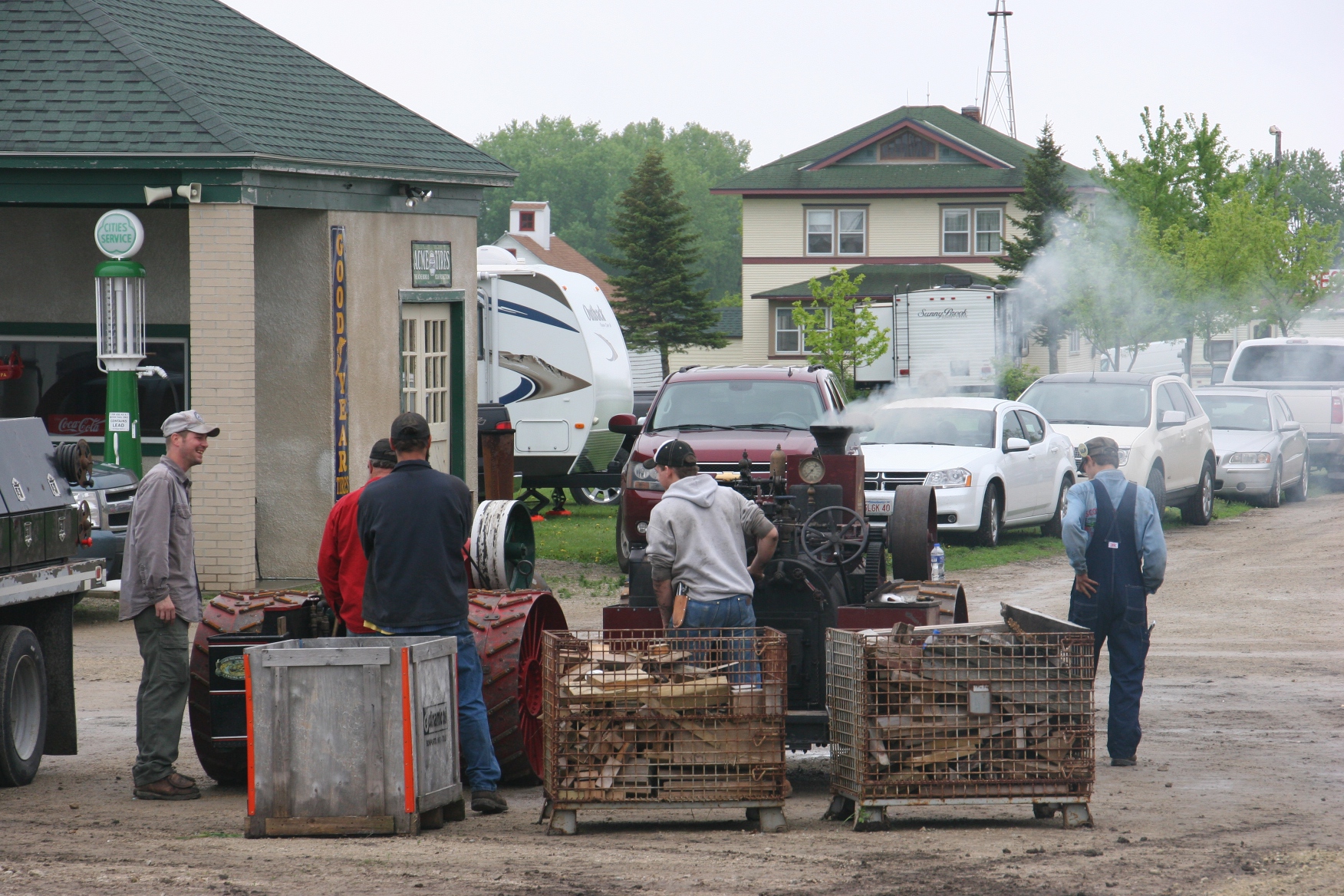
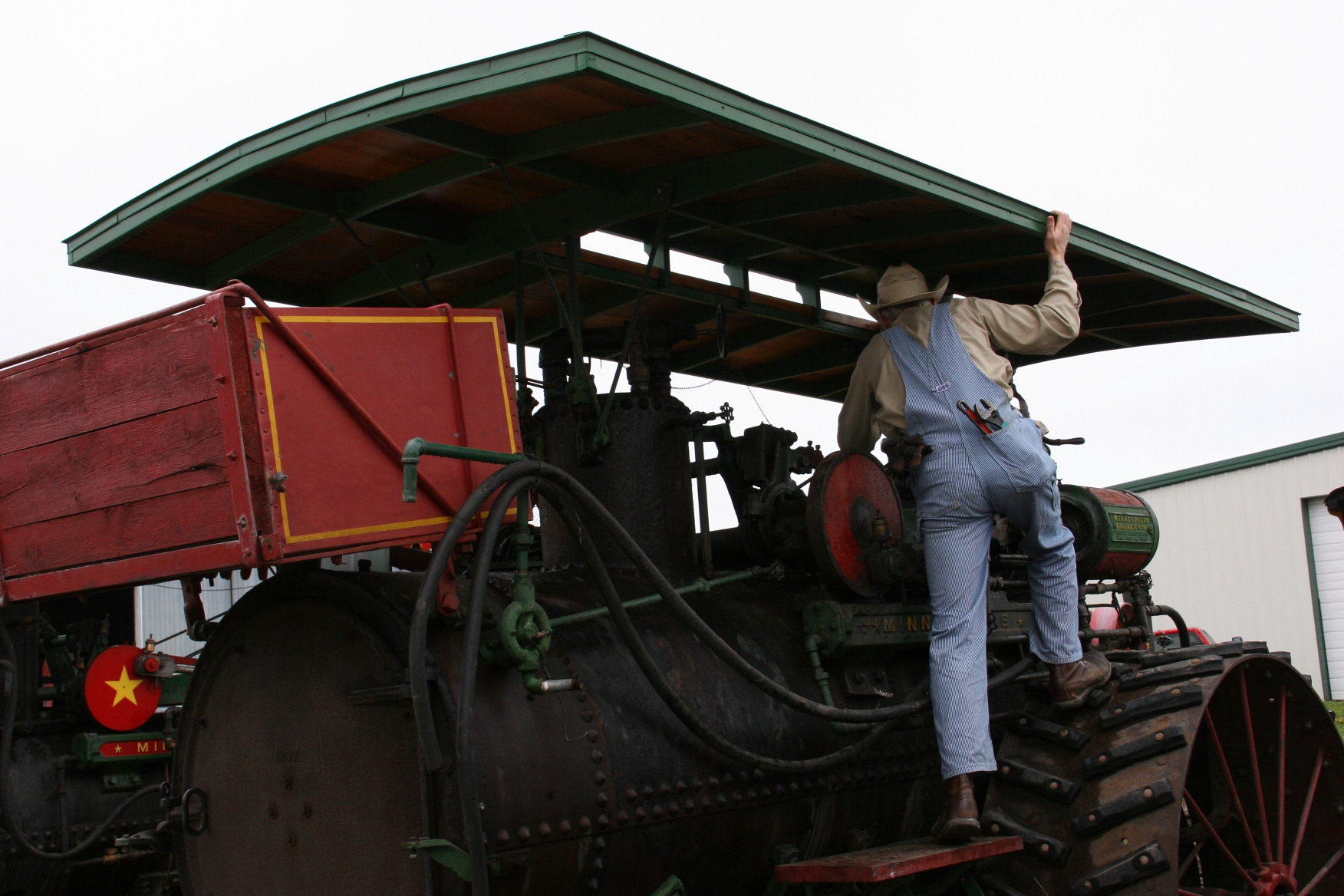
But Monte wasn’t talking much music when I met him at Heritage Park of North Iowa last Saturday morning. He was focused instead on the weekend Steam School which drew folks from around the country to learn the ins and outs of operating steam engines.

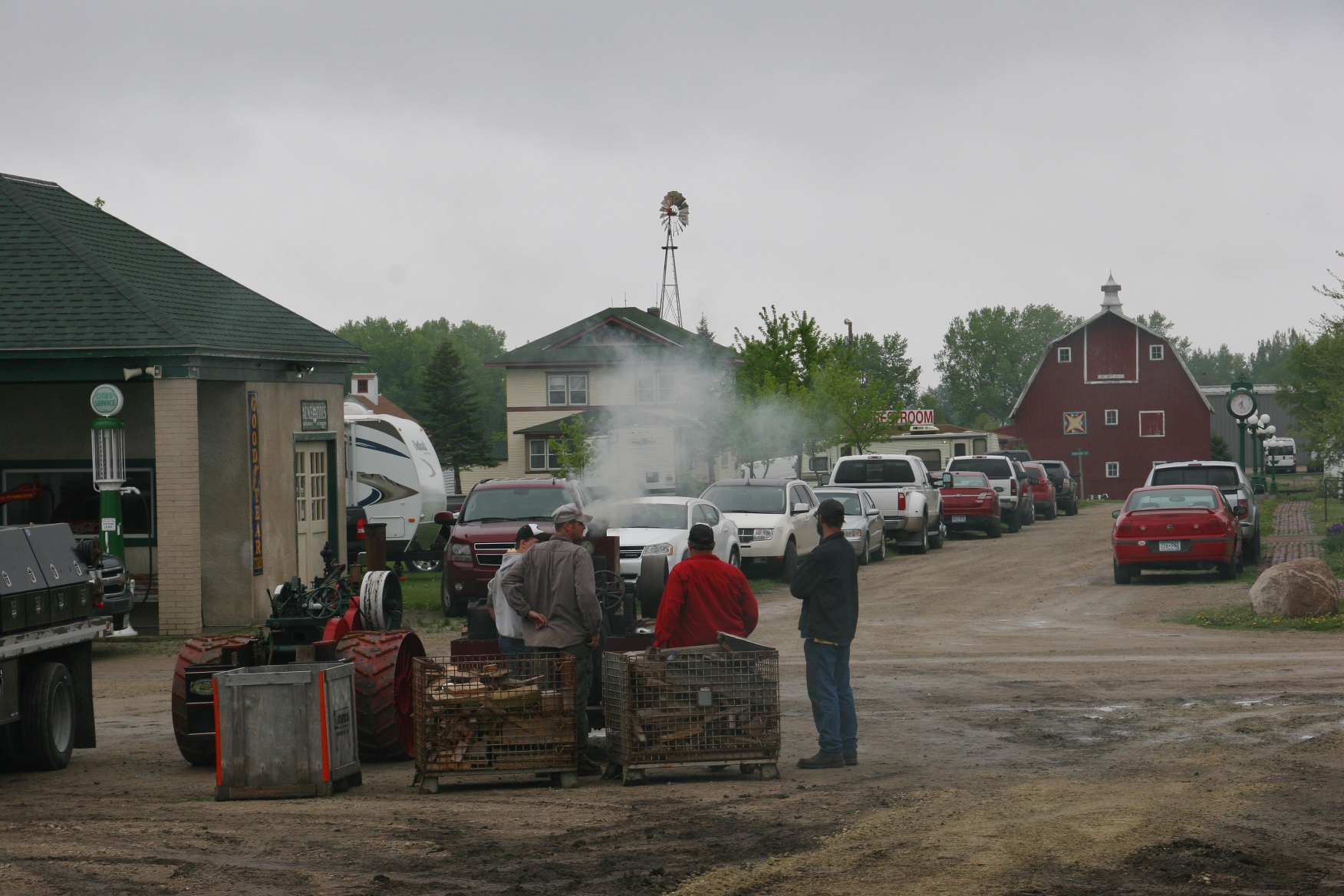
Gathered to learn about steam engines.

Gathered to learn about steam engines.

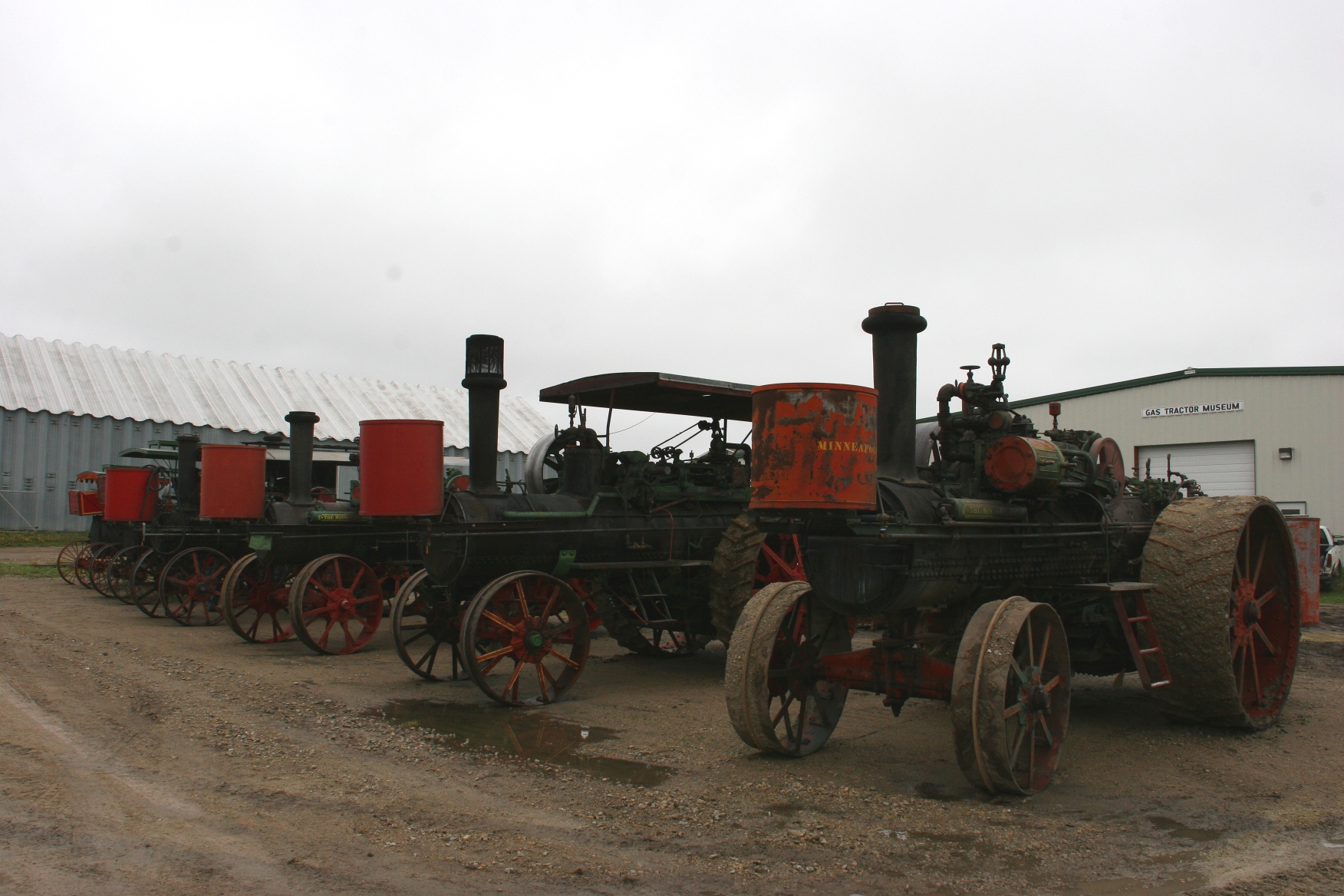
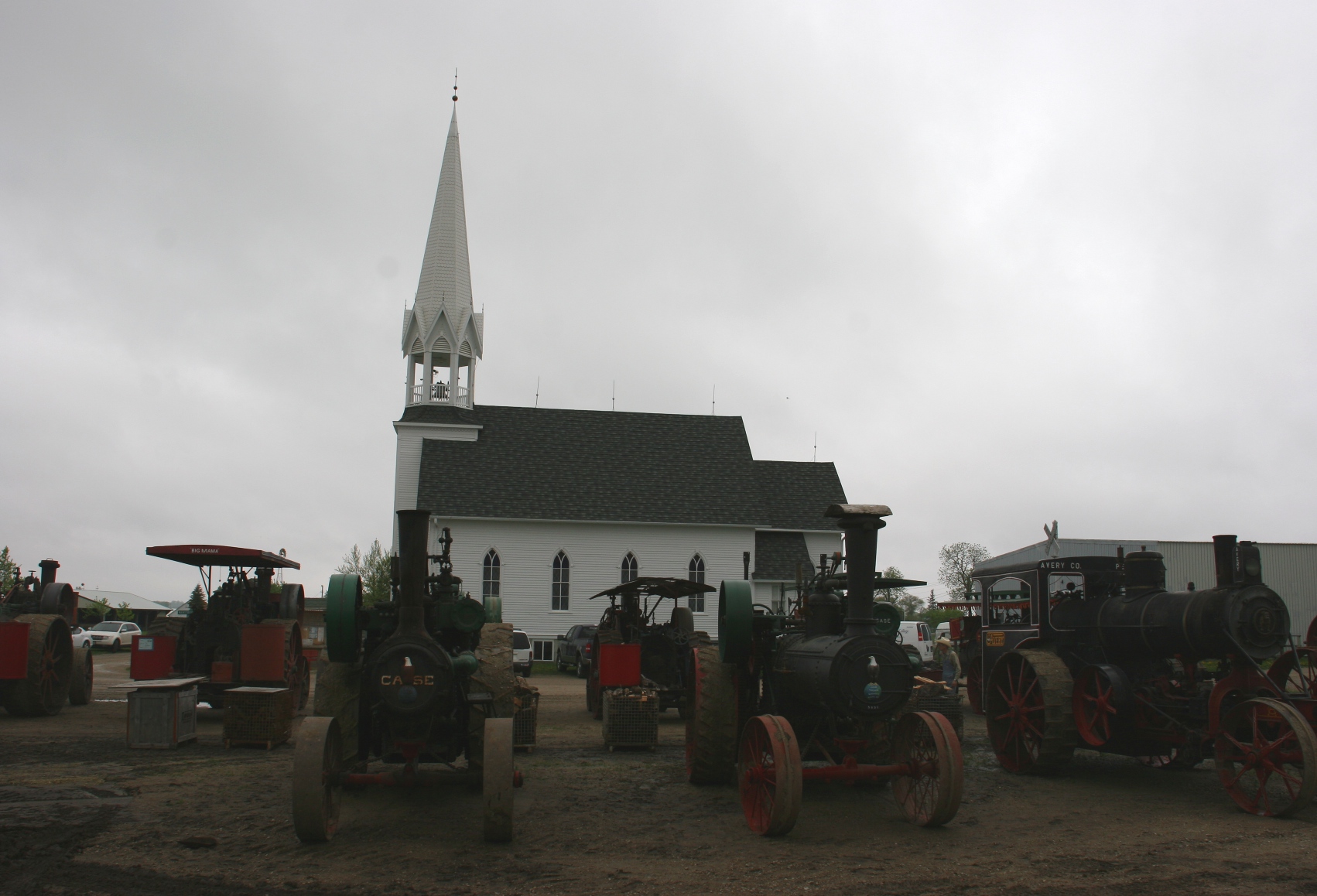
Steam engine tractors.

Steam engine tractors. It takes a full day to move all of the steam engine tractors out of a massive building on-site.

Checking out a steam engine tractor during Steam School.

Checking out a steam engine tractor during Steam School.

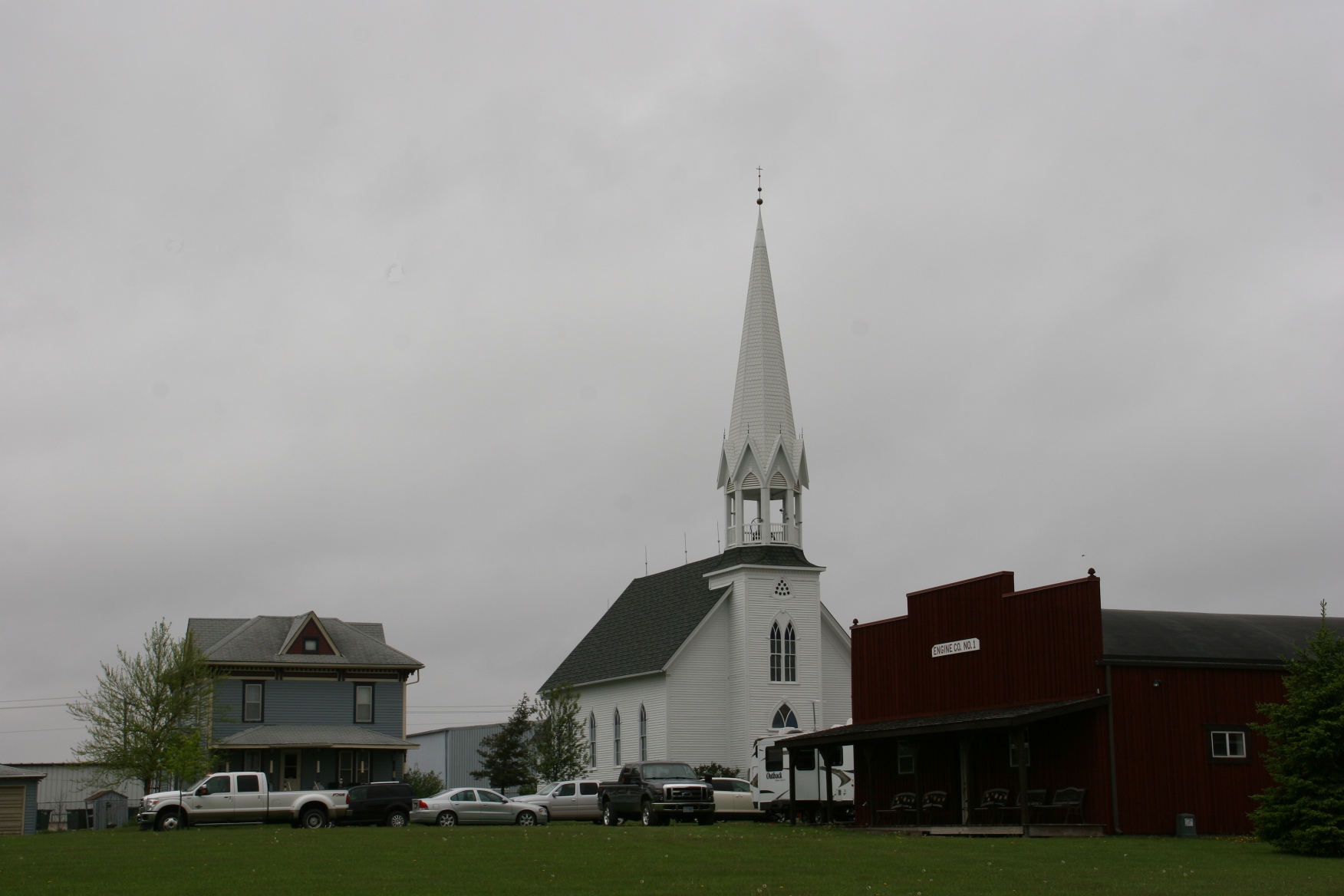
A sampling of steam engine tractors were lined up across the road from the historic church.

A sampling of steam engine tractors lined up across the road from the historic Beaver Creek Church.

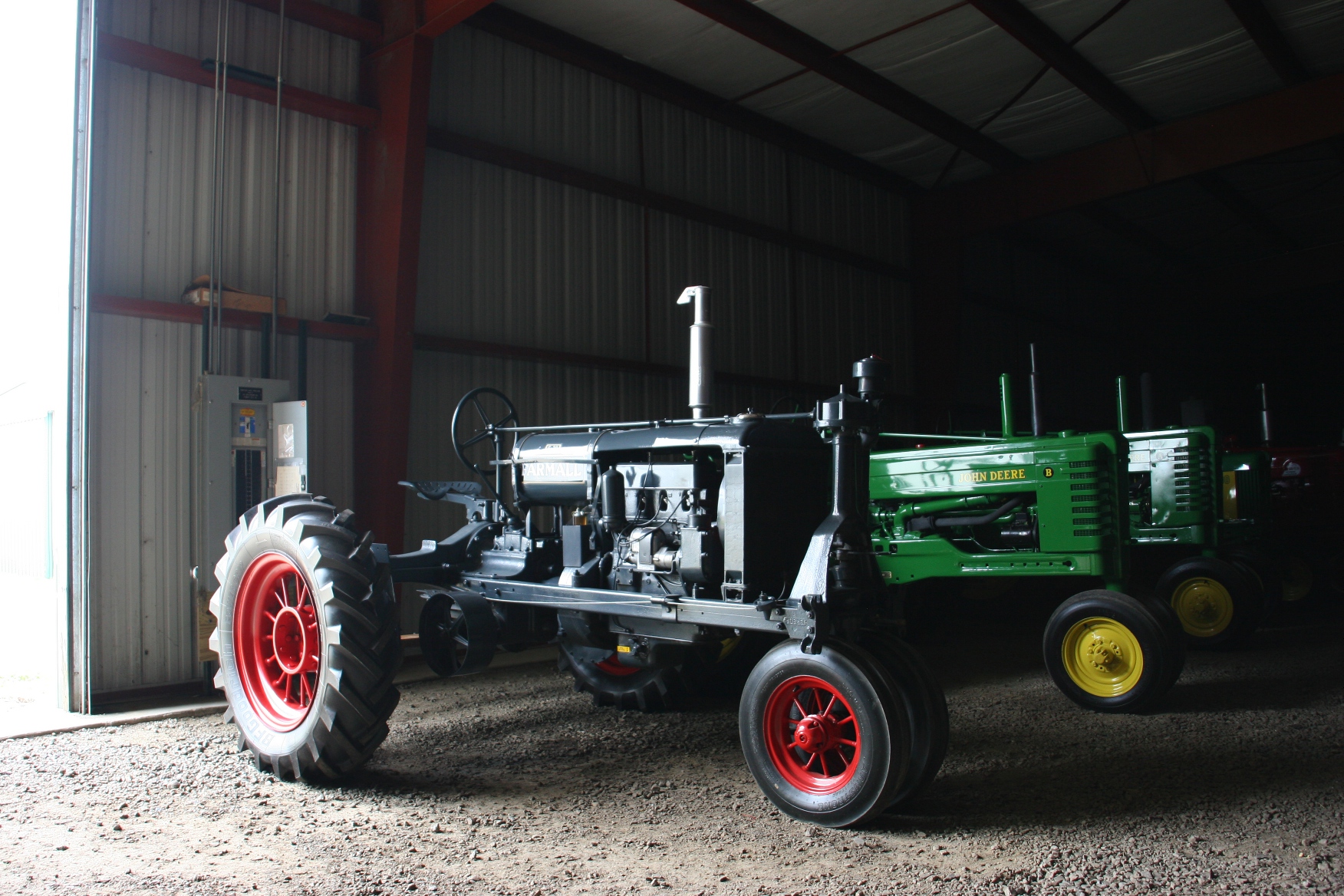
Yet, he found time to take my husband and me inside two expansive buildings to view massive steam engine and vintage tractors. This member of the Heritage Park board knows his stuff. Names and dates. A quarter of a million dollars to purchase that steam engine tractor and another $250,000 invested in its restoration. One-of-a-kind. Only one left. If you want to know anything about anything steam engine, ask Monte.

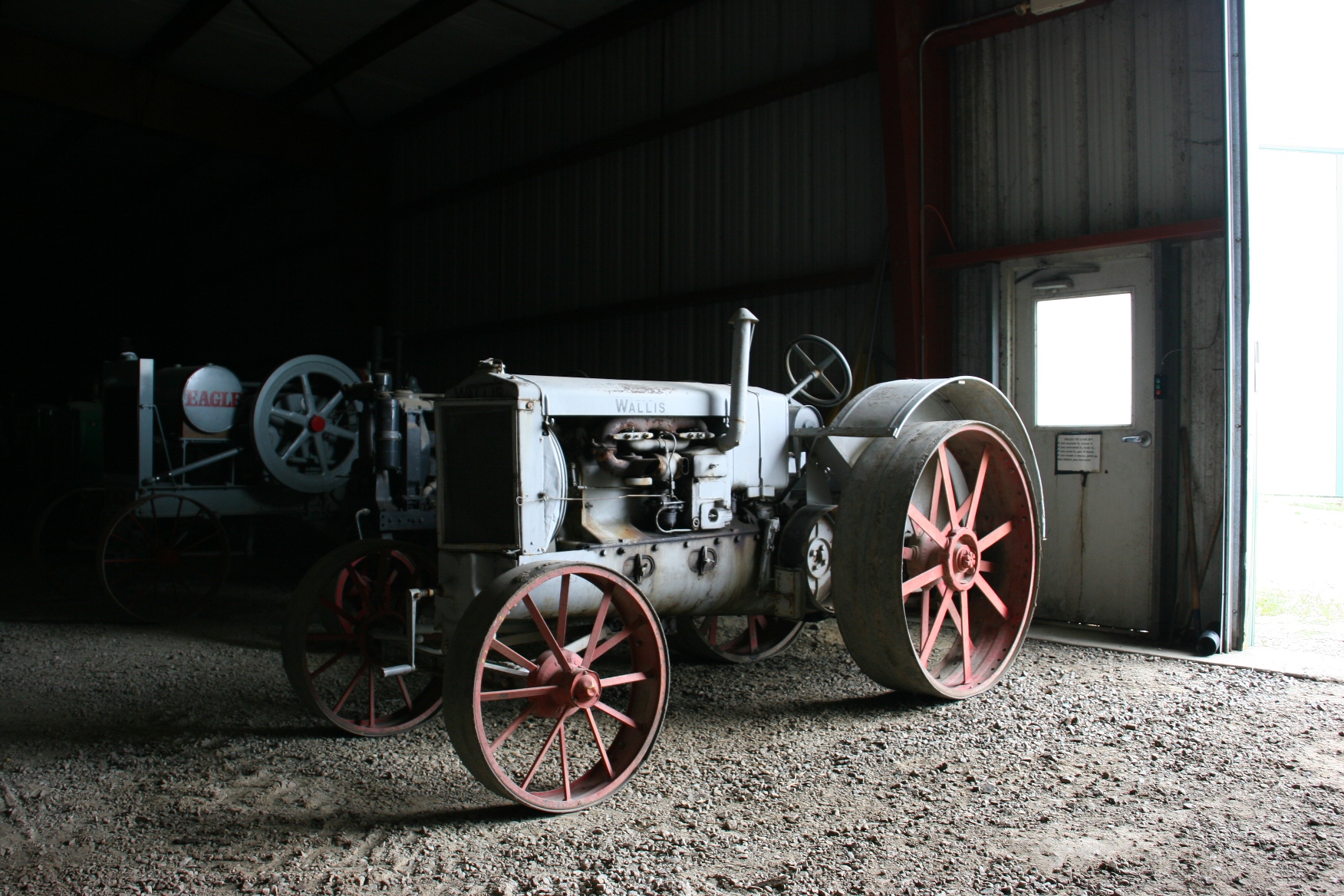
A Wallis tractor was among the many tractors stored in a massive building.

A Wallis tractor was among the many tractors stored in a massive building.

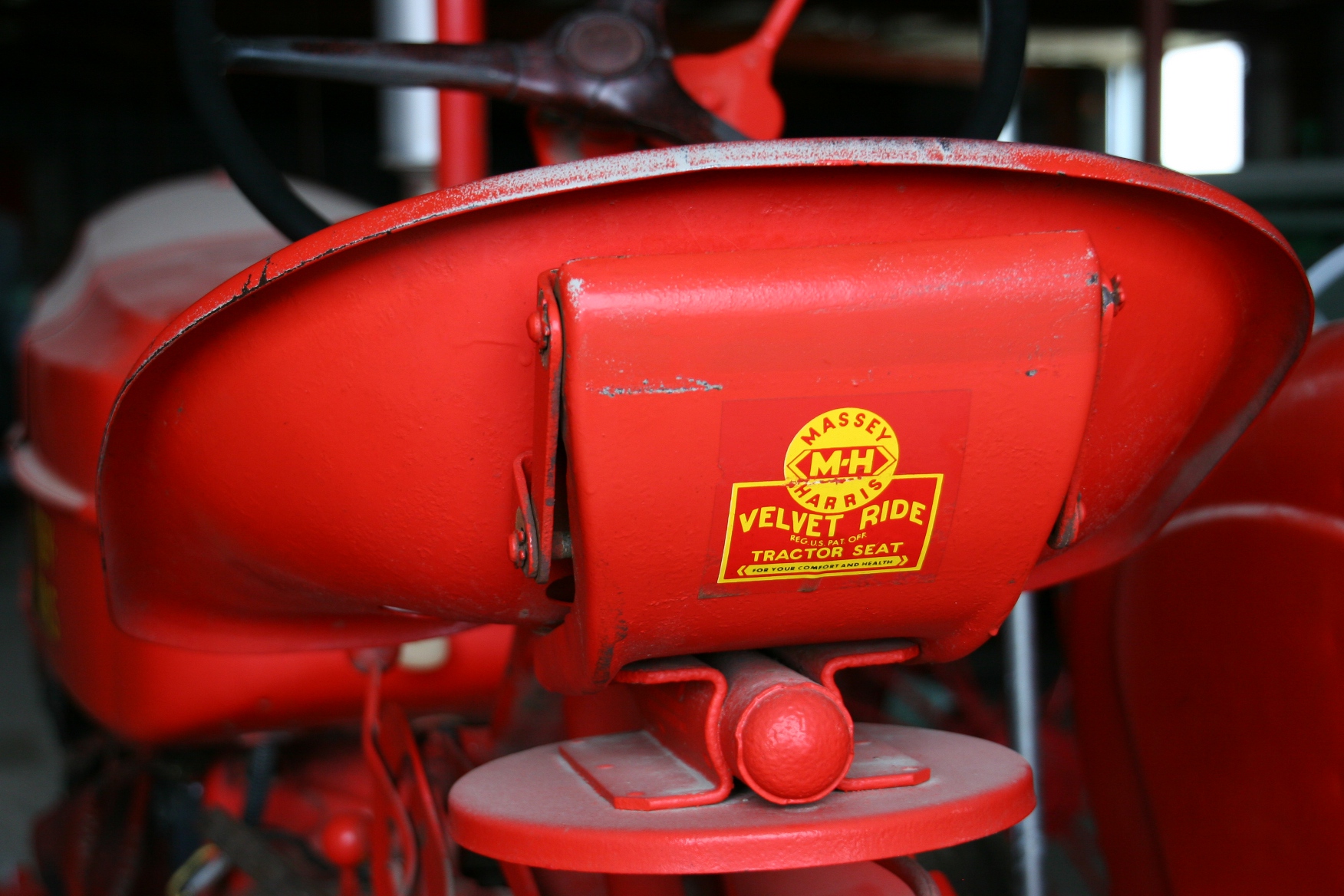
A tractor seat.

A tractor seat.

Monte Topp, who hails from Fertile to the east of Forest City, is a John Deere guy.

Monte Topp, who hails from Fertile to the east of Forest City, is a John Deere guy.

We threaded our way around hulks of machinery in spaces so dark I could only take a few photos. Heavy scent of oil overwhelmed as did thoughts of yesteryear at this 91-acre site dedicated to preserving America’s rural history.

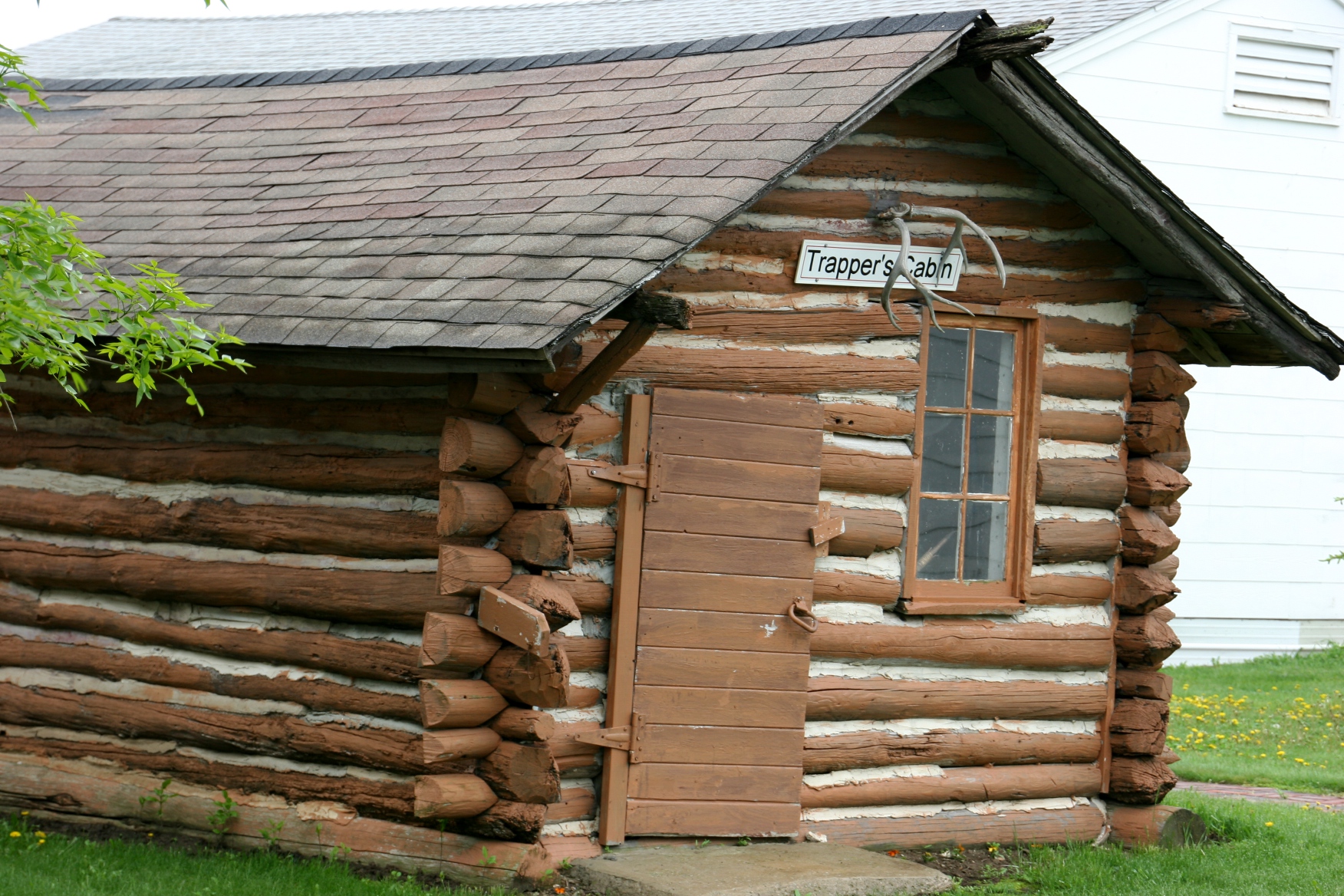
Several log cabins are on site, including this trapper's cabin.

Several log cabins are on site, including this trapper’s cabin.

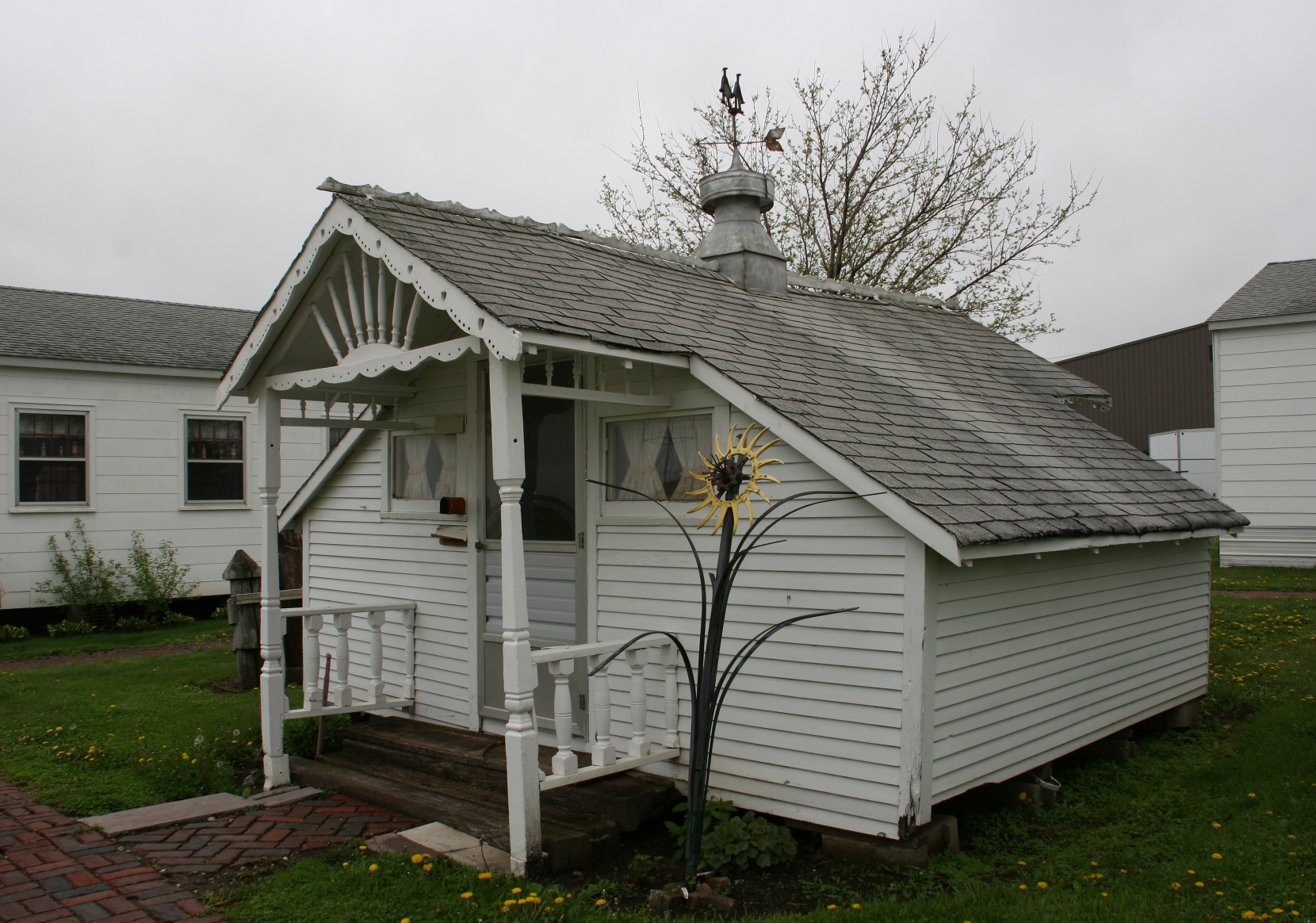
I peered inside a partially open door to see that this building is appropriately dubbed the doll house. It's filled with dolls.

I peered in a window to see that this building is appropriately dubbed the doll house. It’s filled with dolls.

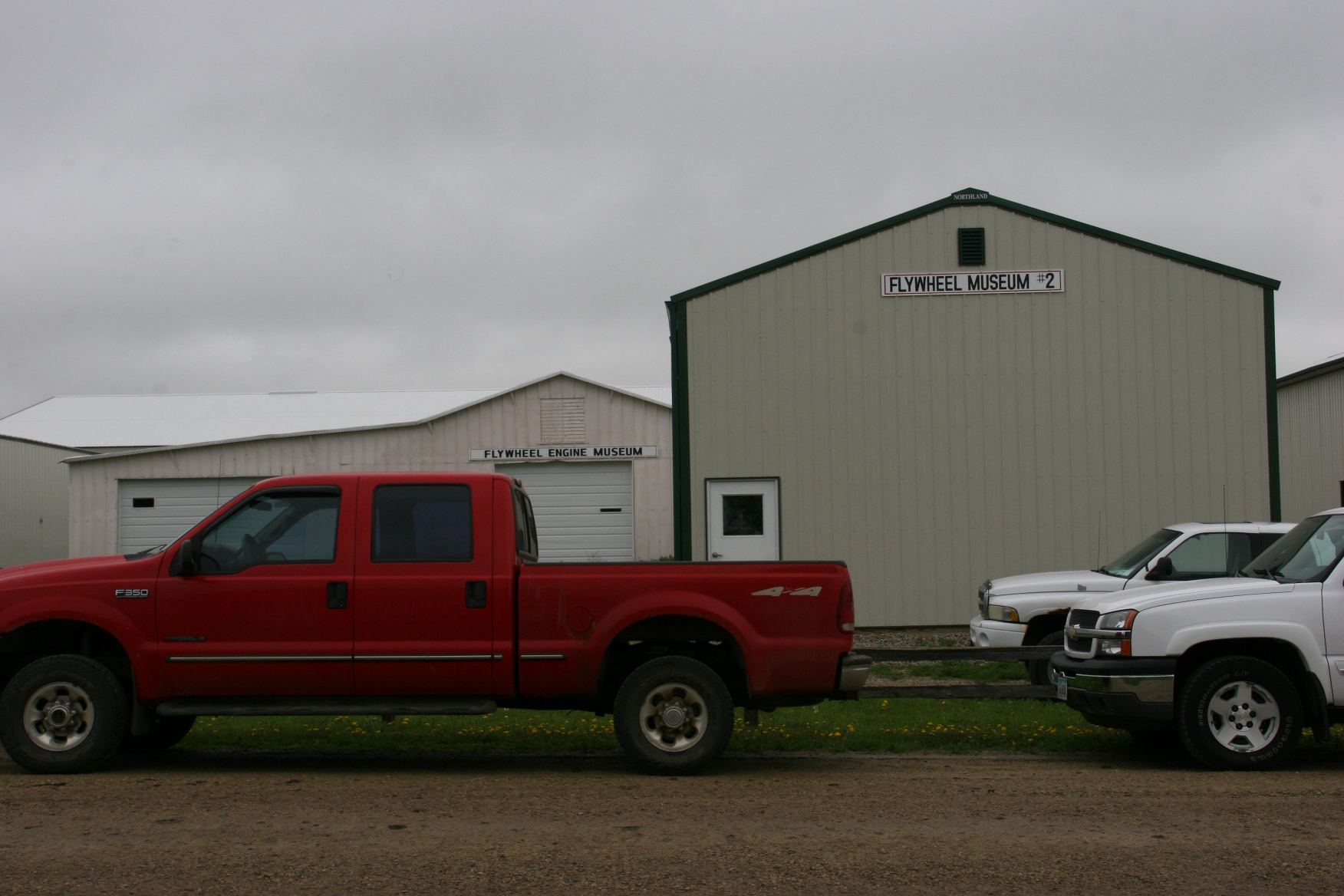
There are even, to my automotive machinist husband's amazement, two buildings devoted to flywheels.

There are even, to my automotive machinist husband’s amazement, two buildings devoted to flywheels.

One of my favorite buildings, a corn crib.

One of my favorite buildings, a corn crib.

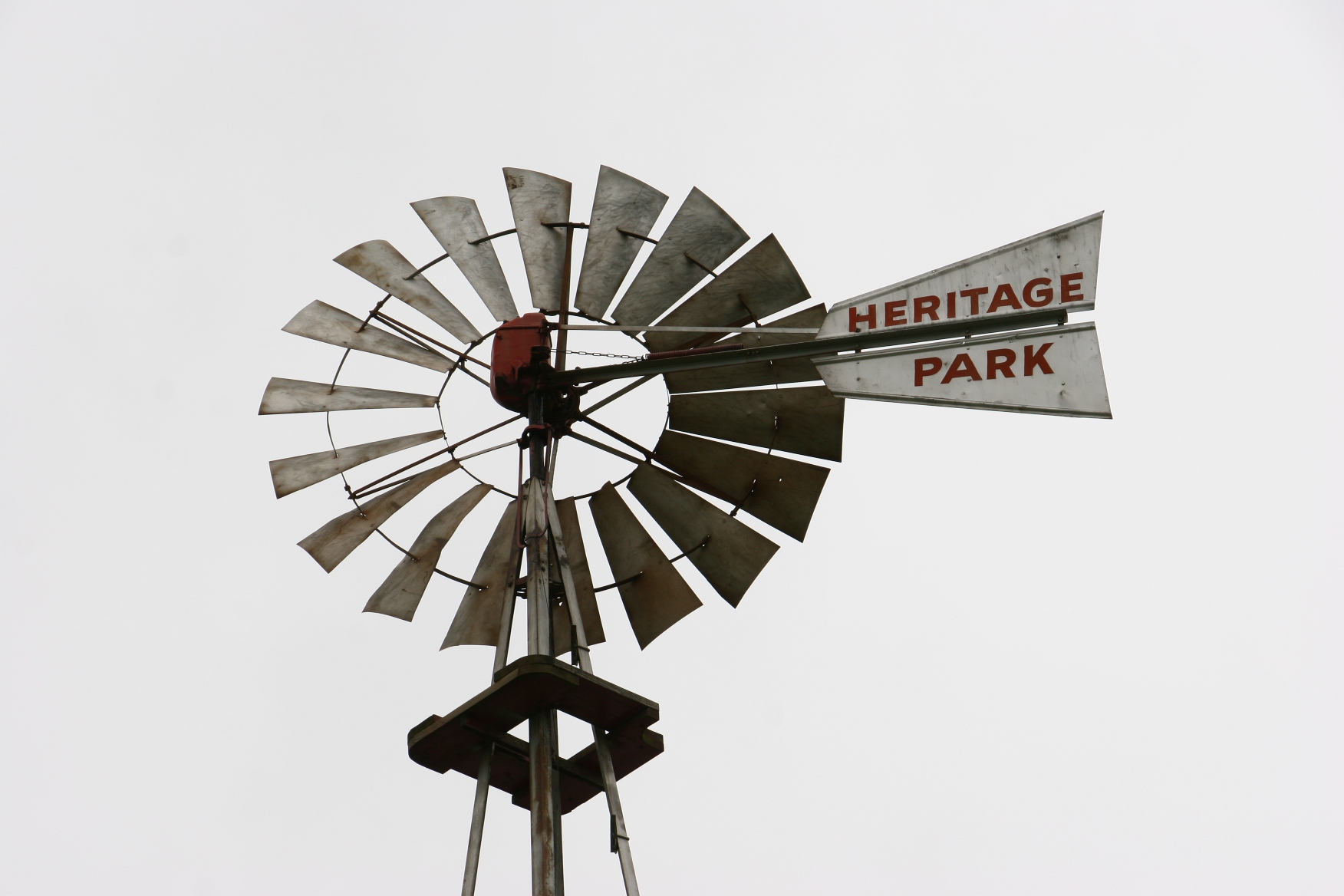
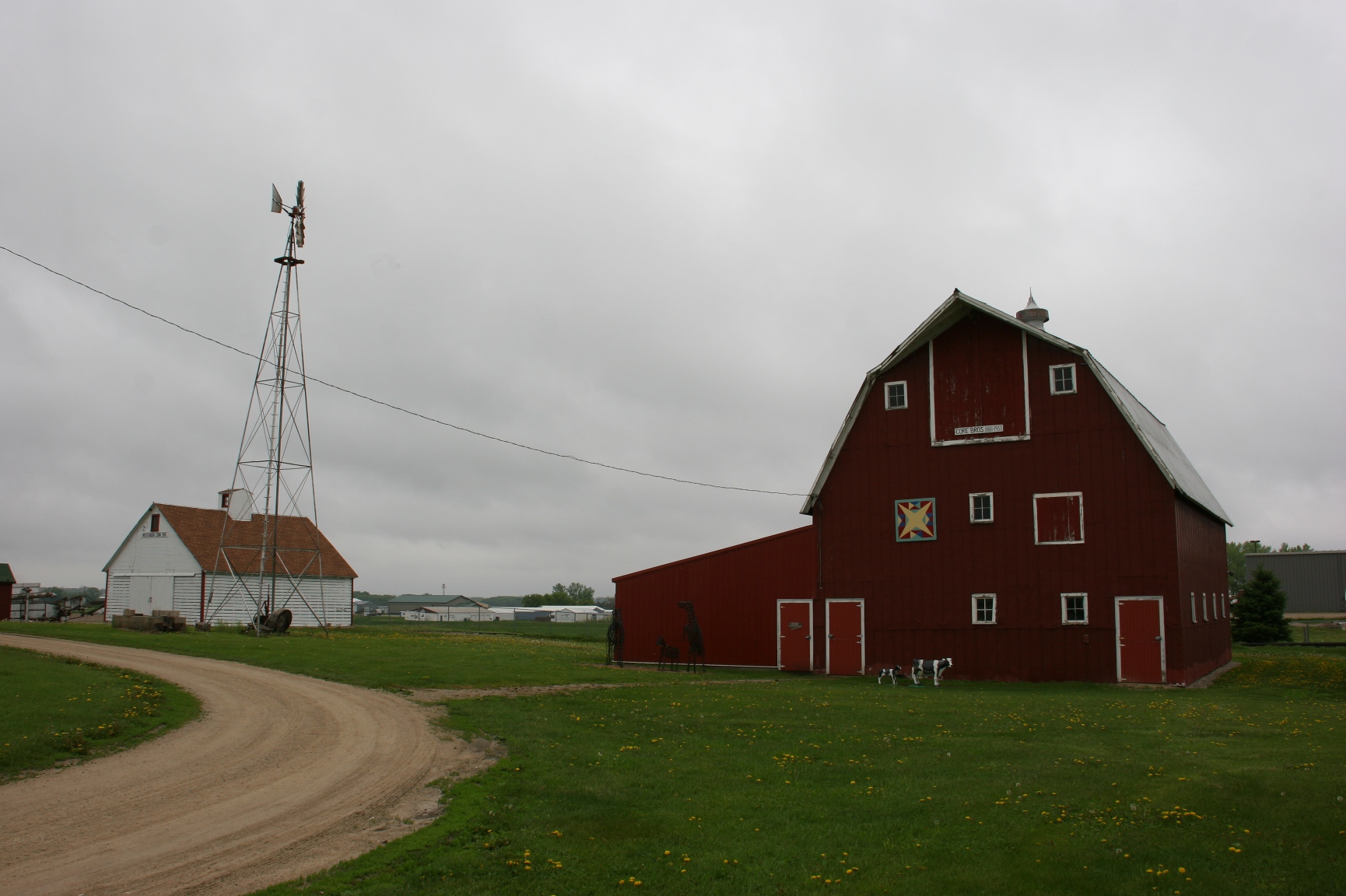
A rural heritage park would not be complete without a barn and windmill.

A rural heritage park would not be complete without a red barn and creaky windmill.

A sampling of smaller steam engine tractors were lined up across the road from the park's historic church.

An overview of the grounds. I was about to open the door on the grey house when I realized someone lives here.

Buildings—ranging from a church to log cabins to barn, barbershop, jail, school, farmstead house and much more—create this impressive park. As luck would have it, we were not there when the park was open to the public and had to settle for an exterior walk-around.

“Come back this afternoon,” Monte advised as his phone rang.

We couldn’t. But that doesn’t mean we won’t return another time.

FYI: Click here to read my first post from Heritage Park. And check back for one more photo story, this one from downtown Forest City.

© Copyright 2015 Audrey Kletscher Helbling


Small town Iowa: Where kids still fly kites May 19, 2015

Filed under: Uncategorized — Audrey Kletscher Helbling @ 5:00 AM
Tags: , , , , , , , ,
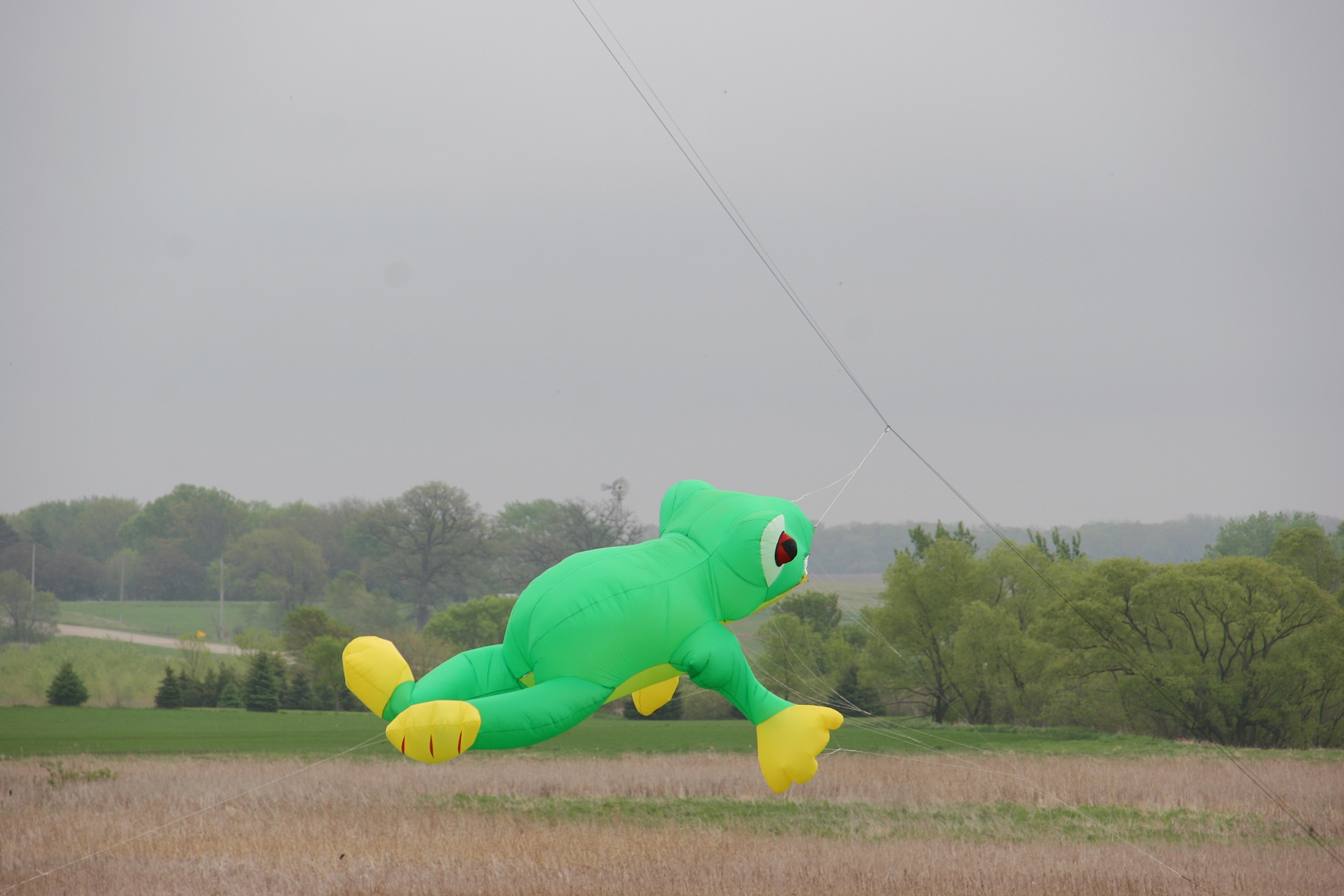
One of two kites spotted upon arriving at Forest City.

One of two kites spotted while approaching Forest City.

APPROACHING FOREST CITY, Iowa, from the south Saturday, bursts of color broke through the grey of morning fog. Kites. Two. I suspected they were to attract customers to a business. But I was wrong, as I would soon learn from Monte Topp.

Steam engine enthusiasts await instruction during Steam Engineer School at Heritage Park in Forest City, Iowa.

Steam engine enthusiasts gather during Steam Engineer School at Heritage Park.

My husband and I met Monte when we pulled off the highway into Heritage Park of North Iowa, a 91-acre site dedicated to the preservation of America’s rural heritage. On this Saturday, the park was hosting Kite Day and a Steam School to teach the basics of steam engine operations, mechanics and safety.

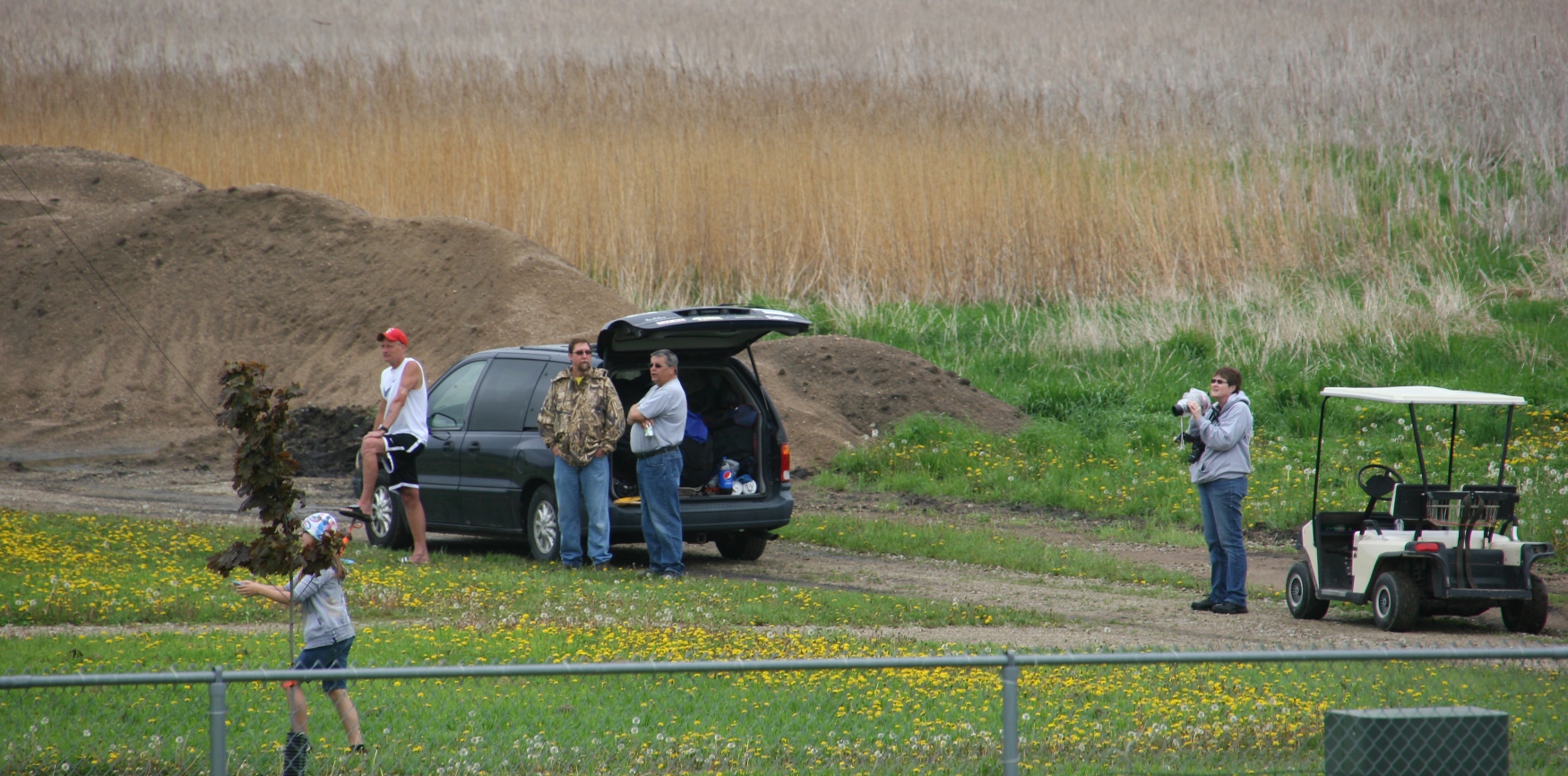
Because of the weather, only a few people flew kites Saturday morning.

Because of the weather, only a few people flew kites Saturday morning.

Directly across the chain link fence from the main grounds, dedicated enthusiasts gathered to fly kites. It was, said Monte, Forest City’s annual Kite Day. But with drizzle and fog making for less than ideal flying conditions, participation was minimal. We saw only three kites launched.

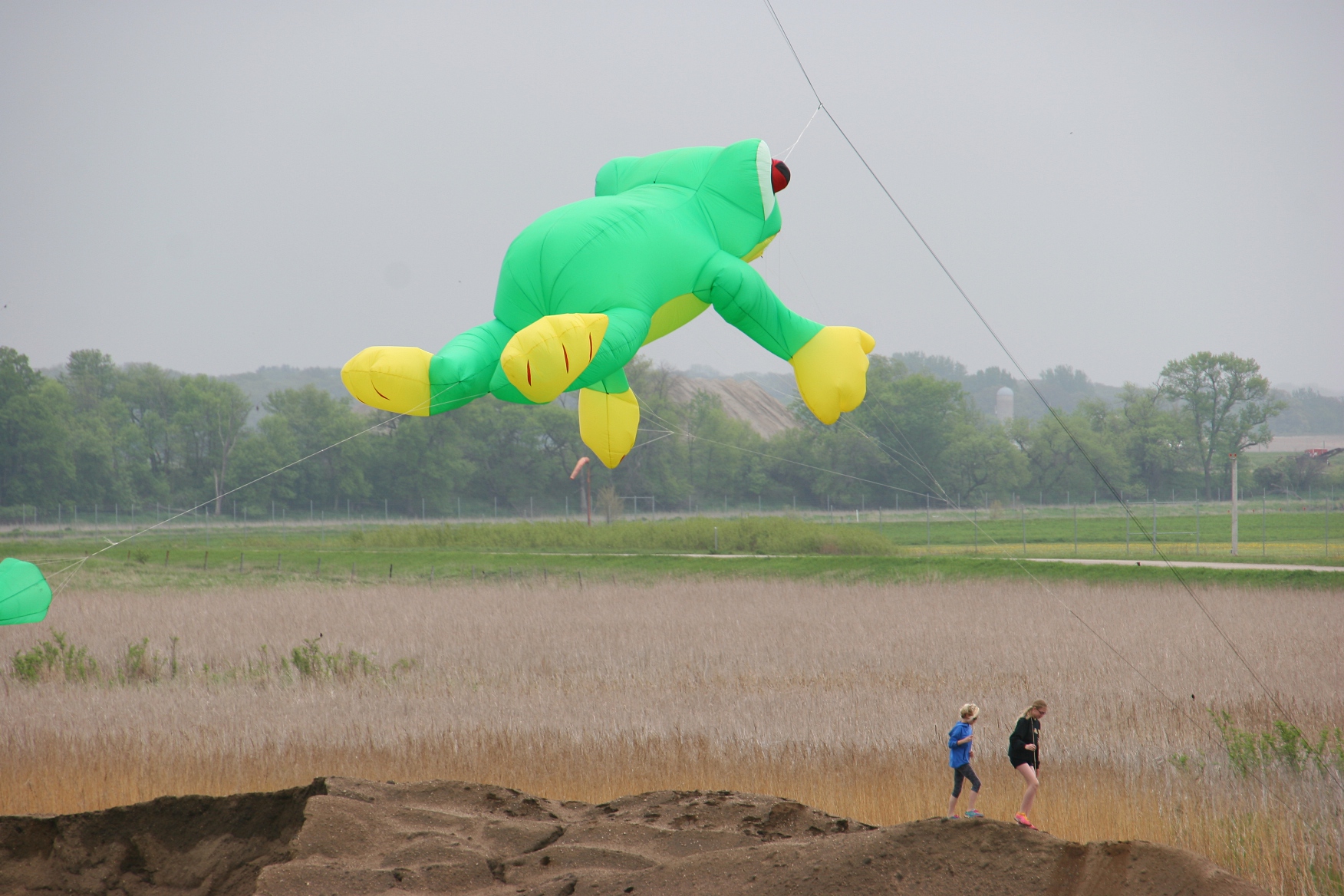
As we toured the grounds, this frog kite began to ascend.

As we toured the grounds, this frog kite began to ascend.

But still, I was not disappointed. I was impressed. Impressed that Forest City and other north Iowa communities (according to Monte) set aside a day and a place to safely fly kites. On this Saturday it was Forest City’s turn to host. The municipal airport even closed for the event, Monte noted.

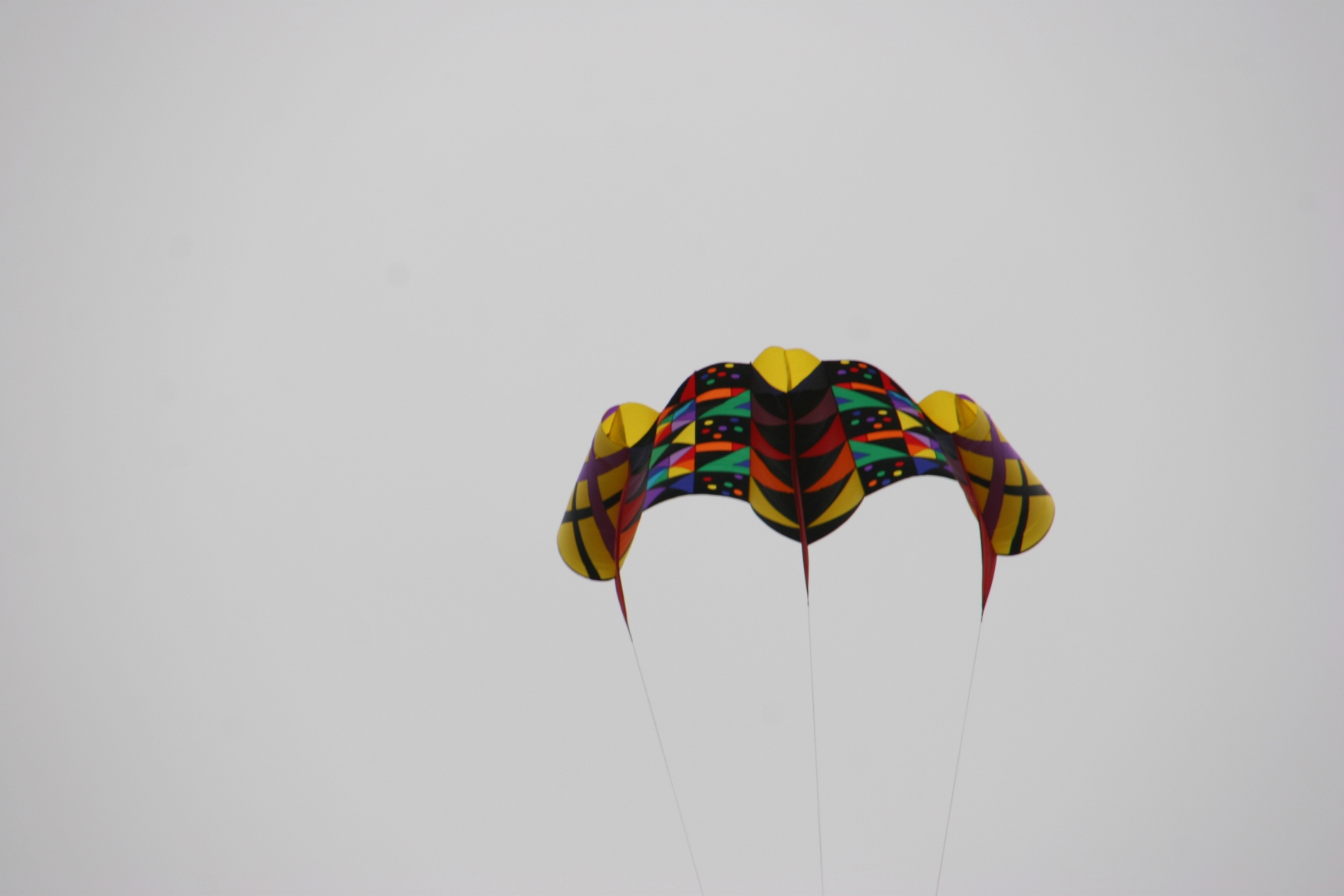
The vivid colors of this kite were a welcome visual jolt in the grey sky.

The vivid colors of this kite were a welcome visual jolt in the grey sky.

In this day when lives are ultra focused on technology and team sports, I find it comforting that the simple solo act of flying a kite holds such value in northern Iowa. There’s something about flying a kite that connects you to the sky in a way that’s powerful and poetic and freeing. Powerful wind tugging at string gripped in hand. Kite dancing. And then the soaring, oh, the joyfulness when everything comes together and a kite rides the wind.

Kids and kites.

Kite Day is all about kids and kites.

It’s lovely. Simply lovely in a way that roots you to the land, yet frees you to dream, to believe, to reach. I hope these north Iowa kids realize just how fortunate they are to live in communities that understand the value of kite flying enough to host Kite Day.

FYI: Clear Lake, Iowa, to the southeast of Forest City hosts a Color the Wind Kite Festival each February. Held on frozen Clear Lake, the event features about 50 kites, including stunt kites.

Check back tomorrow for a tour of Heritage Park in Forest City.

© Copyright 2015 Audrey Kletscher Helbling
 

The I-35 photographer May 18, 2015

Filed under: Uncategorized — Audrey Kletscher Helbling @ 5:00 AM
Tags: , , , , ,

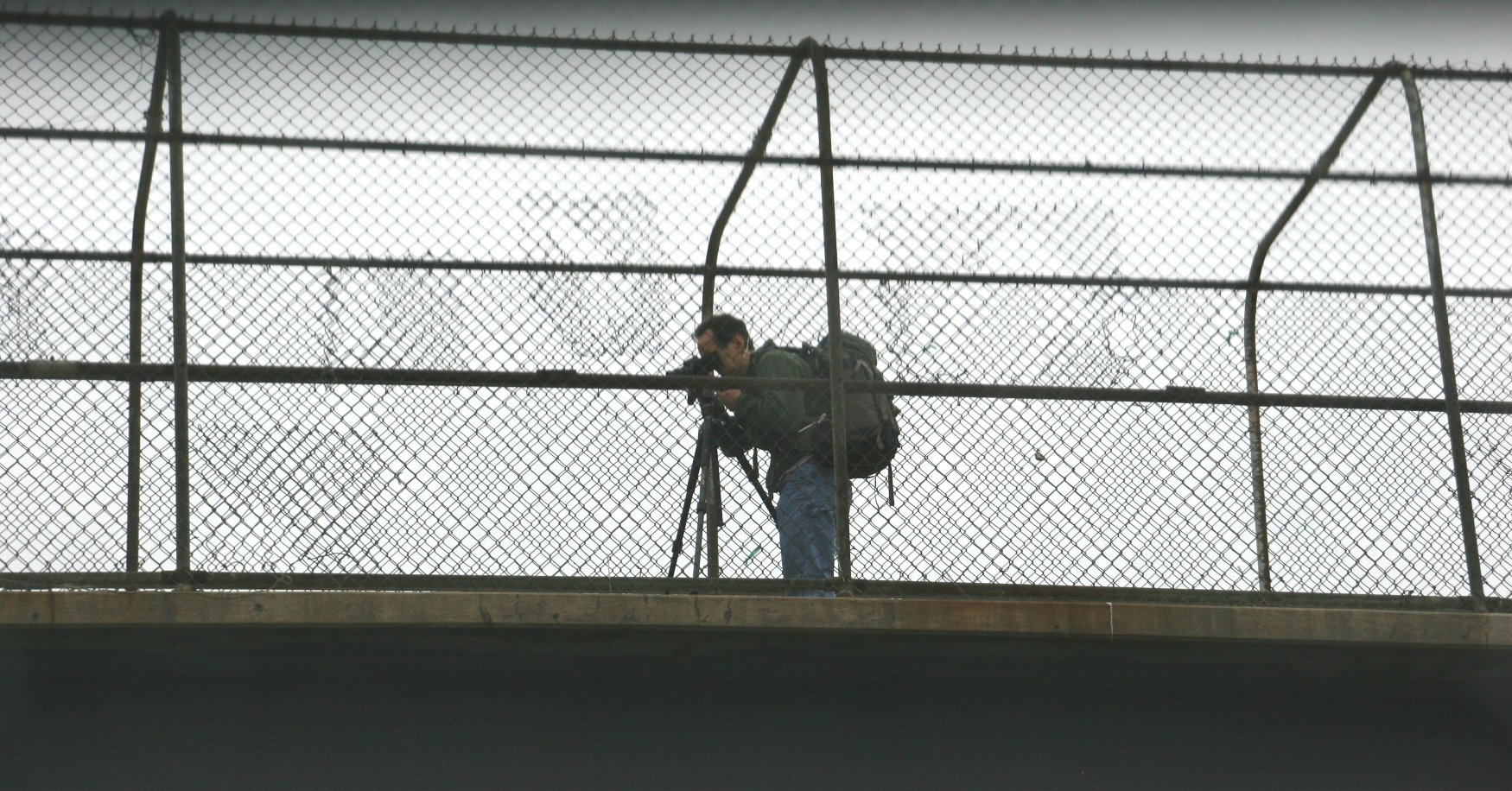
TRAVELING AROUND DOWNTOWN MINNEAPOLIS recently, I spotted this photographer atop a pedestrian bridge over Interstate 35. What, I wondered, was he photographing?


Photographing from a pedestrian overpass in Minneapolis


I was too focused on photographing the photographer to notice what he may have been shooting. I simply found it an unusual spot for someone to set up a tripod and now I’m wishing I had looked where his camera was aiming. Who is he? Why is he shooting here? And what?

Thoughts.

© Copyright 2015 Audrey Kletscher Helbling
 

Minnesota Faces: My husband May 15, 2015

Portraits #21-23: Randy

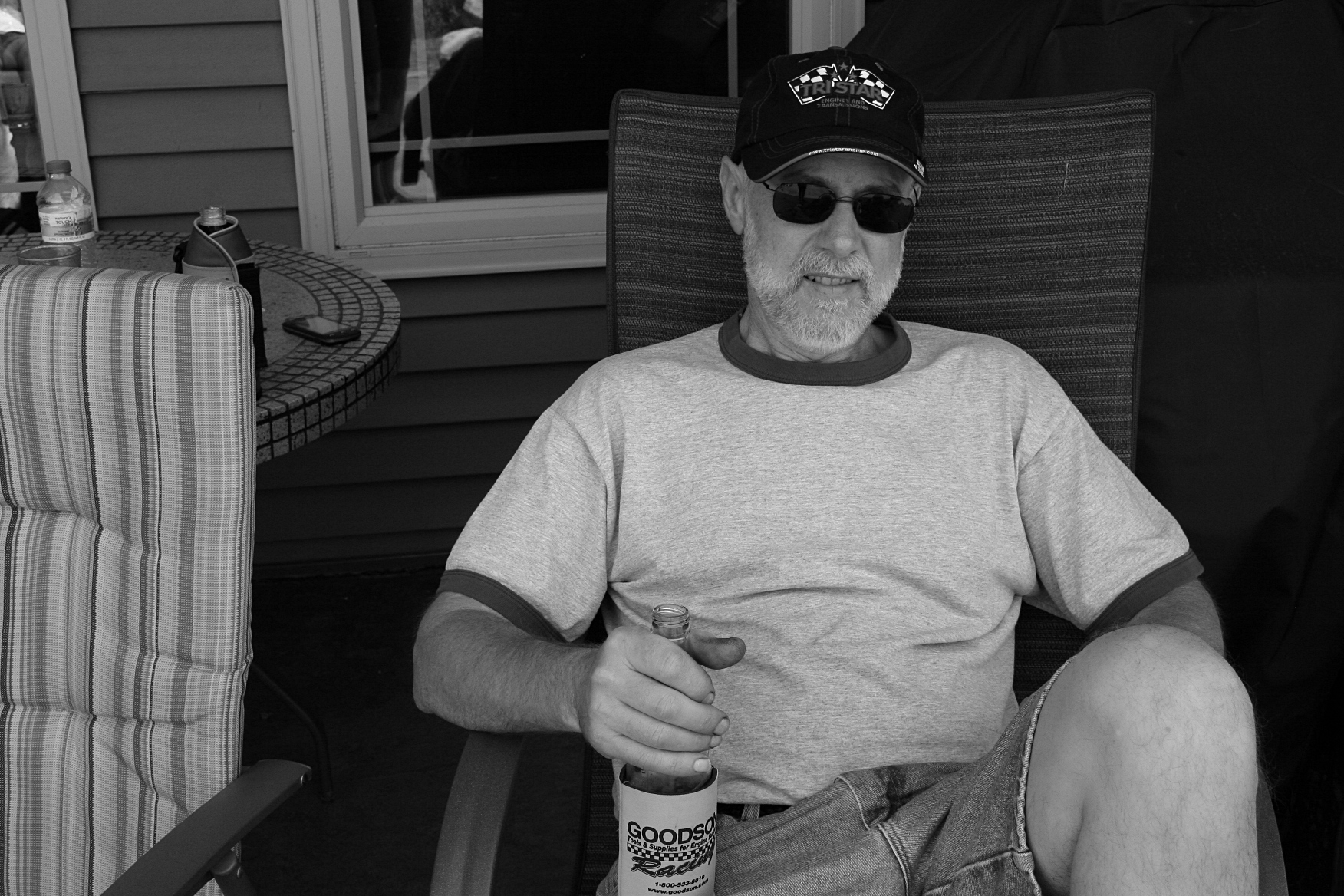
Randy relaxes at a family gathering in 2012.

Randy relaxes at a family gathering in 2012.

Thirty-three years ago today, I married this man. Randy.

We have been through a lot together. Good times and challenging ones. Laughter and sorrow. Days that have tested our strength and days we want to remember always for their joyfulness. This is life.

I am immeasurably blessed to journey through my days with Randy beside me. He makes me laugh, even when I don’t feel like laughing. Occasionally he’ll clip a fitting cartoon and post it on the refrigerator. And when I notice it, I smile, because he thought of me.

Each spring he pulls a jackknife from his pocket and snips an armful of lilacs to set on our dining room table. That bouquet holds more meaning than a dozen roses.

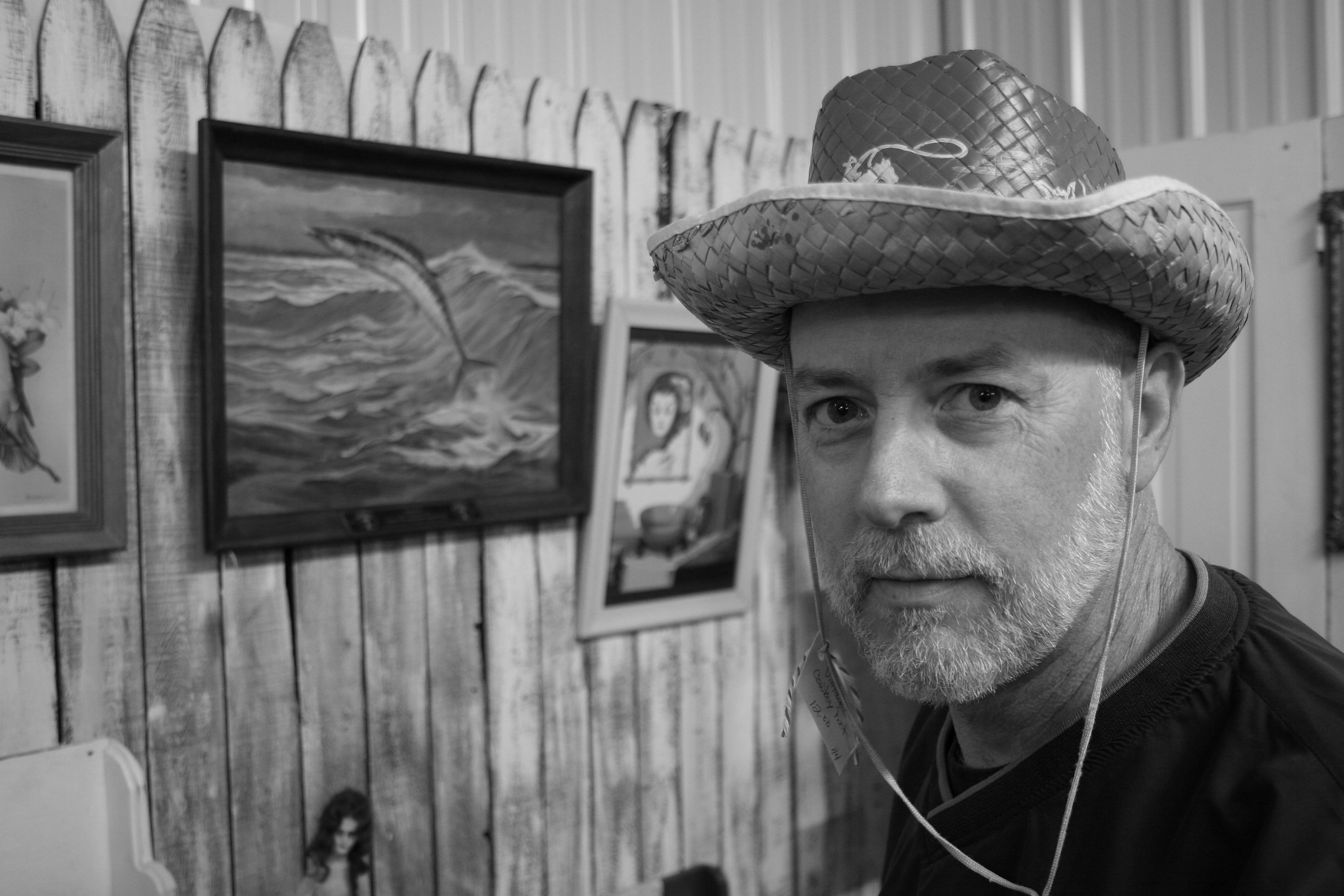
Modeling a vintage straw cowboy hat, like those we wore as children, in a North Mankato antique shop several years ago.

Modeling a vintage straw cowboy hat, like those we wore as children, in a North Mankato antique shop several years ago.

He is light-hearted to my serious nature, calm to my storm, even-keeled to my sometimes emotional reactions. A balance. Not always perfect, because we are human, but a difference in personalities that works for us.

He works hard. Grease rims his fingernails from his job as an automotive machinist. His work is always in demand. He is good at what he does. Really good. I tell him he works too hard. Last summer he cut back on the overtime and no longer works Saturdays. I am thankful. He deserves more than one day a week off from work.

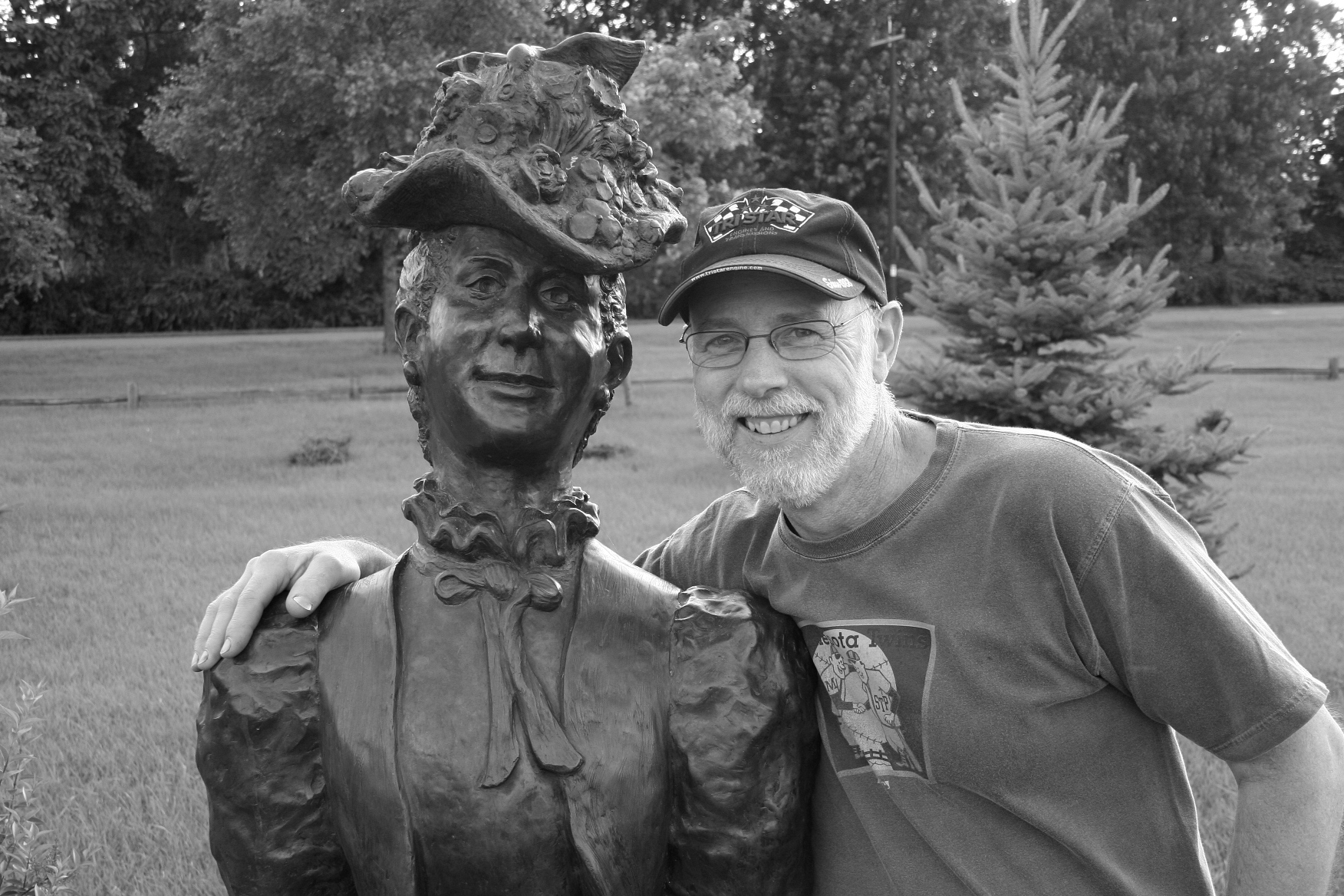
Randy obliges my request to pose with a sculpture in a Prairie du Chien, Wisconsin, park we toured while vacationing.

Randy obliges my request to pose with a sculpture in a Prairie du Chien, Wisconsin, park we toured while vacationing.

Because of him, I’ve learned to appreciate vintage cars and, because of me, he’s learned to appreciate poetry. He is my greatest cheerleader, encouraging me in my writing and photography and even recently telling me he had an idea for a poem. “Roadkill,” he said. And then we laughed.

To laugh with this man, to worship and pray with this man, to remember all the Sunday afternoons Randy sprawled on the living room floor reading comics to our children or playing Monopoly with them reminds me all over again of why I love him.

He is quiet and caring and strong and loyal. A man of faith. And I love him. Always.

#

This is part of a series, Minnesota Faces, featured every Friday on Minnesota Prairie Roots.

© Copyright 2015 Audrey Kletscher Helbling
 

When an outstate Minnesotan travels through “the Cities” May 14, 2015

Filed under: Uncategorized — Audrey Kletscher Helbling @ 5:00 AM
Tags: , , , , , , , ,
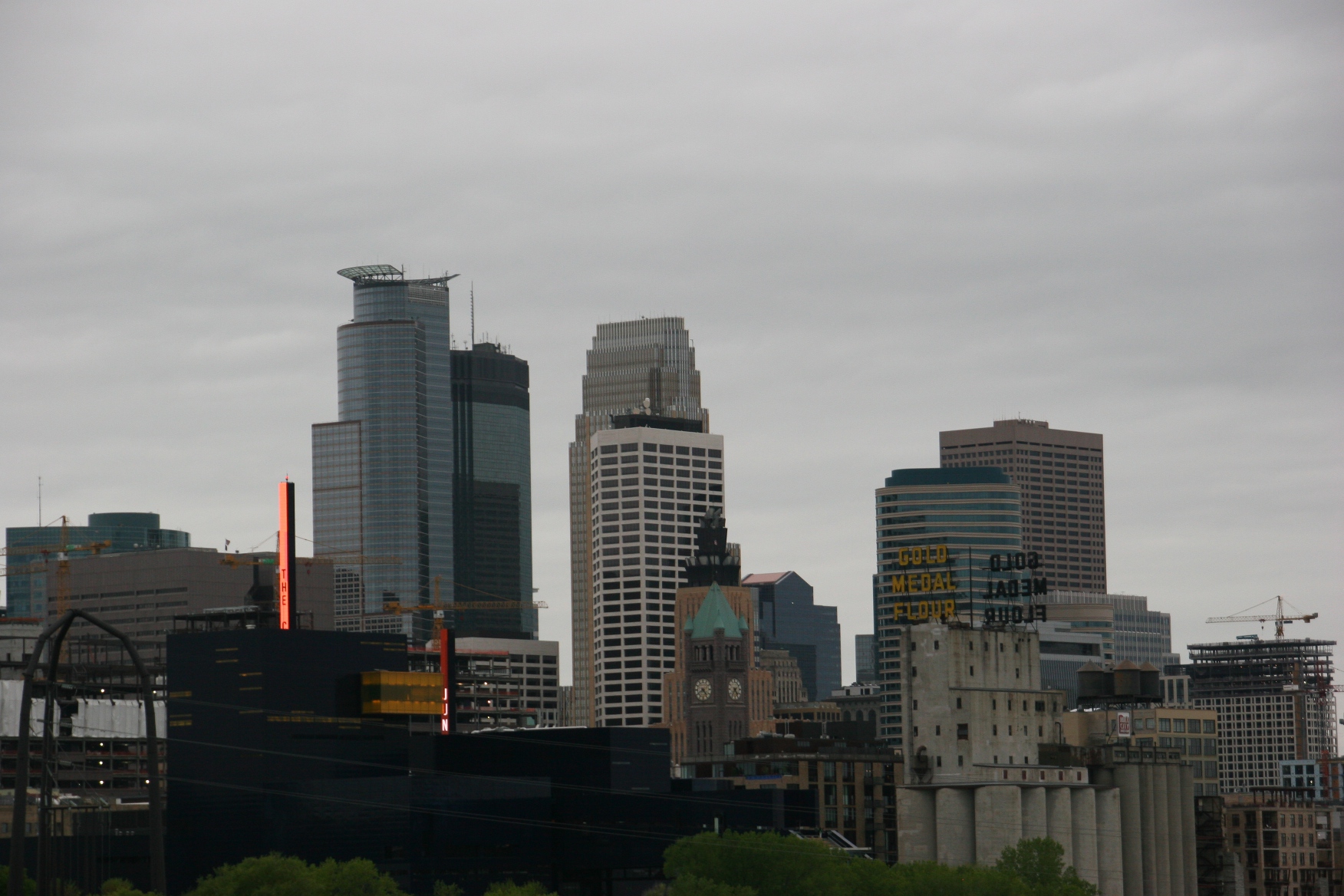
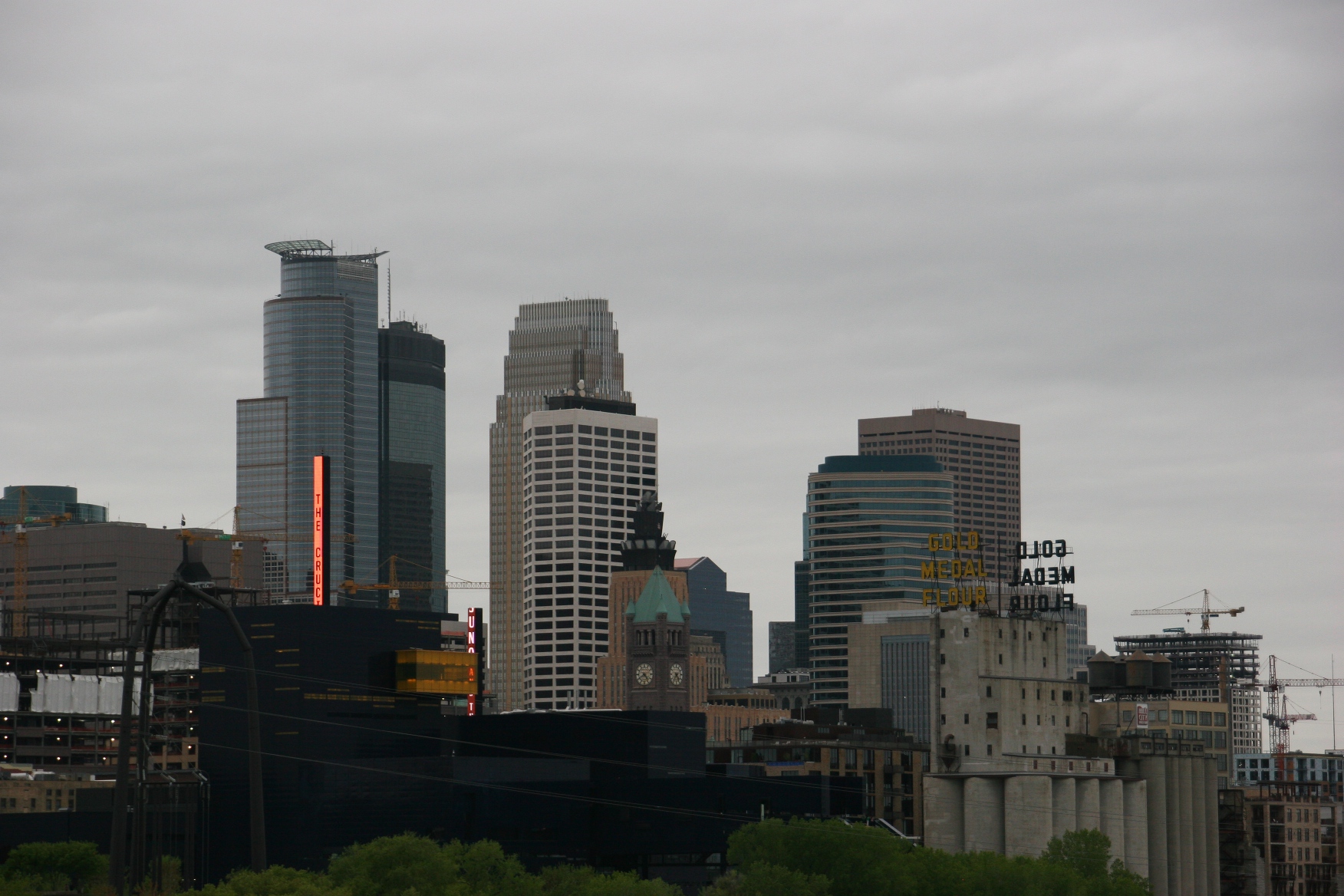
The downtown Minneapolis skyline on Mother's Day.

The downtown Minneapolis skyline on Mother’s Day, later afternoon. The combination of grey skies and photographing this scene while traveling at Interstate speeds give this unedited image a painterly quality.

I AM NOT A VENTURING into the big city kind of girl. You’re not surprised, are you?

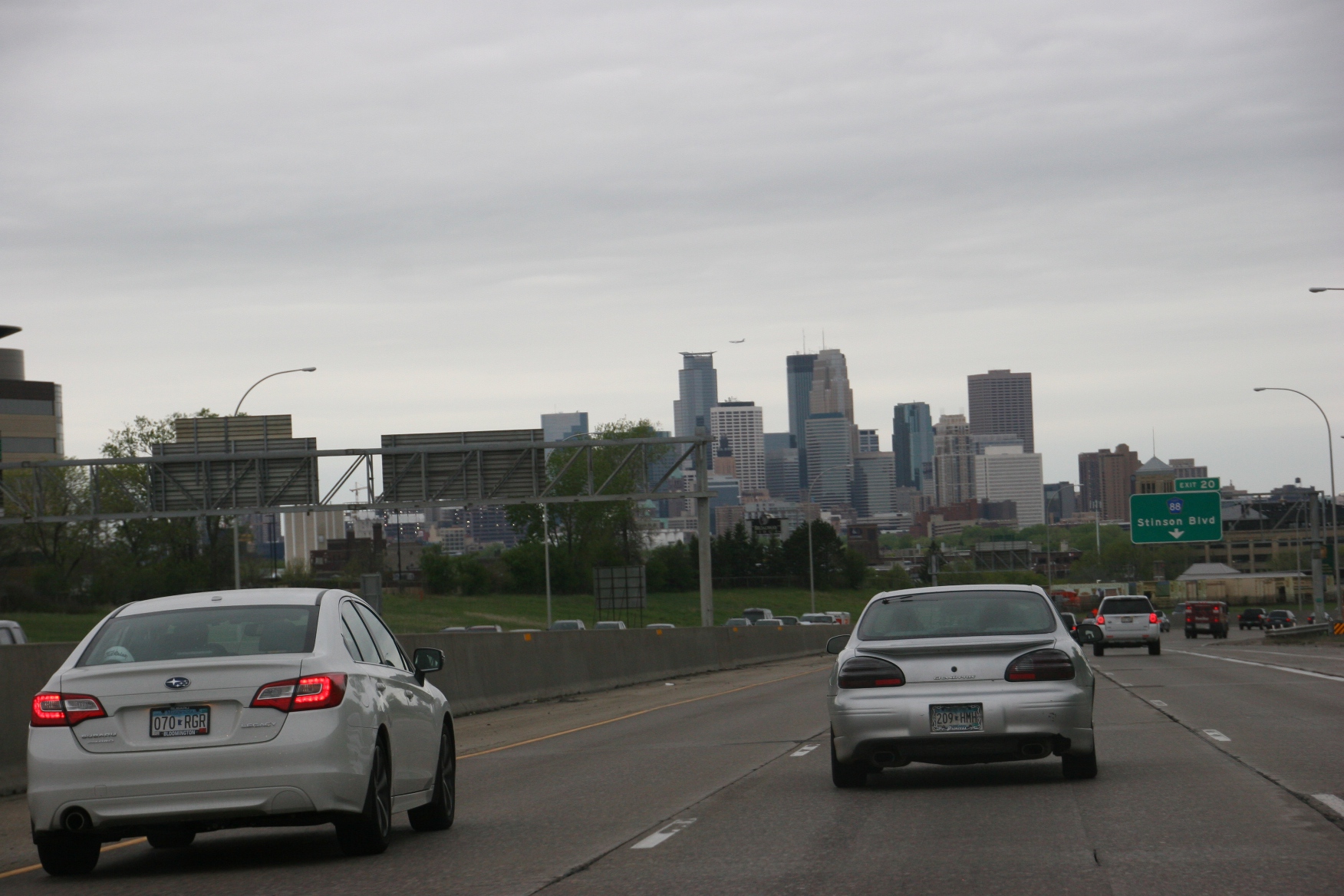
Approaching downtown Minneapolis from the north.

Approaching downtown Minneapolis from the north.


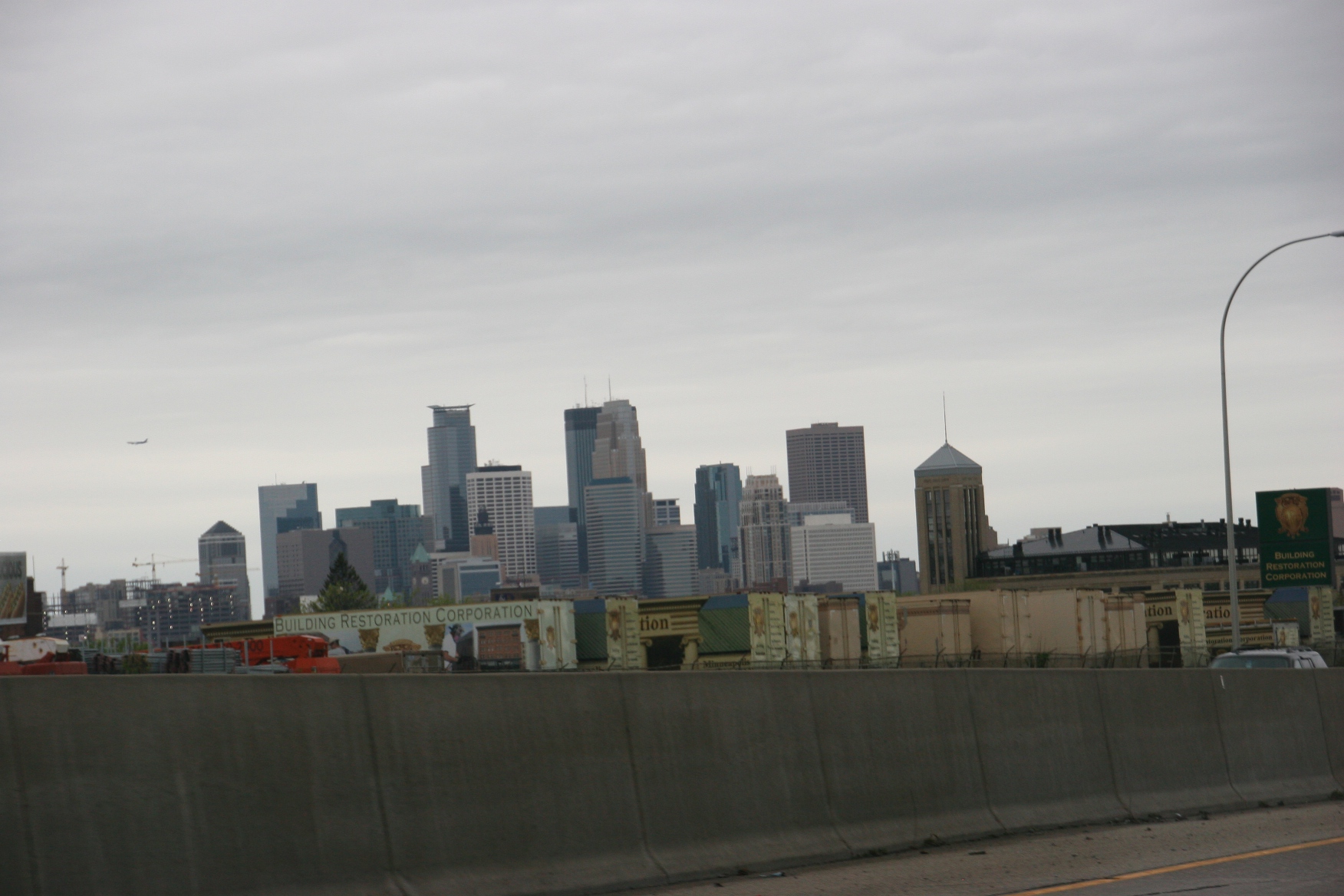
A concrete divider separates lanes on a particularly curvy stretch of Interstate near downtown Minneapolis.

A concrete divider separates lanes on a particularly busy and curvy stretch of Interstate near downtown Minneapolis.

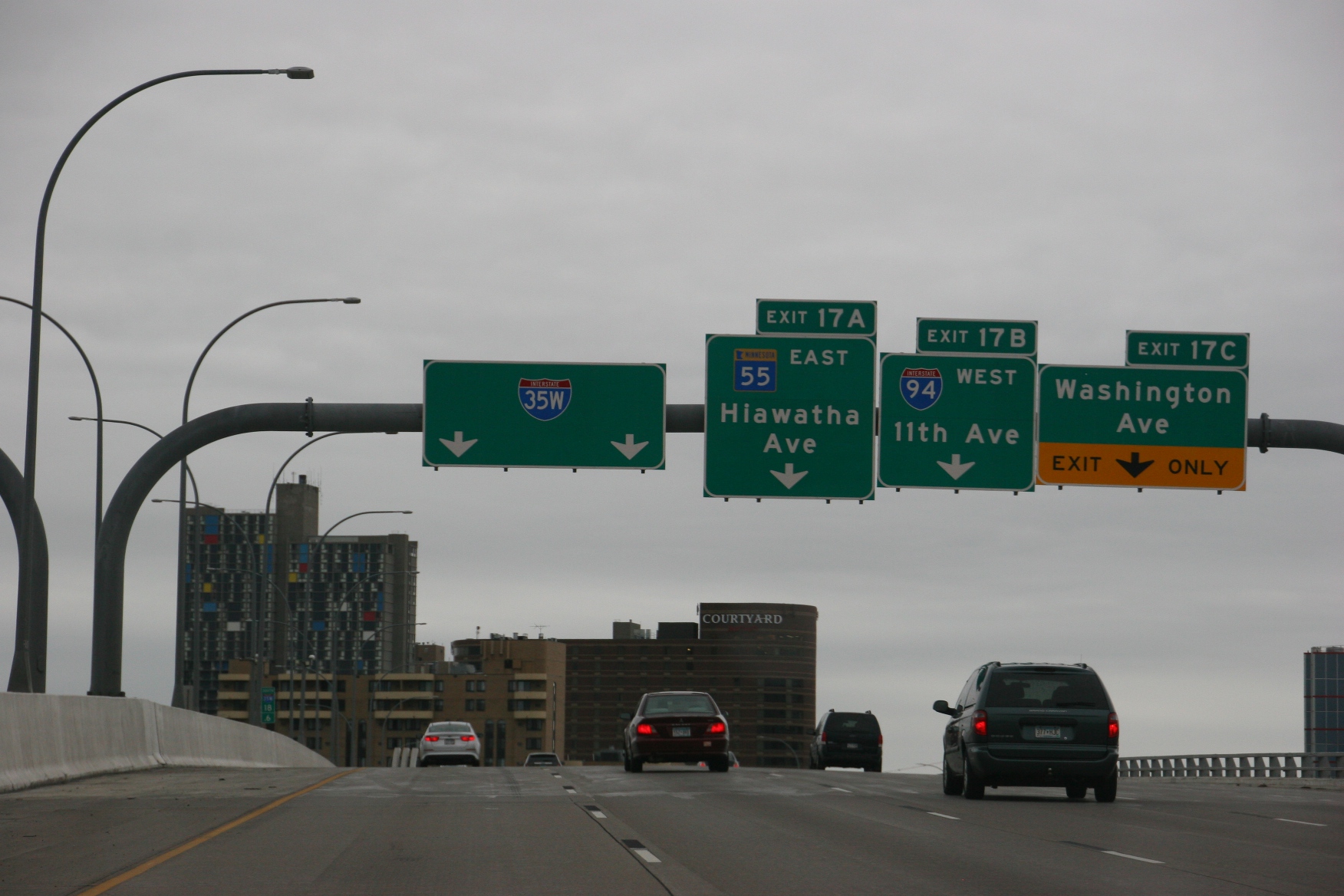
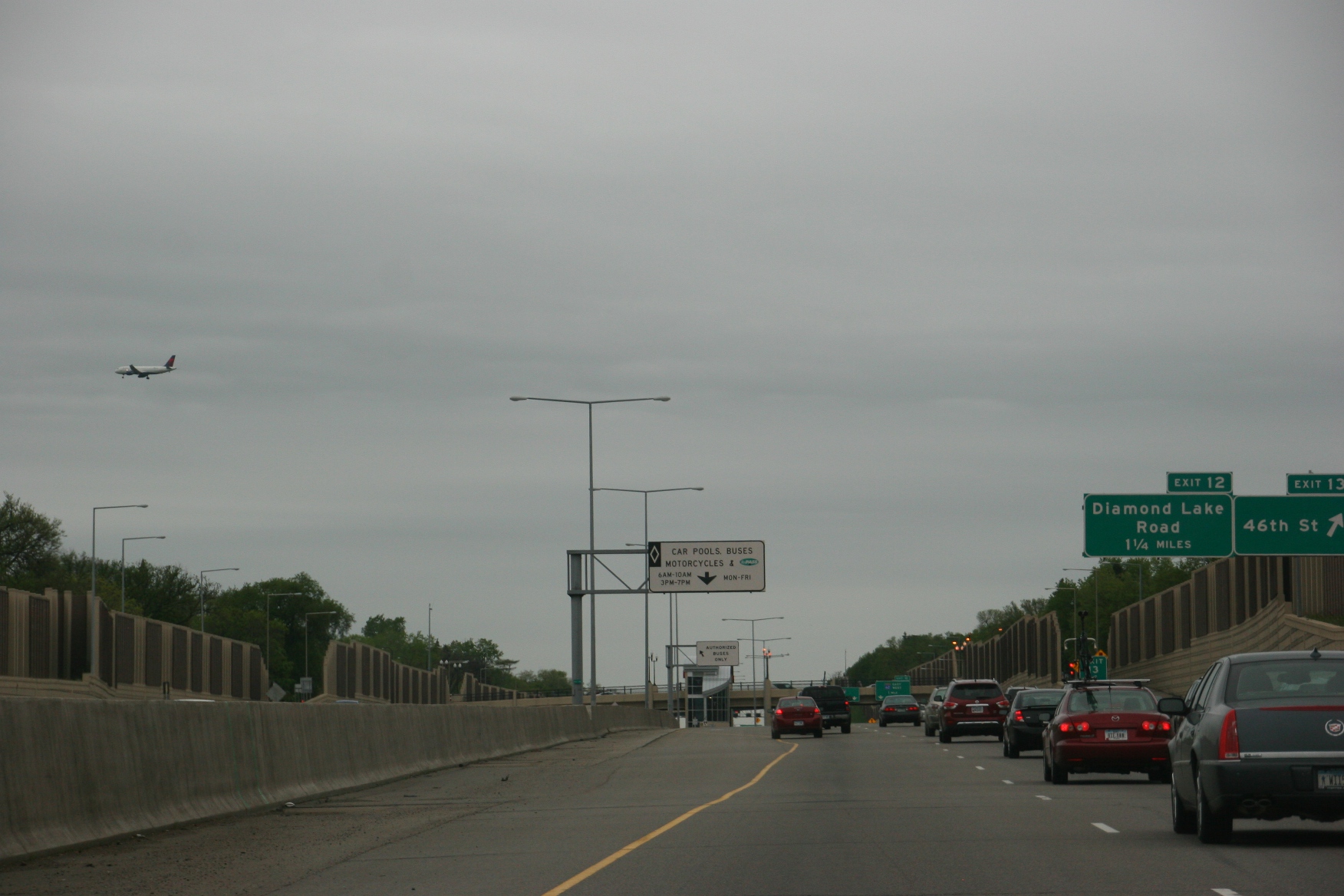
There are way too many curves in this section of Interstate 35 approaching downtown Minneapolis from the north.

There are way too many curves in this section of Interstate 35 approaching downtown Minneapolis from the north.

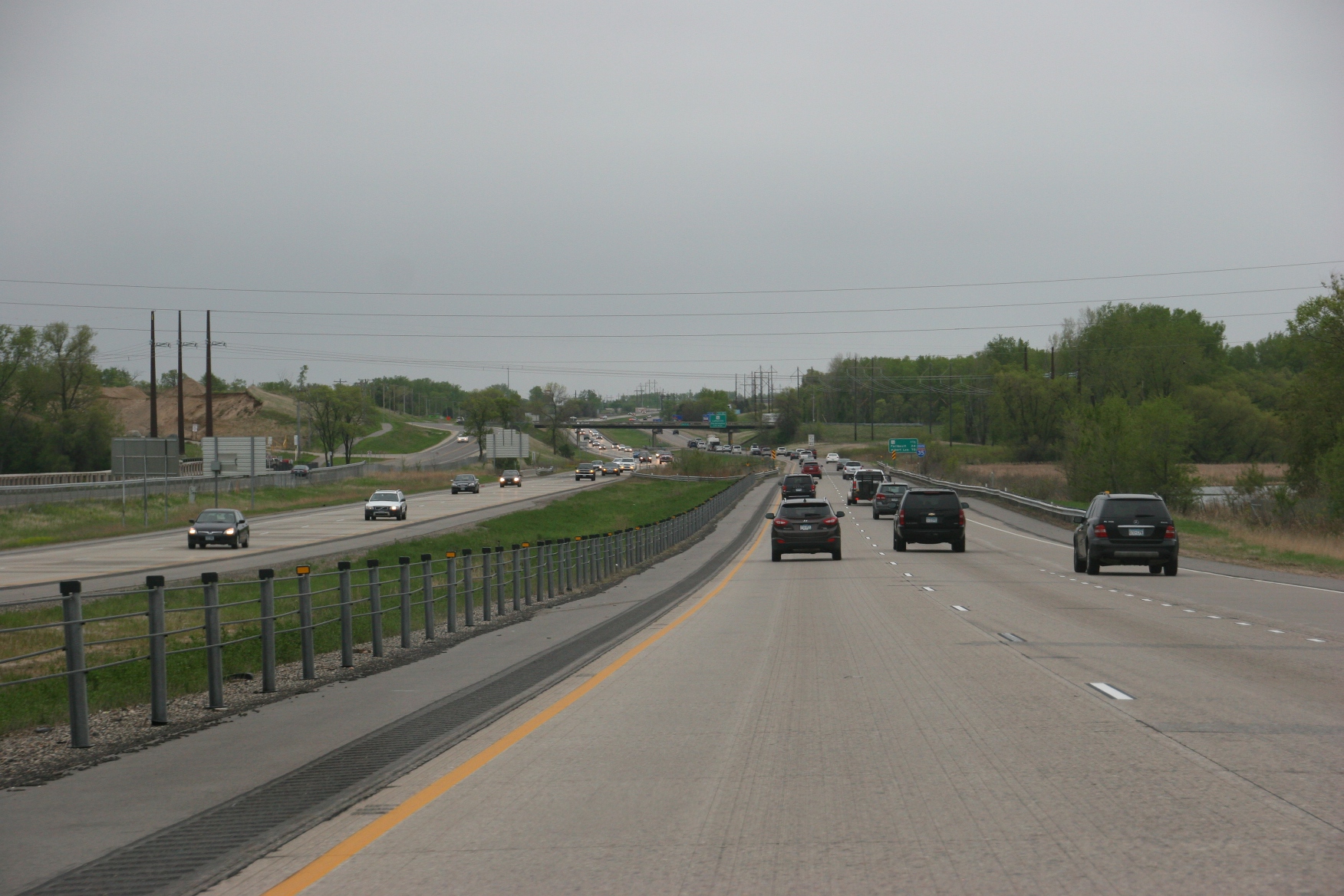
If not for the traffic congestion, I would likely hold a different attitude toward cities. But the high speed at which vehicles travel in close proximity across spans of lanes unsettles me. Too much closeness. Too little space. Too much concrete. Too much of everything overwhelms me.

Edging out of the Twin Cities metro with only 24 miles to Faribault.

Edging out of the Twin Cities metro with only 24 miles home to Faribault.

I am always relieved when we exit the worst of the traffic craziness and land spreads out on each side, free, unencumbered by visual barriers of tall buildings, houses crammed together and sound buffering walls.

Crossing the Interstate 35W bridge.

Crossing the Interstate 35W bridge.

As much as I wish my husband and I could avoid the Twin Cities metro, we cannot. We must drive through it and around it to visit loved ones or to pick up/drop off family at the Minneapolis-St. Paul International Airport. Sometimes I wish the airport had expanded into cornfields farther south, nearer our home. But then we would deal with the roar of airliners. And that I would not like.

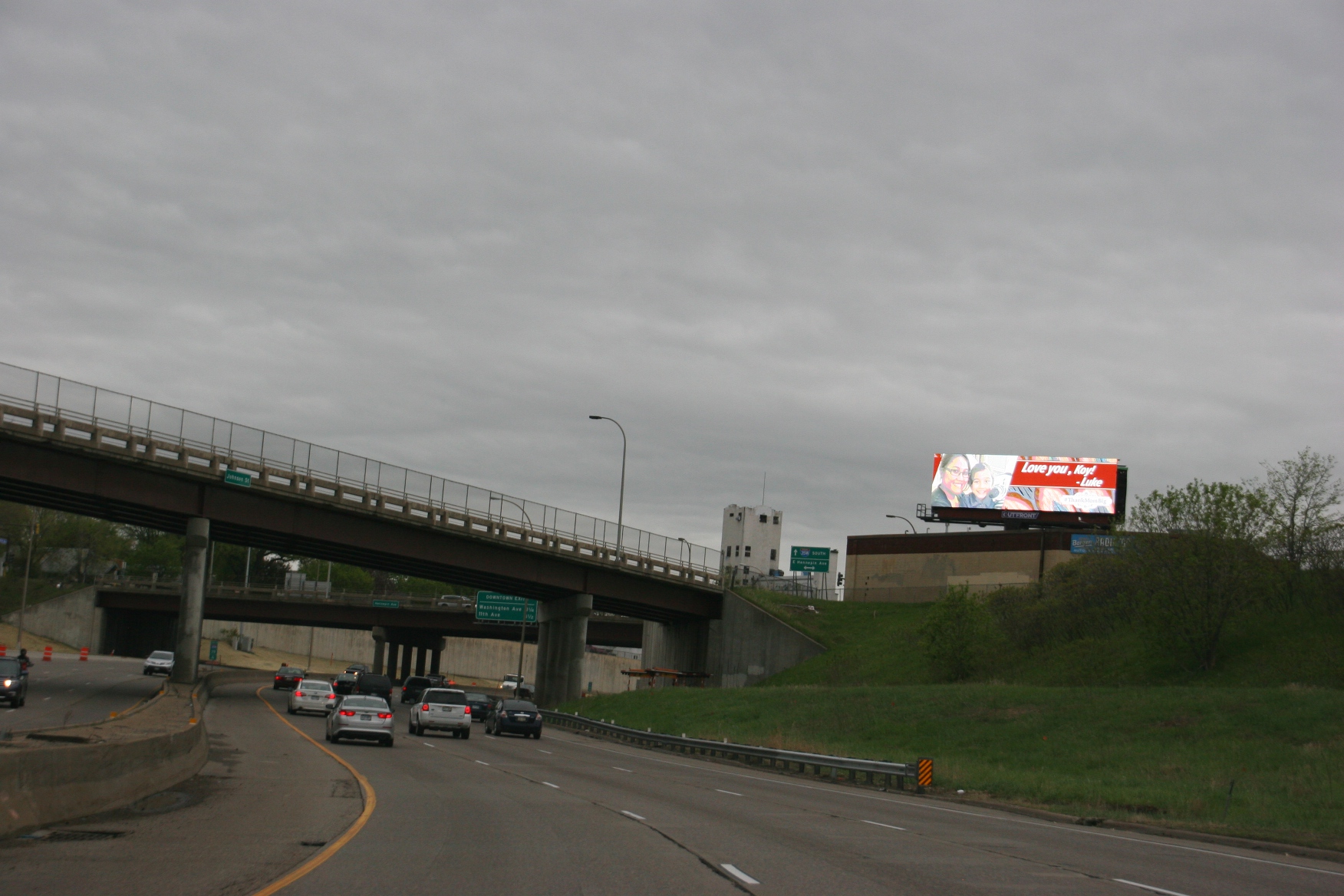
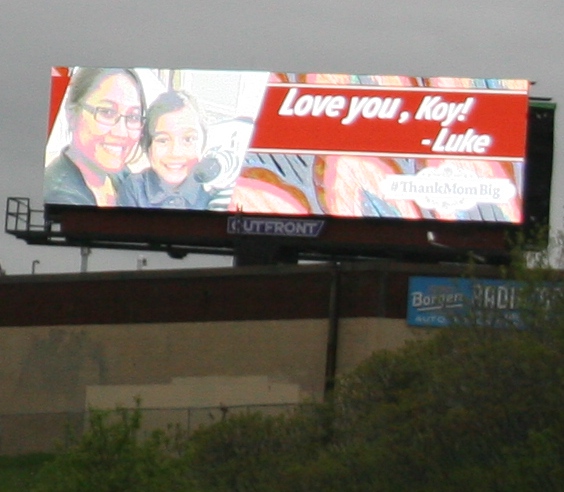
A personalized Mother's Day message on a billboard momentarily distracts me.

A personalized Mother’s Day message on a billboard momentarily distracts me.

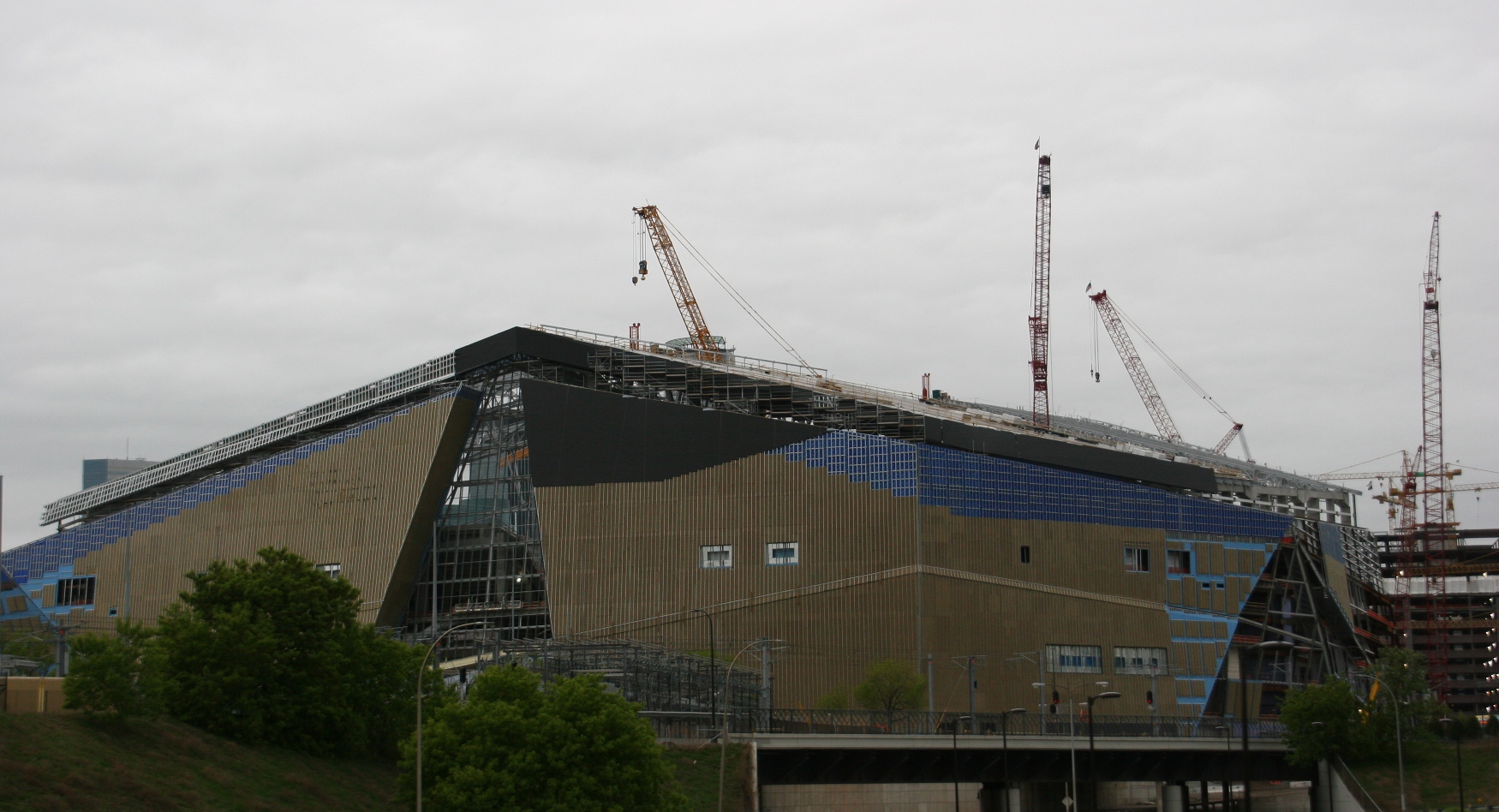
Likewise, construction of the new Minnesota Vikings stadium draws my photographic attention.

Likewise, construction of the new Minnesota Vikings stadium draws my photographic attention.

Interstate 35 south of downtown Minneapolis.

Interstate 35 south of downtown Minneapolis.

So I try to make the best of these necessary journeys through the Twin Cities metro. I use my camera to distract me while the husband focuses on the road. And, surprise, I am beginning to feel more comfortable. Well, not too comfortable.

I have no plans anytime soon to go into downtown Minneapolis.

The downtown Minneapolis skyline on a grey Sunday afternoon.

I am not yet ready to venture into the heart of the city.

© Copyright 2015 Audrey Kletscher Helbling
 

It’s in the details, my friends May 13, 2015

Filed under: Uncategorized — Audrey Kletscher Helbling @ 5:00 AM
Tags: , , , ,
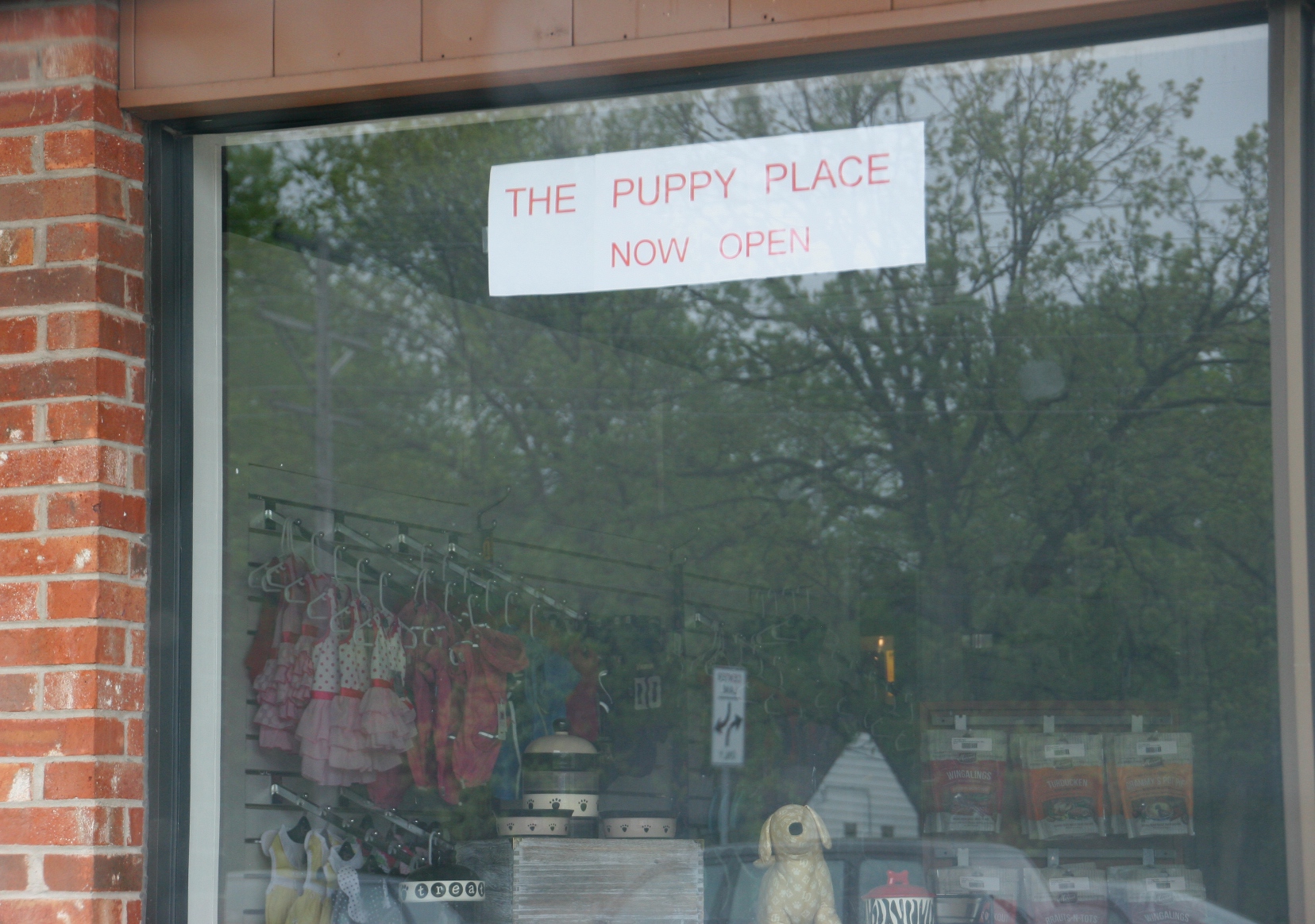
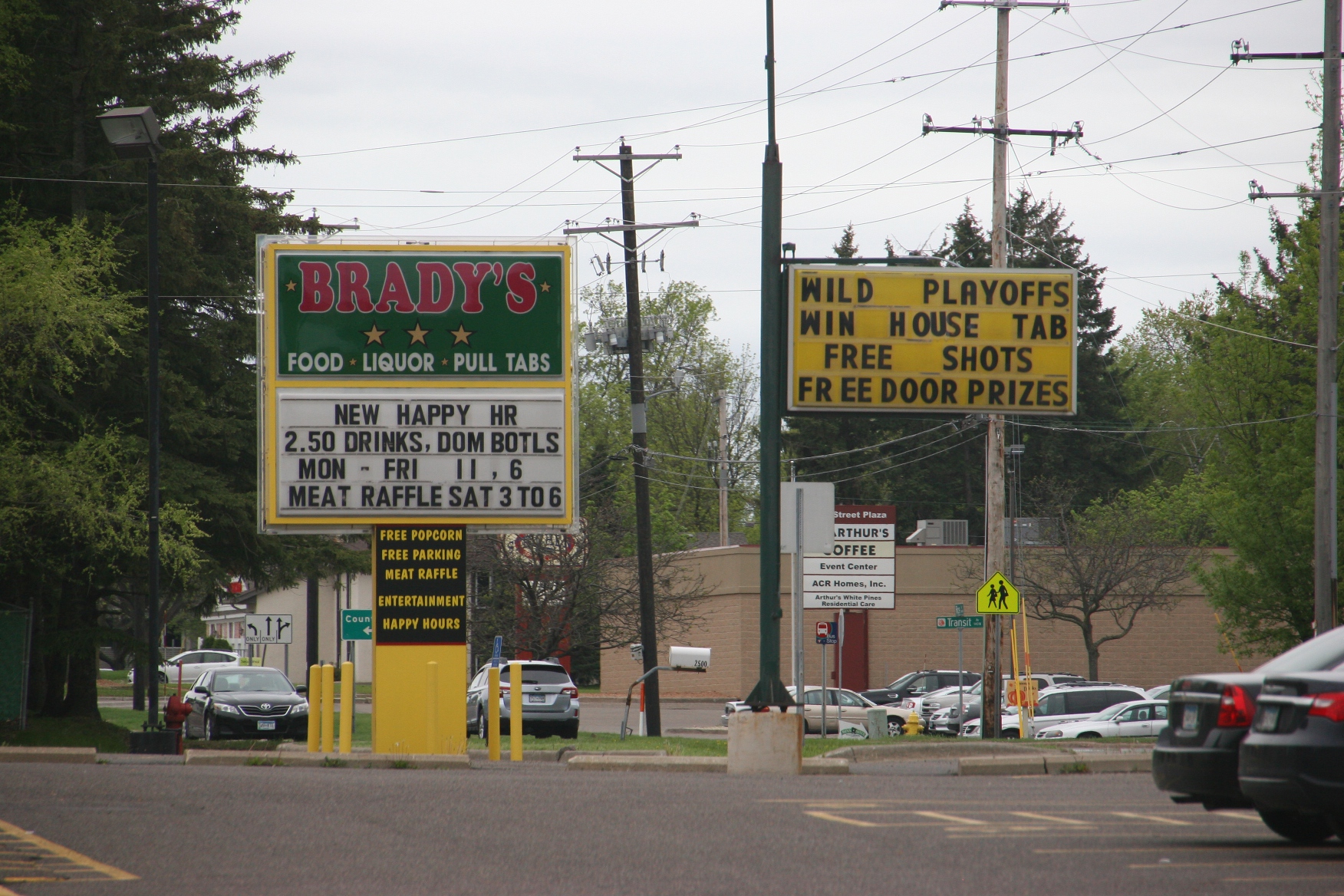
Right next to Papa Murphy's Pizza on Rice Street, the family-owned and operated The Puppy Place offers all things canine, including puppies for sale.

Right next to Papa Murphy’s Pizza on Rice Street, the family-owned and operated The Puppy Place offers all things canine, including puppies for sale.

WAITING IN THE BACK SEAT of a Chevy in a Little Canada parking lot for my daughter and her husband to pick up a Papa Murphy’s pizza, I photographed several scenes. Even in idle moments, I can find subjects worthy of photography.

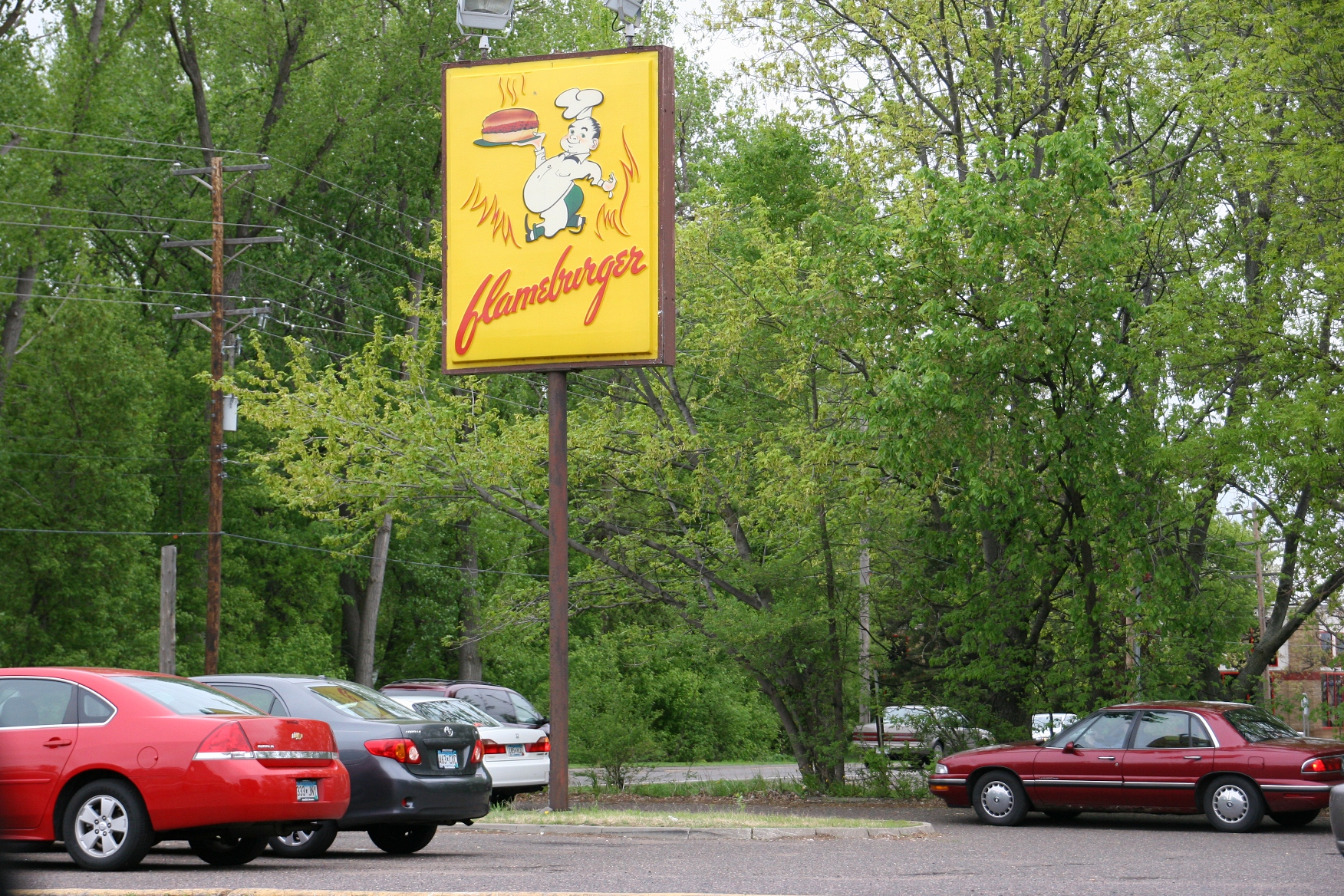
I then swung my camera to the left and photographed this kitschy signage at The Flameburger, "know for its flame broiled burgers and great breakfast platters."

I then swung my camera to the left and photographed this kitschy signage at Flameburger, “known for its flame broiled burgers and great breakfast platters.”

Viewing my surroundings through a Canon DLSR has heightened my awareness, caused me to notice places and details I might otherwise overlook in the visual chaos of today’s world.

Then I turned to the right to photograph these roadside messages posted to draw customers into Brady's a "local bar with great service and a wonderful fun filled atmosphere."

Then I turned to the right to photograph these roadside messages posted to draw customers into Brady’s a “local bar with great service and a wonderful fun filled atmosphere.” Lots going on in this bar apparently.

There’s something to be said for details which comprise the whole. They matter. Color. Font. Messages. A clean window or one filmed with dirt. A loud voice or one tinted with smallness. Ears that listen rather than simply hear. Voices that speak with clarity of conviction or guarded voices that speak only what is expected.

I choose to write and photograph in detail. It is part of my voice. I hold a deep appreciation for that which is often overlooked.

A wild blue violet in my lawn. Minnesota Prairie Roots file photo.

A wild violet in my lawn. Minnesota Prairie Roots file photo.

Today I challenge you to notice the details and to value them. Look into your backyard, into your neighborhood, into your community. See the delicate violets tucked between blades of grass in your lawn. See the closed window coverings on your neighbor’s house and determine to offer encouragement. Focus on what your community offers rather than what it doesn’t.

Notice the details.

Take the focus off yourself. If you ask someone how they are, mean it. If they answer “fine,” determine whether that is truly the truth. Often it isn’t. Search their eyes, observe their body language, listen to the intonations in their response. Care. Notice the details.

© Copyright 2015 Audrey Kletscher Helbling
 

At St. Olaf College: A Minnesota connection to the 1965 Civil Rights Movement May 12, 2015

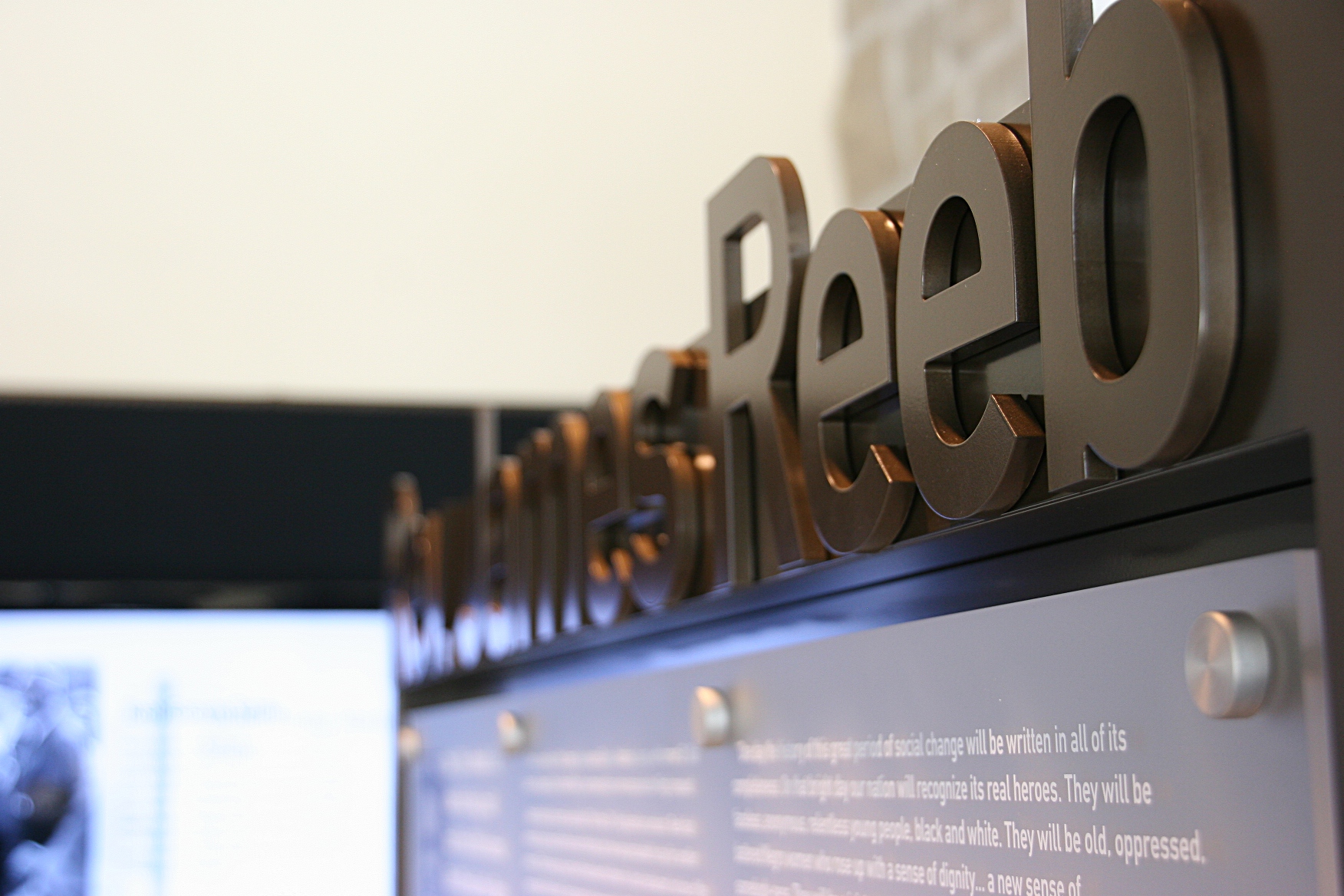
The name Reeb holds special significance at a Minnesota college.

The name Reeb holds special significance in a memorial at a Minnesota college.

JAMES REEB. You may not recognize his name. Or you may remember an actor portraying the Rev. Reeb in a scene in the movie, Selma. Or heard/read his name in a recent news story.

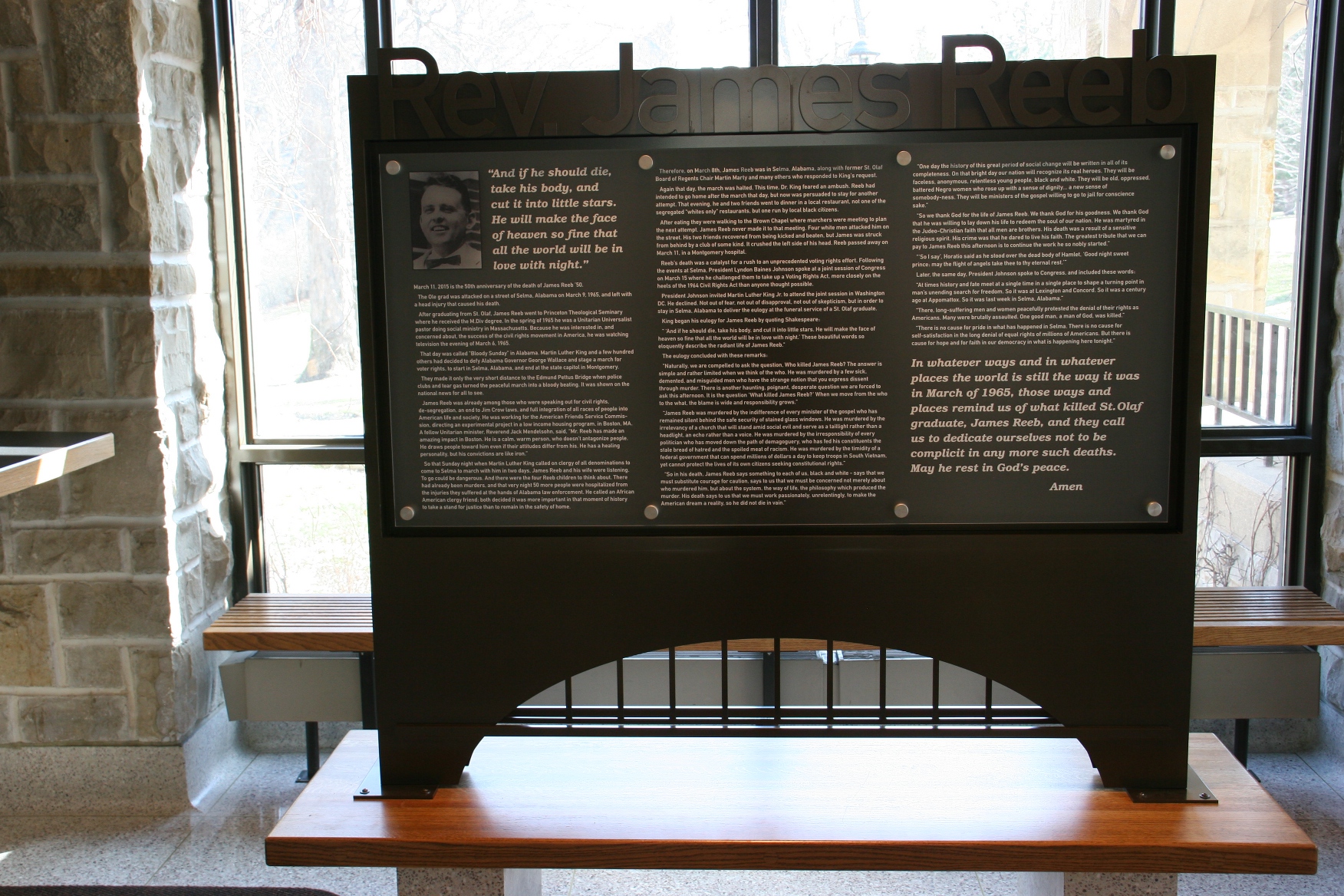
The memorial honoring the Rev. James Reeb was dedicated in March, on the 50th anniversary of his death.

The memorial honoring the Rev. James Reeb was dedicated in March, on the 50th anniversary of his death.

Today, just outside the entrance to Rolvaag Library on the hilltop campus of St. Olaf College in the southern Minnesota community of Northfield, Reeb is honored with a memorial for his efforts in the Civil Rights Movement.

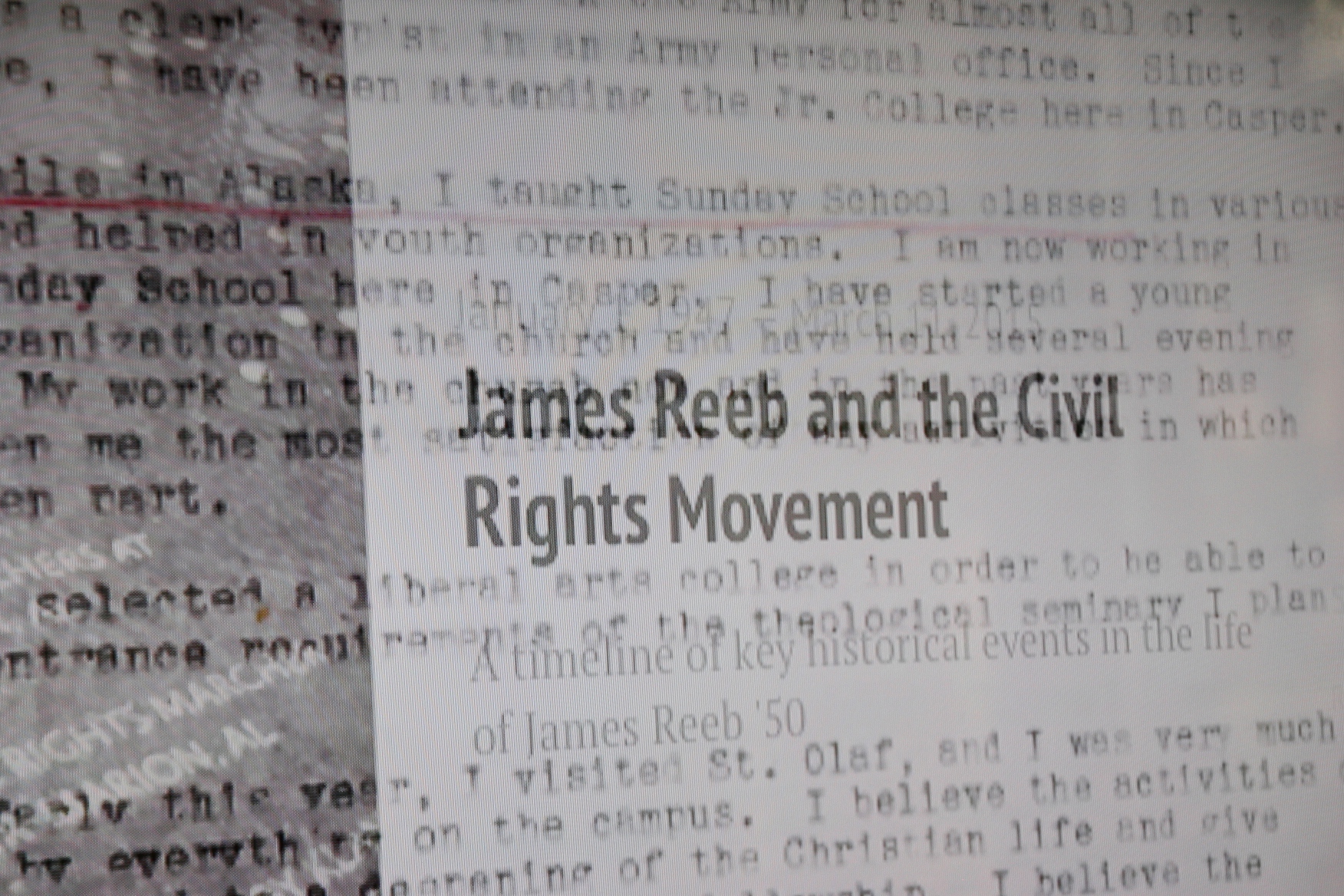
Words play across a screen in a video next to the memorial.

Words play across a screen in a video next to the memorial.

His involvement cost him his life.

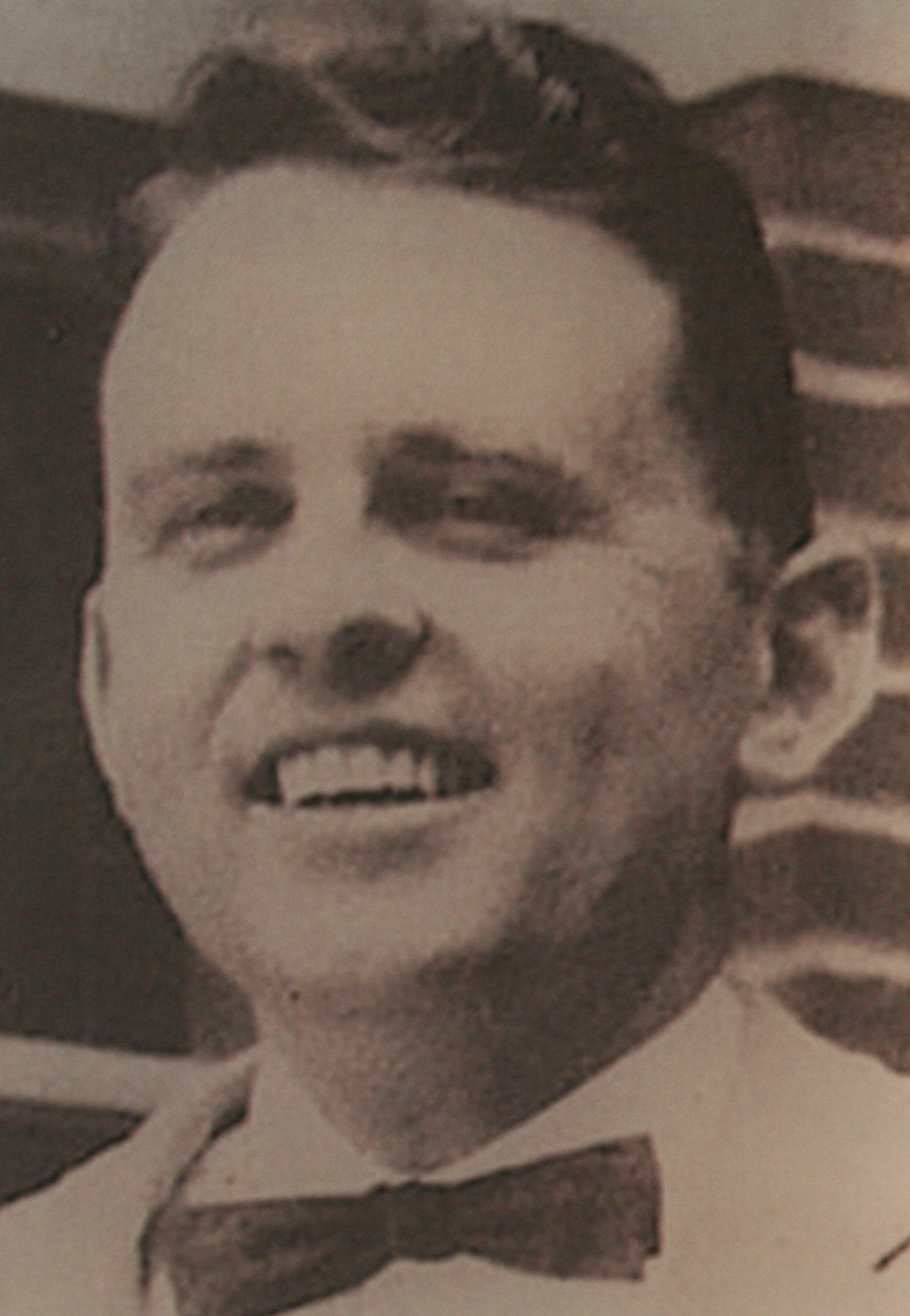
A portrait of Reeb printed on the memorial.

A portrait of Reeb printed on the memorial.

On March 9, 1965, Reeb and two friends were attacked after dining at a Selma restaurant run by local black citizens. The Massachusetts clergyman, an outspoken advocate for civil rights, desegregation and more, died two days later from his injuries.

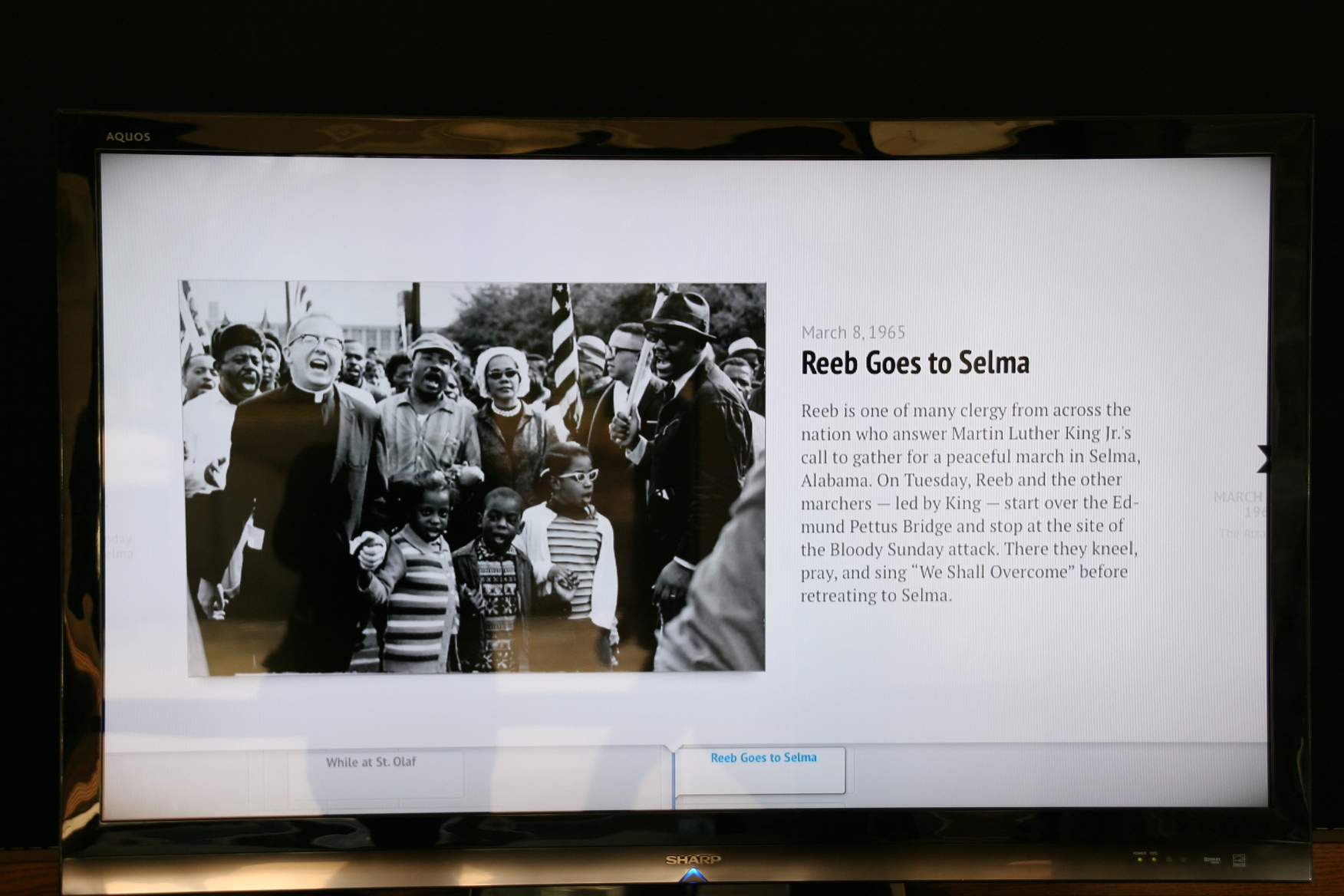
Reeb, shown to the left in this photo, was among those who marched to the Edmund Pettus Bridge on March 7, 1965, Bloody Sunday.

Reeb, shown to the left in this photo, was among those who marched to the Edmund Pettus Bridge on March 7, 1965. This image is in a video at the St. Olaf memorial.

Dr. Martin Luther King, Jr., who’d called upon clergy to join a voting rights march from Selma to Montgomery, Alabama, delivered Reeb’s eulogy.

Reeb’s death served as a catalyst for passage of the Voting Rights Act of 1965, according to information published on the memorial to this 1950 St. Olaf graduate.

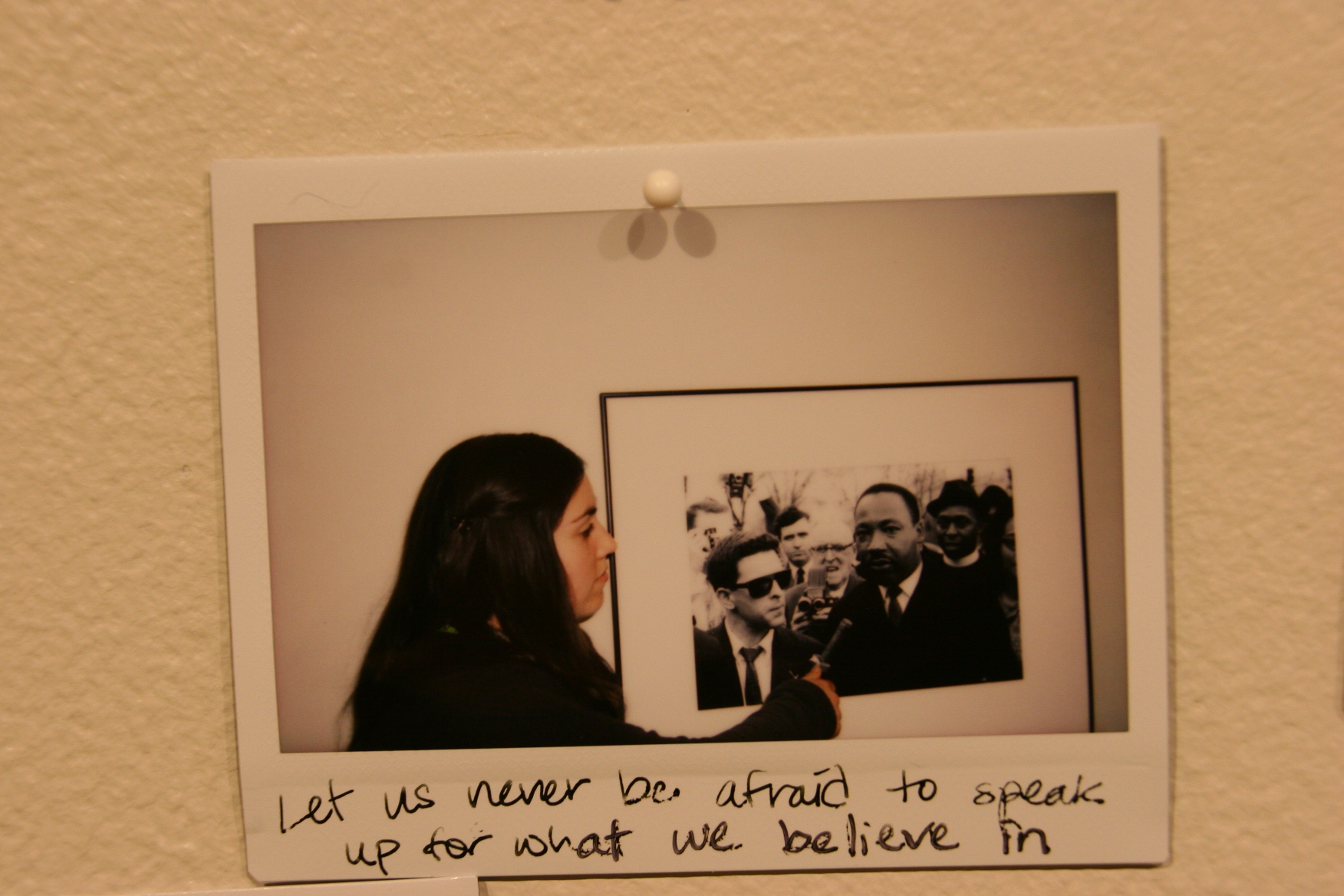
Visitors to the "Selma to Montgomery: Marching Along the Voting Rights Trail" exhibit at St. Olaf College let their voices be heard.

Visitors to the recent “Selma to Montgomery: Marching Along the Voting Rights Trail” exhibit at St. Olaf College let their voices be heard.

To view this recently-installed memorial, to read that Reeb possessed “a healing personality, but his convictions are like iron” is to understand that one voice can make a difference. Reeb considered taking a stand for justice more important than remaining in the safety of his home. He left his family in Massachusetts to join the march from Selma to Montgomery. While walking to a planning meeting for that march, Reeb was brutally attacked.

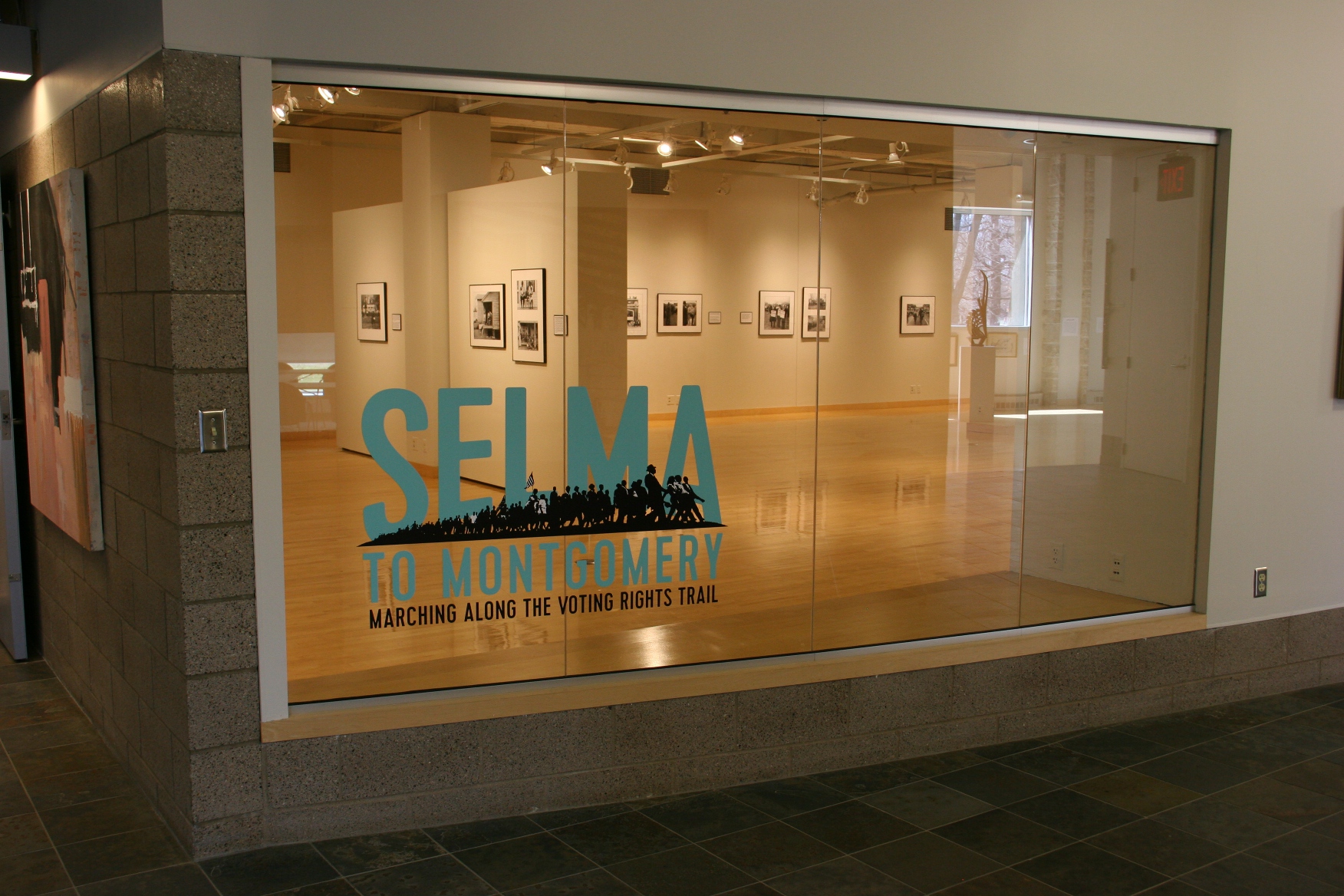
The "Selma to Montgomery" exhibit at the Flaten Art Museum, St. Olaf, recently closed.

The “Selma to Montgomery” exhibit at the Flaten Art Museum, St. Olaf, recently closed.

In Reeb’s eulogy, King noted that, “His death says to us that we must work passionately, unrelentingly, to make the American dream a reality, so he did not die in vain.”

Those are words we would do well to remember today, 50 years after Reeb’s death and the march from Selma to Montgomery.

FYI: Click here to read my post about the recently-closed Selma to Montgomery: Marching Along the Voting Rights Trail exhibit at St. Olaf College.

© Copyright 2015 Audrey Kletscher Helbling
 

The evolving art of crafting an obituary

Filed under: Uncategorized — Audrey Kletscher Helbling @ 5:00 AM
Tags: , , , , ,
Even after family has departed this life, their memory is as close as the graves that surround Moland Lutheran Church.

This Moland Lutheran Church Cemetery in rural Steele County Minnesota lies next to farm fields. Minnesota Prairie Roots file photo used for illustration purposes only.

HAVE YOU NOTICED in recent years, like I have, the trend to personalize obituaries?

No longer are obits just a listing of factual information. Rather, they now often offer personal insights from loving family members. This is exactly what I was not taught in journalism school. I learned right away that nothing is more important than writing an obituary. That long ago lesson involved not a bit of commentary. Just straight facts. Birth, education, occupation, marriage, death, survivors. And, above all, spell the name correctly.
Times have changes. Most newspapers now charge for printing obituaries. Thus, if you’re paying for all those words about your loved one, you may as well write what you wish.

I find myself reading obits more often than I once did. Yes, I sadly now know a lot more people who are dying. But I’m also interested in reading the stories of those individuals whom I’ve never known.

For example, recently The Gaylord Hub, where I worked as a reporter and photographer at my first newspaper job fresh out of college and, yes, wrote my first published obits, printed three death notices that grabbed my attention. All of them were obituaries for retired or semi-retired farmers, men who devoted their lives to working the land in this rural southern Minnesota county.

I learned that Dennis Grams, 70, “enjoyed everything about farming—the equipment, animals, crops and weather. If you had a question about farming, he was the man to go to. He had a way of explaining everything so that you could understand and would not stop explaining until he was sure you understood.” Seems to me Dennis was not just a farmer, but a teacher, too. And a patient one at that.

And then there’s Kenneth Quast, 81, who lived his entire life on the farm his father purchased in the 1920s. Kenneth worked that land and milked cows. His obit states: “He enjoyed farming, it was his life.” Oh, to do what you love. Your entire life.

Finally, Elmer Otto, 93, just couldn’t stay away from his Kelso Township farm. “…even after retiring he still had to go out and make sure things were running smoothly.” Elmer clearly loved his life’s work, just like Dennis and Kenneth.

How about you? Can you say that about your life—that you did what you loved? What would you want included in your obituary?

© Copyright 2015 Audrey Kletscher Helbling