Minnesota Prairie Roots

Writing and photography by Audrey Kletscher Helbling

Dilly Beans, pumpkins & more at Meriden roadside market October 25, 2021

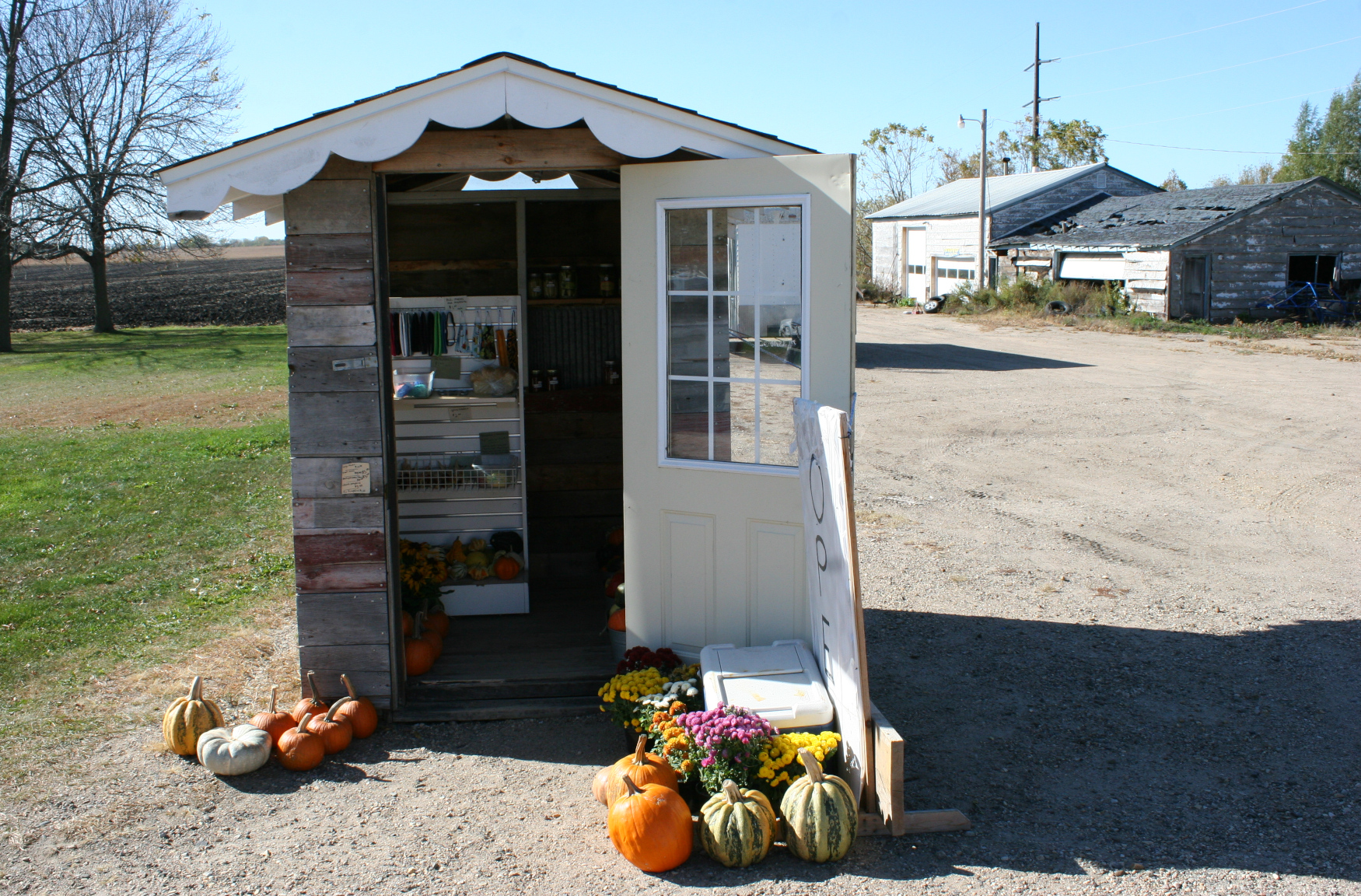
Teb’s Food Stand in Meriden. (Minnesota Prairie Roots copyrighted photo October 2021)

FROM 7 am – 6 pm DAILY, Louise tends a tiny produce stand along a paved road in the unincorporated northwestern Steele County settlement of Meriden.
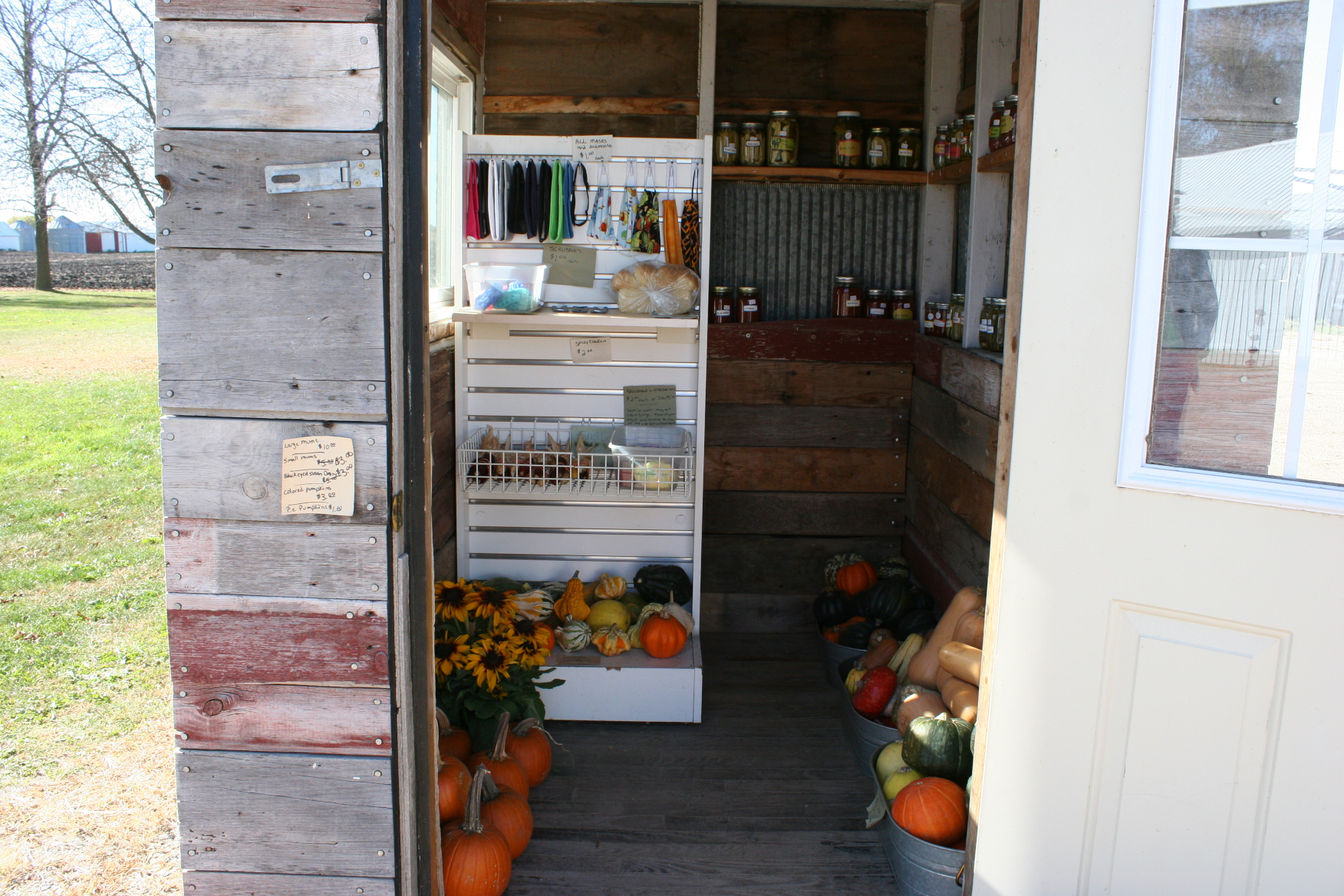
A peek inside Teb’s roadside stand. (Minnesota Prairie Roots copyrighted photo October 2021)

That’s where I met her on a recent mid-October Sunday afternoon—outside a shed the size of an outhouse. Louise lives right next door to Teb’s Food Stand, a seasonal business owned by her friend, Teborah Kath. Teb, she noted, was likely, in that moment, busy canning vegetables at her nearby country home.

Teb’s canned Cherry Tomato Mix is almost like a work of art. Beautiful. (Minnesota Prairie Roots copyrighted photo October 2021)

Garden-fresh and canned vegetables define the bulk of inventory tucked inside this hand-built shed constructed of salvaged wood, galvanized metal and a modern front door.
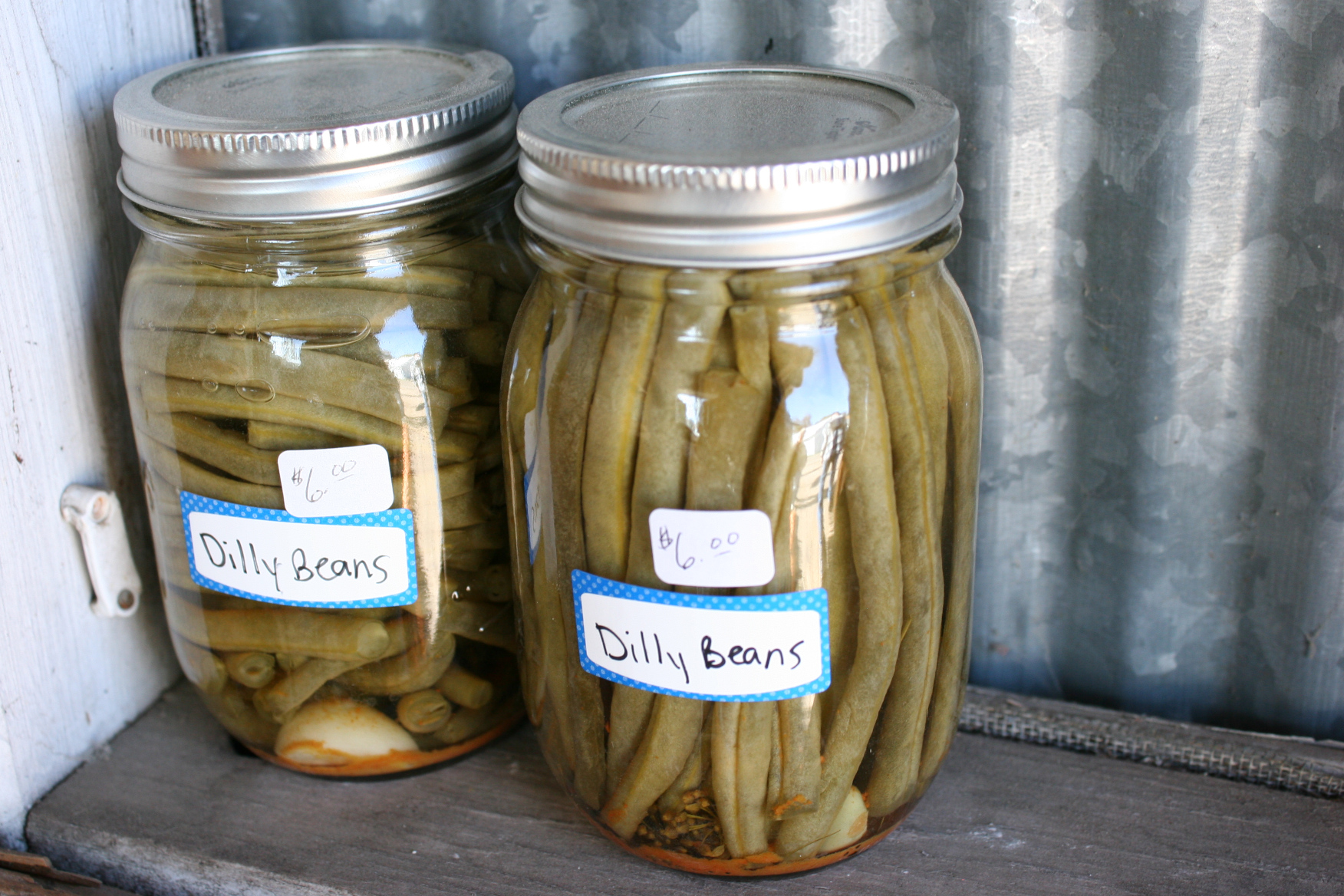

Teb’s Dilly Beans. (Minnesota Prairie Roots copyrighted photo October 2021)
Another jolt of color in canned peppers. (Minnesota Prairie Roots copyrighted photo October 2021)
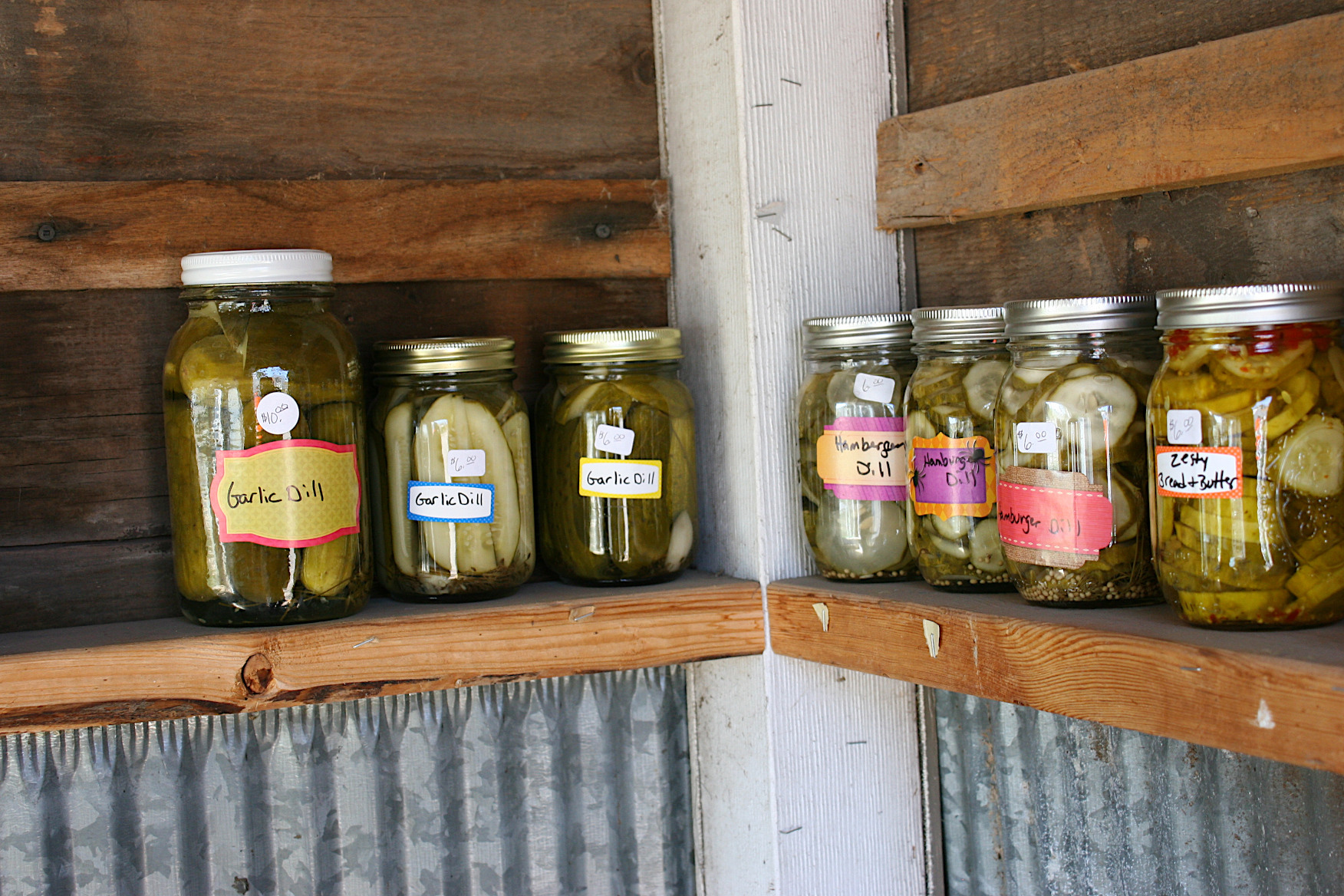
An assortment of Teb’s homemade pickles. (Minnesota Prairie Roots copyrighted photo October 2021)

Here quart and pint jars edge shelves. Green beans pack tightly inside jars labeled Dilly Beans. Rich red tomato sauce colors Teb’s salsa. Oranges and reds and yellows mix inside jars of Cherry Tomato Mix and Peppers, splashing vibrant autumn hues. For pickle lovers, Teb crafts dill and bread & butter pickles.
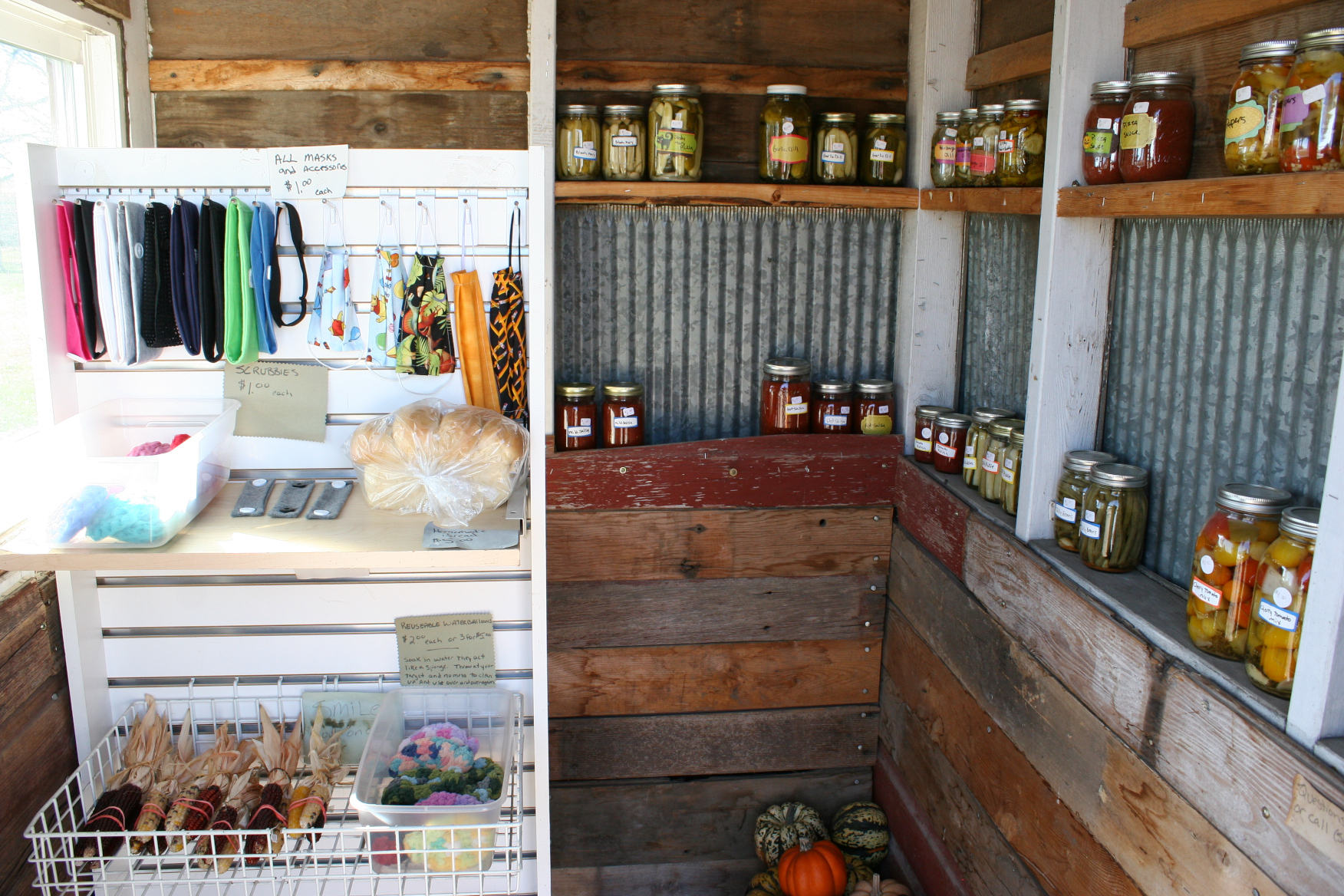
Teb sells more than canned and fresh produce. (Minnesota Prairie Roots copyrighted photo October 2021)

She also sells baked goods—I spotted a singular package of bread. Next to the face masks, accessories and scrubbies.
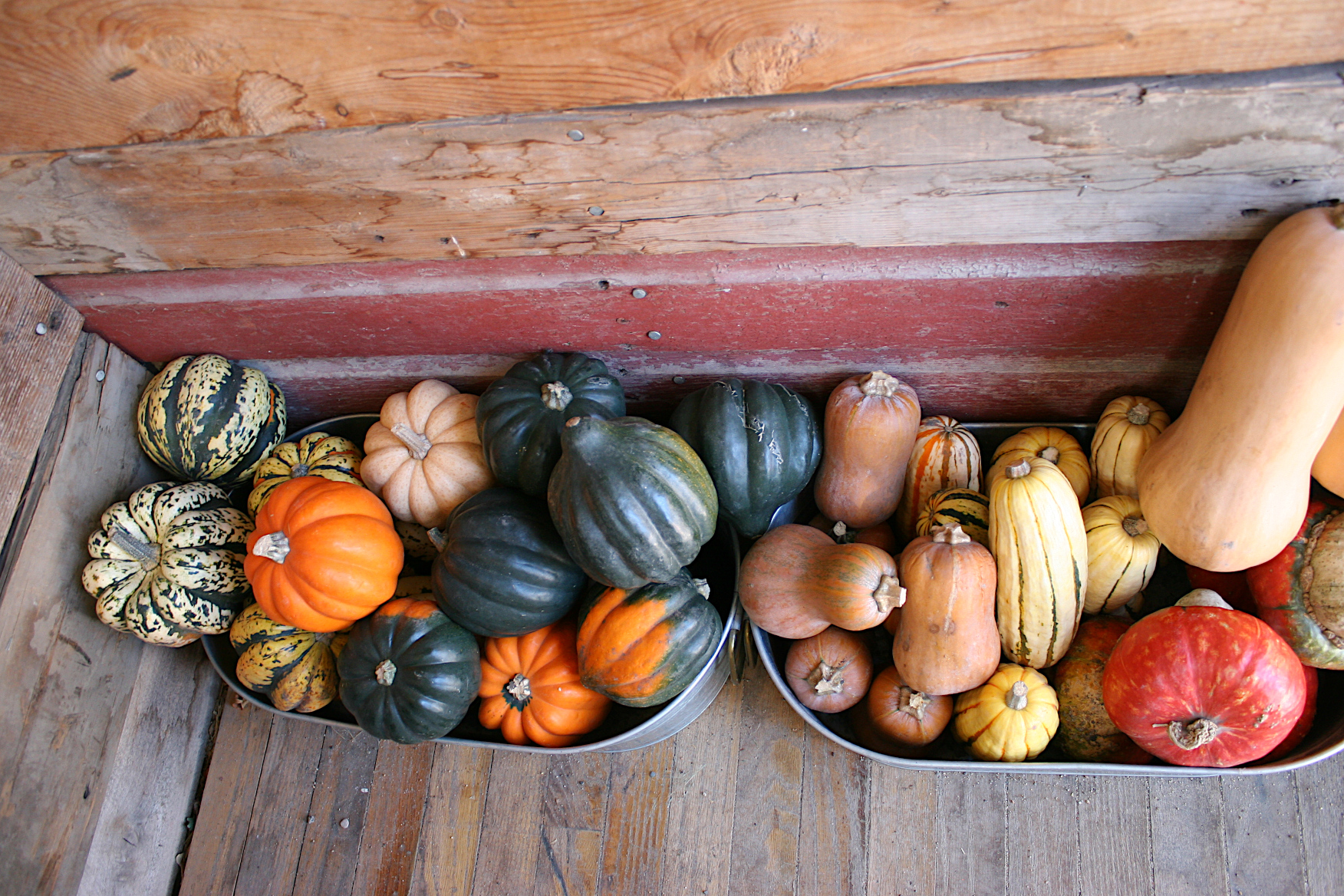

Lots of squash options. (Minnesota Prairie Roots copyrighted photo October 2021)
Smallish pumpkins splash color into a corner. (Minnesota Prairie Roots copyrighted photo October 2021)
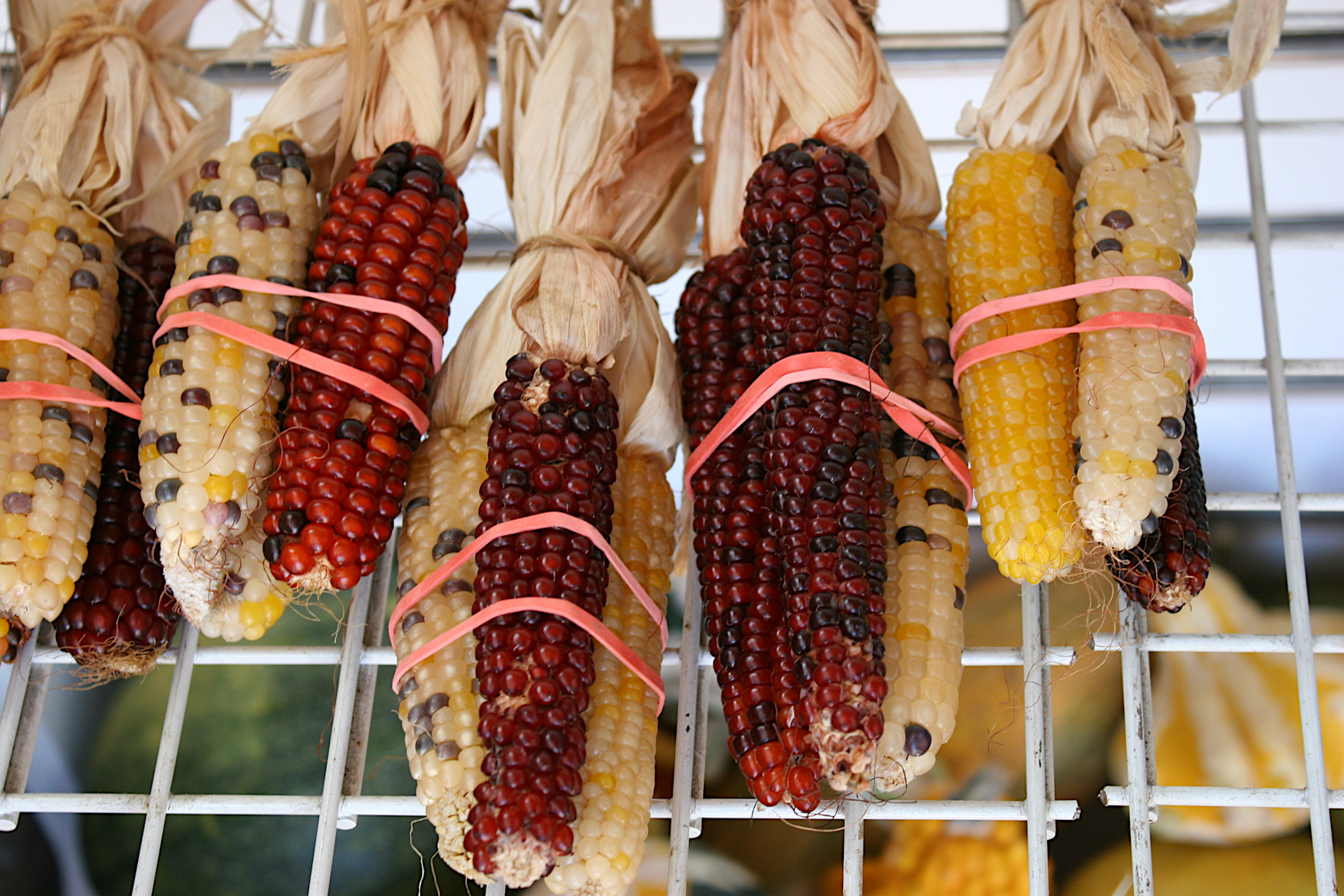
Bundled corn on a shelf. (Minnesota Prairie Roots copyrighted photo October 2021)

Seasonal fresh produce is sold here, too, and artfully staged. Piles of assorted squash fill metal tubs. Pumpkins hug a corner near the door. Decorative corn and gourds rest on shelves. And outside more pumpkins and a collection of mum plants define this as a seasonal mini marketplace.
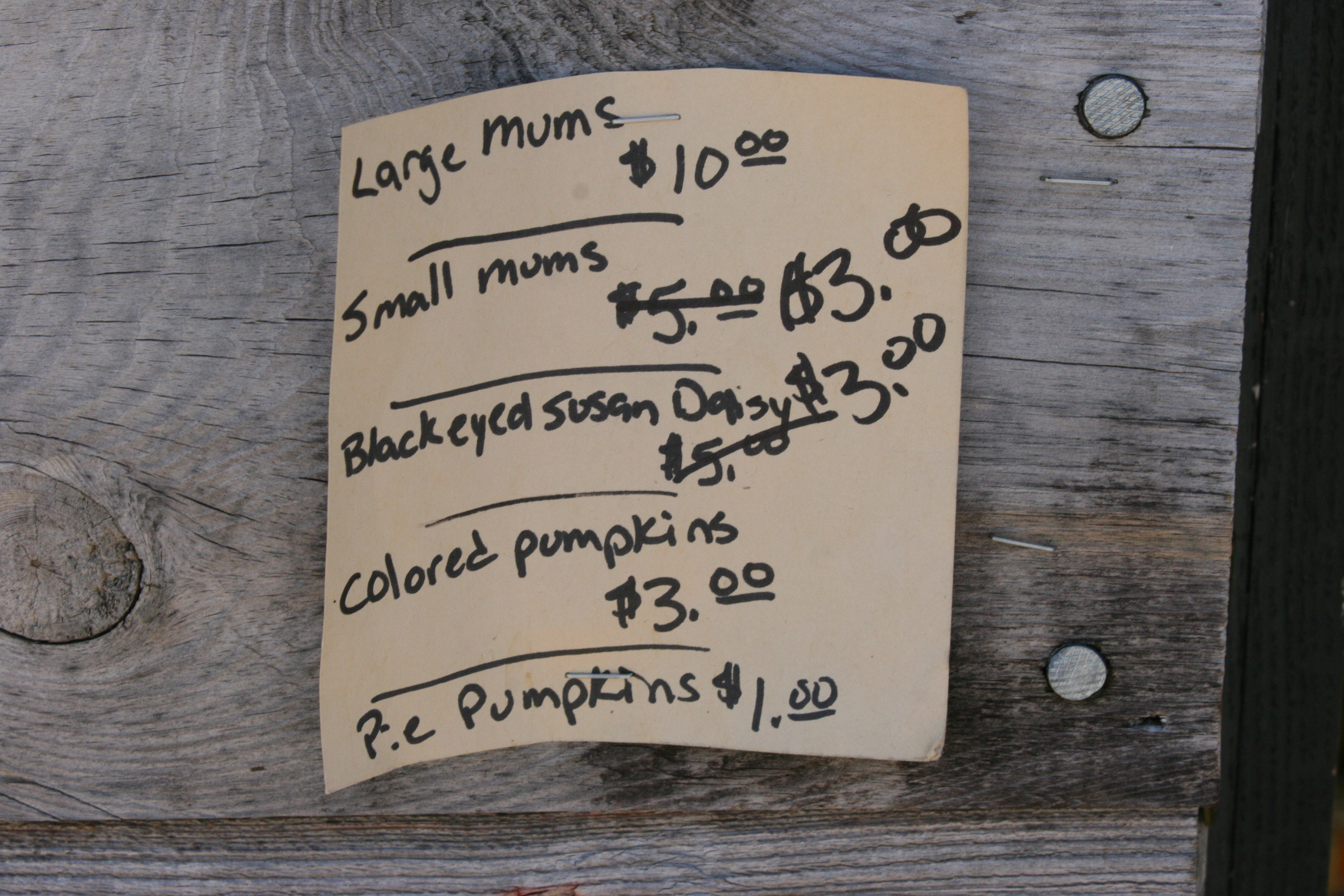
Prices & mark-downs. (Minnesota Prairie Roots copyrighted photo October 2021)

Chatting with Louise, who stepped aside when I started taking photos, proved a delight. Considering her 11-hour days at this less-than-busy location, I asked how she passes the time. Reading? She’s not much of a reader, she said, referencing her farm upbringing and the need to stay physically active. Sometimes she leaves temporarily to do chores at home—like mowing her lawn. Or sometimes she simply has other things going on that take her away from the roadside stand.
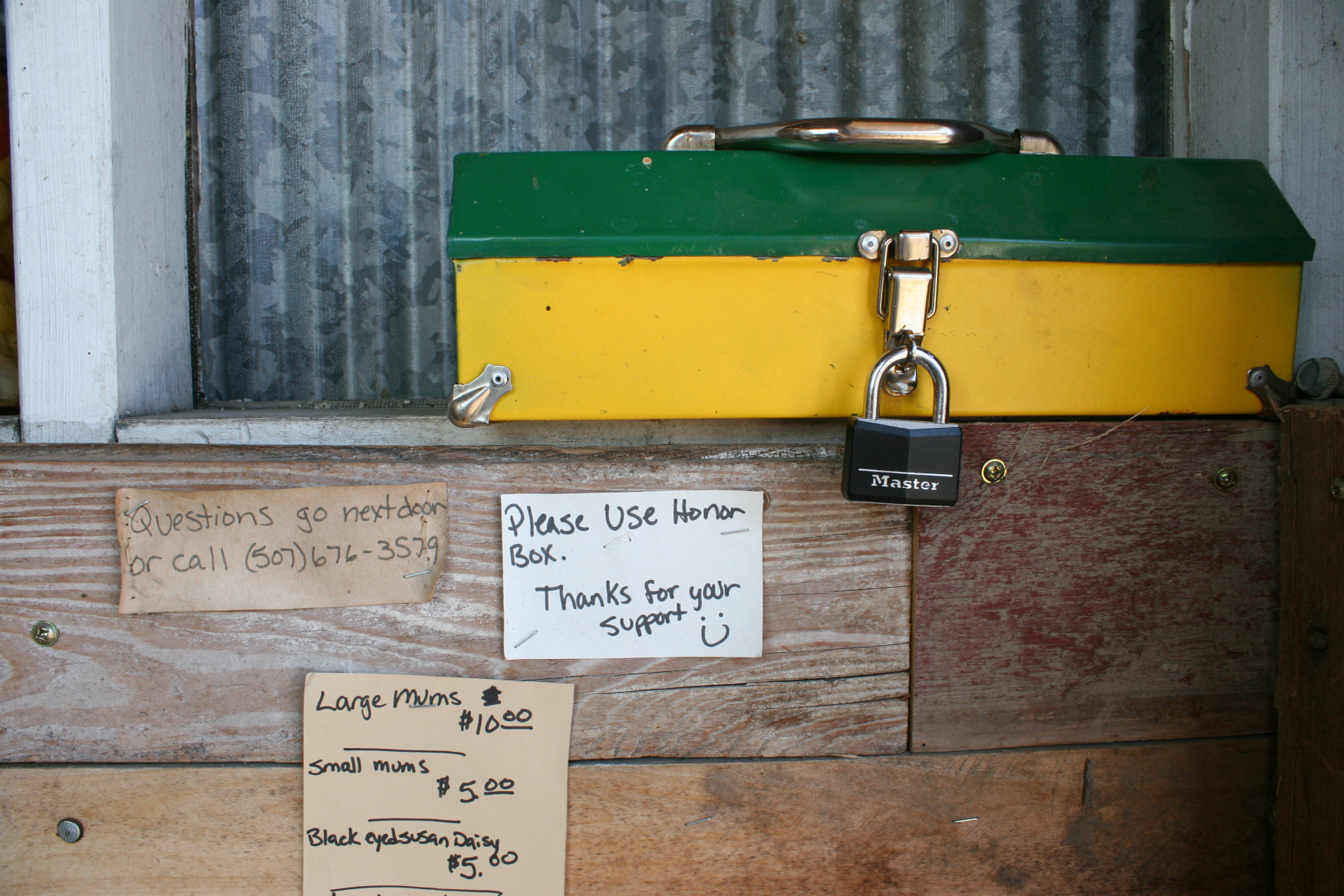
If Louise isn’t there, just leave your payment in the locked box. (Minnesota Prairie Roots copyrighted photo October 2021)

A handwritten sign next to a locked honor system box directs customers to go next door or call Louise with questions. But don’t count on her having change. She doesn’t. I purchased two squash for $4, almost $5.
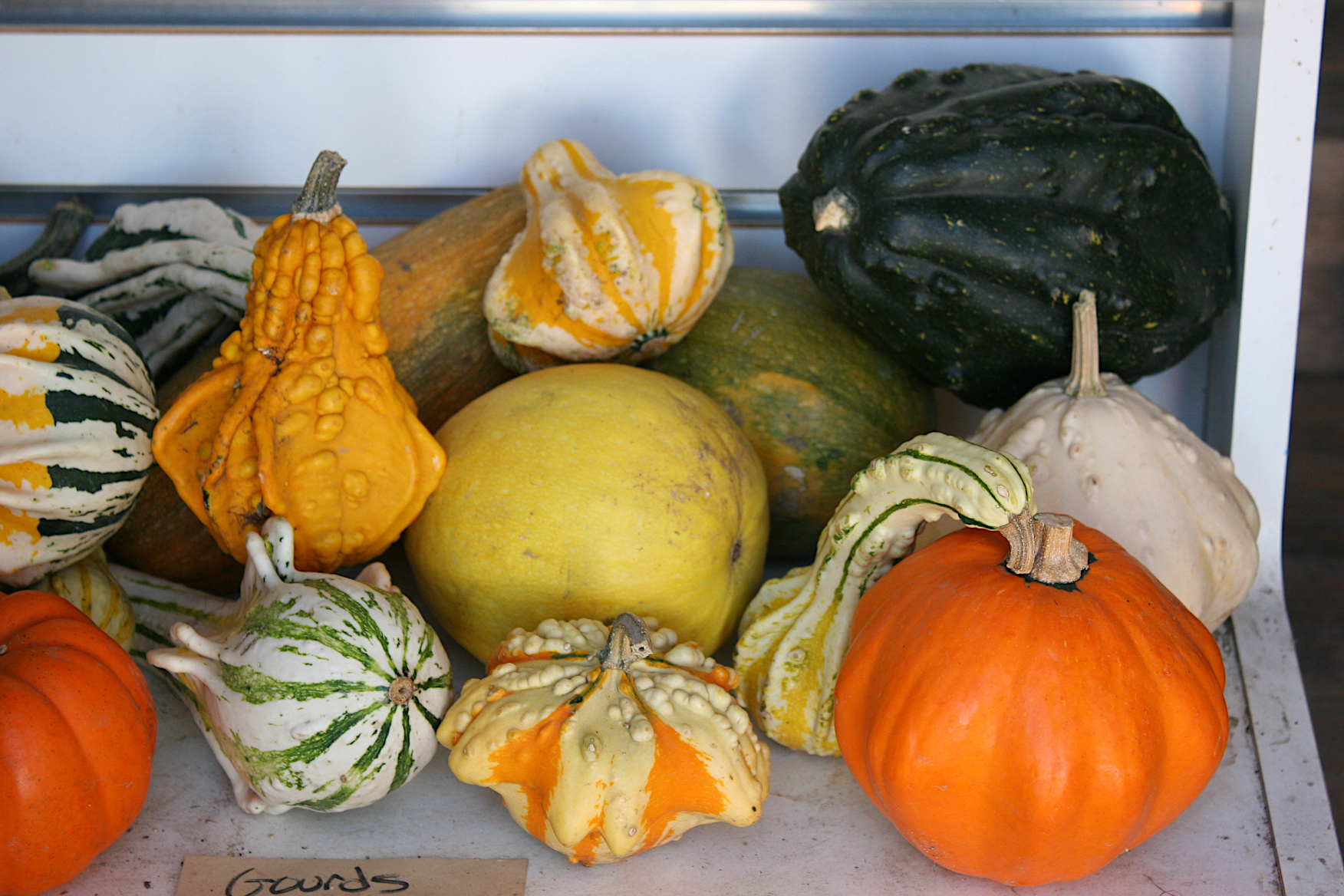
Gourds for fall decor. (Minnesota Prairie Roots copyrighted photo October 2021)

In addition to this small town produce stand, Teb also sells her garden and craft and baked goods at the Owatonna Farmers’ Market. Sales are good, even at the remote Meriden location, Louise noted.
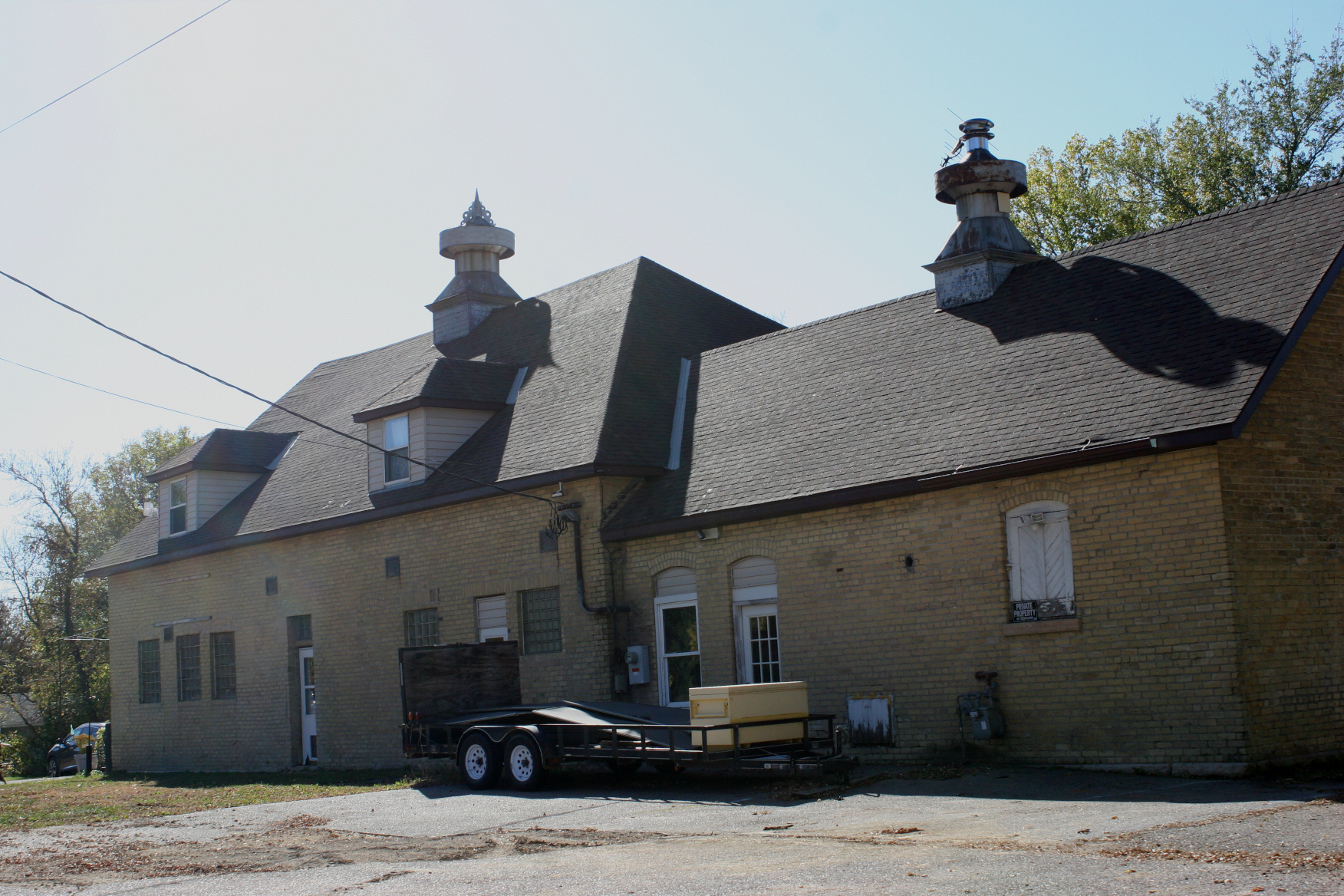
The former creamery in Meriden. (Minnesota Prairie Roots copyrighted photo October 2021)

Meriden is one of those rural places perhaps unknown to many. Driving into town, I noticed a former creamery, the brick building in remarkable condition.
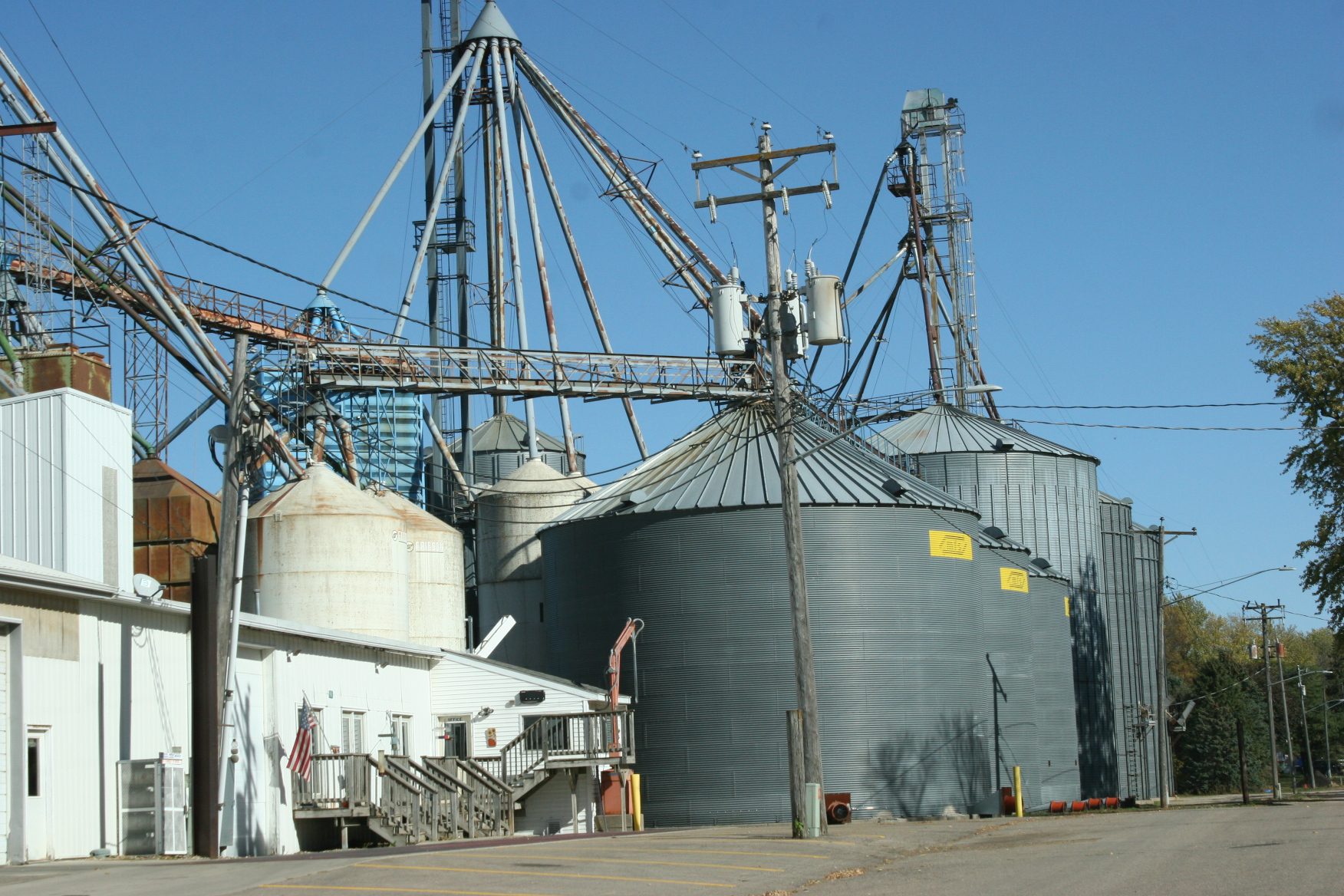
Meriden’s grain complex. (Minnesota Prairie Roots copyrighted photo October 2021)

But it is the cluster of mammoth grain bins which landmark Meriden. Homes line the road past the elevator to a dead end, an unwelcome warning sign marking the end of the street.
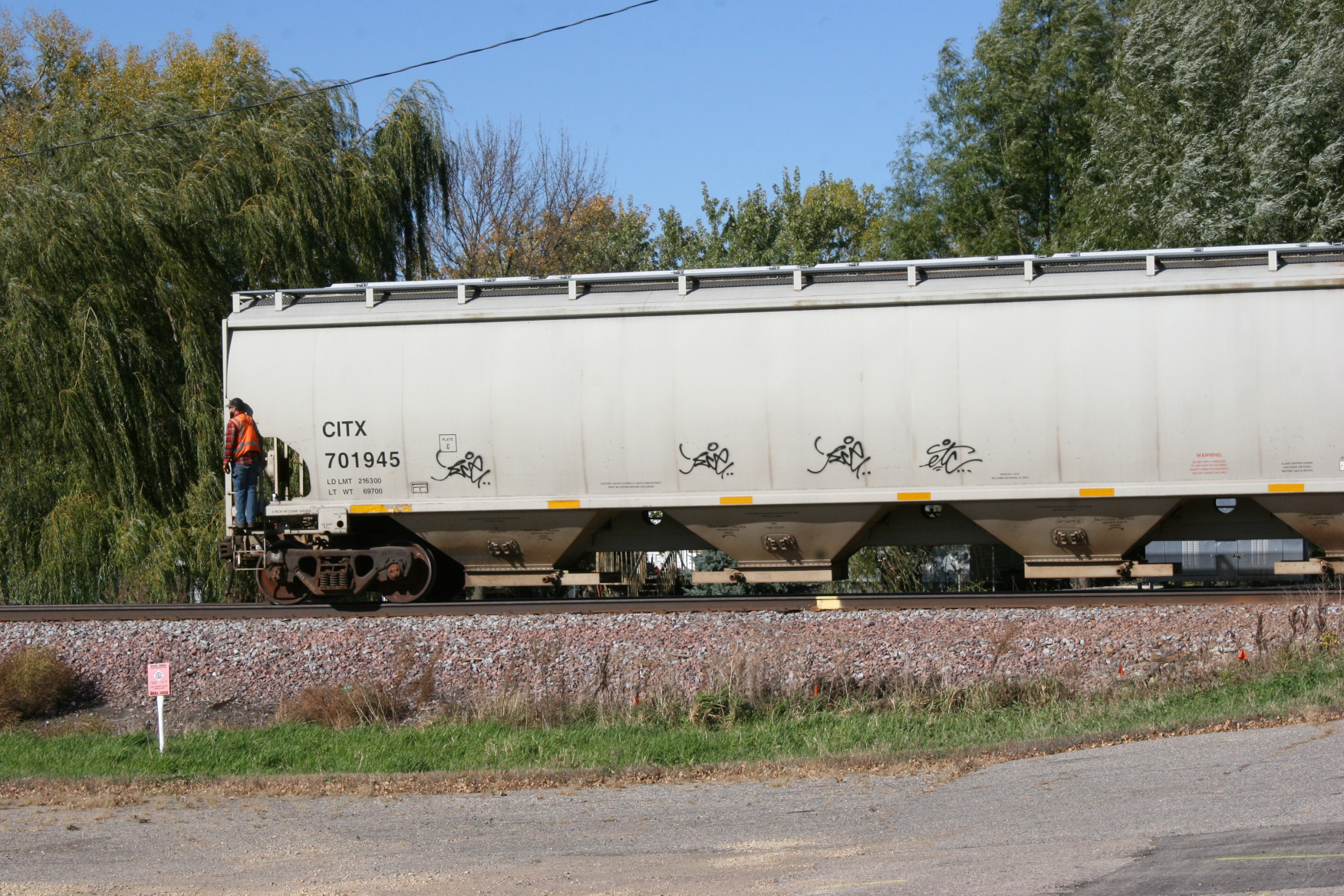
A slow-moving train moves through Meriden. (Minnesota Prairie Roots copyrighted photo October 2021)

Back at Teb’s Food Stand, conversation halted when a train car and locomotive rolled into town, horn blaring. Soon it reversed course, crossing the tracks again, horn blaring.
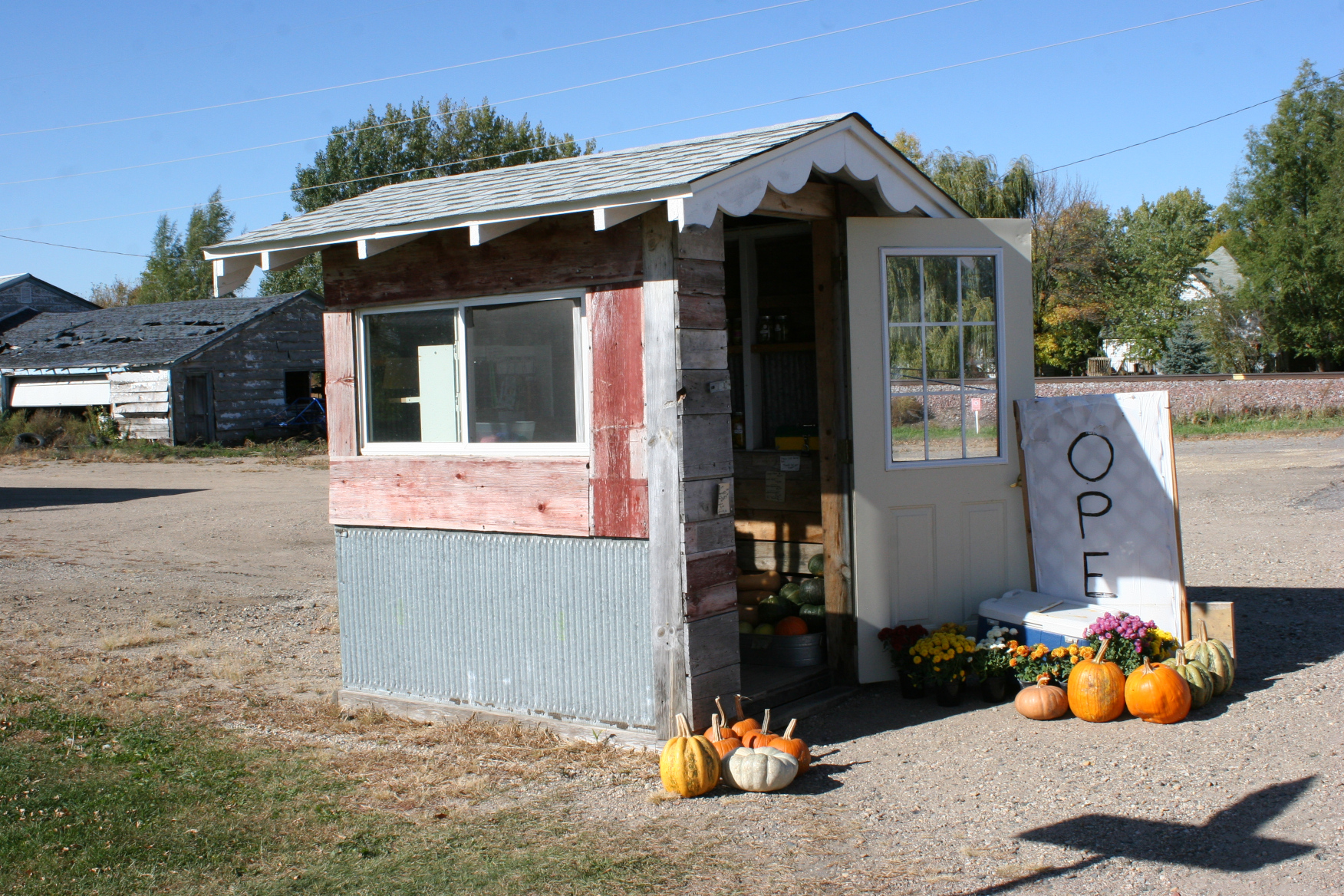
Teb’s Food Stand in Meriden. (Minnesota Prairie Roots copyrighted photo October 2021)

By then I’d gathered enough photos and information to craft a story. To write about Lousie and Teb and this tiny produce stand edging a paved road next to a harvested bean field in Meriden, Minnesota.

NOTE: Teb’s Food Stand will close soon for the season, if it’s not already closed.

© Copyright 2021 Audrey Kletscher Helbling


Long-time patron leaves up to $2.7 million to Faribault library October 22, 2021

Robert Crandall. (Photo source: Parker Kohl Funeral Home)

HE LIKED HIKING and biking. John Wayne movies. Bacon. Collecting stamps. Vacationing in Mexico. Playing cards.

Robert L. Crandall, as described in his January 2021 obituary, seems a man of many interests. He also spoke Spanish fluently. He watched CNBC to stay updated on the stock market. And, also worth noting in the Parker Kohl Funeral Home summary of his life, Bob “spent many hours at the Buckham Memorial Library studying and reading books on investing.”

Buckham Memorial Library, Faribault, Minnesota.(Minnesota Prairie Roots copyrighted file photo)

It is that final notation of his interests which today holds great significance. This week my community of Faribault learned that Bob left a financial gift of $2.5-$2.7 million to Buckham Memorial Library. The place where he found books that helped him make sound, and lucrative, financial investments.

His is a remarkable gift. Not due only to the mega amount of millions of dollars, but also because of Bob’s appreciation for library resources housed in his beloved local library. He directed that his gift be used specifically for public library purposes in Faribault.

Library books and magazines I’ve read. (Minnesota Prairie Roots copyrighted file photo)

Like Bob, I’ve long valued libraries given my love of books and reading. However, unlike Bob, I’ve never read a single volume on investments. But, via reading, I’ve learned much about the craft of writing. My son, too, learned the basics of software coding by studying thick books checked out from Buckham Library. Today he is pursuing his PhD in computer science.

Clearly, Bob recognized the importance of public libraries. I’d like to think he understood that libraries make knowledge accessible to all of us. No matter our education, our income, our anything. As a child living near a rural southwestern Minnesota community without a public library, I longed for a library. Today I live blocks away from Buckham Library and frequent it often. My daughters worked there as pages while in high school.

Bob attended high schools in Anoka (his birthplace) and Elk River, eventually landing in southern Minnesota to work at the former Faribault Regional Center. His obit mentions nothing of family, only that his parents preceded him in death. He died in January at age 93 with graveside services and burial at Maple Lawn Cemetery.

The obituary describing Bob reveals a man with multiple interests and with many friends at his final home, Milestone Senior Living in Faribault. His obit hints of financial wealth through the lens of hindsight. I expect, though, that Bob counted his wealth not primarily via the success of his investments, but by the wealth of his interests and by the wealth of words printed in books shelved at his local library.

Through his generous gift to Buckham Memorial Library, Bob inspires us to learn, to read, to discover how books can enlighten and change our lives, grow our knowledge. And that, too, is his legacy.

© Copyright 2021 Audrey Kletscher Helbling

Source credits: Parker Kohl Funeral Home & the Faribault Daily News


Of rural roads & polka music in Minnesota Czech country October 21, 2021

A farm site near Richter Woods County Park, rural Montgomery. (Minnesota Prairie Roots copyrighted photo October 2021)

AS WE ROLLED THROUGH THE COUNTRYSIDE on an October afternoon in rural Minnesota, Randy switched on the radio. To KCHK, a New Prague-based radio station.

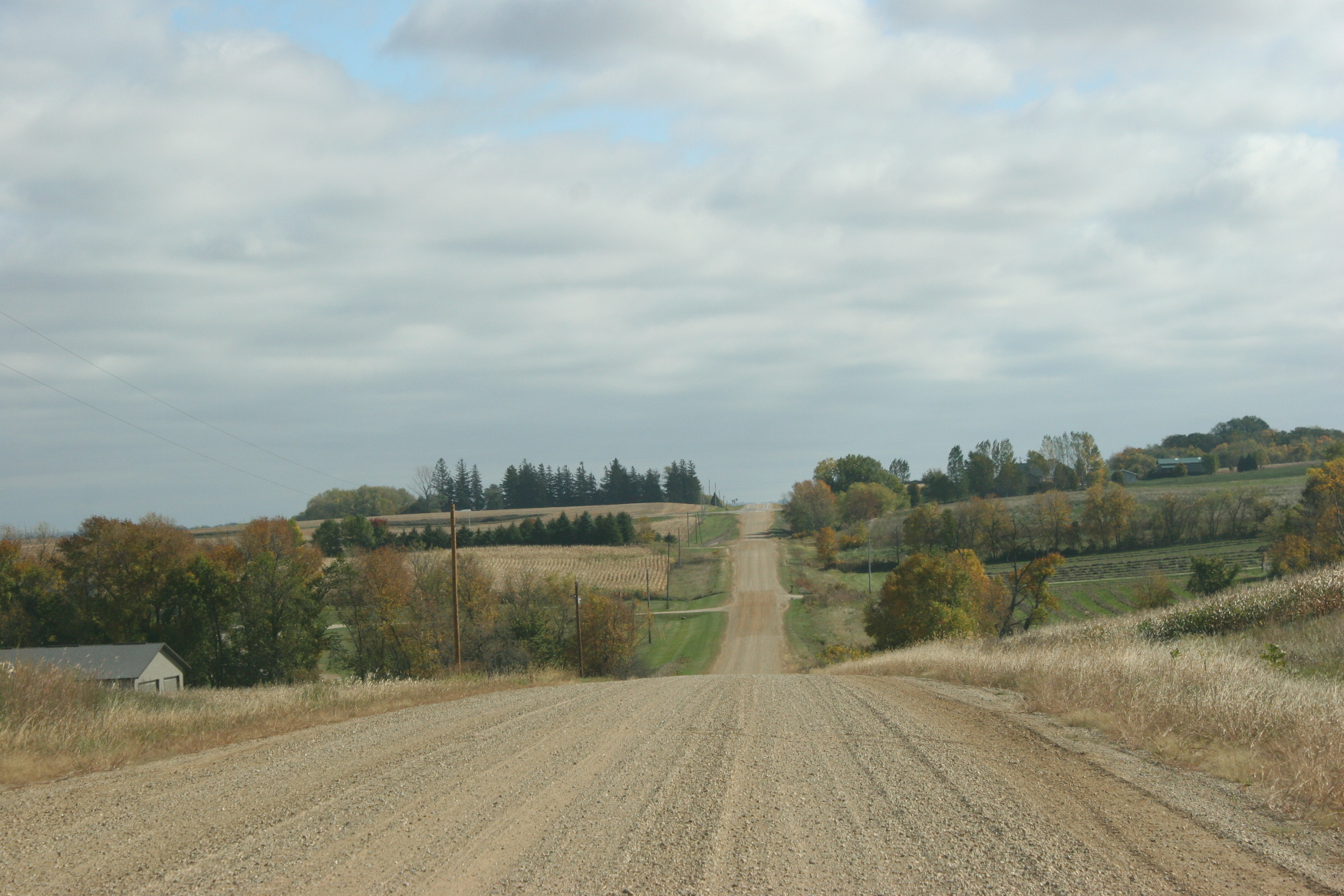
Gravel roads, sky and fields stretch before us in the southern Minnesota countryside. (Minnesota Prairie Roots copyrighted photo October 2021)

Polka music pulsed through the van in a rhythmic beat. It was an unusual station choice given I listen primarily to contemporary Christian music on KTIS and Randy enjoys talk radio. But, occasionally on his 22-minute drive home from work, Randy tunes in to KCHK to listen to late afternoon featured 50s-70s music.

A farm site tucks behind a hill in LeSueur County. (Minnesota Prairie Roots copyrighted photo October 2021)

In the heart of Czech country, though, the radio station is known for its day-time polka programming.

Occasionally we passed between colorful treelines. (Minnesota Prairie Roots copyrighted photo October 2021)
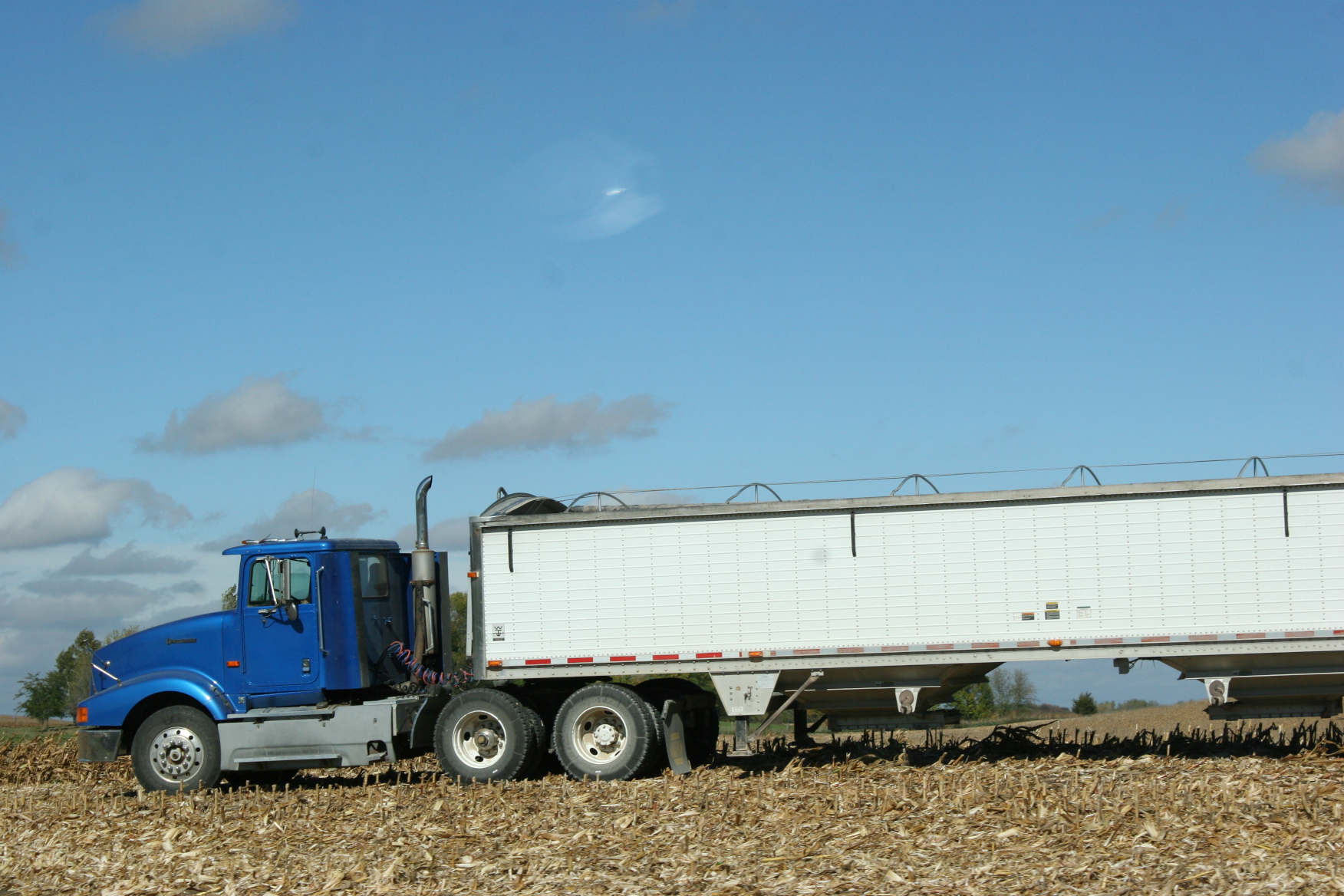
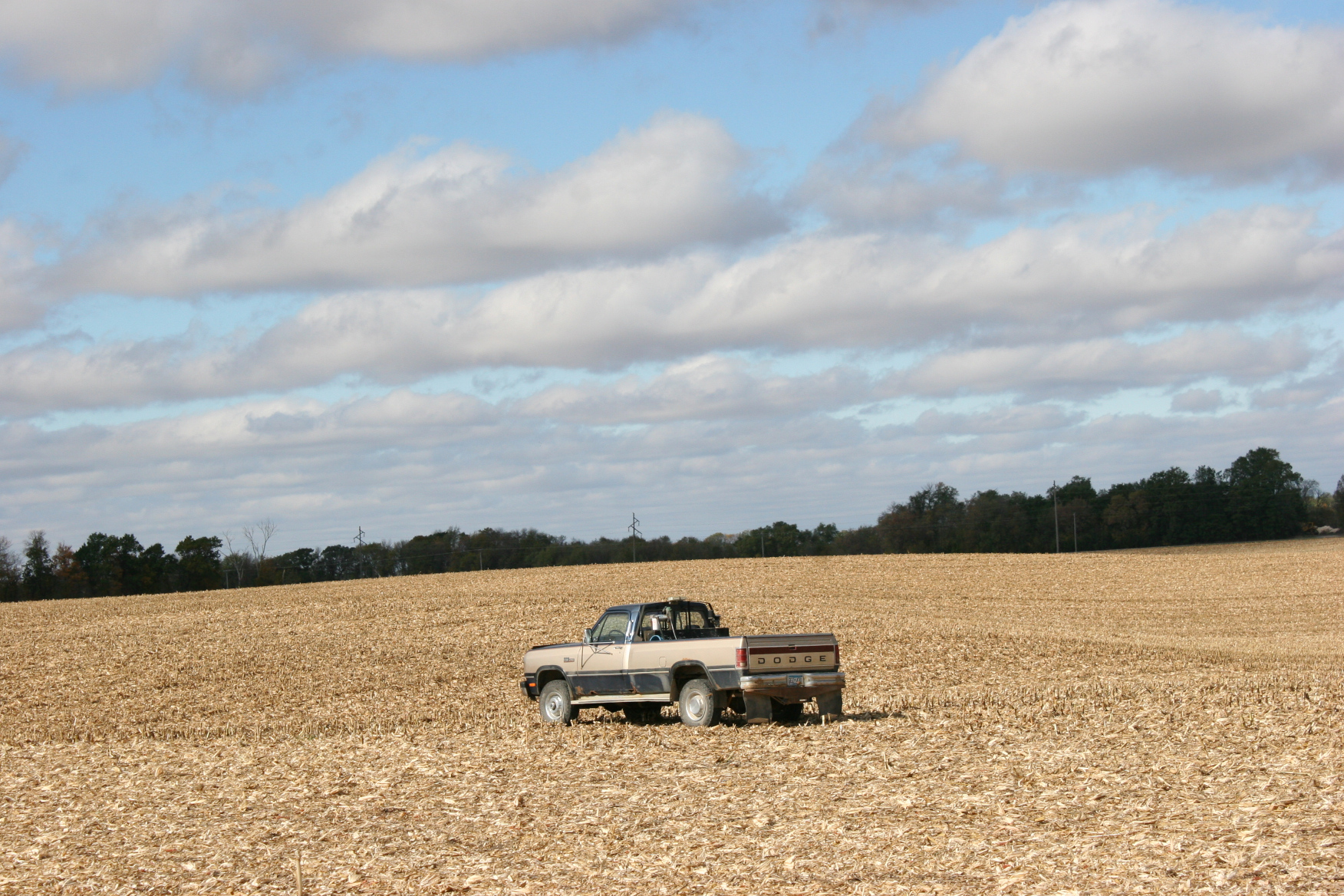
A common Minnesota harvest scene: a farm truck parked in a field. (Minnesota Prairie Roots copyrighted photo October 2021)
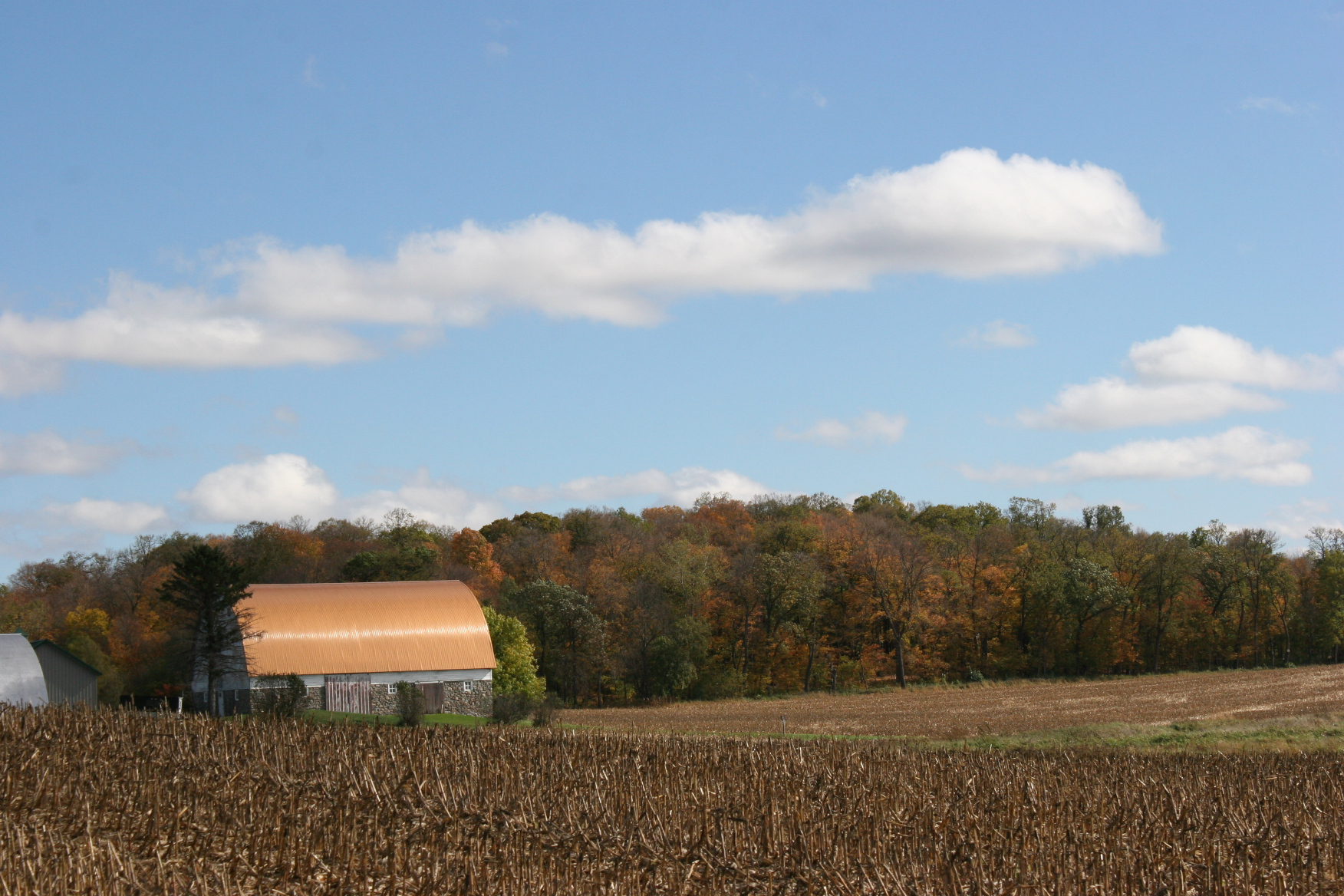
Love the copper hue of this barn roof on a farm just off State Highway 13 between New Prague and Montgomery. (Minnesota Prairie Roots copyrighted photo October 2021)

As we drove along back country gravel roads—past farm sites and harvested fields and farmers working in the fields—the rhythm of polkas, of accordions pushed in and pulled out to create music, set a joyful tone. The music fit the scenes unfolding before us.

The music reminded me, too, of wedding dances back home decades ago in southwestern Minnesota. Of couples twirling across a well-worn wooden dance floor. Of booze bottles wrapped in brown paper bags. Of extended families gathered in a simple town hall to celebrate a marriage. Of The Bunny Hop and The Butterfly and all those dances that brought people together for an evening of fun.

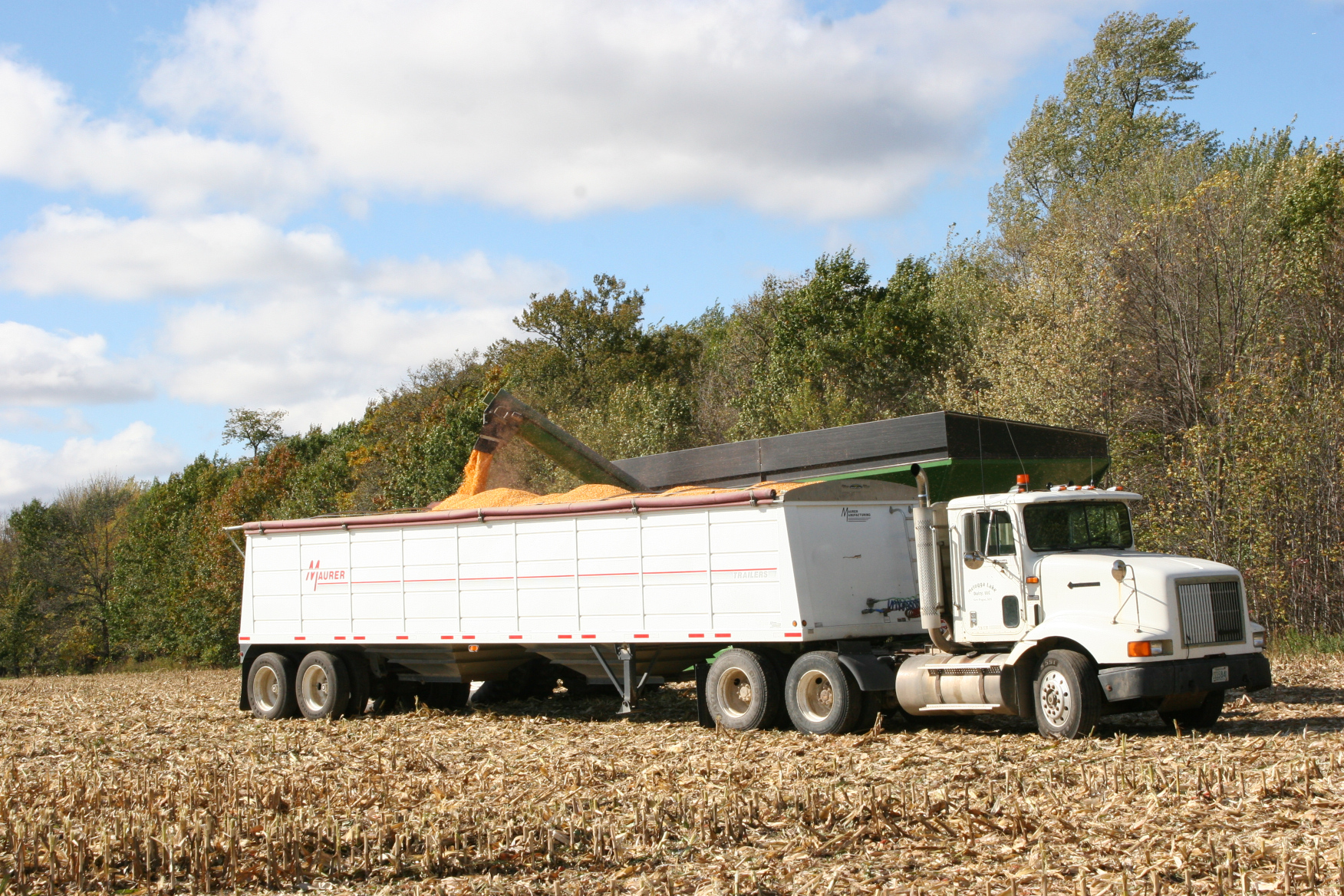
Just harvested corn flows into a grain truck along Lake Avenue west of Lonsdale. (Minnesota Prairie Roots copyrighted photo October 2021)

Those memories lingered as polkas played on KCHK. As just-harvested corn flowed into a grain truck. As we passed a mailbox with the name Skluzacek posted thereon. We were deep in the heart of Czech country near New Prague/Lonsdale/Montgomery.

Near Richter Woods County Park west of Montgomery, a farm site overlooks the countryside. (Minnesota Prairie Roots copyrighted photo October 2021)

There is something incredibly comforting about the mix of memory and music and meandering in rural Minnesota. Moments like this impress upon me the need to simply be. To recognize the value in an afternoon drive in the country. No destination. No haste. No agenda.

A farm site hugs a cornfield along Lake Avenue west of Lonsdale. (Minnesota Prairie Roots copyrighted photo October 2021)

Time to just appreciate. The hard work of the farmer during harvest. The farm sites. Gravel roads.

As we passed this rural property along 60th Street West southeast of New Prague, I photographed this horse sculpture. (Minnesota Prairie Roots copyrighted photo October 2021)

And the unexpected sighting of horseshoe art where horses graze.

Oh, the glorious hues of autumn in rural southern Minnesota. (Minnesota Prairie Roots copyrighted photo October 2021)

I treasure the memories shared and made with my husband of nearly 40 years as we followed rural routes, polka music thrumming in the background.

© Copyright 2021 Audrey Kletscher Helbling
 

Throwing tomatoes October 20, 2021

Filed under: Uncategorized — Audrey Kletscher Helbling @ 5:00 AM
Tags: , , , , , , , ,
Minnesota Prairie Roots copyrighted file photo 2015.

ONCE UPON A TIME in The Land of Plenty, the villagers gathered in the harvest. Pumpkins. Potatoes. Squash. Root vegetables. And then the last of the tomatoes, much of the fruit rotting atop the soil in a plentiful yield.

In a typical year, the villagers would toss the over-ripe tomatoes to the swine. But this was anything but a typical year. What was once discarded as undesirable fodder now held value. Great value.

And so the villagers rolled empty wheelbarrows into their garden plots. They stooped to scoop and pluck the decaying tomatoes swarming with bugs. As they toiled, they hummed in unrestrained happiness. They had a plan. And their plan, they determined, would allow them to unleash their anger and frustration in a visible way, a way that would hurt beyond mere words.

OVERRUN & OVERWHELMED

While they focused on the unseemly task of salvaging rotten tomatoes, others in the village worked hard to treat those who had fallen ill—seriously ill—after encountering The Great Invader. Those caregivers felt overwhelmed by tending the sick, some of whom lay in the streets awaiting an open cot inside The Village Center for Healing. There were not enough beds, not enough caregivers to handle the sick and dying.

DENIAL

Yet, despite their frustration and exhaustion, those healers forged forward. Even as the villagers denied the presence of The Great Invader and his ability to inflict great pain and suffering. Even as village elders succumbed. Even as a life-saving potion could have stopped The Invader. Denial raged like a virus in the village and through-out The Land of Plenty.

At the Office of Truthfulness, efforts continued to share information about the life-saving potion and its availability through-out the land. But the villagers would hear none of those truths. They listened instead to The Village Know-It-All, who spouted of poison and control and loss of personal freedom. Swallow a potion reserved for swine and other livestock, he suggested to those who encountered The Great Invader. But, above all, never ever publicly acknowledge that the rulers of the kingdom, or those in The Ministry of Health, cared about anyone other than themselves, The Know-It-All impressed upon his believers. The leaders and officials, he claimed, desired to overtake the villages, to trample upon the villagers, to steal their individual rights.

Meanwhile, villagers continued to fall ill. The Great Invader felt comfortably at home in remote rural regions where few accepted the preventative powers of a powerful potion. Even as elders and others lay dying, wheezing and struggling to breathe, their loved ones denied the presence of The Great Invader. They attributed the illness to unknown spores and pollen from a poisonous plant. They would not credit the source cited by the village caregivers, for to do so would undermine their beliefs, their integrity. Their credibility.

A PLAN

And so, in their anger at The Ministry of Health, the Office of Truthfulness and those relentless caregivers, the villagers hatched a plan. On a sunny afternoon, they rallied at the town square. And then, wheelbarrows heaped with rotting tomatoes, they wheeled along cobblestone streets to The Village Center for Healing. There they waited, en-masse, for the healers to emerge after a long shift of tending the ill. And when the first caregivers exited, the villagers began lobbing orb after orb after orb of decaying fruit toward the weary healers. Smack. Smack. Smack.

The villagers felt empowered. How dare anyone tell them their loved ones, friends and neighbors had succumbed to The Great Invader. They knew better. It was all a lie. The virus. The effectiveness of some unknown potion. Lie. Lie. Lie. So they wedged their way among the cots filled with the sick and dying and emptied their wheelbarrows of rotting tomatoes typically reserved for swine.

COVID-19 virus. Photo credit: CDC

MY DEAR READERS, in every story truth exists, this one no exception. In a statement last week, Minnesota Commissioner of Health Jan Malcolm shared her anger about mistreatment of hospital staff by COVID-19 patients and families who don’t believe they or their loved ones have the virus.

Minnesota remains in a precarious point in this pandemic with few ICU, pediatric and other hospital beds open. A northwestern Minnesota family lost a loved one recently after he was unable to get transferred from a small town hospital to a facility with a higher level of care due to no ICU bed availability. An extended family member of mine was also unable to be transferred to a Mayo hospital in Rochester due to no beds. That’s reality. On Saturday, my neighbors buried their father, who died of COVID.

As The Great Invader/COVID-19 continues to rage, I urge you to get vaccinated if you are not yet vaccinated. Too many continue to get seriously ill and/or die. As I read stats here in Minnesota, the ages of those who are dying of COVID includes not just seniors, but increasingly those much younger. This virus does not discriminate. We need to think beyond our individual selves to the health and safety of the broader, collective community. We need to care about others—from our most vulnerable eldest and health-compromised to our youngest, who cannot yet be vaccinated.

Please also continue to mask up, whether vaccinated or not. Social distance. Stay home if you are sick. Most of all, care like you are part of a community.

Click here to read posts from my series about The Great Invader. Note that I moderate all comments on this, my personal blog, and choose which to publish and which not to publish.

© Copyright 2021 Audrey Kletscher Helbling

 

Discovering Richter Woods, rural Montgomery October 19, 2021

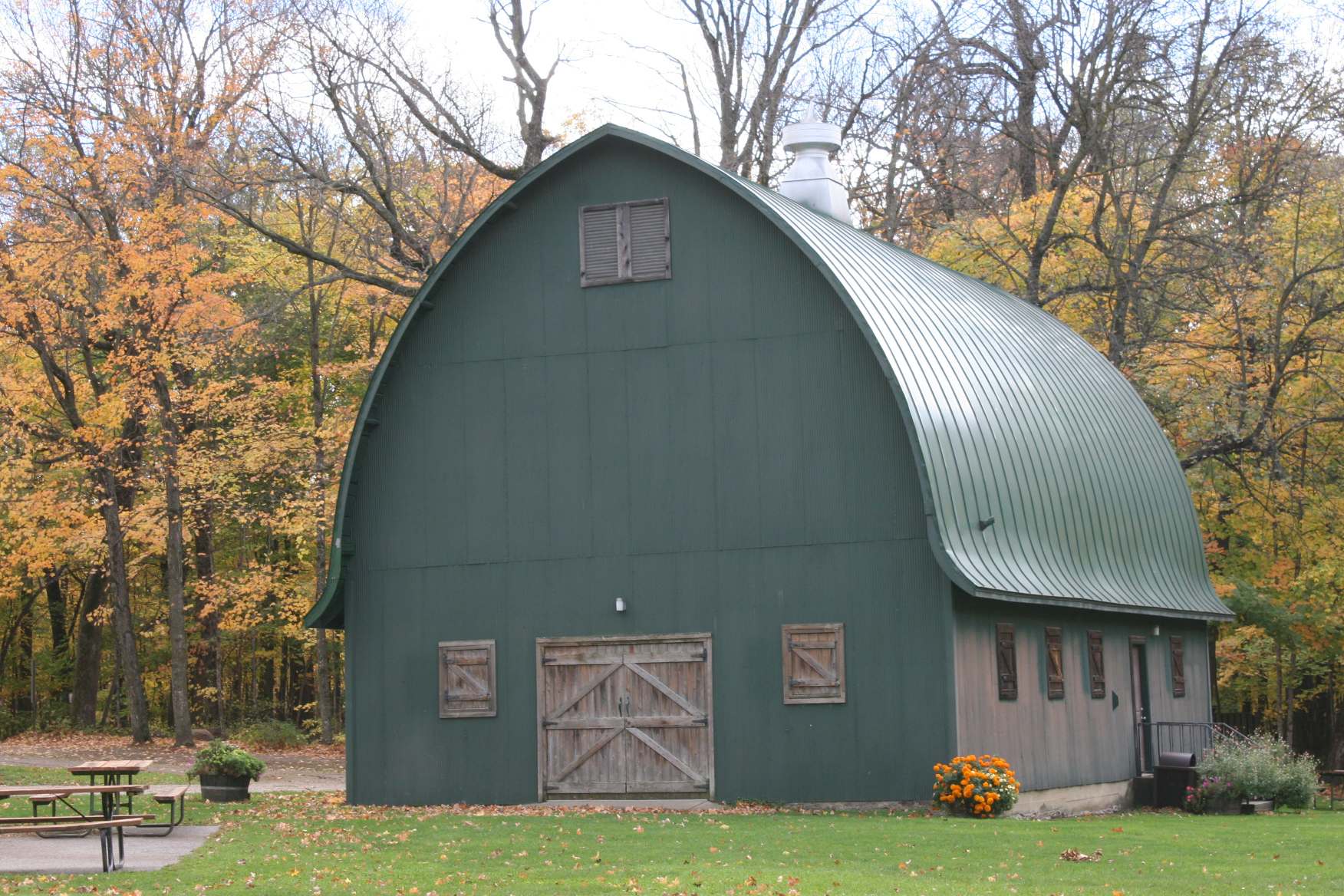
Richter Woods County Park and the on-site barn in LeSueur County. Minnesota Prairie Roots copyrighted photo October 2021.

EACH DAY OF SUNSHINE and warmth this late in October in Minnesota presents as a gift. We long-time Minnesotans understand that and celebrate. One less day of winter. One less day of cold and snow when the season of autumn extends. The recent weather has proven simply glorious.

Richter Woods Barn. Minnesota Prairie Roots copyrighted photo October 2021.

Late last week Randy took two days off work to savor these final days of autumn. And while we didn’t travel far, we delighted in nearby discoveries. We got a late start on Thursday, catching up on some much-needed rest. So we stayed close to home, aiming for western Rice County into LeSueur County.

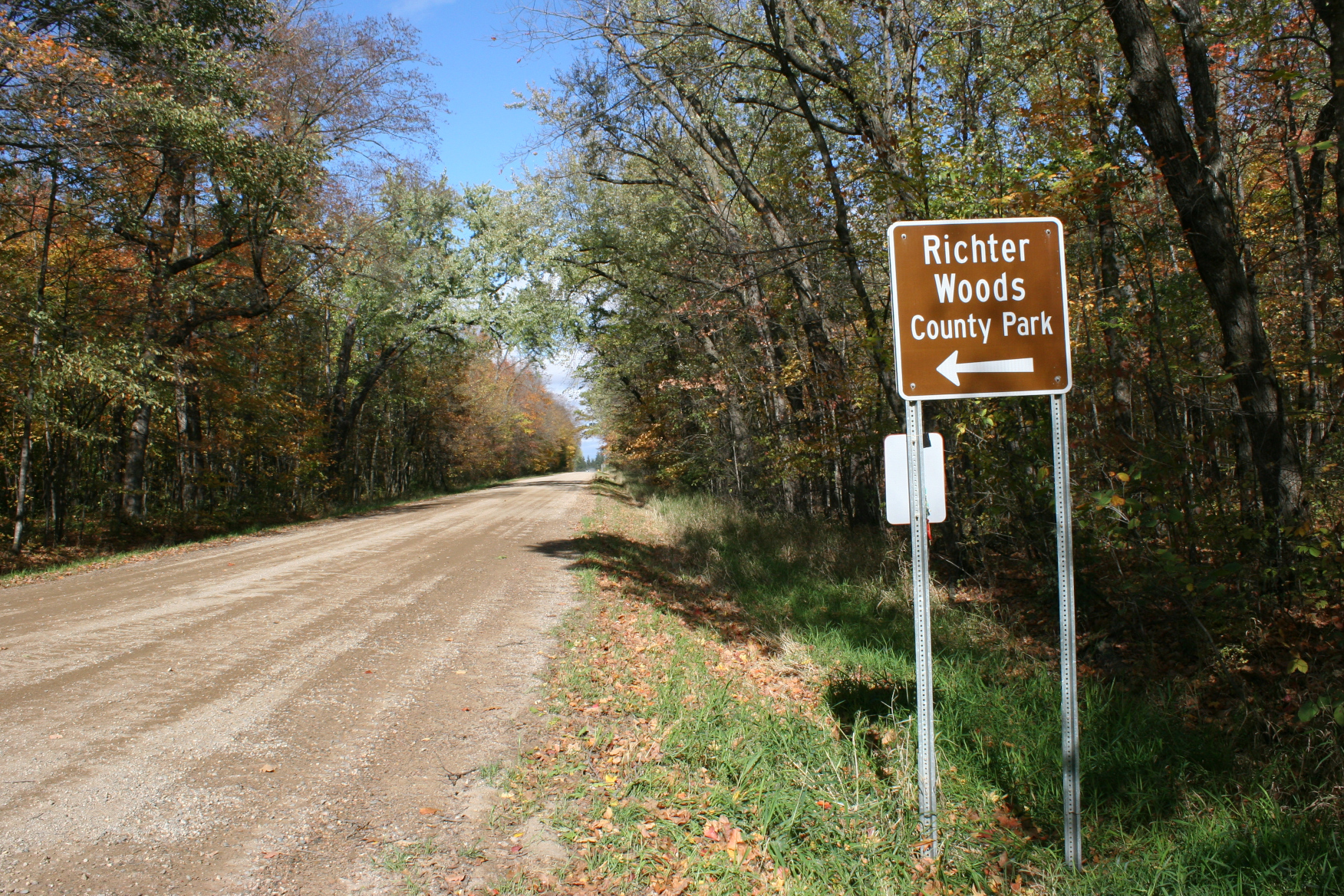
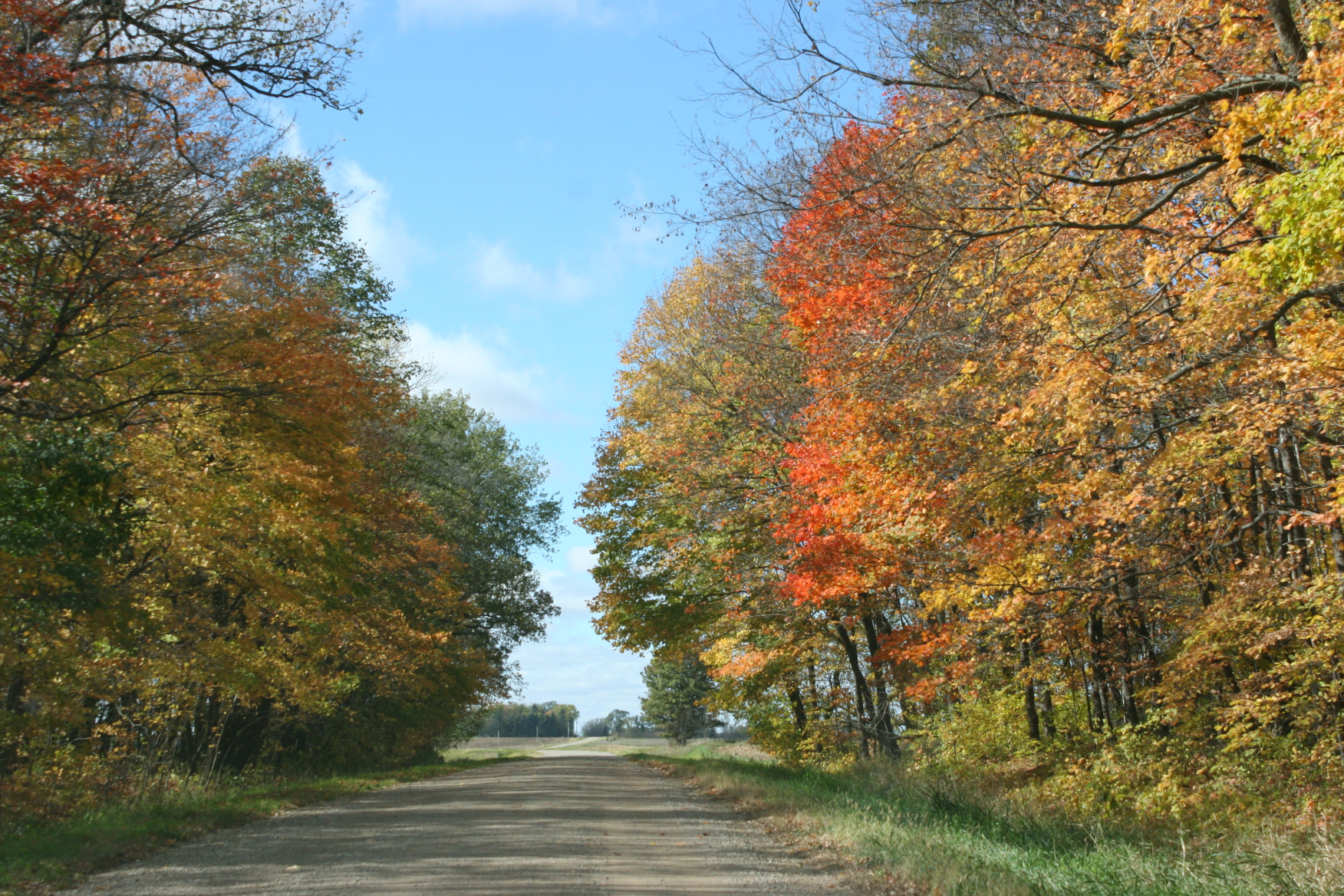
Trees line both sides of the gravel road leading to Richter Woods. Minnesota Prairie Roots copyrighted photo October 2021.

Eventually, we landed at Richter Woods County Park 1.5 miles west of Montgomery. I’d heard of the park, but had yet to visit.

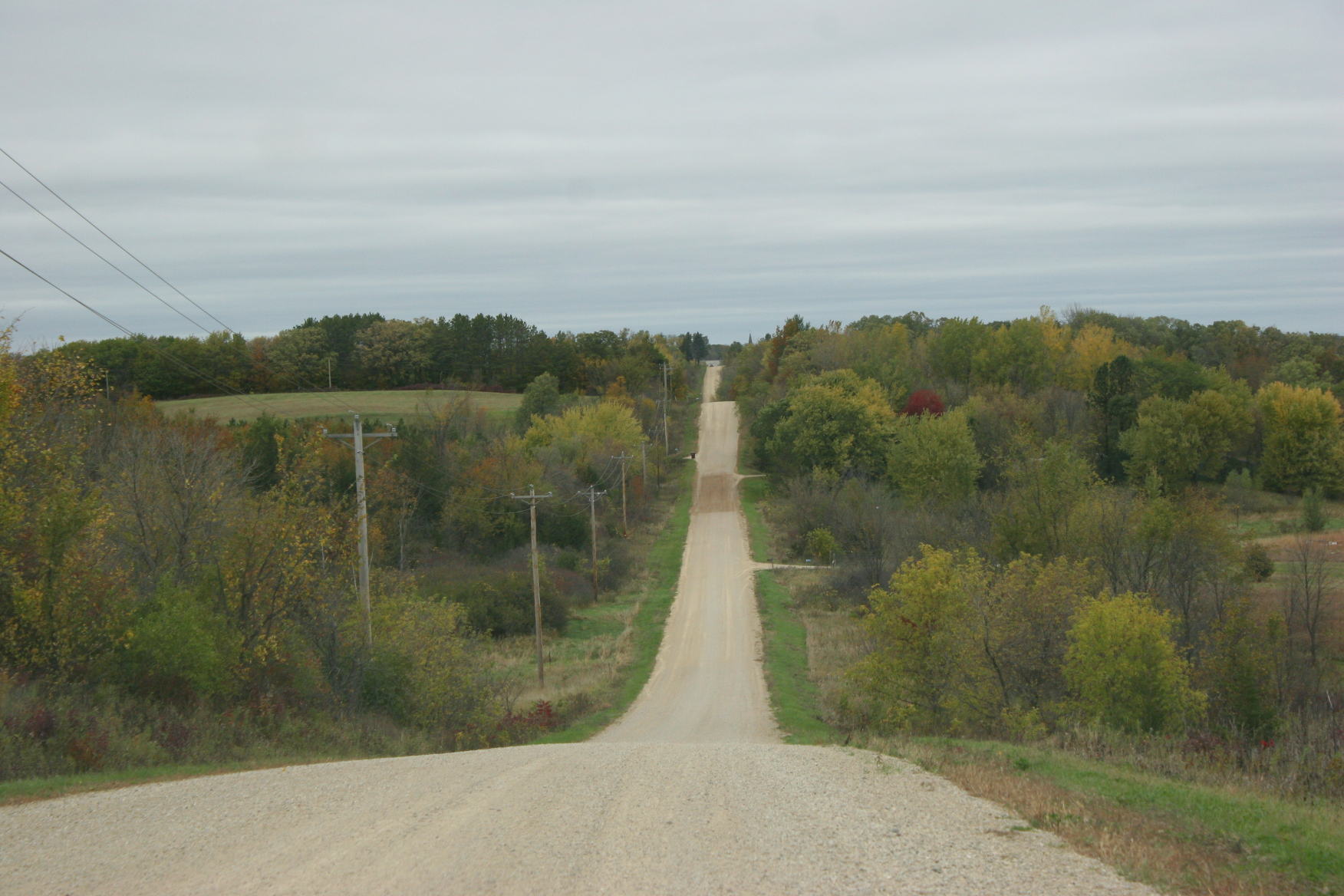
The hilly countryside near Trondjhem Church, rural Lonsdale. Minnesota Prairie Roots copyrighted photo October 2021.

We followed the slow-paced route there along mostly back country gravel roads.

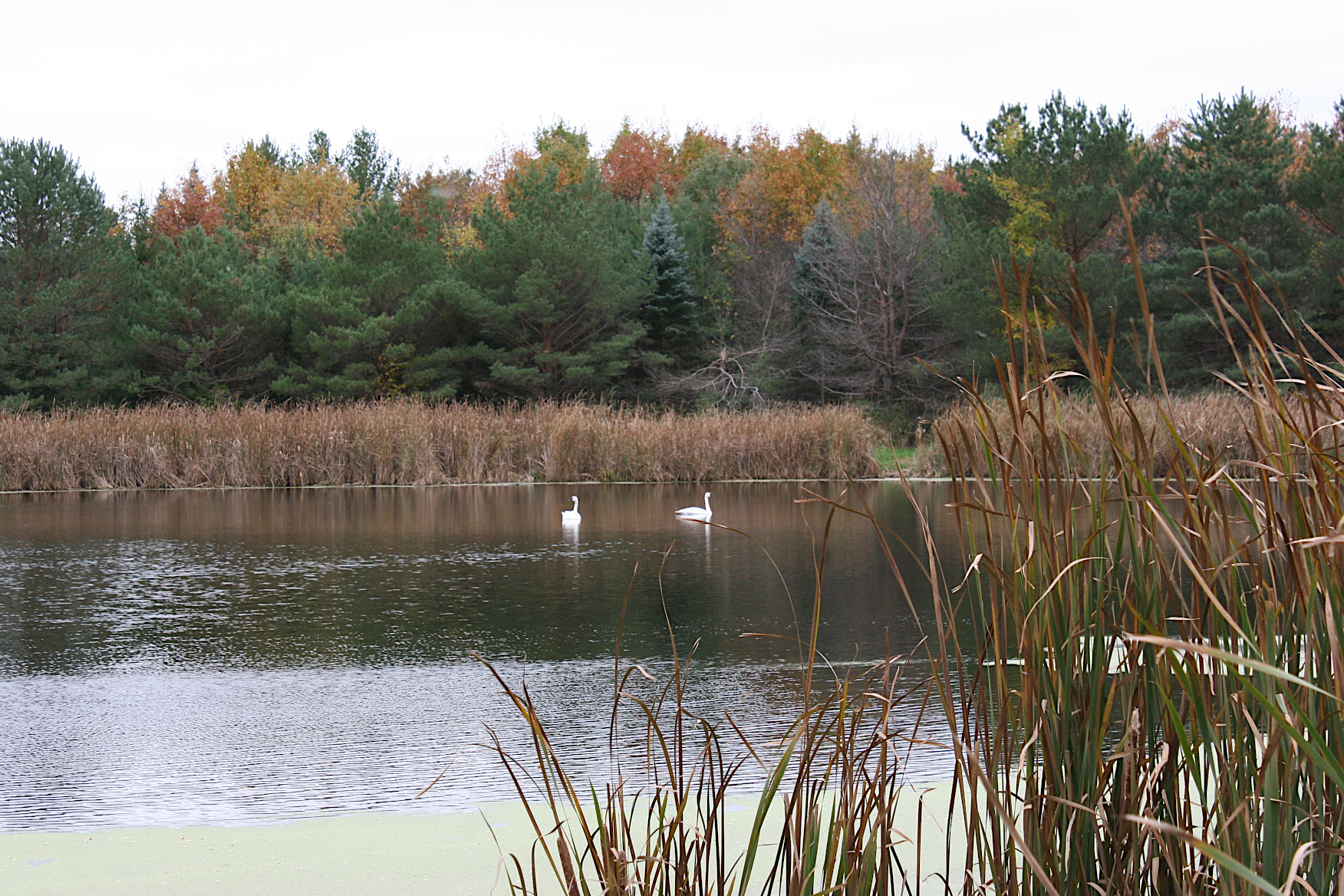
An unexpected sighting of two swans. Minnesota Prairie Roots copyrighted photo October 2021.

We paused once so I could photograph a pair of swans gliding across a small lake.

An aged barn along a gravel road. Minnesota Prairie Roots copyrighted photo October 2021.

I photographed, too, a weathered barn with fieldstone foundation. I often wonder how long barns will remain a landmark of our rural landscape. I feel an urgency to document their existence before roofs cave, boards rot, and only foundations remain.

A playground sits next to Richter Barn. Minnesota Prairie Roots copyrighted photo October 2021.

At 80-acre Richter Woods, a mammoth barn looms, centering the park gathering space. The barn is available to rent for $75/day from April-October. With a spacious loft and main level, the barn offers plenty of room for events like weddings, reunions and much more.

Looking up to the haymow. Trees shadow the barn door. Minnesota Prairie Roots copyrighted photo October 2021.

I couldn’t access the locked barn. But I could envision the interior, especially the haymow with its curved wood frame. Many bridal couples covet rustic settings like this. I wonder whether many have discovered this barn circled by woods in the quiet countryside near Montgomery.

A splash of red/pink flowers bloom on a bush next to the green barn. Minnesota Prairie Roots copyrighted photo October 2021.

As much as I appreciated the barn, I couldn’t get over the forest green color. I longed to see that barn in red, a historically-accurate hue. I expect others, too, have wondered at the unusual color choice. As a photographer, I find a red barn much more visually-pleasing.

One of two trails we took into Richter Woods. Minnesota Prairie Roots copyrighted photo October 2021.
No maps in this mailbox. Minnesota Prairie Roots copyrighted photo October 2021.
There are lots of picnic tables on-site, some nice, others not so much. Minnesota Prairie Roots copyrighted photo October 2021.

Before pulling out our picnic lunch to dine near the barn, Randy and I stretched our legs. We followed a leaf-strewn dirt trail into the woods with no map to guide us. The on-site mailbox was without the promised maps.

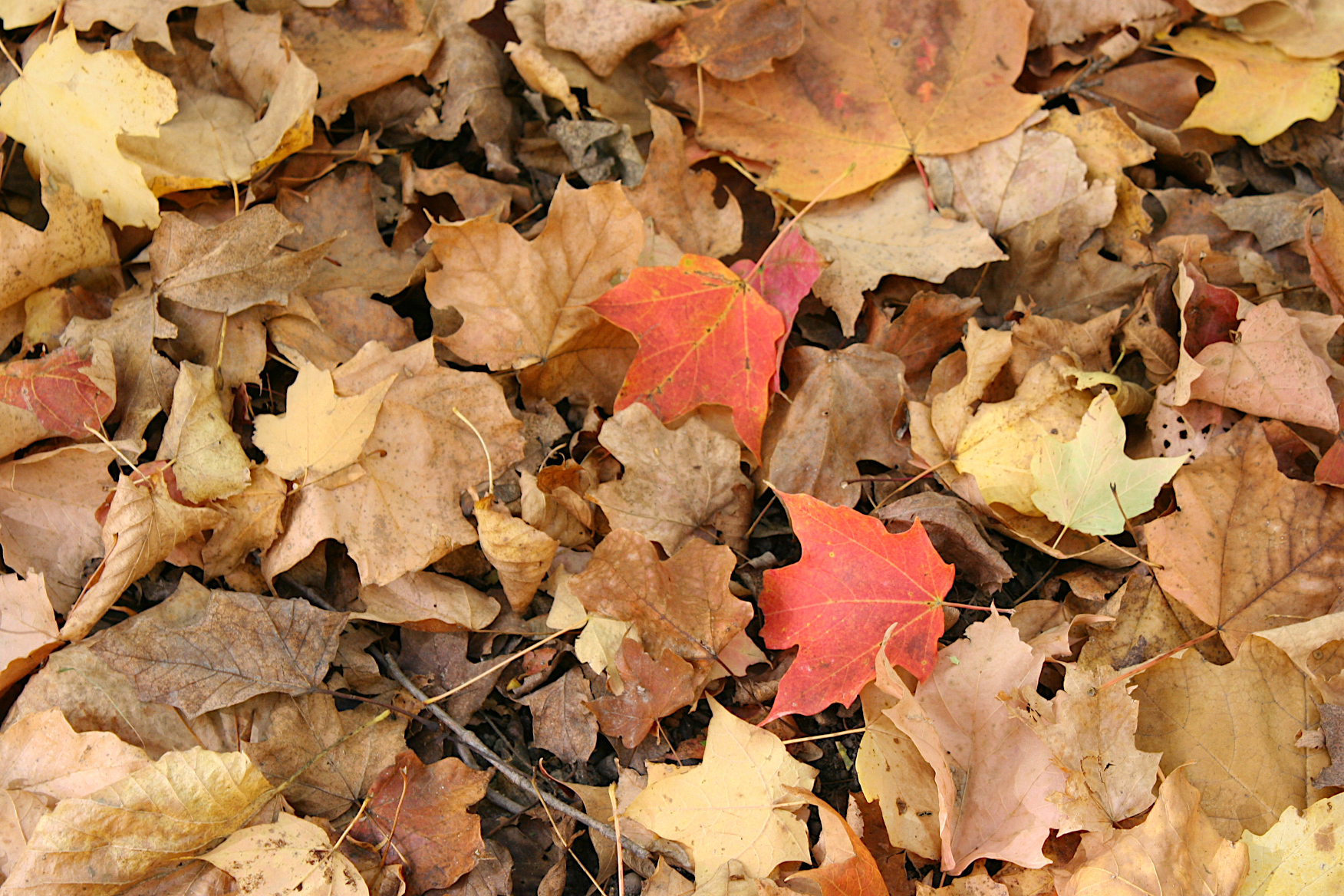
Maple leaves galore. Minnesota Prairie Roots copyrighted photo October 2021.

Maple leaves, especially, blanket the earth.

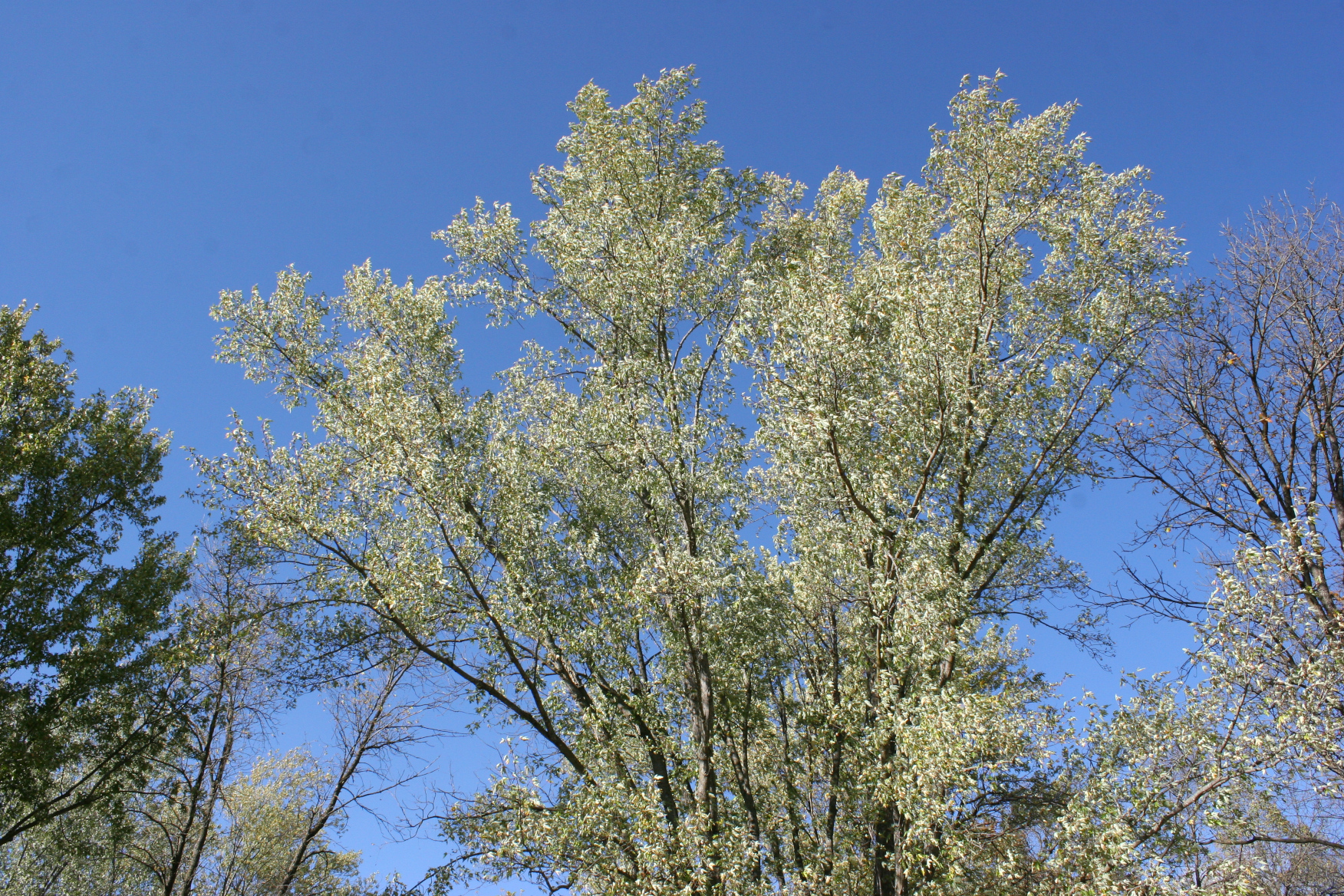
Looking up toward the colorful tree canopy. Minnesota Prairie Roots copyrighted photo October 2021.

In a few spots, I looked overhead to a canopy of red and yellow trees set against the deep blue sky of October.

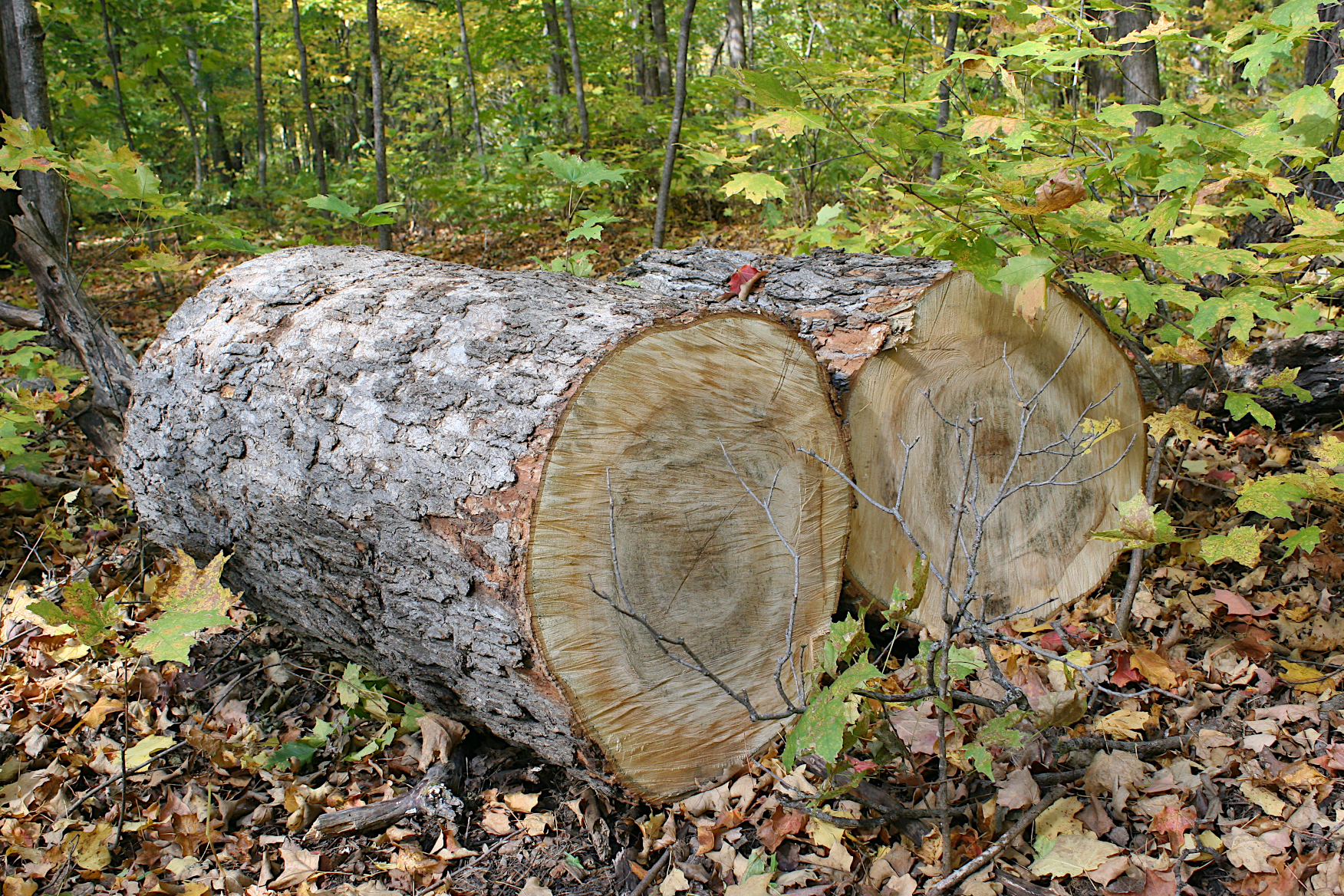
A recently-sawed tree. Minnesota Prairie Roots copyrighted photo October 2021.

We noticed, too, the many rotting and recently-sawed trees, I felt inwardly thankful for an afternoon without strong winds to possibly topple dead trees, loose branches.

Mushrooms on a fallen tree. Minnesota Prairie Roots copyrighted photo October 2021.

Mushrooms thrive in decay.

Loving the graceful curve of the barn roof. Minnesota Prairie Roots copyrighted photo October 2021.

Mostly, though, I noticed the peace. The quiet. I feel incredibly grateful to have access to natural settings like Richter Woods County Park. And I feel grateful, too, to live in this decidedly rural region of Minnesota within an hour of downtown Minneapolis. I feel grateful for gravel roads to follow. For barns that still stand. For warm and sunny October days that draw me into the countryside, into the woods.

#

PLEASE CHECK BACK as I take you on to more backroads in Rice and LeSueur counties.

© Copyright 2021 Audrey Kletscher Helbling
 

Into the woods at Falls Creek Park October 16, 2021

Filed under: Uncategorized — Audrey Kletscher Helbling @ 2:28 PM
Tags: , , , , , , , , , ,
On the expanse of grass outside the woods, silver maples shimmer against the blue sky of autumn. Minnesota Prairie Roots copyrighted photo October 2021.

A MILE EAST OF FARIBAULT just off Minnesota State Highway 60, the 61-acre Falls Creek County Park offers an escape into the woods. Mostly undiscovered, it’s rare to encounter others while hiking here.

Last Sunday afternoon, Randy and I headed to the park, pulling into the vastly over-sized gravel parking lot pocked with potholes. From there, we headed downhill across a grassy expanse, past the picnic shelter and toward an opening in the woods.

A wooden footbridge over Falls Creek allows entrance to narrow dirt trails. There are no maps to guide hikers, so you must rely on visual cues, obscured in October by fallen leaves. But we’ve been here before, always taking the main trail following the creek.

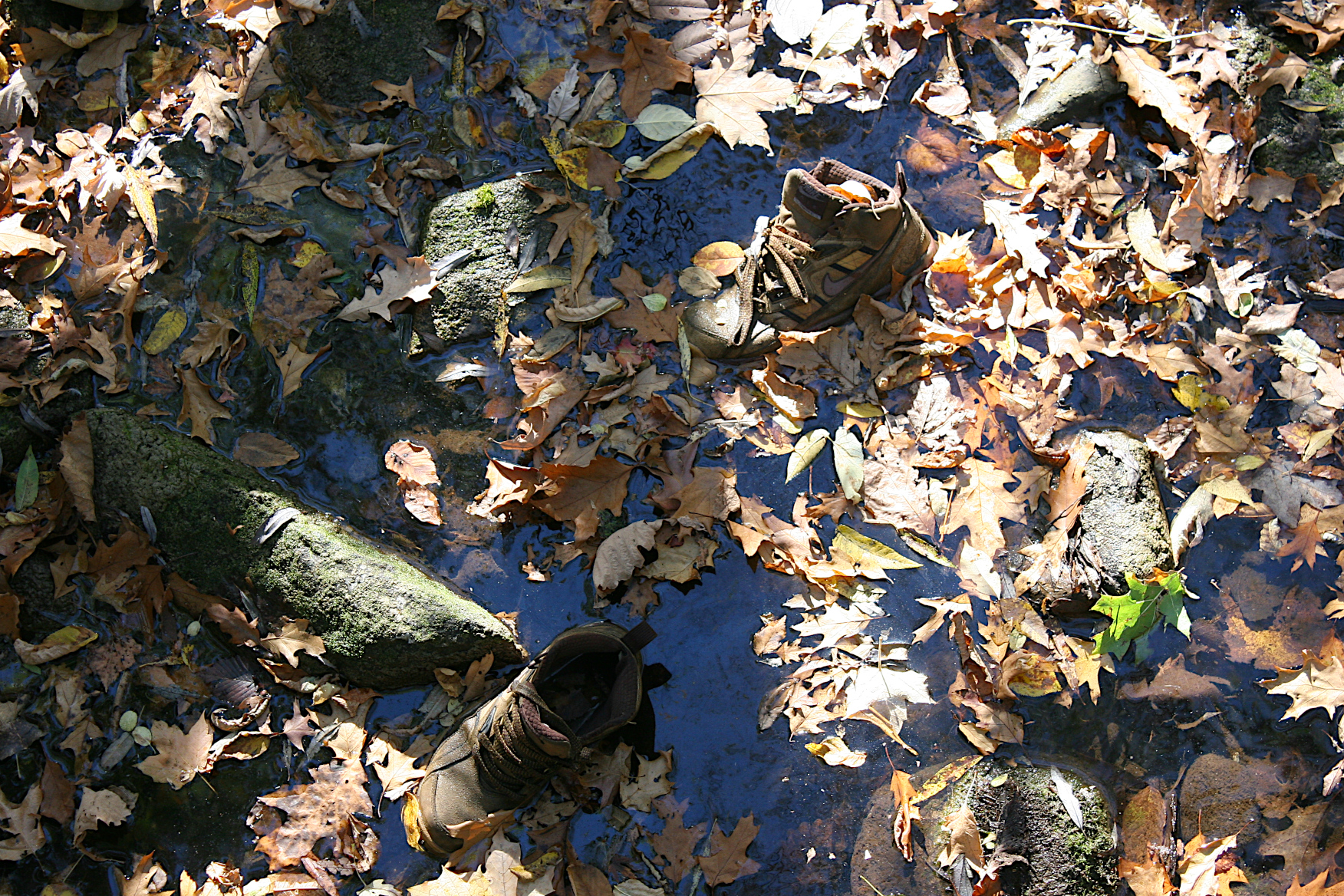
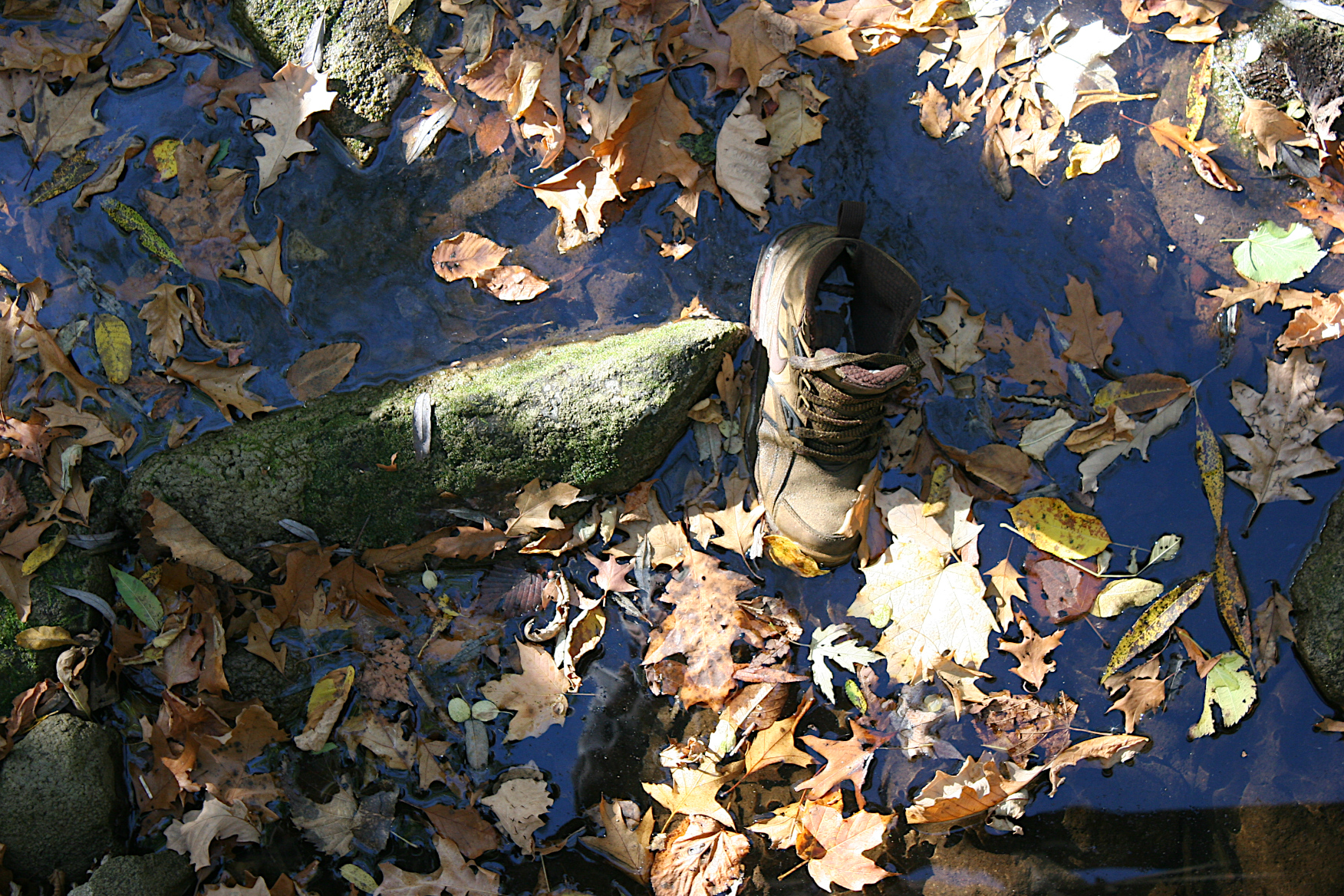
An unusual find in the creek: shoes/boots. Minnesota Prairie Roots copyrighted photo October 2021.

The creek is always my first stop. I pause on the bridge, typically to watch water rush over and around rocks. But this visit, the shallow water pooled, littered with leaves and a pair of hiking boots—perfectly good hiking boots from the looks of the shoes. I wondered how they landed there, in the water.

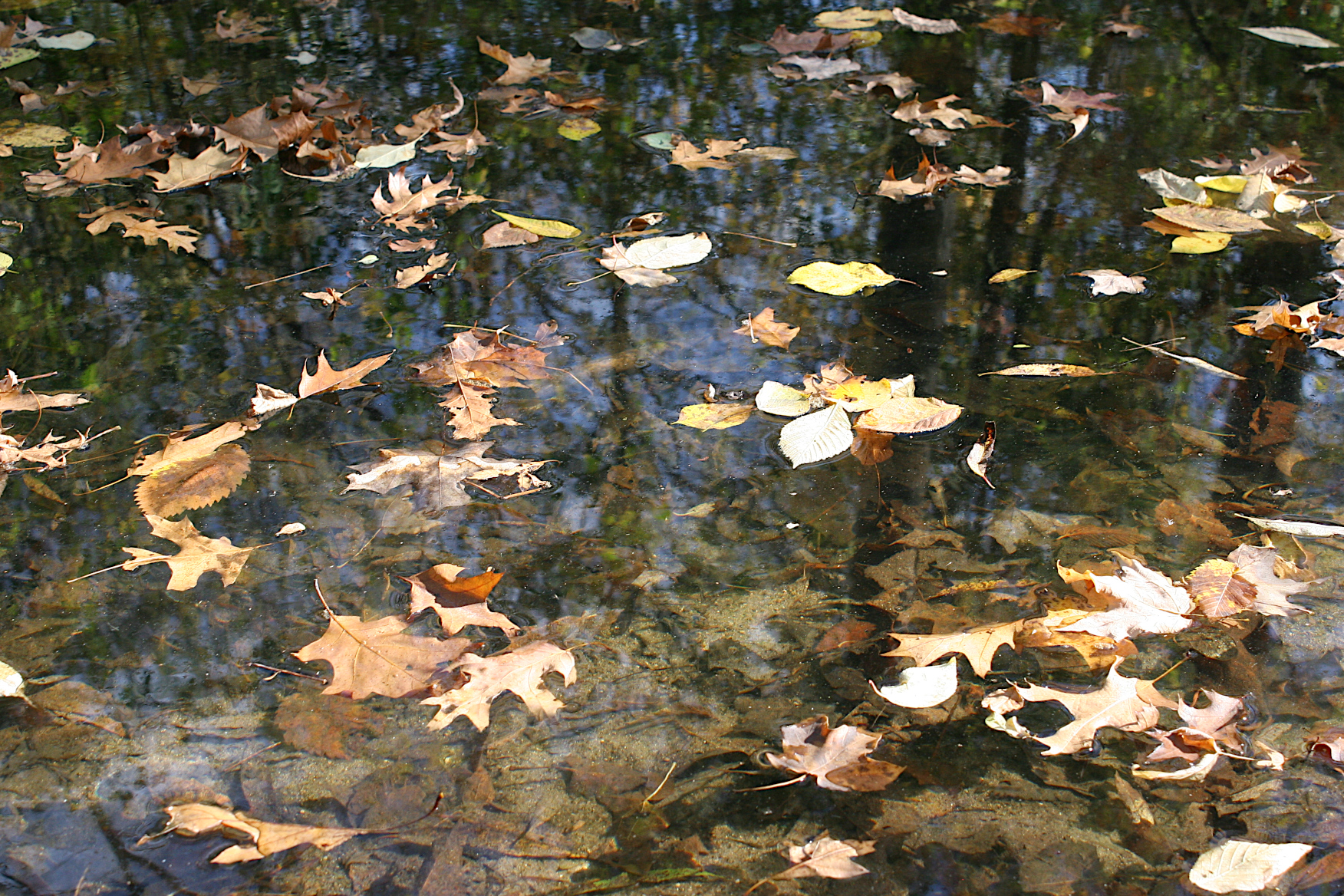
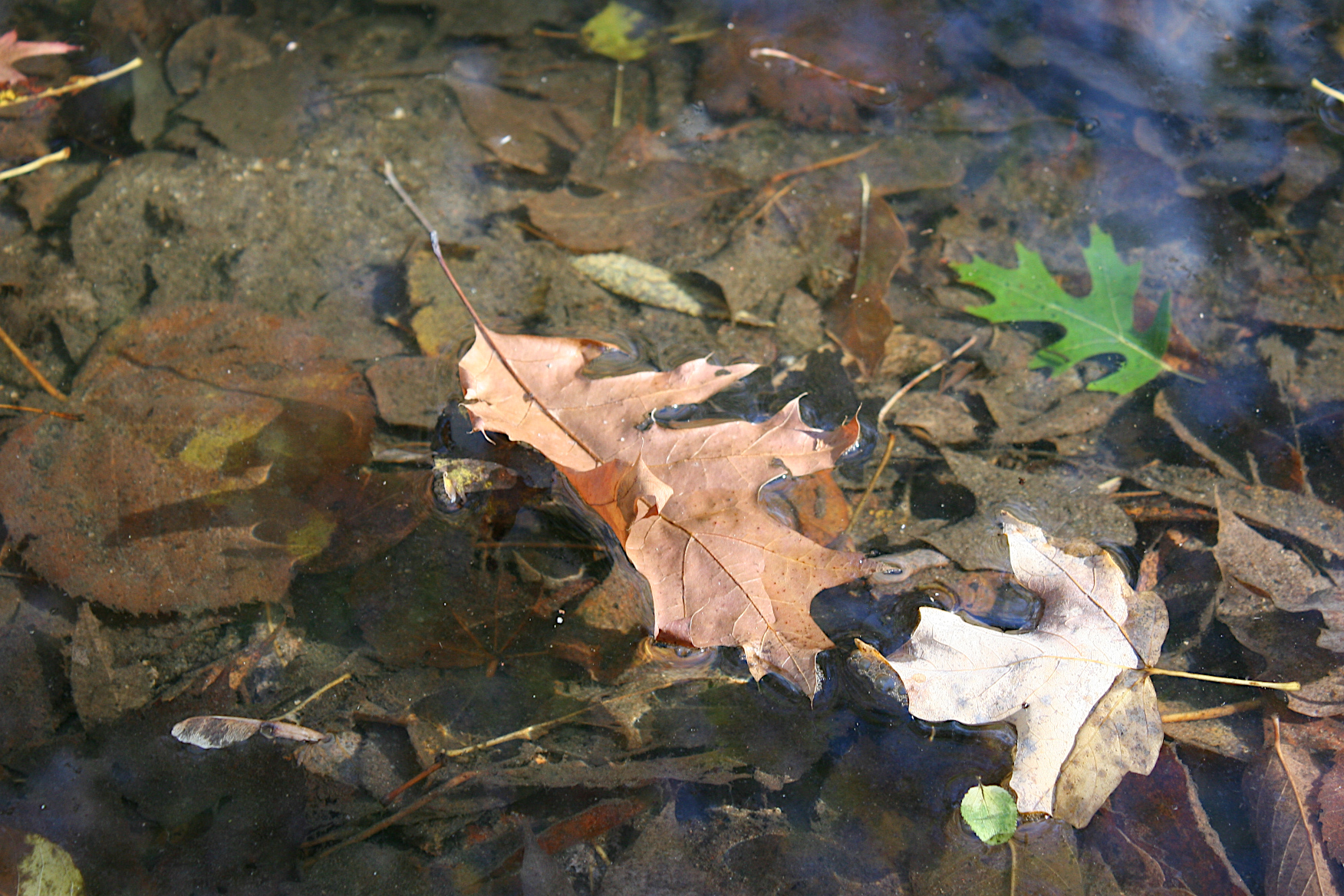
In the places where water remains in the creek, leaves float. Minnesota Prairie Roots copyrighted photo October 2021.

Mostly, the creek bed was dry, a result of this year’s drought. In areas where water remains, minnows darted. The water is at least clear, a rarity in this agricultural region.

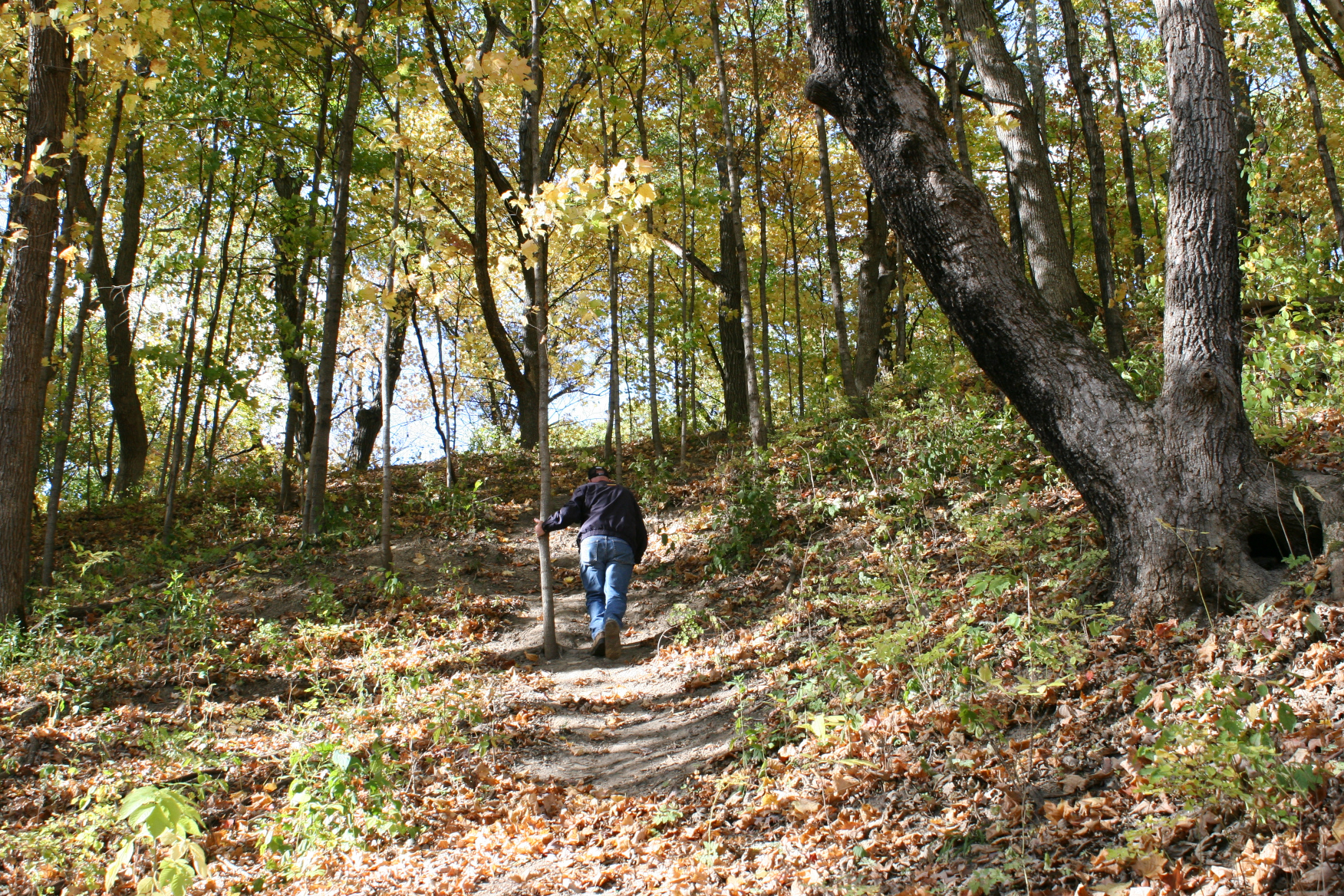
Randy scales a steep hill into the woods. Minnesota Prairie Roots copyrighted photo October 2021.

A short distance into the woods, Randy spotted a worn path up a steep hillside. I’d never noticed this during prior visits. Before I could dissuade him, he hoofed his way up, slipping and sliding and grabbing onto trees. When Randy lost his footing, I feared he would tumble and injury himself. As much as I yearned to follow, I recognized my limitations and my desire to keep my bones in-tact.

Berries jolt color into the woods. Minnesota Prairie Roots copyrighted photo October 2021.

As he disappeared along the hilltop treeline, I continued along the creek route. But soon my mind went to that niggling place of worry, about the time I reached the point where the path sidles next to the eroded creek bank. One misstep and I could plunge over the edge. Not that it’s that high. But far enough to cause injury.

I backtracked, dug in my backpack for my cellphone (hoping for service), and then called Randy. He answered. “I didn’t come here to walk alone,” I told him, also inquiring about his location. He couldn’t pinpoint that except to say that he would head back. I feel thankful that Randy, unlike me, possesses a good sense of direction.

Remembering the hiking boots/shoes in the creek. Minnesota Prairie Roots copyrighted photo October 2021.

“I don’t like being out here alone,” I added, noting that I’d observed two people on the path, too far away for me to clearly see them. Obviously those hiking shoes dumped in the creek prompted the beginning of a mystery plot in my writer’s brain.

Despite that concern, I aimed for the strangers…finding a cordial couple about my age examining mushrooms on a decayed tree. We talked mushrooms and my missing husband and they offered to help find him should need be. Their story of getting lost in these very same woods did nothing to assure me that Randy would find his way back. But he did. At a different point, where an unseen spring ran down the hillside and he did more slipping and sliding, this time in mud.

Randy follows the leaf-laden trail as it edges close to the eroded creek bank. Minnesota Prairie Roots copyrighted photo October 2021.

We reversed course and, together, followed the creek-side path deeper and deeper into the woods…until turning around and retracing our steps. I wished again for a trail map guide.

Near the footbridge, pools of water remain, collecting the fallen leaves of autumn. Minnesota Prairie Roots copyrighted photo October 2021.

We veered briefly off the path to another trail leading to the creek. Again, no water. Only rocks on a dry creek bed.

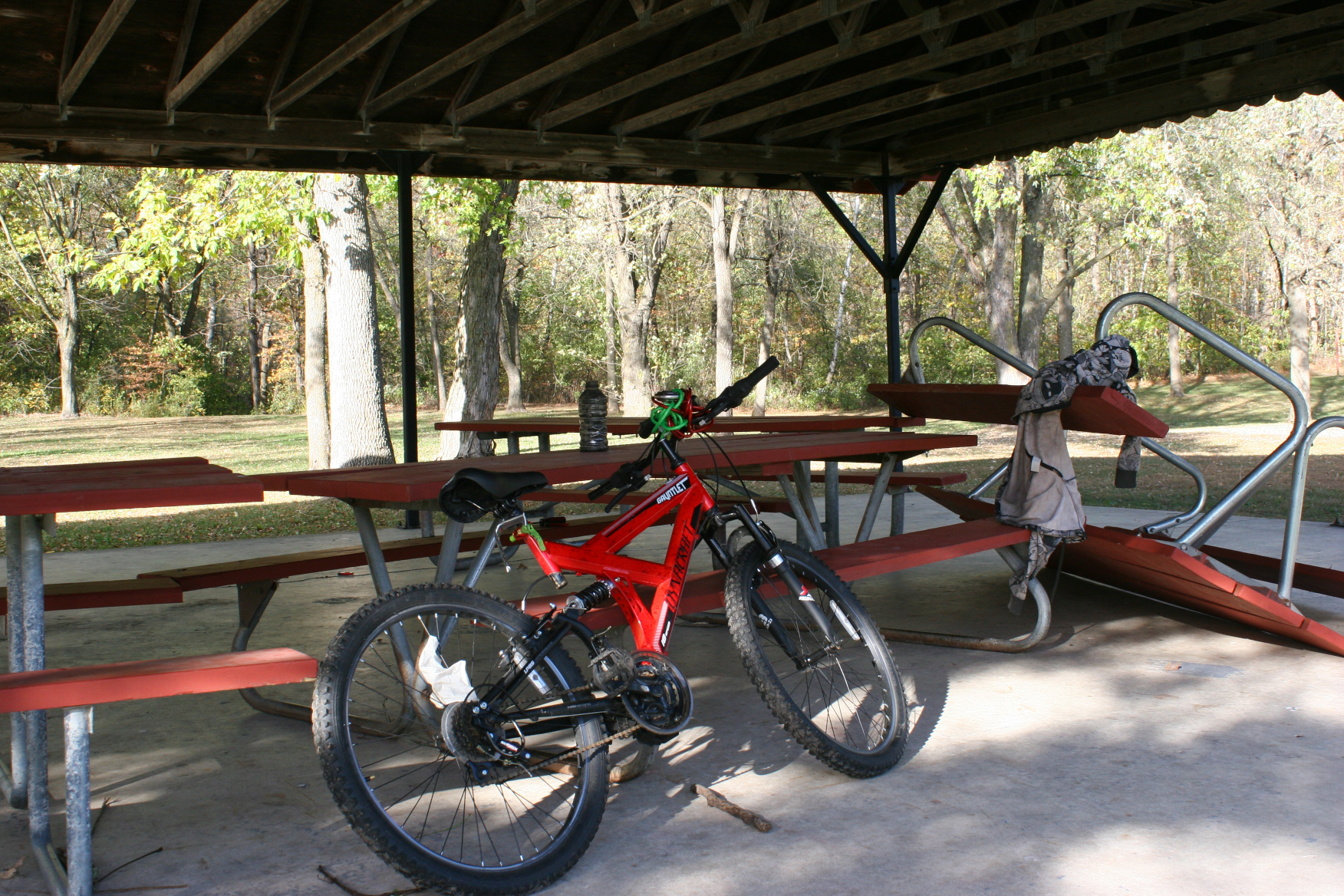
Seemingly abandoned in the shelter. Minnesota Prairie Roots copyrighted photo October 2021.

Then it was back to the main route, a pause on the bridge to again wonder about those hiking boots and then a pause at the shelter to speculate about an abandoned bike, jacket and beverage bottle.

Not a soul remained at Falls Creek Park. At least no one visible to us. Only mysteries—of abandoned and tossed belongings and of unmarked trails leading deep into the woods.

© Copyright 2021 Audrey Kletscher Helbling
 

Reflections during the season of harvest in Minnesota October 14, 2021

Filed under: Uncategorized — Audrey Kletscher Helbling @ 5:00 AM
Tags: , , , , , , , , , ,
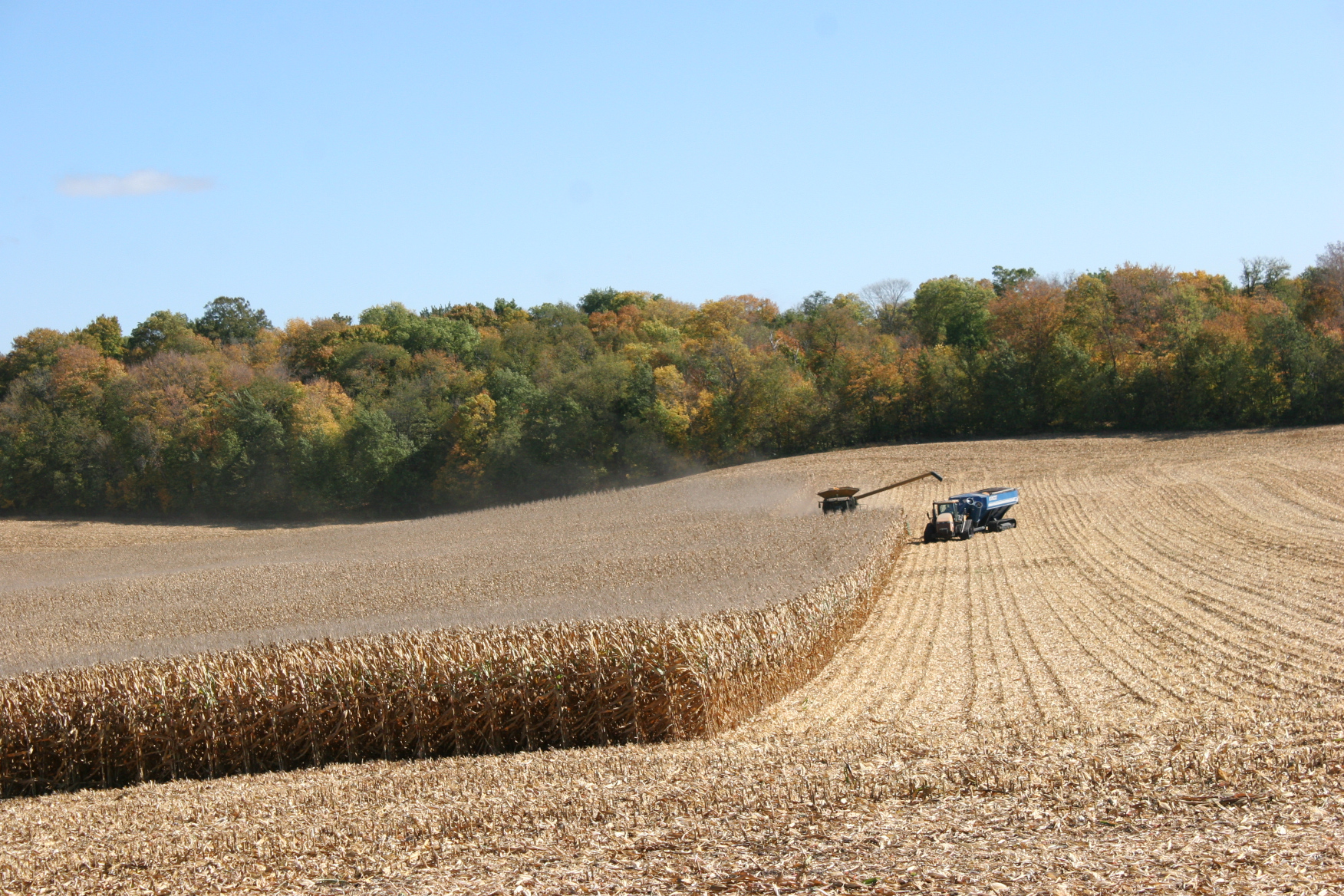
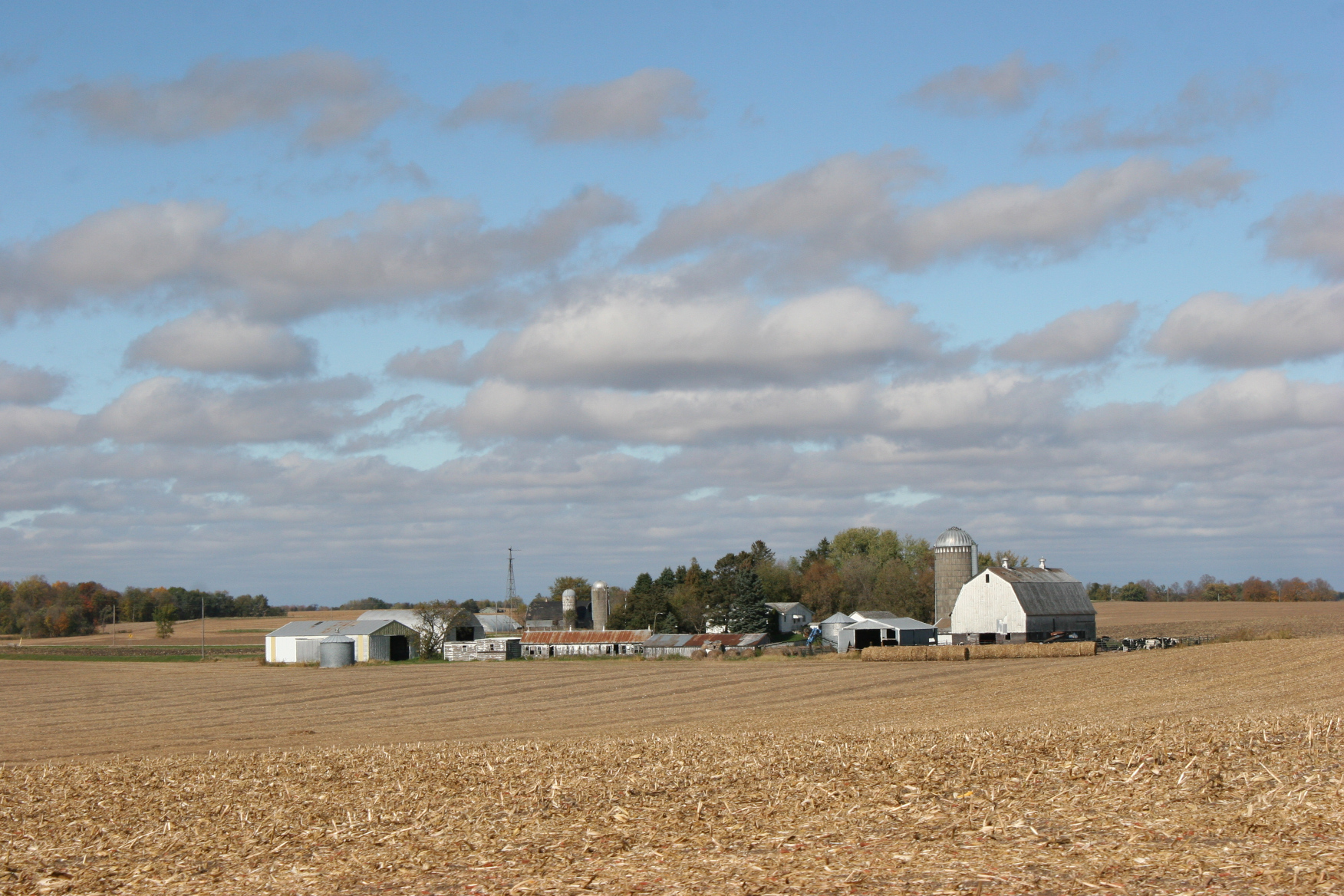
Harvesting corn in southern Minnesota. Minnesota Prairie Roots copyrighted photo October 2021.

DUST RISES FROM FIELDS, clouding the air as combines rake through rows of dry soybeans.

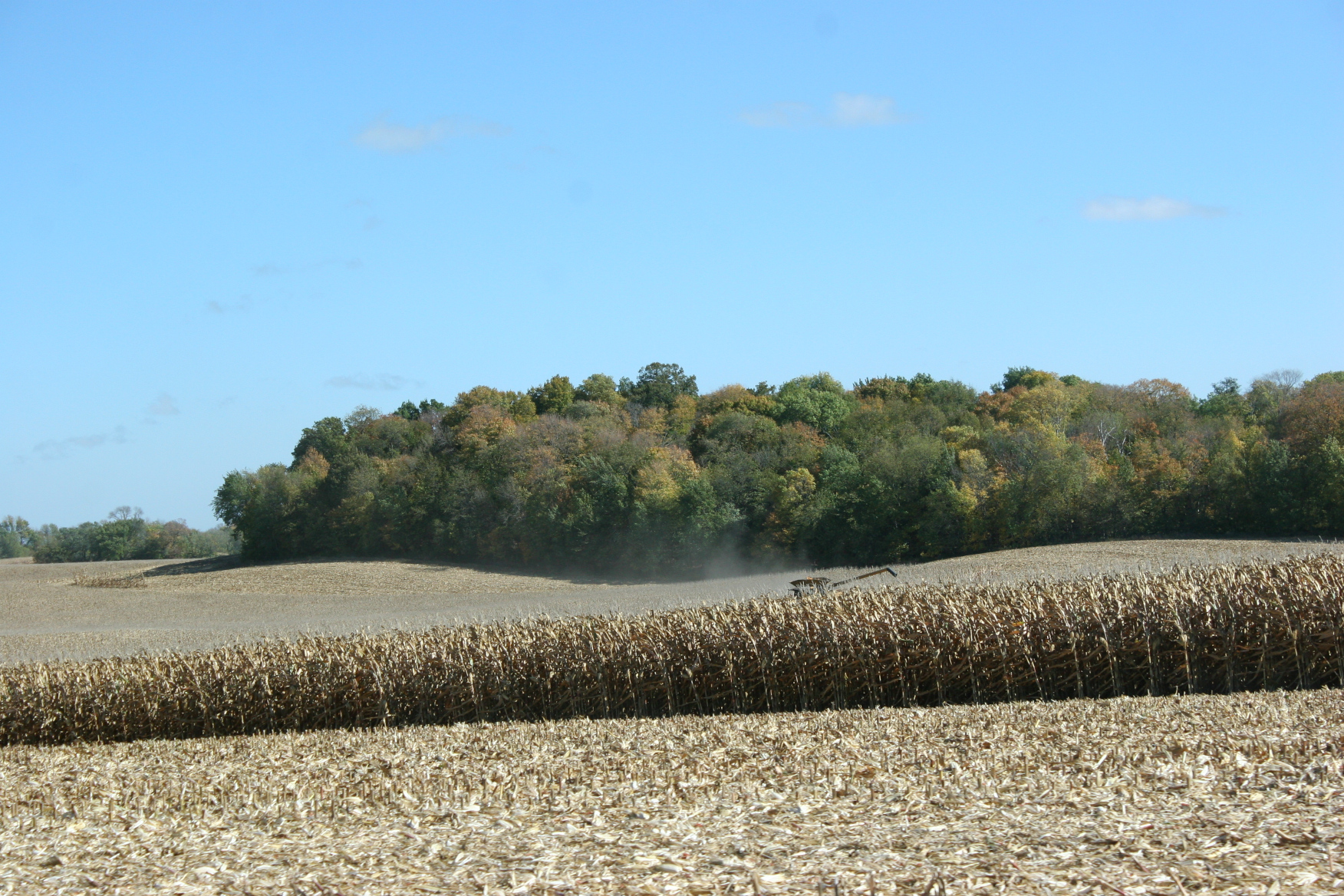
Barely visible, the top of the same combine featured in the photo above. Minnesota Prairie Roots copyrighted photo October 2021.

Combines comb corn rows, too, in this season of harvest in southern Minnesota.

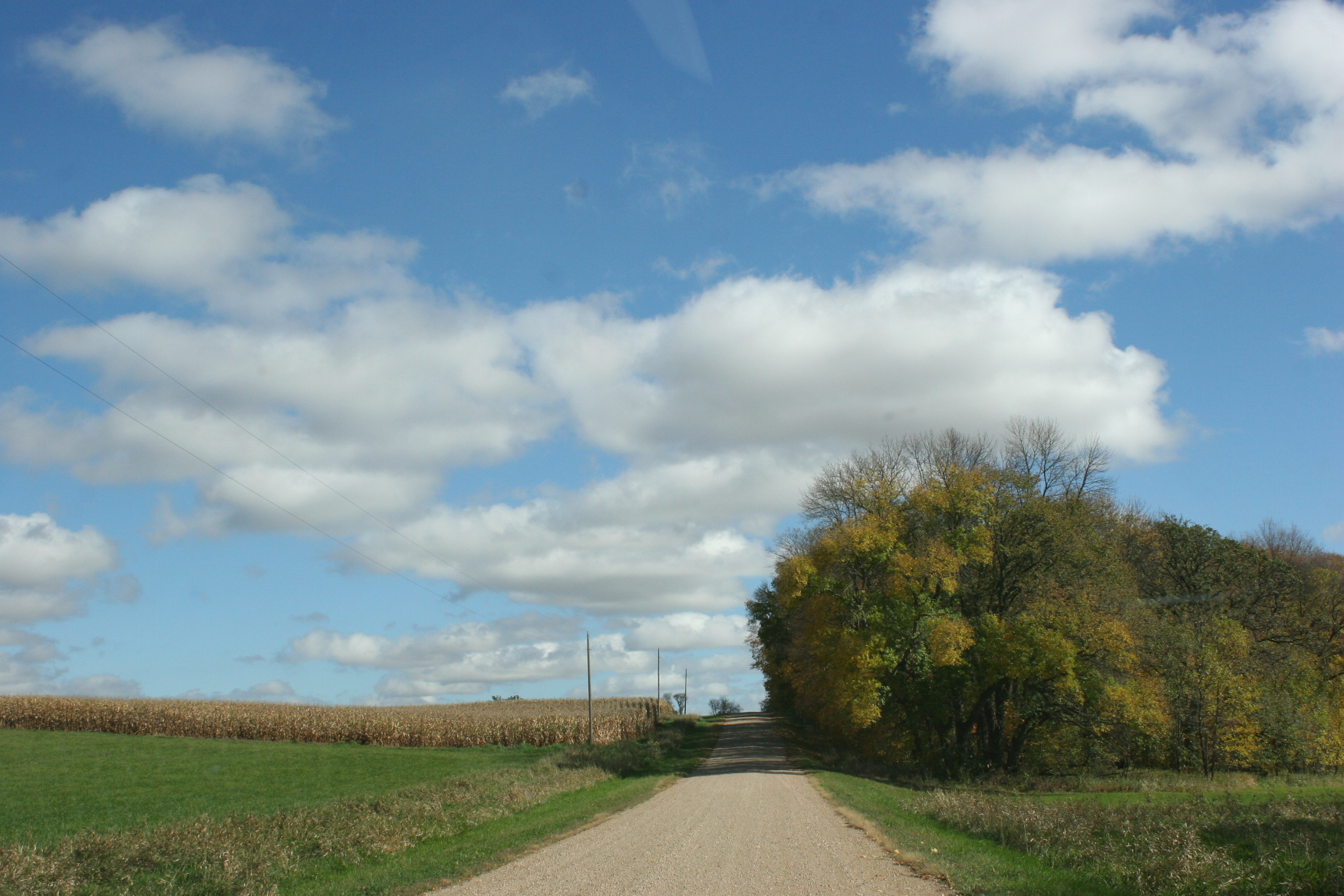
Follow country roads, like this one in eastern Rice County, to view fields at a slower pace. Minnesota Prairie Roots copyrighted photo October 2021.

Take a drive in the countryside these days and you will observe farmers hard at work, bringing in the crops.

A common site, semi trucks parked in fields, awaiting the yield, this one in western Rice County. Minnesota Prairie Roots copyrighted photo October 2021.

As October moves to mid-month, a sense of urgency presses into long days in the field. By 7 pm, darkness envelopes the land and farm machinery still moves, like a mammoth beast lumbering across acres of corn and soybeans, eyes aglow.

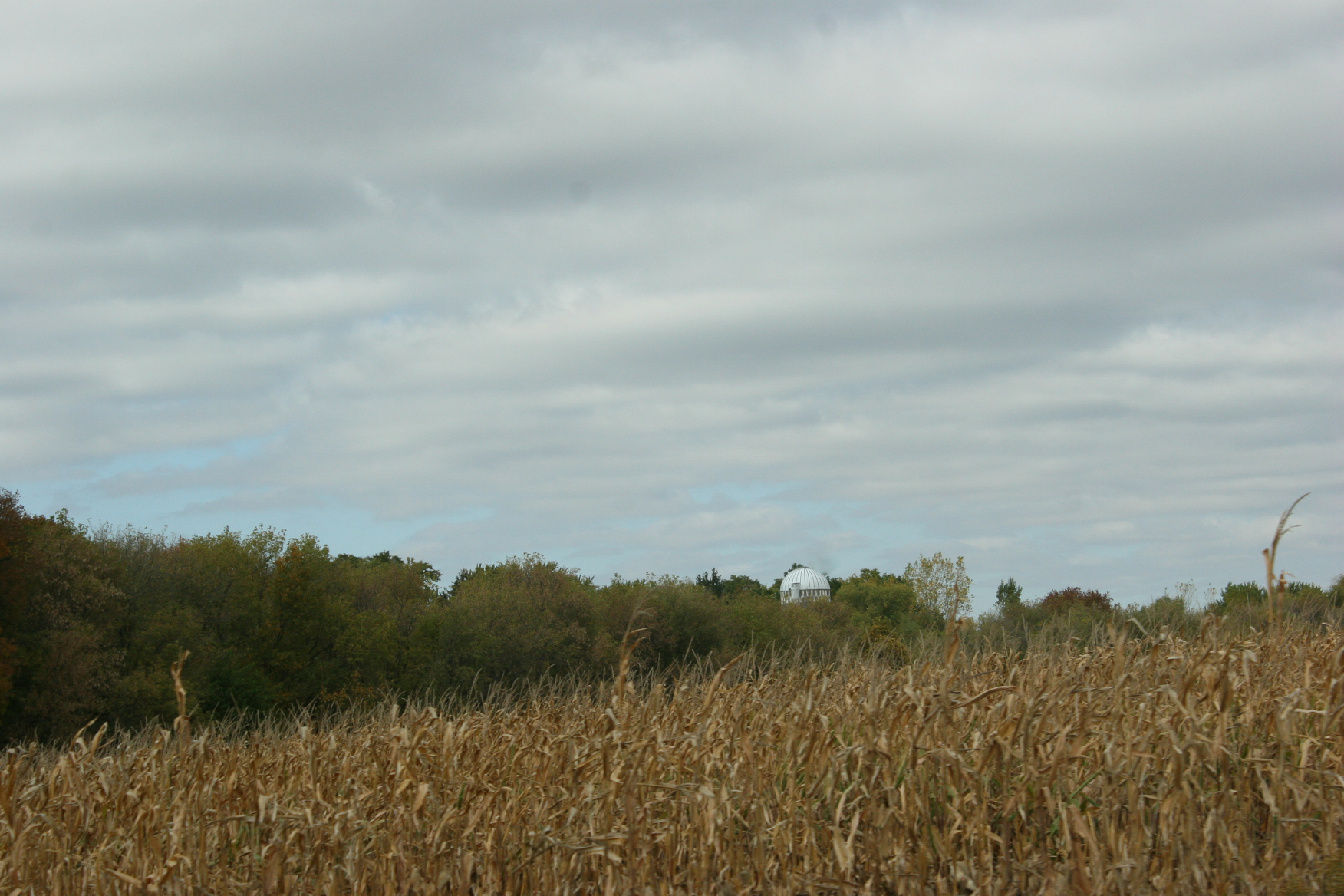
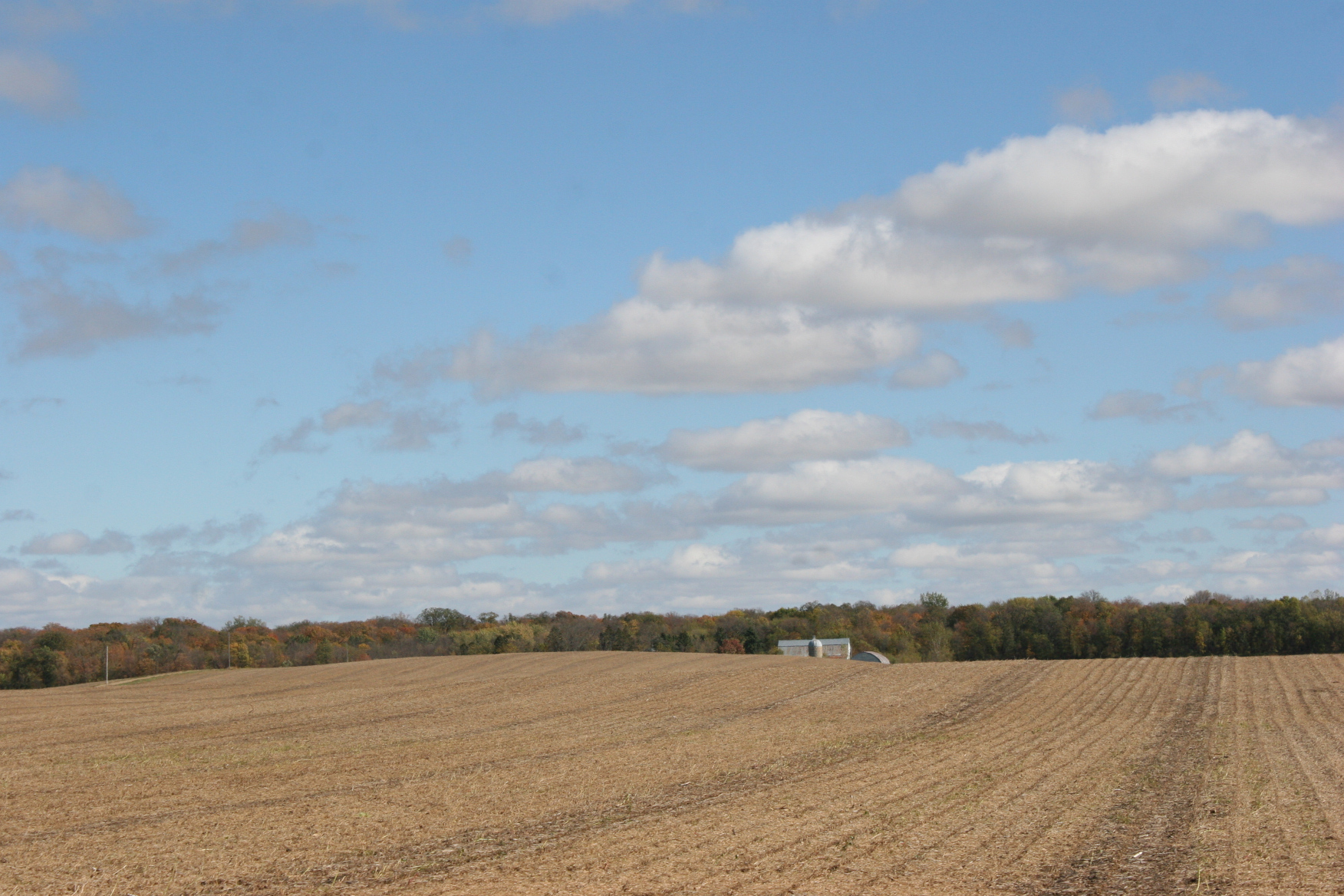
A silo peeks above a cornfield in eastern Rice County. Minnesota Prairie Roots copyrighted photo October 2021.

It is in this season of harvest that I feel a bit melancholy, missing my once close connection to the land. The scent of earth. The view of acres and acres and acres of crops drying to muted hues, visual evidence of a farmer’s work. The sound of combines roaring. The taste of dust and dirt. Golden orbs of soybeans sifting between fingers spread wide.

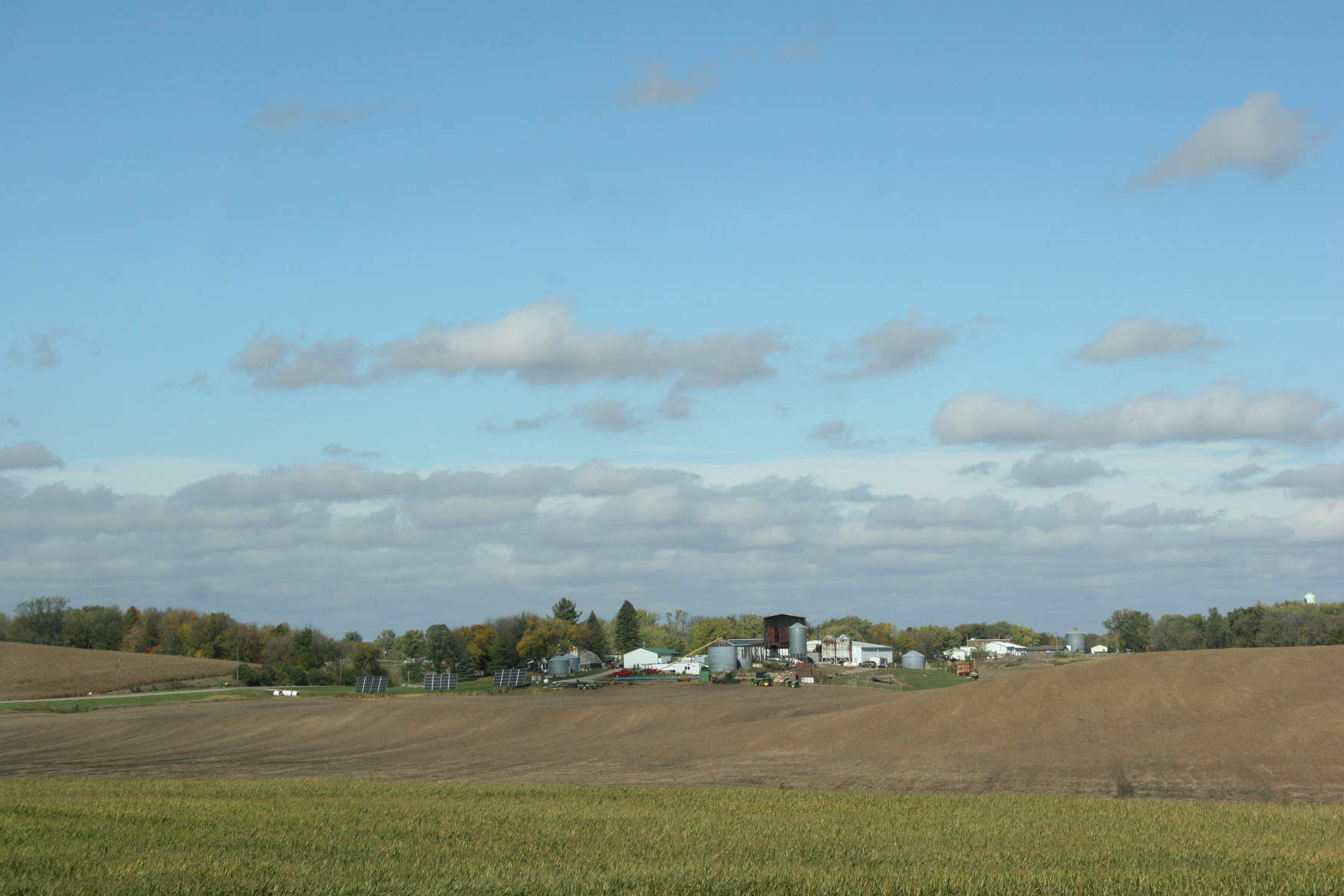
A farm site spreads across the land in western Rice County. Minnesota Prairie Roots copyrighted photo October 2021.

While I once experienced all those first-hand on my childhood farm in southwestern Minnesota, today I feel an outsider looking in. Watching. Remembering. Feeling grateful for the years I lived on a farm, never realizing then just how much those days would mean to me later in life.

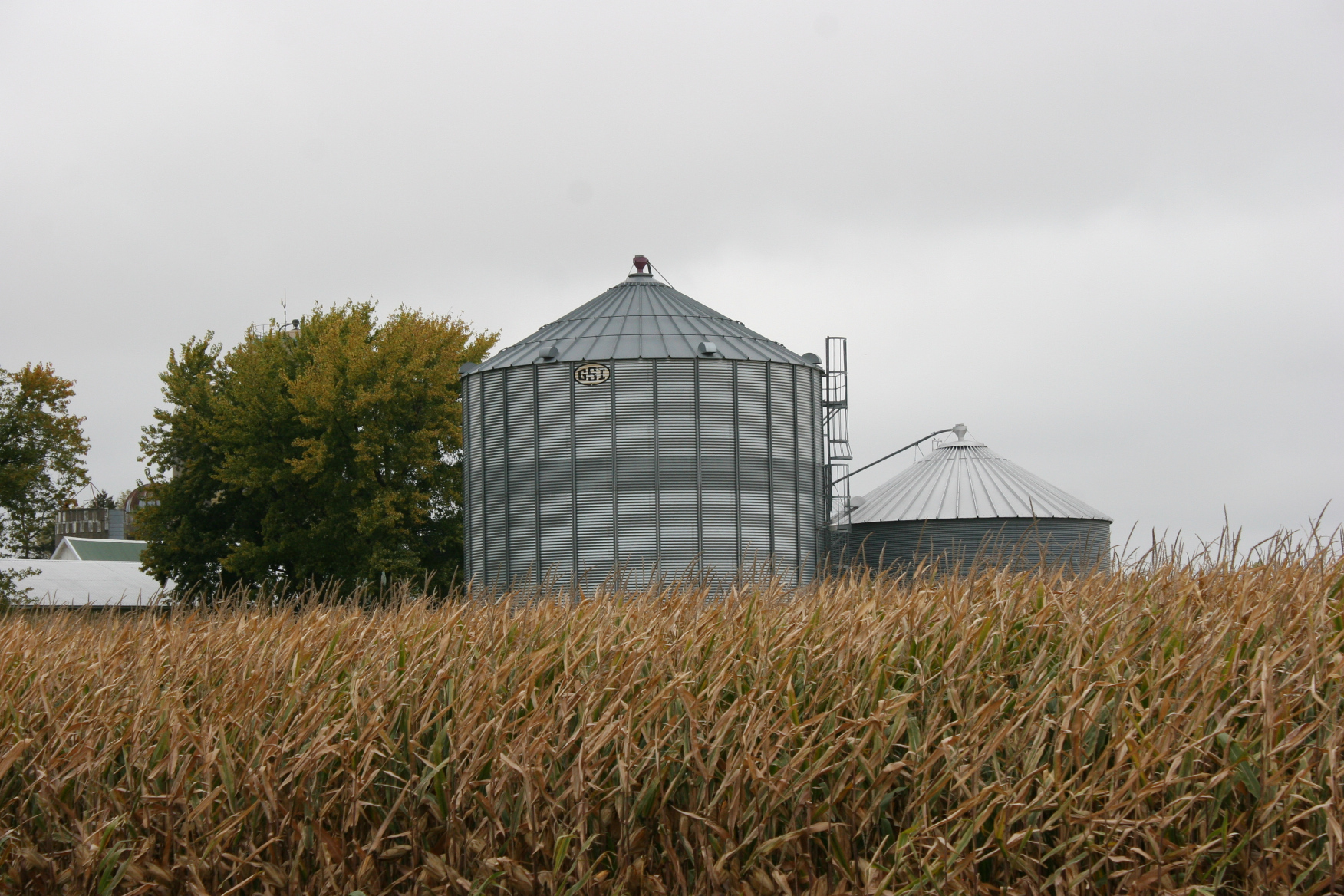
Grain bins, like these in eastern Rice County, symbolize harvest as storehouses for grain. Minnesota Prairie Roots copyrighted photo October 2021.

Each autumn I yield to the call of harvest. I reconnect to the land. Observing. Recalling. Missing my farmer dad and my Uncle Mike, a bachelor farmer who lived the next farm place over to the east. They are decades gone now, their final harvests long-finished.

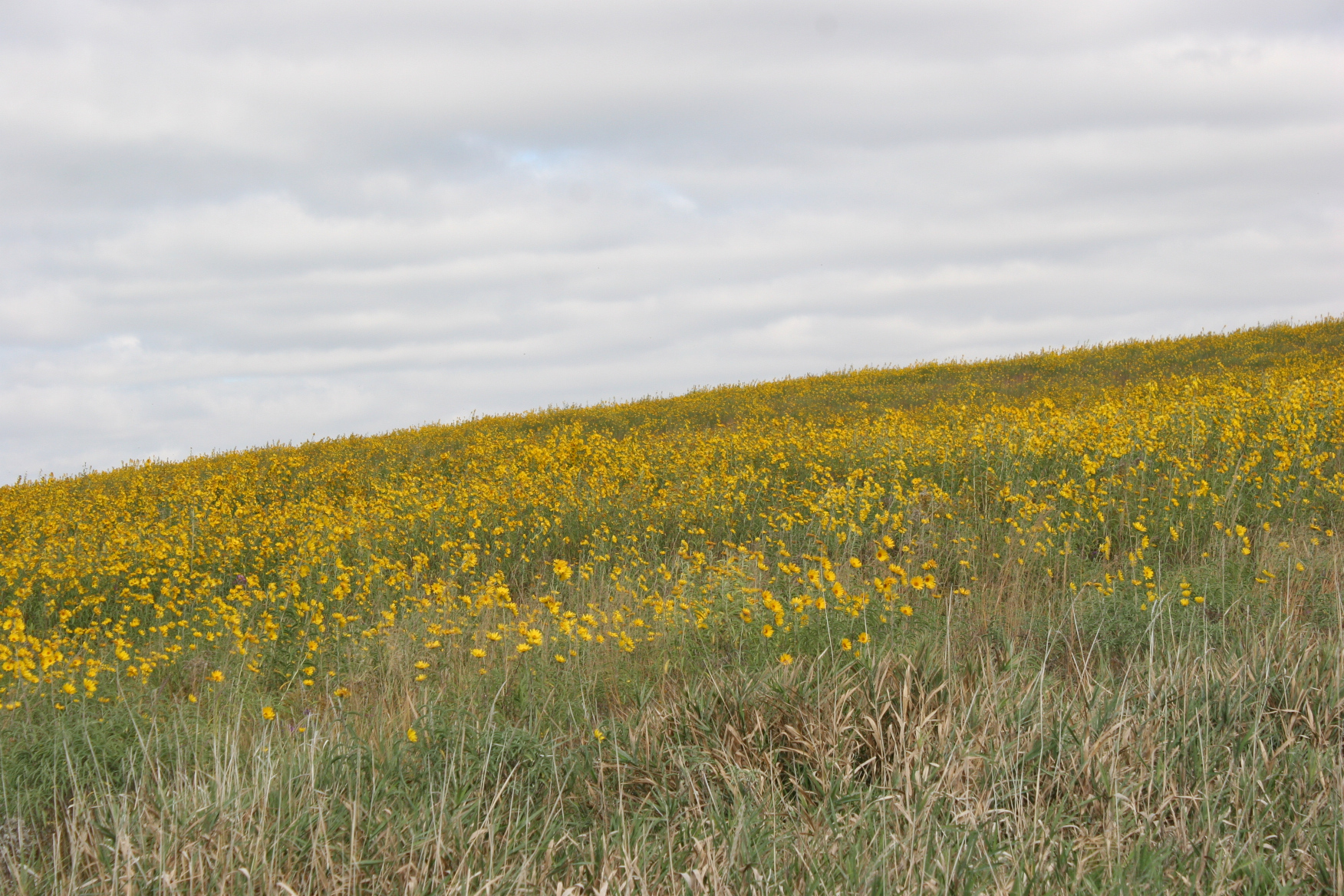
Acres of wildflowers bloom in a field off Rice County Road 20 between Northfield and Cannon City. Minnesota Prairie Roots copyrighted photo October 2021.

These emotions rush like a blustery October wind into my thoughts as winter approaches. As harvest continues, as seasons pass and life goes on.

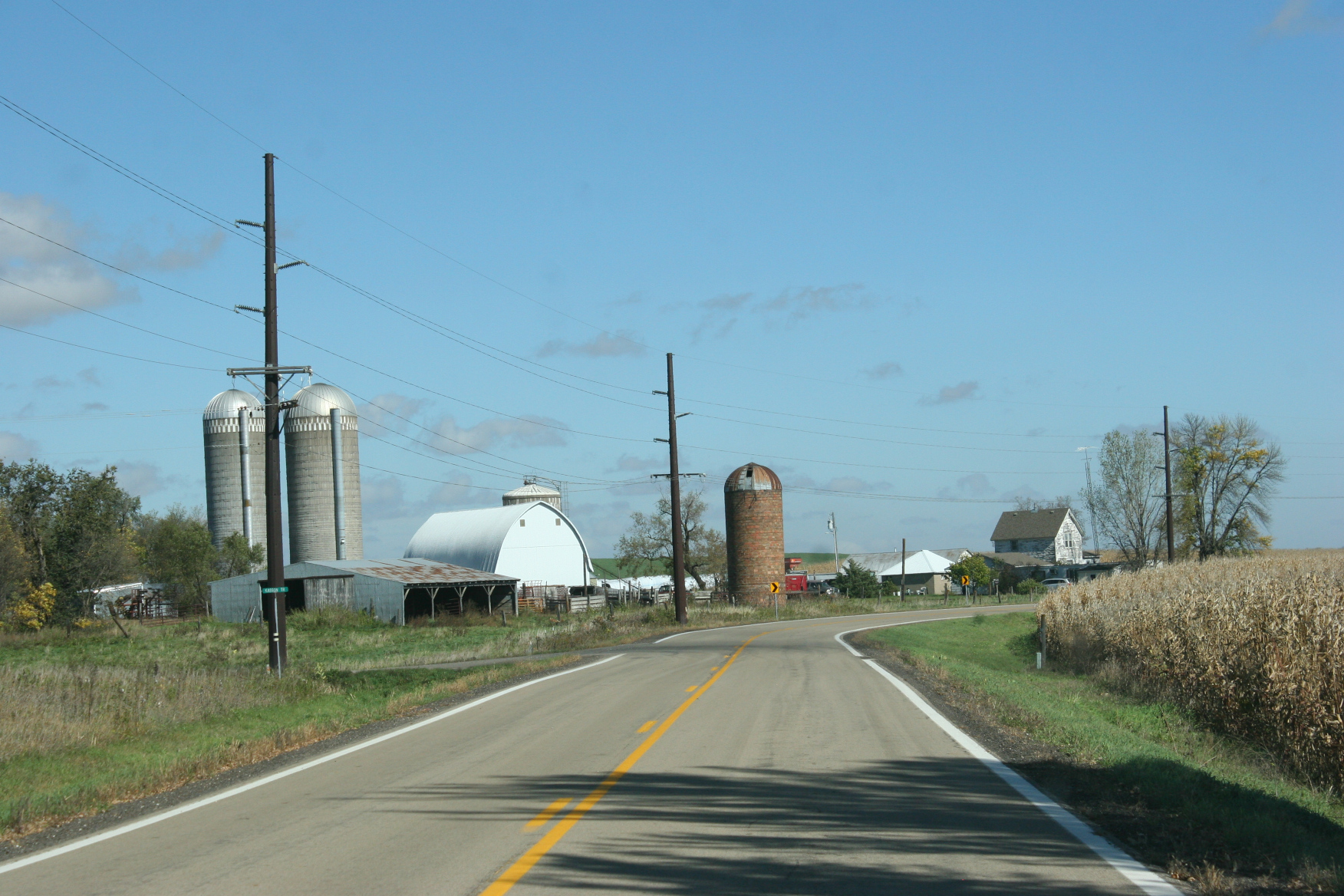
Cornfield to the right, farm site to the left, all part of a Sunday afternoon country drive in southern Minnesota. Minnesota Prairie Roots copyrighted photo October 2021.

TELL ME: Do you go for country drives to view the harvest? Or, if you live in a city, how do you celebrate autumn? I’d like to hear, wherever you live. I welcome harvest memories also.

© Copyright 2021 Audrey Kletscher Helbling
 

So many reasons to visit Valley Grove, especially in autumn October 13, 2021

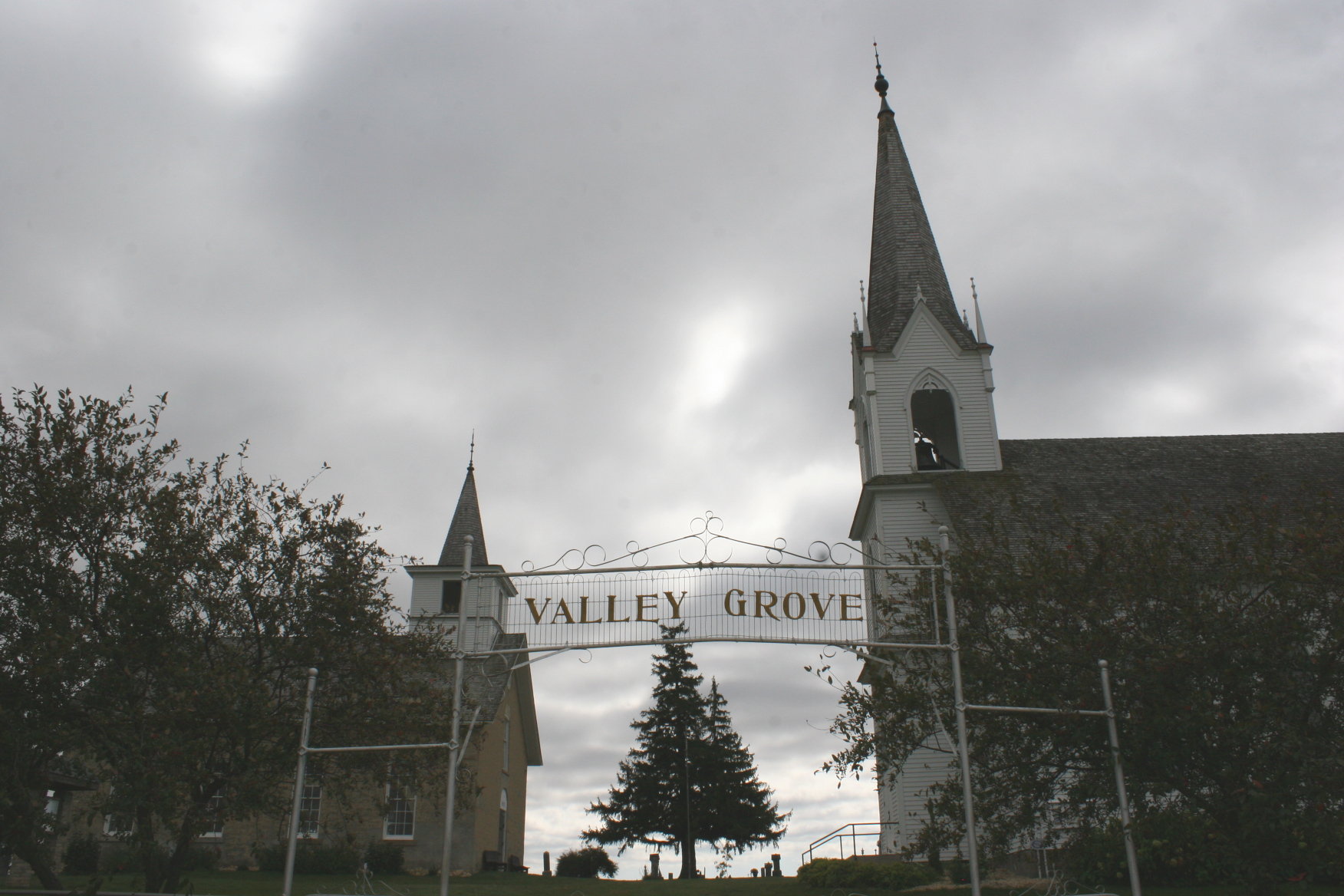
The artful gated entrance to Valley Grove. Minnesota Prairie Roots copyrighted photo October 2021.

I EXPERIENCE SOMETHING SACRED in this place. This preserved parcel of land where two aged churches rise atop a hill in rural Nerstrand.

Looking down the driveway from the hilltop church grounds, a beautiful view of the valley below. Minnesota Prairie Roots copyrighted photo October 2021.

This is Valley Grove, among my most treasured local natural spaces to seek solitude. Beauty. Peace. And a feeling of sacredness that stretches beyond spiritual.

The newer of the two Valley Grove churches. Minnesota Prairie Roots copyrighted photo October 2021.

On a recent Sunday afternoon, Randy and I sat on the front steps of the 1894 white clapboard church eating a picnic lunch. Bothersome bees hovered, drawn by the sweetness of Randy’s soda and fruit-laced yogurt and homemade chocolate chip cookies.

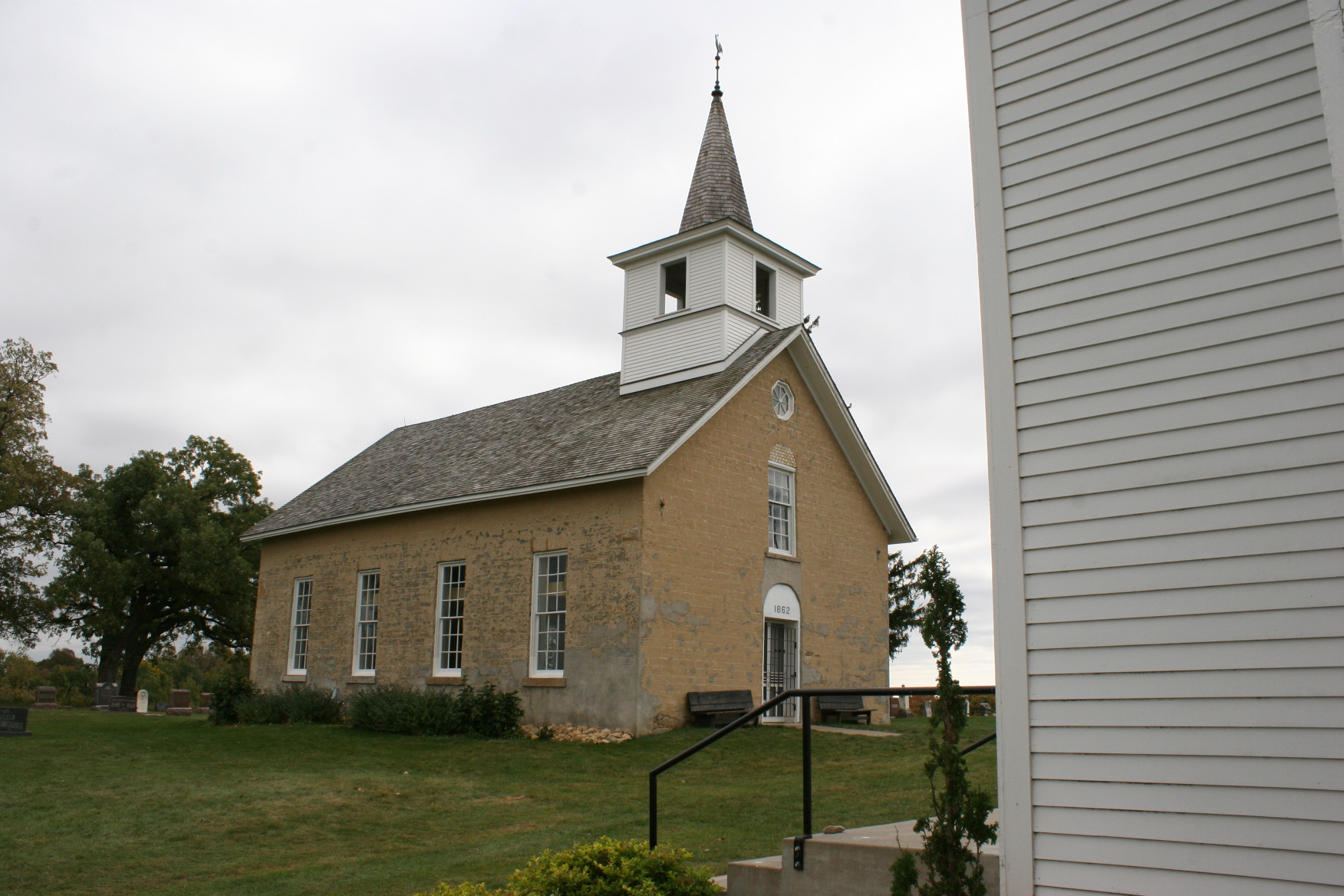
Photographed from a side of the clapboard church, the limestone church a short distance away. Minnesota Prairie Roots copyrighted photo October 2021.

A stone’s throw away across the lawn sits the 1862 limestone church, constructed in the year of the U.S.-Dakota Conflict raging many miles away to the west.

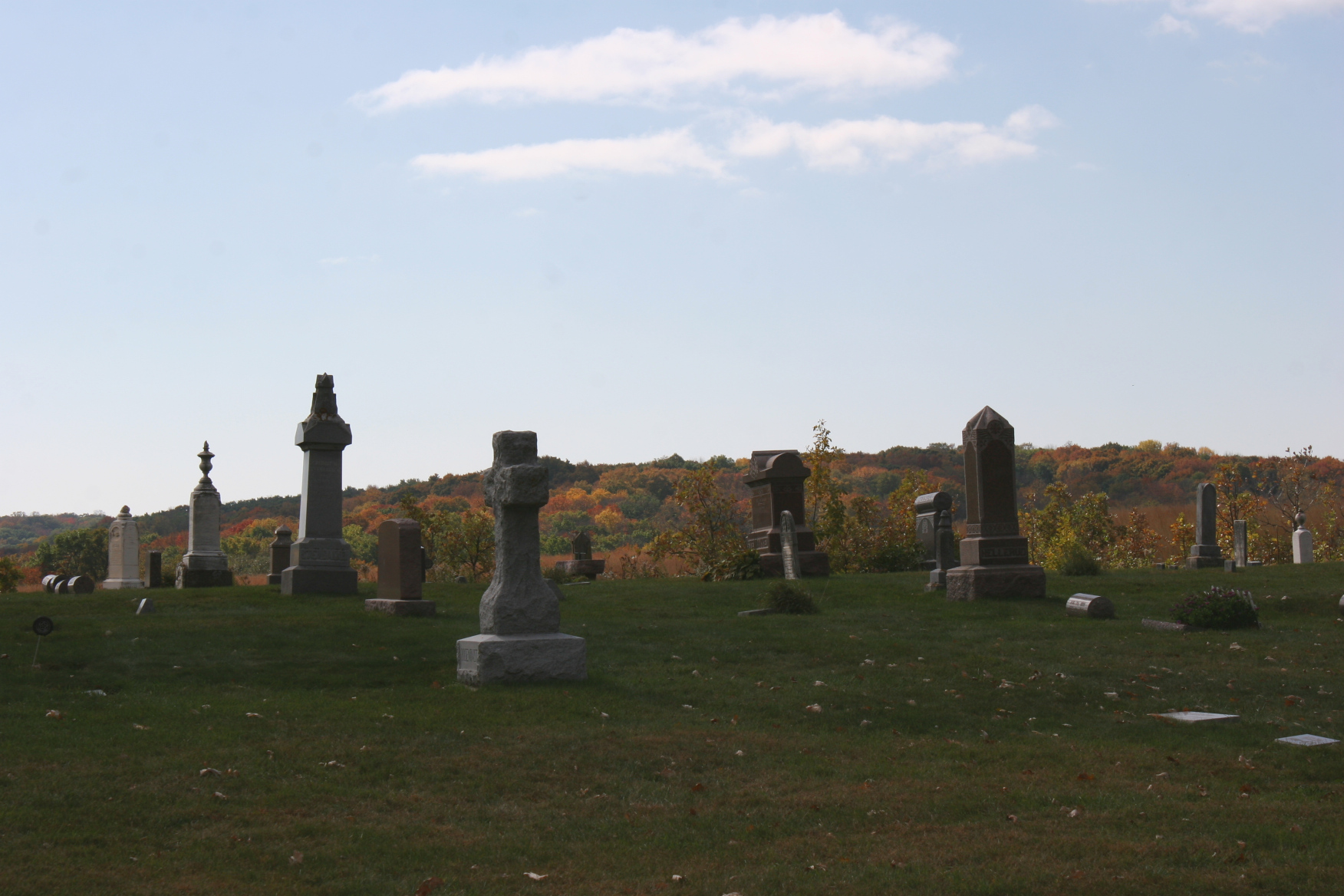
The cemetery offers history, art and a place for quiet contemplation against a beautiful natural backdrop. Minnesota Prairie Roots copyrighted photo October 2021.
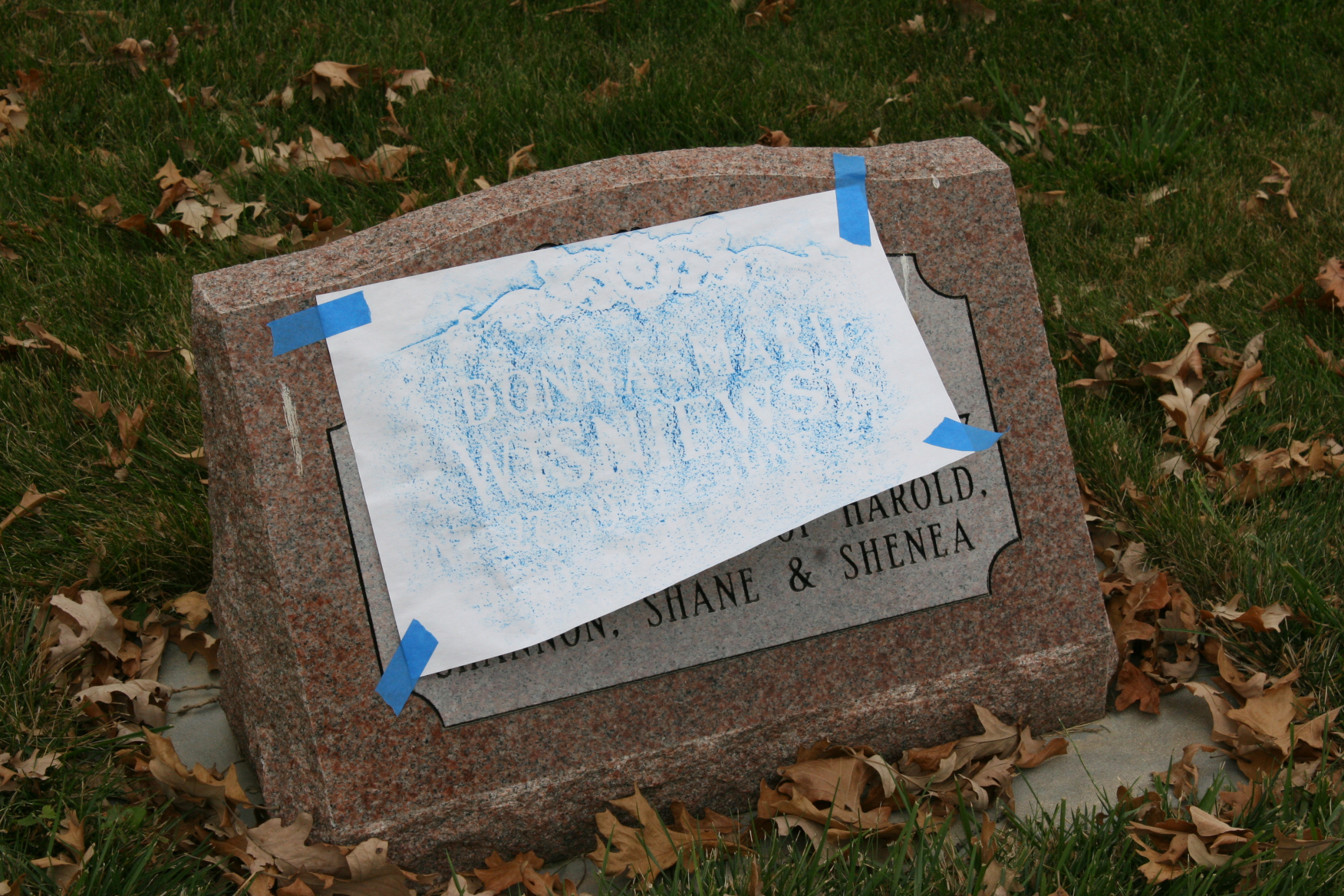
An in-process gravestone rubbing. Minnesota Prairie Roots copyrighted photo October 2021.
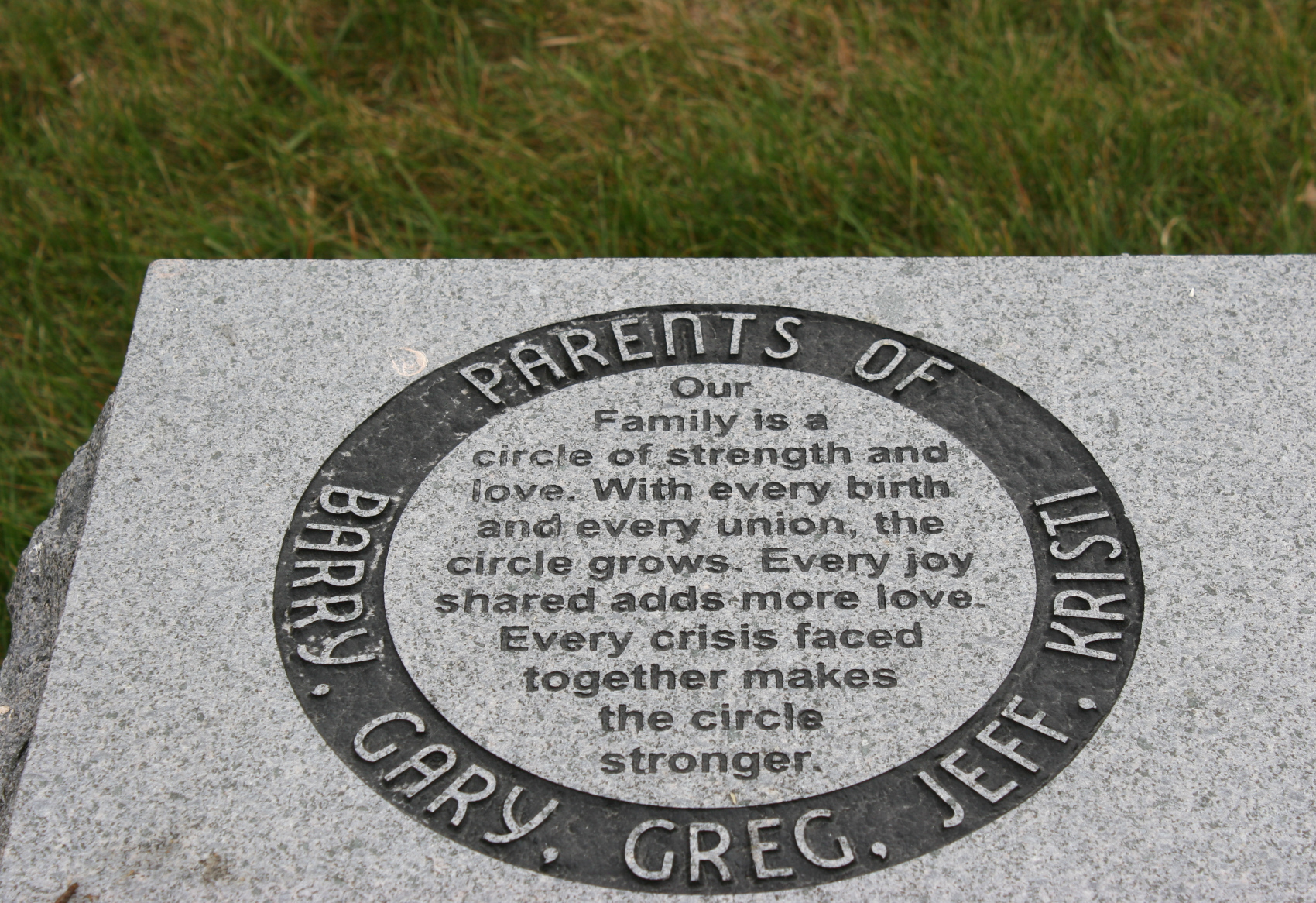
I find gravestone engravings especially interesting and often touching. Minnesota Prairie Roots copyrighted photo October 2021.

Valley Grove holds its own history as a community and spiritual gathering place for the area’s Norwegian immigrants. Walk the grounds of the cemetery next to the churches and you’ll read names of those of Norwegian ancestry. The cemetery remains well-used with new tombstones marking the passage of yet another loved one.

Information about Valley Grove is tucked inside a case on the side of the clapboard church. Minnesota Prairie Roots copyrighted photo October 2021.

I have no personal connection to Valley Grove. But I hold a deep appreciation for the history, honored via the Valley Grove Preservation Society. That organization maintains and manages the church and grounds. And its a lovely, especially in autumn, acreage.

Farm sites and farmland surround Valley Grove. Minnesota Prairie Roots copyrighted photo October 2021.

Once I’d finished my turkey sandwich and other picnic foods, I set out with my camera to document. The views from this hilltop site are spectacular. Farm land and farm sites, the low moo of a cow auditorily reminding me of this region’s agrarian base.

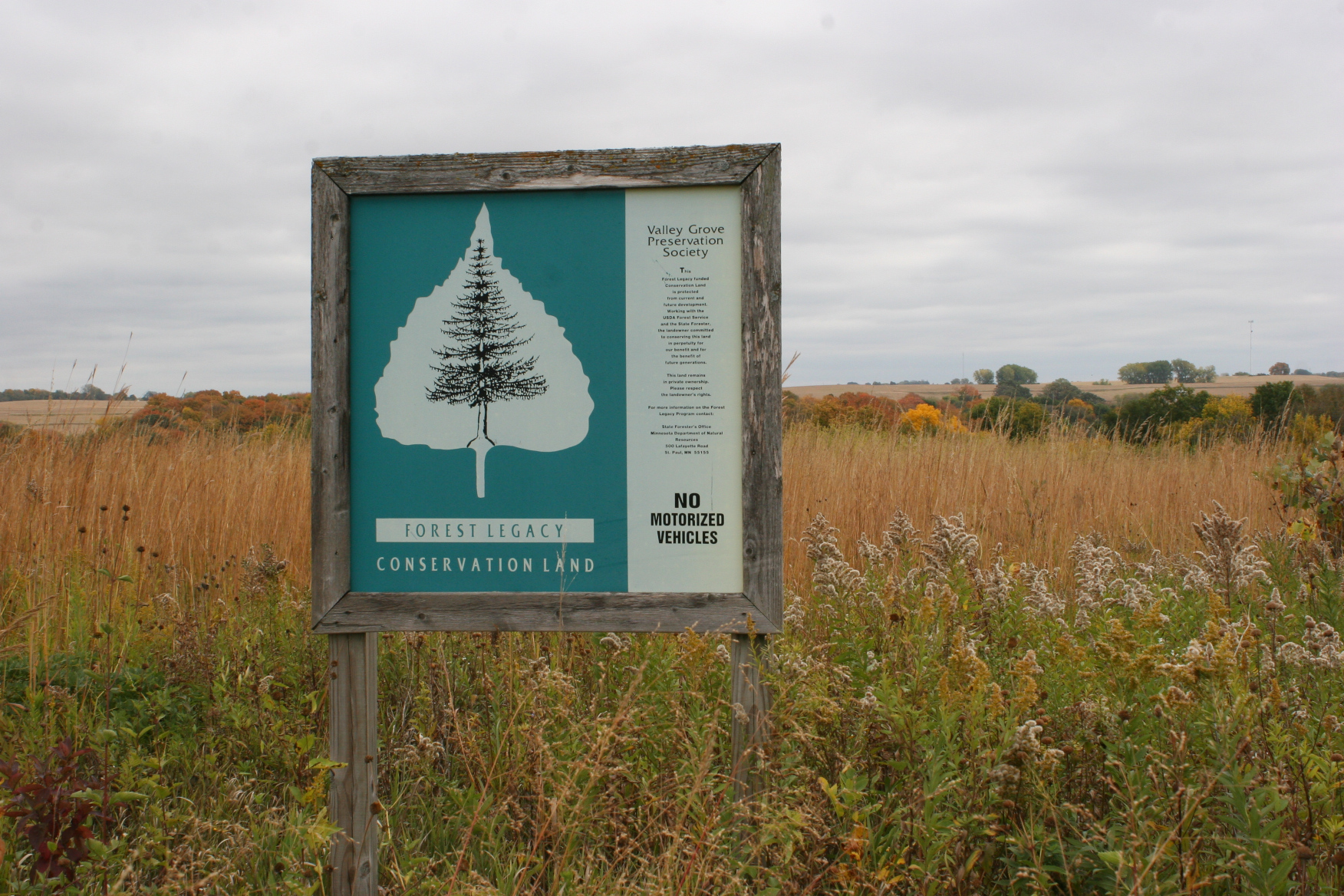
Conservation and legacy are valued at Valley Grove. Minnesota Prairie Roots copyrighted photo October 2021.
Remnants of the Big Woods remain and can be seen from Valley Grove. Minnesota Prairie Roots copyrighted photo October 2021.
Following the prairie path back to the church grounds, just over the hill. Minnesota Prairie Roots copyrighted photo October 2021.

Tall dried prairie grasses frame nearly every view. Those who tend this land value its natural features of prairie and oak savanna. Paths lead visitors along prairie’s edge and onto the prairie to view distant colorful treelines, part of the Big Woods. The hilltop location offers incredible vistas.

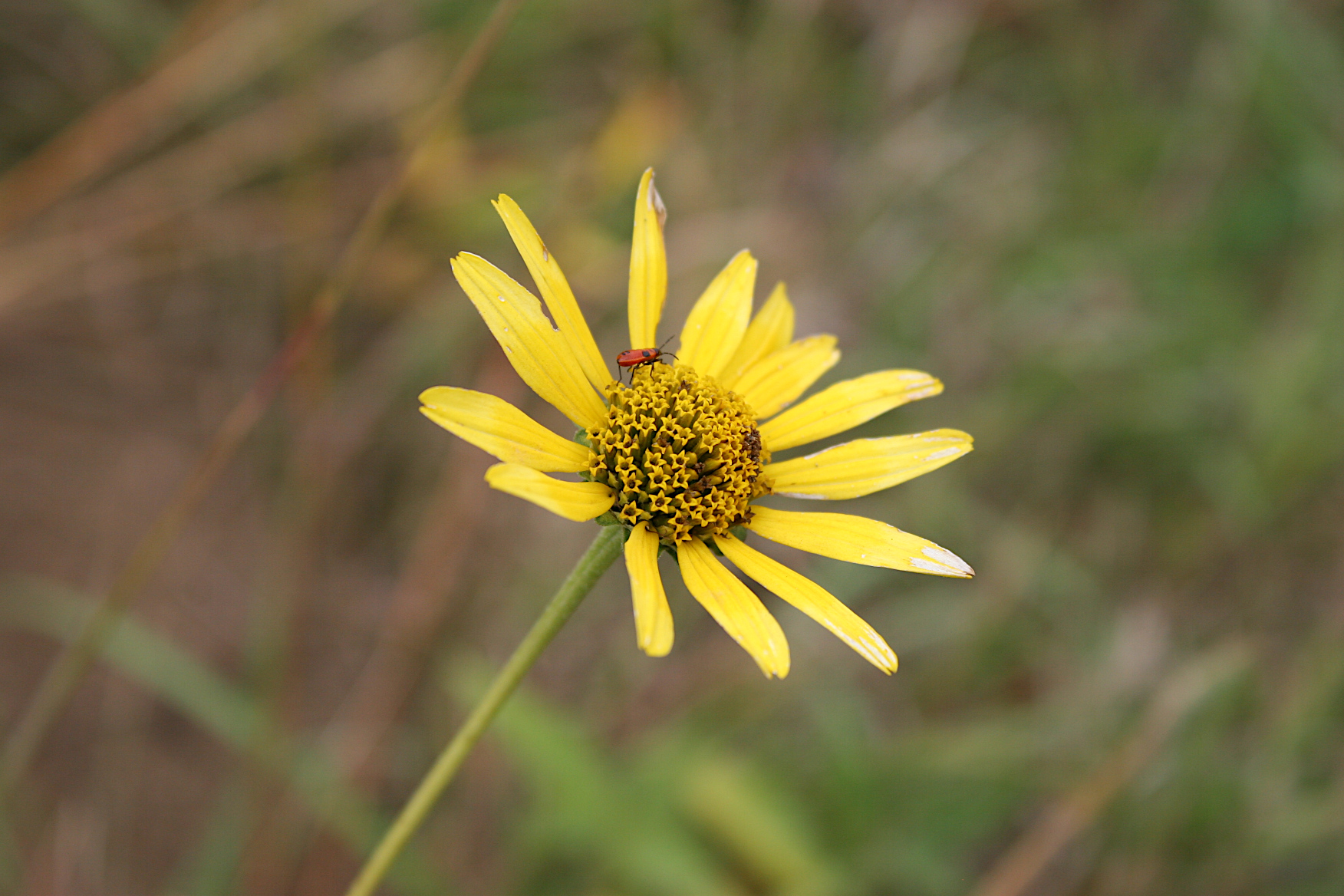
On a mixed October afternoon of sun and clouds, a wildflower jolts color into the landscape. Minnesota Prairie Roots copyrighted photo October 2021.

But up close is worth noting, too, especially the wildflowers.

An unexpected delight in the cemetery was an old-fashioned rosebush in full bloom. Minnesota Prairie Roots copyrighted photo October 2021.

And in the cemetery I found an old-fashioned rosebush abloom in pink roses. Just like a rosebush that graced my childhood farm far away in southwest Minnesota where settlers and Native Peoples once clashed. I dipped my nose into blossom after blossom, breathing in the deep, perfumed, intoxicating scent.

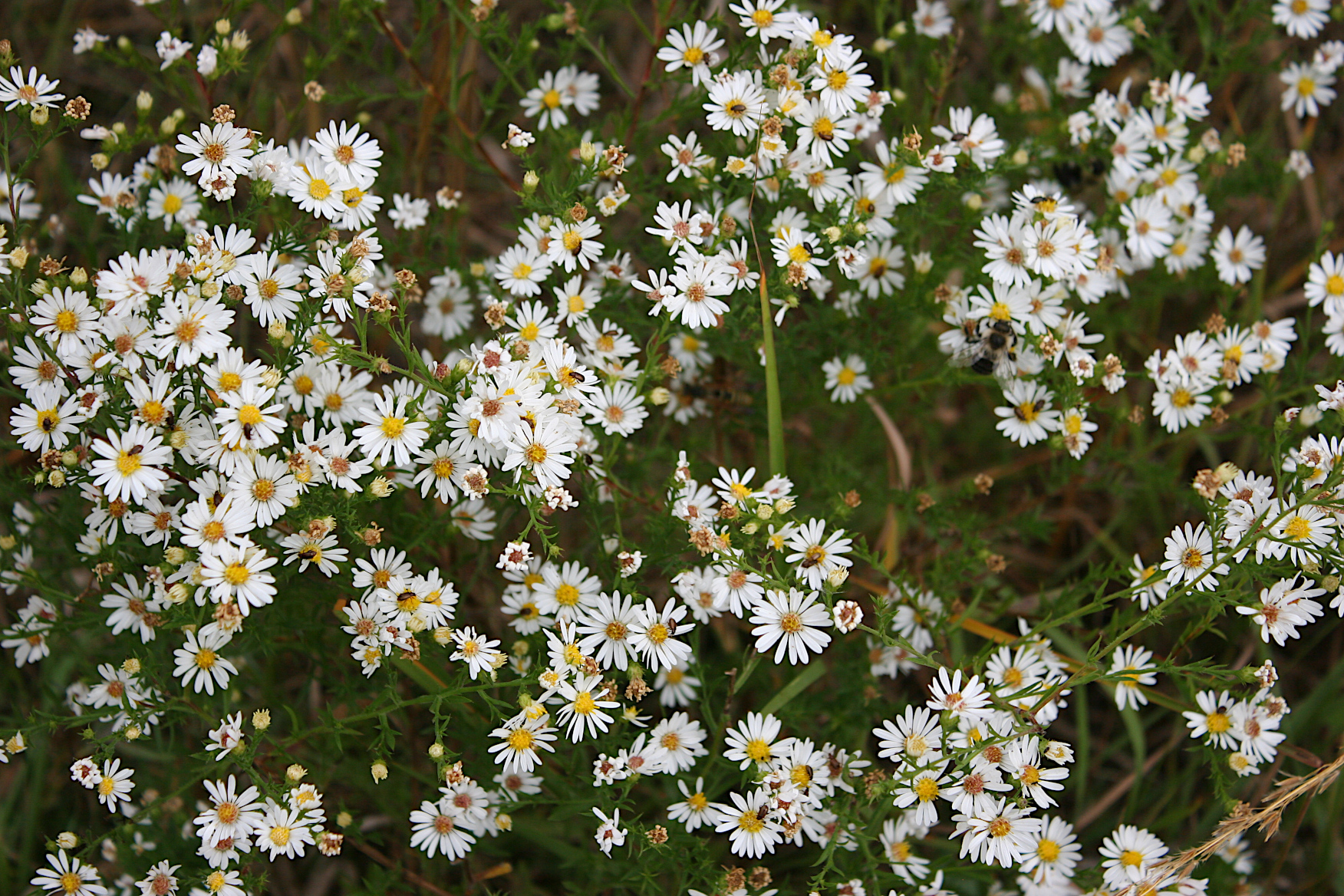
Lots of wildflowers to enjoy. Minnesota Prairie Roots copyrighted photo October 2021.

Spending time at Valley Grove, even when church doors are not open, seems sacred. I feel the peace of this rural location. The quiet. My smallness, too, within the vastness of sky and land and spires rising.

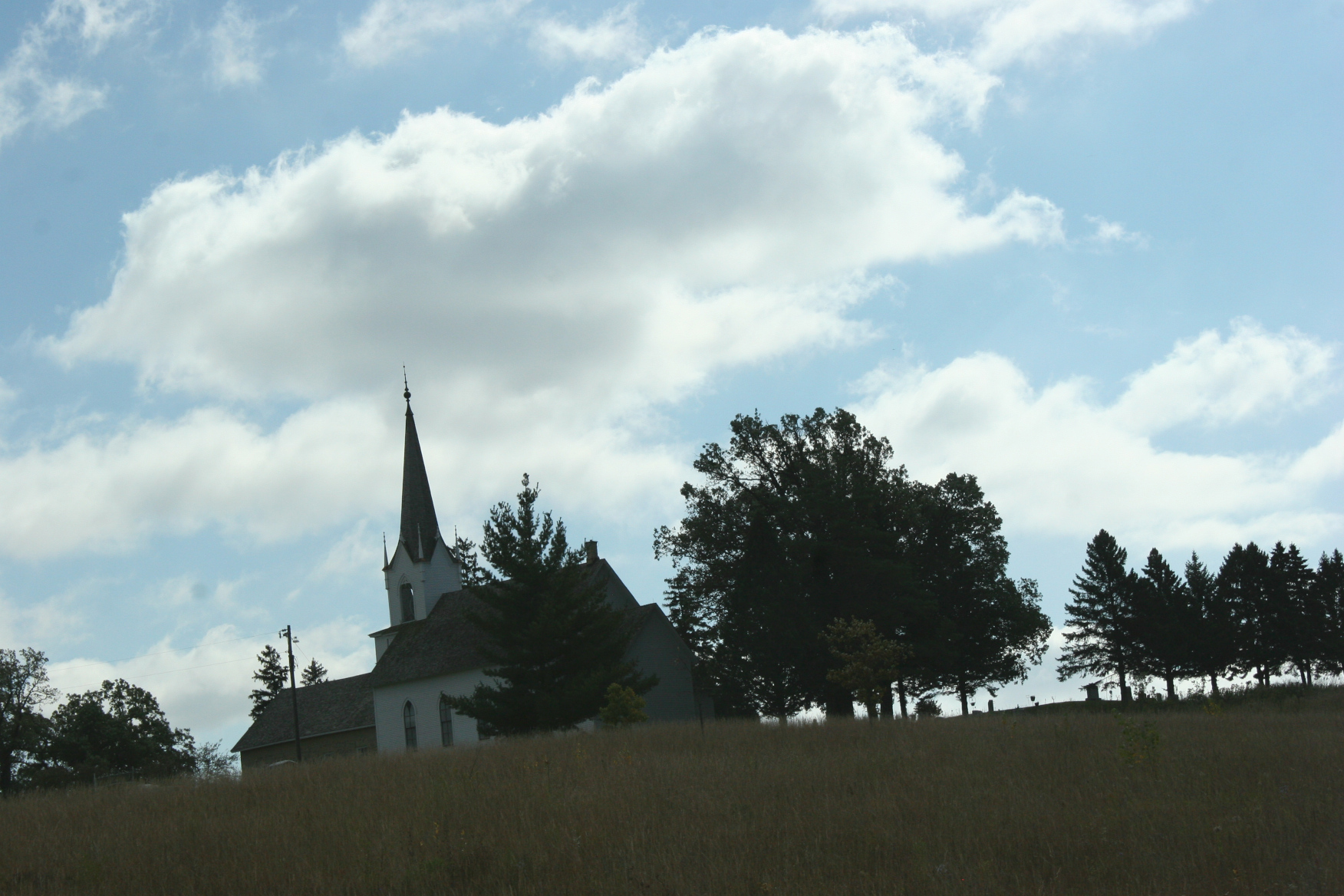
High on the hill…Valley Grove churches. Minnesota Prairie Roots copyrighted photo October 2021.

To walk here, to sit on the front steps of a church on the National Register of Historic Places is to feel a sense of gratitude for those who came before us. For those who today recognize the value of sacredness and continue to preserve Valley Grove. Who understand that the spiritual stretches beyond church doors. To the land. To the memories of loved ones. And to future generations.

© Copyright 2021 Audrey Kletscher Helbling
 

A fall favorite: Trinity North Morristown’s Fall Dinner October 12, 2021

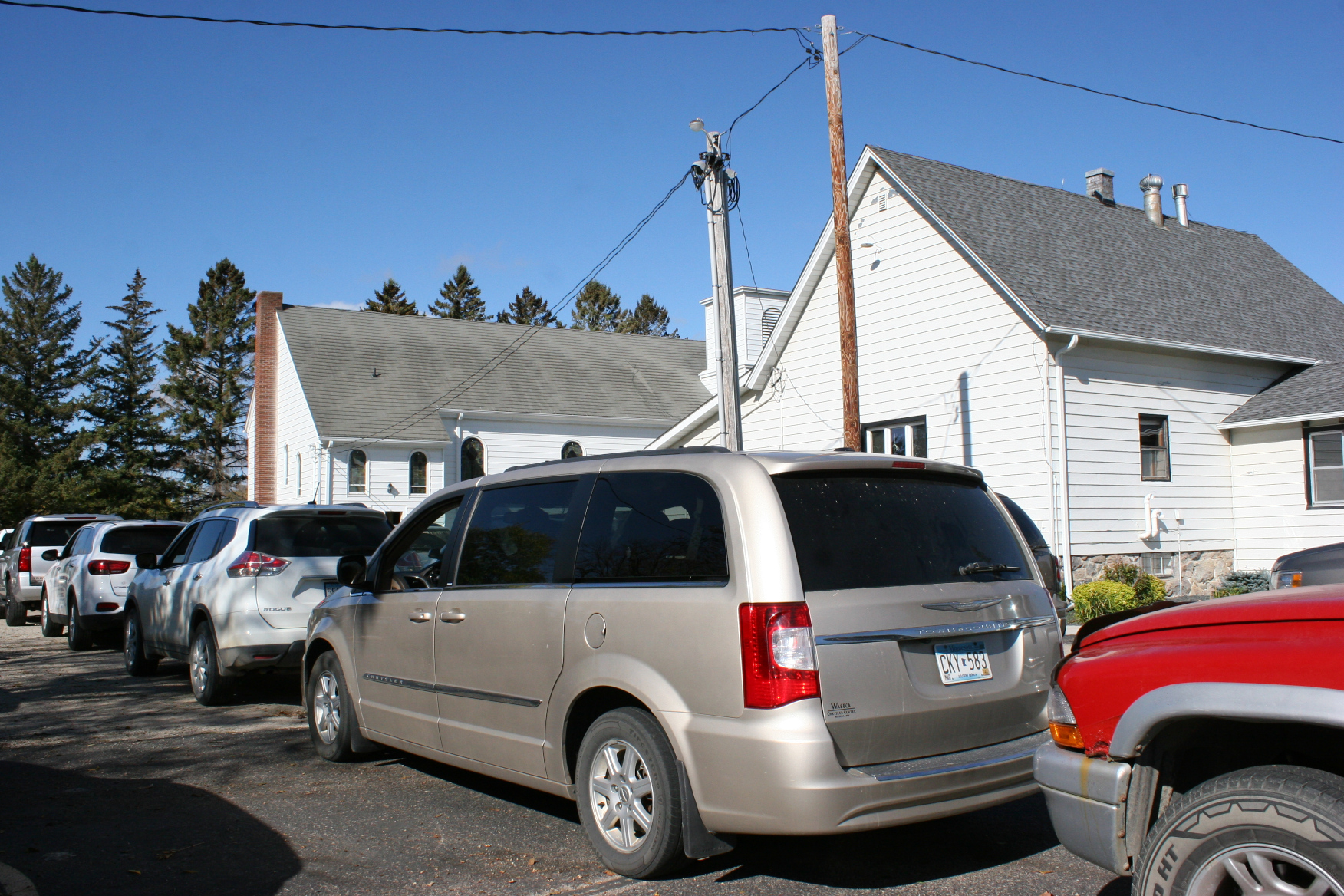
Waiting in line behind Trinity Lutheran Church and School for meals to be delivered to vehicles. Minnesota Prairie Roots copyrighted photo October 2021.

VEHICLES STACKED UP three rows wide late Sunday morning, crawling toward Trinity Lutheran Church, North Morristown.

A volunteer welcomes guests, accepts payment, disburses tickets and directs traffic. Minnesota Prairie Roots copyrighted photo October 2021.

As Randy and I waited in our van, I clutched two blue tickets, our tickets to the hottest dinner in town. Or in this case, in rural Rice County. It was the annual Fall Dinner at this country church and school set in the rolling farmland west of Faribault and also the site of a popular July Fourth celebration.

We arrived early in the two-hour take-out event, a switch from the usual dine-in dinner due to the pandemic. But I didn’t want to risk Trinity running out of food. Yes, this full turkey and ham dinner with all the trimmings is that popular. And that good. And reasonably priced at $10.

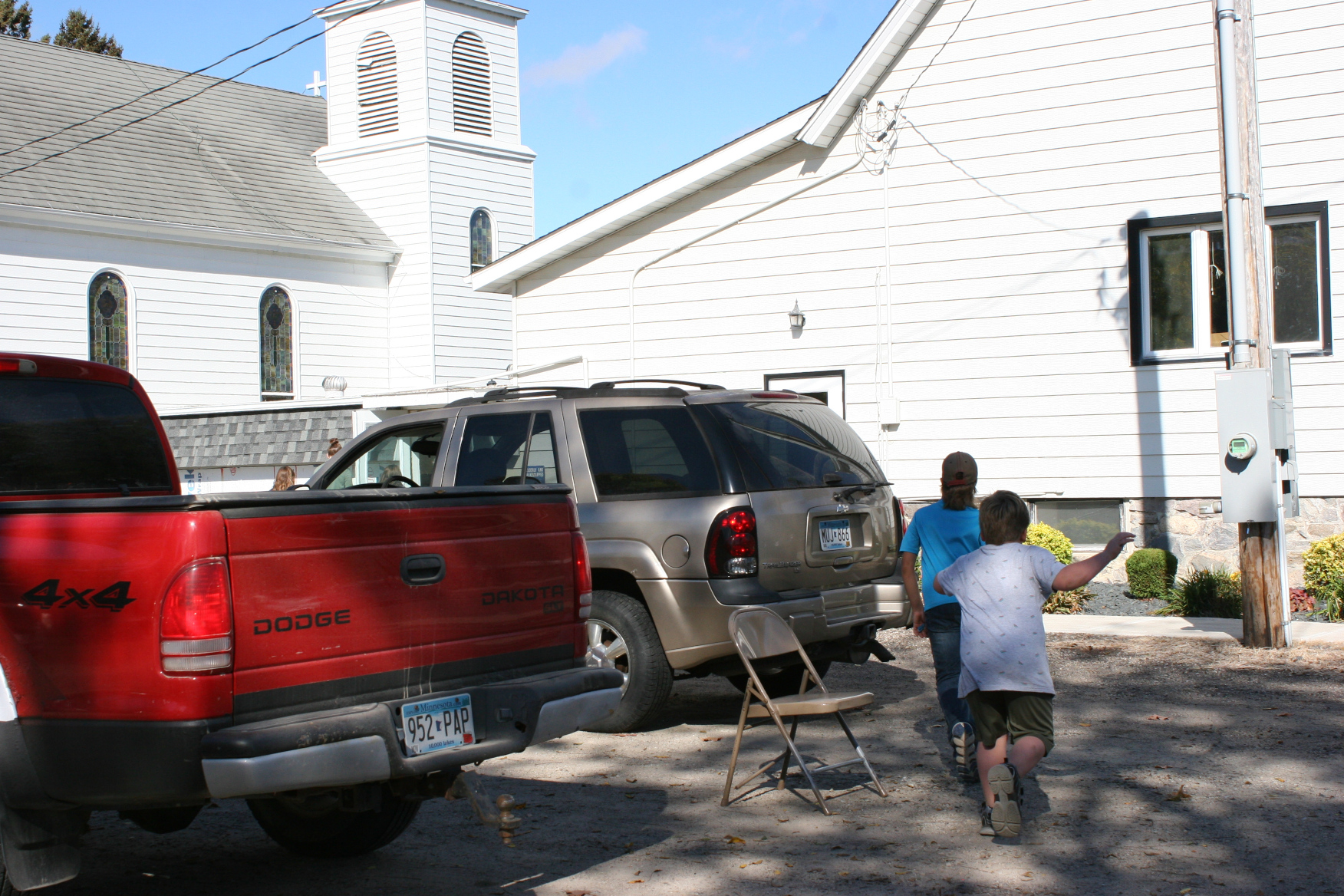
Young volunteers run back toward the church to grab more meals. Folding chairs separated traffic lanes. Minnesota Prairie Roots copyrighted photo October 2021.

So we waited. Creeping. Idling. Creeping. And while we snail-paced, neighborhood dogs barked. And free-range chickens foraged in the pastor’s yard next to the church. Volunteers sold tickets and directed traffic. And youth, some clad in cowboy boots, scurried to deliver the coveted meals prepared and boxed by many more volunteers in the church basement.

Twenty minutes later, I was reaching through my open van window to accept two bags with our meals inside. The air smelled of Thanksgiving dinner. And I felt thankful to be here, partaking in this annual event, although I missed gathering in the church basement for fellowship.

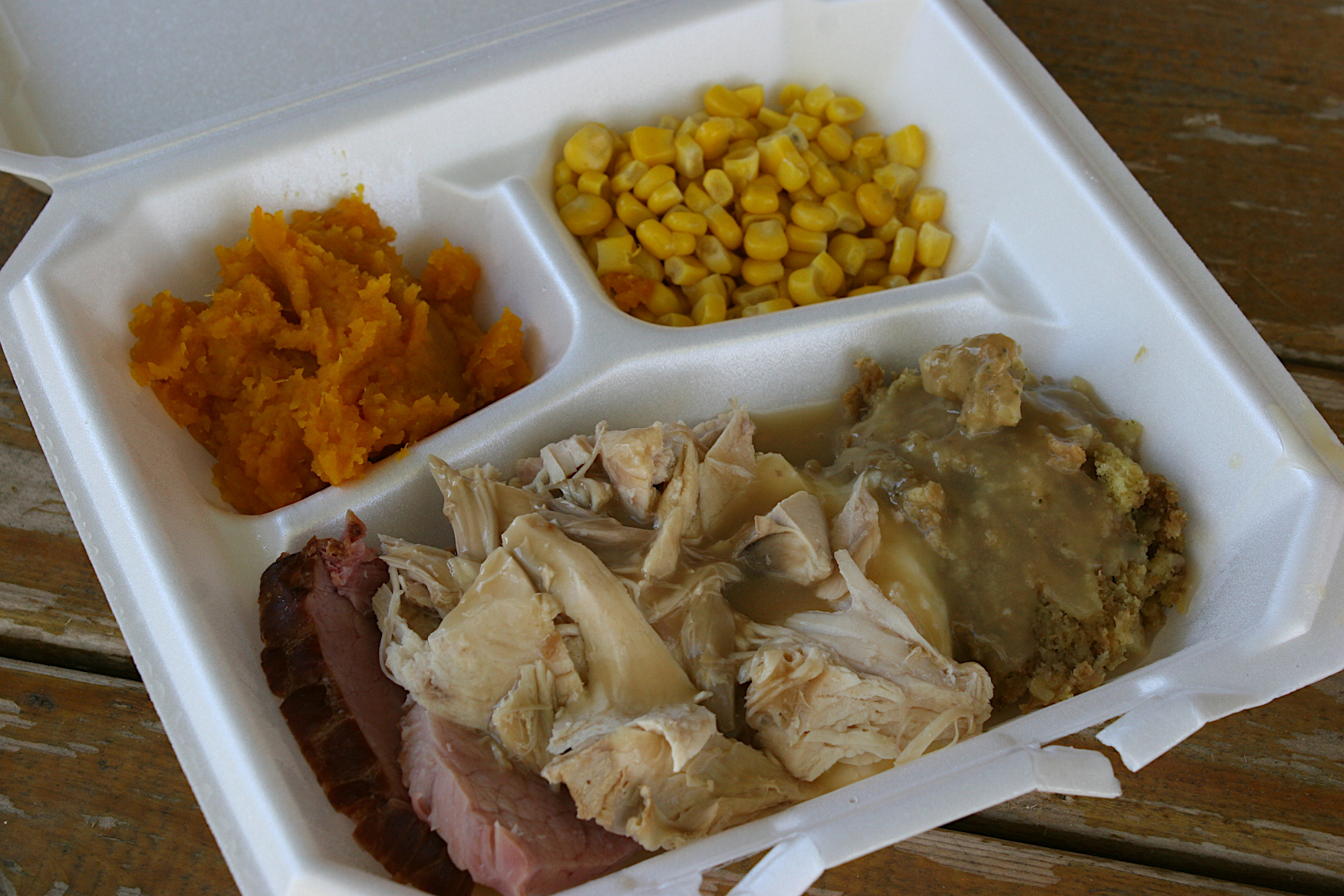
The main meal: ham, turkey, mashed potatoes with gravy, stuffing, squash and corn. Minnesota Prairie Roots copyrighted photo October 2021.

Instead of driving all the way back to Faribault to eat warm, rather than hot, food, Randy and I dined across the road at the July Fourth celebration grounds. I pulled on my flannel shirt, he his jacket, and we perched on the edge of the entertainment stage to fork mouthfuls of turkey and ham and sides.

“The potatoes are lumpy,” Randy noted.

“A sure sign they’re homemade,” I said, affirming his appreciation of real mashed potatoes. Nearly everything served in this generously-portioned meal is homemade. I especially enjoyed the squash, a vegetable I’ve not yet eaten this season.

We saved our coleslaw, cranberries and buns for later. And our dessert, too. Two bars and two slices of cake.

Honoring parade grand marshals. Minnesota Prairie Roots copyrighted photo October 2021.

And while we dined, we chatted about the annual Fourth of July celebration held here on these grounds. We noted the names of parade grand marshals on wooden slabs backing the stage. We remembered the music and crowds and good food—always the food—and the fun times and talked about bringing our young grandchildren here to experience this on Independence Day.

A model of the church, featured in parades, is stored at one end of the stage in the off-season. Minnesota Prairie Roots copyrighted photo October 2021.

When we finished eating, we bagged our empty Styrofoam take-out containers, plastic-ware and napkins, placed the slaw and cranberries on ice in a cooler and headed out. Randy noted how the mix of grass and weeds, always trampled flat by July Fourth fest-goers, now flourished. The site looked vastly different in the season of autumn, the season of church dinners in Minnesota. And this, my favorite, at Trinity North Morristown in rural Rice County.

TELL ME: Do you have a favorite church dinner? I’d like to hear.

© Copyright 2021 Audrey Kletscher Helbling
 

This Was 2020 wins Minnesota book award & I’m celebrating October 11, 2021

Minnesota Prairie Roots copyrighted file photo 2021.

WITH JOY AND GRATITUDE, I share some particularly exciting news. Joy at the honor. Gratitude for the opportunity.

The book This Was 2020—Minnesotans Write About Pandemics and Social Justice in a Historic Year has garnered the 2021 Minnesota Author Project Award in the Communities Create category. That announcement came late last week at the annual Minnesota Library Association Conference.

The beginning of my poem published in This Was 2020. Minnesota Prairie Roots copyrighted file photo.

My poem, “Funeral During a Pandemic,” is among 54 pieces of prose and poetry by 51 Minnesotans published in the collection. In my poem, I write about my experience attending my father-in-law’s funeral in a rural central Minnesota church during the pandemic. To have that poem selected for inclusion reveals just one aspect of how COVID-19 has affected all of us.

As Paul Lai, Ramsey County librarian and lead on this book project states, This Was 2020 “…highlights the voices of people in Minnesota as they remember a difficult year.” And those voices come from across the state, most from the metro, but also from greater Minnesota. The writing, Lai notes, offers glimpses into our communities.

Judges for the award also sing the book’s praises, calling it “a beautiful anthology that memorialized a very difficult year in Minnesota.”
That assessment fits as writers penned pieces related to the pandemic and to social justice issues re-ignited by the murder of George Floyd with ensuing protests. I encourage you to read this book for the thought-provoking, and often emotional, content. (Click here to read an earlier review I posted on This Was 2020.)
“This book is one small way to help us all grieve, protest, imagine, co-create and empathize so that we build stronger connections rather than more walls between each other,” Lai says in a reflective video. I appreciate that comment, that encouraging insight. (To hear Lai’s comments, forward to around 10 minutes into the video.)
Lai has been so supportive of the writers published in this collection. In a congratulatory email to all of us, he termed our writing “powerful, thoughtful, heartfelt, creative and caring.” I value that appreciation.
The incredible art of artist Carolyn Olson of Duluth graces the cover of This Was 2020. This is titled “Grocery Store Cashier and Bagger,” Minnesota Prairie Roots file photo.

The book award comes with a $1,000 cash prize, which will go to the Friends of the Ramsey County Libraries, official publisher of the print book. Those monies will support the library’s collections and programs. Additionally, the award provides access for the e-book version in the national Indie Author Project network and author spotlights promoting the book. More opportunities to be heard.

I feel such joy and gratitude. Joy at this accomplishment, not only for myself as a professional writer, but also for my fellow Minnesota writers. This state has incredible literary talent. And I feel gratitude for those who foster writing projects like This Was 2020 and for those who publicly recognize the value of voices expressed in writing.

FYI: To view This Was 2020 online, please click here. I encourage you also to purchase a print copy, perhaps from your favorite indie bookstore. Enjoy. And appreciate. And use what you read to build stronger connections rather than more walls.

You may also click here to see all of the book finalists/winners in the three Minnesota Author Project award categories.

Publication of This Was 2020 was made possible by the Minnesota Arts and Cultural Heritage Fund. It was edited by Ramsey County Library and published by Friends of the Ramsey County Libraries. The Minnesota Library Foundation and Biblio Labs sponsored the cash prizes.

© Copyright 2021 Audrey Kletscher Helbling