Minnesota Prairie Roots

Writing and photography by Audrey Kletscher Helbling

On the road in Wisconsin: Duo country churches near Shennington October 20, 2013

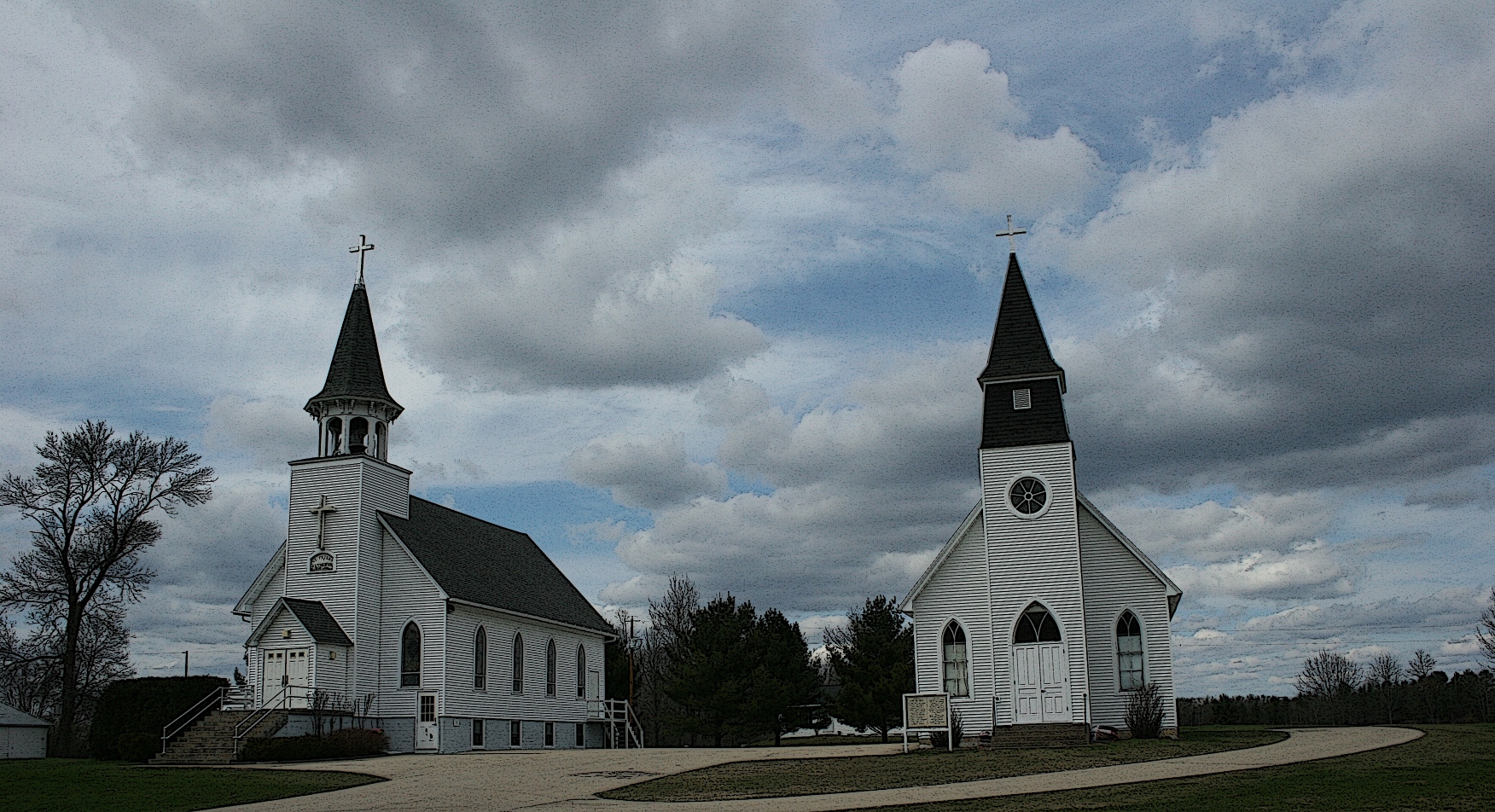
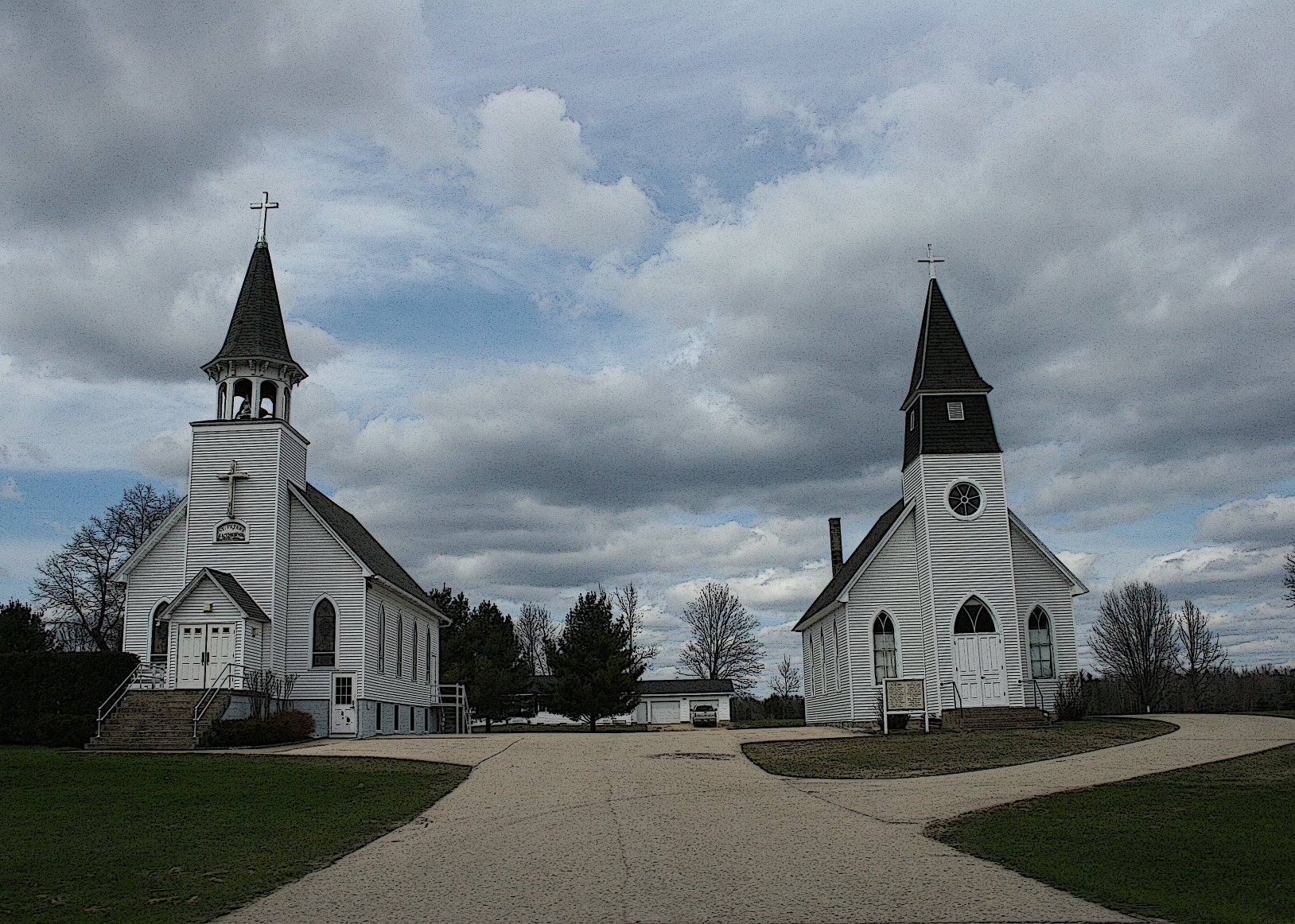
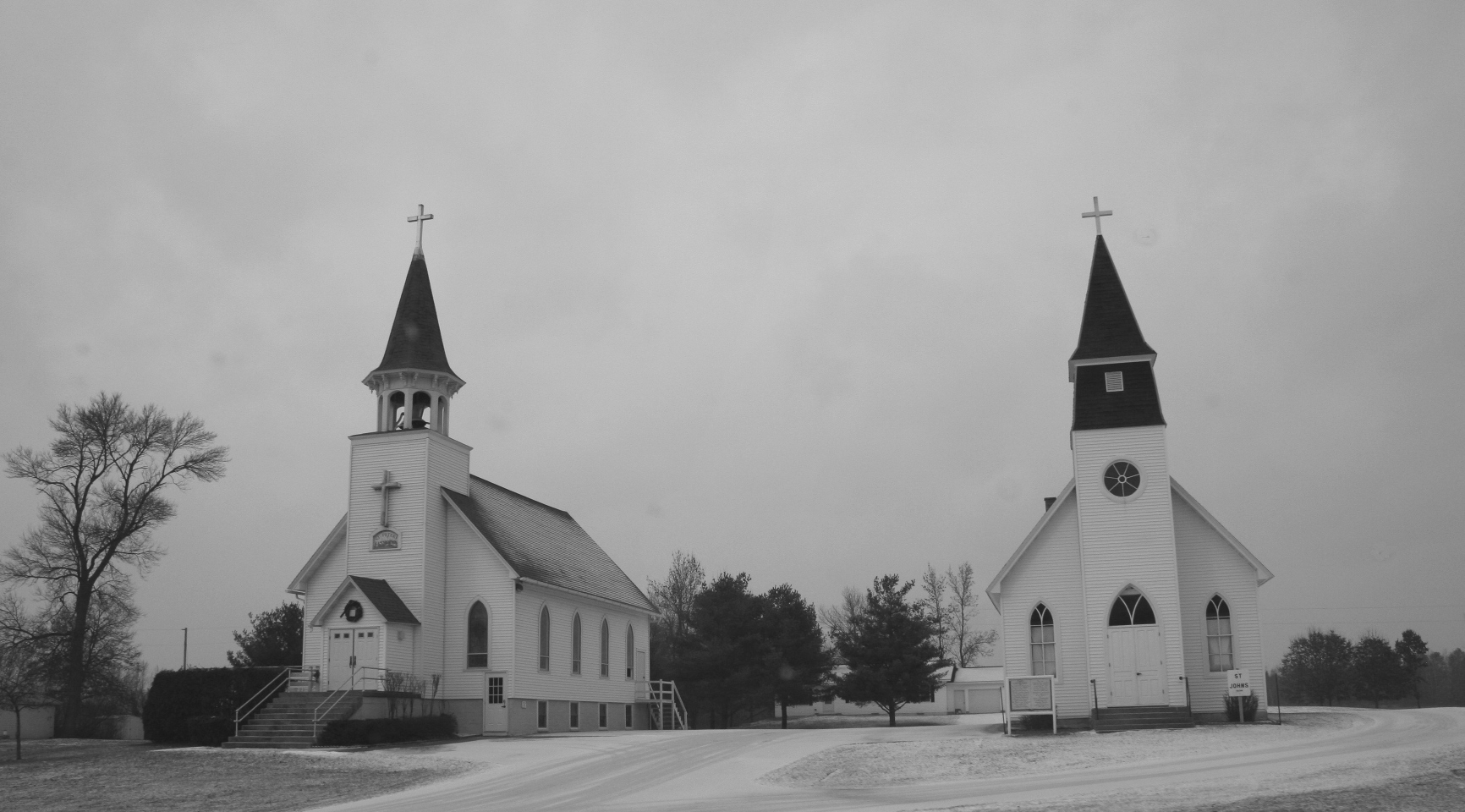
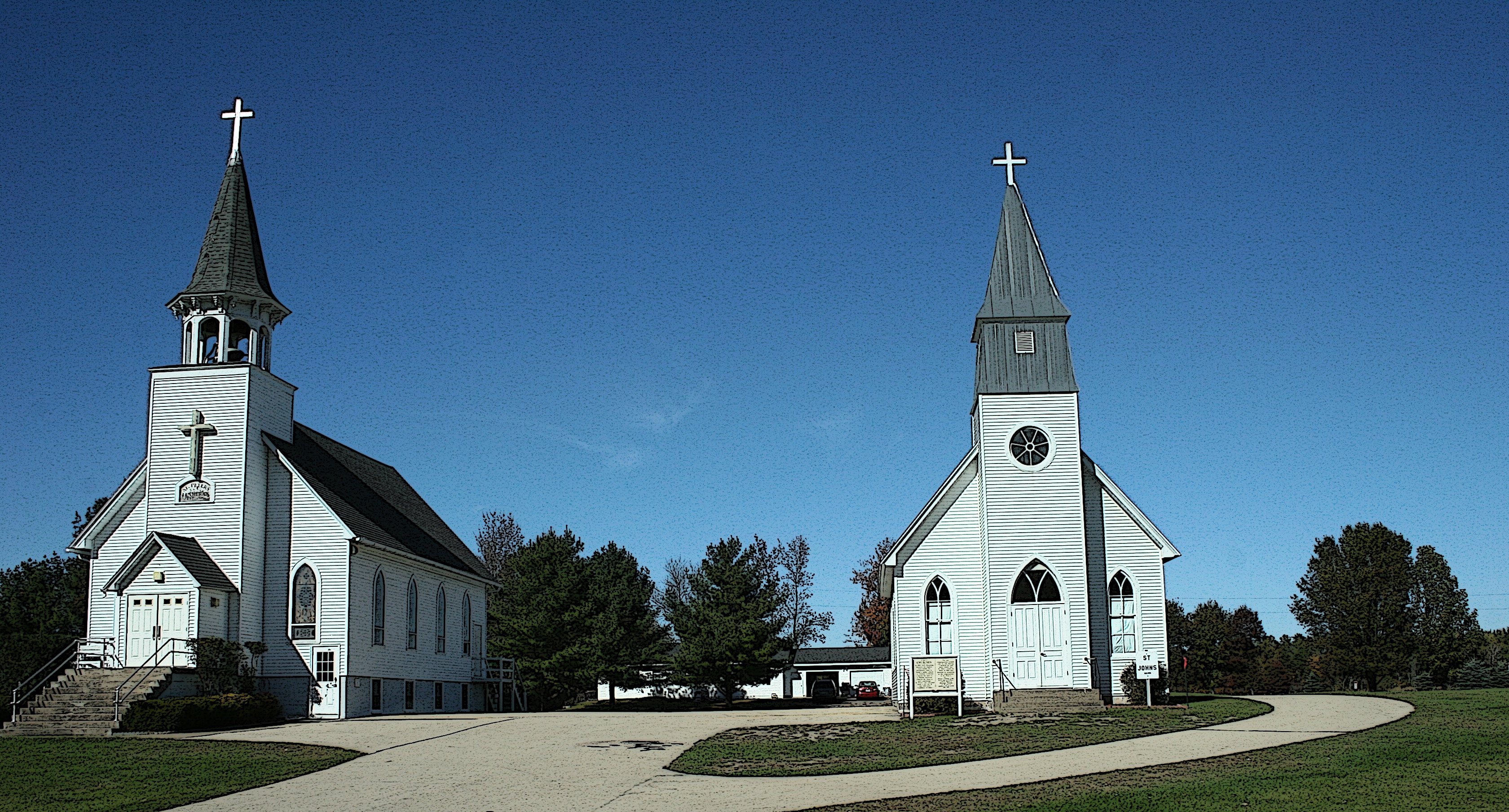
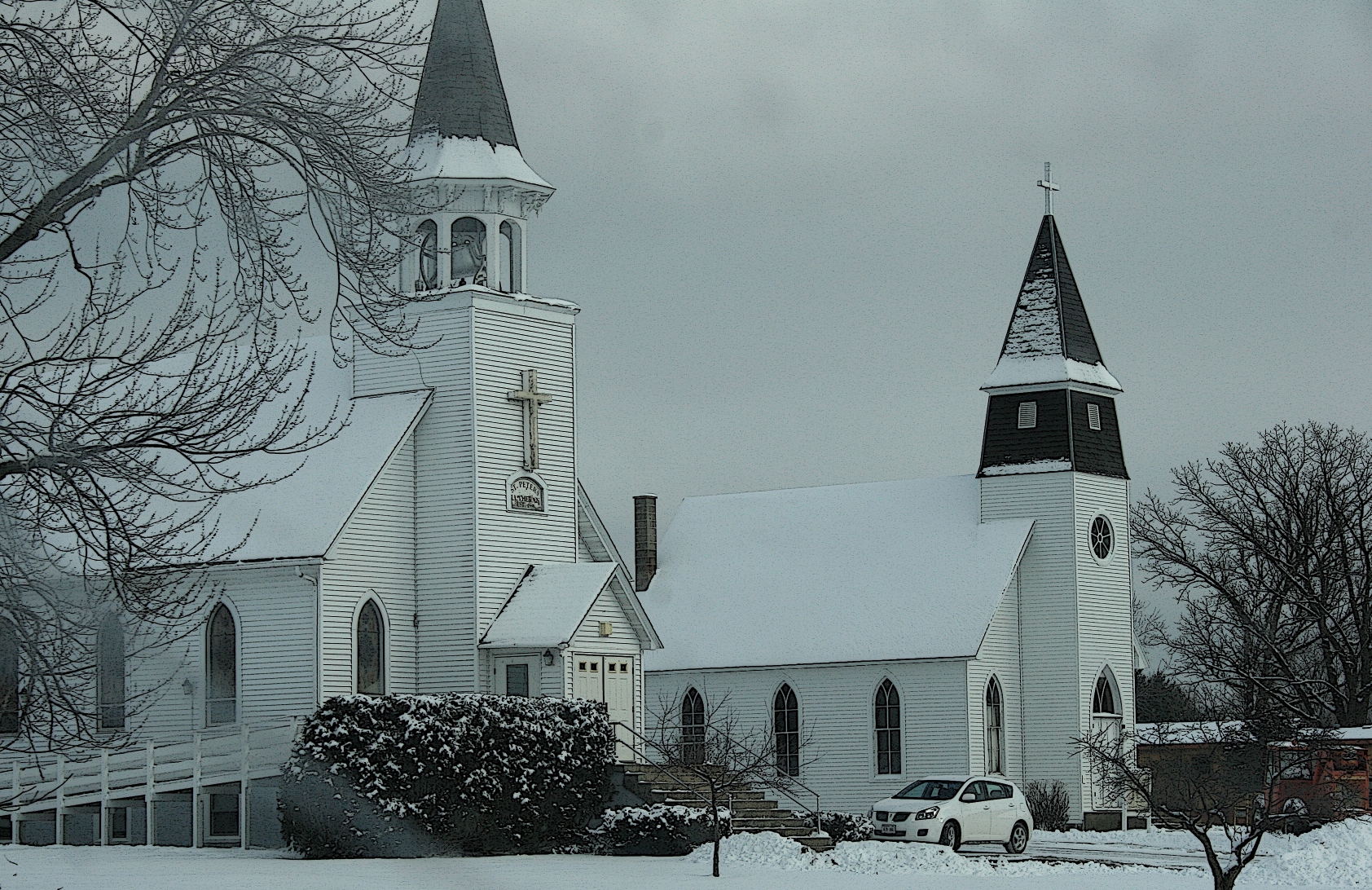
NUMEROUS TIMES I’VE PHOTOGRAPHED these side-by-side country churches along Wisconsin State Highway 21 just west of Shennington:

Photographed while driving by in the winter of 2010.

Photographed while driving by in the winter of 2010.

Photographed while traveling by in the spring of 2011.

Photographed while traveling by in the spring of 2011.

Another shot of the two churches taken in spring 2011.

Another shot of the two churches taken in spring 2011.

Several months later, in December 2011, I snapped this image.

Several months later, in December 2011, I snapped this image.

My most recent photo, shot on Sunday afternoon, October 13, 2013.

My most recent photo, shot on Sunday afternoon, October 13, 2013.

Beautiful, aren’t they? St. John’s and St. Peter’s Lutheran. German and Danish.

Not once have I stopped to investigate why two houses of worship, seemingly from the same time period, are separated only by a cement parking lot.

I should stop, shouldn’t I?

For now, though, I must rely on information published on Waymarking.com. Because that info is copyrighted, you’ll need to click here to read what I learned.

Every place has a story.

If you know anything about these two churches, please submit a comment so that we can all learn more. I’m certain there are stories to be told.

© Copyright 2013 Audrey Kletscher Helbling


Remembering my mother-in-law, Betty October 18, 2013

Filed under: Uncategorized — Audrey Kletscher Helbling @ 6:00 AM
Tags: , , , , , , , ,
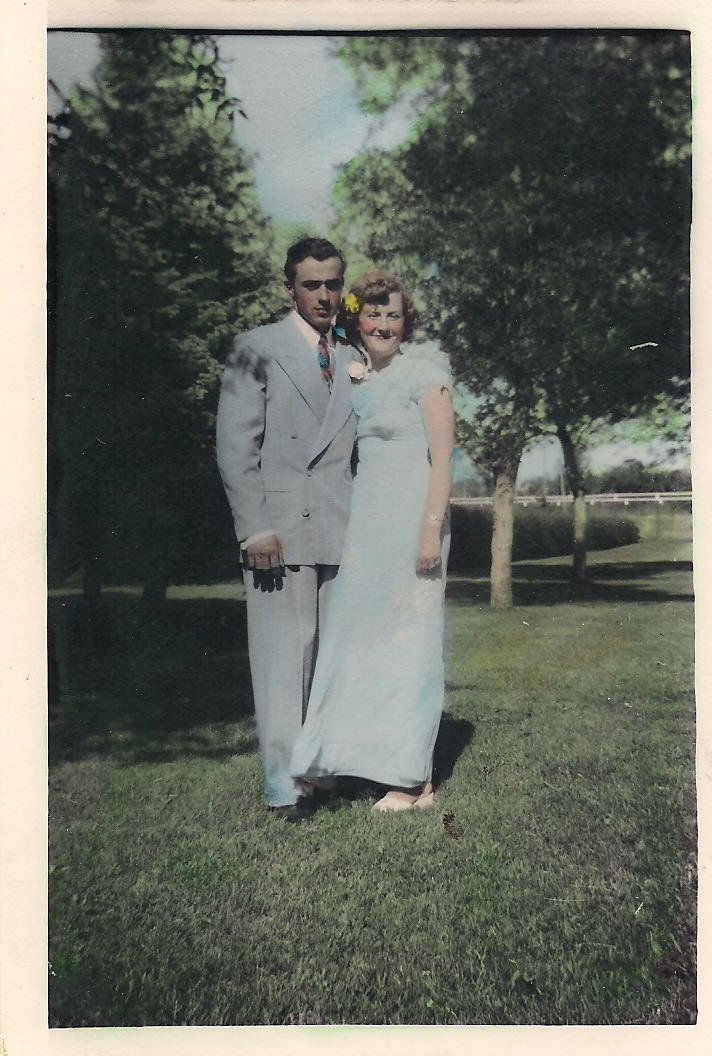
Tom and Betty

Tom and Betty in a vintage photo, date unknown.

YOU THINK YOU WILL ALWAYS REMEMBER.

But then the years, the decades, slip by and the memories begin to fade.

You can’t picture their smile, hear their voice, recall their mannerisms.

Twenty years ago on October 16, my mother-in-law, Betty Helbling, died after suffering a heart attack the previous evening. She was just weeks shy of turning sixty.

I still remember that phone call around 9 p.m. on a Friday. Not every detail. Not even who phoned with the devastating news that my husband’s mother was in the hospital. Alive. But not alert.

I remember the request that we drive northwest to Little Falls several hours away. But the hour was late, the fog as thick as the proverbial pea soup making travel impossible for my husband and me and our two daughters, ages seven and five.

To add to the concern, I was five months pregnant with our youngest, the baby Grandma Helbling hoped was a boy after a long string of granddaughters. I knew, for my unborn child’s sake, that I needed to remain as emotionally unstressed as possible, which was impossible given the situation.

It was a mostly sleepless night of tossing and turning, of prayer and worry. By morning we were making phone calls—me to my mother, another to a dear friend and my husband to the local Red Cross to get his brothers and a sister-in-law home from their respective military bases, one as far away as Germany.

We packed and left Faribault. By then, before our arrival, Betty had already passed.

Those next days on the family farm were a blur of grief and of condolences, phone calls and visits, food and family hugs. The wake and funeral and burial. I remember seeing my husband cry, for the first and only time. Ever.

Today, two decades later, I am thinking of my mother-in-law, of the woman who never saw the grandson I birthed in early February 1994. She would have loved my son, knitted him a baby blanket or a blue sweater or something equally adorable like she had for Caleb’s sisters. It saddens me to think that Betty never saw the grandson she so badly wanted to carry on the Helbling family name. It saddens me that my now 19-year-old never knew his paternal grandmother.

But I still have the memories, one occurring only weeks before her death, when we all gathered on the farm to celebrate the 40th wedding anniversary of my in-laws. I arose in the middle of the night to pee, descending the stairs to the first floor bathroom in the dark of a country night. I’d just settled onto the toilet when movement, that of a mouse, caught my eye. I hate mice, just hate them. And there I was, pregnant and stuck in a small bathroom with a mouse circling my feet. I could see no way out.

I calmed myself down between shrieks of fear, which I tried to hold in, not wanting to awaken the entire household. But apparently I was loud enough to rouse my mother-in-law. She simply thought I was in the bathroom with a sick child and did not investigate.

Eventually, after climbing onto the bathtub, I grabbed a pile of wet bath towels from the floor, tossed them onto the menacing mouse and fled up the stairs to my still sleeping husband.

That is the last memory I associate with my mother-in-law.

Tom and Betty. This may be from their 40th anniversary party, although I am not sure.

Tom and Betty. This may be from their 40th anniversary party, although I am not sure.

But there are other memories—that of a competitive Scrabble player who could beat me, the master of words. I loved the challenge of playing Scrabble with Betty, even if she usually won.

Cooking wasn’t her strength, but she made the best darned chicken and caramel rolls.

Once my husband, brother-in-law Neil and I rummaged through Betty’s cupboards while she was gone, seeking to spice up her bland hotdish baking in the oven. When a sister-in-law later praised the tastiness of the dish, we three could barely contain our laughter as Betty attributed the flavor to a dash of Mrs. Dash seasoning.

Four generations: Great Grandma Katherine Simon holding my daughter, Amber, with my mother-in-law behind them beside my husband, Randy. Photo taken in July 1986 at a family picnic, Pierz, Minnesota.

Four generations: Great Grandma Katherine Simon holding my daughter, Amber, with my mother-in-law, Betty, behind them beside my husband, Randy. Photo taken in July 1986 at a family picnic in Pierz, Minnesota.

I knew my mother-in-law for only 11 years. Not very long really. But long enough to know that she was a woman of deep faith who loved God and family. Above all.

On Thursday, October 16, 2013, twenty years after her death, Betty was joined in heaven by her brother, Steve.

Blessed be the memories of those we loved and those who loved us, sometimes even before we were born.

© Copyright 2013 Audrey Kletscher Helbling


In Wisconsin: A quick stop at a Tomah cranberry farm October 17, 2013

Filed under: Uncategorized — Audrey Kletscher Helbling @ 6:00 AM
Tags: , , , , , , , , ,
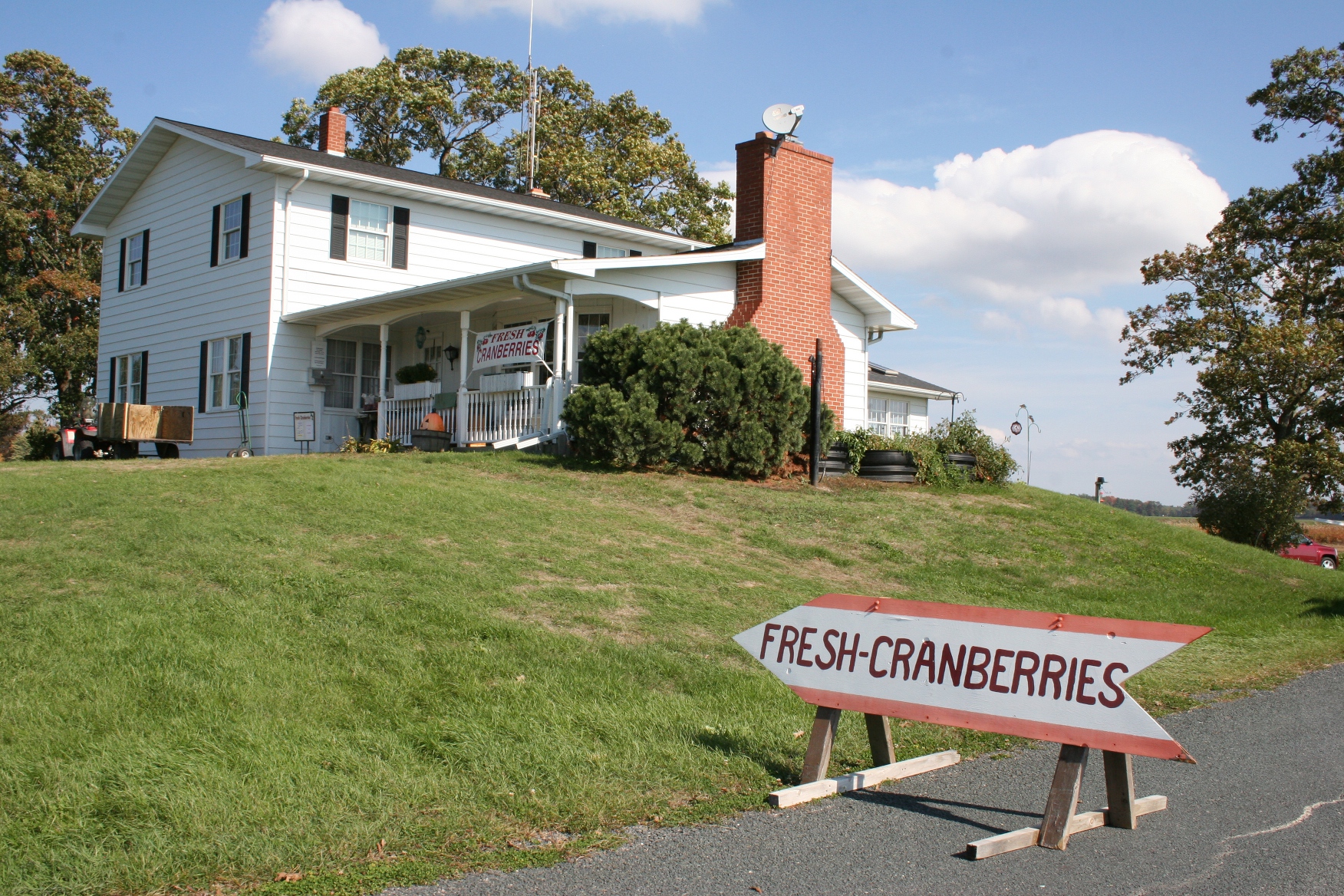
A sign at the Rezin farm points to the cranberries on the porch.

At the end of the road, a sign points to cranberries on the porch at the Rezin farm.

THE “FRESH CRANBERRIES” SIGN grabbed our attention along State Highway 21 just east of Tomah in the heart of Wisconsin cranberry country.

So my husband slowed the van in a flash and turned onto a side road to North Tomah Cranberry Co. operated by John Rezin & Sons. Randy loves cranberries. Me, too. As juice or in pie. You won’t see me scooping cranberries onto my plate at Thanksgiving.

We’d never been on a cranberry farm nor purchased just harvested cranberries. So we were excited—or at least I was to photograph a true Wisconsin cranberry farm.

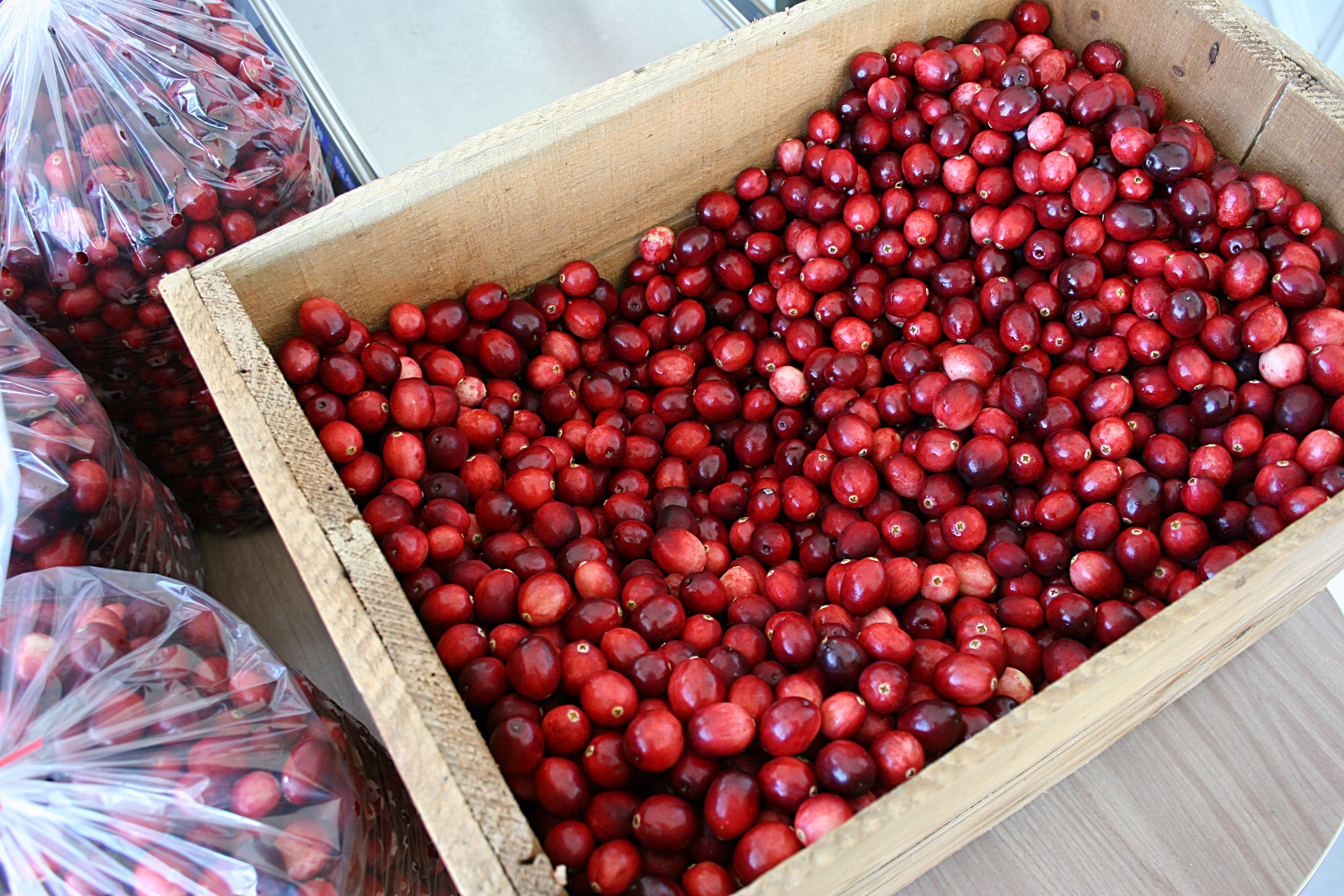
Fresh cranberries direct from the bogs.

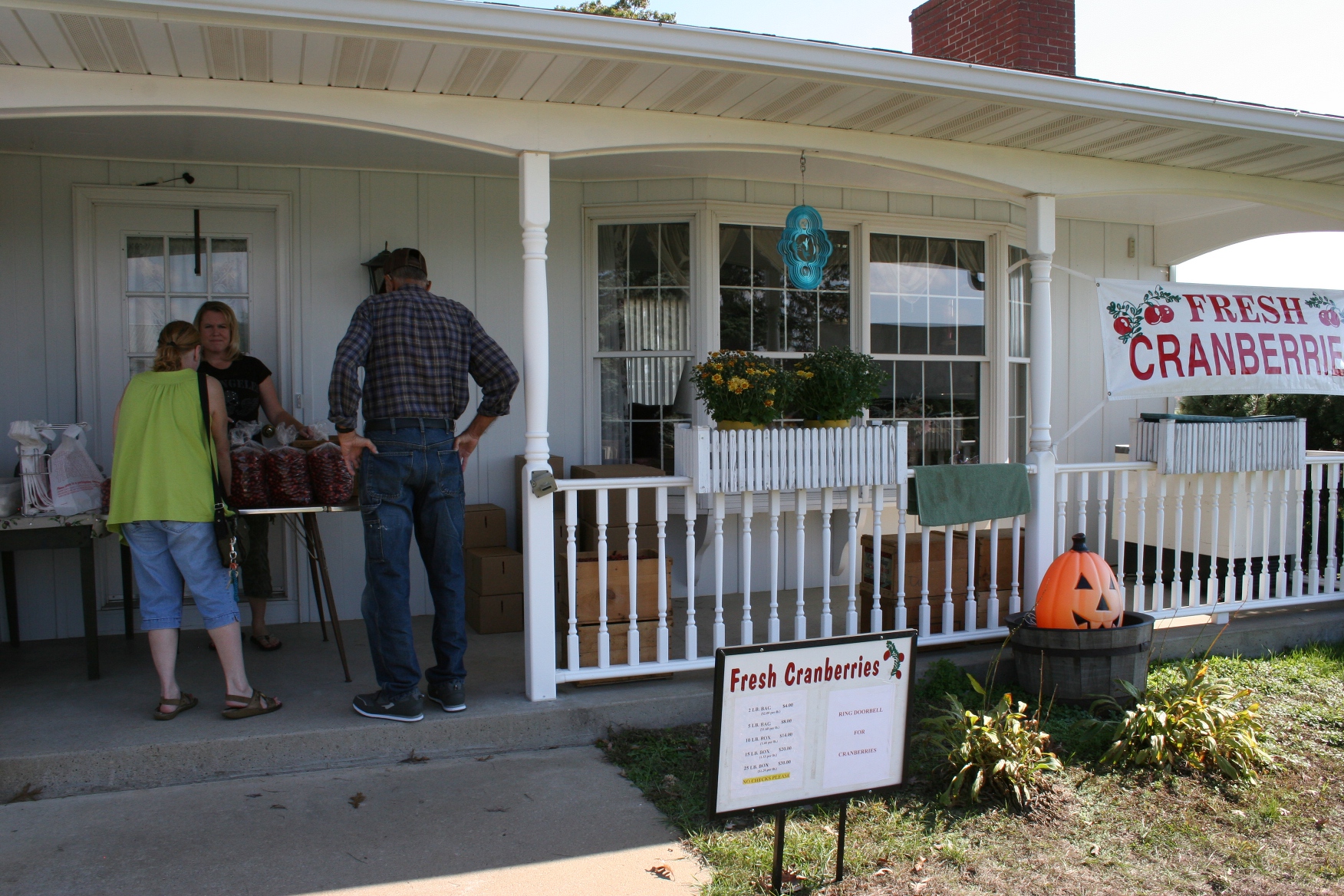
Farm fresh cranberry pricing

Teresa Rezin waits on customers.

Teresa Rezin waits on customers.

Teresa Rezin met us on the farmhouse side porch before we could follow the “RING DOORBELL FOR CRANBERRIES” signage.

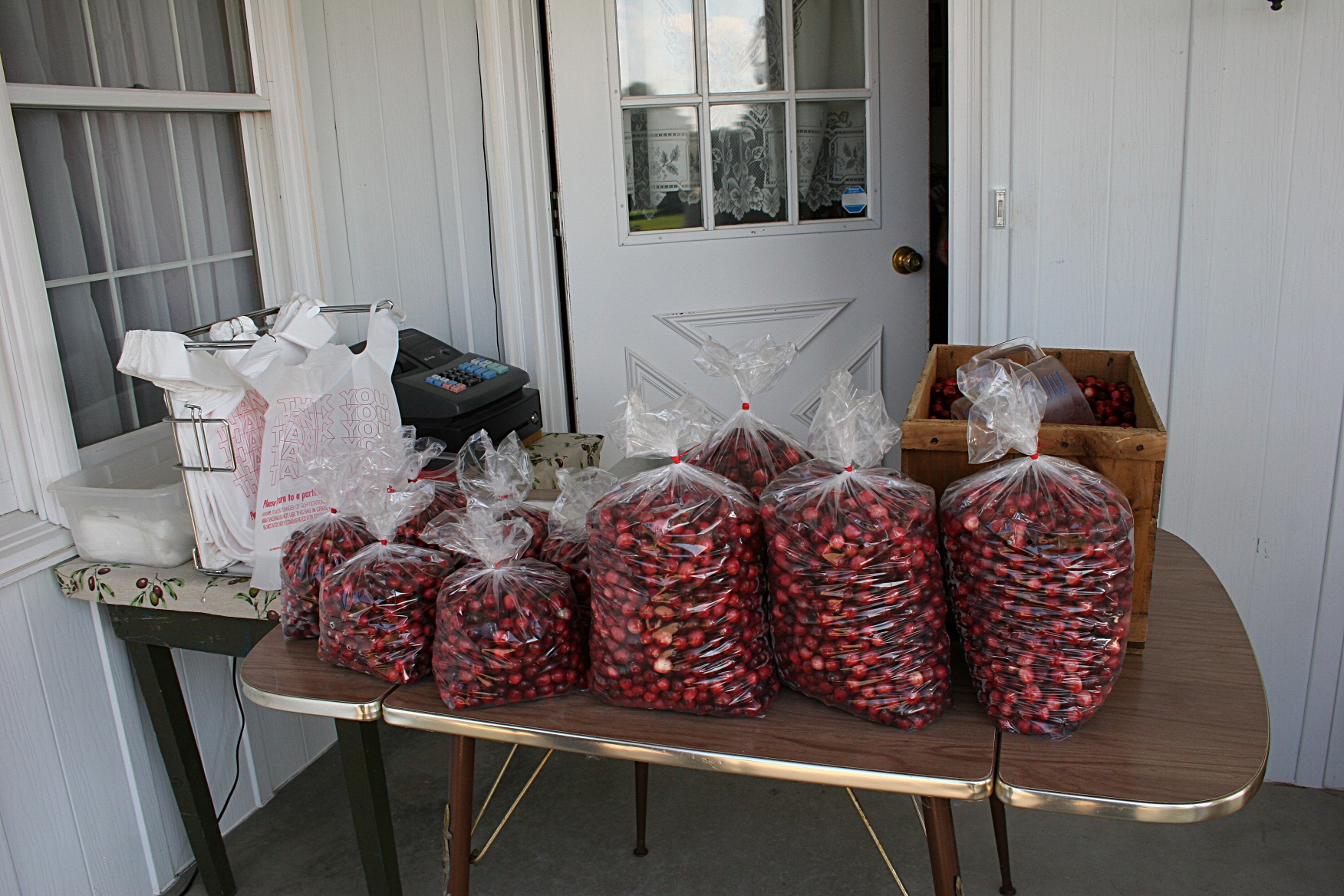
Cranberries bagged in various sizes await purchase.

Cranberries bagged in various sizes await purchase.

Randy snapped up two pounds of berries for $4, later wishing he’d bought five.

Beautiful fresh cranberries for sale.

Beautiful fresh cranberries for sale.

The next customer purchased 30 pounds—for cranberry wine. I wish I could have followed that woman home to learn about cranberry wine making. I’ve sipped and savored cranberry wine from Wisconsin.

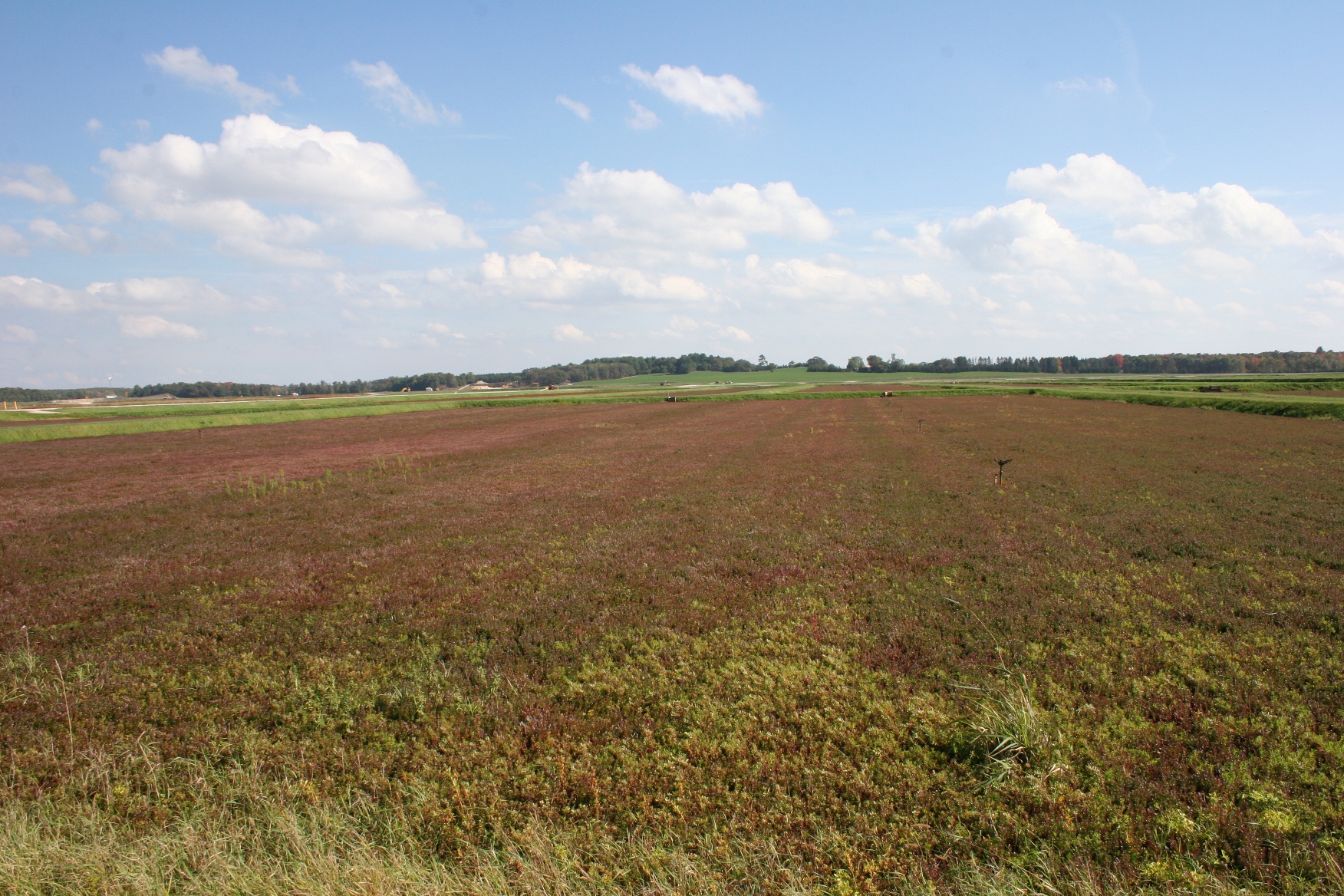
One of the many cranberry fields.

One of the many cranberry fields.

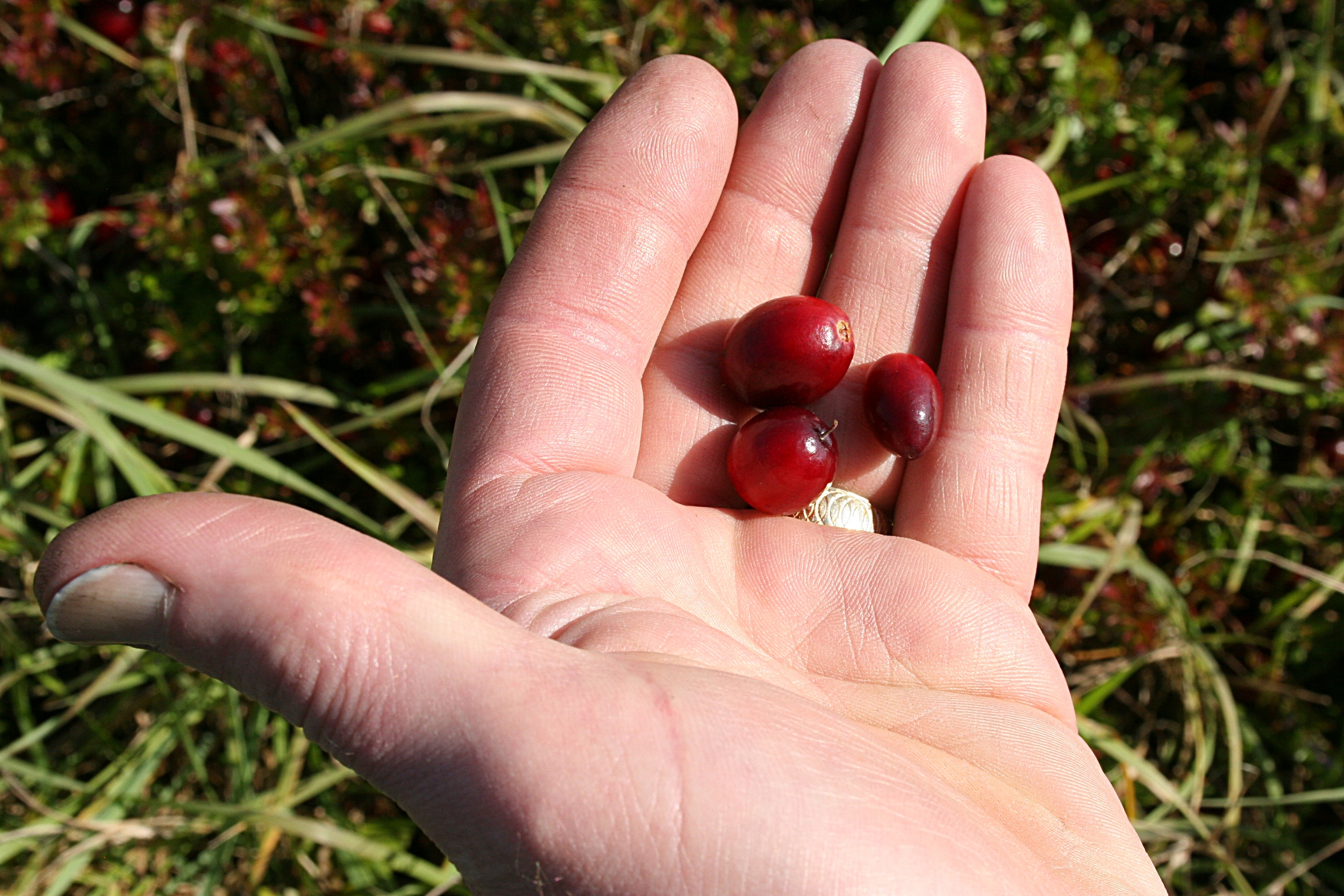
Randy pushes aside leaves and stems to reveal the cranberries on the low-lying plants.

Randy pushes aside leaves and stems to reveal the cranberries on the low-lying plants.

Just-picked cranberries.

Just-picked cranberries.

Instead, under Teresa’s direction and welcome, Randy and I headed over to the cranberry fields for a quick look at how cranberries grow. I had no idea. None. I expected waist high bushes ripe with red orbs. Instead, we discovered cranberries clinging to earth-hugging plants.

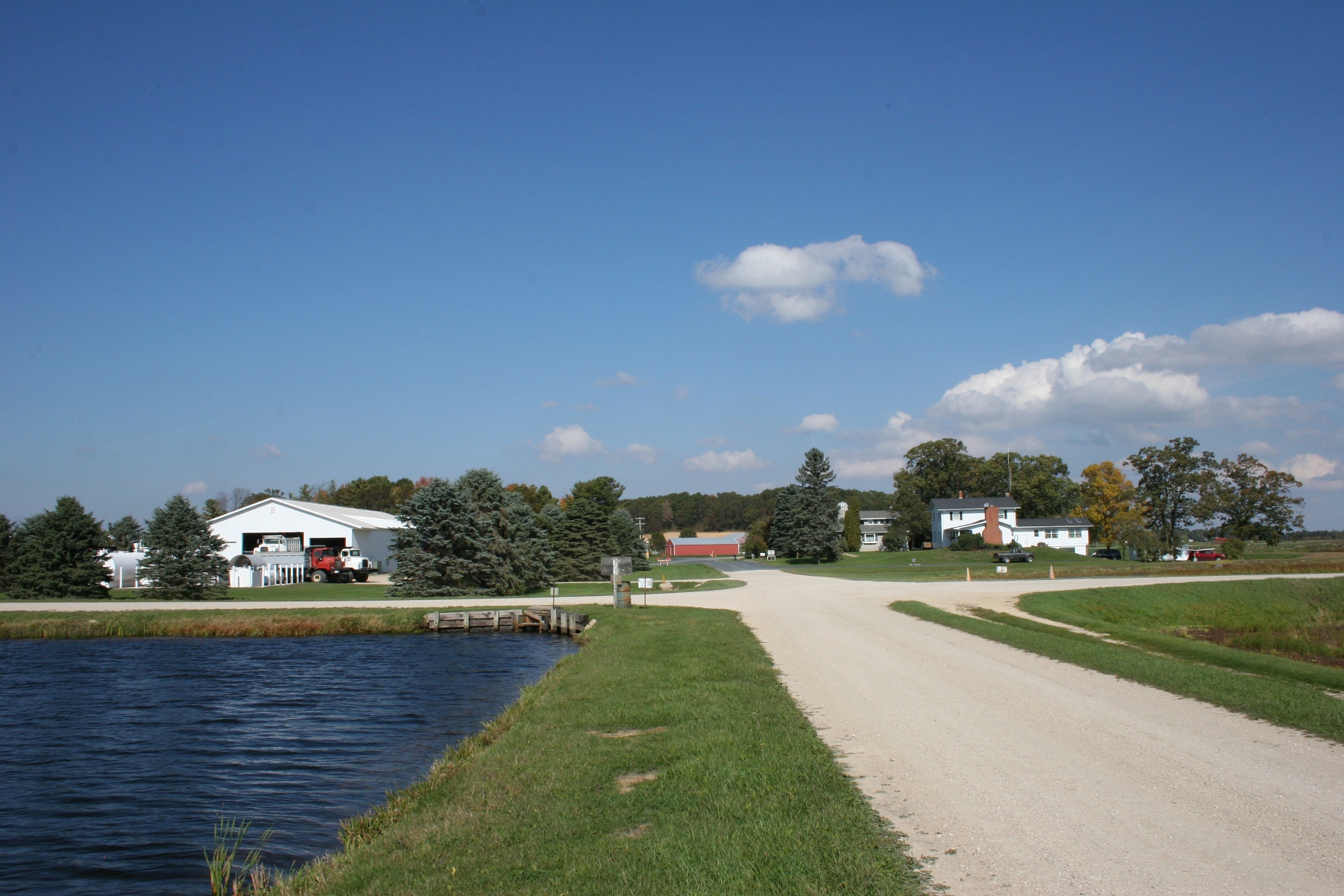
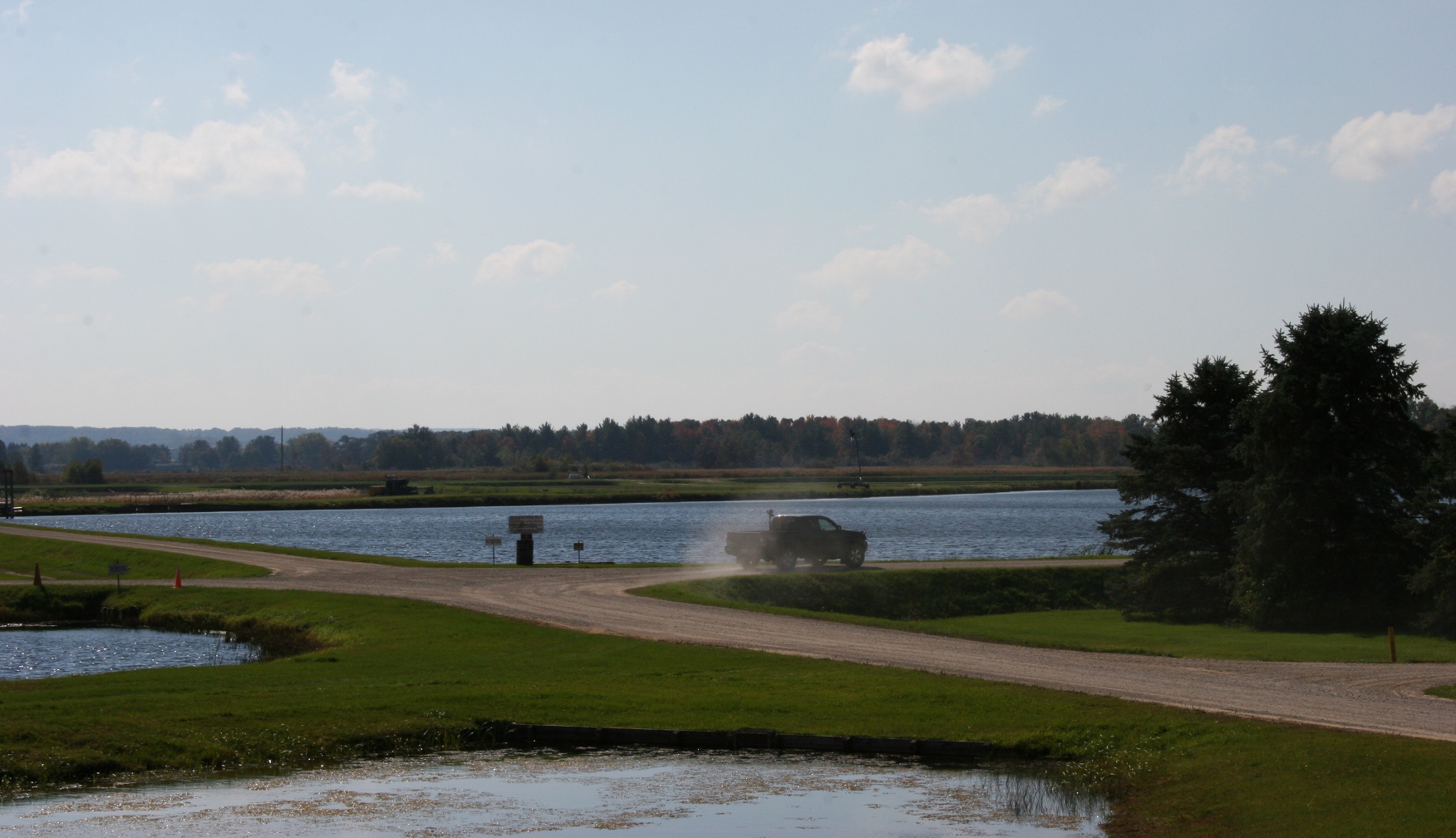
In the distance lies the farm site; to the right the cranberry fields; and to the left, the lake/water for flooding the fields.

In the distance lies the farm site; to the right the cranberry fields; and to the left, the lake/water for flooding the fields.

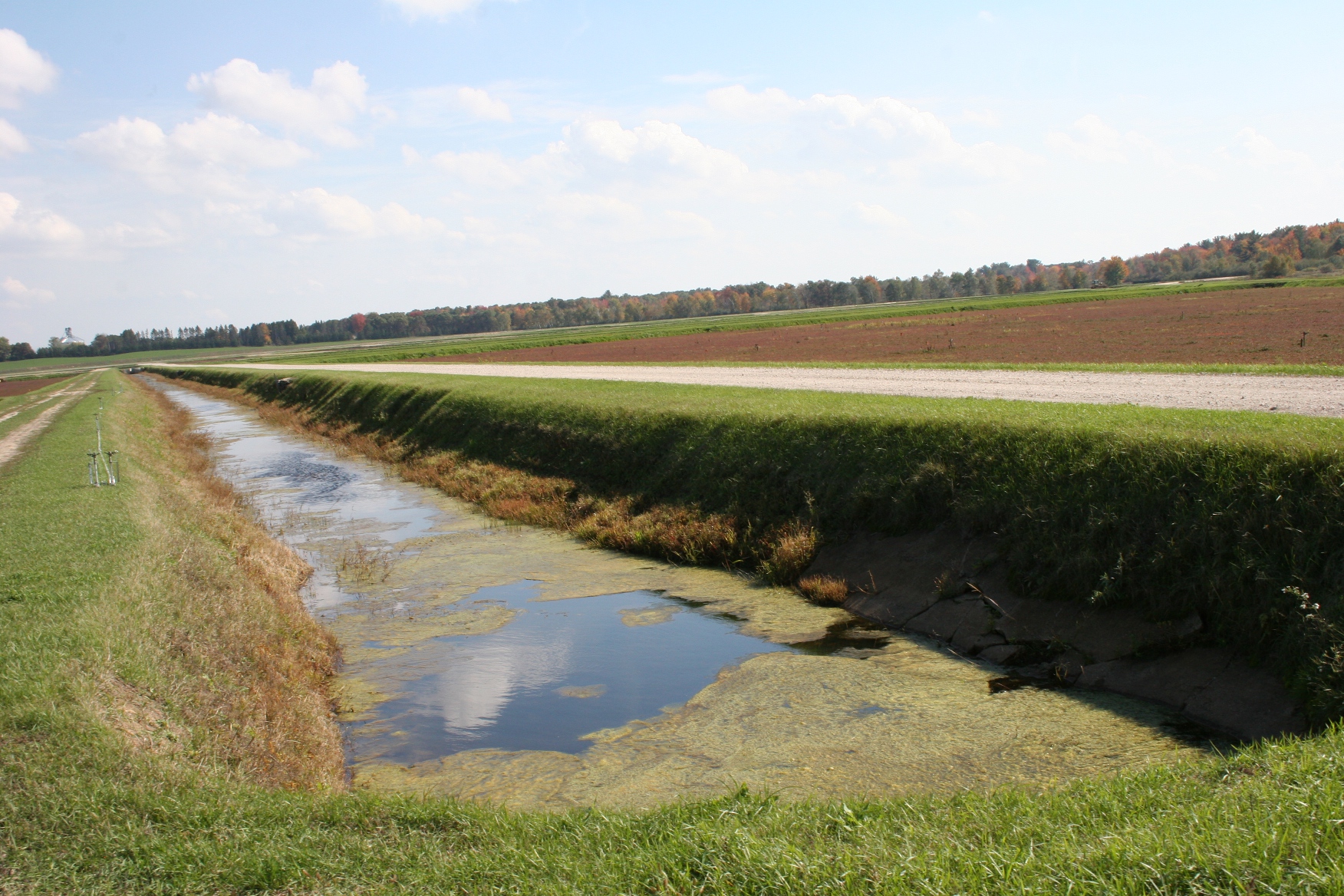
A water channel.

A water channel and cranberry fields to the right.

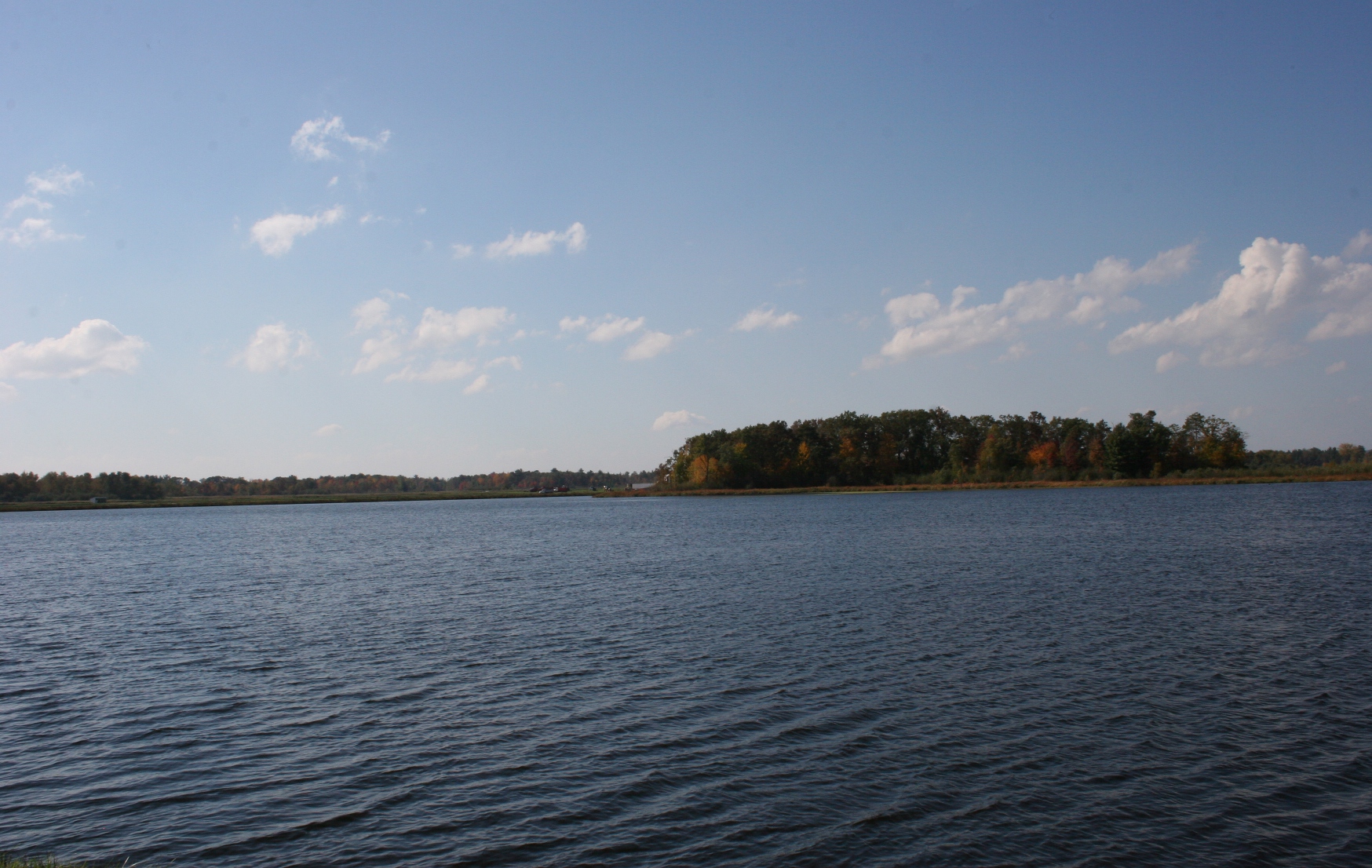
The "lake" across the road from the cranberry fields.

The “lake” across the road from the cranberry fields.

A gravel road separated the cranberry field from a small lake size body of water used to flood the cranberries at harvest. This we deduced on our self-guided quick tour.

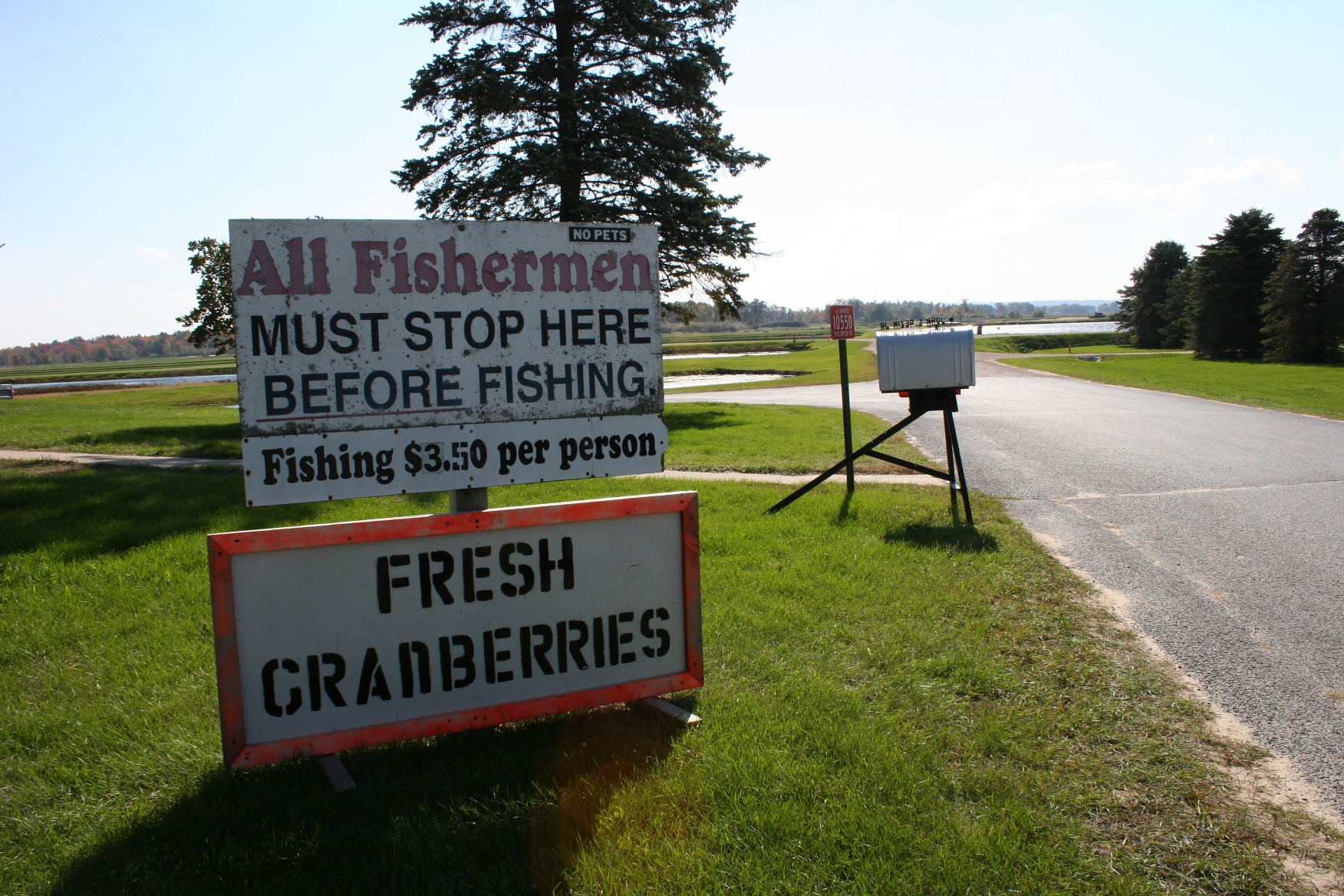
Cranberries and fish.

Cranberries and fish.

For $3.50 a day, fishermen/women can fish here, too. Northerns and bass, maybe more. I didn’t ask. What a smart dual usage of water.

We didn’t press Teresa for an educational tour. So our knowledge of how a cranberry farm operates is still minimal.

But at least now I know cranberry plants grow close to the ground.

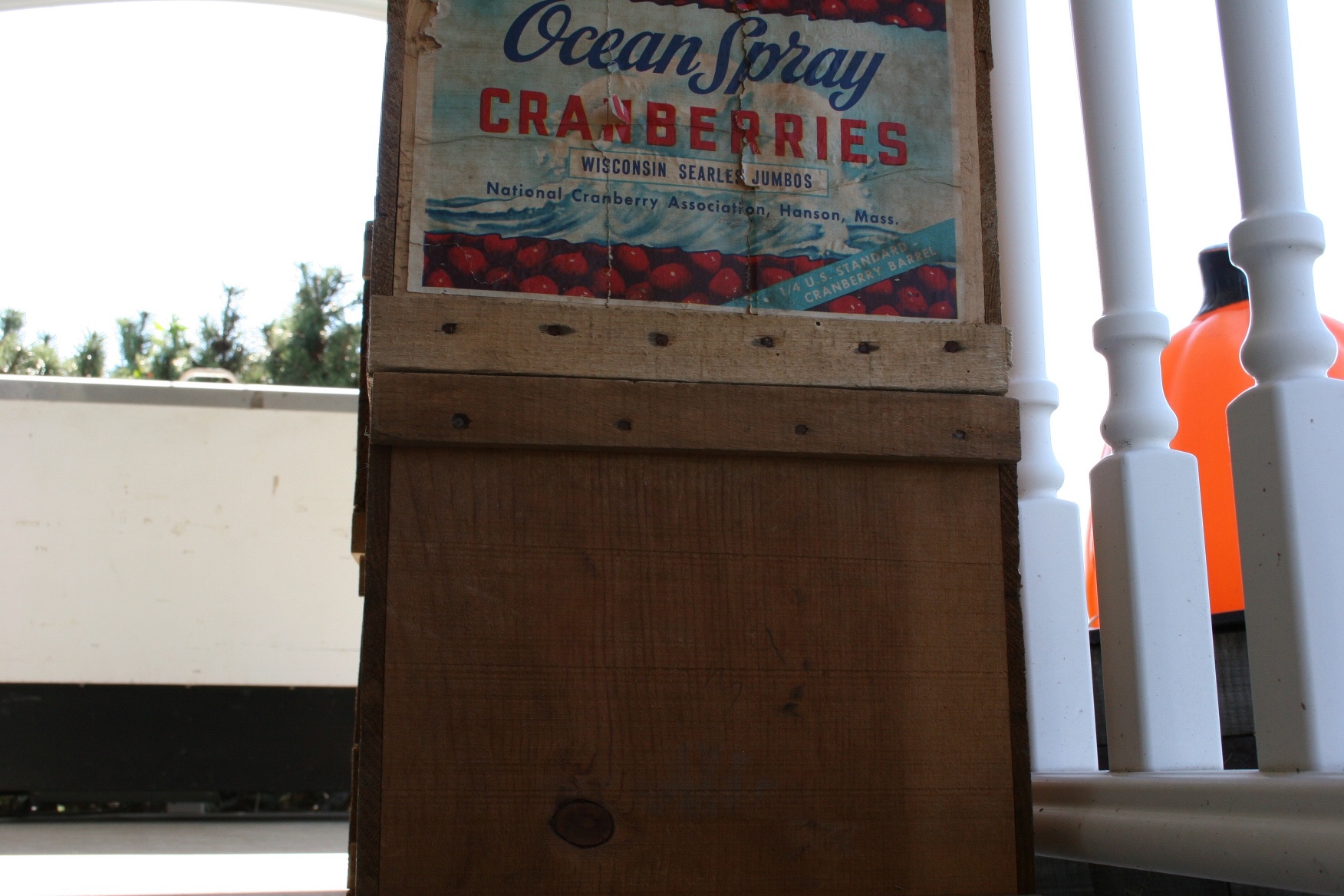
Loved these cranberry crates on the farmhouse porch.

Loved these cranberry crates on the farmhouse porch.

FYI: North Tomah Cranberry Co. berries go to grower-owned Ocean Spray, located just down the highway from the farm. The Tomah processing plant produces 31 million pounds of sweetened dried cranberries and concentrate annually, according to Ocean Spray.

BONUS PHOTOS:

The direction Teresa pointed us for our brief tour.

The direction Teresa pointed us for our brief tour.

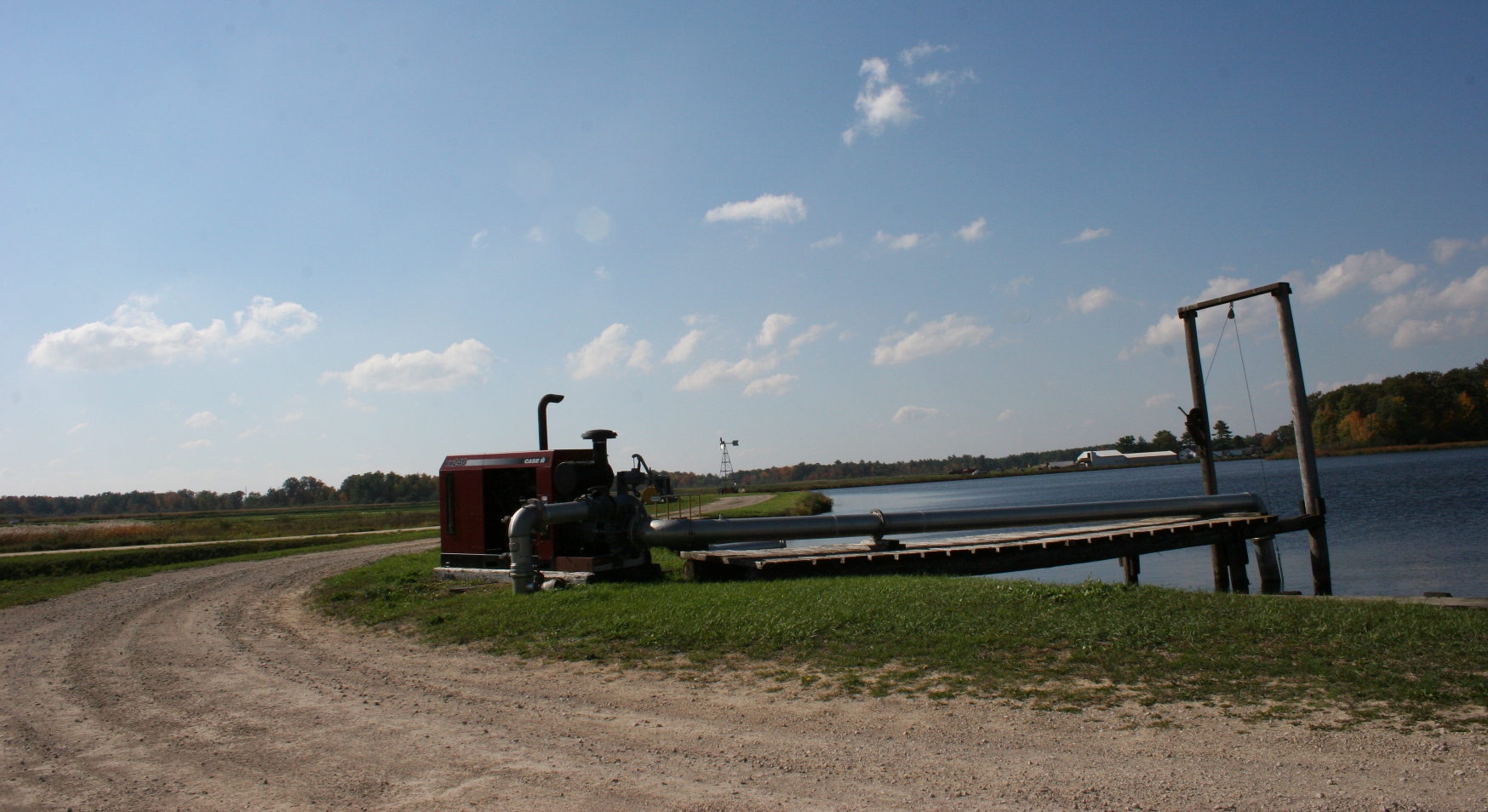
A water pump.

A water pump.

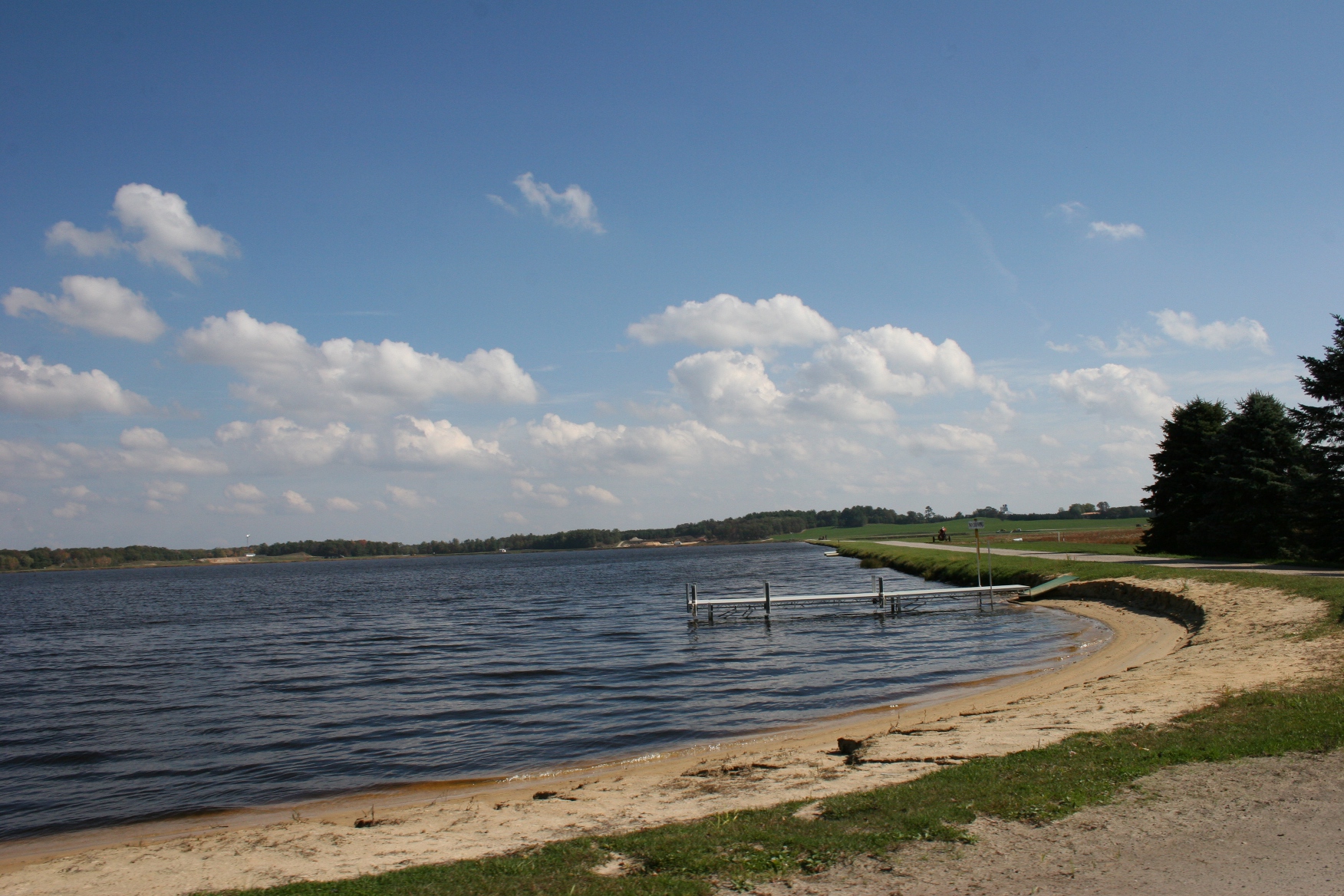
Another "lake," this one with a beach.

Another “lake” by the cranberry farm, this one with a beach.

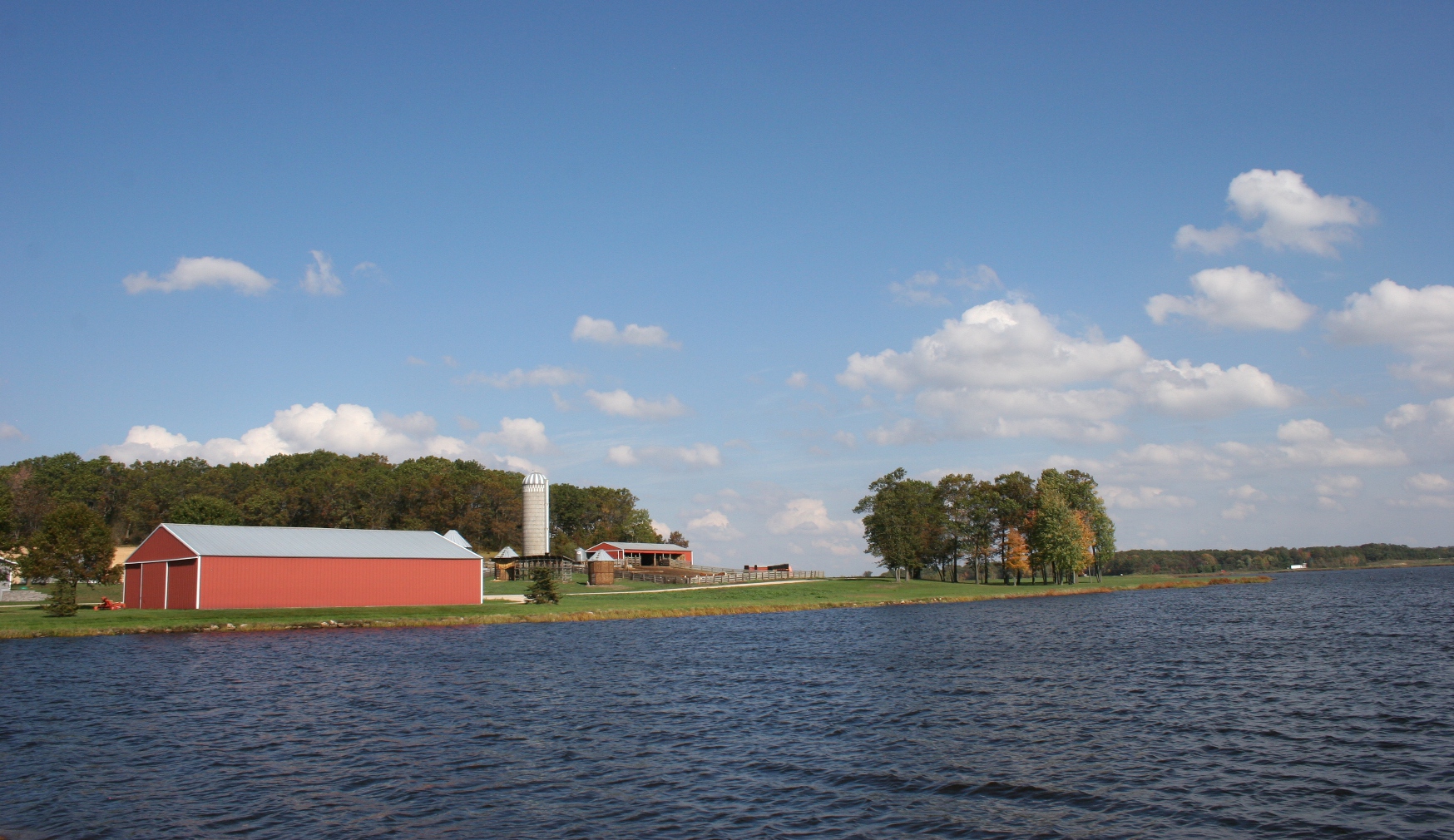
The farm site just to the north of the "lake" pictured above.

The farm site just to the north of the “lake” pictured above.

© Copyright 2013 Audrey Kletscher Helbling


Harvesting photo ops in rural Minnesota and rural Wisconsin October 16, 2013

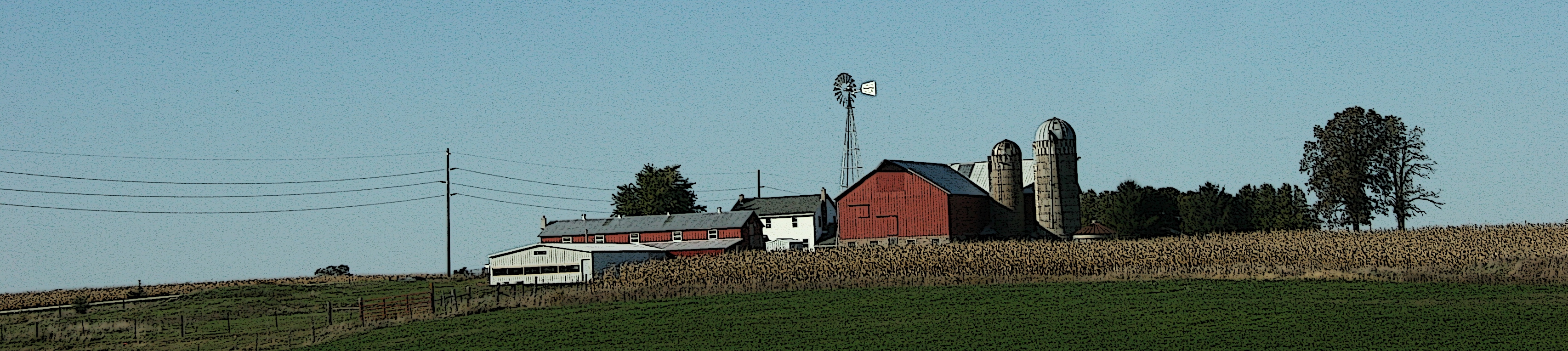
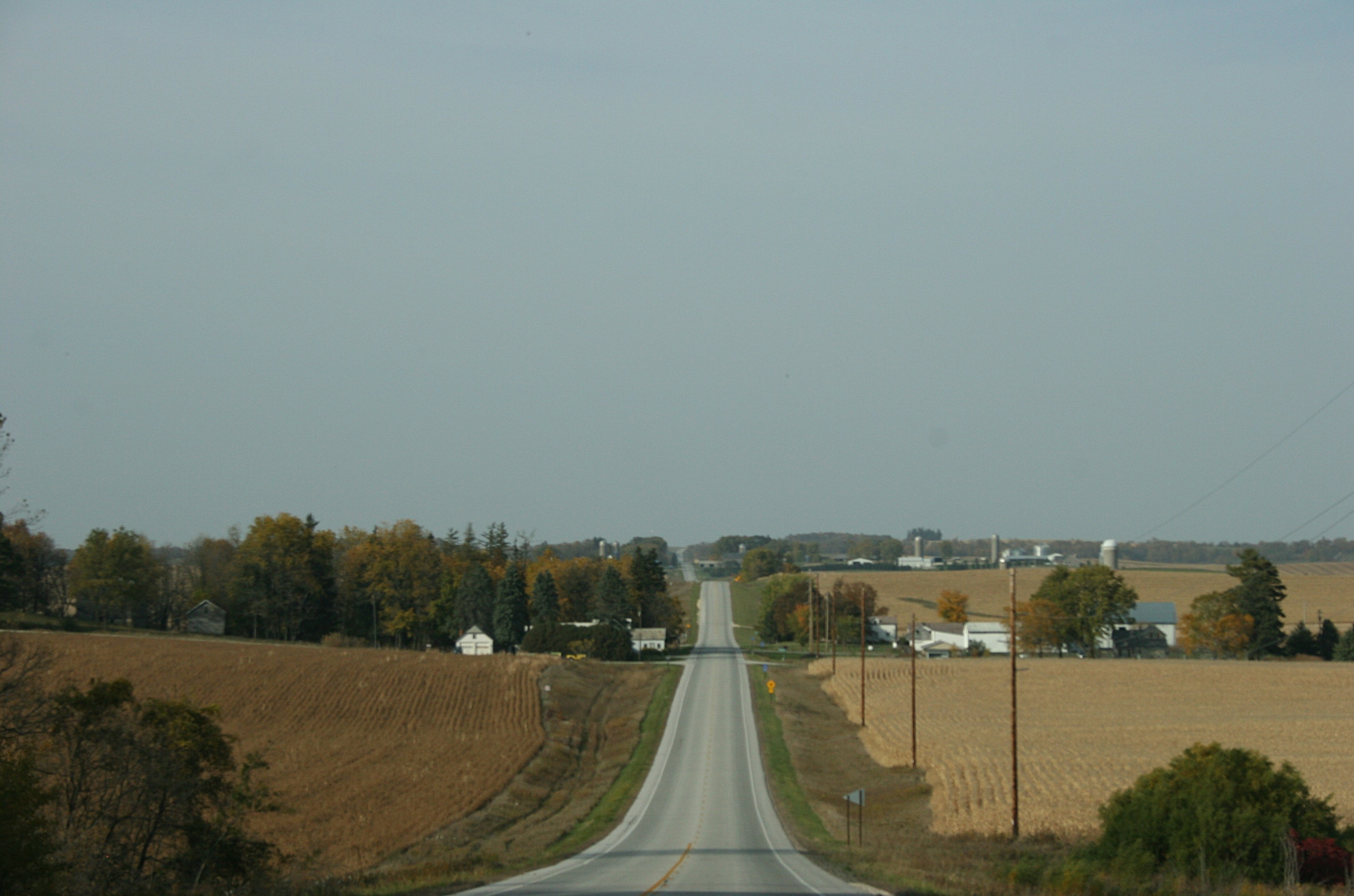
A rural scene along Minnesota State Highway 60 between Faribault and Zumbrota.

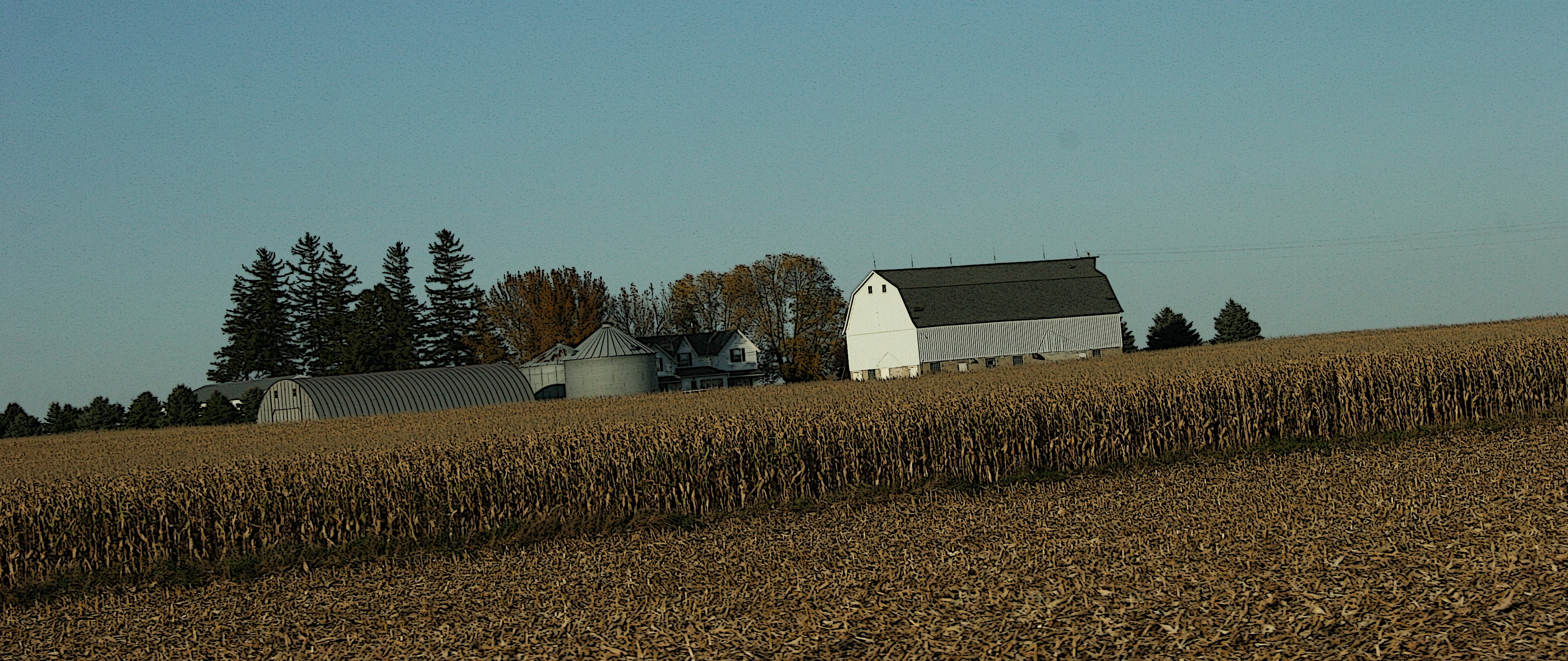
A cornfield awaits complete harvest along Minnesota State Highway 60 between Faribault and Zumbrota, Minnesota.

IT IS THE FORMER FARM GIRL that drives me to turn my camera toward the fields this time of year, to the harvest of corn and soybeans.

Harvest in progress near U.S. Highway 10 east of Appleton, Wisconsin.

Harvest in progress along U.S. Highway 10 east of Appleton, Wisconsin.

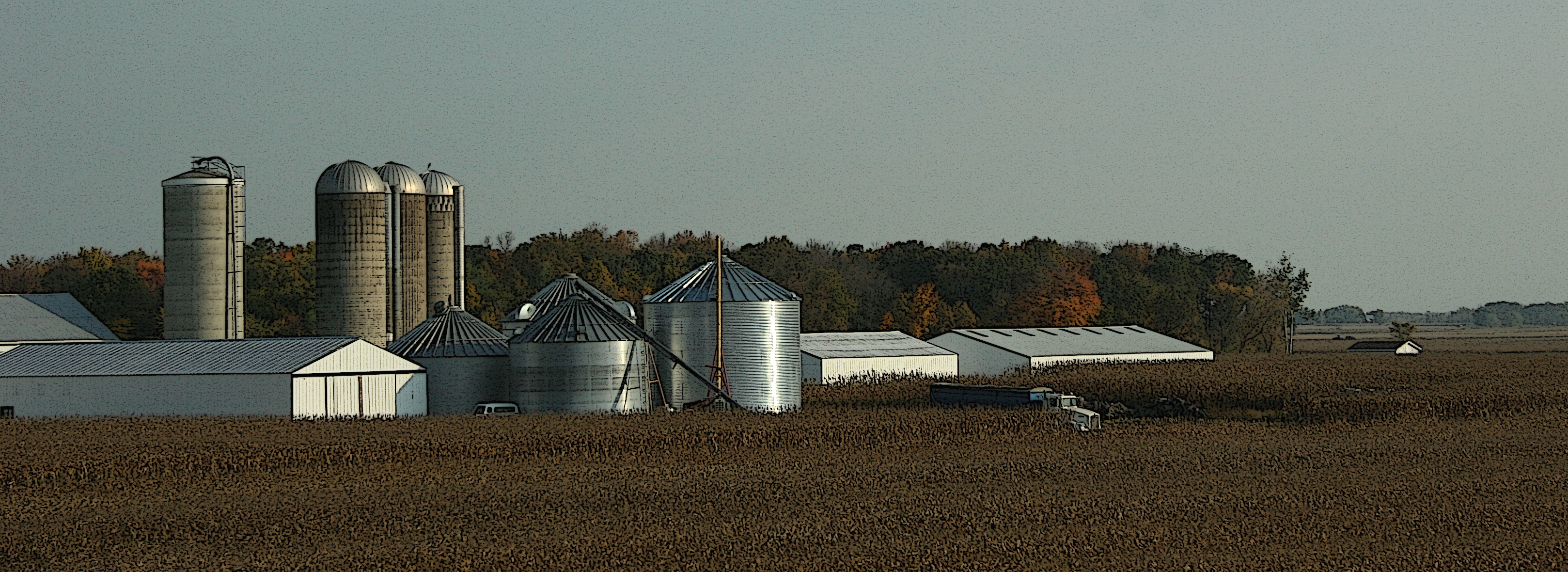
This past weekend provided the perfect opportunity to scope out the harvest on a 600-mile round trip through southeastern Minnesota across central Wisconsin to Appleton (just south of Green Bay) and back. Lots of windshield time with the husband. And lots of time to observe rural Wisconsin and rural Minnesota and capture those scenes with the quick click of my shutter button while passing by at highway speeds.

A scenic

A cornfield awaits harvest along Interstate 90 in southeastern Minnesota.

In most areas, corn fields have faded from green to a golden hue. Soybean fields likewise are transforming to the muted browns of autumn.

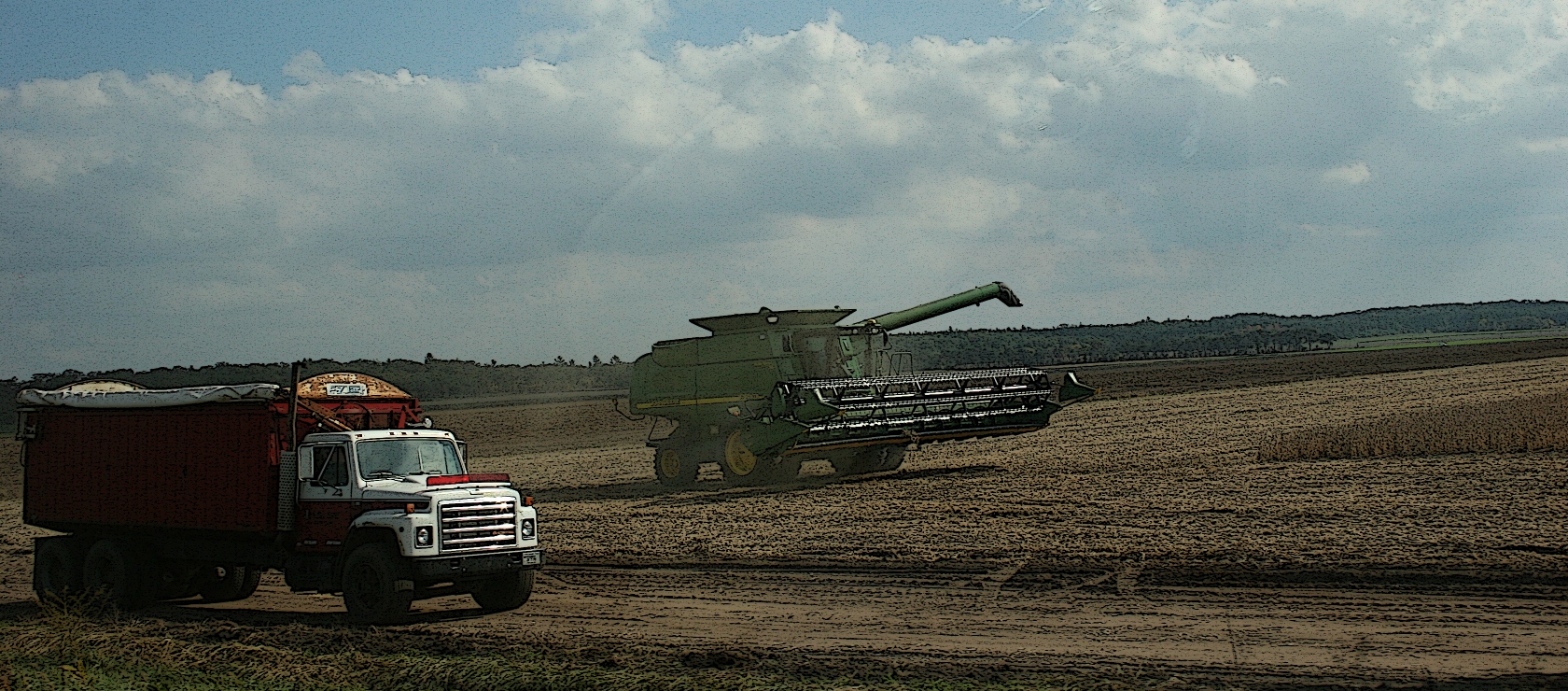
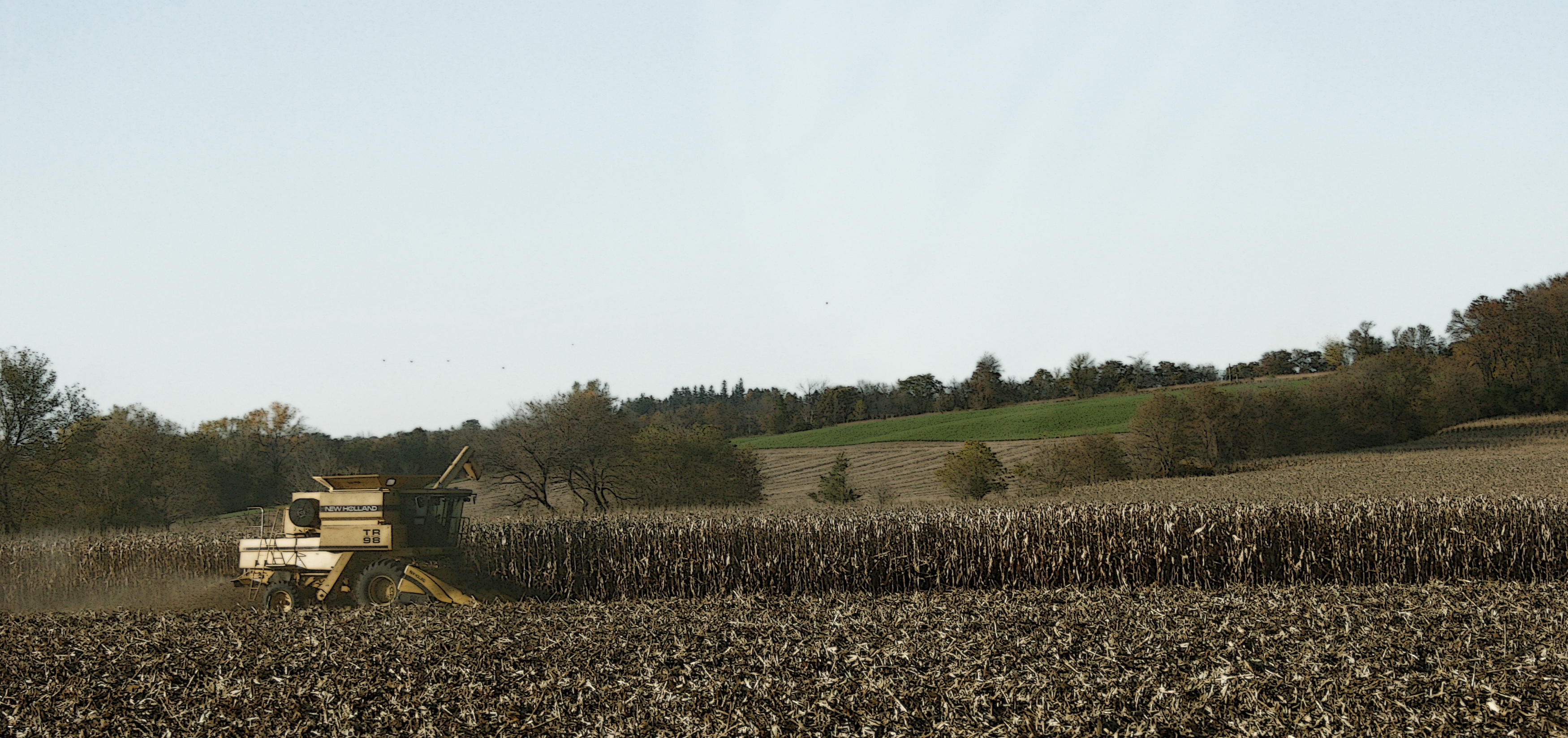
A combine works the land along U.S. Highway 52 north of Rochester.

A combine works the land along U.S. Highway 52 north of Rochester, Minnesota.

Combines kick up dust.

A vintage grain truck rolled out of storage and parked along side a southeastern Minnesota field.

A vintage grain truck parked along side a southeastern Minnesota field.

Grain trucks rumble out of storage.

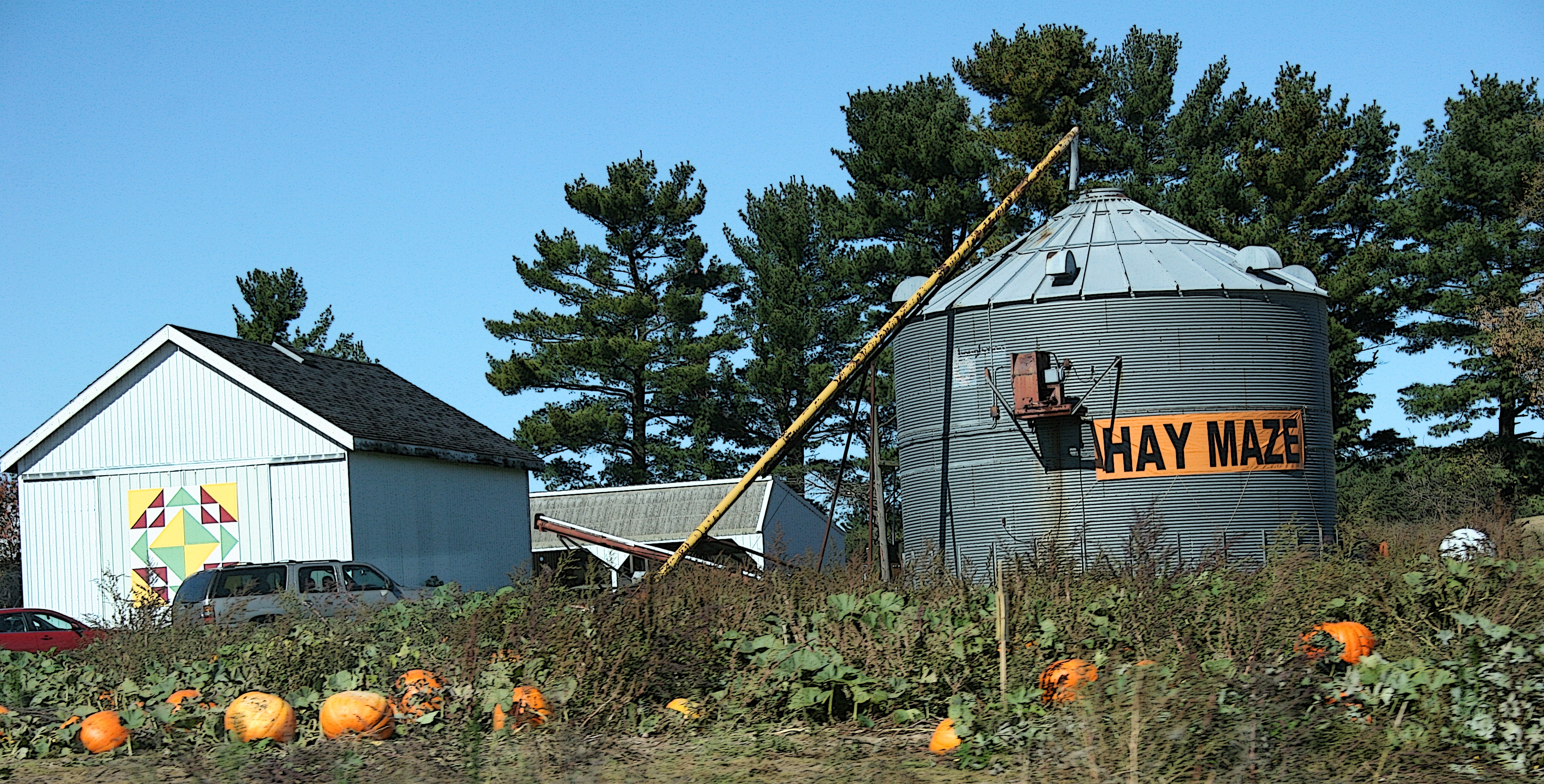
Lots of pumpkins harvested also and for sale, these along Wisconsin State Highway 21.

Lots of pumpkins harvested also and for sale, these along Wisconsin State Highway 21.

Hurry hangs heavy.

Bringing in the crop along Wisconsin State Highway 21.

Bringing in the crop along Wisconsin State Highway 21.

There’s that anticipation, that sense of urgency, that hustle to get the crop out. Before the snow flies.

FYI: Here are a few photo tips for all you on-the-road wannabe photographers out there: Clean your vehicle windows. Make sure you are the passenger and not the driver; safety first. Set your camera at a fast shutter speed. Anticipate. Watch the glare on your windows. Then shoot, shoot, shoot.

If results are not perfect, and they likely will not be due to bugs, sun, and a myriad of other issues, use photo editing tools. Crop. Change the contrast. Sharpen if necessary. Get creative as I did here with usage of the artistic “cartoonify” editing tool. And, if all else fails to produce a pleasing image with the impact you desire, hover and delete.

PLEASE CHECK BACK tomorrow, when I take you on a tour of a Tomah, Wisconsin, cranberry farm.

© Copyright 2013 Audrey Kletscher Helbling


Up close with an Amish family in southeastern Minnesota October 15, 2013

HIS NAME SURPRISES ME. Dennis. “It is not,” I insist to my husband, “in The Book of Amish.”

Not that a Book of Amish exists. I have made that up. But in my mind, this trim Amish carpenter with the dark beard, suspenders criss-crossing his back and a tape measure hooked on his black pants, should bear a biblical name like Samuel, Jacob or Daniel.

Dennis sounds too Englisch.

His surname of Hershberger, however, seems appropriate although the German in me would like to insert a “c” and make that Herschberger.

Driving Fillmore County Road 21 north of Canton toward Henrytown then west to Dennis and Mary Hershberger’s farm in early October 2012. This is deep in Minnesota Amish country.

The photographer in me would also like very much to photograph this young Amish father who crafts the most beautiful, gleaming furniture you can imagine on his farm north of Canton and west of Henrytown in southeastern Minnesota. But I know that to photograph him would violate his trust and hinder my welcome to Countryside Furniture.

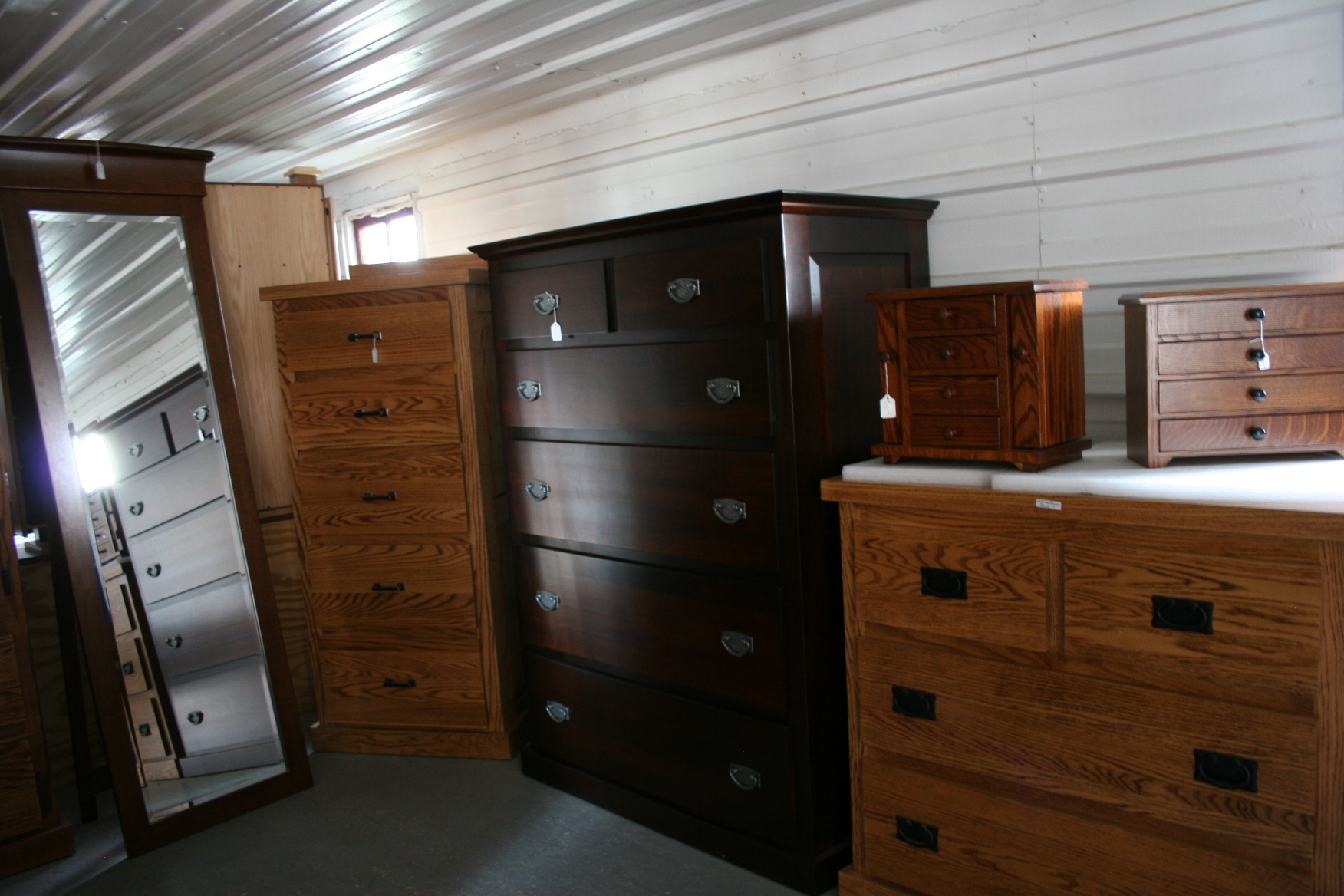
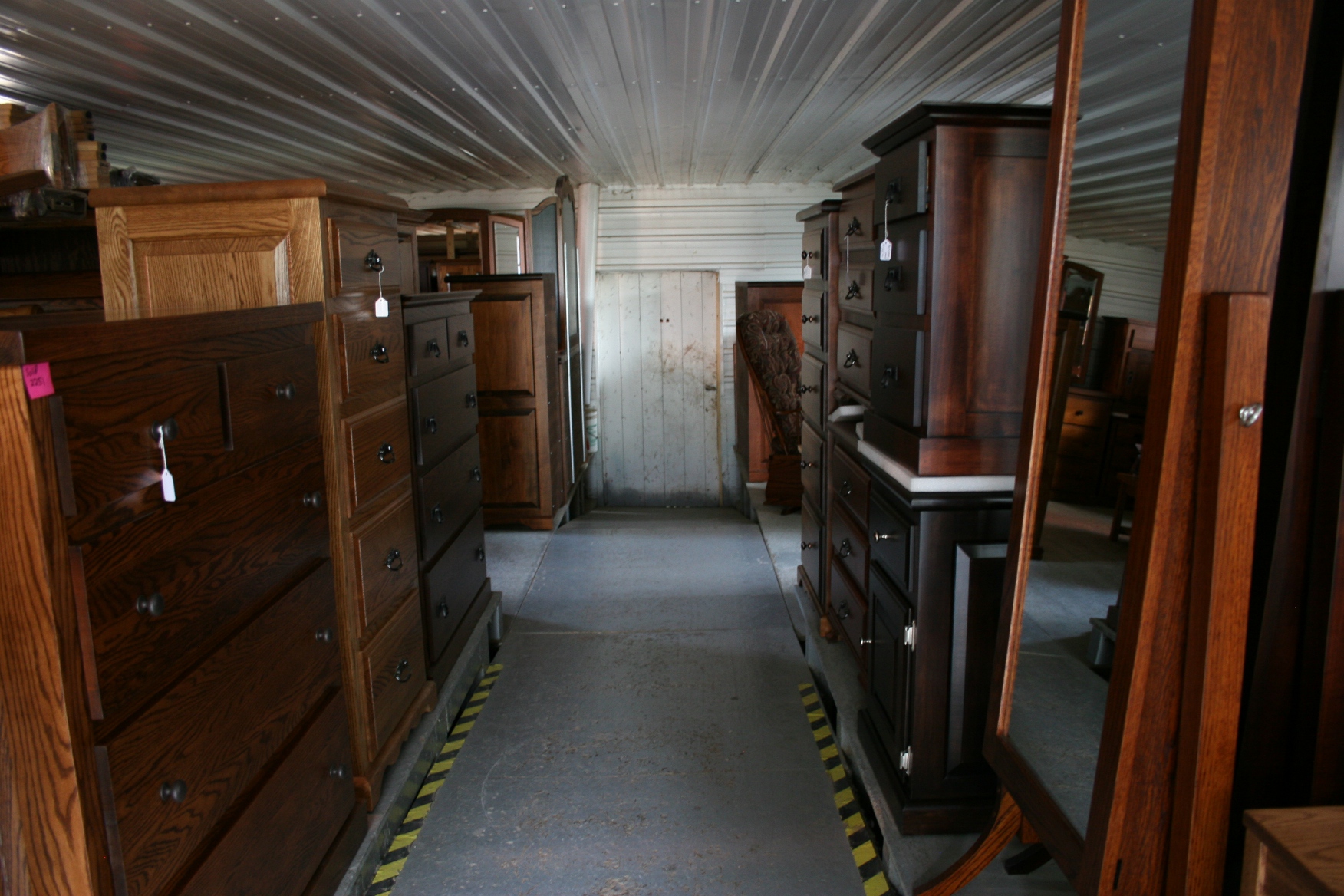
Inside Countryside Furniture, with furniture crafted by Dennis and crew.

So I keep my camera low, tugging it to my side as I watch the Hershberger children, 17-month-old Simon and his 3-year-old sister, whose name I never do learn, wheel a faded red wagon. I am mostly intrigued by Simon in the plain handcrafted blue dress that skims his ankles above pudgy bare feet hardened to the stones and rough grass underfoot. His face is still edged with the softness of a baby, but emerging into that of a little boy. Straight cut bangs ride high on his forehead with wisps of hair tickling his ears in a bowl cut hair style.

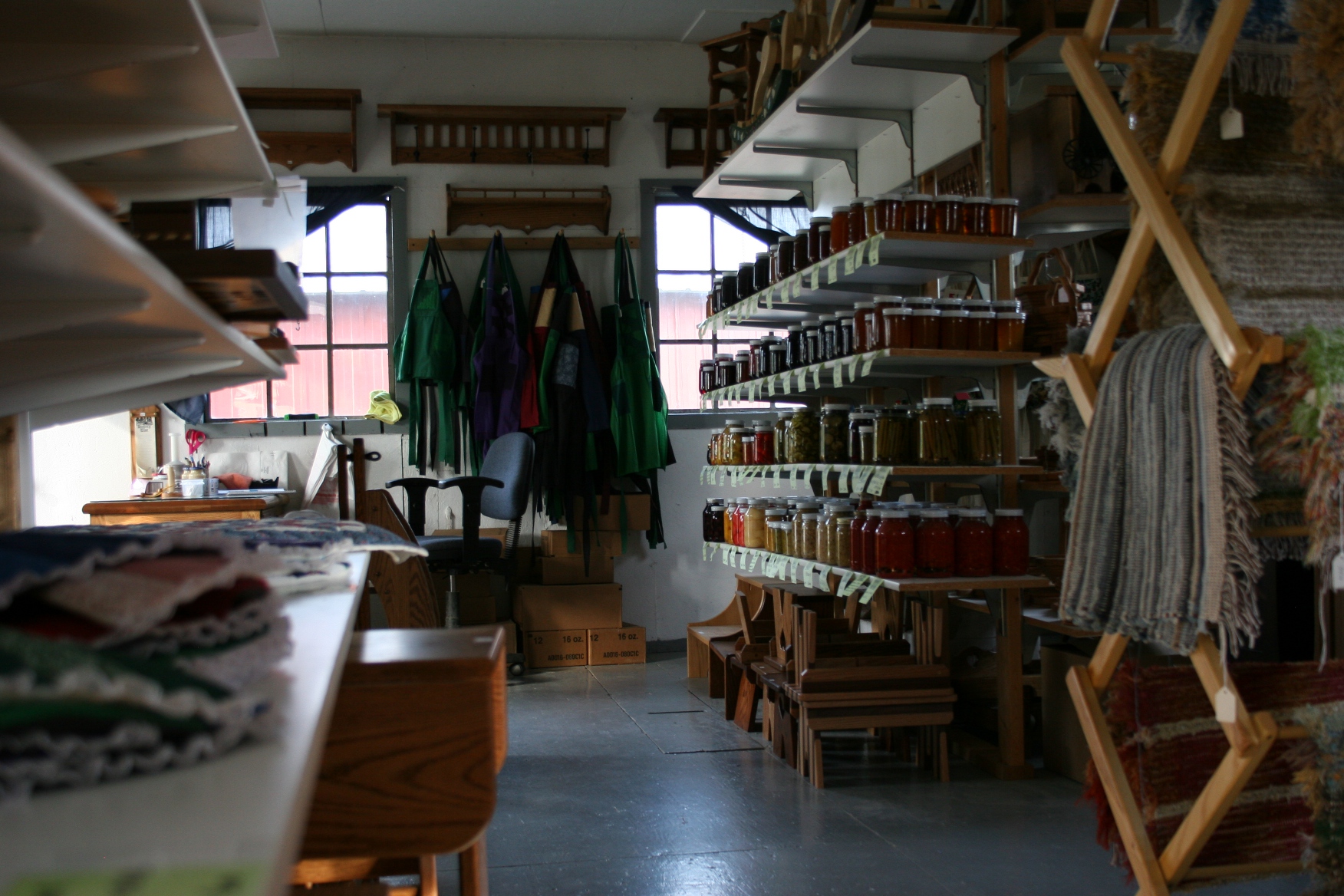
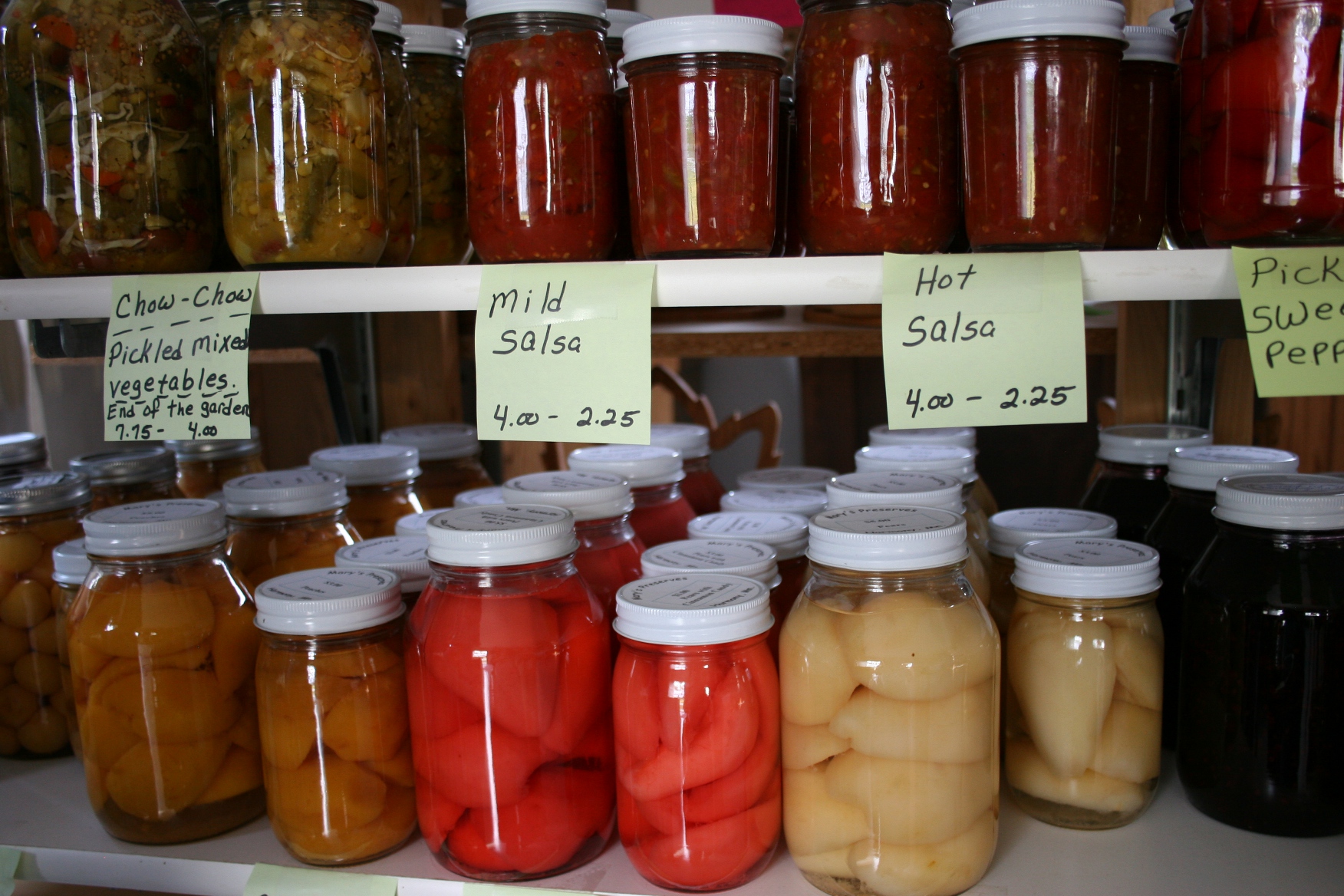
Jars of canned goods line the shelves in Mary’s shop.

When I amble next door, the siblings follow me into their mother’s shop, rattling round and round with the wagon like a car on a racetrack.

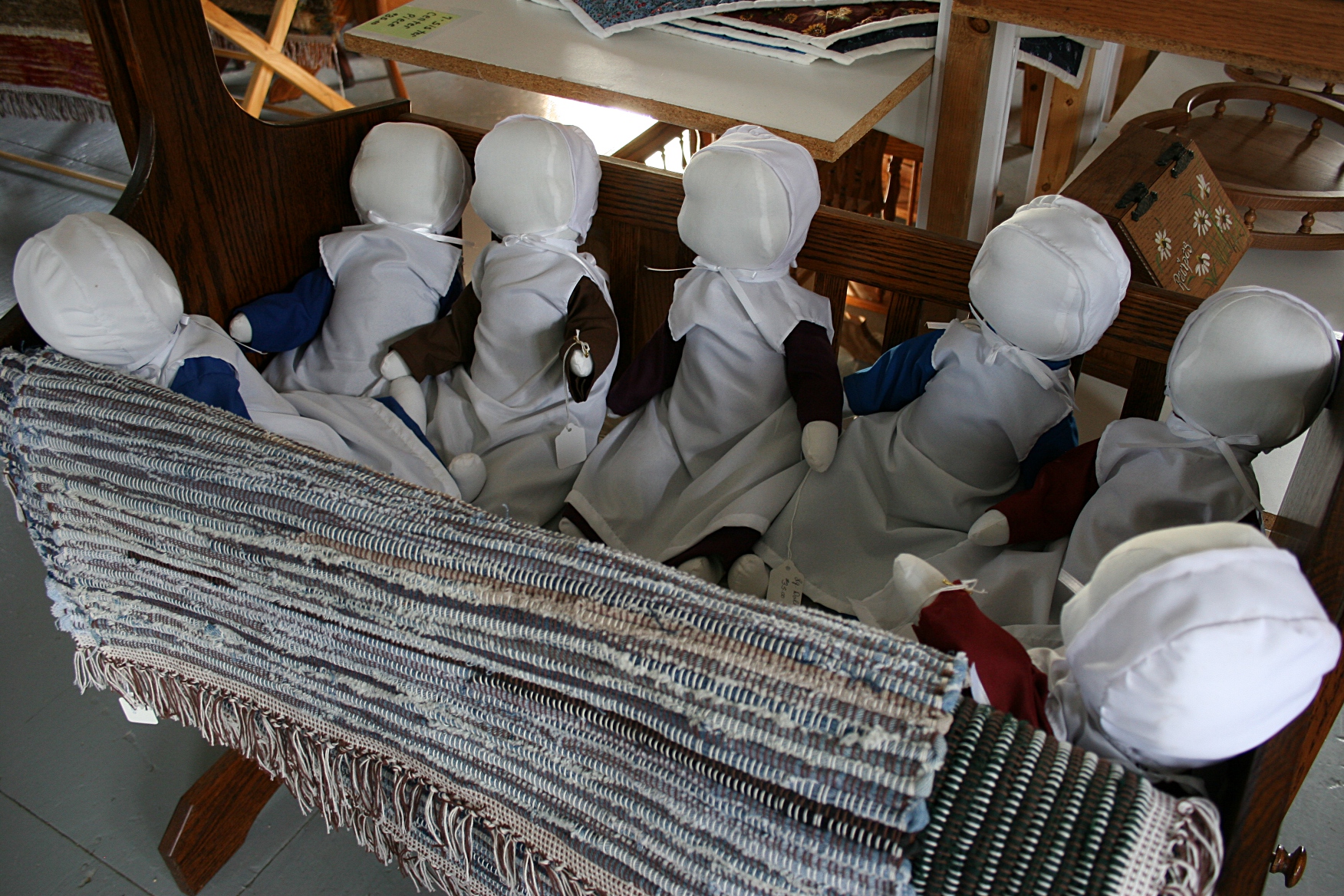
I admire the rows of canned produce (bright orange carrots, golden nuggets of corn, jade spears of dill pickles), the faceless Amish dolls snug in a cradle, the tight weave of cotton rag rugs…

Faceless handcrafted Amish dolls in a handcrafted cradle.

I lift bars of homemade soap and breathe in their perfumed scent.

A pathway in the crafts store where Simon and his sister circled their wagon.

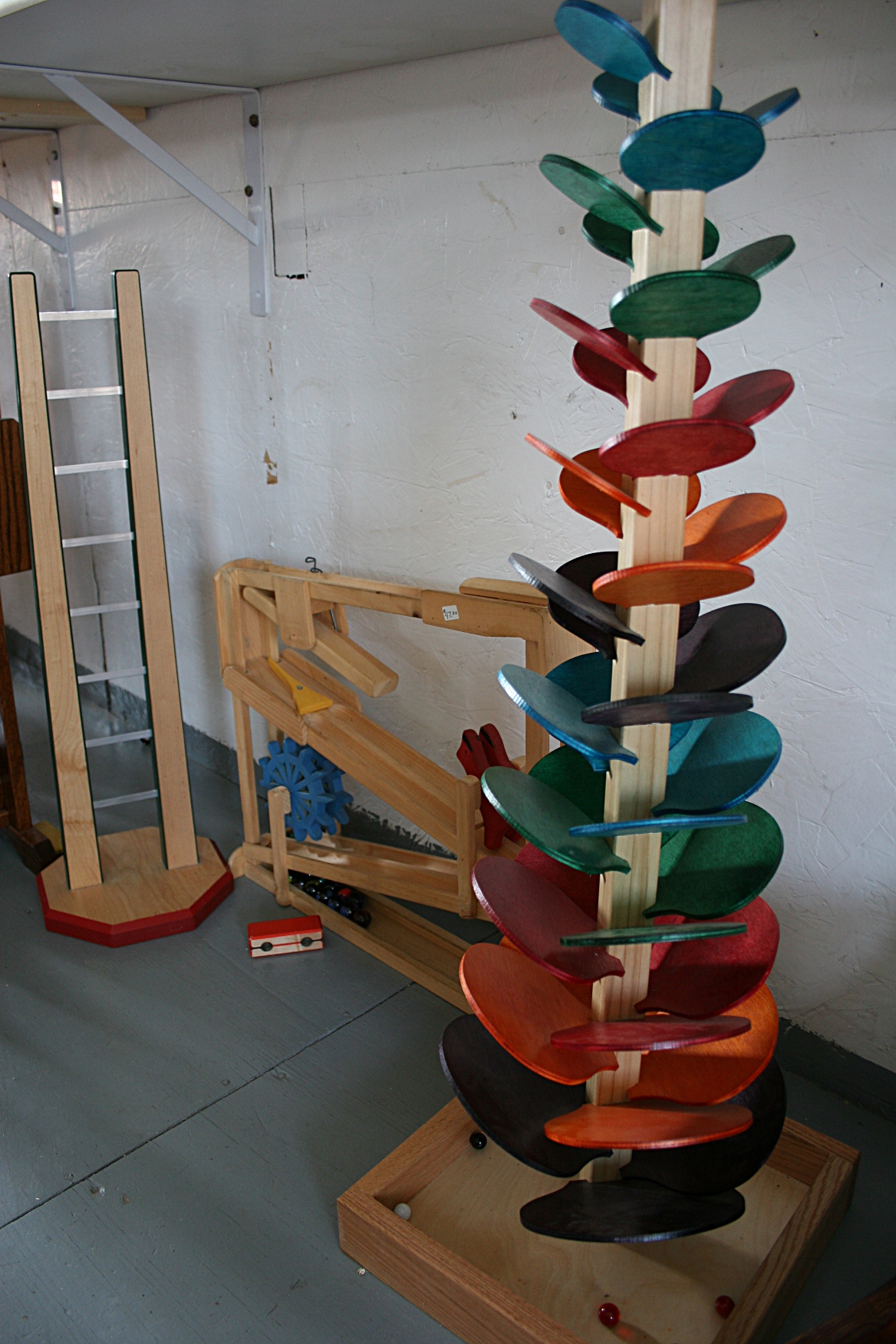
Then my attention turns again toward little Simon and his sister as they drop marbles onto a colorful tower before darting outside. Clack, clack, clack.

The siblings dropped marbles down the colorful tower on the right.

Through the open shop door, I watch a horse and buggy wheel into the farmyard, steering toward the weathered red barn. A boy, perhaps 10 years old, strolls toward the farmhouse and I lift my right hand to wave. He hesitates, then returns my greeting.

I turn my attention back to Mary’s merchandise. We must choose something to purchase now. It is expected. So Randy picks two jars of Mary’s Preserves. We head back to the furniture showroom, a small outbuilding with white walls and a low ceiling, with two jars of strawberry and tripleberry jams.

We make small talk. Dennis asks where we’ve come from. “Faribault,” I tell him.

“Along Interstate 35,” he notes, then tells us of a good customer from our community.

A close-up of the furniture Dennis and his crew craft.

I ask Dennis’ permission to photograph his fine furniture and he gives his OK. Then we return, with Simon still tugging that wagon, to Mary’s shop. As we walk, Dennis lifts his son off the ground, snugs the boy against his right hip, then speaks to him in a language I can only assume is a German dialect. I expect Simon may be getting a gentle admonition about taking the wagon inside his mother’s shop.

Randy pays $4.50 for the jam. We thank Dennis for the gracious welcome to his farm.

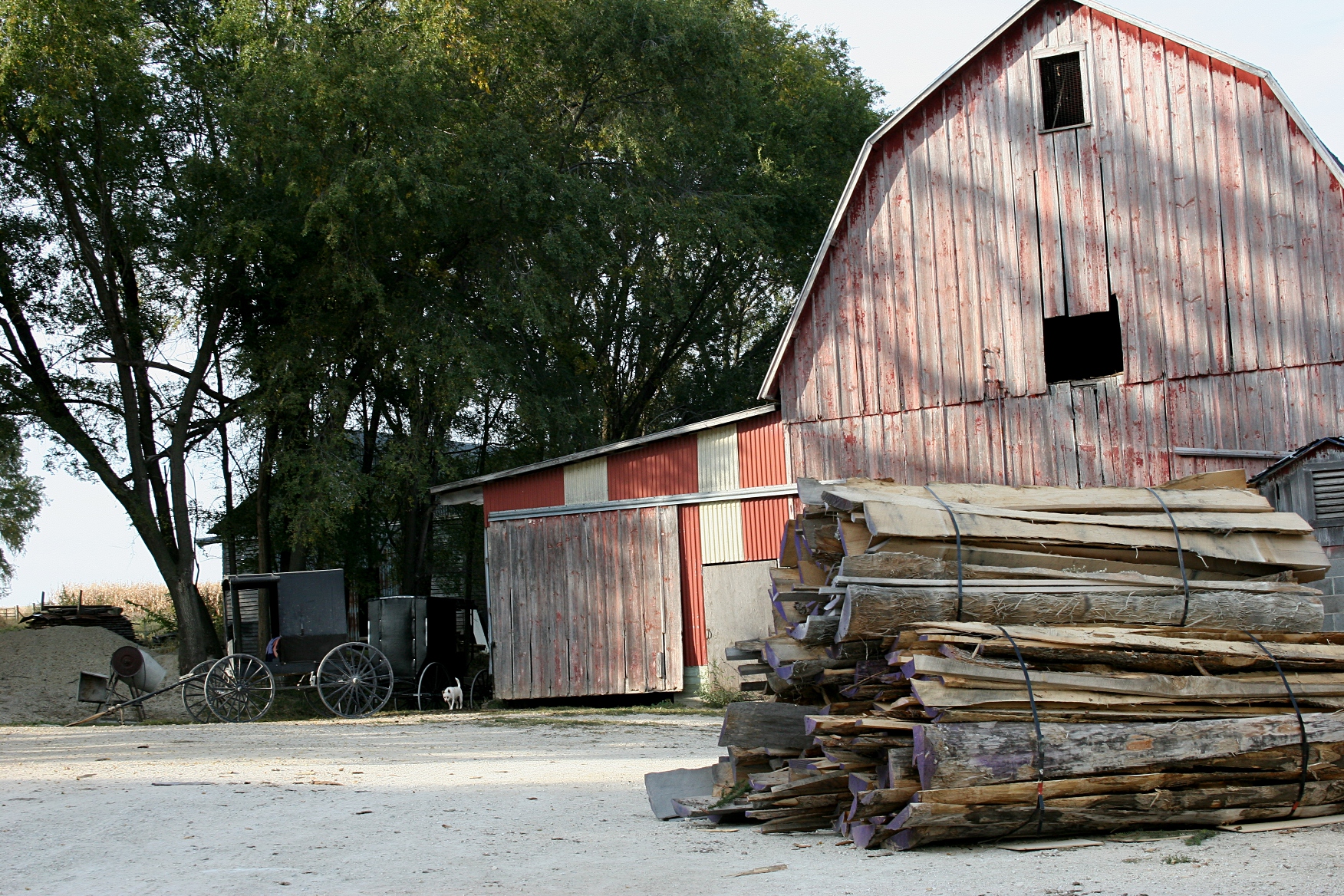
My final shot of the Hershberger farmyard: the barn, the buggies, the stack of wood.

As we head to the car, I photograph the red barn, the two buggies parked next to it and the rough-hewn lengths of stacked wood which Dennis and his helpers will soon craft into fine furniture.

Even though I couldn’t photograph the Hershbergers, the visuals of this place, of this Amish family, of this experience, have imprinted upon my memory. And sometimes that is better than a photo.

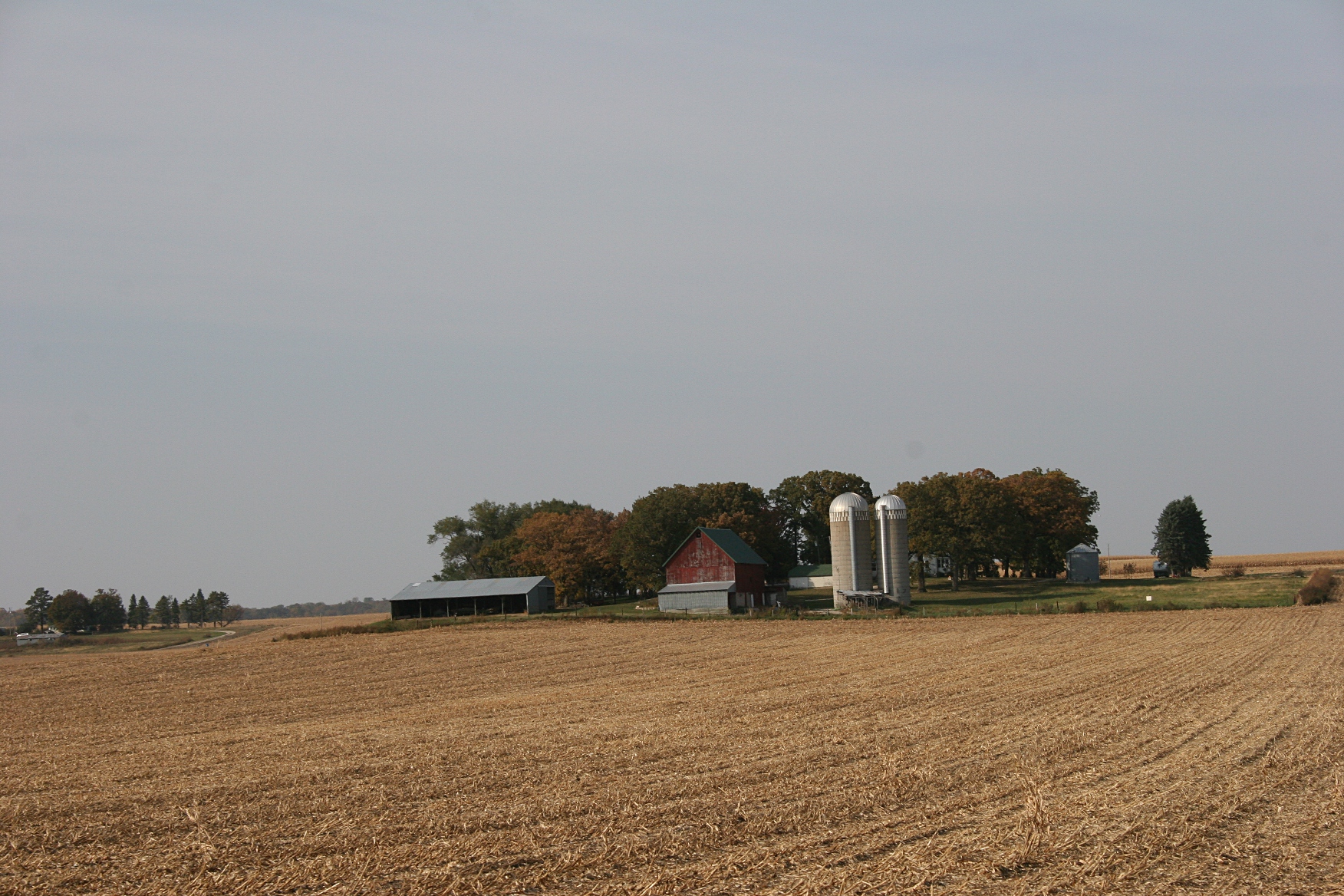
A picturesque farm near the Hershberger place, rural Fillmore County, Minnesota, taken in early October 2012.

FYI: Dennis Hershberger also sells his furniture at Countryside Furniture, located at Old Crow Antiques in Canton, at the intersection of U.S. Highway 52 and Fillmore County Road 21. The Hershberger farm is about five miles northwest of that intersection.

Old Crow Antiques is a great place to stop for information on local Amish farms.

This story and these images are from an October 2012 visit to the Hershberger farm.

© Copyright 2013 Audrey Kletscher Helbling


A photo essay: Loving autumn in Minnesota October 14, 2013

Filed under: Uncategorized — Audrey Kletscher Helbling @ 6:00 AM
Tags: , , , , , , ,
A favorite part of my backyard, vintage lawn chairs along a limestone pathway now covered with leaves.

A favorite part of my backyard, where vintage lawn chairs edge a limestone pathway now strewn with leaves.

OF ALL THE SEASONS, autumn rates as my favorite in Minnesota.

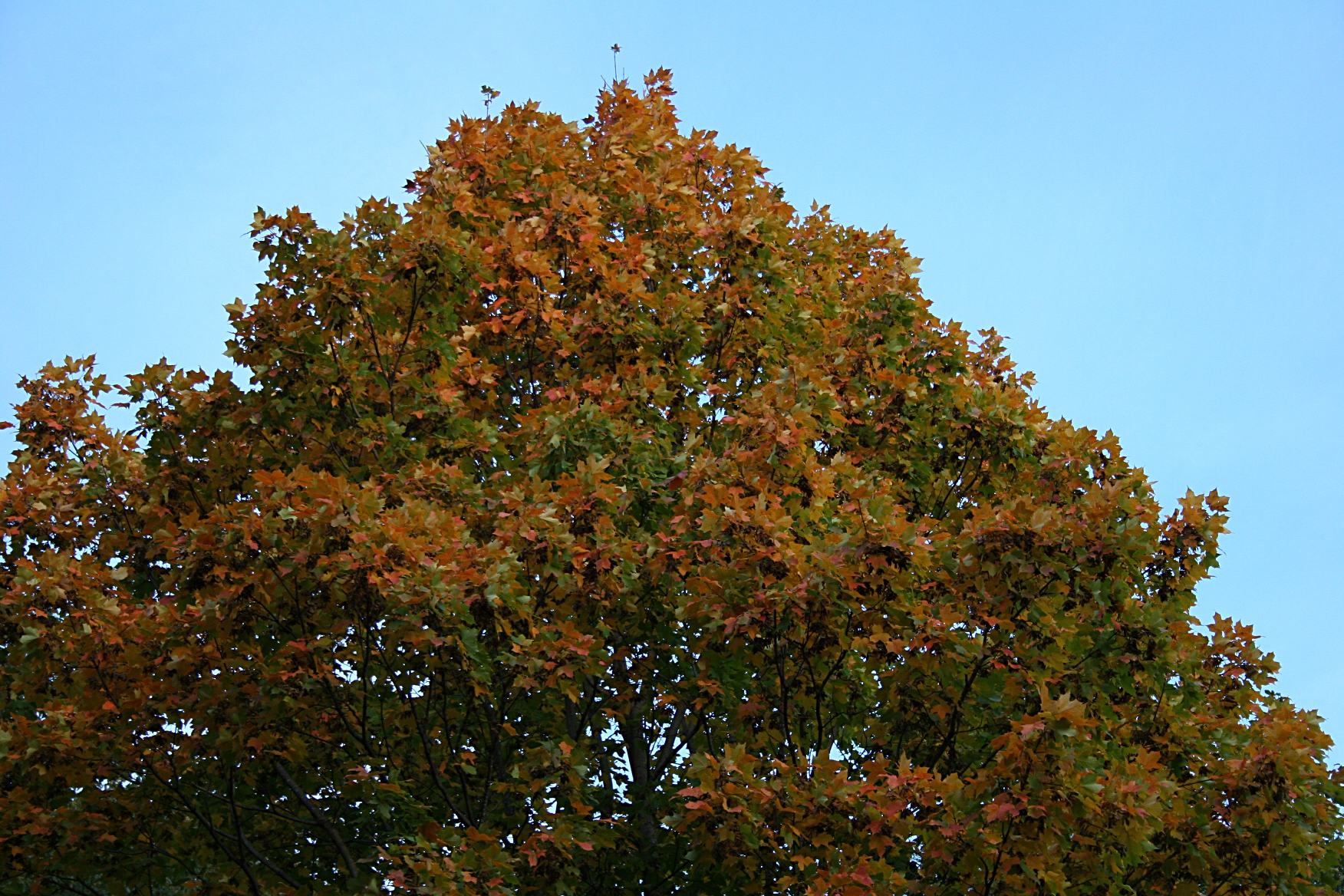
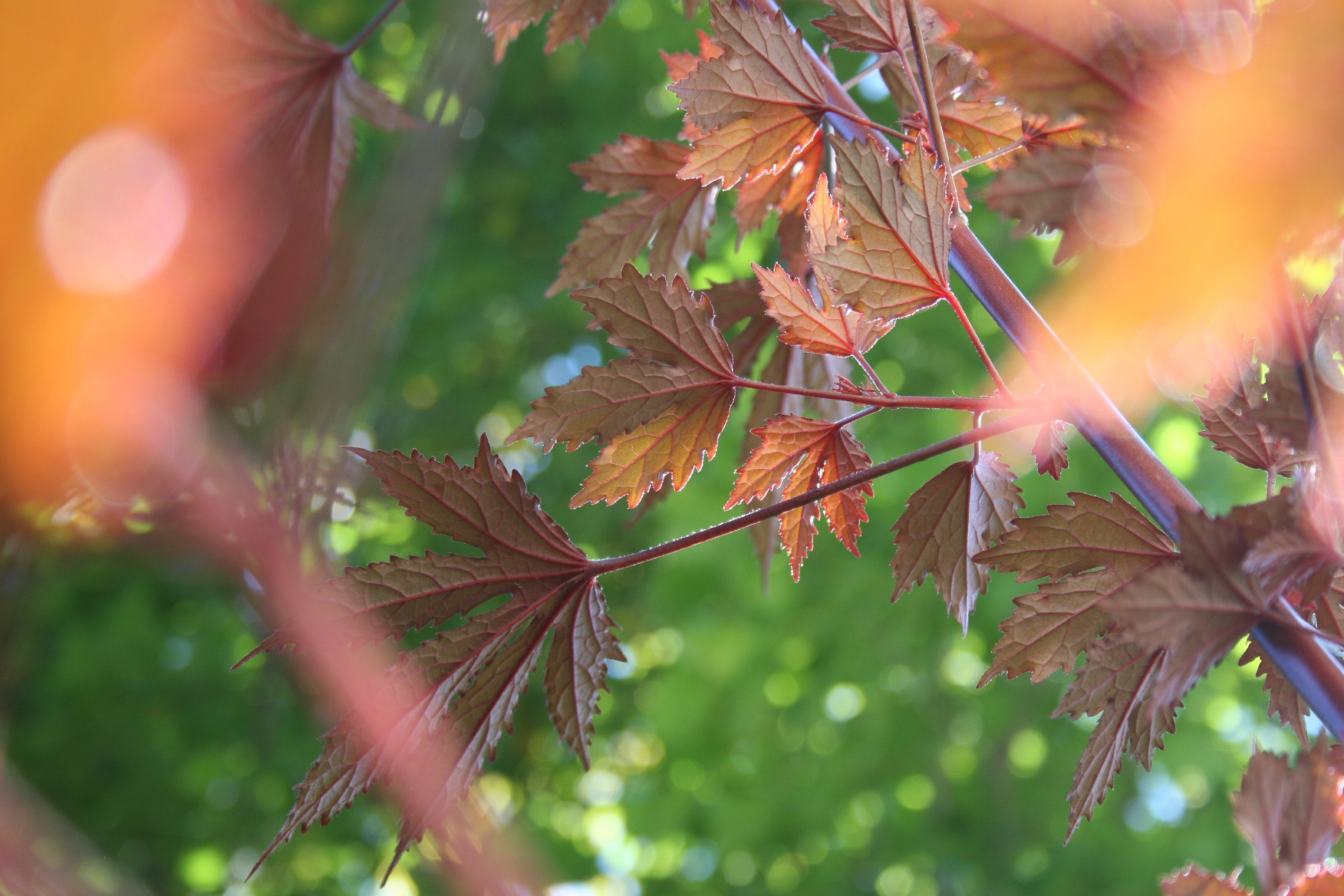
My neighbor's maple tree.

My neighbor’s maple tree.

Crisp days. Cobalt skies. Colors changing.

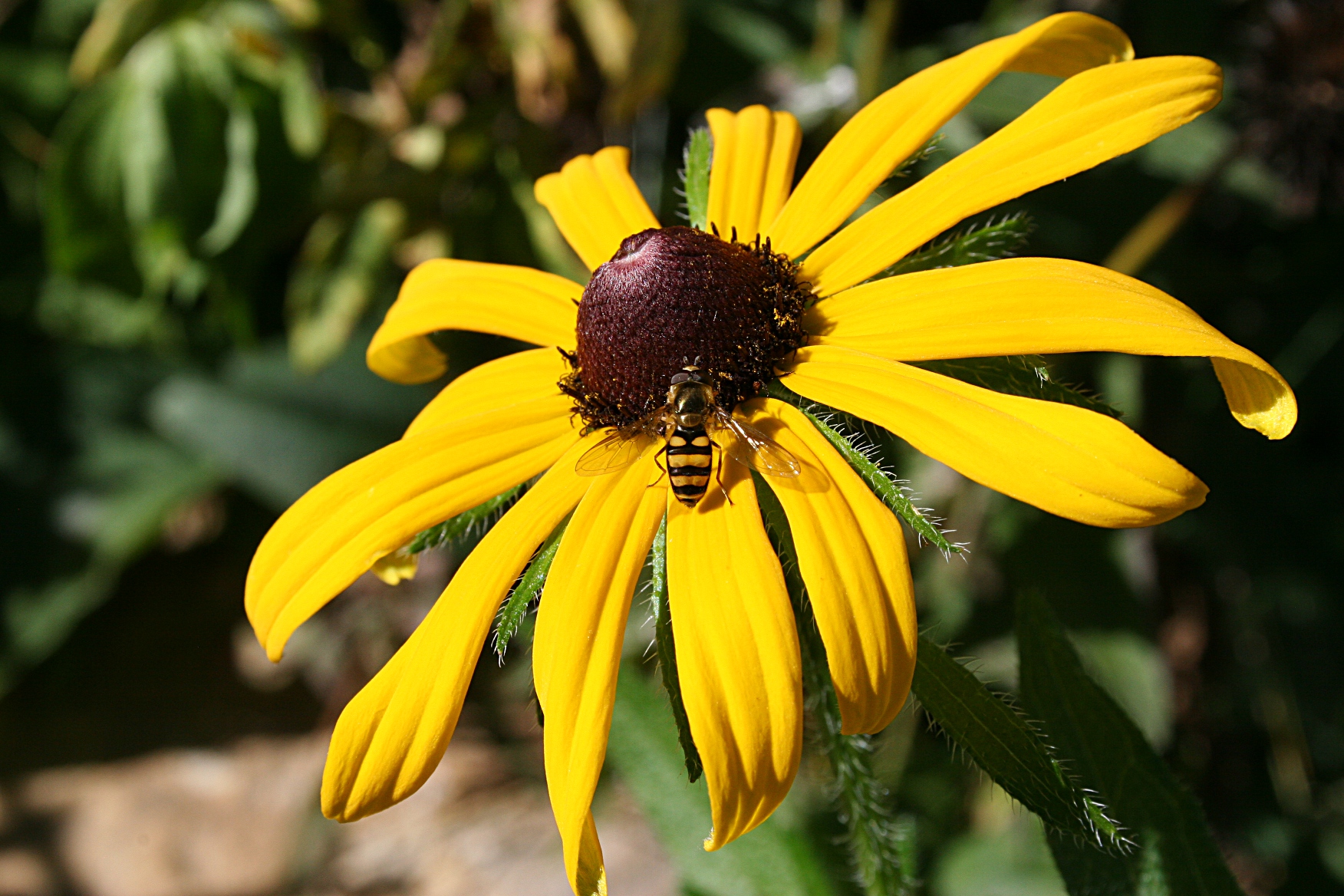
The bees are busy this time of year, here working a black-eyed Susan.

The bees are busy this time of year, here working a black-eyed Susan, among the native wildflowers in my yard.

Sharp shadows and angled light.

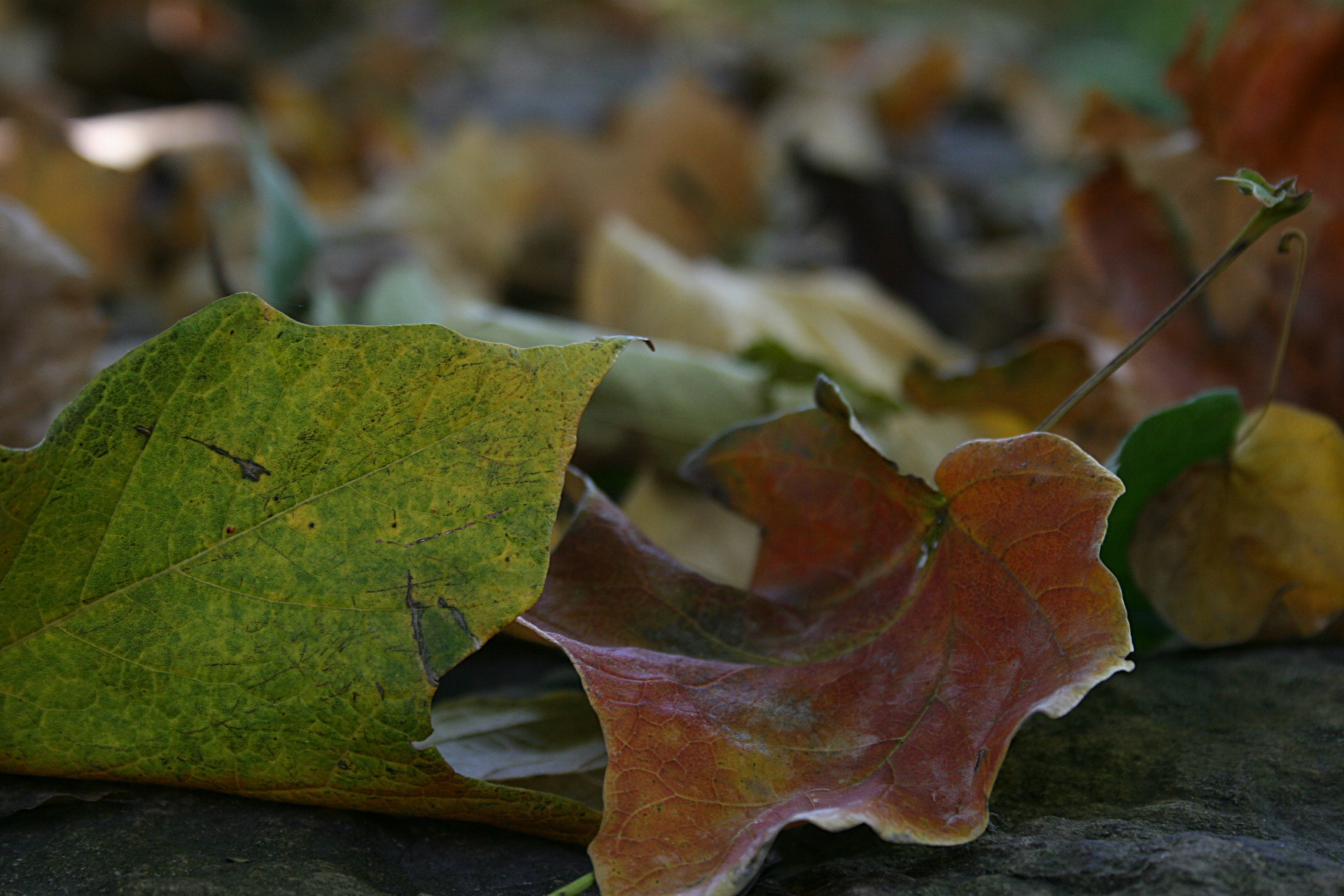
Leaves upon that limestone path.

Leaves upon that limestone path.

Earthy scents rising from fallen leaves and ripening crops.

A bloom in a patio pot.

A bloom in a patio pot.

Bursts of red and orange, mixed with shades of brown, that color the earth.

Hibiscus mahogany splendor, planted in two patio pots, has nearly reached the roof line of the garage.

Hibiscus mahogany splendor, planted in two patio pots, has nearly reached the roof line of the garage.

Dappled light. Dancing leaves. Magical.

An abundance of produce—acorn squash baking, fresh tomatoes thrown into a pot of chili, the crunch of biting into a SweeTango apple from a local orchard.

A backyard campfire.

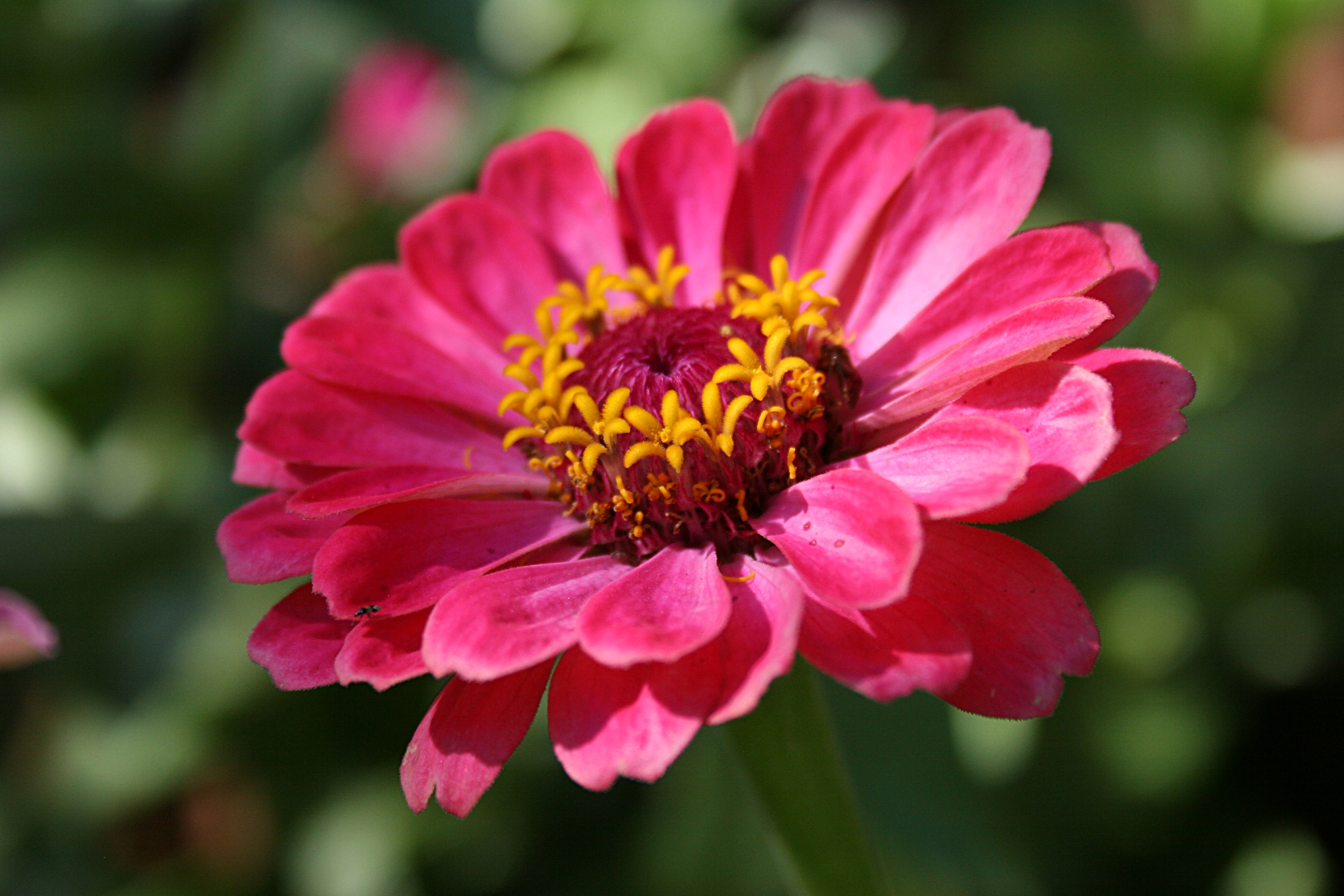
Prolific zinnias are still blooming.

Prolific zinnias are still blooming.

I love this season.

There's nothing prettier than an autumn leaf.

There’s nothing prettier than an autumn leaf.

This autumn.

Another view of that stunning hibiscus mahogany splendor.

Another view of that stunning hibiscus mahogany splendor.

I do.

© Copyright 2013 Audrey Kletscher Helbling


Honoring my husband as he marks 30 years with the same employer October 12, 2013

5:48 a.m.

The numbers on the clock radio glow red in the early dark of an October morning as he leans across the pillow to kiss my cheek, his beard brushing my skin.

Only minutes earlier, I awakened to the angular slant of light from the bathroom cutting across the carpet outside our bedroom, the rush of water from the faucet, the jingle of coins scooped from the dresser top into his work uniform pocket.

In minutes, after he’s laced his grimy Red Wing work shoes, I will hear the door shut, imagine him pulling the rag rug into place that protects the 1995 Chrysler upholstery from grease, picture him heading out of Faribault for the 22-minute commute to work.

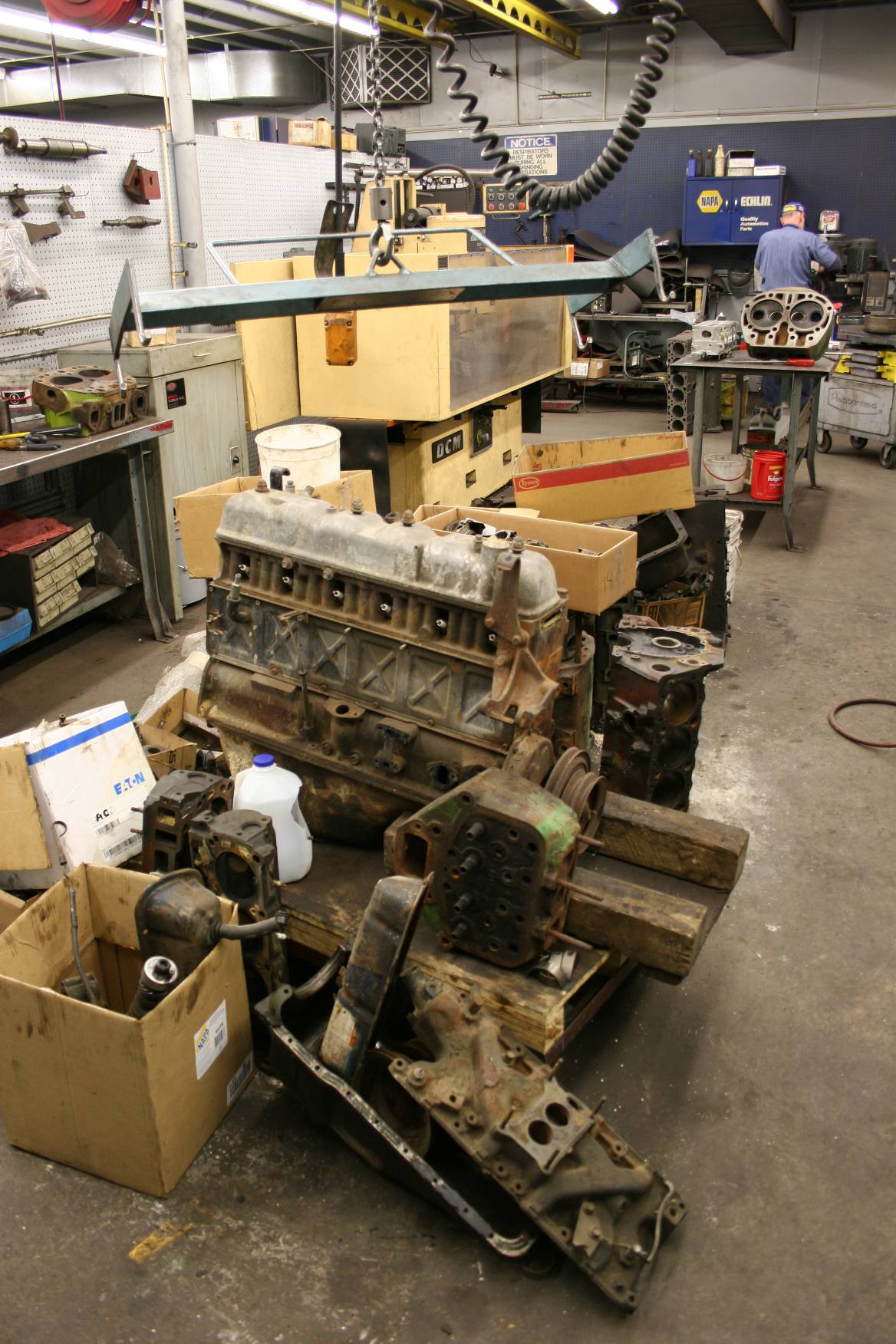
For 30 years he’s followed this routine, although not always leaving the house before 6 a.m. But he is busy, crazy busy, in the NAPA automotive machine shop. This is nothing new; it’s been this way for three decades.
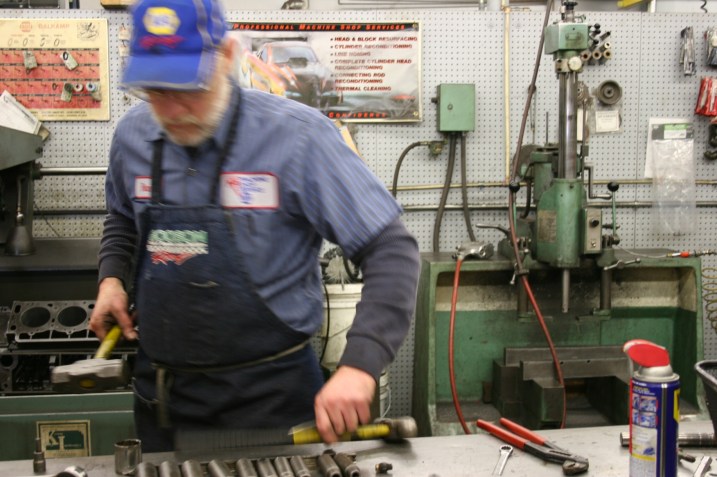
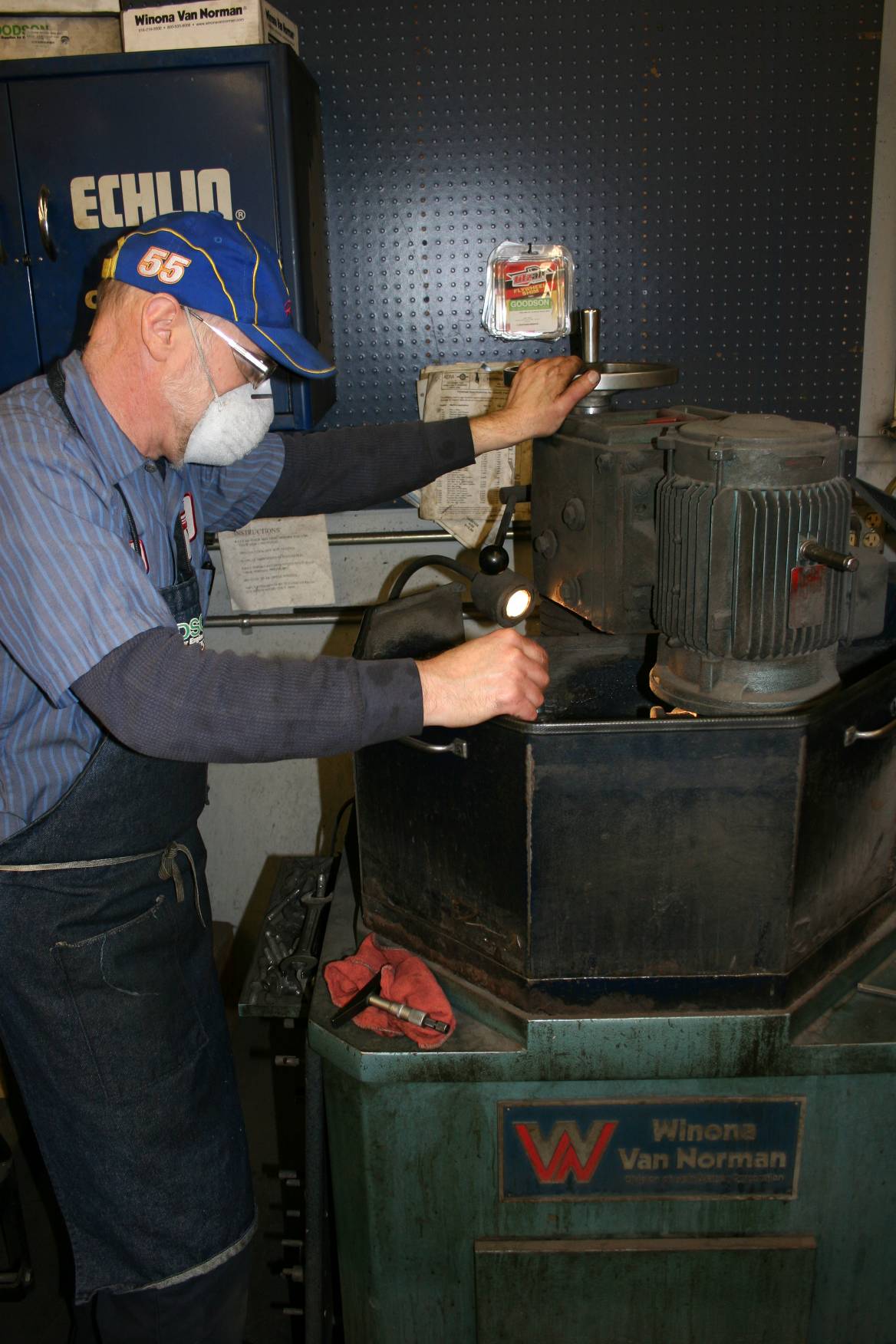
My husband at work in the automotive machine shop where he is employed.

My husband at work in the NAPA automotive machine shop where he has worked for 30 years. Minnesota Prairie Roots file photo.

He, my husband Randy, possesses a strong work ethic that drives him to work well before the appointed 8 a.m. start and to leave well after the appointed 5 p.m. end of his work day and to labor most Saturdays. When he takes a rare week day off—from only 10 annual vacation days—he is stressed even more trying to meet customer demands.

Every time he takes a vacation day, and those are seldom and never more than five at a time unless combined with a holiday, he must labor doubly hard. Long days before he leaves. Long days afterward. Often it hardly seems worth the time away.
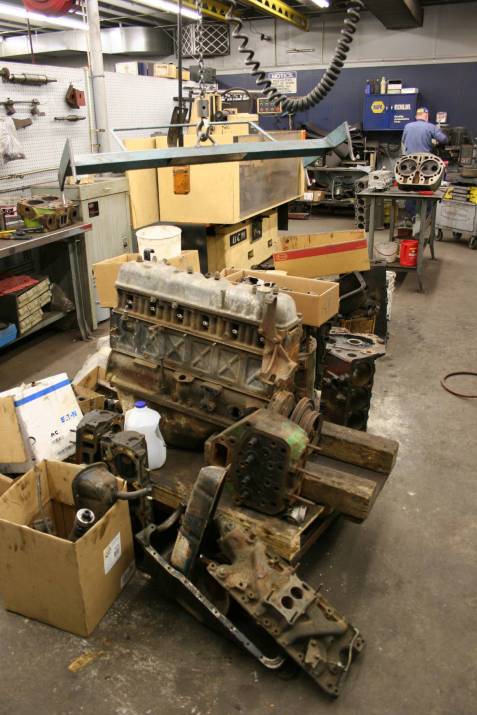
Just one example of all the work that awaits my husband in the NAPA automotive machine shop.

Just one example of all the work that awaits my husband in the NAPA automotive machine shop. Minnesota Prairie Roots file photo.

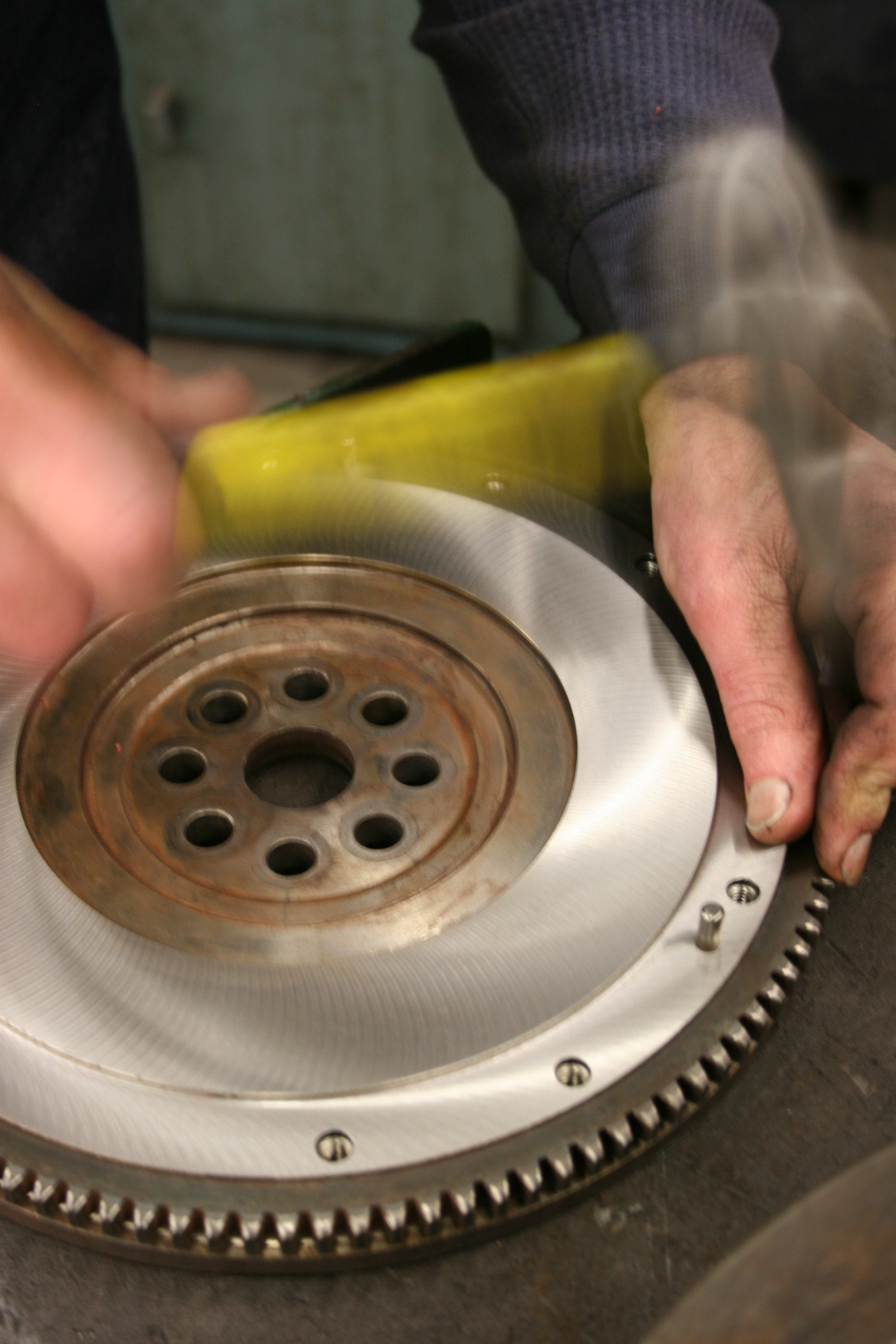
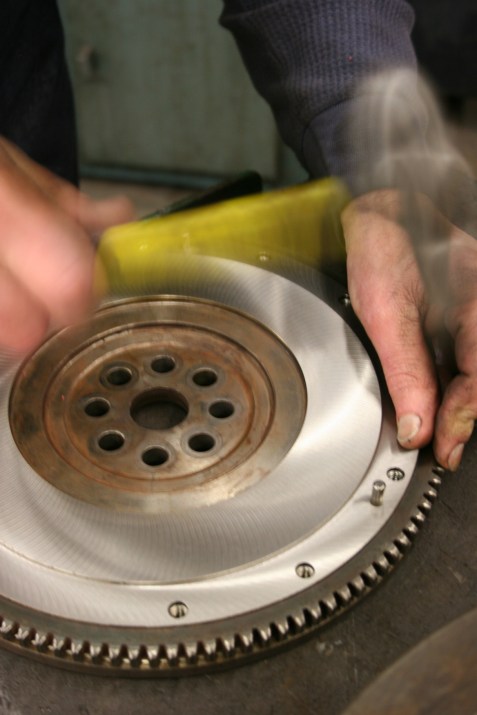
But Randy sometimes needs a break from pressing customers and the pile of work that never diminishes. His skills—the turning of brake rotors, the resurfacing of heads, the grinding of valves and flywheels and a multitude of other automotive machining tasks I don’t understand—is in high demand. Few do what he does and he’s good at it. Probably the best in southeastern Minnesota as evidenced by his wide regional customer base and the endless work load.

Everyone wants their car, their truck, their SUV, their van, their tractor, their combine, their snowblower, their lawnmower, their recreational vehicles, their whatever, repaired first.
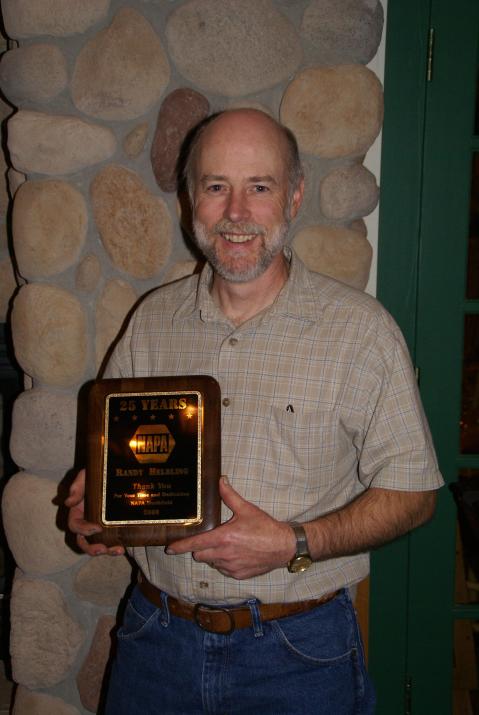
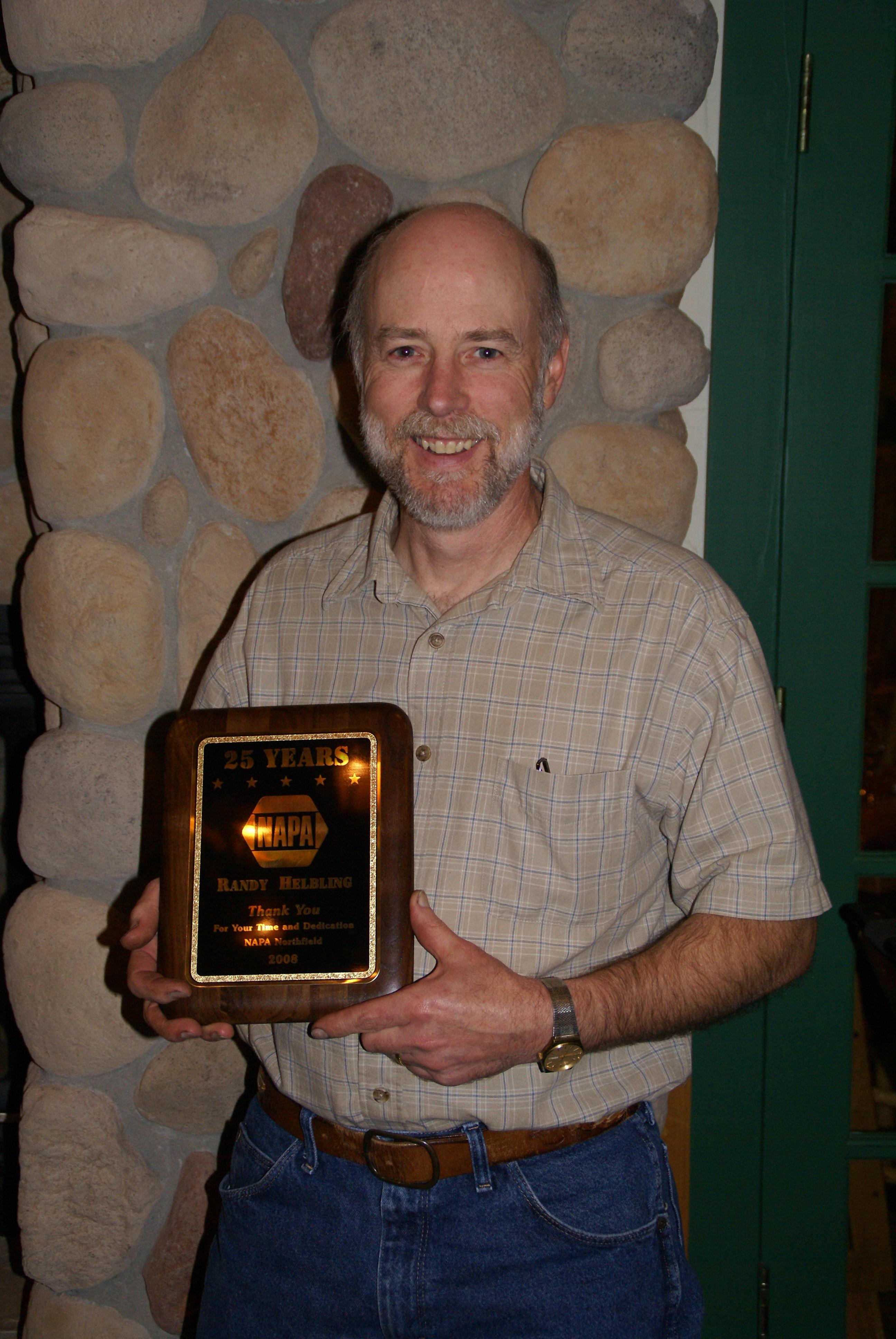
In 2008, Randy was recognized by his employer for 25 years of service to Parts Department, Inc., Northfield. Randy received a plaque, dinner out and a drill.

In 2008, Randy was recognized by his employer for 25 years of service to Parts Department, Inc., Northfield. Randy received a plaque, dinner out and an air wrench. Photo by Dan Christopherson.

Did you catch that early on noted time frame of 30 years?
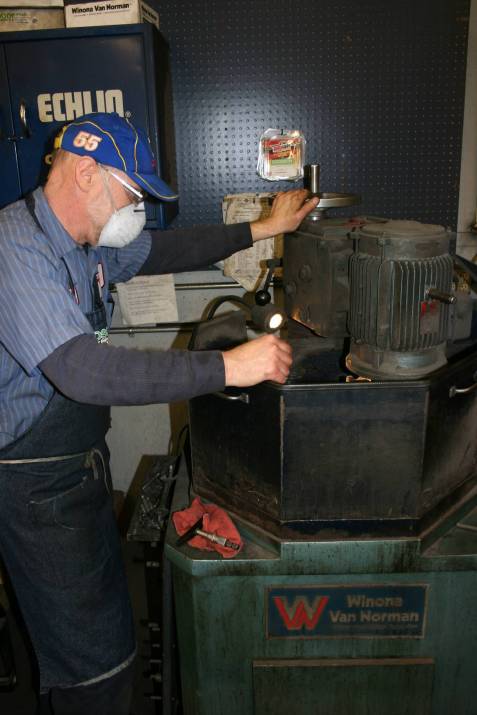
Randy grinds a flywheel.

Randy grinds a flywheel. Minnesota Prairie Roots file photo.

October marks 30 years since Randy started working as the automotive machinist for Parts Department, Inc. (NAPA), Northfield.
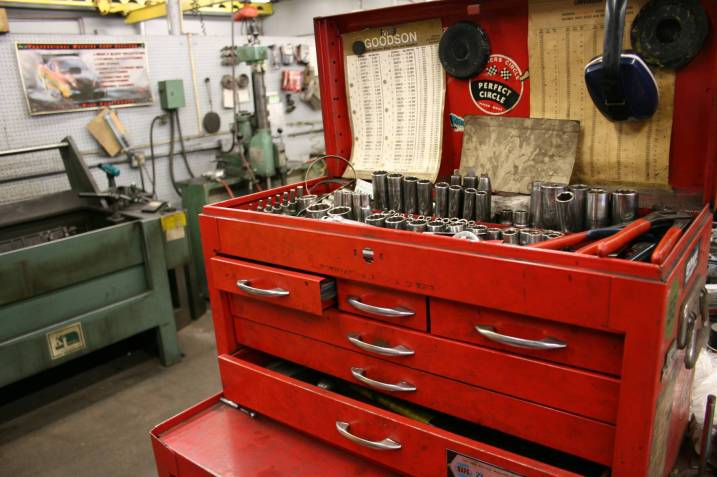
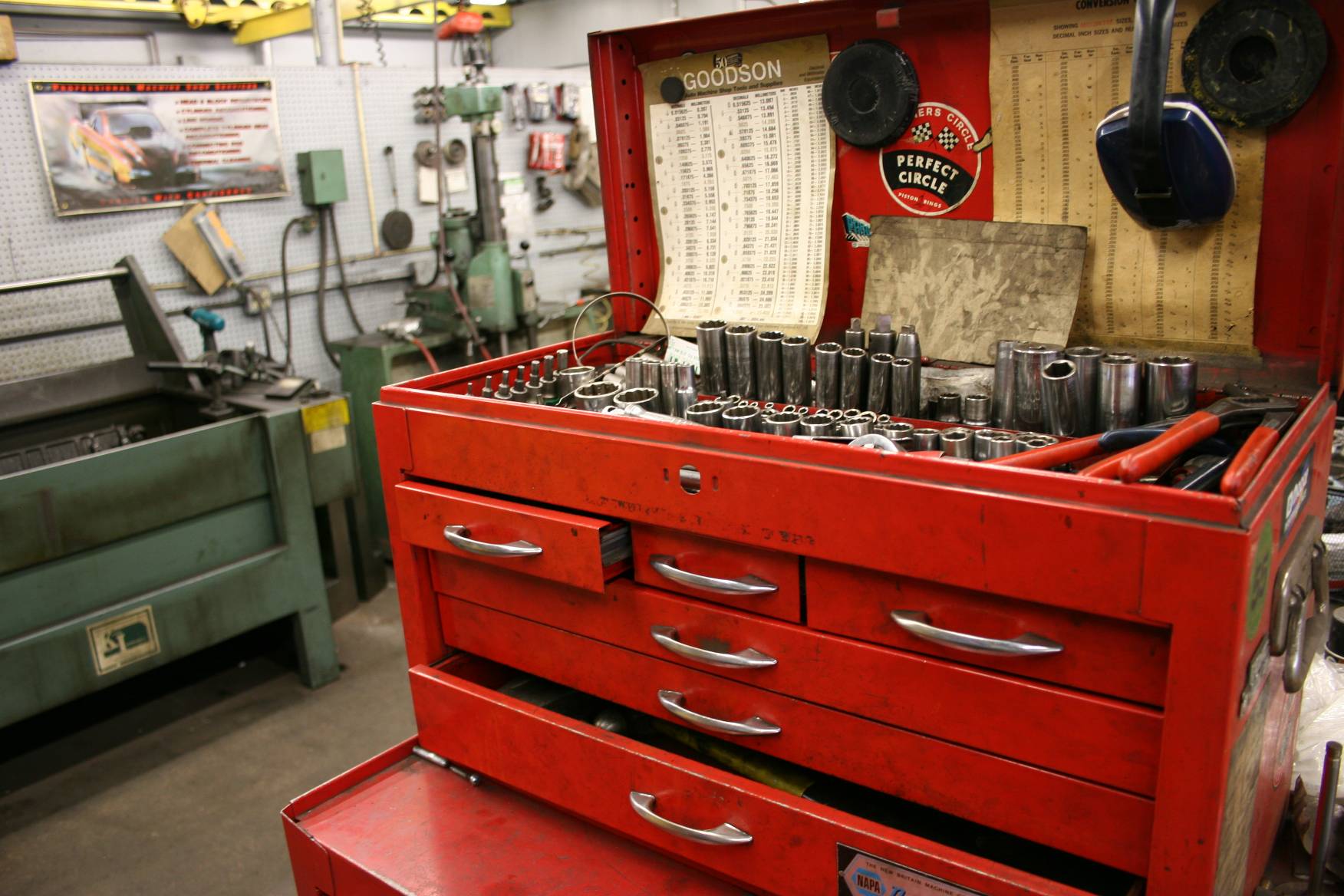
My husband's NAPA automotive machine shop toolbox.

My husband’s NAPA automotive machine shop toolbox. Minnesota Prairie Roots file photo.

Thirty years at one business. Remarkable, isn’t it?

Even more remarkable, Randy’s labored in the automotive field for just shy of 40 years.  Only two years out of high school and with two years of trade school education, he packed his car in the spring of 1976 for Plentywood, Montana. He lasted there as a parts man for a month, returning from the middle of nowhere to settle in southeastern Minnesota.
My husband at work with a hammer, a tool he uses often as an automotive machinist.

Randy at work. Minnesota Prairie Roots file photo.

Randy was employed as a parts man in Rochester, eventually relocating to K & G Auto Parts in Faribault. There he worked as a parts man before moving into the machine shop and learning that skilled trade. He also worked in an Owatonna machine shop until the previous owner of the Northfield NAPA enticed Randy to join his business.

He genuinely loves his job, working solo in the machine shop, although Randy says he always dreamed of being a rural mail carrier. Had he chosen that career path, he would be retired by now, collecting a pension. Taking vacations. Sleeping in. Saturdays off.

Instead, dirt and grease outline his fingernails. Faded white scars mar his skin. Flecks of errant metal, from work projects, lie beneath the surface of his skin.  Sometimes, too often, his back aches. He rises early. Works long days. Sometimes falls asleep in the recliner as the evening fades. Takes well-deserved Sunday afternoon naps.

He’s worked hard to provide a steady income for our family, allowing me to stay home and raise our three children and work part-time from home and continue to pursue my passions in writing and photography. We are not wealthy in monetary terms. But the mortgage is paid on our modest house, food is always on the table, clothing on our backs, bills covered.

And it is because of my farm-raised, blue collar hardworking husband.

Please join me in congratulating Randy on his 30-year anniversary as the automotive machinist at Parts Department, Inc., Northfield. And also wish him a happy birthday, for today, October 12, is his birthday.

© Copyright 2013 Audrey Kletscher Helbling


In which I meet Amish quilter Fannie Miller on her Lenora farm October 11, 2013

Filed under: Uncategorized — Audrey Kletscher Helbling @ 6:00 AM
Tags: , , , , , , , , ,

THE AMISH HAVE ALWAYS intrigued me. I can’t explain specifically why, except to admit that perhaps I am a bit envious of their minimalist lifestyle, one likely similar to that of my farmer forefathers.

Never have I gotten a closer look at Amish life than on an early October 2012 day trip to the Lenora/Canton/Harmony area of southeastern Minnesota.

My first glimpse of the Amish began in unincorporated Lenora in southeastern Fillmore County where my husband and I were searching for the historic Lenora Methodist Church. Unable to initially locate the church (how we could miss it in tiny Lenora is beyond me), we stopped at Summer Kitchen Antiques, which was closed, and then began driving east onto a gravel road.

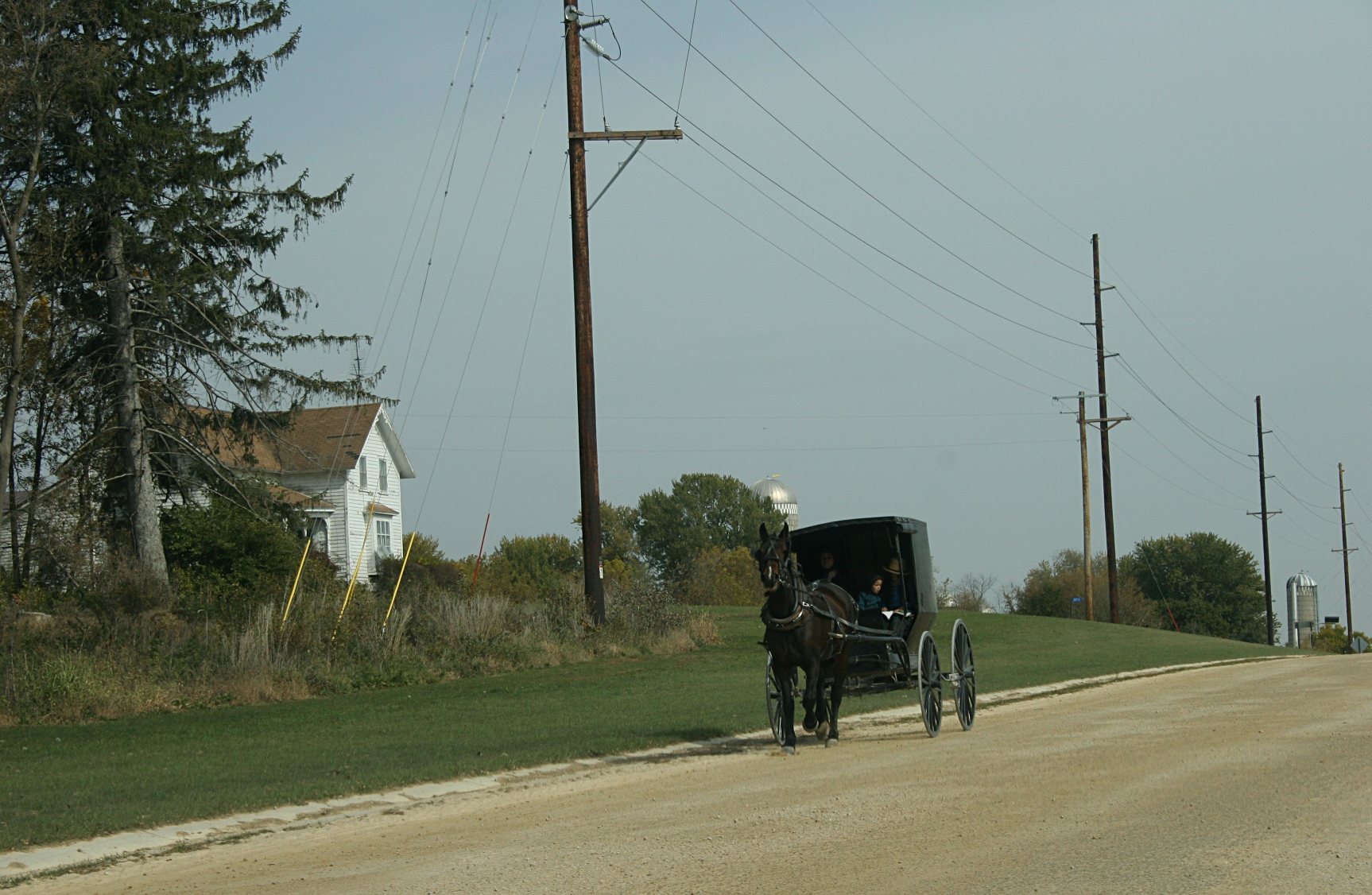
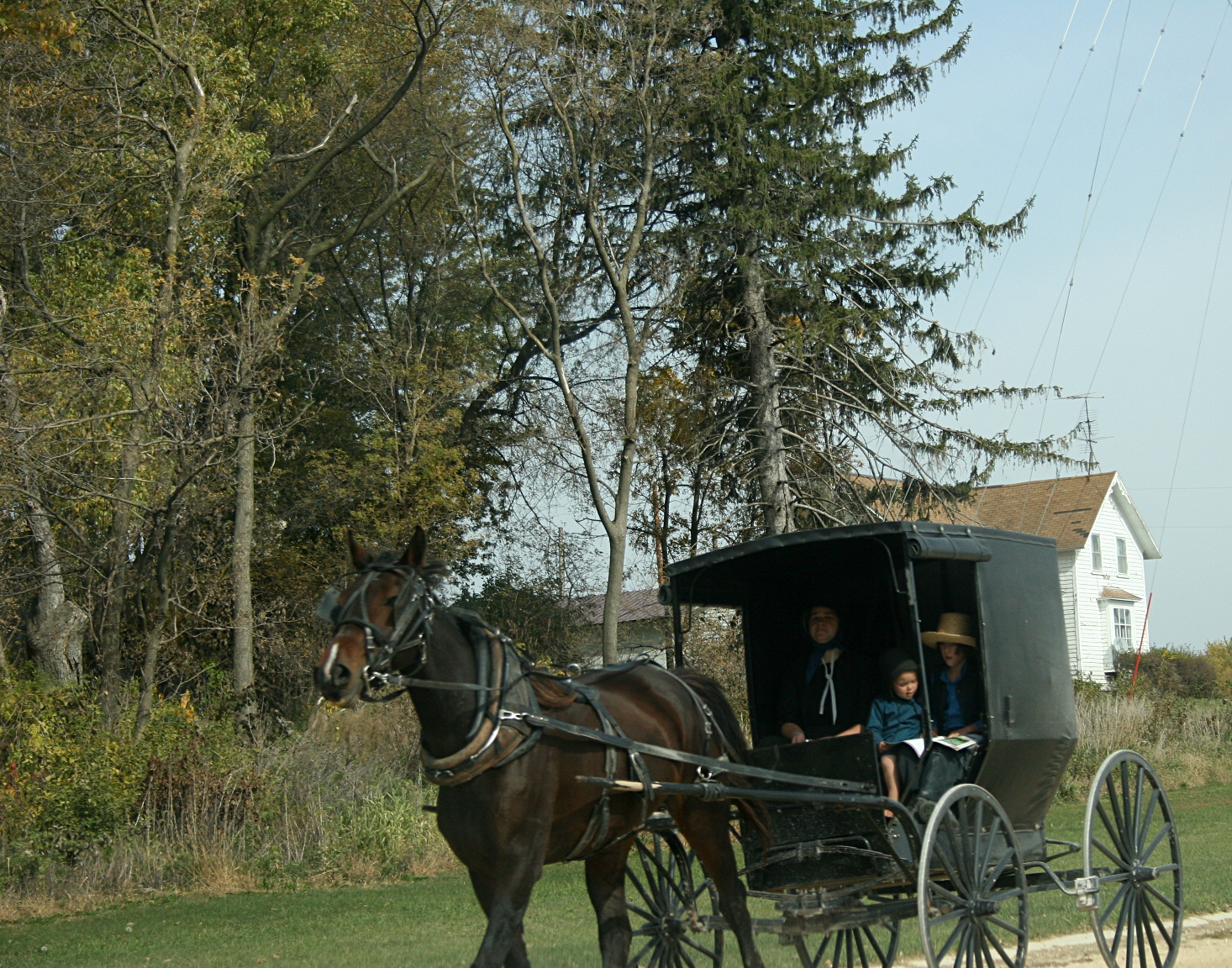
An Amish buggy approaches our car just on the outskirts of Lenora.

Just barely past the antique shop, an Amish buggy came into view and I raised my camera to snap two quick photos through the passenger side windshield. Now I know how the Amish forbid face photos, and I am (mostly) respectful in their close presence. But when they are traveling on a public roadway in a region that markets itself as a “see the Amish” destination, from which the Amish benefit financially, I do not feel obliged to keep my camera tucked away.

A close-up look at the approaching buggy shows a young Amish boy reading a book to his little sister as their mother guides the horse and buggy down the gravel road.

After that initial sighting, we came upon a roadside sign advertising quilts and table runners less than one-quarter of a mile from Lenora. My excitement heightened as we turned into the Amish farmyard, even though I was acutely aware I’d need to keep my shutter button finger mostly still.

That proved to be a challenge as I desired more than anything to photograph the red-haired pre-teen Amish girl with the pinkish birthmark splotched across her right cheek lolling on the feather-littered lawn next to her younger brother with the bowl-cut auburn hair.

When I cannot take a photo, I imprint visual details upon my mind.

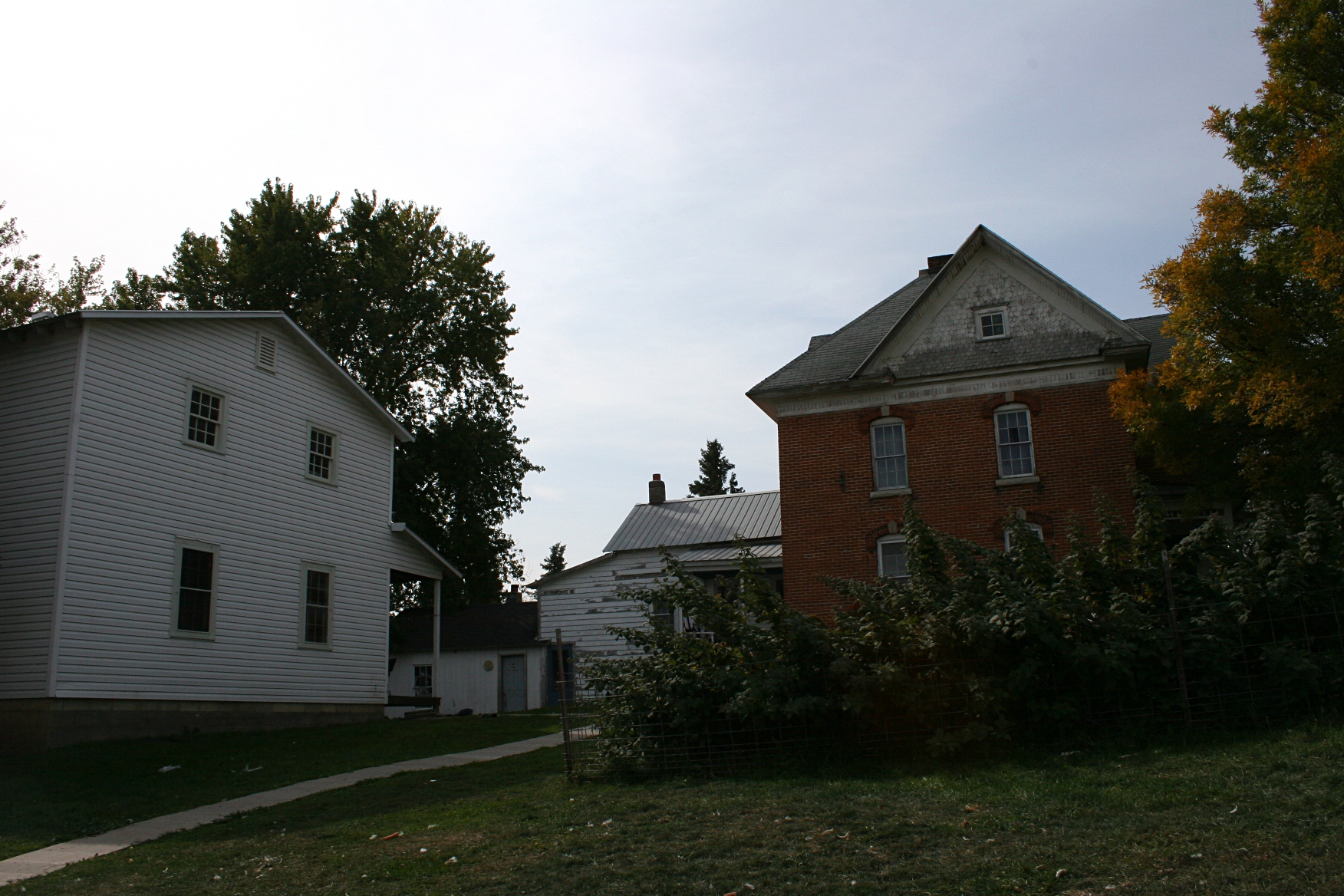
Fannie Miller’s brick house is on the right, her shop in the attached lean-to just to the left.

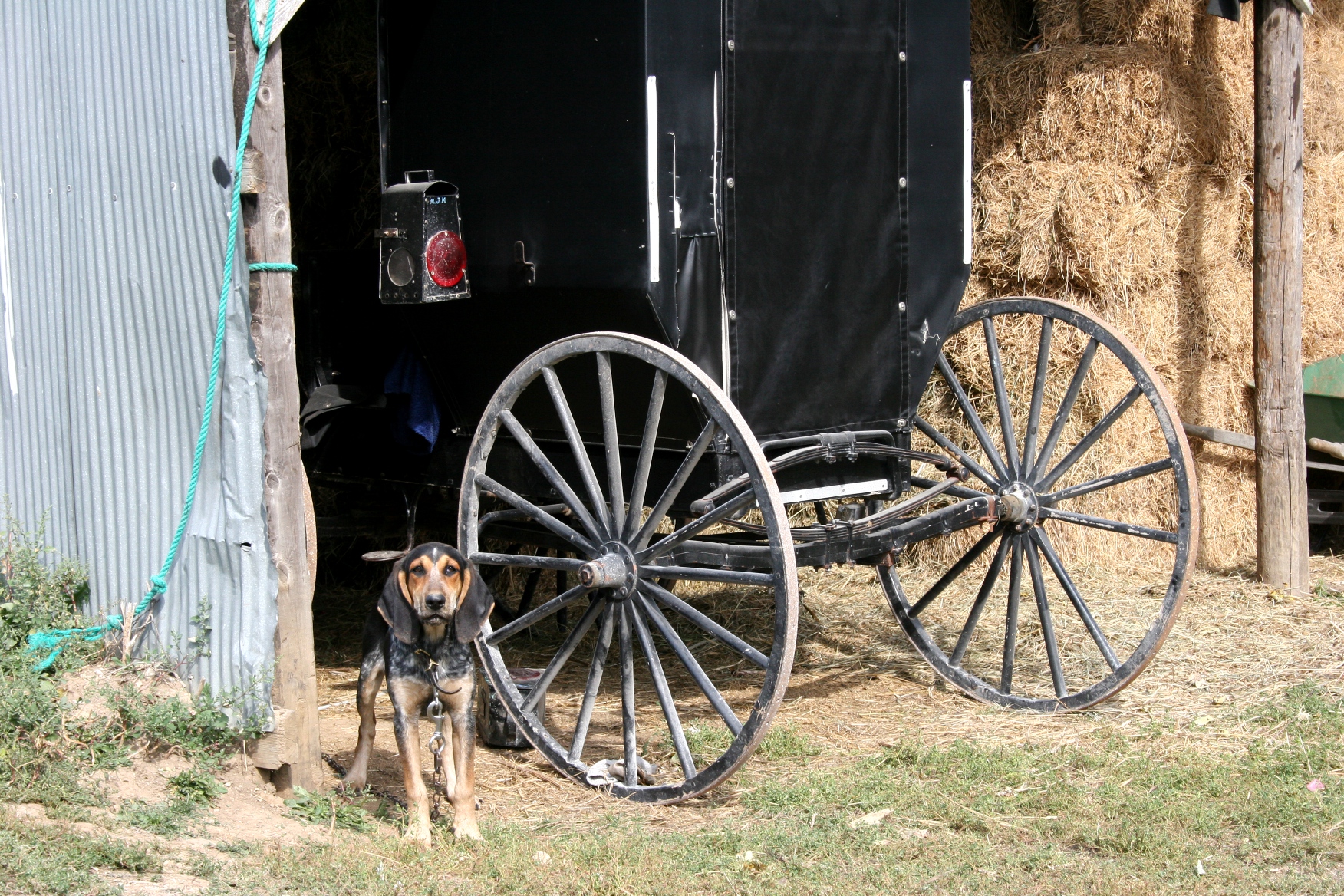
The siblings directed us toward a lean-to attached to a stately and aging brick house adjacent to a wood-frame house. Dogs roamed while a third one, tethered to a thick chain in a pole shed next to an Amish buggy, barked with a ferocity that made me thankful he was restrained.

My first glimpse of the Millers’ dog chained in the pole shed.

The pungent smell of silage wafted across the yard as, across the gravel road, a farmer pushed the fermented corn with his tractor and loader.

Stepping onto the lean-to porch, I eyed a handwritten “no photos” sign and pulled my camera close to my side. Randy made a point of pointing out the warning to me, as if I couldn’t see it.

And then we met Fannie Miller, whose name aptly describes her rotund physical appearance. She settled onto a chair and watched as I caressed her fine handiwork, praised her stitching. I admired the sturdy, blue built-in wall of cupboards in the corner and told Fannie so.

I wished, in that moment, that I could photograph the entire scene before me and through the doorway into the next room where Fannie’s husband napped in a chair by the wood-burning stove. His chin dipped, his scruffy beard defining my side view of the old man sleeping. In the corner I spotted a patchwork quilt snugged across a single bed. I dared not look more for fear Fannie would banish me from her home.

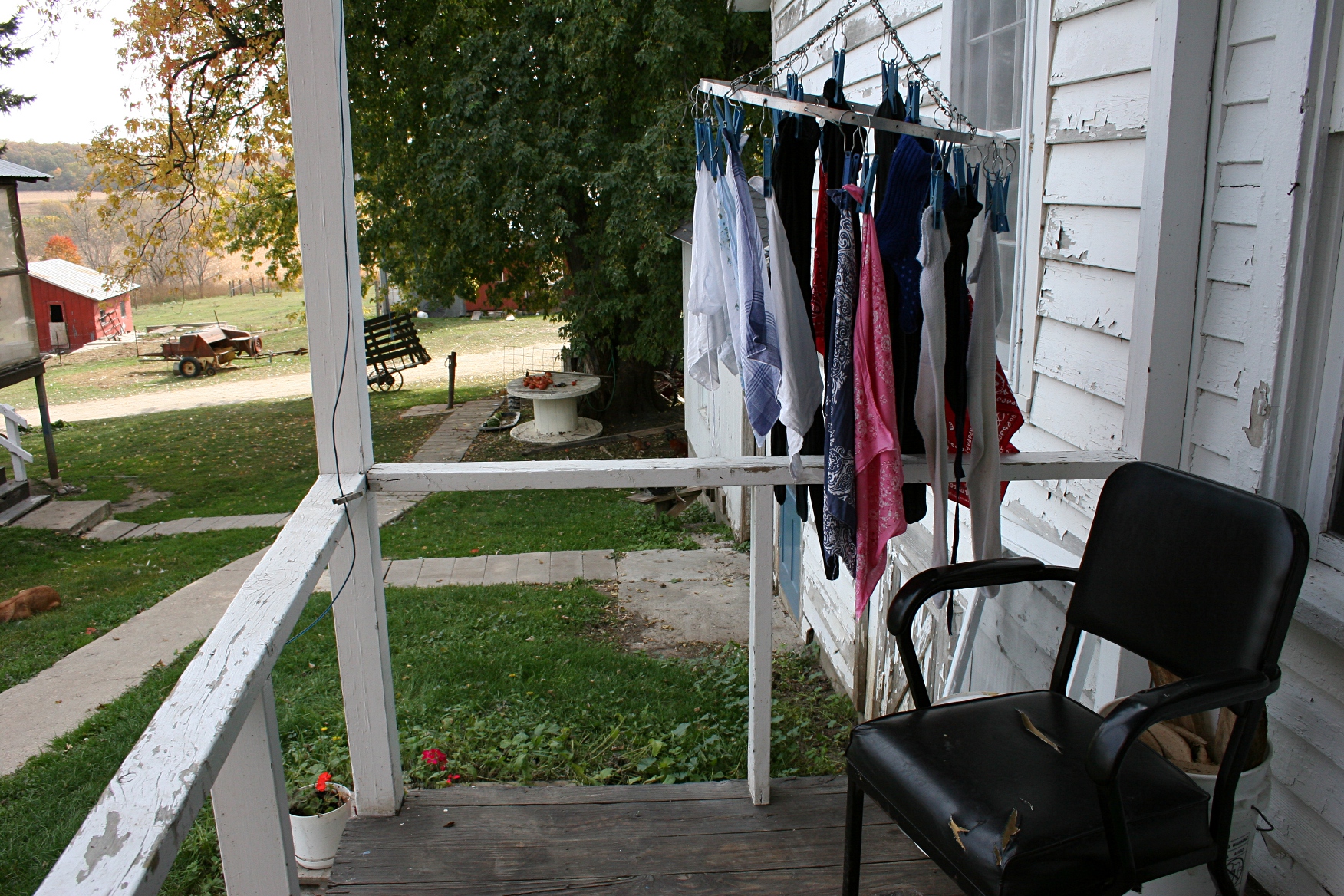
I hang my laundry outside, so I was particularly intrigued by this circular drying rack onto which handkerchiefs were clipped on the porch of Fannie’s house.

I remember thinking, though, before exiting Fannie’s shop, before asking her if I could photograph hankies drying on her porch on this Monday wash day in October, how perfect and lovely the natural light that filtered into the two rooms of her house.

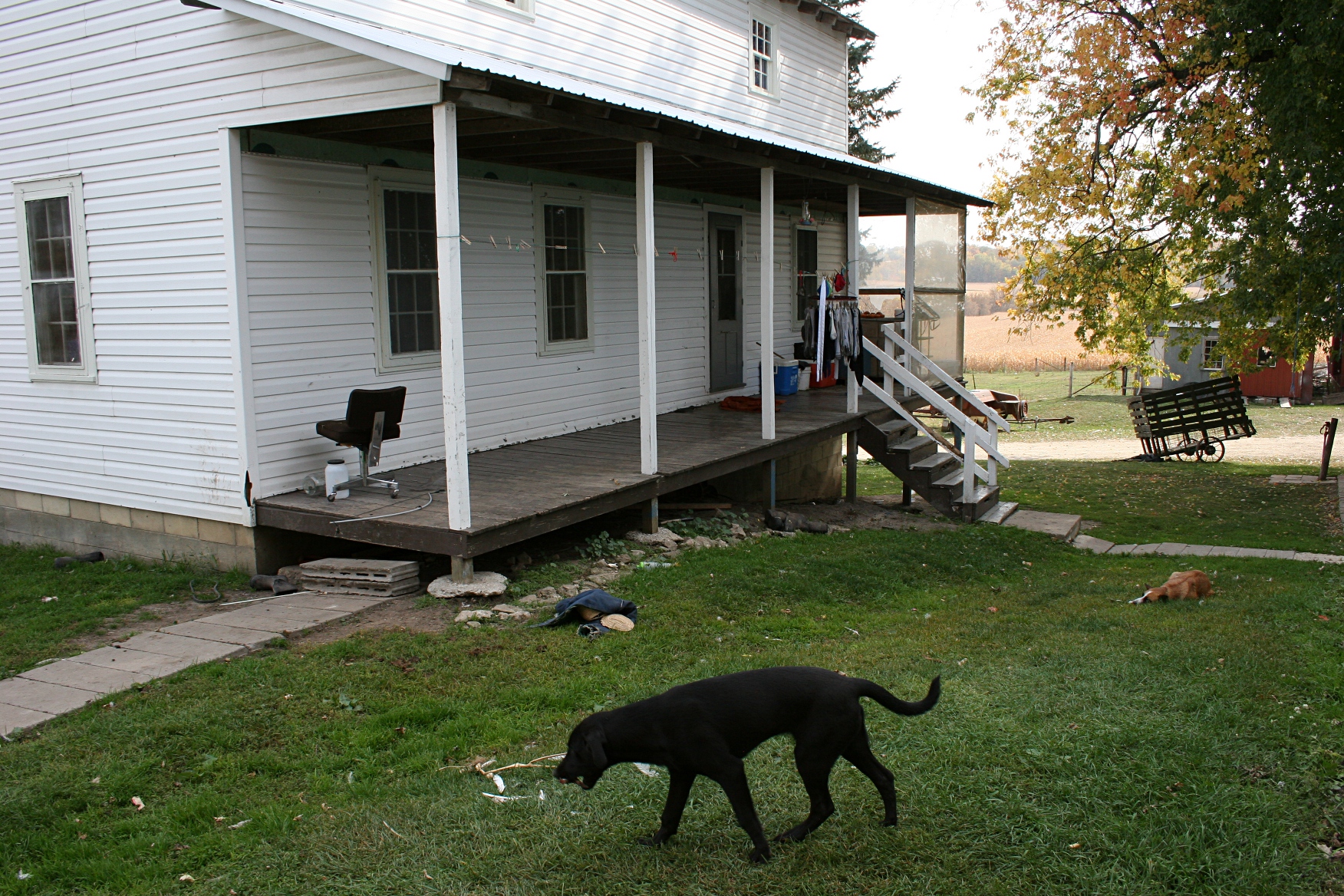
The children ran into this house after I stepped out of Fannie’s shop.

She granted me permission to photograph outside, as long as I did not photograph the children. I told her I would respect her request, then watched the red-haired siblings scamper inside their house.

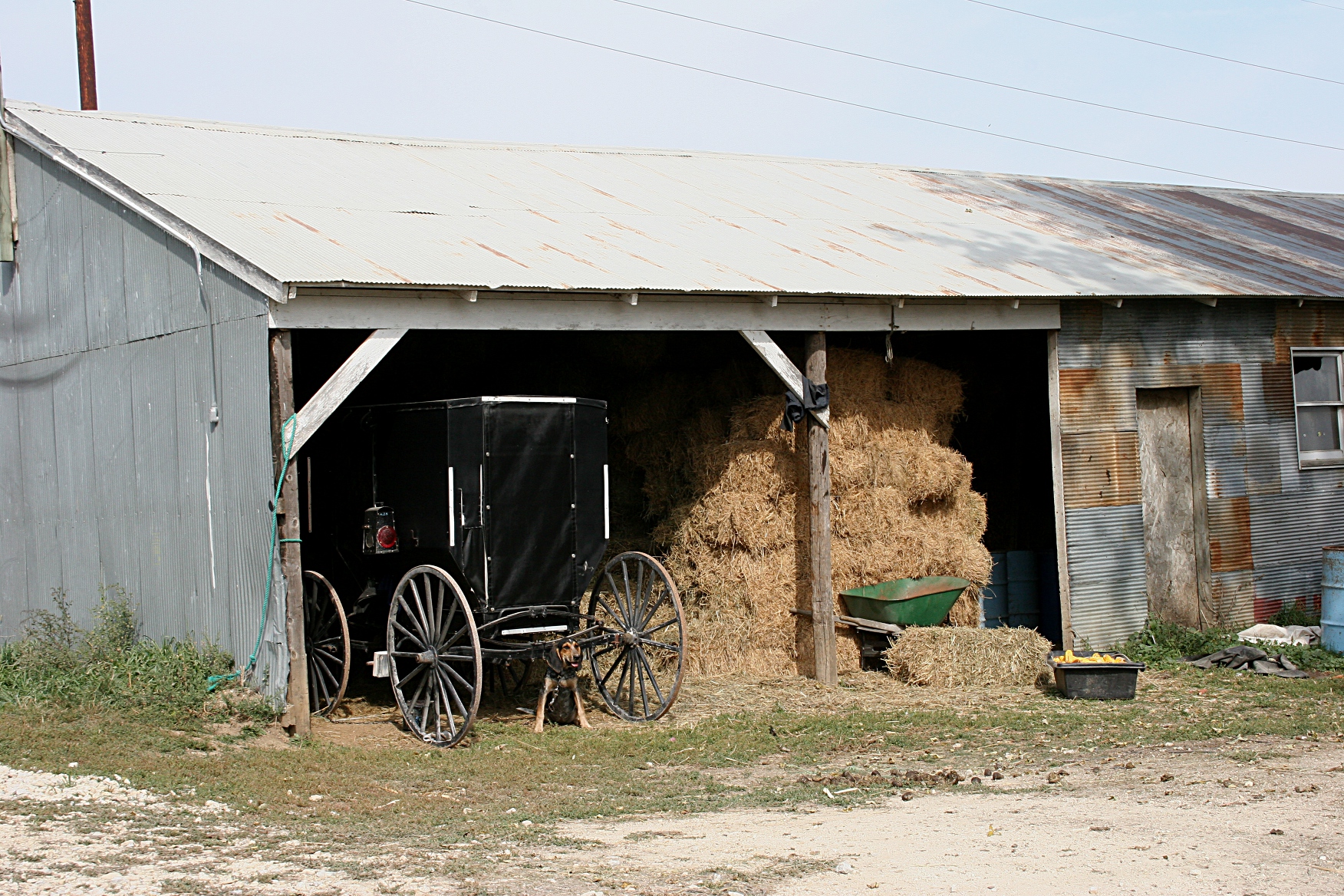
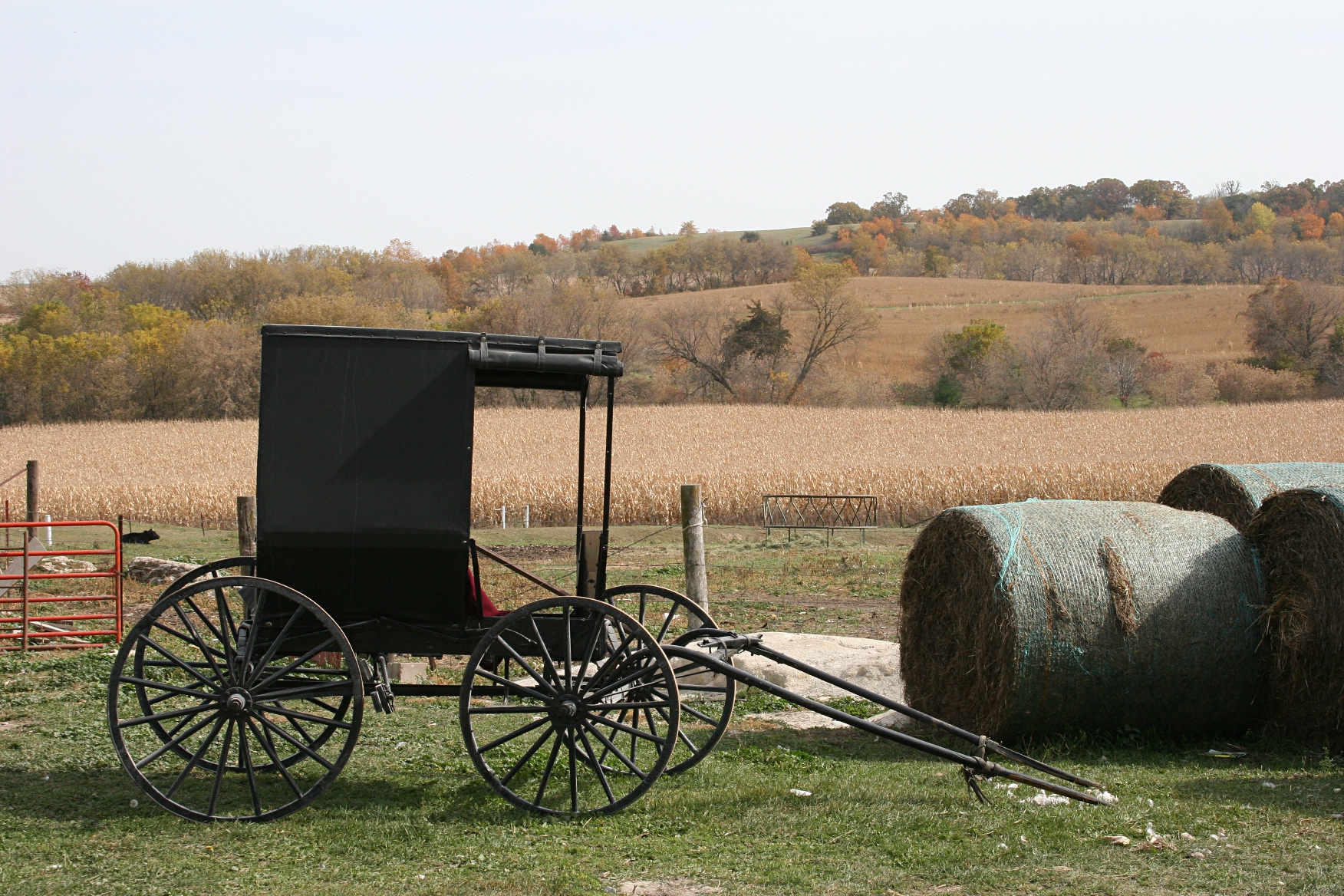
Just another buggy parked on the Miller farm. I was surprised to see the round bales.

I snapped several more building and buggy photos, though not too many as to overstay our welcome, before passing by the now placid chained dog and turning onto the gravel road back to Lenora.

My final photo on the Miller farm, of the dog turned docile.

PLEASE CHECK BACK for another post about the Amish in the Canton and Harmony areas.

Click here to read my previous post about the historic Lenora United Methodist Church.

© Copyright 2012 Audrey Kletscher Helbling


In Lenora, Minnesota: An historic stone church October 10, 2013

STUDYING THE BOOK OF PROVERBS the other evening with my bible study group, the discussion turned to the value of wisdom over silver, gold and rubies.

We all agreed that we’d rather have godly wisdom than wealth.

And then the talk somehow sidetracked to churches and whether monies spent to build ornate structures would better be used to serve the missions of the church. Eventually we concurred that, when done for the right reasons—to honor God, a physically beautiful sanctuary is God-pleasing.

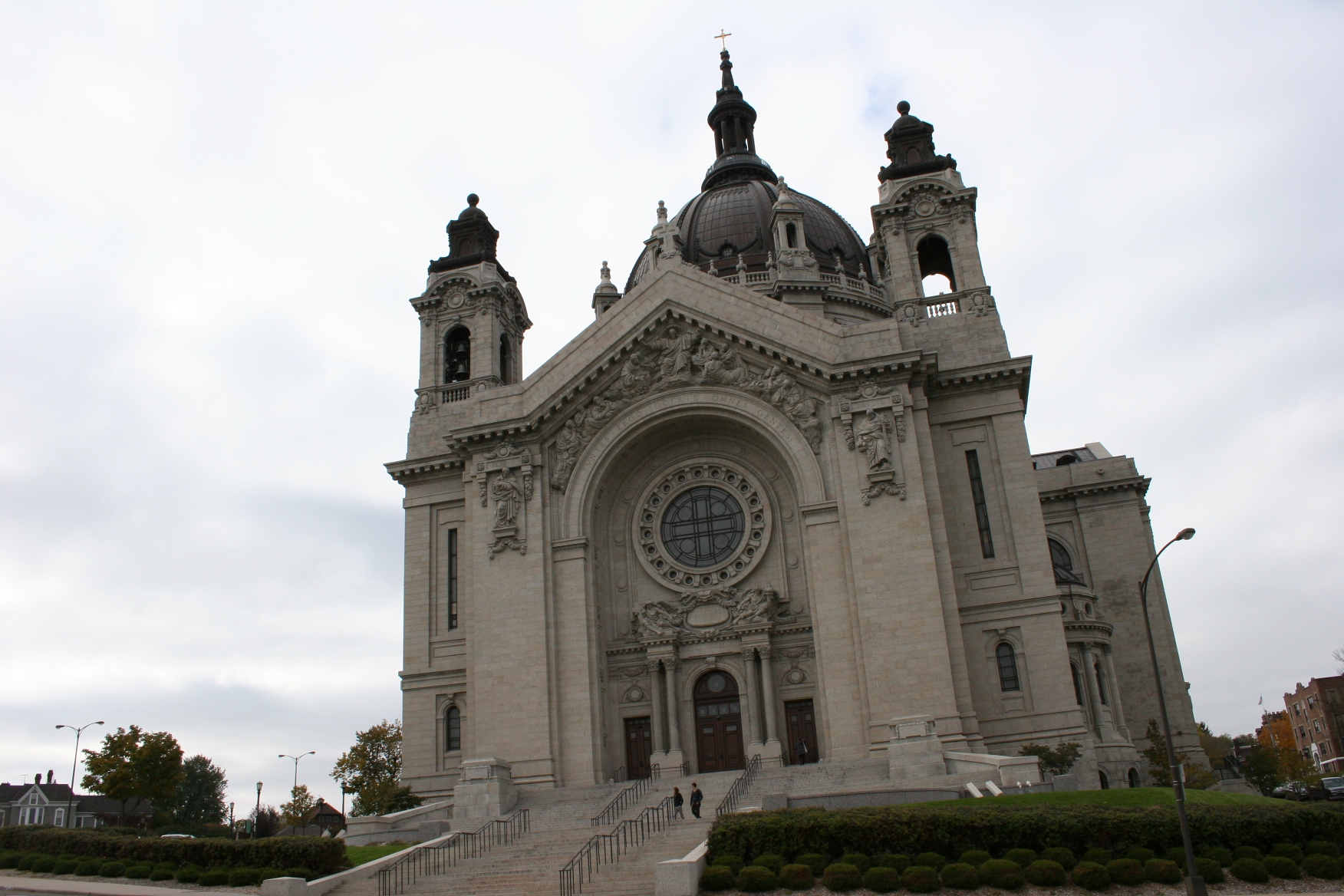
The Cathedral of Saint Paul. Minnesota Prairie Roots file photo.

The Cathedral of Saint Paul. Minnesota Prairie Roots file photo.

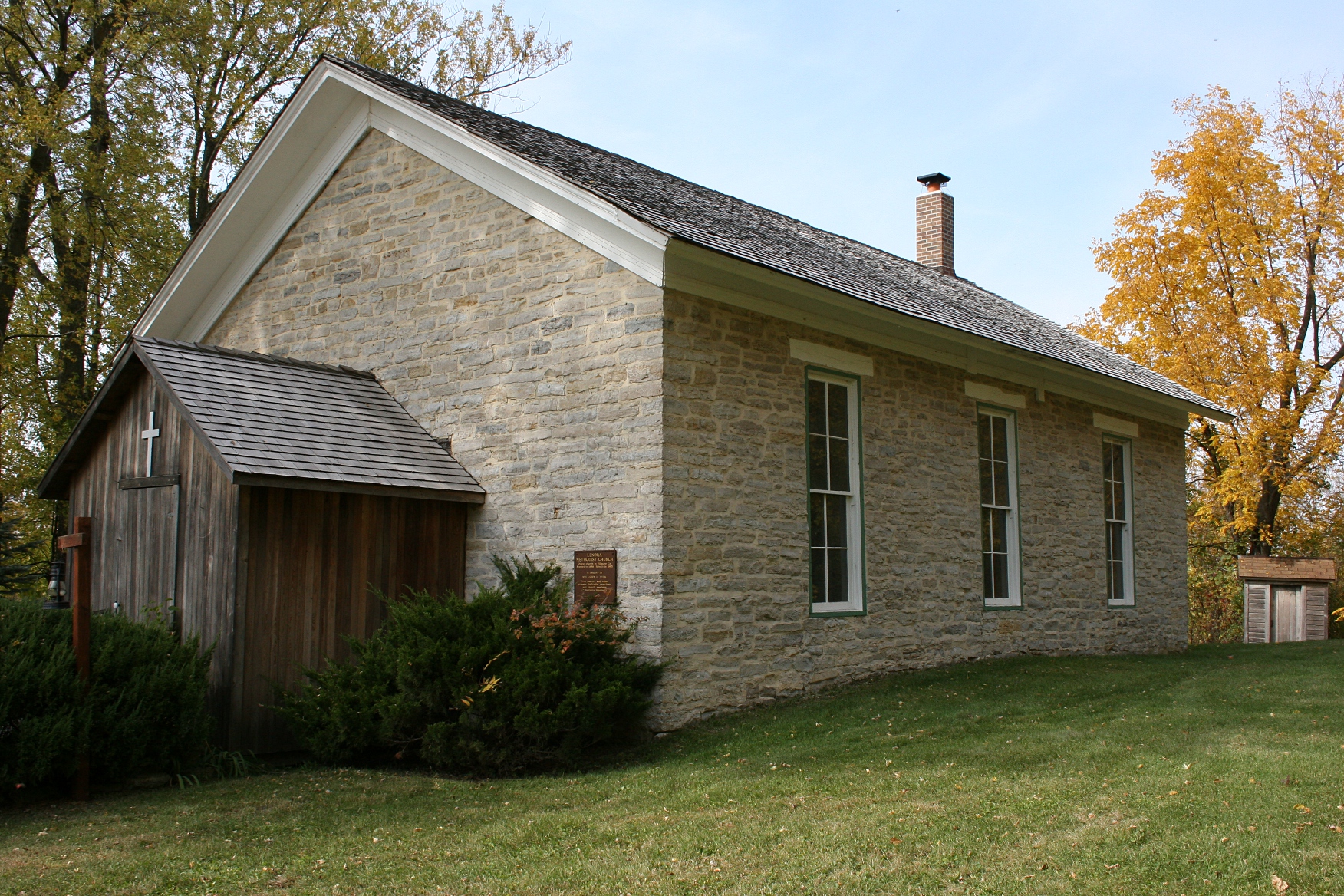
The exterior of the 1865 Lenora United Methodist Church. Minnesota Prairie Roots photo from October 2012.

The exterior of the 1865 Lenora United Methodist Church. Minnesota Prairie Roots photo from October 2012.

I’ve been inside both, from the sprawling and ornate Cathedral of Saint Paul in St. Paul to the simple plainness of a country church with handcrafted pews.

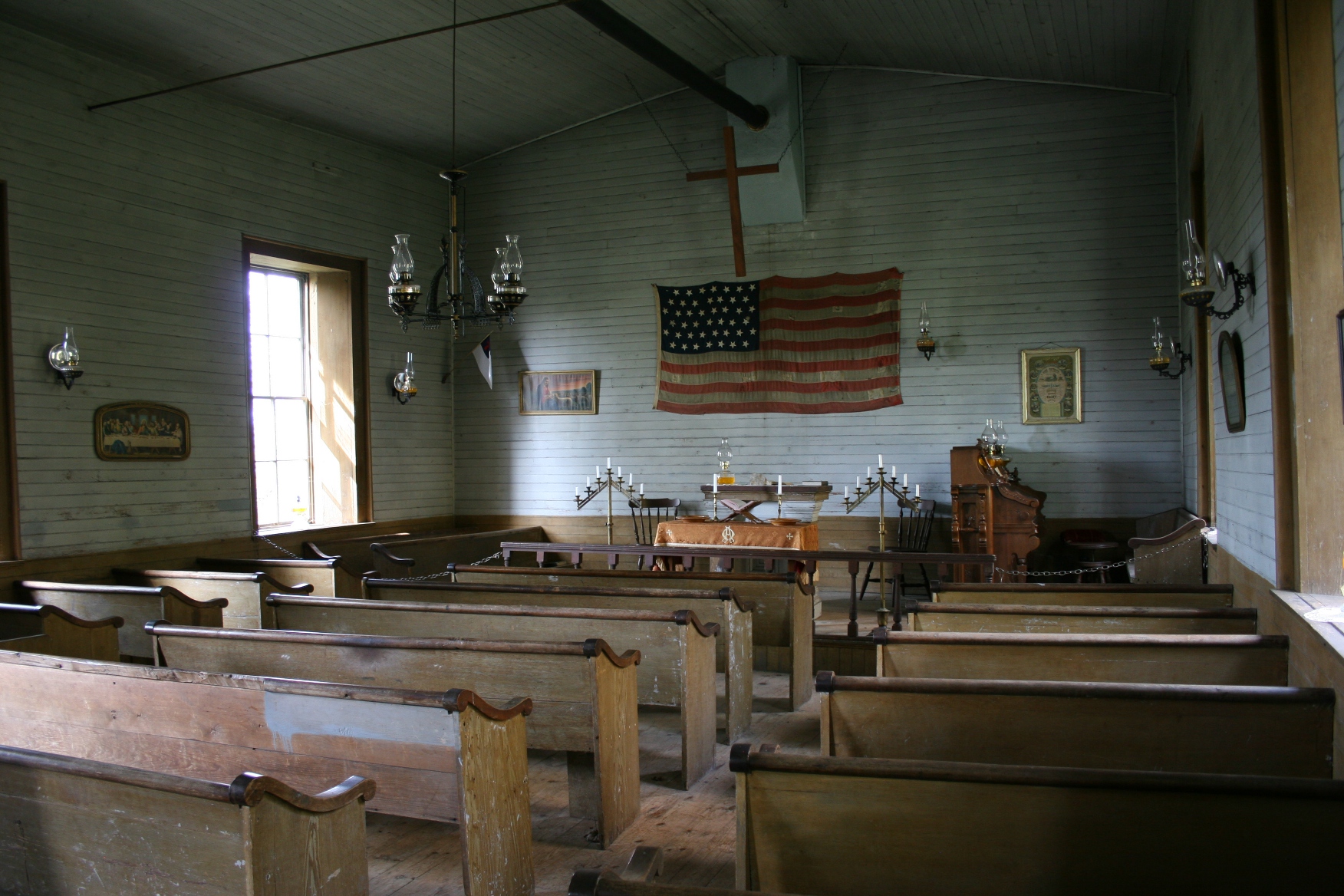
Jeremiah Fowler Stevens built and donated the pews.

Jeremiah Fowler Stevens built and donated the pews in the Lenora church.

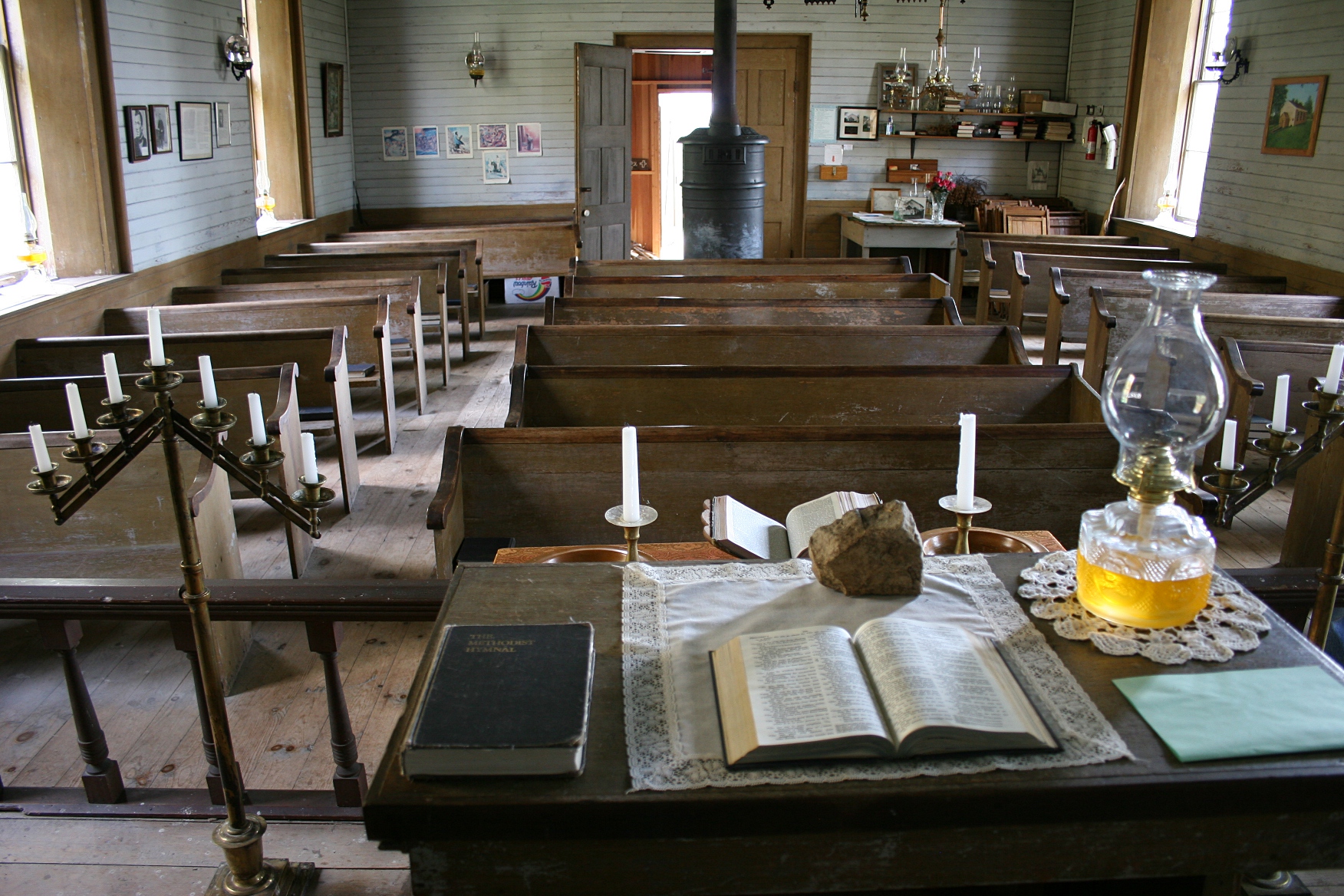
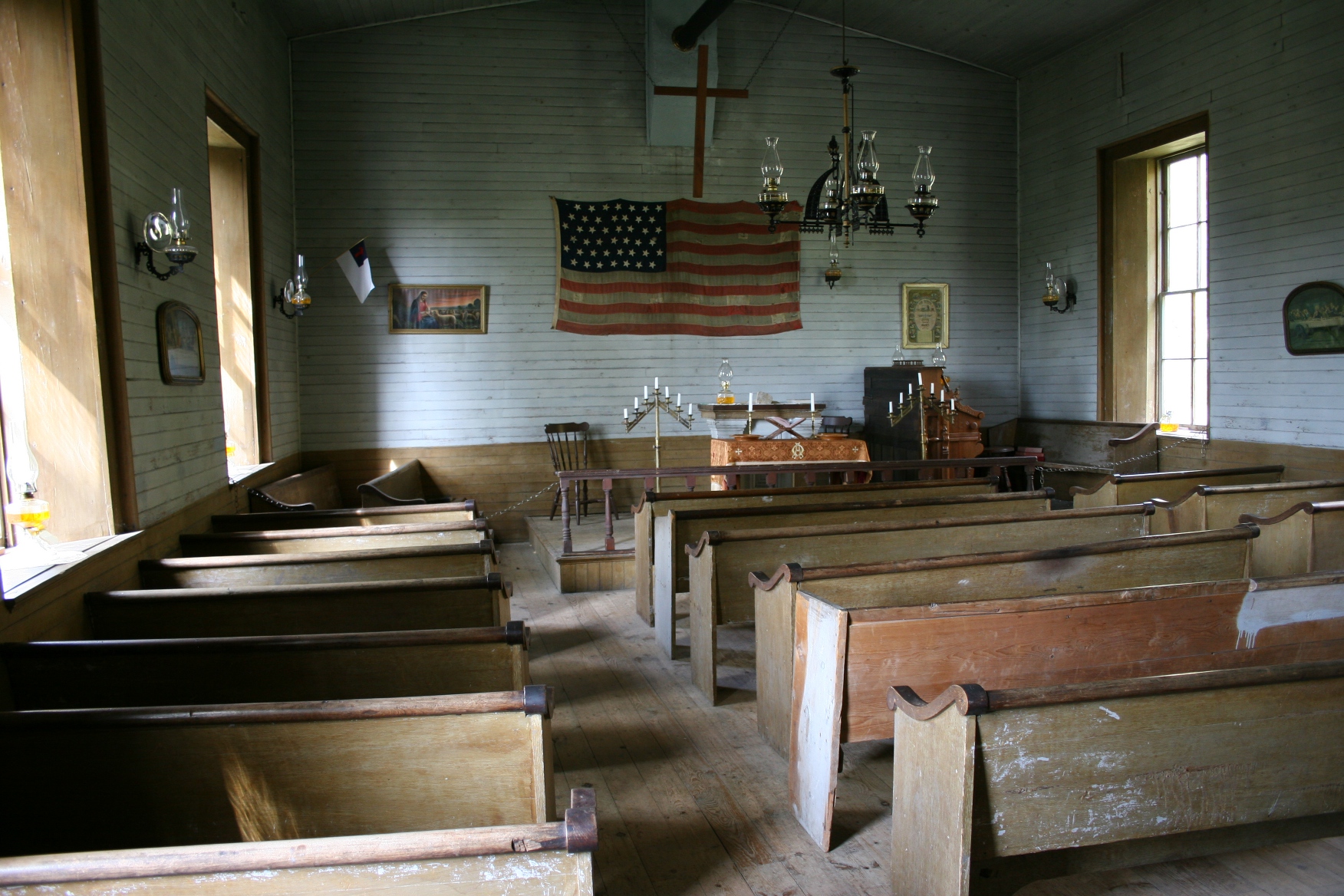
Like the pews in the Lenora United Methodist Church, the oldest church in Fillmore County in southeastern Minnesota. The congregation was established in 1856 by a pioneer circuit rider who led camp meetings there boasting attendance of 2,000 plus souls. The church closed in the late 1920s (as Lenora was bypassed by the railroad and dwindled in population) and today is open for special events and concerts and the occasional worship service.

Looking from the front toward the back of the church.

Looking from the front toward the back of the church.

The bible study exchange and the mention of the historic Lenora church by bible study member Jeff, who recently visited this church with wife Mandy, reminded me of my visit there a year ago and that I needed to share those photos here.

When I went online to research the church in preparing this post, I discovered that Brad Boice, an award-winning Elvis impersonator, will present inspirational and uplifting music along with his wife, JulAnn, from 3 p.m. – 5 p.m. this Sunday, October 13, at the Lenora church.

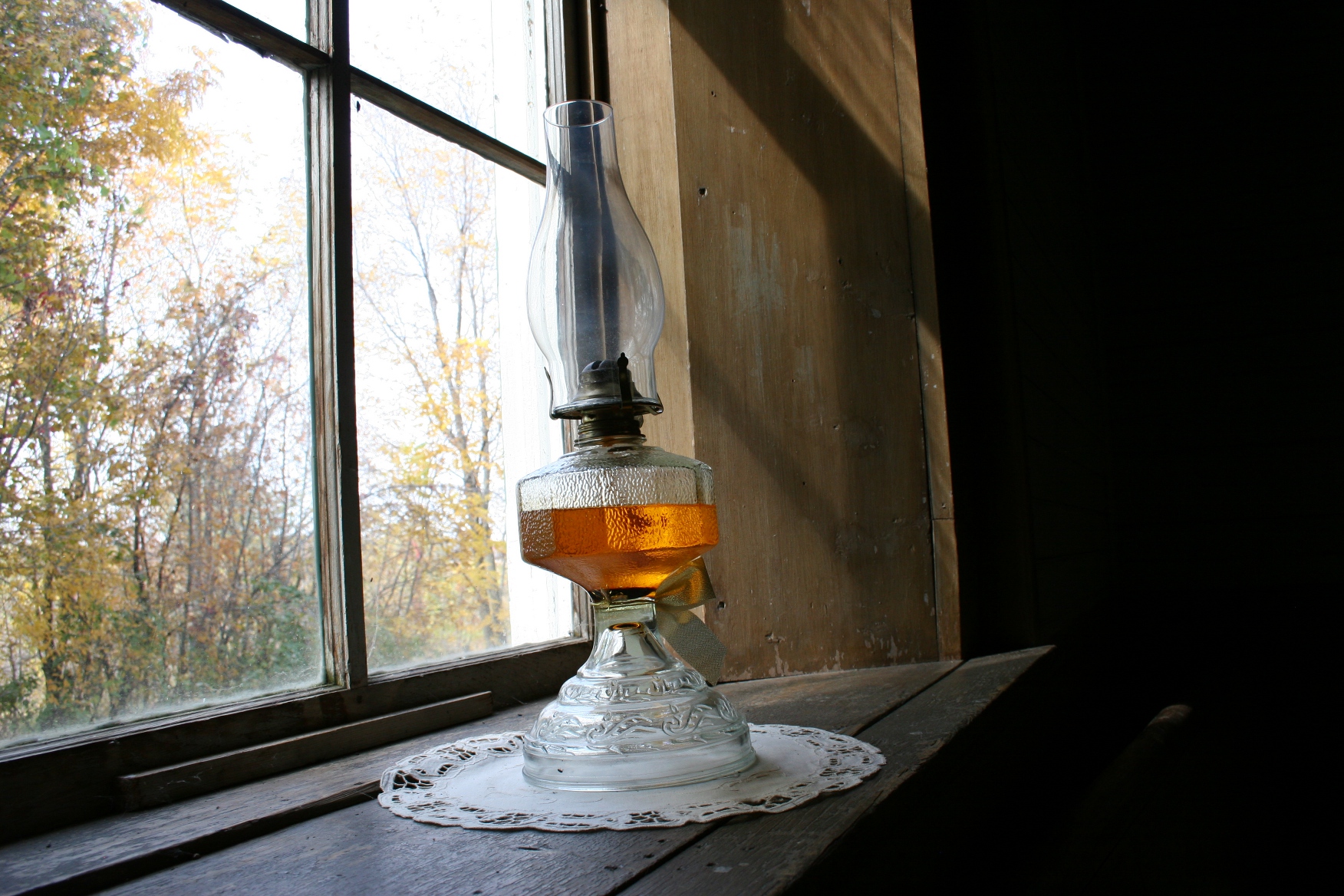
A simple touch of lanterns upon windowsills of the church.

A simple touch of lanterns upon windowsills of the church.

Now if there’s anyone who’s glitzy silver and gold and rubies rhinestones, it would be Elvis.

Brad Boice may be all that when impersonating the famous 50s singer. But he’s also a man of faith as evidenced in this online quote:

I thank Jesus Christ, my Lord and Savior, for my family, friends and the talents that He has given me. Never in my wildest dreams could I have imagined that God would take me to the places that He has.

Another view of the historic church.

Another view of the historic Lenora church.

Sunday afternoon that place will be inside the Lenora church along Fillmore County Road 23 in Lenora (near Canton).

Don’t expect silver or gold, rubies or rhinestones. Instead, expect inspirational spiritual songs within the confines of a simplistic house of worship on the National Register of Historic Buildings.

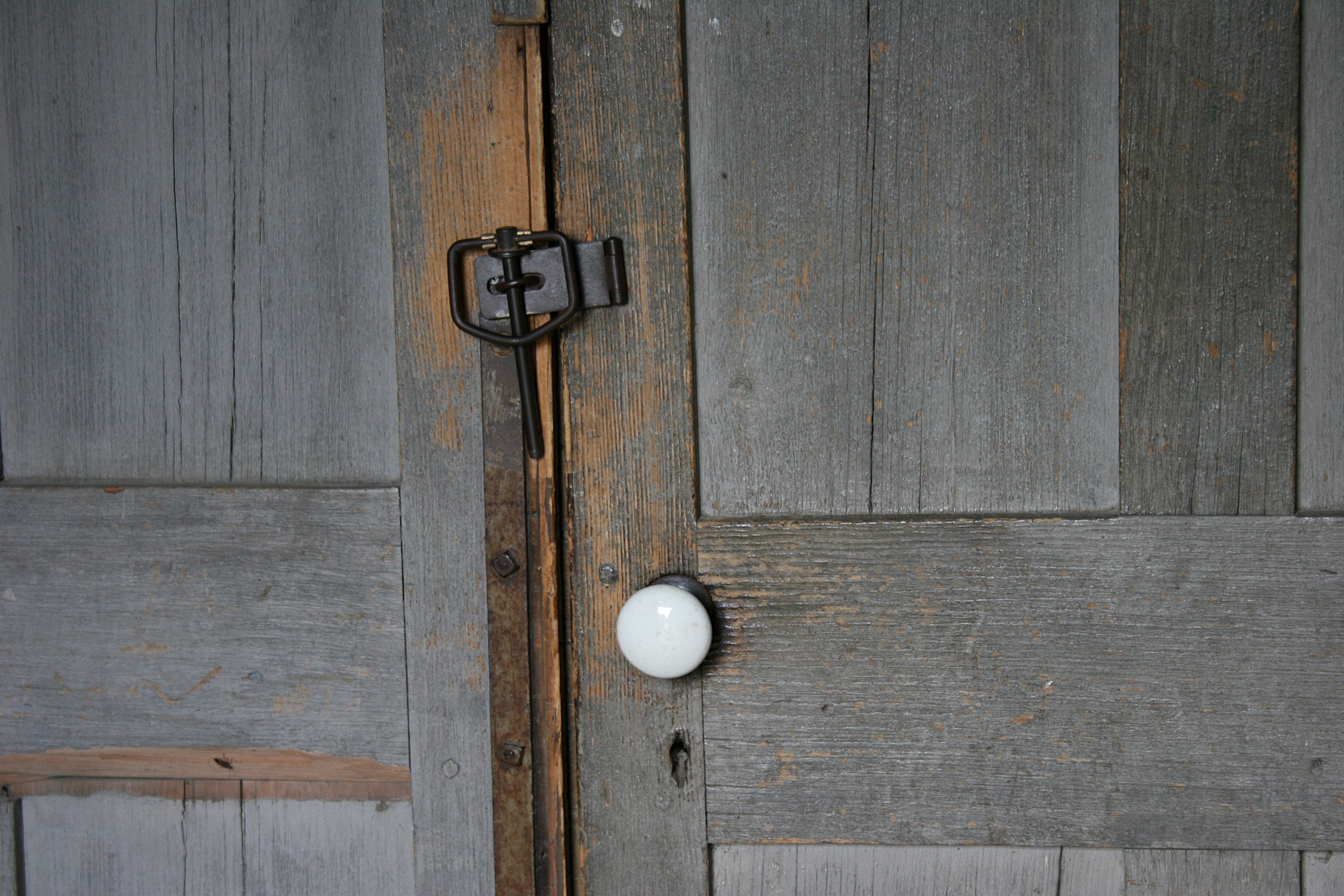
The rustic Lenora church doors.

The rustic Lenora church doors.

FYI: Click here to learn more about Lenora United Methodist Church.

And click here to learn more about Elvis impersonator Brad Boice.

Watch for a post tomorrow from Lenora, in which I introduce you to Fannie Miller.

© Copyright 2013 Audrey Kletscher Helbling
 

Personalizing a wedding: It’s in the details October 9, 2013

I PROMISED YOU no more photos from my daughter’s wedding.

But now I must break that promise because of Stacey, who lives in southern Minnesota and blogs at down to earth digs. (Check out Stacey’s incredible earthy and artsy homespun single-photo posts by clicking here.)

Anyway, when Stacey wrote the following comment on one of my wedding posts, I just knew I had to show you some of the details that shaped Amber and Marc’s September 22 wedding.

I think this is the most lovely, simply elegant wedding…so sweetly simple with amazing little details that were just perfect…the dress—so special, so beautiful…so perfectly worn by a beautiful bride.

Love the suits—not rented tuxedos….Love the setting of that historic building. The adorable card suitcase…the chalkboard…just wonderful!

The flowers—amazing! Ahhh, dusty miller in the bouquets…so pretty!

Yes, Stacey, an avid gardener and appreciator of all things simple and beautiful, understands the importance of details in comprising the whole, in shaping a setting and mood.

That said, let’s look back at wedding prep and the personal choices that, together, created, as Stacey says, a simply lovely, sweet and elegant wedding.

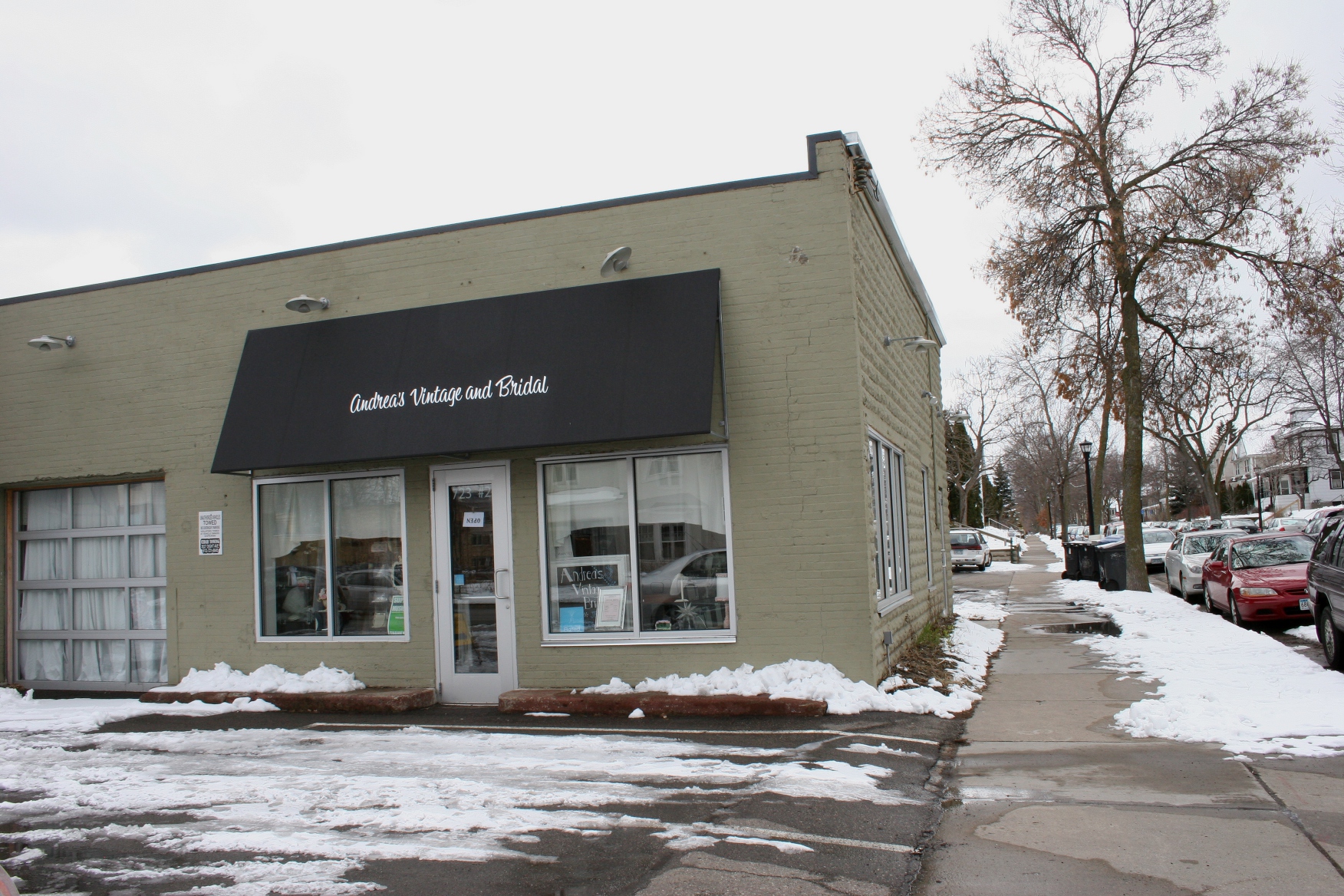
The bride's decision to shop for her dress at a vintage bridal shop in Minneapolis set the tone for the entire wedding.

The bride’s decision to shop for her dress at a vintage bridal shop in Minneapolis set the tone for the entire wedding. The bridal shop is housed in a former garage. Amber’s dad, my husband, is an automotive machinist. Minnesota Prairie Roots file photo.

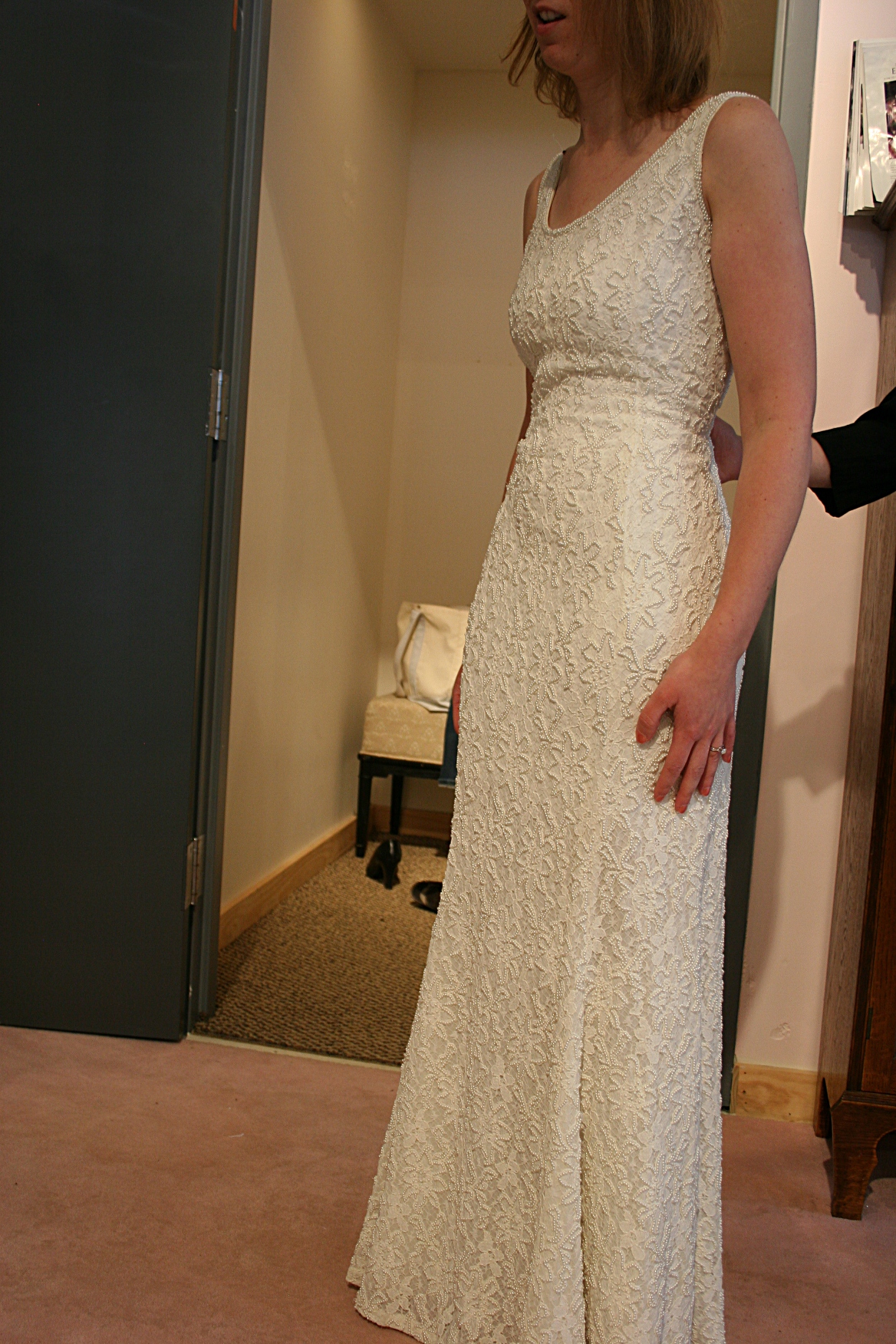
Once the dress, a second-hand vintage replica gown, was chosen, Nikolina helped Amber envision the dress redone to suit Amber. She suggested adding a sash, which was the perfect addition to emphasize Amber's tiny waist and update the dress.

Once the dress, a second-hand vintage replica gown, was chosen, Nikolina (who runs Andrea’s Vintage Bridal with her mom, Andrea) helped Amber envision the dress redone. Nikolina suggested updating the dress with a satin sash, the perfect addition to emphasize Amber’s slim frame and tiny waist. The gown had to be taken in some, too.

Nikolina checked out the hem-line, which did not need to be adjusted, saving Amber lots of dollars in alterations. Hemming, we were told, is typically the most costly alteration. The beaded details and the flow of this body-hugging dress made it simply elegant.

Nikolina checks the hem-line, which did not need to be adjusted, saving Amber lots of dollars in alterations. Hemming, we were told, is typically the most costly alteration. The beaded details and the flow of this body-hugging dress create an elegant look.

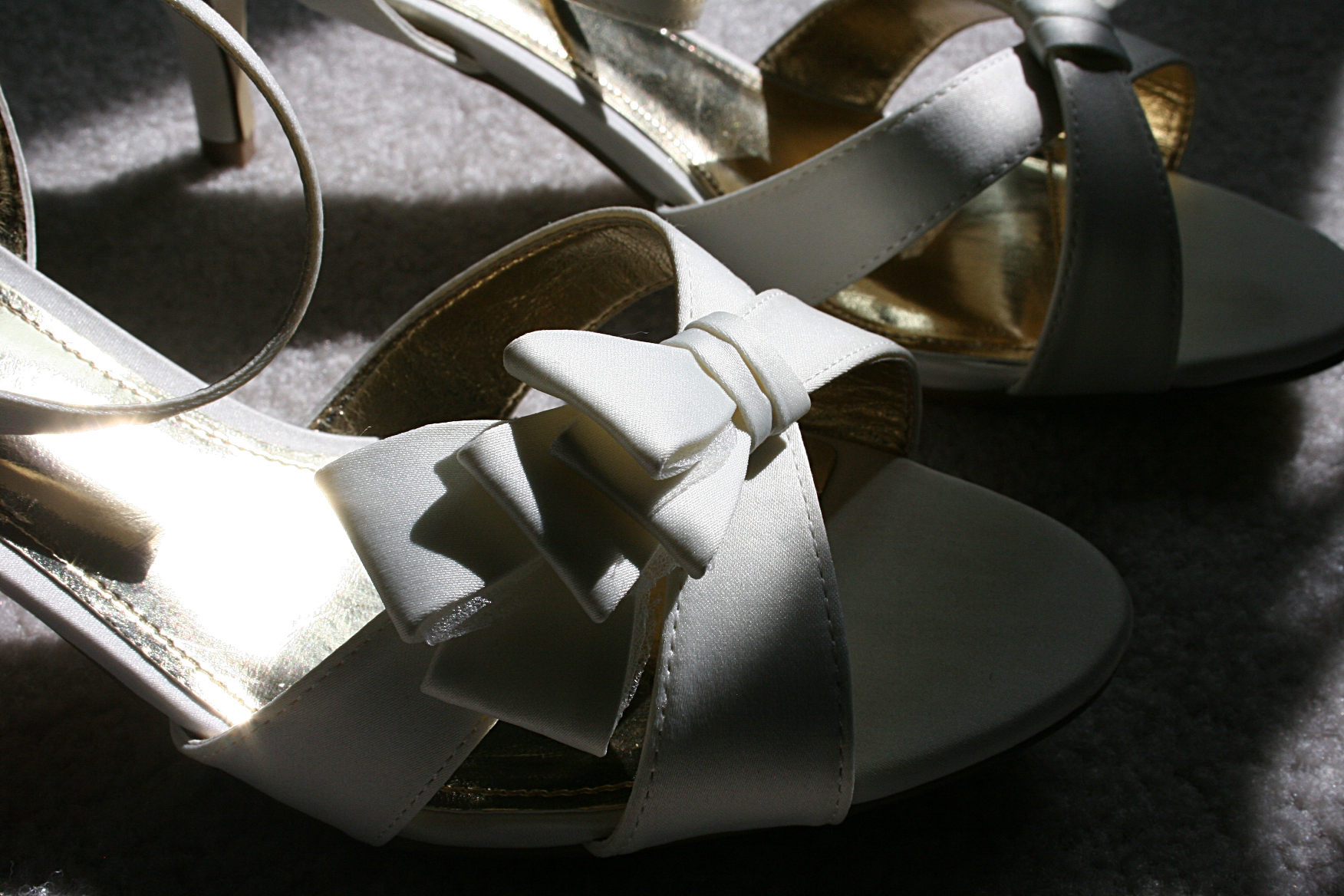
When Amber initially chose plain navy blue pumps to wear with her wedding gown, I had to zip my lips, sort of. They were her "something blue," but I thought the wrong choice. I said something like "just make sure they don't show in photos." Eventually she changed her mind and chose these lovely bow-detailed and classy shoes. She had her toenails painted blue for the "something blue."

When Amber initially chose navy blue pumps to wear with her wedding gown, I had to zip my lips, sort of. They were her “something blue,” but I thought the wrong choice. I said, “Just make sure they don’t show in photos.” Eventually she changed her mind and purchased these lovely bow-detailed and classy heels. She had her toenails painted blue for the “something blue.”

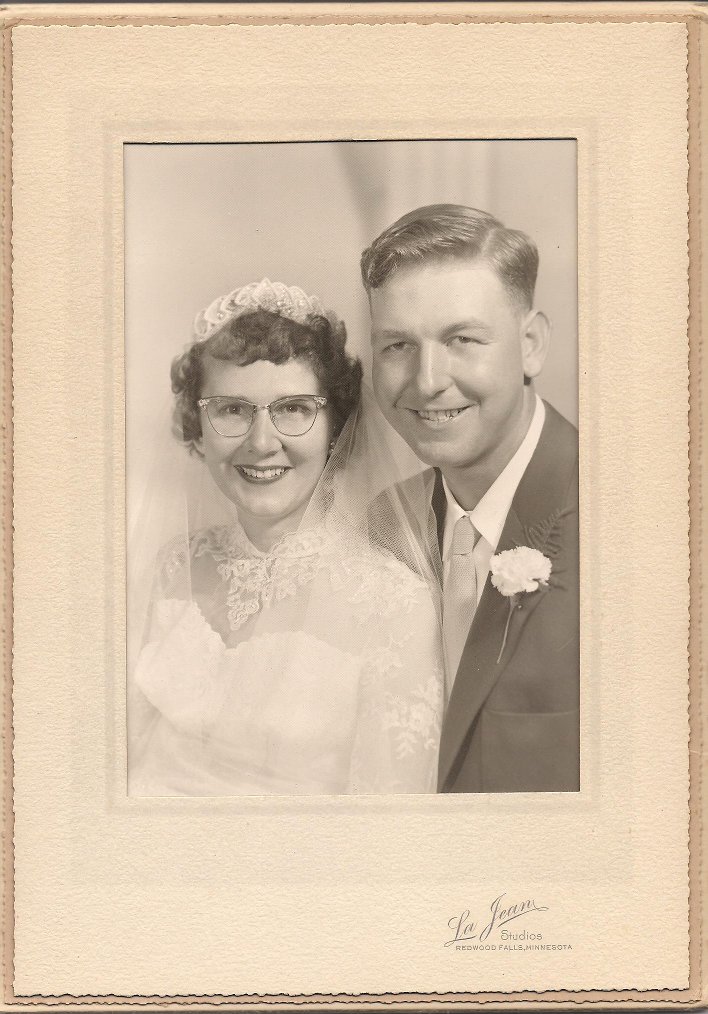
Amber and Marc wanted to honor their parents and grandparents at their wedding reception and did so with wedding day portraits, like this of my parents, Elvern and Arlene, married on September 25, 1954.

Amber and Marc wanted to honor their parents and grandparents at their wedding reception and did so with wedding day portraits, including this of my parents, Elvern and Arlene, married on September 25, 1954.

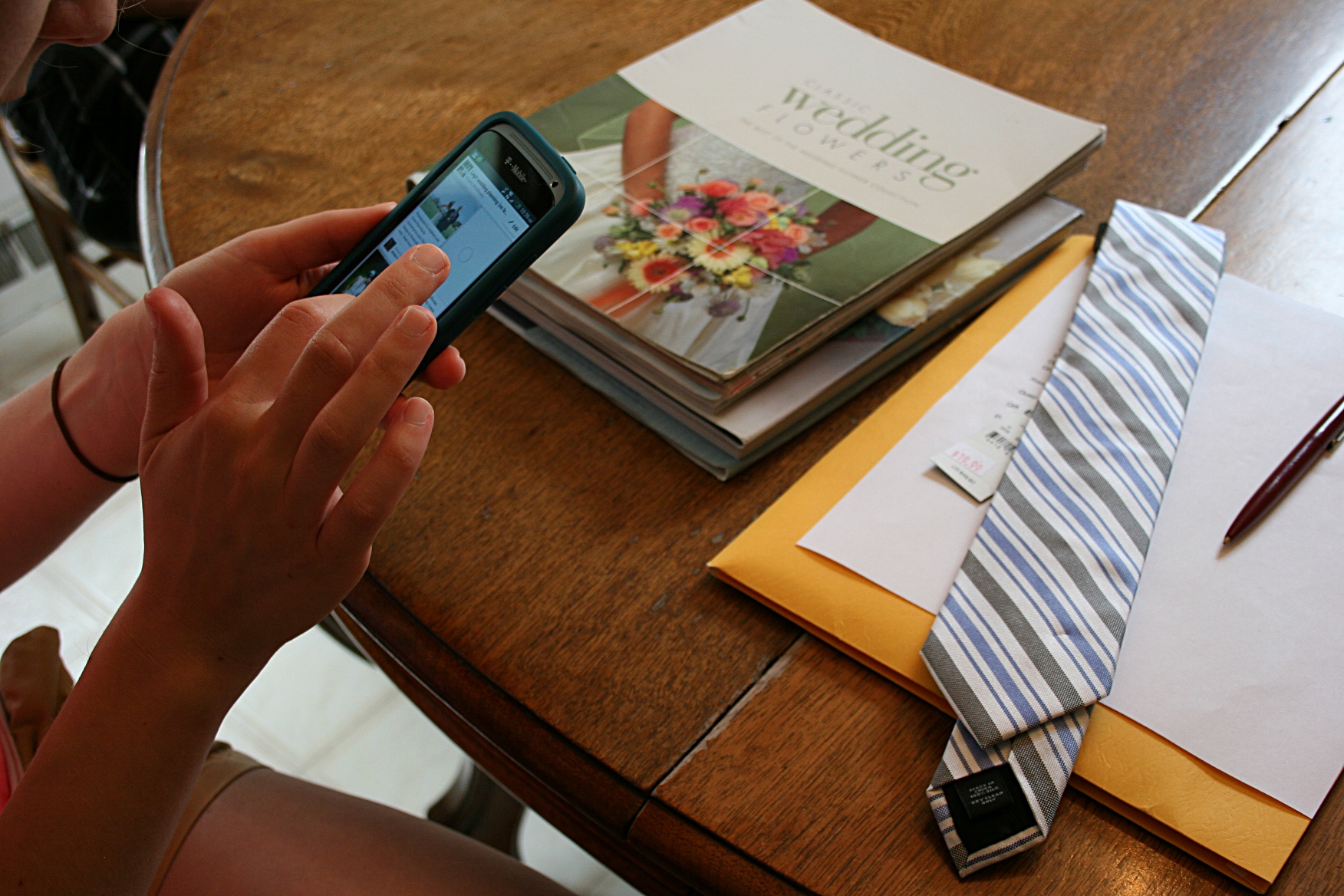
Choosing flowers is no easy task. Amber and Marc researched online and in books.

Choosing flowers is no easy task. Amber and Marc researched online and in books looking for the right mix of colors and textures and design to shape the vision they wanted for their wedding. Tie selection is also important, finding just the right colors.

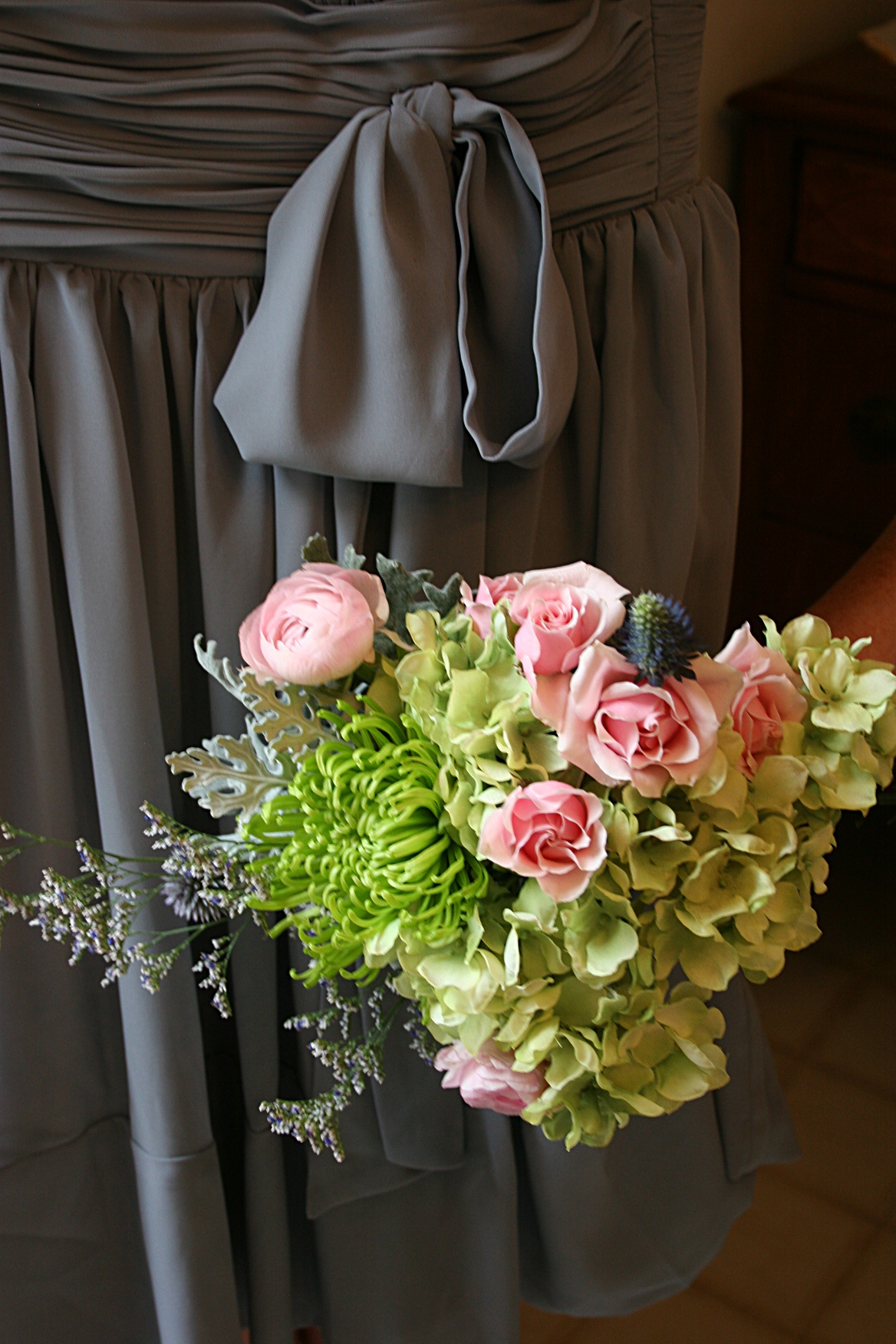
Ideas for bridesmaids' bouquets.

Ideas for bridesmaids’ bouquets. Notice the details, too, in the bridesmaid dress with the shirring at the waist and the tie. The dresses were custom made by Hong Kong based Mermaid Bridal.

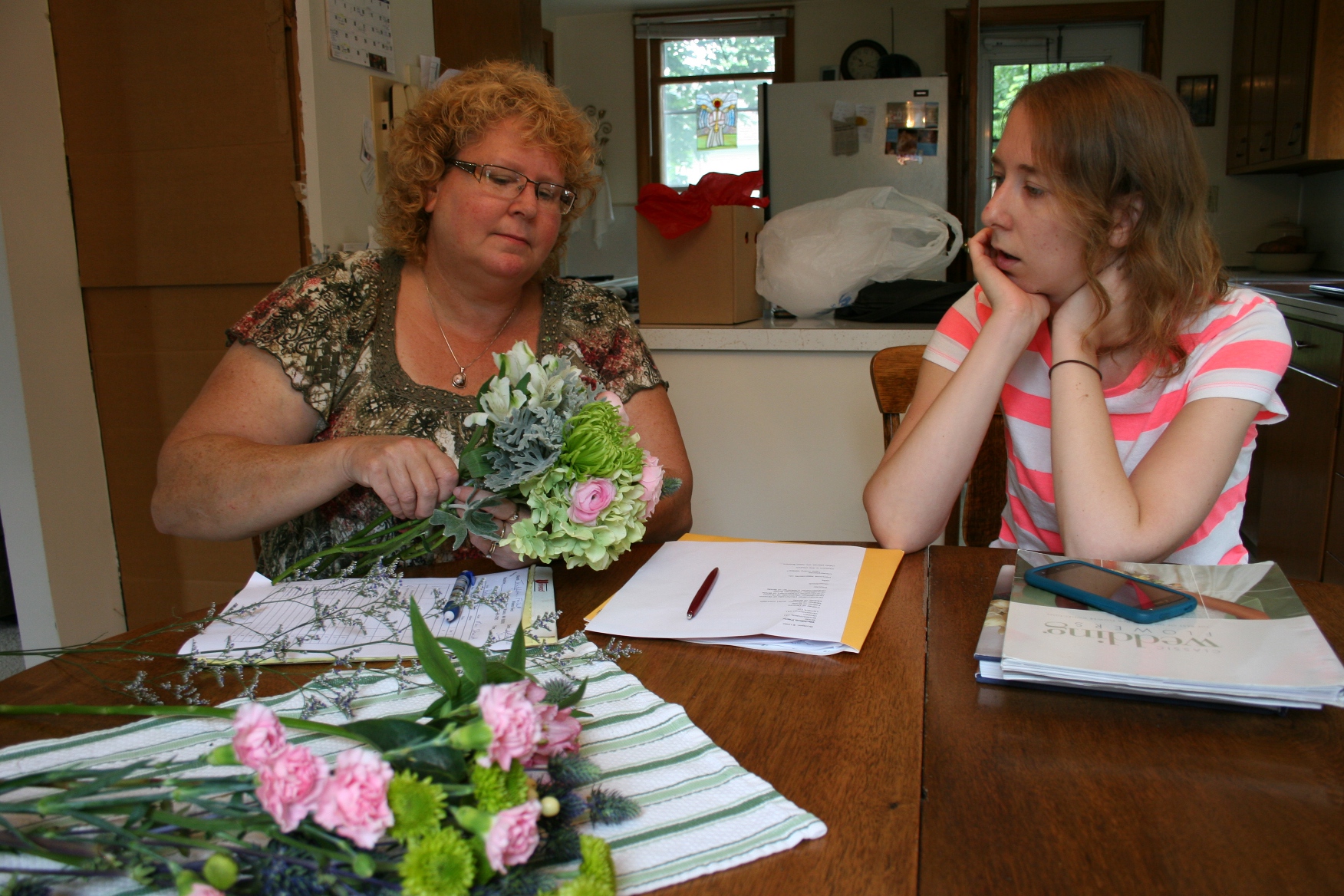
Armed with information Amber had emailed, my floral designer sister, Lanae of Waseca Floral, arrived at our home with fresh flowers and ideas.

Armed with information Amber had emailed, my floral designer sister, Lanae of Waseca Floral, arrived at our home with fresh flowers and ideas for the couple to consider. Check my blog posts for the stunning results.

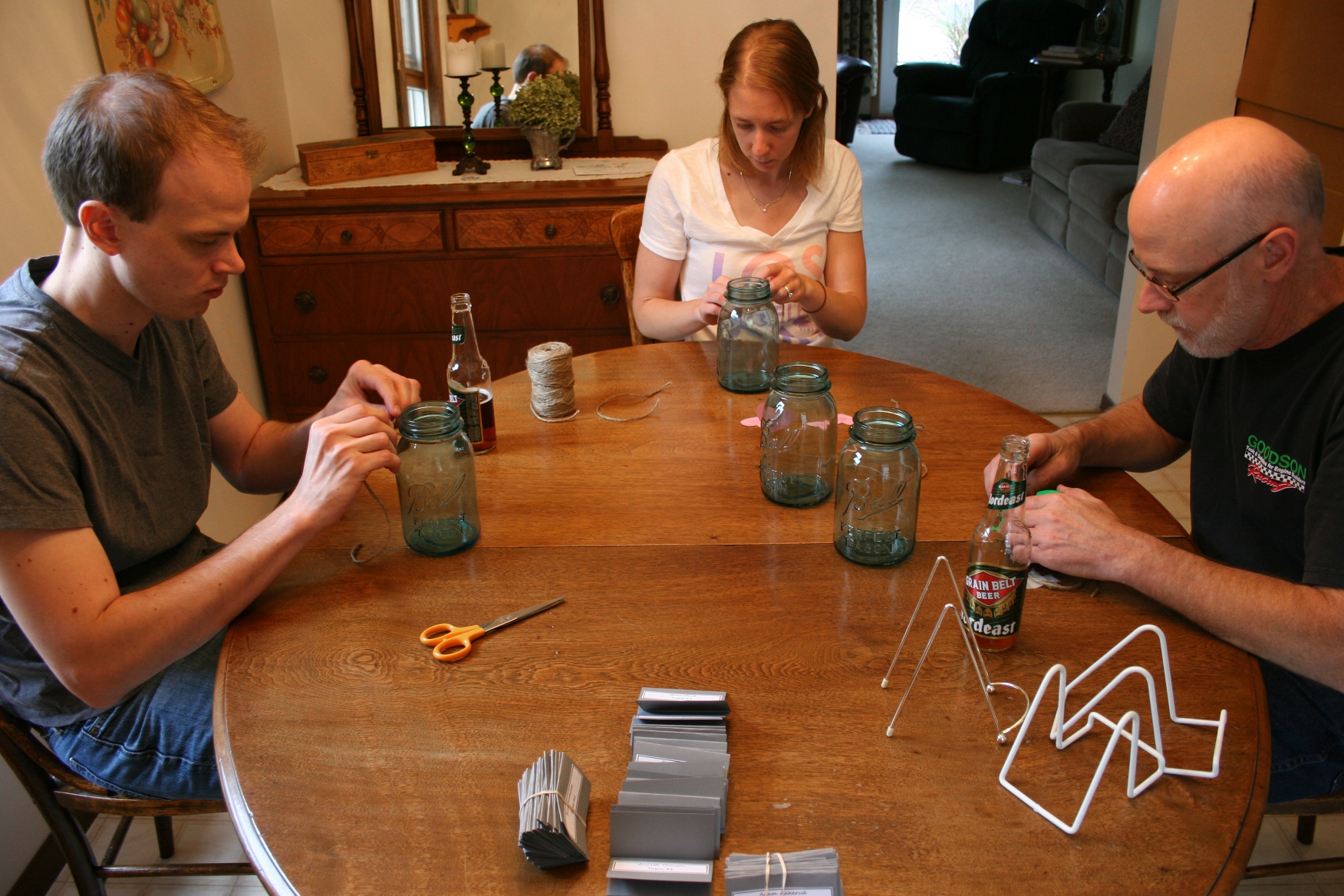
The bridal couple and the father-of-the-bride worked on table numbers for the vintage blue canning jars that would grace tables at the reception. The choice of these jars followed the vintage theme and the color scheme for the wedding.

The bridal couple and the father-of-the-bride tie pink paper hearts on vintage blue canning jars for bridesmaids’ bouquets. The choice of these jars for bouquets and floral centerpieces followed the vintage theme and the muted blue/pink/green/grey color scheme for the wedding.

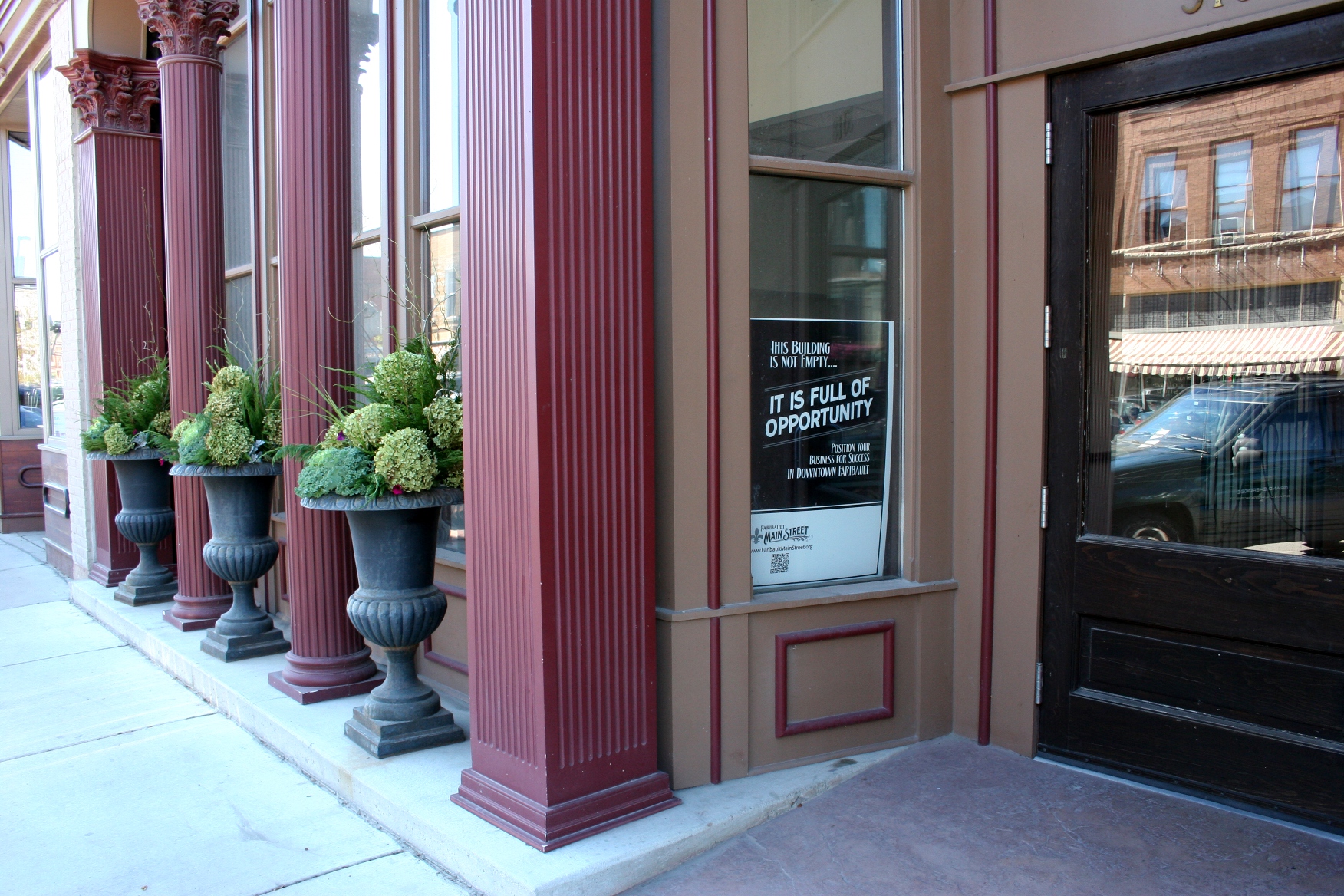
The historic Bachrach Building in downtown Faribault was the perfect venue for the wedding couple's vision of their reception. However, about a month before the wedding, I noticed that the flowers in the outside urns were mostly dead or dying. When I mentioned this to Amber, she admonished me to drop the idea of replacing the flowers because she did not want to spend more time and money on this. Because first impressions count, I contacted my floral designer sister. Together we hatched a no-cost easy plan to beautify the urns. I clipped nearly 40 hydrangea from my yard. Lanae brought ornamental kale, curly willow and greens from hers. She transformed the urns into stunning floral masterpieces that impress.

The historic Bachrach Building in downtown Faribault was the perfect venue for the wedding couple’s vision of their reception. However, about a month before the wedding, I noticed that the flowers in the outside urns were mostly dead or dying. When I mentioned this to the bride-to-be, she admonished me to drop the idea of replacing the flowers because she did not want to spend more time and money.  I quietly overrode her decision, which I would not typically advise. But, because first impressions count, I contacted my floral designer sister. Together we hatched a no-cost easy plan to beautify the urns. I clipped nearly 40 hydrangea from my yard. Lanae brought ornamental kale, curly willow and greens from hers. She transformed the urns into stunning floral masterpieces as shown here. The bits of purple peeking out are the petunias which had been planted in the urns.

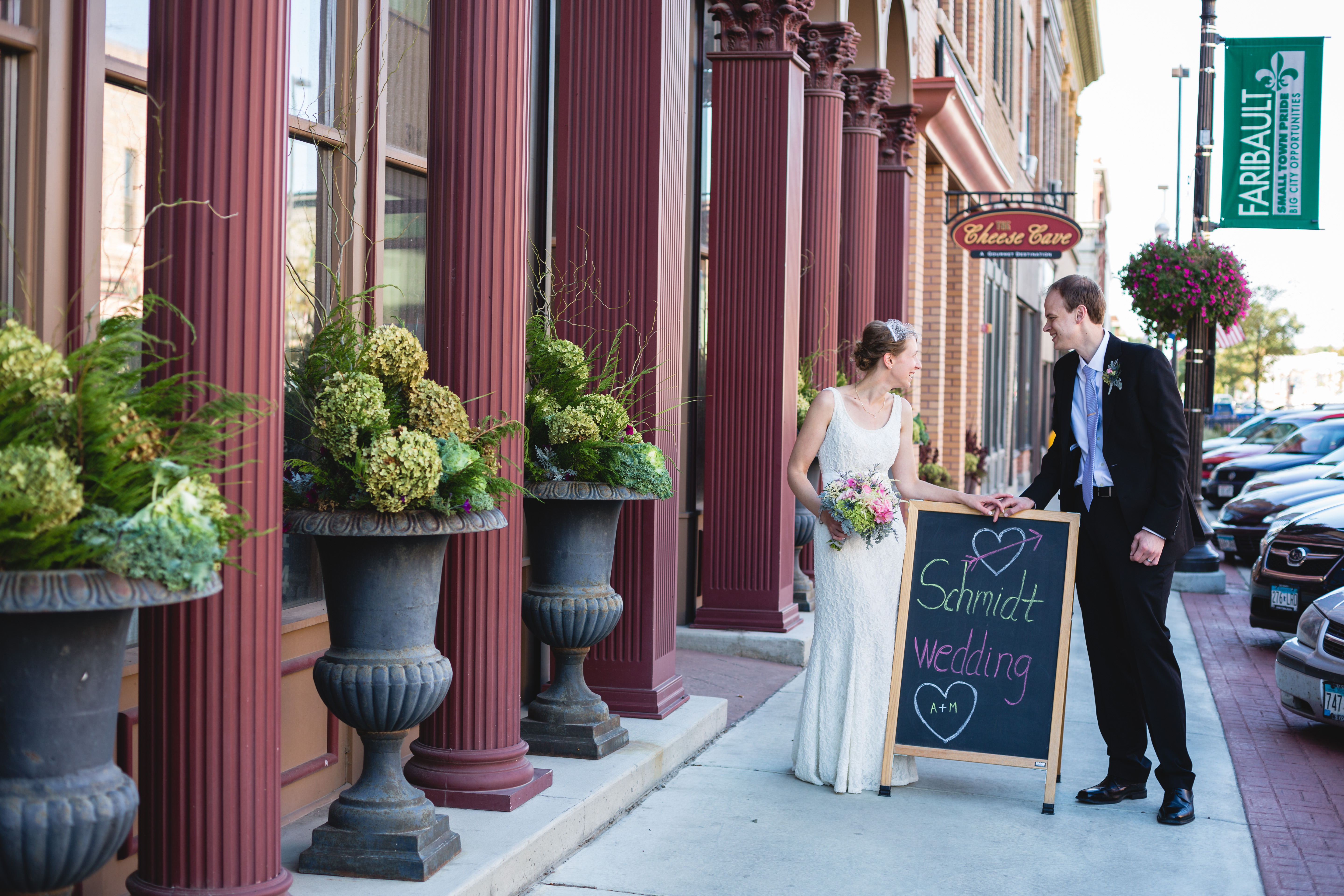
The couple arrives at the reception venue in the Bachrach Building in historic downtown Faribault. The social hour was held in the first floor Atrium and the reception in the second floor The Loft. The exterior floral pieces were created by my floral designer sister, Lanae Feser of Waseca Floral. Photo by and courtesy of Rochelle Louise Photography of Minneapolis.

The couple wanted a sign out front to direct guests into the reception venue. The folks at The Cheese Cave, which is housed inside the Bachrach complex, kindly lent their sandwich chalkboard to us for the reception. Amber told me to write “Schmidt wedding” on the board. I added the hearts and the “A + M” detail inside the bottom heart, using two of the wedding colors, pink and green. Details, remember. Photo by and courtesy of Rochelle Louise Photography of Minneapolis.

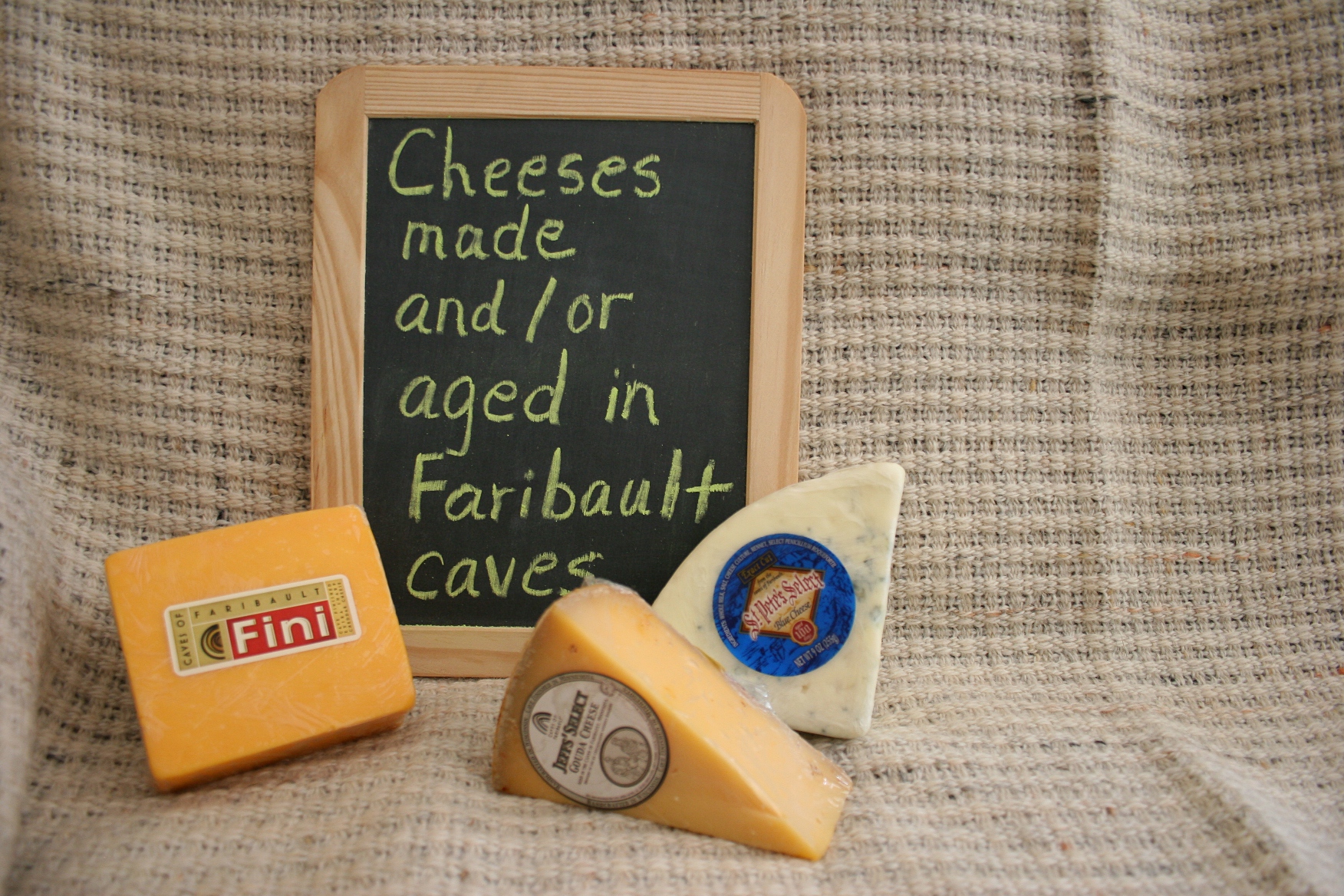
Mini chalkboards were used elsewhere throughout the reception venue, here to label the cheeses purchased at The Cheese Cave. The bride and groom wanted to showcase fine locally-made and/or aged cheeses.

Mini chalkboards were used elsewhere throughout the reception venue, here to label cheese purchased at The Cheese Cave. The bride and groom wanted to showcase fine locally-made and/or cave-aged cheeses. This photo does not show the actual set-up at the reception, but rather a shot I propped at home.

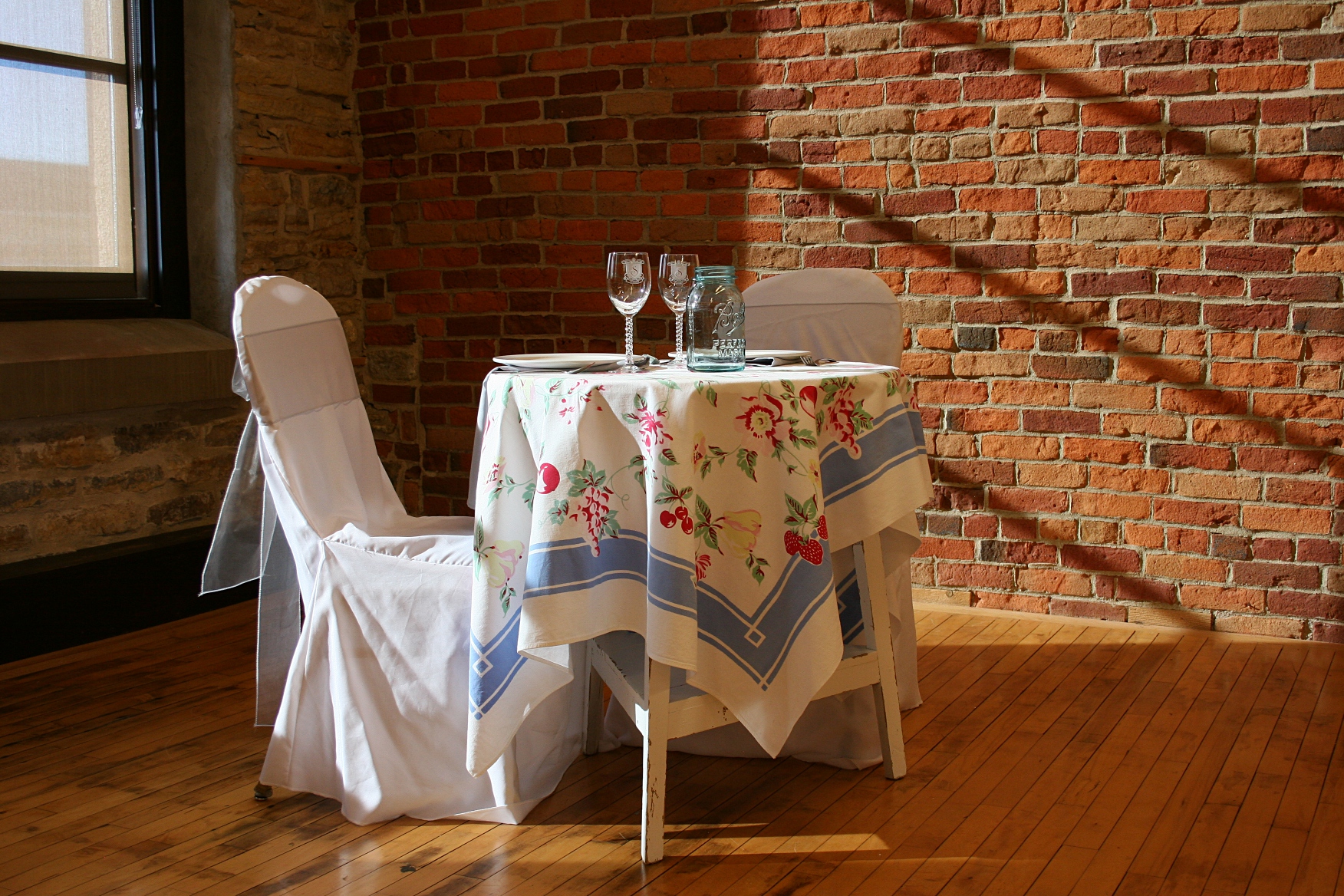
A "sweetheart table" just for the bride and groom. It's covered in one of the vintage tablecloths from my collection. The table was purchased for $15 months ago at a Montgomery, Minnesota, used furniture store. At the time of purchase, my husband asked why I was buying it. "Because I like it," I told him then. Little did we know our daughter would use if for her wedding.

Great care went in to selecting the vintage tablecloth for the bride and groom’s sweetheart table. I collect vintage tablecloths and pulled out those that matched the wedding color scheme of muted blue, pink, green and grey.  The bride selected this one from among several. The wine glasses came from the groom’s paternal grandparents and are engraved with the Schmidt family name.

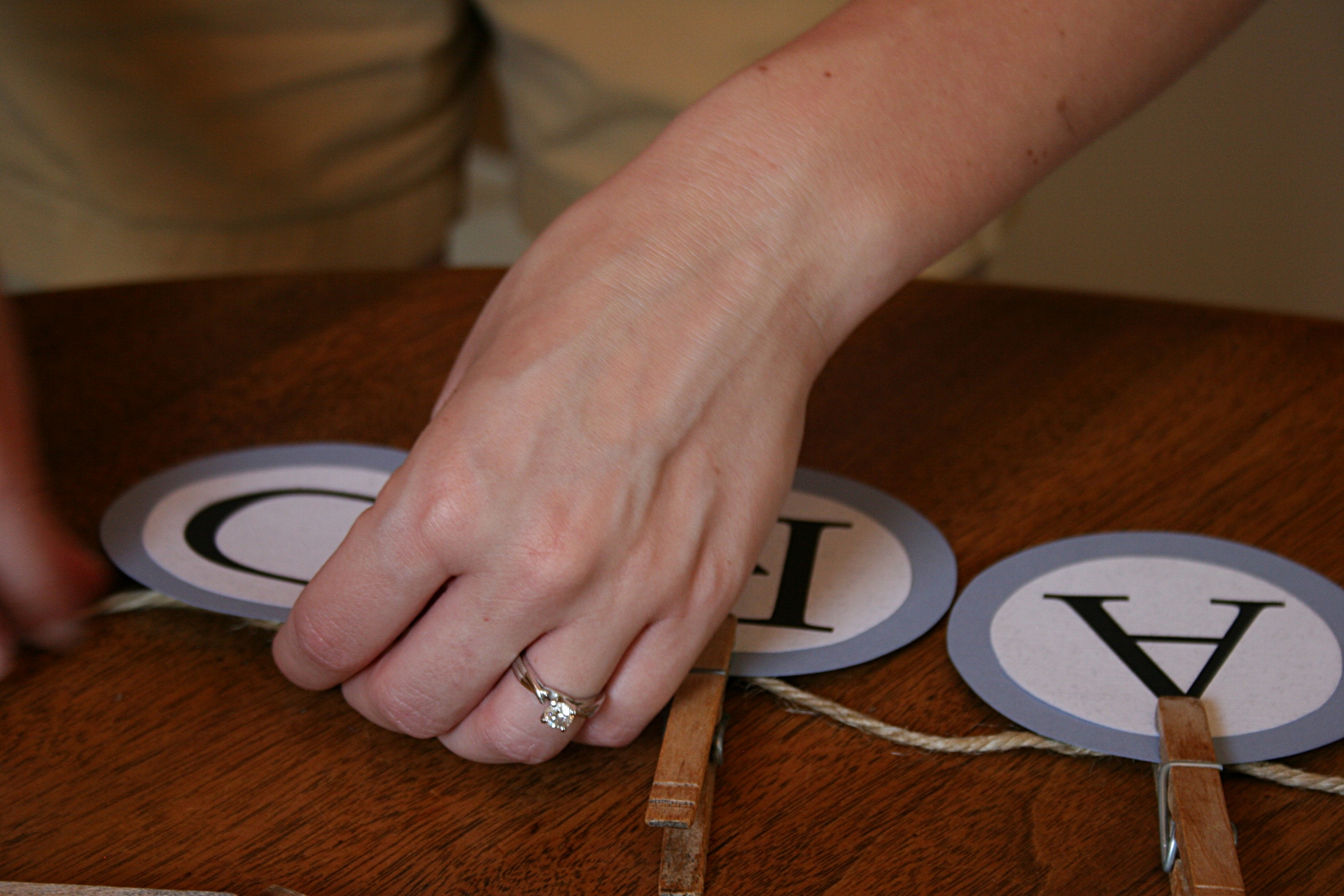
Card gift boxes, in my opinion, are not exactly original. So the bride and I came up with an idea that was simple and vintage and personal. Here Amber attaches CARDS letters to jute with clothespins from my clothespin bag.

Card gift boxes, in my opinion, are not exactly original and rather boring. So the bride and I came up with an idea that was simple and vintage and personal. Here Amber attaches CARDS letters she made, to jute with clothespins from my clothespin bag.

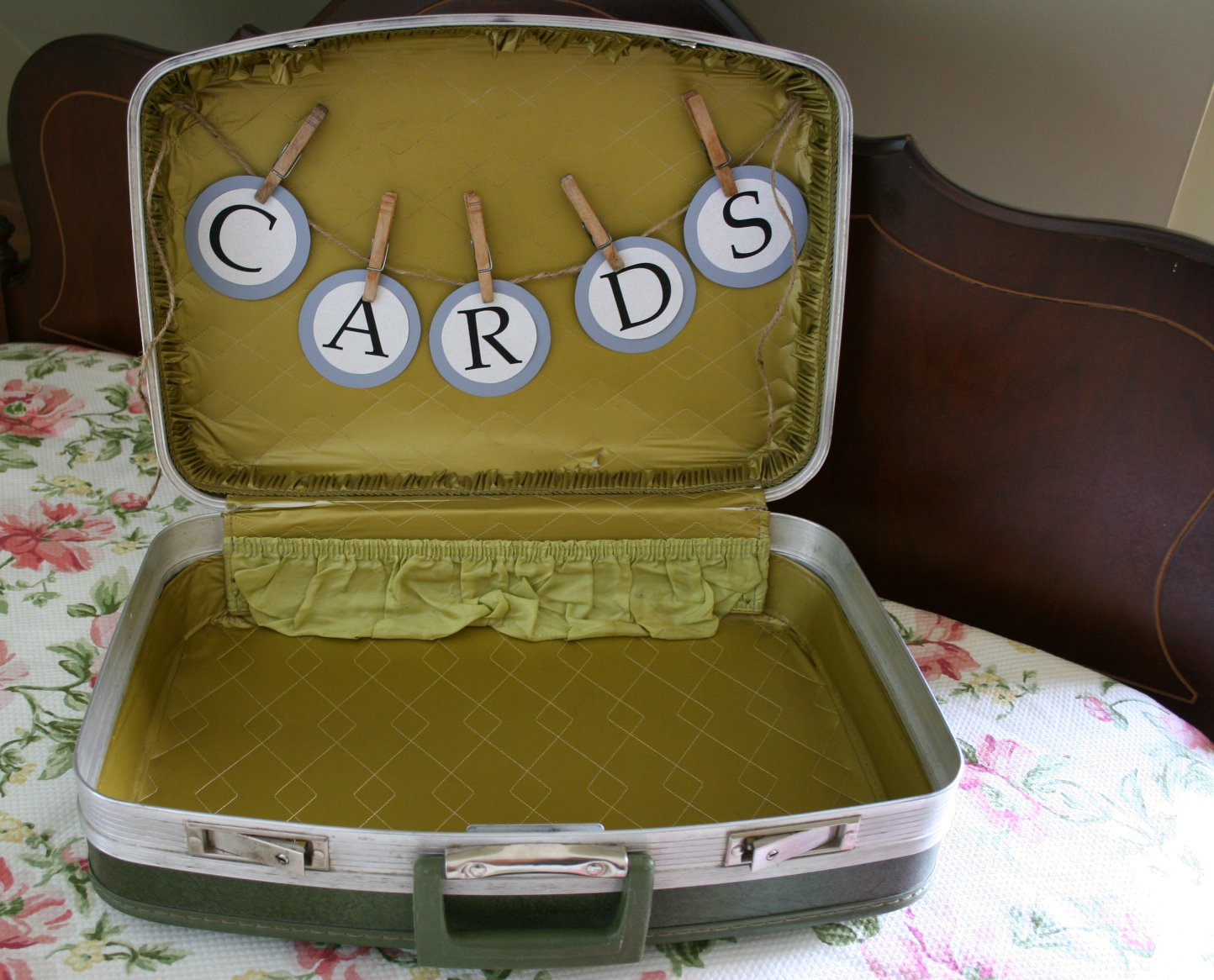
And then the jute string of letters was hot glue gunned inside the bride's dad's vintage 1970s suitcase.

And then the jute string of letters was hot glue gunned inside the bride’s dad’s vintage 1970s suitcase, a suitcase used by the bride, too, when she was growing up. Not only was this vintage chic, but many memories are attached to this converted suitcase.

First the bride considered using old picture frames to hold guests' seating place cards. But then I remembered two old barn window frames stashed in our garage. One came from the Helbling family farm, where my husband grew up, and the other from my childhood farm. Perfect.
First Amber considered using old picture frames to hold guests’ seating place cards. But then I remembered two old barn window frames stashed in our garage for nearly 20 years. The one on the right came from the Helbling family farm, where my husband grew up, and the other from the Kletscher family farm, my childhood farm. Perfect. Meaningful and unique.

Name cards that the bride and groom created were attached to the old barn windows via jute and clothespins.

Name cards that the bride and groom created were attached to the old barn windows with jute and clothespins.

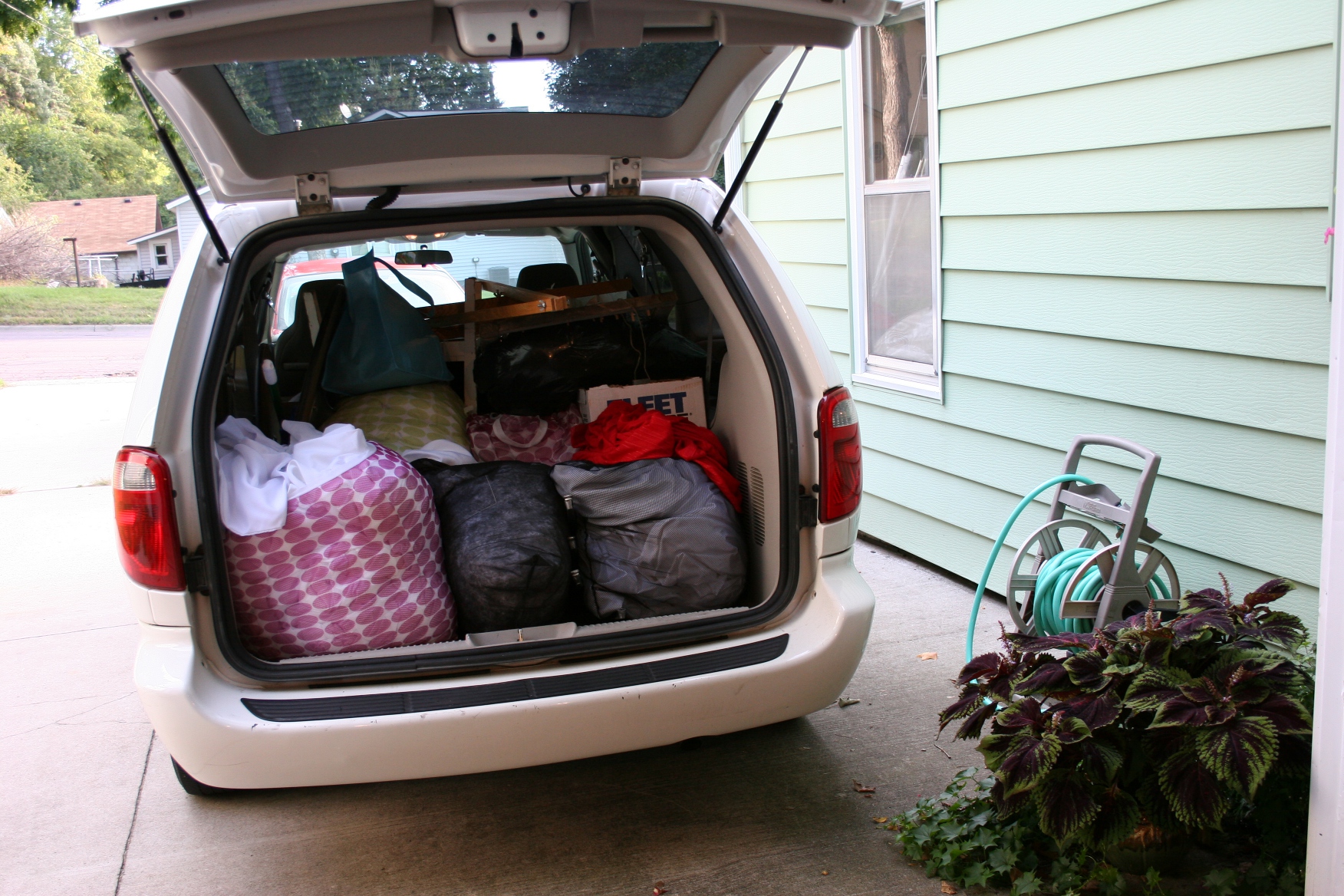
And all the "stuff" that went into creating the envisioned wedding and reception, mostly crammed right there into the back of the bride's parents' van.

All the “stuff” that went into creating the envisioned wedding and reception was mostly crammed into the back of the bride’s parents’ van. There are linens and vintage canning jars and window frames and tables and more inside the morning after the wedding. Hauling everything to the reception venue, because it had to be carefully packed, took three or four trips.
FYI: To see the end results of the above detailed planning, check my Minnesota Prairie Roots archives from September 23 – October 2. Or click here to view professional wedding photos at Rochelle Louise Photography.
To see the offerings from MermaidBridal, click here.

© Copyright 2013 Audrey Kletscher Helbling