Minnesota Prairie Roots

Writing and photography by Audrey Kletscher Helbling

A photo essay: Loving autumn in Minnesota October 14, 2013

Filed under: Uncategorized — Audrey Kletscher Helbling @ 6:00 AM
Tags: , , , , , , ,
A favorite part of my backyard, vintage lawn chairs along a limestone pathway now covered with leaves.

A favorite part of my backyard, where vintage lawn chairs edge a limestone pathway now strewn with leaves.

OF ALL THE SEASONS, autumn rates as my favorite in Minnesota.

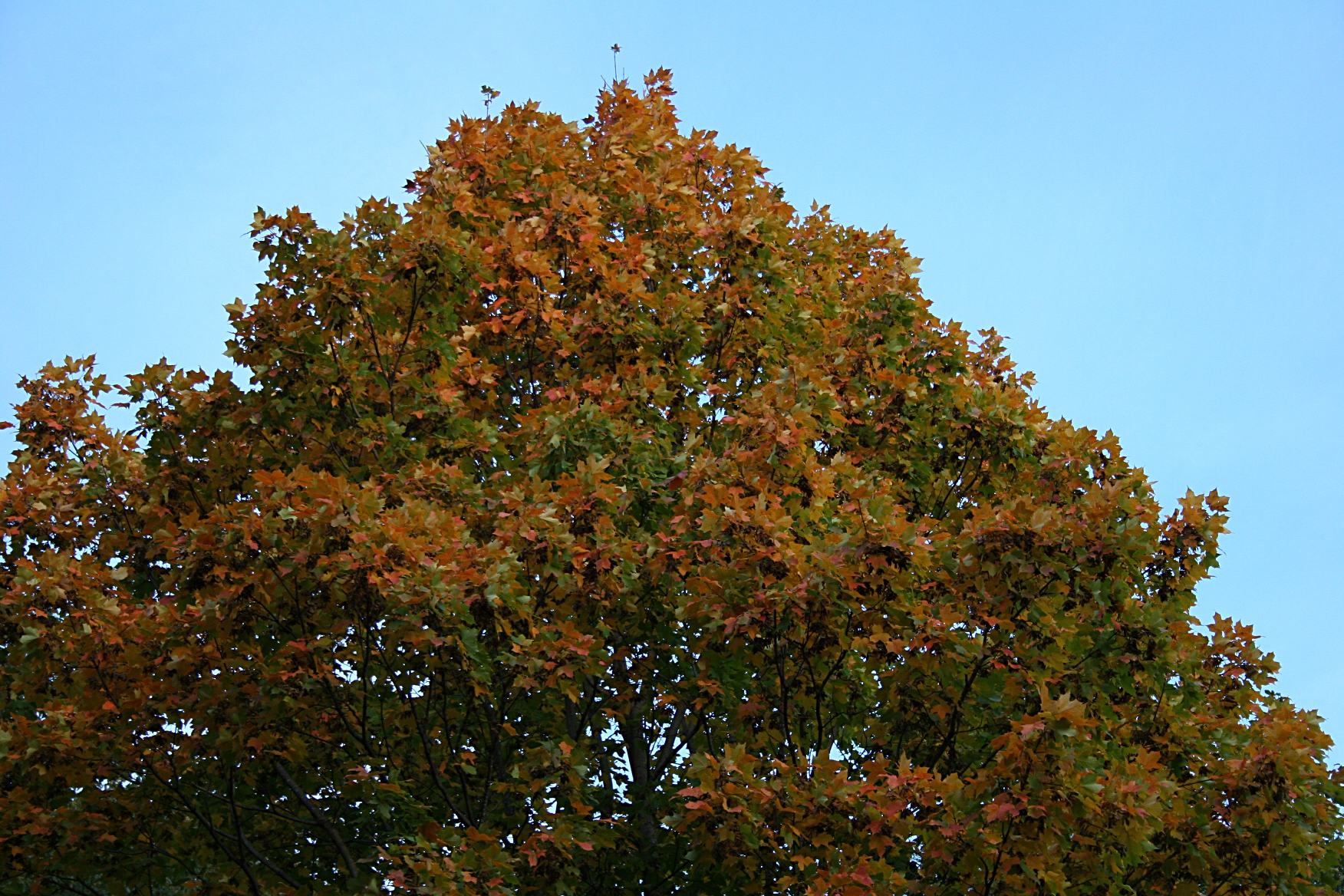
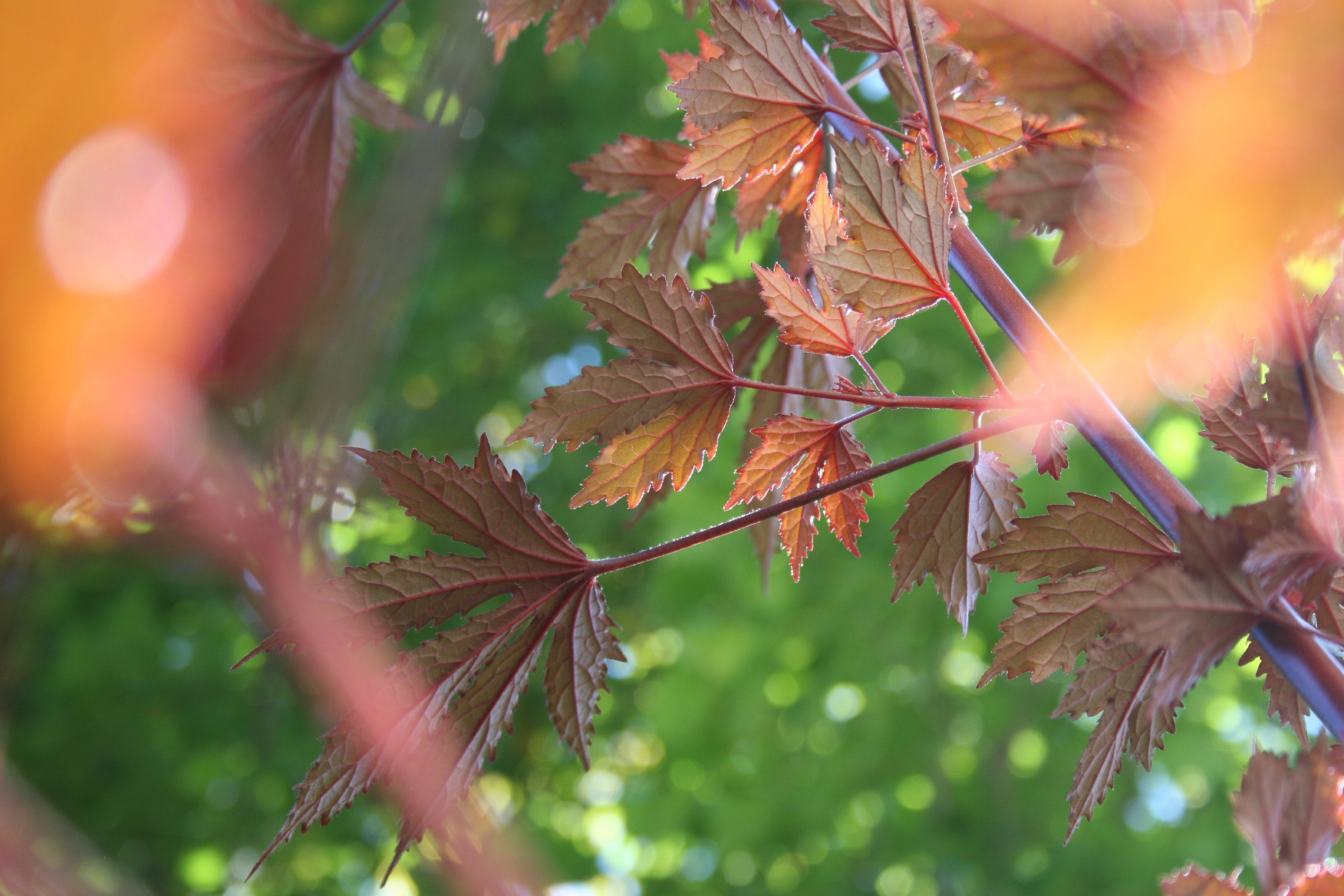
My neighbor's maple tree.

My neighbor’s maple tree.

Crisp days. Cobalt skies. Colors changing.

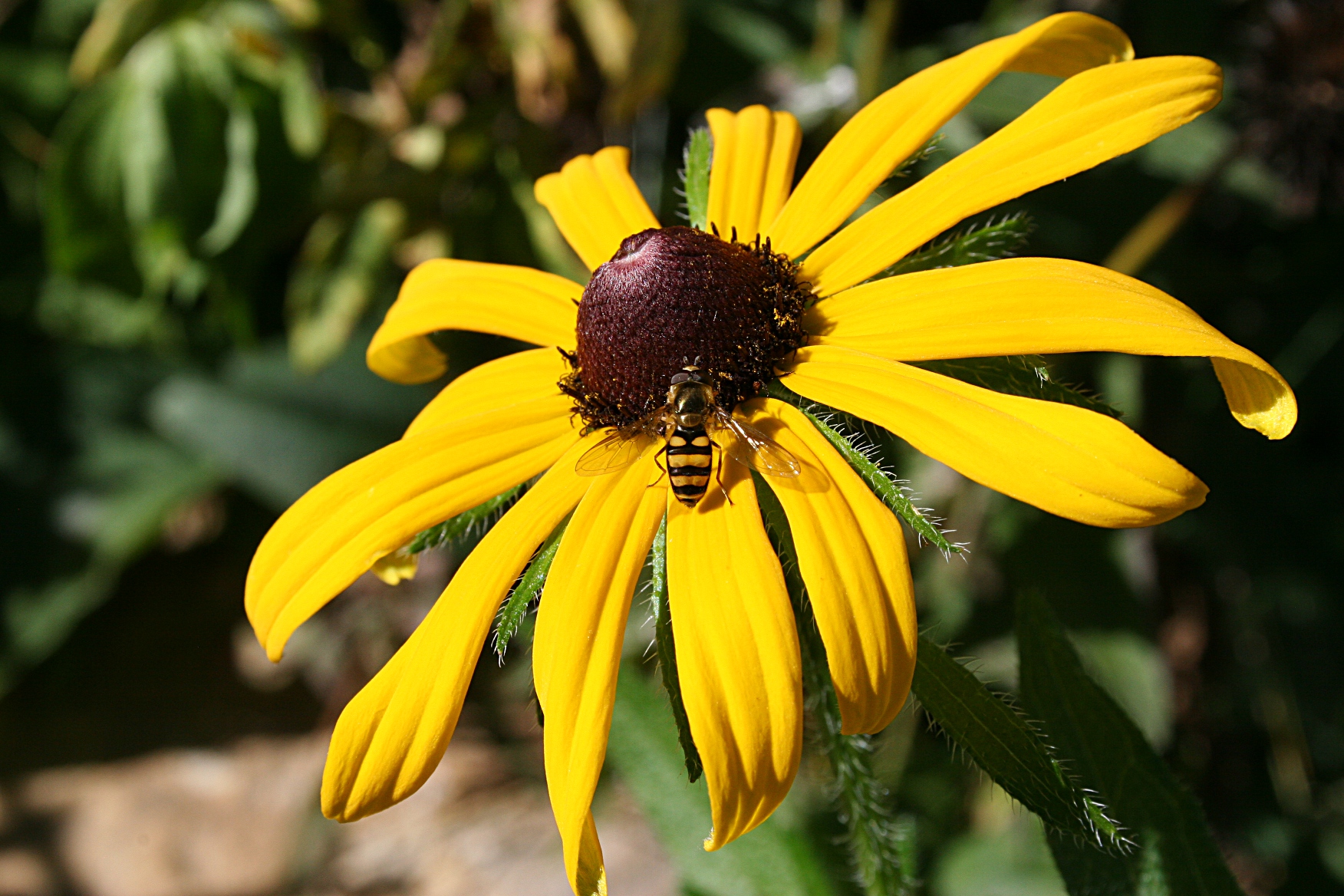
The bees are busy this time of year, here working a black-eyed Susan.

The bees are busy this time of year, here working a black-eyed Susan, among the native wildflowers in my yard.

Sharp shadows and angled light.

Leaves upon that limestone path.

Leaves upon that limestone path.

Earthy scents rising from fallen leaves and ripening crops.

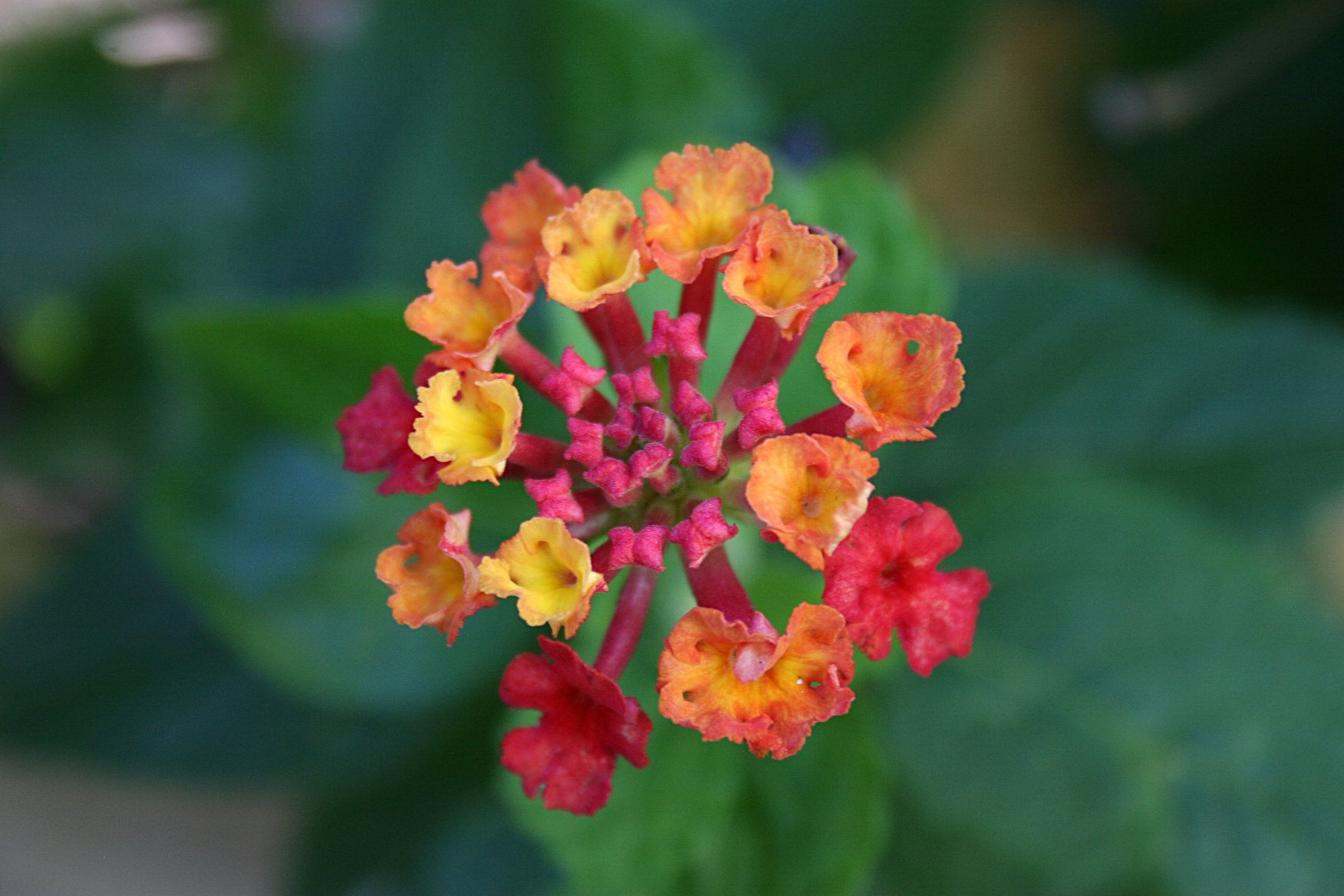
A bloom in a patio pot.

A bloom in a patio pot.

Bursts of red and orange, mixed with shades of brown, that color the earth.

Hibiscus mahogany splendor, planted in two patio pots, has nearly reached the roof line of the garage.

Hibiscus mahogany splendor, planted in two patio pots, has nearly reached the roof line of the garage.

Dappled light. Dancing leaves. Magical.

An abundance of produce—acorn squash baking, fresh tomatoes thrown into a pot of chili, the crunch of biting into a SweeTango apple from a local orchard.

A backyard campfire.

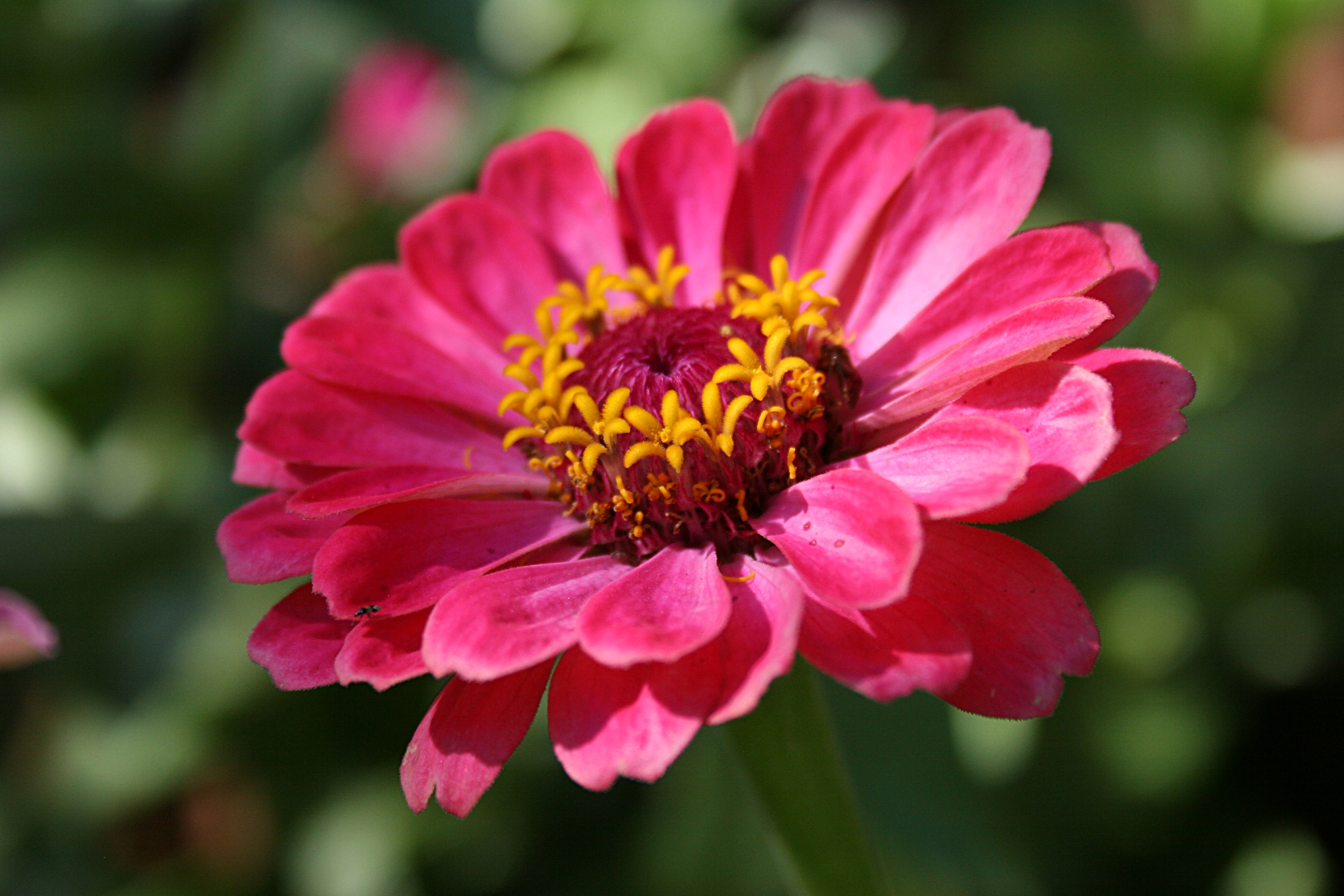
Prolific zinnias are still blooming.

Prolific zinnias are still blooming.

I love this season.

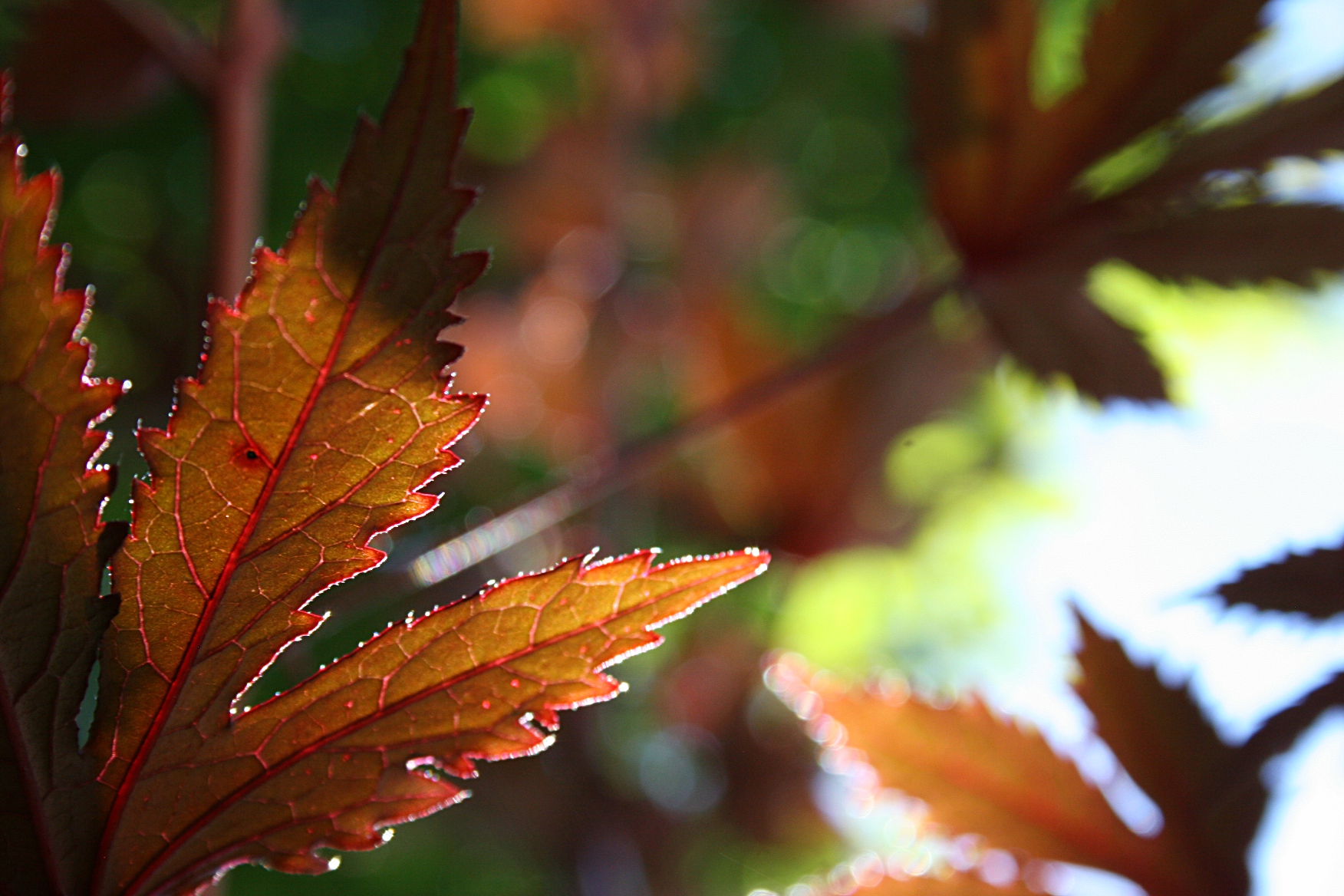
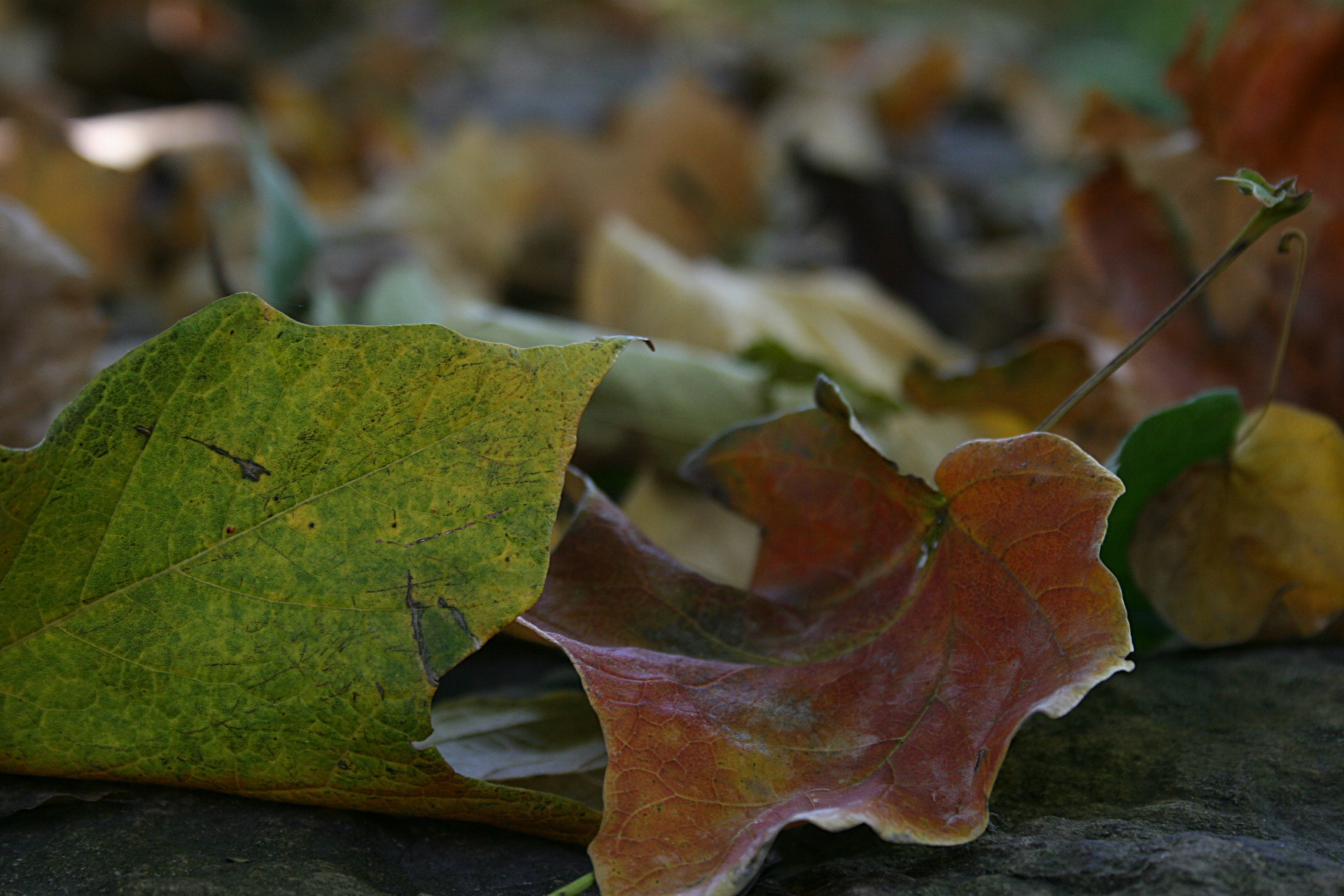
There's nothing prettier than an autumn leaf.

There’s nothing prettier than an autumn leaf.

This autumn.

Another view of that stunning hibiscus mahogany splendor.

Another view of that stunning hibiscus mahogany splendor.

I do.

© Copyright 2013 Audrey Kletscher Helbling


Honoring my husband as he marks 30 years with the same employer October 12, 2013

5:48 a.m.

The numbers on the clock radio glow red in the early dark of an October morning as he leans across the pillow to kiss my cheek, his beard brushing my skin.

Only minutes earlier, I awakened to the angular slant of light from the bathroom cutting across the carpet outside our bedroom, the rush of water from the faucet, the jingle of coins scooped from the dresser top into his work uniform pocket.

In minutes, after he’s laced his grimy Red Wing work shoes, I will hear the door shut, imagine him pulling the rag rug into place that protects the 1995 Chrysler upholstery from grease, picture him heading out of Faribault for the 22-minute commute to work.

For 30 years he’s followed this routine, although not always leaving the house before 6 a.m. But he is busy, crazy busy, in the NAPA automotive machine shop. This is nothing new; it’s been this way for three decades.
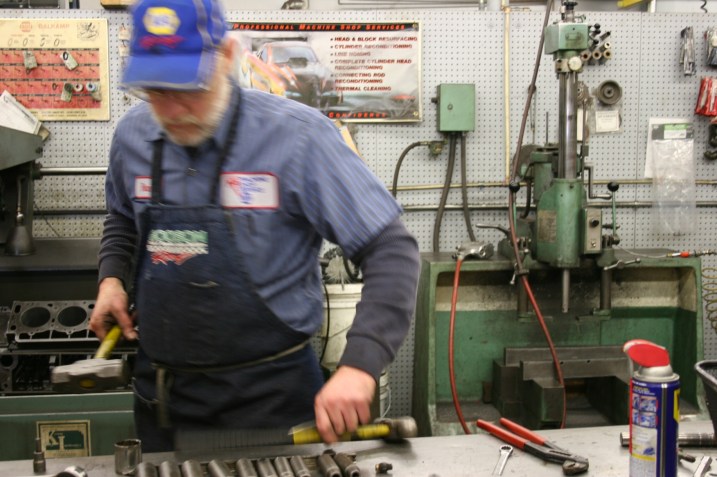
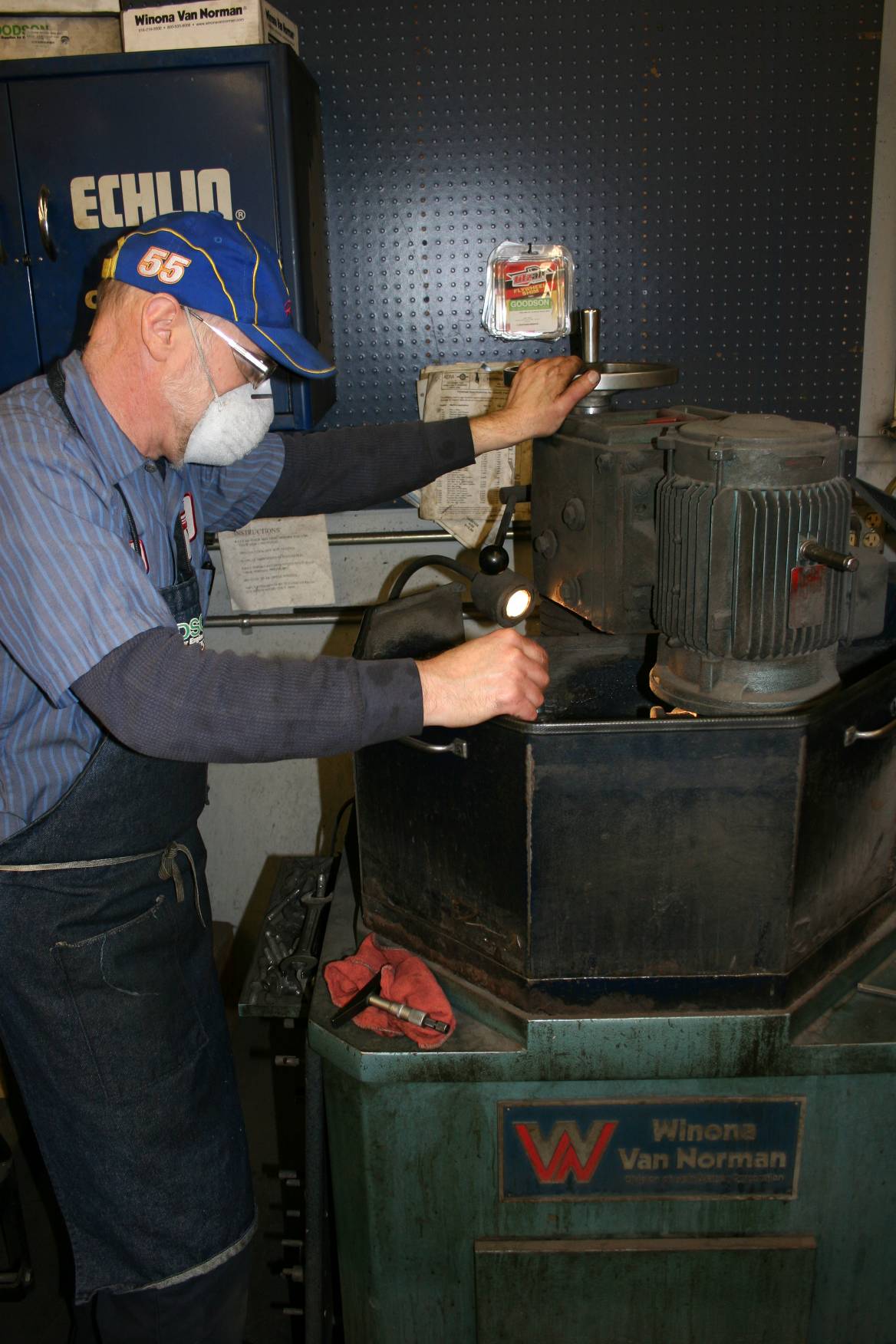
My husband at work in the automotive machine shop where he is employed.

My husband at work in the NAPA automotive machine shop where he has worked for 30 years. Minnesota Prairie Roots file photo.

He, my husband Randy, possesses a strong work ethic that drives him to work well before the appointed 8 a.m. start and to leave well after the appointed 5 p.m. end of his work day and to labor most Saturdays. When he takes a rare week day off—from only 10 annual vacation days—he is stressed even more trying to meet customer demands.

Every time he takes a vacation day, and those are seldom and never more than five at a time unless combined with a holiday, he must labor doubly hard. Long days before he leaves. Long days afterward. Often it hardly seems worth the time away.
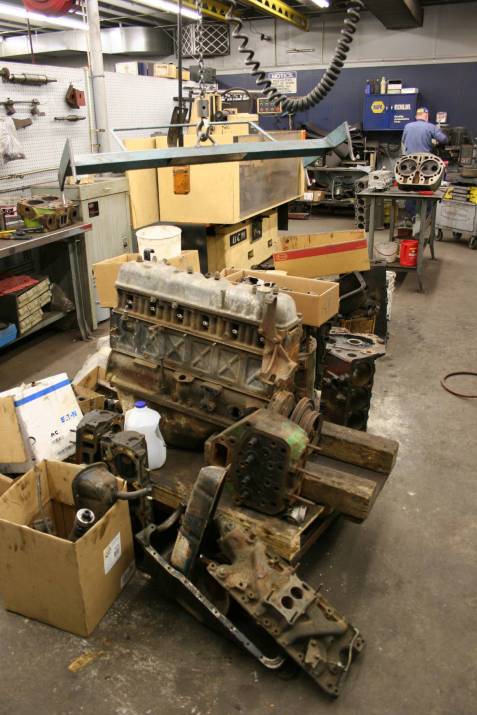
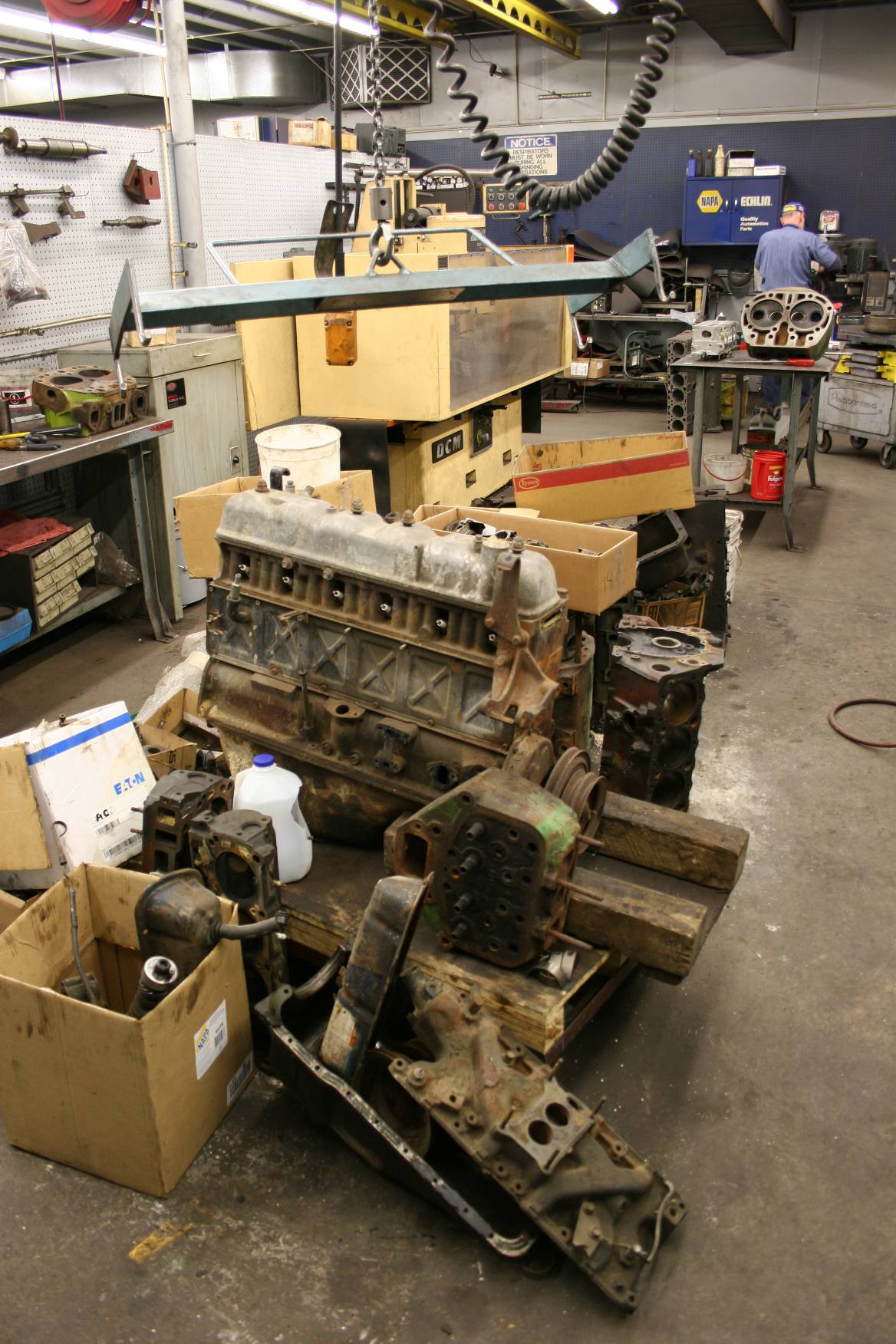
Just one example of all the work that awaits my husband in the NAPA automotive machine shop.

Just one example of all the work that awaits my husband in the NAPA automotive machine shop. Minnesota Prairie Roots file photo.

But Randy sometimes needs a break from pressing customers and the pile of work that never diminishes. His skills—the turning of brake rotors, the resurfacing of heads, the grinding of valves and flywheels and a multitude of other automotive machining tasks I don’t understand—is in high demand. Few do what he does and he’s good at it. Probably the best in southeastern Minnesota as evidenced by his wide regional customer base and the endless work load.

Everyone wants their car, their truck, their SUV, their van, their tractor, their combine, their snowblower, their lawnmower, their recreational vehicles, their whatever, repaired first.
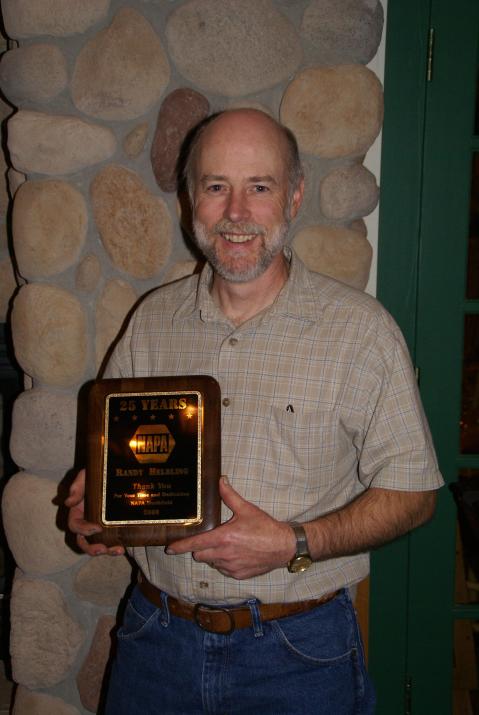
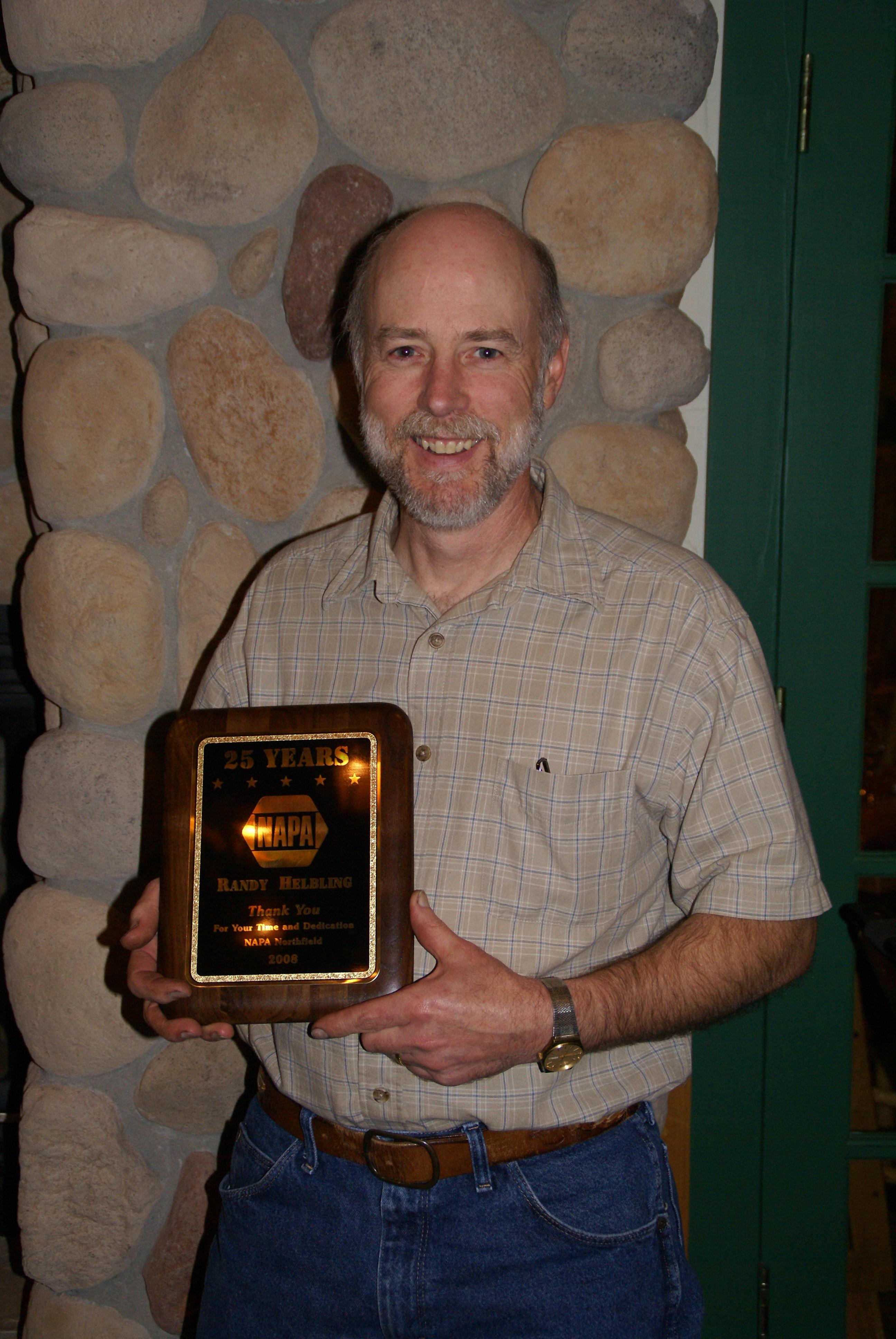
In 2008, Randy was recognized by his employer for 25 years of service to Parts Department, Inc., Northfield. Randy received a plaque, dinner out and a drill.

In 2008, Randy was recognized by his employer for 25 years of service to Parts Department, Inc., Northfield. Randy received a plaque, dinner out and an air wrench. Photo by Dan Christopherson.

Did you catch that early on noted time frame of 30 years?
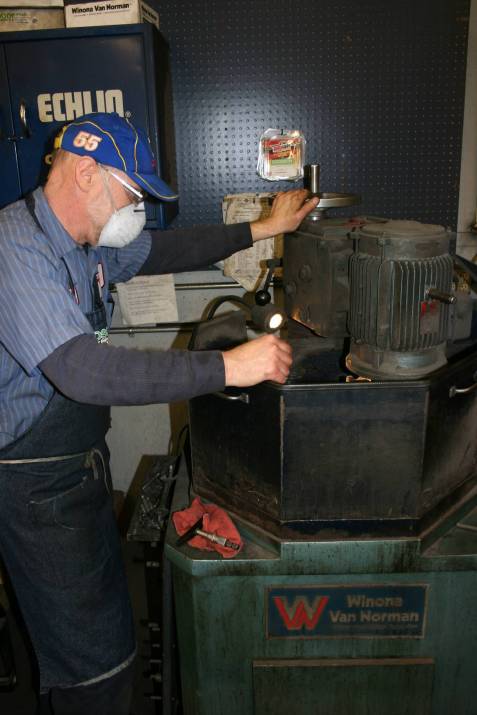
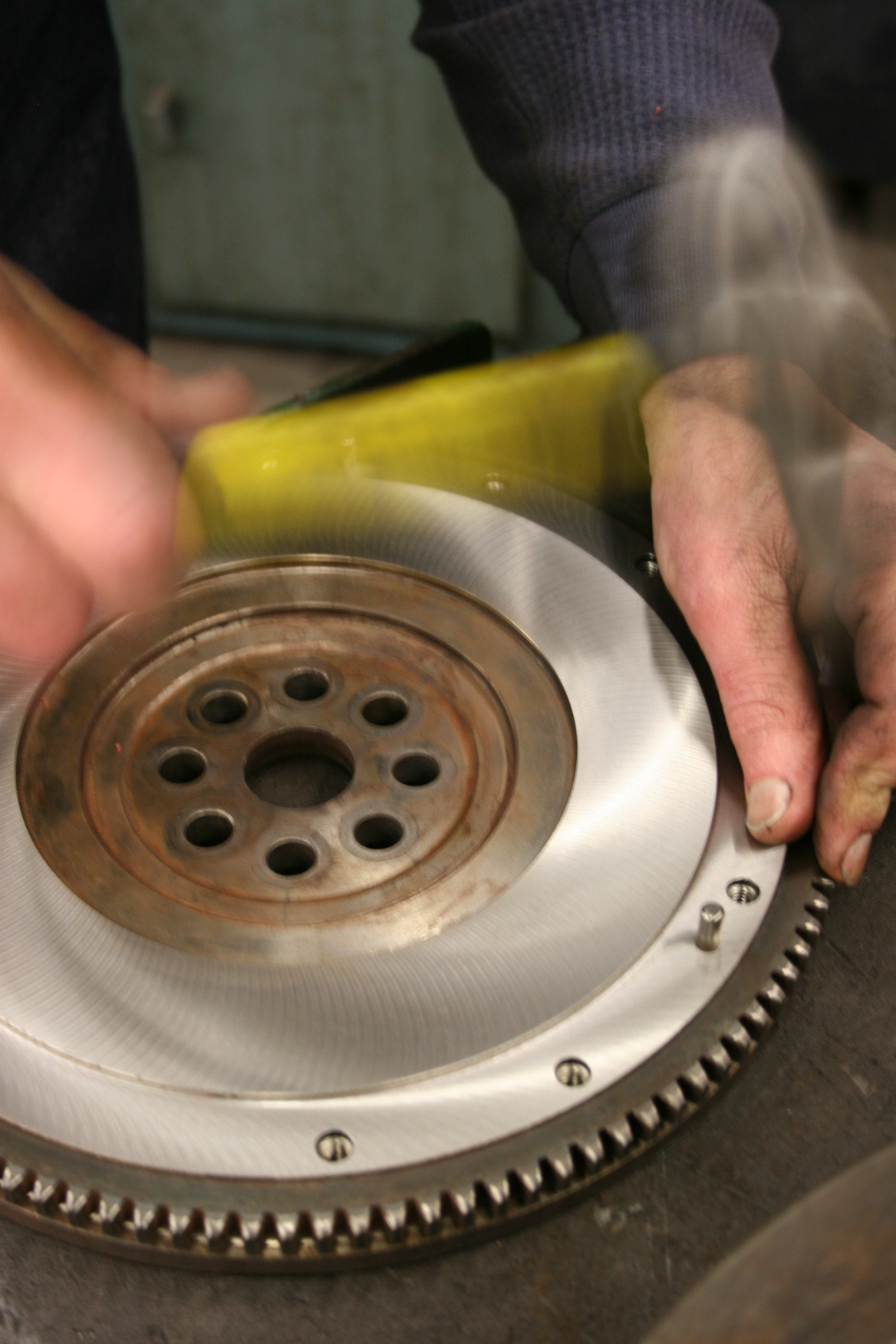
Randy grinds a flywheel.

Randy grinds a flywheel. Minnesota Prairie Roots file photo.

October marks 30 years since Randy started working as the automotive machinist for Parts Department, Inc. (NAPA), Northfield.
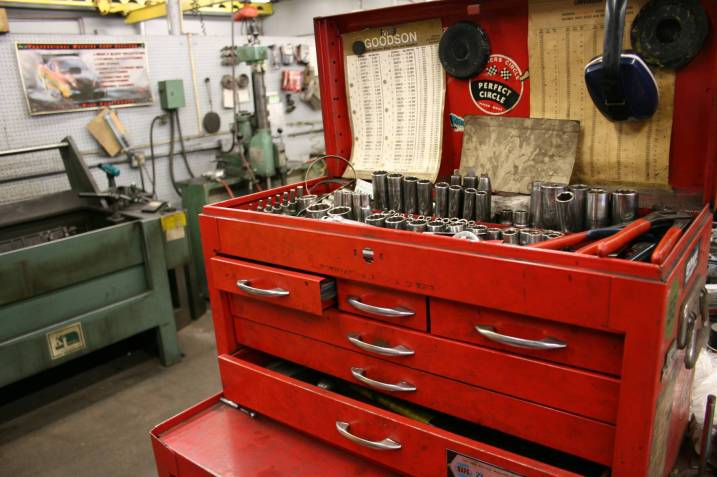
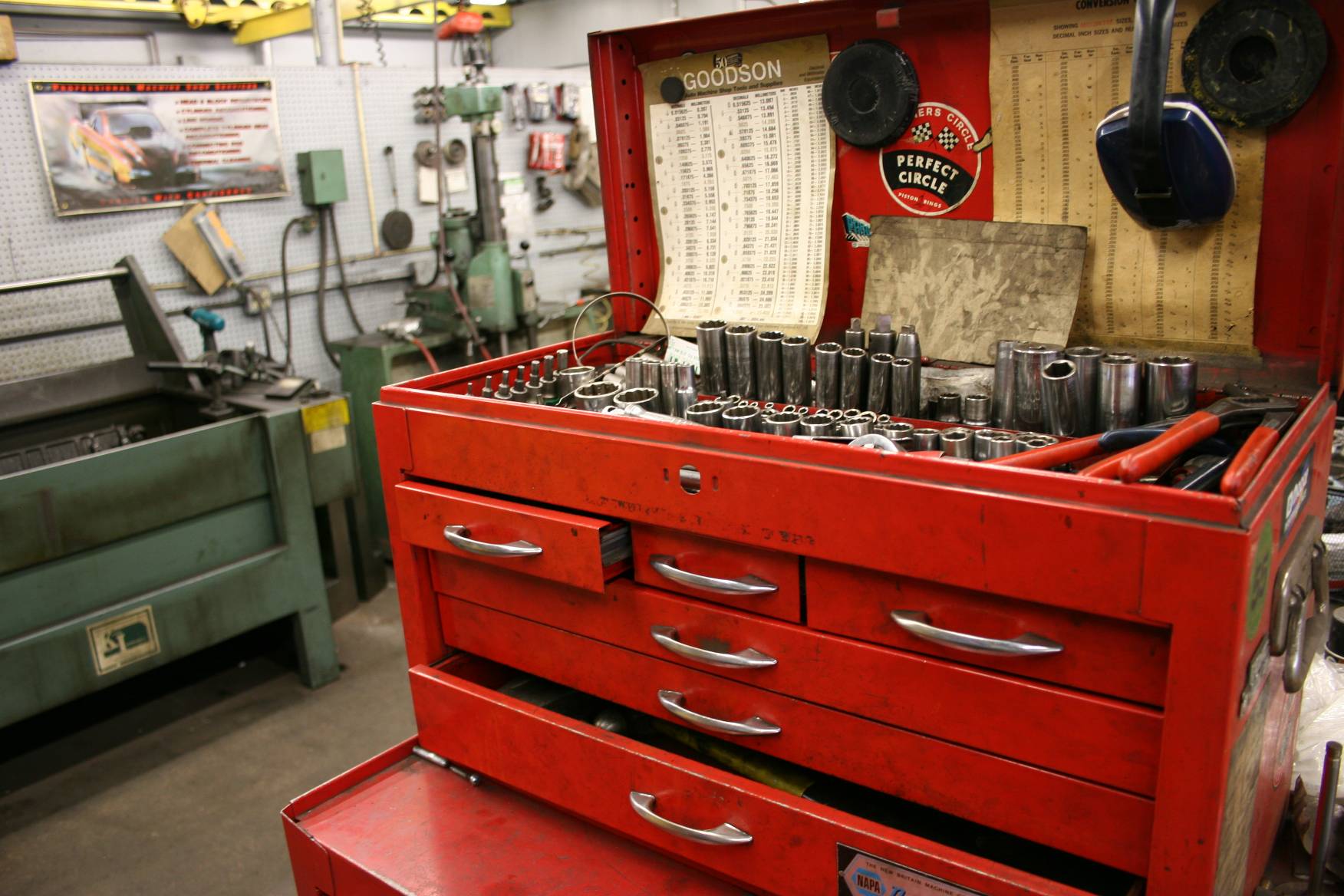
My husband's NAPA automotive machine shop toolbox.

My husband’s NAPA automotive machine shop toolbox. Minnesota Prairie Roots file photo.

Thirty years at one business. Remarkable, isn’t it?

Even more remarkable, Randy’s labored in the automotive field for just shy of 40 years.  Only two years out of high school and with two years of trade school education, he packed his car in the spring of 1976 for Plentywood, Montana. He lasted there as a parts man for a month, returning from the middle of nowhere to settle in southeastern Minnesota.
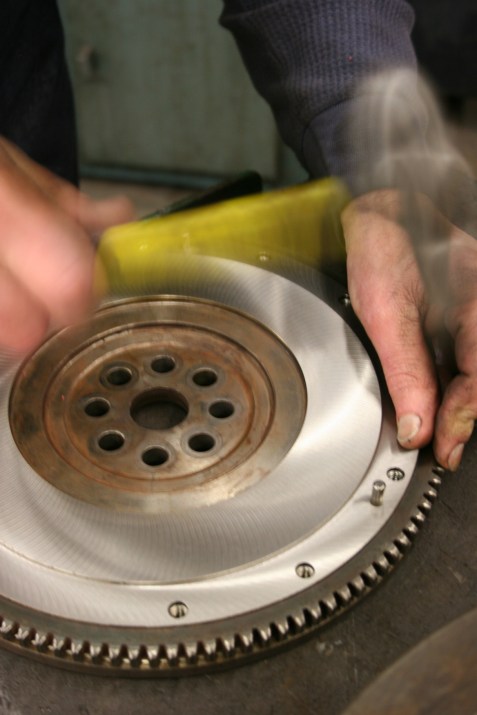
My husband at work with a hammer, a tool he uses often as an automotive machinist.

Randy at work. Minnesota Prairie Roots file photo.

Randy was employed as a parts man in Rochester, eventually relocating to K & G Auto Parts in Faribault. There he worked as a parts man before moving into the machine shop and learning that skilled trade. He also worked in an Owatonna machine shop until the previous owner of the Northfield NAPA enticed Randy to join his business.

He genuinely loves his job, working solo in the machine shop, although Randy says he always dreamed of being a rural mail carrier. Had he chosen that career path, he would be retired by now, collecting a pension. Taking vacations. Sleeping in. Saturdays off.

Instead, dirt and grease outline his fingernails. Faded white scars mar his skin. Flecks of errant metal, from work projects, lie beneath the surface of his skin.  Sometimes, too often, his back aches. He rises early. Works long days. Sometimes falls asleep in the recliner as the evening fades. Takes well-deserved Sunday afternoon naps.

He’s worked hard to provide a steady income for our family, allowing me to stay home and raise our three children and work part-time from home and continue to pursue my passions in writing and photography. We are not wealthy in monetary terms. But the mortgage is paid on our modest house, food is always on the table, clothing on our backs, bills covered.

And it is because of my farm-raised, blue collar hardworking husband.

Please join me in congratulating Randy on his 30-year anniversary as the automotive machinist at Parts Department, Inc., Northfield. And also wish him a happy birthday, for today, October 12, is his birthday.

© Copyright 2013 Audrey Kletscher Helbling


In which I meet Amish quilter Fannie Miller on her Lenora farm October 11, 2013

Filed under: Uncategorized — Audrey Kletscher Helbling @ 6:00 AM
Tags: , , , , , , , , ,

THE AMISH HAVE ALWAYS intrigued me. I can’t explain specifically why, except to admit that perhaps I am a bit envious of their minimalist lifestyle, one likely similar to that of my farmer forefathers.

Never have I gotten a closer look at Amish life than on an early October 2012 day trip to the Lenora/Canton/Harmony area of southeastern Minnesota.

My first glimpse of the Amish began in unincorporated Lenora in southeastern Fillmore County where my husband and I were searching for the historic Lenora Methodist Church. Unable to initially locate the church (how we could miss it in tiny Lenora is beyond me), we stopped at Summer Kitchen Antiques, which was closed, and then began driving east onto a gravel road.

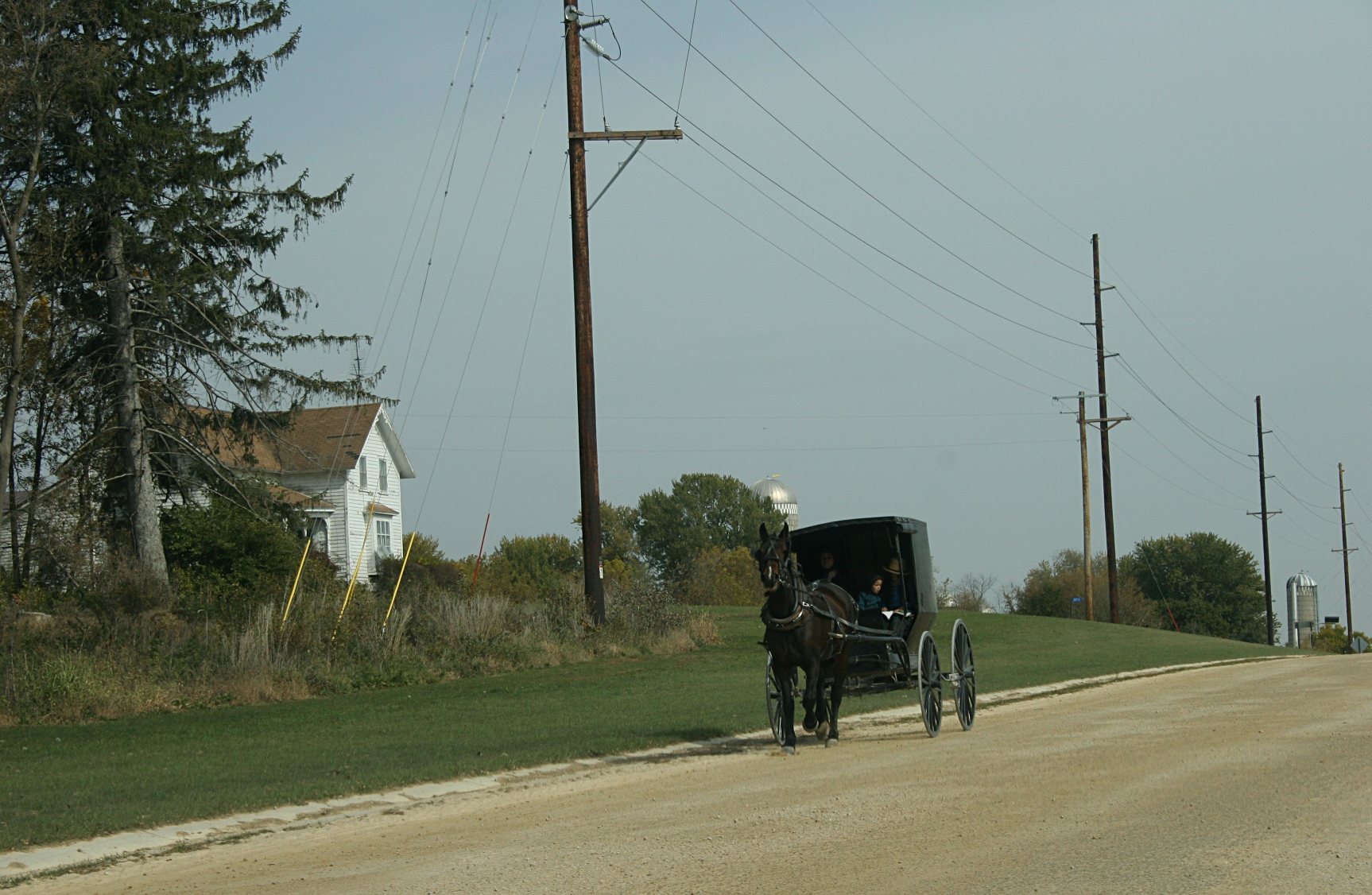
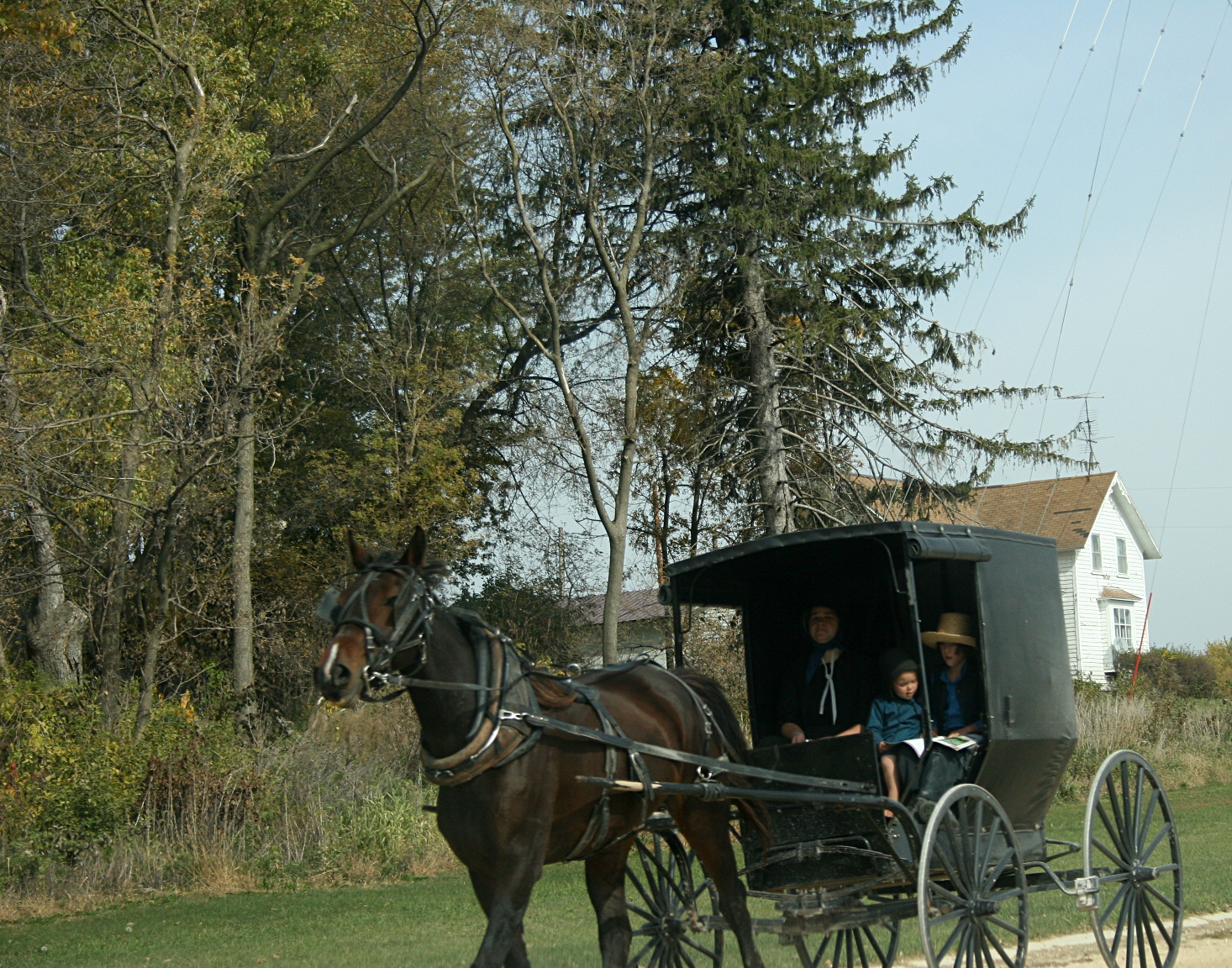
An Amish buggy approaches our car just on the outskirts of Lenora.

Just barely past the antique shop, an Amish buggy came into view and I raised my camera to snap two quick photos through the passenger side windshield. Now I know how the Amish forbid face photos, and I am (mostly) respectful in their close presence. But when they are traveling on a public roadway in a region that markets itself as a “see the Amish” destination, from which the Amish benefit financially, I do not feel obliged to keep my camera tucked away.

A close-up look at the approaching buggy shows a young Amish boy reading a book to his little sister as their mother guides the horse and buggy down the gravel road.

After that initial sighting, we came upon a roadside sign advertising quilts and table runners less than one-quarter of a mile from Lenora. My excitement heightened as we turned into the Amish farmyard, even though I was acutely aware I’d need to keep my shutter button finger mostly still.

That proved to be a challenge as I desired more than anything to photograph the red-haired pre-teen Amish girl with the pinkish birthmark splotched across her right cheek lolling on the feather-littered lawn next to her younger brother with the bowl-cut auburn hair.

When I cannot take a photo, I imprint visual details upon my mind.

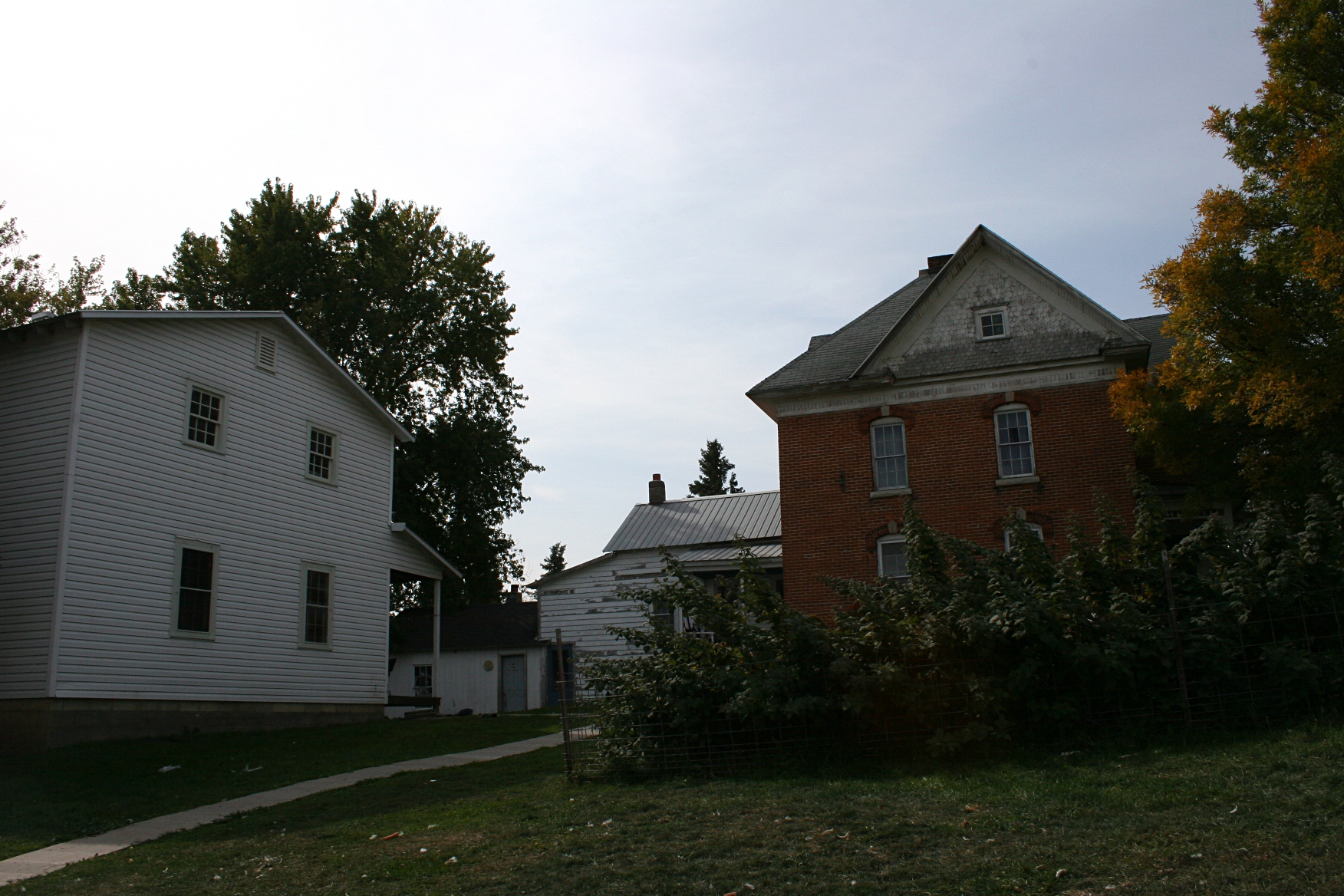
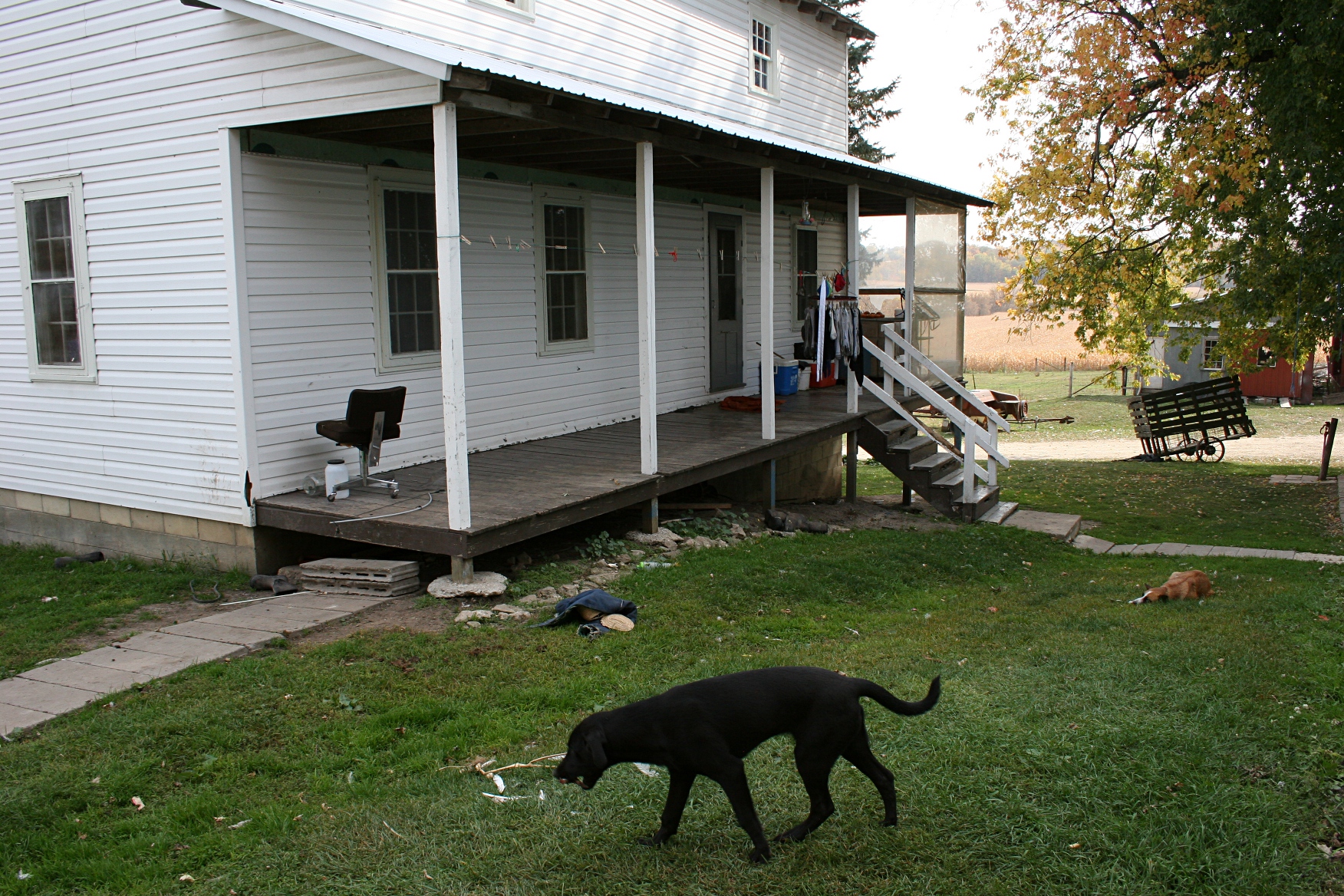
Fannie Miller’s brick house is on the right, her shop in the attached lean-to just to the left.

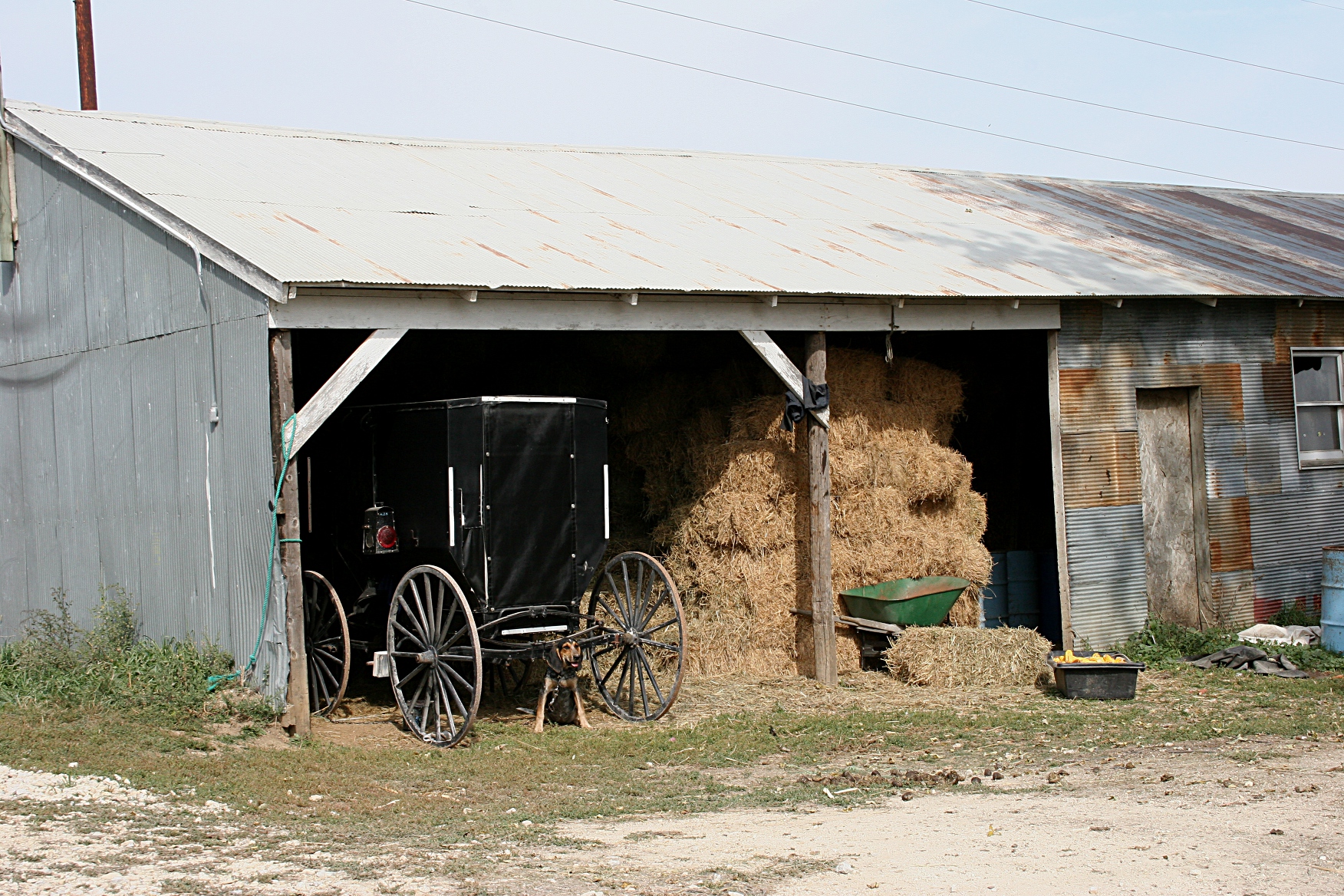
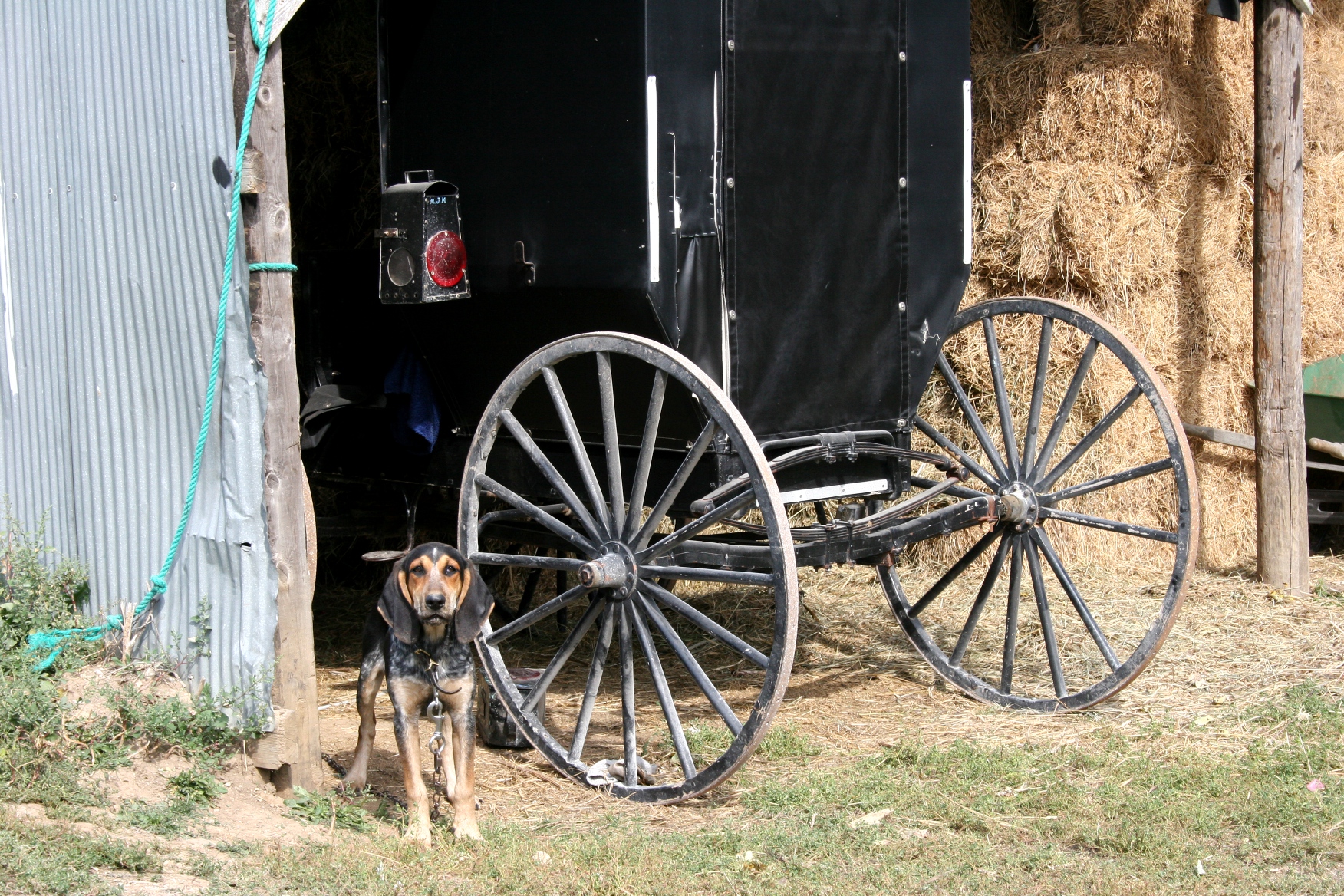
The siblings directed us toward a lean-to attached to a stately and aging brick house adjacent to a wood-frame house. Dogs roamed while a third one, tethered to a thick chain in a pole shed next to an Amish buggy, barked with a ferocity that made me thankful he was restrained.

My first glimpse of the Millers’ dog chained in the pole shed.

The pungent smell of silage wafted across the yard as, across the gravel road, a farmer pushed the fermented corn with his tractor and loader.

Stepping onto the lean-to porch, I eyed a handwritten “no photos” sign and pulled my camera close to my side. Randy made a point of pointing out the warning to me, as if I couldn’t see it.

And then we met Fannie Miller, whose name aptly describes her rotund physical appearance. She settled onto a chair and watched as I caressed her fine handiwork, praised her stitching. I admired the sturdy, blue built-in wall of cupboards in the corner and told Fannie so.

I wished, in that moment, that I could photograph the entire scene before me and through the doorway into the next room where Fannie’s husband napped in a chair by the wood-burning stove. His chin dipped, his scruffy beard defining my side view of the old man sleeping. In the corner I spotted a patchwork quilt snugged across a single bed. I dared not look more for fear Fannie would banish me from her home.

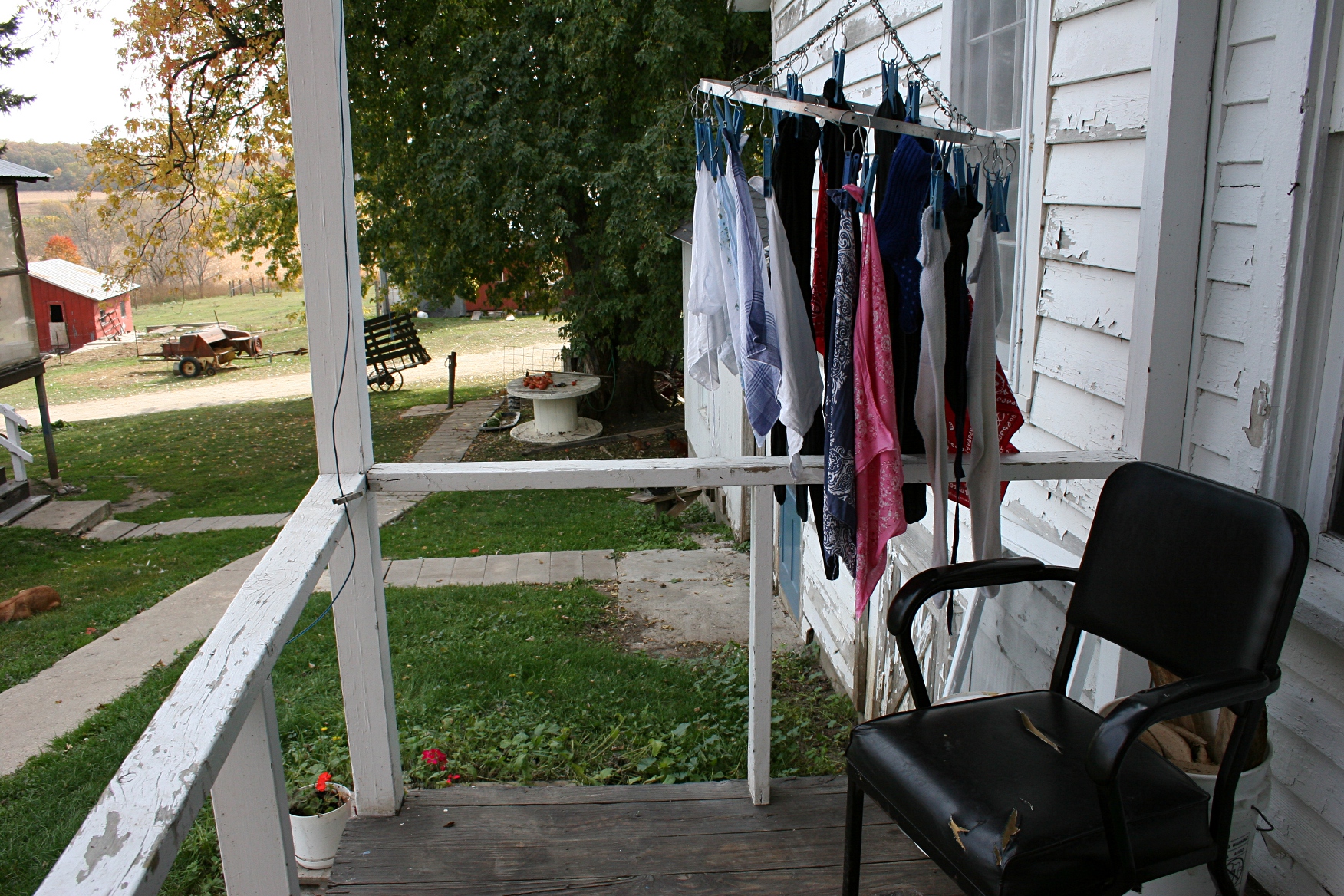
I hang my laundry outside, so I was particularly intrigued by this circular drying rack onto which handkerchiefs were clipped on the porch of Fannie’s house.

I remember thinking, though, before exiting Fannie’s shop, before asking her if I could photograph hankies drying on her porch on this Monday wash day in October, how perfect and lovely the natural light that filtered into the two rooms of her house.

The children ran into this house after I stepped out of Fannie’s shop.

She granted me permission to photograph outside, as long as I did not photograph the children. I told her I would respect her request, then watched the red-haired siblings scamper inside their house.

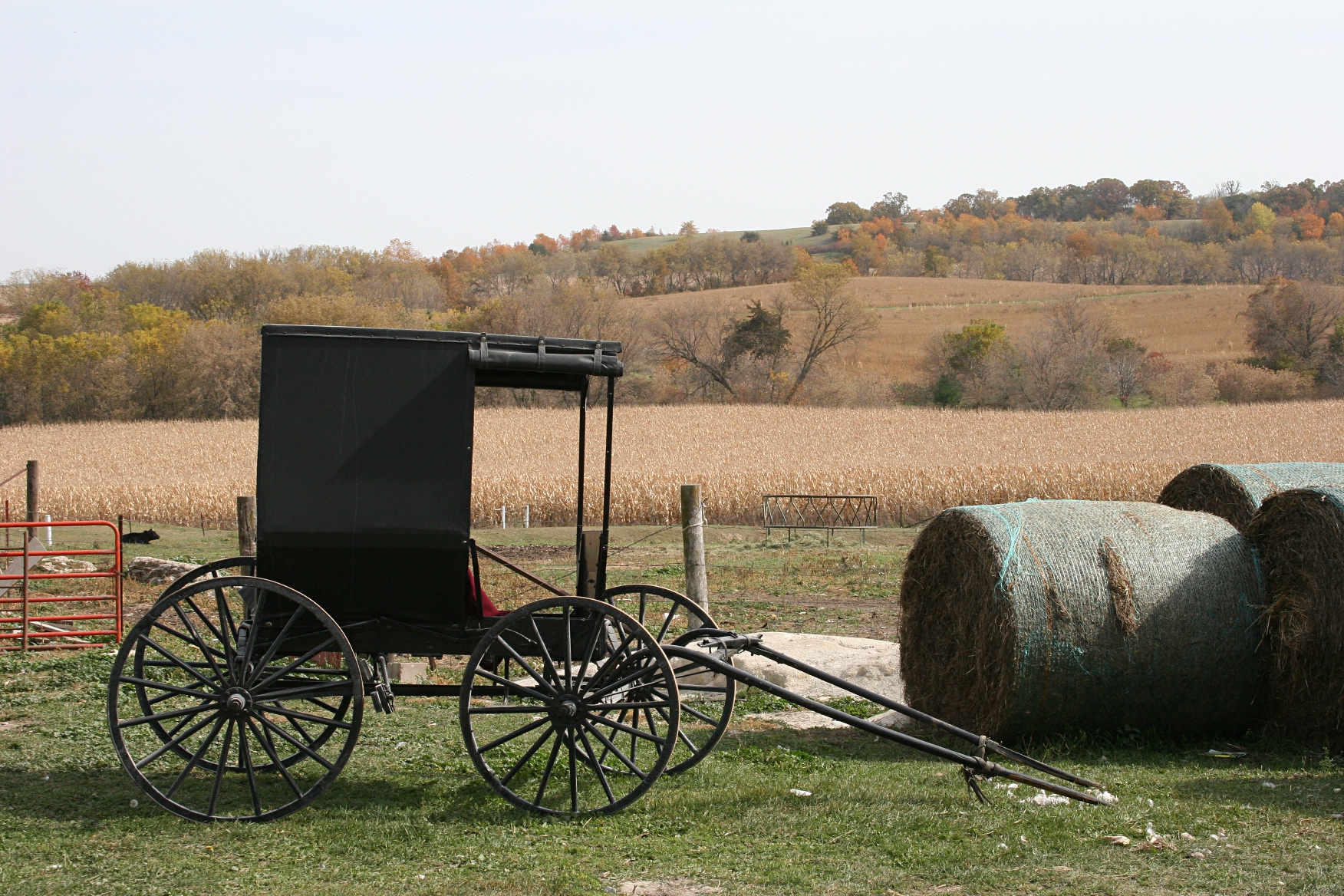
Just another buggy parked on the Miller farm. I was surprised to see the round bales.

I snapped several more building and buggy photos, though not too many as to overstay our welcome, before passing by the now placid chained dog and turning onto the gravel road back to Lenora.

My final photo on the Miller farm, of the dog turned docile.

PLEASE CHECK BACK for another post about the Amish in the Canton and Harmony areas.

Click here to read my previous post about the historic Lenora United Methodist Church.

© Copyright 2012 Audrey Kletscher Helbling


In Lenora, Minnesota: An historic stone church October 10, 2013

STUDYING THE BOOK OF PROVERBS the other evening with my bible study group, the discussion turned to the value of wisdom over silver, gold and rubies.

We all agreed that we’d rather have godly wisdom than wealth.

And then the talk somehow sidetracked to churches and whether monies spent to build ornate structures would better be used to serve the missions of the church. Eventually we concurred that, when done for the right reasons—to honor God, a physically beautiful sanctuary is God-pleasing.

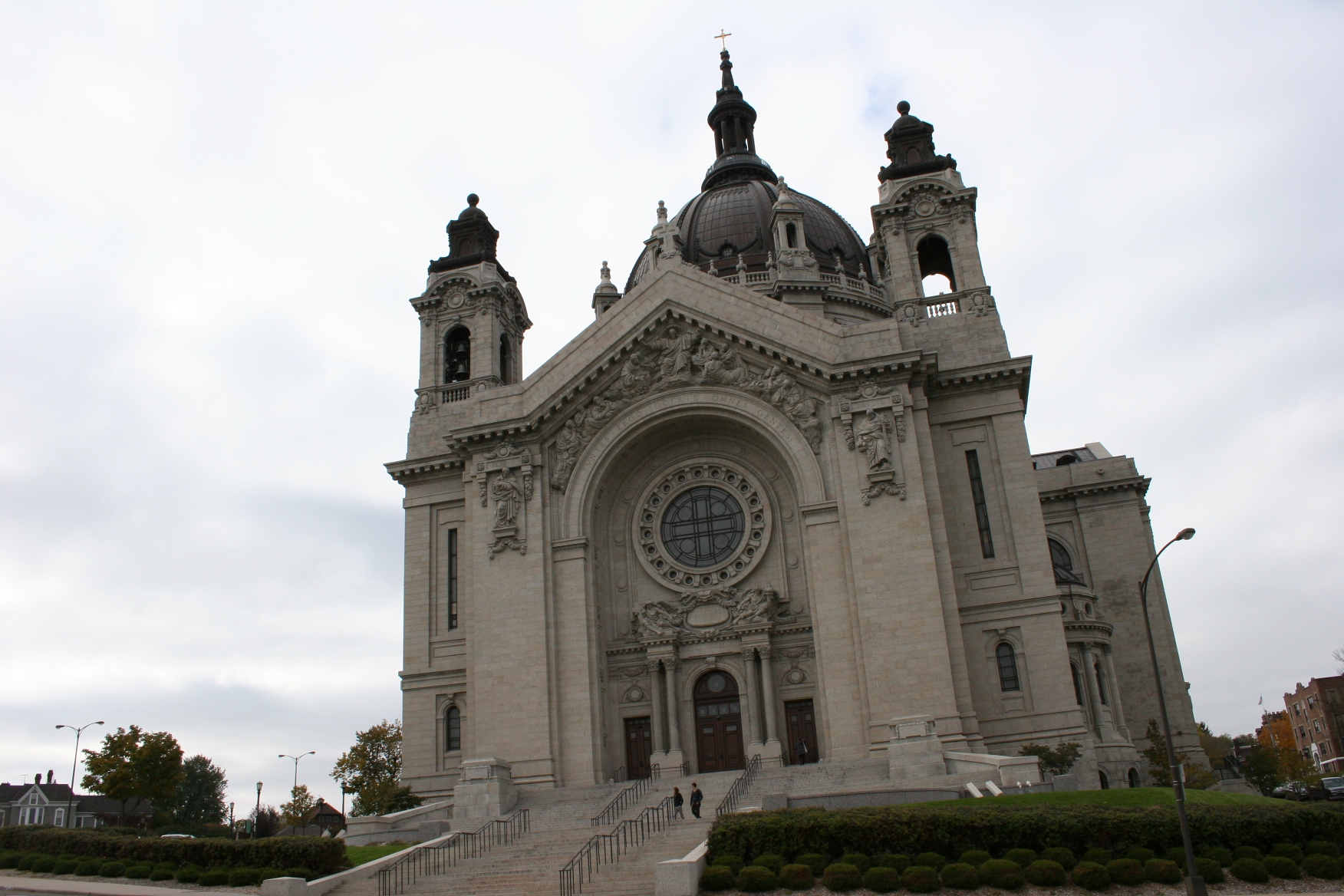
The Cathedral of Saint Paul. Minnesota Prairie Roots file photo.

The Cathedral of Saint Paul. Minnesota Prairie Roots file photo.

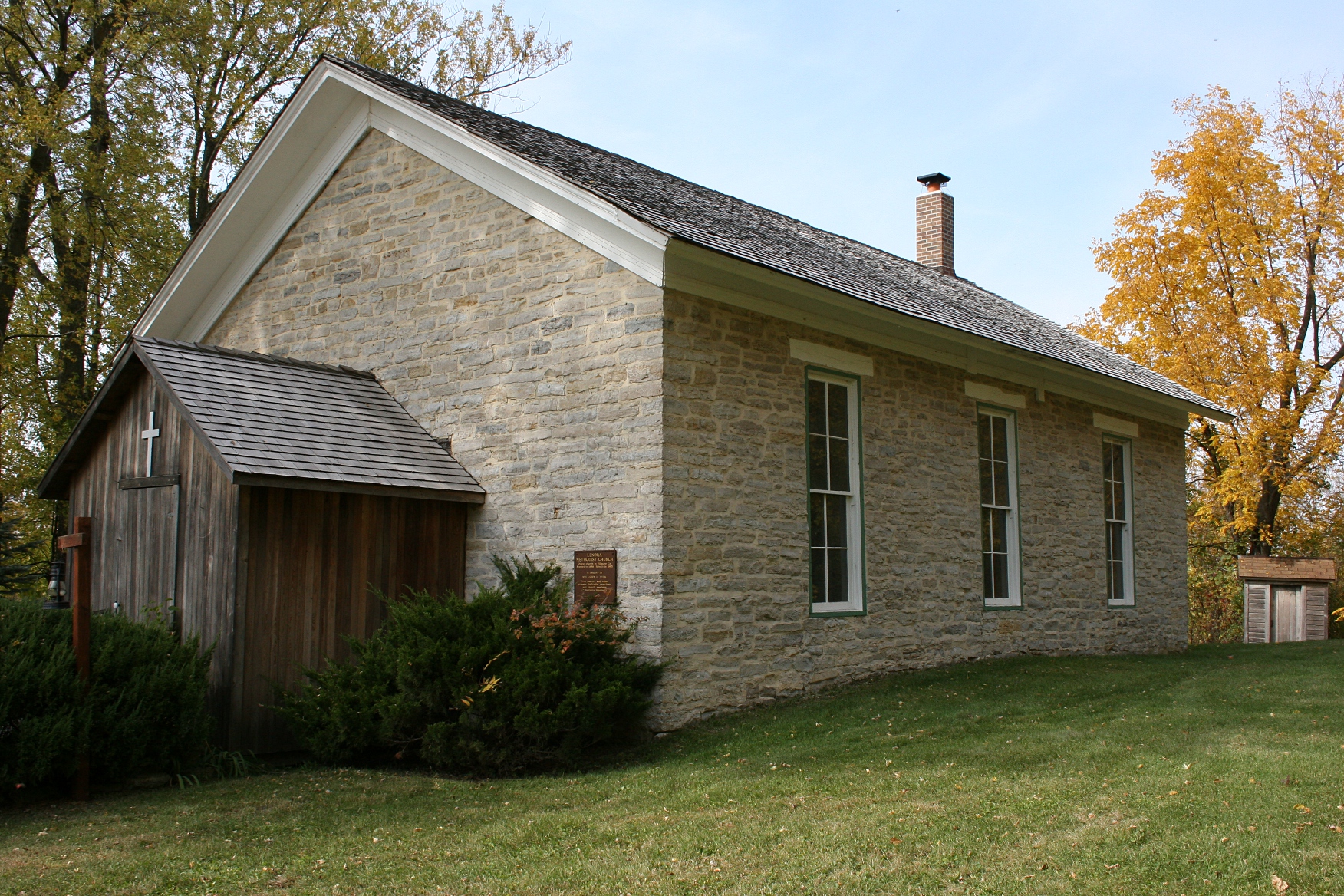
The exterior of the 1865 Lenora United Methodist Church. Minnesota Prairie Roots photo from October 2012.

The exterior of the 1865 Lenora United Methodist Church. Minnesota Prairie Roots photo from October 2012.

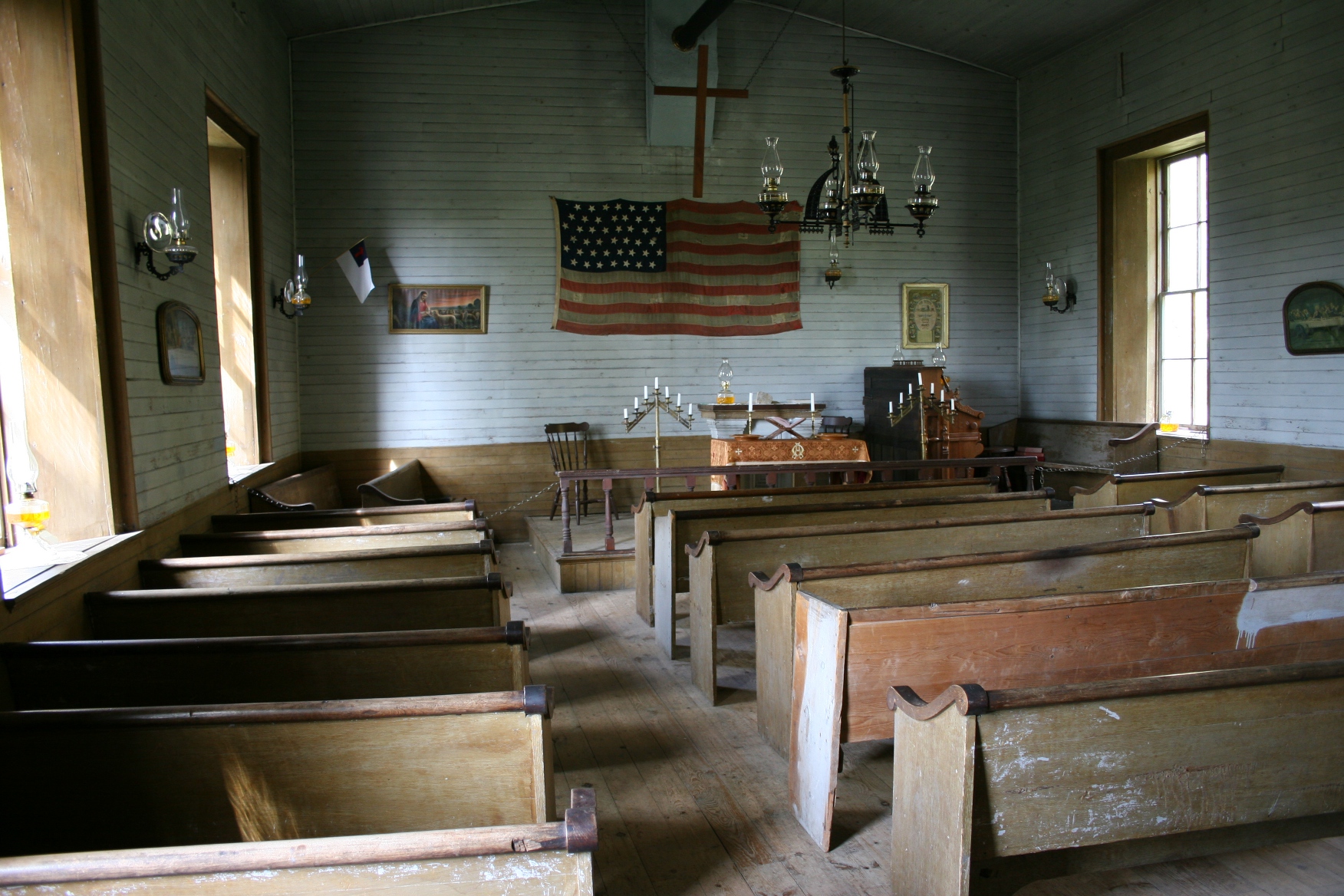
I’ve been inside both, from the sprawling and ornate Cathedral of Saint Paul in St. Paul to the simple plainness of a country church with handcrafted pews.

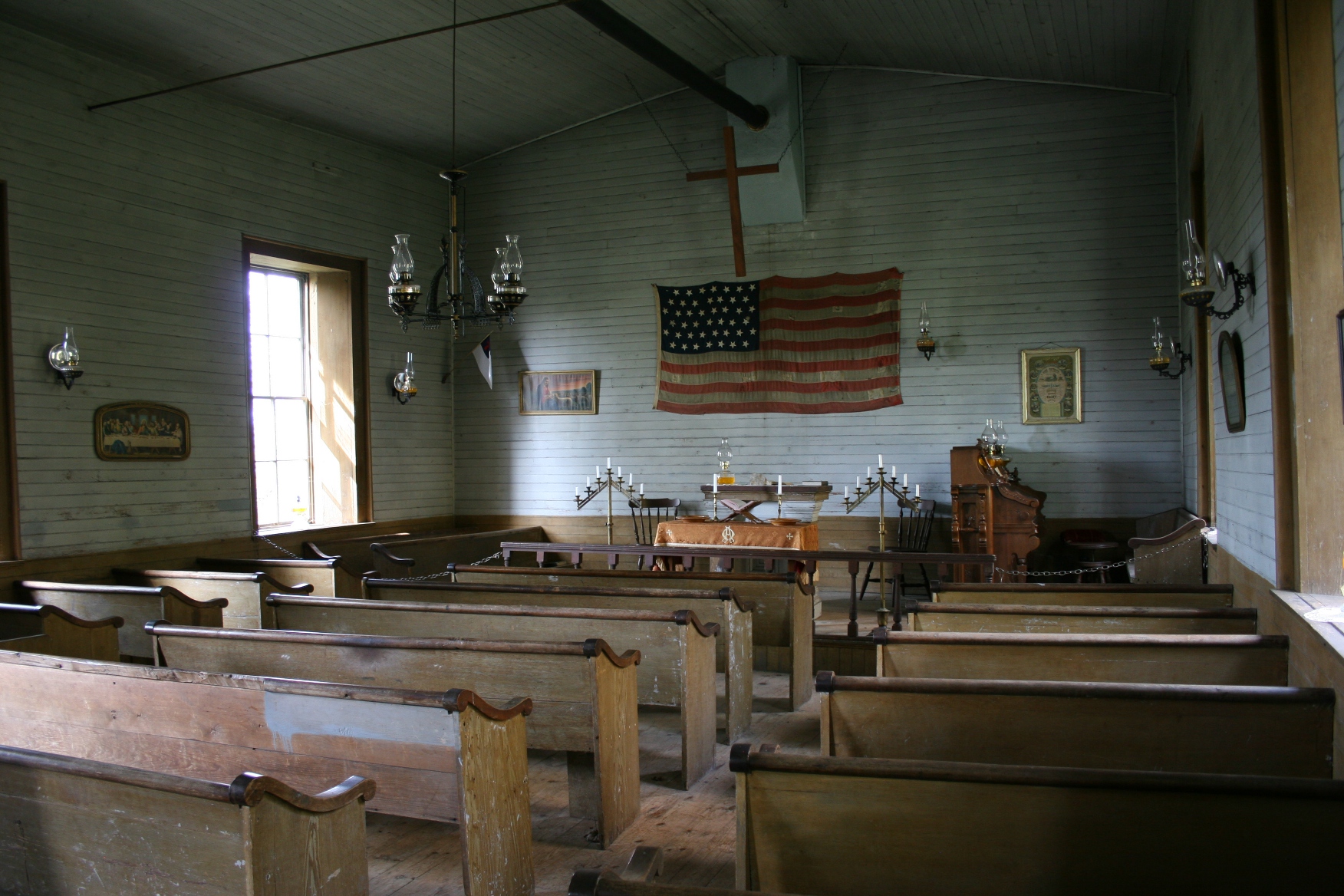
Jeremiah Fowler Stevens built and donated the pews.

Jeremiah Fowler Stevens built and donated the pews in the Lenora church.

Like the pews in the Lenora United Methodist Church, the oldest church in Fillmore County in southeastern Minnesota. The congregation was established in 1856 by a pioneer circuit rider who led camp meetings there boasting attendance of 2,000 plus souls. The church closed in the late 1920s (as Lenora was bypassed by the railroad and dwindled in population) and today is open for special events and concerts and the occasional worship service.

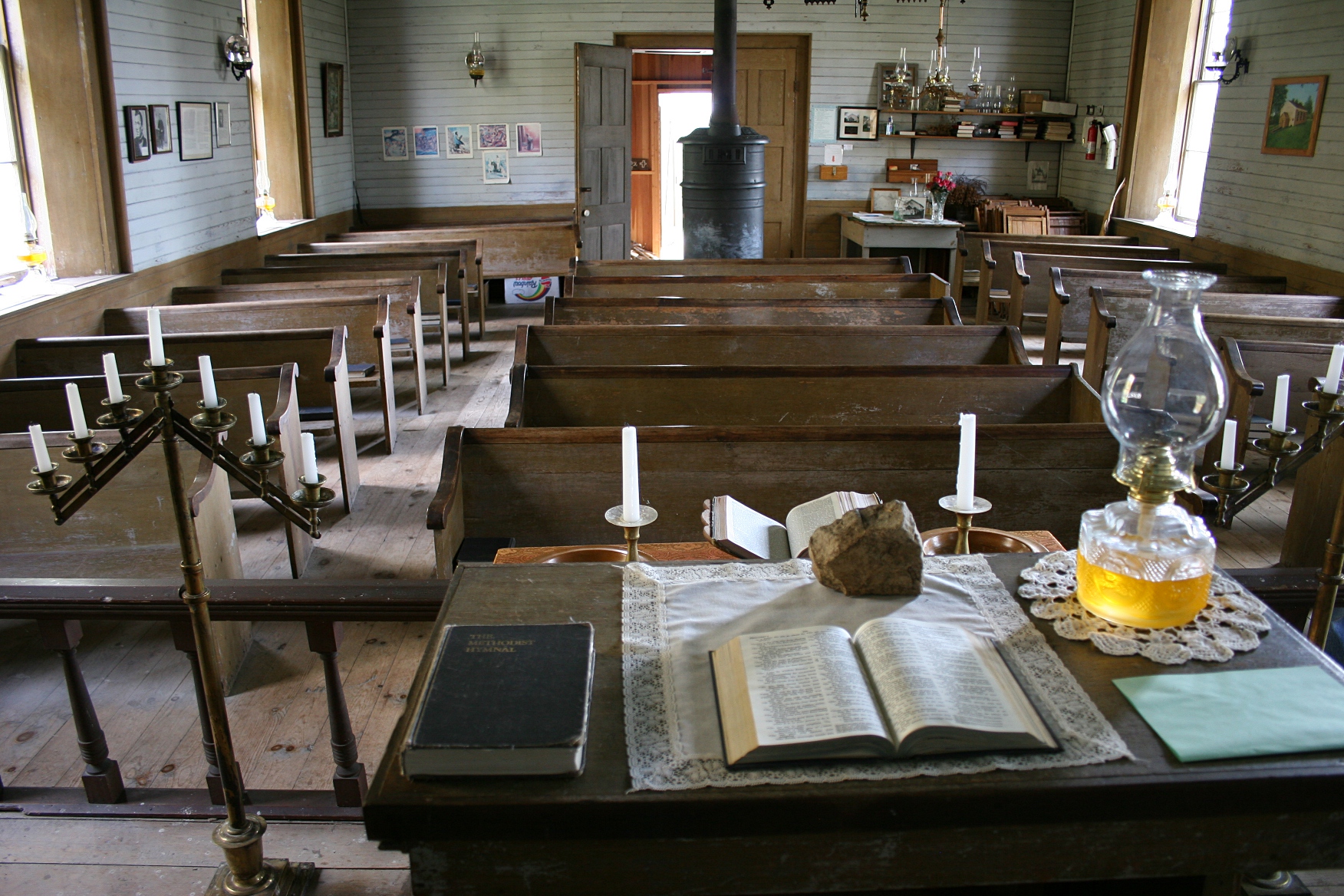
Looking from the front toward the back of the church.

Looking from the front toward the back of the church.

The bible study exchange and the mention of the historic Lenora church by bible study member Jeff, who recently visited this church with wife Mandy, reminded me of my visit there a year ago and that I needed to share those photos here.

When I went online to research the church in preparing this post, I discovered that Brad Boice, an award-winning Elvis impersonator, will present inspirational and uplifting music along with his wife, JulAnn, from 3 p.m. – 5 p.m. this Sunday, October 13, at the Lenora church.

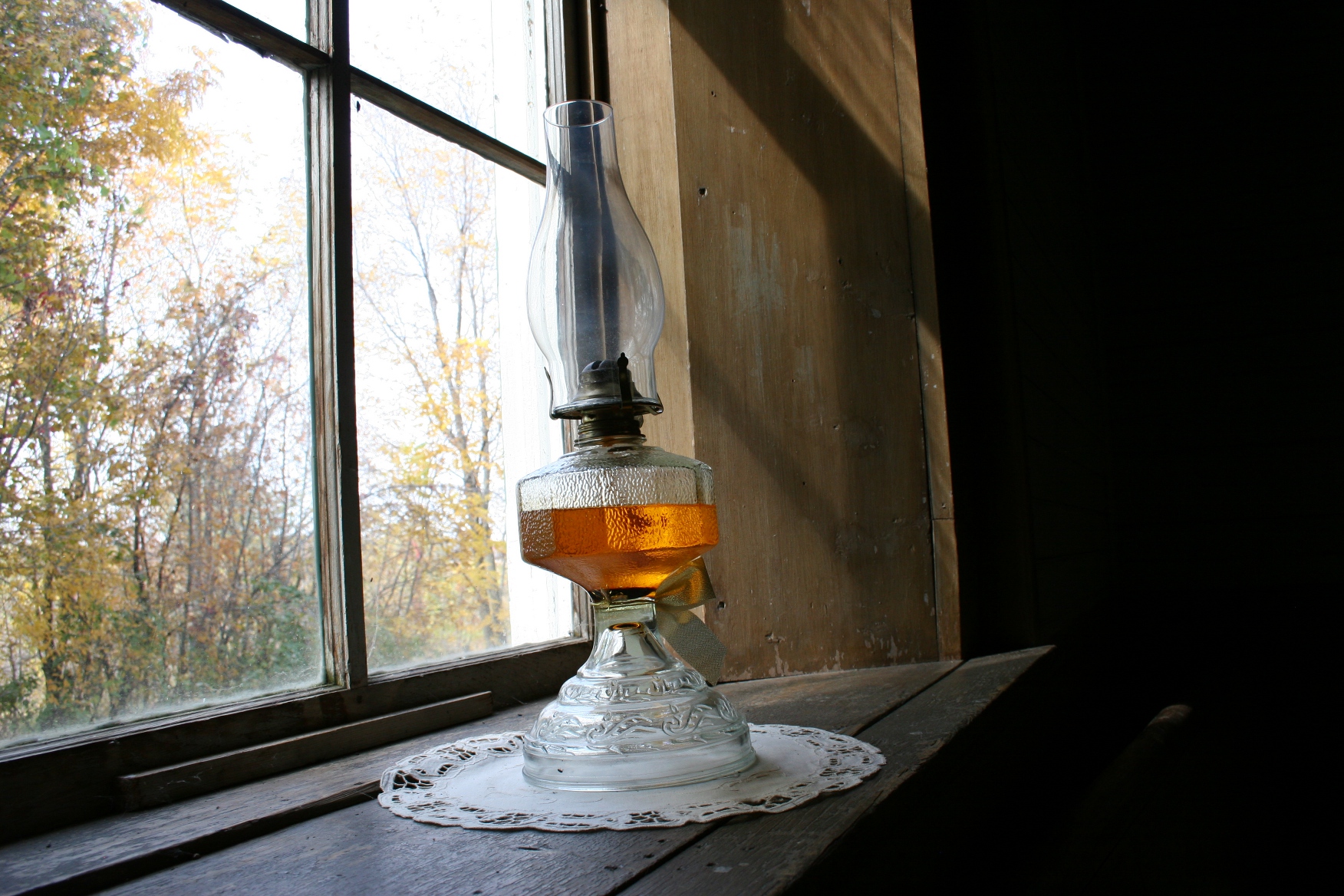
A simple touch of lanterns upon windowsills of the church.

A simple touch of lanterns upon windowsills of the church.

Now if there’s anyone who’s glitzy silver and gold and rubies rhinestones, it would be Elvis.

Brad Boice may be all that when impersonating the famous 50s singer. But he’s also a man of faith as evidenced in this online quote:

I thank Jesus Christ, my Lord and Savior, for my family, friends and the talents that He has given me. Never in my wildest dreams could I have imagined that God would take me to the places that He has.

Another view of the historic church.

Another view of the historic Lenora church.

Sunday afternoon that place will be inside the Lenora church along Fillmore County Road 23 in Lenora (near Canton).

Don’t expect silver or gold, rubies or rhinestones. Instead, expect inspirational spiritual songs within the confines of a simplistic house of worship on the National Register of Historic Buildings.

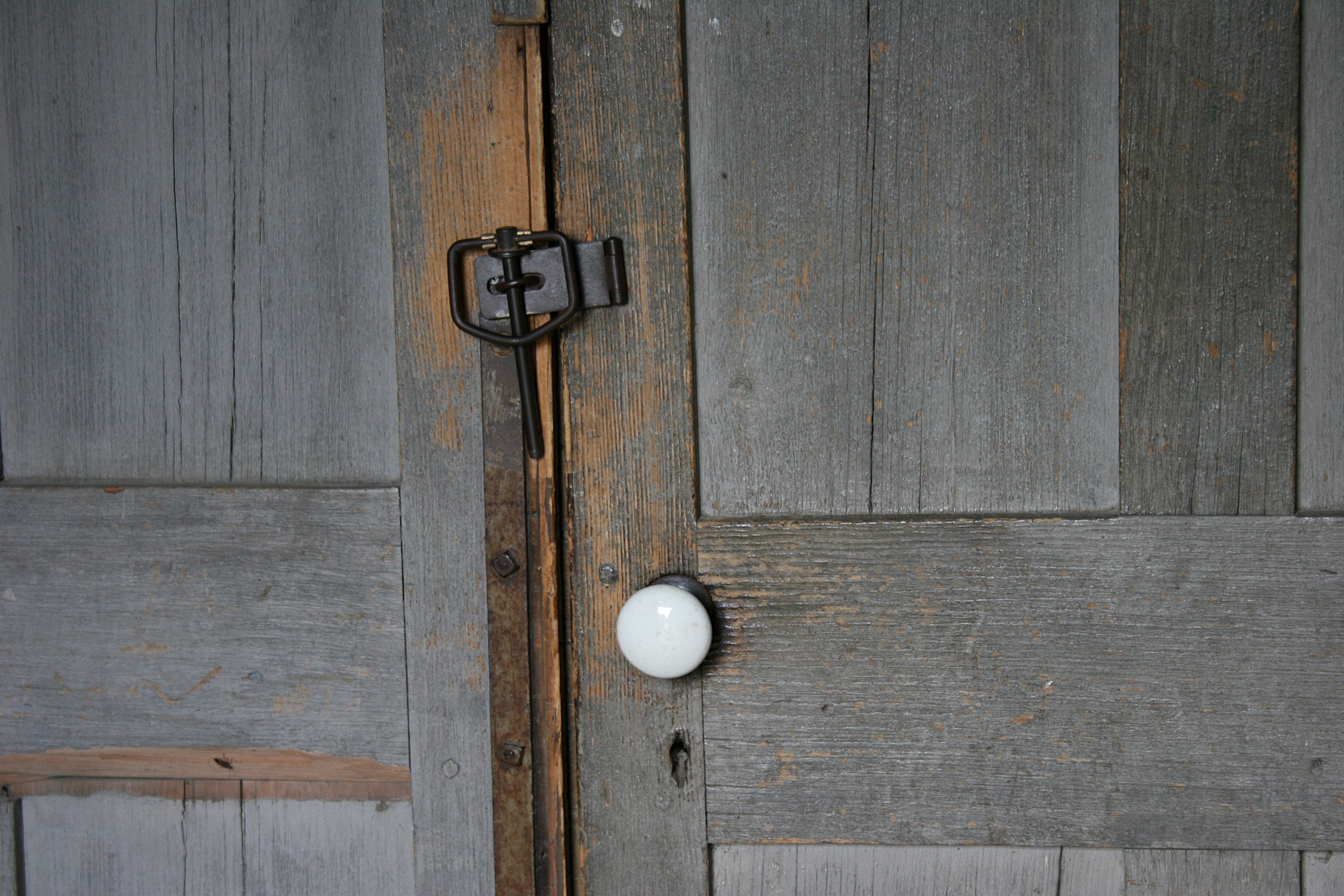
The rustic Lenora church doors.

The rustic Lenora church doors.

FYI: Click here to learn more about Lenora United Methodist Church.

And click here to learn more about Elvis impersonator Brad Boice.

Watch for a post tomorrow from Lenora, in which I introduce you to Fannie Miller.

© Copyright 2013 Audrey Kletscher Helbling


Personalizing a wedding: It’s in the details October 9, 2013

I PROMISED YOU no more photos from my daughter’s wedding.

But now I must break that promise because of Stacey, who lives in southern Minnesota and blogs at down to earth digs. (Check out Stacey’s incredible earthy and artsy homespun single-photo posts by clicking here.)

Anyway, when Stacey wrote the following comment on one of my wedding posts, I just knew I had to show you some of the details that shaped Amber and Marc’s September 22 wedding.

I think this is the most lovely, simply elegant wedding…so sweetly simple with amazing little details that were just perfect…the dress—so special, so beautiful…so perfectly worn by a beautiful bride.

Love the suits—not rented tuxedos….Love the setting of that historic building. The adorable card suitcase…the chalkboard…just wonderful!

The flowers—amazing! Ahhh, dusty miller in the bouquets…so pretty!

Yes, Stacey, an avid gardener and appreciator of all things simple and beautiful, understands the importance of details in comprising the whole, in shaping a setting and mood.

That said, let’s look back at wedding prep and the personal choices that, together, created, as Stacey says, a simply lovely, sweet and elegant wedding.

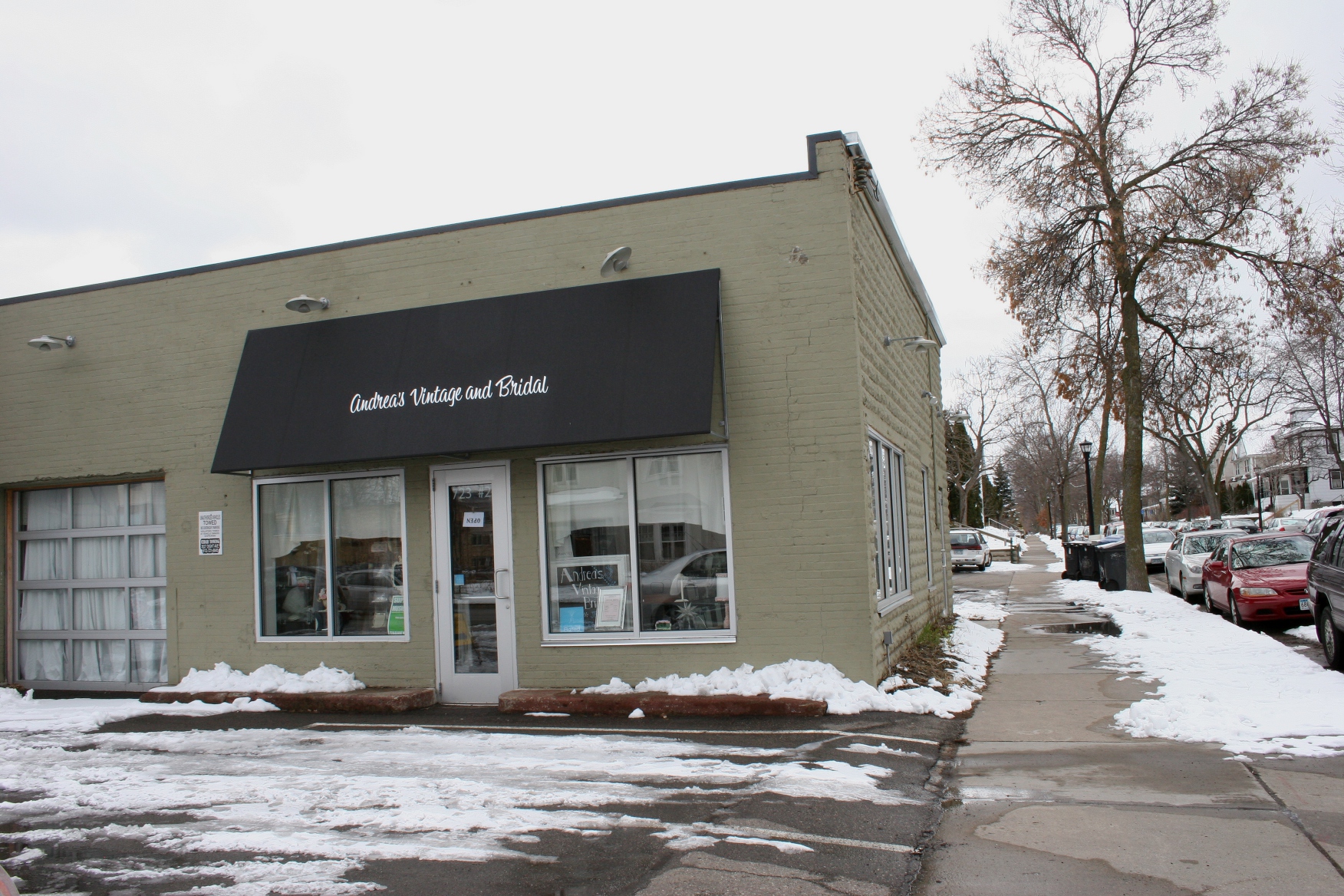
The bride's decision to shop for her dress at a vintage bridal shop in Minneapolis set the tone for the entire wedding.

The bride’s decision to shop for her dress at a vintage bridal shop in Minneapolis set the tone for the entire wedding. The bridal shop is housed in a former garage. Amber’s dad, my husband, is an automotive machinist. Minnesota Prairie Roots file photo.

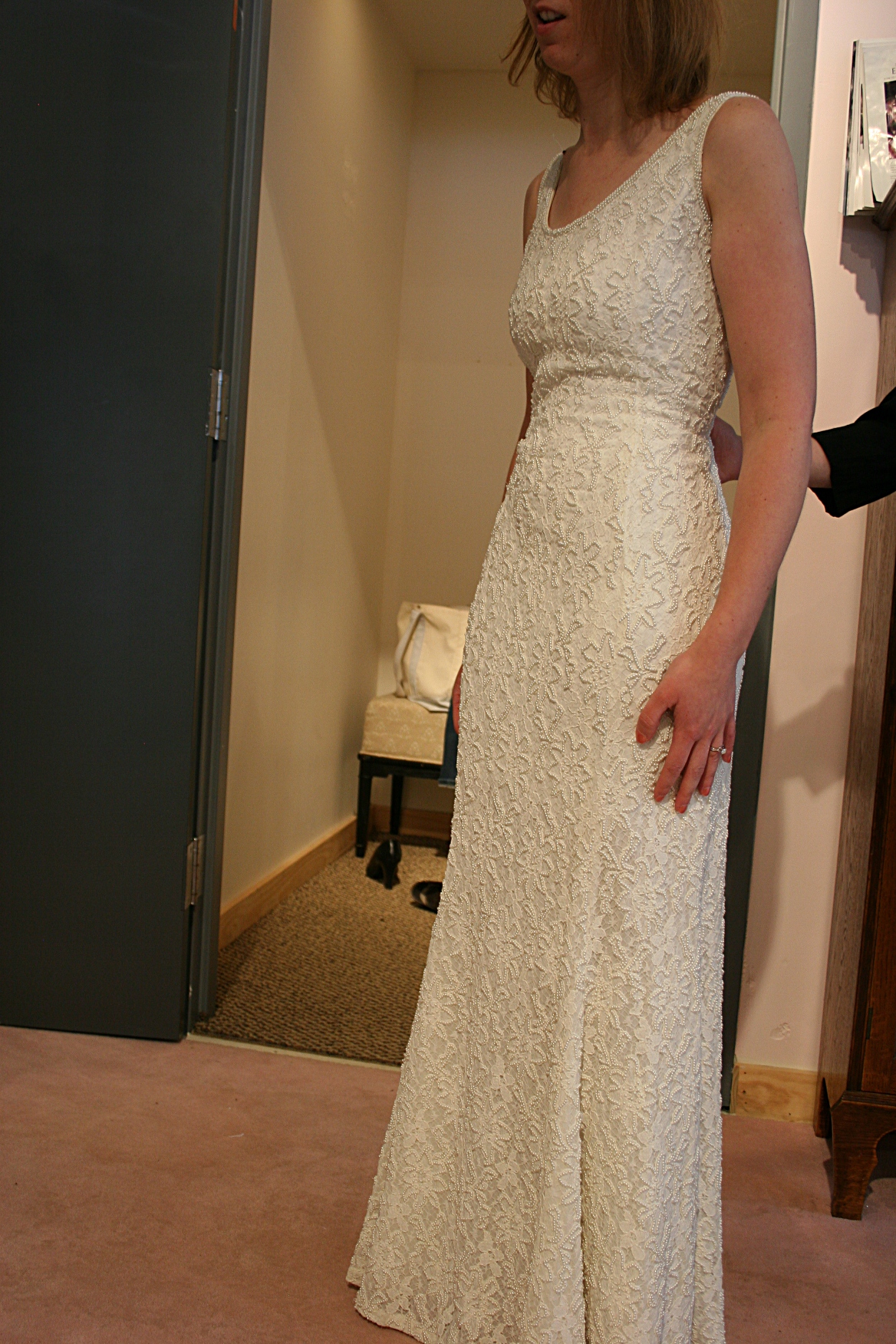
Once the dress, a second-hand vintage replica gown, was chosen, Nikolina helped Amber envision the dress redone to suit Amber. She suggested adding a sash, which was the perfect addition to emphasize Amber's tiny waist and update the dress.

Once the dress, a second-hand vintage replica gown, was chosen, Nikolina (who runs Andrea’s Vintage Bridal with her mom, Andrea) helped Amber envision the dress redone. Nikolina suggested updating the dress with a satin sash, the perfect addition to emphasize Amber’s slim frame and tiny waist. The gown had to be taken in some, too.

Nikolina checked out the hem-line, which did not need to be adjusted, saving Amber lots of dollars in alterations. Hemming, we were told, is typically the most costly alteration. The beaded details and the flow of this body-hugging dress made it simply elegant.

Nikolina checks the hem-line, which did not need to be adjusted, saving Amber lots of dollars in alterations. Hemming, we were told, is typically the most costly alteration. The beaded details and the flow of this body-hugging dress create an elegant look.

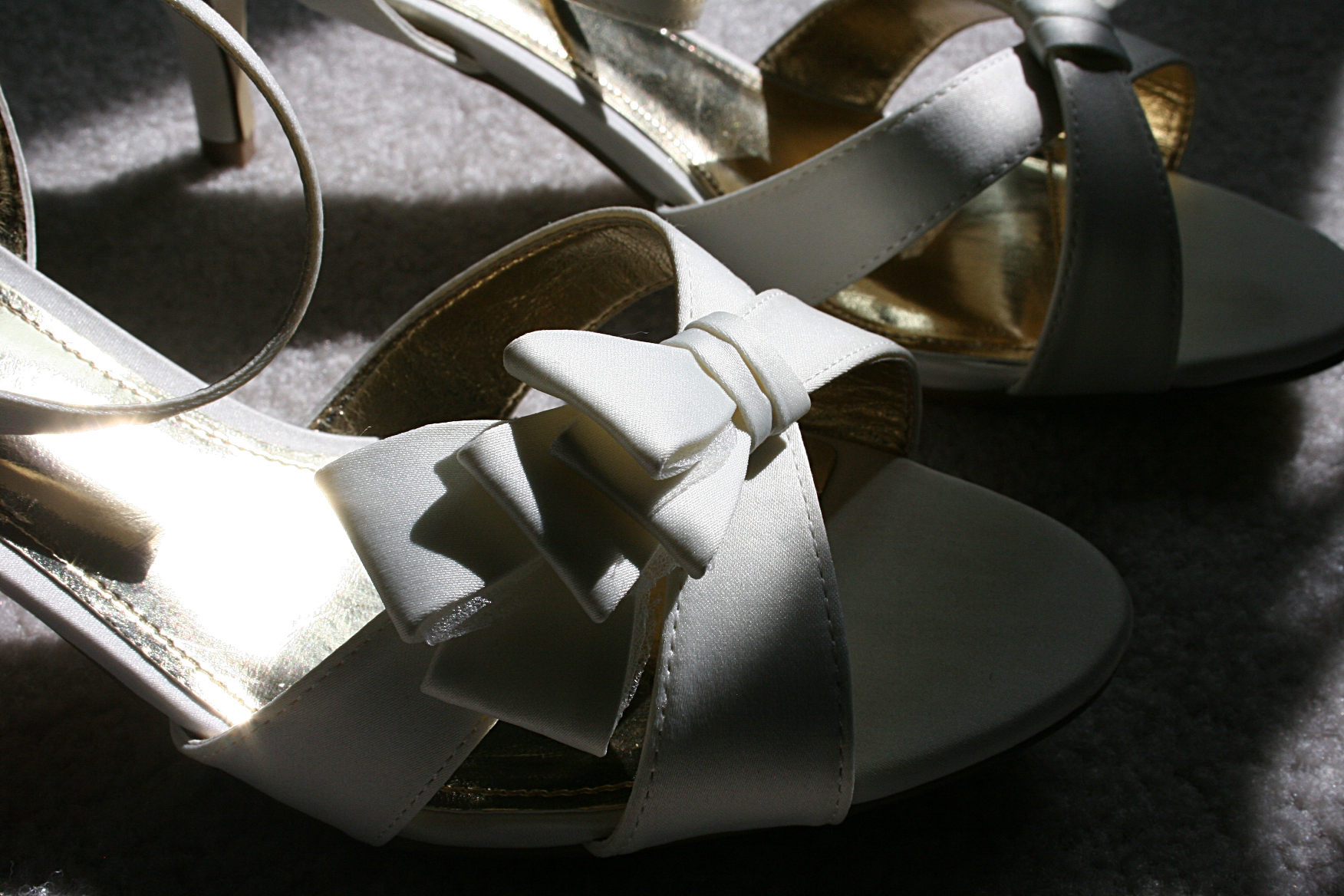
When Amber initially chose plain navy blue pumps to wear with her wedding gown, I had to zip my lips, sort of. They were her "something blue," but I thought the wrong choice. I said something like "just make sure they don't show in photos." Eventually she changed her mind and chose these lovely bow-detailed and classy shoes. She had her toenails painted blue for the "something blue."

When Amber initially chose navy blue pumps to wear with her wedding gown, I had to zip my lips, sort of. They were her “something blue,” but I thought the wrong choice. I said, “Just make sure they don’t show in photos.” Eventually she changed her mind and purchased these lovely bow-detailed and classy heels. She had her toenails painted blue for the “something blue.”

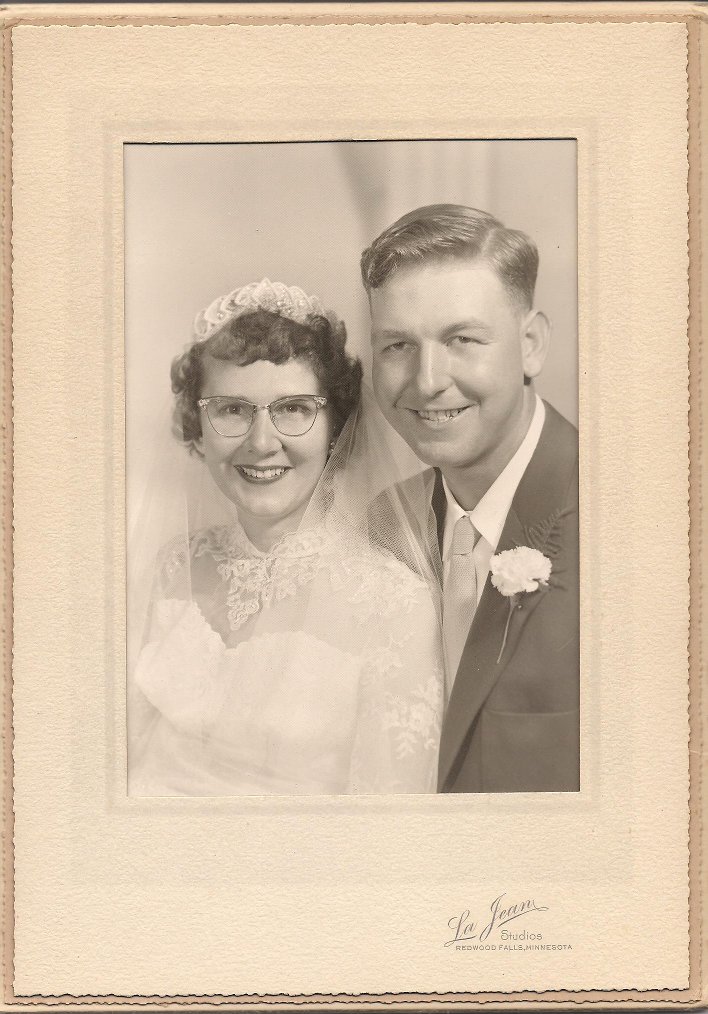
Amber and Marc wanted to honor their parents and grandparents at their wedding reception and did so with wedding day portraits, like this of my parents, Elvern and Arlene, married on September 25, 1954.

Amber and Marc wanted to honor their parents and grandparents at their wedding reception and did so with wedding day portraits, including this of my parents, Elvern and Arlene, married on September 25, 1954.

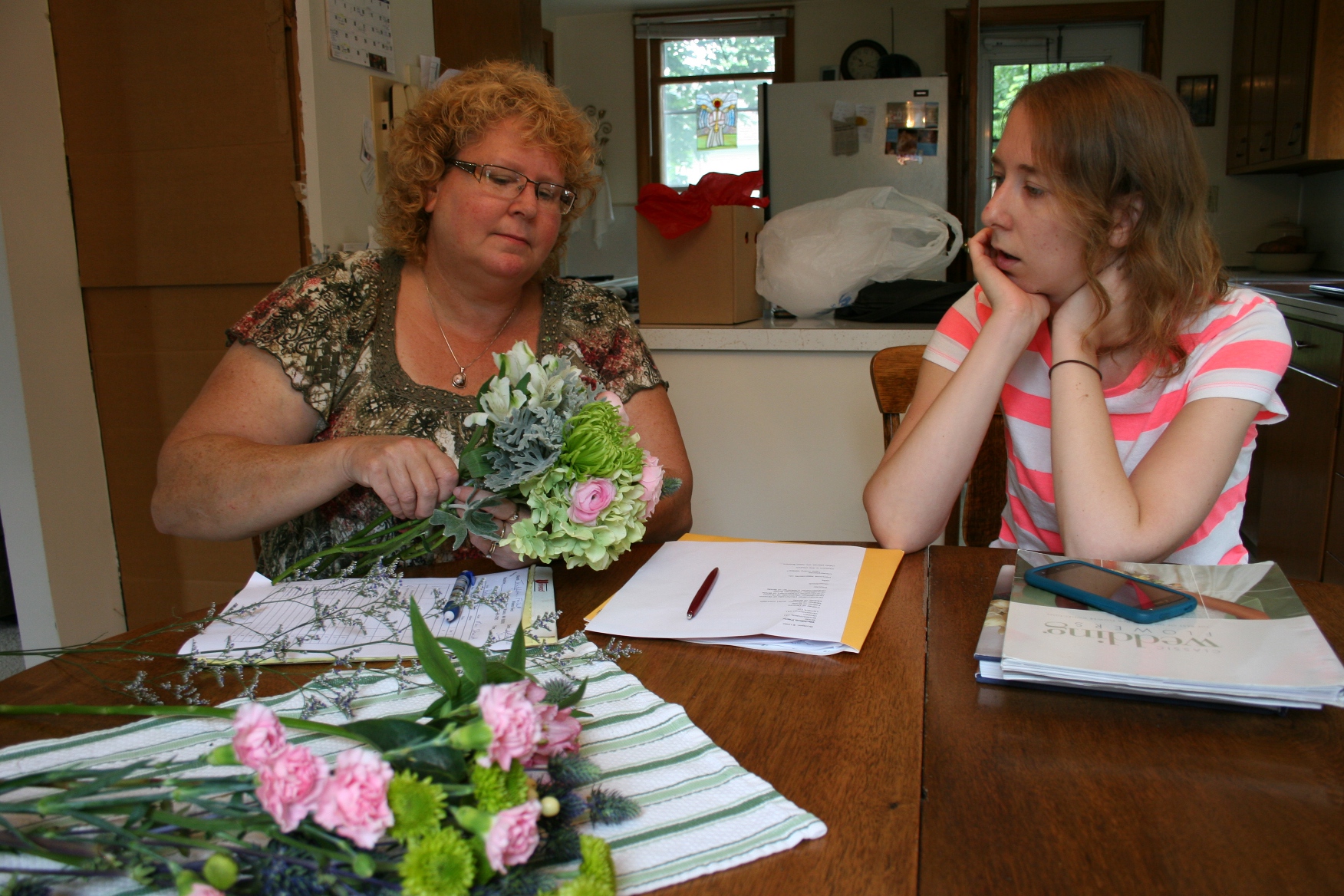
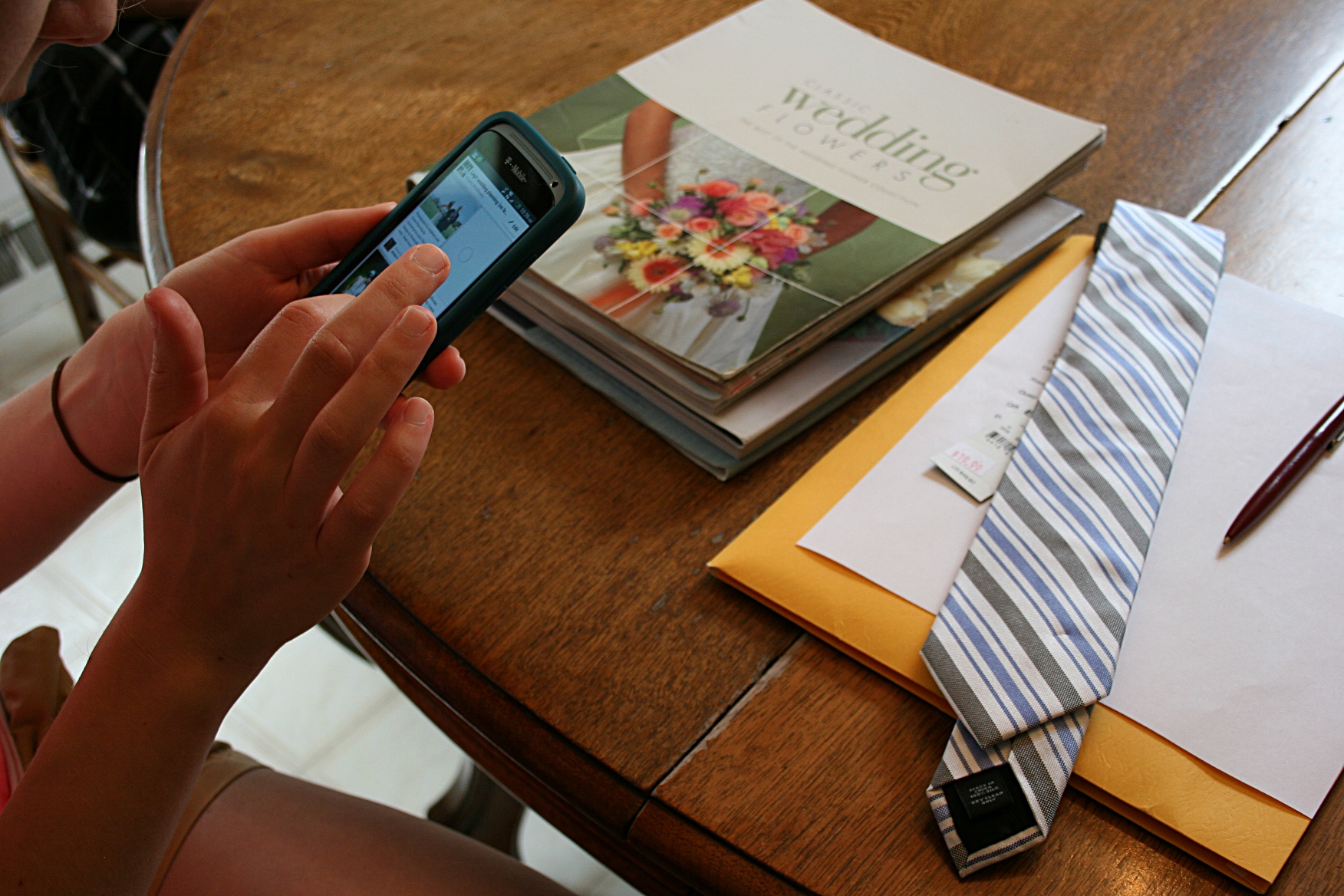
Choosing flowers is no easy task. Amber and Marc researched online and in books.

Choosing flowers is no easy task. Amber and Marc researched online and in books looking for the right mix of colors and textures and design to shape the vision they wanted for their wedding. Tie selection is also important, finding just the right colors.

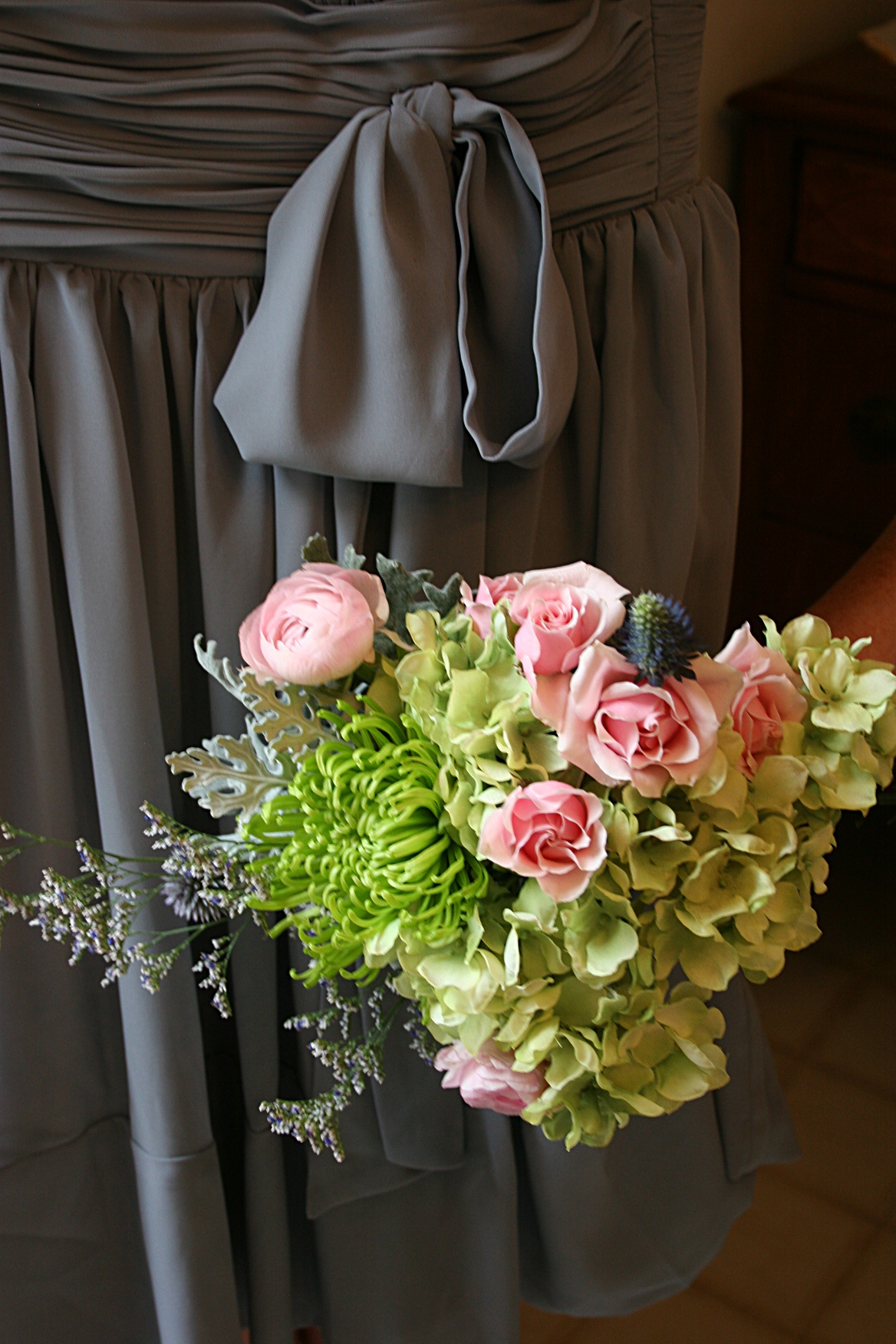
Ideas for bridesmaids' bouquets.

Ideas for bridesmaids’ bouquets. Notice the details, too, in the bridesmaid dress with the shirring at the waist and the tie. The dresses were custom made by Hong Kong based Mermaid Bridal.

Armed with information Amber had emailed, my floral designer sister, Lanae of Waseca Floral, arrived at our home with fresh flowers and ideas.

Armed with information Amber had emailed, my floral designer sister, Lanae of Waseca Floral, arrived at our home with fresh flowers and ideas for the couple to consider. Check my blog posts for the stunning results.

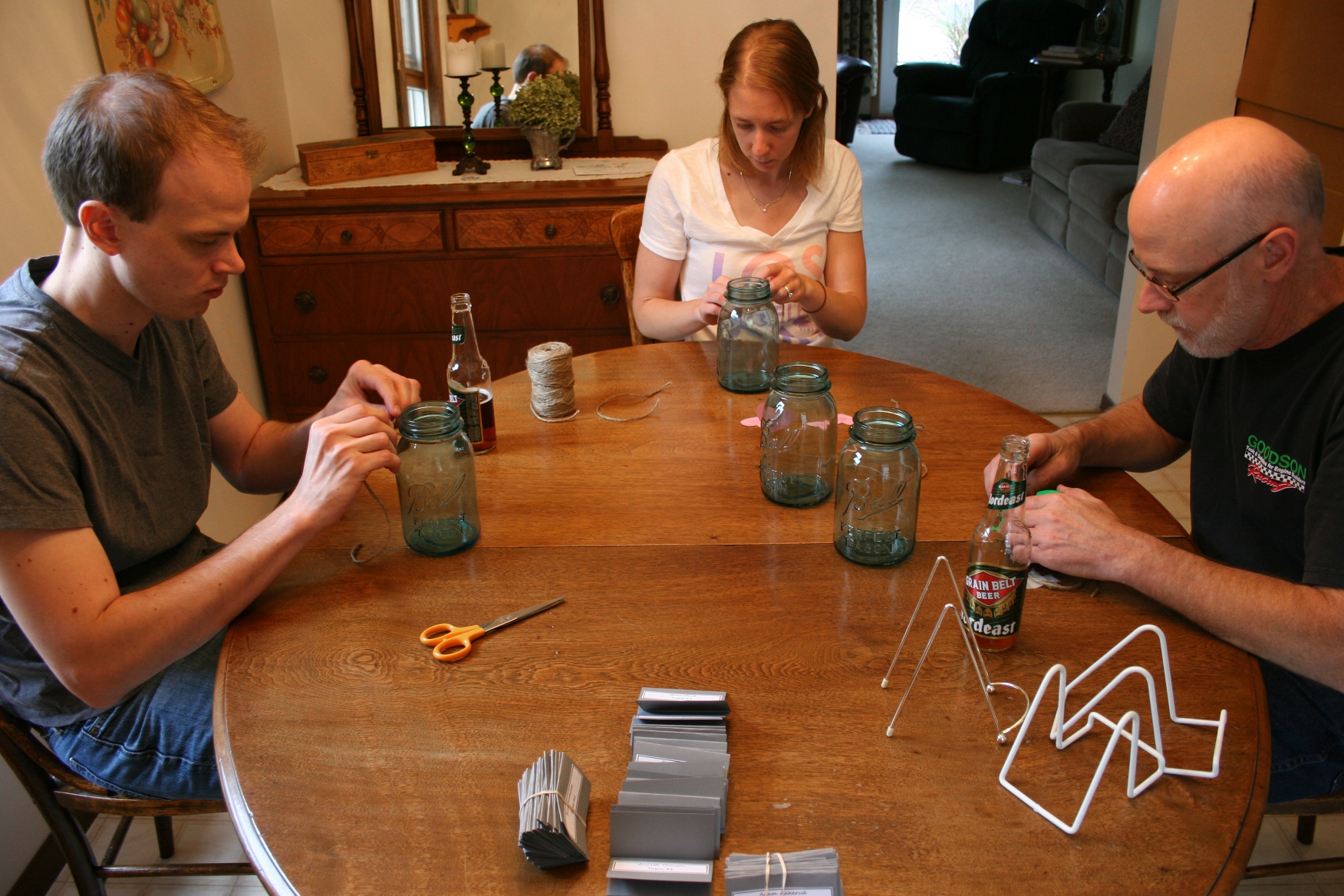
The bridal couple and the father-of-the-bride worked on table numbers for the vintage blue canning jars that would grace tables at the reception. The choice of these jars followed the vintage theme and the color scheme for the wedding.

The bridal couple and the father-of-the-bride tie pink paper hearts on vintage blue canning jars for bridesmaids’ bouquets. The choice of these jars for bouquets and floral centerpieces followed the vintage theme and the muted blue/pink/green/grey color scheme for the wedding.

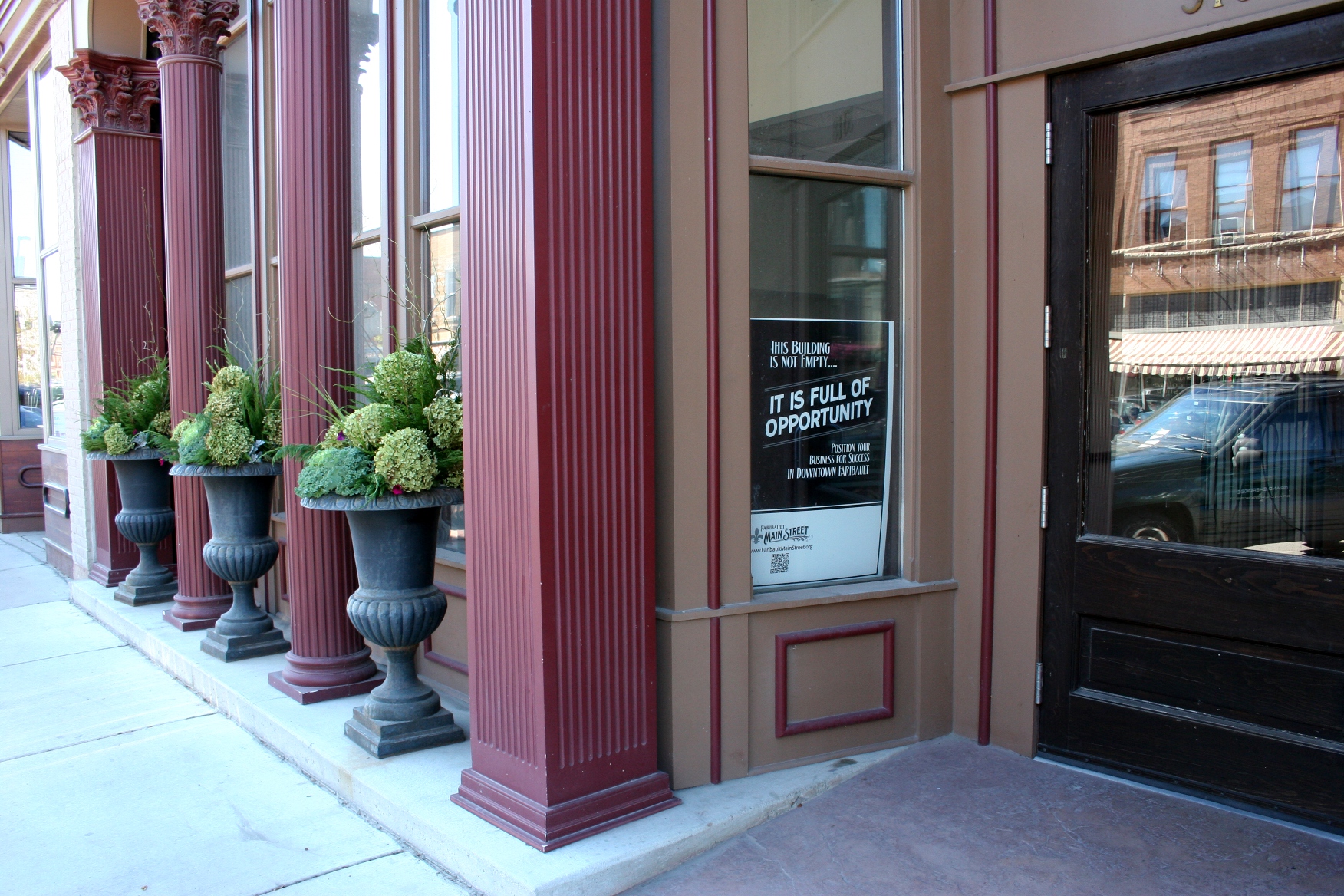
The historic Bachrach Building in downtown Faribault was the perfect venue for the wedding couple's vision of their reception. However, about a month before the wedding, I noticed that the flowers in the outside urns were mostly dead or dying. When I mentioned this to Amber, she admonished me to drop the idea of replacing the flowers because she did not want to spend more time and money on this. Because first impressions count, I contacted my floral designer sister. Together we hatched a no-cost easy plan to beautify the urns. I clipped nearly 40 hydrangea from my yard. Lanae brought ornamental kale, curly willow and greens from hers. She transformed the urns into stunning floral masterpieces that impress.

The historic Bachrach Building in downtown Faribault was the perfect venue for the wedding couple’s vision of their reception. However, about a month before the wedding, I noticed that the flowers in the outside urns were mostly dead or dying. When I mentioned this to the bride-to-be, she admonished me to drop the idea of replacing the flowers because she did not want to spend more time and money.  I quietly overrode her decision, which I would not typically advise. But, because first impressions count, I contacted my floral designer sister. Together we hatched a no-cost easy plan to beautify the urns. I clipped nearly 40 hydrangea from my yard. Lanae brought ornamental kale, curly willow and greens from hers. She transformed the urns into stunning floral masterpieces as shown here. The bits of purple peeking out are the petunias which had been planted in the urns.

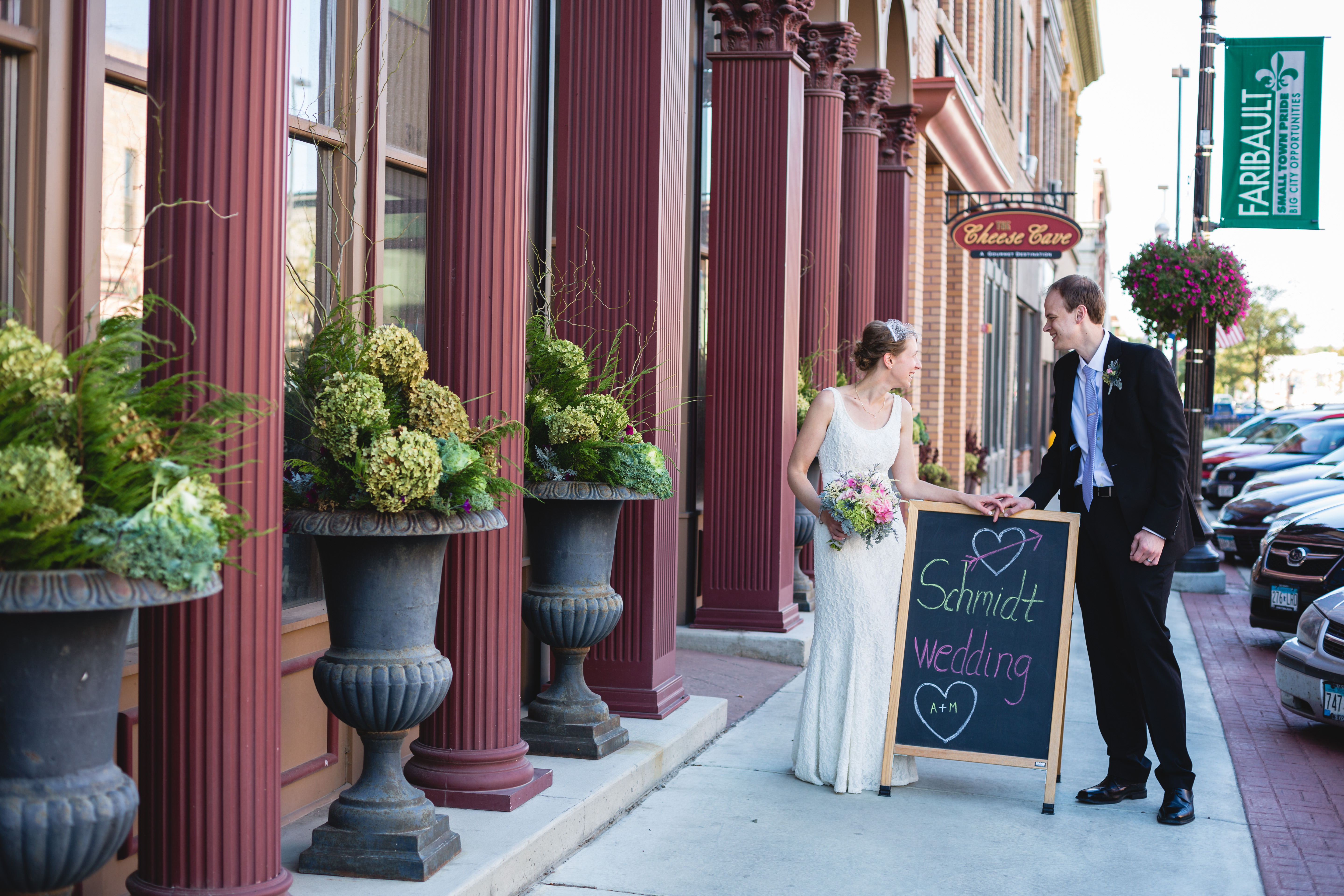
The couple arrives at the reception venue in the Bachrach Building in historic downtown Faribault. The social hour was held in the first floor Atrium and the reception in the second floor The Loft. The exterior floral pieces were created by my floral designer sister, Lanae Feser of Waseca Floral. Photo by and courtesy of Rochelle Louise Photography of Minneapolis.

The couple wanted a sign out front to direct guests into the reception venue. The folks at The Cheese Cave, which is housed inside the Bachrach complex, kindly lent their sandwich chalkboard to us for the reception. Amber told me to write “Schmidt wedding” on the board. I added the hearts and the “A + M” detail inside the bottom heart, using two of the wedding colors, pink and green. Details, remember. Photo by and courtesy of Rochelle Louise Photography of Minneapolis.

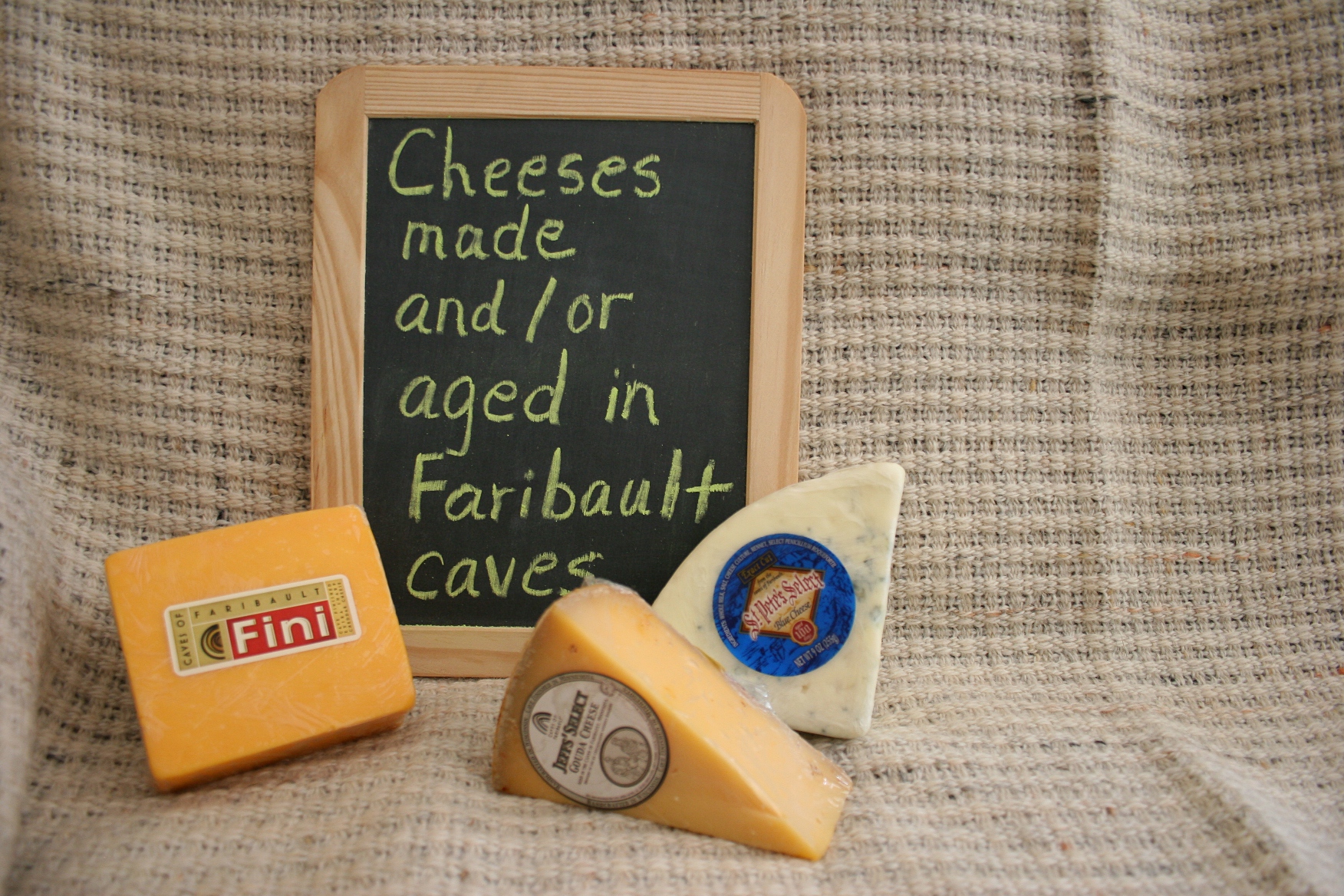
Mini chalkboards were used elsewhere throughout the reception venue, here to label the cheeses purchased at The Cheese Cave. The bride and groom wanted to showcase fine locally-made and/or aged cheeses.

Mini chalkboards were used elsewhere throughout the reception venue, here to label cheese purchased at The Cheese Cave. The bride and groom wanted to showcase fine locally-made and/or cave-aged cheeses. This photo does not show the actual set-up at the reception, but rather a shot I propped at home.

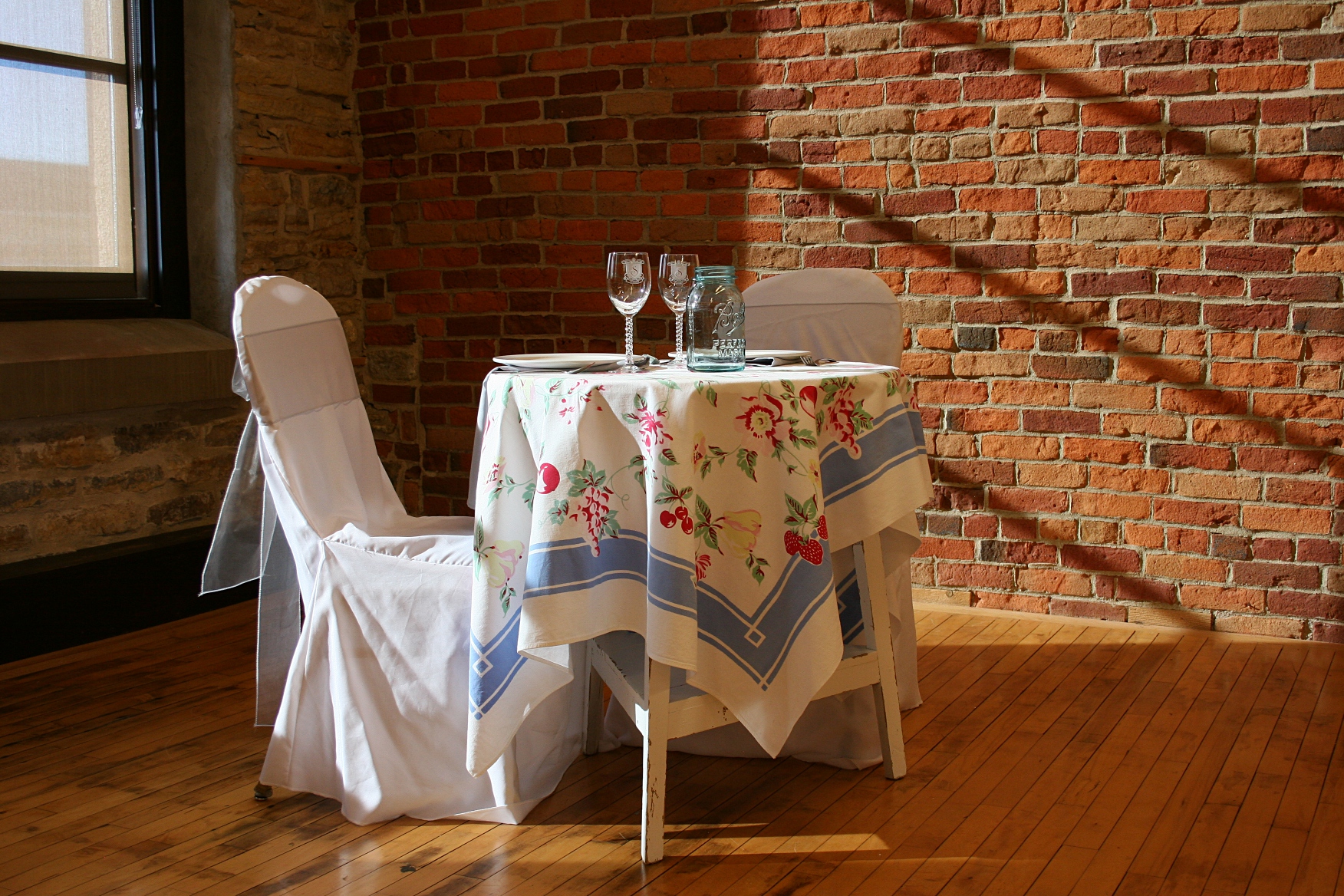
A "sweetheart table" just for the bride and groom. It's covered in one of the vintage tablecloths from my collection. The table was purchased for $15 months ago at a Montgomery, Minnesota, used furniture store. At the time of purchase, my husband asked why I was buying it. "Because I like it," I told him then. Little did we know our daughter would use if for her wedding.

Great care went in to selecting the vintage tablecloth for the bride and groom’s sweetheart table. I collect vintage tablecloths and pulled out those that matched the wedding color scheme of muted blue, pink, green and grey.  The bride selected this one from among several. The wine glasses came from the groom’s paternal grandparents and are engraved with the Schmidt family name.

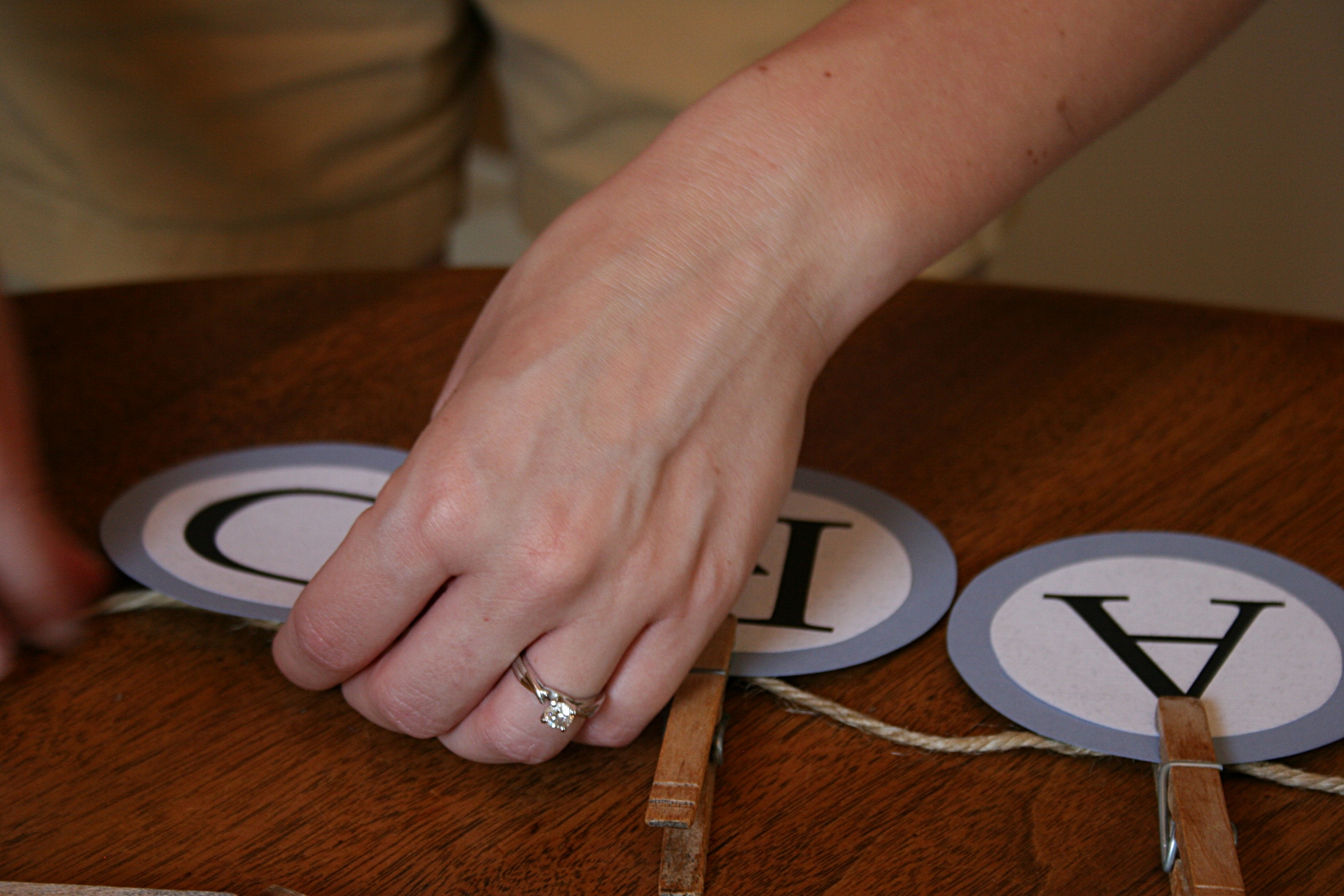
Card gift boxes, in my opinion, are not exactly original. So the bride and I came up with an idea that was simple and vintage and personal. Here Amber attaches CARDS letters to jute with clothespins from my clothespin bag.

Card gift boxes, in my opinion, are not exactly original and rather boring. So the bride and I came up with an idea that was simple and vintage and personal. Here Amber attaches CARDS letters she made, to jute with clothespins from my clothespin bag.

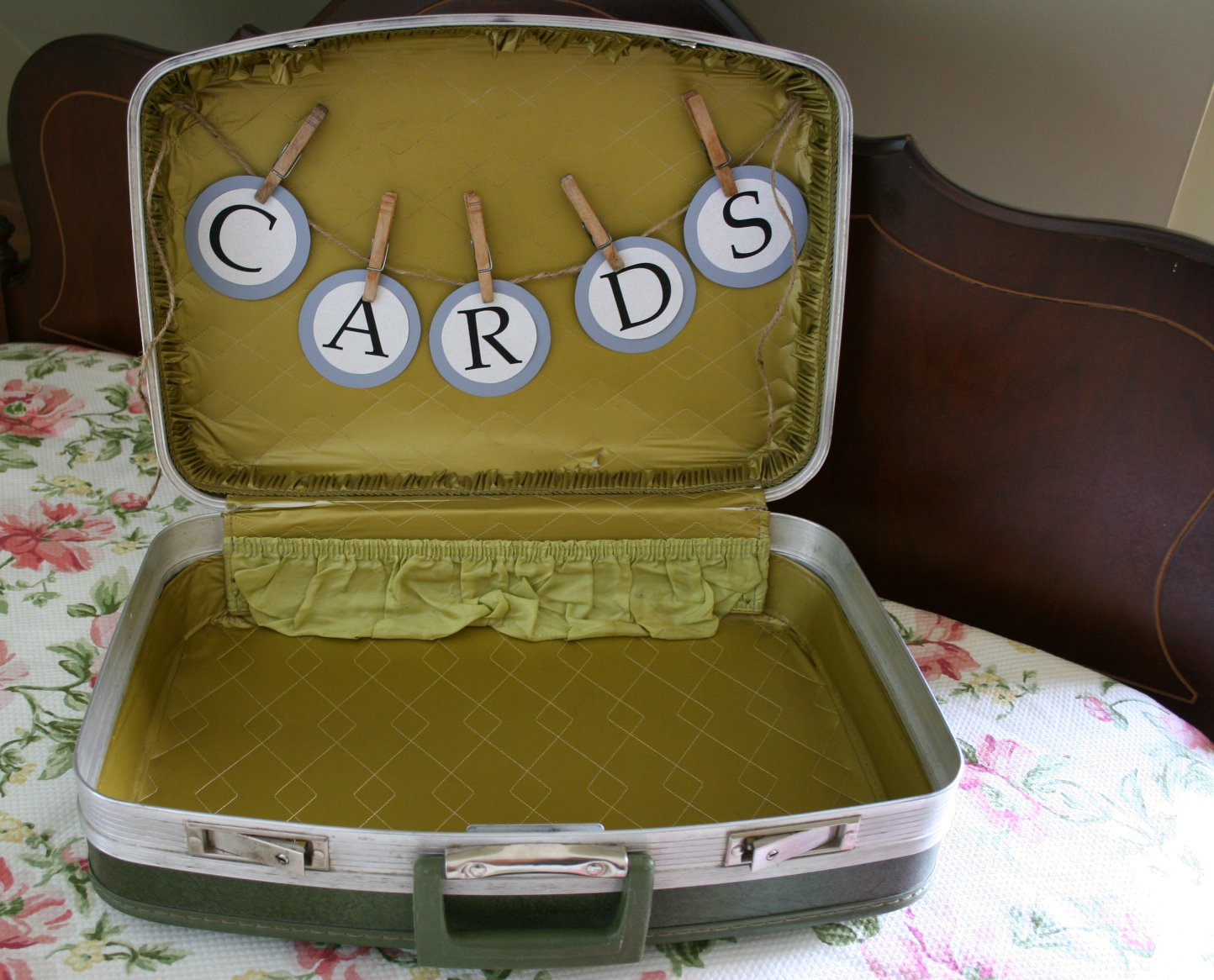
And then the jute string of letters was hot glue gunned inside the bride's dad's vintage 1970s suitcase.

And then the jute string of letters was hot glue gunned inside the bride’s dad’s vintage 1970s suitcase, a suitcase used by the bride, too, when she was growing up. Not only was this vintage chic, but many memories are attached to this converted suitcase.

First the bride considered using old picture frames to hold guests' seating place cards. But then I remembered two old barn window frames stashed in our garage. One came from the Helbling family farm, where my husband grew up, and the other from my childhood farm. Perfect.

First Amber considered using old picture frames to hold guests’ seating place cards. But then I remembered two old barn window frames stashed in our garage for nearly 20 years. The one on the right came from the Helbling family farm, where my husband grew up, and the other from the Kletscher family farm, my childhood farm. Perfect. Meaningful and unique.

Name cards that the bride and groom created were attached to the old barn windows via jute and clothespins.

Name cards that the bride and groom created were attached to the old barn windows with jute and clothespins.

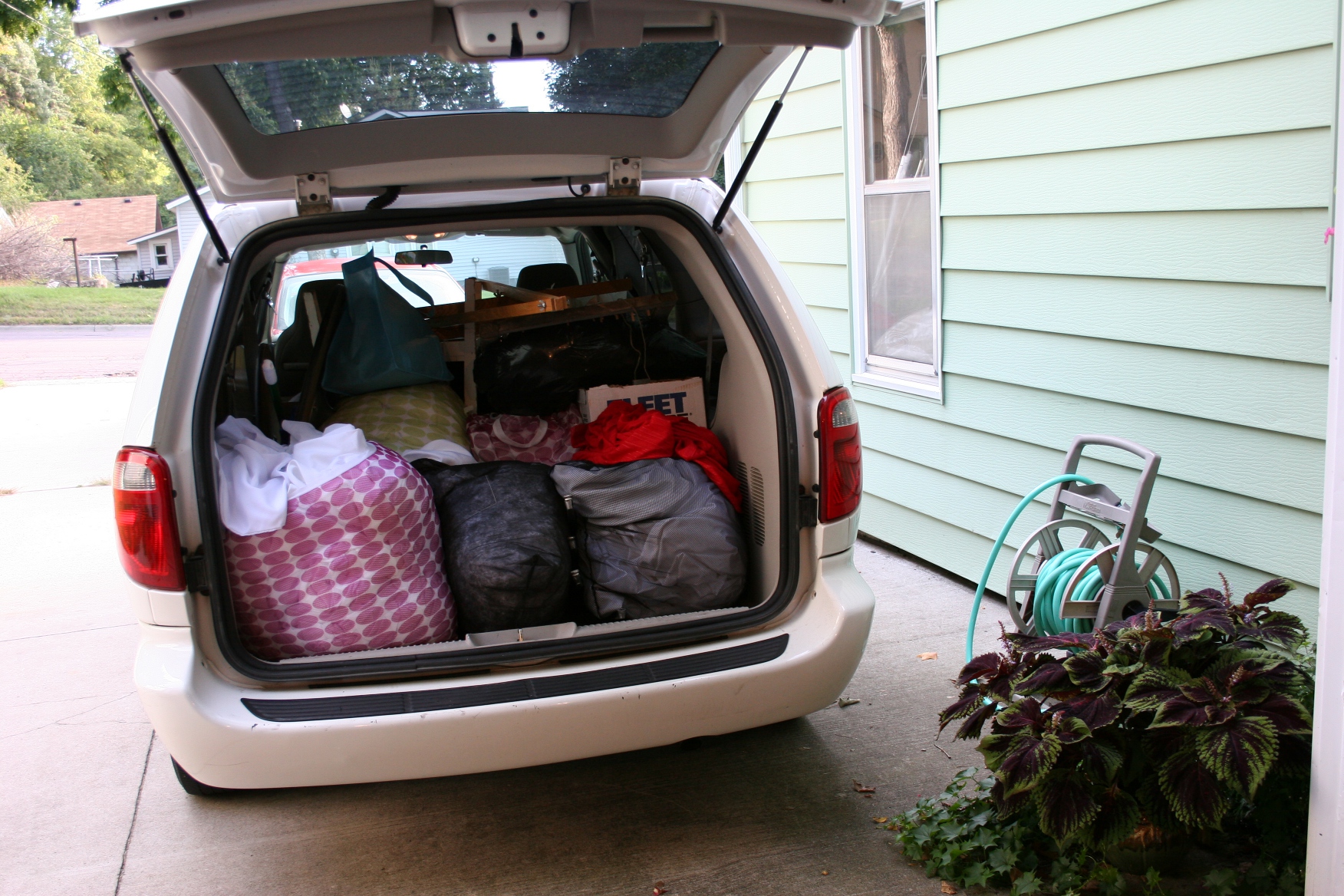
And all the "stuff" that went into creating the envisioned wedding and reception, mostly crammed right there into the back of the bride's parents' van.

All the “stuff” that went into creating the envisioned wedding and reception was mostly crammed into the back of the bride’s parents’ van. There are linens and vintage canning jars and window frames and tables and more inside the morning after the wedding. Hauling everything to the reception venue, because it had to be carefully packed, took three or four trips.

FYI: To see the end results of the above detailed planning, check my Minnesota Prairie Roots archives from September 23 – October 2. Or click here to view professional wedding photos at Rochelle Louise Photography.

To see the offerings from MermaidBridal, click here.

© Copyright 2013 Audrey Kletscher Helbling
 

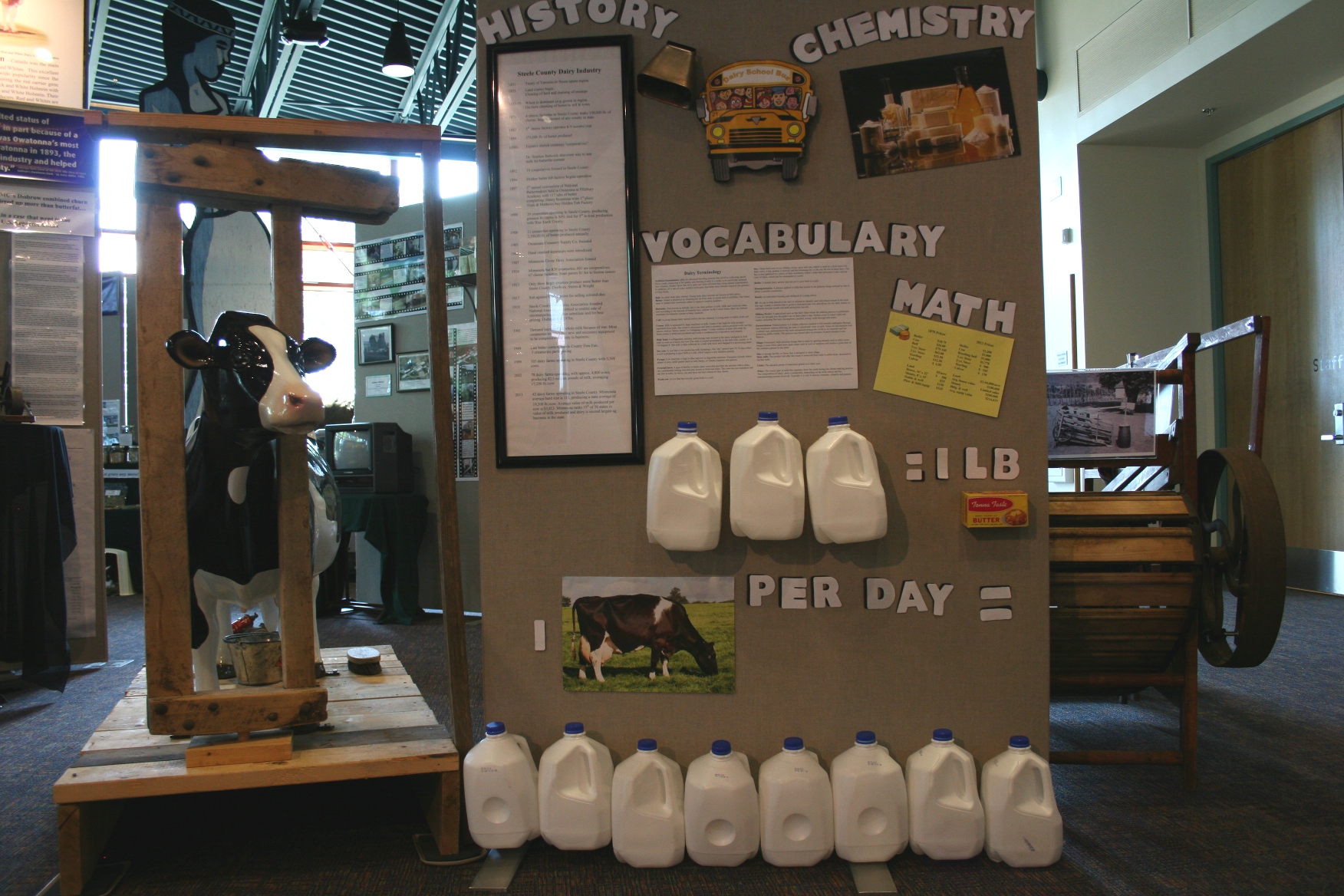
Owatonna exhibit celebrates Steele County: Butter Capitol of the World October 8, 2013

MILK COURSES through my veins, for I am the daughter of a dairy farmer.

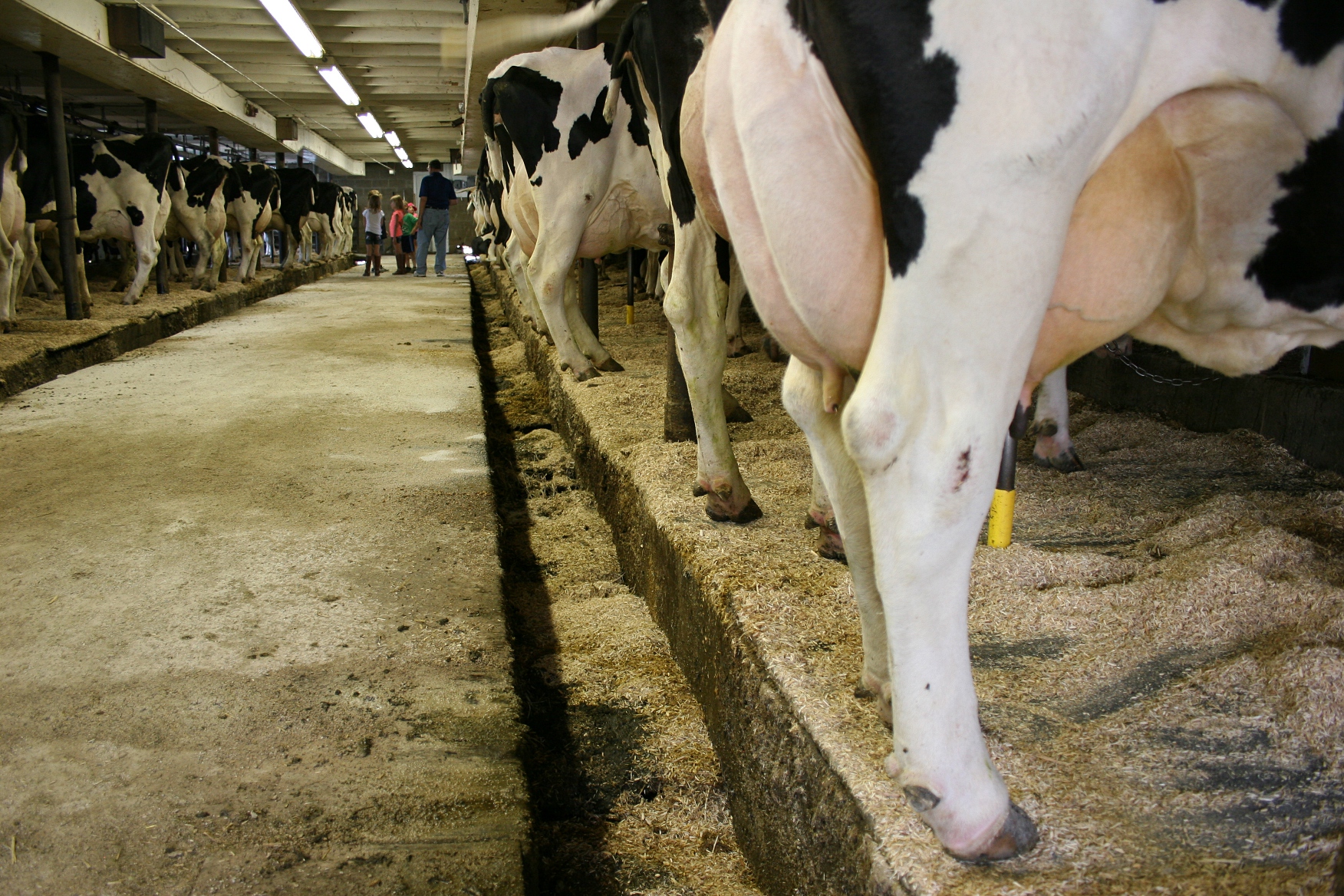
Inside the Wegners' barn, where dairy products come from.

Minnesota Prairie Roots file photo from Ron and Diane Wegner’s rural Faribault dairy barn.

Growing up, I labored in the barn beside my dad and siblings—feeding cows, bedding straw, lugging pails of milk to the bulk tank, washing milking machines, scraping manure and more.

I smelled of cow, watched bovines’ tails flick flies and rise to release streams of splashing hot pee into barn gutters.

Sandpaper rough tongues sometimes grated across my skin. Cold, wet noses dampened the sleeves of my chore coat.

I carried gallons of frothy fresh milk to the house for pasteurization and consumption.

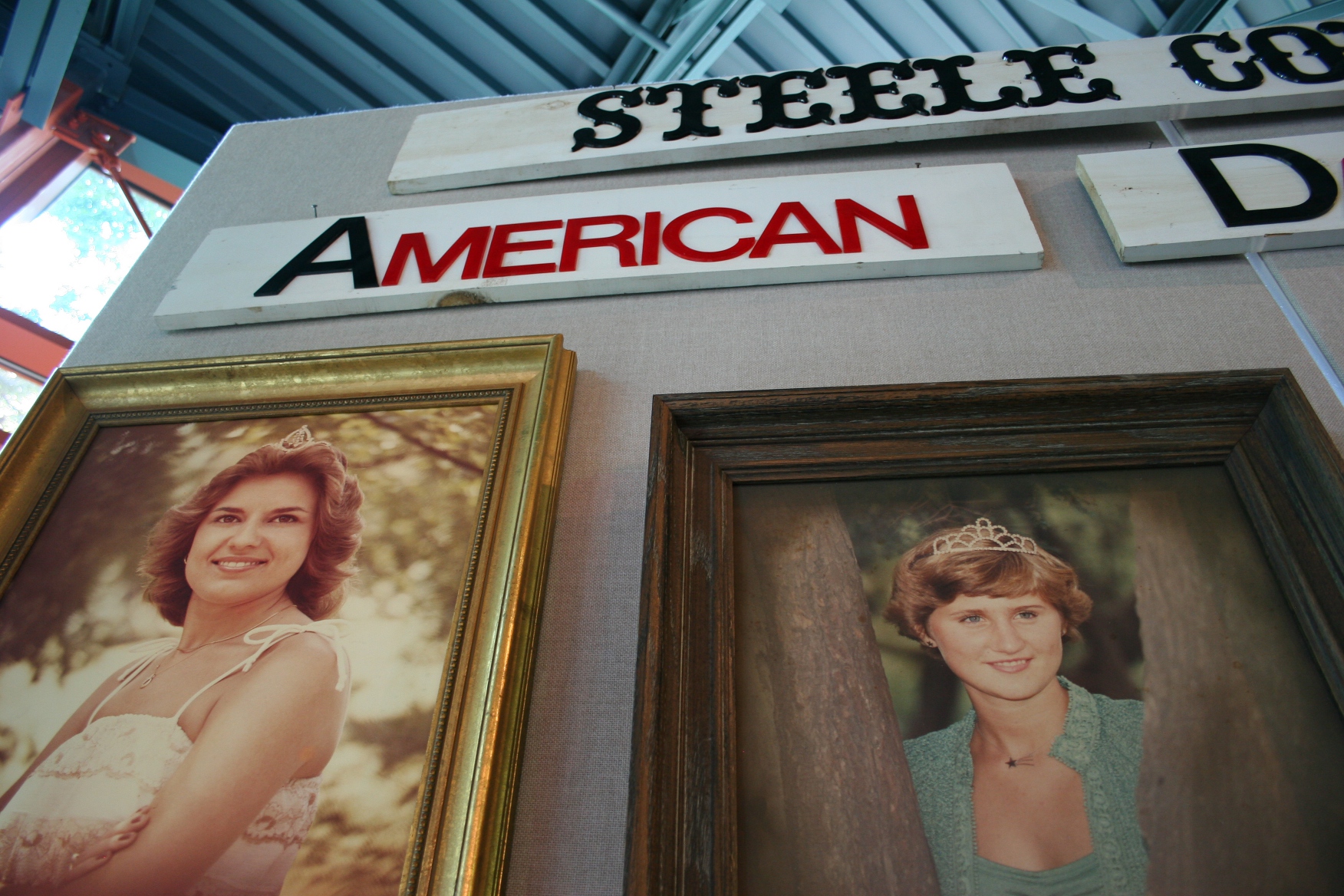
The Princess Kay of the Milky Way competition is a part of Minnesota culture. The Steele County exhibit features  photos of past county dairy royalty, including 1978 princess Kari Schroht, left, and 1976 princess Kathy Zeman, right. Earlier carved butter heads from past princesses were displayed in borrowed glass door freezers at the history center.

The Princess Kay of the Milky Way competition is a part of Minnesota culture. A current exhibit at the Steele County History Center features photos of past county dairy royalty, including 1978 princess Kari Schroht, left, and 1976 princess Kathy Zeman, right. Earlier this year, carved butter heads from recent past princesses were displayed in borrowed glass door freezers at the history center.

I knew cows and milk and once competed for Redwood County, Minnesota, dairy princess, a title I coveted but could not win because I lacked the poise and confidence and beauty to represent the industry.

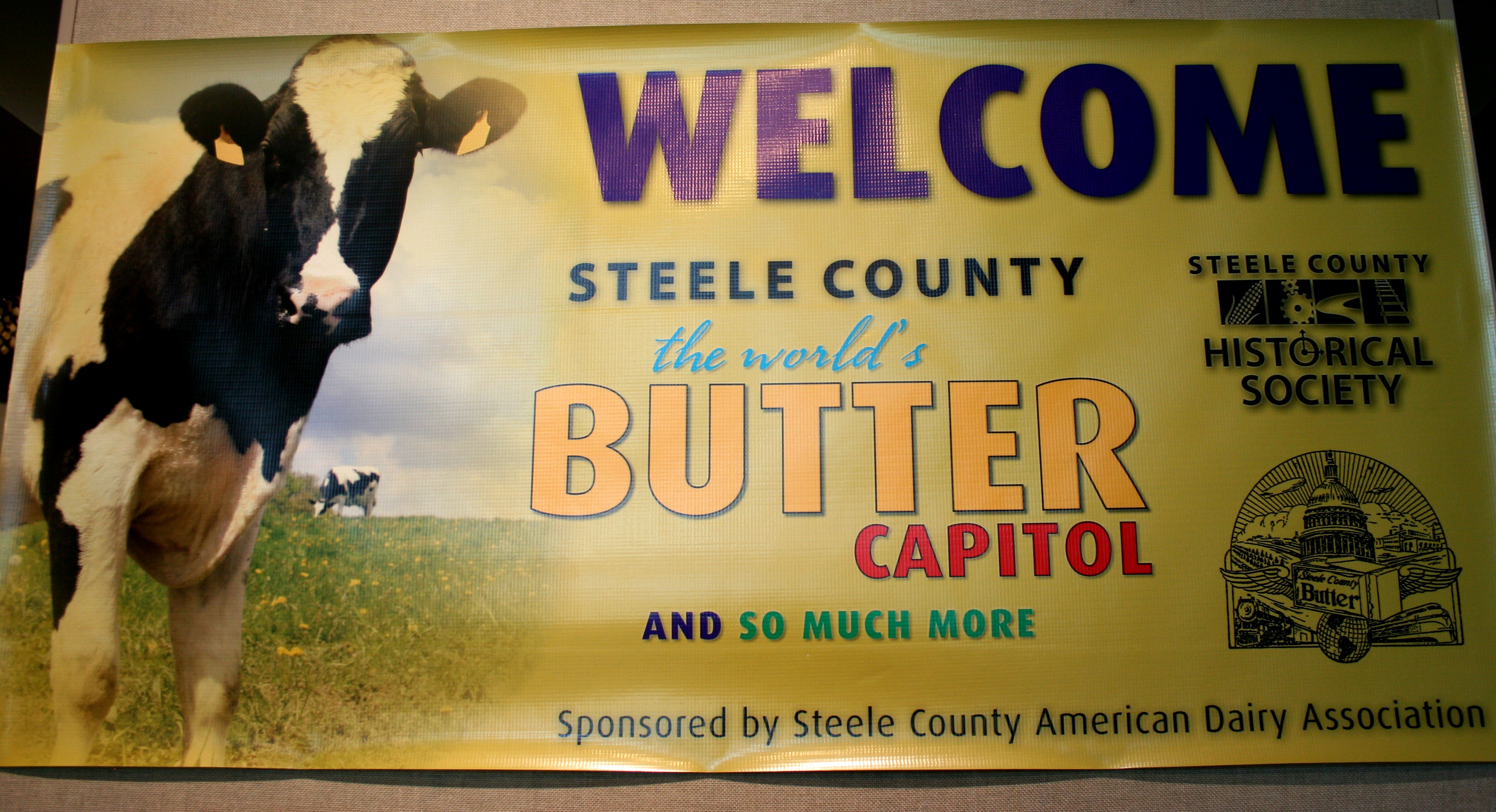
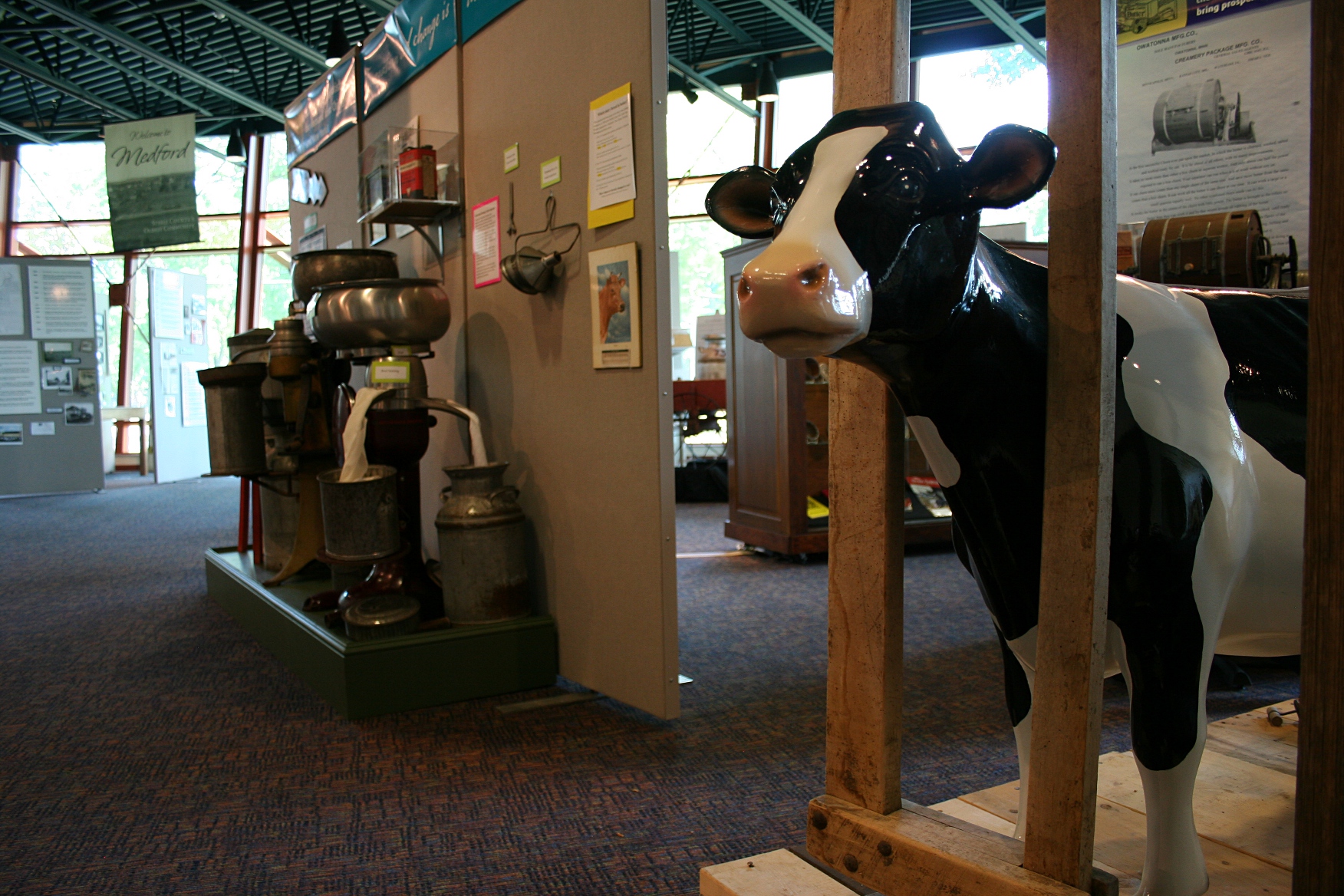
A banner welcomes visitors to the Steele County: Butter Capitol of the World exhibit at the Steele County History Center in Owatonna.

A banner welcomes visitors to the Steele County: Butter Capitol of the World exhibit at the Steele County History Center in Owatonna.

These memories flit through my mind as I consider a recent visit to the Steele County History Center in Owatonna to tour the featured exhibit, Steele County: Butter Capitol of the World.

The exhibit is interesting and educational.

The exhibit is interesting and educational.

It’s a must-see exhibit which will trigger memories for those who grew up on dairy farms and educate those who didn’t. And, even with my dairying background, I learned a lot about the history of dairy farming in Steele County.

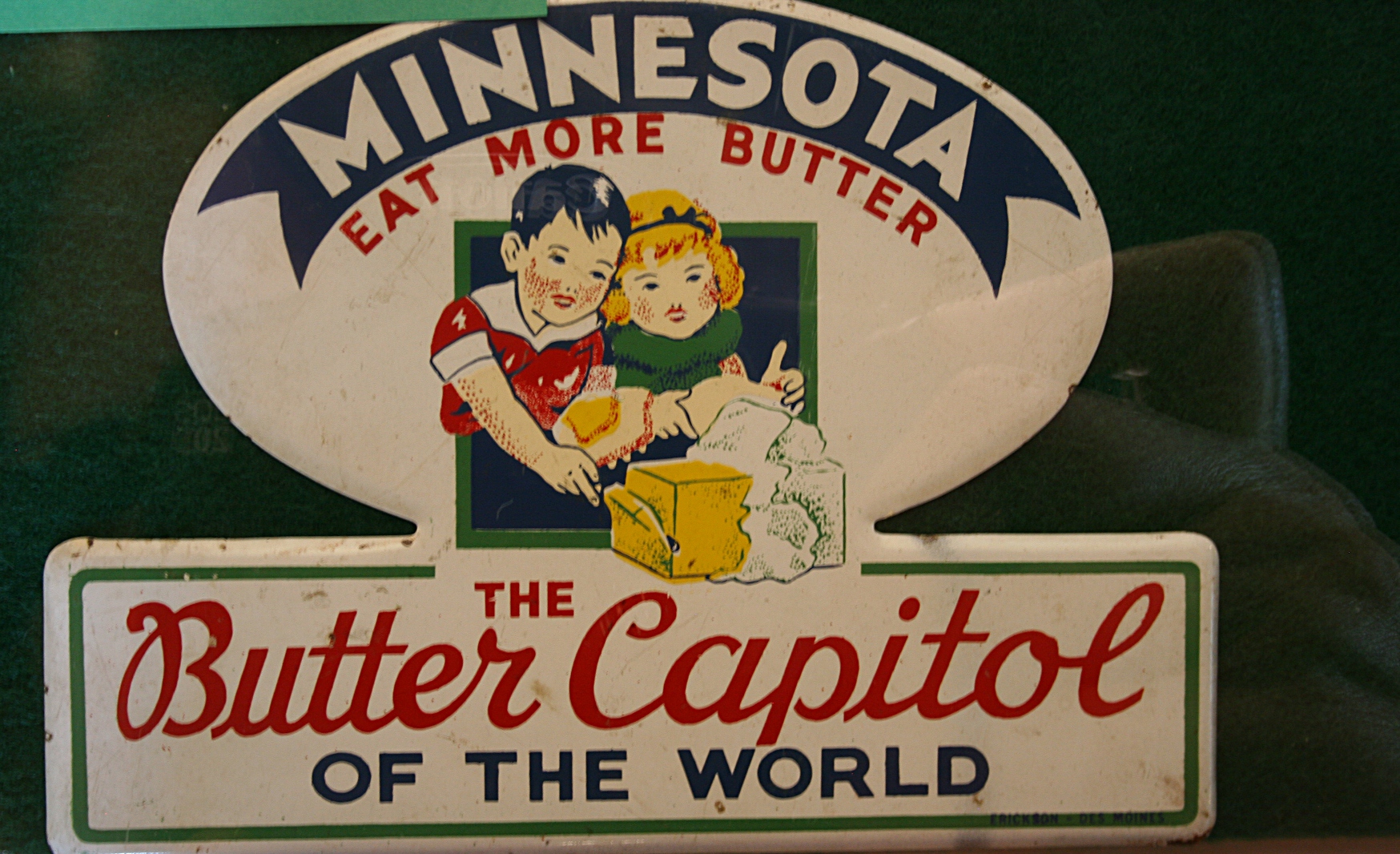
A vintage sign promoting butter in Minnesota.

A vintage sign promoting butter in Minnesota.

For example, Steele County gained its world-wide Butter Capitol reputation after Owatonna Manufacturing Company invented the mechanized butter churn in 1893, revolutionizing the dairy industry.

But two decades prior, in 1873, the county was well on its way to establishing a strong dairy reputation with four local cheese factories producing 150,000 pounds of cheese, more than any other Minnesota county.

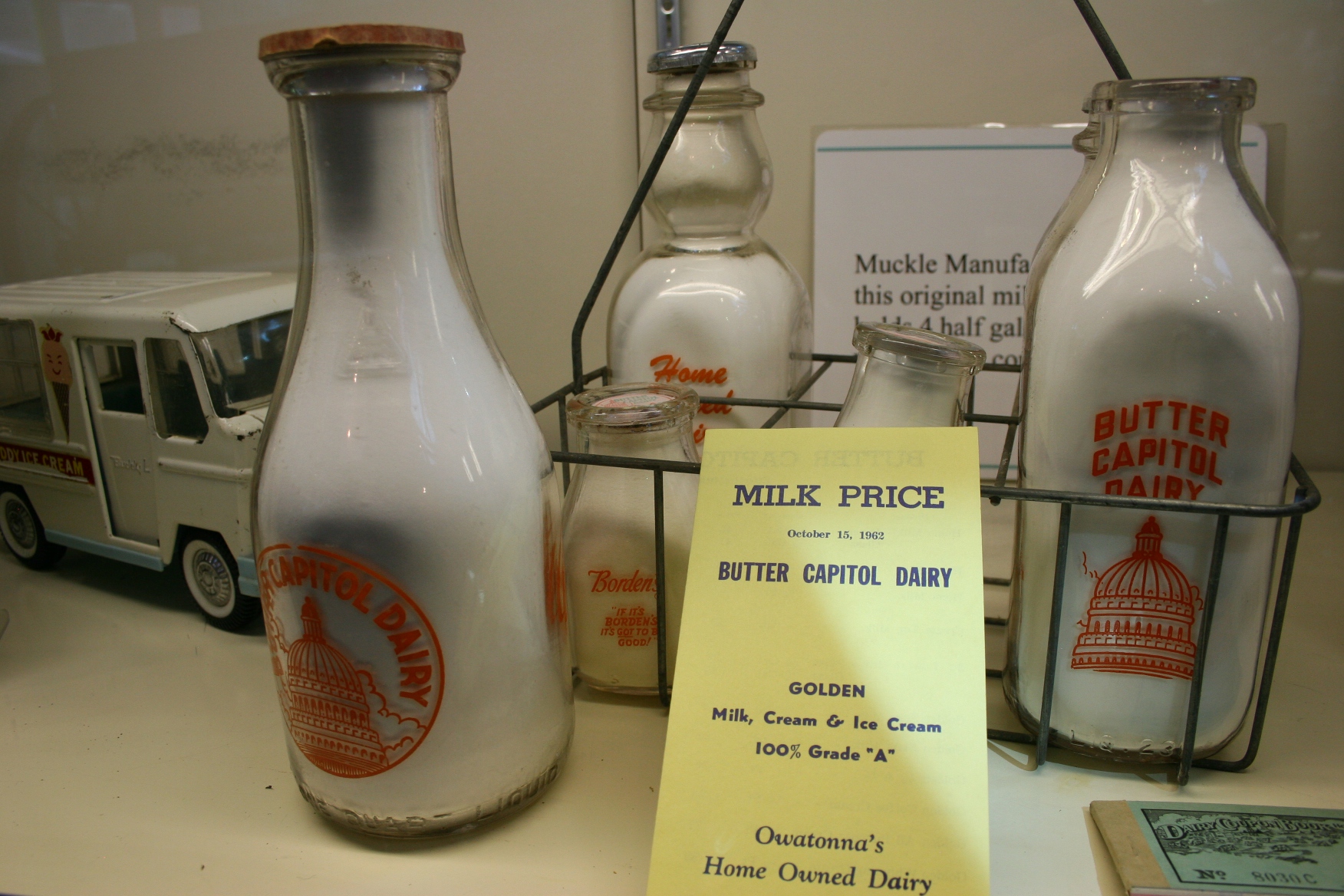
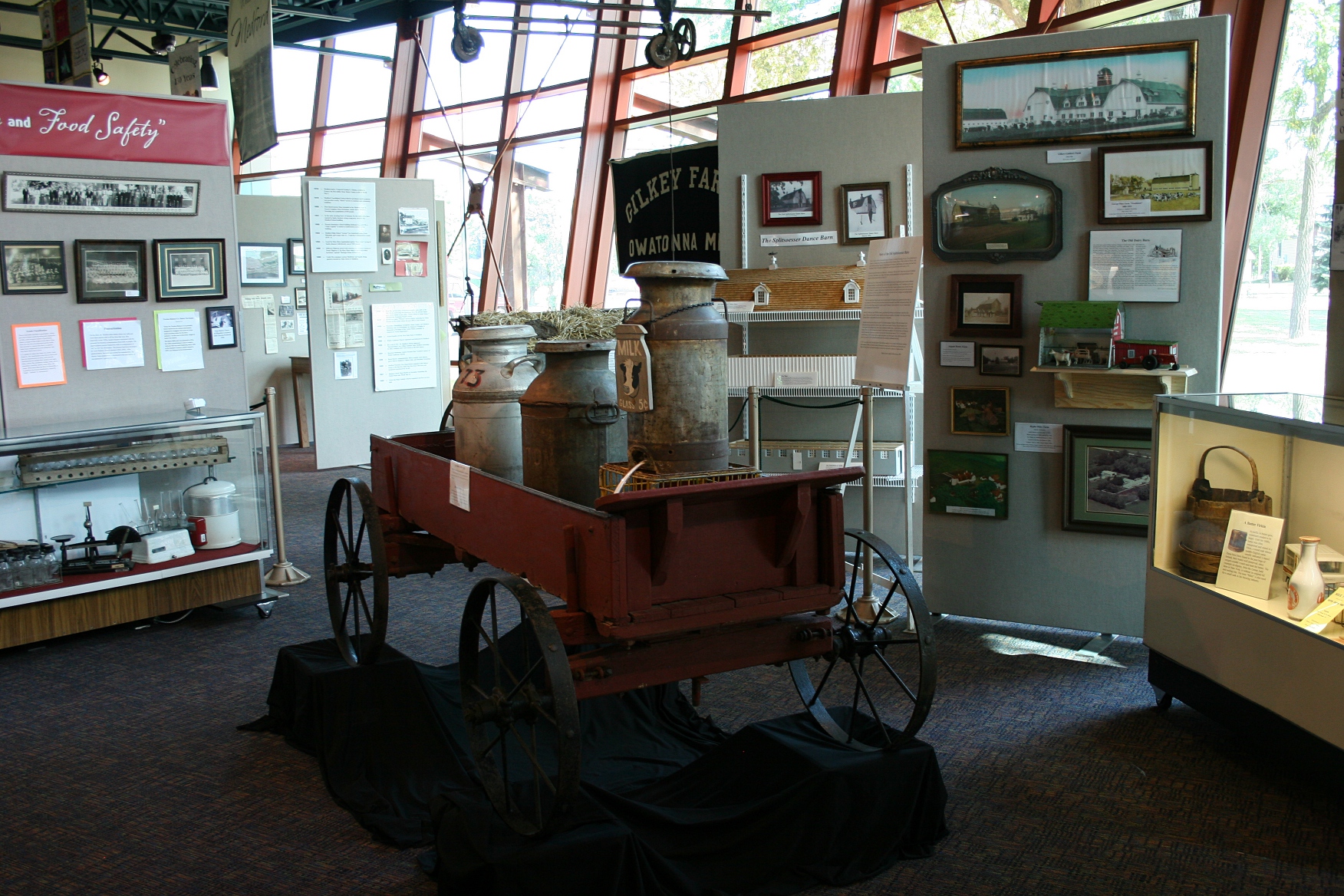
Information and artifacts from the days of bottled milk delivery.

Information and artifacts from the days of bottled milk delivery.

At one point, Steele County boasted two dozen-plus creameries.

Coveted butter

Hope Creamery, south of Owatonna, still produces coveted, award-winning Grade A butter in small batches. Butter boxes from Steele County creameries are displayed behind glass in the exhibit.

In December 1926, thieves stole 19 tubs of butter valued at $700 from the Steele Center Creamery.

Two Steele County women, Mina Holmes and Marianne McRostie, won numerous national awards for their hand-churned butter.

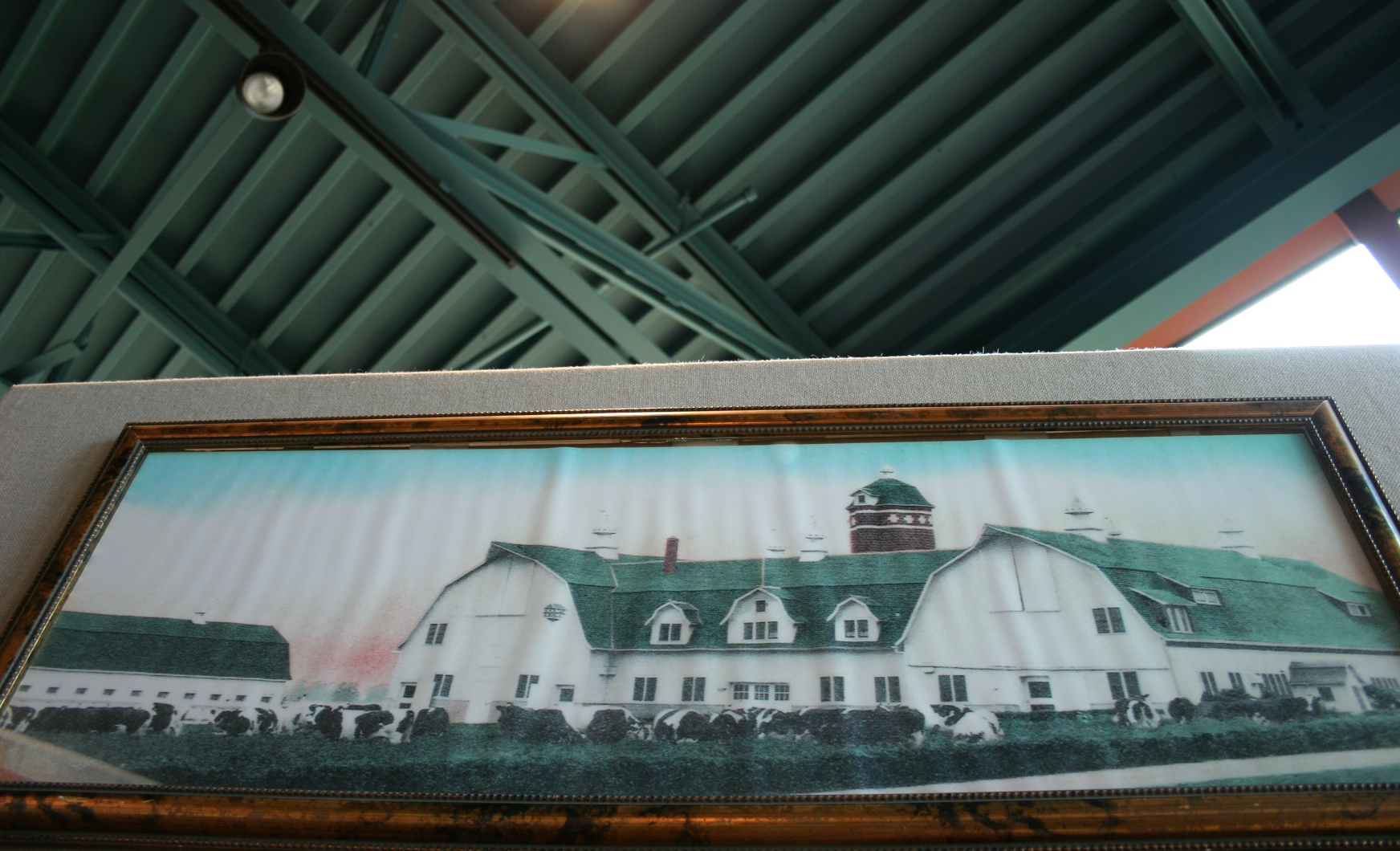
Photos of some spectacular Steele County barns are showcased.

Images of some spectacular Steele County barns are showcased.

Yes, so many accomplishments led to this southern Minnesota county holding the title of Butter Capitol of the World from 1898 – 1940, says Jerry Ganfield, who along with a committee of four women involved in the dairy industry, created this remarkable exhibit. Ganfield, holds a background in communications and marketing, grew up in Iowa and worked one summer during college as a milkhouse operator. Today he lives in a barn turned house near Bixsby and volunteers with the Steele County Historical Society, serving on its board of directors.

A portion of the expansive exhibit on Steele County's dairy industry.

A portion of the expansive exhibit on Steele County’s dairy industry.

Work on the Butter Capitol exhibit began in January with the historic display debuting in mid-July. It runs through November 10. Eventually, many of the items will be returned to the farm machinery building in the Village of Yesteryear (next to the Steele County History Center) where most were previously displayed.

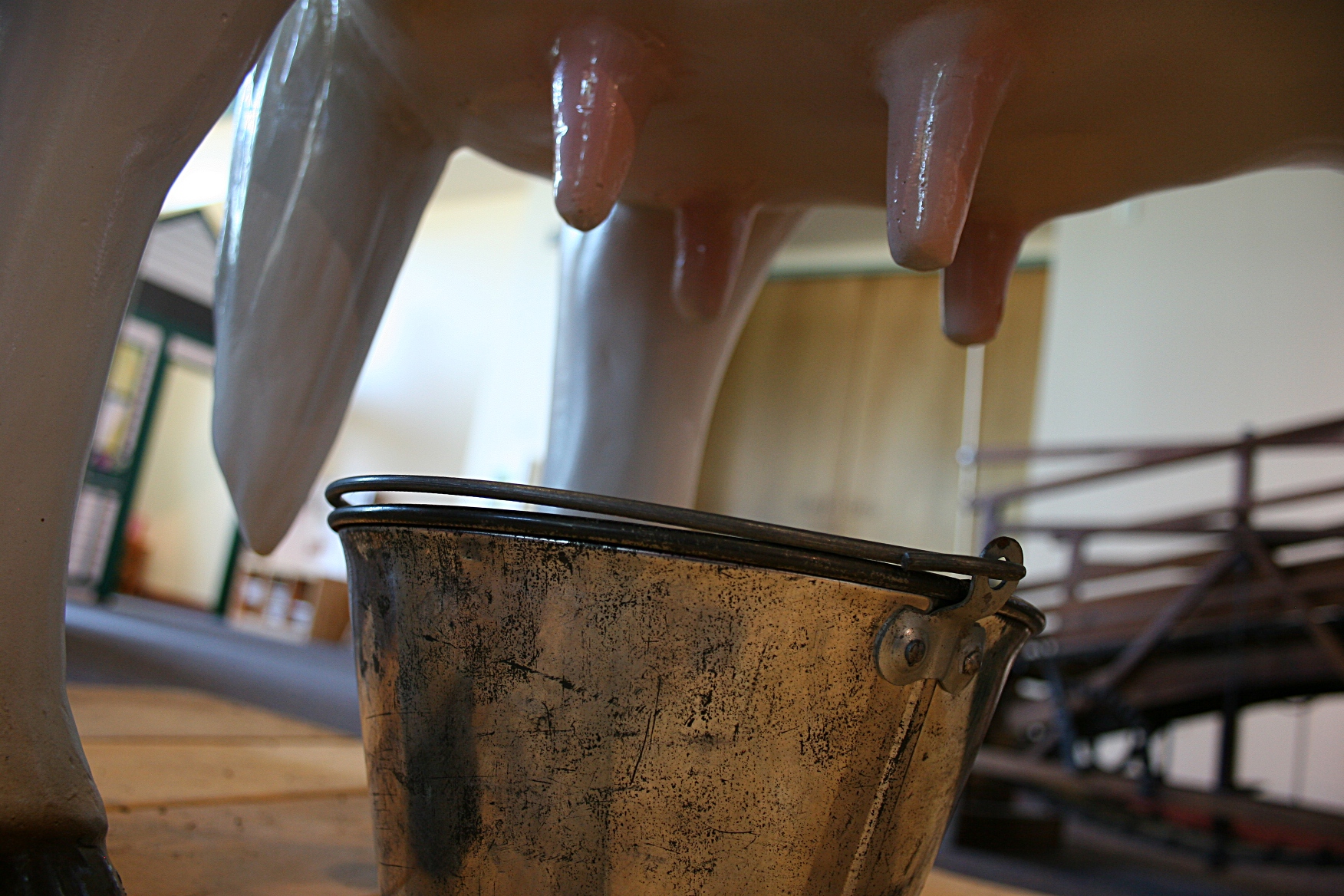
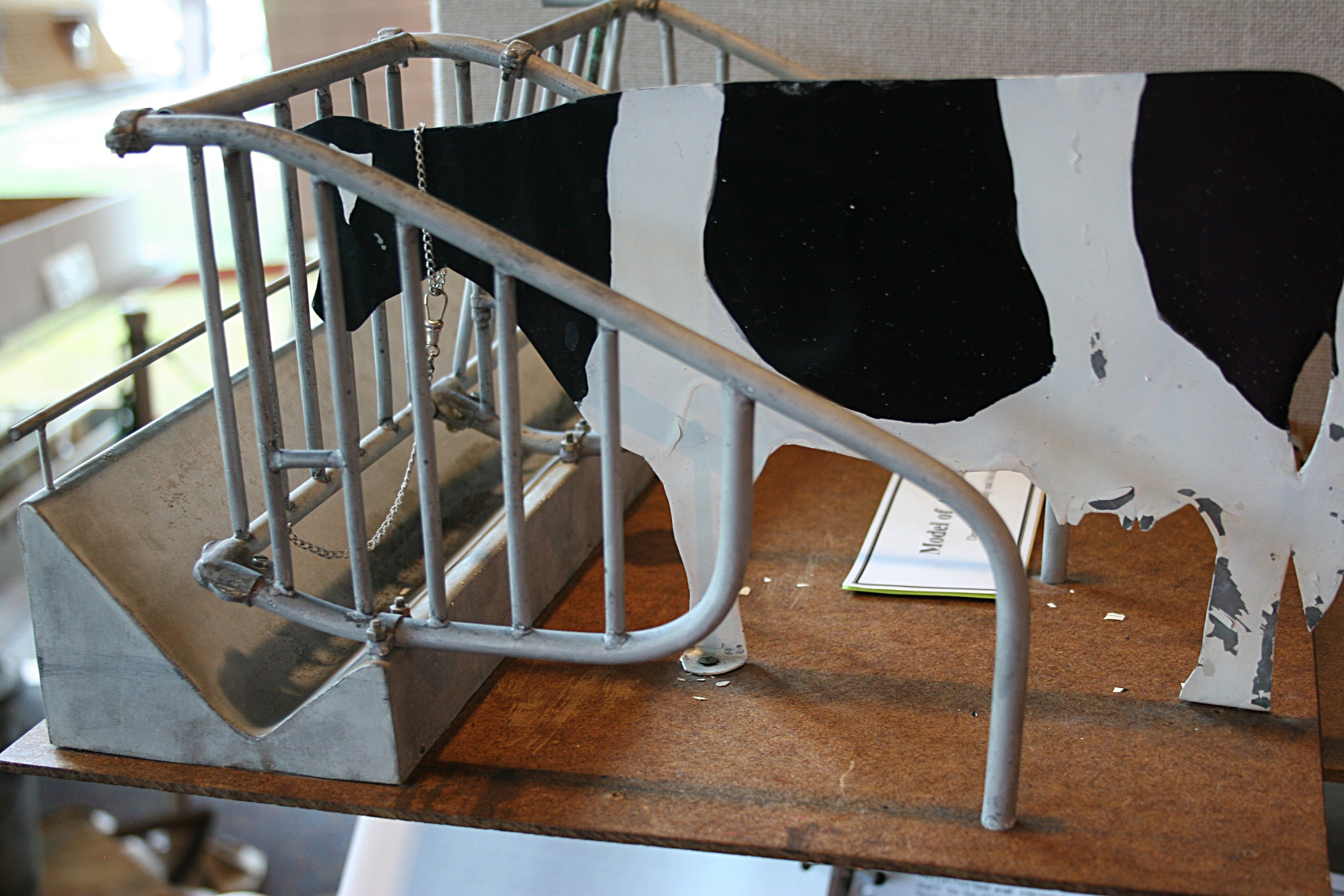
Visitors can get down low and check out the udder on the model cow in the photo above.

Visitors can get down low and check out the udder on a model cow.

Perhaps I am a bit biased being a dairy farmer’s daughter and all. But this exhibit is one of the most impressive, thorough, detailed and interesting I’ve seen in a county history center.

Just another view of a portion of the exhibit.

Just another view of a portion of the exhibit.

Steele County: Butter Capitol of the World is well worth a drive to Owatonna to peruse.  Just give yourself two hours, minimum, to tour the display.

#

BONUS PHOTOS:

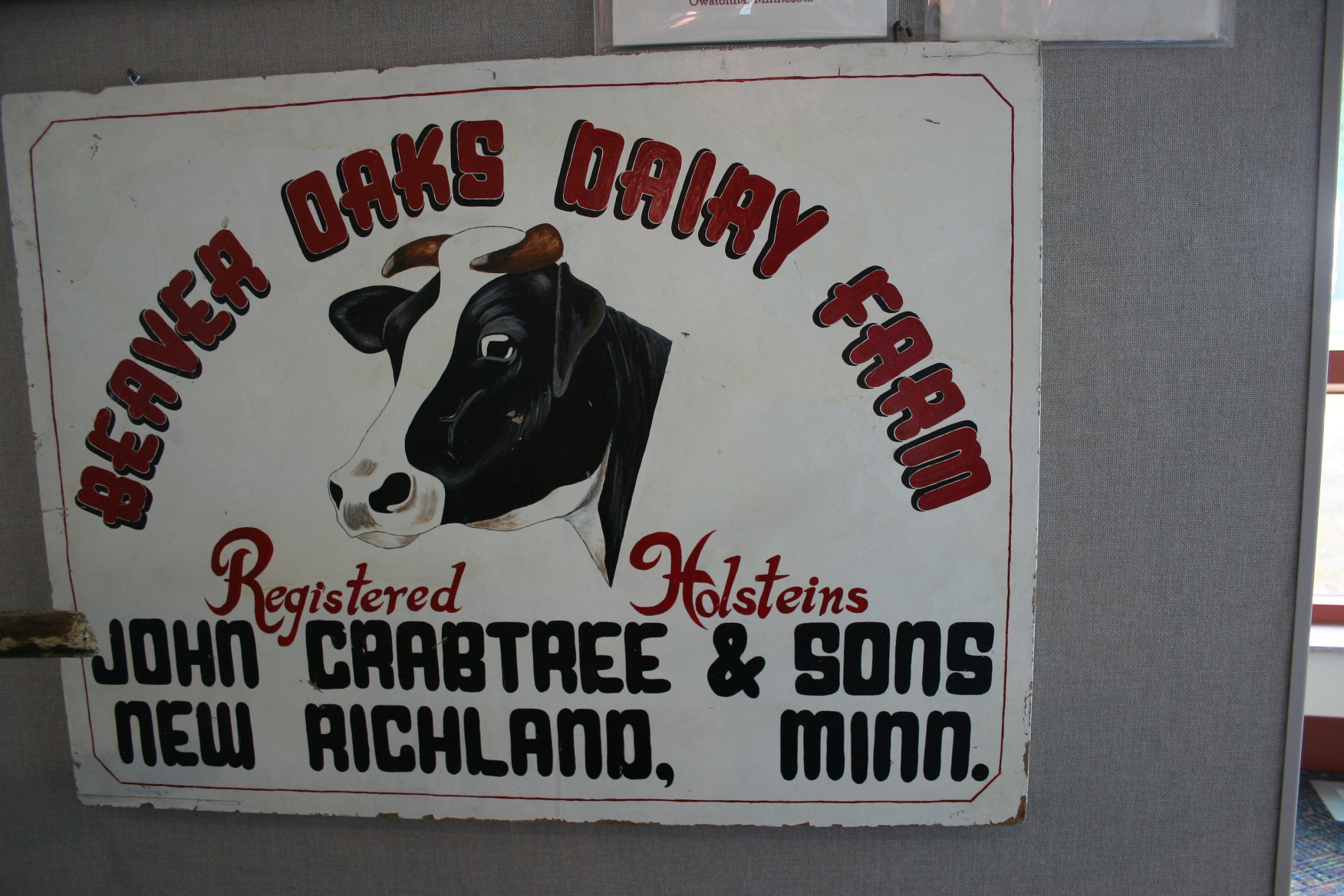
Vintage signs are abundant in the exhibit.

Vintage signs are abundant in the exhibit.

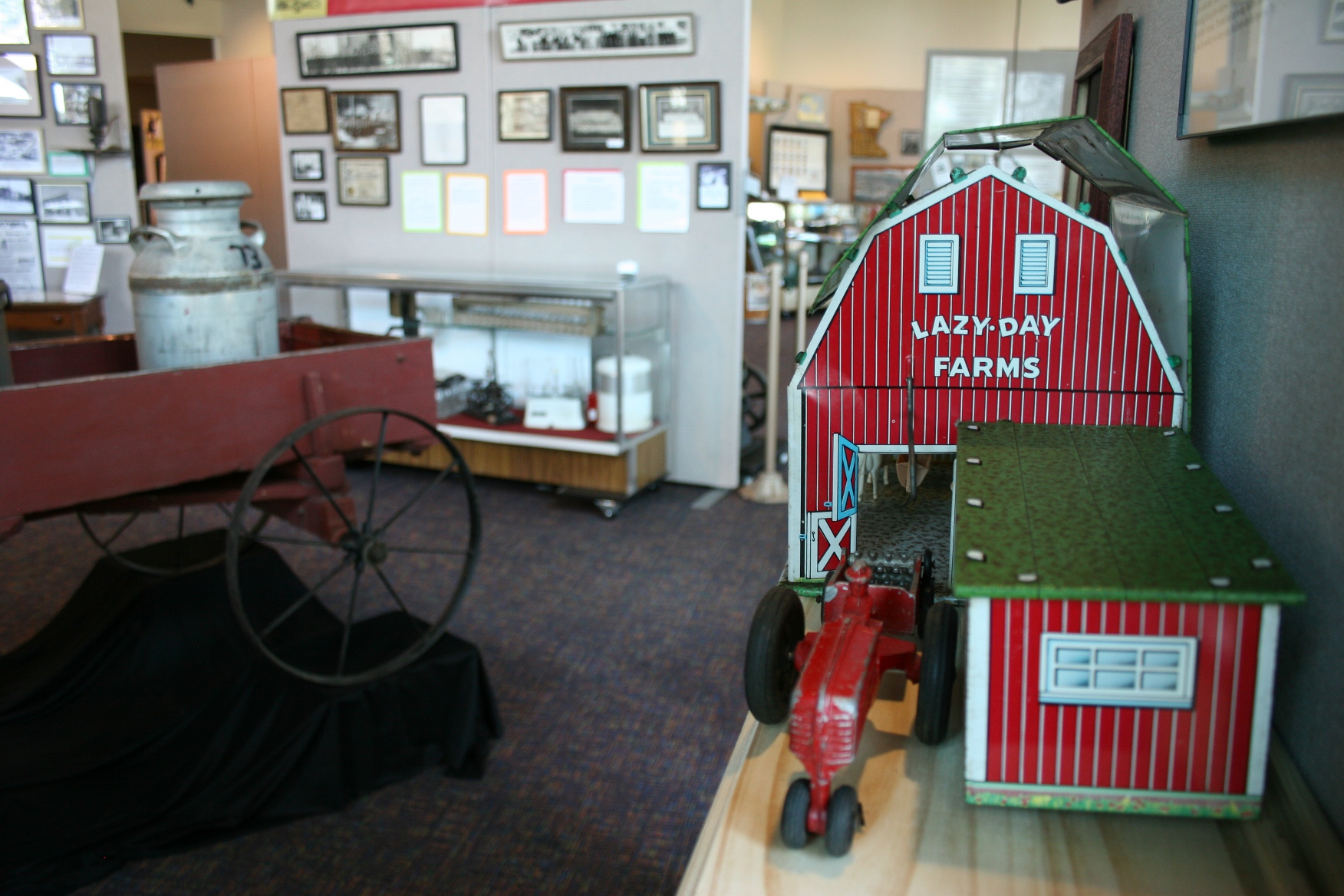
This tin toy barn, right, caught my eye. I've never seen one prior to this. The exhibit also features an incredible handcrafted replica of a barn.

This tin toy barn, right, caught my eye. The exhibit also features a handcrafted replica of a barn.

A familiar site to me, a cow in a stantion.

A familiar site to me, a cow in a stantion.

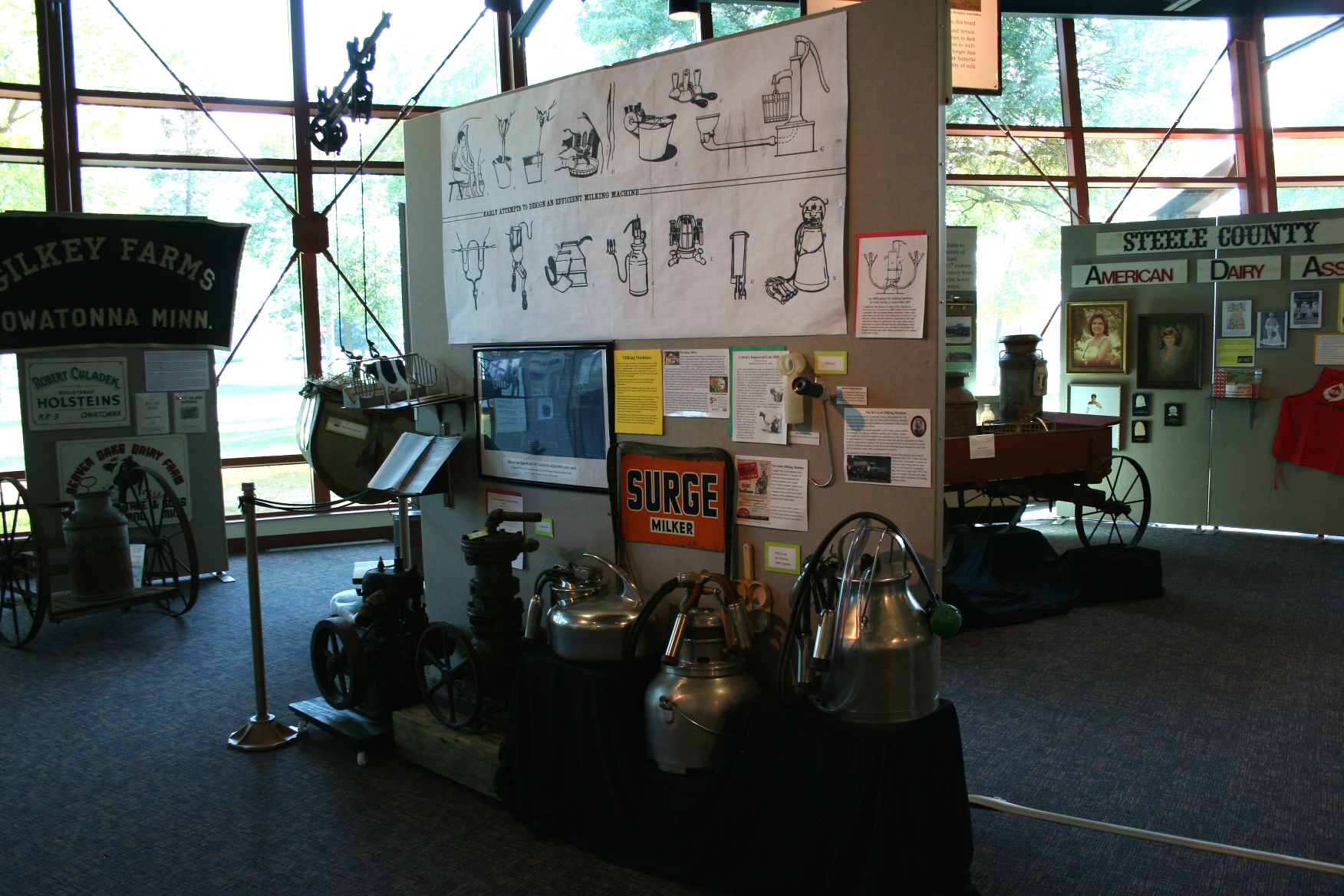
Also familiar, those Surger milkers in the background display.

Also familiar, those Surger milkers in this display. My dad used these before he installed a pipeline.

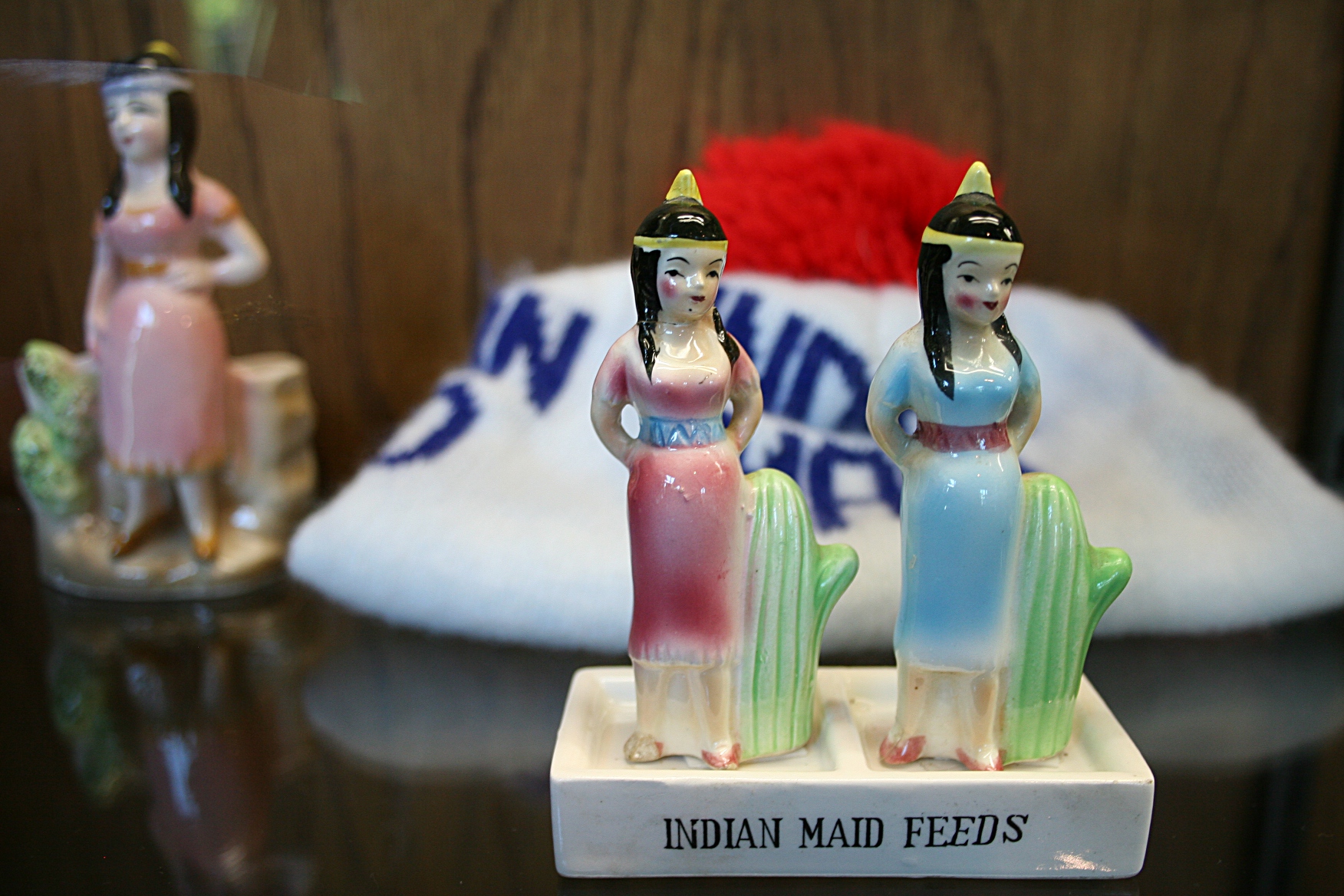
Indian Maid Feeds memorabilia is displayed in glass cases along with an impressive collection of butter molds and other items.

Indian Maid Feeds memorabilia is displayed in glass cases along with an impressive collection of butter molds and other items. Indian Maid Feeds was sold from the late 1950s – 1984 by Owatonna Elevator Company. The brand pictured an Indian maiden to recall the legend of Princess Owatonna, whose health was restored by drinking the mineral spring waters of the area. The exhibit also features a large wooden logo of the princess that once rested atop the elevator. You’ll need to visit the exhibit to see that vintage art.

FYI: To learn more about the Steele County History Center/Historical Society, housed in a fabulous new building opened in April 2012, click here.

The Steele County History Center encourages kids to join its Time Travelers Club and History Detectives. The detectives meet at 10:15 a.m. and the travelers at 6:30 p.m. the first Thursday of each month at the History Center, 1700 Austin Road, Owatonna.

Click here to read a Minnesota Public Radio story about Hope Creamery.

© Copyright 2013 Audrey Kletscher Helbling
 

A Minnesota family tradition: Honoring Dad by making horseradish October 7, 2013

Filed under: Uncategorized — Audrey Kletscher Helbling @ 6:00 AM
Tags: , , , , , , ,
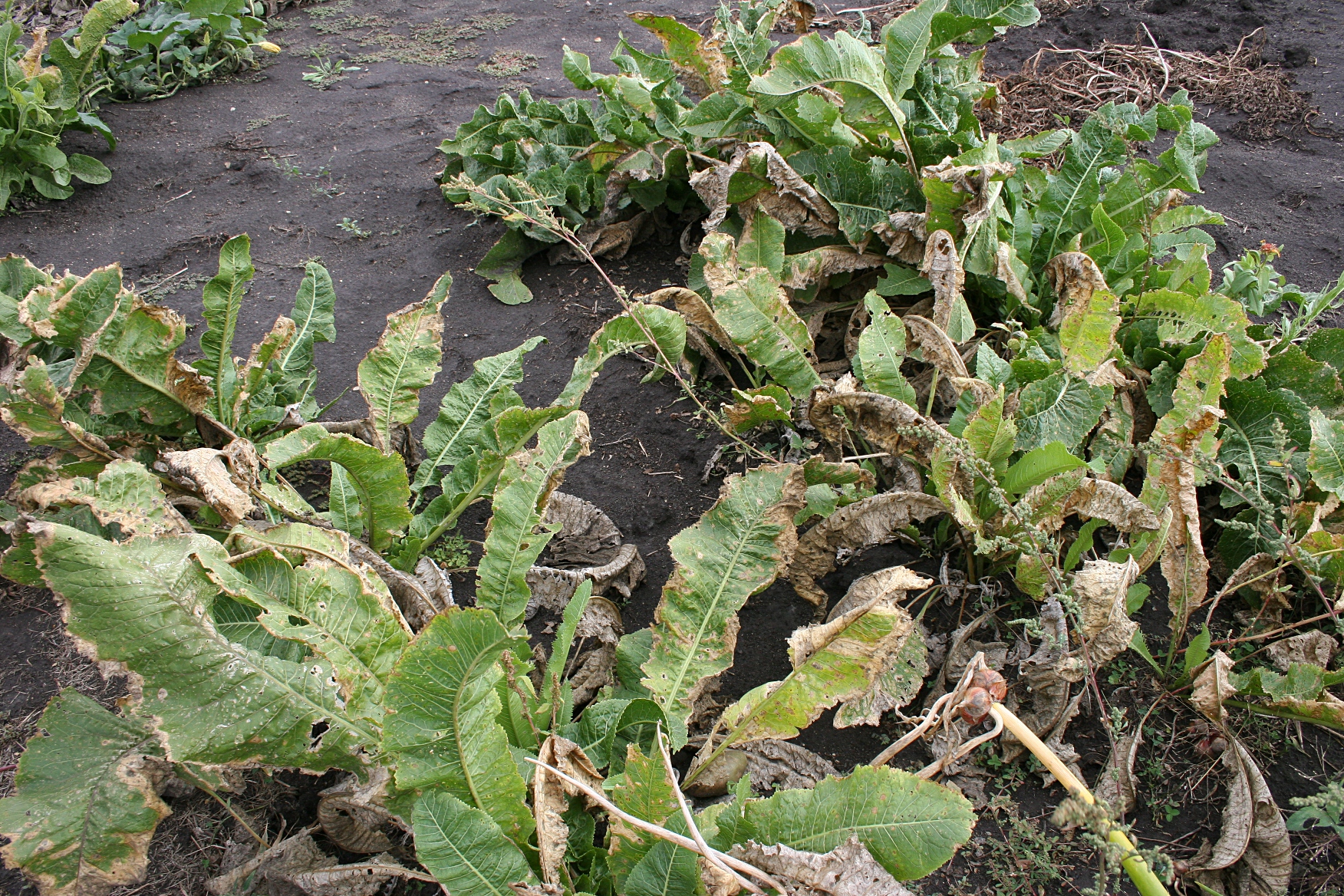
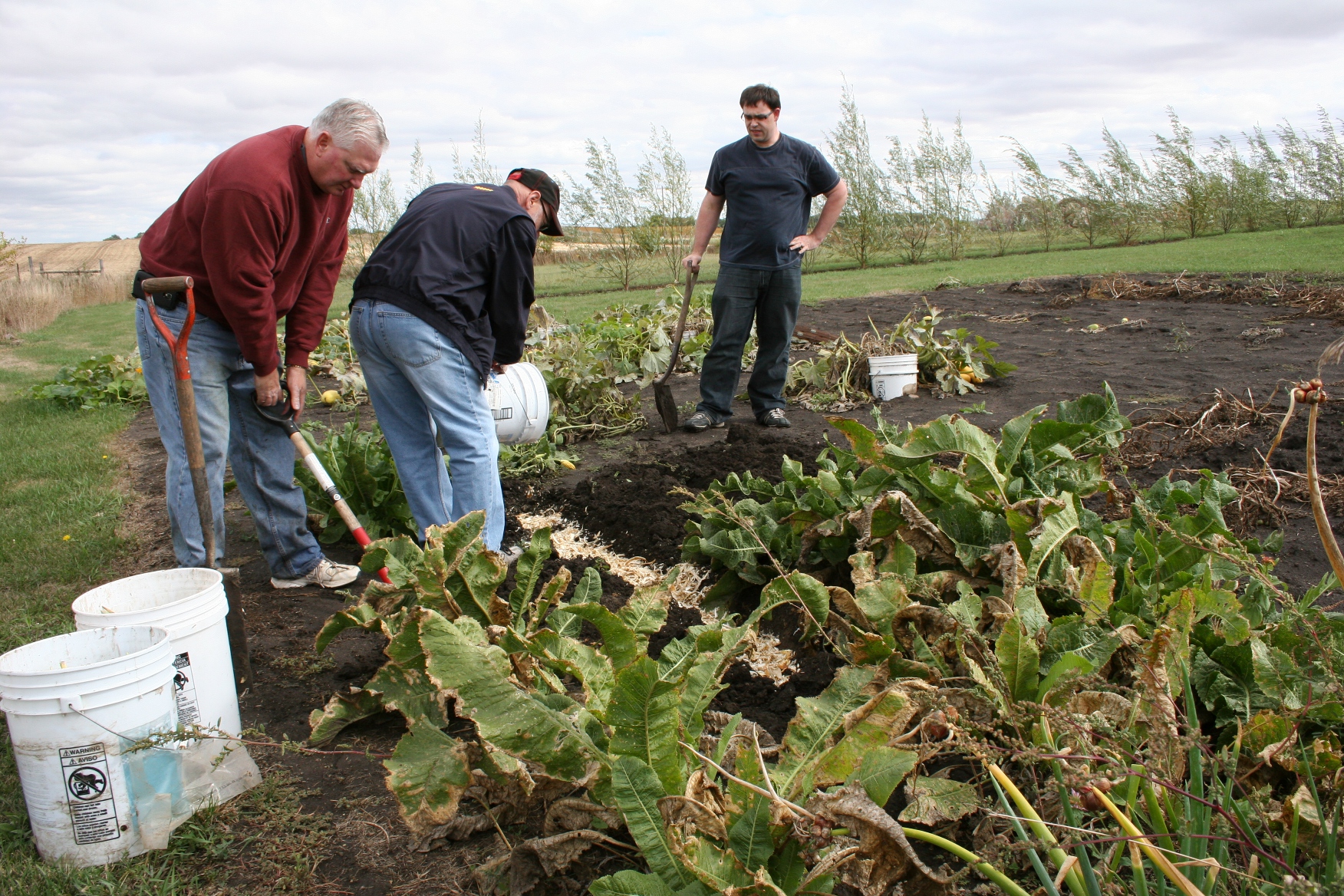
Horseradish planted last year in my brother's garden and ready to harvest in a few years. This year's horseradish came from a patch near Sanborn.

Horseradish planted last year in my brother and sister-in-law’s garden and ready to harvest in a few years. This year’s horseradish came from a patch near Sanborn.

FOR MY EXTENDED FAMILY, making horseradish marks a time-honored tradition started by my father and my Uncle Mike decades ago.

Dad died 10 years ago, Uncle Mike before him, and, for awhile, so did the annual ritual of making horseradish. In his last years, Dad made horseradish with my sister Lanae and her husband, Dale.

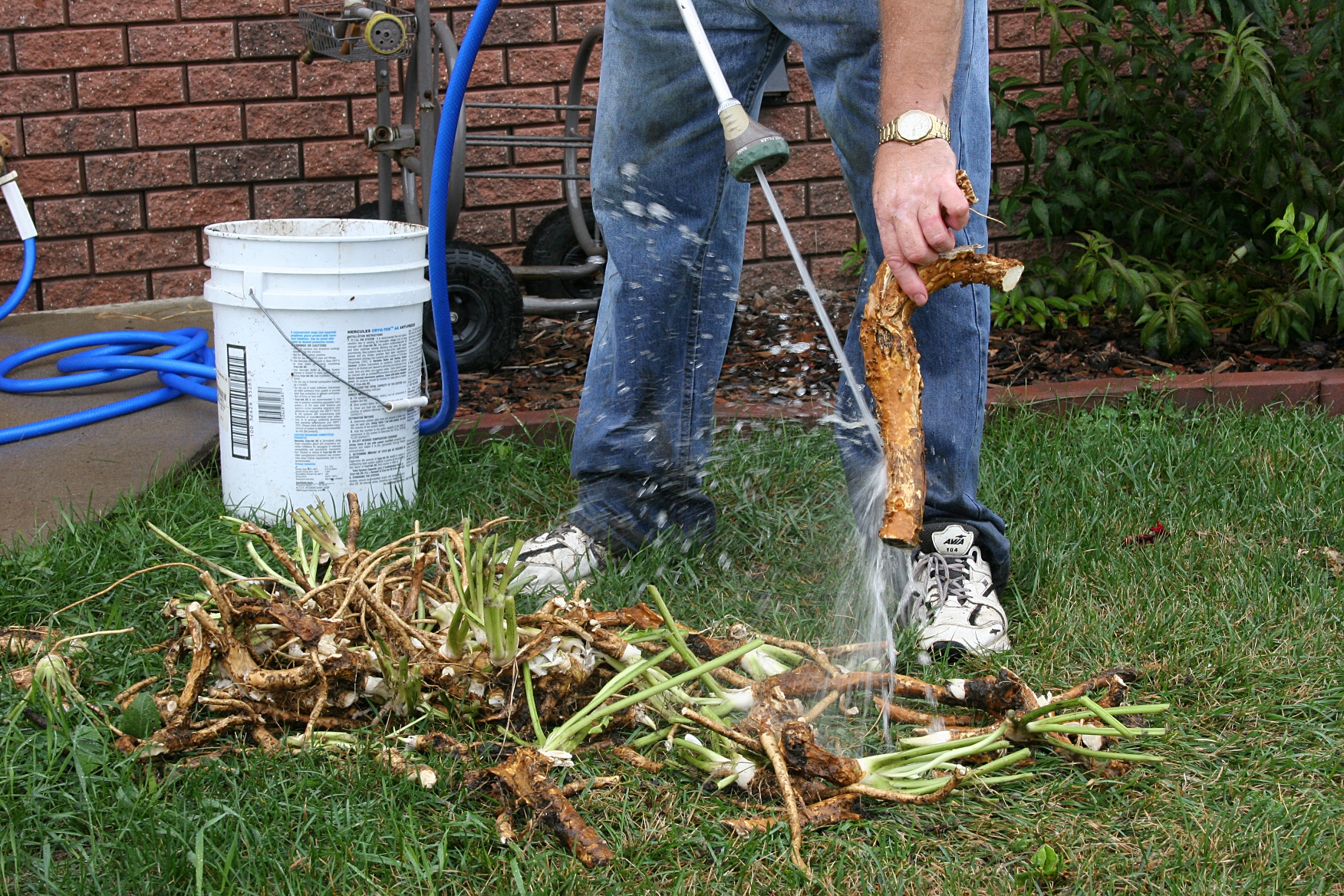
Washing mud and dirt from the horseradish roots with the garden hose is the first step after digging.

Washing mud and dirt from the horseradish roots with the garden hose is the first step after digging.

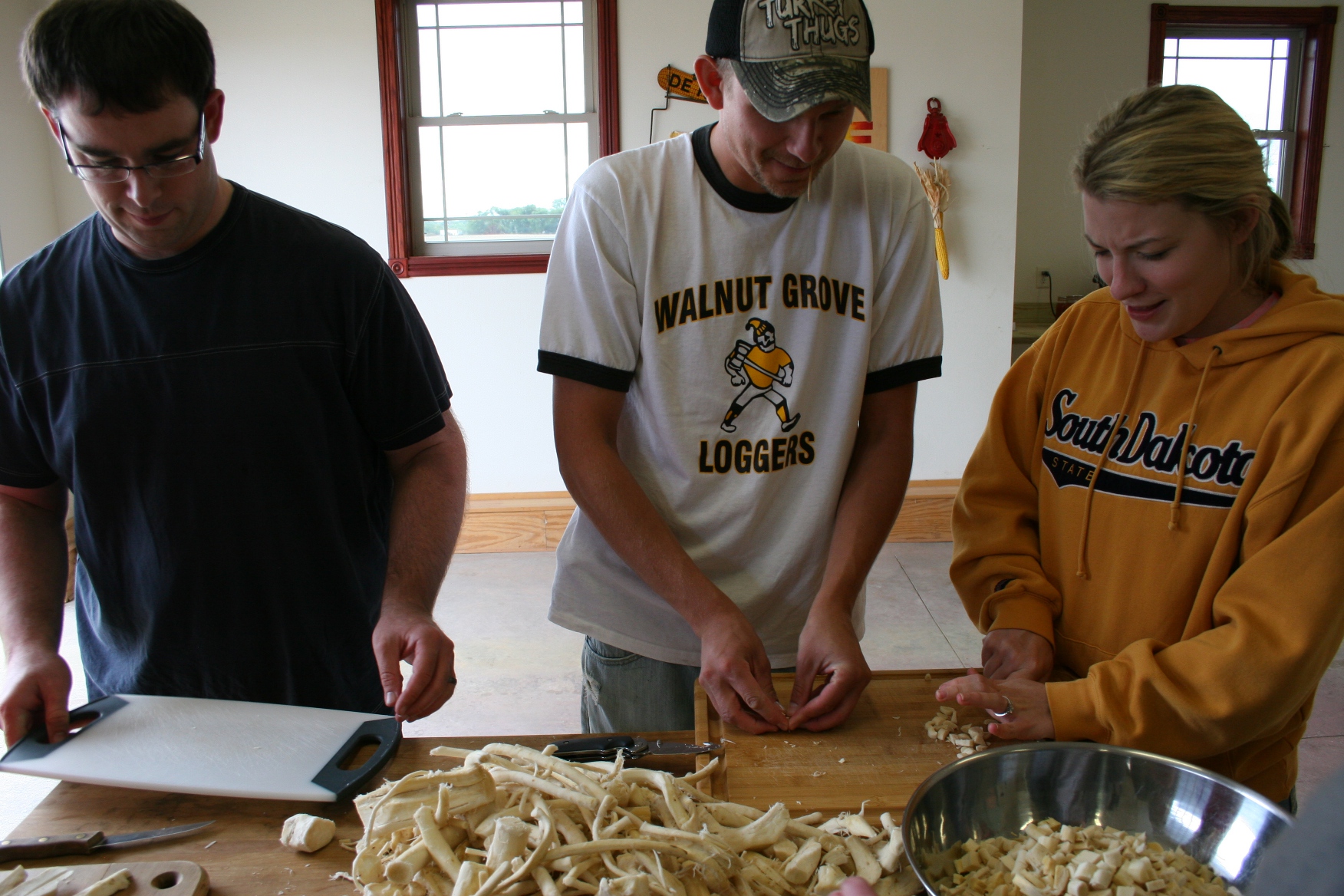
Then, in recent years, Lanae and my brother Brian restarted this family tradition. The past two autumns, my husband and I have traveled the 120 miles to Brian’s rural Lamberton home to peel and slice, process and bottle horseradish. Mostly, I’ve documented the process with my camera although I’ve also assisted (some) with the actual making of this condiment.

To be honest, the horseradish isn’t the reason I’m there. It’s the cherished time with my mom (also known as “The Supervisor”) and extended family that draws me back to my native southwestern Minnesota prairie. We are building memories and honoring the memory of my farmer father.

Dad would delight in our gathering—in hearing the laughter and bullshit (sorry, I can’t think of a better word choice) and seeing us together. Dad was all about family.

Like our father before us, we give away our horseradish. My husband and I gathered a baker’s dozen jars to take back to Faribault for Mick and Mooch, Howard and Neal, and Dan, Steve and John, and a few others who appreciate a good taste of potent, eye-stinging, nostril-clearing horseradish.

#

THE STEP-BY-STEP PROCESS:

After the initial washing of the roots, the stems are trimmed away and the horseradish goes into a laundry bag for washing in the washing machine.

After the initial washing of the roots with a garden hose, the stems are trimmed away and the horseradish goes into a laundry bag for washing in the washing machine. Do NOT add laundry detergent.

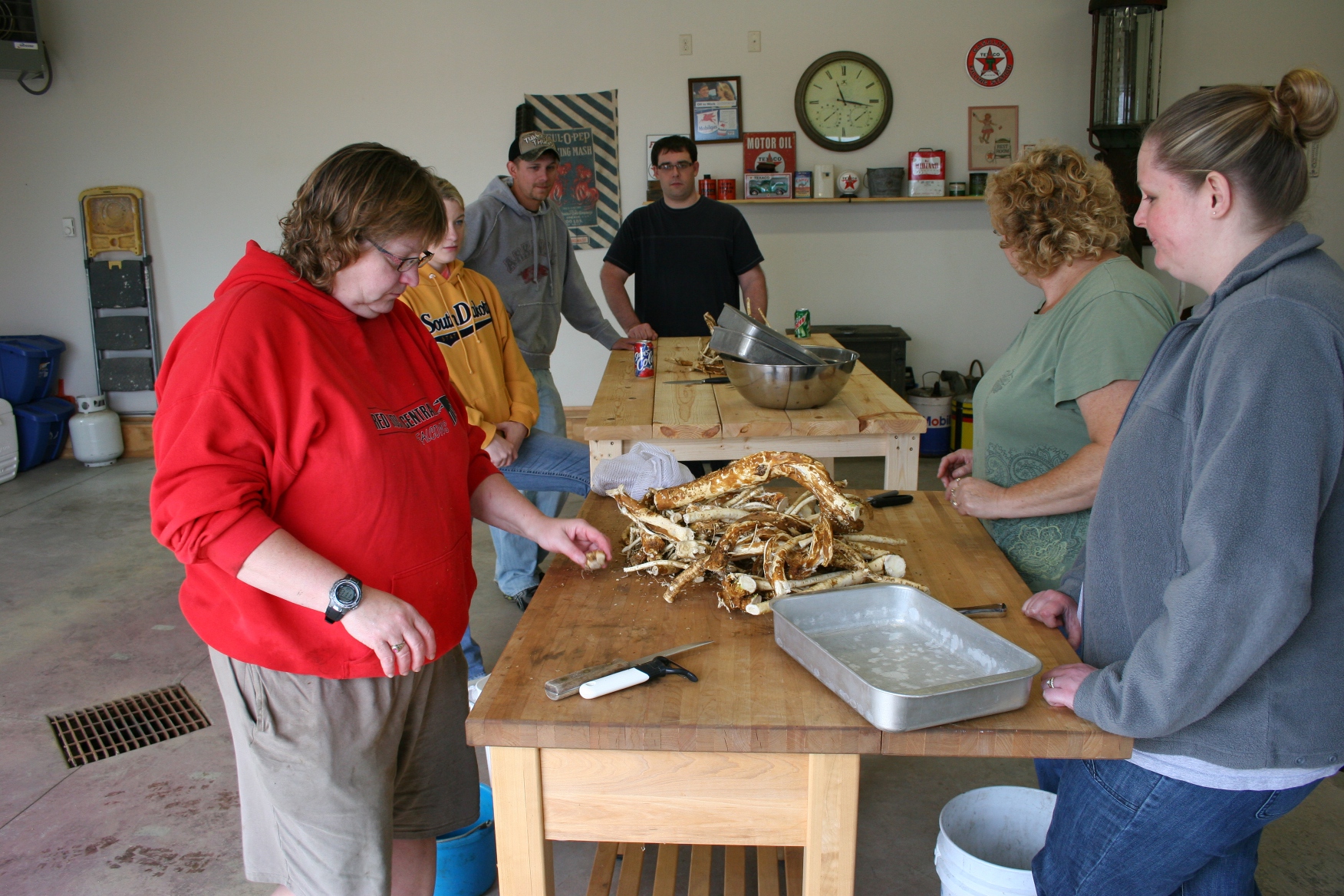
The crew (not all shown) prepares to peel the brown outer layer from the roots. Remove all of the brown so the end product is a creamy white.

Part of the crew, left to right around the tables, Julie (a friend of my brother and his wife, and a newcomer) and family members Adrienne, Adam, Andy, Lanae and Tara, prepare to peel the brown outer layer from the roots. All of the brown is removed so the finished horseradish is a creamy and unblemished white.

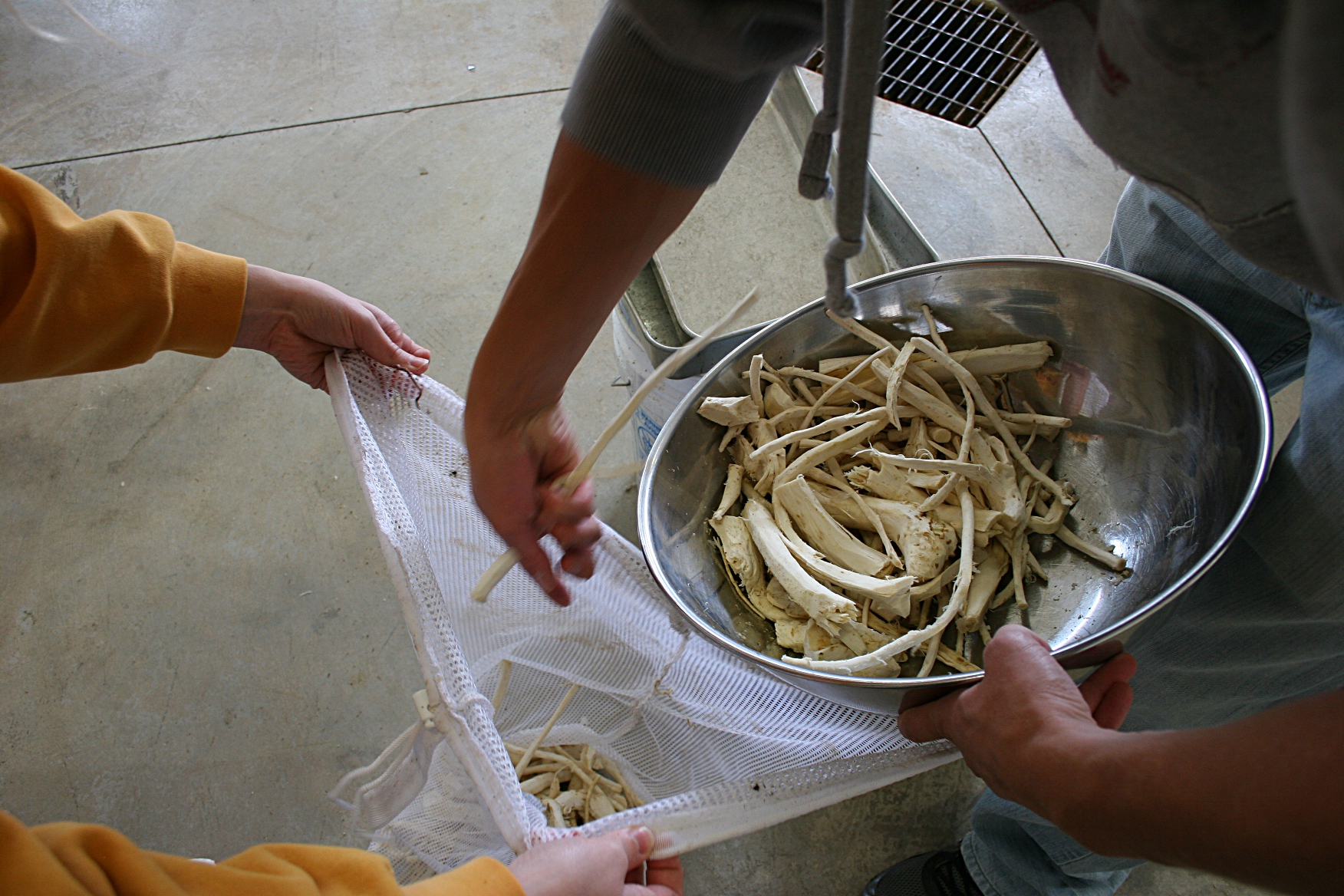
Once peeled, the horseradish is dumped back into a laundry bag for a second wash in the washing machine. Do NOT add detergent.

Once peeled, the horseradish is dumped back into a laundry bag for a second wash in the washing machine. Do NOT add detergent.

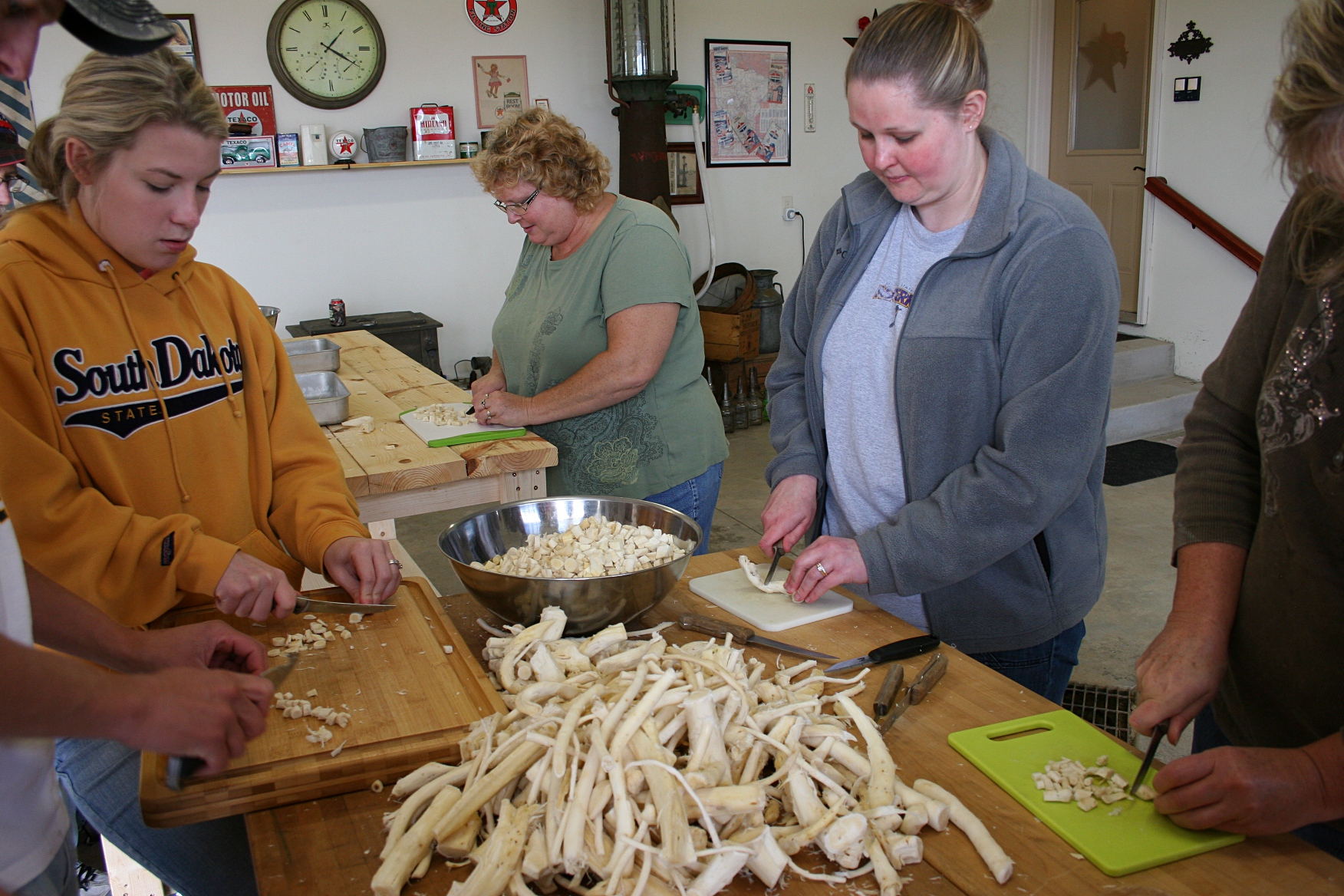
Once out of the washing machine, the process of chopping the horseradish begins.

Once out of the washer, the horseradish is chopped.

Lots of horseradish to cut in to small pieces.

Lots of horseradish to cut in to small pieces.

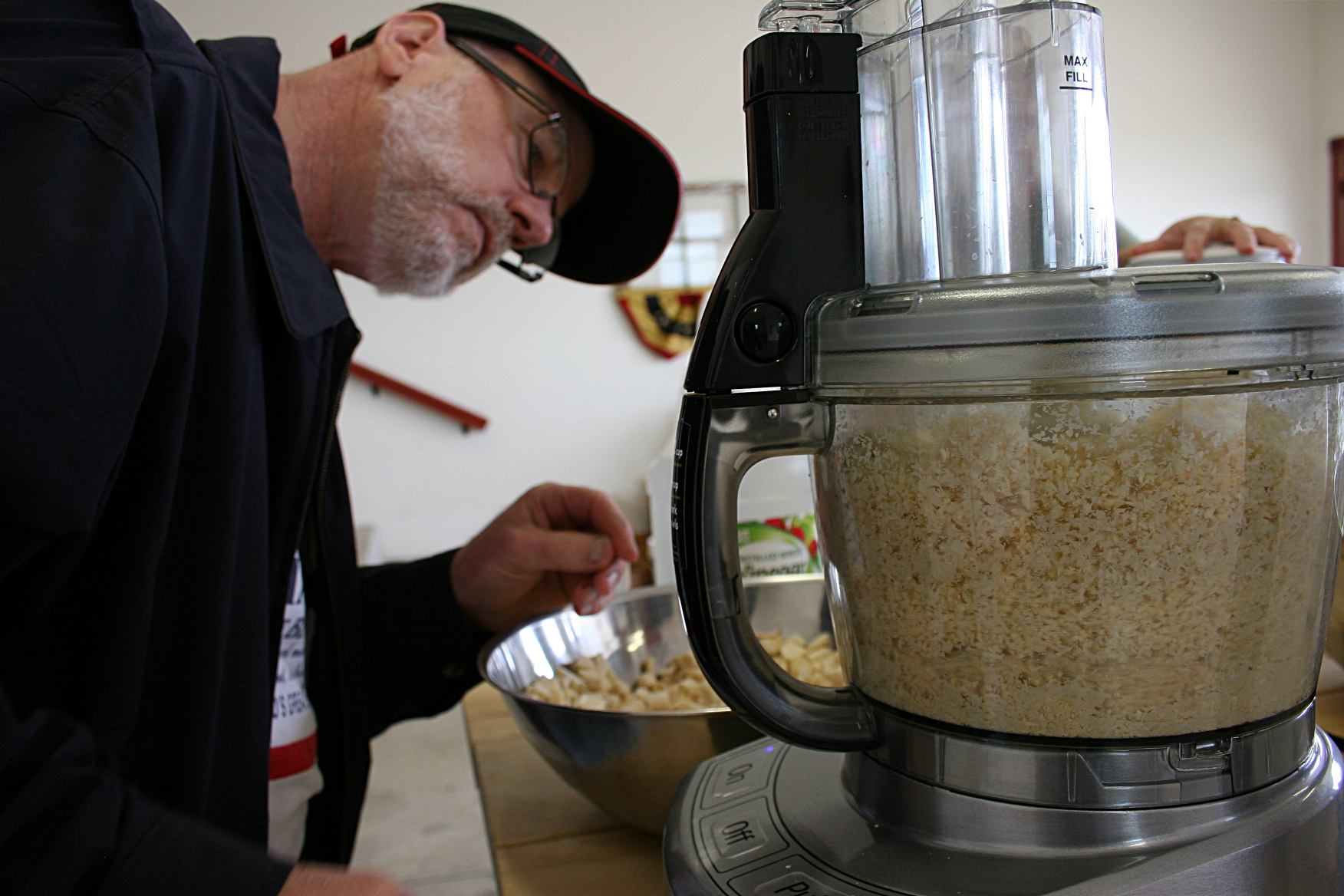
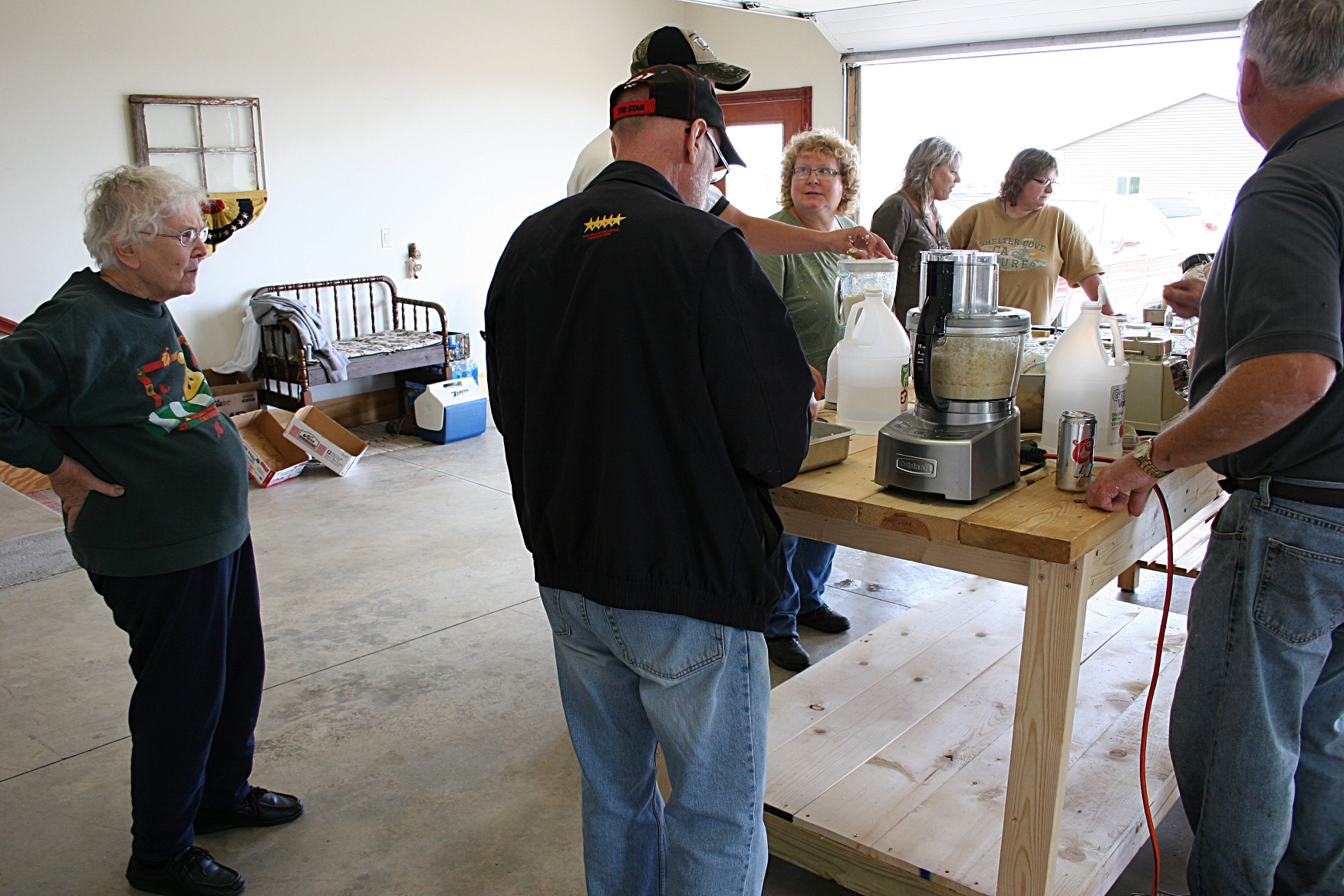
Next, the horseradish pieces go into the food processor, operated here by my husband, Randy.

Next, the horseradish pieces go into the food processor, operated here by my husband, Randy.

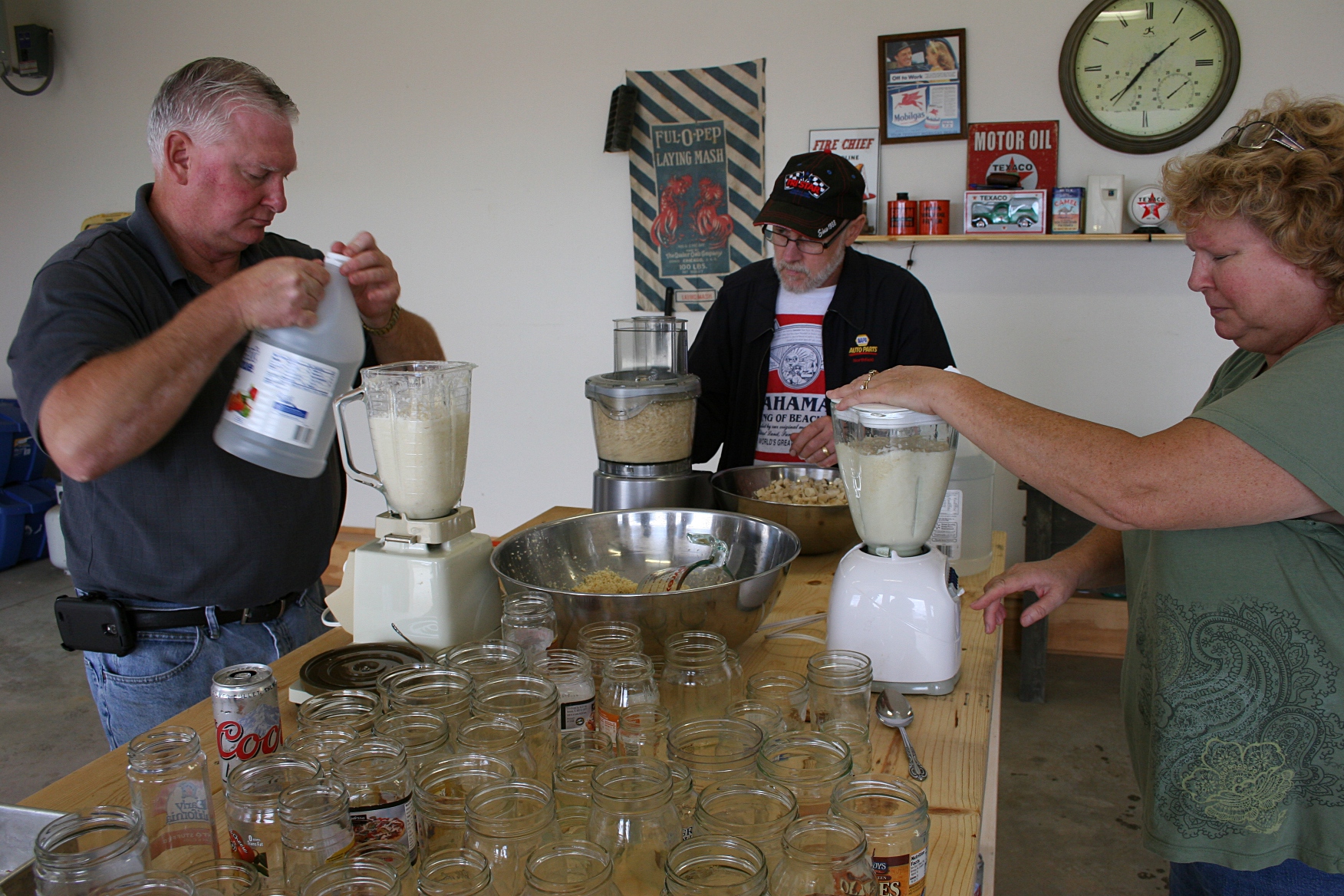
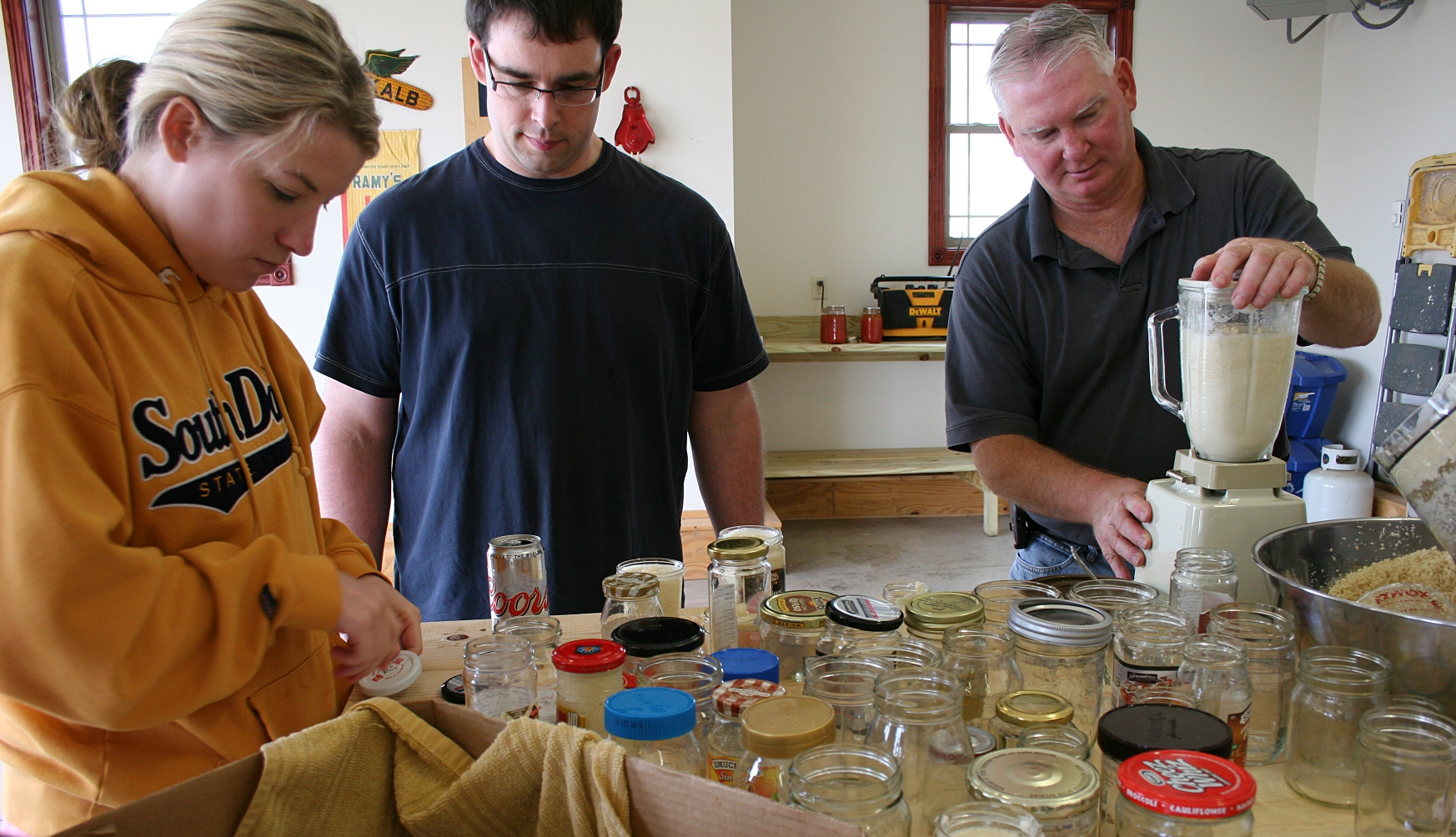
Brian, left, and Lanae blend the horseradish with vinegar in blenders while Randy uses the food processor.

Brian, left, and Lanae blend the horseradish with vinegar in blenders while Randy uses the food processor.

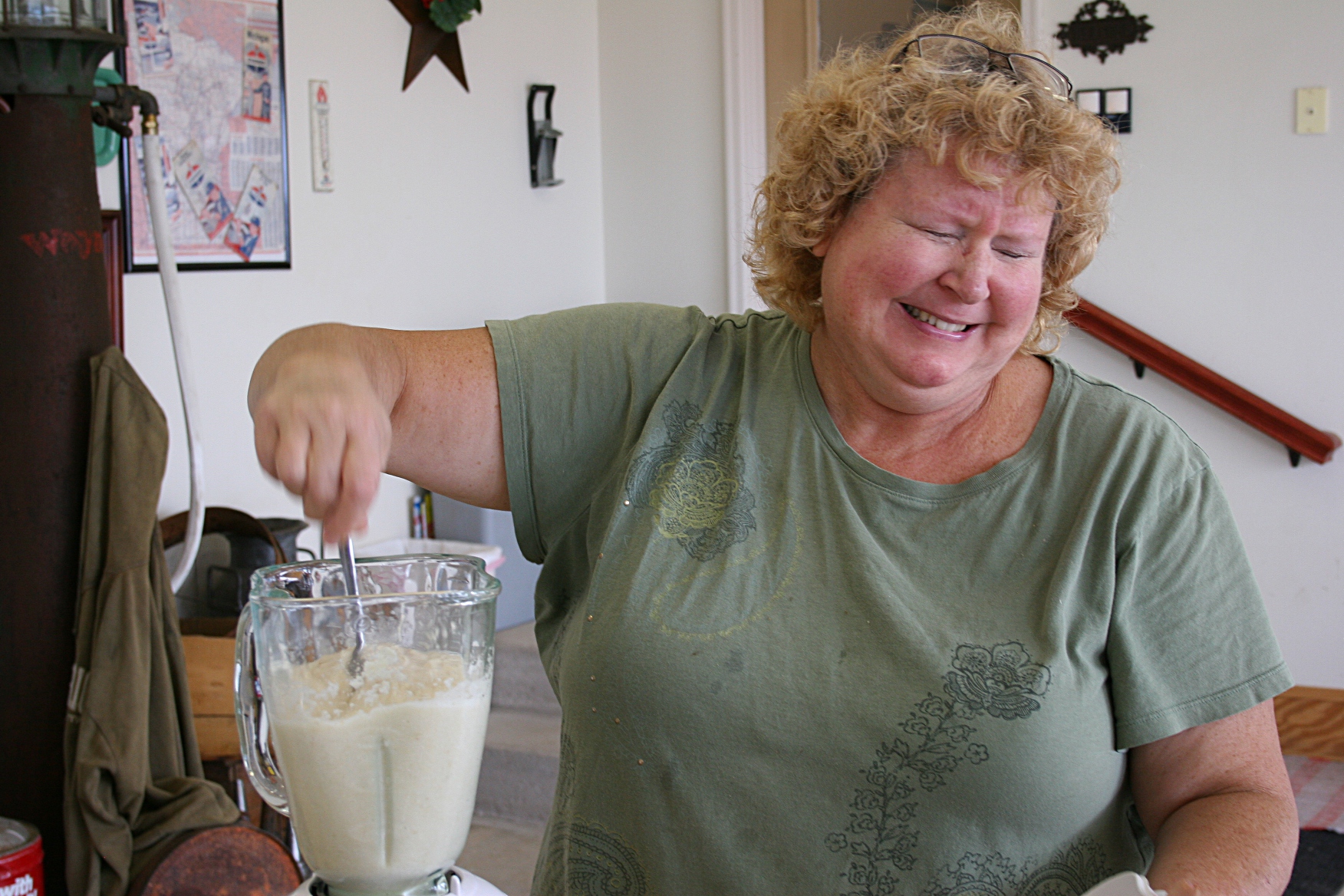
Sometimes the powerful pungent fumes overpower the workers.

Sometimes the powerful pungent fumes overpower the workers.

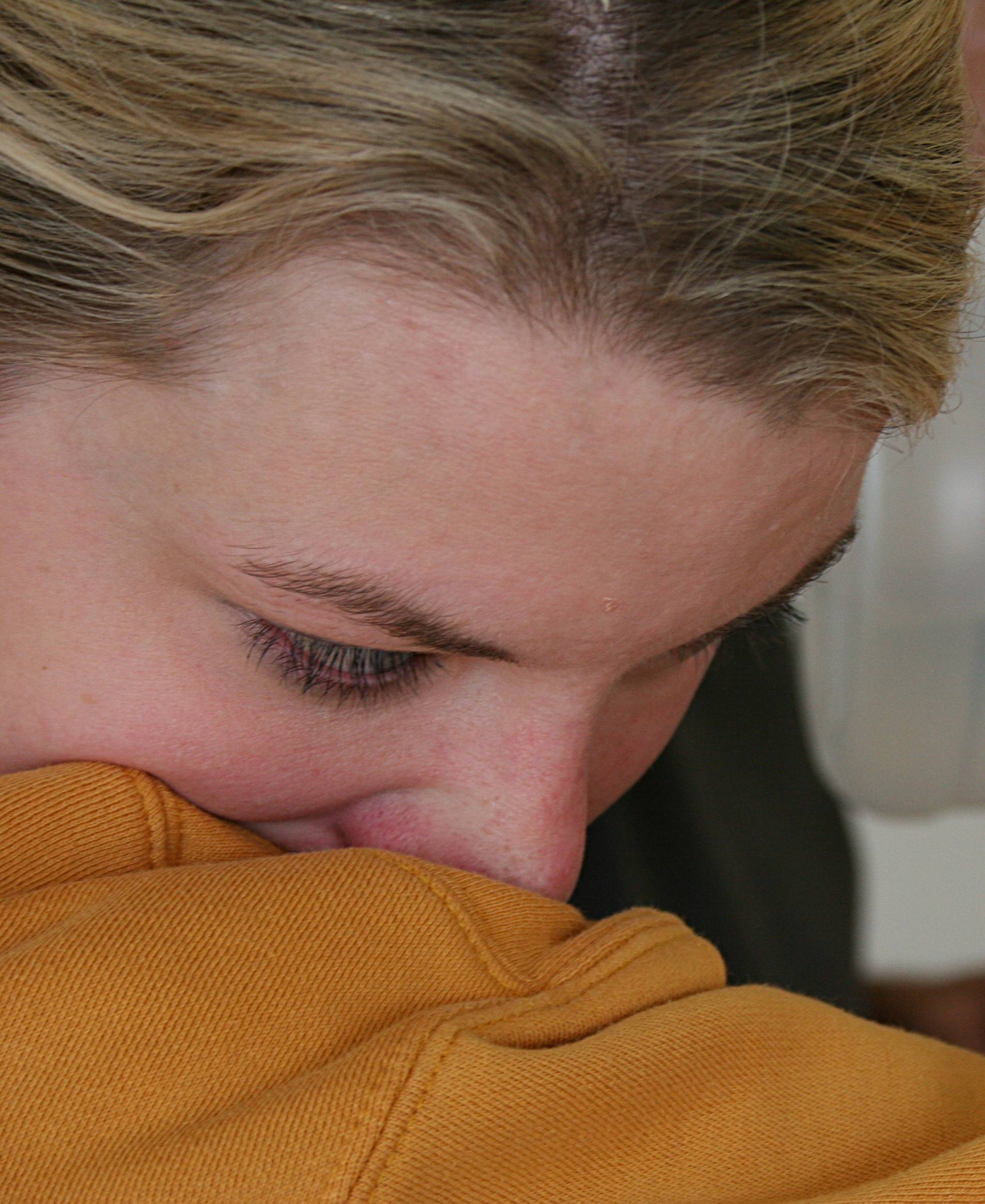
Adrienne buried her nose in her sleeve and stepped out of the garage a few times when she couldn't handle the overwhelming sting of the horseradish.

Adrienne buries her nose in her sleeve and stepped out of the garage a few times when she couldn’t handle the overwhelming sting of the horseradish.

Once blended to just the right consistency with the correct amount of vinegar, the horseradish is poured into jars.

Once blended to just the right consistency with the correct amount of vinegar, the horseradish is poured into jars.

Lots and lots of jars of all sizes will hold the horseradish.

Lots and lots of jars of all sizes will hold the horseradish.

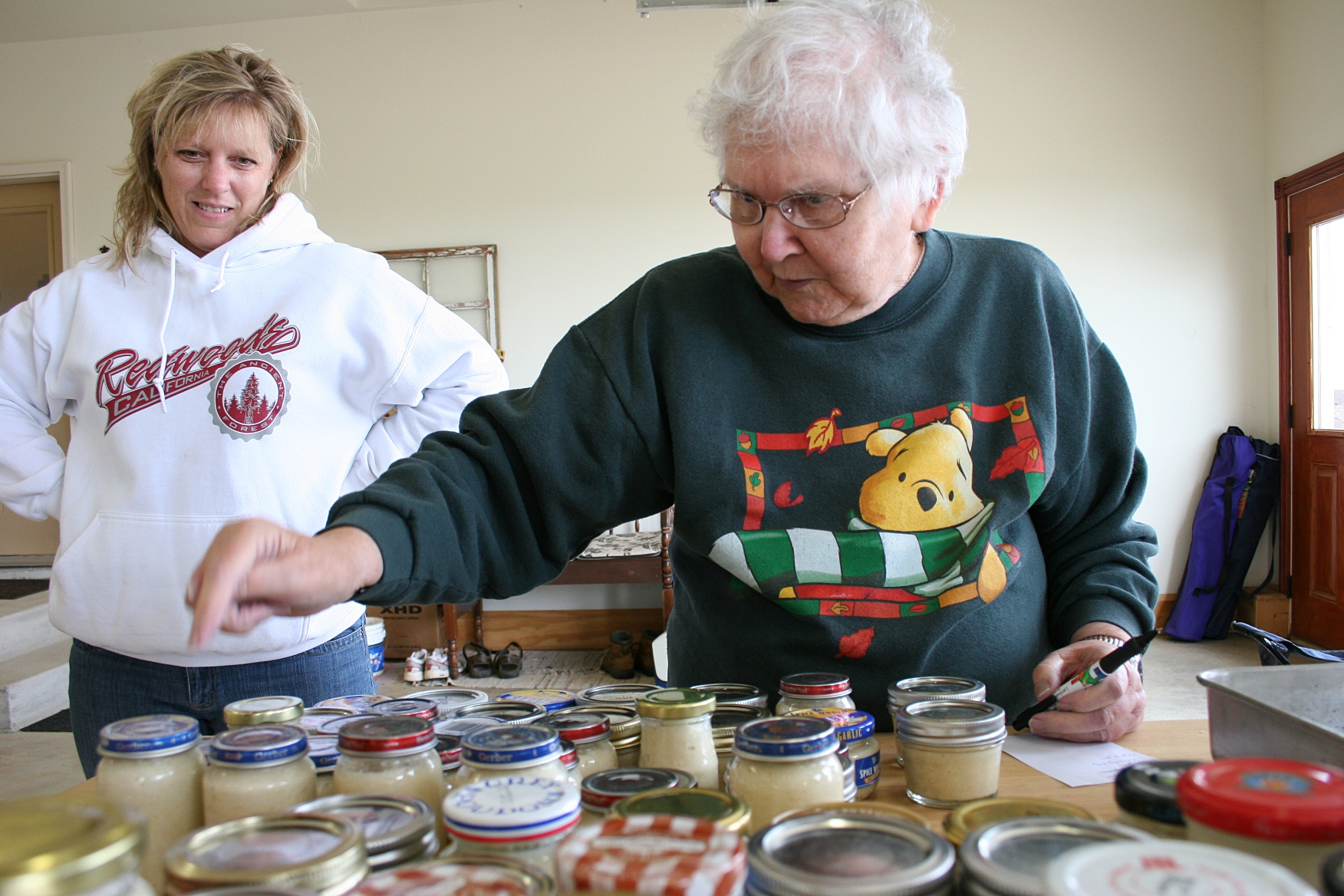
The Supervisor, aka my mom, Arlene, shows up to inspect.

“The Supervisor, ” aka my mom, Arlene, shows up to inspect.

After hours of labor, the beautiful results. Creamy white horseradish.

After hours of labor, the beautiful results. Creamy white horseradish.

As the final step, The Supervisor steps in to count the jars. My sister-in-law, Vicki, watches my mom at work.

The Supervisor counts the jars., 70 total ranging in size from baby food jars to around 12-ounce size. My sister-in-law, Vicki, watches my mom at work. At one point, when my brother suggested an easier method of counting, The Supervisor told him to “shut up.” We all cracked up. We know who’s boss, and it isn’t Brian.

The last step is to take the peelings and horseradish tops to the garden for planting. We want to assure that we will have horseradish for years to come, holding on to traditon, building memories.

The last step is to take the peelings and horseradish tops to the garden for planting. We want to assure that we have horseradish for years to come, holding on to tradition, building memories and honoring our dad.

CLICK HERE TO READ last year’s post about making horseradish.

© Copyright 2013 Audrey Kletscher Helbling
 

A prairie island October 6, 2013

Filed under: Uncategorized — Audrey Kletscher Helbling @ 10:06 AM
Tags: , , , , , , , ,

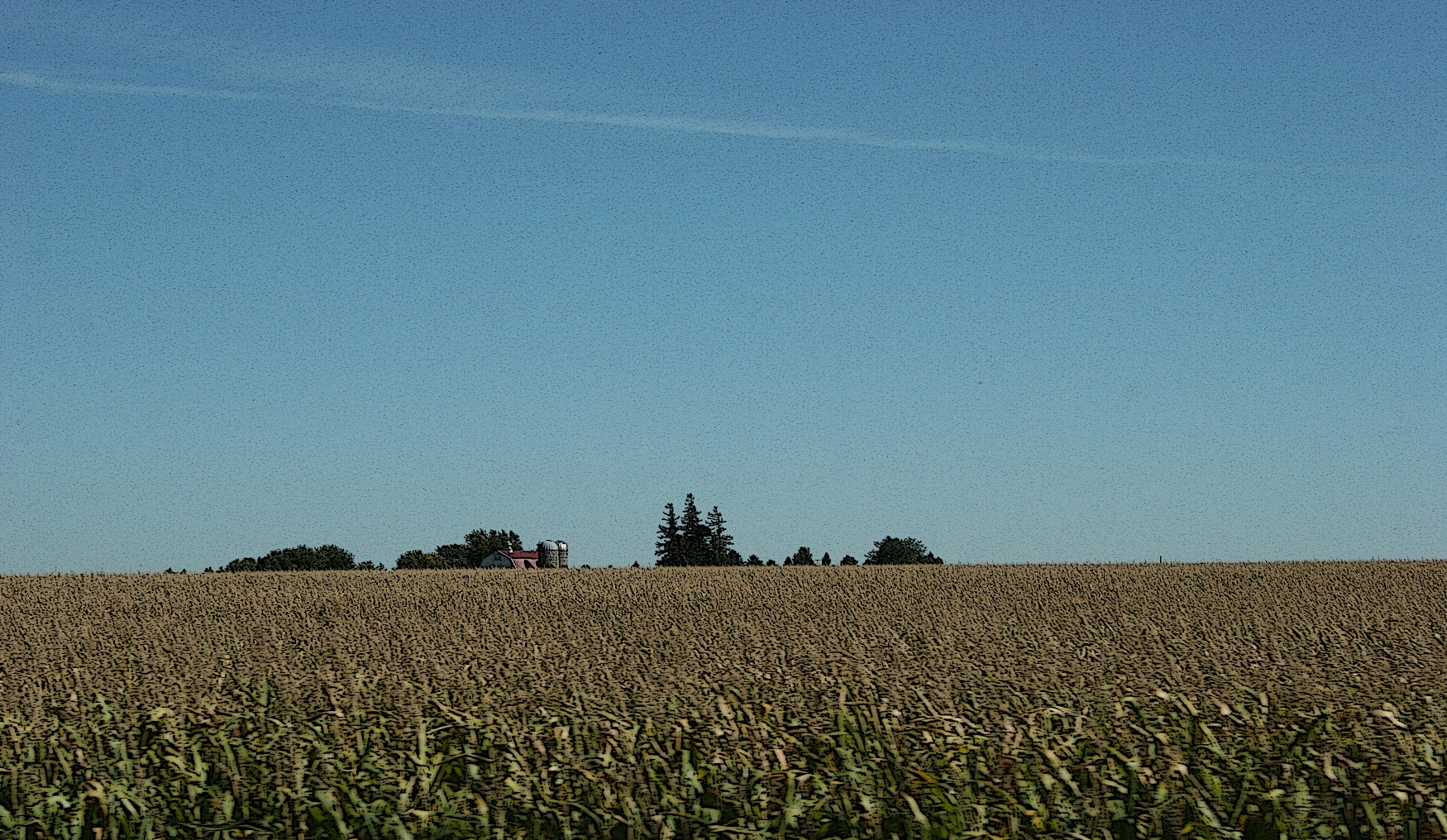
Rural, farm behind corn field

IN THE SEA OF CORN which defines southwestern Minnesota, an island emerges.

Copyright 2013 Audrey Kletscher Helbling
 

On the cusp of harvest in southwestern Minnesota October 4, 2013

Grey skies and rain create a moody scene along U.S. Highway 14 between Sleepy Eye and Lamberton.

Grey skies and rain create a moody scene along U.S. Highway 14 between Sleepy Eye and Lamberton.

RAIN DRIZZLES, SOMETIMES SPLATTERS, across the windshield of our van as my husband and I aim toward the southwestern Minnesota prairie, driving toward Lamberton for a day of making horseradish with my extended family. It is a time-honored tradition, started by my father, dead 10 years now.

For me, this 120-mile trip from our Faribault home is not as much about the horseradish as it is about family and memories and spending a weekend in my beloved native prairie, the place that shaped me in to the person/writer/photographer I’ve become.

This section of U.S. Highway 14 between Sleepy Eye and Lamberton features many stately and well-kept barns like this brick one.

This section of U.S. Highway 14 between Sleepy Eye and Lamberton features many stately and well-kept barns like this brick one.

Even after 40 years away from this place of big skies and flat open spaces, of small towns and family farms, of corn and soybean fields stretching into forever, I still miss this land.

Especially at harvest time.

A cheery smile on a barn off U.S. Highway 14 serves as a backdrop to a ripened soybean field on a grey Saturday morning.

A cheery smile on a barn off U.S. Highway 14 serves as a backdrop to a ripened soybean field on a grey Saturday morning.

As we journey, my head pivots toward the corn and the beans, ripened mostly to muted gold.

I can almost hear the corn leaves rustling in the bendy wind under moody grey skies.

I can almost smell the intoxicating scent of earth that prevails only at harvest time.

I can almost hear the chomping combines and rumbling grain trucks, the roaring tractors and the lumbering grain wagons, parked and silent now as rain sweeps across the acres.

A serene country scene just north of Lamberton in southern Redwood County.

A serene country scene just north of Lamberton in southern Redwood County.

Later that day, after we’ve reached our rural destination and dug, washed, peeled, chopped, blended and bottled the horseradish, the heaviest of the clouds lift and shift east.

The skies have cleared along Redwood County Road 6 north of Lamberton where corn fields await harvest.

The skies have cleared along Redwood County Road 6 north of Lamberton where corn fields await harvest.

By Sunday morning we awaken to the clear and crisp skies of autumn in rural Minnesota.

Driving U.S. Highway 14 back to Faribault Sunday morning.

Driving U.S. Highway 14 back to Faribault Sunday morning.

It’s a perfect morning.

Barns and ripening crops define the landscape of southwestern Minnesota this time of year.

Barns and ripening crops define the landscape of southwestern Minnesota this time of year.

Sunshine upon fields.

Grain bins await the harvest on a southwestern Minnesota farm.

Grain bins await the harvest on a southwestern Minnesota farm.

Sunshine pooling upon my lap as we aim east, past bins and barns and bountiful fields, back home.

Rounding the curve eastbound into Sleepy Eye.

Rounding the curve eastbound into Sleepy Eye.

Past the ripening crops. Through the small towns, like Lamberton and Springfield and Sleepy Eye.

And when we reach the western outskirts of New Ulm, I feel as if we’ve crossed a line. Menards and Walmart loom to the left. U.S. Highway 14, the Laura Ingalls Wilder Historic Highway, is now a four-lane through this German community, busy with traffic and drivers racing to get ahead before the roadway once again narrows to two lanes en route to Mankato.

Barns, like this one, rise above the soon-to-be-harvested corn fields.

Barns, like this one, rise above the soon-to-be-harvested corn fields.

My mood shifts. I’ve left the peace of the prairie, the one place on this earth that holds my soul in solace.

FYI: This post was previously published on streets.mn. The above photos were taken on Saturday, September 28, and Sunday, September 29. Conditions change rapidly during harvest time, so I expect harvest is well underway, although delayed now due to the rain.

A post will be forthcoming on making horseradish.

Copyright 2013 Audrey Kletscher Helbling
 

Autumn beauty in Nerstrand Big Woods State Park October 3, 2013

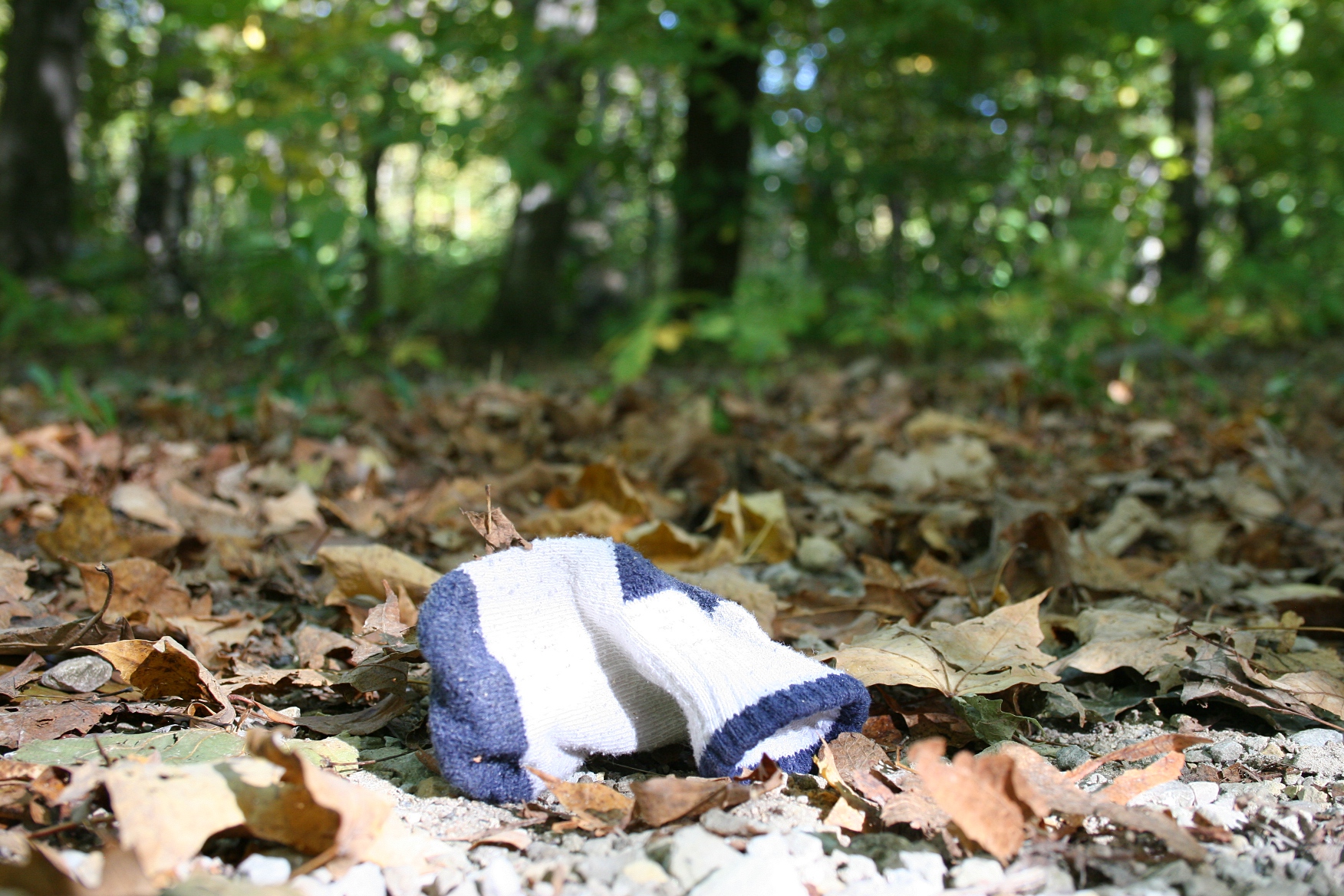
A baby's sock lost along a path at Nerstrand Big Woods State Park in rural rice County Minnesota.

A baby’s sock lost along a path at Nerstrand Big Woods State Park in rural Rice County, Minnesota.

A single sock.

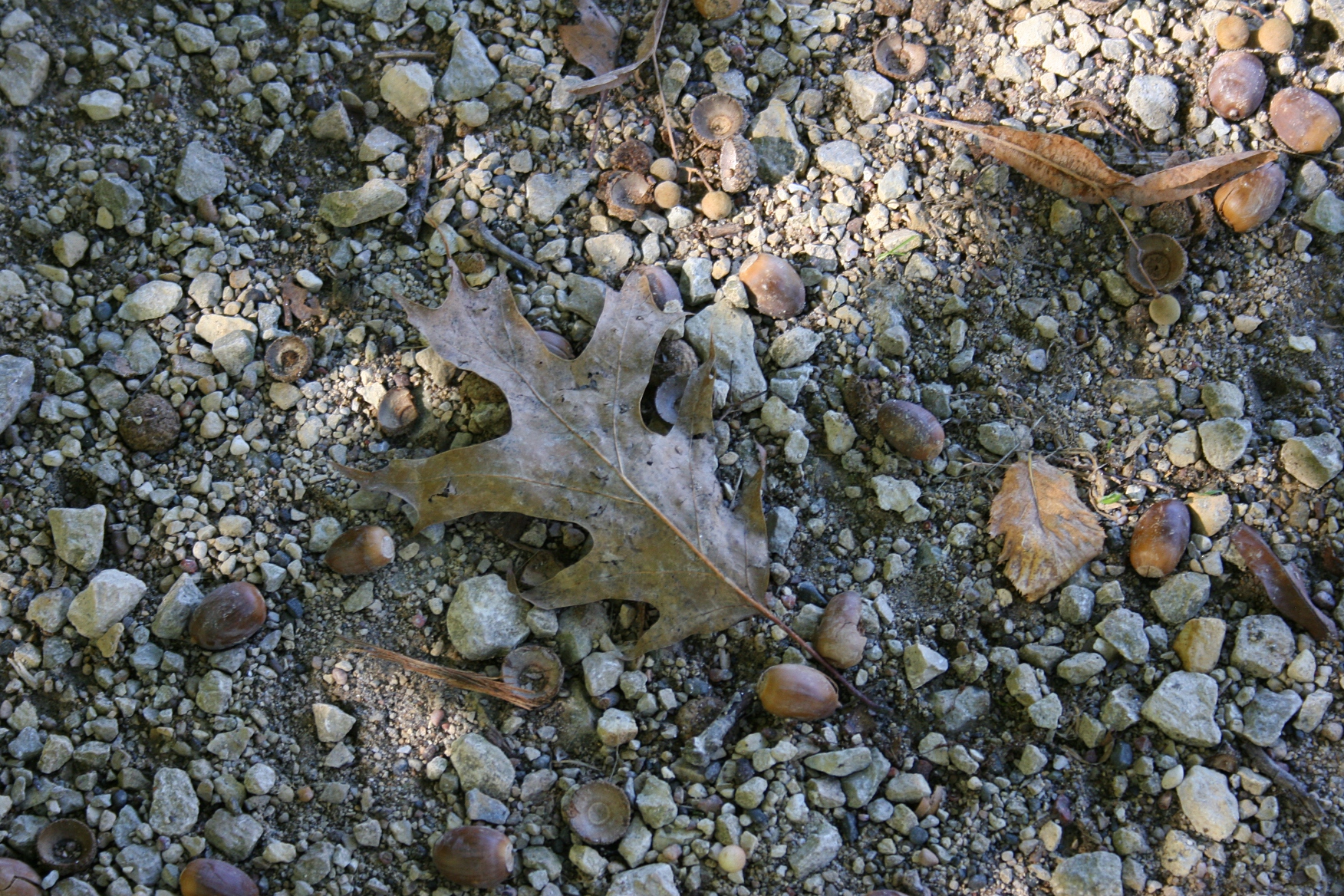
When I paused to photograph this oak leaf, my husband dubbed the trail Acorn Trail.

When I paused to photograph this oak leaf, my husband dubbed the trail Acorn Trail.

A single oak leaf.

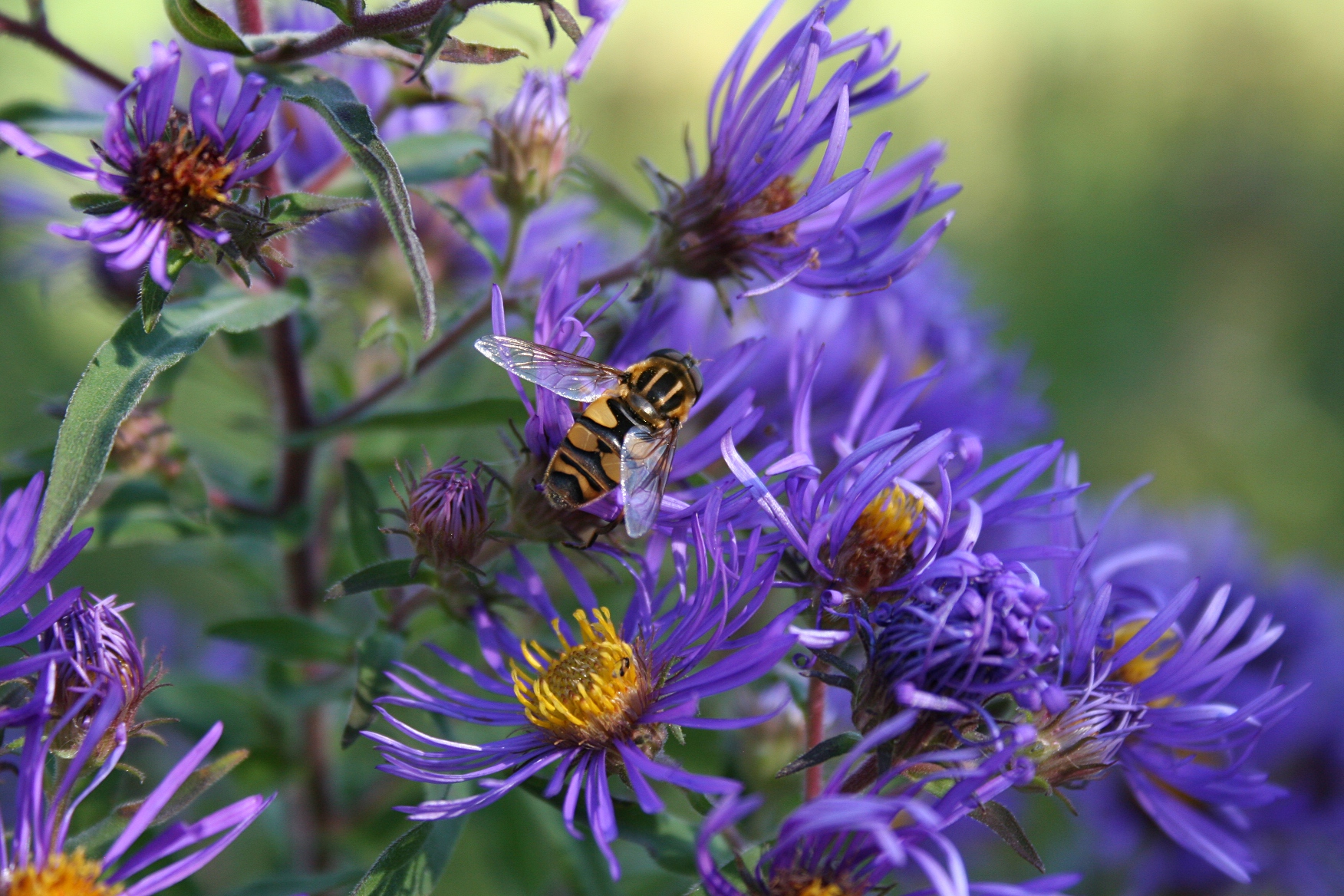
Countless bees and butterflies flitted among the wildflowers.

One of the many bees and butterflies swarming the wildflowers.

A single bee.

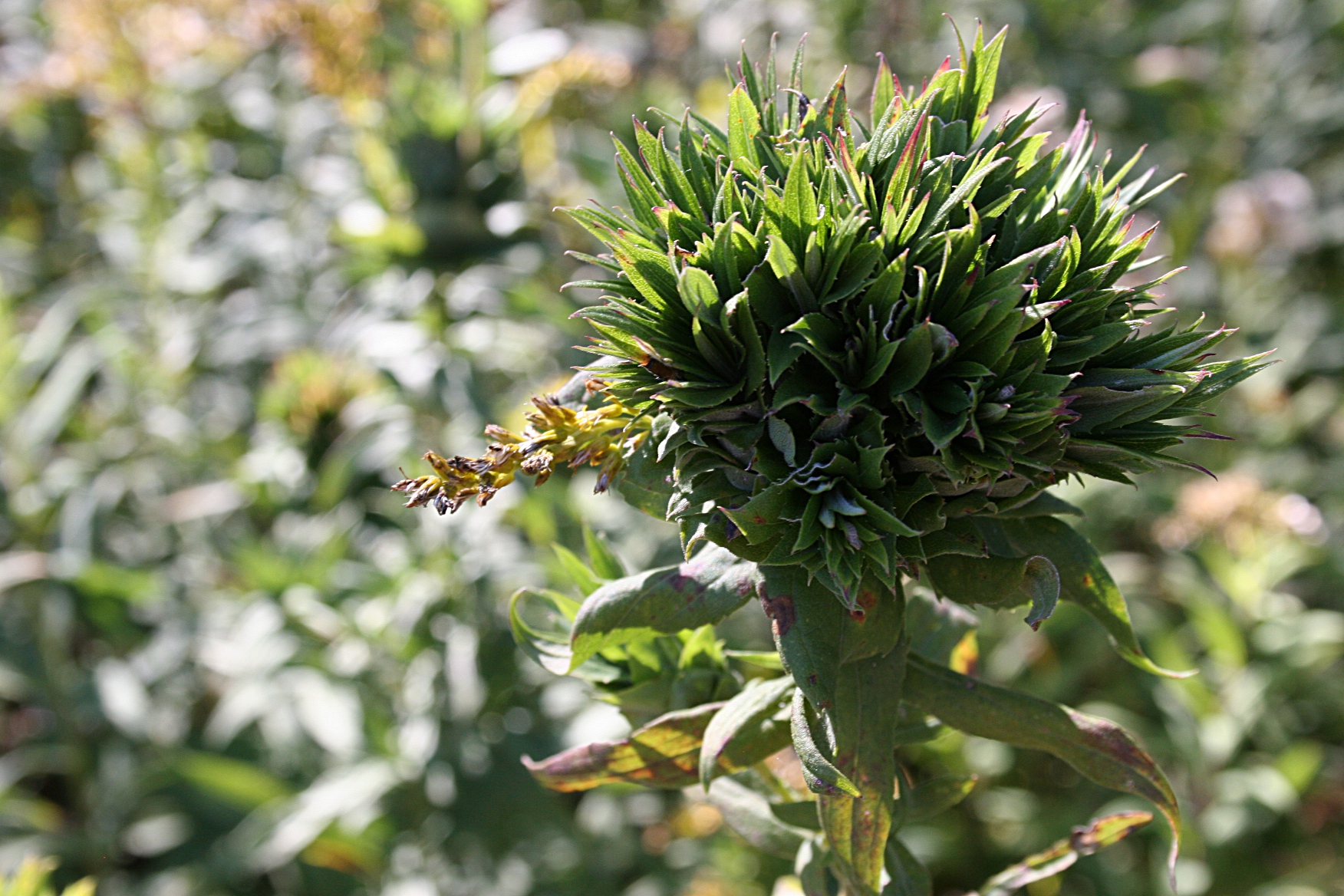
The solo head of an unidentified plant in the afternoon sunlight.

The solo head of an unidentified plant in the afternoon sunlight.

Solitude.

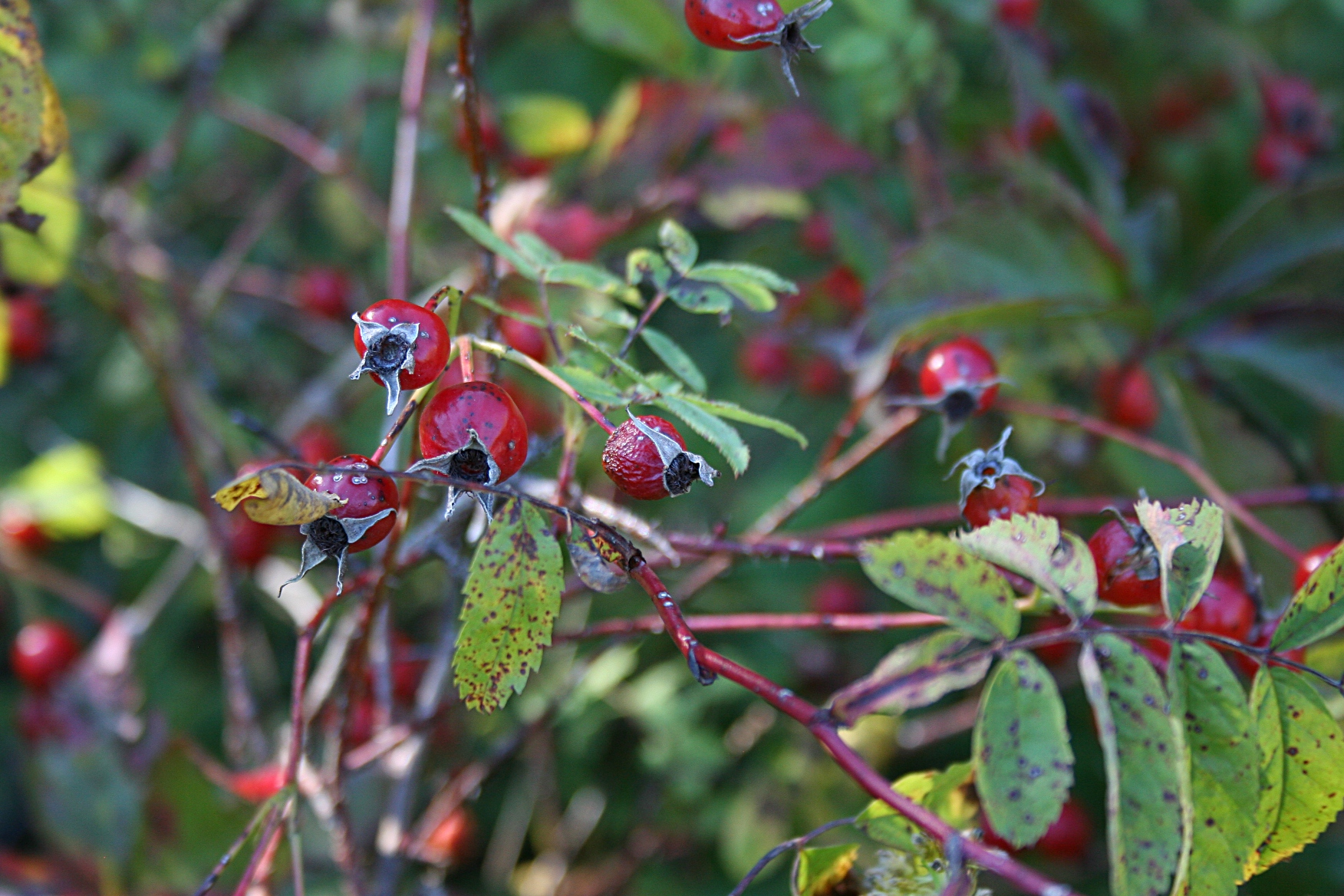
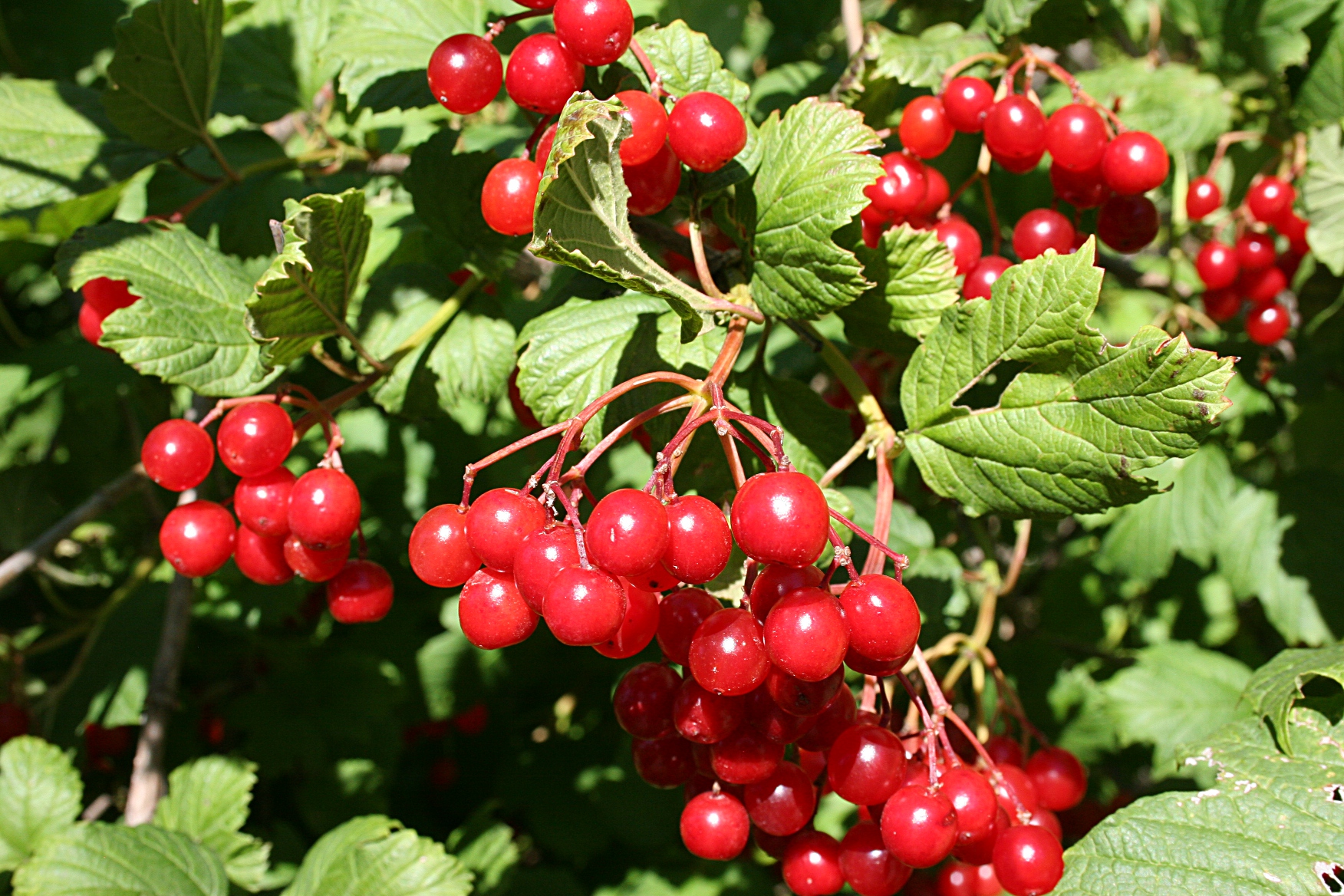
In the quiet of the woods, beautiful berries discovered.

In the quiet of the woods, beautiful berries discovered.

Beauty.

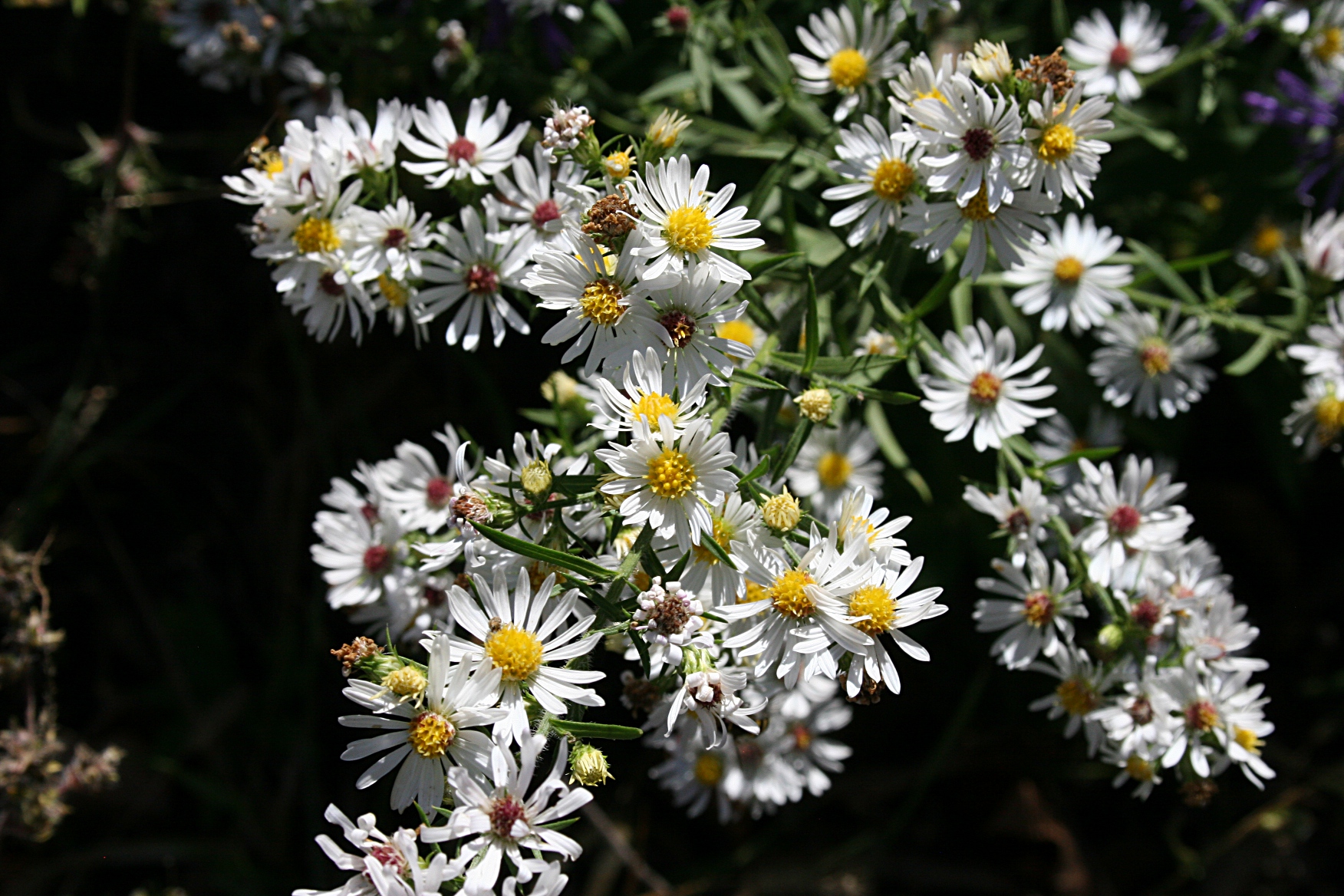
Clusters of wildflowers edge the woods.

Clusters of wildflowers edge the woods.

Wind bending wildflowers and weeds, the sun beating upon our backs as we curve into the shaded woods.

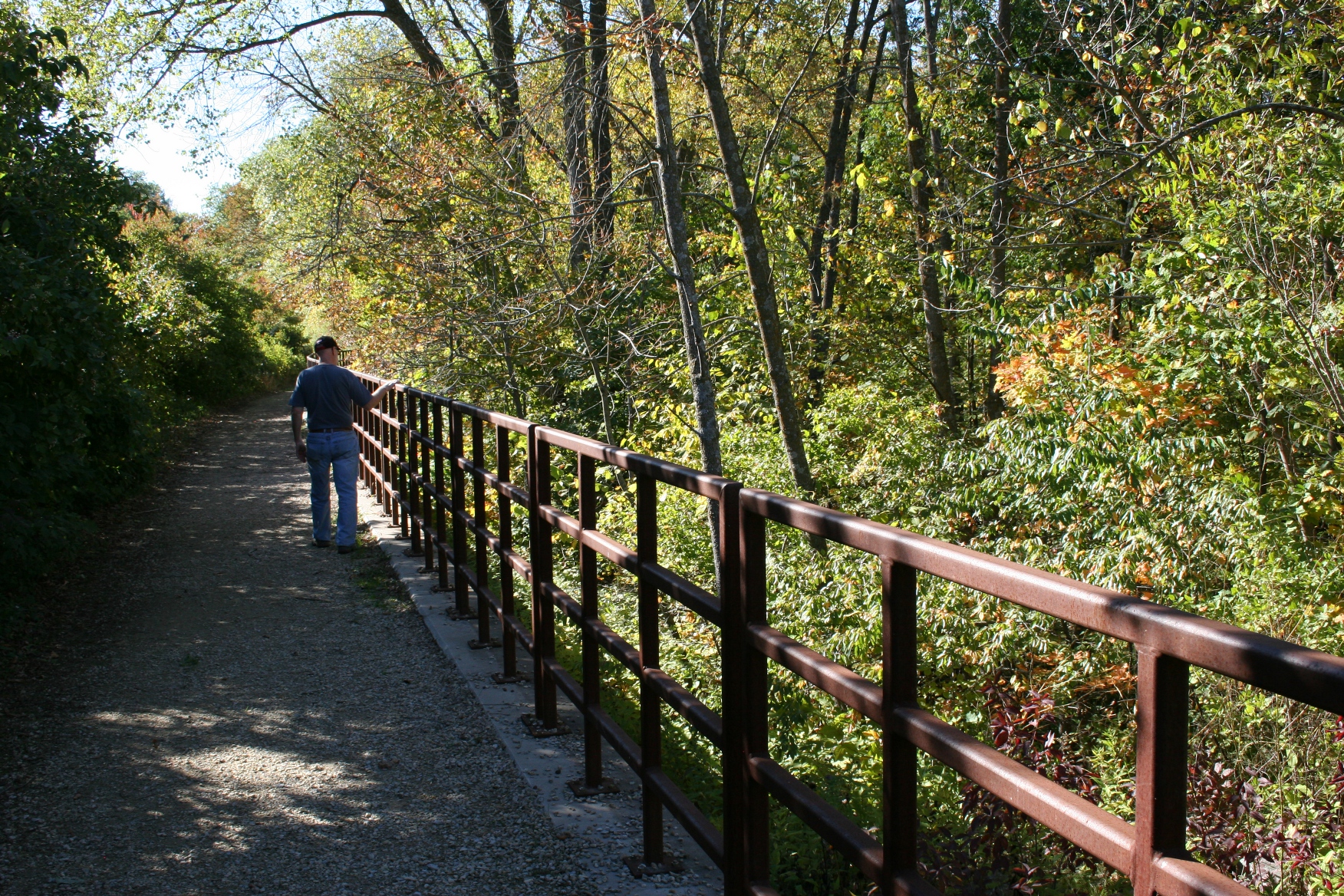
My husband, Randy, pauses to look over the ravine.

My husband, Randy, pauses to look over the ravine.

Pause at the rust-hued railing, glimpse to the ravine below where water once flowed when rain was plentiful.

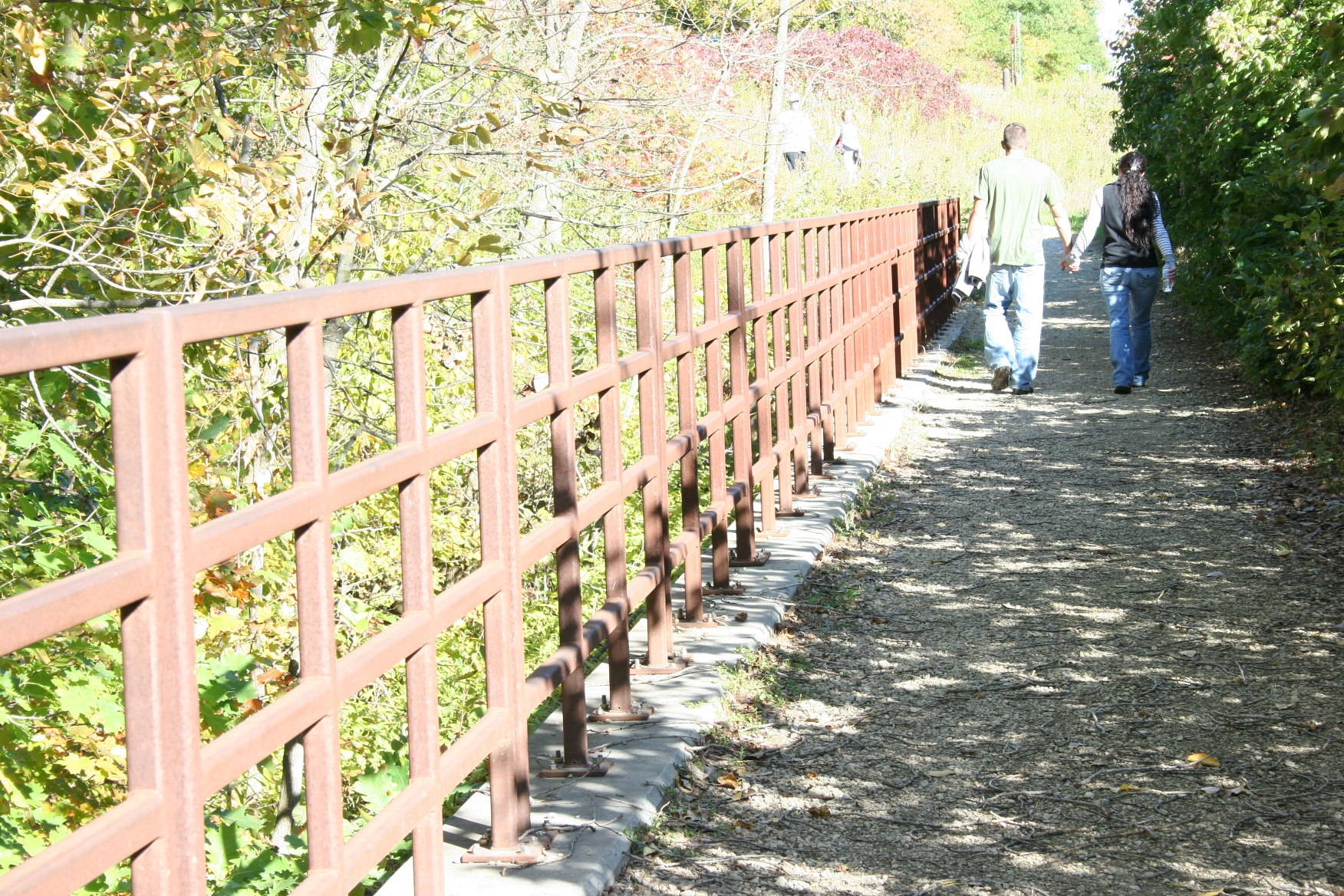
Couples and families hiked the trails through the park.

Couples and families hike the trails through the park.

Lost in thoughts. Savoring the solace which embraces us even as groups of hikers pass us by.

A tree line in the park shows leaves beginning to change color.

A tree line in the park shows leaves beginning to change color.

We have come here to Nerstrand Big Woods State Park on a Sunday afternoon to see the fall colors, only beginning to show.

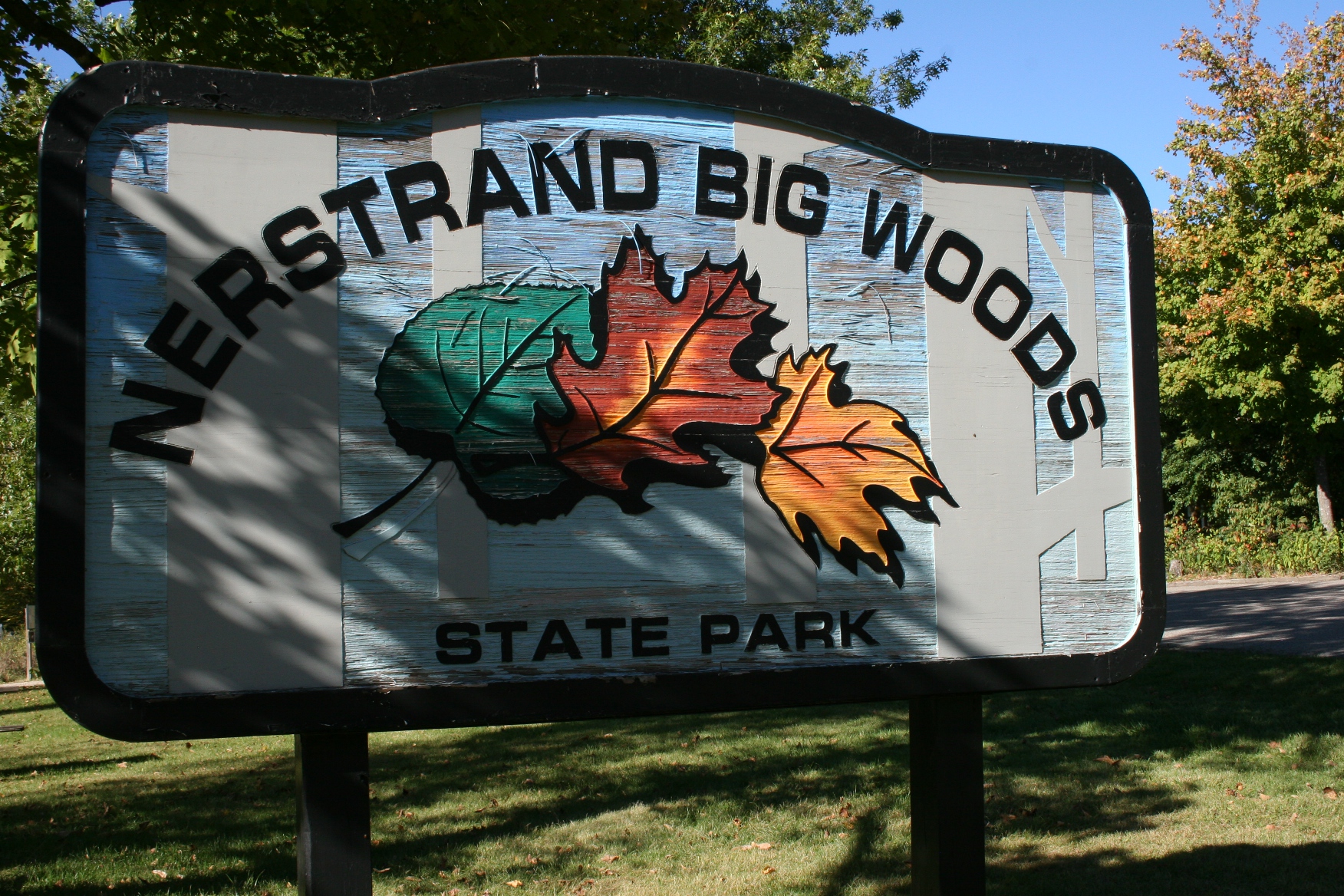
The sign welcoming visitors to Nerstrand Big Woods State Park, known for its beautiful fall colors.

The sign welcoming visitors to Nerstrand Big Woods State Park, known for its beautiful fall colors.

But we have come here, too, my husband and I, to walk together, to hold hands, to embrace this afternoon in a place not far from home, yet so far away.

BONUS PHOTOS:

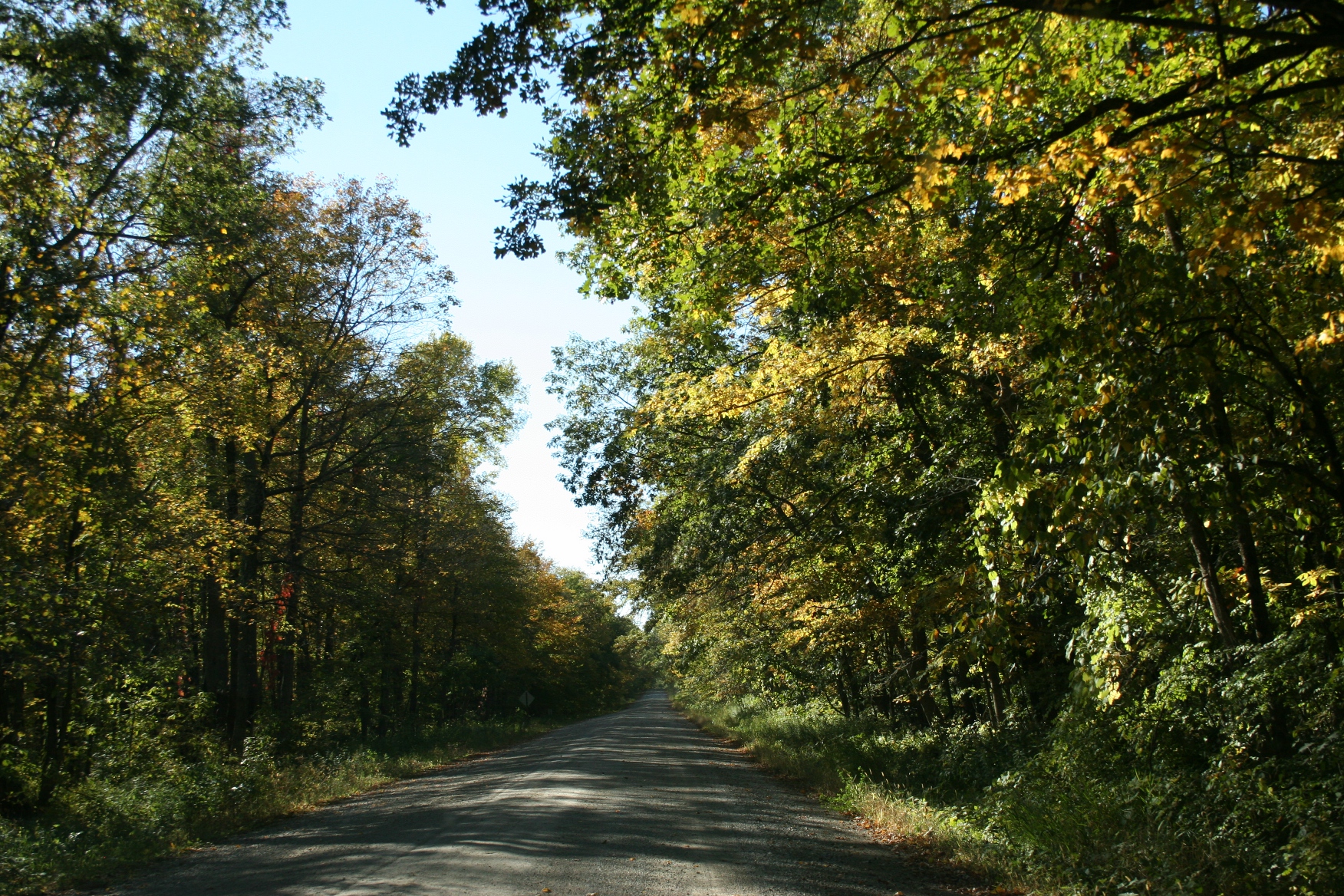
The road running east and west past the park.

The road running east and west past the park.

Berries pop with color near the entry into the park.

Berries pop with color near the park entry.

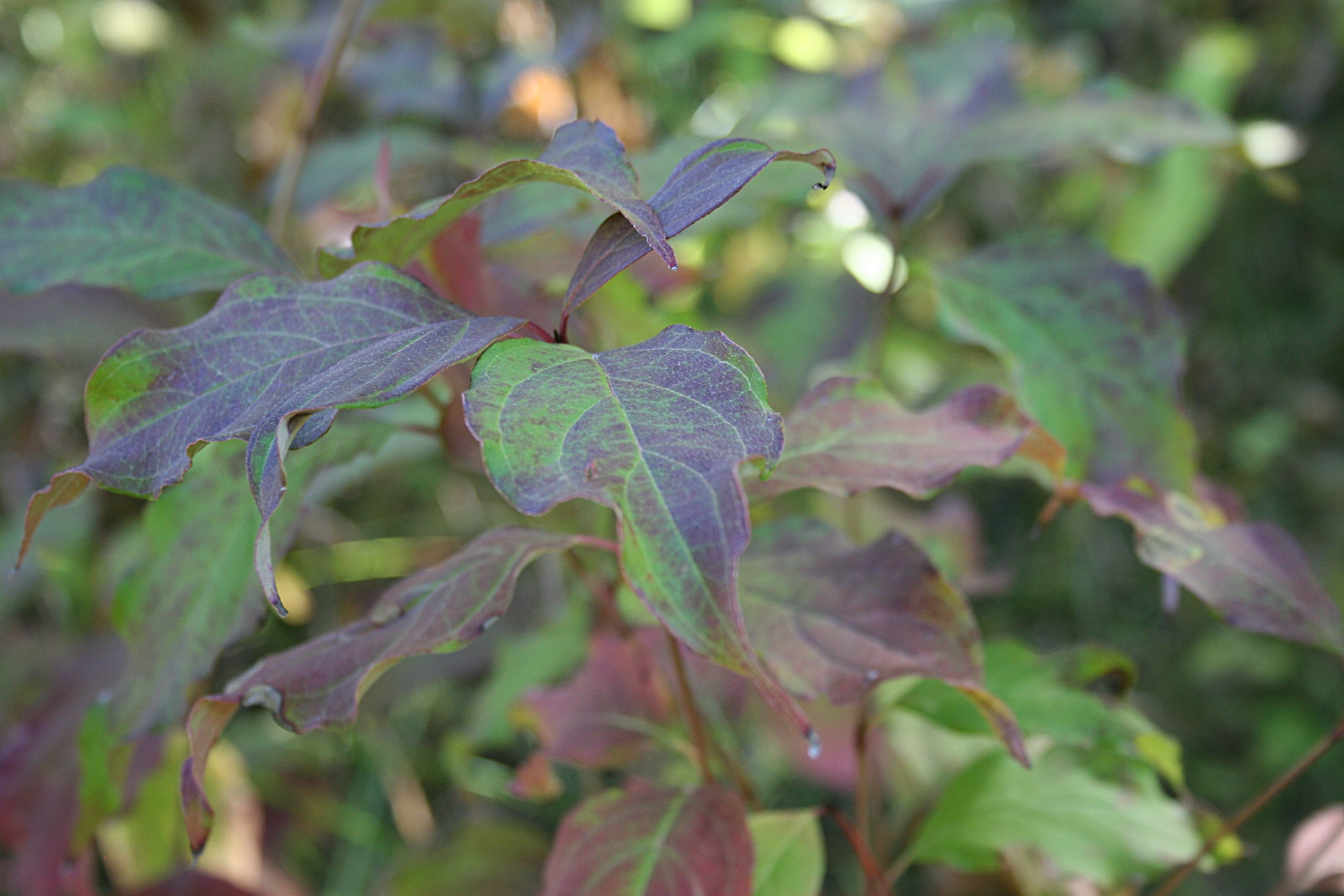
Leaves of purple and green along a path in the woods.

Along a path in the woods.

The park features an abundance of wildflowers.

The park features an abundance of wildflowers.

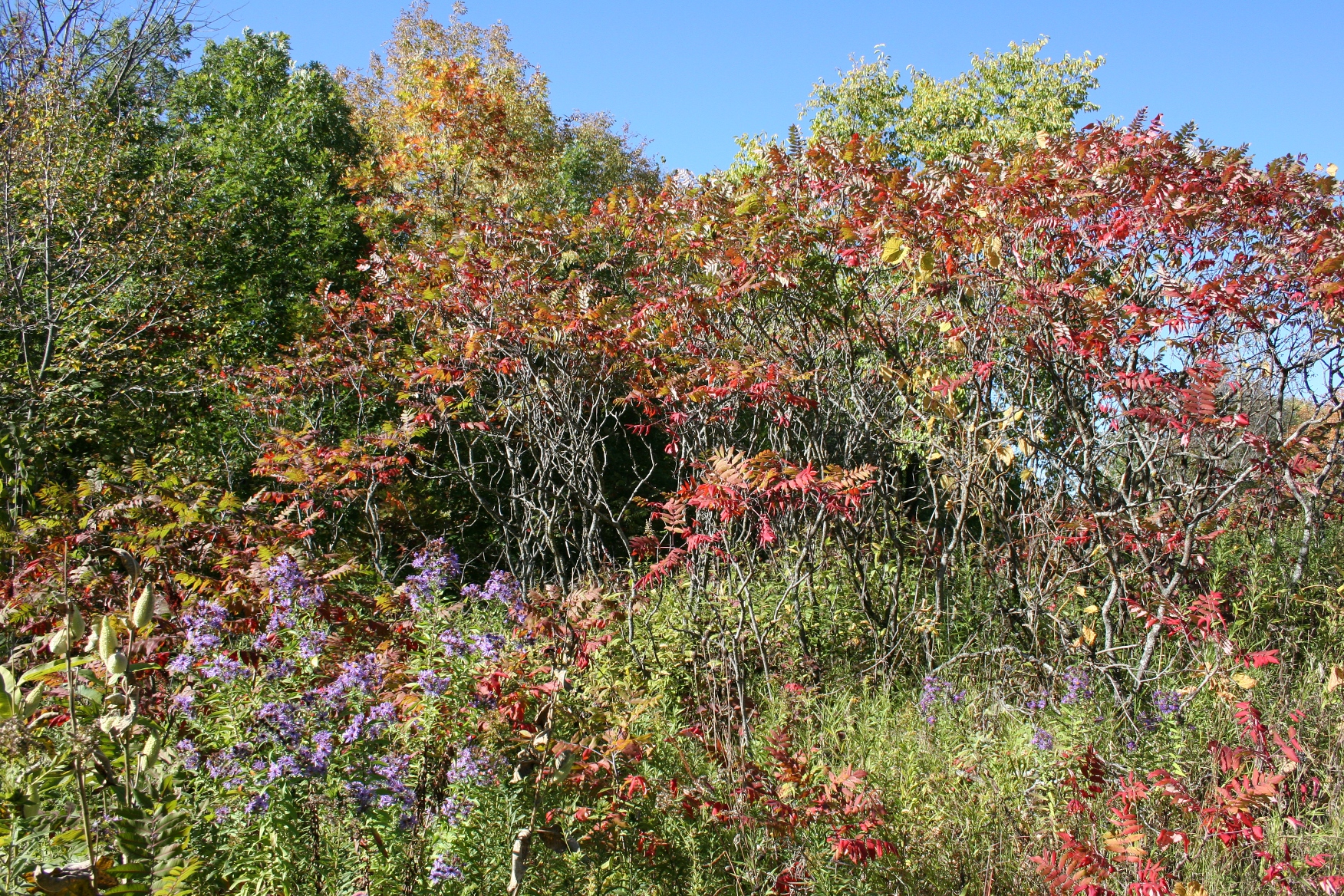
The sumac has already turned color.

The sumac has already turned color.

FYI: Nerstrand Big Woods State Park offers numerous organized activities to engage visitors in the season.

For example, from now until October 19, the park is hosting a Fall Photo Quest scavenger hunt. Bring your digital camera or borrow one at the Visitor Center where you will get instructions. Collect fall photos while learning why and how leaves change color.

On Saturday, October 5, from 1 p.m. – 4 p.m., gather native seeds for planting in park restorations. Sign up at the Visitor Center.

The following Saturday, October 12, from noon – 4 p.m., join the Autumn Trees Scavenger Hunt, collecting clues along trails as you discover which leaf belongs to which tree. Stop at the Visitor Center to start your adventure.

Click here for details on the above listed programming at Nerstrand Big Woods State Park.

Also on Saturday, October 12, St. John’s United Church of Christ, Wheeling Township, sponsors its 17th annual Big Woods Run beginning at the country church near the park. Registration deadlines are October 7 and 8. After the race, enjoy a luncheon featuring homemade soups and more, an awards ceremony and a bake sale. For more info, click here.
This Saturday, October 5, from 10:30 a.m. – 1 p.m., Nerstrand United Methodist Church, 12 Maple Street in Nerstrand hosts its annual Fall Festival. The event features gift baskets, a silent auction, a bake and produce sale, and lunch. Hot beef sandwiches, chili, chicken wild rice soup and homemade pies with ice cream will be served.

Nerstrand Big Woods State Park is located just west of Nerstrand or northeast of Faribault.
© Copyright 2013 Audrey Kletscher Helbling