Minnesota Prairie Roots

Writing and photography by Audrey Kletscher Helbling

Welcome to Fargo, as in the “real” Fargo June 20, 2012

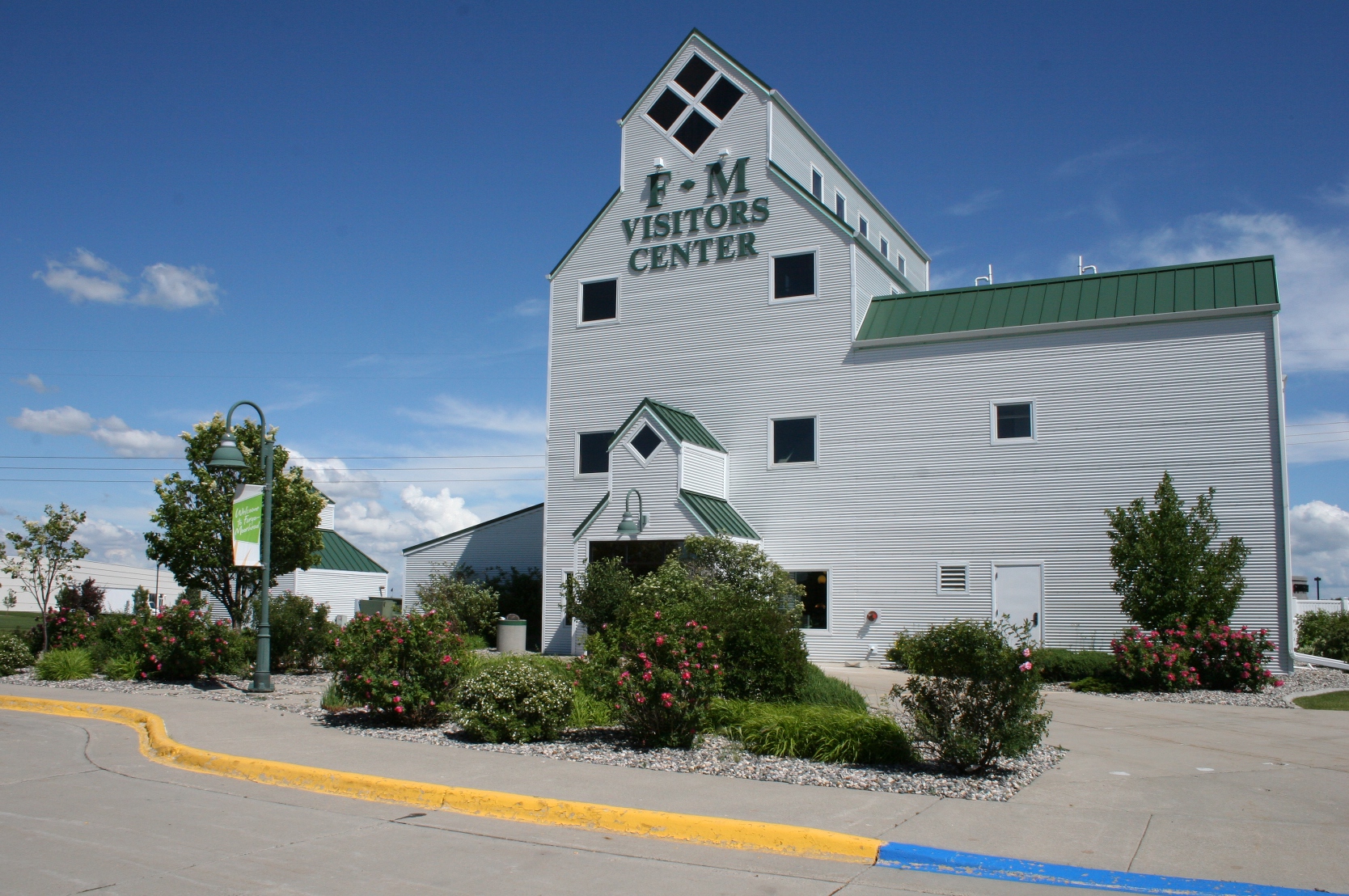
The official Fargo-Moorhead visitors guide reads: A warm welcome awaits you. Our Visitors Center, the “Grain Elevator,” located at Interstate 94 exit 348, has bushels of information, maps, brochures and a gift shop.

THE RAPID POP, pop, pop of tumbling popcorn, its buttery aroma scenting the air, impresses upon my senses as I enter the Fargo-Moorhead Vistors Center on a hang-onto-your-hat, grass-bending windy summer afternoon in North Dakota. (Is it always windy here?)

We’ve arrived in town around 4 p.m., five hours after leaving Faribault. I am determined on this, my third visit to Fargo—the first was 18 ½ years ago passing by on the interstate, the second in February—to see the infamous woodchipper from Minnesotans Joel and Ethan Coen’s 1996 award-winning dark comedy/crime film, Fargo.

The famous woodchipper from the movie, Fargo, is a focal point in the Visitors Center. Other film memorabilia is also on display.

In all honesty, I don’t recall the “feeding a body into the woodchipper” bit from the movie. Perhaps I shut my eyes or turned away as I cannot handle gruesome scenes. I remember, instead, the accents that made us northerners sound like backwoods hicks.

Visitors can also peruse copies of the Fargo script written by the Coen brothers from Minnesota.

But the F-M Visitors Center hypes up the film and specifically that woodchipper. And why not? Tourists embrace this kind of stuff, this opportunity to pull on furry ear flapper caps, pose next to the “real” woodchipper from the movie and then post the images on “The Woodchipper in Fargo” Facebook page.

I didn’t even attempt to persuade my husband and 18-year-old son to pose for a woodchipper photo.

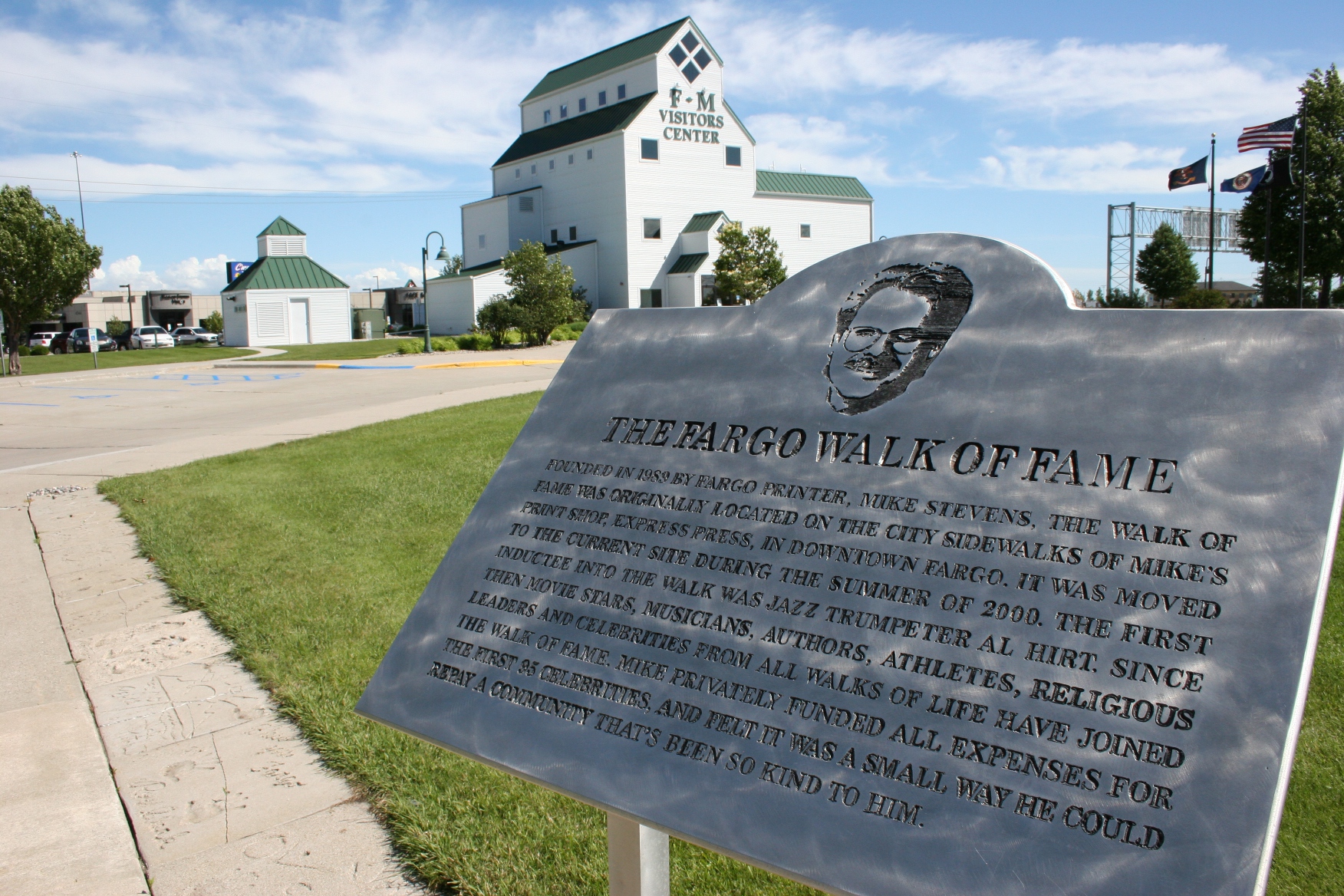
A Fargo businessman started the Celebrity Walk. When his business moved, the Walk was relocated to the F-M Visitors Center. Some of the cement squares cracked during the move. Others have cracked due to weather.

We just grabbed bags of popcorn, quite fitting for the whole going-on movie theme, and munched while gathering brochures, asking questions and then, back outside, checking out the names imprinted in cement on The Celebrity Walk of Fame. The Coen brothers were noticeably absent.

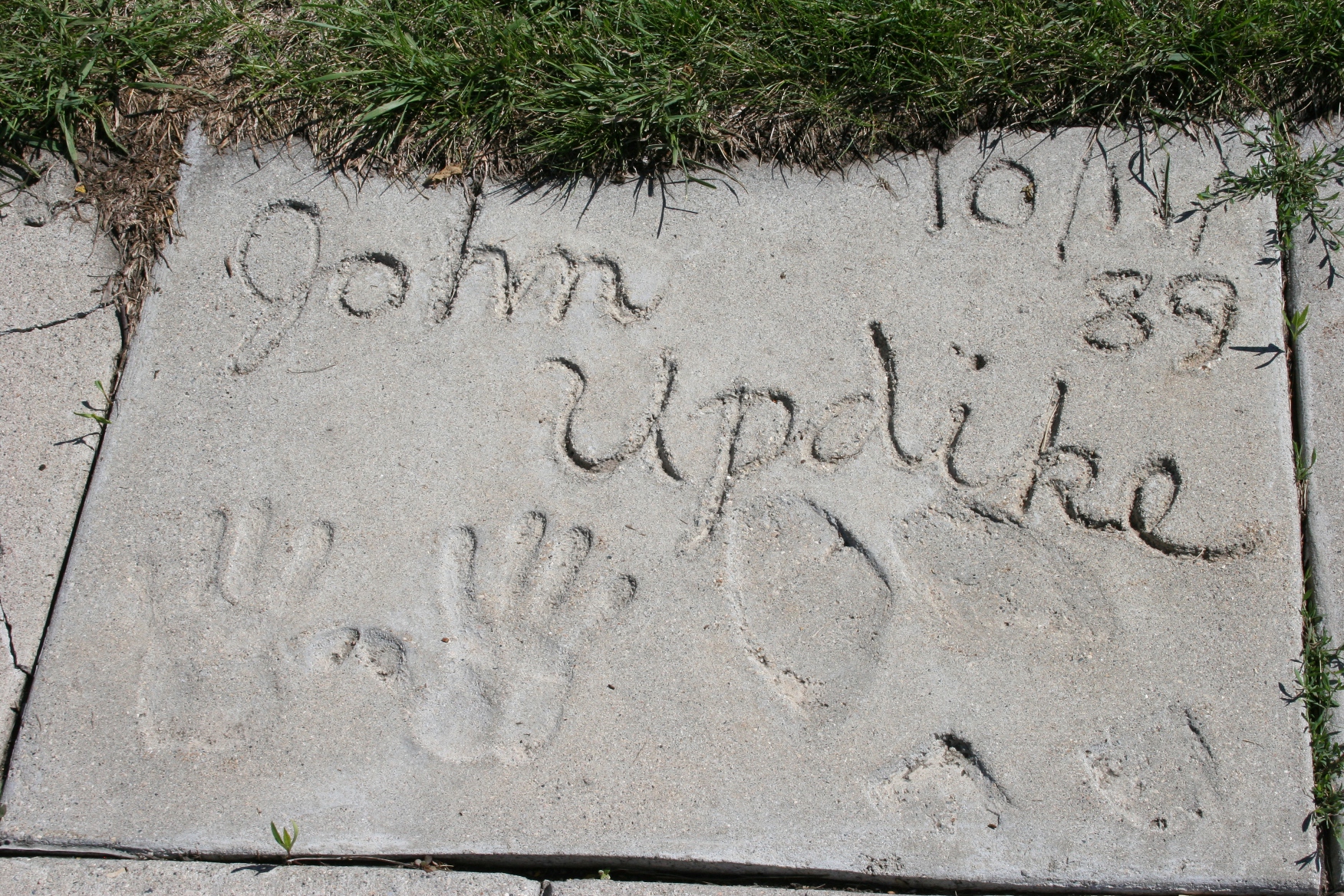
Of course, you might know that I would photograph the signature and handprints and footprints of a writer, like John Updike, who several times won the Pulitzer Prize in fiction.

But you’ll find the names, and sometimes hand and footprints and art, of 113 celebrities—from authors to movie stars to musicians and more—here. Notables like The Moody Blues, Bill Gates, Toby Keith, Paul Harvey, Travis Tritt, Conway Twitty, Garth Brooks, Kiss and many more have left their marks on 150-pound squares of cement in Fargo.

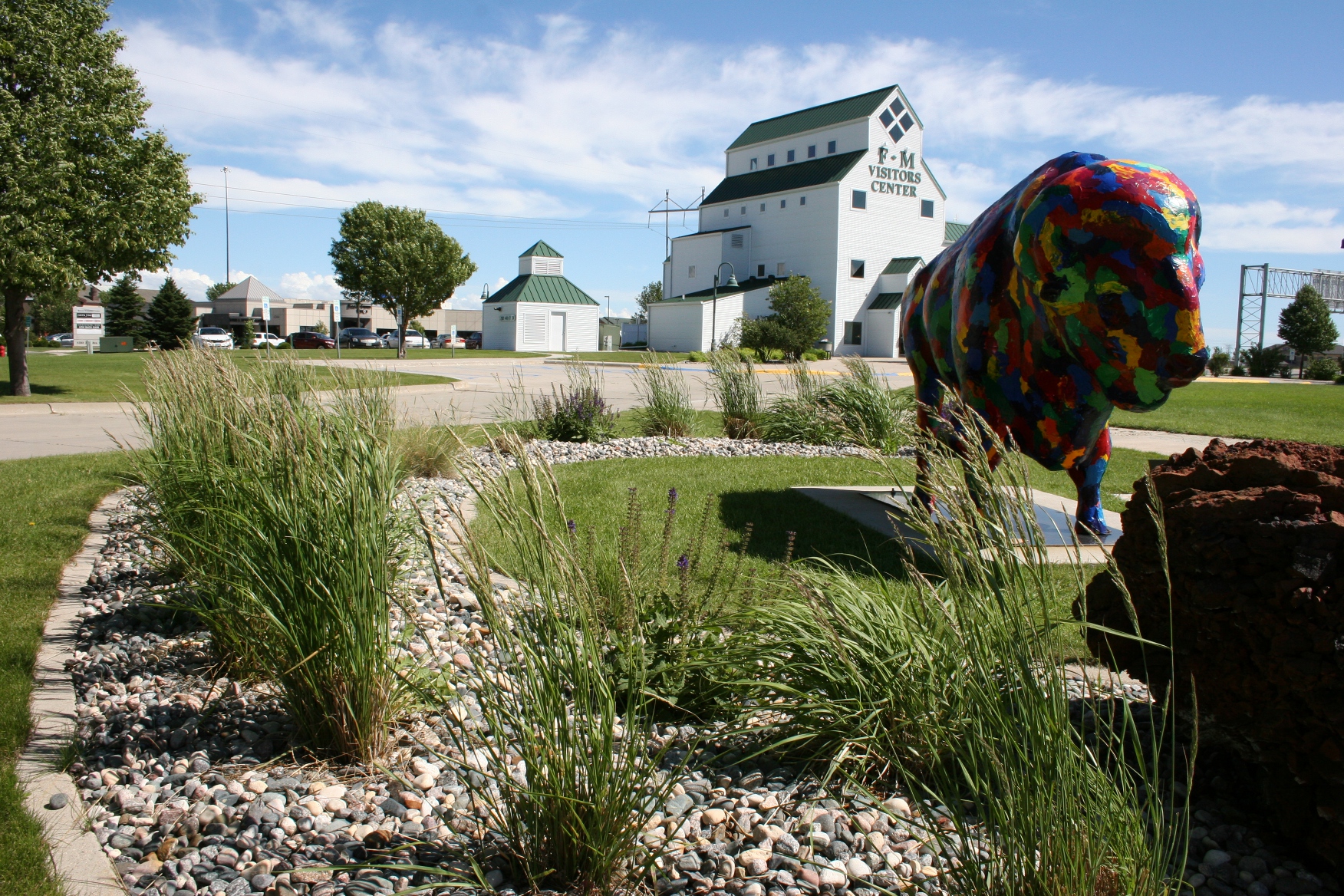
Anne Bradley Kiefel’s colorful “Herd About the Prairie” public art sculpture, right, is located at the Visitors Center.

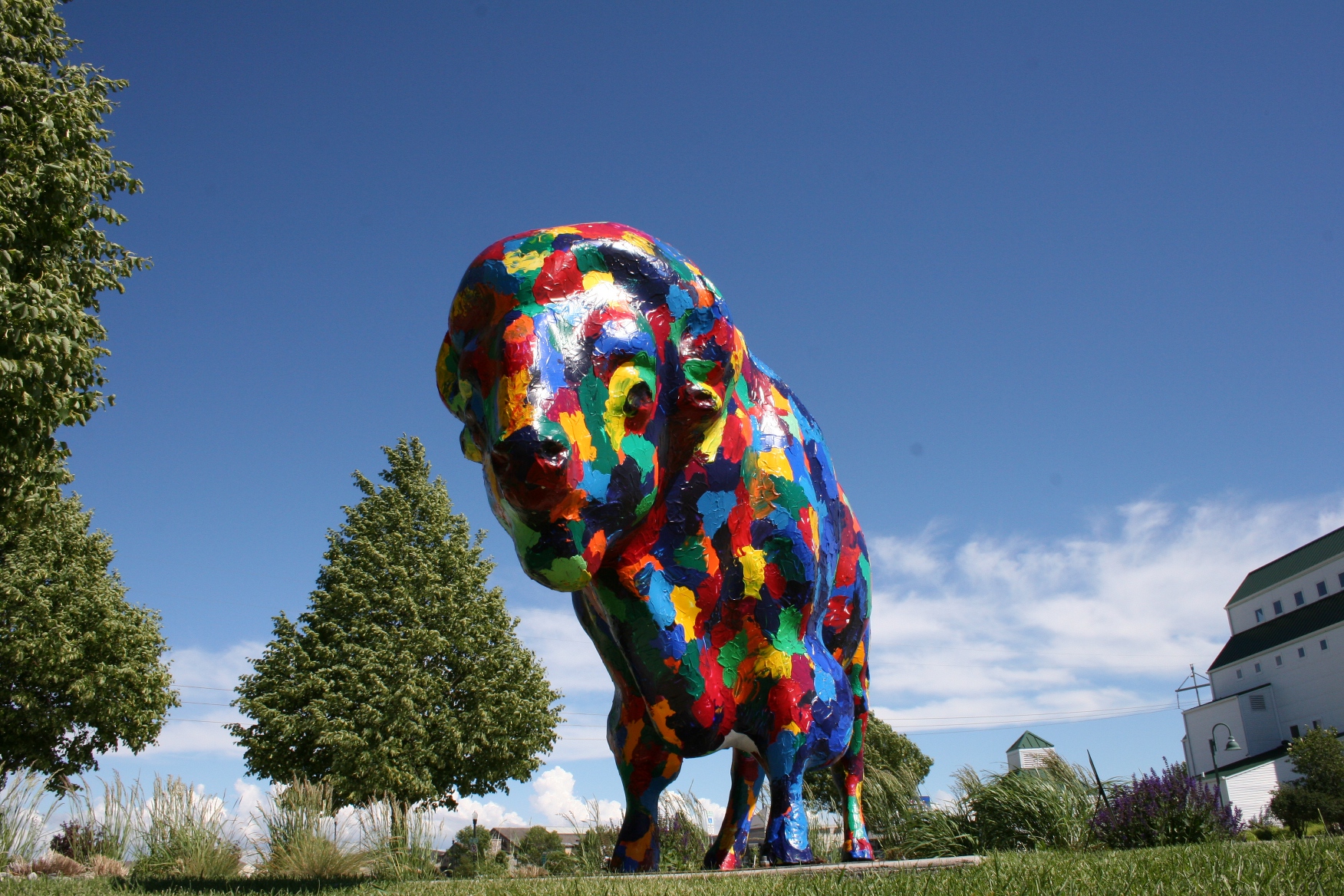
While circling the Celebrity Walk, I broke away to snap photos of the colorful fiberglass buffalo sculpture, “Aunie,” created by Anne Bradley Kiefel as part of a 2006 Lake Agassiz Arts Council public art project, “Herd About the Prairie.” The Visitors Center bison is among 19 such sculptures in the Fargo-Moorhead area.

A looking-up-from-the-ground shot of the buffalo.

Spend any time here, and you’ll soon discover that these F-M folks love their buffalo as much as they love Fargo.

P.S. I just checked out a copy of the movie, Fargo, from my local public library last night. I never intended to do so. But as I was walking past a catch-all basket for books/movies/magazines, there was Fargo, right on the top, staring up at me. Gives you goosebumps, doesn’t it? So…, I will see if I am actually able to watch the woodchippper scene this time around.

© Copyright 2012 Audrey Kletscher Helbling


Fargo bound: A lot of country June 19, 2012

Filed under: Uncategorized — Audrey Kletscher Helbling @ 7:55 AM
Tags: , , , , , ,

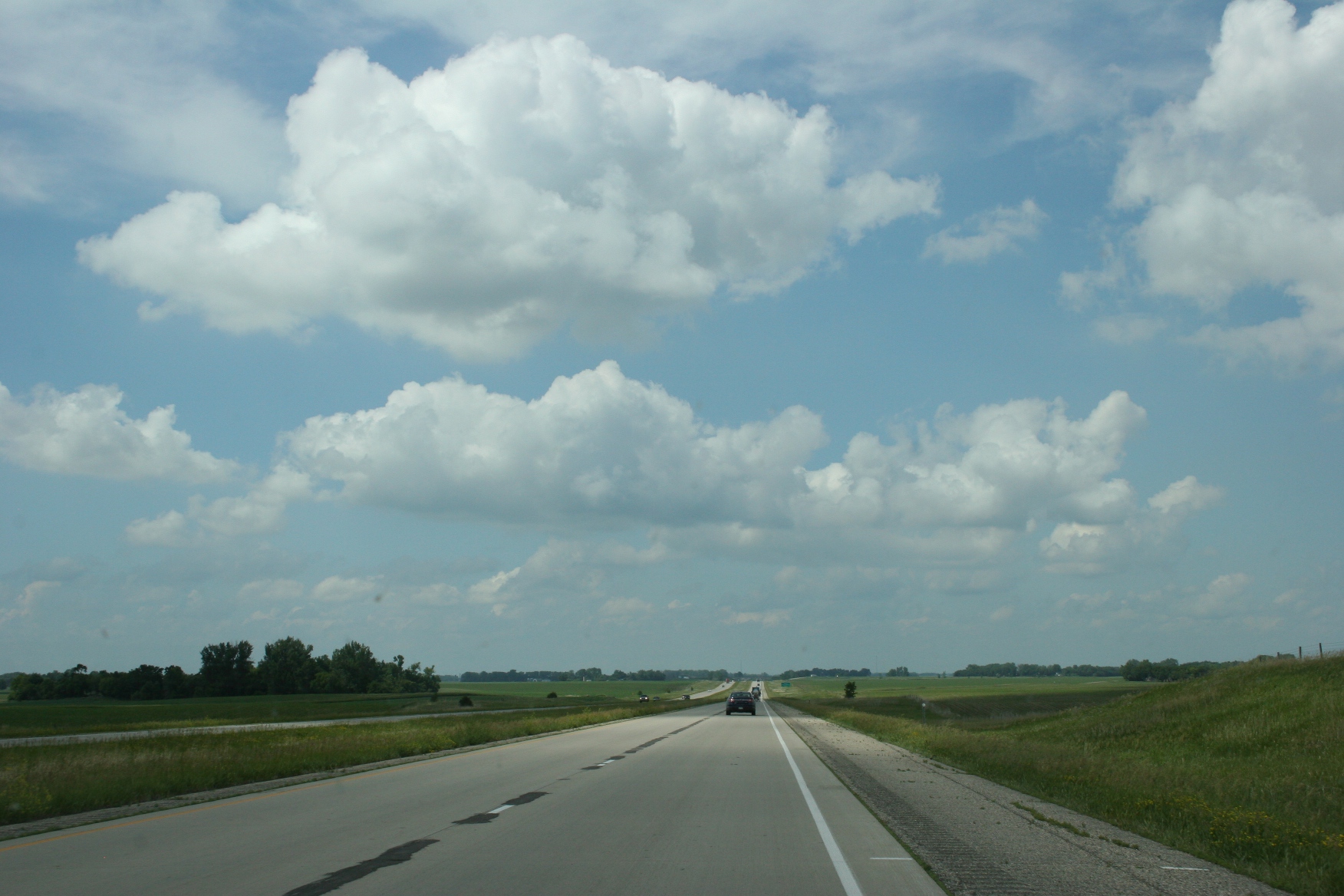
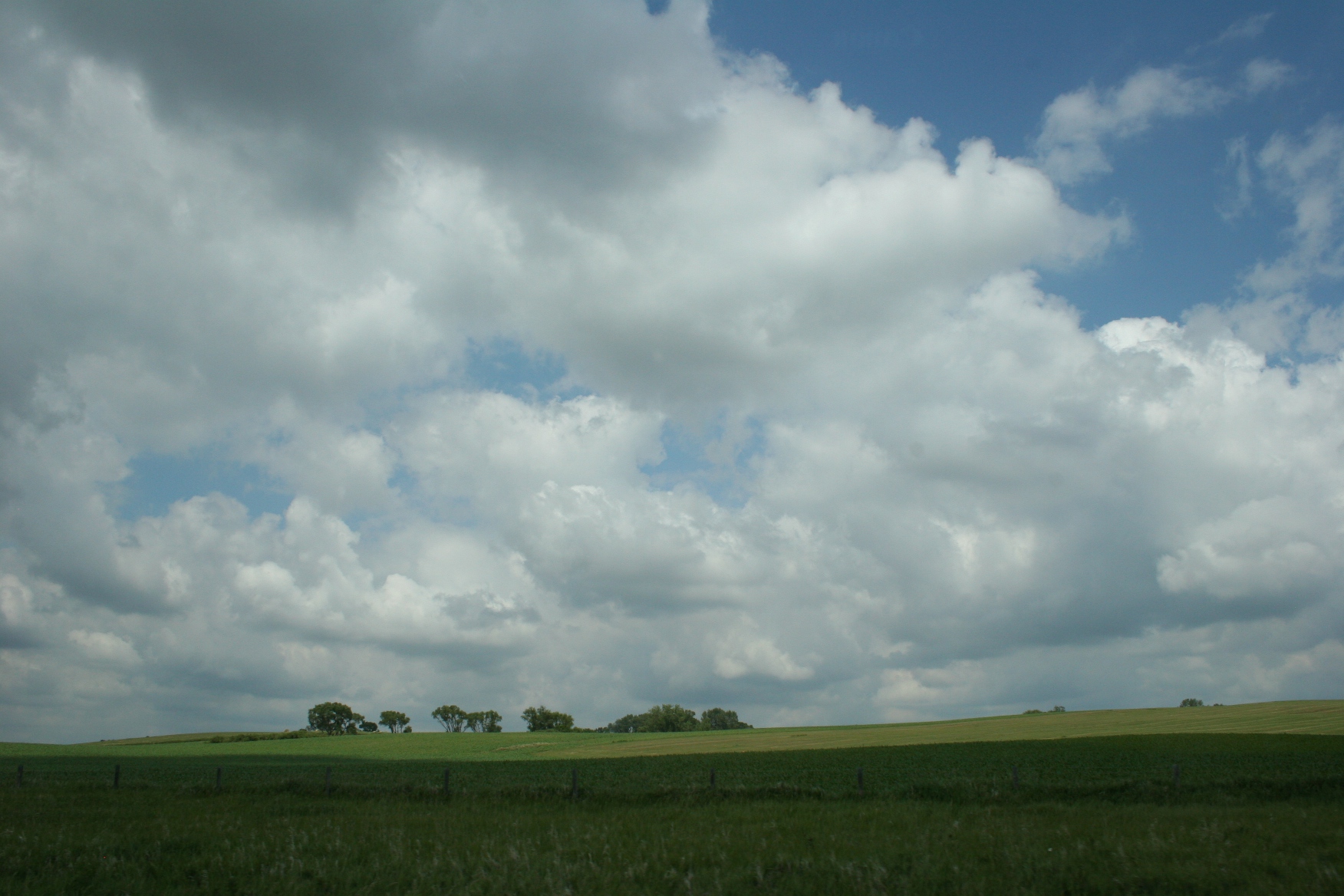
Somewhere along Interstate 94 in Minnesota westbound for Fargo, N.D. Oftentimes you can see into forever.

I EXPECT FOR MANY WESTBOUND TRAVELERS, the drive from the Twin Cities metro area to Fargo, North Dakota, can stretch into long and boring infinity.

And I’ll admit, even though I appreciate wide open spaces and big sky, I, too, occasionally find myself bored on the 280-mile trip from our Faribault home. But I best learn to enjoy the journey as my youngest starts classes in two months at North Dakota State University.

Scenes like this along I94 possess a certain beauty, at least from my prairie heart perspective.

With that said, I know I’ll never like the portion of the trip that takes our family through the Twin Cities metro area. Heavy traffic, crazy drivers and road construction make for anything but pleasant travel.

Once we get past Monticello and transition into the more rural area, I start to relax and observe the landscape rather than worry about crazy drivers. Did I mention crazy drivers who weave and tailgate and drive 85 mph? Oh, yes, I did.

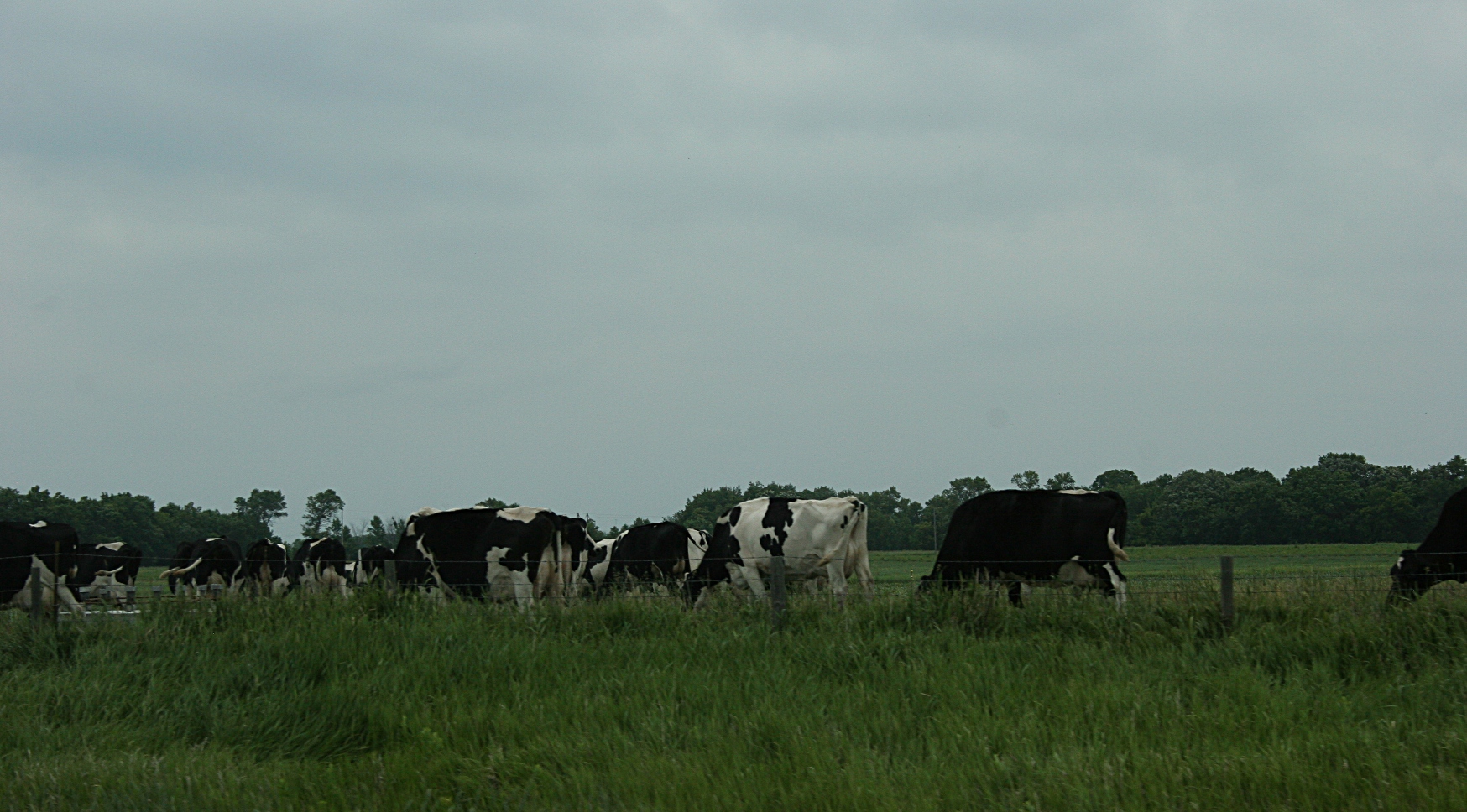
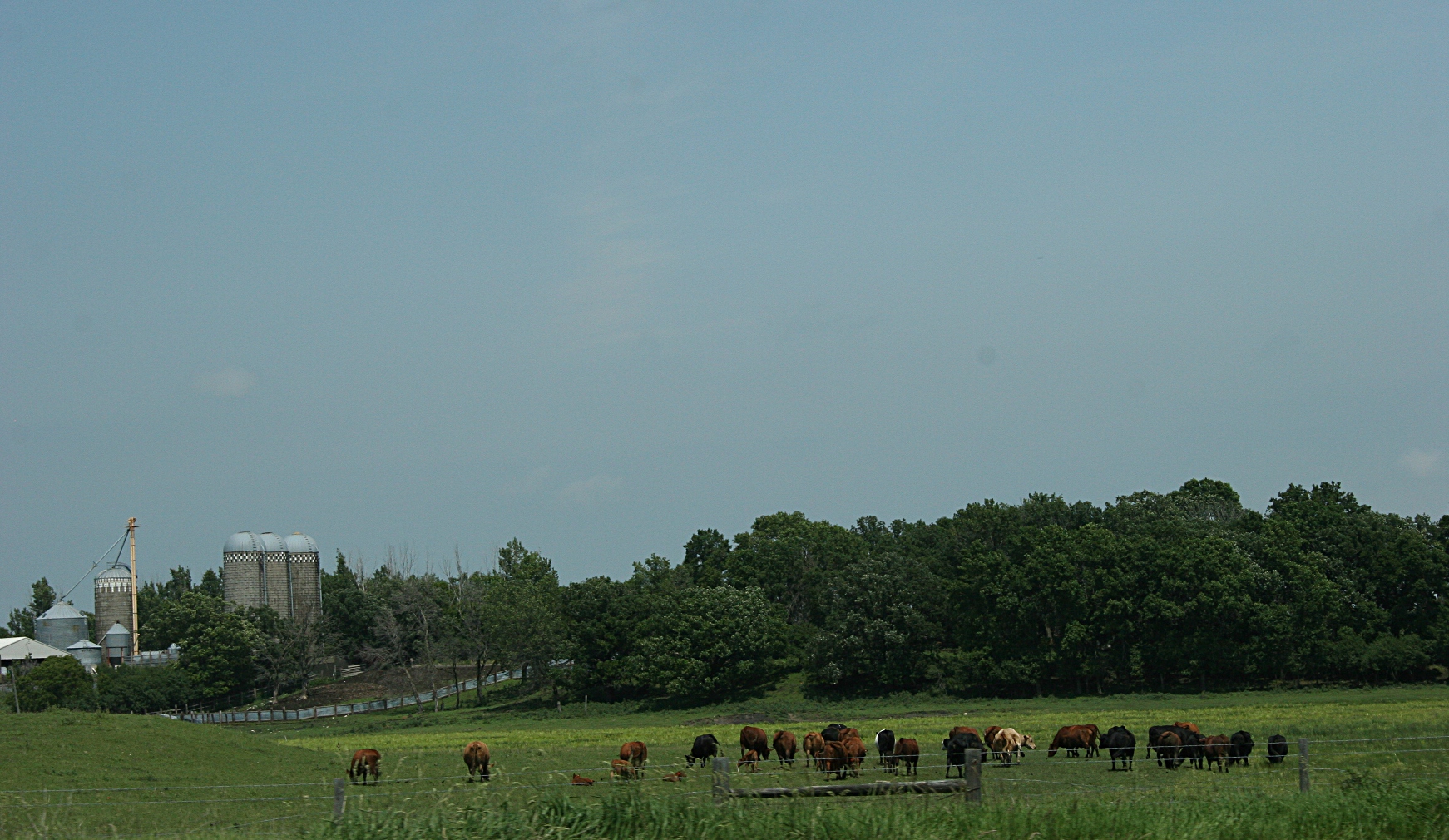
Cows graze in a pasture along the interstate.

When I focus my eyes, and camera, upon a pastoral scene of grazing cows or a tidy farm site or billowing clouds in the big sky, I begin to appreciate that which surrounds me. And if my family had the luxury of time, we’d exit the interstate and explore those places where life is lived at a slower pace and savored rather than rushed by at the hurry-up-and-get-there speed of taking the interstate.

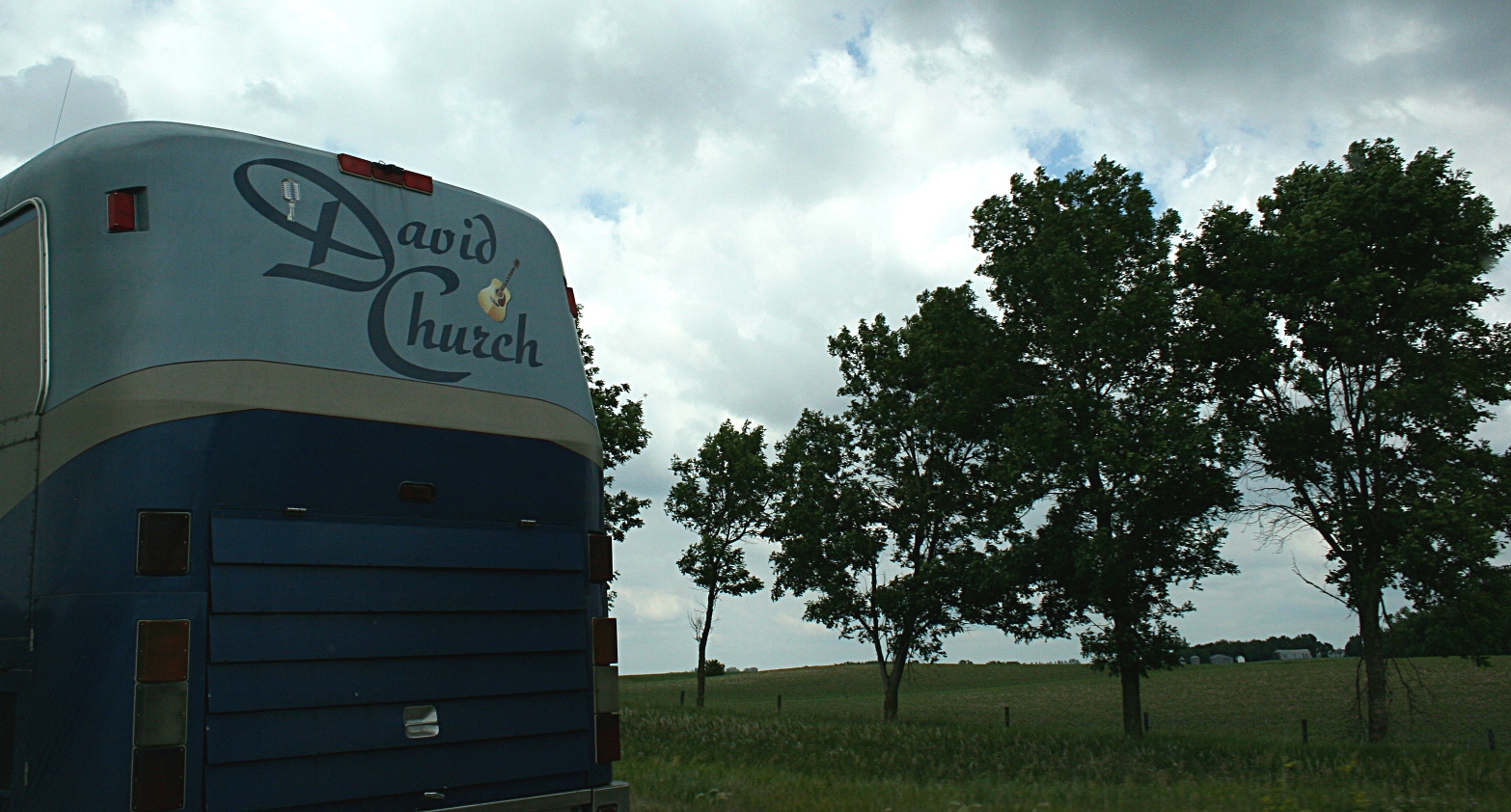
We passed the bus of singer, songwriter and Nashville recording artist David Church westbound on I94. Since I am not a fan of country western music, I had to google David Church to learn about him.

There’s a lot of country to appreciate along Interstate 94 aiming west toward Fargo. A lot of country, indeed.

Enjoy the journey.

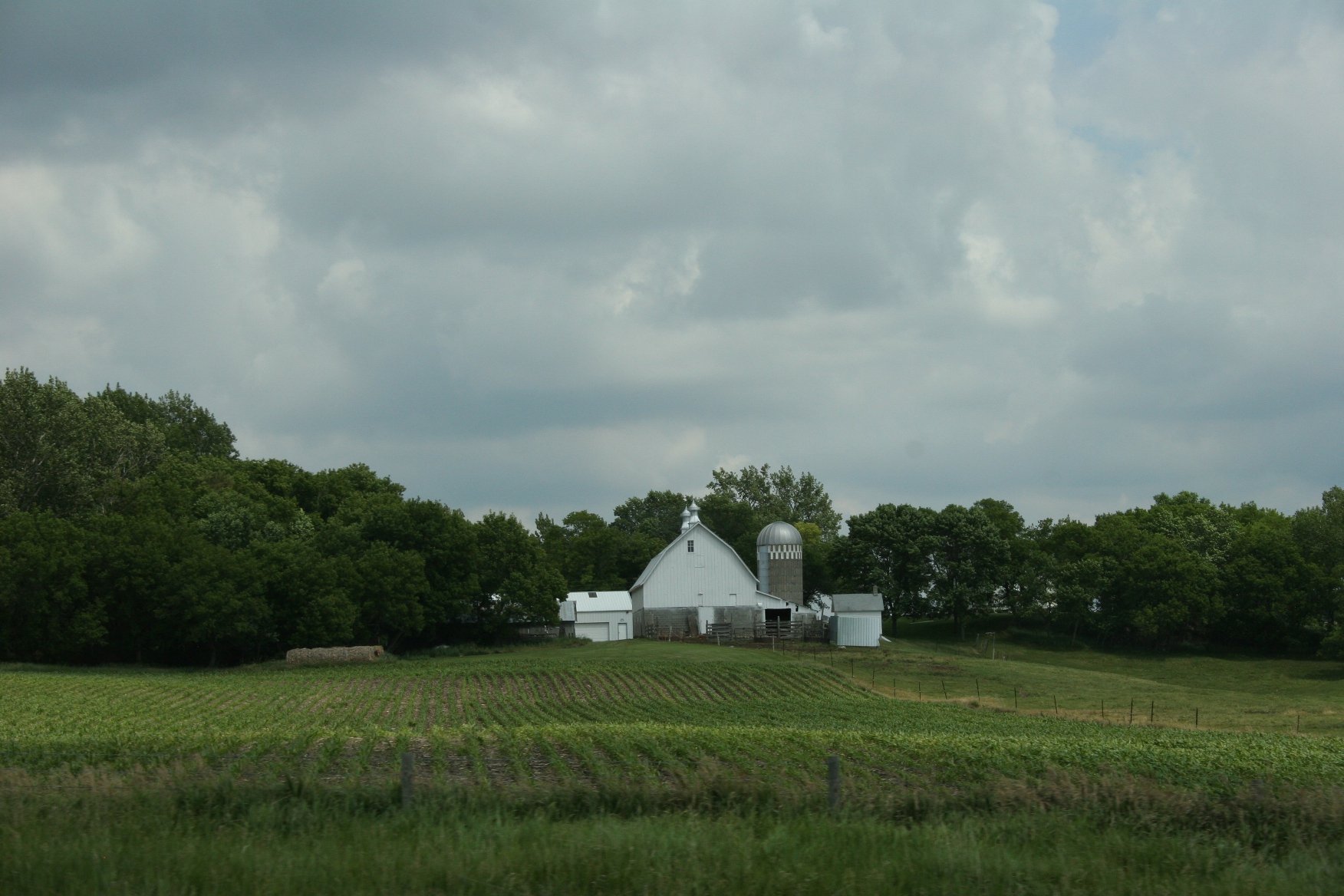
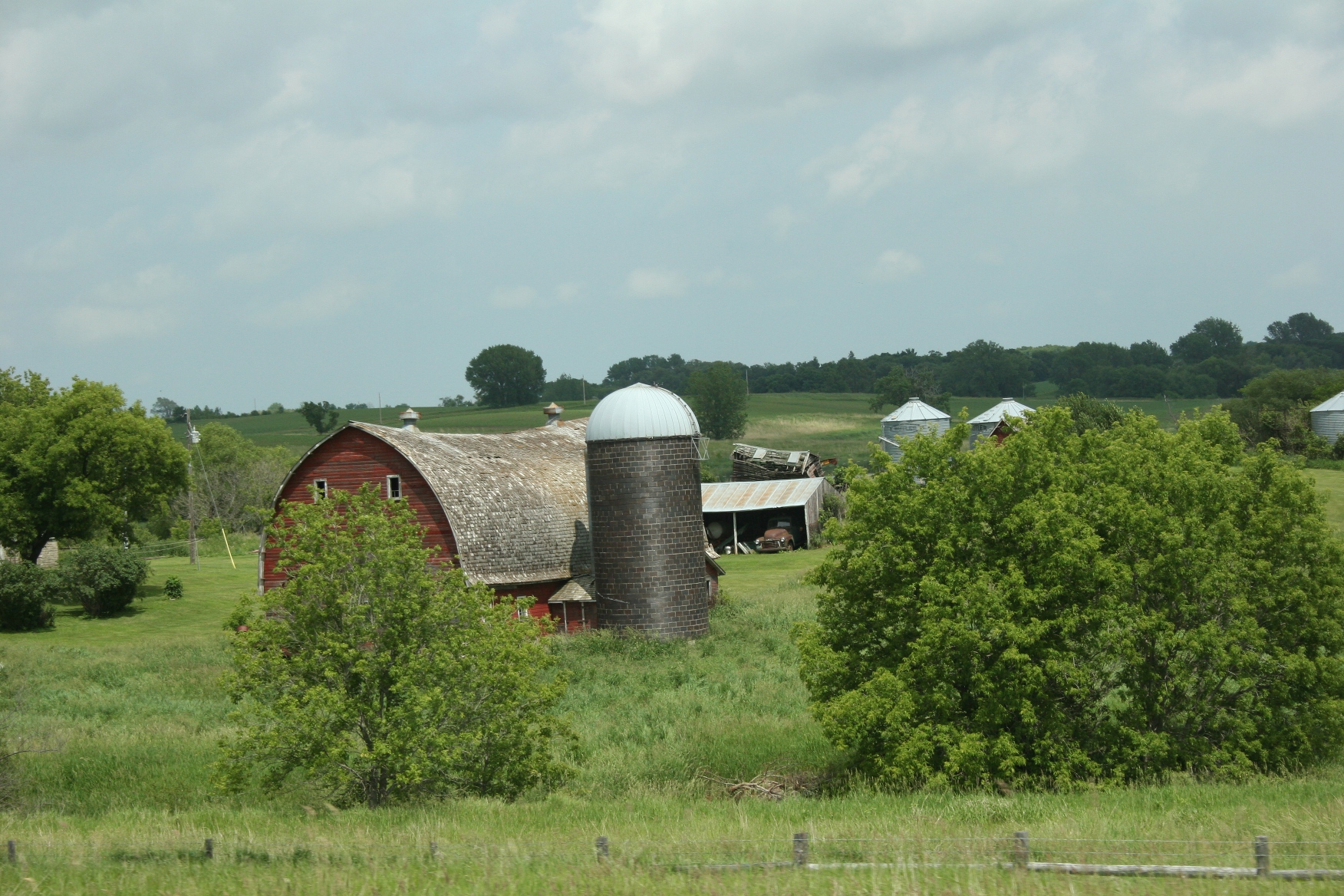
Born and raised on a southwestern Minnesota dairy farm, I have a deep appreciation for barns.

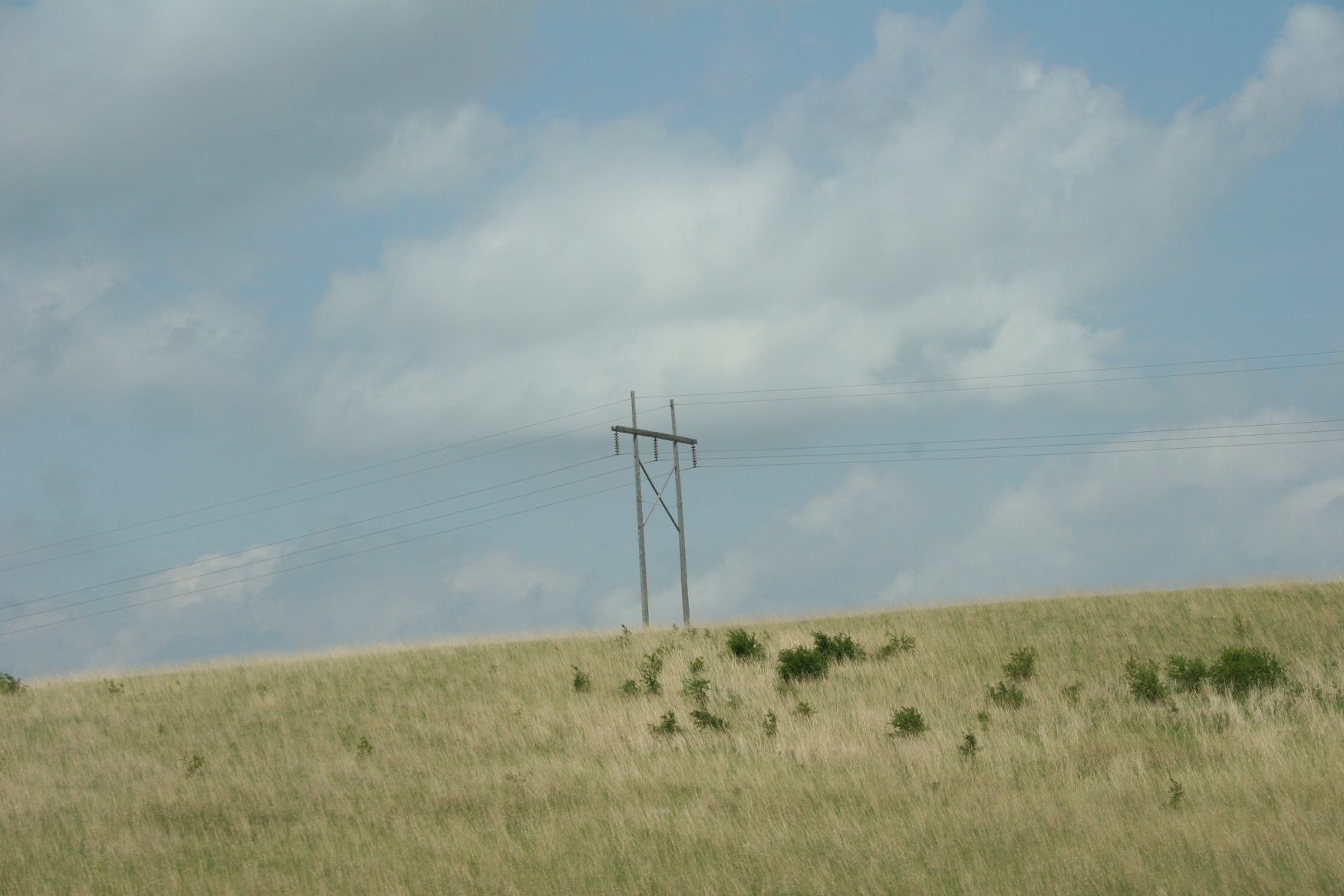
The big sky truly defines the drive along Interstate 94 west toward Fargo.

Loved this farm site. If you look closely, you’ll notice a gem of an old pick-up truck in the shed behind the barn.

Grazing cattle. I never tire of a view like this.

FYI: Check back for posts from Fargo, where we found the locals particularly friendly.

© Copyright 2012 Audrey Kletscher Helbling


It’s berry pickin’ time in Minnesota June 18, 2012

Filed under: Uncategorized — Audrey Kletscher Helbling @ 7:02 AM
Tags: , , , , , ,

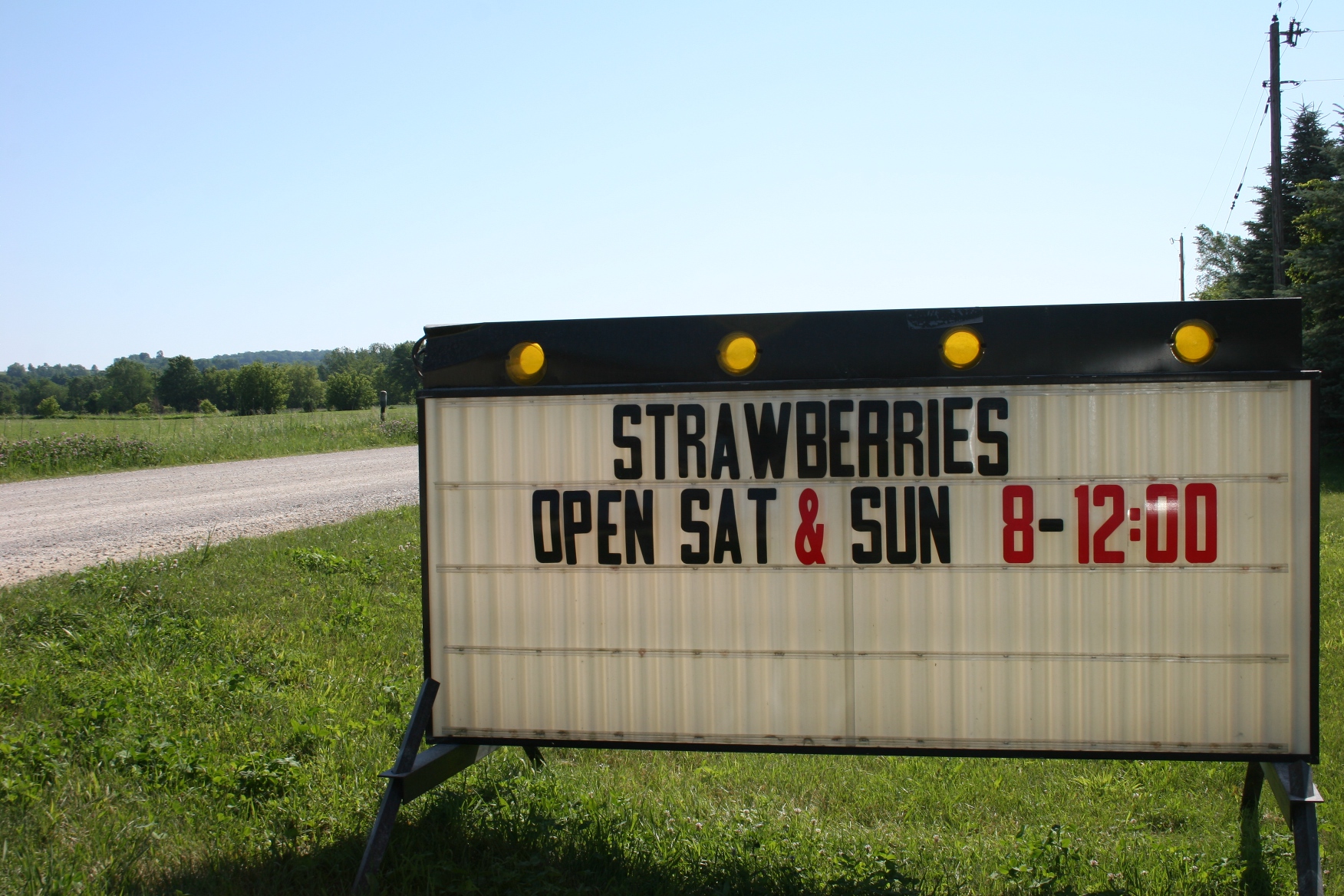
Berry picking at Straight River Farm near Faribault started two weeks ago and is expected to continue for awhile yet. Yes, berries are about two weeks earlier than normal this year in Minnesota. And, yes, Straight River is open weekdays. Call before driving out to the farm which is located in a peaceful country setting along the Straight River.

JUNE WOULD NOT BE JUNE without berry picking.

So on a recent Saturday morning my husband and I slipped into tattered jeans and worn t-shirts, laced our tennis shoes and grabbed caps as we headed out to pick strawberries at Straight River Farm east of Faribault.

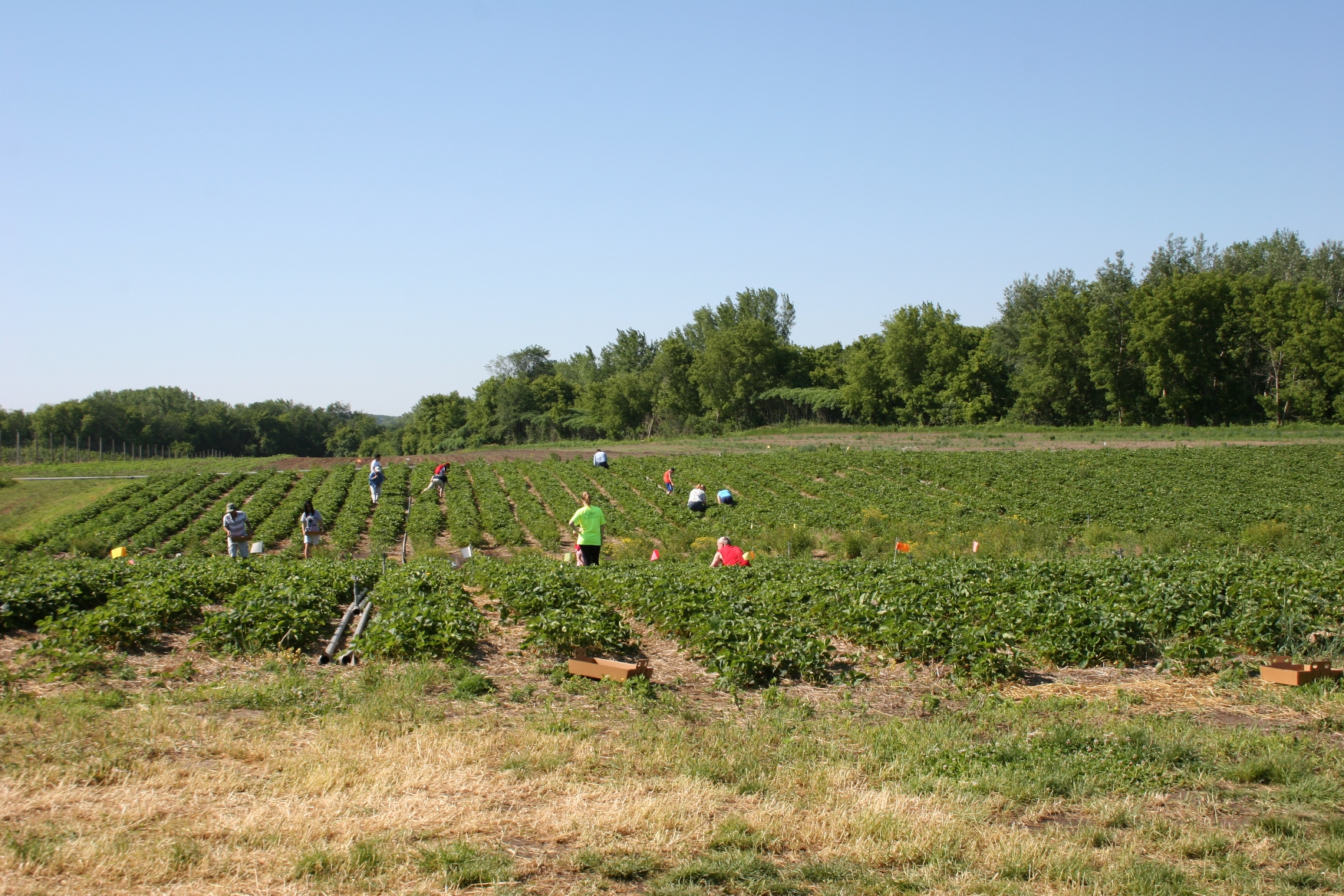
Picking berries at Straight River Farm on a Saturday morning.

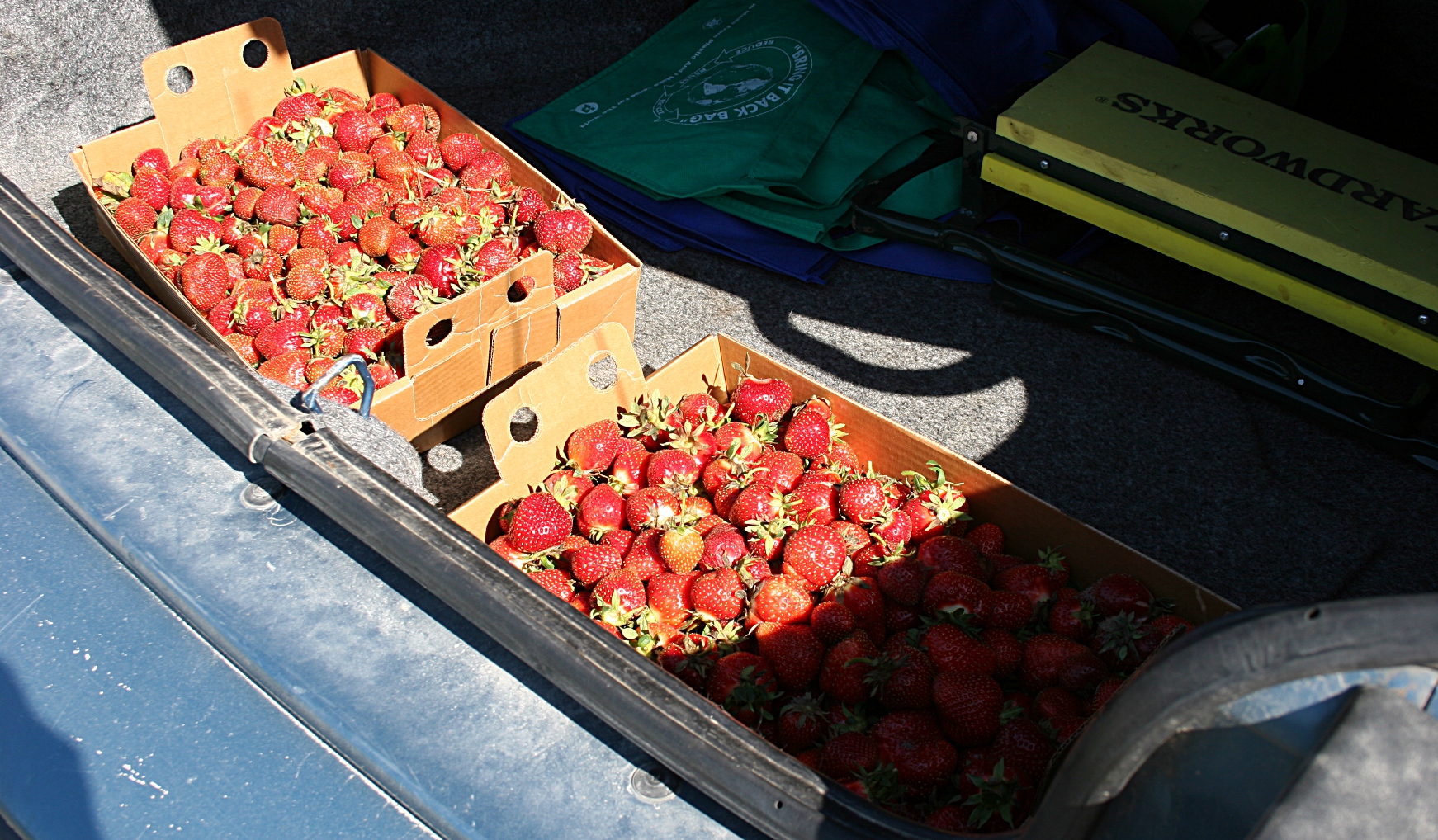
About 1 ½ hours later we’d harvested 21 pounds of fruit. We most definitely had to work for what we got. The berries really needed another day or two of sunshine. But we’ve come to expect that; all the berries cannot possibly ripen at the same time.

We usually have a competition to see who picks the most strawberries. This year we tied and picked a total of 21 pounds. See that fold-up garden kneeler in the right corner. I find picking much easier when I use that. But then I have an artificial right hip and I need to be careful how I bend and manipulate my body.

After dropping our two boxes of berries off at home, we took in the Faribault Heritage Days Soap Box Derby trial run and a garage sale before eating lunch and then getting down to the task of cleaning and bagging the strawberries.

My husband and I worked as a team to prepare the berries for freezing.

Plucking berries is the easy part. I’d rather creep between rows, back bent to the sky, than stand in the kitchen for hours washing, hulling, slicing and finally bagging berries. I’d rather chat with other berry pickers—including the young family next to us and the Florida retiree recently returned to his native Minnesota—than shut myself away in the kitchen on a gorgeous summer afternoon.

But such is the destiny of the berry picker.

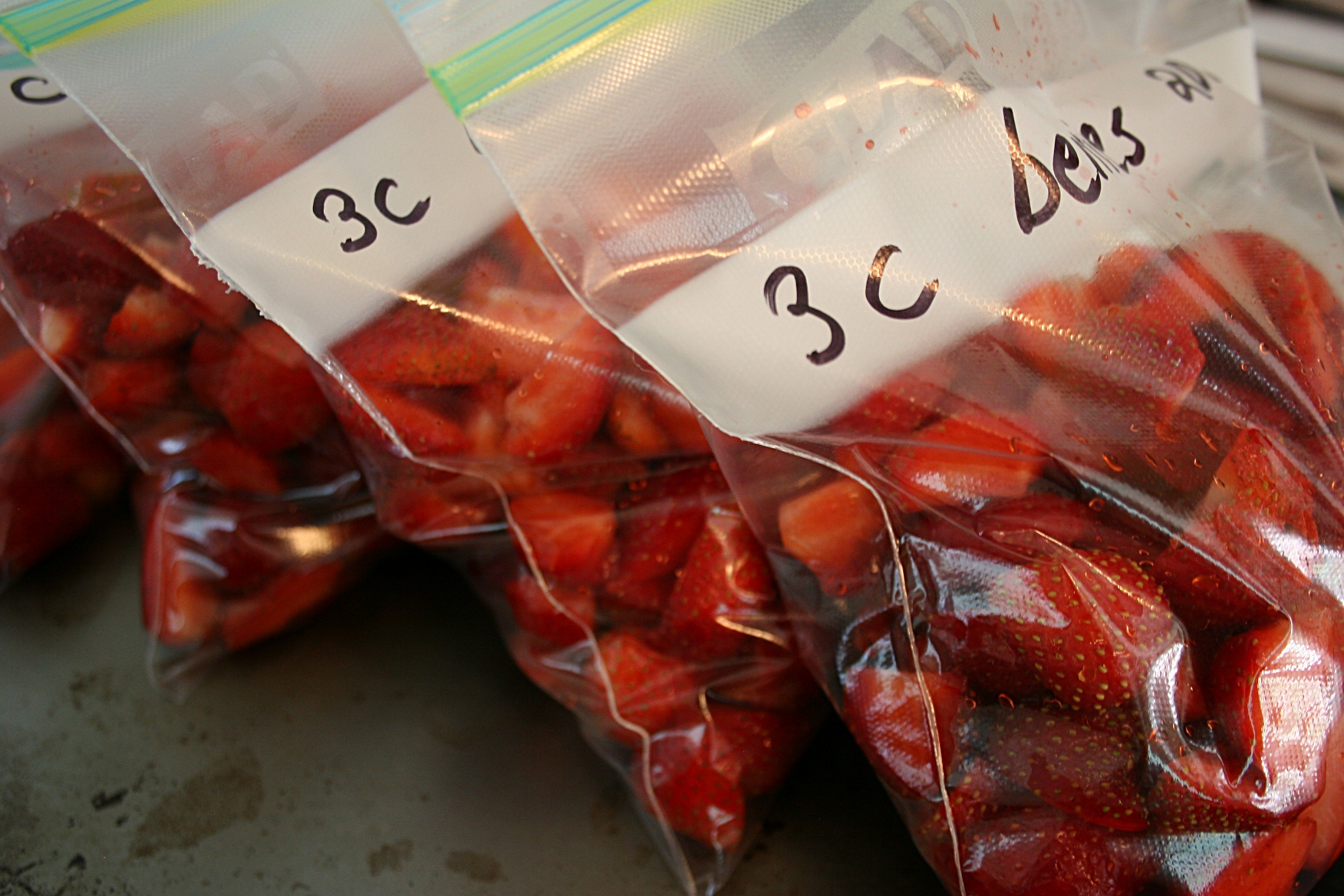
I sliced and froze 13 three-cup bags of strawberries, no sugar added. I also saved some for eating fresh.

A shipped-in, store-bought strawberry can never match the taste of a fresh Minnesota berry, like those pictured here in this file photo of Straight River Farm berries.

FYI: We’ve been picking berries at Straight River Farm, 3733 220th Street East, Faribault, for years. To learn more about this multi-fruit and vegetable farm, click here.

© Copyright 2012 Audrey Kletscher Helbling


Accident reports from the interstate June 16, 2012

WHEN WE HEADED out for Fargo late Thursday morning northbound on Interstate 35, I never expected this to be anything but a long, five-hour road trip.

But we were only a half hour into our drive when we ran into rain and this scene along Interstate 35W near County Road 42 in Burnsville.

This bus ran off Interstate 35W in Burnsville Thursday morning.

Little did my husband, son and I know this bus crash would be just the first of three notable accidents that would occur along our route.

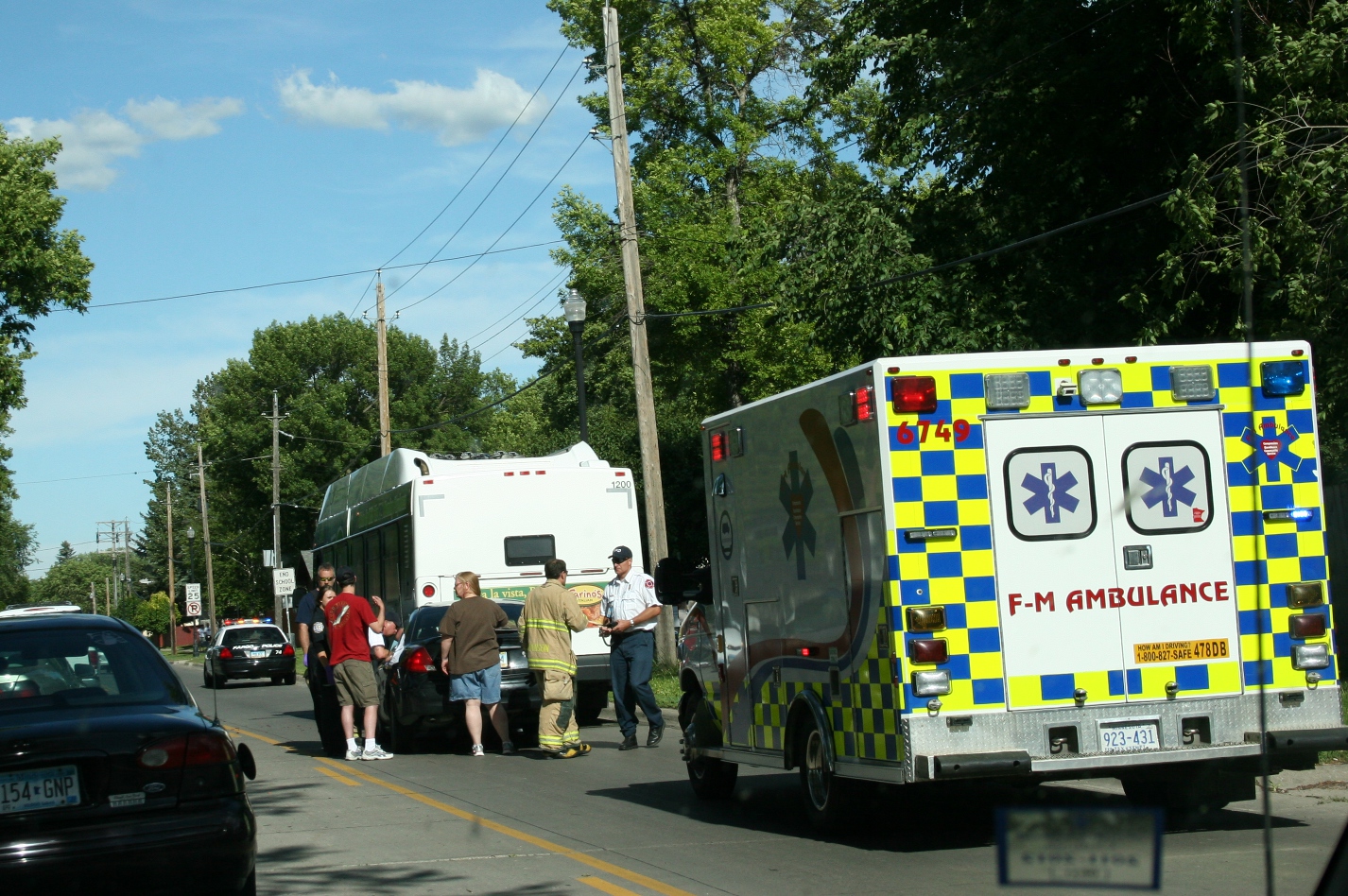
Thursday evening while traveling on a Fargo city street, we were caught in the middle of this scene in which a car rear-ended a bus.

And then the second accident involving a bus, on a Fargo city street.

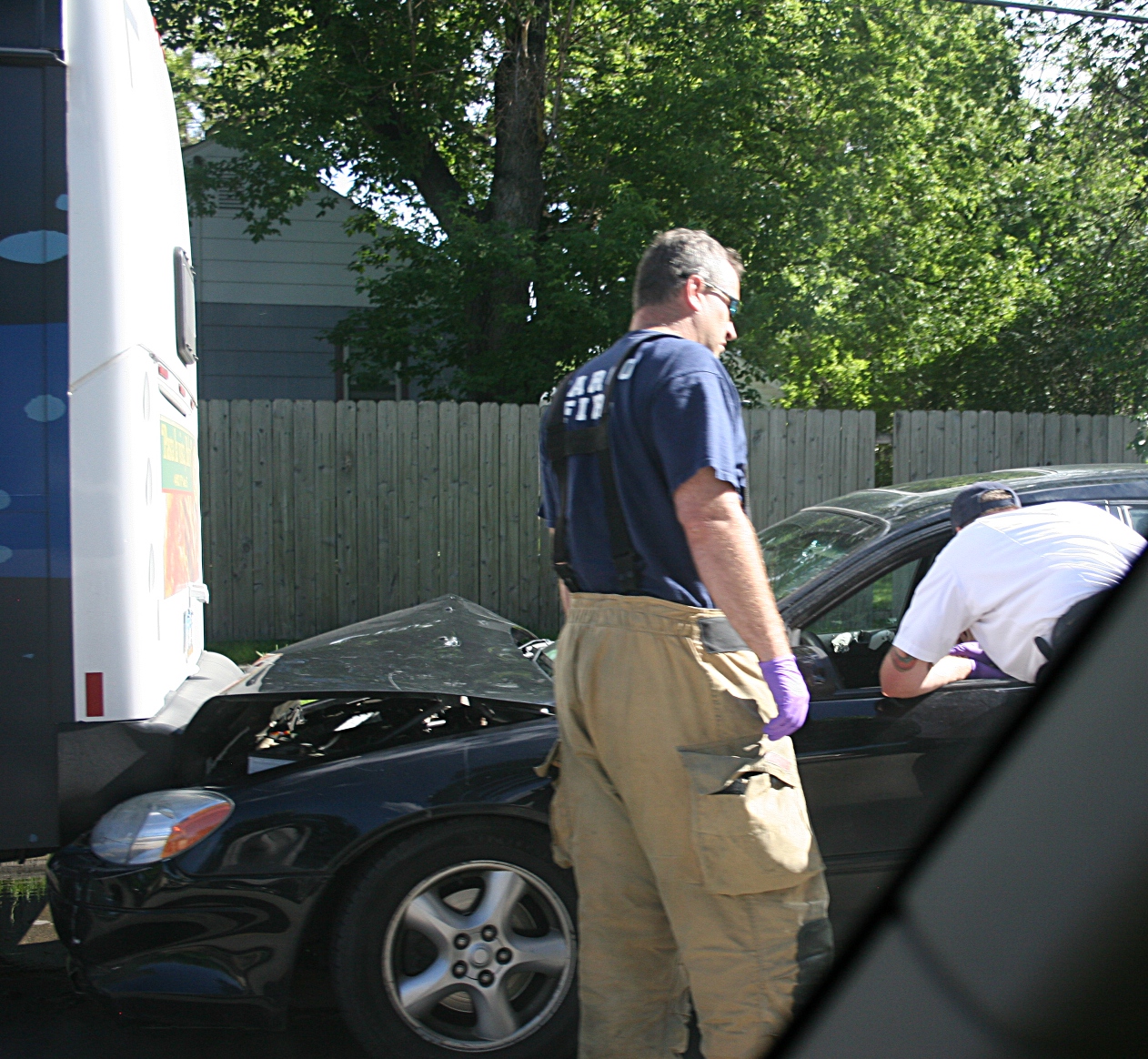
Emergency personnel speak to the driver of the car, still inside the car, which rear-ended the bus.

But it got worse, way worse.

Friday afternoon, driving on Interstate 94 east of Moorhead around 4:30 p.m. we spotted dense black smoke in the distance.

“Looks like someone burning tires,” my husband said and we thought nothing more of it.

That is until traffic began to merge from the left lane into the right as the four-lane narrowed to two lanes in a bridge construction zone about one mile ahead. Traffic ground to a near-halt.

And then we realized, when the vehicles in the left lane began turning off the eastbound lanes onto a maintenance turn-around and driving back west that the smoke was the result of an accident on the interstate.

We followed the leader back west (westbound traffic was not leaving the accident site) and exited the interstate at the Sabin exit, pulling off a county road to figure out an alternative route.

It was then, while my husband and son were consulting maps, that I stepped from the van and shot this distant scene of smoke from a fiery head-on crash.

We pulled off Clay County Road 79, which runs along Interstate 94, to plot an alternative route. This was the scene unfolding before us as a result of the fiery head-on crash.

According to The Forum of Fargo-Moorhead, an eastbound car driven by Roberta Haspel, 58, of Barnesville crossed into the westbound lane in a construction zone and collided head-on with a semi driven by Gary Sather, 65, of Bismarck. The semi went into the median and caught fire.

Haspel reportedly was airlifted from the scene and hospitalized in critical condition. The truck driver was treated for non-life-threatening injuries.

It was an absolute relief to hear that no one was killed in this fiery crash.

I mean if you had seen the smoke…

As we drove on the Clay County Road 11 overpass over Interstate 94, I shot this photo. The interstate curves to the south.

Another shot from the Clay County Road 11 overpass as we followed an alternative route to Sabin. The westbound lanes of I-94 were also shut down and traffic rerouted off the interstate. Here you see eastbound traffic, which was reportedly backed up for seven miles all the way to Moorhead.

© Copyright 2012 Audrey Kletscher Helbling


Remembering Justin, with love

Filed under: Uncategorized — Audrey Kletscher Helbling @ 7:07 PM
Tags: , , , , , , , , ,

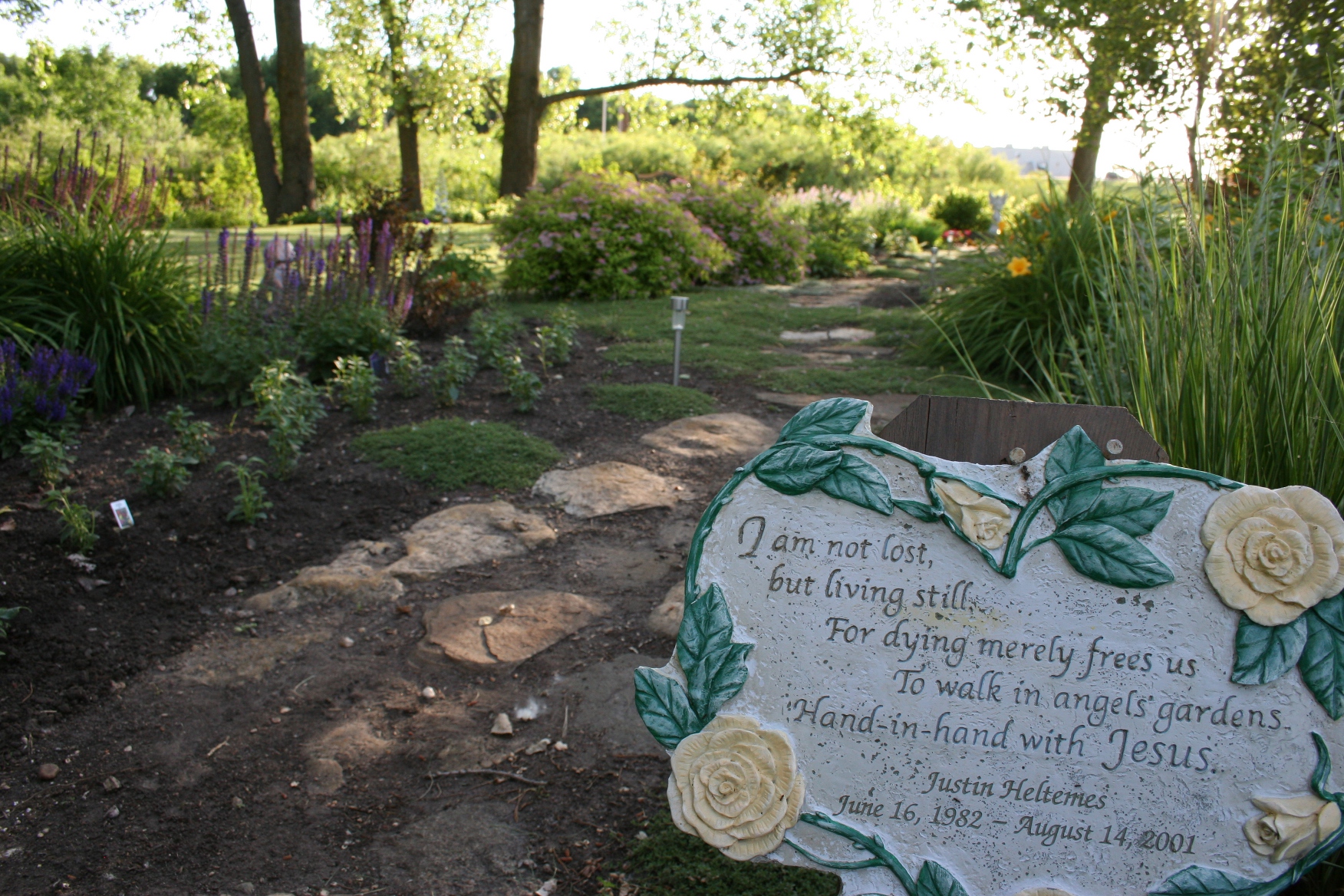
An overview showing a portion of a beautiful western Minnesota memory garden graced with flowers and garden art and a bench for quiet contemplation, photographed Friday evening.

SUNLIGHT DAPPLED THROUGH the trees as the summer day transitioned into evening during that magical hour(s) of light beloved by every photographer.

I was cognizant of the fleeting, perfect light as I meandered, camera in hand, along the stone path in the garden edged by swamp grasses on two sides, by manicured lawn on the other borders.

The buttercup yellow of a columbine.

I admired the columbines and Russian sage, the zinnias and the day lilies, the promise of daisies, the sedum and the ground-hugging creepers that crept between the stones laid as a walking path.

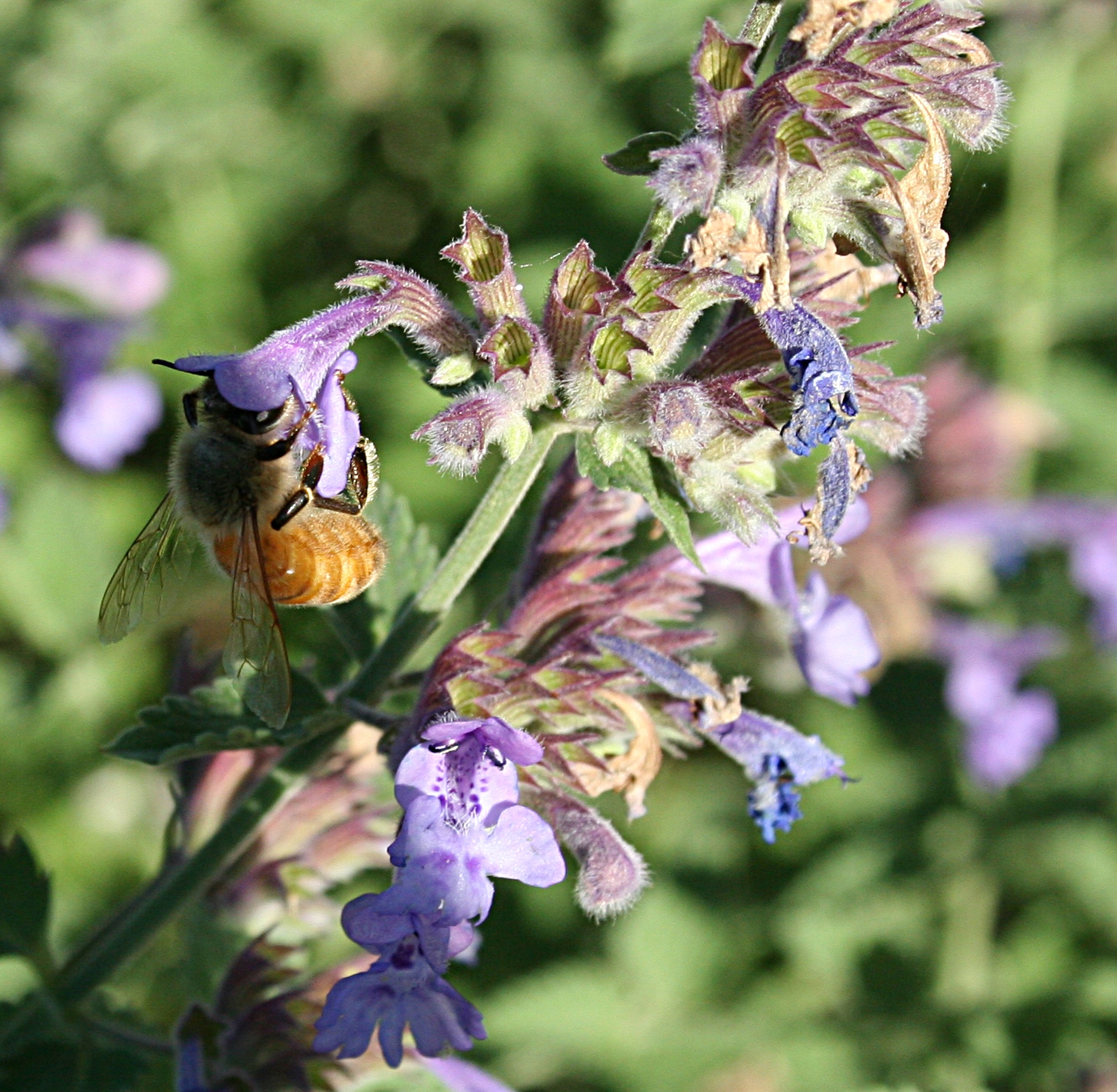
A bee sips in the early evening.

Beautiful angel. Beautiful light.

Once I bent close to photograph a busy bee and then an angel, hands clasped in reverent prayer, wings spread wide, stones from Montana ringing her feet.

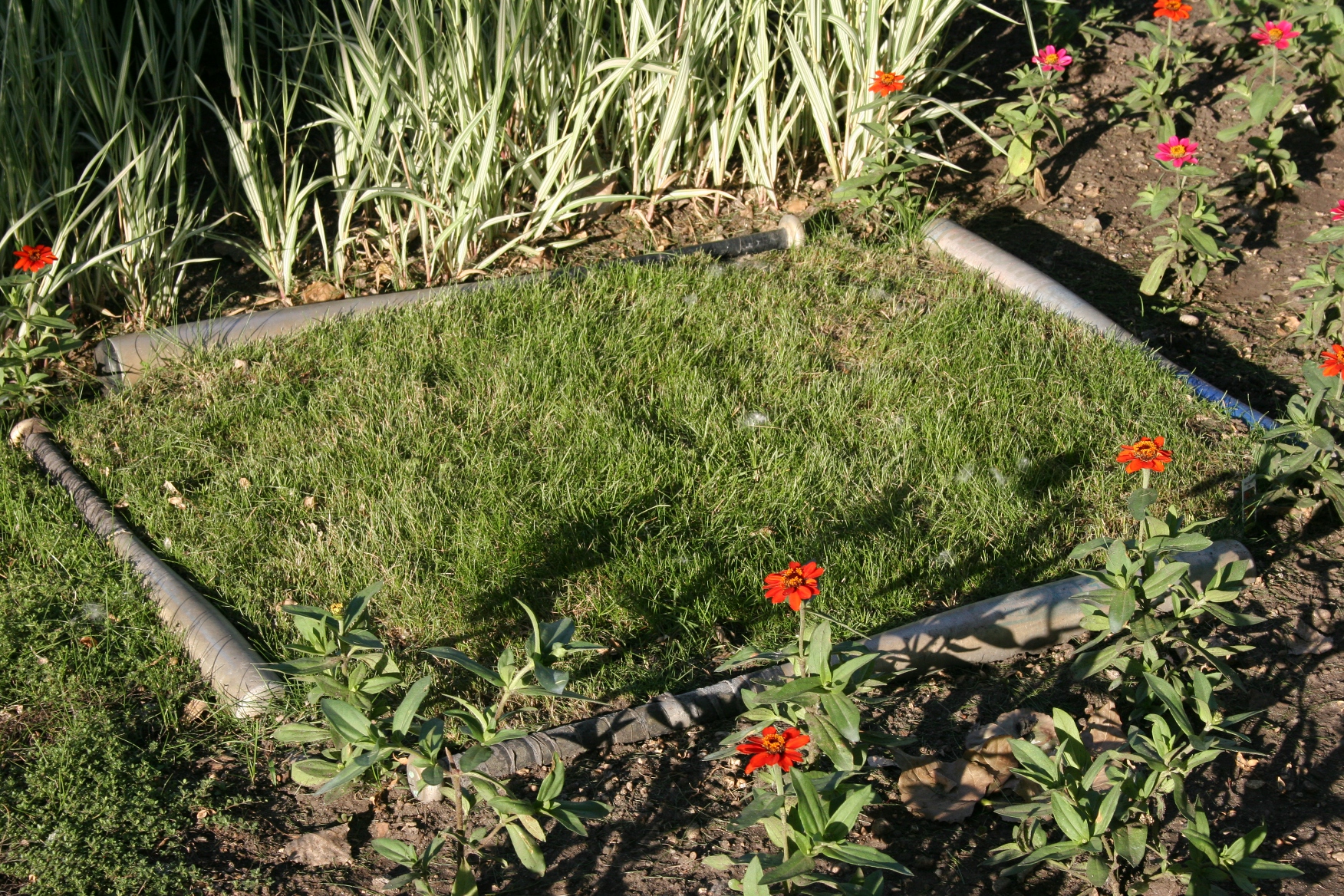
For the love of playing baseball and watching baseball with Dad.

Half way through the garden I paused beside four baseball bats laid end to end in a rectangular shape honoring the boy who loved baseball.

The newest addition to the garden, a solar-powered sculpture of a boy holding a jar of fireflies.

I circled along the back edge of the garden and knelt before garden art of a boy holding fireflies captive in a jar. I returned later, when darkness crept into the day, to photograph the fireflies aglow. I smiled at the memory of the boy catching fireflies.

And when darkness began to descend upon the prairie, the fireflies were aglow. I plan to get a sculpture just like this for my flower garden.

I read the marker at the garden entrance, before entering and then again upon leaving. I wondered how a mother and a father could bear such grief.

The entry to Justin’s garden.

And the next day, I hugged the parents of the boy—my nephew—who would have celebrated his 30th birthday. Today. And my husband and son and I gave Justin’s mother half a dozen red roses and a blue balloon to release with the other blue balloons she and my brother-in-law will send heavenward today. To celebrate the young man whose life held such promise, such love, such hope for the future.

THIS POST IS WRITTEN  in loving memory of my nephew, Justin, who was born on June 16, 1982, and died at the age of 19 on August 20, 2001, from Hodgkin’s disease. His parents created a beautiful memory garden in their yard honoring their son.

© Copyright 2012 Audrey Kletscher Helbling


My Minnesota hometown celebrates summer with its famous chicken, dancing in the street & more June 14, 2012

Filed under: Uncategorized — Audrey Kletscher Helbling @ 8:20 AM
Tags: , , , , , , ,

I’LL NEVER FORGET the summer the neighbor boy coaxed me into riding with him on the Octopus during V-Esta Daze, my hometown’s annual summer celebration. What was I thinking as I settled into the amusement ride with Keith? What was he thinking?

I screamed the entire dizzying ride, scared out of my teenaged wits.

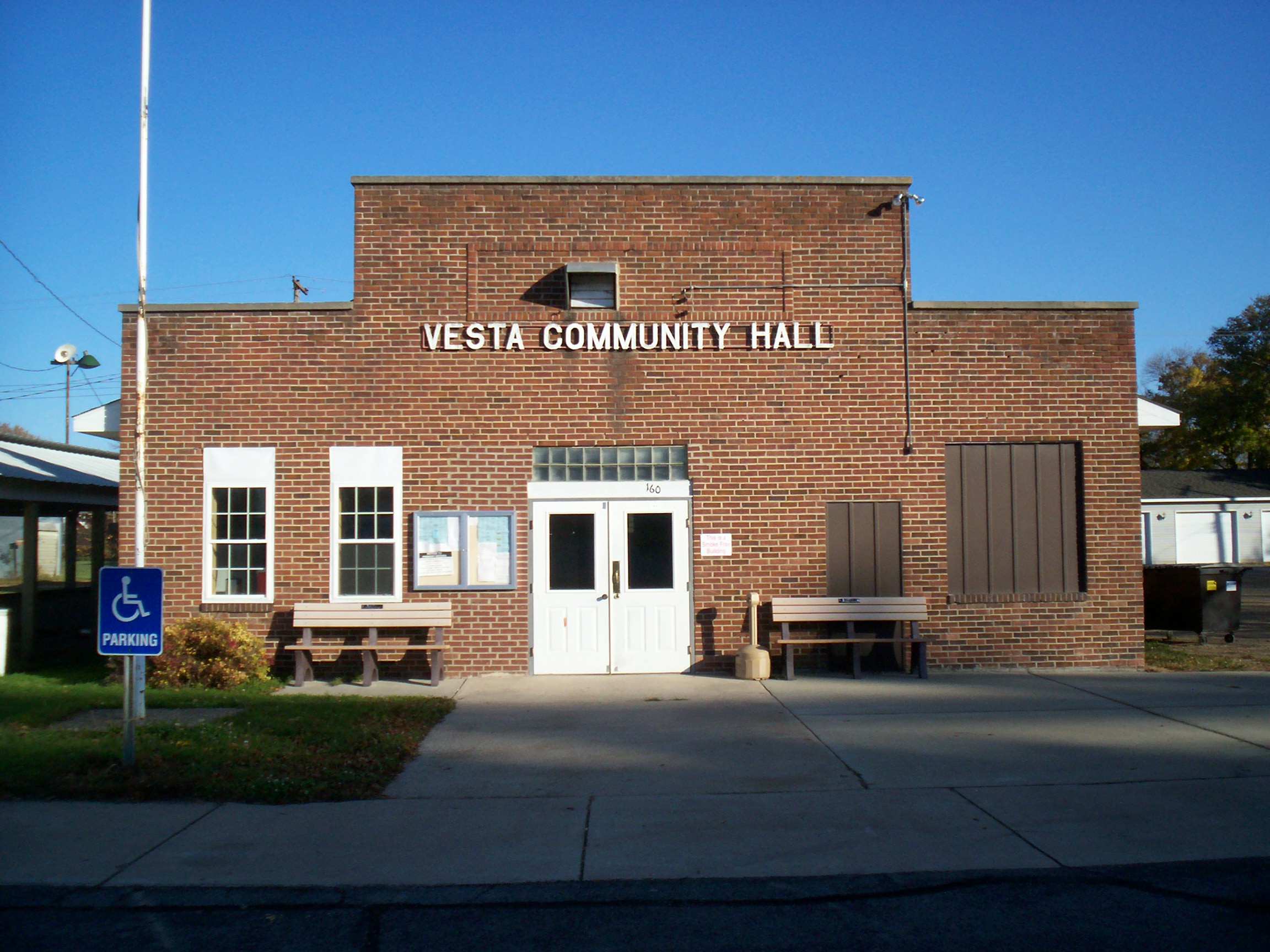
The same chicken dinner sign goes up every year inside the Vesta Community Hall. The price is updated when necessary.

While a carnival is no longer a part of V-Esta Daze, one aspect of the Vesta Commercial Club-sponsored celebration has remained constant. Since 1963, the Club has served its “famous barbecued chicken.”

It’s considered “famous,” I suppose, because V-Esta Daze became known for its chicken, just like Sauerkraut Days in Henderson is noted for its sauerkraut and Barnesville Potato Days is known for its potatoes.

The chicken dinner I enjoyed last summer at V-Esta Daze.

It is such comfortable familiarity, the same year-after-year offering of savory chicken grilled by the same volunteer men over a long pit of coals next to the old brick Vesta Community Hall that keeps locals and natives and those from neighboring towns returning.

This Friday, June 15, the crowds will be back, lining up at the hall between 5 – 8 p.m. for that famous chicken dinner.

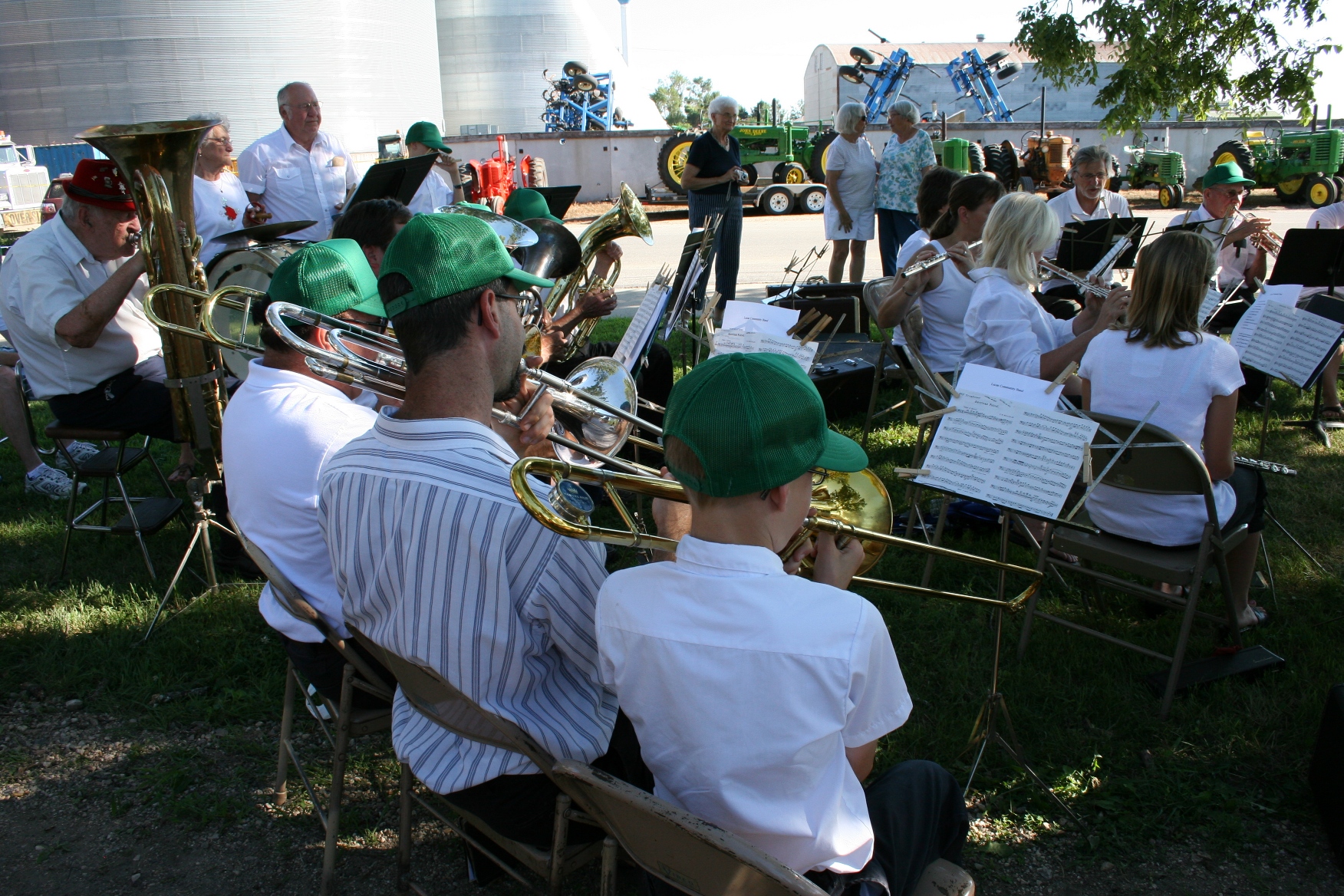
The Lucan Community Band played under the shade trees outside the community hall and across the street from the elevator at last year’s celebration.

Outside the hall, members of the Lucan Community Band will settle onto battered folding chairs to entertain the crowd with old favorites while folks listen and visit, catching up on the latest.

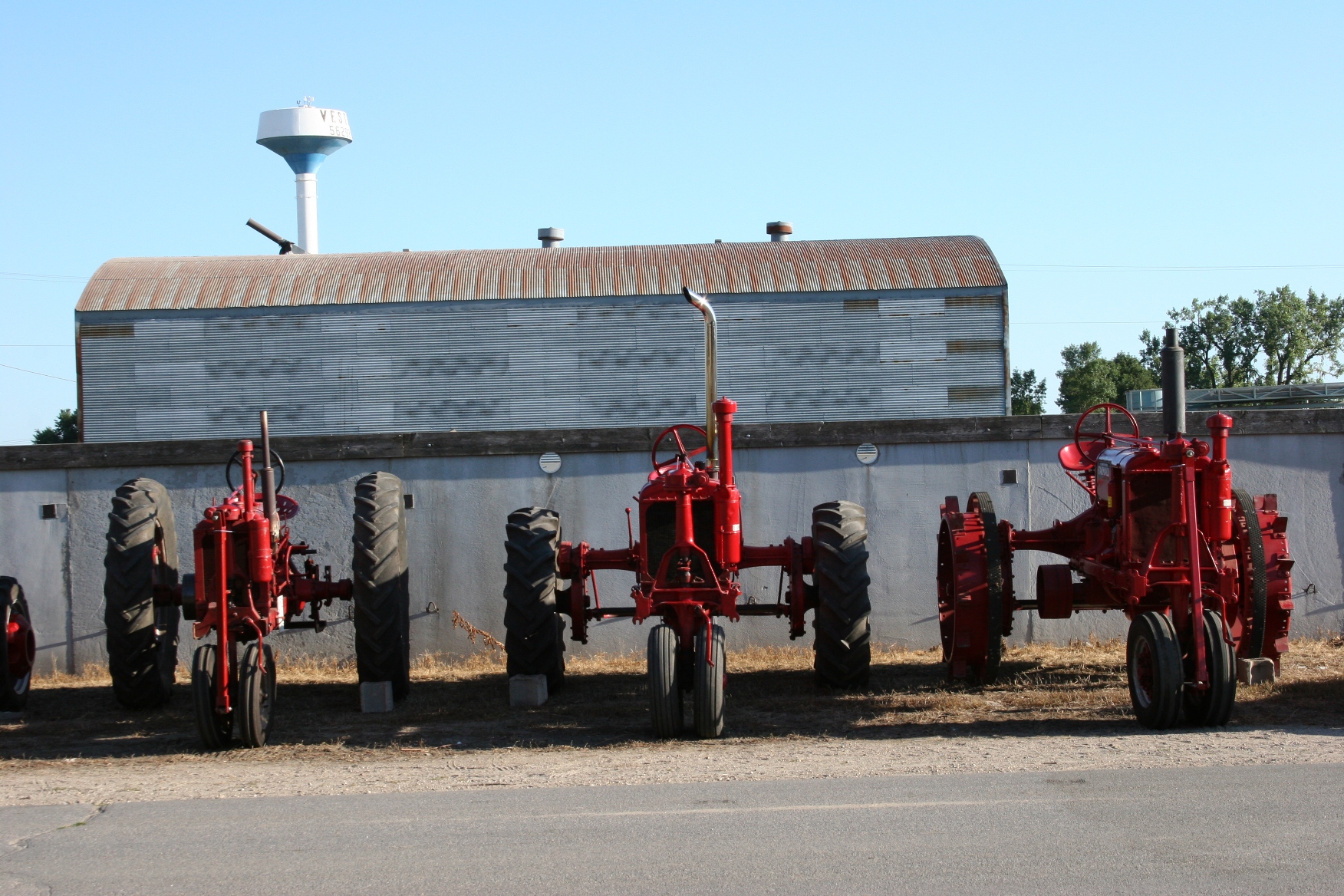
Area residents brought their vintage tractors to town for a tractor and car show last year. This year the show has been expanded to include “anything with wheels.”

Over on Main Street, tractors and cars and more will line up for the “Anything with Wheels” show between 4:30 – 8 p.m.

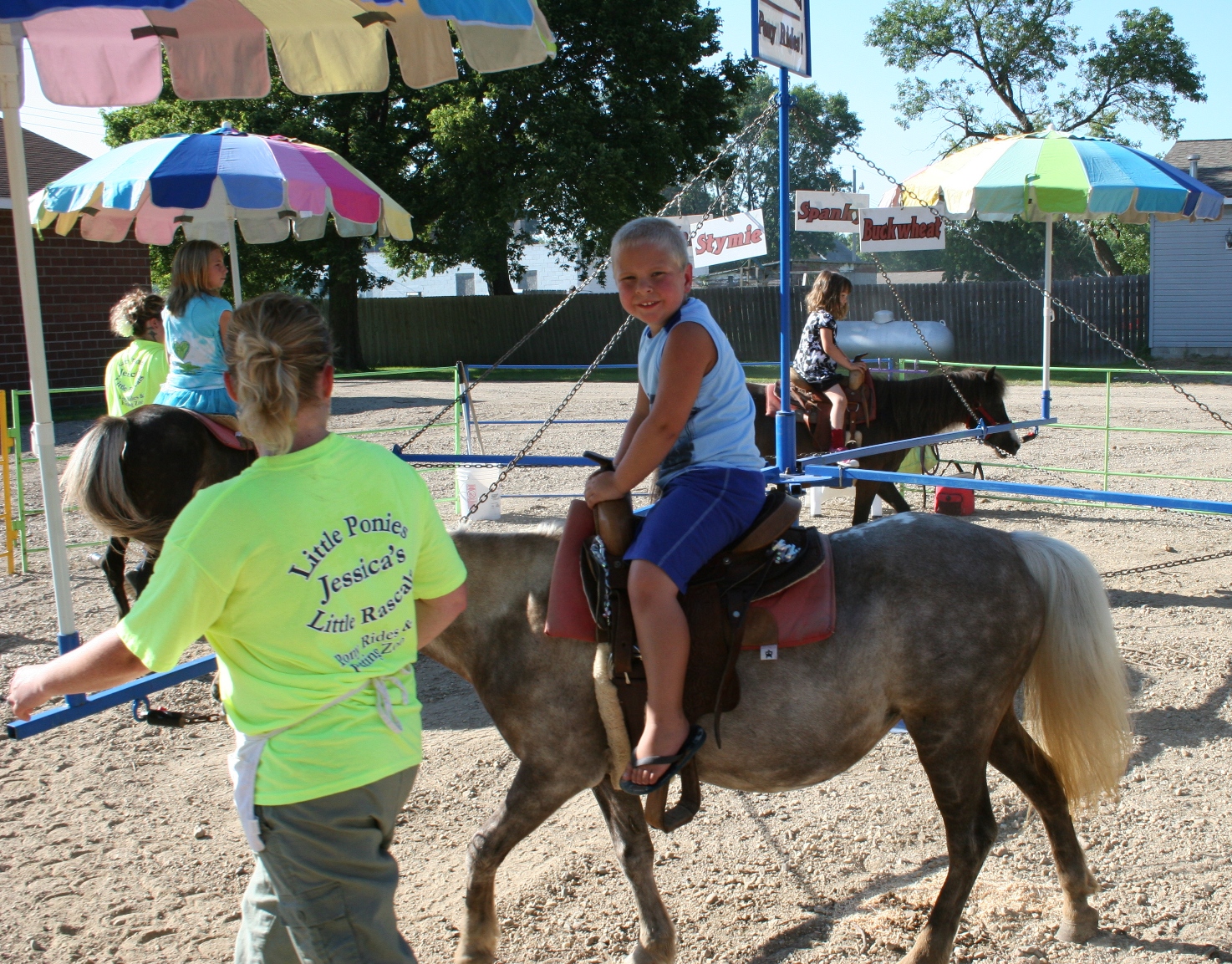
My cousin Dawn’s son, Kegan, enjoyed a pony ride at the 2011 celebration.

The Vesta Vikings 4-H Club is sponsoring a petting zoo and will be selling root beer floats.

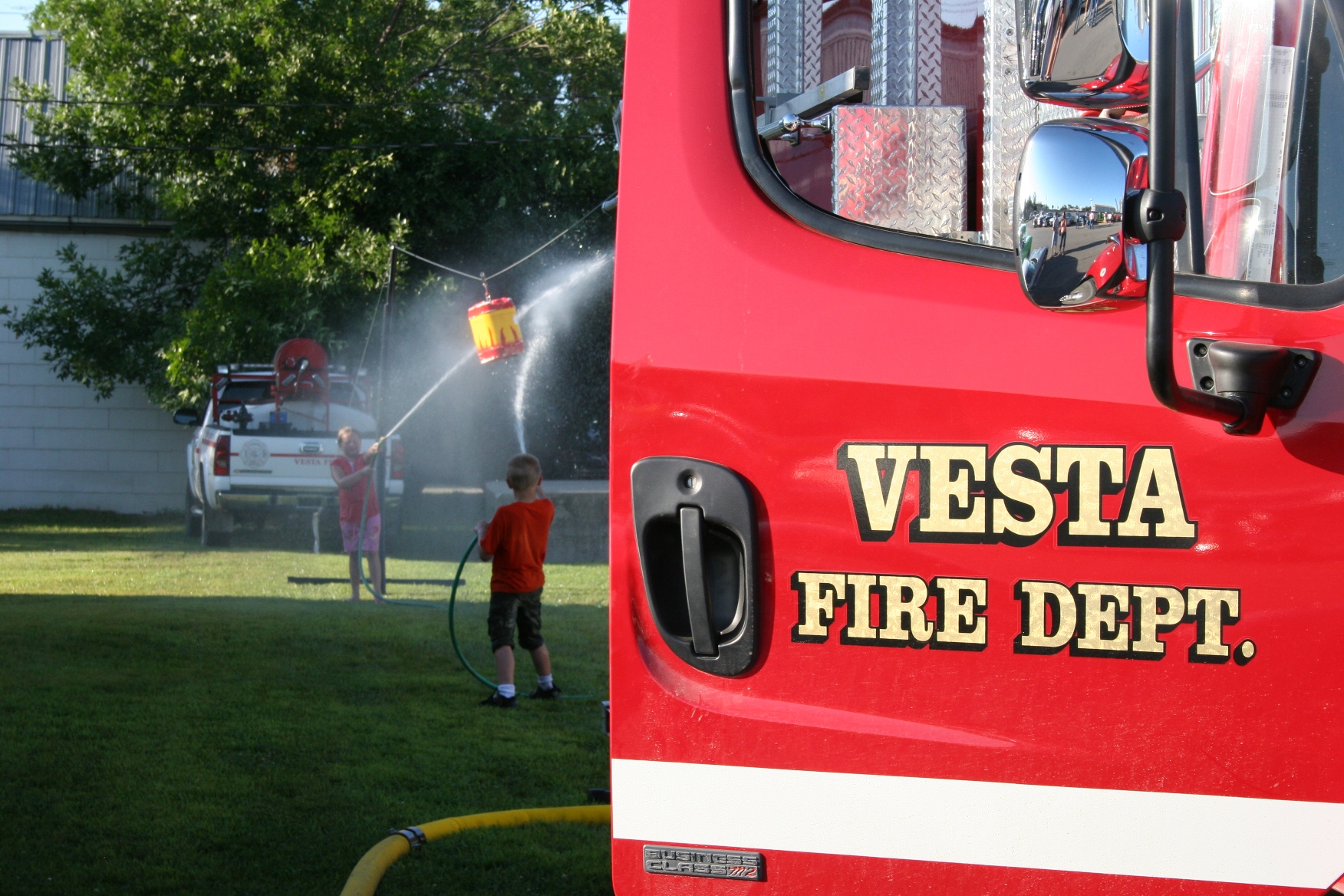
Kids picked up hoses in water fights at last year’s V-Esta Daze.

Kids will engage in water fights near the hall from 6 – 8 p.m. I remember, when I was growing up, how fire departments from neighboring communities competed against one another to push a barrel along a cable with water shooting from a fire hose. I can still hear the pounding of water against metal, feel the excitement as the barrel flipped and turned and rode the cable until one team slammed the barrel into a post.

The only contests this year are the bean bag tourney beginning at 6 p.m. and the pie eating contest at 10 p.m.

In between and after, from early evening until 1 a.m., two musical groups will entertain at the street dance. And let me tell you, there’s nothing quite like dancing on the pavement of your one-block-Main-Street hometown while drinking beer on a sweltering summer night.

At least that’s what I remember, from years ago.

The Vesta Community Hall, center of the V-Esta Daze celebration. To the left is the covered BBQ pit.

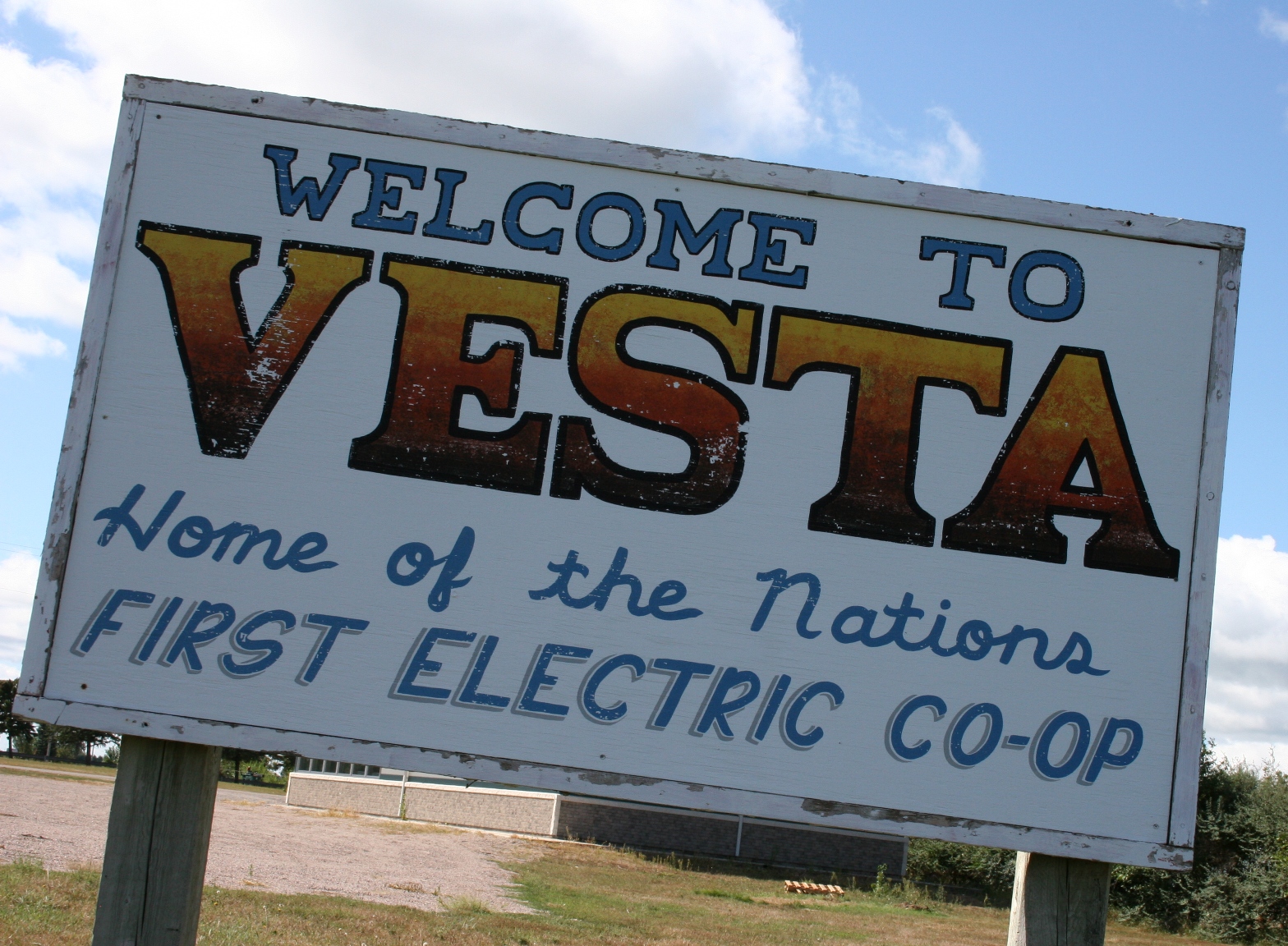
Along Minnesota Highway 19, this sign marks my hometown, population around 330 and home of the nation’s first electric co-op.

FYI: Vesta is located in southwestern Minnesota, half way between Redwood Falls and Marshall on State Highway 19.

© Copyright 2012 Audrey Kletscher Helbling


Stories from the Tracy, Minnesota, tornado remembered and published 44 years later June 13, 2012

Eric J. Lantz, 16, of Walnut Grove, shot this award-winning photo of the Tracy tornado as it was leaving town. He often took photos for the Walnut Grove Tribune, owned by his uncle, Everett Lantz. This image by Eric was awarded third place in the 1968 National Newspaper Association contest for best news photo.

FORTY-FOUR YEARS AGO TODAY Minnesota’s first F5 tornado, the most powerful with wind speeds in excess of 300 mph, plowed through the southwestern Minnesota farming community of Tracy killing nine.

Twenty-five miles to the northeast, my farmer father paused from milking cows on that sultry June 13 evening in 1968 to watch the tornado churn across the flat prairie landscape. Not wanting to unduly alarm his family, he did not warn us of the approaching storm. Only afterward, when the menacing clouds dissipated before reaching our farm, did he tell us what he’d observed through the open barn door.

Days later our family of eight piled into the family car and drove to Tracy to see the devastation.

This photo, taken by Eric J. Lantz, a printer’s devil/photographer for the Walnut Grove Tribune, was republished in  the Tracy Headlight Herald courtesy of the Tribune. It shows a damaged boat and overturned car sitting atop the rubble after the Tracy tornado of June 13, 1968.

I was an impressionable 11 ½ years old at the time. Specific memories of that destruction—except for twisted, shredded trees and tossed boxcars—have long vanished. But the overall, chaotic scene and the deaths of those nine Tracy residents are forever seared into my memory. The deadly Tracy tornado is the sole reason I dream about and fear tornadoes.

The photo by Eric J. Lantz illustrates the cover of Scott Thoma’s just-published book.

So I knew when I picked up Tracy native Scott Thoma’s recently-published book, Out of the Blue—The true story of two sisters and their miraculous survival of one of the most powerful tornadoes in Minnesota history—that the nightmare would come.

And it did, on the night I finished the chapter about sisters Linda (Haugen) Vaske, 20, and Pam Haugen, 8, who never made it to the basement of Linda’s home, I dreamed that I could not reach the basement during a tornado.

I’ve blocked out the rest of that nightmare. And for more than four decades, Linda, who was flung about by the fierce winds of that 1968 tornado as was Pam, also blocked out much of that terrifying event. That is until she and Pam sat down with Thoma, a long-time writer and newspaper reporter, to talk about that fateful evening when they nearly lost their lives.

For 44 years, Linda blamed herself for the death of the tornado’s youngest victim, 2 ½-year-old Nancy Vlahos, whom Linda’s then-husband and she were in the process of adopting. The preschooler was ripped from Linda’s arms and later found dead in the street.

While the story of the Haugen sisters and little Nancy centers the book, Thoma’s account of the Tracy tornado encompasses the stories of others, including his own. He lived less than a block from the twister’s destructive path and recalls his father searching for an elderly neighbor and unintentionally stepping upon the man’s lifeless body wrapped in a tattered drape. It was the first time he saw his father cry.

That intimate familiarity with the scenes that unfolded in the aftermath of the tornado and the understanding of how small towns pull together assure readers that Thoma is writing this for reasons which are deeply personal. He is honoring those who died, those who survived and those who helped his community of then 2,500 residents in its hours of greatest need.

You will read about Delpha Koch, who from her farm home five miles southwest of Tracy, phoned a dispatcher at 6:55 p.m. to warn of the approaching tornado, saving countless lives. Ditto for the police officer and train crew and others who alerted residents to the storm.

Delpha, a critical care nurse at the Tracy Hospital, her husband and two sons immediately headed into Tracy, arriving as screaming and stunned residents covered in dirt and silt emerged from the rubble. Almost immediately rescuers began taking the dead and injured to the hospital in a furniture delivery truck and other vehicles.

Thoma, via conversations with survivors and through extensive research, writes with absolute attention to detail, taking the reader inside that 42-bed hospital where 171 patients were seen for tornado-related injuries in the outpatient department. Twenty-three were hospitalized, including the Haugen sisters—Linda was seriously injured, Pam was not.

In what I consider one of the most memorable lines from the book, Thoma quotes Kathy Haugen, upon seeing Linda: “That’s not my sister.” Due to the extent of her injuries, Linda was unrecognizable to even her closest loved ones.

Thoma’s book is as much a tragic story of lives lost and homes and businesses damaged or destroyed as it is about a community pulling together. From Tracy Fire Chief/Fire Marshall/Civil Defense Director Bernie Holm who worked tirelessly for his community to the 80-year-old retired doctor who volunteered at the hospital to the veterinarians who sutured wounds to the farmers who brought tanks of water to the hospital and more, this is a story of how we as humans assist one another in need.

But it is also a story which emphasizes the ferocity of an F5 tornado, one of only two which have ever occurred in Minnesota, the other in nearby Chandler on June 16, 1992. One person was killed in Chandler and 35 injured.

I remember, from 1968 accounts of the Tracy tornado, the reports of tossed boxcars; a 25-ton boxcar was blown two blocks. Thoma spews out the numbers—26 toppled train cars, 111 destroyed homes, 76 houses with major damages, five businesses destroyed and 15 businesses damaged.

Yet, what impacts me most upon reading his book are the nuances of this tornado, like the account of Tracy resident Jerry Engesser discovering a book upon the rubble in his yard. He turns it over to read the title, Gone with the Wind.

And then, the bit that makes goosebumps rise on my arms comes in a partial letter found by a farmer 45 miles away near Redwood Falls. It reads:

Cliffy,
It’s raining and hailing here tonight and the wind is blowing hard…

Linda (Haugen) Vaske had just begun writing that letter to her military husband, Clifford, when the tornado swept into Tracy around 7 p.m. on Thursday, June 13, 1968, claiming nine lives and forever changing this southwestern Minnesota prairie community.

Eric J. Lantz, photographer for the Walnut Grove Tribune, also took this photo which was shared and published in the Tracy Headlight Herald. He captured this scene at the demolished Tracy Elementary School.

FYI: Click here to link to Willmar, Minnesota, author Scott Thoma’s Out of the Blue website. His book was published in May by Polaris Publications, an imprint of North Star Press of St. Cloud, Inc.

To read an earlier post I wrote about the Tracy tornado, click here. It features information from Al Koch, who is married to one of my best friends from Wabasso High School, Janette Koch. Al witnessed the Tracy tornado and destruction and his mother, Delpha, phoned the Tracy dispatcher about the approaching tornado.

My experience with tornadoes is personal. About 30 years ago, when I was already an adult and living away from home, a twister struck the farm where I grew up. Click here to read that post.

Click here to read a post about a tornado which struck my father’s childhood farm about a mile away in 1953 or 1954.

Last July 1 a series of downbursts with windspeeds of 90 – 100 mph swept through my hometown of Vesta. Read about the damage there by clicking here.

And finally, click here to read a post about a terrifying storm my husband, son, mother and I rode out in a car along a rural road north of Walnut Grove (near Tracy) two summers ago. I’ve probably never been more terrified than during those 45 minutes on that stormy, black night.

Yes, I fear and respect tornadoes. You should, too.

© Copyright 2012 Audrey Kletscher Helbling
Copyrighted photos are courtesy of Scott Thoma and are published here with his permission. Photographer Eric J. Lantz retains the copyright to the above photos.

 DISCLAIMER: I received a free copy of Out of the Blue. However, that did not influence my decision to write this post nor its content.

 

I’ve gained Freshly Pressed status on WordPress for the second time June 12, 2012

Filed under: Uncategorized — Audrey Kletscher Helbling @ 8:44 PM
Tags: , , , , , ,

WordPress likes me. Or at least this online content management system and host site for Minnesota Prairie Roots likes my writing and photography enough to once again feature my work in Freshly Pressed. My writing was last highlighted on the WordPress homepage in July of 2010.

The photo from my Soap Box Derby post featured on the WordPress homepage in Freshly Pressed on Tuesday.

Today my post, “Testing the track during a Soap Box Derby trial run in Faribault,” was selected as one of the 11 best WordPress blog posts in the world. The whole big wide world, folks.

Yes, I am thrilled to have my post on the WordPress home page, chosen from among 834,622 new posts written by 401,667 bloggers. Those stats were as of 2:15 p.m. Tuesday when I took this screen shot:

A screen shot of the Tuesday, June 12, 2012, Freshly Pressed on the WordPress homepage. My post is featured in the bottom center.

“These (Freshly Pressed) posts represent how WordPress can be used to entertain, enlighten or inspire,” WordPress Weblog writer Joy Victory wrote in an April 28, 2010, post, “Five Ways to Get Featured in Freshly Pressed.” (Click here to read her post in its entirety.)

“It’s all about the content,” she says before listing five ways a WordPress blogger can increase his/her chance of making the homepage in Freshly Pressed:

  • Write unique content that’s free of bad stuff.
  • Include images or other visuals.
  • Add tags.
  • Aim for typo-free content.

  • Cap off your post with a compelling headline.

Check. Check. Check. Check. Check.

If you’ve followed Minnesota Prairie Roots for any length of time, you know that I adhere to all of those guidelines. But I’d like to add one more—write with passion.

When a writer writes for the pure joy of writing and takes photos for the pure joy of taking photos, it shows.

So what does making Freshly Pressed mean for me as a blogger? It equals a substantial increase in traffic to my site, recognition among my blogging peers, more subscribers and a confidence boost.

I don’t know the odds of making Freshly Pressed. I’ll leave that to the math whizzes out there to determine. I may be good with words, but I’m certainly not good with numbers.

Of one thing I’m certain, though. It feels good, absolutely fabulous in fact, to realize that my writing and photography are resonating with readers and that my posts (at least two of them) have been chosen as among the best in the world.

Moland Lutheran Church, a Norwegian Lutheran church south of Kenyon in Steele County, the subject of my post which was Freshly Pressed in July 2010.

FYI: To read the post “In praise of preserving country churches,” which was Freshly Pressed in July 2010, click here. Click here to see the post I wrote then about being Freshly Pressed.

To read “Testing the Track during a Soap Box Derby trial run in Faribault,” click here.

© Copyright 2012 Audrey Kletscher Helbling


Historic Faribault Woolen Mill opens retail store with an artsy vibe

Perusing merchandise at the recently reopened Faribault Woolen Mill retail store.

RUSTIC. SIMPLISTIC. MINIMALIST.

Those words wash over me as I step into the Faribault Woolen Mill Company’s recently re-opened retail store.

I could have strolled into an art gallery for the artsy vibe of this place. It has that feel, that sense of style and creative energy, which tells you this is no cookie-cutter retail outlet but someplace special.

The retail store has a comfy, relaxed and trendy feel.

From the white-washed paneled walls to the utility spools brushed in crisp white paint to the shelves leveled upon a ladder to the uniform white cubbies, the décor here is bare bones basic. It’s perfect for showing off the woolen blankets hung and folded ever so precisely in this historic woolen mill along the banks of the Cannon River in Faribault.

Faribault Woolen Mill blankets/throws are artfully hung on a simple pipe.

Crisp white cubbies, ever so perfect for showing off blankets/throws.

Jean Moody is tending the store on this recent hot and humid Saturday afternoon in May when the thought of purchasing a wool blanket seems not even a remote possibility. My curiosity draws me inside the store, into this building where I’ve never set foot even though I’ve lived in Faribault for nearly 30 years.

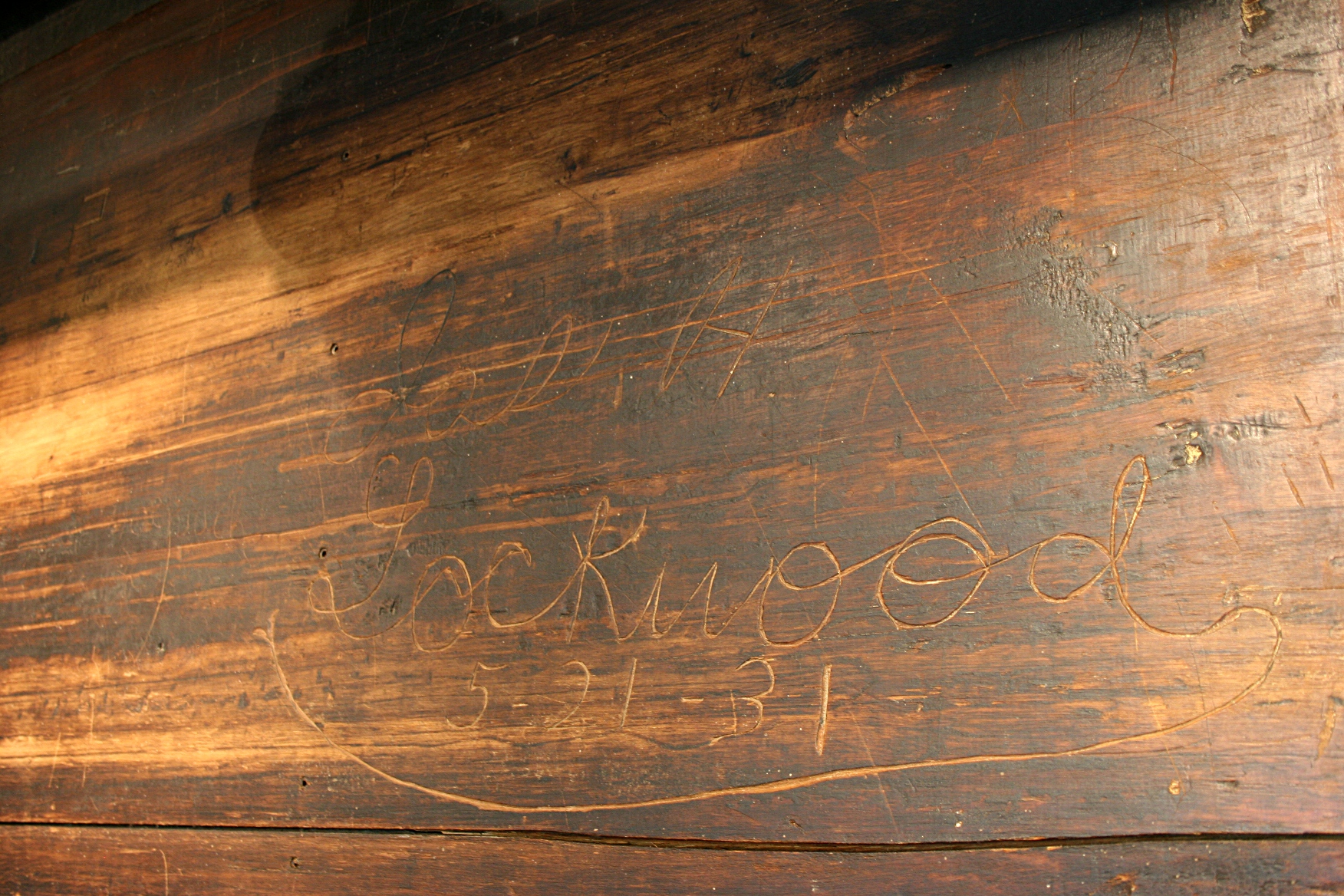
A wall once located near bathrooms has been incorporated into the retail store, behind the check-out counter, to showcase a name etched in wood in 1931.

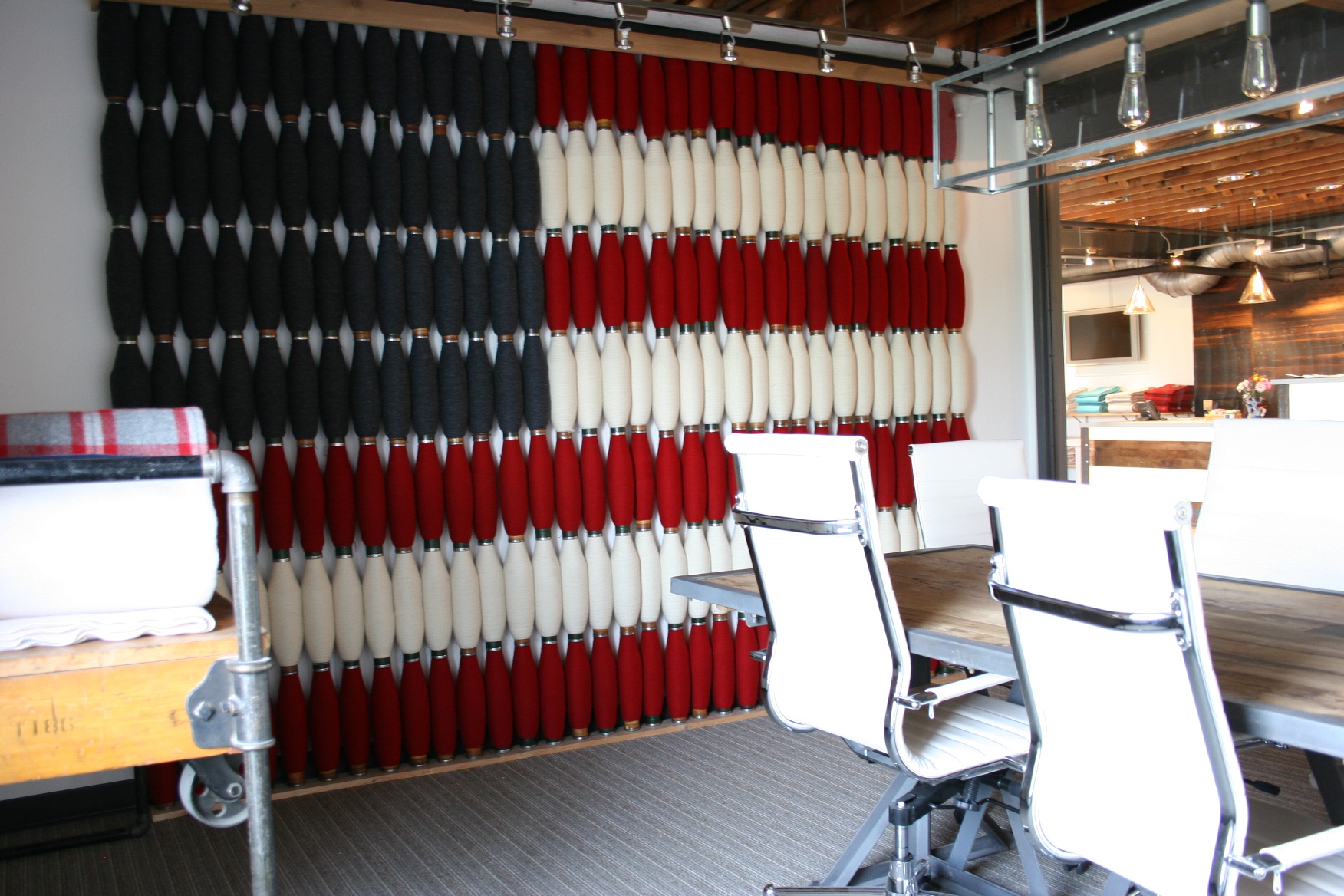
An American flag on a wall in a meeting room, visible through floor to ceiling glass in the retail store, emphasizes the Woolen Mill’s dedication to “American made” products.

On this afternoon, Jean welcomes me, obliging my request to photograph a meeting room and also a wall behind the retail counter. I have no idea she is the wife of Paul Mooty, who purchased the foreclosed mill and reopened it in 2011 with his cousin, Chuck Mooty, until she introduces herself later.

She’s friendly and engaging and genuinely interested in connecting with Faribault residents and grateful for the warm welcome given to her family.

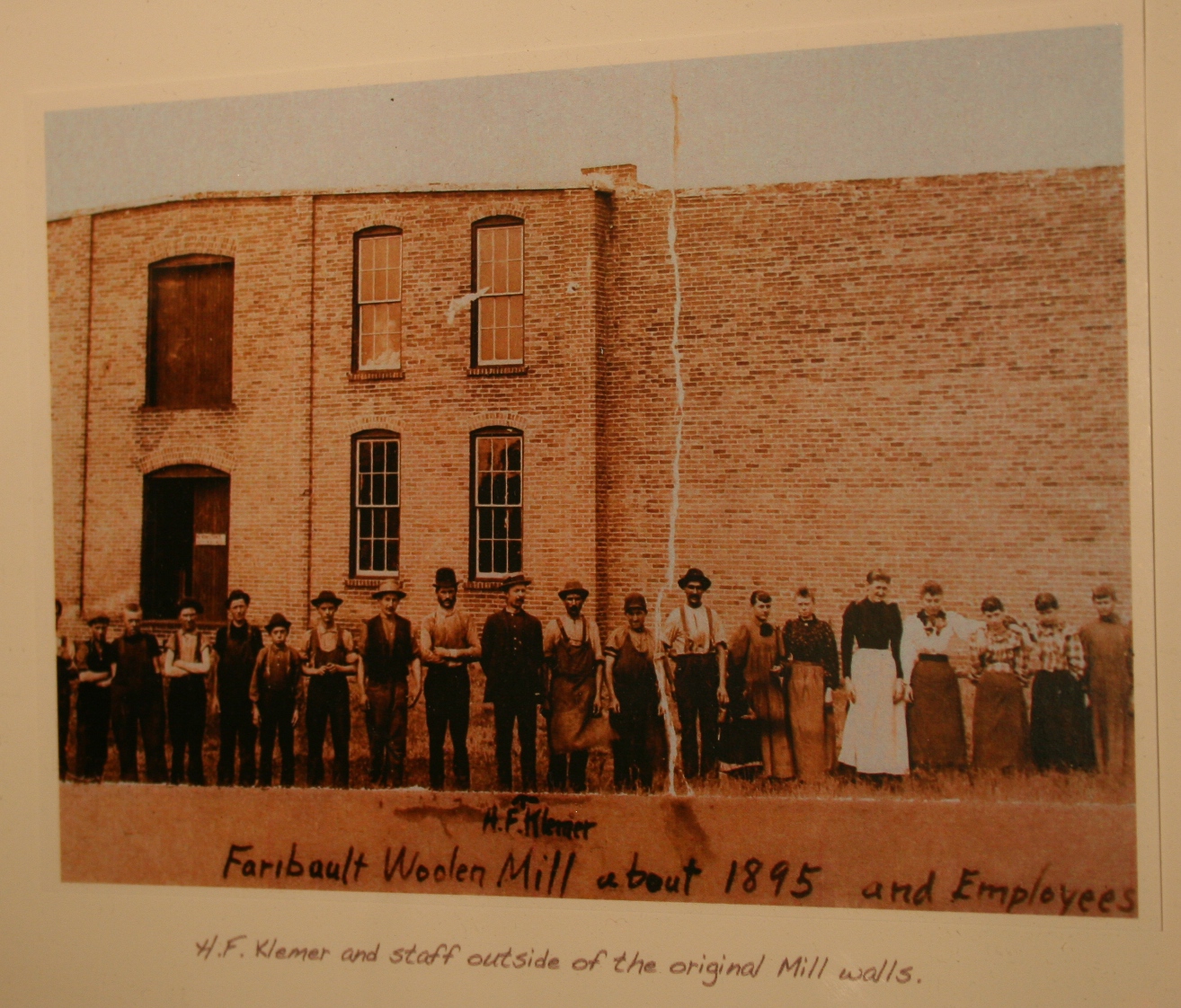
An historic 1895 circa photo from the mill, among those featured in a mini wall of Woolen Mill history.

After the sudden closure of the mill in 2009, locals seem delighted with the Mooty cousins’ revival of the mill which dates back to 1865.

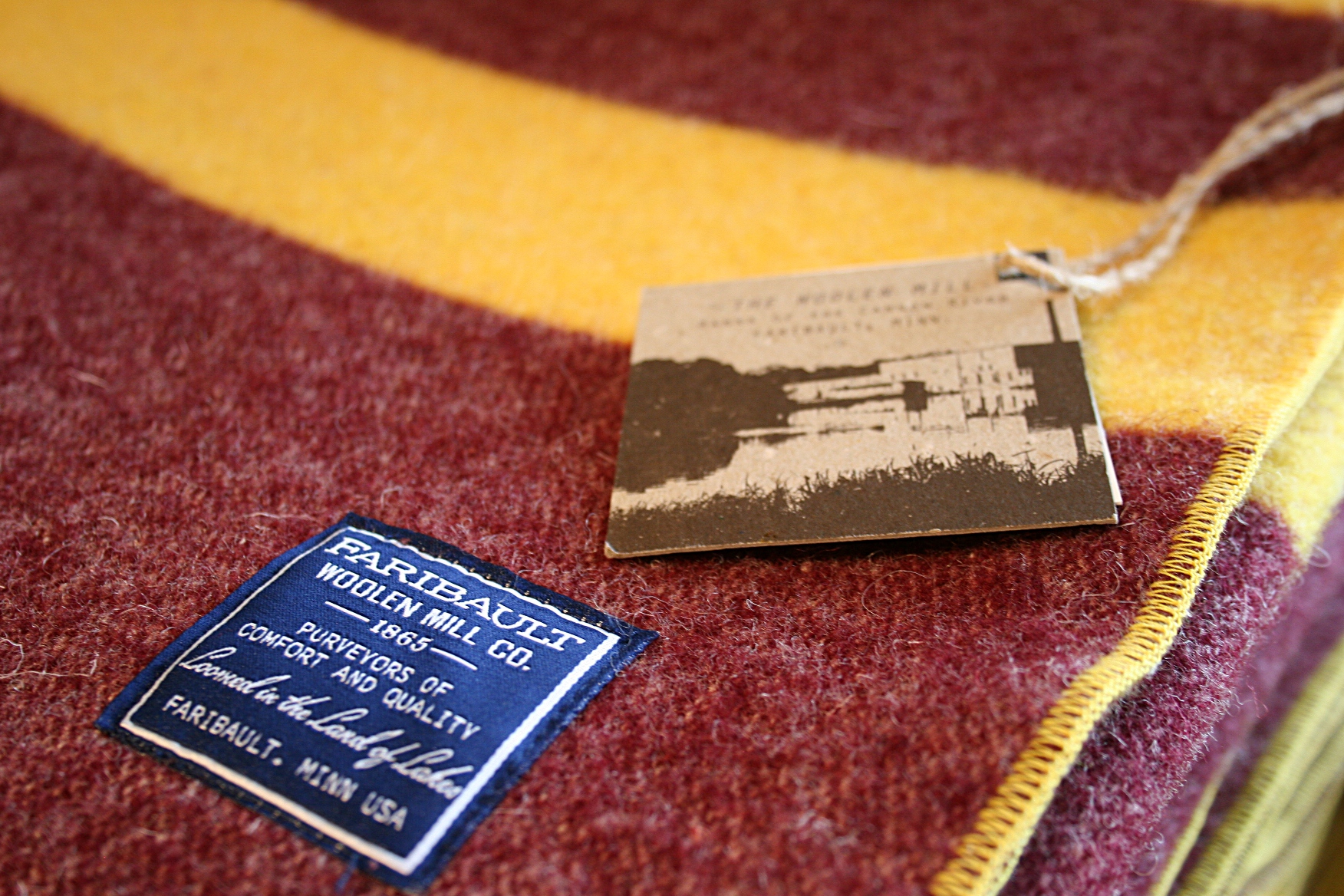
In its labeling, the mill promotes itself as “Purveyors of Comfort and Quality” with its products “Loomed in the Land of Lakes.”

The Faribault Woolen Mill’s mission, according to the company website is “to provide the finest quality goods made only by American craftsmen here in Faribault, Minnesota.”

Wool blankets with a definite Northwoods feel are sold in the retail store.

Fine examples of that craftsmanship are presented to the public in the woolen blankets and throws so artfully displayed in the store which, according to Jean, has a Ralph Lauren/Northwoods look.

I’d agree. Comfort. Simplicity.  Americana. All qualities in Ralph Lauren’s signature fashion style exist in this mill store which seems destined to once again become a must-see destination for visitors to Faribault, one of Minnesota’s oldest and most historic cities.

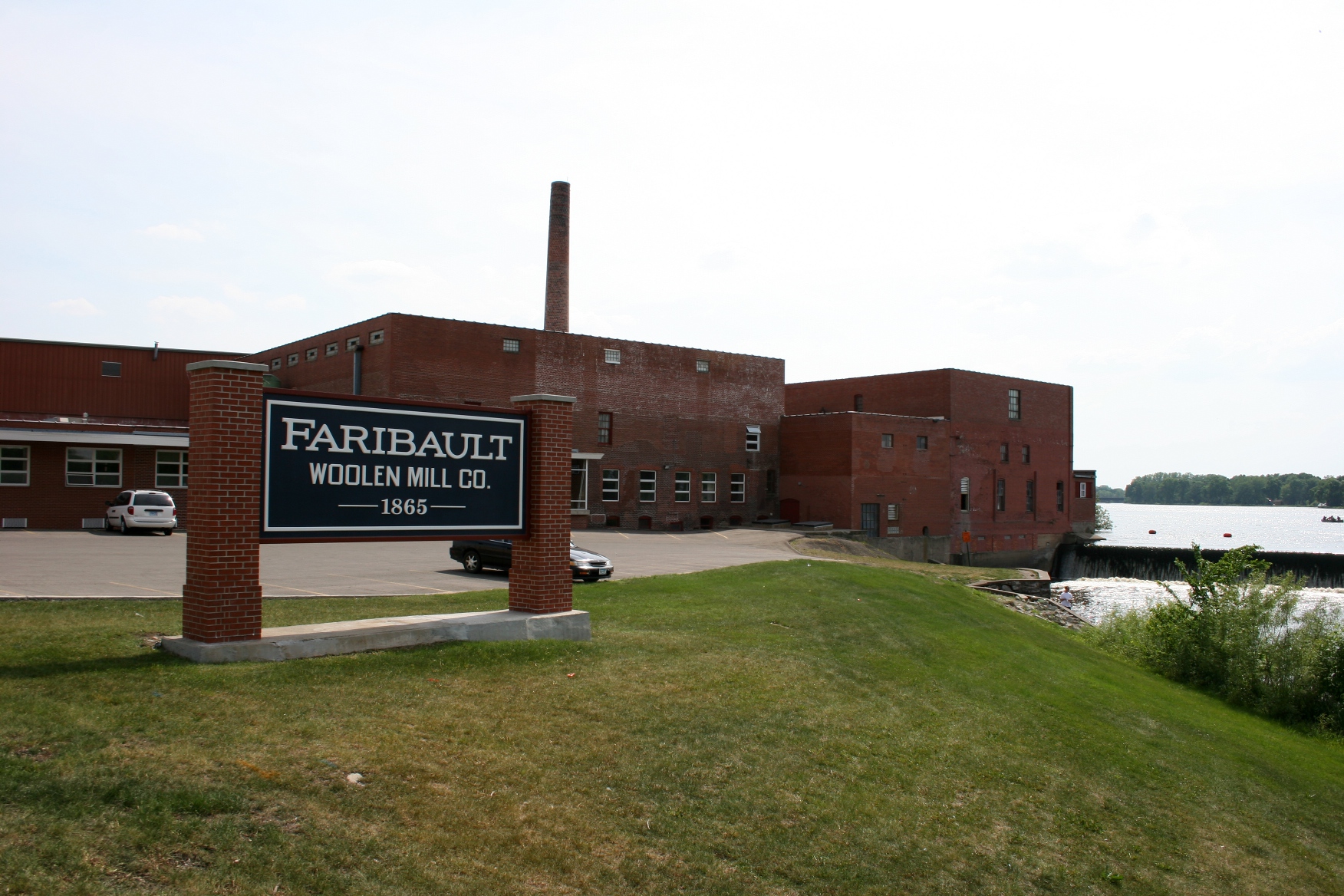
The historic Faribault Woolen Mill sits along the banks of the Cannon River.

FYI: The Faribault Woolen Mill retail store holds its grand opening from 4:30 p.m. – 7 p.m. on Thursday, June 14. A ribbon-cutting is scheduled in conjunction with the Faribault Heritage Days Mayor’s Reception.

Tours of the Woolen Mill, located on the banks of the Cannon River at 1500 Second Avenue Northwest near the Rice County Fairgrounds, will be offered as part of the Heritage Days celebration at 2 p.m. and 2:30 p.m. on Wednesday, June 13, and again on Friday, June 15. Preregister by calling (507) 334-2064.

For more info about the Faribault Woolen Mill, click here to link to the company website.

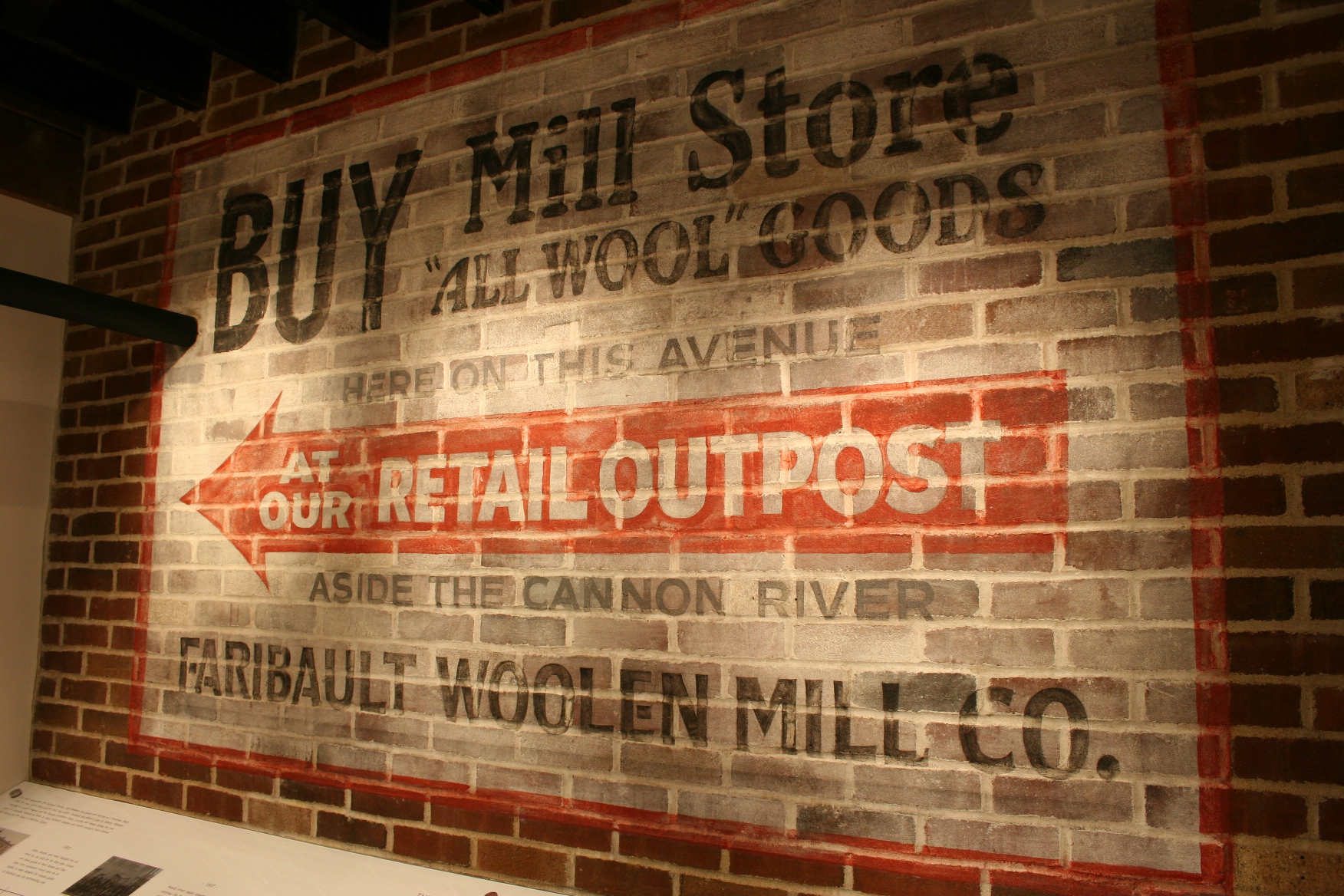
A replica of an original sign is now in the Woolen Mill’s historic display area.

Even this Woolen Mill conference/meeting room possesses an inviting, rustic appeal.

© Copyright 2012 Audrey Kletscher Helbling

Note: These photographs were shot one month ago.


Testing the track during a Soap Box Derby trial run in Faribault June 11, 2012

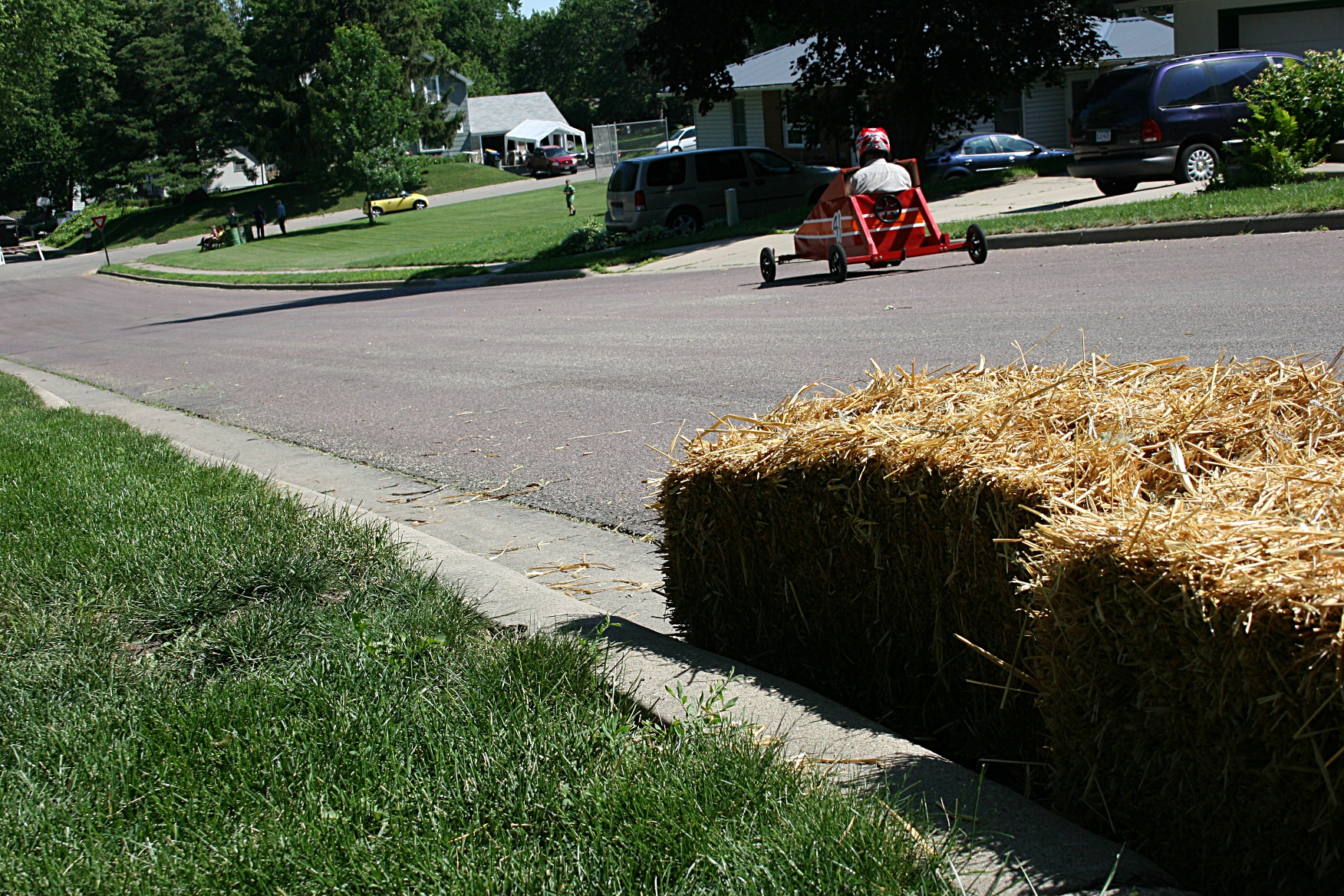
Bales are strategically placed on corners/curves to keep racers on the track.

CROUCHED NEAR THE FIRST CURVE behind a buffer of straw bales, I wondered if this was the smartest spot in which to photograph Soap Box Derby cars skimming down the hill. Probably not, I decided, and tucked myself next to a utility pole. If need be, I could duck behind the post should a car propel toward me.

Saturday morning marked a trial run for kids and adults entering the fourth annual Faribault Heritage Days Soap Box Derby competition set for 9:30 a.m. – 2 p.m. this Saturday, June 16. Some 50 racers are expected to wind down three city streets near Peace Lutheran Church as they vie for honors in adult and youth divisions.

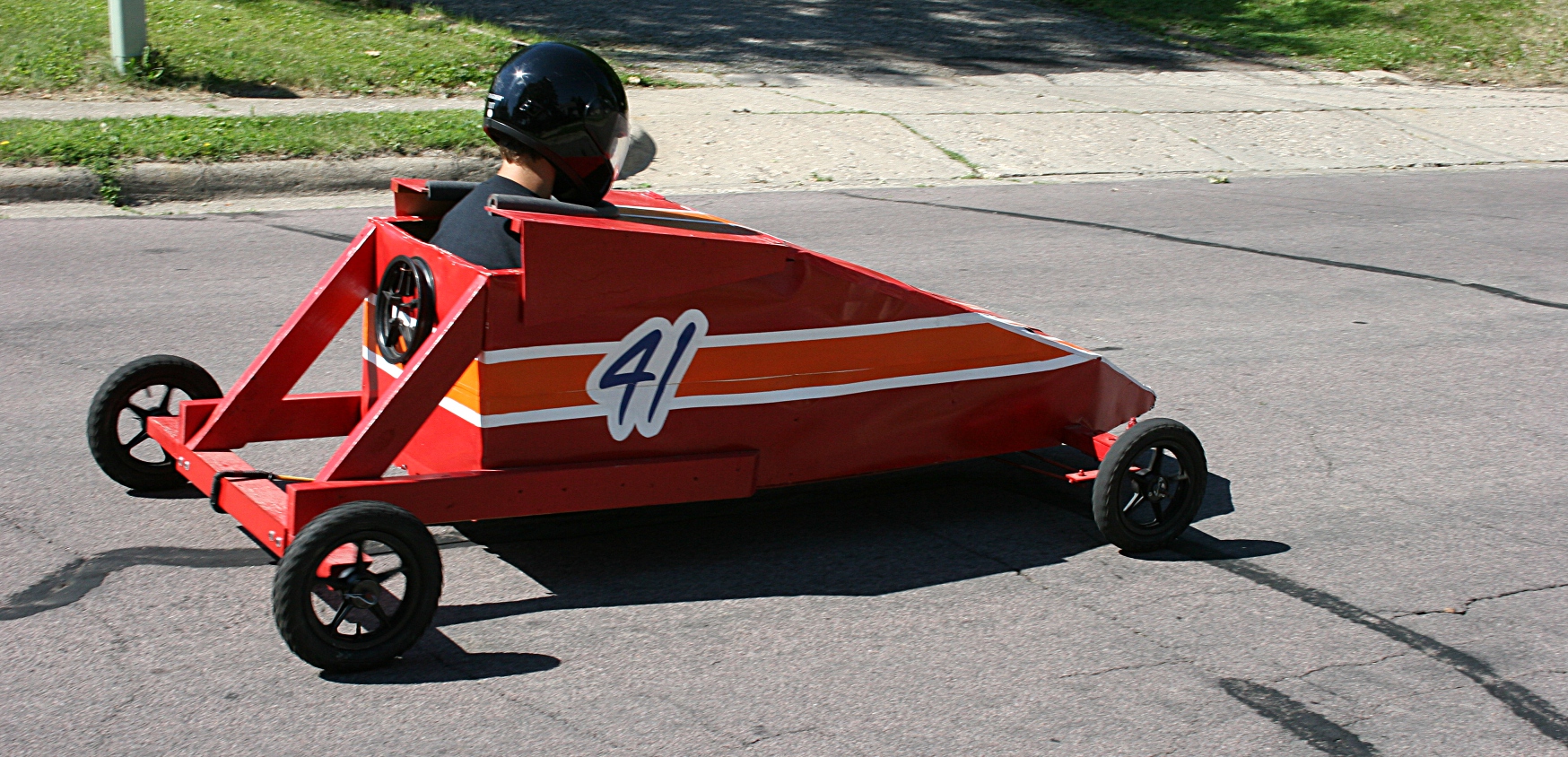
Yes, even adults, like Mayor John Jasinski, folded themselves into soap box cars during the trial runs this past Saturday, checking out the new course. The race was moved this year to a faster route, says  Jason Reher, Faribault Heritage Days board member.

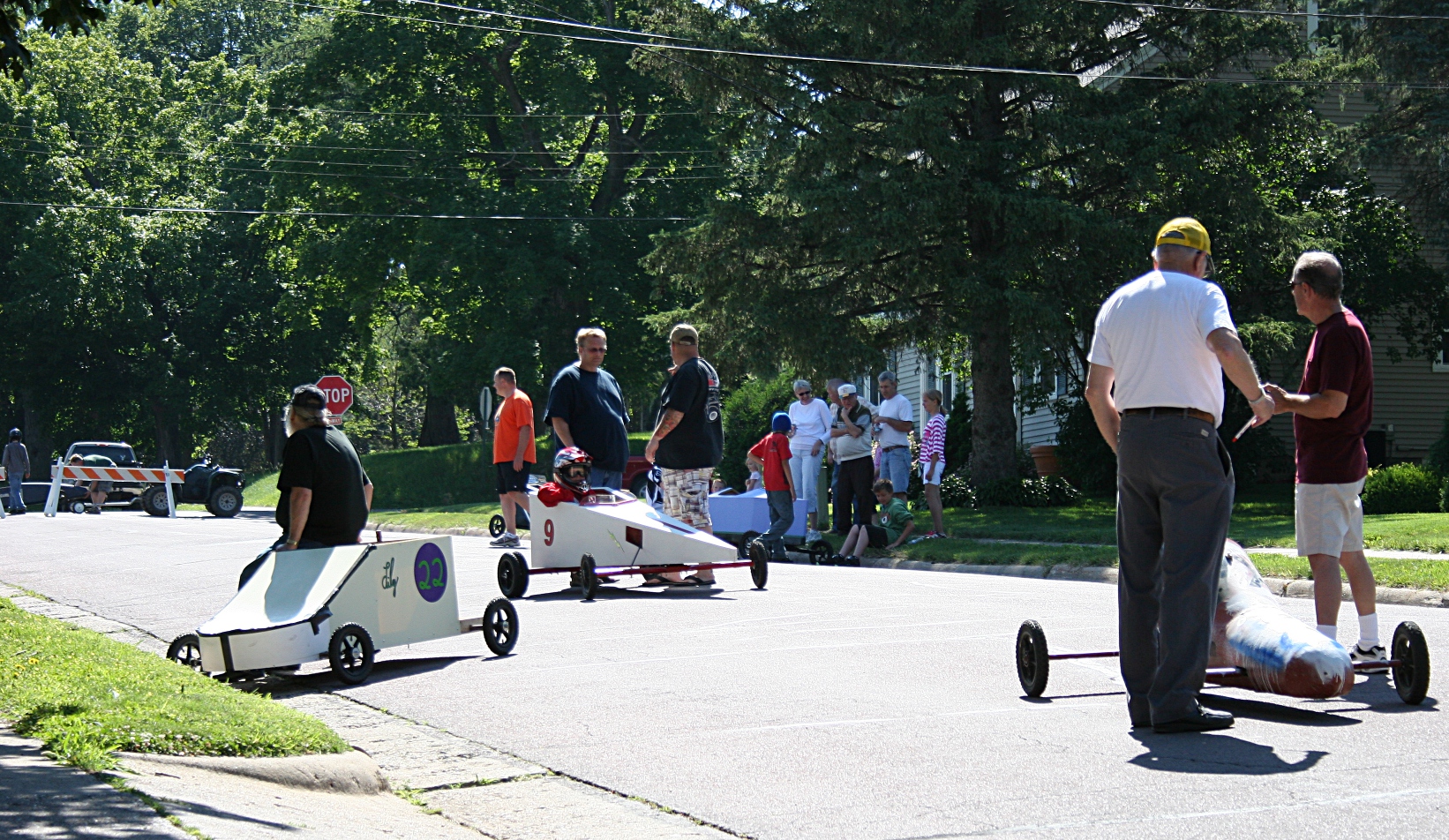
Racers, their assistants and race organizers gathered at the top of a hill along a southern Faribault street for trial runs.

Reher and others were supervising the Saturday solo runs that allowed racers to get a feel for the course before they race in heats during the actual competition. Some drivers proceeded with trepidation while others drove as if they were already in it to win it.

And, yes, on one occasion, as a car took the outside lane on the first curve, I worried that I might need to leap out of the way.

This was my first experience viewing soap box car runs. I expect the actual race will be much more exciting and photographic.

Looks count. An award will be given for the the Best Looking Car in the Faribault race on Saturday.
So when and where did this whole gravity-propelled, racing-a-car-down-a-hill event began?

Dayton, Ohio, claims itself as the birthplace of the Soap Box Derby. In 1933, a photographer for the Dayton Daily News photographed several boys racing homemade, gravity-pull cars down a street. Myron E. Scottie was so intrigued by the idea that he asked the boys to return a week later with their friends for a race that would offer a prize cup.

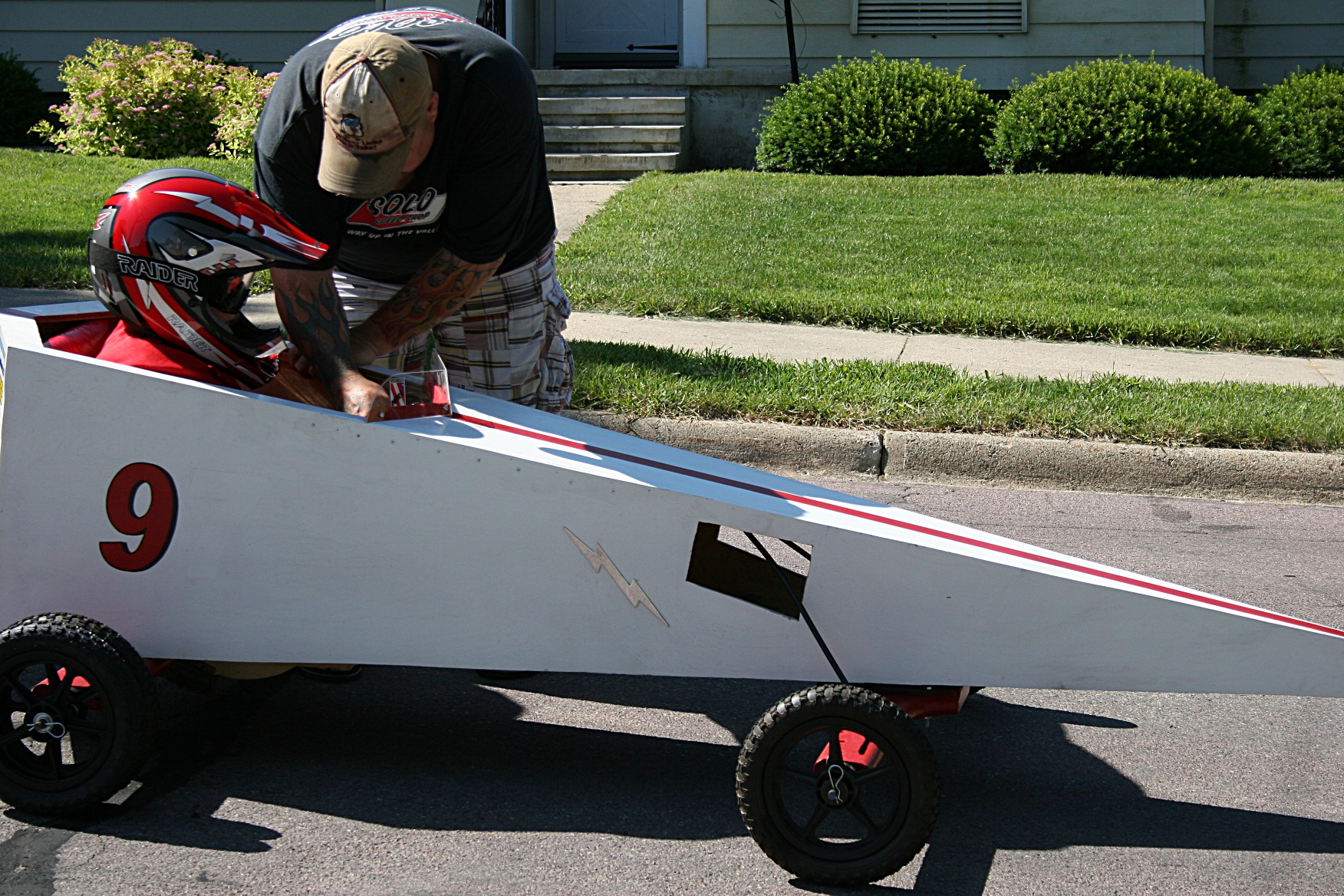
Last-minute prep before a trial run of the Faribault Soap Box Derby route.

The concept took off and continues today with local champions in stock, super stock and masters divisions Soap Box Derby races from around the world converging on Akron, Ohio, each July to compete for scholarships and prizes in the All-American Soap Box Derby.

In only its fourth year, the Faribault race is certainly in its infancy. Organizer Reher noted, however, that he’d like to see the local event expanded to a circuit competition with neighboring Morristown and Northfield. Morristown’s races have been around longer at Morristown Dam Days while Northfield held its first Soap Box Derby last year during The Defeat of Jesse James Days.

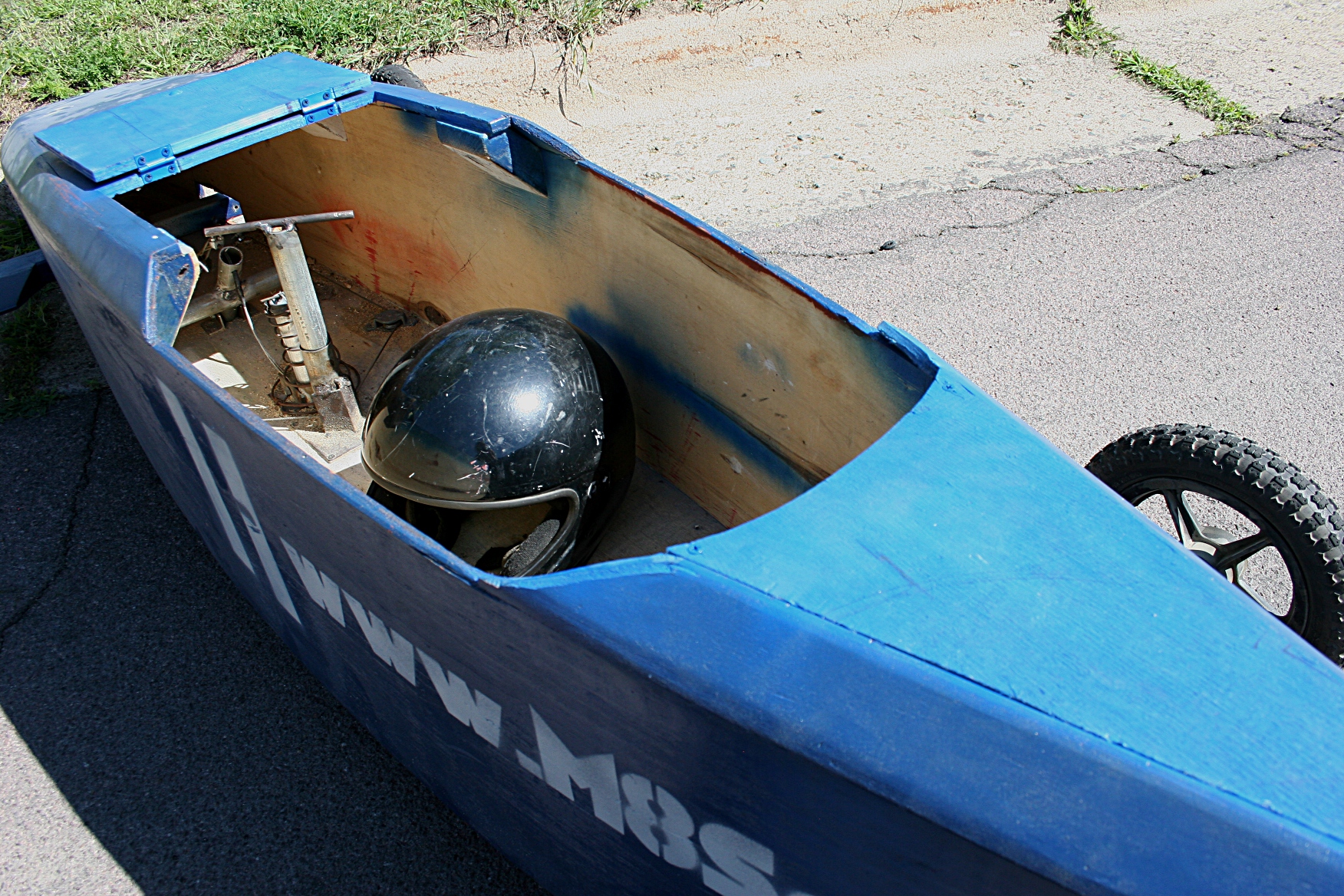
A peek at the interior of the car which Ben will race on Saturday during the Faribault Heritage Days Soap Box Derby.

Since I’ve only attended the one trial run and not an actual race, I don’t know how competitive these racers get. But I saw the potential in 13-year-old Ben, driver of the blue M8Solutions car. He’s already racked up two first place finishes in Faribault, one in Morristown and one in Northfield. Mom Tina has also won with a second place finish in Morristown and a first place in Northfield.

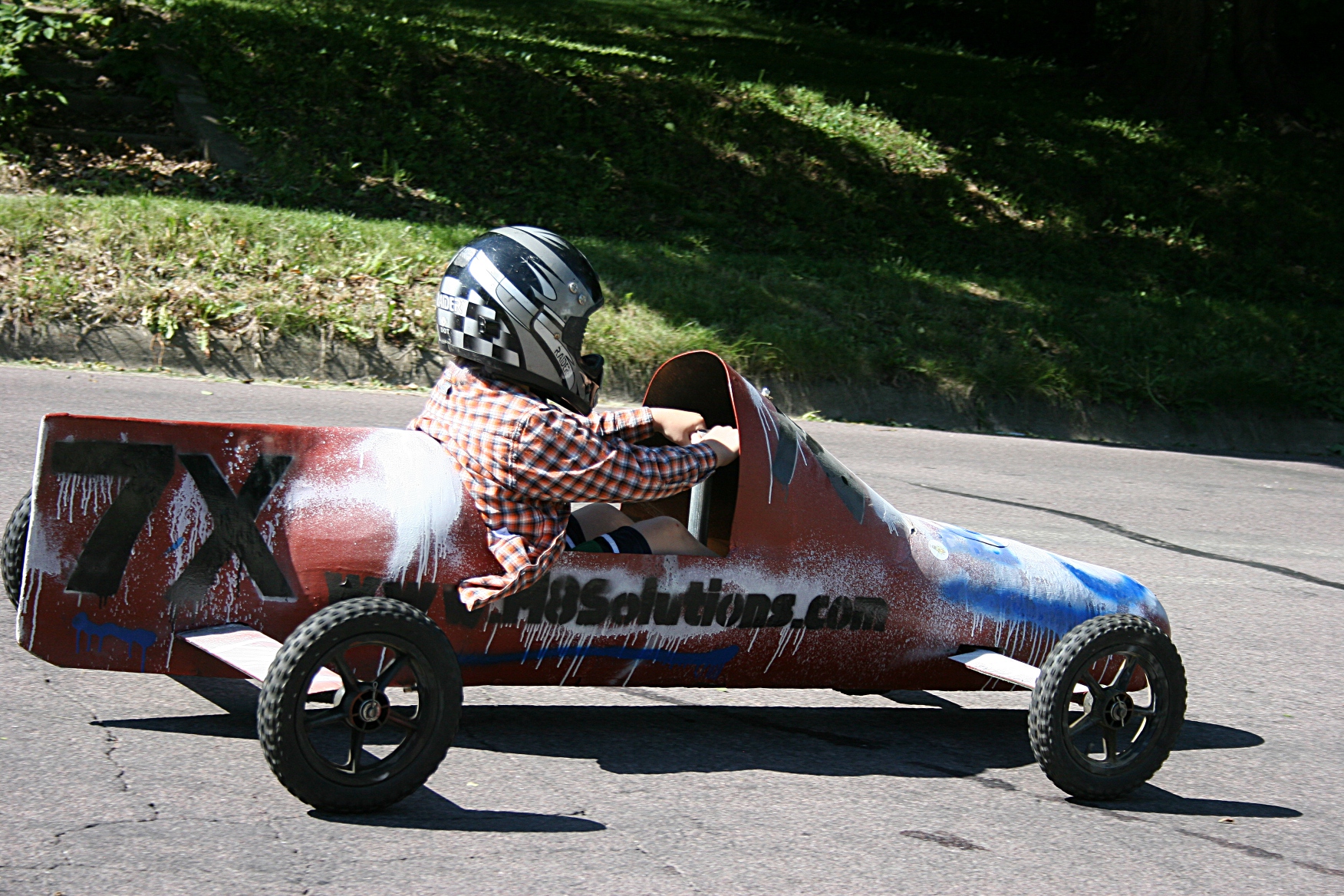
I’d bet money on 7-year-old Curtis doing well in Saturday’s competition.

And then there’s little brother Curtis and his red, white and blue MsSolutions 7X racer with “Boo” (his nickname) spray painted on the nose… I’d bet my money on this seven-year-old.

FYI: For more information about the Faribault Soap Box Derby, click here.

For more information about the All-American Soap Box Derby, click here.

© Copyright 2012 Audrey Kletscher Helbling