Minnesota Prairie Roots

Writing and photography by Audrey Kletscher Helbling

Flashback to the 60s & 70s & Bobby Sherman June 26, 2025

Filed under: Uncategorized — Audrey Kletscher Helbling @ 6:00 AM
Tags: , , , , , , , , , , ,
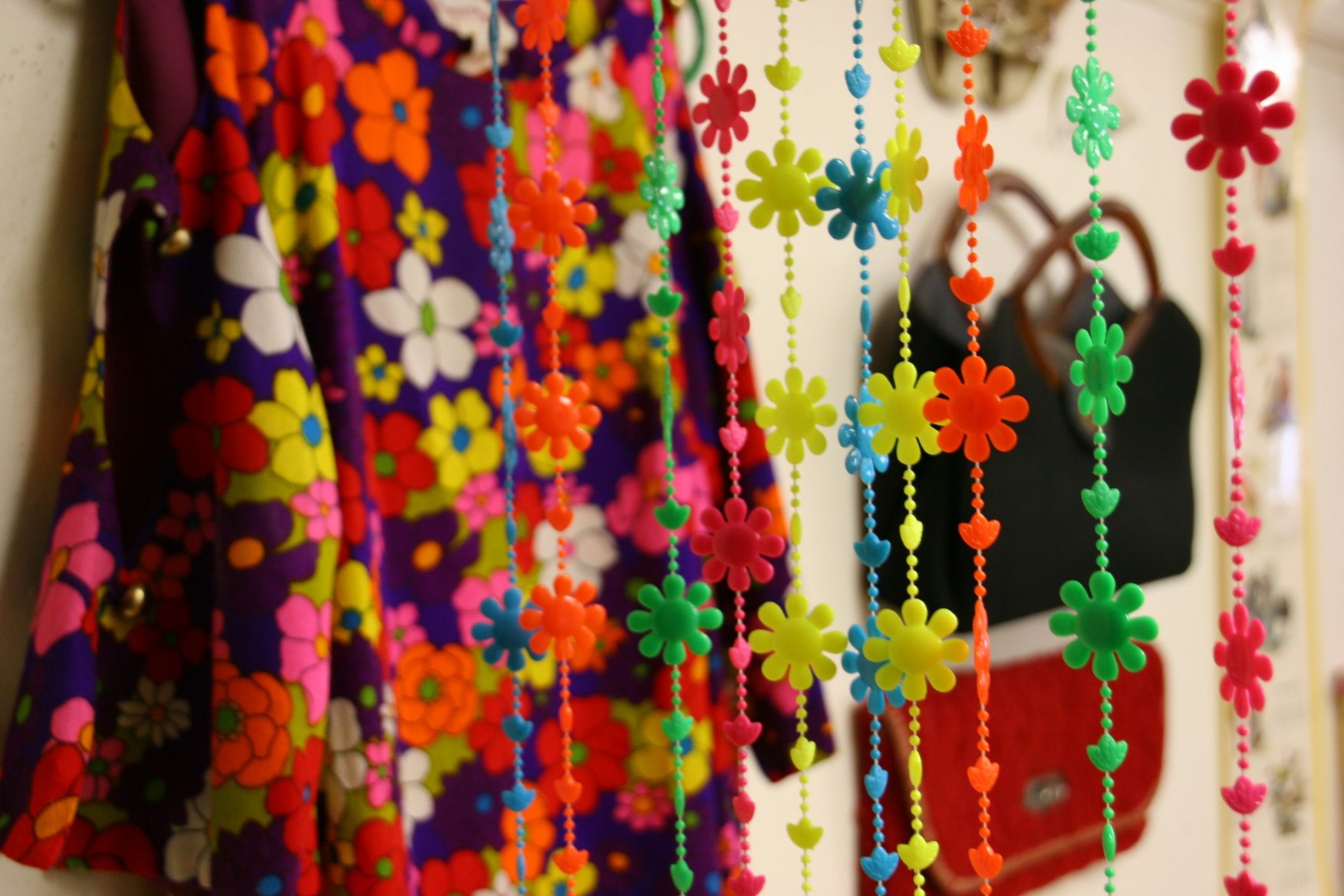
Dangling beads inside the doorway to “The 50’s and 60’s Room” at the West Concord Historical Society hearken to the era of Bobby Sherman. (Minnesota Prairie Roots copyrighted file photo 2015)

JULIE, JULIE, DO YA love me?” Oh, how I wished it was, “Audrey, Audrey, do ya love me?” Such were my thoughts when Bobby Sherman sang that Billboard Hot 100 hit in 1970.

Sherman died this week at age 81, leaving behind a generation of Baby Boomers like me who were hopelessly, madly in love with the teen idol. He was charismatic, good-looking with his shaggy long hair, simply everything a smitten girl could want in a crush.

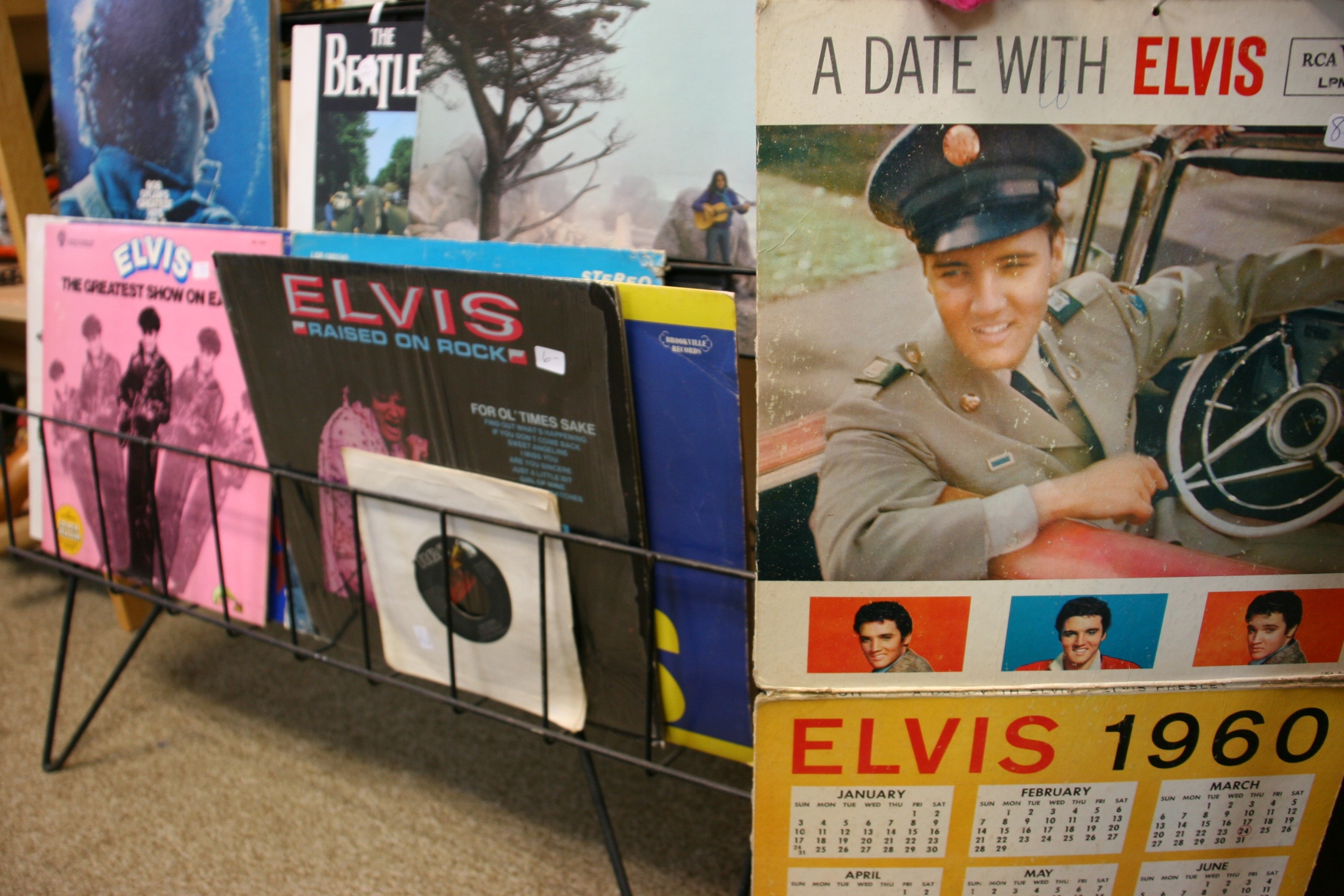
An Elvis display at a St. Charles antique shop, which I visited years ago. (Minnesota Prairie Roots copyrighted file photo)

And that’s exactly what our relationship was—puppy love. Like generations of teen girls before and after me, I fell in love with handsome heart throb singers. Others fell for Elvis, Donny Osmond, Justin Bieber… Ditto for boy bands.

But back in my day, in the 1960s and 1970s, the likes, looks and lyrics of Bobby Sherman and David Cassidy captured my heart. Sherman even made a guest appearance on Cassidy’s “The Partridge Family” TV show. Both were actors and musicians. And both often sang about unrequited love, as in Sherman’s performance of “Julie, Do Ya Love Me” by songwriter Tom Bahler.

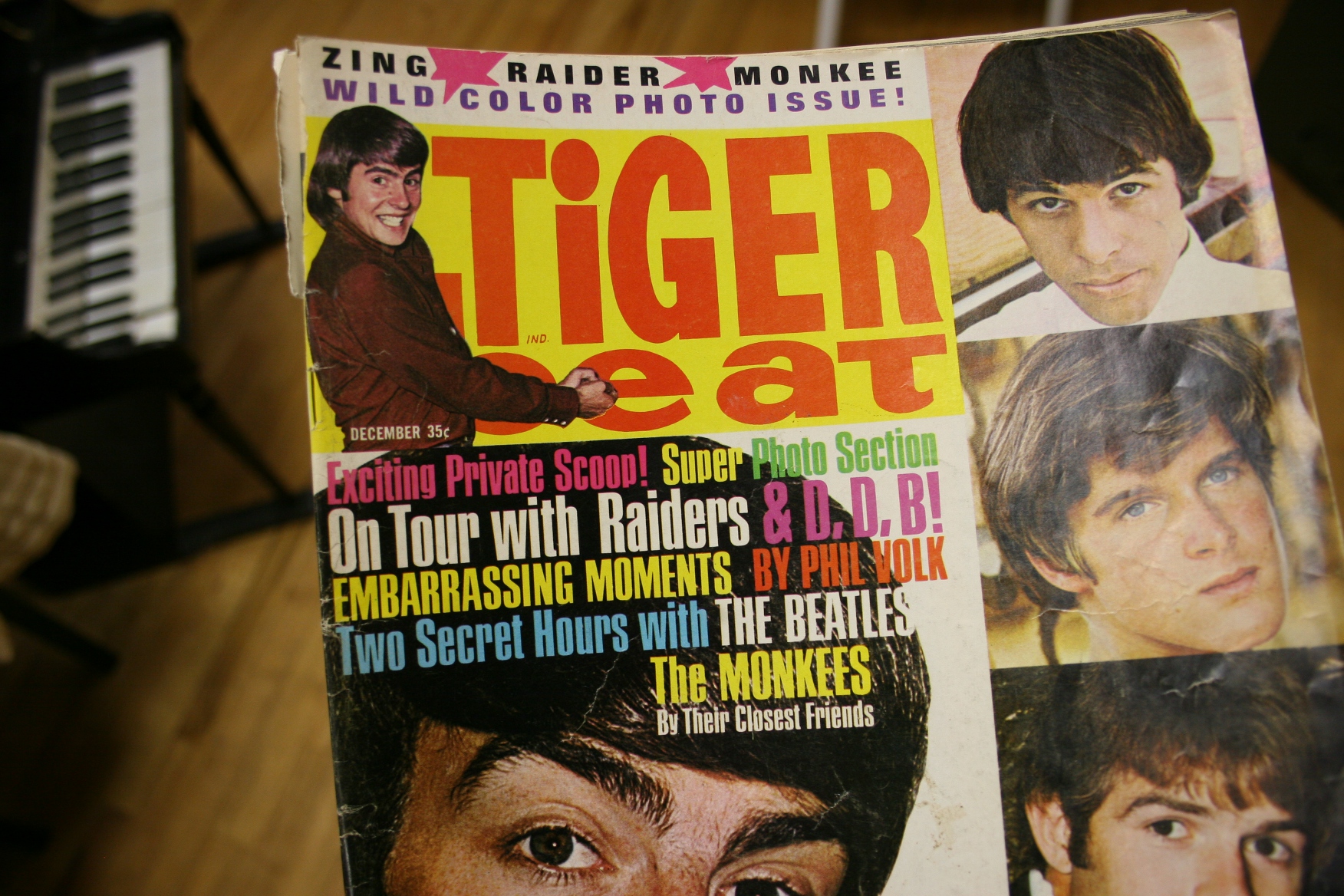
Tiger Beat magazine, photographed many years ago in a St. Peter antique shop. The magazine was in print publication from 1965-2018. (Minnesota Prairie Roots copyrighted file photo)

It’s interesting that, upon Sherman’s death, I could not think of a single song he sang. But when prompted with playbacks, I remembered. Mostly, though, I remember how my cousin Joyce and I paged through her copies of Tiger Beat magazine whenever my family visited hers. She would pull out her copies of this American teen fan publication and we would swoon over photos of our much-loved celebrities like Bobby Sherman. I don’t recall reading the stories, but we probably did. Photos, though, left a lasting impression. Sherman graced the cover of Tiger Beat and Sixteen magazines countless times. I can picture him still all feathered or shaggy hair, big smile and a choker around his neck.

Beyond Tiger Beat, my cousin also plastered her bedroom walls with teen idol posters. Joyce was much more tuned in to celebrity life than me. She had older sisters. I didn’t. Regardless, we shared a love of Bobby Sherman, who sang about Julie. Not about Audrey or Joyce, just two teenagers hanging out in a southwestern Minnesota farmhouse bedroom, dreaming of love while thumbing through Tiger Beat magazine.

TELL ME: Did you have a favorite heart throb singer or band? Maybe Bobby Sherman. Let’s hear. I also really like/liked Rod Stewart, Chicago, Bread, Lobo, The Carpenters, John Denver…

© Copyright 2025 Audrey Kletscher Helbling


Growing up with 21 siblings in rural Minnesota, a memoir June 10, 2025

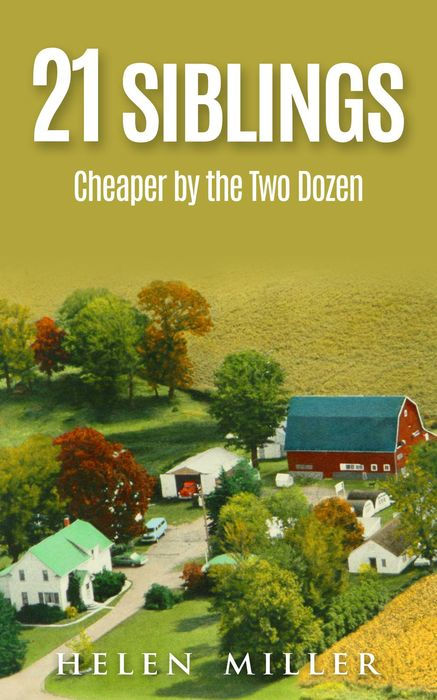
This book is also packed with candid and posed photos of the Miller family, adding to the text. (Book cover sourced online)

THIS COULD BE MY STORY or that of any other Baby Boomer who grew up in rural southern Minnesota. With one primary exception. None of us had 21 siblings. Yes, twenty-one. I had only five—three brothers and two sisters.

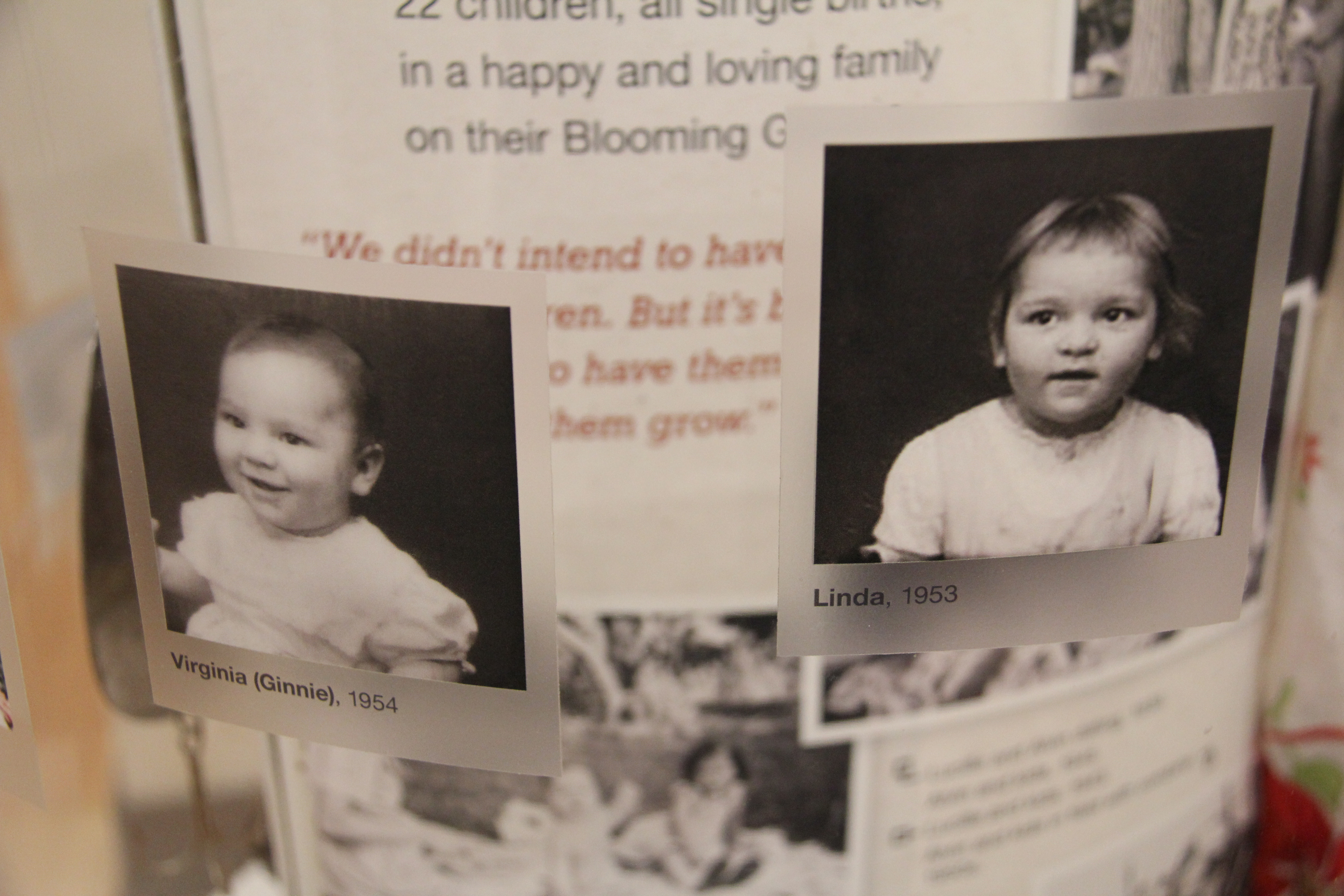
But Helen Miller had seven brothers and 14 sisters, all single births, all born to the same parents, Lucille and Alvin Miller of rural Waseca, over a span on 26 years. She’s chronicled the family’s life in a self-published memoir, 21 Siblings—Cheaper by the Two Dozen.

I happened upon this book, printed in 2018, after visiting the Waseca County History Center and seeing an exhibit about this unusually large family. I knew then that I needed to read this story by Helen, 13th in line. She’s just a bit older than me. I expected my farm upbringing during the late 50s through the 60s and into the early 70s would be similar in many ways. I was right.

WHITE RICE & PANCAKES

This book proved a stroll down memory lane. I remember meals of mostly meat and potatoes with a side vegetable given that was the preferred meal of my farmer father. He, like Alvin Miller, was quite content to eat those basics and didn’t care for any deviations. Large gardens were the norm, no matter family size. Lucille Miller canned fruits and vegetables, just like my mom, except a whole lot more. And, when food supplies ran low, both our mothers cooked a meal of white rice and cinnamon. I detested that and to this day still don’t like plain white rice.

I also do not much like pancakes, although I have no particular reason to explain that dislike. Helen Miller should. She writes of the family receiving boxes and boxes of pancake mix following a railroad accident. Except they didn’t get the pancake mix until months later…when weevils had infested the food. The Millers simply sifted out the bugs, prepared and ate the pancakes. They weren’t about to turn down free food.

Specific stories like these point to the challenges of feeding a mega family, even with their own garden produce, chicken, pork and eggs. With that many people to feed and to shelter, you can only imagine the logistics of running the household. Older siblings were responsible for younger siblings. Everyone pitched in with chores. They shared a lot—clothes, shoes, a singular cup for drinking water (same as my family), rooms, a love of music and a strong faith.

This shows part of the Miller family exhibit at the Waseca County History Center. (Minnesota Prairie Roots copyrighted file photo May 2025)

THE IMPORTANCE OF FAITH

The Millers’ Catholic faith centered their lives. Lutheranism centered mine. Faith carried the Millers through an especially tragic event—the deaths of their aunt, Irene Miller Zimmerman, and her six young children in 1959. An unseen train broadsided their station wagon just blocks from Sacred Heart School, the same school Helen and her siblings attended. She writes: It was under this veil of grief that I grew up a rather serious child. She was only four years old.

Amid the difficult moments, Helen documents light-hearted moments, too. One in particular caused me to burst into laughter. As a seven-year-old, Helen went to Confession for the first time, thinking she had not broken any of the Ten Commandments. But she had to confess something to the priest. Helen admitted to disobeying her parents twice, having false gods twice and then, and here’s the kicker, committing adultery three or four times. Now there’s nothing funny about that sin. But when an elementary-aged girl confesses to something she clearly doesn’t understand, well, I wonder how that priest kept from laughing aloud. He didn’t laugh, or correct her, according to Helen, who twice confessed to breaking the Sixth Commandment.

SEWING, FISHING & A WHOLE LOT OF PATIENCE

Story after story reveals a childhood upbringing that many times mimicked my own. Like Helen, I learned to sew because, if I wanted new clothes as a teen, I needed to stitch them. I babysat children for fifty cents an hour, just like Helen. I fished, occasionally, with my family. But the Millers fished often, usually at their rustic cabin along Reeds Lake a short drive from their farm. Vacations and dining out were not part of our youthful experiences. The list of similarities goes on and on among the many differences.

I can never fully relate to having 21 siblings. But this rural Waseca family managed and, by all accounts, well. With a whole lot of organization, love, strength and patience. And, Helen notes, with an eternally optimistic and patient mother. Just like my mom.

© Copyright 2025 Audrey Kletscher Helbling


Remembering singer Roberta Flack February 24, 2025

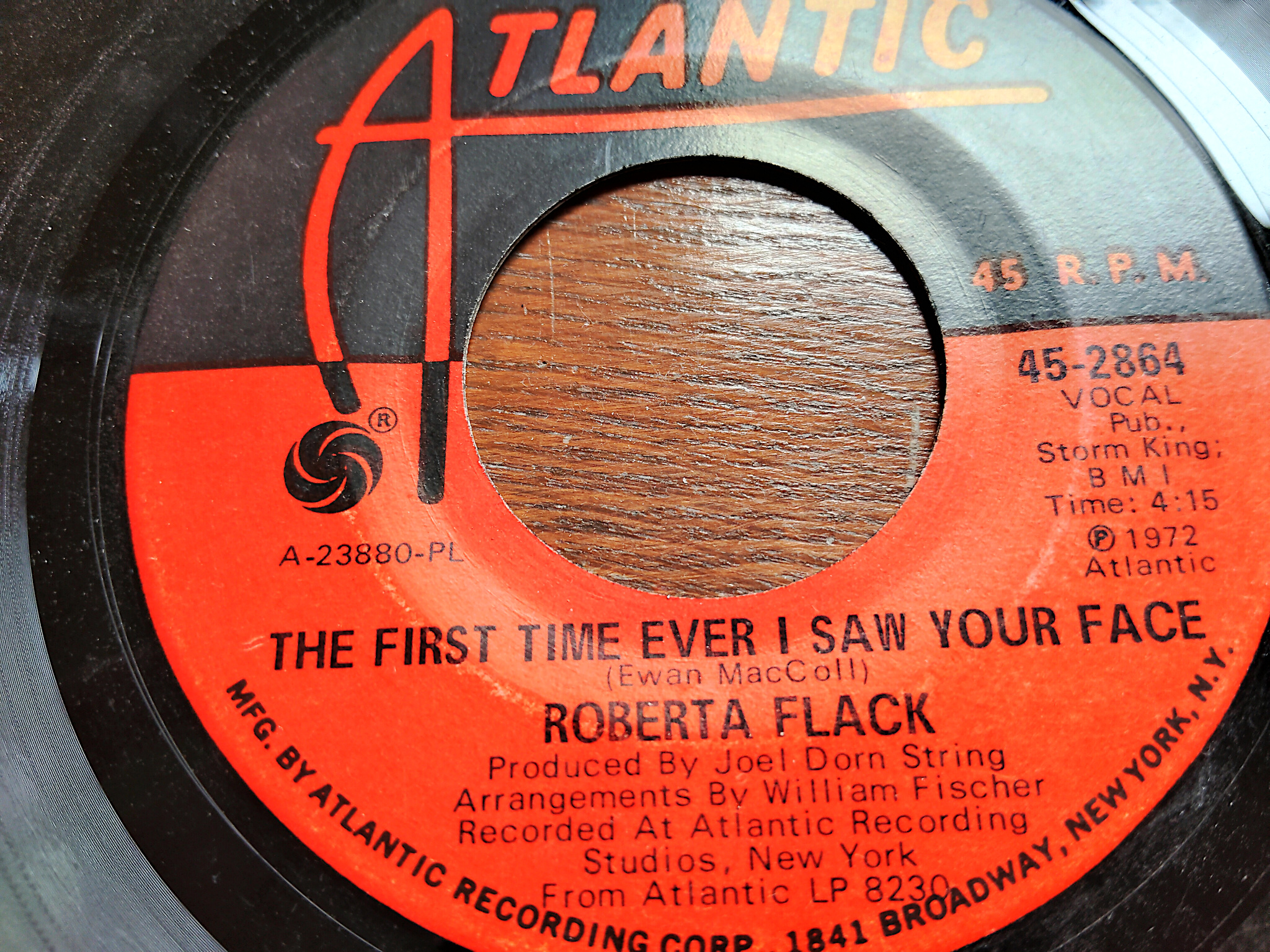
My vintage single of Roberta Flack’s hit song, “The First Time Ever I Saw Your Face.” (Minnesota Prairie Roots copyrighted photo February 2025)

WHEN ROBERTA FLACK SANG, her words flowed effortlessly. Soothing. Her voice like poetry singing words of love.

Flack died today (Monday) at age 88, news which pulled me back to the early 1970s and her Grammy award-winning singles, “The First Time Ever I Saw Your Face” (1973) and “Killing Me Softly With His Song” (1974). I love those two hits of new love and of love exposed.

I filed through my vintage 45 rpm vinyls until I found Flack’s, then dropped the record onto the turntable to once again immerse myself in feelings of young love. I was in high school when Flack’s singles released and then became Billboard hits.

The songs are universal in theme, undeniably beautiful in delivery. At least that’s my perspective as a Baby Boomer who can’t read a single musical note, can’t carry a tune and knows she likes a song when she likes it.

The timing of Flack’s death during February, Black History Month, seems worth noting, too. She accomplished much as a Black woman. At the age of 15, Flack received a full scholarship to Howard University, a historically Black private college in Washington DC. She earned a bachelor’s in music in 1958, going on to teach music while also pursuing a singing career. Clearly, she accomplished her goals.

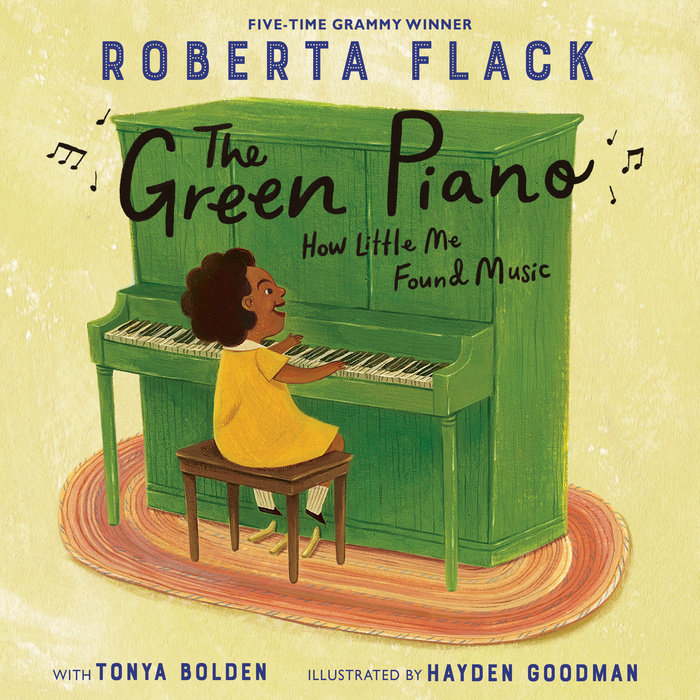
(Book cover sourced online)

In researching her background, I learned of a 2023 children’s picture book autobiography, The Green Piano: How Little Me Found Music, written by Flack and by Tonya Bolden with illustrations by Hayden Goodman. The title references a piano Flack’s father found in a junkyard, then refurbished and painted a grassy green. Flack was nine years old when she got that first piano. That it came from a junkyard reminds me of the bicycles my maternal grandfather pulled from the junkyard, repaired, painted and gifted to me and my siblings. I was just as thrilled to have my own bike as Flack was to have her own piano.

Flack’s backstory of growing up in a family that valued music and recognized her talent is a love story, too. If only every child would be loved so deeply and encouraged to follow his/her dreams, what a beautiful world this could be.

TELL ME: Whose music do you appreciate and why? And if you remember Roberta Flack, I’d like to hear your thoughts on her and her work.

© Copyright 2025 Audrey Kletscher Helbling


For the love of green September 14, 2017

Filed under: Uncategorized — Audrey Kletscher Helbling @ 5:00 AM
Tags: , , , , , ,


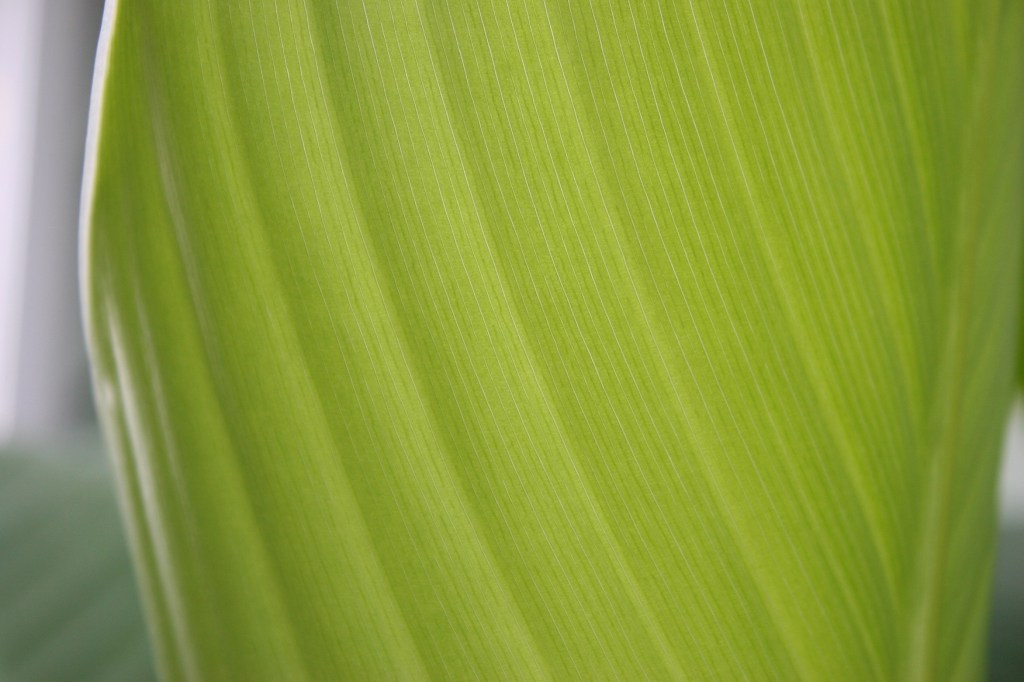
Close-up of a canna lily leaf photographed in my backyard.


ASK ME MY FAVORITE COLOR and my answer never deviates. It has always been green.


A cornfield. Minnesota Prairie Roots file photo.


The appeal of that hue connects to my rural roots and to memories—of lofty cottonwoods, forever cornfields, freshly-mown alfalfa, a sea of grass bending in the wind, a grain wagon, the putt-putt-putting of a John Deere tractor, my high school graduation gown…


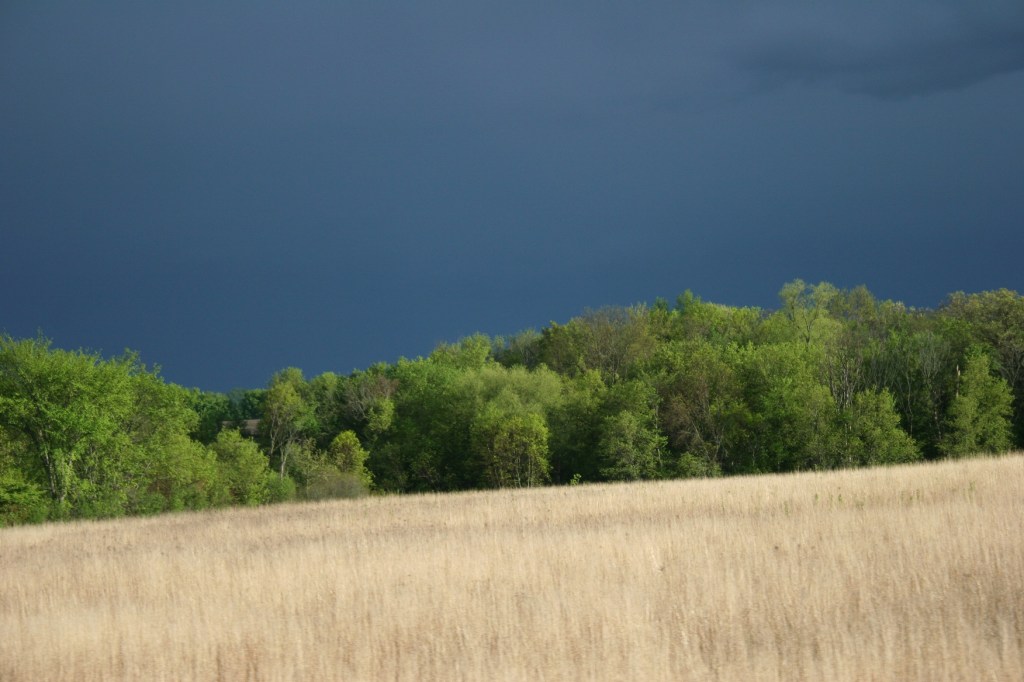
I love the lighting, the contrast of green shades against dark sky in this photo taken near Medford. Minnesota Prairie Roots file photo.


Among the variations of green, I favor the sage, the forest, the tints that tie to nature. And lime green.


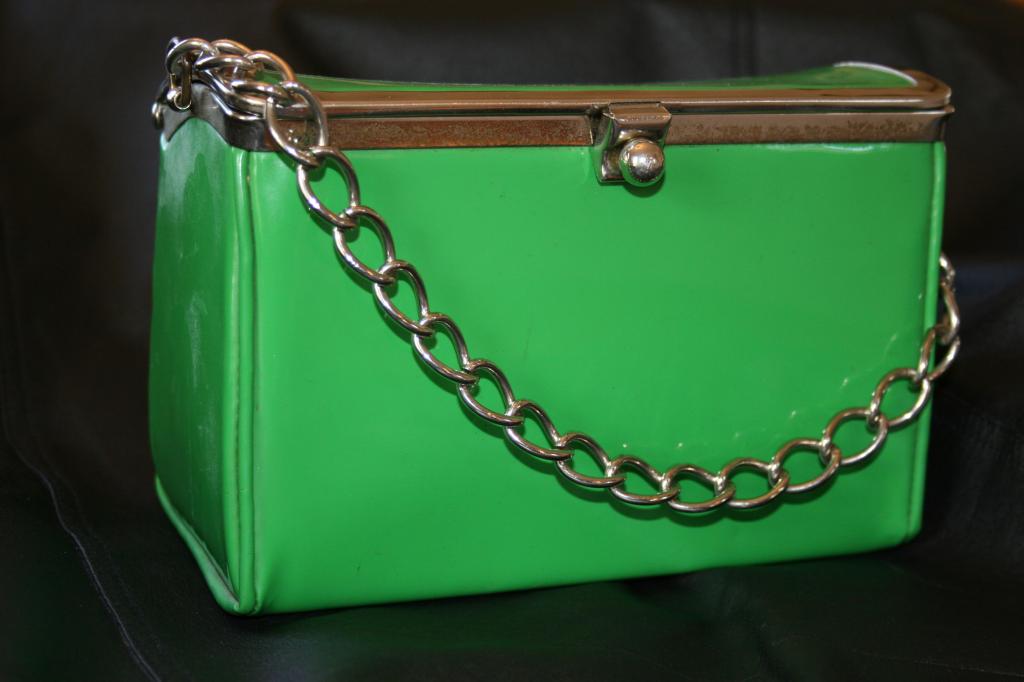
My vintage 1960s purse, reclaimed years ago from my mom’s toybox. Minnesota Prairie Roots file photo.


Lime green pants salvaged from my mom’s basement (did she really save those for 40-plus years?) drape a hanger in an upstairs closet. As a teen I wore those pants with the stick person thin waist and legs flaring to cuffs. I also carried a rectangular lime green purse complementing a lime green suit stitched by an aunt. I still have the purse, but not the outfit. Mom didn’t save everything.


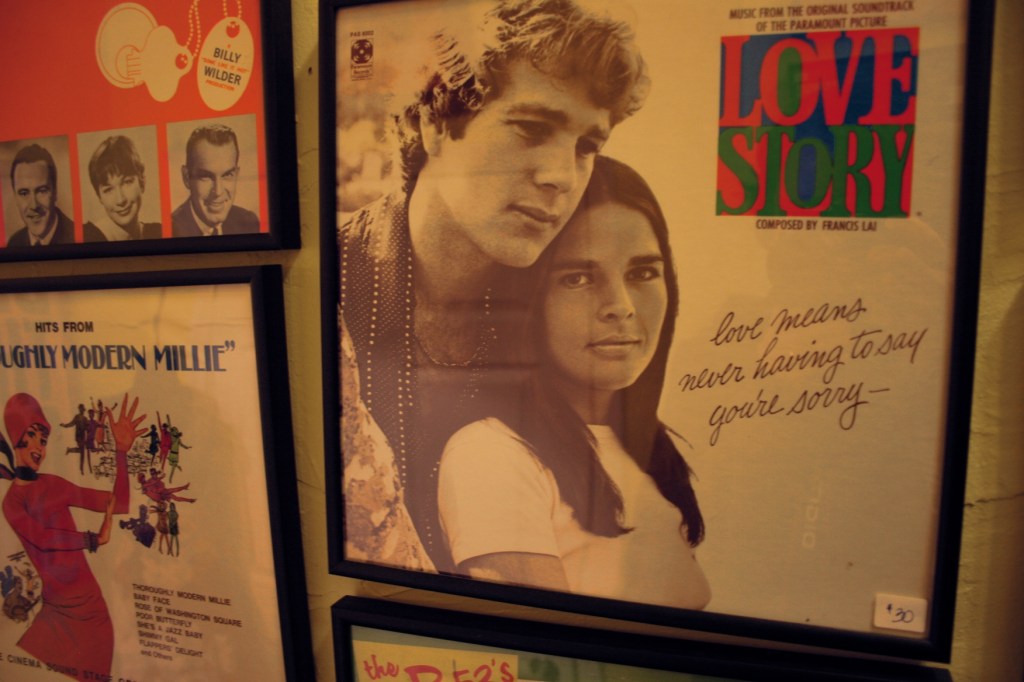
Love Story album cover framed at Vintique in Neenah, Wisconsin. Minnesota Prairie Roots file photo 2014.


And then there’s the lime green bedroom. Not now. But then. Back then, when I was a teen, in the days of reading Jonathon Livingston Seagull and believing “love means never having to say you’re sorry” (how stupid is that?) and tacking whatever onto a bright yellow smiley face bulletin board and wearing hot pants and flashing the peace sign.


My eyes. Minnesota Prairie Roots file photo.


Green holds such memories. And when I look in the mirror, I see, too, the color of my past and of my future. In my eyes. Green eyes.


TELL ME: What is your favorite color and why?

© Copyright 2017 Audrey Kletscher Helbling


Published in Oakwood: My latest rural-rooted poem honors my farm wife mom April 28, 2017

An abandoned farmhouse along Minnesota State Highway 19 east of Vesta, my hometown. The house is no longer standing. This image represents my rural heritage and looks similar to the house I called home for the first 11 years of my life. Minnesota Prairie Roots file photo.


MORE THAN 40 YEARS removed from the farm, my creative voice remains decidedly rural, especially in the poetry I write.

My latest published poem, “Ode to My Farm Wife Mother,” honors the woman who raised me, alongside my father, on a southwestern Minnesota dairy and crop farm. My parents were of good German stock, a hardworking couple who believed in God, in family and in the land. I carry that heritage with me, ever grateful for my rural upbringing.
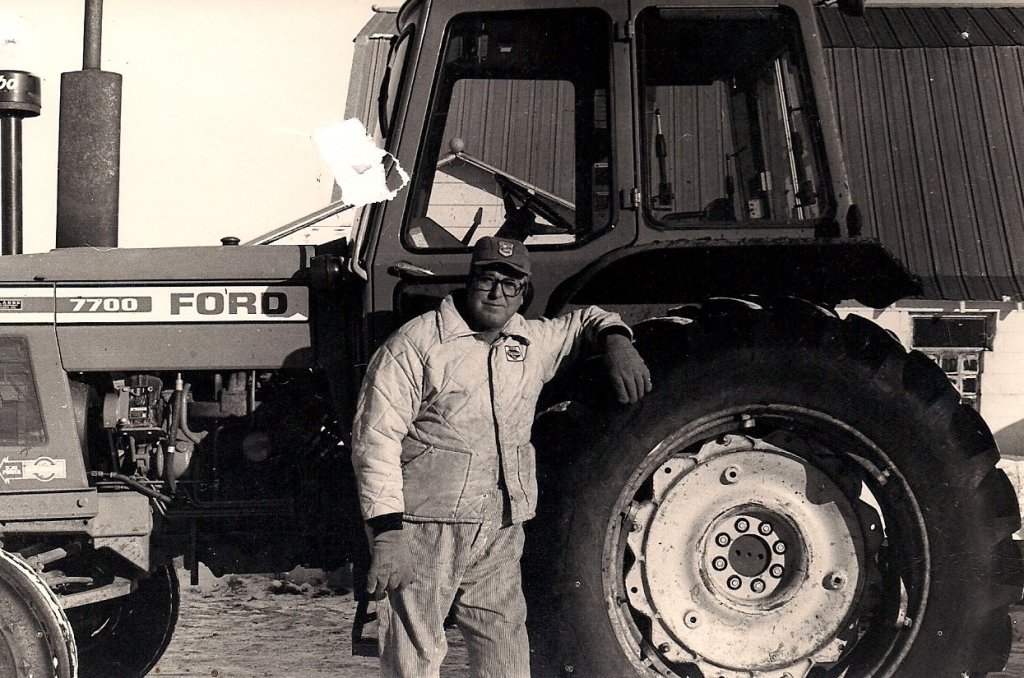
 

Dad farmed, in the early years with a John Deere and Farmall and IH tractors and later with a Ford. (Photo by Lanae Kletscher Feser)

A photo of my dad, Elvern, taken in 1980.


Life in rural Minnesota in the 1960s and 1970s was hard. I see that now from the perspective of an adult. My dad worked long hard hours in the barn milking cows and equally long hard hours in the fields. Farming was much more labor intensive then.
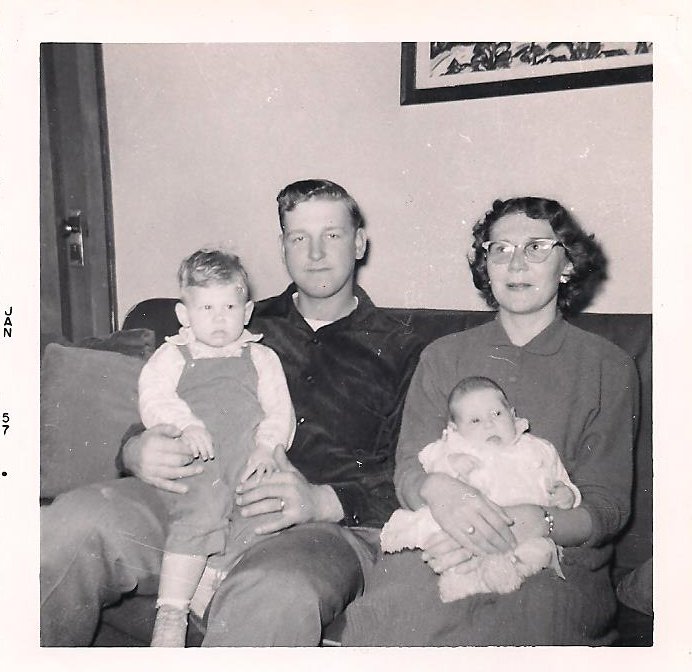
 

The only photo I have of my mom holding me. My dad is holding my brother, Doug.


Likewise, my mom’s job of caring for our family of eight required long hard hours of labor. She tended a large garden, preserved fruits and vegetables to stock the freezer and cellar shelves, baked bread from scratch, washed clothes with a wringer washer, did without a bathroom or telephone or television for many years, and much more.
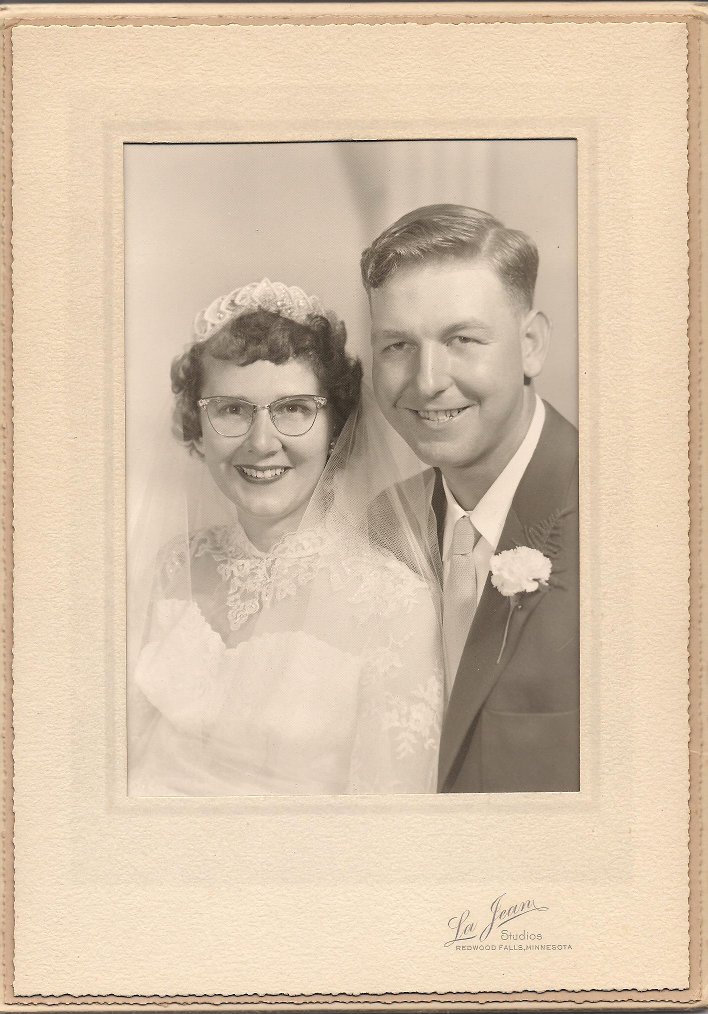
 

My parents, Vern and Arlene, on their September 25, 1954, wedding day.


Sometimes I think how much easier my mother’s life would have been had she not married my dad and stayed at her town job in Marshall.


Our family Christmas tree always sat on the end of the kitchen table, as shown in this Christmas 1964 photo. That’s me in the red jumper with four of my five siblings. I write about this red-and-white checked floor in my poem.


But then I remind myself of how much family means to my mom and I could not imagine her life without any of her six children. She centered us, grounded us, taught us kindness and gratitude, instilled in us a loving and compassionate spirit.
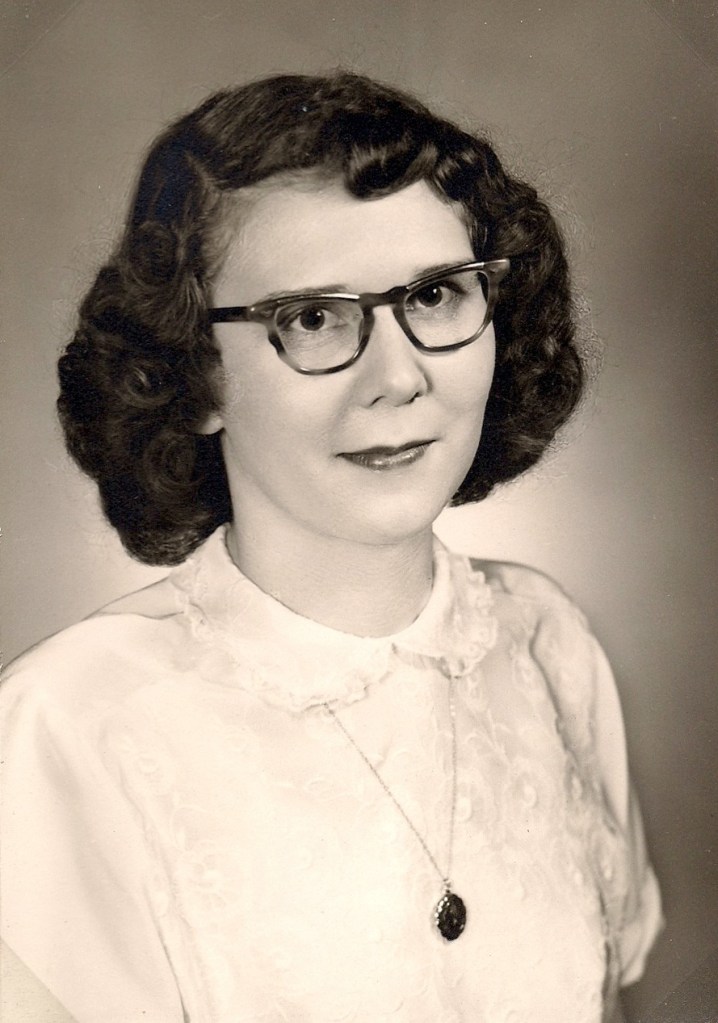
 

Arlene’s 1951 graduation portrait.


She has always been mom to me, a mother now nearing age 85. But there was a time when she was Arlene, not somebody’s wife, somebody’s mother. There was a time when she and my dad danced away a Saturday night in a southwestern Minnesota dance hall. They met at a dance.
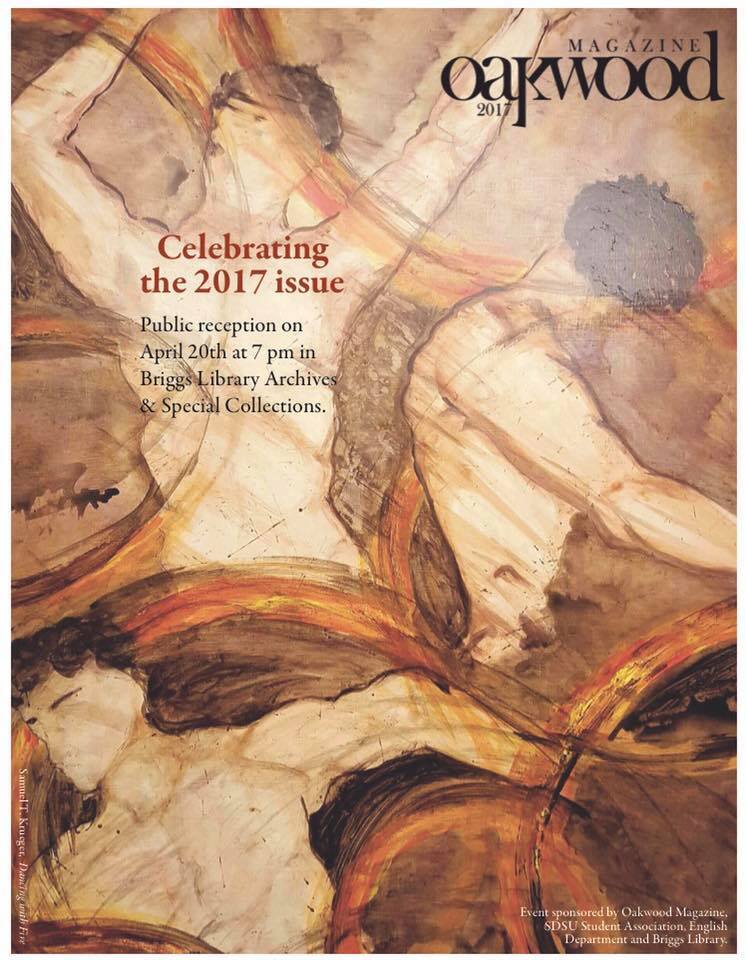
 

The promo for Oakwood 2017 features “Dancing with Fire,” the art of Samuel T. Krueger. Promo image courtesy of Oakwood.


Those thoughts inspired me to write “Ode to My Farm Wife Mother,” published last week in South Dakota State University’s literary journal, Oakwood. I am honored to have my poem selected for inclusion with the work of other writers and artists from the Northern Great Plains. It’s a quality publication that represents well those of us who call this middle-of-the country, often overlooked place, home.


Ode to My Farm Wife Mother

Before my brother,
you were Saturday nights at the Blue Moon Ballroom—
a bottle of Jim Beam whiskey in a brown paper bag,
Old Spice scenting your dampened curls,
Perry Como crooning love in your ear.

Then motherhood quelled your dancing duet.
Interludes passed between births
until the sixth, and final, baby slipped into your world
in 1967. Thirteen years after you married.
Not at all unlucky.

Life shifted to the thrum of the Maytag,
sing-song nursery rhymes,
sway of Naugahyde rocker on red-and-white checked linoleum.
Your skin smelled of baby and yeasty homemade bread
and your kisses tasted of sweet apple jelly.

In the rhythm of your days, you still danced,
but to the beat of farm life—
laundry tangled on the clothesline,
charred burgers jazzed with ketch-up,
finances rocked by falling corn and soybean prices.

Yet, you showed gratitude in bowed head,
hard work in a sun-baked garden,
sweetness in peanut butter oatmeal bars,
endurance in endless summer days of canning,
goodness in the kindness of silence.

All of this I remember now
as you shove your walker down the halls of Parkview.
in the final set of your life, in a place far removed
from Blue Moon Ballroom memories
and the young woman you once were.

                                         #
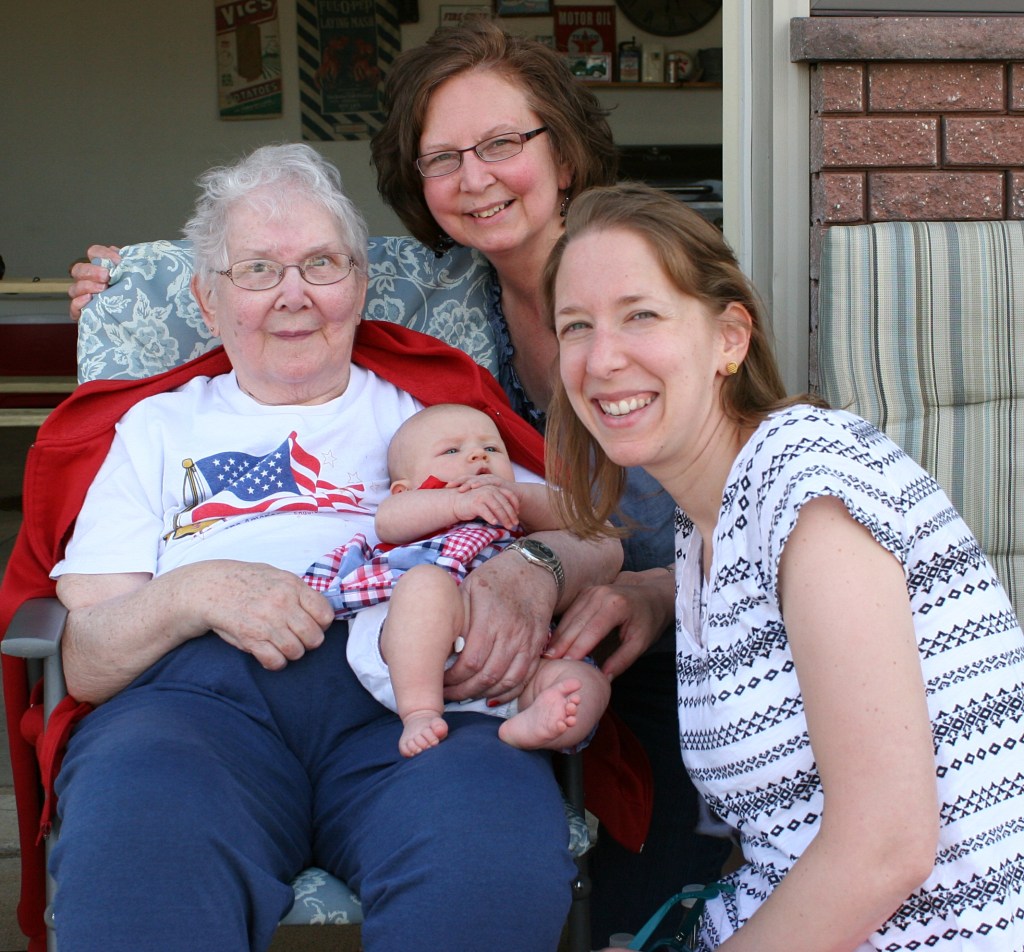
Four generations: Great Grandma Arlene, Grandma Audrey, mother Amber and baby Isabelle, all together for the first time in July 2016 in rural southwestern Minnesota. Minnesota Prairie Roots file photo 2016.


I took some liberties with my poem. I doubt my mom ever drank whiskey. But back in the day, folks brought booze bottles in brown paper bags to dances for set-ups. She didn’t dance in the Blue Moon Ballroom, although one once stood in Marshall. Arlene went to dances in Ghent, in a dance hall whose name eludes me. Blue Moon sounds more poetic. But the rest of the poem is factual right down to the Naugahyde rocker and my mom shoving her walker down the hallways of Parkview.

FYI: You can view my poem on page 78 of Oakwood, found online by clicking here. My bio is published on page 89, listed among the other 40 contributors’ bios. I am grateful to SDSU in Brookings for the opportunity to be part of this magazine which showcases the creative voices of Plains writers and artists. I shall always feel proud of my rural upbringing, the single greatest influence on me as a poet, a writer, a photographer.

Copyright 2017 Audrey Kletscher Helbling


An essay inspired by a garage sale sign in Faribault September 16, 2015

Filed under: Uncategorized — Audrey Kletscher Helbling @ 5:00 AM
Tags: , , , , , , ,

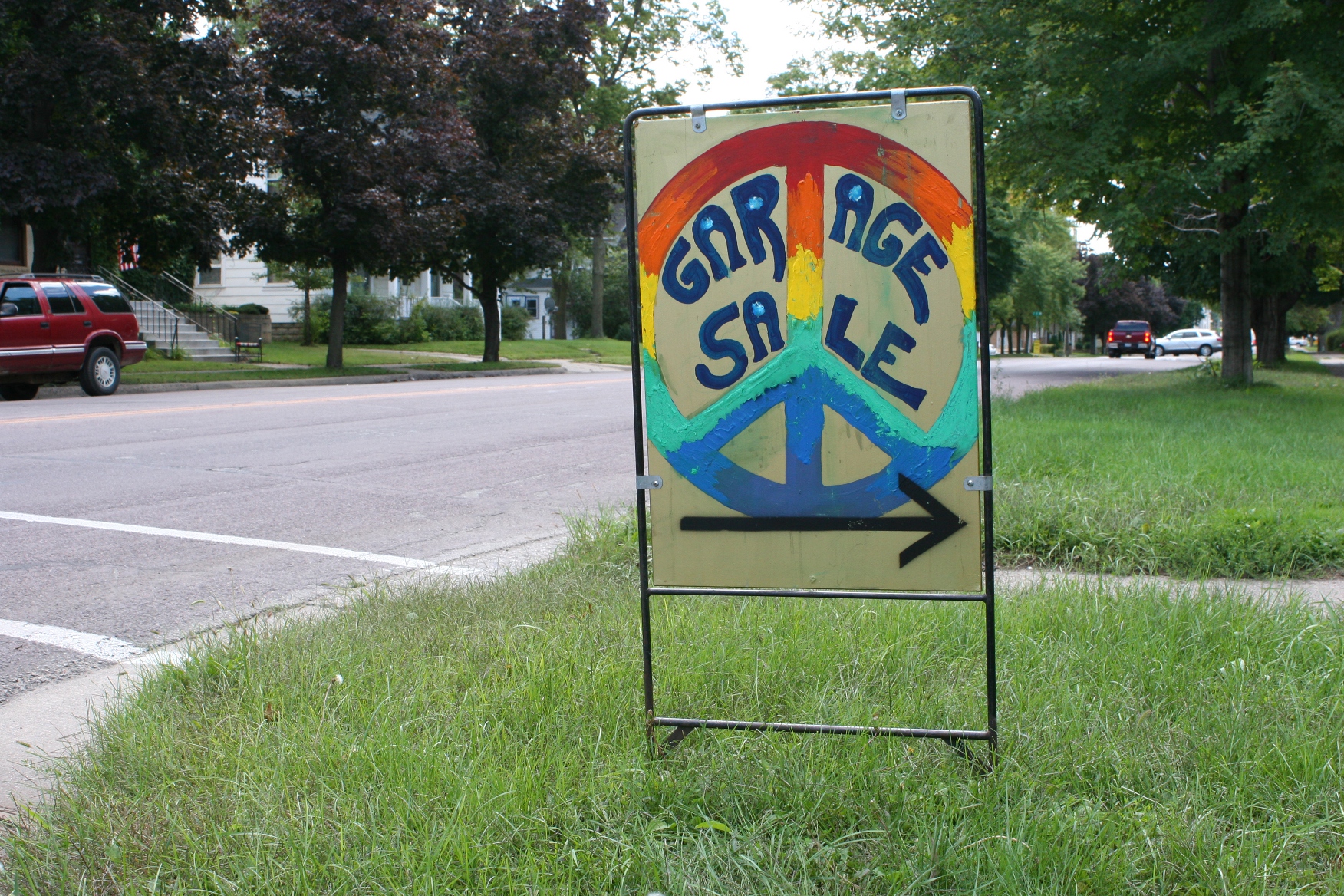
Peace symbol sign, tie-dyed


I CAME OF AGE in the early 1970s, too young to be a Flower Child or hippie, yet old enough to remember all the anti-establishment and Vietnam War discontent.

I wore hip huggers, hot pants and bell bottoms. Fringed suede belts and go-go boots. A POW bracelet wrapped my wrist.


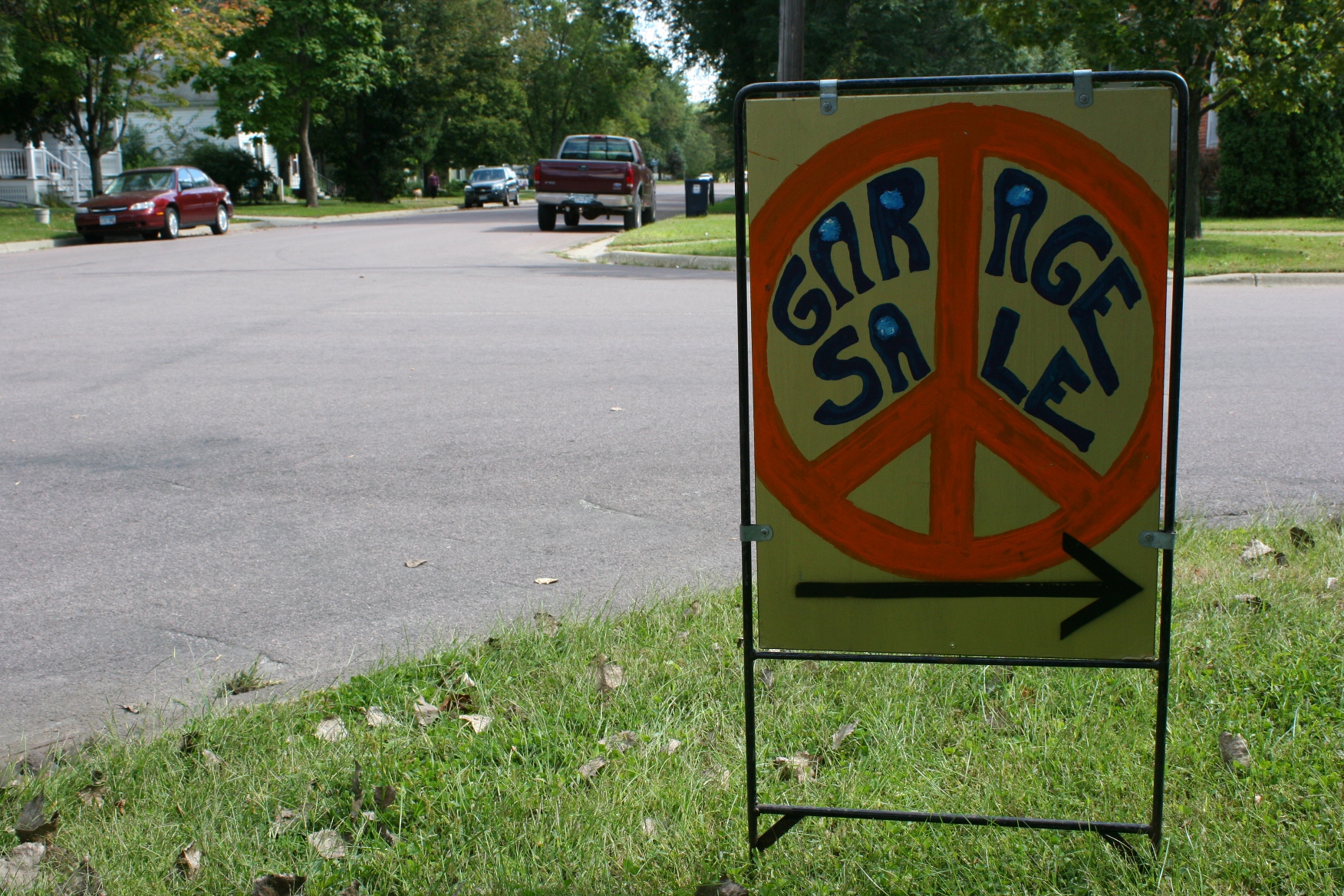
Peace symbol sign, orange


My bedroom was paneled and painted lime green, accented with a yellow smiley face bulletin board. A black-and-white movie poster of Ryan O’Neal and Ali MacGraw hung above my bed. I loved the film Love Story, still do, even though it features a line—love means never having to say you’re sorry—that’s ridiculously stupid.

Jonathan Livingston Seagull quotes inspired me and Elton John’s Crocodile Rock rocked me.


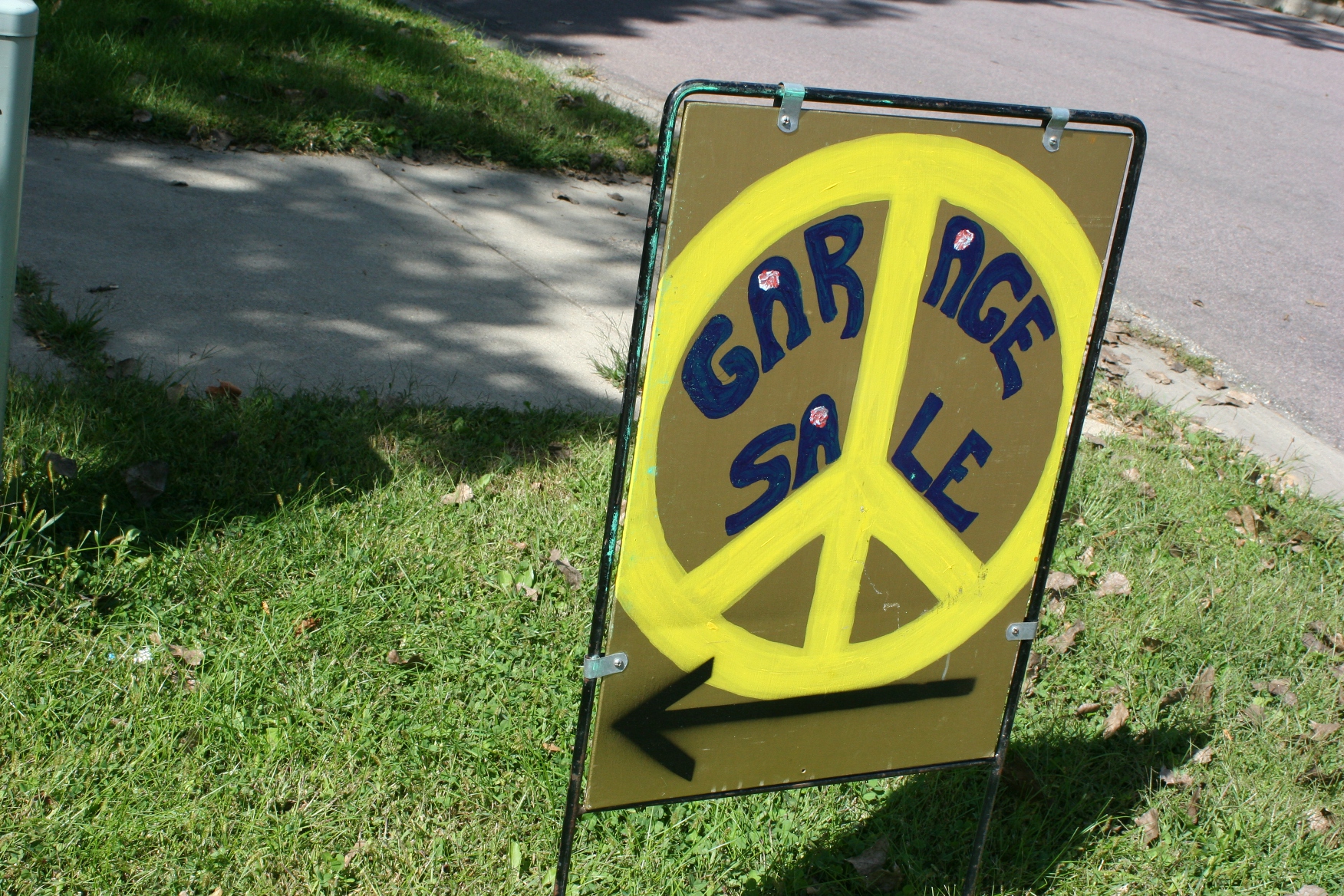
Peace symbol sign, yellow


Mixed in with the funky tie-dyed t-shirts and the too wide pant legs and the too short skirts and the everything parents likely abhorred about teen fashion of the seventies was the peace symbol. Sweet peace. Today, decades removed from my youth, I still value the peace symbol. Peace. It is my hope for this big wide crazy world of ours, a timeless wish that remains constant through the generations.

© Copyright 2015 Audrey Kletscher Helbling


Toy stories at the Minnesota History Center December 11, 2014

TOY: Object for a child to play with.


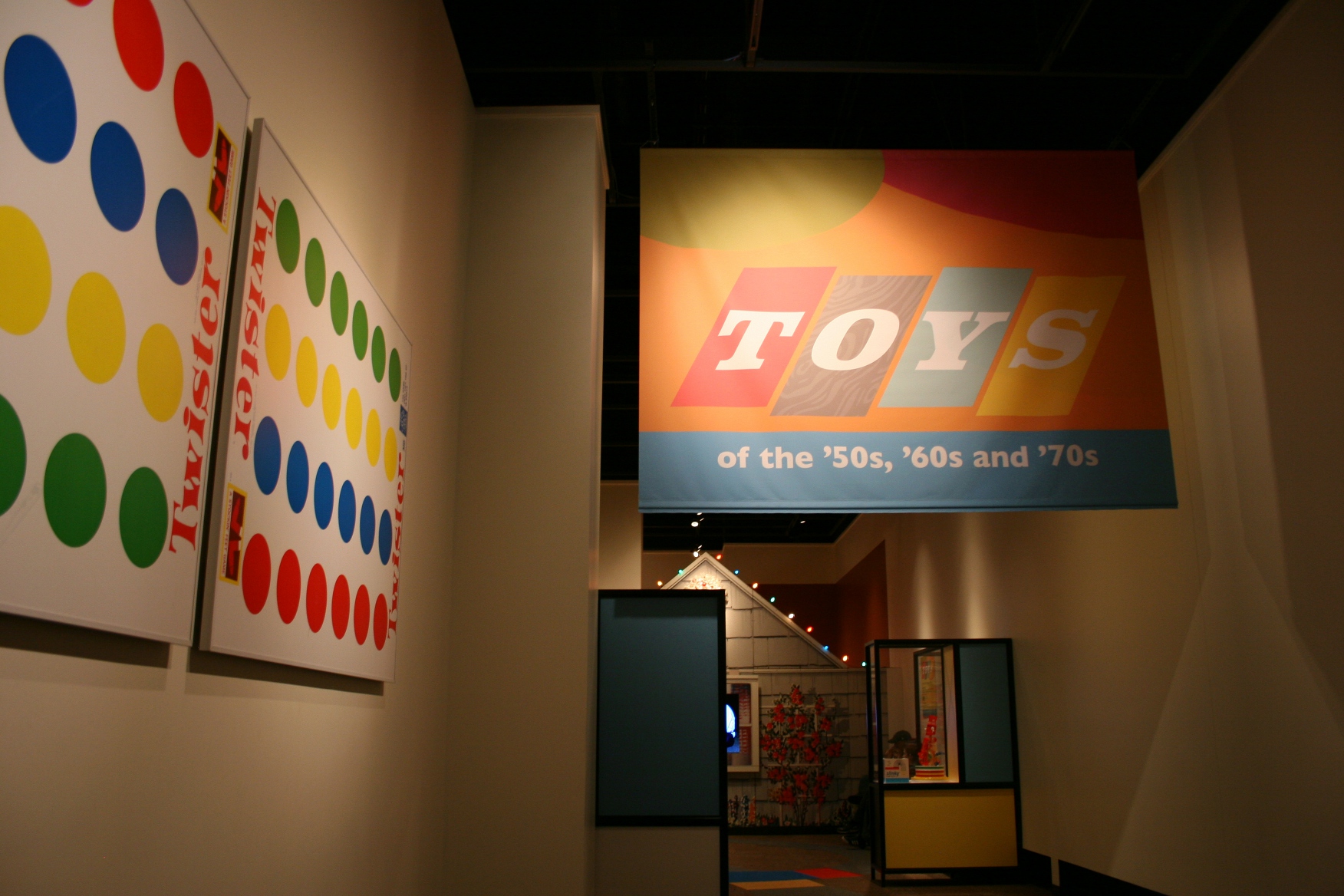
Toys, sign and Twister


If you’re a Baby Boomer, that object may have been Tinker Toys or Lincoln Logs, anything space or Western related, a baby doll or Barbie or perhaps a troll. How about a Tonka truck? Twister or Cootie or Candy Land, anyone?


Toys, promo on wall


The Minnesota History Center’s “TOYS of the ’50s, ’60s and ’70s” is a skip down memory lane for my generation. A recent tour of the exhibit, which runs through January 4, 2015, skipped joy into my heart as I spotted toys I hadn’t thought about in years. Sometimes it’s fun simply to forget about today and remember the carefree days of youth. The days of hopscotch and jacks and stick horses and…

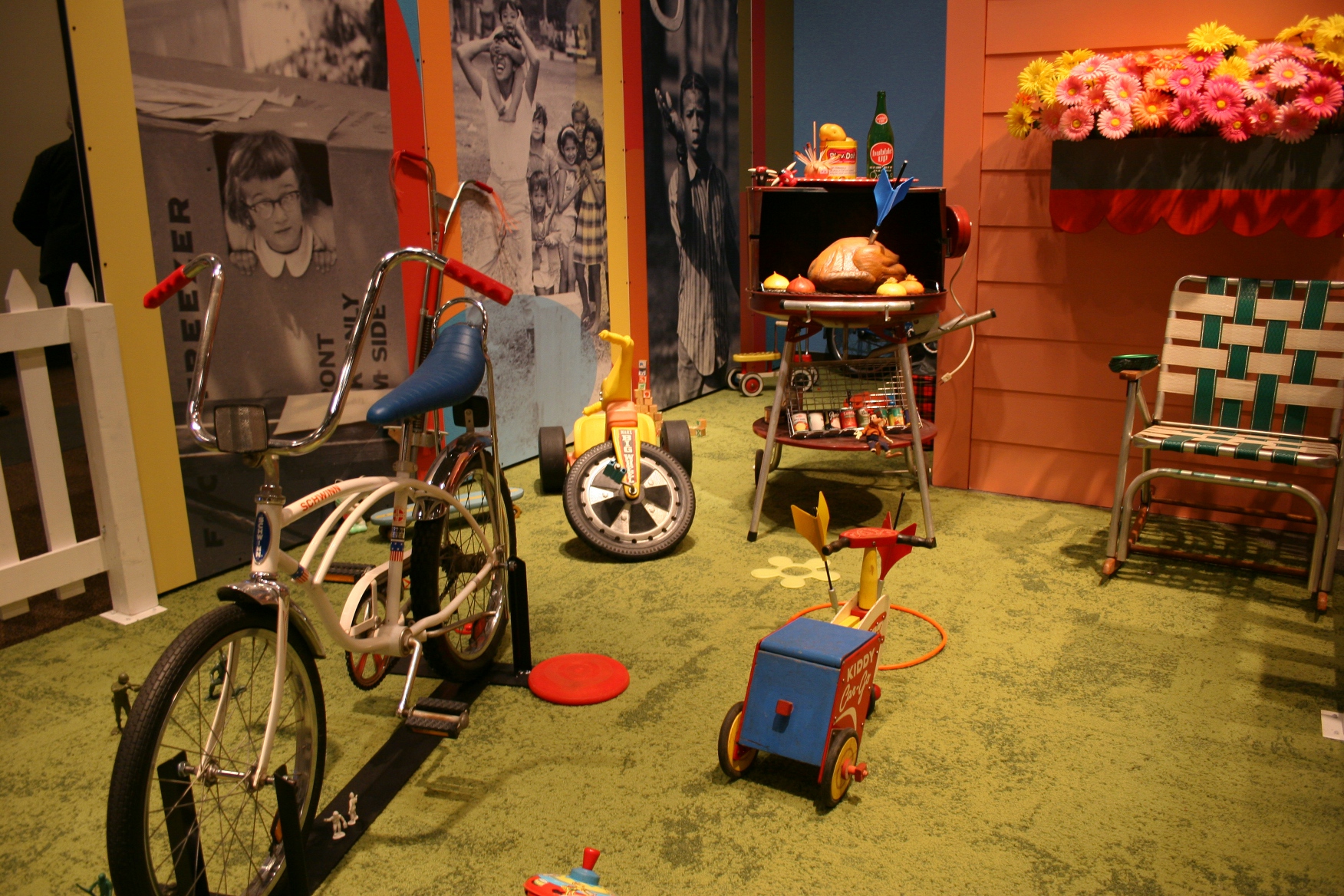
Outdoor toys and a play area are part of the exhibit.

Outdoor toys and a play area are part of the exhibit.

I didn’t see a jump rope, though, but perhaps missed it.

Oh, the hours sitting cross-legged with Tinker Toys scattered across the floor, attempting to construct a Ferris Wheel.


Toys, Cootie


Oh, the anticipation of rolling a six on the die to insert the last of six legs into a Cootie’s body.

Oh, the tears that raged when I discovered my oldest brother had punched in the boobs of my new bridal doll.

Oh, the gratitude to my friend Robin for gifting me with a mini pink-haired troll at my ninth birthday party. It was the only troll or childhood birthday party I would ever have.

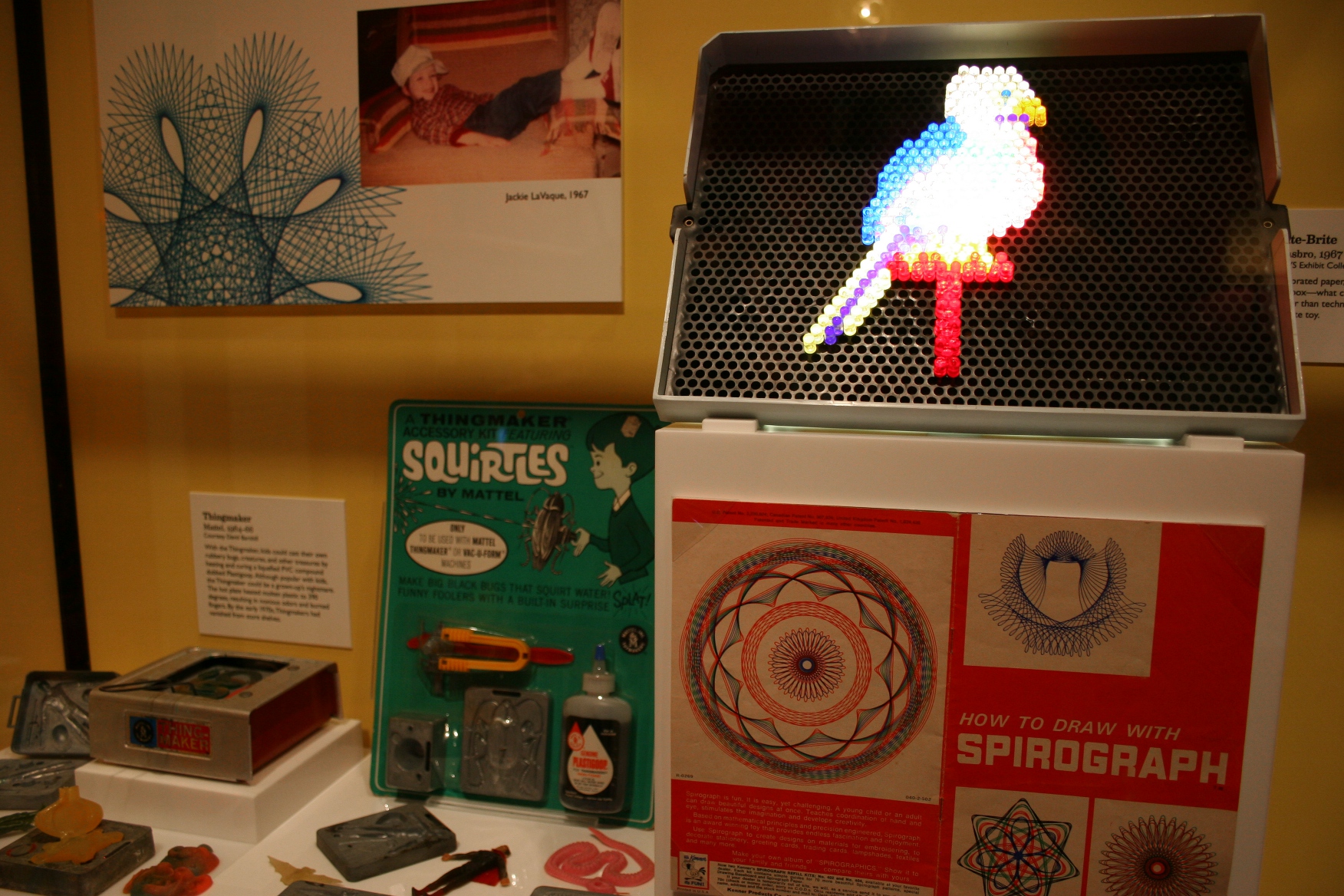
Toys, Spirograph

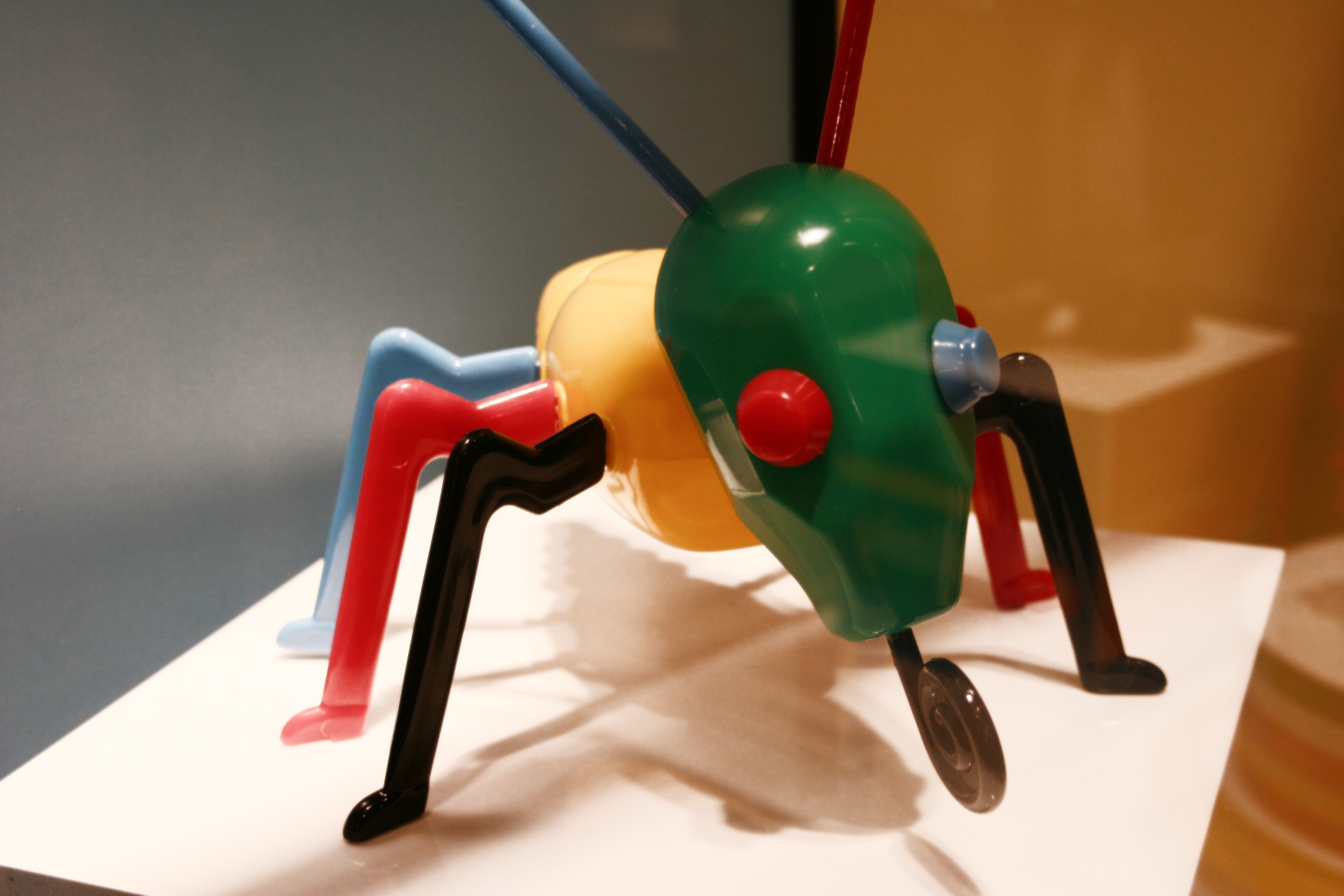
Some artsy favorites like Spirograph, Lite Brite and making bugs from goop.


Oh, the delight in creating kaleidoscopic designs with Spirograph’s pens and plastic shapes.

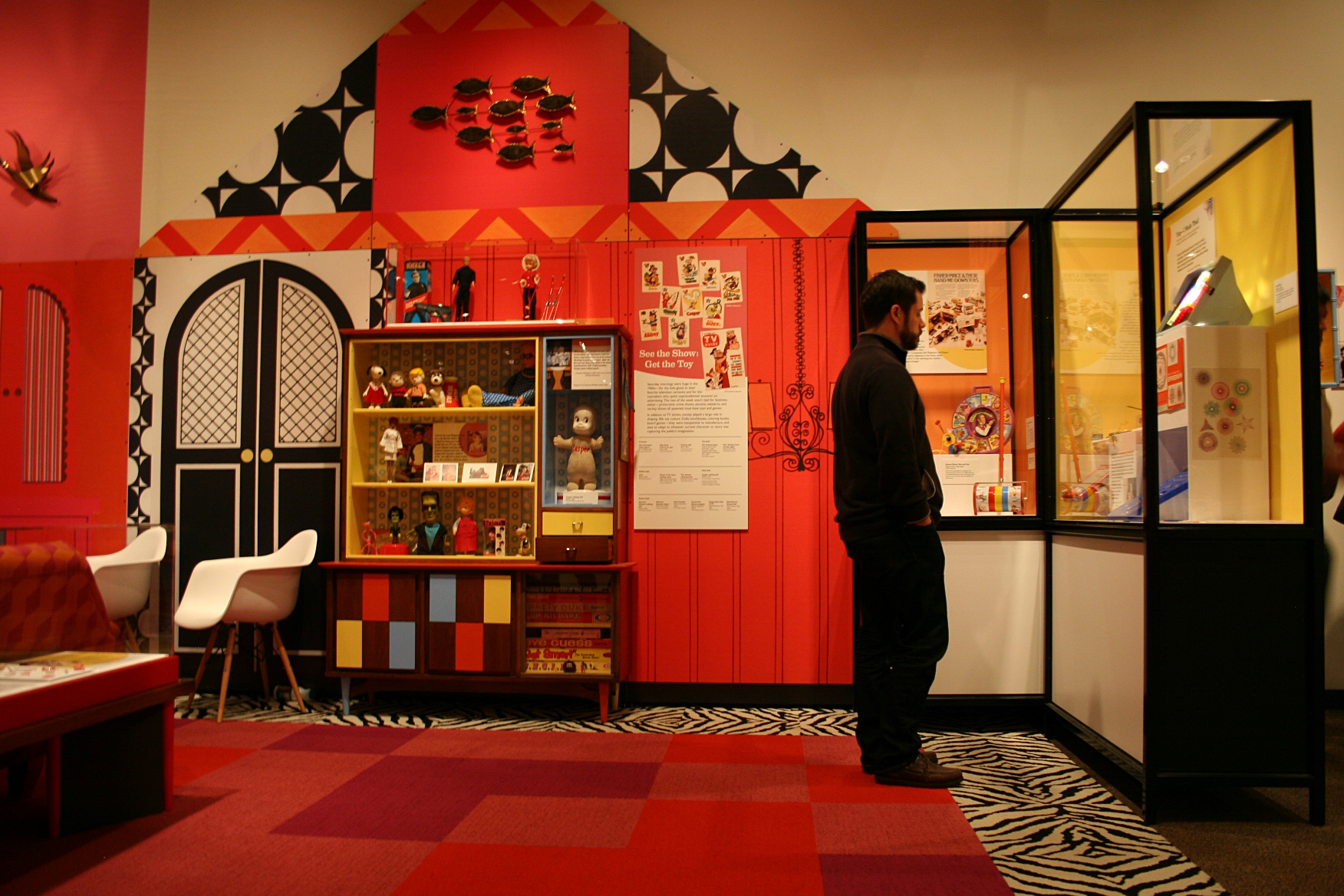
A museum visitor checks out the 1960s exhibit.

A museum visitor checks out the 1960s exhibit.

Memories rolled in waves as I perused the showcased toys. Some I had as a child; many I did not.

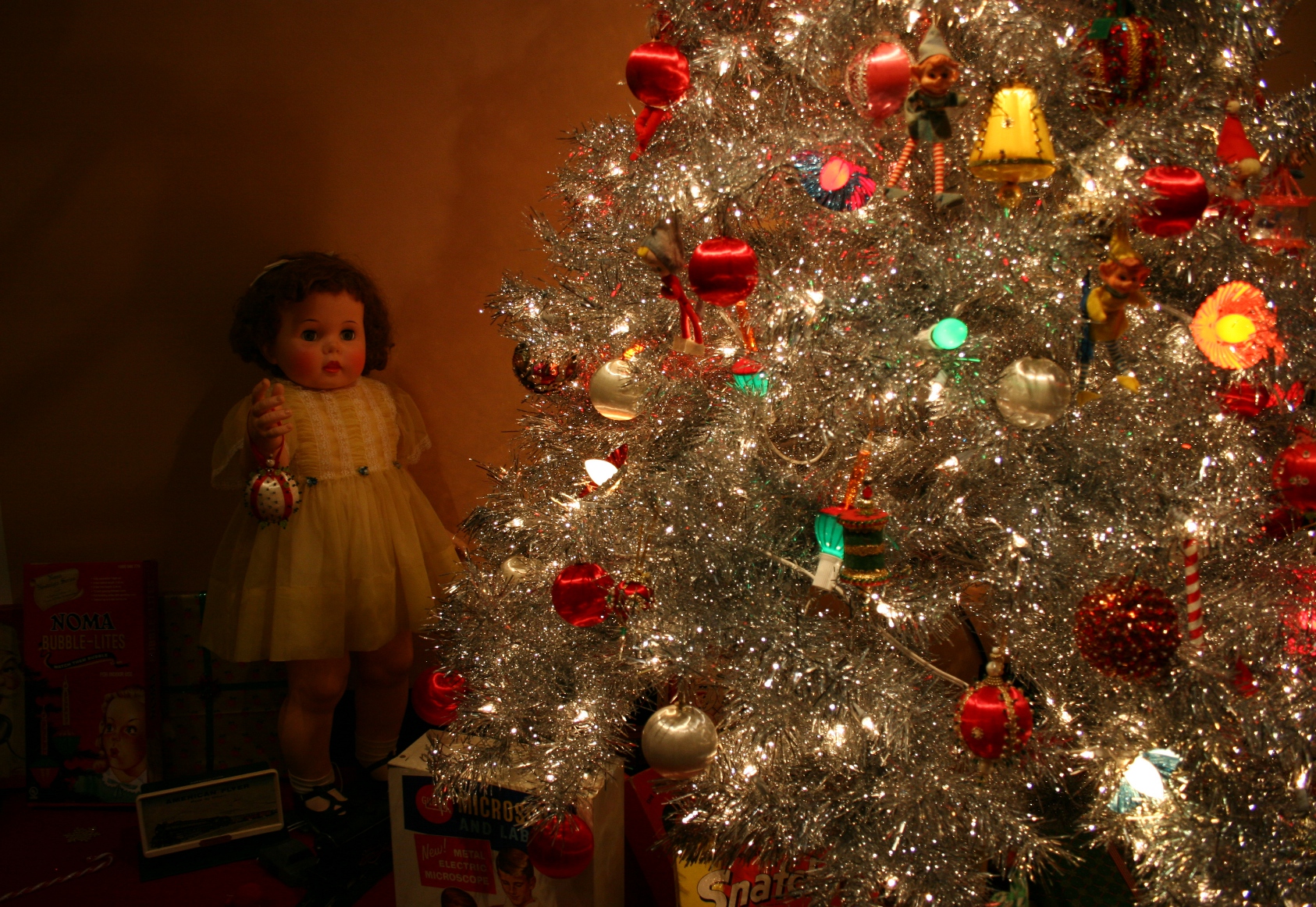
In the '50s section of the exhibit, a Christmas tree with coveted toys of the decade.

In the ’50s section of the exhibit, a Christmas tree with coveted toys of the decade.

I remember each December paging through the Sears Christmas catalog (AKA “Wish Book”) that arrived in our rural southwestern Minnesota mailbox, wishing for so much, knowing in my deepest desires that I would never get the Pogo stick I coveted nor the doll that cried with the pull of a string or a new bicycle (mine came from the junkyard).

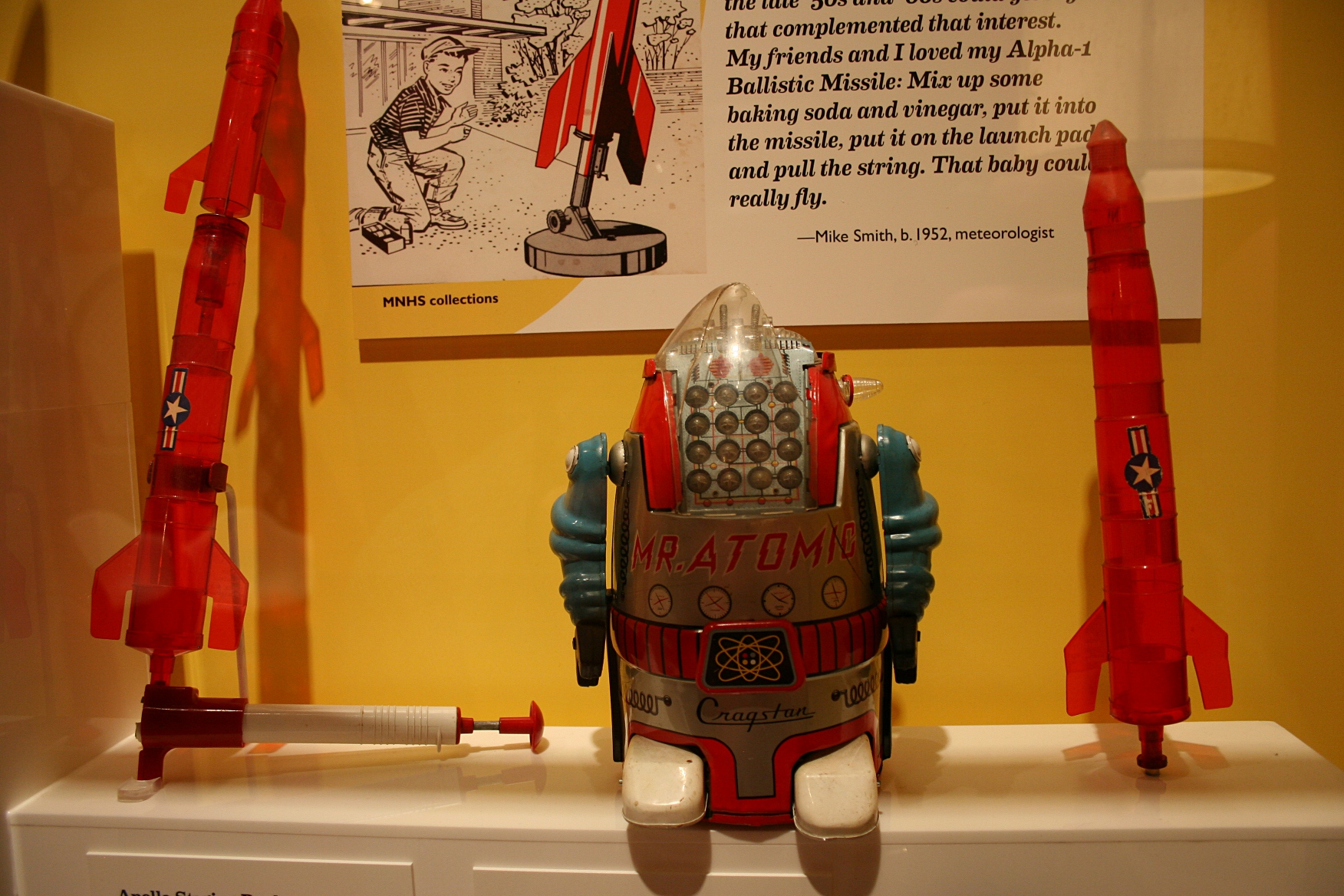
Space toys were big in the 1960s and my oldest brother had a rocket.

Space toys were big in the 1960s and my oldest brother had a rocket.

I would receive what my parents could afford and I expect they sacrificed much even for that.

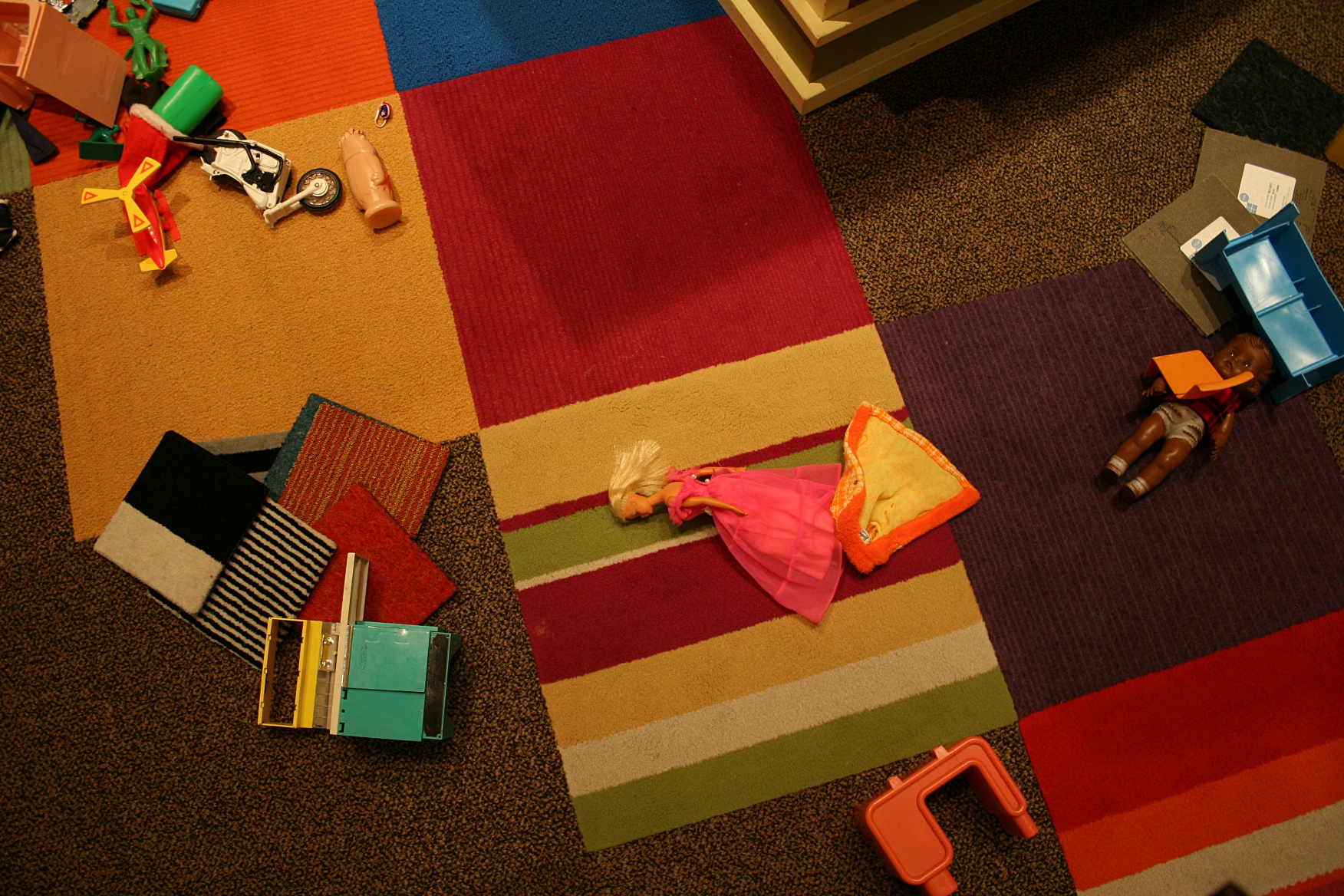
Toys strewn across the floor in a play area of the 1970s part of the exhibit.

Toys strewn across the floor in a play area of the 1970s part of the exhibit.

Looking back, that inability to give me and my siblings a pile of toys was a gift in itself. Sure, I wanted the hottest new toy. That’s normal thinking for a kid who doesn’t understand family finances or a parent’s thoughts on curbing greed.

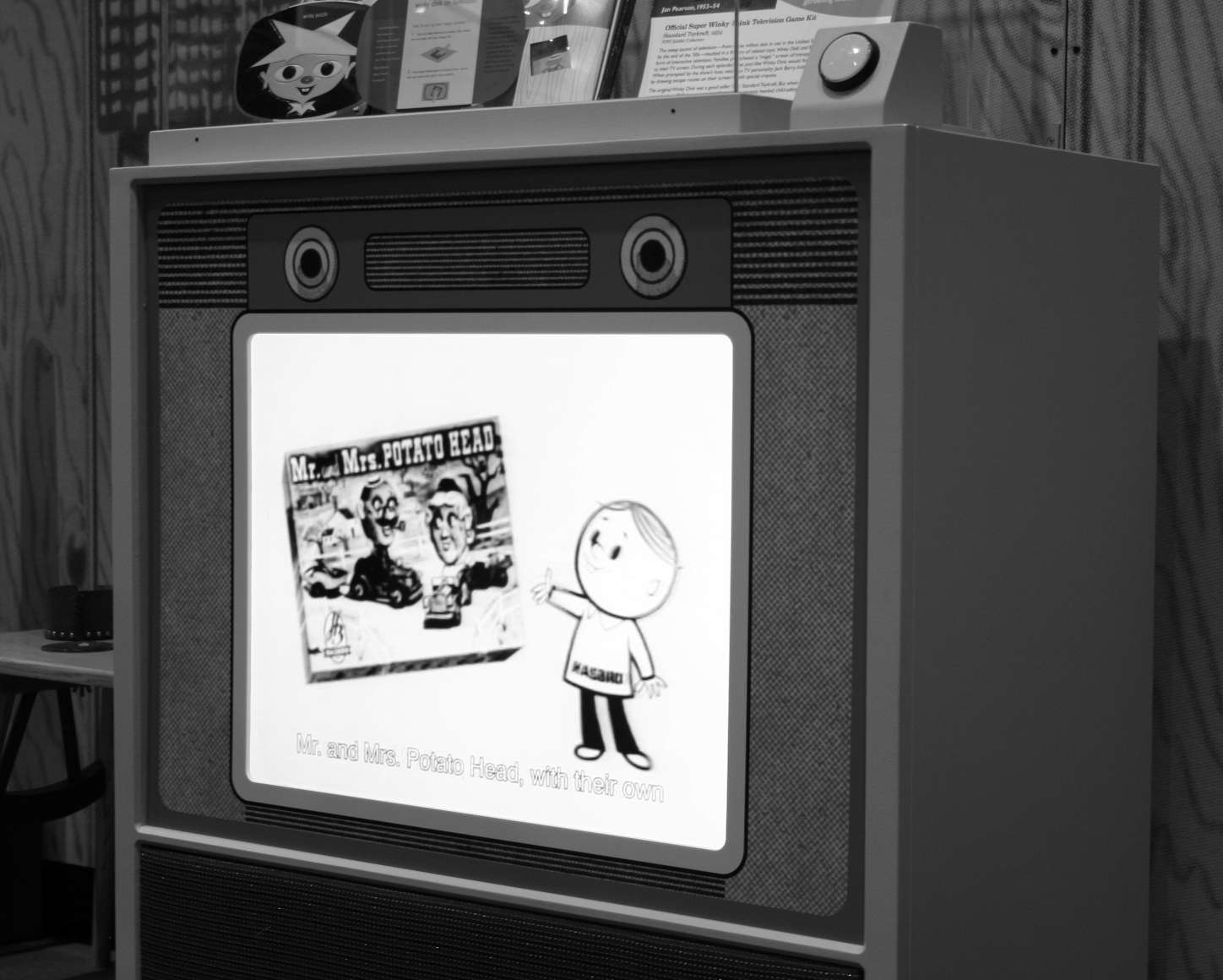
I remember life without TV and our first television, in black and white. And Mr. Potato Head, a popular toy back in the day.

I remember life without TV and our first television, black and white. And Mr. Potato Head, a popular toy back in the day.

Because of my upbringing, I have never focused on material things.

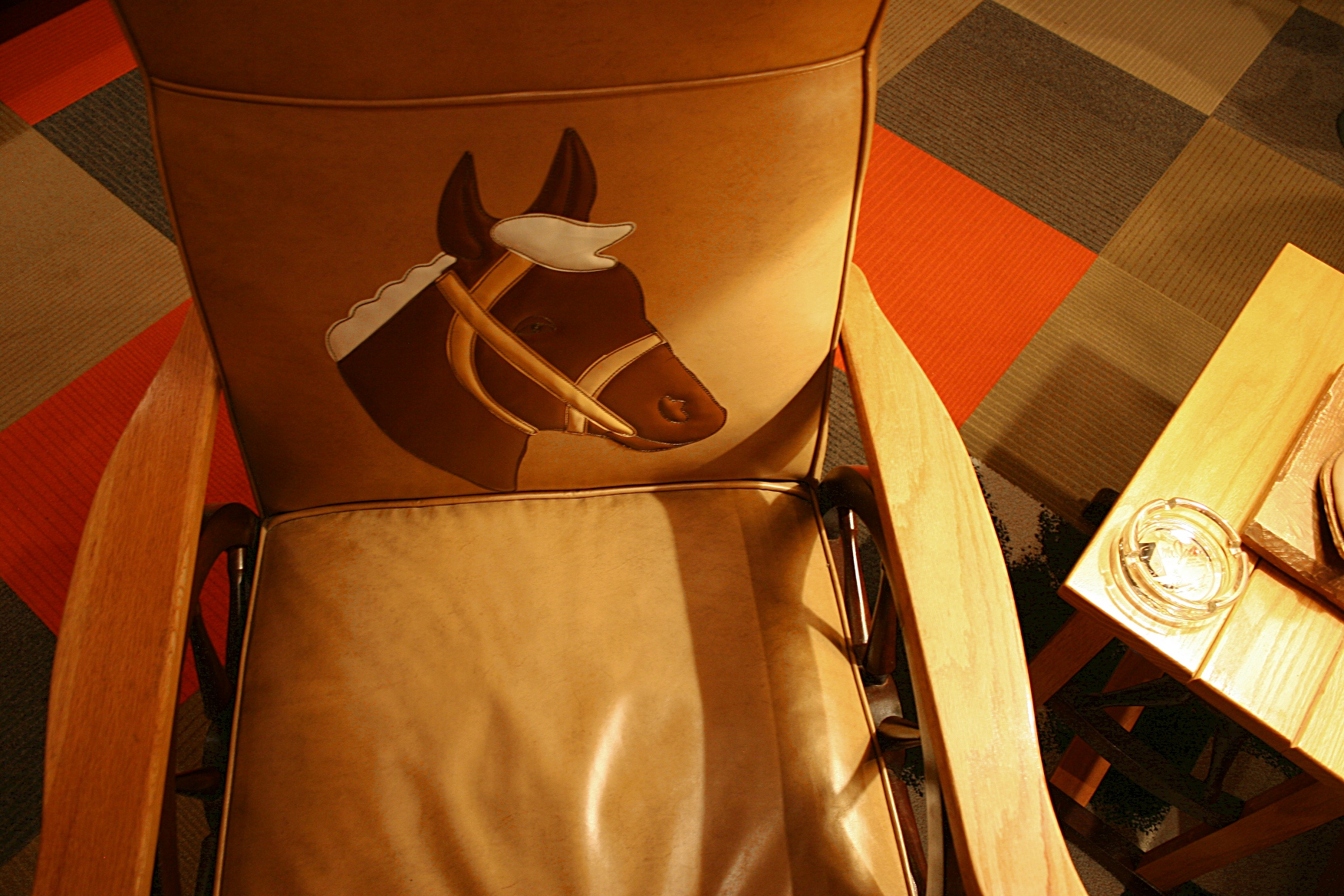
Anything Western related was especially popular in the 1950s and 1960s. Here you see the Western influence in furniture.

Anything Western related was especially popular in the 1950s and 1960s. Here you see the Western influence in furniture. My siblings and I spent countless hours riding our stick horses through the grove and, in the winter, around the house.

Yes, toys are fun to get and give, especially those that encourage creativity and imaginative play and don’t require batteries.

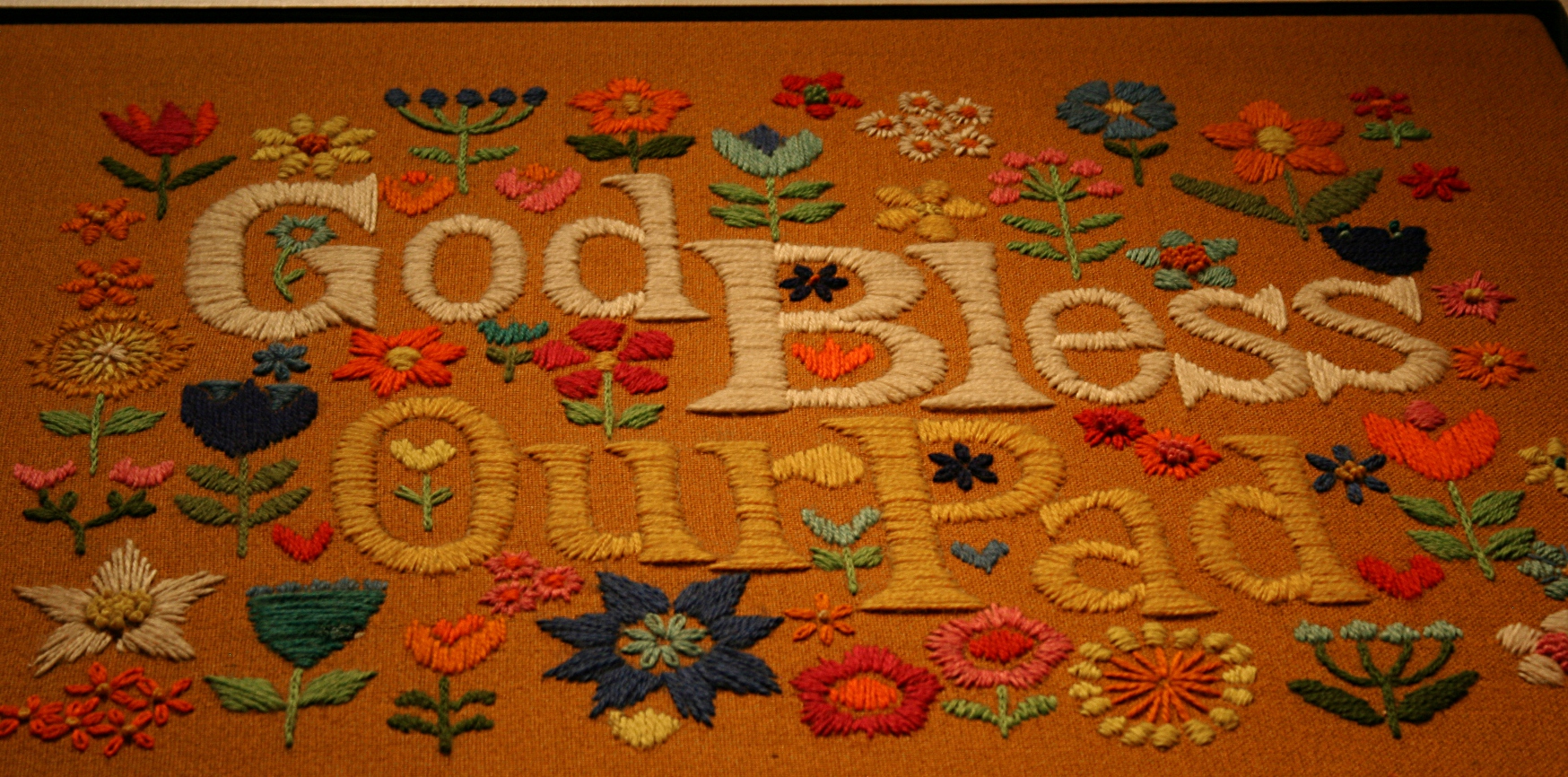
I cherish the blessings of family and home more than anything. I spotted this needlework in the 1970s portion of the exhibit.

I cherish the blessings of family and home more than anything. I spotted this needlework in the 1970s portion of the exhibit.

But it is family that I cherish most. And when I toured the History Center’s toy and other exhibits, I did so with my husband, eldest daughter and son-in-law. Nothing skips joy into my heart like being with those I love.

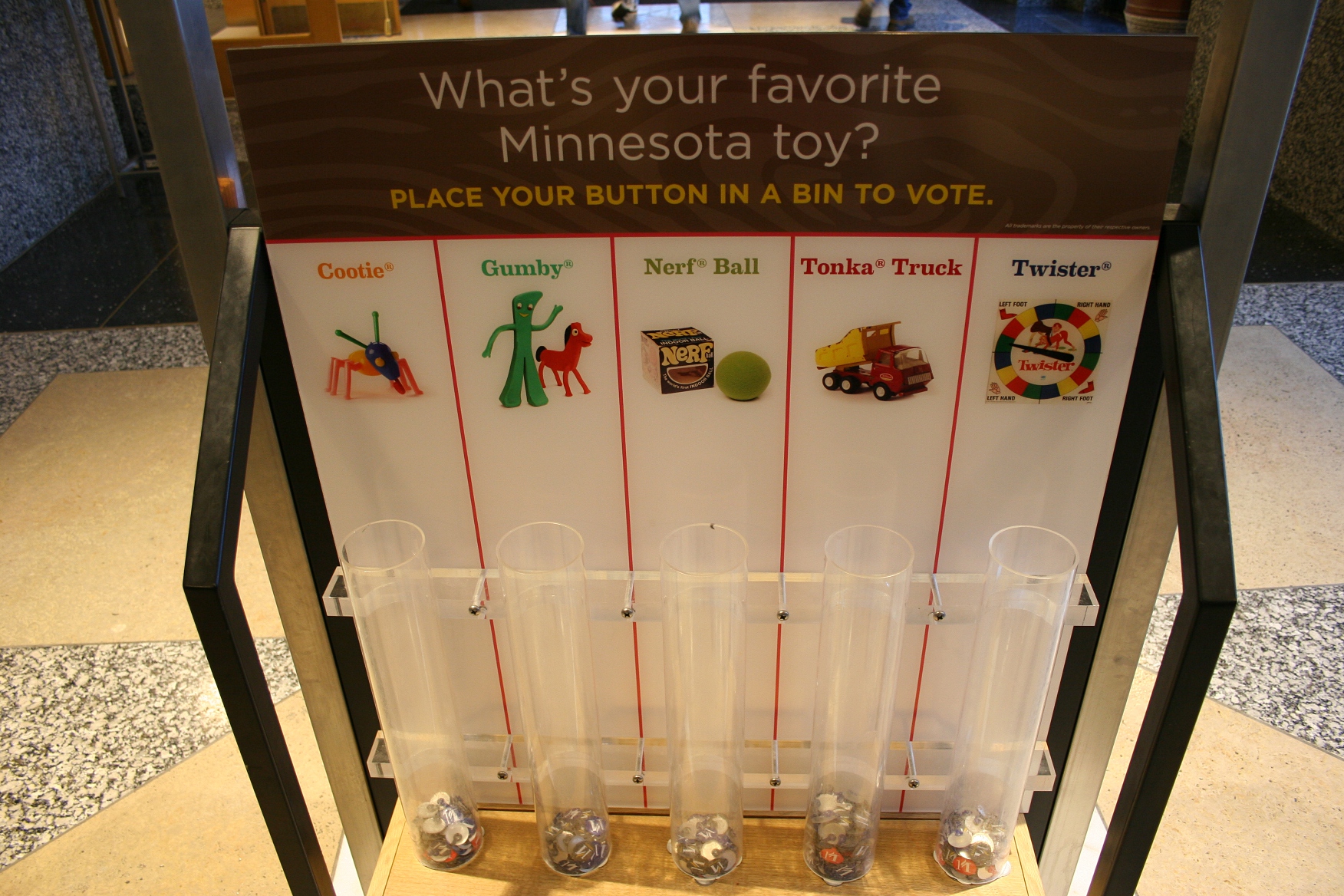
As we left the museum, we voted for our favorite Minnesota made toy. My daughter and I voted for Cootie. Our husbands chose Tonka.

As we left the museum, we voted for our favorite Minnesota made toy. My daughter and I voted for Cootie. Our husbands chose the Tonka truck.

FYI: For information on “TOYS of the ’50s, ’60s and ’70s,” click here. Just a little heads up: This exhibit was packed on a Saturday afternoon. I’d advise visiting this St. Paul museum on a weekday, especially if you want an opportunity to participate in the interactive parts of exhibits.

BONUS PHOTOS:

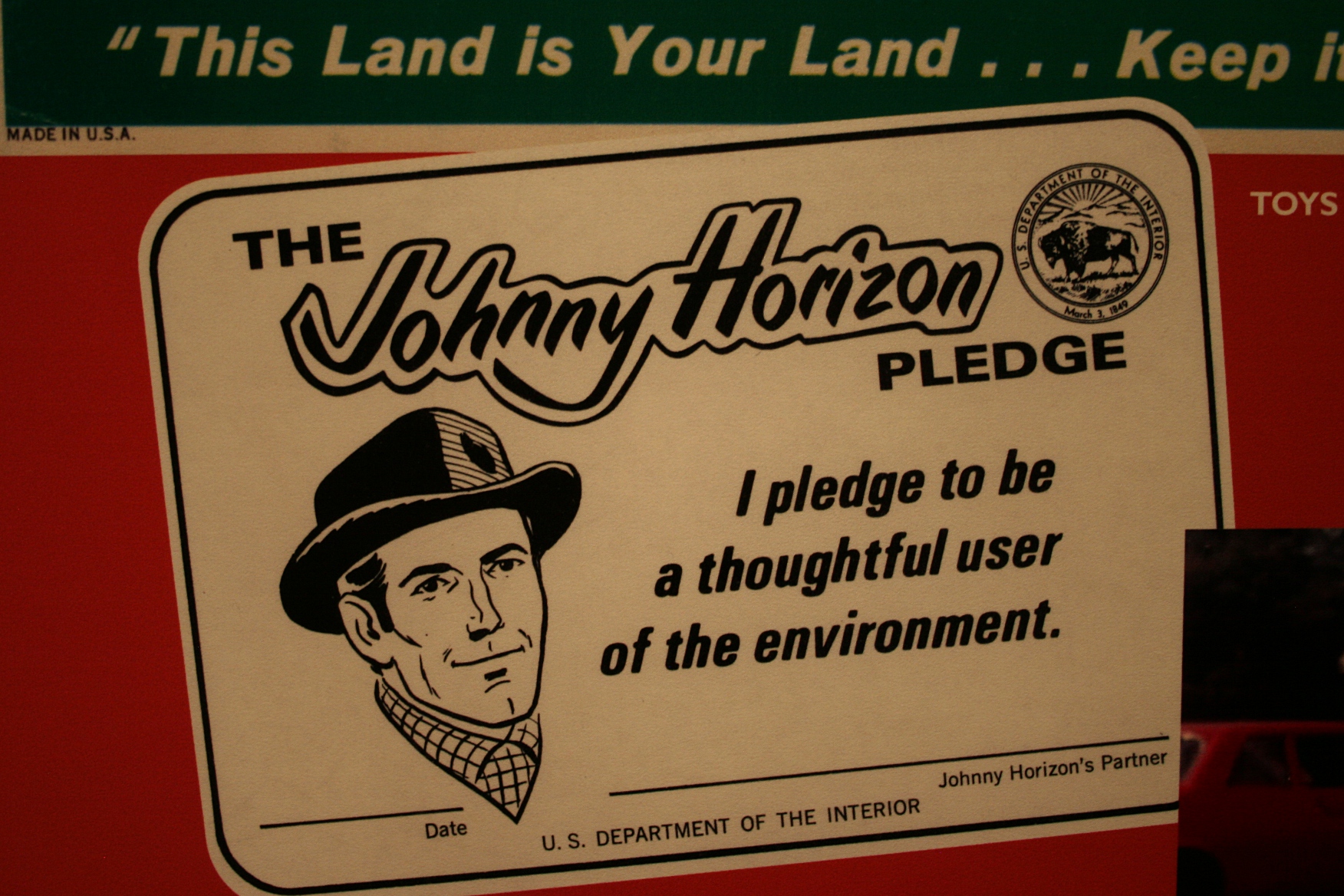
My son-in-law noted, as we toured the 1970s part of the exhibit, that toys began to reflect social issues such as being environmentally conscious.

My son-in-law noted, as we toured the 1970s part of the exhibit, that toys began to reflect social issues such as being environmentally conscious.

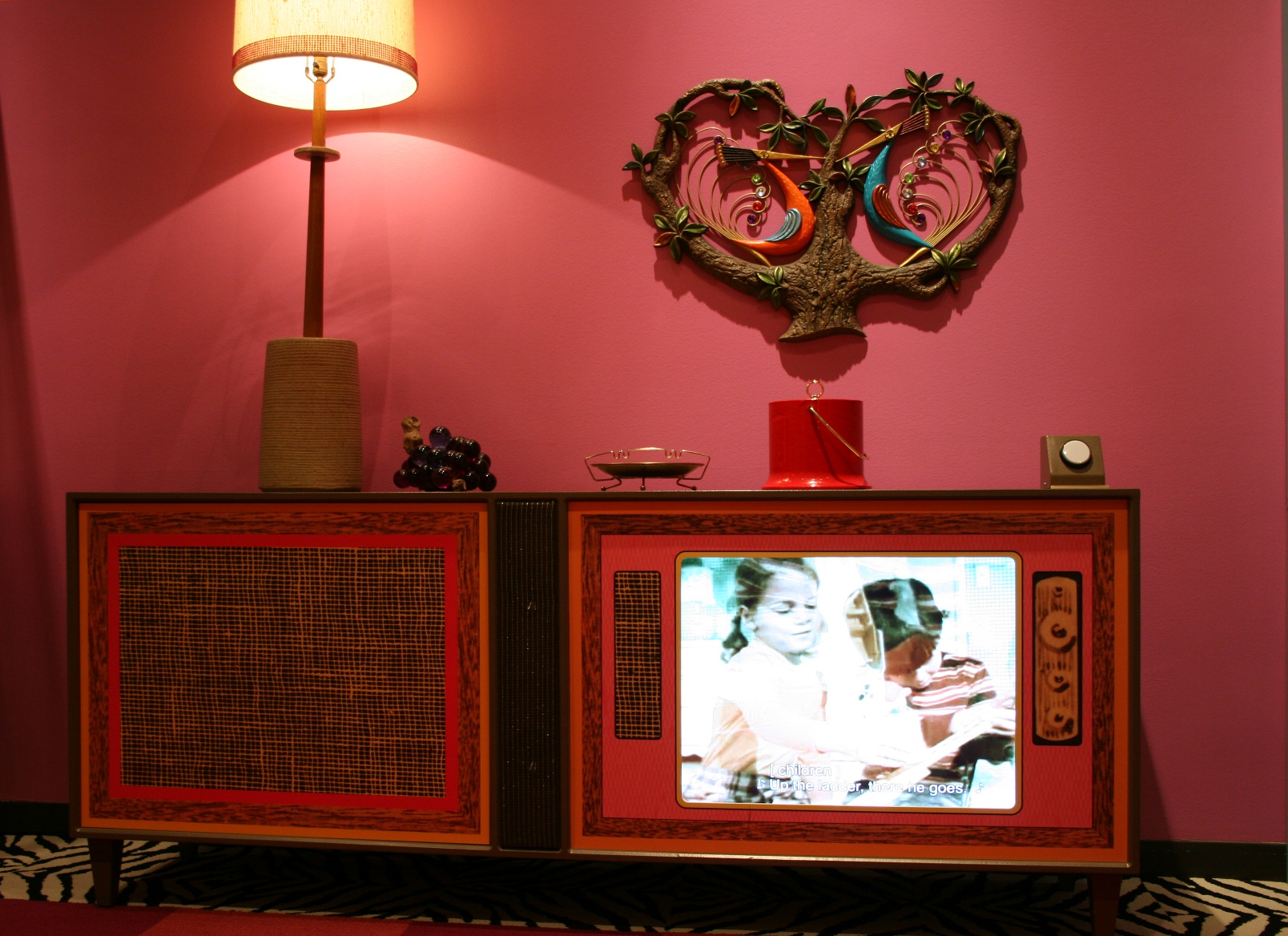
A 1960s living room.

A 1960s living room.

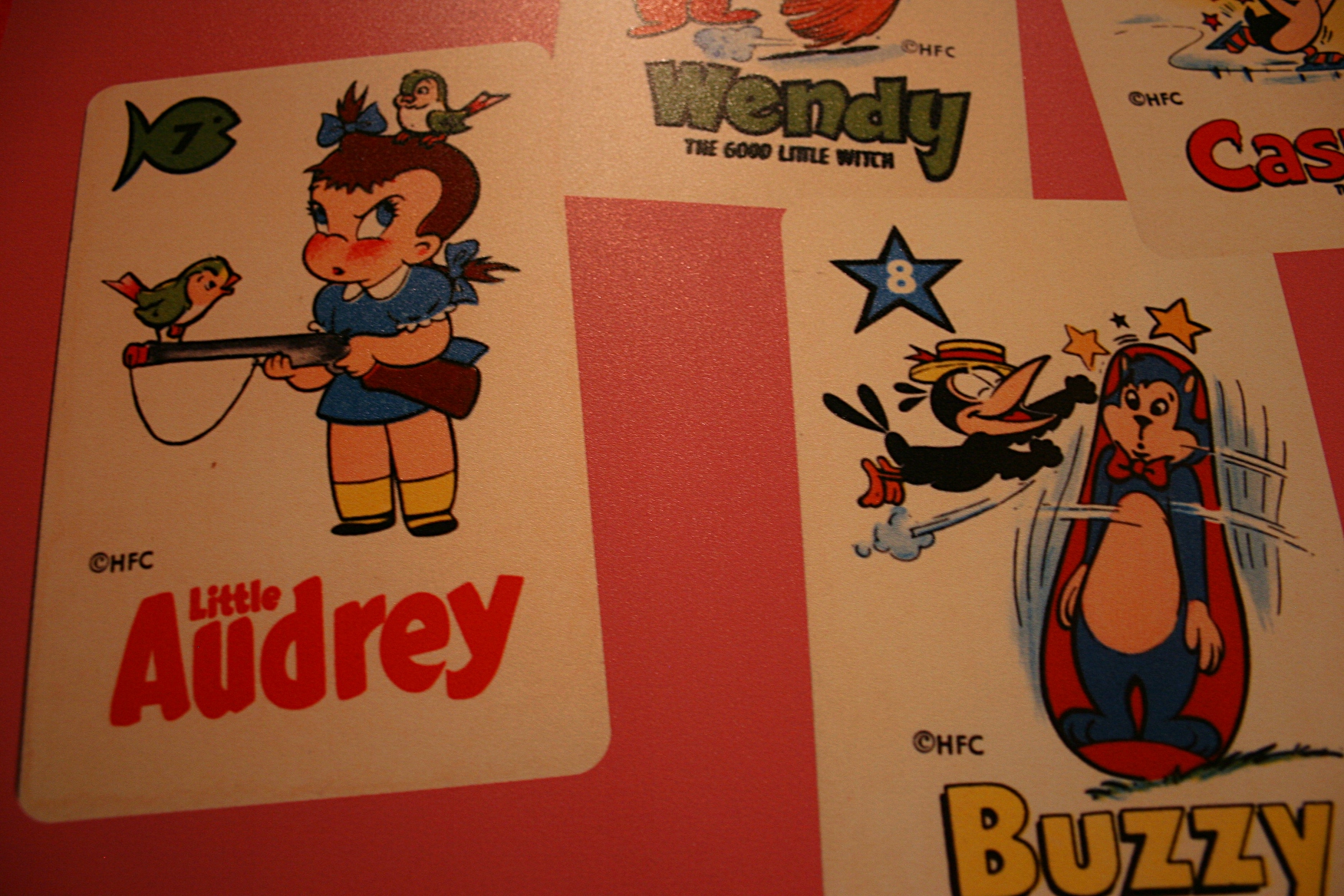
Never saw this cartoon and I'm glad I did. Audrey carrying a gun? Really.

I didn’t grow up on the Little Audrey cartoon and I’m glad I didn’t. Really, a little girl carrying a gun?

© Copyright 2014 Audrey Kletscher Helbling
 

“Love Story” revisited April 30, 2014

Filed under: Uncategorized — Audrey Kletscher Helbling @ 6:00 AM
Tags: , , , , , , , , ,

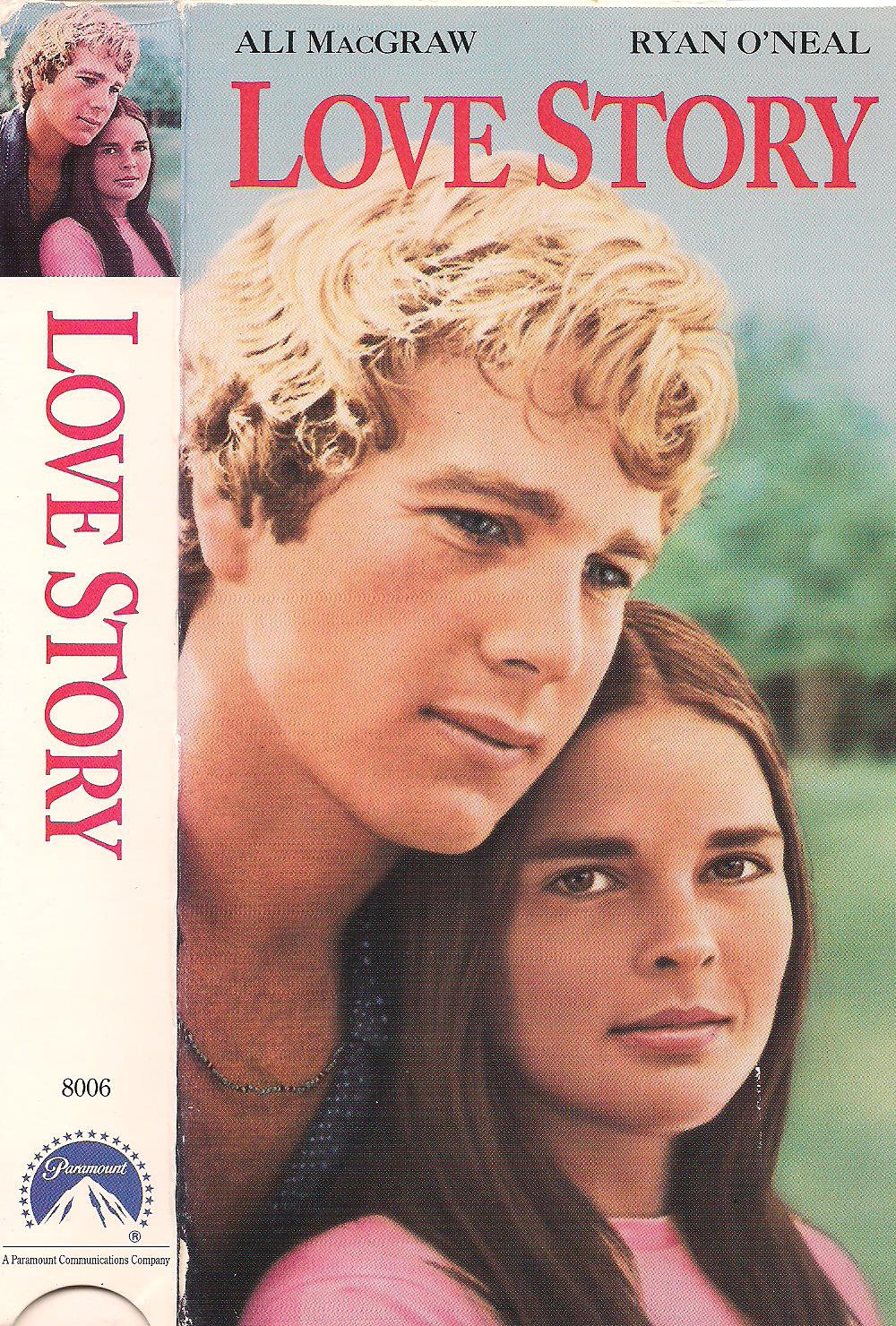
I now own a VHS copy of Love Story, purchased from the discard shelf at my local library.

I now own a VHS copy of Love Story, purchased from the discard shelf at my local library.

“Love means never having to say you’re sorry.”

FORTY-FOUR YEARS AGO, with the release of the film Love Story, those words quickly became a part of pop culture. They rolled off the lips of adolescents like me, a then high school freshman, who could fall easily, blissfully in love with the latest movie star featured in Tiger Beat magazine.

Now, four-plus decades later, I don’t quite believe the “love means” phrase spoken twice in the award-winning Paramount Pictures flick starring Ryan O’Neal and Ali MacGraw. Love does mean asking for forgiveness when you’ve wronged a loved one.

Despite that change in perspective, I still rank Love Story by writer Erich Segal as one of my all-time favorite movies. The plot, on the surface, seems hopelessly simple: Wealthy Harvard student Oliver Barrett IV falls in love with Jennifer Cavelleri, a Radcliffe student from a working-class family. Oliver’s father disapproves of Jenny and a rift develops between father and son. Eventually, Jenny dies of leukemia.

As a dreamy-eyed teen, I failed to see beyond the surface plot. But there’s so much more depth to this film than a romantic story that ends tragically. It just took decades, and numerous times viewing this movie, to figure that out. I had to get past the relationship between Oliver and Jenny, past my sadness over Jenny’s death, to understand.

So the last time I watched Love Story, just weeks ago, I really listened to the dialogue.

“I never see his face,” Oliver says of his father.

“Does he wear a mask?” Jenny asks.

“In a way,” Oliver replies.

That brief exchange speaks volumes to the stiff and formal relationship between Oliver and his father. The elder Barrett expects much of his son. But he does not expect him to marry below his social class.

“I mean she’s not some crazy hippie,” Oliver says of Jenny. I laugh when I hear that now. “Hippie” sounds so dated. But in 1970, when Love Story hit the big screen, rebellious, anti-establishment, free-loving, independent-thinking young people were, indeed, pegged as hippies.

“If you marry her now, I’ll not give you the time of day,” Oliver Barrett III tells his son.

So the line is drawn in the sand. Oliver chooses love over money and marries Jenny, even says in his wedding vows, “I give you my love, more precious than money.”

At this point in the movie, I nearly stand up and cheer, if not for my sadness over the broken relationship between father and son. Life is too short to sever ties with loved ones over differing opinions and expectations. Life is too short to choose money over love.

Surprisingly, I have not wept this time while watching Love Story. I wonder why. Perhaps it is because my approach to the film has been more analytical than emotional. I am also seeing, for the first time, two love stories (or lack thereof)—one between a man and a woman and the other between a father and son.

And I have been caught up in noticing the details—the rotary dial phone, the over-sized dark eyeglasses, the mini-skirts—that denote this as a 1970 film. I am taking in the beautiful winter scenery; the instrumental theme music, the lyrics “How do I begin to tell the story of my love,” replaying in my mind; and the one word in the film, “preppie,” that still irritates me after four decades.

I am regretting, too, that I no longer have the black and white poster of Ryan O’Neal and Ali MacGraw that once hung above my bed, in the lime green room with the candy stripe carpeting.

CLICK HERE TO READ how Love Story connects to a shop in Neenah, Wisconsin.

© Copyright 2014 Audrey Kletscher Helbling
 

Shopping for antiques in St. Peter is like way cool March 14, 2013
IF YOU HAD PREDICTED 40 years ago that I would be poking around antique stores someday, celebrating the past, remembering the days of my youth, I would have rolled my eyes.
The mere suggestion of such behavior would rate as totally uncool.

But long ago I discovered that antiquing is, indeed, cool, if not downright groovy. Just to be clear, I categorize 1970s merchandise as collectibles, not antiques.

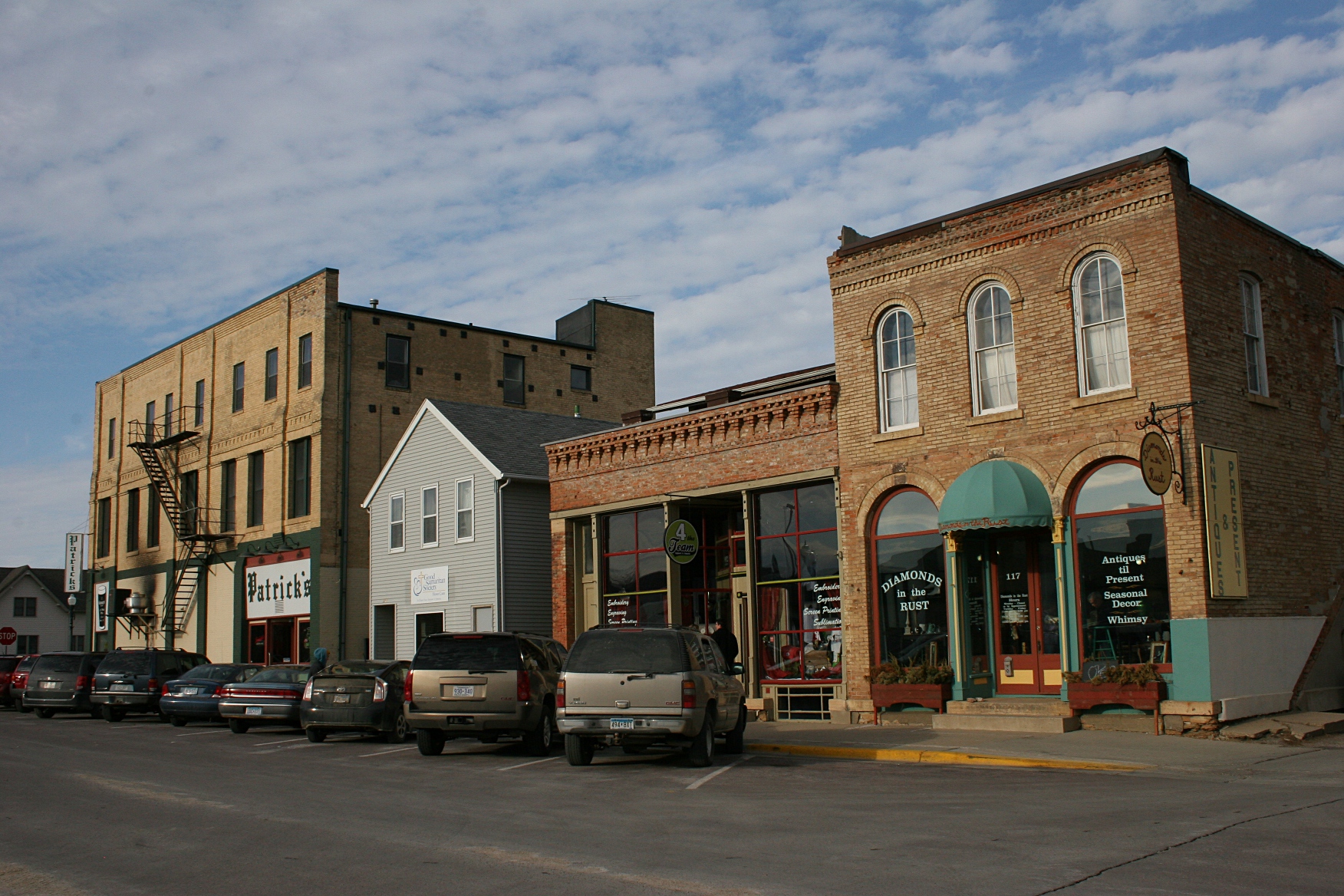
Patrick's on 3rd anchors the corner on the left with Diamonds in the RUST on the right. Diamonds sells merchandise from antiques to present. Love that name.

Patrick’s on 3rd (bar and restaurant) anchors the corner on the left with Diamonds in the RUST on the right. Diamonds sells merchandise from antiques to present. Love that name.

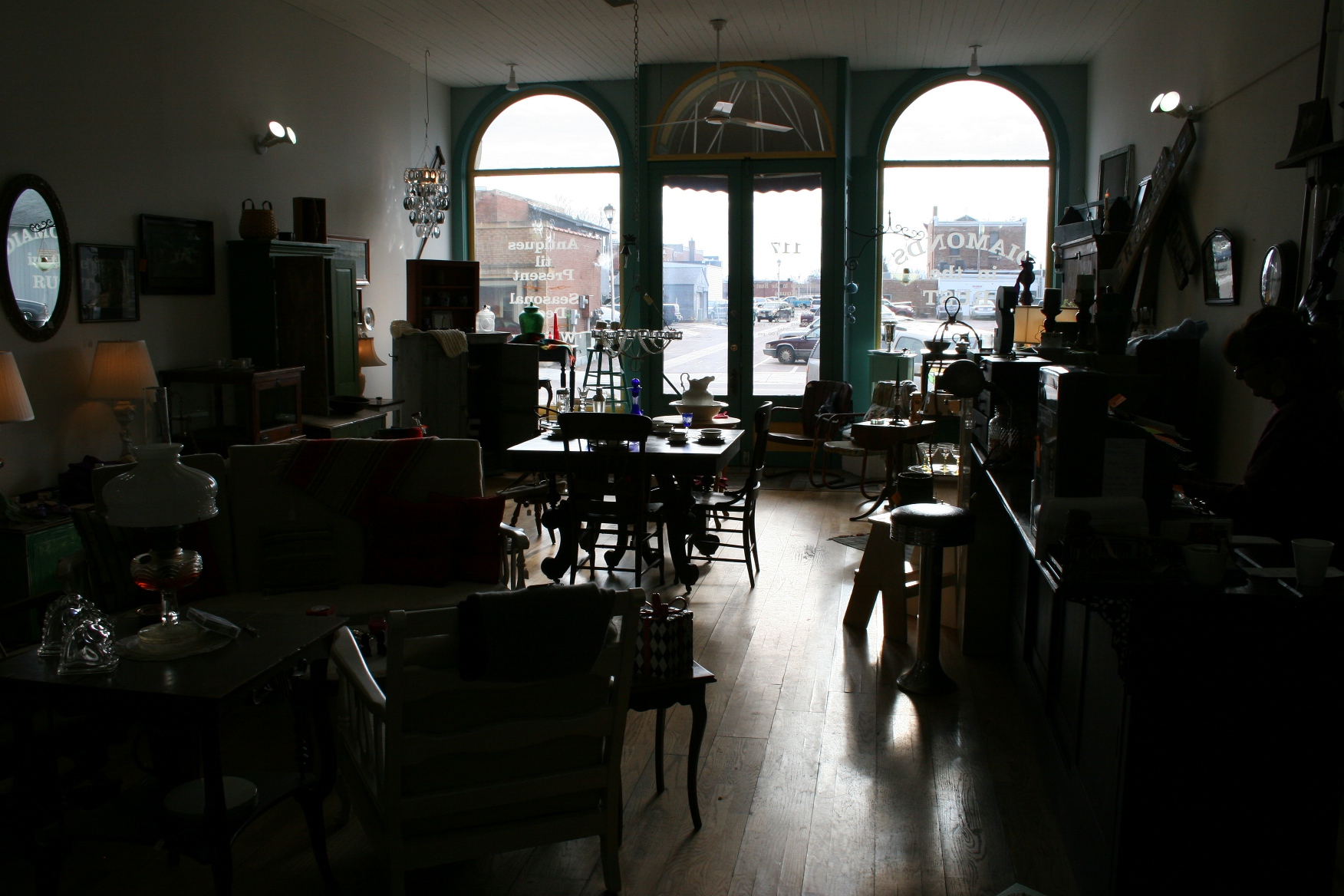
That said, when I entered the charming Diamonds in the RUST shop along Park Row Street three doors down from Patrick’s on 3rd, which I’m told makes the best burgers in St. Peter, I automatically fell in love with the place.

Diamonds in the RUST, looking toward the front of the store.

Diamonds in the RUST, looking toward the front of the store.

See how the sunlight streams through those windows and onto the floor and merchandise.

Love how the sunlight streams through those windows and onto the floor and merchandise.

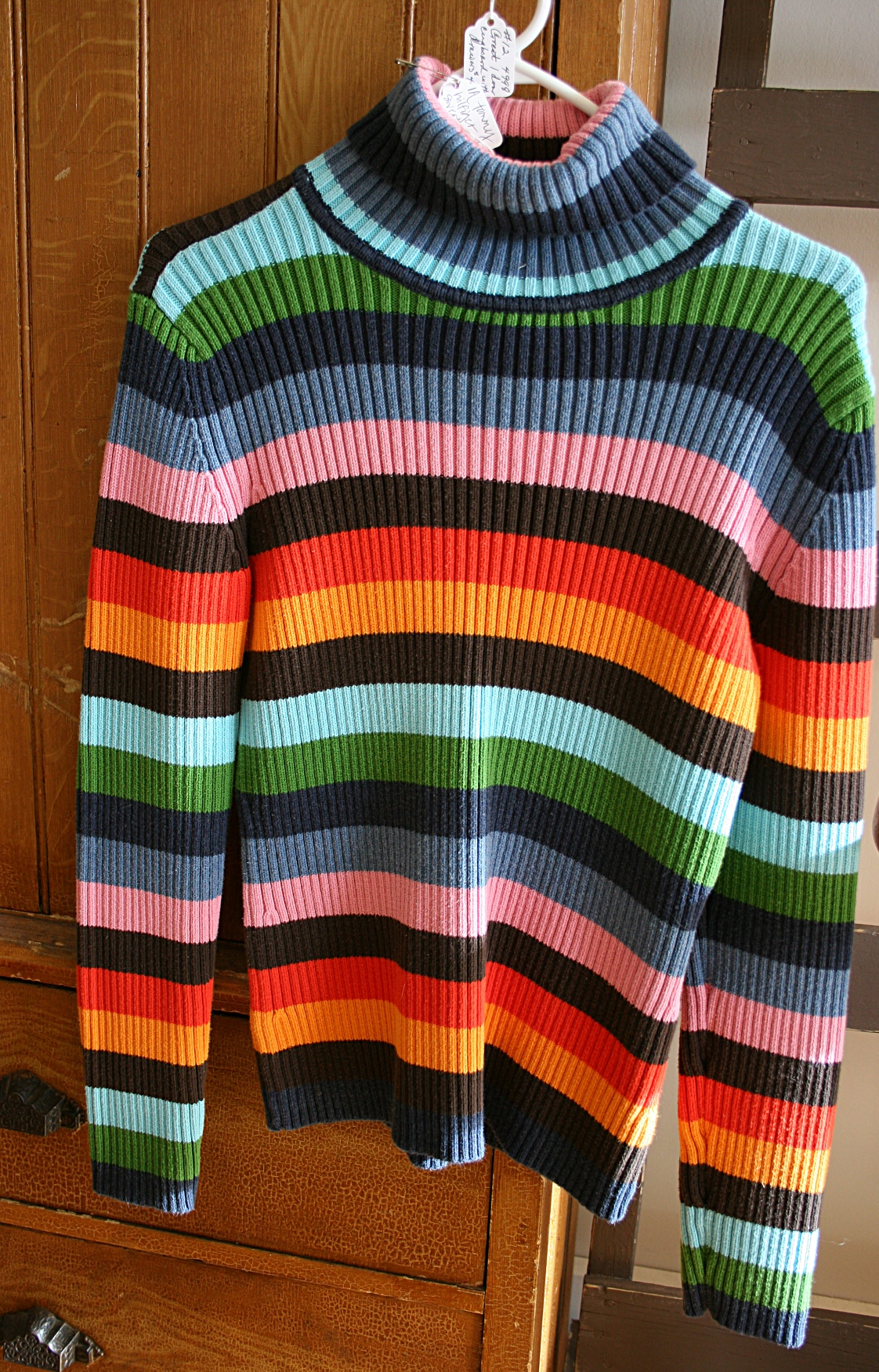
Light flooding through a street-side bank of tall windows, patches of sunlight slipping across the wood floor, artfully arranged merchandise and then, that most fabulous find of all, a Joseph’s coat of many colors sweater, defined this as one happin’ place.

Seventies coming of age child that I am, my eyes connected with that multi-colored sweater like a hippie drawn to a peace symbol.

The sweater similar to one I wore in the 70s.

The sweater similar to one I wore in the 70s.

“I had a sweater just like that,” I shared with the shopkeeper, although, on closer inspection, I discovered this to be a Tommy Hilfiger replica and not exactly like the sweater I paired with my hip huggers. Oh, well, I thought, and then wondered aloud if my mom, the keeper of everything, had saved that groovy sweater from my teen years. It’s possible; I recently retrieved lime green cuffed, flared pants, with about a size 18-inch waist (was I really that tiny once?), from her basement.

Ah, how antiquing prompts memories…

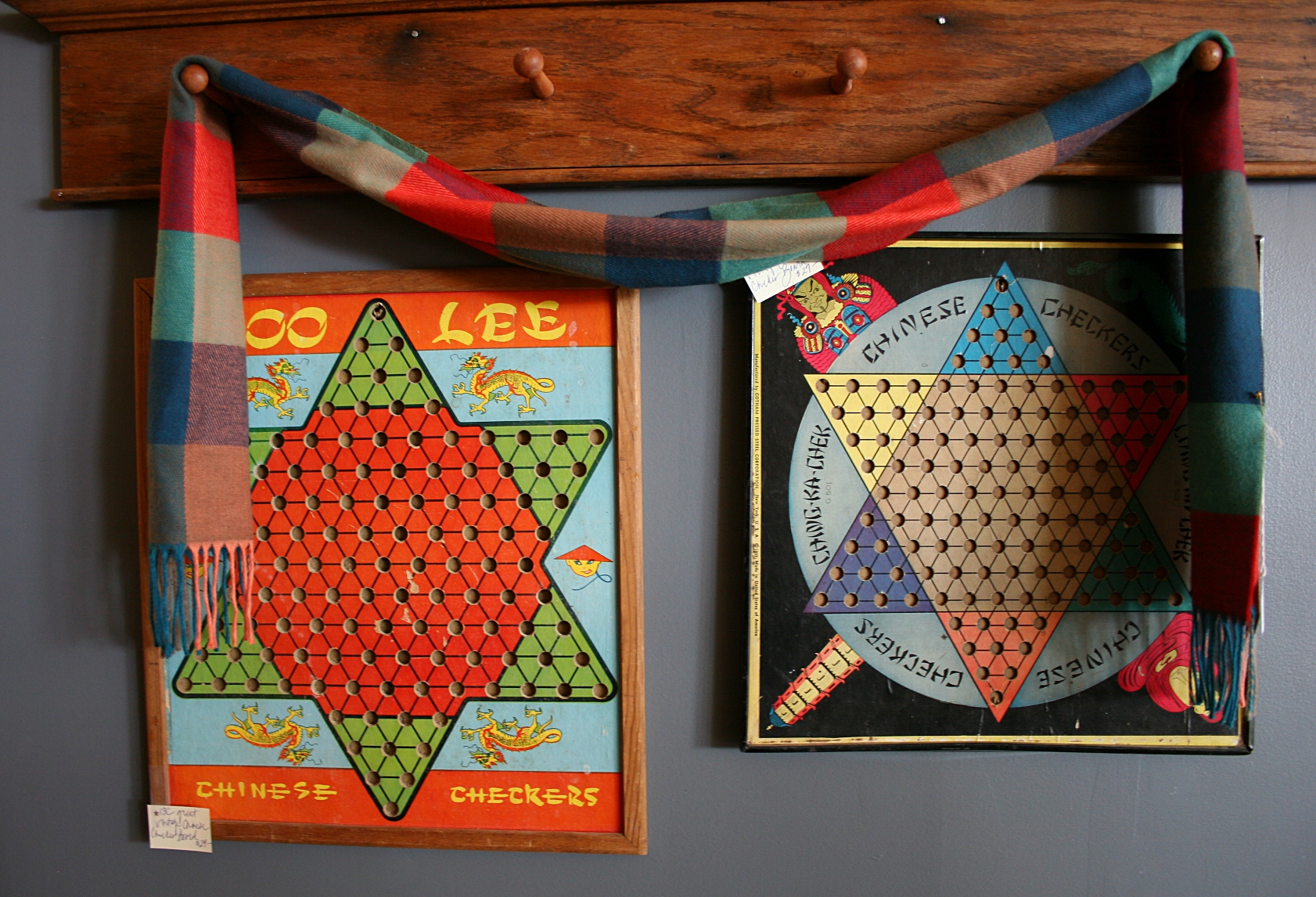
I own a vintage Chinese checkers board similar to these, found at a garage sale 30 years ago.

I own a vintage Chinese checkers board similar to these, one I found at a garage sale 30 years ago.

Then I spotted two Chinese checkers boards flaunting their psychedelic hues. I always connect Chinese checkers with my farmer dad, gone 10 years now. He never had time for board games. But pull out the metal Chinese checkers game and he was right there with the rest of us gathered around the Formica kitchen table, his clumsy fingers guiding marbles into place.

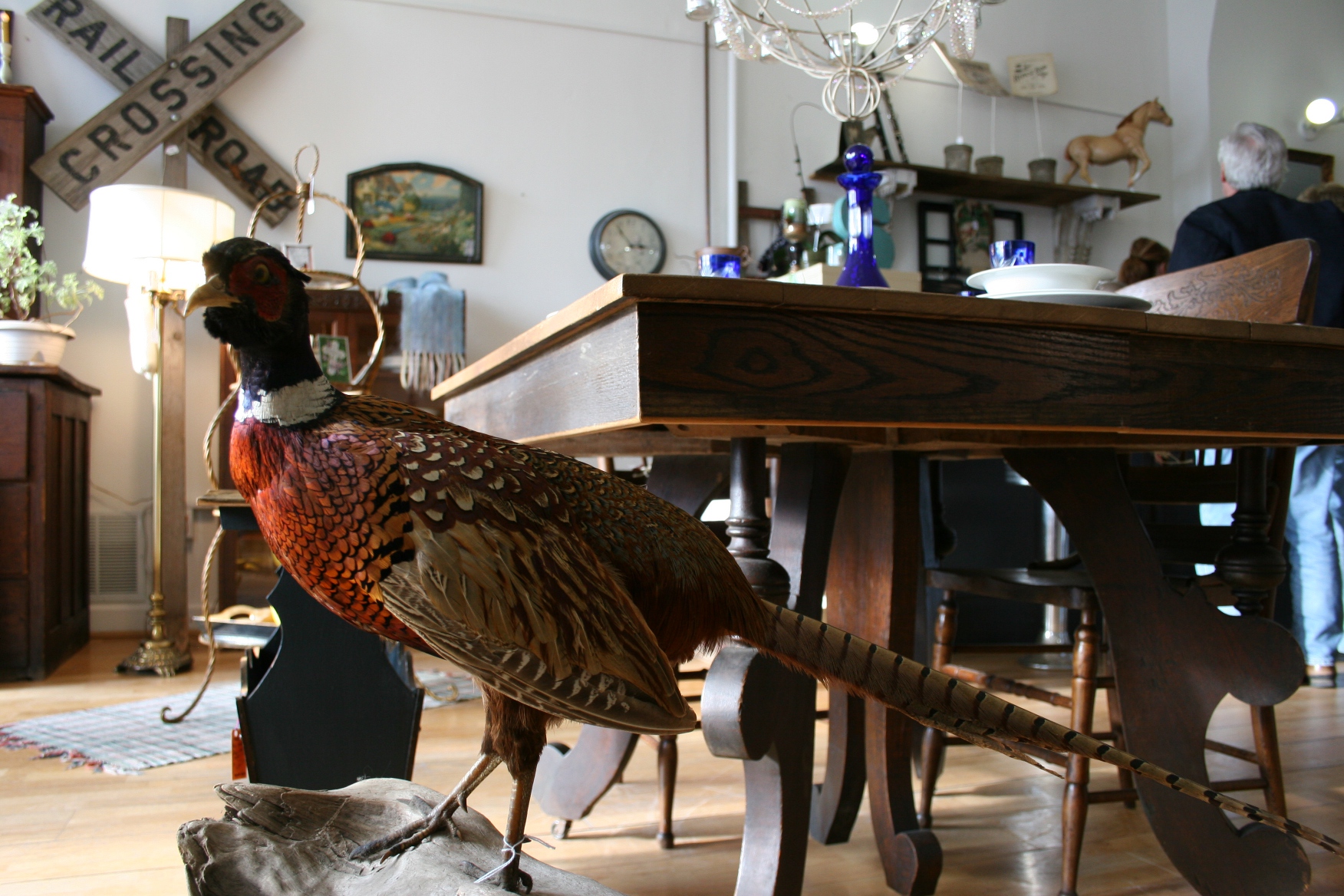
I would never buy a dead (or live) pheasant, but someone might.

I would never buy a dead (or live) pheasant, but someone might.

More memories of my dad surfaced when I sighted a taxidermy pheasant perched on a slip of wood set upon that beautiful wood floor. I am not a hunter. But, as a child, I would occasionally accompany Dad on his way to the slough—a grassy waterhole long ago drained and converted to farmland—to hunt for pheasants. It wasn’t the actual act of walking the land, searching for pheasants, that appealed to me. Rather, it was the rare opportunity to be with Dad when he was not in the barn or field that drew me to the hunt. I did not understand that then. But I do now.

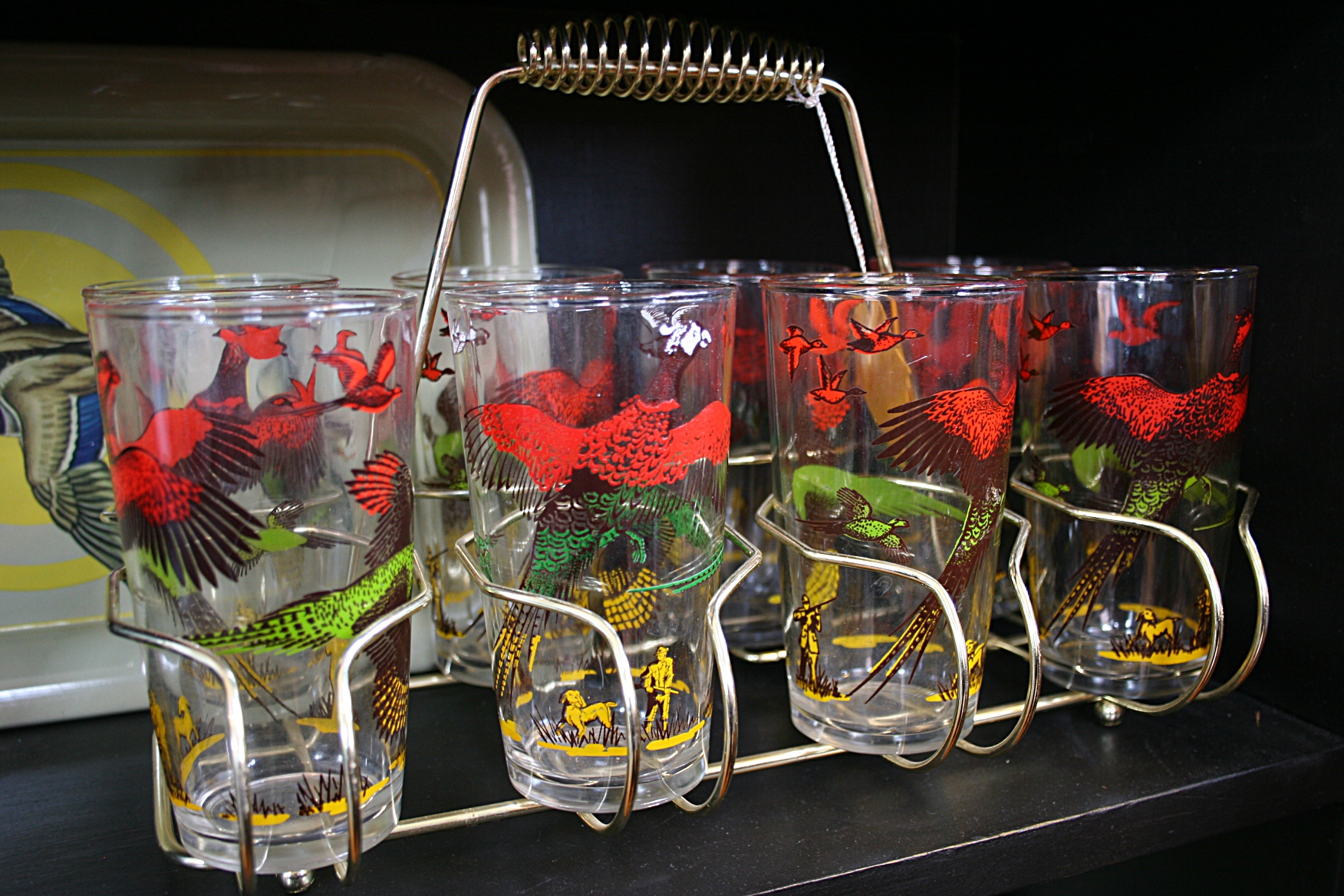
Pheasant glasses like this are coveted by some members of my extended family.

Pheasant glasses like this are coveted by some members of my extended family.

I didn’t purchase any of those memory items at Diamonds in the RUST, only snapped photos, including one of a set of pheasant glasses that would interest my middle brother or niece’s husband.

A snippet of downtown St. Peter, along Highway 169.

A snippet of downtown St. Peter, along busy U.S. Highway 169.

Down the block and around the corner, walking St. Peter’s main drag, I slipped into a memory lane high when my husband discovered copies of Tiger Beat magazine in another antique store. Oh, my heart. The Beatles. The Monkees.

My beloved Tiger Beat magazine.

My beloved Tiger Beat magazine.

Cousin Joyce, who was two months younger than me, but way more worldly because she had two older sisters and therefore knew about stuff like boys, green eye shadow, David Cassidy and fishnet stockings long before me, introduced me to Tiger Beat. Back in the days when relatives still “visited” each other, Joyce and I would stretch out on her bed stomach side down, knees crooked, feet rocking, paging through the pages of Tiger Beat. And for a few hours I felt like I was hip and, mostly, totally, in love.

BONUS PHOTOS:

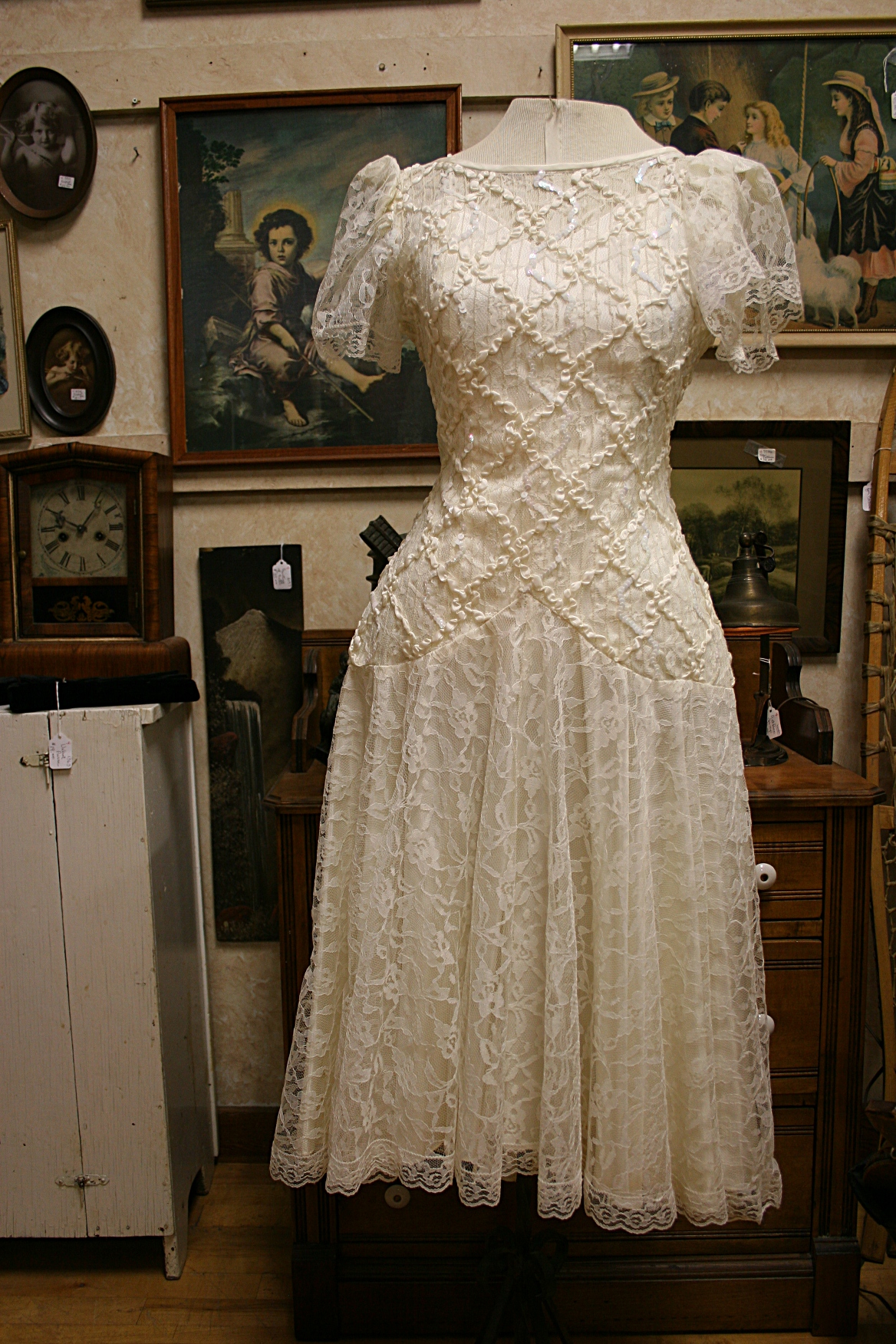
Another 70s find in an antique store that was closing for good on the day we shopped there.

A 70s bridal gown found in an antique store that was closing for good on the day I shopped there.

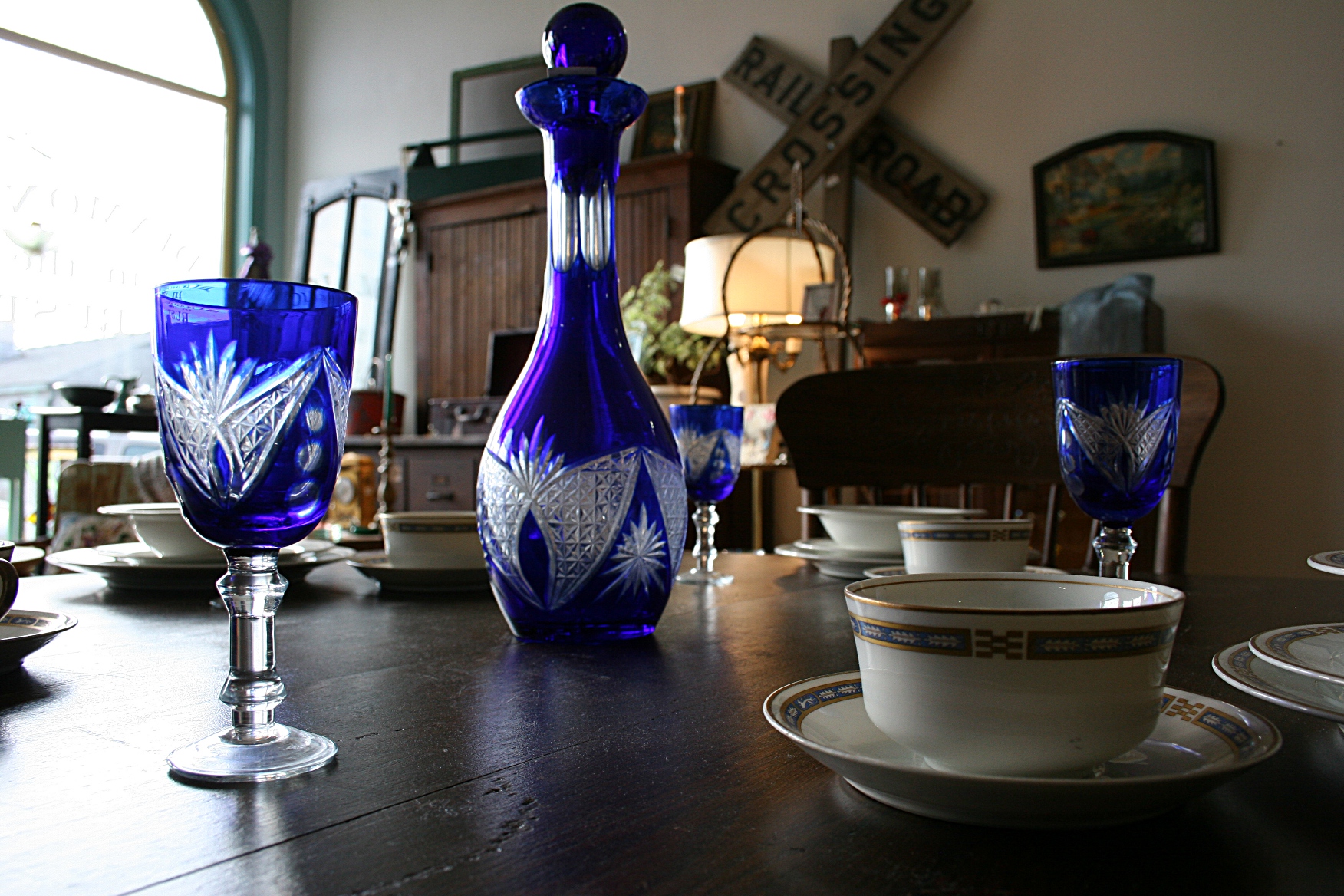
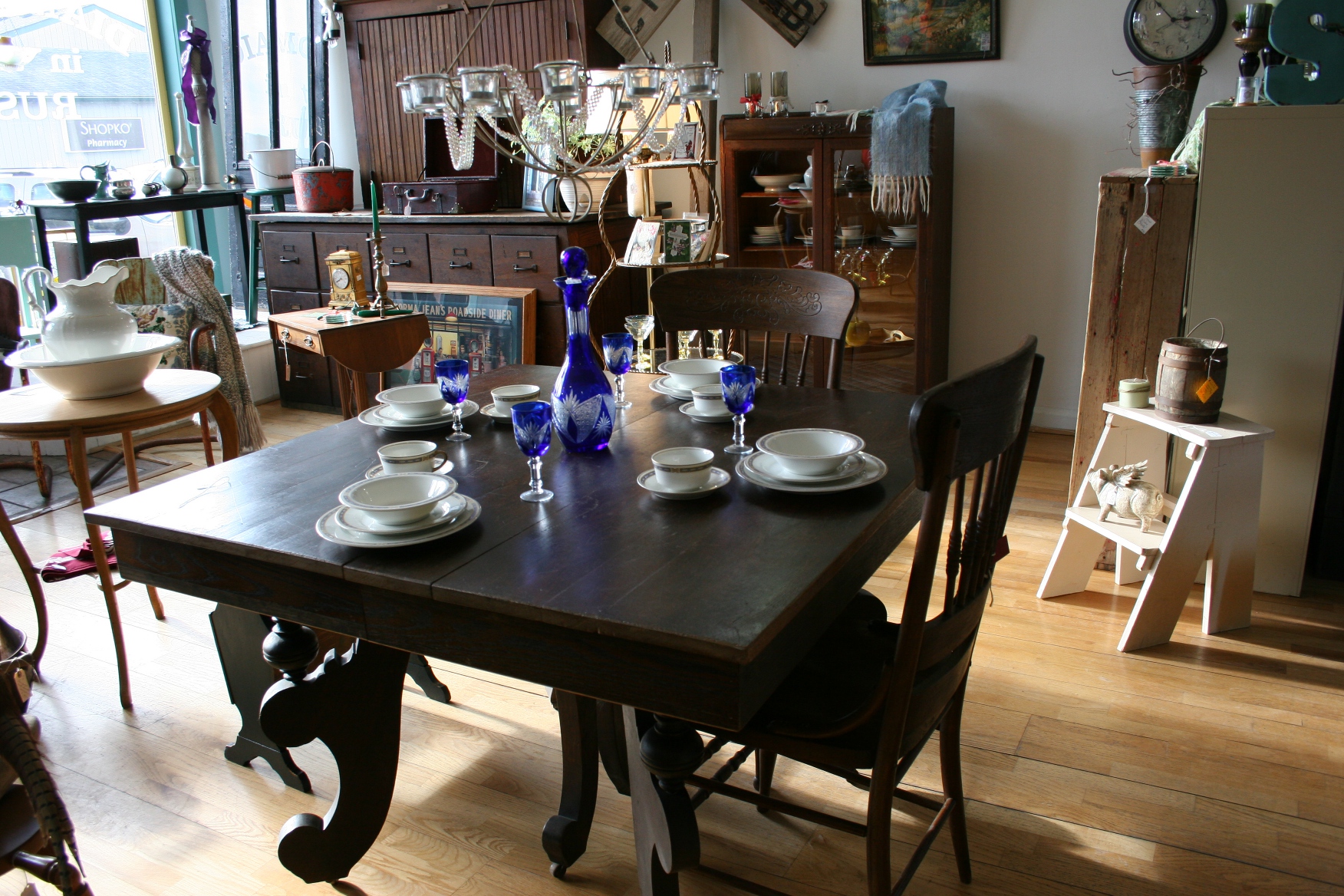
Love that cobalt blue in glassware showcased at Diamonds in the RUST.

Love that cobalt blue in glassware showcased at Diamonds in the RUST.

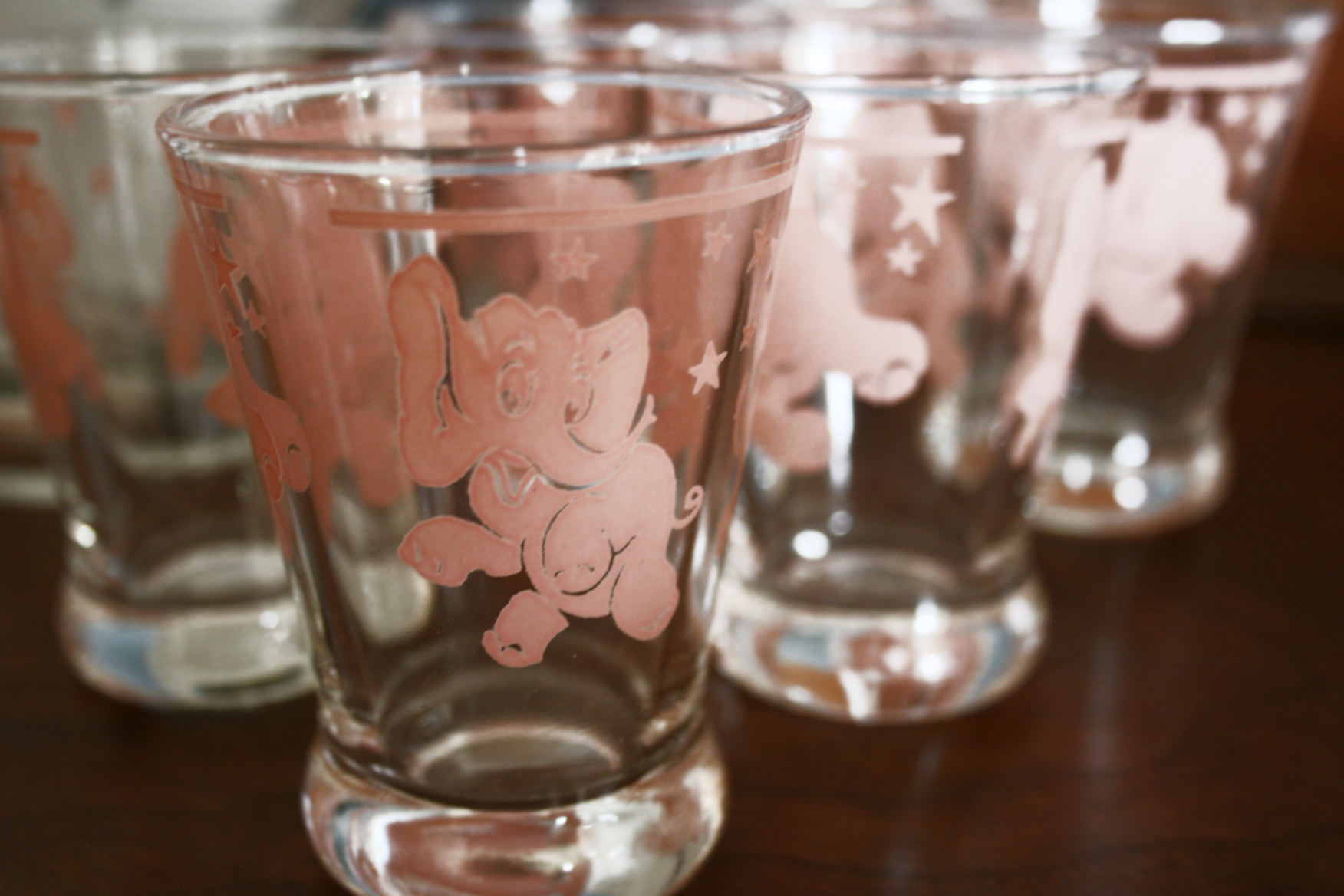
The whimsical design of these elephant glasses (shot glasses/juice glasses?) caught my fancy at Diamonds in the RUST.

The whimsical design of these elephant glasses (shot glasses/juice glasses?) caught my fancy at Diamonds in the RUST.

© Copyright 2013 Audrey Kletscher Helbling