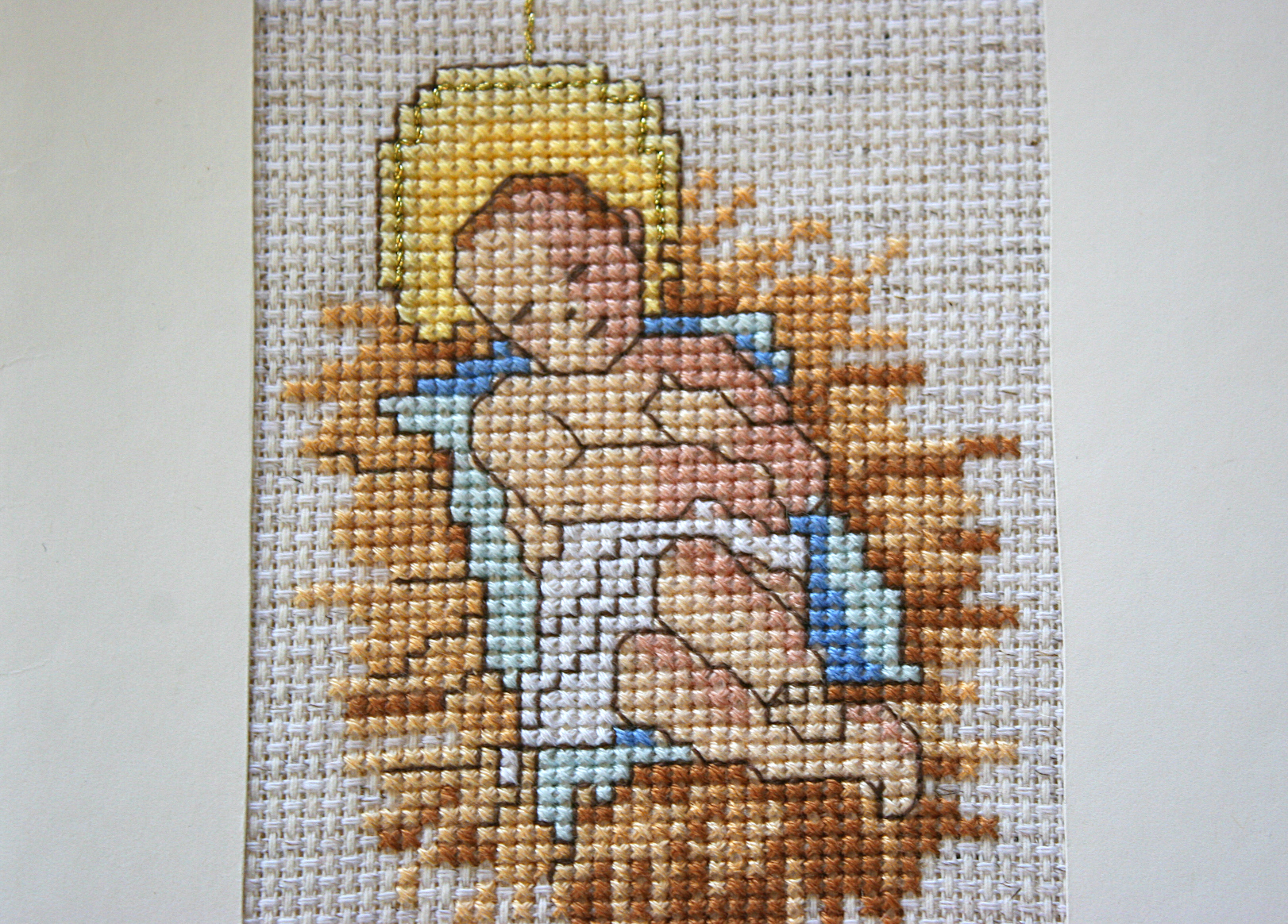
Baby Jesus stitched by my cousin Traci Sanford. (Minnesota Prairie Roots copyrighted photo)
SIX COUNTED CROSS-STITCH CARDS depicting the birth of Christ grace an aged chest of drawers anchoring a corner of my living room. I’ve leaned the cards against the backdrop mirror reflecting my Christmas tree.
These works of art visually tell the Christmas story minus a few important characters—Joseph and the Three Wisemen, who would later come bearing gifts. Perhaps those cards were lost. Or maybe my cousin Traci, who stitched the art, didn’t complete the series. She gifted my mom with these cards. One each Christmas.
A few years back, after Mom moved into assisted living and eventually long-term care, my extended family divided the Nativity sets our mother collected. And, among those I chose were these cards. My mom was also an avid counted cross stitch artist.
I cherish the stitched collection. Not only for its artistic value but also for the emotional connection to a mother celebrating her final Christmas on this earth. That is reality and I’ve reached a sense of peace in that certainty.
This Christmas, I hope you, too, experience peace. I hope you find a connection to those loved ones no longer on this earth via treasured memories or objects. I hope you feel connected also to those still here. To those who can still hear the words, “I love you.”
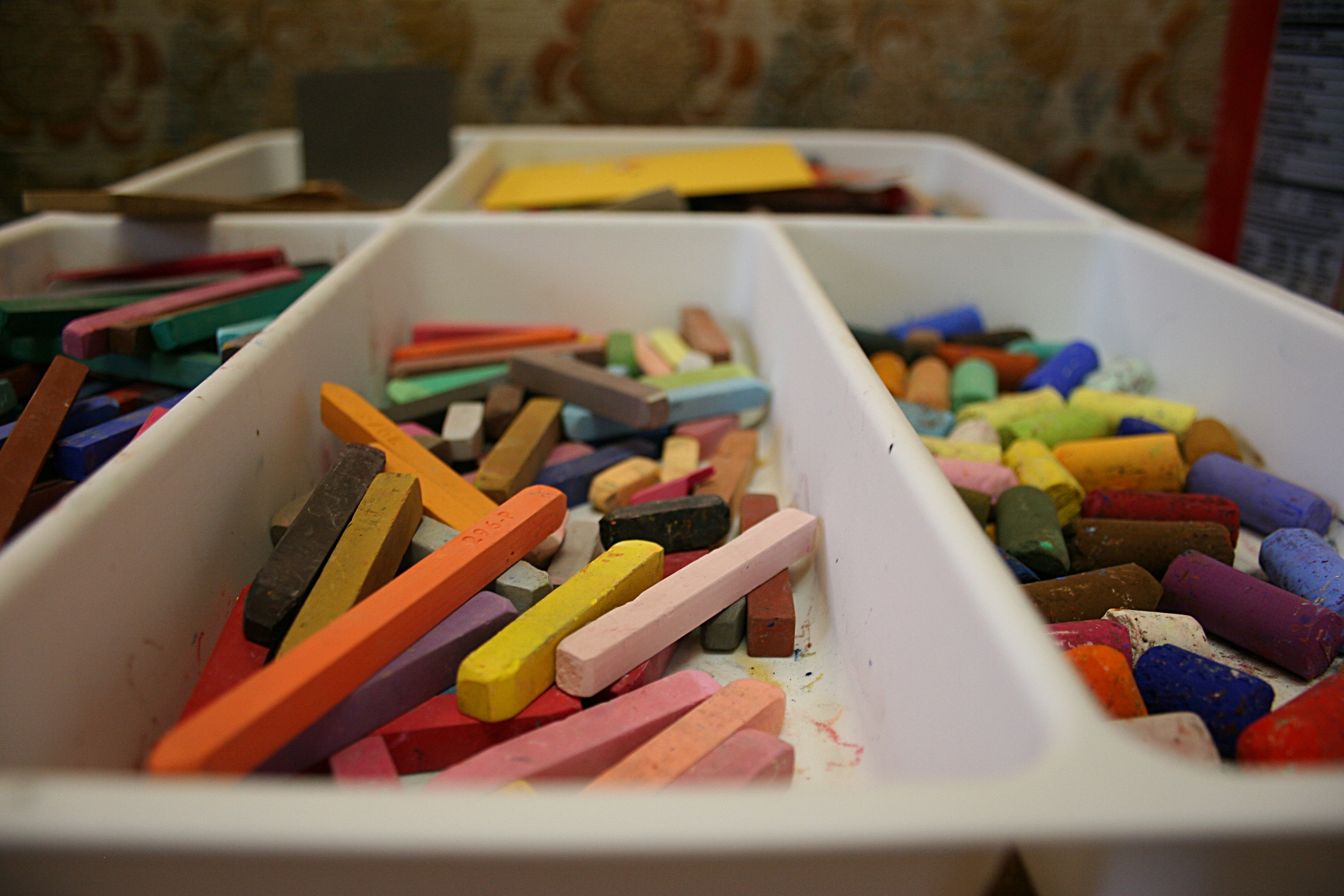
Art supplies photographed during a Studio ARTour. (Minnesota Prairie Roots file photo.)
WE ARE ALL CONNECTED. Those words theme the 2021-2022 Lion’s International Peace Poster Contest. And I simply must share a winning entry created by a 12-year-old from Rochester. Audrey, granddaughter of my friend Jackie, won the contest at her Minnesota middle school and then earned honorable mention at the district level.
It’s well-deserved recognition. As you will see on Jackie’s “Who Will Make Me Laugh” blog (click here), Audrey drew flags from assorted countries along the outer edges of a heart, then created a group of children from many ethnicities to front that heart.
I needed to see the work of this young artist at a time when I observe more division than connection in our world. This gives me hope. Our youth have always been our hope for the future.
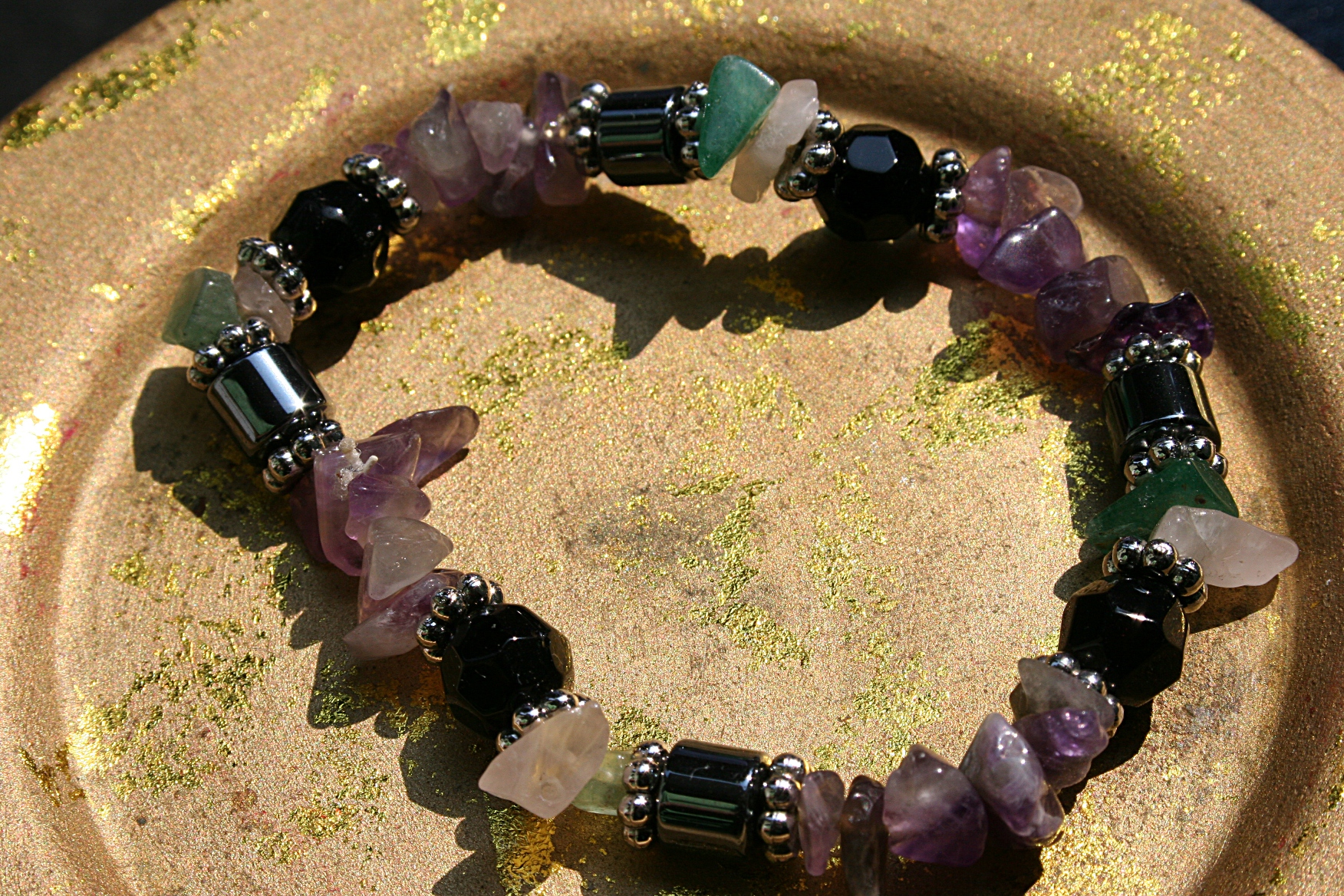
The bracelet Audrey crafted for me in 2013. (Minnesota Prairie Roots copyrighted file photo 2013)
I met Audrey back in 2013, at the same time I met Jackie. During that visit, Audrey gifted me with a handcrafted stone and bead bracelet in my favorite hues of green and purple. Jackie has often shared that Audrey possesses a loving and giving spirit. I saw that then. And I see it now.
The thought this preteen put into designing her peace poster shows. I love how kids today are growing up in a diverse world. A world brimming with possibilities. Opportunities. Creativity.
Whenever I meet another creative, I feel a connection. Jackie and I originally connected via our shared love of photography. A nurse by profession, Jackie is kind, compassionate and caring, and a gifted photographer. We also share commonalities of faith, of country churches, old barns, drives in the country, etc. We are connected.
And now Audrey is following her grandma’s (and Uncle Brice’s) creative paths. Her current work-in-progress is writing a book. Given my love of writing, I now have that additional connection (other than shared first names) to Audrey.
And while I await news of that book, I’d love to see Audrey’s winning artwork in print, on a t-shirt… I love it that much.
The back of buildings in the 400 block of Central Avenue, Faribault. (Minnesota Prairie Roots copyrighted photo 2021)
EVERY DAY WE PASS BY sights which often become so woven into our environment that we no longer see them. Until one day we pause. And notice.
Recently, I stopped to look around me, standing in a parking lot along Minnesota State Highway 60/Fourth Street, a half-block off Central Avenue next to Corks & Pints.
I rotated, taking in seemingly ordinary scenes. Part of the fabric of Faribault. Past and present.
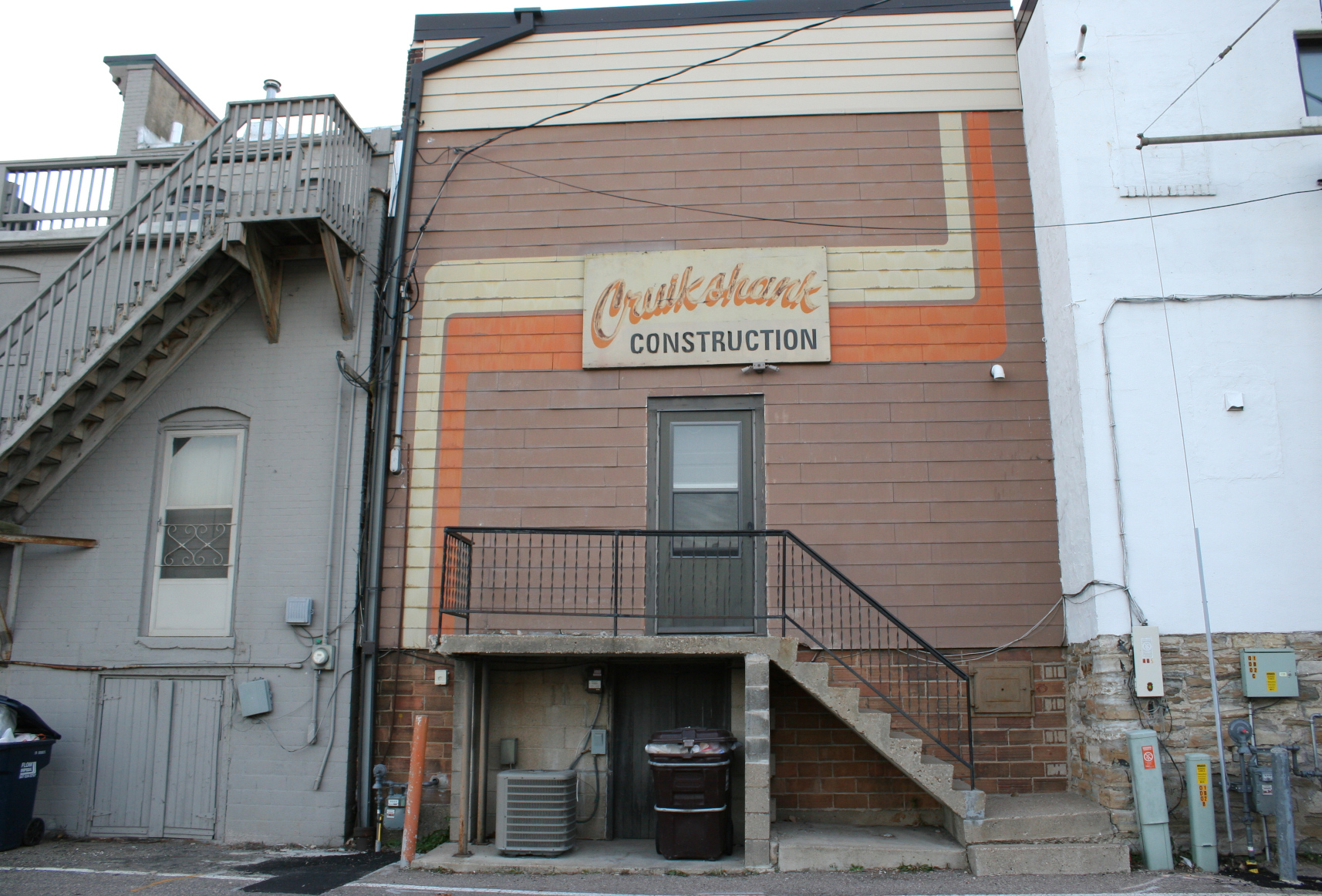
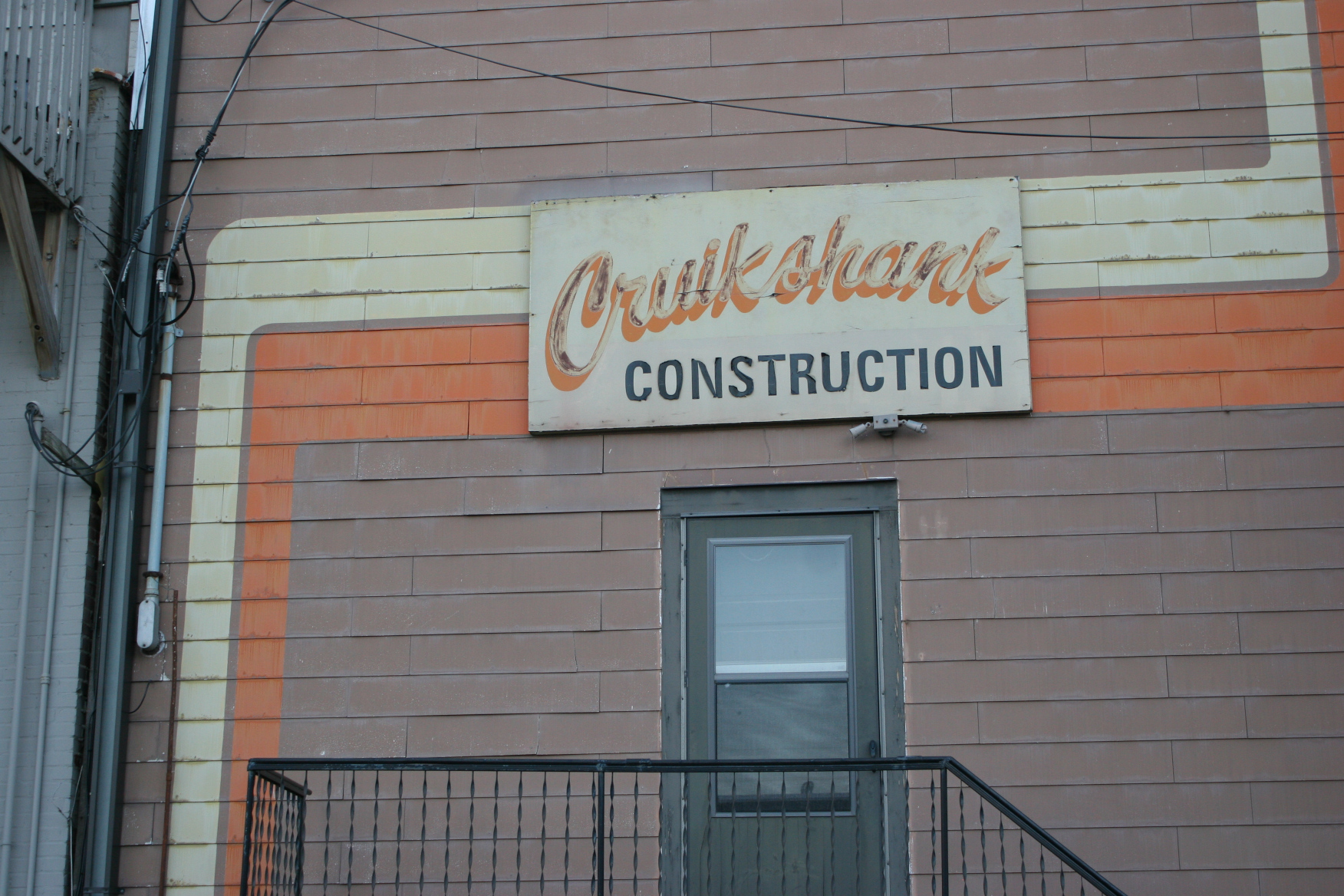
A sign marks Jack Cruikshank’s business.(Minnesota Prairie Roots copyrighted photo 2021)
Cruikshank Construction. I don’t know whether Jack Cruikshank still has his construction business. But, many decades ago, he installed replacement windows in our home. And he operated a paint store that was our go-to place for paint. Jack knew paint and was willing to share his expertise. For a while, he also had a bookstore in his shop. Jack was/is an exceptional individual and businessman—trustworthy, friendly, kind, knowledgeable, genuine and caring…
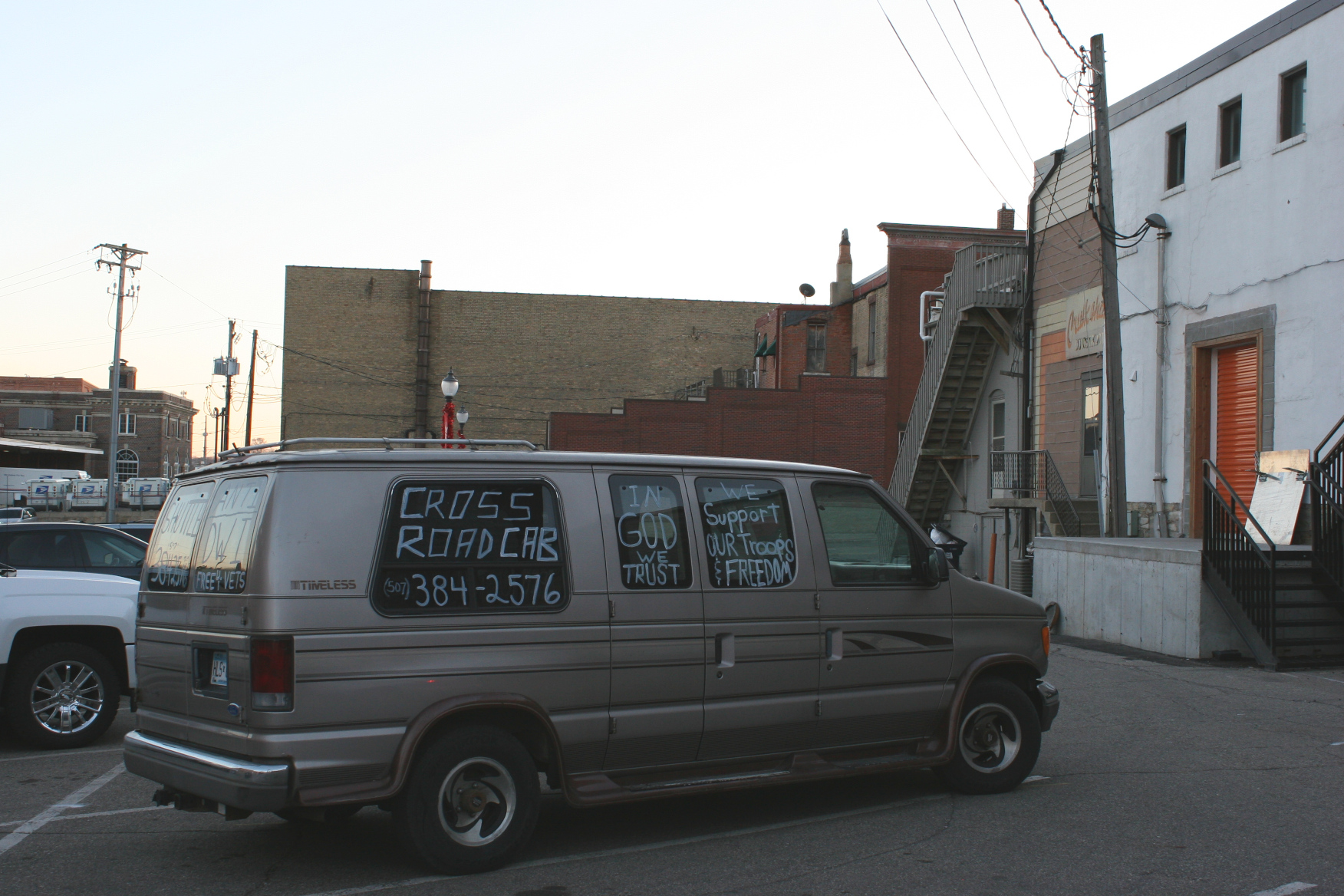
A cab company with a focus and message. (Minnesota Prairie Roots copyrighted photo 2021)
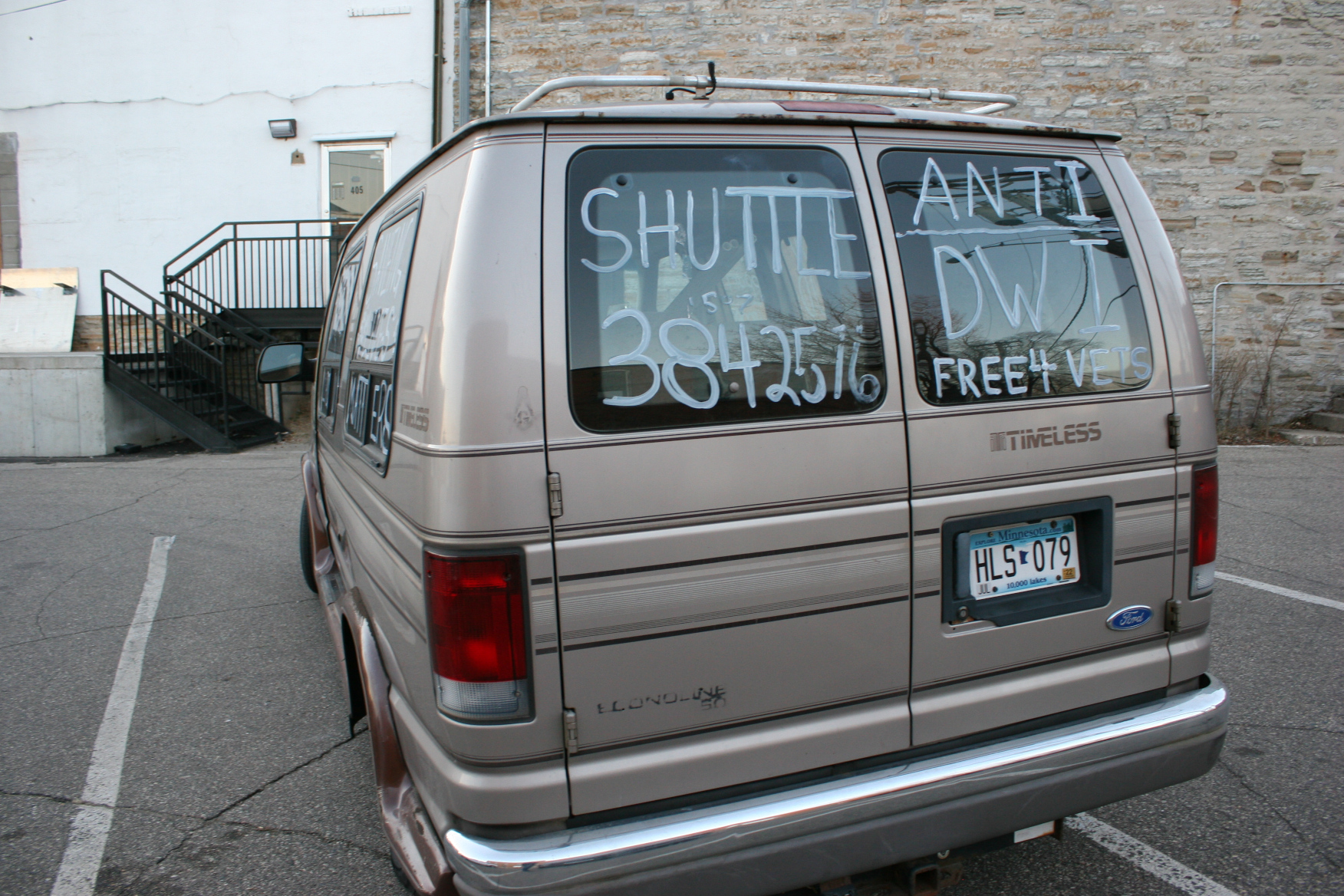
More messages on this cab. (Minnesota Prairie Roots copyrighted photo 2021)
I saw the same care written upon windows of a van, from which a couple disembarked while the driver of Cross Road Cab waited inside. I didn’t talk to him, but rather noted the messages of support for veterans, troops and freedom. Plus his stand against driving while intoxicated.
The grey building in the foreground houses Corks & Pints with 10,000 Drops in the brick building. The historic brick structure originally housed Peterson Art Furniture. (Minnesota Prairie Roots copyrighted photo)
The pair walked toward Corks & Pints and 10,000 Drops Craft Distillers. A mural, “Ice Skating on the Straight River,” graces the side of 10,000 Drops. It’s based on a vintage photo. The transformation of this downtown anchor corner has been a real asset to our community. Pre-distillery, the building housed an antique shop and architectural salvage business. It was dark, cluttered and not all that appealing. But now, wow. With the inside gutted and opened up, the distillery interior features wood floors, exposed beams, brick walls and much more, including cozy spaces to visit. It’s unlike any other place in Faribault. An inviting setting to enjoy a locally handcrafted cocktail with friends. Inside, or outside on the patio. Corks & Pints is part of the complex, housed next door in the former F-Town Brewing located in a former garage. It’s a tap house and wine bar, another welcoming spot to connect and converse.
A while ago, Cry Baby Craig’s focused conversation in our downtown. Craig Kaiser moved his hot sauce business to Faribault, into a former sporting goods store at 405 Central Avenue North. CBC’s highly-acclaimed habanero and garlic hot sauce is a staple in our refrigerator. And it’s become a favorite among restaurants in the metro and beyond.
If you’re mostly unfamiliar with Faribault, I hope you’ve learned a thing or ten about our town via my pivoting parking lot perspective. And, if you’re local, I invite you to pause and appreciate all that our community offers.
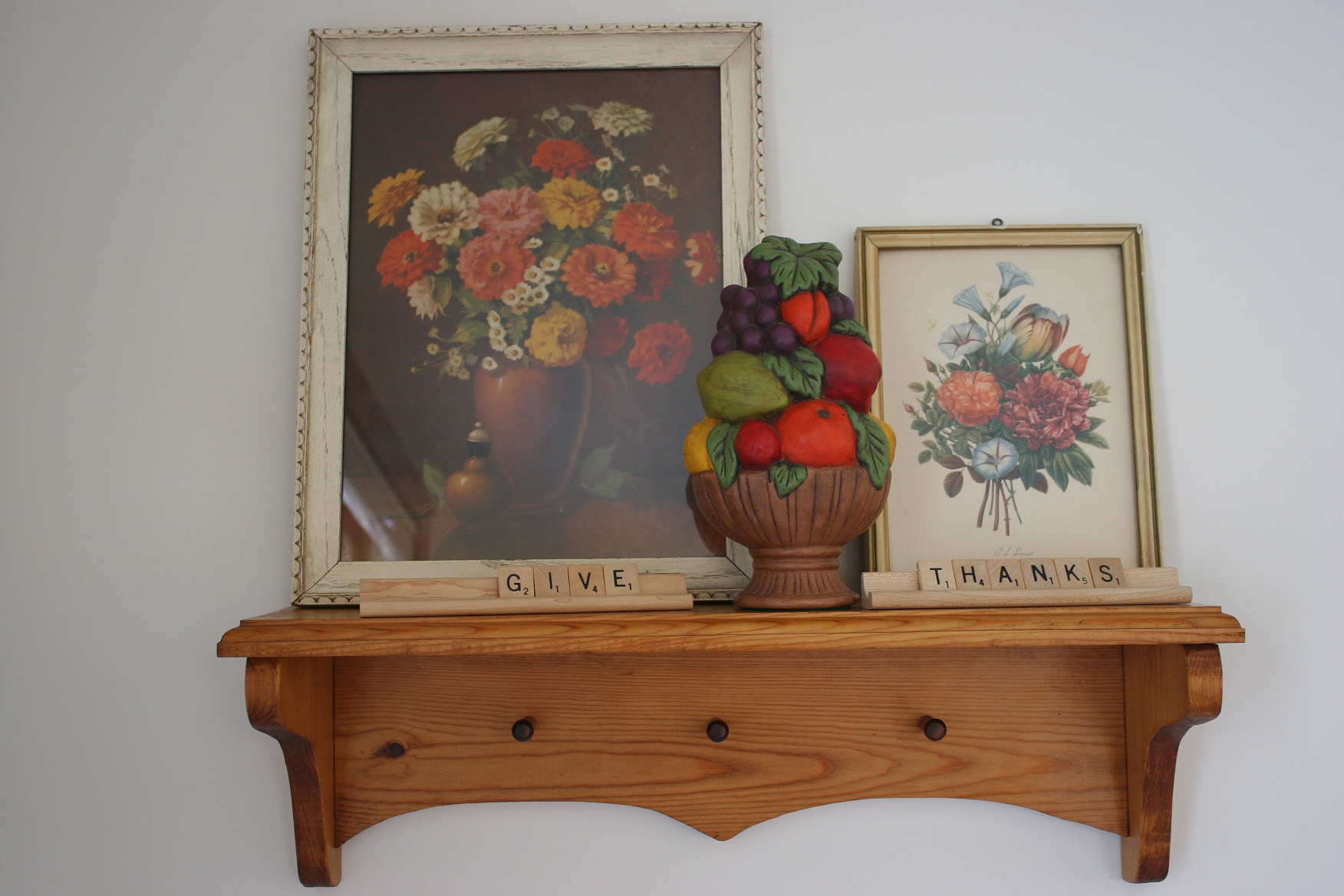
Given my love of words, I created this Thanksgiving display with thrift store art purchases and Scrabble letters. (Minnesota Prairie Roots copyrighted file photo)
WITH THANKSGIVING ONLY DAYS AWAY, my thoughts shift to gratitude. I must admit, though, that feeling grateful in the midst of this ongoing global pandemic takes effort. Yet, it’s important, even necessary, that I reflect on my blessings.
Now, I could simply list the usual broad categories most of us would choose as reasons to feel grateful—family, food, faith, health… But hovering a magnifying glass over those words for a close-up look really focuses gratitude.
With that introduction, I am feeling thankful for…
Grandpa and grandchildren follow the pine-edged driveway at a central Minnesota lake cabin. (Minnesota Prairie Roots copyrighted file photo 2020)
My immediate FAMILY circle, including my husband, three grown adult children, two sons-in-law and two grandchildren. I feel grateful for their love and for the last time we were all together in May. Although I yearn to see my out-of-state family more, I’m happy for that spring visit.
The grandchildren, especially, bring joy. Most recently, before temps plummeted into the 20s here in Minnesota, Isabelle, Isaac and I swirled sticks in a mud puddle in our backyard. What a simplistically memorable moment. Later, inside the house, we crafted snow people from paper and birthday cards for their Aunt Miranda. More moments of connecting and bonding and loving.
Time spent at an extended family member’s guest lake cabin this past summer with the eldest daughter and her family rate particularly high on my gratitude list.
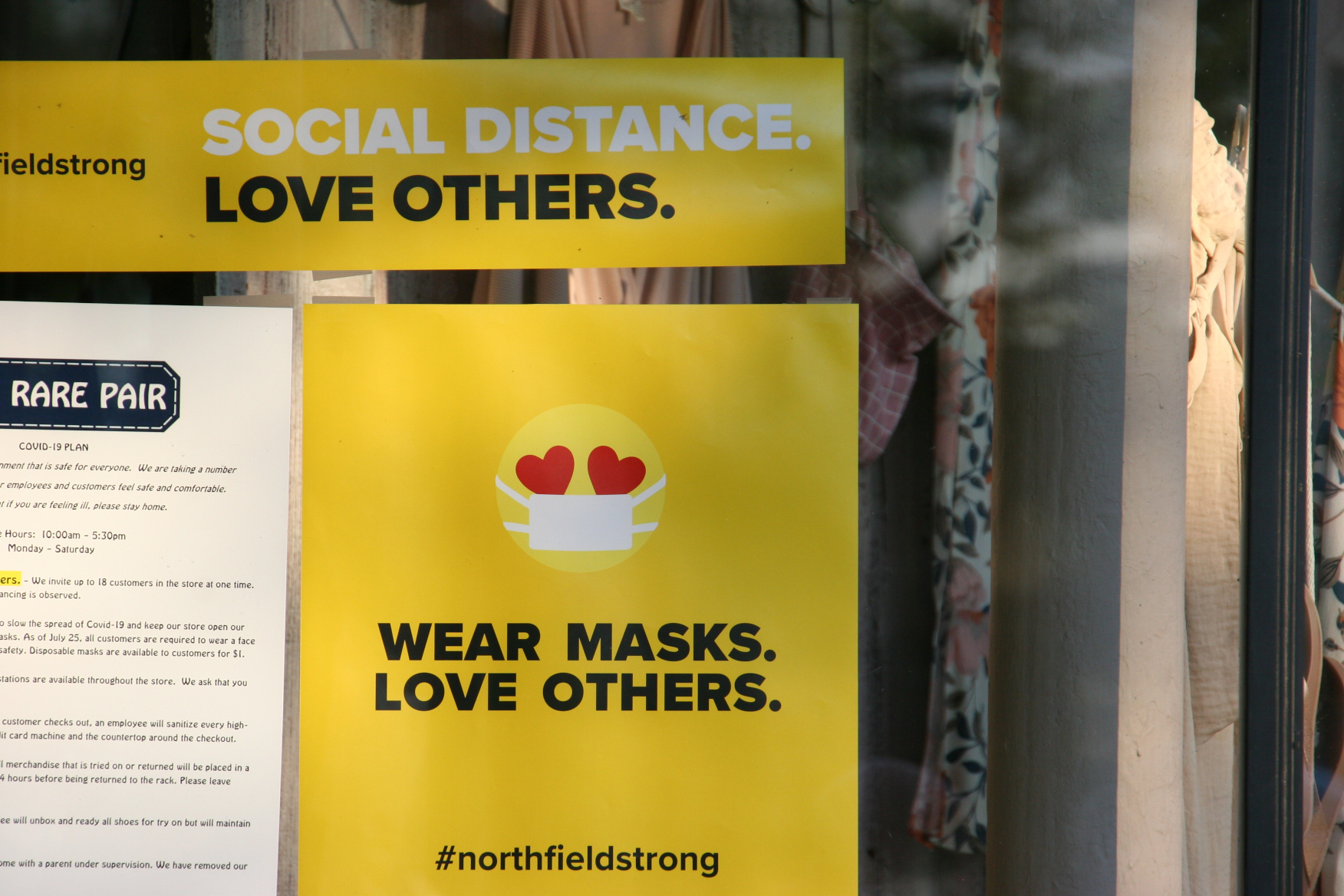
The reason the Rare Pair in Northfield gave for wearing face masks early in the pandemic. I love this message. (Minnesota Prairie Roots copyrighted file photo 2020)
HEALTH, mine and that of those I love most, gives me pause for thankfulness. But this year I’m stretching that to include the scientists and researchers who created COVID vaccines and to those in healthcare who strive to keep us healthy and also care for us, whether doctors, nurses, public health officials or others. And to businesses who recognize the importance of COVID mitigation/safety measures (and to the people who follow them).
Along the topic of health, I feel relieved and thankful to now be on MEDICARE. That gives Randy and me affordable healthcare coverage and thus accessibility to healthcare. Paying about $500/month in premiums compared to nearly $1,900/month (with $4,200/each deductibles) lifts a great financial burden.
I photographed my mom’s hands during a visit with her. (Minnesota Prairie Roots copyrighted file photo)
These days my thoughts often turn tomy dear mom, 120 miles away in a long-term care center, health failing. I feel overwhelmed by emotion, my heart aching in the missing of her. I last saw her in early July (and not since due to too much COVID in my home county, and now all of Minnesota). Too long.
But I think back to THAT SUMMER VISIT with such gratitude. Per the social worker’s suggestion, I brought along a stash of old family photos. As I held the black-and-white images close to Mom so she could see them through eyes clouded by age, joy blossomed. “That’s my dad,” she said. “That’s me.” And then the moment that brought me to tears. “That’s my husband.” It was a photo of my dad, in his 20s, when he met and married Mom. She recognized him. He’s been gone now nearly 18 years.
If I never see my mom again this side of heaven, I carry that cherished visit with me. The brief period of time when she connected, remembered, celebrated the love of her parents and her husband. Even as she likely forgot within minutes of my departure that I’d visited and shown her those vintage photos. But I realize, still realize, that this is not about me, but about her.
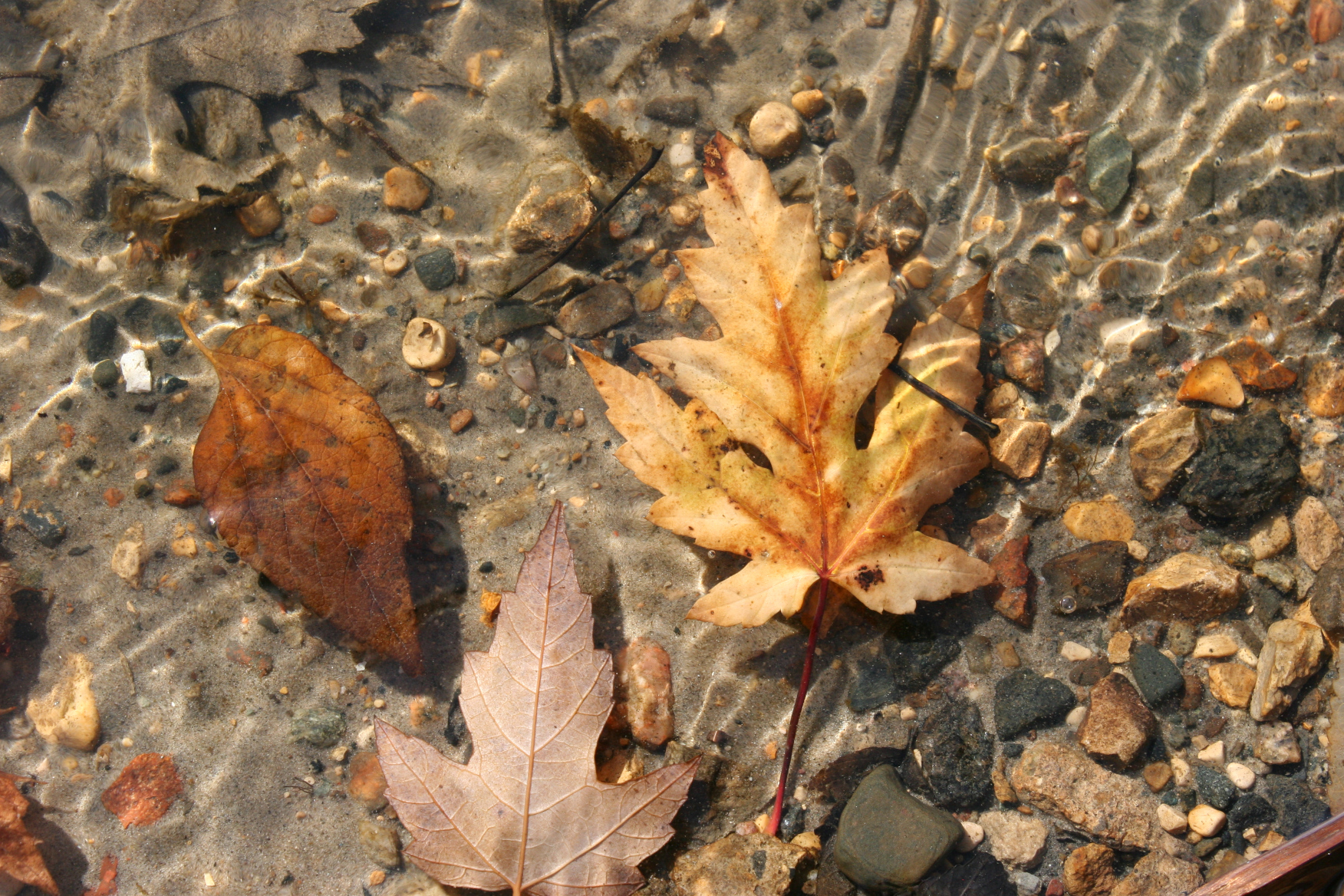
The light, the colors, the water…love this photo of leaves in the Cannon River, Cannon River Wilderness Park, rural Faribault. (Minnesota Prairie Roots copyrighted file photo 2021)
NATURE gives me another reason to feel blessed. During these pandemic years, especially, I’ve embraced the natural world with a deepened sense of the peace it brings. River Bend Nature Center in Faribault remains a cherished place to walk through the woods and prairie. To feel the calming effects of the outdoors, of solitude and quiet, and escape from reality. Likewise I feel the same when following a back country gravel road.
Jordyn Brennan’s “Love For All” mural in historic downtown Faribault. (Minnesota Prairie Roots copyrighted file photo)
ART continues to hold importance for me. I’m thankful for all creatives. I consider myself among them. That I can create via images and words brings me unlimited satisfaction and joy. I’m thankful for those who value my work.
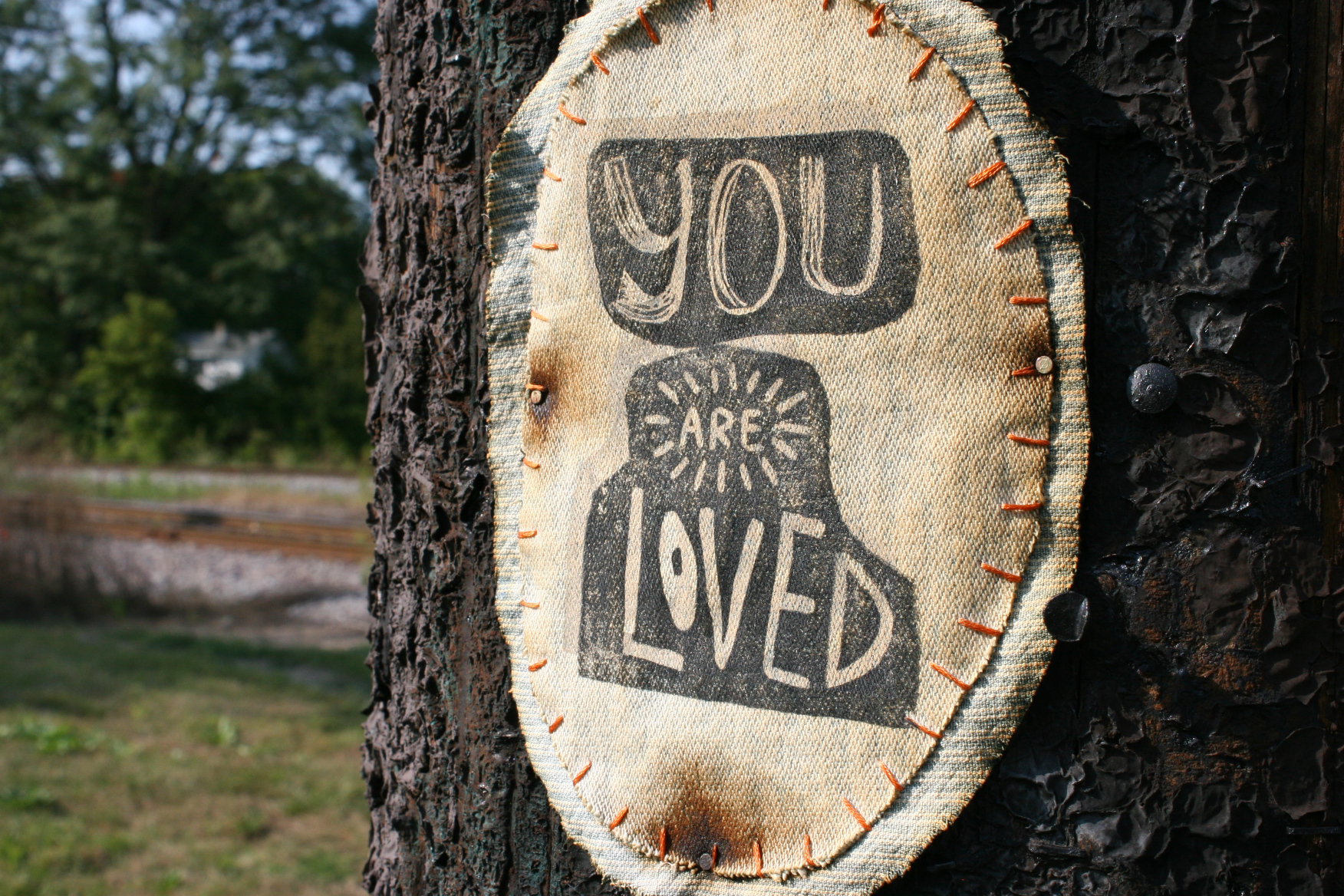
An important message posted along a recreational trail in the Atwood Neighborhood of Madison, WI. (Minnesota Prairie Roots copyrighted file photo 2020)
LOVE centers gratitude. I feel grateful for the love of God, the love of my husband and children and grandchildren. The love and support of friends. To love and to give love tops reasons to feel grateful this Thanksgiving. I love, especially, to observe how my grown children love and support one another. My heart overflows with gratitude this Thanksgiving, even during a pandemic.
#
TELL ME: What are you feeling especially thankful for right now? Please be specific.
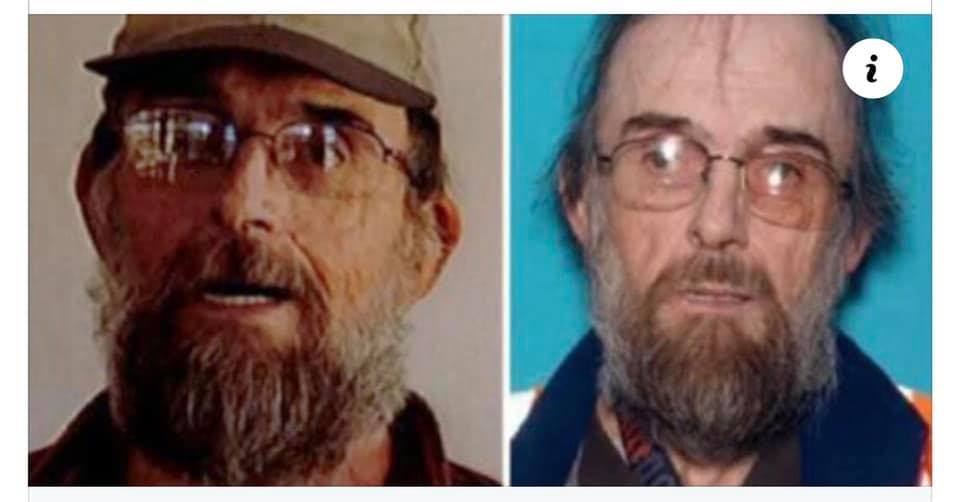
This Saturday, November 20, his community will rally at Bridge Square at noon to raise awareness of the missing 71-year-old and to continue the search for “Dice,” as he is known. Northfield police term him an endangered missing person due to possible onset dementia.
The only clues in his disappearance are the discovery of his hat and money clip.
Law enforcement and volunteers have searched many areas in and around Northfield for Budenski, who is 5-foot 9-inches tall, weighs 145 pounds, with brown hair and brown eyes.
If you have any information about this missing man, contact Northfield police, the prime investigating unit, at 507-645-4477. Or if you can aid in the search on Saturday, show up at Bridge Square. Visit the search Facebook page for more information.
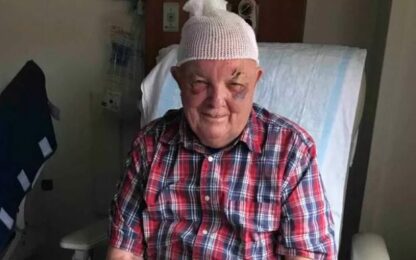
Arnie Lillo of rural Good Thunder (Photo credit: Go Fund Me page)
If this was a story about art, I would pen an endless list of this 83-year-old’s accomplishments. But this is not a story focused on Lillo’s sheet metal art. Rather, this is about a crime. He was the victim of a recent brutal attack.
On November 10, Lillo was attacked from behind and hit in the head with a hammer. He was able to drive to a neighbor’s home for help. A 34-year-old acquaintance is now charged in the crime which left the rural Good Thunder man hospitalized with serious injuries. Lillo is recovering, but in need of financial and emotional support.
A Go Fund Me page, “Arnie’s Angels,” has been set up with a goal of $10,000. I encourage you to contribute if you are able. I don’t know Lillo. But, from what I’ve read and viewed on his business website and Facebook page, I am impressed by his work and by how he has opened his rural property to anyone who wants to view his art. He finds great joy in sharing his creativity. And he is, clearly, much loved.
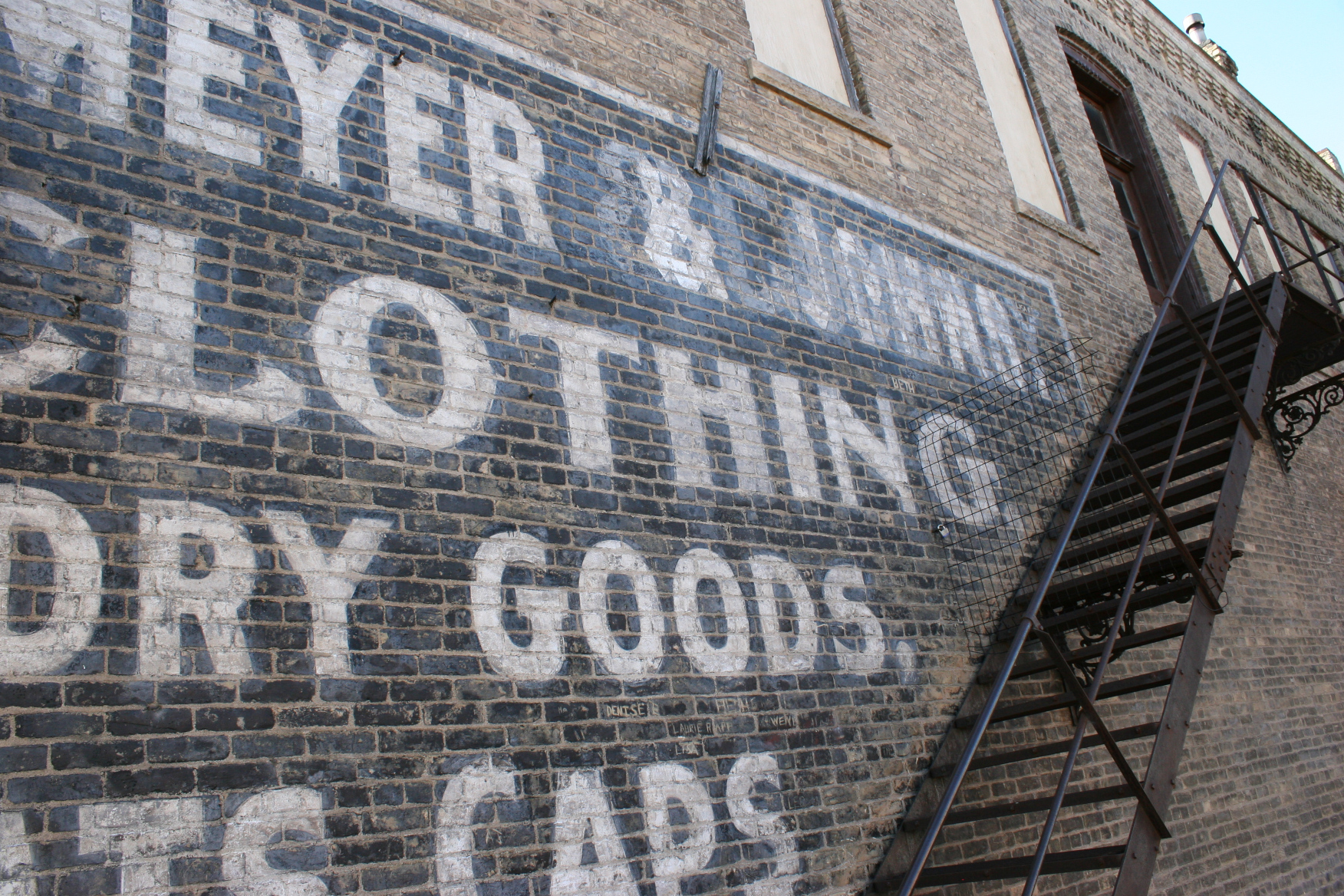
This ghost sign and stairway caught my interest in downtown Cannon Falls. (Minnesota Prairie Roots copyrighted photo October 2021)
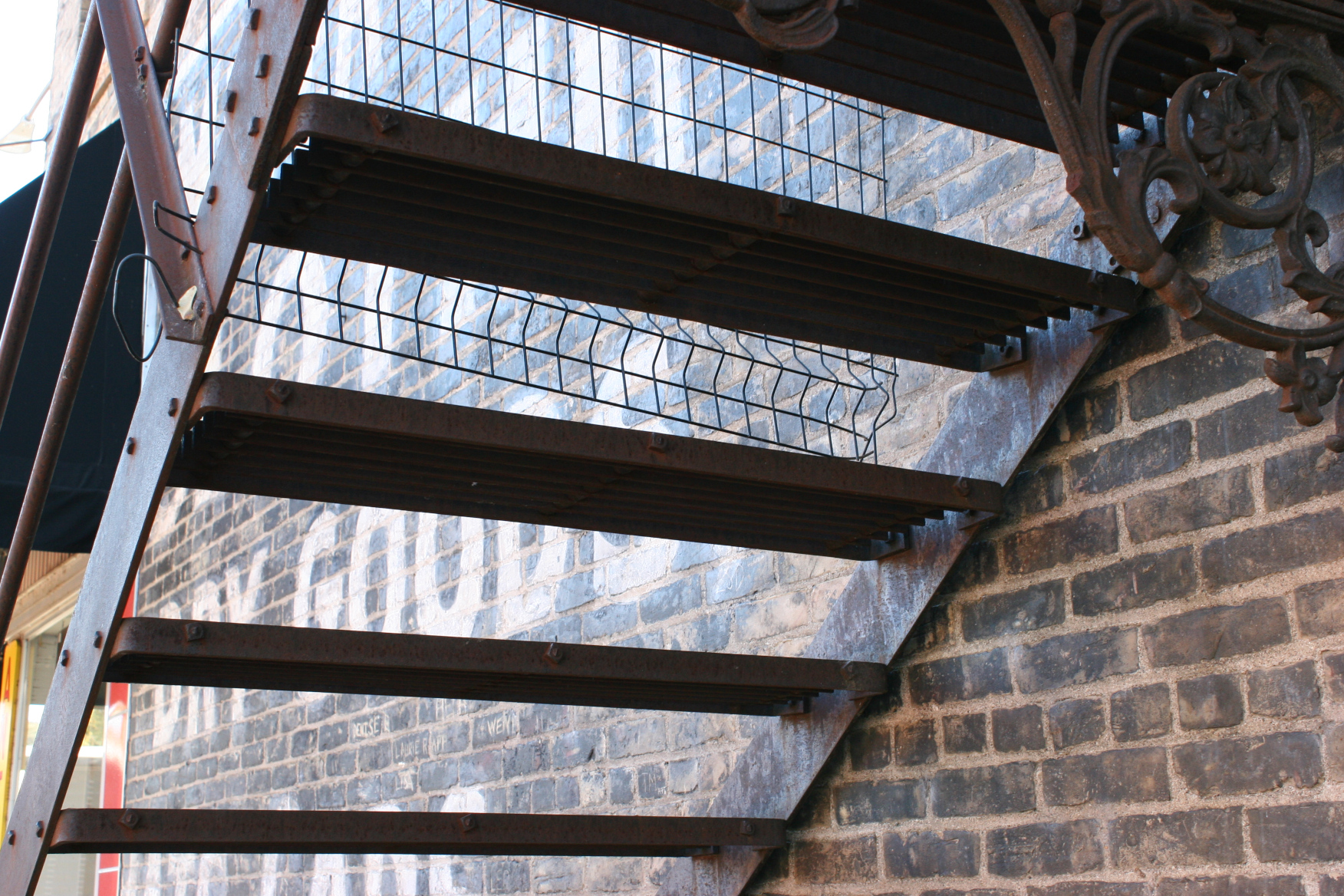
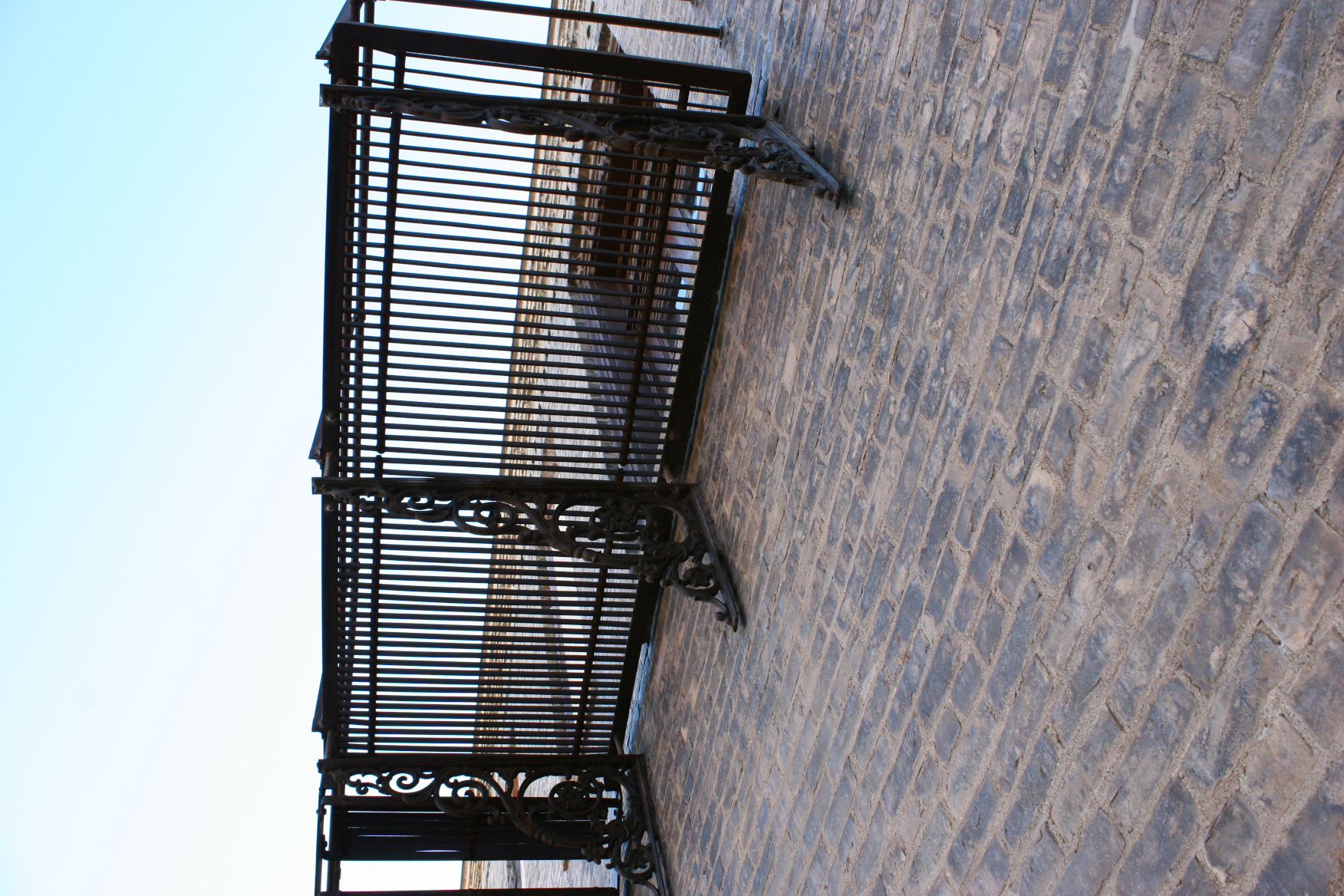
I VIEW THE WORLD through a creative lens. So when I see an exterior metal stairway, I see beyond the intended purpose of a pathway up or down. Rather, I see the angles, the details, the architectural, artsy side of the utilitarian.
Look to the right to see the lovely floral design in the bracing bracket. (Minnesota Prairie Roots copyrighted photo October 2021)
Aiming my camera lens up to the underside of that artsy stairway. (Minnesota Prairie Roots copyrighted photo October 2021)
And I appreciate, too, the fading ghost sign lettering for a dry goods and clothing store painted on the brick building.
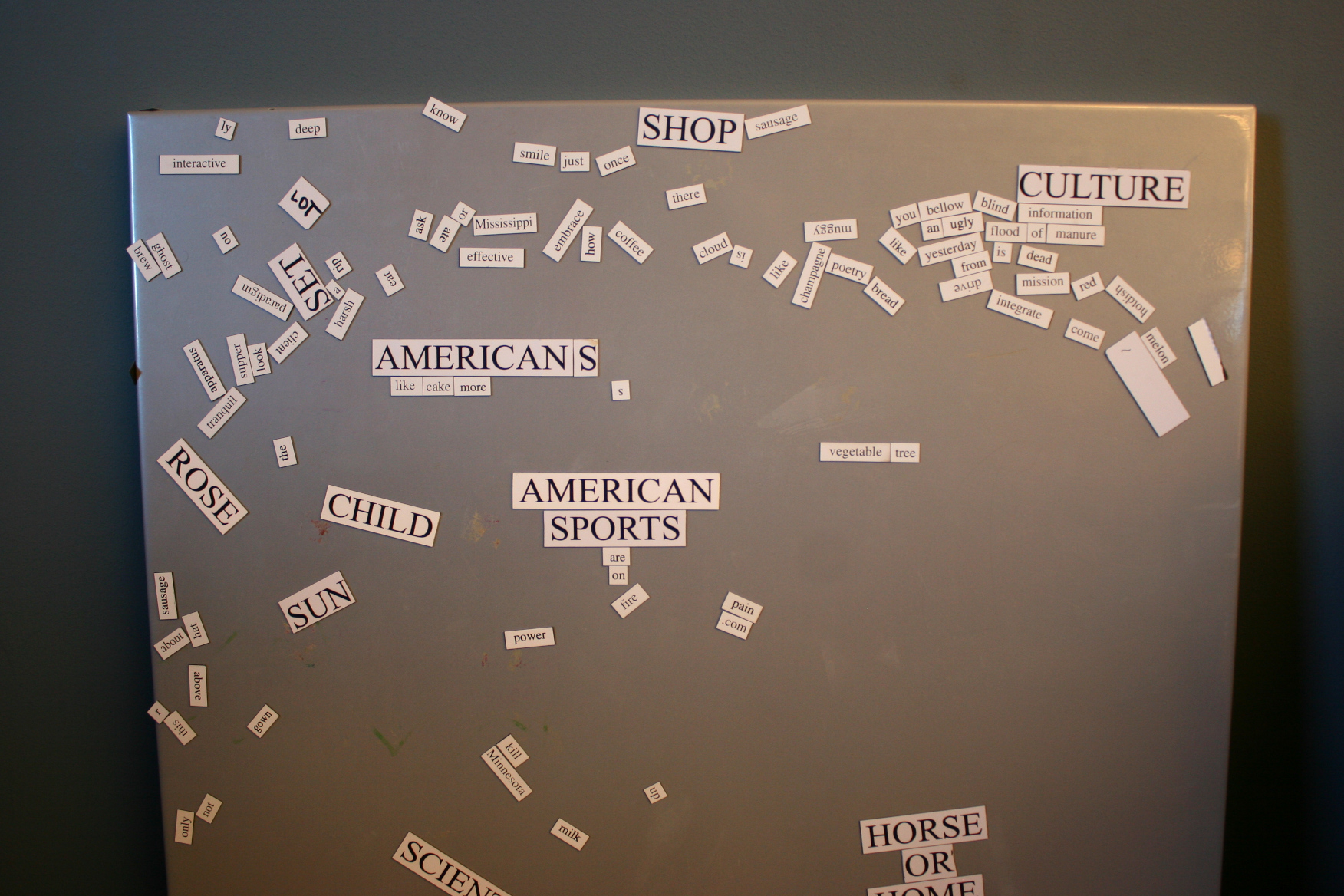
I spotted this magnetic word board at the library. (Minnesota Prairie Roots copyrighted photo October 2021)
JUST UP THE STREET a half a block away at the public library, a magnetic word board invites patrons to create. And while I didn’t, I took note of the coupling of words, whether by intentional placement or not:
smile just once
SHOP sausage
AMERICAN SPORTS are on fire
You bellow blind information like an ugly flood of manure
AMERICANS like cake more
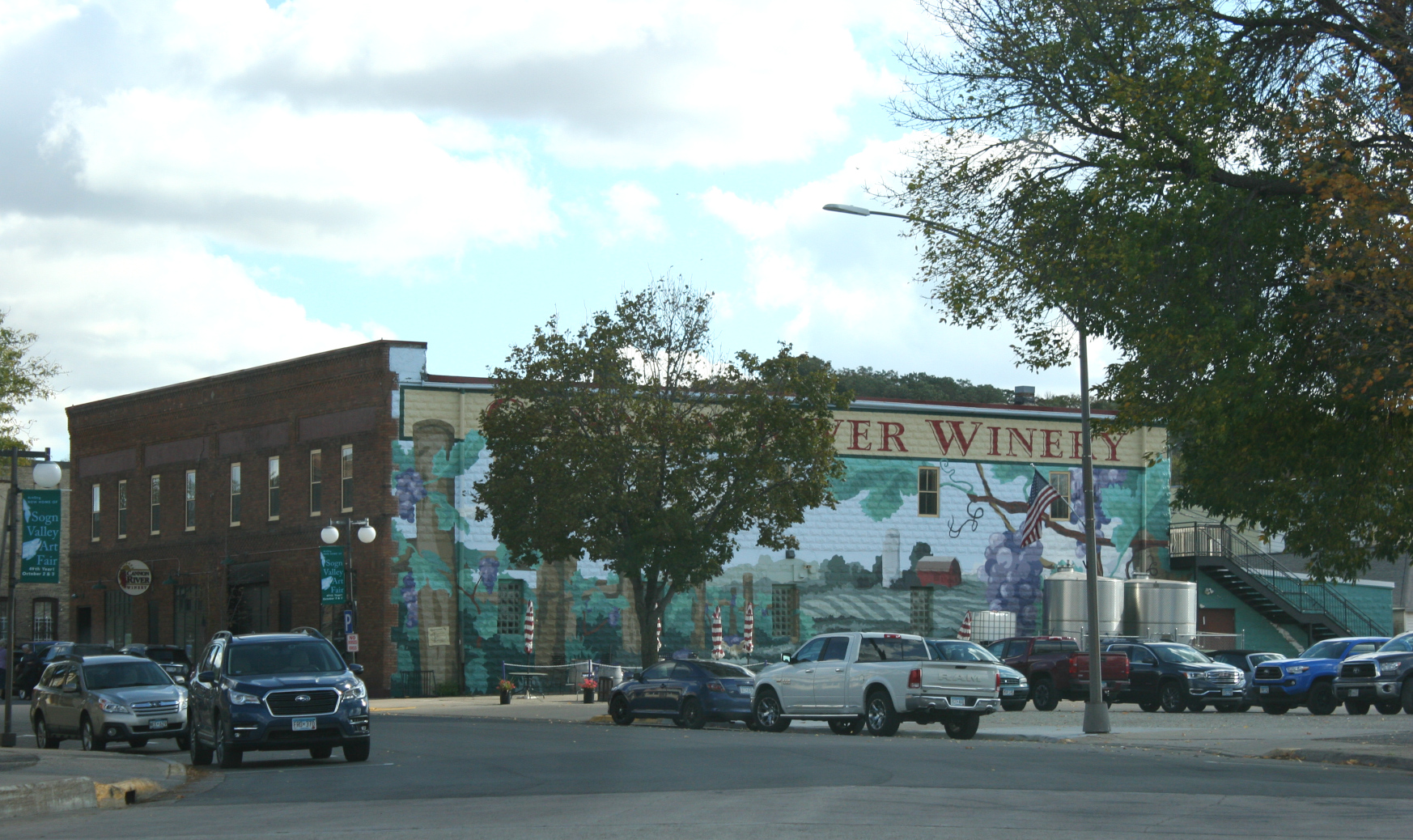
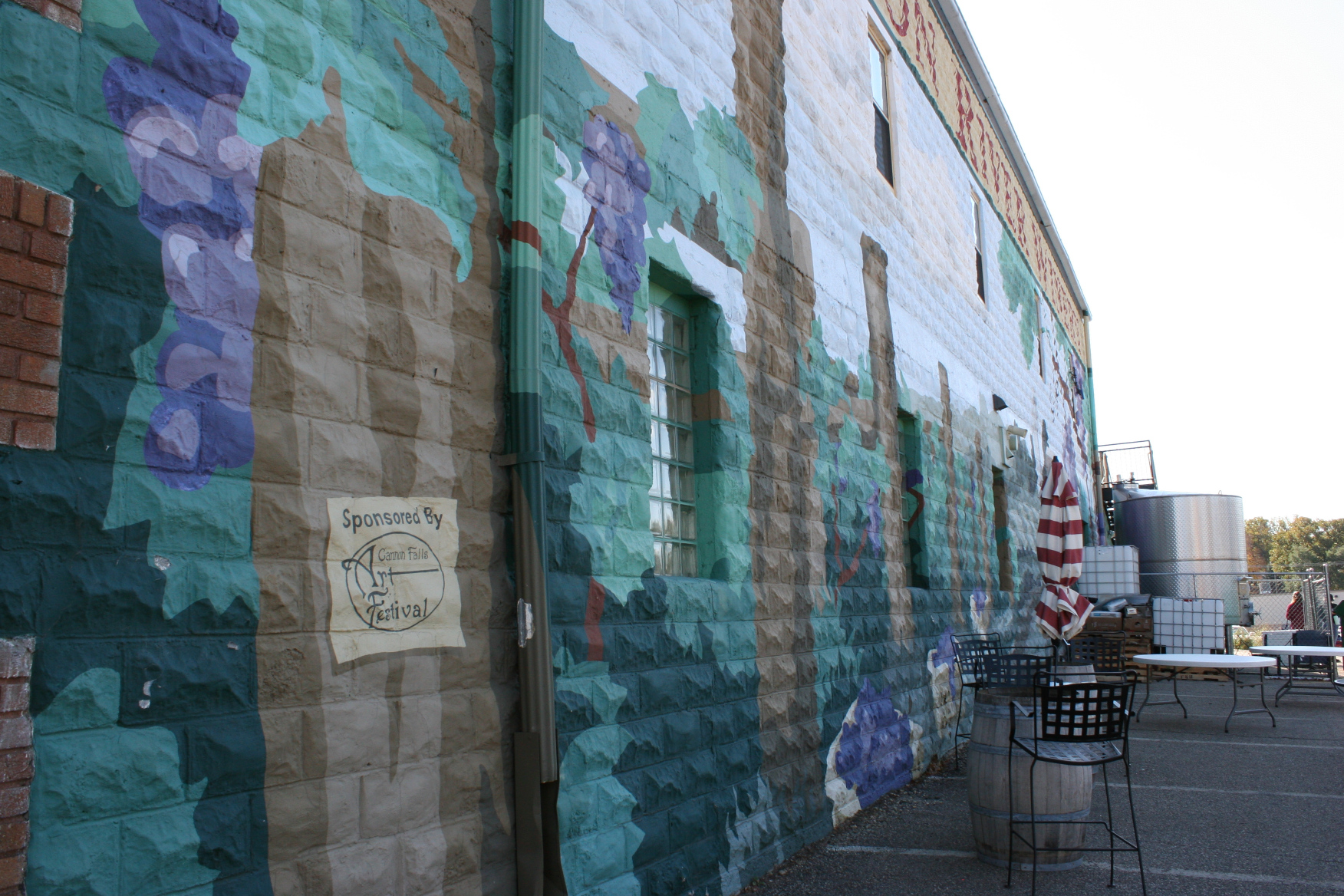
This mural graces Cannon River Winery. (Minnesota Prairie Roots copyrighted photo October 2021)
WE AMERICANS ALSO LIKE our wine. Back across the street, near the artsy metal stairway, Cannon River Winery also embraces the arts with a sprawling mural on the side of its building. The scene depicts the area’s rural-ness and the business of growing grapes and crafting wine.
I’ll raise my glass to that—to the winery, to the library, to the antique shop and to all the places in, and people of, this Minnesota community who value the arts. Thank you. I am grateful for the creativity in Cannon Falls.
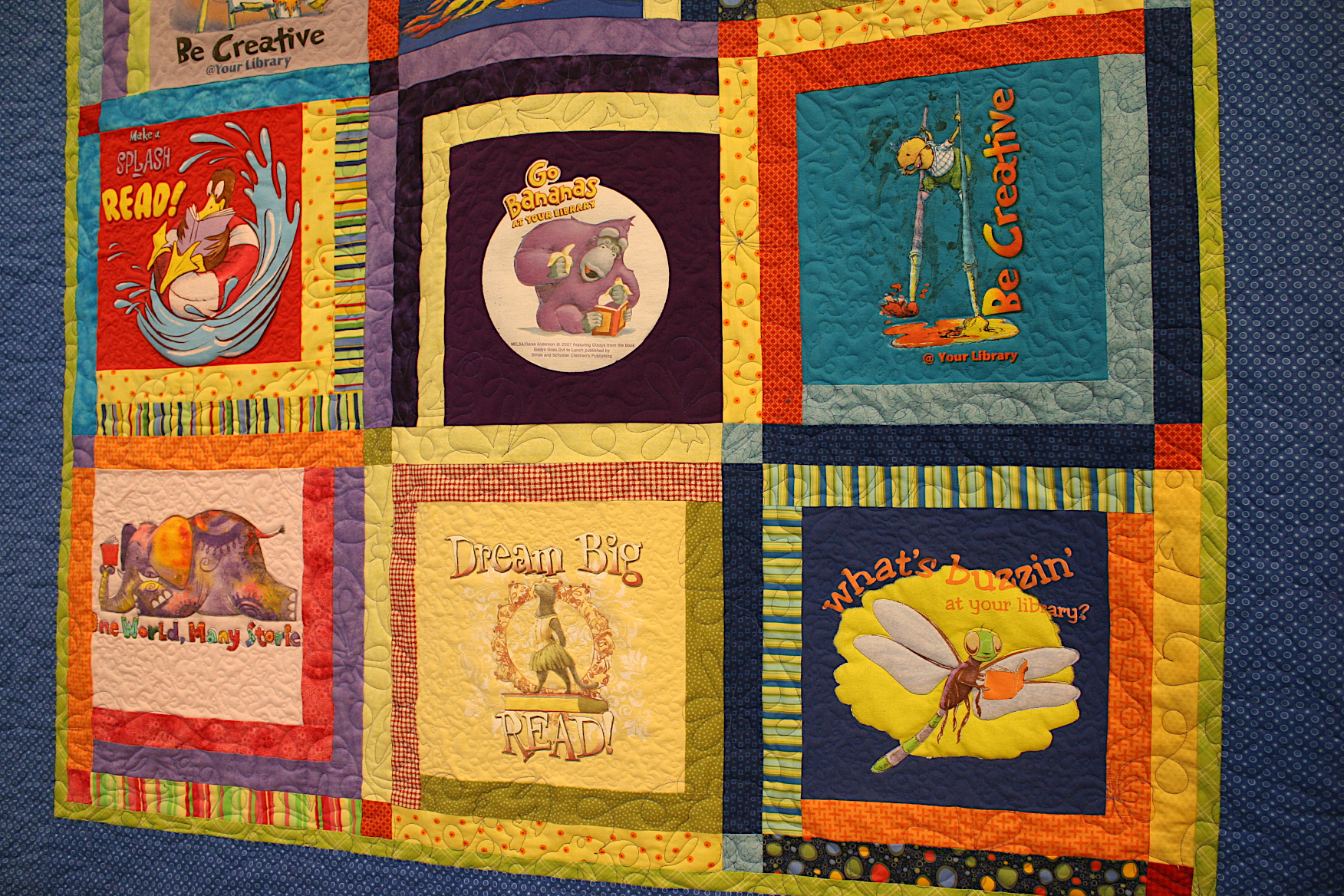
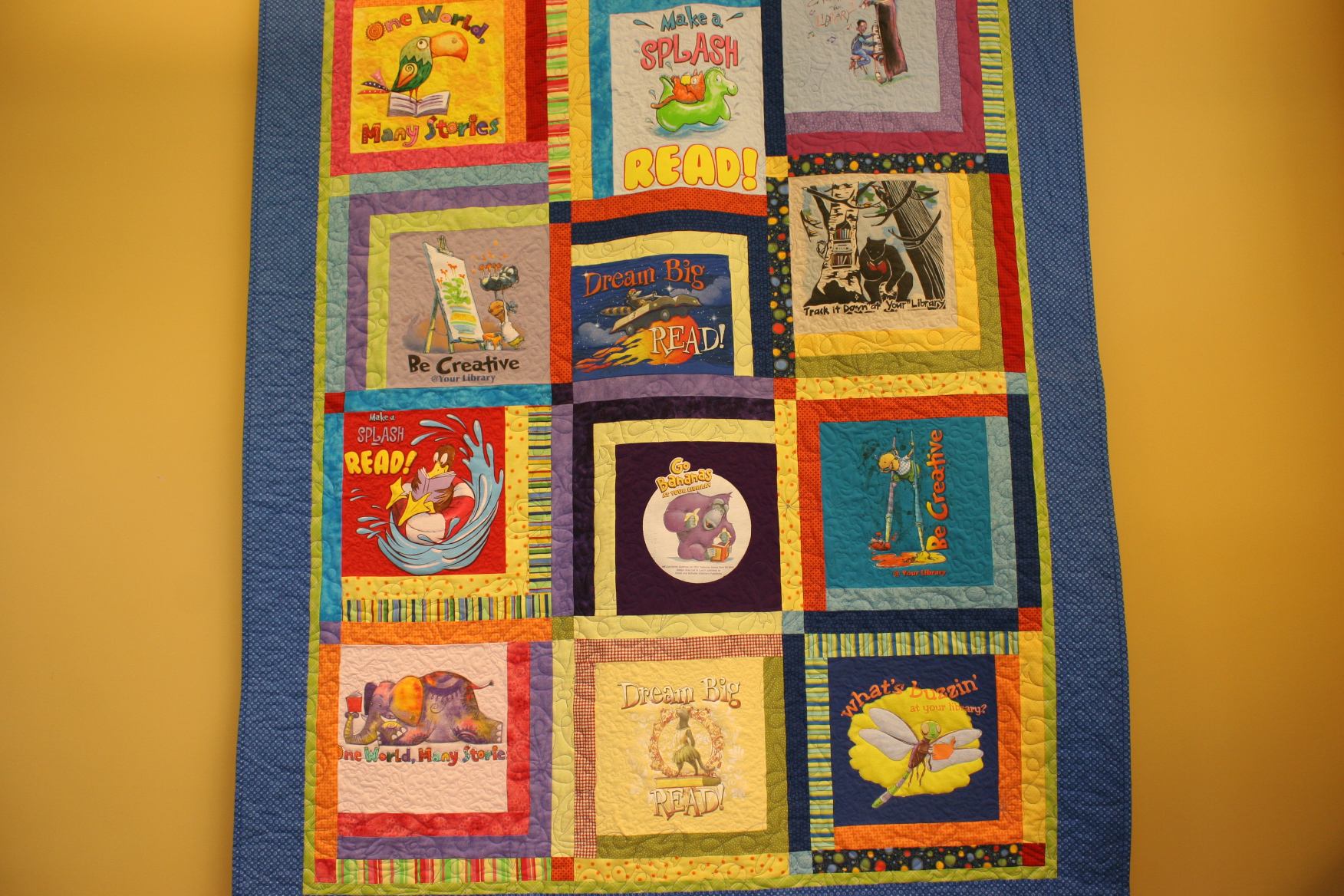
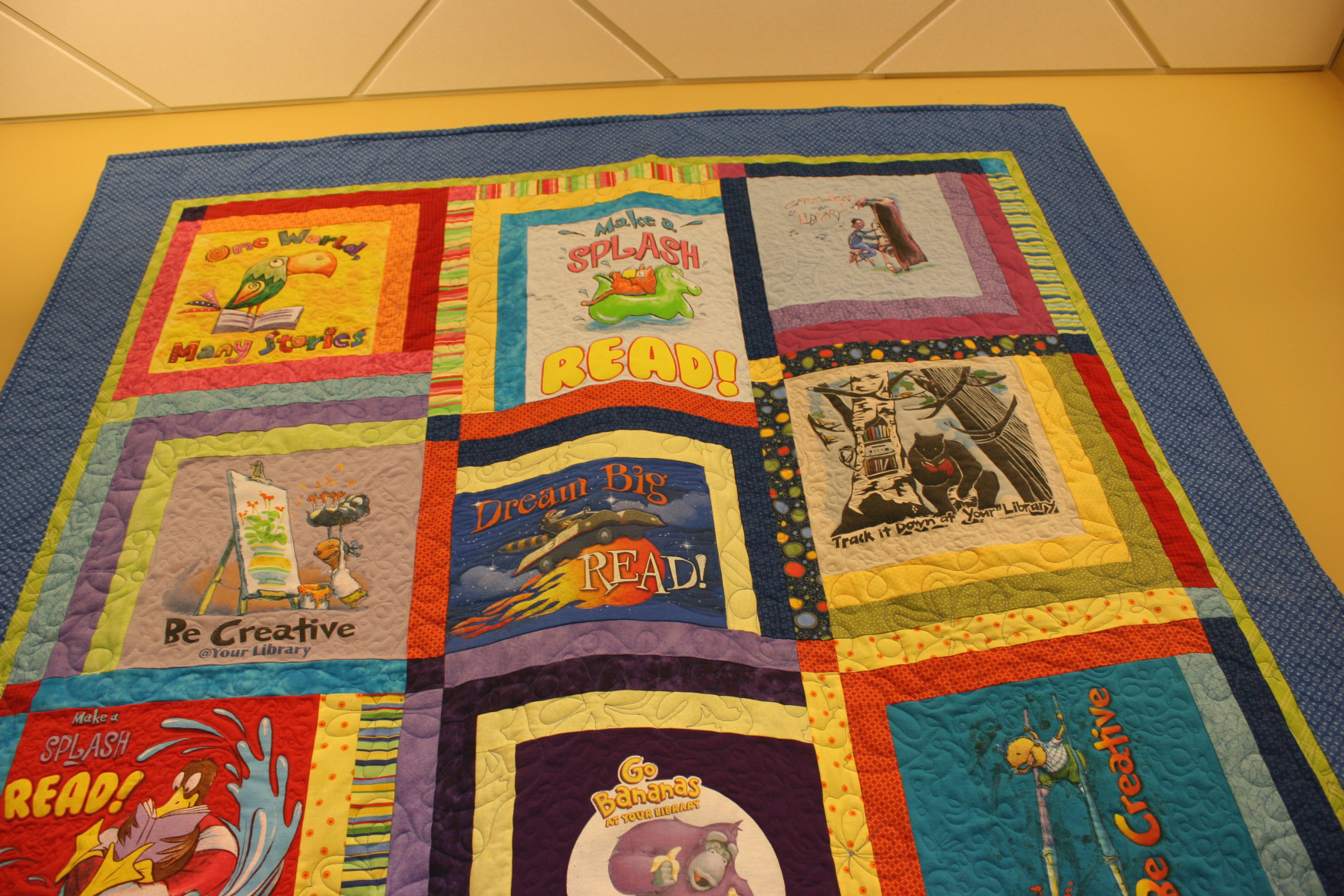
The inspiring quilt displayed at the Cannon Falls Library. (Minnesota Prairie Roots copyrighted photo October 2021)
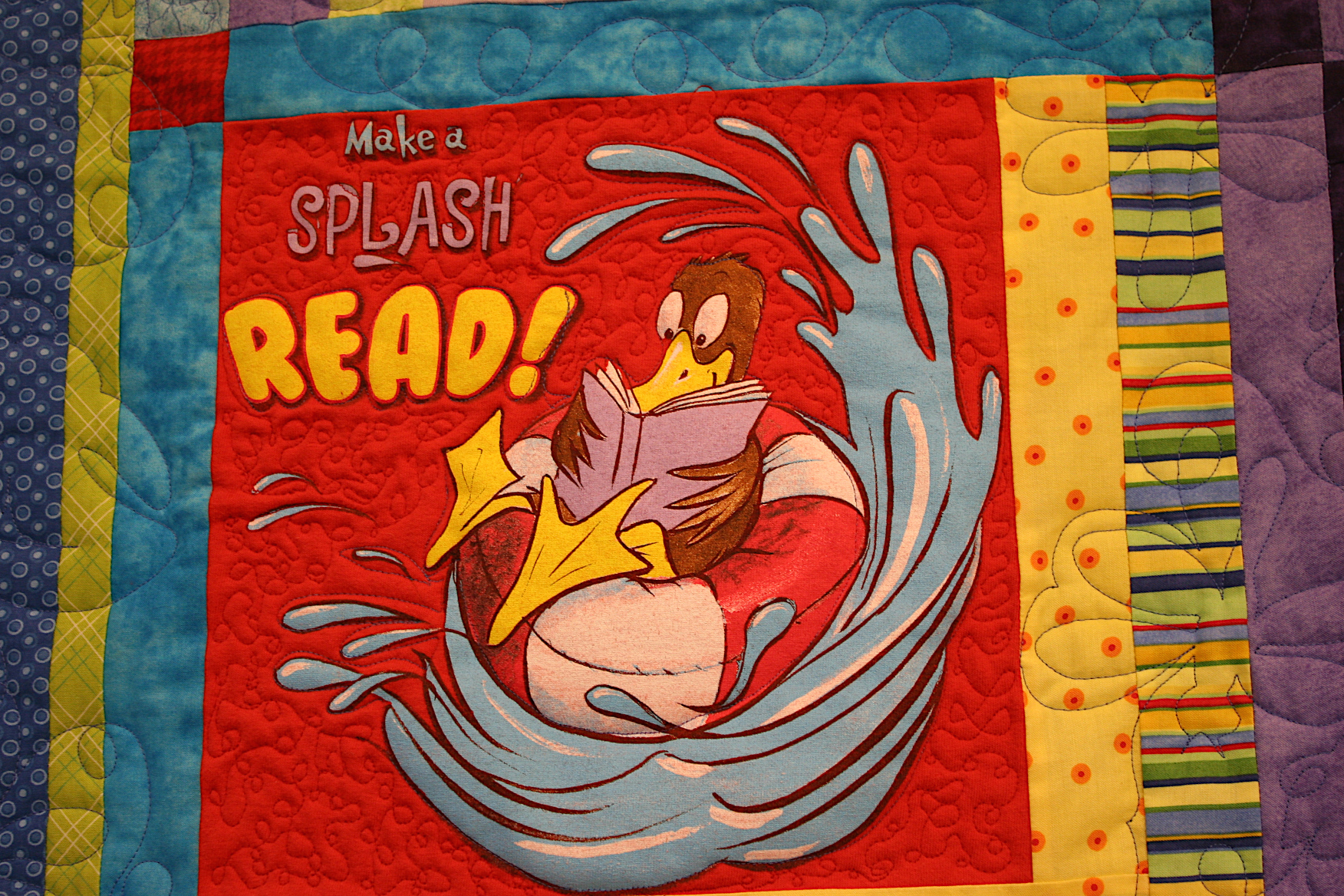
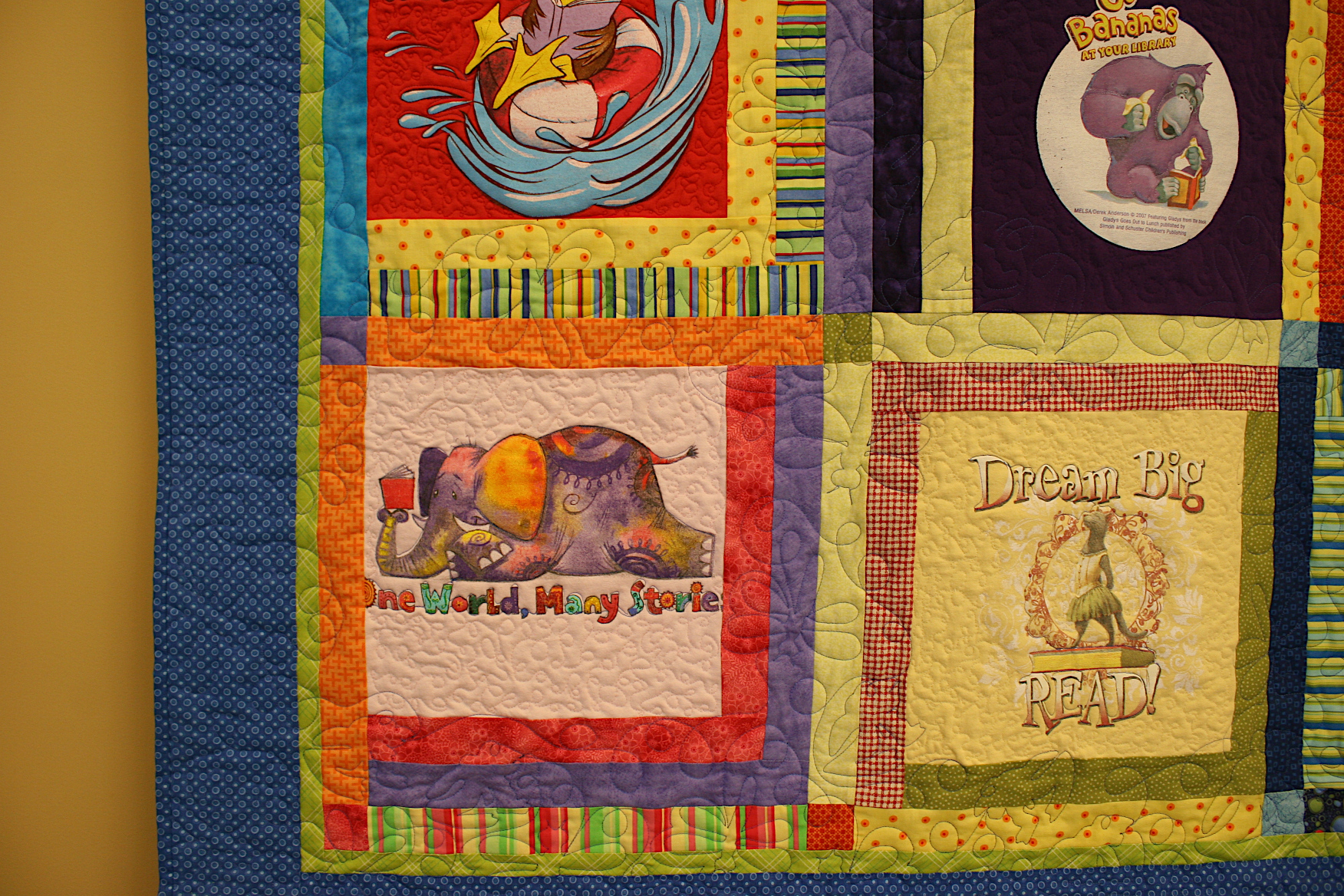
DREAM BIG. Be Creative. One World, Many Stories. Make a Splash.
Make a Splash! applies to more than reading. (Minnesota Prairie Roots copyrighted photo October 2021)
Those phrases inspire. They push us to do our best. To pursue our passions. To make a difference. To tell our stories.
When I recently read those words on a colorful quilt gracing a wall in the Cannon Falls Library, I felt empowered.
The library quilt as inspiring art. (Minnesota Prairie Roots copyrighted photo October 2021)
The messages have been part of Southeastern Libraries Cooperating summer promotionals to get kids into libraries and reading. They’re simple words and graphics. Kid-appealing. Eye-catching. Positive.
The top section of the quilt art. (Minnesota Prairie Roots copyrighted photo October 2021)
As someone who values books and libraries, and the arts, I appreciate the works of the seamstress who stitched this quilt. It’s a good visual reminder to each of us—whether child, teen or adult—of our talents and worth. I may be good with words. You may be good with numbers. I celebrate that difference in talent (especially come tax time when I hand my financial records over to my accountant).
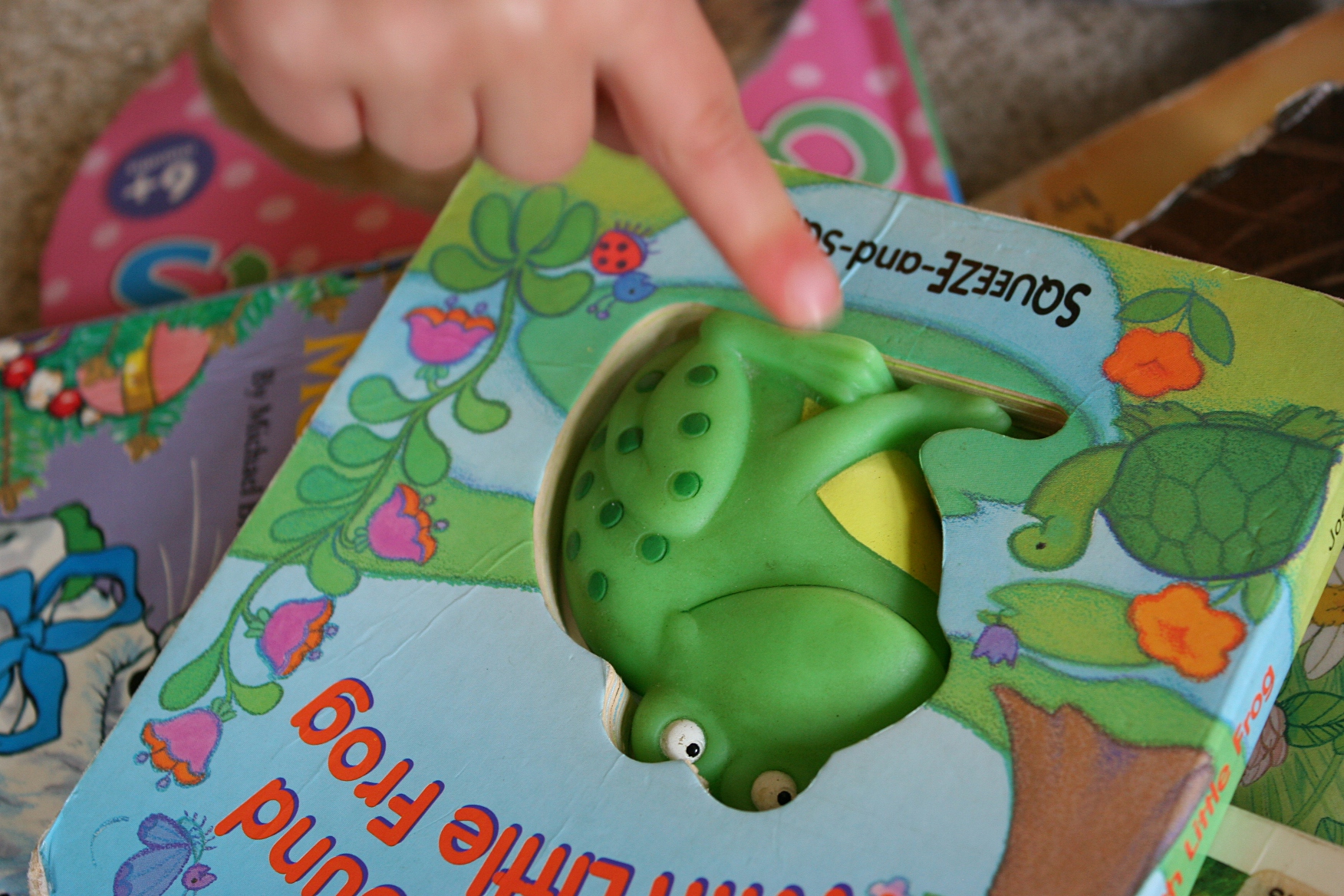
All Year Round With Little Frog was one of my granddaughter’s favorite books as a toddler. I would read and reread it to her whenever she visited, just as I did decades ago to her Uncle Caleb. (Minnesota Prairie Roots copyrighted file photo)
I’ve always loved books and now I have the joy of reading books to my grandchildren, ages nearly three and 5 ½. Books pack shelves in their toy room with more books from the library. Their parents value books.
The world of words is opening even wider to Isabelle, who is in kindergarten. During a recent visit, I would say a word and she would guess the starting letter. Her face lit with sheer delight in determining the correct letter. Her mind is beginning to connect—to understand that sounds define letters which form words and then sentences and stories. I can’t wait to hear her read.
One World, Many Stories… (Minnesota Prairie Roots copyrighted photo October 2021)
So when I read about dreaming big and being creative and making a splash in this world of many stories, I think of my precious grandchildren. And I hope that in some small way, I inspire them to be all they can be. And one way to do that is via books, art and modeling creativity.
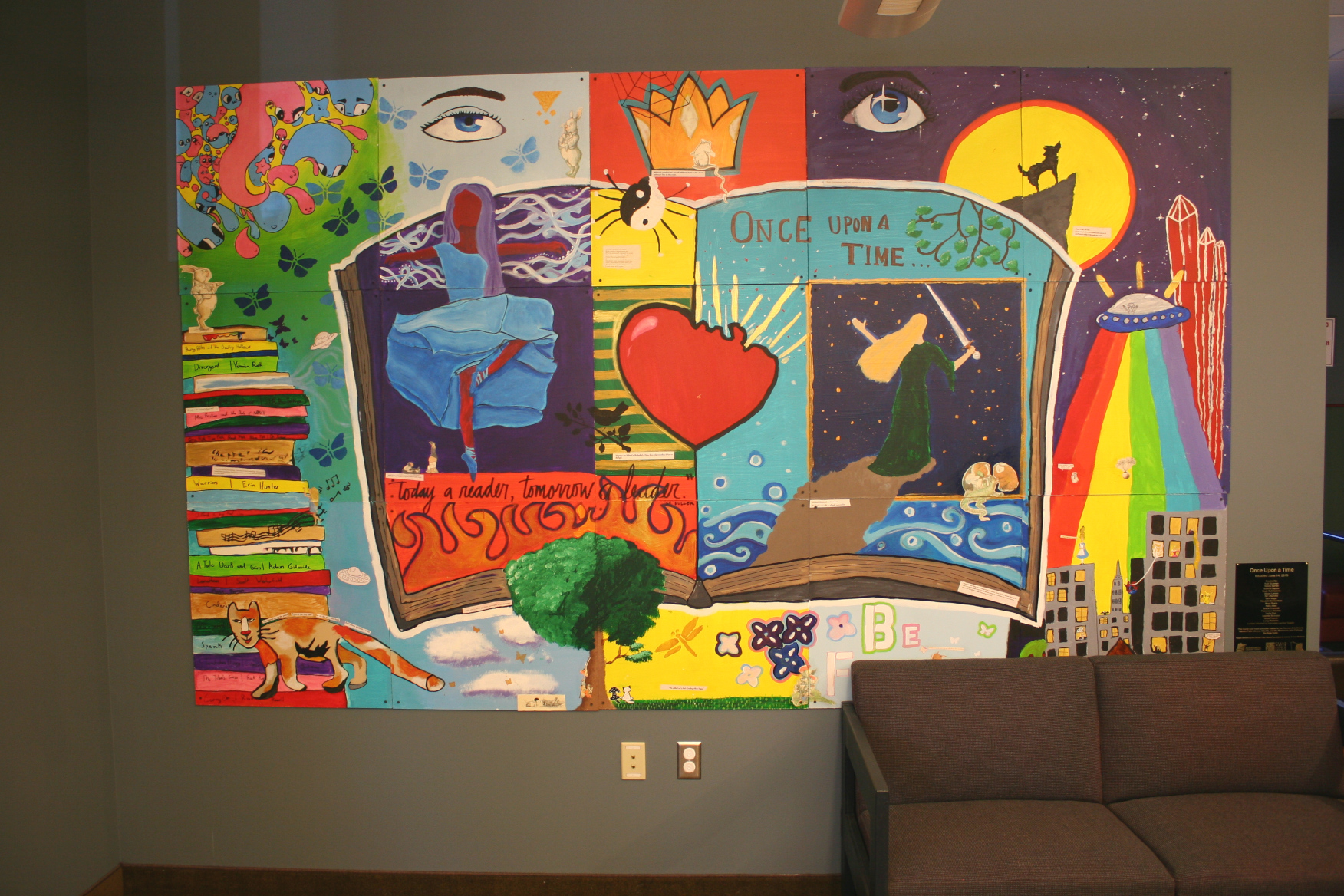
The “Once Upon a Time” mural in the Cannon Falls Library. (Minnesota Prairie Roots copyrighted file photo October 2021)
TUCKED INTO A SIDE CORNER, behind a nondescript cushioned seat for two, a bold mural pops color into the Cannon Falls Library.
The mural is fun, playful, colorful, inspirational… (Minnesota Prairie Roots copyrighted photo October 2021)
I discovered the art on a recent day trip to this small Goodhue County community along the Cannon River. A sign in a downtown storefront window promoting the library’s “Mailbox Mysteries” program led me to the library. Once inside, I registered for the mystery challenge and then browsed. Not books. But art.
This tastefully and artfully decorated library creates an inviting setting in a cozy space. I felt comfortably at home here, where a fireplace angles into a corner with cushy seating nearby.
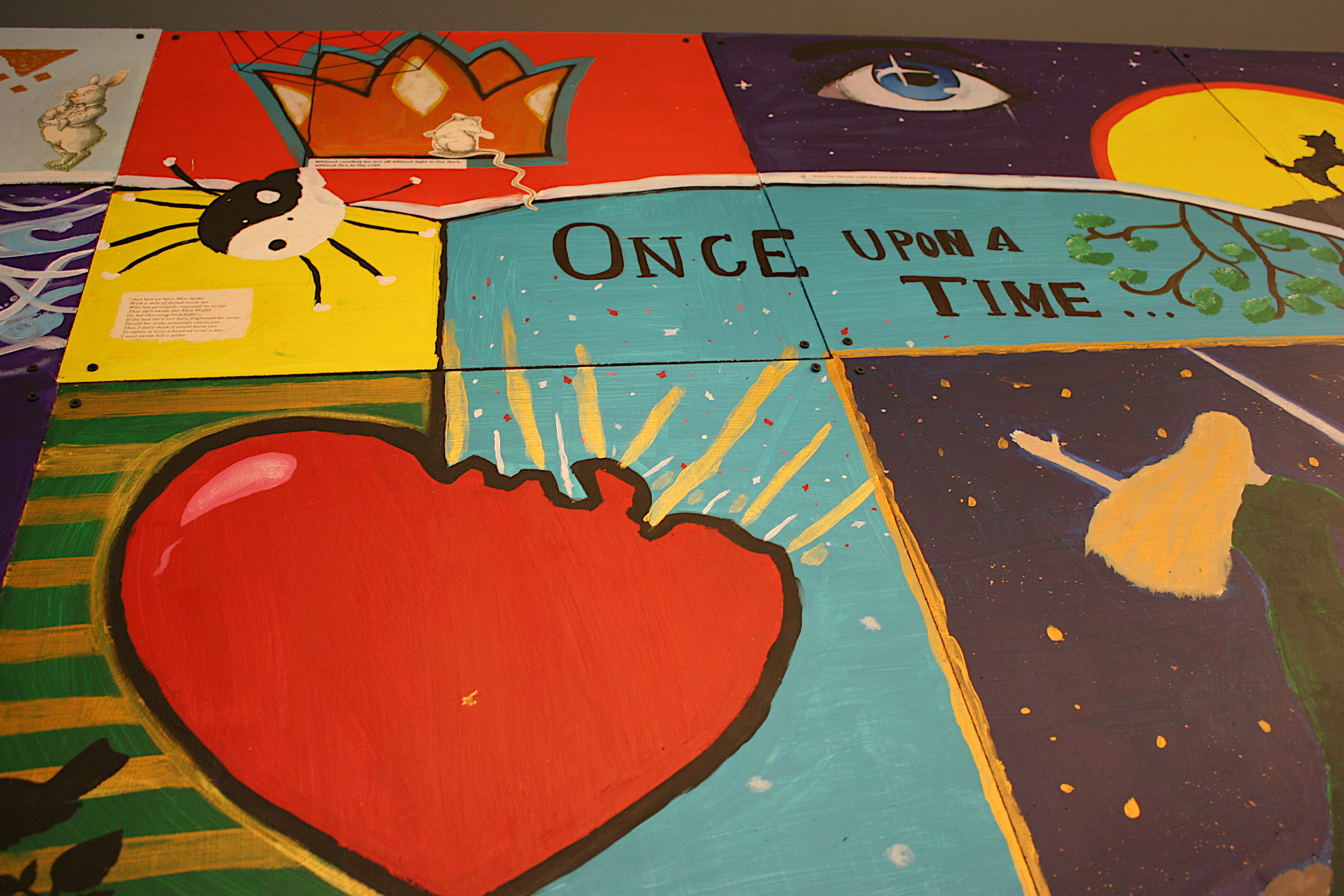
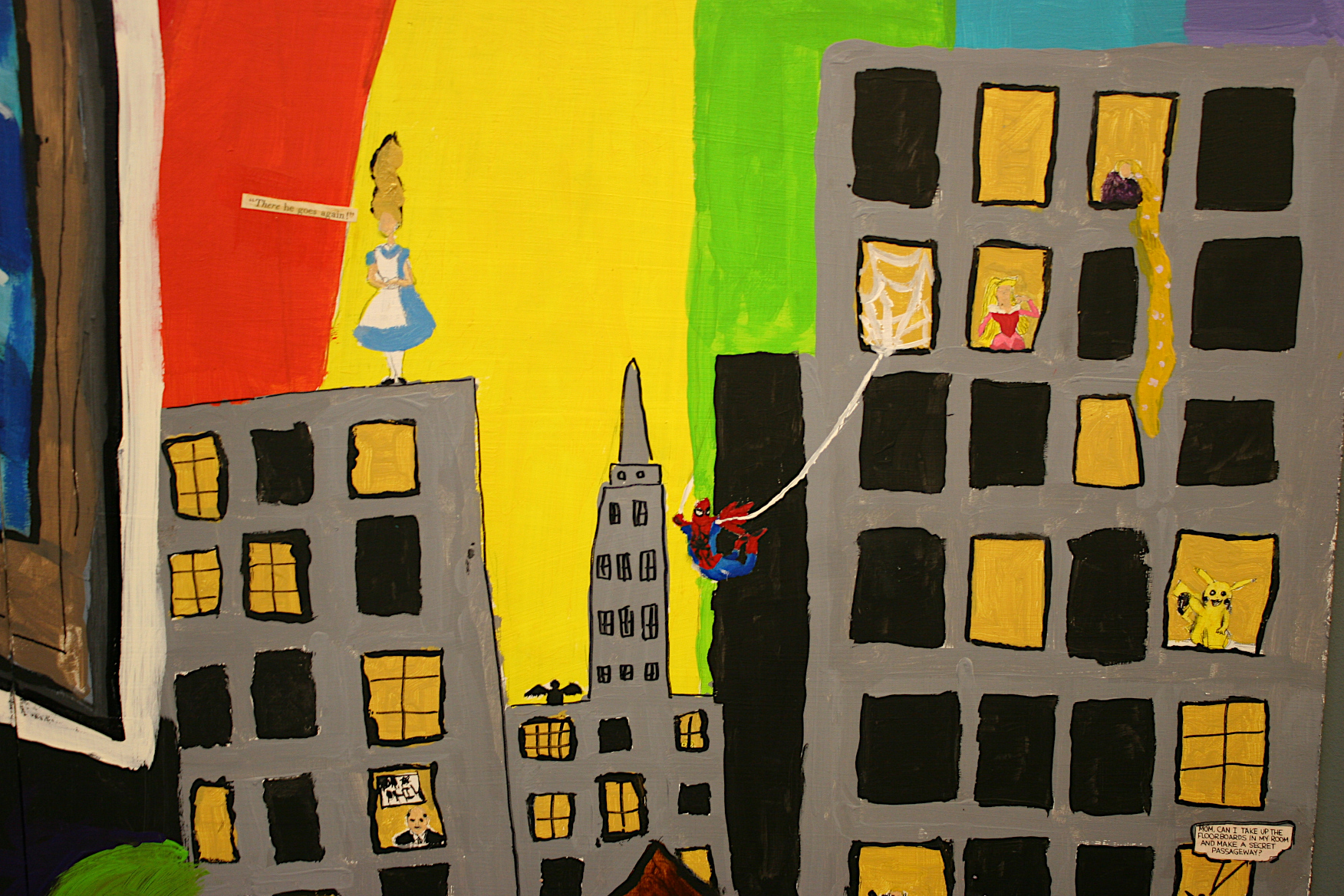
So much to see and interpret.(Minnesota Prairie Roots copyrighted photo October 2021)
But it was that vivid mural which focused my attention. There’s so much to take in. Even now, as I scroll through my photos, I note details previously unnoticed. This mural requires study and an appreciation for nuances.
What a fitting theme for this library mural. (Minnesota Prairie Roots copyrighted photo October 2021)
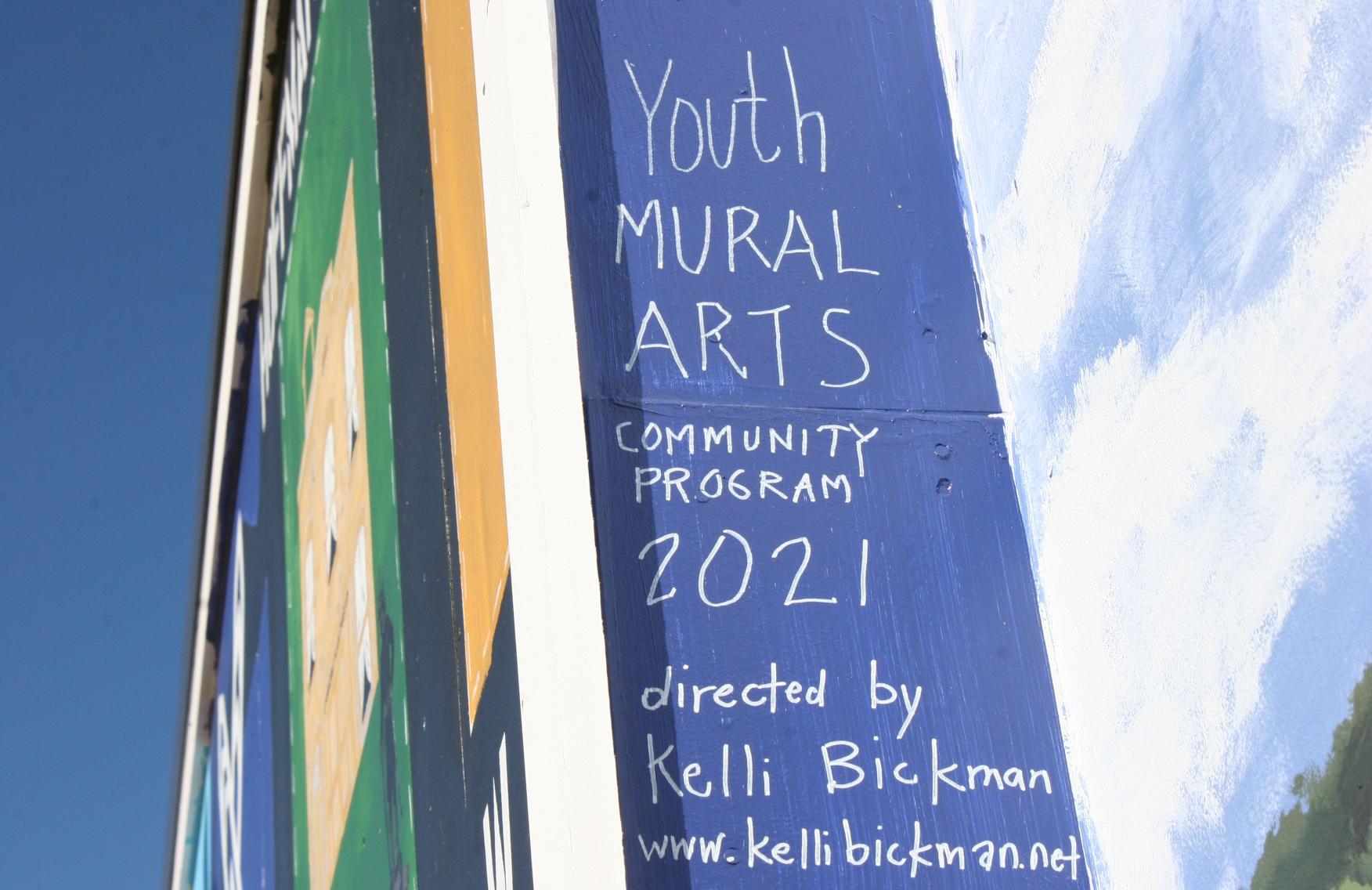
Titled “Once Upon a Time,” this artwork was created by local students under the direction of Cannon Falls native and New York artist Kelli Bickman. A similar, and much larger, Youth Mural Arts project graces the exterior of the local Chamber of Commerce building 1 ½ blocks away.
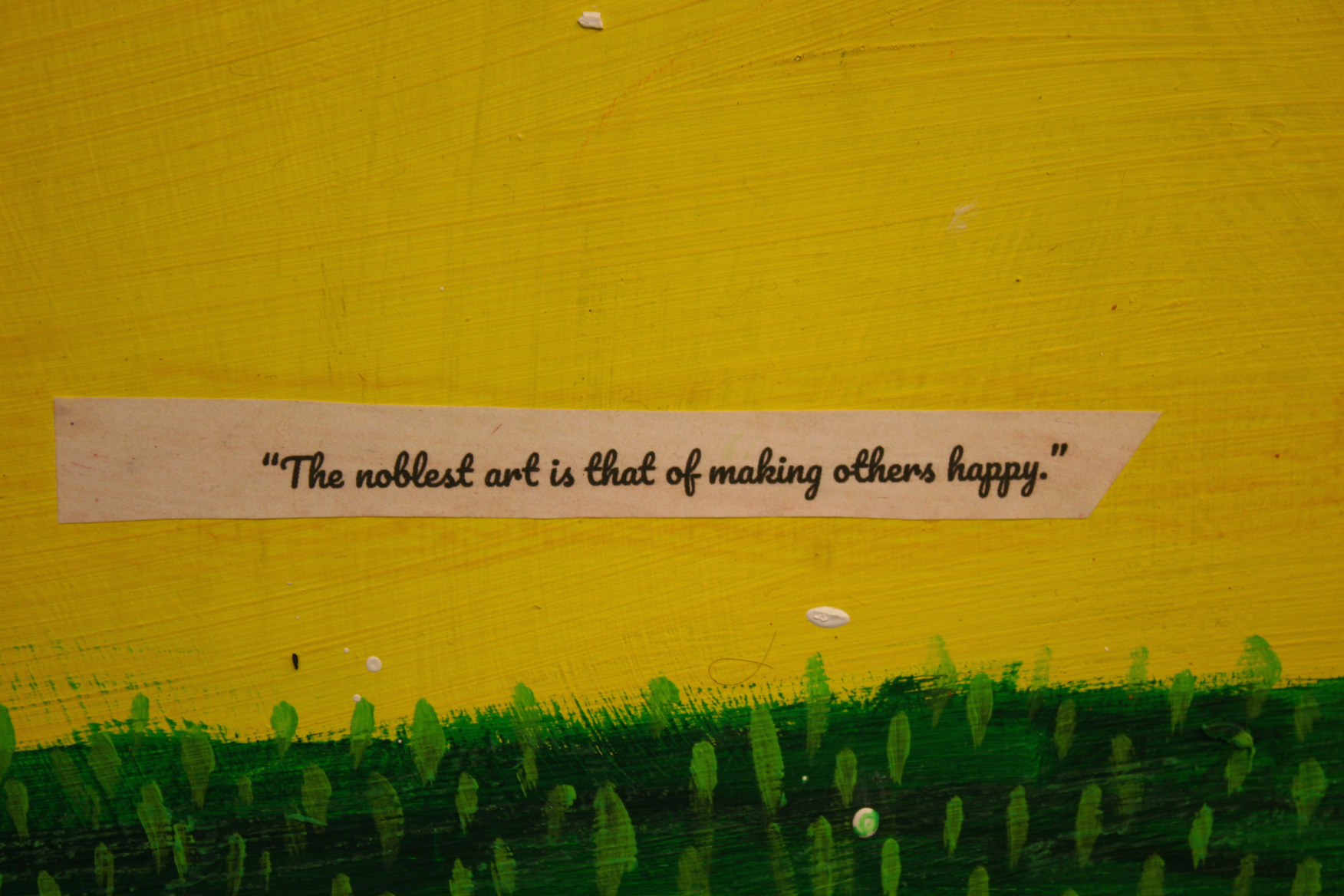
Among the many inspirational quotes incorporated into the library mural is this favorite. (Minnesota Prairie Roots copyrighted photo October 2021)
As a wordsmith, I especially appreciate the inspirational quotes incorporated into the painting: Today a reader, tomorrow a leader. The noblest art is that of making others happy.
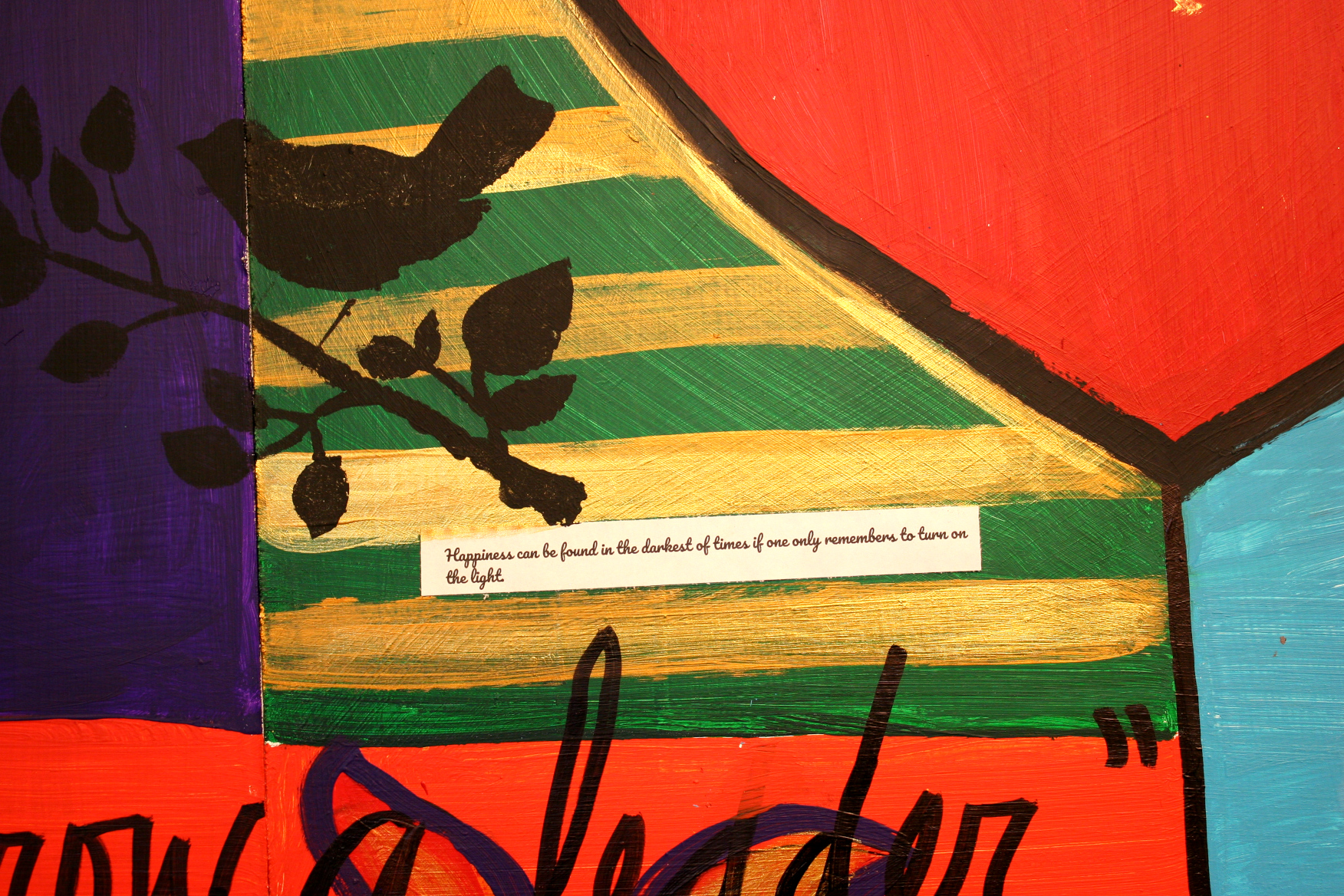
Love this quote…(Minnesota Prairie Roots copyrighted photo October 2021)
And my favorite: Happiness can be found in the darkest of times if one only remembers to turn on the light. How well that quote fits today as we deal with the darkness of a global pandemic. The artists could not have known that, just months after the dedication of this mural in June 2019, darkness would descend upon our world. Now, more than ever, those words of encouragement—of remembering to turn on the light—resonate.
Once Upon a Time can take you anywhere. (Minnesota Prairie Roots copyrighted photo October 2021)
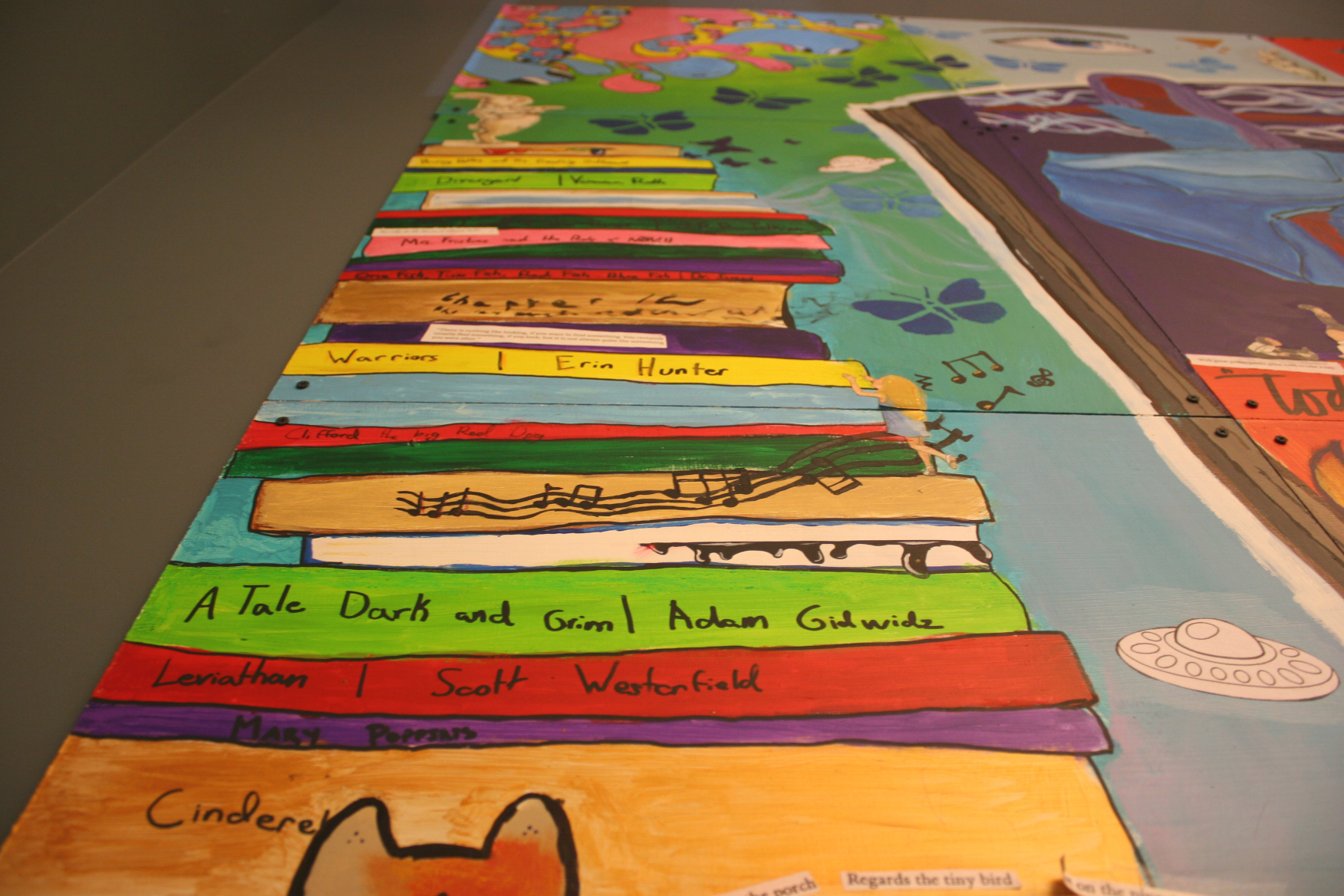
Art is always open to interpretation. So what I take away from this mural may differ from the artists’ vision or from others who view it. I see strength and grace. I see reaching for the stars and achieving goals. I see fiery passion and the fluidity of life. I see going places that may lead far from Cannon Falls, from Minnesota even. I see dreams taking wing. I see how books and music and art and nature influence us.
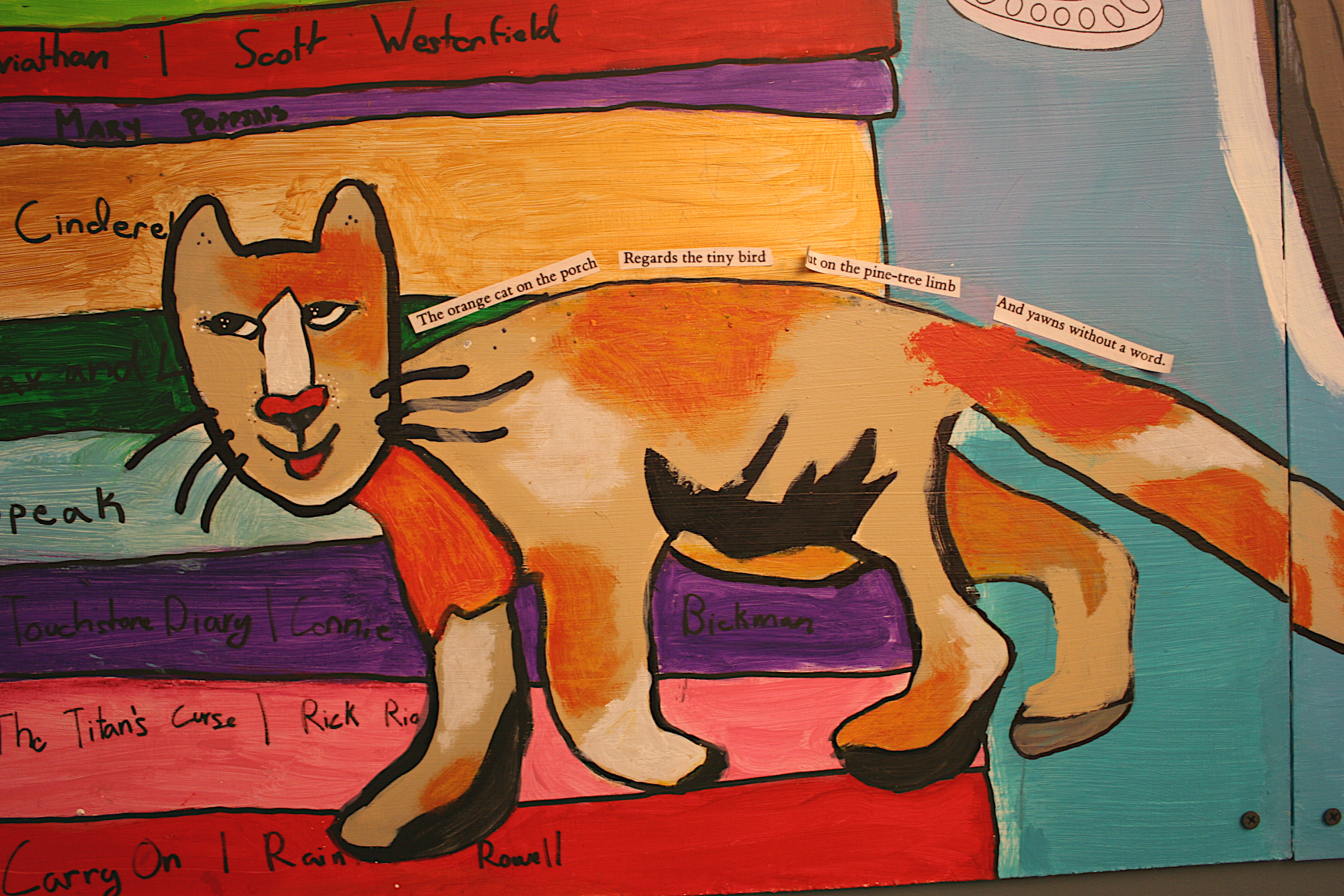
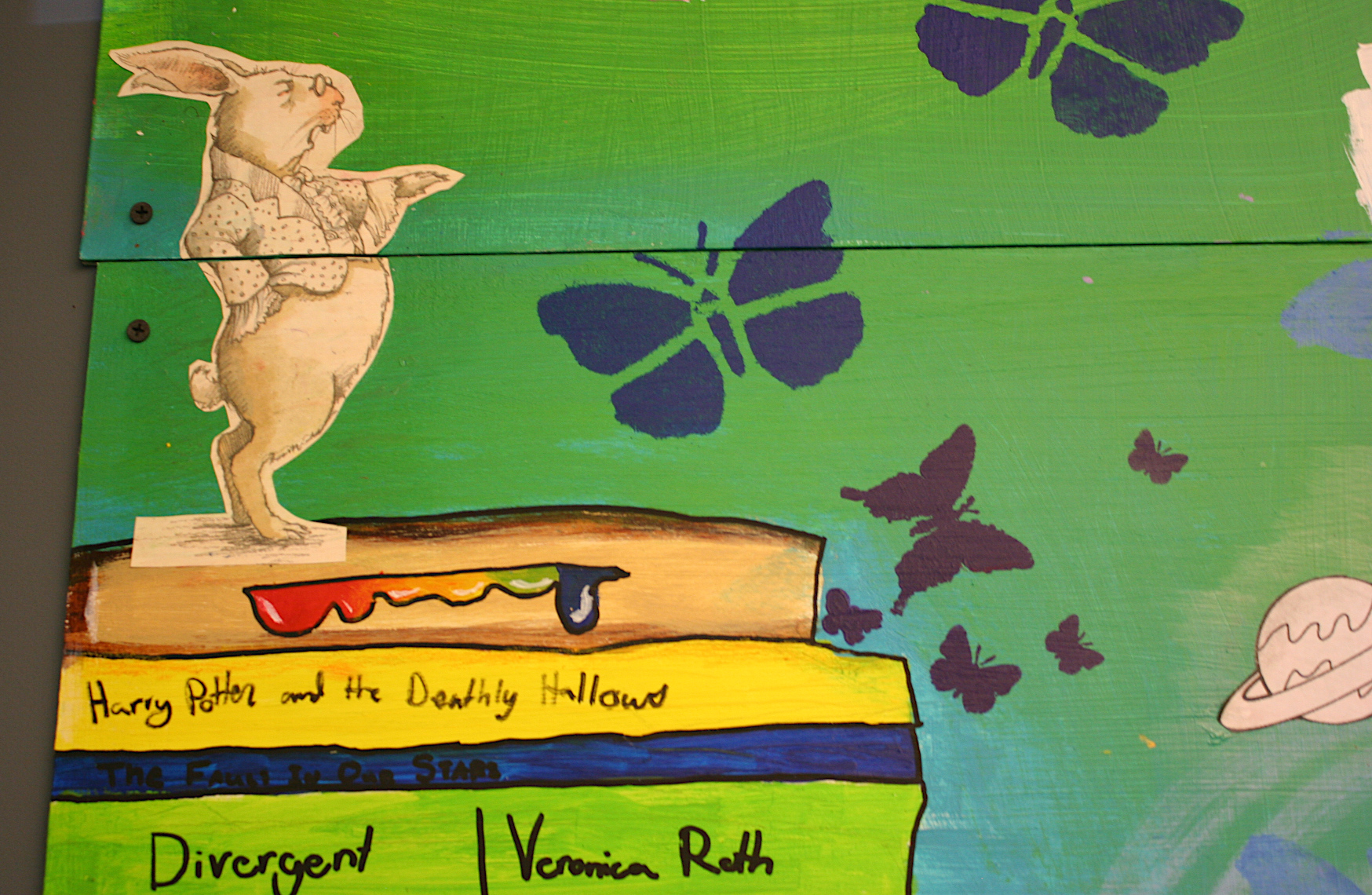
A stack of books painted into the mural fits the setting and the theme. (Minnesota Prairie Roots copyrighted photo October 2021)
I see that Once Upon a Time is our story to write. We write the words and paint the scenes to create the personalized murals which depict our lives. And, in the darkest of times, we can choose to switch on the light, to see happiness.
Cannon Falls’ newest mural, completed earlier this year. (Minnesota Prairie Roots copyrighted photo October 2021)
WHEN ART INTEGRATES into a community in a publicly accessible way, I celebrate. There’s a reason I feel such gratitude. I grew up in rural southwestern Minnesota with minimal art exposure. Yet, today, I work as a creative. Expressing myself via writing and photography is my passion. My path to creativity began with the Little House books read aloud to me and my classmates by a grade school teacher. As I listened, words painted images of the scenes Laura Ingalls Wilder described in her writing.
That’s the backstory behind my deep appreciation for the arts—from visual to literary to performing.
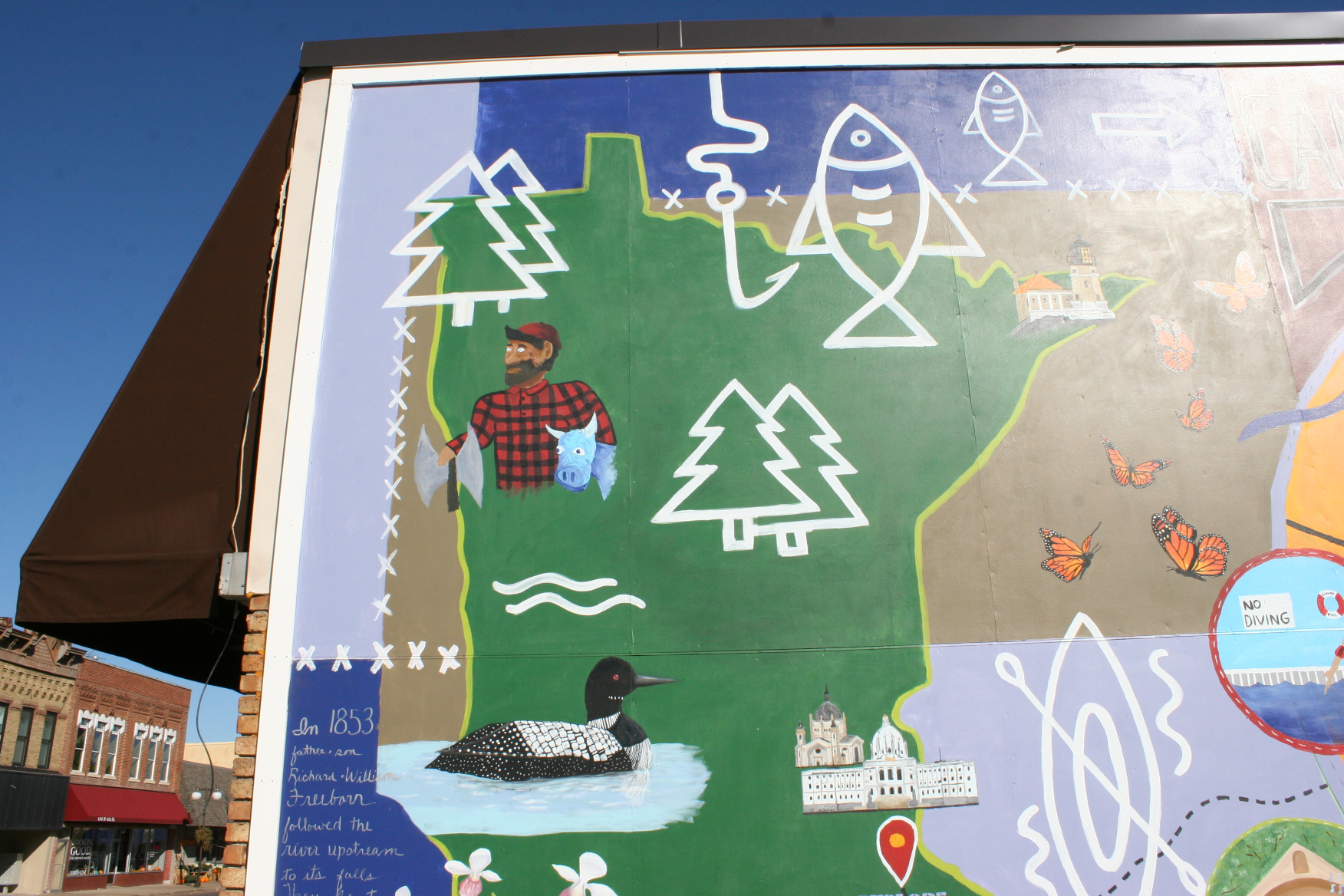
A section of the mural also celebrates Minnesota with iconic images like Paul Bunyan, pine trees, a loon and notable buildings. (Minnesota Prairie Roots copyrighted photo October 2021
I believe art should be accessible to everyone no matter their location, their income, their anything.
The mural is in a highly-visible location. (Minnesota Prairie Roots copyrighted file photo October 2021)
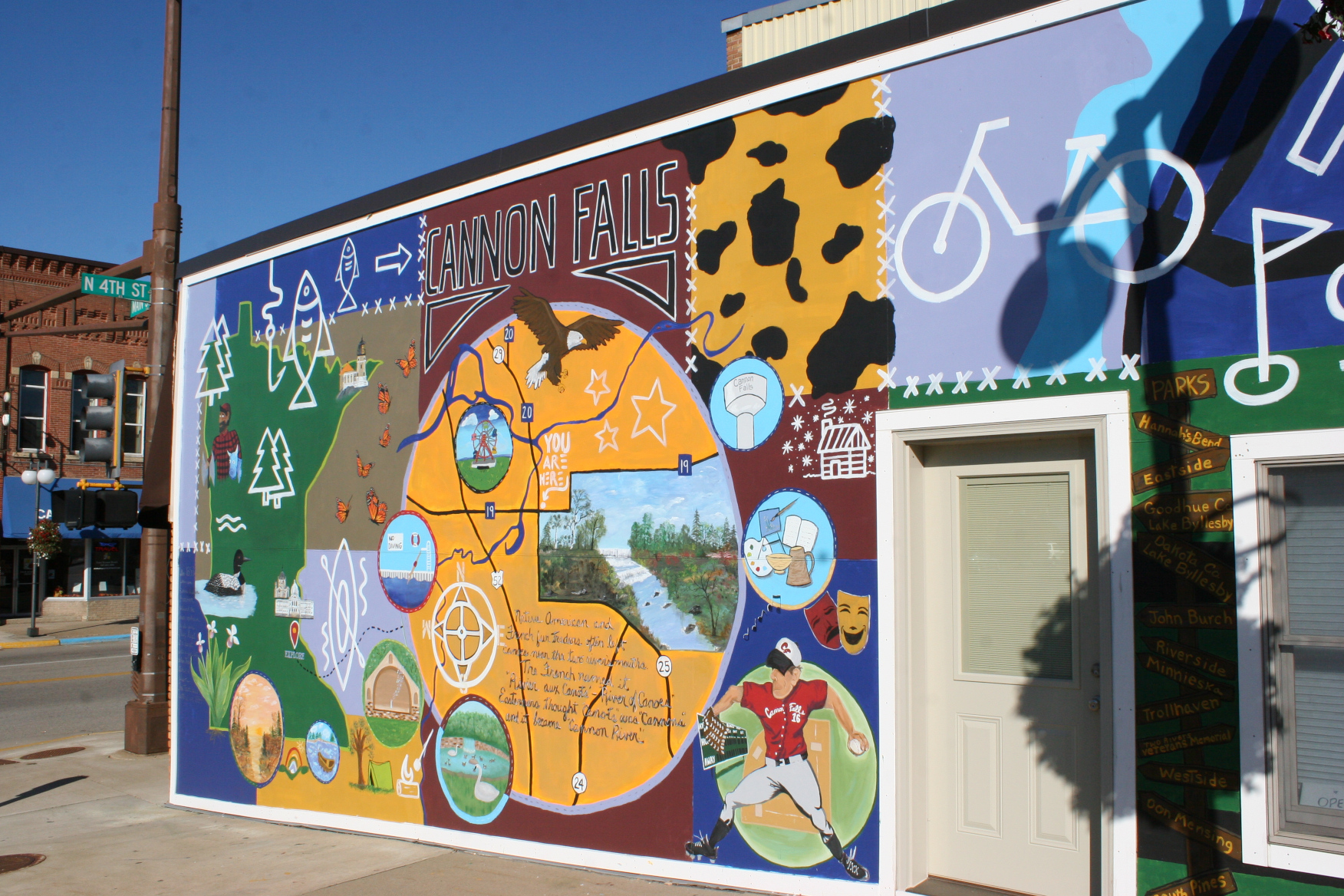
So when I happened upon a new mural in the heart of downtown Cannon Falls recently, I felt grateful. Here, on the side of the Cannon Falls Area Chamber of Commerce building at a busy intersection along Minnesota State Highways 19/20 (4th and Main Streets), a colorful mural depicts the culture, heritage and history of Cannon Falls and the surrounding area.
History in words and art. (Minnesota Prairie Roots copyrighted photo October 2021)
The art reveals much about this small town along the Cannon River, about the early influence of Native Americans and French fur traders. Today, outdoor enthusiasts are drawn to canoe that same river. Others bike, walk and run on recreational trails.
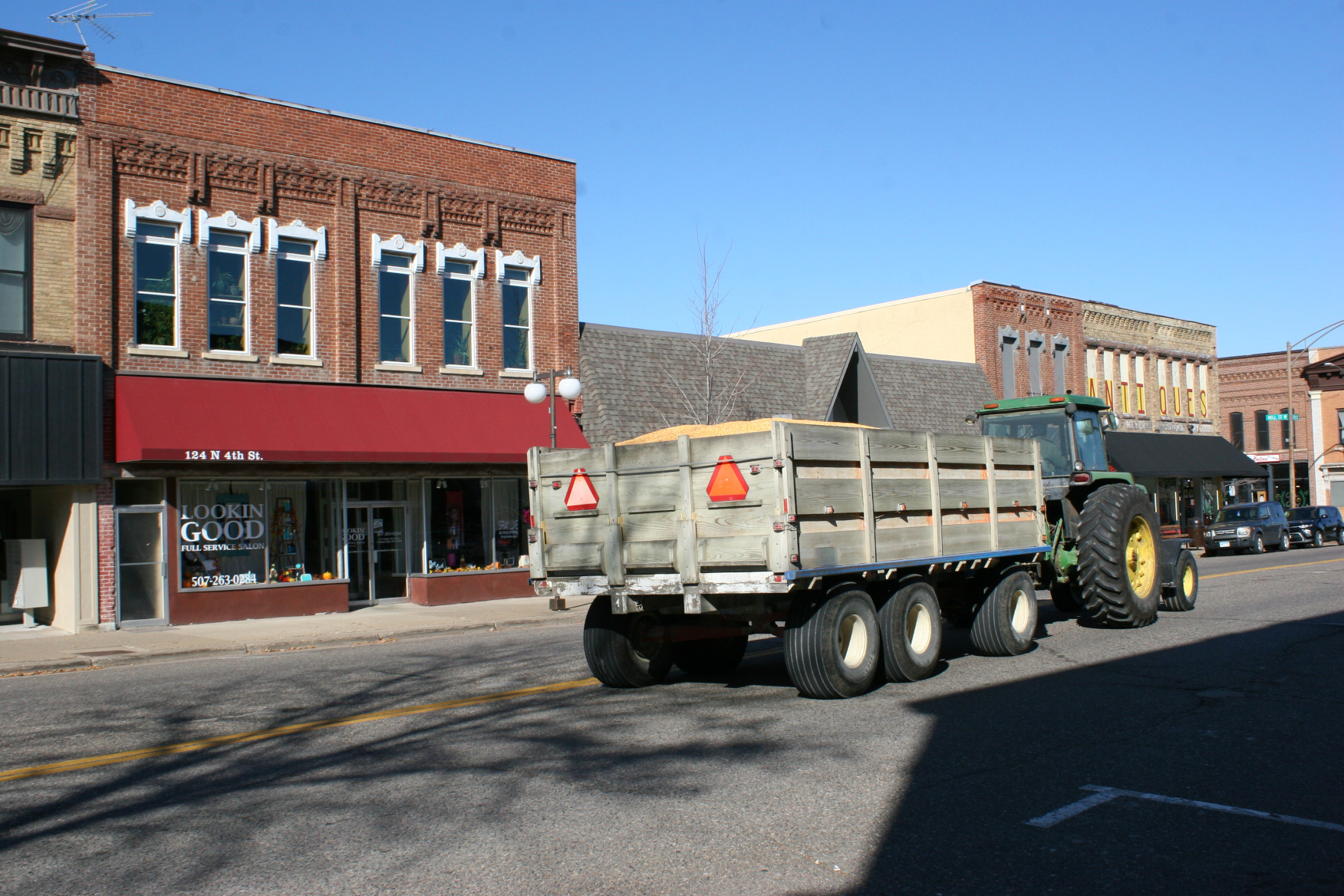
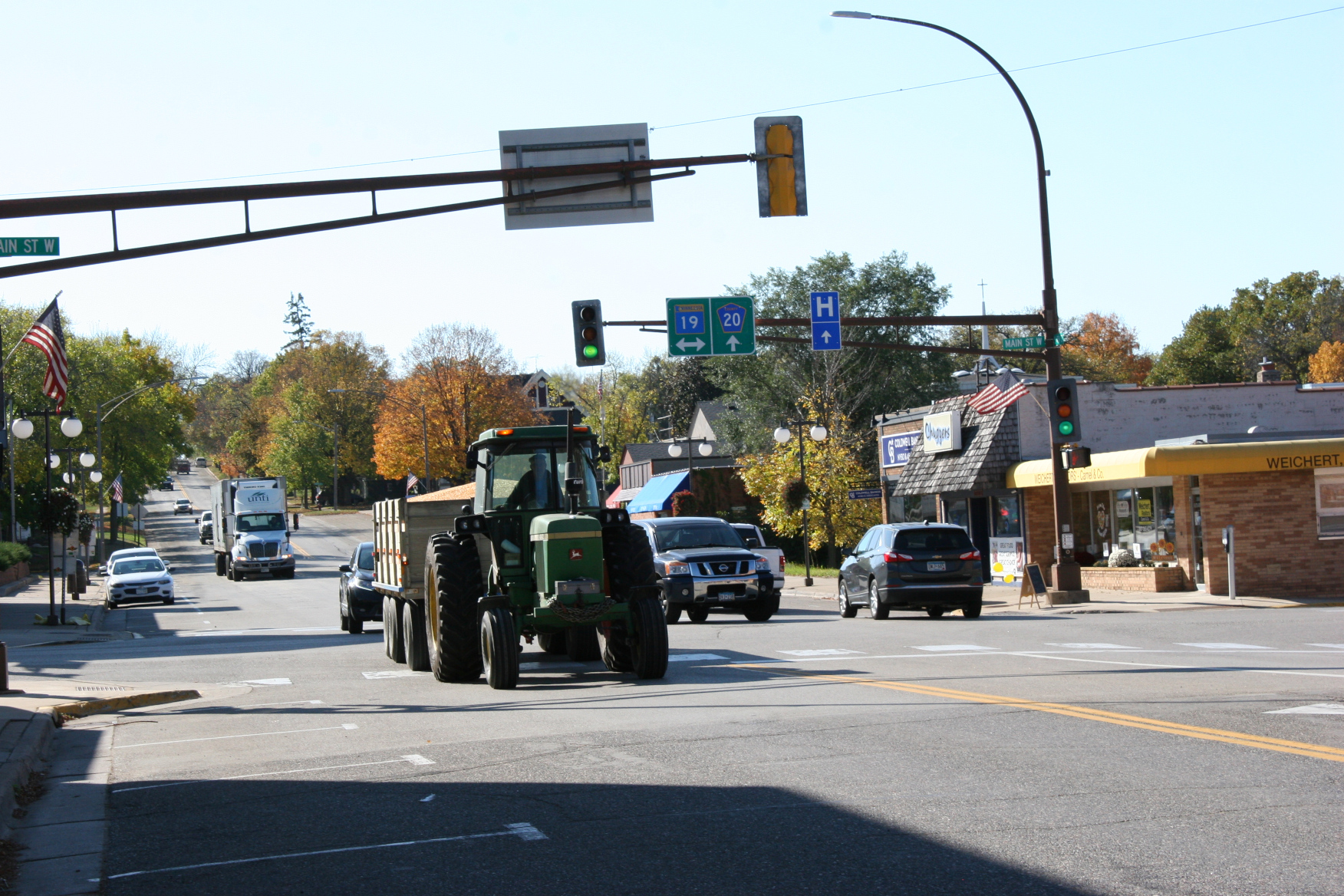
A farmer hauls his grain through downtown Cannon Falls. (Minnesota Prairie Roots copyrighted photo October 2021)
The mural shows, too, the importance of art and agriculture here. On the day I visited Cannon Falls, a farmer steered his John Deere tractor, pulling a wagon heaped with corn, through downtown. Past the mural. I love moments like this when art and reality intersect. This mural truly reflects its community.
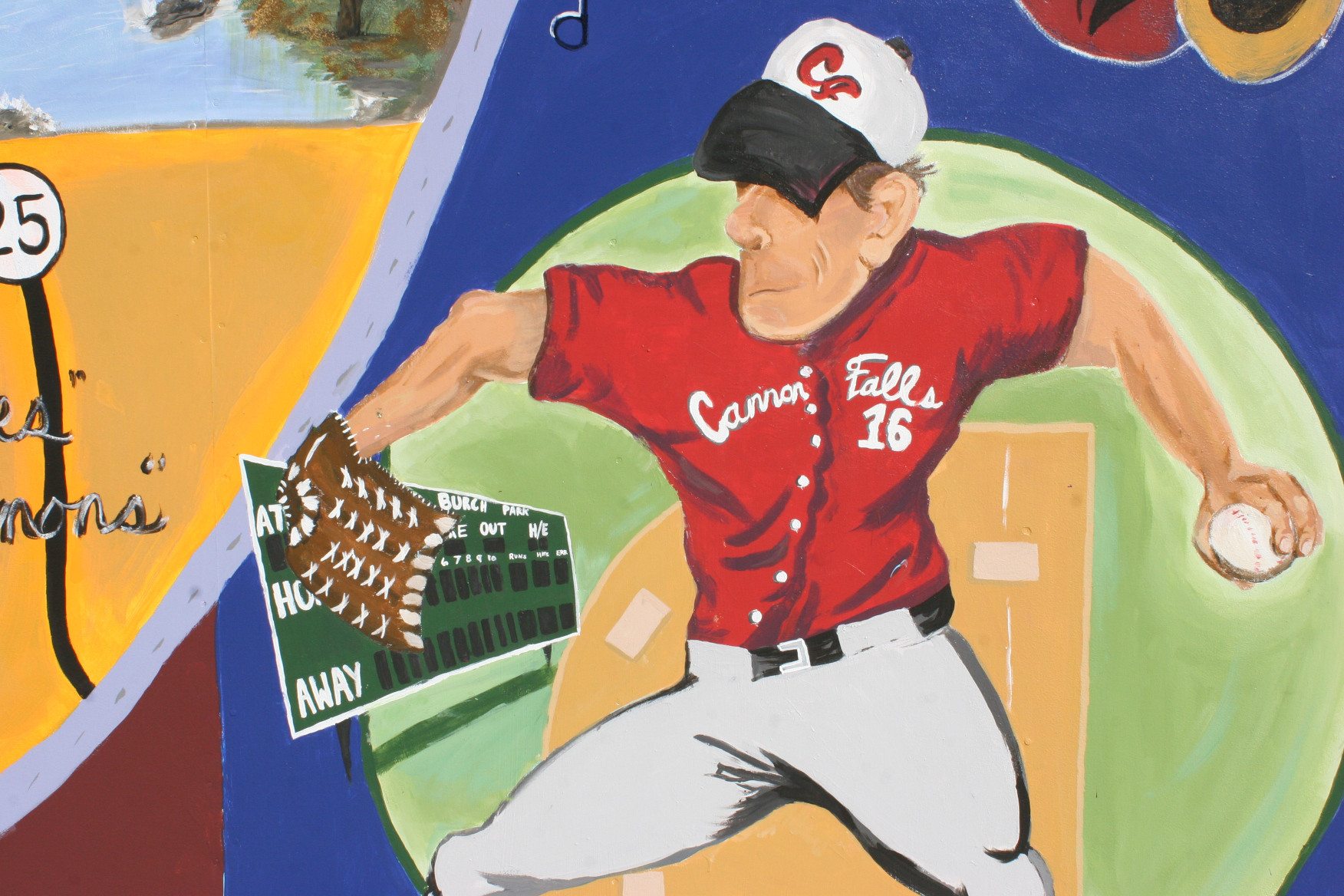
The importance of sports and a local park are depicted in the mural. (Minnesota Prairie Roots copyrighted photo October 2021)
A close up look reveals the words Burch Park on a scoreboard behind a ball player. That references nearby John Burch Park, home to the Cannon Falls Bombers, Cannon Falls Bears and other teams. Sports, in most small towns, are a source of community pride, of togetherness.
Artist info… (Minnesota Prairie Roots copyrighted photo October 2021)
A close-up of the mural reveals a map, a list of parks, the importance of agriculture and more. (Minnesota Prairie Roots copyrighted photo October 2021)
As I stood viewing and photographing Cannon Falls’ newest mural, I wondered about the middle and high school students who painted the scenes before me. I hope they feel valued, appreciated and, most of all, inspired. Art opens doors. Doors to the future. Doors to seeing the world in a new way. And that is powerful.
#
NOTE: Please check back as I take you inside the Cannon Falls Library to view more art.
Signage on the building housing Antiques on 4th, a bright, uncluttered shop with artfully-displayed merchandise and friendly shopkeepers. (Minnesota Prairie Roots copyrighted photo October 2021)
YOU CANLEARN much about a small town by simply walking. And looking, really looking.
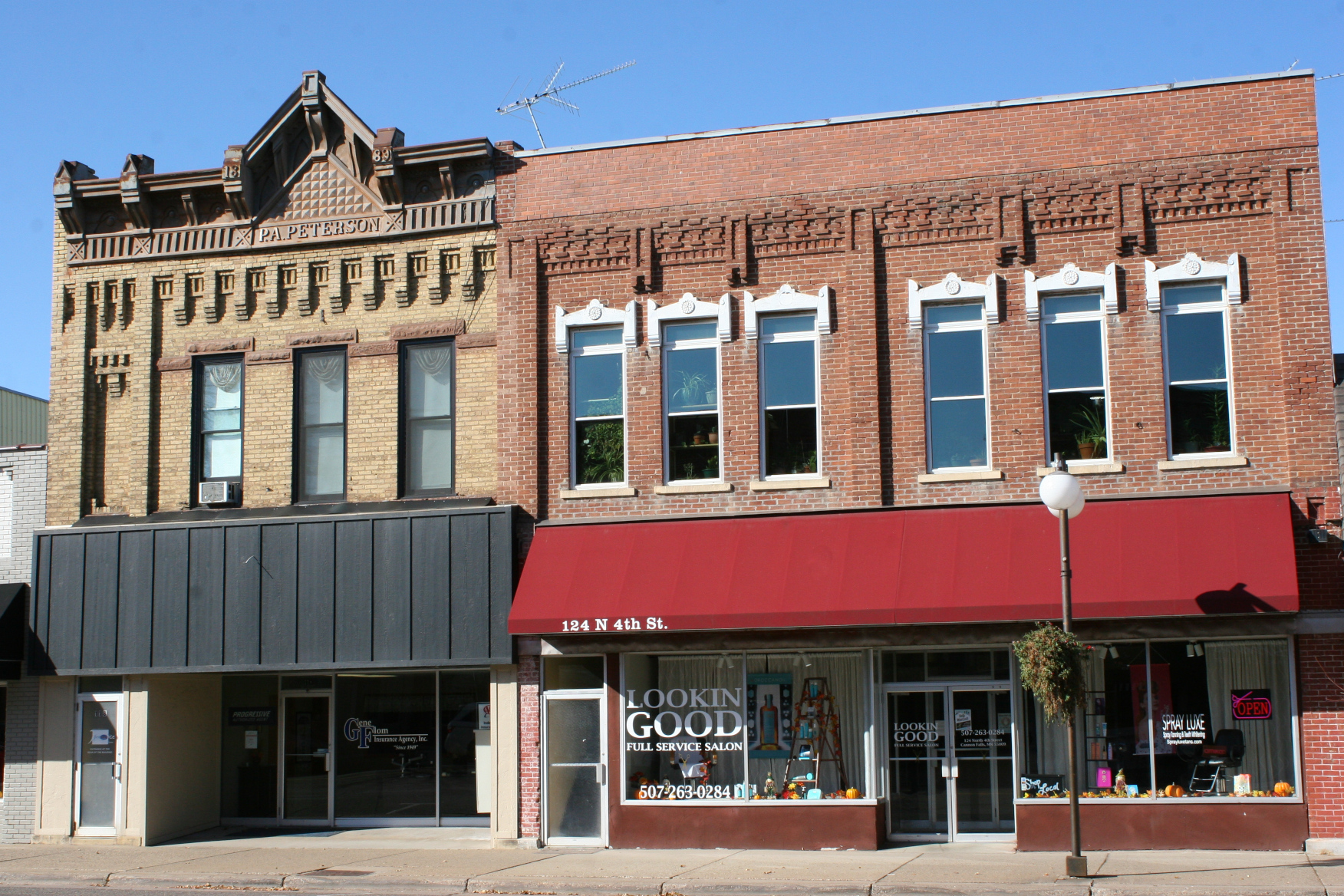
Two historic buildings in downtown Cannon Falls. (Minnesota Prairie Roots copyrighted photo October 2021)
On a recent day trip to Cannon Falls, I explored part of the downtown business district. Now on the National Register of Historic Places, the Cannon Falls Historic District includes 22 historically-significant structures.
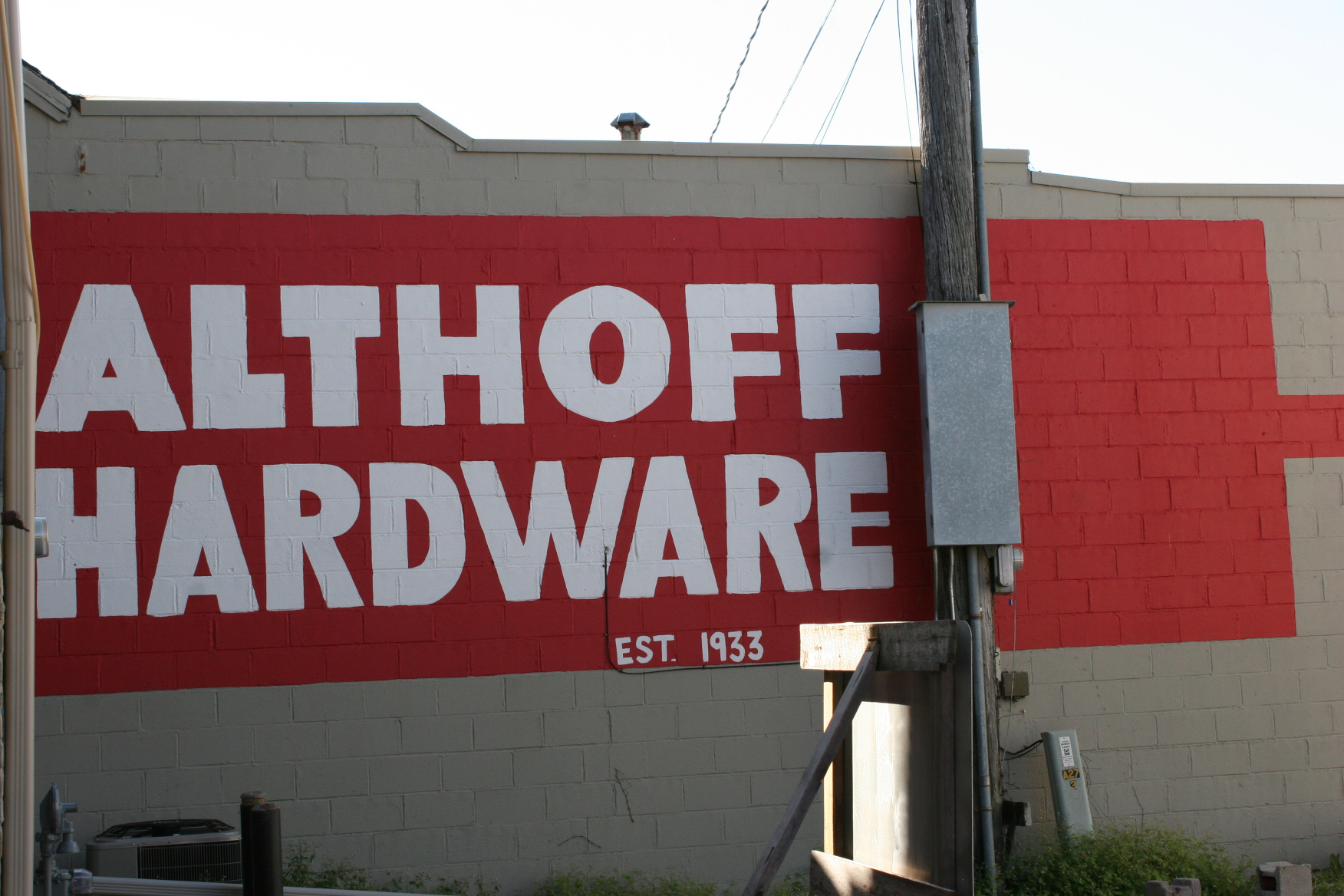
Bold art on the side of the building identifies the local hardware store.(Minnesota Prairie Roots copyrighted photo October 2021)
Given my love of historic architecture, and art, this Goodhue County community of 4,220 within a 40-minute drive of Minneapolis and St. Paul rates as a favorite regional destination.
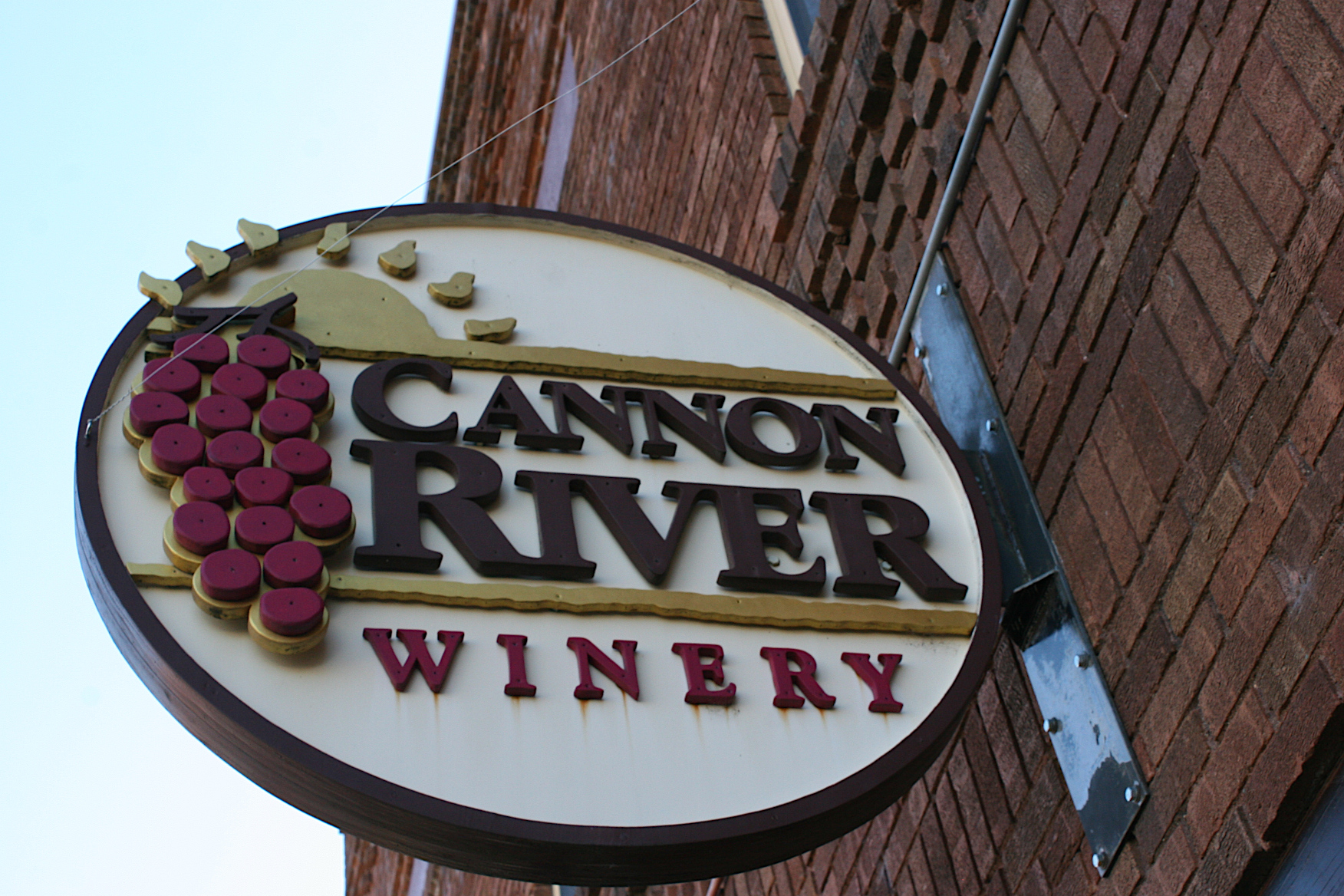
Signage marks the popular winery in Cannon Falls. (Minnesota Prairie Roots copyrighted photo October 2021)
Cannon Falls thrives with a well-known winery and bakery and an assortment of shops from antique to gift to hardware store. Toss in a mix of eateries, bars and a brewery and, well, there’s lots to see and do here. Plus, the town attracts outdoor enthusiasts who canoe the Cannon River and/or bike/hike the Cannon Valley Trail and Mill Towns Trail.
A mural at Cannon River Winery provides a backdrop for an outdoor space. (Minnesota Prairie Roots copyrighted photo October 2021)
During my mid-October visit, I popped into a few shops (including the bakery), discovered the lovely library and admired a new downtown mural. Because of COVID concerns, I skipped dining and imbibing. It was too early in the day and too cool to enjoy either outdoors.
Cannon Falls’ newest mural, a 2021 Youth Mural Arts Community Project, highlights geography, history and local interests. (Minnesota Prairie Roots copyrighted photo October 2021)
Still, I found plenty to take in from the colorful new mural to the art inside the library to ghost signage.
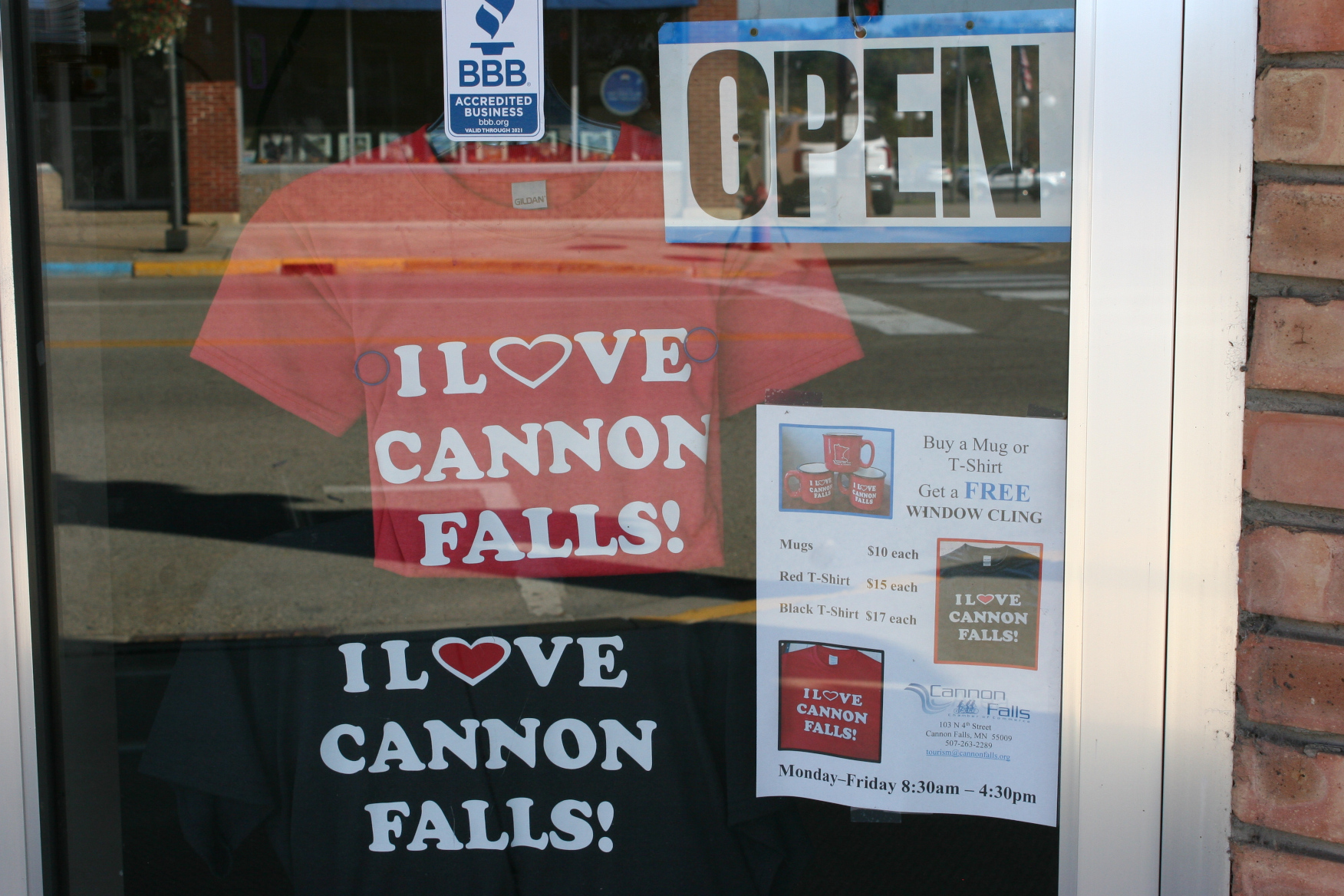
Showing some love for Cannon Falls.(Minnesota Prairie Roots copyrighted photo October 2021)
I noticed, too, hometown pride in the I LOVE CANNON FALLS! tees in a storefront window.
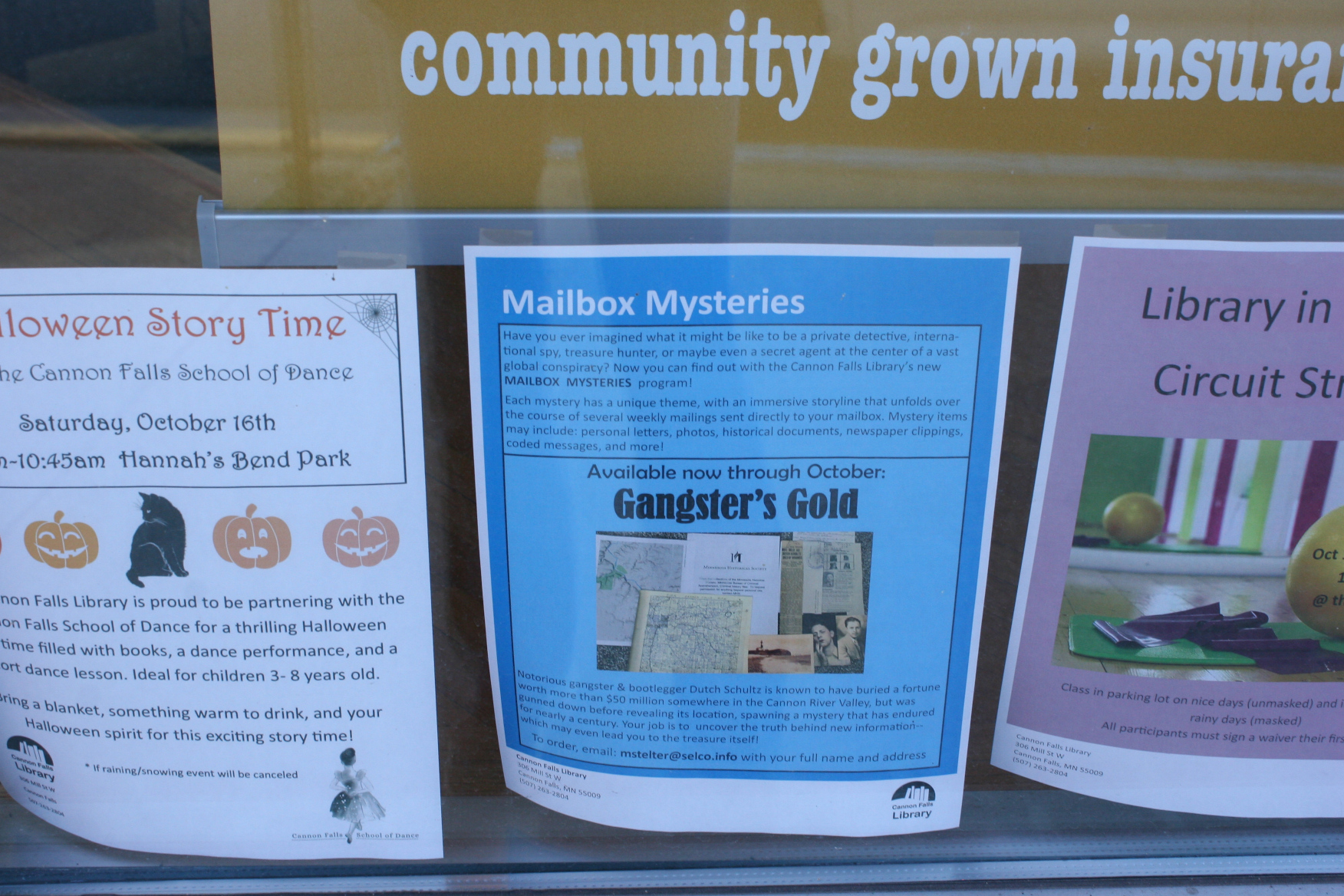
I learn so much about communities by reading signs in windows. (Minnesota Prairie Roots copyrighted photo October 2021)
I noticed also notices taped in a display window, one of which alerted me to Mailbox Mysteries, which led me to the library around the corner which led me to sign up for this challenging endeavor. Now I’m trying to solve the “Gangster’s Gold” mystery with weekly clues snail mailed to me by the library.
Inside the library, I found this vivid “Once Upon a Time” mural. (Minnesota Prairie Roots copyrighted photo October 2021)
Had I not done this walk-about through downtown Cannon Falls, I likely would have missed these nuances. The details which help define this community.
A scene in the center of downtown Cannon Falls reminds me of the town’s rural roots. (Minnesota Prairie Roots copyrighted photo October 2021)
As I meandered, I paused to watch a John Deere tractor roll through downtown pulling a wagon heaped with golden kernels of corn. This is, after all, an agricultural region.
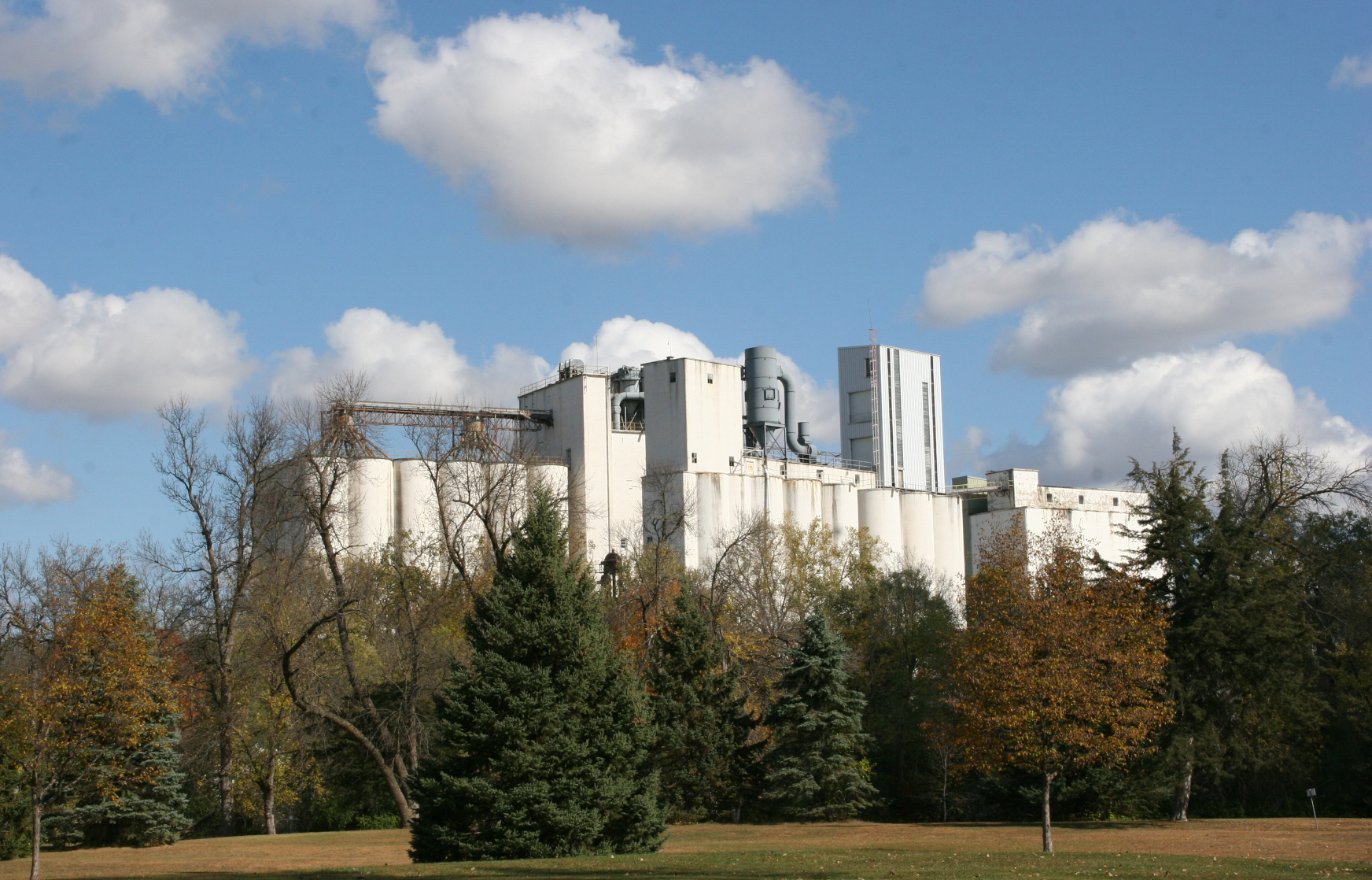
A grain complex in Cannon Falls. (Minnesota Prairie Roots copyrighted photo October 2021)
Later, Randy and I picnicked at Hannah’s Bend Park, the local grain elevator complex defining the nearby skyline. As we finished our lunch, a bald eagle soared overhead, wings spread wide. I expect the Cannon River drew the majestic bird here, to this small southeastern Minnesota town, this Cannon Falls.













 Minnesota Prairie Roots
Recent Comments