Minnesota Prairie Roots

Writing and photography by Audrey Kletscher Helbling

“The Viaduct,” an enduring Faribault landmark August 23, 2023

A side view of a section of Faribault’s historic viaduct. (Minnesota Prairie Roots copyrighted photo August 2023)

ARCHITECTURE, ART AND HISTORY meld on an expansive structure connecting Faribault’s east and west sides.

The viaduct reflects in the Straight River in the early evening light. (Minnesota Prairie Roots copyrighted photo August 2023)

Locally referred to as “The Viaduct,” the continuous concrete rib arch bridge routes pedestrians and traffic along Minnesota State Highway 60 over railroad tracks and the Straight River far below. Three massive reinforced arches distinguish this as a viaduct rather than a bridge.

Piers and under the roadway up close. (Minnesota Prairie Roots copyrighted photo August 2023)

Thousands of times I’ve crossed the viaduct via vehicle in my 41 years living here. But not until recently did I pause to really study the underbelly of this 1937 Works Progress Administration project which is on the National Register of Historic Places. Only via a close-up look from ground level did I fully appreciate this engineering feat.

I followed Randy along this path leading to the tracks. (Minnesota Prairie Roots copyrighted photo August 2023)

I followed a narrow dirt trail through trees and underbrush in Teepee Tonka Park to reach a good viewing spot of the viaduct underside. From that perspective next to the train tracks, I observed the way patterns and lines repeat to build a strong structure that has withstood the test of traffic and of time. The bridge was rehabilitated, the roadway widened in 2008-2009.

Hanging out under the viaduct. (Minnesota Prairie Roots copyrighted photo August 2023)

The viaduct impresses in design and size. I felt dwarfed by its massiveness, even more noticeable when I spotted a couple sitting on the far end. They appeared small in comparison to the concrete piers rising above and around them. I felt overpowered, too. I wondered how WPA workers managed to build this wonder in the late 1930s without the modern equipment of today.

Westbound on the viaduct, Buckham Memorial Library is to the left and the Immaculate Conception Church steeple in the distance. (Minnesota Prairie Roots copyrighted file photo October 2022)

But it is more than utilitarian construction that marks this viaduct as noteworthy. The viaduct is a work of public art—an interactive sculpture which provides a sweeping view of historic downtown Faribault and the surrounding area when heading westbound. To view the bridge from below is to truly see its artsy side, its Art Deco/Classical Revival style. That style carries through in the concrete piers and, on road level, in the decorative railings and lights, replicas of the originals.

The viaduct is a marvelous work of architecture, art and engineering. (Minnesota Prairie Roots copyrighted photo August 2023)

As I stood under the viaduct studying its design, artsy arches, curves and lines, I considered the many people who have traversed this bridge. If only this concrete could speak, oh, the stories it would tell. Stories of construction workers who labored for 1½ years to complete this project. Stories of Ford Model As, among the first to drive across this linkage between east and west. Stories of students arriving at the Minnesota State Academies for the Deaf and Blind. Stories of athletes heading to hockey camp at Shattuck-St. Mary’s School. Stories of prisoners transported to the Minnesota State Correctional Facility, Faribault. Stories of ambulances racing across the viaduct toward the hospital. Stories of expectant parents headed there, too. Stories of families and students on their way to River Bend Nature Center. Stories of travelers simply passing through Faribault.

On the east side of the river, a road passes the viaduct and leads to Teepee Tonka Park. (Minnesota Prairie Roots copyrighted photo August 2023)

For 86 years, The Viaduct has gathered stories atop graceful arches, upon a roadway that is more than a route. This is a local landmark, an architectural and artistic marvel which visually and historically defines Faribault.

© Copyright 2023 Audrey Kletscher Helbling


Book review: A collection of short stories & art from the Minnesota prairie by Elizabeth Johanneck July 27, 2023

The cover of Elizabeth Johanneck’s new book features the art of her grandfather, Arnold Kramer. (Minnesota Prairie Roots photo July 2023)

DECADES REMOVED from southwestern Minnesota, Twin Cities writer Elizabeth Johanneck and I remain rooted to the prairie—the land and people and smalls towns which shaped us. We both grew up on Redwood County farms, were Wabasso High School classmates and today hold a deep respect and fondness for the place we once called home.

Beth, as she’s known to me, recently published a book, If You Can’t Make it to Heaven, at Least Get to Seaforth—The Monica Stories and Then Some. This book features short stories and snippet observations in Beth’s humorous storytelling style, plus paintings and photos. These could be my stories, my memories, just with different characters and settings. Any prairie farm kid likely will feel the same.

ABOUT SEAFORTH & MONICA

But where is Seaforth? And who is Monica? Seaforth, population 77, is a farming community located along County Road 7, south of Minnesota State Highway 19 in central Redwood County. It’s near my hometown of Vesta, seven miles to the northwest. Monica Fischer is Beth’s friend, former co-worker and a character. A baby shoe in a pot of egg coffee and pantyhose found clinging inside a pant leg during Catholic Mass are among the many entertaining Monica stories that left me laughing aloud. By the time I’d finished reading this section of the book, I felt like I knew Monica well. Everyone should have a friend like her.

GROWING UP ON THE MINNESOTA PRAIRIE IN THE 1960s

And everyone should be so fortunate to have experienced rural Minnesota life in the 1960s, as Beth and I did. It is Part 2, “Random Nonsense of a MN Country Mouse,” that I find most similar to my childhood. Both farmers’ daughters with many siblings, Beth and I share the commonalities of being raised on the land among aunts and uncles and cousins and grandparents and immediate family who loved us deeply.

As in “The Monica Stories,” Beth writes about her personal experiences in a casual conversational style. It’s as if she and I are chatting over cups of coffee, and Beth does like her coffee. I connect with her stories about “the grove,” jars of pocket gopher feet in the freezer, grab bags, bloodsuckers, The Weekly Reader, hearing corn grow and more.

Her humor-infused short stories stretch into adulthood, into becoming a parent and grandparent. These are not earth-shattering remembrances, but rather observations about everyday life and events that could be mine, could be yours, but are definitively Beth’s.

NIBBLES OF COUNTRY INSIGHTS

In a section titled “Country Mouse Nibbles,” Beth shares her thoughts on topics in a sentence or two, the first being “When You Are Raised Close to the Land.” I fully understand—the smell after autumn harvest, looking to the west for approaching storms, filled fruit jars crowding root cellar shelves… And “Holding onto Memories”—Distant cheers from a local ball game are souvenirs worth saving for winter. Truly poetic words.

FEATURING THE ART OF “MINNESOTA’S GRANDPA MOSES”

There is much to be cherished in this book beyond pages and pages of rural memories and insights. Beth also intersperses photos, most from Seaforth. But it is Part 3, “Paintings by Arnold Kramer, Minnesota’s ‘Grandpa Moses,’” which is an historic agrarian art treasure. Following his retirement, Seaforth farmer Arnold Kramer took up painting, visually documenting early to mid-1900s rural life and scenes. He became well-known for his folk art style paintings done in primary colors. Beth’s book holds the only printed collection of paintings by her grandfather. The self-taught artist created more than 400 works of art and was dubbed “Minnesota’s Grandpa Moses” by the University of Minnesota at the peak of his creativity in the 1960s.
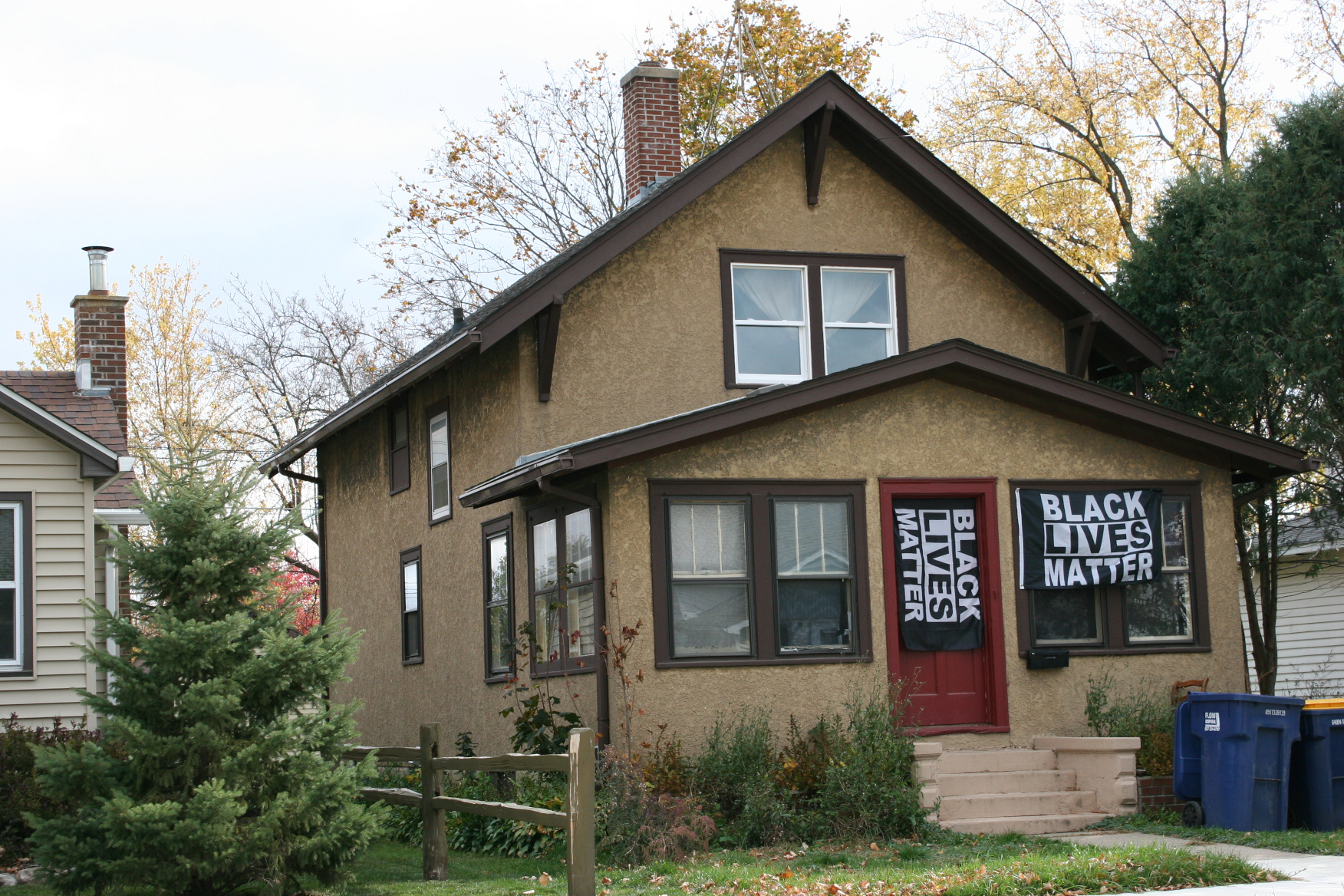
Book signing promo courtesy of Elizabeth Johanneck.

BOOK SIGNING SATURDAY IN SEAFORTH

Like her grandfather before her, Beth is also a visual artist. She illustrated a just-published children’s picture book by her lifelong friend, Cindy Bernardy Lavin, our WHS classmate. Both writers, along with Monica Pistulka Fisher, are doing a book signing from noon to 3 pm this Saturday, July 29, at the C4th Bar during Seaforth’s Hometown Days celebration.

Beth’s book is also available for purchase at Chapter Two Bookstore in Redwood Falls and online at Amazon and Barnes & Noble. Both her book and Cindy’s achieved bestseller status on Amazon following their release.

Julie Kramer, author of bestseller Stalking Susan, praises Beth’s book in her back cover endorsement, calling it “a delightful collection from a farm girl who grew up near the Minnesota home of Laura Ingalls Wilder.” I agree. Fully.

#

Disclaimer: I edited Beth’s book and advised her on the manuscript. She also included my poem, “Her Treasure,” as a companion piece in the “Country Mouse Nibbles” section. For many years, Beth hosted a blog, Minnesota Country Mouse.

© Copyright 2023 Audrey Kletscher Helbling


Looking for Lucy July 11, 2023

This sculpture of Lucy Van Pelt in Faribault is titled “Land O’Lucy.” (Minnesota Prairie Roots copyrighted photo June 2023)

SHE’S OUTSPOKEN. Loud. Sometimes bossy. Opinionated. Strong. And, in her own unique way, lovable. She is Lucy Van Pelt of the Peanuts cartoon strip.

Lucy stands outside the east wing entry to Noyes Hall at MSAD. (Minnesota Prairie Roots copyrighted photo June 2023)

Lucy and the other characters created by Charles Schulz represent diverse personalities. They are some of us. They are all of us. And that is perhaps what makes this comic strip so endearing, so relatable.

Agricultural-themed “Land O’Lucy” features a farm site. (Minnesota Prairie Roots copyrighted photo June 2023)

In Minnesota, especially, we hold a deep fondness for the Peanuts’ characters. Cartoonist Schulz was born in Minneapolis, raised in St. Paul, moved to Colorado, back to Minnesota, and then eventually to California in 1958 with his wife and their five children. As a high school student, he studied art through a correspondence course at the Art Instruction Schools in Minneapolis and later taught there. His Peanuts cartoon debuted in October 1950 and would eventually include some 70 characters, their stories, trials, triumphs.

Pastured Holsteins detail the rural theme. (Minnesota Prairie Roots copyrighted photo June 2023)

St. Paul honors their native son with bronze sculptures of Peanuts at Landmark Plaza in the heart of the capital city. While I’ve never seen that art, I’ve seen art from an earlier endeavor, “Peanuts on Parade.” After Schulz died in 2000, St. Paul undertook the five-year parade project beginning with Snoopy fiberglass statues painted by artists and then auctioned to fund scholarships for artists and cartoonists and to finance the bronze statues. In subsequent years, “Peanuts on Parade” featured Charlie Brown, Lucy, Linus, and, finally, Snoopy and Woodstock.

“Land O’Lucy” stands outside the east wing of Noyes Hall. (Minnesota Prairie Roots copyrighted photo June 2023)

It is a statue of Lucy which found its way into my community, landing at the Minnesota State Academy for the Deaf. “Land O’Lucy” now stands in a visible spot on campus, moved during a recent construction project from an obscure location outside Quinn Hall to the front of Noyes Hall East Wing. She’s become my silent, if Lucy can be silent, cheerleader as I walk the deaf school campus doing my vestibular rehab therapy exercises. I like to think that Lucy is encouraging me, just as she is encouraging the young deaf and hard of hearing students who attend this specialized residential school. Lucy symbolizes strength with her nothing’s-going-to-stop-me attitude. We can all use a bit of that empowering approach to life’s challenges.

Informational signage at the base of Lucy. (Minnesota Prairie Roots copyrighted photo June 2023)

This particular statue from the 2002 “Looking for Lucy, Peanuts on Parade” project was painted by Dubuque, Iowa, artist Adam Eikamp with Land O’Lakes Inc. the sponsoring company. The dairy plant in Faribault has since closed. But its support of this public art remains forever imprinted in informational signage at the fiberglass statue’s base.

Artwork shows disking the field in preparation for spring planting. (Minnesota Prairie Roots copyrighted photo June 2023)

The agricultural theme of the MSAD Lucy is fitting. Our area of southern Minnesota is a strong agricultural region. The paintings on the statue reflect that with fields, barn, farmhouse, cows and chickens. Lucy banners rural. She is among 105 five-foot tall Lucys painted as part of “Looking for Lucy.”

Extroverted “Land O’Lucy” outside Noyes Hall east wing. (Minnesota Prairie Roots copyrighted photo June 2023)

If you’re looking for this Lucy, travel to MSAD on Faribault’s east side. You can’t miss the domed Noyes Hall, on the National Register of Historic Places and among many beautiful historic limestone buildings on campus. She stands outside Noyes’ east wing, welcoming students and others, arms flung wide. Typical Lucy with body language that reveals her extroverted personality, her loud, strong and encouraging voice.

© Copyright 2023 Audrey Kletscher Helbling


An uplifting surprise in the mail July 3, 2023

(Minnesota Prairie Roots copyrighted photo June 2023)

THE THICK FLORAL WRAPPED PACKAGE arrived unexpectedly in my mailbox today. A sweet surprise from the usual junk mail and bills. As soon as I saw the return address, I knew that whatever I found inside would bring me joy. And it did.

Once I managed to remove the stubborn packaging tape, I discovered a foam sleeve filled with greeting cards from blog reader Roxy of Owatonna. Her selected stash of 27 assorted cards that I can give to whomever I wish is much-appreciated. Roxy, simply by reading my blog posts, knows how much I value sending cards to celebrate, encourage, comfort, thank…

What a kind and thoughtful gift, that also includes stamps on some envelopes and some seals. To receive these cards from Roxy uplifted me in the midst of my ongoing challenging and complex health issues. Many times it’s simply a struggle to manage my symptoms, to get through my days and nights.

But in this moment my focus is one of gratitude for individuals like Roxy, whom I’ve never met. She took the time to put together this collection of greeting cards for me. Her act moved me to tears. And one particular card of birds and vines and florals brought even more tears. It was the scripture gracing the front of the blank card that prompted those emotions. Be still and know that I am God is a Psalm (46:10) I’ve relied on to calm me during challenges. The words remind me of God’s presence even in the chaos of life’s uncertainties, especially now.

Roxy also included seven cards designed by Glencoe artist Bonnie Mohr, who specializes in rural art. Like the Holstein cow wearing a laurel wreath and the fitting message, Wear the flowers. And the quart jar of pale pink roses. A lone tree and a single egg in a nest. Simple. And so me, me who grew up on a dairy farm. Me, rooted in southwestern Minnesota. Me, writer of Minnesota Prairie Roots.

That Roxy understands the essence of me reveals her awareness of who I am via reading my blog. She couldn’t have known, though, that I’ve enjoyed Mohr’s work since her art was featured on the November/December 2013 issue of Minnesota Moments. I freelanced for that magazine many years until it eventually folded. The cover Mohr created is a bucolic winter scene of snow falling on a farm site with Holsteins fenced next to an iconic red barn, aged white farmhouse in the background. That painting speaks to my past, to the family farm, to that which was once the heart and soul of rural America.

The soul of America also exists in good, kind and caring people like Roxy of Owatonna, who penned a personal note expressing her gratitude for the joy I bring into her life and for helping her see the world in a different way via my writing and photography. I am grateful for her generous words and for her well wishes as I work toward reclaiming my health.

I continue to feel grateful for my many readers who have so graciously encouraged me through supportive comments and cards. I feel the love from coast to coast and throughout the heartland. Thank you.

© Copyright 2023 Audrey Kletscher Helbling


Building the Eiffel Tower in France, then Minnesota June 22, 2023

Completed 3-D wooden puzzle of the Eiffel Tower. (Minnesota Prairie Roots copyrighted photo June 2023)

CONSTRUCTION OF THE EIFFEL TOWER in Paris took two years, two months and five days and a whole lot of engineers and factory and construction workers.

Construction of the Eiffel Tower in Faribault, built by one man, took 30 minutes.

Clearly there’s a difference in what, exactly, was constructed. My supposed-to-be-retired automotive machinist husband assembled a 3D wooden puzzle of the Eiffel Tower by B.C. Bones in a half hour. Information on the puzzle box estimates construction time at 1 to 2 hours. I am not one bit surprised that Randy fit the 32 pieces into a tower in much less time. His mind works that way. He sees a bunch of parts and he immediately envisions how they all work together.

Me? I would still be struggling to build the Eiffel Tower, especially given the missing architectural blueprint in the puzzle box. That and a missing fact file were likely the reasons this 2003 puzzle was in the freebie pile at a Northfield garage sale.

That Randy managed to construct the tower in such a short time and without a cheat sheet blueprint impresses me. But then I am not one who likes puzzles or has the ability to figure out how stuff connects. We each have our talents. Puzzling puzzles is not one of mine.

Now this two foot high tower sits on a vintage chest of drawers in our living room, displayed not as a completed puzzle project, but rather as a work of art. Just like the real tower in Paris, a tourist draw for 7 million annual visitors who appreciate its architectural and artistic beauty.

Engineer Gustave Eiffel designed the tower, built in 1889 to celebrate the Exposition Universelle. The structure reaches 1,083 feet heavenward and weighs 10,100 tons. But the fact I found most interesting on the official Eiffel Tower website was the 2.5 million rivets used in construction. That’s a whole lot of rivets holding the metal pieces in place.

Only slots hold the tight-fitting wooden puzzle together. But it’s amazingly strong and can be carried without falling apart. That gives me some insight into just how strong the real Eiffel Tower was engineered to be.

This garage sale freebie proved an interesting and engaging find. I learned something about architecture and engineering and facts about the Eiffel Tower unknown to me, mostly because I’ve never researched this architectural icon. And for Randy, this puzzle proved easy. For a garage sale freebie, I’d say we got our money’s worth.

#

TELL ME: How would you do assembling this 3D puzzle without a blueprint? Do you do puzzles? Have you visited the Eiffel Tower in Paris?

© Copyright 2023 Audrey Kletscher Helbling


Valuing kids’ art June 20, 2023

Filed under: Uncategorized — Audrey Kletscher Helbling @ 5:00 AM
Tags: , , , , , ,

Loving art by Izzy, age seven. (Minnesota Prairie Roots copyrighted photo June 2023)

THOSE OF US WHO HAVE parented or are parenting young children understand how proud kids are of their artwork. They carry drawings and paintings, ceramics and a whole lot of creations home in their backpacks. What to do with all of it?

Toy room gallery space. (Minnesota Prairie Roots copyrighted photo June 2023)

My eldest daughter has created a gallery in the kids’ toy room to display Isabelle and Isaac’s art. Whenever I visit their south metro home, I check out my grandchildren’s wall of art. I ask the 4 ½-year-old and the 7-year-old about the pieces. At their ages, I want them simply to enjoy making art.

Bright flowers jolt color onto the gallery wall. (Minnesota Prairie Roots copyrighted photo June 2023)

I have no insider knowledge as to how their preschool and first grade teachers teach art. But I do hope the kids are not simply copycatting an example, but rather have some artistic freedom. I expect, though, that can prove challenging for a teacher with limited time and a classroom full of students.

Combining the visual and literary arts. (Minnesota Prairie Roots copyrighted photo June 2023)

Whatever, I appreciate that my grandkids are creating. Art hasn’t always been valued when finances are tight in a school district. In the past, the arts have often been the first to get trimmed or cut. I feel like thinking on that has shifted. There’s a realization that we need the arts. Visual. Performing. Literary.

Texture emerges in this bamboo and panda art. (Minnesota Prairie Roots copyrighted photo June 2023)
A close-up of a portion of the gallery wall. (Minnesota Prairie Roots copyrighted photo June 2023)
Interactive art: These tent flaps open to reveal a photo of Isaac tucked inside a sleeping bag. (Minnesota Prairie Roots copyrighted photo June 2023)

I cannot imagine a world without the value the arts bring. Value in expression. Value in entertainment. Value in communication. Value in lifting spirits, in bringing joy. Value in thought and sparking conversations. And for the littlest among us, value in hands-on creative learning.

Handprint art to cherish. (Minnesota Prairie Roots copyrighted photo June 2023)

To see my grandchildren’s handprints, imperfect block letter printing, dabs of paint on paper and more is like a glimpse into their life at school and a glimpse at their creativity.

The power of lines in art. (Minnesota Prairie Roots copyrighted photo June 2023)

I love that my daughter showcases their work in a family gallery. How encouraging that is to Izzy and Isaac to have their art prominently displayed rather than stashed in a pile or tossed away. And, yes, I realize there’s a point when you can’t keep everything. Then it’s time to photograph the art, give some to loved ones and/or share with seniors in care centers.

Not all art makes the wall. This artsy flowerpot was a Mother’s Day gift. (Minnesota Prairie Roots copyrighted photo June 2023)

But for now, in this moment, that wall of artwork from the past school year reveals that art holds importance in their household. And that makes this creative grandma especially happy.

© Copyright 2023 Audrey Kletscher Helbling


Exploring historic Oak Ridge, more than just a cemetery June 15, 2023

Sign on the Oak Ridge Cemetery limestone crypt. (Minnesota Prairie Roots copyrighted photo May 2023)

THEY ARE PLACES of sorrow, of history, of art, of beauty. Of stories, too. They are cemeteries.

Trees fill the historic Oak Ridge Cemetery in Faribault. (Minnesota Prairie Roots copyrighted photo May 2023)

Decades ago, as a child, I feared cemeteries, thinking about the bodies buried in caskets beneath the ground. The unexpected death of my paternal grandfather when I was not quite eight shaped my thoughts then of graveyards. But my thinking and perspectives changed as I aged until I felt comfortable walking in a cemetery. I had accepted death.

The natural beauty of Oak Ridge, especially the oaks, is one of the things I most appreciate. (Minnesota Prairie Roots copyrighted photo May 2023)

Today, exploring cemeteries is an activity I enjoy. I appreciate all they hold. Oak Ridge Cemetery, set on rolling hills on Faribault’s northwest side just off Second Avenue NW/Minnesota State Highway 3, is among the countless graveyards I’ve walked.

An informational sign about Levi Nutting. (Minnesota Prairie Roots copyrighted photo May 2023)

It’s Faribault’s first cemetery, incorporated in 1857, five years after the town was founded. The death of his 26-year-old wife, Mary, on Christmas Day 1856 prompted Levi Nutting to lead founding of an official cemetery. Nutting was a man of prominence. As an early area settler, he helped shape his community, serving as mayor and Rice County commissioner. Nutting also held several state government offices, including that of a senator.

Nutting family grave markers. (Minnesota Prairie Roots copyrighted photo May 2023)

Levi and many other Nuttings lie buried beneath the soil at Oak Ridge among the oaks and spruce and maple. This place feels like a hilltop island of peacefulness. Not that it’s quiet here. But a sense of calm and serenity in this spot of remarkable natural beauty prevails.

(Minnesota Prairie Roots copyrighted photo May 2023)

History also infuses Oak Ridge, not only in names on gravestones, but also on informational plaques scattered throughout the grounds.

The burial spot of a Civil War veteran, flagged for Memorial Day. (Minnesota Prairie Roots copyrighted photo May 2023)
Civil War veteran Michael Cook’s marker details his death. (Minnesota Prairie Roots copyrighted photo May 2023)

There are a whole lot of long ago dates inscribed in stone. The first known burial here was in 1850, before cemetery incorporation. Men who fought in the Civil and Spanish American Wars lie here. So do legislators, business leaders, farmers, paupers, immigrants and more, according to the Oak Ridge website.

Loving words on a husband and wife’s tombstone. (Minnesota Prairie Roots copyrighted photo May 2023)

“IN THEIR DEATH THEY WERE NOT DIVIDED” reads the message on the headstone of Rodney A. Mott and Mary Ripley Mott.

Markers like this can be purchased for unmarked graves. (Minnesota Prairie Roots copyrighted photo May 2023)

Hannah Jane Rockwell’s marker, installed through Oak Ridge’s Sponsor a Marker for an Unmarked Grave Program, simply lists her name, birth and death dates, and then the loving words, “Mother to 10.”

A message written in a notebook at Jeremy’s grave. (Minnesota Prairie Roots copyrighted photo May 2023)

Jeremy J. Weber’s black tombstone, still shiny with newness, is surrounded by expressions of recent grief. The 34-year-old father of three died in 2021. A waterproof case includes a notebook for messages and memories. Words written therein are loving, heartbreaking.

Beautiful urn art graces a grave. (Minnesota Prairie Roots copyrighted photo May 2023)

Grief is undeniably here. I read that, see that, feel that. But I also feel the love. These were individuals with families who loved them and whom they loved. These were individuals who were valued personally and/or professionally. They were, above all, human beings who held a special place on this earth.

Fitting for Oak Ridge, oak leaves on a tombstone. (Minnesota Prairie Roots copyrighted photo May 2023)

Cemeteries reveal all of this, if only we take the time to walk among the tombstones, aged and new. Inscriptions, art, names, dates, memorabilia and flowers placed graveside all tell stories. That is the beauty within the boundaries of a cemetery like Oak Ridge, which rises high above a city founded 171 years ago, the place where Levi Nutting moved with his family in 1855, a year later his young wife dead.

The historic limestone pumphouse sits atop the hill, in the heart of the cemetery. (Minnesota Prairie Roots copyrighted photo May 2023)
This map shows a section of Oak Ridge’s lay-out. (Minnesota Prairie Roots copyrighted photo May 2023)

FYI: Oak Ridge accepts donations and welcomes volunteers to help with cemetery upkeep. Burial plots are for sale. And markers may be purchased for unmarked graves.


Into the country to pick rhubarb, but so much more May 31, 2023

The gravel road past our friends’ Rice County farm. (Minnesota Prairie Roots copyrighted photo May 2023)

EVERYONE OUGHT TO OCCASIONALLY take a drive into the countryside along back county roads and gravel roads trailing dust. It’s good for the soul, spirit and mind to route into a quiet place defined by fields and farm sites. Away from town. Away from houses clumped together in blocks. Into a wide open place where land and sky meet and space seems infinite.

Randy and I found all of that recently as we drove east of Faribault, passing fields sprouting corn, farm sites nudging the highway. We aimed toward our friend Barb and Bob’s farm, invited there to harvest rhubarb. It’s an annual spring rite for us.

Bird folk art. (Minnesota Prairie Roots copyrighted photo May 2023)

But for me, this is about much more than gathering rhubarb. It’s about enveloping myself in the peacefulness of rural Minnesota. When only the trill of birds, the roar of a tractor and conversation with our friends break the silence, I feel utterly, contentedly at home. I feel grounded and rooted and connected and transported back to the farm of my youth, albeit 120 miles to the west.

Formerly a smokehouse, this is now used for storing gardening tools. The rhubarb patch flourishes alongside the aged building. (Minnesota Prairie Roots copyrighted photo May 2023)

I never pull a single stalk of rhubarb from the patch next to the aged clay block smokehouse. While Randy harvests, I roam. With my camera.

Beautiful rural Rice County, east of Faribault. (Minnesota Prairie Roots copyrighted photo May 2023)

First, I pause to take in the rural landscape—fields, trees, gravel road below a clear blue sky. Oh, place of my heart.

A familiar rural site, a silo. (Minnesota Prairie Roots copyrighted photo May 2023)

Then I head toward the silo towering over the farm site. Many times I climbed the ladder into the silo back on my childhood farm to fork silage and toss it down the chute to feed the cows. It was hard, smelly work. But when you worked on a dairy, livestock and crop farm 60-plus years ago, chores were labor intensive.

Barb’s “Star Shadow” barn quilt. (Minnesota Prairie Roots copyrighted photo May 2023)

From the silo, I turn my focus to the weathered plywood quilt block square displayed on the side of a tin-covered pole shed. The artwork, “Star Shadow,” honors Barb’s passion for quilting. It’s a nice addition to the building. I like barn quilt art, which surged in popularity perhaps a decade or more ago. There are places in Minnesota, like the Caledonia area in Houston County, where you can take a self-guided tour and view 59 barn quilts. For my generation, especially, quilts are part of our family history. Patchwork quilts layered beds, providing warmth on frigid Minnesota winter nights. I cherish remembrances of my paternal grandmother’s quilt tops, quilting frame and the quilts she gifted to me and all of her 40-plus grandchildren.

Apple blossoms. (Minnesota Prairie Roots copyrighted photo May 2023)

This visit to Barb and Bob’s farm brings back so many memories. I wander among the apple trees, most blossoms spent, and watch an elusive Monarch butterfly flit among the branches. I can almost taste the sweetness of apple jelly spooned onto buttered toast.

The growing pile of rhubarb. (Minnesota Prairie Roots copyrighted photo May 2023)

I check in with Randy, who hasn’t called me to help with the rhubarb harvest. He understands the pull I feel to photograph. Via photography, I notice details and that is such a gift. He’s gathered a growing stash of thick green stalks tipped in pink. Rhubarb seems such a humble fruit. Perfect for crisp, sauce or pie.

A tractor heads to a field with a roller to pack the soil. (Minnesota Prairie Roots copyrighted photo May 2023)

A tractor roars by then, dust rising around and behind as it pulls an unfamiliar farm implement down the gravel road. A roller, Randy notes later when we pass a packed farm field.

Randy carries discarded leaves away from the rhubarb patch. (Minnesota Prairie Roots copyrighted photo May 2023)

Then quiet settles again. Randy gathers the pile of rhubarb leaves, tidying the area around the old smokehouse.

We visited near the lilacs. (Minnesota Prairie Roots copyrighted photo May 2023)

We head back toward the farmhouse, this time rousing Barb and Bob, who earlier did not hear Randy’s knocks. We settle in for a chat which turns into a lengthy conversation in the shade of trees, near the lilac bush, in their front yard garden. Birds sing. Butterflies fly. Words rise. Cold, filtered well water poured from a fancy pitcher into thick, hefty glasses quenches thirst. The four of us simply enjoy each other’s company. No hurry. Nowhere to be.

Birdhouse on an outbuilding. (Minnesota Prairie Roots copyrighted photo May 2023)

I step away to photograph several of Barb’s many birdhouses.

The shy farm cat. (Minnesota Prairie Roots copyrighted photo May 2023)

And then the orange farm cat appears. I excuse myself again, to photograph Fred, who requires significant coaxing to come closer. But he is skittish. My camera lens, followed by the click of the shutter scares him away.

Bird bath art on the farm. (Minnesota Prairie Roots copyrighted photo May 2023)

I circle back to the conversation circle, passing a bird bath with a trio of ballet dancers centering that circle. They are graceful and beautiful and seemingly out of place in this rural setting. Yet, they are not. The countryside overflows with grace and beauty. The grace of silence and solitude. And the beauty of the natural world.

On this day, I need this. To be in the serenity of this quiet place. To take in the countryside. To see the sky, the trees, the land. To talk with Barb and Bob. And then to leave with a clutch of rhubarb and the promise of warm rhubarb crisp pulled from the oven.

© Copyright 2023 Audrey Kletscher Helbling


Memorial Day remembrances & reflections May 25, 2023

A soldier sculpture centers the Northfield Area Veterans Memorial. (Minnesota Prairie Roots copyrighted photo May 2023)

HIS STRONG STANCE, one boot planted in front of the other, ramrod posture all point to his disciplined military training. I am looking at a sculpture of a US soldier, a combat infantryman. As I study him, I gaze into his haunted eyes, eyes that, by my perception, reveal the horrors of war.

Standing strong in service to country, a life-size soldier replica. (Minnesota Prairie Roots copyrighted photo May 2023)

Perhaps it is my own father’s stories of fighting on the front-line during the Korean War that shape my reaction to this soldier replica at the Northfield Area Veterans Memorial. But this could be anyone’s interpretation. That of a daughter, like me, whose father suffered from Post Traumatic Stress Disorder after leaving the killing fields of Korea. Or this could be the story of any active duty war veteran, the story of a spouse or child who lost a loved one on the battlefield, the stories of too many.

My dad took this photo of his buddies, including Ray Scheibe, left, in Korea. The photo is dated May 1953. Ray was killed in June. (Copyrighted photo by Elvern Kletscher)

This Memorial Day, I pause to remember those who gave the ultimate sacrifice—their lives—to assure my freedom. My dad’s Army buddy and friend Ray was among those. Ray died the day before he was to leave Korea and return to his wife and infant daughter in Nebraska. My father witnessed Ray’s death and it broke a part of him.

Honoring fallen soldiers with a special monument at the Rice County Veterans Memorial in Faribault. (Minnesota Prairie Roots copyrighted file photo)

These are the personal details we need to remember on Monday, a national day of mourning and remembrance for those who died on the battlefield. Veterans’ memorials and parades and programs all provide ways to honor the brave men and women who died in service to country. But their stories are equally as important. These are, after all, individuals with friends and families, likes and dislikes, histories written long before they were drafted or enlisted and then called to war.

“The Walk of Remembrance” imprinted with veterans’ names and military information edges the Northfield Area Veterans Memorial. (Minnesota Prairie Roots copyrighted photo May 2023)
A paver at the Rice County Veterans Memorial honors Sgt Donald E. Ponto, killed in action in Korea. (Minnesota Prairie Roots copyrighted file photo)
A full view of the Northfield Area Veterans Memorial. The stones represent each branch of the military. (Minnesota Prairie Roots copyrighted photo May 2023)

Many Minnesota communities have veterans’ memorials. While designs differ, they share the commonalities of a centerpiece sculpture, sometimes a soldier or an eagle or some other strong symbol; pavers with veterans’ names imprinted; American and other flags; and ways to recognize all branches of the military. It is the names, accompanied by the initials KIA, which break my heart. KILLED IN ACTION. I recognize the intense pain and heartbreak experienced by loved ones back home. The grieving families. The Gold Star Mothers, a mother who lost a child in service to country. The fatherless children, like Teri, the infant daughter of my dad’s buddy, Ray. Overwhelming grief imprints upon those stone pavers.

An eagle at Veterans Memorial Park in Morristown. (Minnesota Prairie Roots copyrighted file photo)

This Memorial Day, I encourage you to reflect on the war dead whom we honor on Monday. Walk through a cemetery and pause at the graves marked by small American flags. Attend a Memorial Day program not out of a sense of obligation, but out of gratitude. I feel thankful for a free press. Not every country has such freedom.

My dad carried this memorial service bulletin home to Minnesota from Korea. In the right column is listed the name of his fallen buddy, Raymond W. Scheibe. (Minnesota Prairie Roots copyrighted file photo)

Spend time at a veterans’ memorial beyond a precursory walk through. Appreciate the words, the names, the symbols, the artwork. And, if a soldier sculpture centers the memorial, look into his eyes and remember this biblical quote pulled from the memorial service folder my dad carried home from Korea: Greater love has no man than this, that a man lay down his life for his friends (John 15:13).

Fitting words engraved in stone at the Northfield Area Veterans Memorial. (Minnesota Prairie Roots copyrighted photo May 2023)

That July 31, 1953, service folder from Sucham-dong Korea lists 28 soldiers who died on the battlefield, among them my dad’s beloved buddy, Raymond W. Scheibe, age 22. It is my dad’s grief and trauma I see when I gaze into the eyes of that soldier sculpture in Northfield. War carries so much death and loss and pain. I vicariously understand that. This Memorial Day I remember, reflect, honor, carry on my heart the heaviness of war.

© Copyright 2023 Audrey Kletscher Helbling


Raining purple as Minnesota honors Prince May 5, 2023

A mural and street signs honor Prince at Prince Garden in Henderson. This pocket park is no longer in Henderson. (Minnesota Prairie Roots copyrighted file photo August 2020)

IF RAIN FELL IN COLOR, the hue would be purple here in Minnesota. Not just for the Minnesota Vikings, but also for beloved homegrown musician Prince of “Purple Rain” fame.

Now road signs bearing Prince’s name will sport his signature color, purple. Thursday the State Senate approved a bill renaming a seven-mile stretch of State Highway 5 as Prince Rogers Nelson Memorial Highway. The House last month approved the same. The roadway runs past Paisley Park, Prince’s home and recording studio in Chanhassen, now open for public tours, concerts and more. Paisley Park is a museum of sorts following Prince’s untimely death from an opioid overdose in April 2016.

Dana Hanson, former Faribault resident, used a stencil to incorporate musical notes in to this painting of Prince. Notice the detail of the heart-shaped mole on the musician’s cheek. (Minnesota Prairie Roots copyrighted file photo)

While I’m admittedly not a Prince fan (I’ve not listened to his music), I respect that he is an accomplished singer, songwriter and performer with a worldwide fan base. With seven Grammy Awards, an Academy Award, music videos, and song releases too numerous to count, Prince certainly succeeded in his profession. He was inducted into the Rock and Roll Hall of Fame in 2004 and into the Minnesota Music Hall of Fame in 2007.

Up close with Prince, in bronze. (Minnesota Prairie Roots copyrighted file photo August 2020)

Ah, the Minnesota Music Hall of Fame. That’s not nearly as familiar to most Minnesotans as Paisley Park. But for Prince lovers, it likely will become a new pilgrimage destination. Located in New Ulm in southern Minnesota, the Hall of Fame now features a bronze statue of Prince, a memorial bench, street signs and more moved from Henderson.

The Prince Garden previously in Henderson. (Minnesota Prairie Roots copyrighted file photo August 2020)

In August 2020, I photographed the outdoor Prince shrine in Henderson, location of a scene in “Purple Rain” along the nearby Minnesota River. I was surprised to learn that the Prince Garden items are now in New Ulm. Apparently there were a few issues in Henderson.

This bronze statue of Prince is now at the Minnesota Music Hall of Fame in New Ulm. (Minnesota Prairie Roots copyrighted file photo August 2020)

Also coming to the New Ulm location is a 15-foot tall sculpture of Prince’s guitar. It was part of the Mankato CityArt Walking Sculpture Tour, a temporary annual installation of outdoor art. Iowa artist Jefferson Davis created the piece from upcycled metal. The now-dissolved Prince Legacy Henderson Project purchased the guitar art via fundraising and a grant. The sculpture will be placed near the entrance to the Minnesota Music Hall of Fame. Located along an arterial street through New Ulm, the over-sized purple guitar is sure to draw attention.

The museum, the movie, the music, the musician. And now a stretch of roadway renamed Prince Rogers Nelson Memorial Highway. I’d say it’s raining purple in Minnesota.

© Copyright 2023 Audrey Kletscher Helbling