Minnesota Prairie Roots

Writing and photography by Audrey Kletscher Helbling

Minnesota Faces: Laura Ingalls Wilder wannabes February 13, 2015

Portrait #7: Laura Look-A-Likes


Portrait 7, Laura look-alikes


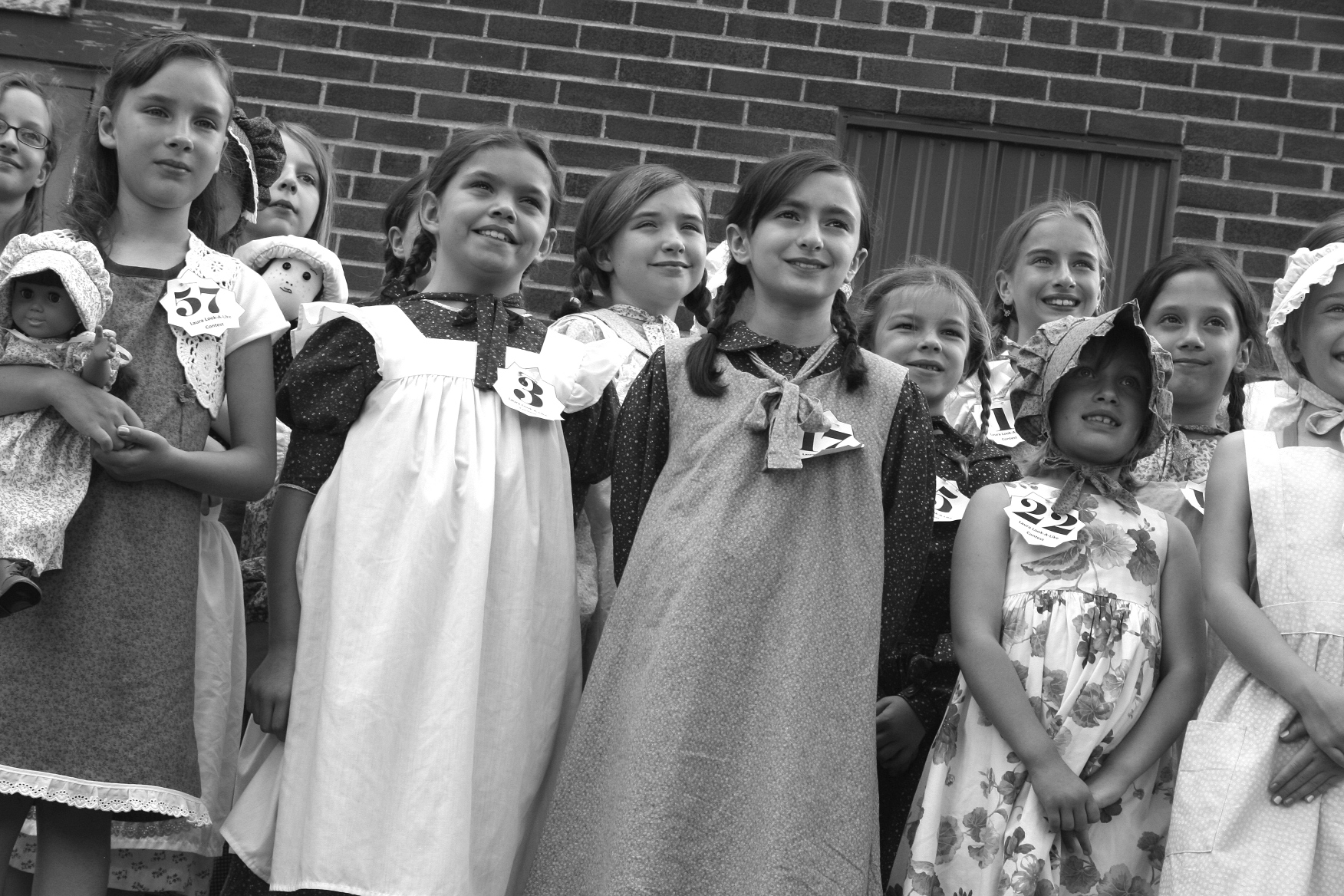
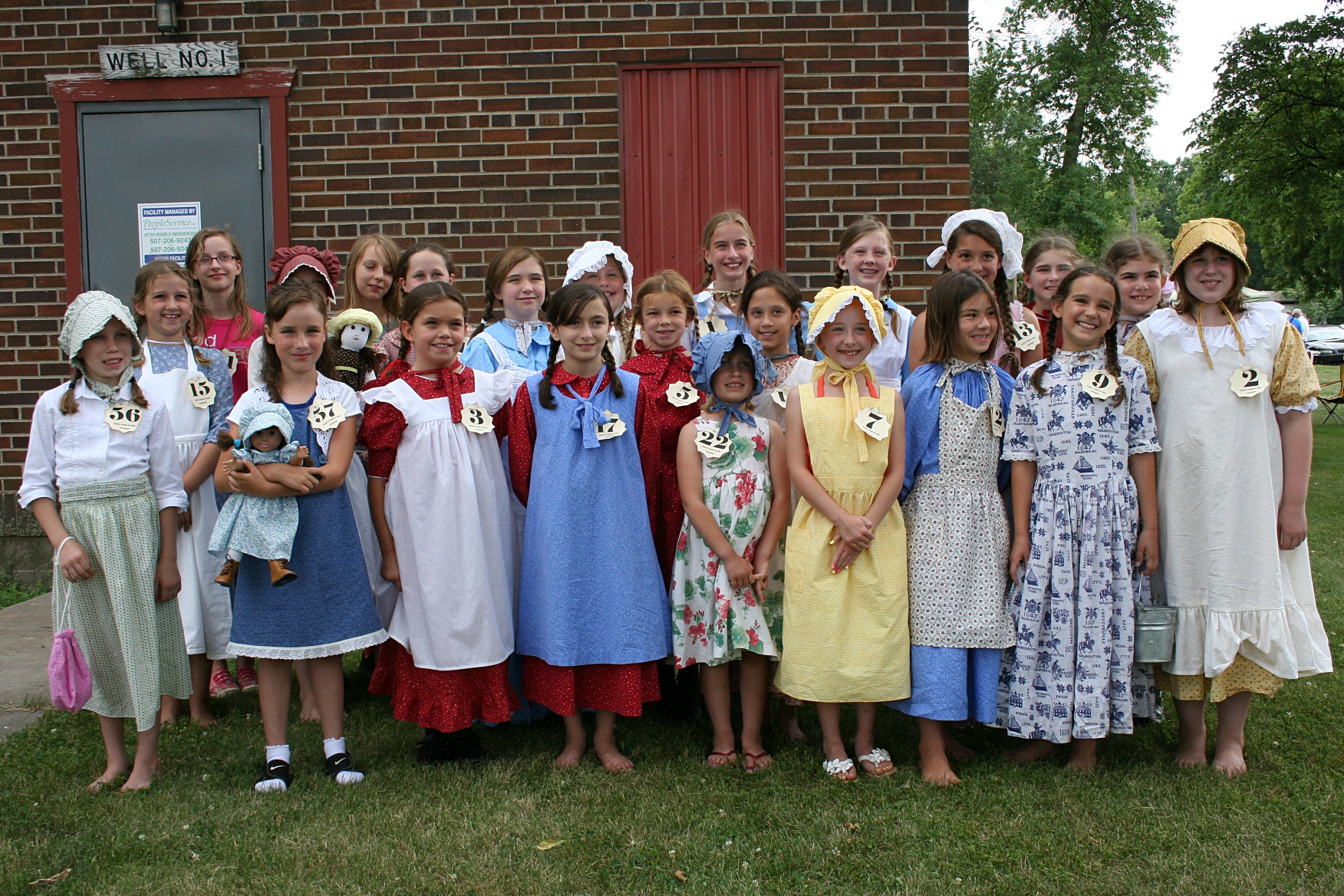
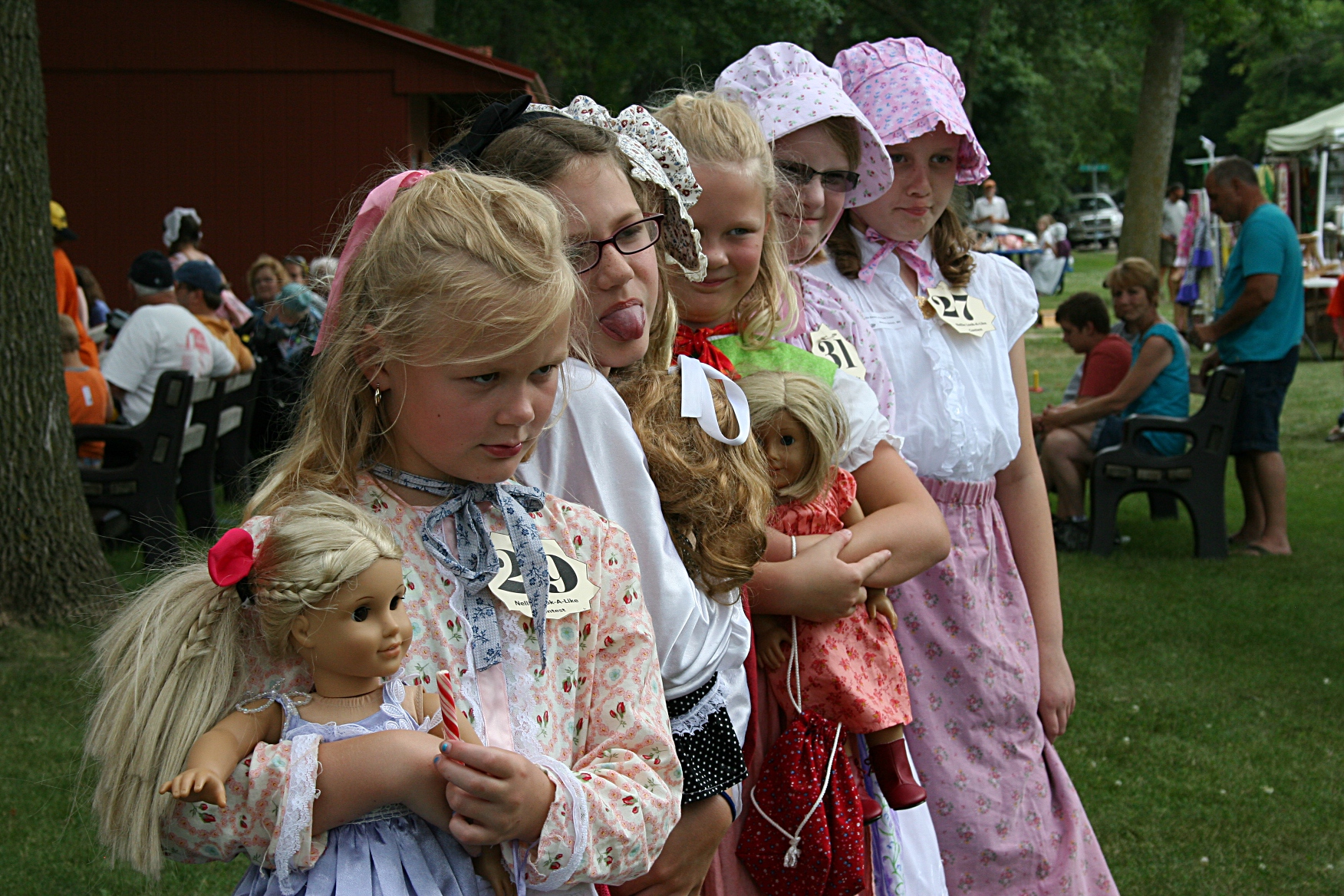
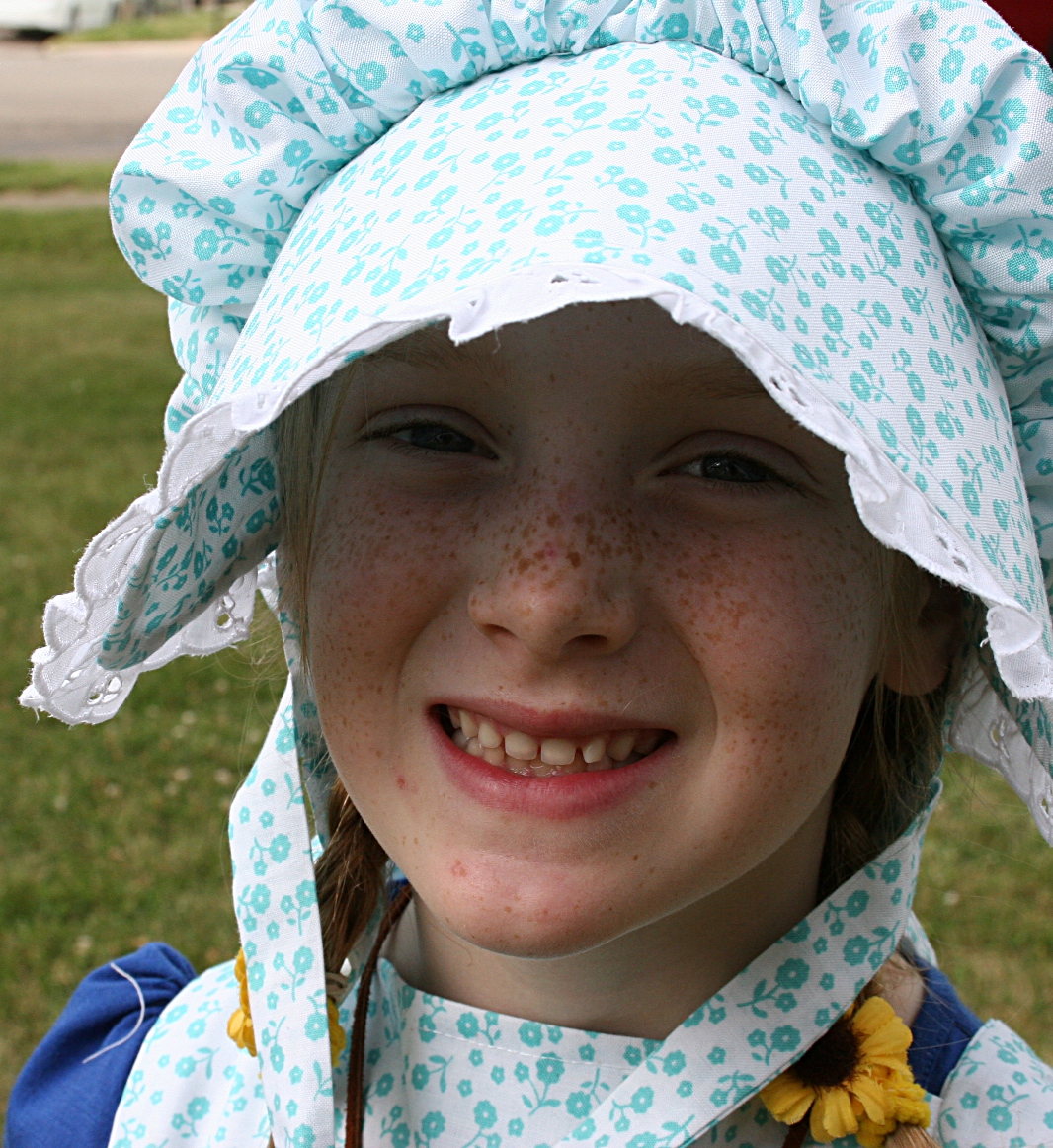
THESE ARE THE FACES of contestants in a July 2013 Laura Look-A-Like Contest in Walnut Grove, Minnesota childhood home of author Laura Ingalls Wilder.

The girls lined up for a photo to be published in the local newspaper. The rest of us, including lots of proud parents and this proud aunt, snapped away. That’s my niece on the left, come here from North Dakota.

Laura fans travel from all over the country, and even the world, to pay homage to Laura and her Little House books. So, just to be clear, these are not all Minnesota faces featured here.

But these girls, some clutching Laura and Charlotte (Laura’s rag doll) dolls, portray the pioneer spirit. They adore Laura and her books. Or perhaps it’s the TV series, Little House on the Prairie, they adore.

They remind me of me. I grew up about 25 miles from Walnut Grove in Vesta, where an elementary teacher read the entire Little House series to her students during an after lunch reading period. This was long before the television show and long before Walnut Grove residents realized the importance of Laura to their community.

February marks an important month for Laura fans. The author was born on February 7, 1867, and died on February 10, 1957.

Perhaps you noticed on February 7 that Google featured Laura and her sister Mary in a prairie scene. Twins Jack and Holman Wang of Canada created that Google banner through the process of needle felting, basically sculpting the sisters from wool. (Click here to learn more.)

Besides the Google gig, Laura is also back in the news with the recent release of Pioneer Girl: The Annotated Autobiography. The South Dakota Historical Society Press clearly underestimated the interest in this book with an initial press run of 15,000. Now in its third printing, the book is currently out of stock and will begin shipping again in March. I’m sure many a Little House fan is waiting for the title.

Laura seems as popular today as she did decades ago, when I imagined myself as a pioneer girl on the prairie.

This is part of a series, Minnesota Faces, published every Friday on Minnesota Prairie Roots.

© Copyright 2015 Audrey Kletscher Helbling


I am distinctly Minnesotan and proud of it January 5, 2015

Filed under: Uncategorized — Audrey Kletscher Helbling @ 5:00 AM
Tags: , , , , , , ,

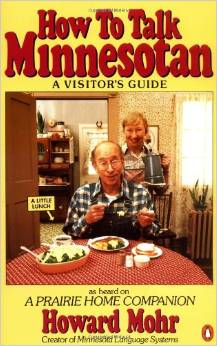
SEVERAL YEARS AGO, before my son-in-law married my daughter, I gifted him with How to Talk Minnesotan by Howard Mohr. It’s a rather humorous, but truthful, volume of Minnesota Speak.


The original version of How to Talk Minnesotan was published in the 1980s. This is the version I've read.

The original version of How to Talk Minnesotan was published in the 1980s. This is the version I’ve read.

I thought Marc might need a Minnesota “dictionary” given he grew up in California, where bars are drinking establishments and not also a sweet treat baked in a cake pan.  And, yes, he now lives in Minnesota with his wife, my eldest.

Having ever only traveled as far west as one mile into Wyoming, never down South and to the East Coast only once, during college, I am mostly unfamiliar with regional differences in dialect.

Apparently we Minnesotans draw out our “o”s and possess a distinct accent. No, not like the “sure, ya betcha” voices of Fargo.

The son noted this on his recent arrival home from Boston for holiday break. “Listen to yourselves,” he advised his dad and me.

Apparently friends at Tufts University have ribbed him about his incorrect pronunciations of “bag” and “sorry.”

Before my son transferred to the East Coast college from North Dakota State University in, yes, Fargo, two years ago, I phoned the Tufts financial aid office. The woman who answered had a Boston accent so strong that I could not understand her. I requested that she please slow down. If ever there was an accent…

An updated version published in

An updated version published in 2013 by Penguin Books.

Continuing along his Minnesota differences theme, the son noted also that we use the word “supper” to reference our evening meal. My husband and I explained that this is a carry-over from our rural backgrounds. The noon meal was dinner. Lunch was served at 3 p.m. to the men in the field and a “little lunch” around midnight, when you had company (aka visitors). Supper was served either before or after the evening milking.

After nearly 60 years of identifying meals as breakfast, dinner, lunch, supper and a little lunch, we’re not going to change our dining terminology.

That brings us to after meal clean-up. As the 20-year-old and I were doing dishes after supper (not dinner) recently, he noted that, “You know they don’t wash dishes like this in Boston.”

I paused mid swirl of dishrag upon plate, confused. “What do you mean? That everyone has a dishwasher?”

He shot me that c’mon Mom look youth sometimes reserve for parents, then explained. Rather than filling the sink with water, each item is washed individually with a squirt of soap under running water.

“Makes no sense to me and seems mighty wasteful of water and dish soap,” I chided. “Are you sure that isn’t just a college kid thing rather than a Boston thing?”

He didn’t respond.

© Copyright 2015 Audrey Kletscher Helbling


Appreciating history & art in a paper salesman’s catalogue June 18, 2014

Specimens, an incredible collection of fine papers and printing.

Specimens, an incredible  leather-bound collection of fine papers and printing.

I AM SETTLED ON THE SOFA, over-sized hardcover book weighing heavy upon my lap as I wade through the massive volume.

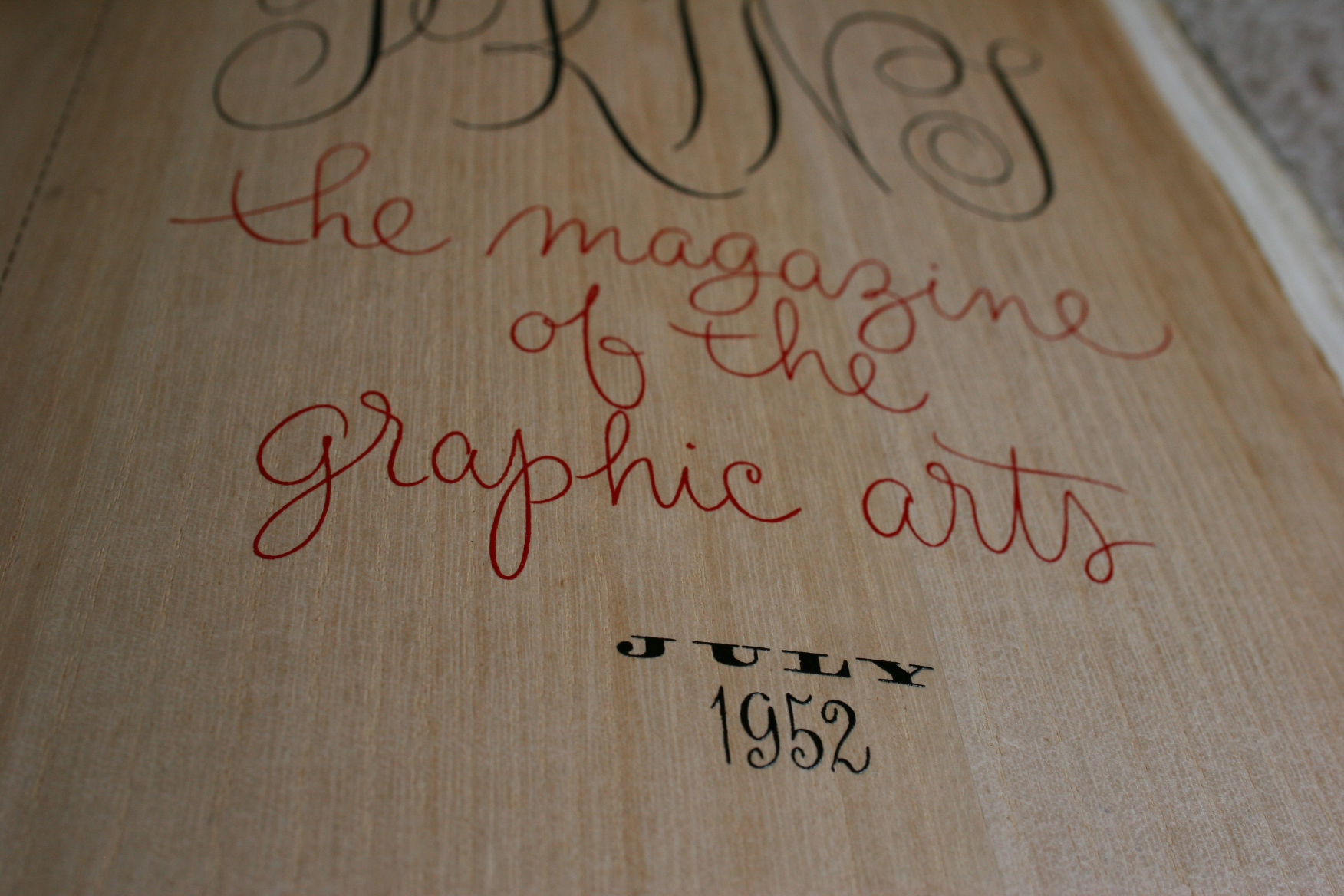
PRINT Magazine cover designed by Andrew Szoeke, printed silkscreen at Pied Piper Press, New York; caption and colophone designed by Ben Lane, printed letterpress at The Lane Press, Burlington, Vermont. Handmade natural wood veneer paper.

One of the pages in the Specimens Catalogue: PRINT Magazine cover designed by Andrew Szoeke, printed silkscreen at Pied Piper Press, New York; caption and colophon designed by Ben Lane, printed letterpress at The Lane Press, Burlington, Vermont. Handmade natural wood veneer paper.

Slowly I turn each page, studying the fonts, the colors, the graphics, the details that have me giddy as a kid flipping through the J.C. Penny or Sears Christmas catalogs.

Except I’m not wishing for something. I already have my gift, this 10 x 12-inch, one-inch thick book, this 1953 Stevens-Nelson Paper Corporation Specimens Catalogue found on the basement floor at an estate sale and immediately tucked into my arms and clamped against my chest.

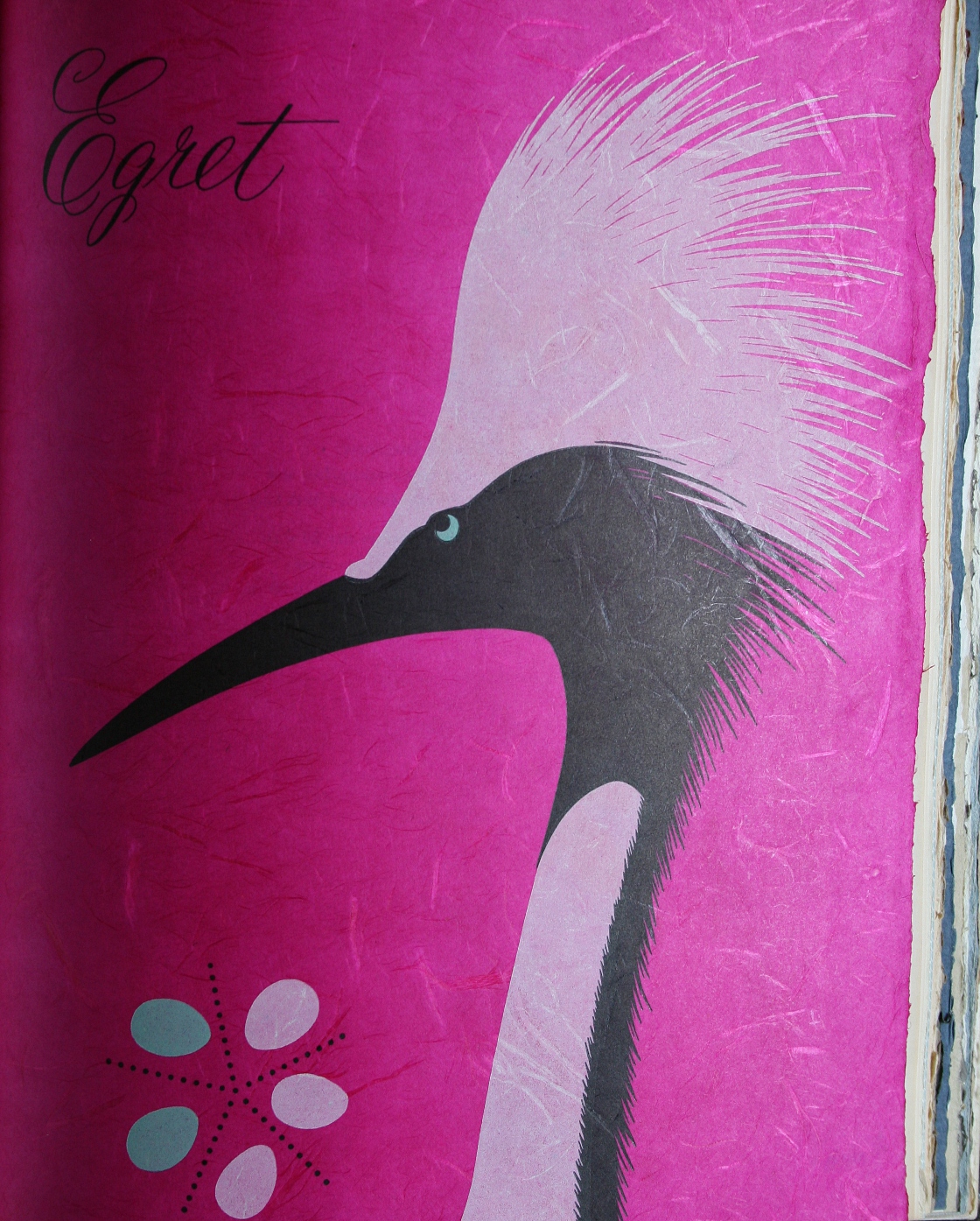
The boldest print in the book, designed by Thomas Davenport; engravings by Knapp Engraving Company, Inc. and printed letterpress by Aldus Printers, Inc., New York City; handmade TSUYUKO paper.

The boldest print in the book, designed by Thomas Davenport; engravings by Knapp Engraving Company, Inc. and printed letterpress by Aldus Printers, Inc., New York City; handmade TSUYUKO paper. On the right you can see the ragged edges of some of the 100-plus paper specimens.

I’ve never seen anything like this collected sample of fine printing and handmade, or handmade with mould machines, art paper. Ragged-edged paper that is so fine and rich feeling that I can’t stop brushing my fingers across the surfaces.

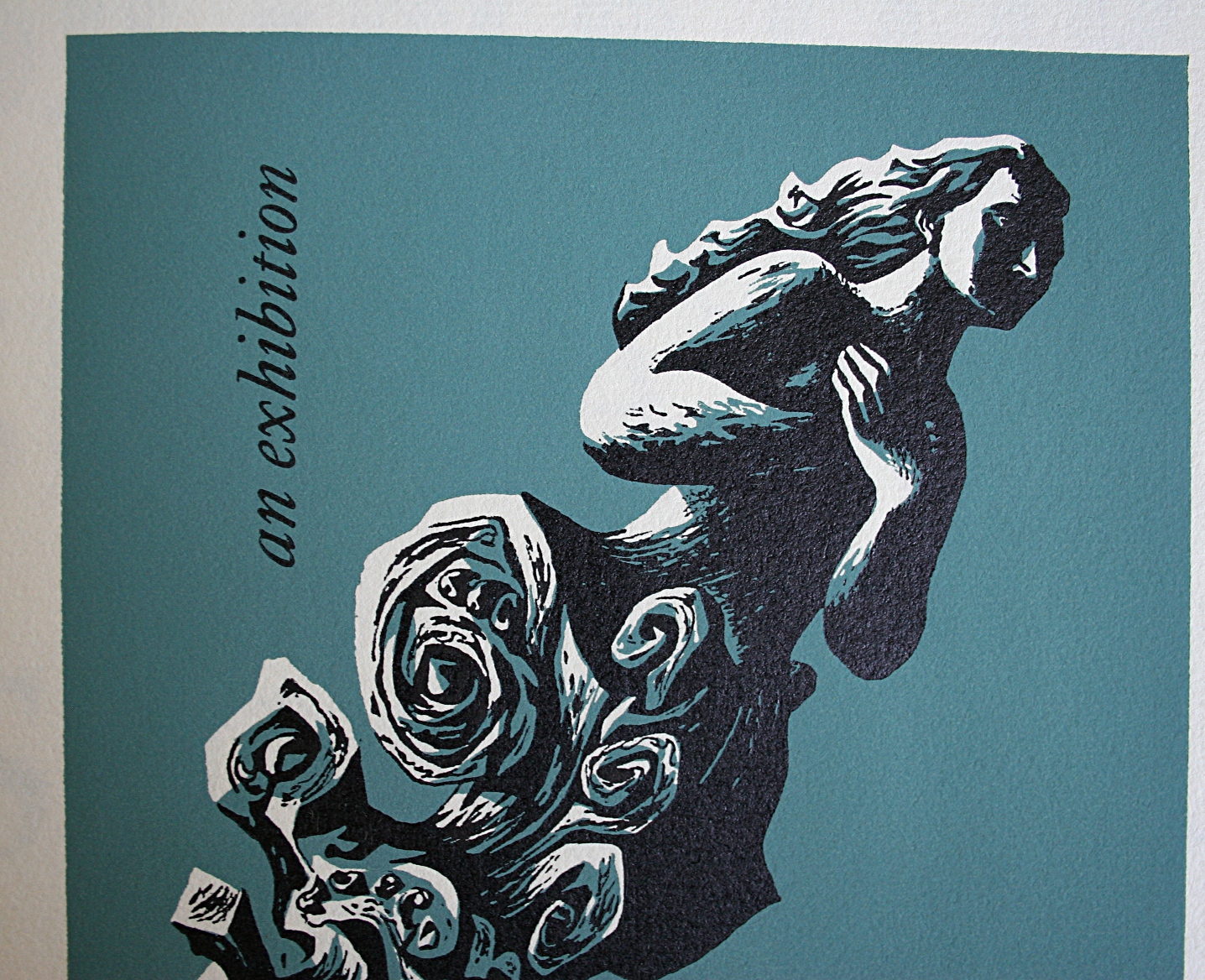
An Exhibition

Designed by William Stobbs for an exhibition “showing the development of Sailing Ships from the Santa Maria to the Cutty Sark” at the Science Museum, South Kensingston. Printed letterpress in two colors by London School of Printing and Graphic Arts.

Letterpress and lithograph. Well-known designers and printers, American and foreign.

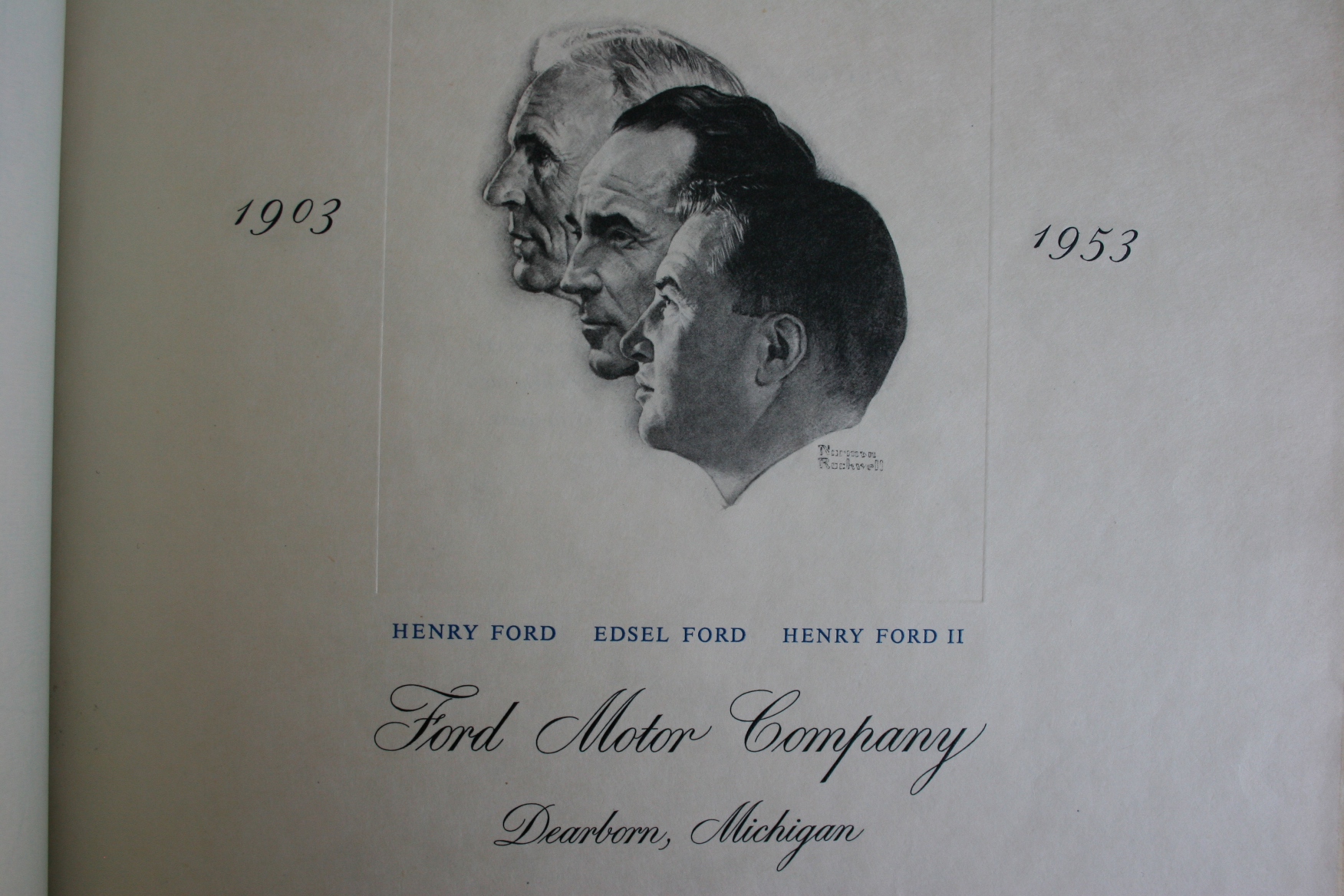
Ford Motor Company

Fiftieth anniversary booklet title page designed by L. J. Ansbacher.

In my hands, I am holding art and history.

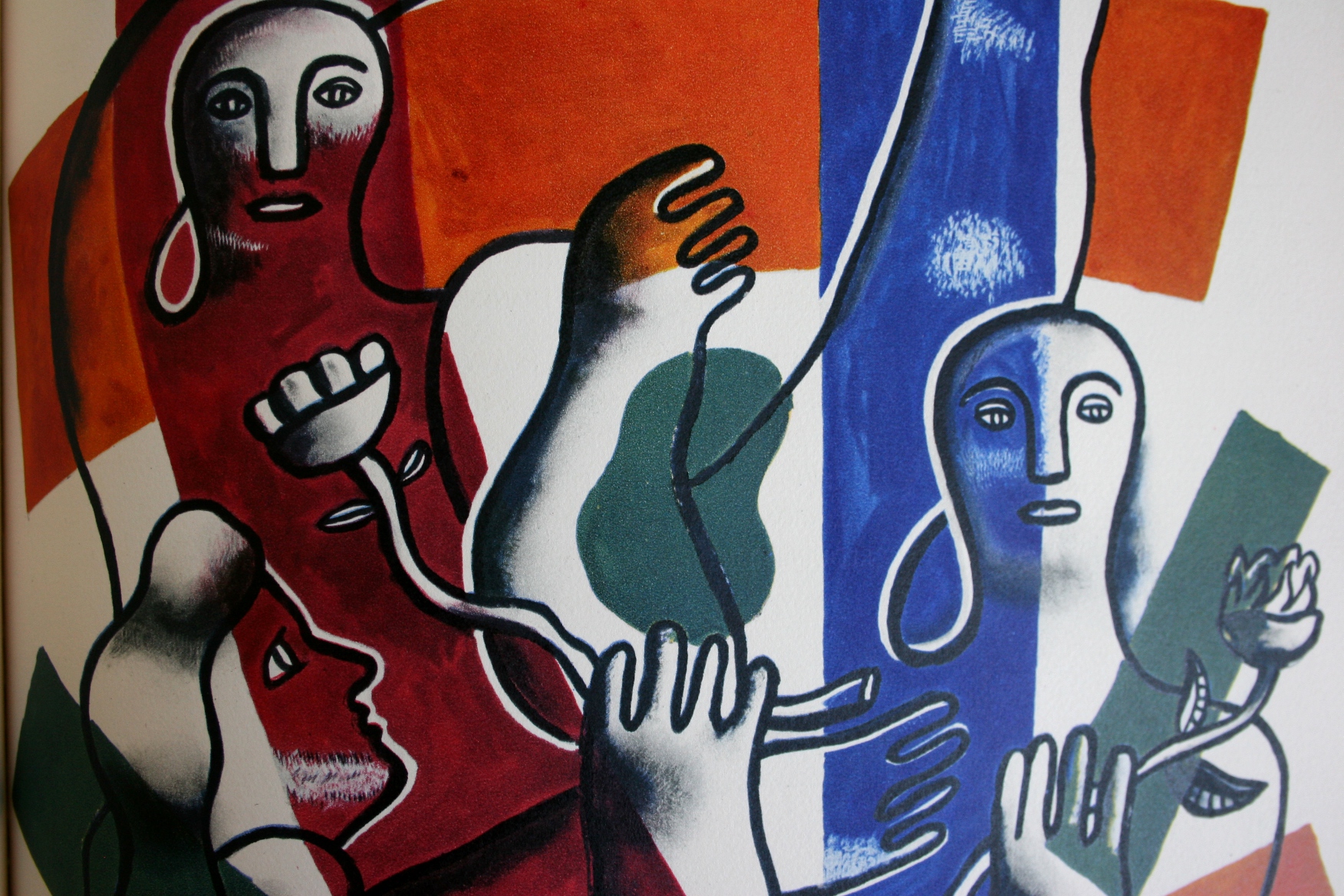
Fernand Leger's art printed for the Container Corporation in 4-color Gravure by Draeger Freres, Paris, France.

Fernand Leger’s art printed for the Container Corporation in 4-color Gravure by Draeger Freres, Paris, France.

The program cover from Dwight Eisenhower’s installation as 13th President of Columbia University, printed on paper that can be cleaned with water or kerosene. A Picasso lithograph printed on handmade SHOGUN heavy weight paper suitable for letterpress and silkscreen. Colorful art by Fernand Leger created for the Container Corporation of America.

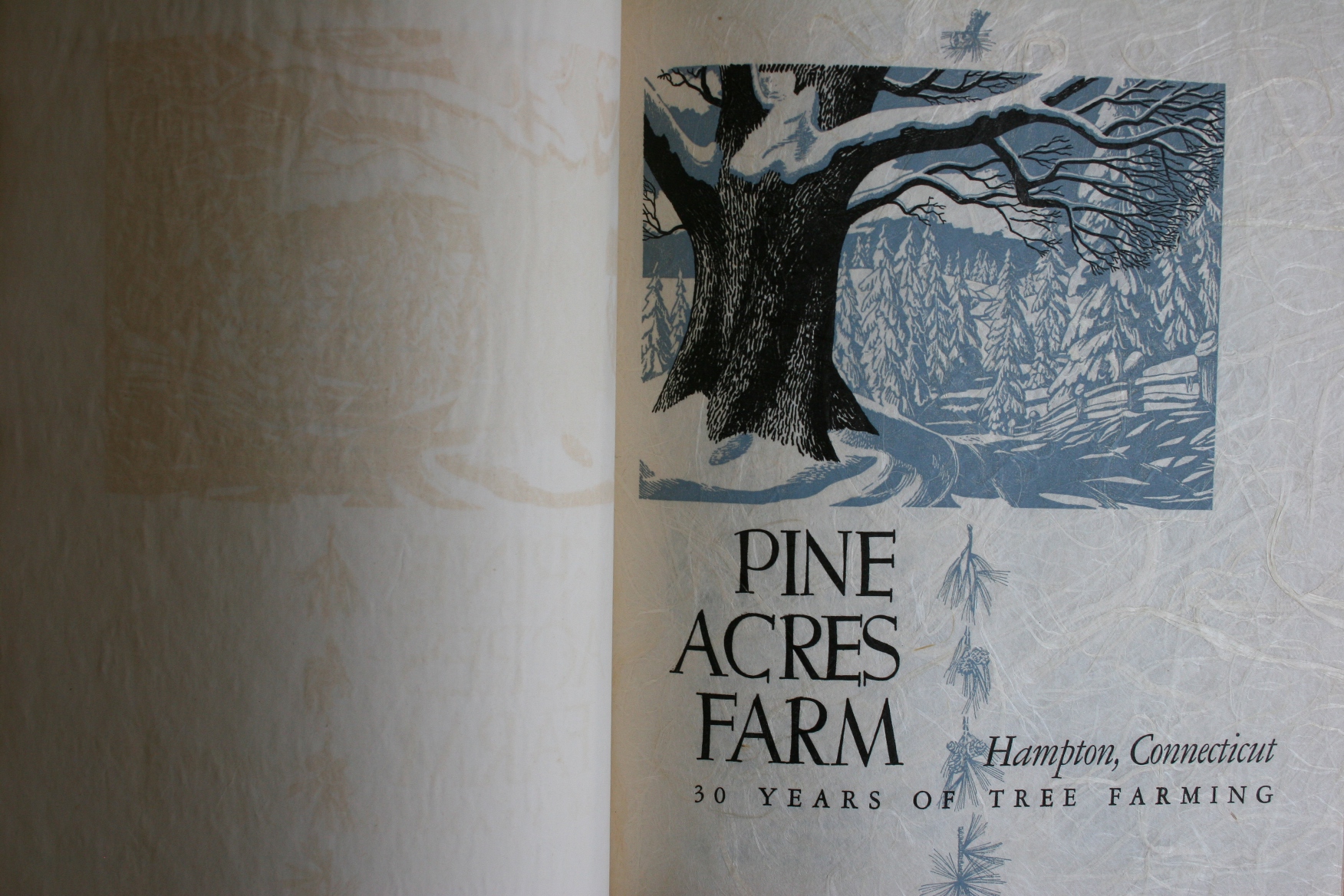
Designed and printed letterpress by Connecticut Printers, Incorporated, Hartford, Connecticut on handmade NATSUME 4002 paper.

Designed and printed letterpress by Connecticut Printers, Incorporated, Hartford, Connecticut on handmade NATSUME 4002 paper.

My favorite—a block print of trees celebrating Pine Acres Farm’s 30 years of tree farming in Hampton, Connecticut. James L. Goodwin, one of America’s first professional foresters, started the farm in 1913, eventually gifting the property to the State of Connecticut in 1964.

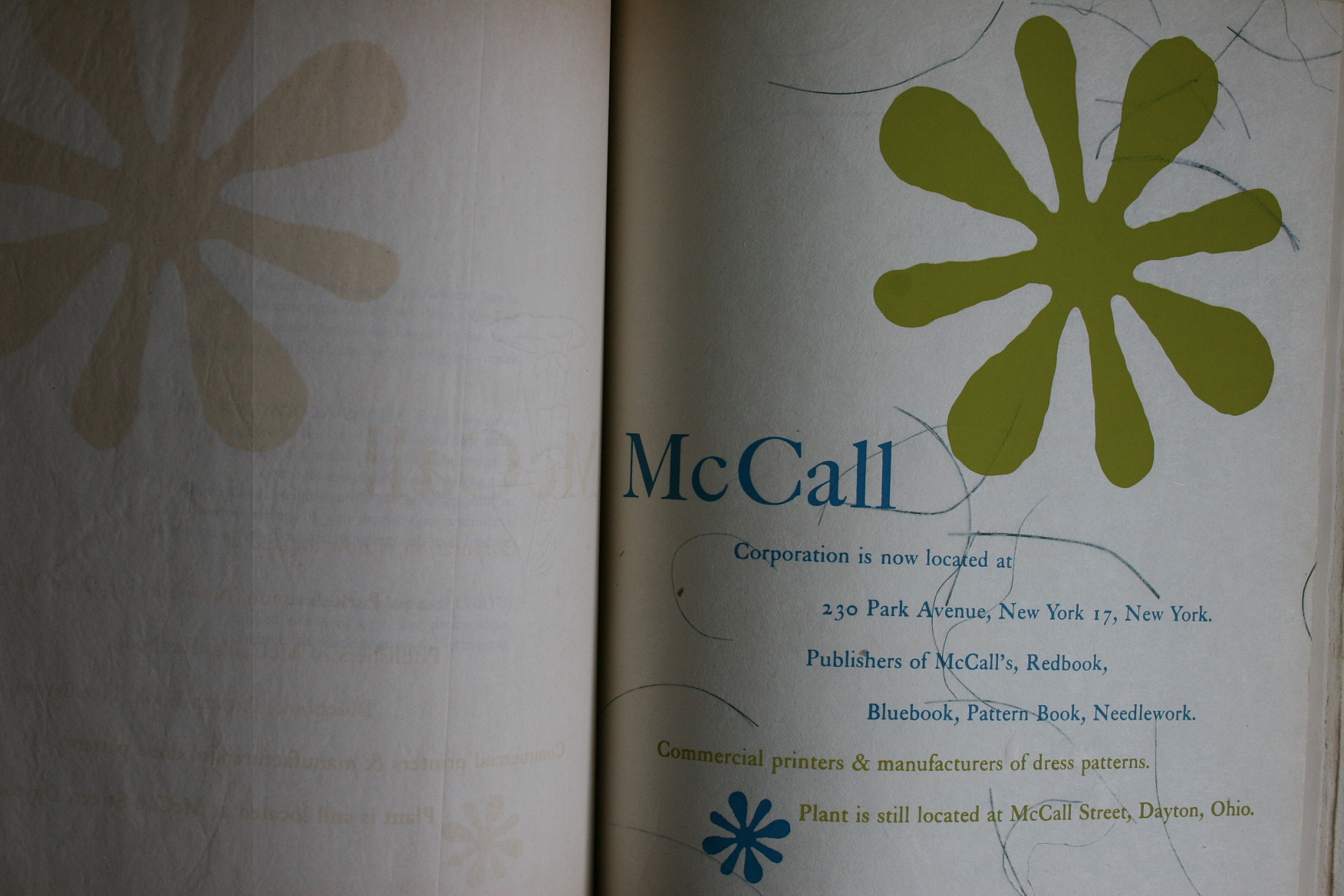
McCall

Designed by George Maas for McCall; screen process printing by Roycliff Associates, Inc, New York City; letterpress printing by Pandick Press, Inc., New York City. Printed on handmade NATSUME paper.

I rapid-clap my hands with untethered excitement.

I inhale the smells of time, wood and ink bound within the pages of this book once carted from place to place by a 1950s paper salesman from Minnesota.

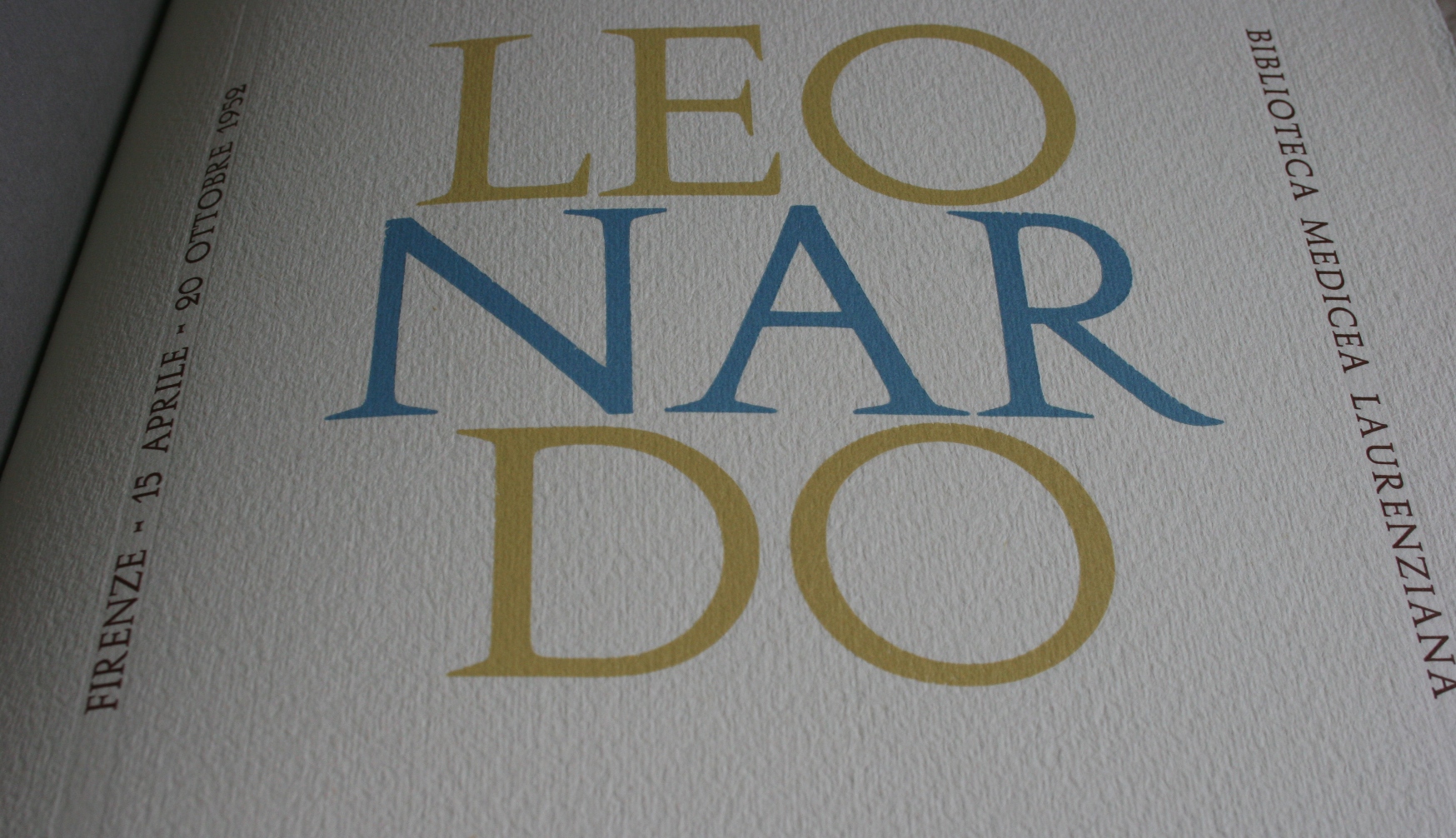
Leonardo

Catalogue cover designed by Aldo Novarese, types by Alessandro Butti, of Societa Nebiolo Torino. Printed letterpress in Nebiolo’s “Augustea” by G. Canale & C., Tornino, Italy.

A Leonardo da Vinci catalog cover and the cover of the White Swan Hotel’s wine list. Neiman-Marcus fashion awards for 1949. An illustration of George Bernard Shaw. A die-stamped Christian Dior letterhead. And so much more. All here, in this catalogue.

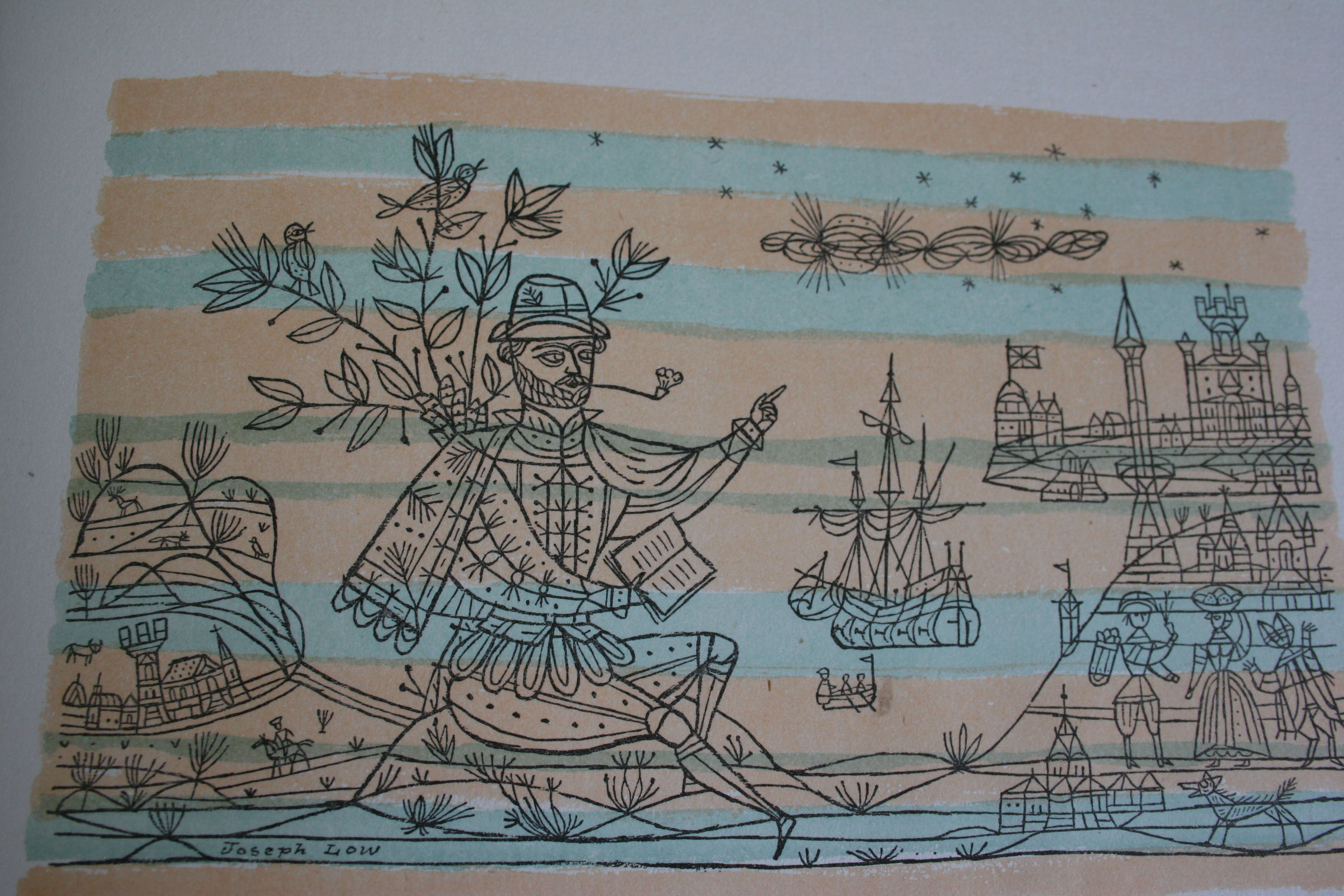
Catalogue, ships

Designed by Walter Howe, with illustration by Joseph Low and printed letterpress at The Lakeside Press, R.R. Donnelly & Sons Company, Chicago, Illinois. Handmade HOSHO paper.

I wonder if I should be handling such finery, such opulence, with white gloves.

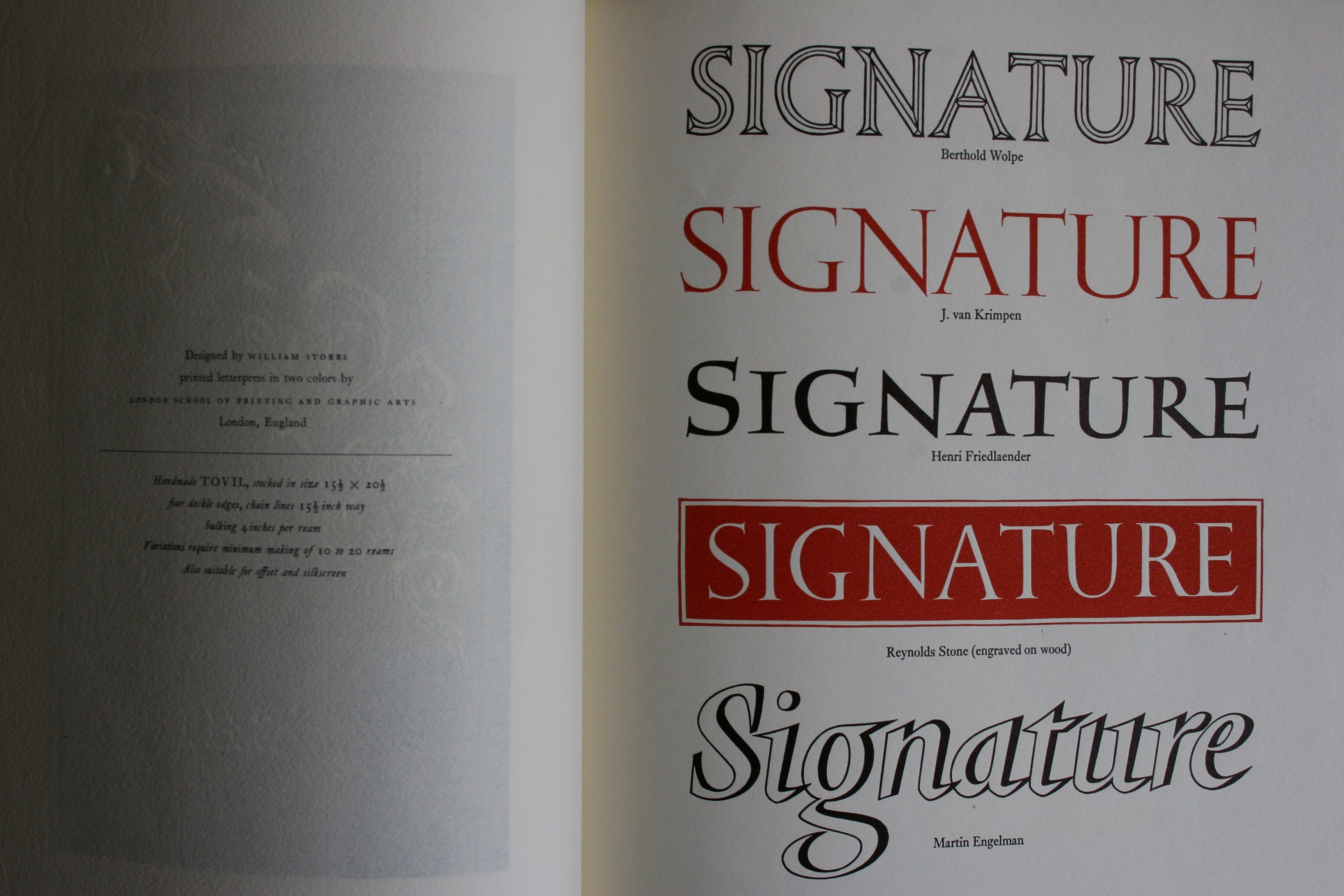
Signagture

A series of headings for the cover of SIGNATURE, A Quadrimestrial of Typography and Graphic Arts, edited by Oliver Simon. Designed and printed by letterpress at The Curwen Press, Plaistow, London, England.

This is my kind of book, one which combines my love of the printed word with the art of printing it. I care about paper and fonts and graphics. Clean lines and simplicity.

Art flows beneath my fingertips as I turn page after page, examining the specimens once showcased by a Minnesota paper salesman.

© Copyright 2014 Audrey Kletscher Helbling


In praise of Northern Prairie Culture: How Fargo of You April 16, 2014

This water tower is located in West Fargo, an area of shopping malls, restaurants, Big Box stores, hotels, etc.

This water tower is located in West Fargo, an area of shopping malls, restaurants, Big Box stores, hotels, etc. Minnesota Prairie Roots file photo.

TWO DAYS AFTER I FINISHED reading Marc de Celle’s book, How Fargo of You, a 10-episode mini series, Fargo, debuted (yesterday) on FX television. Excellent. Timing is everything.

I receive my TV reception from a rooftop antenna, so there will be no watching Fargo for me. Rather I have to rely on synopses and reviews posted online. The series plays off the Coen brothers’ (native Minnesotans Joel and Ethan) 1996 award-winning film by the same name. (Click here to read my review of that movie.) The Coens are two of the executive producers for this new show penned by Noah Hawley and featuring Oscar winning actor Billy Bob Thornton.

The VHS cover of the movie Fargo.

The VHS cover of the movie Fargo.

You can expect dark comedy, crime, stereotypes and that noted, albeit not fully accurate, Fargo accent. About half of the Fargo series is set in fictionalized Bemidji, Minnesota. Since I haven’t seen the new series, I can’t accurately review it.

Marc de Celle's book cover

But I can talk about de Celle’s book. He’s also written a follow-up, Close Encounters of the Fargo Kind, which I’ve yet to read. This is a compilation of others’ stories rather than simply his own.

In summary, de Celle, who moved with his family in 2005 from Phoenix to Fargo, writes about his personal “How Fargo of You” experiences in his first book. That’s the tag line he’s attached to unfamiliar and unexpected positive experiences in his new home.

He’s not a Fargo native, his closest ties to the region in his Wisconsin native wife and her best friend, Melody, who lives in Fargo. That friend initially drew the family to Fargo for a visit. So de Celle views this area of the country with a perspective of someone unaccustomed to, as he defines it, Northern Prairie Culture. And, yes, that includes Minnesota.
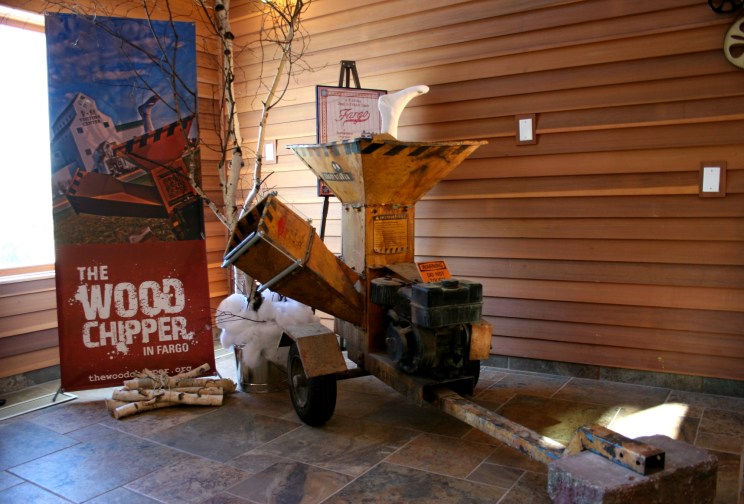
The famous woodchipper from the movie, Fargo, is a focal point in the Visitors Center. Other film memorabilia is also on display.

The famous woodchipper from the movie Fargo is a focal point in the Fargo Visitors Center. Other film memorabilia is also on display. Minnesota Prairie Roots file photo.

Unlike the film and TV series, this writer promises: “No goofy accents. No murderers on the loose. No weird plot twists. Just real Fargo.”

And that’s exactly what you’ll read in de Celle’s first book—a compilation of all that is good about Fargo folks, and those living within several hundred miles of this North Dakota/Minnesota border town.

Shortly after the de Celle family arrives in their new community just outside of Fargo, they encounter their first Fargo moment in teenagers helping unload their belongings. And the neighbor-helping-neighbor stories and overall niceties of the region’s people just continue from there.

From the pump and then pay at the gas station, to the shared story of a Minnesota farmer assisting college students with a flat tire and the farmer’s wife then preparing a little lunch to motorist merging courtesy to homemade rhubarb pie served at a rural restaurant where a stranger picks up the tab for a cashless de Celle to Fargo residents’ efforts to save their community from the flooding Red River and more, you will read stories that warm your heart.
A scene from November in downtown Fargo.

A scene from downtown Fargo. Minnesota Prairie Roots file photo.

This is truly a feel-good book, one which makes you thankful, for the most part, to live in this region of the U.S.

De Celle does note, though, the environmental realities in Fargo’s harsh winters, the flat landscape and the strong and endless wind. I especially laughed at his fly-clinging-to-the-windshield wind story given my son spent his first year of college at  North Dakota State University on Fargo’s particularly windy north side.

In February 2013, I received this text from my then 19-year-old: “This cheap Walmart hat stands zero chance against the Fargo wind.” He then proceeded to order a Russian military surplus fur cap online to replace the mass-manufactured stocking cap.
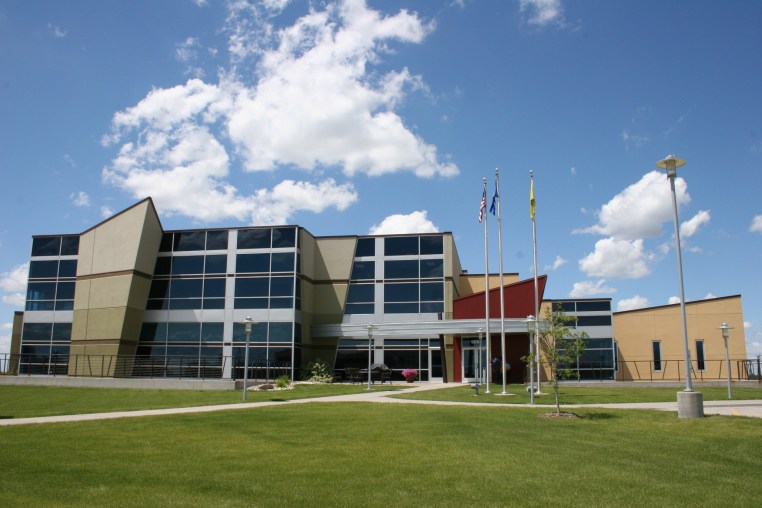
While at NDSU, my son worked and volunteered in the Technology Incubator as part of an Entrepreneurial Scholarship. He is walking away from two major scholarships at NDSU to attend Tufts University.

The NDSU Technology Incubator referenced in de Celle’s book. Minnesota Prairie Roots file photo.

After that first year, the son left NDSU and now attends college in Boston, where the climate is less challenging and his current university a better fit. While in Fargo, he worked at the NDSU Technology Incubator, which de Celle describes in his book as “the hippest looking building this side of Minneapolis.”

I’ll agree that the modern architecture looks pretty sleek situated next to open fields where the wind does, indeed, blow with determined fierceness.
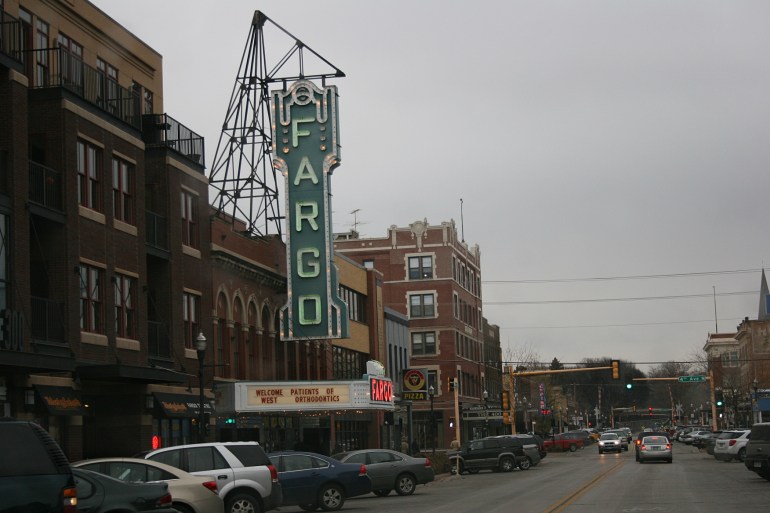
A view of the 300 block on North Broadway, including signage for the Fargo Theatre, built in 1926 as a cinema and vaudeville theatre. The theatre is on the National Register of Historic Places and serves as a venue for independent and foreign films, concerts, plays and more.

A view of the 300 block on North Broadway in downtown Fargo, including signage for the Fargo Theatre, built in 1926 as a cinema and vaudeville theatre. The theatre is on the National Register of Historic Places and serves as a venue for independent and foreign films, concerts, plays and more. Minnesota Prairie Roots file photo.

In the time shortly before my son moved to North Dakota and in the nine months thereafter, I got to know Fargo somewhat. It is the charming downtown, with its mostly old buildings, which most endears me to this community. And the people. They were, as de Celle has found, always kind and friendly.

He does expose, though, one issue—that of a workforce he terms as “the most overqualified, underpaid, competent and ethical” in the U.S. “Underpaid” jumps out at me, when really “overqualified, competent and ethical” should.

Then de Celle balances this with his summation that the majority of folks in Fargo value relationships over stuff. That apparently partially explains why people choose to live in Fargo when they could earn more money elsewhere doing the same job.

Now that’s my kind of place, my kind of people.
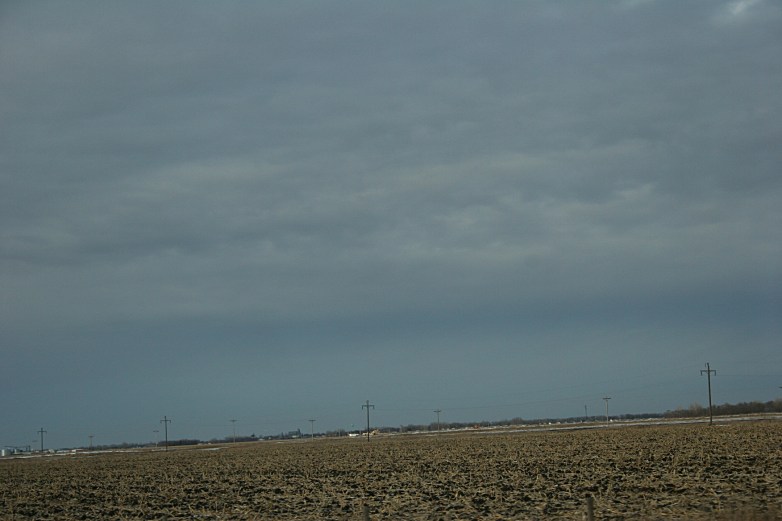
The landscape: flat and into forever.

The landscape: flat and into forever in the Fargo area. Minnesota Prairie Roots file photo.

But I’m going to be honest here. Even though I grew up on the southwestern Minnesota prairie, which I thought to be about as flat and open sky country as exists, I found the landscape of Fargo even flatter, the wind more fierce, the environment harsher.

Every visit to Fargo, I felt unsettled. Like my son before me, I doubt I could last more than a winter in North Dakota. Rather, I live across the border nearly 300 miles to the south and east, still within Northern Prairie Culture in a state known for “Minnesota Nice.” Probably a lot, I’ve concluded, like “How Fargo of You” nice.

Disclaimer: Author Marc de Celle purchased one of my photos for usage on his website and gave me complimentary copies of his two books. That, however, did not influence my decision to write this review or the content therein.

© Copyright 2014 Audrey Kletscher Helbling


I discover Plainview & then the curtain falls November 15, 2013

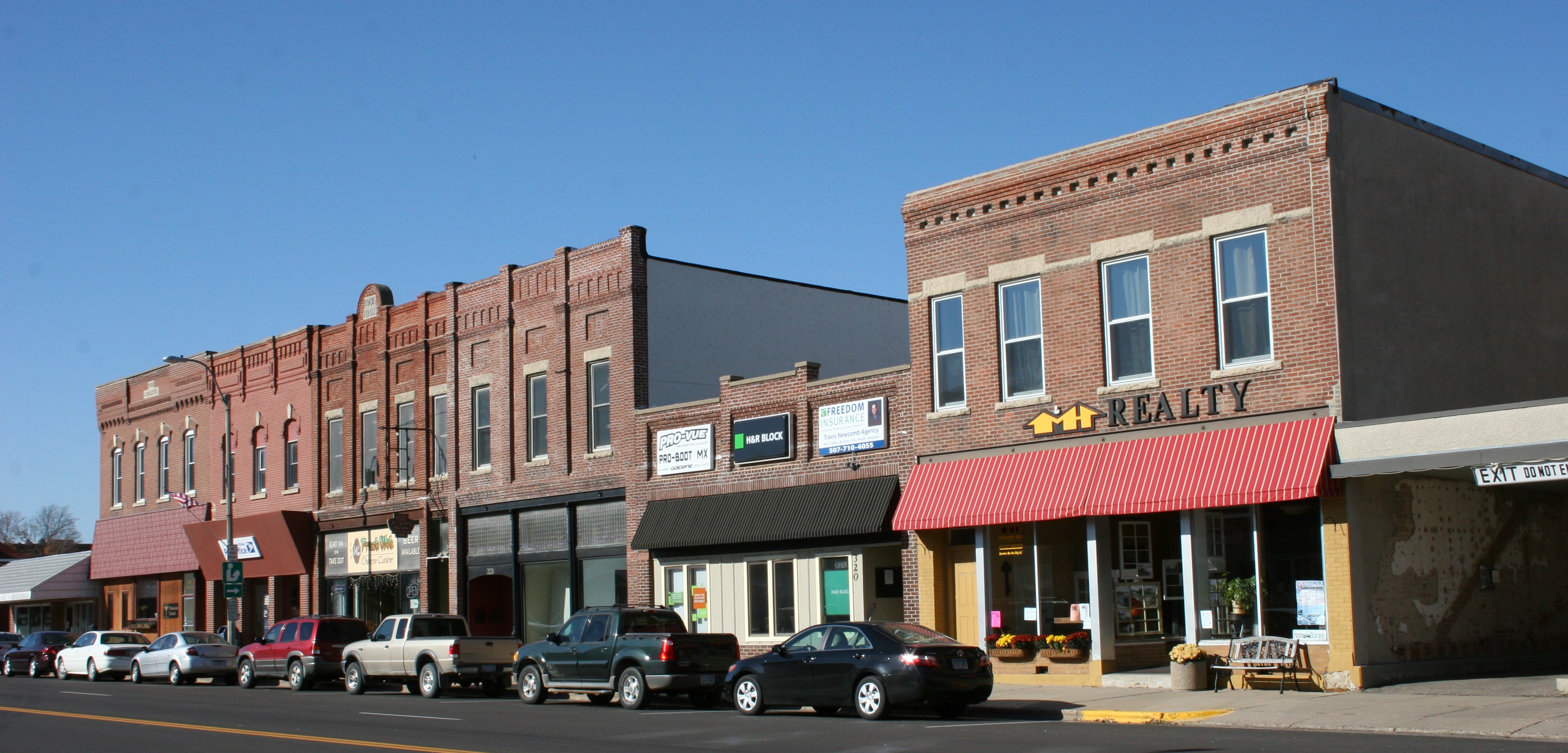
A snippet of Plainview's downtown.

A snippet of Plainview’s downtown.

ACT I:

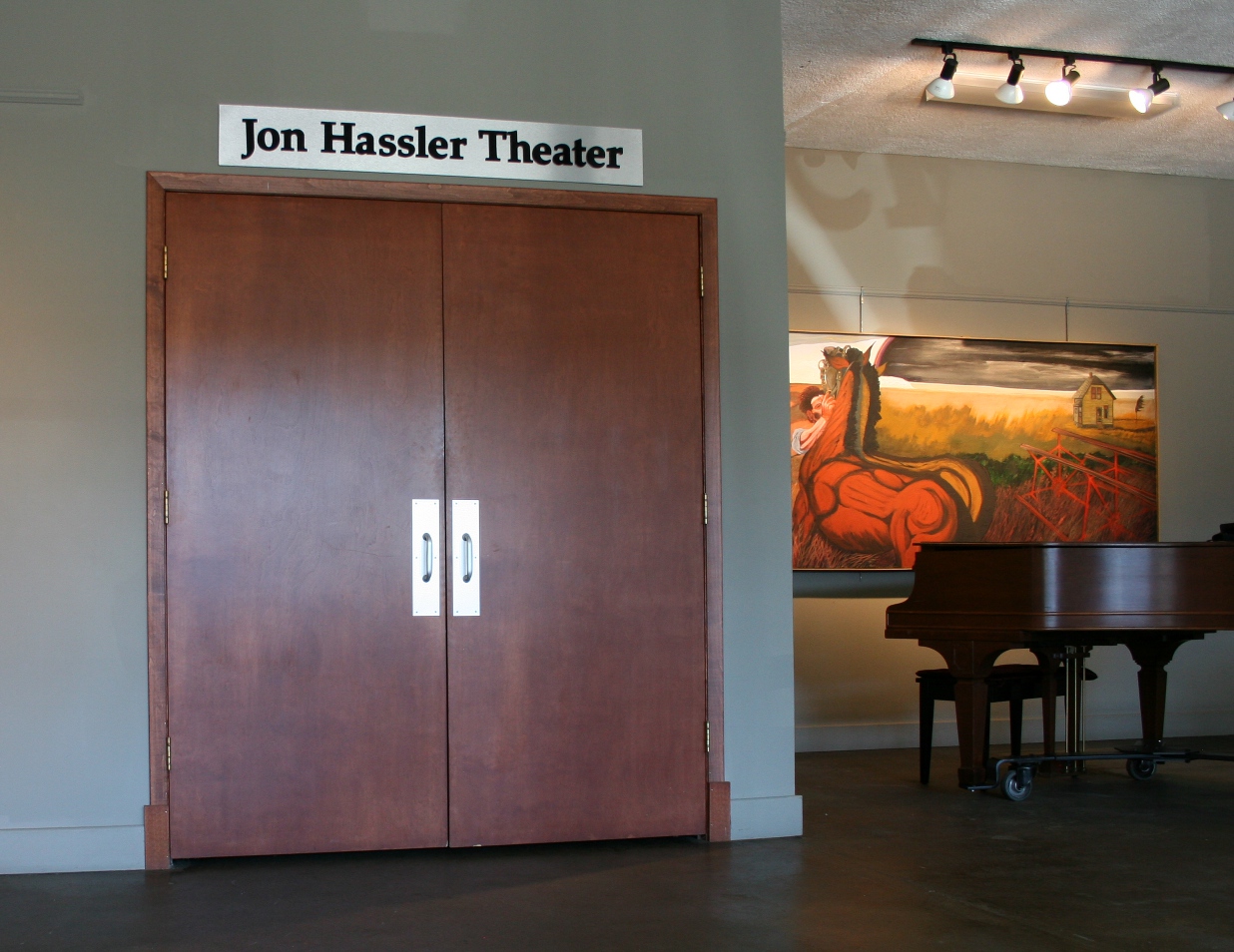
It’s not like I live a great distance (60 miles) from Plainview, home of the Jon Hassler Theater and Rural America Arts Center. But I’d never been to this rural town 20 miles northeast of Rochester until recently. A wrong turn on a Sunday afternoon drive led my husband and me into this Wabasha County community of some 3,300.

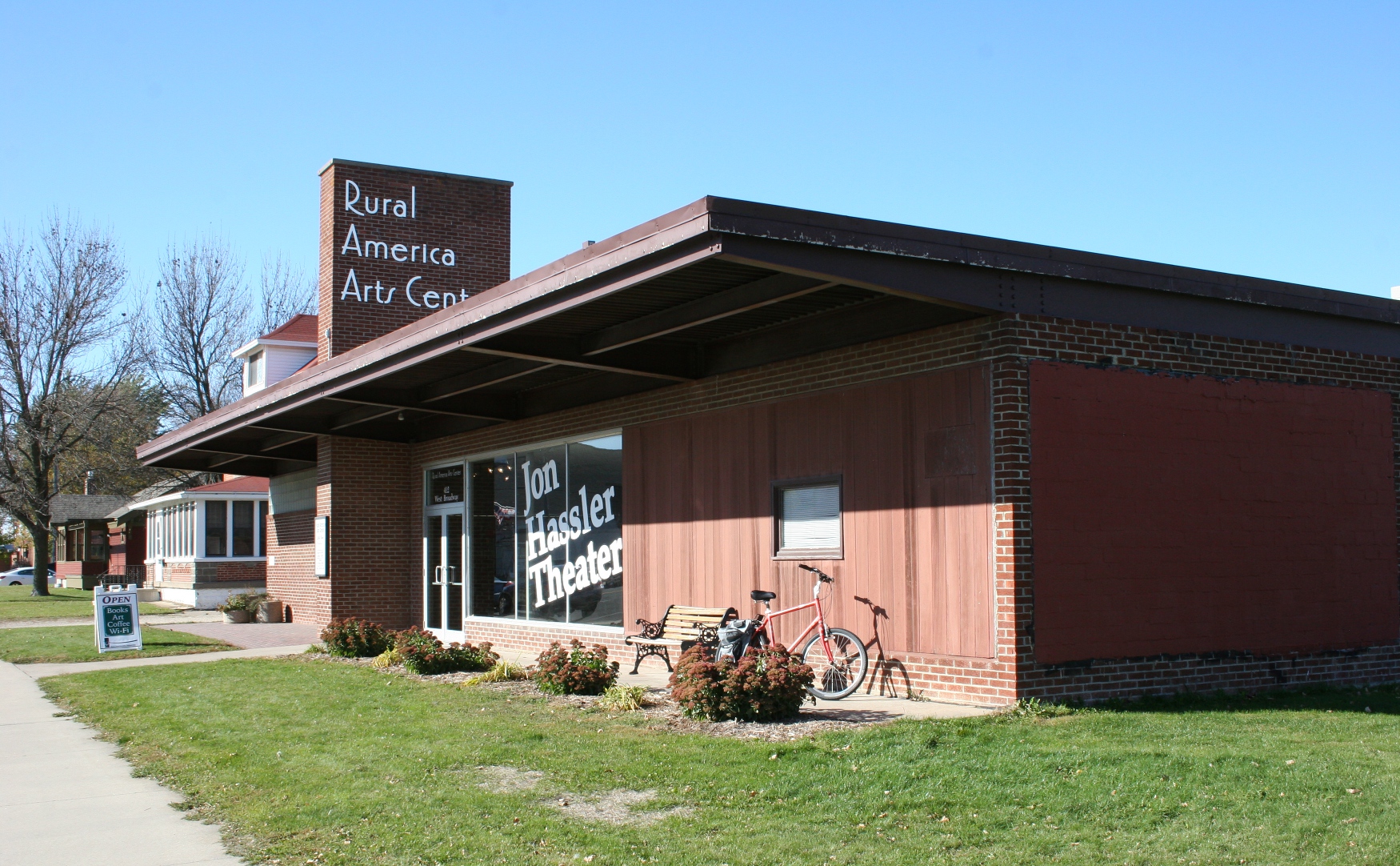
In the heart of the community, the Jon Hassler Theater and Rural America Arts Center.

In the heart of the community, the Jon Hassler Theater and Rural America Arts Center.

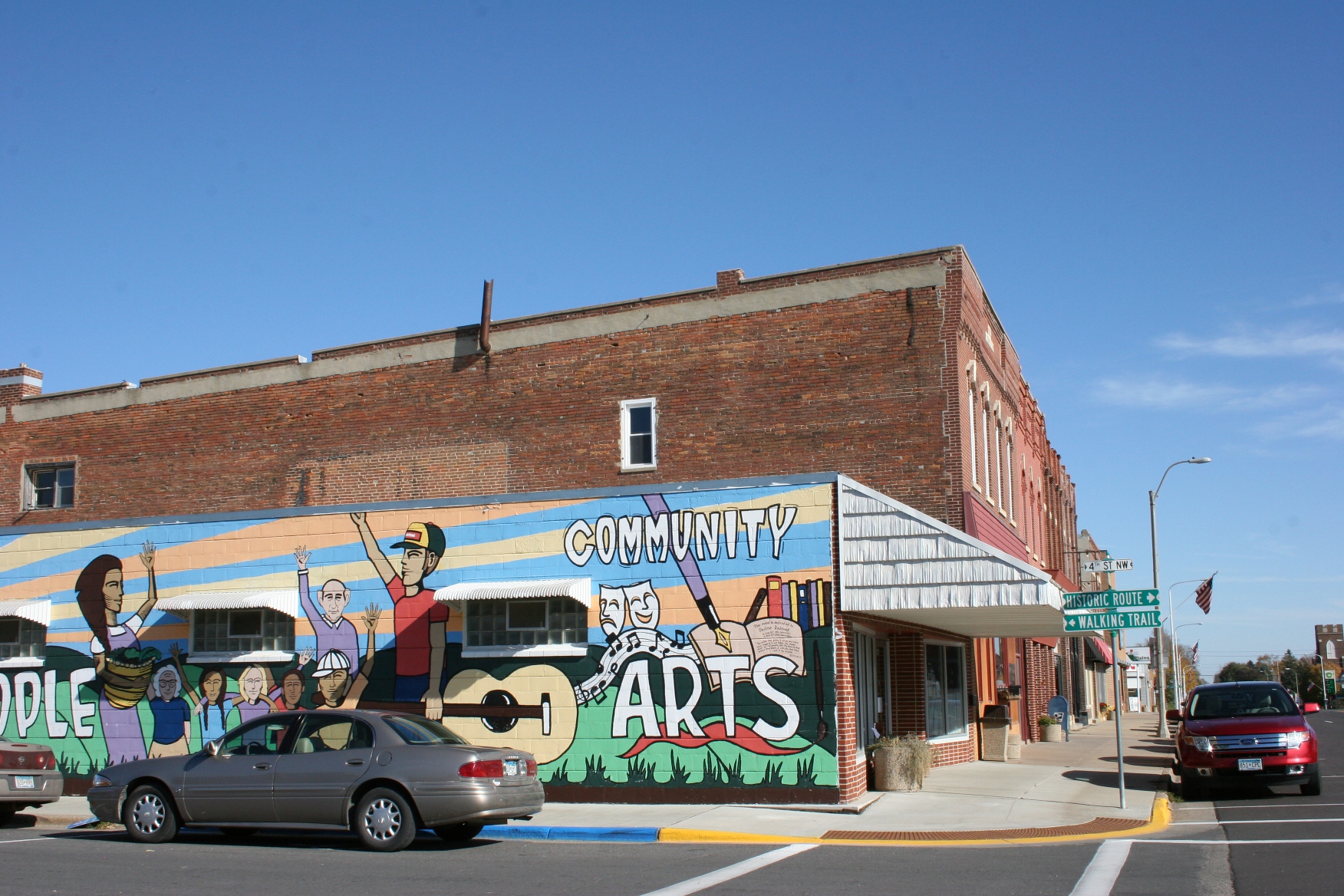
And there we discovered the old farm implement dealership building turned arts center—complete with theater, art gallery, bookstore and writers’ retreat center.

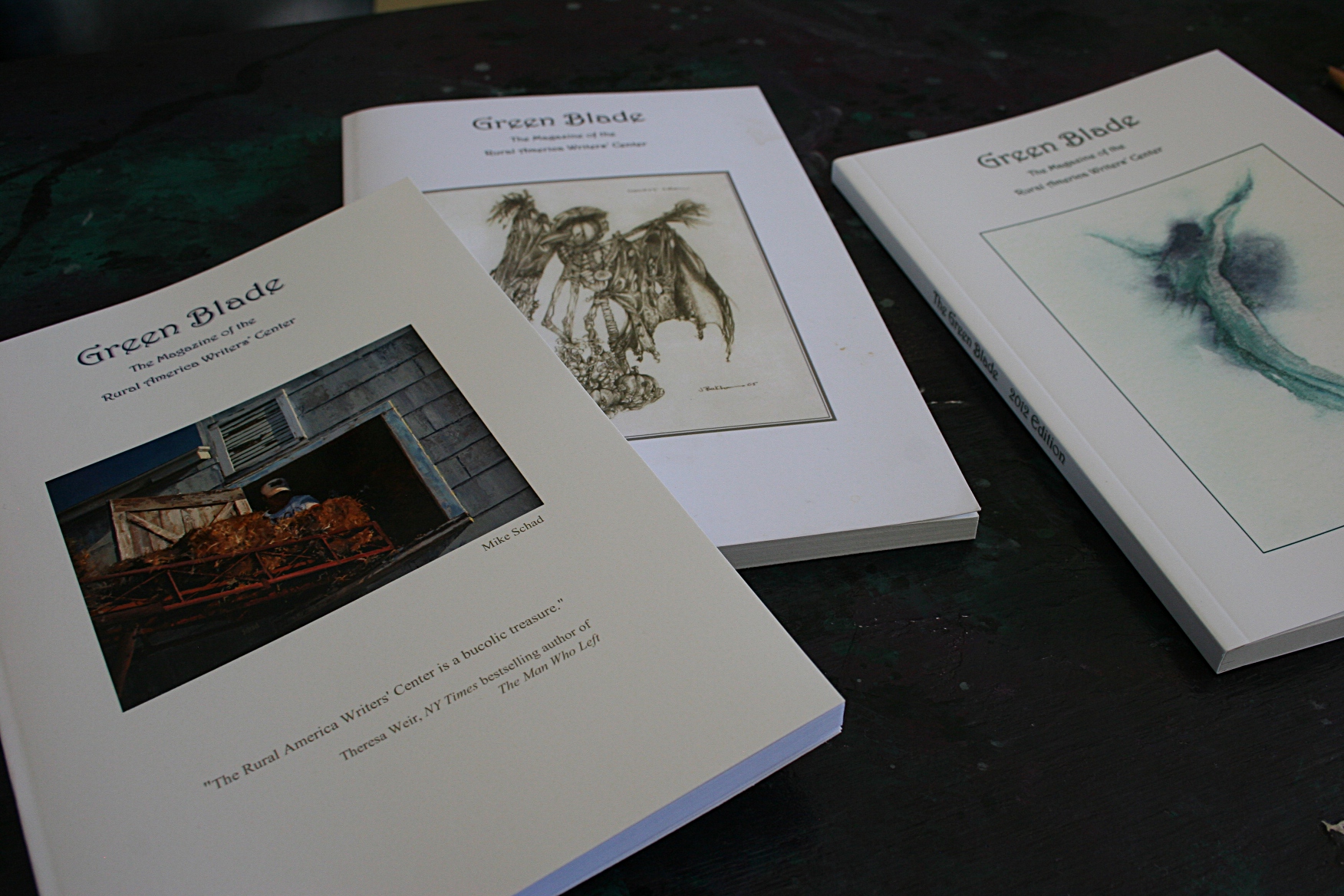
Dean Harrington showed me copies of Green Blade, the annual literary journal produced by writers who gather here.

Dean Harrington showed me copies of Green Blade, the annual literary journal produced by writers who gather here.

We met Dean Harrington, local banker, arts center enthusiast and CEO of the Rural America Arts Partnership, who was manning the front desk during the afternoon production of Ole & Lena’s 50th Wedding Anniversary & Vow Renewal. I swear Harrington could have been noted Minnesota author and former Plainview resident Jon Hassler’s twin right down to his sweater vest.

As close as I got to the theater.

As close as I got to the theater.

I wished right then and there that I was seated in the theater, belly laughing at/with Ole and Lena. But it was near intermission, much too late to join the audience.

Words & Afterwords Book Store sells ne

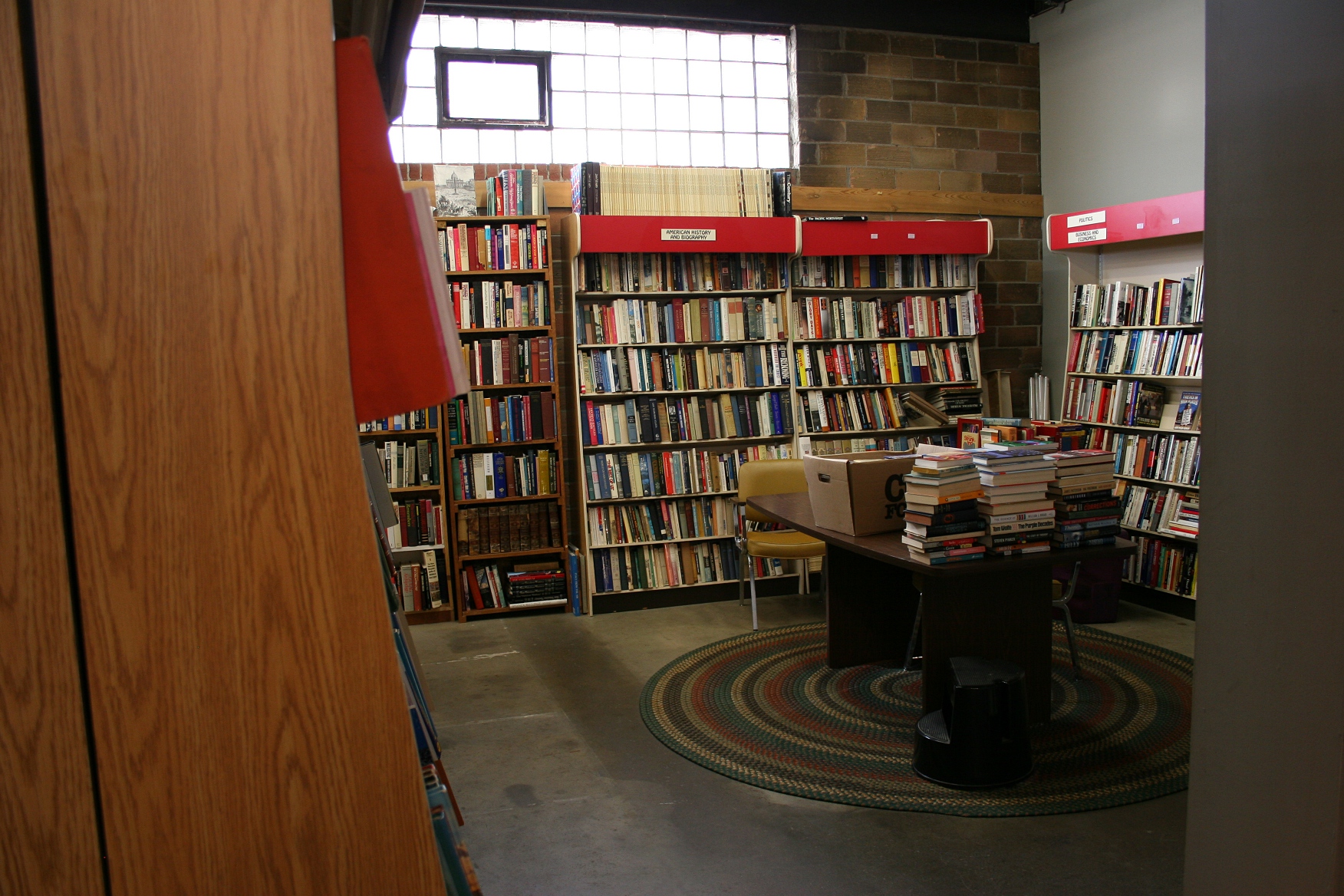
Words & Afterwords Book Store features more than 4,000 used and selected new titles.

Instead, I settled for poking about the gallery and bookshop and snapping a few photos and thinking, how grand to have a place like this in Plainview that embraces the arts. A return trip for a more in-depth look at this community and theater is definitely needed. Maybe next time with play tickets in hand.

ACT II:

I’ve had the above ACT I in my draft posts for a few weeks. I never expected to be penning an ACT II. But in a story reported Thursday on Minnesota Public Radio (quoting the Rochester Post-Bulletin), I learned that the Jon Hassler Theater is closing at the end of 2014. I didn’t see that coming. Dean Harrington offered no hint of the theater’s tenuous situation when we spoke briefly a few weeks ago.

But apparently the audience just isn’t there to continue supporting a theater in Plainview. Plans are to keep the self-supporting bookstore, the art gallery and the writer’s retreat open.

Just two days ago I received an email from the Jon Hassler Theater inviting me to a reading and Q & A by Northfield writer Scott Dominic Carpenter, author of Theory of Remainders and This Jealous Earth. Carpenter will be the Third Wednesdays guest reader at 7 p.m. on November 20.

And now this, this news about the theater’s closing comes. Before I’ve even seen the curtain rise in the Jon Hassler Theater, I’ve seen it fall. Anytime a rural community loses local access to the arts, it’s not good.

I’m fortunate to live in a community with a strong theater presence (Paradise Community Theatre and The Merlin Players) at the Paradise Center for the Arts in historic downtown Faribault. I don’t have to, and don’t want to, drive to the Cities to see great theater. Yet, I know many local residents who’ve never set foot inside the Paradise, but who regularly travel to the Cities for their arts fix. It’s this type of ambivalence and lack of local support, in my opinion, that lead to an outstate theater’s demise.

Apparently the audience numbers weren’t there in Plainview and now this small town is losing its theater.

ACT III: 

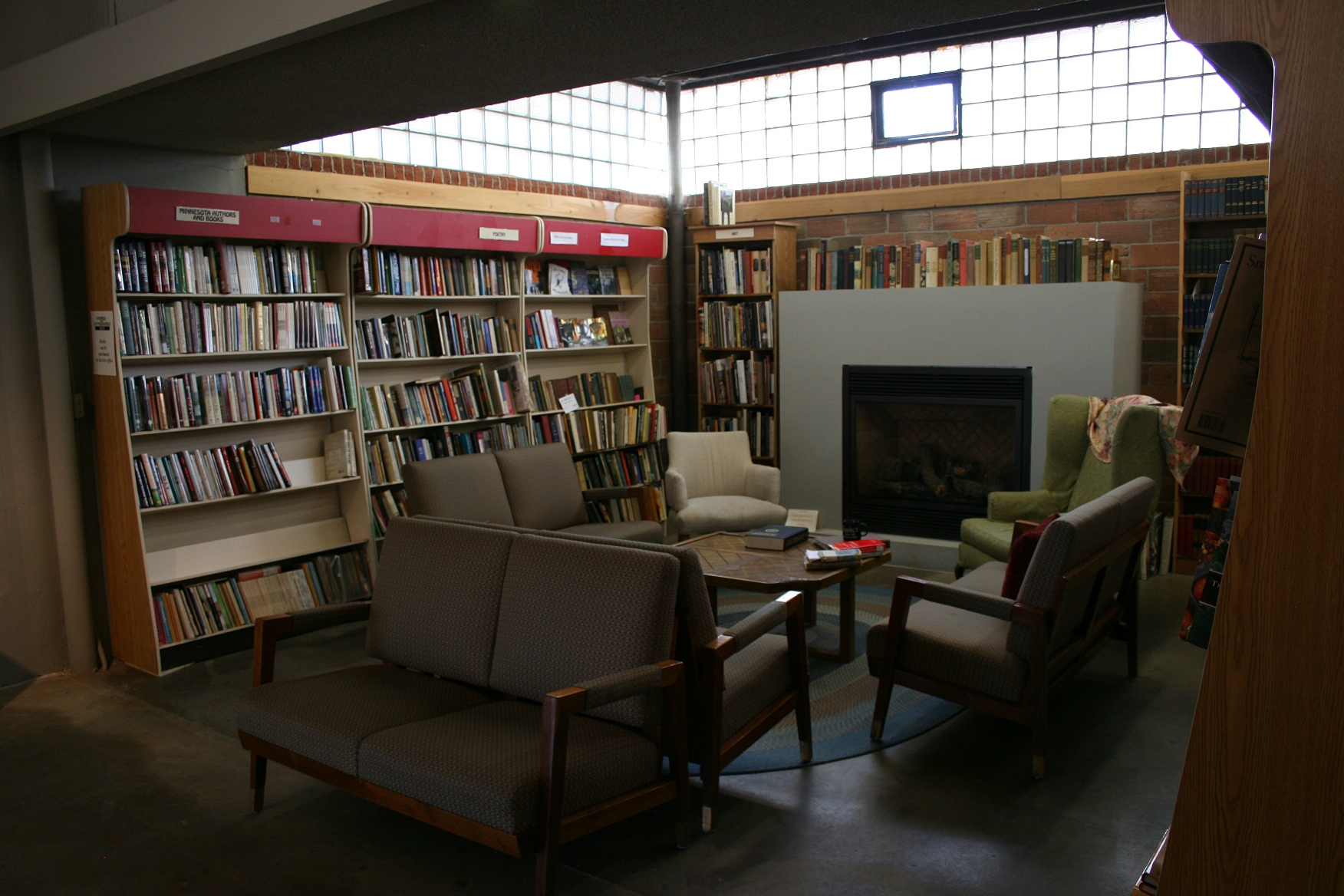
Here are a few more photos of that inviting bookstore inside the Rural America Arts Center and of downtown Plainview.

Theater books for sale.

Theater books for sale.

A cozy bookstore nook.

A cozy bookstore nook.

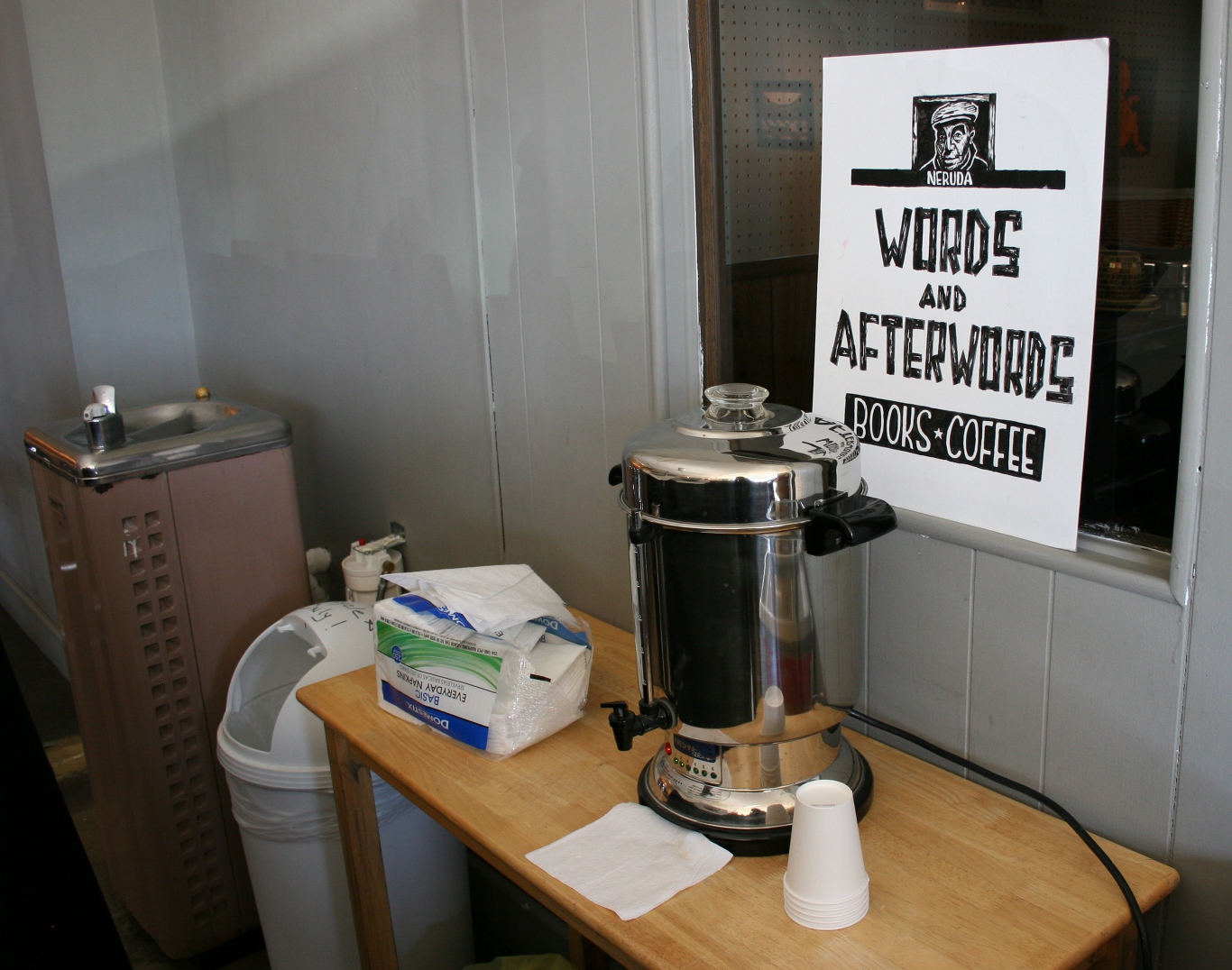
Loved this bookstore signage by the coffee pot up front.

Loved this bookstore signage by the coffee pot up front.

Across the street from the arts center.

Across the street from the arts center.

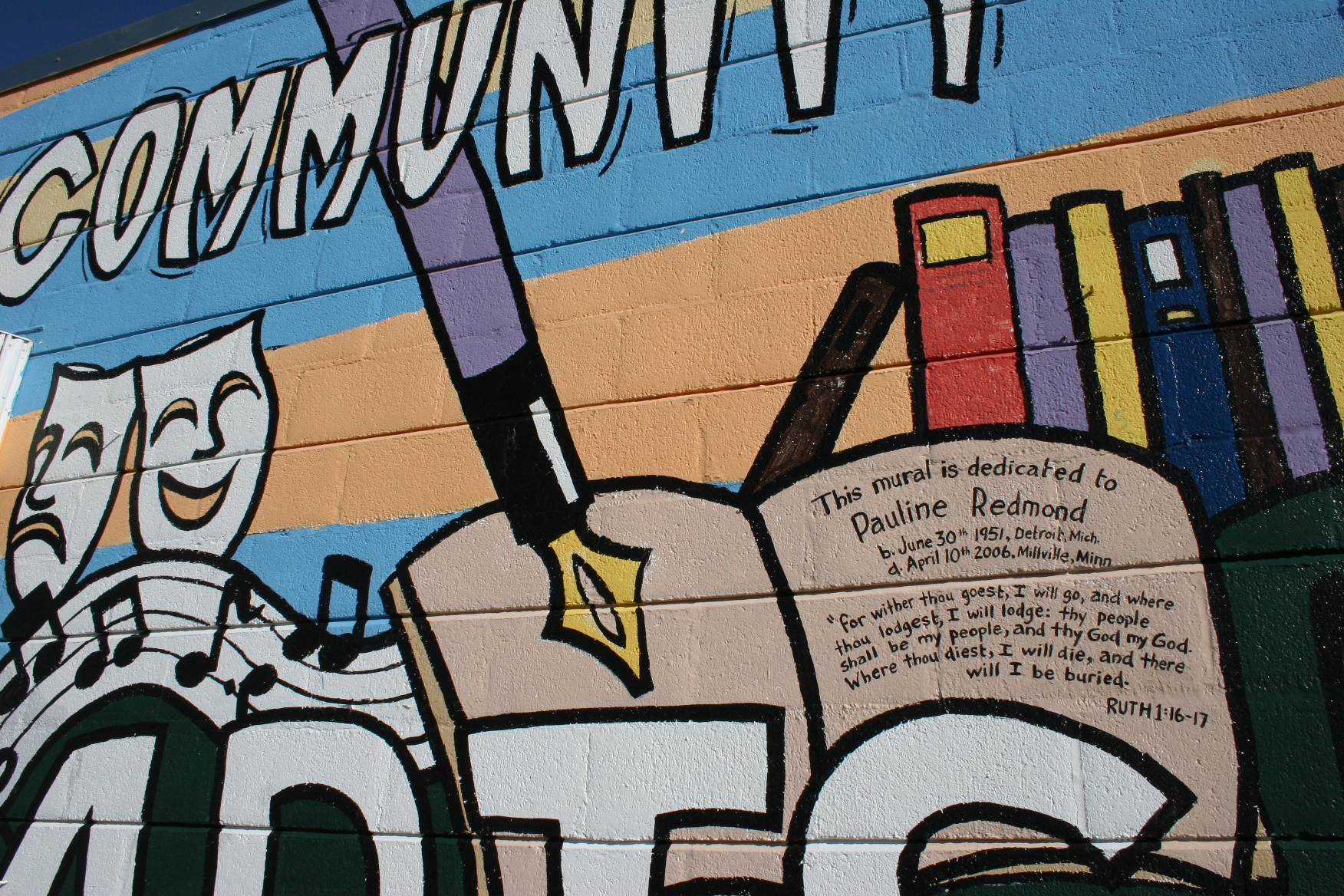
Meaningful mural details.

Meaningful mural details.

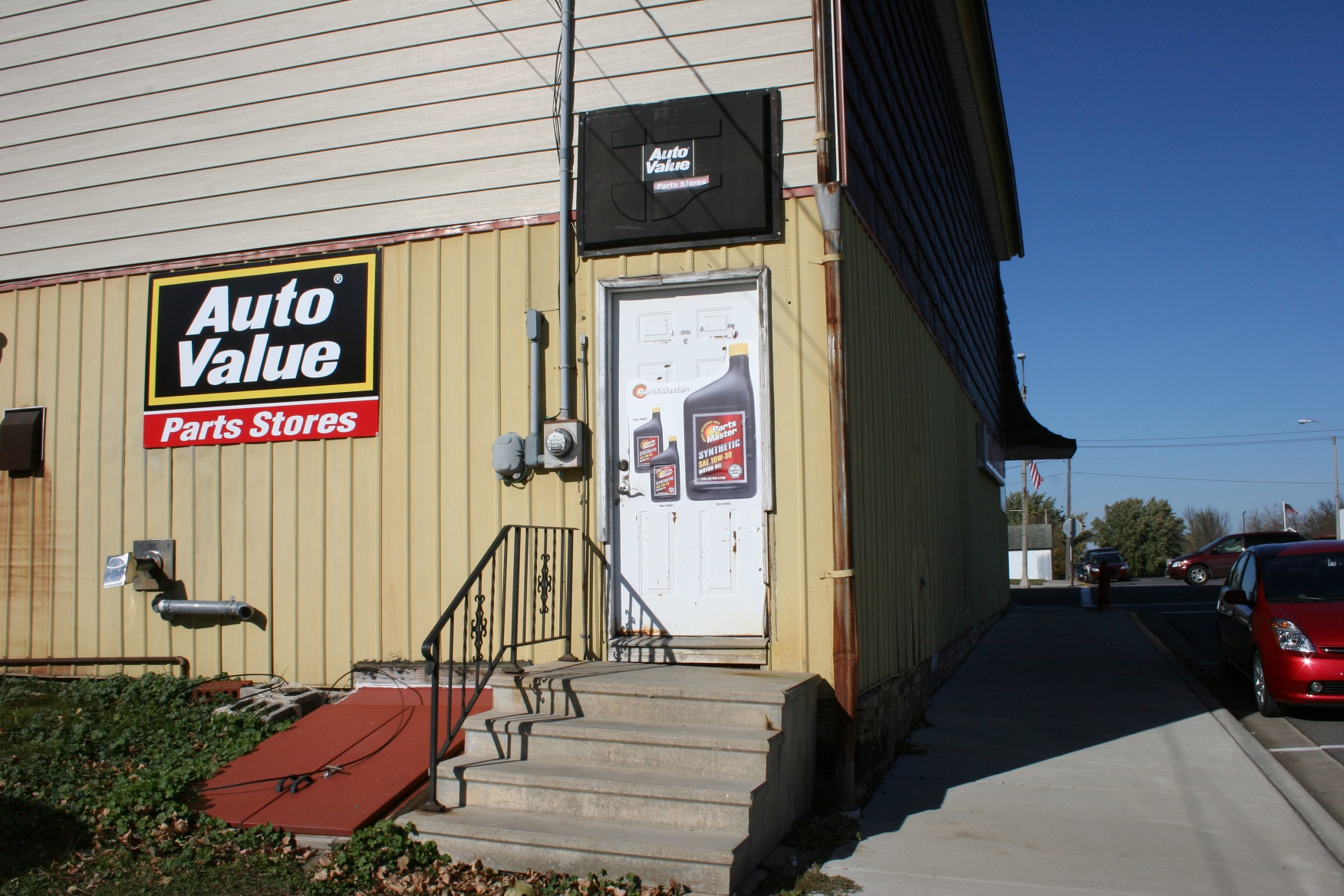
The back of Auto Value, across the street also from the arts center.

The back of Auto Value. If you walk up the sidewalk, cross the street and go left, you will find the arts center.

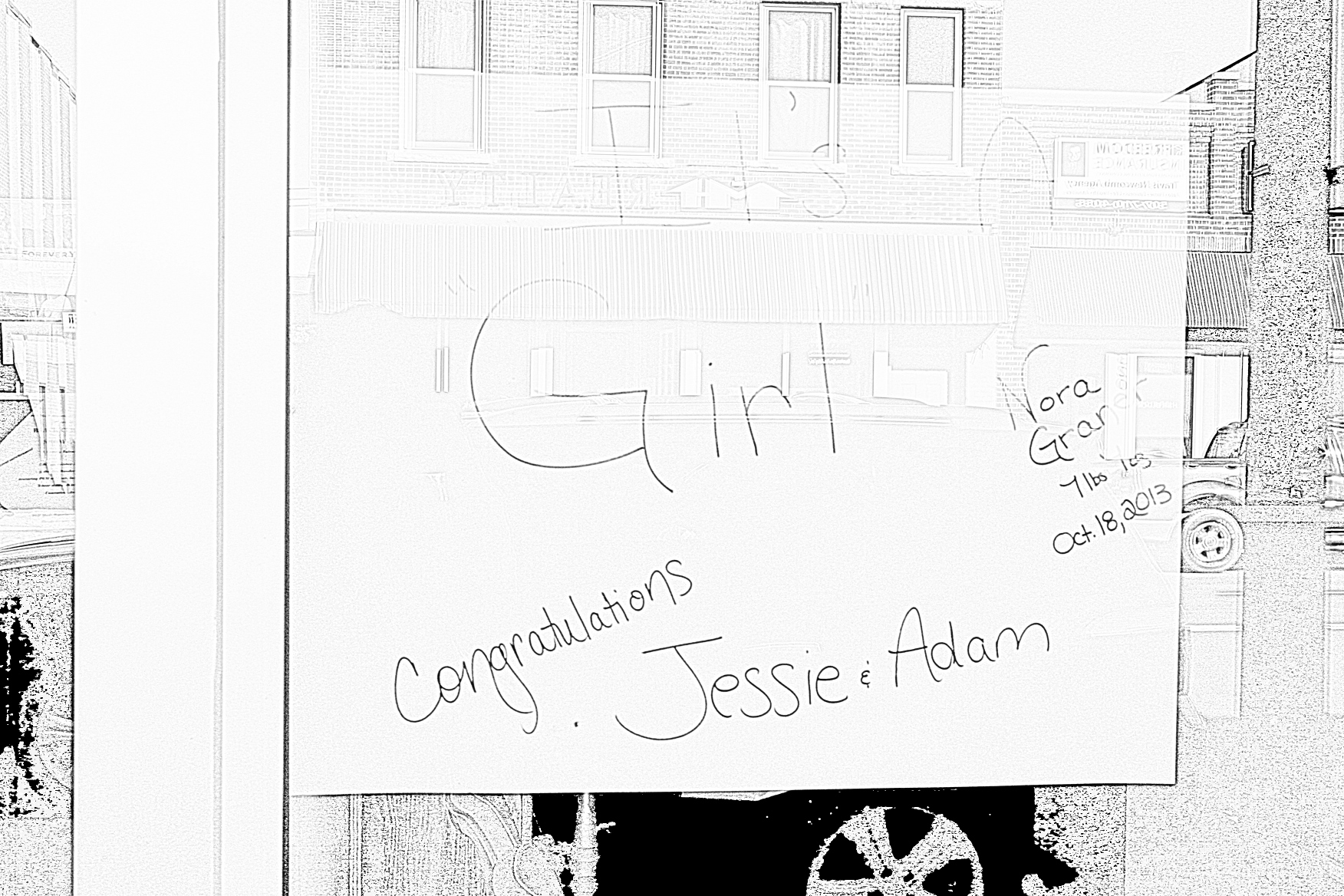
A birth announcement in the front window of a downtown business, converted to black-and-white so it's readable.

A birth announcement in the front window of a downtown business, edited to photocopy black-and-white so it’s readable.

© Copyright 2013 Audrey Kletscher Helbling
 

In Paul Bunyan land: Hackensack hosts art and book fest August 16, 2013

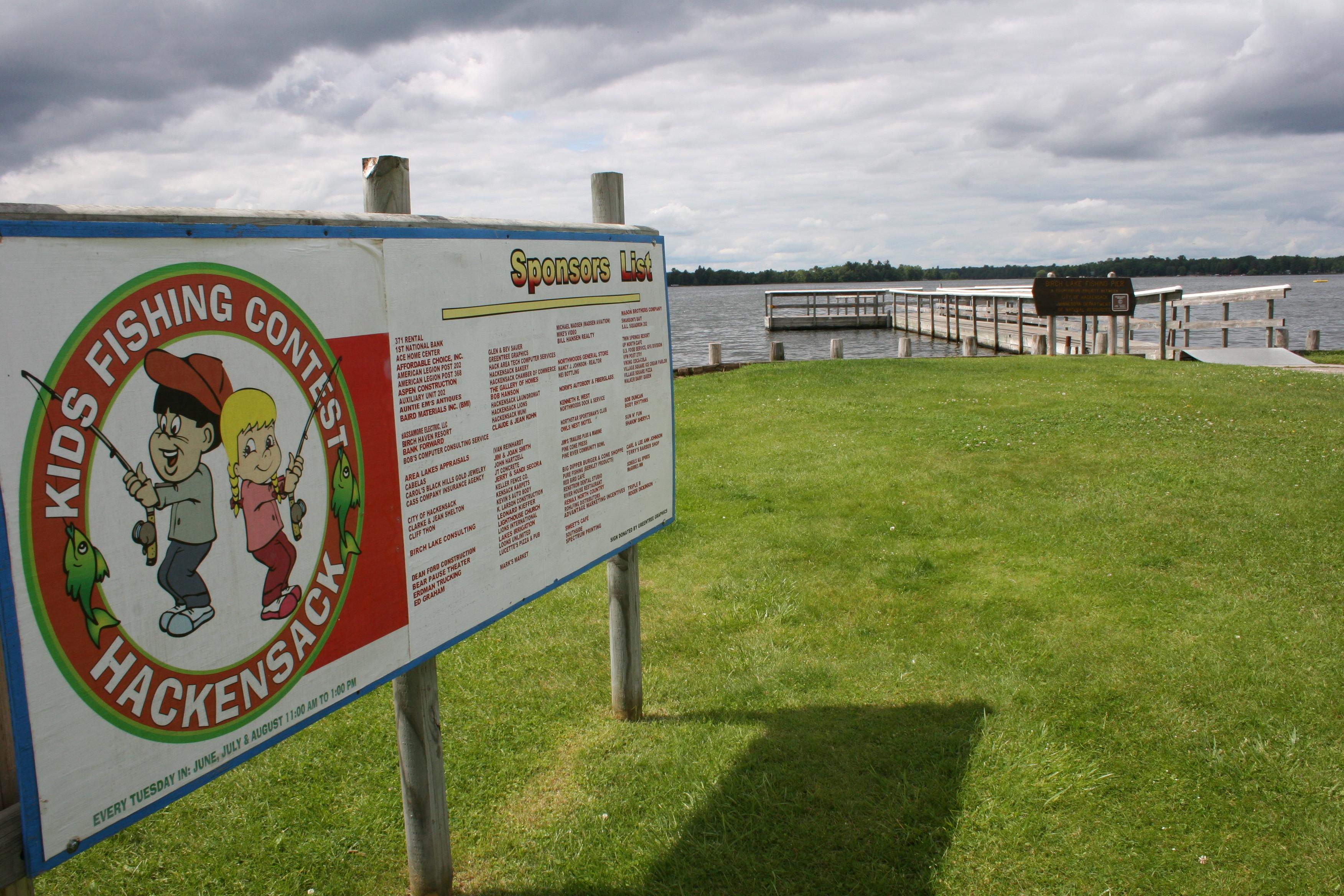
Every Tuesday during the summer months, Hackensack hosts a kids' fishing contest.

Every Tuesday during the summer months, Hackensack hosts a kids’ fishing contest on Birch Lake. Minnesota Prairie Roots file photo.

IT’S A SWEET SMALL TOWN snugged in Minnesota’s northwoods north of Brainerd, half way to Bemidji.

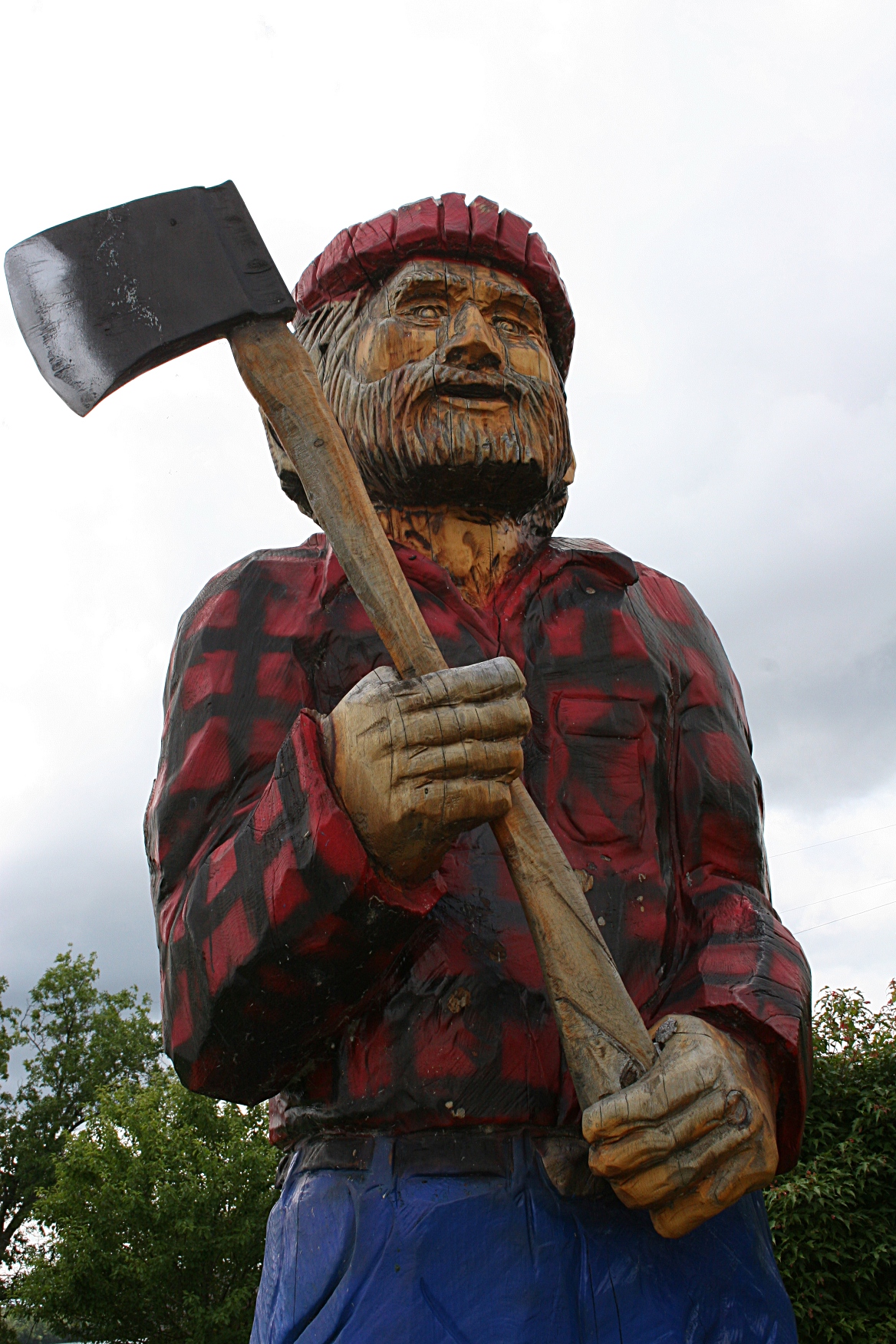
This would be lumberjack Paul Bunyan.

This would be lumberjack Paul Bunyan. Minnesota Prairie Roots file photo.

You’ll find statues of legendary Paul Bunyan here…

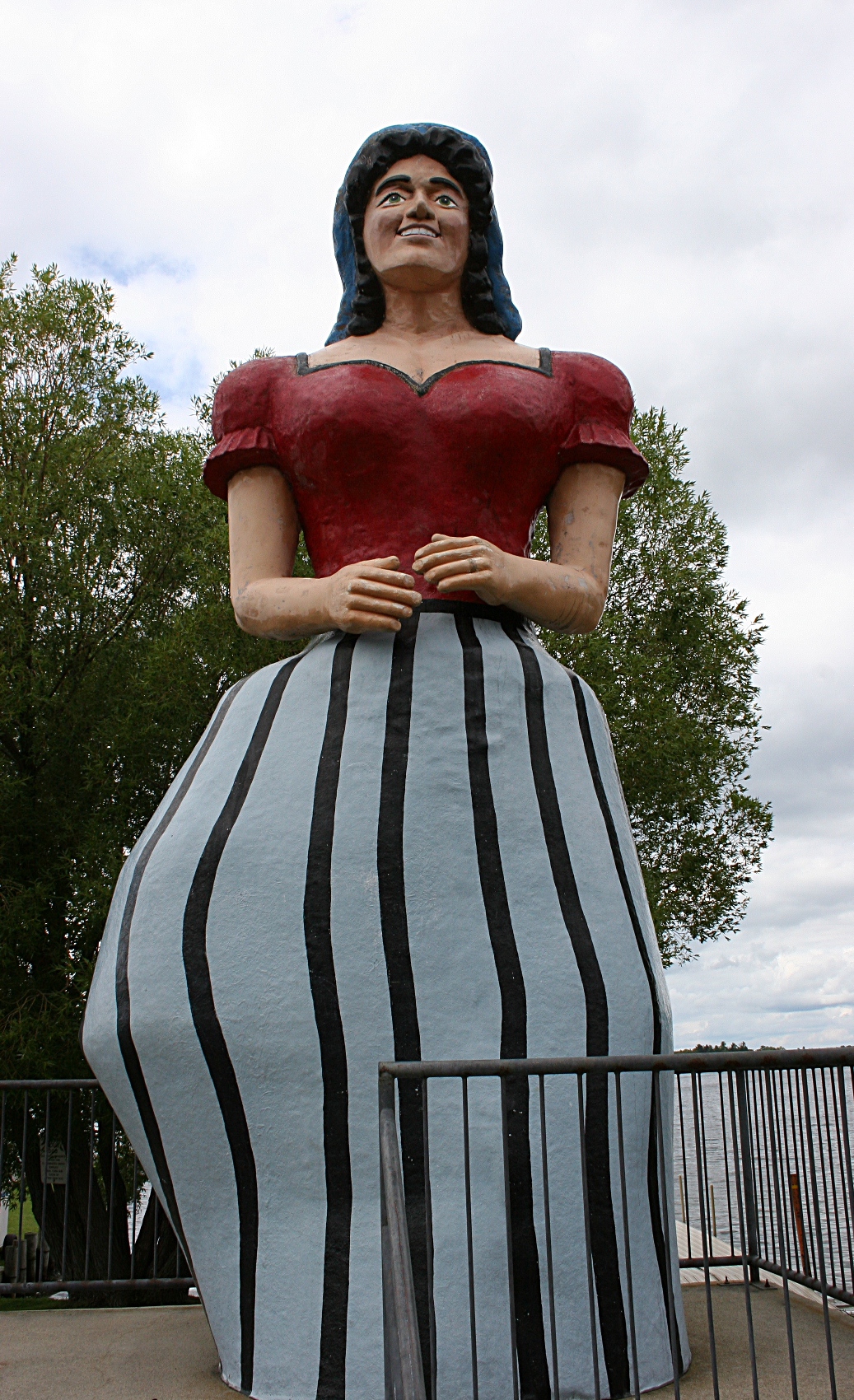
Paul Bunyan's sweetheart, Lucette, stands next to the library along Birch Lake.

Paul Bunyan’s sweetheart, Lucette, stands next to the library along Birch Lake. Minnesota Prairie Roots file photo.

and of his bride, Lucette. She stands near Birch Lake, next to an old log cabin that houses a library run by volunteers.

Several summers ago I photographed this log cabin library in Hackensack.

The Hackensack library. Minnesota Prairie Roots file photo.

It’s no wonder Hackensack, home to not quite 300 permanent and who knows how many seasonal residents, will host its 18th annual Northwoods Art & Book Festival from 9 a.m. – 3 p.m. this Saturday, August 17.

I’ll be there. Sort of.

I’ve submitted two poems to the Sixth Annual Poetry Display/Recognition, as I’ve done for several years.

Fest-goers can peruse the poems inside the Union Congregational Church and vote for their favorites for the six Popular Choice awards. The poetry committee will also select six Works of Merit. Poets will read their poems beginning at 1:30 p.m. with award winners announced afterward. Local newspapers will publish the winning poems.

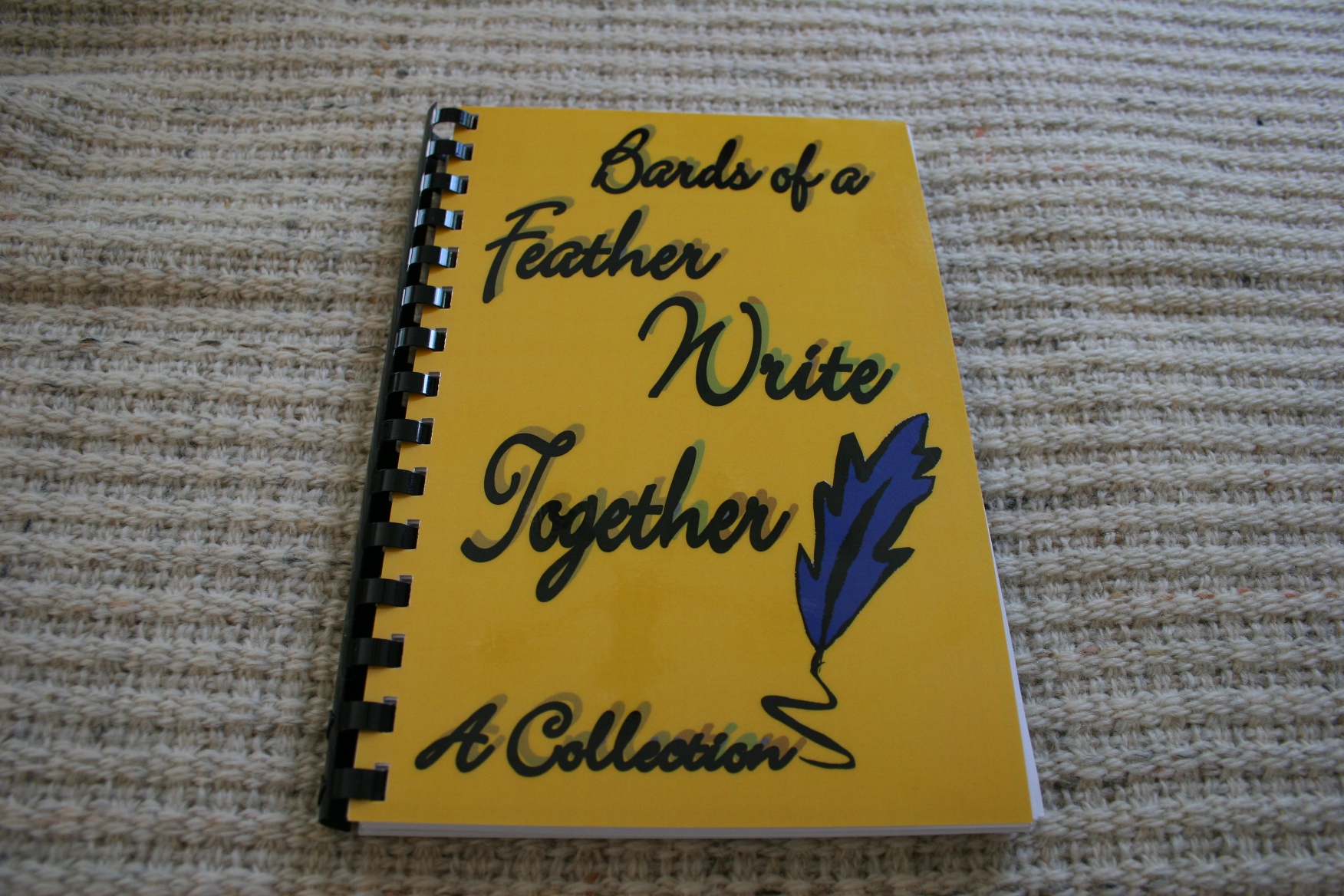
A collection of works by eight Minnesota writers.

A collection of works by eight Minnesota writers.

But there’s more. Twenty-plus Minnesota authors and poets will sign and sell their books throughout the day. Sweet. Any event that promotes Minnesota writers and artists gets my support. Among the literary offerings is Bards of a Feather Write Together—A Collection. It features the poetry, fiction and memoirs, some previously published, of eight Minnesota writers, all members of the writing group Bards of a Feather. I am currently reading this debut anthology and thoroughly enjoying the variety of voices and content therein.

Visual artists will also be part of the Hackensack fest, selling their original artwork. Original and created by the artist. No resale items. Splendid.

No Minnesota festival is complete without food, which you’ll find in the food court.

I wish I could join this celebration of Minnesota writers and artists. But distance and previous commitments won’t allow me to be there. My poems will have to do. For this year.

FYI: For more information, click here to reach the Northwoods Arts Council website. The council is the festival sponsor.

DISCLAIMER: I received a complimentary copy of Bards of a Feather Write Together for review purposes.

Copyright 2013 Audrey Kletscher Helbling
 

Walnut Grove mural bridges cultures July 18, 2013

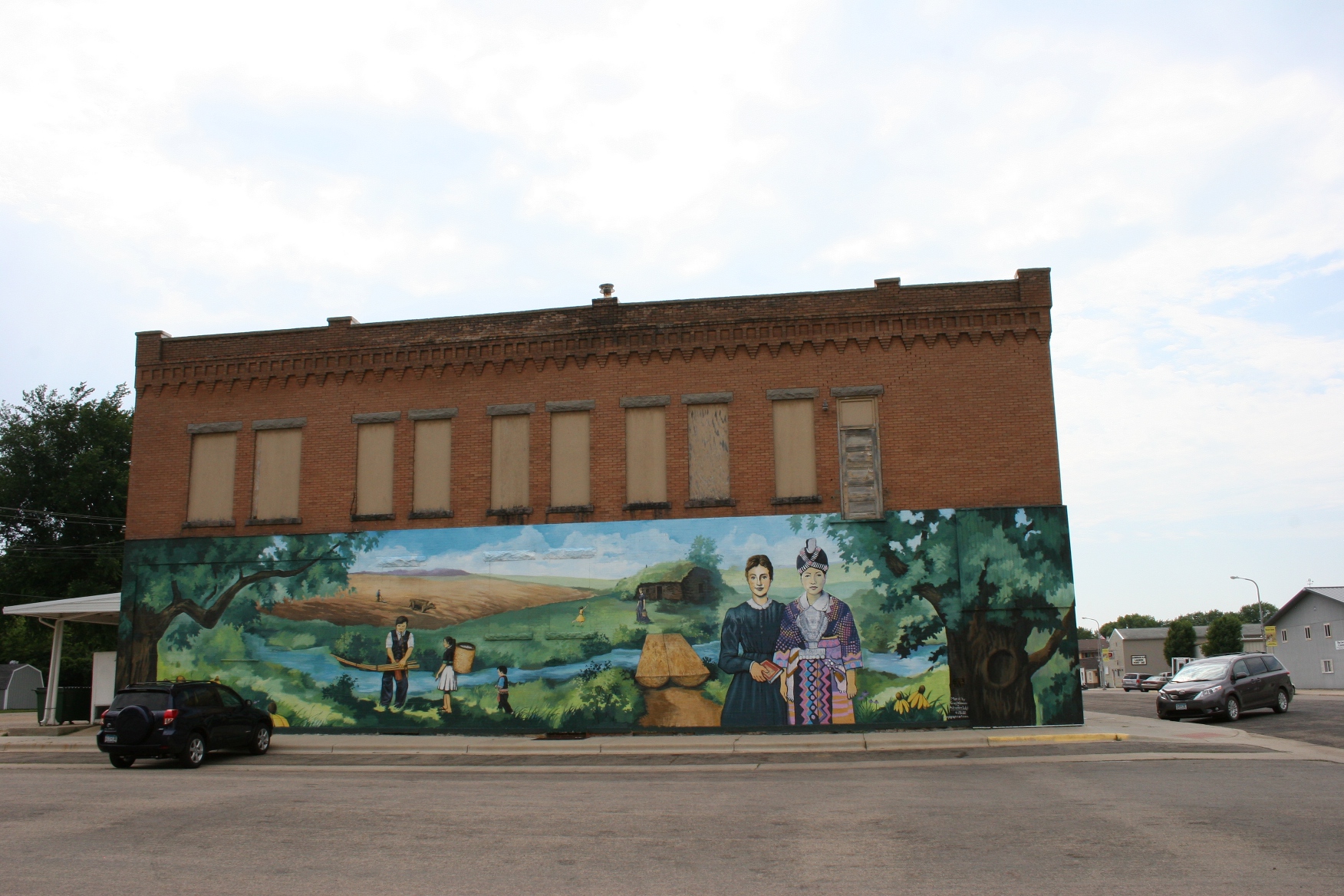
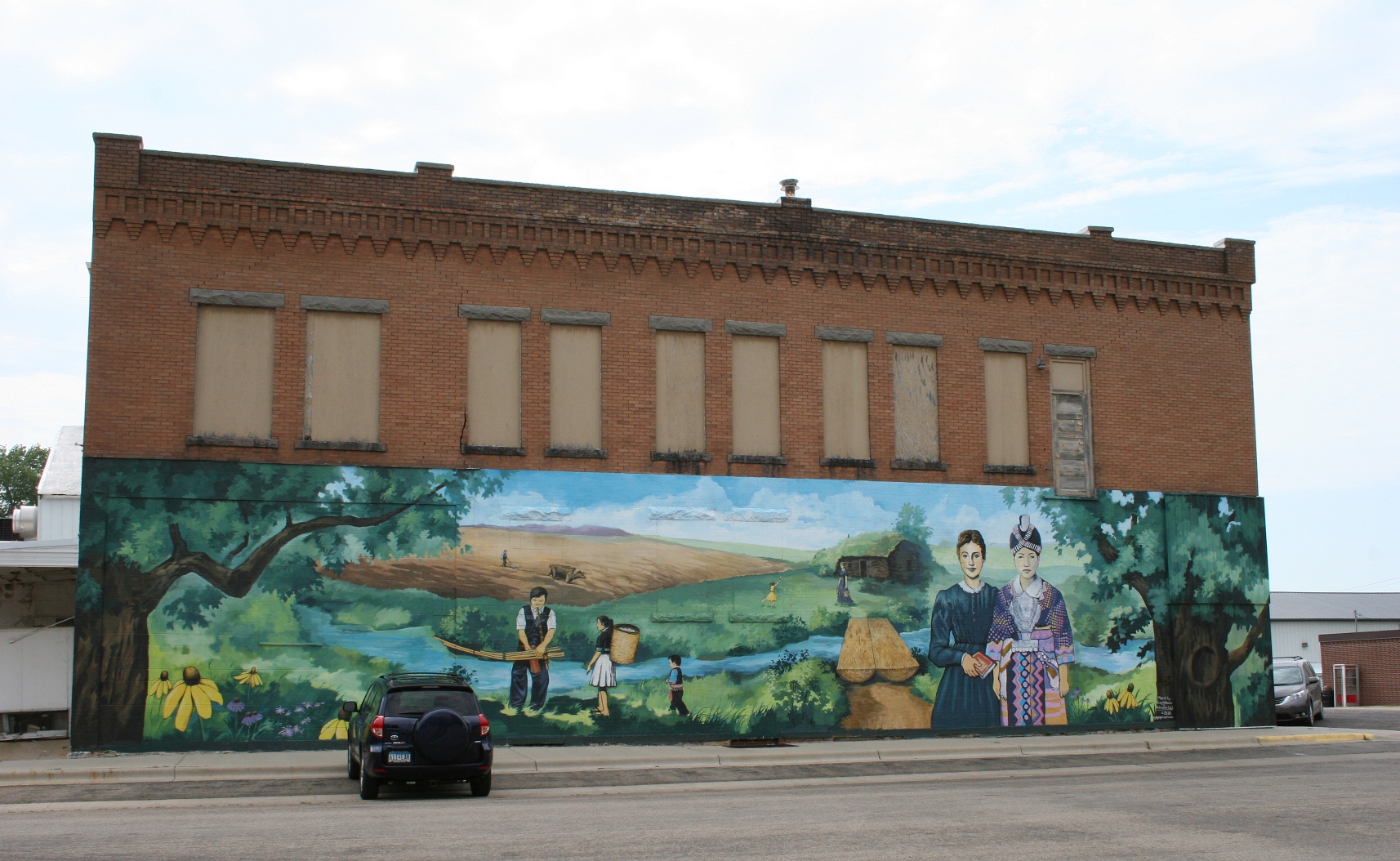
Rochester artist Greg Wimmer was commissioned to paint this mural last summer in downtown Walnut Grove.

Rochester artist Greg Wimmer was commissioned to paint this mural last summer in downtown Walnut Grove.

MY NEPHEW, ADAM KLETSCHER, who lives and teaches in Walnut Grove, told me to check out the new mural downtown when I recently visited this southwestern Minnesota community. So, after leaving the Family Festival during the town’s annual celebration of Laura Ingalls Wilder’s Little House books, I stopped to photograph the 20-foot by 78-foot painting on the east side of Bubai Foods along Main Street.

Being a bit rushed, I failed to photograph the front of the building housing a combination Asian and American food market. And I didn’t have time to go inside and ask questions.

Later I connected with Terry Yang, who moved to Walnut Grove in 2001 from St. Paul, opened the Asian portion of Bubai Foods in 2003 and purchased the American foods side in 2005.

Yang is among the estimated 30 percent of Walnut Grove’s 870 residents of Hmong ethnicity. The Hmong first came to this rural area in 2000, Yang says, to settle in a quiet small town with affordable housing (“We don’t have to lock our houses or cars here,” he says) in a landscape similar to their native Laos.

Walnut Grove is now home to retired Hmong and to young people employed mostly at factories in nearby Marshall, Wabasso and Worthington.

The mural in progress. Photo courtesy of Greg Wimmer.

The mural in progress. Photo courtesy of Greg Wimmer.

It is that infusion of Laotian immigrants that figured in to the design of the community-supported mural painted last summer by Greg Wimmer of Rochester based Wimmer Illustration and Design with assistance from Adrienne Lobl. Mural sponsors included individuals, local businesses and the Laura Ingalls Wilder Museum.

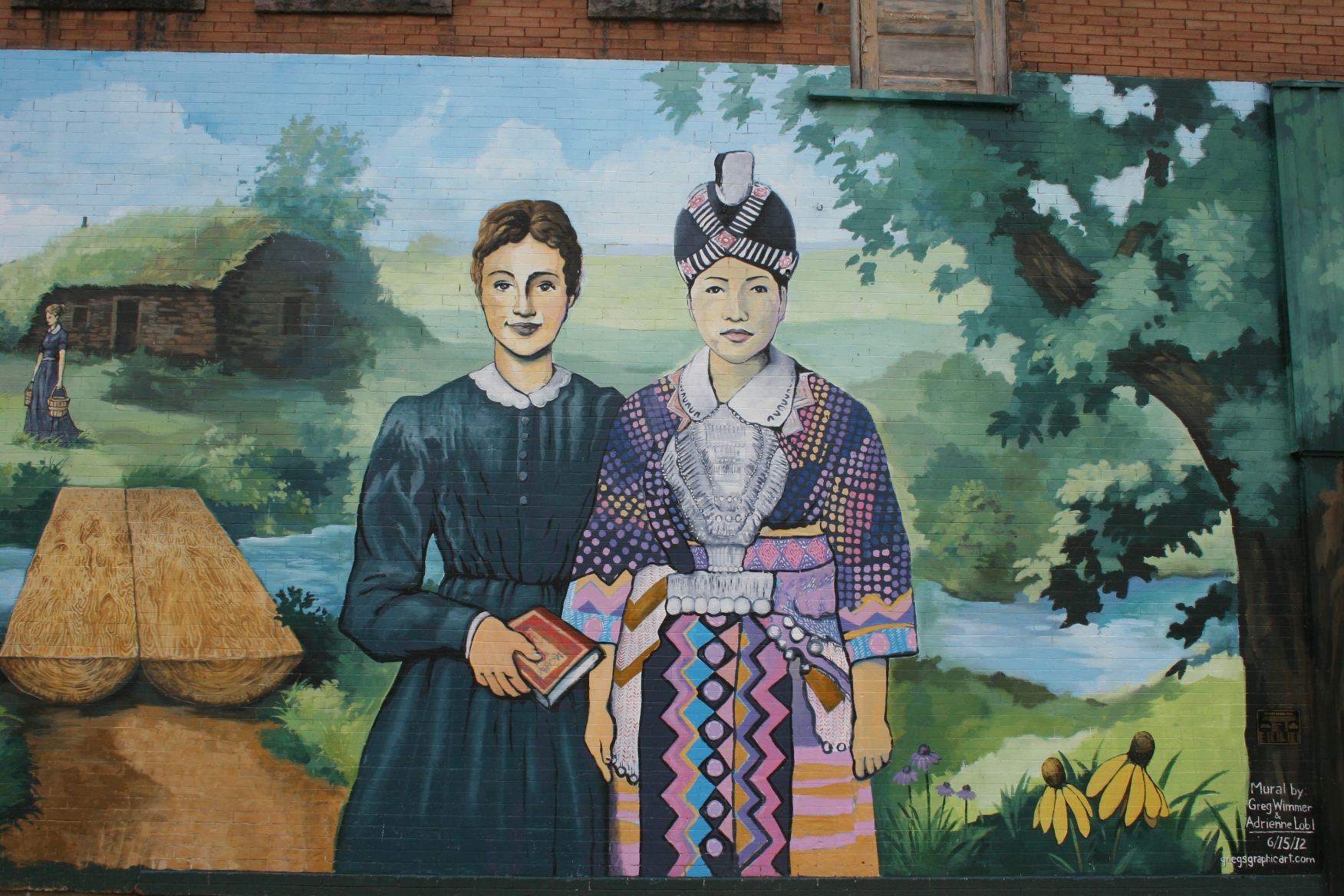
This snippet of the mural shows Laura Ingalls Wilder as a teacher next to a Hmong woman. To the left is the log bridge spanning Plum Creek, where the Ingalls family lived in a dug out.

This snippet of the mural shows Laura Ingalls Wilder as a teacher standing next to a Hmong woman. To the left is the log bridge spanning Plum Creek, where the Ingalls family lived in a sod house.

The painting, Yang says, shows the similarities between Laos and Walnut Grove and also melds the new Hmong culture and the pioneer history of this Minnesota community. For example, Laura Ingalls and a Hmong woman stand side by side, one in a simple lace-collared prairie dress, the other in intricate and colorful traditional celebratory Hmong attire reserved for special occasions like weddings and New Year’s celebrations.

Wimmer worked with the Hmong community, integrating many of their suggestions in to the design. A log bridge spanning Plum Creek, part of an original Ingalls family mural here which had faded and was in need of repair, was incorporated in to the new work and represents the bridging of two cultures, according to the artist.

“My personal opinion is that it (the mural) makes a statement about the changes in the community without saying a word,” Wimmer says.

In the foreground a Hmong man plays a bamboo flute near a rice field as his daughter carries a basket. In the background, a pioneer  busts sod with a an ox and a plow.

In the foreground, left, a Hmong man plays a bamboo flute near a rice field as his daughter carries a basket. In the background, a pioneer busts sod with an ox and a plow.

Yang also references the connections between the two cultures via two farming scenes—of a pioneer man plowing a Minnesota field with an ox, similar to the water buffalo that work the land in Laos, and of a Hmong family near a rice field and shown with a basket for carrying harvested crops from farm to village.

Native prairie plants, like black-eyed Susan and coneflowers, are part of the painting.

Native prairie plants, like black-eyed Susan and coneflowers, are part of the painting.

One of the draws to Walnut Grove, Yang says, is the land available for Hmong to plant gardens. Laotian natives, like native Walnut Grove area residents, are connected to the land.

Yang has always felt welcome in southwestern Minnesota and appreciates the mural showcasing the changes in his community, which now includes, he says, “so many races.”

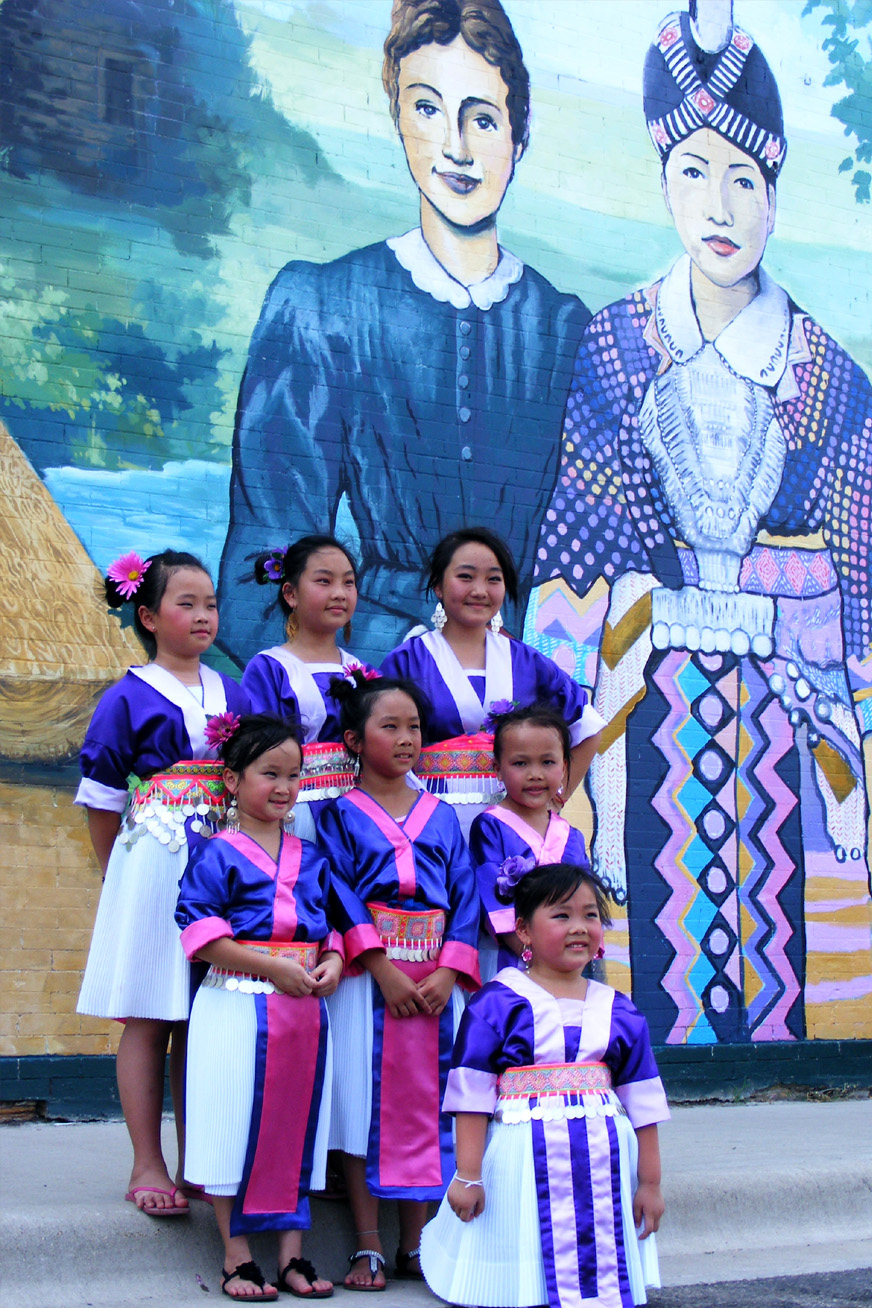
Girls in traditional Hmong dress attended the mural dedication last year.

Girls in traditional Hmong dress attended the mural dedication last year. Photo courtesy of Greg Wimmer.

FYI: Hmong dancers will be among entertainers at the Family Festival from 11 a.m. – 6 p.m. this Saturday, July 20, at the Walnut Grove City Park as part of the festivities celebrating the Little House books by Laura Ingalls Wilder. Click here to see the festival schedule.

And click here for more information about other events at the annual celebration.

BONUS PHOTOS:

Greg Wimmer painted this mural in nearby Marshall. Photo courtesy of Greg Wimmer.

Greg Wimmer painted this mural in nearby Marshall. Photo courtesy of Greg Wimmer.

And Wimmer painted this mural in Rapid City, South Dakota. Photo courtesy of Greg Wimmer.

And Wimmer painted this mural in Rapid City, South Dakota. Photo courtesy of Greg Wimmer.

© Copyright 2013 Audrey Kletscher Helbling
 

Walnut Grove offers a kid-friendly festival at annual “Little House” celebration July 17, 2013

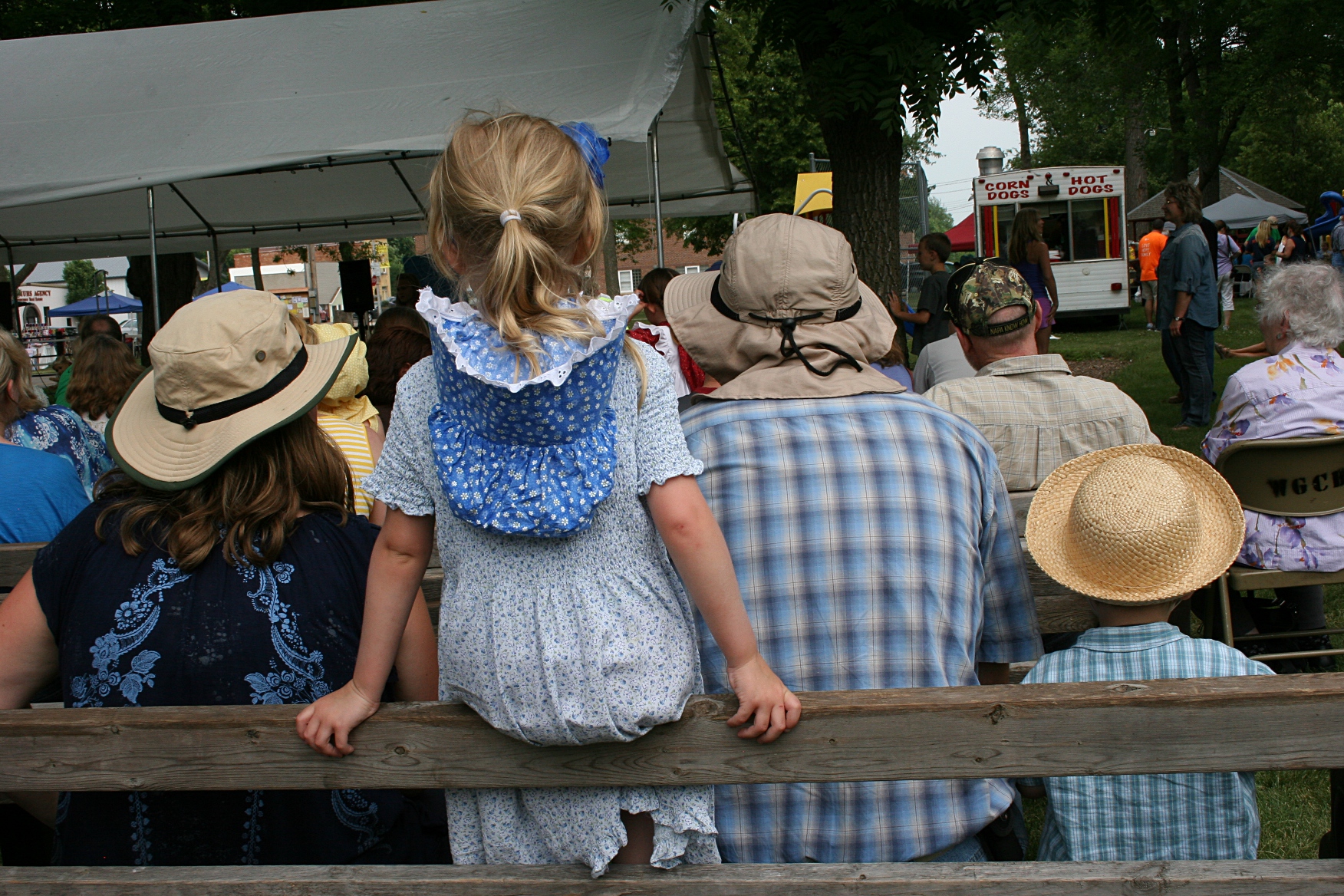
Pioneer prairie attire is the dress code of the day for all ages.

Pioneer prairie attire is the dress code of the day for all ages.

THE FAMILY FESTIVAL in Walnut Grove is exactly what you would expect—an event filled with family-friendly activities during the community’s annual celebration of Laura Ingalls Wilder’s Little House books. Arts and crafts. Book signings. Pony rides. Laura and Nellie Look-A-Like Contests. Entertainment.

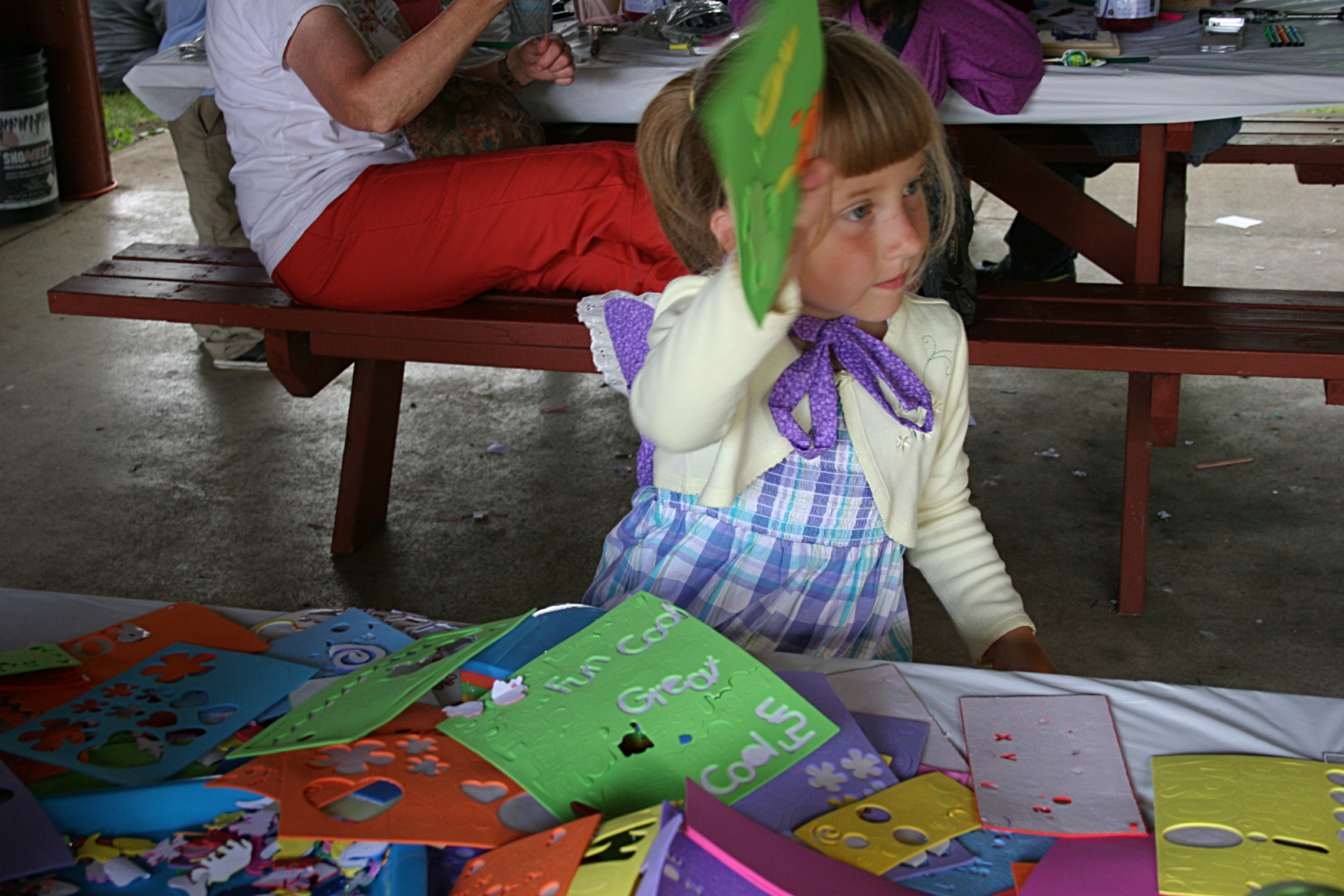
Showing Mom her art.

Showing Mom her art.

Tagging along with my 9-year-old niece, who traveled to southwestern Minnesota with her parents from Grand Forks, North Dakota, for the weekend event, I delighted in all this small town offers to families via the festival. Lots of busy and happy kids here. I’ve forgotten, though, just how quickly elementary aged youth can dart from one activity to the next.

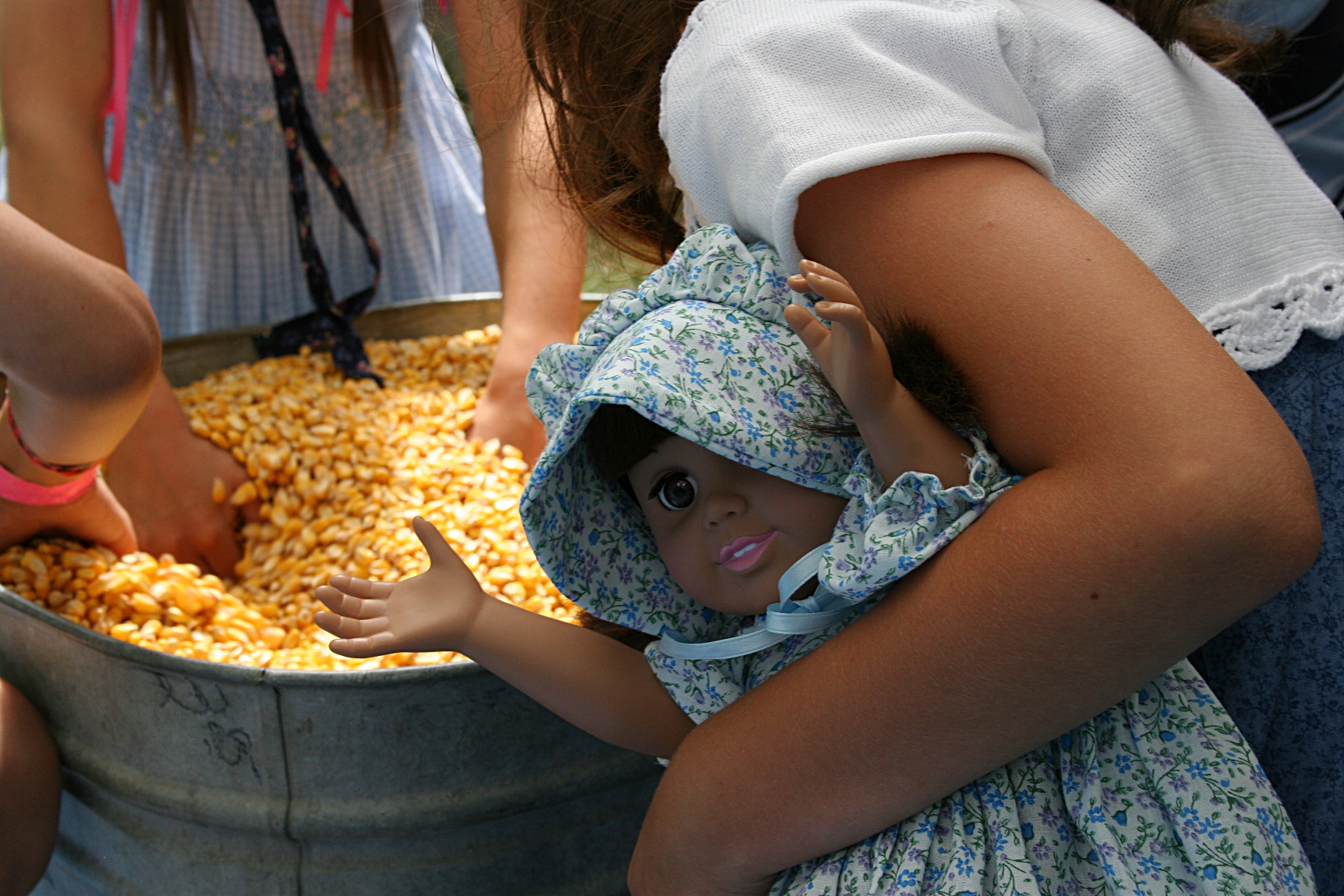
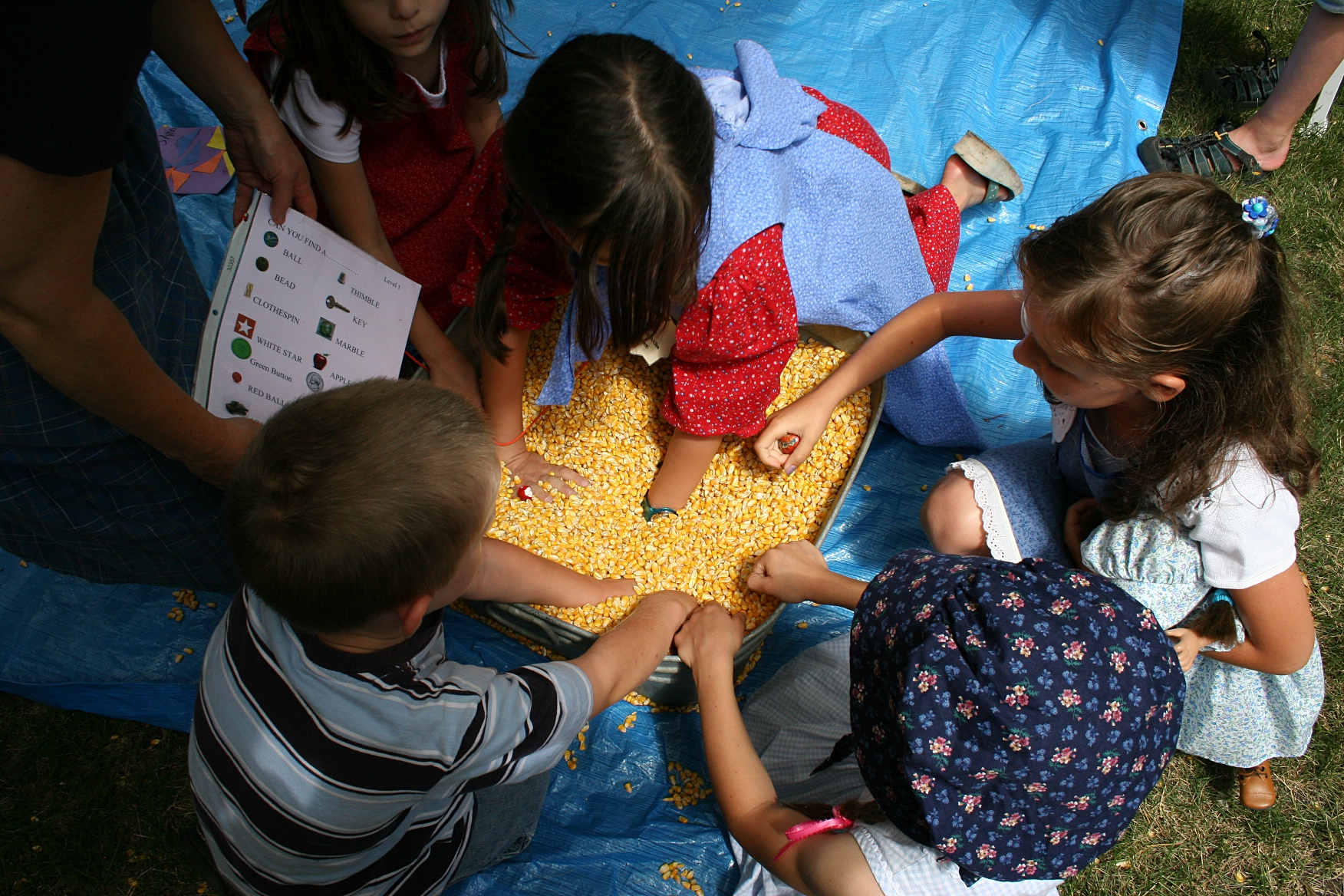
My niece keeps a tight grip on her Laura doll while sifting through corn.

My niece keeps a tight grip on her Laura doll while sifting through corn.

And Beth did just that, with me there to hold her camera and Gatorade, but, thankfully, not her Laura doll, while I also juggled my 35 mm Canon DSLR camera and an over-sized bag. It’s not easy taking photos with your hands full and a mobile niece to watch. I shot at least a few frames one-handed.

Kids, including my niece, right, dig for objects in a tub of corn.

Kids, including my niece, right, dig for objects in a tub of corn.

I managed while observing Beth sift through tubs of corn and soybeans to find hidden objects and then weave among craft stands that held her interest, but not for long. She fingered merchandise at one booth then zoomed to another.

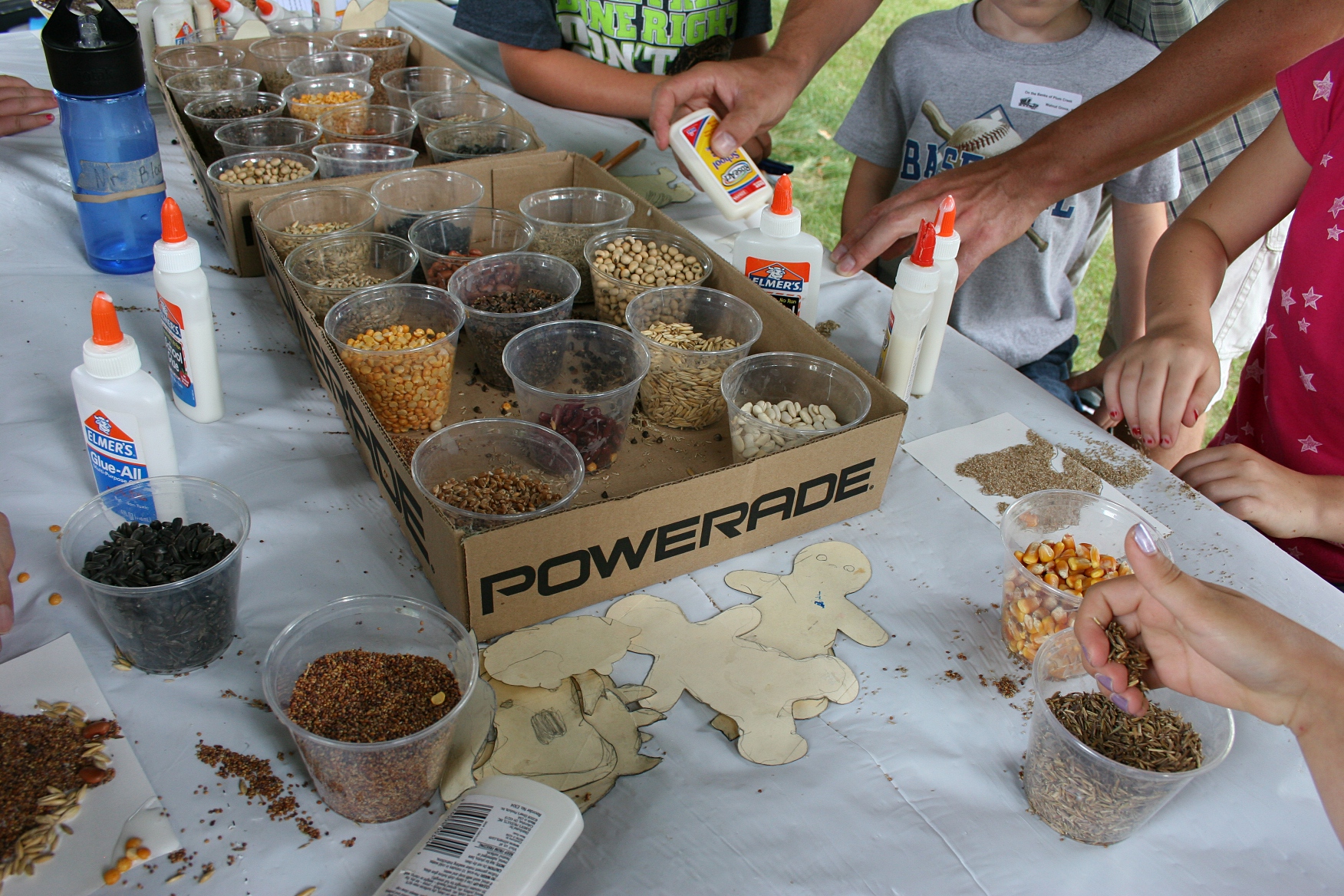
Creating seed art.

Creating seed art.

Earlier she’d created seed art, a craft I remember from my elementary school art days, days in which my teacher read the entire Little House book series to me and my classmates through the course of a school year. I attended school in Vesta, only 25 miles north of Walnut Grove, practically in the backyard of Plum Creek. To this day, the Little House books, and Wilder’s descriptive writing of the prairie landscape (she was the “eyes” for her blind sister, Mary) in the Minnesota-set volumes, remain among my favorite books. I once even penned a poem, “Prairie Sisters,” about my connection to the Little House books and the Ingalls sisters. (See poem at the end of this post.)

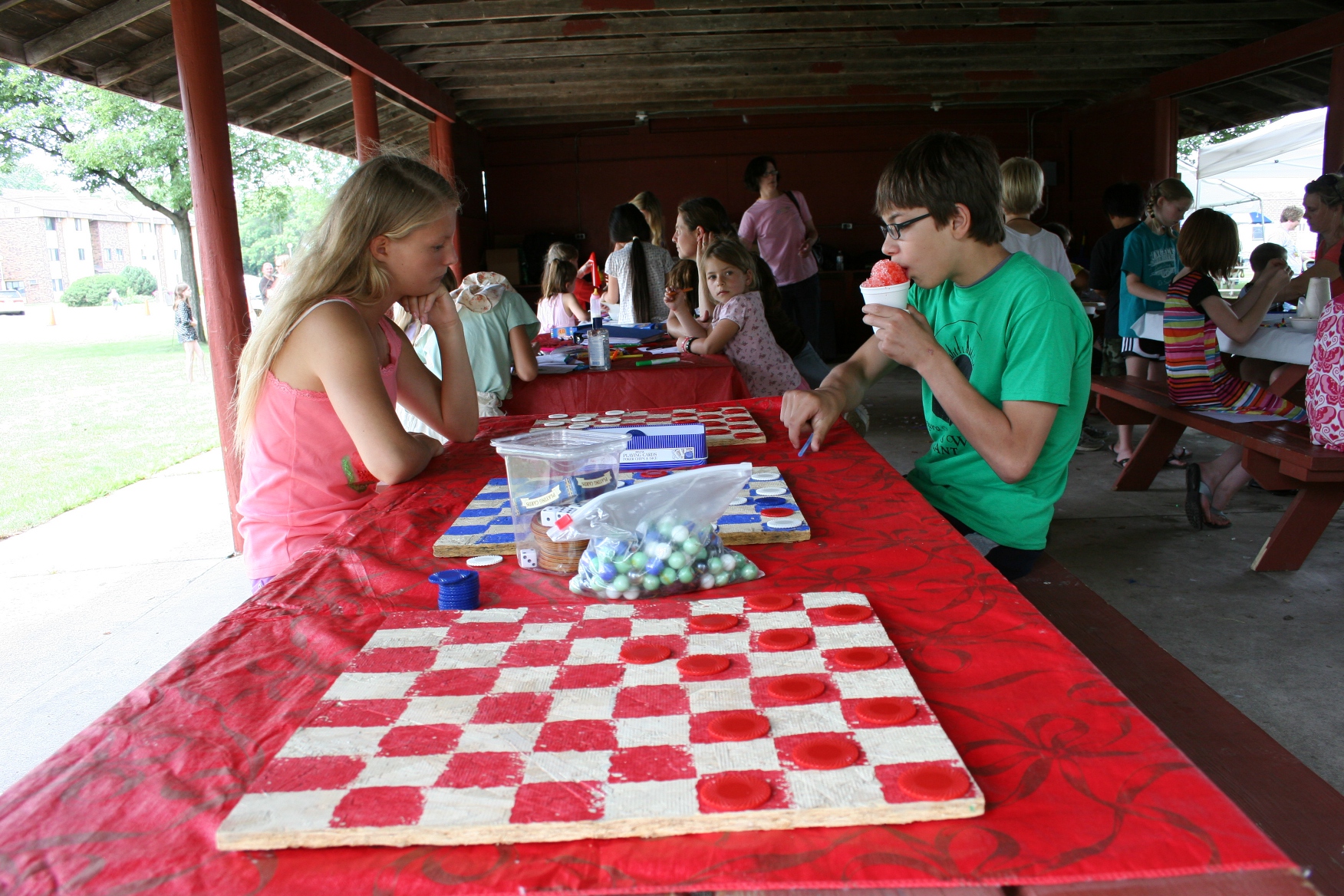
Most of the kids' activities are centered in the park shelter.

Most of the kids’ activities are centered in the park shelter.

But back to that Family Festival in Walnut Grove. Before my arrival, my niece punched a horse design onto leather at one of the many activity stations centered in and near a shelter at the city park. This festival is definitely a hands-on experience any kid, and parent, can appreciate.

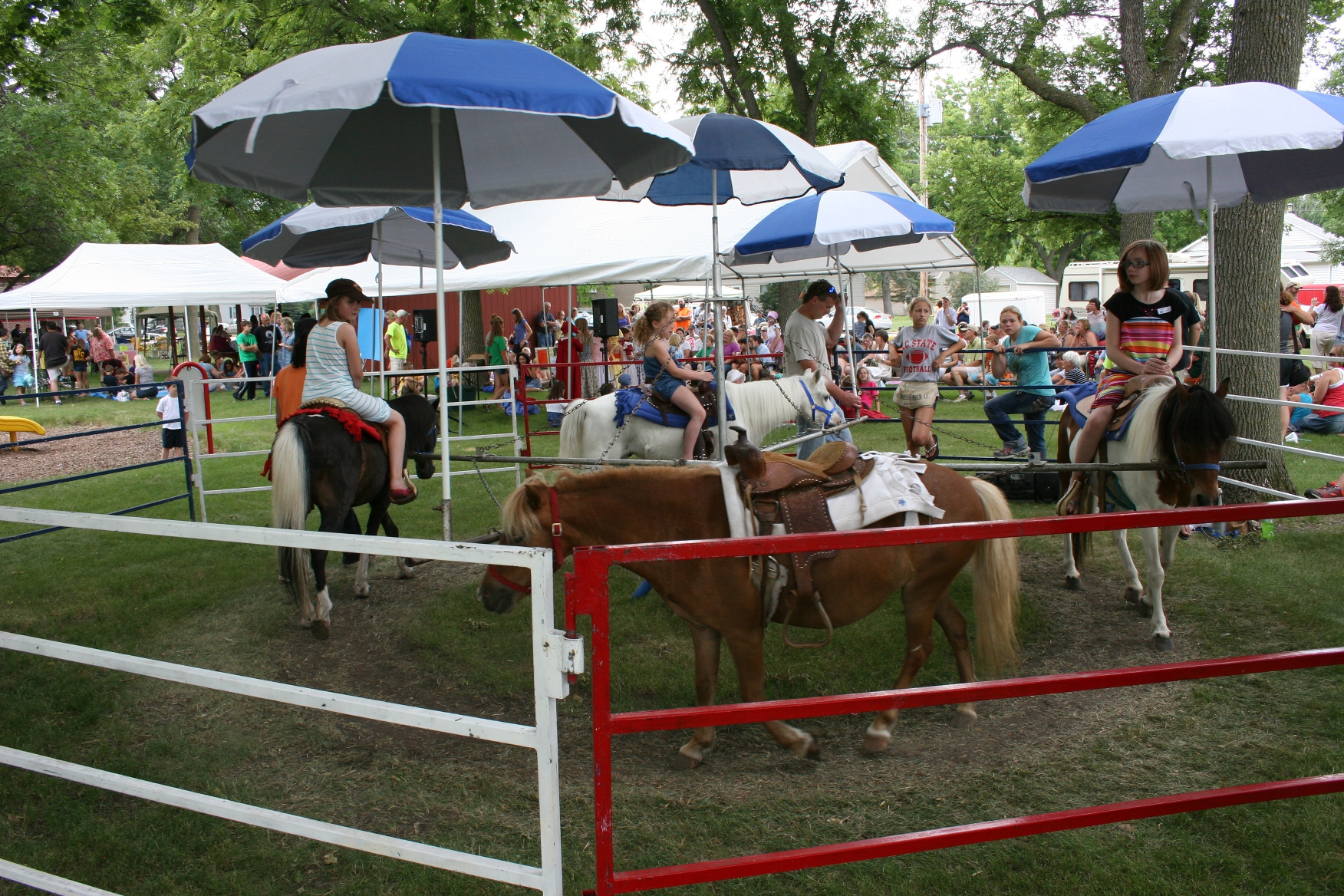
The pony ride.

The pony ride.

I hoped Beth would ride a pony at the pony ride, but she didn’t follow my hint while under my supervision, opting instead to participate in the Laura Look-A-Like Contest. (You can read about that competition by clicking here.) And that was OK.

All of you parents and grandparents out there with children who are Little House fans, you have two more weekends to wend your way to Walnut Grove for a variety of activities, including the Family Festival from 11 a.m. – 6 p.m. Saturday, July 20 and 27, in the one-block square city park.

BONUS PHOTOS:

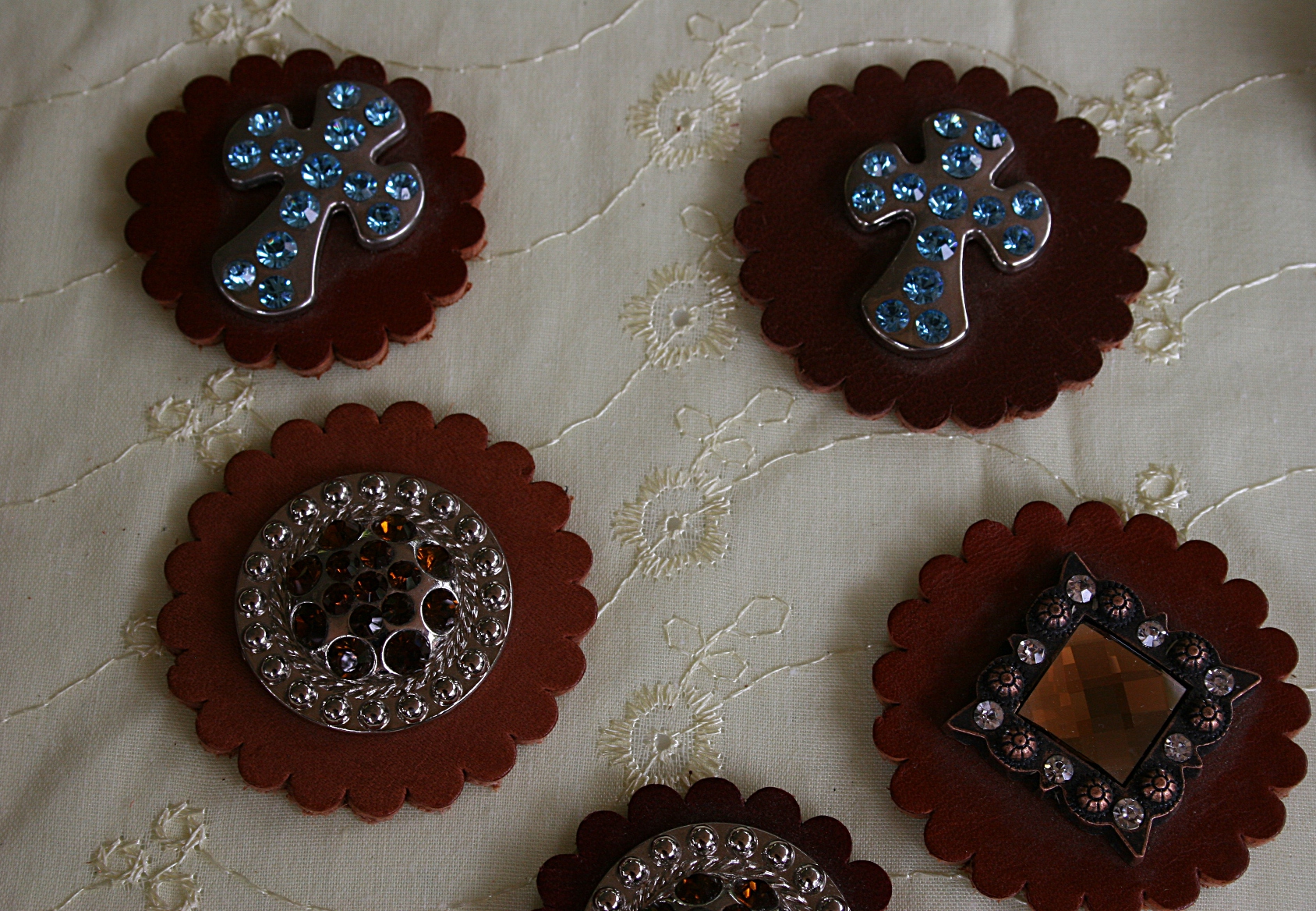
Leather art.

Leather art.

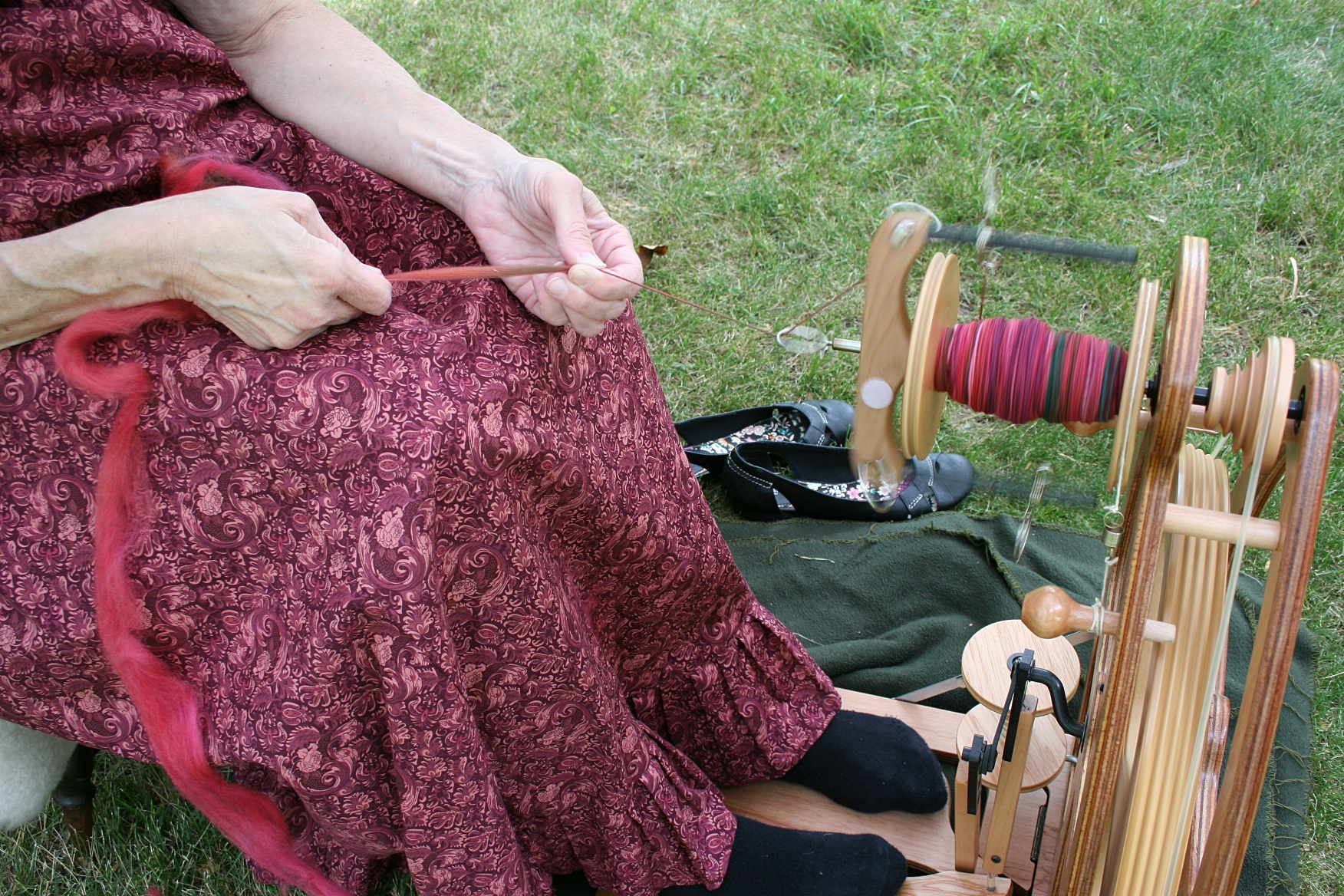
Craft demonstrations, like spinning, are part of the festivities.

Craft demonstrations, like spinning, are part of the festivities.

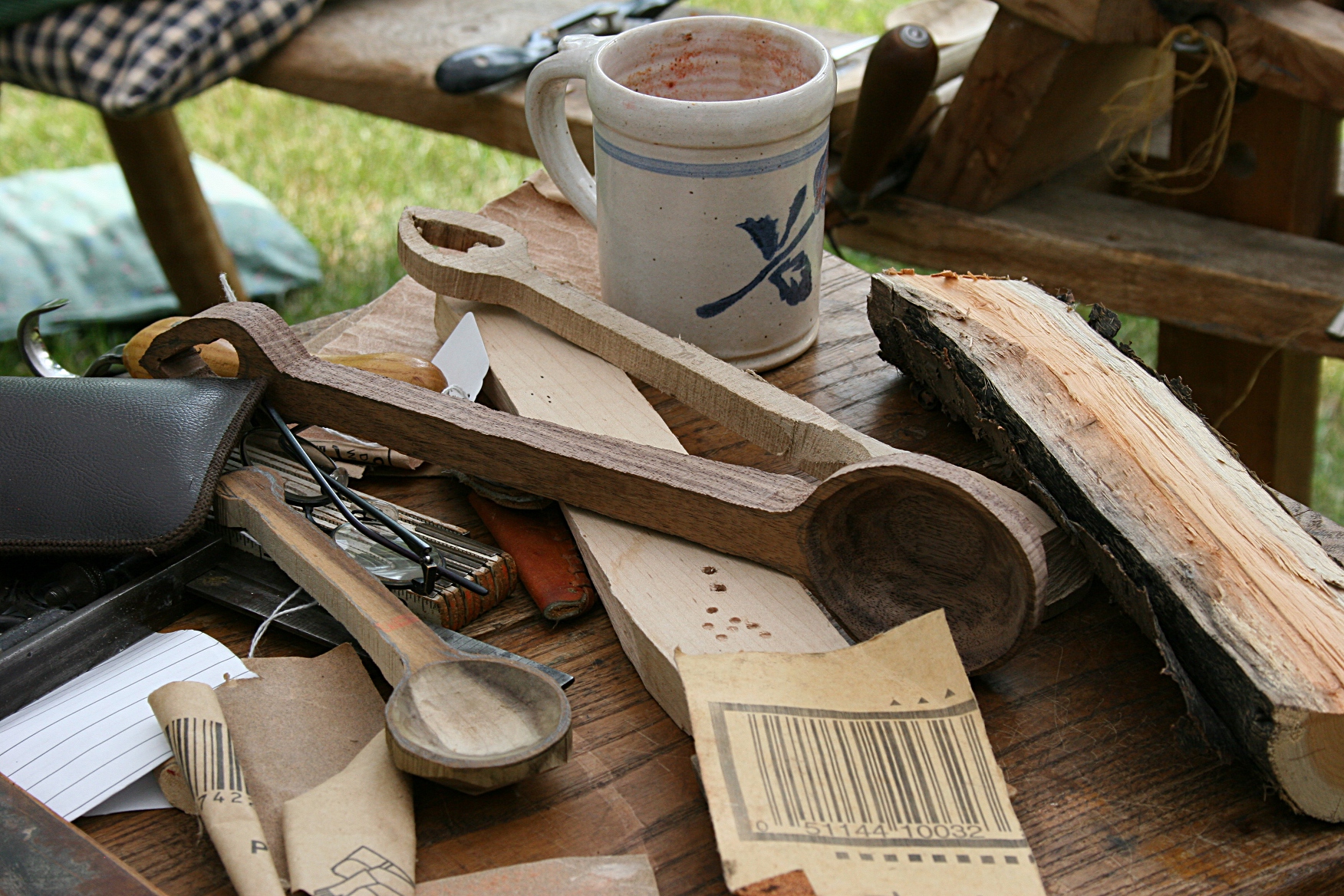
Tools and materials for crafting beautiful wooden spoons.

Tools and materials for crafting beautiful wooden spoons.

FYI: Click here to learn more about Little House themed events in Walnut Grove during the next two weekends.

AND HERE’S MY PROMISED POEM, published in 2000 in Poetic Strokes, A Regional Anthology of Poetry from Southeastern Minnesota:

Prairie Sisters

Laura and Mary splashed their way into my heart
as my fourth grade teacher waded into Plum Creek.
I felt the words sliding across my bare feet,
sticking to me like bloodsuckers between toes.

Prairie sisters, Laura and Mary, and me,
children of the wind and sky, we three.
The words swept me away from the brick walls
of school and of desks in orderly rows.

Across the rich, black soil, heavy with a farmer’s dream,
to Walnut Grove, twenty-five miles south and west,
I joined my prairie sisters on the banks of Plum Creek,
at home with the sweet scent of dark earth.

Together we turned the pages of our lives,
each day a new chapter, a new adventure.
Nellie Oleson, grasshoppers by the millions,
fire wheels and blinding, closed-in blizzards.

Years apart, yet years so close.
Prairie sisters, Laura and Mary, and me.
Rooted to a land that reaches into the soul,
bound forever by words in a book.

© Copyright 2013 Audrey Kletscher Helbling

 

Celebrating Laura Ingalls Wilder with a Laura Look-A-Like contest & more in Walnut Grove July 16, 2013

The prairie attire of girls entered in the Laura Look-A-Like Contest in Walnut Grove.

The prairie attire of girls entered in the Laura Look-A-Like Contest in Walnut Grove.

CALICO SKIRTS SKIM bare legs. Bonnets brush braids. Charlotte rag dolls tuck into crooks of arms and lunch pails dangle from clenched hands.

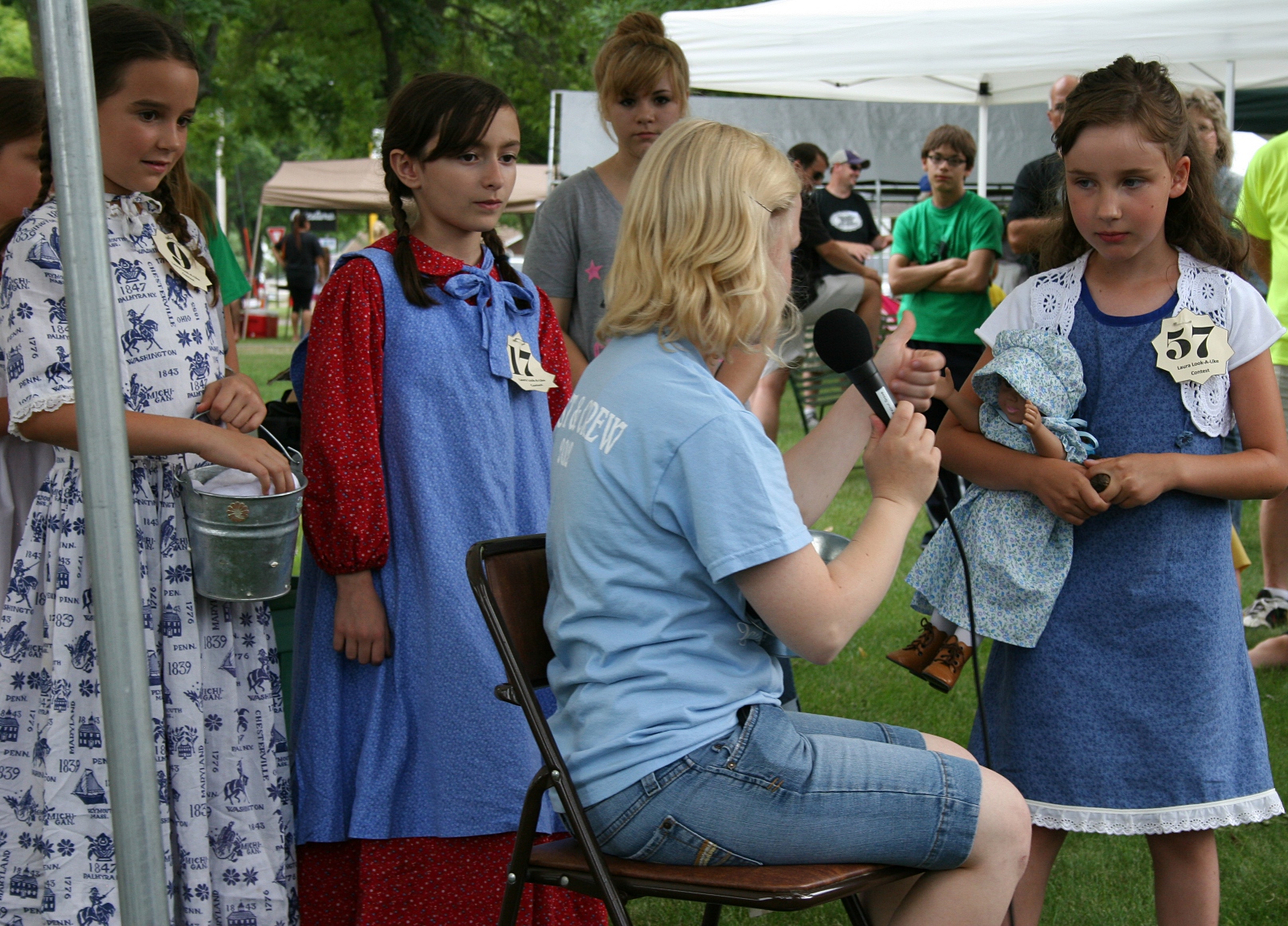
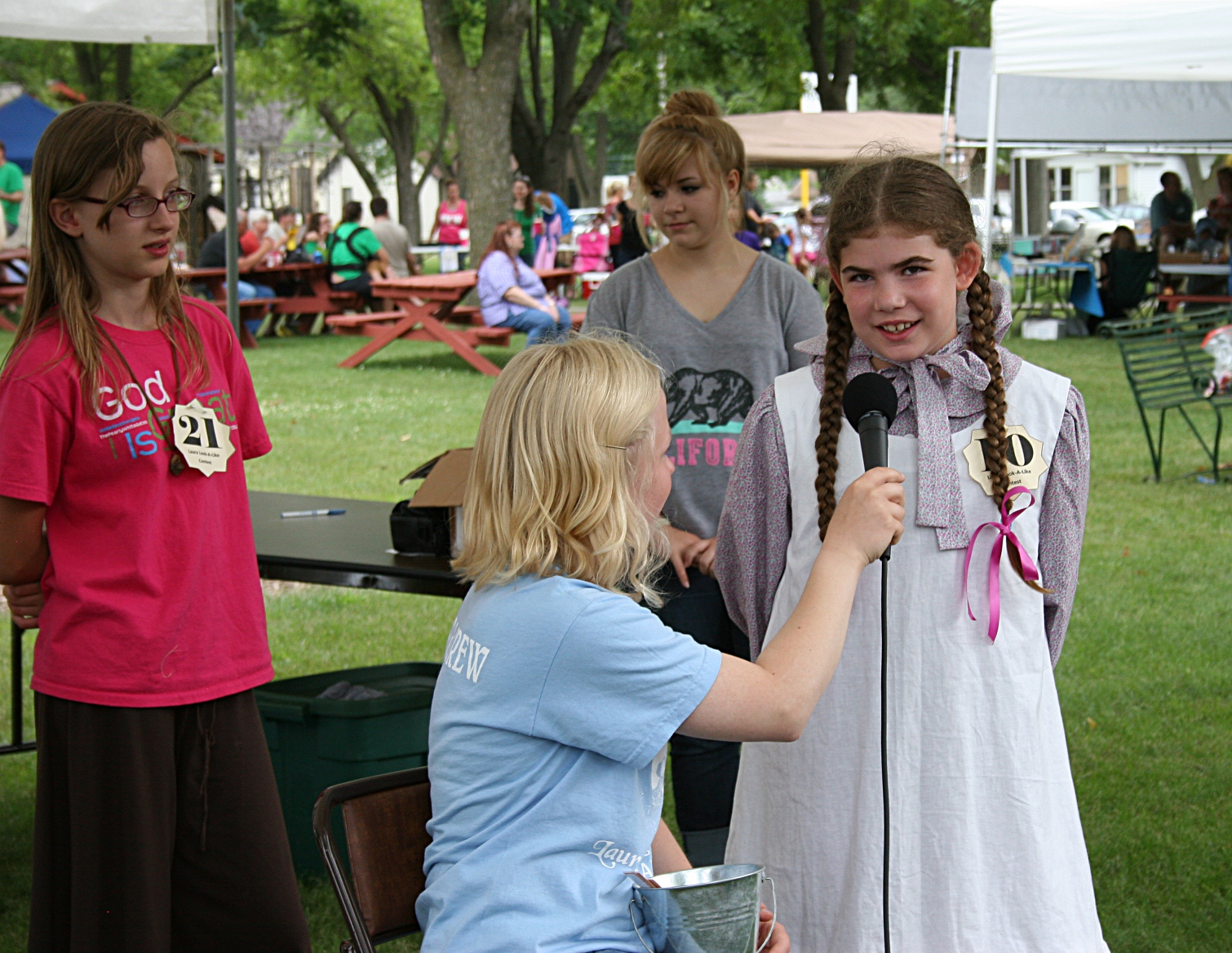
Each contestant was asked where she had traveled from, whether she'd visited other "Laura" sites and whether she'd attended the "Wilder Pageant" before drawing a question from a lunch pail.

Each contestant is asked where she traveled from, whether she’s visited other “Laura” sites and whether she’s attended the “Wilder Pageant.” Then each drew a Little House-related question from a lunch pail.

And Laura look-a-likes step up to the microphone during the Laura Look-A-Like Contest Saturday afternoon in Walnut Grove, the southwestern Minnesota childhood home of author Laura Ingalls Wilder.

I am in the city park with my husband and mother to meet my brother-in-law, sister-in-law and their 9-year-old daughter who have driven from North Dakota for this weekend celebration of all things Little House.

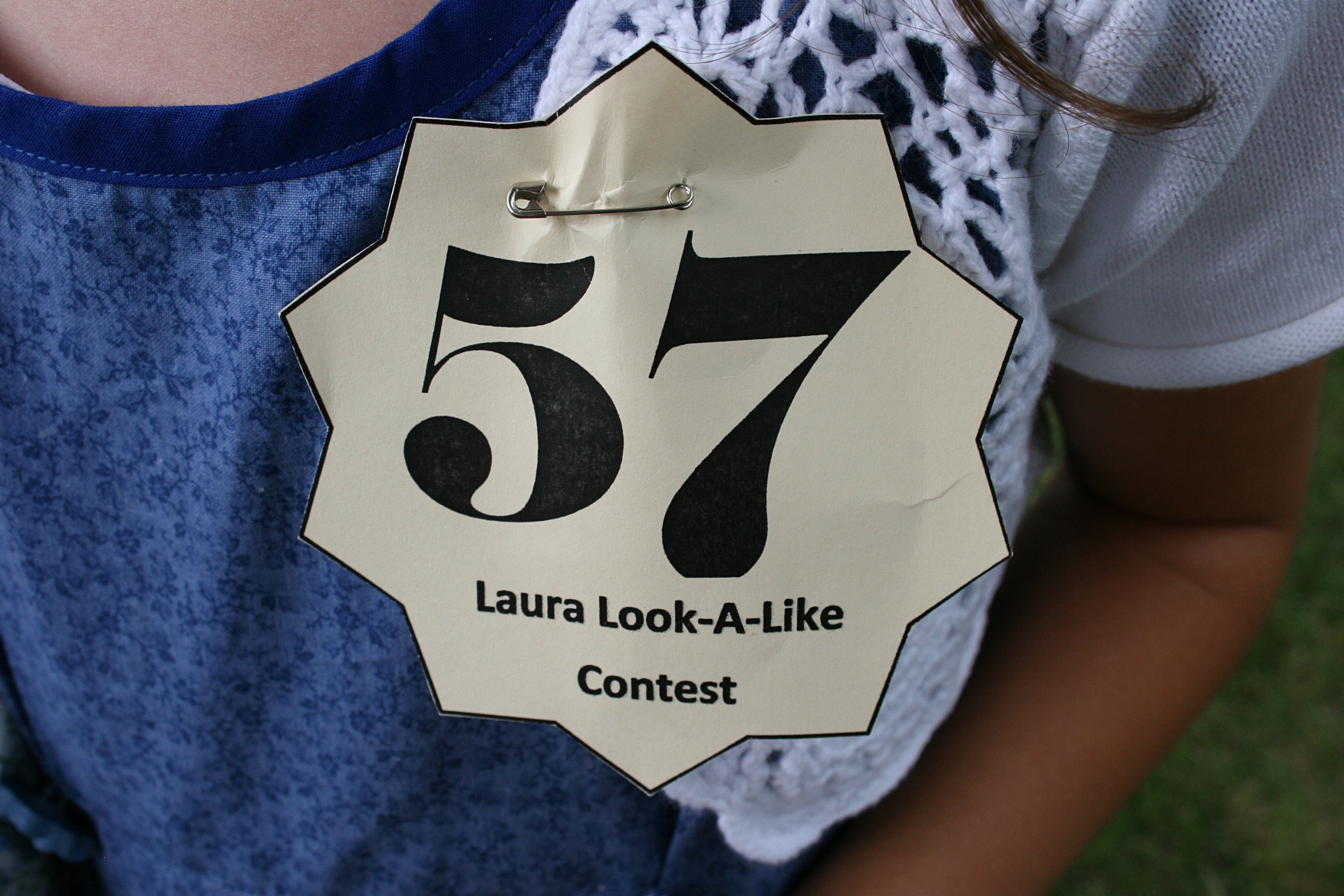
My niece's entry number. No, there were not 57 contestants. This is just the identifying number tag she was handed after I paid a $5 entry free and she registered.

My niece’s entry number. No, there were not 57 contestants. This is just the identifying number tag she was handed after I paid a $5 entry free and she registered.

At the last minute, my niece decides to enter the Laura competition and she scrambles to complete an entry form while the other girls are already answering questions about themselves and the Little House books.

My niece considers her randomly drawn question: What's another name for a leech? She got a little help with the answer.

My niece considers her randomly drawn question: What’s another name for a leech? She gets a little help with the answer.

Soon Beth joins the other Lauras on the grass, eventually taking her place in line to move up to the mic. I can sense her nervousness. She momentarily forgets that she lives near Grand Forks and that she’s seen the Wilder Pageant, an outdoor production featuring snippets from the Little House books, the previous evening. She hesitates again after pulling her question—What’s another name for leeches?—from a lunch bucket. (Bloodsuckers would be the answer.)

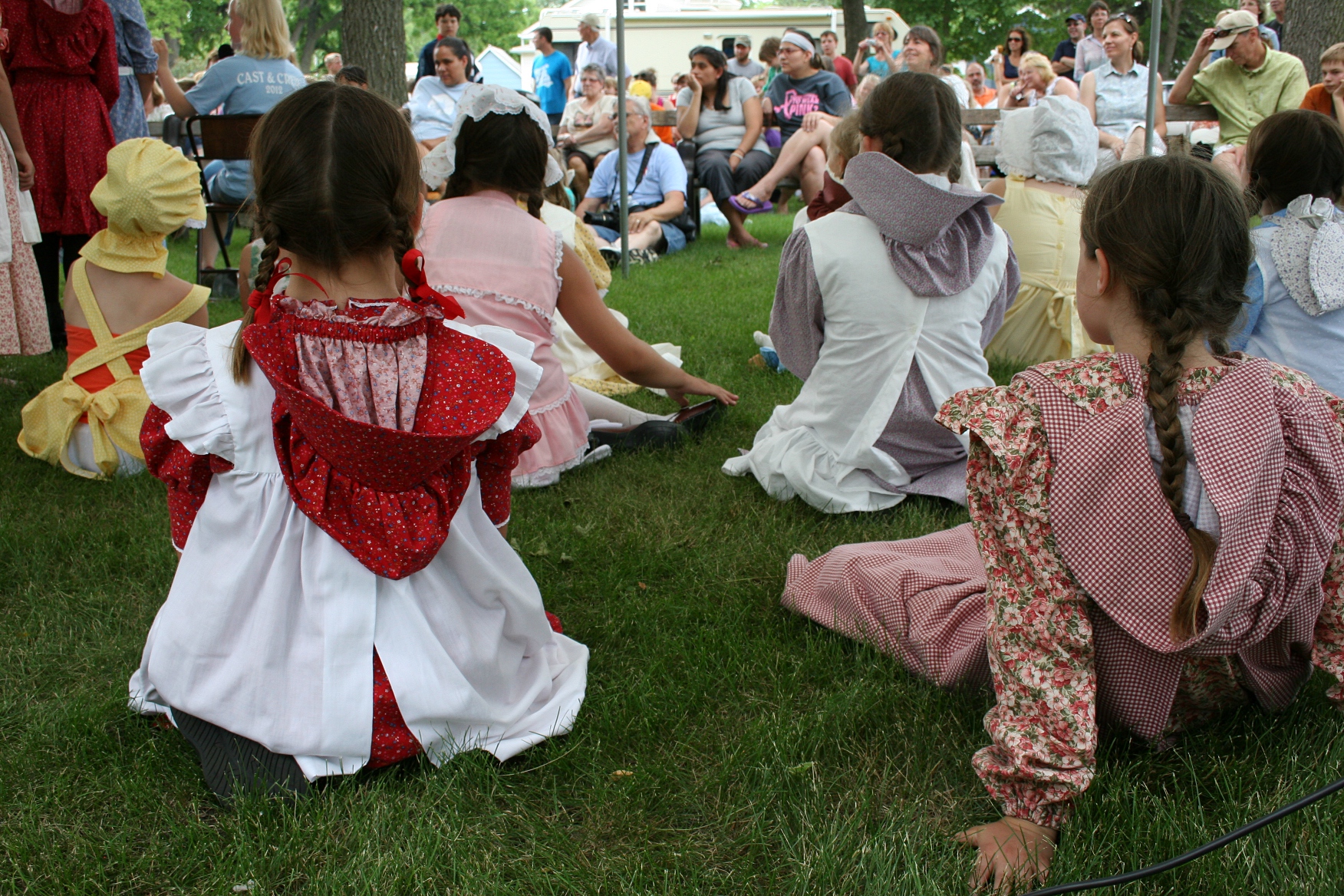
Pure Laura with bonnets, braids and prairie dresses.

Laura contestants with bonnets, braids and prairie dresses.

I am incredibly proud of Beth for joining the fun. And fun it is to see all of these 8 to 12-year-olds who have journeyed to the prairie from all parts of the country because they appreciate the stories of Laura Ingalls Wilder.

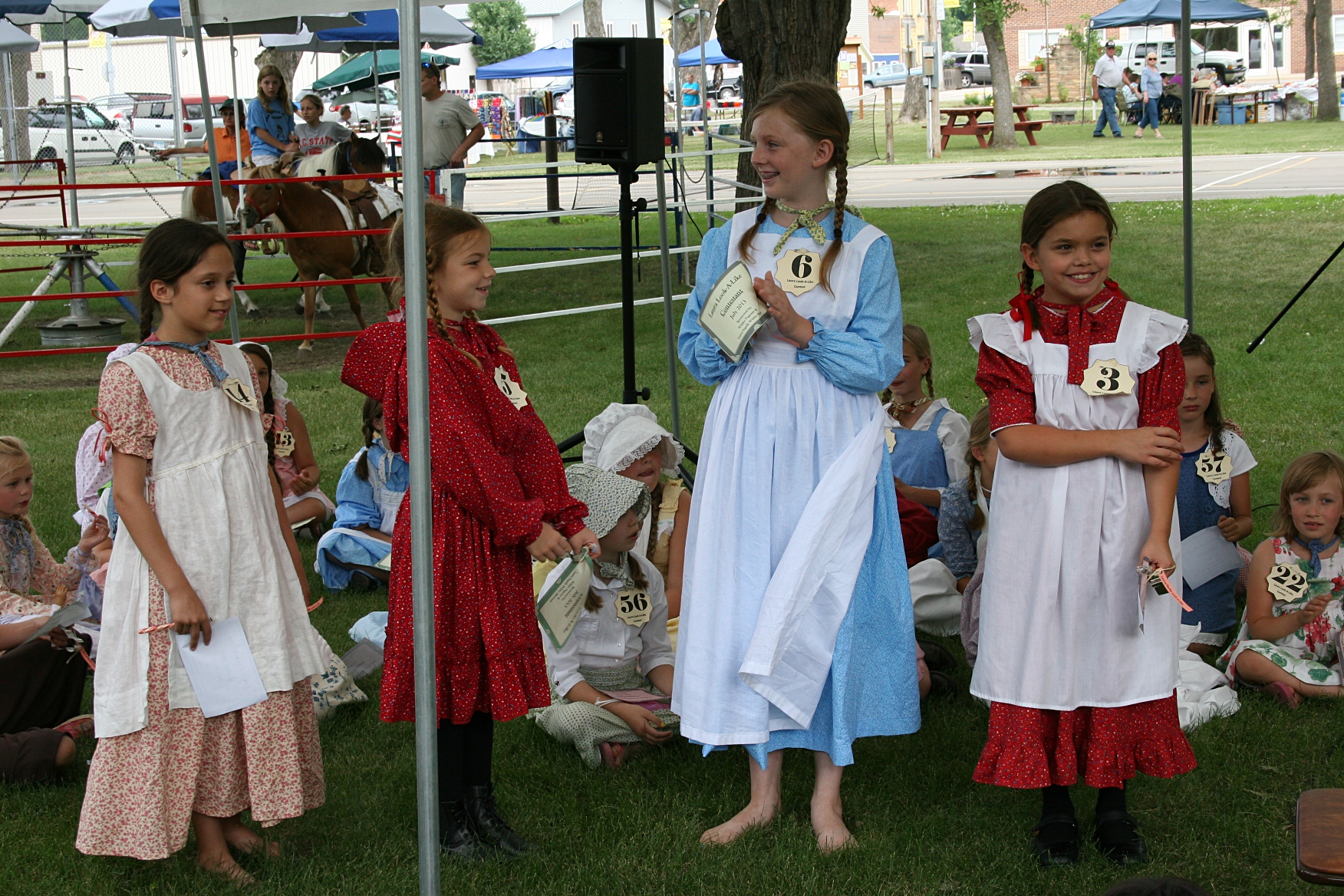
Four of the finalists in the Laura Look-A-Like contest. the fifth finalist was found shortly after I took this photo.

Four of the finalists in the Laura Look-A-Like contest. The fifth finalist was found shortly after I took this photo.

Beth doesn’t win the contest and, because of another commitment, we must leave before the top five finalists begin presenting a skit.

The Laura Look-A-Like contestants gather for a group shot in the park.

The Laura Look-A-Like contestants gather for a group shot in the park.

But my niece gathers with the other Lauras next to a brick building as the official photographer, along with a contingent of adoring parents, grandparents and at least one proud aunt, photograph the Laura look-a-likes.

If the contestants were chosen solely on which most resembled my image of Laura, it would have been this contestant.

If the contestants were chosen solely on which most resembled my image of Laura, it would have been this girl. She possesses that “look” which seems most like the Laura I imagine from the books.

FYI: Walnut Grove’s annual July celebration of all things Little House continues two more weekends, July 19-20 and July 26-27. The Laura-Nellie Look-A-Like Contest is part of the Family Festival, set again for 11 a.m. – 6 p.m. on Saturdays, July 20 and 27, in the city park. The Look-A-Like Contest starts at 3 p.m. with prizes based on overall appearance and knowledge of Laura Ingalls Wilder and Nellie Oleson, Laura’s nemesis.

The Family Festival features an abundance of activities for kids, plus music, re-enactments, arts and crafts, demonstrations of old-time activities, author visits, pony rides and more. I’d highly recommend attending. I’ll show you additional fest images tomorrow.

Other attractions in Walnut Grove include the Laura Ingalls Wilder Museum, several shops and a mural.

About a mile north of town, visitors can see the site of the Ingalls’ family dug-out along the banks of Plum Creek.

But the highlight for most is the Wilder Pageant, performed Friday and Saturday evenings, beginning at 9 p.m., in an outdoor amphitheater just outside of town. I’ve seen this locally-produced show, which features a horse-pulled covered wagon, a prairie fire and more, several times. It’s outstanding. Four more performances are set for July 19, 20, 26 and 27. I’d recommend reservations. If you are traveling from afar, be aware that you likely will have to travel some distance to find a hotel room. Walnut Grove does not have a hotel and the nearest one in Lamberton is likely already booked. There’s camping at Plum Creek Park, a Redwood County park near the pageant site. But this fills quickly, especially on pageant weekends. Reservations are recommended.

Click here to read more details about the Little House celebration in Walnut Grove.

BONUS PHOTOS:

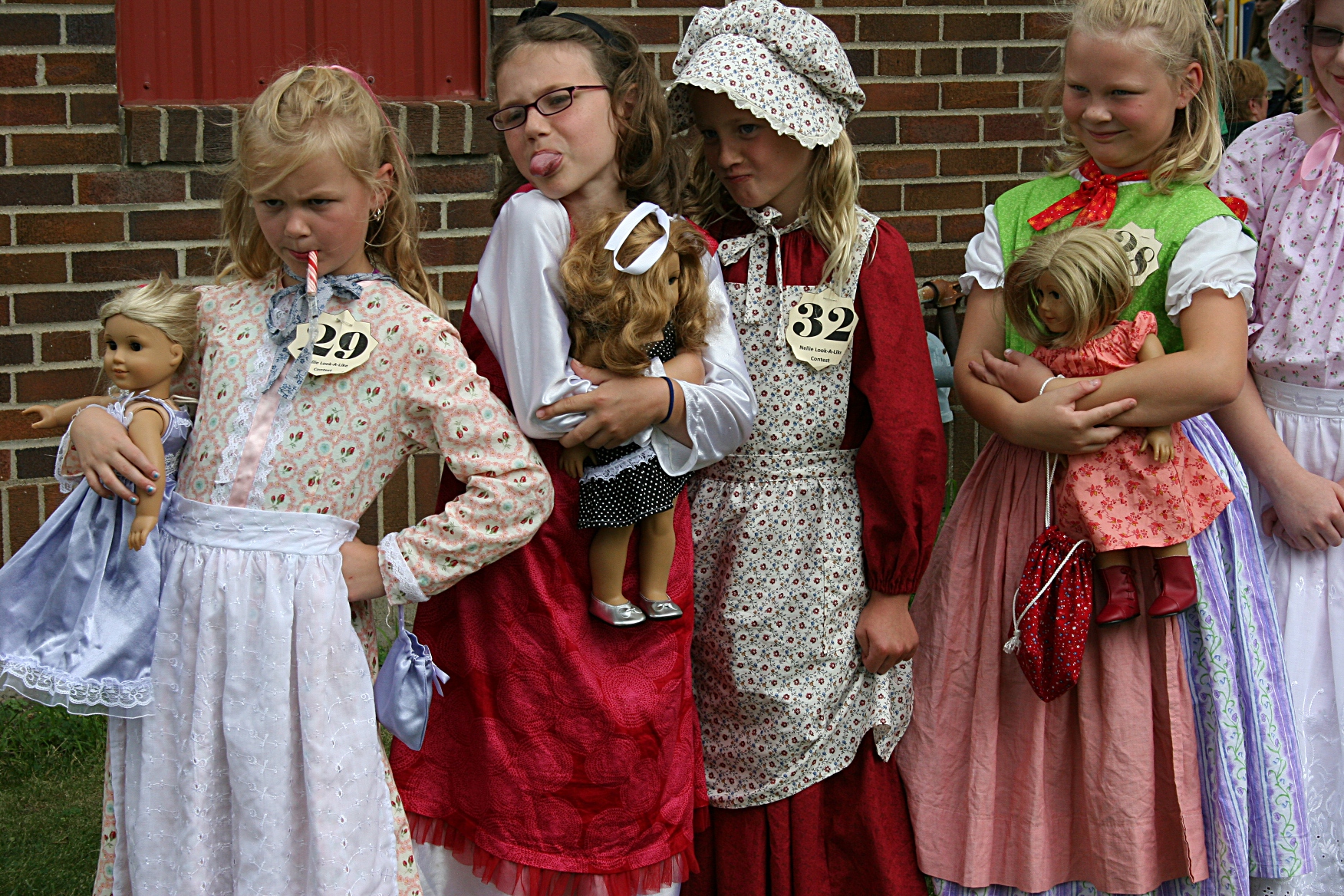
Far fewer girls competed in the Nellie Oleson Look-A-Like contest. Clearly, few want to role play the mean Nellie. But look how these girls played the haughty role to the hilt.

Far fewer girls competed in the Nellie Oleson Look-A-Like contest. Clearly, few want to role play the mean Nellie. But look how these girls played the haughty Nellie to the hilt as a group photo was taken.

Take two of the Nellie Look-A-Likes.

Take two of the Nellie look-a-likes.

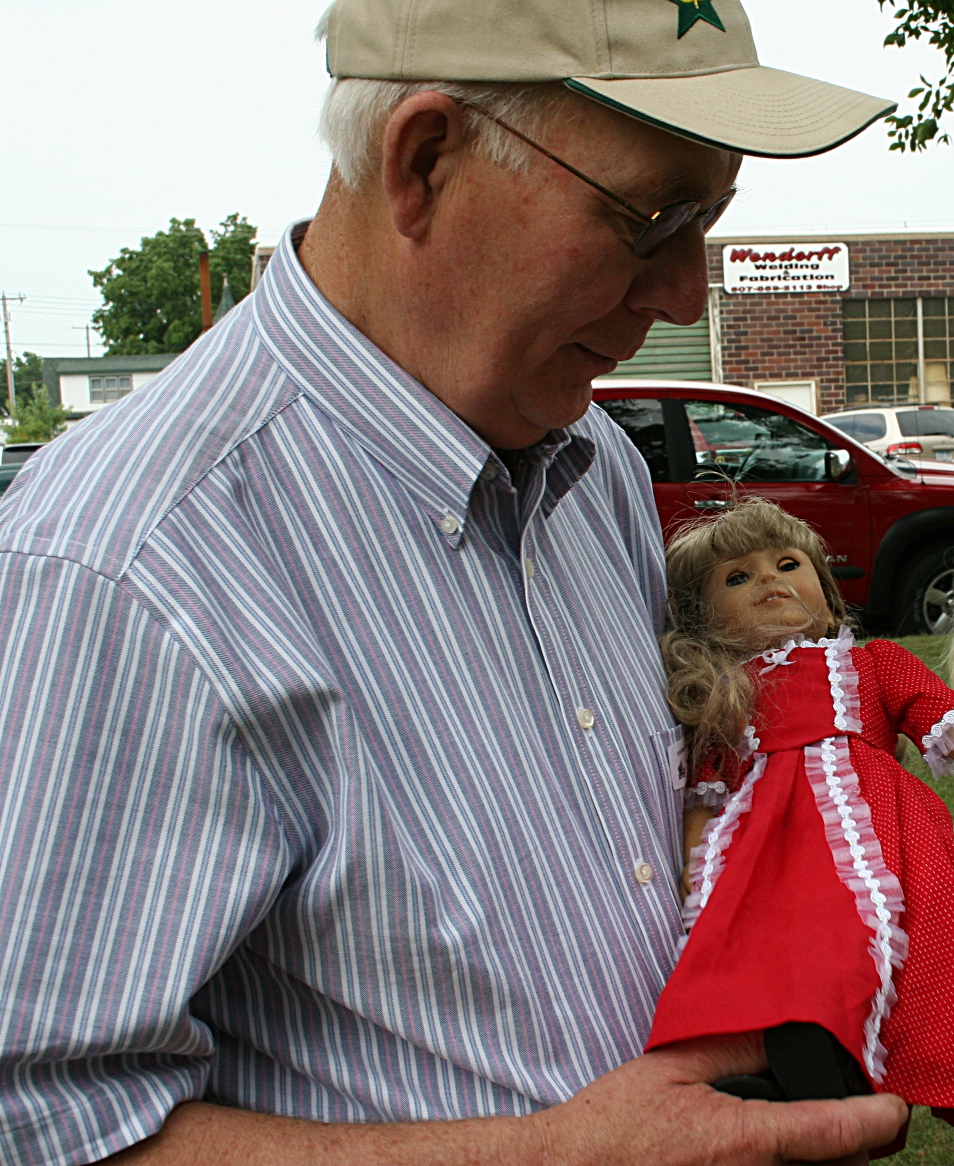
What grandpas won't do for their granddaughters.

What grandpa won’t do for his granddaughter.

Lots of families watched the Laura and Nellie contests and spent hours at the kid-oriented Family Festival in the park.

Lots of families watched the Laura and Nellie contests and spent hours at the kid-oriented Family Festival in the park.

Too young for the Look-A-Like contest, but still outfitted in prairie girl clothing.

Too young for the Look-A-Like Contest, but still outfitted in prairie girl clothing.

© Copyright 2013 Audrey Kletscher Helbling


At home with Storypeople in Decorah, Iowa July 11, 2013

Filed under: Uncategorized — Audrey Kletscher Helbling @ 6:00 AM
Tags: , , , , , , , ,

NOTHING IN DECORAH, IOWA, compares to Storypeople.

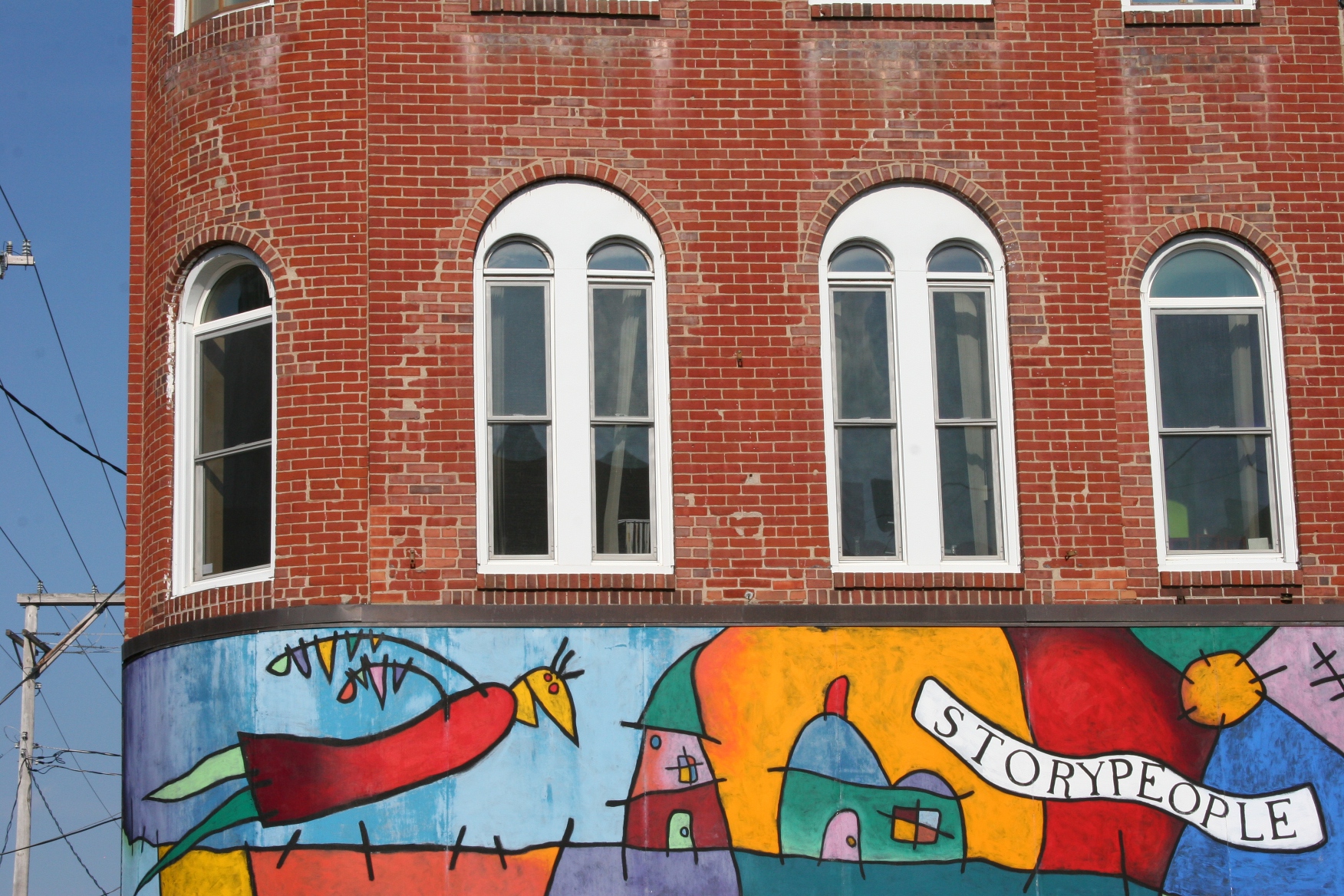
The Vibrant mural on one of Storypeople's buildings.

Part of the vibrant mural on one of Storypeople’s buildings.

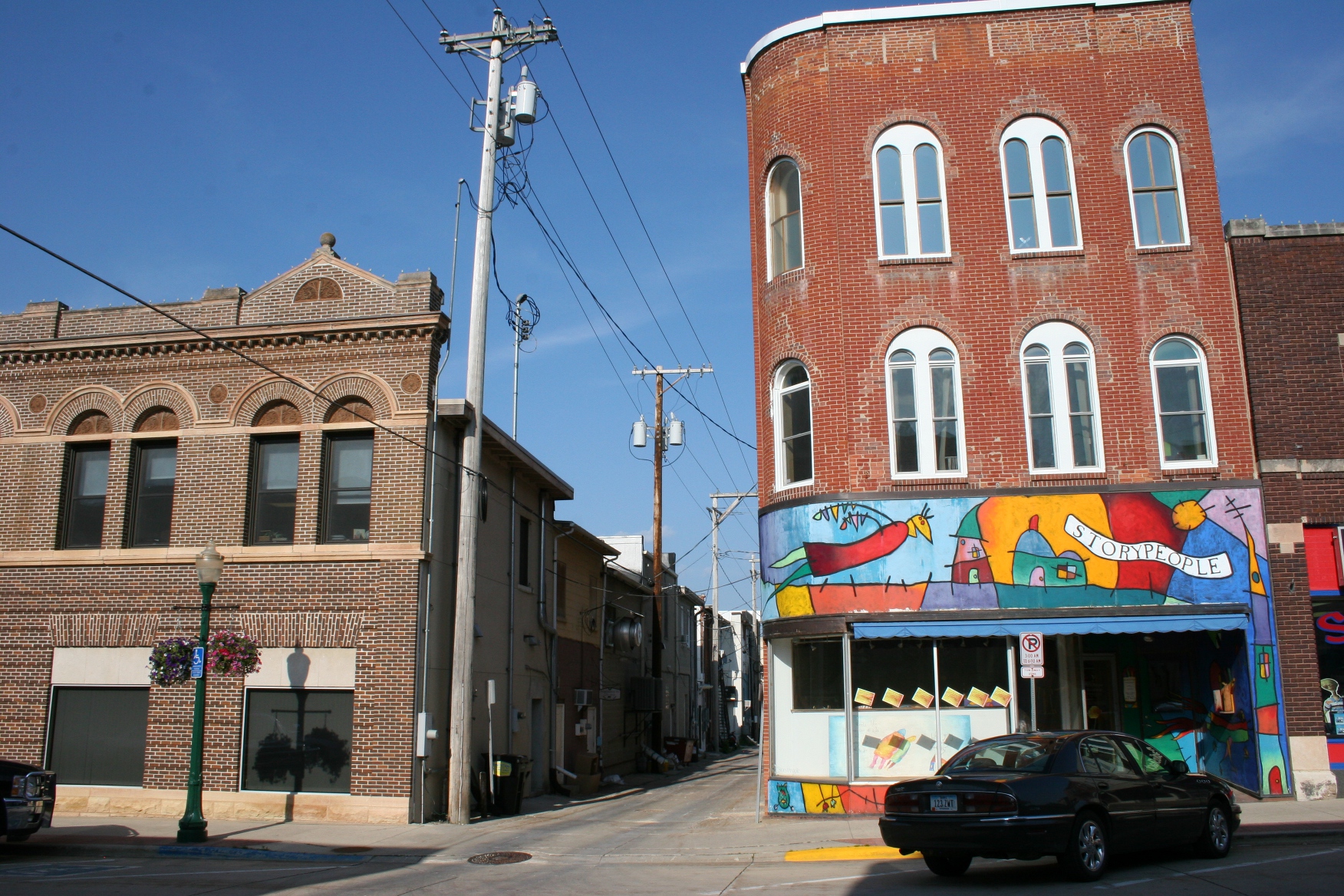
Among the primarily earthy buildings in this historic downtown, the vibrant splashes of Storypeople art defy like a tightrope walker daring to tread without a net.

The Storypeople workshop exterior pops with vibrant colors and images. I'll tell you more about Storypeople in a future post.

The Storypeople building pops with color.

Historic puritans may take issue with the bold hues and quirky drawings. But I find them thrilling and invigorating and an unexpected jolt of colorful creativity in this river town.
This studio is located in a different building than the one pictured above.
This studio is located in a different building than the one pictured above.
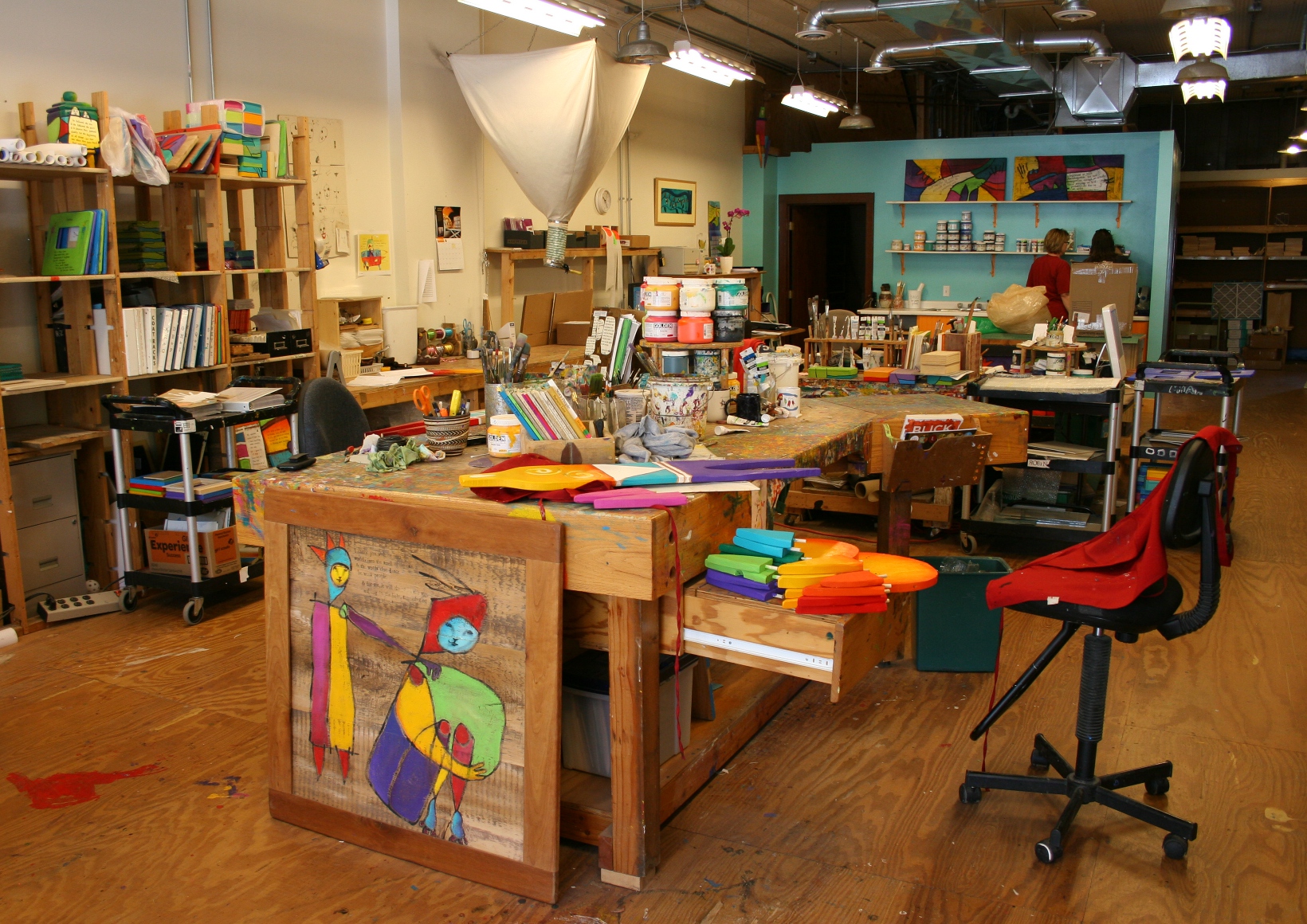
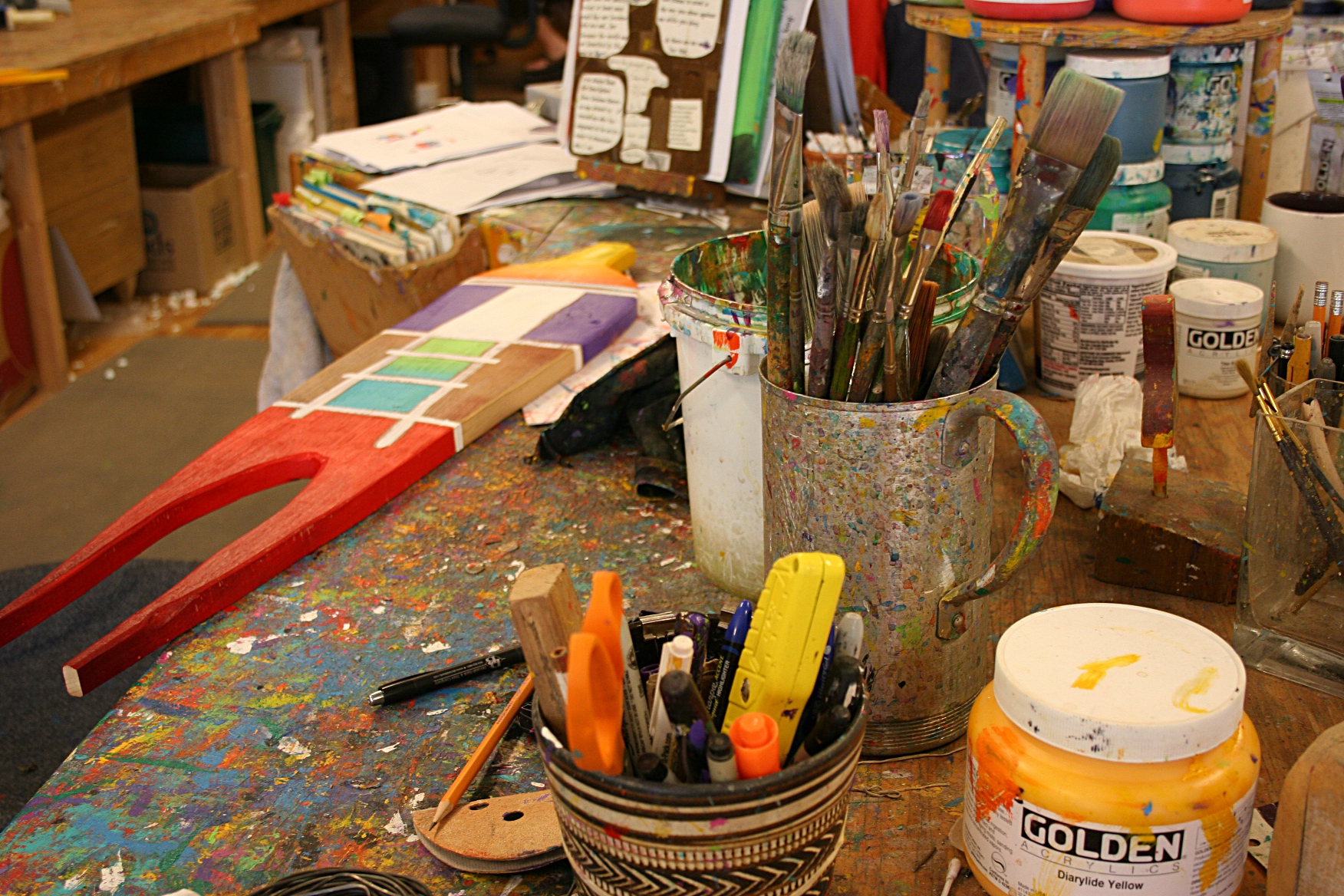
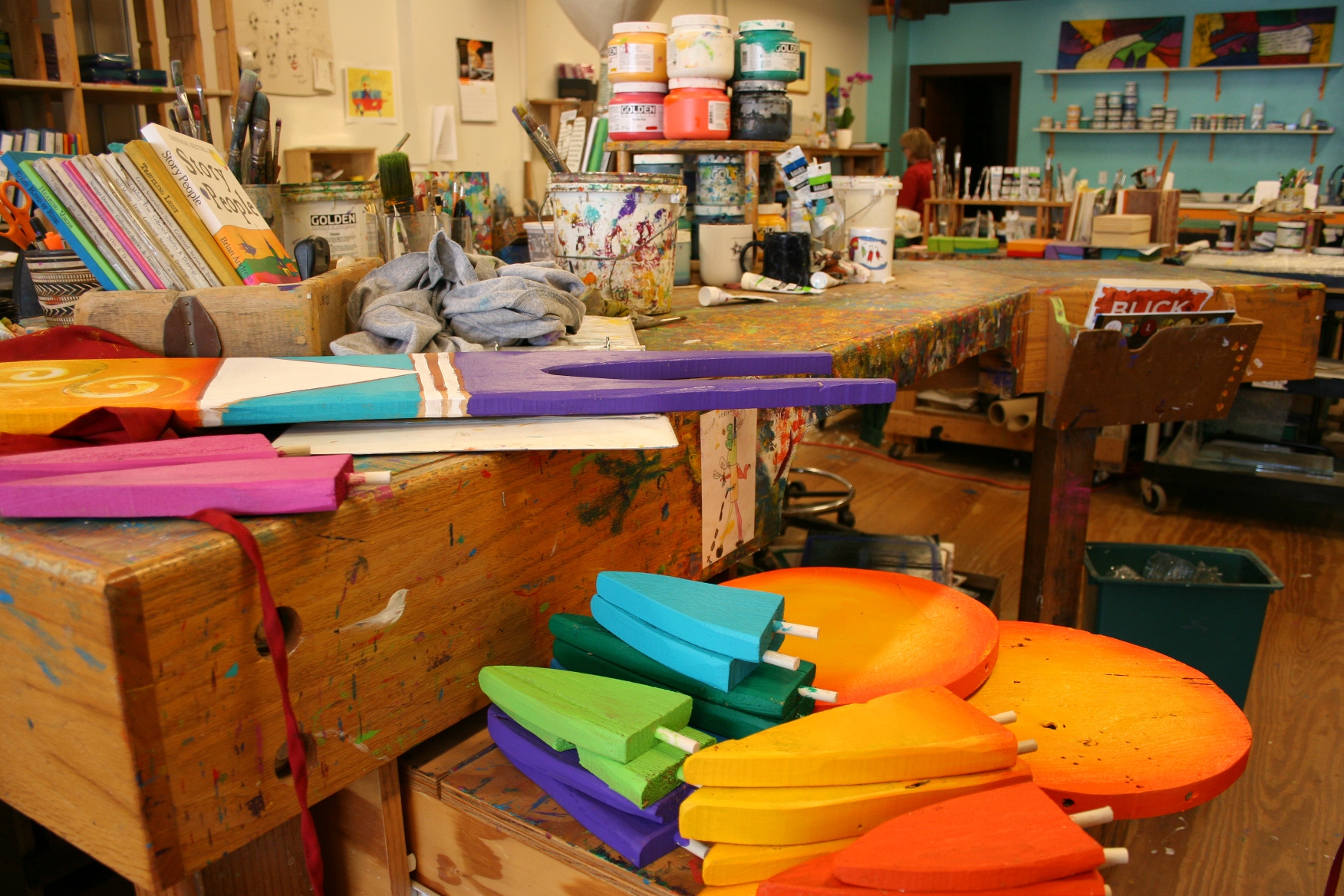
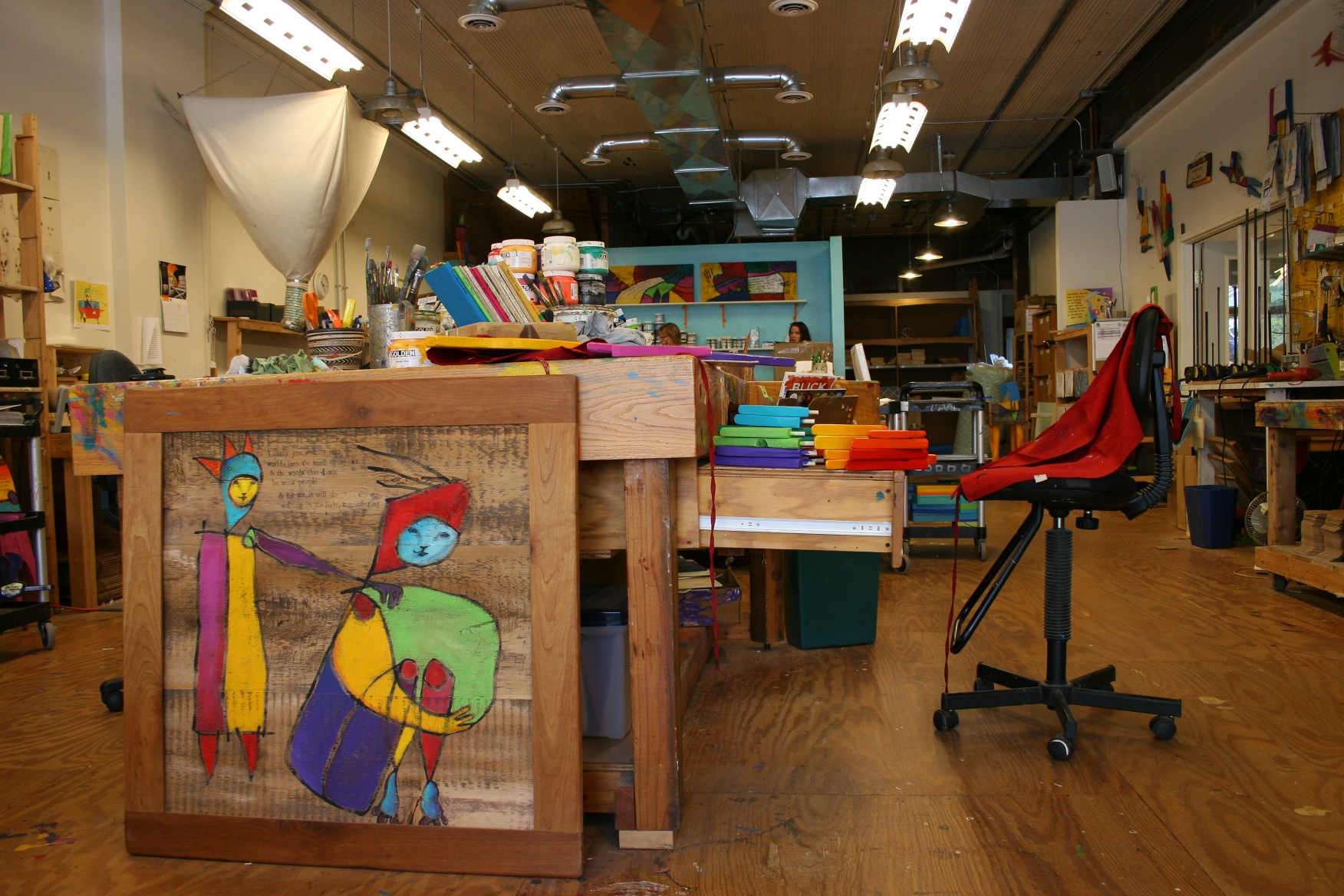
Inside the Storypeople studio, a mishmash of bold colors—red paint splashed upon the floor, stacked paint cans, paint-tipped brushes, colorful stacks of books and wood, and more—define this as a creative place, a spot to spin a story with words and images.

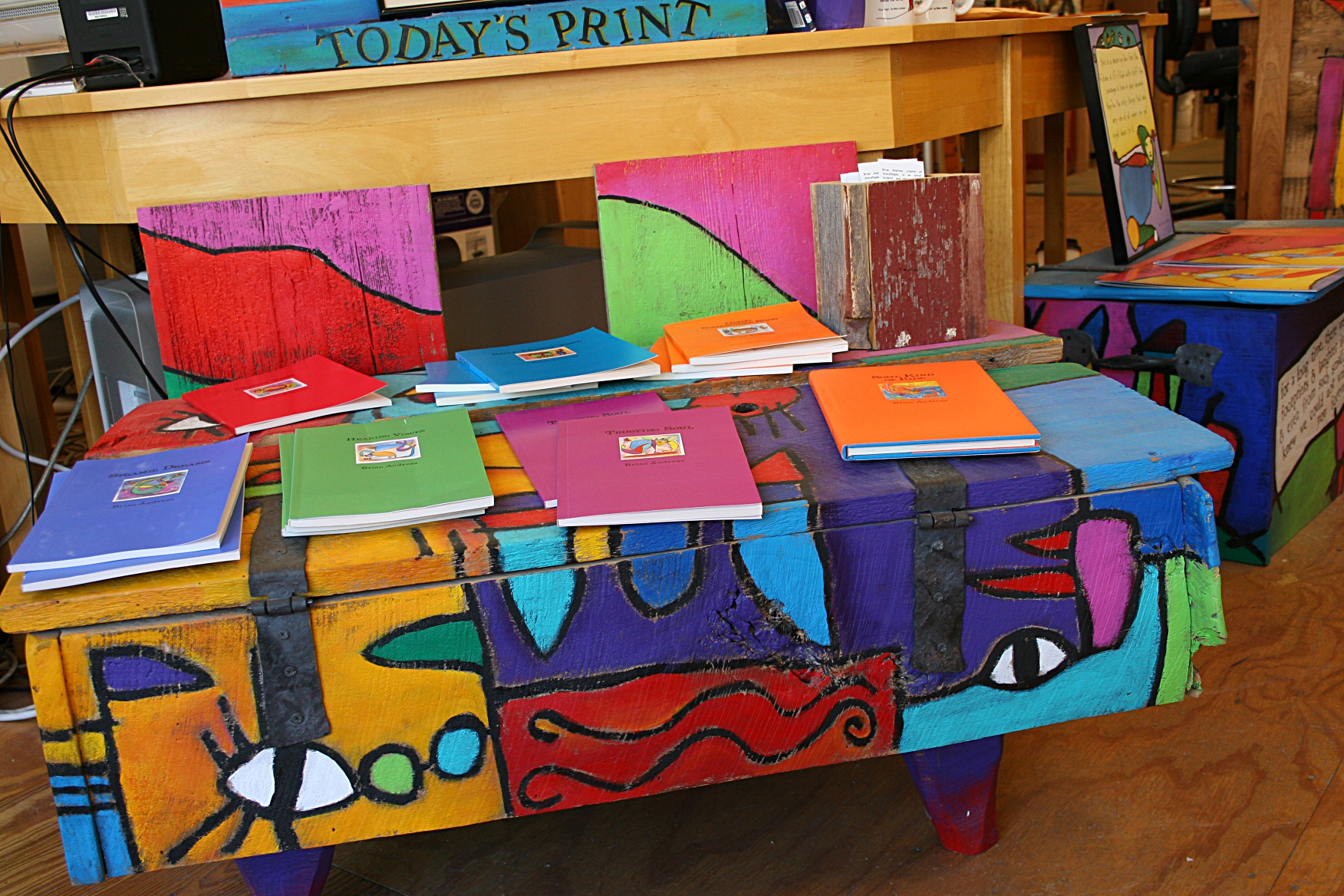
Storypeople books from which I chose one.

Storypeople books from which I chose one.

It is what the people of Storypeople do best—create stories shared in books and cards and art and such.

At work...

At work…

I would love to work here.

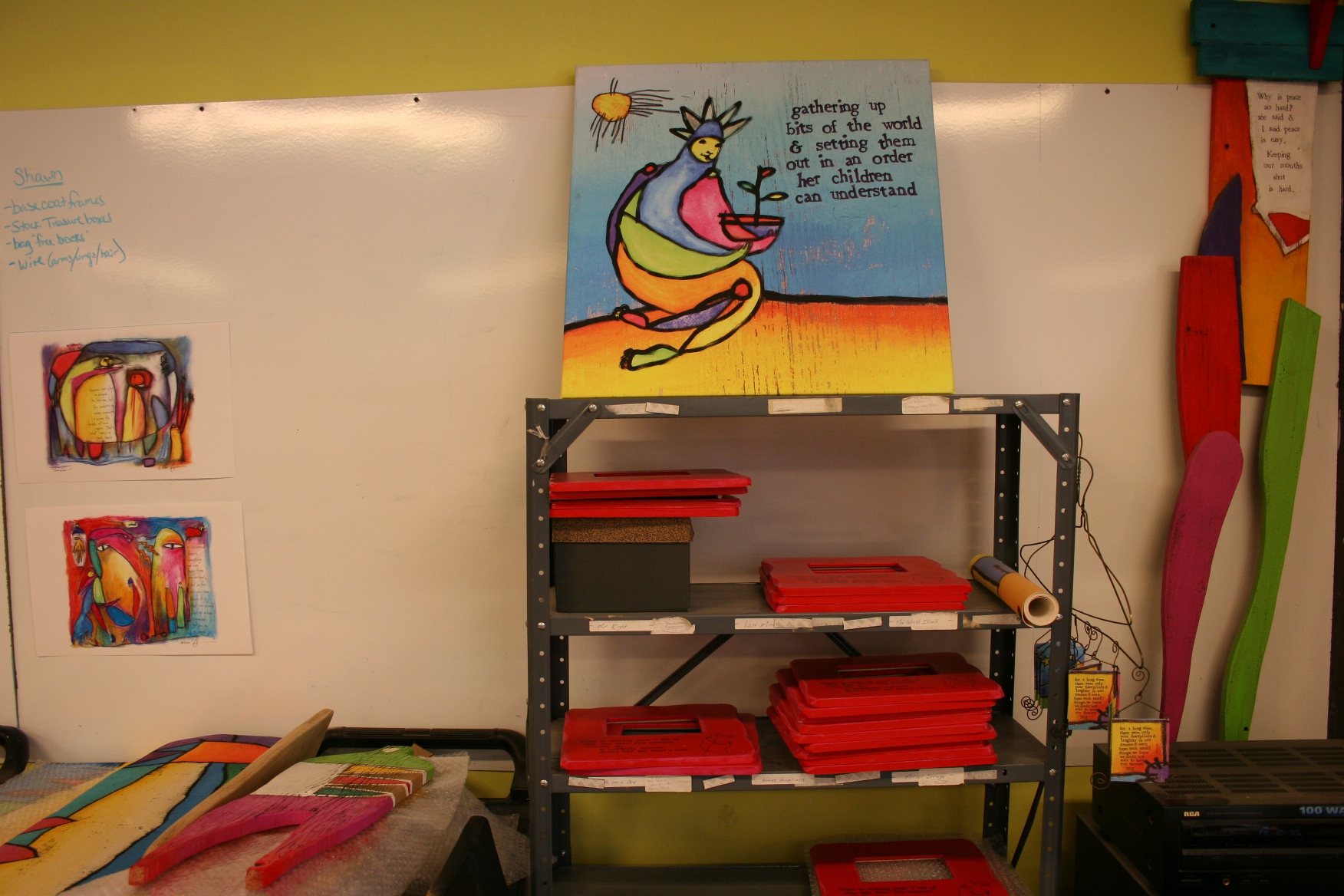
Materials and products.

Materials, products and inspiration.

And because I dared to step inside the studio, so I was told, I walked out with a complimentary book and greeting card. And I didn’t even mention that I was a blogger.

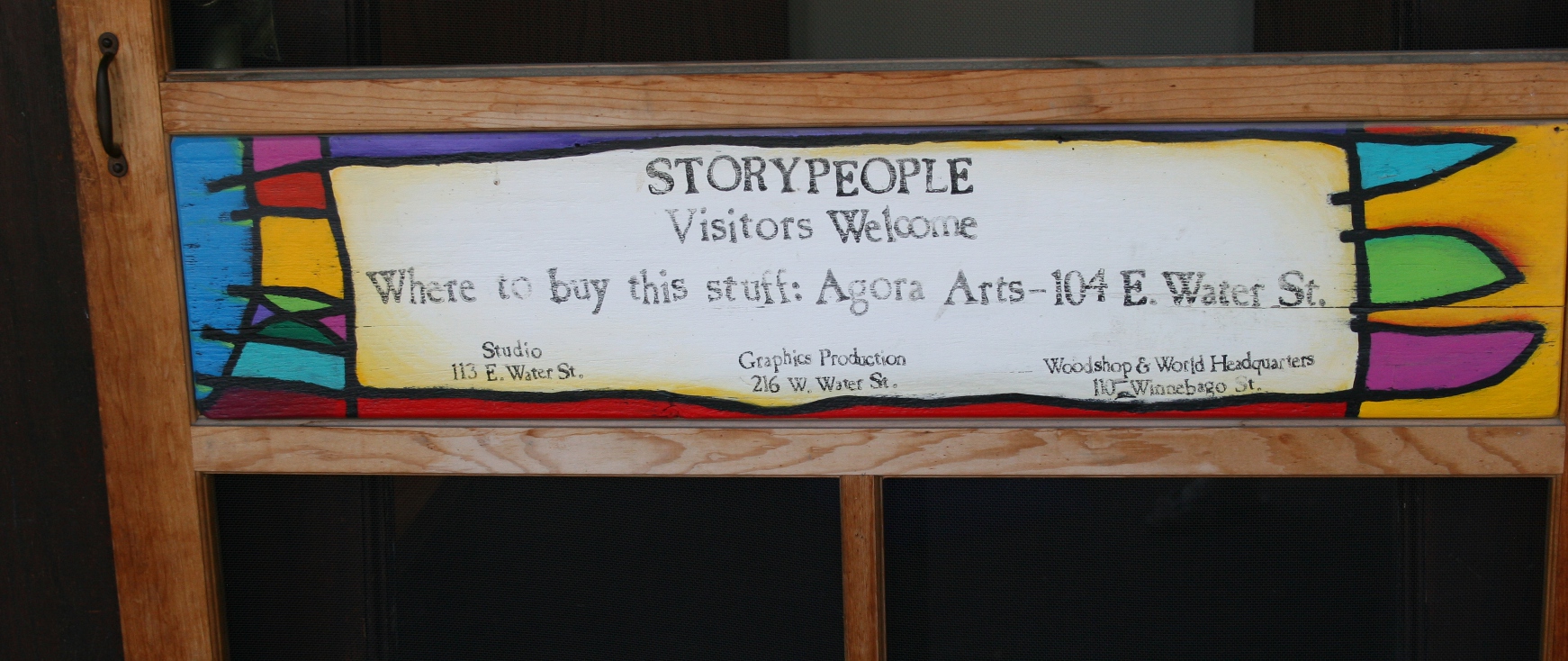
A sign on the door.

A sign on the door.

TO LEARN MORE about Storypeople, click here. Storypeople products are sold in 240 galleries world-wide.

A creative paint station.

A creative paint station.

Work in progress...

Work in progress…

One final look. This place makes me happy.

One final look. This place makes me happy.

© Copyright 2013 Audrey Kletscher Helbling