Minnesota Prairie Roots

Writing and photography by Audrey Kletscher Helbling

Heritage Days talk focuses on the Wahpekute Dakota June 12, 2024

An exhibit at the Rice County Historical Society, Faribault, shares information on the original inhabitants of the county, the Dakota. (Minnesota Prairie Roots copyrighted file photo)

HERITAGE. It’s a word that identifies us, connects us to our families, to our ethnicity, to the way we were raised, the place of our roots. At least that’s my definition.

This week Faribault celebrates Heritage Days. I’ve never felt totally comfortable celebrating heritage in the city I’ve called home since 1982. My heritage, my home, my roots run deep in the southwestern Minnesota prairie some 2 ½ hours west of here.

But many are rooted in this community by birth, by families that trace back generations. If it’s one thing I’ve learned in four decades about the people of Faribault, it’s that many are related to one another via blood and marriage. But I’ve also learned much about the peoples who came before the French, the Irish, the Scandinavians, the Germans, the Cambodians, the Latinos, the Hispanics, the Sudanese, the Somalis… I’ve learned about the Dakota, the original inhabitants of this region.

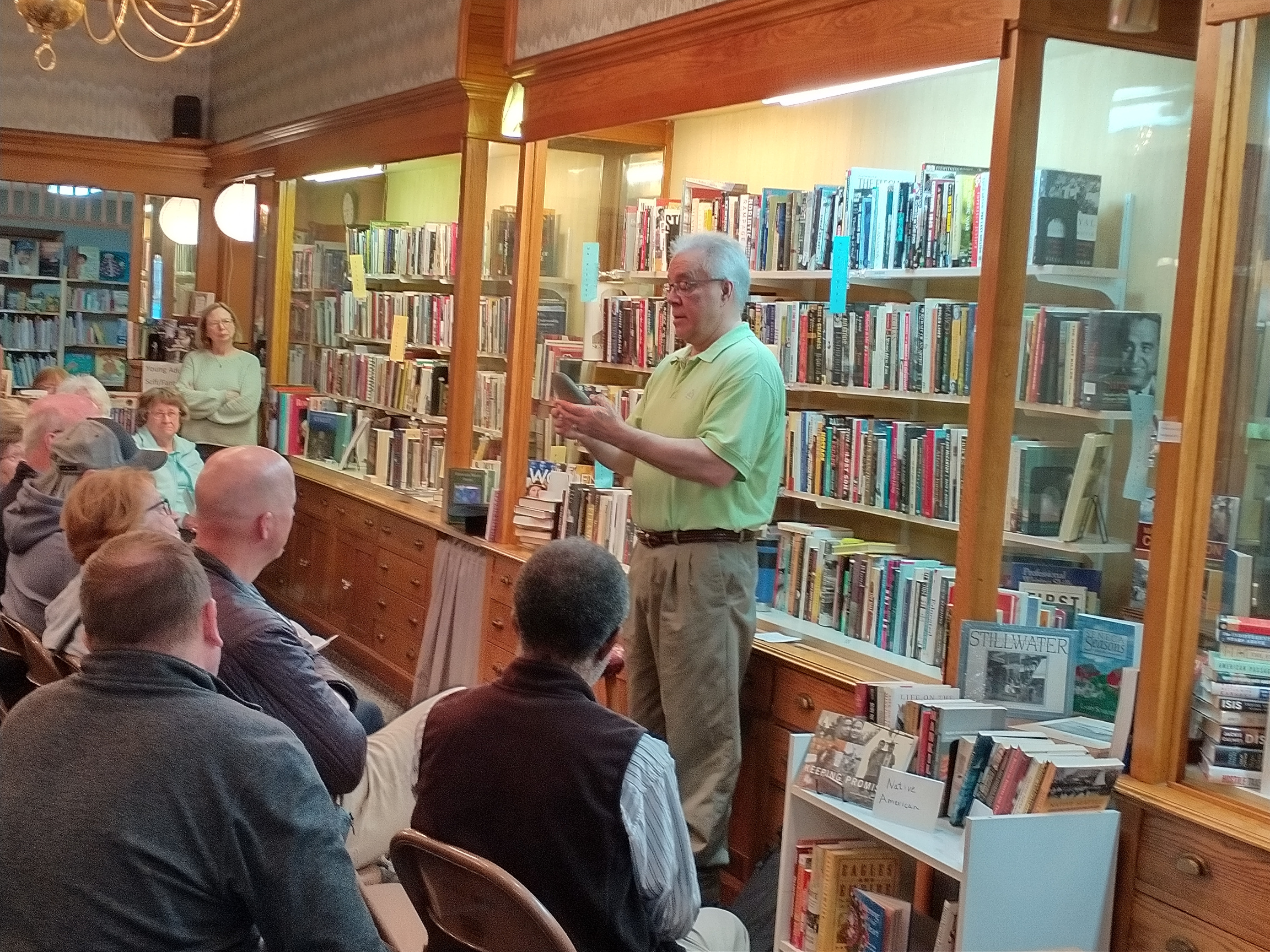
Jeff Jarvis talks about the Dakota at Books on Central. (Minnesota Prairie Roots copyrighted file photo April 2024)

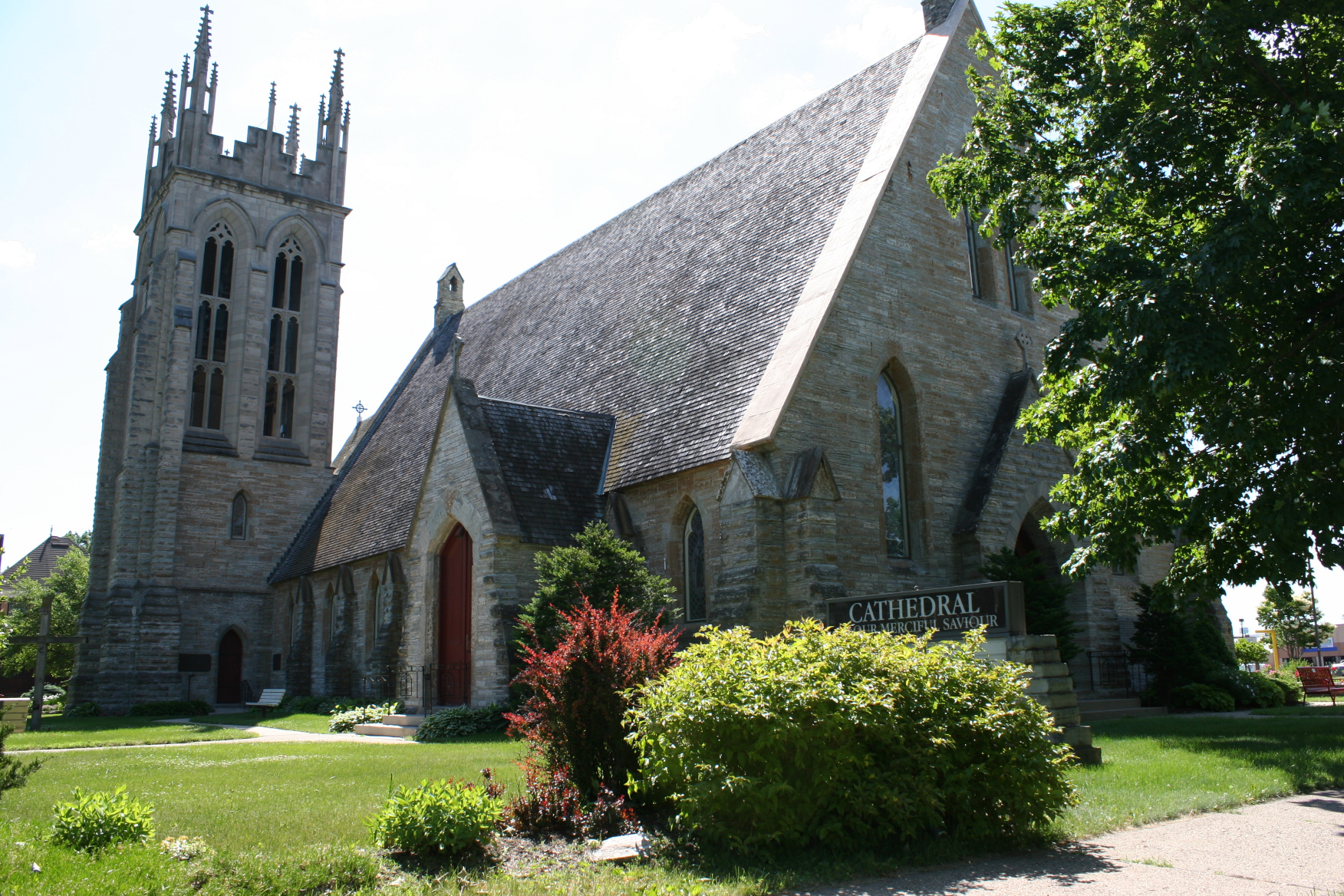
That knowledge came through my own reading and via attending events focused on the Dakota. In April, I listened to local historian and artist Jeff Jarvis talk about the Dakota to a packed audience at Books on Central in Faribault. Jarvis is presenting again, speaking at 6:30 p.m., Wednesday, June 12, on the Wahpekute Dakota at The Cathedral of Our Merciful Saviour, 101 NW Sixth Street, across the street from Faribault’s Central Park.

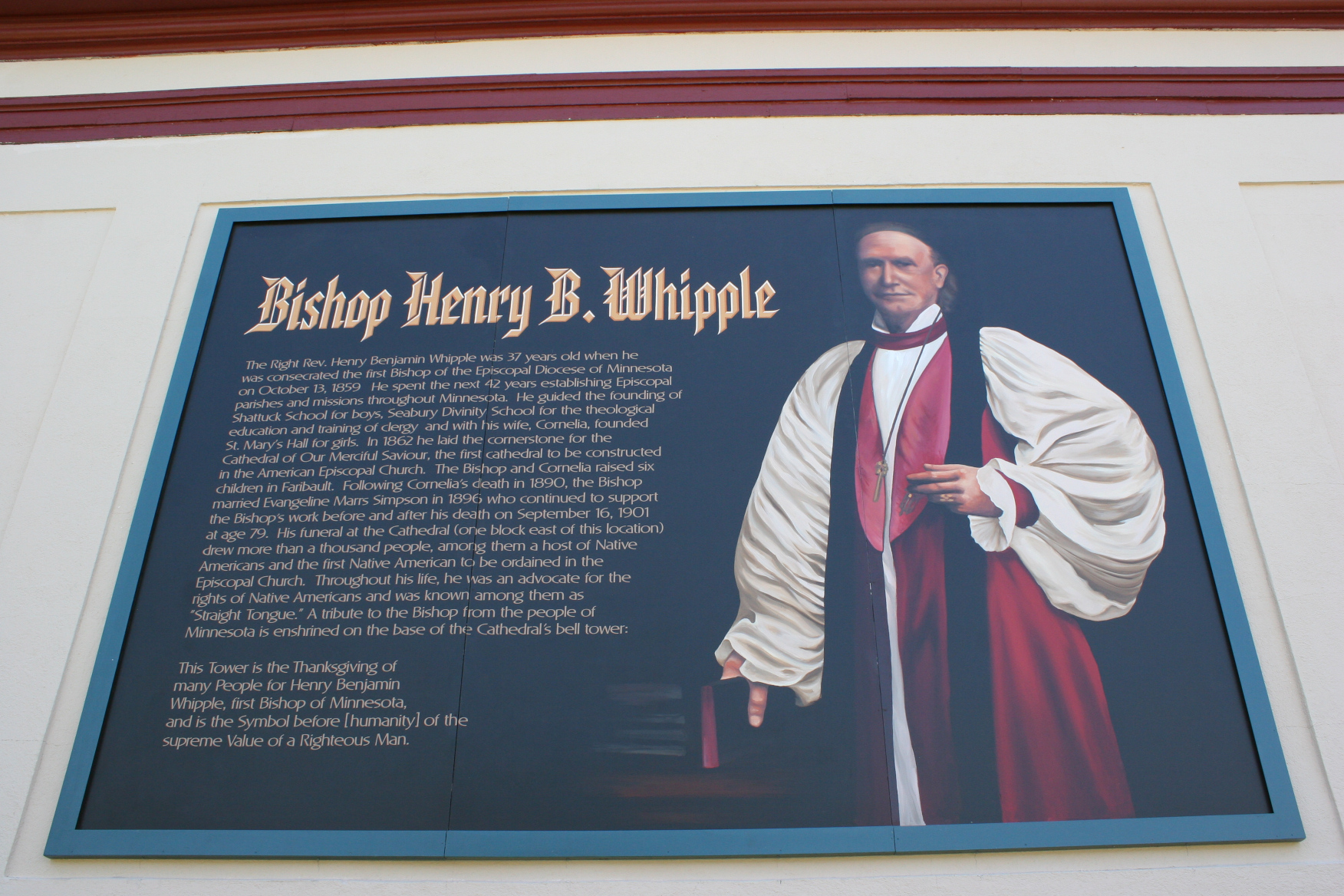
Information on Bishop Henry Whipple focuses one of the murals on the back of the bandshell at Central Park. (Minnesota Prairie Roots copyrighted file photo June 2020)

The Cathedral and its founding leader played an important part in local, state and national history with then Bishop Henry Whipple befriending the Wahpekute Dakota. He also pled with President Abraham Lincoln to spare the lives of 303 Dakota men sentenced to death by the US government following the US-Dakota War of 1862. Eventually all but 38 were pardoned, partially due to Whipple’s efforts.

The pamphlet Jeff Jarvis created about the Wahpekute Dakota. (Minnesota Prairie Roots copyrighted file photo April 2024)

I expect Jarvis will touch on that in his Wednesday evening presentation. He’s an engaging speaker, knowledgeable and passionate. He’s met with Dakota people, compiled a summary of his research in a mini pamphlet titled “The Faribault Dakota, Wahpekute Band.” It features an historic timeline, a Dakota primer of place names, his original art and more.

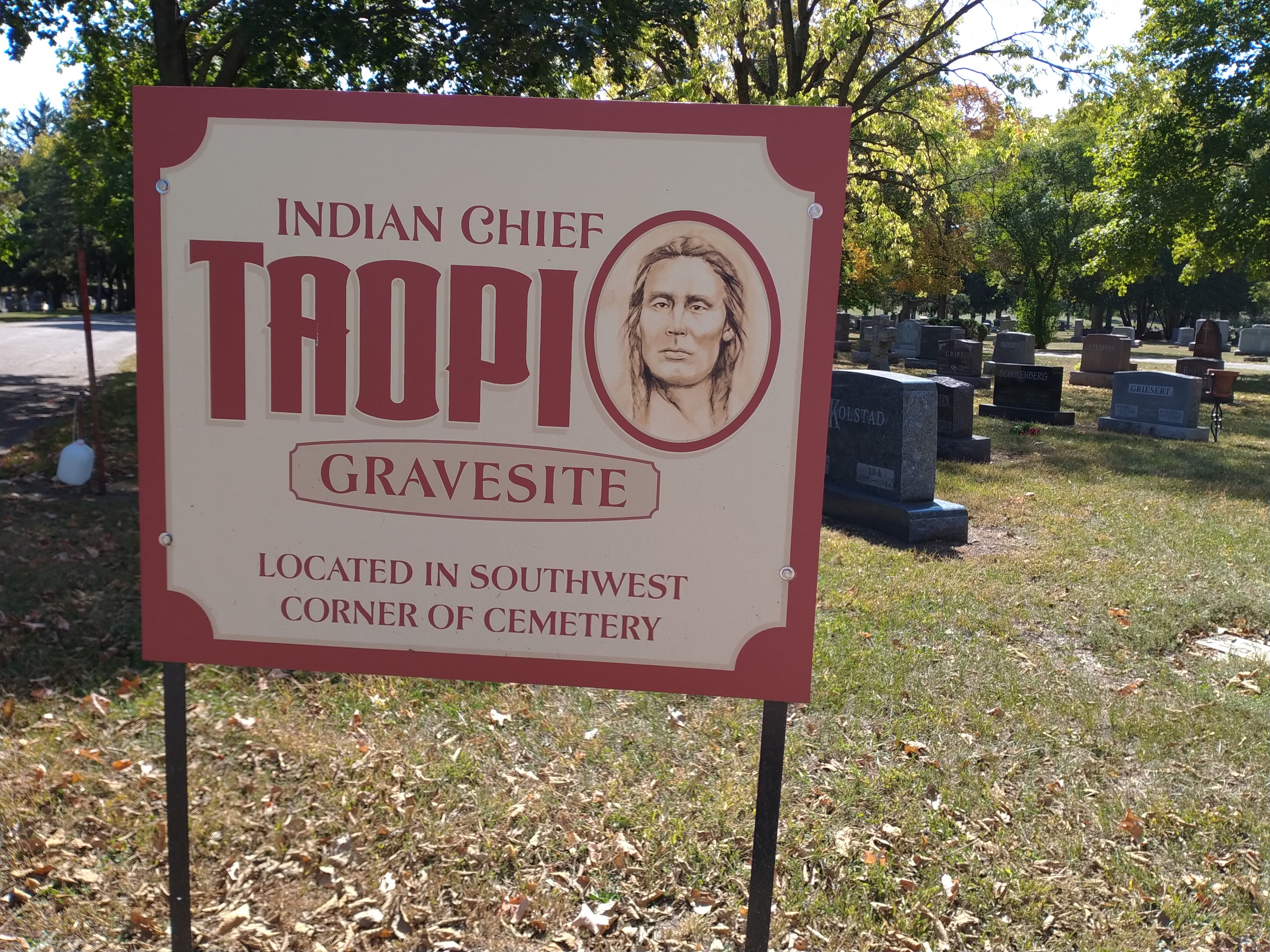
Chief Tapoi, a leader and member of the Little Crow Band of the Mdewakanton Dakota Tribe, lived in Faribault for a while and is buried at Maple Lawn Cemetery. (Minnesota Prairie Roots copyrighted file photo October 2023)

Jarvis is involved in the Faribault Dakota Project, a local endeavor that aims to increase awareness, visibility and knowledge of the original inhabitants of this land. To that end, presentations like his set during Heritage Days are important for locals to attend.

Just across the street from Central Park, the stunning Cathedral of Our Merciful Saviour. (Minnesota Prairie Roots copyrighted file photo)

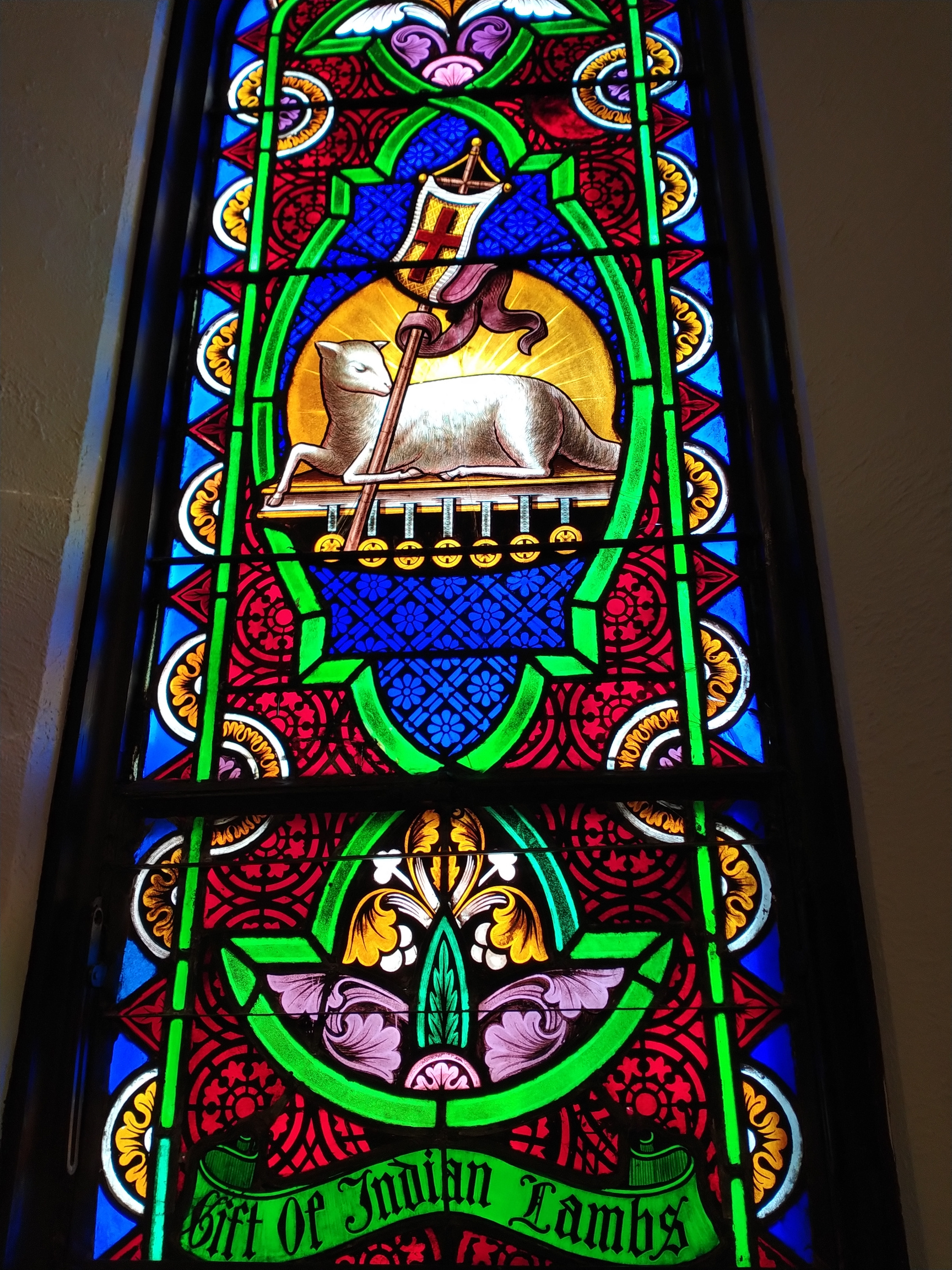
Likewise, free tours of the Cathedral at 11:30 a.m. Sunday, June 16, following a 10 a.m. ecumenical church service, likely will provide more information on the Wahpekute and their connection to Bishop Whipple and the massive limestone church. Several stained glass windows inside the sanctuary were gifted to the Cathedral by the Dakota.

This stained glass window was gifted by the Dakota to the Cathedral in honor of Dakota children. (Minnesota Prairie Roots copyrighted photo November 2023)

The Dakota and this house of worship, which focuses on connecting to the broader community, are such a vital part of Faribault’s history. That’s important to understand, to recognize, to honor no matter one’s heritage. I know locals who’ve lived here their entire lives and have never stepped inside the historic Cathedral. I find that almost unbelievable. We need to understand our past—our connections to peoples and land—to grow our future.

FYI: For a complete listing of Faribault Heritage Day events, click here.

© Copyright 2024 Audrey Kletscher Helbling


A tale of two rivers: Muddy, menacing & mesmerizing June 4, 2024

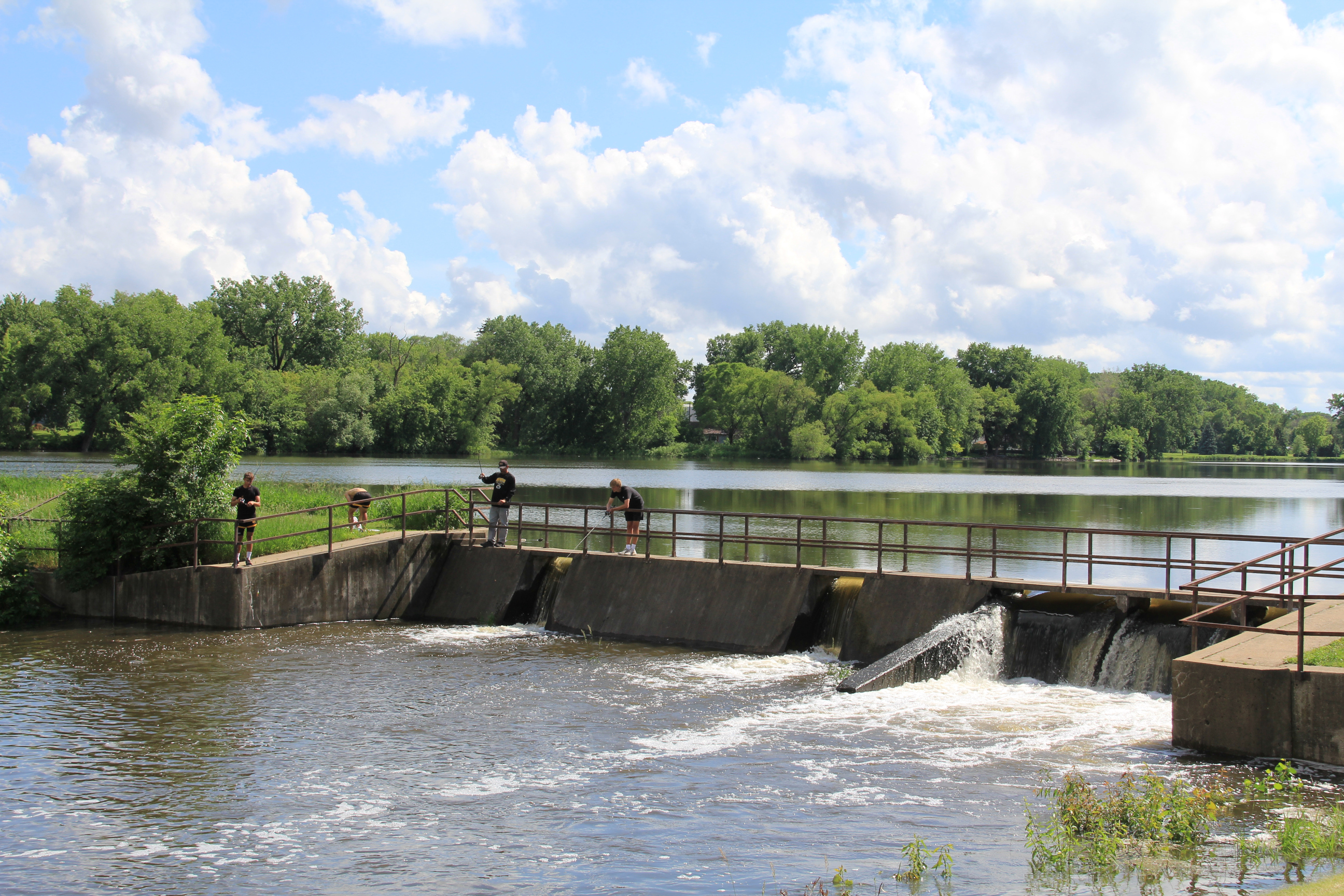
Fishing at the dam by Father Slevin Park in Faribault. (Minnesota Prairie Roots copyrighted photo June 2024)

RIVERS REEL US IN, like fish to bait. There’s something about water, especially a river. It’s mesmerizing, soothing, poetic and, right now, rather dangerous.

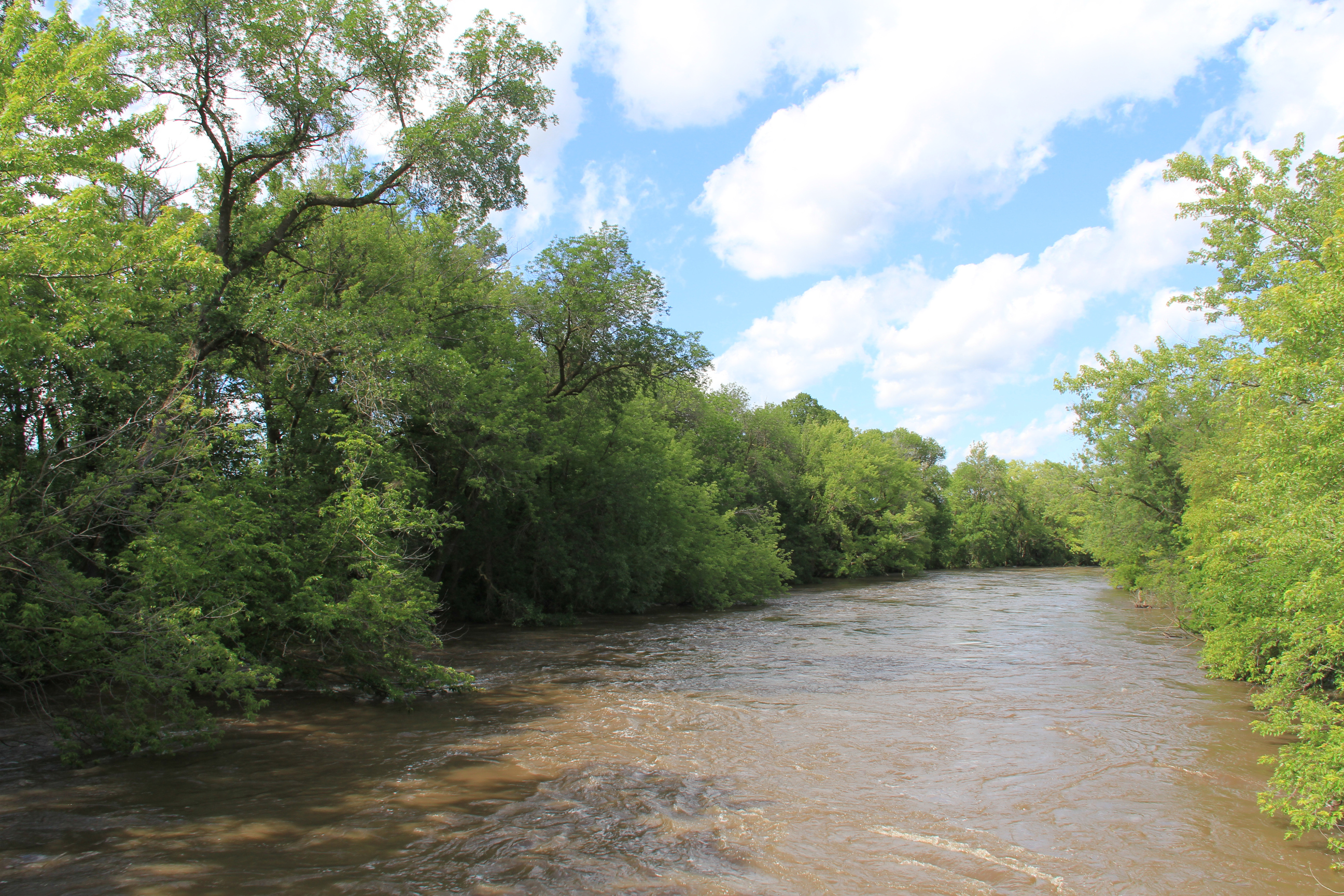
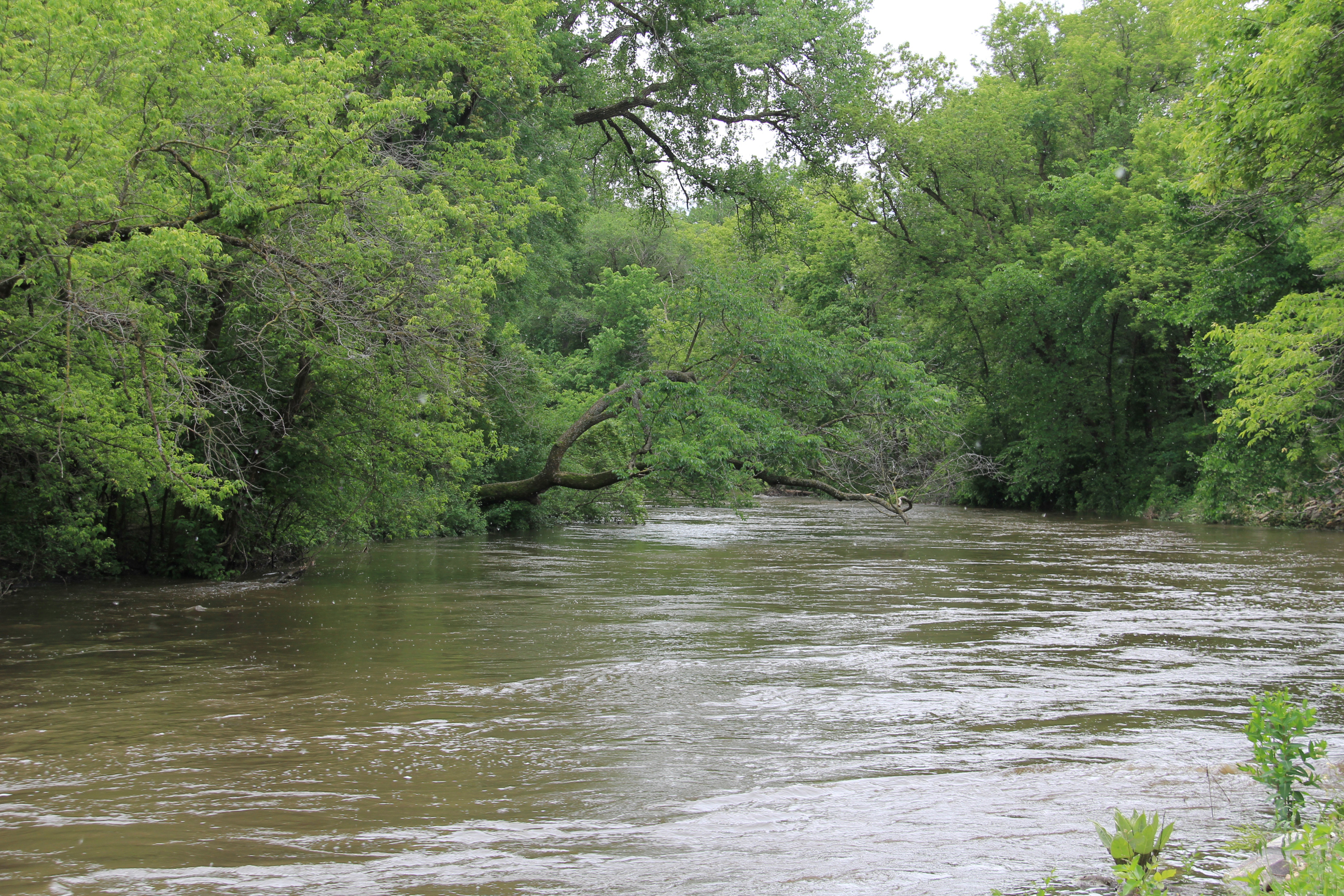
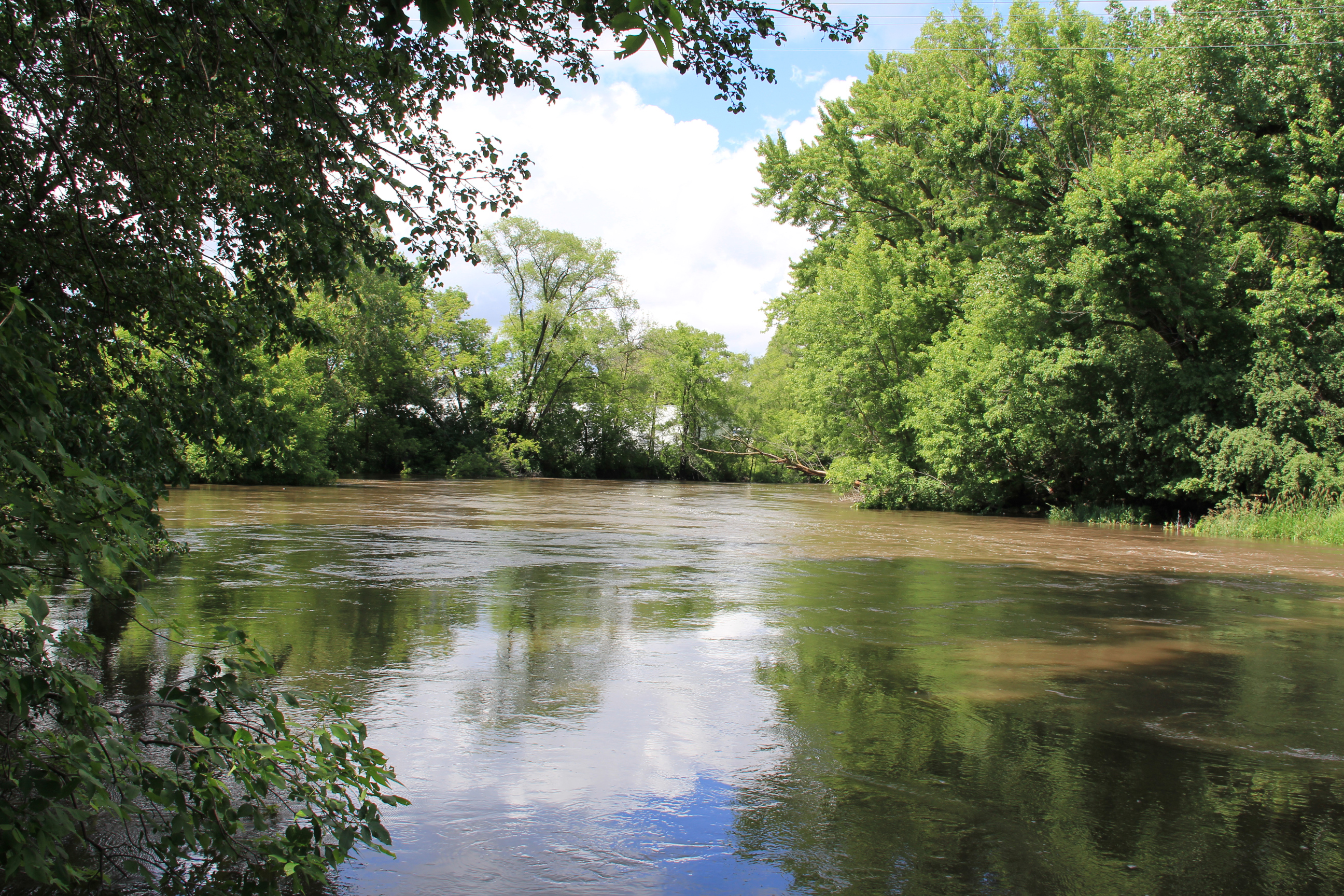
The rushing Straight River, photographed just off the Straight River Trail near Fleckenstein Bluffs Park. (Minnesota Prairie Roots copyrighted photo June 2024)

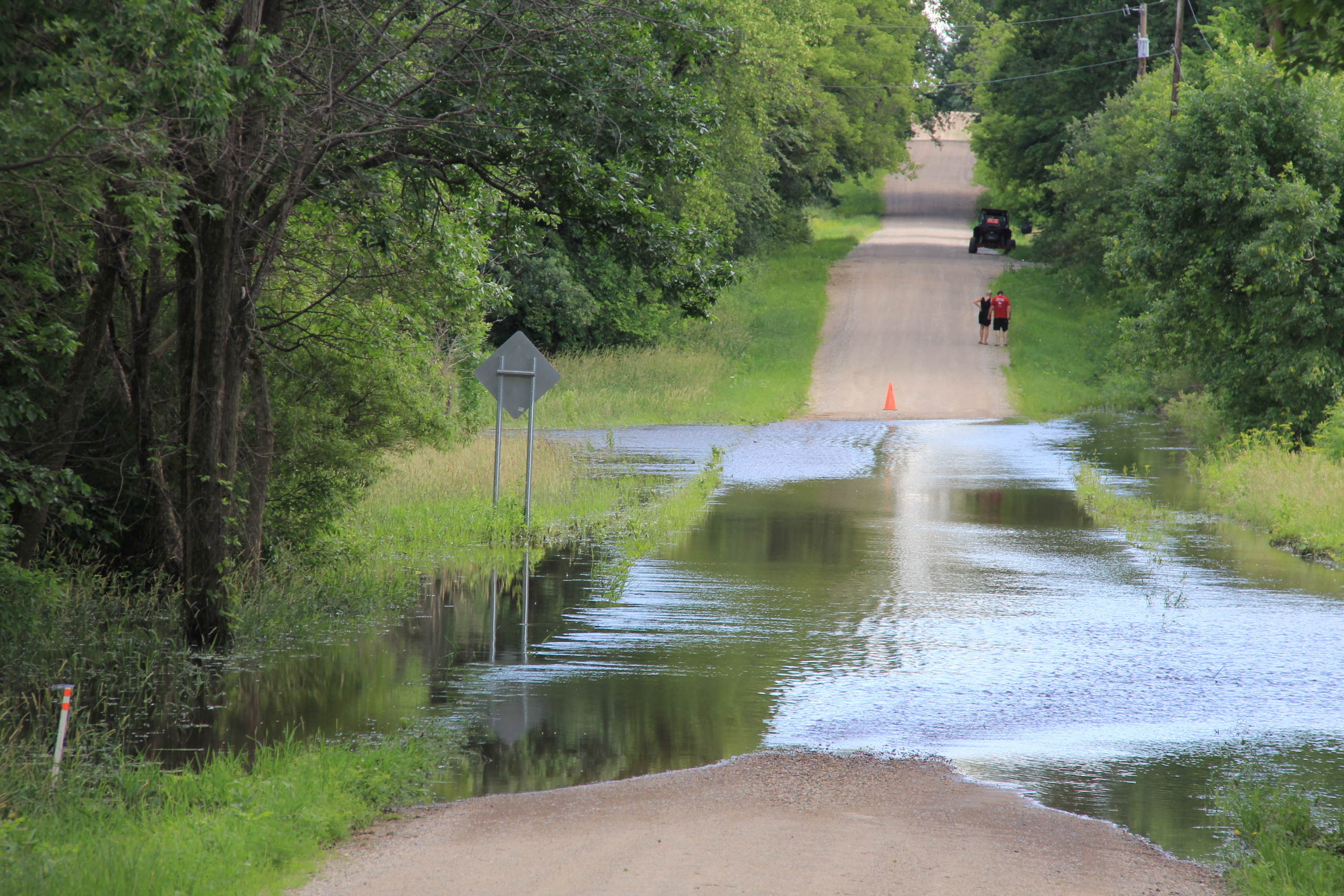
Recent days found me watching the two rivers—the Cannon and the Straight—which flow through Faribault. They are full to overflowing, muddied and rushing after significant rainfall dropped an unofficial 3.5 inches into my rain gauge over the weekend. That followed weeks of heavy rain.

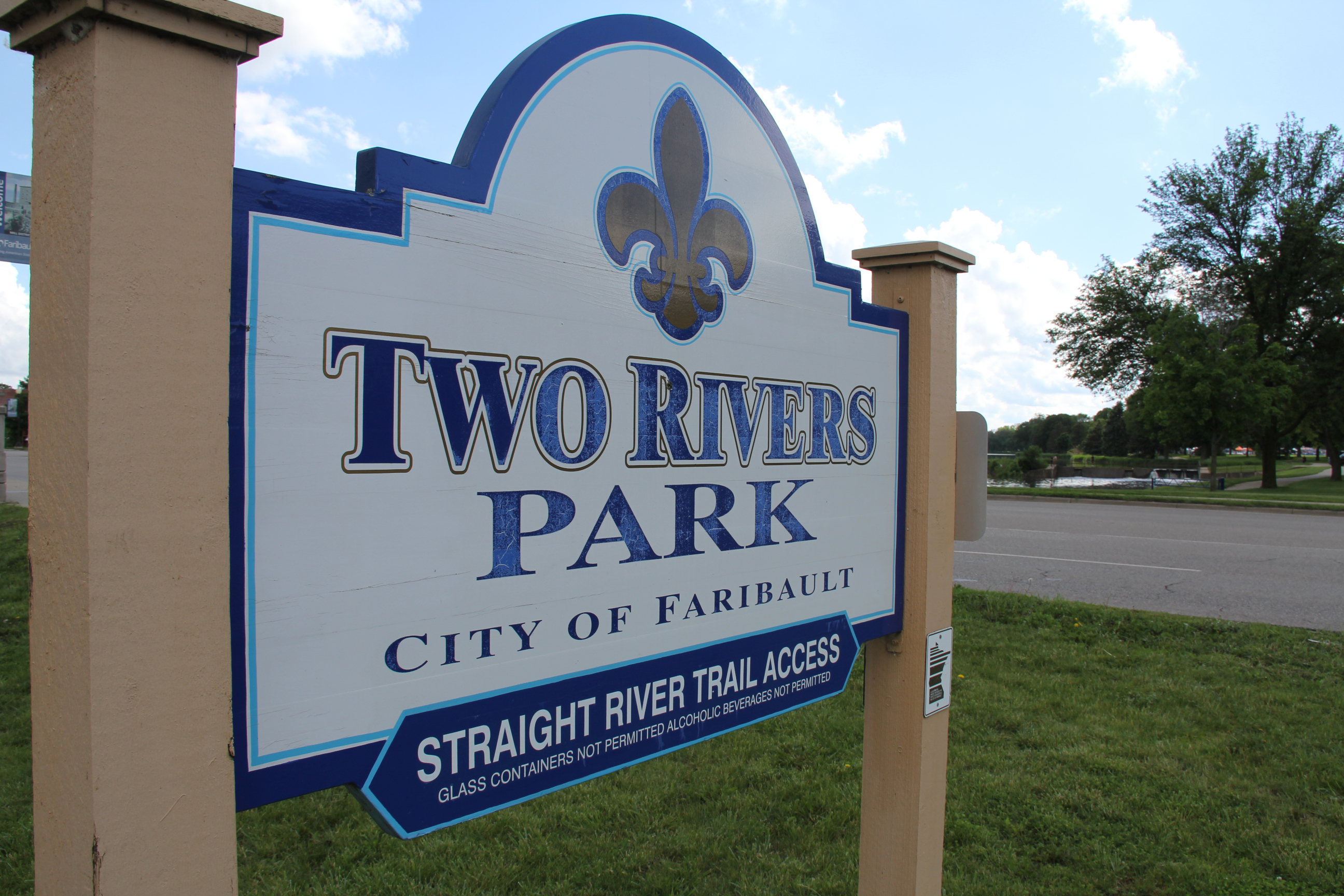
On the day I photographed this dock at Two Rivers Park, it was nearly submerged by the Straight and Cannon Rivers, which meet here. The dock typically sits high above the water. In retrospect, I should have stayed off this dock, which doesn’t seem all that safe. (Minnesota Prairie Roots copyrighted photo June 2024.
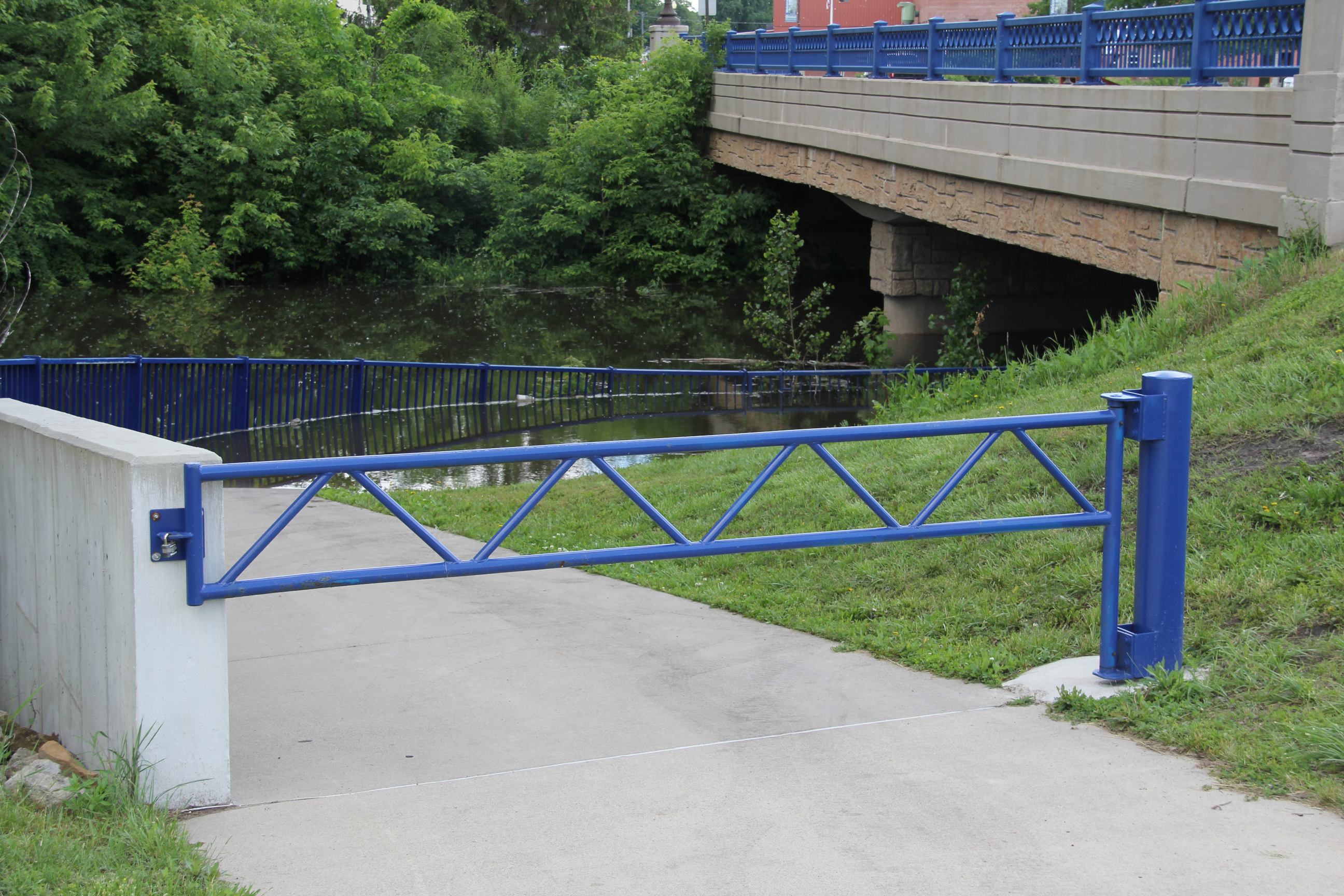
The City of Faribault has closed a section of a recreational trail running under the Second Avenue bridge due to flooding from the Cannon River. (Minnesota Prairie Roots copyrighted photo June 2024)

River levels are high, replenished after a near snow-less winter and the drought of 2023. But enough is enough. We need consistent sunshine and for the rain to stop. And for people to take extra care around fast-moving rivers.

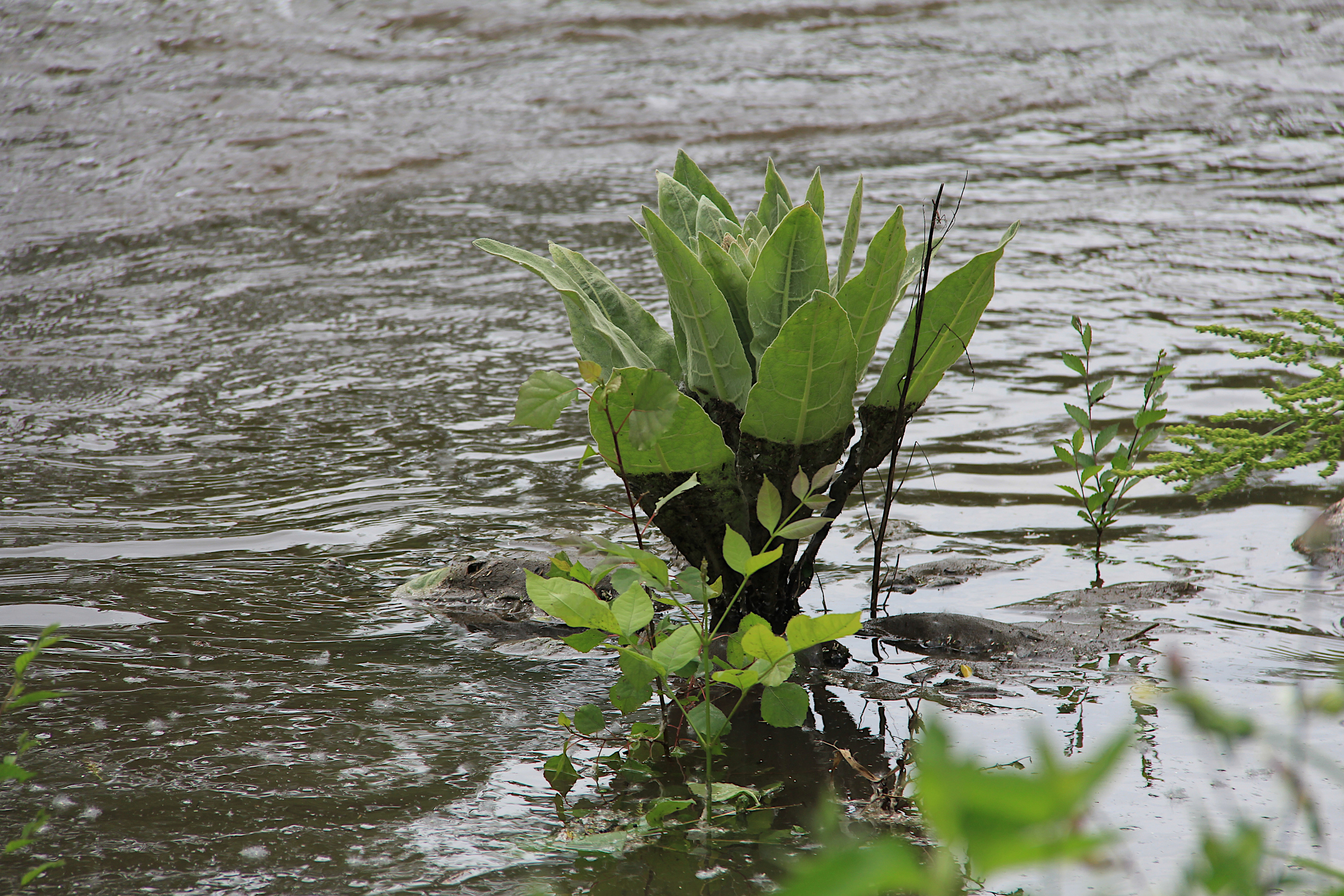
Muddy marks on this plant show how high the roiling Straight River rose, just off the Straight River Trail near Fleckenstein Bluffs Park. (Minnesota Prairie Roots copyrighted photo June 2024)

The Rice County Sheriff’s Department has advised people to be cautious on local waterways and to stay off the Cannon River. Six young people and three adults were recently rescued from the Cannon after their canoes and kayaks overturned. I saw drone footage of rescuers plucking people from the river. They were wearing life jackets, clinging to fallen trees. They got out alive. They were fortunate.

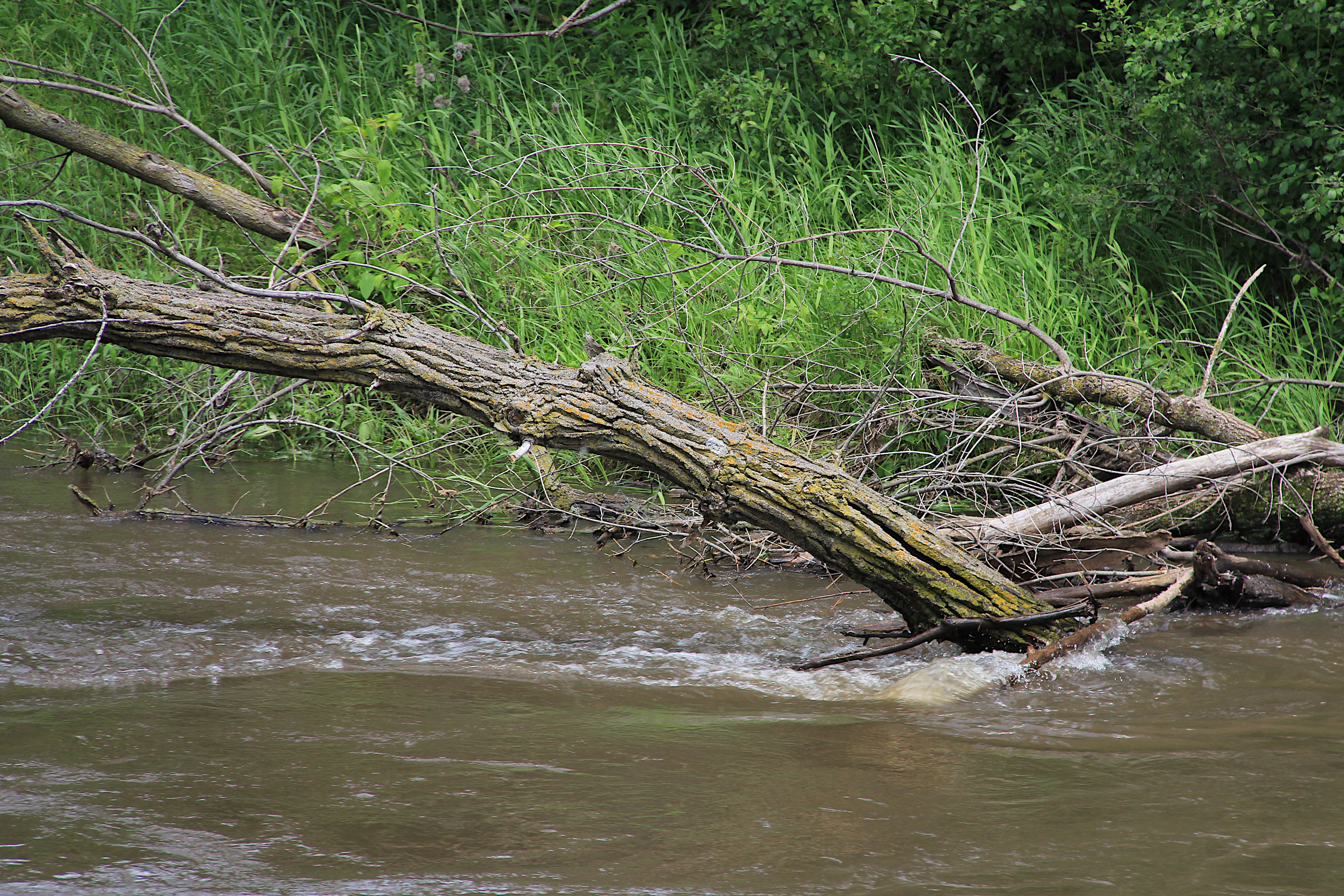
Fallen trees and limbs like these in the Straight River near Fleckenstein Bluffs Park present a hazard to anyone on the water. (Minnesota Prairie Roots copyrighted photo June 2024)

Local rivers are snagged with obstacles, especially trees downed by a 2018 tornado. The current is fast, the water swift-moving, dangers hidden below the surface. Watercraft can easily capsize, turning an outing into tragedy or near tragedy.

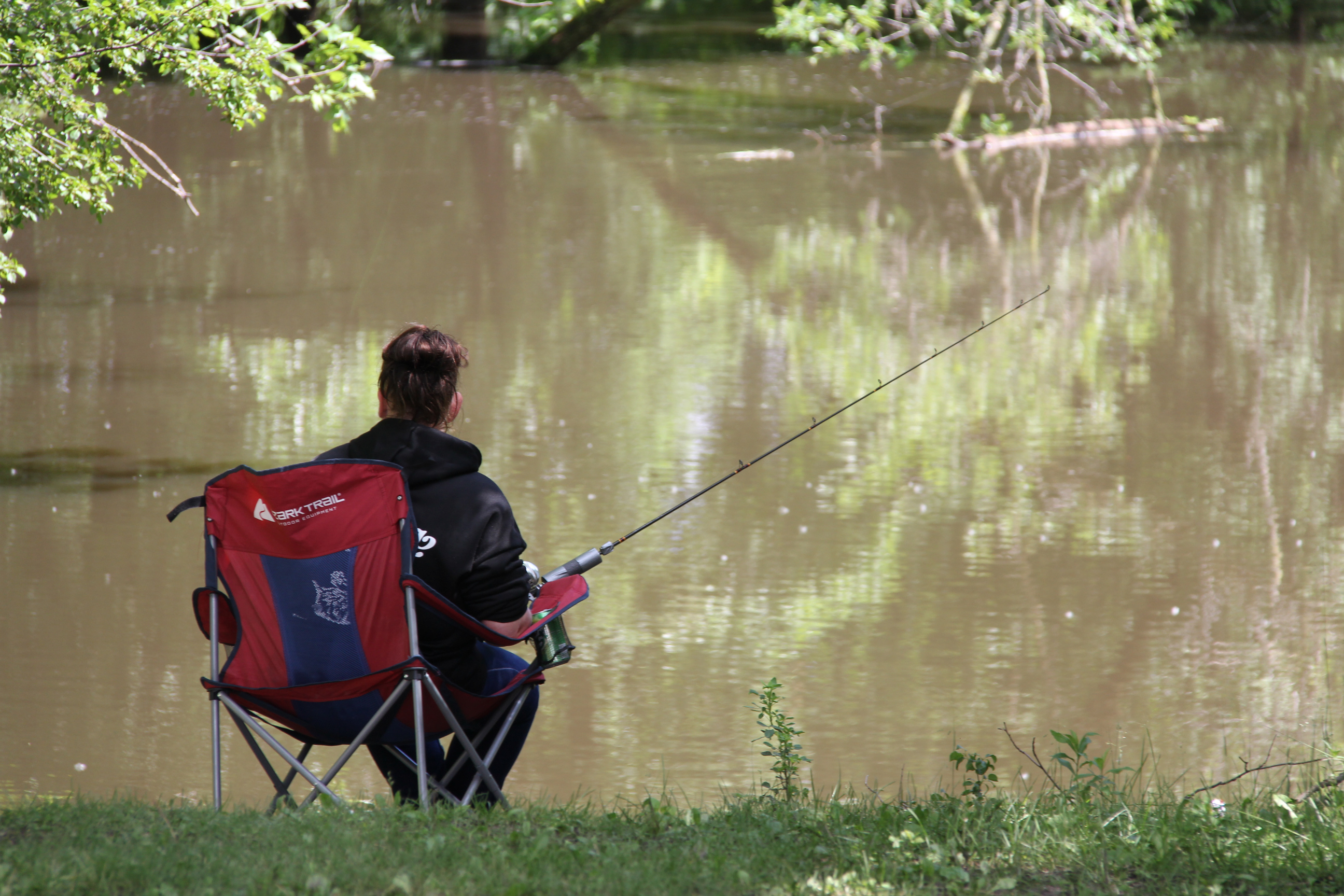
Fishing the muddy Cannon River at Two Rivers Park. (Minnesota Prairie Roots copyrighted photo June 2024)

I observed anglers safely fishing along the river bank at Two Rivers Park, above the dam by North Alexander Park and by the Woolen Mill Dam. These have always been popular fishing spots in town, although at Two Rivers most people fish from the dock. That was nearly under water when I stopped by. I didn’t visit the King Mill Dam, but I anticipate anglers were lining the shoreline there also.

The Cannon River is high and swift-moving at Two Rivers Park. The park was the staging scene for a recent water rescue. (Minnesota Prairie Roots copyrighted photo June 2024)

An abandoned bobber tossed into the water where the Cannon and Straight rivers converge showed just how swift the current. I have no doubt the river could quickly pull a person under who’d fallen from a canoe or kayak.

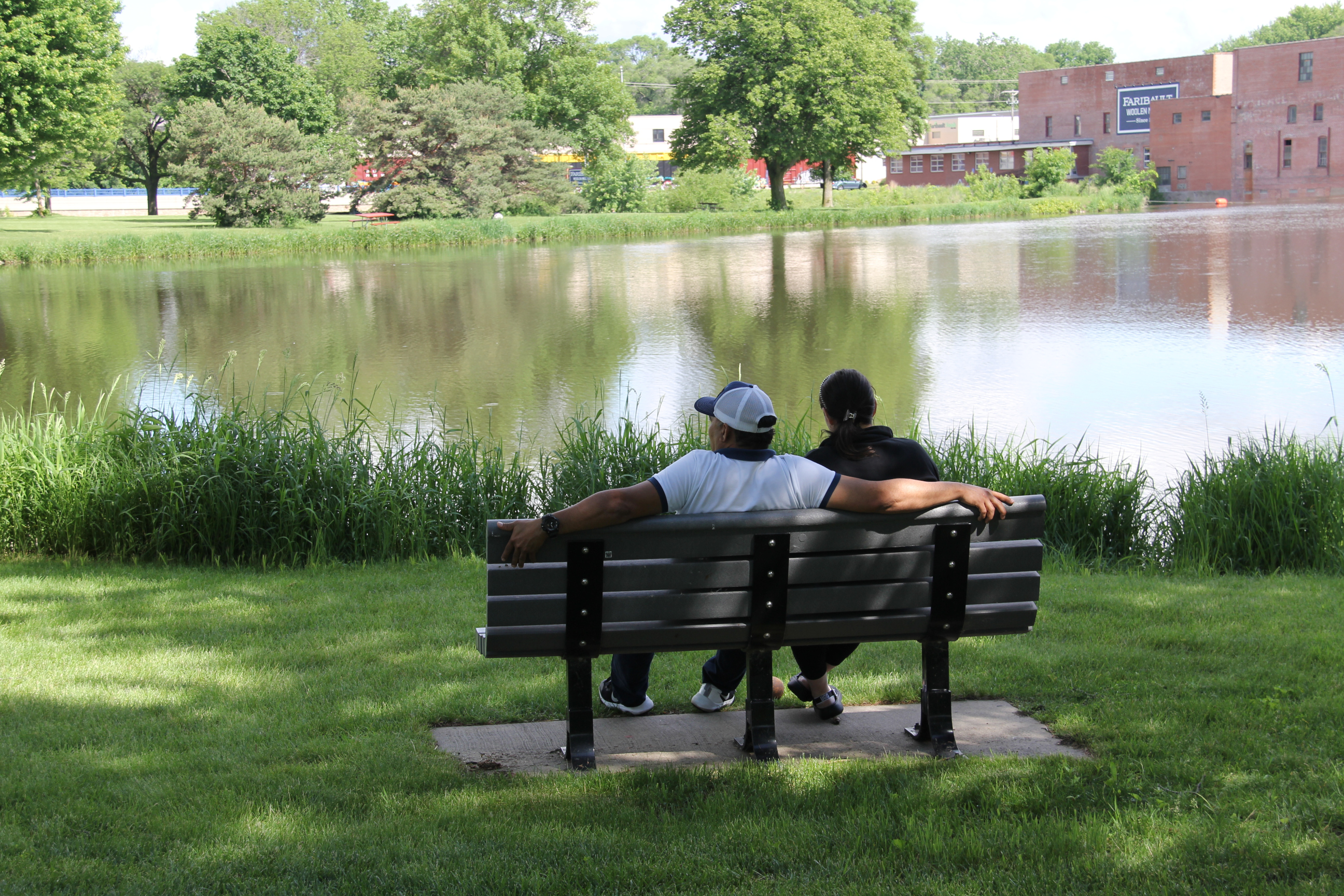
Relaxing along the Cannon River in North Alexander Park, the Faribault Woolen Mill on the opposite shoreline. (Minnesota Prairie Roots copyrighted photo June 2024)
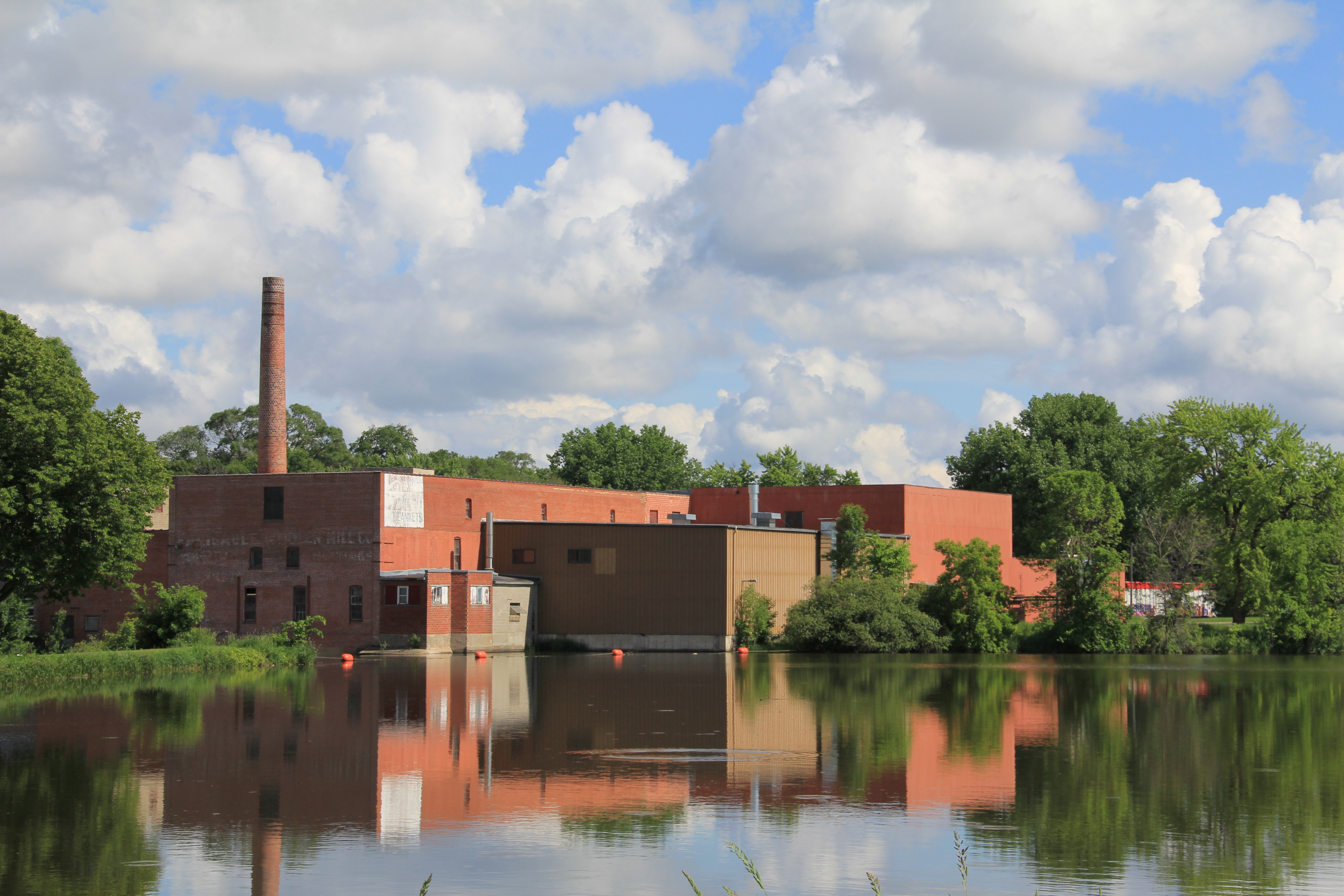
The iconic, historic Faribault Mill sits aside the Cannon River. (Minnesota Prairie Roots copyrighted photo June 2024)
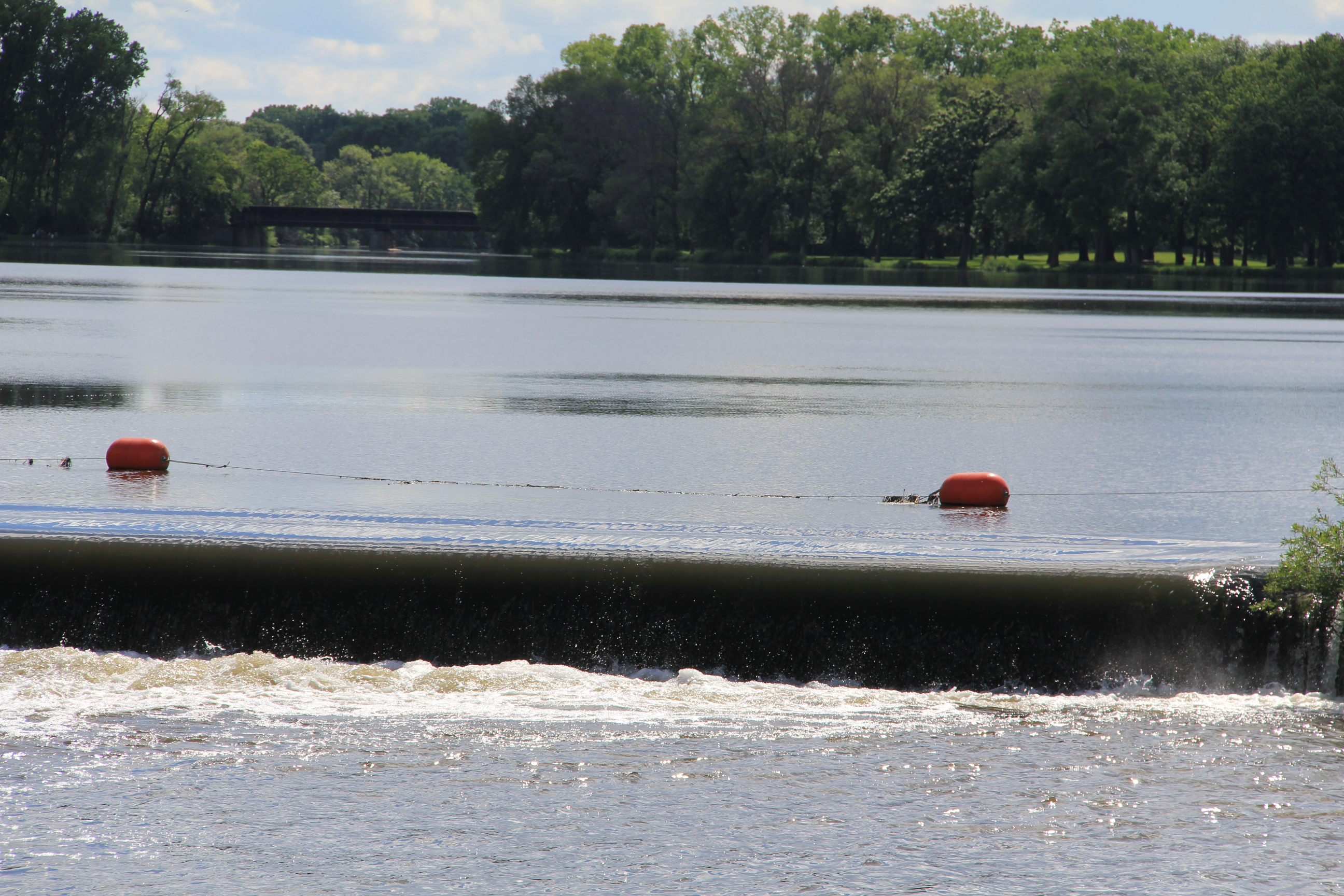
This photo taken several days ago shows the minimal drop over the Woolen Mill dam, with raging river below. (Minnesota Prairie Roots copyrighted photo June 2024)

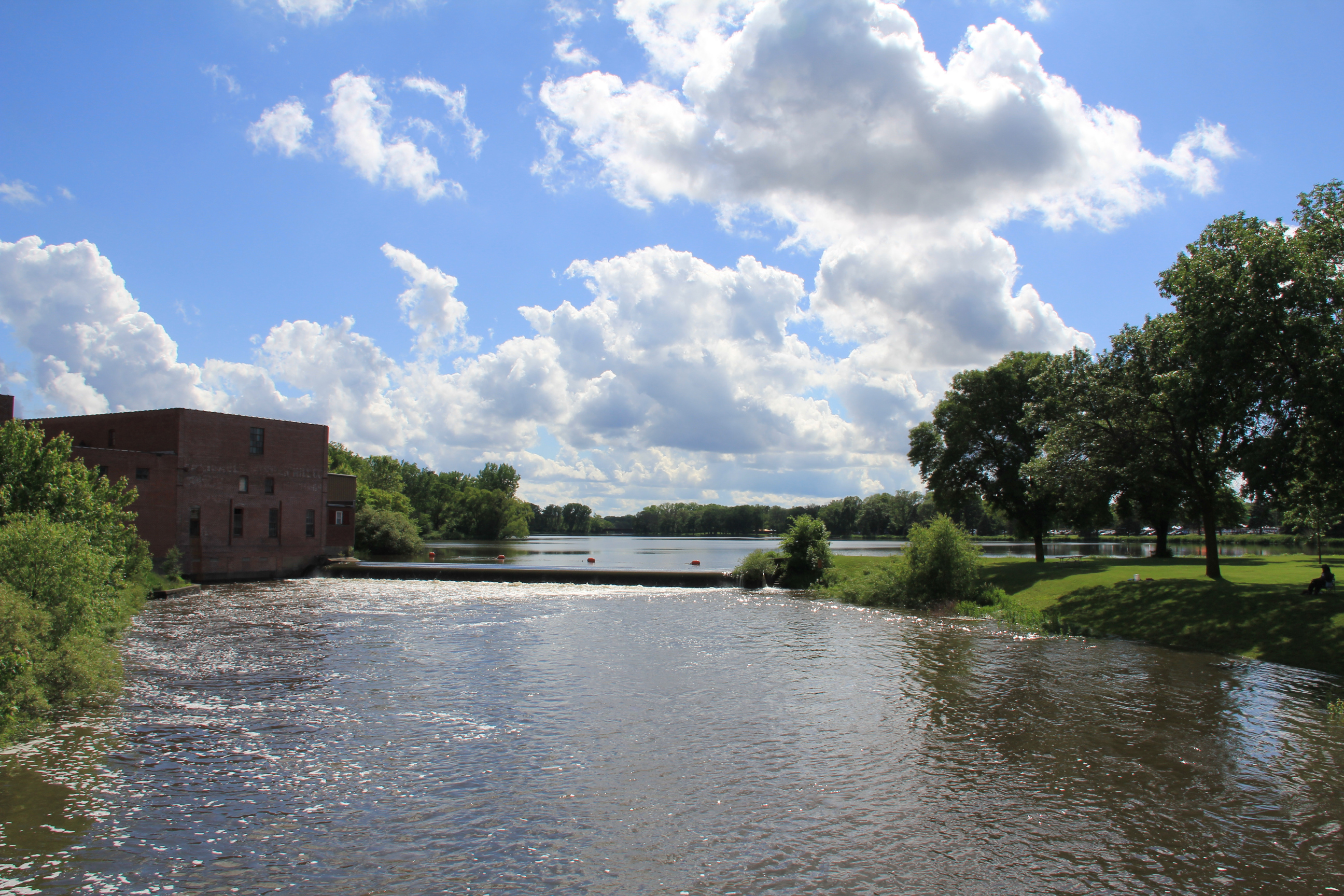
It’s easy enough to get misled by the water. Sit aside the wide stretch of the Cannon before it spills over two dams and the scene looks tranquil. The water’s surface is smooth, reflecting sky and trees and the historic woolen mill. But when the water spills over the dams, it transforms into something muddy and menacing, not to be messed with.

The scenic Cannon River and dam near the Faribault Mill. (Minnesota Prairie Roots copyrighted photo June 2024)

Respect the rivers, I say, even if it is tempting to launch a canoe or ease into a kayak. River levels will drop in due time as summer unfolds. There will be ample opportunity to get on the water, to enjoy the river scenery, to delight in the natural beauty of Mni Sóta, Dakota for “land of sky tinted waters.”

© Copyright 2024 Audrey Kletscher Helbling


“From Somalia to Snow” offers insights into our new Minnesota neighbors May 29, 2024

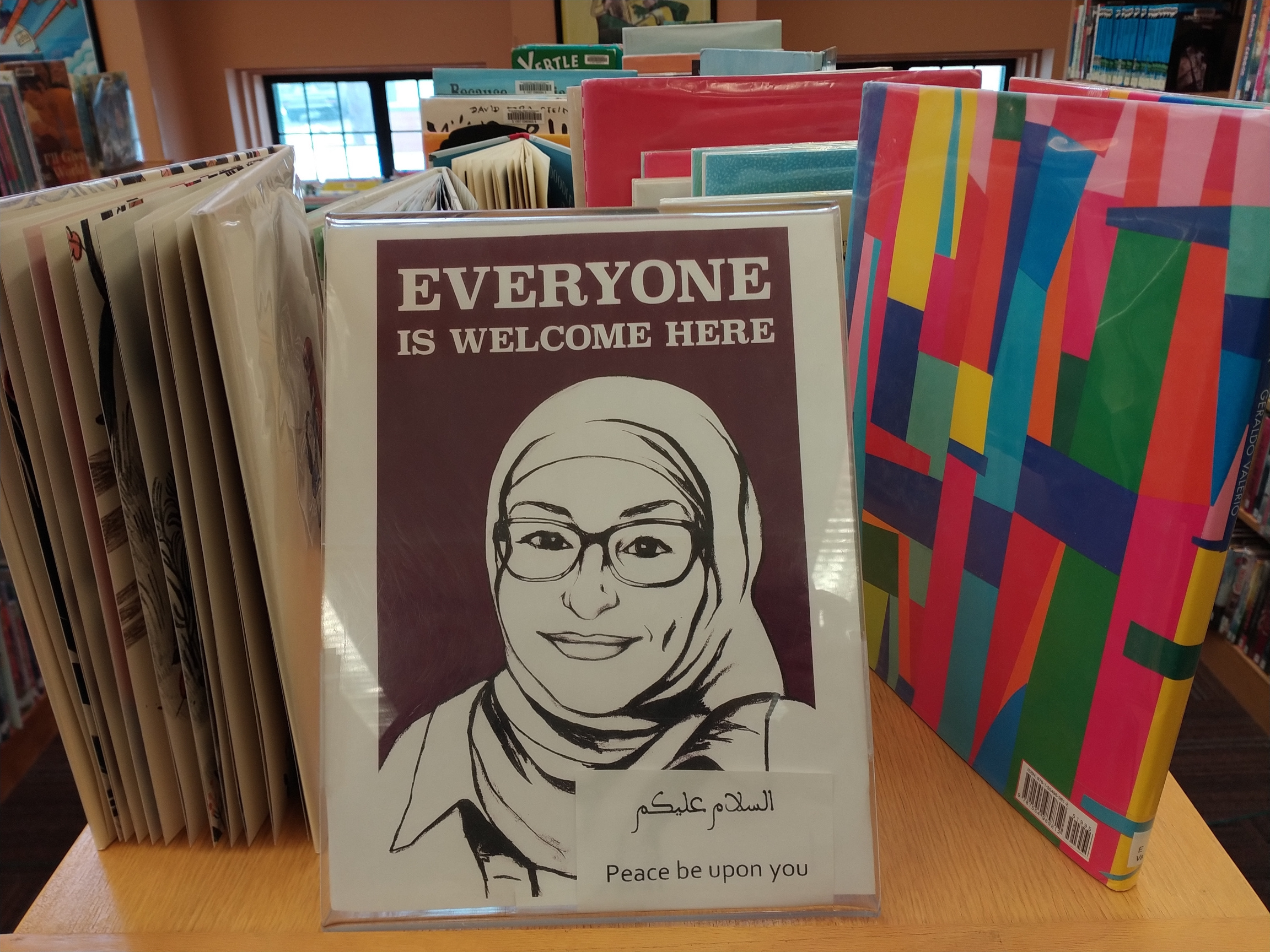
A welcoming sign photographed earlier this year in the children’s section of Buckham Memorial Library, Faribault. (Minnesota Prairie Roots copyrighted photo 2024)

KNOWLEDGE IS POWER. Not in the sense of personal power, but in understanding. And I am always about growing my knowledge and understanding, especially within my community.

Faribault, like many neighboring communities, is culturally-diverse, home to immigrants, refugees and those who have received American citizenship. Somalis. Hispanics. Latinos. And others from countries that fit anything but the mostly White European backgrounds of rural Minnesotans. We are a state evolving in diversity, and I embrace that.

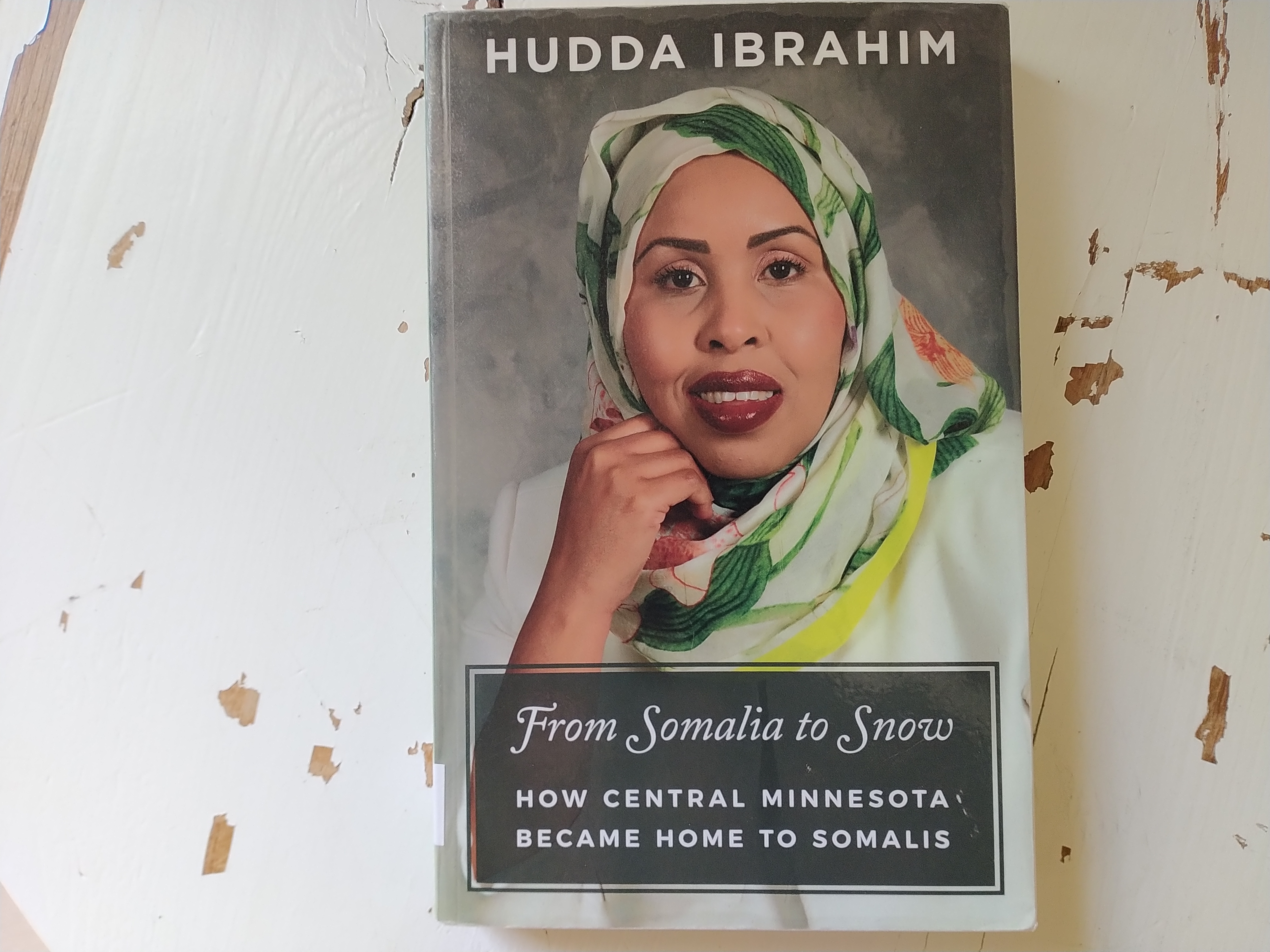
Hudda Ibrahim’s book offers an in-depth look at Somalis living in Minnesota. (Minnesota Prairie Roots copyrighted photo May 2024)

Recently I met a central Minnesota author who was in town as part of an event celebrating Somali culture at the Paradise Center for the Arts. Hudda Ibrahim of St. Cloud, which has a sizable Somali population, was selling her books, including From Somalia to Snow—How Central Minnesota Became Home to Somalis. Although I didn’t purchase her book then, I eventually checked it out through my regional library system. That and her nonfiction children’s picture book, What Color Is My Hijab?

Hudda Ibrahim’s children’s book inspires girls to be whatever they want to be via Ibrahim’s empowering words and Meenal Patel’s vivid art. (Book cover sourced online)

After reading those two books, I have better insights into the backgrounds, stories, culture and challenges of my new neighbors. Ibrahim writes with authenticity. She was born and raised in Africa (Somalia, Ethiopia and Kenya), came to the U.S. in 2006, teaches diversity and social justice in St. Cloud, and works closely with Somalis there. From Somalia to Snow includes interviews with Somalis in Ibrahim’s community along with her observations, insights and recommendations.

I quickly discovered that I had much to learn, even when it comes to understanding the basics. A person of Somali ethnicity is not a “Somalian,” as I’d incorrectly said, but rather a “Somali.” I appreciate that about Ibrahim’s writing. She doesn’t presume her readers know, making her book a really good source of basic, yet detailed and thorough, information.

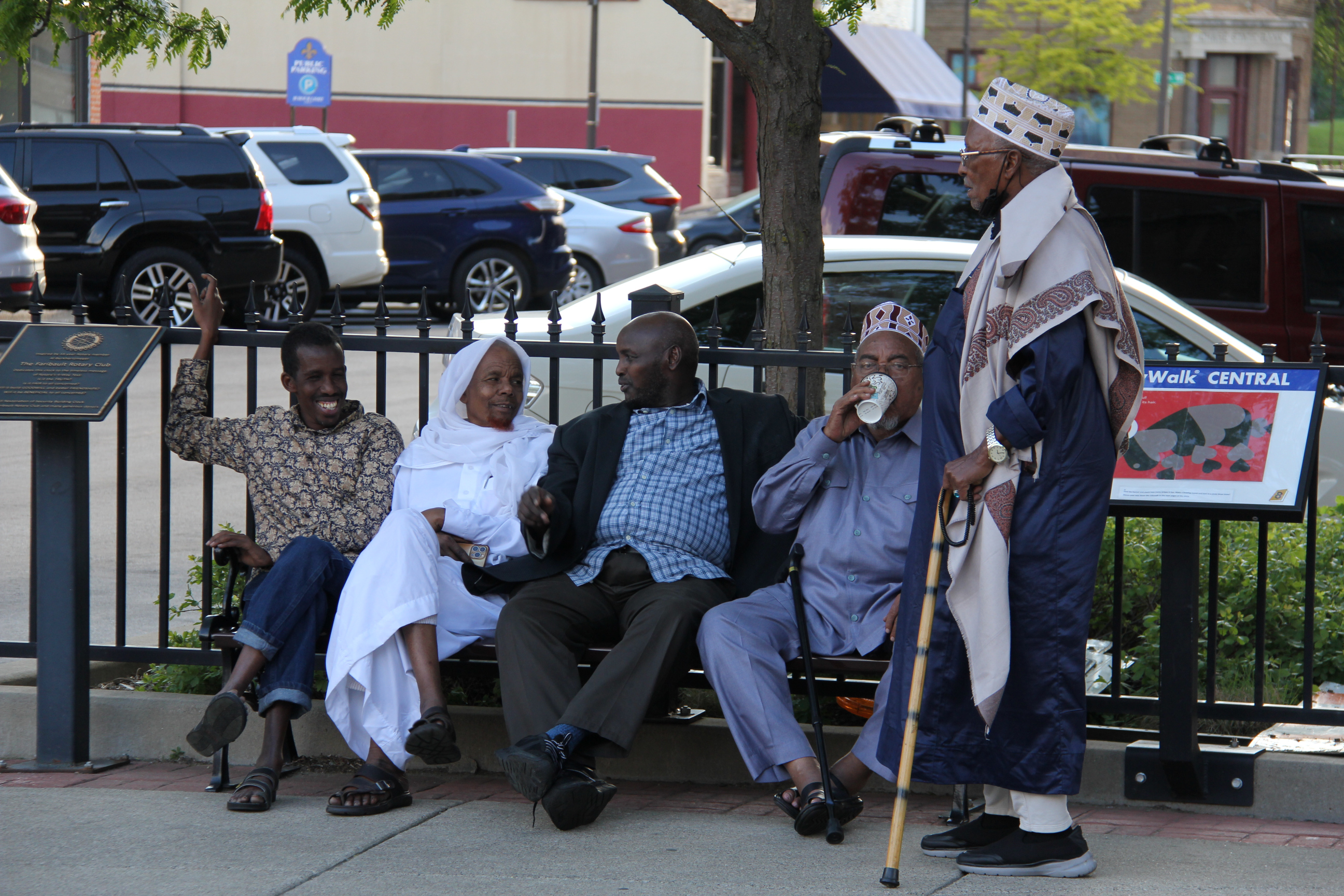
I often see Somali men visiting in downtown Faribault, where many live. (Minnesota Prairie Roots copyrighted file photo May 2024)

I especially appreciated her chapter titled “Integration and Assimilation” because I’ve heard the comments from locals about how Somalis need to do this and that because they’re living in America now. Ibrahim states that Somalis prefer to “integrate,” not “assimilate.” That makes sense to me, that our new neighbors want to retain their cultural identity while also adapting to their new home. I think back to my own maternal ancestors who settled together near New Ulm in southern Minnesota and clung to their German identity, speaking in German, following customs and traditions from the Old Country. The same can be said for Scandinavians, who still eat lefse and lutefisk. Cultural identity is important to all of us.

So is family. Like my German ancestors settled together, so do those who come from Africa. They want to be near people who get them, understand them, share a language and faith and customs and culture. Jobs and family (clans) brought Somalis to St. Cloud, Ibrahim writes. Many work in meat-packing plants, just like in my community.

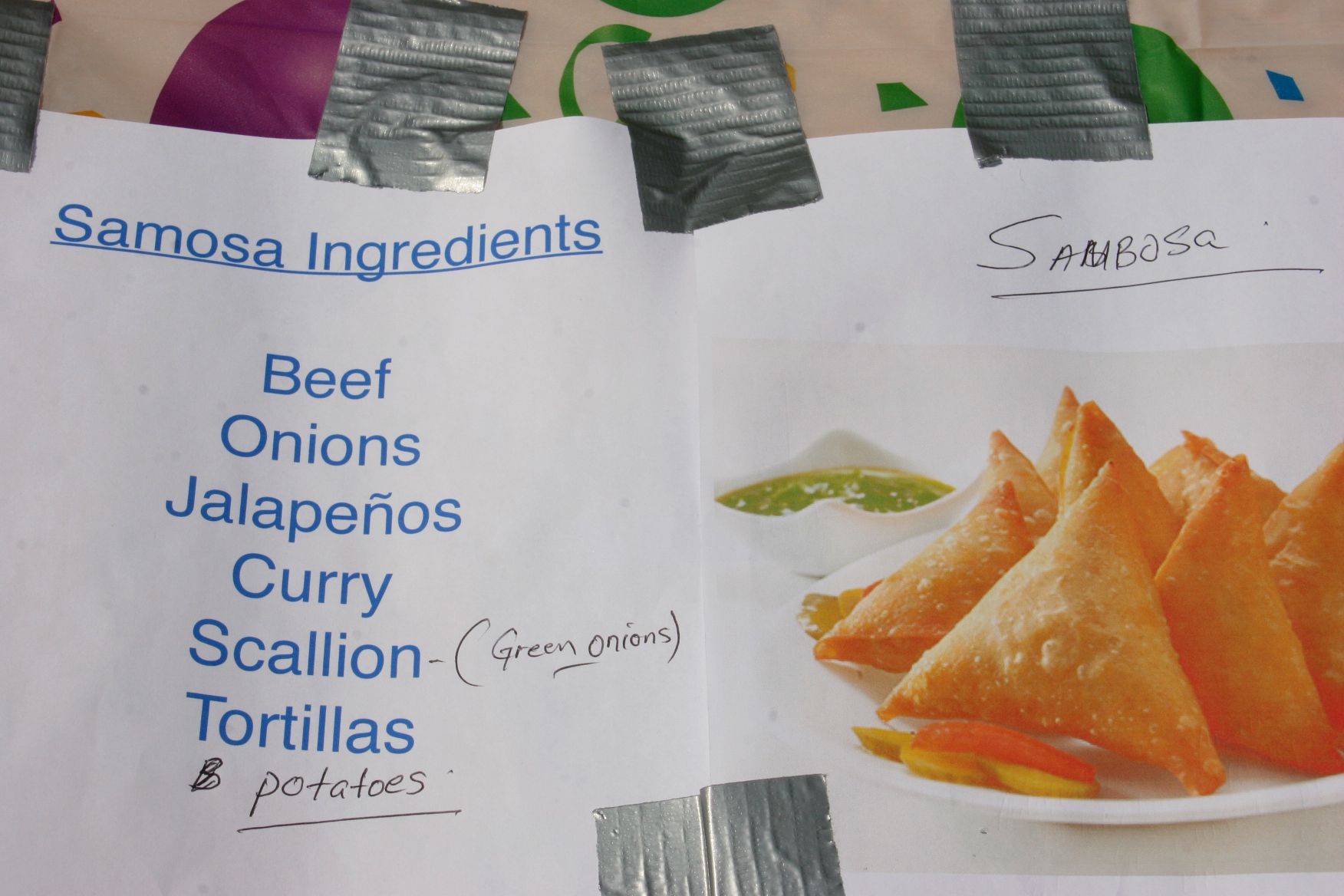
This sign for Somali food was posted at a past International Festival in Faribault. I especially like sambusa, a spicy, meat-filled triangular pastry. It was served at the recent Somali-focused event I attended. (Minnesota Prairie Roots copyrighted file photo)

Others have pursued higher education and entrepreneurship, opening businesses which serve primarily their community. I need only walk Faribault’s downtown business district to see numerous Somali-owned shops and restaurants. I love the color and culture they bring. And I love Somali tea, which I tried at that event where I met Ibrahim. It’s tea mixed with milk and spiced with cinnamon, ginger, cloves, cardamom… The scent is heavenly, the taste divine. And I can buy it locally.

Faribault is a culturally-diverse city, as seen in this image taken during a car show in downtown Faribault in 2015. (Minnesota Prairie Roots copyrighted file photo 2015)

Ibrahim’s book is packed with insights: Somalis value oral communication over written. They are good oral poets. Restaurants often do not have printed menus, primarily because they serve Somalis. Muslims memorize the Quran (with 6,666 verses), a process that can take years. Socializing and community are important. Barriers remain in healthcare. There’s just a whole lot to learn via reading From Somalia to Snow. It starts with an overview of Somali history and then takes readers into the lives, cultures and challenges of Somalis living in Minnesota today. Thanks to Ibrahim’s writing, I now have a better understanding of my new neighbors. And for that I am grateful.

© Copyright 2024 Audrey Kletscher Helbling


Connecting at Car Cruise Night in Faribault May 23, 2024

(Minnesota Prairie Roots copyrighted photo May 2024)

THRONGS OF CAR ENTHUSIASTS converged in historic downtown Faribault last Friday evening for the first of four Car Cruise Nights of the season. All over southern Minnesota, car shows are resuming along Main Streets, in parking lots and grassy spaces as the weather warms and people want to be outdoors.

Loved this restored tow truck. (Minnesota Prairie Roots copyrighted photo May 2024)
Emblems are art in my eyes, including this one for a Mustang. (Minnesota Prairie Roots copyrighted photo May 2024)
There’s art everywhere on a vehicle. (Minnesota Prairie Roots copyrighted photo May 2024)

In Faribault, the crowd was the largest I’ve seen for the event, which has become a draw for anyone interested in antique, collectible, vintage and sports vehicles. Not just cars. Trucks, too. Vehicles stretched an impressive six blocks along Central Avenue.

Friendship, sweet friendship. (Minnesota Prairie Roots copyrighted photo May 2024)

But Car Cruise Night is about more than just vehicles. It’s also about community. The show brings all ages, from preschoolers to teens to seniors, into the downtown. I saw a lot of people I knew and chatted for awhile with each of them, catching up on lives. Eventually I got to looking at the cars and trucks, only to be distracted again by a familiar face. But that’s OK. I value connecting with others.

This truck handle connected three cultures in conversation. (Minnesota Prairie Roots copyrighted photo May 2024)

One interaction stands out for me. As I admired ornate gold-plated handles on a shiny white pick-up truck, a young Somali man (also appreciating the art) asked about the cost. I had no idea. Then the owner, who was Hispanic, stepped up and shared and the three of us talked. Different cultures connecting over gold-plated handles and emblems. Smiling. Engaging. It was a beautiful moment.

Visiting on a street corner during the car show. Many Somali immigrants and refugees live in downtown Faribault and elsewhere in our community. (Minnesota Prairie Roots copyrighted photo May 2024)

I noticed my new friend holding a lidded cup with a tea bag label draping over the edge. “Is that Somali tea?” I asked. “I love Somali tea.” He confirmed it was and directed me to a shop where I could purchase the tea, which is tea combined with milk and spiced with cinnamon, ginger, cloves, cardamom… I had the tea at a Somali event several weeks ago and love not only the taste, but also the scent. I didn’t buy tea at the car show, because I was shooting photos. A camera and liquids don’t mix. But at least now I know where I can source this delicious beverage in my community.

Old aside new. (Minnesota Prairie Roots copyrighted photo May 2024)
Wooden spokes on a 1930s Buick. (Minnesota Prairie Roots copyrighted photo May 2024)
This sprint car drew lots of interest. (Minnesota Prairie Roots copyrighted photo May 2024)

Plenty of people were enjoying food and drinks purchased from food trucks and sidewalk vendors along Central Avenue. Restaurants were also open.

This Ford convertible seemed to stretch into forever. (Minnesota Prairie Roots copyrighted photo May 2024)

Music, albeit much louder than I can tolerate, added to the vibe of Car Cruise Night. Bands are a new feature.

Historic buildings backdrop the car show. (Minnesota Prairie Roots copyrighted photo May 2024)

The entire event brought people together on a picture perfect May evening. I’ve lived here for 42 years and continue to appreciate Faribault’s downtown historic district of aged brick and limestone buildings, an ideal backdrop for a car show. It’s a lovely setting in which to view vehicles, to converse, to connect, to build community.

(Minnesota Prairie Roots copyrighted photo May 2024)

FYI: Upcoming Faribault Car Cruise Nights are set for 6 pm – 9 pm on Fridays, June 21, July 19 and August 16.

© Copyright 2024 Audrey Kletscher Helbling


Tis the season of finding flea market treasures May 21, 2024

Vendors ringed the Rice County Historical Society museum during a recent flea market. (Minnesota Prairie Roots copyrighted photo May 2024)

THEY’RE RATHER LIKE a treasure hunt. Flea markets and garage sales. And even though I don’t really need anymore “stuff” at this point in my life, I still enjoy perusing the goods at these local markets. Occasionally I find something—recently an over-sized world map for the grandson, two holiday cookie cutters and faith-themed art.

Flea markets often yield a bounty of belt buckles. (Minnesota Prairie Roots copyrighted photo May 2024)

Second-hand sales seem to be growing in popularity, perhaps because of the challenging economy and/or because of a renewed focus on reusing, recycling, repurposing and upcycling. As one vendor at the May 18 Rice County Historical Society Spring Flea Market told me, “I’m just trying to keep stuff out of the landfill.” That’s my kind of thinking.

Original and replica signs are another popular flea market offering. (Minnesota Prairie Roots copyrighted photo May 2024)

Shop an event like the RCHS Flea Market, and you’ll find an array of merchandise hearkening from yesteryear, but also more current. A couple picked up a vintage side table for $5 with plans to repaint the sturdy wooden piece. Another found three new air filters for his van for $3. A woman snapped up a decorative wicker baby buggy. A guy grabbed a weed trimmer to replace his malfunctioning one.

Artisans also vended, selling their handcrafted creations like these wooden American flags. (Minnesota Prairie Roots copyrighted photo May 2024)

Whatever shoppers were seeking on the grounds of the local historical society, they may have found it among the 65 vendors who sold not only second-hand, but also handcrafted creations. An eclectic mix of merchandise certainly defined the offerings.

Lawn tractors crafted by Duane Duffney from vintage sewing machines and other recycled parts. (Minnesota Prairie Roots copyrighted photo May 2024)

Duane Duffney of Montgomery earned my star this year for the most unusual merch. I challenge myself to find oddities. And his handcrafted mini lawn tractors, made from vintage sewing machines and assorted used parts, caught my eyes. Massey Harris, John Deere, Oliver, Allis Chalmers, Ford, Farmall—pick your brand from Duffney’s tractor collection. He’s also started building mini decorative motorcycles.

Prepared to purchase or purchased. (Minnesota Prairie Roots copyrighted photo May 2024)

As I wandered among the flea market tables, I noticed some serious shoppers. A woman pulling a red wagon, either purchased or for purchases. A friend pulling a small carry-on suitcase. They came prepared to tote home plenty of goods.

I collect vintage drinking glasses, but passed on these beauties. (Minnesota Prairie Roots copyrighted photo May 2024)
A gas pump sign from back in the day. (Minnesota Prairie Roots copyrighted photo May 2024)
I have a small collection of vintage cameras, but opted not to buy more. (Minnesota Prairie Roots copyrighted photo May 2024)

Me? I looked and photographed. I’m drawn to vintage drinking glasses and signs. A collection of vintage cameras also drew my interest, momentarily tempting me.

A stash of polka albums. (Minnesota Prairie Roots copyrighted photo May 2024)

A display of polka albums caused me to pause. Minnesota style polkas by Gil Steil, including “Mountain Excursions Polka,” a title that seems decidedly non-Minnesotan to me. But at $1 per album, the price was right for polka appreciators.

There were plenty of toys for kids. (Minnesota Prairie Roots copyrighted photo May 2024)
I spotted this glow bunny aside a vendor’s trailer. (Minnesota Prairie Roots copyrighted photo May 2024)
Jars of marbles appear to me like works of art. (Minnesota Prairie Roots copyrighted photo May 2024)

Toys, home décor, puzzles, clothing, tools, furniture, glassware…so much variety. Flea markets are like an outdoor emporium, a general store. Even a bit like an open air museum and an arts and crafts fair.

Shopping and mingling at the RCHS Flea Market. (Minnesota Prairie Roots copyrighted photo May 2024)

They’re also about community and connecting. I stopped often to chat with people I haven’t seen in awhile, and some I’ve seen recently. Conversation is good for the spirit and the soul. I value this aspect of flea markets. Conversation flows easily in a setting that feels casual, relaxed, inviting.

This weekend Rice County Steam & Gas Engines hosts its Spring Flea Market and Swap Meet from 8 am – 5 pm Saturday, May 25, and Sunday, May 26, at its showgrounds just south of Dundas along Minnesota State Highway 3. It’s another opportunity to connect with folks while supporting a non-profit focused on the region’s agrarian roots. There’s also a consignment auction at 9 am Saturday and a tractor pull at 9 am Sunday. Admission is free as are rides on a miniature train.

An historic church and schoolhouse provide a backdrop for vendors at the RCHS Flea Market. (Minnesota Prairie Roots copyrighted photo May 2024)

I love this time of year when Minnesotans are emerging from their homes, when organizations are hosting community events, when people are coming together in the greening outdoors. It’s a fine time for a treasure hunt, whether the treasure is in merchandise or in conversation.

© Copyright 2024 Audrey Kletscher Helbling


Celebrating creativity at Straight River Art Festival May 20, 2024

Acrylic dot art by Alyssa Laws of LoopedbyLaws Dots Division. (Minnesota Prairie Roots copyrighted photo May 2024)

LOONS, LEATHER, LITERARY ART…, oh, the work of creatives who set up shop Saturday at Faribault’s annual Straight River Art Festival. It’s an event that always impresses upon me the incredible talent of those who create with their minds, their hands, even their voices.

A hand-tooled sunflower mandala circle crossbody purse crafted by Susan McCabe of Lake Agassiz Leathers LLC. (Minnesota Prairie Roots copyrighted photo May 2024)
Mankato author Jason Lee Willis brought a selection of his Minnesota-themed historical fiction books. (Minnesota Prairie Roots copyrighted photo May 2024)
Los Tequileros played a mix of music during the art festival. (Minnesota Prairie Roots copyrighted photo May 2024)

One photographed loons. Another crafted goods from leather. And an author represented the literary arts in his books of historical fiction. Several bands played, bringing in the performing arts.

Vendor tents ringed and filled the park. (Minnesota Prairie Roots copyrighted photo May 2024)

This fest, held in Heritage Park against a scenic backdrop of trees and limestone bluffs aside the Straight River near downtown, is a lovely setting for meandering among vendor tents, viewing art, chatting with artists and enjoying the Minnesota outdoors.

Bea Duncan Memorial Fountain centers Heritage Park, site of the art festival. (Minnesota Prairie Roots copyrighted photo May 2024)

A fountain sculpture depicting town founder Alexander Faribault trading with a Dakota man centers the park, adding an historic, artsy element.

An acrylic painting by Peggy Paulson of Prairie Creek Art, Faribault. (Minnesota Prairie Roots copyrighted photo May 2024)
Original textile design art done with a serti-batik technique by Suz Klumb of Brigg Evans Design. (Minnesota Prairie Roots copyrighted photo May 2024)
Kathy Weed’s textile art. (Minnesota Prairie Roots copyrighted photo May 2024)

Like most arts festivals, this one featured a variety of art, this year from 30-plus creatives. I saw pottery, fabric and textile, batik, acrylic paintings, photography, stained glass, jewelry, fiber soft sculptures, handcrafted glass botanicals and more. Much more.

A suncatcher by Sandra Sargent of Bending Sunlight Stained Glass Studio. (Minnesota Prairie Roots copyrighted photo May 2024)
Textured fiber art by Lynn Hirschey. (Minnesota Prairie Roots copyrighted photo May 2024)
Diane Lockerby’s earthy pottery mugs. (Minnesota Prairie Roots copyrighted photo May 2024)

Vivid colors. Textures. Earthen hues. Stitching and sculpting. And shaping. An assortment of art appealing to assorted interests. It was all there.

Mural painting at the Straight River Art Festival. (Minnesota Prairie Roots copyrighted photo May 2024)

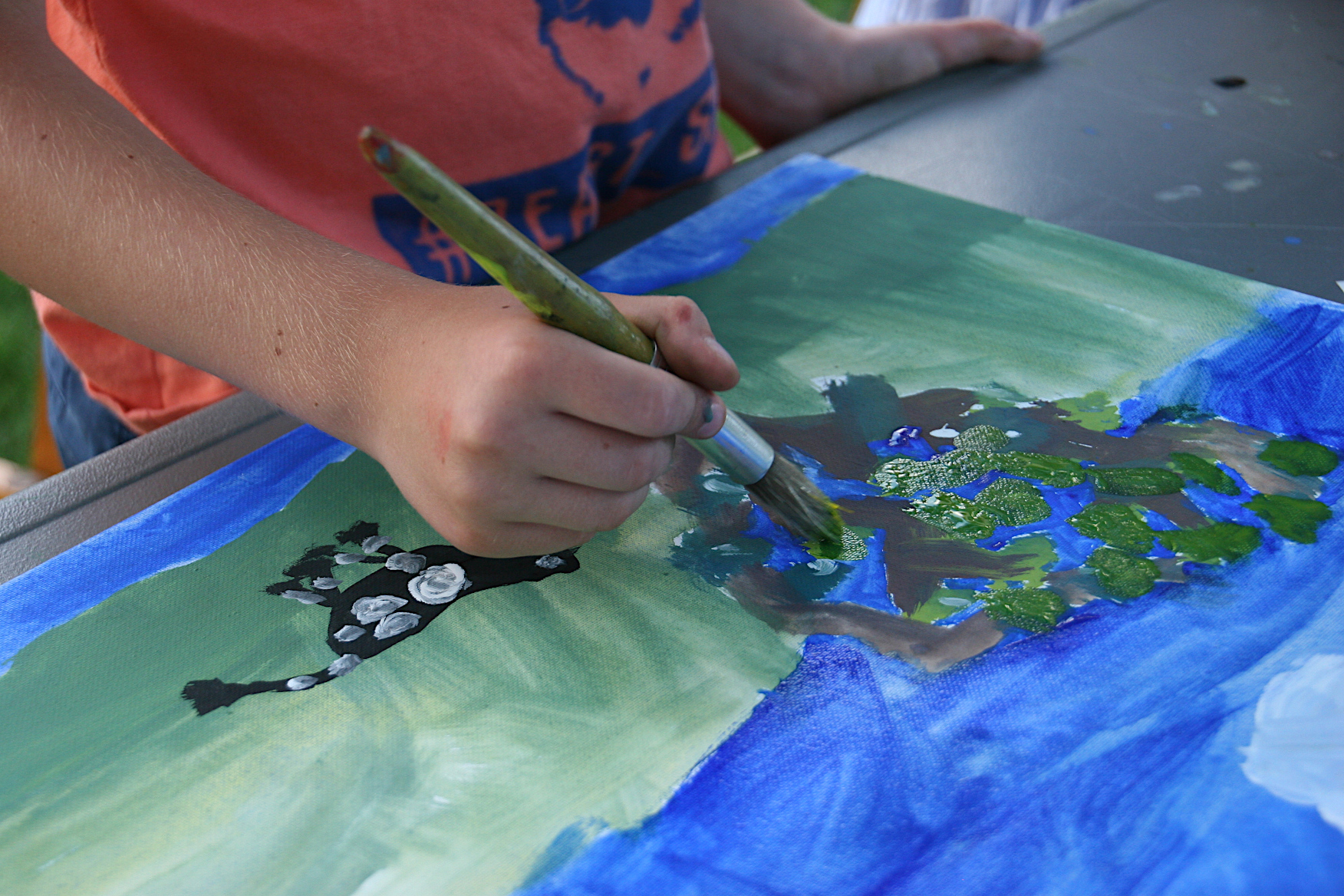
There were activities for kids also, which I always appreciate since it’s important to engage families. The Paradise Center for the Arts offered hands-on art. Books on Central, a used bookshop in downtown Faribault run by Rice County Area United Way, handed out free picture books to little ones. And on a section of blocked off street, visual artist Stephen McKenzie laid out a mural for the community to paint. It’s on display now inside the Bachrach building along Central Avenue.

The center of the mural. (Minnesota Prairie Roots copyrighted photo May 2024)

The mural is bold and vibrant, engaging and beautiful, reflecting nature. It reflects, too, a sense of togetherness, that we are all one on this earth, under one sun, all colors of the rainbow, surrounded by beauty.

Kids and adults work side-by-side to paint the community mural. (Minnesota Prairie Roots copyrighted photo May 2024)

Watching adults and youth working side by side, painting bold hues onto the mural design, I felt joy. Individuals worked as a cohesive team to create art. There’s something to be said for that in this time of much divisiveness.

Paint inside a trailer used in painting the mural. (Minnesota Prairie Roots copyrighted photo May 2024)

Art brought folks together on Saturday to show and sell their art. But, more than that, the Straight River Art Festival builds community, energizes and connects creatives. There’s a certain vibe to an event like this that feels good, really good. But then again, I love art. And I deeply appreciate those who share it with us.

© Copyright 2024 Audrey Kletscher Helbling

All artwork was photographed with permission from the artists.


About growing up poor, books, garage sales & more May 17, 2024

An abandoned farmhouse near my hometown of Vesta. The house no longer stands, but represents to me the financial hardships of growing up in southwestern Minnesota during the 1960s and 1970s. (Minnesota Prairie Roots copyrighted file photo)

THE RESIDUALS OF GROWING UP in poverty remain today in my life. I am careful with my money. I don’t spend much beyond paying bills and for necessities. I seldom buy anything new for myself. Dining out, which I rarely do, always leaves me feeling guilty, thinking about how many groceries I could have bought with that money (although not that many anymore).

This is a thinking pattern ingrained in me by a mother who was a child of the Great Depression. I suspect she picked up on thriftiness from her mother. My mom stretched and budgeted and managed to raise six children on a Minnesota farm with income generated from crops and dairy cows and with food from the land. We wore mostly hand-me-downs and clothing stitched from feed sacks. There were no birthday gifts from our parents, no family meals out, no a whole lot of everything. But we had love. Lots of it.

I share this because it explains why I am the way I am. Content with what I have. And appreciative of second-hand. I don’t need new. Currently, recycling, upcycling, repurposing, keeping stuff out of landfills is trendy. I’ve never been labeled as trendy. But apparently I am now.

That brings me to a number of events this weekend in my area which fit my budget and environmentally-friendly way of living: book sales, plant sales and flea market/garage sales.

You can still find Little Golden books in stores today, like these at JT Varieties & Toys in Plainview. (Minnesota Prairie Roots copyrighted file photo June 2022)

First up, books. I love to read, always have. Mom read Little Golden Book storybooks to me. And she let me select a book from school book orders. That’s how important reading was to her. Without a library in my hometown, this gave me access to books.

Some of the books I’ve purchased at past book sales. (Minnesota Prairie Roots copyrighted file photo)

Today I live blocks from a public library and bring home stacks of books. I’ve also carried bags of books home from used book sales. This weekend Faribault’s American Association of University Women hosts its annual used book sale, its final one after 54 years. Hours are 10 am-7 pm Friday and Saturday and from noon – 5 pm Sunday.

Puzzles borrowed and bought new and used. (Minnesota Prairie Roots copyrighted file photo)

In neighboring Waterville, Friends of the Library are hosting a used book sale from 8 am – 4 pm Saturday in Langerud’s Garage, 503 Marian Street. There’s no set charge for books, just a freewill offering. Oh, and they’re also selling puzzles, sure to be popular with puzzle enthusiasts.

And for those who love garage sales, like me, Waterville is also hosting city-wide garage sales on Saturday. There are garage sales, too, at Christ Lutheran Church in Faribault (Friday and Saturday) and at Nerstrand United Methodist Church (Saturday). Just check the classifieds in your local paper and you’re sure to find garage sales in your community.

A scene from a 2022 RCHS Flea Market. (Minnesota Prairie Roots copyrighted file photo September 2022)

One other fun event is the Spring Flea Market from 8 am – 2 pm Saturday at the Rice County Historical Society in Faribault. I always enjoy poking through the merchandise and talking with people I haven’t seen in awhile.

Plants for sale at the Owatonna Farmers’ Market in 2014. (Minnesota Prairie Roots copyrighted file photo)

Finally, gardeners looking for plants and free advice can get both at two separate plant sales on Saturday in Faribault. GROWS Garden Club is selling plants from 8 am – noon on the southeast corneer of Central Park. And from 9 am – 2 pm, Rice County Master Gardeners are selling plants in the 4-H building at the Rice County Fairgrounds.

A scene at a previous Car Cruise Night in Faribault. (Minnesota Prairie Roots copyrighted file photo 2022)

Two more things: Friday evening is Car Cruise Night from 6 pm – 9 pm along Central Avenue in historic downtown Faribault. It’s free as is entrance to the Straight River Art Festival from 9 am – 6 pm Saturday at Heritage Park in Faribault. The event features art, music and food.

Norwegian treats at a past Trondhjem celebration. (Minnesota Prairie Roots copyrighted file photo)

And then two more things: Historic Trondhjem Church, rural Lonsdale, is hosting a Syttende Mai Celebration beginning at 1 pm Sunday. The event features music and stories by Steven K. Anderson of the Brainerd Lakes area, Norwegian songs sing-a-long and a reception with Norwegian goodies afterwards. Over in Owatonna at the Village of Yesteryear and Steele County History Center, the Sons of Norway will also celebrate Syttende Mail from 1 pm – 4pm with music, crafts, a medallion hunt and more.

So much to do…at no or minimal cost. My mom and grandma would have appreciated all of these budget-conscious opportunities. Just as I do.

© Copyright 2024 Audrey Kletscher Helbling


Cultural events connect, build community May 8, 2024

Filed under: Uncategorized — Audrey Kletscher Helbling @ 5:00 AM
Tags: , , , , , , , , ,
A pinata sways from a tree against the backdrop of the Central Park Bandshell. (Minnesota Prairie Roots copyrighted photo May 2024)

WHENEVER I ATTEND a culturally-focused community event, like the recent Cinco de Mayo celebration in Faribault, I feel joy. Joy because I’m learning, meeting my neighbors, growing my appreciation for the cultural diversity which defines Faribault and neighboring communities.

Nasra Noor, an author and teacher from Minneapolis, participated in a recent event at the Paradise Center for the Arts. (Minnesota Prairie Roots copyrighted photo April 2024)

The week prior, I attended an event celebrating our Somali population. There, too, I engaged with my new neighbors and learned more about them. I’ve always found gatherings that involve food and music to be a good way to connect. Both are universal, even if different.

While I arrived too late for the dancers, I heard Latino music at Faribault’s Cinco de Mayo celebration in Central Park. (Minnesota Prairie Roots copyrighted photo May 2024)

Even when I don’t understand lyrics, I understand the rhythm of music.

Somali food was served at a past International Festival Faribault, where this sign was photographed, and at a recent event. (Minnesota Prairie Roots copyrighted file photo)

Even when I haven’t tasted an ethnic food, I’m willing to try. And let me tell you, Somali tea tastes of ginger and cinnamon and other spices that appeal both to my sense of taste and of smell. Likewise, sambusa, which I was introduced to many years back, are delicious. I love the savory, spicy flavor of these meat-filled triangular pastries.

Among the Latino food vendors in the park. (Minnesota Prairie Roots copyrighted photo May 2024)

Latino food is a bit more familiar. But, because I don’t speak or read Spanish, I struggle with choices. I asked for help interpreting and translating, choosing a dish that featured shrimp. I love shrimp. Still, I didn’t realize I had just ordered soup laced with shrimp and corn. It was not my favorite. But, hey, at least I tried something new.

Sign on a food truck. (Minnesota Prairie Roots copyrighted photo May 2024)

That’s the thing. We have to be willing to step outside our familiar foods, music, language and more. Then, and only then, do we begin to feel connected in our community. We are no longer “them” and “us.” Rather, we are all one, living together in this place. It takes effort. It takes a willingness to stretch ourselves, to strike up conversations, to appreciate both differences and similarities.

Together in the bounce house at Cinco de Mayo. (Minnesota Prairie Roots copyrighted photo May 2024)

It is the kids who give me the most hope. Kids are kids. When I see kids running, playing, dancing, singing, I see any kid. Not white, black, brown… Simply a kid.

Gathering around the pinata. (Minnesota Prairie Roots copyrighted photo May 2024)
Taking aim at the pinata while others await their turn. (Minnesota Prairie Roots copyrighted photo May 2024)
Scrambling for candy after a pinata breaks. (Minnesota Prairie Roots copyrighted photo May 2024)

Watching a cluster of kids gathered on Cinco de Mayo to strike a pinata, I saw smiles, focus, determination, joy. They each had a singular goal: to get to the candy. They worked together. One kid took a swing, then another and another and another until it was time to pass the stick to the next kid. It took teamwork—a community of kids—to achieve the end goal. And when they scrambled for the falling candy, it was happy chaos. They’d done it. Together.

Children are our future, including this sweet little one photographed at the Cinco de Mayo celebration. (Minnesota Prairie Roots copyrighted photo May 2024)

We adults can learn a lot from the little ones. We are all in this world together. We live. We love. We struggle. We celebrate. We have hopes and dreams. More connects, than divides, us. That is what we need to remember no matter our backgrounds, our language, our food, our music…

© Copyright 2024 Audrey Kletscher Helbling


They’re selling what? April 26, 2024

Filed under: Uncategorized — Audrey Kletscher Helbling @ 5:00 AM
Tags: , , , , , ,
(Minnesota Prairie Roots copyrighted file photo)

I HAVE SHOPPED many local flea markets and countless garage sales. And I’ve seen a lot of quirky, odd, unusual, unique, weird merchandise. Like doll heads in a colander.

(Minnesota Prairie Roots copyrighted file photo)

Assorted tools that appeared more art than tool collection.

(Minnesota Prairie Roots copyrighted file photo)

A doll in a coffin.

(Minnesota Prairie Roots copyrighted file photo)

Buttons galore.

A typo, “kids” instead of “kinds,” had me laughing aloud. (From the Faribault Daily News Community Calendar)

And then there is this: Sellers of all kids will be at the annual “anything goes garage sale and flea market.” Now that’s different, I thought in decidedly Minnesota terms.

Clearly, kids will not be sold at the flea market from 10 am – 4 pm this Saturday, April 27, at the Faribo West Mall in Faribault. But the typo in the community calendar listings in the Faribault Daily News made me laugh. And, goodness, how we can all use a bit of laughter in our lives.

Happy shopping at the anything goes, sans kids, garage sale and flea market.

© Copyright 2024 Audrey Kletscher Helbling


You know you live in rural Minnesota when… April 25, 2024

A tractor pulling a manure spreader fuels up at the local co-op. (Minnesota Prairie Roots copyrighted photo April 2024)

LIVING IN FARIBAULT, a city of some 24,000 surrounded by farm fields, I sometimes see ag machinery pass through town. I live along an arterial route. Tractors pulling implements or solo tractors and combines occasionally roar by my house, especially during spring planting and fall harvest.

But the sighting of a tractor with attached manure spreader spotted several blocks from my house at the local Faribault Community Co-op Oil Association on a recent afternoon proved a first. I’d never seen a manure spreader, marketed as a box spreader, within city limits. But there the New Holland brand spreader sat, linked to a Case International tractor. Right there aside the co-op fuel pumps along Division Street in the heart of downtown.

Leaving the co-op. The historic Alexander Faribault house can be seen on the other side of the hedge. (Minnesota Prairie Roots copyrighted photo April 2024)

My mind asked, “Why? Why wouldn’t you unhook a manure spreader before driving a tractor into town to fuel up?” I’ll never know.

Whatever, the scene drew my eyes and reminded me of the importance of agriculture in this region. Although farming has changed from mostly small family farms with livestock to much larger acreages minus the animals, the importance of agriculture to the local economy remains. All I need do is drive into the country to observe farmers busy in the fields, planting corn and soybeans.

Back in the 1860s and 1870s, wheat was the primary crop in this area. Flour mills populated the region. None remain here today.

But what remains are memories and history, including the Alexander Faribault house, which sits next to the co-op, on the other side of a hedge row. The house, built in 1853 and thought to be the oldest woodframe house in southern Minnesota, served as a fur trading post for the town founder. He also farmed, on land that is today within the city limits, and sheltered Indigenous Peoples on his farm.

After waiting at the Division Street/Minnesota State Highway 60 stoplight, the tractor continued east across the historic viaduct, presumably heading back to the farm. (Minnesota Prairie Roots copyrighted photo April 2024)

Community Co-op has been in Faribault since 1925, closing in on 100 years in business. That’s remarkable really. Good customer service and loyalty withstand the tests of time. And no one seems to mind a tractor with attached honey wagon pulling up to the pumps on a Sunday afternoon in April.

© Copyright 2024 Audrey Kletscher Helbling