Minnesota Prairie Roots

Writing and photography by Audrey Kletscher Helbling
All about country at rural Minnesota event June 5, 2024

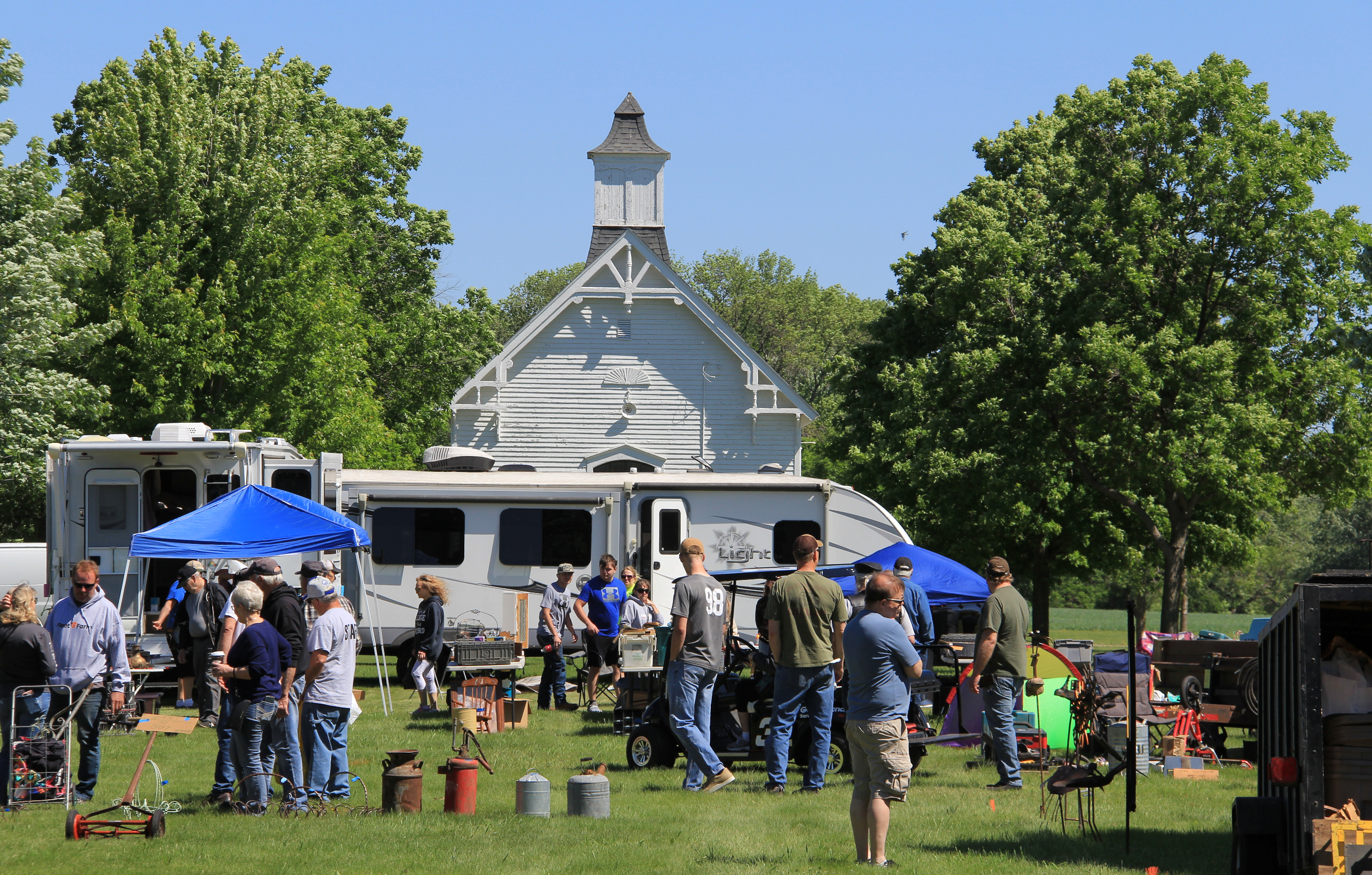
Set against the backdrop of the historic Waterford School, the flea market. (Minnesota Prairie Roots copyrighted photo May 2024)

IF I WAS A COUNTRY WESTERN SONGWRITER, I could probably pen a single inspired by the recent Rice County Steam & Gas Engines Spring Flea Market and Consignment Auction. Scenes from this event seem prompts for country western lyrics—boots, dogs, tractors, seed corn caps, blue jeans…gravel roads and pick-up trucks.

Street signs on the showgrounds honor families who helped found the Rice County Steam & Gas Engines Club. (Minnesota Prairie Roots copyrighted photo May 2024)

Many of the folks I saw there likely live either on farms or have a connection to farming. Just like me, born and raised on a southwestern Minnesota crop and dairy farm.

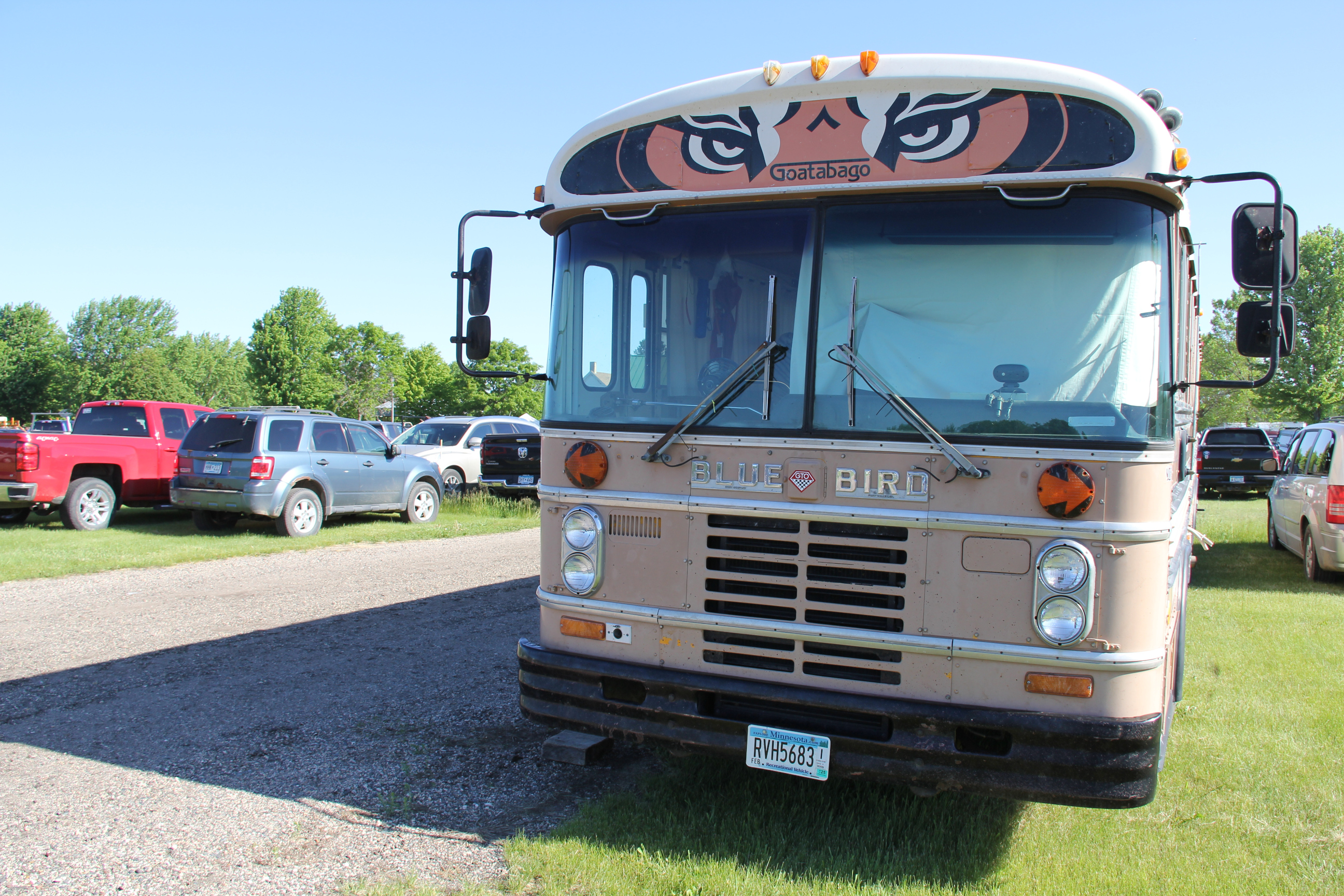
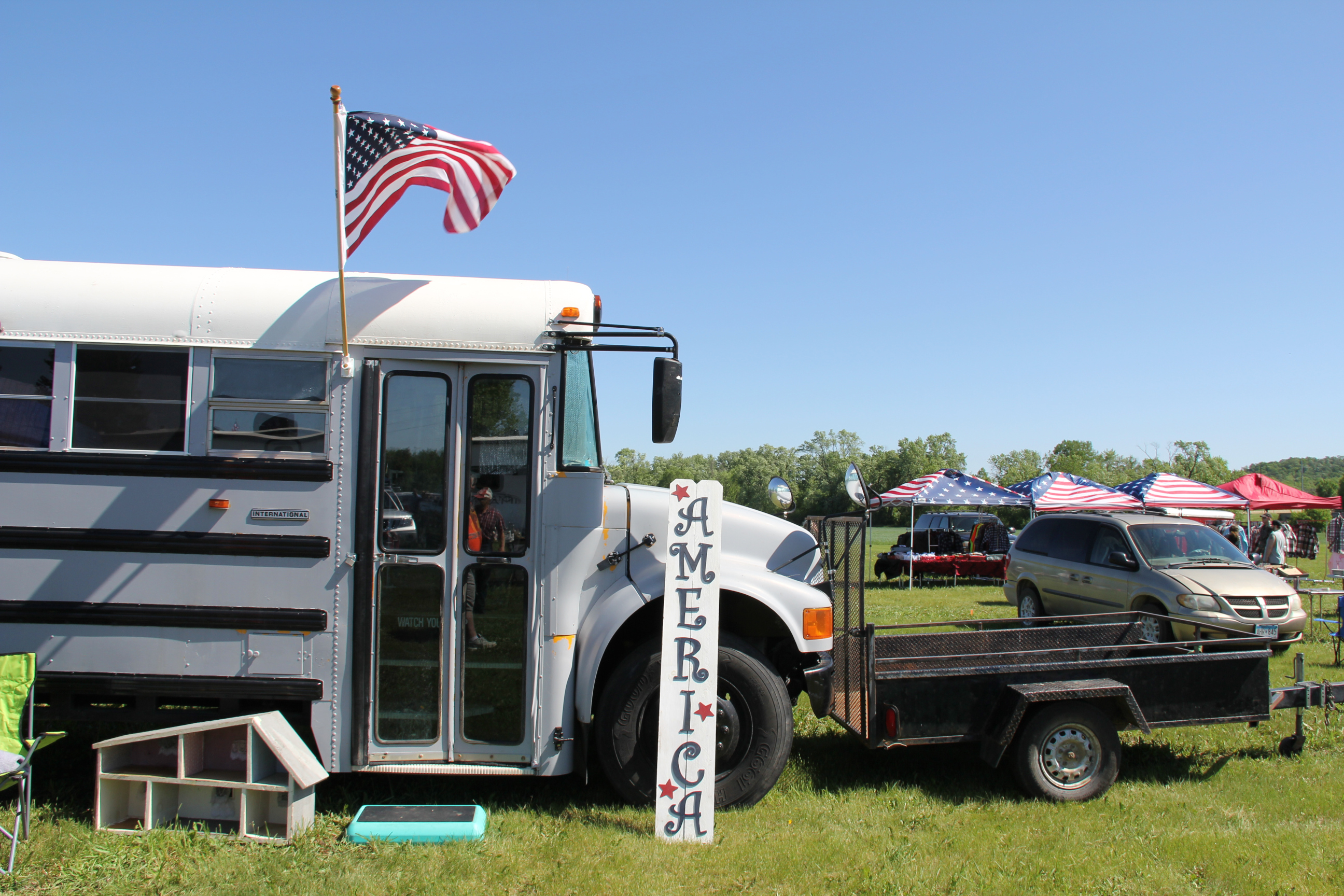
A bus converted by a vendor for hauling flea market merchandise. (Minnesota Prairie Roots copyrighted photo May 2024)

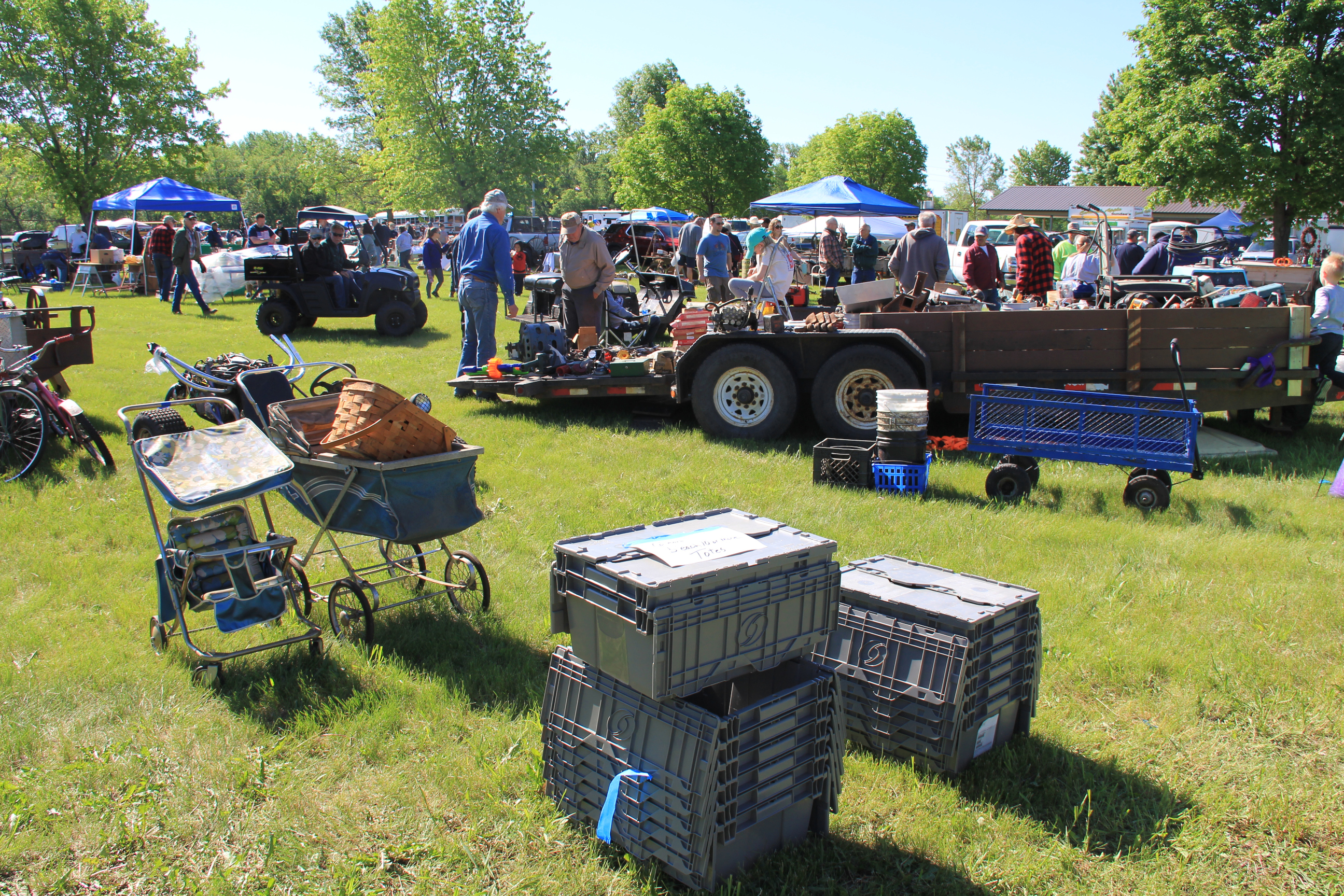
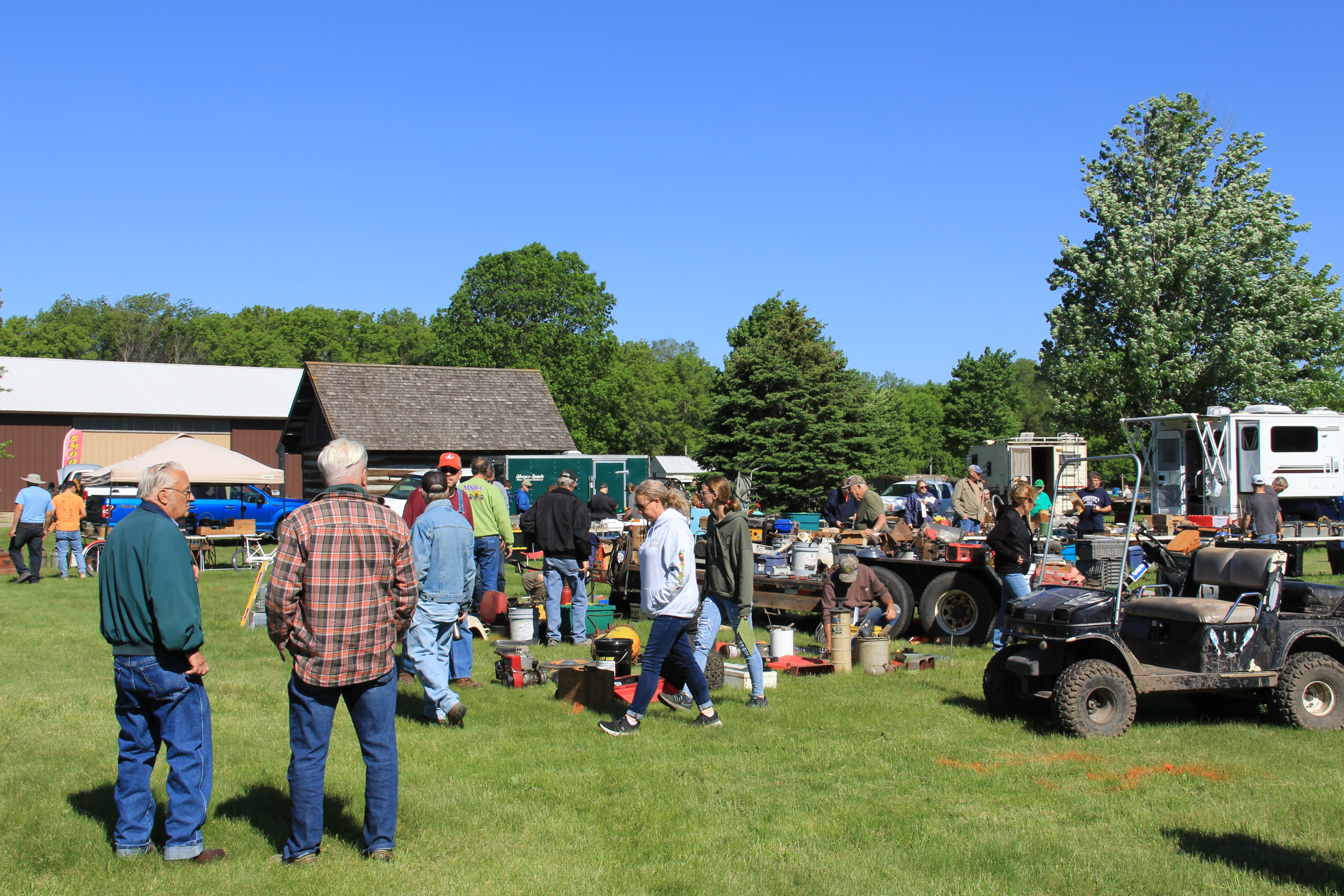
Rural draws people of all ages to this country location along Minnesota State Highway 3 south of Dundas, to look, shop, bid, buy and converse twice yearly. Neighbor meeting neighbor, swapping stories, comparing rainfall totals and crop updates. Strangers mingling. Vendors trying to make a buck or ten off merchandise they’ve crammed into vehicles and trailers and then displayed on tables and lawn.

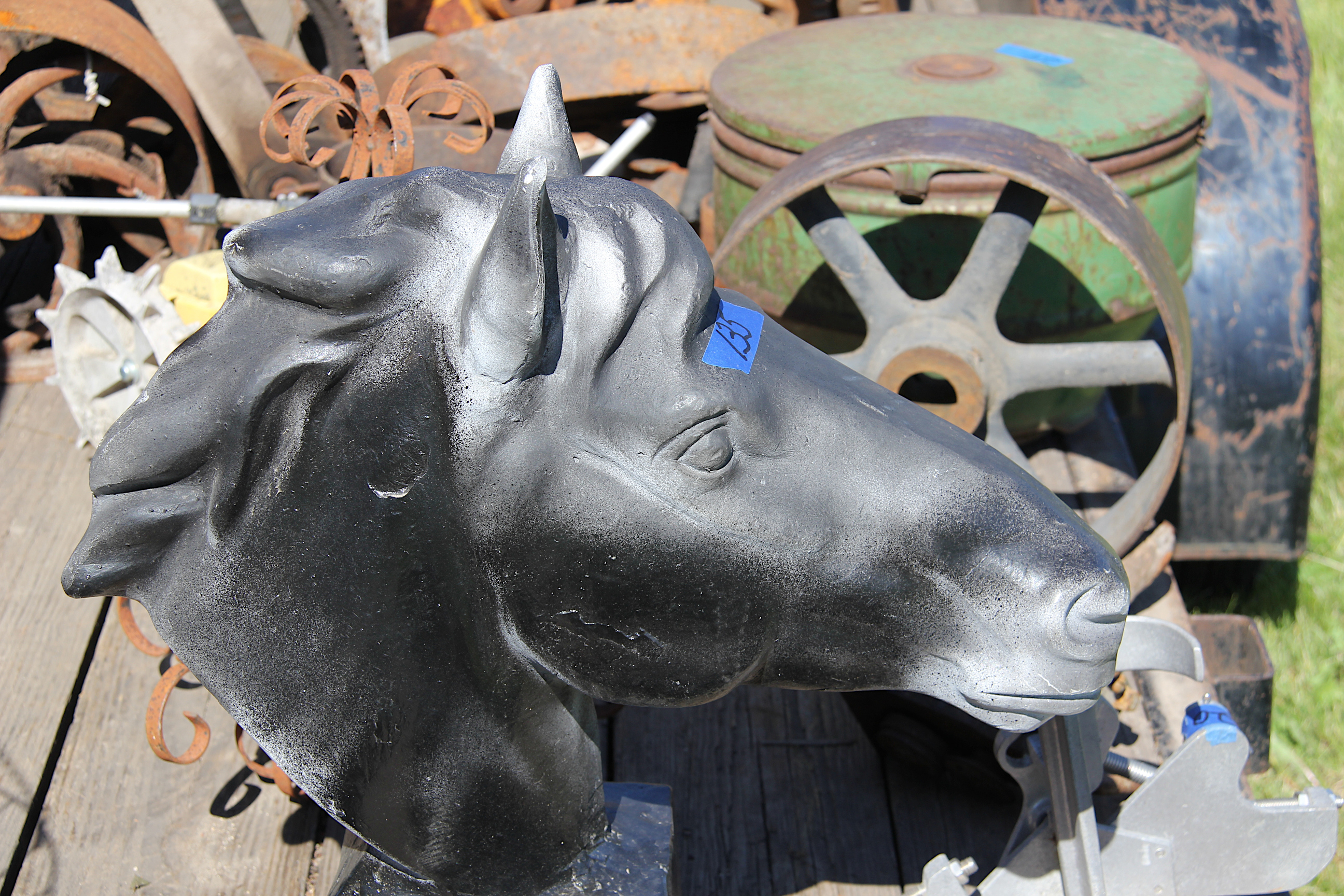
The horse head that reminded me of a movie from 52 years ago. (Minnesota Prairie Roots copyrighted photo May 2024)

Goods are spread out like a potluck of merchandise. You never know what you’ll find. I found a horse’s head, reminding me of a horrific scene from the 1972 film, “The Godfather.” The head could make for a creative Halloween prop. Nothing particularly country about this discovery, although horses in whole are decidedly country.

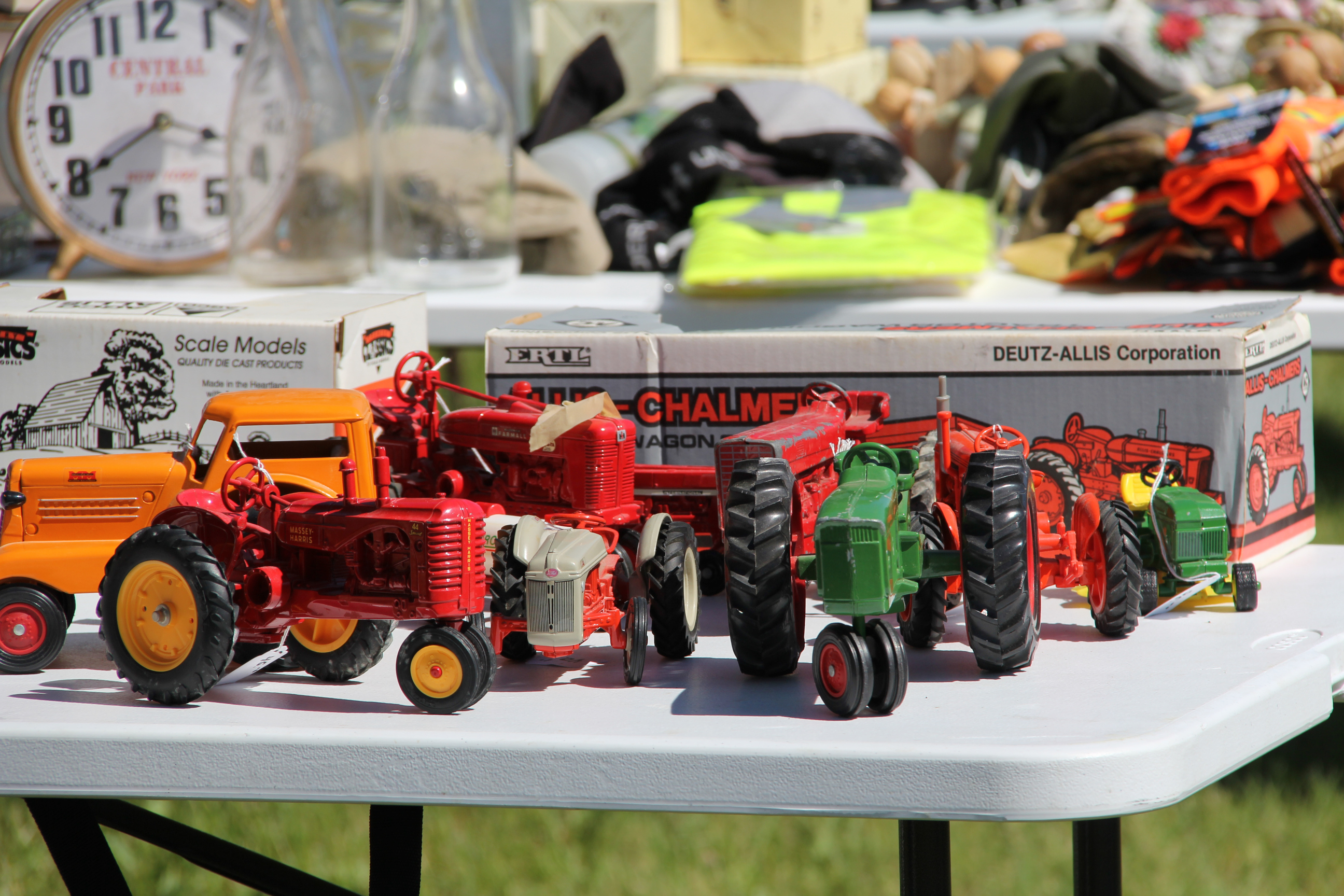
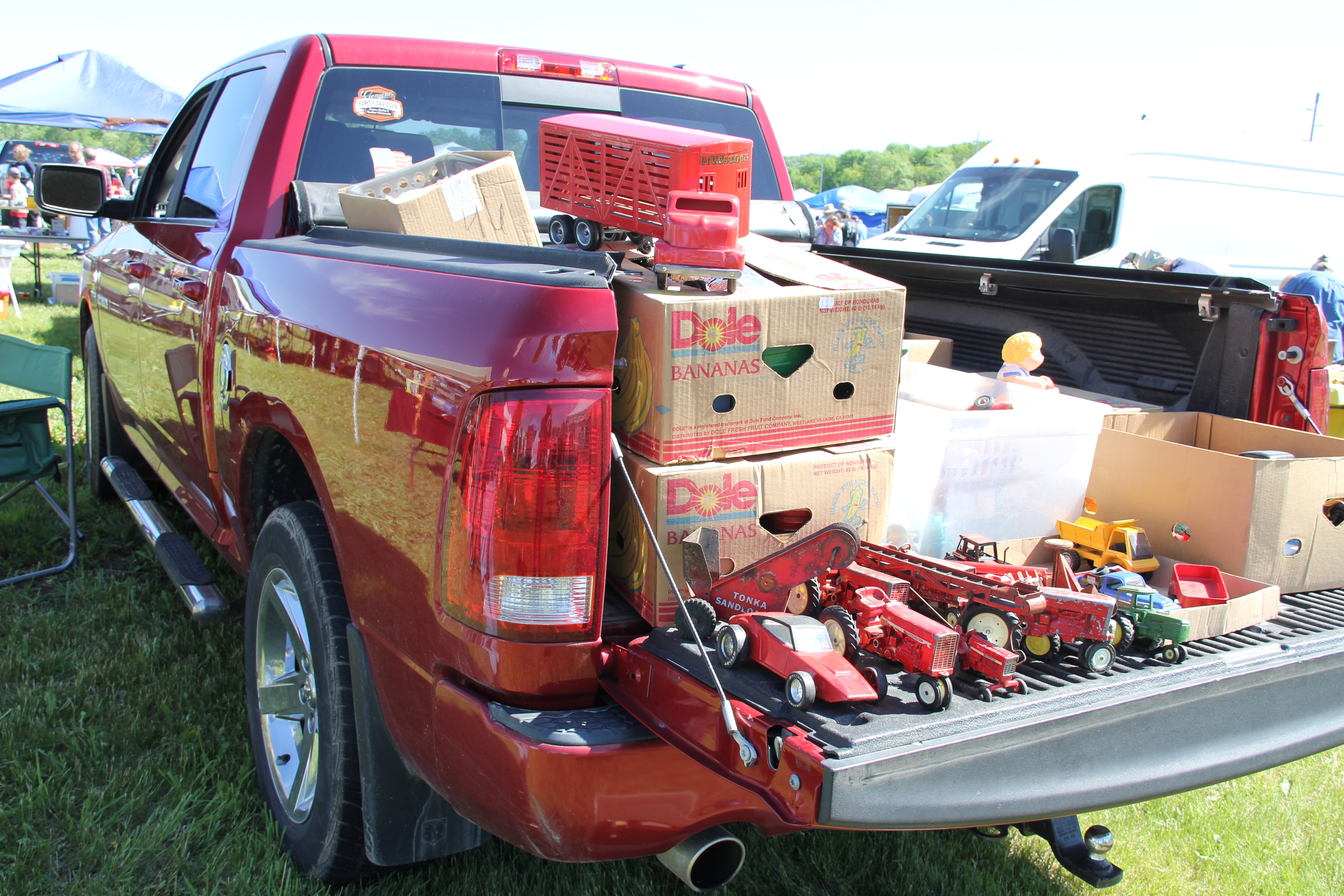
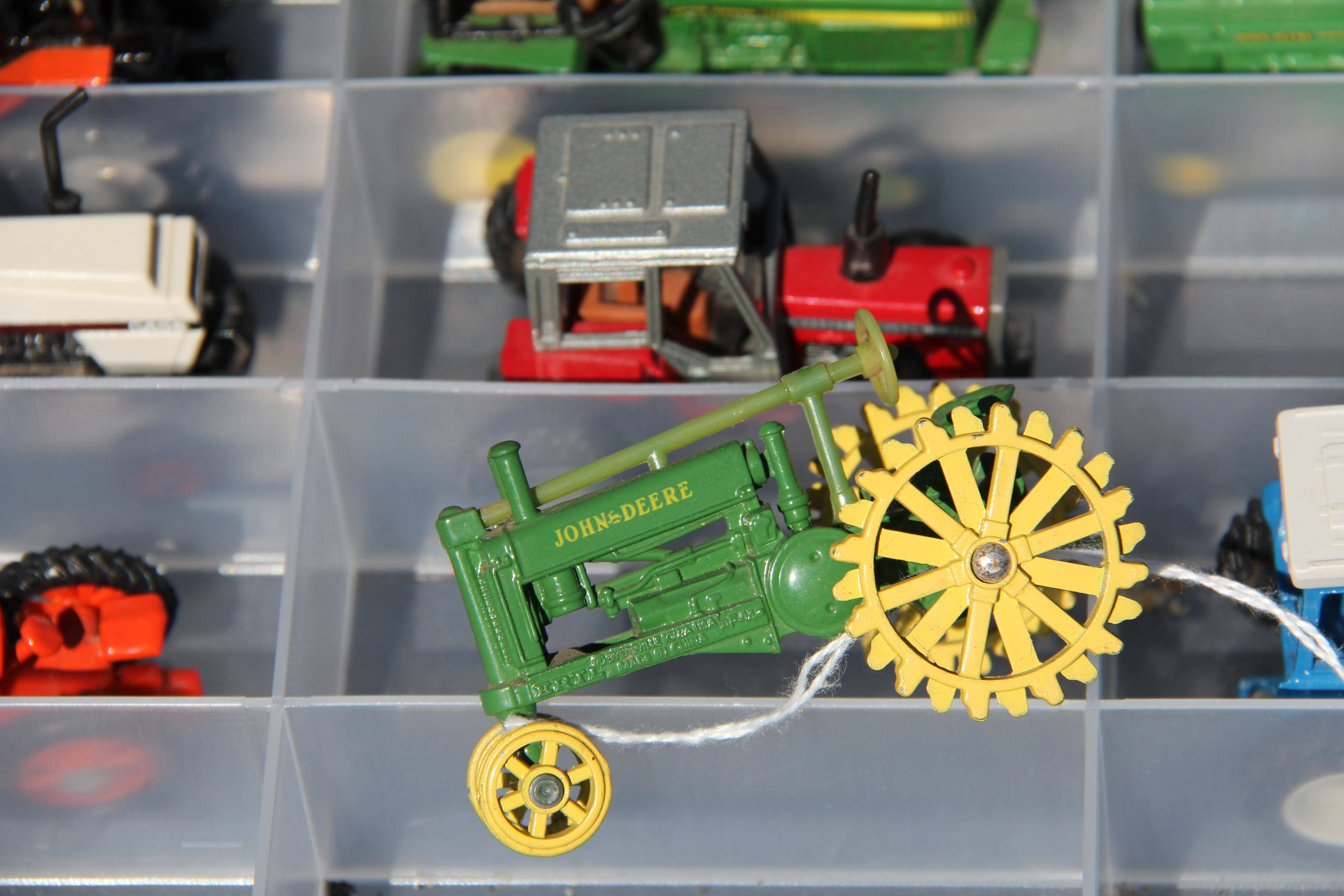
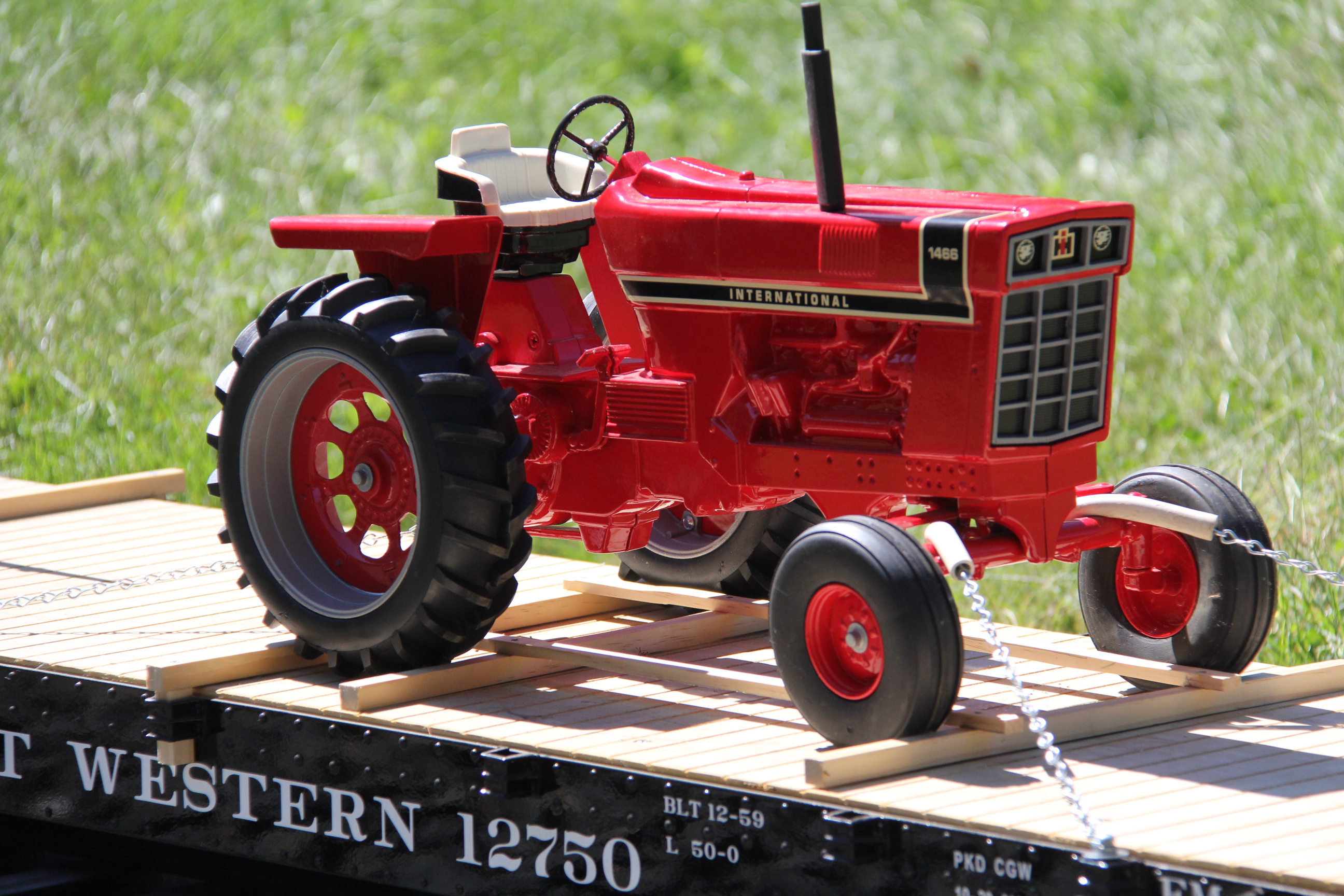
Toy tractors hold timeless appeal. (Minnesota Prairie Roots copyrighted photo May 2024)
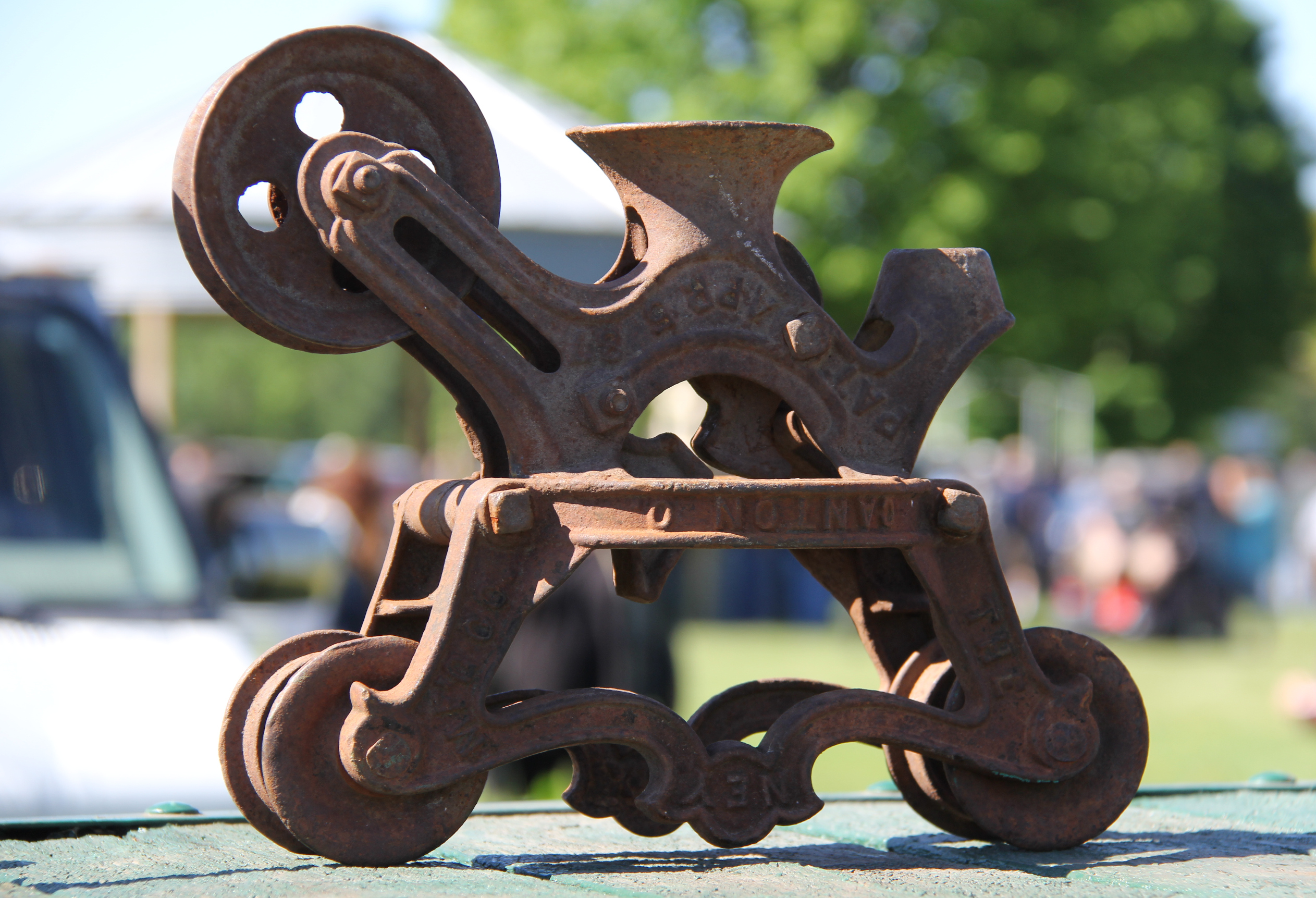
A caster truck, used with a pully system to move hay into a hay loft. (Minnesota Prairie Roots copyrighted photo May 2024)
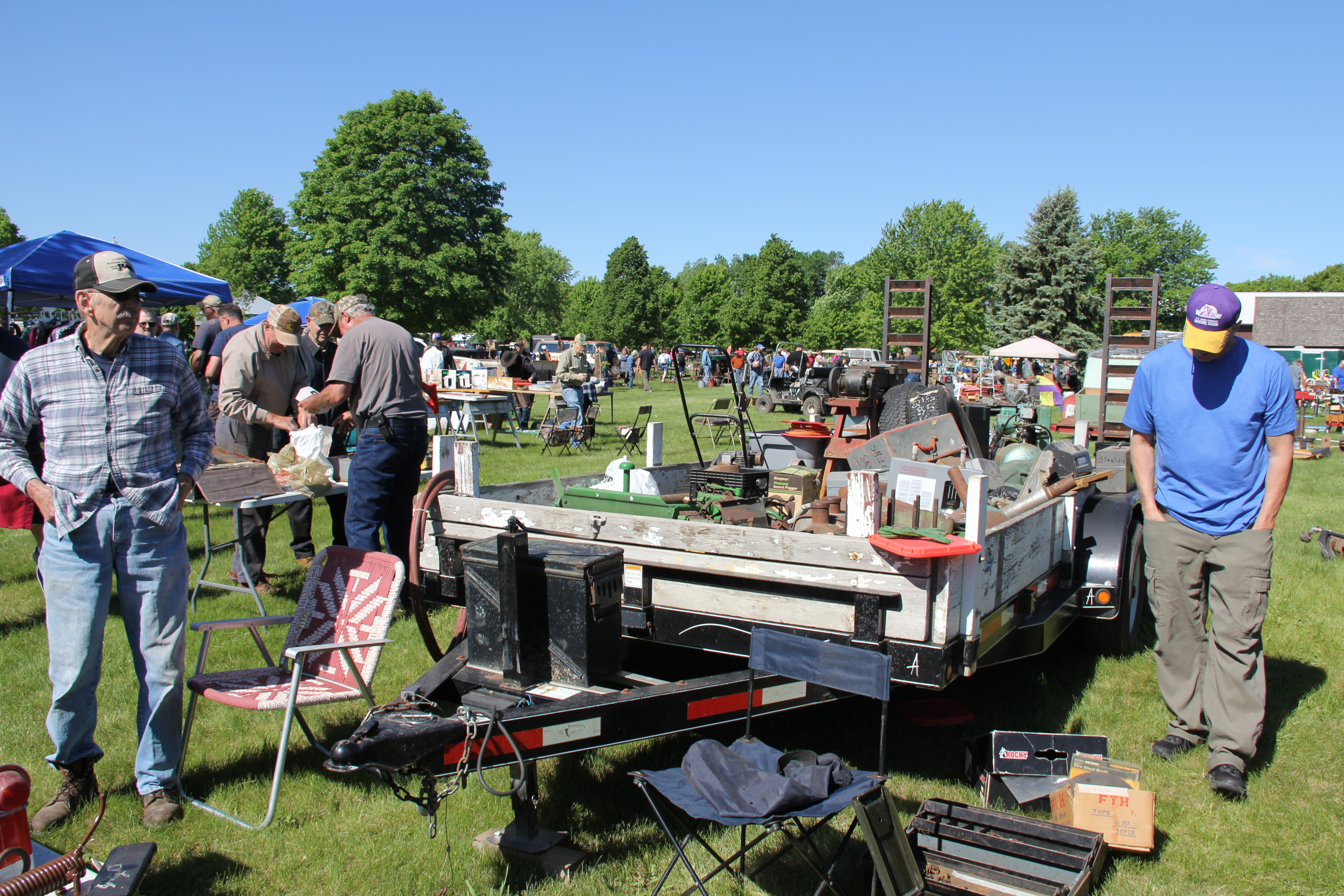
An array of goods at the flea market. (Minnesota Prairie Roots copyrighted photo May 2024)

Mostly, I saw merchandise that related to rural life. Toy tractors and trucks. A caster truck, which differs from a truck you drive. Old stuff that’s obsolete, holding the memories of yesterday’s family farms.

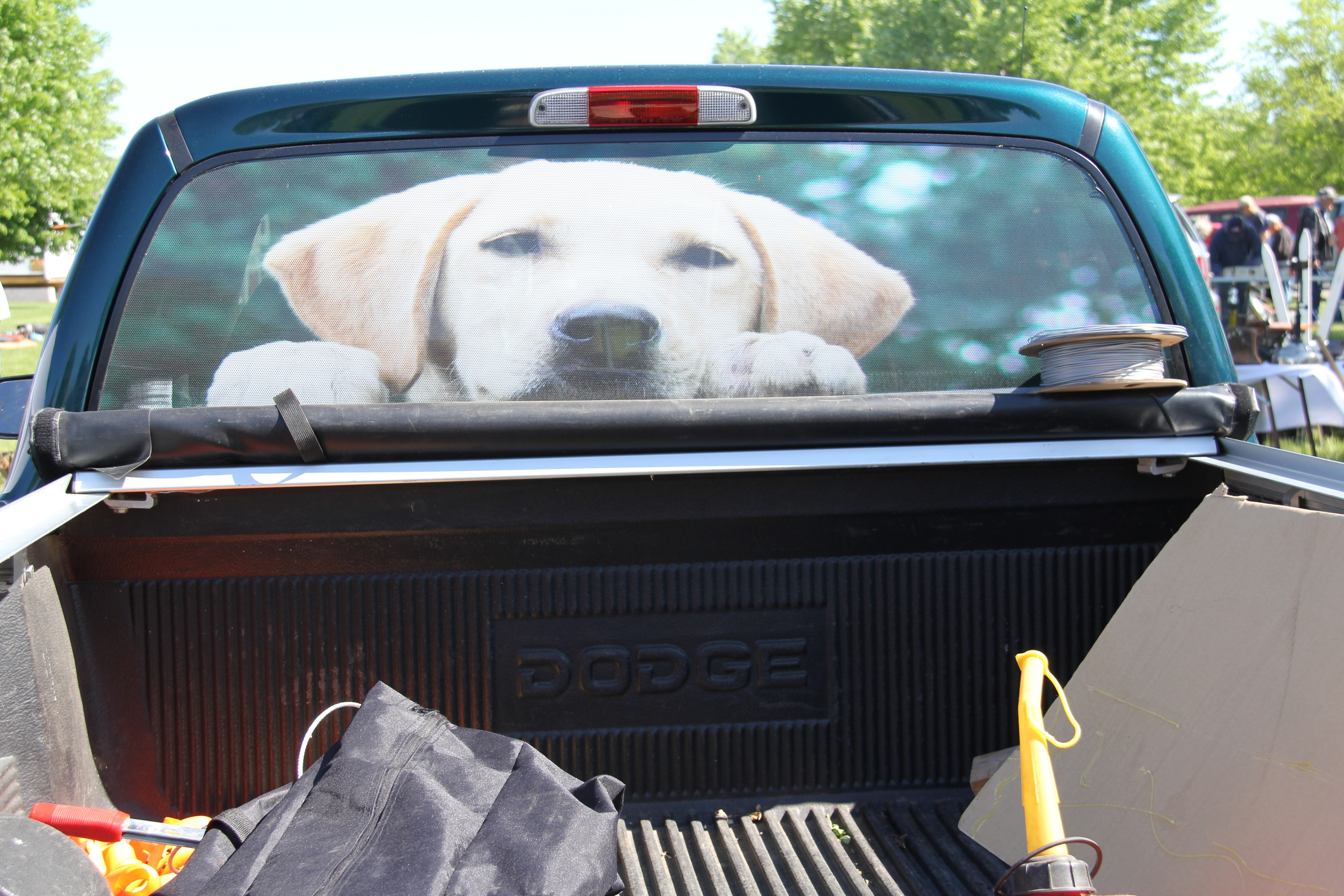
The dog-in-the-truck-window that drew my interest. (Minnesota Prairie Roots copyrighted photo May 2024)

And dogs, oh, so many dogs. Leashed, lounging on a picnic table, penned. Even in the back window of a pick-up cab, a cute dog photo that often draws interest from passing motorist. So says the guy who owns the truck. Farms and dogs go hand-in-hand.

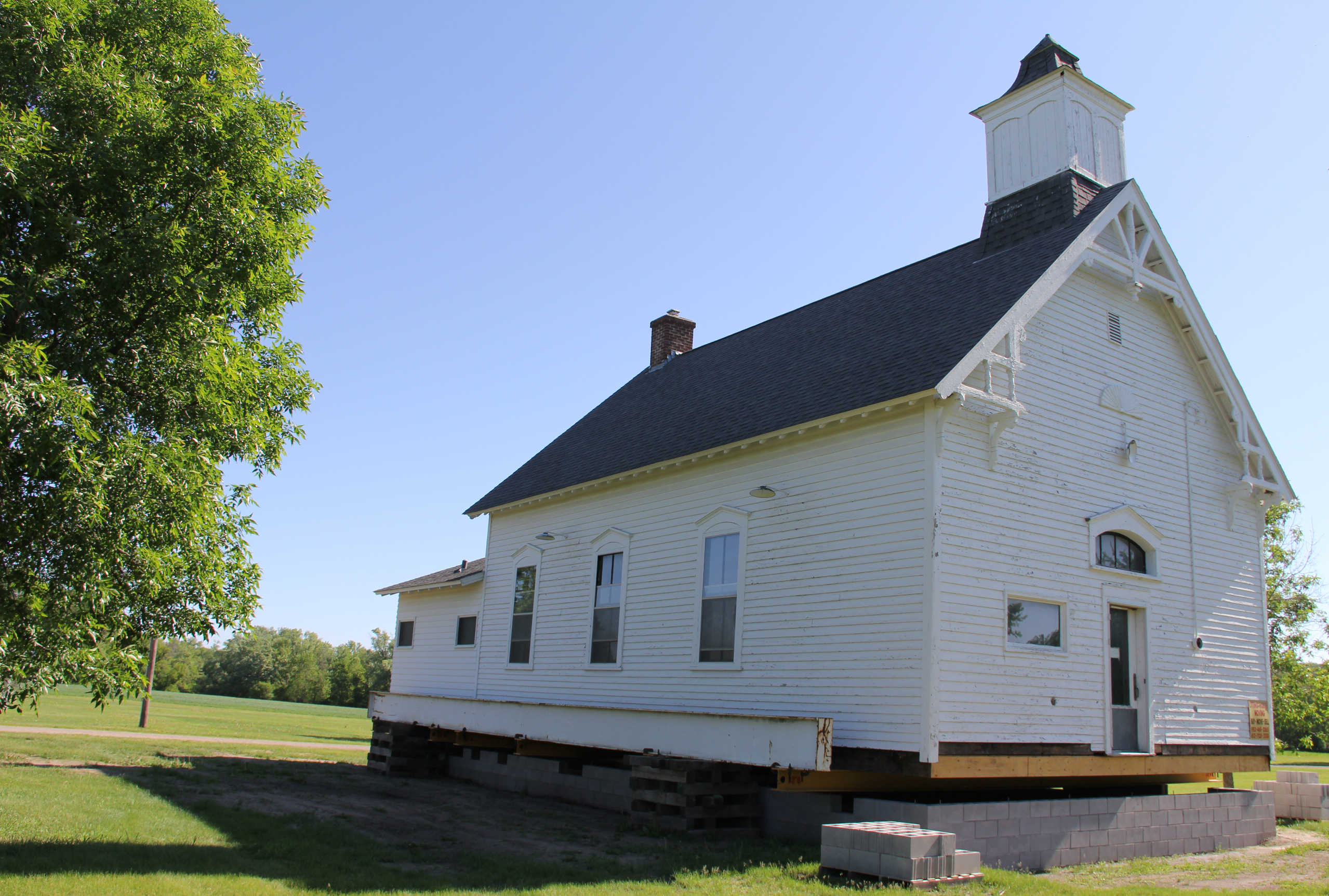
The historic Waterford School, moved on-site and soon to be placed on a new foundation. (Minnesota Prairie Roots copyrighted photo May 2024)

There are stories to be heard here, lyrics to be written. If the old Waterford Schoolhouse, recently moved onto the Rice County Steam & Gas Engines showgrounds and not yet open, could talk, oh, the stories it could tell. The songs it could sing.

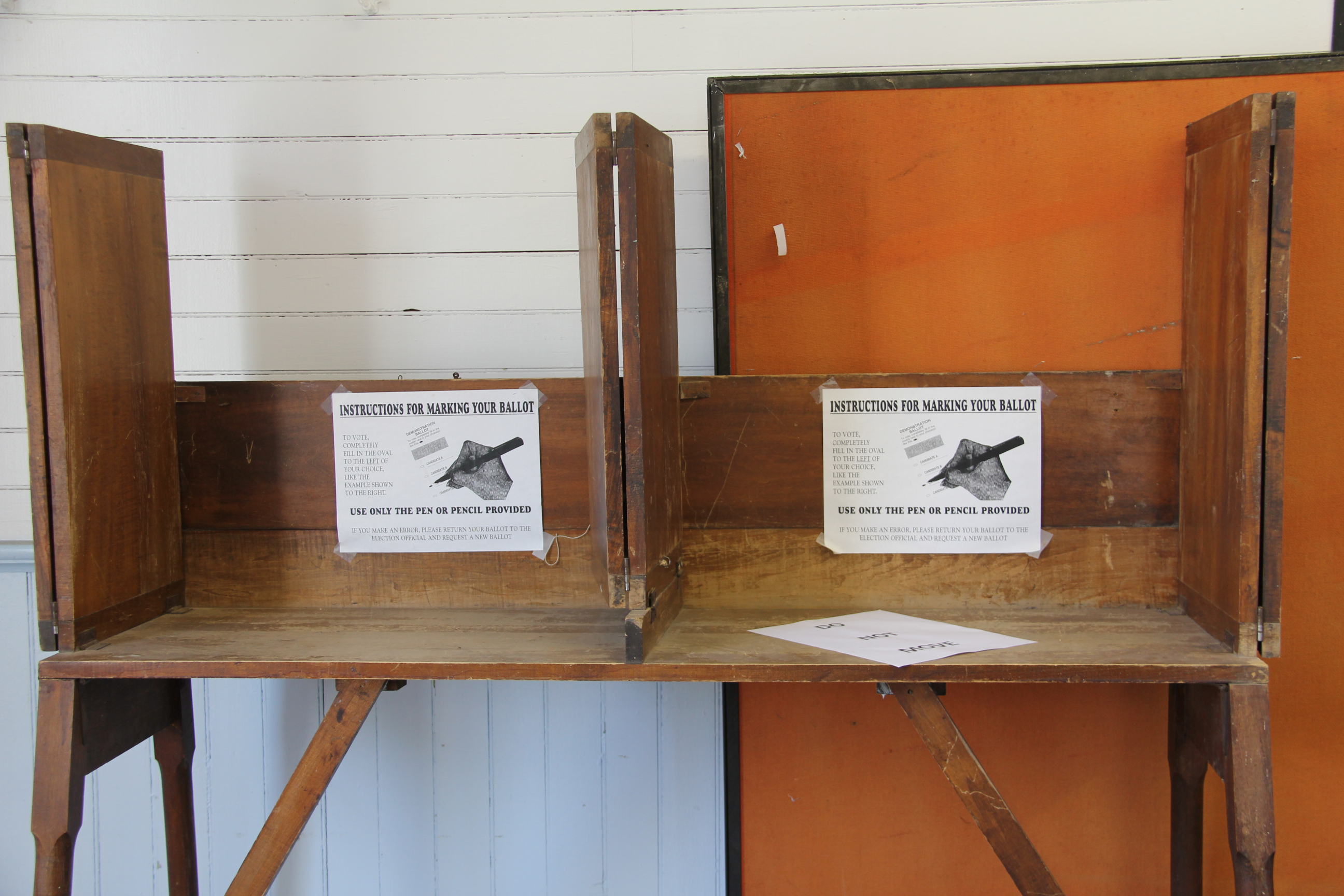
Vintage polling booths inside the former Northfield Township Hall. (Minnesota Prairie Roots copyrighted photo May 2024)

The same goes for the vintage polling booths inside the Northfield Township Hall. They aren’t for sale, simply part of the historic backdrop for vendors selling goods. If only those voting booths could talk, sing…

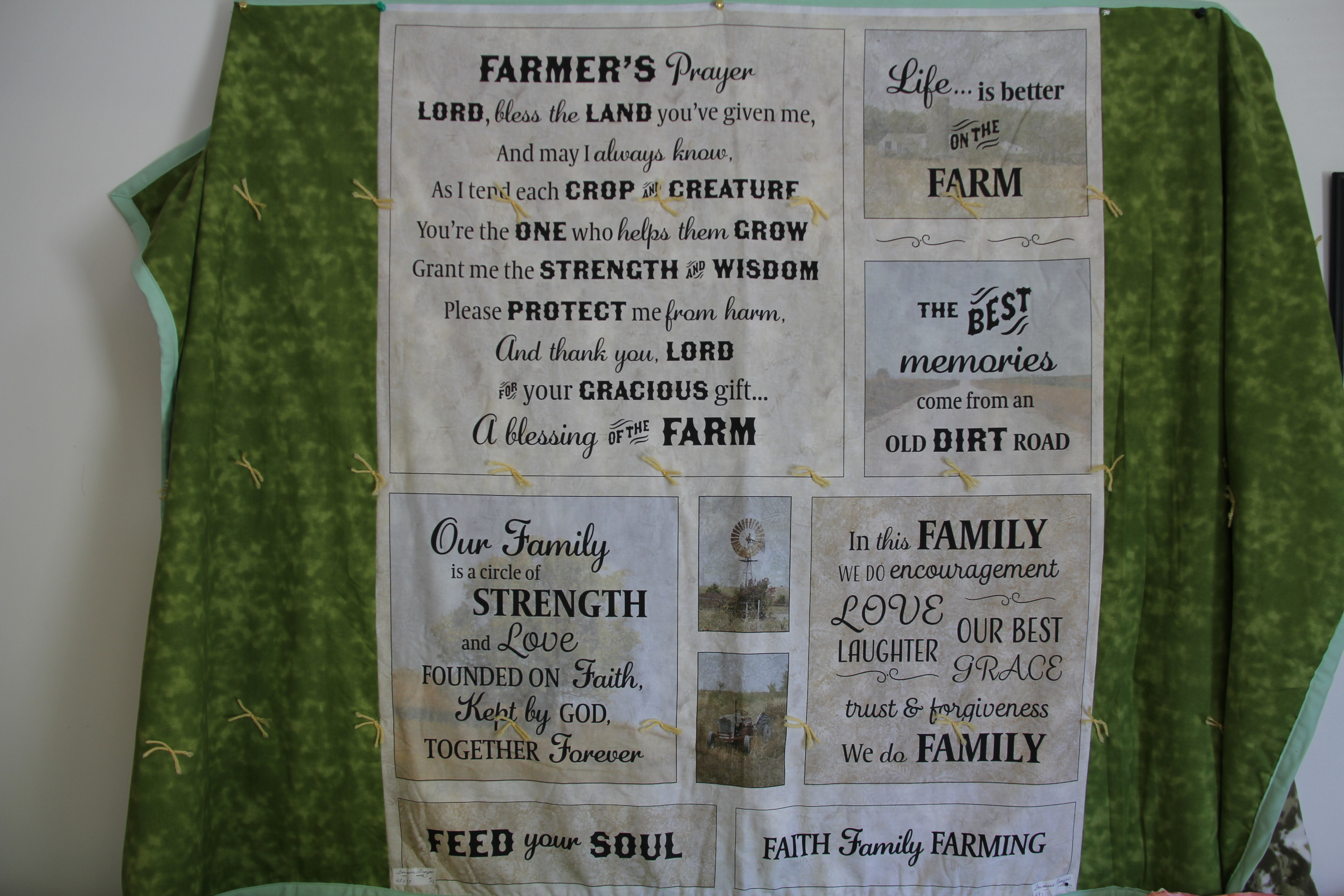
This quilt inside the clubhouse/office summarizes well the values of rural life. (Minnesota Prairie Roots copyrighted photo May 2024)

This place, this nonprofit, this event is about history. Preserving it. Showcasing it. Honoring it. Honoring farmers and farming. The land. The hands that work it. The people who live on it and love it. And those who appreciate the stories of country western music.

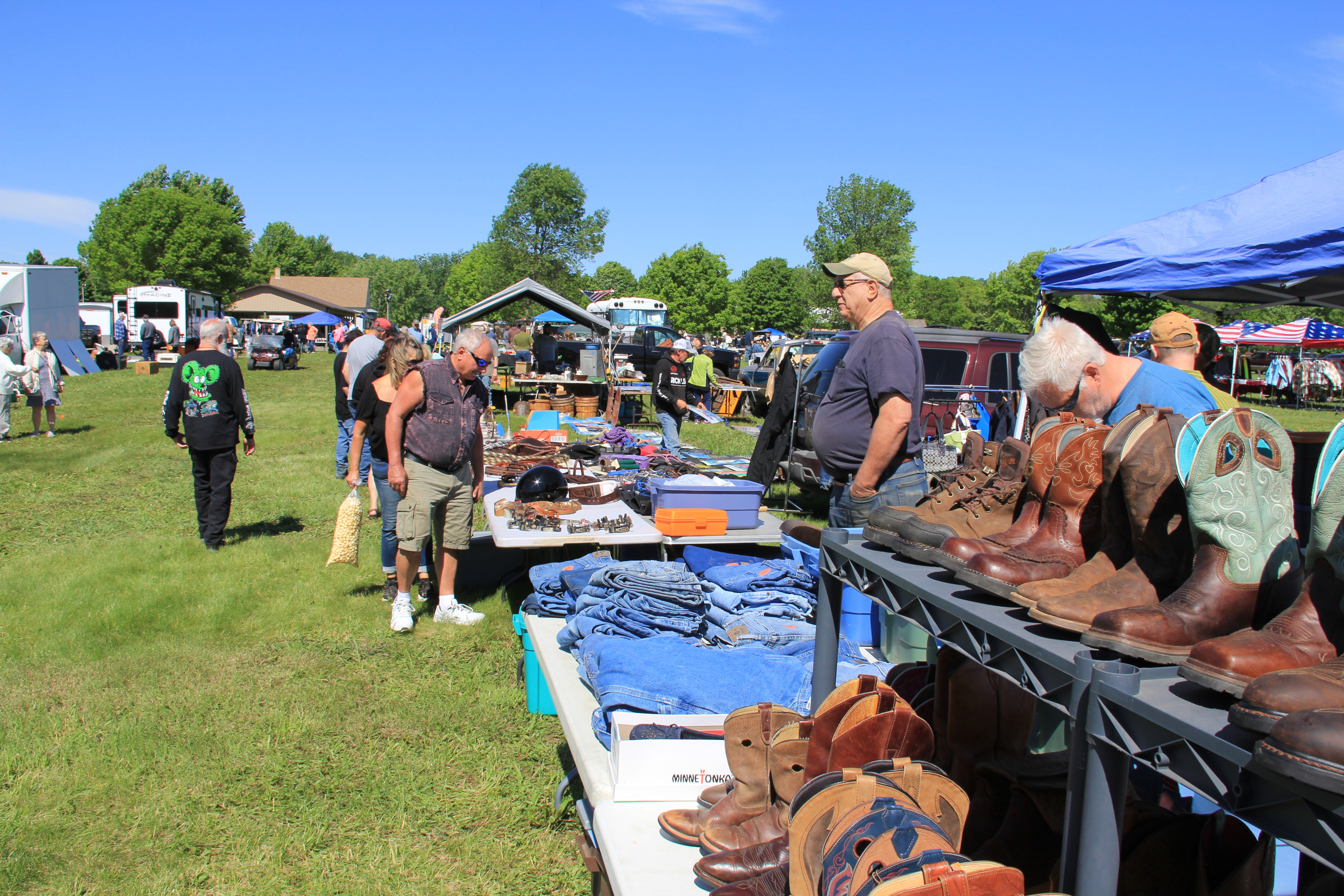
For sale: Boots and jeans, staples of country wear. (Minnesota Prairie Roots copyrighted photo May 2024)

I can almost hear the guitar, the lyrics:

Truck kickin’ dust on a gravel road, headin’ into town on a Saturday night. Boots shined up.

She’s sittin’ on a stool at the Circle Bar, sippin’ a cold one, waitin’ on him.

Truck kickin’ dust on a gravel road, headin’ into town on a Saturday night. Boots shined up.

She’s sittin’ on a stool waitin’ on him, smellin’ of wild roses growin’ in ditches.

And so on, until she breaks his heart or he breaks hers and he’s driving back home to the farm, truck kickin’ dust on a gravel road.

© Copyright 2024 Audrey Kletscher Helbling
 

At a southern Minnesota flea market June 3, 2024

This particular vendor sold farm-themed toys. (Minnesota Prairie Roots copyrighted photo May 2024)

THEY PULL UP in their campers, pick-up trucks, converted buses and vans, often hauling trailers crammed with merchandise. They are traveling merchants, making the flea market circuit to pedal their goods.

A vendor with a patriotic flare. (Minnesota Prairie Roots copyrighted photo May 2024)

Recently I attended the Rice County Steam & Gas Engines Spring Flea Market at the club showgrounds south of Dundas. A second market, along with a tractor show, threshing demo and more, is held Labor Day weekend. Occasionally, I purchase something. But mostly, I look and photograph. There’s a lot to see.

Between the flea market and a consignment auction, there was lots to see and buy at the Rice County Steam & Gas Engines showgrounds. (Minnesota Prairie Roots copyrighted photo May 2024)

From people-watching to shopping to searching for unusual finds to photograph, I find myself drawn to this open air market of second-hand, handcrafted and new merchandise. There are characters and stuff you’ve never seen before and may or may not need, and a vibe that feels of yesteryear.

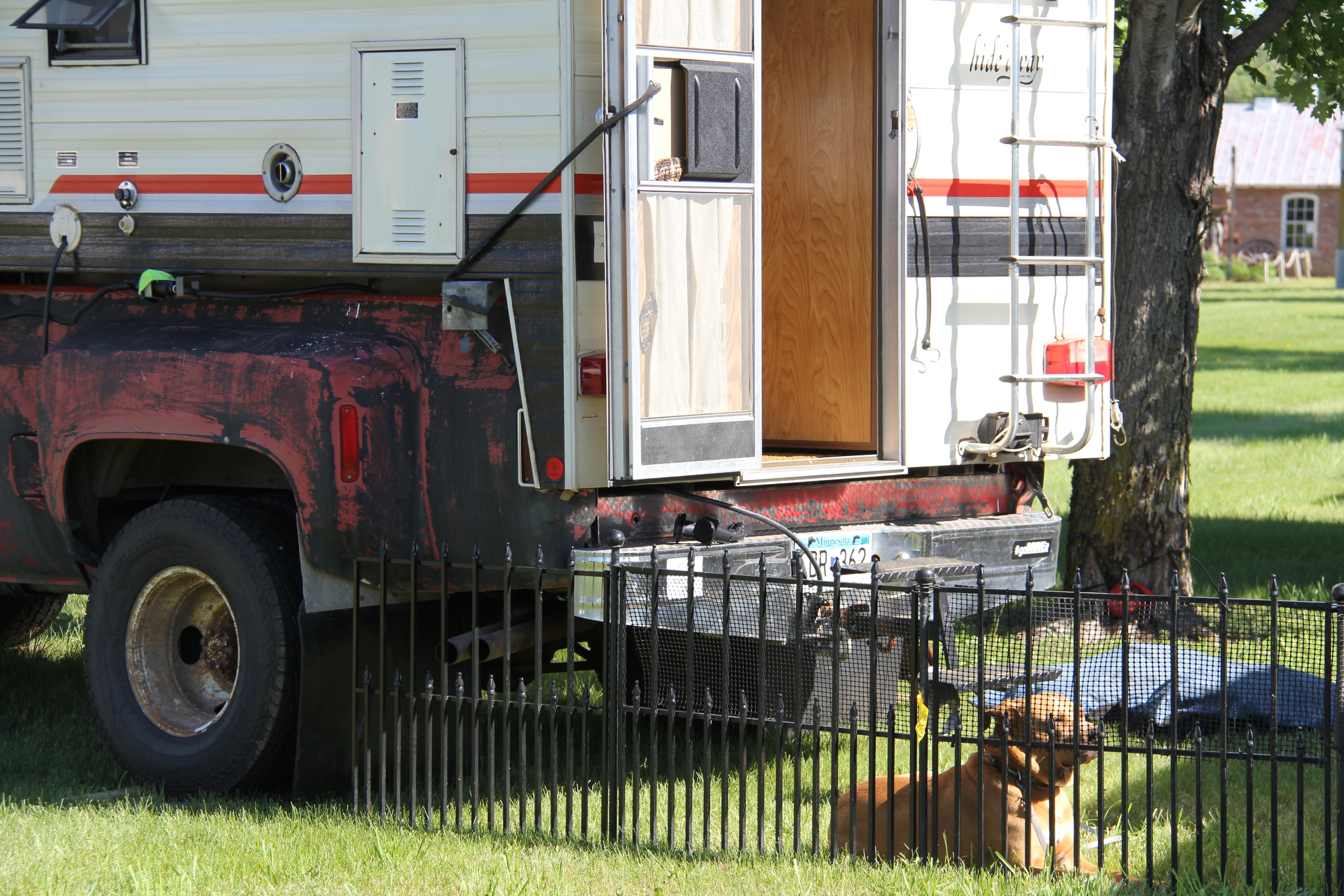
A vendor’s penned dog. (Minnesota Prairie Roots copyrighted photo May 2024)

Vendors bring their dogs, their finds and even bacon. As I wound among the booths, I smelled the scent of meat. A merchant stood next to his vintage camper frying bacon on a tabletop propane camper stove. I wanted to settle into his fold-up lawn chair and help myself to a slice or three, plus a cup of coffee and perhaps scrambled eggs. I settled instead for a bag of mini-donuts purchased from a food stand.

Mini tractors drew kids and collectors. (Minnesota Prairie Roots copyrighted photo May 2024)

I mostly meander. And watch. I saw a preschool boy beeline straight for a table of toy tractors. Grandma followed. Plenty of farm toys are available in sizes from matchbox to larger. A farm kid’s dream store, for sure.

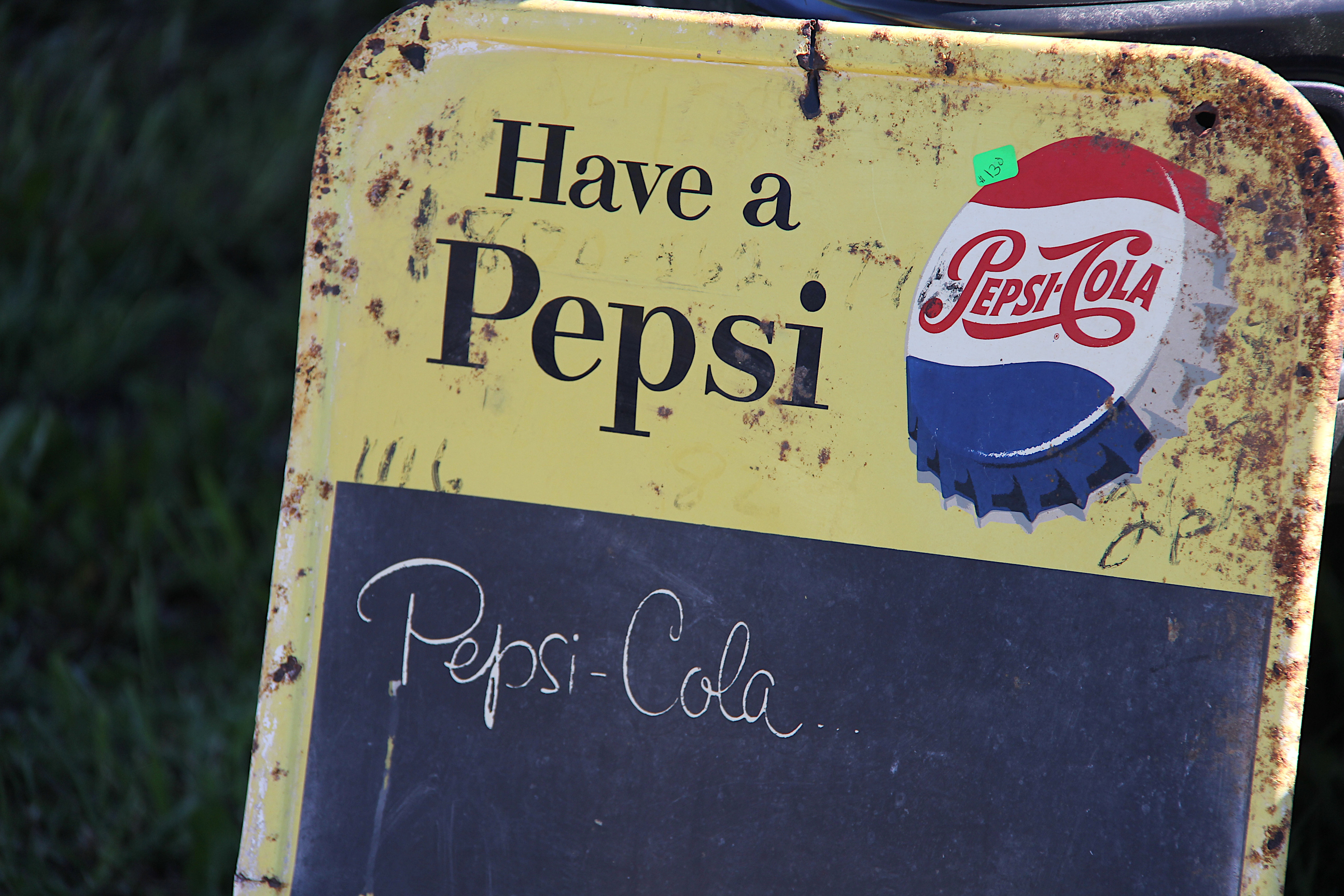
I seldom drink pop, but I do like this Pepsi sign. (Minnesota Prairie Roots copyrighted photo May 2024)

Me? I don’t shop for anything specific. But I’m drawn to old, not replica (of which there are plenty) signs. This time a vintage Pepsi sign caught my eye. For $130, and perhaps it’s worth that much, it wouldn’t be mine.

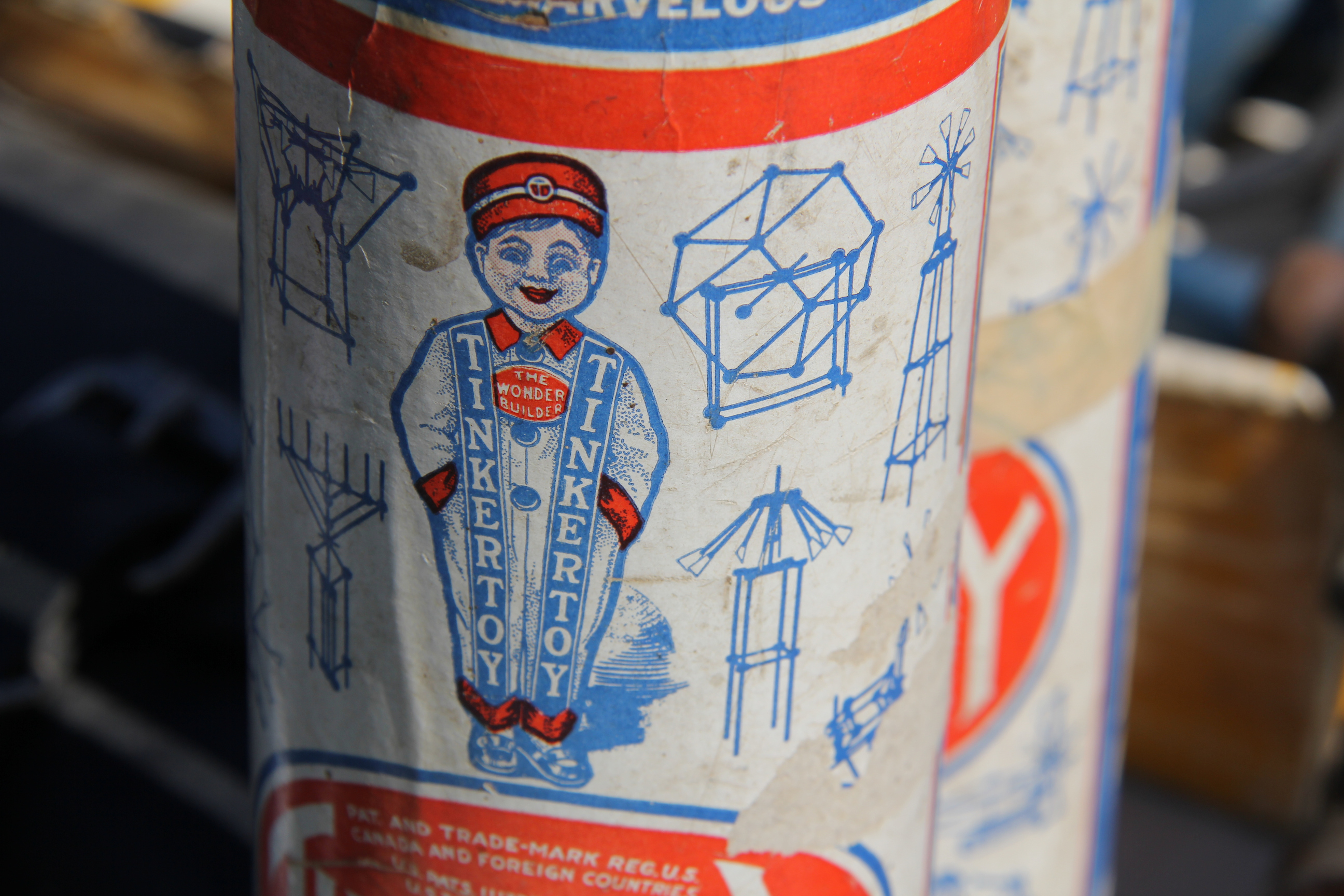
Not the safest toy, but one I loved as a child of the 1960s. (Minnesota Prairie Roots copyrighted photo May 2024)

Nor would the Tinkertoys…because I probably have a cylinder of those stashed under the attic eaves. I loved those “let’s see if you can poke your siblings’ eyes out” with the wooden sticks toy.

I appreciated the box cover art more than the ice skates. (Minnesota Prairie Roots copyrighted photo May 2024)

If I still skated, I could have purchased matching skates for myself and Randy. But, nope, not gonna risk falling at my age. I’ve already broken two bones while wearing flip flops and shoes.

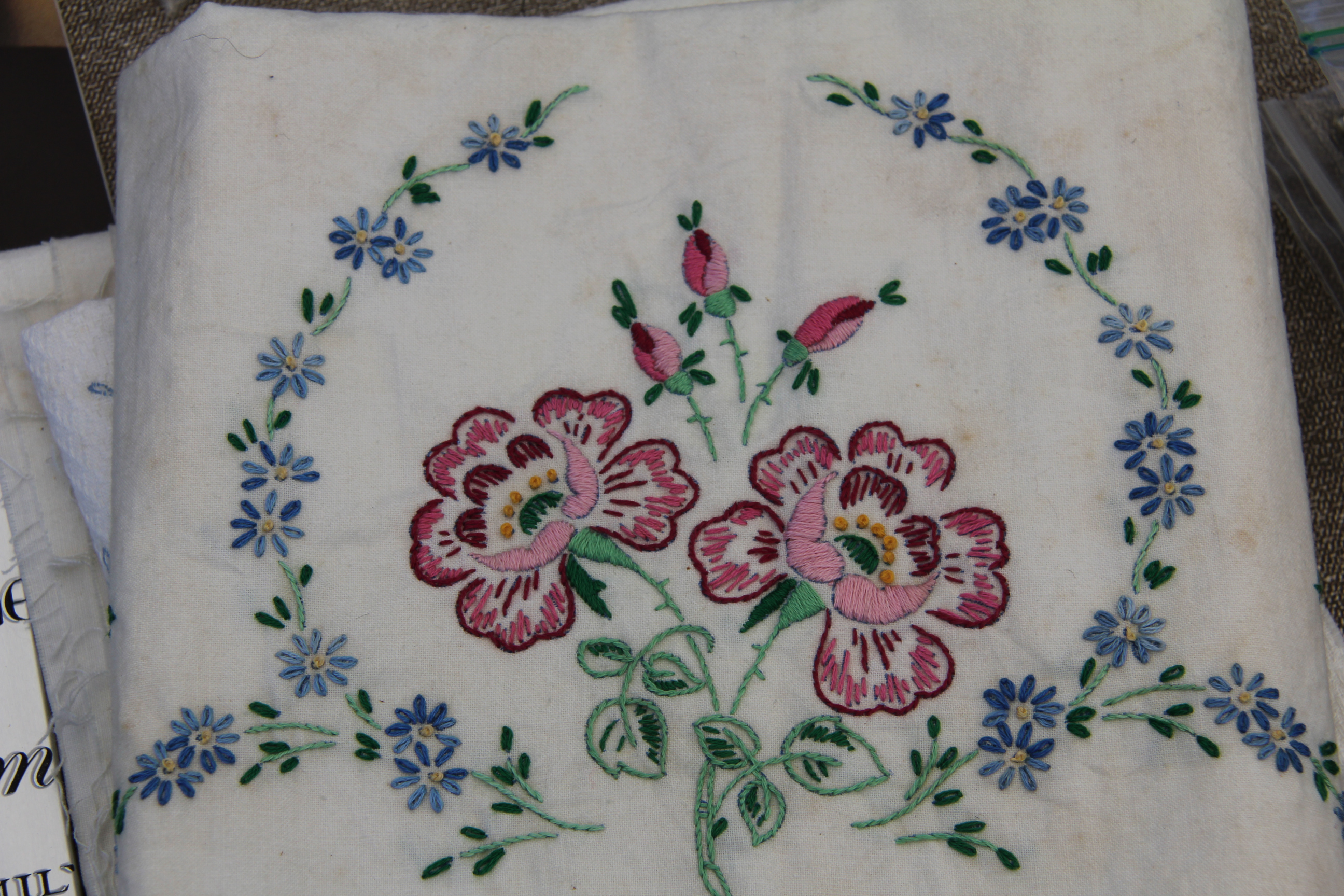
Beautiful hand embroidery. (Minnesota Prairie Roots copyrighted photo May 2024)
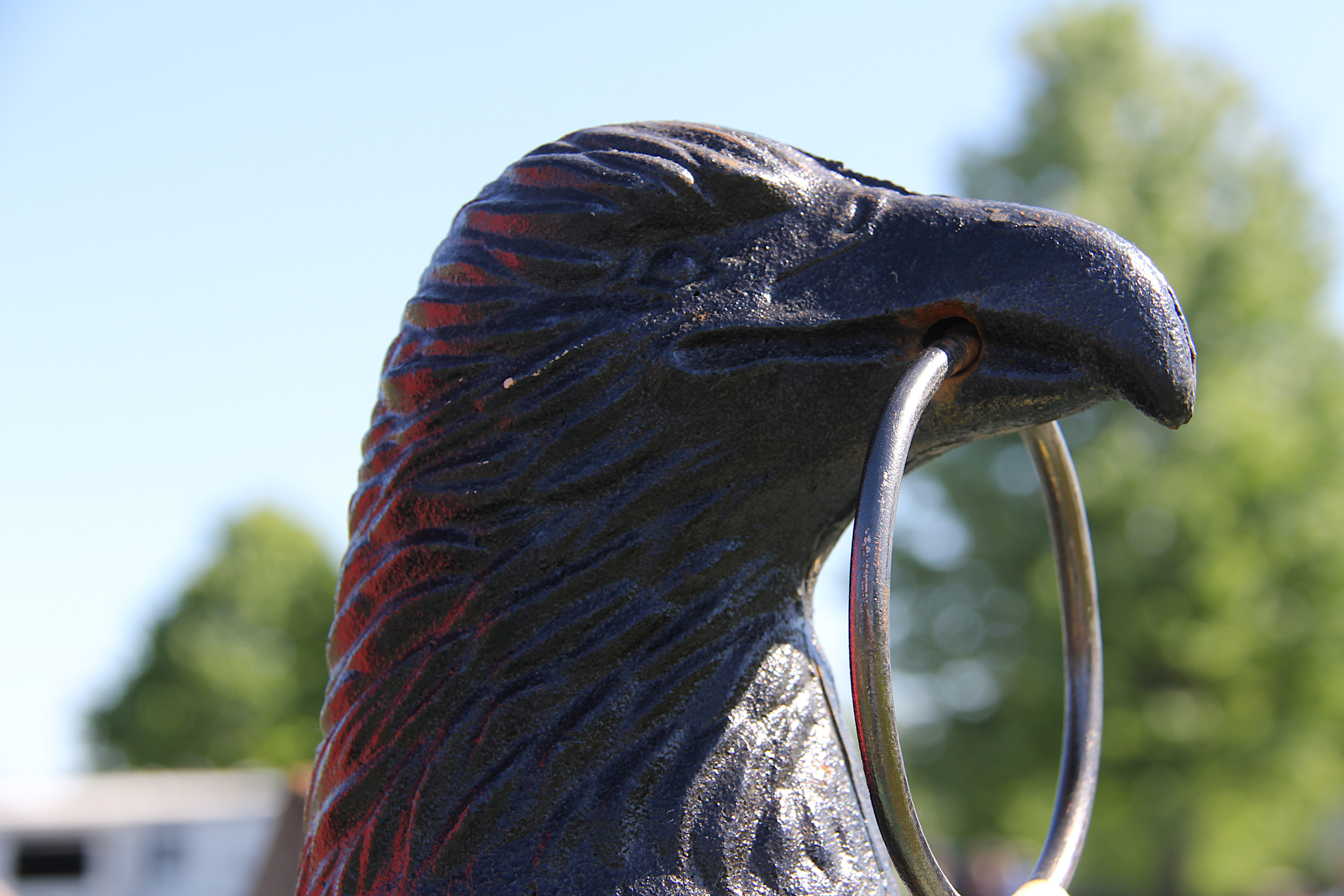
Eagle sculpture. (Minnesota Prairie Roots copyrighted photo May 2024)
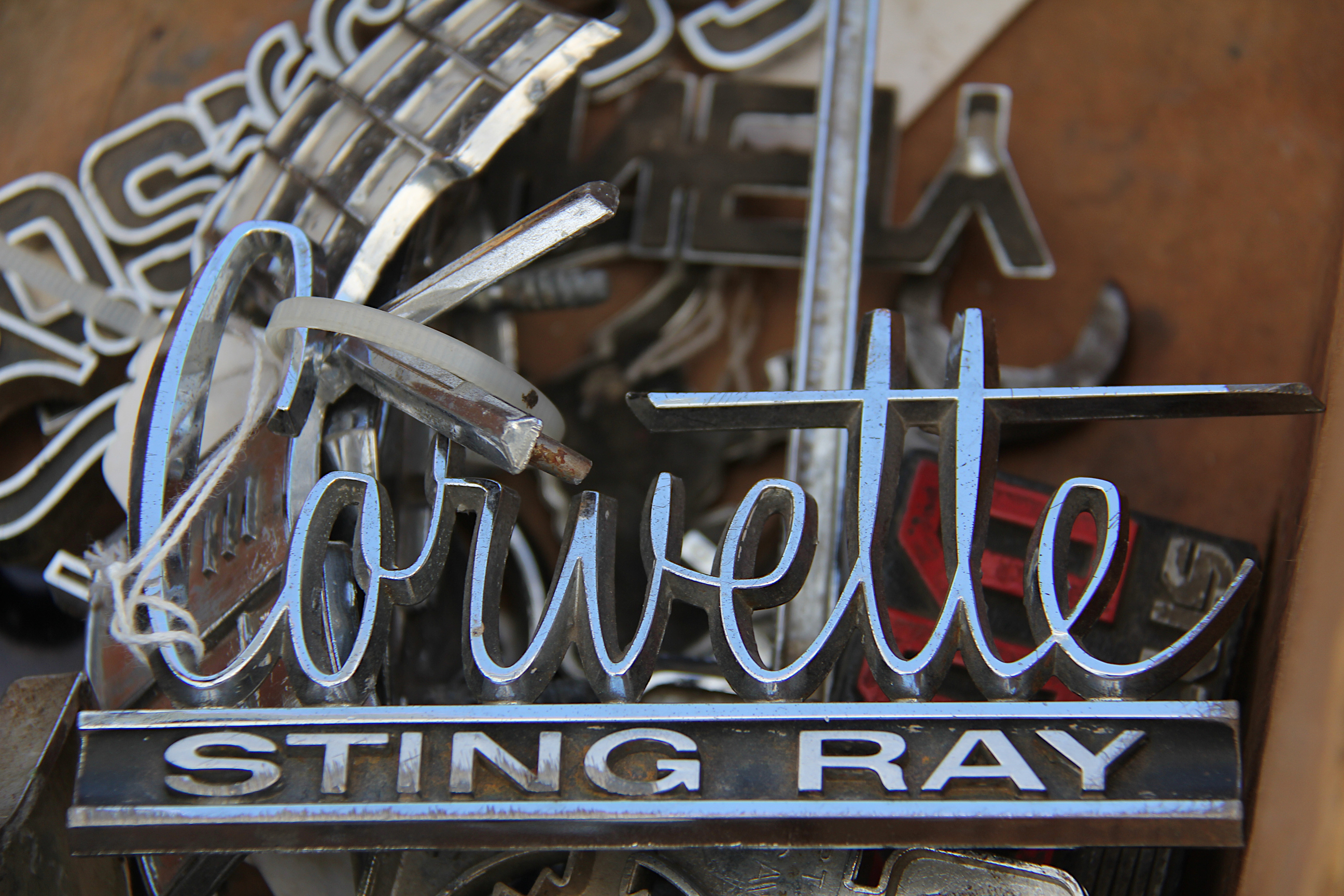
I see car emblems as art. (Minnesota Prairie Roots copyrighted photo May 2024)

I really liked the eagle sculpture and the car emblems and the embroidered dish towel. They’re art to me and I do love art.

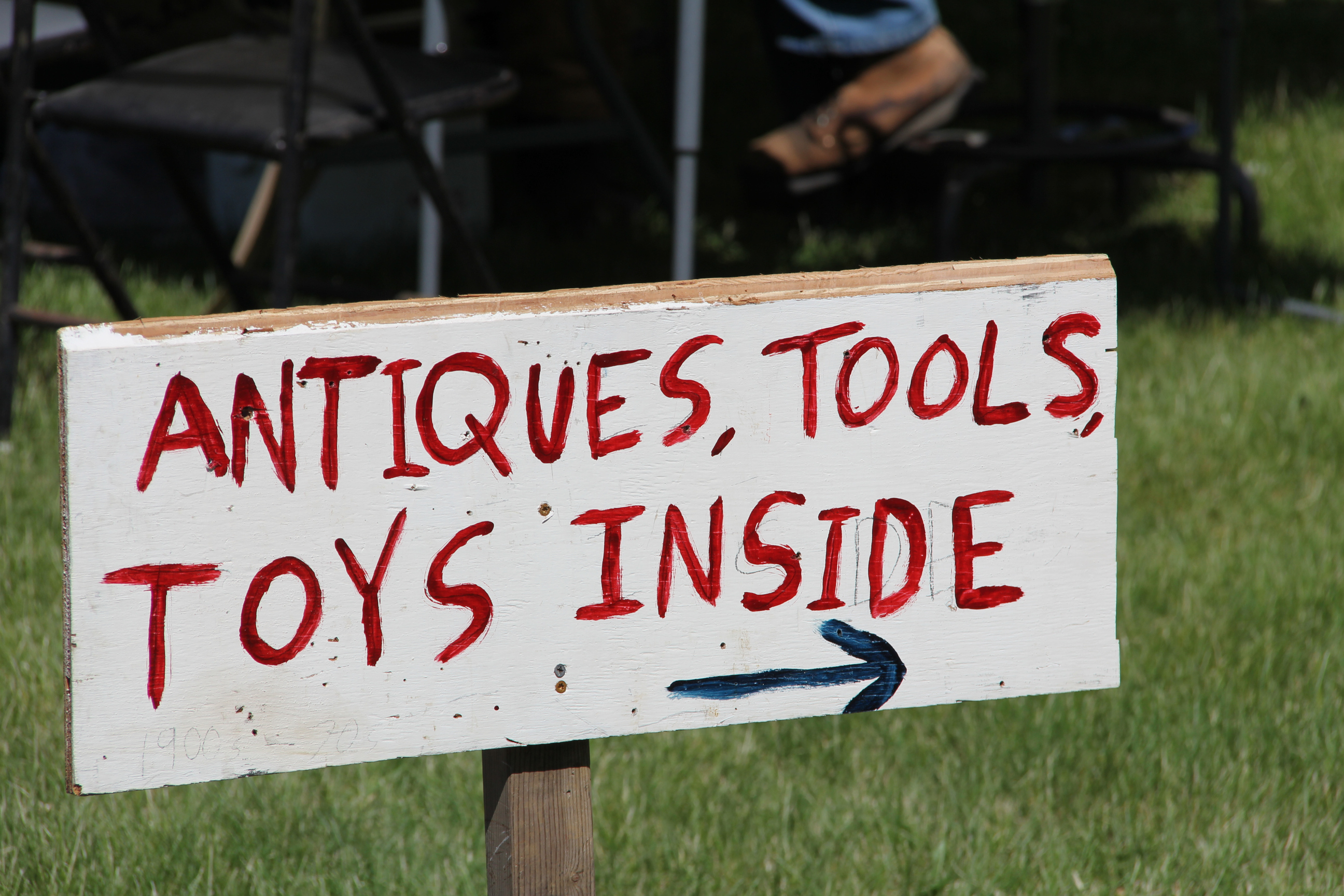
Head inside the town hall for more treasures. (Minnesota Prairie Roots copyrighted photo May 2024)

The most interesting finds of the morning came at my last stop, where a handmade painted sign posted outside the old Northfield Township Hall promised ANTIQUES, TOOLS, TOYS INSIDE. There I met Gary Kowalski, labeled “PICKER” on his business card. He’s from Montgomery, lives in a former funeral home and picks for goods from Minnesota to Michigan to Texas and in between.

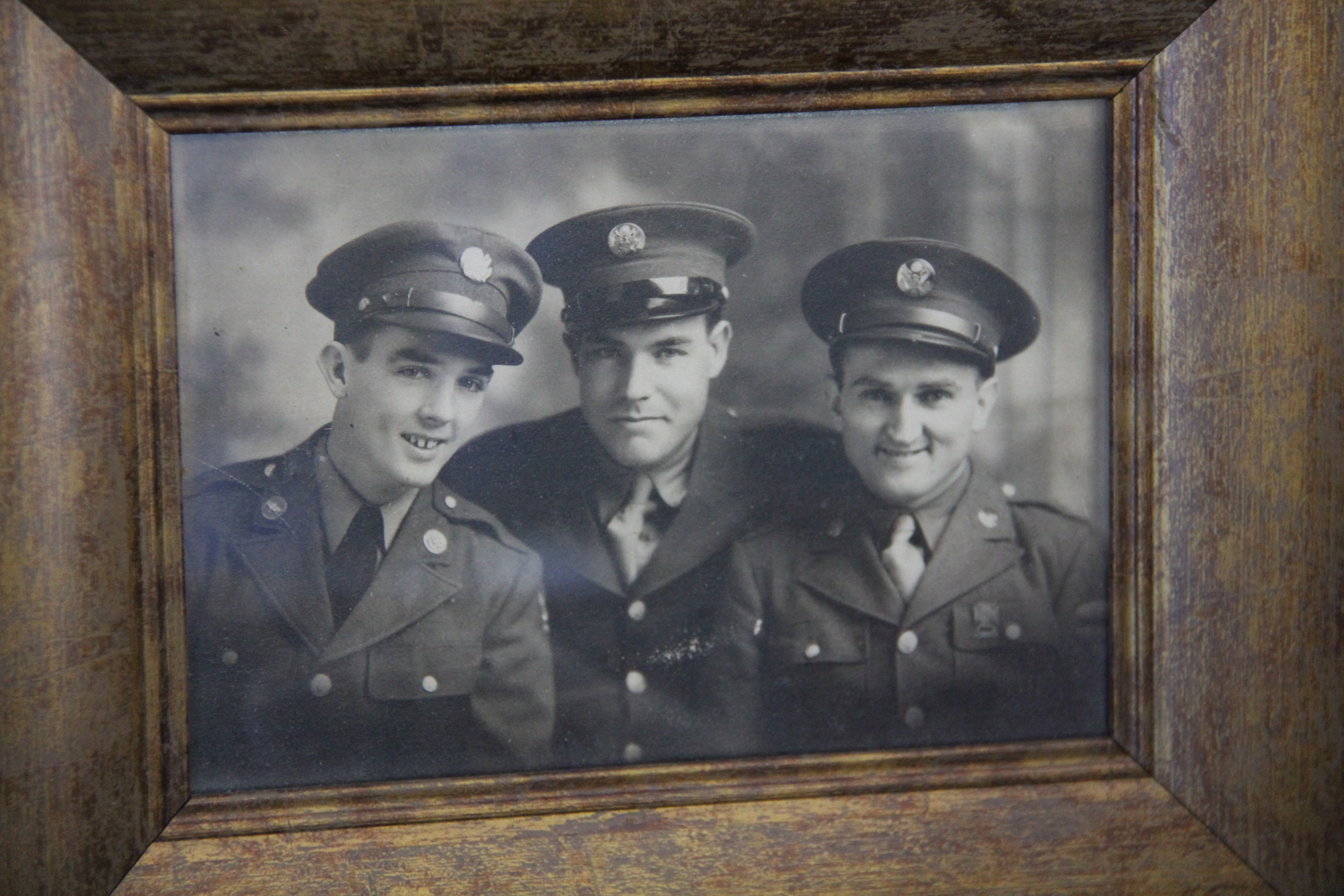
This photo of soldiers sparked a conversation between me and picker Gary Kowalski. (Minnesota Prairie Roots copyrighted photo May 2024)

A singular framed black-and-white photo of three soldiers in full formal military uniform grabbed my attention. Their smiles, the way they leaned into each other, told me they were not only in service together, but also friends. That’s when Gary stepped in to say he found the photo, along with other WW II items, in Texas. He’s a veteran himself and guesses the three were on leave for some rest and relaxation, thus the happy pose.

The Legion jacket that prompted a conversation about my home area. (Minnesota Prairie Roots copyrighted photo May 2024)

Gary had one more item that really made my day. An American Legion Post 38 jacket from Redwood Falls. It came from my home county. Yes, he’s been picking 20 miles to the east of my hometown. I’m always thrilled when someone, anyone, is familiar with a prairie place. Few people around this area hold any knowledge of communities in the southwestern corner of Minnesota. It’s a good place to pick, but others are better price-wise, Gary shared. He wasn’t sharing, though, specific picking sites. He doesn’t need the likes of me, who thinks picking would be a fun gig, competing for finds.

On a perfect spring morning, folks visit and shop at the flea market. (Minnesota Prairie Roots copyrighted photo May 2024)

He needn’t worry. I’ll stick to attending flea markets, where I’ll watch for characters, shop, and scout for oddities among all that merchandise pulled from campers, pick-up trucks, converted buses, vans and trailers.

#

NOTE: Check back for more photos from the Rice County Steam & Gas Engines showgrounds. And click here to read my first post on the consignment auction.

© Copyright 2024 Audrey Kletscher Helbling
 

The rhythm, reverence & remembrances of a rural Minnesota auction May 30, 2024

Watching the auction from behind the auctioneer’s truck at the Rice County Steam & Gas Engines Consignment Auction on May 25 south of Dundas. (Minnesota Prairie Roots copyrighted photo May 2024)

THERE’S SOMETHING ABOUT AN AUCTION that evokes nostalgic curiosity, drawing people together to peruse second-hand merchandise, perhaps to bid, perhaps only to watch silently from the side. Even to mourn.

The auctioneer and clerk sell and record items sold. (Minnesota Prairie Roots copyrighted photo May 2024)

Recently, I attended the spring auction at the Rice County Steam & Gas Engines showgrounds south of Dundas as an observer. I didn’t need any of the goods sold on consignment with all commissions donated to the nonprofit. But, still, I watched and wove among the items auctioned by Valek Auction Co. of Northfield.

Lining up for bidding numbers. (Minnesota Prairie Roots copyrighted photo May 2024)
A familiar milk bucket, just like the one my dad used when milking his Holsteins. (Minnesota Prairie Roots copyrighted photo May 2024)
Familiar grain wagons, too. (Minnesota Prairie Roots copyrighted photo May 2024)

I felt like I was back on the farm, filling a bushel basket with silage for the cows, scrubbing the milk bucket with a brush, mixing milk replacer in a galvanized pail, watching corn flow into an aged grain wagon…

A grain bin repurposed as a shelter/resting area at the Rice County Steam & Gas Engines showgrounds. (Minnesota Prairie Roots copyrighted photo May 2024)

Rural auctions like this, for those of us who grew up on working farms or still live on them, are like steps back in time. Decades removed from farm life, I would feel out of place on a modern-day farm with all the technological advancements, the oversized equipment. That bushel basket, that milk bucket, that pail, that grain wagon…all are the stuff of yesteryear. Farming today is much less labor intensive, more efficient.

Items are auctioned off a hay rack. (Minnesota Prairie Roots copyrighted photo May 2024)
A vintage hay loader. (Minnesota Prairie Roots copyrighted photo May 2024)
Merchandise lines the gravel road. (Minnesota Prairie Roots copyrighted photo May 2024)

Still, we often hold onto the past, the memories of back-in-the-day, the “way it used to be.” Nostalgia runs strong at auctions. I saw that, felt it, overheard it as folks gathered around the auctioneer’s pick-up truck, leaned on the hay rack piled with auction goods, meandered among the merchandise lining both sides of a gravel road.

A 1950s vintage stroller, exactly like the one used for me and my five siblings. (Minnesota Prairie Roots copyrighted photo May 2024)

Many of the auction items were vintage, likely pulled from the back corners of a dark machine shed or abandoned barn or from weeds along the edge of a grove. The rusted metal baby stroller could have been the one I rode in, the pitchfork the one I used to bed straw, the hand-reel lawnmower my grandma’s.

A vintage grain drill. (Minnesota Prairie Roots copyrighted photo May 2024)
Planting dates written inside the lid of the grain drill. (Minnesota Prairie Roots copyrighted photo May 2024)

This particular auction held so much relatable history. I doubt I was alone in feeling that way. While looking at a vintage grain drill, an implement used to plant small grains, I discovered historic documentation. There, on the underside of a metal lid, a farmer recorded the dates he planted oats, barley and wheat, beginning in 1951 until 1969 with a few years missing. Planting and finishing dates are important to farmers as they put seed in the ground, anticipate harvest. I thought of this farmer who 73 years ago wrote that first entry on his grain drill, holding the hope of harvest within him.

Inspecting before bidding starts. (Minnesota Prairie Roots copyrighted photo May 2024)

There’s a certain reverence and respect in rural auctions. An honoring of farmers and farm life and the responsibilities that come with tending the land. This isn’t just stuff being sold to the highest bidder, but rather something of value, of importance, that once belonged to another. I remember standing at my father-in-law’s farm auction decades ago and feeling a certain sadness in the sale of items gathered from shed, house, barn and elsewhere.

Lil Fox Wagon, one of several on-site food and beverage vendors. (Minnesota Prairie Roots copyrighted photo May 2024)

Farm auctions represent the final verse in a hymn, the congregation gathered, the auctioneer chanting the liturgy. Comfort and community and closure come. At the hay rack. Among the rows of numbered auction items. At the lunch wagon. All until the last item is sold.

Resting during the morning auction. (Minnesota Prairie Roots copyrighted photo May 2024)

Hallelujah. And amen.

#

NOTE: Check back tomorrow to read my prize-winning poem, “Sunday Afternoon at the Auction Barn,” published in 2014 in a Minnesota literary anthology.

© Copyright 2024 Audrey Kletscher Helbling
 

You know you live in rural Minnesota when… April 25, 2024

A tractor pulling a manure spreader fuels up at the local co-op. (Minnesota Prairie Roots copyrighted photo April 2024)

LIVING IN FARIBAULT, a city of some 24,000 surrounded by farm fields, I sometimes see ag machinery pass through town. I live along an arterial route. Tractors pulling implements or solo tractors and combines occasionally roar by my house, especially during spring planting and fall harvest.

But the sighting of a tractor with attached manure spreader spotted several blocks from my house at the local Faribault Community Co-op Oil Association on a recent afternoon proved a first. I’d never seen a manure spreader, marketed as a box spreader, within city limits. But there the New Holland brand spreader sat, linked to a Case International tractor. Right there aside the co-op fuel pumps along Division Street in the heart of downtown.

Leaving the co-op. The historic Alexander Faribault house can be seen on the other side of the hedge. (Minnesota Prairie Roots copyrighted photo April 2024)

My mind asked, “Why? Why wouldn’t you unhook a manure spreader before driving a tractor into town to fuel up?” I’ll never know.

Whatever, the scene drew my eyes and reminded me of the importance of agriculture in this region. Although farming has changed from mostly small family farms with livestock to much larger acreages minus the animals, the importance of agriculture to the local economy remains. All I need do is drive into the country to observe farmers busy in the fields, planting corn and soybeans.

Back in the 1860s and 1870s, wheat was the primary crop in this area. Flour mills populated the region. None remain here today.

But what remains are memories and history, including the Alexander Faribault house, which sits next to the co-op, on the other side of a hedge row. The house, built in 1853 and thought to be the oldest woodframe house in southern Minnesota, served as a fur trading post for the town founder. He also farmed, on land that is today within the city limits, and sheltered Indigenous Peoples on his farm.

After waiting at the Division Street/Minnesota State Highway 60 stoplight, the tractor continued east across the historic viaduct, presumably heading back to the farm. (Minnesota Prairie Roots copyrighted photo April 2024)

Community Co-op has been in Faribault since 1925, closing in on 100 years in business. That’s remarkable really. Good customer service and loyalty withstand the tests of time. And no one seems to mind a tractor with attached honey wagon pulling up to the pumps on a Sunday afternoon in April.

© Copyright 2024 Audrey Kletscher Helbling
 

“Chick Days,” hatcheries & memories from rural Minnesota April 3, 2024

My friend Joy’s chickens. (Minnesota Prairie Roots copyrighted file photo)

I’M NO CHICKEN farmer. I’m not even particularly fond of roaming chickens (ducks or geese). But this time of year on “Chick Days,” I feel nostalgic, remembering the delivery of newly-hatched chicks. They arrived on my southwestern Minnesota childhood farm via the U.S. Postal Service, cheeping raucously and, I’m certain, desiring to escape their cardboard boxes.

A snippet of a promo for “Chick Days” at a local business.

Today, chicks still ship via mail, but need to be picked up at the post office or at a local supplier on “Chick Days.” That may be at a farm store, a grain elevator, a feed store…

A boarded up hatchery in southwestern Minnesota. (Minnesota Prairie Roots copyrighted file photo)

Gone are the days when chick hatcheries were found in many farming communities. But this is not Mayberry anymore. Rural America has changed significantly since I was growing up in the 1960s and 1970s with businesses now shuttered, buildings vacated.

A 1950s or 1960s era greeting card from a hatchery in Minneota, Minnesota. (Minnesota Prairie Roots copyrighted photo April 2024)

But, if you look closely enough, dig deep enough, ghosts of those businesses remain, including chick hatcheries. Among the vintage greeting cards my mom saved (she saved everything), I found a holiday card from Dr. Kerr’s Hatchery. That was in Minneota; that’s Minnesota minus the “s.”

Minneota sits on the prairie northwest of Marshall in Lyon County. This small town is perhaps best-known as the home of the late Bill Holm, noted writer and English professor at Southwest Minnesota State University. Among his work, Boxelder Bug Variations, a collection of poetry and essays about, yes, boxelder bugs. Minneota celebrates Boxelder Bug Days annually.

But it doesn’t celebrate chicks, as far as I know, or the hatchery with the unusual name of “Dr. Kerr’s Hatchery.” There’s a story behind that moniker. I just don’t know what that may be.

Signage is a reminder that this building once housed a hatchery in Morgan. (Minnesota Prairie Roots copyrighted file photo)

I do know, though, that Morgan, 60 miles to the east of Minneota, also had a hatchery, aptly named Morgan Hatchery. I photographed the exterior of the former hatchery and feed store in 2013 while en route to my hometown of Vesta.

Chickens are fenced next to the red chicken coop on Joy’s rural acreage. Sometimes they also roam free around the yard. (Minnesota Prairie Roots copyrighted file photo)

Thoughts of home take me back to those chicks delivered by the mailman, as we called letter carriers back in the day. After retrieving the box (es) of chicks from aside the roadside mailbox, Mom released them into the chicken coop. There they clustered around shallow water dishes under the warmth of heat lamps. I don’t recall many details other than the fluffy fowl feathering all too soon. For me, the chicks’ transition toward adulthood quickly ended my adoration.

A fenced rooster at my nephew and niece’s rural acreage. (Minnesota Prairie Roots copyrighted file photo)

There’s a reason I dislike being in close proximity to chickens: pecking hens and a vicious rooster. Gathering eggs from angry hens as a young girl proved an unpleasant chore. And avoiding a mean rooster proved impossible. One day Dad had enough of the rooster attacking his children. He grabbed an ax and that quickly ended the hostile encounters. I still hold trauma from that rooster. But I’ve gotten better about being around chickens. However, if I even pick up on a hint of meanness, I flee.

Farm fresh eggs from Nancy and Loren’s chickens. (Minnesota Prairie Roots copyrighted photo April 2024)
The difference in eggs, with the yolk from a store-bought mass-produced egg on the left and a farm fresh egg on the right. (Minnesota Prairie Roots copyrighted photo April 2024)

Given my history, I’ll never own chickens. But I eat chicken. And I eat eggs. I especially like farm fresh eggs from free-range chickens. The dark orangish-yellow yolk hue, the taste, are superior to mass-produced eggs.

A maturing chick. (Minnesota Prairie Roots copyrighted file photo)

And I still think chicks are cute, even if they quickly morph into feathered birds I’d rather not be around.

© Copyright 2024 Audrey Kletscher Helbling
 

Of monarch butterflies & milkweeds August 14, 2023

Monarch on milkweed flower at the Rice County Master Gardeners Teaching Gardens, Faribault. (Minnesota Prairie Roots copyrighted photo June 2023)

ADMITTEDLY, A TIME EXISTED when I considered milkweeds to be, well, weeds. A weed, by definition, is an unwanted plant. And my farmer dad didn’t want milkweeds growing in his Redwood County soybean fields. So we—meaning me and my siblings—were instructed to eradicate milkweeds, cockle burrs and thistles while walking beans.

If the term “walking beans” is unfamiliar, it simply means walking between soybean rows to remove weeds either via pulling or hoeing, preferably yanking so as to assure root removal. This was a necessary, albeit unpleasant, task assigned to farm kids who labored and sweated under a hot summer sun. The reward was a clean field. And a grateful farmer father.

Occasionally, this job paid…if done for anyone other than Dad. One summer my cousin John hired my sister Lanae and I and two of our cousins to walk his beans. As the oldest among the four, I was the designated crew leader, quickly thrust into settling arguments between my two cousins. I decided then and there that I wasn’t management material.

Milkweeds flourish at River Bend Nature Center, Faribault. (Minnesota Prairie Roots copyrighted photo July 2023)

But back to those milkweeds. Now, some 50+ years later, my opinion about milkweeds has changed. I no longer pull them. I plant them and then allow them to go to seed. And this year I have a bumper crop growing in my flowerbeds, much to my delight.

Milkweed flowers are not only beautiful, but also smell lovely. (Minnesota Prairie Roots copyrighted photo July 2023)

Milkweeds are the host plant for monarch butterfly larvae, the reason I grow this food source. I want to do my part to protect the monarch, today considered to be endangered. I’ve been rewarded with monarchs flitting among my phlox and other plants in my tangled mess of flower gardens.

The other evening, while walking in a local park, I watched two monarchs swooping and dancing in a pre-mating ritual. Their aerial acrobatics impressed me like a line of well-written poetry. In many ways, their performance was poetry. Beautiful. Creative. Mesmerizing. Connective in a way that touched my spirit.

If my farmer dad (gone 20 years) heard me describe monarchs in this context, he may just shake his head and wonder about that poet daughter of his. And he would wonder even more whether I learned anything from pulling milkweeds all those summers ago in his southwestern Minnesota soybean fields.

#

FYI: You can learn about monarch butterflies and how you can help them, see caterpillars, then hike to look for monarchs during a 10-11:30 a.m. Saturday, August 19, program at the Nerstrand Big Woods State Park amphitheater. Minnesota Master Naturalist Katy Gillispie is leading the Friends of Nerstrand Big Woods State Park free “Monarchs and Milkweeds” event. A state park parking pass is required for entry to the park near Nerstrand.

© Copyright 2023 Audrey Kletscher Helbling
 

Reminded of the importance of farmers June 16, 2023

Hy-Vee in Faribault grilled pork burgers outside its patio area on Thursday with a tractor parked nearby. (Minnesota Prairie Roots copyrighted photo June 2023)

I LUNCHED YESTERDAY with a guy from northern Rice County who farms and runs an auto body repair shop. The shop is Andy’s primary business with crop farming secondary. He rents out some of his acreage, tending only his alfalfa field. He has plenty of customers for his hay. Mostly people with horses and dairy goats, he said.

This massive tractor provided photo ops outside Faribault’s Hy-Vee grocery store. (Minnesota Prairie Roots copyrighted photo June 2023)

Before Thursday, I’d never met Andy. But I asked if Randy and I could join him at a patio table outside Faribault’s Hy-Vee. The grocer was serving free pork burgers, chips and bottled water as part of its “Feed the Farmers that Feed America” event. The Iowa-based supermarket chain is working with Feeding America-affiliated food banks to help end hunger. A donation jar was filling with bills.

A farm site north of Faribault, photographed from Interstate 35. (Minnesota Prairie Roots copyrighted file photo June 2023)

Events like this remind me just how important agriculture is to all of us. Without farmers, we’d be hard-pressed to feed ourselves. Or at least I would since I don’t have a garden or animals or anything except two broccoli plants started from seed by my 4-year-old grandson.

A tractor waits at a stoplight aside other traffic on busy Minnesota State Highway 21, just off Interstate 35 in Faribault. (Minnesota Prairie Roots copyrighted photo June 2023)

Events like this remind me also that agriculture is an important part of my community. Farm fields surround Faribault. Tractors rumble through town, sometimes past my house.

Parked at the Hy-Vee event, a corn (and beer) themed ATV. Guests enjoy free pork burgers on the patio. (Minnesota Prairie Roots copyrighted photo June 2023)

Although I was raised on a crop and dairy farm, I don’t always consider how agriculture impacts us in our daily lives. Without farmers working the land, tending crops, the shelves at HyVee and other grocery stores would be empty. Farmers’ markets wouldn’t exist. And I’d be really hungry because, as much as I like broccoli, that’s not enough to quell my hunger.

© Copyright 2023 Audrey Kletscher Helbling
 

March 1965, a harsh Minnesota prairie winter documented March 13, 2023

This huge snowdrift blocked my childhood farm driveway in this March 19, 1965, photo. I’m standing next to Mom. (Photo credit: Elvern Kletscher)

SHE WAS NOT QUITE 33 years old, this young mother of five living on a southwestern Minnesota dairy and crop farm in March 1965. It was an especially harsh winter, documented in a spiral bound notebook she kept.

She filled page after page with several-line daily entries about everyday life. She wrote about crops and household chores and kids and food and the most ordinary daily happenings. And, always, she recorded the weather—the wind, the precipitation, sometimes the temperature.

Arlene Kletscher’s journals stacked in a tote. (Minnesota Prairie Roots copyrighted file photo)

This keeper of prairie history in rural Redwood County was my mother, who died in January 2022 at the age of 89. I am the keeper of her journals, which she kept from 1947-2014, from ages 15 to 82. Sixty-seven years of journaling. Several years, when she met and fell in love with my dad, are noticeably missing.

Recently, I pulled the tote holding her collection of writing from the closet. This snowy winter of 2022-2023 in Minnesota prompted me to filter through Mom’s notebooks from 1964 and 1965. That winter season of nearly 60 years ago holds the state record for the longest consecutive number of days—136—with an inch or more of snow on the ground. We are closing in on that, moving into the top ten.

Mom’s journal entries confirm that particularly snowy and harsh winter on the Minnesota prairie. From February into March, especially, many days brought snow and accompanying strong wind. Two photos from March 1965 back up Mom’s words. Her first March entry is one of many that notes the seemingly never-ending snow falling on our family farm a mile south of Vesta. She writes of the weather:

March 1—What a surprise! Snowing & blowing when we got up & kept on all day. No school.

March 2—Still blowing & started to snow again. Really a big drift across the driveway. Mike came & opened up driveway. No school again. Milk truck didn’t come so Vern has to dump tonight’s milk.

Entries from my mom’s March 1965 journal document a harsh Minnesota winter. My Uncle Mike had to drive from his farm a mile-plus away to open our driveway. (Minnesota Prairie Roots copyrighted photo March 2023)

Let me pause here and emphasize the hardship referenced in Mom’s March 2 entry. My dad had to dump the milk from his herd of Holsteins. That was like pouring money down the drain. I can only imagine how emotionally and financially difficult that was to lose a day’s income. But if the milk truck can’t get through on snow-clogged country roads to empty the bulk tank, there’s no choice but to pour away milk.

My dad planted DeKalb seed corn (among other brands). (Minnesota Prairie Roots copyrighted file photo September 2015)

On March 3-5, Mom writes the same—of snow and blowing snow and efforts to keep the driveway open and no school. Then comes a respite from the snow. Dad was even planning ahead to spring, receiving a delivery of DeKalb seed corn on March 15. But then snowfall resumes on St. Patrick’s Day in this land of wide open spaces, where the wind whips fierce across the prairie.

March 17—Snowing & blowing. Got worse all day. Good thing the milk truck came. No school.

March 18—Quit snowing, but is really blowing. Huge drift across driveway & in grove. Almost all roads in Minn are blocked. No school. Cold, about 10 degrees.

Our southwestern Minnesota farmyard is buried in snowdrifts in this March 19, 1965, image. My mom is holding my youngest sister as she stands by the car parked next to the house. My other sister and two brothers and I race down the snowdrifts. (Photo credit: Elvern Kletscher)

March 19—We all went outside & took pictures of the big drifts & all the snow. Mike came over through field by gravel pit & started to clear off yard. Clear & cold.

Mom’s March 19 entry is notable for multiple reasons. First, my parents documented the snowdrifts with their camera. They didn’t take pictures often because it cost money to buy and develop the film. Money they didn’t have. That is why I have few photos from my childhood. That they documented the huge drifts filling our driveway and farmyard reveals how much this snow impacted their daily lives. In the recesses of my memory, I remember those rock-hard drifts that seemed like mountains to a flat-lander farm girl. That my Uncle Mike, who farmed just to the east, had to drive through the field (rather than on the township and county roads) to reach our farm also reveals much about conditions.

In the two days following, Mom writes of a neighbor coming over with his rotary (tractor-mounted snowblower) to finally open the driveway. But when the milk truck arrived at 4:30 am, the driveway was not opened wide enough for the truck to squeeze through the rock hard snow canyon. The driver returned in the afternoon, after Dad somehow carved a wider opening.

The weather got better in the days following, if sunny and zero in the mornings and highs of 12 degrees are better. At least the snow subsided. On March 23, Mom even notes that they watched the space shot on TV. I expect this first crewed mission in NASA’s Gemini Project proved a welcome diversion from the harsh winter.

In her March 27 journal entry, hope rises that winter will end. Mom writes: Sunny & warmer than it has been for days. Got to 45 degrees. Minnetonka beat Fairbault (sic) in basketball tournament. I almost laughed when I read that because Minnesotans often associate blizzards with state basketball tournament time. I also laughed because Faribault would eventually become my home, the place I’ve lived for 41 years now.

So much for optimism. On March 28, snow fell again. All day.

But the next day, Mom writes, the weather was sunny and warm enough to thaw the snow and ice and create a muddy mess. I stopped reading on March 31. I’d had enough snow. I expect Mom had, too.

© Copyright 2023 Audrey Kletscher Helbling
 

Minnesota makes strong showing in U.S. Cheese Makers Contest February 27, 2023

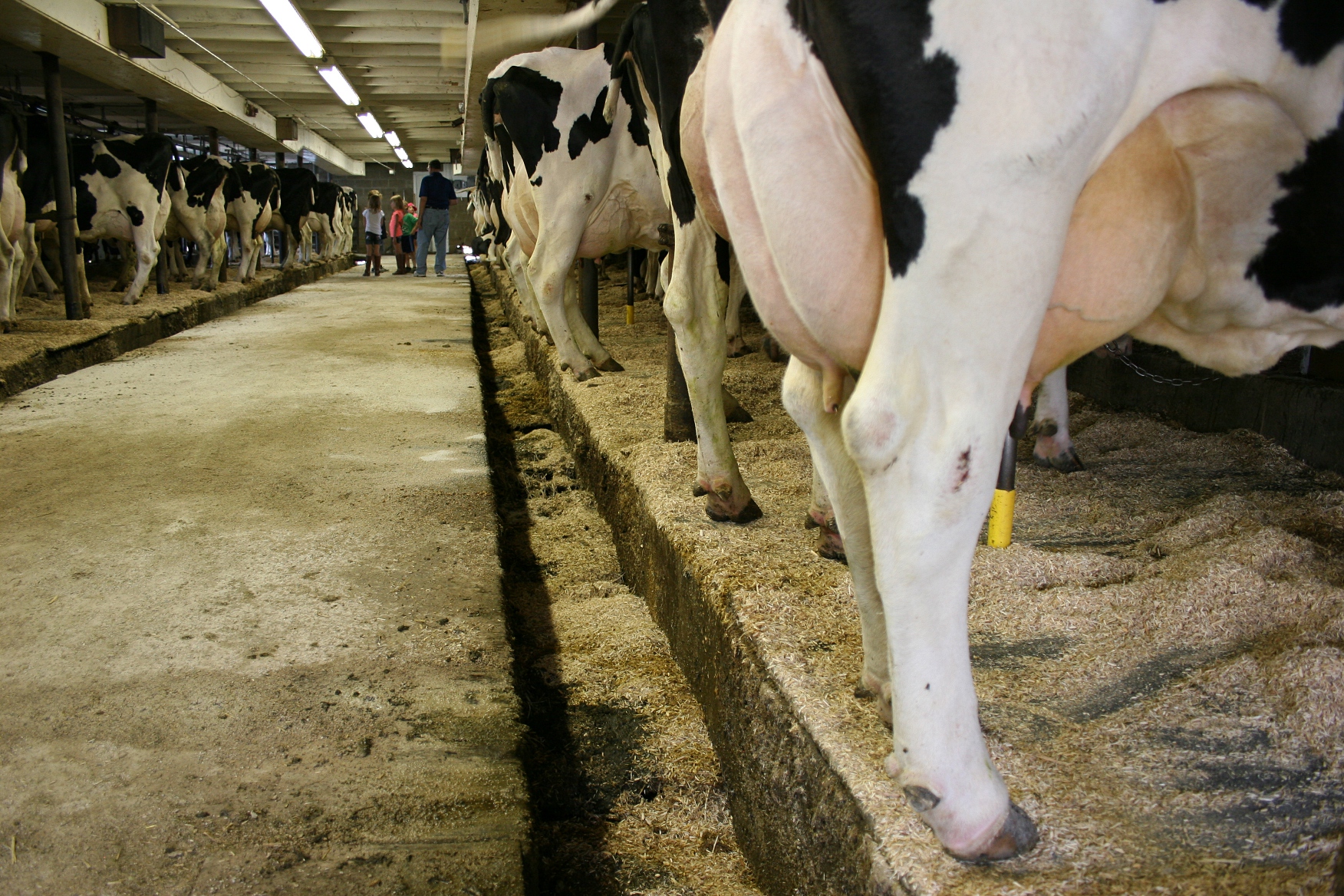
Inside a Rice County dairy barn. (Minnesota Prairie Roots copyrighted file photo)

AS SOMEONE WHO GREW UP on a dairy farm, I understand the hard work and commitment of feeding, caring for and milking cows. Every. Single. Day. Although the process has become easier with automation, the fact remains that dairy farmers can’t just walk away from the barn for a day. The cows still need to be milked.

As a child and teen, I labored in the barn, assisting my dad with feeding, bedding straw, and scooping manure. He did the actual milking. And he was under a time crunch to finish milking our Holsteins before the milk truck arrived to empty the bulk tank and transport our cows’ milk to the Associated Milk Producers plant in New Ulm.

That backstory brings me to today, nearly 50 years removed from the southwestern Minnesota crop and dairy farm where I learned the value of hard work. AMPI in New Ulm is still going strong and recently won several honors at the Wisconsin Cheese Makers Association 2023 U.S. Champion Cheese Contest in Green Bay, Wisconsin. Forty-two judges evaluated entries based on flavor, texture, appearance and taste. There were 2,249 entries from 197 dairy companies and cooperatives in 35 states. Minnesota was well-represented. (Click here to see a full list of the winners by category.)

The abandoned milkhouse, attached to the barn on the farm where I grew up outside Vesta. (Minnesota Prairie Roots copyrighted file photo 2009)

AWARD-WINNING BUTTER FROM NEW ULM

The 113 contest divisions include dairy products beyond cheese. And that’s where New Ulm’s AMPI plant scored, earning second place for its unsalted butter and third places for salted butter and flavored butter, specifically chipotle butter. AMPI’s Sea Salted Root Beer Butter which sounds, in Minnesota lingo, “different,” did not place.

I grew up on AMPI salted butter. The milk man—the guy who picked up the milk from our milkhouse—also brought blocks of butter. Dad just left a slip of paper indicating how many pounds we needed and the driver pulled the packages from his truck.

Lucky Linda Cheddar (Photo credit: Redhead Creamery Facebook page)

REDHEAD CREAMERY CHEESE CRAFTS A TOP 20 CHEESE

What I didn’t have back then was access to good quality cheese like that produced in Minnesota today. I love cheese. And yogurt and cottage cheese and ice cream and cheese curds…, well, all things dairy. This year a cheddar cheese produced by a small west central Minnesota cheese maker, Redhead Creamery, was named one of the top 20 cheeses in the country during last week’s national competition. And, yes, the president and CEO of this creamery in rural Brooten, Alise Sjostrom, is a redhead.

Redhead Creamery earned Best of Class in the Natural Rind Cheddar category with its previously award-winning Lucky Linda Clothbound Cheddar, named after Sjostrom’s mom. That top cheese was then chosen to compete against 19 other top cheeses for the honor of U.S. Champion Cheese. An aged Gouda made by the team at Arethusa Farm Dairy in Connecticut won the best cheese in the U.S. title. Two Wisconsin cheeses earned second and third places.

I have yet to try, or even find, Minnesota-made Redhead Creamery cheeses. But I will be looking for them locally, especially Lucky Linda Cheddar. I’d even like to take a road trip to the dairy and cheese operation, which offers tours.

Award-winning Amablu Gorgonzola from Caves of Faribault. (Minnesota Prairie Roots copyrighted file photo)

CAVES OF FARIBAULT EARNS HONORS

My community is also home to award-winning handcrafted cheeses. This year cheesemakers at Prairie Farms’ Caves of Faribault placed second in the Gorgonzola competition with Ama Gorg. In the blue-veined division, Caves of Faribault earned fourth for its AmaBlu. These cheeses have previously won honors and they are well-deserving. I love Caves of Faribault cheeses, aged in sandstone caves along the Straight River. If you like blue cheese, and I realize either you love it or you hate it, then this is your cheese.

Krause Feeds & Supplies in Hope advertises the availability of Hope butter and Bongards cheese. (Minnesota Prairie Roots copyrighted file photo June 2013)

MORE MINNESOTA WINNERS

Minnesota-based Bongards Creameries in Perham also earned a Best of Class with its Monterey Jack cheese in the national competition. Likewise, Kemps, LLC in Farmington took Best of Class for its pineapple flavored cottage cheese and second for its chive flavored cottage cheese. I didn’t even realize cottage cheese came in such flavors.

In another division of the national competition, whey protein concentrate 80 from Milk Specialties Global’s plant in small town Mountain Lake garnered the Best of Class and a second place (for instantized).

If there were other top winners from Minnesota in the 2023 U.S. Cheese Contest, I apologize for missing them. But after scrolling through pages of information, I stopped looking.

Cow sculptures outside The Friendly Confines Cheese Shoppe in Le Sueur. (Minnesota Prairie Roots copyrighted file photo June 2013)

MINNESOTA IS DAIRY STRONG

What I realized is that small creameries to co-ops to large companies in Minnesota make a lot of dairy products. We may not have as many cheesemakers as the Dairyland State, but certainly enough for anyone who likes cheese and other dairy products to recognize Minnesota’s value in the dairy industry.

I saw Minnesota entries (again, I may have missed some) from Prairie Farms Dairy Cheese Division in Rochester, Bongards in Norwood, Agropur in Le Sueur, Stickney Hill Dairy in Rockville and First District Association in Litchfield. The varieties of cheeses range from pasteurized process American cheese from Prairie Farms to jalapeno and roasted red cheddar from Litchfield-based FDA, “a grassroots cooperative since 1921.”

This rural Dundas barn once housed a herd of dairy cows. No more. But the barn has been maintained. (Minnesota Prairie Roots copyrighted file photo September 2011)

CHANGED & UNCHANGED

Much has changed, yet much has not since I left the farm in 1974. Cooperatives remain as strong as ever, yet small scale artisan cheese makers, have also emerged. The demand for basic cheeses remains, yet cheese makers are crafting diverse flavors to meet consumers’ expanding tastes. Small family dairy farms have been mostly replaced by large-scale dairy operations. Change is inevitable. But one thing has not changed for me personally. I love dairy products, especially cheese.

© Copyright 2023 Audrey Kletscher Helbling
 

Before winter settles in…savor these autumn days October 21, 2022

My next door neighbor’s maple tree. (Minnesota Prairie Roots copyrighted photo October 2022)

IN THE FLEETING DAYS of autumn here in Minnesota, there’s an urgency to get things done before winter. Hurry and rake the leaves. Tune up the snowblower. Wash the windows. Prepare, prepare, prepare.

Almost like seeing summer, autumn and winter in the trees viewed from my backyard. (Minnesota Prairie Roots copyrighted photo October 2022)
But in the haste of all that preparation, there’s also a need to slow down and delight in autumn. Simply stepping outside my home to view the backyard maple and neighbors’ trees fills my soul. I love the contrast of orange, red, yellow against the bold October sky. Sometimes when I look skyward, I see a mix of seasons from green leaves, to autumnal leaves to bare branches.
Sunshine filters through a branch on my backyard maple tree. (Minnesota Prairie Roots copyrighted photo October 2022)

Every single day calls for pausing to appreciate the beautiful natural world of October in southern Minnesota. I know this won’t last and I need to savor these scenes.
The countryside near Nerstrand. (Minnesota Prairie Roots copyrighted photo October 2022)

Last Saturday morning, instead of pursuing yard work, Randy and I headed on one more drive through the countryside to view the diminishing fall colors. Leaf raking, although started, could wait. As we followed back county paved roads and township gravel roads through open farmland and through woods, I felt embraced and connected to the local landscape and scenes unfolding before me.

Farmer Trail twists through woods of primarily maple. (Minnesota Prairie Roots copyrighted photo October 2022)

Sunshine dappled through trees.

To the north across cornfields and treelines, a cloud deck revealed the weather ahead. (Minnesota Prairie Roots copyrighted photo October 2022)

To the north, a cloud deck drew a nearly straight horizontal line across the sky, a hint of the cold weather to come. And it blew in later that day with a raw wind and a drop in temps.

Still some color along Crystal Lake at Cannon City. (Minnesota Prairie Roots copyrighted photo October 2022)

Colors were well past their peak in Rice County. Still the occasional oak or maple dropped red or russet into muted tree clusters.

A grain truck holds the corn harvest. (Minnesota Prairie Roots copyrighted photo October 2022)

Harvested and unharvested fields of corn and soybeans spread before us. Grain trucks, some brimming with the yield, anchored fields. Former farm kids that we are, we discussed the crops. Always have, always will. It’s something we learned early on, me from Sunday afternoon drives with my parents and siblings to view the crops and during dinner table discussions.

A stately, well-kept barn along Coe Trail northwest of Cannon City. (Minnesota Prairie Roots copyrighted photo October 2022)

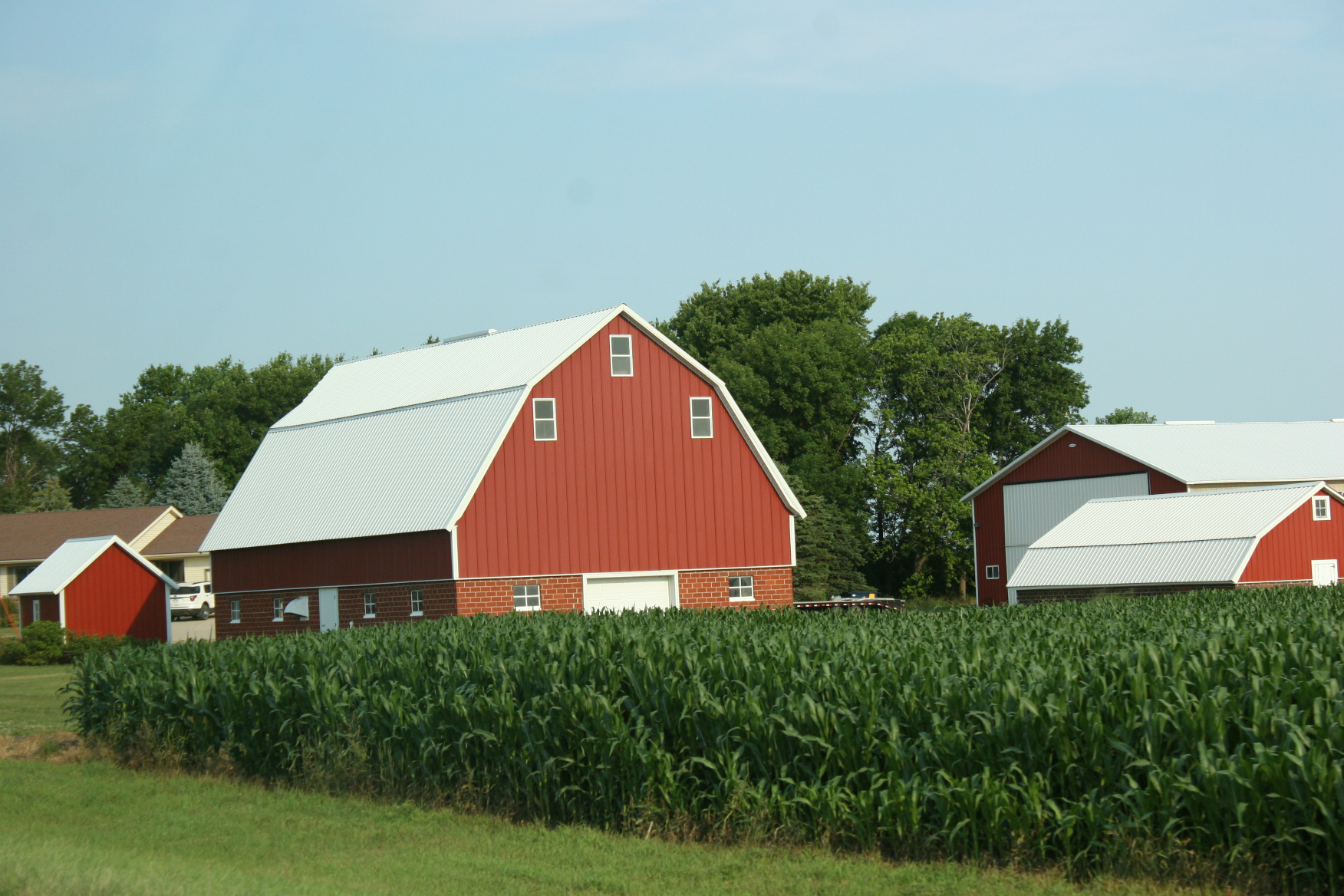
We passed farm sites, one with a well-kept signature red barn. There’s something about a barn…

A farm site in the colors of November. (Minnesota Prairie Roots copyrighted photo October 2022)

Another farm place was all grey. Grey bin. Grey machine shed. Grey silo. Grey outbuilding. Grey garage. Weathered grey barn.

Driving through autumn on a rural Rice County road last Saturday. (Minnesota Prairie Roots copyrighted photo October 2022)

Soon the weather will shift to the grey of November, the month when winter creeps in. Already we’ve felt the bite of unseasonably cold October days that are giving way, this weekend, to unseasonable warmth. These mark bonus days. Days to drive the countryside, visit an orchard, take a hike…days for anything but raking leaves, washing windows or tuning the snowblower.

© Copyright 2022 Audrey Kletscher Helbling