Minnesota Prairie Roots

Writing and photography by Audrey Kletscher Helbling

The disappearing toilet paper & other COVID-19 updates from Minnesota March 13, 2020

We were running low on fruit. Minnesota Prairie Roots file photo.


I PROMISED MY ELDEST daughter I would pick up hand sanitizer for her while on routine grocery and big box store runs Thursday evening. We were running low on bathroom cleaning supplies, fresh fruit, bread, milk and other items. This wasn’t a stockpiling outing due to COVID-19, just a regular shopping trip. And picking up sanitizer for her—because she lives in the Twin Cities metro and can’t find any there—would be no big deal. Or so I thought.

 

A look at the toilet paper aisle at Aldi in Faribault on Thursday evening.


But upon entering Aldi, my go-to grocer, I immediately realized this would be anything but a typical visit. For one thing, the place teemed with people, unusual for a Thursday evening. Then I started noticing the empty and emptying shelves. We’re talking everything from almonds to bread to no spinach. But it was the toilet paper aisle that caused me to pause and take a photo. The toilet paper shortage repeated itself at Walmart and then at Fareway Foods.

As Randy and I waited to check out our groceries (no hoarding by us and no hand sanitizer for the daughter), I commented to the clerk about the sold-out merchandise and the crowd. She informed me that Aldi expected to do $21,000 in sales that day, typical for what she termed a “slow day.” But when we checked out at 7 pm, that total had already reached $42,000. They were unprepared, she said, explaining the emptying shelves. An Aldi semi pulled into the parking lot while we loaded our purchases into the van and then headed for Walmart. The Aldi clerk warned us of long lines there.

But we needed cleaning supplies and I was still searching for the elusive hand sanitizer. At Walmart I grabbed a package of bar soap, not anti-bacterial, but found no hand sanitizer. Back in the cleaning supplies aisle, Randy experienced the same issue with no Lysol wipes and none of the brand of bath or toilet bowl cleaners I use. There were few choices on the nearly-cleared shelves. And good luck finding toilet paper.

For probably the first time ever, we left Walmart without buying anything. I didn’t need three bars of soap bad enough to wait in line. Not that the lines were horrendous, but long enough to cause us to exit empty-handed.

We had one last stop, at a smaller grocery store which has a meat counter we especially like. That presented one final opportunity to purchase hand sanitizer and the elusive cleaning supplies. But before I got to the cleaning aisle, I bumped into a friend who blames the Chinese and U.S. governments for getting us into this current pandemic. And then I met a woman who stood in disbelief before the empty toilet paper shelves. She wondered aloud about what she termed “media-driven hysteria” and lack of concern by the general public regarding the 18,000 (her number, not mine) deaths caused by influenza. I engaged in a brief conversation, quickly realizing that, if I didn’t want to get into an altercation in the toilet paper aisle, I best not continue talking to her.

In the end, I found the cleaning supplies I wanted at Fareway Foods, but no hand sanitizer. And I grabbed two containers of ice cream to add to the few items in our grocery cart. I wasn’t hoarding. The ice cream was on sale. And I like ice cream.
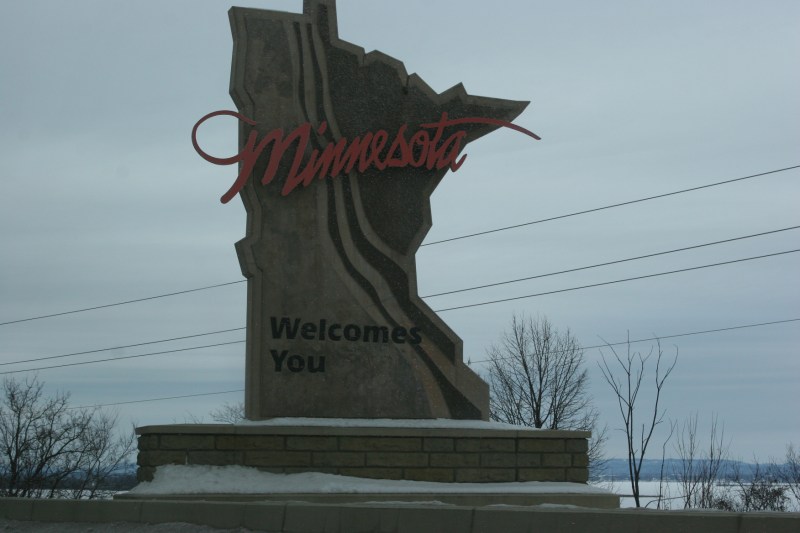
 

This sign along I-90 welcomes travelers to Minnesota along the Mississippi River by La Crosse, Wisconsin.


UPDATES FROM MINNESOTA: Five more cases of COVID-19 were confirmed in Minnesota today, bringing the total number to 14 with two of those individuals hospitalized. One is “acutely-ill,” according to Minnesota Commissioner of Health Jan Malcolm

The commissioner shared that information during a 1 pm news conference in which Minnesota Governor Tim Walz declared a peace-time state of emergency. This declaration gives him the power to mandate community measures to protect health and safety if need be. Currently, Minnesota officials are recommending canceling gatherings of 250 people or more, social distancing of six feet, limiting visitors to senior care centers and many other strategies we’ve already heard implemented elsewhere. Both Walz and Malcolm stress that we are in this together and must do our part to keep each other safe. Walz called the community level strategies “science based” and “societal measures.”

In my community, at least one school, Shattuck-St. Mary’s, a private college prep school with students from around the world, is transitioning to distance learning, according to an article in the Faribault Daily News. At this point, state officials are not recommending school closures. But, as the governor stated, decisions related to the Coronavirus are “evolving decisions.”

 

Minnesota Prairie Roots file photo.


So what do we do? Stay calm. Prepare, within reason. Recognize the vulnerability of older people and those with underlying health conditions. Follow the guidelines for gatherings and social distancing. Wash our hands. Cover our coughs. Stay home if we’re not feeling well. And, plain and simple, use common sense.

And if it helps, eat ice cream.

© Copyright 2020 Audrey Kletscher Helbling


A look at COVID-19 from a personal perspective March 12, 2020

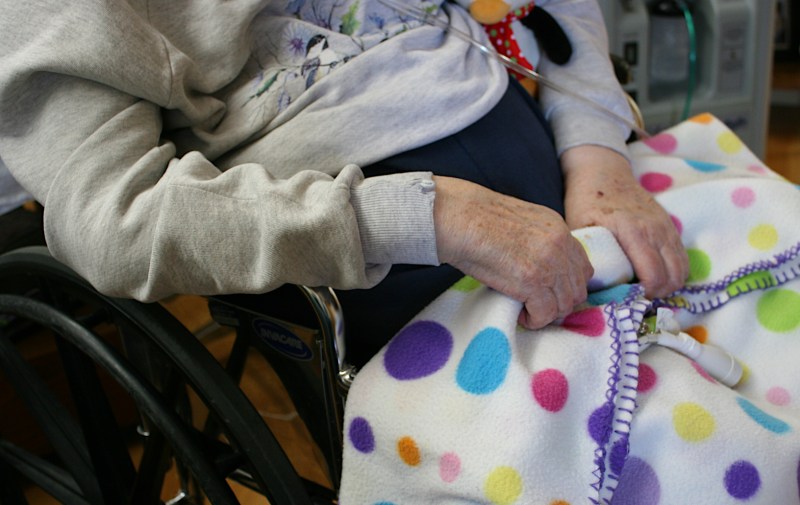
I photographed my mom’s hands during a visit with her last Saturday.


HOW IS COVID-19 affecting you and those you love? Your friends? Your neighbors? How is this pandemic changing the way you go about your daily life? Are you worried? Anxious?

I would describe my attitude as one of cautious concern. I’ve not yet stockpiled any supplies. But I hold concerns as the situation touches my life. All of our lives in some way, I suppose.

Last evening my brother texted that my mom’s senior living care center is restricting visitors, specifically banning those who have recently traveled overseas or been on a cruise. That’s a smart move designed to protect the vulnerable, at risk population. Anyone not feeling well and with cold and flu-like symptoms should stay away. Staff must clear all visitors before they are allowed to enter, my brother wrote. I’m thankful this center, in a very rural region of Minnesota, is taking this action, as they sometimes do during influenza season.

The facility details this policy on its Facebook page. I’m grateful for these efforts to protect my mom, who is on hospice, and others who live there. Even in rural southwestern Minnesota, where one might consider the risk of exposure to the Coronavirus to be low, the possibility exists. People from this region travel, too, as do those who visit the area.

With the continuing spread of the virus and these new restrictions, I’m thankful Randy and I drove 2.5-hours one-way last weekend to see Mom. We typically limit our visits to 1.5 hours. While each visit is bittersweet given Mom’s confusion and memory loss, I remain grateful for this bonus time with her. When I started talking about Coronavirus to Mom, Randy caught my eye, successfully conveying with his warning look that I should stop. I promptly did. He’s right. Mom doesn’t need to hear about a pandemic.

But I’ve heard plenty about it from others—how it’s affecting vacation plans and raising fears about loved ones with compromised immune systems and other health issues. I worry some about my second daughter, who works in the healthcare field in Wisconsin. And then there’s my son, currently attending an international conference in Florida and the risks that involves, especially with air travel. But neither are in the noted vulnerable population.

So daily life goes on. I’m probably listening to and reading way too many media reports. But I’ve always been a news junkie since pre-teen on, never wanting to miss the CBS Evening News with Walter Cronkite. (Yes, that dates me.) Is it any wonder I went on to earn a mass communications degree and then work in journalism? I’m thankful for a media which keeps us informed. And, no, I don’t want to get into a discussion here about the media. The World Health Organization has declared COVID-19 to be a global pandemic. Period.

It’s up to each of us to take Coronavirus seriously, even if we aren’t personally at risk. We have a responsibility to protect individuals like my mom. We’re in this together.

© Copyright 2020 Audrey Kletscher Helbling
 

Focus on mental health: What you can do, what “we” can do March 10, 2020


I photographed this at an ethnic celebration last fall at the Northfield Public Library. This message refers to the struggles with mental illness. Minnesota Prairie Roots file photo September 2019.


THEY’RE NOT NUTS, crazy or whatever other derogatory term you want to tag to someone with mental health struggles.

Such uninformed, inaccurate and offensive words continue to perpetuate the stigma, the blame, the discrimination against those diagnosed with anxiety, depression, obsessive compulsive disorder, bipolar, schizophrenia, post traumatic stress disorder (PTSD) and more.

If you sense a bit of anger in my words, it’s because I’m trying to come to terms with something offensive I saw in small town Minnesota this past weekend as it relates to mental illness. I’m currently processing this, recognizing that a knee jerk emotional reaction won’t help.


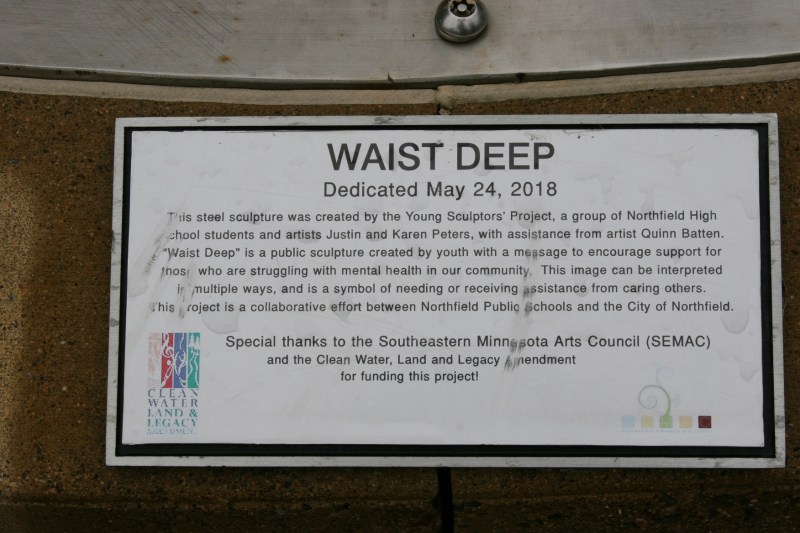
This sculpture outside the Northfield library is called “Waist Deep” and addresses the topic of mental health. Minnesota Prairie Roots file photo September 2019.


So let’s set that aside and talk about positive things that are happening now to raise awareness and educate about mental health. This Thursday, March 12, Minnesota’s National Alliance on Mental Illness (NAMI) is organizing “Mental Health Day on the Hill” at the Minnesota state capitol in an effort to strengthen and expand our mental health system. That’s much-needed in a state with a severe shortage of mental healthcare professionals. A rally is set for 11 am to noon in the capitol rotunda.


A sign explains the story behind the “Waist Deep” sculpture. Minnesota Prairie Roots file photo September 2019.


Rallies are effective because they draw attention to a cause. But we need to do more. And that starts with each of us individually, personally. We need to educate ourselves, to show support, care and compassion to our families, our friends, our neighbors, anyone who is struggling with their mental health. Just like we rally when someone is diagnosed with cancer, we need to give that same support during a mental health crisis. But how many GoFundMe pages or local community fundraisers have you seen for someone facing insurmountable medical and other bills due to a mental illness? Not many or none, I would guess.

However, there are exceptions. Recently a Faribault police officer took his own life. In an obit published in my local newspaper, the family shared this about their loved one: He took a medical retirement after a 10 year career. He was diagnosed with PTSD and lost his battle with the disease by taking his own life. A GoFundMe page has been set up to help cover his funeral expenses with any extras going toward his children’s education. We read often in an obituary that someone died after a long, brave battle with cancer. To read about someone battling a disease like PTSD is equally as important, especially in ending the associated stigma.

There’s a reason mental illness is sometimes called the “no casserole disease.” In Minnesota, I’d say, the “no hotdish disease.” It’s time for that to change—time for us to start taking hotdishes to, sending cards, visiting, calling and otherwise supporting those who are in the throes of a mental health crisis or recovery. (And their families.) Just as we do when someone is hospitalized during and after surgery or going through chemo or…


A close-up of that reaching hand on the Northfield, Minnesota, sculpture. Minnesota Prairie Roots file photo 2019.


And we need to speak up when people use stigmatizing words like “nuts” and “crazy.”

I appreciate that this week, and again in late April, Faribault Community School is offering an 8-hour youth mental health first aid training course to help adults identify, understand and respond to signs of mental illness or substance abuse. The more we learn, the better prepared we are to help one another.

NAMI is a fantastic resource and help for anyone dealing with mental health issues. With state chapters nationwide, you can often find a nearby peer or family support group. My community doesn’t offer a family support group. But neighboring Owatonna and Northfield do.

No matter who you are, where you live, dealing with a mental health issue or not, we need to work harder on ending the stigma, raising awareness and showing compassion. I am committed to that. I hope you are, too. This affects all of us, even if you don’t realize it.

THOUGHTS?

© Copyright 2020 Audrey Kletscher Helbling

 

When buying a coffee maker is about more than buying a coffee maker March 7, 2020

Filed under: Uncategorized — Audrey Kletscher Helbling @ 5:00 AM
Tags: , , , , , , ,

I wanted a coffee maker just like this. Minnesota Prairie Roots file photo 2017.


MY COFFEE POT SPRANG a leak. A few days ago I filled the pot for my usual morning cup only to have water gush onto the counter. It took me a moment to determine what was happening before I moved the pot to the sink, then wiped up the mess flooding the countertop and the floor. Only then did I notice the small hole in the bottom of the glass carafe.

No morning cup of joe for me.

Later I went to a local big box store to buy a replacement. Except no replacement was to be found in the size and name brand I desired. So it was either go without coffee for another day or buy the off-brand for $10 with a one-year warranty. That worked.

Now why do I tell you this story? Because it relates to the Coronavirus. Sorry, the COVID-19 tag doesn’t stick with me.

I’d heard stories about stores selling out of antibacterial sanitizers, soap, cleaners, over-the-counter meds… But those reports came from the Twin Cities metro and I doubted that applied to Faribault, an hour from downtown Minneapolis. But it appears people here are stocking up, too, although not me. Not yet.

In the soap aisle, I found shelves nearly cleared of liquid antibacterial soaps. I buy the mega size of liquid soap (not antibacterial) and then pour the soap into a dispenser. Randy commented on that choice, wondering whether I was stocking up because of the Coronavirus. Nope, I always buy the larger size to save money. How could he not notice?

Anyway, then it was on to the coffee maker aisle, where I’d already requested Randy to scout the choices. I didn’t expect a shortage. As we stood there moving boxes, looking for the size and brand I desired, we joked about people buying out the smaller coffee pots due to the Coronavirus.

Now don’t get me wrong, I consider this current outbreak serious. I first became personally concerned several weeks ago when an infected person was treated at a Madison, Wisconsin, emergency room. My second daughter works as an independent healthcare-related contractor in that hospital and learned about the case from her sister in Minnesota who read about it in the media. That didn’t give me much confidence in the system. But Wisconsin has reported no additional cases. So that’s good.

Anyway, back to those coffee makers. When I texted the Minnesota daughter about the shortage, she texted back, “People need their coffee if they will be quarantined.” Yes, they do.

Sometimes you just have to find a humorous angle in a situation or worry can overtake you.

While paying for the coffee maker, soap and other purchases, I asked the big box clerk if customers are clearing shelves of deemed preparatory essentials related to the Coronavirus. She answered in the affirmative.

As we wheeled our cart out the store, past a pallet of antibacterial spray, I wondered whether we should be stockpiling anything. How about you? Are you stocking up due to the Coronavirus? If yes, what are you buying?

At least I now have a working coffee maker. And coffee. That’s something.

#

FOLLOW-UP added at 5 pm Friday: Within hours of finishing this post on Friday, I learned of the first “presumptive case” of Coronavirus in Minnesota via media reports. An “older adult” in Ramsey County tested positive for the virus, according to the Minnesota Department of Health. At the time of the announcement, the word “presumptive” was used because the Centers for Disease Control had yet to officially confirm the positive test.

The infected individual is now isolated at home in Ramsey County while health officials investigate and attempt to determine who may have been exposed. The individual was on a cruise ship with a known Coronavirus case. State Commissioner of Health Jan Malcolm stated in a press conference Friday afternoon that the COVID-19 positive person in Minnesota “largely has been at home.” Symptoms reportedly developed on February 25 with the individual seeking medical attention Thursday.

The focus now is on containment and prevention, officials repeated as they reminded Minnesotans to cover their coughs, wash their hands with soap and water, and stay home if they are sick. They emphasized the need to protect those most at risk—older people and individuals with underlying health conditions. Those exposed to the infected person will be quarantined, officials said.

Our capital city of St. Paul is located in Ramsey County, thus we’re talking a heavily-populated metro area. And the daughter who joked with me about the coffee maker, well, she and her family live in Ramsey County…


© Copyright 2020 Audrey Kletscher Helbling

 

Reflecting on a Monday morning in Minnesota January 6, 2020

Filed under: Uncategorized — Audrey Kletscher Helbling @ 12:39 PM
Tags: , , ,

So many winter days lately here in Minnesota have been dominated by cloud-filled grey skies, this scene along Interstate 90 in far southeastern Minnesota.


SUNSHINE RADIATES WARMTH, splashing light into my office on this Monday morning. Such a blessing after too many days of grey skies. Winter in Minnesota can challenge the spirit with endless cold and dreariness. But this morning hope rises in the light.

That all sounds so optimistic and poetic. And I wish I fully believed those words, although I am trying to be more positive. Yet, it’s difficult when the current global situation prompts concern about the stability and safety of our world, our country, our state, our communities.

My thoughts are all over the place today. Negative. Positive.


Another winter scene along Interstate 90 in rural southeastern Minnesota. I noticed a thin break in the pressing cloud line.


This morning, after finishing my devotions, I picked up the gratitude journal gifted to me several days ago by a friend. I reread what I’d written. Gratefulness for a lengthy hand-penned letter from a loving friend who also gifted Randy and me with a gift certificate to a favorite Faribault restaurant. Gratitude for Randy receiving a gift certificate for a pie from the Trinity Pie Makers after entering a “name that Christmas hymn” contest at our church. Gratitude for our grandson turning one. Gratitude for the annual holiday dinner out at a new Northfield restaurant compliments of Randy’s employer.

Those are all really good things and I am grateful for each.

They balance the ongoing challenges of life. My mom in the process of dying. Other family members dealing with major health issues complicated by limited and costly health insurance that includes unaffordable premiums and high deductibles and insurers thinking they can dictate what care/prescriptions an insured should get. I’ve written previously about our own financial struggles with health insurance and I’m hearing more and more about just how bad the situation is for a lot of people.

Yesterday, as I started reading the stack of magazines and books I picked up from the local library (I am so grateful for libraries), I came across two articles mentioning health insurance in the December 2019 issue of The Writer magazine. In both stories, the freelance writers mentioned the high cost of health insurance and how fortunate they are to have coverage through their spouses. Two stories out of 11 referencing health insurance seems significant in a 48-page magazine.


Blue sky breaks through the bank of clouds along a rural county road between Faribault and Morristown last week.


Something needs to change. But change seems slow in coming. First there needs to be a recognition among politicians that a real problem exists with the current health insurance system.

I could write lots more on the topic. But, as I look outside my office window at the sunshine, as I press keyboard letters that write words upon a screen, I feel grateful that I can create. I have that freedom. I live in a wonderful community, which though imperfect, is a pretty darned sweet place to live. Today, sunshine breaks through the clouds.

© Copyright 2020 Audrey Kletscher Helbling
 

The struggle September 16, 2019


THE STRUGGLE IS REAL

Those words emblazoned across the back of her red-white-and-blue plaid shirt grabbed my attention. But what did they mean? I assumed the phrase likely referenced immigration issues given the cultural event where I spotted the statement.

But not 100 percent certain, I approached the young woman and asked. The struggle is real refers to struggles with mental health, she said. She battles depression, but is doing well right now, crediting her family for their support. We didn’t talk much. I hugged her, offered words of encouragement and thought how bold of her to publicly voice those words: THE STRUGGLE IS REAL. I wonder if anyone else asked her about the message she wore.

Those words seem so fitting for those who live with mental illness. Think about it for a minute or ten. Say you or a family member are struggling with depression, anxiety, bipolar, post traumatic stress disorder, schizophrenia or any other mental illness. Do you struggle? Do you struggle to get up in the morning, to find a job or go to work, to engage with others? Do you struggle with stigma, with the all too common belief that you can simply snap yourself out of whatever? Do you struggle to find a mental healthcare provider? (There’s a severe shortage here in Minnesota.) Do you struggle to get the meds you need when insurance companies deny coverage? Do you struggle?

THE STRUGGLE IS REAL. Those words fit.

Thankfully, that struggle is becoming more visible as attitudes change and voices rise. Support groups, such as those offered through the National Alliance on Mental Illness, bring hope and help. But we can do better. We can, as friends and family and communities and churches, show more care for those affected by mental health issues. I mean, how often have you seen a fundraiser to help individuals and families dealing with financial hardships resulting from mental illnesses? Do we send get well cards to individuals who are suffering from a mental illness? Do we bring them or their supporting families hotdishes (otherwise known as casseroles in other parts of the country)? Do we surround and love and support just as we would someone with cancer, for example?

THE STRUGGLE IS REAL. Those words fit.


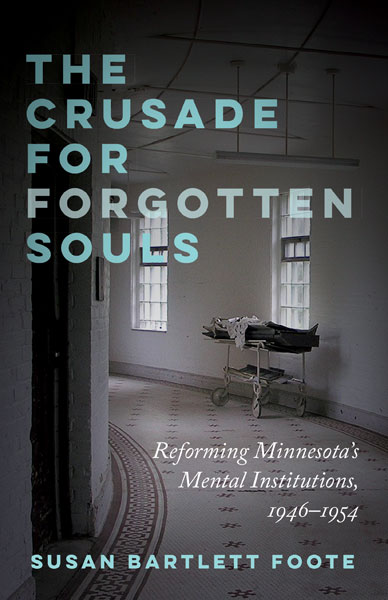
That leads me to the book, The Crusade for Forgotten Souls—Reforming Minnesota’s Mental Institutions, 1946-1954 by Susan Bartlett Foote. A professor emerita in the School of Public Health at the University of Minnesota, she will speak at 6:30 p.m. Tuesday, September 17, at the Owatonna Public Library. I only learned of her book a week ago and sped-read through this detailed historic look at efforts to reform mental health hospitals in Minnesota decades ago.


A building on the campus of the former Minnesota Asylum for the Insane, Fergus Falls, Minnesota. Minnesota Prairie Roots file photo May 2013.

This is not an easy read. It’s emotionally difficult to read of patients who were abused—confined to straightjackets, subjected to lobotomies, tied to toilets, fed gruel, denied very basic human rights… But to read of the Unitarian Church activists, the politicians (notably then-Governor Luther Youngdahl), journalists, healthcare professionals and others who cared and fought for “the forgotten people” also brings hope. They effected change. Yet, some of their work was undone when new politicians took office and societal attitudes shifted. The politics referenced in Foote’s book made me realize how little things change.

THE STRUGGLE IS REAL.

Foote’s book will be of special interest to people in my community of Faribault, once home to a state-run facility known as The Minnesota School for the Feeble-Minded. In late 1946, a grand jury convened in my county of Rice to investigate alleged abuses at the Faribault school. Jurors found the misuse allegations to be unwarranted, contradicting findings of other outside investigations. Foote’s research is extensive, her book packed with details about the multi-layered challenges of reforming mental health care in Minnesota.

THE STRUGGLE IS REAL. As much today as yesterday.


FYI:

Check out the National Alliance on Mental Illness website, an invaluable resource.

Visit the blog, Penny Wilson Writes, for an honest look at “the struggle,” including a resource list.

Read this book: Troubled Minds—Mental Illness and the Church’s Mission by Amy Simpson

© Copyright 2019 Audrey Kletscher Helbling
 

From Sleepy Eye: When a small town clinic goes the extra mile August 23, 2019

Sleepy Eye Lake with the steeples of St. Mary’s Catholic Church visible in the distance across Minnesota State Highway 4.


ON A WEEKDAY AUGUST AFTERNOON as lovely as they come in Minnesota, I sat at a shelterhouse picnic table along the shores of Sleepy Eye Lake eating a salad. Sportsman’s Park proved a picturesque place to enjoy a picnic lunch with my husband and son before continuing west to visit my mom in a care center.


After lunch, we followed a paved trail to a public dock with a view of the lake and the town of Sleepy Eye to the south. I wasn’t at all surprised by the mucky green growth polluting the lake like most lakes in southern Minnesota.


A few kids hung out at a second dock angling for fish in the murky water. And two bikers zipped by in this park which also features 16 camping sites, two camper cabins, disc golf and a playground. Just a nice spot to picnic and enjoy the outdoors.


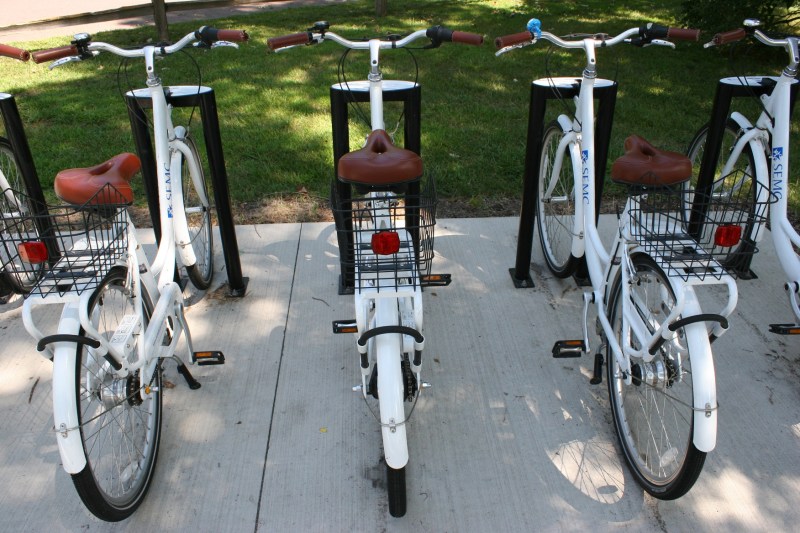
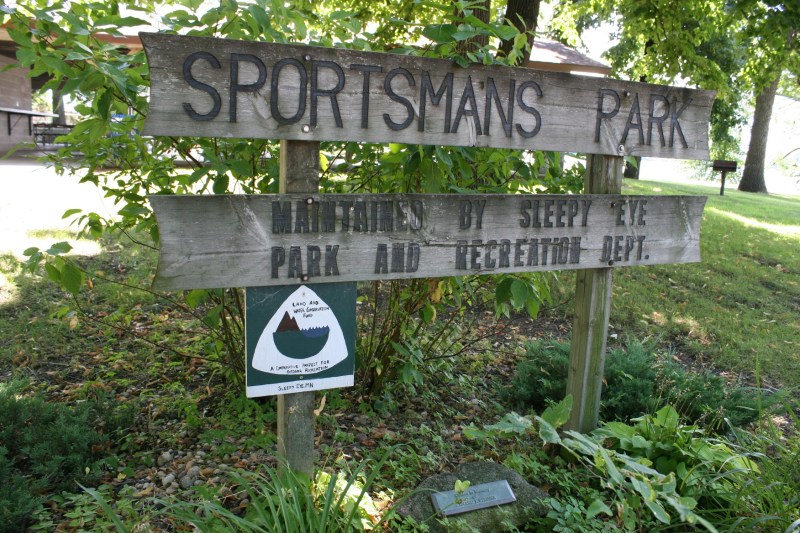
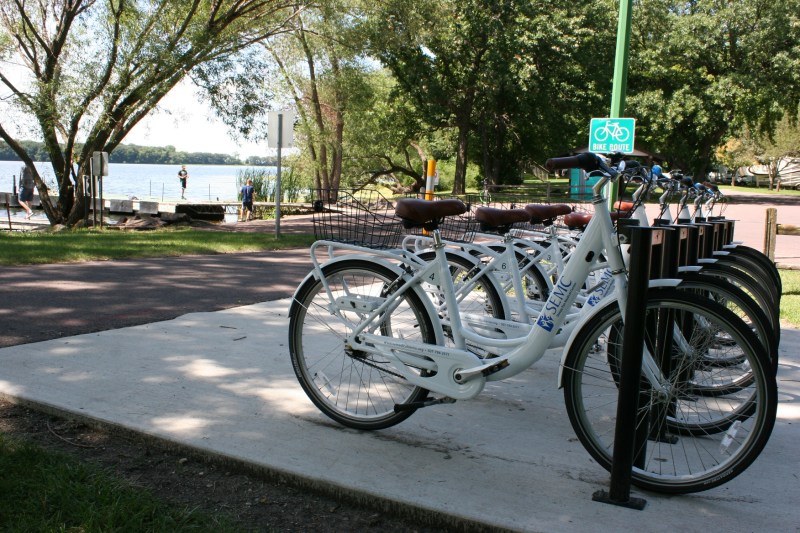
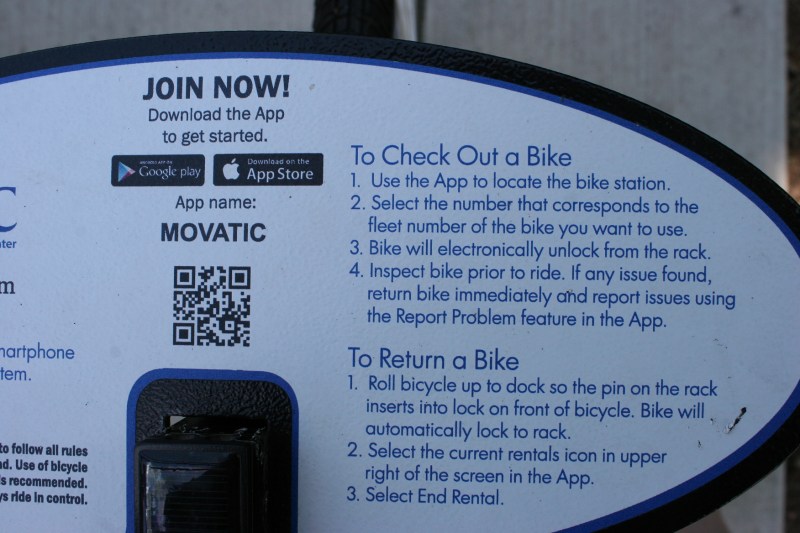
Sportsman’s Park seems pretty typical of most small town parks at first glance. But then I noticed something unique—a row of six white bicycles. Further investigation revealed a seasonal bike rental program offered through the Sleepy Eye Healthcare Foundation. Begun in the summer of 2017, Bike Share allows users to download an app and rent a bike. I never would have expected this in a community the size of Sleepy Eye with a population of some 3,400.


But given the 3.12-mile paved Sleepy Eye Bike Trail and the camp sites and cabins at this park, this seems an ideal fit.


The nonprofit foundation, part of Sleepy Eye Medical Center, aims “to provide excellent healthcare to our patients and to enhance the wellness and quality of life in the communities we serve.” Bike Share fulfills that mission. Maybe other healthcare teams offer the same in rural communities. But this is the first I’ve seen.


Additionally, the Sleepy Eye Healthcare Foundation sponsors an annual 5K Run/Walk for Health, a golf tournament and post-secondary scholarships for students entering the healthcare field. I’m not surprised really at the level of community support. I grew up in the county just to the west and understand the importance of local healthcare access. Without it, people sometimes drive hours to clinics and hospitals.


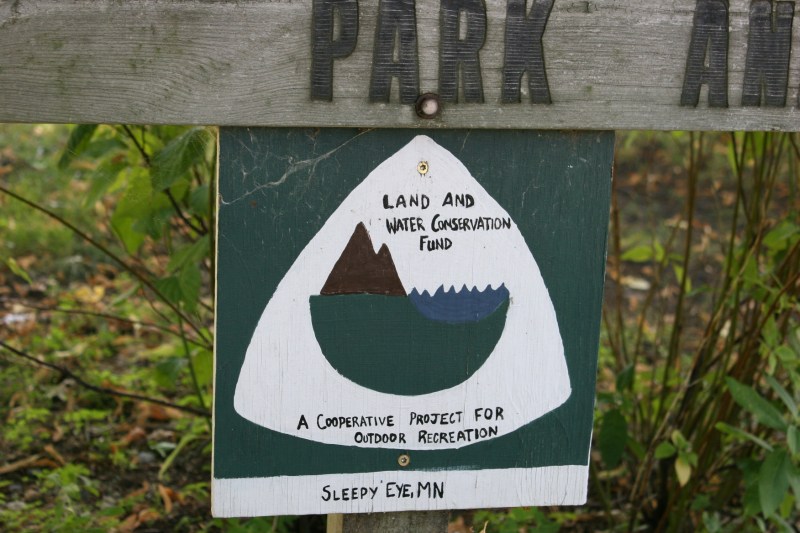
I’m getting sidetracked here. So I’ll circle back to those bikes, to my appreciation for these rural clinics and hospitals that show they care about the communities they serve through programs like Bike Share. The sign below the main Sportsman’s Park sign summarizes well the spirit of small towns like Sleepy Eye in the words “a cooperative project.” Working together to enhance wellness and the quality of life seems a noble goal no matter where you live, no matter the size of your community.

© Copyright 2019 Audrey Kletscher Helbling

 

A powerful Northfield sculpture focuses on mental health July 30, 2019


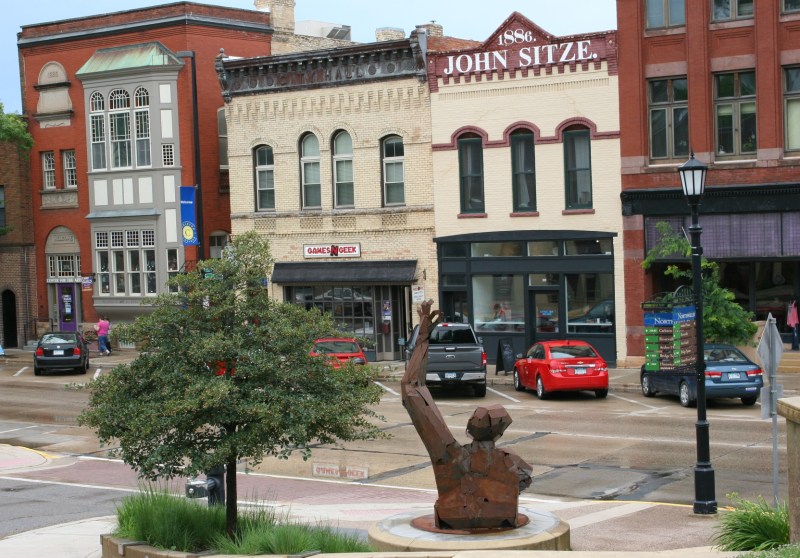
PAUSE ON THE CORNER of Division Street by the Northfield Public Library in the heart of this historic southern Minnesota river town, and you will find yourself next to a massive rusting sculpture.


The public piece calls for more than a cursory glance at an abstract person reaching skyward. The art calls for passersby to stop, read the inscription at the base of the sculpture and then contemplate the deeper meaning of “Waist Deep.”

This temporary downtown art installation, created by 15 Northfield High School students and three professional artists through the Young Sculptors Project and funded with a $10,000 grant from the Southeastern Minnesota Arts Council, creates a community-wide public focus on mental health issues. After two years, the sculpture will be permanently placed in the high school courtyard sculpture garden.


Like any art, “Waist Deep” is open to personal interpretation. The signage notes, though, that the sculpture is meant to support those struggling with mental health in the community, of needing and receiving help from caring others.


As I looked at the layered and fractured pieces comprising the sculpted person, I saw beyond the arm reaching for help and the lowered arm with curved hand clawing the earth. Both represent, in my eyes, darkness and light, hopelessness and hope. Mental illness leaves a person feeling incomplete and broken. Fractured. Trying to hang on. Reaching.


I photographed the sculpture on a recent weekend morning under rainy, then partially cloudy and sunny skies, not unlike the ever-changing skies of mental illness. Sometimes pouring. Sometimes parting. Sometimes shining with hope.

As the sculpture name “Waist Deep” and art itself suggest, those dealing with mental health issues can feel waist deep in the water of the disease—flailing, perhaps unable to swim, battling the overpowering waves.

We have a responsibility to throw a life-line. How? First, start seeing mental illness like any other illness. Call it what it is—a brain disease. End the stigma. Someone suffering from depression, for example, can no more wish away or snap out of depression than a diabetic can cure his/her disease by thinking positive thoughts. Educate yourself.


Support those who are waist deep. Show compassion. They need care, love, encouragement, support just as much, for example, as cancer patients.

Be there, too, for the caregivers, who feel alone, who work behind the scenes to secure often elusive professional care for their loved ones. In Minnesota the shortage of mental health care professionals and treatment centers, especially outside the Twin Cities metro area, is documented in media report after media report. It’s a crisis situation. Telling someone in a mental health crisis they need to wait six weeks plus for an appointment with a psychiatrist or a psychologist is absurd and unacceptable. We wouldn’t say that to someone experiencing a heart attack. They would die without immediate care. Those waist deep do sometimes. Every day. And it shouldn’t be that way.

I applaud the 15 NHS students and the three artists who created the public art piece in Northfield. Projects like “Waist Deep” shine the spotlight on a disease which has too long been hidden, shoved in the dark corner of silence.

THOUGHTS?

FYI: I’d encourage you to read the book Regular & Decaf by Minnesotan Andrew D. Gadtke and published by Risen Man Publishing, LLC. It features conversations between Gadtke and his friend, both of whom have brain diseases. It’s a powerful, insightful and unforgettable read.


Opening up about mental health January 3, 2019

Filed under: Uncategorized — Audrey Kletscher Helbling @ 5:00 AM
Tags: , , , , , , , ,

Slowly we are beginning to remove the stigma that masks mental illness. Minnesota Prairie Roots file photo 2018.


FOR WEEKS, WE’D PRAYED for Lila*. I had no idea why she needed prayers. But it didn’t matter, pray we would as a church family for this friend who’d moved to another state.

A few weeks later, Lila’s husband returned, alone to Minnesota, to lead a local fundraiser. That morning he stepped up to the microphone after worship services and told us about Lila. She was hospitalized, undergoing treatment for severe depression and anxiety. I could almost hear the silent gasp. That took courage, I thought to myself.

I told Henry* the same when I later hugged him, expressed my concern and offered encouragement. He admitted to struggling with his decision to go public. But we agreed that the stigma surrounding mental health is beginning to lift, that talking about mental health issues is important and necessary. For Henry, a retired educator, his openness about Lila proved a freeing, teachable moment.

We all have much to learn on the topic, including me. Kicking depression is not a matter of simply willing yourself to feel better, to just get over whatever someone thinks you need to get over. It’s much deeper than that. Overcoming anxiety is not as simple as jumping into the deep end of a swimming pool and expecting someone to stay afloat.

I admire Henry’s decision to speak up. Likewise, I appreciate that my pastor publicly acknowledges his struggles with depression. That’s a first for me, to hear a pastor talk from the pulpit about personal mental health challenges. He’s young, of a generation seemingly more open to discussing mental health issues. The more we talk about mental illness, the better for those suffering and for loved ones and others trying to help.

Still, talk only goes so far. Waits can be long to see a mental health professional here in greater Minnesota. If you were having a heart attack, you wouldn’t be told to wait six weeks. If you had cancer, you wouldn’t be told to wait for treatment. A mental health crisis is no less important.

I am grateful to two bloggers I follow—Bob Collins at Minnesota Public Radio (NewsCut) and Penny Wilson (Penny Wilson Writes)—who write often on the topic of mental health. (Click here for a particularly enlightening post by Penny.) They are breaking through the stigma, opening the discussion, pointing out the challenges.

Twice in recent years I’ve stood in a snaking line at a Faribault funeral home to comfort the families of young men who committed suicide. I struggled to find the right words. I expect their loved ones struggle with the what ifs, survivor’s guilt, regrets, but, most of all, an unfathomable pain. Some grieving families are choosing now to go public in obituaries about their loved one’s struggles with depression or other mental health issues. That takes a lot of courage. We often read about a deceased person’s long and courageous battle with cancer. Battles with mental illness are no less courageous. I’m thankful to see this shift in thinking, to see people like Henry step up to a microphone and speak about mental illness.

THOUGHTS?

* Not their real names.

© Copyright 2019 Audrey Kletscher Helbling
 

Vindicated December 5, 2018

Filed under: Uncategorized — Audrey Kletscher Helbling @ 5:00 AM

Tags: , , , , , ,

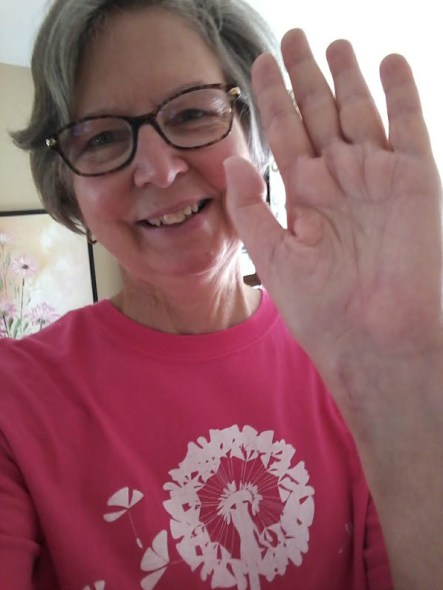
A selfie taken this fall after going splint-free following months of recovery from a broken left wrist. Now I have even more reason to smile. Read on. Minnesota Prairie Roots file photo August 2018.


TYPICALLY I AM NOT SOMEONE who says, “I told you so.” I don’t rub it in when someone is wrong. Rather, I pinch my lips, lock the words inside my mouth but think them in my head. That’s a skill learned from many years of parenting and living.

But this time I need to speak up and claim vindication.


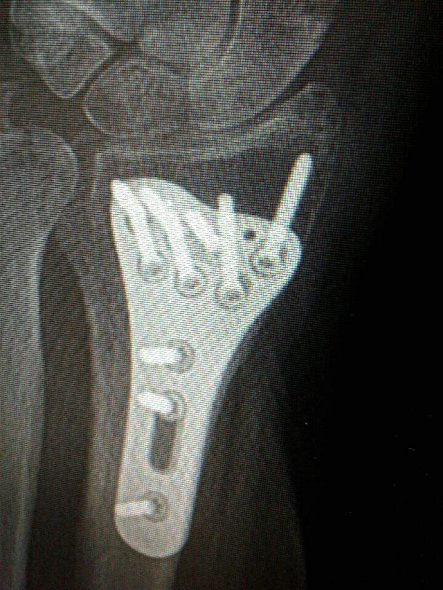
This is a photo snapped with a cellphone of the implant in my wrist, held in place by 10 screws. Minnesota Prairie Roots file photo 2018.


Let’s backtrack. When I slipped on rain-slicked wooden steps in mid-June and fractured my left wrist badly enough to require surgery and implantation of a titanium plate, I heard too many insensitive comments. Topping those was the accusation that my husband pushed me, followed by laughter. I did not hold my words inside. There is absolutely nothing humorous about domestic violence. Nothing. Ever.


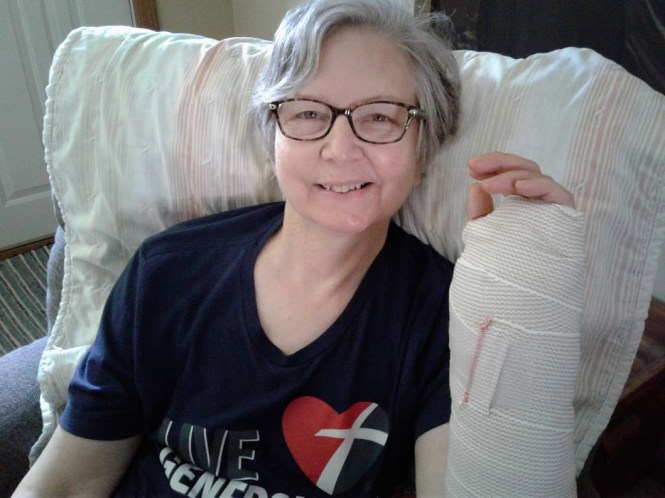
Me, several hours after surgery on my wrist in late June. Minnesota Prairie Roots file photo June 2018.


The second most common comment involved the strength of my bones. “You must have weak bones,” I heard way too often with the footnote that I needed to consume more milk. As if I couldn’t possibly have broken my wrist by simply falling the way I fell, left hand outstretched to break my fall.

Now I am vindicated. By a Bone Mineral Density Test (DEXA scan). Results show I have mild thinning of my bones with a low fracture risk. Pretty good for a post-menopausal woman in her early 60s.


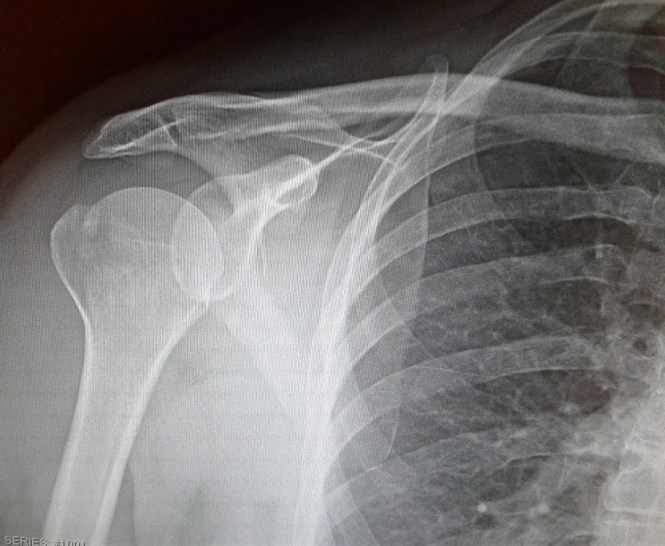
This is a photo of an x-ray of my broken right shoulder. Minnesota Prairie Roots file photo May 2017.


I’m not surprised by my good test results. I grew up on a dairy farm and have always consumed plenty of dairy products. I lift weights. And I fell in such a way that anyone—strong bones or not—would have suffered a fracture. And, yes, that includes my May 2017 fall on a hospital stairway in which I slammed shoulder first onto a concrete floor. I defy anyone not to break a bone when propelling into a surface like that. I’m thankful I didn’t hit my head, resulting in a concussion and/or broken neck.


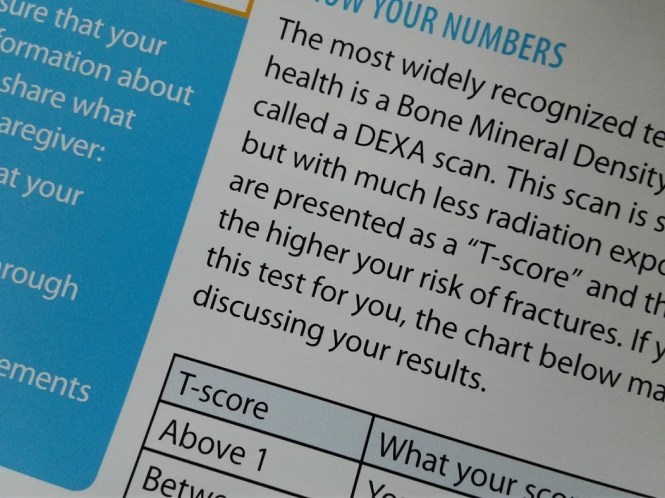
A snippet of the informational sheet I received from my insurer.


Because of two bone breaks within a year, my ortho doctor suggested the bone density test. I didn’t object. My insurance company also sent an educational sheet about osteoporosis with the recommendation of a DEXA scan. Sure, I thought, why not? I’d already met my $3,600 deductible and am paying $1,000/month in health insurance premiums. Let the insurance company pay for the test (which is really me paying given the $15,600 paid from my pocket to the insurer and healthcare facilities in 2018).


Minnesota Prairie Roots file photo.


So there you go. I’ll continue to take my Vitamin D and add a calcium supplement, per my primary care doctor’s instructions. He also noted that I should follow up with another bone density test in seven years. Seven years. Does that sound like a woman with weak bones?

TELL ME: Have you ever fallen? Have you ever fallen and broken a bone? Let’s hear your stories.

© Copyright 2018 Audrey Kletscher Helbling