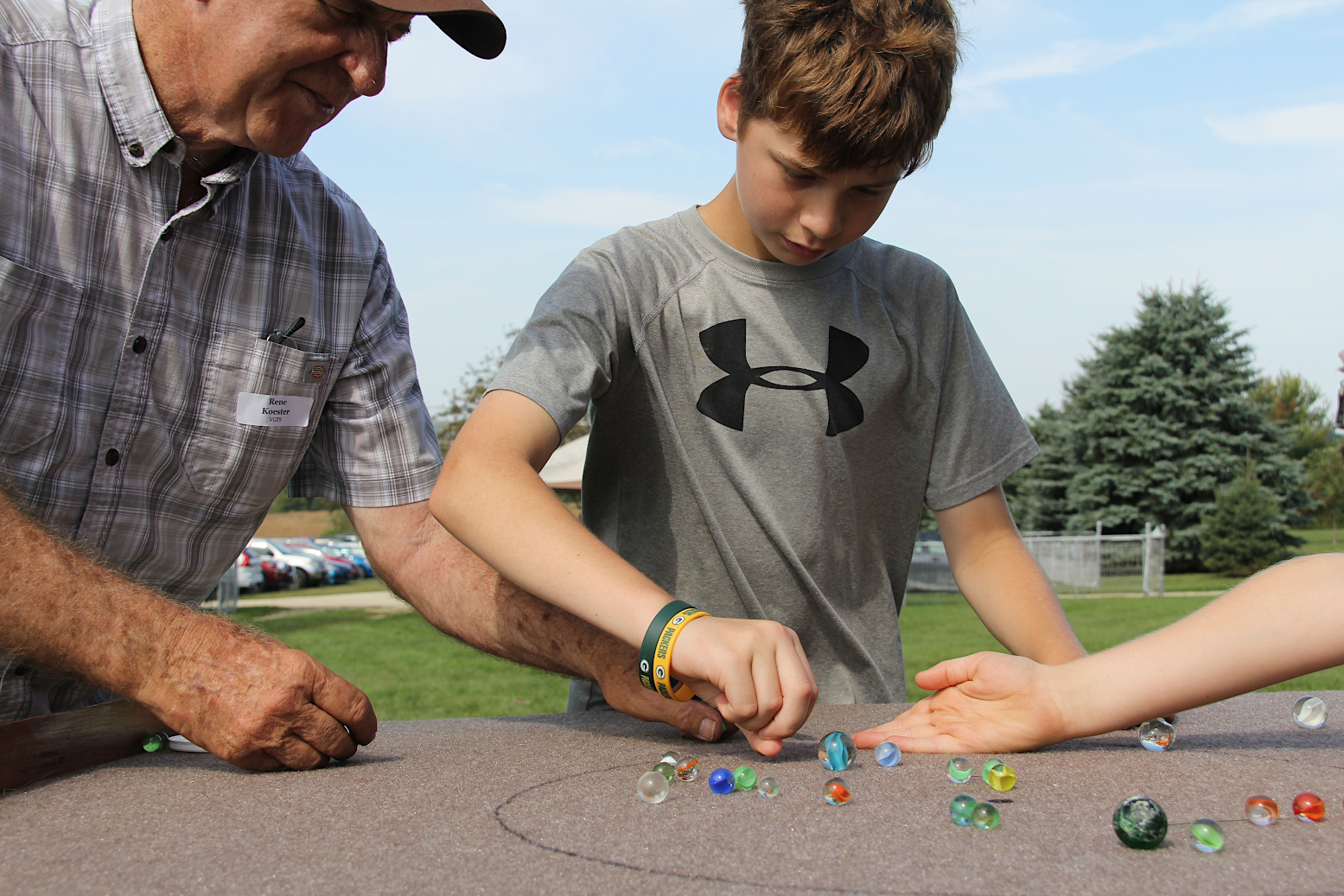
Playing marbles at the Valley Grove Country Social. (Minnesota Prairie Roots copyrighted photo September 2025)
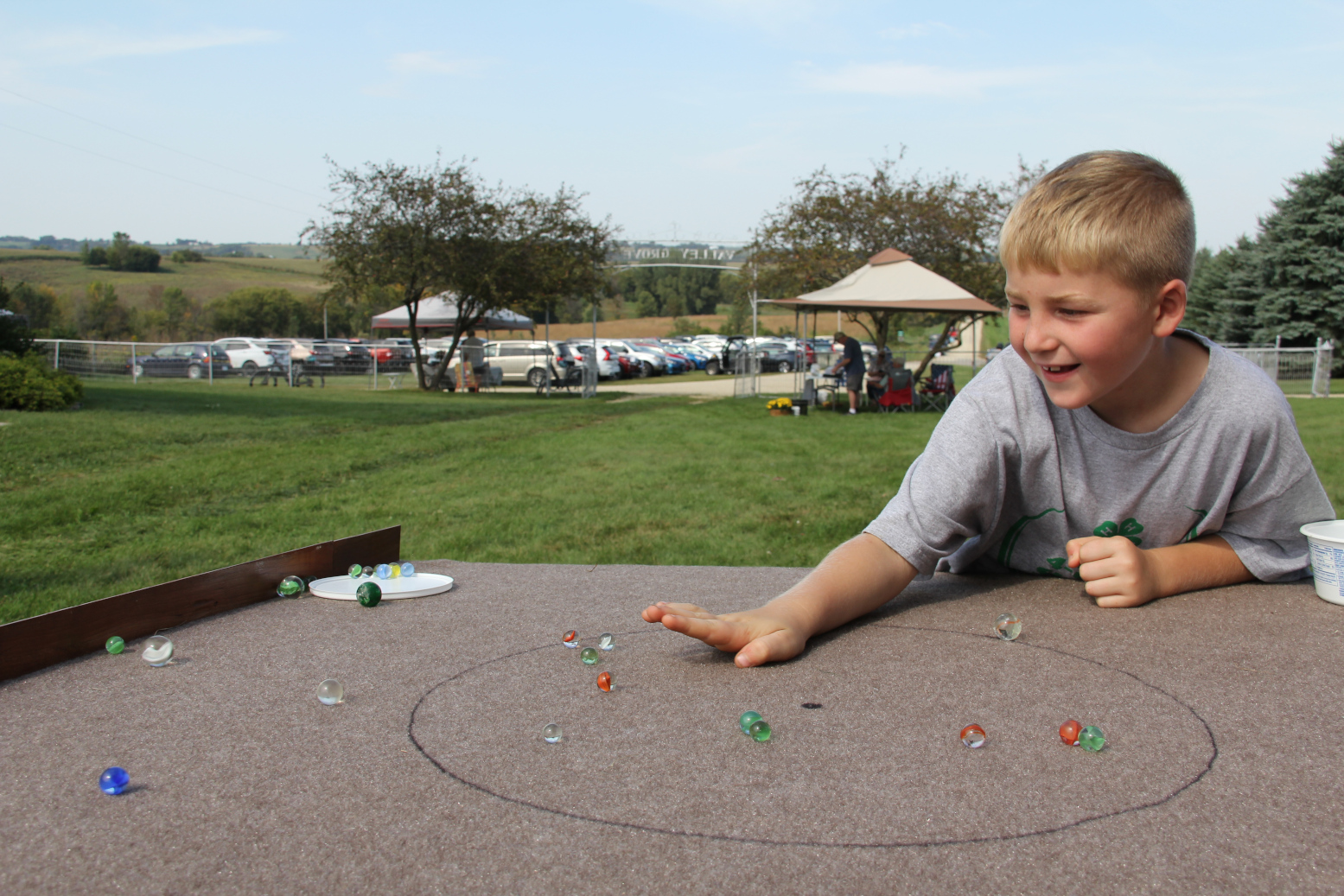
AS I MEANDERED THE GROUNDS of the historic Valley Grove churches during a recent Country Social, I happened upon a grandfather teaching his grandsons the old-fashioned game of marbles. I stood, watched, and photographed while the trio positioned and flicked marbles across a tabletop. Years ago, this game would have been played on the ground, in the dirt.
A look of pure joy after releasing a marble. (Minnesota Prairie Roots copyrighted photo September 2025)
But this seemingly mattered not to the boys playing under the guidance of Rene Koester of the Valley Grove Preservation Society, who admitted he’d forgotten some of the rules. If his students cared, they didn’t express it. They were simply having fun playing a simple game.
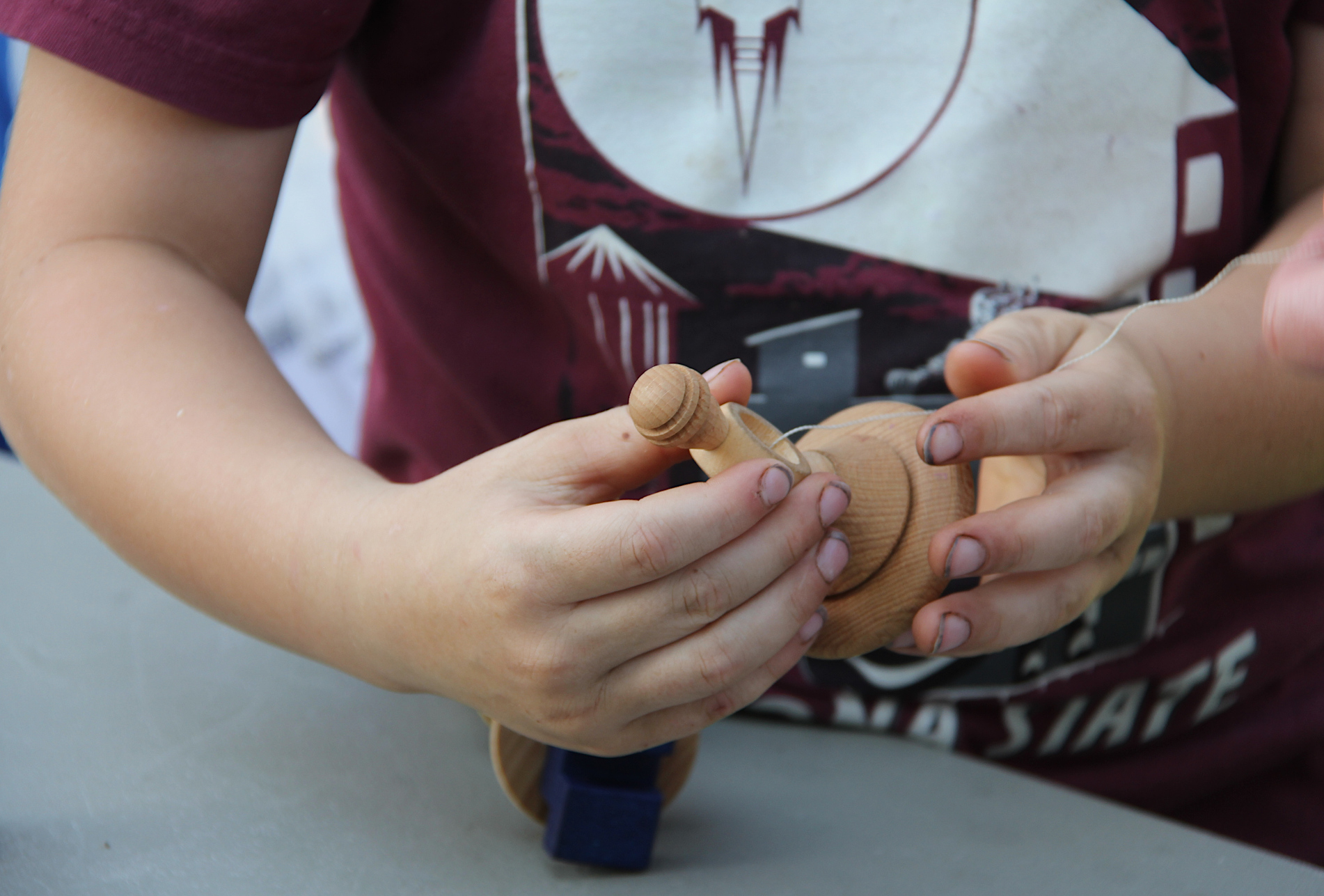
Old-fashioned toys, including this wooden top, were available for play. (Minnesota Prairie Roots copyrighted photo September 2025)
I loved seeing the interaction, the connecting of today’s generation to the past, to a time when kids played mostly outside. A time before video games. A time when life was much different.
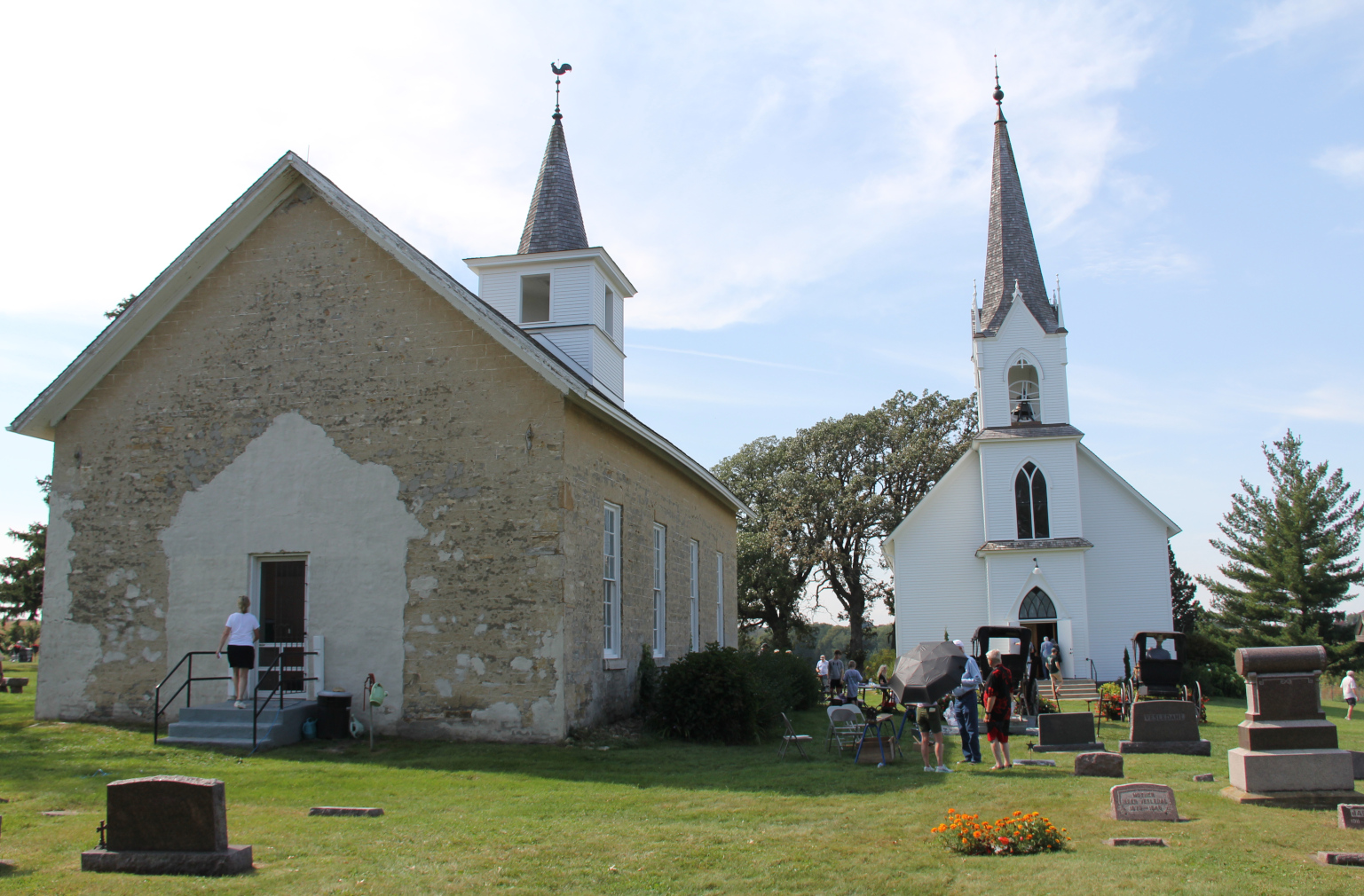
The two Valley Grove churches are on the National Register of Historic Places. (Minnesota Prairie Roots copyrighted photo September 2025)
The Valley Grove Country Social proves a wonderful way to connect to the past and to place. On this 50-acre parcel of land in rural Nerstrand, people gather each September to celebrate the two aged Norwegian churches that sit atop a hill overlooking the countryside. They also come here to celebrate the Norwegian immigrants who built the 1862 stone and 1894 clapboard churches. They come, too, to celebrate and honor a rich Norwegian history and heritage.
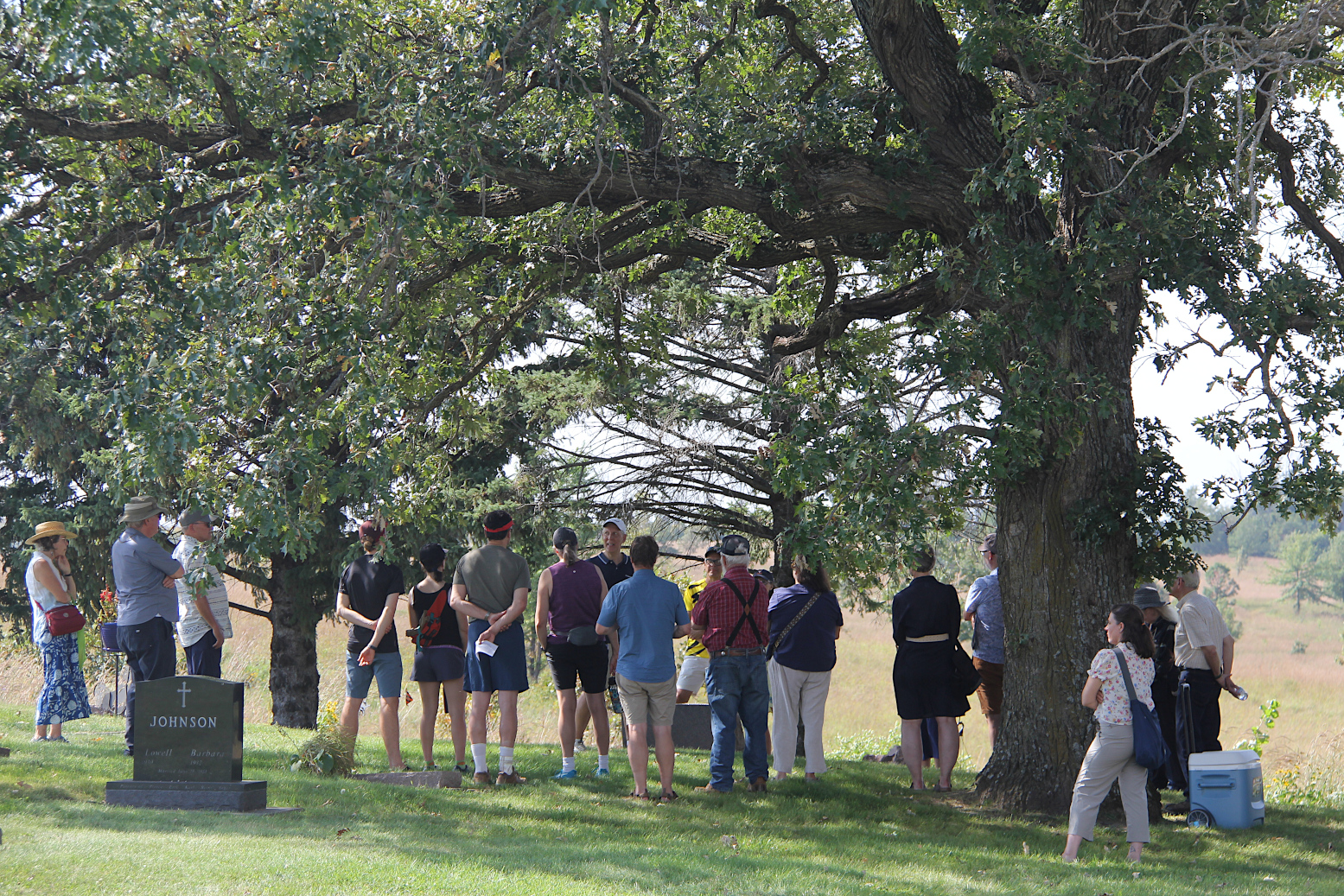
Historian Jeff Sauve leads a cemetery tour, stopping at selected gravesites to share histories of the deceased. (Minnesota Prairie Roots copyrighted photo September 2025)
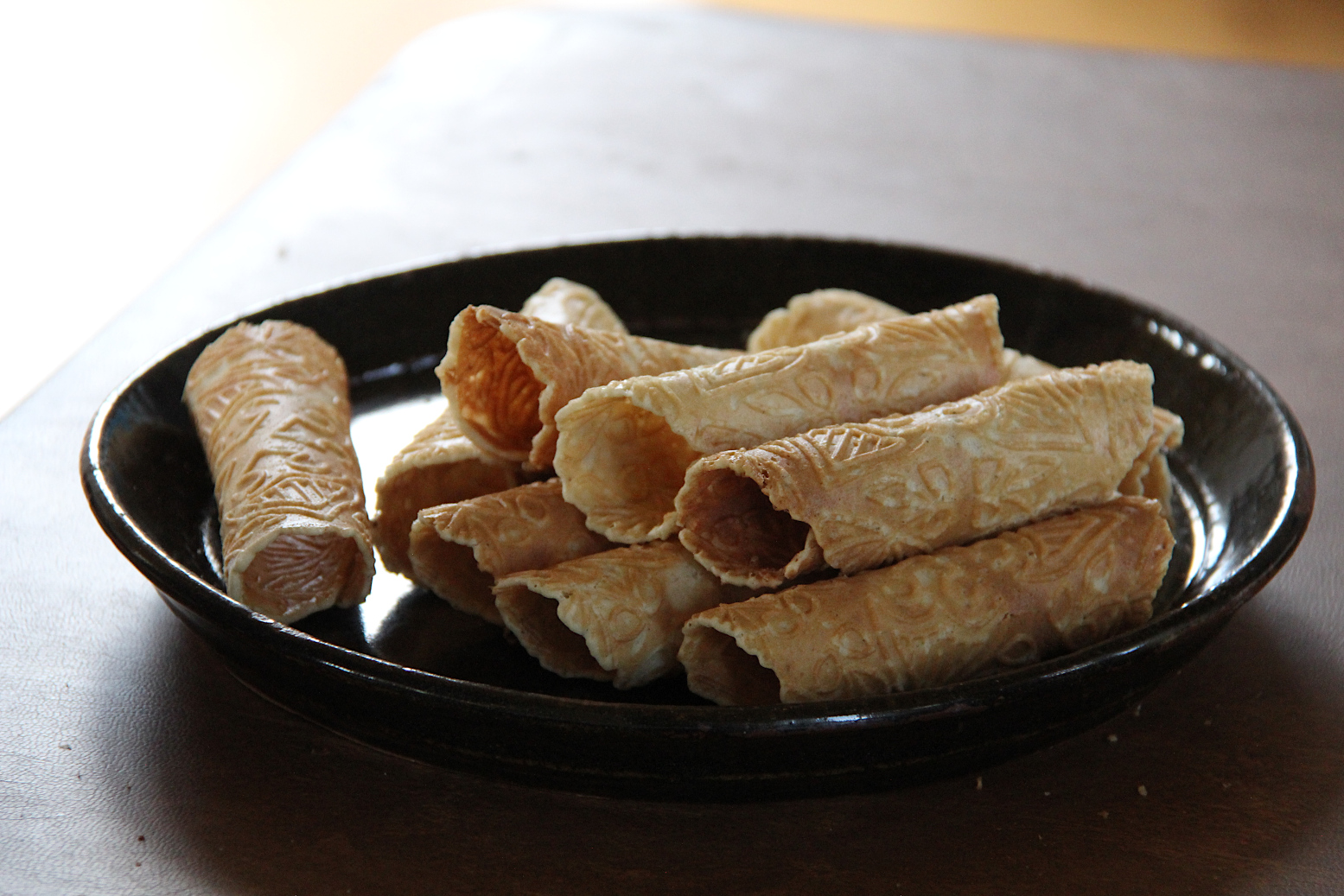
Krumkake made on-site and still warm off the griddle when I ate this Norwegian treat. (Minnesota Prairie Roots copyrighted photo September 2025)
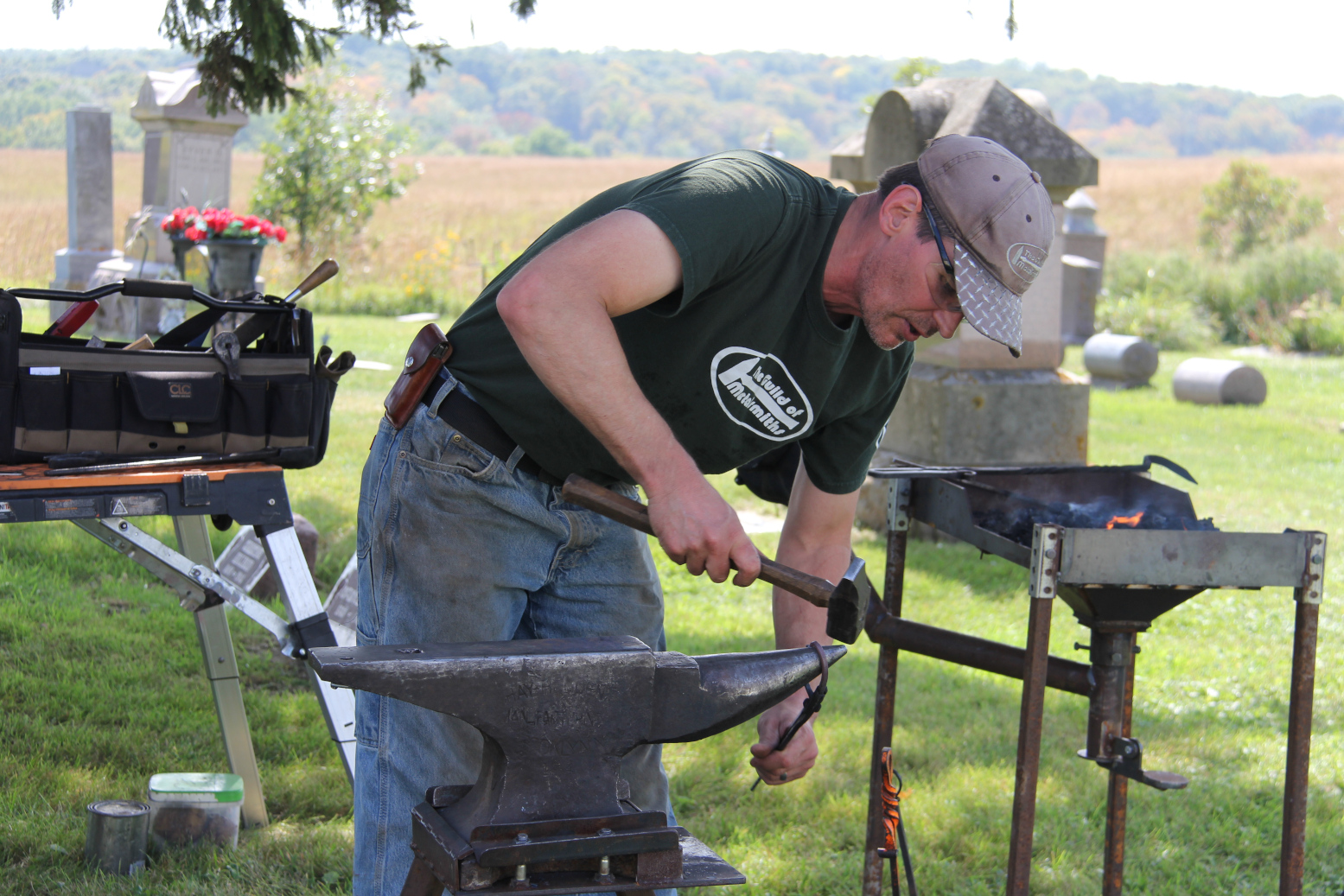
Demonstrating the craft of blacksmithing. (Minnesota Prairie Roots copyrighted photo September 2025)
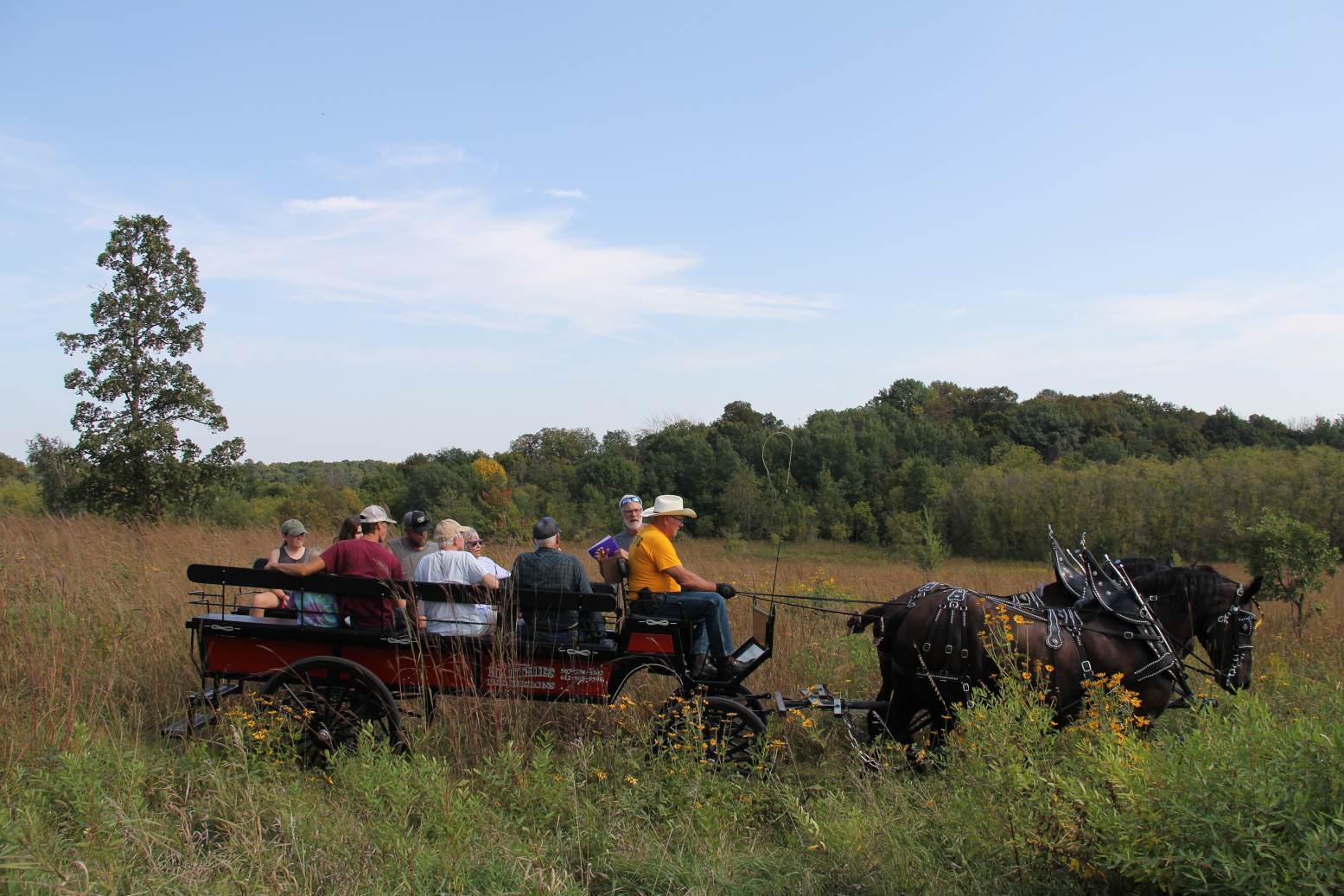
Many times I’ve attended this Country Social, which this year included a cemetery tour, book discussion, music, blacksmithing and rope-making demonstrations, music under the oaks, horse-drawn wagon rides, treats inside the old stone church and old-fashioned games for the kids. Plus lots of wandering and visiting among tombstones in the adjacent cemetery.
Prairie and woods define the landscape here at Valley Grove, which is next to Nerstrand Big Woods State Park. (Minnesota Prairie Roots copyrighted photo September 2025)
In all of Rice County, there is perhaps no place I’ve found more peaceful. I’ve come to Valley Grove in all seasons. Sat upon the wooden church steps and eaten a picnic lunch. Tromped through snow. Walked more times than I remember among the tombstones. I’ve listened to music and speakers and those rooted in this land.
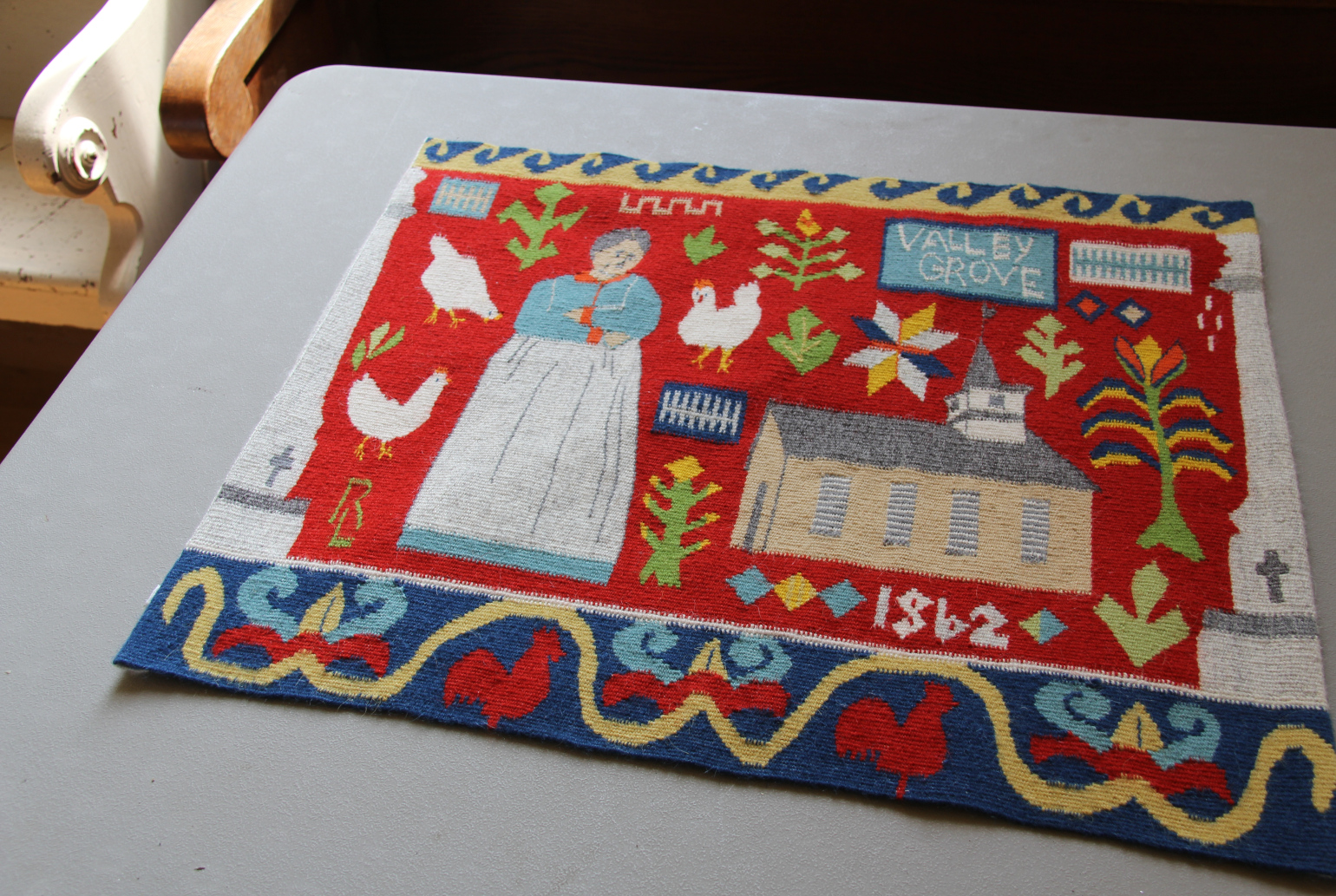
This tapestry woven by Robbie LaFleur features the 1862 stone church. It is one of four tapestries LaFleur created for Valley Grove. (Minnesota Prairie Roots copyrighted photo September 2025)
I have no personal connection to Valley Grove. I’m not even Norwegian. I’m German. But this matters not to the lutefisk, lefse, krumkake-loving Norwegians. Or to me. I’ve found in this place welcoming individuals, who just happen to be of Norwegian heritage.
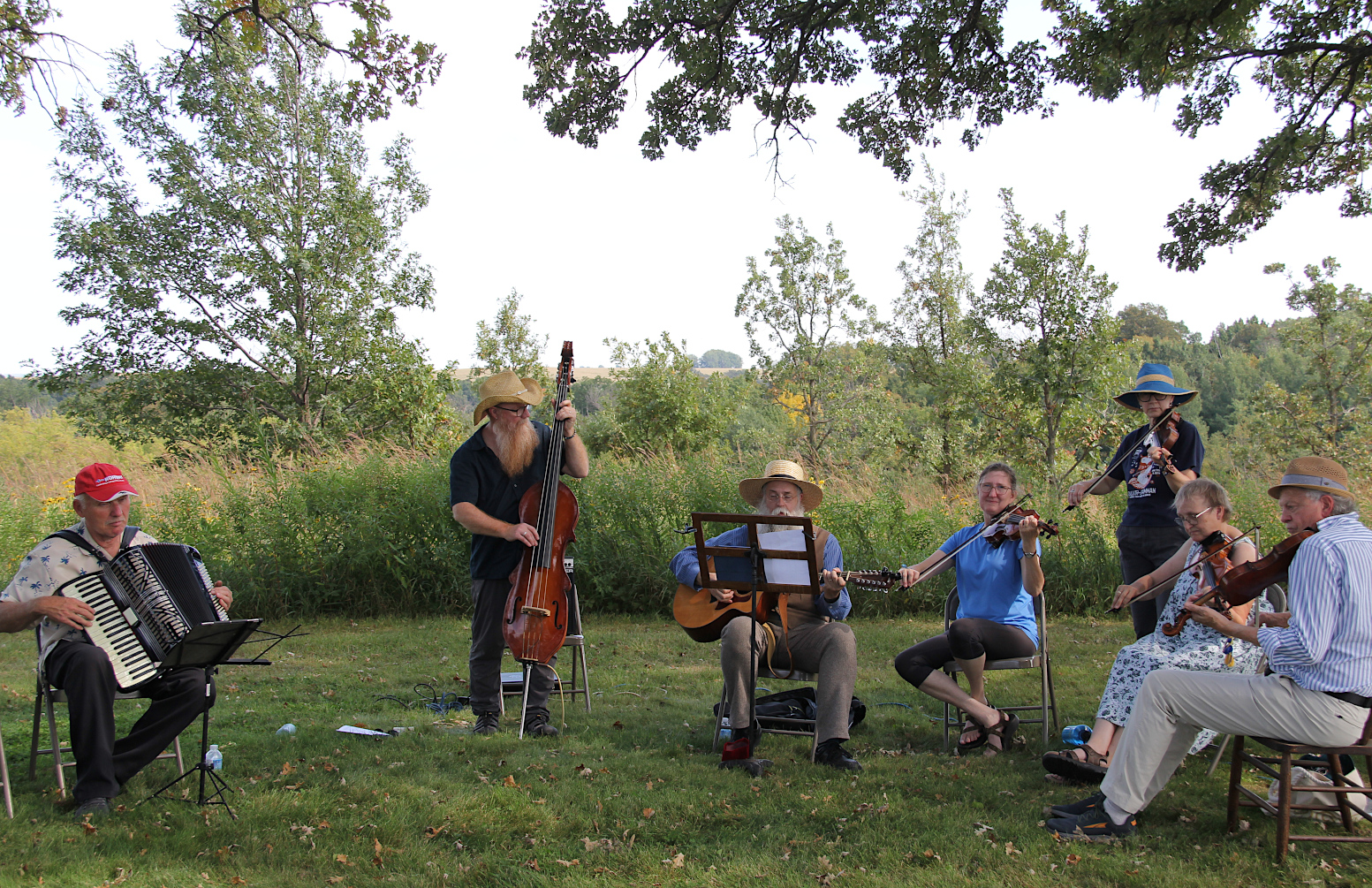
Hutenanny performs under the oaks with a prairie backdrop. (Minnesota Prairie Roots copyrighted photo September 2025)
If the Norwegians and the Germans here in southern Minnesota didn’t always get along—and I expect some didn’t—then no traces of those differences remain. At least not here, not on a Sunday afternoon in September at Valley Grove. This gives me hope. Perhaps the commonalities we share will some day overcome our differences and we will welcome and embrace one another no matter our countries of origin.
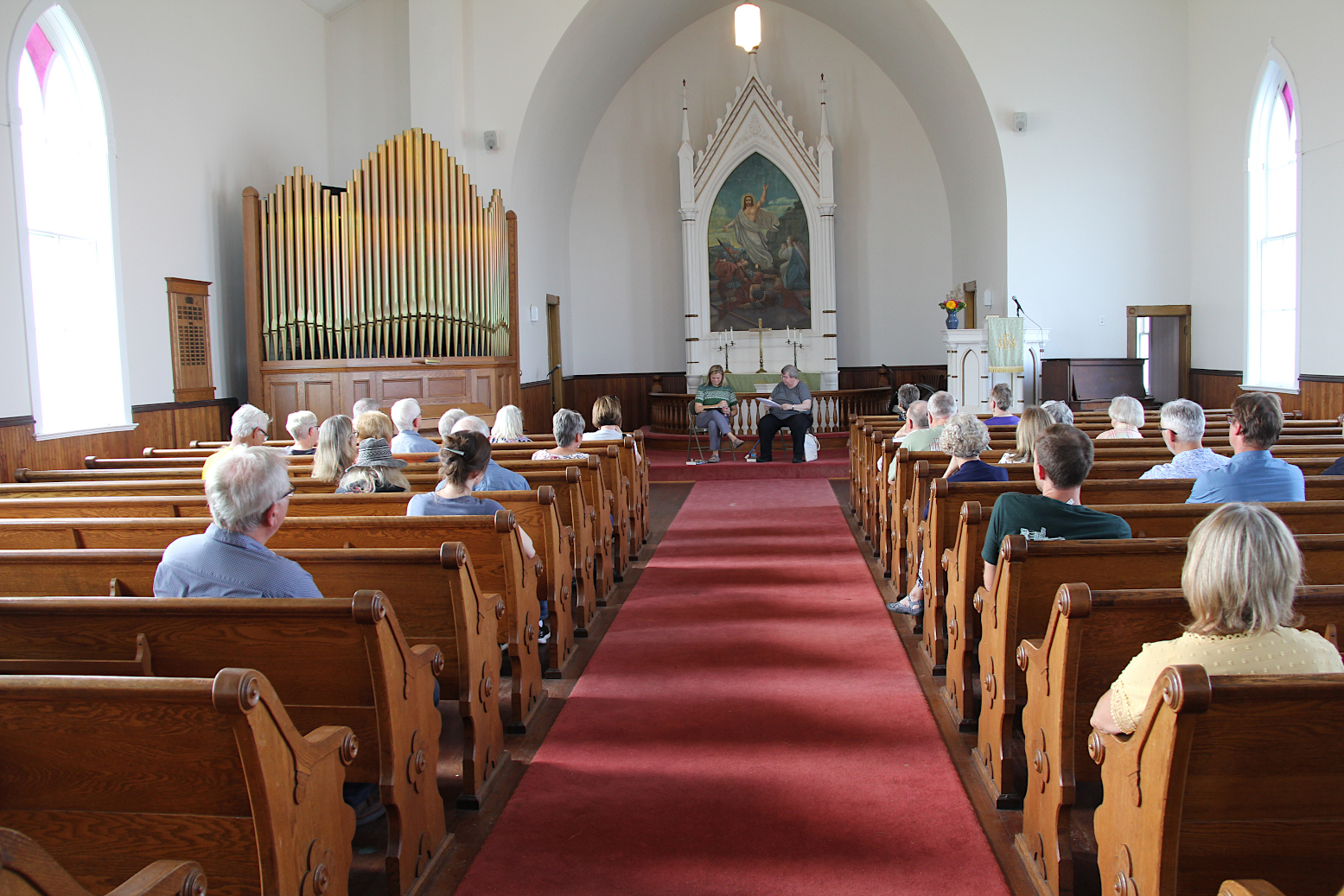
A discussion of the book, “Muus vs Muus, The Scandal That Shook Norwegian America,” inside the wooden church. (Minnesota Prairie Roots copyrighted photo September 2025)
Perhaps we ought to visit a place like Valley Grove. Learn a new-old game. Pick up a clutch of marbles. Feel the smooth or pitted orb of a marble in our hand. Bend low to the earth. And touch the dirt.
This sculpture of Alexander Faribault and a Dakota trading partner stands in Faribault’s Heritage Park near the Straight River and site of Faribault’s trading post.(Minnesota Prairie Roots copyrighted file photo)
HOW DO YOU DEFINE heritage? I ask that question because this week my southern Minnesota community celebrates Heritage Days.
I would define heritage as a cultural or ethnic background. I am, for example, of German heritage.
So one would likely assume then that Heritage Days focuses on heritage. It did. Once. But no more. Not primarily. Rather, this multi-day event in Faribault seems more a June get together with the usual food, music, parade, craft fair and such of any summer community gathering.
It’s not that my city of some 24,000 lacks in cultural and ethnic diversity to theme Heritage Days. We are a bit of a melting pot with our newest residents arriving from Somalia and Sudan. Early on, the French, Irish, Germans and others settled here to shape and grow Faribault. Latinos also define a sizable part of our population. Many others have come from multiple countries to this place along the Cannon and Straight Rivers. Most are generations removed from the homeland. Some, though, are first-generation immigrants.
Jeff Jarvis created and handed out this mini booklet about the Wahpekute Band of the Dakota at a previous presentation at Books on Central. (Minnesota Prairie Roots copyrighted file photo)
But back to Heritage Days. Looking through the long list of events, I see several opportunities to learn about local heritage and history. The first happens at 6:30 p.m. Wednesday, June 11, at the Cathedral of Our Merciful Saviour. Regional artist and historian Jeff Jarvis will talk about “The Wakpekute Dakota & Early Faribault History.” I’ve previously heard Jarvis speak on the Dakota, original inhabitants of the land. He’s done his research. I highly recommend attending his presentation. I’m always surprised by how little long-time residents seem to know about the Dakota and their long ago presence in what would become Faribault. Jarvis presents an informative lesson in local Native heritage.
Likewise, the Rice County Historical Society Museum will be open, free of charge, from 10 a.m.-5 p.m. Thursday-Saturday. It’s a good place to see Native American and other artifacts, learn about our early fur trading and additional local history, learn about notable people like Chief Taopi and Bishop Henry Whipple, and more. Bishop Whipple founded and served the Cathedral where Jarvis is speaking.
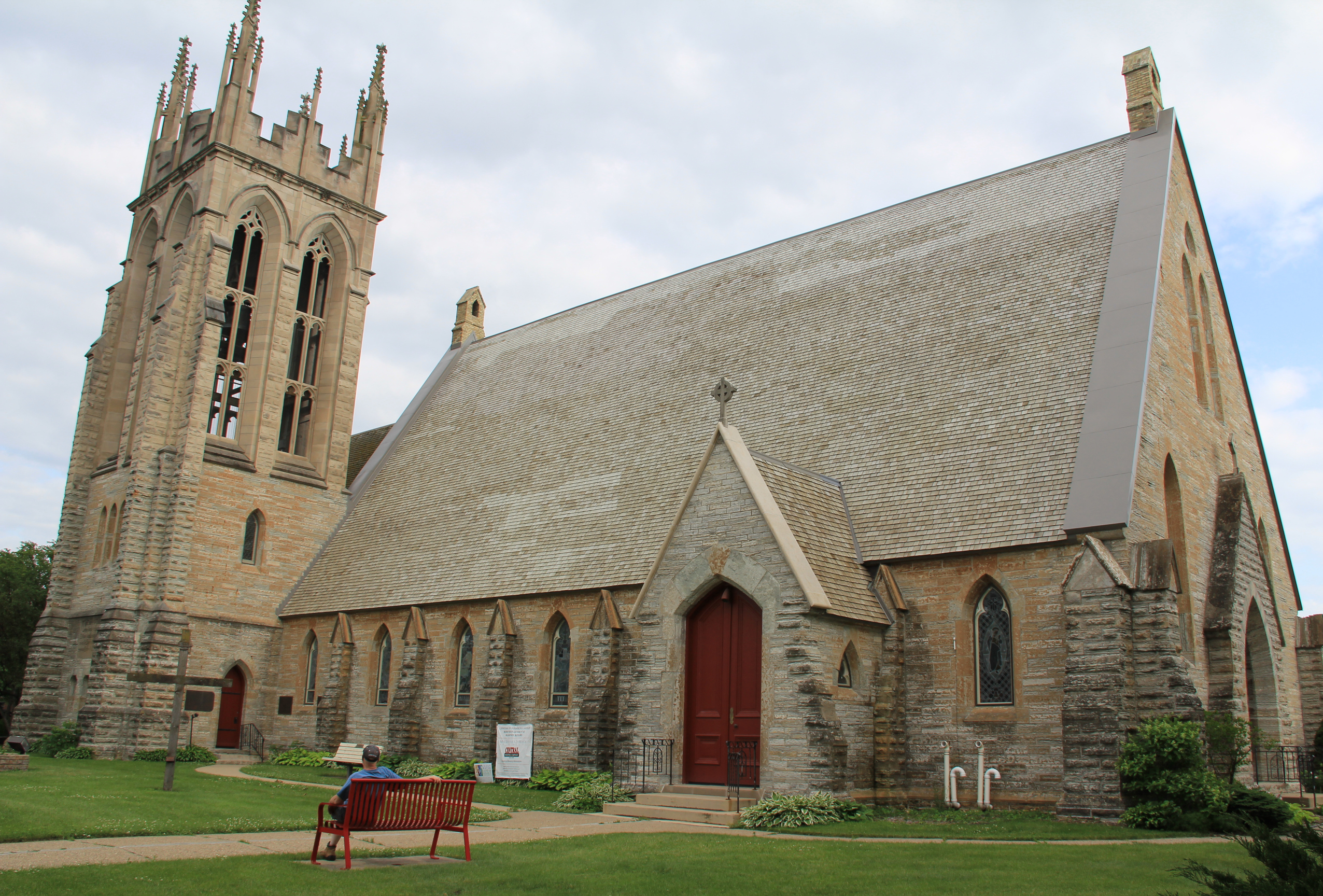
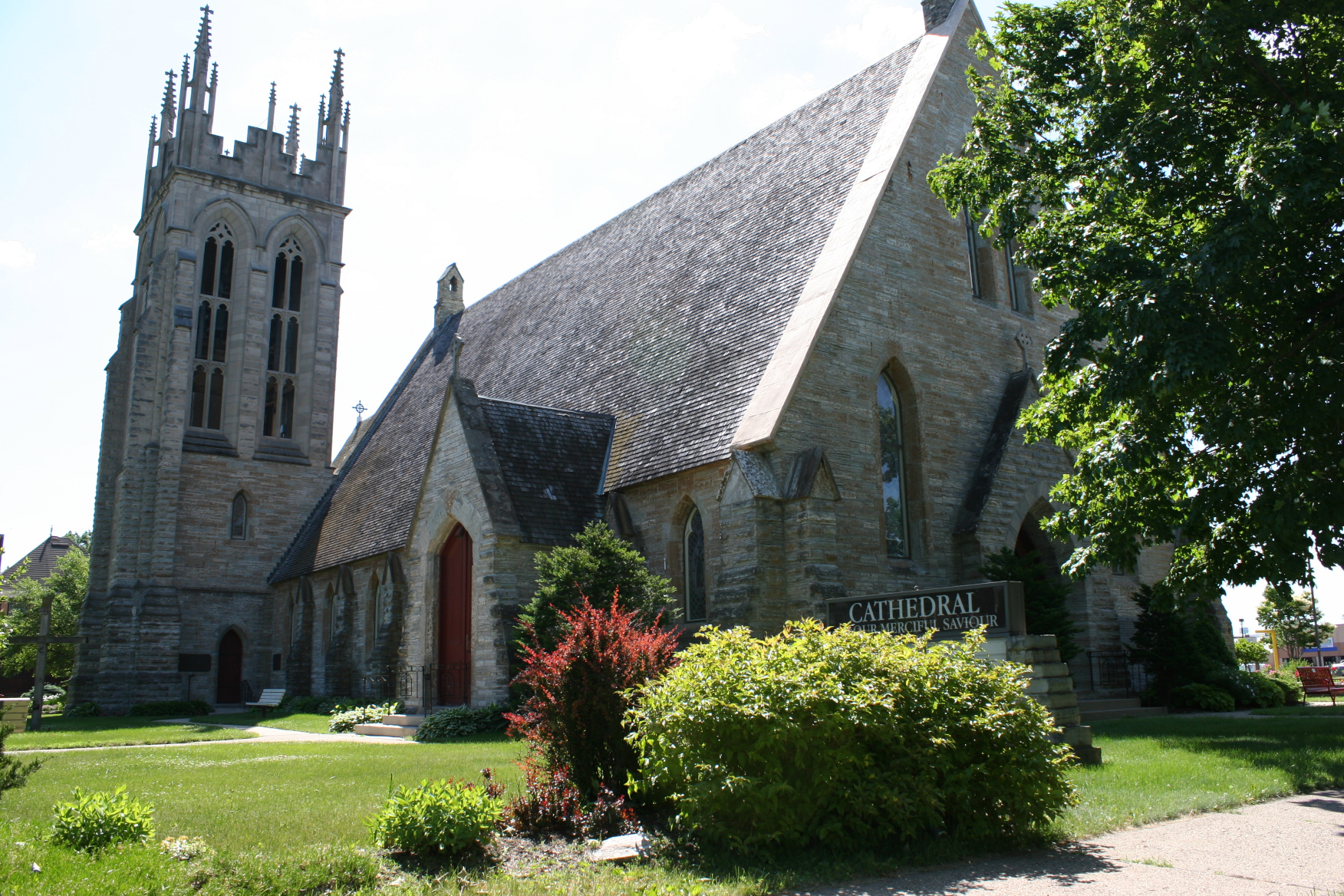
The historic Cathedral of Our Merciful Saviour sits across from Central Park and is a must-see in Faribault. (Minnesota Prairie Roots copyrighted file photo 2024)
The historic Cathedral will be open for tours at 11:30 a.m. Sunday, June 15, following a 10 a.m. Ecumenical Service including bluegrass music. This massive cathedral—and, yes, it really is a cathedral—is important in local Dakota history as the bishop worked closely with Native Americans, some of whom worshipped here.
Fur trader and town founder Alexander Faribault, who was of Dakota and French Canadian heritage, also worked closely with the Dakota. His wood-frame house will be open for free tours from 11 a.m.-3 p.m. Saturday, June 14.
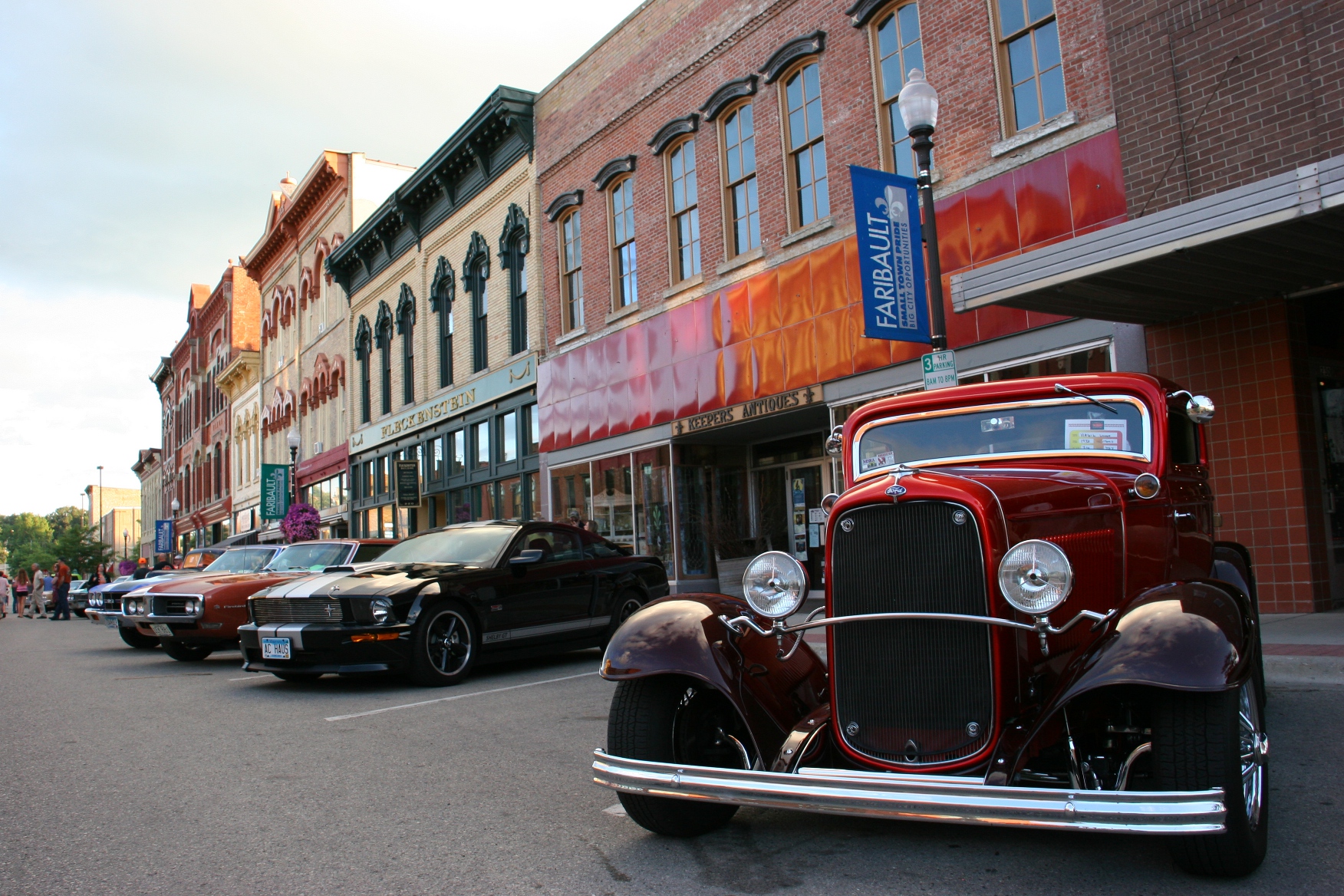
Downtown Faribault features well-kept aged buildings in our historic district. I photographed this scene during a Car Cruise Night. There’s a Car Cruise here Friday, June 13, from 6-9 p.m. (Minnesota Prairie Roots copyrighted file photo)
The Rice County Historical Society will also offer a guided Downtown Walking Tour on Friday and Saturday with two time slots of 11 a.m. and 2 p.m. The $5 tour, led by RCHS Program and Outreach Coordinator Kiran Loewenstein, begins at Central Park. Anticipated to take 1-1 ½ hours, the tour route follows Central Avenue with a focus on the historic district and buildings and early general Faribault history. I expect that will offer ample opportunity to not only learn about early history and heritage, but also to see the heritage of our newest residents in downtown core ethnic businesses.
Two more opportunities to embrace local history (although not officially part of Heritage Days) are inside the State Bank of Faribault along Central Avenue. Local streetscapes and landscapes by Father Jim Zotalis, spiritual leader of the Cathedral, are displayed in a pop-up exhibit in the bank lobby. And for those interested in Faribault’s brewing history, the bank holds an extensive collection of Fleck’s beer memorabilia form long ago Fleckenstein Brewery. Both are accessible during business hours only.
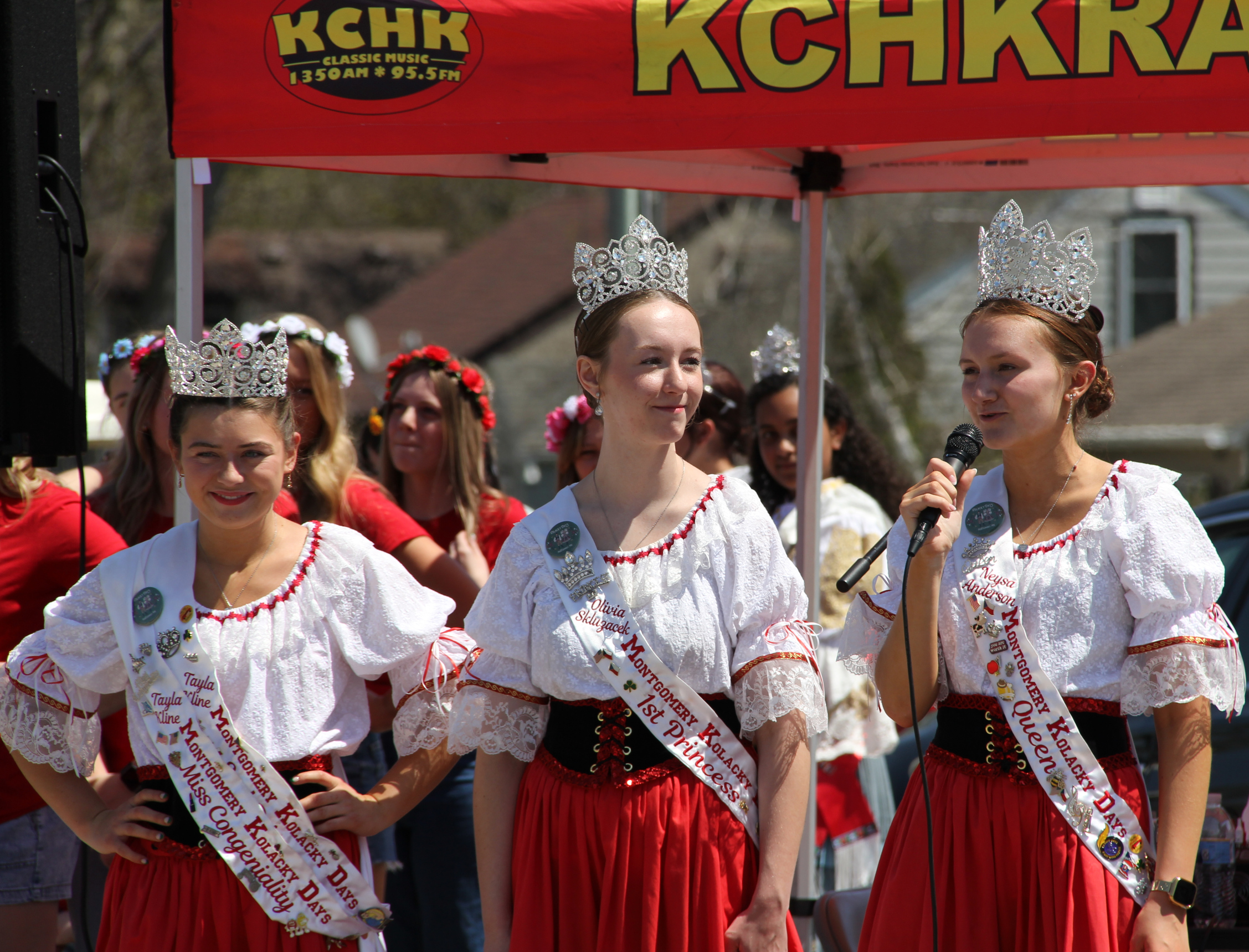
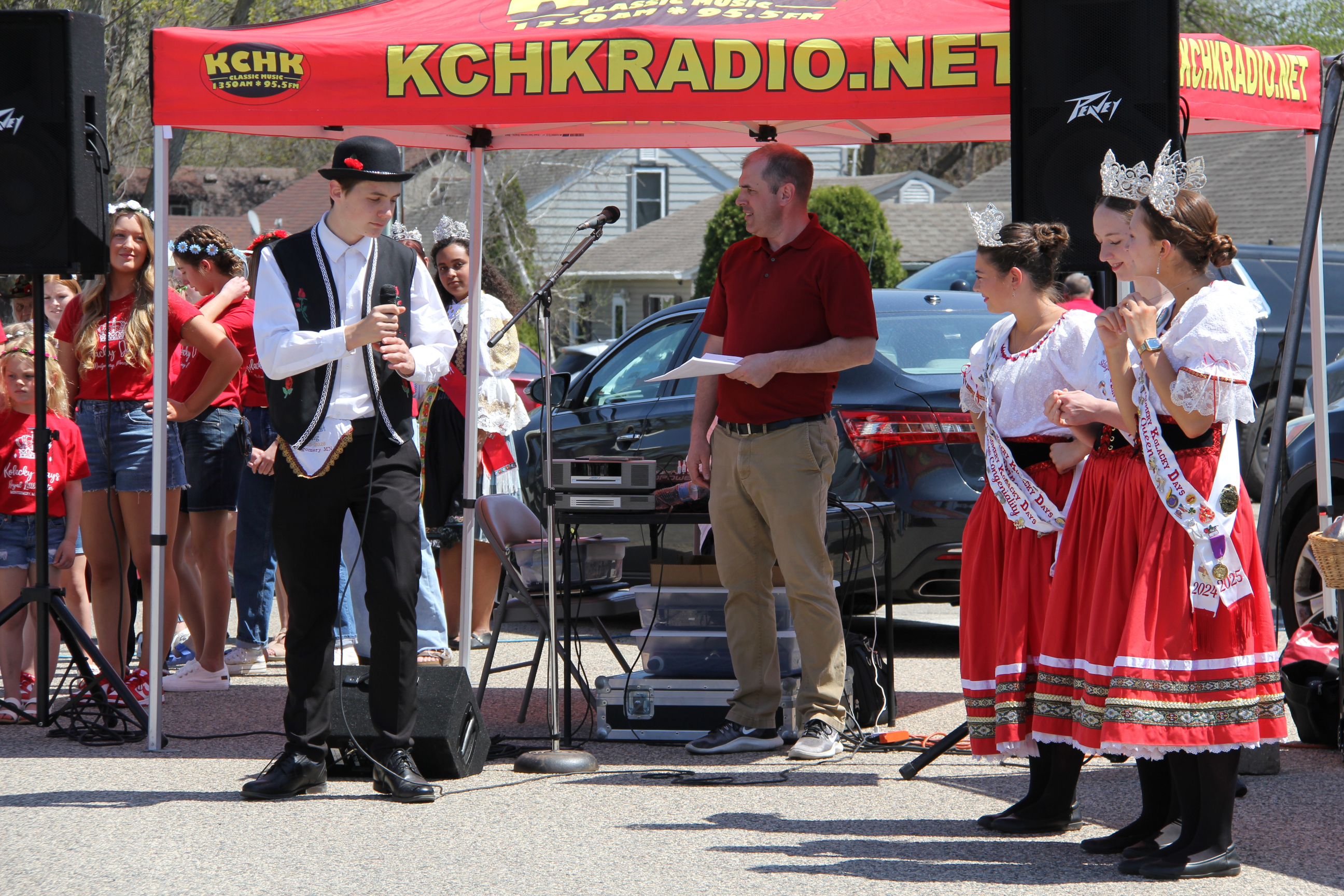
Montgomery Kolacky Days royalty introduce themselves at the Czech May Day KCHK Radio tent, from left to right, Miss Congeniality Tayla Kline, 1st Princess Olivia Skluzacek and Queen Neysa Anderson. (Minnesota Prairie Roots copyrighted photo May 2025)
NEARLY EVERY SMALL TOWN community celebration comes with royalty. And Montgomery, Minnesota, is no exception. While attending Czech May Day in this Le Sueur County town on Sunday afternoon, I saw a whole lot of royalty.
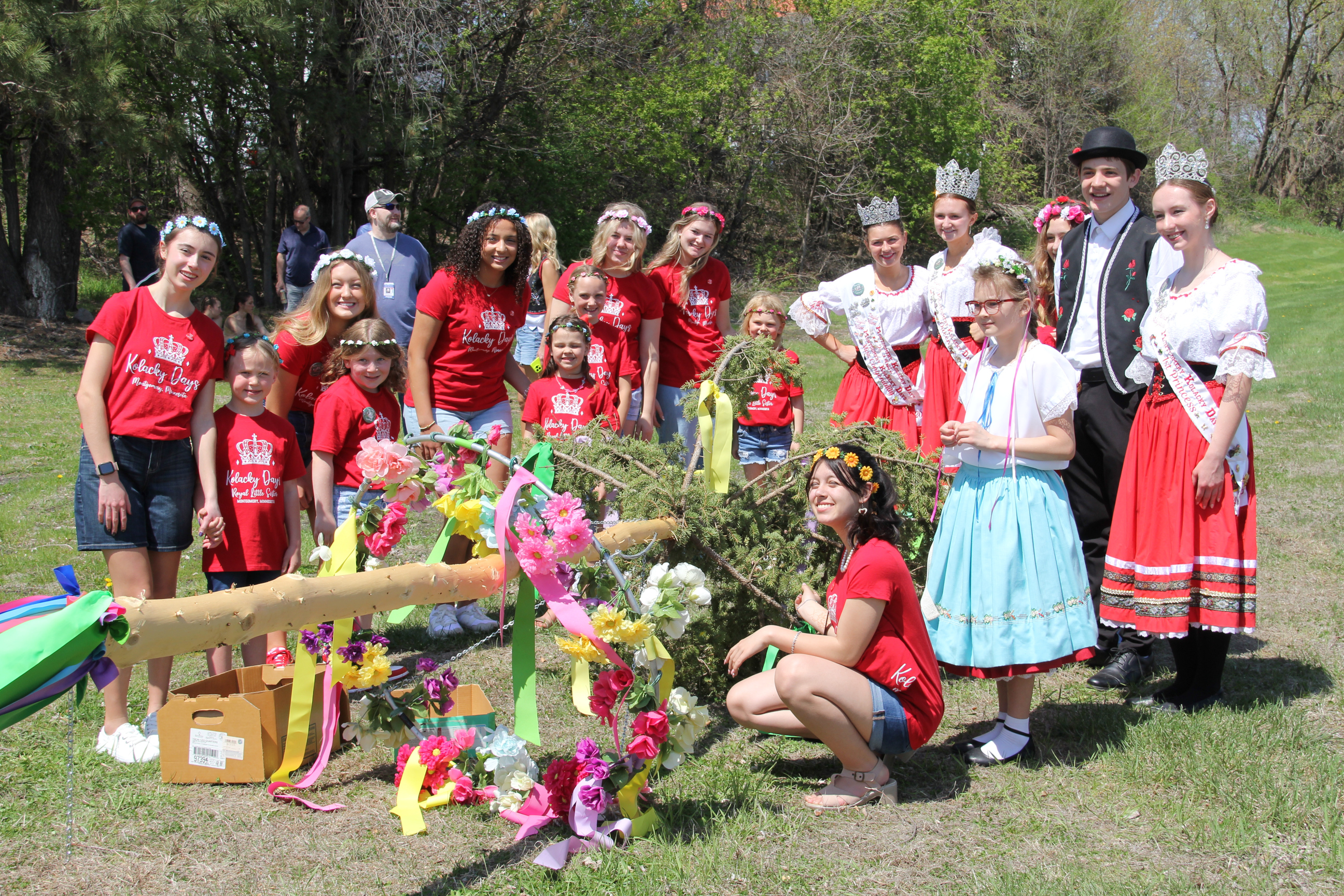
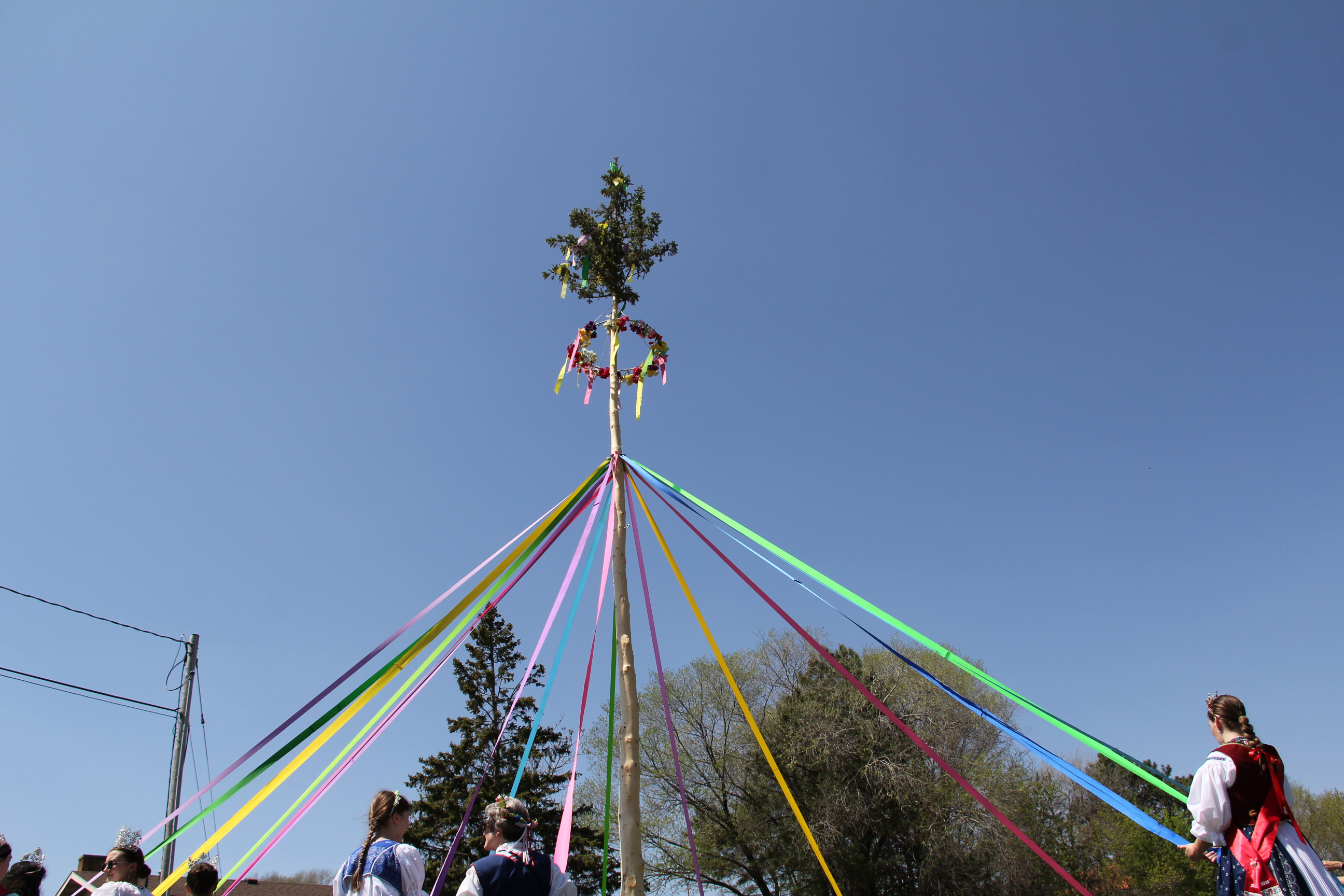
Gathering around the May Pole for a royal photo before the pole raising. (Minnesota Prairie Roots copyrighted photo May 2025)
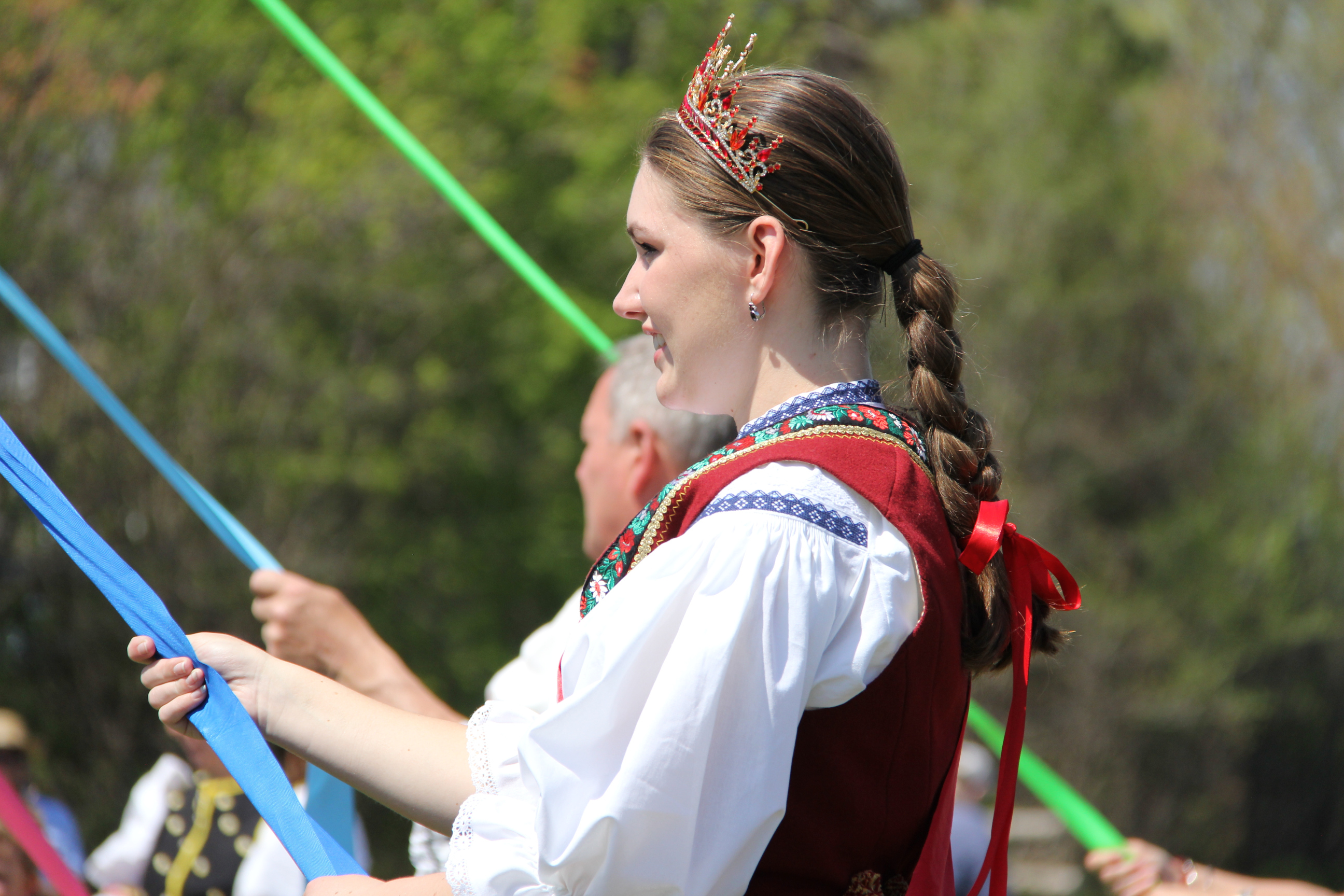
I am impressed by the poise and confidence of these young women who represent not only their community, but also their Czech heritage. They are well-spoken, graceful, truly deserving of their royal positions.
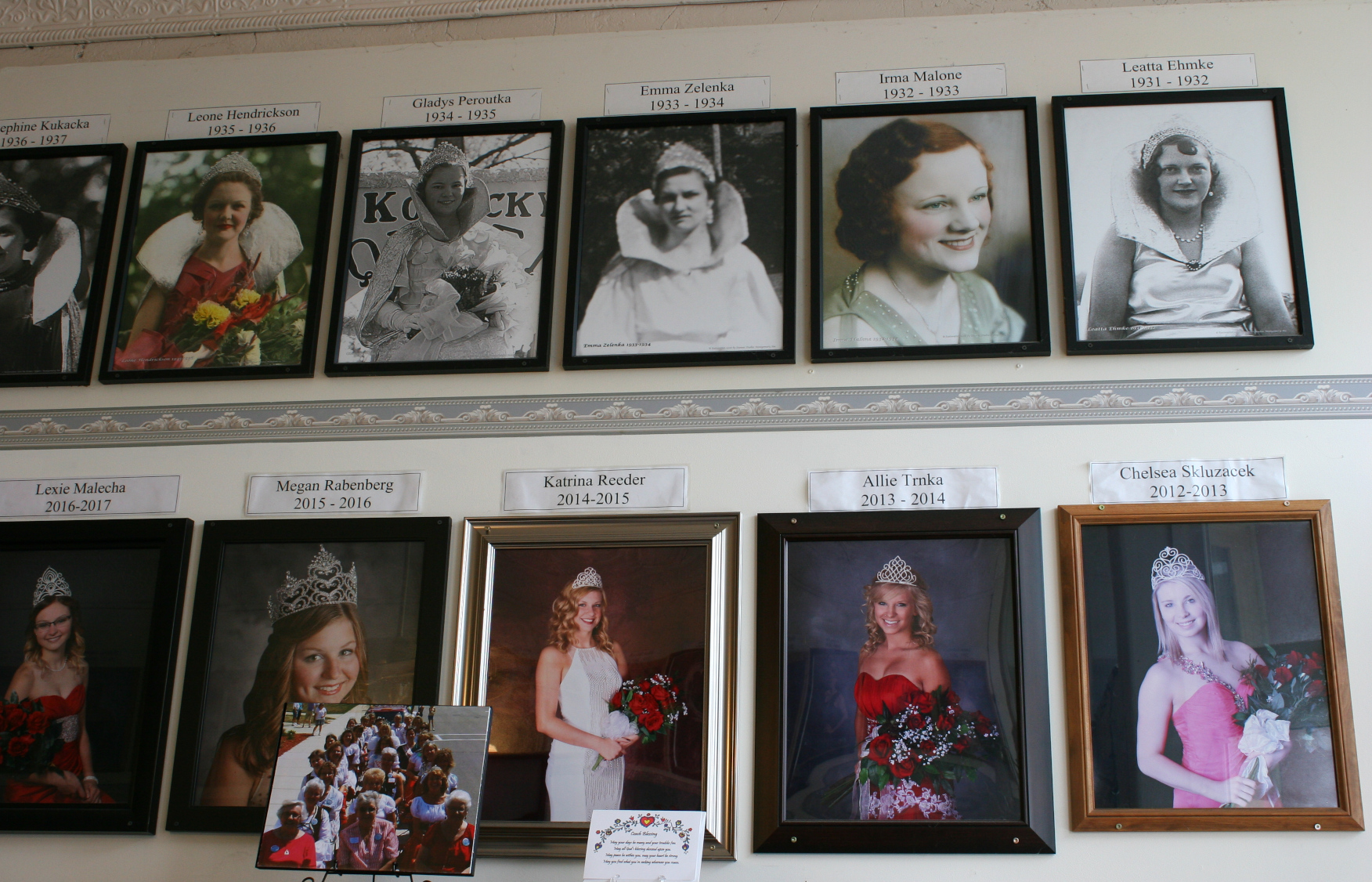
A sampling of the Kolacky Days queen portraitsringing the walls of the Arts & Heritage Center of Montgomery. (Minnesota Prairie Roots copyrighted file photo)
Since 1931, Montgomery has crowned princesses and a queen during its annual late July Kolacky Days celebration. Kolacky is a Czech treat, a sweet bun with a fruit or poppyseed filling. Montgomery calls itself the Kolacky Capital of the World and perhaps rightly so. These folks love this Czech pastry, which is baked in home kitchens and by the thousands at Franke’s Bakery, a community staple since 1914.
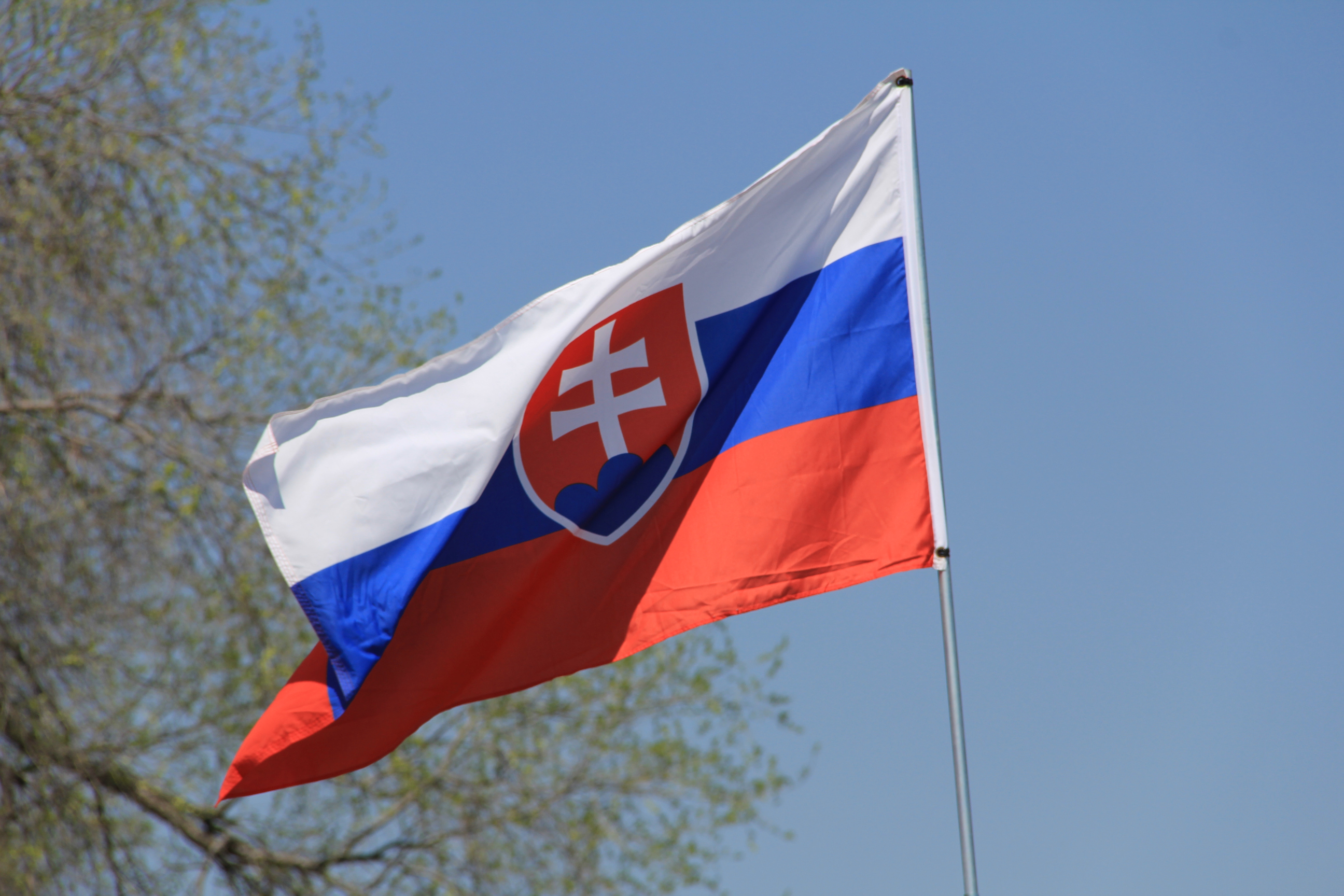
The flag of Slovakia, which was once part of Czechoslovakia, flies at the Czech May Day celebration. The flag of the Czech Republic also flew. (Minnesota Prairie Roots copyrighted photo May 2025)
Montgomery’s 2025-2026 Masopust King Isaak Worm introduces himself. (Minnesota Prairie Roots copyrighted photo May 2025)
A royal sash. (Minnesota Prairie Roots copyrighted photo May 2025)
There’s a whole lot of pride in being of Czech ancestry and I love that about Montgomery. These folks share their heritage, teaching all of us about culture, food, traditions and more still celebrated and honored generations removed from the homeland. They celebrate Czech Masopust (which has a Masopust king), Czech May Day and Kolacky Days.
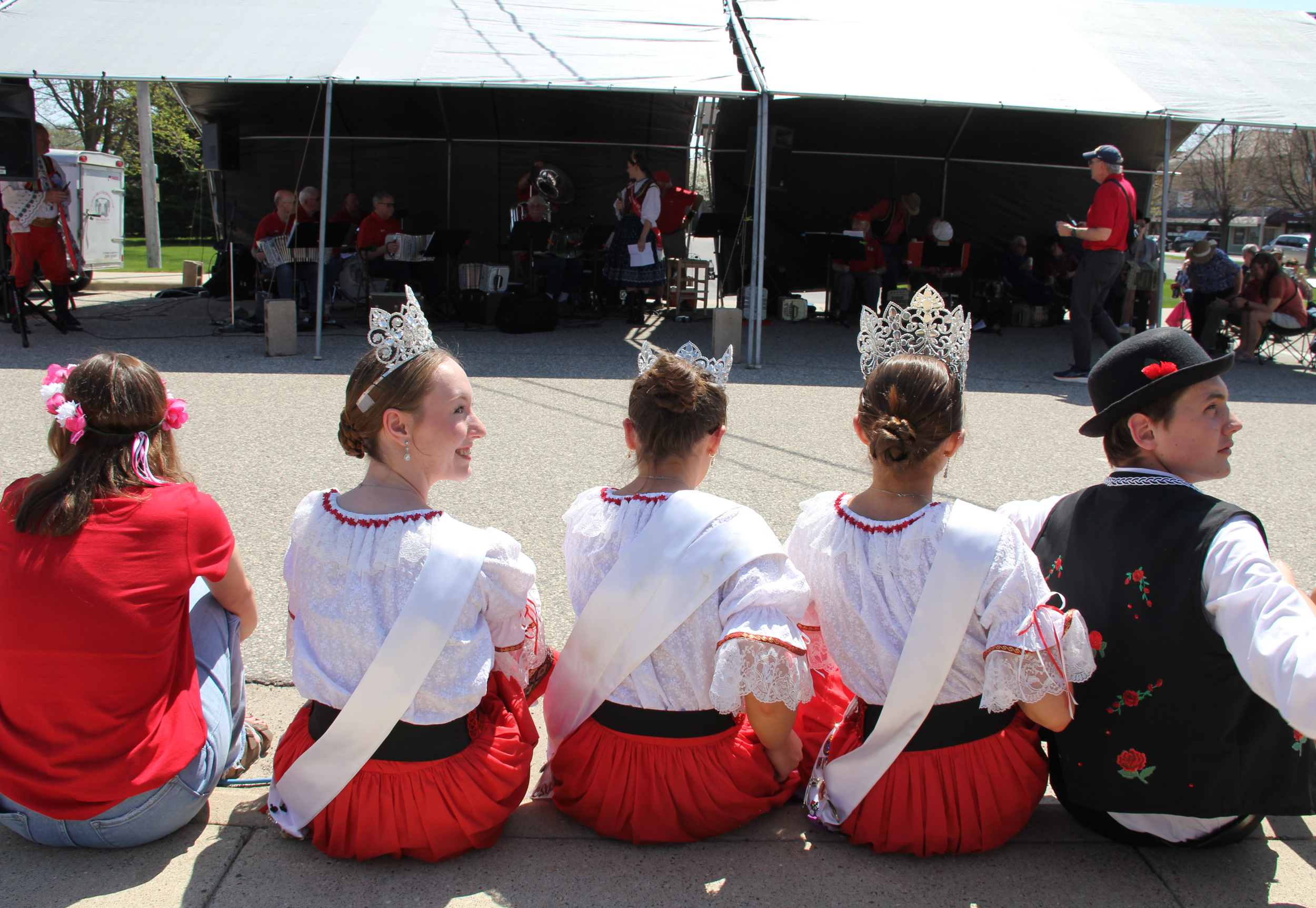
Royalty take a break to visit and enjoy the May Day entertainment. (Minnesota Prairie Roots copyrighted photo May 2025)
You’ll find Montgomery’s royalty at these events, promoting community and heritage. Area high school juniors living within a five-mile radius of Montgomery or neighboring Kilkenny are eligible to enter the Montgomery Kolacky Days queen competition. They are judged in three categories: interview, talent and evening gown.
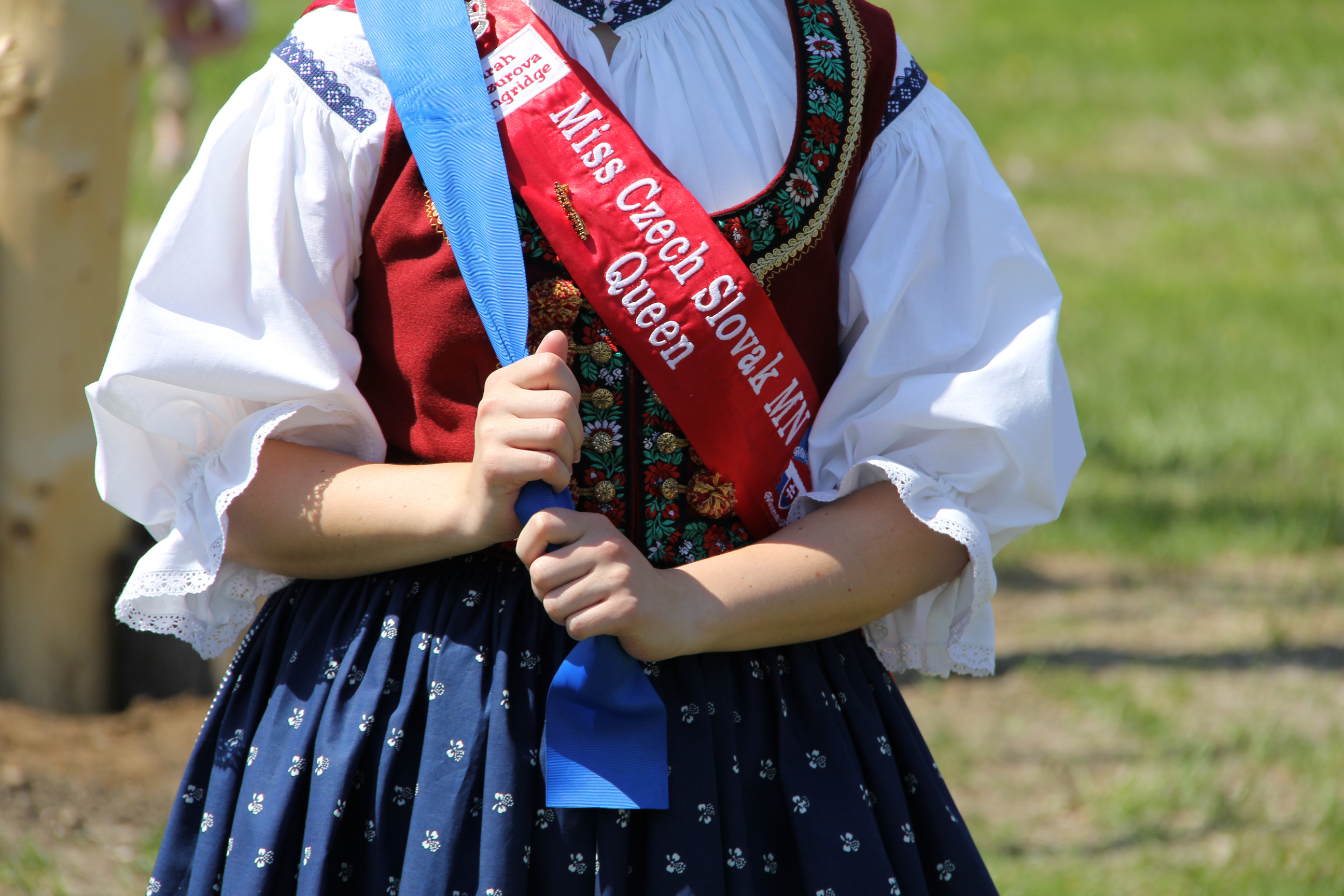
On the state level, Miss Czech Slovak Minnesota represents the Bohemian heritage. Here she holds a May Pole ribbon in Montgomery. (Minnesota Prairie Roots copyrighted photo May 2025)
Those chosen as the queen, first and second princesses and Miss Congeniality must then attend 15 specific events during their year-long reign. Now that takes time and commitment. They are rewarded with not only scholarships, but also new friendships, travel and a wonderful opportunity to shine a spotlight on Montgomery and its Czech and Slovak heritage.
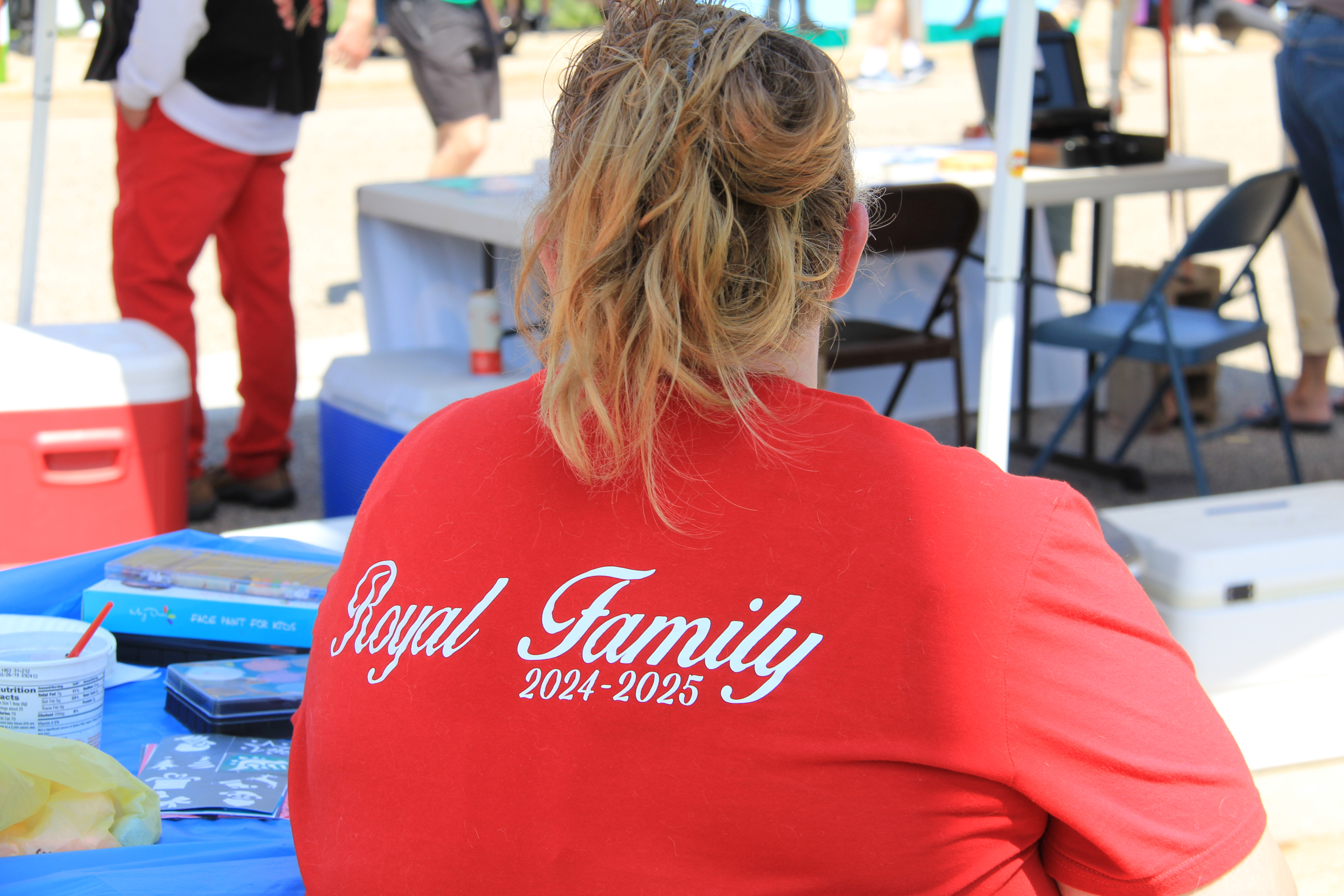
I saw lots of these red royal family t-shirts at Czech May Day. (Minnesota Prairie Roots copyrighted photo May 2025)
I observed lots of support for these young women who represent Montgomery in traditional Czech costumes at events throughout Minnesota. Their families sport red t-shirts with “Royal Family” emblazoned across the back. Elementary-aged girls also wear red tees reading “Kolacky Days Royal Little Sister.” Future princesses or queens perhaps.
Miss Czech Slovak Minnesota Queen Sarah Langridge of Prior Lake holds a May Pole ribbon. She moved from Europe to Minnesota at age eight. (Minnesota Prairie Roots copyrighted photo May 2025)
Even the current Miss Czech Slovak Minnesota queen attended Czech May Day in Montgomery entertaining the crowd in song, but mostly gracing everyone with her presence.
Gathering around the May Pole. (Minnesota Prairie Roots copyrighted photo May 2025)
As these young women mingled and later wound ribbons around a May Pole, I considered how much they care about their Czech culture and heritage—enough to carry on a royal tradition of 91 years.
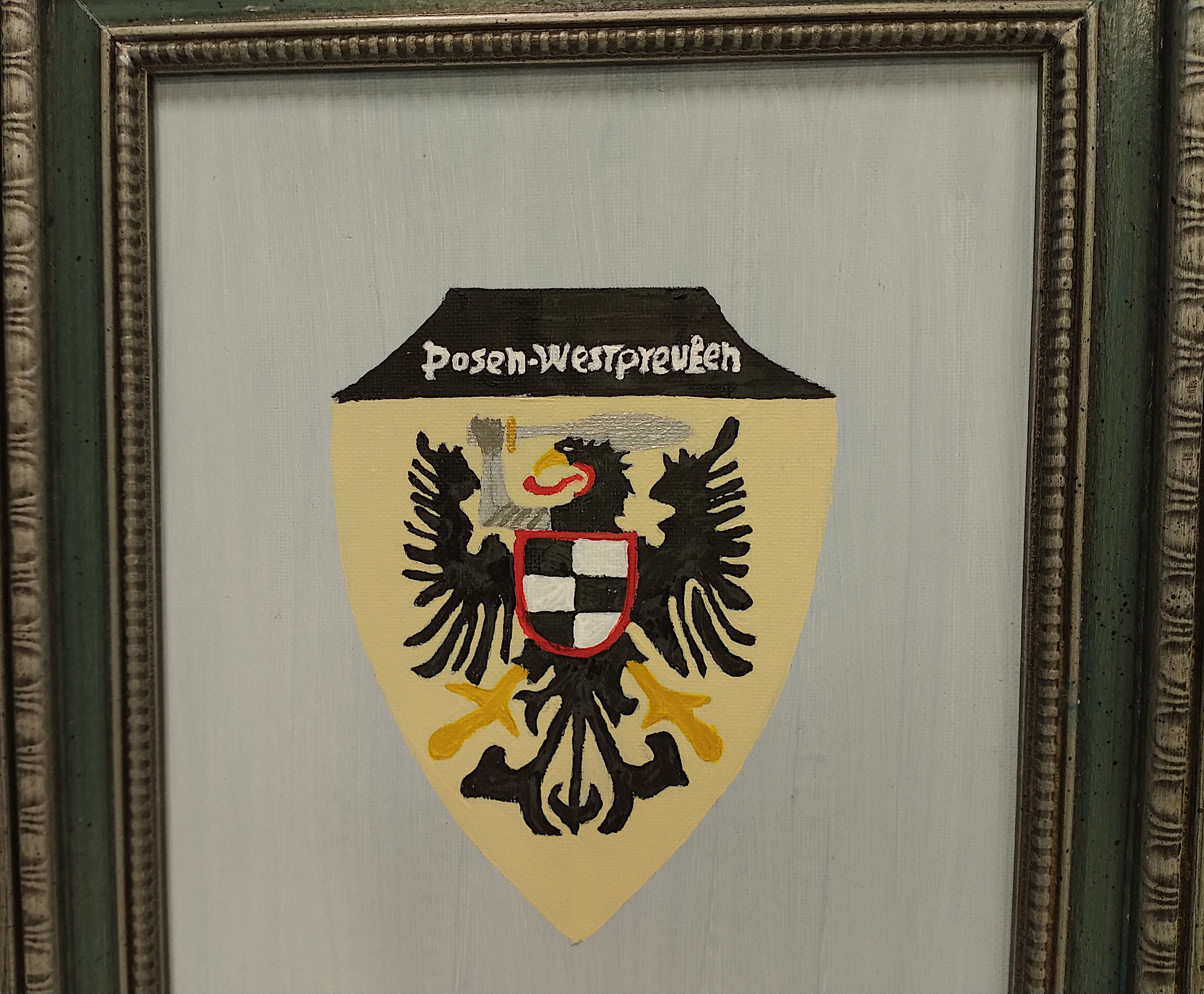
The Kletscher Family Coat of Arms of Posen-West Prussia. (Minnesota Prairie Roots copyrighted photo July 2024)
REUNITING. RECONNECTING. REMEMBERING. Those words define reunions, whether among family or friends. Summer marks prime reunion time in Minnesota, including for me, especially this year.
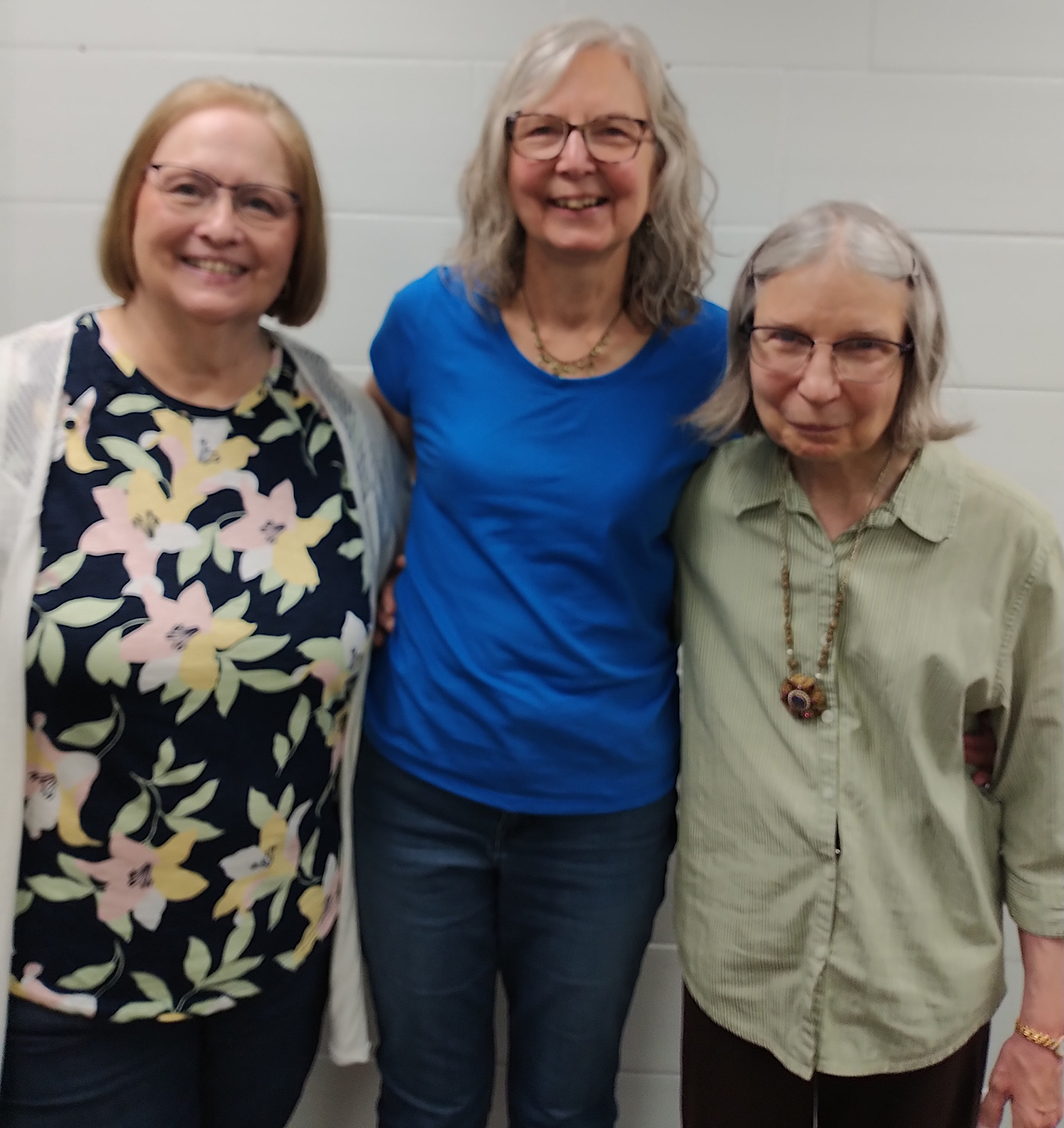
I’m flanked by cousins, Joyce, left, and LeAnn. We were born within months of each other and grew up spending lots of time together at family gatherings. (Photo credit: Kirt Kletscher)
From Pine River in northern Minnesota to Vesta on the southwestern Minnesota prairie to the Twin Cities and elsewhere, I’ve reconnected with people who are important to me, with whom I share roots and/or connections. And it’s been a joy because the older I grow, the more I realize that time is not a given and we need to gather and appreciate one another. With hugs, love and care.
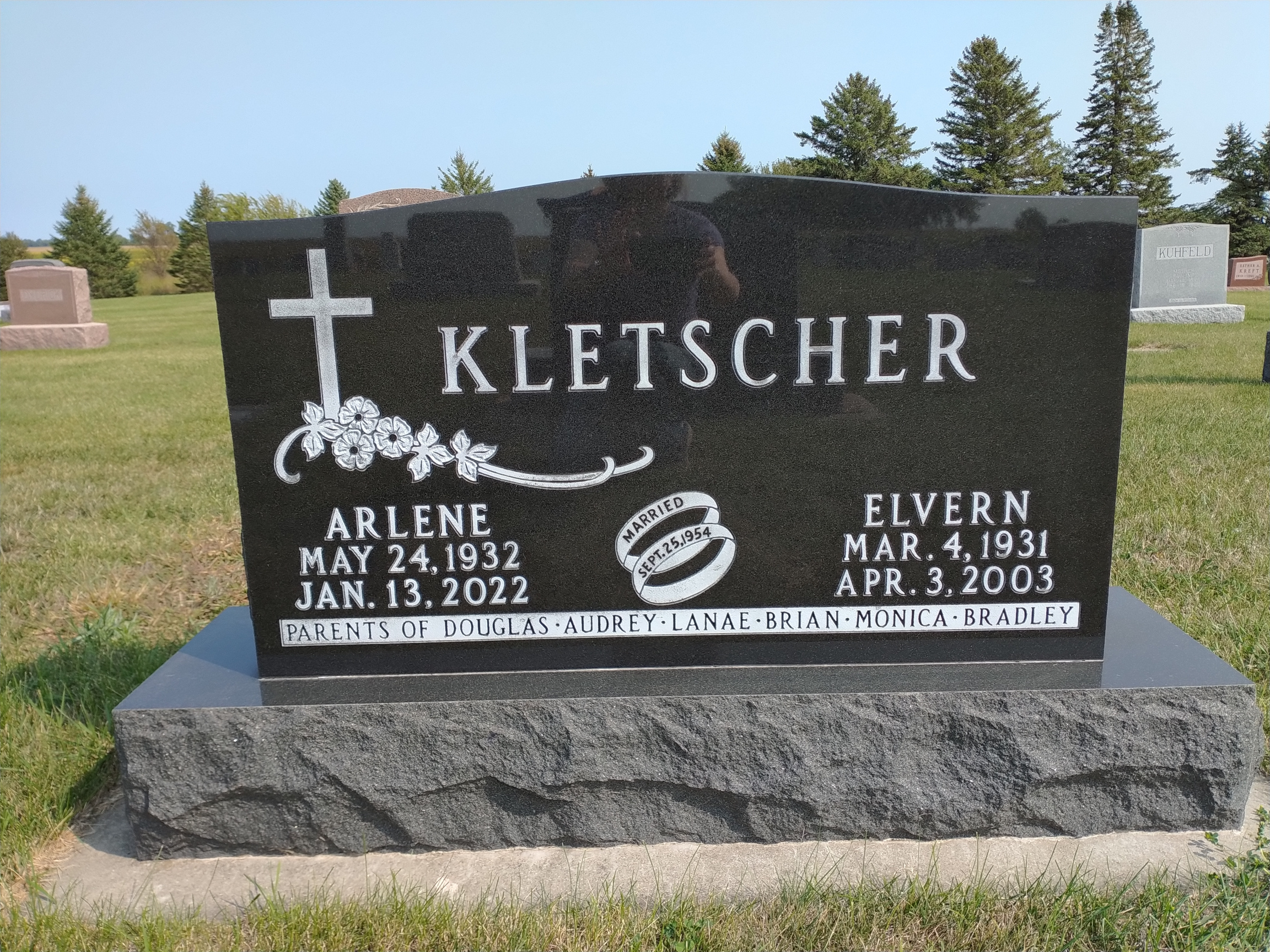
Myparents’ tombstone in the Vesta City Cemetery. (Minnesota Prairie Roots copyrighted file photo September 2022)
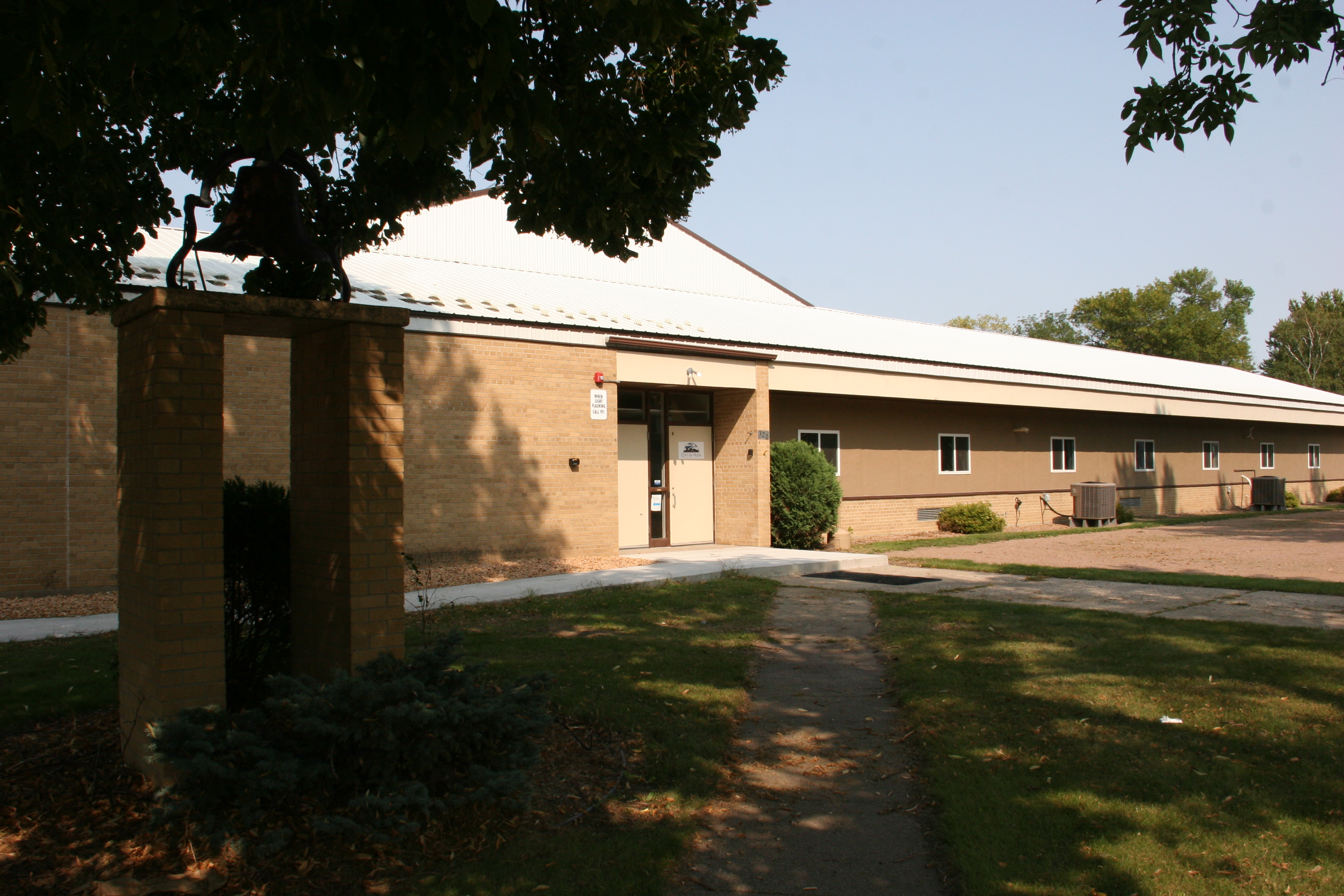
My most recent reunion happened July 28, when Randy and I traveled 2.5 hours west to my hometown of Vesta in Redwood County for the Kletscher Family Reunion, held annually on the last Sunday in July. First we stopped at the cemetery to visit the gravesites of my parents, grandparents and other family members. I wiped away tears before we followed the gravel road into town, to the reunion site, the former Vesta Elementary School, now turned city hall and community center.
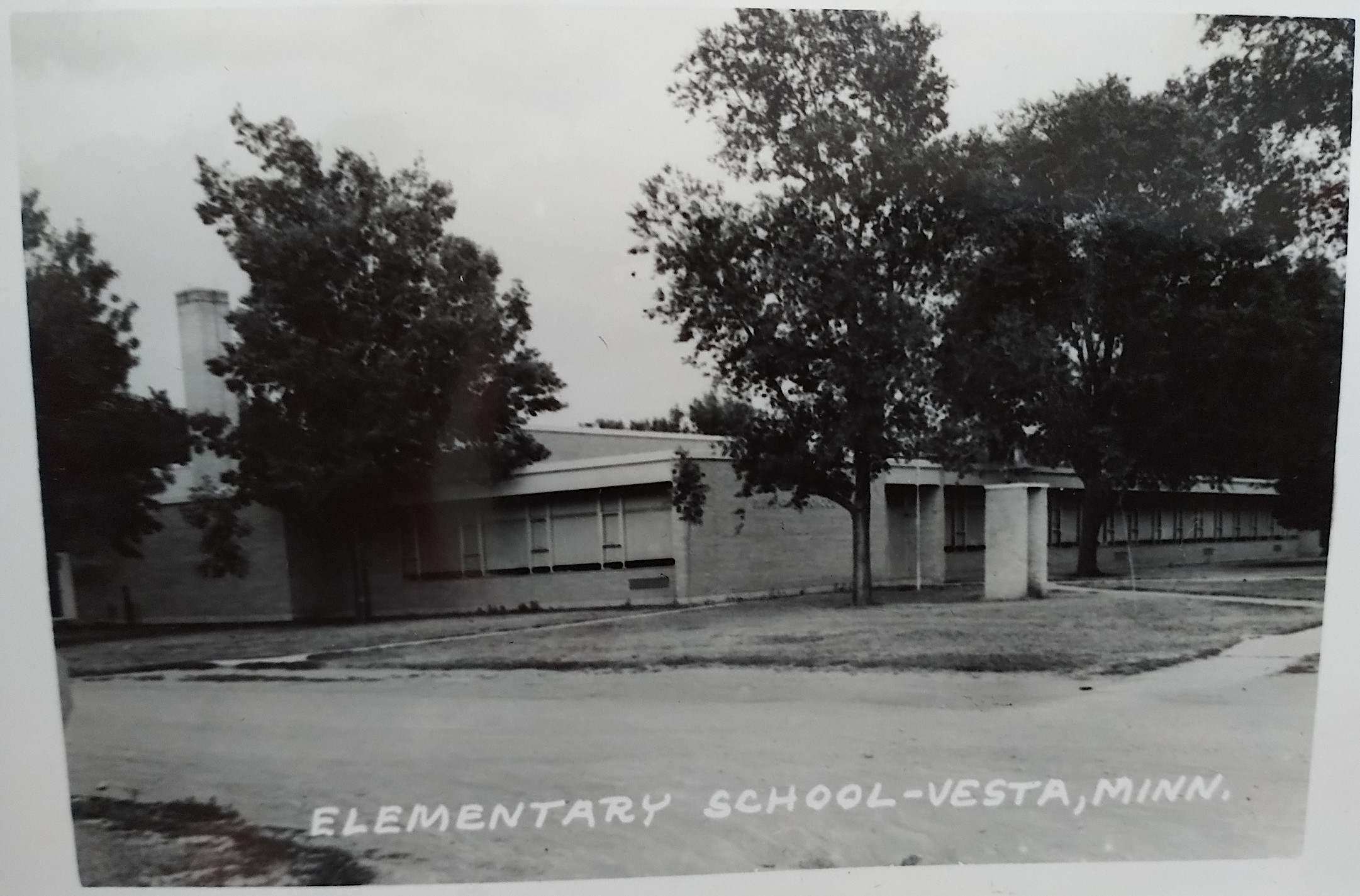
Vesta Elementary School in the 1960s.
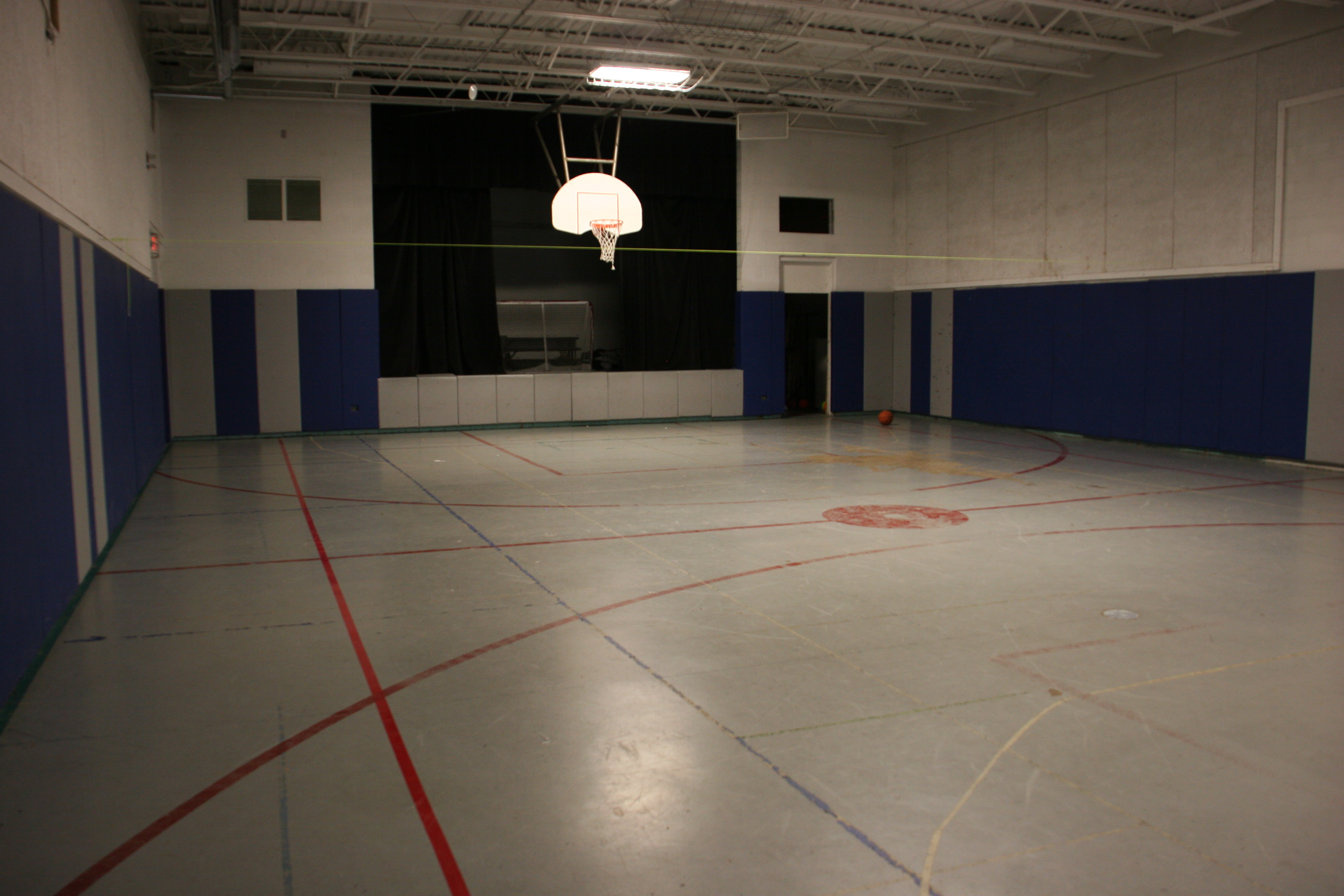
The old school gym, site of the family reunion. (Minnesota Prairie Roots copyrighted file photo September 2022)
The school today, as a city hall and community center. (Minnesota Prairie Roots copyrighted file photo September 2022)
To walk back into the building where I spent my first six grades learning to read, write, spell, do math and more felt comforting and disconcerting, like stepping back into a school that no longer looks the same, but still holds the same memories. Clapping erasers outside on the east brick wall. Listening to Mrs. Kotval read Laura Ingalls Wilder’s books after lunch. Scrawling letters in a penmanship book. Weaving a rug from rags. Building snowforts. Jumping rope on the front sidewalk. Performing on the stage. So many memories in this space.
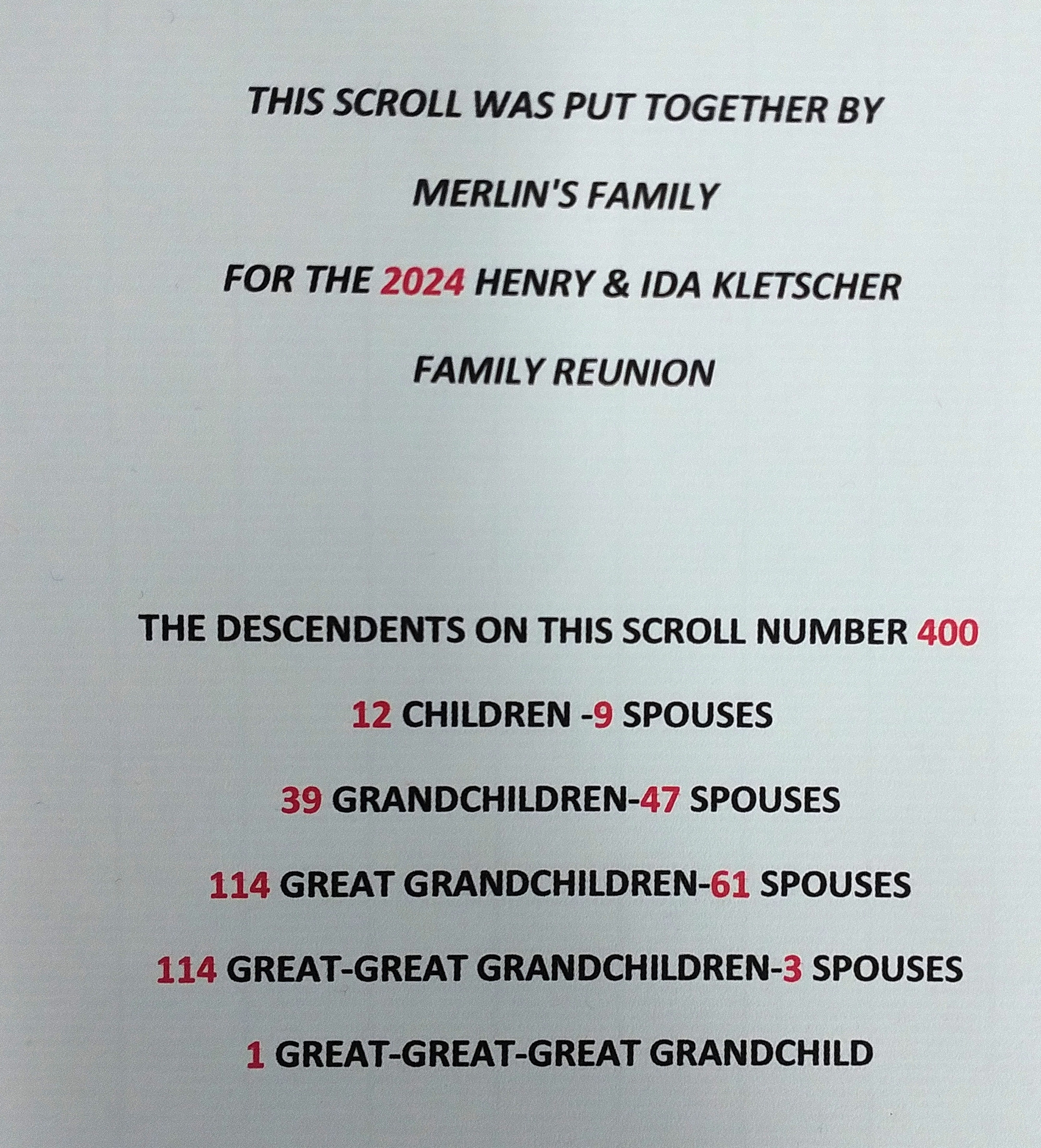
A summary of a 30-page family tree/scroll. (Minnesota Prairie Roots copyrighted photo July 2024)
And on Sunday, that space also held some 60-70 descendants of Henry and Ida Kletscher, parents of twelve, two dead in infancy and only three surviving today. The family tree, printed on 30 pieces of paper, stretched across several tables. I am one of 39 grandchildren, my children among 114 great grandchildren of Henry and Ida in a line that today also includes 114 great great grandchildren and one great great great grandchild. We are a large and prolific bunch that continues to grow. That we still gather annually is a testament to the strength of family bonds. I grew up near my paternal grandparents, aunts, uncles and cousins, spending lots of time together.
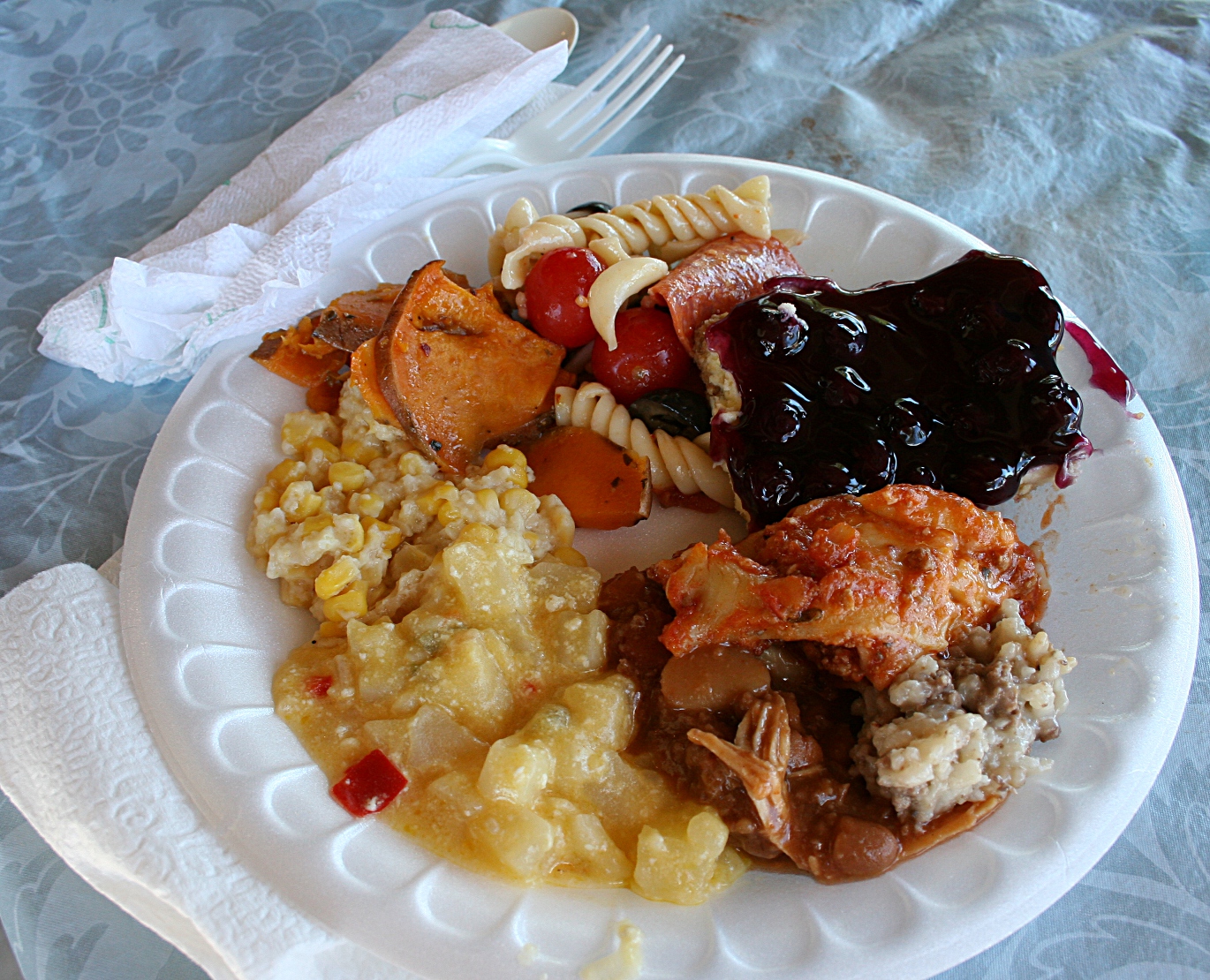
Everyone brings food for the potluck. There’s always blueberry dessert. The spread covers several tables. (Minnesota Prairie Roots copyrighted file photo July 2013)
But my generation and those thereafter have scattered well outside Redwood County. Family arrived from Wisconsin, Iowa, North Dakota and all parts of Minnesota from Blaine to Delano to Alexandria to Owatonna, Faribault, Waseca, and many other communities near and far. Those from even more distant locations like the East Coast did not attend.
As at all reunions, I intentionally circulated, attempting to converse with everyone at some point. This gathering, conversations were not so much about the past as about the present. We talked kids, grandkids, retirement (or not), health challenges, home improvement projects… There was a lot of phone scrolling, too, to show photos of grandchildren.
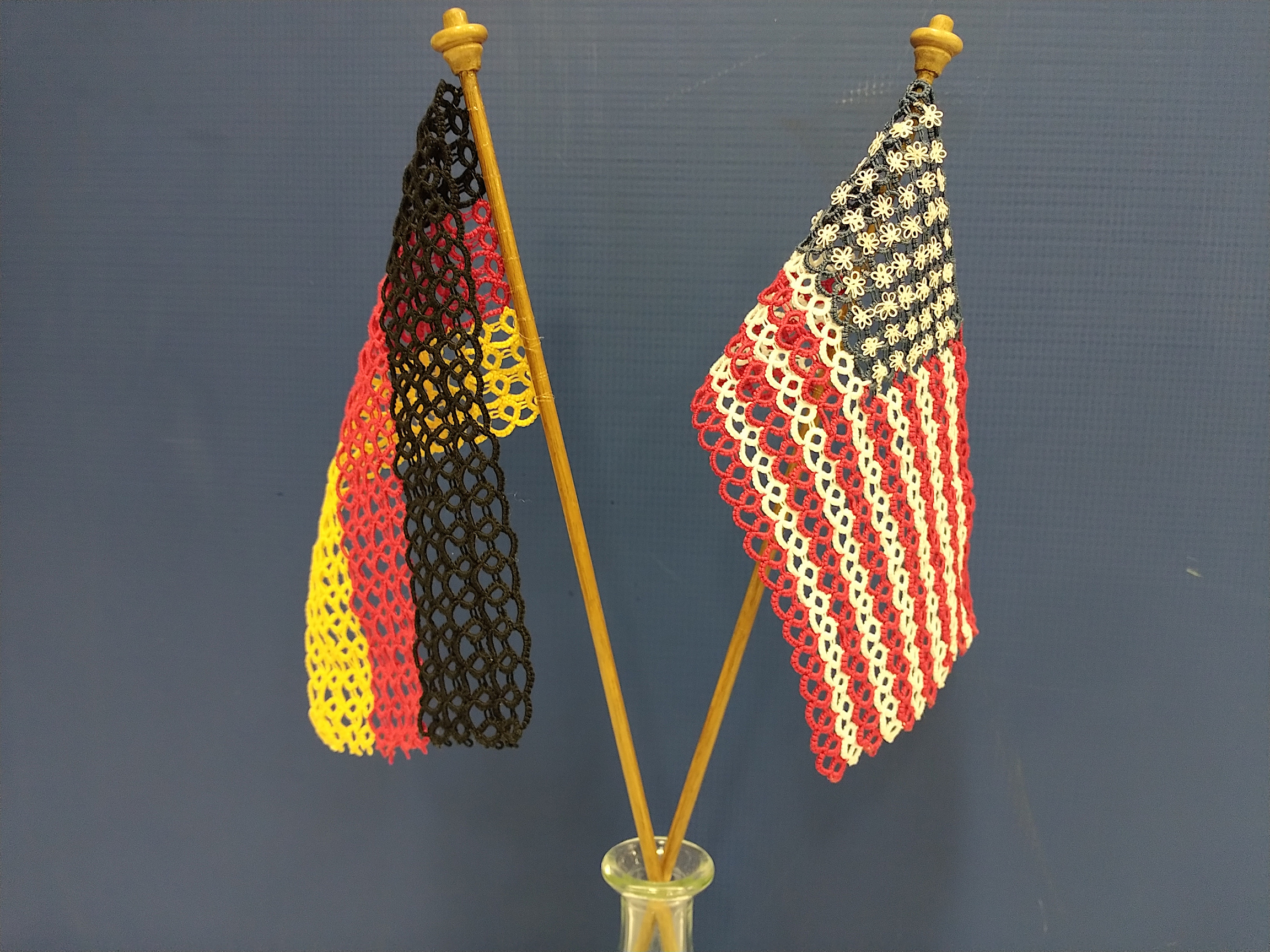
Aunt Iylene tatted these flags celebrating our German heritage and the Kletscher family’s new home in America. (Minnesota Prairie Roots copyrighted photo July 2024)
I cooed over new baby Wren; met Aubrey from West Fargo, going into first grade and whose name was easy for me to remember (and mine for her); saw photos of a wedding dress under construction by bride-to-be Sarah; encouraged Andy, who is in a drug trial study at Mayo Clinic for his debilitating heart condition; listened to Lynn’s recitation of a humorous poem her teacher didn’t appreciate back in the day; admired Aunt Iylene’s tatting projects (which she gave away on Sunday and which honor Grandma Ida, who also tatted); listened to stories of heartaches and challenges and life.
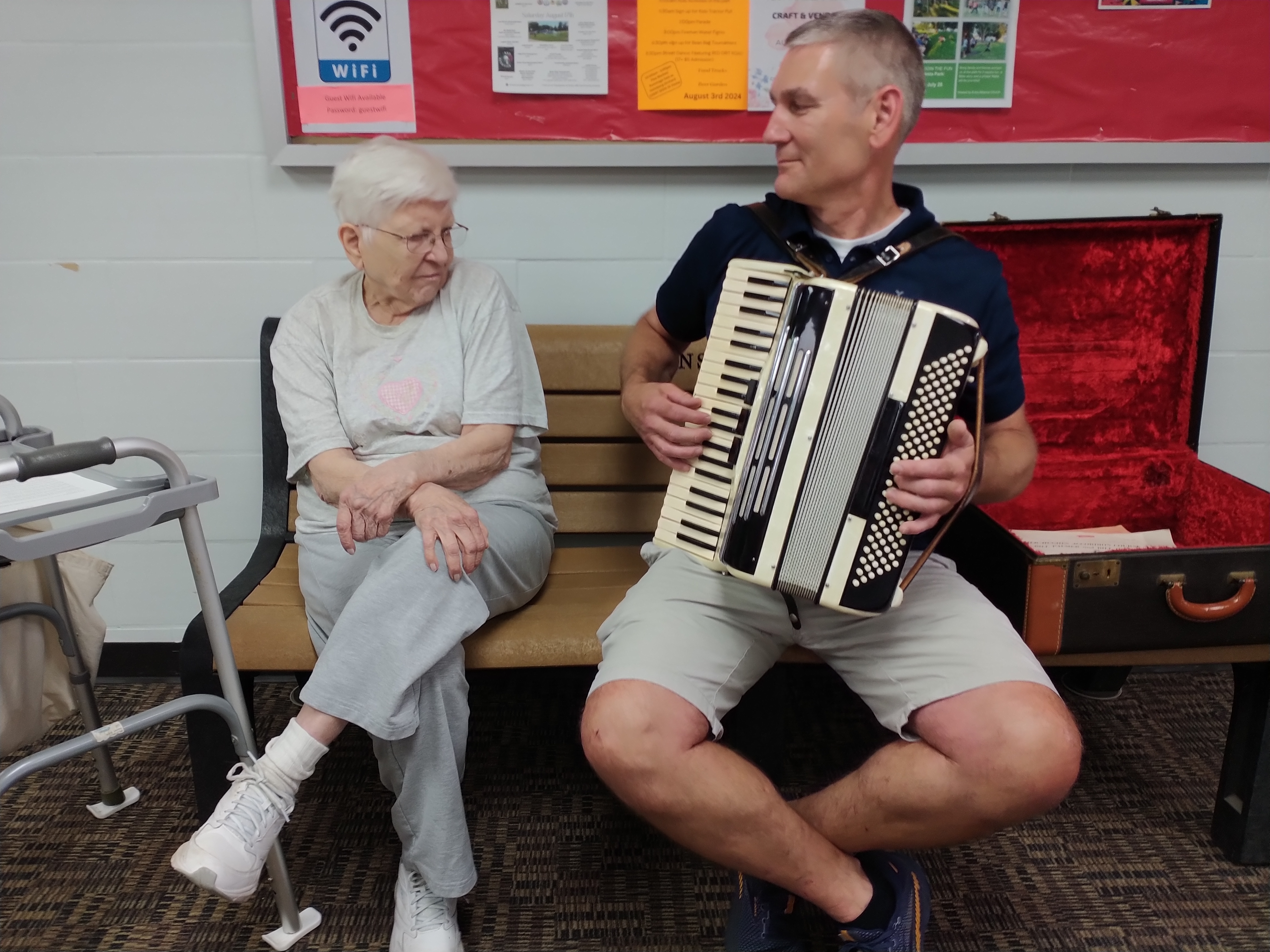
A highlight of the reunion was watching and listening to Kirt play Ardyce’s accordion. (Minnesota Prairie Roots copyrighted photo July 2024)
And then there was the impromptu concert by my cousin Kirt, who plays accordion. He brought his and was also gifted, at the reunion, with Aunt Ardyce’s 73-year-old accordion, a gift to her from her parents when she was only thirteen. She took lessons briefly as did two of her children. But the instrument has mostly sat in its case for seven decades…until Kirt picked it up and commenced to play, but only to a select few of us in the entry hallway. To watch my 86-year-old aunt, seated next to her nephew, listening intently to “her” accordion brought me such joy. I couldn’t help but think how happy this moment would have made my grandparents.
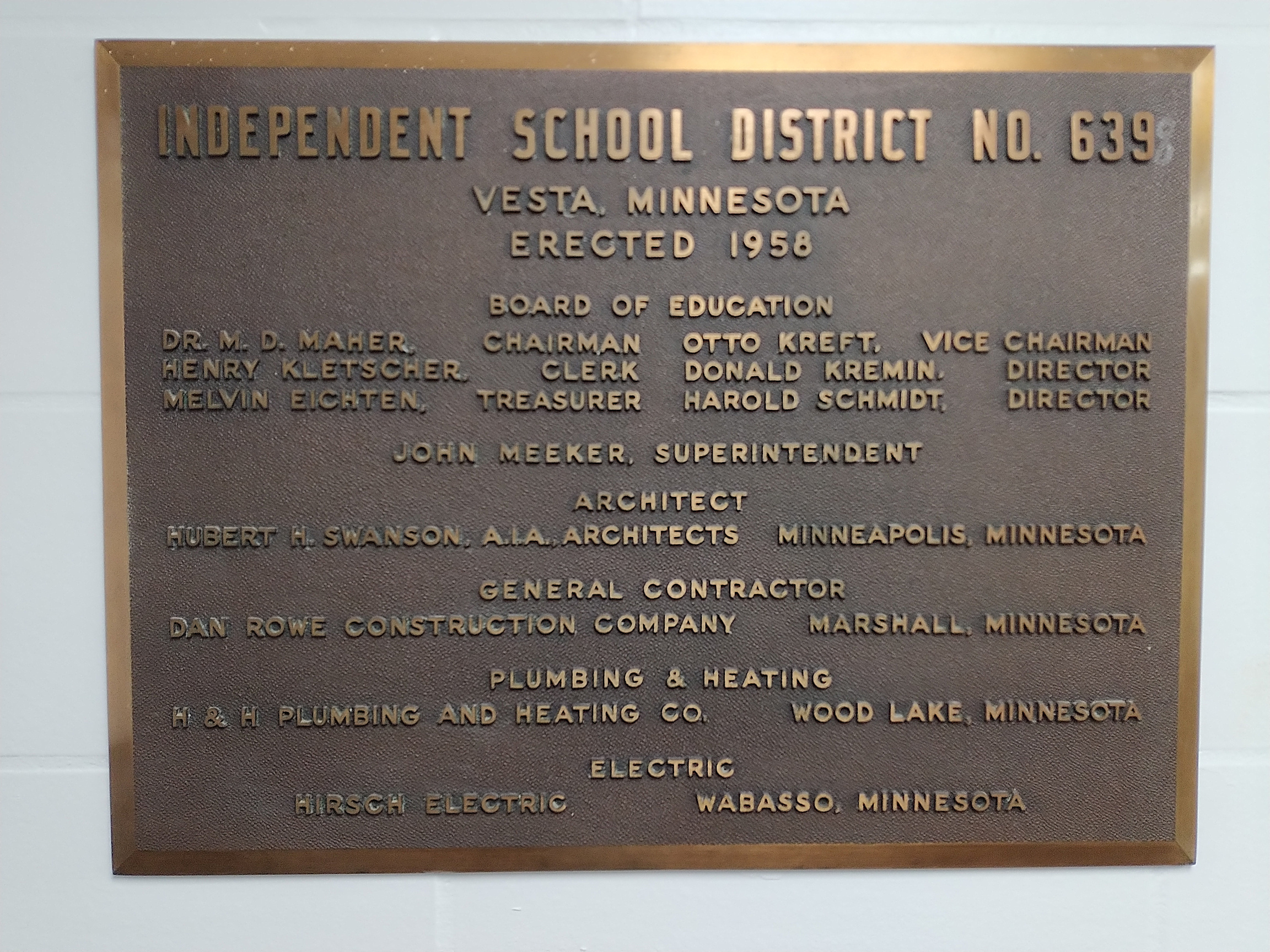
A plaque honors my grandpa and others who were instrumental in construction of Vesta Elementary School. (Minnesota Prairie Roots copyrighted photo July 2024)
We were here, in this place, because of Henry and Ida. Henry served as clerk of Independent School District #639 when the Vesta School was built in 1958. To think that, 66 years later, Grandpa’s descendants would gather here to celebrate family felt incredibly right. Two hours after we ate a potluck lunch (which always includes blueberry dessert), we honored Henry and Ida with 1919 root beer floats. My grandparents were married in November 1919.
Here we were in 2024, a family still going strong—reuniting, reconnecting, remembering and honoring the legacy of Henry and Ida Kletscher. Henry, the 25-year-old farmer, who married Ida just days before her eighteenth birthday 105 years ago.
#
FYI:In addition to the Kletscher Family Reunion, I’ve reconnected in July with Sue, a blogging friend; aunts from New Jersey and Missouri and family from Minneapolis; my son from Boston; and met three of Randy’s cousins originally from North Dakota. There are more gatherings to come with a Helbling Family Reunion in two weeks and 50-year class reunions for Randy and me in September.
An exhibit at the Rice County Historical Society, Faribault, shares information on the original inhabitants of the county, the Dakota. (Minnesota Prairie Roots copyrighted file photo)
HERITAGE. It’s a word that identifies us, connects us to our families, to our ethnicity, to the way we were raised, the place of our roots. At least that’s my definition.
This week Faribault celebrates Heritage Days. I’ve never felt totally comfortable celebrating heritage in the city I’ve called home since 1982. My heritage, my home, my roots run deep in the southwestern Minnesota prairie some 2 ½ hours west of here.
But many are rooted in this community by birth, by families that trace back generations. If it’s one thing I’ve learned in four decades about the people of Faribault, it’s that many are related to one another via blood and marriage. But I’ve also learned much about the peoples who came before the French, the Irish, the Scandinavians, the Germans, the Cambodians, the Latinos, the Hispanics, the Sudanese, the Somalis… I’ve learned about the Dakota, the original inhabitants of this region.
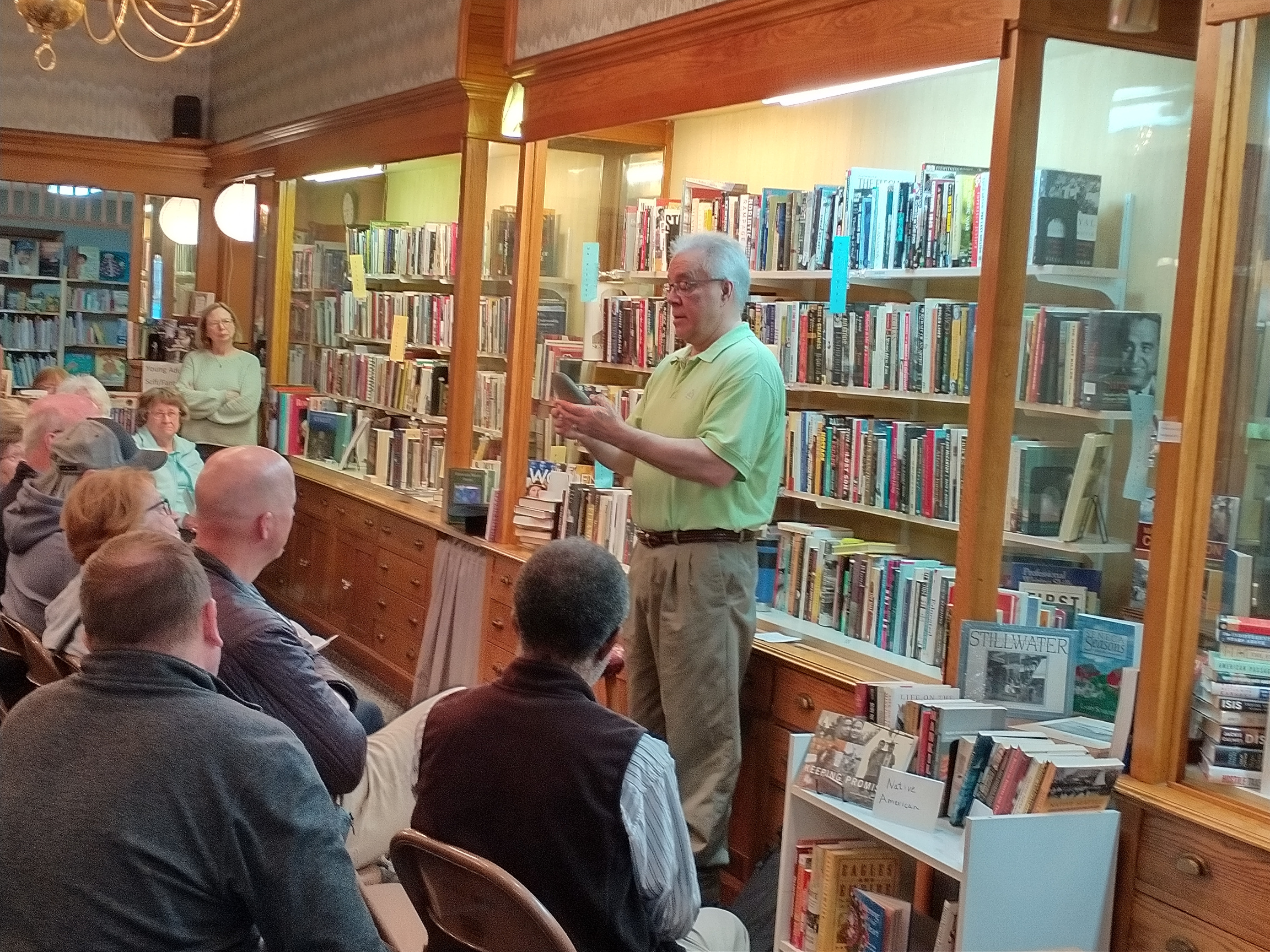
Jeff Jarvis talks about the Dakota at Books on Central. (Minnesota Prairie Roots copyrighted file photo April 2024)
That knowledge came through my own reading and via attending events focused on the Dakota. In April, I listened to local historian and artist Jeff Jarvis talk about the Dakota to a packed audience at Books on Central in Faribault. Jarvis is presenting again, speaking at 6:30 p.m., Wednesday, June 12, on the Wahpekute Dakota at The Cathedral of Our Merciful Saviour, 101 NW Sixth Street, across the street from Faribault’s Central Park.
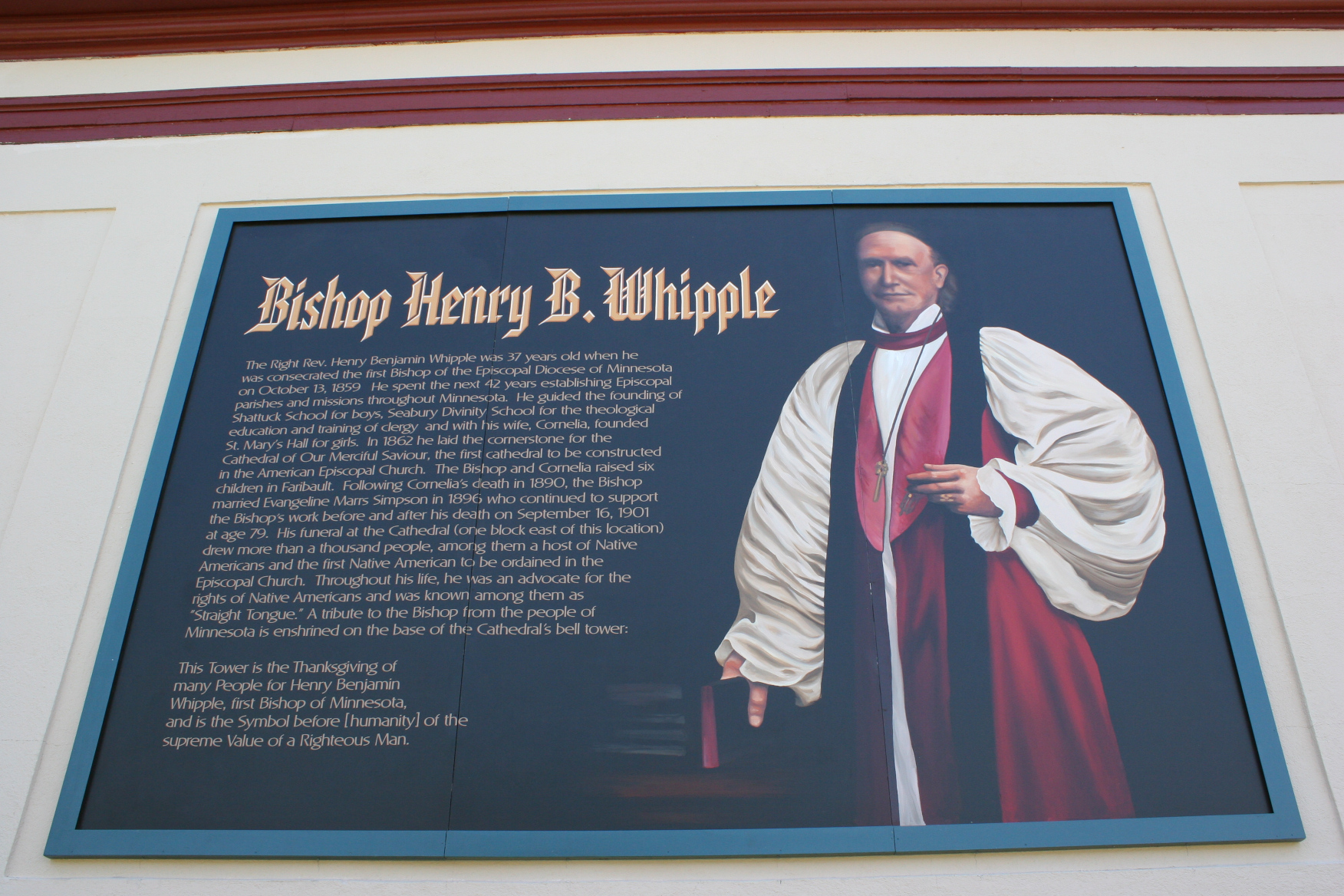
Information on Bishop Henry Whipple focuses one of the murals on the back of the bandshell at Central Park. (Minnesota Prairie Roots copyrighted file photo June 2020)
The Cathedral and its founding leader played an important part in local, state and national history with then Bishop Henry Whipple befriending the Wahpekute Dakota. He also pled with President Abraham Lincoln to spare the lives of 303 Dakota men sentenced to death by the US government following the US-Dakota War of 1862. Eventually all but 38 were pardoned, partially due to Whipple’s efforts.
The pamphlet Jeff Jarvis created about the Wahpekute Dakota. (Minnesota Prairie Roots copyrighted file photo April 2024)
I expect Jarvis will touch on that in his Wednesday evening presentation. He’s an engaging speaker, knowledgeable and passionate. He’s met with Dakota people, compiled a summary of his research in a mini pamphlet titled “The Faribault Dakota, Wahpekute Band.” It features an historic timeline, a Dakota primer of place names, his original art and more.
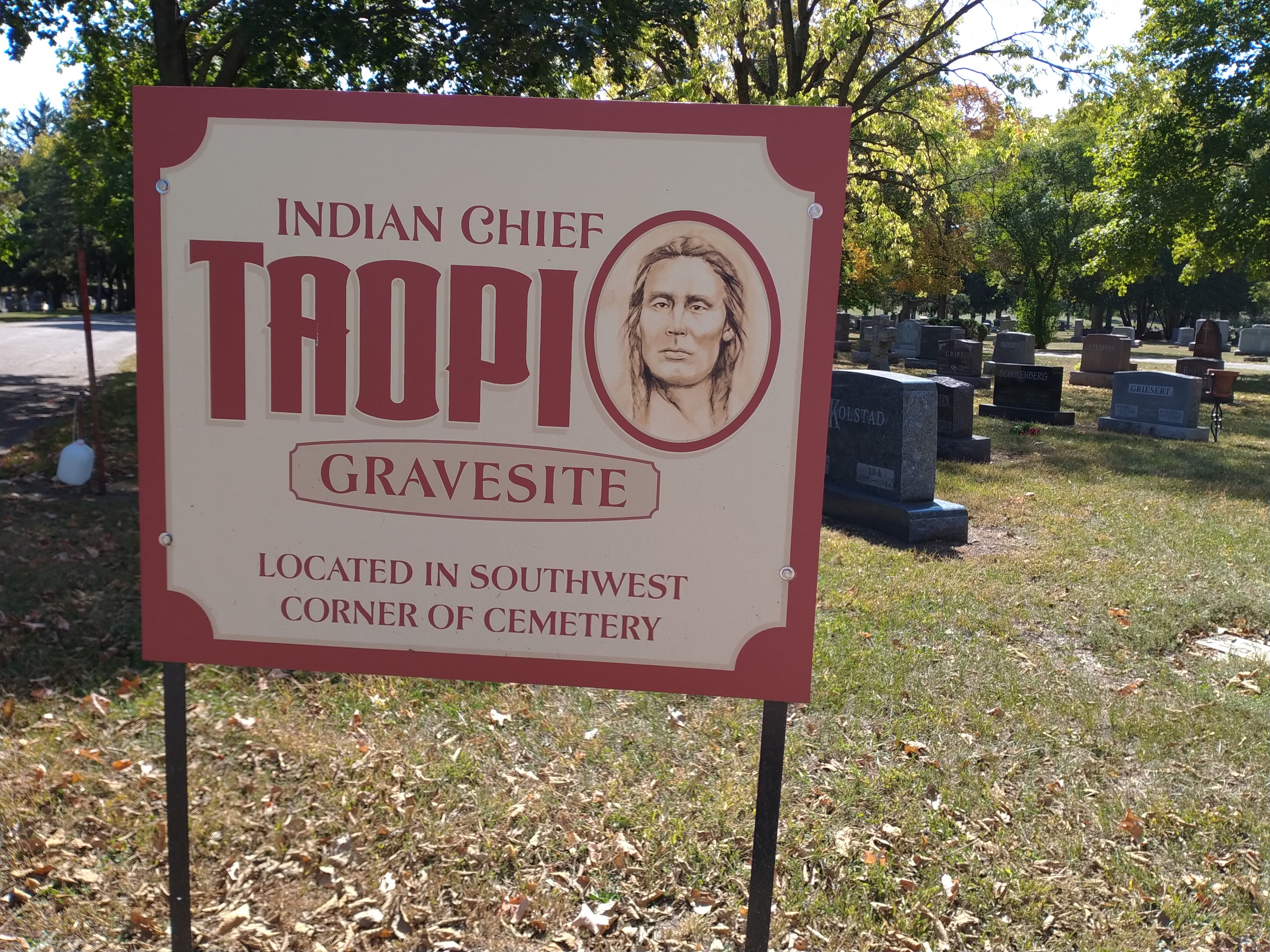
Chief Tapoi, a leader and member of the Little Crow Band of the Mdewakanton Dakota Tribe, lived in Faribault for a while and is buried at Maple Lawn Cemetery. (Minnesota Prairie Roots copyrighted file photo October 2023)
Jarvis is involved in the Faribault Dakota Project, a local endeavor that aims to increase awareness, visibility and knowledge of the original inhabitants of this land. To that end, presentations like his set during Heritage Days are important for locals to attend.
Just across the street from Central Park, the stunning Cathedral of Our Merciful Saviour.(Minnesota Prairie Roots copyrighted file photo)
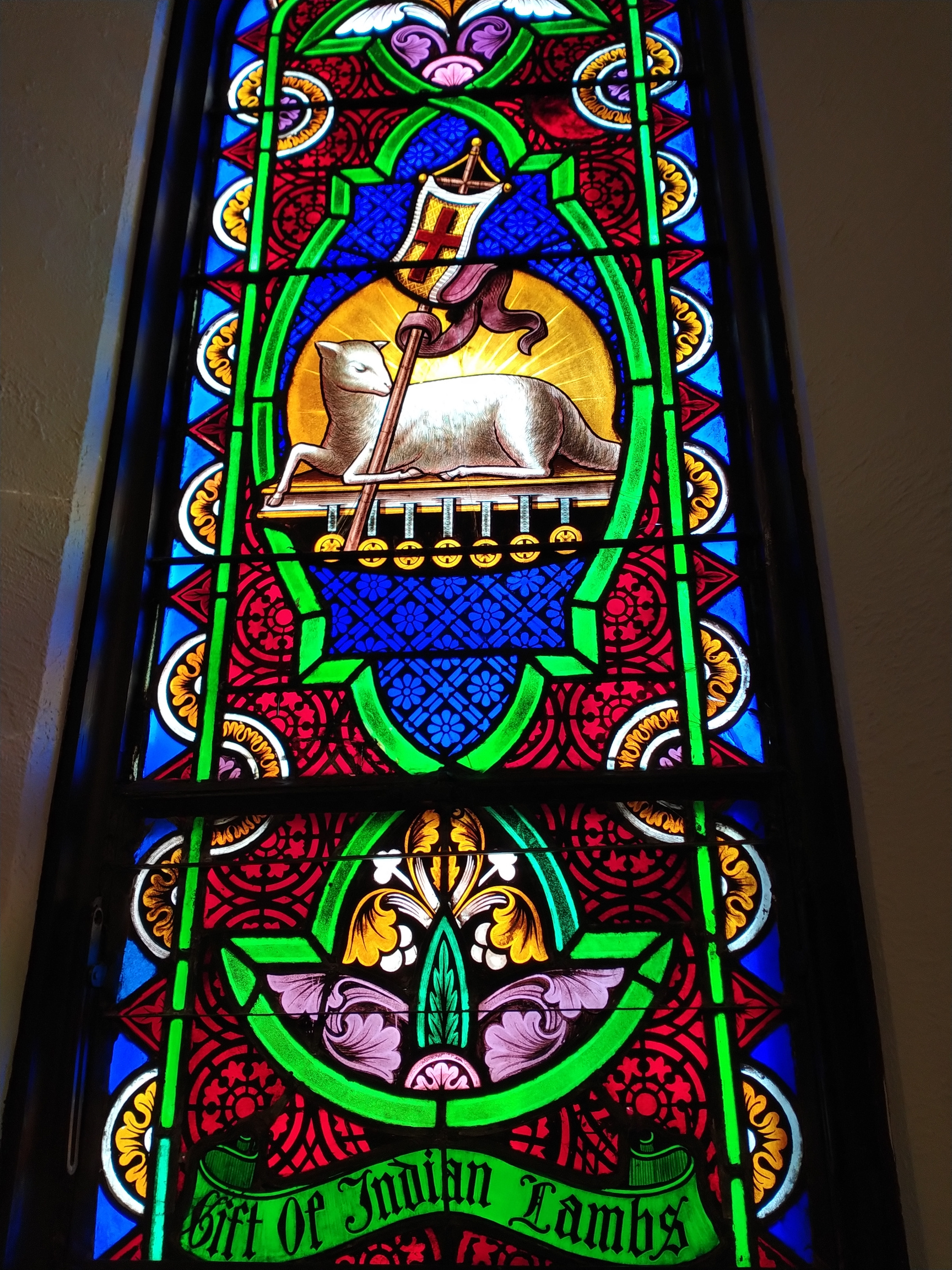
Likewise, free tours of the Cathedral at 11:30 a.m. Sunday, June 16, following a 10 a.m. ecumenical church service, likely will provide more information on the Wahpekute and their connection to Bishop Whipple and the massive limestone church. Several stained glass windows inside the sanctuary were gifted to the Cathedral by the Dakota.
This stained glass window was gifted by the Dakota to the Cathedral in honor of Dakota children. (Minnesota Prairie Roots copyrighted photo November 2023)
The Dakota and this house of worship, which focuses on connecting to the broader community, are such a vital part of Faribault’s history. That’s important to understand, to recognize, to honor no matter one’s heritage. I know locals who’ve lived here their entire lives and have never stepped inside the historic Cathedral. I find that almost unbelievable. We need to understand our past—our connections to peoples and land—to grow our future.
HER POEMS SING with the rhythm of a writer closely connected to land, heritage and history. She is Gwen Nell Westerman of Mankato, Minnesota poet laureate and author of Songs, Blood Deep, published by Duluth-based Holy Cow! Press.
Of Dakota and Cherokee heritage, Westerman honors her roots with poems that reflect a deep cultural appreciation for the natural world. The water. The sky. The seasons. The earth. The birds and animals. They are all there in her writing, in language that is down-to-earth descriptive. Readers can hear the birdsong, feel the breeze, see the morning light… That she pens nature poems mostly about the land of my heart—fields and prairie—endears me even more to her poetry.
This slim volume of collected poems is divided into seasons of the year, each chapter title written in the Dakota language. The book features multiple languages—Dakota, Cherokee, Spanish and English. That adds to its depth, showing that, no matter the language we speak, write or read, we are valued.
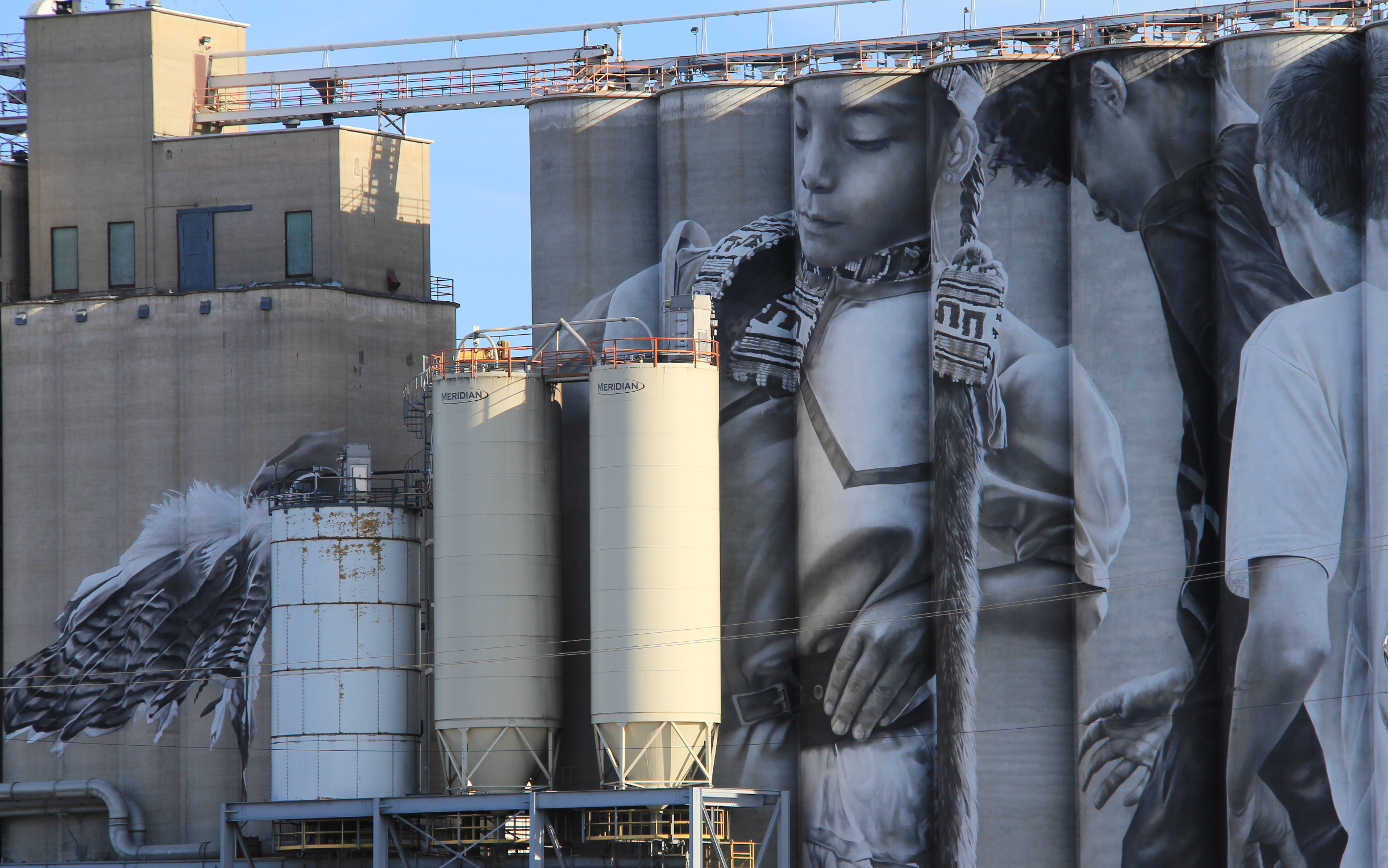
This silo mural in downtown Mankato celebrates the cultural diversity of the region, including the Dakota. (Minnesota Prairie Roots copyrighted photo November 2023)
Westerman clearly values her Native heritage, how lessons and stories have been passed to her through generations of women, especially. Songs, blood deep. In her poem “First Song,” she shares a lesson her grandmother taught her about the importance of sharing. After reading that thought-provoking poem, I considered how much better this world would be if we all focused on the singular act of sharing.
The Dakota 38 Memorial at Reconciliation Park in downtown Mankato lists the names of the 38 Dakota men hung at this site on December 26, 1862. (Minnesota Prairie Roots copyrighted photo November 2023)
This poet, who is also a gifted textile artist (creator of quilts), wraps us in her words. In the season of waniyetu, her poetry turns more reflective and introspective, as one would expect in winter. She writes of family, injustices and more. “Song for the Generations: December 26” is particularly moving as that date in history references the mass execution of 38 Dakota sentenced to death in 1862 and hung in Mankato. Westerman writes of rising and remembering, of singing and prayer. It’s a truly honorable poem that sings of sorrow and strength.
Her poems remind us that this land of which she writes was home first to Indigenous Peoples. Westerman writes of a state park in New Ulm, the sacred Jeffers Petroglyphs and Fort Snelling, where Dakota were imprisoned after the U.S.-Dakota War of 1862 and before their exile from Minnesota. The name of our state traces to Mni Sota Makoce, Dakota for “the land where the water reflects the sky.” It’s included in Westerman’s poetry.
I appreciate poems that counter the one-sided history I was taught. I appreciate Westerman’s style of writing that is gentle, yet strong, in spirit. Truthful in a way that feels forgiving and healing.
In the all of these poems, I read refrains of gratitude for the natural world, gratitude for heritage and gratitude for this place we share. We sang. We sing. Songs, blood deep.
FYI: Songs, Blood Deep, is a nominee for the 2024 Minnesota Book Award in poetry. The winner will be announced May 7. This is Westerman’s second poetry book. Her first: Follow the Blackbirds. In addition to writing poetry and creating quilts, Westerman teaches English, Humanities and Creative Writing at Minnesota State University, Mankato.
The cemetery at Valley Grove sidles near the two historic Norwegian churches. (Minnesota Prairie Roots copyrighted photo March 2022)
A TIME EXISTED when I avoided cemeteries. I didn’t like the thought of being among the dead. It creeped me out. The thought of bodies beneath the ground. Bones. Nightmarish thoughts fueled by imagination. Long ago I left those dark fears behind, accepting the reality of death. That came with maturity, a deepening of my faith and the deaths of many loved ones.
Art and heritage and faith and lives remembered. (Minnesota Prairie Roots copyrighted photo March 2022)
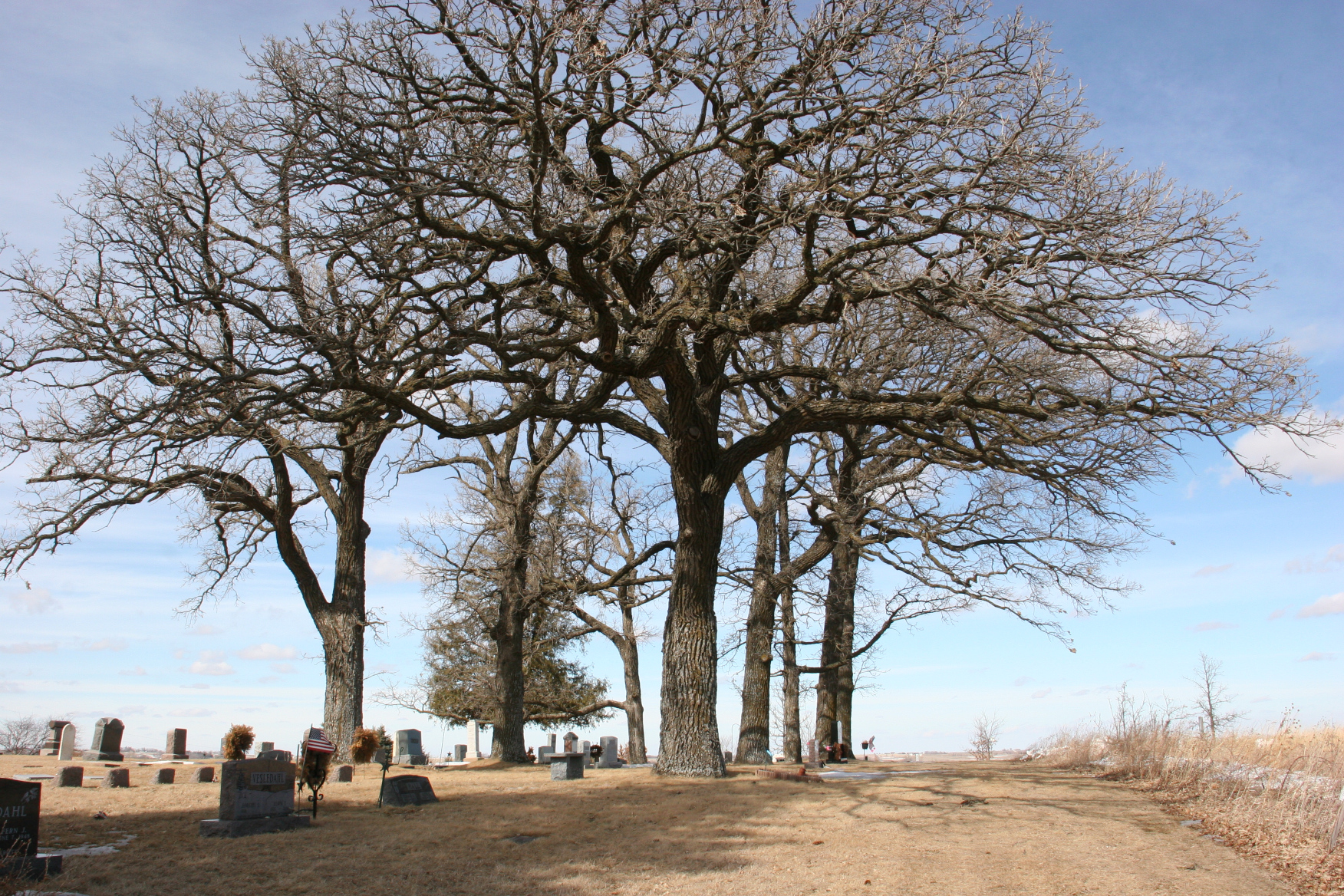
Oaks edge the cemetery and a road along it. (Minnesota Prairie Roots copyrighted photo March 2022)
Graveyards are more than a final resting place, as we so nicely phrase it, for loved ones. Graveyards are also places to grieve and remember. They are also places of history, heritage and art, often sited in the most peaceful of settings. Valley Grove checks off all those items on that place list.
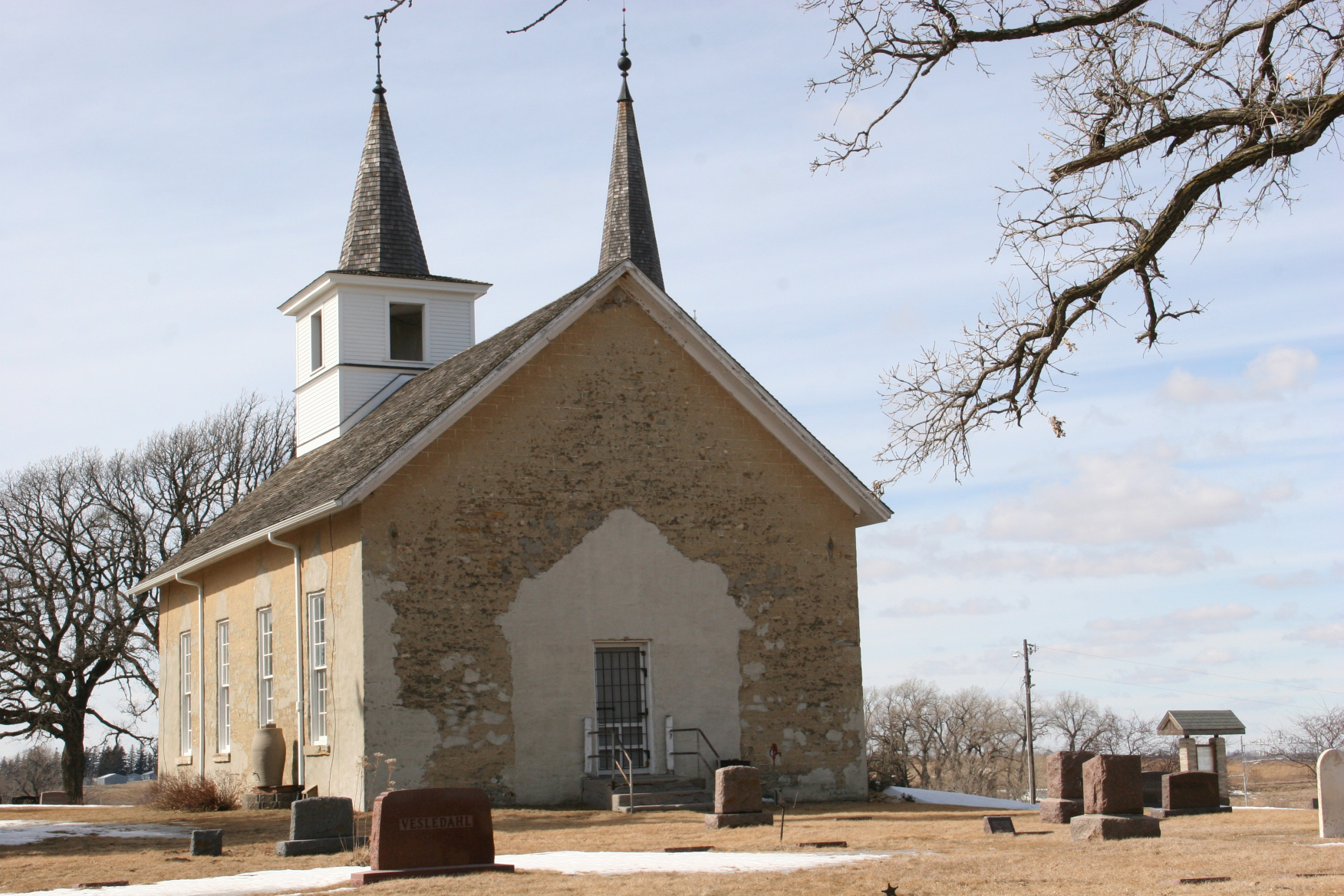
The cemetery surrounds three sides of the 1862 stone church. (Minnesota Prairie Roots copyrighted photo March 2022)
I’ve explored many other country cemeteries, wandering among the tombstones, wondering about the people buried there. Why did they die so young? What were they like? What were their occupations? What made them happy? Who misses them?
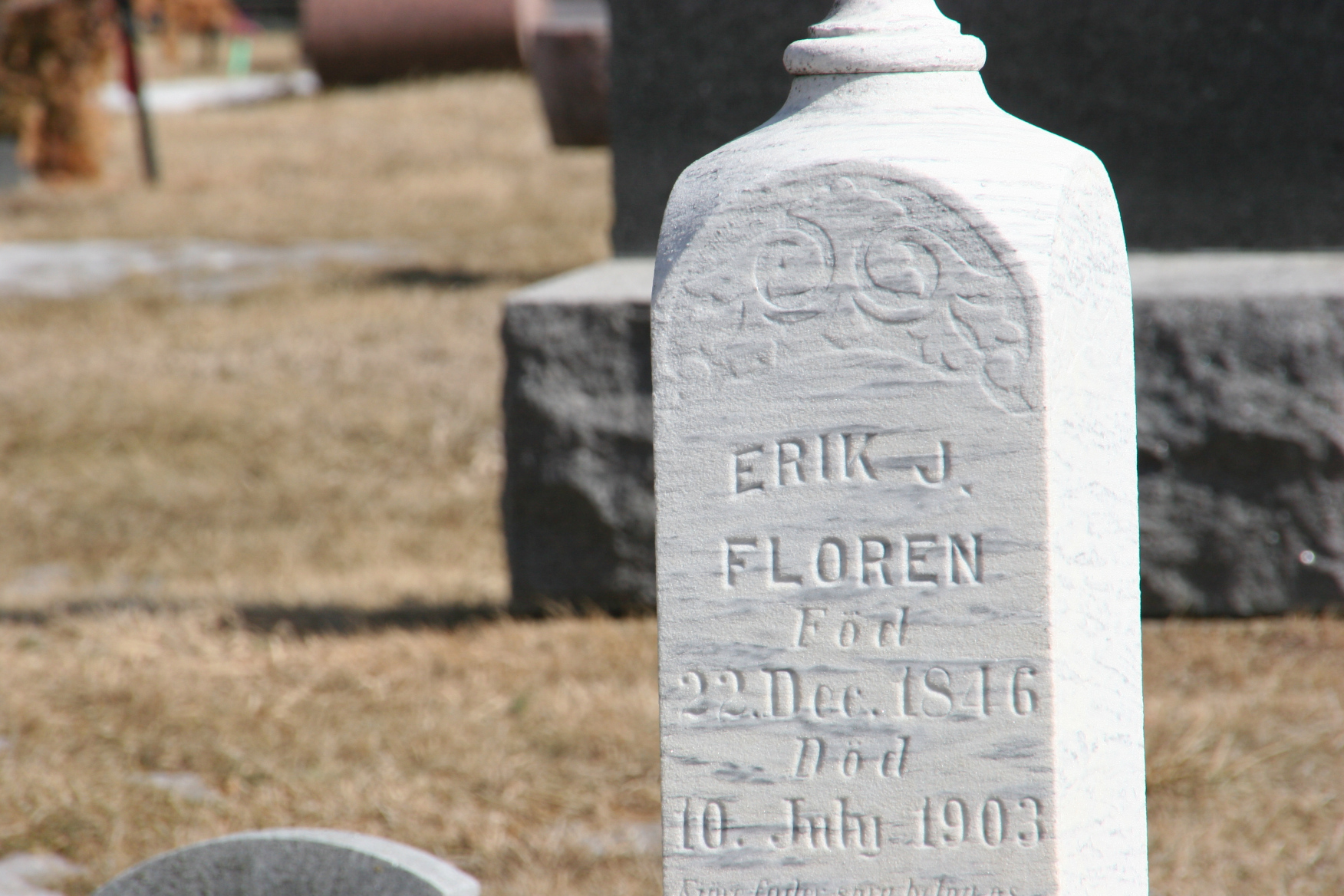
Erik Floren’s tombstone. (Minnesota Prairie Roots copyrighted photo March 2022)
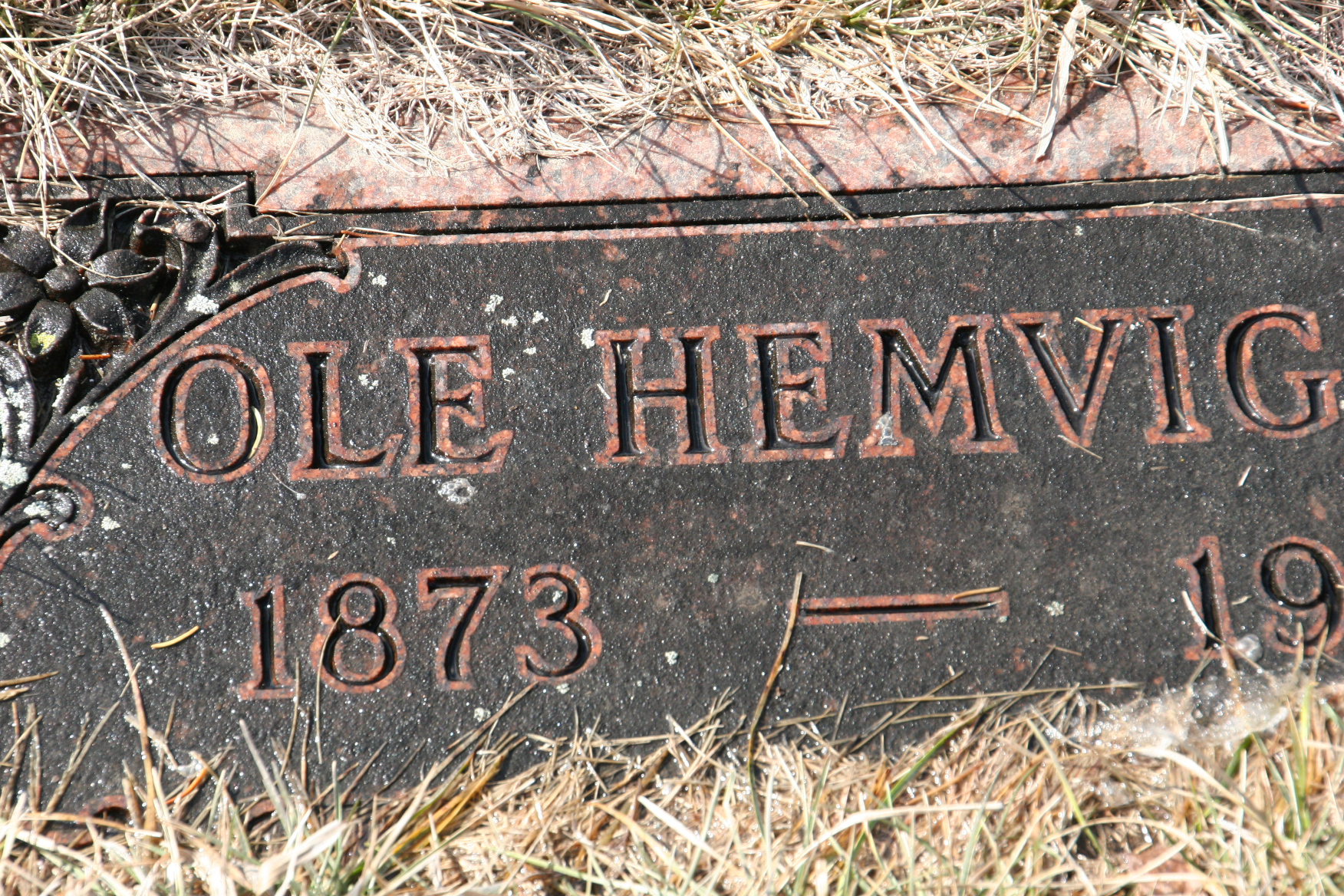
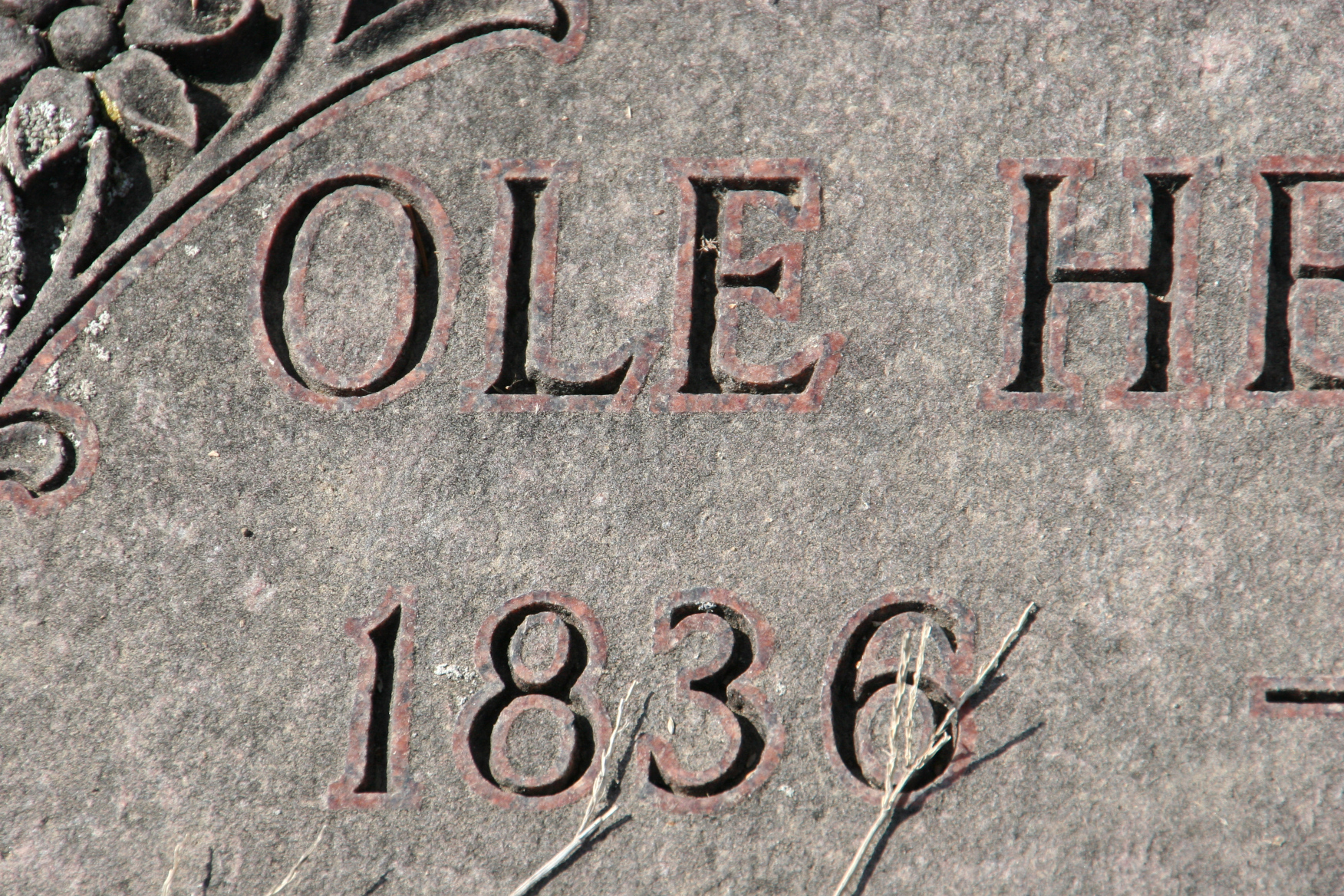
The in-ground marker of Ole Hemvig. (Minnesota Prairie Roots copyrighted photo March 2022)
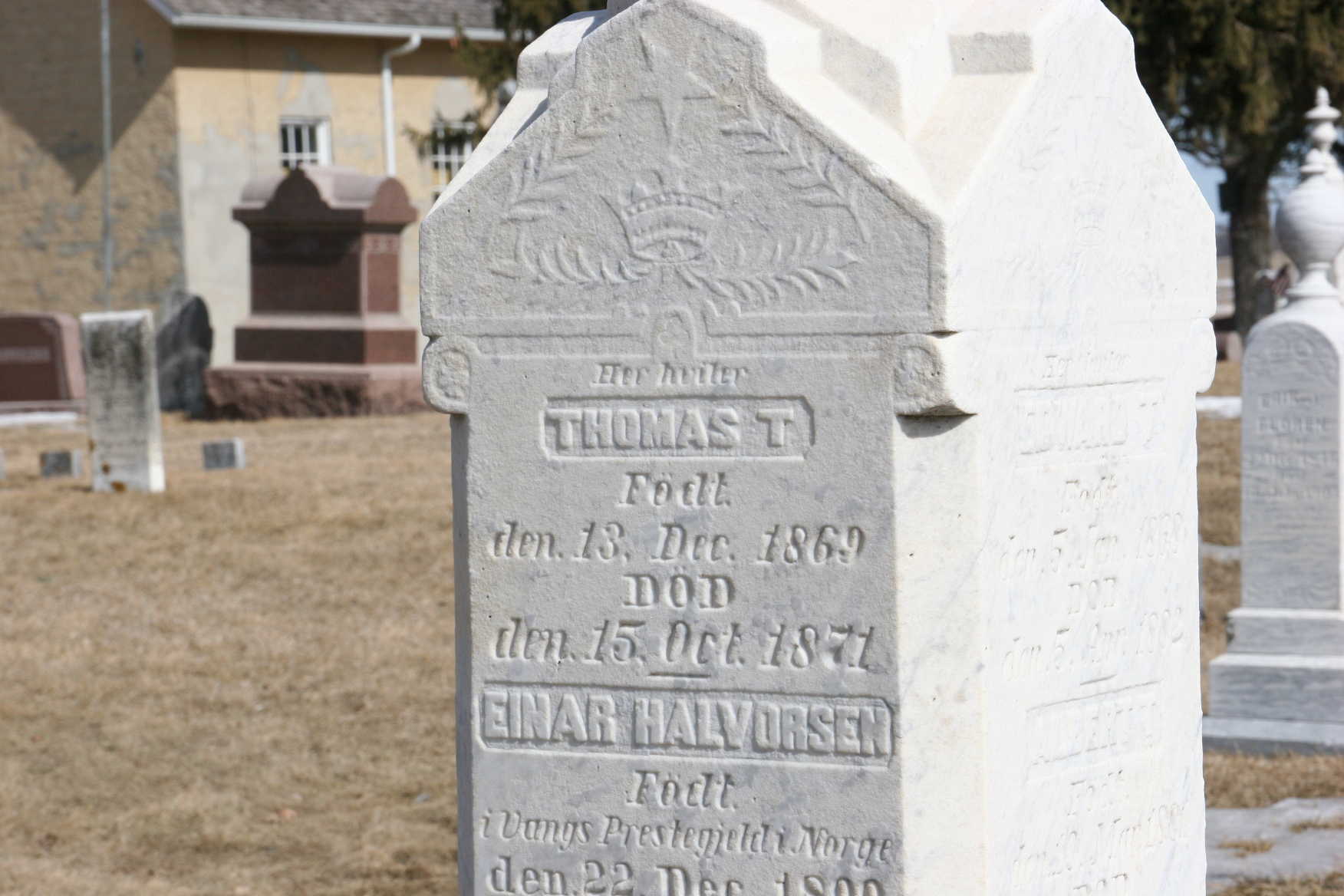
Honoring Thomas and Einar Halvorsen. (Minnesota Prairie Roots copyrighted file photo March 2022)
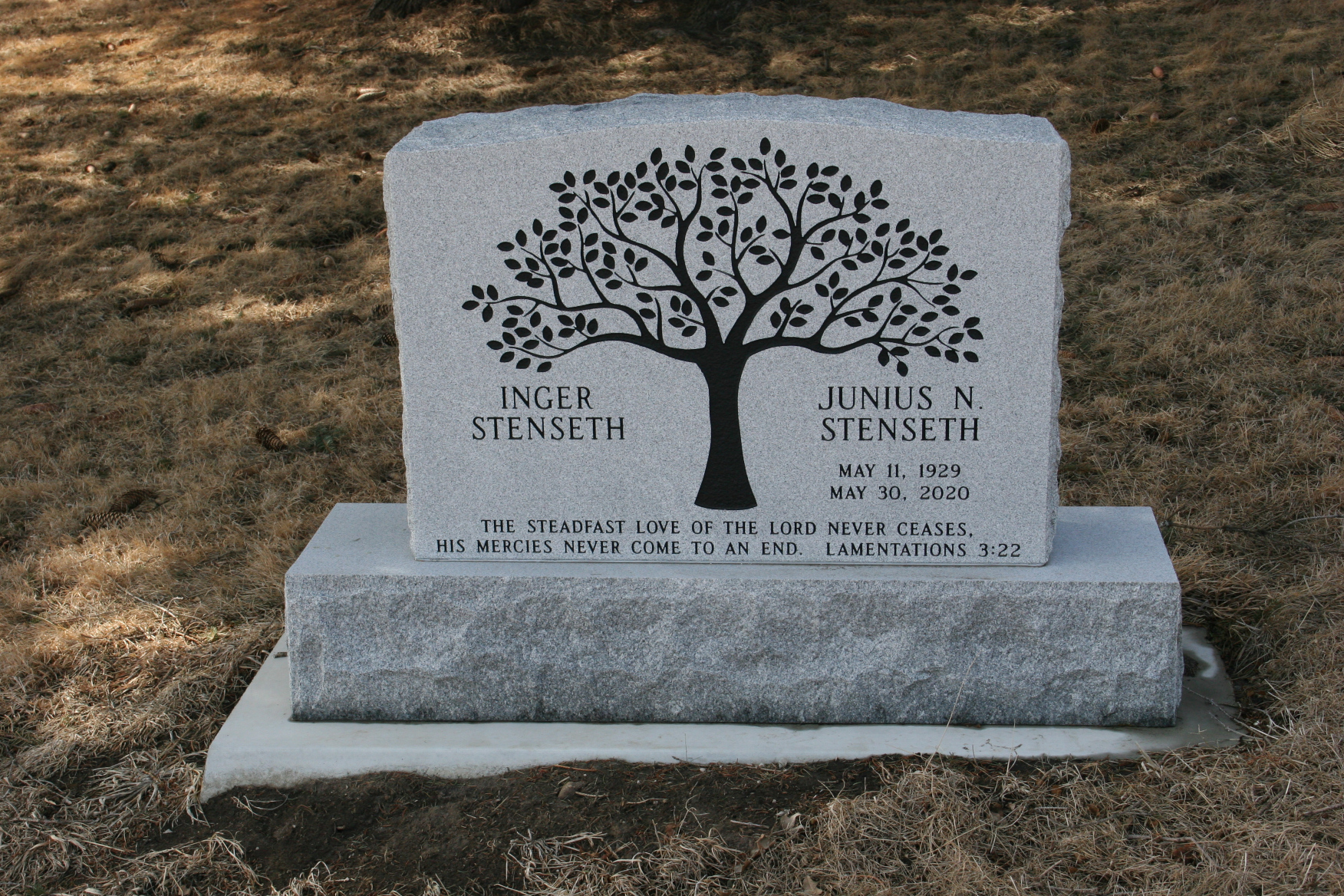
Tombstone engravings reveal bits and pieces of life stories. Sometimes of heritage. At Valley Grove, many names reference a Norwegian heritage. Ole. Erik. Einar. Inger. Junius. I doubt I’ve ever found so many “Oles” buried in a Minnesota cemetery. That’s not unexpected given the Norwegian immigrants who settled here and built the two churches which still stand. Older stone inscriptions are sometimes written in the Mother Tongue. German I can occasionally decipher. Norwegian, not.
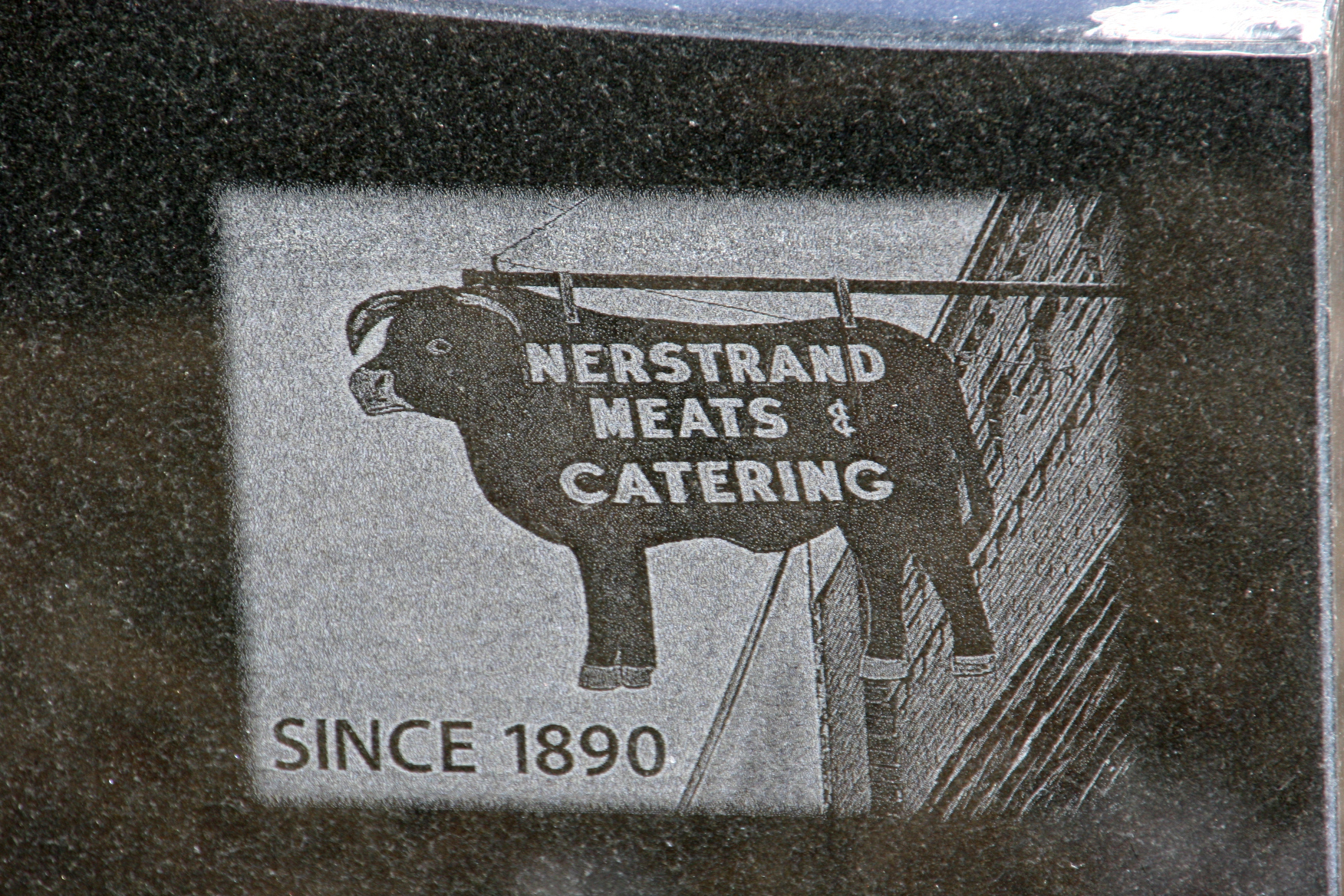
On Clyde Heggedahl’s tombstone. (Minnesota Prairie Roots copyrighted photo March 2022)
Through the years, the art of grave markers has evolved to more elaborate artwork that tells a story. For example, at Valley Grove an image of Nerstrand Meats & Catering decorates the stone of Clyde Heggedahl of that long-standing business co-owned with his wife, Mary. He died in 2016. At the meat market.
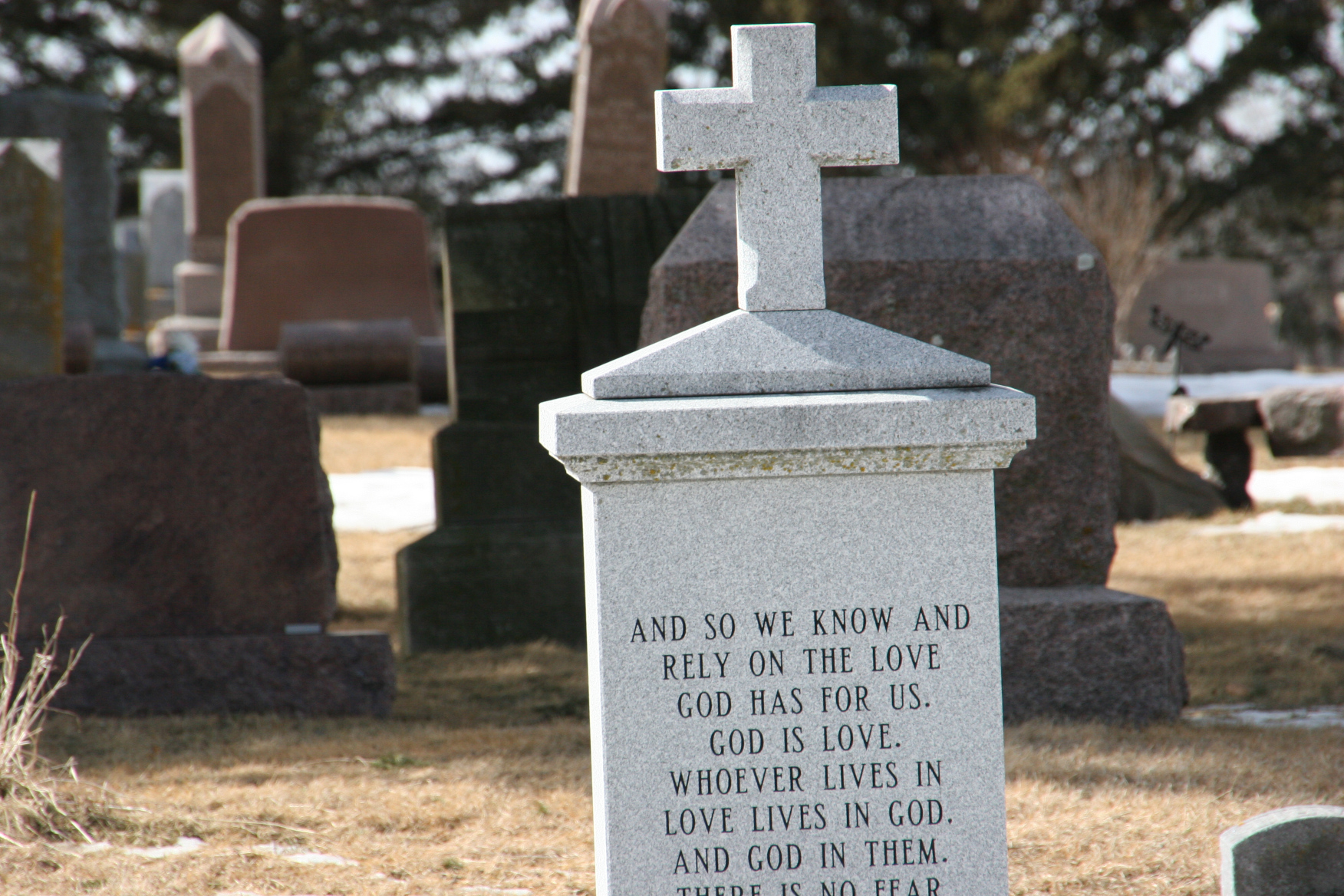
A faith and love-filled message. (Minnesota Prairie Roots copyrighted photo March 2022)
Bible verses and inspirational messages grace gravestones, too, offering insights and comfort. Sharing hope and faith. Love.
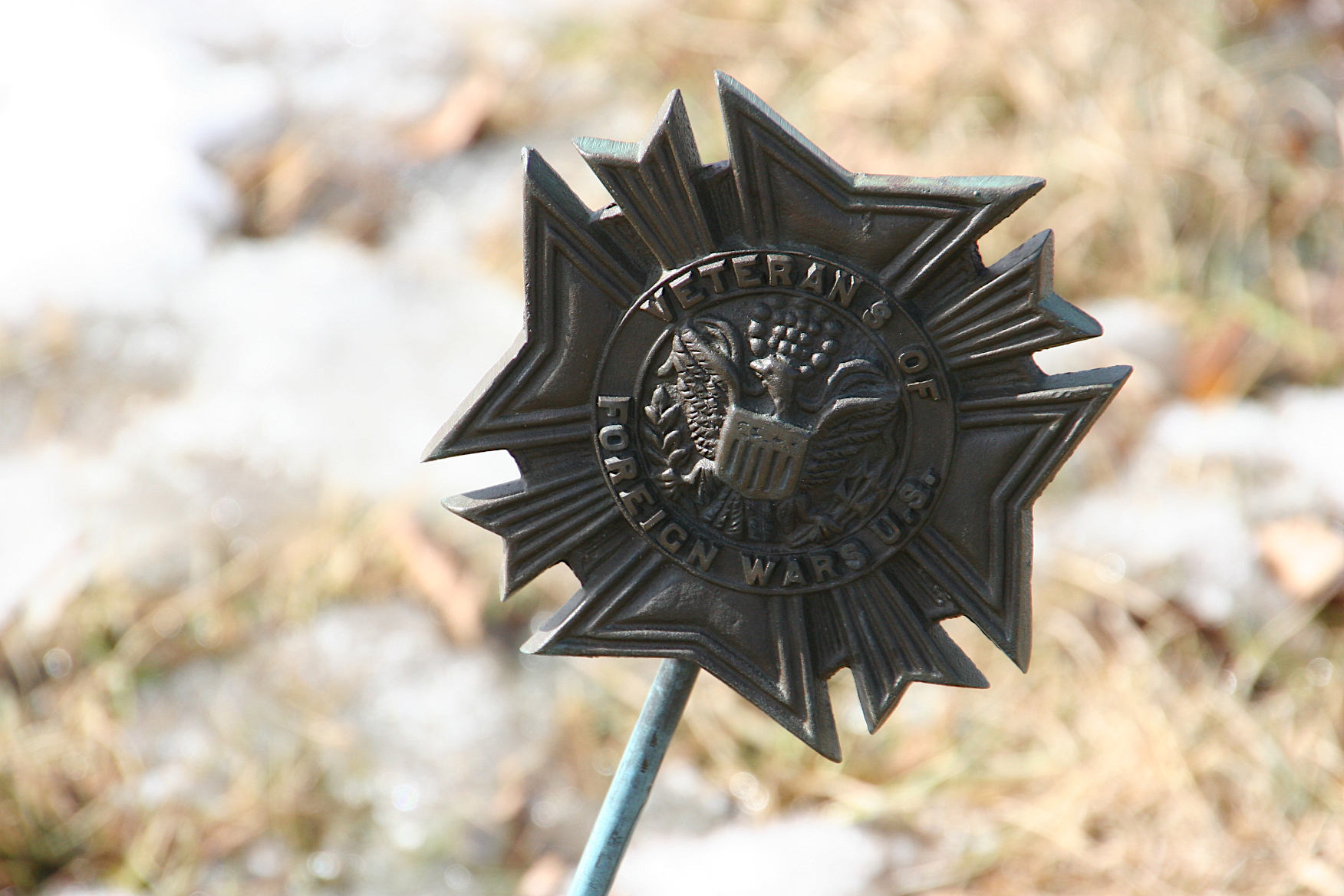
A special marker for a veteran’s grave. (Minnesota Prairie Roots copyrighted photo March 2022)
I often pause at burial spots marked by military markers. As the daughter of a Korean War veteran, I hold honor in my heart for those who have served. I recognize the sacrifices, whether given through death on the battlefield or the life-long challenges faced by too many of our veterans. That included my father, who died in 2003. Dad received his purple heart 47 years after he was wounded in Korea. War forever wounded his spirit; he battled Post Traumatic Stress Disorder. I am thankful veterans’ graves are flagged with honor.
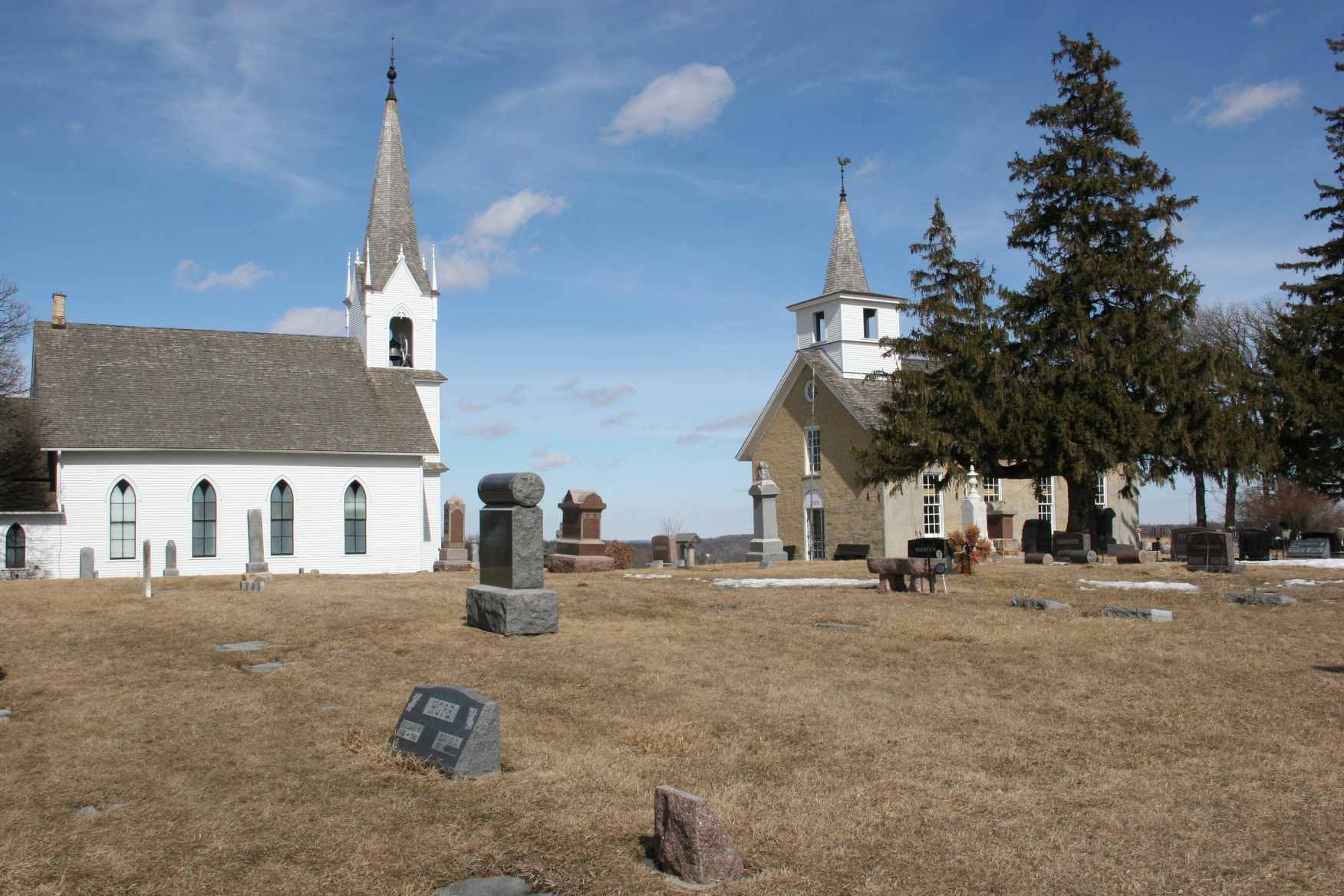
The old stone church and cemetery at Valley Grove. (Minnesota Prairie Roots copyrighted photo March 2022)
There’s simply lots to observe and contemplate while meandering among tombstones. I always do so with respect, for these grounds feel almost sacred. At Valley Grove, a certain serenity envelopes me in this peaceful hilltop setting among oaks and prairie.
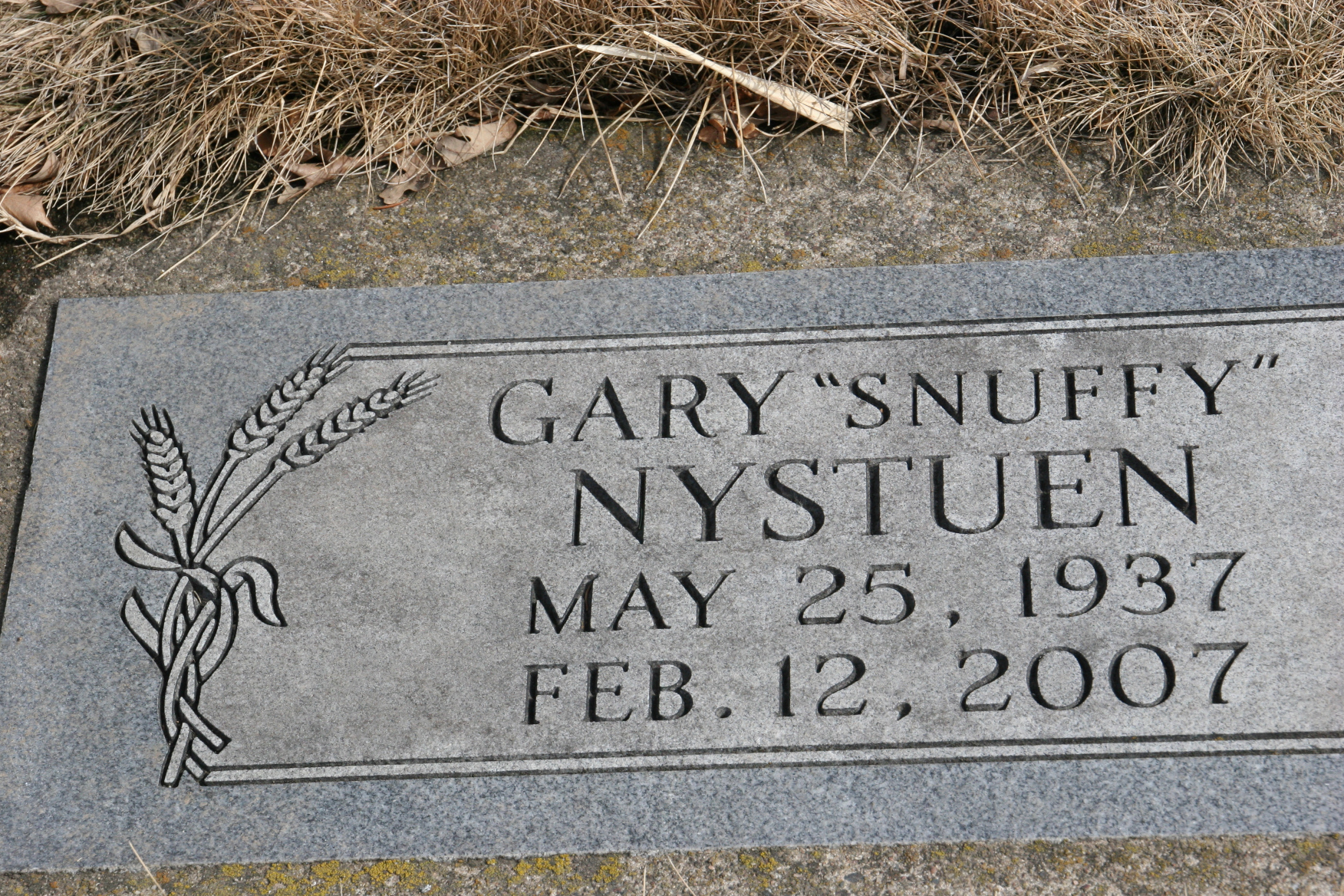
What’s the story behind the “Snuffy” nickname? (Minnesota Prairie Roots copyrighted photo March 2022)
Although those buried here were unknown to me in life, I’ve come to know them a bit in death. The countless “Oles.” The young and the old. They were all cherished. Loved. Part of the family of humanity. They mattered. And their stories matter.
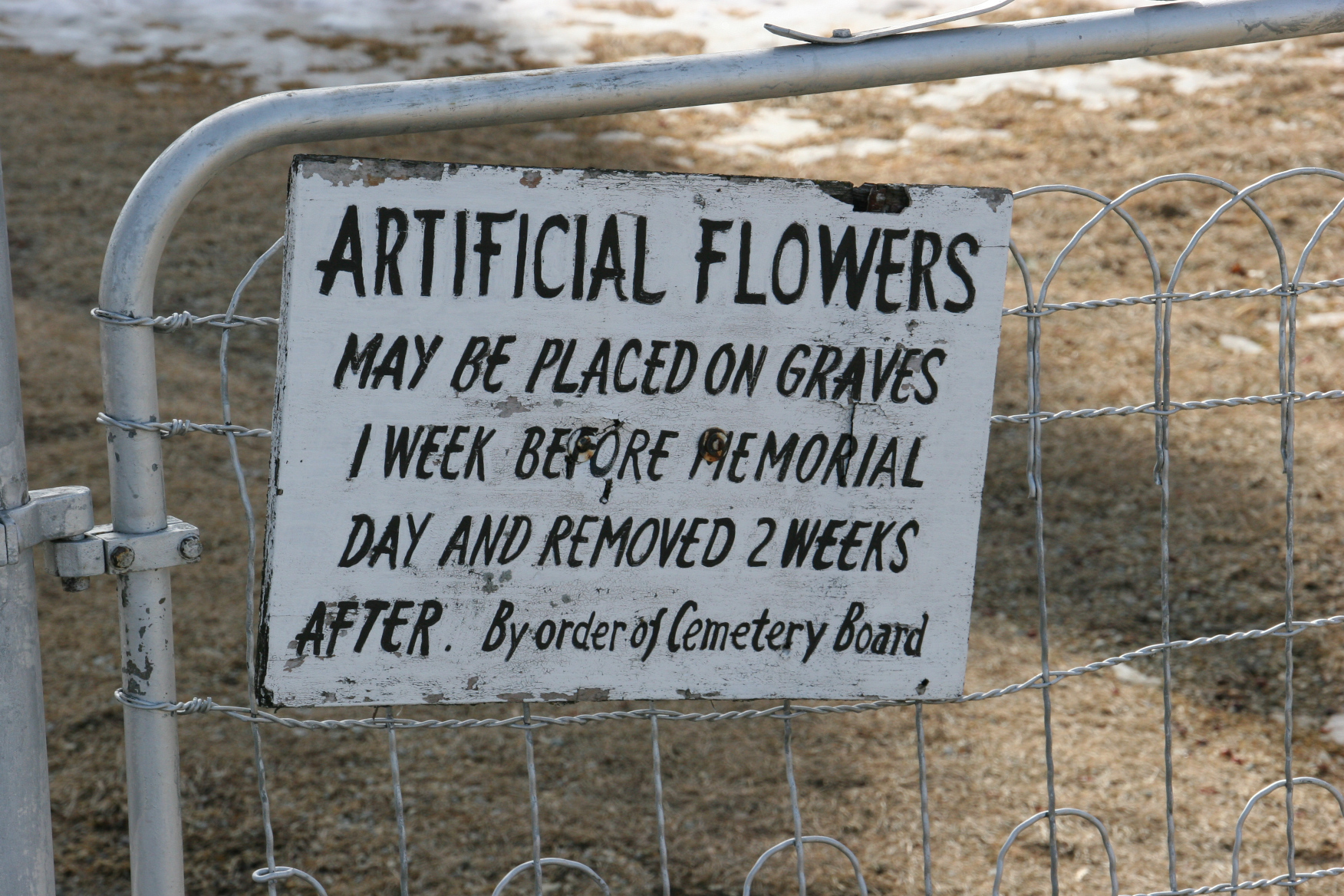
Posted on the gated entry to Valley Grove. (Minnesota Prairie Roots copyrighted photo March 2022)
TELL ME: Do you explore cemeteries and, if you do, why?
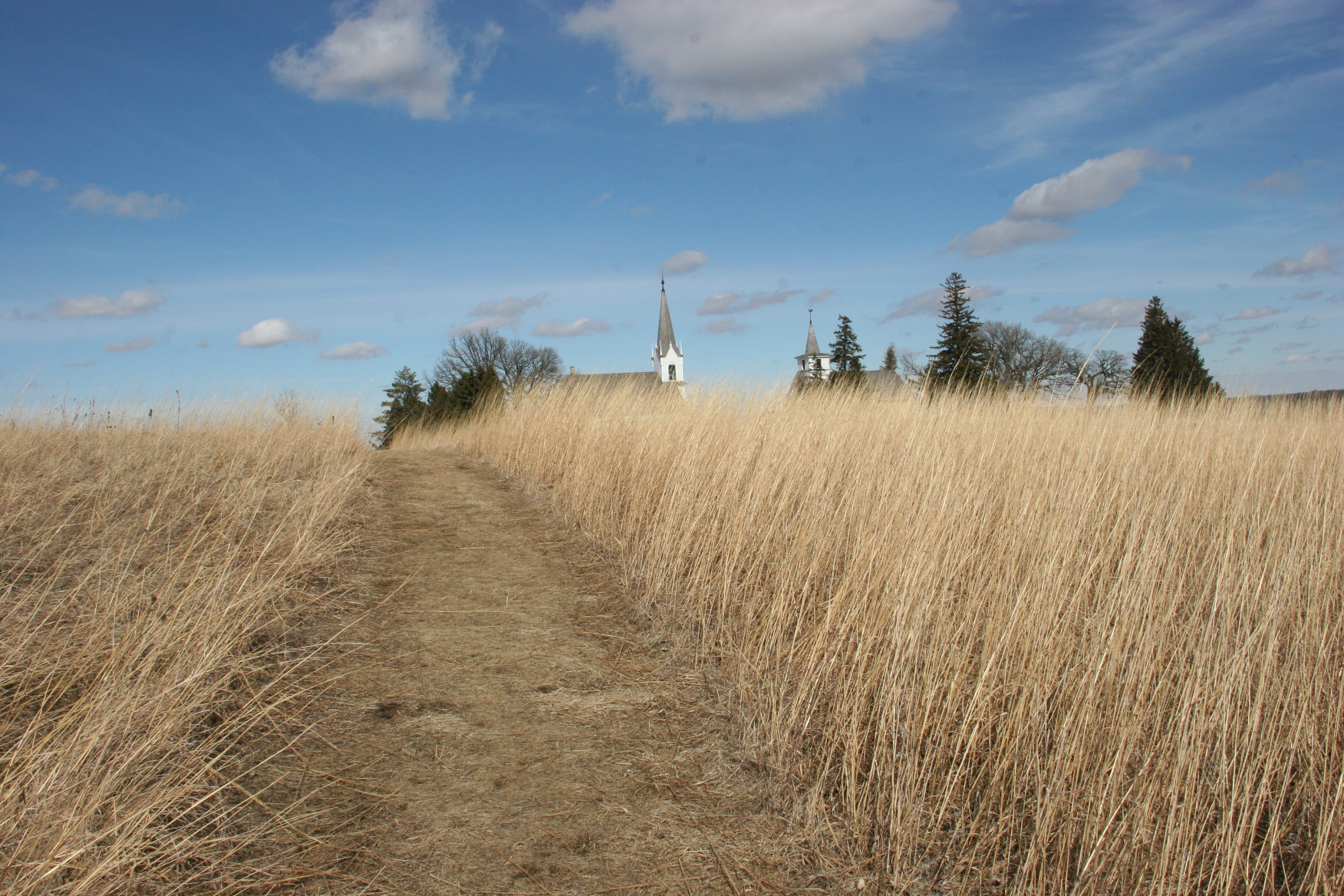
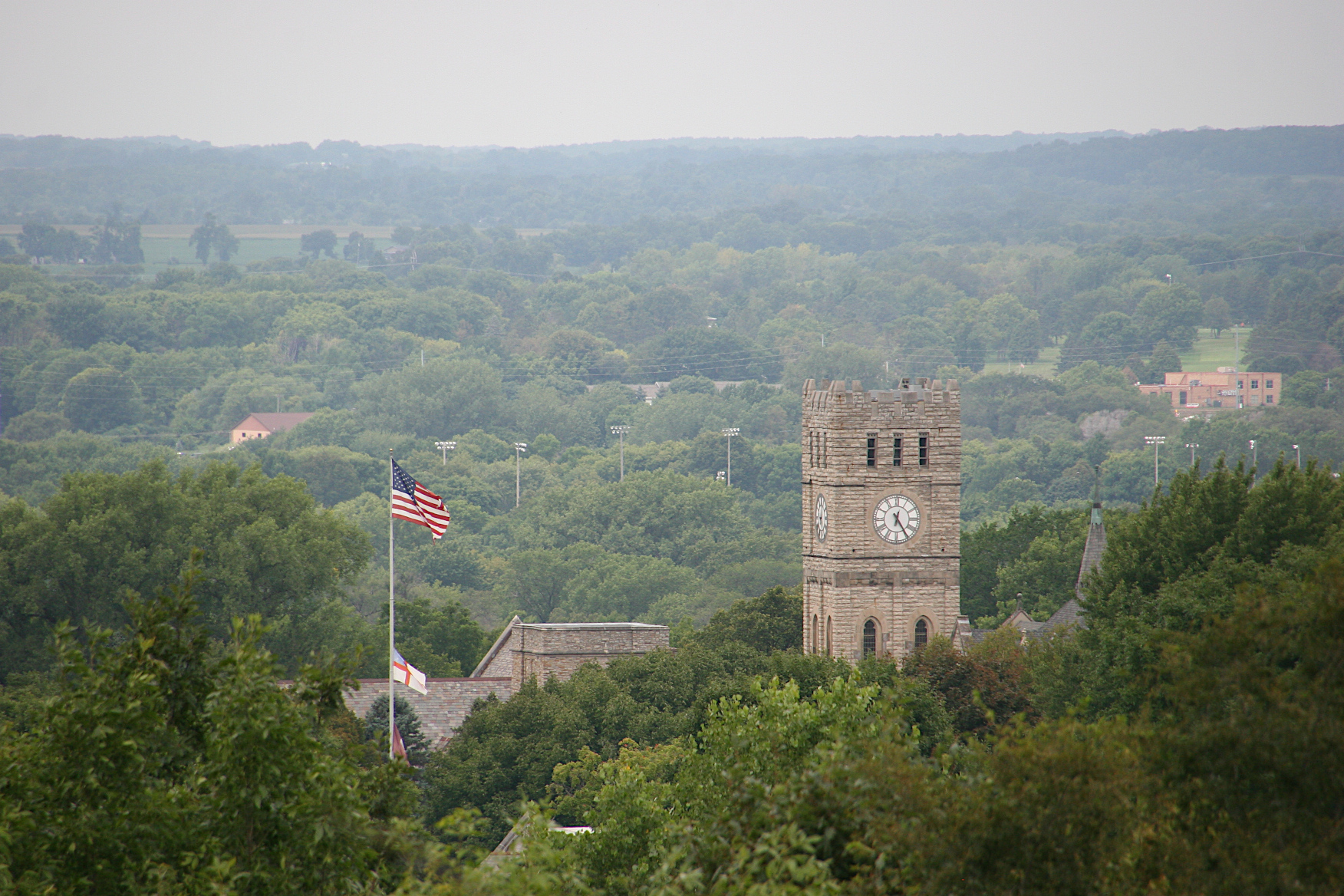
Valley Grove churches rise over the hill as I follow the prairie path back to the church grounds. (Minnesota Prairie Roots copyrighted photo March 2022)
ATOP THIS HILL, here on the edge of the Big Woods among acres of fields near Nerstrand, I hear the whispers. Wrapping around the two historic churches. Rising from the cemetery. Sweeping through the tall prairie grasses.
The cemetery sits next to the churches, then rings the old stone church. (Minnesota Prairie Roots copyrighted photo March 2022)
This is Valley Grove, overlooking the countryside, the place where Norwegian immigrants came. Here they crafted their first church from stone in 1862, then built a second, of wood, in 1894. Both still stand.
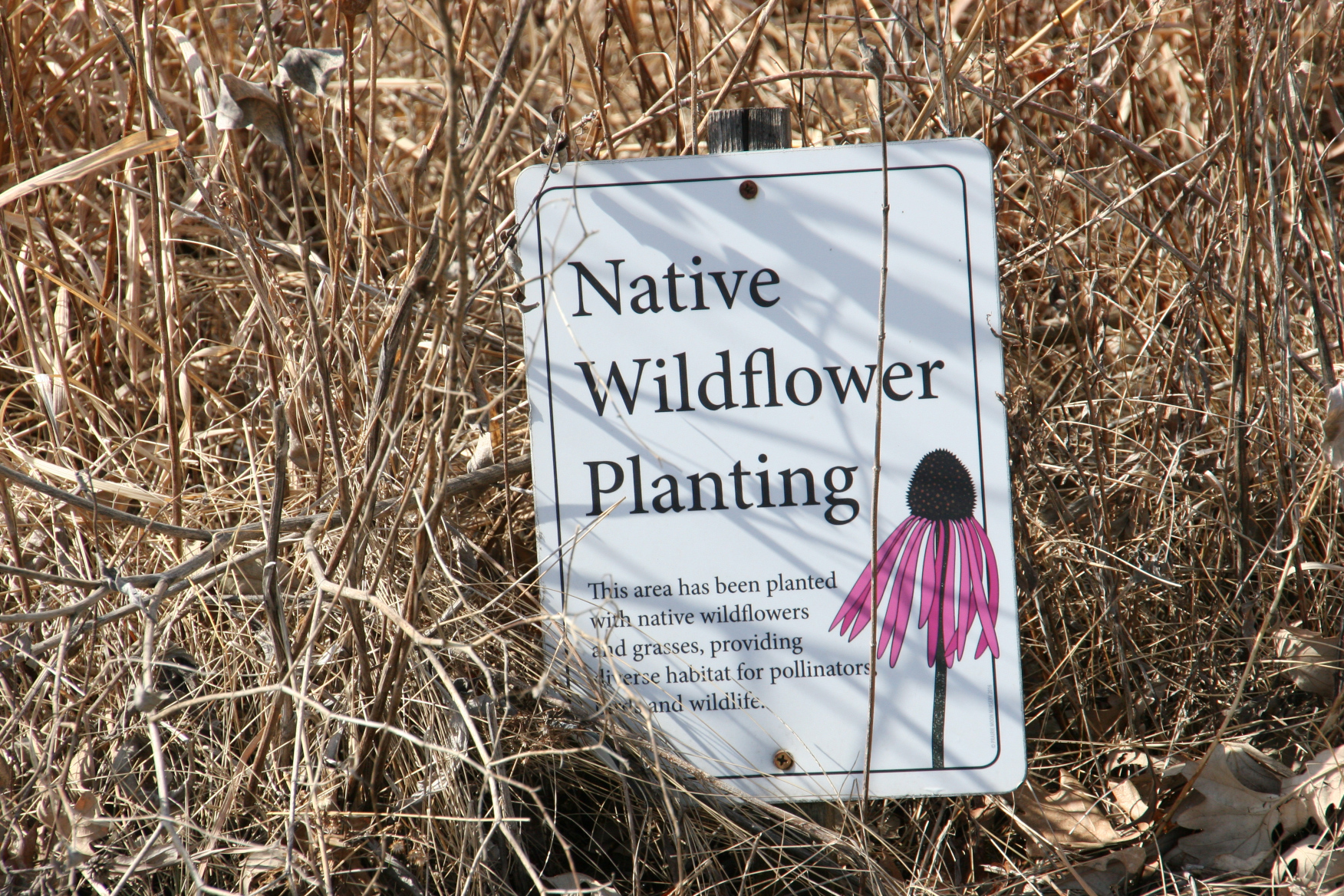
The Valley Grove Preservation Society cares about the land, too, with restoration and preservation. (Minnesota Prairie Roots copyrighted photo March 2022)
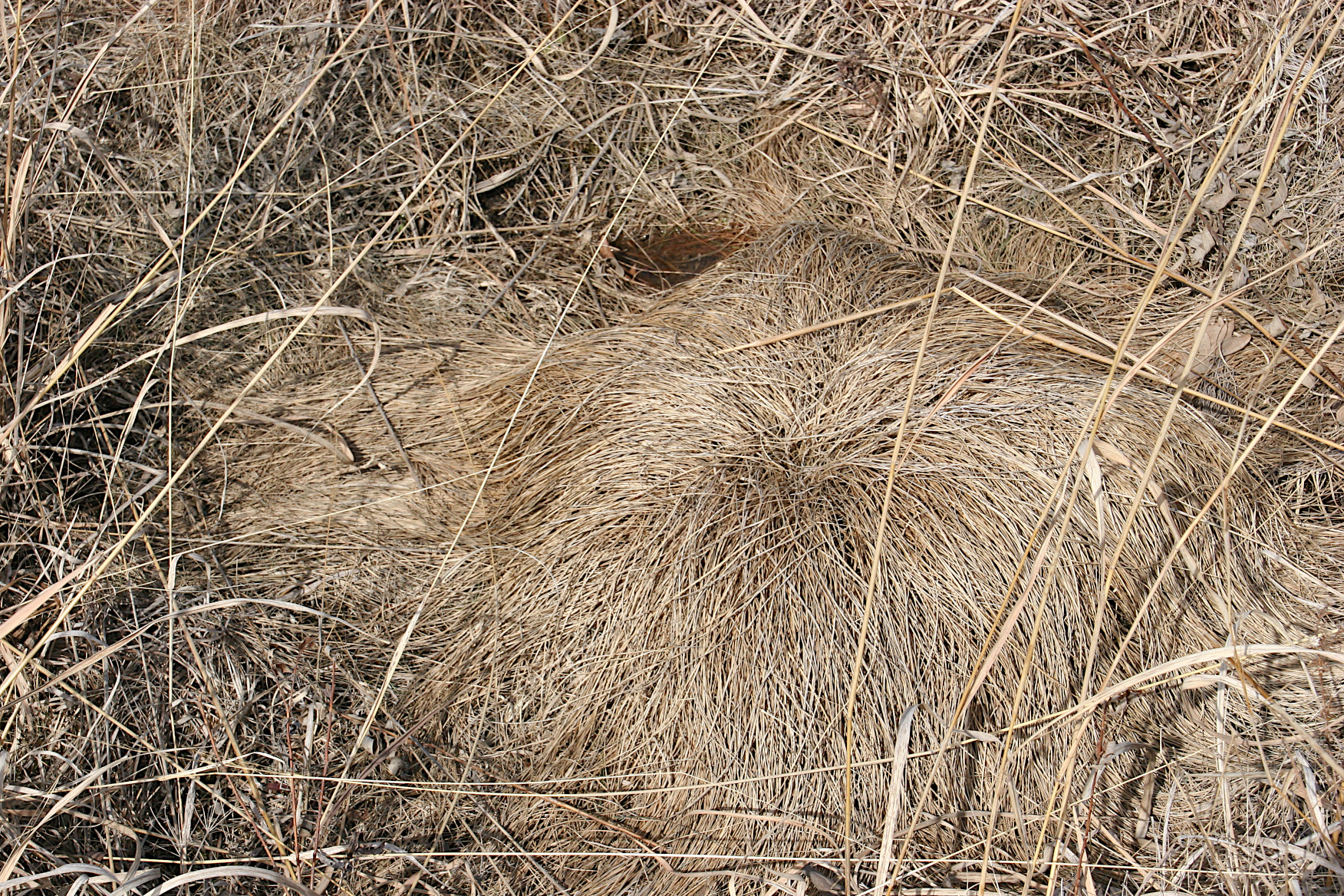
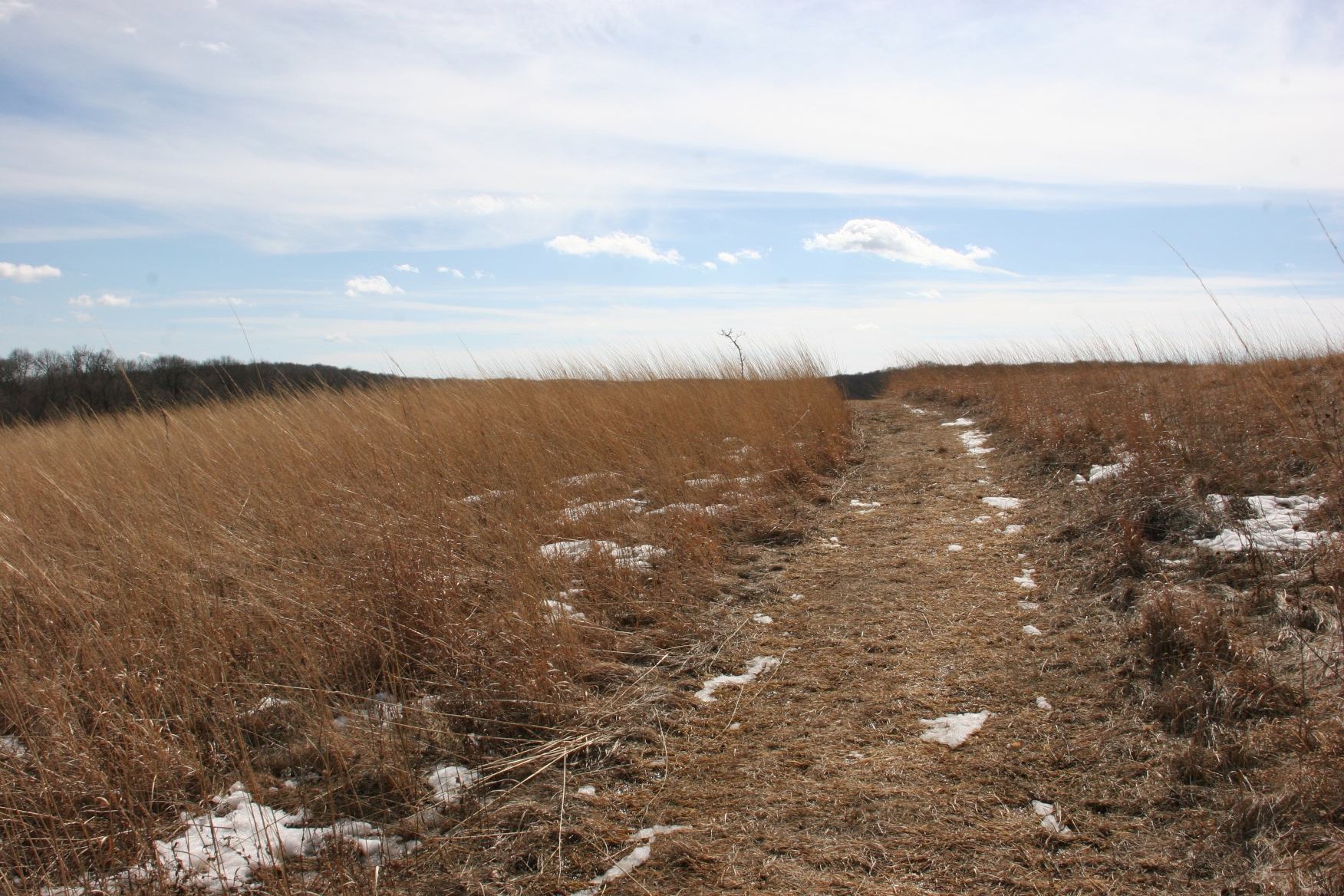
I spotted swirls of prairie grass alongside a trail. (Minnesota Prairie Roots copyrighted photo March 2022)
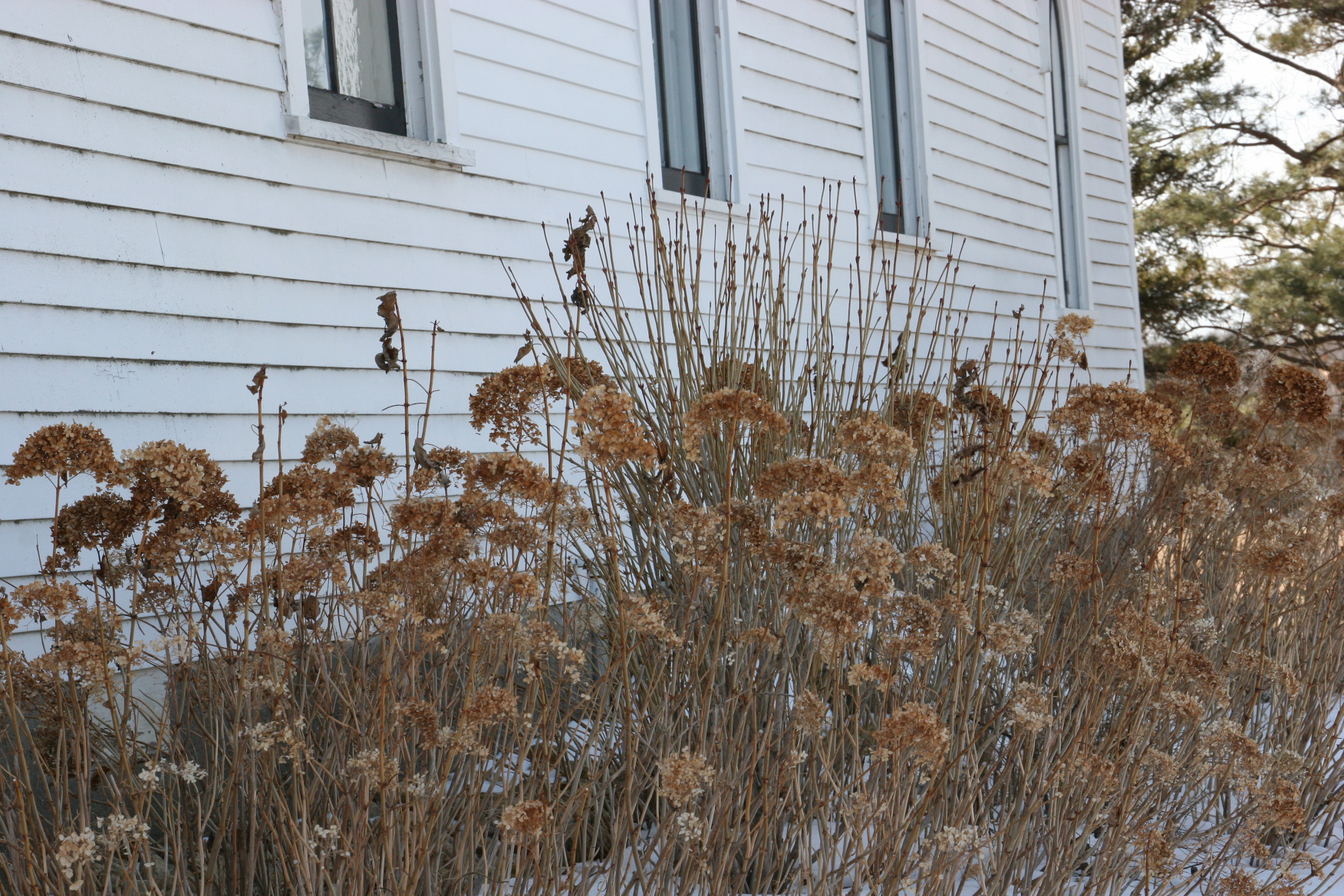
Dried hydrangea alongside the wooden church. (Minnesota Prairie Roots copyrighted photo March 2022)
The churches, cemetery and surrounding 50 acres are today owned, preserved and managed by the Valley Grove Preservation Society. They are a favorite nearby rural destination for me. I appreciate the natural beauty, the history, the country quiet and more. Even the wind.
A view from the parking lot, outside the fenced grounds. (Minnesota Prairie Roots copyrighted photo March 2022)
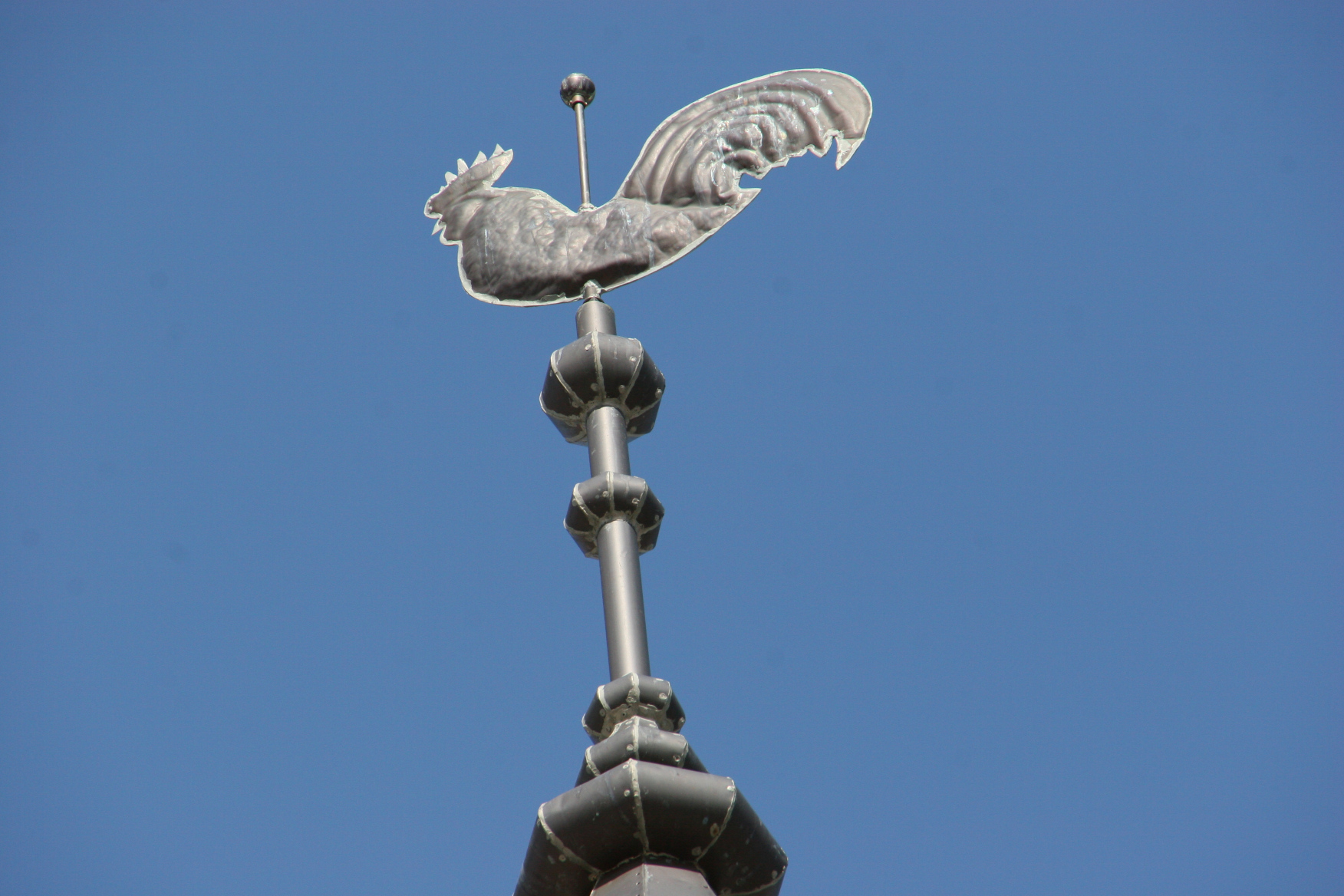
Atop the steeple of the old stone church. (Minnesota Prairie Roots copyrighted photo March 2022)
I value the rural-ness. On this afternoon, the shrill crow of a rooster, the sharp crack of gunshots and the barks of two dogs running loose broke the silence. In the context of location, the sounds fit. Not that I like gunshots echoing or strange canines circling me. But they did no harm as I continued along the stomped, sometimes soggy grass trail back toward the Valley Grove Cemetery and churches.
Land and sky define the prairie path. (Minnesota Prairie Roots copyrighted photo March 2022)
When following the prairie paths under a wide sky, I hear whispers of the past. Of wheels creaking under the weight of wagons crammed with an immigrant family’s belongings. Of a young mother bent over her baby, singing a soothing song from the Old Country. Of a weary farmer sighing after a long day of breaking the land.
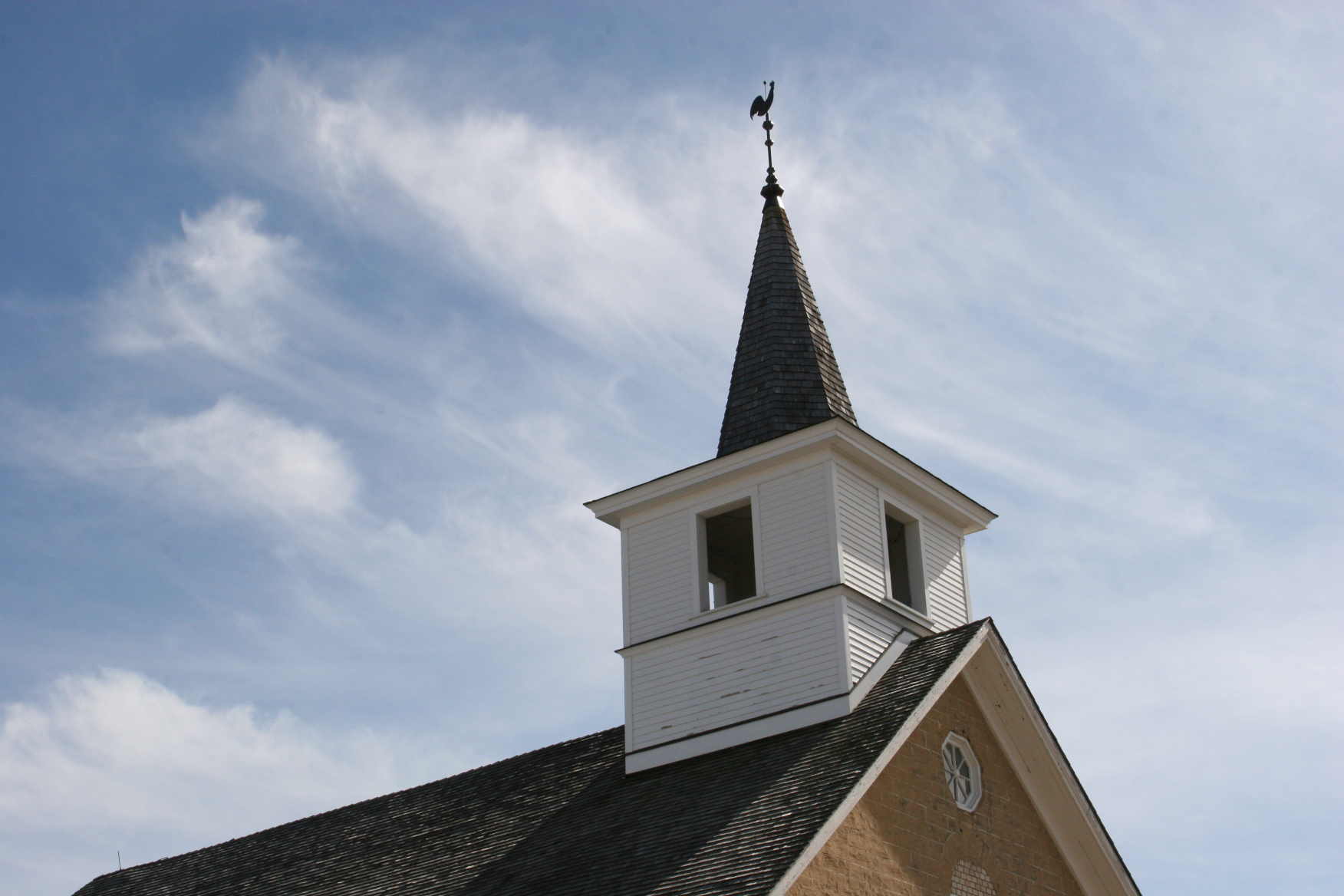
The roofline and steeple of the simple 1862 stone church rise above the rural landscape. (Minnesota Prairie Roots copyrighted photo March 2022)
If this place could speak, it would whisper the stories of all those Norwegian immigrants who settled in and around Valley Grove and then gathered on this hilltop location to worship, socialize, celebrate, mourn.
The 1894 church closeup. (Minnesota Prairie Roots copyrighted photo March 2022)
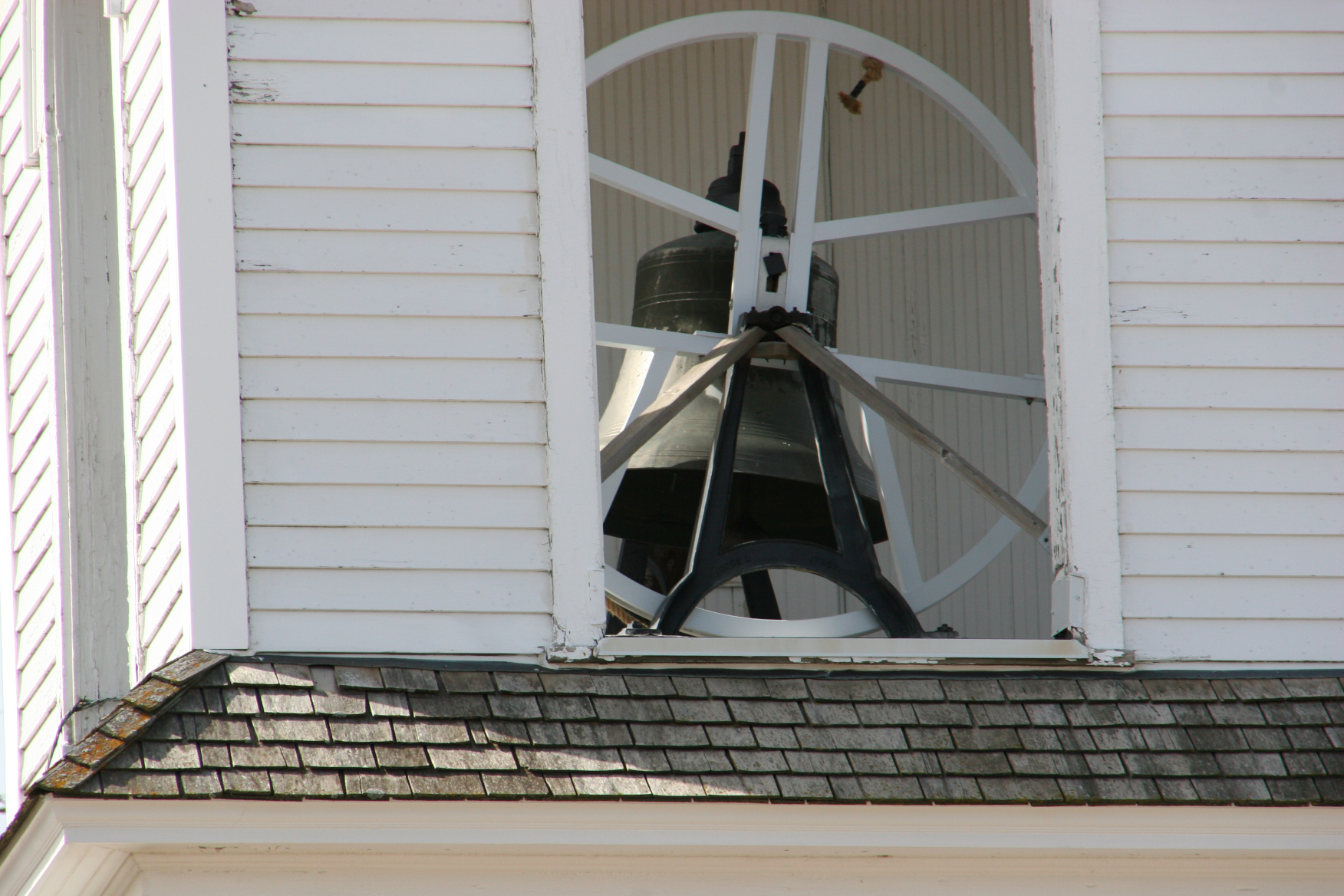
The bell in the wooden church still rings for special occasions. (Minnesota Prairie Roots copyrighted photo March 2022)
On this winter day, the church doors are locked. But I’ve been inside both buildings. They are basic. Simple. Mostly unadorned. The wooden church is still used today for special worship services like weddings. The old stone church serves primarily as a social gathering room. Both are well preserved. Valued.
In the foreground, the back of the old stone church, which sits near the wooden church. (Minnesota Prairie Roots copyrighted photo March 2022)
One of many Oles buried at Valley Grove. (Minnesota Prairie Roots copyrighted photo March 2022)
Much art already exists at Valley Grove, within the cemetery. I consider tombstones to be works of art, documentations of lives. The stone markers are many, from aged to recent. Names engraved thereon reflect the primarily Norwegian heritage. Ole. Erik. Einar. Inger. If these tombstones among the oaks could speak, oh, the stories they would tell. Of life in the Old Country. And of life in the New World, of this place, this Valley Grove.
FYI: Please check back for a post about the Valley Grove Cemetery.
A sweeping view of Faribault from City View Park shows the Shattuck-St. Mary’s campus. MN Prairie Roots copyrighted photo August 2020.
SUMMERTIME IN MINNESOTA means cramming a whole lot of fun into our days. Lake time and family time. Backyard BBQs. Weddings and grad parties and reunions. And community celebrations. With limited months of sunshine and warmth, we are drawn to such gatherings, especially those that happen outdoors.
This week my community celebrates Faribault Heritage Days. The event kicked off on Wednesday and continues through the weekend.
From a Mayor’s Reception to concerts, BINGO, car and magic shows, cardboard boat and soap box races, fishing and medallion hunt contests, city-wide garage and farmers’ market sales, and much more—including the Grand Parade at 6:15 pm Saturday—there’s lots to see and do. Click here for the complete listing of events.
While Heritage Days doesn’t have the same emotional connection for me as those who grew up here, it still means something. I view the event as a way to connect and grow a sense of community. And, after a year of separation and isolation and canceled community celebrations due to COVID-19, we’re ready for this.
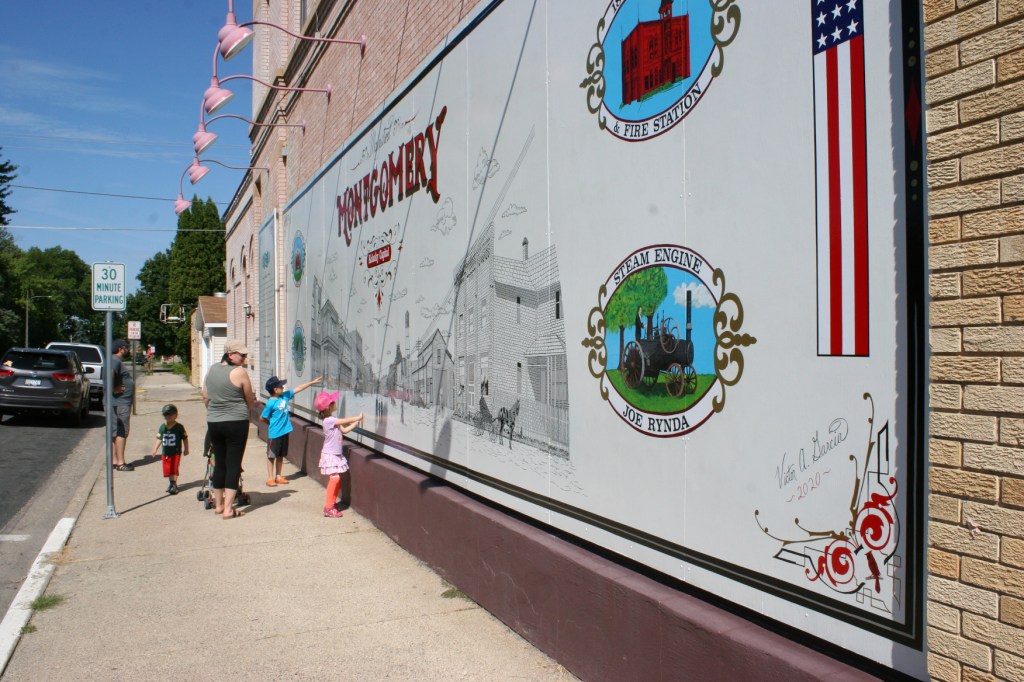
A family views Montgomery’s updated mural by Victor A. Garcia.
PUBLIC ART, WHEN RESEARCHED, well thought out and created by talented hands, enhances any community. Montgomery, Minnesota included.
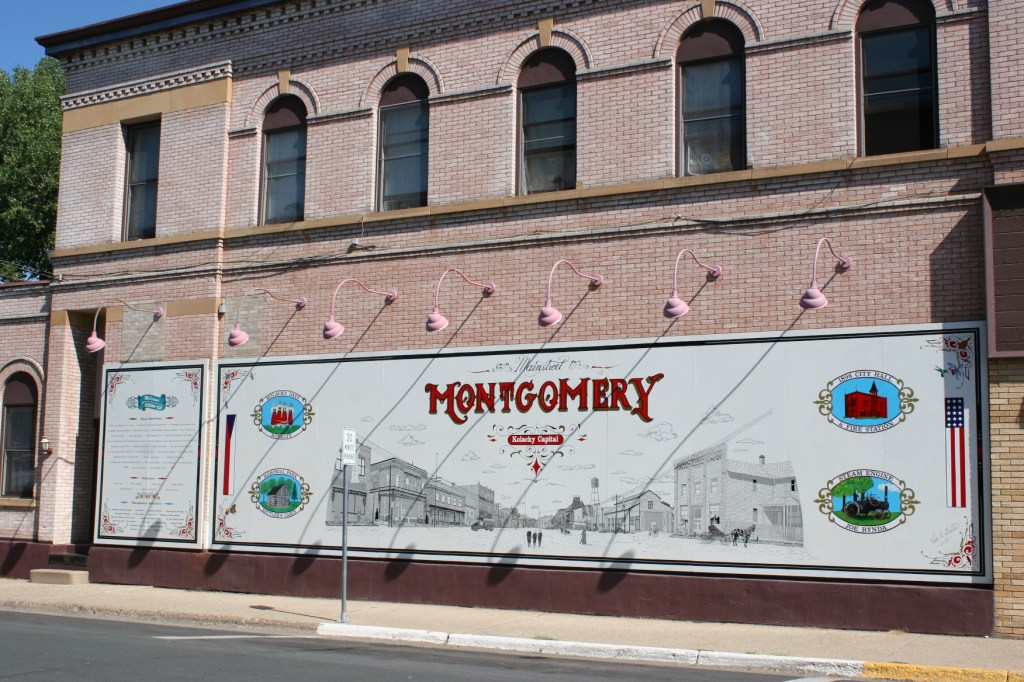
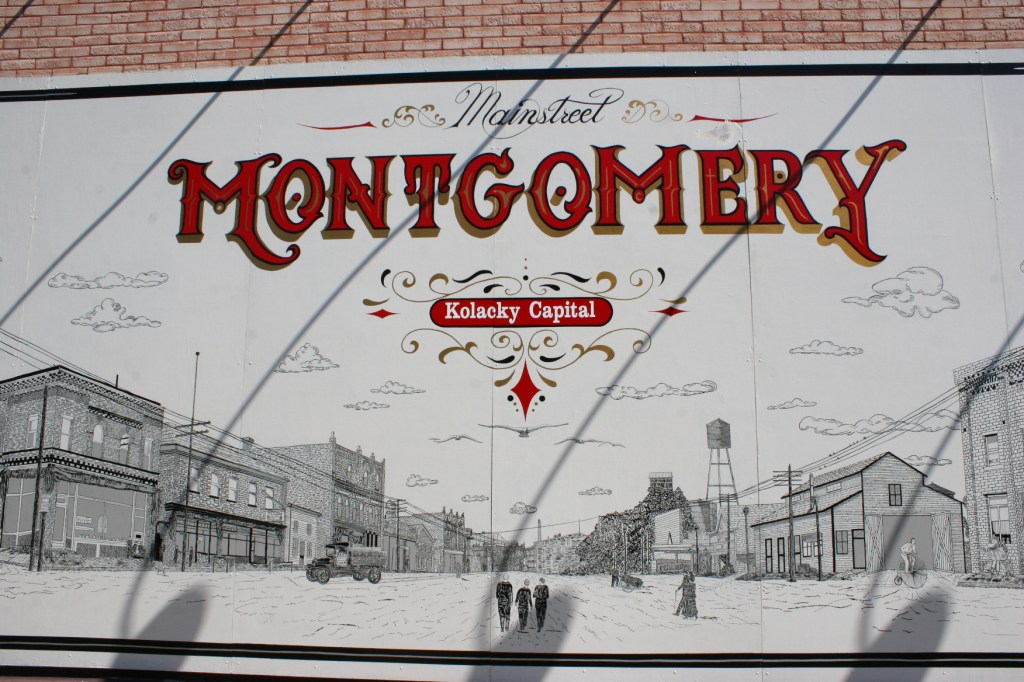
The new mural, recently installed in Montgomery.
Recently, this town of some 3,000 in Le Sueur County unveiled a new historic-themed mural done by former long-time Montgomery resident and artist Victor A. Garcia, now of Belle Plaine.
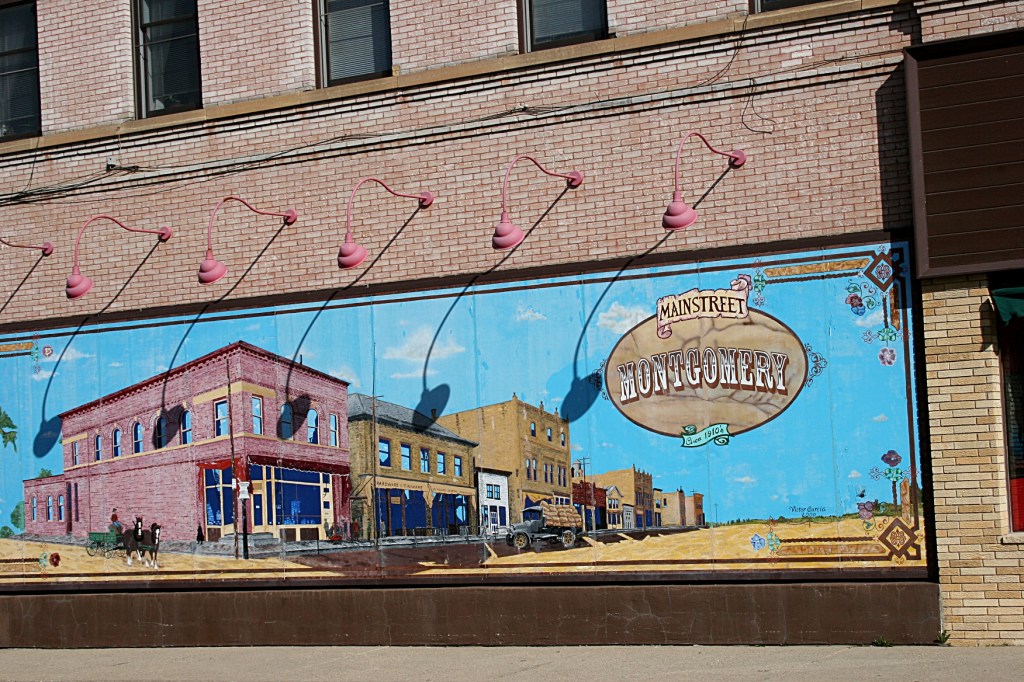
A close-up shot of the prior Montgomery mural, photographed around 2013. Minnesota Prairie Roots file photo.
The latest 40-foot long painting replaces a weather-beaten mural Garcia created about 25 years ago.
Montgomery’s main street, circa 1900. Overhead lights shadow across the mural.
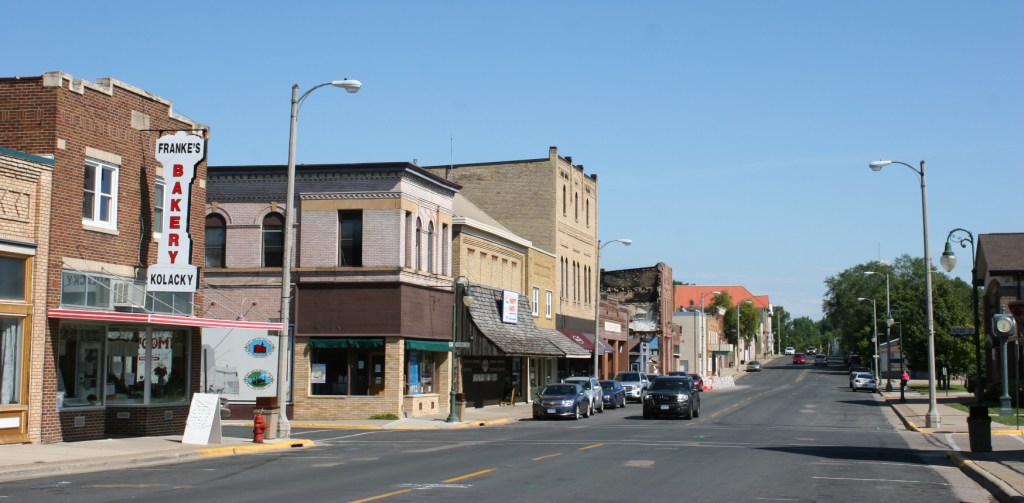
A current day view of a section of downtown Montgomery. The mural is to the left, on a side street.
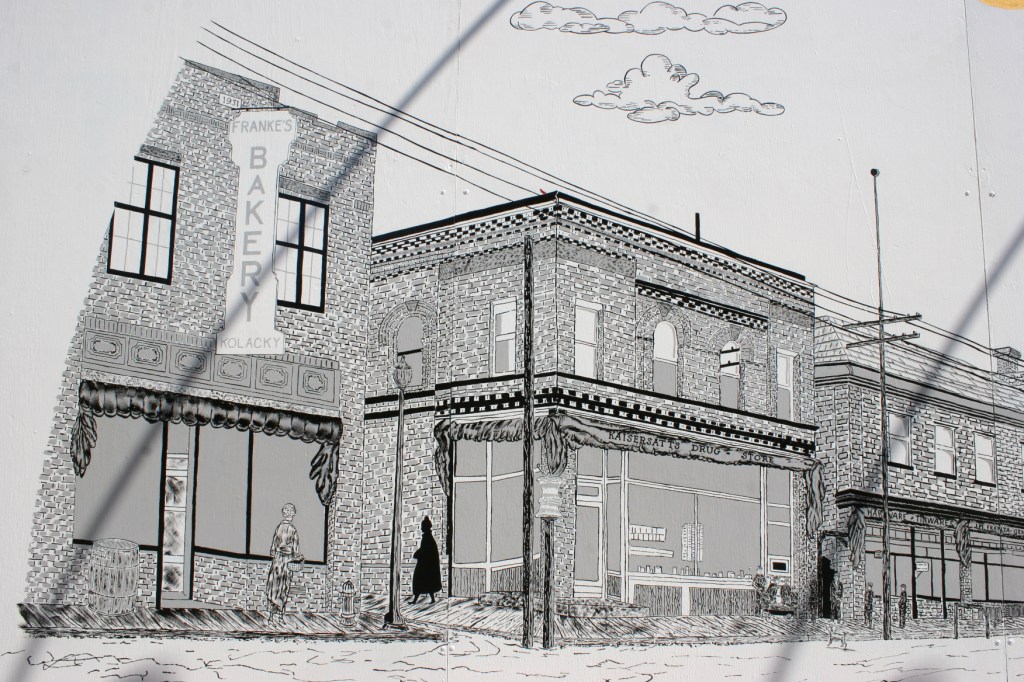
Like the previous scene, the new mural depicts a view of the town’s main street, First Street, around 1900. But this time, both sides of the street are included in the painting.
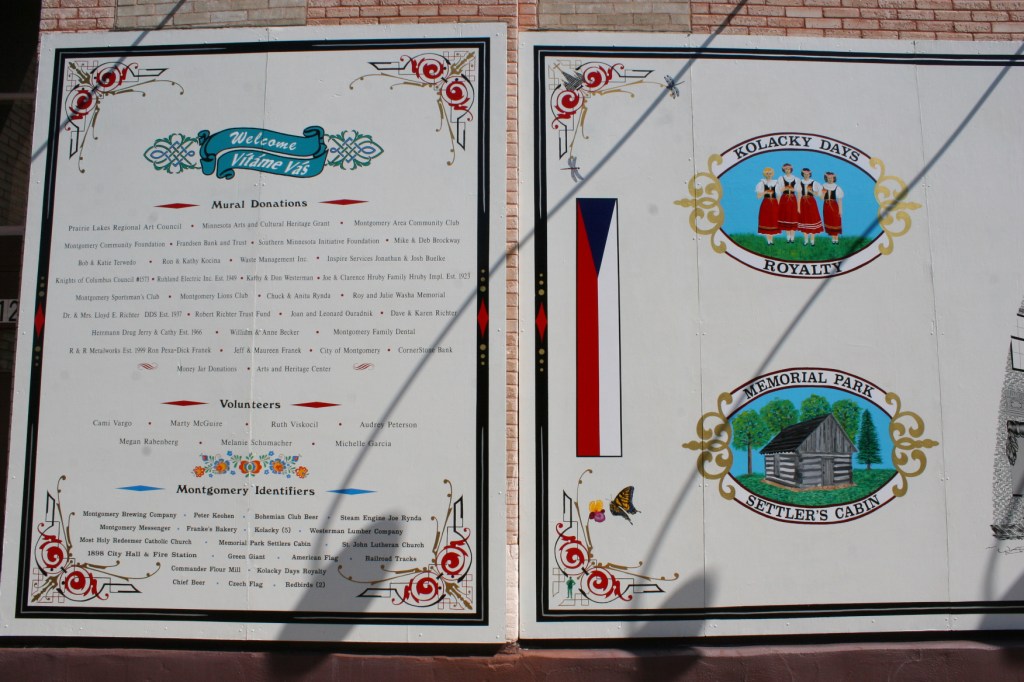
A “key” of sorts to the mural. And a thank you to supporters.
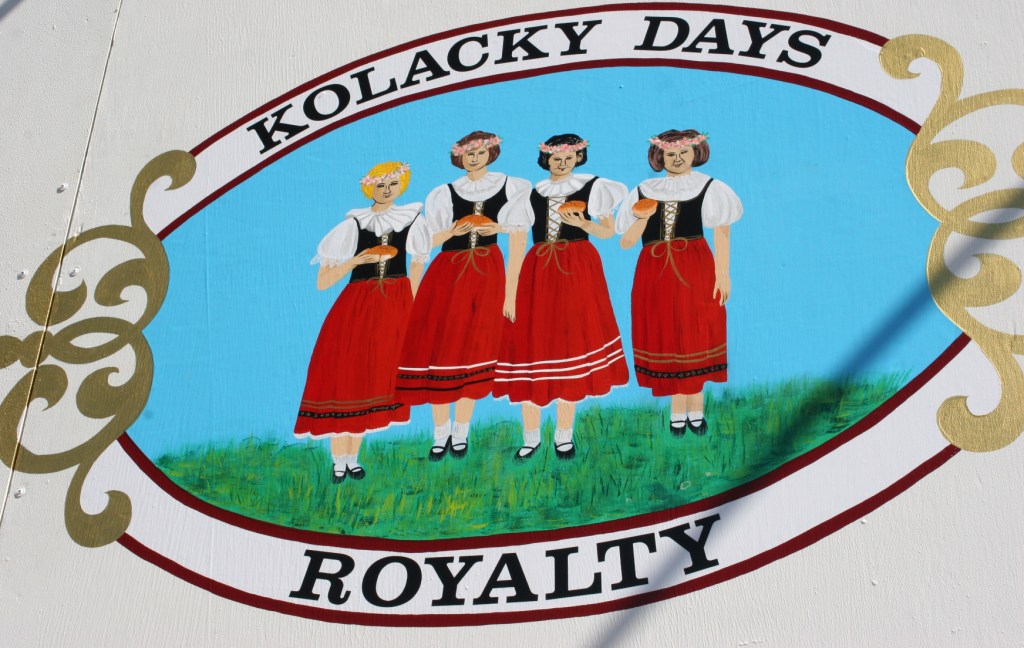
Kolacky Days honored in the mural.
Garcia also featured “Montgomery Identifiers” to search for in his artwork. Like kolacky. This Czech community is, after all, the self-proclaimed “Kolacky Capital of the World.”
Franke’s Bakery is among businesses incorporated into the mural.
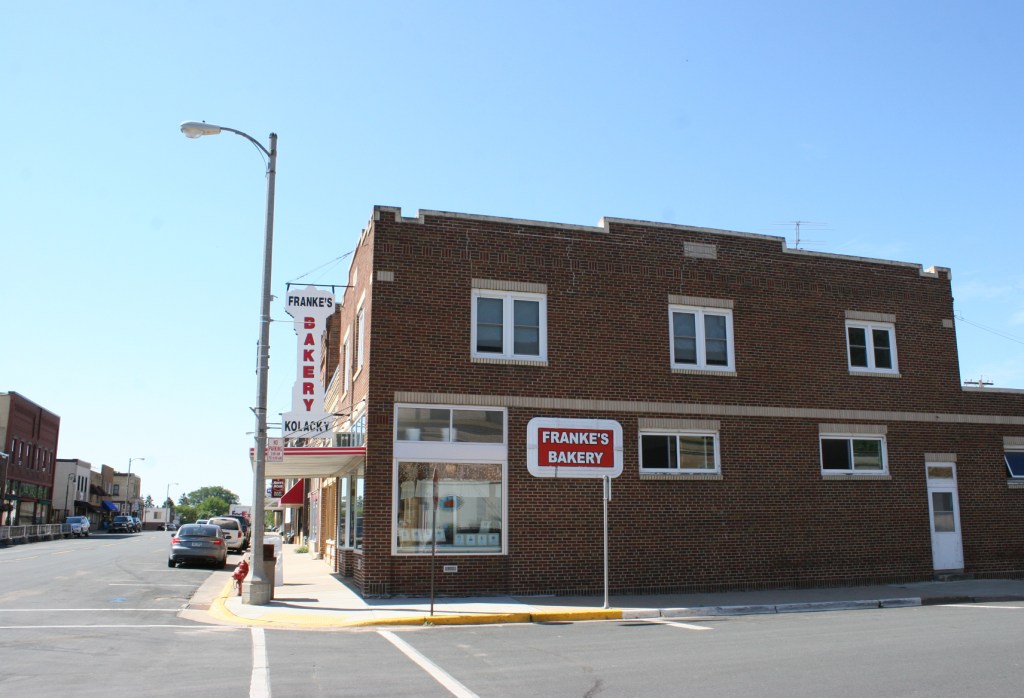
My photo of Franke’s photographed from across the street, by the mural.
Right across the street from the mural sits Franke’s Bakery, a popular local source for this fruit-filled Czech pastry.
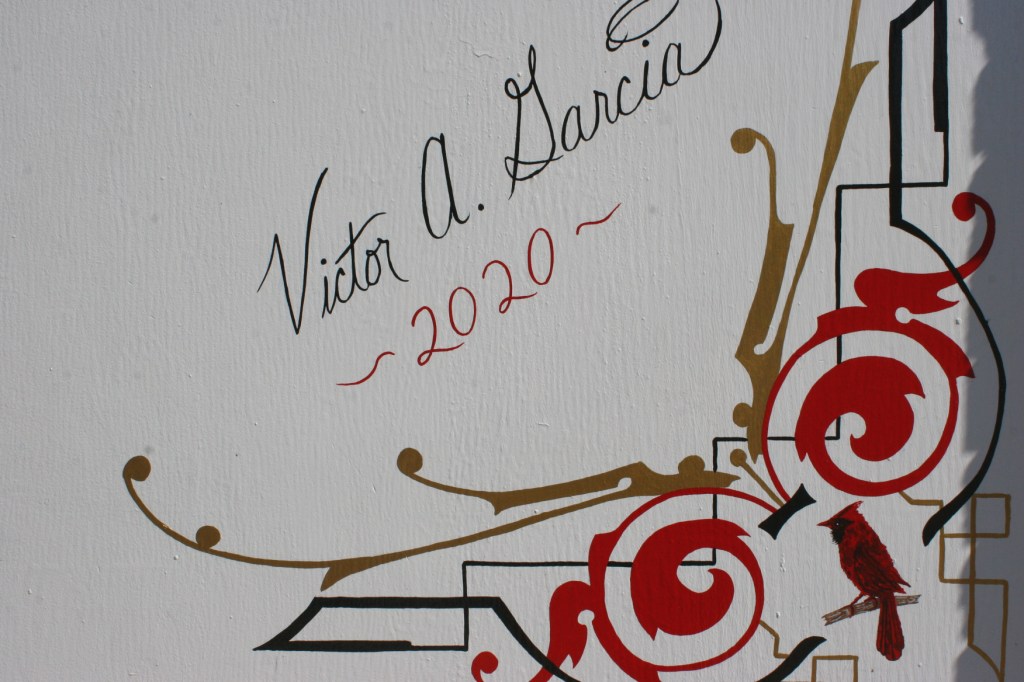
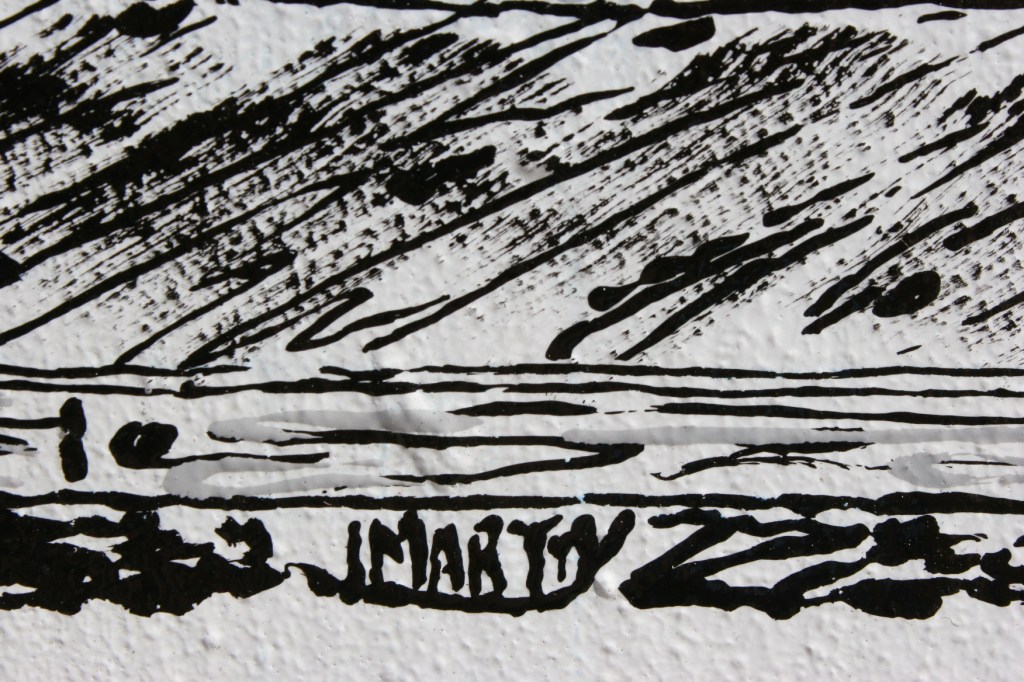
The artist’s signature and a “Redbird.”
Cardinals are also painted into the mural, honoring the former school mascot, the Redbirds, before schools merged and the mascot became the Titans.
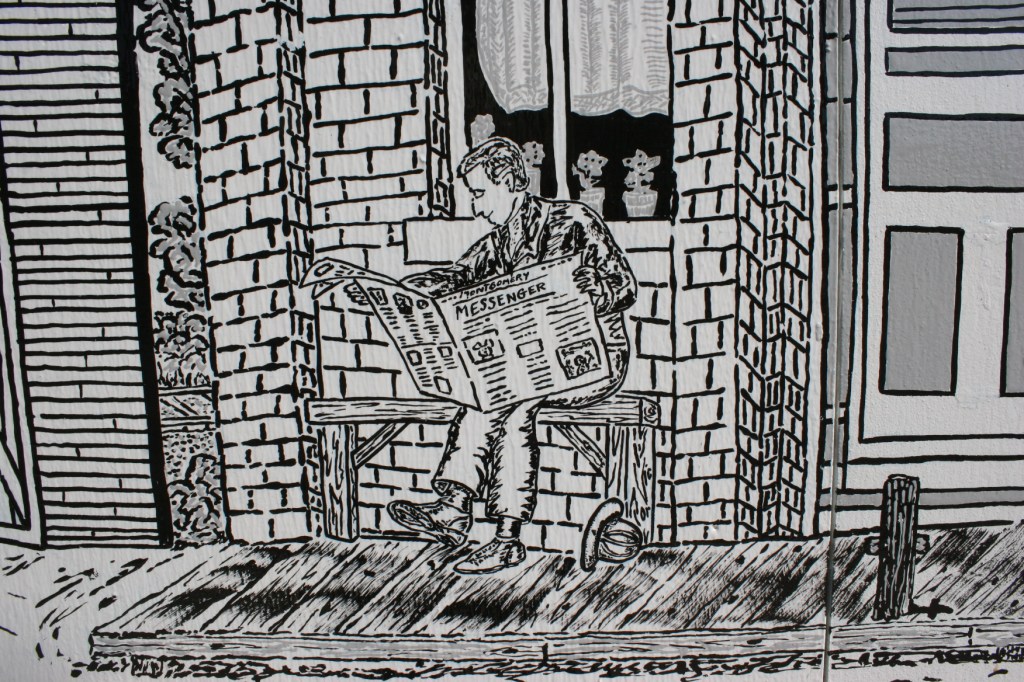
The local newspaper gets a place on the mural.
A Czech flag and the Green Giant and many more details incorporated into the mural depict the history and heritage of Montgomery.
One of several names I spotted on the mural.
Garcia even added some personal touches in images and words.
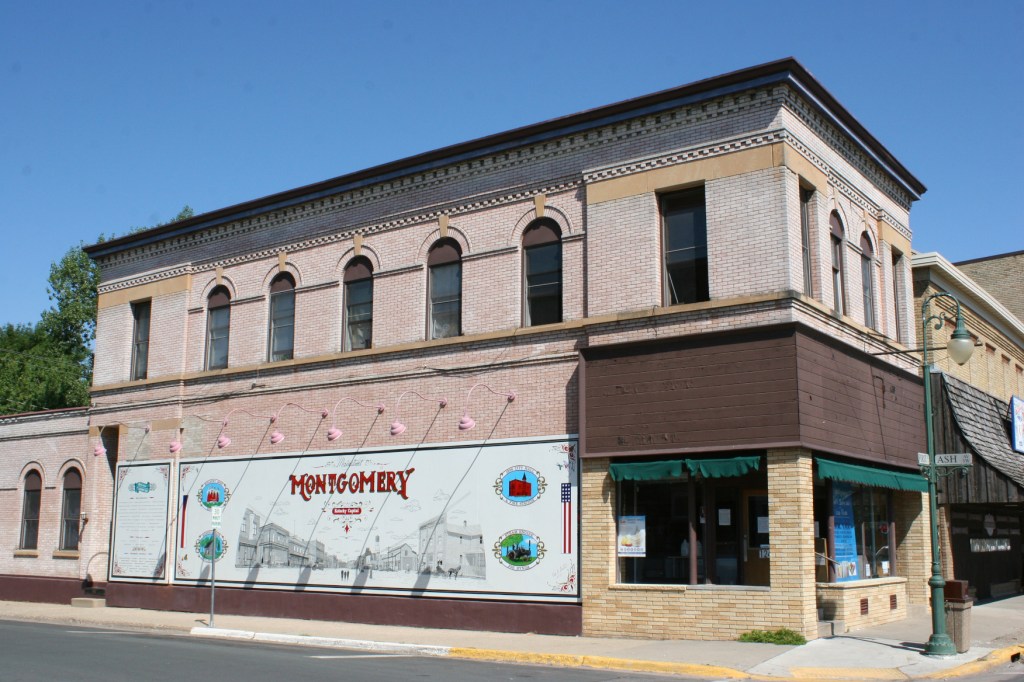
One last look at the Montgomery mural on Ash Street.
This mural calls for close study, not just a quick drive-by or look. Next visit to Montgomery, I’ll take more time to study the details I missed. For it is in the details that we learn the intricacies of a community and its history. And grow to understand and appreciate that which defines a place.
FYI: This $20,000 project was funded and supported by the Southern Minnesota Initiative Foundation, The Montgomery Community Foundation, Prairie Lakes Regional Arts Council, individuals, businesses and more.
This concludes my series of blog posts from Montgomery.














 Minnesota Prairie Roots
Recent Comments