Minnesota Prairie Roots

Writing and photography by Audrey Kletscher Helbling

Reflecting on 9/11, then & now September 12, 2019

Filed under: Uncategorized — Audrey Kletscher Helbling @ 5:00 AM
Tags: , , , , , ,

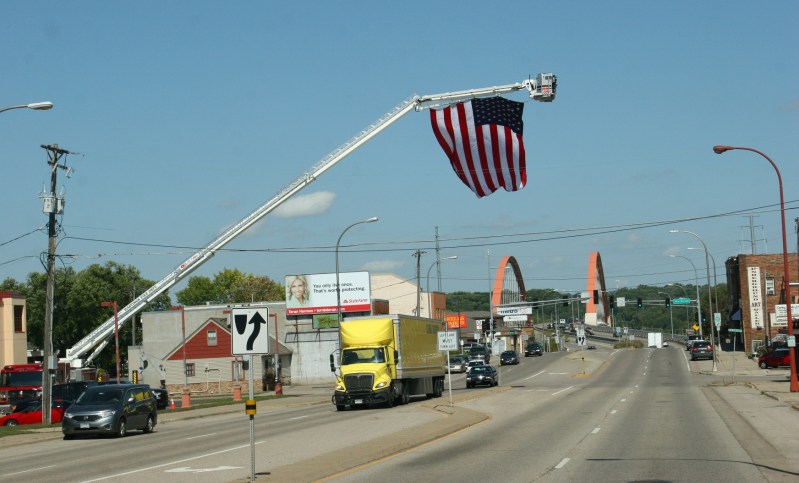
In remembrance of 9/11, photographed last September 11 in Hastings, Minnesota. Minnesota Prairie Roots file photo 2018.


YESTERDAY BROUGHT TIME for reflection. Reflection upon the events of September 11, 2001, a day which forever changed us as Americans.


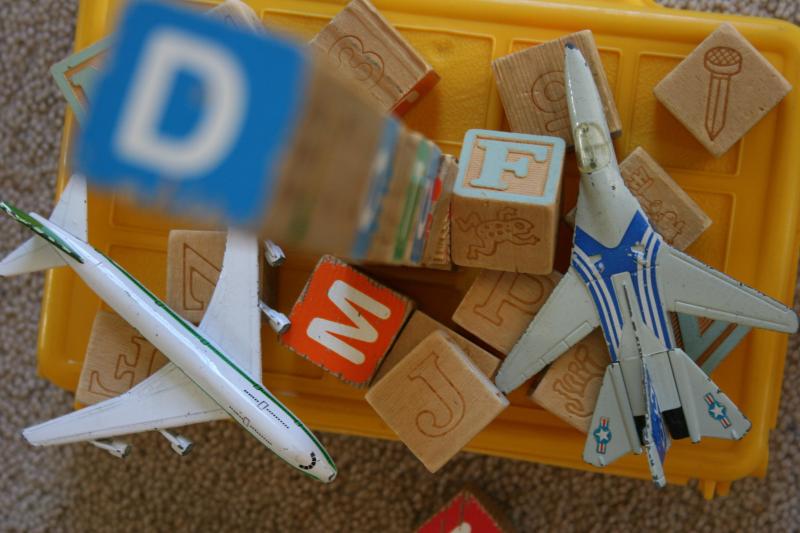
I reconstructed a tower using the same blocks my then young son and his friend used on September 11, 2001, to duplicate what they saw on television. These are also the same toy airplanes they flew into the tower. Minnesota Prairie Roots file photo 2011.


The terrorist attacks on our country made us feel vulnerable, unsafe and realizing, perhaps for the first time that, just because we live in America, we don’t live in a bubble of protection from those who would harm us.


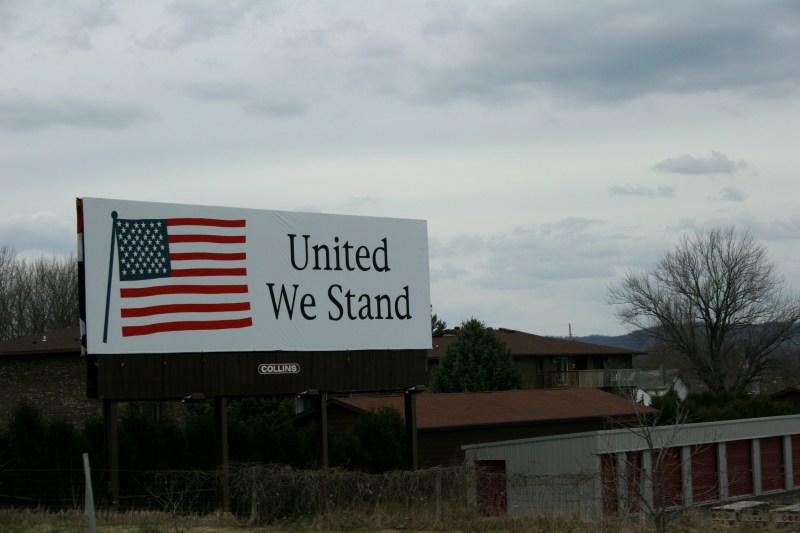
Photographed along Interstate 90 east of La Crosse, Wisconsin. Minnesota Prairie Roots file photo May 2011.


Yet, in the midst of that tragedy, that sorrow, that new reality, there emerged a solidarity. We felt united as a country, a people.


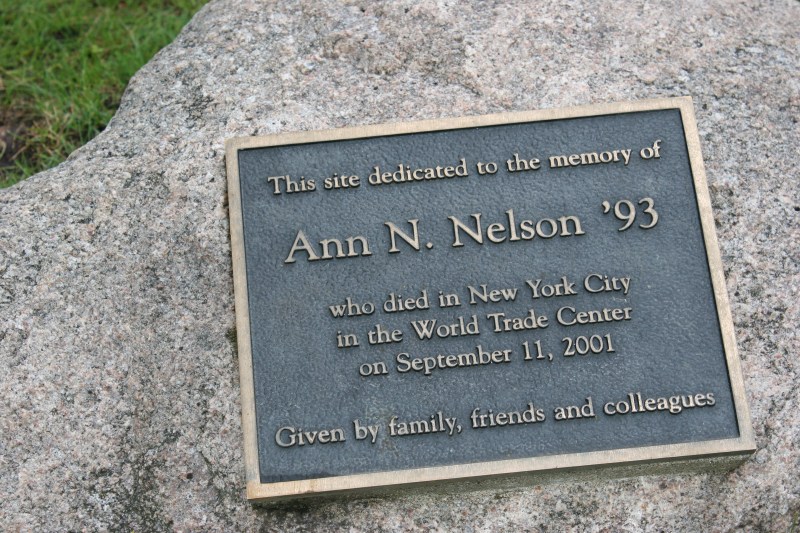
On the campus of Carleton College in Northfield, Minnesota, a plaque honors an alumnus who died in the World Trade Center attack. Minnesota Prairie Roots file photo July 2019.


Eighteen years later I no longer see that unity. I see rather a fractured country. That saddens me. The discord. The political upheaval. Even the overt hatred toward certain peoples.


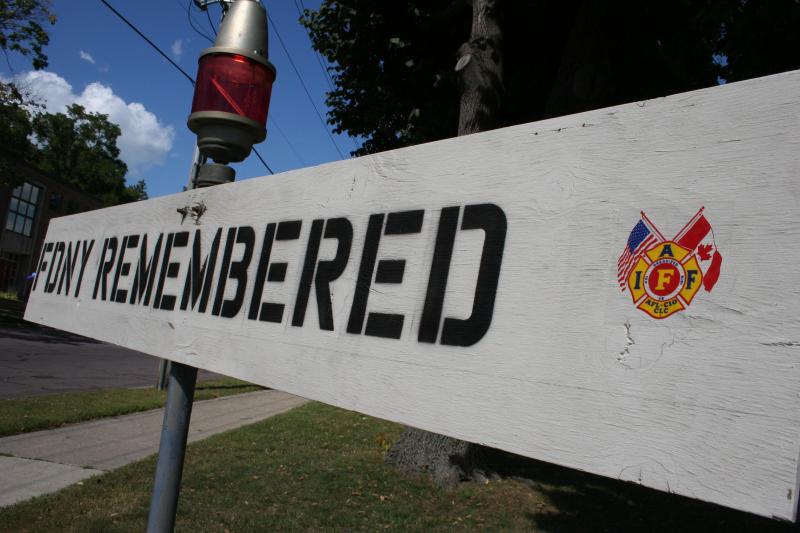
Faribault, Minnesota, firefighters pay special tribute to the fallen New York firefighters on this memorial sign. Minnesota Prairie Roots file photo 2011.


Yet, when I look closely, I see the care and compassion extended by many Americans toward those who need our care and compassion. We have always been a giving nation. I hear the voices of those who speak for those whose voices have been mostly silenced by rhetoric and oppression and policies. We are still individuals with voices that matter.


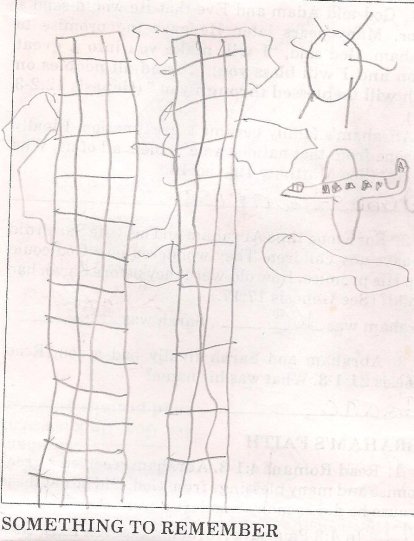
My then 8-year-old son drew this picture of a plane aimed for the twin towers a year after 9/11 for a school religion assignment. He was a third grader in a Christian school at the time and needed to think of a time when it was hard to trust God. To this day, this drawing by my boy illustrates to me how deeply 9/11 impacted even the youngest among us. Minnesota Prairie Roots file photo.


That ability to express ourselves—whether through the written or spoken word, in music, in art, in acts of kindness—remains. Strong. We have the power individually to make a difference in our communities, to start small, to rise above that which threatens to erode.

THOUGHTS?

© Copyright 2019 Audrey Kletscher Helbling


Filmmakers celebrate another year of documenting Faribault history May 2, 2019

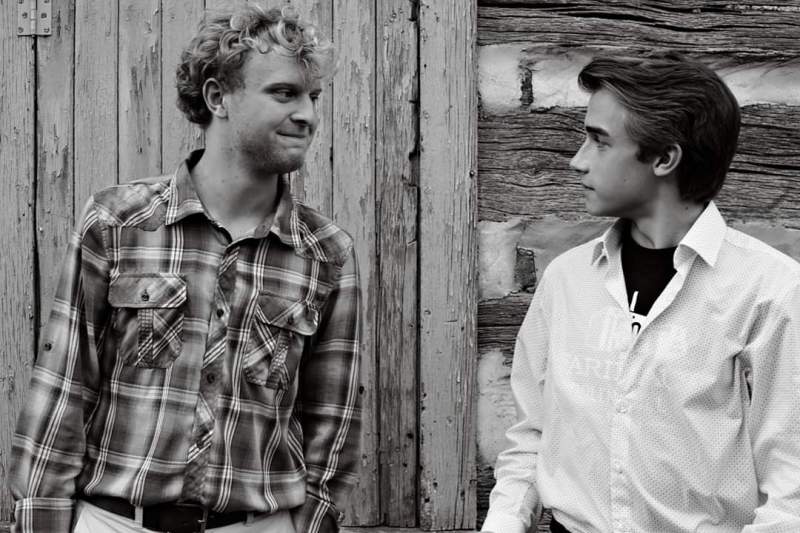
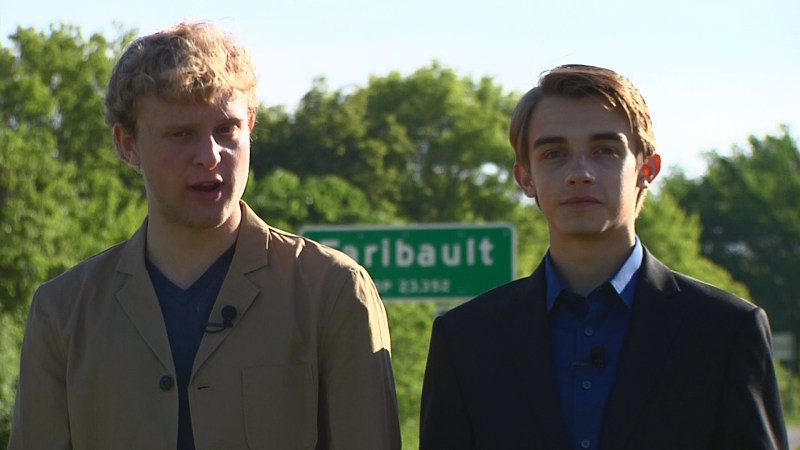
Logan Ledman, left, and Samuel Temple. Photo courtesy of 1855.


THEY ARE ONLY SENIORS in high school. But already Logan Ledman and Samuel Temple have left their creative imprint on Faribault.


Photo courtesy of 1855.


On Sunday, May 5, the creators of the 1855 history series on Faribault Community Television host their annual Shindig to commemorate another year of producing documentaries. They’ve crafted films on topics ranging from the Peoples of Faribault to Bishop Henry Whipple, Burkhartzmeyer Shoes and more. And last year marked a debut theatrical performance of local history, The 1855 Live Show, at the Paradise Center for the Arts.


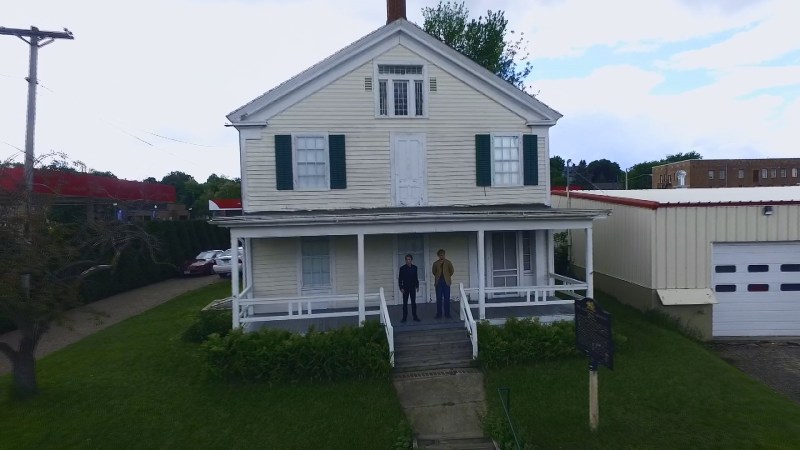
Samuel and Logan stand on the front porch of the Alexander Faribault house, home to town founder Alexander Faribault. Photo courtesy of 1855.


I can’t say enough good things about these two who launched their local films several years ago. Their work is professional, thoughtful, educational and inspiring. Every time I’ve connected with them, they’ve been responsive, kind, friendly, engaging and professional.

They and their work are worth celebrating.

Ledman and Temple recognize the value of connecting with community, something they’re done incredibly well. Their Shindig at the Rice County Historical Society offers another opportunity to connect and to showcase their work and that of musician Sam Dwyer, composer of the 1855’s score. Dwyer will perform and sell CDs of his latest symphony. The filmmakers will also sell copies of their works. And they will premiere several new episodes from their upcoming fourth season.

Join these young creatives at this free event. Plan to arrive at 1 p.m. to assure you don’t miss the screenings, musical performance and more. The Shindig runs until 4:45 p.m. with refreshments provided.

© Copyright 2019 Audrey Kletscher Helbling
Photos courtesy of 1855


WW I from a Steele County, Minnesota, personal perspective April 16, 2019


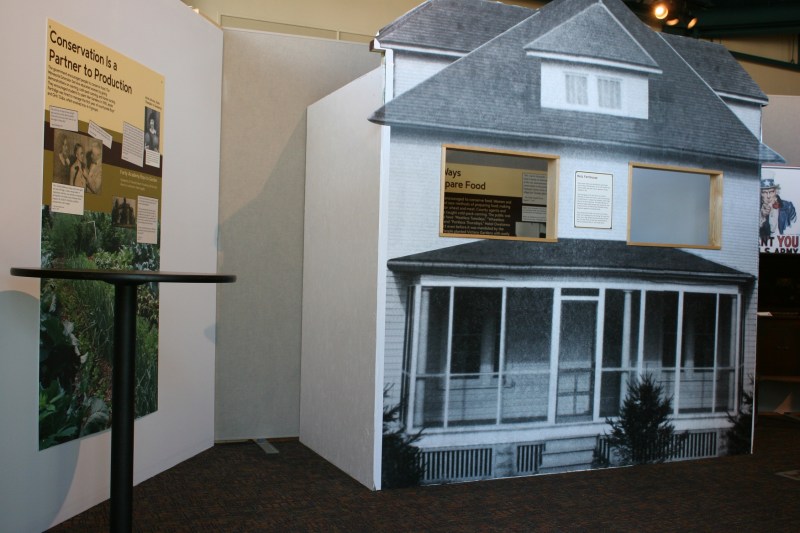
YOU CAN SPEND considerable time reading all of the information included in a World War I exhibit at the Steele Country History Center in Owatonna. But I am more a Cliffs Notes reader when it comes to museum-based history. I scan to gain a general overall understanding and then choose to focus more on content that interests me most.


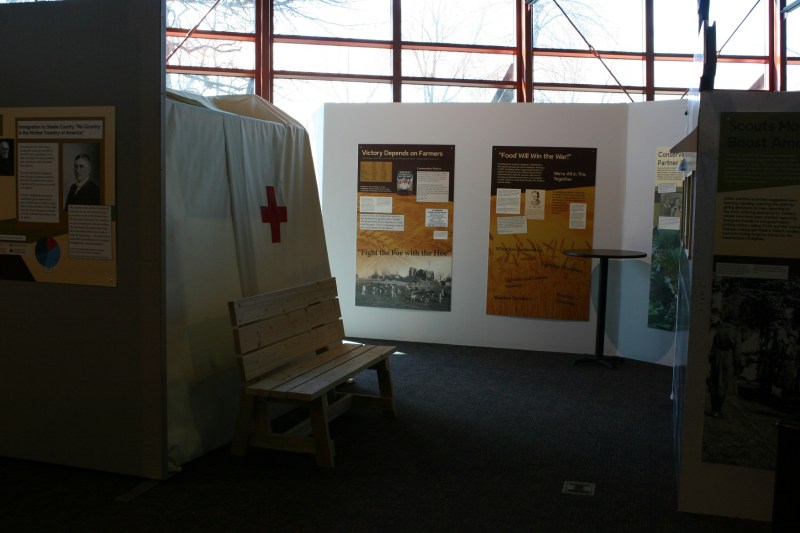
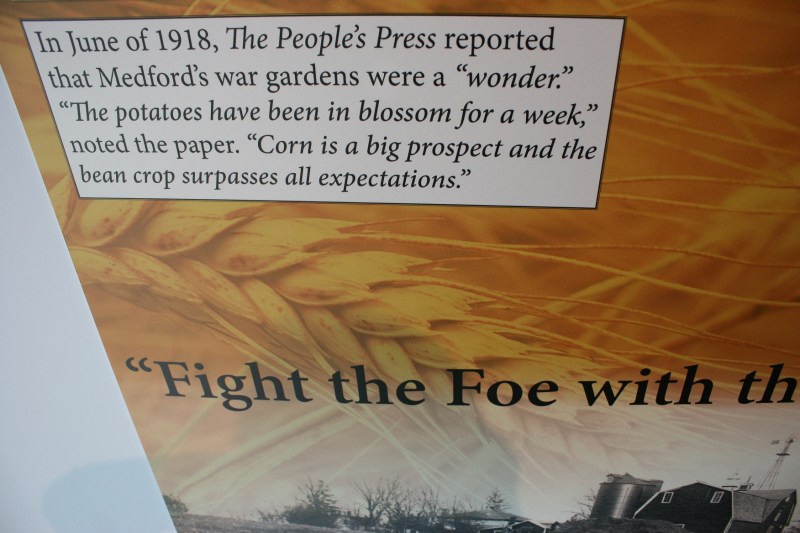
“Fight the foe with the hoe.”


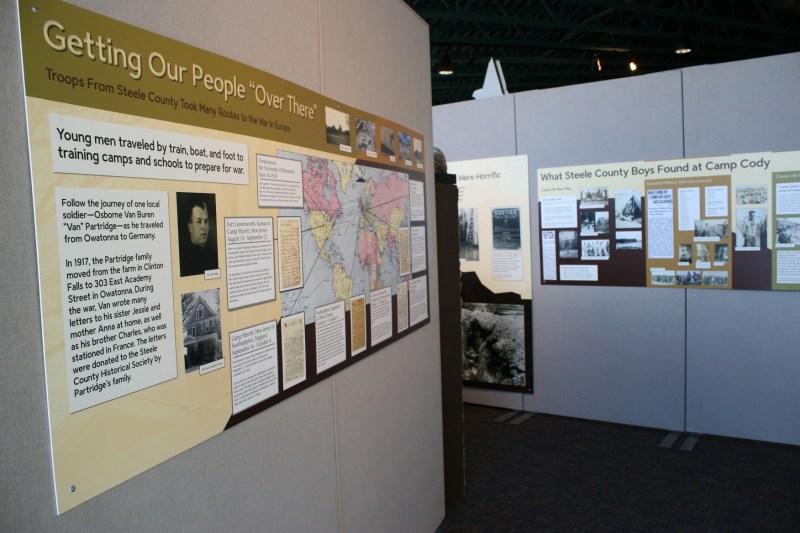
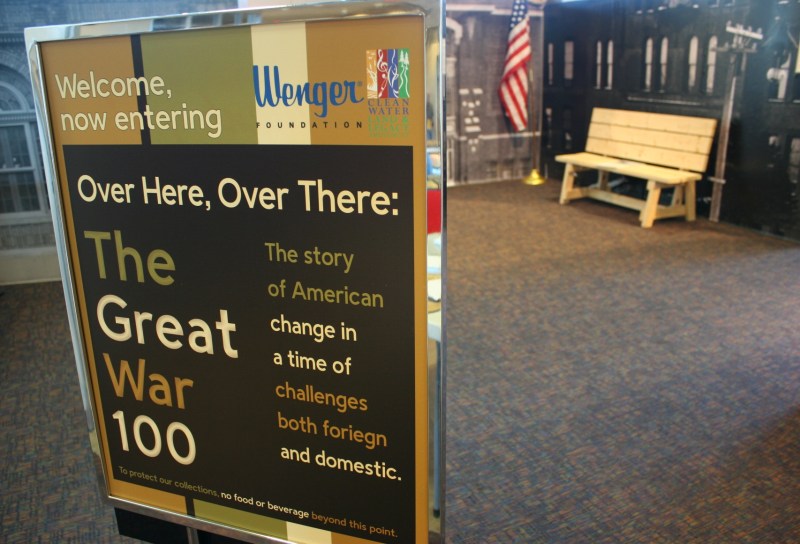
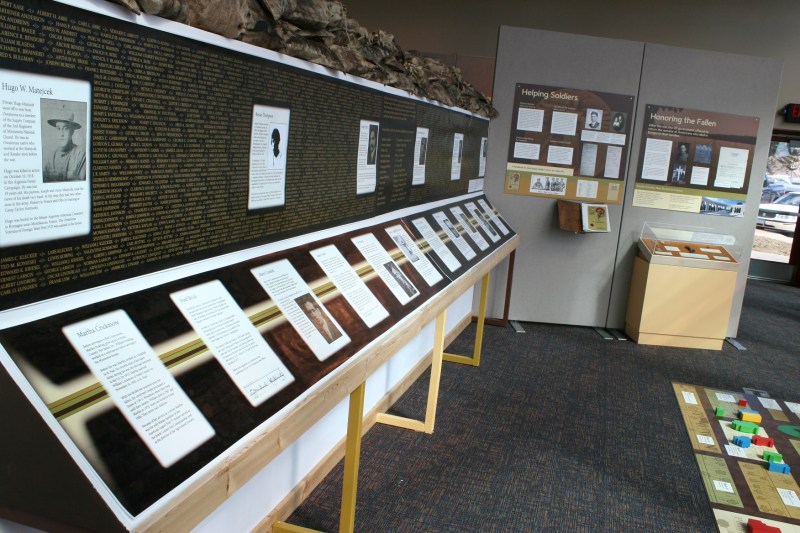
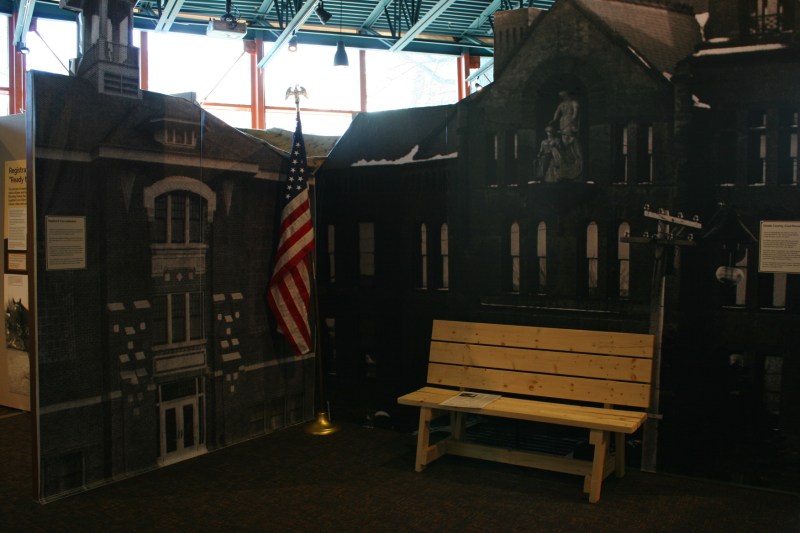
The “Over Here, Over There: The Great War” exhibit presents Steele County’s role in WW I, both on the battlefield and at home. It’s an incredible research project. Well done. Detailed and personalized. I’ve come to expect such historical accuracy and professionalism in homegrown exhibits at this southern Minnesota museum.


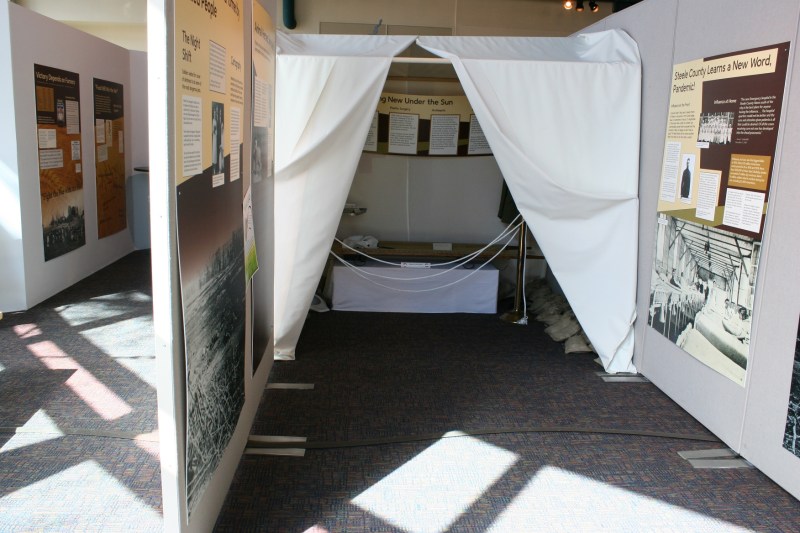
As I ducked into military and medical tents, listened to the sounds of machine gun fire,


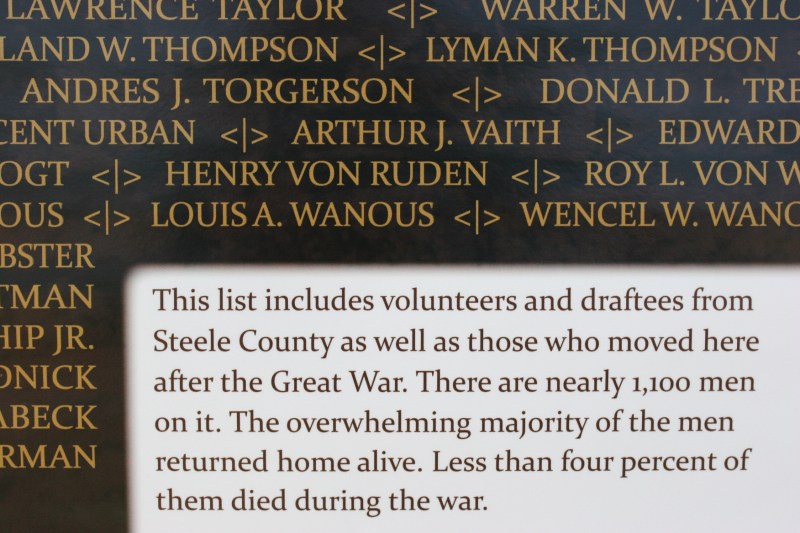
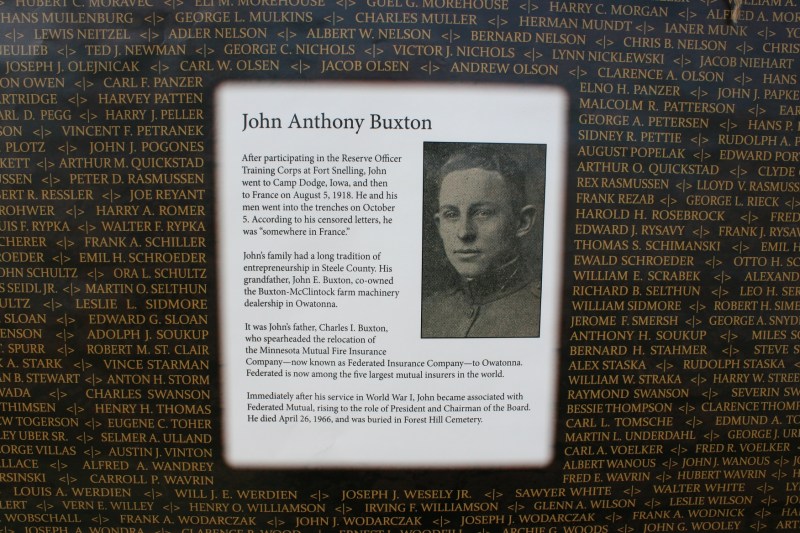
took in the wall of nearly 1,100 soldiers’ names,


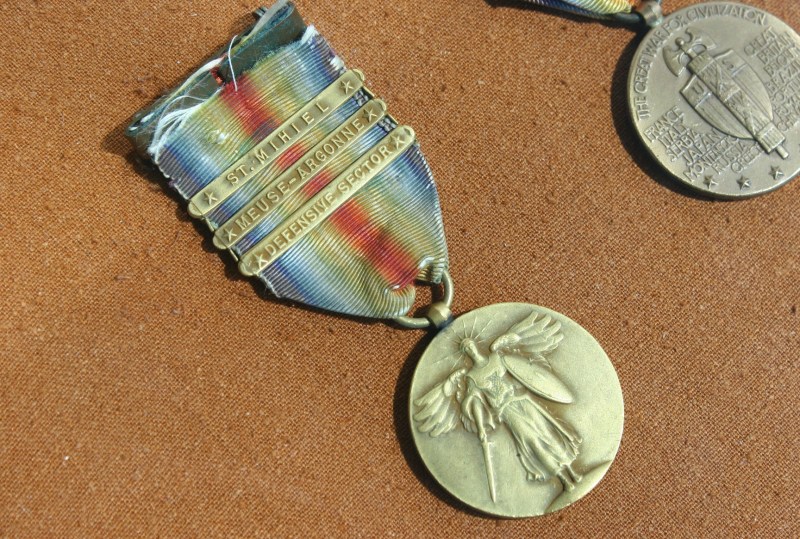
admired military medals,


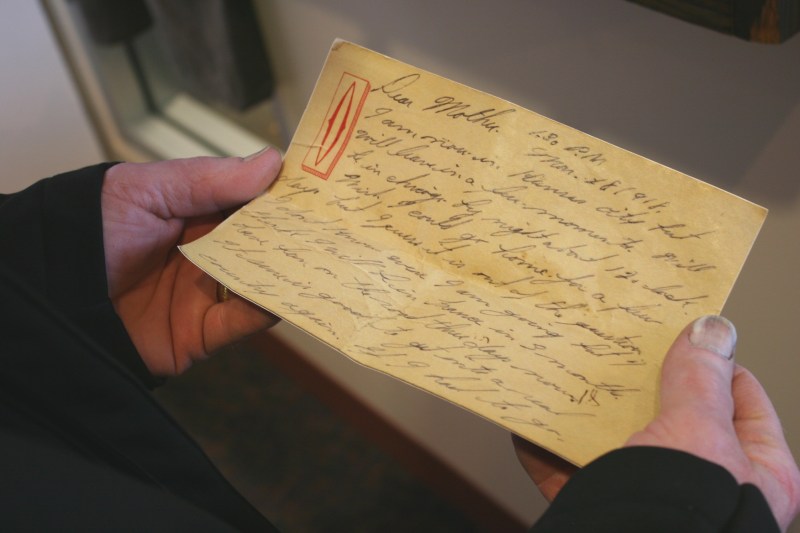
pulled copies of soldiers’ letters from mailboxes,


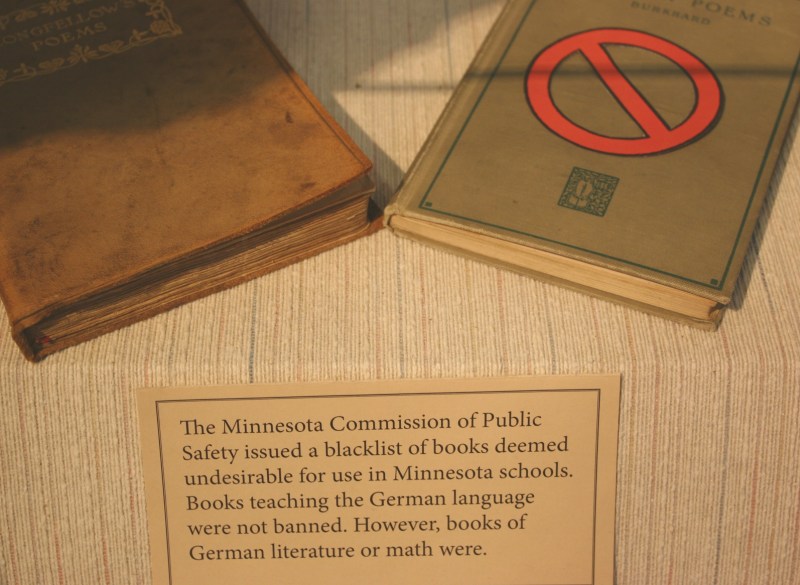
observed blacklisted books of German poetry,


considered the sacrifices of Wheatless Wednesdays and Heatless Mondays, I contemplated how this war affected every aspect of life. Not just for those military personnel in battle, but for the everyday American.


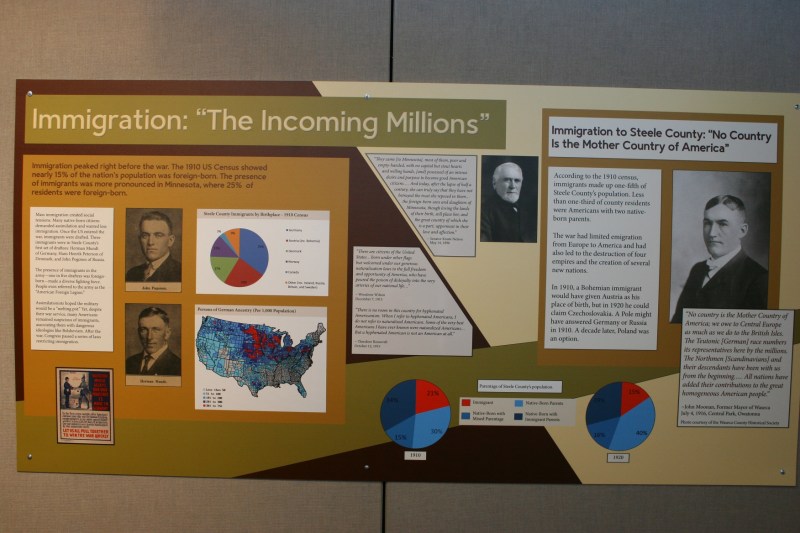
And when I read the section on immigration, I contemplated how little has changed. How the issues of yesterday—back then the hatred of Germans—today has only a new color, a new ethnicity. I read: Mass immigration created social tensions. Many native-born citizens demanded assimilation and wanted less immigration.

I don’t intend for this post to spark intense discussion on immigration issues. But the immigration section of this exhibit certainly resonated with me. I am of German heritage. If my grandparents were still living, I would question them about issues they faced because of their ethnicity.

It saddens me to think how, still today, social tensions and demands for assimilation and hostility toward immigrants remain. Strong. Often hateful. As if we didn’t all come from immigrants. As if we aren’t all human beings worthy of love and respect and a place to call home.


All of that aside, I’d encourage you to tour “Over Here, Over There: The Great War.” There is much to be culled from this exhibit whether you read every single word or browse through the information. In history we learn. If only we’d retain those lessons so history does not repeat itself.


© Copyright 2019 Audrey Kletscher Helbling


“Singin’ in the Grain” documentary celebrates southern Minnesota’s Czech heritage April 2, 2019

Singin’ in the Grain promo photo from Minneapolis St. Paul International Film Festival website.


HERITAGE. WHAT’S YOURS? German? Irish? French? Scandinavian? How about Czech?


Clarence Smisek, photographed at the August 2011 Veseli Ho-Down. Minnesota Prairie Roots file photo.


The heritage, history, stories and music of the Czech people of southern Minnesota focus a documentary, Singin’ in the Grain—A Minnesota Czech Story, debuting on April 6 at the Minneapolis St. Paul International Film Festival. I spoke recently with noted Minnesota filmmaker Al Milgrom who co-directed and co-produced the film with Daniel Geiger.


Mary Ann Kaisersatt, left, and Jule Franke make prune-filled kolacky at Franke’s Bakery in Montgomery, a small town which calls itself the Kolacky Capital of the World. Minnesota Prairie Roots file photo.


In our 45-minute interview, Milgrom shared his excitement about this documentary with filming spanning from 1974 until just weeks ago and centering on the communities of Montgomery, New Prague, Lonsdale and Veseli. All hold a strong Czech heritage well known in this area of Minnesota, but not necessarily elsewhere in the state. Milgrom calls this regional Czech culture a hidden treasure and wants others to expand their knowledge of Minnesota’s cultural identity by viewing his film.


The Most Holy Trinity Catholic Church photographed during the August 2011 Veseli Ho-Down. Minnesota Prairie Roots file photo.


The Eddie Shimota Band performs at the 2011 Veseli Ho-Down. Minnesota Prairie Roots file photo August 2011.


The film’s storyline follows the Eddie Shimota, Sr., Polka Band and three generations of the Shimota family. But this documentary is about much more than a single family or a single band. The filmmakers showcase the Czech culture and heritage via the Veseli Ho-Down, an annual event at Most Holy Trinity Catholic Church; Montgomery’s Kolacky Days; New Prague’s Dozinky Festival; St. Paul’s Sokol (Czech-Sloval Protective Society) Hall; music from groups like the Czech Concertina Club; and much more. Even via an interview with two bachelor farmers from Union Hill.


Kolacky, a fruit-filled Czech pastry, were among the many ethnic baked goods sold at the 2011 Veseli Ho-Down. Minnesota Prairie Roots file photo.


Although I’ve not seen the film, I am familiar enough with the area’s Czech culture to understand the background of this film. I recognize Czech surnames. I’ve eaten more than one kolacky, attended the Veseli Ho-Down complete with polka mass, heard area Czech bands, visited Franke’s Bakery in Montgomery…


Photographed at the August 2011 Veseli Ho-Down, Minnesota Prairie Roots file photo.


Milgrom’s film covers the Czech heritage, efforts to continue traditions, generational assimilation, symbolic ethnicity and more. He noted, too, the evolution of Czech music from polka/folk to more gypsy-like with a beat differing from Old Country style Czech.


The New Prague Czech Singers perform in their mother tongue at the August 2011 Veseli Ho-Down. Minnesota Prairie Roots file photo.


Music is integral to Singin’ in the Grain, a take on Gene Kelly’s Singin’ in the Rain. Milgrom describes a scene of locals working in cornfields, polka music pulsing in the background. That visual and audio alone are enough to interest me in the film.


The New Prague Czech singers perform at the August 2011 Veseli Ho-Down. Minnesota Prairie Roots file photo.


Milgrom’s interest in this culture sparked when he was a child growing up in Pine City among many, as he calls them, Bohemian kids. His high school band played Czech folk songs. And when his interest in photography and then filmmaking developed, so grew his appreciation of Czech filmmakers with their unique take on filmmaking that included a wry humor, he says.


A sign several miles from Veseli directs motorists to the Ho-Down. Minnesota Prairie Roots file photo 2011.


It’s easy to embrace this experienced—he’s pushing age 97 with more film ideas in the works—documentarist’s enthusiasm for Singin’ in the Grain. Audiences, he says, will have a lot of fun watching this film packed with music and dancing. From Veseli, which he calls “a hidden little town somewhere in the hills,” to New Prague and places in between, Milgrom has spent nearly 50 years working on this film, gathering 100 hours of footage now condensed into this 109-minute documentary.


A mural in downtown Montgomery, Minnesota. Minnesota Prairie Roots file photo.


While the film debuts this Saturday at the Minneapolis St. Paul International Festival at St. Anthony Main Theater, Milgrom hopes to eventually bring the documentary to rural southern Minnesota, to communities of strong Czech heritage.


FYI: The April 6 showing of Singin’ in the Grain is sold out, but tickets may still be available for a 4:15 p.m. Wednesday, April 17, screening at St. Anthony. The documentary also screens at noon on Thursday, April 18, at the Rochester International Film Festival in Rochester, Minnesota.

Milgrom’s credentials include founding and serving as artistic director of U Film Society and co-founding the Minneapolis St. Paul International Film Festival and much more.

Daniel Geiger also has an extensive film background with work on feature films such as Fargo, North Country, Purple Rain and more.

CLICK HERE to watch a short clip from Singin’ in the Grain.

CLICK HERE and then click here to read posts I wrote on the 2011 Veseli Ho-Down.

© Copyright 2019 Audrey Kletscher Helbling


Lots to do in the Faribault area this autumn weekend October 12, 2018

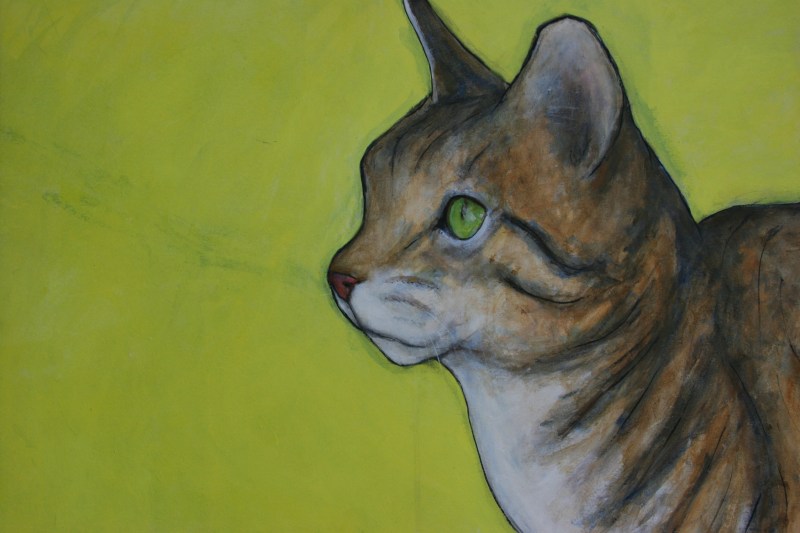
“Grandview Farm Cat” by Faribault animal portrait artist Julie M. Fakler. Julie is among artists participating in this weekend’s South Central Minnesota Studio ARTour. Minnesota Prairie Roots file photo.


ART. FOOD. FUN. Those and so much more are part of multiple events scheduled in and around Faribault during a jam-packed autumn weekend. Here’s a list of area happenings. For more information, click on the highlighted links within each event mini snapshot.


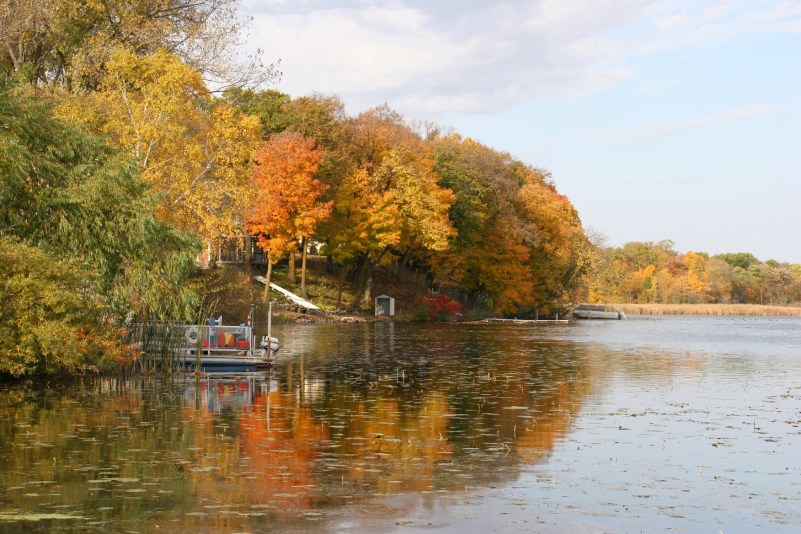
Kelly Lake, rural Faribault, photographed last October. Minnesota Prairie Roots file photo 2017.


We’re only an hour south of Minneapolis along Interstate 35, making this a perfect day trip destination. While you’re here, check out our historic downtown and even take a drive in the country to see the fall colors. The rural areas, especially around Rice County’s many lakes, present some of the best colors in this region of Minnesota, in my opinion. (Click here for a view of last year’s fall colors.)


Art supplies photographed during a previous Studio ARTour. Minnesota Prairie Roots file photo.


2018 Studio ARTour of South Central Minnesota

Meet 38 artists at 19 sites (many of them studios) during this weekend arts event that covers the Faribault, Northfield, Nerstrand and Farmington areas. This presents a great opportunity to talk to and view and buy art from artists who work with everything from wood to ceramics to paint and much more. Some studios open on Friday already with others open Saturday and Sunday. Click here for details.


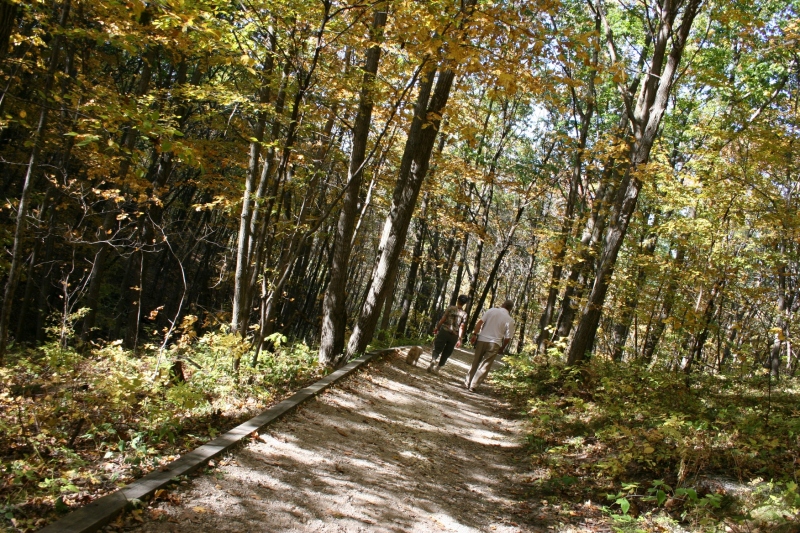
Well-kept and well-traveled paths take hikers deep into Nerstrand Big Woods State Park. Minnesota Prairie Roots file photo.


Big Woods Run

Rise early Saturday to take in this annual marathon and more hosted by St. John’s United Church of Christ, Wheeling Township east of Faribault. Start time is 9 a.m. with later starts for the kids’ K. The route takes participants into Nerstrand Big Woods State Park, known for its remarkable autumn beauty. Click here and here for registration, schedule and more.


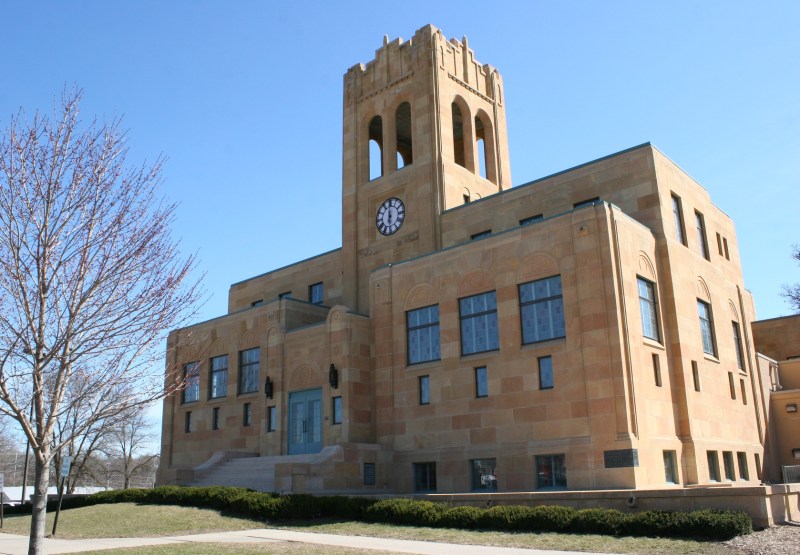
Buckham Memorial Library, Faribault, Minnesota. Minnesota Prairie Roots file photo.


Athens of the West Free Walking Tour

Local historian and artist Jeff Jarvis hosts two free walking tours through downtown Faribault, beginning at Buckham Memorial Library on Saturday, the first tour at 11:30 a.m., the second at 2 p.m. Jarvis will explain via this tour how Faribault became known as “The Athens of the West.” Tour groups are limited to 15. Click here for details.


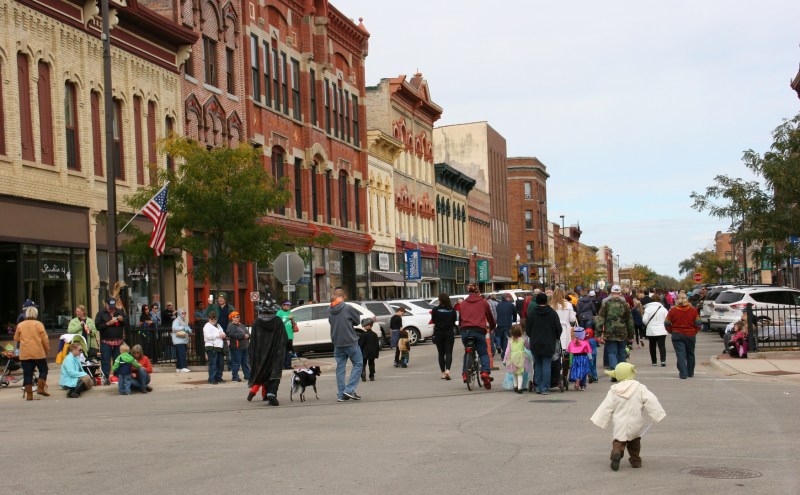
Costumed kids parade through historic downtown Faribault during a previous fall fest. Minnesota Prairie Roots file photo.


Faribault Main Street Fall Festival

Historic downtown Faribault is the setting for this annual October celebration that features a costume parade for kids, a chili cook-off, Faribault Foods Fall Frolic 5K Walk/Run and lots more. Come hungry as you can sample the chilis for $5. Click here for everything you need to know about this event set for Saturday.


Perusing merchandise at the Faribault Woolen Mill retail store. Minnesota Prairie Roots file photo.


The Legendary Warehouse Sale, Faribault Woolen Mill

From 8 a.m. – 4 p.m. Saturday, the historic woolen mill offers selected products at sale prices. This event always draws a crowd to the mill store along the banks of the Cannon River on Faribault’s north side. Click here for additional info.


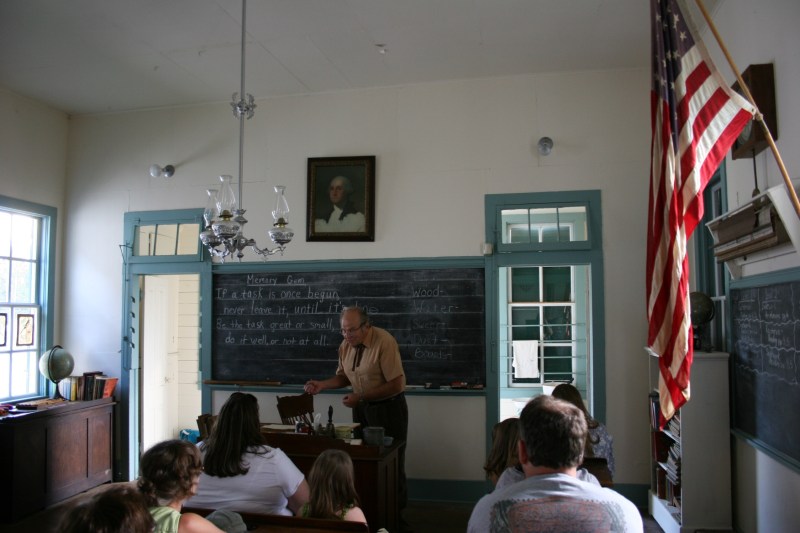
Attendees at a past A Night at the Museum fill the one-room school for classes. Minnesota Prairie Roots file photo.


Night at the Museum

The Rice County Historical Society hosts its annual Night at the Museum, a living history type event from 4 – 7 p.m. Saturday at the county museum followed by music and stories around the campfire from 7 – 8 p.m. Click here for details.


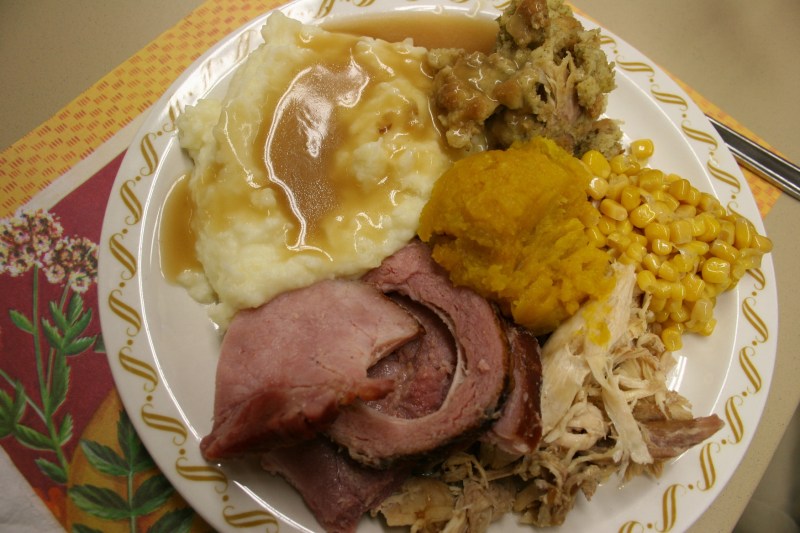
You’ll get this food and more at the Trinity North Morristown church dinner. Minnesota Prairie Roots file photo.


Harvest Dinner & Fall Festival, Trinity Lutheran Church, North Morristown

If you crave great homemade food prepared by church people, this dinner is for you. From 11 a.m. – 1 p.m. on Sunday, the good folks of this country church will serve a turkey and ham dinner with all the fixings. I’ve attended this dinner multiple times and it is, by far, my favorite church dinner. Also browse the crafts, canned goods and treats for sale. Find more info by clicking here.

© Copyright 2018 Audrey Kletscher Helbling


Faribault history takes center stage in a must-see play by two high school students September 20, 2018


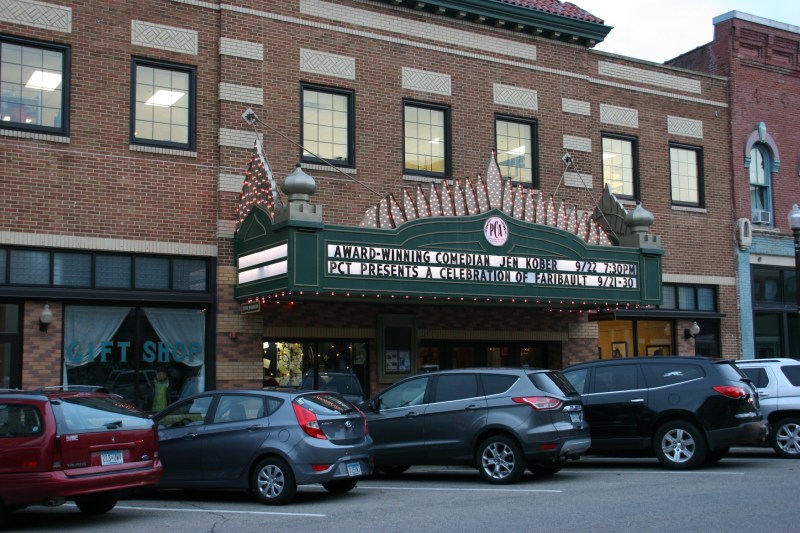
An original play about historic Faribault opens Friday evening, September 18, at the Paradise Center for the Arts, Faribault.


REVEALING. THOUGHT-PROVOKING. POWERFUL. Authentic. Relevant.

All describe a debut play, A Celebration of Faribault: The 1855 Live Show, written and directed by high school seniors Logan Ledman and Samuel Temple. I attended a recent press screening of the Paradise Community Theatre production, set to open Friday evening at the Paradise Center for the Arts in historic downtown Faribault.


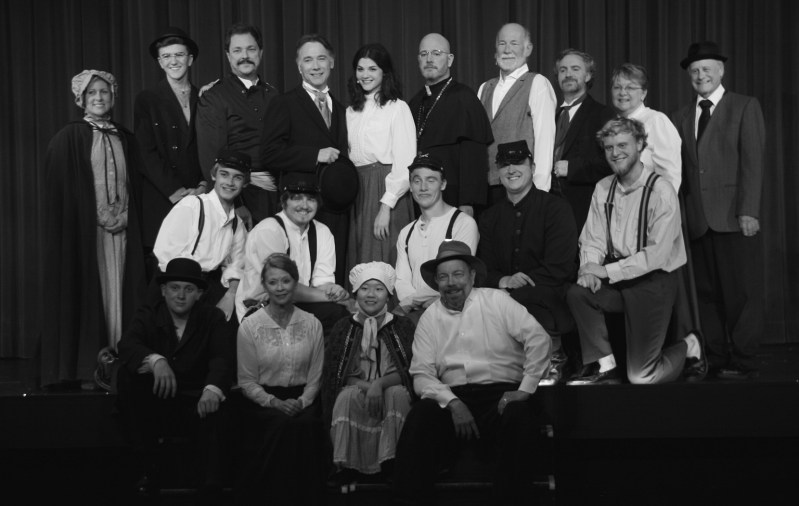
The cast of A Celebration of Faribault: The 1855 Live Show. Writers and directors are Samuel Temple of Faribault, left center row, and Logan Ledman of Northfield, right center row.


Featuring town founder Alexander Faribault, Bishop Henry Whipple, long-time Judge Thomas Buckham and his wife, Anna, as the lead characters, this play personalizes my southeastern Minnesota community’s early history. By the end of this lengthy show, I felt like I really knew the people I’ve read about in historical accounts. The directors/writers tackle real-life issues of the era head-on in a sensitive and relate-able way. They do that in intimate dialogue, in reading of letters exchanged between the Buckhams, in newspaper editorials, in a dramatic battlefield setting, in one especially powerful scene that closes the first act… I won’t share that closing. It needs to be seen and heard. Experienced really.


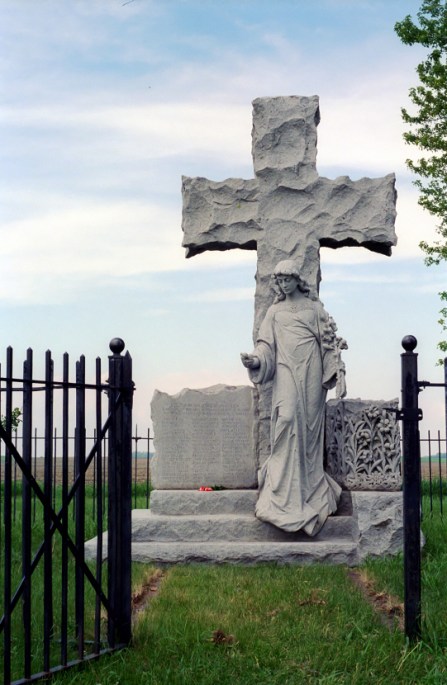
The Milford State Monument along Brown County Road 29 west of New Ulm commemorates the deaths of 52 settlers who were killed in the area during the U.S.-Dakota War of 1862. Located along the eastern edge of the Lower Sioux Reservation, Milford had the highest war death rate of any single township. Minnesota Prairie Roots file photo.


The Loyal Indian Monument at Birch Coulee Monument near Morton honors Native Americans and features strong words like humanity, patriotism, fidelity and courage. Minnesota Prairie Roots file photo.


The content of this play takes me beyond Faribault and back to my native southwestern Minnesota prairie, at the epicenter of the U.S.-Dakota War of 1862, a focal point in this production. I know well the history of that war, which I studied decades ago and once researched. Ledman and Temple clearly did their research, too, in writing this play.


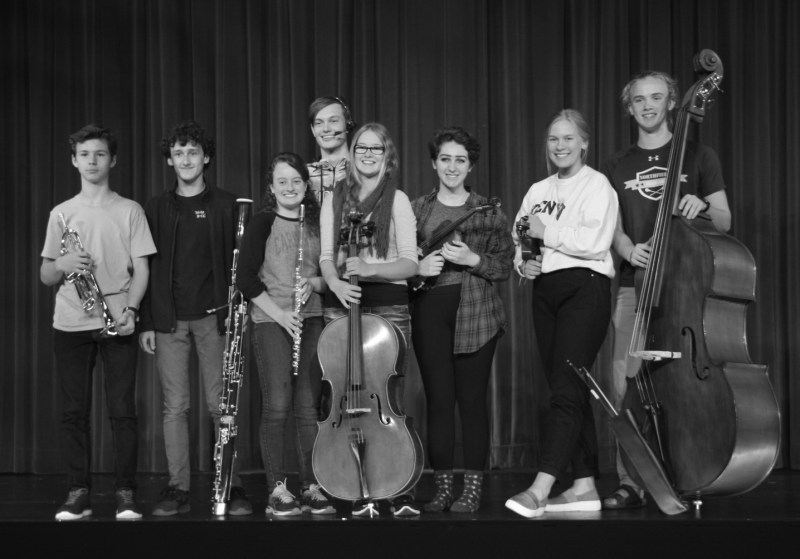
The youth orchestra plays original music by Sam Dwyer, back in the headset.


The crew weaves in audio details that, with a surround sound system, amplify the impact of the script. Mood-setting music written by area high school student Sam Dwyer and performed by an all-youth orchestra enhances the production. Likewise lighting and varied ways of presenting content keep the play interesting and entertaining.


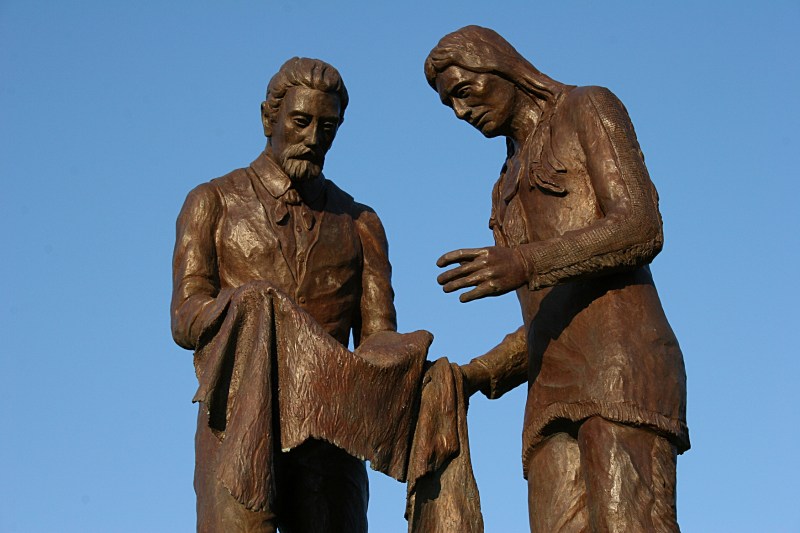
This sculpture of Alexander Faribault meeting with a Dakota trading partner stands in Faribault’s Heritage Park near the Straight River and site of Faribault’s trading post. Faribault artist Ivan Whillock created this sculpture which sits atop a fountain known as the Bea Duncan Memorial Fountain. Minnesota Prairie Roots file photo.


As I listened and watched, I considered how, 150-plus years later, my city still struggles with issues similar to those in frontier Faribault. Back then, town founder and fur trader Alexander Faribault, whose mother was the daughter of a Dakota chief and who married a part Dakota woman, welcomed the Dakota into his home, onto his land. Likewise, Bishop Whipple welcomed those native peoples into his church as friends. After the U.S.-Dakota War, locals were no longer so accepting of the Dakota presence here or in other parts of Minnesota.


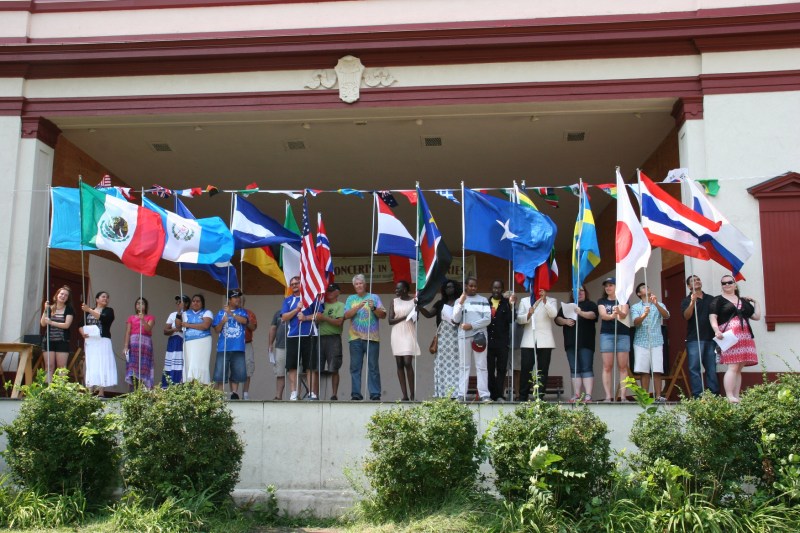
A flag ceremony during a past international festival features national anthems and information about the countries from which Faribault residents have originated. Minnesota Prairie Roots file photo.


Today Faribault faces some of those same challenges with immigrants in our community. They have not always been welcomed. But I see that changing as time passes, as cultures adjust, as acceptance grows. So this play, though historically-themed, remains relevant. I would like to believe that Alexander Faribault (as scripted in the play) was right in his assessment: “We are neighbors in the human race. That is the community of Faribault.”

The deeply personal aspects of A Celebration of Faribault come in letters written between Thomas Buckham and his wife, Anna. The teen writers/directors spent hours at the Minnesota Historical Society reading those exchanges. With reluctance, Anna left her family on the East Coast to resettle in Faribault, only to return and care for her ailing sister. The Buckhams would be separated for 17 years with Anna returning to Minnesota upon her husband’s death. At times I felt uncomfortable witnessing the conflicts within this marriage and the choices made. But that says a lot for the script, for the acting, that I experienced those emotions. These were real people torn between family and place. Anna truly never felt at home in Faribault.


Anna Buckham gifted the city of Faribault with the Art Nouveau/Greek Revival style Kasota stone Thomas Scott Buckham Memorial Library. It was constructed in 1929-1930 for $240,000. Minnesota Prairie Roots file photo.


Still, she left a legacy honoring the husband she loved even through physical separation. That legacy stands just blocks from my home, at the site of a former livery stable. It is the Thomas Scott Buckham Memorial Library, complete with Greek murals celebrating Thomas’ adoration of the Greeks, the Greek language and culture, and Greek classics.


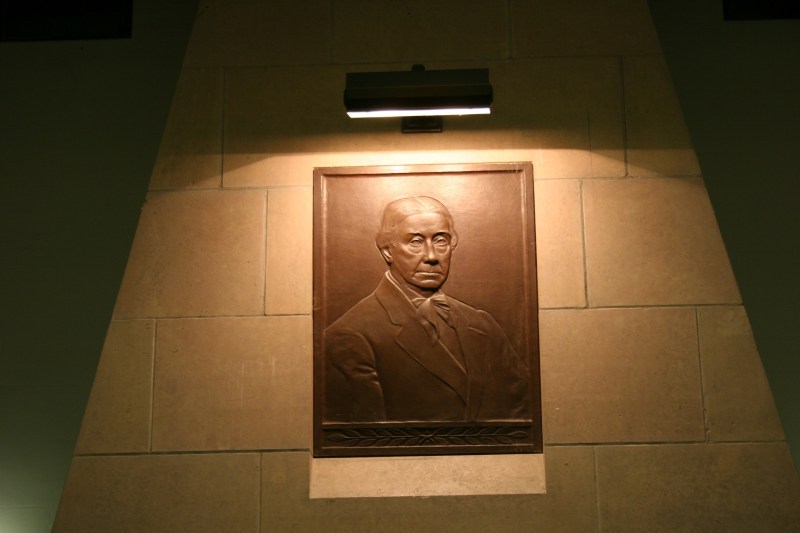
This bronze sculpture of Thomas Scott Buckham hangs above a fireplace in the library’s second floor Great Hall meeting space. Minnesota Prairie Roots file photo.


As someone who grew up in a rural community without a library, I deeply appreciate this gift to the city I’ve called home for 36 years. I value Buckham library and the content therein from magazines to books to the art gracing walls to a stained glass window crafted by Charles Connick of Boston. Today my son lives and works in greater Boston. Growing up, he visited the library often, checking out books to teach himself computer programming. He would not be where he is today professionally without the resources of Buckham library. Likewise, my daughters worked as pages there, experiences that would later land them library jobs as college students. The library holds personal significance in my family’s history. Thus I appreciate its prominence in A Celebration of Faribault and its continued importance in my community as a welcoming place for all peoples.


High school students Logan Ledman, left, and Samuel Temple produce “1855: A Faribault History Series on FCTV” in Faribault. File photo courtesy of Samuel Temple.


Exiting the Paradise Center for the Arts theater following the performance, I felt a sense of gratitude to the young men who care enough about Faribault to research and embrace its history and then share their discoveries with others. Ledman and Logan are also creators of 1855, an acclaimed history documentary series aired on local public television. It’s hard to believe these two are still in high school. There’s no doubt these 17-year-olds possess a clear and deep love of history, of heritage and of this place we call Faribault.

FYI: Performances of A Celebration of Faribault: The 1855 Live Show are set for 7:30 p.m. on two Fridays, September 21 and 28, and at 2 p.m. on two Sundays, September 23 and September 30. Click here to purchase tickets.

A $3,000 grant from the Southeastern Minnesota Arts Council helped fund this production.

© Copyright 2018 Audrey Kletscher Helbling


Celebrating heritage & history at the Valley Grove churches September 18, 2018

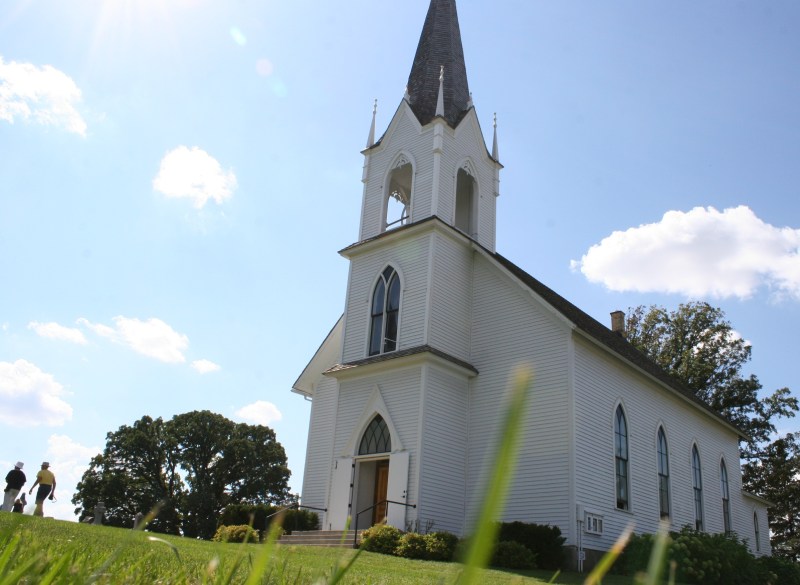
I propped my camera on the grass and tilted it up to snap this photo of the 1894 Valley Grove church, rural Nerstrand, Minnesota.


MID-SEPTEMBER AIR HUNG HEAVY with humidity, more summer-like than autumn on this Sunday afternoon at two country churches in southeastern Minnesota.
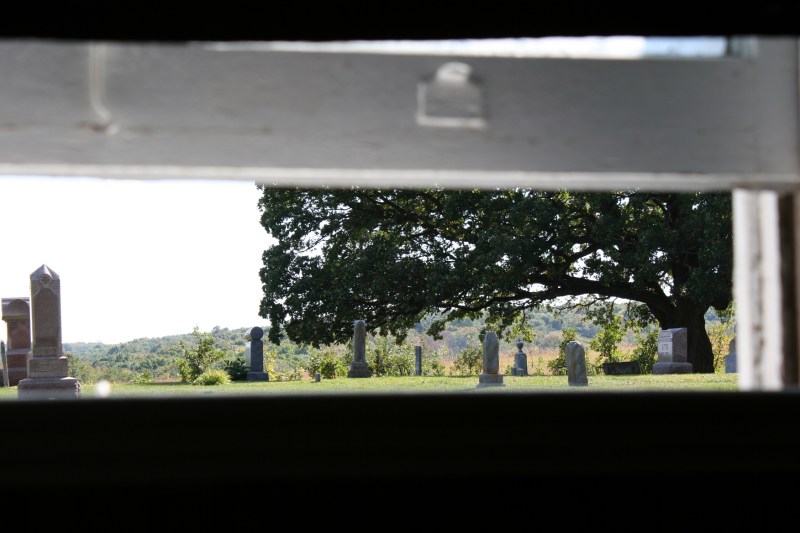
 

A view of a section of the Valley Grove cemetery through a partially open window in the wood-frame church.


But, inside the sanctuary, Randy and I sat near a window cracked open to the cemetery, wind fanning a breeze, and at one time a wasp.
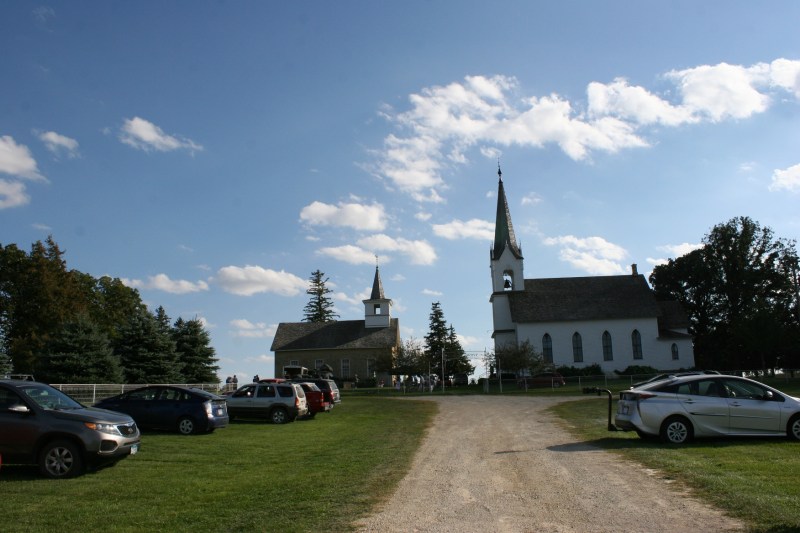
 

Duo churches grace the hilltop, the clapboard church replacing the original stone church for worship.
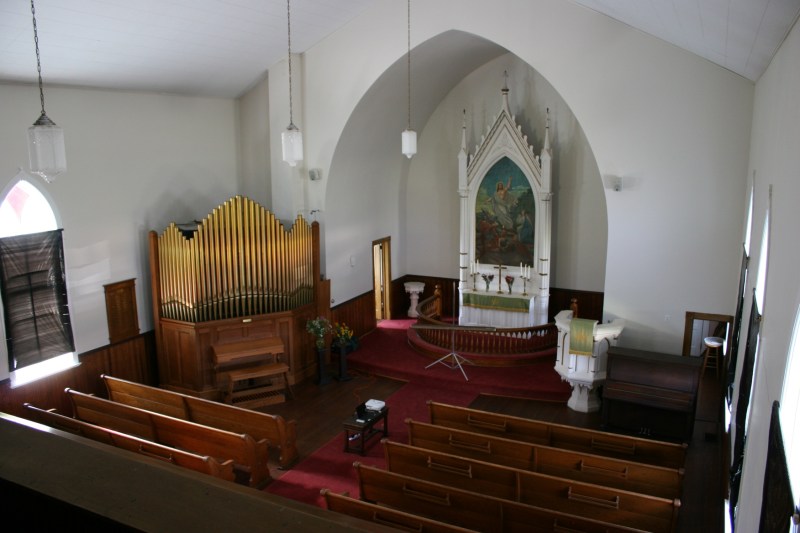
 

Inside the 1894 church with Doug Ohman’s equipment set up for his talk about country churches.
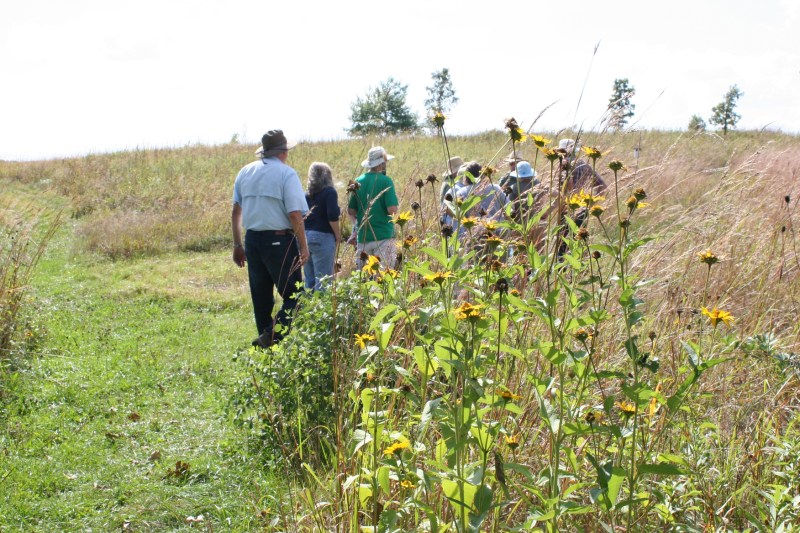
 

Visitors take a guided walk of the restored prairie.


I shifted, trying to find comfort on the hard wooden pew inside the 1894 church at Valley Grove, one of two built on a hilltop offering sweeping views of the countryside, Nerstrand Big Woods State Park next door and the small town of Nerstrand just miles to the southeast. Both church buildings remain, preserved, sanctuary doors opening to one another across a short swatch of lawn.
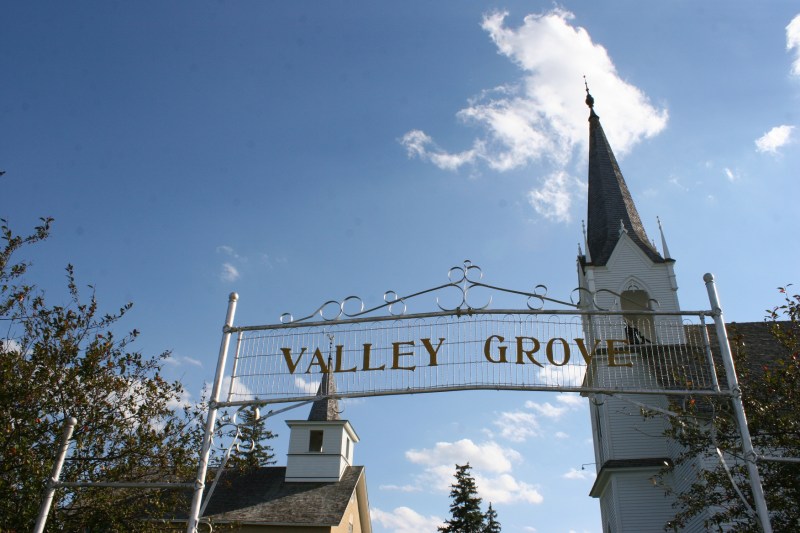
 

The arched entry gate to the church and cemetery grounds.
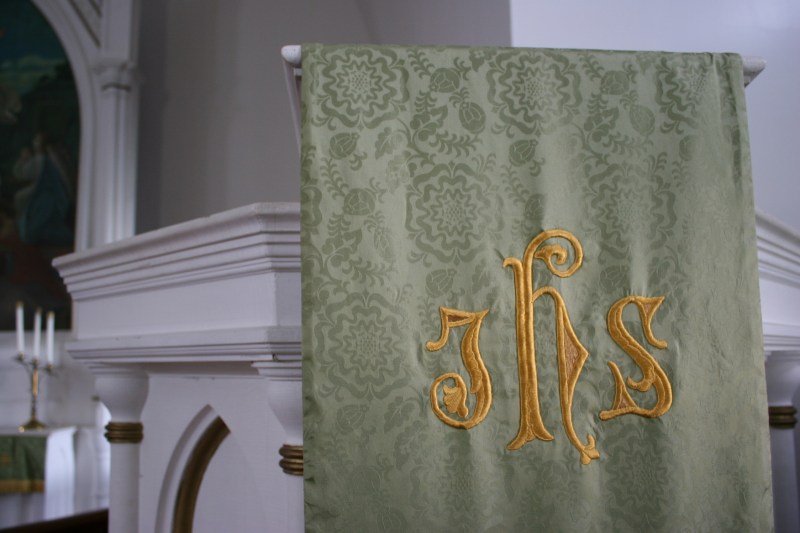
 

Imagine how many preachers preached from this pulpit. Ohman ended his talk with a short “sermon” advising us to view people and situations from the inside rather than the outside. He used a visual–that of a stained glass window appearing unimpressive from the outside but beautiful when seen from the inside.
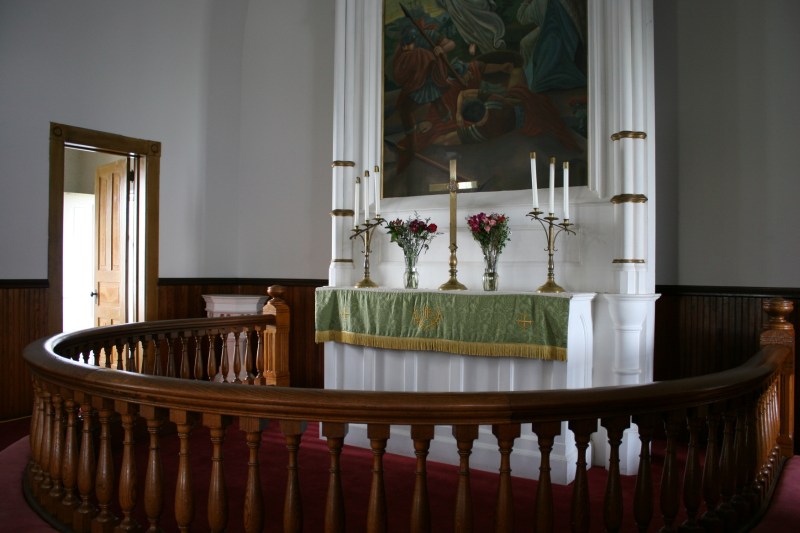
 

Altar details hold history.


We joined others here for the Valley Grove Country Social, an annual autumn event that celebrates this place. On this day, noted Minnesota photographer Doug Ohman blessed us with his storytelling and photo presentation on selected historic churches of Minnesota. “Valley Grove,” he said, “is one of my favorite spots in all of Minnesota. You can feel the history.”
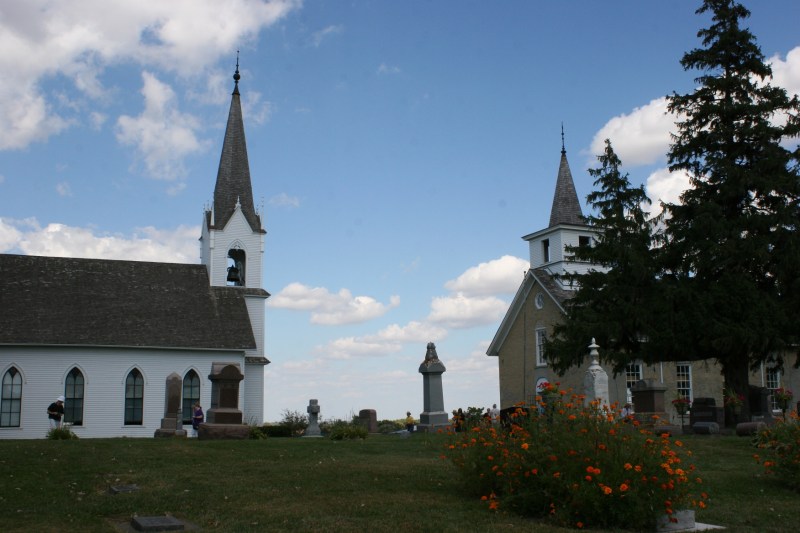
 

The Valley Grove churches and cemetery.


And that’s saying something. Ohman has photographed 3,000 plus Minnesota churches, many featured in his book Churches of Minnesota published by the Minnesota Historical Society Press as part of the Minnesota Byway series that also covers barns, courthouses, schoolhouses, cabins and libraries.
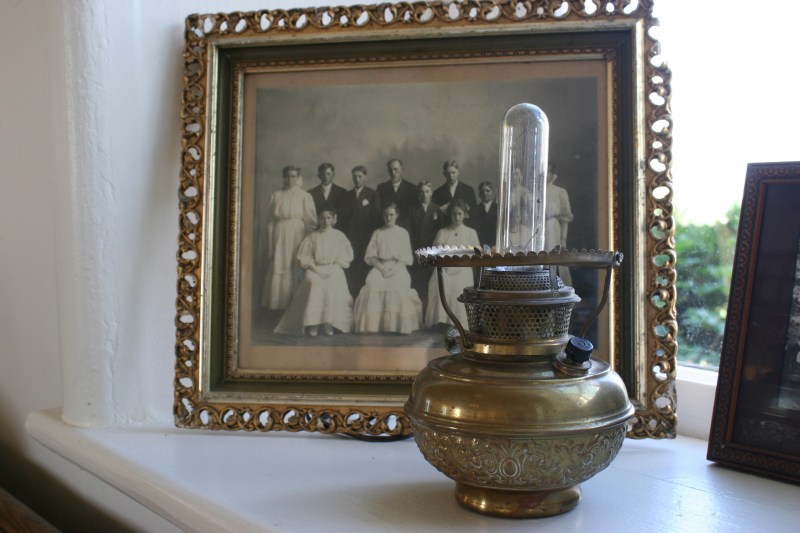
 

Vintage photos and artifacts were propped on windows in the stone church.


As Ohman talked of the early immigrants, like the Norwegians who founded Valley Grove, he noted “…communities were being knit together in the shadow of the church.”
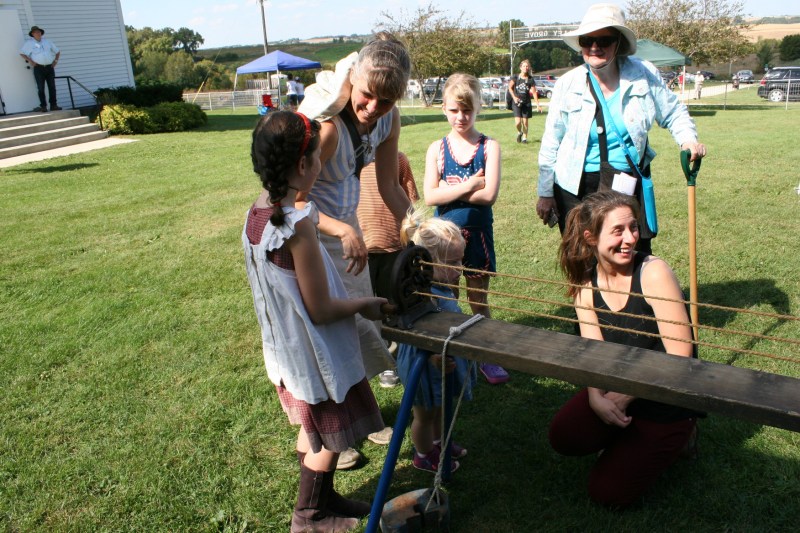
 

Visitors observed and participated in the craft of rope making.

 

A woman demonstrated the art of making krumkake, a Norwegian cookie, available for sampling.
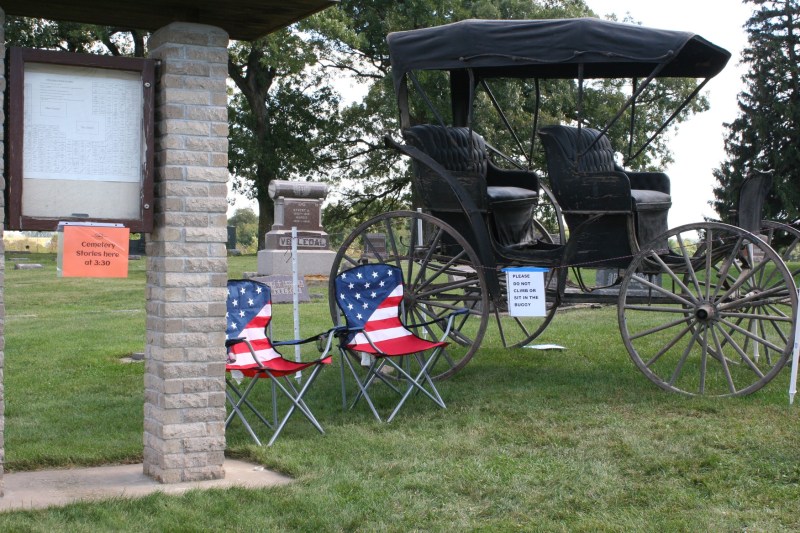
 

Old buggies on the grounds added to the sense of history.


A strong sense of history certainly exists at Valley Grove. Although I have no personal connection to these historic churches, I appreciate them. Like Ohman. “The church,” he said, “is a symbol of our heritage.” I agree.
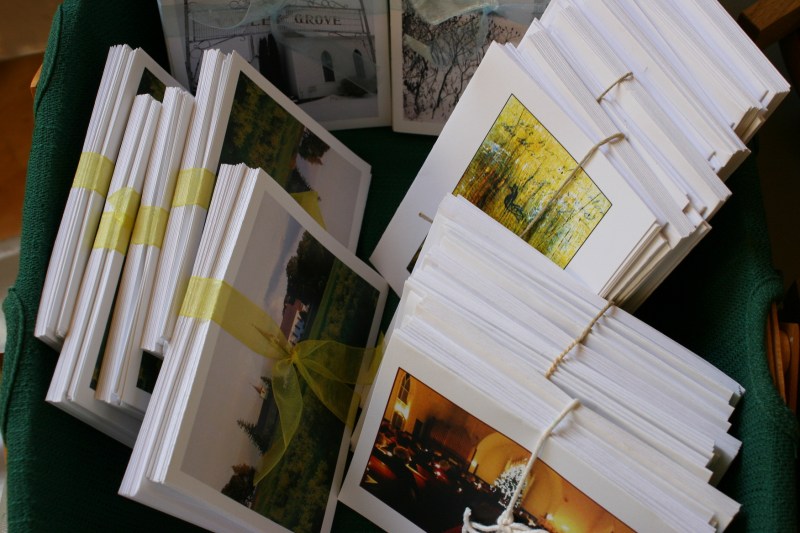
 

Valley Grove is an oft-photographed site with photos and artwork of the churches gracing notecards for sale at the country social.


This photographer not only documents with his camera, but he gathers stories, too. Ohman is a master storyteller. He regaled us with humorous and poignant stories—of retrieving a church key from an outhouse, of stringing 600 feet of extension cords from a farm to Lenora United Methodist Church so he would have electrical power to present, of a $70,000 check gifted to a central Minnesota bible camp to relocate Marble Lutheran Church 100 miles…
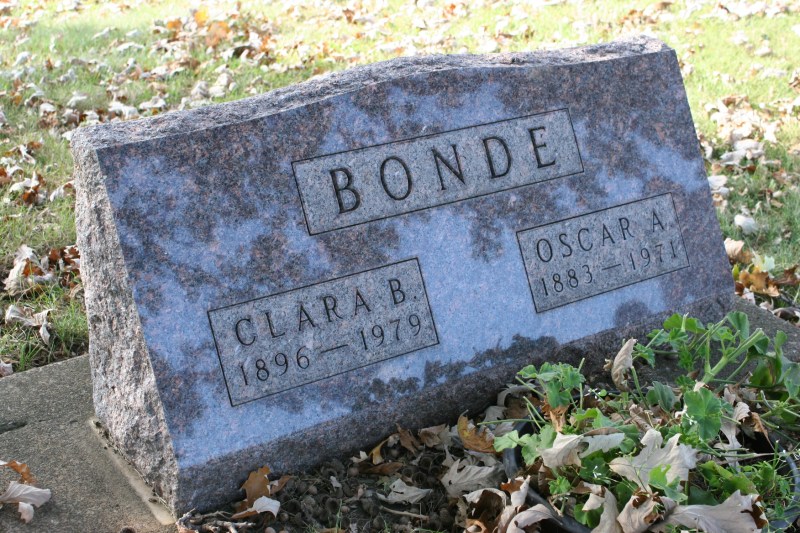


He personalized, as did Jon Rondestvedt, another storyteller who shared cemetery stories following Ohman’s talk. Rondestvedt spoke of Oscar and Clara Bonde, a couple buried in the cemetery adjacent to the two churches. Clara, he noted, was a teacher within the Normal School system before her marriage to Oscar. She loved raspberries, hated moles. She was known for her green thumb skill of growing African violets. And Oscar, well, he was known as a cookie thief, a tag that caused us to burst into laughter.
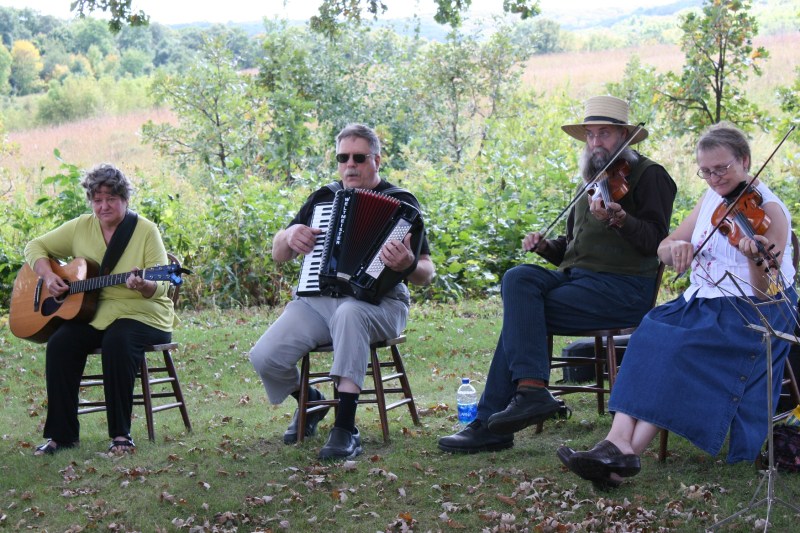
 

A snippet of the musical group Hutenanny, which performed under a sprawling oak.


Such stories reinforce Rondestvedt’s opening statement that tombstones are “testimonies to people who lived, breathed and mattered.” I like that word choice, mattered. “It’s up to us to remember them,” this storyteller said.
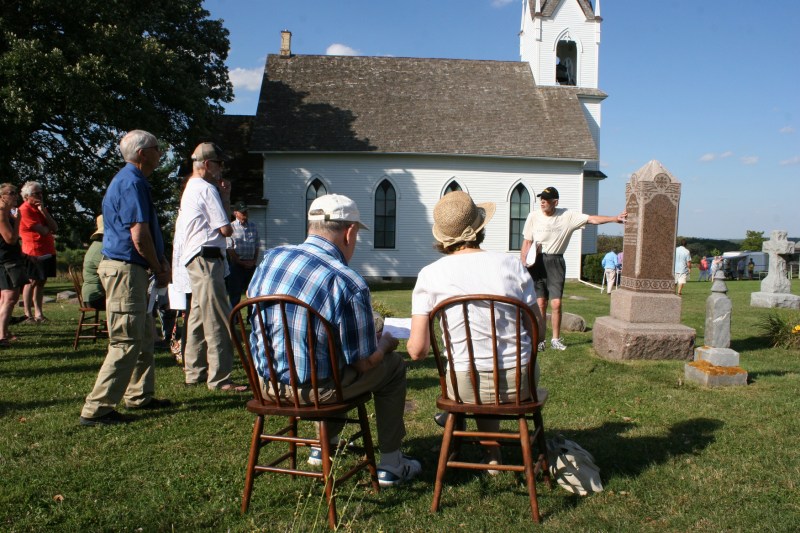
 

Jon Rondestvedt talks about the Hellerud family at their gravesites.


Later he moved from the shade of a sprawling burr oak to the sun-drenched plots of the Hellerud family. There he explained how husbands sometimes chose to honor their wives via only the woman’s name engraved on a large tombstone, the man’s grave marker nearby, a simple flat stone laid flush to the ground. “She was seen as a treasure by her husband,” Rondestvedt said. This was a new piece of information I will take with me now in my stops at country cemeteries.
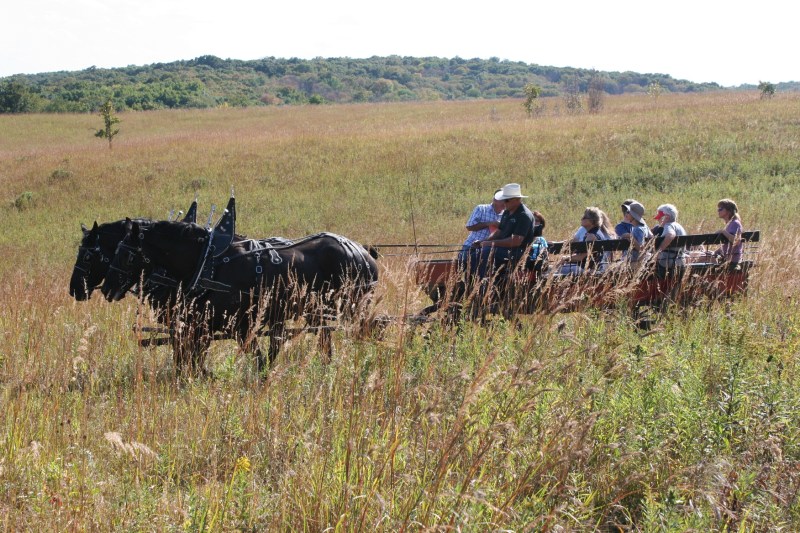
 

As I watched draft horses pull a wagon through the prairie, I imagined immigrant families traversing the prairie also.


I left Valley Grove, too, with a desire to read Giants of the Earth, a classic by O.E. Rolvaag about Norwegian immigrants settling in America. Rondestvedt read selected passages at the burial sites of the Helleruds, the wind ruffling pages of the aged novel.
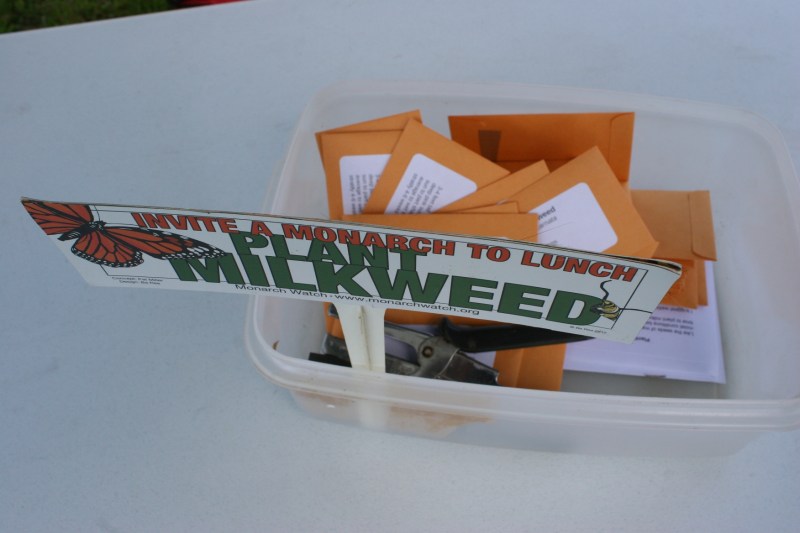
 

Packets of milkweed seed ready for the taking.


Shortly thereafter we gathered around the grave marker of Hannah Stenbakken Hellerud, a school teacher so beloved by a young boy that he said she was the first person he wanted to see in heaven. A monarch butterfly dipped and rose, circling our group. The butterfly seemed a symbolic ending to the afternoon, coming full circle to my first stop upon arriving at the Valley Grove Country Social. I’d stopped initially to check out a booth about monarchs. I left with a packet of swamp milkweed seeds which I will seed near the common milkweed already growing in my yard.
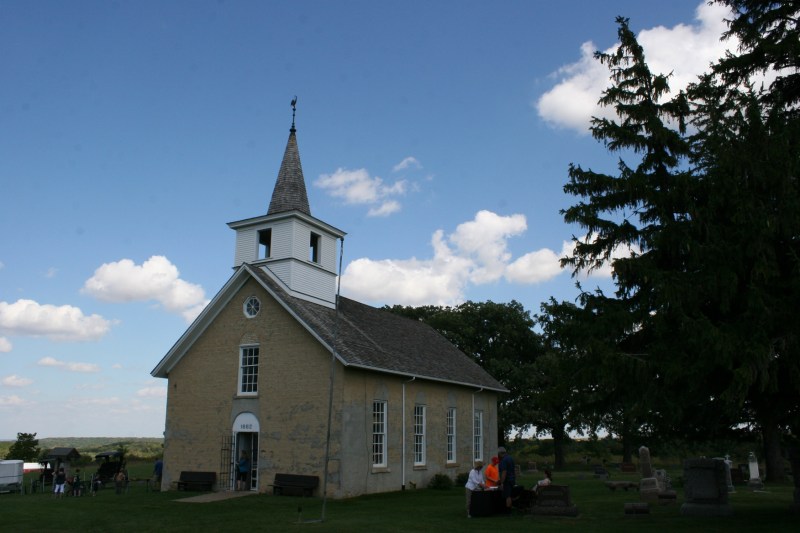
 

Efforts have been onging since 2007 to restore the 1862 limestone church.
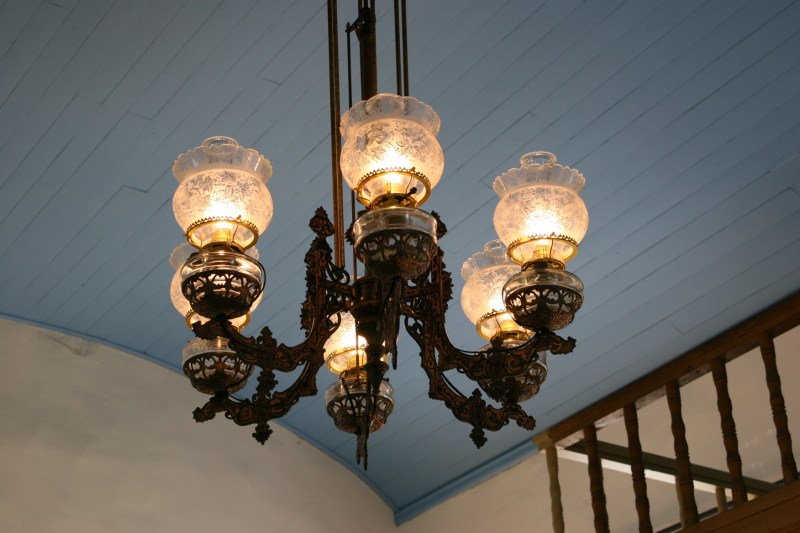
 

Inside the plain stone church, a rebuilt chandelier adds elegance.
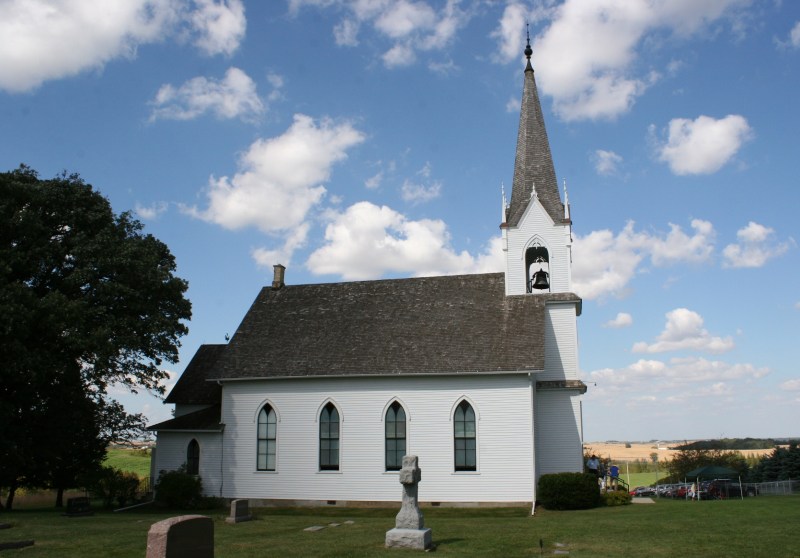
 

The Valley Grove Preservation Society has worked hard to restore both churches. Valley Grove is on the National Register of Historic Sites.


It is up to us to preserve—a population of threatened butterflies, country churches atop a hill, stories from churches and cemeteries…all that which holds our history, our heritage.
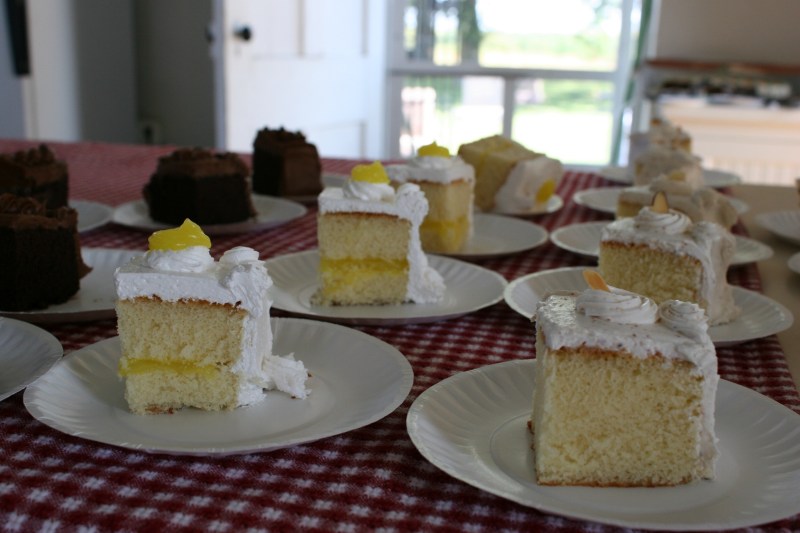
 

Every celebration calls for cake, including this cake served inside the stone church at the Valley Grove Country Social.


And it is up to us also to celebrate that which has been preserved.


© Copyright 2018 Audrey Kletscher Helbling


Remembering the day a bridge collapsed in Minneapolis August 1, 2018

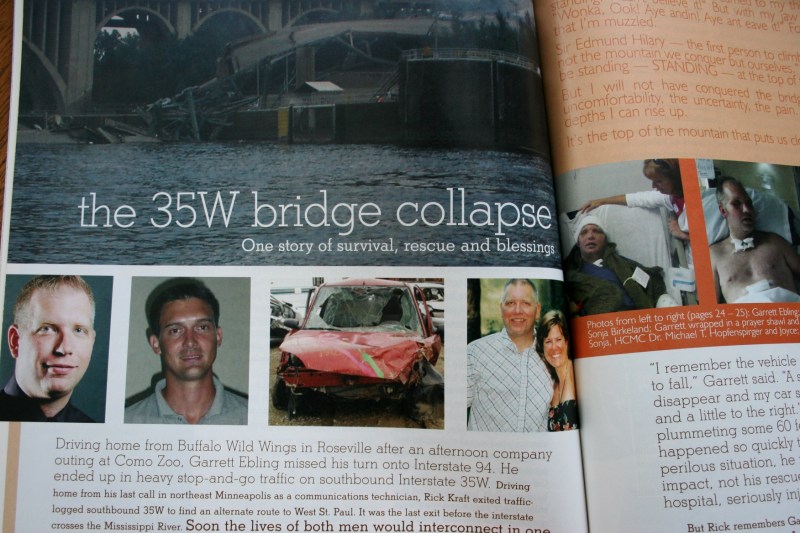
This photo shows the opening spread of a feature article published in the November/December 2007 issue of Minnesota Moments. Casey McGovern of Minneapolis shot the 35W bridge collapse scene. To the far left is Garrett Ebling before the collapse, to the right, his rescuer. The next photo shows his Ford Focus which plummeted into the Mississippi River. And to the right are Garrett and and his then fiancee, before the collapse.


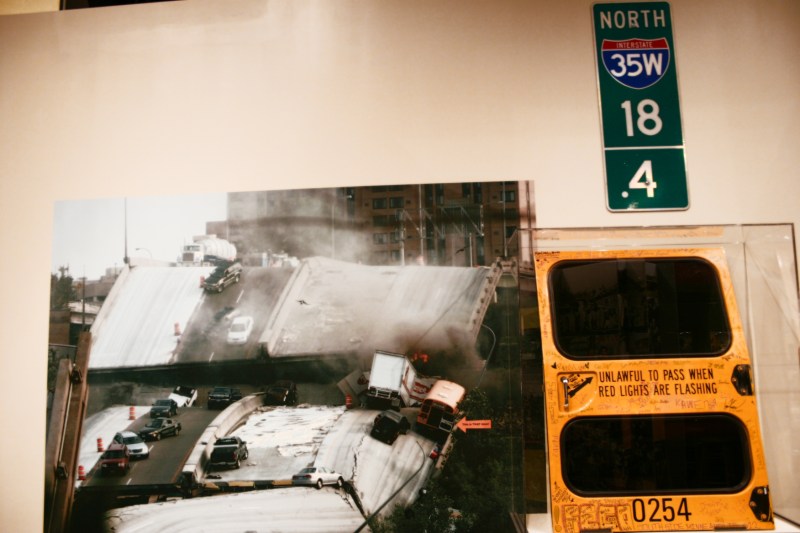
ELEVEN YEARS AGO TODAY, the unthinkable happened in Minnesota. The I-35W bridge in Minneapolis collapsed at 6:05 p.m., killing 13 and injuring 145.

At the time I was a freelance writer for the now-defunct Minnesota Moments magazine. Just months after the collapse, I interviewed survivor Garrett Ebling and his then fiancee and a passerby who rushed in to help. I wrote a feature spread that included shared images of Garrett and of the devastation.


Garrett Ebling’s book.


All these years later, I remain impressed by Garrett’s strength and determination as he recovered from serious injuries. He would go on to pen a book about his experience. Garrett is a former Faribault Daily News editor, the reason I originally connected with him post bridge collapse.


This image shows the collapsed bridge and the emergency exit door from a school bus that was on the bridge when it collapsed. I shot this image several years ago at the Minnesota History Center. Minnesota Prairie Roots file photo.


Today I remember this catastrophe that profoundly impacted Minnesotans and how we view bridges. I remember, too, those who died while simply traveling across a bridge over the Mississippi River. And I remember those who survived, their lives forever changed.


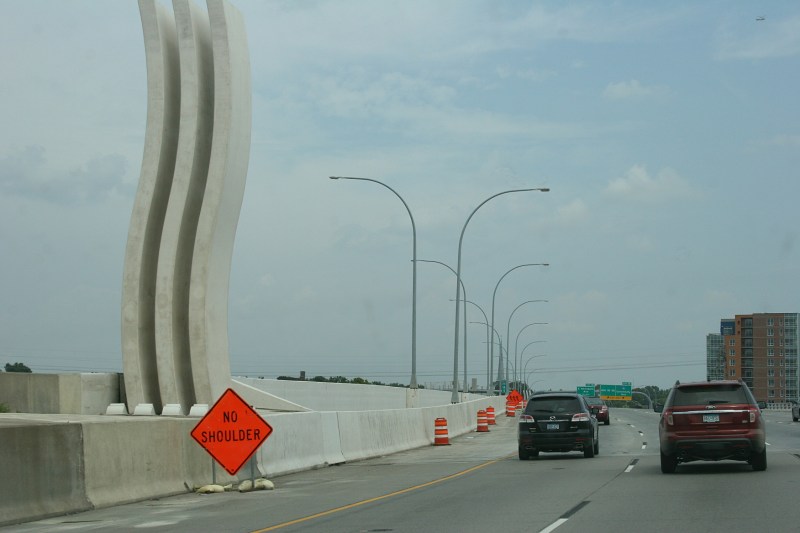
Crossing the “new” 35W bridge near downtown Minneapolis. Minnesota Prairie Roots file photo.


August 1, 2007, remains forever a heartbreaking day in the history of our state.

© Copyright 2018 Audrey Kletscher Helbling
 

The faith of our fathers still flourishes in a long-time Faribault radio ministry April 26, 2018

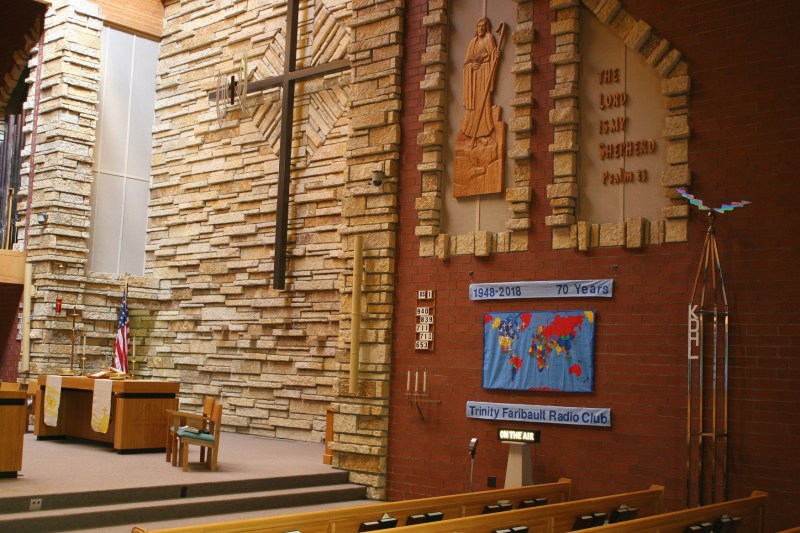
A temporary display in the sanctuary of Trinity Lutheran Church celebrates the radio and video ministry.


FROM MINNESOTA to Sweden to Saudi Arabia, people are listening to worship services from Trinity Lutheran Church, Faribault.


That may not seem remarkable in this technological age. But the longevity of this Minnesota-based ministry—seventy years—and its basic beginnings are remarkable. In April 1948, a group of men founded the Trinity Radio Council with the goal of broadcasting services on KDHL radio in Faribault. Just three months after that station formed and weeks after the Council initially met, the first Trinity worship service aired at 8 a.m. on April 25, 1948.


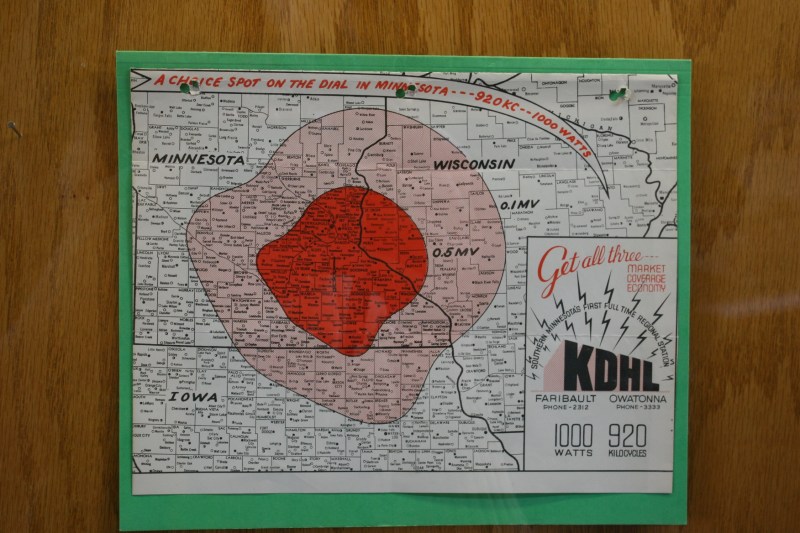
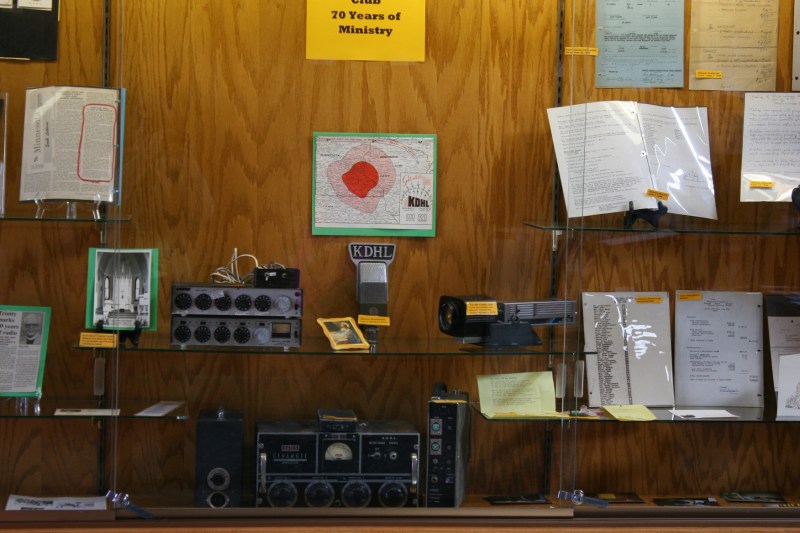
The original coverage area for KDHL radio.


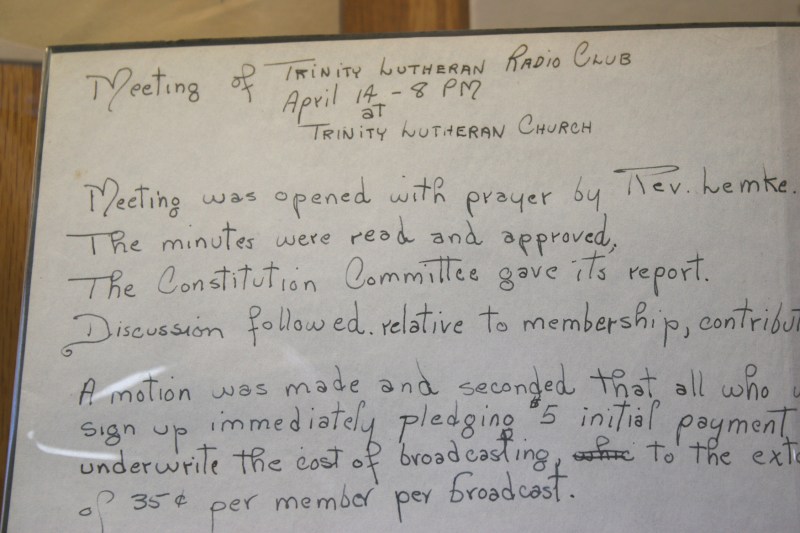
With promised payments of 35 cents per broadcast per Council member, this ministry into the southern regions of Minnesota, western Wisconsin and northern Iowa launched. Today those live radio broadcasts cost $175, but reach a much wider audience. And well beyond radio.


Worship services (at 8 a.m. Sundays and on other special church days) are also live-streamed, available for online viewing, aired on the local community cable channel and shared with care center residents.


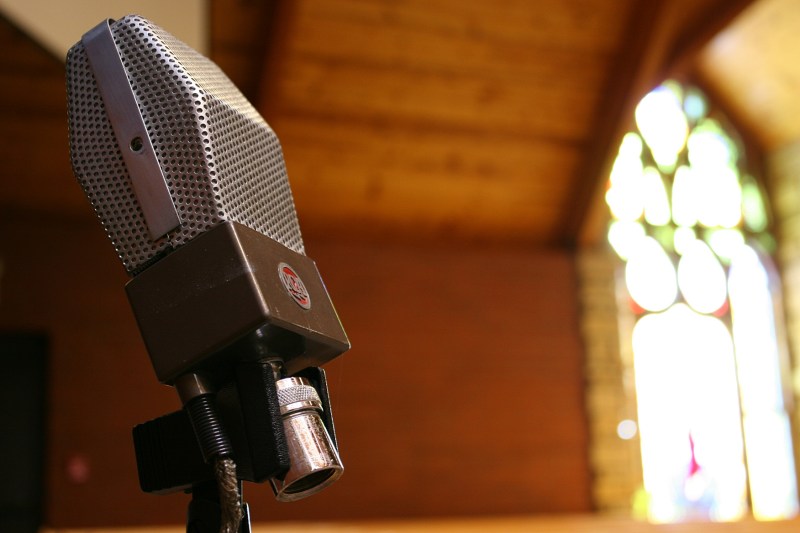
The original microphone used in 1948.


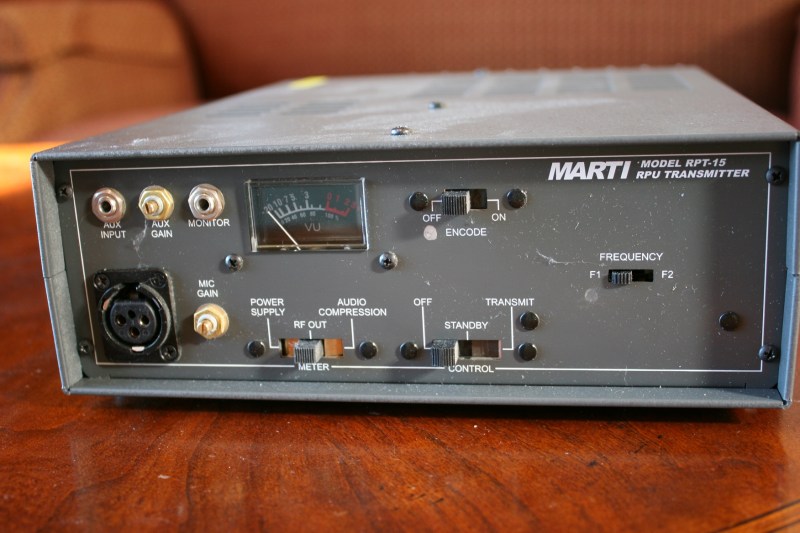
The transmitter.


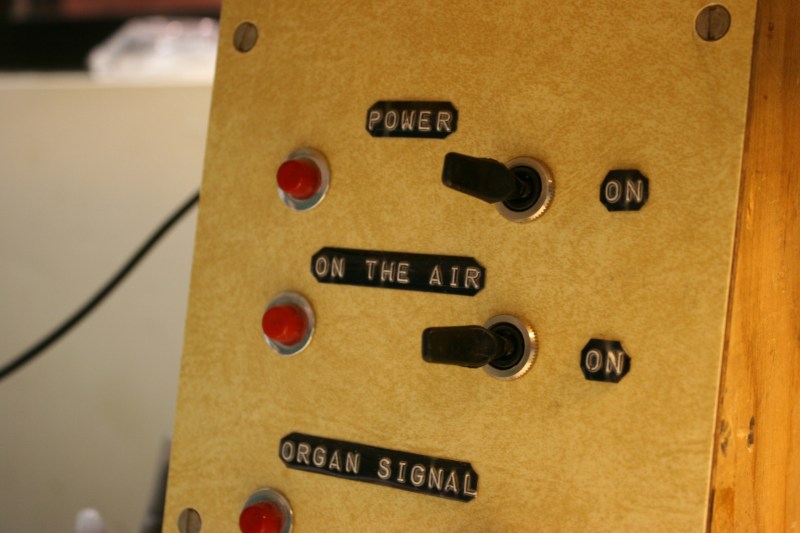
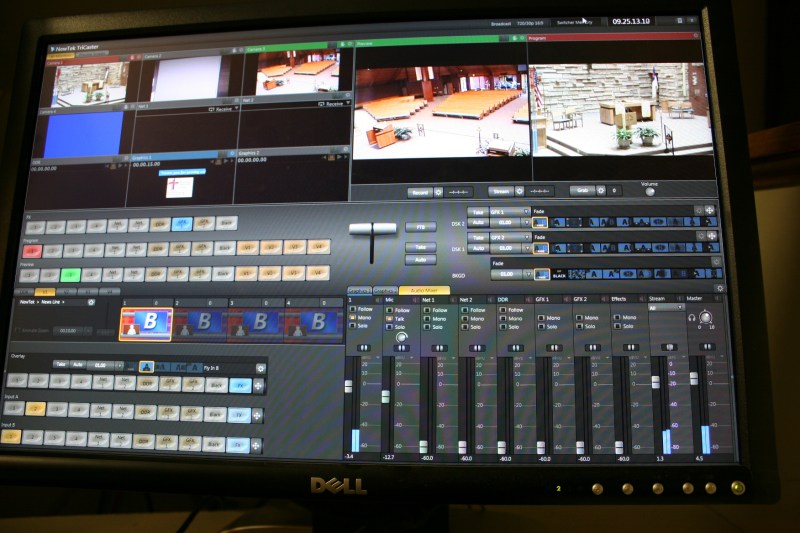
From a simple RCA microphone, a basic switchboard and a transmitter, broadcasting has advanced to high tech with multiple cameras, computers and more.


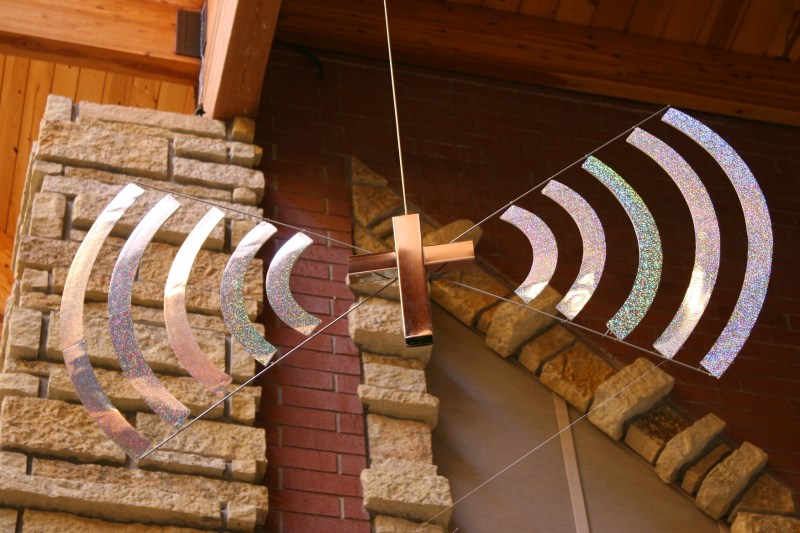
Art suspended in the sanctuary denotes radio waves and the focus of the radio ministry.


Yet, the purpose of sharing these worship services remains unchanged. And that is to bring Christ to the nations, to spread the good news of salvation. In a recent sermon, Trinity Senior Pastor, the Rev. Dr. Michael Nirva, referenced Romans 10:17 as he noted the Trinity Faribault Radio Club’s 70th anniversary: So then faith comes by hearing, and hearing by the word of God.


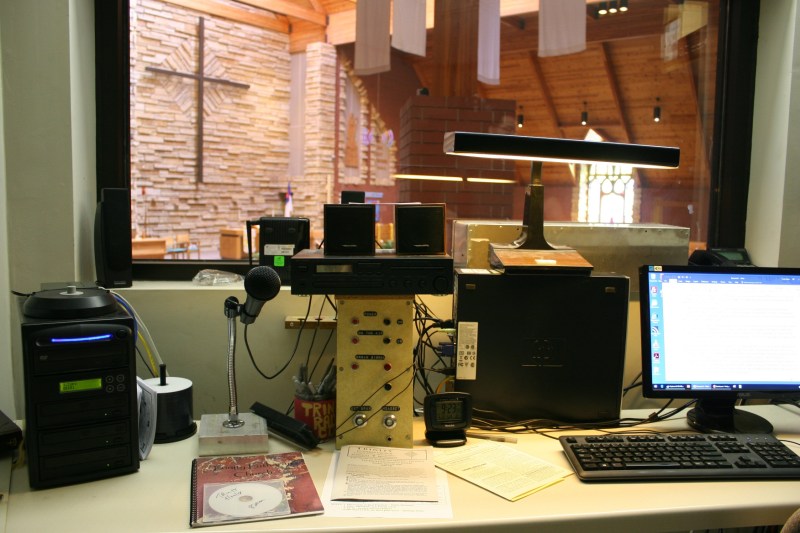
A view inside the studio and overlooking the sanctuary through the studio window.


Vintage radio room art, currently in the historical display case.


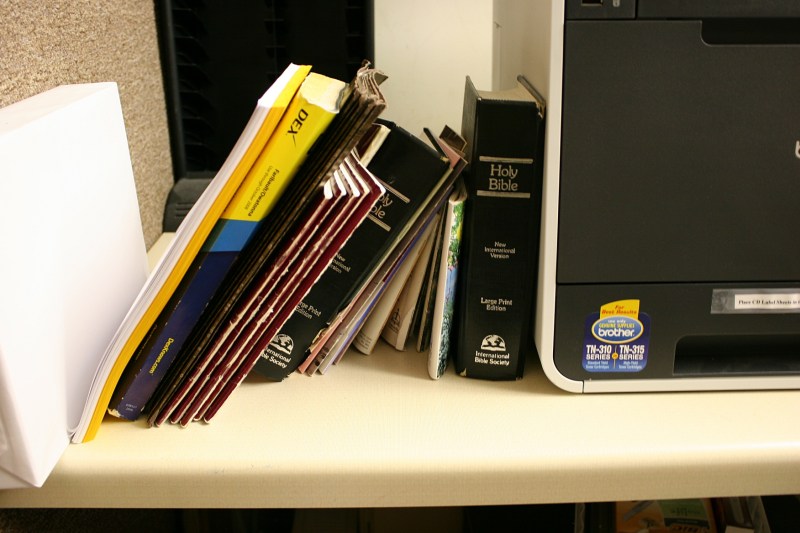
That word of God centers worship at Trinity. And that’s visible in the radio room angled into a corner of the sanctuary. Todd Voge, who today leads the radio and video ministry, gave me a quick tour. While Todd showed me the brains of the operation condensed on a computer screen, pointed out the transmitter and more, I noticed two bibles sandwiched between a telephone directory, song books and devotionals. In a cramped room filled with all sorts of high tech stuff, the printed bible still holds a place of importance.


This ministry remains important to Trinity with generations of families involved and committed to its continuance. Within my family, my husband once a month takes a DVD of the morning’s worship service to a local care center and shows it to residents. And when my son was in high school, he volunteered in the radio room. While I’m not a volunteer—the computer aspect is enough to scare me—I’ve occasionally listened to worship services on KDHL when I couldn’t make it to church.


Original meeting minutes are currently displayed in the narthex history case.


I am grateful to the original Trinity Radio Council members for having the foresight and the faith to start this ministry. They saw the potential in radio, in a ministry which has endured for 70 years. And expanded well beyond what they ever imagined.


An overview of the historical display.


FYI: To learn more about the Trinity Faribault Radio Club and/or to listen to/watch worship services, click here.

© Copyright 2018 Audrey Kletscher Helbling
 

Varied art by a trio of artists showcased in Owatonna April 25, 2018

A sculpture inside the Owatonna Arts Center Library. The library is a must-see. It also features a vibrant ceiling mural.


SEVERAL DAYS REMAIN—until April 29—to view the work of three artists at the Owatonna Arts Center. Their art is notably distinct.


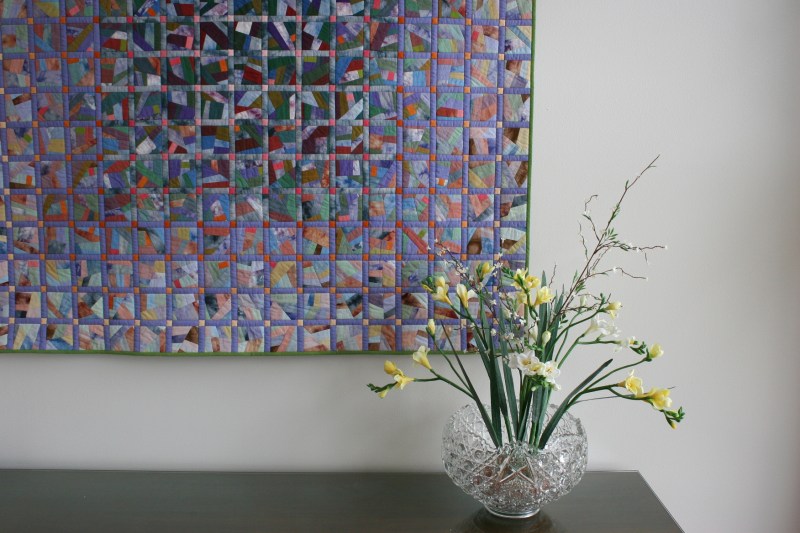
A section of “Winter Dreams of Spring.”


A solo piece of textile art showcases the work of Jan Myers-Newbury in the open space leading into the art center complex. “Winter Dreams of Spring” is a stunning quilted piece by this Pennsylvania artist with a Minnesota connection. She graduated from St. Olaf College in Northfield.


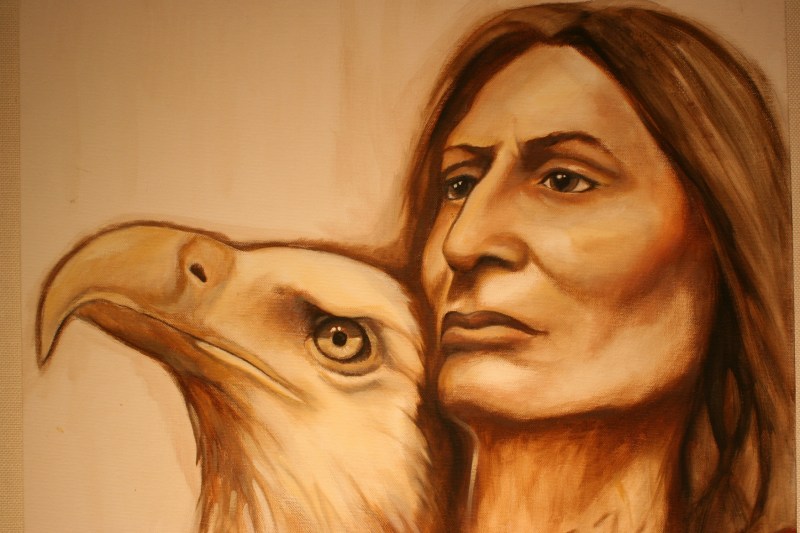
A close-up of Dana Hanson’s oil painting, “The Native Man, His Eagle & His Chanupa.”


Featured gallery artist Dana Hanson of Faribault focuses on “Healing the Land” in her powerful exhibit on the Dakota people. Through visions and dreams this Christian artist was inspired to create oil paintings that honor the memory and heritage of this Native people.


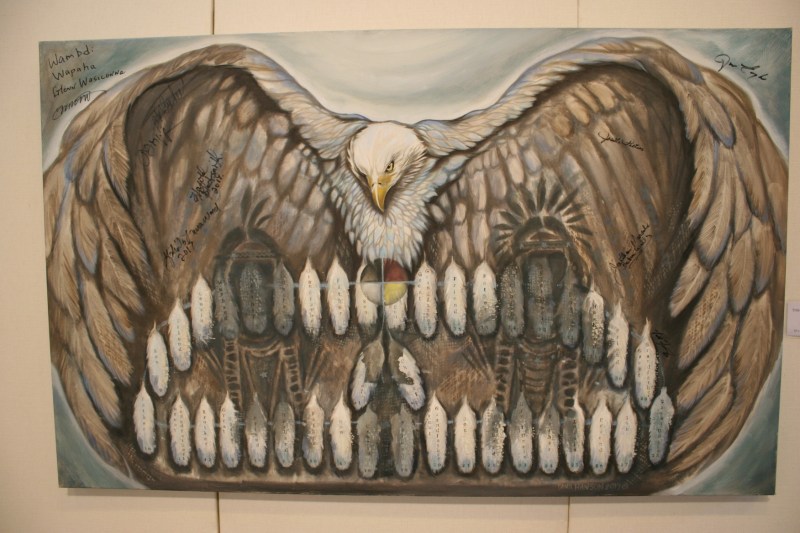
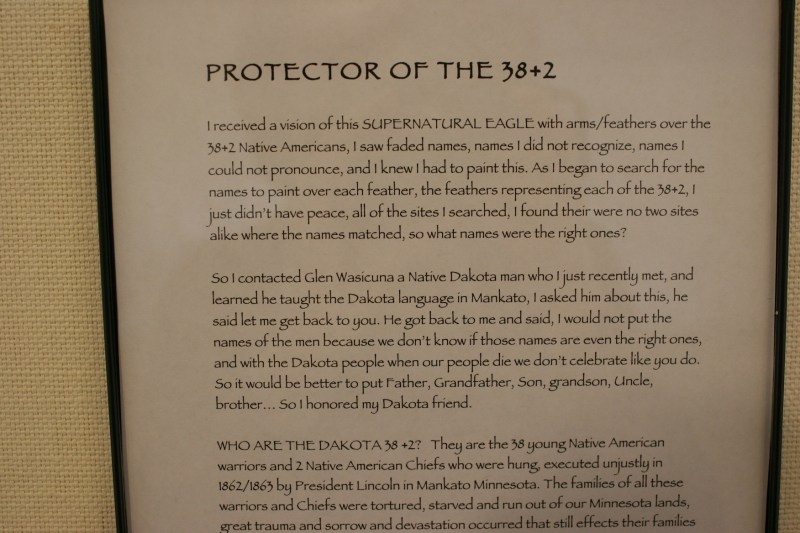
“Protector of the 38 + 2,” an oil on canvas by Dana Hanson.


She narrows her subject to the Dakota who were hung in the largest mass execution in US history following the US-Dakota Conflict of 1862. She also highlights an annual memorial ride honoring those 38 men.


I suggest you visit this exhibit, study the paintings and read Dana’s words about this important, and too often forgotten, difficult chapter in Minnesota history.


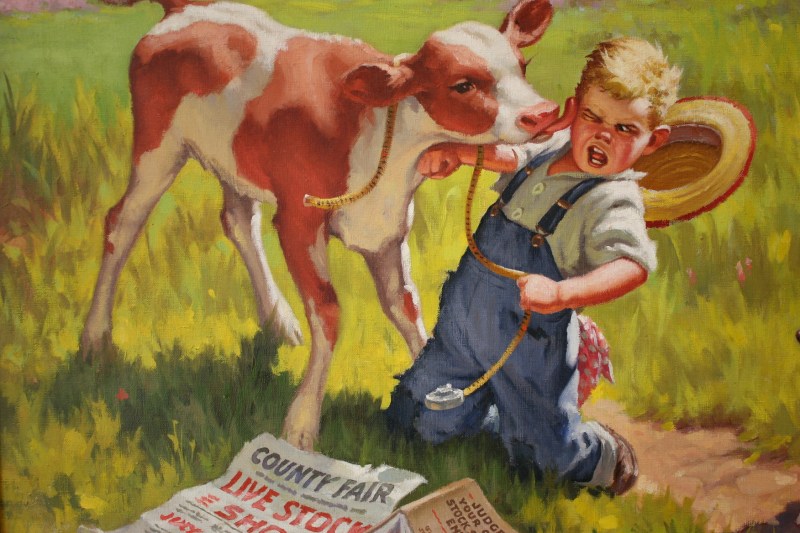
A portion of the painting “Taking His Licks,” done by Raymond Stuart in 1958.


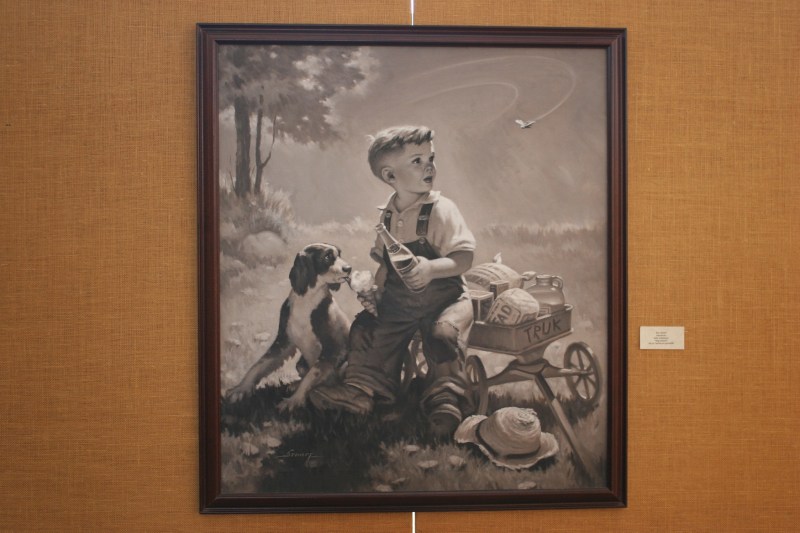
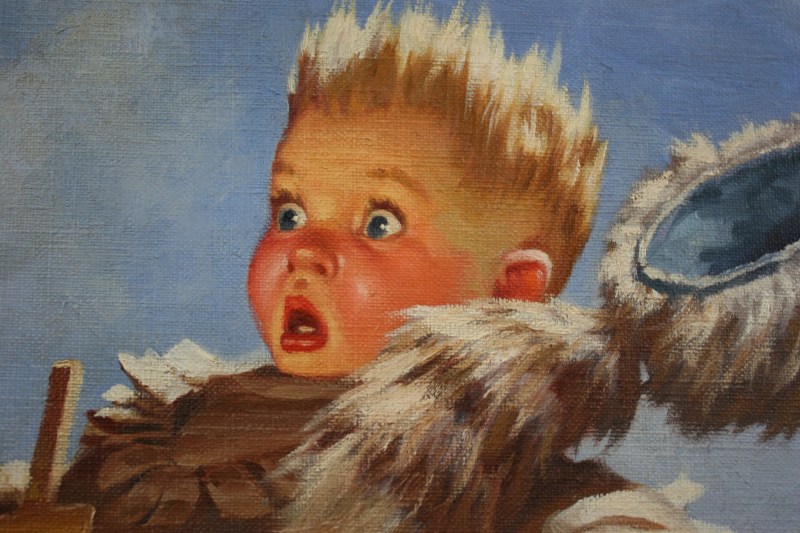
Once you’ve finished that, skirt into the art center hallways to view the whimsical and delightful work of Raymond Stuart, who years ago created calendar art. A native of Illinois, he eventually settled near his wife’s native Meriden (near Owatonna) to set up his home and art studio in a barn. His work seems Midwest Normal Rockwell-type to me. It’s rural, humorous and everyday. Delightful.


“Bug Attack” by Raymond Stuart, date of painting unknown.


I’m always amazed at the variety of art I can see right here in southeastern Minnesota. How fortunate we are to have places like the Owatonna Arts Center to share and celebrate the arts.


I love the expressions in Raymond Stuart’s’ art, like this of the boy in his 1954 painting “Surprised.”


FYI: The Owatonna Arts Center is open from 1 – 5 p.m. Tuesday – Sunday and is located at 435 Garden View Lane.


UPDATED: 7:30 a.m. Friday, April 27, to correct the last name of the Meriden artist.

© Copyright 2018 Audrey Kletscher Helbling
All artwork was photographed with permission. Copyrights for art belong to the artist or rightful owner of those copyrights.