Minnesota Prairie Roots

Writing and photography by Audrey Kletscher Helbling

A look back at an unfathomable act of domestic violence in rural Minnesota & more March 24, 2018

WHAT CAUSED A MINNESOTA farmer to kill his entire family—his wife and four young children—with an ax in a horrific act of domestic violence?

We likely will never know the truth behind the murders-suicide which happened on March 24, 1917, in rural Redwood County, my home county in the fertile farmland of southwestern Minnesota.


Up until the release of a book of historical fiction, Sundown at Sunrise by former Minnesota state legislator Marty Seifert in late 2016, I’d never heard of this crime. I recently read the book published by Beaver’s Pond Press. Therein I found familiar names, including the maiden surname of my maternal grandmother and other known names from Redwood County.
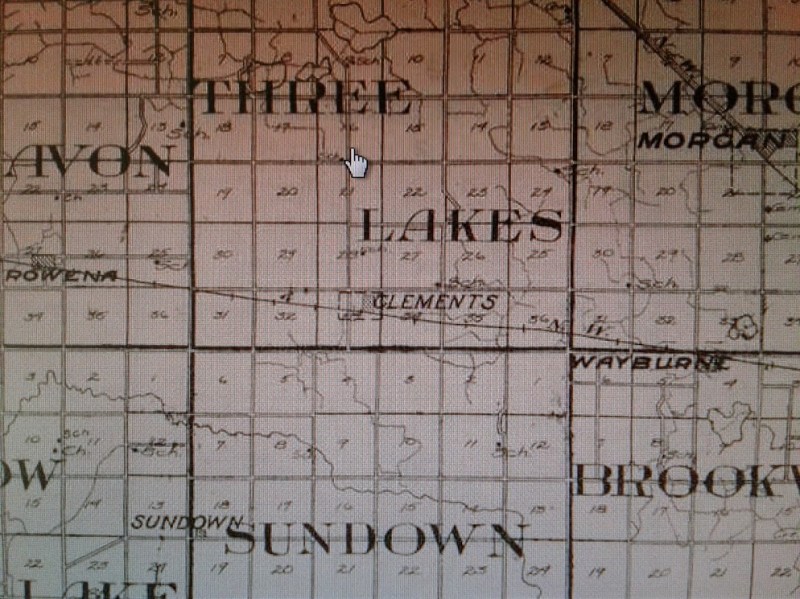
 

The murder occurred in Section 16 of Three Lakes Township in the area noted by the pointing hand. This is a photo of a Digitized State of Minnesota Plat Book map from 1916. I found this through the Minnesota History Center, Gale Family Library, Borchert Map Library. The author grew up in the northeastern corner of Sundown Township.


Seifert grew up in Sundown Township within miles of the murders. In a farmhouse in Section 16 of Three Lakes Township north of Clements, William Kleeman, 31, raised an ax and killed his wife, Maud, and their children ranging in age from six weeks to five years. He then hung himself. Many times I’ve passed that former farm place at the intersection of Minnesota State Highway 68 and Redwood County Road 1 west of Morgan and near the site of Farm Fest. I had no idea of the violence that occurred there.

But the author grew up hearing the story of the Kleeman ax murders. That and his interest in history—he’s a former history teacher—prompted Seifert to research and pen this book rooted in fact.
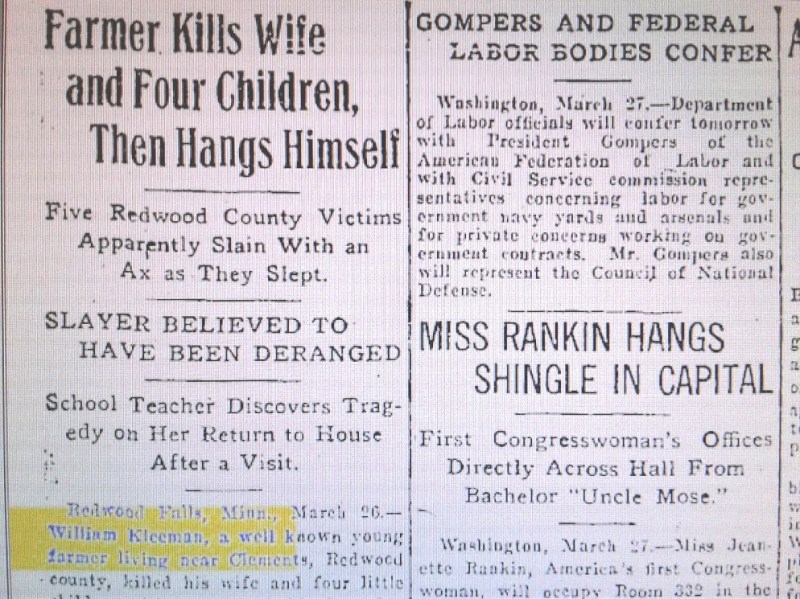
 

From the Minneapolis Morning Tribune dated March 27, 1917. This is a photo of the article found in the Minnesota Digital Newspaper Hub.


I decided to check out for myself newspaper accounts of the murders. That led me to the Minnesota Digitized Newspaper Hub and sensationalized layered headlines followed by detailed stories. I expect Seifert used the same sources, and more, to research for his book. But he goes beyond those stories to suggest the real reason behind the crime discovered by a young teacher (her name is fictionalized in the book) who boarded with the Kleemans. I won’t share more. You need to read the book.
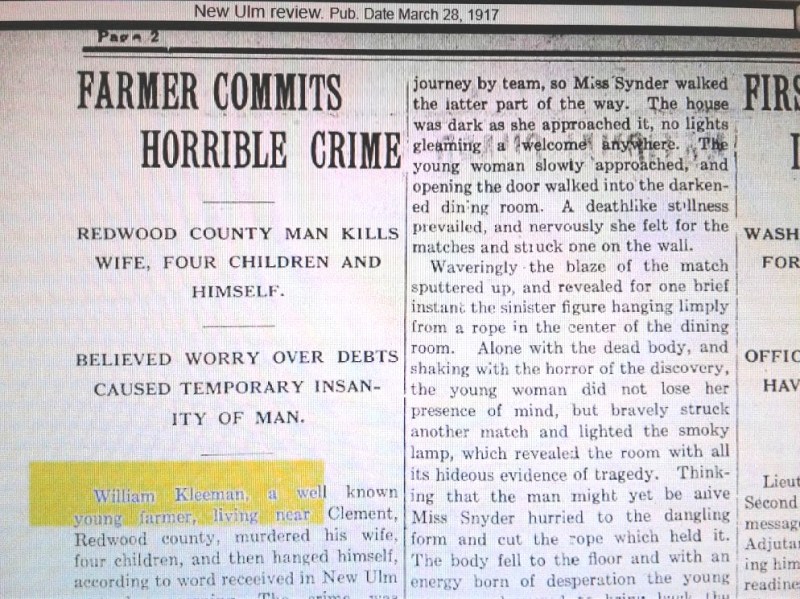
 

The story about the murders published in the New Ulm Review on March 28, 1917.


In reading Sundown at Sunrise, I noted specific red flags pointing to future domestic violence and an awareness of that potential. A hired hand, for example, tells Maud’s father upon her engagement to William Kleeman that, “I think Miss Petrie done deserve better.” Henry Petrie agrees.

The author also describes William Kleeman “from a young age parlaying his handsome looks and confident demeanor as ways to manipulate his mother.” That manipulative charm threads throughout the story. I appreciate that the author understands the characteristics of an abuser and writes that into this work of fiction based on fact.

And then, after the murders, the hired hand sees the Kleemans’ marriage certificate nailed above the bed where Maud and her baby lie in pools of blood. Frank Schottenbauer notes that “he’d rather look at a bloody corpse than view the license William Kleeman had used to violate Maud Petrie.”

The author many times works the appearance of garter snakes and William Kleeman’s aversion to religion into the storyline, alluding to evil.
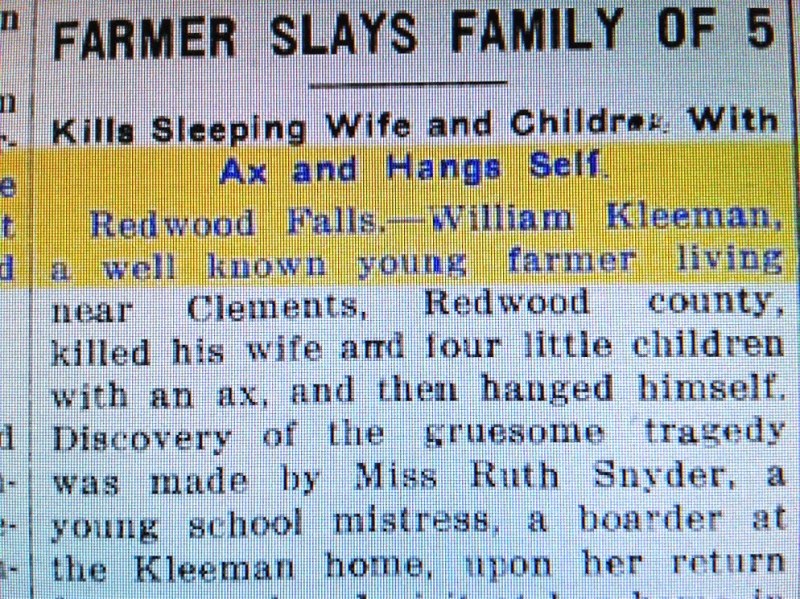
 

The Pine Island Record printed this story on March 29, 1917.


You can surmise what you will from this book of historical fiction. But nothing changes the fact that Maud died at the hands of her husband and Gladys, Lois, Gordon and Rosadell died at the hands of their father in an unfathomable act of domestic violence in Redwood County, Minnesota.

Today I honor the memories of that young mother and her beloved children. They deserved to live full lives on the prairie, to love and to be loved.
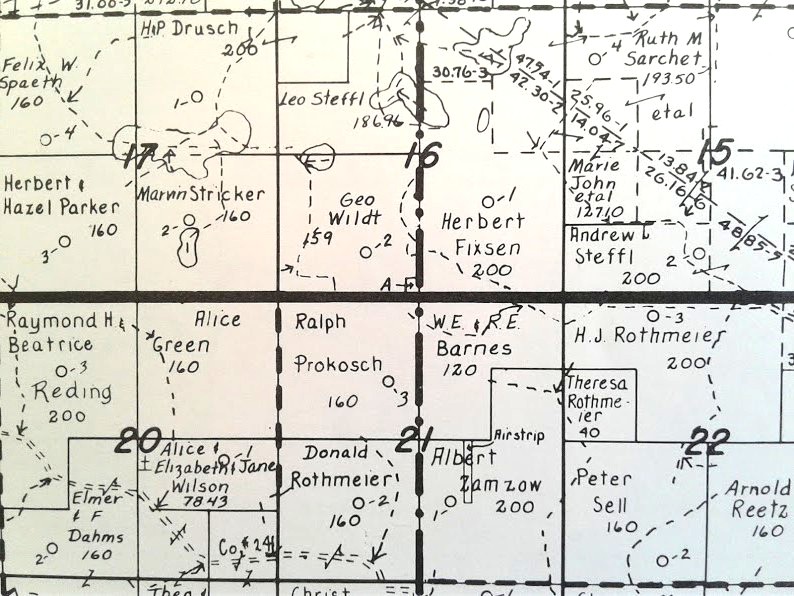
 

A plat of Three Lakes Township from a 1963 Atlas of Redwood County Minnesota shows the section (16) in which the crime occurred. You’ll find some of the surnames here included in Sundown at Sunrise.


FYI: The ax used in the murders is stored in the archives of the Redwood County Historical Society in Redwood Falls. For years, it was kept as evidence by the sheriff’s department before its donation to the county museum.



TODAY, AS YOUNG PEOPLE and others gather in Washington, DC, and around the world (including right here in Minnesota) for the “March For Our Lives” anti-gun-violence rally, I honor those I knew (via personal connections) who have been murdered in acts of domestic violence. Not just by gun violence, although several were shot.

Violence, whether in our schools, our homes, on the street, needs to stop. We need to take a stand, to act when we can, to say, “Enough is enough.” We need to care, to speak up, to listen, to educate ourselves, to push for change. I don’t pretend to have the answers. But I have witnessed and experienced the pain and grief of those who have lost loved ones through acts of violence. If you haven’t, consider yourself fortunate.

I’ve had to reach deep inside myself to comfort a friend whose father was murdered. I’ve had to reach deep inside myself to comfort parents whose daughter was murdered by her ex-boyfriend. I’ve had to reach deep inside myself to write about the murder of a beloved community member by her ex-husband at our local tourism office.

I’ve watched a SWAT team sweep through my neighborhood searching for a knife used in a murder within blocks of my home. I’ve talked to police many years ago about a drive by shooting involving big city gang members. A gang member purchased a car from us, failed to change the title, used the car in a shooting and then stashed the gun in the trunk. Investigators started with us, owners of the car.

Yes, I’ve been touched many times by violence. Gun and other.

Enough is enough. To those young people and others who are speaking up today, thank you for using your voice to effect change.
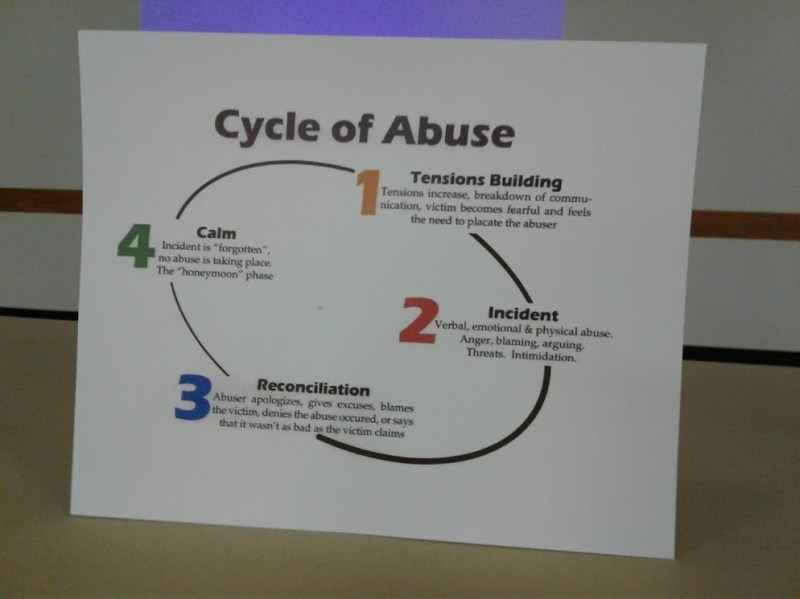


IMPORTANT: If you are in an abusive relationship and in immediate danger, call or text (if that option is available in your area) 911. If you are leaving (or thinking of leaving) your abuser, please seek help and have a safety plan in place. Talk to someone you trust like a family member, friend, c0-worker, clergy, advocate…  Immediate help is available. Reach out to a local women’s shelter or advocacy center for professional help. You are not alone. You deserve to live a life free of any type of abuse whether physical, mental, emotional, psychological, financial, spiritual or technological.

Please know that you are in greatest danger when you are about to leave, are leaving or have left your abuser. Abuse is about power, control and manipulation. When abusers lose that control, they often become violent. Be safe and know that you are loved.


© Copyright 2018 Audrey Kletscher Helbling
Quoted passages are copyright of Marty Seifert and used here for review purposes only.

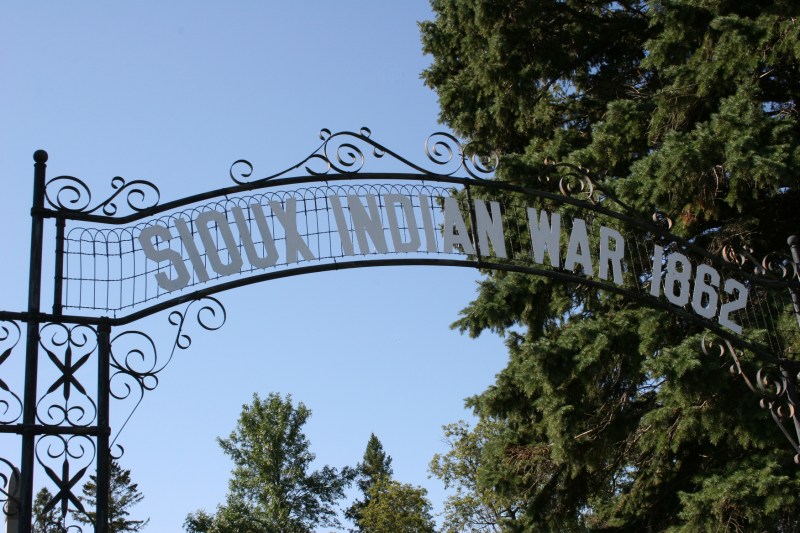
 

Reflecting on the US – Dakota Conflict of 1862 & my changed approach to history January 20, 2018

This archway leads to the Wood Lake State Monument, on the site of the battle which ended the US -Dakota Conflict of 1862. Minnesota Prairie Roots file photo 2012.


TUCKED INSIDE A CARDBOARD BOX among teenage journals, clippings of news stories I wrote, old greeting cards, my last childhood doll and more rest pages of history. History I gathered from books, summarized and typed on a manual typewriter into a document titled “The Sioux Uprising of 1862.” I wrote that term paper in ninth grade, or maybe as a sophomore. All these decades later, specifics elude me.


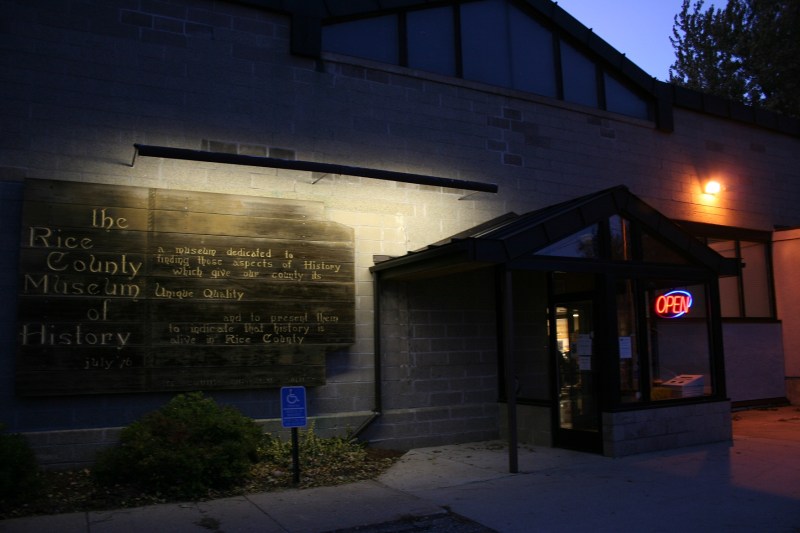
The Rice County Historical Society in Faribault. Minnesota Prairie Roots file photo 2013.


But my interest in this Conflict, centered in my home area of southwestern Minnesota, remains steadfast. Thursday evening the Uprising, more appropriately tagged today as The US – Dakota Conflict/War of 1862, focused a presentation by Tim Madigan at the Rice County Historical Society in Faribault. A history major, Madigan taught social studies back in the 1970s in Morton, near the epicenter of the Conflict. He is also a former Faribault city administrator.


A photo panel at the Traverse des Sioux Treaty Center in St. Peter shows Dakota leaders photographed in Washington D.C. in 1858. The photo is from the Minnesota Historical Society.  The quote reflects the many broken treaties between the Dakota and the U.S. government. Minnesota Prairie Roots file photo 2013.


To a rapt audience of nearly 50 mostly history buffs, Madigan outlined basics of the war from its root causes—in delayed annuity payments, withholding of food and resulting starvation among the Dakota people—to information on battles and more. I hadn’t forgotten those basics. But considering them now as an adult rather than as a high school student completing an assignment opened new perspectives. Madigan made it clear that history, as written, includes not only facts, but also myths, lies and more depending on the source. His talk seemed appropriately titled “The Fog of War: Perceptions and Realities, US – Dakota Conflict 1862.”


The Loyal Indian Monument at Birch Coulee Monument near Morton honors Native Americans and features strong words like humanity, patriotism, fidelity and courage. Minnesota Prairie Roots file photo 2010.


The Milford State Monument along Brown County Road 29 west of New Ulm commemorates the deaths of 52 settlers who were killed in the area during the US – Dakota Conflict. Located along the eastern edge of the Lower Sioux Reservation, Milford had the highest war death rate of any single township. Minnesota Prairie Roots file photo 2012.


Going into the presentation, I thought I knew almost everything about the Conflict. But I didn’t. Or perhaps I’d forgotten details like 500 – 700 people of European descent killed in the war along with 100 Dakota warriors and an unknown number of Native civilians. Refugees displaced as a result of the war numbered 20,000. As I listened, I thought of my own maternal ancestors who fled their Courtland area farm for safety in St. Peter some 30 miles distant.


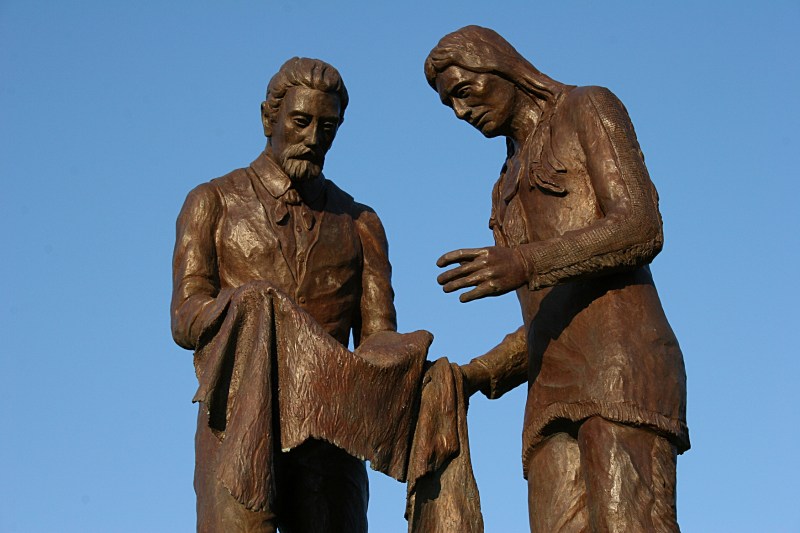
This sculpture of Alexander Faribault and a Dakota trading partner stands in Faribault’s Heritage Park near the Straight River and site of Faribault’s trading post. Faribault artist Ivan Whillock created this sculpture which sits atop a fountain known as the Bea Duncan Memorial Fountain. Minnesota Prairie Roots file photo.


But it was the Rice County connection to the war which I found most interesting. My interest always centered on what happened in my native Redwood County and neighboring Brown County versus my home of the last 35 years in Faribault. I was unaware that town founder and fur trader Alexander Faribault (who was part Dakota and part French), for example, was at the Battle of Birch Coulee, an intense battle waged near Morton. I can only imagine the personal conflicts Faribault sometimes felt as a person of mixed blood in the war between the Dakota people and white settlers and soldiers.


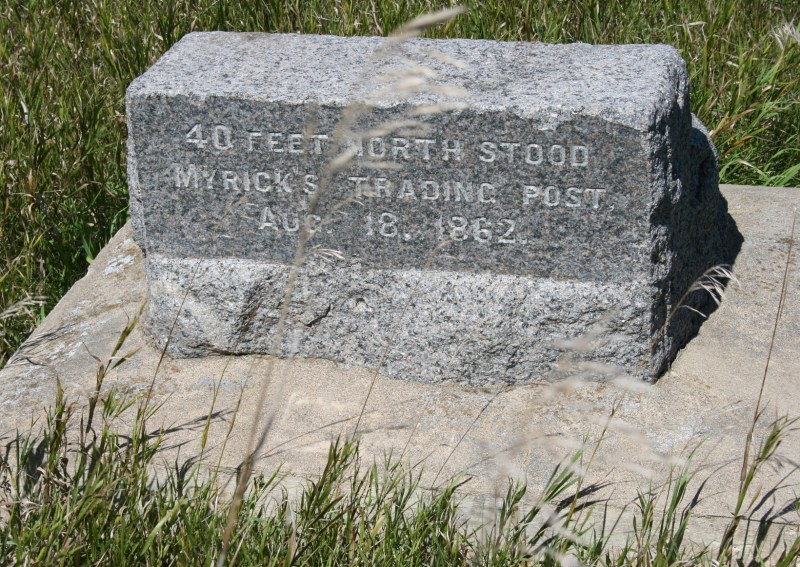
Trader Andrew Myrick refused to grant the Dakota credit, remarking, “Let them eat grass.” After an attack on the Lower Sioux Agency, Myrick was found dead, his mouth stuffed with grass. Minnesota Prairie Roots file photo 2012.


Madigan also noted the challenges Dakota leader Little Crow experienced in a war he didn’t initially support. I expect Little Crow felt extreme pressure as he tried to negotiate with government agencies while his people starved.


Above the photos and info is this quote by Bishop Henry Whipple to President Buchanan in August 1860: “In my visits to them (the Dakota), my heart had been pained to see the utter helplessness of these poor souls, fast passing away, caused in great part by the curse which our people have pressed to their lips.” This was part of a 2012 display at the Northfield Historical Society on the Rice County aspect of the US – Dakota Conflict of 1862. Minnesota Prairie Roots file photo 2012.


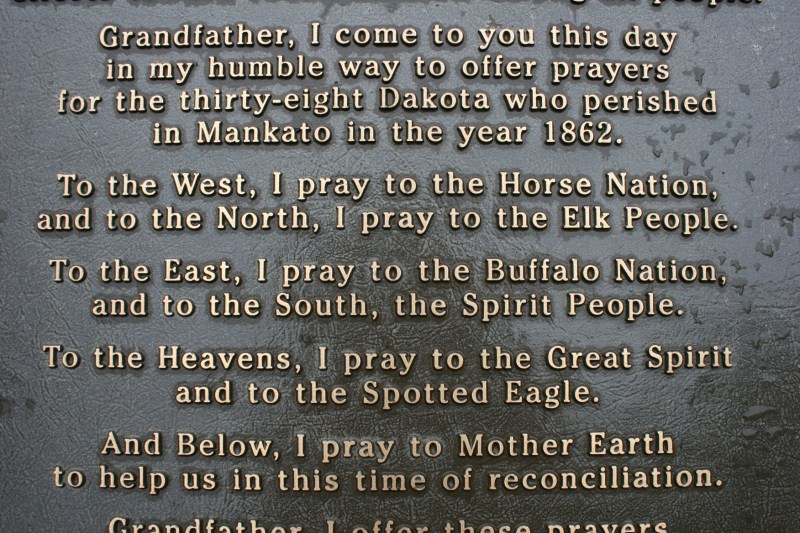
And then there was Bishop Henry Whipple, a well-known figure in my county of Rice and Minnesota’s first Episcopal bishop. He played a key role in the US – Dakota Conflict. Madigan tagged him as “the disappearing hero,” noting Whipple’s strong advocacy for Indian missions; his support of efforts to educate the Dakota and convert them to Christianity and agrarian ways; his backing of fair treaties between Native peoples and the U.S. government; and, most important, his role in convincing President Abraham Lincoln to reduce the number of Dakota executed in a mass hanging in Mankato following the war. Of the 303 men sentenced to death, 38 were hung.


Words on a marker in Reconciliation Park in Mankato where 38 Dakota were hung on Dec. 26, 1862. Minnesota Prairie Roots file photo 2012.


Whipple centered much of the audience discussion following Madigan’s talk. In the context of today’s world, Whipple’s approach to changing the Dakota way of life, rather than respecting their culture, seems outdated. Yet, change appeared inevitable in a time period when settlers moved West into Dakota hunting territory to establish homesteads and to farm, several people noted. I couldn’t help but think those expectations of change and adaptation remain strong today toward our immigrant populations.

The Faribault faith leader’s peaceful approach and genuine kindness toward the Dakota was, as you would expect, not embraced by all. There were, noted Rice County Historical Society Executive Director Susan Garwood, assassination attempts on Whipple’s life. This proved news to me.


Dakota beadwork displayed at the Rice County Historical Society Museum in Faribault. Minnesota Prairie Roots file photo 2010.


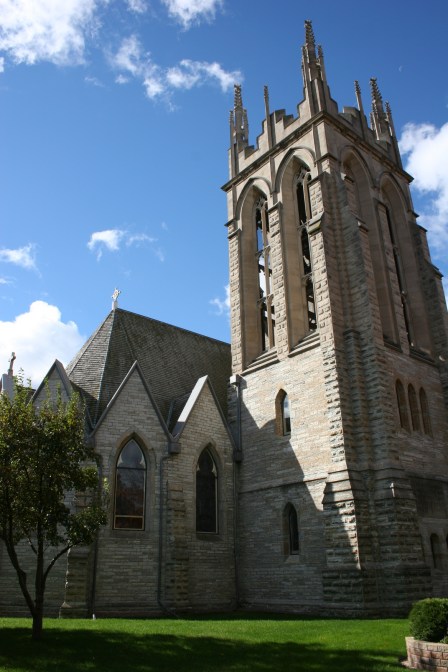
Following the war, about 80 Native Americans moved to the Faribault area under the protection of Whipple. Some even helped construct The Cathedral of Our Merciful Saviour, Whipple’s church and the oldest cathedral in Minnesota. Built between 1862 – 1869, it’s on the National Register of Historic Places and remains a place of community care with the Community Cathedral Cafe, many support groups, public concerts and more based there.


The historic Cathedral of Our Merciful Saviour in Faribault. Minnesota Prairie Roots file photo.


As a related addendum, Director Garwood shared that several Dakota and African Americans attended Faribault’s long ago Seabury Divinity School directed by Whipple. The presence of those non-white seminarians caused concern among some, as you might imagine.


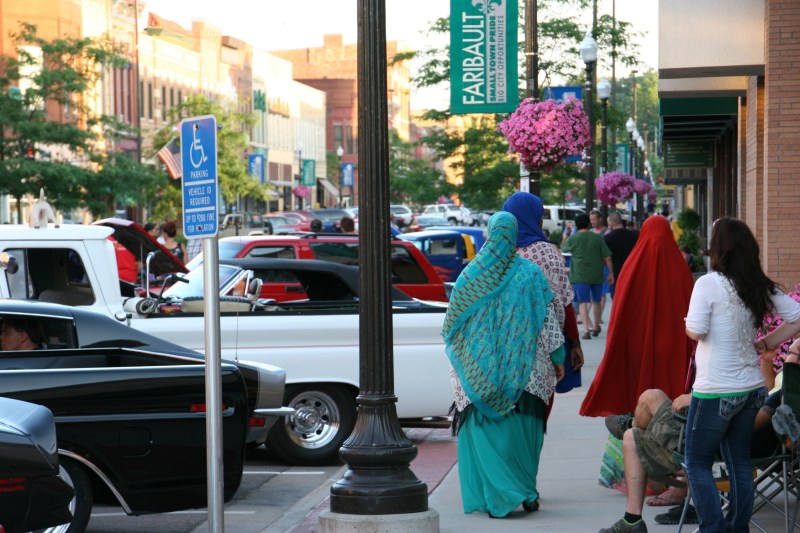
A scene in downtown Faribault during a 2015 Car Cruise Night shows my community’s diversity, which includes Somali immigrants. Minnesota Prairie Roots file photo 2015.


Much has changed, yet much hasn’t. In my community of Faribault, where Whipple worked nearly 160 years ago to embrace and express love to all peoples, conflict remains between many long-time locals and our newest immigrants. The same goes for acceptance between Caucasians and Native Americans in my native Redwood County. To deny its existence would be fooling ourselves. We have, in many ways, become more accepting of each other. But we still have far to go.

While I took away new information from Madigan’s talk, I left with more. I realized how much my approach to history has changed since high school, since I researched and wrote about “The Sioux Uprising of 1862.” My perspective shifted to actually thinking about issues rather than simply regurgitating historical facts/myths/lies. And that is a good thing.

© Copyright 2018 Audrey Kletscher Helbling


A look at Christmas past & more inside the Alexander Faribault house December 5, 2017


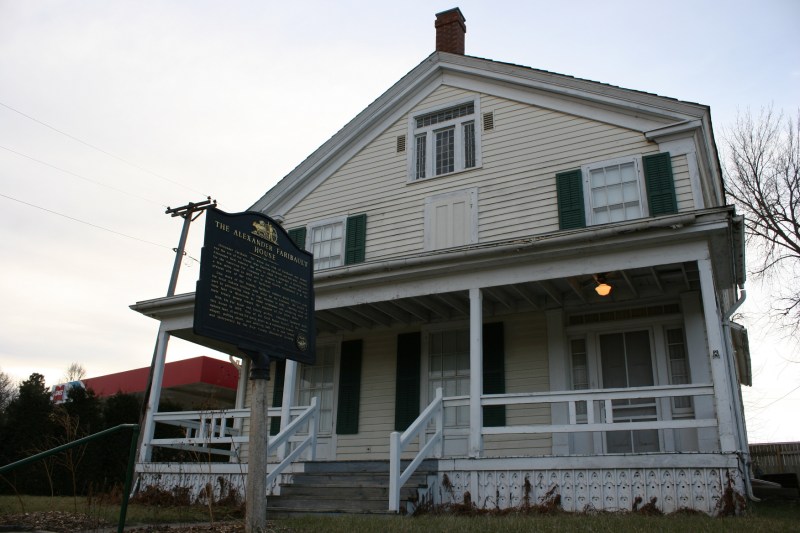
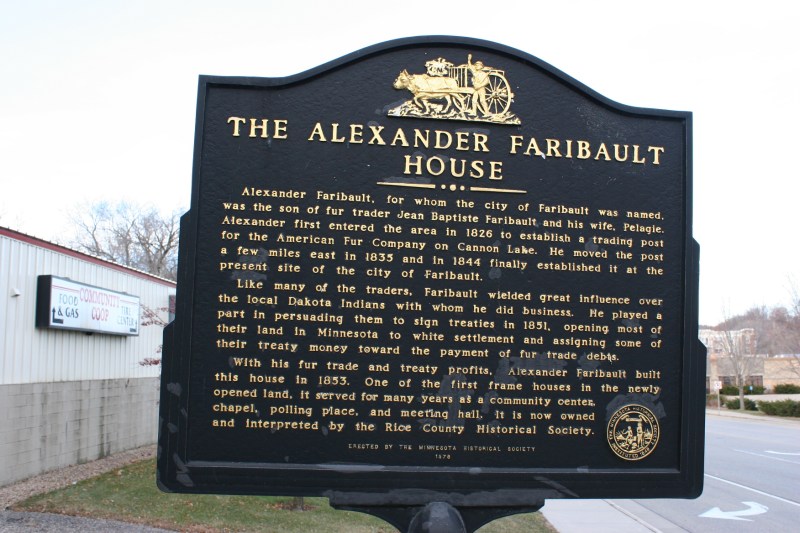
FROM THE EXTERIOR, the simple wood-frame house set atop a hill along Minnesota State Highway 60 in Faribault could pass as just another old house. A porch fronts the house where green shutters flank windows. Nothing remarkable makes this place stand out—except the sign out front.


Pause to read that marker and you’ll learn this house was home to town founder Alexander Faribault from its construction in 1853 to 1856 when Faribault and his wife, Mary Elizabeth, and their children moved east across town.


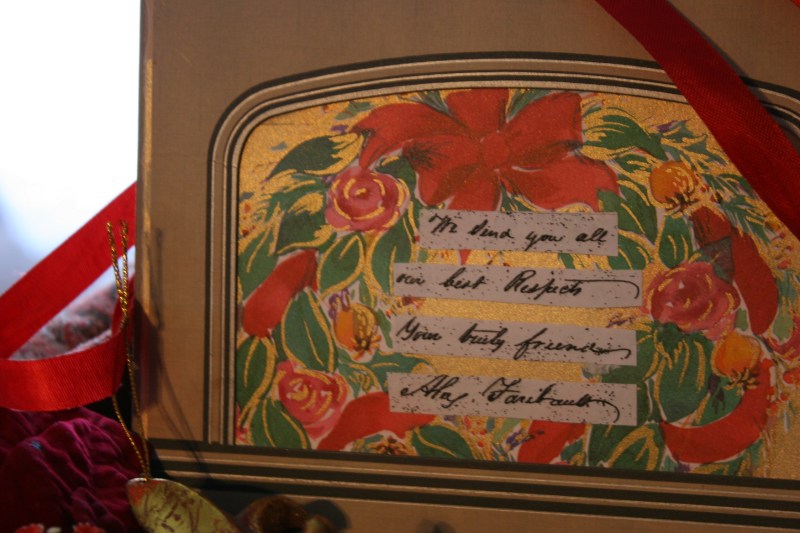
“We send you all our best Respects…your truly friends Alex Faribault”


On a window sill in the dining room.


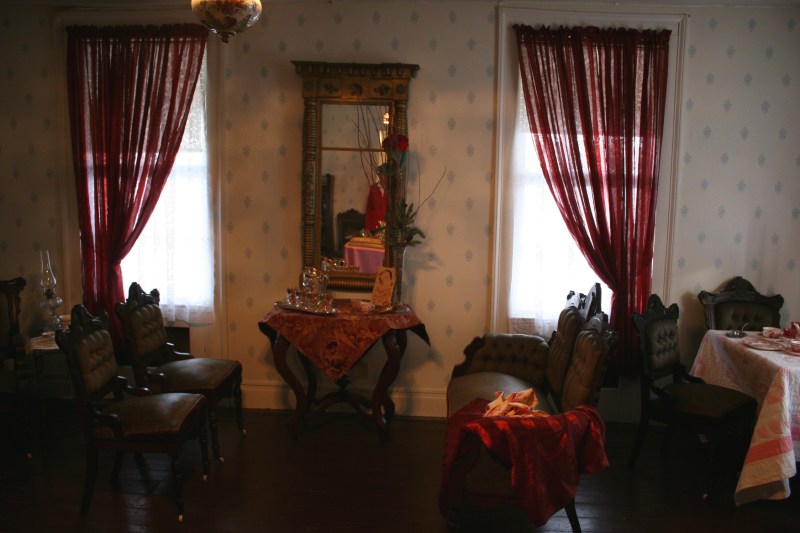
The parlor.


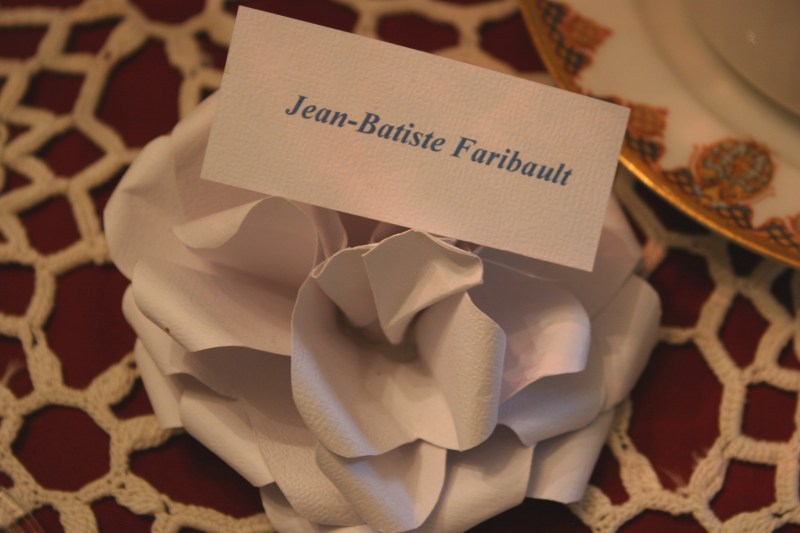
Every December the Rice County Historical Society hosts a weekend Christmas Open House in the building that once served as a home, post office, church, school, hotel, meeting place, store and community center. That annual affair adds an elegant flair in the style of French-Canadian holiday traditions. Alexander Faribault’s father, Jeane-Baptiste, was French-Canadian, his mother a Dakota. Like his father before him, Alexander was a fur trader.


While touring the home Saturday afternoon, I noted how a finely set dining table layered with a crocheted tablecloth and centered by a candied apple centerpiece brought such elegance to this aged home with planked wood floors. In the simplest of surroundings, layers of plates, fine silver and goblets presented a festive and impressive setting.


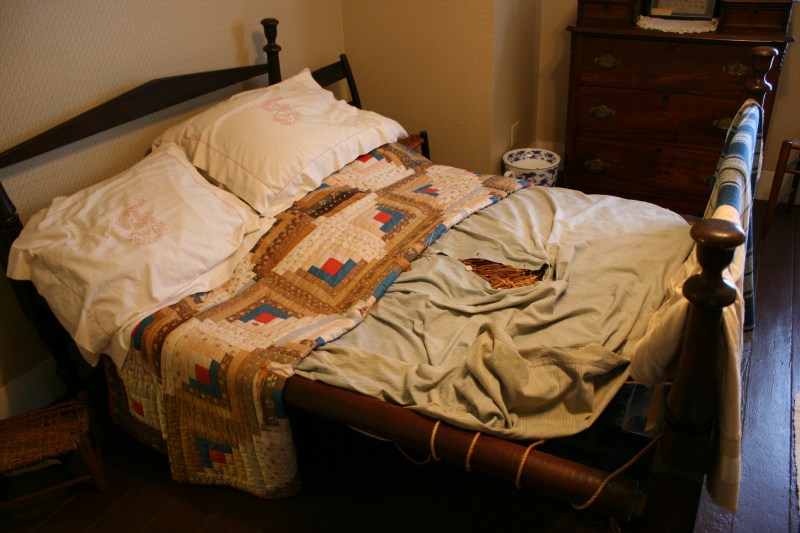
Holiday décor aside, the authenticity of everyday life in the 1850s remains. Here, straw pokes through bedding. Handmade quilts drape trunk and beds. Kerosene lanterns punctuate furniture. Vintage portraits hang on walls. Horsehair cushions soften chairs.


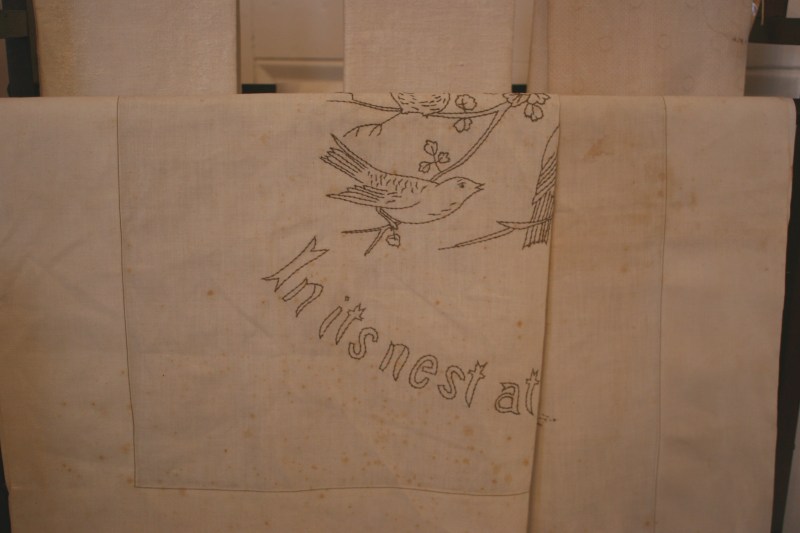
An embroidered linen draped in an upstairs bedroom.


It is humbling to walk through this house, to consider the history made here in meetings, in discussions, in entertaining, in living within these walls as a family.


My community began here, in this spot along the Straight River, in this house built by a fur trader. Though unremarkable in outward appearance, this house holds the essence of a town that grew from humble beginnings into a thriving city that still values its French heritage.


BONUS PHOTOS:

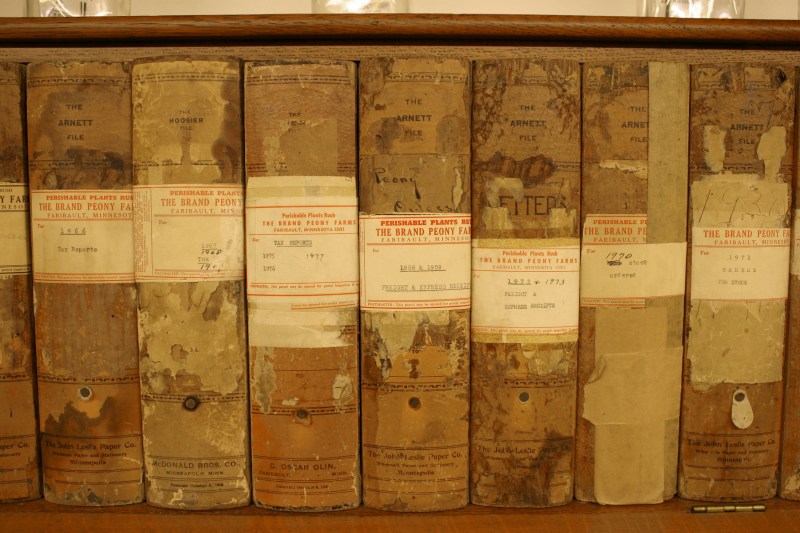
The second floor showcases additional Faribault history including that of local businesses like the Brand Peony Farm…


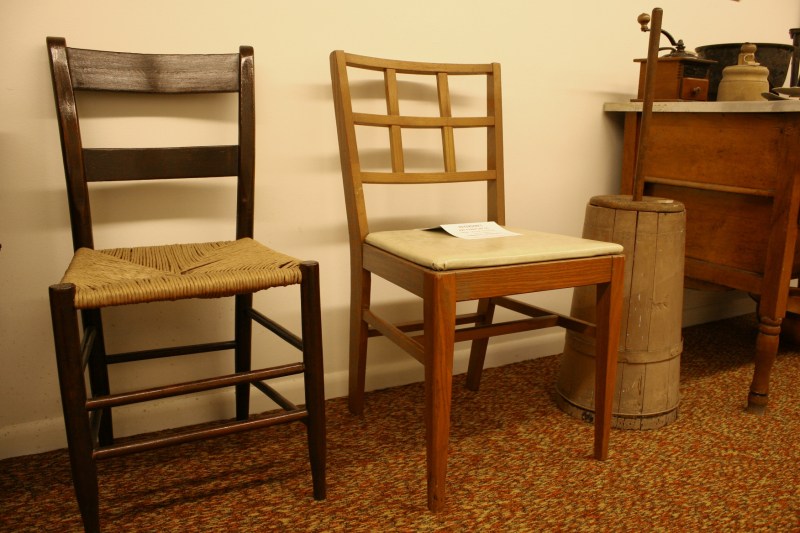
…and these chairs crafted by Peterson’s Art Furniture Co.


© Copyright 2017 Audrey Kletscher Helbling


The things you learn about Minnesota prisons while on the road October 25, 2017


ONCE UPON A TIME, beginning in the late 1870s, inmates at the Minnesota Correctional Facility, Stillwater, built agricultural equipment. Through the years they crafted threshing machines, hay rakes, barge wagons, manure spreaders and more.


This proved news to me. But Randy noted that as we followed a tractor pulling a gravity box along LeSueur County Road 13 on Sunday afternoon. He pegged the wagon as 1970s vintage prisoner made.


Online research confirmed Randy’s claim in articles published in Farm Collector magazine. According to those stories, prisoners built ag equipment until 2006.


Today inmates within Minnesota’s correctional system—including right here in my community of Faribault—produce products through the prison system’s MINNCOR Industries. Those range from residential and office furniture to clothing to printed materials to cabinetry and more.


Prisoner made furniture at Buckham Memorial Library. Minnesota Prairie Roots file photo February 2017.

 

When I visit my local library, I can sit on inmate built easy chairs or loveseats, some upholstered in knock-knock joke fabric with this favorite prisoner joke:

How do prisoners make phone calls?

With cell phones.


Much has changed since the days of building manure spreaders…and gravity boxes


as time passes in the rearview mirror of prison life.


© Copyright 2017 Audrey Kletscher Helbling


Honoring the legacy of Burkhartzmeyer Shoes through film October 20, 2017

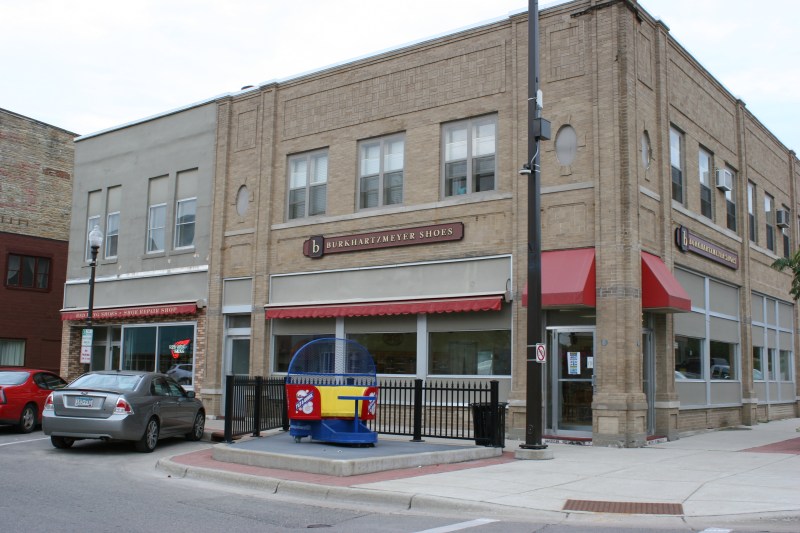
Burkhartzmeyer Shoes opened in 1949, starting first as a shoe and harness repair shop. Minnesota Prairie Roots file photo 2015.


ON A STREET CORNER in downtown Faribault, local icon Burkhartzmeyer Shoes still stands strong after nearly 70 years in business. That’s remarkable really considering the many chain and other shoe sources in today’s marketplace.

But the family members running this business through three generations also rate as remarkable, assuring its success. I know first-hand as I’ve shopped for foot wear at Burkhartzmeyer since moving to this community 35 years ago. I brought my kids here, too, leaving with shoes or boots tucked inside boxes tied with cotton string and an added bonus sucker.


Boots purchased at Burkhartzmeyer Shoes last year and ready for another Minnesota winter.


Burkhartzmeyer owners and employees understand the importance of great customer service—measuring feet, fitting shoes properly and always always treating each consumer with welcoming respect and kindness. Like a friend.

I know these shoe people—second-generation owner Buck; third-generation owners Bruce and Brian; and current and former employees Lanny, Dee, Sharon, Larry and Kaylyn. They greet me by name, ask about my family, form relationships that connect me to them and this place.


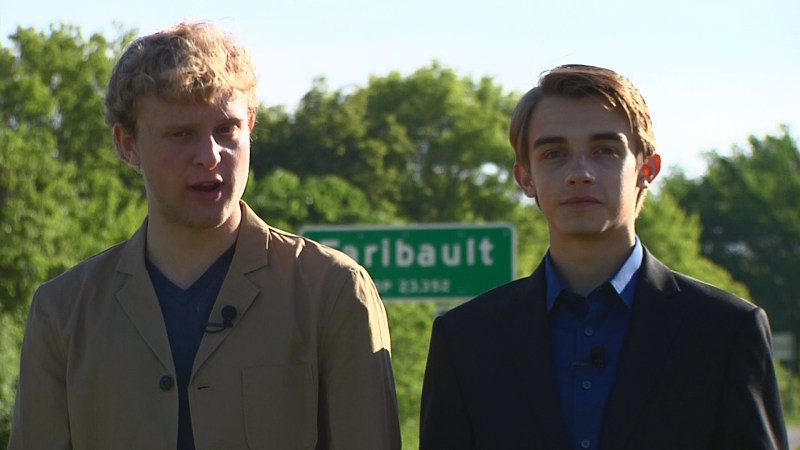
High school students and filmmakers Logan Ledman, left, and Samuel Temple. Photo courtesy of Samuel Temple.


Buck and cousins Bruce and Brian emphasize their warm relationships with customers and more in a recently-released film about the Burkhartzmeyer family legacy produced by area teens Samuel Temple and Logan Ledman. This also remarkable pair craft “1855: A Faribault History Series on FCTV.” Via research and interviews, they present insights into local businesses, people and places that broaden my appreciation for Faribault.

Samuel and Logan nailed it in their Burkhartzmeyer film, taking the viewer through the progression of the family business starting with original owners Ferdie and Martha Burkhartzmeyer to second-generation owners, brothers Al, Putz and Buck, to current owners, Bruce and Brian. While the longevity impresses, the stories impress even more.


I pulled this shoe box from my closet with the Burkhartzmeyer Shoes label attached.


A common thread of hard work, adaptability and outstanding customer service—the business also offers shoe repair and pedorthics services—weaves through the storyline. But so does the kindness. Brian, son of the only remaining third-generation owner, honors his father, Buck, with these words: “He has the gift of caregiving…and kindness.” Specifically, Brian references his dad’s visits to care center residents, including family matriarch Martha, who died weeks short of 108 years. Buck still makes these daily visits, now to friends.

My family, too, experienced Burkhartzmeyer kindness, in 2004. At the time, Buck’s Faribault High School class awarded a scholarship to a graduating high school senior. When my eldest daughter didn’t receive the scholarship, Buck felt so bad he asked her to stop by the store for a new pair of athletic shoes. He wanted her to have good shoes when she left for college. Buck was there waiting, fitting my daughter’s feet. I’ll always remember that kind and caring gift to my family.


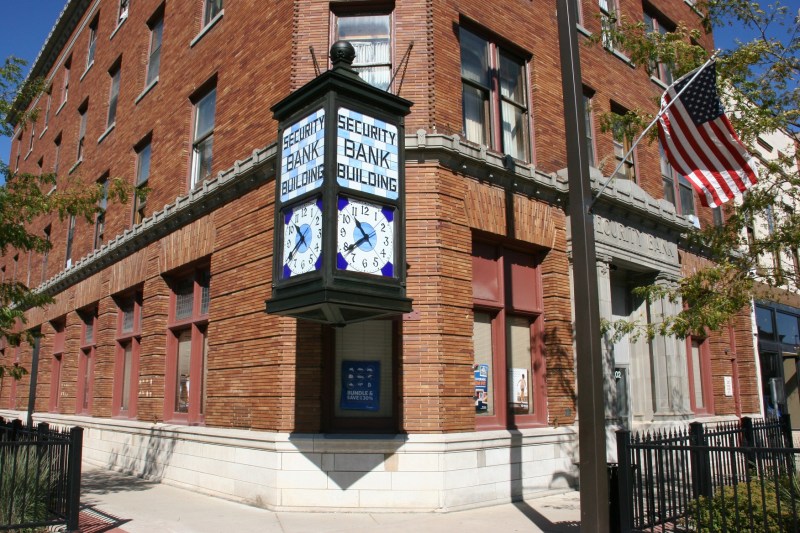
Al Burkhartzmeyer, known locally as “Mr. Downtown” for his welcoming spirit in the community (especially downtown), was instrumental in getting this historic 1915 clock restored on the Security State Bank Building. Following Al’s 2012 death, significant memorial monies were directed toward the restoration in a project undertaken by the local Rotary.  A devoted Rotarian, Al was once honored for 50 years of never missing a Rotary meeting. Minnesota Prairie Roots file photo.


I expect many others can share similar stories about the Burkhartzmeyers. They are a generous family, rooted in faith and hard work and a strong sense of community. They have swept floors, stocked shelves, put shoes away, measured feet. Through their care and compassion, they have made Faribault a better place and us, their customers, better people.


TELL ME: Do you have a similar long-standing business in your community that offers quality products and outstanding customer service?

FYI: Click here to watch the 1855 film on Burkhartzmeyer Shoes.

© Copyright 2017 Audrey Kletscher Helbling


Oddities at the Rice County Steam & Gas Engines Show, Part III September 8, 2017

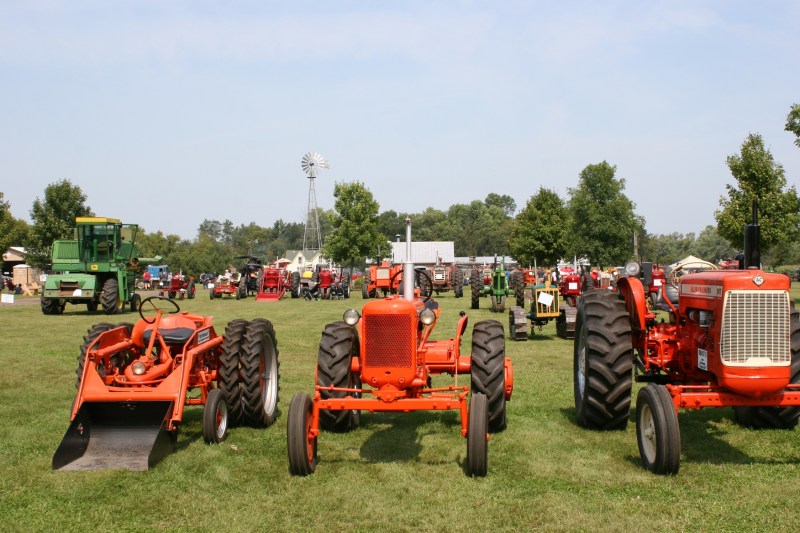
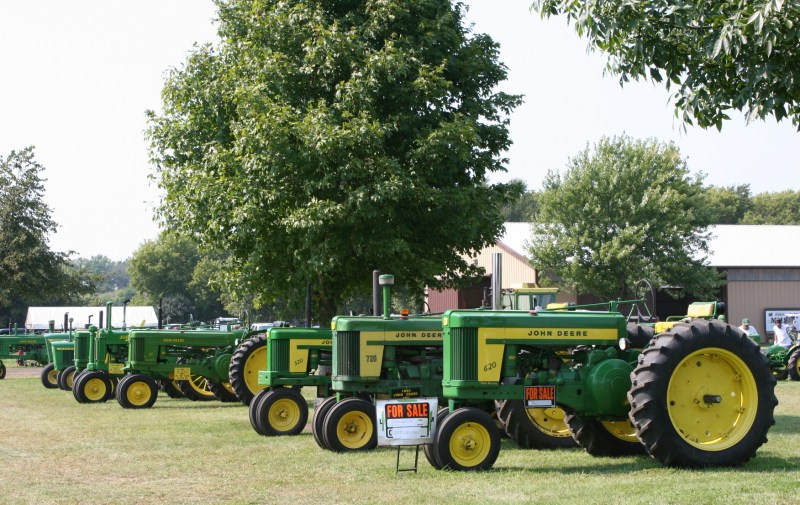
Rows and rows of vintage tractors are a main attraction at the Rice County Steam & Gas Engines Show.


WHEN I’M OUT and about with my camera whether at an event or simply exploring a small town or other setting, I often seek out the off-the-wall, the unusual, the humorous. The Rice County Steam & Gas Engines Show in rural Dundas offers all three. I appreciate the creativity and humor displayed there. In these troubling and difficult times, we need diversions. We need laughter.

So I targeted seven scenes that grabbed my photographic attention in the categories of odd, funny, weird and, most certainly, creative. Take a look.


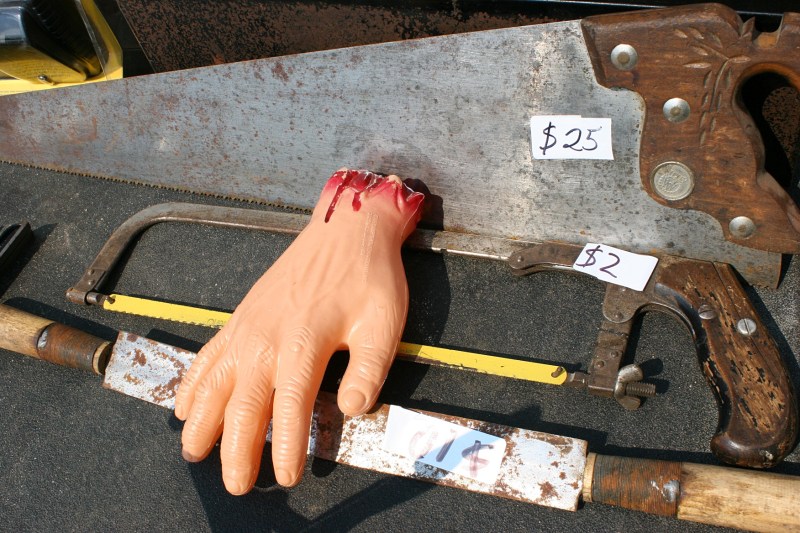
At the flea market, I noticed a fake bloody hand positioned next to vintage saws. Randy suggested we buy the appendage to gift to my sister at her annual Halloween-themed autumn soup party. The hand, the vendor said, was not for sale. His sister staged it next to the saws as a marketing gimmick. I’d like to meet his sister and introduce her to mine.


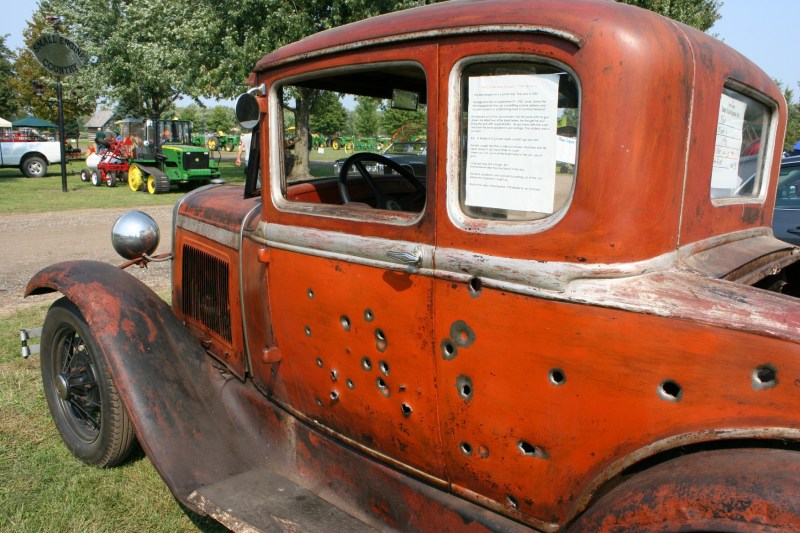
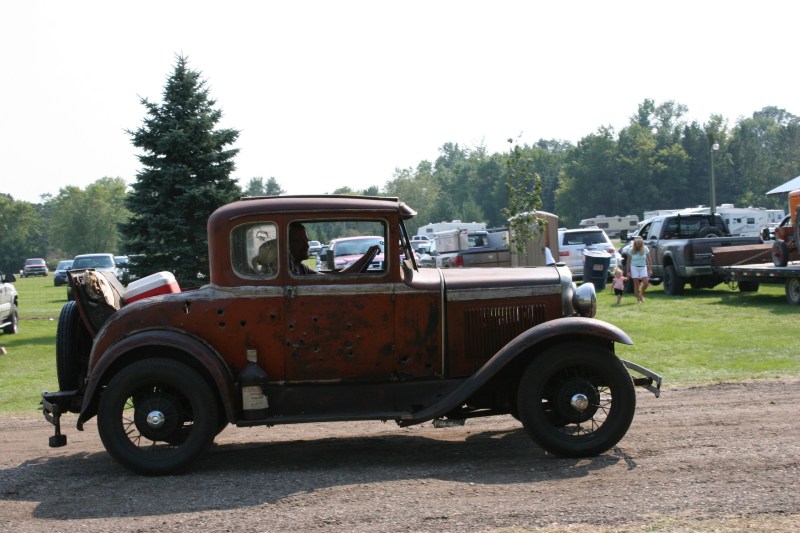
Then there’s Mike, who brought his 1930 Model A to the show. Typically one expects shiny restored cars showcased by proud owners. The Northfield man’s vintage Ford, though, is riddled with bullet holes. On purpose. After paying $800 for the car, Mike was advised that the decrepit Ford was not worth the $30K he would spend to properly refurbish it. Not to be discouraged, Mike and a friend shot up the Model A then created a story about Jesse James III killing two bank tellers while robbing a southern Missouri bank in 1932. The car was his get-away vehicle. Now the bullet-riddled Ford and the accompanying legend garner more interest than if Mike had spent all that money restoring his car.


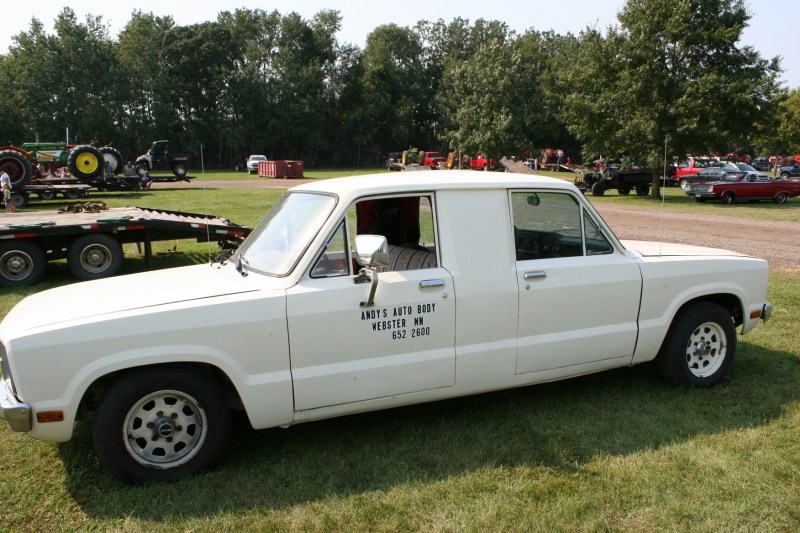
Parked next to the Model A was yet another original—a customized Ford Courier pick-up transformed into a double-headed car by the crafty Andy’s Auto Body of Webster. That turned a few heads, including mine. And made me laugh.


Not everyone was laughing at the toy John Deere tractor George Pinc placed inside a jar atop his Farmall tractor. He got a less than courteous comment from a show attendee. George didn’t care. He’s not a loyal-to-one-brand type of guy. But he assuredly is a man with a sense of humor.


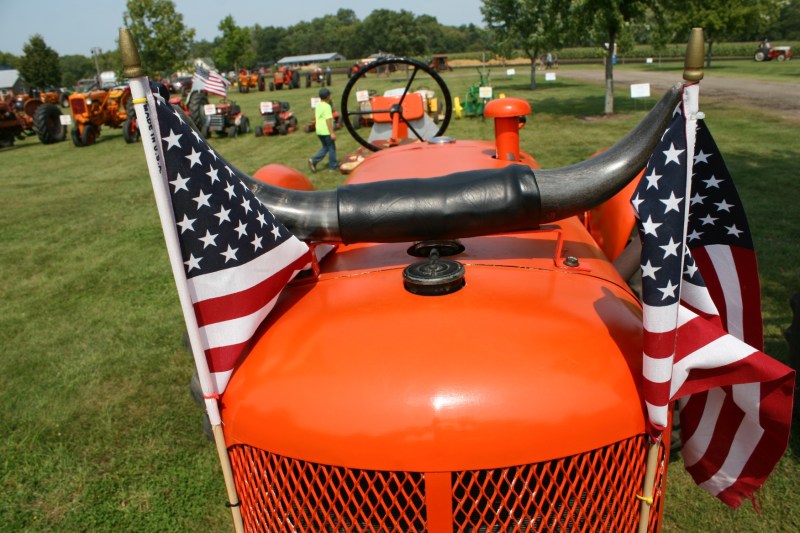
I don’t know the story behind the horns clamped to the top of another tractor. But the add-on caused me to smile.


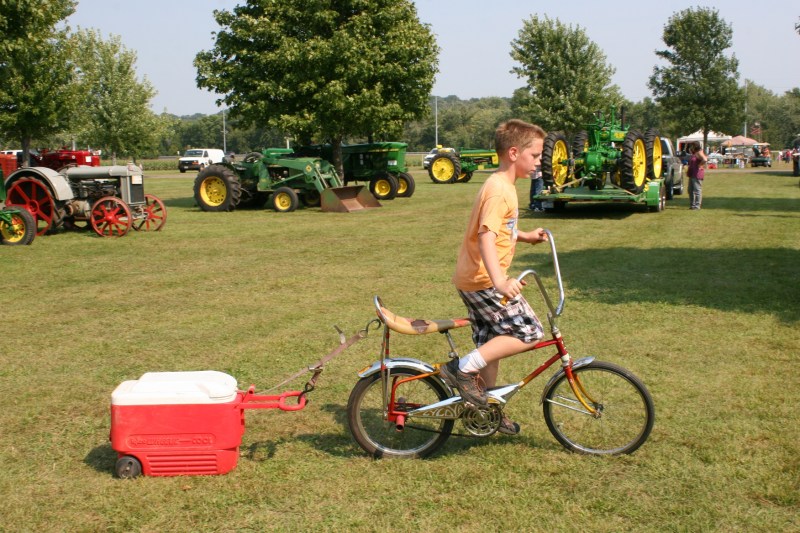
And then, as I walked between rows of tractors, I noticed a boy (I think Mike’s son) on a banana seat bike towing a cooler. Again, I just had to smile at the ingenuity. Got a problem? Solve it.


Finally, there’s the water bottle. By itself, tucked in the crook of a tree, it means nothing. But there’s a story. I watched a guy stretch and place the bottle in the vee. Before he entered a porta potty. How smart is that? Got a problem? Solve it.

Sometimes in life you have to think and act beyond the expected and laugh. Just laugh.

© Copyright 2017 Audrey Kletscher Helbling


Honoring Minnesota’s agricultural heritage at a steam & gas engines show, Part I September 6, 2017

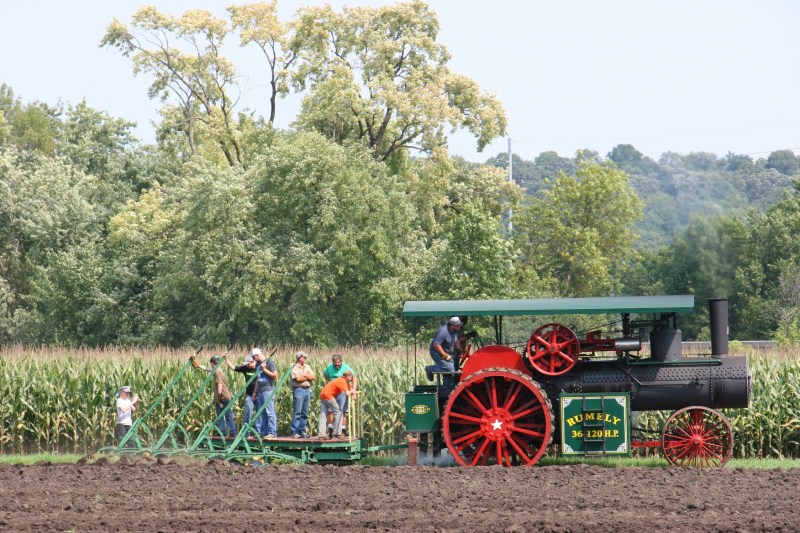
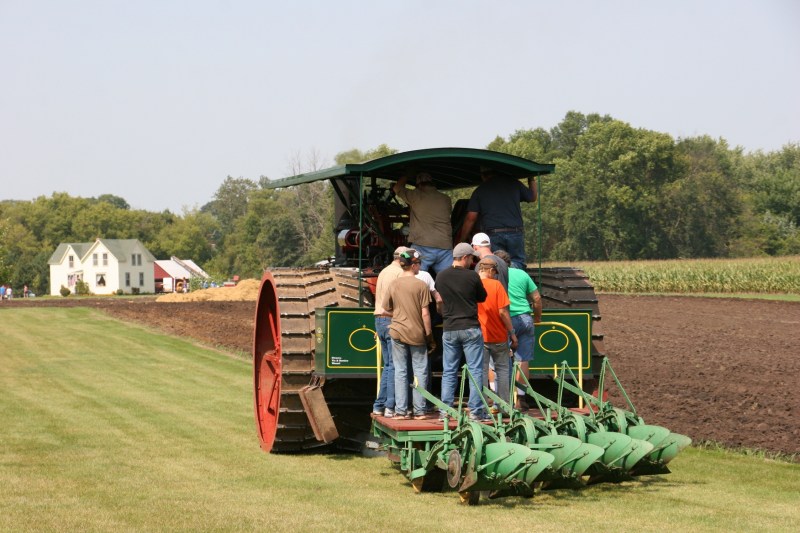
A steam engine tractor plows a field. The men standing on the plow guide the blades to the proper plowing depth via levers.


AS SEASONS SHIFT from the growing days of summer to the harvest days of autumn here in Minnesota, aged tractors, threshing machines and other vintage agricultural equipment roll out of storage for annual threshing and steam and gas engine shows.


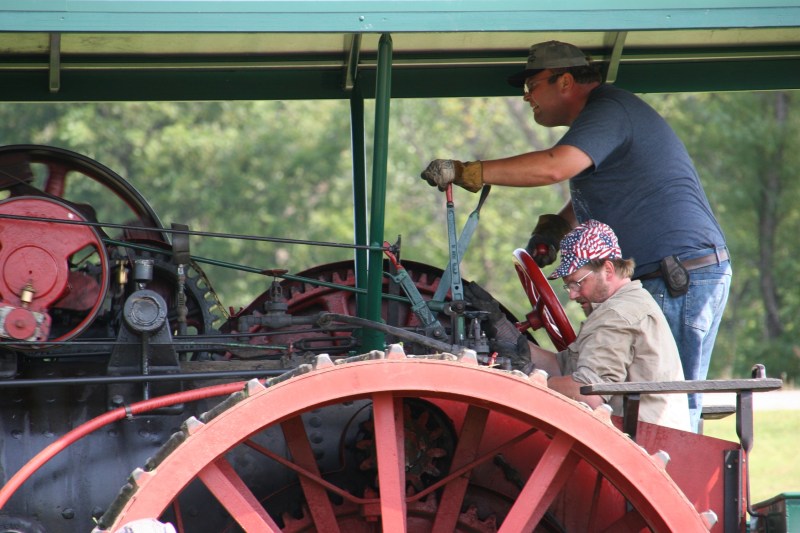
The engineers at the helm of the steam engine tractor concentrate on guiding it along the field.


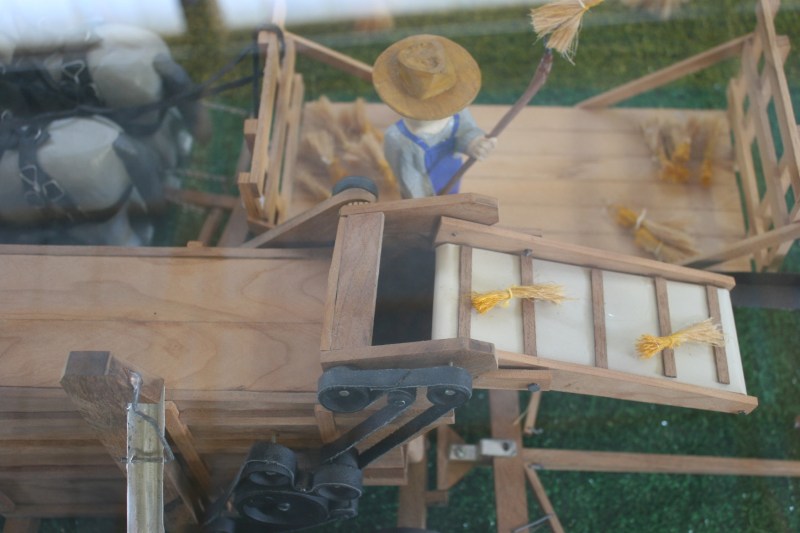
On display under plexiglass: a replica 1920s threshing scene crafted by David Terry.


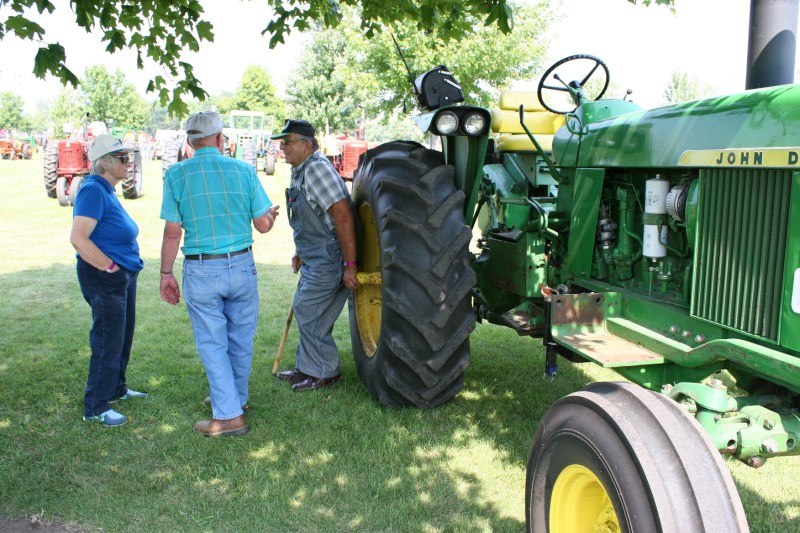
It’s a common scene this clustering of folks around vintage tractors.


These events mark a celebration of the past, a preservation of history, the remembering of a way of life, a focus on the labor intensive efforts of long ago farming. Here retired farmers lean against tractor wheels, men guide massive steam engines, kids learn and an honoring of times past prevails.


After finishing a plowing pass in the field, the steam engine tractor heads back to the other end.


Sunday afternoon I embraced Minnesota’s agricultural history at the annual Labor Day weekend Rice County Steam & Gas Engines Show in rural Dundas. I didn’t view every aspect of the event, but enough to once again feel a deep appreciation and respect for my rural heritage.


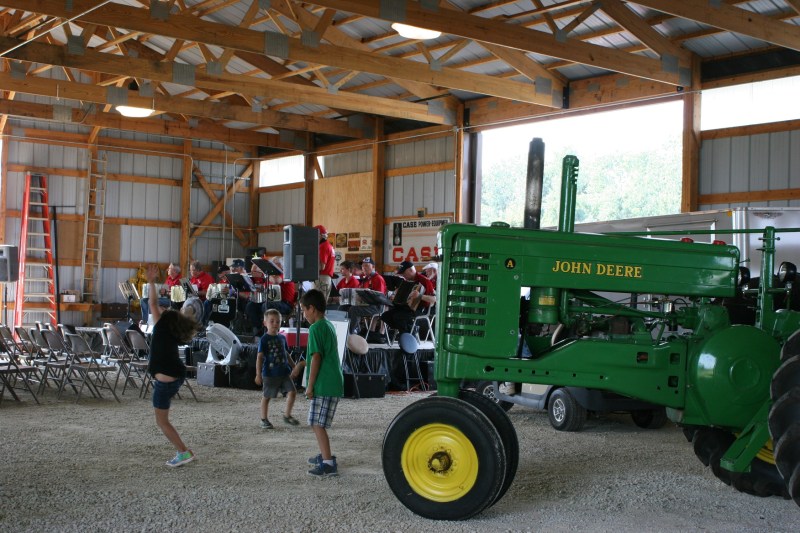
John Deeres were the featured tractor this year.


I love meeting friendly and photogenic vendors who are willing to be photographed.


Flea market vendors offer merchandise ranging from glassware to tools to clothing and lots more, including many agricultural related items.


With camera in hand, I roamed part of the grounds looking for photo ops that would present a personal and unique perspective of the show. From the flea market to the music shed to the rows of tractors and the vintage playground, I found my photos. There is so much heart and soul here and an obvious love of all things related to farming of bygone decades.


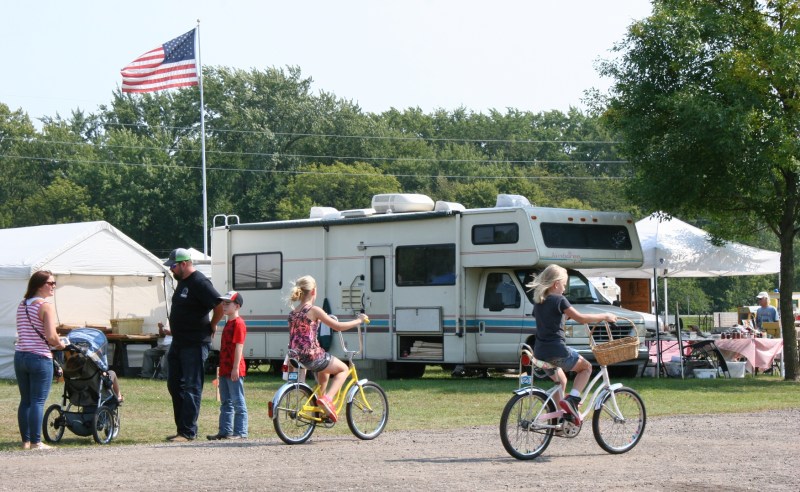
These girls rode their vintage banana seat bikes from Northfield. And, yes, there parents were at the show.


Carefree dancing and twirling as only kids will do.


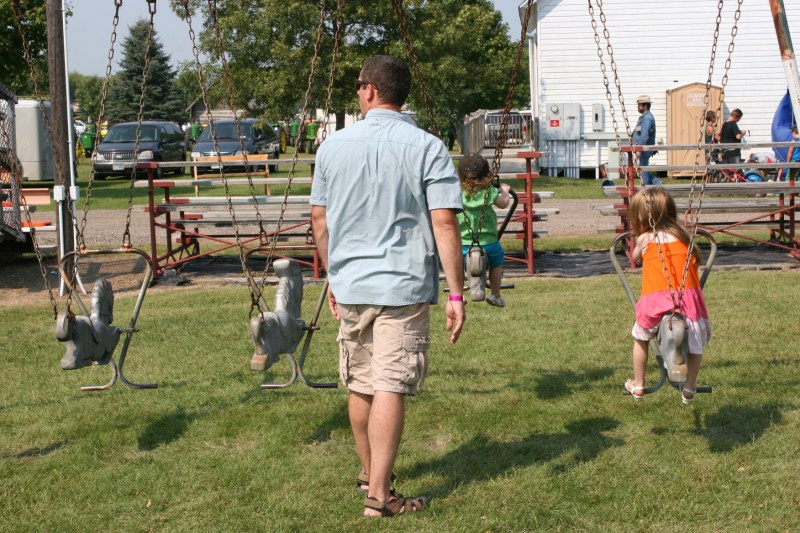
Even the playground equipment is vintage.


I’m especially delighted that so many kids attend. Kids pedaling banana seat bikes. Kids twirling to the old-time music of the Czech Area Concertina Club. Kids steering tractors. Kids swinging on heavy horse swings now banned from most playgrounds.


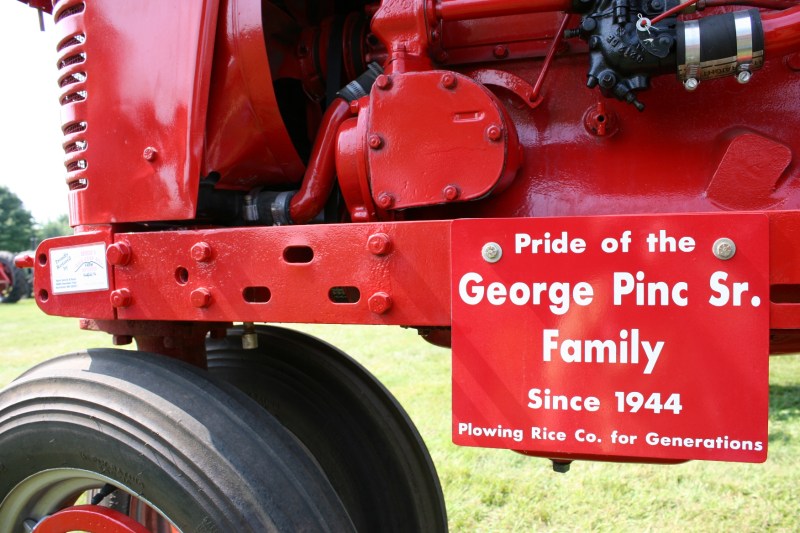
Some families, like the Pinc family, bring multiple tractors in multiple brands.


Generations spanning infants to elders come to this show ground along Minnesota State Highway 3 under a sky that holds the haze of autumn, of a sun that still blazes heat in the afternoon, of a land that yields its bounty to the harvesters. Here on these acres, memories rise like a prayer of thanksgiving as summer eases into autumn.

TELL ME: Do you attend these types of historic farming shows? If yes, I’d like to hear more.

PLEASE CHECK back for additional photo rich posts as I continue my series from the Rice County Steam & Gas Engines Show.

© Copyright 2017 Audrey Kletscher Helbling


Park art August 8, 2017

Filed under: Uncategorized — Audrey Kletscher Helbling @ 5:00 AM
Tags: , , , , , , , , ,

mural-in-waterville-36-shelterhouse-mural


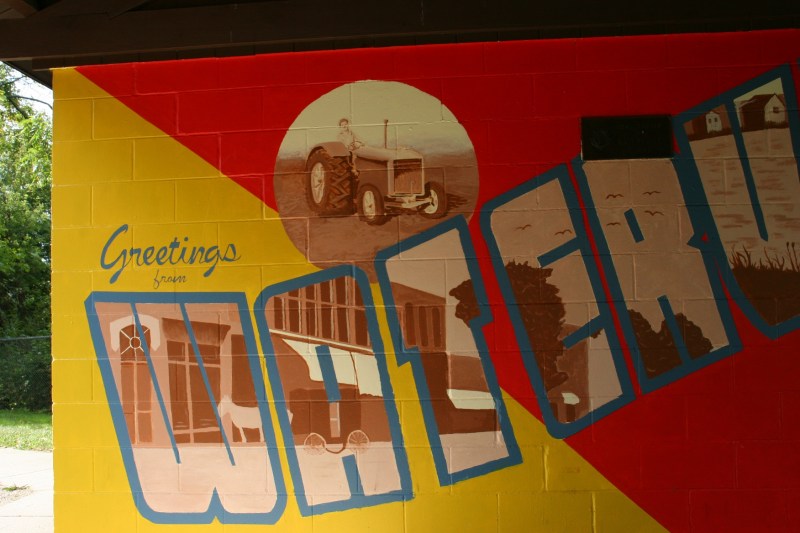
THE POSTCARD STYLE MURAL pops color in to the mini shelterhouse at Lions Park in Waterville.

But it’s more than that. The painting by Kimberly Baerg also provides a snapshot glimpse of this southeastern Minnesota resort and farming community.


mural-in-waterville-37-close-up


Examine the details and you will see a tractor, a canoe, a buggy, a train. All important in the history of this town.


mural-in-waterville-39-close-up


This mini mural is an example of how a little artistic ingenuity, effort and paint can transform an otherwise plain cement block wall in to a canvas that promotes a place, shares history and pops with community pride.

Well done, Waterville.

© Copyright 2016 Audrey Kletscher Helbling


The power of a train August 6, 2017

Filed under: Uncategorized — Audrey Kletscher Helbling @ 5:00 AM
Tags: , , , , , , , , ,


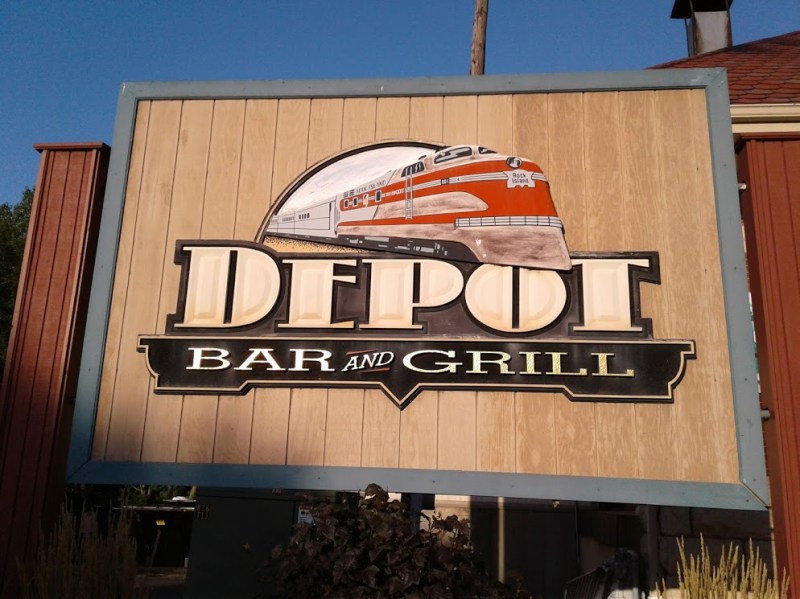
TEN FEET AWAY, the train roared down the tracks next to The Depot Bar & Grill in Faribault. I could feel its immense power as the cars zipped by in a blur, rails rising and falling.


For a moment I considered my vulnerability with only a wrought iron fence and a slip of stones separating me from this mammoth machine.


Despite my flash of fear, I thrilled in the rush of sitting so near a train as I waited for my brisket sandwich and fries on the outdoor patio. I grabbed my beer, took another swig and felt the rhythm of the fast-moving cars.


What is it about trains that holds such fascination? The power certainly impresses. But I think it’s the history, too, associated with trains that appeals to us. Travel by rail opened this country to further settlement.


My paternal great grandfather, Rudolph, rode the train to Henderson, Minnesota, in 1890, four years after he arrived by steamship in Baltimore. And four years after that, he moved farther west and bought a farm from the Great Western Railroad just outside my hometown of Vesta.


I expect most of you could tell similar stories of your ancestors and their travel by rail. Trains link us to our past, to those who came before us to this land, this America.

© Copyright 2017 Audrey Kletscher Helbling


“Peoples of Faribault,” an enlightening must-see video August 4, 2017

High school students Logan Ledman, left, and Samuel Temple produce “1855: A Faribault History Series on FCTV” in Faribault. Photo courtesy of Samuel Temple.


THEIR APPRECIATION FOR LOCAL HISTORY shines in the videos they produce. But it’s more than a passion for Faribault history that drives Samuel Temple of Faribault and Logan Ledman of Northfield. The 16-year-olds strive to make viewers think via the videos they create for Faribault Community Television.


Photo courtesy of Samuel Temple.


Nearly two years after their first of 11 history episodes aired, the teens tackled their most extensive project yet—a 40-some minute video titled “Peoples of Faribault.” I watched the show this week and am impressed by the research, the content and the clincher ending that challenges viewers to consider how their choices affect Faribault’s identity as a community.

Negative local perceptions of his hometown prompted Samuel to co-produce a video that counters that negativity. He and Logan do that through the art of entertaining, informative and thought-provoking storytelling. Their work is top-notch professional as they address issues of ethnicity in their latest and most lengthy film.


This prize-winning photo which I shot at the International Festival Faribault in 2012 reflects the cultural diversity of our community.


It’s no secret that Faribault has struggled with accepting newcomers. And newcomers have struggled to adapt. But Samuel and Logan put it all in perspective by tracing back to the town’s 1850s beginning and progressing from there. They cover the ethnic groups of the Dakota, French-Canadians, Swedes, Norwegians, Czech, Germans, Irish, Latinos, Cambodians, Chinese and Faribault’s newest immigrants, Somalis. Each group faced issues of assimilation and rejection, the two discovered through extensive research and interviews.


This sculptor of Alexander Faribault trading with a Dakota trading partner stands in Faribault’s Heritage Park near the Straight River and site of Faribault’s trading post. Faribault artist Ivan Whillock created this sculpture which sits atop the Bea Duncan Memorial Fountain. Minnesota Prairie Roots file photo.


Samuel summarizes the reason each group came to Faribault in one simple statement: “Everyone was looking for a home, for a wide array of reasons, and each found it in Faribault.”

Looking for a home. It doesn’t get more basic than that. But behind those four words are specifics such as war, famine, pursuing the American dream and more. It’s all covered in the film, for each of the featured ethnic groups.


Many Somalis now call Faribault home. I took this photo at a 2015 car show in historic downtown Faribault.


While researching for the video, the producers began to see a pattern. Says Logan in an email response to my questions:

“Issues of racism, cultural conflict, and discrimination came up in our work for this video. It ended up being a consistent pattern; the town’s response to newcomers was, initially, consistently negative. Over time, though, as new Faribault townsfolk left a multi-generational mark on the community, there was a parallel, consistently positive final acceptance of those newcomers by the town. This was a pattern that repeated itself across every group we looked at, and it’s a pattern we see repeating itself today.”


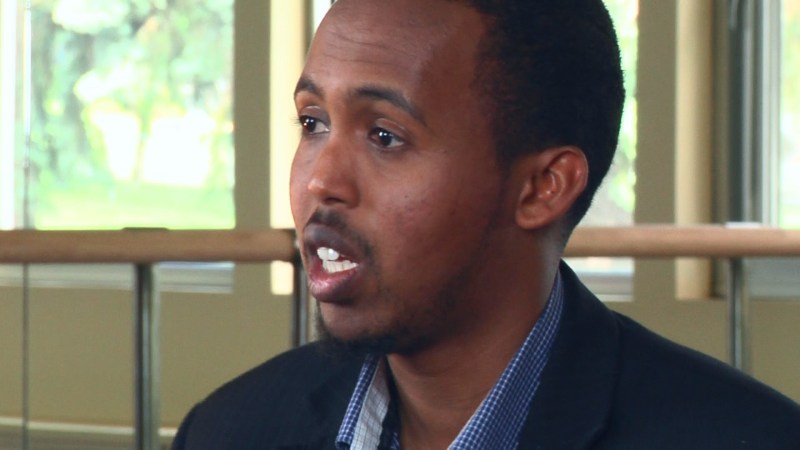
Bashir Omar. Photo courtesy of Samuel Temple.


Bashir Omar, a 10-year Faribault resident who serves on the Faribault Diversity Coalition and who works as a cultural liaison in the public school system, offers primarily praise for Faribault in comments aired in the “Peoples of Faribault” video. Although he says people fear the Somali culture, he’s always felt welcomed here and has not been targeted because of his Muslim faith. “Faribault has been a great town,” Bashir says.


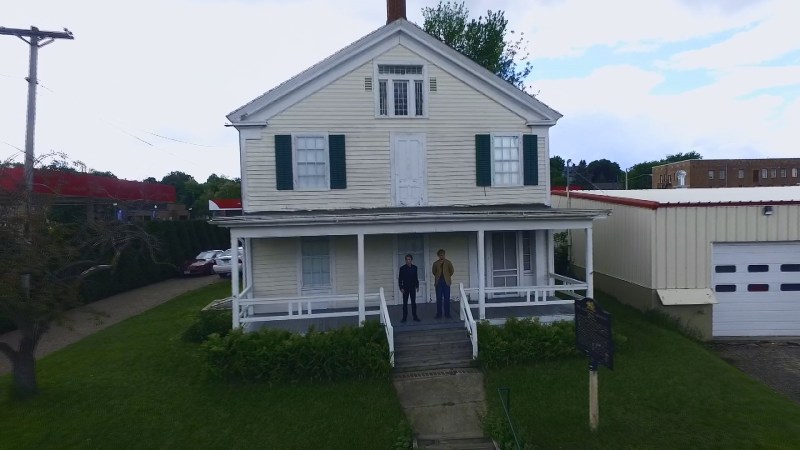
Samuel and Logan narrate from the front porch of the Alexander Faribault house, home to town founder Alexander Faribault. Photo courtesy of Samuel Temple.


Not all newcomers have received the same warm welcome, an issue Samuel and Logan sensitively address through narrative and interviews. They also spoke with a local historian/author, city official and author/English as a second language educator and collaborated with sixth graders from the Cannon River STEM School to create family trees. Town founder Alexander Faribault, son of a part Dakota woman and a French trader, for example, faced discrimination when he befriended the Dakota, according to historian Larry Richie. He reveals in the video that Alexander died a despised and broken man. “We gotta learn to accept others,” Larry says.


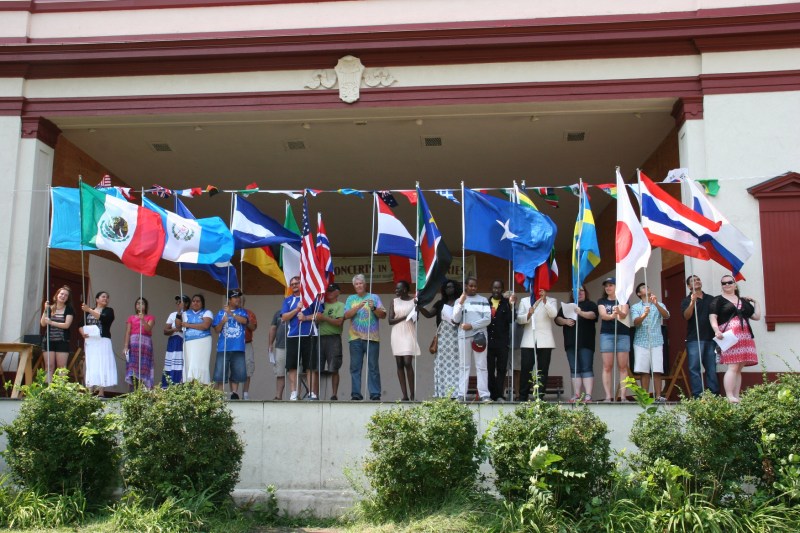
A flag ceremony during a past International Festival featured national anthems and information about the countries from which Faribault residents have originated. Minnesota Prairie Roots file photo.


In their research, the filmmakers learned a few things about Faribault that surprised and unsettled them. I asked. For Samuel, the strong presence of the Ku Klux Klan in Faribault, including a mass gathering at the Rice County Fairgrounds for a state convention in 1924, left him feeling queasy. He noted, too, the Klan’s strong anti-Catholic (in addition to anti-black and anti-Jew) sentiment. For Logan, discrimination against Germans especially during the world wars came as a surprise. In the video, the term “enemy aliens” is linked to Germans.


I photographed this sign on the front desk of Buckham Memorial Library in Faribault. Minnesota Prairie Roots file photo 2017.


“Faribault is not immune to hate,” Samuel says in the film and then adds this in an email to me:

“Gathering information about the adversity that quite literally every group has faced put in perspective a single truth: accusing any one nationality or ethnicity or religion or group of people of having evil values, or being the root cause of problems in a community is wrong across the board; if we want history to look back on us favorably, we must live by that without exception.”


We learn from our past, looking back. This photo shows the back of the Alexander Faribault-Dakota sculpture at Faribault’s Heritage Park.


To read those words written by a 16-year-old inspires me and gives me hope. He and Logan are right. We can preserve our heritage while moving forward. We can learn from history. We can choose to focus on the positive, knowing that our choices affect our identity as a community. The choice is ours.


FYI: Joining Samuel and Logan in creating “Peoples of Faribault” are friends/musicians Sam Dwyer and Chase Ingraham of Northfield. Sam has also created original music for past episodes of “1855: A Faribault History Series.”

To view the “Peoples of Faribault” video, click here.

You can also see past episodes of “1855” that cover everything from the Fleckenstein Brewery to the Tilt-A-Whirl to local WASP Elizabeth Wall Strohfus at this same link.

© Copyright 2017 Audrey Kletscher Helbling
“Peoples of Faribault” images are courtesy of Samuel Temple