Minnesota Prairie Roots

Writing and photography by Audrey Kletscher Helbling

Traveling Vietnam Memorial Wall rolling into Faribault August 29, 2016

AS A TEENAGER OF THE EARLY 1970s, the Vietnam War proved part of my life in the fringe sort of way war does when you’re an emerging adult.

Along with my too short hot pants ensemble and my shiny go-go boots, I sported a POW bracelet, the shiny medal banding my wrist with the name of an American soldier held captive by the Viet Cong. I wish I remembered his name or even what happened to that bracelet. It may be stashed away in a cardboard box in a closet. To even write that seems dishonorable. How could I not give more respect to a prisoner of war who deserved my gratitude?

This week I will have a local opportunity to honor those who died in the Vietnam War, the war from which veterans arrived home without a nation’s welcome. Protests prevailed. I remember.

traveling wall logo


Thankfully attitudes have changed. This Wednesday, the Traveling Vietnam Memorial Wall rolls into Faribault for a six-day stay at the Rice County Fairgrounds. I am grateful to the individuals, businesses and organizations—like the Faribault Elks, multiple American Legion Posts, the local VFW Post and the Marine Corps League—that worked hard to bring this 80 percent scale version of the wall here to southeastern Minnesota.
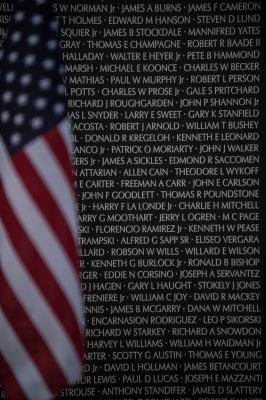
Stock image courtesy of the Traveling Wall Faribualt 2016.

Stock image courtesy of the Traveling Wall Faribualt 2016.

Perhaps my POW’s name is imprinted on that wall, among the 58,282 Americans who died in this war. I will search for one name, that of Benjamin Franklin Danielson whose fighter jet was shot down over Laos in 1969. I remember the media coverage when this Minnesota soldier’s remains were returned to his native Kenyon in 2007, several years after bone fragments were found to match his DNA. I expect many individuals will be looking for names of loved ones or classmates or others on this 360-foot long by eight foot high replica wall.
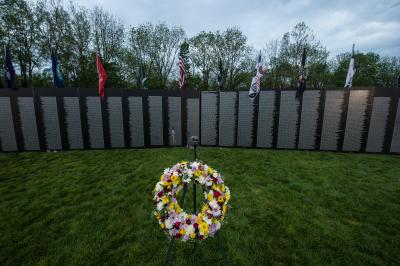
Stock image courtesy of Traveling Wall Faribault 2016.

Stock image courtesy of Traveling Wall Faribault 2016.

But before the temporary memorial goes up on the north side of Faribault, it will arrive in my community of 23,000 Wednesday afternoon under escort by law enforcement, fire department personnel, bikers and others in private vehicles. Organizers emphasize that this is not a parade but rather a solemn procession. Those living aside the route from Owatonna along County Road 45 to Medford and then into Faribault are encouraged to line the roadway with American flags and to show their support.
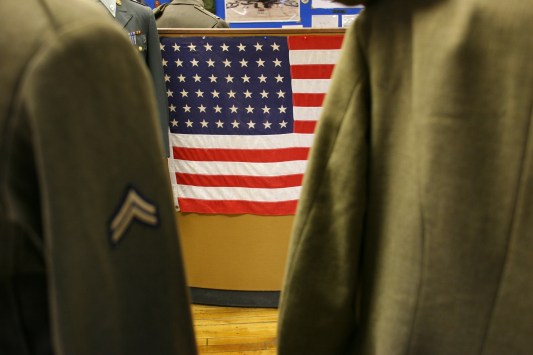
Between two military uniforms, I shot this view of a 48-star American flag.

Minnesota Prairie Roots file photo.

I live along the processional route. Those who know me personally and would like to join me in my front yard are welcome to do so. Dress in patriotic attire and bring American flags and patriotic items plus a lawn chair. I expect the entourage to pass my home around 3:20 – 3:30 p.m.

At 6:30 p.m. on Thursday, the traveling wall debuts with a grand opening ceremony. The memorial remains open 24/7 until the closing ceremony at 1 p.m. on Labor Day. What a great opportunity this will be for us, as a community, as a county, as Minnesotans, as Americans, to honor those like Benjamin Danielson and my unidentified POW. Decades after I clamped that POW bracelet around my wrist, I understand the significance of this opportunity.

FYI: Many related events are planned in conjunction with the Traveling Vietnam Memorial Wall exhibit in Faribault. Click here to learn details. And click here to learn about the original memorial wall in Washington, DC.

© Copyright 2016 Audrey Kletscher Helbling


Connecting with loved ones at a Minnesota family reunion August 17, 2016

Filed under: Uncategorized — Audrey Kletscher Helbling @ 5:00 AM
Tags: , , , , ,
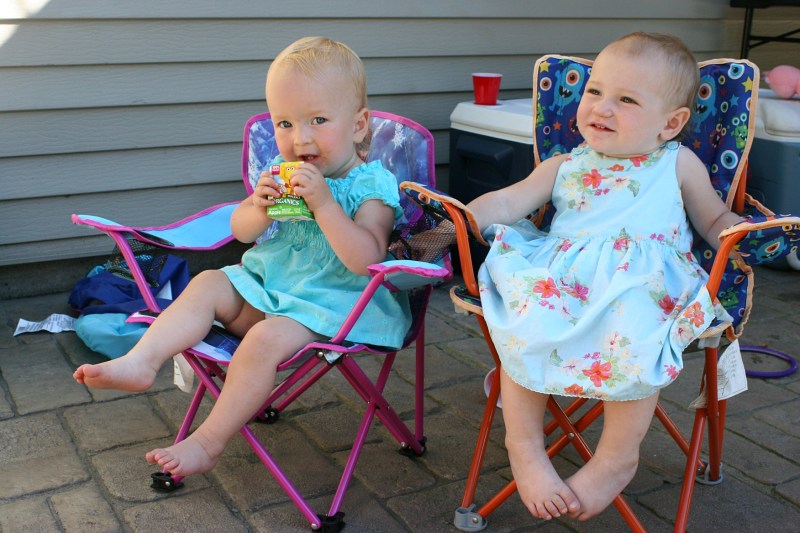
Cousins Evelyn, left, and Sierra are the same age.

Cousins Evelyn, left, and Sierra, both about 16 months old.

HOW DO YOU DEFINE a family reunion?

Family: my eldest daughter, Amber and her husband, Marc, and their daughter, Isabelle.

Family: my eldest daughter, Amber; her husband, Marc; and their daughter, Isabelle.

I define those two words as an annual gathering of related people who love and care for one another. They meet to have fun, to laugh and cry together, to joke and also carry on serious conversations, to remember and to make memories. It’s all about reconnecting and maintaining the strong bond of family.

Saturday marked a perfect Minnesota summer day for the Helbling family reunion in a stunning setting.

Saturday marked a perfect summer day for the Helbling family reunion in a rural Minnesota location.

Last weekend my husband’s family reunited at his youngest sister and her husband’s rural acreage north of the metro. It’s a beautiful property with woods and pond in a serene setting that I really did not want to leave on Sunday afternoon.

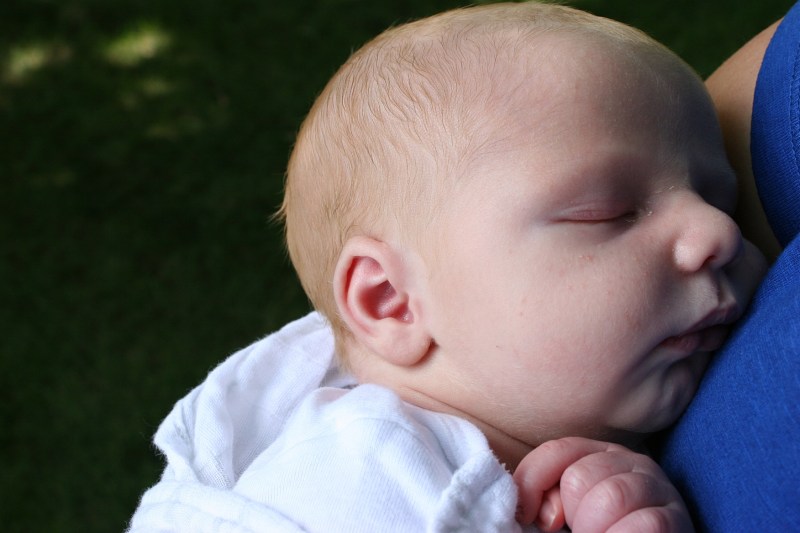
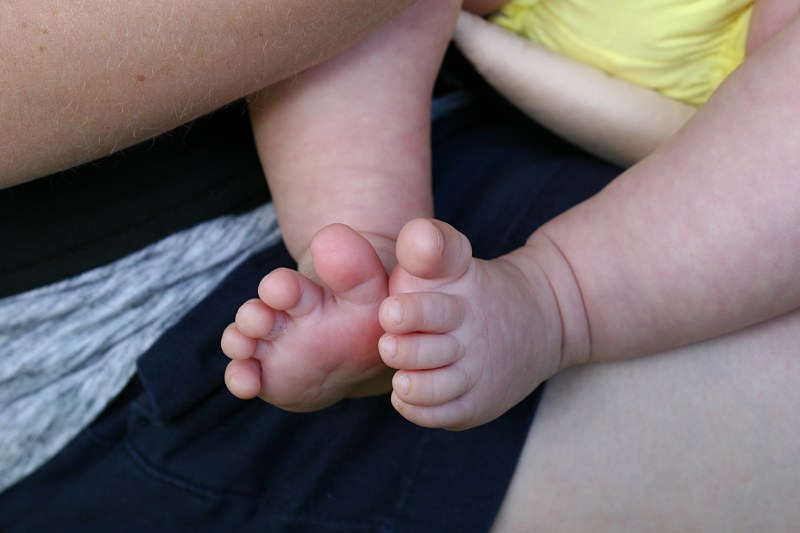
Four-month-old Izzy's feet.

Four-month-old Izzy’s feet.

On this land, 43 of us came together—from as distant as west central Missouri and Grand Rapids, Michigan—for the Helbling family reunion. Thirty-two adults. Eleven kids. And two babies. Every year in recent years there have been new babies.

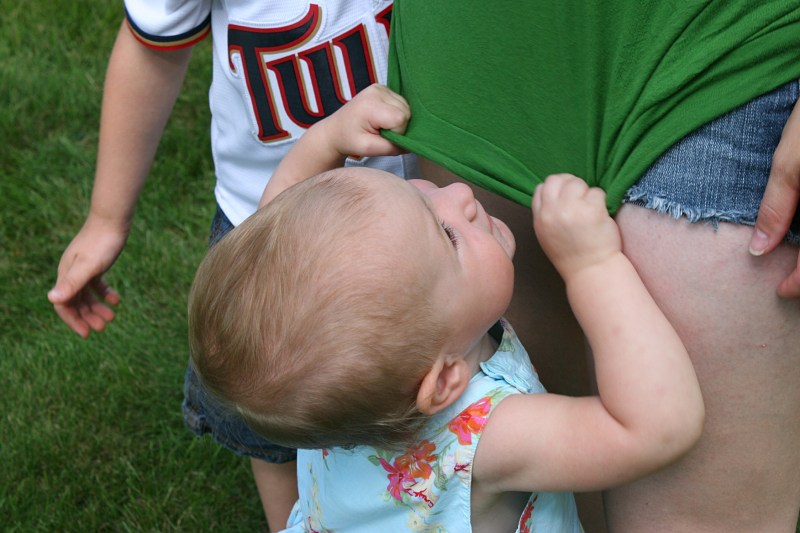
Sierra tugs at her mommy's shirt.

Sierra tugs at her mommy’s shirt.

Missing were my father-in-law, who is recovering from a stroke, and eight others. We remembered, too, those who are no longer with us—my mother-in-law, gone nearly 23 years now, and my nephew who died of cancer 15 years ago. A small group of us, including Justin’s parents, honored him on Sunday with a pizza lunch.

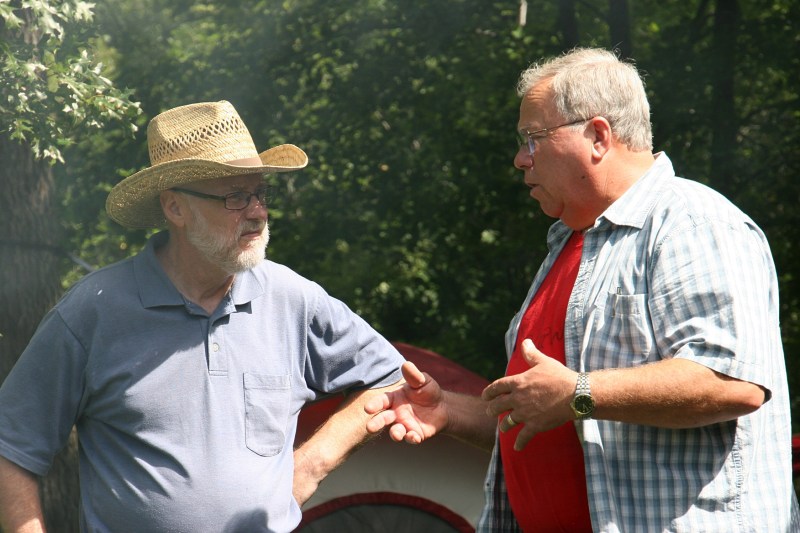
Brothers-in-law Randy and Marty catch up as smoke trails from three grills.

Brothers-in-law Randy and Marty catch up as smoke trails from three grills.

Through shared experiences, we bond as only family can in joy and in grief.

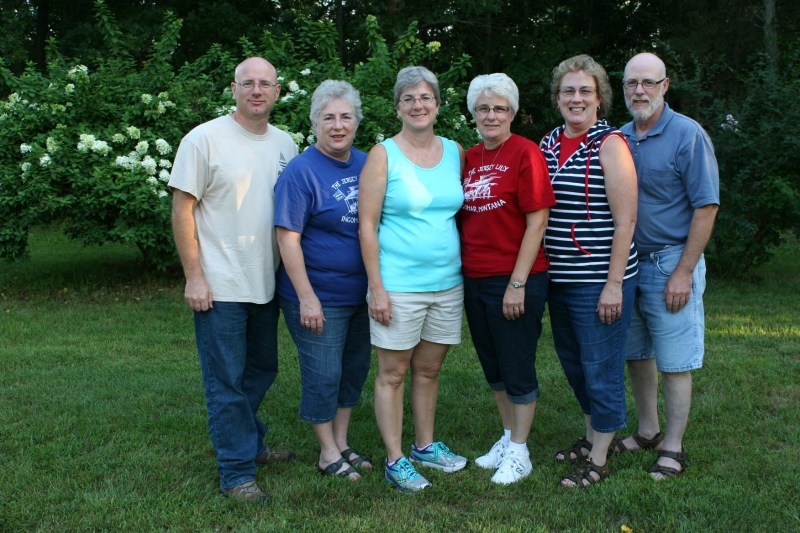
My husband, Randy, is on the right with his siblings who attended the reunion.

My husband, Randy, is on the right with his siblings who attended the reunion. He is the oldest boy in a family of nine children.

On this weekend, we paused for family portraits, understanding the importance of documenting our presence for future generations. We laughed and cheered as young adults and then kids competed in the human version of Hungry Hungry Hippos. Many threw bean bags in a tournament. Others basked in the bright sunshine on the pond dock watching a cattail float on the water. We cradled snail shells, paddled in the paddle boat, gave hugs and high fives.

Baby Emmett was passed from arm to arm.

Baby Emmett was passed around all day.

We celebrated successes and welcomed the newest Helbling family member, Emmett, born only two weeks prior.

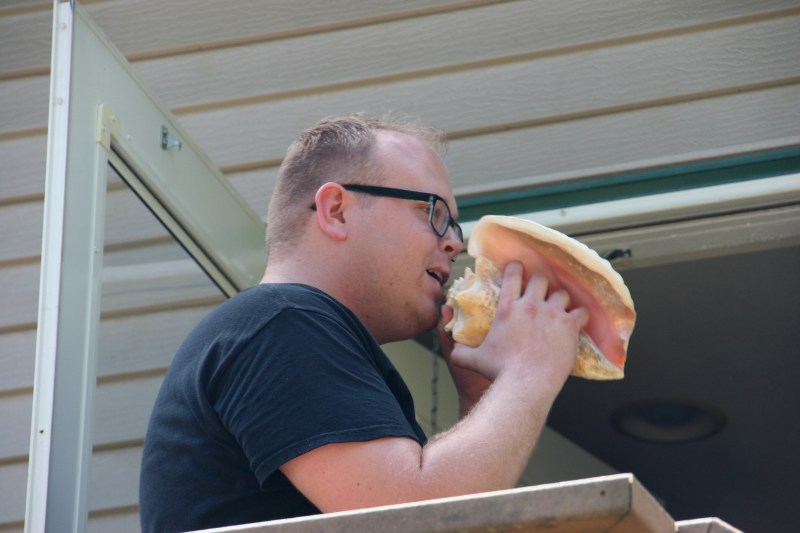
Justin stands atop a deck and calls the family to lunch by blowing into a conch shell.

Justin stands atop a deck and calls the family to lunch by blowing in to a conch shell.

The memories continued to stack as kids chased a baby bunny found in a window well. Great nieces plucked sun-ripened tomatoes. A niece’s husband summoned family to lunch by blowing in to a conch shell. Adults tossed batons and wood chunks onto the lawn in the Scandinavian game of Kubb. Four slim family members stuffed themselves inside a cardboard box, just for fun. And in the deep dark of night, those sleeping in tents awakened to the eerie howling of wolves from a nearby sanctuary.

Balls, purchased for a human game of Hungry Hungry Hippos, proved popular with the kids. Here four-month-old Izzy doesn't know quite what to do when set among the orbs.

Balls, purchased for a human game of Hungry Hungry Hippos, proved popular with the kids. Here four-month-old Izzy doesn’t know quite what to do when set among the orbs.

This is the stuff of memories. This is the stuff of family reunions.

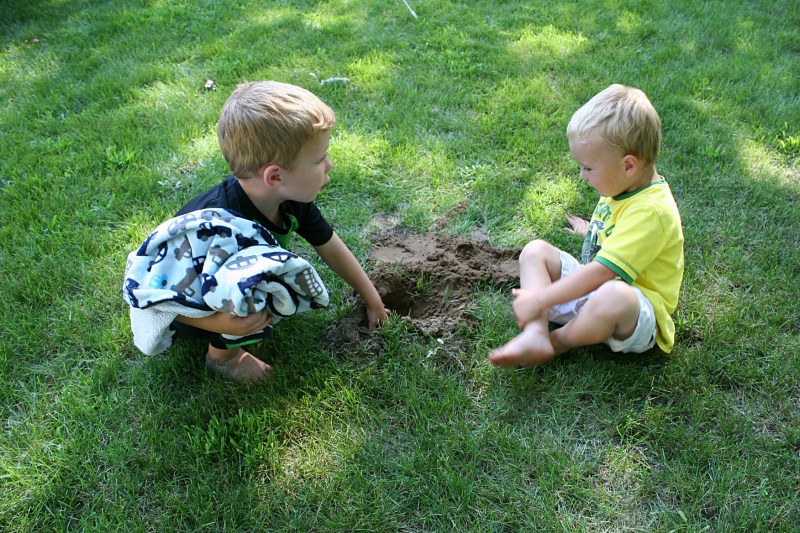
Cousins found a hole in the yard and proceeded to dig and dig.

Cousins found a hole in the yard and proceeded to dig and dig.

TELL ME, do you have an annual family reunion? What are some of your memories of that event? For me, I have a lingering physical memory of Saturday’s reunion in the form of multiple intensely itchy chigger bites.

FYI: Check back tomorrow for a post about the human version of Hungry Hungry Hippos which was played at the reunion.

© Copyright 2016 Audrey Kletscher Helbling
 

Part II: When memories cruise into a car show August 4, 2016

A 1964 Chevy SS.

A 1964 Chevy SS.

THERE ARE REASONS we love the things we do. Always reasons. And at the Cruise-In Car Show held last weekend at St. John’s United Church of Christ, Wheeling Township, there was a reason my husband voted for a 1964 Chevy SS as his favorite car. He once owned a similar Chevy. Not an SS. But a rusted out 1964 Chevy Impala. He wishes he still had that vintage vehicle, albeit in pristine condition.

The tail light on the 1958 Chevy I liked.

The tail light on the 1958 Chevy I liked.

I favored a cherry red 1958 Chevy that reminded me of the car my maternal grandpa drove. I remember mostly the salmon (not red) hue, the distinctive click of the blinker and the bumpy plastic protecting the seats. Grandpa’s car may not even have been a Chevy. But the lines of this car looked familiar.

Look at the graceful lines in these vintage cars.

Look at the graceful lines in these vintage cars.

My appreciation of vehicles is more about lines, curves and colors—the visual artistic appeal—rather than performance. Perhaps that’s why current day cars seem less attractive than those of 50 years ago.

Several tractors were registered at the show.

Several tractors were registered at the show.

As I approached the four tractors parked at the cruise-in, I hoped to see a B Farmall or John Deere like the ones from my childhood farm. But there were none. It’s difficult for me to think of 1970s tractors as collectibles. There’s a reason for that and it’s called aging. My aging.

At the request of St. John's car cruise-in organizers, I climbed a 10-foot step ladder to photograph the scene.

At the request of St. John’s car cruise-in organizers, I climbed a 10-foot step ladder to photograph the event.

These days I find myself growing more nostalgic. I am drawn to that which defined my past. I find that a tad unsettling, this yearning for seemingly simpler days when life was less complicated, less stressful, less cluttered. The “good old days,” they call them. Am I that old already to think that way?

Chevrolets are popular collector cars.

Chevrolets are popular collector cars.

Perhaps this is really what car shows are all about. Not about shiny vehicles or souped up whatever, but rather about memories and appreciating the past.

BONUS PHOTOS:

A tractor owner left his key in his tractor, complete with key chain from the Little Brown Church in the Vale.

A tractor owner left his key in his tractor, complete with key chain from the Little Brown Church in the Vale.

I have an affinity for Mustangs that traces to my teen years.

I have an affinity for Mustangs that traces to my teen years.

I was intrigued by these gauges on the exterior of a car, just outside the driver's side of the windshield.

I was intrigued by these gauges on the exterior of a car, just outside the driver’s side of the windshield.

Because green is my favorite color, I am naturally drawn to this car.

Because green is my favorite color, I am naturally drawn to this car owned by a Minnesotan who is a big Green Bay Packers fan.

Likewise, this blue on a blue Volkswagon also drew my eye and my interest.

Likewise, this blue on a blue Volkswagon also drew my eye and my interest.

FYI: Click here to read my first post from St. John’s Cruise-In Car Show. And check back tomorrow for one final post from this rural Faribault event.

© Copyright 2016 Audrey Kletscher Helbling
 

The rural influence in my writing & photography, plus a farm tour July 12, 2016

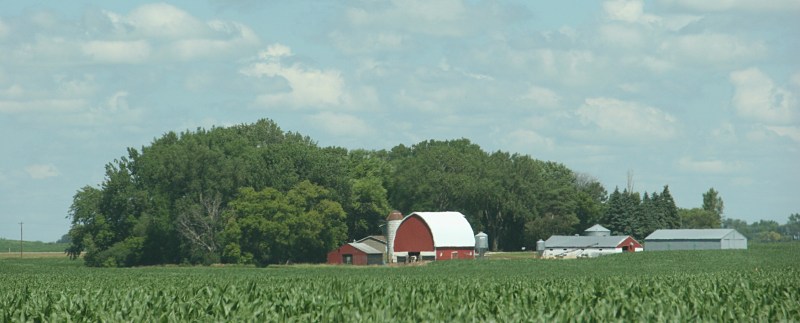
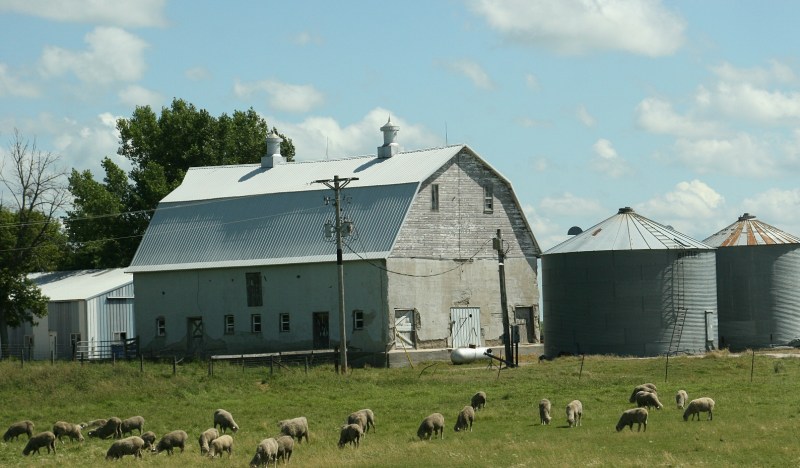
Barn, 117 red barn along US Hwy 71 south of Redwood Falls


BARNS DRAW MY CAMERA lens like moths to a porch light.


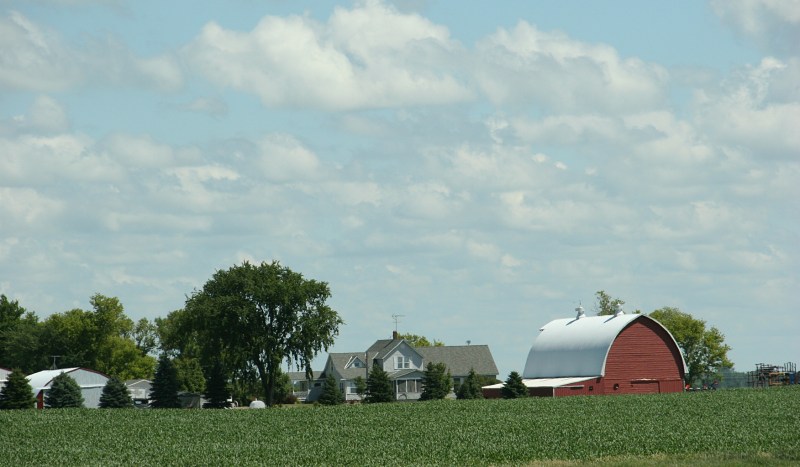
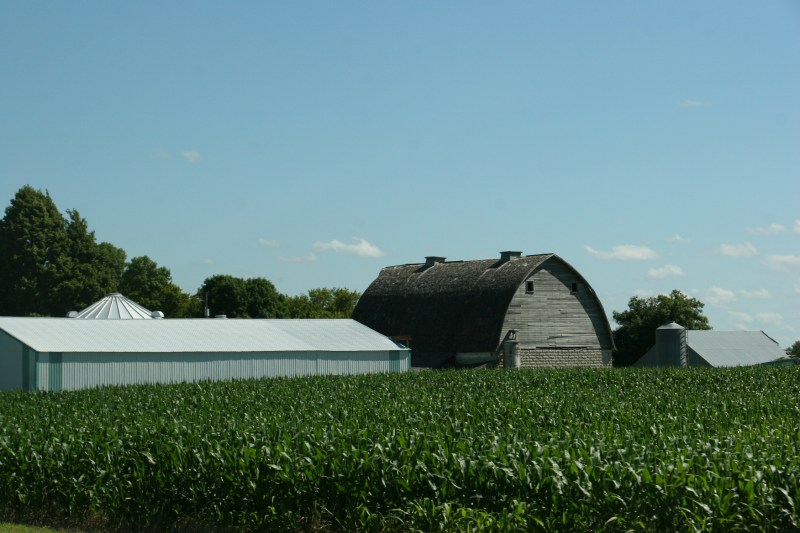
Barn, 144 farm site between Olivia and Wilmar


My response is reflexive, this focal allure of barns while traveling through rural Minnesota.


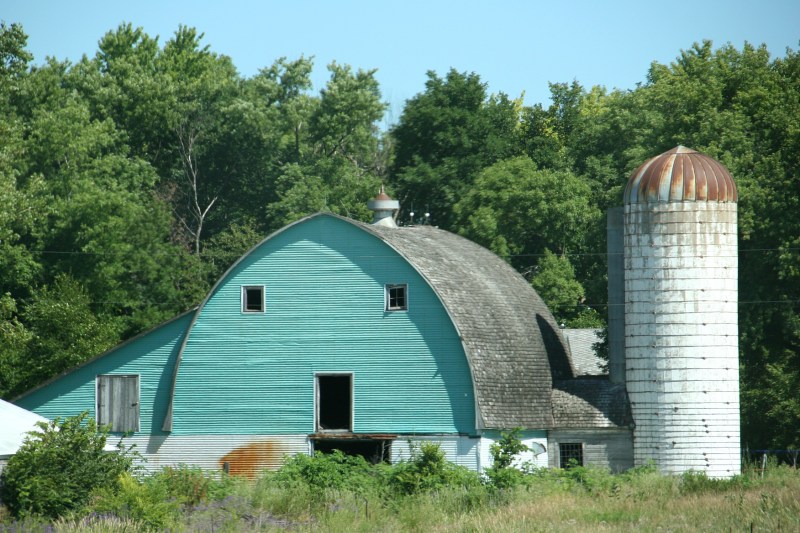
Barn, 112 bluegreen barn along US Hwy 71 south of Redwood Falls


Barns, to me, symbolize rural life. Growing up on a southwestern Minnesota dairy and crop farm, I labored in the barn—scooping silage and ground feed, scraping manure into gutters, carrying milk pails from barn to milkhouse, tossing hay and straw bales from the hayloft, bedding straw…

My hair, my skin, my clothing smelled always of cows and manure. I bathed but once a week. That seems unfathomable now. But it was the reality of then.


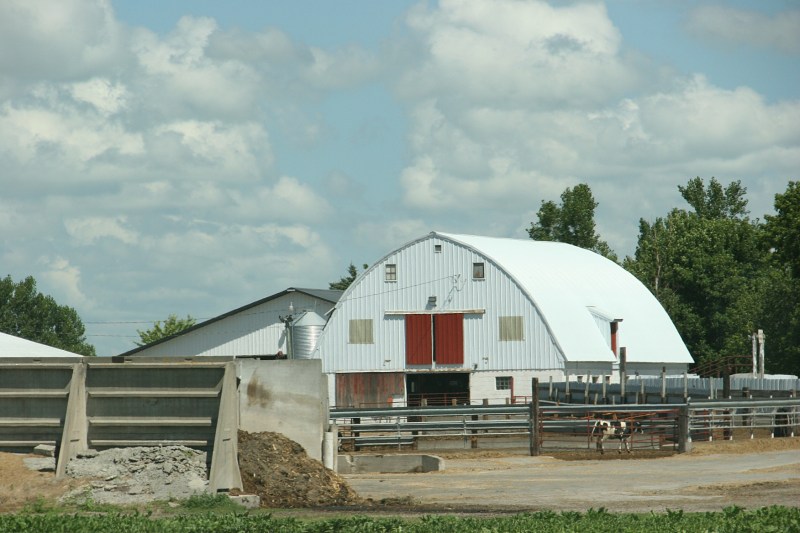
Barn, 145 white barn & cow


The barn on our family farm provided more than shelter for the cows. It provided an income, a way of life, a training ground for hard work. No matter what, the cows needed to be tended, fed and milked. Vacations were rare—only two my entire childhood, one to the Black Hills of South Dakota and the other to Duluth. On the occasion when my parents traveled farther, they left my older brother and me home to take care of the farm under our bachelor uncle Mike’s watchful eye.


Barn, 142 farm site between Olivia and Wilmar


I often told my dad I wanted to be a farmer. He discouraged me. He likely knew what I didn’t, that I wasn’t cut out to be a farmer. I am not a risk taker. And to be a farmer, you need to be a bit of a gambler. You gamble on the unpredictability of weather and of prices. Granted, technology has curbed some of the risk. But still, it’s there.


Barn, 132 sheep and barn between Morton & Olivia


Instead, I pursued a degree and career in journalism. And then, eventually, I became a full-time stay-at-home mom, setting aside my writing to raise my three kids. Until I found time again to write.


Barn, 109 east of Wabasso along US 71


In my writing today, unlike my past deliver-the-facts newspaper reporting, I have created a unique voice rooted in rural Minnesota. I may not smell of cow or manure, but those scents linger in my memory, infusing into my writing and photography. I bring a small town rural perspective to my work. I find my joy in writing about and photographing everyday life, everyday places, everyday people, mostly in Greater Minnesota.

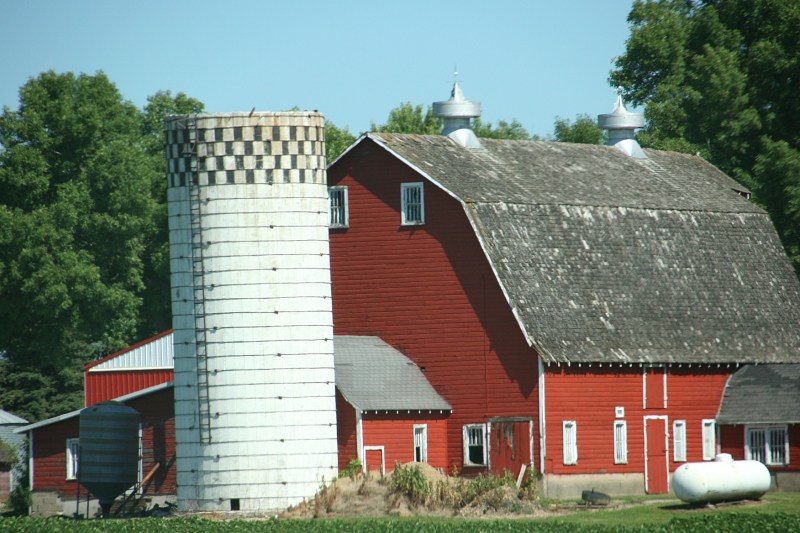
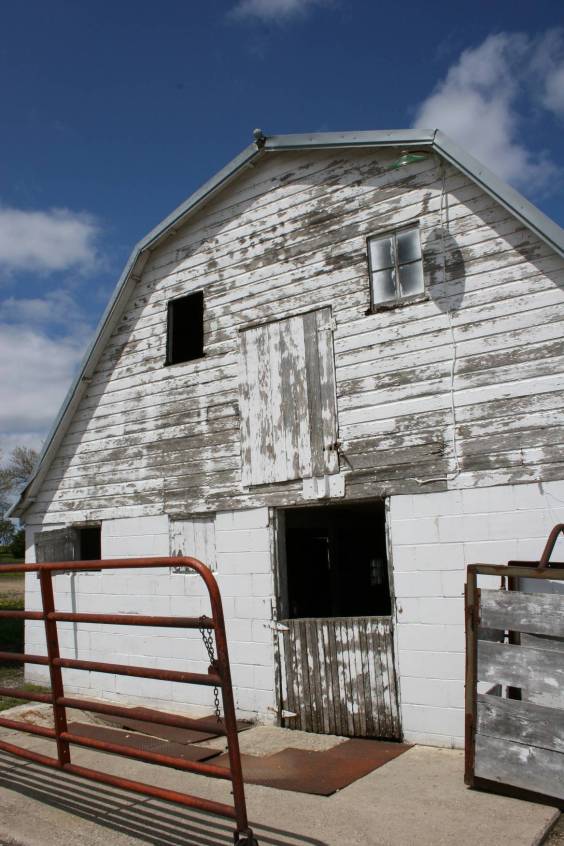
The early 1950s barn on the Redwood County dairy farm where I grew up today stands empty of animals.

The early 1950s barn on the Redwood County dairy farm where I grew up today stands empty of animals. Minnesota Prairie Roots file photo.

And it all started in a Redwood County barn.

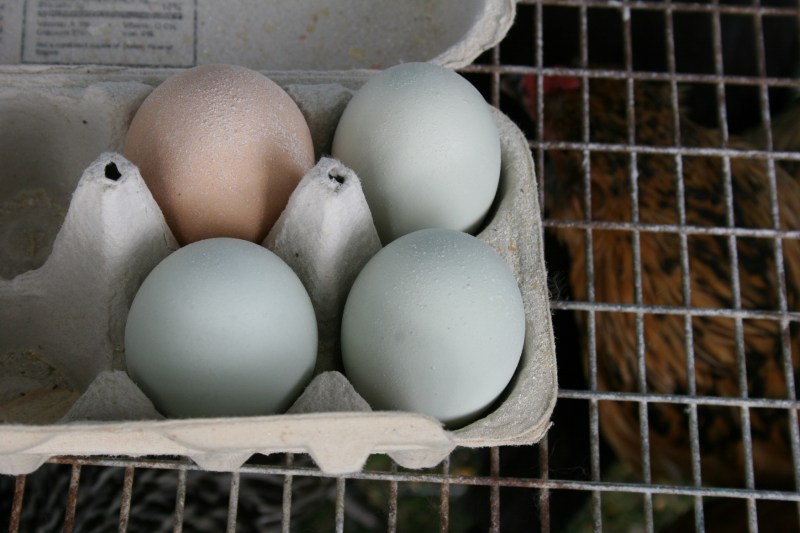
Fresh eggs and caged chickens attracted lots of interest.

Fresh eggs and caged chickens photographed at an event several years ago at Valley Grove Church, rural Nerstrand. Minnesota Prairie Roots file photo.

YOU, TOO, CAN EXPERIENCE farming this Saturday, July 16, by touring agricultural businesses throughout the region during the annual Eat Local Farm Tour. From Simple Harvest Farm Organics in rural Nerstrand to Mississippi Mushrooms in Minneapolis to Hope Creamery in Hope and 26 other sites, you’ll discover Minnesotans and Wisconsinites passionate about local foods. You’ll meet beekeepers, cheesemakers, berry growers, cattlemen/women, trout farmers and more.

Click here for a listing of sites on the Eat Local Farm Tour, which runs from 10 a.m. – 4 p.m.

© Copyright 2016 Audrey Kletscher Helbling

Note: With the exception of my home barn, all barns and farm sites featured in this post are located along U.S. Highway 71 in rural Minnesota, from south of Redwood Falls to south of Willmar.


The skies of summer in southwestern Minnesota July 8, 2016

Filed under: Uncategorized — Audrey Kletscher Helbling @ 5:00 AM
Tags: , , , , ,

Sky in sw MN, 27 red barn close-up


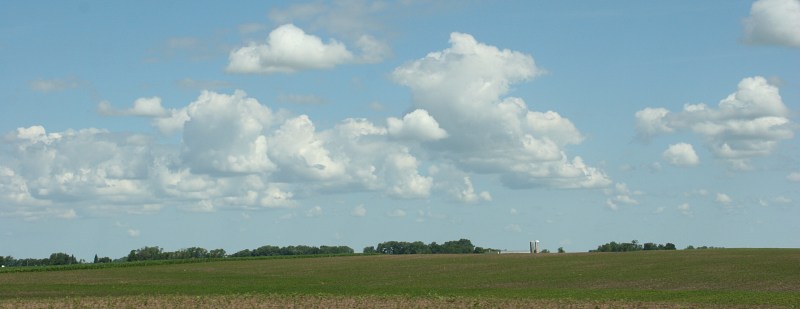
DECADES AGO, I LAY flat on my back in a Redwood County, Minnesota farm yard, eyes fixated on the clouds. I wasn’t a weather watcher. Rather, I was a girl with an imagination. As I lay there, I imagined a monstrous bird swooping from the sky to bite a chunk from the silo.


Sky in sw MN, 15 big sky & farm site


I’d just viewed a movie about a giant bird attacking the Empire State Building. It was no surprise then that I noticed frightening creatures looming in the sky.


Sky in sw MN, 21 highway 14


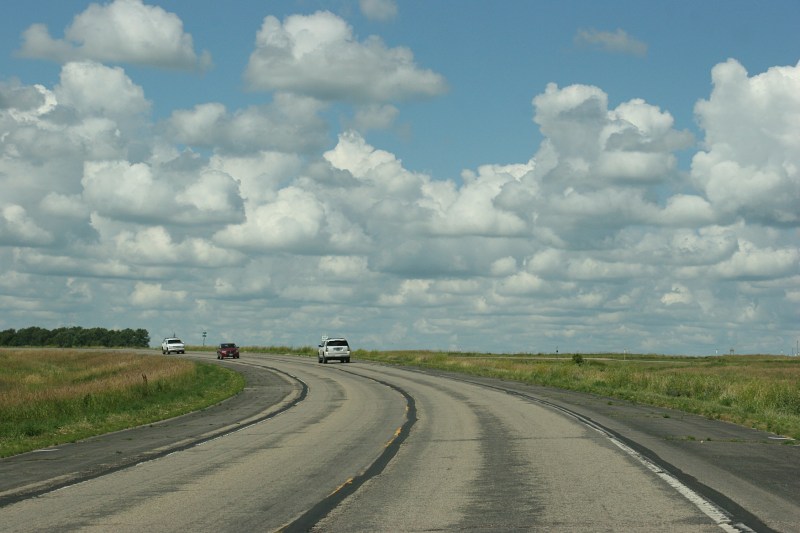
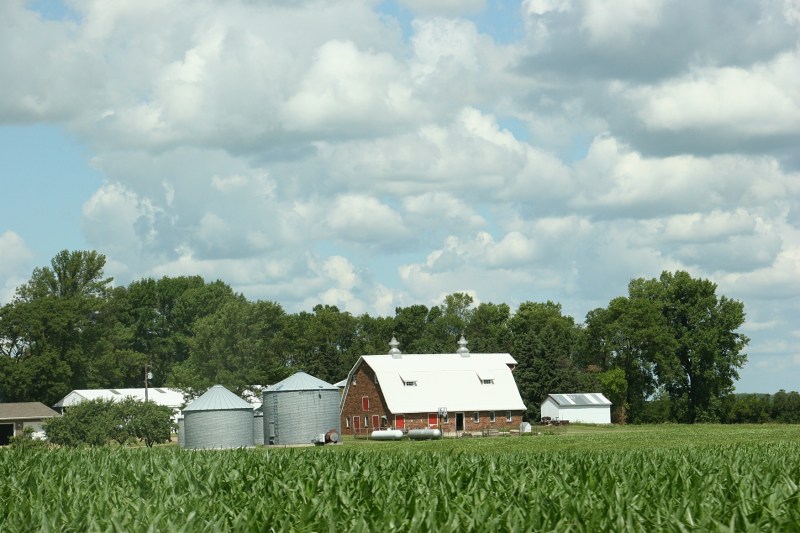
That was then. This is now, decades later, when I am still fascinated by the clouds of summer. There’s nothing quite like the summer skies of my native southwestern Minnesota prairie. Traveling west on July 2 to a family gathering near Lamberton, I delighted in the perfect summer sky of white clouds suspended above the land in a background of blue.


Sky in sw MN, 23 corn, barn & bins


Below, fields of corn and soybeans stretched for acres, broken only by farm sites, grain elevators, small towns and slashes of roadways.


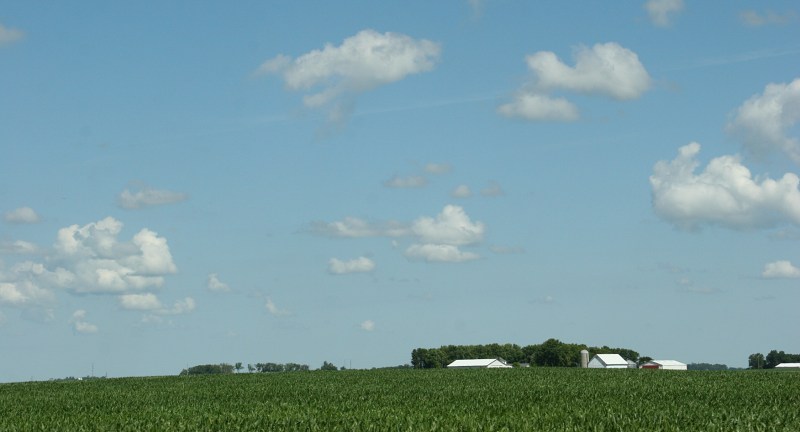
Sky in sw MN, 7 big sky & farm site


The sky and land are so big here. I suppose to some, the vastness can unsettle. But for me it’s freeing.


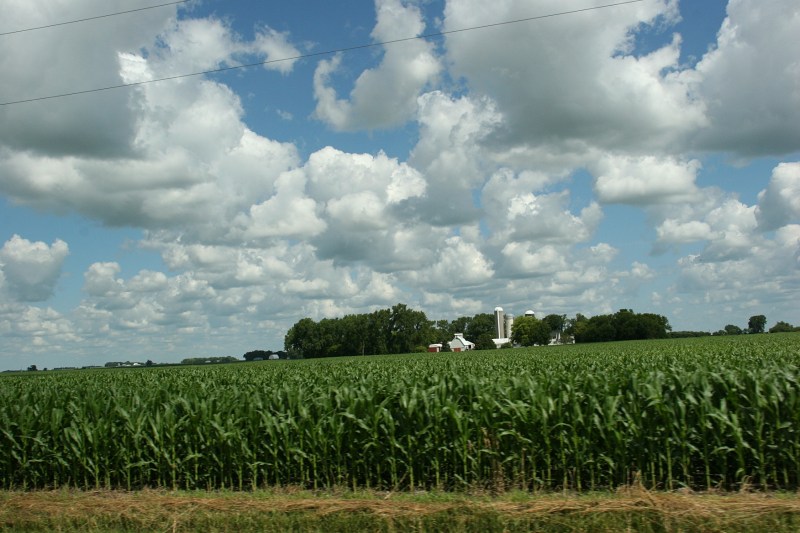
Sky in sw MN, 28 full corn field, farm site and cloudy sky


My mind wanders from worries and difficult realities of life, of attacking giant birds, to a carefree state. I simply feel happy here beneath clouds that hang like wispy pulls of cotton candy above the greening cropland.


Sky in sw MN, 24 bins and sky


This land, this sky, this place, this rural Minnesota shall always claim my heart and my imagination.


Sky in sw MN, 30 entering Lamberton


TELL ME: What place claims your heart and why?

© Copyright 2016 Audrey Kletscher Helbling
Note: All of these photos were taken on July 2 while traveling westbound on U.S. Highway 14 between Sleepy Eye and Lamberton, Minnesota.


Make hay while the sun shines & the poem it inspired June 20, 2016

Filed under: Uncategorized — Audrey Kletscher Helbling @ 10:50 AM
Tags: , , , , , , , ,

Baling hay, 17 southern Minnesota


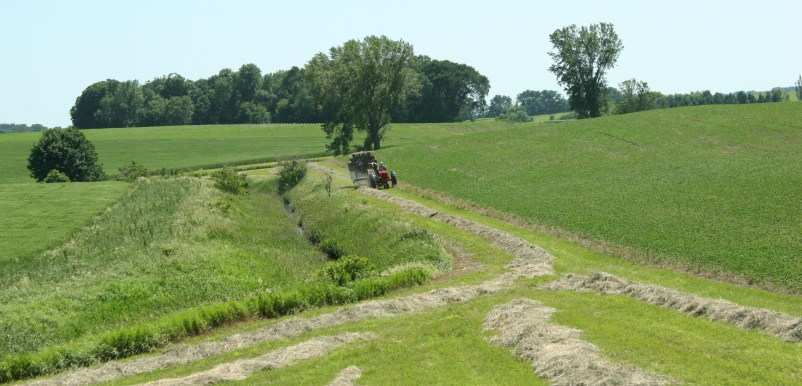
OF ALL THE TIMES not to have my telephoto lens attached to my Canon EOS 20D. But I didn’t, so I missed a close-up shot of three guys baling hay the old-fashioned way on Sunday afternoon in rural Rice County. No over-sized tractor, no round hay baler. Just a basic tractor, hay baler and hay rack.

As the farmer guided machines along a windrow, the baler compacted alfalfa into twine-wrapped packages. A team of two grabbed the rectangles, stacking them in a practiced rhythm of precise placement.

It’s a scene imprinted deep upon my memory. As I briefly watched the trio working the field, I remembered my father and Uncle Mike doing the same so many years ago some 120 miles to the west. I remembered taking lunch to them, sitting in the shade of the hay wagon, eating summer sausage sandwiches, breathing in the intoxicating scent of hay.

Make hay while the sun shines. It’s as true today as it’s always been. The trio laboring in the heat and humidity of Sunday afternoon understood they were racing against time, against the predicted rain that would come that evening.

#

The scene I photographed reminds me of a poem I wrote several years ago. It was published in the 2012 edition of Lake Region Review. Enjoy this poem, based on my childhood memories from rural Redwood County, Minnesota:


Taking Lunch to the Men in the Field

Three o’clock. Lunch time.
My brother grips the tarnished handle
of the rusty red Radio Flyer as the wagon bumps
along the dusty dirt drive, dipping and curving
past the cow yard mucked with mounds of manure,
toward the stubbled alfalfa where the men are making hay.

Out mother has stowed sandwiches—
slices of coarse, yeasty homemade bread slathered in butter
with rounds of spicy summer sausage slid in between—
inside the tin tub next to chewy oatmeal peanut butter bars
wrapped in waxed paper, nudging brown beer bottles
that jostle and clank as the wagon rolls.

She’s packaged the lunch in a crisp white cotton dish cloth
embroidered with Wednesday Wash Day
and stitches of clothes clipped to a clothesline,
mimicking the laundry she’s hung out earlier,
now stirring in the wisp of a July prairie breeze.

My brother and I lag under the heavy heat of the afternoon,
straining toward the men working the field.
Dad, shaded by an umbrella, guides the International along the windrows
while our bachelor uncle heaves hay bales onto the flat-bed trailer,
his chambray work shirt plastered against his back,
his grimy DEKALB cap ringed in sweat
as he toils in an unbroken rhythm of labor.

We reach the edge of the field as the men finish their round
and the racket of tractor and baler ceases
giving way to our small voices which break the sudden silence:
“Lunch time. We are here with the beer.”

© Copyright 2016 Audrey Kletscher Helbling
Poem copyright 2012 Audrey Kletscher Helbling


Unlike Tiny Tim, I never tiptoed through the tulips May 23, 2016

Filed under: Uncategorized — Audrey Kletscher Helbling @ 5:00 AM
Tags: , , , , ,
A row of vibrant ukuleles are suspended in the front window of Eastman Music in historic downtown Faribault, Minnesota.

A row of vibrant ukuleles are suspended in the front window of Eastman Music in historic downtown Faribault, Minnesota.

I REMEMBER PLAYING a ukulele in junior high school. I had no clue what I was doing; I could not read a musical note. Somehow, though, I managed to strum my way through a concert and pass a music class. Interesting how I remember that all these decades later. And interesting how the teacher failed to notice that I was not learning to read notes under his instruction.

Unlike nearly every other student, I never had the opportunity to play piano or a band instrument. I was the second oldest of six children in a poor farm family. There was no extra money for music anything. Plus, my elementary school didn’t offer a band program and the junior high school, at 20 miles distant, was too far away for me to be involved in band.

I’ve always regretted not being able to read music or play an instrument. I cherished the toy accordion I received one year for Christmas. It is the closest I’ve ever come to owning a musical instrument. When my sister, three years my junior, took flute lessons, I taught myself to play “Mary Had a Little Lamb.” Yes, my parents somehow scrimped money for musical instruments for my younger siblings.

How about you? Can you read music? Do you play a musical instrument? If not, why not?

NOTE: I took this photo a year ago and just now pulled it from my files.

Copyright 2015 Audrey Kletscher Helbling


Thoughts after 34 years of marriage May 15, 2016

Filed under: Uncategorized — Audrey Kletscher Helbling @ 5:00 AM
Tags: , , , , , , ,
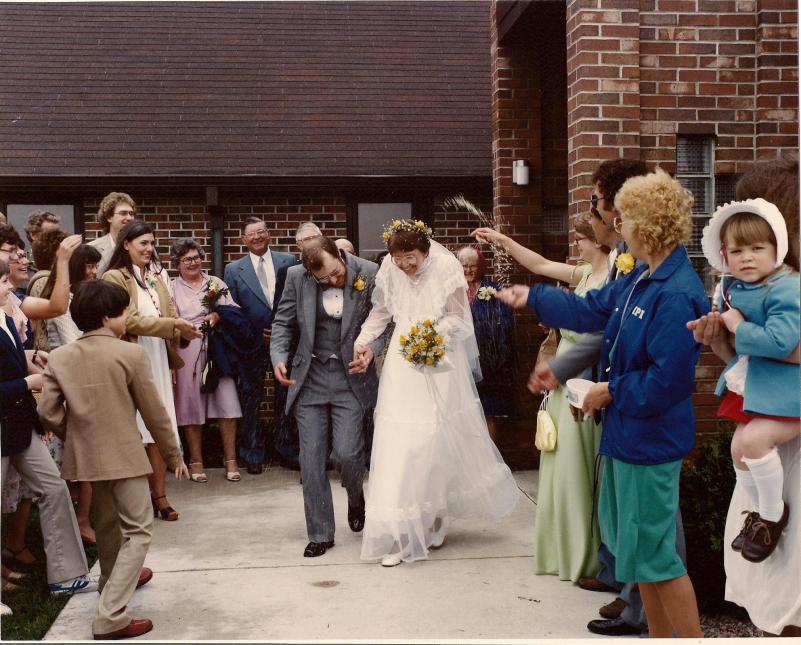
Wedding guests toss rice at Randy and me as we exit St. John's Lutheran Church following our May 15, 1982, wedding.

Wedding guests toss rice at Randy and me as we exit St. John’s Lutheran Church following our May 15, 1982, wedding. That’s my mom in the pinkish dress standing next to my bachelor uncle Mike. My paternal grandma, in the red scarf and blue coat, is just behind me. That’s my sister Lanae, my maid of honor, in the long green dress. I love this photo. It captures a moment and portraits of loved ones, some no longer with us.

THIRTY-FOUR YEARS AGO TODAY, I married the man I love.

Our wedding day began with drizzle and clouds. But by the time of the reception and dance, skies cleared to a beautiful May evening in rural southwestern Minnesota. Family and friends celebrated with us in the Vesta Community Hall, where veterans’ uniforms hang in cases along walls. We polkaed and waltzed and bunny hopped and swung across the worn wood dance floor. I kicked off my toe-pinching ballet flats to dance barefoot.

There was nothing fancy about our wedding or the reception. Crepe paper strips running down tables and single carnations in vases. A meal catered by HyVee. Gingham aprons, stitched by me, for the waitresses. Green punch prepared by my mom. To this day, Randy remembers the not-so-appealing hue of that punch.

There are memories, too, of the trickster brother-in-law who let air out of our truck tires, necessitating a drive several blocks west to my Uncle Harold’s gas station.

While some of the memories have faded, others have not. Nor has our love. I love my husband as much today as the day I married him.

Admittedly, it’s a different kind of love, one shaped by years together, by a shared history, by the comfort that comes from being with someone for this long. Our experiences—good and bad—have made us stronger as a couple. Life isn’t always easy. But it’s easier with a loving partner beside you.

Randy isn’t the most demonstrative man. It’s just not in his nature or his genes. But he’s always been here for me and our three children, now grown.

I would be remiss if I didn’t mention the little things he does for me, which aren’t really little things. Every Sunday he prepares brunch. And nearly every weekend, even in the winter, he grills. I appreciate the break from cooking.

Occasionally, he buys me flowers for no reason other than he knows I need them. Each spring he brings me a bouquet of lilacs cut with a jackknife pulled from his pocket.

He works hard, sometimes too hard. I was grateful when he stopped working Saturdays a few years ago.

On Sunday mornings, he’ll sometimes slide his arm across the back of the church pew, his fingers lingering on my left shoulder. I feel so loved by that simple gesture, by having this man beside me as we worship.

Randy has also accompanied me to many poetry readings, supporting me in this writing venture. He’s a grease rimming his fingernails hard-working automotive machinist, certainly not the type you would envision ever listening to his wife read poetry. But he does, because he loves me.

I am blessed.

© Copyright 2016 Audrey Kletscher Helbling
 

In honor of spring planting season in southern Minnesota April 18, 2016

Filed under: Uncategorized — Audrey Kletscher Helbling @ 5:00 AM
Tags: , , , , ,
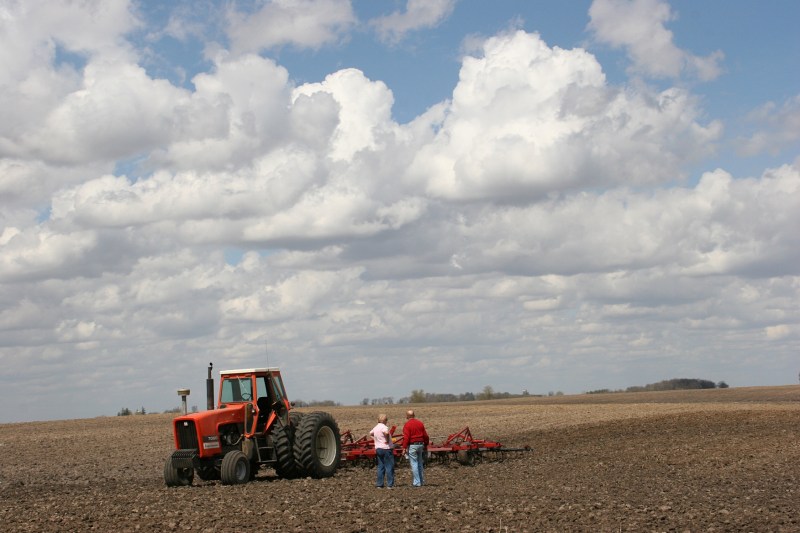
A pause in field work along the Rice-Steele County line Sunday afternoon.

A pause in field work along the Rice-Steele County line Sunday afternoon.

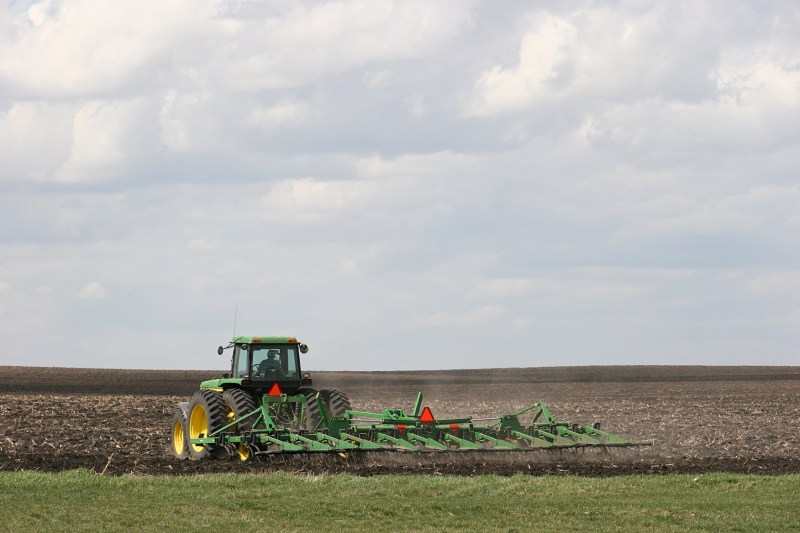
FARM IMPLEMENTS KICKED up dust Sunday afternoon under blue skies clumped with white clouds here in southeastern Minnesota.

Prepping the soil for planting along 270th Street East in southern Rice County.

Prepping the soil for planting along 270th Street East in southern Rice County.

It was the kind of balmy spring day that draws me to the land, to memories of spring planting.

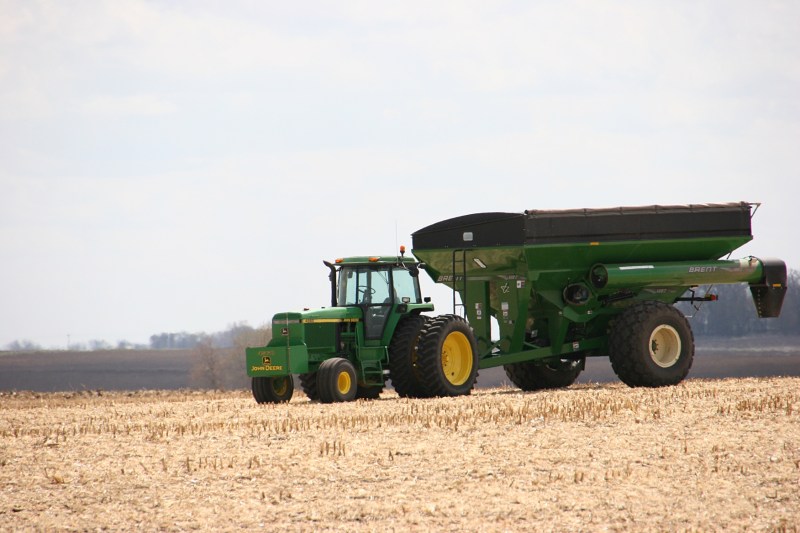
This tractor and grain cart (typically used during harvest) sat unattended in southern Rice County Sunday afternoon.

This tractor and grain cart (typically used during harvest) sat unattended in southern Rice County Sunday afternoon.

While tractors and other equipment have changed since I left the farm of my roots at age 17, way too many years ago, one constant remains. This is the season of transition. An awakening. Black earth turned to warm sun. Seeding of the soil. The promise of a harvest.

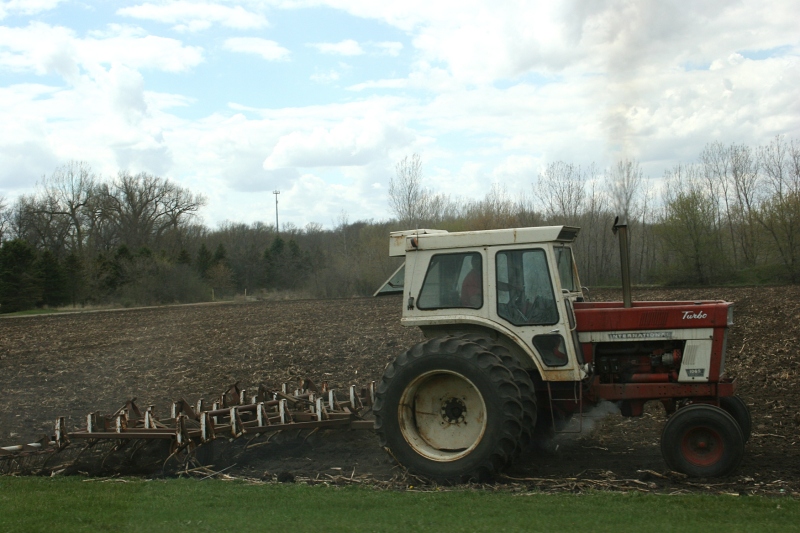
Just outside Medford this farmer prepped the soil Sunday afternoon.

Just outside Medford this farmer prepped the soil Sunday afternoon.

The farm girl in me still lingers, waiting for spring days like this, for a drive into the country, for an opportunity to honor the land via photos, via thoughts, via a deep emotional connection to the earth.

© Copyright 2016 Audrey Kletscher Helbling
 

Part I: Minnesota disasters up close April 14, 2016

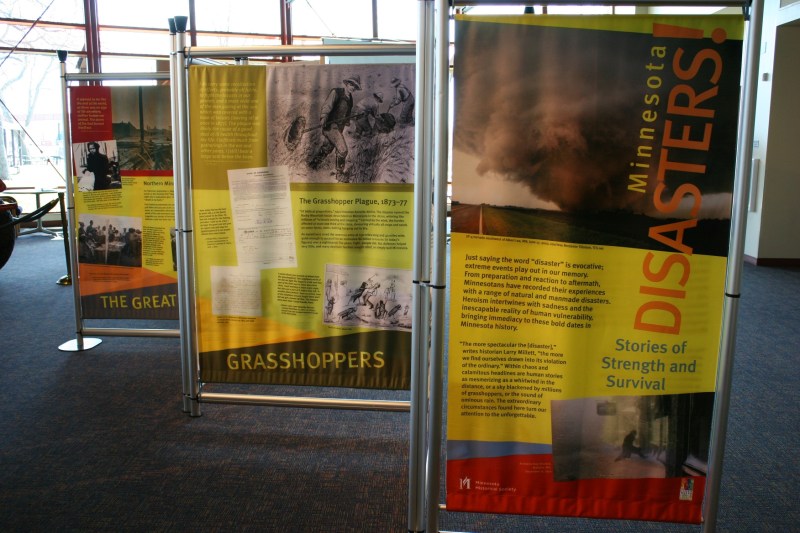
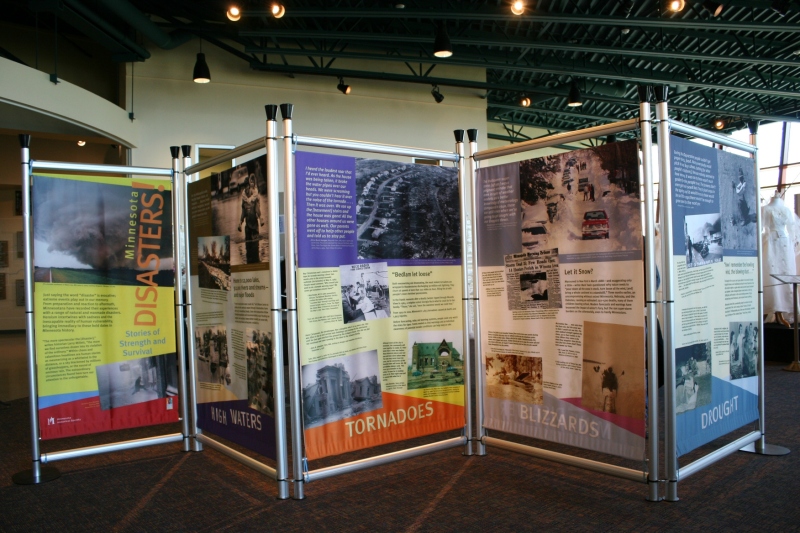
The panel to the right introduces the Minnesota Disasters exhibit with each panel featuring a different disaster in our state.

The panel to the right introduces the Minnesota Disasters exhibit with each panel featuring a different disaster in our state.

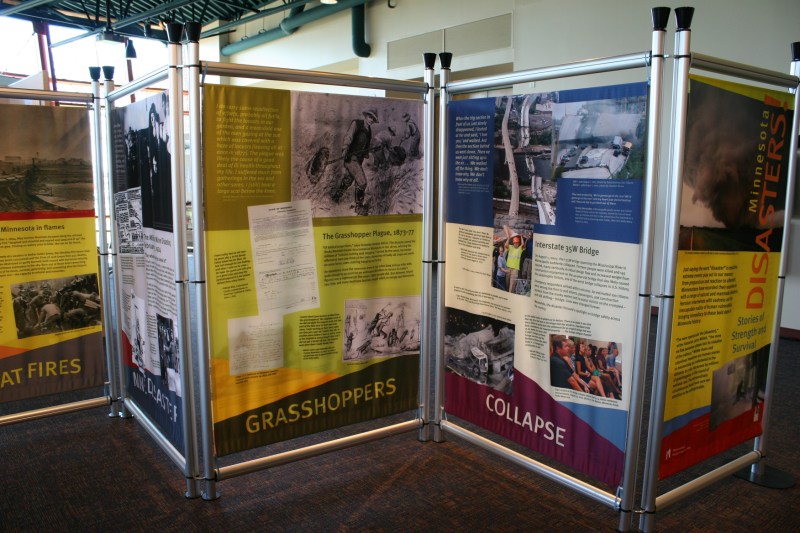
DISASTER. How do you define that word? In a Minnesota Historical Society Traveling Exhibit currently displayed at the Steele County History Center in Owatonna, disaster covers everything from tornadoes to the 35W bridge collapse to the grasshopper plague, drought, blizzards and more.
I personally remember many Minnesota disasters—such as the bridge collapse; the Halloween blizzard of 1991; the 1998 St. Peter-Comfrey tornadoes; the 1968 Tracy tornado which killed nine; the drought of 1976; and the devastating floods of September 2010.
During Severe Weather Awareness Week, we prepare for dangerous storms like tornadoes. One panel in the exhibit highlights some of Minnesota's deadliest and most devastating tornadoes. The Tracy tornado was not included.

During Severe Weather Awareness Week, we prepare for dangerous storms like tornadoes. One panel in the exhibit highlights some of Minnesota’s deadliest and most devastating tornadoes. The Tracy tornado was not included.

This week, Minnesota Severe Weather Awareness Week, seems an appropriate time to focus on the topic of disasters and to show you the MHS exhibit, Minnesota Disasters: Stories of Strength and Survival.

Eric Lantz, 16, of Walnut Grove, shot this award-winning photo of the Tracy tornado as it was leaving town. He often took photos for the Walnut Grove Tribune, owned by his uncle, Everett Lantz. This image by Eric was awarded third place in the 1968 National Newspaper Association contest for best news photo.

Eric Lantz, 16, of Walnut Grove, shot this award-winning photo of the Tracy tornado as it was leaving town. He often took photos for the Walnut Grove Tribune, owned by his uncle, Everett Lantz. This image by Eric was awarded third place in the 1968 National Newspaper Association contest for best news photo. This copyrighted photo is courtesy of Scott Thoma with the original copyright retainted by Lantz.

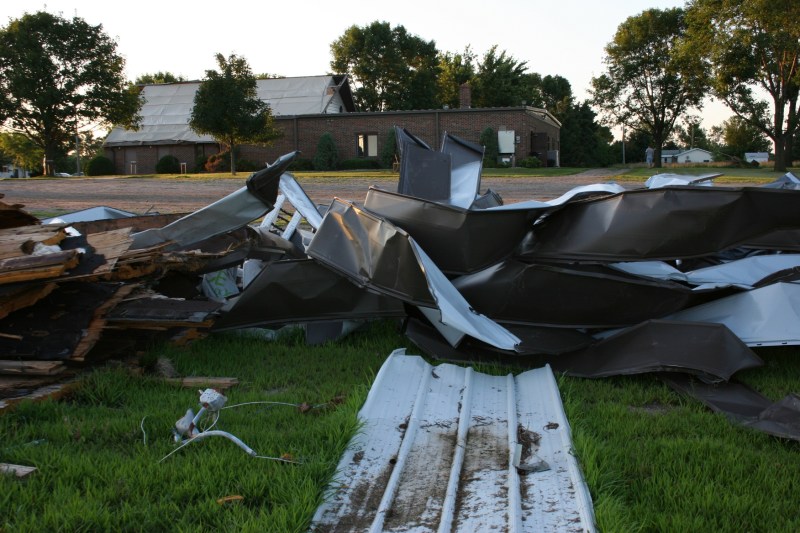
I expect many of you have been, at some point, personally impacted by a disaster. The deadly Tracy tornado forever put the fear of tornadoes in my heart. That southwestern Minnesota community lies only 25 miles from my hometown; I saw the devastation in Tracy. Decades later, a tornado damaged the farm where I grew up and high winds partially ripped the roof from my home church of St. John’s Lutheran in Vesta. I respect the powerful forces of nature, specifically of wind.

A debris pile on the edge of the church parking lot includes pieces of steel from the roof and brick from the bell tower. Photo taken in September 2011.

A debris pile on the edge of the St. John’s Lutheran Church parking lot includes pieces of steel from the roof (covered with a tarp here) and brick from the bell tower. Minnesota Prairie Roots file photo September 2011.

Elsewhere in Minnesota—in Belview, St. Peter and individual farm sites across Minnesota—I’ve seen the damage a tornado can cause.  I reported on and photographed tornado damage while working as a newspaper reporter. When a tornado warning siren blows, you won’t see me standing in the driveway looking for the twister. I’ll be sheltering in the basement.

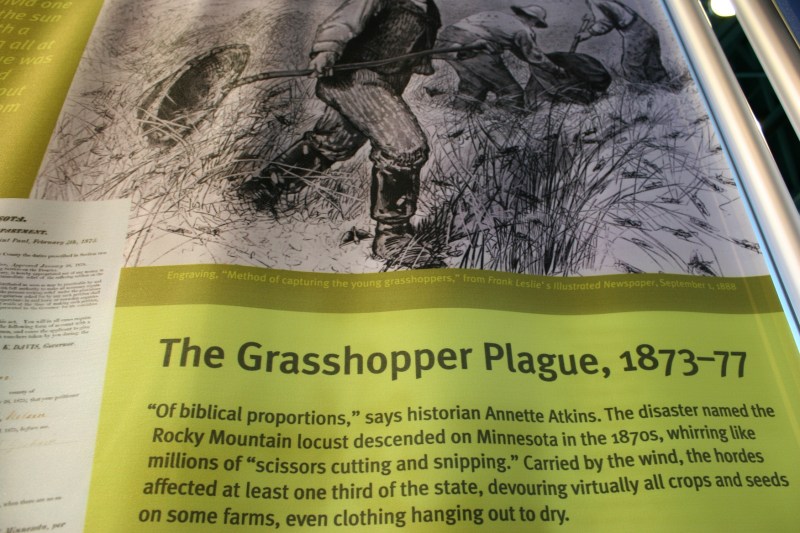
I cannot imagine so many grasshoppers that they obliterated everything.

I cannot imagine grasshoppers so thick that they obliterated everything.

As I perused the MHS disaster exhibit and the accompanying stories of disasters in Steele County, I realized the depth of loss Minnesotans have endured. The Grasshopper Plague of 1873-1877 recounts how locusts devoured even the laundry hanging on clotheslines.

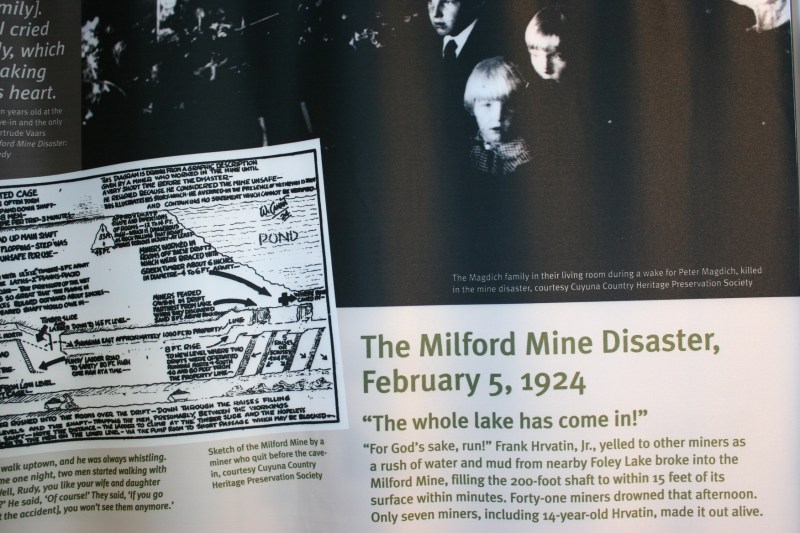
I knew nothing of the flooding at the Milford Mine until I read this panel.

I knew nothing of the flooding at the Milford Mine until I read this panel.

On February 5, 1924, forty-one miners drowned in the Milford Mine near Crosby in northern Minnesota. “For God’s sake, run!” one miner shouted to his co-workers. A warning like that floods the mind with fear. I’d never heard of the mine disaster until touring the MHS exhibit in Owatonna. Now I’ll never forget it.

Because I have extended family in the Hinckley area, I was fully aware of The Great Hinckley Fire of 1894 which claimed 418 lives. To read of feet baking inside shoes and stockings from the fire is horrifying.

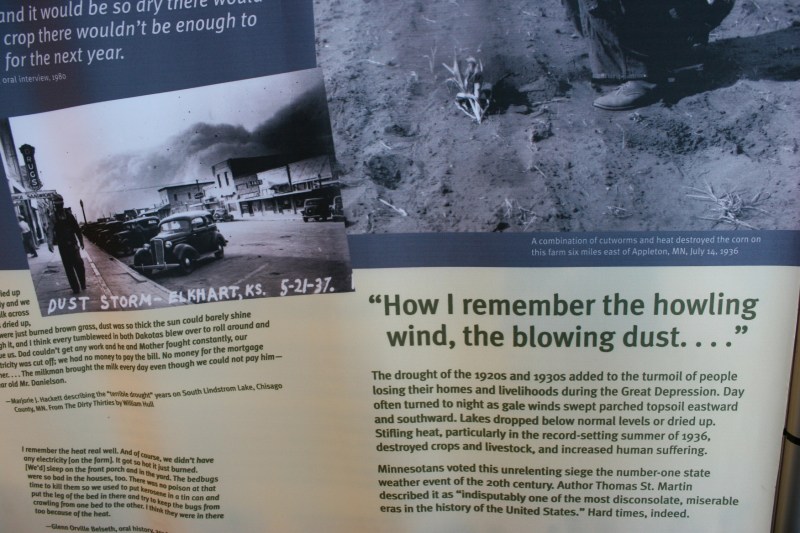
The devastation of dust and drought are covered in this panel.

The devastation of dust and drought are covered in this panel.

As bad as those and many other natural disasters, Minnesotans voted the drought of the 1920s and 30s (the Dust Bowl era) as the “number-one state weather event of the 20th century,” according to information posted in the exhibit. I was born decades after that disaster. But, as a teen, I recall a Good Friday dust storm that blew into Redwood County. We were shopping in nearby Marshall and arrived home to find the house layered in dirt; we’d left the windows open. For hours we worked to wash away the grime.

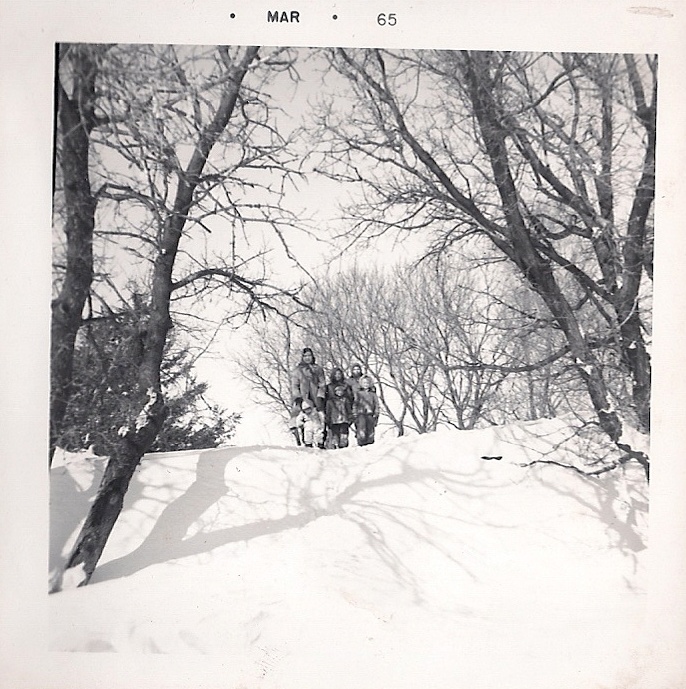
This huge, hard-as-rock snowdrift blocked our farm driveway in this March 1965 photo. I think my uncle drove over from a neighboring farm to help open the drive so the milk truck to reach the milkhouse.

This huge, hard-as-rock snowdrift blocked our rural Vesta driveway in this March 1965 photo. My uncle drove over from a neighboring farm to help open the drive so the milk truck could reach the milkhouse. I’m standing here with my mom, older brother and three younger siblings.

Blizzards, especially, imprinted upon my memory. There is nothing like a prairie blizzard that drives snow across open farm fields, sculpting the snow into rock-hard drifts around buildings and trees. Those winter storms of the 1960s and mid-1970s created all kinds of problems with roads closed, the power out and cows to be milked. Snowstorms of today don’t compare. And, no, I didn’t walk two miles to school uphill in a blizzard. Rather, in one particularly snowy winter, I rode to town on my dad’s cab-less John Deere tractor so I could catch the bus at Don’s Cafe to ride the 20 miles to junior high school in Redwood Falls. The bus drove sometimes on a single lane cut through snowbanks higher than the bus.

More panels in the Minnesota Disasters exhibit.

More panels in the Minnesota Disasters exhibit.

Tell me, what’s your story of dealing with a natural disaster? If you don’t have one, be thankful.

FYI: Check back tomorrow for a look at disasters in Steele County, Minnesota. The disasters exhibit will be on display through March 2017 at the history center in Owatonna. Click here for more information.

© Copyright 2016 Audrey Kletscher Helbling