Minnesota Prairie Roots

Writing and photography by Audrey Kletscher Helbling

Small town patriotism February 26, 2014

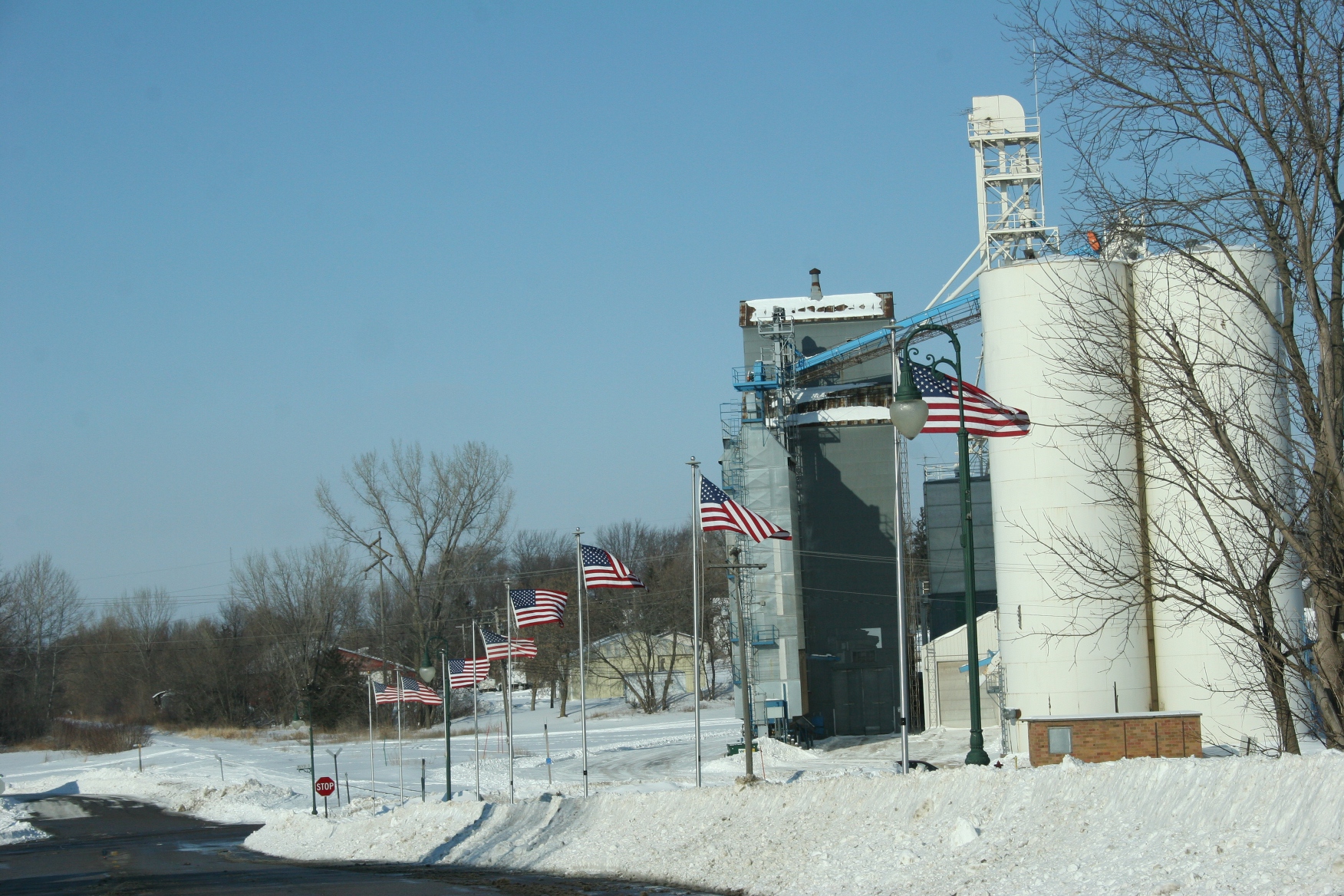
American pride along First Street, Montgomery, Minnesota.

American pride along First Street, Montgomery, Minnesota.

EVERY MORNING as an elementary school student in rural Minnesota, I joined my classmates in facing the corner of the classrooom to gaze upon the American flag. Hands across hearts, we recited the pledge:

I pledge allegiance to the flag
of the United State of America
and to the Republic for which it stands,
one nation under God, indivisible,
with Liberty and Justice for all.

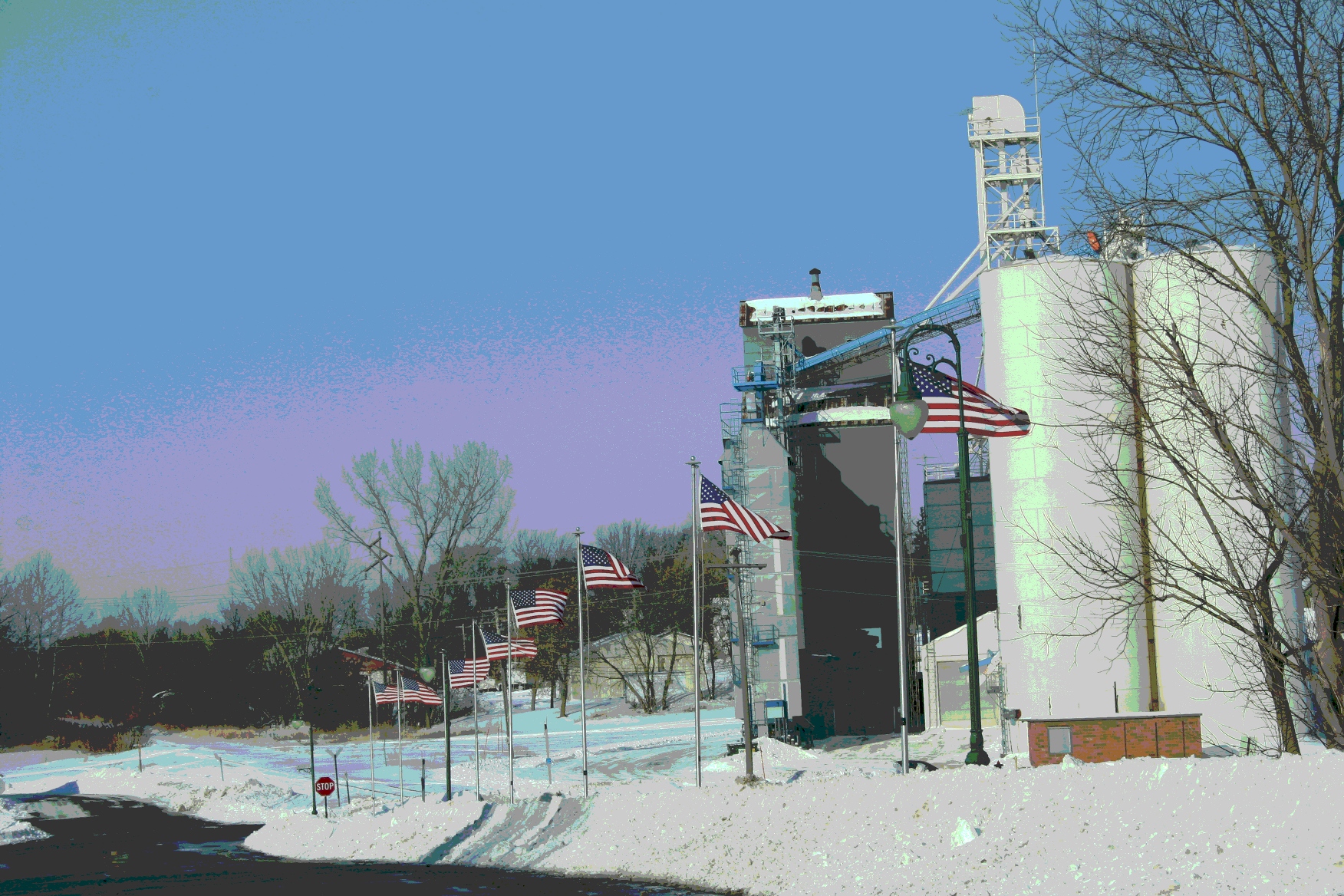
The same photo, edited.

The same photo, edited.

Those words imprinted upon my memory, instilled a sense of pride in my country and a realization that I live in a nation blessed.

And edited again...

And edited again…

Precious words. Somewhat muddied now. But still, ever so dear.

© Copyright 2014 Audrey Kletscher Helbling


Memories of my uncle’s service station in Vesta, Minnesota January 31, 2014

FOR DECADES, MY UNCLE HAROLD RAN the filling station along Minnesota State Highway 19 in Vesta.
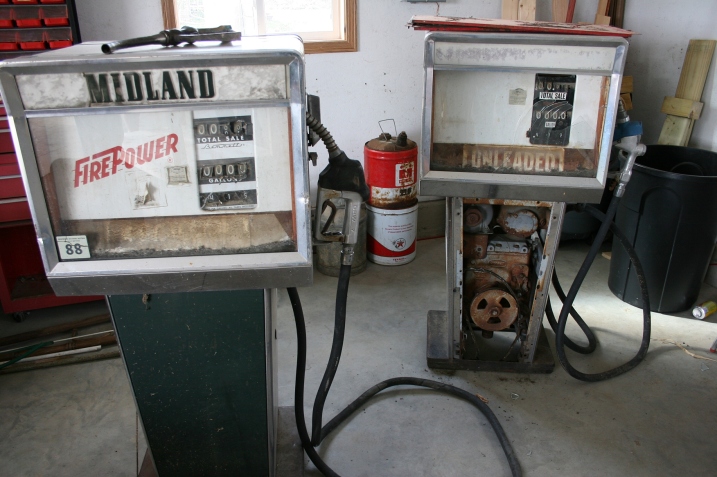
The vintage Midland gas pumps purchased by my Uncle Milan at the gas station auction. My brother Brian recently bought the pumps from Milan with plans to restore them.

The vintage Midland gas pumps purchased by my Uncle Milan at the gas station auction. My brother Brian recently bought the pumps from Milan with plans to restore them.

It’s not the gas pumps nor the tires nor the anything vehicle related, really, that imprinted most upon my memory about his gas station.

Rather, it’s the vending machine that dispensed salted peanuts. And the pop machine, which, when pulled opened, rattled with icy cold bottles of 7-Up and Orange Crush and Hires root beer. Rare treat of soda drunk too fast. Burps stinging my nose. And salty peanuts in hand, their paper thin wrappings wafting to the floor.

I remember, too, the step down from the store interior through the tight doorway into the shop which smelled of oil and rubber and grime. The magical place of the hoist. Vehicles seemingly levitated into the air.
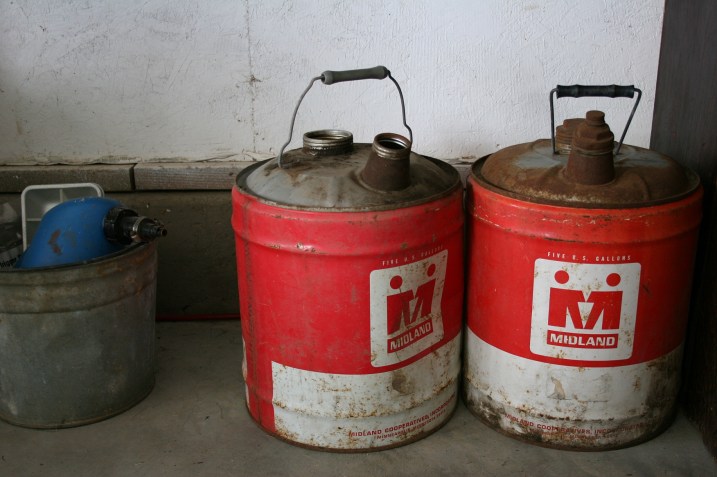
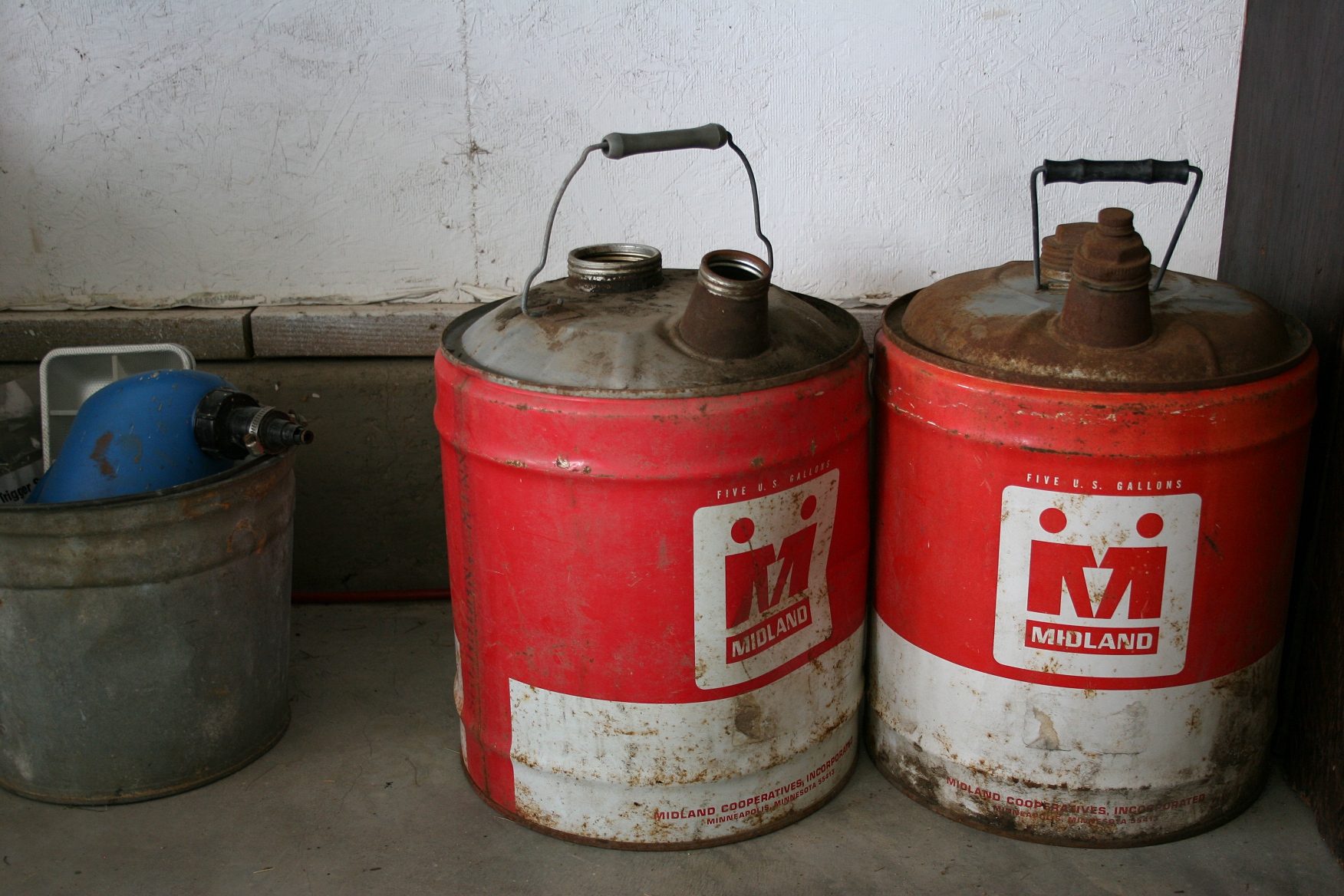
Vintage gas cans in my brother's garage.

Vintage gas cans in my brother’s garage.

This, a garage where my uncle and the mechanic I remember, Gary, changed tires and oil, replaced belts, fixed whatever needed fixing.

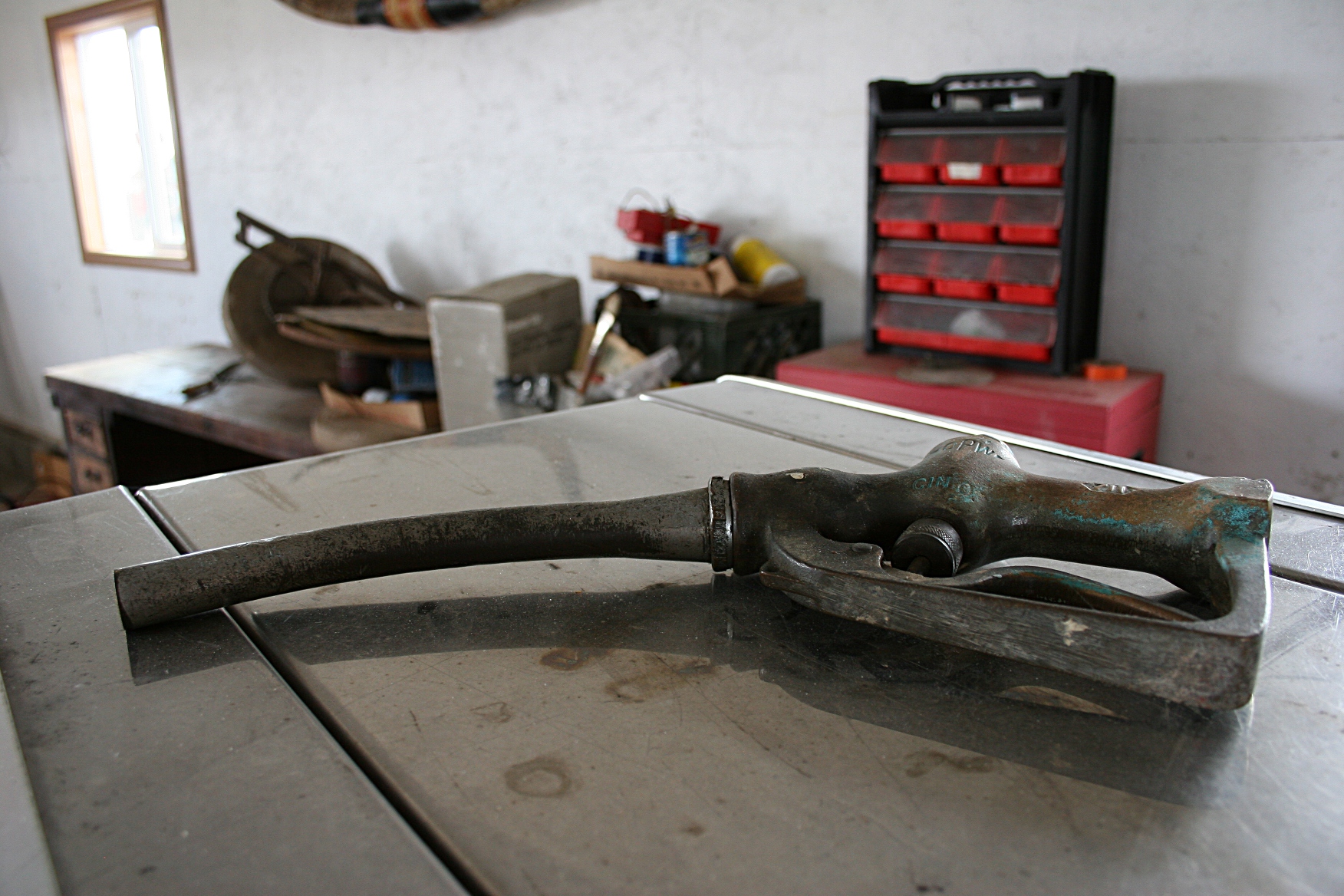
A gas nozzle from the Midland gas pump.

A gas nozzle from the Midland gas pump.

Outside, they pumped gas at this full service station. Rag pulled from back pocket to wipe the dipstick and check the oil. Wipers slapping against windshield as a squeegee washed away dust from gravel roads and crops and remnants of bugs splattered upon glass.

Memories, too, of boarding the Greyhound here, bound for Minneapolis. Me, a young farm girl with blue floral suitcase tucked inside the bowels of the bus, paper ticket in hand, ascending the steps. Alone. En route to visit my Aunt Rachel and Uncle Bob along Bryant.
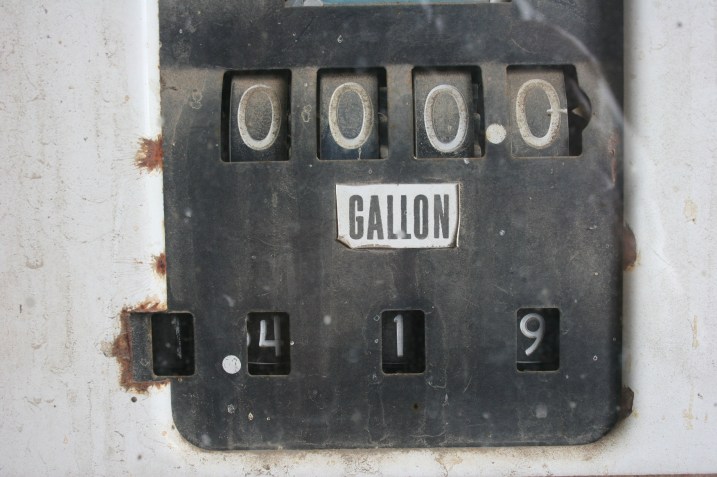
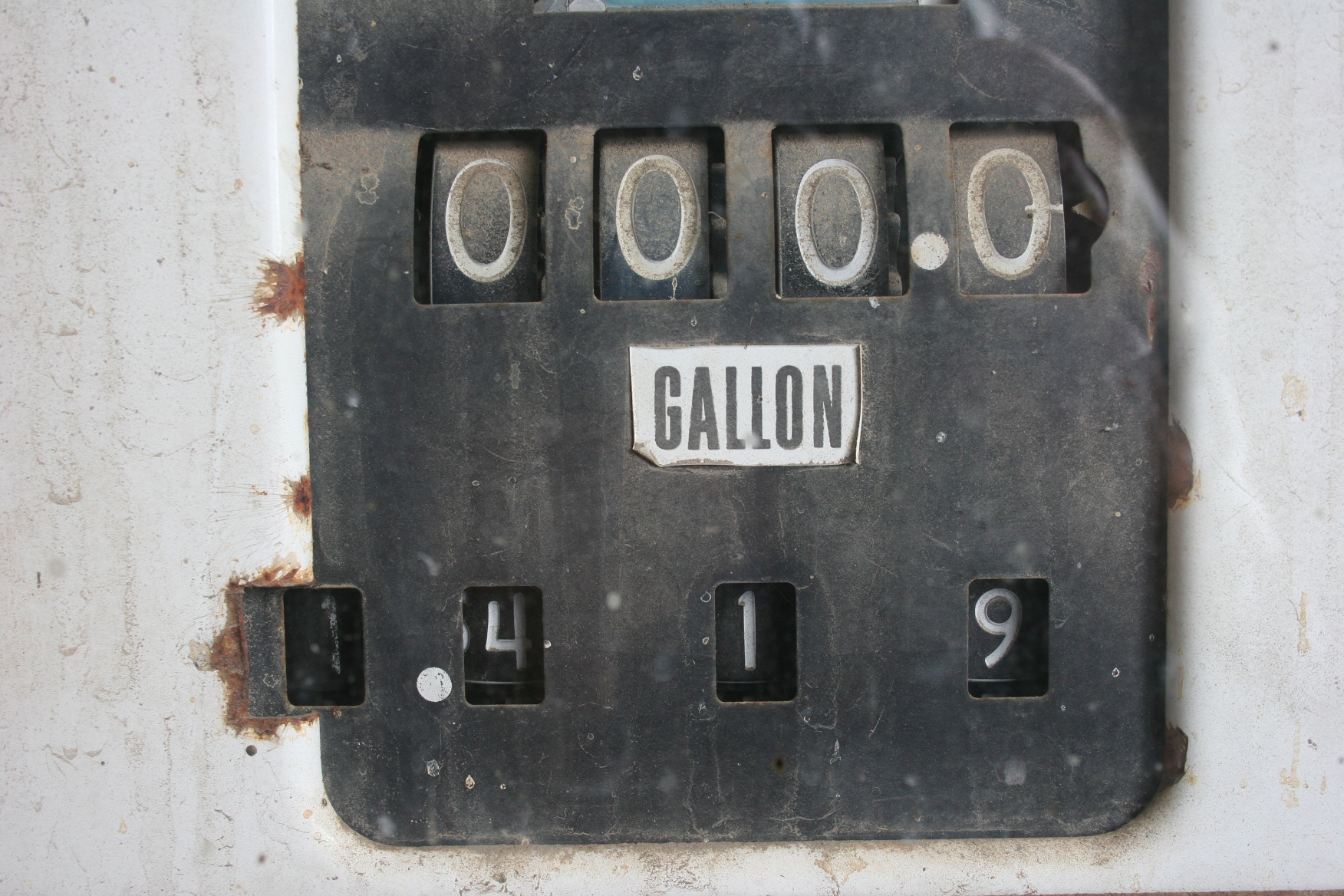
When gas was only

The price on the old gas pump: only $1.41.9 a gallon.

Memories, still holding tight all these decades later, years removed from affordable gas and full customer service.

THOSE ARE MY MEMORIES. My uncle’s differ, yet intermingle with mine. Uncle Harold started driving gas truck part-time in the early 1950s for City Service in Vesta, eventually hired on full-time under new ownership in a new location at The Old Log Cabin. More on that later. He figured, Harold says, that delivering bulk gas for the new Midland service station would be better than farming.
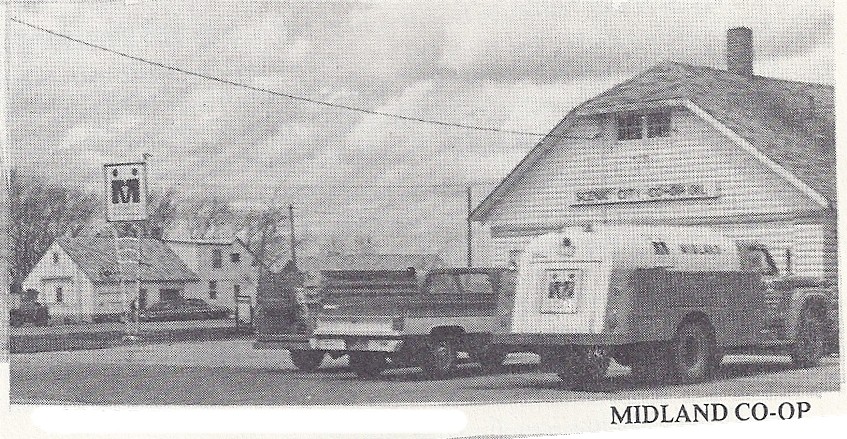
My uncle's gas station with the fuel delivery truck parked by The Old Log Cabin. Photo from Envisioning a Century, Vesta, 1900-2000.

My uncle’s gas station, right, with the fuel delivery truck parked out front. Photo from Envisioning a Century, Vesta, 1900-2000.

Oh, the stories he could tell of his years working at, managing and then eventually purchasing the station, renamed Harold’s Service, in 1966. If I had all day to listen.

Tales of rescuing stranded motorists during harsh winters on the prairie. After he sold the station’s tow truck, Harold and crew would use the bulk fuel truck to pull vehicles from ditches and snowdrifts along Highway 19. He recalls upwards of 20 travelers once waiting out a snowstorm at the station. Another time four stranded motorists played poker until closing time, at which time they were dropped off at snow homes in town, houses with empty beds. This, all before the days of snow gates installed to close the highway.

He sold snow tires and changed oil, washed cars in the east stall of the garage, delivered bulk gas and fuel and even fertilizer (for awhile). Pumped gas. Fixed whatever needed fixing. At one time he employed as many as four mechanics.

Open every day until 9 p.m. Open until noon on Sunday.

Was it a better life than farming? For awhile, Harold says. Before gas prices shot up and it took a lot of money to buy a tanker full of gas to operate his business. Good before three other places in town started selling batteries. Good before the fertilizer plant added gas pumps. Good before car washes.

Decades later, Harold accepted a job as maintenance worker for the City of Vesta, leaving his middle son to run the station. When Randy found a job in nearby Marshall several months later, the station closed. That was in 1991.

Today the service station is gone, replaced by another automotive business. The old building that housed the station was moved west of town and remodeled into a second home.

Oh, the stories The Log Cabin, built in 1937 and for decades operated as a “beer joint”, Harold’s moniker, not mine, could tell. “It was a pretty wild place…with drunks and fights,” my uncle remembers. “It was a pretty rough place for awhile.”

He also recalls delivering gas for City Service to the tavern, which had a single pump. There’d never be money for the gas Harold brought. But the guy who delivered beer had no trouble collecting payment.

I’d like to see The Log Cabin again, the place where I accompanied my dad, boarded the Greyhound, later filled my 1976 Mercury Comet with gas.

I’d imagine, too, the beer drinkers who packed the former tavern, crammed into booths in the area where my uncle had his office and front counter. I’d think about that and all those stranded travelers once waiting out a prairie blizzard at Harold’s Service.

BONUS PHOTO:
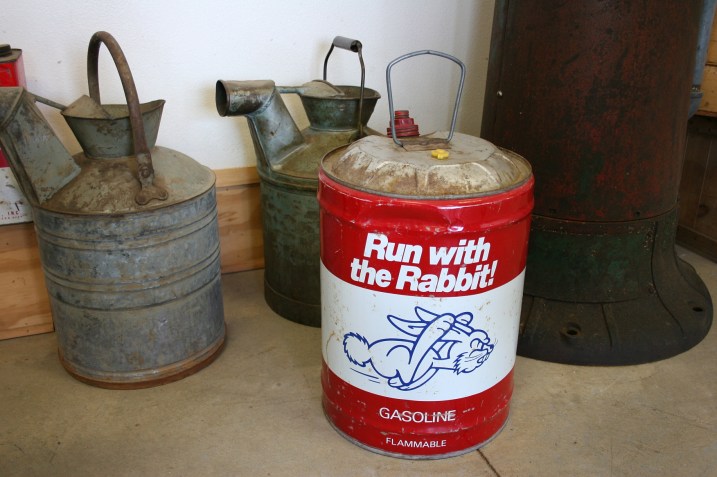
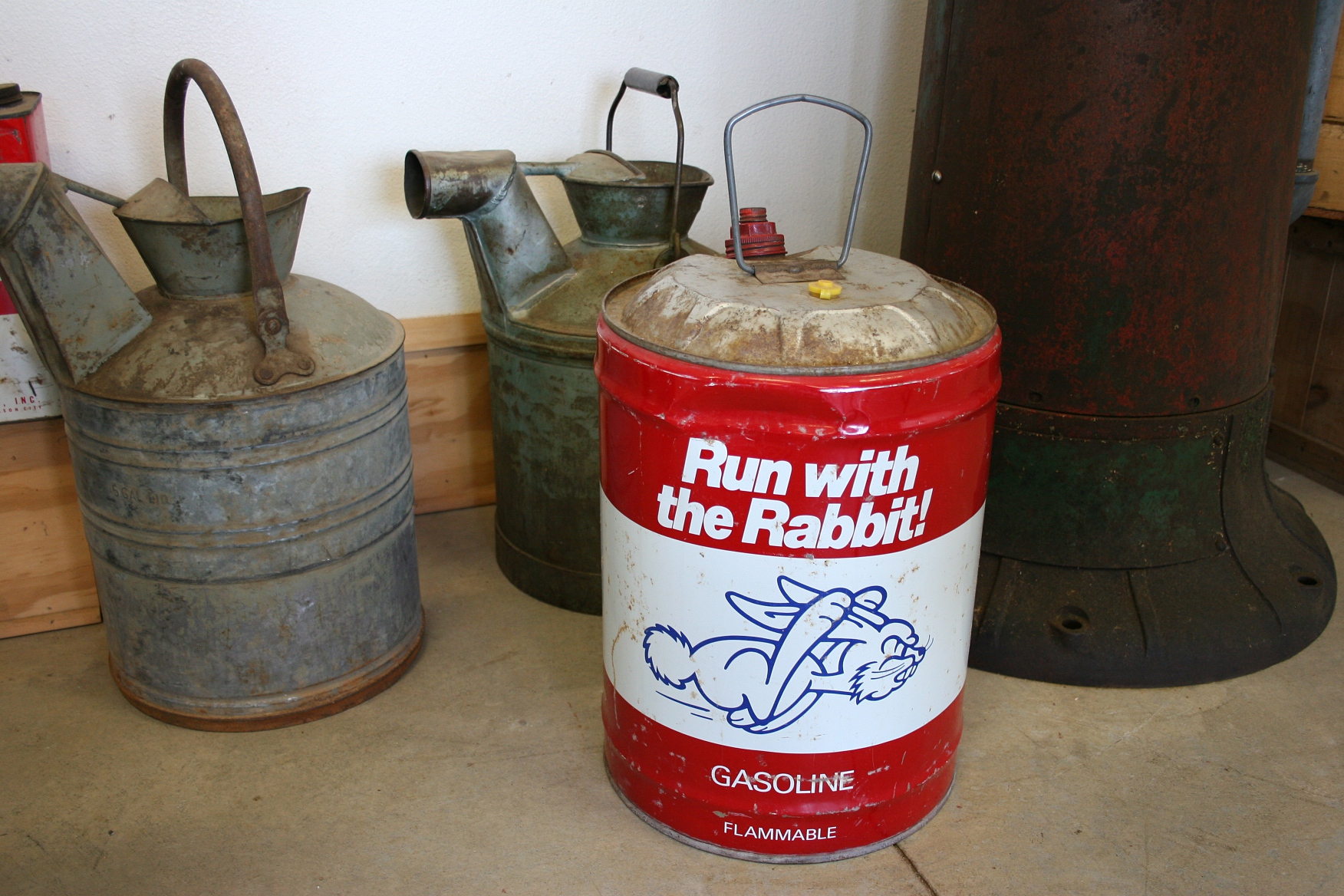
The gas can in my brother Brian's garage that my siblings and I covet because we attended Wabasso High School. Our mascot was a white Rabbit.

My siblings and I covet this gas can in our brother Brian’s garage because we attended Wabasso High School. Our mascot was a white Rabbit.

Copyright 2013 Audrey Kletscher Helbling


My enduring appreciation of barns January 6, 2014

Filed under: Uncategorized — Audrey Kletscher Helbling @ 6:00 AM
Tags: , , , , , ,

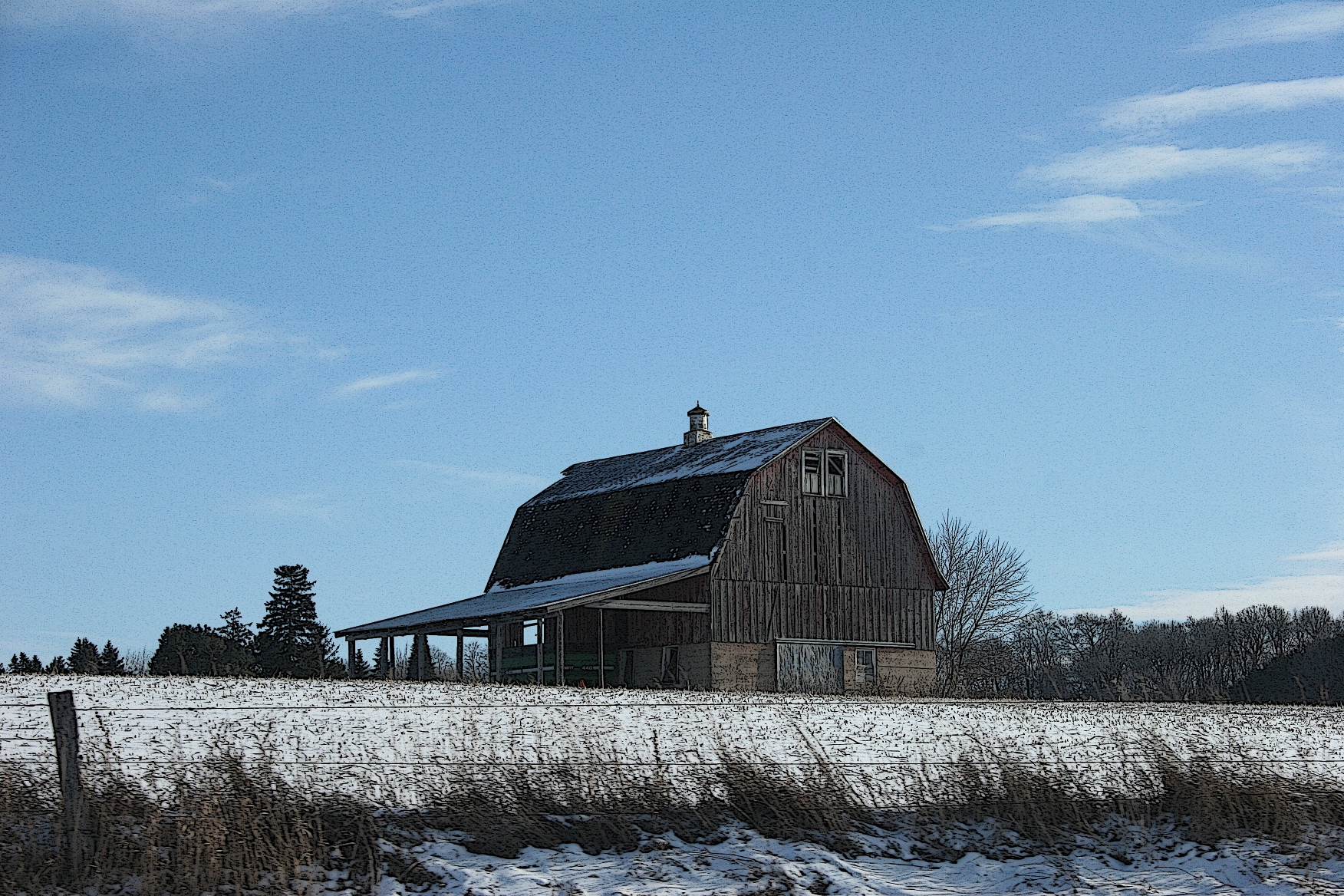
Barn on the way to Northfield

OLD BARNS ALWAYS TURN my head, including this one along Minnesota Highway 3 between Faribault and Northfield.

Weathered wood, a strong roof line, the physical bulk of the barn, the work once done therein, the stories this agrarian building could tell all cause me to notice and ponder.

It is my own rural roots, my years of laboring in a barn—scooping manure, pushing wheelbarrows heaped with ground corn, shoveling scoops of smelly silage, lugging tall cans of frothy milk—which connect me to this anchor farm building.

Though decades have passed, those memories remain strong, unweathered by time or age.

© Copyright 2014 Audrey Kletscher Helbling


Fifties flashback in a Wisconsin cornfield November 14, 2013

Back in the day, picking corn

IF NOT FOR THE TRAFFIC that surrounds me on this four-lane on a Saturday afternoon, I might be traveling directly into a rural scene from the fifties or sixties.

For there, over to the right along this Appleton, Wisconsin, area roadway, a farmer works the field with his Case tractor towing a pull-behind corn picker that drops ears of corn into a wagon.

I get one chance to photograph the scene, but plenty of time to ponder why this farmer chose to harvest his crop with vintage farm machinery.

Is he simply trying to reclaim an era when farmers worked with the wind at their backs, the sun upon their faces, the scent of plant and earth in the air, embracing harvest from the seat of an open air tractor?

(NOTE: This photo was taken in mid-October.)

© Copyright 2013 Audrey Kletscher Helbling


I’m not anti pumpkin, but… October 30, 2013

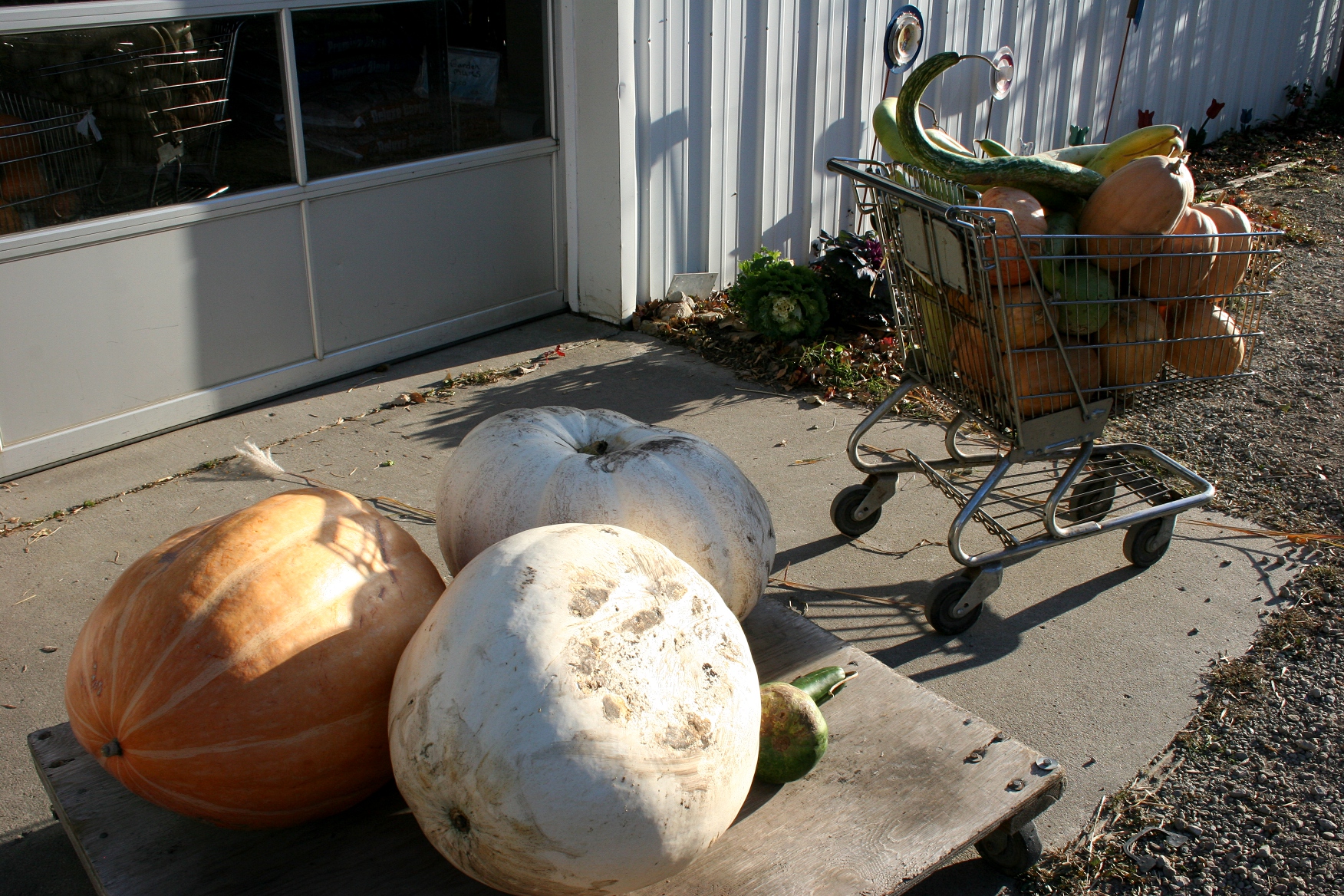
The $10 ginormous pumpkins.

The ginormous $10 pumpkins.

JUST DAYS BEFORE HALLOWEEN, Steve Twiehoff of Twiehoff Gardens, a family run produce business on Faribault’s east side, was trying to pitch an 85-pound pumpkin to me. For $10, the pumpkin would be mine and Steve would even load it into the van.

“The neighbor kids will love you,” Steve encouraged.

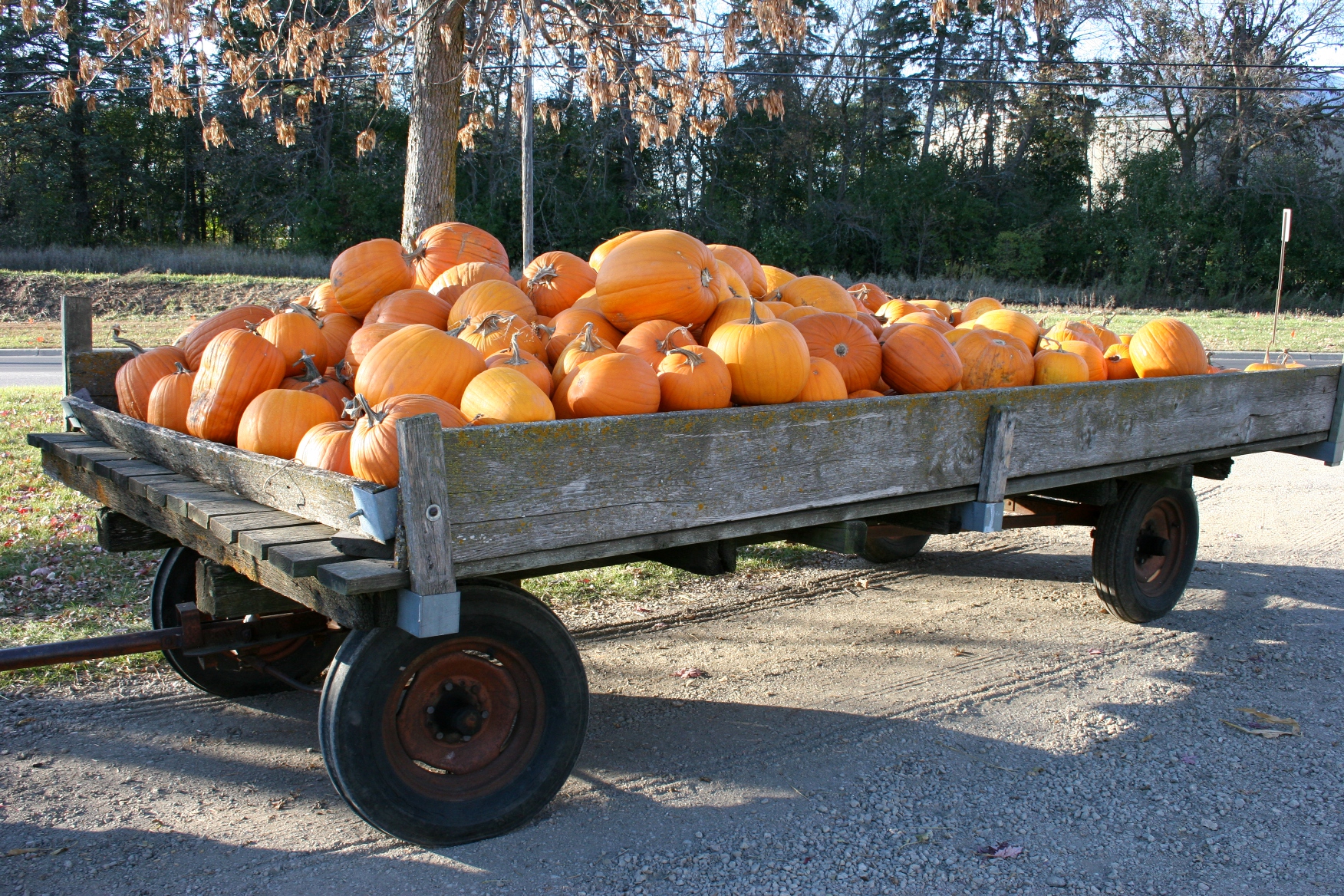
One of two wagonloads of pumpkins at Twiehoff's Garden.

One of two wagonloads of pumpkins at Twiehoff’ Gardens.

But truth be told, I don’t intend to purchase a pumpkin, big or small, this year.

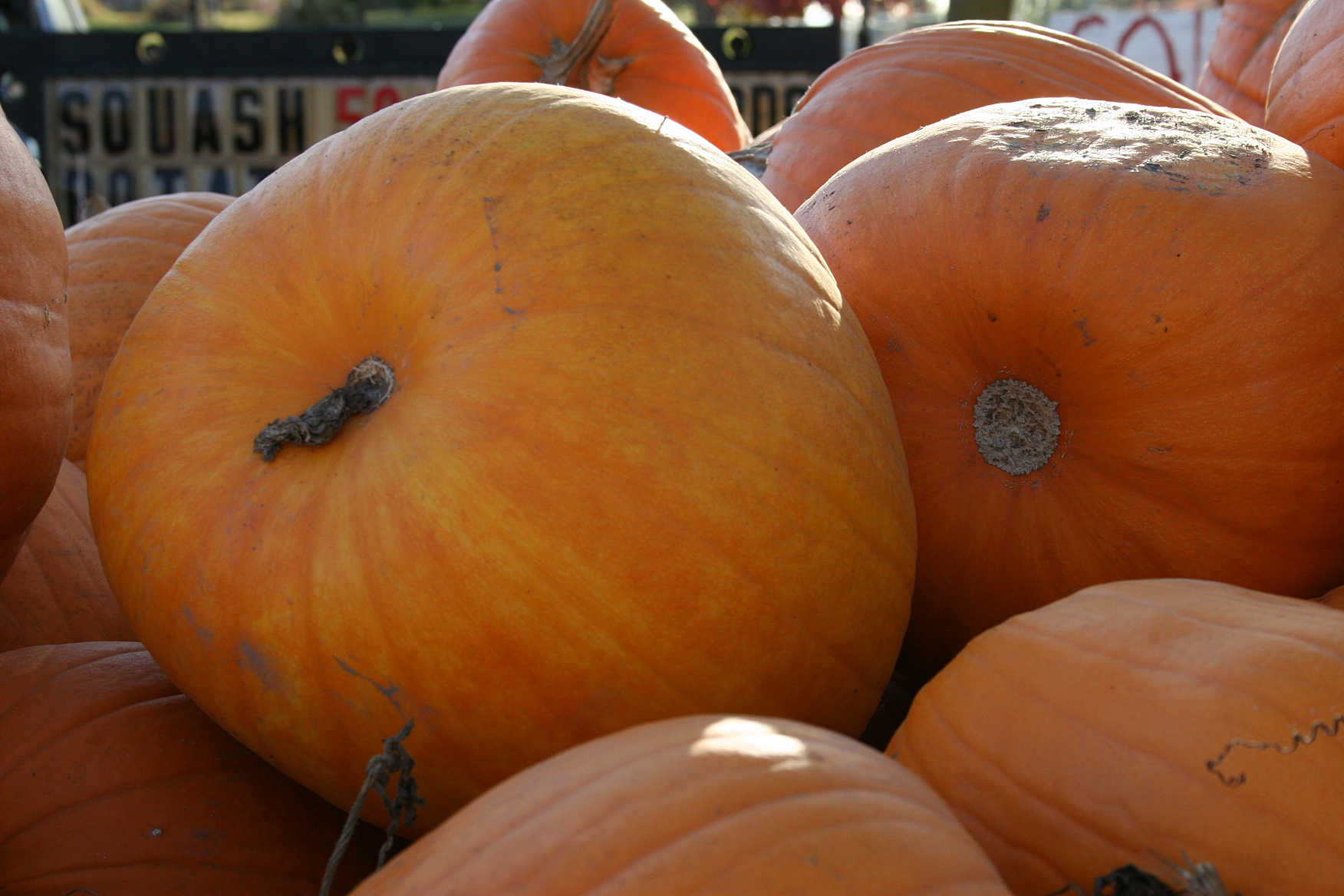
All sizes of pumpkins are available.

All sizes of pumpkins are available.

Does that cast me in the role of a pumpkin Grinch? Maybe.

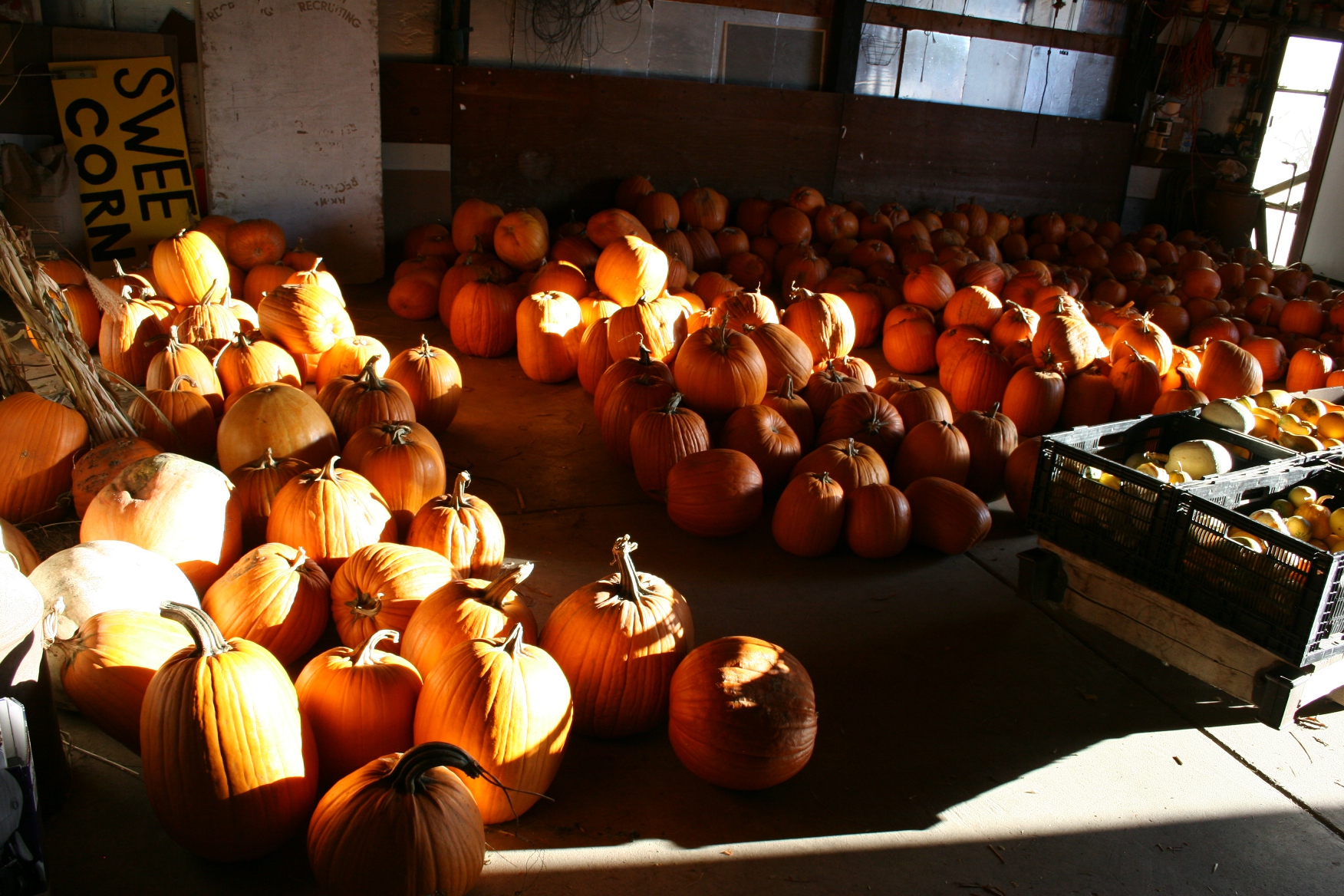
Late afternoon sunshine slants through the open poleshed door, spotlighting pumpkins for sale at Twiehoff Gardens.

Late afternoon sunshine slants through the open poleshed door, spotlighting pumpkins for sale at Twiehoff Gardens.

In reality, the lack of a pumpkin purchase projects my present life phase as an empty nester. With no kids in the house, there’s no need to carve a jack-o-lantern. Not that I ever did; that was my husband’s job.

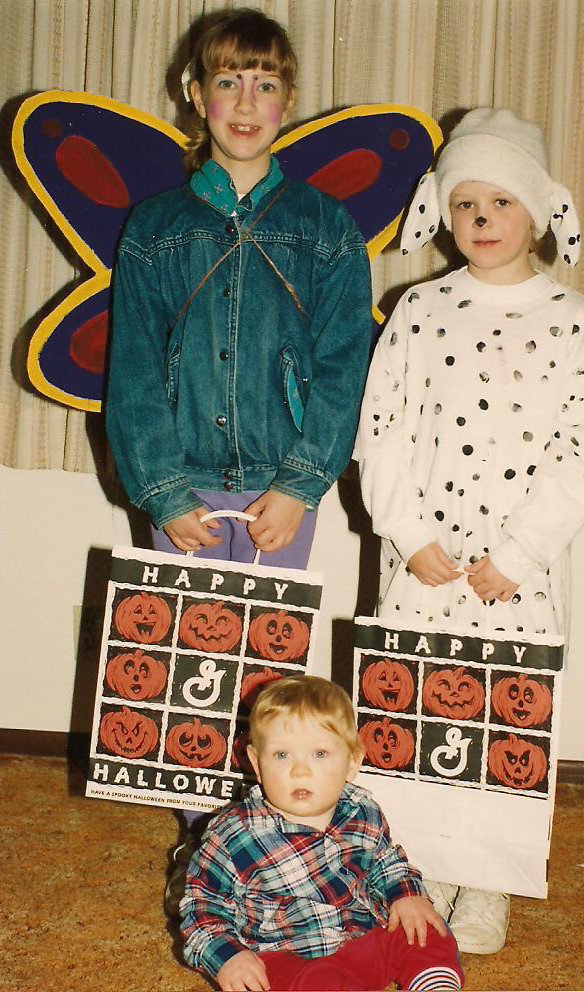
In 1994, my daughters, Amber, left, and Miranda, right, dressed as a butterfly and Dalmatian respectively. Their 10-month-old brother, Caleb, was too young to go trick-or-treating.

In 1994, my daughters, Amber, left, and Miranda, right, dressed as a butterfly and Dalmatian respectively. Their 10-month-old brother, Caleb, was too young to go trick-or-treating.

I focused, instead, on creating homemade costumes for our trio. Those ranged from taping hundreds of cotton balls onto a garbage bag for a sheep costume to stitching strands of red yarn onto trimmed panty hose for Raggedy Ann’s hair to dabbing black spots onto a white t-shirt for a Dalmatian to painting butterfly wings. What moms won’t do.

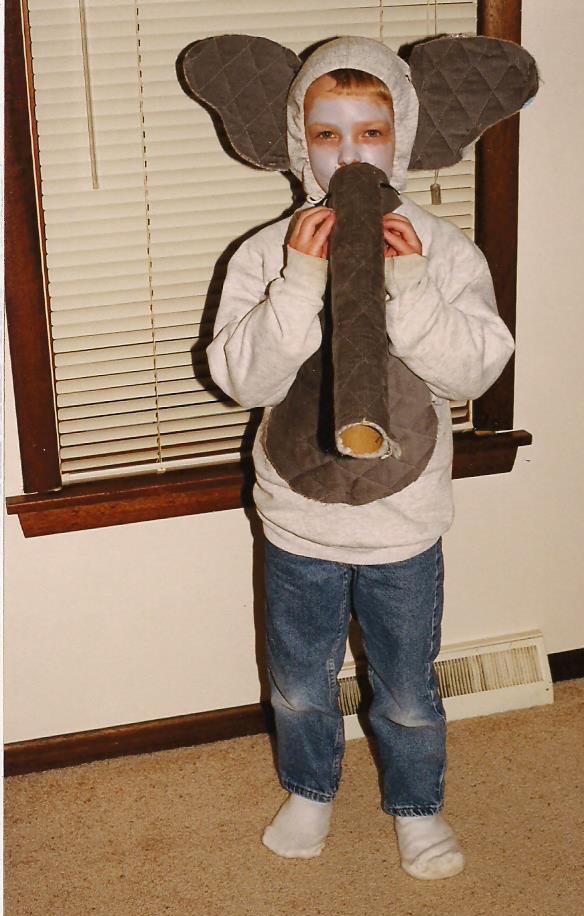
Five years later Caleb headed out the door dressed as an elephant.

Five years later Caleb headed out the door dressed as an elephant.

I also transformed kids into an elephant, angel, pirate, cowboy and even a skunk, plus a few more characters/animals I’ve long forgotten.

Yes, I’ve done the Halloween thing. So, if for a few years I fail to buy a pumpkin, please excuse me.

© Copyright 2013 Audrey Kletscher Helbling


On ARTour: Inside an old milkhouse October 23, 2013

I FEEL COMFORTABLY AT HOME in the old milkhouse, Kittens underfoot. The smokey scent of a wood burning stove warming a kettle of apple cider. Pipelines, that once carried fresh milk, poking through the wall.

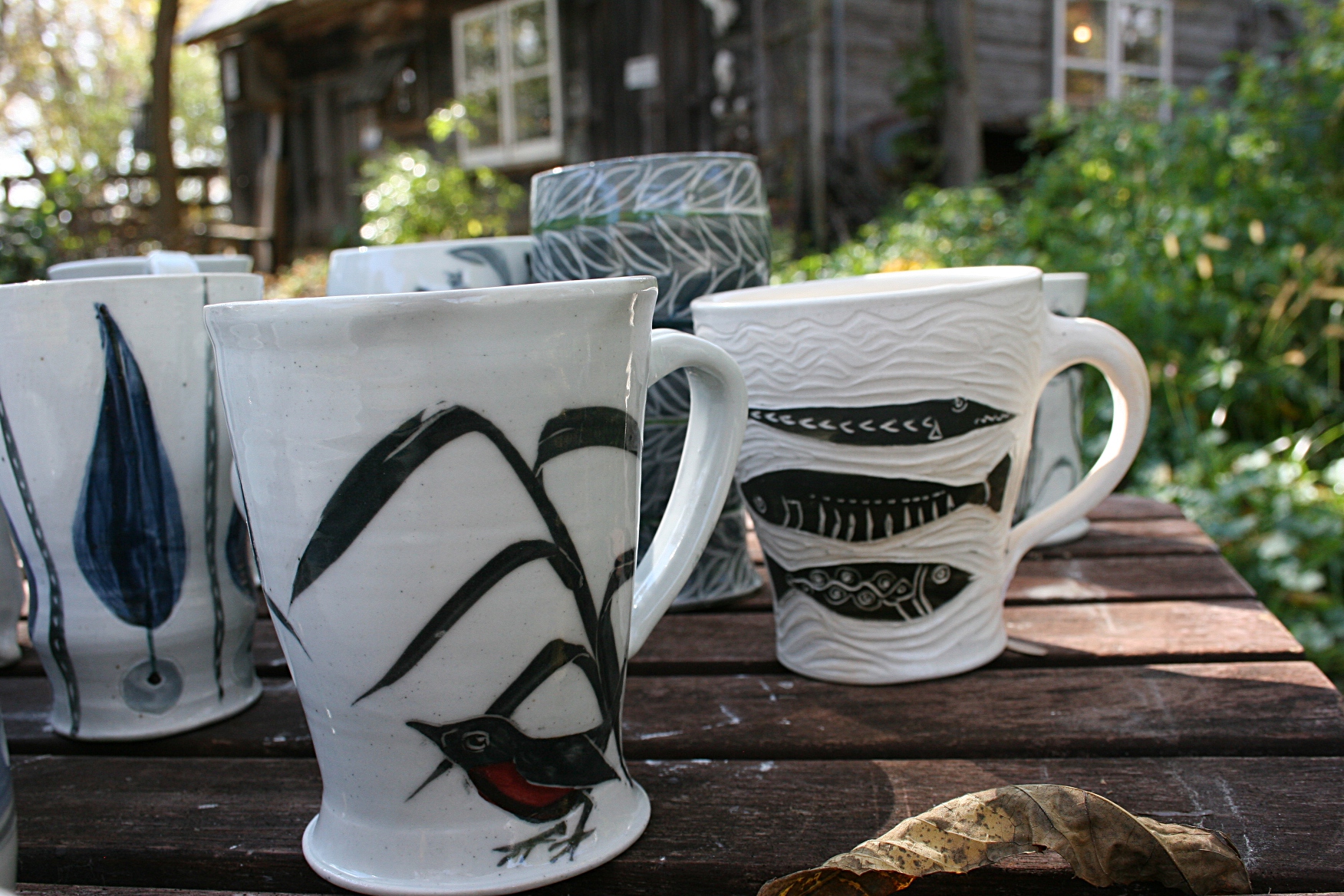
Some of Lessing's ceramics displayed outside The Milkhouse Studio.

Some of Glynnis Lessing’s ceramics displayed outside The Milkhouse Studio.

This is the studio of ceramics artist Glynnis Lessing. This weathered building forked off a circular farm drive along Minnesota Highway 3 just north of Northfield. This land the artist’s home since relocating from Chicago with her family about a year ago.

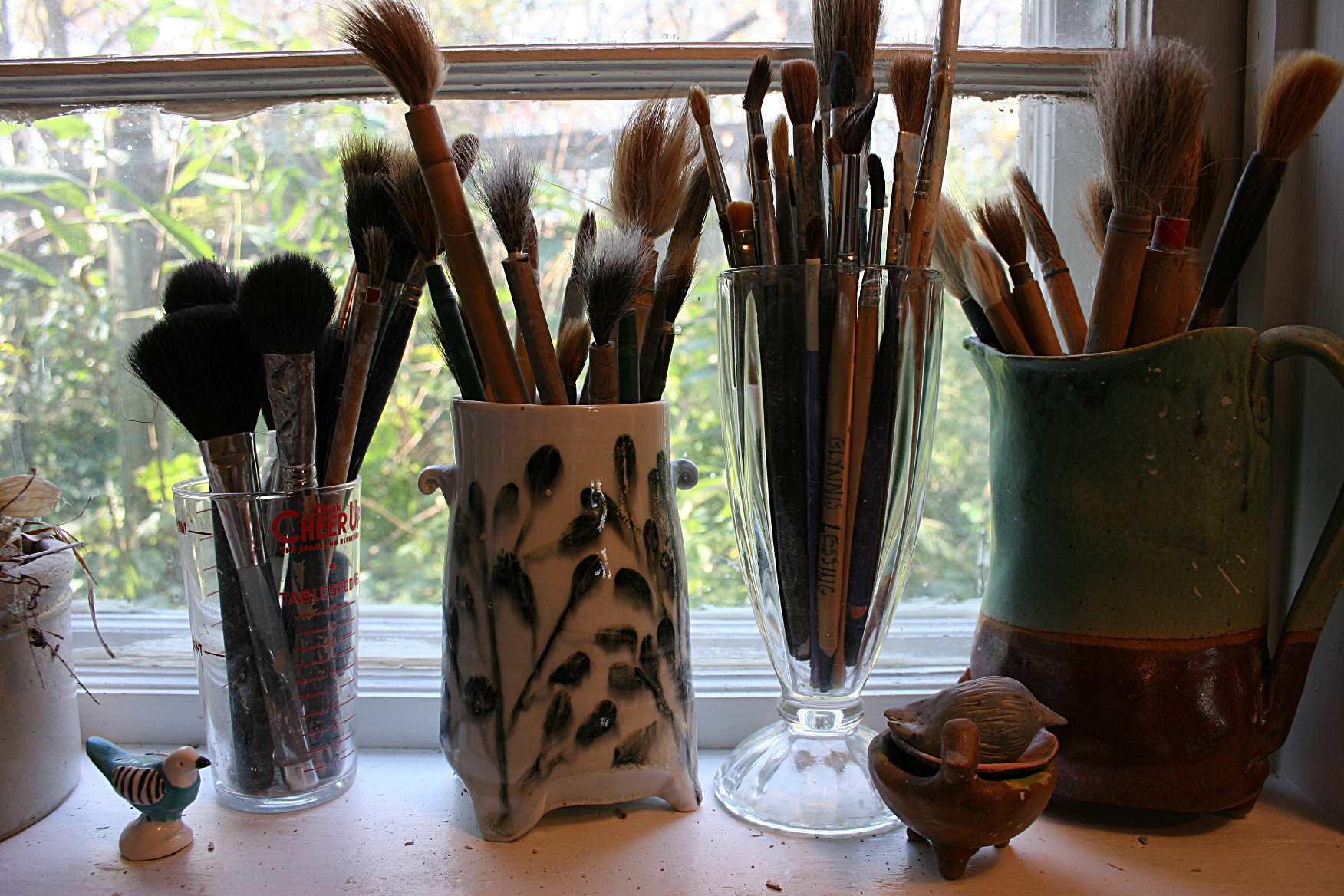
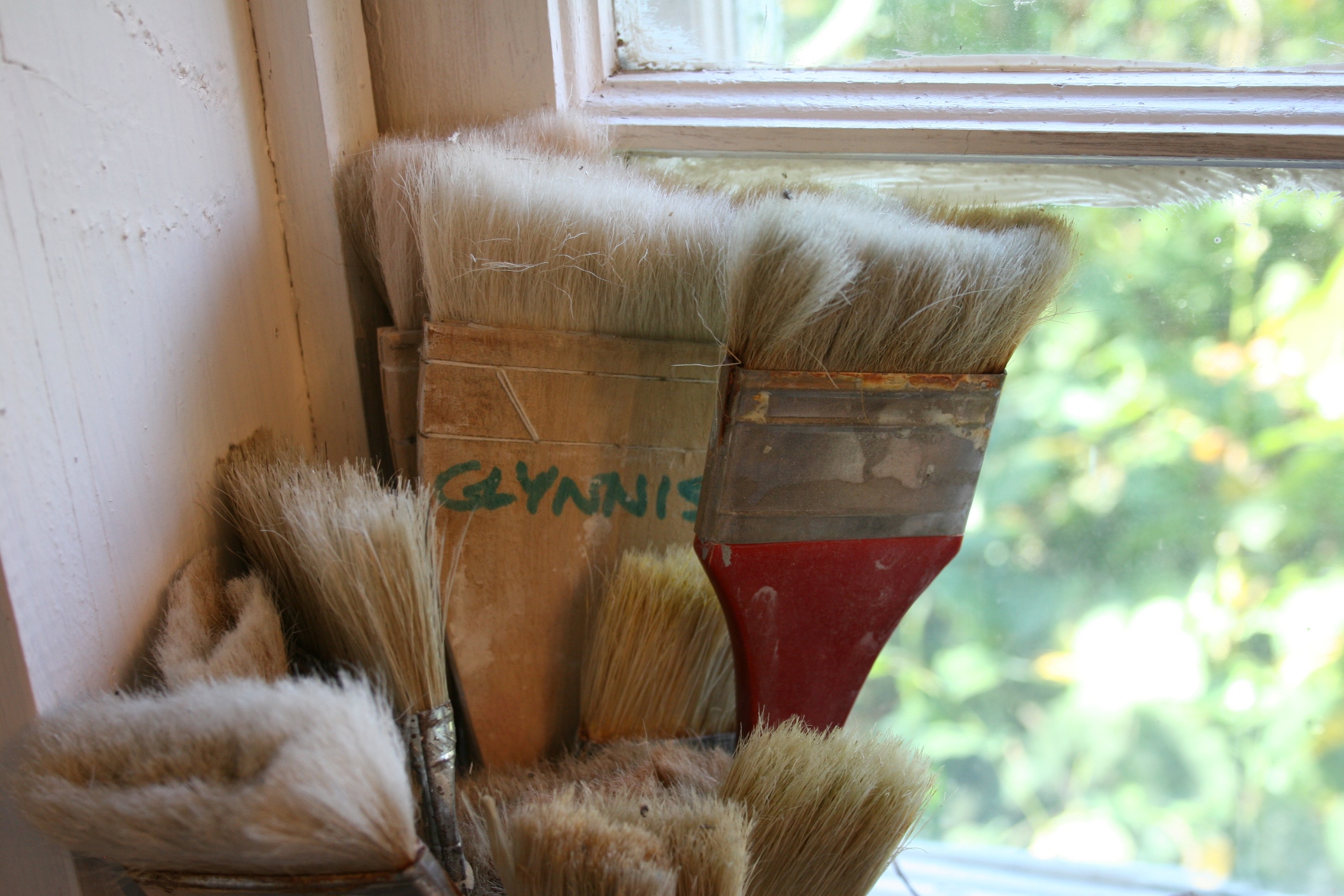
Tools of the trade on a milkhouse windowsill.

Tools of the trade on a milkhouse windowsill.

I have come here, to The Milkhouse Studio, on a Sunday afternoon for the South Central Minnesota Studio ARTour, a once-a-year opportunity to meet local artists where they create.

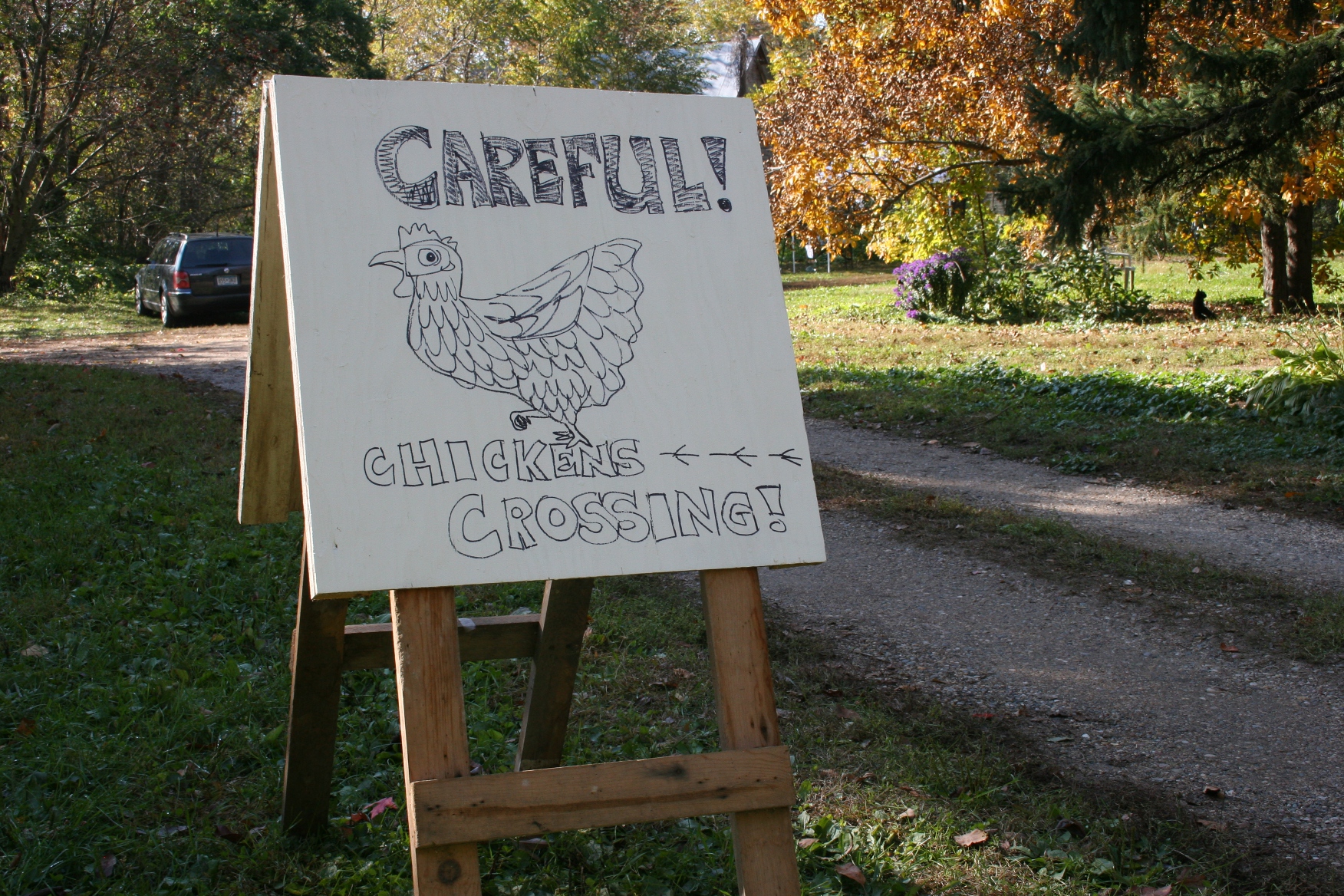
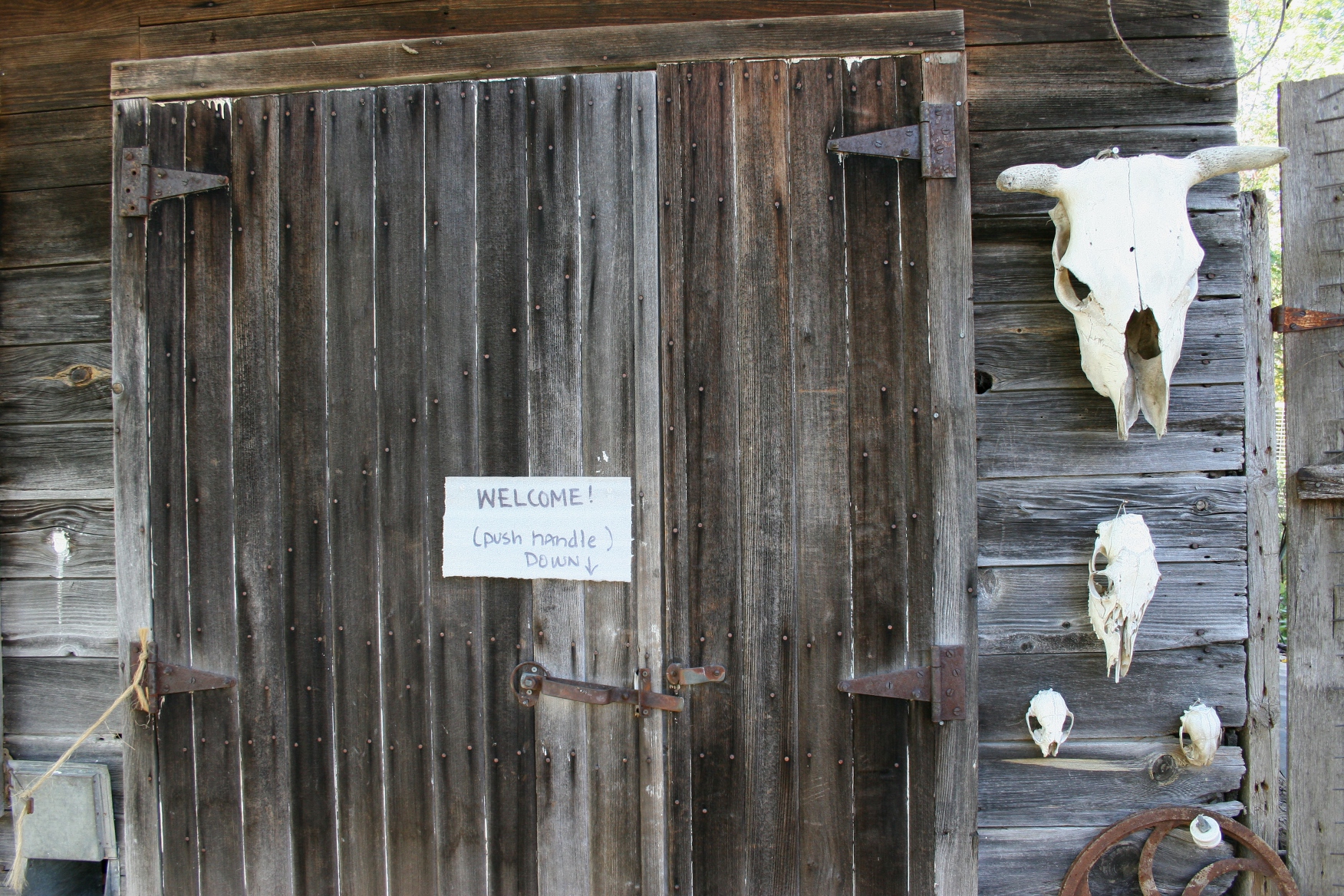
A sign advises visitors of chickens on the farm.

A sign advises visitors of chickens on the farm.

This rural setting reminds me of my childhood, growing up on a southwestern Minnesota dairy farm where I labored many hours in the milkhouse and barn.

Milking equipment remains in the milkhouse.

Milking equipment, right, remains in the milkhouse next to Lessing’s creations.

Although I never imagined a milkhouse as an artist’s studio, for Lessing it seems the perfect fit—creating in this place where her grandfather milked cows in the adjoining barn. Worked with his hands, just like her. In these aged buildings, on the land.

Love these nature-themed mugs.

Love these nature-themed mugs.

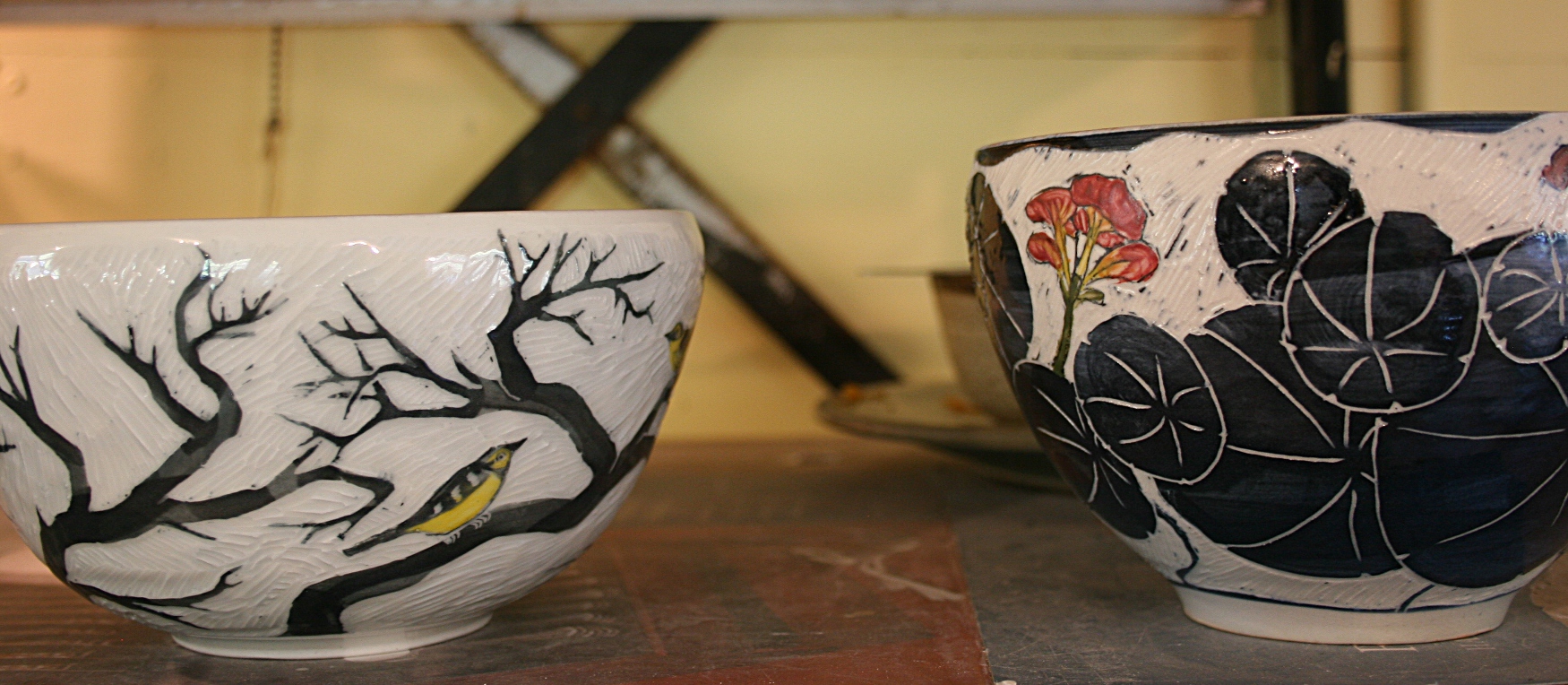
Love these bowls, too.

Love these bowls, too.

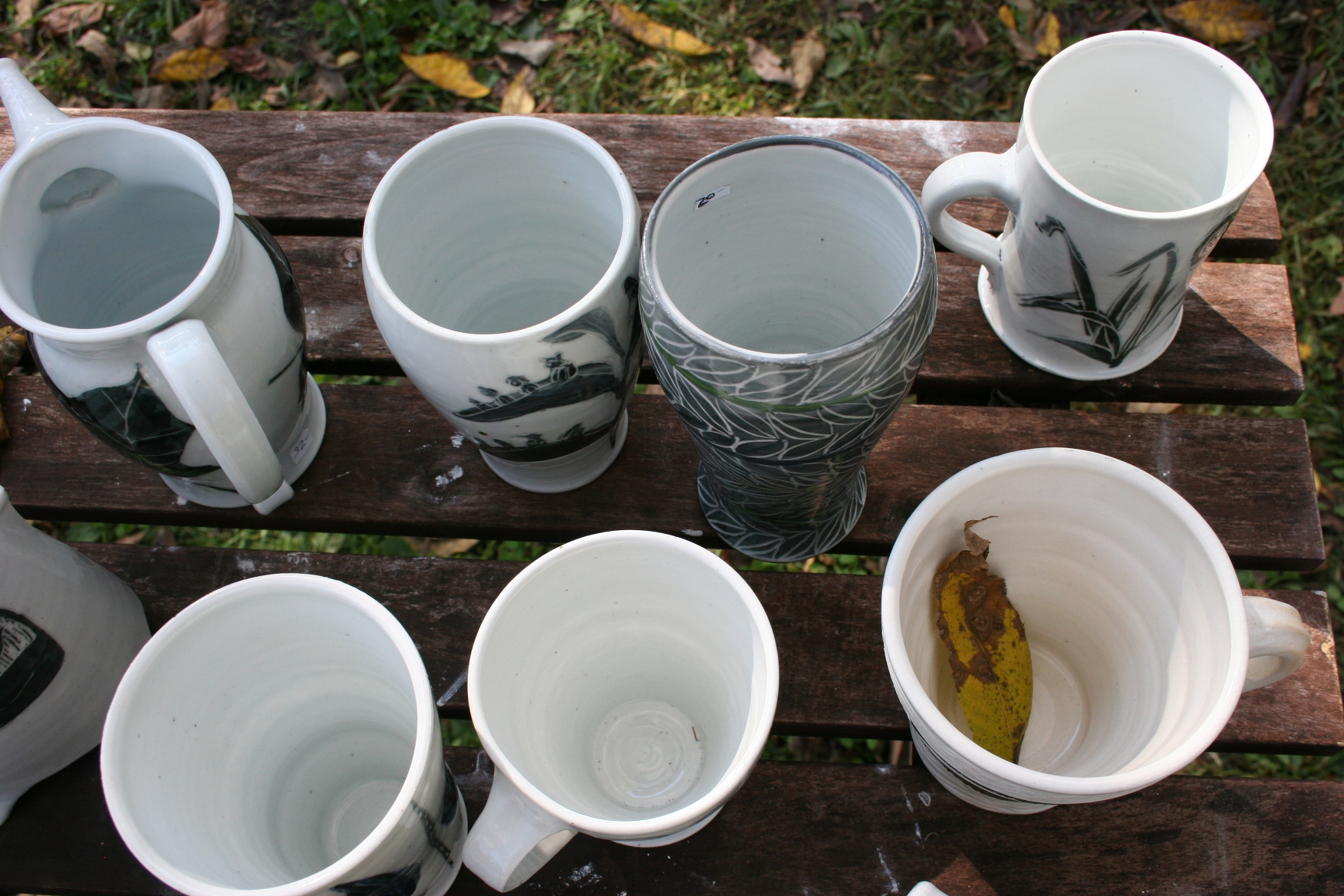
And then I noticed the leaf that had settled inside the mug. So fitting.

And then I noticed the leaf that had settled inside the mug. So fitting.

I can see the influence of rural life in Lessing’s pieces. Branches and birds. Leaves and blades of grass. An earthy quality that appeals to me and causes me to reflect on my rural roots.

The Milkhouse Studio front door. Lots of history and memories here.

The Milkhouse Studio front door. Lots of history and memories here.

My memories: Felines circling around a battered hubcap to lap warm milk fresh from the cows. Frothy milk dumped, through a strainer, into the bulk tank. Sudsy water swished inside a milk bucket with a stiff brush. Yellow chore gloves drying atop an oil burning stove in the milkhouse…

Tucked into a corner of a milkhouse windowsill.

Tucked into a corner of a milkhouse windowsill.

FYI: To learn more about the history of the old milkhouse, click here to read Lessing’s blog post on the subject.

And for more info about Lessing the artist, click here.

To read my first post about the South Central Minnesota Studio ARTour, click here. Please check back for more posts from artists’ studios.

© Copyright 2013 Audrey Kletscher Helbling
 

Remembering my mother-in-law, Betty October 18, 2013

Filed under: Uncategorized — Audrey Kletscher Helbling @ 6:00 AM
Tags: , , , , , , , ,
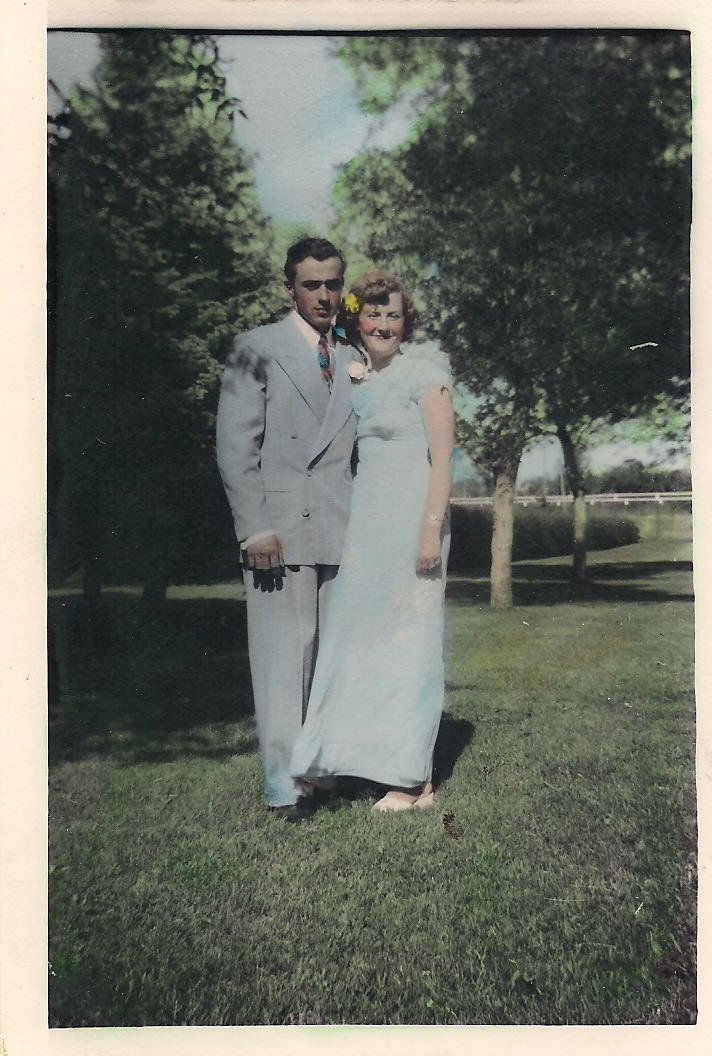
Tom and Betty

Tom and Betty in a vintage photo, date unknown.

YOU THINK YOU WILL ALWAYS REMEMBER.

But then the years, the decades, slip by and the memories begin to fade.

You can’t picture their smile, hear their voice, recall their mannerisms.

Twenty years ago on October 16, my mother-in-law, Betty Helbling, died after suffering a heart attack the previous evening. She was just weeks shy of turning sixty.

I still remember that phone call around 9 p.m. on a Friday. Not every detail. Not even who phoned with the devastating news that my husband’s mother was in the hospital. Alive. But not alert.

I remember the request that we drive northwest to Little Falls several hours away. But the hour was late, the fog as thick as the proverbial pea soup making travel impossible for my husband and me and our two daughters, ages seven and five.

To add to the concern, I was five months pregnant with our youngest, the baby Grandma Helbling hoped was a boy after a long string of granddaughters. I knew, for my unborn child’s sake, that I needed to remain as emotionally unstressed as possible, which was impossible given the situation.

It was a mostly sleepless night of tossing and turning, of prayer and worry. By morning we were making phone calls—me to my mother, another to a dear friend and my husband to the local Red Cross to get his brothers and a sister-in-law home from their respective military bases, one as far away as Germany.

We packed and left Faribault. By then, before our arrival, Betty had already passed.

Those next days on the family farm were a blur of grief and of condolences, phone calls and visits, food and family hugs. The wake and funeral and burial. I remember seeing my husband cry, for the first and only time. Ever.

Today, two decades later, I am thinking of my mother-in-law, of the woman who never saw the grandson I birthed in early February 1994. She would have loved my son, knitted him a baby blanket or a blue sweater or something equally adorable like she had for Caleb’s sisters. It saddens me to think that Betty never saw the grandson she so badly wanted to carry on the Helbling family name. It saddens me that my now 19-year-old never knew his paternal grandmother.

But I still have the memories, one occurring only weeks before her death, when we all gathered on the farm to celebrate the 40th wedding anniversary of my in-laws. I arose in the middle of the night to pee, descending the stairs to the first floor bathroom in the dark of a country night. I’d just settled onto the toilet when movement, that of a mouse, caught my eye. I hate mice, just hate them. And there I was, pregnant and stuck in a small bathroom with a mouse circling my feet. I could see no way out.

I calmed myself down between shrieks of fear, which I tried to hold in, not wanting to awaken the entire household. But apparently I was loud enough to rouse my mother-in-law. She simply thought I was in the bathroom with a sick child and did not investigate.

Eventually, after climbing onto the bathtub, I grabbed a pile of wet bath towels from the floor, tossed them onto the menacing mouse and fled up the stairs to my still sleeping husband.

That is the last memory I associate with my mother-in-law.

Tom and Betty. This may be from their 40th anniversary party, although I am not sure.

Tom and Betty. This may be from their 40th anniversary party, although I am not sure.

But there are other memories—that of a competitive Scrabble player who could beat me, the master of words. I loved the challenge of playing Scrabble with Betty, even if she usually won.

Cooking wasn’t her strength, but she made the best darned chicken and caramel rolls.

Once my husband, brother-in-law Neil and I rummaged through Betty’s cupboards while she was gone, seeking to spice up her bland hotdish baking in the oven. When a sister-in-law later praised the tastiness of the dish, we three could barely contain our laughter as Betty attributed the flavor to a dash of Mrs. Dash seasoning.

Four generations: Great Grandma Katherine Simon holding my daughter, Amber, with my mother-in-law behind them beside my husband, Randy. Photo taken in July 1986 at a family picnic, Pierz, Minnesota.

Four generations: Great Grandma Katherine Simon holding my daughter, Amber, with my mother-in-law, Betty, behind them beside my husband, Randy. Photo taken in July 1986 at a family picnic in Pierz, Minnesota.

I knew my mother-in-law for only 11 years. Not very long really. But long enough to know that she was a woman of deep faith who loved God and family. Above all.

On Thursday, October 16, 2013, twenty years after her death, Betty was joined in heaven by her brother, Steve.

Blessed be the memories of those we loved and those who loved us, sometimes even before we were born.

© Copyright 2013 Audrey Kletscher Helbling
 

Owatonna exhibit celebrates Steele County: Butter Capitol of the World October 8, 2013

MILK COURSES through my veins, for I am the daughter of a dairy farmer.

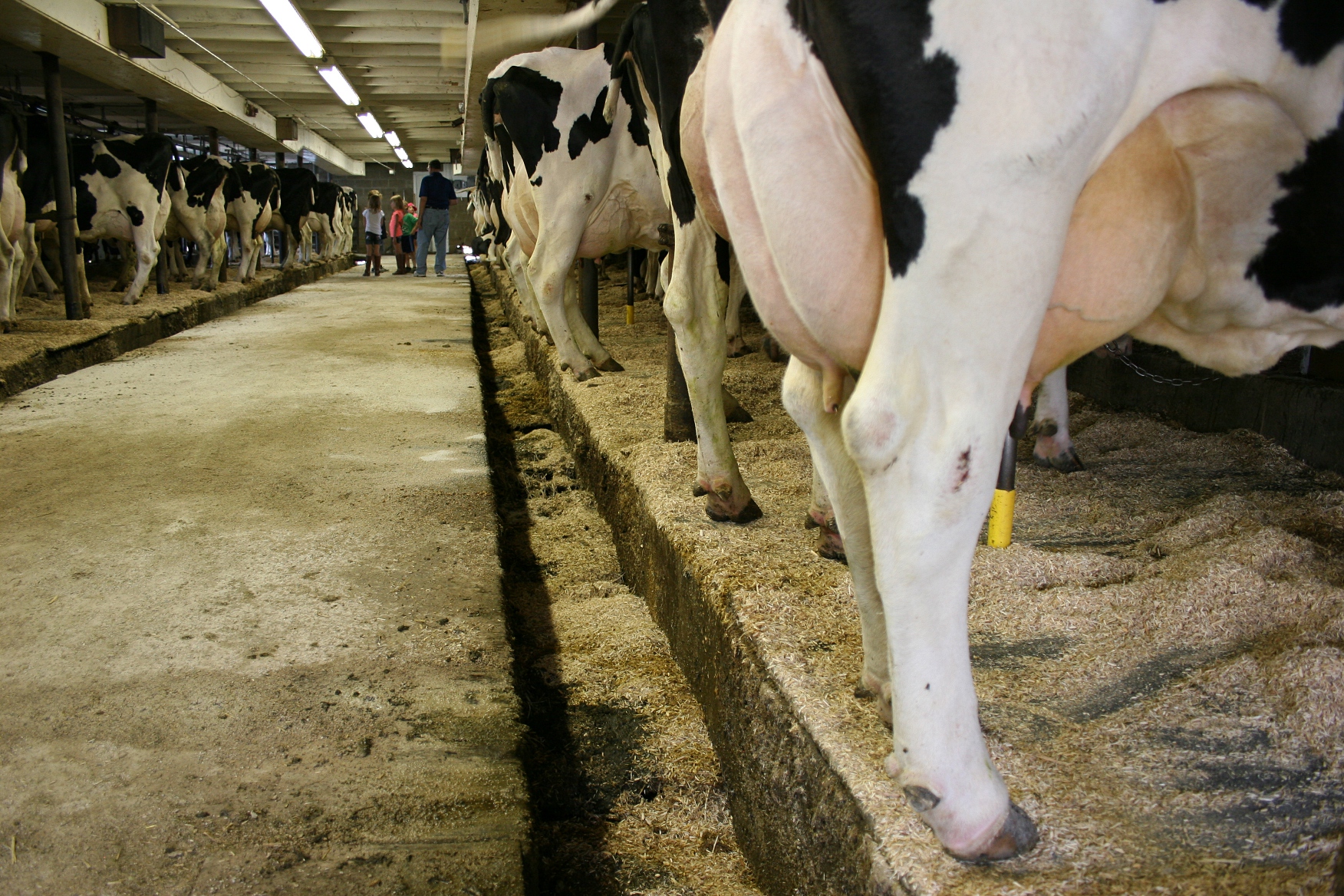
Inside the Wegners' barn, where dairy products come from.

Minnesota Prairie Roots file photo from Ron and Diane Wegner’s rural Faribault dairy barn.

Growing up, I labored in the barn beside my dad and siblings—feeding cows, bedding straw, lugging pails of milk to the bulk tank, washing milking machines, scraping manure and more.

I smelled of cow, watched bovines’ tails flick flies and rise to release streams of splashing hot pee into barn gutters.

Sandpaper rough tongues sometimes grated across my skin. Cold, wet noses dampened the sleeves of my chore coat.

I carried gallons of frothy fresh milk to the house for pasteurization and consumption.

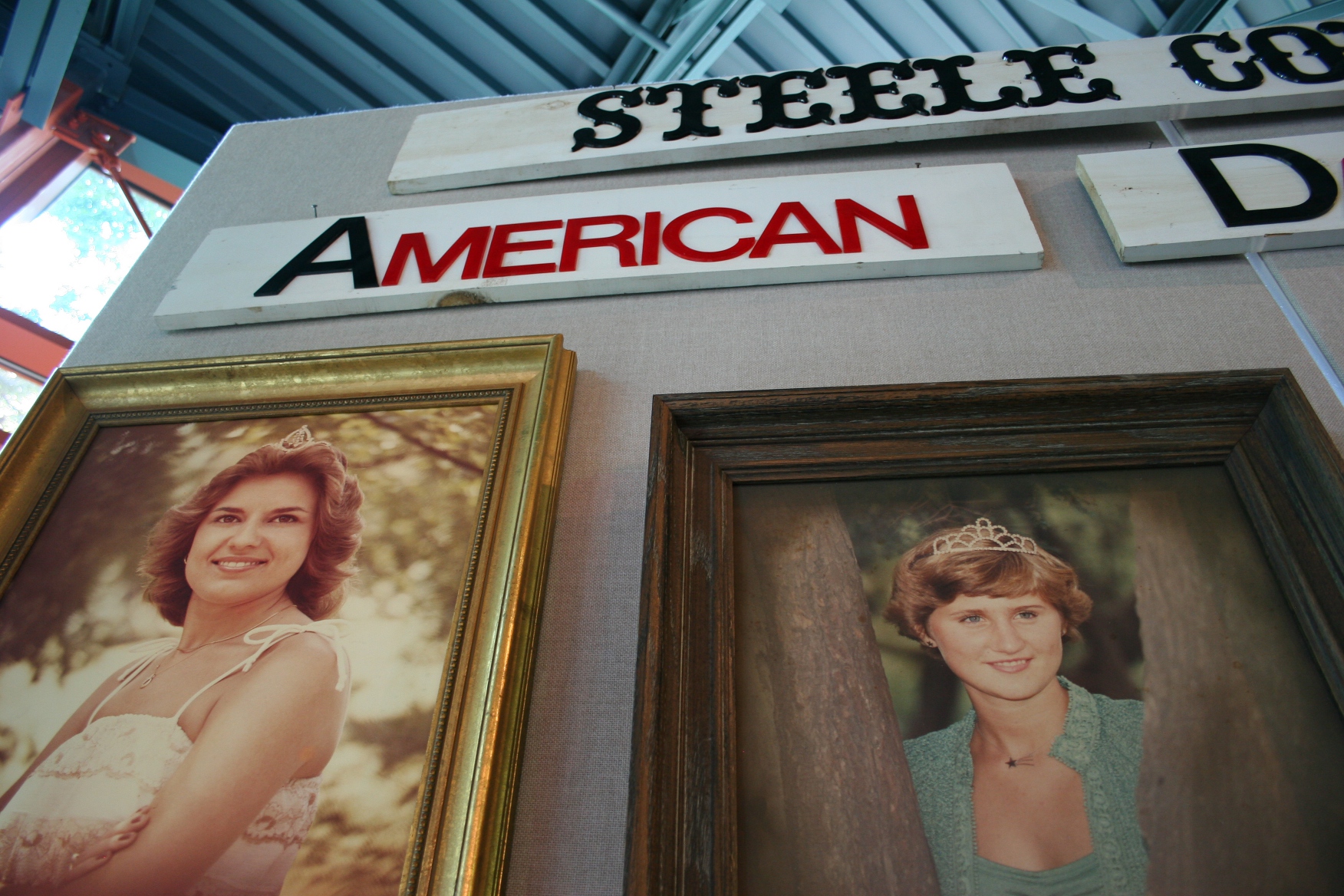
The Princess Kay of the Milky Way competition is a part of Minnesota culture. The Steele County exhibit features  photos of past county dairy royalty, including 1978 princess Kari Schroht, left, and 1976 princess Kathy Zeman, right. Earlier carved butter heads from past princesses were displayed in borrowed glass door freezers at the history center.

The Princess Kay of the Milky Way competition is a part of Minnesota culture. A current exhibit at the Steele County History Center features photos of past county dairy royalty, including 1978 princess Kari Schroht, left, and 1976 princess Kathy Zeman, right. Earlier this year, carved butter heads from recent past princesses were displayed in borrowed glass door freezers at the history center.

I knew cows and milk and once competed for Redwood County, Minnesota, dairy princess, a title I coveted but could not win because I lacked the poise and confidence and beauty to represent the industry.

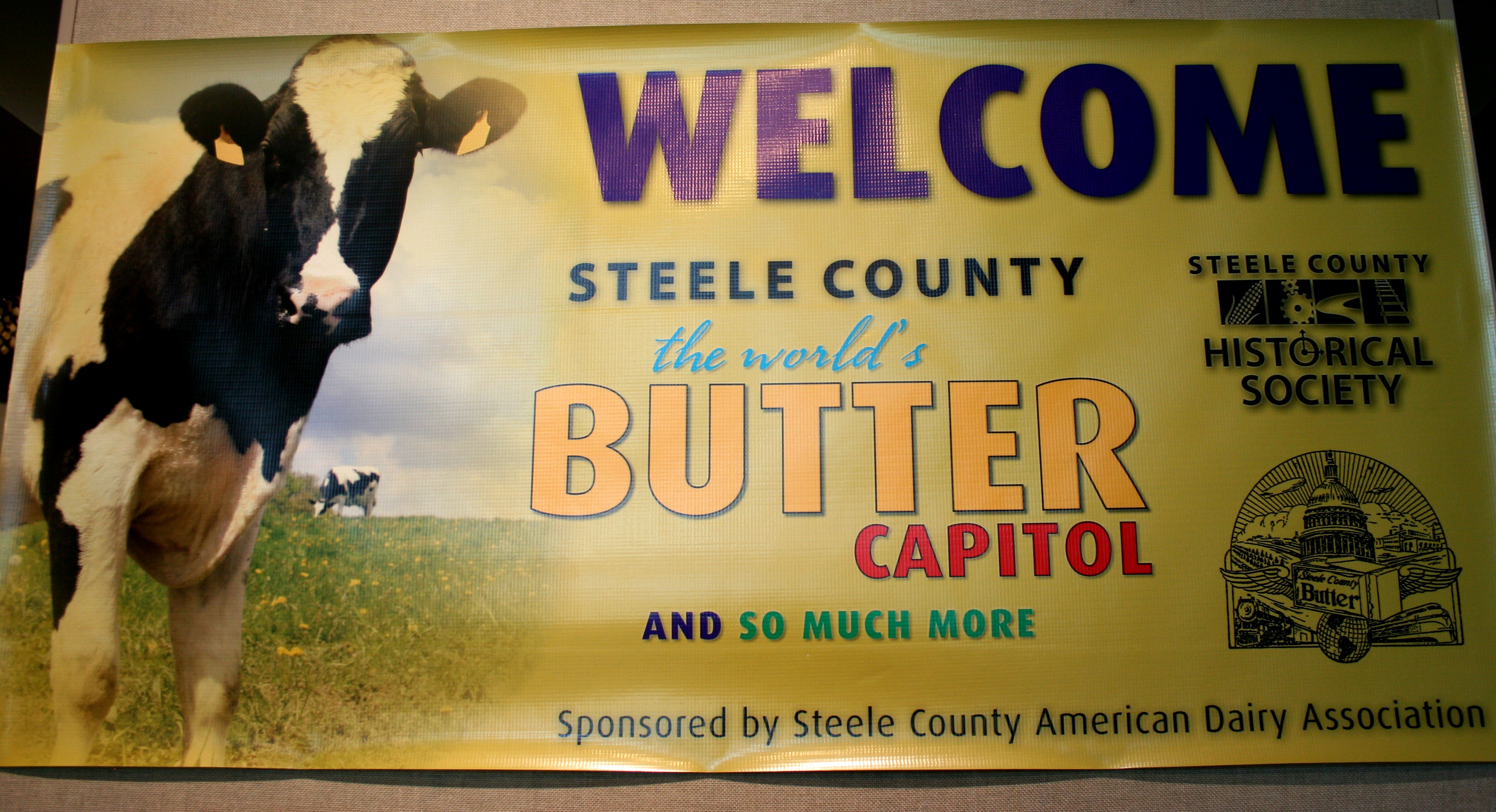
A banner welcomes visitors to the Steele County: Butter Capitol of the World exhibit at the Steele County History Center in Owatonna.

A banner welcomes visitors to the Steele County: Butter Capitol of the World exhibit at the Steele County History Center in Owatonna.

These memories flit through my mind as I consider a recent visit to the Steele County History Center in Owatonna to tour the featured exhibit, Steele County: Butter Capitol of the World.

The exhibit is interesting and educational.

The exhibit is interesting and educational.

It’s a must-see exhibit which will trigger memories for those who grew up on dairy farms and educate those who didn’t. And, even with my dairying background, I learned a lot about the history of dairy farming in Steele County.

A vintage sign promoting butter in Minnesota.

A vintage sign promoting butter in Minnesota.

For example, Steele County gained its world-wide Butter Capitol reputation after Owatonna Manufacturing Company invented the mechanized butter churn in 1893, revolutionizing the dairy industry.

But two decades prior, in 1873, the county was well on its way to establishing a strong dairy reputation with four local cheese factories producing 150,000 pounds of cheese, more than any other Minnesota county.

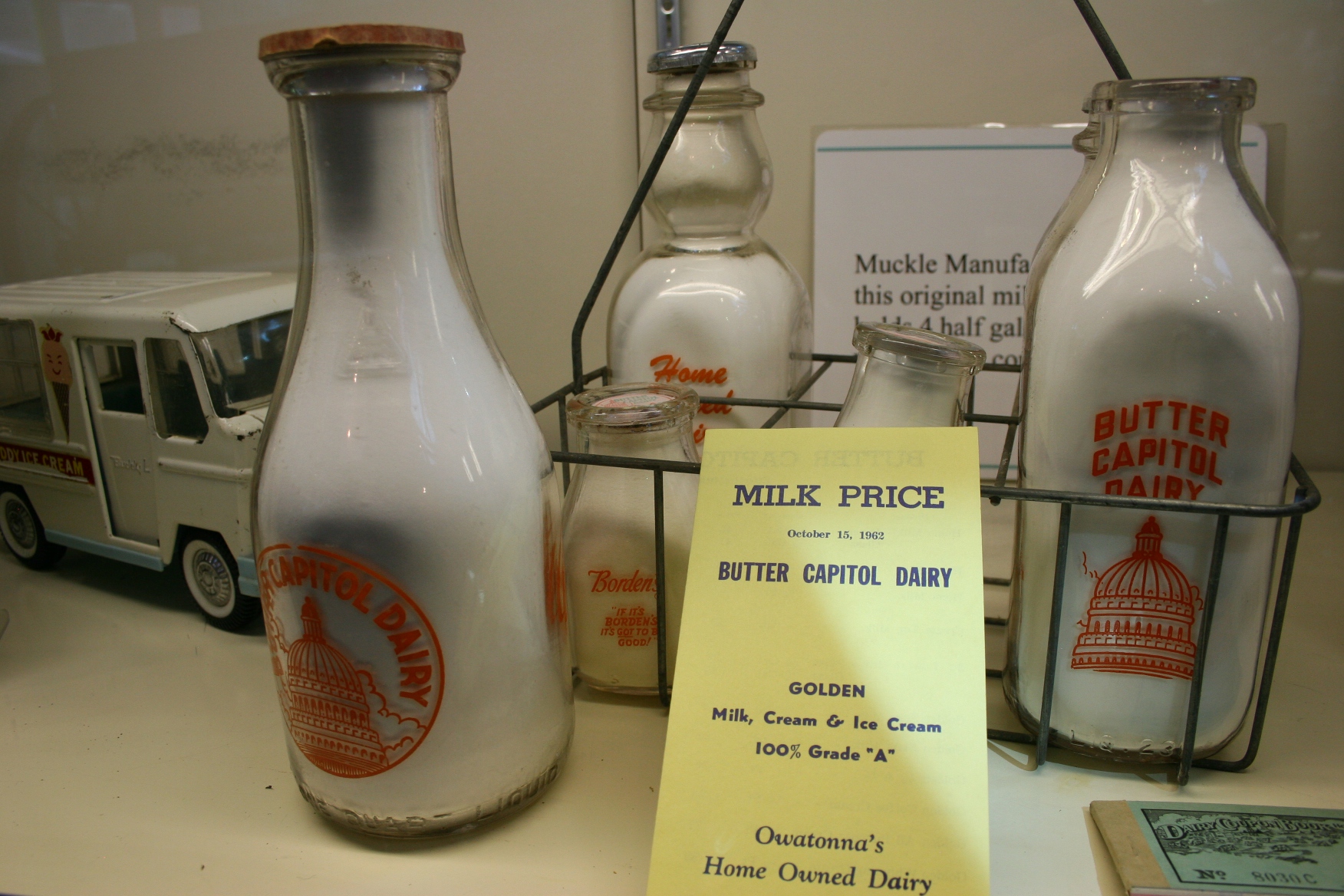
Information and artifacts from the days of bottled milk delivery.

Information and artifacts from the days of bottled milk delivery.

At one point, Steele County boasted two dozen-plus creameries.

Coveted butter

Hope Creamery, south of Owatonna, still produces coveted, award-winning Grade A butter in small batches. Butter boxes from Steele County creameries are displayed behind glass in the exhibit.

In December 1926, thieves stole 19 tubs of butter valued at $700 from the Steele Center Creamery.

Two Steele County women, Mina Holmes and Marianne McRostie, won numerous national awards for their hand-churned butter.

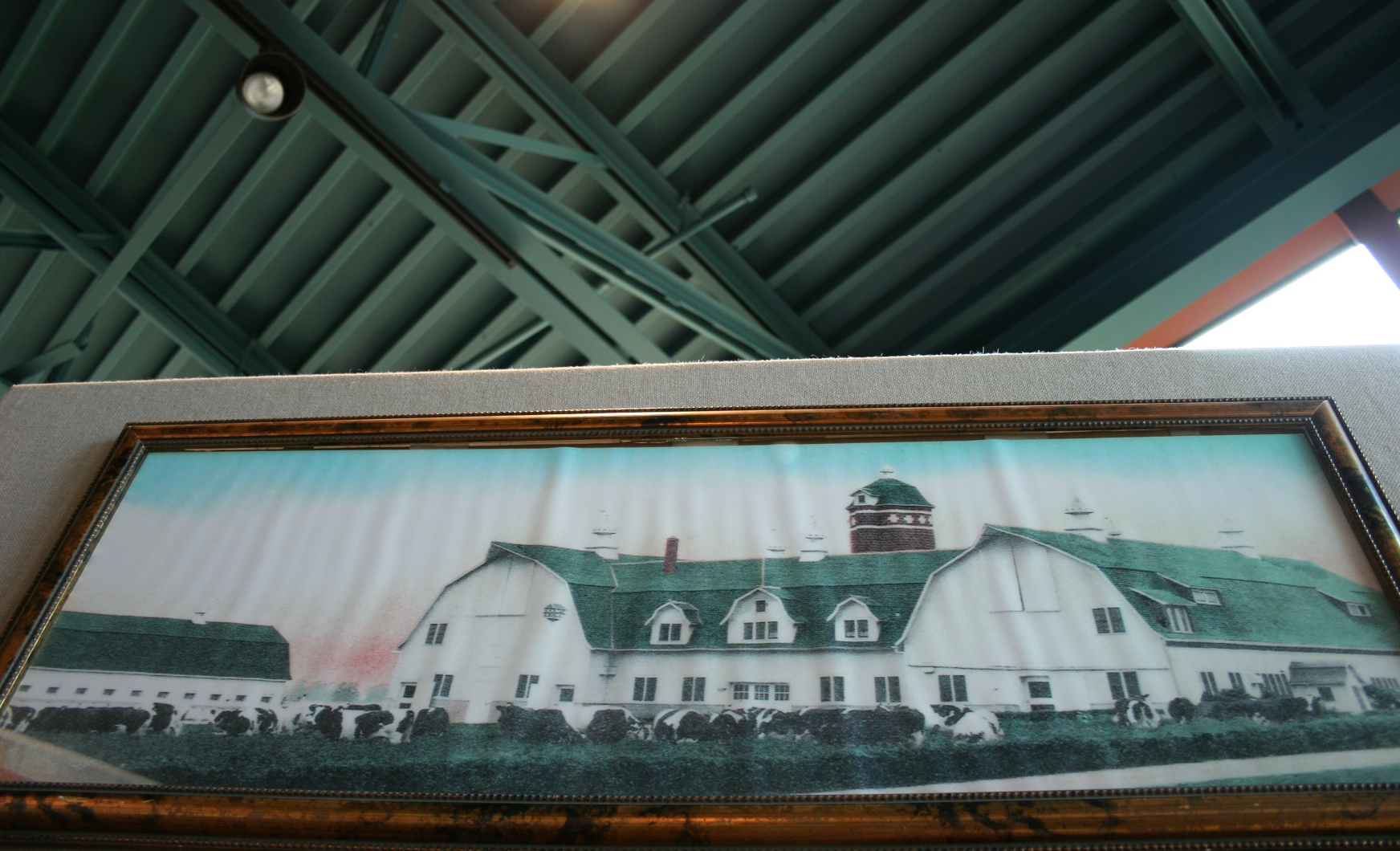
Photos of some spectacular Steele County barns are showcased.

Images of some spectacular Steele County barns are showcased.

Yes, so many accomplishments led to this southern Minnesota county holding the title of Butter Capitol of the World from 1898 – 1940, says Jerry Ganfield, who along with a committee of four women involved in the dairy industry, created this remarkable exhibit. Ganfield, holds a background in communications and marketing, grew up in Iowa and worked one summer during college as a milkhouse operator. Today he lives in a barn turned house near Bixsby and volunteers with the Steele County Historical Society, serving on its board of directors.

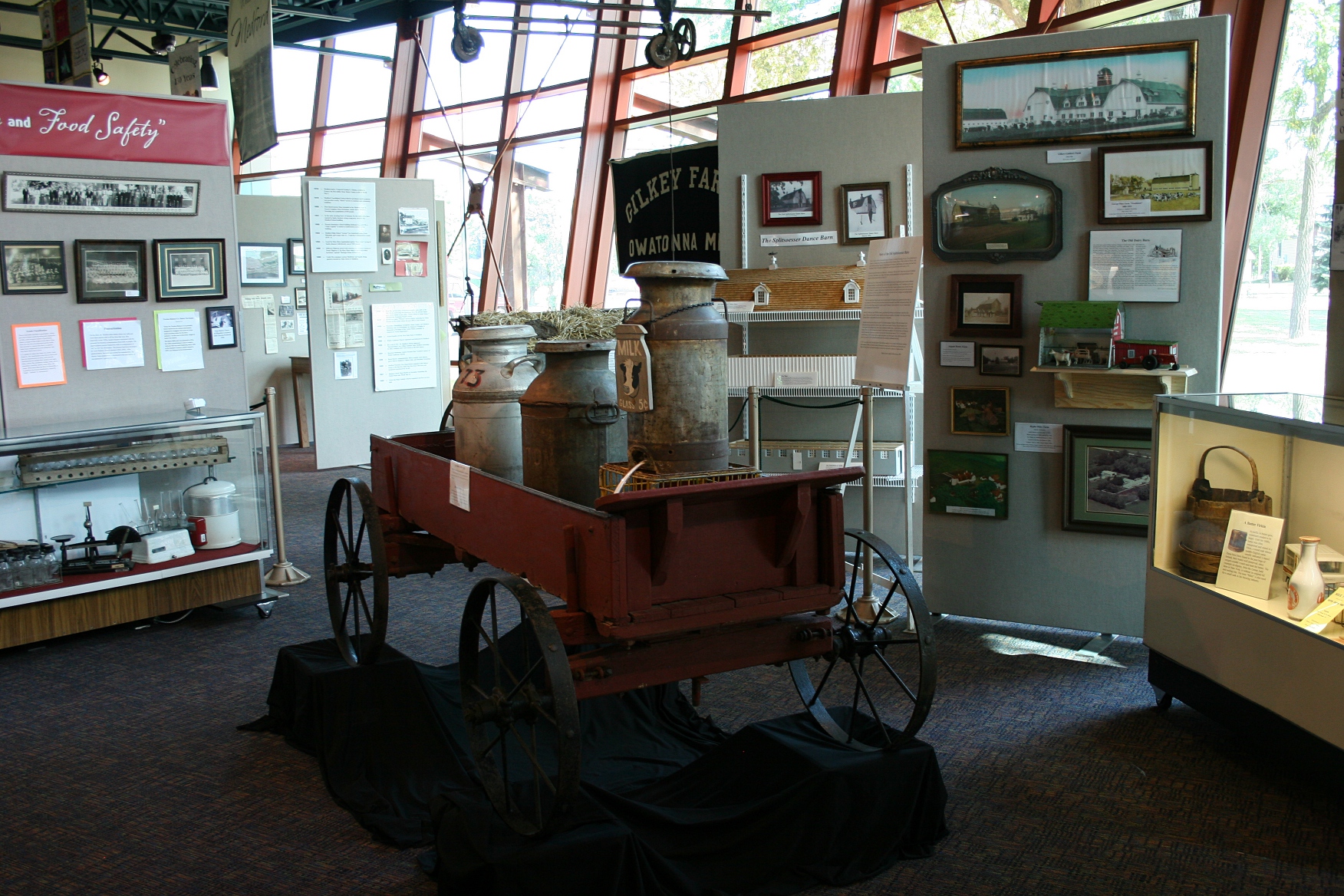
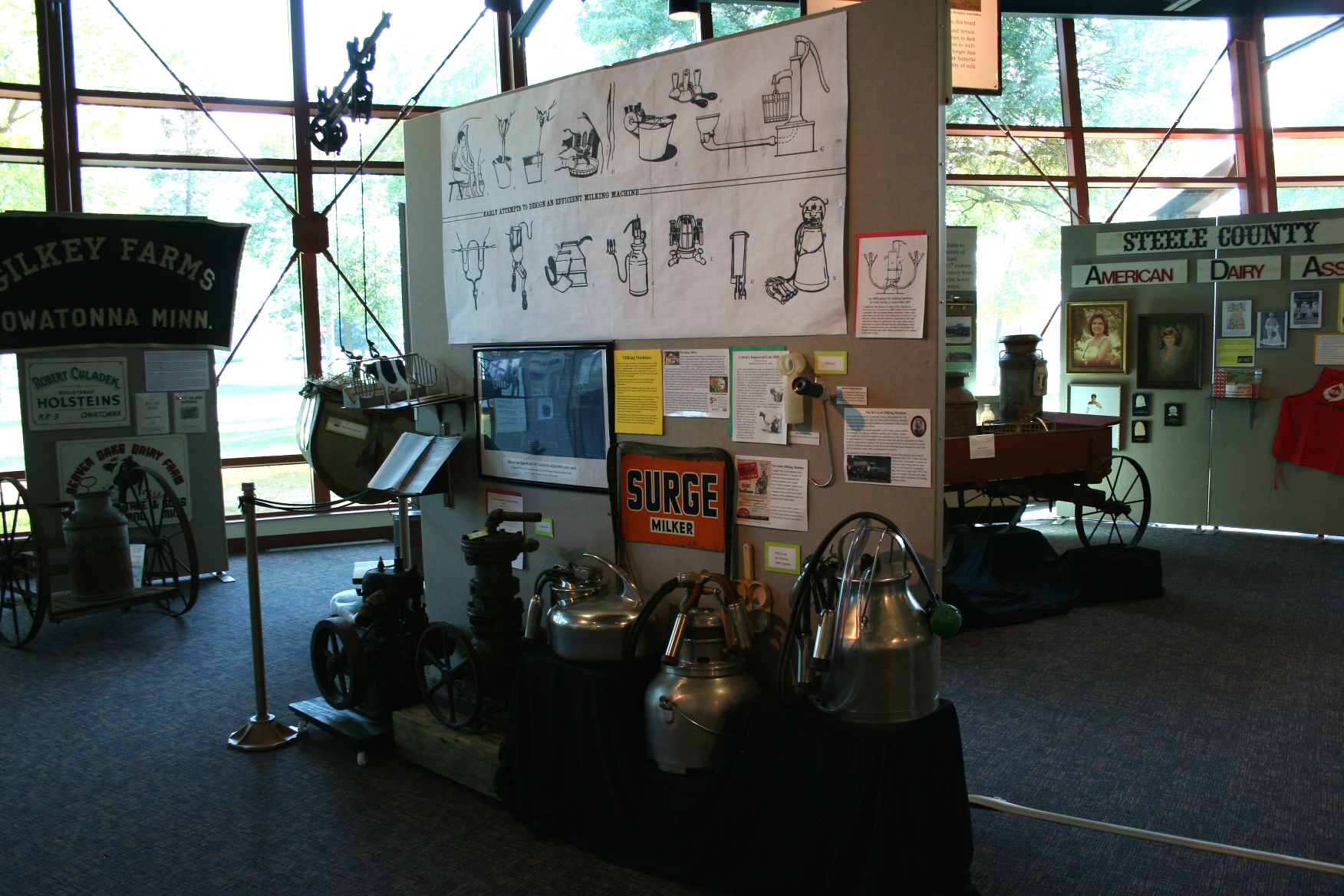
A portion of the expansive exhibit on Steele County's dairy industry.

A portion of the expansive exhibit on Steele County’s dairy industry.

Work on the Butter Capitol exhibit began in January with the historic display debuting in mid-July. It runs through November 10. Eventually, many of the items will be returned to the farm machinery building in the Village of Yesteryear (next to the Steele County History Center) where most were previously displayed.

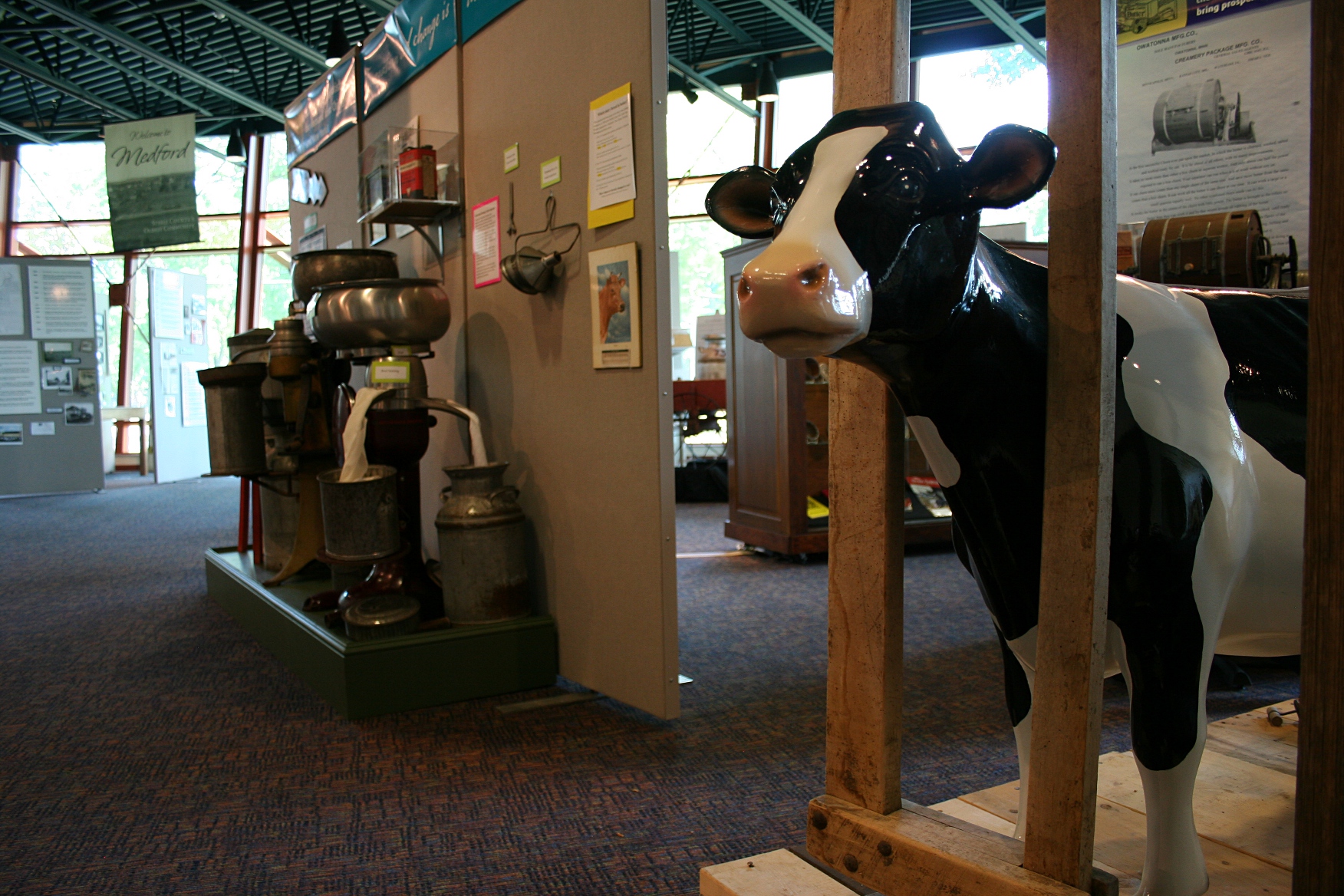
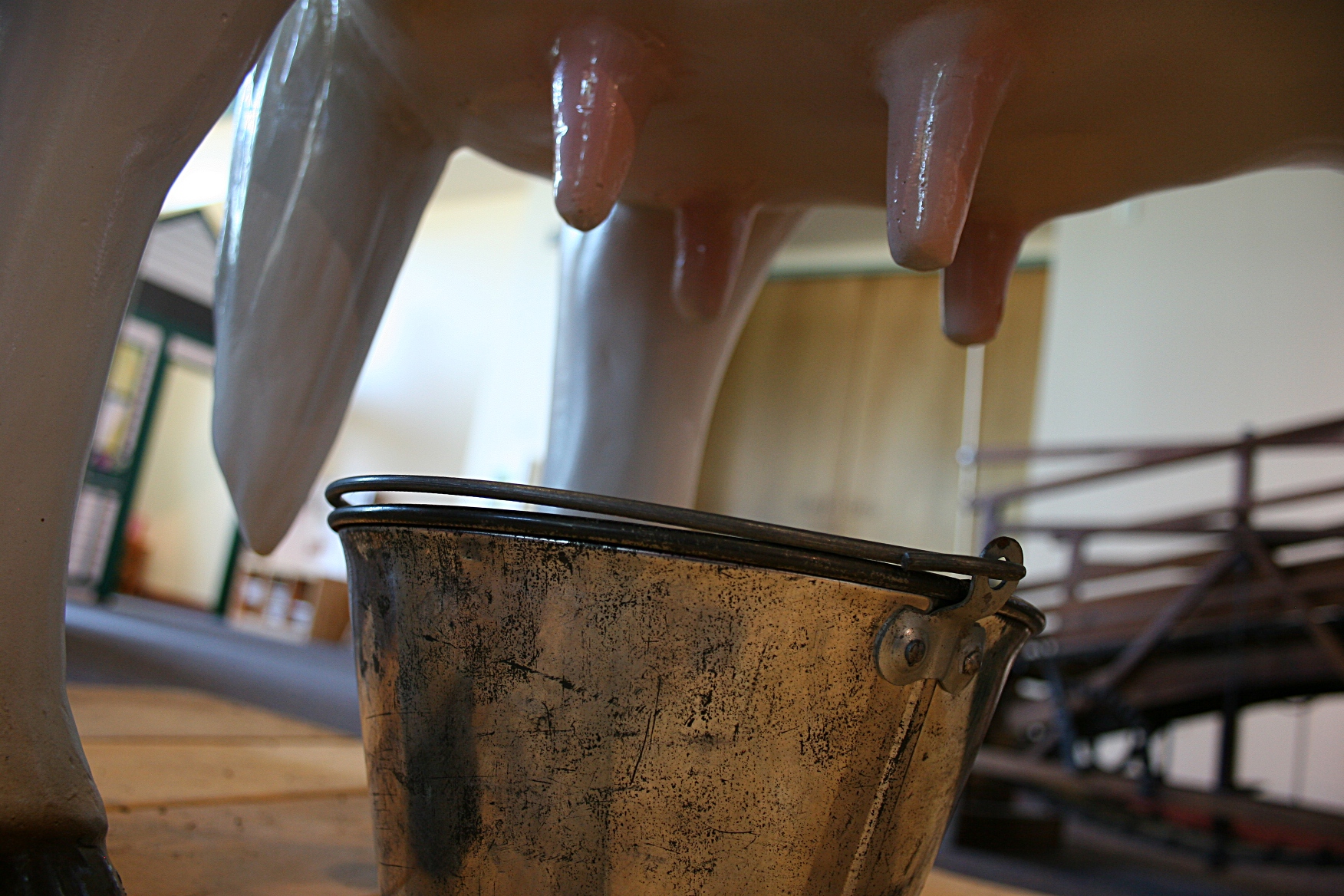
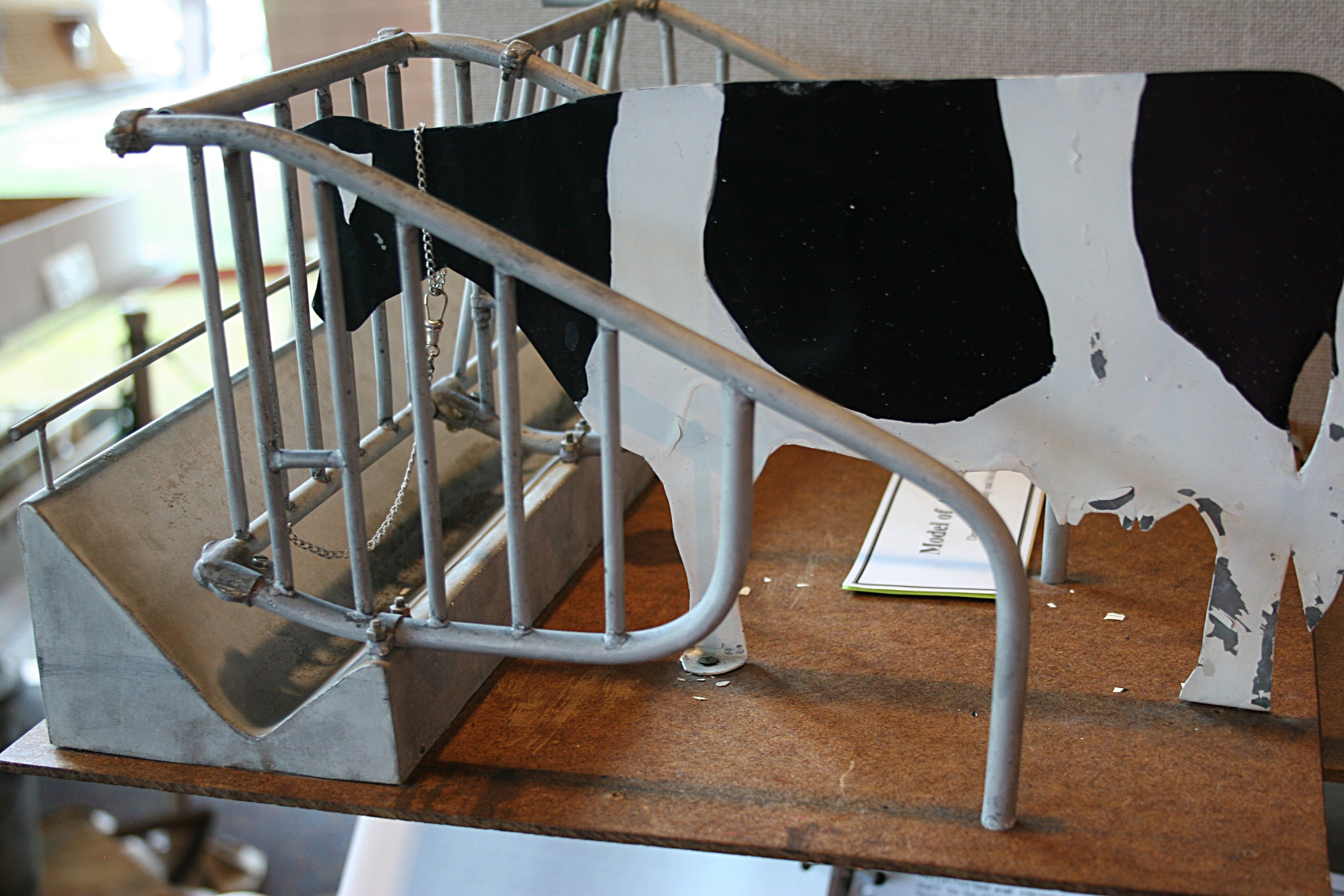
Visitors can get down low and check out the udder on the model cow in the photo above.

Visitors can get down low and check out the udder on a model cow.

Perhaps I am a bit biased being a dairy farmer’s daughter and all. But this exhibit is one of the most impressive, thorough, detailed and interesting I’ve seen in a county history center.

Just another view of a portion of the exhibit.

Just another view of a portion of the exhibit.

Steele County: Butter Capitol of the World is well worth a drive to Owatonna to peruse.  Just give yourself two hours, minimum, to tour the display.

#

BONUS PHOTOS:

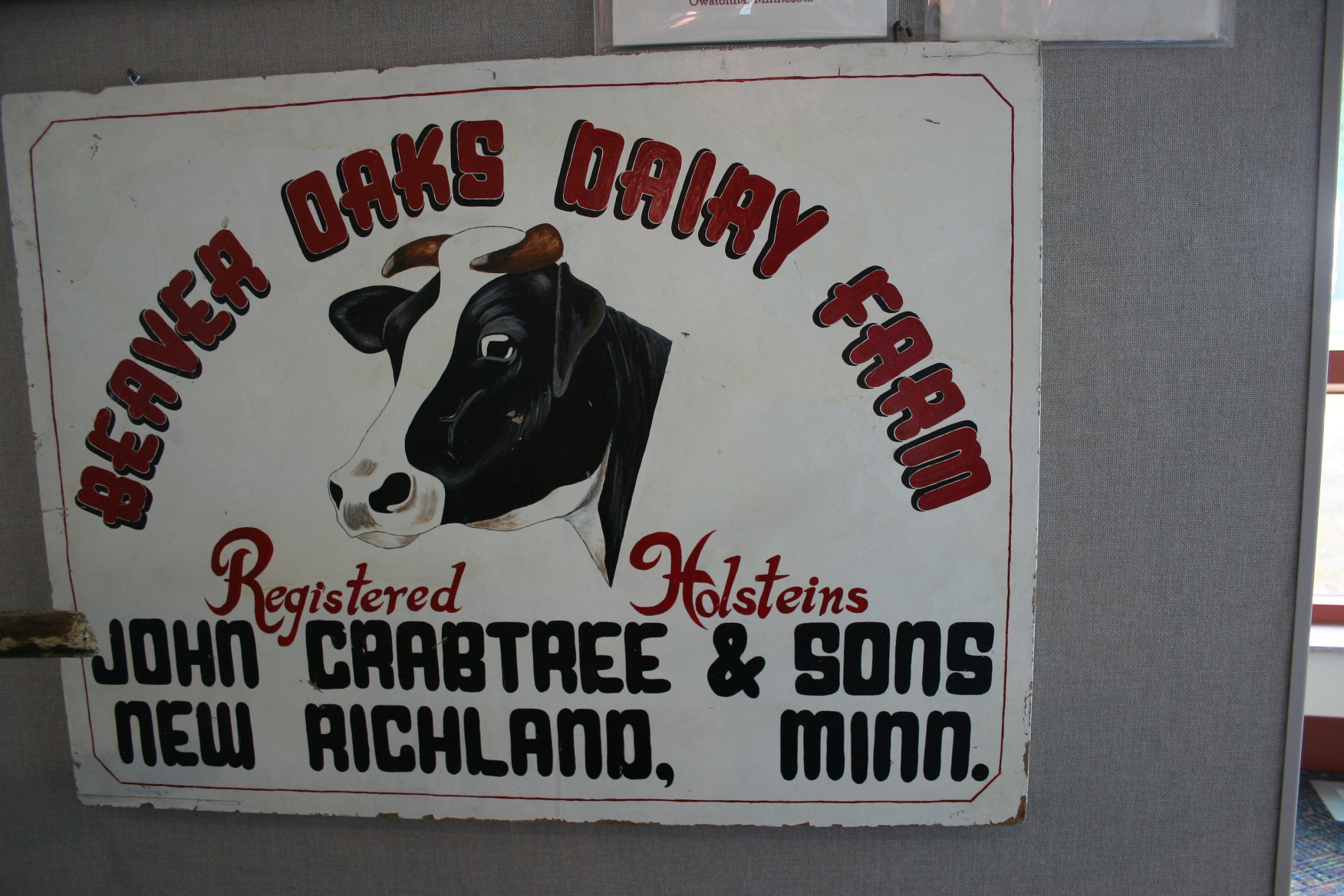
Vintage signs are abundant in the exhibit.

Vintage signs are abundant in the exhibit.

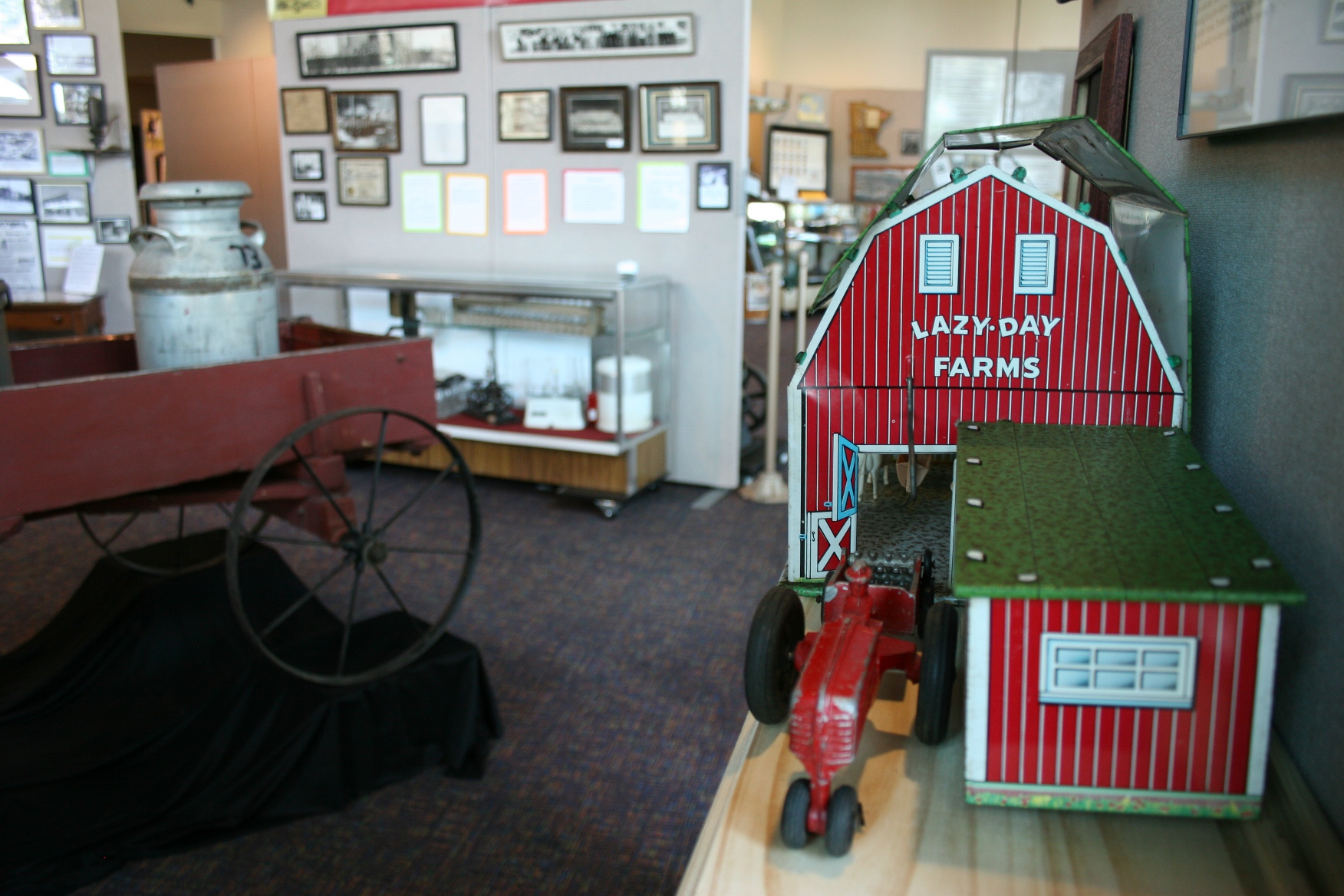
This tin toy barn, right, caught my eye. I've never seen one prior to this. The exhibit also features an incredible handcrafted replica of a barn.

This tin toy barn, right, caught my eye. The exhibit also features a handcrafted replica of a barn.

A familiar site to me, a cow in a stantion.

A familiar site to me, a cow in a stantion.

Also familiar, those Surger milkers in the background display.

Also familiar, those Surger milkers in this display. My dad used these before he installed a pipeline.

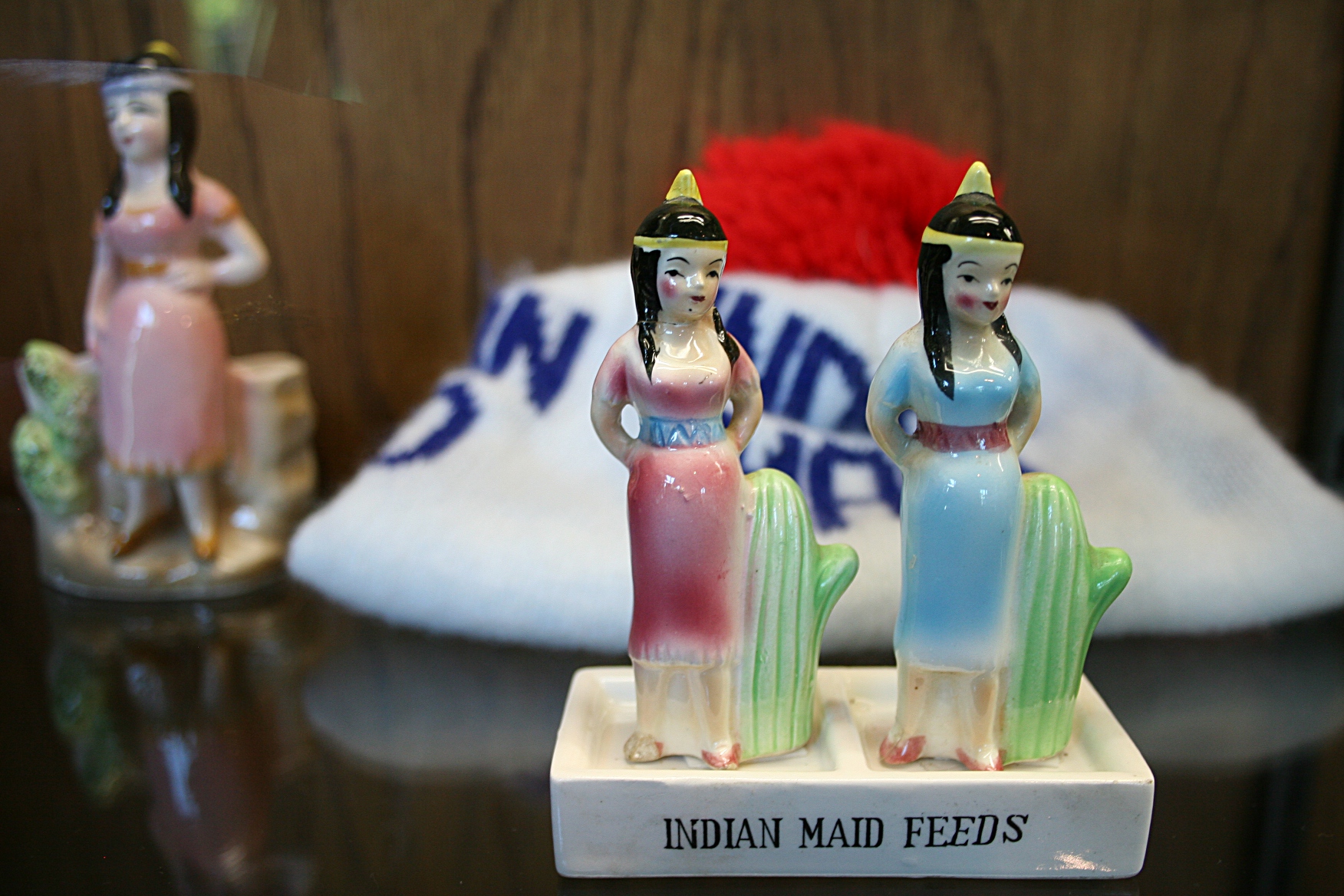
Indian Maid Feeds memorabilia is displayed in glass cases along with an impressive collection of butter molds and other items.

Indian Maid Feeds memorabilia is displayed in glass cases along with an impressive collection of butter molds and other items. Indian Maid Feeds was sold from the late 1950s – 1984 by Owatonna Elevator Company. The brand pictured an Indian maiden to recall the legend of Princess Owatonna, whose health was restored by drinking the mineral spring waters of the area. The exhibit also features a large wooden logo of the princess that once rested atop the elevator. You’ll need to visit the exhibit to see that vintage art.

FYI: To learn more about the Steele County History Center/Historical Society, housed in a fabulous new building opened in April 2012, click here.

The Steele County History Center encourages kids to join its Time Travelers Club and History Detectives. The detectives meet at 10:15 a.m. and the travelers at 6:30 p.m. the first Thursday of each month at the History Center, 1700 Austin Road, Owatonna.

Click here to read a Minnesota Public Radio story about Hope Creamery.

© Copyright 2013 Audrey Kletscher Helbling
 

A Minnesota family tradition: Honoring Dad by making horseradish October 7, 2013

Filed under: Uncategorized — Audrey Kletscher Helbling @ 6:00 AM
Tags: , , , , , , ,
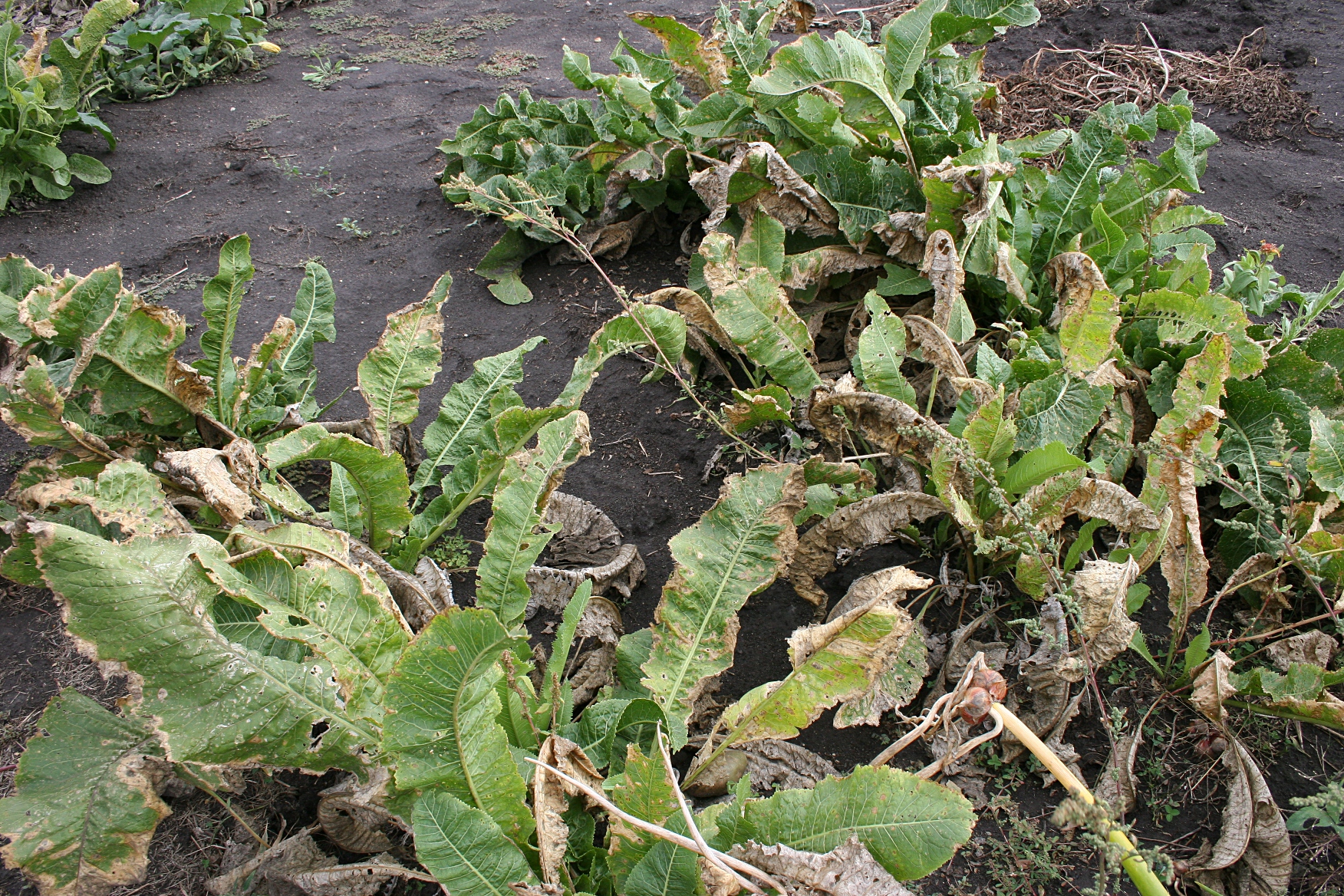
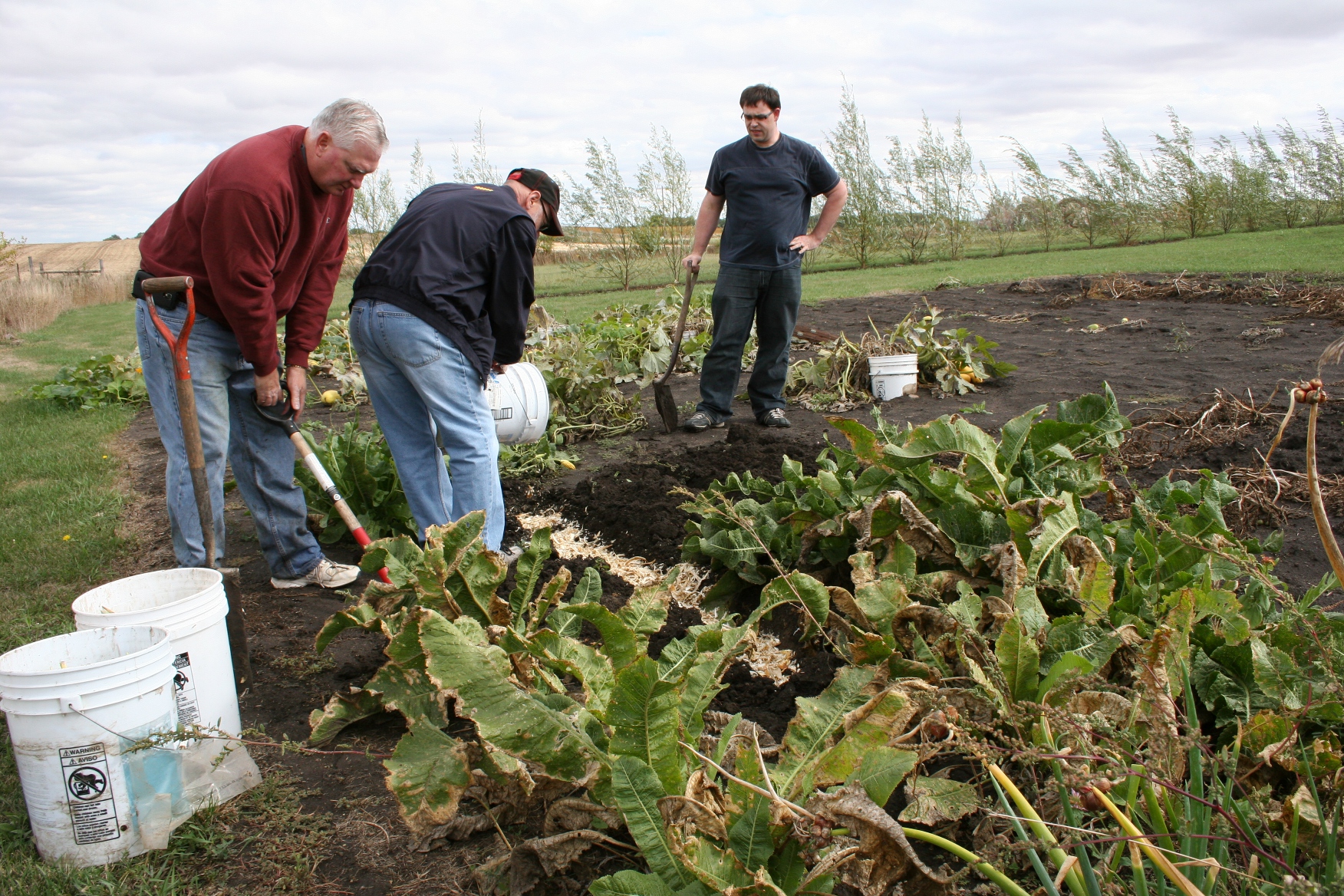
Horseradish planted last year in my brother's garden and ready to harvest in a few years. This year's horseradish came from a patch near Sanborn.

Horseradish planted last year in my brother and sister-in-law’s garden and ready to harvest in a few years. This year’s horseradish came from a patch near Sanborn.

FOR MY EXTENDED FAMILY, making horseradish marks a time-honored tradition started by my father and my Uncle Mike decades ago.

Dad died 10 years ago, Uncle Mike before him, and, for awhile, so did the annual ritual of making horseradish. In his last years, Dad made horseradish with my sister Lanae and her husband, Dale.

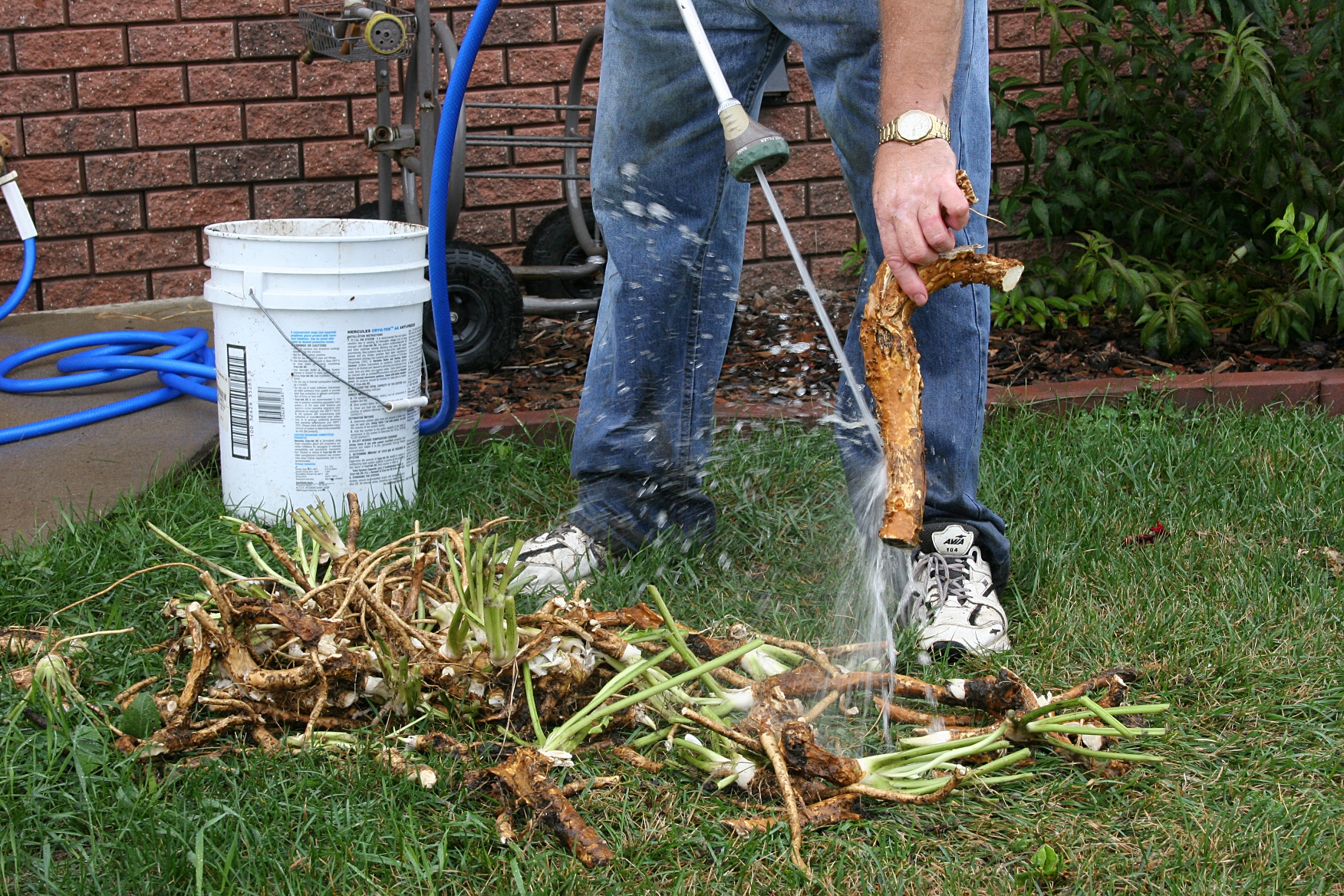
Washing mud and dirt from the horseradish roots with the garden hose is the first step after digging.

Washing mud and dirt from the horseradish roots with the garden hose is the first step after digging.

Then, in recent years, Lanae and my brother Brian restarted this family tradition. The past two autumns, my husband and I have traveled the 120 miles to Brian’s rural Lamberton home to peel and slice, process and bottle horseradish. Mostly, I’ve documented the process with my camera although I’ve also assisted (some) with the actual making of this condiment.

To be honest, the horseradish isn’t the reason I’m there. It’s the cherished time with my mom (also known as “The Supervisor”) and extended family that draws me back to my native southwestern Minnesota prairie. We are building memories and honoring the memory of my farmer father.

Dad would delight in our gathering—in hearing the laughter and bullshit (sorry, I can’t think of a better word choice) and seeing us together. Dad was all about family.

Like our father before us, we give away our horseradish. My husband and I gathered a baker’s dozen jars to take back to Faribault for Mick and Mooch, Howard and Neal, and Dan, Steve and John, and a few others who appreciate a good taste of potent, eye-stinging, nostril-clearing horseradish.

#

THE STEP-BY-STEP PROCESS:

After the initial washing of the roots, the stems are trimmed away and the horseradish goes into a laundry bag for washing in the washing machine.

After the initial washing of the roots with a garden hose, the stems are trimmed away and the horseradish goes into a laundry bag for washing in the washing machine. Do NOT add laundry detergent.

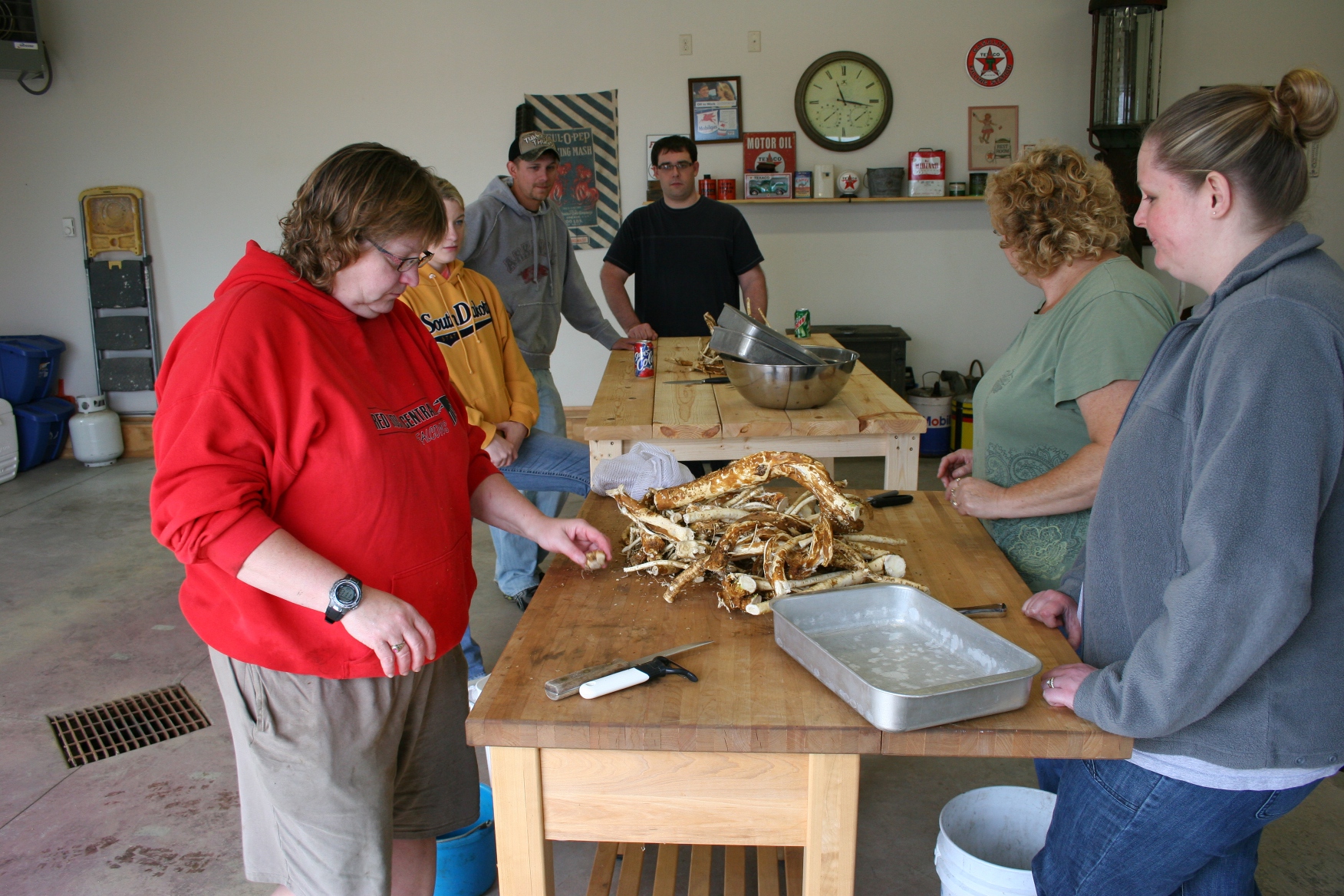
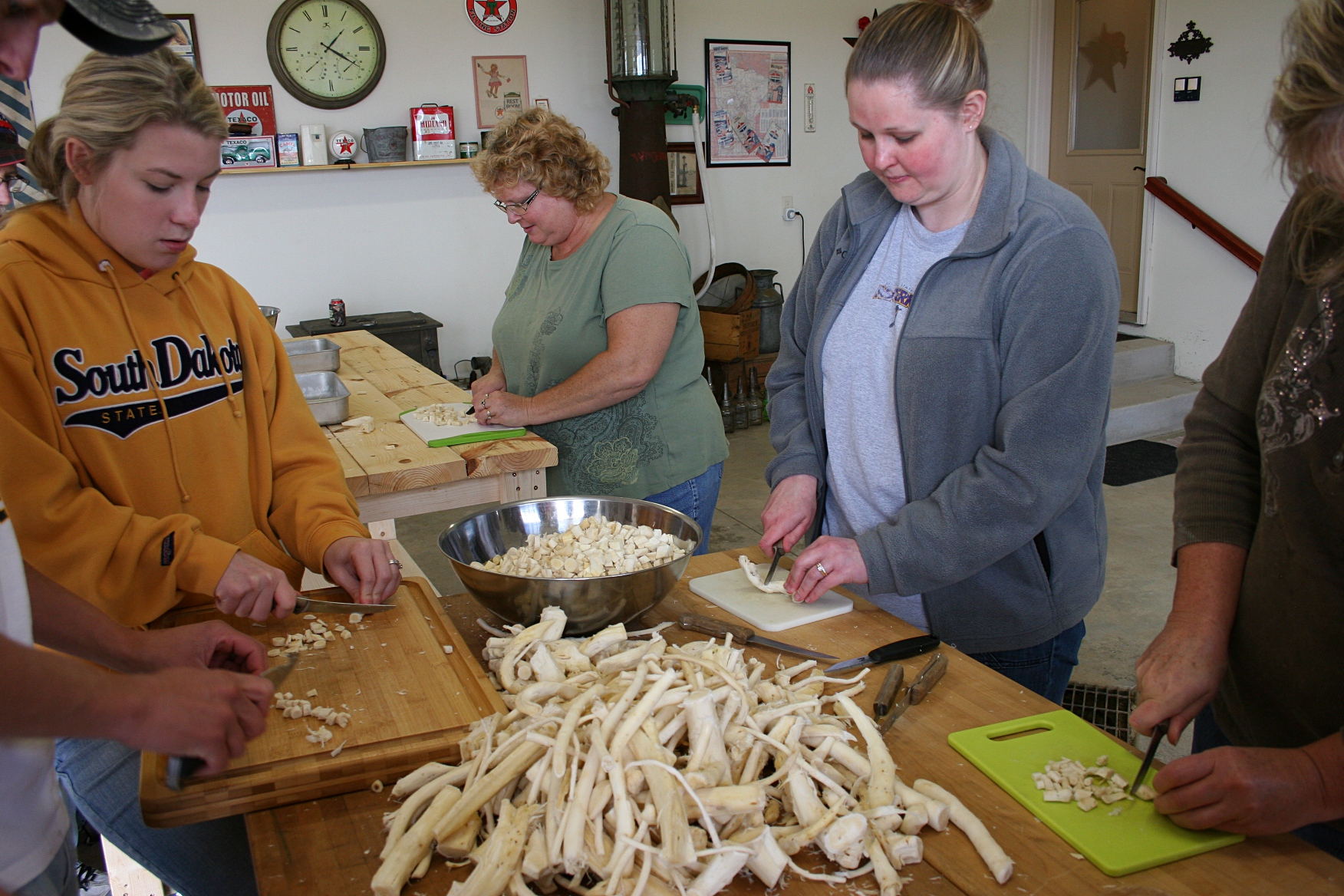
The crew (not all shown) prepares to peel the brown outer layer from the roots. Remove all of the brown so the end product is a creamy white.

Part of the crew, left to right around the tables, Julie (a friend of my brother and his wife, and a newcomer) and family members Adrienne, Adam, Andy, Lanae and Tara, prepare to peel the brown outer layer from the roots. All of the brown is removed so the finished horseradish is a creamy and unblemished white.

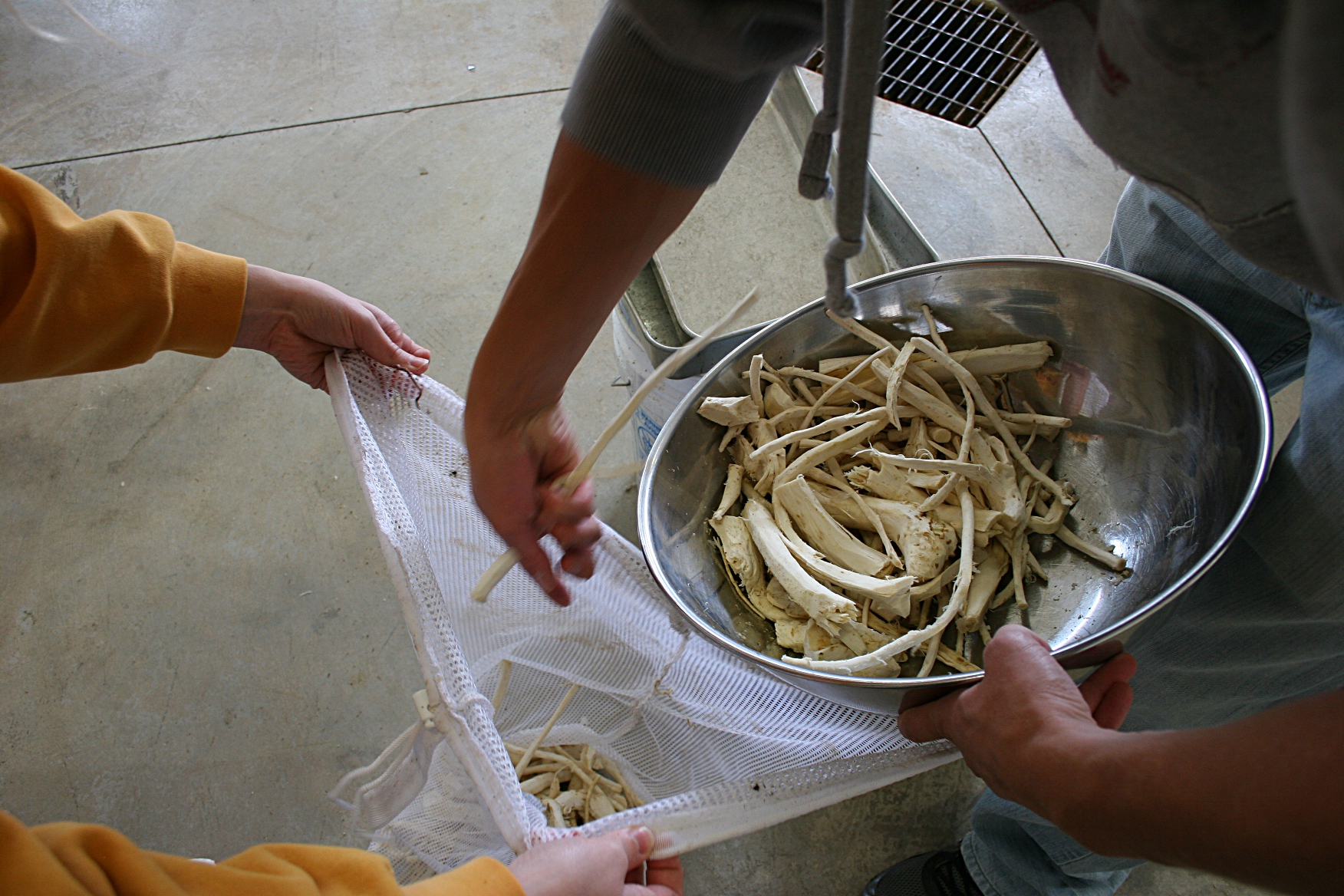
Once peeled, the horseradish is dumped back into a laundry bag for a second wash in the washing machine. Do NOT add detergent.

Once peeled, the horseradish is dumped back into a laundry bag for a second wash in the washing machine. Do NOT add detergent.

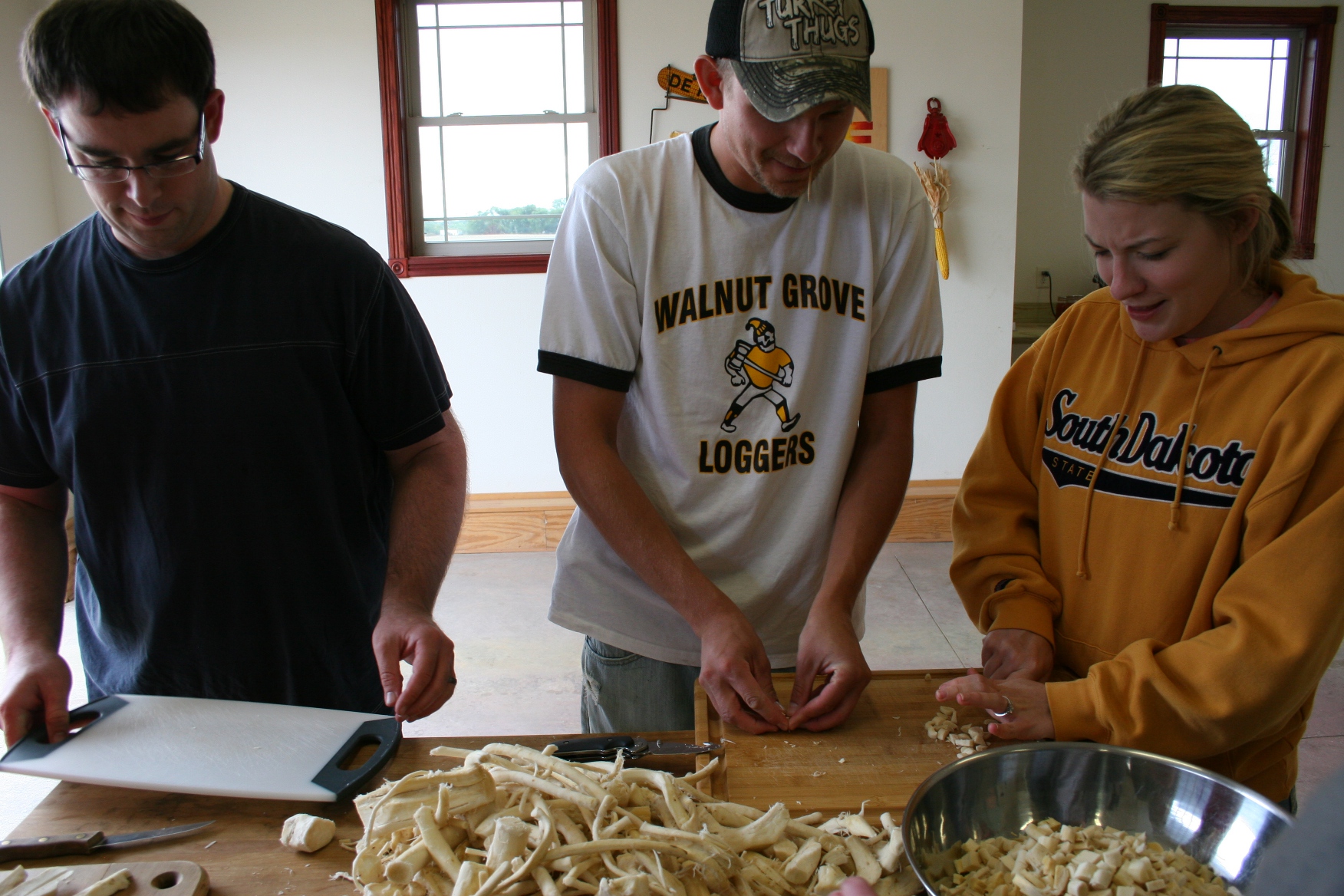
Once out of the washing machine, the process of chopping the horseradish begins.

Once out of the washer, the horseradish is chopped.

Lots of horseradish to cut in to small pieces.

Lots of horseradish to cut in to small pieces.

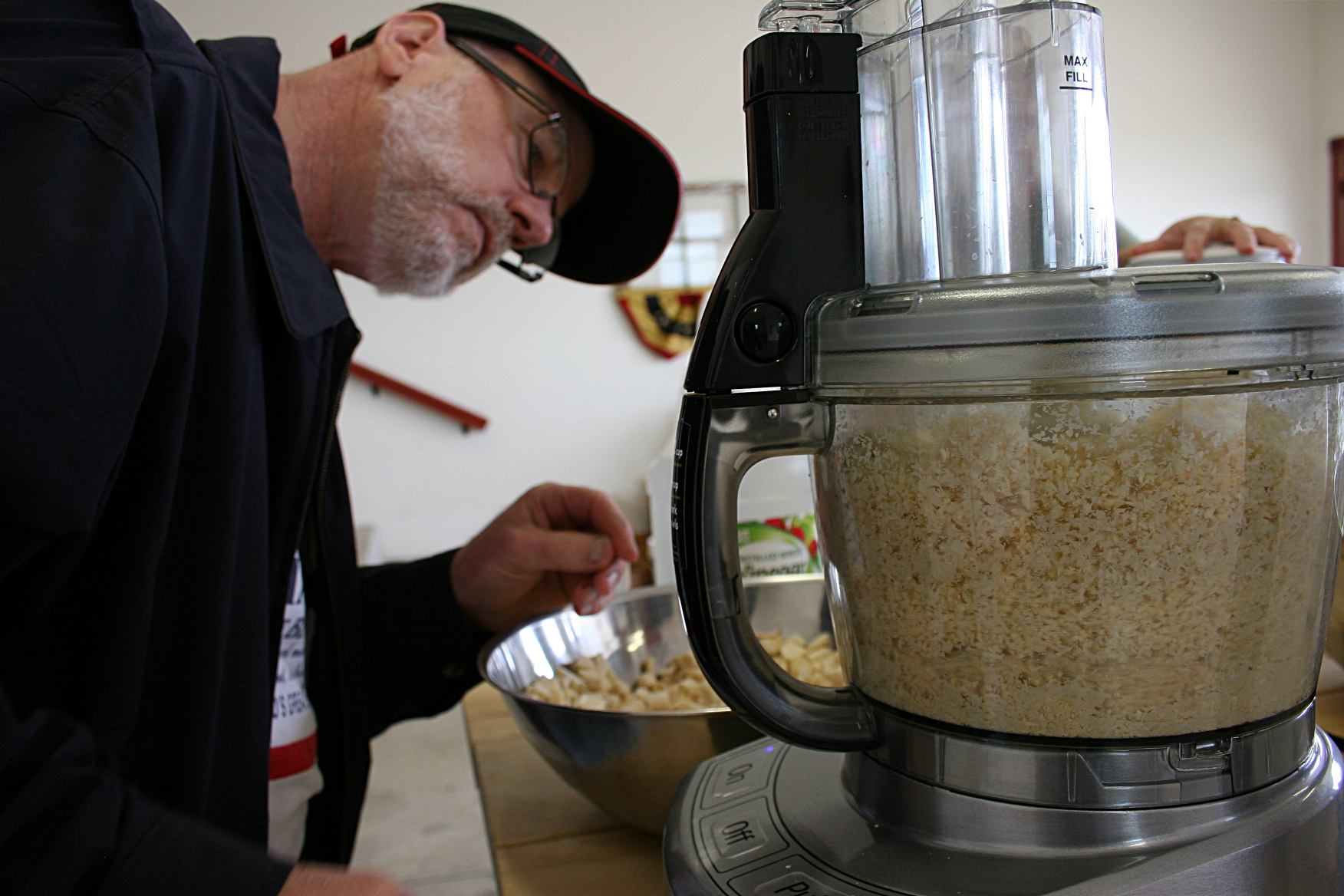
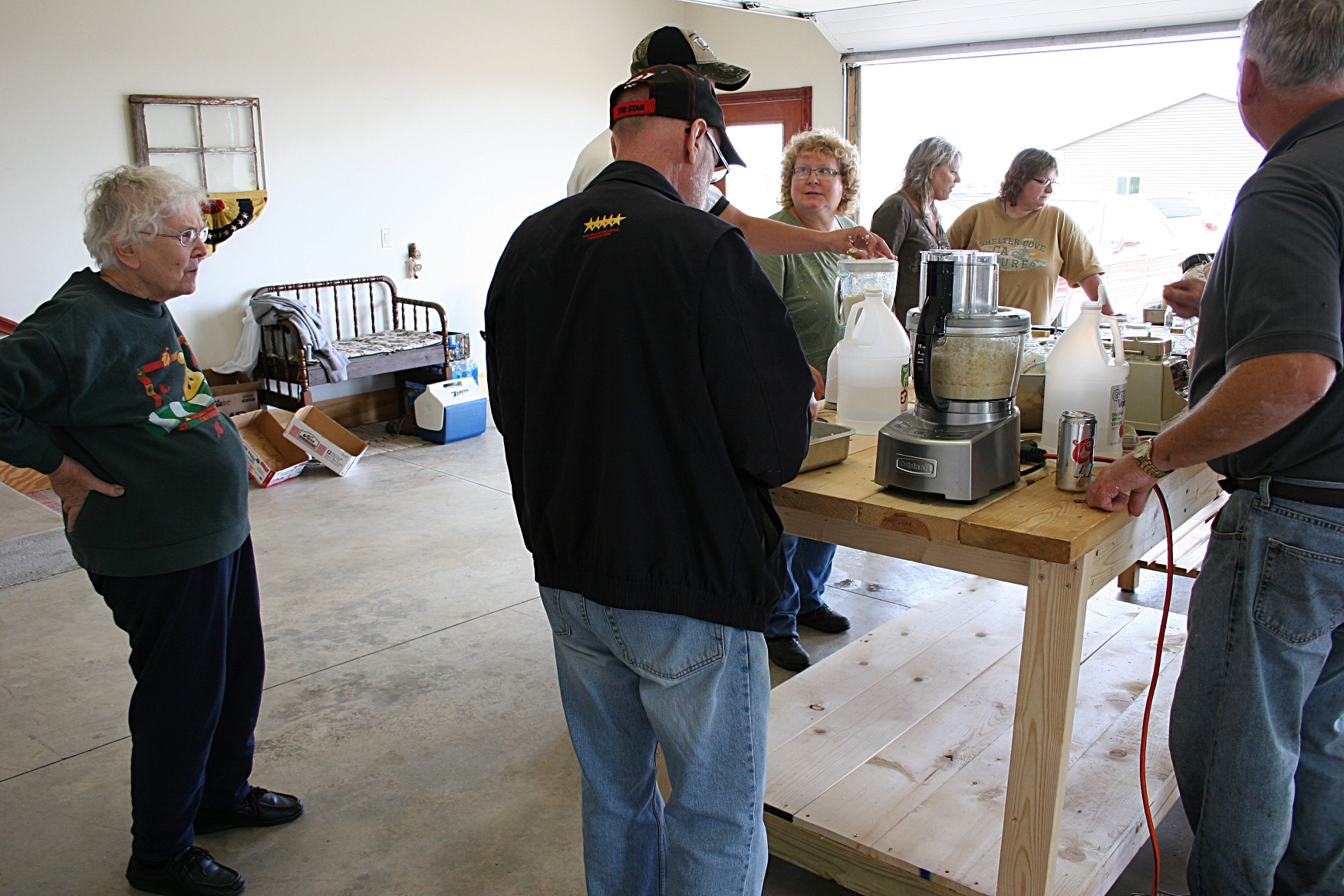
Next, the horseradish pieces go into the food processor, operated here by my husband, Randy.

Next, the horseradish pieces go into the food processor, operated here by my husband, Randy.

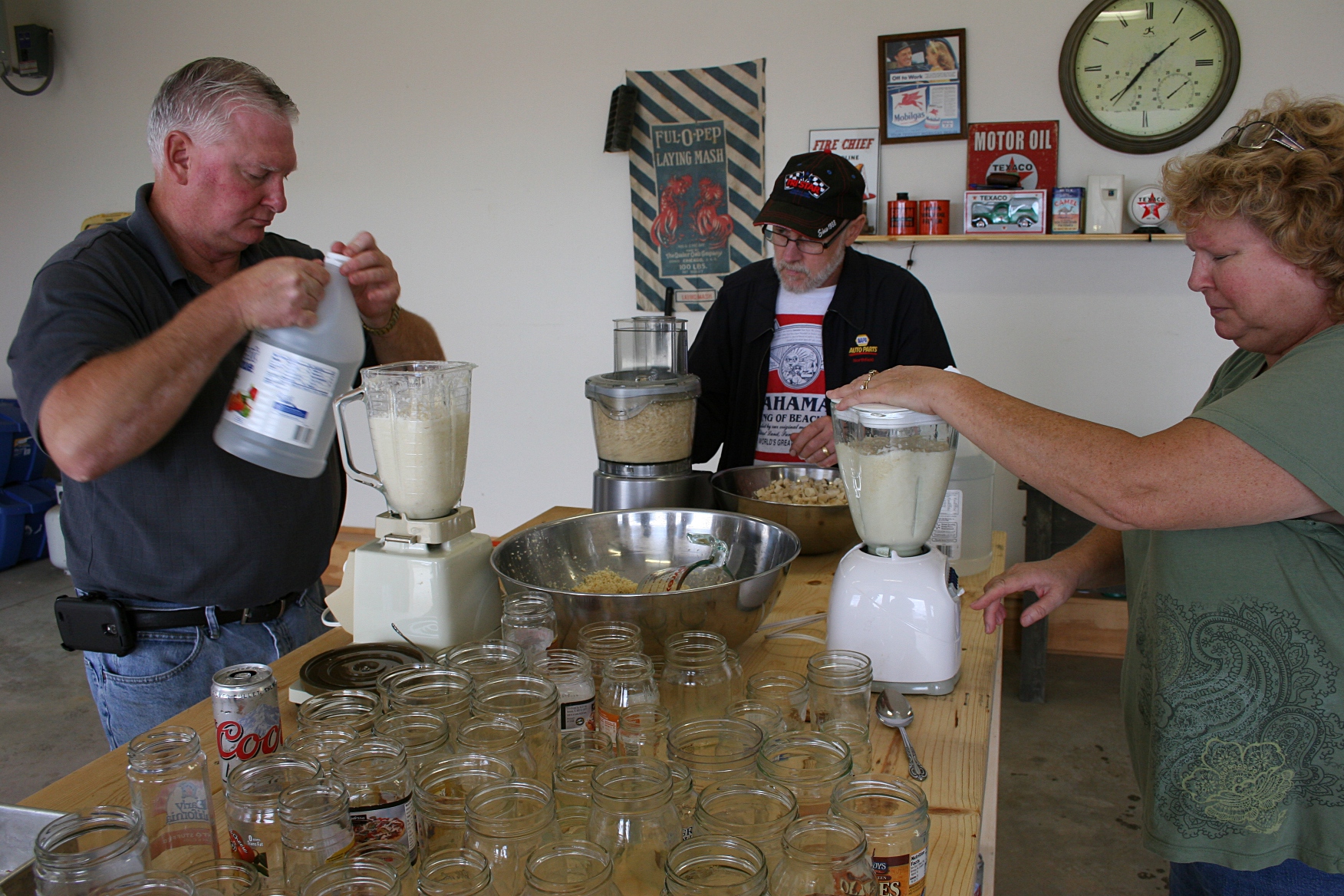
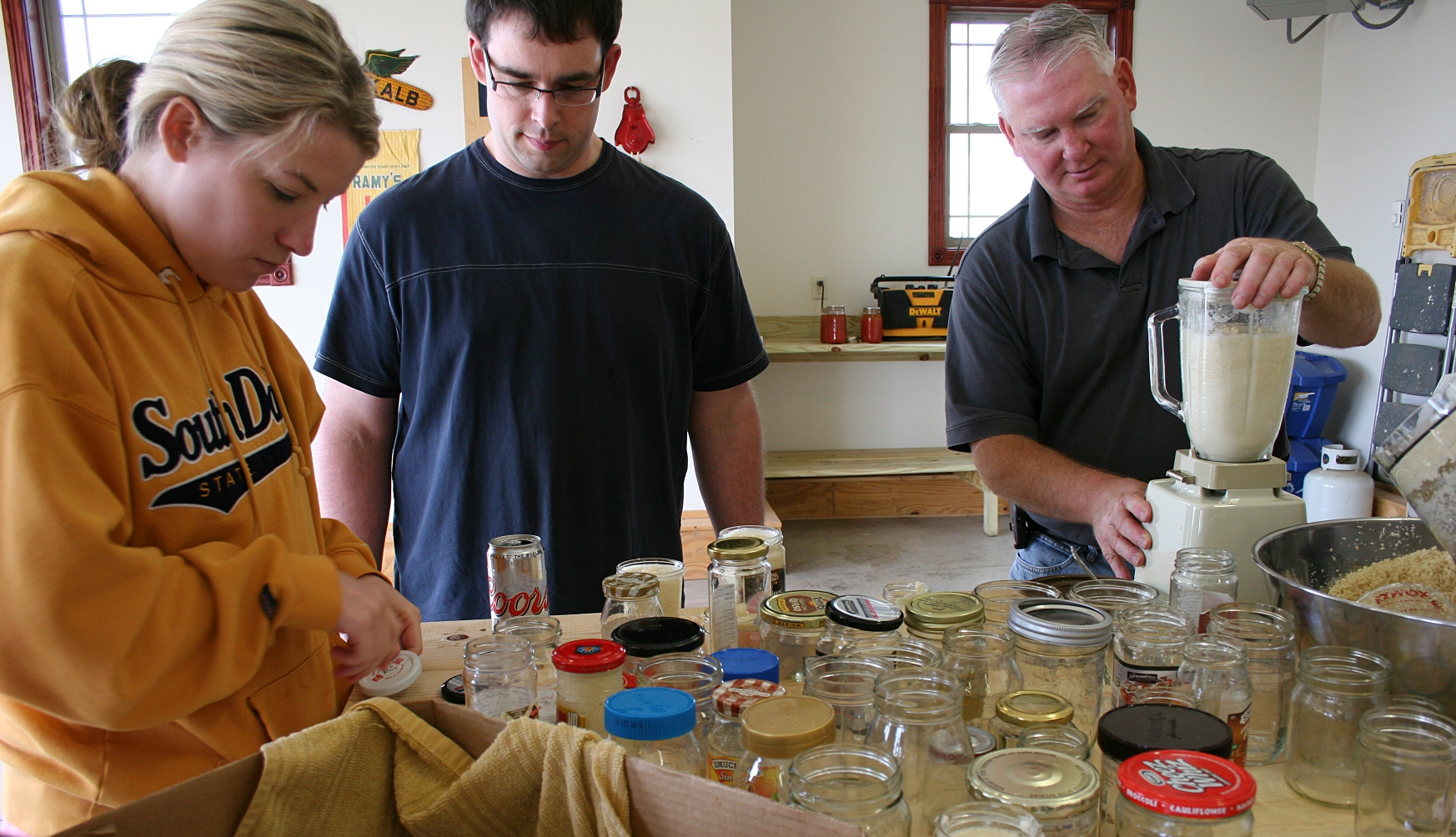
Brian, left, and Lanae blend the horseradish with vinegar in blenders while Randy uses the food processor.

Brian, left, and Lanae blend the horseradish with vinegar in blenders while Randy uses the food processor.

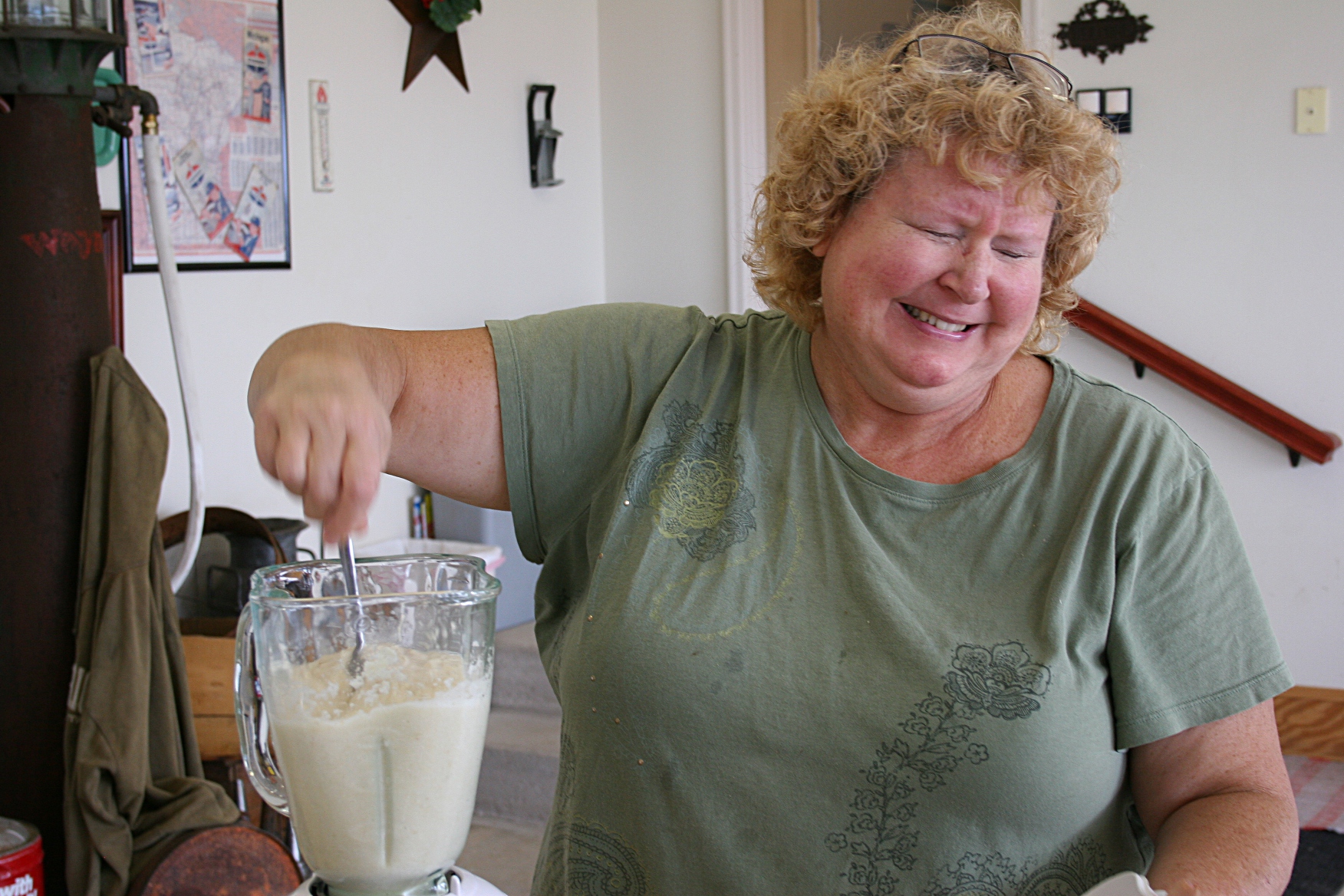
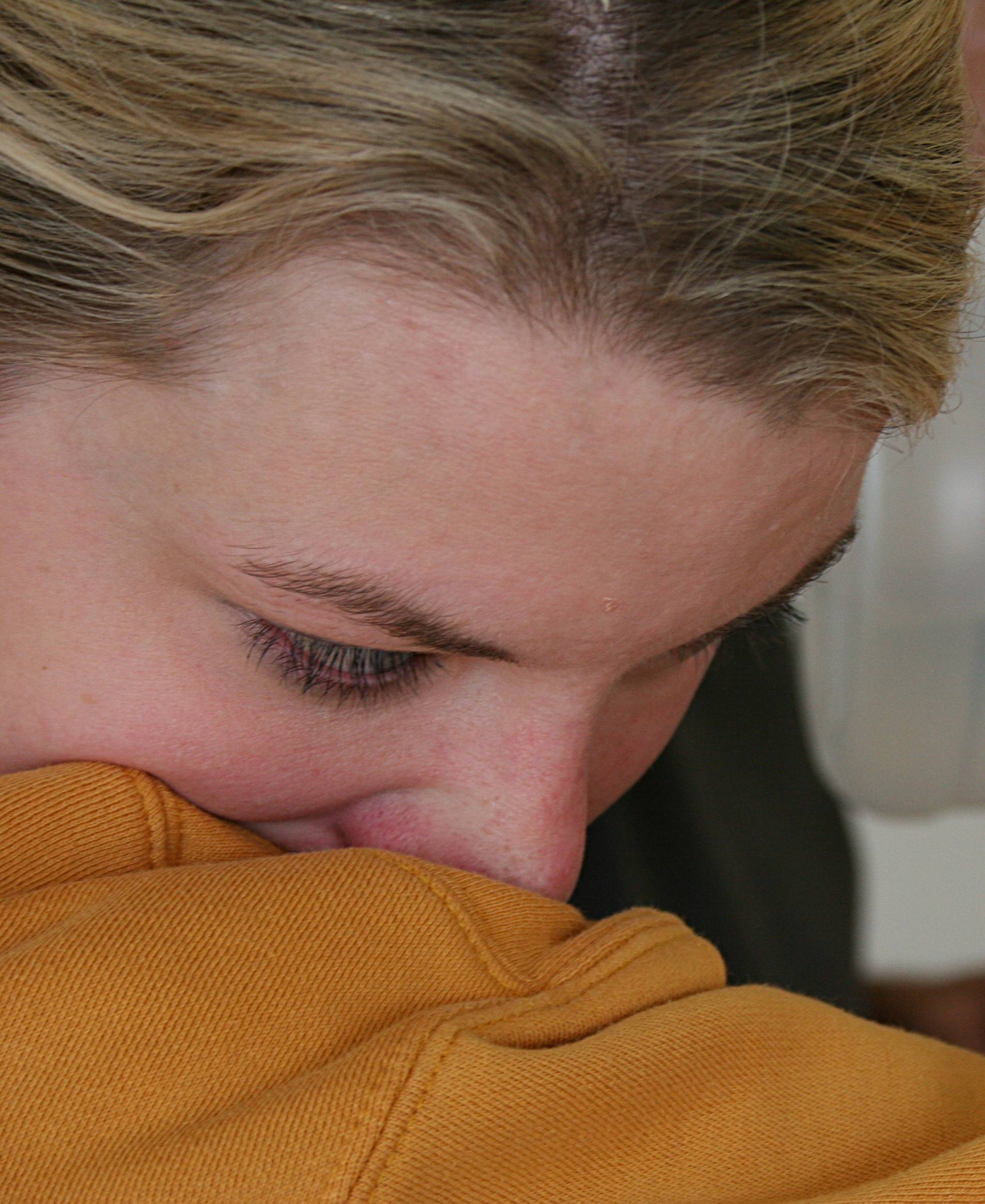
Sometimes the powerful pungent fumes overpower the workers.

Sometimes the powerful pungent fumes overpower the workers.

Adrienne buried her nose in her sleeve and stepped out of the garage a few times when she couldn't handle the overwhelming sting of the horseradish.

Adrienne buries her nose in her sleeve and stepped out of the garage a few times when she couldn’t handle the overwhelming sting of the horseradish.

Once blended to just the right consistency with the correct amount of vinegar, the horseradish is poured into jars.

Once blended to just the right consistency with the correct amount of vinegar, the horseradish is poured into jars.

Lots and lots of jars of all sizes will hold the horseradish.

Lots and lots of jars of all sizes will hold the horseradish.

The Supervisor, aka my mom, Arlene, shows up to inspect.

“The Supervisor, ” aka my mom, Arlene, shows up to inspect.

After hours of labor, the beautiful results. Creamy white horseradish.

After hours of labor, the beautiful results. Creamy white horseradish.

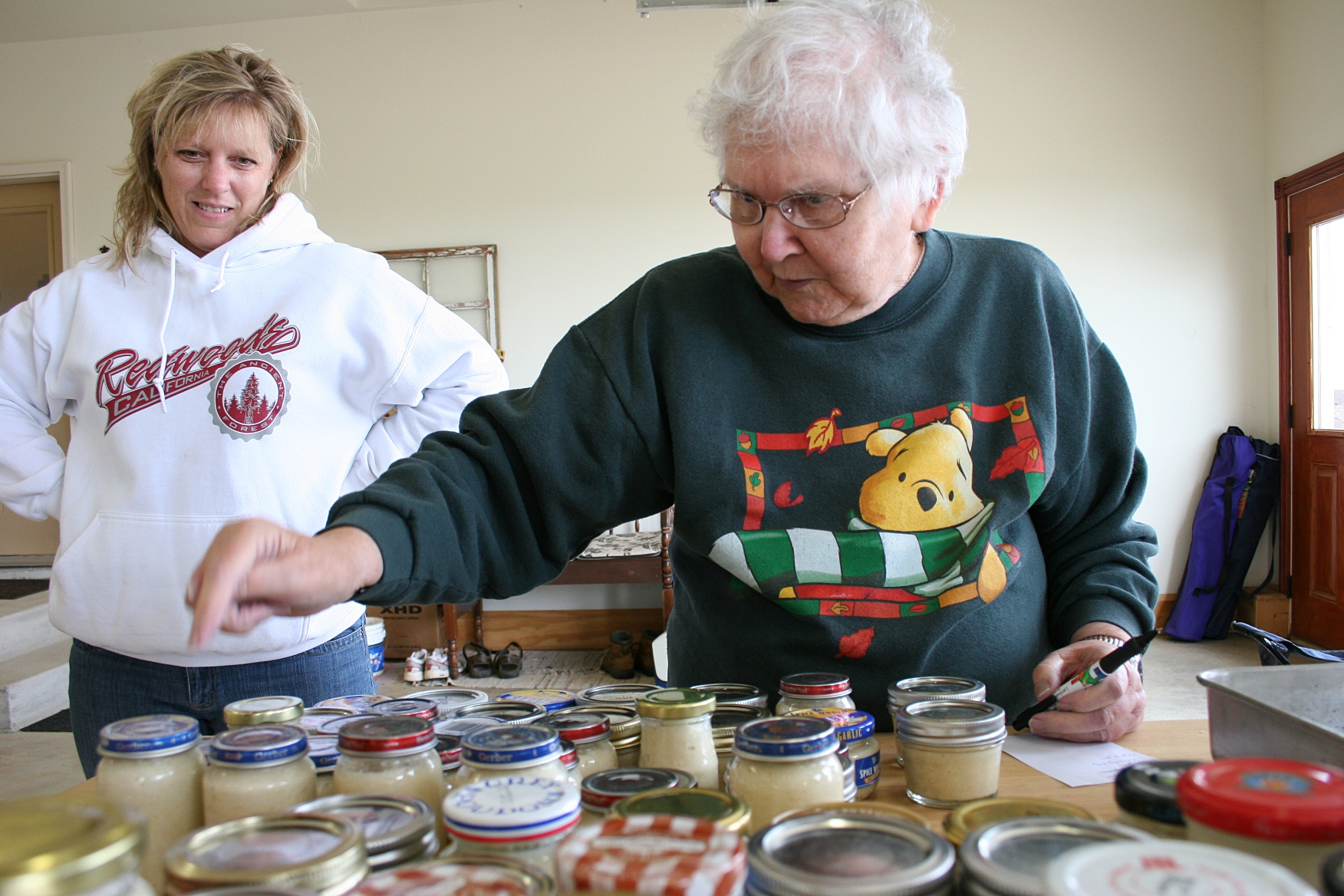
As the final step, The Supervisor steps in to count the jars. My sister-in-law, Vicki, watches my mom at work.

The Supervisor counts the jars., 70 total ranging in size from baby food jars to around 12-ounce size. My sister-in-law, Vicki, watches my mom at work. At one point, when my brother suggested an easier method of counting, The Supervisor told him to “shut up.” We all cracked up. We know who’s boss, and it isn’t Brian.

The last step is to take the peelings and horseradish tops to the garden for planting. We want to assure that we will have horseradish for years to come, holding on to traditon, building memories.

The last step is to take the peelings and horseradish tops to the garden for planting. We want to assure that we have horseradish for years to come, holding on to tradition, building memories and honoring our dad.

CLICK HERE TO READ last year’s post about making horseradish.

© Copyright 2013 Audrey Kletscher Helbling


Remembering 9/11 from a mom’s perspective September 11, 2013

Filed under: Uncategorized — Audrey Kletscher Helbling @ 6:00 AM
Tags: , , , , , , , ,
I reconstructed a tower using the same blocks my son and his friend used on September 11, 2001, to duplicate what they saw on television. These are also the same airplanes they flew into the tower.

I reconstructed a tower using the same blocks my son and his friend used on September 11, 2001, to duplicate what they saw on television. These are also the same airplanes they flew into the tower. Minnesota Prairie Roots file photo.

THEY REPEATED THE ACTION: Build the towers. Fly the planes. Smash the towers. Build. Fly. Smash.

A dozen years ago today my then seven-year-old son, Caleb, not feeling well and home from school, played with his friend Sam.
I have never forgotten that scene unfolding on my living room floor. Two boys imitating what they saw on television. Me, shocked, unable to turn off the TV and shield them from the horrors of an attack on America.
What do you remember, from a personal perspective, of that day 12 years ago when so many innocent people lost their lives in the terrorist attacks on our country? What were you thinking? How did you feel?

© Copyright 2013 Audrey Kletscher Helbling