Minnesota Prairie Roots

Writing and photography by Audrey Kletscher Helbling

The harmony of the holidays December 6, 2023

The Lakelanders sing at a recent holiday concert. (Minnesota Prairie Roots copyrighted photo December 2023)

THEIR VOICES BLENDED in perfect harmony, their singing so flawless that I felt emotionally moved by the sheer experience of listening.

I was among those packed inside Faribault Evangelical Free Church for a recent free holiday concert performed by three area men’s choruses: The Faribault Lakelanders Barbershop Chorus, The Northfield Troubadors and The Riverblenders Barbershop Chorus from Mankato.

Their holiday selections ranged from faith-based to secular to a humorous take on “Oh, Christmas Tree” featuring a verse about lutefisk. That set the crowd laughing.

A scene from the Nativity set displayed each holiday season in Faribault. (Minnesota Prairie Roots copyrighted file photo 2016)

But it was the classics, the aged hymns, the time-honored songs, to which I most connected. They hold the memories of many Christmases. Memories of the Christmas story told and retold within the verses of “Oh, Little Town of Bethlehem.” Memories of singing “Silent Night” in the still darkness of a sanctuary, peace settling upon me. Childhood memories of belting out the jubilant words of “Hark, the Herald Angels Sing.”

An airliner flies into Minneapolis-St. Paul International Airport. (Minnesota Prairie Roots copyrighted file photo)

And then there were the secular selections. The familiar words of “I’m Dreaming of a White Christmas,” the dream held by even those who otherwise dislike snow. “Deck the Halls” reminding many, including me, of the decorating yet to be done. And then the song, “I’ll Be Home for Christmas,” that nearly did me in, that caused me to check tears because I can’t recall the last time all three of my adult children were together, back here in Minnesota for Christmas. I thought then of my son flying in next week from Boston and the daughter in Madison, Wisconsin, who won’t be home for Christmas. Joyous reunion mixed with missing a loved one.

The Lakelanders and the Riverblenders close out the concert together. (Minnesota Prairie Roots copyrighted file photo December 2023)

But in the all of the holiday concert, I felt the wonderful spirit of Christmas emanating from the musical selections sung by the likes of Pastor Juan Palm and his young son, my friend Greg, Curt D. and a guy I recognize from a local grocery store. These are gifted musicians from my community and beyond who, for the love of music, the joy of singing, the desire to spread happiness, sing in sweet, blessed harmony.

And they do more than simply sing. This year the Lakelanders raised $4,500 for Ruth’s House, Whispers of Hope and Hope Center at their annual fundraising concert, “Hope in Harmony.” Representatives of those three nonprofits were recognized at the holiday concert. Through the years, the singers have given $39,000 to charities.

A sign inside Vang Lutheran Church advertised its annual Lutefisk & Meatball Supper several years ago. (Minnesota Prairie Roots copyrighted file photo)

This warms my heart. This generosity of spirit given through music. These singers create harmony in the chaos of life, bring peace and lift spirits with their voices. On this early December afternoon, I was right where I was supposed to be—seated on a comfortable, padded chair behind another Audrey (to whom I’d been introduced by my friend Greg of the Lakelanders). I imagined the warmth of a blazing fire over which chestnuts roasted. I heard bells jingling on a sleigh. And I remembered the long ago taste of lutefisk—cod soaked in lye—cooked and served with warm, melted butter. Memories in music. Sweet harmony in words sung. Emotions rising.

Inside the historic Chapel of the Good Shepherd, the pews face the aisle rather than the altar. (Minnesota Prairie Roots copyrighted file photo)

FYI: Holiday concerts abound this time of year. At 1:30 pm Thursday, December 7, the Faribault High School Choir performs at the Cathedral of Our Merciful Saviour in Faribault. Cathedral organist Andrew DeZiel will also play selections on the aged church pipe organ. At 4 pm on Saturday, December 9, student musicians at Shattuck-St. Mary’s School perform in The Chapel of the Good Shepherd as part of the afternoon Campus Christmas Walk. Also on Saturday, The Riverblenders sing at 7 pm at Central Building Auditorium, 501 East Elm Avenue in Waseca.

© Copyright 2023 Audrey Kletscher Helbling
 

At the Legion on Veterans Day & more November 15, 2023

I photographed this sticker on a Vietnam War veteran’s car on Saturday before the Veterans Day program at the Rice County Veterans Memorial in Faribault. (Minnesota Prairie Roots copyrighted photo November 2023)

BACK IN HIGH SCHOOL, I wore a POW bracelet, the thick silver band wrapping my wrist. The name of a prisoner of war was imprinted thereon. If I could find that bracelet, I could give you a name. But I can’t. Rather I hold only the memory of that Vietnam War era bracelet reminding me of those imprisoned and missing during a war that drew protest and anger from many Americans. As a high school student of the early 1970s, I, too, held conflicting opinions about the war. Not about those who served, but about the war itself.

This eagle and dove sculpture centers the Rice County Veterans Memorial in Faribault. (Minnesota Prairie Roots copyrighted photo November 2023)

All of that aside, today I recognize the personal toll the Vietnam War, any war really, takes on those who are actively involved. You cannot enter the battlefield, kill the enemy, see your fellow soldiers die, without experiencing trauma. It’s a lot. And those who served deserve our thanks and respect.

Area veterans’ memorials, like the one in neighboring Shieldsville, honor our veterans. (Minnesota Prairie Roots copyrighted photo November 2023)

I am thankful for organizations like the American Legion and its auxiliary, which continue to support, honor and recognize those who have served this country. That includes Post 43 in Faribault. In 2024, the local post celebrates its 100th birthday.

Before the meal, which included Trinity Piemakers’ homemade apple pie for dessert (compliments of Bob and Louise Flom), this pair explained the significance of items on the MIA/POW table, right.

On Saturday, following the Veterans Day program at the Rice County Veterans Memorial, Randy and I joined vets and their families and others at a Post 43 luncheon and program. During that event, Legion Commander Mark Quinlan and an auxiliary member stood near a round, cloth-draped MIA/POW table. They explained the symbolic significance of each item on the table.

A symbolic lemon and salt. (Minnesota Prairie Roots copyrighted photo November 2023)

A single red rose in a vase represented bloodshed. A lemon slice on a plate stood for the MIA/POW’s bitter fate. Salt sprinkled on the plate symbolized the many tears shed by loved ones. The lit candle stood for hope… As they spoke, I thought of that POW bracelet I wore 50-plus years ago and wondered if my soldier ever came home.

Resting on a table at the American Legion on Saturday. (Minnesota Prairie Roots copyrighted photo November 2023)

I had the honor on Saturday of dining with two veteran friends—Virgil, who served in the US Marine Corps from 1955-1958, and Roger, who served with the US Army in the Korean War from 1952-1954.

Karen Rasmussen talks about the history of the US flag, displaying the flag at various stages in time. (Minnesota Prairie Roots copyrighted photo November 2023)

Veterans and their families ringed the round tables for conversation and a meal of BBQs, baked beans, chips and homemade apple pie. That meal followed a detailed presentation about the history of the American flag by Legion Auxiliary member Karen Rasmussen. She also presented gift bags to several veterans.

Even the gift bags were patriotically-themed. (Minnesota Prairie Roots copyrighted photo November 2023)

One of the most memorable and touching moments came when Steve Bonde played the songs for each branch of the military on his trumpet. By heart. He asked veterans to stand when they heard their songs. Pride and gratitude rippled through me. There’s something about music that stirs the soul in a way that words cannot.

Placed on a table at the Legion, a US Army cap and money for the free will offering lunch. (Minnesota Prairie Roots copyrighted photo November 2023)

But words, too, hold meaning. Saturday evening my church, Trinity Lutheran, honored veterans in the congregation during the worship service and with a potluck afterwards. Virgil and Roger were among those servicemen attending. This time, though, I sat by Bob, a US Army veteran who served in Iraq and Kuwait, and by Mark, the Legion commander with service in the US Navy and Air Force. It was an honor to share a chicken dinner and assorted potluck sides with my friends and with Raquel, married to Bob.

A wall of photos at the Legion honors past commanders of American Legion Post 43, Faribault. (Minnesota Prairie Roots copyrighted photo November 2023)

Sunday morning I listened to the Trinity worship service on the radio, this time led by a different pastor. I appreciated the Rev. Bruce Stam’s prayers for veterans. He asked for God’s blessings upon all who’ve served in the Armed Forces and for healing for those vets wounded in body and soul. But it was the final part of his prayer which struck me the most. “We pray especially for the young men and women who are coming home with injured bodies and traumatized spirits.” To hear that acknowledged was necessary, reassuring in many ways and, I hope, a comfort to anyone listening.

A POW MIA flag photographed during the Veterans Day program at the Rice County Veterans Memorial reads, “YOU ARE NOT FORGOTTEN.” (Minnesota Prairie Roots copyrighted photo November 2023)

War is hard. War traumatizes. War changes. We need to understand that and to remember. Just as I remembered that POW bracelet I wore honoring a prisoner of war who may, or may not, have returned home from Vietnam.

© Copyright 2023 Audrey Kletscher Helbling
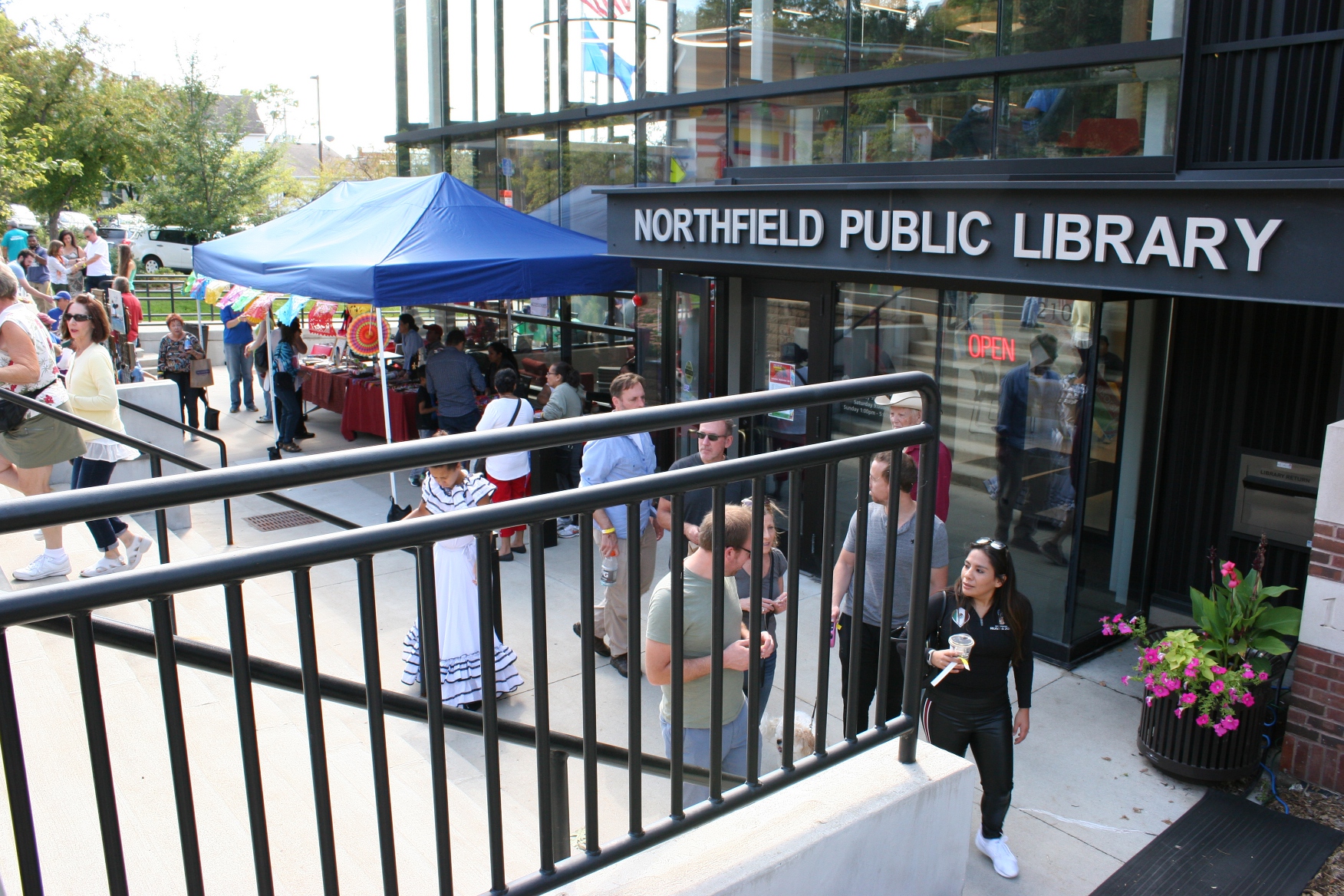
 

Veterans Day reflections: “Returned from hell,” my father’s story November 8, 2023

Among my Dad’s papers, etc.: A letter home to his parents, a page of military instructions he carried into war, a newspaper clipping and his dog tag, circling the words “hell hole” in his letter. (Minnesota Prairie Roots copyrighted photo November 2023)

I RUN MY FINGERS across his dog tag, thumb caressing the raised letters and numbers stamped into metal. His name, KLETSCHER, ELVERN A. B blood type. P for Protestant. His Selective Service number, the same number on his Armed Forces of the United States Geneva Convention Identification Card, the laminated card he carried with him into war. Just like the duplicate dog tags that would identify him if he was injured or killed in action.

This photo from my dad’s collection is tagged as “Kim, Rowe, Allen & me, May 1953 Machine Gun Crew.” That’s my father on the right.

Seventy-one years ago, my dad was a fresh-faced young Minnesota farm boy fighting in the Korean War as a combat soldier for the U.S. Army. Each November, around Veterans Day, I pull out two shoeboxes filled with photos, letters, documents and more from Dad’s time in the service. And although I’ve looked through the contents many times in the 20 years since Dad died, I still feel the same overwhelming sense of sadness in all he experienced. The death of combat buddies. His killing of the enemy. Orphan children begging for food across barbed wire fences. The cold and hunger and fear. And then the Post Traumatic Stress Disorder he suffered upon his return home to southwestern Minnesota.

My dad brought this 7 x 9-inch cloth “RETURNED FROM HELL” patch home with him after serving for nearly a year in Korea. (Minnesota Prairie Roots copyrighted file photo)

I feel all of that as I touch his dog tag, run my fingers along the short chain like fingers worrying rosary beads in prayer. War is hell.

On the back of this photo, my dad simply penned “a letter from home.” I appreciate this photo of my dad taken by an unknown buddy in Korea.

Hell. Dad used that word in a March 4, 1953, letter to his parents and siblings. He criticized the draft board, his anger fueled by the possibility that a younger brother might also end up in Korea. He wrote, in part: “Do they know what it’s like over here? Hell no. Why the heck don’t some of them come over here and look this over? They’d probably come to there (sic) senses…” Not everything he wrote is printable. But his anger and frustration are palpable. And I don’t blame him.

U.S. Army Cpl. Elvern Kletscher, my father, in the trenches in Korea.

War is hell. I try to imagine my dad penning that letter on his 22nd birthday. Missing his family. No cake, no nothing to celebrate. But rather worry about whether he would live to the next day. He had reason to fear for his life. Only a week prior, he was wounded in action at Heart Break Ridge while engaged in mortar firing with the enemy. Shrapnel struck him in the face and he was hospitalized for several days.

My grandparents, Ida and Henry Kletscher, posing with some of their children, flank my father, Elvern Kletscher, who is about to leave for military service in 1952.

Interestingly enough, Dad mentions none of that in his letter home. Rather, he closes with these sentences: “I’m feeling fine and don’t worry about me. I’ll write again soon.” I don’t believe Dad was “feeling fine,” in a place he called a “hell hole” in his letter.

My father, Elvern Kletscher, on the left with two of his soldier buddies in Korea.

As I filter through the shoeboxes holding his military belongings, I pick up a hardcover 4 x 6-inch black book. It’s tattered, bent, dirty, obviously well-used. When I open the cover to read the words Dad penciled across lined paper, the realities of war strike me full force. Here are details and instructions on weaponry—60 mm mortars, submachine guns, tank mines, smoke screens, chemical warfare… He writes about reconnaissance, combat and security patrols and “avoid contact with enemy—may have to fight in self defense.” There are diagrams and fire commands and details I don’t understand, and don’t necessarily want to understand.

My dad carried home a July 31, 1953, memorial service bulletin from Sucham-dong, Korea. In the right column is listed the name of his fallen buddy, Raymond W. Scheibe.

But “Conduct on lines” and the details that follow need no deciphering: “1) Hold fire until enemy is within 500 yards. 2) Listening post must have cover and concealment, must have good route for withdrawal…” I expect Dad carried this book into war. Just as he carried deep trauma home from “The Forgotten War,” as the Korean War has been dubbed.

Words imprinted on the Veterans’ Memorial in Northfield, Minnesota. (Minnesota Prairie Roots copyrighted file photo May 2023)

War is hell, even if done for the right reasons—to defend democracy and freedom and country. For his time in the Army in 1953, Dad was paid $266.27. It’s documented on his federal income tax return. So little for so much given, not that there’s ever enough payment for a combat soldier.

My dad’s military marker in the Vesta City Cemetery. (Minnesota Prairie Roots copyrighted file photo)

I wish I could wrap my arms around Dad, hold him, tell him how deeply sorry I am for the horrors he endured while fighting as an infantryman on the front lines during the Korean War. Mostly, I wish I could simply listen, sitting quietly as I finger the chain of his dog tag, the beads providing tactile comfort as he talked (if he would talk) about the personal hell that is war.

The Rice County, Minnesota, Veterans’ Memorial in Faribault. This photo and five others I took now grace public spaces in the newly-opened State Veterans Home in Bemidji. (Minnesota Prairie Roots copyrighted file photo)

NOTE: Please use this Veterans Day as a time to thank those who have served our country. But more than thanking, listen, support and encourage. The voices of our veterans need, and deserve, to be heard.

© Copyright 2023 Audrey Kletscher Helbling


Halloween frights or fun, you decide October 25, 2023

A wax doll for sale at Audre’s Attic, a Lonsdale shop packed with vintage, collectibles, antiques and other interesting finds. (Minnesota Prairie Roots copyrighted photo October 2023)

SHE LOOKED SWEET ENOUGH, the big blue-eyed doll with cascading blonde curls clutching a teddy bear. But something about the wax doll creeped me out. Maybe I’d seen too many media reports about the annual Creepy Dolls contest at the History Center of Olmsted County, this October upped to a “Creepy Dolls: Murder at the Masquerade Event!”. Whatever the reason, I felt unsettled, as if that doll for sale at Audre’s Attic in Lonsdale was watching me. Any other time of year, I likely would have passed her without a wary thought.

A sign posted on property along Wells Lake outside Faribault. (Minnesota Prairie Roots copyrighted photo October 2023)

But this close to Halloween, the imagination leans toward the frightful. Scary stuff, depending on your definition of scary, is everywhere. Mostly, it’s all in good fun…unless you decide otherwise.

Displayed at Hy-Vee Grocery in Faribault. (Minnesota Prairie Roots copyrighted photo October 2023)

It’s interesting how just the sight of something ghoulish can trigger a memory. Like the pirate skeleton curling his bony hands around a photo of grapes in the produce section of a local grocery store. The skeleton didn’t frighten me. Rather, it was the grapes that rattled me. I flashed back to a 1960s Halloween party. I was an impressionable kid then, blindfolded and instructed to stick my hand inside a container holding something decidedly cold, wet and roundish. “Cows’ eyeballs,” enthused the older girls hosting the party. I shrieked. Why wouldn’t I? We were in the basement of the local veterinarian’s house. It made total sense to me that I was touching cows’ eyes. I wasn’t. I was fingering cold, wet grapes.

An edited version of original artwork at Something for All Consignment/Thrift Store in Lonsdale. (Minnesota Prairie Roots copyrighted photo October 2023)

The eyes apparently have it for me in the terror department. I’ve always been vexed by Edgar Alan Poe’s “The Tell-Tale Heart,” his one short horror story that I remember above all others. An old man’s vulture eye, Evil Eye, led the narrator to commit murder and then confess to the crime after being taunted by an endless ringing in his ears. It’s a macabre story as is Poe’s writing in general.

Photographed in 2015 at an antique shop (now closed) in Oronoco. (Minnesota Prairie Roots copyrighted file photo April 2015)

Screenwriter and filmmaker Alfred Hitchcock matches Poe’s talent in the horror genre. I can’t watch “The Birds” (starring Lafayette, Minnesota native Tippi Hedren) without freaking out. To this day when I hear the raucous caw caw caw of crows, I feel unnerved, as if the birds are waiting to descend upon me.

Big Foot crosses grassland on the Spitzack farm in Rice County. (Minnesota Prairie Roots copyrighted photo 2022)

Black things with wings, including bats and gigantic bugs with pinchers, fit my definition of frightening. Not skeletons. Not spiders. Not Big Foot. Not zombies. But dark winged things, plus mice, centipedes and memories of cold grapes scare me.

“All Dressed up for Halloween,” a quilt pieced and quilted by Marcia Speiker and displayed at the Rice County Piecemakers Fall Splendor Quilt Show in September. Buttermilk Basin is the pattern author. (Minnesota Prairie Roots copyrighted photo September 2023)

Aside from the scary, I appreciate the fun side of Halloween, especially the excitement kids feel in dressing as favorite characters, imagining they are someone they are not. A superhero. A Disney character. An animal. Maybe even Batman, distinctly different than a bat. Wherever their imaginations take them, they race in their costumes—door-to-door and to Halloween events (not held in veterinarians’ basements) to gather bags full of candy.

Something for All Consignment/Thrift Store in Lonsdale offers assorted patterns to stitch Halloween costumes, including the 1995 pattern on the right. (Minnesota Prairie Roots copyrighted photo October 2023)

The little witches, dinosaurs, Spider Men and more skirt doorstep jack-o-lanterns, guts pulled out in strings of seeds and pulp. Unpleasant in an Edgar Alan Poe sort of way. Only painted pumpkins are spared disembowelment.

The underside of a monstrous bug found recently in Faribault. (Minnesota Prairie Roots copyrighted photo October 2023)

Halloween mixes fun and fright. Over-sized bugs and skeletons. Candy. Creepy dolls. Cute princesses. Horror stories. Parties. And, if the mind (or the eye) wanders far enough, cold grapes persuasively re-imagined as cows’ eyeballs.

© Copyright 2023 Audrey Kletscher Helbling
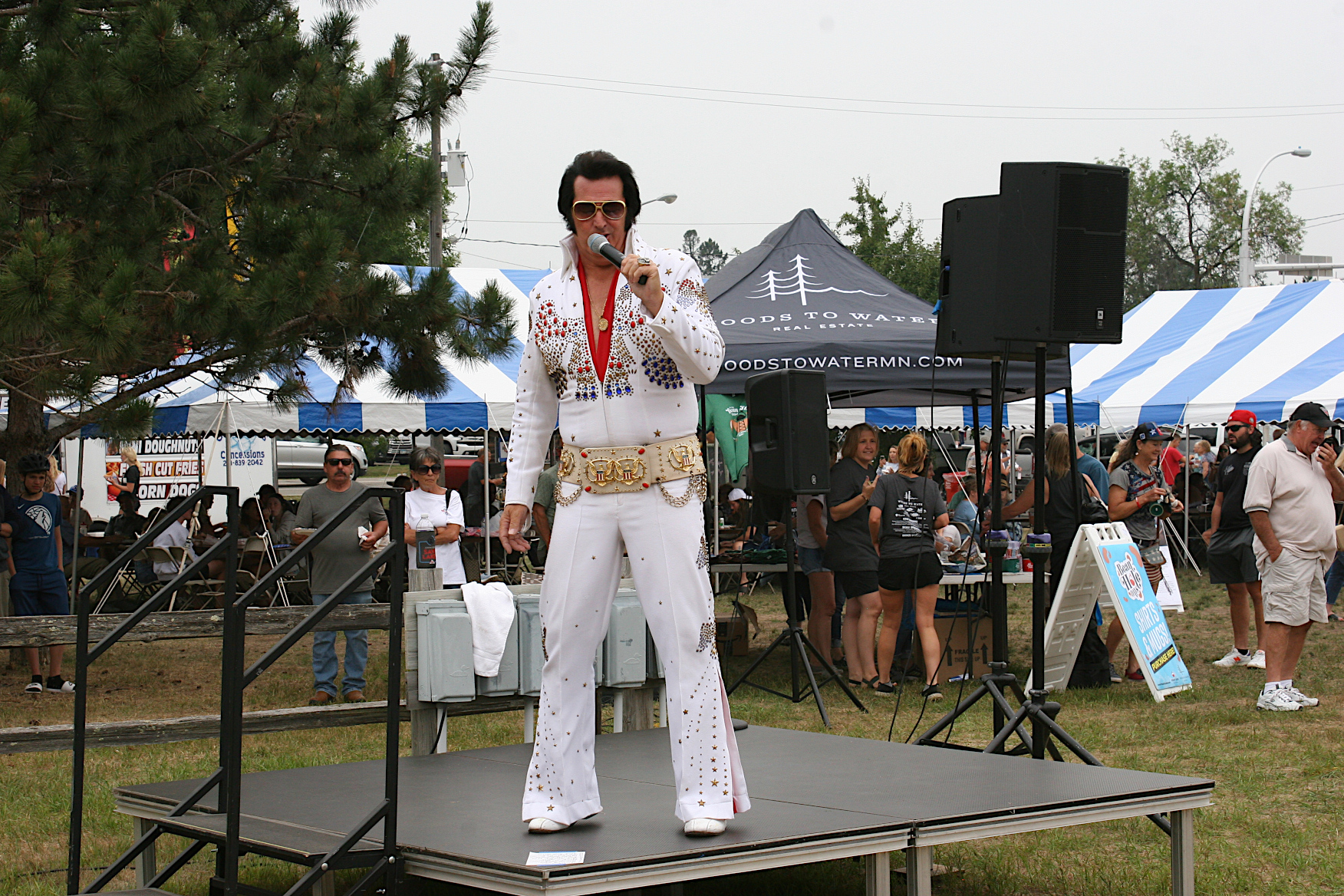
 

An afternoon at a southern Minnesota pumpkin patch October 18, 2023

Minnesota is known for its beautiful fall colors, although 2023 colors were not as brilliant as previous autumns due to drought and temps. (Minnesota Prairie Roots copyrighted photo September 2021)

DURING THESE FINAL DAYS of October, when the sun blazes warmth into crisp days and leaves fall and pumpkins lie exposed in fields, vines withered, there’s a rush to pack in final autumn fun. And I did just that Sunday afternoon at Larson’s Bridgewater Farm on the northwest edge of Northfield.

Pumpkins galore, not at Bridgewater farm, but at a southern Minnesota apple orchard. (Minnesota Prairie Roots copyrighted file photo October 2021)

Here, on this working farm turned pumpkin patch destination, Randy and I joined our eldest and her family, among many multi-generational families focused on an experience that certainly beats picking pumpkins from a retail store display. This is all about connecting to each other and to the land. And this is all about building memories that remain long after the last pumpkin has gone into the compost pile.

A barrel train heads toward the pole shed, aside the corn maze at Bridgewater Farm. (Minnesota Prairie Roots copyrighted photo October 2023)

I observed so many smiles, so much joy, so much exuberance. I remember thinking, as I cozied next to my daughter Amber at the back of a flatbed wagon pulled by a John Deere tractor, that life doesn’t get much better than this. Here we were, strangers crammed onto wagon benches, bumping around the farm, past the cattle and pole sheds and cornfields under a clear, sunny October sky. It was as if nothing existed beyond this acreage. I felt overwhelming peace, a surge of serenity in the simplicity of the moment.

Randy and I pose next to the old John Deere tractor. (Photo credit: Amber Schmidt)

Perhaps my farm background factored into my personal reaction. The sight of dried cornfields, the scent of manure, the fenced beef cattle and calves (especially the calves), the stacked hay bales, the tread of tractor tires embedded in mud, the old John Deere tractor (a photo op backdrop), all proved nostalgically uplifting.

Among several fun photo cut-outs in Bridgewater Farm’s Photo Alley. (Minnesota Prairie Roots copyrighted photo October 2023)

I doubt my grandchildren noticed any of this, except perhaps the barnyard smell. Izzy, 7, and Isaac, 4, were too busy enjoying the many kid-based activities offered at Bridgewater Farm. Twice they rode the barrel train that looped through a machine shed holding hay, past the livestock and then back. They climbed weathered bales stacked high, slides zooming them back to ground level. They twisted through the kids’ corn maze with us, their parents later following the more challenging adult version, which the grandparents opted out of to oversee the kids as they climbed the haystacks once again and then moved on to the corn box.

Ripened corn. (Minnesota Prairie Roots copyrighted file photo 2018)

The kids’ hands-down favorite seemed to be the corn pit, where they shoveled kernels, filled pails, covered themselves in corn. Again, memories rushed back. Not of playing in shelled corn. But of decades ago farm work, of pushing wheelbarrows full of ground corn down the barn aisle to feed the cows. My grandchildren will never know that rural life, only the stories I share with them of yesteryear, of when Grandma was growing up on the farm.

A goat on a family member’s farm, similar to one at Bridgewater Farm. (Minnesota Prairie Roots copyrighted file photo 2018)

I enticed them to pet the silky ear of a goat before we headed away from the fenced goats and sheep to take posed photos at the seasonally-themed photo cut-outs. I didn’t take many photos during our afternoon outing, choosing to enjoy being in the moment without the distraction of photography. I left my 35mm camera at home. Intentionally. The daughter snapped plenty of images with her cellphone.

Izzy, especially tall for her age, and her brother check their height at Bridgewater Farm. (Minnesota Prairie Roots copyrighted photo October 2023)

When we pedaled kid-sized and adult-sized tricycles (yes, me and the other adults, too, except for the too-tall son-in-law) around the trike race track, I remembered a black-and-white photo taken of me as a teen riding my youngest brother’s trike on my childhood farm, long legs bent awkwardly to the side, broad smile across my face. I smiled just as wide at Bridgewater Farm, my long legs bent awkwardly as I raced after my granddaughter peddling with her long legs bent awkwardly.

A field of pumpkins photographed in southern Minnesota in 2022. (Minnesota Prairie Roots copyrighted file photo September 2022)

Soon the grandkids were pulling a wagon to the pumpkin patch. And when they weren’t looking, Grandpa scooted on and the pulling halted and they turned to see us all laughing. Eventually we found just the right pumpkins hefted from the pumpkin patch, weighed and then loaded into the car.

What a fun-filled afternoon on the farm—one of nostalgia for me, but more importantly of experiencing simple joys with my family. And it all started with the kids wanting to go to a pumpkin patch.

#

FYI: Pumpkin patch season is winding down in Minnesota. Bridgewater Farm is offering special MEA hours this Thursday and Friday from noon to 5 pm. Otherwise the farm is open only on weekends, October 28-29 being the final weekend with hours from 11 am – 6 pm. Admission to the pumpkin patch is free with a $10/person cost for all activities, excluding apple cannon shooting. That costs an additional fee. Pumpkins are sold both pick-your-own or pre-picked.

TELL ME: Do you have a favorite pumpkin patch in Minnesota or elsewhere. Let’s hear where and why it’s a favorite.

© Copyright 2023 Audrey Kletscher Helbling
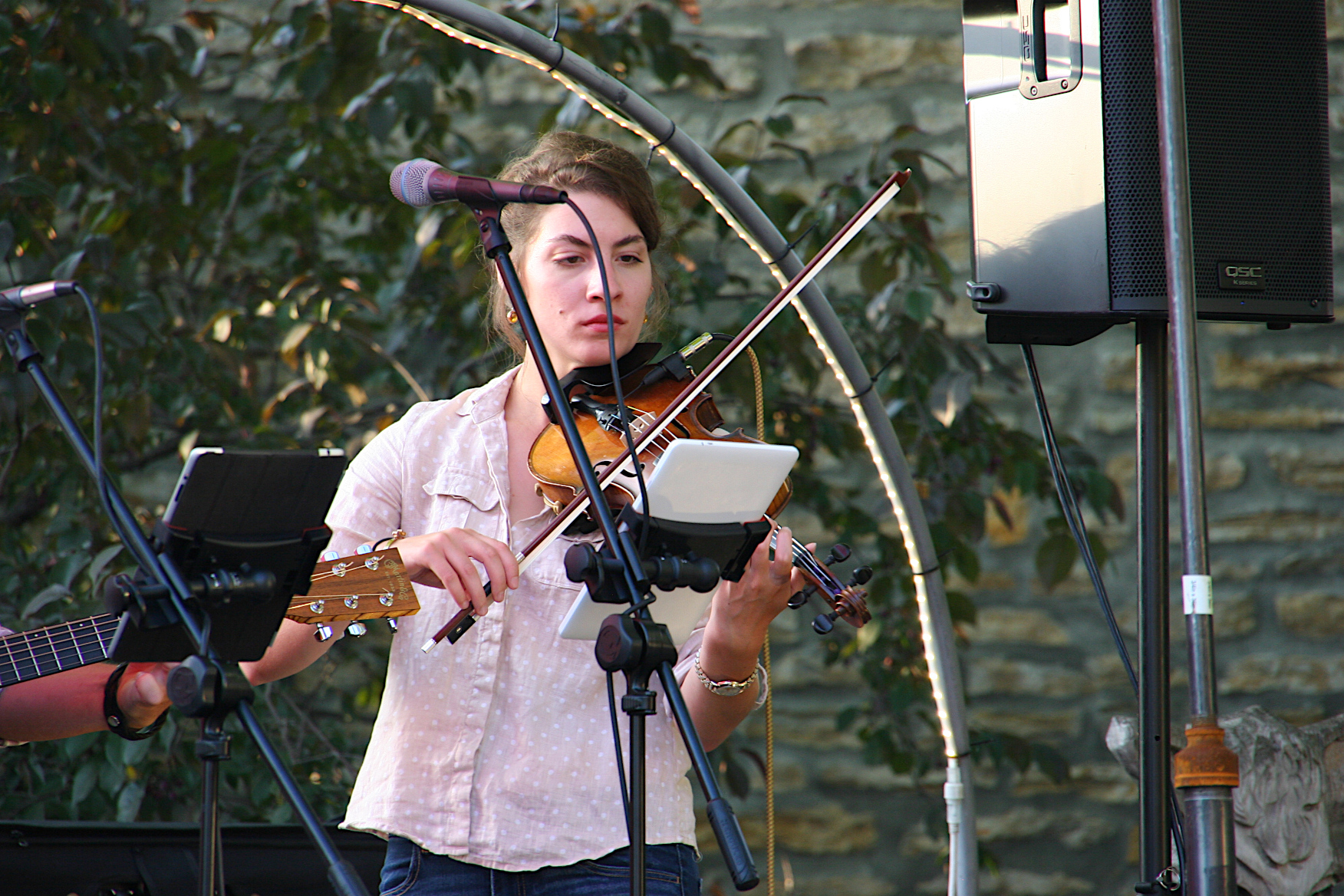
 

Lutefisk, bars, kolacky, horseradish & more October 3, 2023

Across the cornfield stands Vang Lutheran Church north of Kenyon and home to an annual lutefisk supper. (Minnesota Prairie Roots copyrighted file photo October 2011)

IN THIS SEASON of church dinners, I am reminded of an event I covered decades ago as a young reporter fresh out of Minnesota State University, Mankato, with a journalism degree. My editor assigned me to write about and photograph the annual Lutefisk Dinner (or maybe it was supper) at Bernadotte Lutheran in Bernadotte, an unincorporated community northeast of New Ulm.

Having heard a few things about lutefisk—cod soaked in lye—I was in no hurry to undertake this assignment. But work is work and I eventually headed to this rural church to get the story. I don’t recall all the details from that late 1970s introduction to lutefisk. But I do remember a hardworking crew of volunteers, enthusiastic diners packing the church basement and my first taste of this Scandinavian seafood. A generous dose of melted butter made lutefisk, which reminded me of warm Jell-O, palatable. Sorry, Norwegians.

A sign promoting Vang’s 2014 Lutefisk & Meatball Supper. (Minnesota Prairie Roots copyrighted file photo 2014)

Lutefisk dinners remain popular in Minnesota’s Scandinavian enclaves. Like Vang Lutheran, rural Dennison, hosting a Lutefisk and Meatball Dinner on Wednesday, October 11, starring lutefisk and Norwegian meatballs with gravy plus fruit soup, lefse and Norwegian pastries. On Saturday, October 14, First Lutheran in Blooming Prairie is also serving a Lutefisk and Meatball Dinner. Except their meatballs are Swedish (what’s the difference?). Sorry, folks, all three dine-in seatings at First Lutheran are sold out, proving just how popular lutefisk dinners are in these parts. The Blooming Prairie lutefisk dinners have been around since 1934.

Bars. (Minnesota Prairie Roots copyrighted file photo)

BARS & BARS, NOT TO BE CONFUSED

This got me thinking about ethnic and unusual foods some of us love and others of us don’t. For example, this past July while vacationing in the central Minnesota lakes area, I came across turkey gizzards and pickled eggs prominently displayed on an end cap at a Crosslake grocery store. You couldn’t pay me to try the gizzards, priced at $12.49 for 16 ounces. But I’d give pickled eggs a try. Apparently there’s a market in Paul Bunyan country for these delicacies. And in some Minnesota bars, not to be confused with the bars we Minnesotans eat.

Ah, bars. They hold two definitions. I recall my native-born California son-in-law’s confusion about bars. It took a bit of explaining for him to understand that bars, besides a place to imbibe, are also, in Minnesota, a sweet treat that is not a cookie, cake or brownie. But similar, made in a cake pan and cut into squares.

Prune kolacky ready to bake at Franke’s Bakery. (Minnesota Prairie Roots copyrighted file photo March 2013)

KOLACKY OR SAUERKRAUT

Then there are kolacky, a Czech pastry unknown to me until I moved to this region. It was at Franke’s Bakery in nearby Montgomery, self-proclaimed “Kolacky Capital of the World,” that I first tasted this dough into which prunes, apples, raspberries, blueberries and other fruit or a poppy seed filling are folded. Kolacky are so popular in this Czech stronghold that Franke’s baked nearly 1,800 dozen of the treats for the annual town celebration, Kolacky Days, in July. That’s a whole lot of kolacky, like nearly 22,000.

Me? I prefer a Bismarck oozing with custard. And, yes, I am German, which might also explain my love of sauerkraut. Henderson, where my paternal great grandparents settled upon arriving in America, celebrates Sauerkraut Days annually. And, yes, there’s a sauerkraut eating contest. I grew up eating homemade sauerkraut fermented from cabbage grown in our large garden. My grandma made kraut and my dad thereafter.

Homemade horseradish in jars. (Minnesota Prairie Roots copyrighted file photo October 2012)

HOW ABOUT HORSERADISH OR COTTAGE CHEESE PIE?

Dad also made horseradish, a tradition which continues in my extended family today, 20 years after his death. Horseradish seems an acquired taste. Not everyone likes a condiment that burns nostrils, clears sinuses, waters eyes, nips the tongue. But I do.

And once upon a time I also ate SPAM, a canned meat made in Austin, Minnesota, and wildly popular in Hawaii. I liked it in Pizza Burgers—SPAM, onion and American cheese ground in a hand-cranked meat grinder and then canned chili (without beans) stirred in. I haven’t quite figured out the “without beans” in chili. Mom made and spread the mix on homemade bun halves, broiled until the cheese bubbled. Yum. I no longer eat SPAM. Or Jell-O. Make that red Jell-O with bananas, a staple of extended family gatherings many decades ago.

On the shelves at Reed’s Market in Crosslake. (Minnesota Prairie Roots copyrighted photo July 2023)

Food, in many ways, connects to memories, traditions, heritage. You won’t find me eating peanut butter on pancakes or Cottage Cheese Pie, food oddities my husband brought into our marriage. I don’t much like pancakes and I’ve never made the Helbling signature pie. Nor have I made my mom’s favorite pie, Sour Cream Raisin. But I love cottage cheese and I eat Raisin Bran cereal. Just don’t ask me to eat turkey gizzards. Or lutefisk. Once was enough for this writer.

© Copyright 2023 Audrey Kletscher Helbling
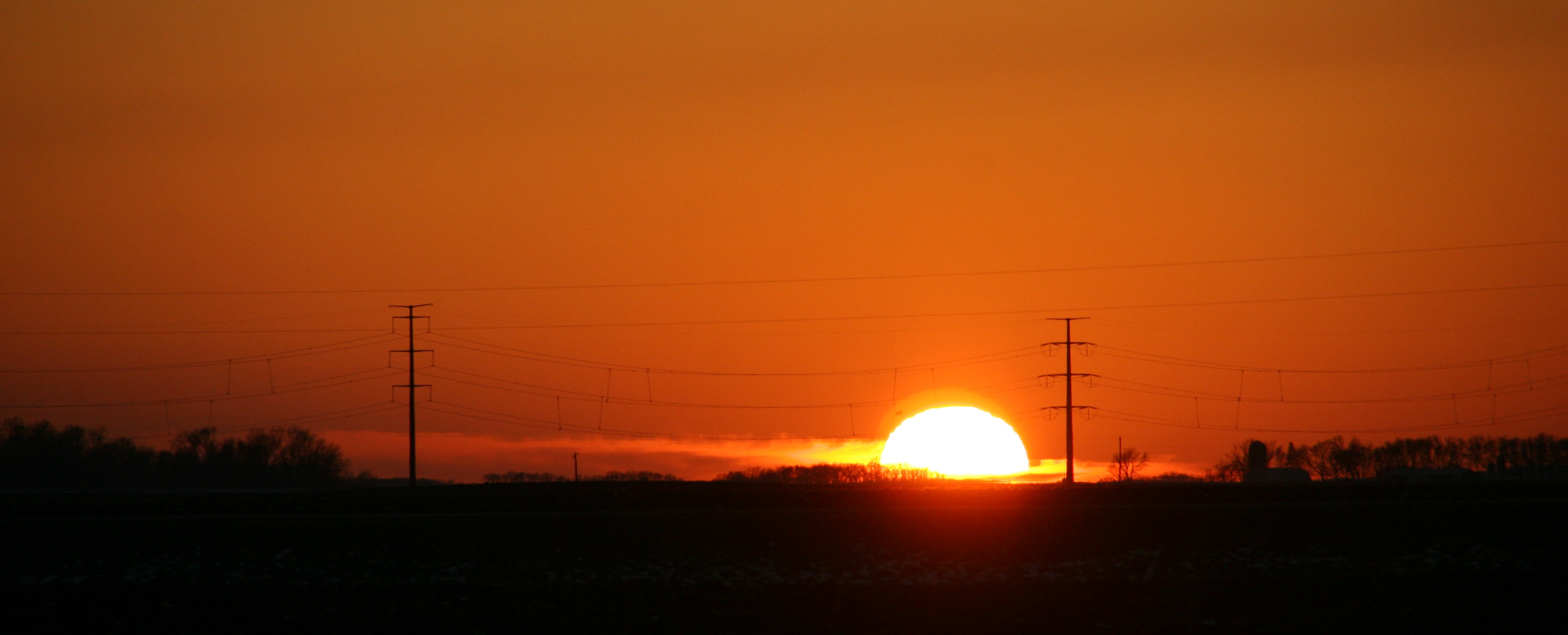
 

A look back, a look ahead: How school shapes us, expands our world September 6, 2023

A bus follows a back country road near Morgan in southwestern Minnesota. (Minnesota Prairie Roots copyrighted file photo May 2018)

SHE WANTS TO SAVE the earth. It’s a lofty and noble goal for my granddaughter, who started second grade on Tuesday. Each year, on the first day of school, her mom documents basics about Isabelle on a small chalkboard. That includes a response to “What I want to be when I grow up.” This year Izzy aims to be an environmentalist. As a first grader, her professional goal was becoming a game designer. And on the first day of kindergarten, she wanted to own a toy store and also be a mom.

It’s interesting how Izzy’s interests evolve as she ages, as she grows her world and knowledge and connections with others. The possibilities are endless for her generation. I hold such hope in these young people, just beginning their formal educations.

And I hold hope, too, when I see a photo of Izzy and three neighborhood friends waiting at their urban bus stop. “Smart, Brave, Beautiful” banners Bethel’s tee. What a reaffirming message. For all of them. And how reaffirming that they are of differing ethnicity, their skin tones varied and, indeed, beautiful.

My elementary school, circa 1960s, located in Vesta in Redwood County. The school closed decades ago. (Photographer unknown; photo sourced from my personal photo album)

Sixty years have passed since I was a second grader in a small southwestern Minnesota elementary school, where my paternal grandfather served on the school board. My classmates and I were mostly farm kids, all white. We wrote in “Big Chief” lined tablets which today would not, should not, fly. Attitudes differed in the 1960s. Words like diversity, respect and environmentalist were not part of our everyday vocabulary.

A serene country scene just north of Lamberton in southern Redwood County. (Minnesota Prairie Roots copyrighted file photo September 2013)

But words, overall, held my interest all those decades ago. I have Mrs. Kotval to thank for sparking my love of words, of reading, and eventually of writing. Each day after lunch, she read to her third and fourth graders from “The Little House” and other chapter books. Through the writing of Laura Ingalls Wilder, who lived many years earlier in nearby Walnut Grove, I began to appreciate the nuances of the prairie. And I learned the importance of descriptive, detailed writing. Wilder engaged all of her senses to describe the prairie and life thereon in her series of wildly popular books. With her love of the natural world, this writer unknowingly documented the environment for me, my children and for my second grade granddaughter, today an aspiring environmentalist.

Early on, I aspired to be an elementary school teacher. But that changed as I grew my world, my knowledge, my connections. Words focused my passion. Unlike most of my elementary school classmates, I loved penmanship—letters and words flowing in script across the pages of my penmanship book. I loved spelling. I loved reading, even in a school and town without a library and thus with limited access to books. And by high school, that love of words expanded to writing.

Fifth and sixth graders at Vesta Elementary School in the late 1960s. I’m in the back row, far right, next to the windows. (Photographer unknown; photo sourced from my personal photo album)

I want to pause here and stress the importance of passionate teachers in fostering students’ interests. From Mrs. Kotval reading to her students after lunch to junior high English teacher Mrs. Sales teaching me all the parts of grammar to high school teacher Mr. Skogen requiring students to keep journals, their influence on me and my eventual career was profound. I would go on to earn a college degree in mass communications, leading to a career as a journalist, writer, poet and photographer.

That brings me full circle back to Laura Ingalls Wilder, who early on influenced my detail-rich writing and photographic styles. In 2017, I became professionally connected to the author via “The World of Laura Ingalls Wilder—The Frontier Landscapes That Inspired The Little House Books.” Author Marta McDowell chose three of my photos (including one of prairie grasses at sunset) to illustrate her 396-page book documenting Wilder’s life and relationship to her environment. Perhaps some day my granddaughter will open the pages of McDowell’s book and find the photos taken by her grandmother. Whether Isabelle becomes an environmentalist or something vastly different, I expect she will always care about the earth and her role in saving it.

© Copyright 2023 Audrey Kletscher Helbling


Sharing, making memories & more at Helbling family reunion August 16, 2023

Tom and Betty Helbling, circa early 1950s.

THE IMPORTANCE OF CONNECTING annually as an extended family remains a high priority for the descendants of Tom and Betty Helbling. This past weekend 52 of us from four states gathered at a central Minnesota lake home. We laughed. We talked. We shared memories and made new ones. We played. We ate together under two screened tents, some people spilling to tables outside. And it was wonderful. Absolutely wonderful.

I was determined, even with my ongoing health challenges, to make the 3.5-hour trip so I could be with Randy’s family—the sisters, the brothers-in-law, nieces, nephews, great nieces and nephews. Some were missing, like the brothers from Michigan, North Dakota and Missouri and their spouses, a niece and nephews, and two of my adult children living in southeastern Wisconsin and Boston. It’s a given that not everyone can make it every year to the mid-August gathering.

It takes a lot of inflatables and other water toys for all the kids at the Helbling family reunion. The loon floatie, purchased as part of a fundraiser for the soon-to-be National Loon Center in Crosslake, was a big hit. The loon is Minnesota’s state bird. (Minnesota Prairie Roots copyrighted photo August 2023)

BEYOND CONVERSATIONS

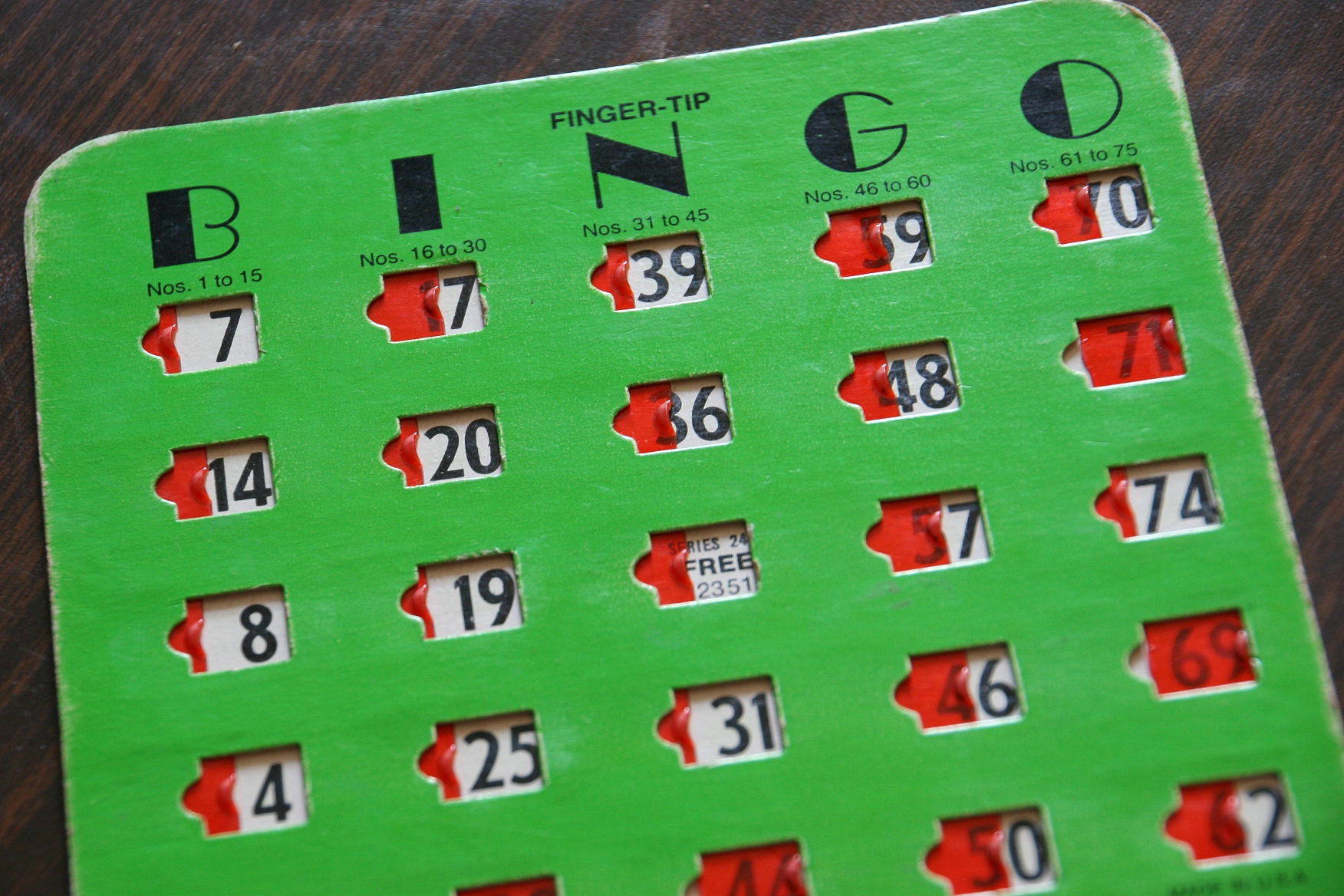
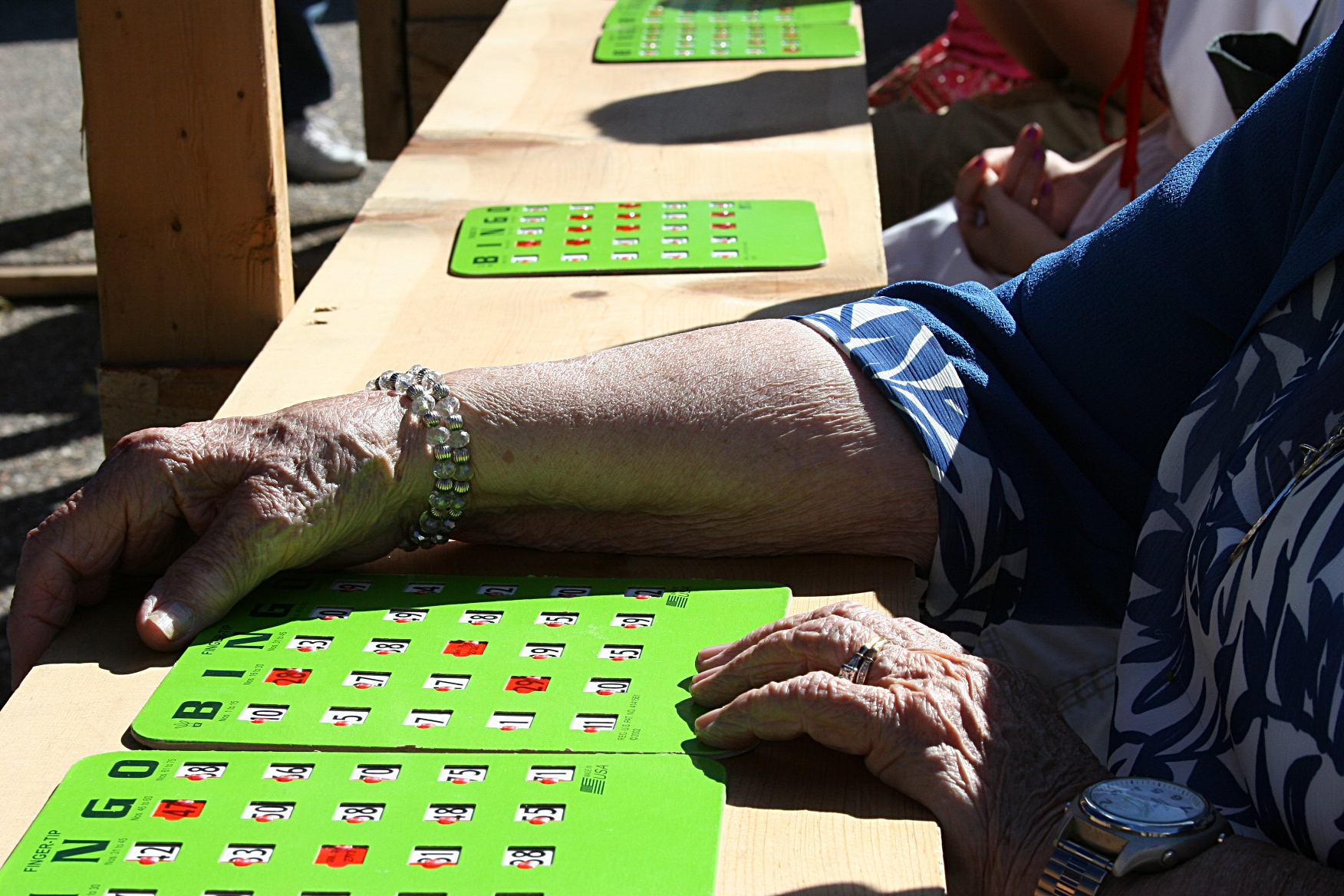
But for those of us who can attend, it’s always a good time. We do more than simply visit, although that’s certainly important. We also engage in activities that get us up and moving and interacting. There’s the annual corn hole tournament and BINGO for all ages. Even the adults participate, coveting jars of homemade salsa, jams, jellies and honey from the farm. Randy brought home his sister Cheryl’s cherry jelly. Kids delight in winning sidewalk chalk, markers, craft kits and more. No kid leaves without a prize. Most adults don’t either.

The younger kids, nearly 20 strong, packed so much into the reunion days. Swimming. Playing on the beach. Fishing from the dock. Riding bikes around the circle drive. Five-year-old cousins Autumn and Amaris even performed on a pedal-less tricycle of sorts, attempting three spins before a wildly cheering audience.

Horseshoe Lake, beach and dock, pre-reunion. (Minnesota Prairie Roots copyrighted file photo July 2023)

WATER-BASED FUN

Boat rides given by my niece Lindsey’s husband, Brent, proved wildly popular with the kids. The young father of three with a fourth due in November was busy, and likely worn out, from all those trips across and around the lake. My granddaughter Isabelle, 7, declared the boat rides “awesome.” Why? “We went really fast,” she explained. Ah, yes, speed. All kids were accounted for when the boat docked.

The water theme continued on land with a water balloon fight in the afternoon. Izzy hesitated, until I suggested she join the younger kids and avoid the older boys who threw with determined force. Eventually adults were caught in the crossfire, even hostess Rosie who had gone to a balcony to photograph the chaos below. And then Katie targeted her cousin Jonathan, who ended up with a bucket of water dumped over his head, just as he handed off his cellphone. What memories…

A section of a tri-fold family photo board. That’s Miranda in the middle photo looking up. Her grandma is right above her in a 1970 photo, which I adore and had never seen. (Minnesota Prairie Roots copyrighted photo August 2023)

PHOTOS AND STORIES

Randy’s oldest sister, Annette, put together a photo board. My great nieces Katherine and Sierra studied the images, trying to determine identities. “I can’t believe that’s my mom,” Katherine said of a baby photo of her mom, Jocelyn. Likewise Sierra struggled to believe a long-haired young woman was her grandma, Cheryl. Even I, and I almost hate to admit this, didn’t recognize my own daughter initially. I looked at a photo of a toddler and thought, “she looks familiar.” Well, of course, my brain reacted in a delayed response, “that’s your daughter Miranda.”

I also learned something about Miranda after paging through journal entries from an annual Helbling aunts and cousins get together that spanned from 1996-2008. Miranda penned a note about alternative casino plans with cousins Lindsey and Katie with one adding a postscript about going clubbing. What fun those teens must have had writing that message. I laughed, then photographed the note to text to Miranda in Wisconsin.

Tom and Betty Helbling in 1988.

HONORING BETTY

This is all the stuff of memories. This journal kept through the years. The treasured family photos. The conversations and family updates shared after lunch. The games and boat rides and water balloon fight and BINGO and free play. And then the jigsaw puzzle exchange, honoring matriarch Betty, lover of jigsaw puzzles and gone nearly 30 years already (way too soon at age 59). I love the Helbling family, which I’ve been part of for 41 years now. I cherish their love and support. And I cherish our time together at the annual family reunion.

© Copyright 2023 Audrey Kletscher Helbling
 

Sunflower field offers a quiet place to grieve August 10, 2023

The sunflowers at their prime on July 31. (Minnesota Prairie Roots copyrighted photo July 2023)

IN THE GOLDEN HOUR before sunset on the last day of July, I grabbed my 35 mm Canon camera and headed with Randy to a field of sunflowers on Faribault’s east side. The 5-acre site, just off Division Street East behind Pleasant View Estates, is not an agri-tourism draw, but rather a place of peace, beauty and solace. A place to remember, to grieve.

Signage at the sunflower field defines its intention. (Minnesota Prairie Roots copyrighted photo July 2023)

The nonprofit Infants Remembered in Silence created this flower-filled field with the help of donated land, volunteer planting, caretaking and more. IRIS, as the local organization is known, aims to support parents, family, friends, and professionals following the loss of a child in early pregnancy, from stillbirth, and other infant and early childhood deaths, no matter the cause.

A path winds through the field of mini sunflowers. (Minnesota Prairie Roots copyrighted photo July 2023)

Walking the mowed paths curving through the hilly land proved emotional and moving for me. While I have not lost an infant or child (I nearly miscarried with my second pregnancy), my husband has lost siblings to stillbirth and miscarriage as have others in my circle. Most recently, my niece delivered her third son way too early in pregnancy for baby Hunter to survive. It was heartbreaking for Lindsey and Brent, their parents and those of us who love them. Likewise, 42 years ago my Uncle John and Aunt Sue grieved the death of their stillborn son, Luke. I thought of Luke and Hunter and baby Cheyenne, born too early to friends Bill and Geri decades ago. There’s much loss represented in the IRIS Sunflower Garden.

Visitors pen messages and names of infants and children on a memorial whiteboard. (Minnesota Prairie Roots copyrighted photo July 2023)

I will share more in a future post. More photos and observations and thoughts. Because I am dealing with sensory overload issues that leave me symptomatic and not feeling at all well if I’m on a screen for too long, I have to wait until I’m having a good day, good enough to visually tolerate additional photo processing and writing a longer post. It is the reason I am blogging only minimally. I am focusing on my health.

Scattered throughout the field are spaces like this to pause, reflect, grieve. (Minnesota Prairie Roots copyrighted photo July 2023)

But today I needed to alert you to the IRIS Sunflower Garden before the blooms are dried, the field only a memory of the beautiful space it was while in full, glorious bloom 11 days ago.

© Copyright 2023 Audrey Kletscher Helbling


Garden fresh peas from the library July 17, 2023

(Minnesota Prairie Roots copyrighted photo July 2023)

I FOLDED THE PILE of pea pods into the front of my Minnesota-themed tee, the one with two grain bin graphics. It seemed appropriate for the vegetable gathered from the Friends of Buckham Memorial Library Organic Learning Garden. Harvest of grain. Harvest of vegetables.

In the library window by the garden. (Minnesota Prairie Roots copyrighted photo 2020)

I hadn’t expected to pick peas when Randy and I stopped at our local library Saturday afternoon en route to the grocery store for meat to grill. But when we pulled into the parking lot, I decided to check out the garden while Randy looked for videos.

To my surprise, I found pea plants heavy with plump pea pods. I felt giddy. Garden fresh peas have always been a favorite. But it’s been a long time since I’ve had them.

(Minnesota Prairie Roots copyrighted photo July 2023)

I hold fond memories of picking and shelling peas from my childhood garden. I loved running my thumb down the seam of the pod, opening the shell to reveal a row of tiny green orbs. So perfect. And then I slid my thumb down that tidy row, peas dropping one by one into a metal pan. Plunk, plunk, plunk, plunk, plunk. There’s a certain satisfaction in the rhythmic process of shelling peas.
Once home, as I shelled those peas carried in my t-shirt to the van, I thought of all those summers back on the farm. I never realized then how lucky I was to eat mostly food grown or raised on our acreage. It was simply what everyone did in rural Minnesota. Planted a garden. Raised beef cattle, pigs and/or chickens.

That evening as we sat down to a grilled pork chop supper (not dinner) with sides of potatoes and peas, I dipped my spoon into those fresh peas covered with butter. I tasted the sun and sky and earth. But mostly, I tasted memories. Garden memories.

© Copyright 2023 Audrey Kletscher Helbling