POETRY, WHEN READ ALOUD, is, in many ways, like music. It presents one way on paper. But read a poem aloud, and it becomes a song. Music with rhythm, beat and emotion. Vocal intonations carry a poem to melodic heights.
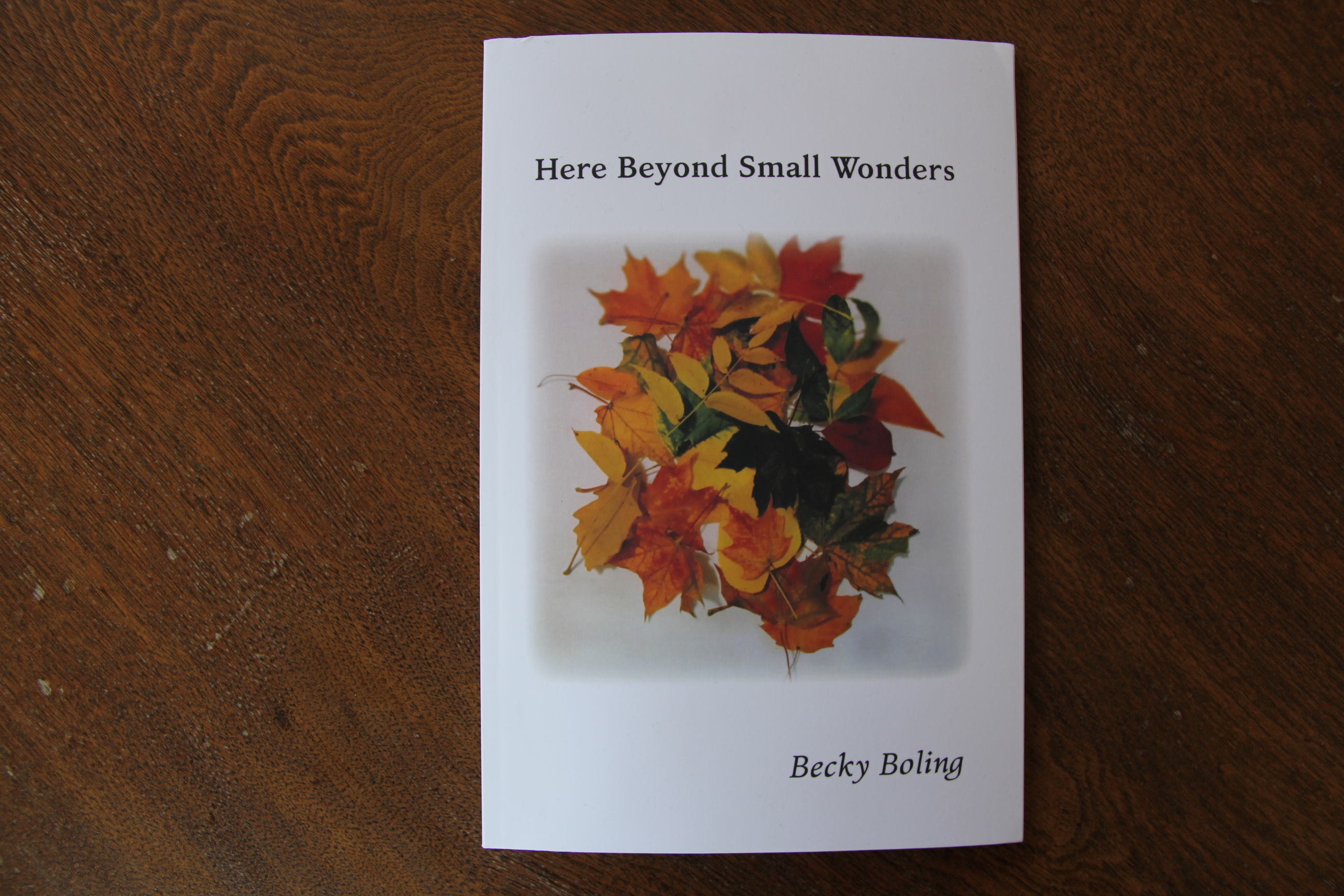
Becky Boling’s recently-published collection of her poems. (Minnesota Prairie Roots copyrighted file photo)
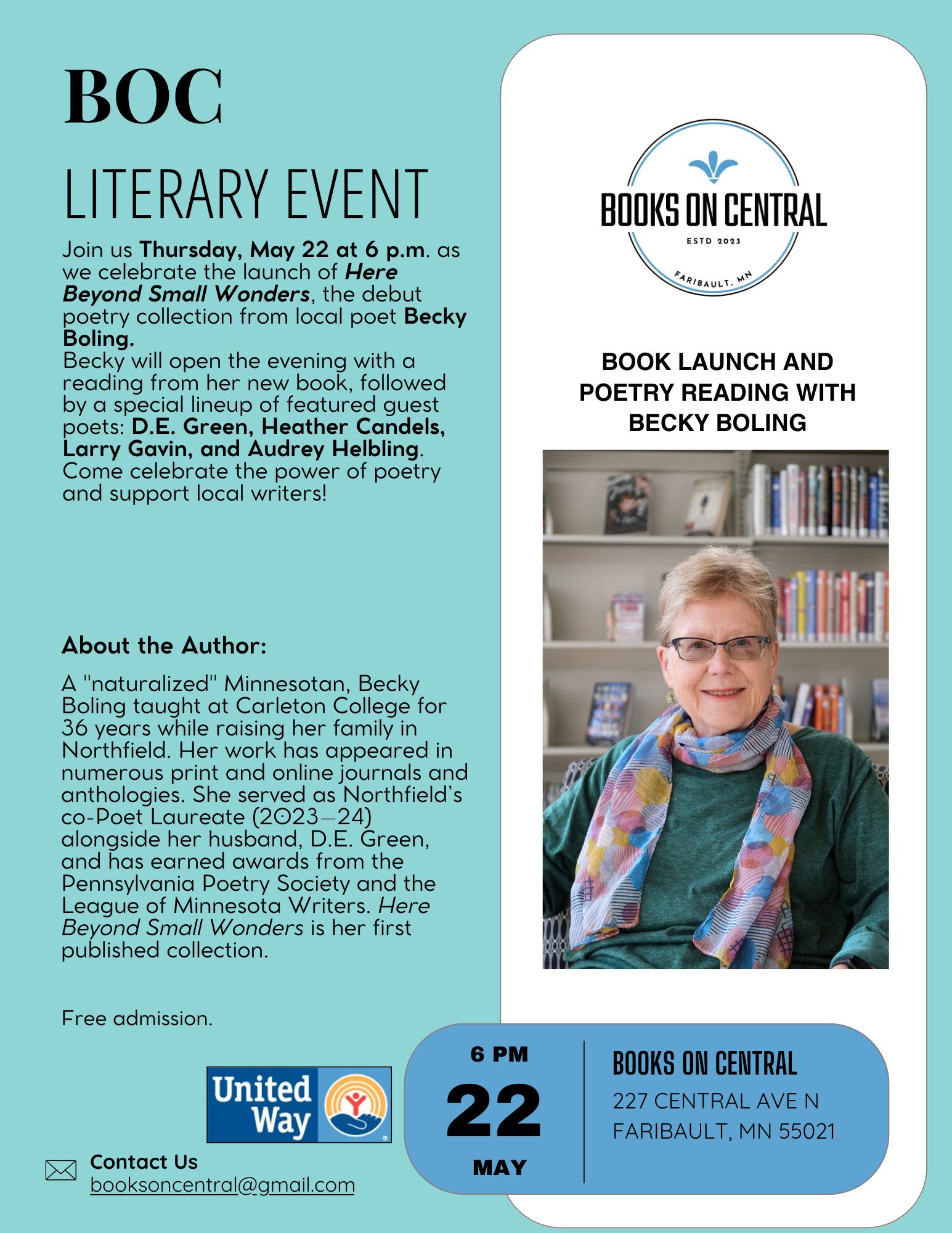
At 6 p.m. Thursday, May 22, the music of poetry will fill Books on Central in Faribault as Becky Boling reads from her first anthology, Here Beyond Small Wonders. Recently published by Finishing Line Press, this collection features detail-rich poems that often focus on ordinary subjects. It’s signature Boling, who is a prolific poet, served as Northfield’s co-Poet Laureate, and is retired from teaching Spanish and Latin American Literature at Carleton College in Northfield.
I love Boling’s writing. Her poems resonate with me in an everyday life kind of way. She has a visually-strong writing style—as most poets do—coupled with emotion-evoking poetry that prompts memories, questions, deeper thinking.
(Literary Event promo courtesy of Books on Central)
Boling has invited four other poets to join her at Thursday’s reading. Those include her husband, D.E. Green, also an accomplished poet; Northfield poet Heather Candels; Faribault poet Larry Gavin; and me. I’m honored to join this gifted group of writers in reading our poems aloud. I will read right after Boling.
I’ve previously listened to all of them read, so I can vouch for how much I’ve enjoyed hearing them. Gavin, especially, has a rich radio voice that makes me want to settle in and let his voice pull me into his writing.
Now, as I’m preparing for this Thursday evening event, I’m paging through the many books in which my poetry has published, selecting the poems I want to read during my allotted five minutes. Then I’ll practice reading those poems aloud, using my voice to create poetic music.
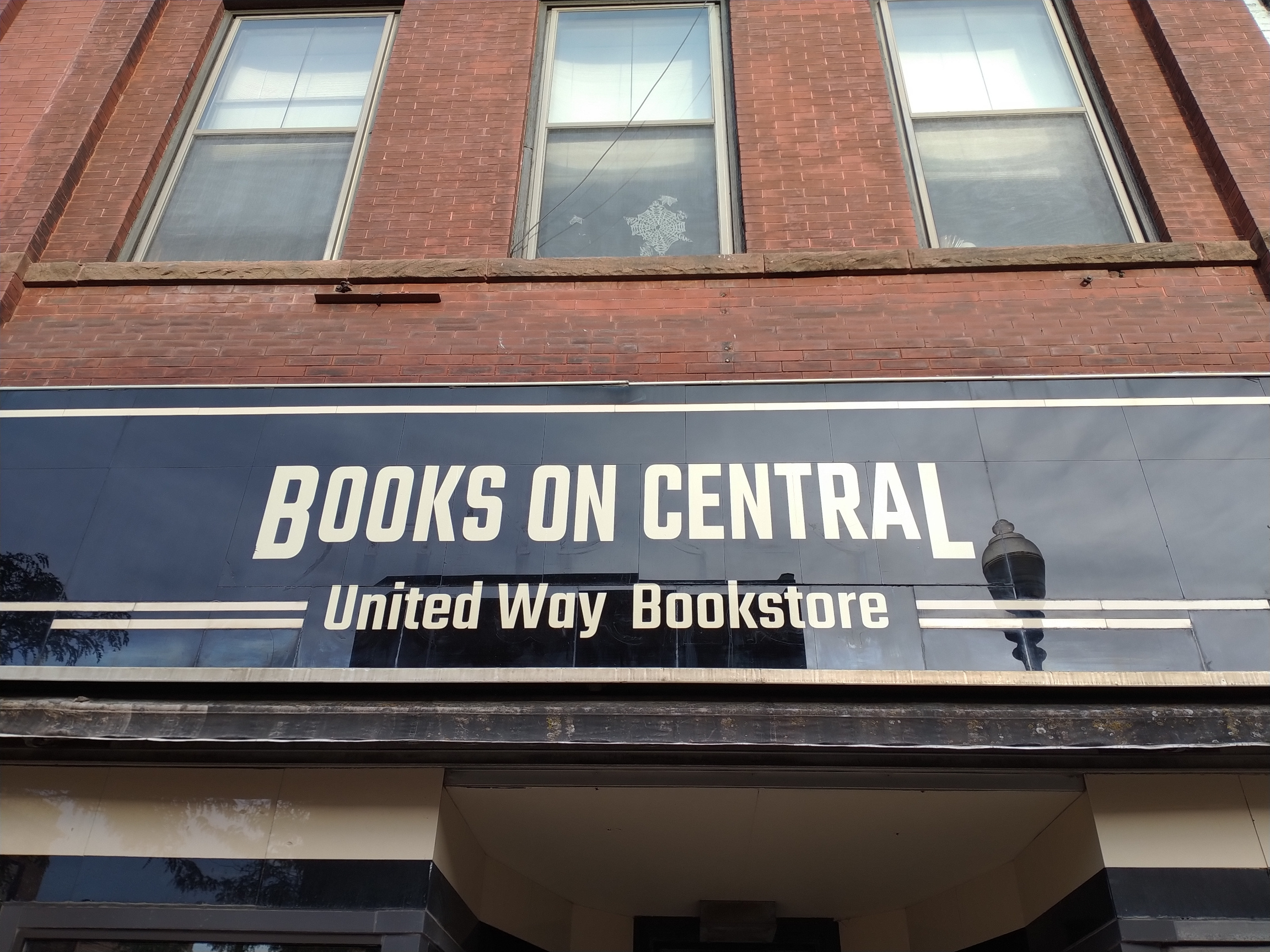
This used bookshop is located in the heart of downtown Faribault along Central Avenue. (Minnesota Prairie Roots copyrighted file photo)
FYI: Books on Central, 227 Central Avenue North, Faribault, hosts periodic free literary events to celebrate authors and to draw people into this volunteer-run used bookstore operated by Rice County Area United Way. All proceeds benefit select nonprofits in the county. It’s a beautiful small space (complete with a centering chandelier) housed in a former jewelry store.
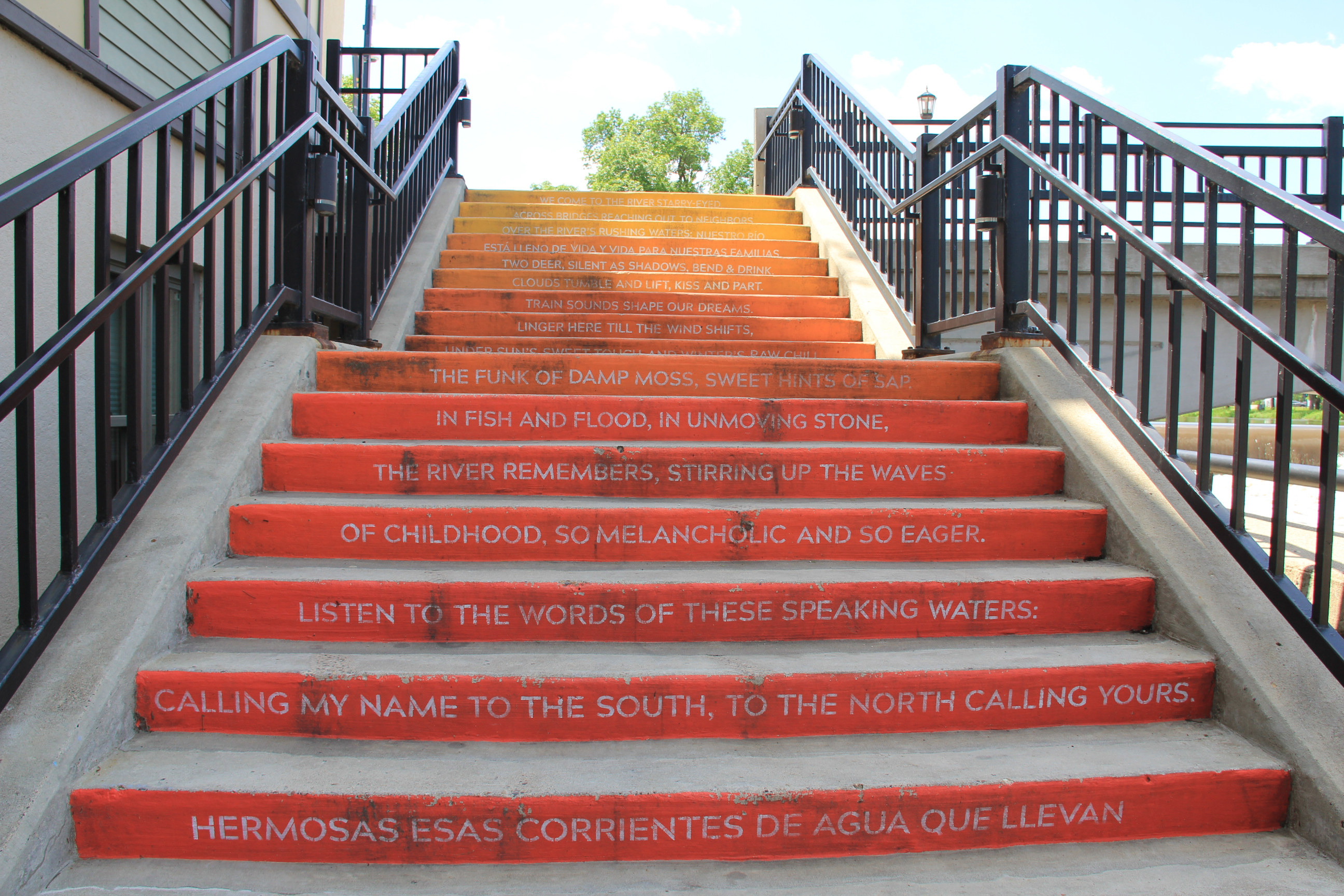
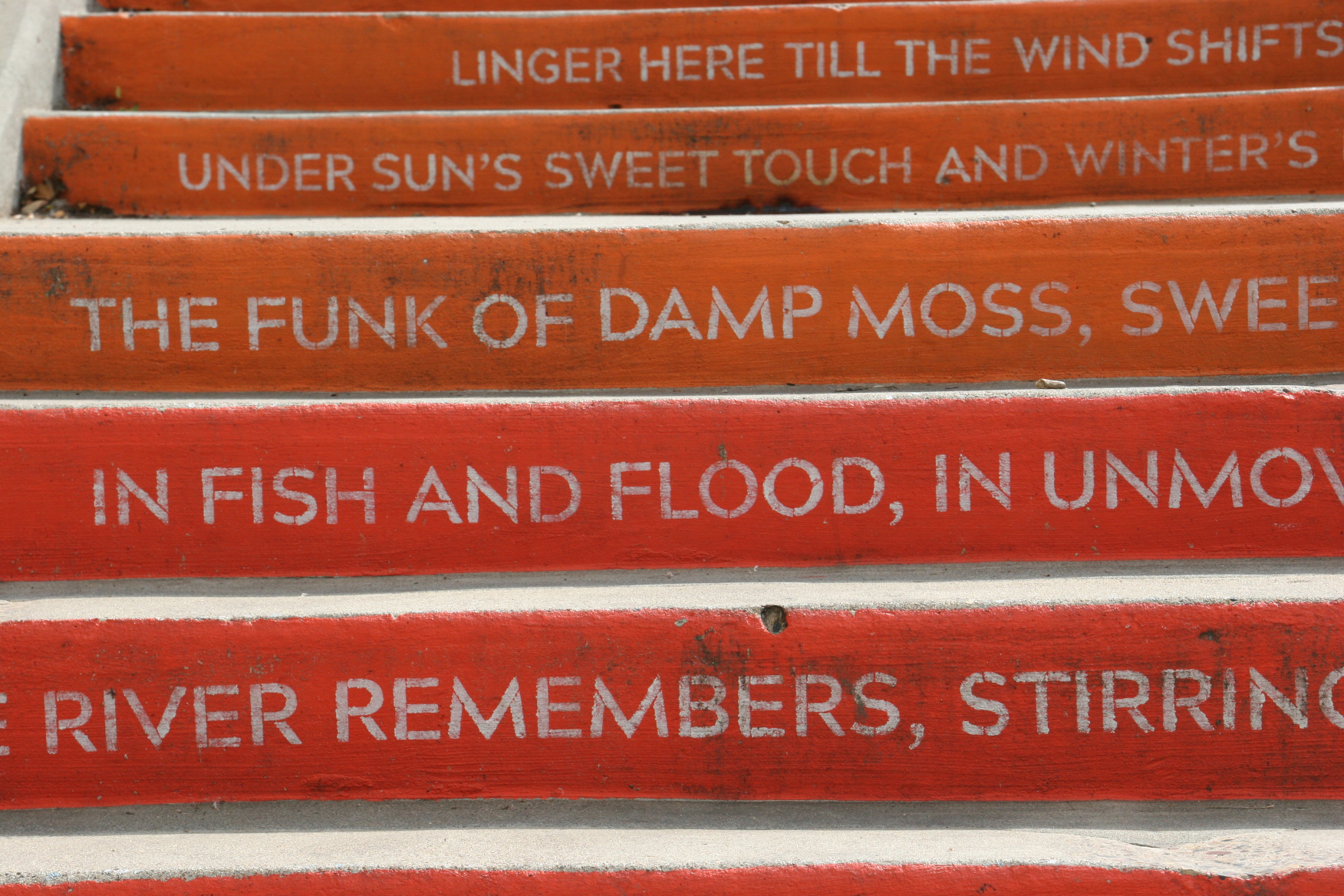
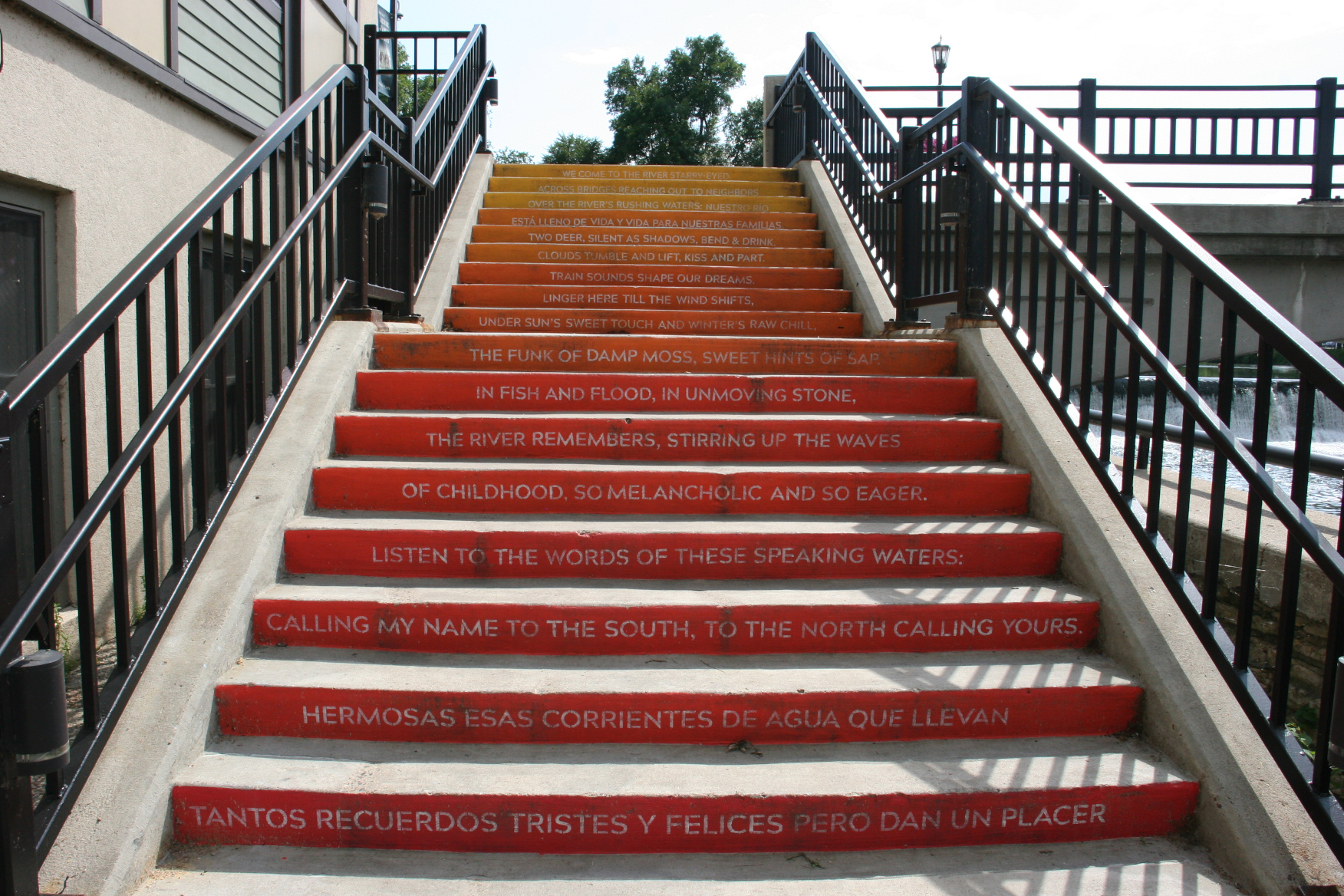
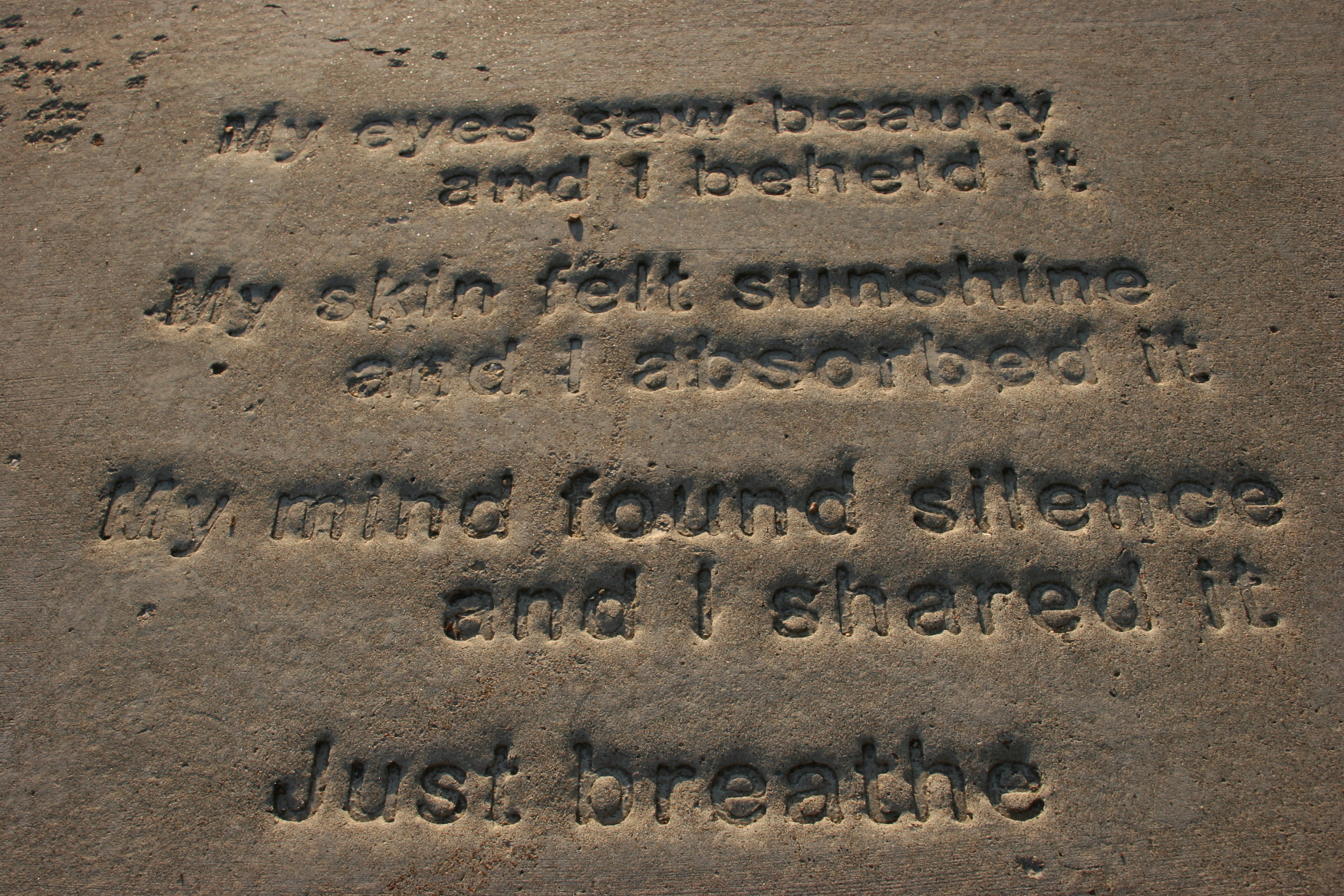
The Riverwalk Steps Poem alongside the Cannon River in the heart of downtown Northfield. (Minnesota Prairie Roots copyrighted file photo)
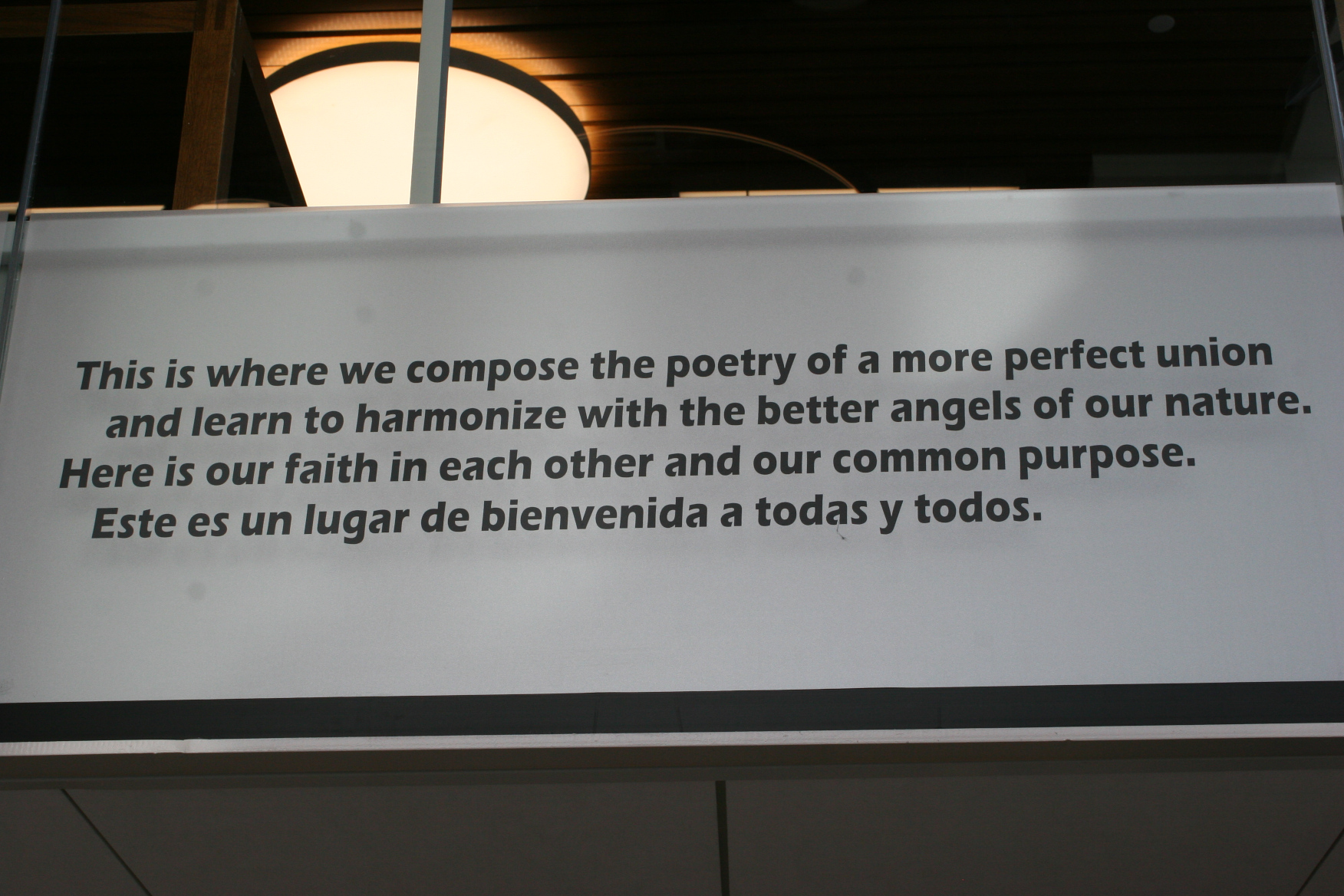
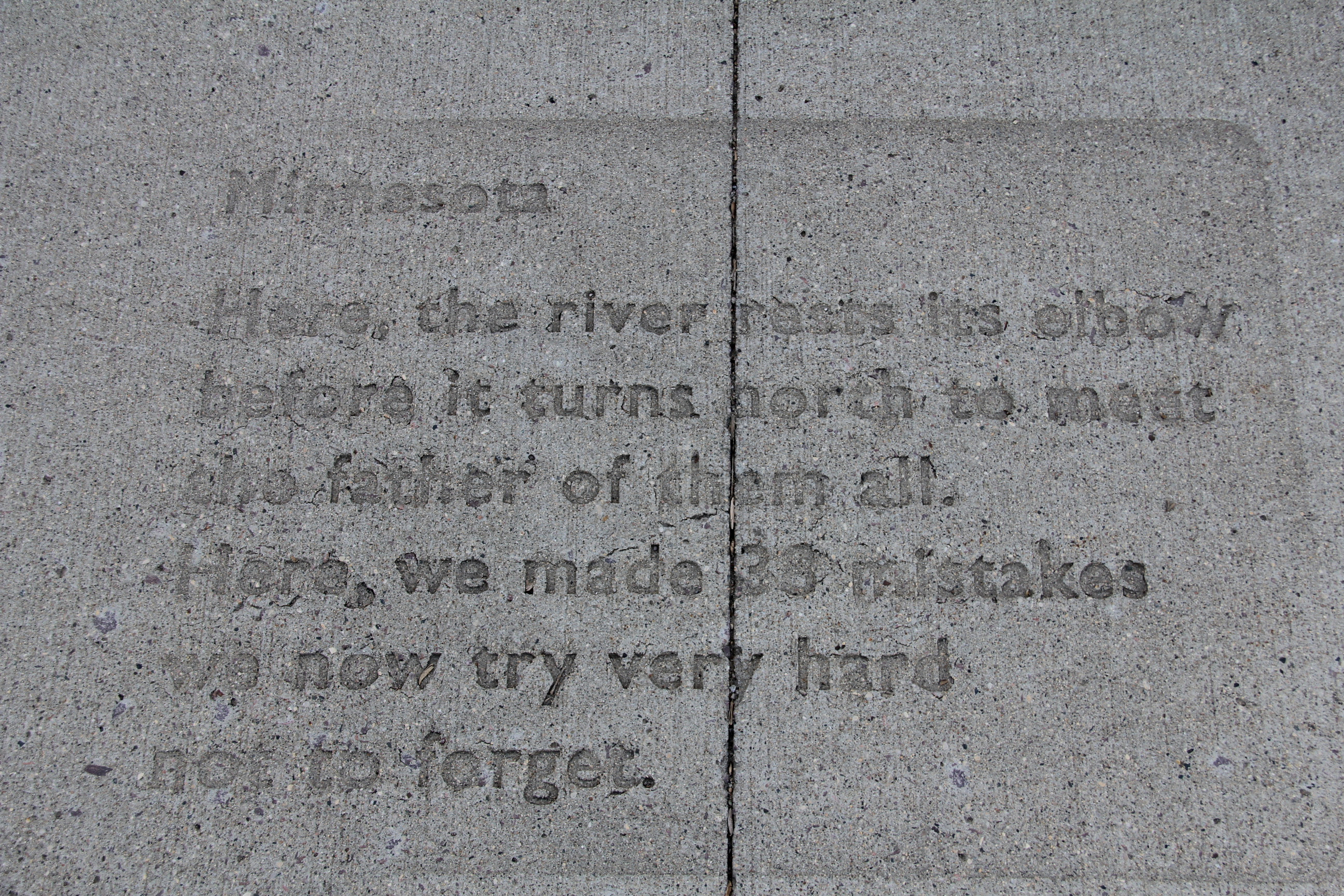
I FEEL FORTUNATE to live in an area of Minnesota which values poetry. Some 20 minutes away in Northfield, poems imprint upon concrete throughout the city as part of the long-time Sidewalk Poetry Project. Along the Riverwalk, a poem descends steps. In the public library, a poem graces the atrium.
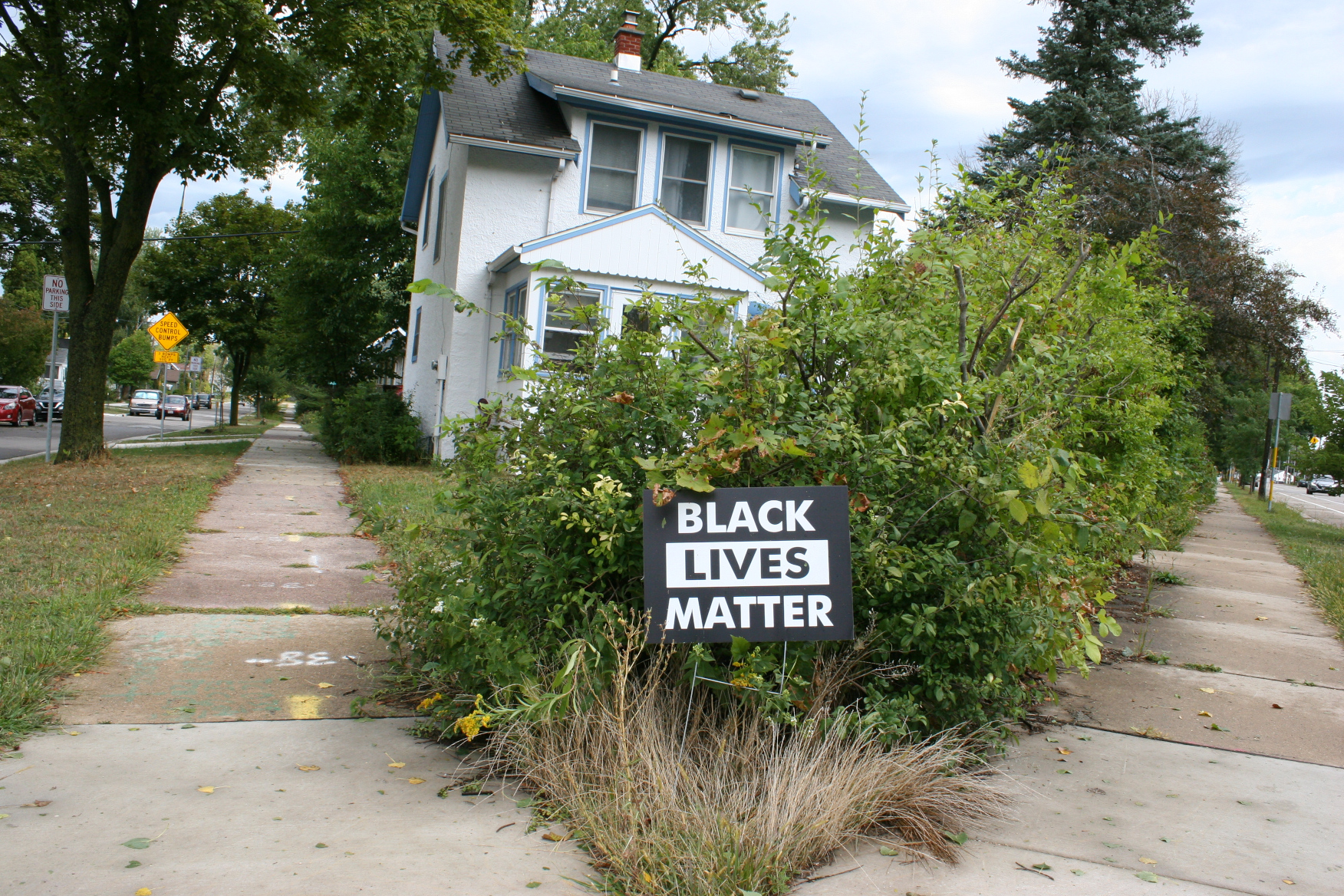
Sidewalk poetry in downtown Northfield carries a powerful message.(Minnesota Prairie Roots copyrighted file photo)
But that’s not all in Northfield. This city of some 21,000 has a poet laureate, currently Russ Boyington, who fosters poetry, organizes and publicizes poetry events, and leads an especially active community of wordsmiths. These are published poets, serious about the craft.
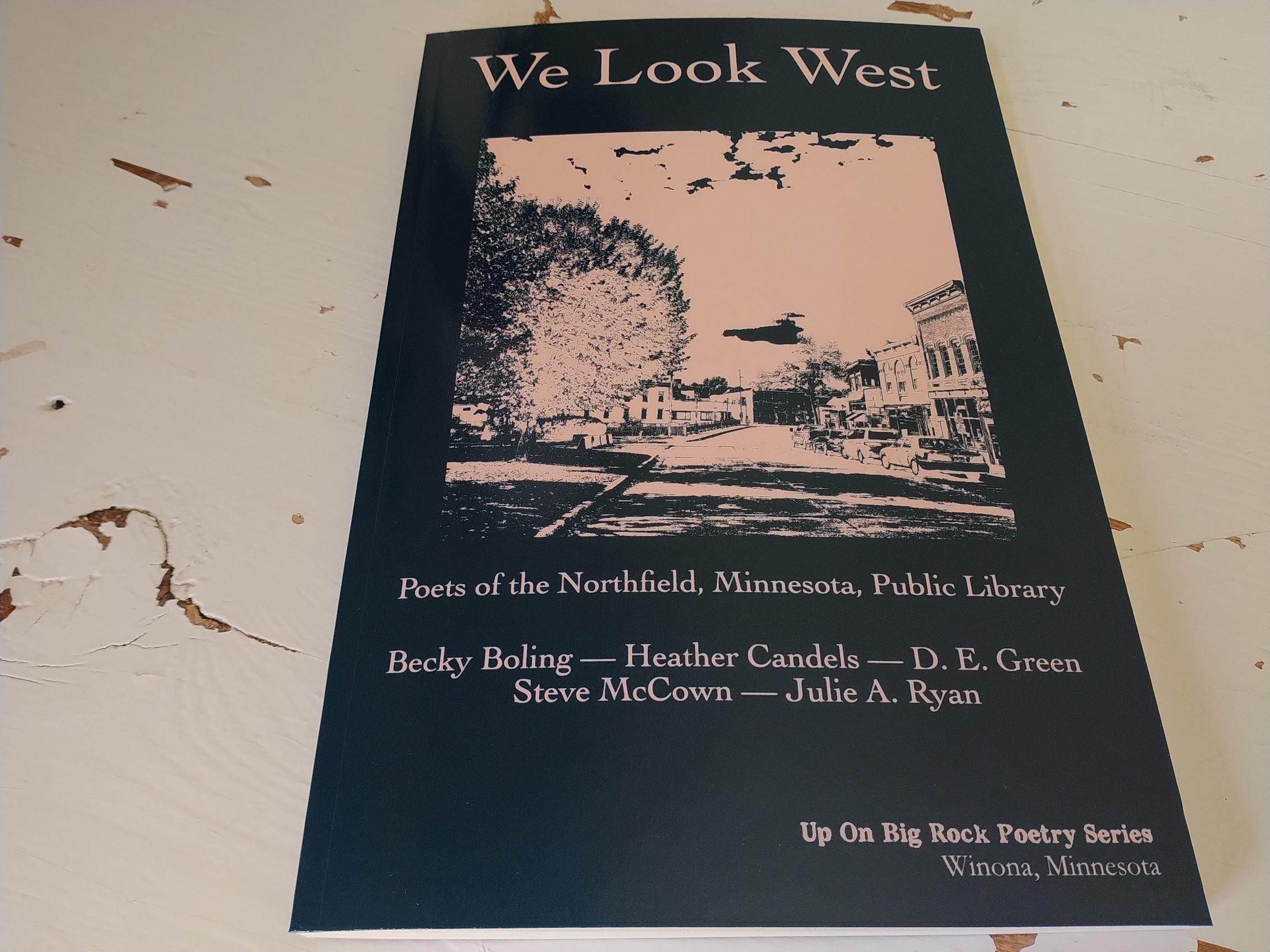
This anthology published in 2024.(Minnesota Prairie Roots copyrighted file photo)
Five seasoned Northfield poets recently collaborated to publish a collection of their work in We Look West. Even if you think you don’t like poetry, you will find something in this anthology which resonates. These poets take the reader through the seasons of life with humorous, sad, nostalgic, reflective and introspective poems. This anthology is especially fitting for anyone closer to the sunset, than the sunrise, of life.
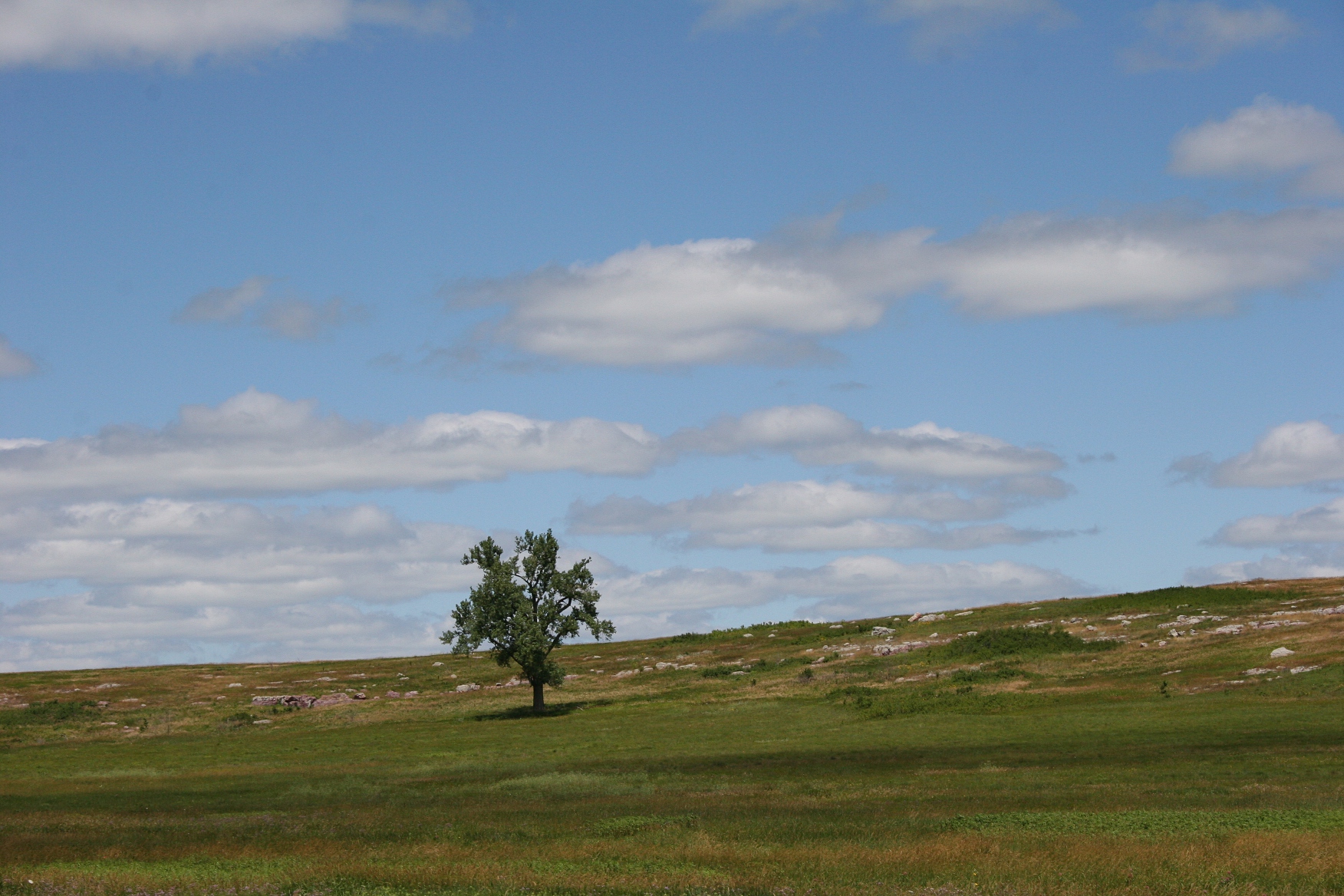
A serene country scene just north of Lamberton in southern Redwood County on the southwestern Minnesota prairie. (Minnesota Prairie Roots copyrighted file photo)
April, National Poetry Month, marks a time to celebrate poets like those in Northfield and beyond. In my own community of Faribault, we have an especially gifted poet, Larry Gavin, a retired high school English teacher and writer. He’s published five collections of his work. Larry writes with a strong sense of place, his poems reflective of his love of nature, of the outdoors. A deep love of the prairie—he attended college, then lived and worked for a while in my native southwestern Minnesota—connects me to this remarkable poet. Plus, Larry has the rich voice of a poet, which makes listening to him read his poems aloud an immersive, joyful experience.
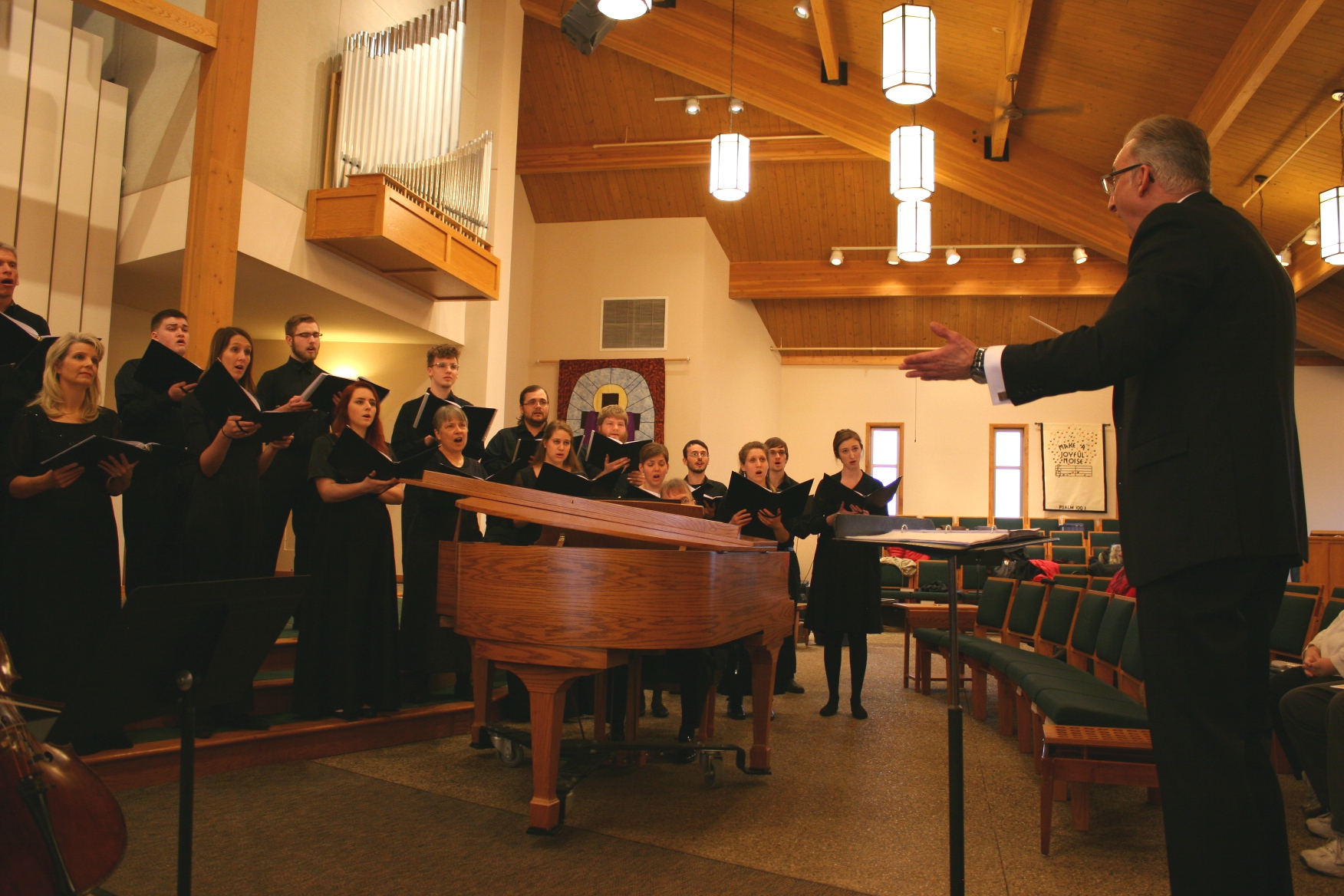
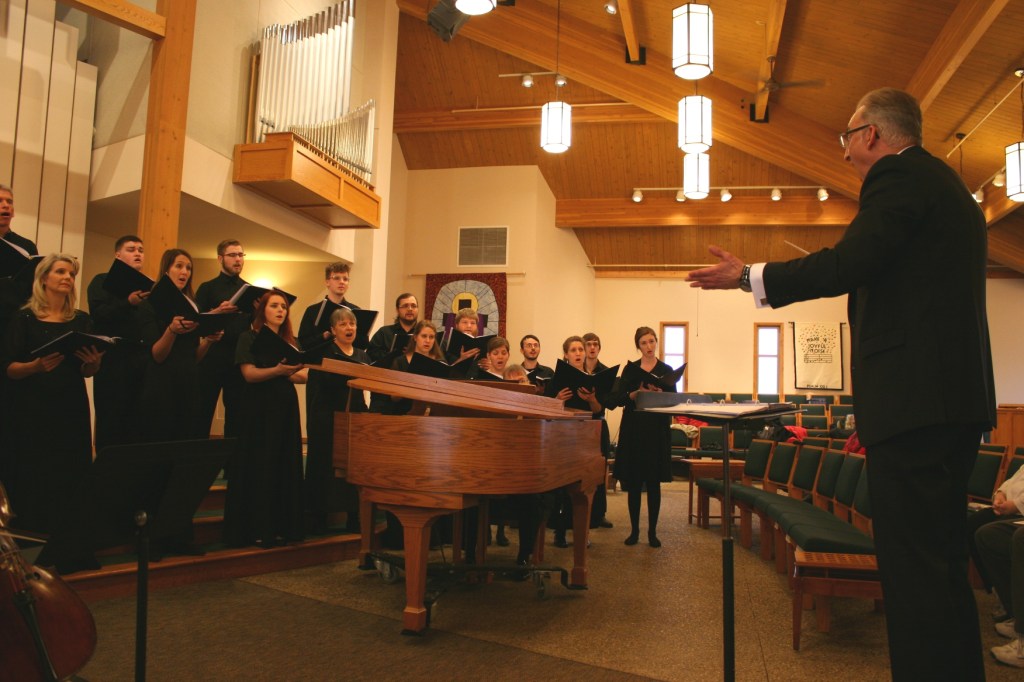
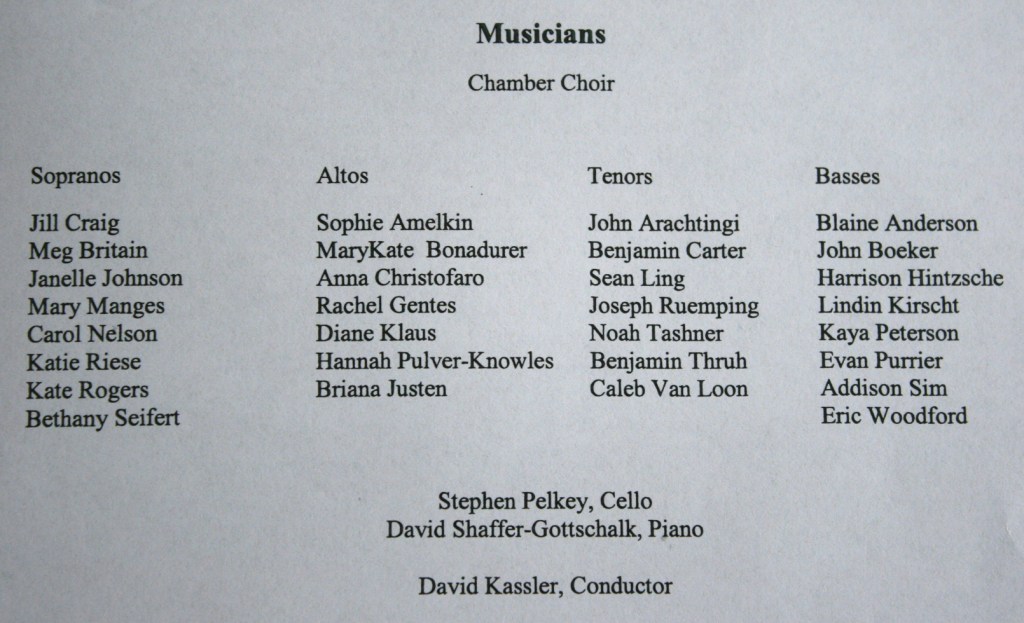
A chamber choir, directed by composer David Kassler, performs artsongs written from poems in 2017, mine included. (Minnesota Prairie Roots copyrighted file photo)
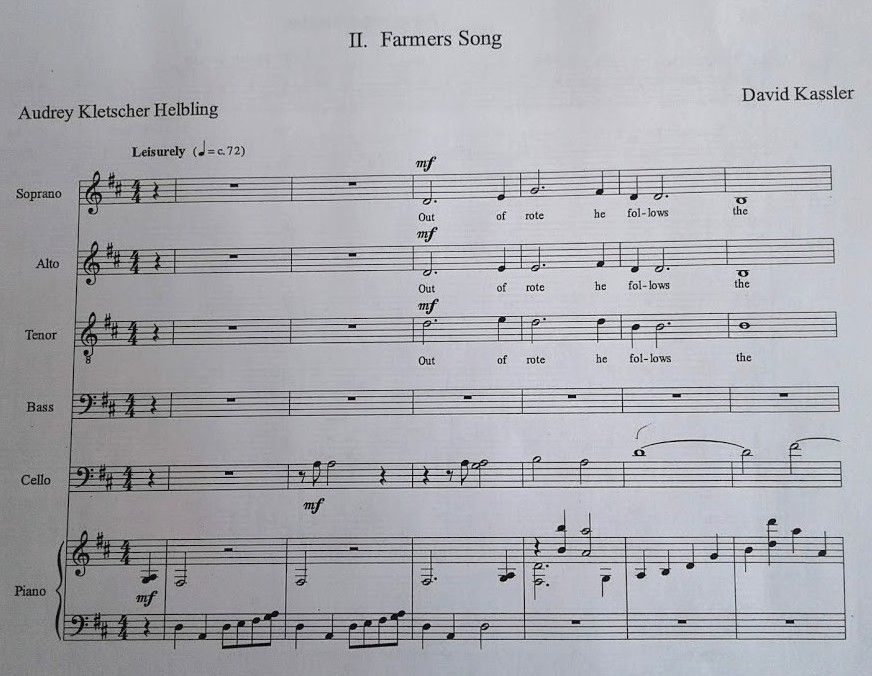
I, too, write poetry and am a widely-published poet, although certainly not as much as many other Minnesota poets. From anthologies to a museum, from the Mankato Poetry Walk & Ride to poet-artist collaborations, billboards and more, my poems have been out there in the public sector. Perhaps the most memorable moment came when a chamber choir performed my poem, “The Farmer’s Song,” during two concerts in Rochester in 2017. David Kassler composed the music for the artsongs.
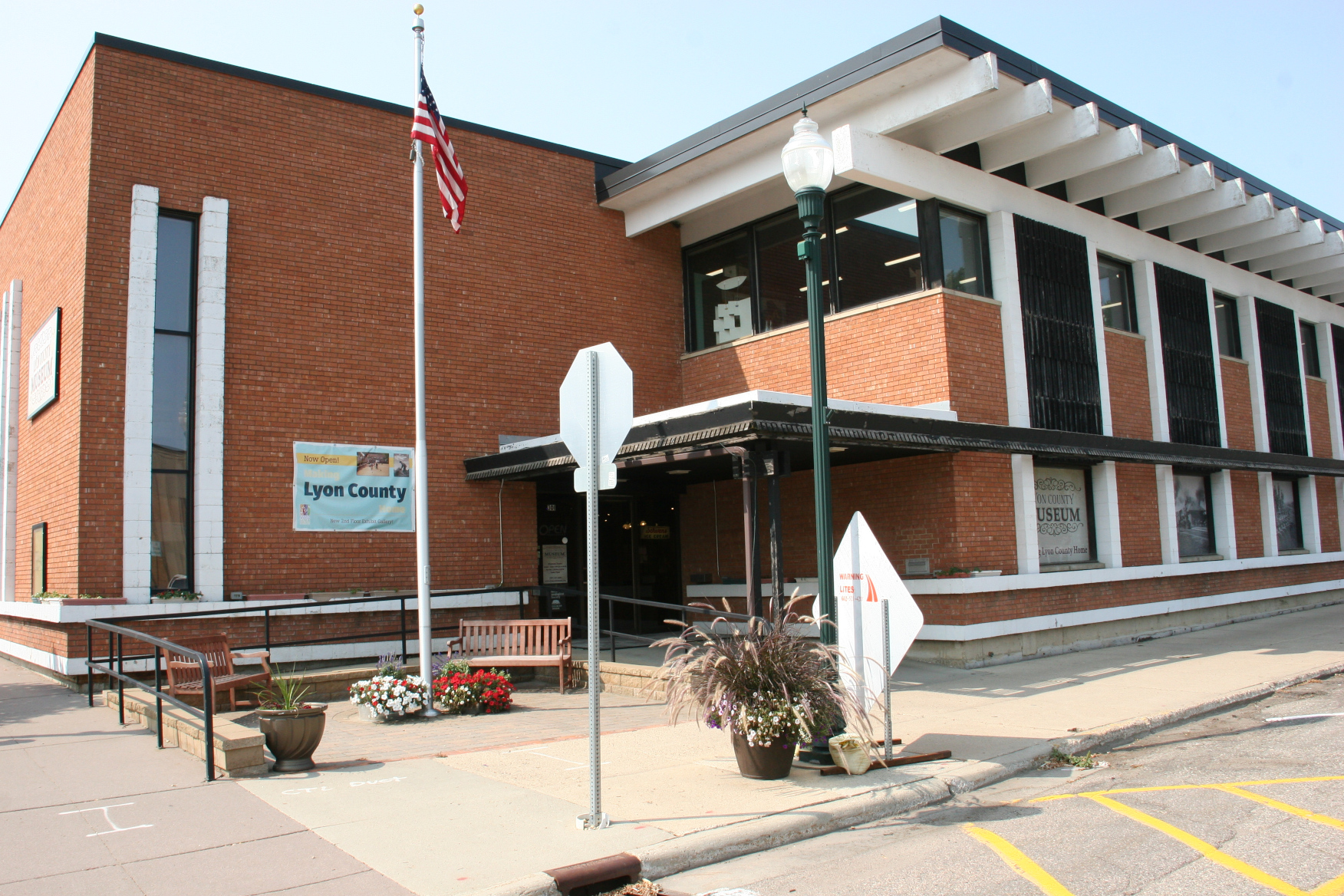
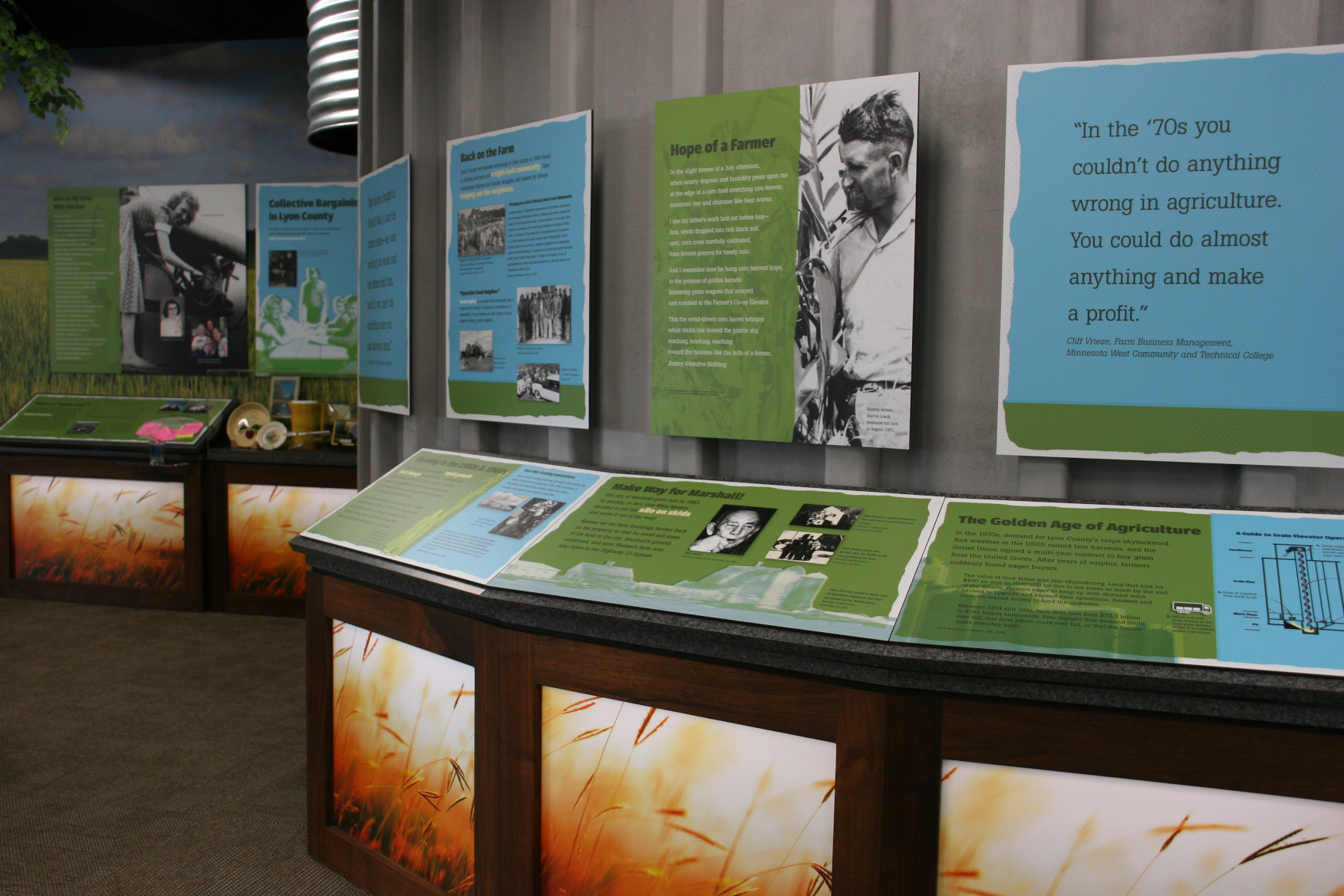
Two of my rural-themed poems are included in an exhibit, “Making Lyon County Home,” at the Lyon County Historical Society Museum in Marshall. (Minnesota Prairie Roots copyrighted file photo)
Poetry has, I think, often gotten a bad rap for being stuffy, difficult, too intellectual and unrelatable. And perhaps it was all of those at one time. Butt that’s not my poetry. And that’s not the poetry of Larry Gavin or of the five We Look West Northfield poets or most poets today. The poetry I read, write and appreciate is absolutely understandable, rich in imagery and rhythm, down-to-earth connective.
My most recent poem selected for the Mankato Poetry Walk & Ride. Poets must follow character and line limits in writing these poems.This is a competitive process.(Minnesota Prairie Roots copyrighted file photo)
When I write poetry, I visualize an idea, a place, a scene, a memory, an emotion, then start typing. The words flow, or sometimes not. Penning poetry is perhaps one of the most difficult forms of writing. Every word must count. Every word must fit the rhythm, the nuances of the poem in a uniquely creative way.
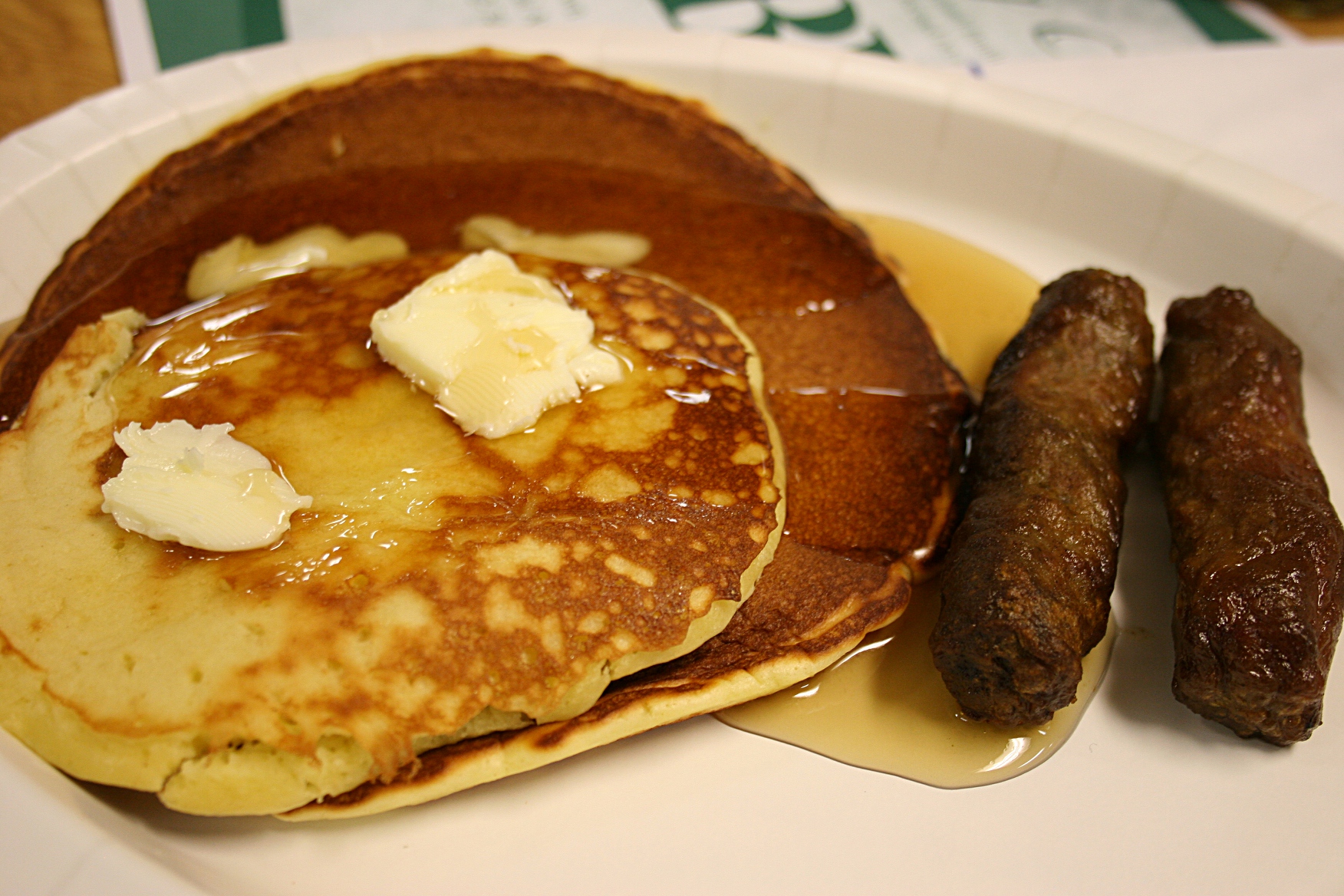
Not the pancakes Grandpa made, but the pancakes and sausages made at the annual Faribault Lions Club Pancake Breakfast. (Minnesota Prairie Roots copyrighted file photo)
One of my most recent poems, “Pancakes with Grandpa,” was inspired by an exchange between my husband, Randy, and our grandson Isaac, then four. It was printed in Talking Stick 32—Twist in the Road, an anthology published in 2023 by northern Minnesota based Jackpine Writers’ Bloc. It’s a competitive process to get writing—poetry, fiction and creative nonfiction—in this collection.
So, in celebration of National Poetry Month, here’s my pancake poem, penned by a poet who doesn’t particularly like pancakes.
Just-published, a 116-page anthology featuring the poetry of five Northfield, Minnesota, poets. (Minnesota Prairie Roots copyrighted photo April 2024)
ON AN APRIL AFTERNOON when gray skies reverberated thunder and unleashed sheets of rain upon parched southern Minnesota, I read their words, table-side lamp pooling light onto pages. It felt right, to cozy under a fleece throw, to immerse myself in the poetry of Becky Boling, Heather Candels, D.E. Green, Steve McCown and Julie A. Ryan on a day meant for sheltering indoors.
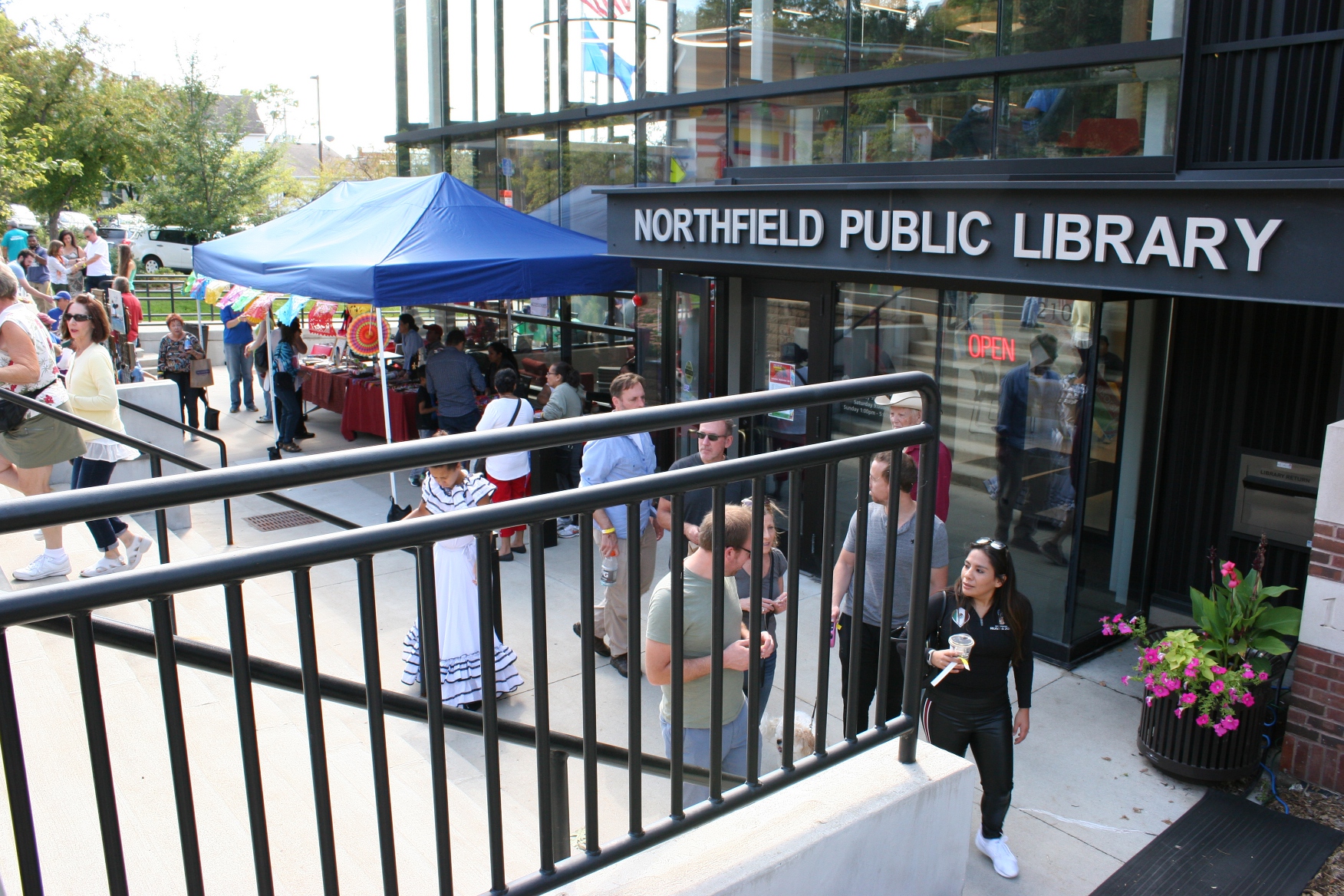
Outside the Northfield Public Library during a 2019 celebration of Hispanic Heritage Month. (Minnesota Prairie Roots copyrighted file photo September 2019)
Antiques on 4th in Cannon Falls. (Minnesota Prairie Roots copyrighted file photo October 2021)
Youthful memories of grandmothers, homemade ice cream, small towns as they once were and much more flow through the pages. At times I feel as if I’m reading about “the dusty excess of nostalgia” of my life, as Steve McCown writes “In an Antique Store.” His mention of a Tom Thumb toy cash register sends me back to a long ago Christmas. His poems are sparse, yet fully-descriptive in the way of language carefully-culled by a man who taught high school and college English.
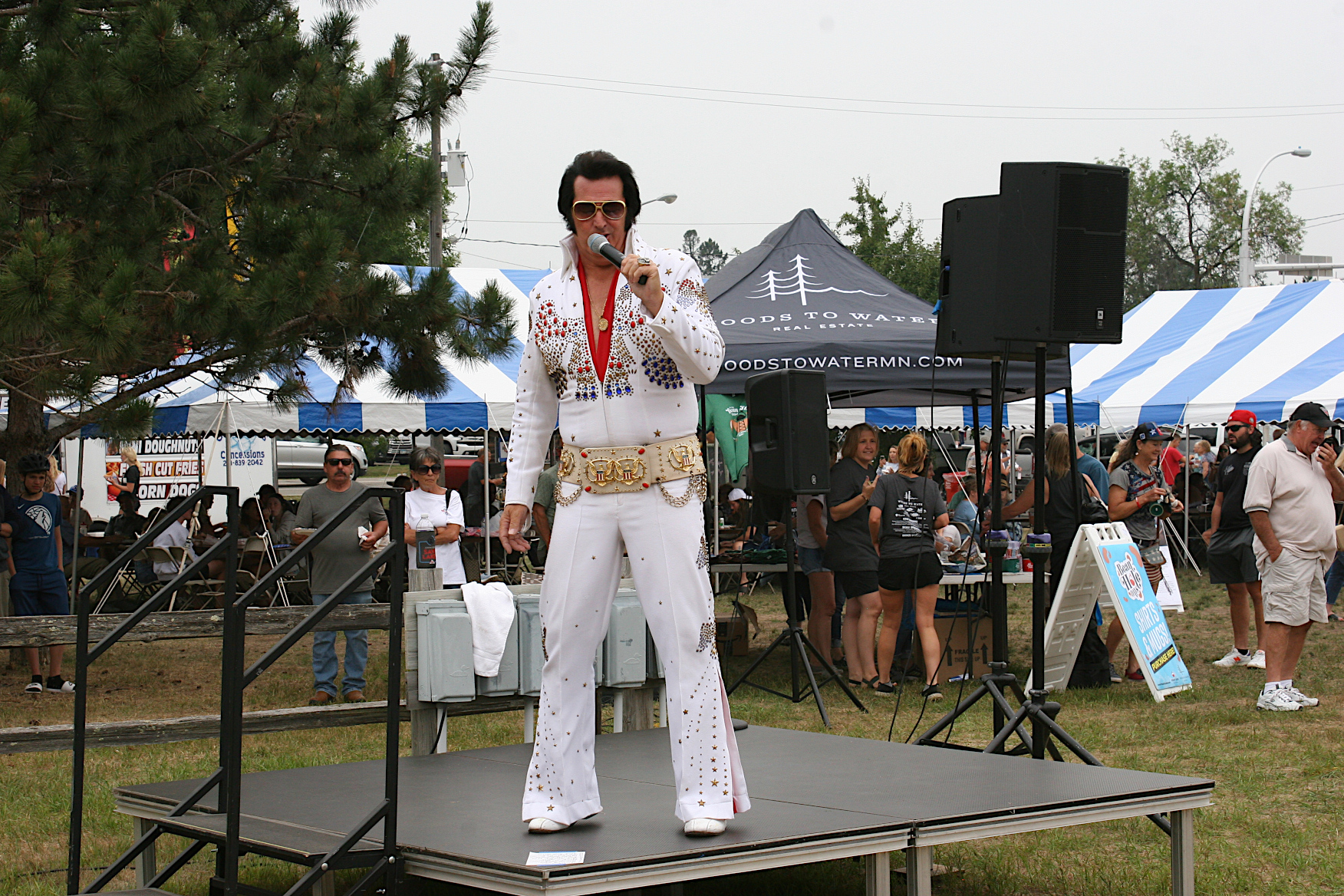
An Elvis impersonator performs during Bean Hole Days in Pequot Lakes. (Minnesota Prairie Roots copyrighted file photo July 2021)
Likewise, Julie A. Ryan, has me reminiscing with “Candy Cigarettes,” the chalky white sticks of fake cigarettes that I, too, “smoked” in the 1960s. Ryan paints with her words, revealing the visual artist side of her creativity. She mentions Van Gogh and painting and also leans into music within her poetry. Especially powerful is her poem, “’68 Comeback Special,” in which she shares about a near-death experience, of almost meeting Elvis. Her final poem, “We Look West,” titles the book, summarizing well the transition of life from sunrise/birth to sunset/death. That themes the anthology, the movement of life from east to west.
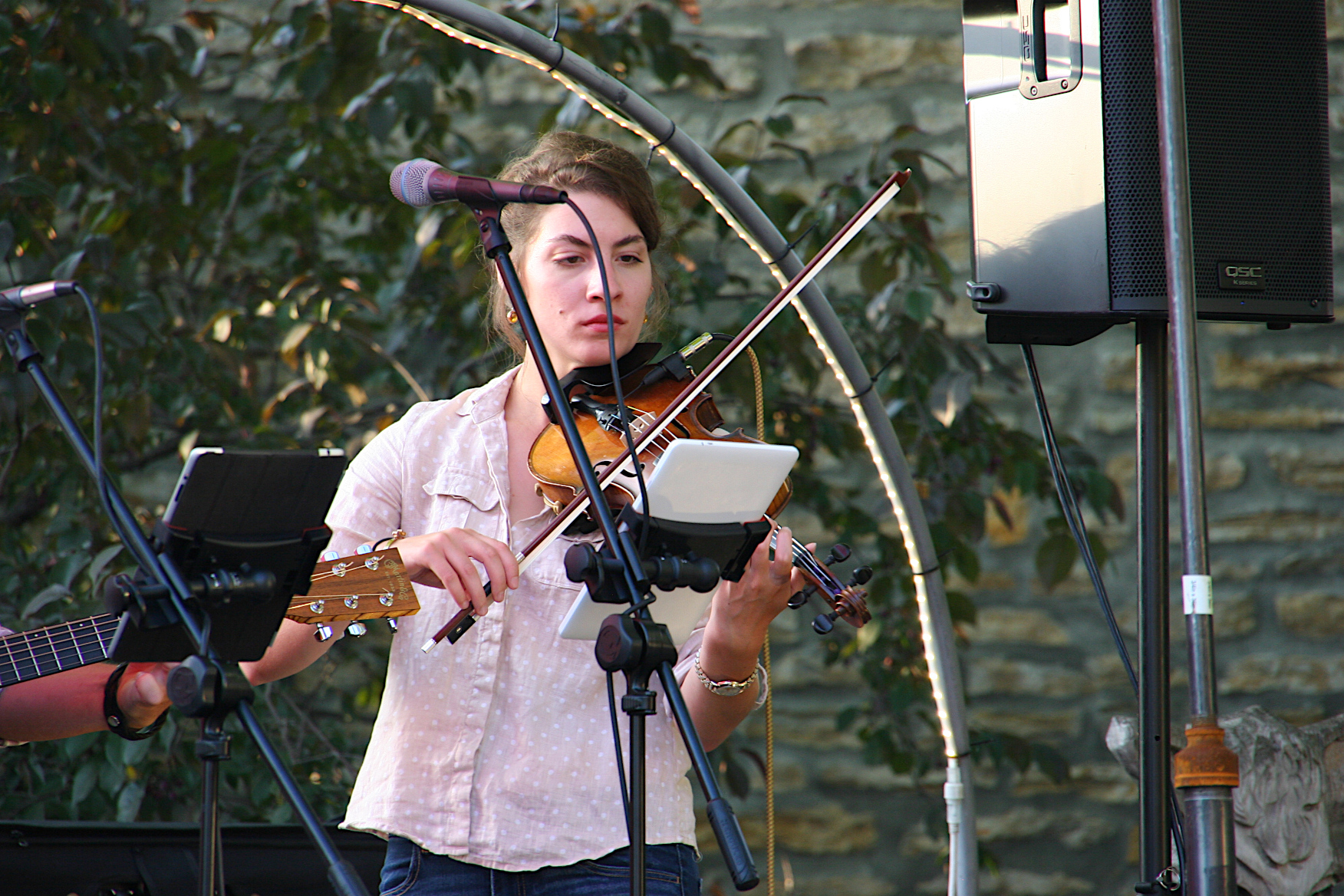
Performing at The Contented Cow in downtown Northfield. (Minnesota Prairie Roots copyrighted file photo August 2020)
In her poetry, Becky Boling moves readers through life from playground monkey bars to motherhood to contemplating old age. I am particularly drawn to “Violin Lesson,” in which Boling observes her young son learning to play the violin. From a deep cushioned armchair, she is caught up in the artistry, the beauty, the movement as am I through her observational writing. And then she closes with the emotional thought of not wanting the moment to end, of understanding that some day she will let her son go. As the mother of three, I feel her sadness at the lesson completed. I expect in her 36 years of teaching Spanish and Liberal Arts at Carleton College in Northfield, Boling has observed the movement of young people whose parents let them go to learn and grow their independence.
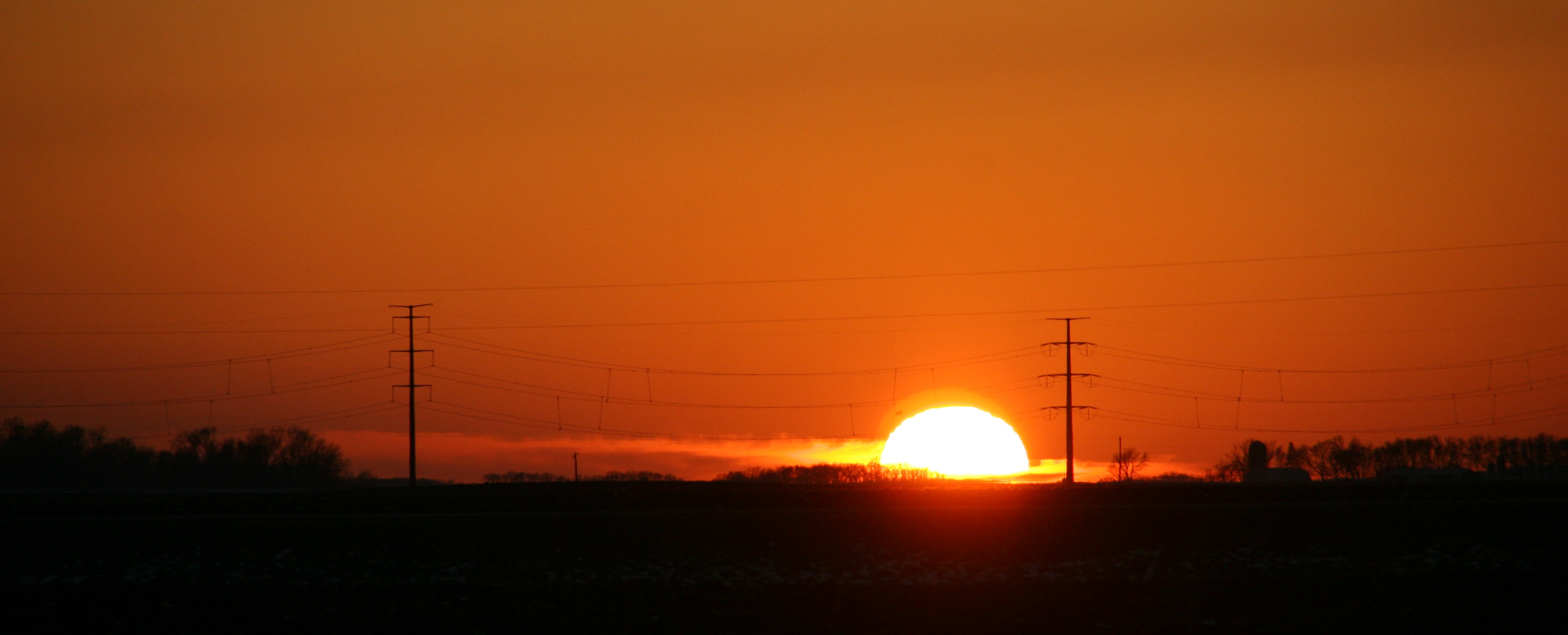
A southwestern Minnesota prairie sunset between Redwood Falls and Morgan. (Minnesota Prairie Roots copyrighted file photo)
D.E. Green, who taught English for 33 years at Augsburg University, has likely seen the same. His poems reflect life and love. Particularly endearing is his poem, “For Becky: Love Sonnet after Neruda,” written for Boling, to whom he’s married. (They also share the position of interim co-poet laureates in Northfield.) His appreciation for and study of Shakespeare show in this love poem, as touching as any love poem I’ve read. “I love you unthinkingly/like a deep breath, a careless yawn, a sigh,” he writes. Beautiful. Green also reflects on his life lived “good enough” and on life during retirement. His poetry should be required reading for anyone closer to west than to east.
My mom lived in a care center, confined to a wheelchair in the end years of her life. I took this photo of her hands about a year before her January 2022 death. (Minnesota Prairie Roots copyrighted file photo December 2020)
Heather Candels, too, reflects on her passing life in a poem aptly titled “Passing.” But it is “Situation Comedy,” a poem about a 104-year-old woman living in a care center, which elicits an especially emotional reaction from me. I can picture the centenarian shoving her walker (as my octogenarian mom did) to the dining room, then sitting with Grace and Lloyd, whom she secretly calls Grease and Lard. “Something has to be funny about all this,” Candels writes. The former English teacher is a gifted storyteller who brings unexpected emotional lines to her writing.
In “A Sign,” Heather Candels writes about racial injustice via white lilies of the valley and “their colonies spreading underground/roots nurtured by the rich dark soil…” This poem alone is reason enough to buy this anthology. Photo taken in Madison, Wisconsin. (Minnesota Prairie Roots copyrighted file photo September 2020)
And then there are the poems that touch on tough topics, on social issues, on disparities. Climate change. Evidence in the Nuremberg Trials. Racial injustice. Poetry doesn’t right life. But it opens our minds, causes us to think, reflect, perhaps take positive action as we move from east to west.
Mention poetry and many people likely stop listening. In a way, I understand. To their ears, they hear the stuffy, rhyming, difficult poems of yesteryear. The poems that made no sense to many of us. The poems that had to be read as part of a high school English class.
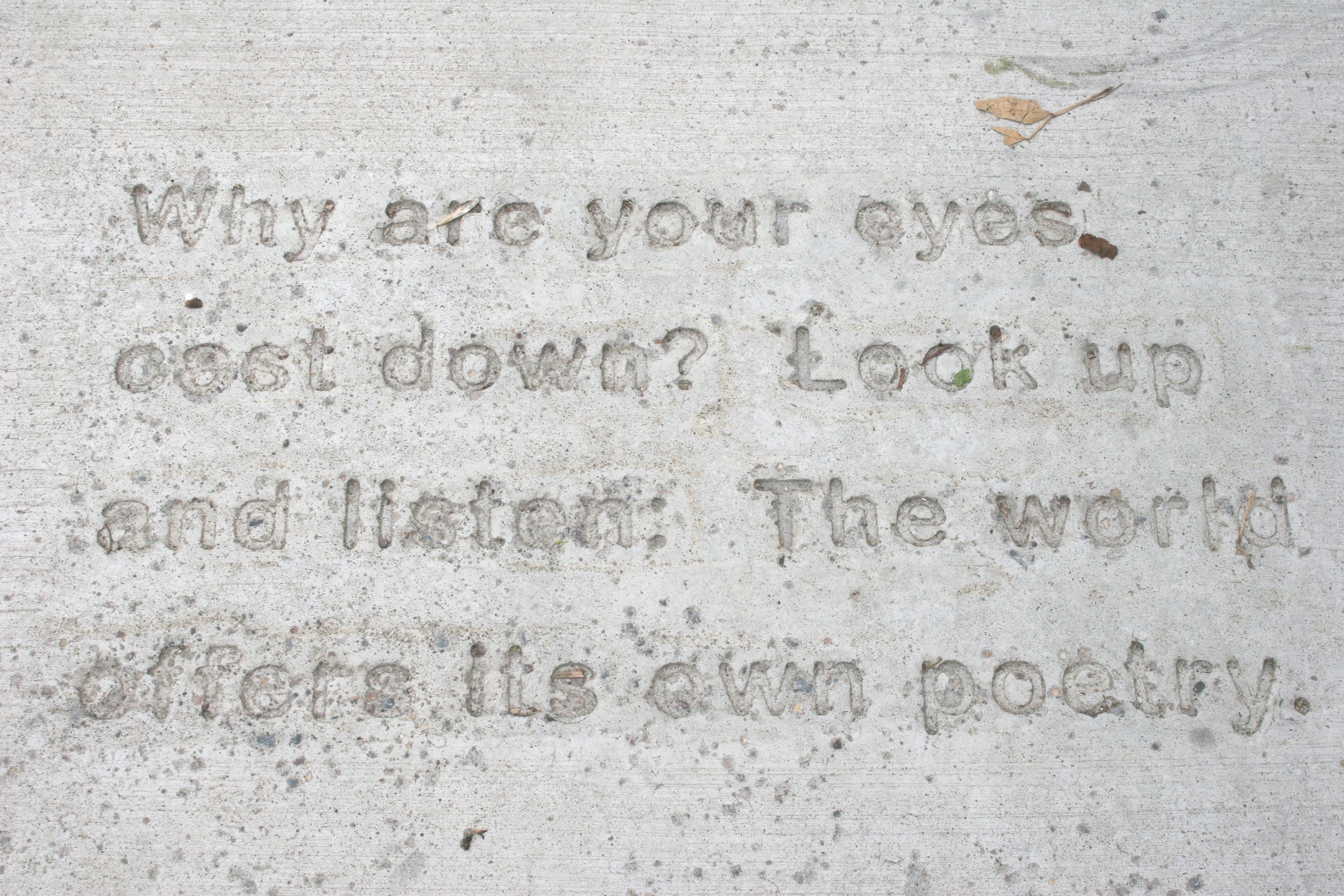
A close-up of lines in the poem steps along the River Walk in downtown Northfield. (Minnesota Prairie Roots copyrighted file photo 2022)
While I’m not privy to how poetry is taught today, I do recognize that it’s, overall, much more approachable, at least in Minnesota. We are home to a talented array of poets with their writing published not only in anthologies and literary journals, but also presented in widely-accessible, public ways.
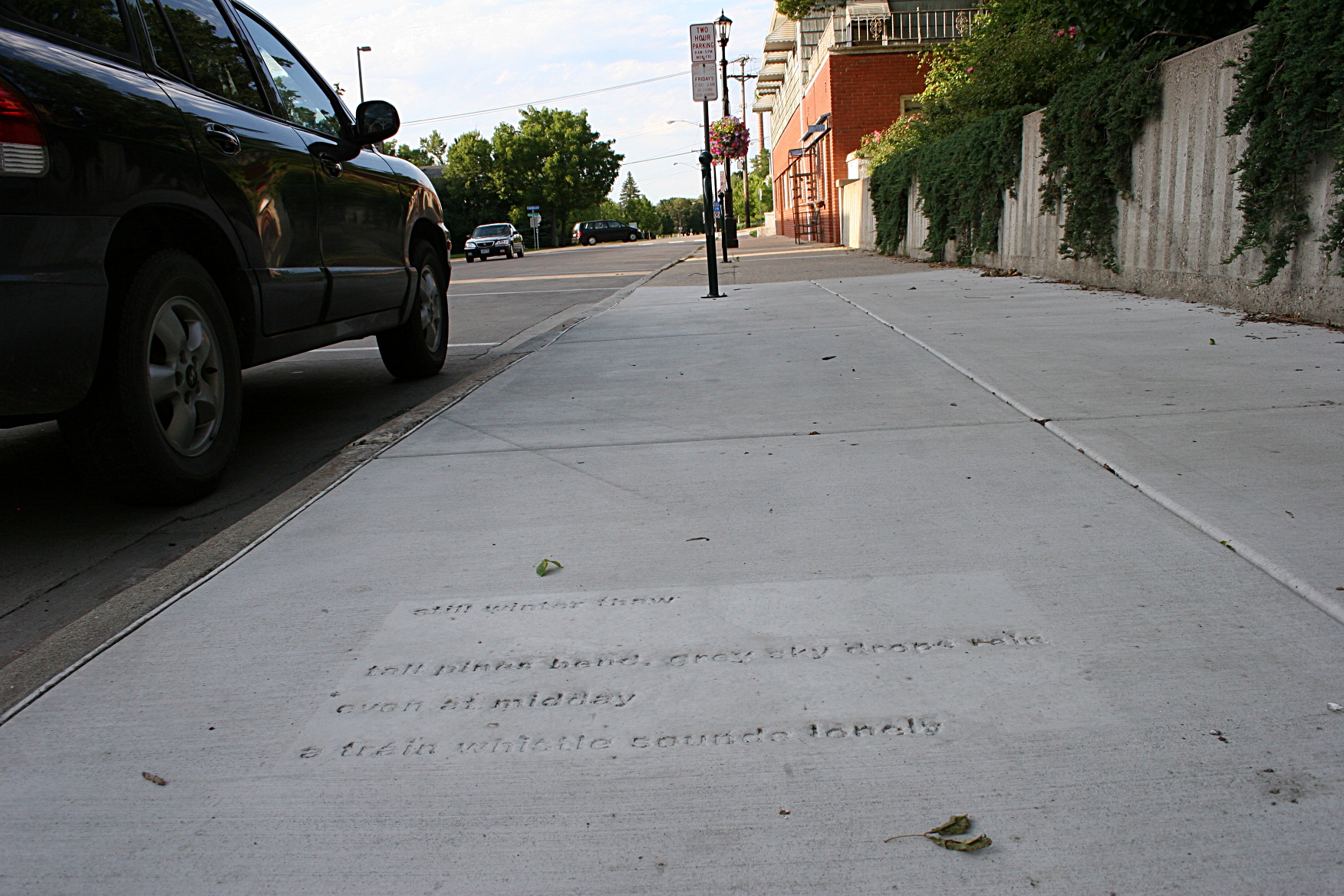
A poem by Patrick Ganey is stamped into the sidewalk near the Northfield Public Library: still winter thaw/tall pines bend, grey sky drops rain/even at midday/a train whistle sounds lonely (Minnesota Prairie Roots copyrighted file photo)
Nearby Northfield, for example, prints poetry into sidewalks. In 2011, the Arts and Culture Commission launched Sidewalk Poetry. Through that annual competition, selected poems are stamped into sidewalks in the historic downtown, along routes to schools and in residential neighborhoods. I always enjoy walking in downtown Northfield and pausing to read poetry. As a poet myself, I appreciate how much this community values this literary art.
This month, National Poetry Month, and into May, Northfield-based nonprofit Rice County Neighbors United is offering “Poem in a Bag.” Submitted original and favorite poems were printed, rolled and placed in poetry boxes (not bags) set out at select Northfield businesses and at the Northfield Public Library. Poems are printed in both English and Spanish and paired with original art by local artists. What a fun idea, to give away poems, perhaps reaching people who would not otherwise read poetry. I’ve submitted several poems for this project.
My poem, “Lilacs,” inspired “Lilacs on a Table,” an oil on linen painting by Jeanne Licari. This was part of an poet-artist collaborative exhibit at Crossings at Carnegie in Zumbrota ten years ago. Today my poem is part of Northfield’s “Poem in a Bag.” (Minnesota Prairie Roots copyrighted file photo April 2014)
A portion of a poem by Rob Hardy, former Northfield Poet laureate, in the Northfield Library atrium. (Minnesota Prairie Roots copyrighted file photo)
At the Northfield Public Library, Open Mic Poetry is held monthly in the atrium for poets to share their writing with an appreciative audience. The next event is at 6:30 pm Wednesday, May 8.
Poem steps in Northfield along the River Walk. (Minnesota Prairie Roots copyrighted file photo 2022)
Northfield also has a poet laureate actively promoting poetry and poetry events within the community. A new laureate will soon be named to replace past laureate Rob Hardy and current interim co-poet laureates Becky Boling and D.E. Green.
This new anthology features the poetry of five Northfield poets. (Minnesota Prairie Roots copyrighted photo April 2024)
This sidewalk poem in Mankato’s Riverfront Park references the mass hanging of 38 Dakota (plus two) in December 1862 in Mankato. (Minnesota Prairie Roots copyrighted file photo November 2023)
I also have two other recently-released poetry books to read: Broad Wings, Long Legs, A Rookery of Heron Poems in which Minnesota writers (including Larry Gavin of Faribault and many other recognizable poets) contemplate a regional icon, and Songs, Blood Deep by Poet Laureate of Minnesota, Gwen Nell Westerman of Mankato. Westerman is Minnesota’s first Native poet laureate and teaches English, humanities and creative writing at Minnesota State University, Mankato, my alma mater.
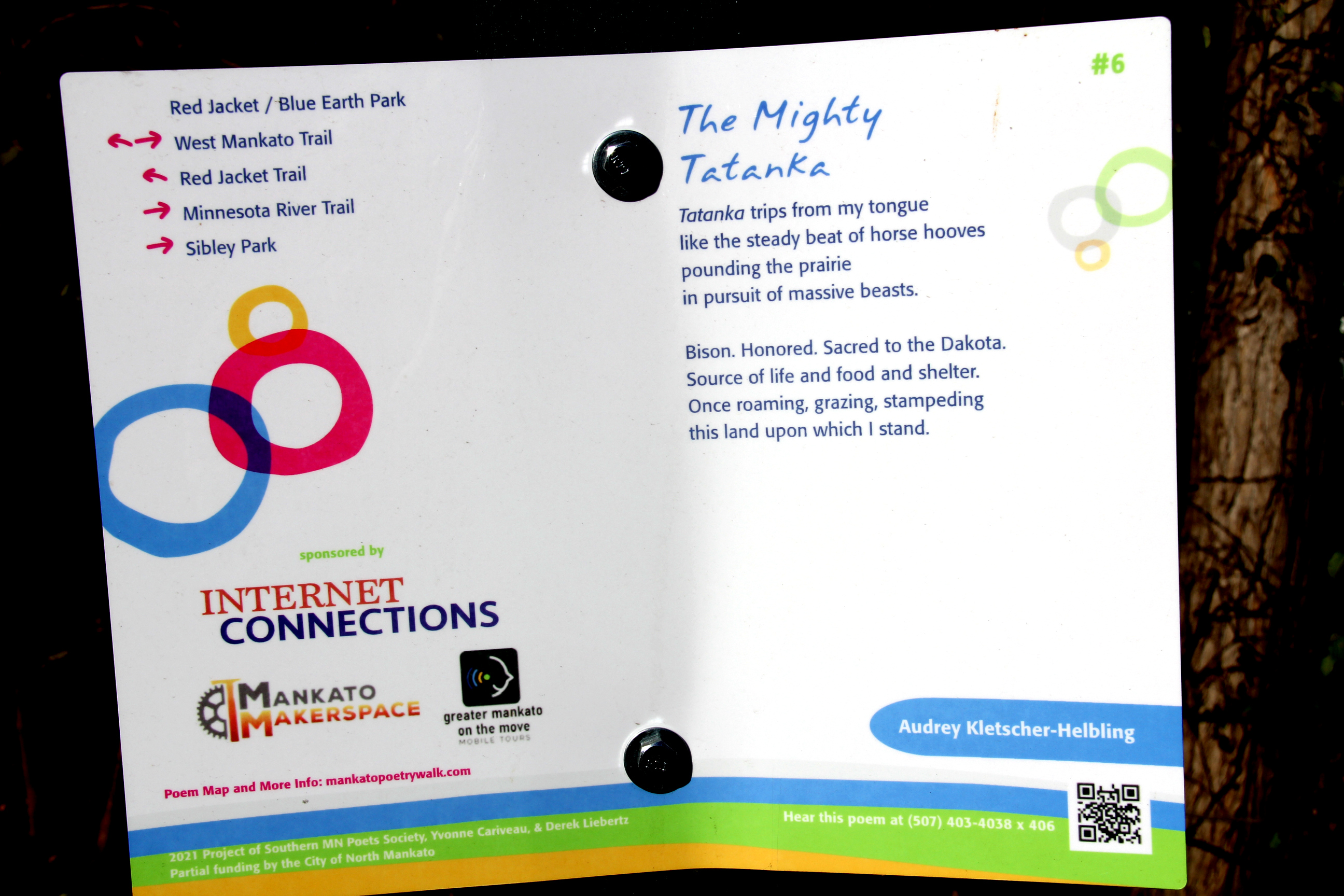
My poem, posted along the West Mankato Trail. (Minnesota Prairie Roots edited & copyrighted photo November 2023)
Mankato is a community rich in poetry. I’ve found poems stamped into concrete at Riverfront Park as part of WordWalk. But it’s a project of the Southern MN Poets Society which really puts poetry out in the community. Through the Mankato Poetry Walk & Ride, winning poems are printed on signs and posted along walking and biking trails in Mankato and North Mankato. My poems have been included perhaps half a dozen times—I’ve lost count—with one, “The Mighty Tatanka,” a poem about bison, currently displayed along a trail in West Mankato.
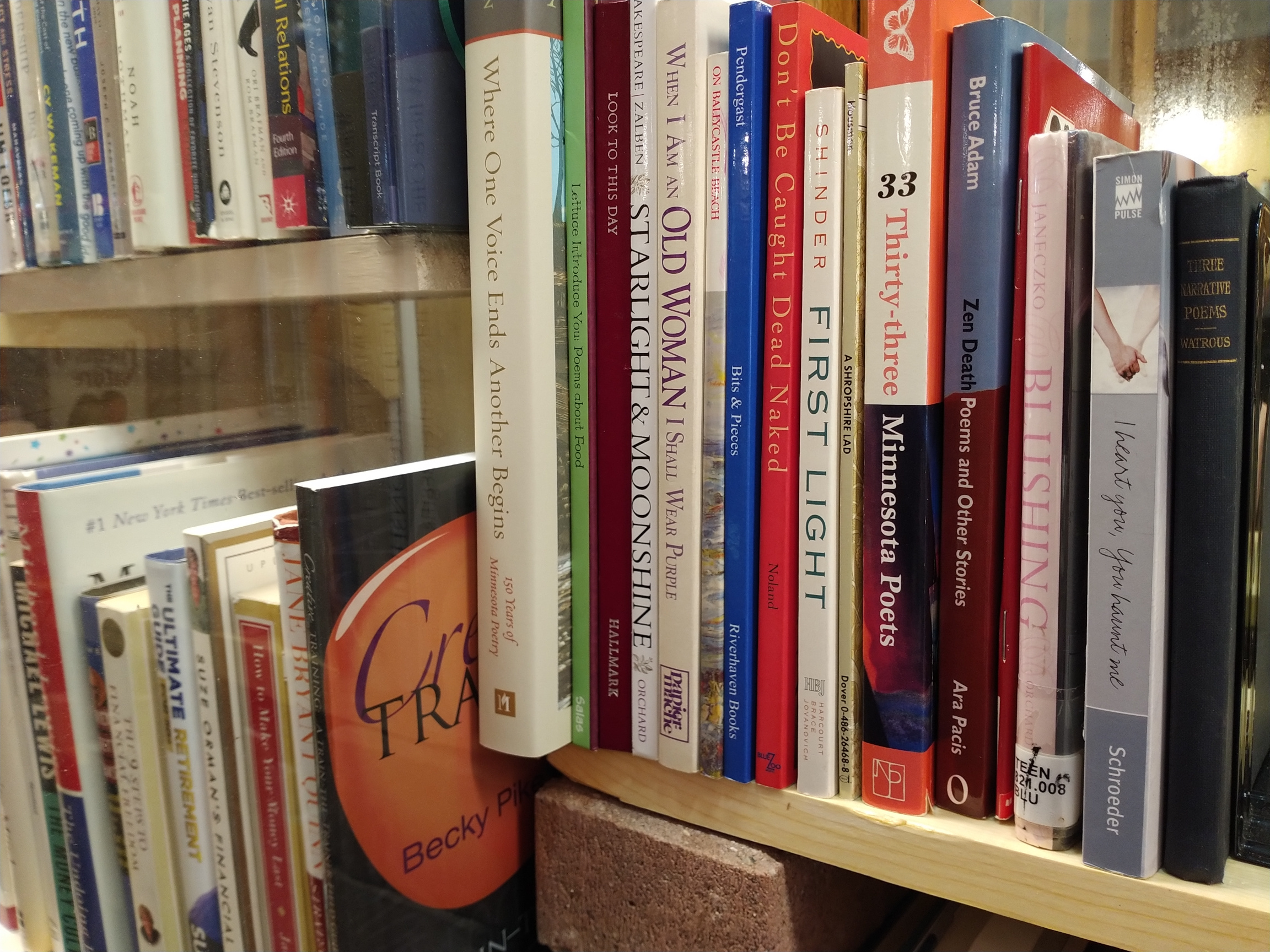
A sampling of poetry books, right, for sale at Books on Central in Faribault. (Minnesota Prairie Roots copyrighted photo April 2024)
Poetry is seemingly everywhere these days, unconfined to the space between book covers. Yet poems printed upon paper remain the primary place to find poetry. I recently picked up a stash of poetry books from my local library. I also perused poetry offerings at Books on Central, a Rice County Area United Way bookshop selling used books in downtown Faribault. In Northfield, independent bookseller Content Bookstore not only sells poetry books, but regularly hosts book signing events with writers, including poets.
An especially thought-provoking poem in Northfield’s Sidewalk Poetry project. (Minnesota Prairie Roots copyrighted file photo August 2020)
How we access poetry has certainly changed over the years. It is my hope that, even if you think you don’t like poetry, you open your mind to this creative art form. There’s much to be learned about nature, about ourselves, about life through the carefully-selected, sparse words of gifted poets, many of whom call Minnesota home.
FYI: Please check back for a more in-depth look at “Poem in a Bag” and reviews of poetry anthologies referenced in this post. Now, tell me, do you read poetry, have a favorite poem?
The sprawling Lyon County Historical Society Museum in the heart of downtown Marshall, across from the post office. (Minnesota Prairie Roots copyrighted photo September 2022)
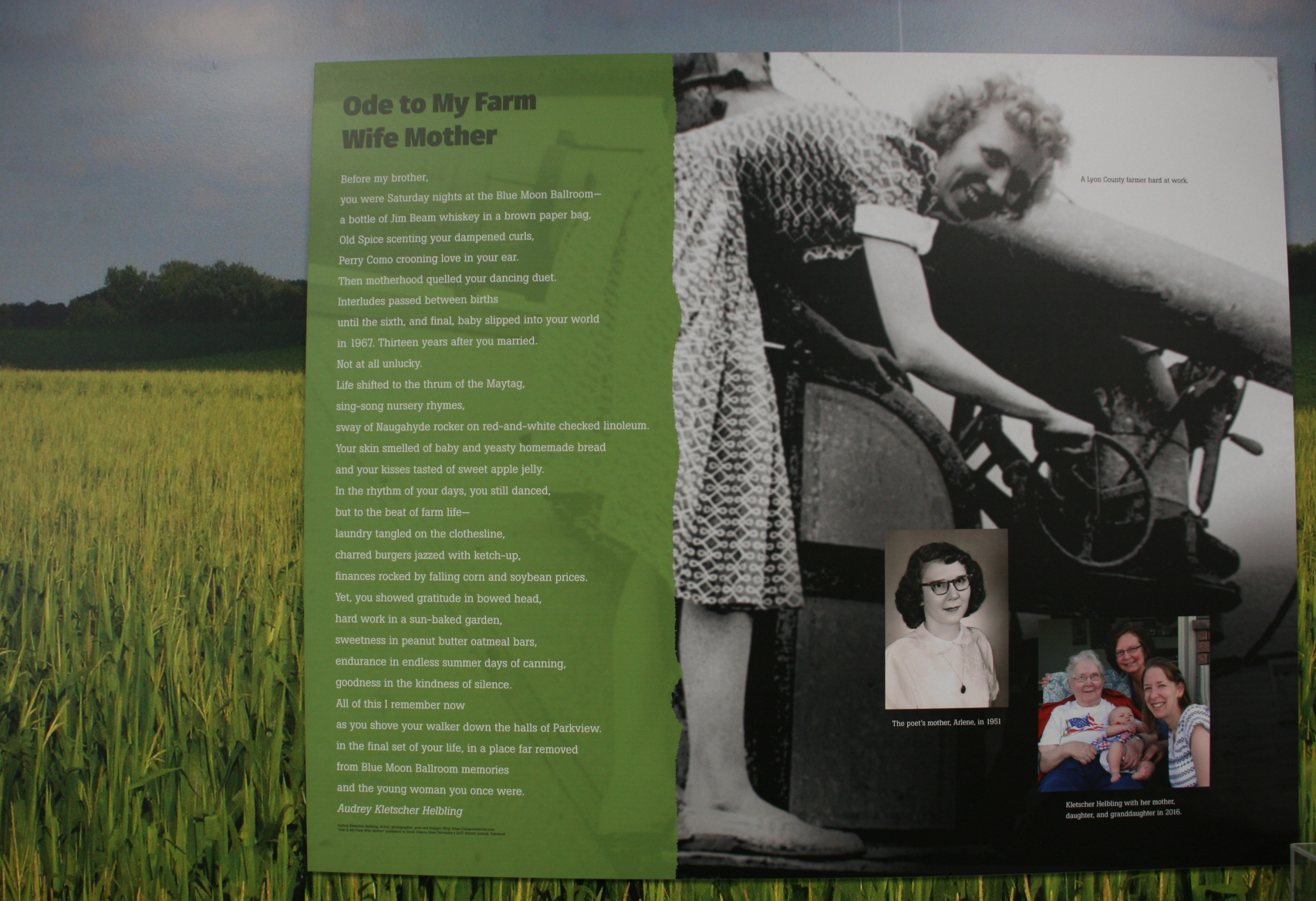
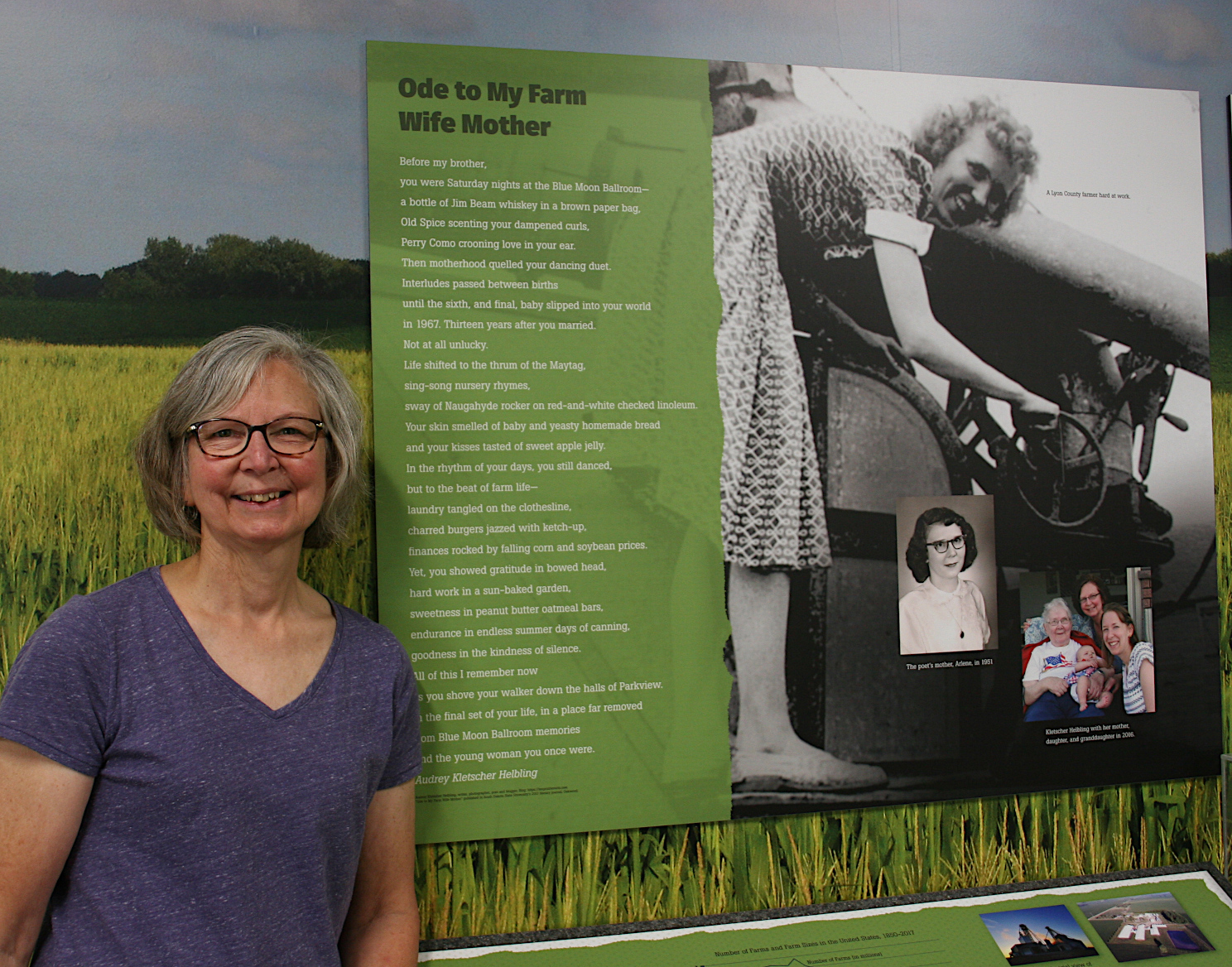
Me, photographed next to the panel featuring my poem, “Ode to My Farm Wife Mother.” My one regret is that my mom (pictured in two smaller photo insets) never saw this exhibit in person. She died in January. (Photo by Randy Helbling, September 2022)
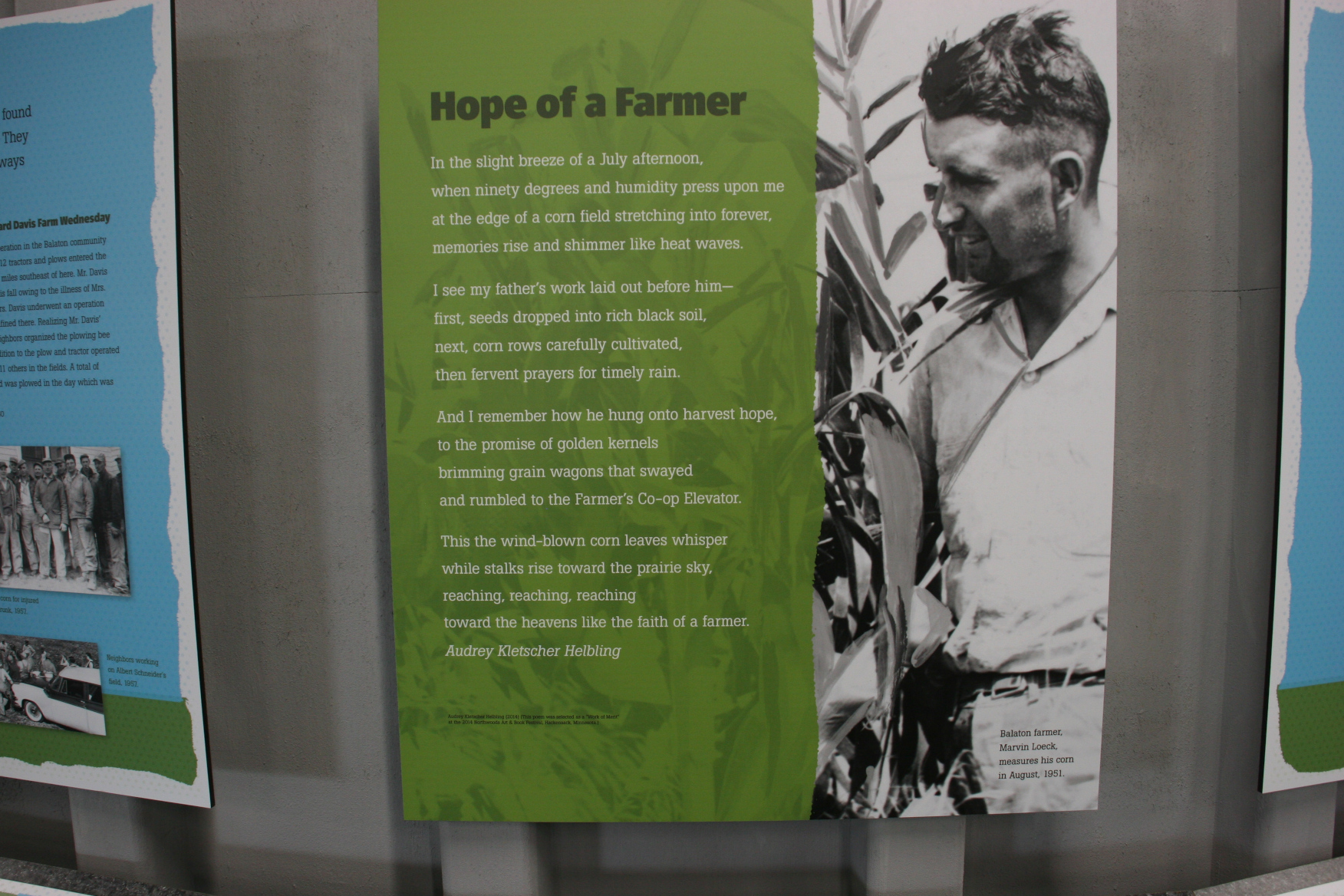
To the far left is the panel featuring my poem, “Ode to My Farm Wife Mother.” In the center is my poem, “Hope of a Farmer.” (Minnesota Prairie Roots copyrighted photo September 2022)
My poem, “Hope of a Farmer.” That is not my dad in the photo. (Minnesota Prairie Roots copyrighted photo September 2022)
The exhibit, which won a 2021 Minnesota History Award from the Minnesota Alliance of Local History Museums, opened in January of the same year. Finally, I got to Marshall last week. Up until my visit, I was unaware that two, not just one, of my poems are included. When I read the title “Hope of a Farmer,” I thought to myself, I wrote a poem with that title. And then, as I read, I realized this was my poem.
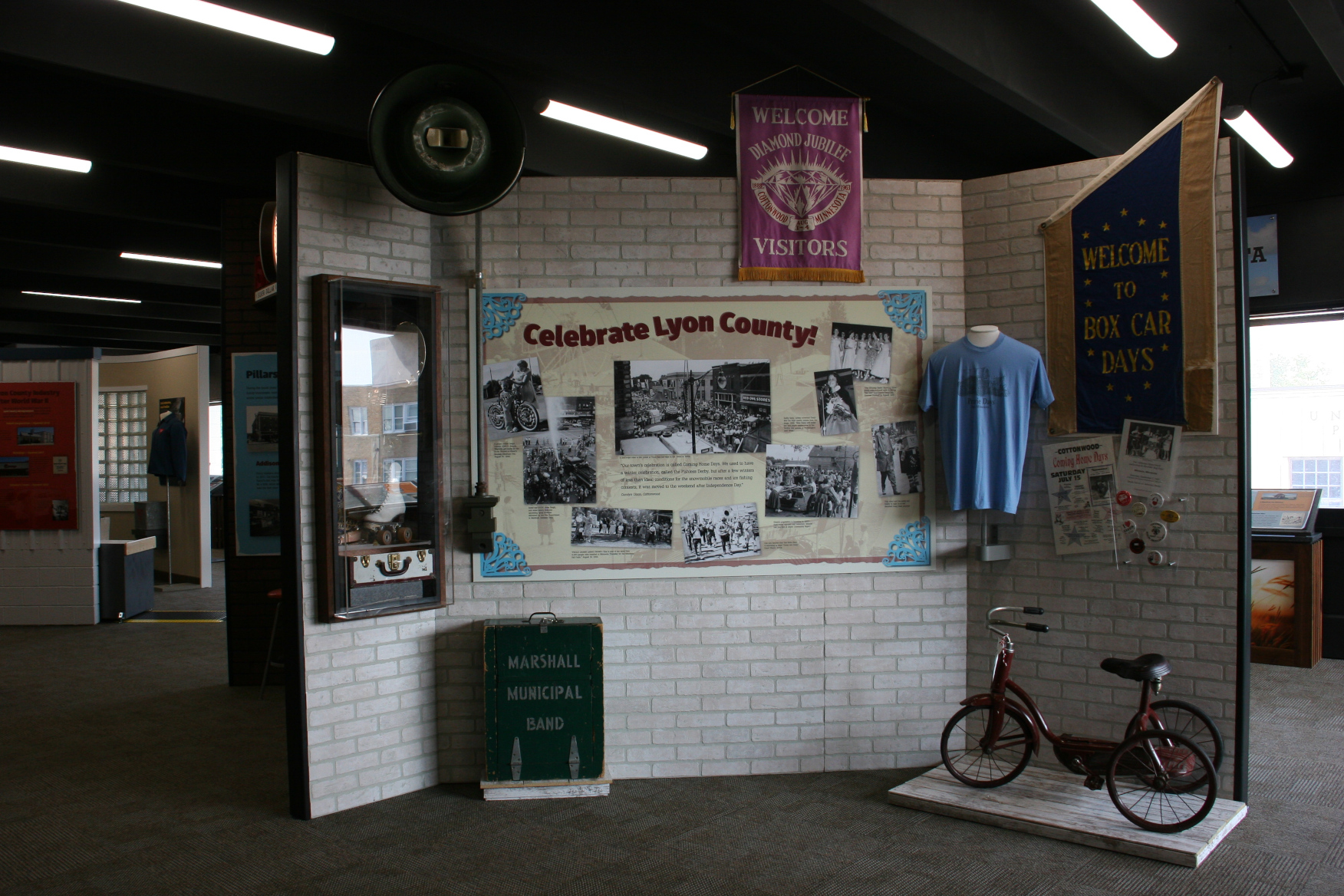
The second floor exhibit celebrates Lyon County in the award-winning exhibit, “Making Lyon County Home.” (Minnesota Prairie Roots copyrighted photo September 2022)
Now I’m doubly honored that my rural-themed poetry inspired by my farmer father and farm wife mother were chosen to be part of this outstanding exhibit focusing on the people, places, businesses, communities, activities, events, history and arts of Lyon County.
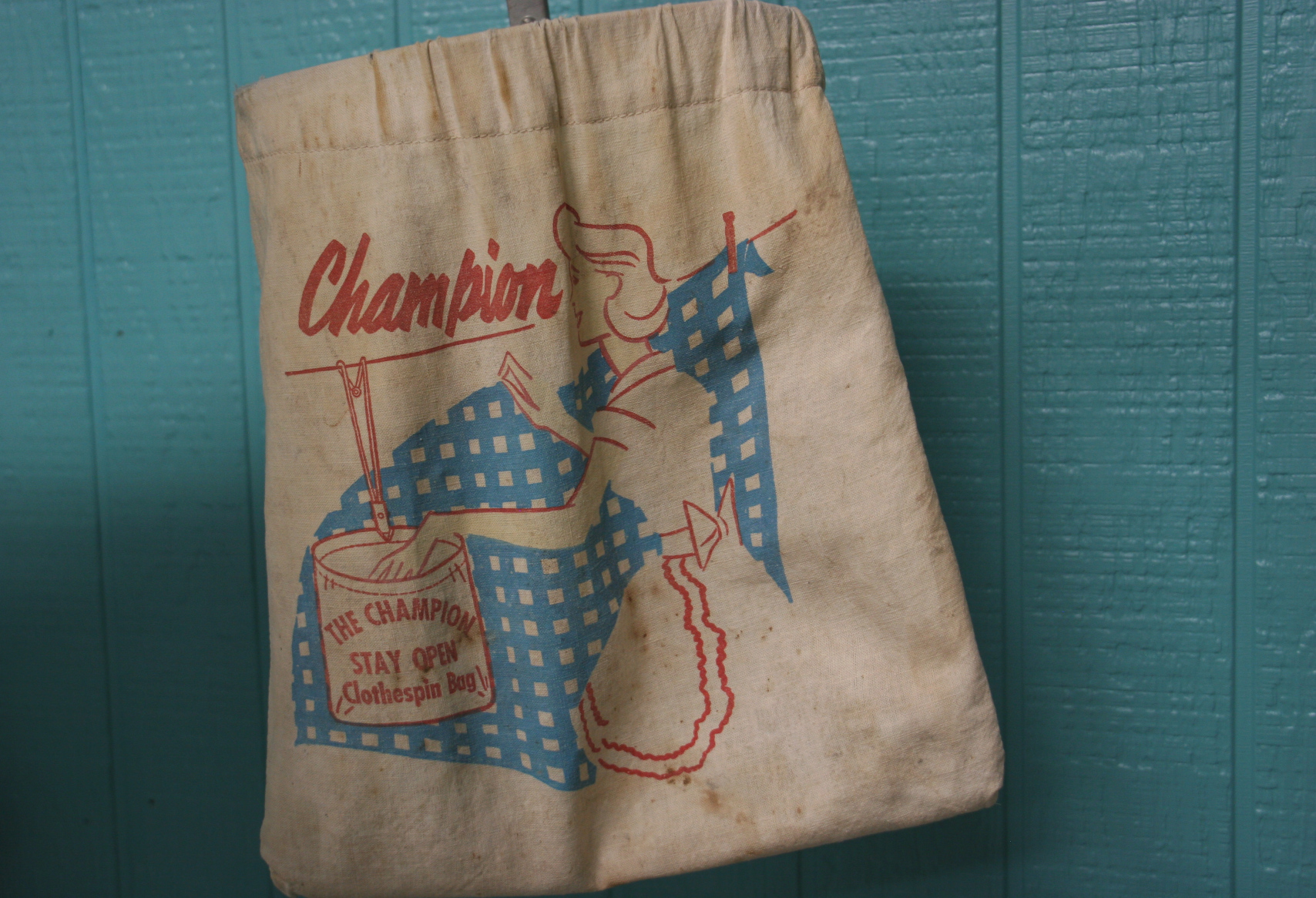
A clothes pin bag hangs in an exhibit space near my “Ode” poem, quite fitting. Visitors can turn a dial to generate “wind” blowing dish towels on a clothesline. (Minnesota Prairie Roots copyrighted photo September 2022)
finances rocked by falling corn and soybean prices.
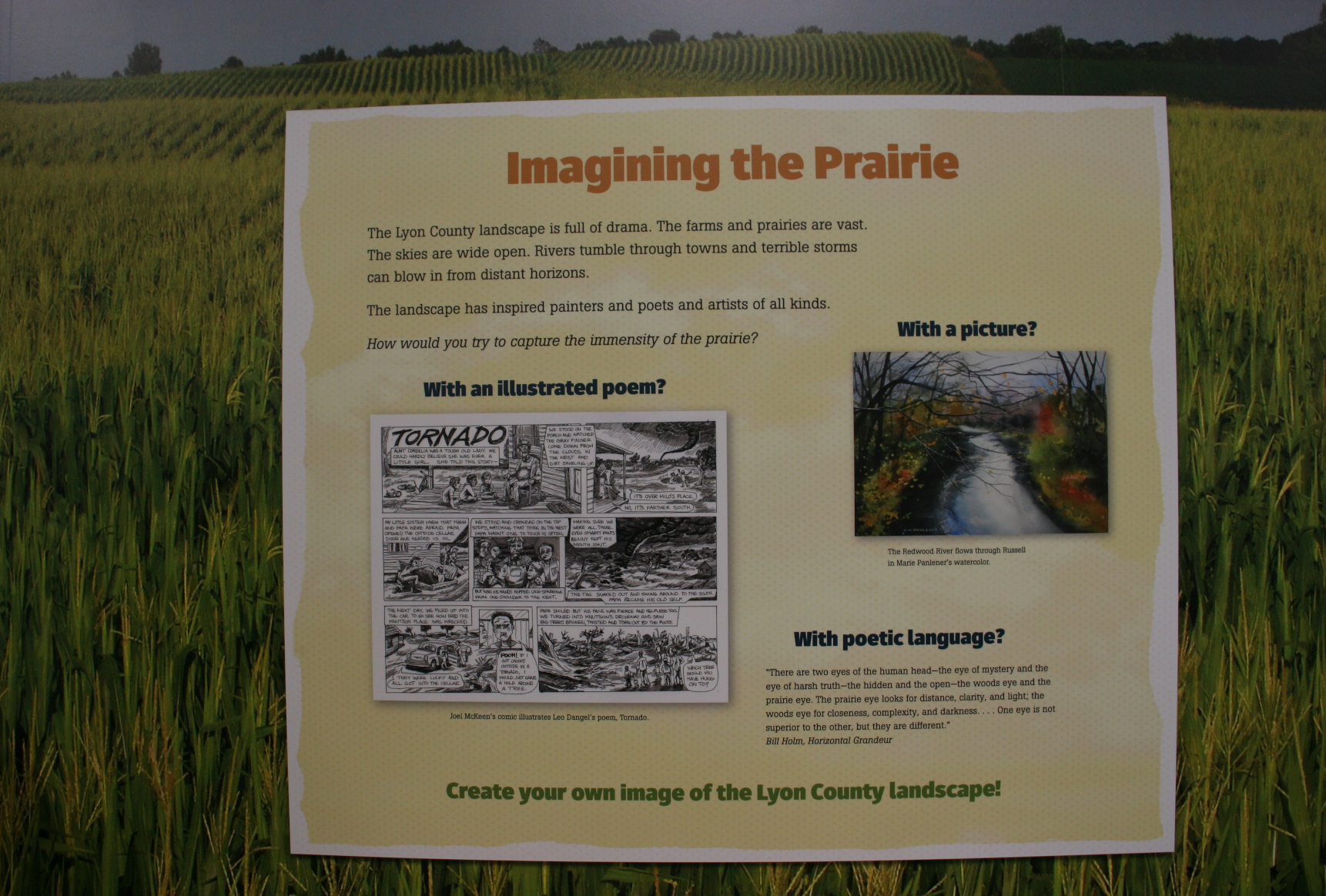
This panel honors literary and visual artists of the region. (Minnesota Prairie Roots copyrighted photo September 2022)
As I read the “Imagining the Prairie” informational panel, my gratitude to the LCHS staff, volunteers and Museology Museum Services of Minneapolis (lead contractor for the exhibit) grew. I appreciate that an entire panel focuses on the arts: The Lyon County landscape…has inspired painters and poets and artists of all kinds. I’ve long thought that as I see the prairie influence in my writing and photography. Farms, vast prairies, wide skies and tumbling rivers define the landscape of southwestern Minnesota.
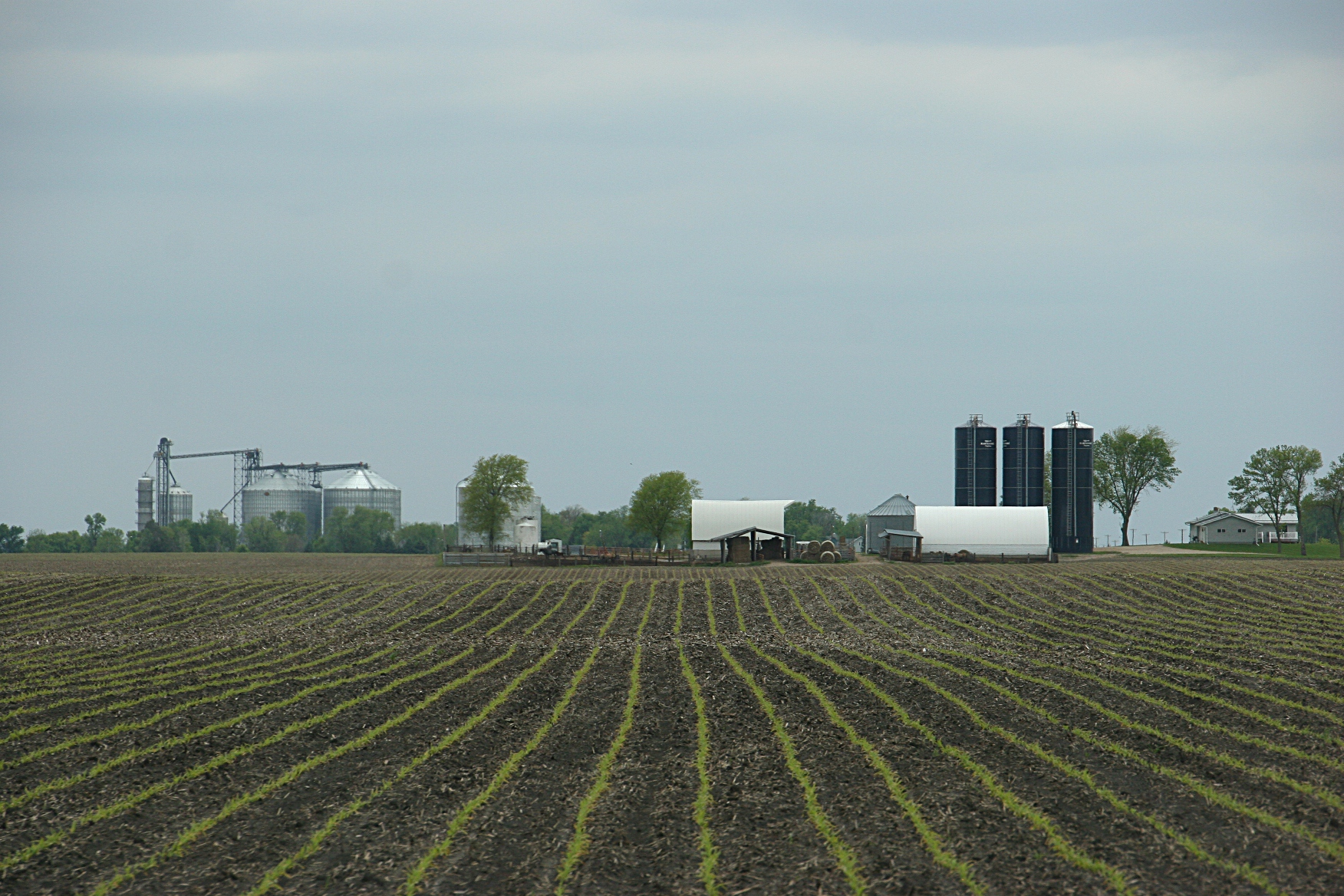
Corn rows emerge in a field near Delhi in southwestern Minnesota. (Minnesota Prairie Roots copyrighted file photo)
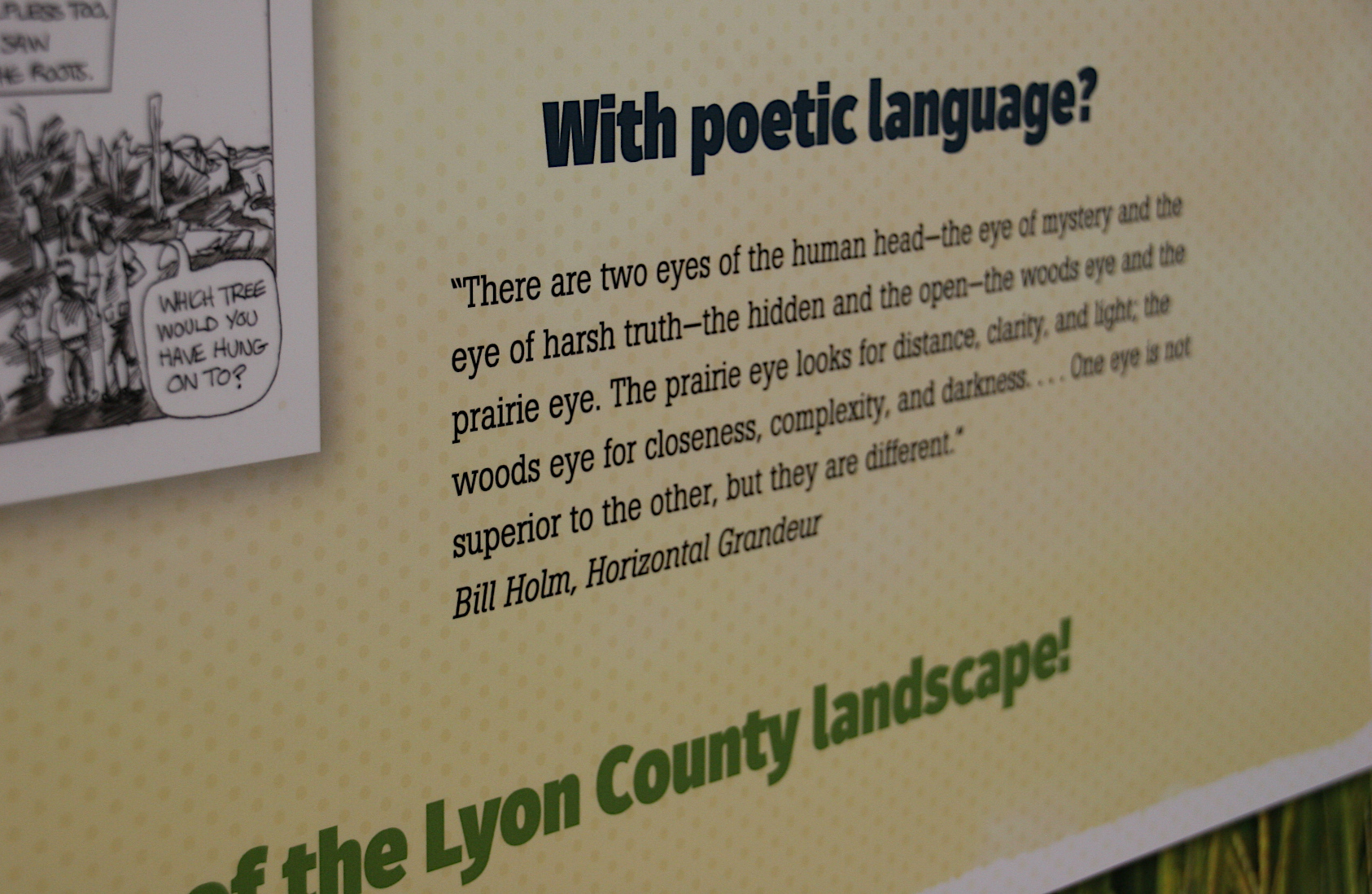
A fitting quote from Bill Holm. (Minnesota Prairie Roots copyrighted photo September 2022)
A quote from poet, essayist and musician Bill Holm of nearby Minneota, summarizes well the lens through which we prairie natives view the world and the creative process. The prairie eye looks for distance, clarity, and light…
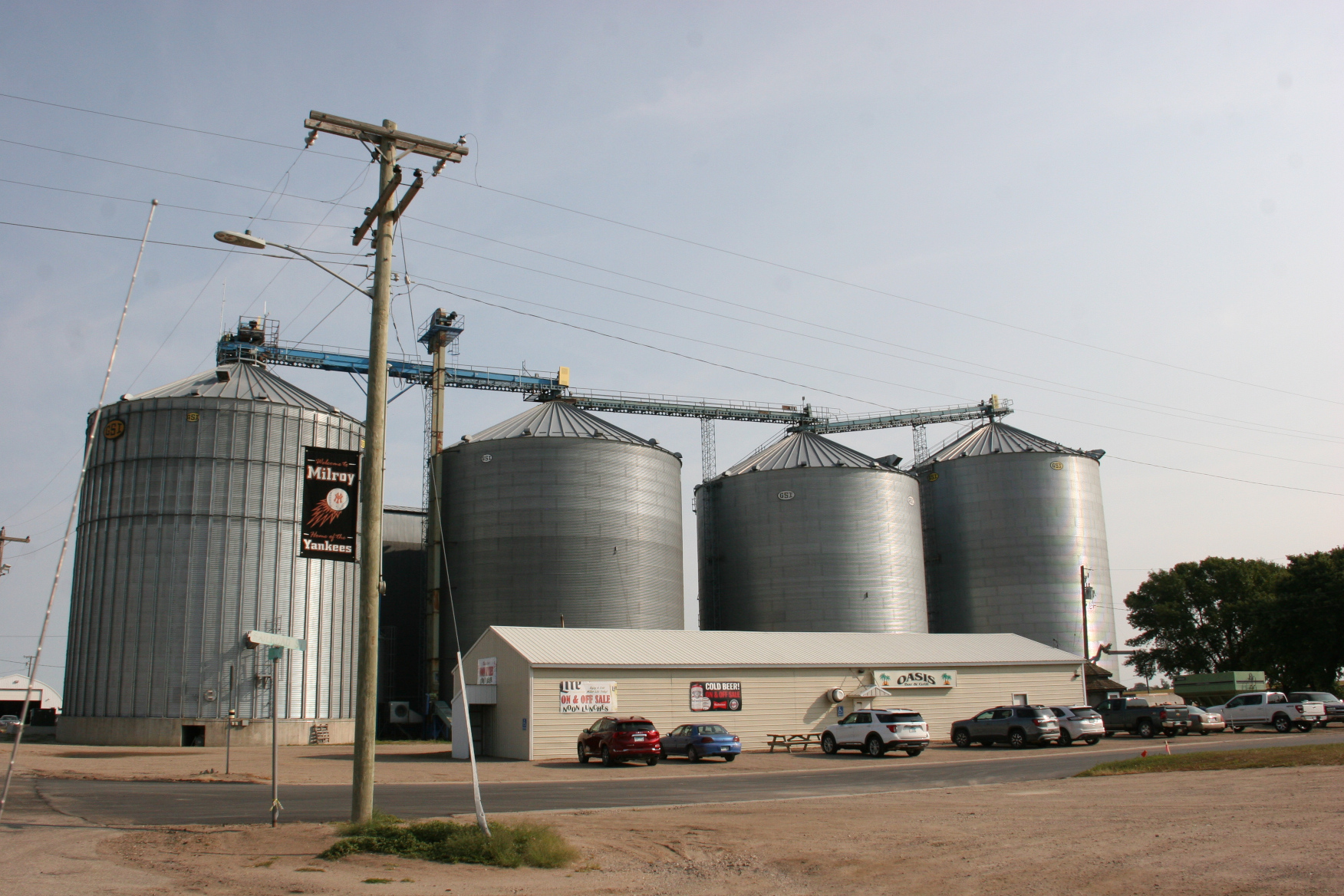
A grain complex and the Oasis Bar & Grill in Milroy, near Marshall. (Minnesota Prairie Roots copyrighted photo September 2022)
Holm, who died in 2009, was among southwestern Minnesota’s best-known writers, having penned poetry and multiple books such as his popular The Heart Can Be Filled Anywhere on Earth and Boxelder Bug Variations. His boxelder bug book inspired his hometown to host an annual Boxelder Bug Days, still going strong.
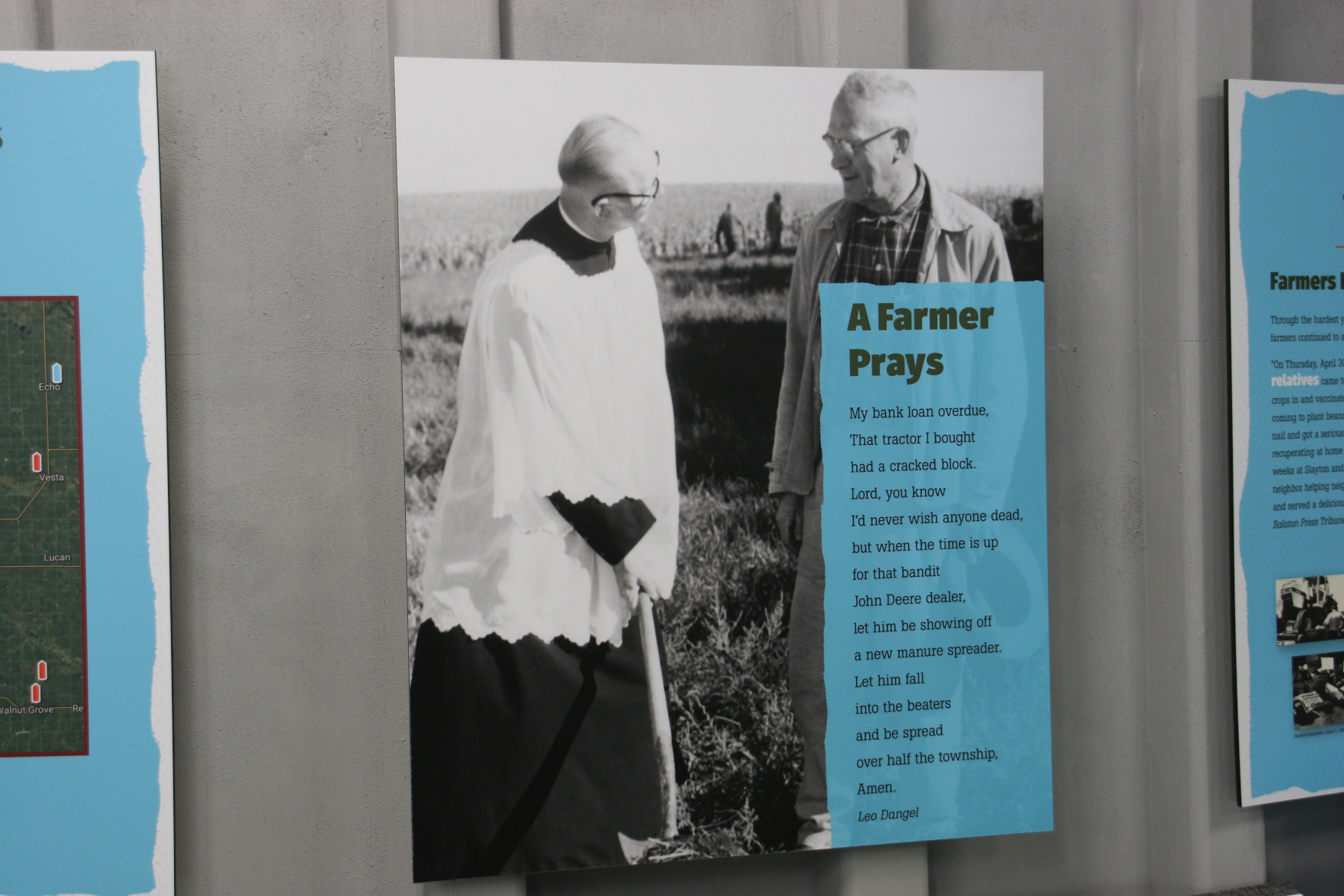
Poetry by Leo Dangel in the ag-focused part of the exhibit. (Minnesota Prairie Roots copyrighted photo September 2022)
To see my poems featured alongside the work of gifted writers like Holm and equally-talented poet Leo Dangel in the “Making Lyon County Home” exhibit was humbling. Dangel, who died in 2016, wrote six collections of poetry. The prairie and rural influence on his work show in the featured poems, “A Farmer Prays,” “A Clear Day,” and “Tornado.”
My poem honoring my mom… (Minnesota Prairie Roots copyrighted photo September 2022)
Both men taught English at Southwest Minnesota State University in Marshall, reaffirming their devotion to this rural region and to the craft of writing. The exhibit includes a section on the university, which opened in 1967 within 10 years of my leaving the area to attend college in Mankato. I sometimes wonder how my writing would have evolved had I stayed and studied on the prairie.
A serene country scene just north of Lamberton in southern Redwood County, which is right next to Lyon County. (Minnesota Prairie Roots copyrighted file photo)
When I returned to Marshall for the first time in 40 years, nothing about the town seemed familiar. Time has a way of changing a place. But when I reached the top floor of the county museum, saw my poems and began to peruse the “home” exhibit, I felt like I was back home. Back home on the prairie, among cornfields and farm sites and grain elevators and all those small towns that dot the landscape. Back home under a wide prairie sky with land stretching beyond my vision. Back home where I understand the people. Back home in the place that influenced my writing as only the prairie can for someone rooted here.
#
Please check back for more posts featuring the Lyon County Museum and the area.
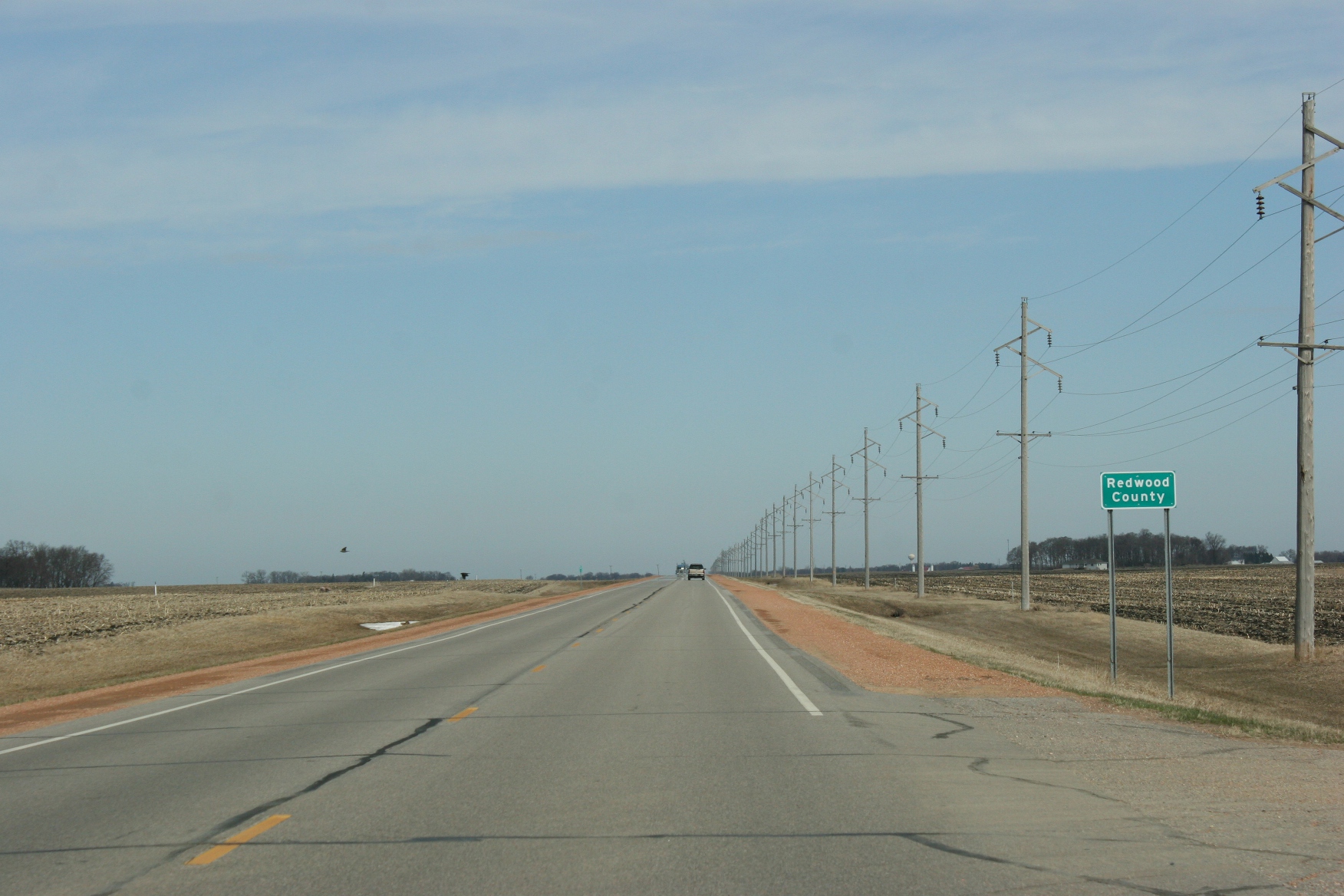
Entering my home county of Redwood along Minnesota State Highway 68 southeast of Morgan. (Minnesota Prairie Roots copyrighted file photo April 2018)
ON THE AFTERNOON of the April morning I scanned the #811 shelves at Buckham Memorial Library for poetry books, I raked a banana from the boulevard.
“Hey, I found a rotten banana,” I hollered to Randy, who had just switched off the lawnmower as he mulched leaves.
“You didn’t eat it, did you?” he asked.
“No,” I shouted back, rolling my eyes at his humor.
“I found a dead mouse or squirrel earlier,” he shared in an apparent effort to top my discovery of a dried black banana. (We never know what we’ll find while raking in the spring.) He walked across the lawn to the curb along busy Willow Street and kicked up the dried carcass I really did not want to see.
“Mouse,” I concluded, and looked away.
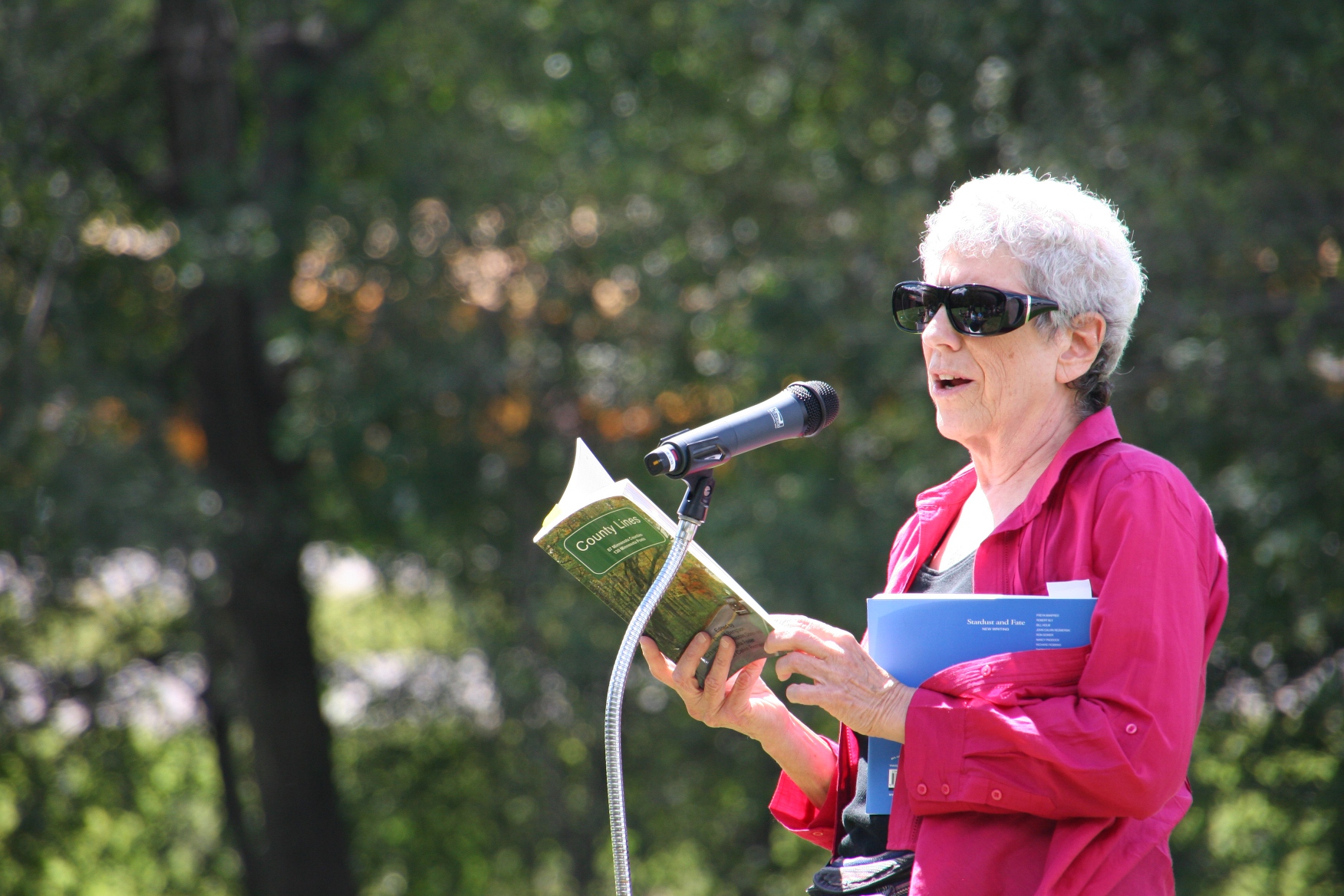
Mira Frank reads the works of Minnesota poets from “County Lines” at an event in St. Peter in 2016. (Minnesota Prairie Roots copyrighted photo August 2016)
It’s a must-read book which accurately, and poetically, reflects Minnesota. Among the poems published therein, “April” by Connie Wanek. The first four lines of her five-verse poem from St. Louis County, are so relatable. She writes:
When the snow bank dissolved
I found a comb and a muddy quarter.
I found the corpse of that missing mitten
still clutching some snow.
As someone who’s lived in Minnesota her entire life, I “get” most of the poetry published in this collection. These poets write about land and weather, experiences and observations, small town cafes and polka dancing and trains roaring down tracks and closing the cabin and picking rock and…
The plentiful large rocks pictured here at Blue Mounds State Park are likely similar to those referenced in Leo Dangel’s poem.The park in rural Luverne is about 20 miles from Jasper, which Dangel names in “Stone Visions.” (Minnesota Prairie Roots copyrighted file photo August 2013)
I laughed aloud when I read Leo Dangel’s “Stone Visions” from Pipestone County in my native southwestern Minnesota. The topic—picking rock. For those of you who’ve never picked rocks, it’s exactly what it says. Walking through a field gathering and tossing rocks that seem to sprout every spring. Poet Dangel viewed oversized stones in a field near Jasper in a poetic way while his farmer uncle observed, “I’d hate like hell to start picking rock in those fields.”
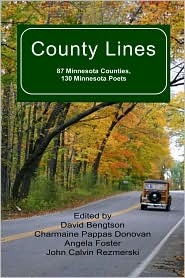
Image source: Goodreads.
Uncovering rocks. Uncovering a dried mouse carcass. Uncovering a dried black banana. Uncovering poetry that resonates. Within the span of several hours, I found winter’s remains and a treasure of a poetry collection.
County Lines uncovers the stories of Minnesota in poetic voice from lesser-known to well-known Minnesota writers. Poets like David Bengston, Robert Bly, Philip S. Bryant, Susan Stevens Chambers, Charmaine Pappas Donovan, Angela Foster, Larry Gavin, Laura L. Hansen, Sharon Harris, Margaret Hasse, Bill Holm, John Calvin Rezmerski, Candace Simar, Joyce Sutphen and so many more.
From Willmar to Hibbing to Lac qui Parle and, oh, so many places in between, the layers of our state, our people, our stories, our history, our heritage are revealed. This April day I celebrate National Poetry Month in a Minnesota poetry book pulled from the #811 shelves at Buckham Memorial Library in Faribault.
#
FYI: Former Minnesota Poet Laureate Joyce Sutphen will read from her newest poetry books, Carrying Water to the Field and The Long Winter, at 1 pm Saturday, April 23, at the Little Falls Carnegie Library. “Making Rural Connections Through Poetry with Joyce Sutphen” focuses on the loss of small farms in Minnesota. Sutphen grew up on a Stearns County farm. Three of her poems are featured in the “Stearns County” entries in County Lines.
TELL ME: Do you have a favorite book of poetry you’d like to recommend? Or, if you’ve written a book (s) of poetry, please feel free to share information here.
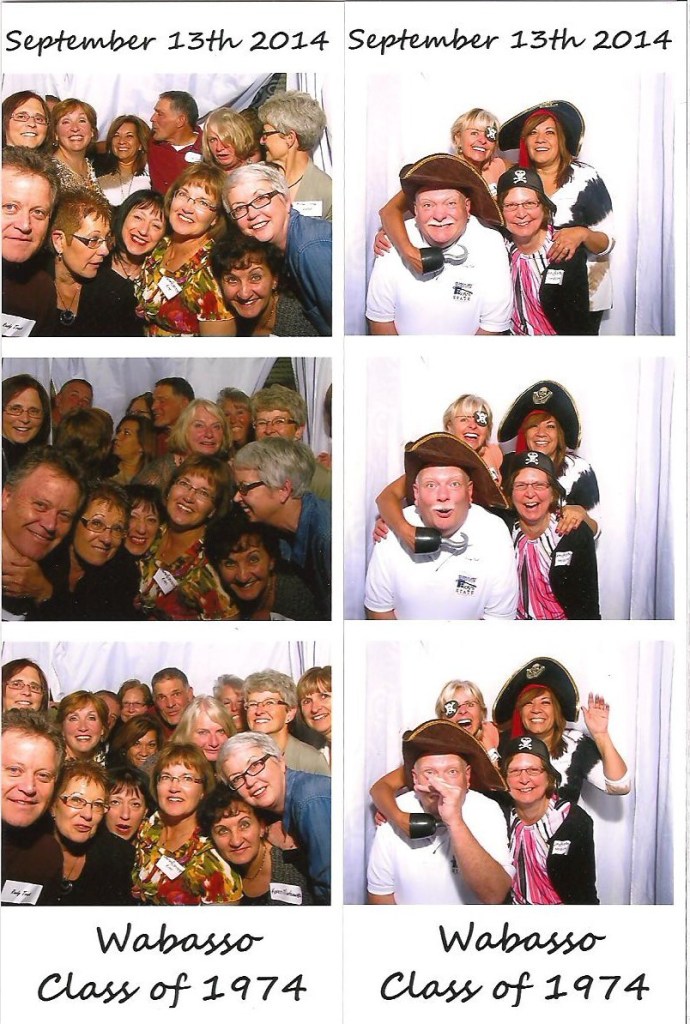
How many classmates can cram into a photo booth? These photos inspired a poem I wrote and will read this evening in Northfield. Minnesota Prairie Roots file photo.
AS I PREPPED for this evening’s poetry reading at Content Bookstore in downtown Northfield, my husband asked how many poems I’ve had published. Good question. I don’t know. But my guess would be forty.
With 10 minutes to read my work, choosing poems proved difficult. I narrowed it down to six that I particularly like and that are fun to read aloud. And that fit within my time limit. From an especially painful memory of my son being struck by a car in 2006 to a recap of my 40th high school class reunion to a conversation in a grocery store parking lot, my poems reflect a range of topics. I aimed for that.
My poem initially published in In Retrospect, The Talking Stick, Volume 22, an anthology published by The Jackpine Writers’ Bloc based in northern Minnesota. The same poem was then selected for inclusion in an artsong project by Rochester musician David Kassler. He wrote music for my poem which was then sung by a Chamber Choir. Minnesota Prairie Roots file photo.
Early on in my poetry writing I tended to write a lot of “place” poems set in my native southwestern Minnesota prairie. I’ve expanded beyond that narrow subject now, although the prairie can still claim credit for my writing style. I write with detail. Not just visual, but detail that engages every sense. The starkness of the prairie causes one to notice everything. The howl and bite of the wind. The warmth of soil black as a night sky. The smell of rain and of barn. The taste of sunshine in a garden-fresh tomato.
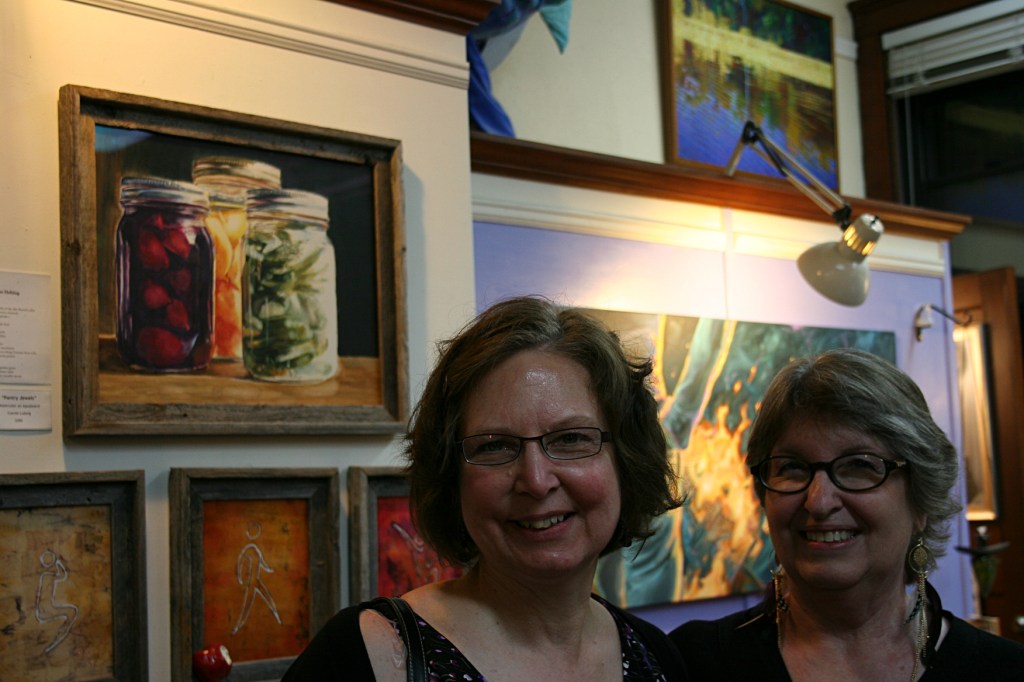
In 2012, artist Connie Ludwig, right, created a painting (left, above my head) based on my poem, Her Treasure. Minnesota Prairie Roots file photo 2012.
In my poem Her Treasure, which I will read this evening, I honor all the farm women who labored upon the land by planting and harvesting from vast gardens. I honor, too, my hardworking mom in Ode to My Farm Wife Mother. That poem published in the 2017 issue of Oakwood Magazine, a literary journal printed by South Dakota State University.
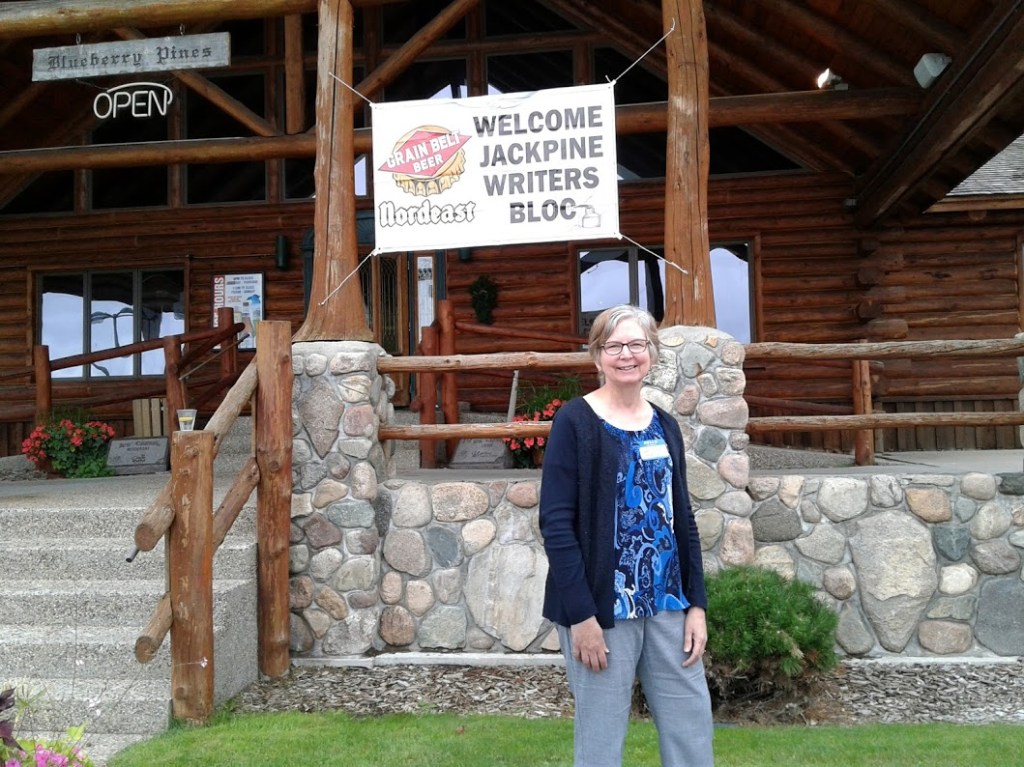
The setting for The Talking Stick book release party in 2017, Blueberry Pines Golf Club. I’ve been published in this Minnesota anthology numerous times winning honors for my poetry, fiction and creative nonfiction. Minnesota Prairie Roots file photo 2017.
I am honored and humbled to have my award-winning poetry published in a variety of places: The Talking Stick, Poetic Strokes, Lake Region Review, The Minneapolis Star Tribune, Mankato Poetry Walk & Ride, Oakwood Magazine, Roadside Poetry Project, Poet-Artist Collaboration at Crossings at Carnegie, Image & the Word, The Lutheran Digest, Minnesota Moments magazine and probably some other places I’m forgetting right now.
My poetry is down-to-earth understandable. I’ve always written that way. If you live near Northfield, please join me and four other Faribault area poets at 7 this evening as we share our poetry. And, please, introduce yourself. I’d love to meet you.
INSIDE THE SANCTUARY of Good Shepherd Lutheran Church in Rochester, voices rose in poetic song while the composer/director focused with eyes intent, arms rising and falling in a mesmerizing rhythm.
From my aisle seat chair, I watched and listened, swept into details of the concert—the shape of a singer’s mouth, the hands of the cellist gliding bow across strings, the strength of the piano in a place with wonderful acoustics.
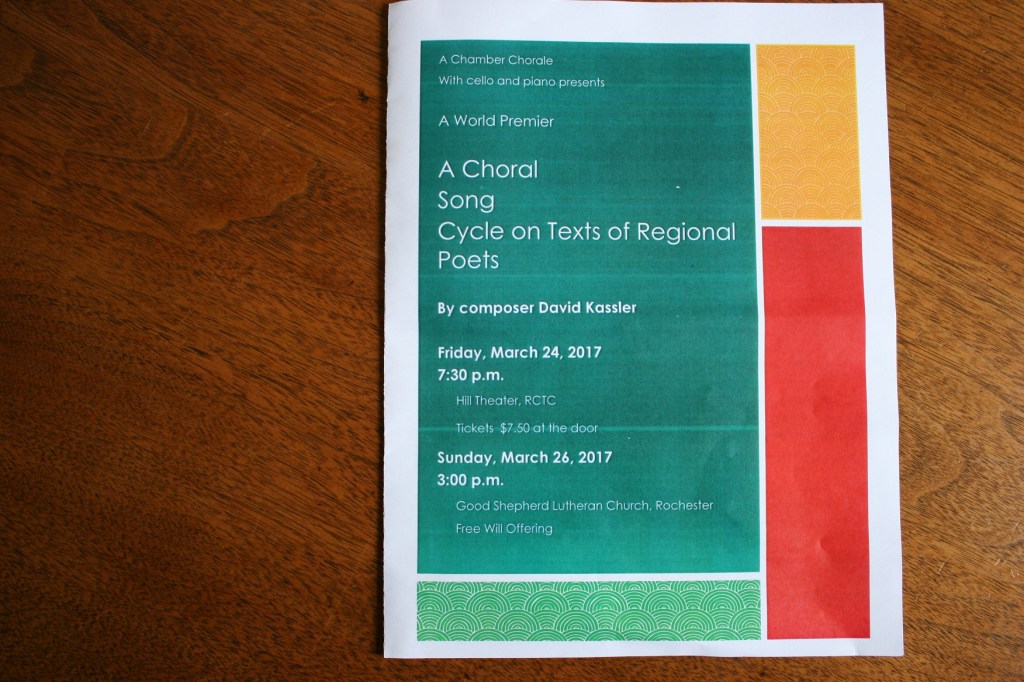
I listened, too, to the strong voices of poets who read or recited poetry with the practice of seasoned writers. I was one of them, reading my poem, “The Farmer’s Song,” selected for inclusion in the weekend world premiere of “A Choral Song Cycle on Texts of Regional Poets” at two concerts in this southeastern Minnesota city.
Rochester composer David Kassler crafted music for seven selected poems written by myself, Jana Bouma, Meredith Cook, Janelle Hawkridge, Robert Hedin, John Reinhard and Michael Waters. Mine was part of a Minnesotan Rondos trio: “The Famous Anoka Potato,” “The Farmer’s Song” and “The Old Scandinavians.”
To hear my rural-themed poem performed by an impressive and talented Chamber Chorale with accompaniment of an equally gifted cellist and pianist, was humbling and honoring. I am grateful for this unique opportunity as a poet.
When I consider music, I view it as poetry in the sound of instruments, in the lyrics, in the voices that sing, in the direction of the conductor, in the reaction of the audience. I received numerous positive comments on “The Farmer’s Song,” including that my poem reflects a way of life that is disappearing from rural America. It is. The small family farm and the intense backbreaking labor that once defined agriculture is mostly gone, replaced by automation, equipment and large farms.
Audrey Kletscher Helbling reading “The Farmer’s Song.” Photo by Randy Helbling
My inclusion in this particular project, funded through a Southeastern Minnesota Arts Council grant, is especially notable for me personally. I cannot read a single note of music. I never had the opportunity as a child growing up on a southwestern Minnesota dairy and crop farm to pursue anything musical. Yet, despite the absence of studied music in my life then, music was a part of the daily rhythm of farm life, expressed today in the poetry I write.
A scene from the 2012 Rice County Steam and Gas Engines Show. Minnesota Prairie Roots file photo 2012.
The Farmer’s Song
Out of rote he follows the path from house to barn,
from barn to shed, steel-toed boots beating a rhythm
upon the earth, into this land which claims his soul.
He reaches for the paint-chipped handle,
his grease-stained fingers connecting with worn metal
like hammer to nail in the movements of his day.
Farming defines the lyrics of his life written upon hands
that have measured yields, directed tractors, pitched manure,
stroked calves, performed seasons of backbreaking labor.
Inside the shed, as he latches wrench to bolt,
he ponders the final verses of his years, the songs he’ll sing
when age frays his memory, grips his hands in a hallelujah chorus.
FYI: The Friday evening “A Choral Song Cycle on Texts of Regional Poets” concert at Hill Theatre, Rochester Community and Technical College, was recorded and will be available soon for viewing online. I will share that link with you when it becomes available.
Poetry on Stoney End Music Barn, 920 State Highway 19, Red Wing, Minnesota. Minnesota Prairie Roots file photo.
POETRY. Do you throw a mental roadblock the instant you encounter that word? Or do you embrace poetry? And, yes, you can be honest. I realize poetry isn’t for everyone. Just like science fiction or fantasy. I don’t read either. But I do read and write poetry.
The most unusual place my poetry has been published, on billboards as part of the Roadside Poetry Project in Fergus Falls in 2011. This is the fourth billboard with the posting of my poem: Cold earth warmed/by the budding sun/sprouts the seeds/of vernal equinox. Minnesota Prairie Roots file photo 2011.
My poem initially published in In Retrospect, The Talking Stick, Volume 22, an anthology published by The Jackpine Writers’ Bloc based in northern Minnesota.
Rochester, Minnesota, composer David Kassler selected my poem, The Farmer’s Song, for inclusion in a project that pairs his original music with poetry by seven regionally and nationally-recognized poets. In other words, my poem became the lyrics for his song. It’s part of a set, Minnesota Rondos.
The only instrument I ever learned to play was a toy accordion exactly like this one, photographed several years ago in a Mankato antique shop. I received the accordion one childhood Christmas. Minnesota Prairie Roots file photo.
The irony in all of this is my inability to read a single note. I never had the opportunity growing up to take piano lessons, to participate in band or anything musical. I ad libbed my way through required school music classes. So to now have my rural-themed poem set to music is, well, remarkable for me personally. I am honored.
Connie Ludwig, right, created a painting, Pantry Jewels, based on my poem, Her Treasure, as part of a 2012 Poet-Artist Collaboration at Crossings at Carnegie in Zumbrota. Minnesota Prairie Roots file photo 2012.
I am especially honored to be in the company of poets with incredible resumes of teaching, leadership, advanced degrees, publication of their own poetry collections and more. Featured poets include Jana Bouma of Madison Lake, Meredith Cook of Blue Earth, the late Janelle Hawkridge of Winnebago, Robert Hedin of Red Wing, John Reinhard of Owatonna and Michael Waters of New Jersey.
In downtown Mason City, Iowa, home of The Music Man, pianos sit outdoors for anyone to use. Here my husband plays a simple tune during a visit several years ago. Minnesota Prairie Roots file photo.
Two years ago I read my poem, Wednesday Night Bingo at the Legion, at a Poetry Bash at The Rochester Civic Theater. Two of my poems published that year in an anthology compiled by my regional library system. Minnesota Prairie Roots file photo.
I am excited to hear the music my poem inspired. Concerts are set for 7:30 p.m. Friday, March 24, at Rochester Community and Technical College. Tickets are $7.50 and will be sold at the door; Kassler needs to recoup an additional $2,000 of his own monies invested in the project. He’s that dedicated to this.
The second concert, and the one I plan to attend, is set for 3 p.m. Sunday, March 26, at Good Shepherd Lutheran Church in Rochester. A free-will offering will be taken.
A Shattuck-St. Mary’s student plays the cello at the Faribault school’s annual Christmas Walk. Stephen Pelkey will play the cello at the Kassler concerts in Rochester. Minnesota Prairie Roots file photo December 2016.
If you’re so inclined, attend either concert. Please seek me out if you come on Sunday. But, most of all, enjoy this opportunity to hear poetry set to music. Because really, when I consider it, all music is poetry.
LAST SATURDAY I SHOULD HAVE BEEN in northern Minnesota reading my poem, “Sunday Afternoon at the Auction Barn,” at a book release party.
Should have been mingling with other writers at Blueberry Pines, between Park Rapids and Menahga, at lunch, during a writer’s workshop and during readings from The Talking Stick Volume 23, Symmetry.
But, instead, I was cleaning my mom’s house in preparation for putting it on the market. It’s a matter of priorities and setting aside one’s own desires to do what must be done.
While others were enjoying the fellowship of many fine Minnesota writers, I was scrubbing walls and woodwork and floors and holding back tears.
Turek’s Auction Service, 303 Montgomery Ave. S.E. (Highway 21), Montgomery, has been “serving Minnesota since 1958.” Daniel Turek, Sr., started the third-generation family business now operated by Dan, Jr. and Travis Turek. They sell everything from antique vases to real estate. Photographing this auction barn last winter inspired my poem.
Oh, yes, I would much rather have been in the Minnesota northwoods reading my prize winning poem. Margaret Hasse, who’s published four collections of poetry, awarded “Sunday Afternoon at the Auction Barn” second place, selected above 89 other poems for that honor.
She wrote:
“I loved how you turned a humdrum occasion of bidding on antiques in an old barn into a closely observed and luminous occasion. The writer John Ciiardi once wrote that close and careful observation can “leak a ghost.” The surprise of your poem was the elevation of a commercial or material enterprise into a spiritual gathering—with a fellowship, liturgy, reverent respect, and people who commune. The ending—visual and concrete—was just right. The poet Franklin Brainerd wrote a poem something to the effect, “in a world of crystal goblets, I come with my paper cup.” There’s something both unpretentious and appealing about “sipping steaming black coffee from Styrofoam cups.”
I can’t publish the actual poem here. To read it, you’ll need to order a copy of The Talking Stick 23, Symmetry. I’d highly recommend doing so. This anthology features 91 poems, 23 pieces of creative nonfiction and 15 works of fiction from some outstanding Minnesota writers or writers with a strong connection to our state.
The Talking Stick, published annually by the Jackpine Writers’ Bloc, holds a strong reputation, evidenced by the more than 300 submissions from 159 writers. Another one of my poems, “The Promised Land,” and a short story, “Eggs and Bread,” also published in this volume.
Last year I earned honorable mention for my short story, “The Final Chapter.” And before that, my poem, “Hit-and-Run,” also garnered honorable mention.
Such awards reaffirm one’s skills as a writer.
Cornfields snuggle up to Vista Evangelical Lutheran Church in southern Minnesota. Minnesota Prairie Roots file photo.
In the slight breeze of a July afternoon,
when ninety degrees and humidity press upon me
at the edge of a corn field stretching into forever,
memories rise and shimmer like heat waves.
I see my father’s work laid out before him—
first, seeds dropped into rich black soil,
next, corn rows carefully cultivated,
then fervent prayers for timely rain.
And I remember how he hung onto harvest hope,
to the promise of golden kernels
brimming grain wagons that swayed
and rumbled to the Farmer’s Co-op Elevator.
This the wind-blown corn leaves whisper
while stalks rise toward the prairie sky,
reaching, reaching, reaching
toward the heavens like the faith of a farmer.
Recent Comments