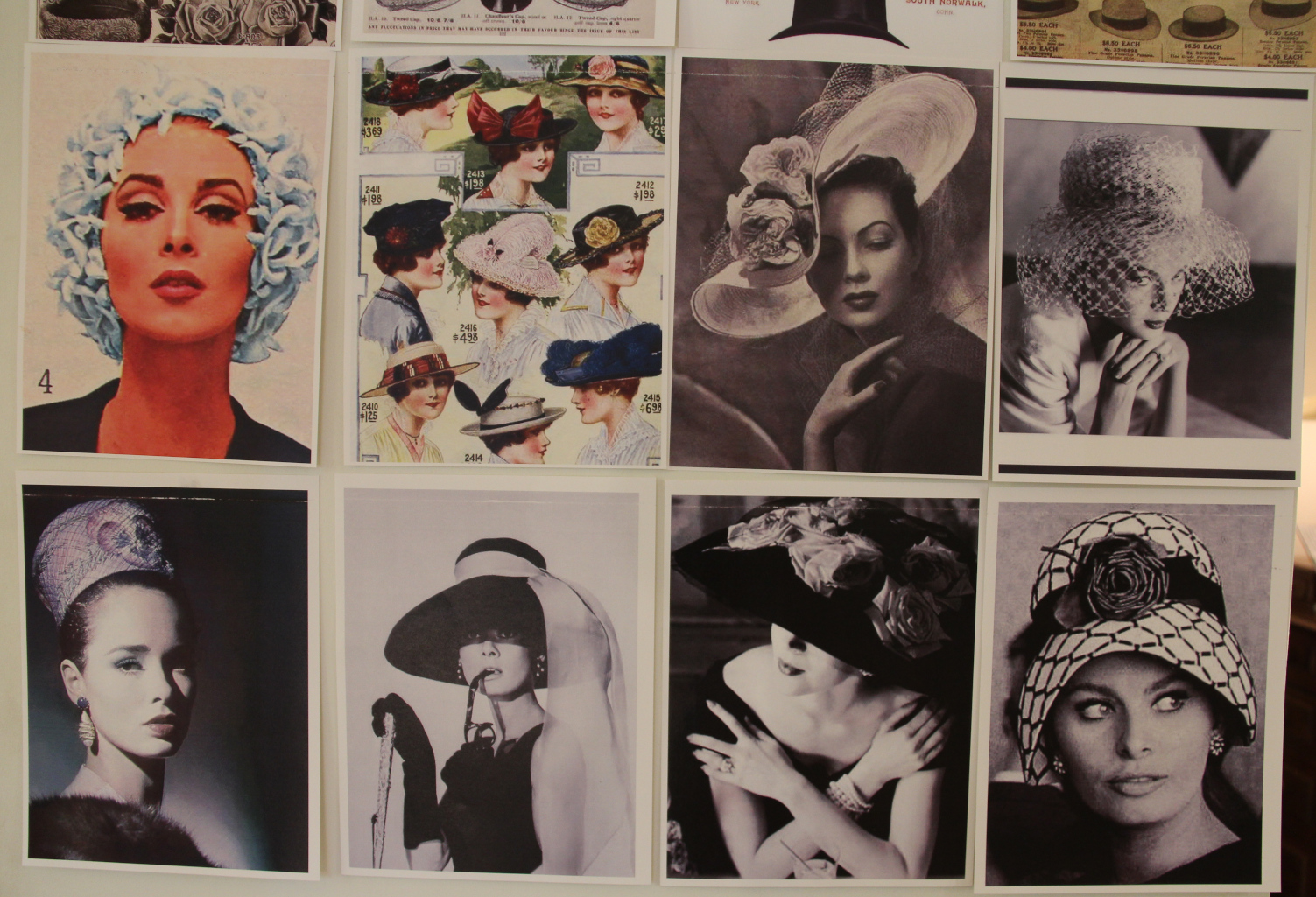
Photos of fashionable hats shown in the HATS exhibit in Waseca, Minnesota. (Minnesota Prairie Roots copyrighted photo May 2025)
WE’VE ALL WORN different hats. Personally. Socially. Professionally.
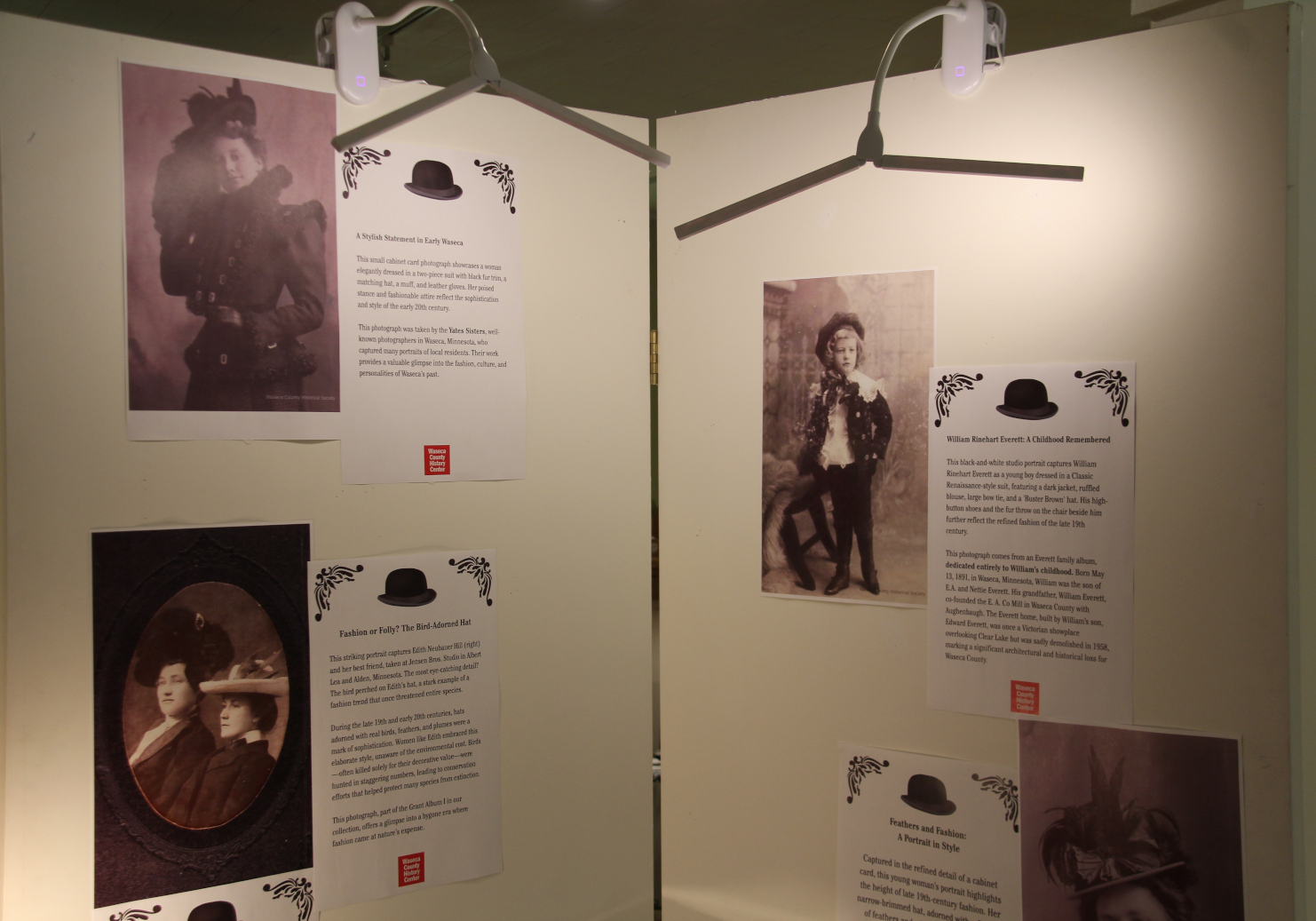
Panels of hat photos and information. (Minnesota Prairie Roots copyrighted photo May 2025)
I’ve worn the hats of daughter, wife, mother, grandma, friend, sister, aunt, student, intern, newspaper reporter, writer, editor, photographer, poet, volunteer and much more. Collectively, these multiple hats, or roles, helped shape me into the person I am today.
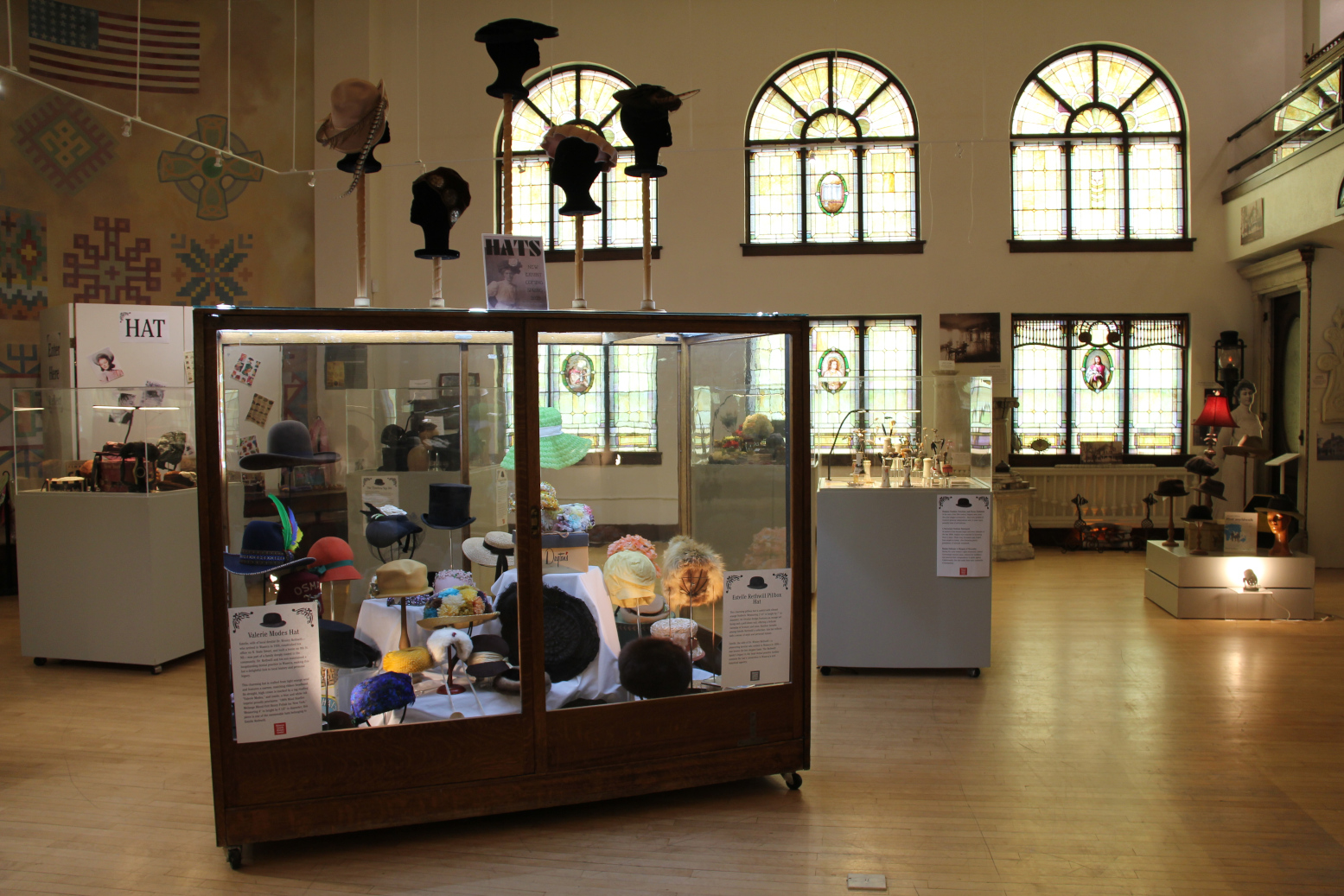
This shows a portion of the many hats in the exhibit. (Minnesota Prairie Roots copyrighted photo May 2025)
But what about actual hats, you know, the ones you place on your head? A fascinating exhibit at the Waseca County History Center, simply titled “HATS,” offers an historic glimpse of late 1800s to more current-day hats from the museum and personal collections. The display will be up until the end of June.
This display features classy men’s hats of yesteryear plus hatboxes. (Minnesota Prairie Roots copyrighted photo May 2025)
This ranks not only as an informative exhibit of hats, a few caps and related items, but also as a fun visual of fashion. From fancy hats with feathers and florals to all-business derbys and boaters to big floppy hats of the 1970s, the range of head-toppers evolves as time and styles change.
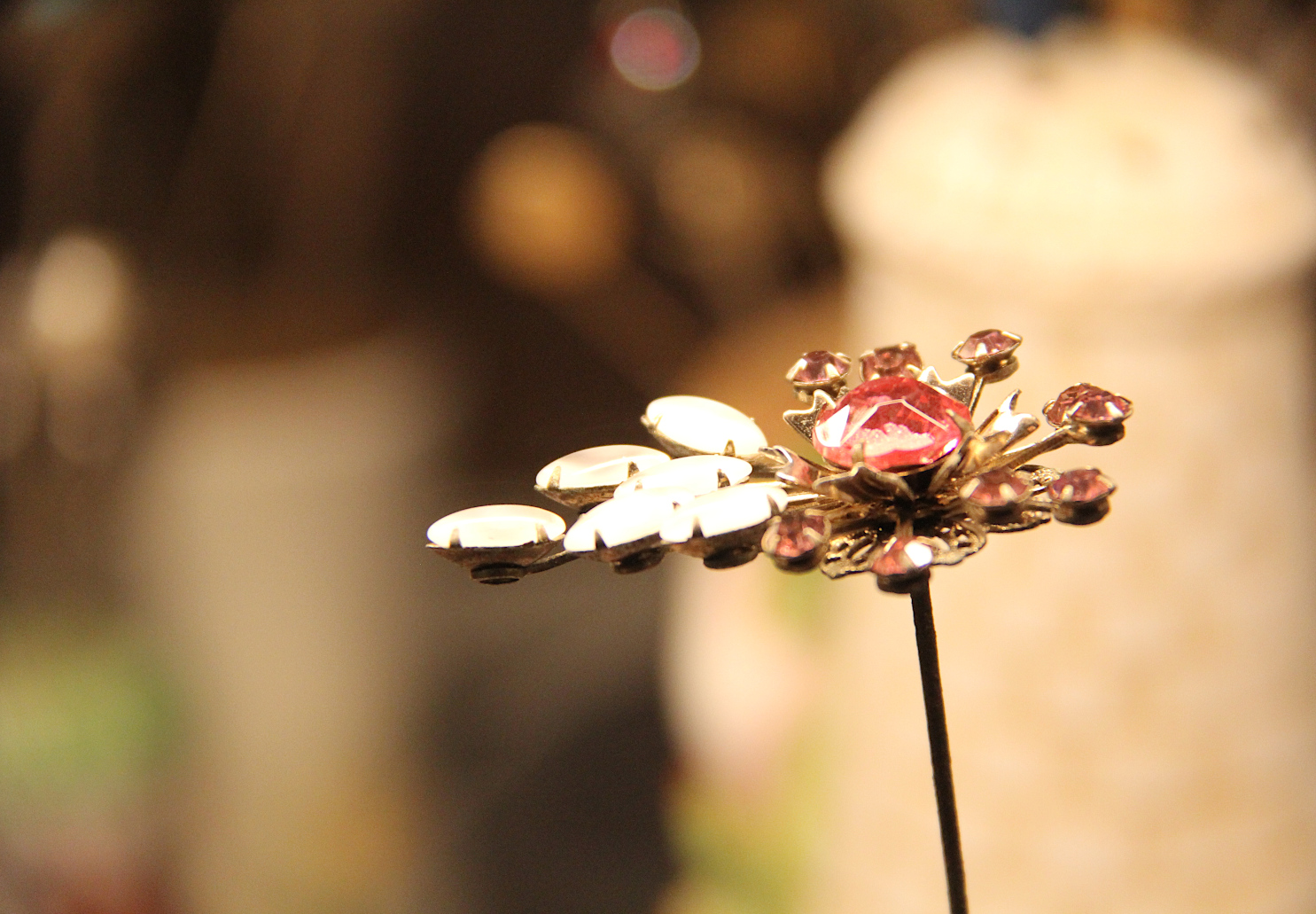
An entire glass case showcases vintage hatpins like this jeweled one. (Minnesota Prairie Roots copyrighted photo May 2025)
And then there are the lovely vintage hatpins, elegant yet practical. A woman of yesteryear could pull a hatpin to defend herself if necessary.
Vintage hatboxes are artfully displayed throughout the exhibit. (Minnesota Prairie Roots copyrighted photo May 2025)
Vintage hatboxes, too, are part of the display, adding an artful element. As someone who appreciates type and fonts, and art, I found myself drawn to the mostly-round hatboxes. They truly are works of art as well as containers to store and protect hats.
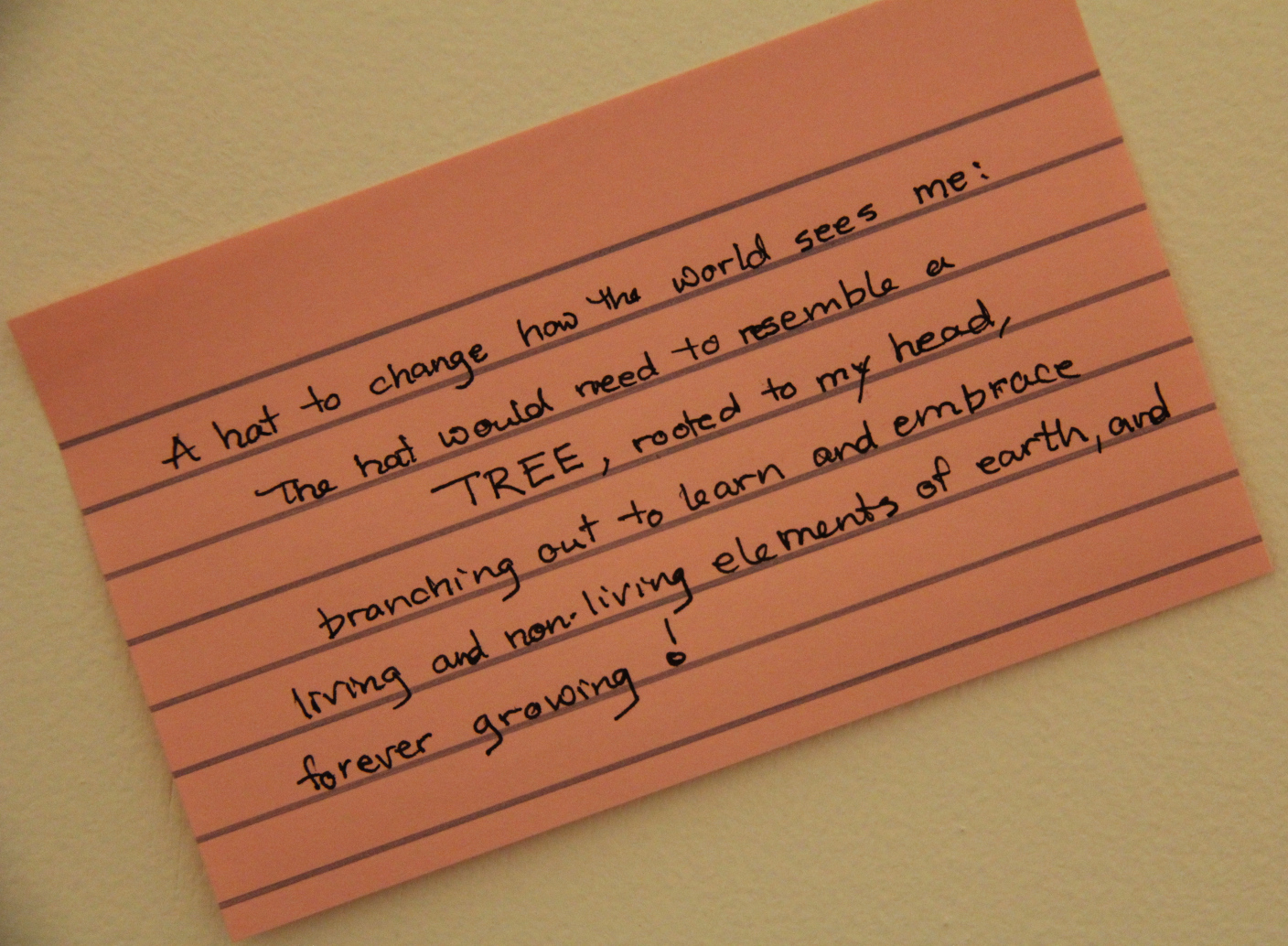
A reply to a writing prompt posted in the HATBOX. (Minnesota Prairie Roots copyrighted photo May 2025)
I especially liked the interactive HATBOX corner, a hidden space to sit, pull a writing prompt from a hatbox, think and reply to the prompt before anonymously posting it on a wall. That got me thinking about the many hats I’ve worn and still wear. Hats down, my most cherished hats are those of daughter, wife, mother and grandma. The others matter, too, but not as deeply, not as personally, as donning the hats of loving, caring for and supporting my closest family.
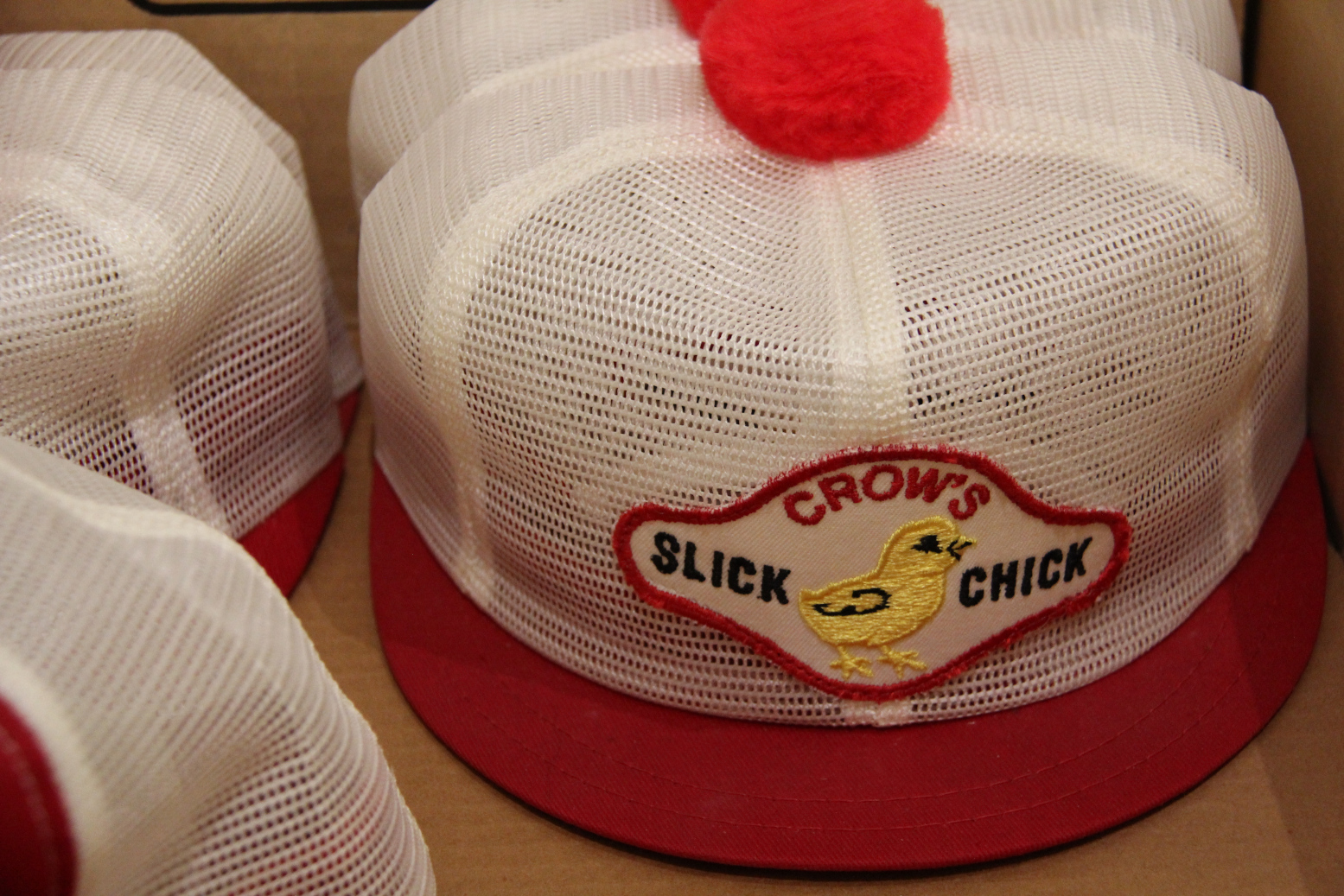
A fun cap in the exhibit. (Minnesota Prairie Roots copyrighted photo May 2025)
Actual, physical hats I’ve worn call for a bit more thought because I didn’t wear all that many. I had, still have, two childhood Easter bonnets. And then there’s the floppy lime green with white polka dots cotton hat I donned while detasseling corn. Perhaps I remember it best because I remember so well the experience of yanking tassels from cornstalks in the sweltering heat and humidity of July in southwestern Minnesota. Worst job ever, hats down, paying only $1.25/hour. Imagine dew rolling down your arms, corn leaves slicing your skin, the hot sun baking your body, no place to pee except between corn rows. A grimy band of sweat ringed that polka dot hat by day’s exhausting end.
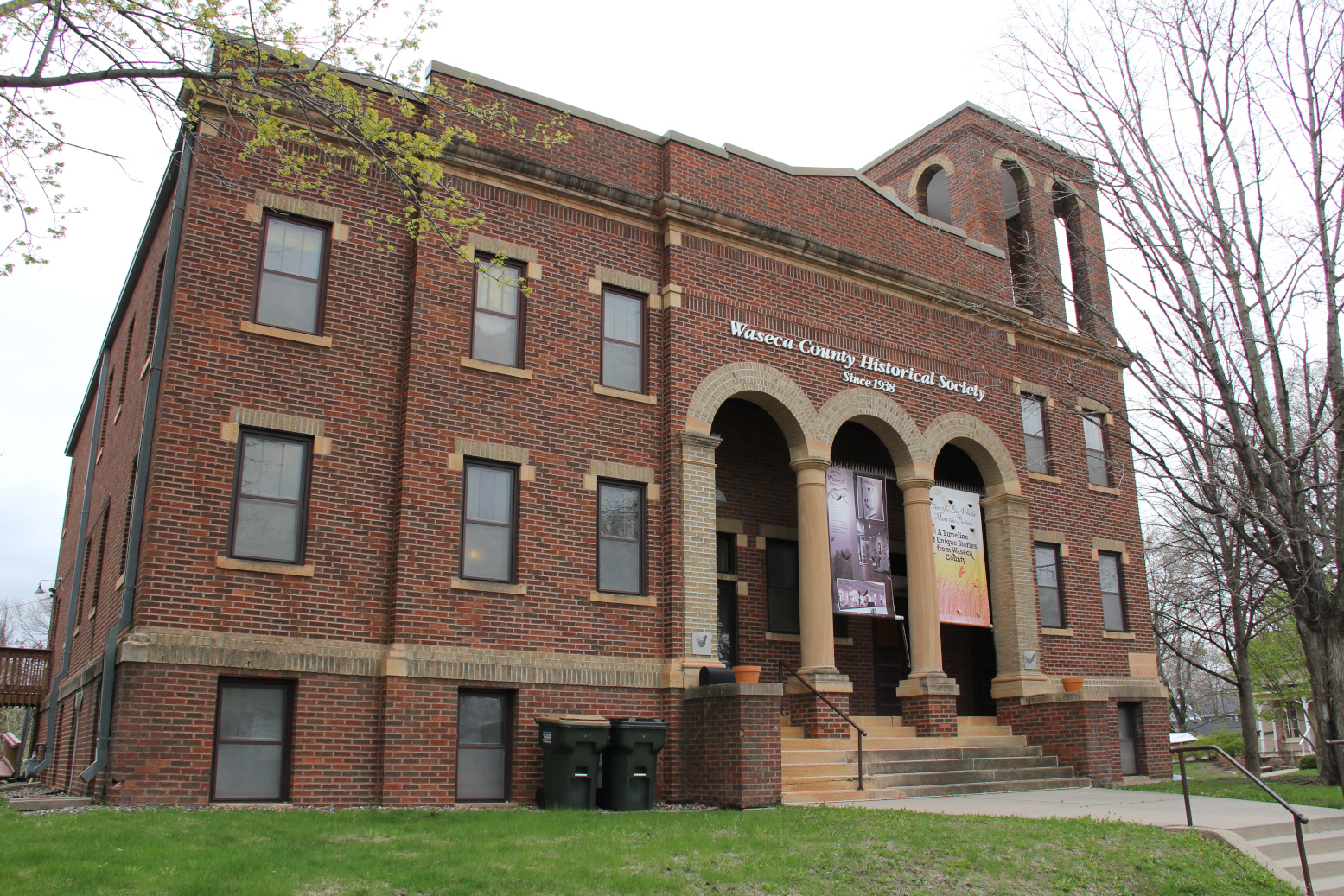
The Waseca County History Center museum, 315 Second Ave. N.E., is open from 9 a.m. – 5 p.m. Tuesday through Friday.(Minnesota Prairie Roots copyrighted photo May 2025)
While I didn’t see any hats quite like mine in the Waseca exhibit, I saw some that were similar. But mostly I saw how the hats we wear, literally or metaphorically, identify and shape us. Hats change with time, as we grow, progress, move through life. This display documents that, causing me to pause, to reflect, to consider all the hats I’ve worn through the years.
TELL ME: What hats have you worn? Which matter to you most and why? Or which proved a defining moment in your life?
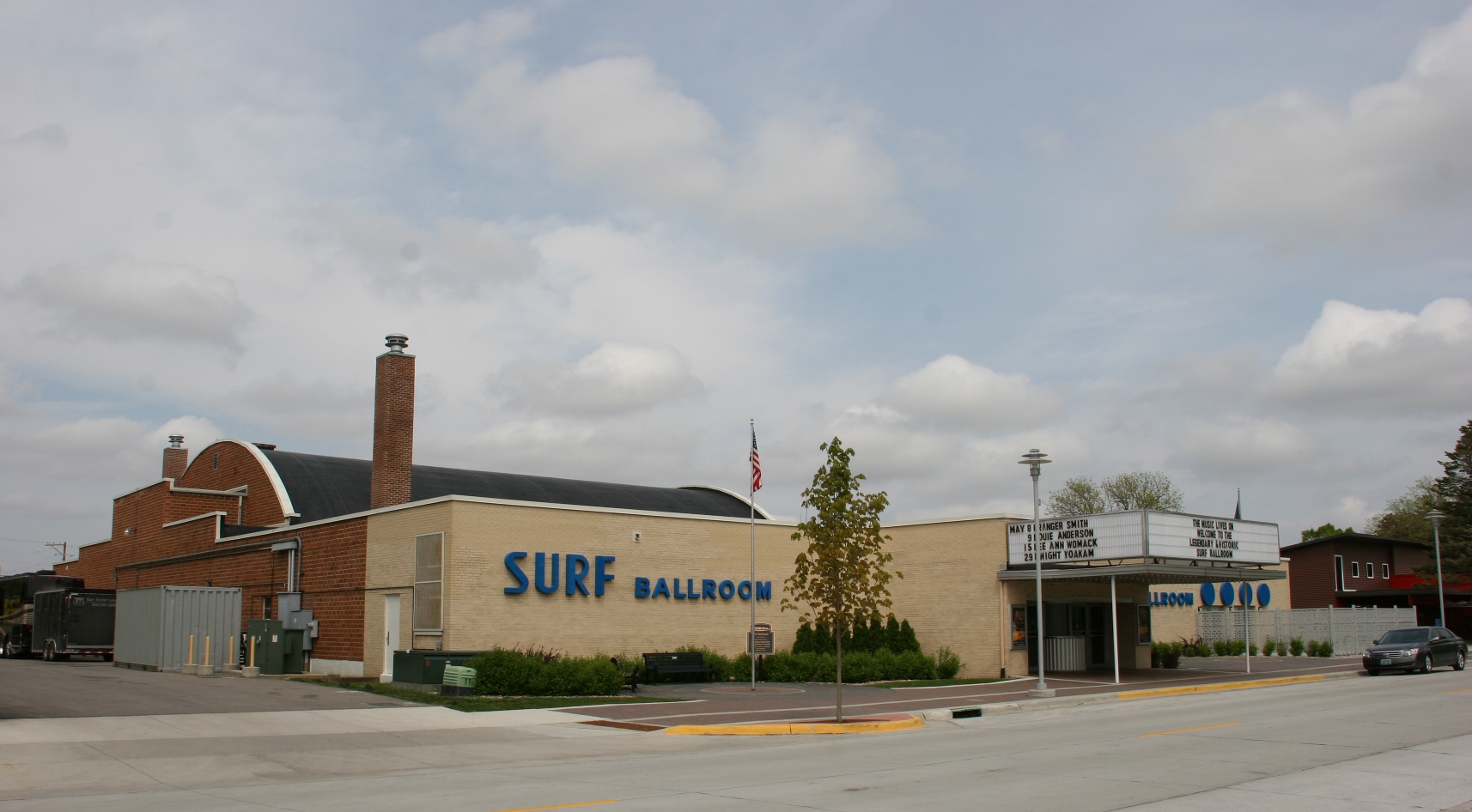
The Surf Ballroom in Clear Lake, Iowa, seats 2,100. (Minnesota Prairie Roots copyrighted file photo May 2015)
A TIME EXISTED when ballrooms centered weekend entertainment and socializing across southern Minnesota: The Monterey Ballroom in Owatonna, no longer a dance hall, but an event center. The Kato Ballroom in Mankato, today primarily a place for banquets, wedding receptions and meetings. The Gibbon Ballroom in Gibbon, once the site of Polka Days, now closed. George’s Ballroom in New Ulm, demolished. The Blue Moon Ballroom in Marshall, destroyed in a 1981 fire. Ballrooms, as they once were in their heyday, are mostly non-existent or altered in usage.
Inside the Surf Ballroom, portraits of Ritchie Valens, left to right, Buddy Holly and J.P. Richardson. (Minnesota Prairie Roots copyrighted file photo May 2015)
But just across the border along Interstate 35 in northern Iowa, an historic ballroom remains open and going strong. That’s the Surf Ballroom in Clear Lake, an 84-mile or one hour and 15-minute drive from my community of Faribault. I’ve been there. Not to dance. But to tour the venue that marked the final performance site for Buddy Holly, Ritchie Valens and J.P. “The Big Bopper” Richardson on February 2, 1959.
This display inside the Surf references “American Pie.” Displays like this line spaces in the museum part of the Surf. (Minnesota Prairie Roots copyrighted file photo May 2015)
The next morning, a chartered plane carrying the trio crashed in a field shortly after take off from the Mason City Municipal Airport, killing the musicians and pilot, Roger Peterson. February 3, 1959, was, according to singer and songwriter Don McClean, “the day the music died.” The tragedy is forever immortalized in McClean’s 1971 “American Pie,” a lengthy song I know well given I was a teen of the 70s.
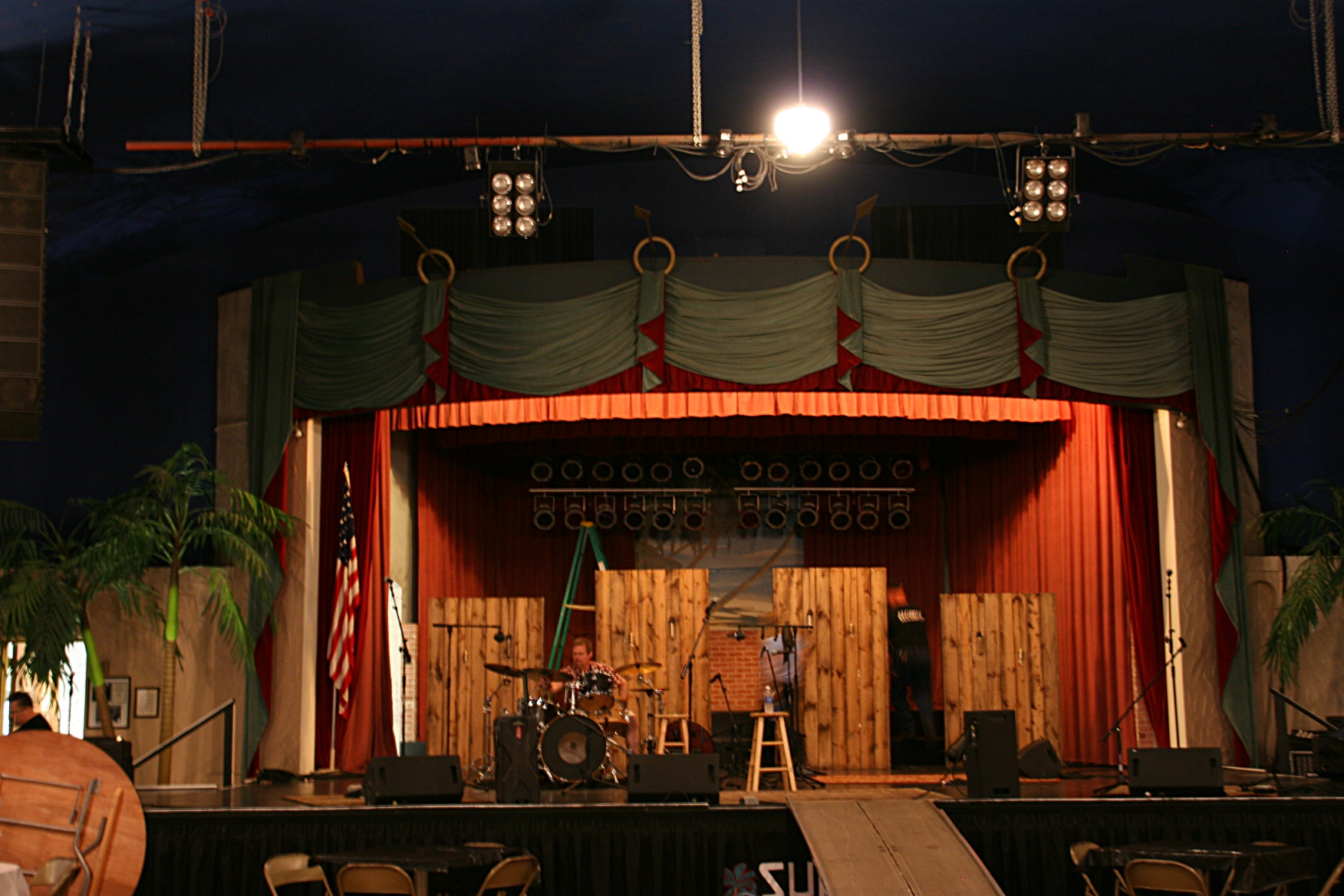
The ballroom stage, where a crew was setting up for a LeeAnn Womack concert during my visit. (Minnesota Prairie Roots copyrighted file photo May 2015)
Ten years have passed since I visited the Surf Ballroom. But nearly every January, I mentally revisit that experience of walking onto the wooden floor of the iconic ballroom and immersing myself in yesteryear. It’s not that I’m a big Buddy Holly fan or even into music all that much. But I can appreciate the significance of this place in rock ‘n roll history.
In the back of the ballroom are layers of booths, all original. (Minnesota Prairie Roots copyrighted file photo May 2015)
The three musicians, plus Dion and the Belmonts, Frankie Sardo, Waylon Jennings, Tommy Allsup and Carl Bunch, were on a 24-day Winter Dance Party tour through Minnesota, Wisconsin and Iowa when they so tragically died. They had been crisscrossing the Midwest in a tour bus, playing in big cities like Milwaukee, Green Bay, St. Paul and Duluth, but also in smaller towns like Montevideo and Mankato in southern Minnesota. That Mankato performance was January 25 at the Kato Ballroom. Following the February 2 gig in Clear Lake, Holly decided to charter a small plane rather than endure the 364-mile bus ride to Moorhead for the next stop on the tour. That decision proved fatal.
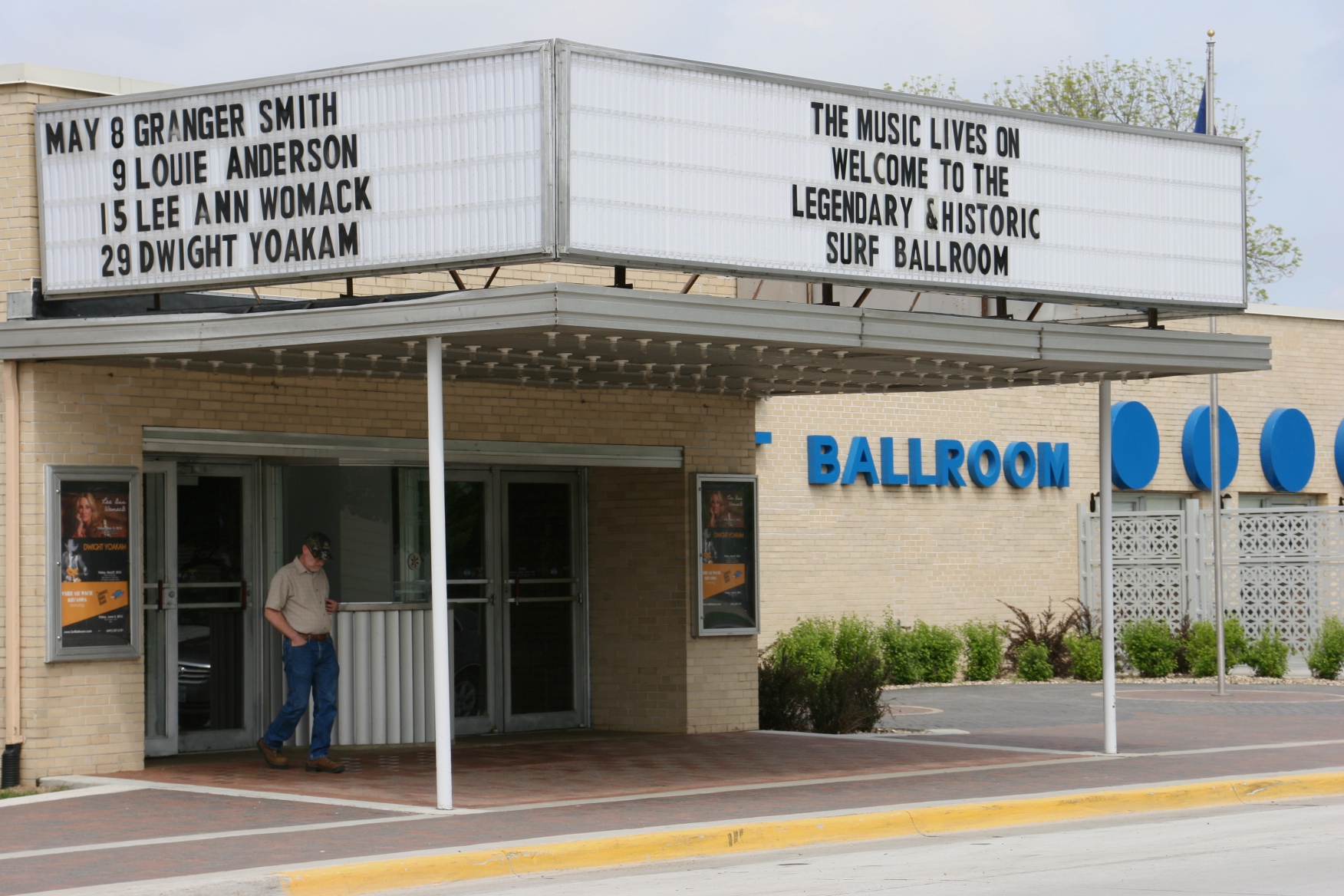
The marquee advertises upcoming events on the day I visited in May 2015. (Minnesota Prairie Roots copyrighted file photo May 2015)
The Winter Dance Party continues to this day at the Surf Ballroom as a way to honor the rock ‘n roll legends. This year’s celebration is January 30 – February 1. Closer to home, the Paradise Center for the Arts in Faribault is hosting “Buddy Holly: Oh Boy!” at 7:30 p.m. Friday, January 31. The next day, Saturday, February 1, the show will be at the State Street Theater in New Ulm at 7 p.m. This is a re-staging of Holly’s Winter Dance Party.
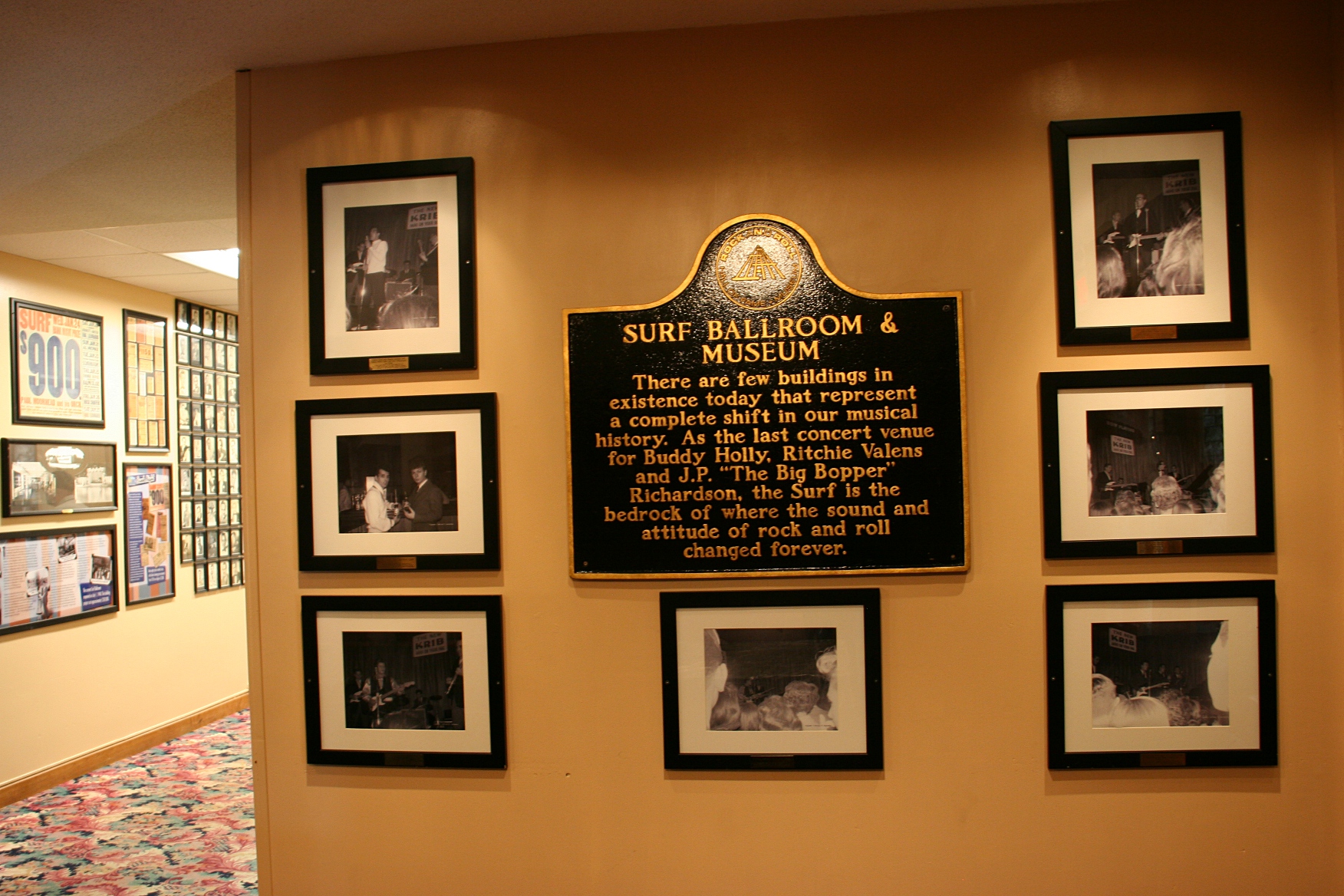
This sign inside the front entry summarizes the importance of the Surf. (Minnesota Prairie Roots copyrighted file photo May 2015)
Whether you’re a fan of Buddy Holly or not, I think it’s important to recognize the significance he held in American rock ‘n roll culture. Music, in many ways, is like an historical account of life. It carries messages, entertains, connects us to memories and events, and touches us emotionally. And when the music died on February 3, 1959, the nation cried.
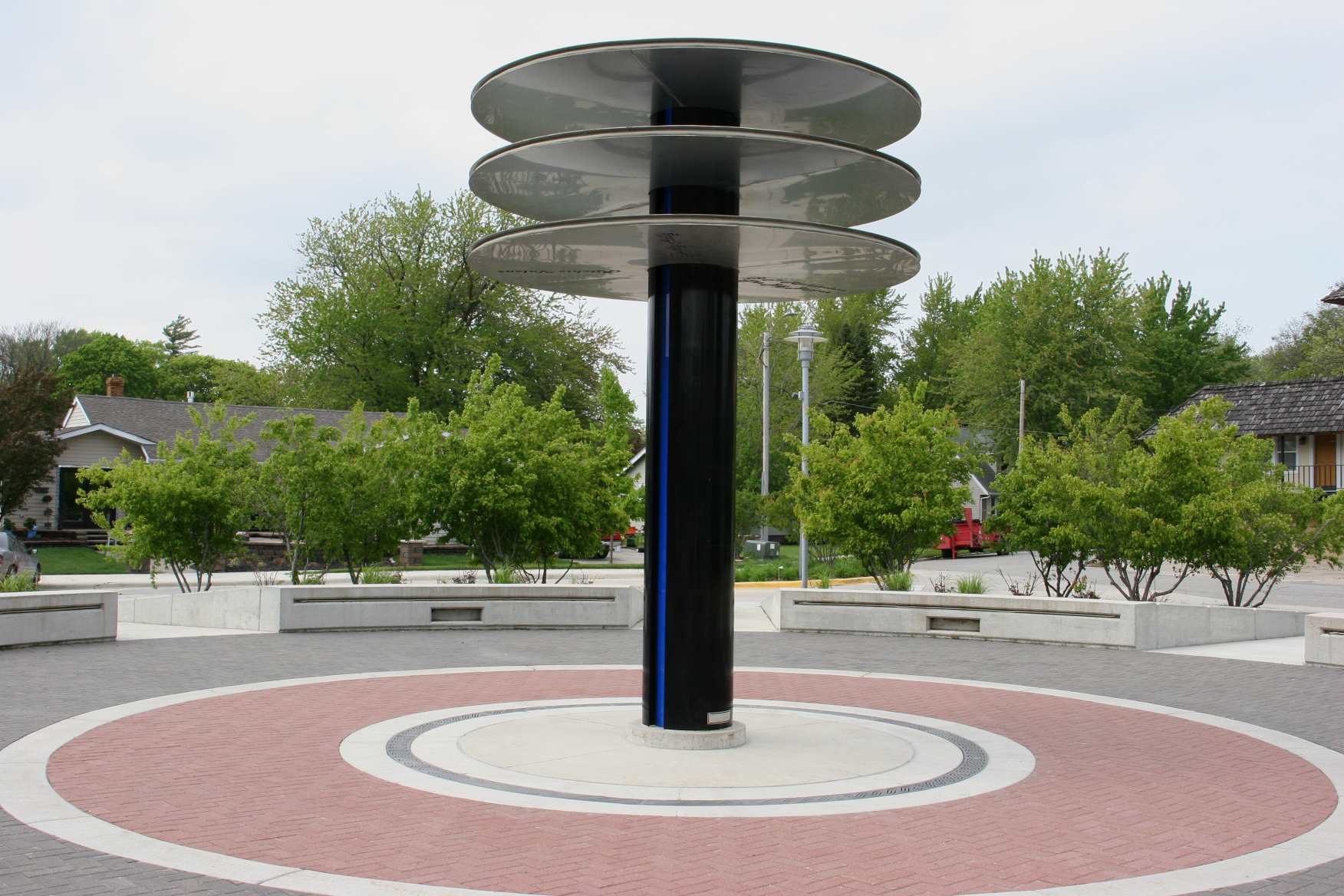
This stacked album sculpture in Three Stars Plaza honors Buddy Holly, Ritchie Valens and J.P. “The Big Bopper” Richardson. (Minnesota Prairie Roots copyrighted file photo May 2015)
PLUMP PEA PODS PILED. Juicy red and golden tomatoes gathered. Leafy lettuce layered. Bulky orange beets positioned beside purple ones. Bundles of radishes, beets and carrots bursting brilliant hues on a vendor’s table.
Peas. (Minnesota Prairie Roots copyrighted photo)
This is the bounty of summer in southern Minnesota.
A recent mid-morning Friday walk at Northfield’s Riverside Lions Park took me past Northfield Farmers Market vendors pulling vegetables, baked and canned goods, and more from their vehicles. As they set up shop, I lingered, admiring the fresh vegetables that appeared so visually pleasing and, I’m sure, are equally as tasty.
I was early. The market starts at 11:45 am, runs til 1 pm, Tuesdays and Fridays, and from 9-11 am Saturdays through October.
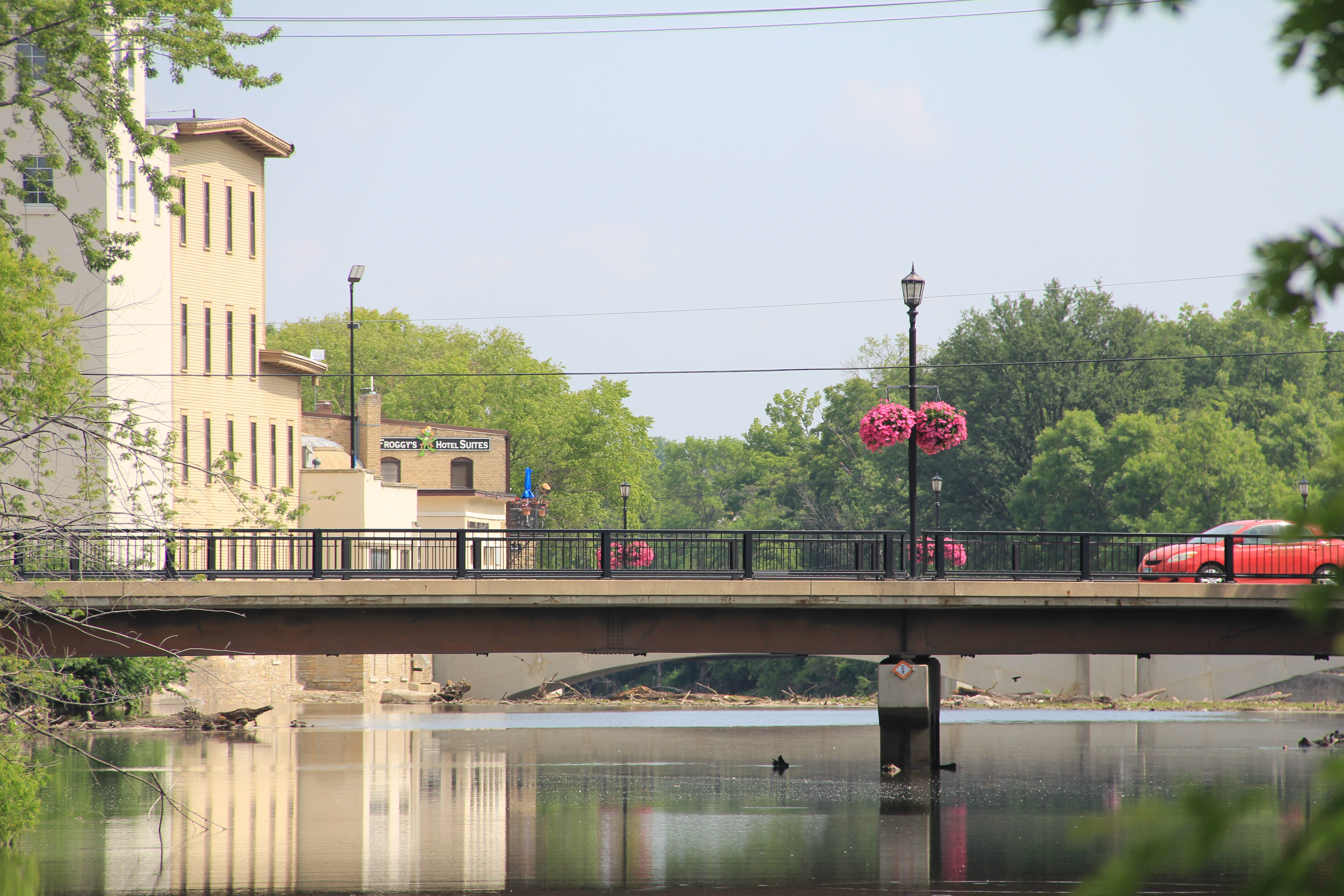
One of multiple bridges crossing the Cannon River in downtown Northfield. (Minnesota Prairie Roots copyrighted photo)
I left the local marketers to their display work, continuing into the park, which hugs the Cannon River. Water draws me. I paused along river’s edge to frame the distant 5th Street West bridge with my Canon camera. Lush baskets of petunias splashed pink into the greenery and the brown hardscape of buildings. Below ducks swam in the placid river while a red car crossed the bridge.
Orange and red beets. (Minnesota Prairie Roots copyrighted photo)
If not for the constant thrum of traffic on busy Minnesota State Highway 3, this would prove a peaceful setting. Yet I still enjoy this park, appreciating the flower gardens, florals spilling from balconies on the apartment building across the street, the ping of balls and the hum of conversation from the nearby pickleball courts.
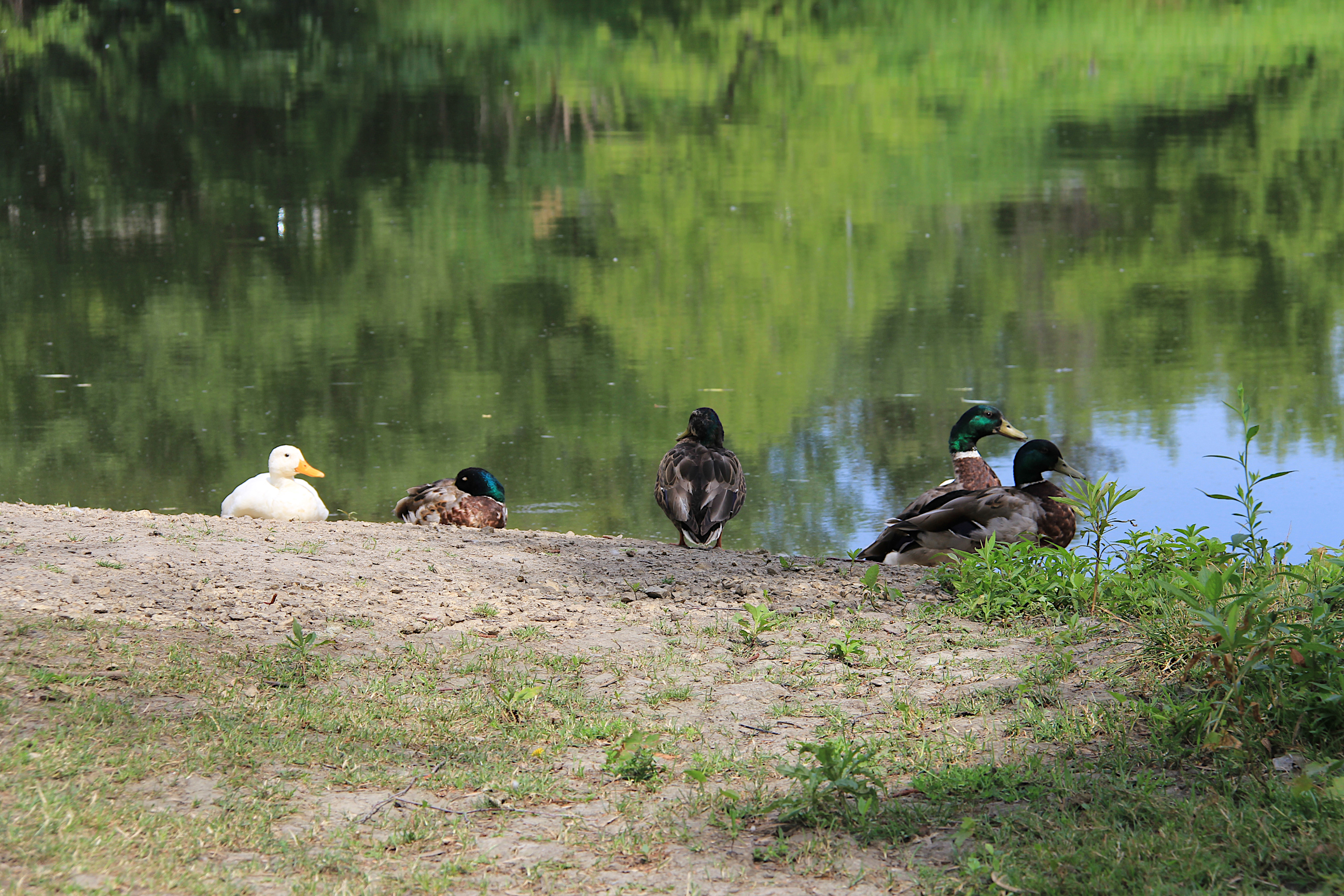
There were two white ducks among the others. (Minnesota Prairie Roots copyrighted photo)
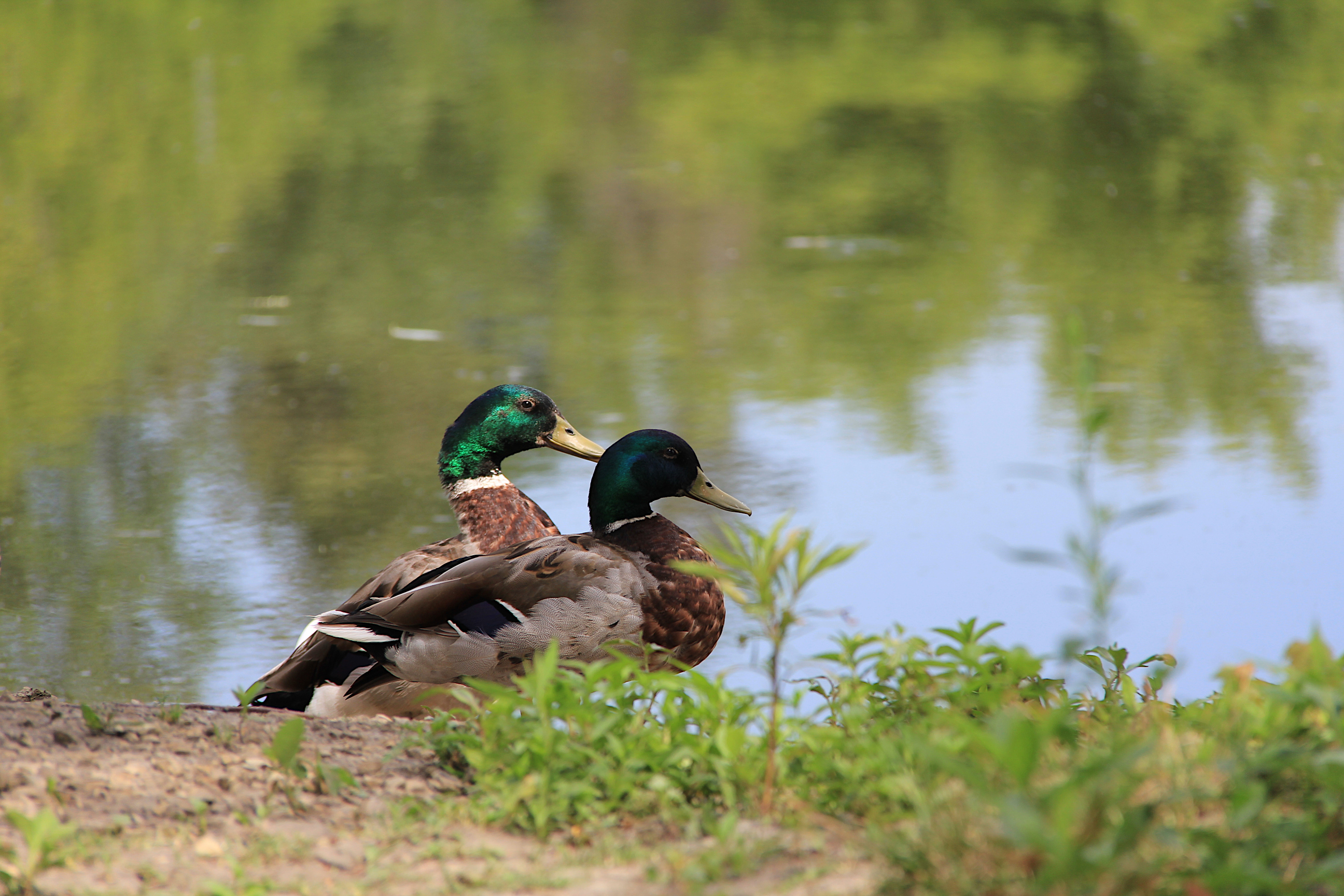
I still had one more place to stop—the spot along the riverbank where the ducks hang out. I was hoping to see the pure white ducks I’ve previously seen here. They were there along with the mallards, the iridescent green of the drakes’ heads shimmering in the late morning light.
With time to spare while waiting for Randy, I joined a man sitting at a picnic table. Either he would welcome conversation or he wouldn’t. He did. We talked about the market—he awaited its opening with cloth bags at the ready—and health and the care he gave his wife before she passed and family and the model railroad spread over eight sheets of plywood in his basement. And he told me about the new museum opening in Randolph across from the fire hall. The Randolph Area Historical Society is constructing a building that will cover the history of six Dakota and Goodhue County townships, house a family history research library and serve as a community gathering spot.
Randolph is a town rich in railroad history. I’d been there many years ago for Randolph Railroad Days, I shared with my new friend. Given his interest in trains, he has, too, and gave me the dates, October 21 and 22, for the 2023 event. I promptly added the celebration, which includes model railroad and railroad displays, a swap meet and more, to my smartphone calendar.
Rich red sauces. (Minnesota Prairie Roots copyrighted photo)
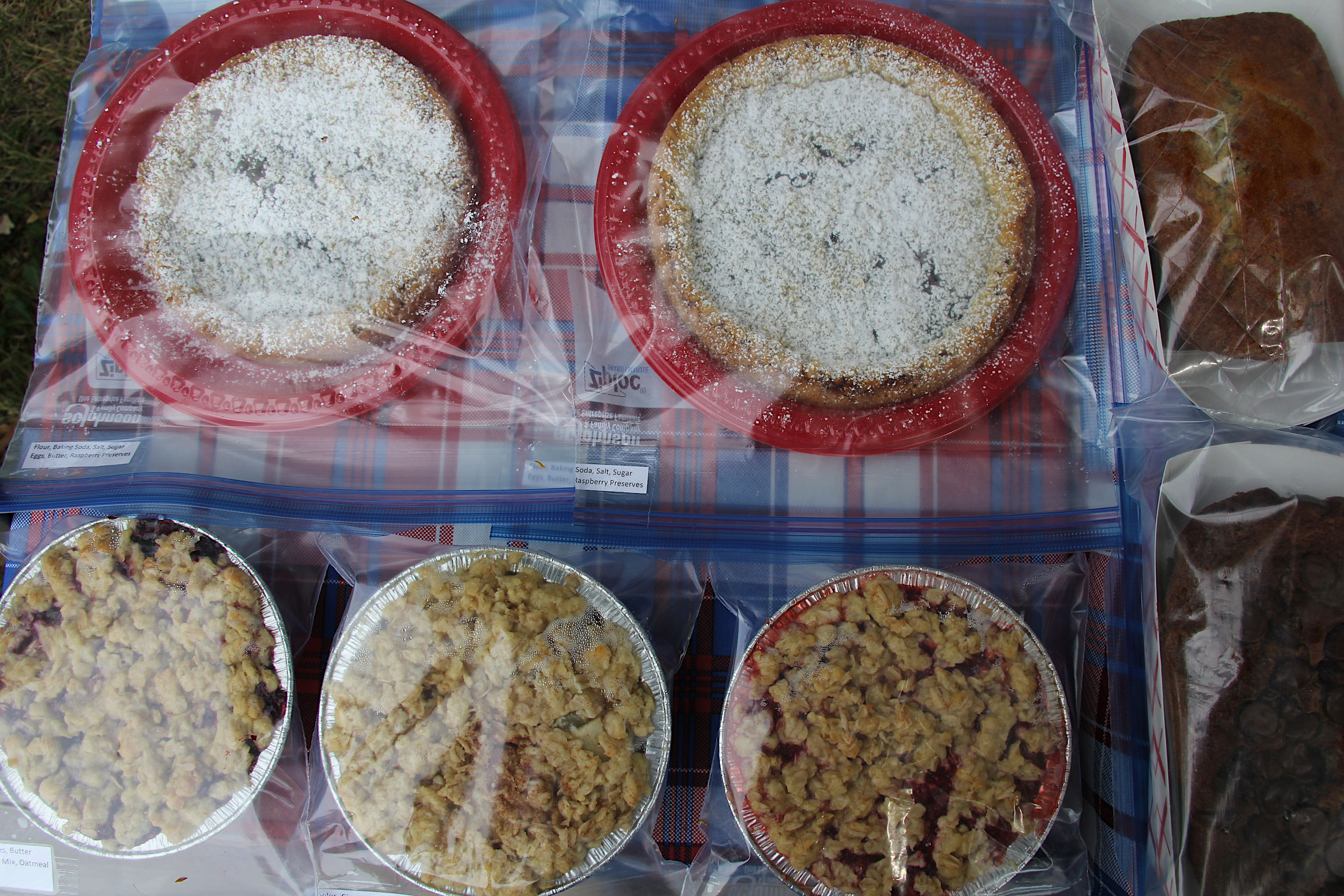
Soon my phone beeped with a text from Randy that he was nearly done with his appointment. I thanked the guy at the picnic table for the conversation, then aimed back toward the farmers market. I stopped to photograph the colorful produce and the goodies at McKenna’s Sweet Treats stand, my eyes focusing on the cookies, the mini fruit crisps, the sweet breads… And at the end of the table, quart and pint jars brimmed with spaghetti sauce and salsa in the loveliest shade of rich red, seasonings and onions floating in all that homemade goodness.
While I felt tempted to buy a treat made from raspberry preserves, I didn’t. But I left feeling appreciative for the gardeners and bakers and cooks who share their produce and goods at farmers’ markets like the one in Northfield. I felt appreciative, too, for conversation with a stranger and ducks along the river and the Cannon which winds through southern Minnesota on a lovely summer day.
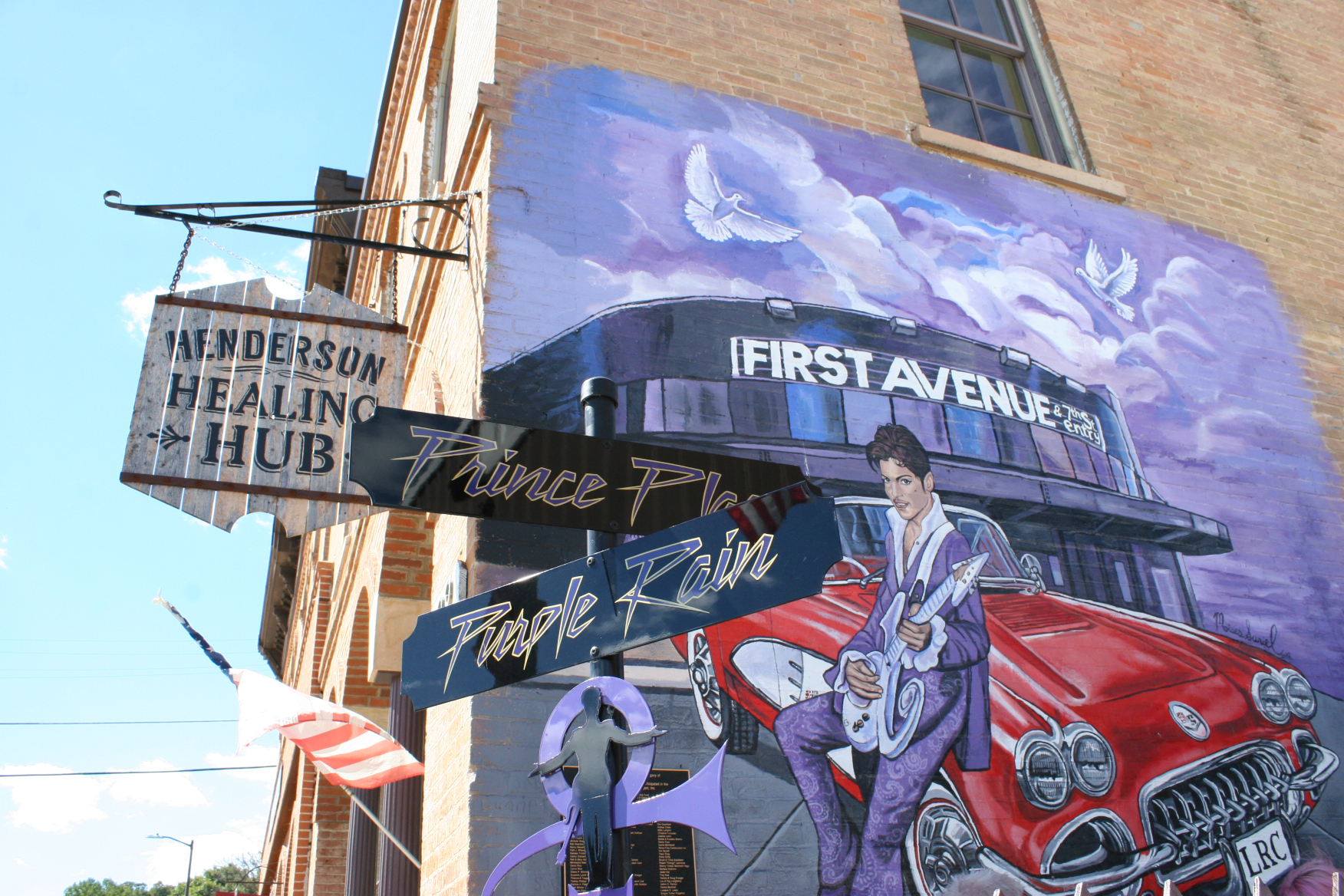
A mural and street signs honor Prince at Prince Garden in Henderson. This pocket park is no longer in Henderson. (Minnesota Prairie Roots copyrighted file photo August 2020)
IF RAIN FELL IN COLOR, the hue would be purple here in Minnesota. Not just for the Minnesota Vikings, but also for beloved homegrown musician Prince of “Purple Rain” fame.
Now road signs bearing Prince’s name will sport his signature color, purple. Thursday the State Senate approved a bill renaming a seven-mile stretch of State Highway 5 as Prince Rogers Nelson Memorial Highway. The House last month approved the same. The roadway runs past Paisley Park, Prince’s home and recording studio in Chanhassen, now open for public tours, concerts and more. Paisley Park is a museum of sorts following Prince’s untimely death from an opioid overdose in April 2016.
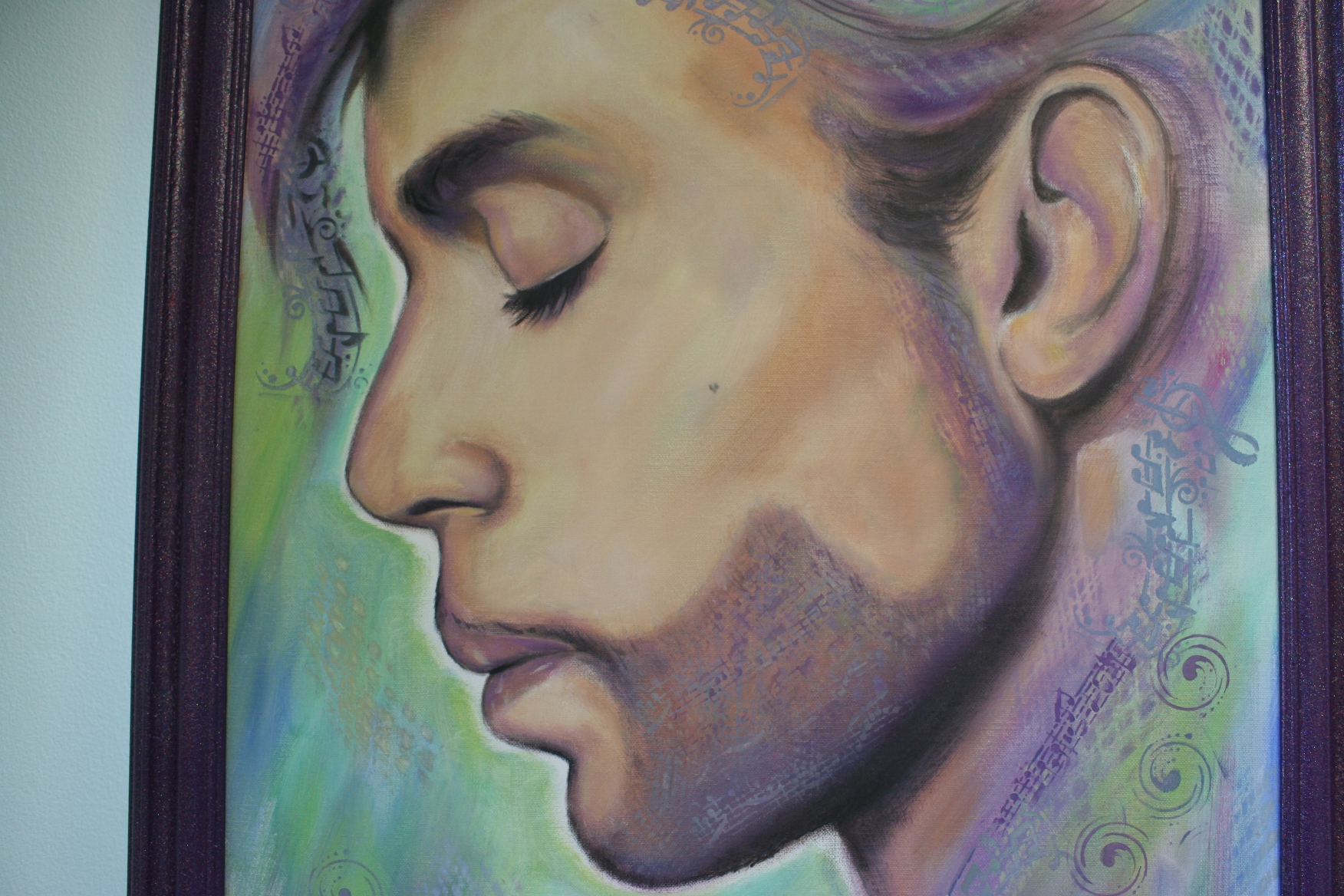
Dana Hanson, former Faribault resident, used a stencil to incorporate musical notes in to this painting of Prince. Notice the detail of the heart-shaped mole on the musician’s cheek. (Minnesota Prairie Roots copyrighted file photo)
While I’m admittedly not a Prince fan (I’ve not listened to his music), I respect that he is an accomplished singer, songwriter and performer with a worldwide fan base. With seven Grammy Awards, an Academy Award, music videos, and song releases too numerous to count, Prince certainly succeeded in his profession. He was inducted into the Rock and Roll Hall of Fame in 2004 and into the Minnesota Music Hall of Fame in 2007.
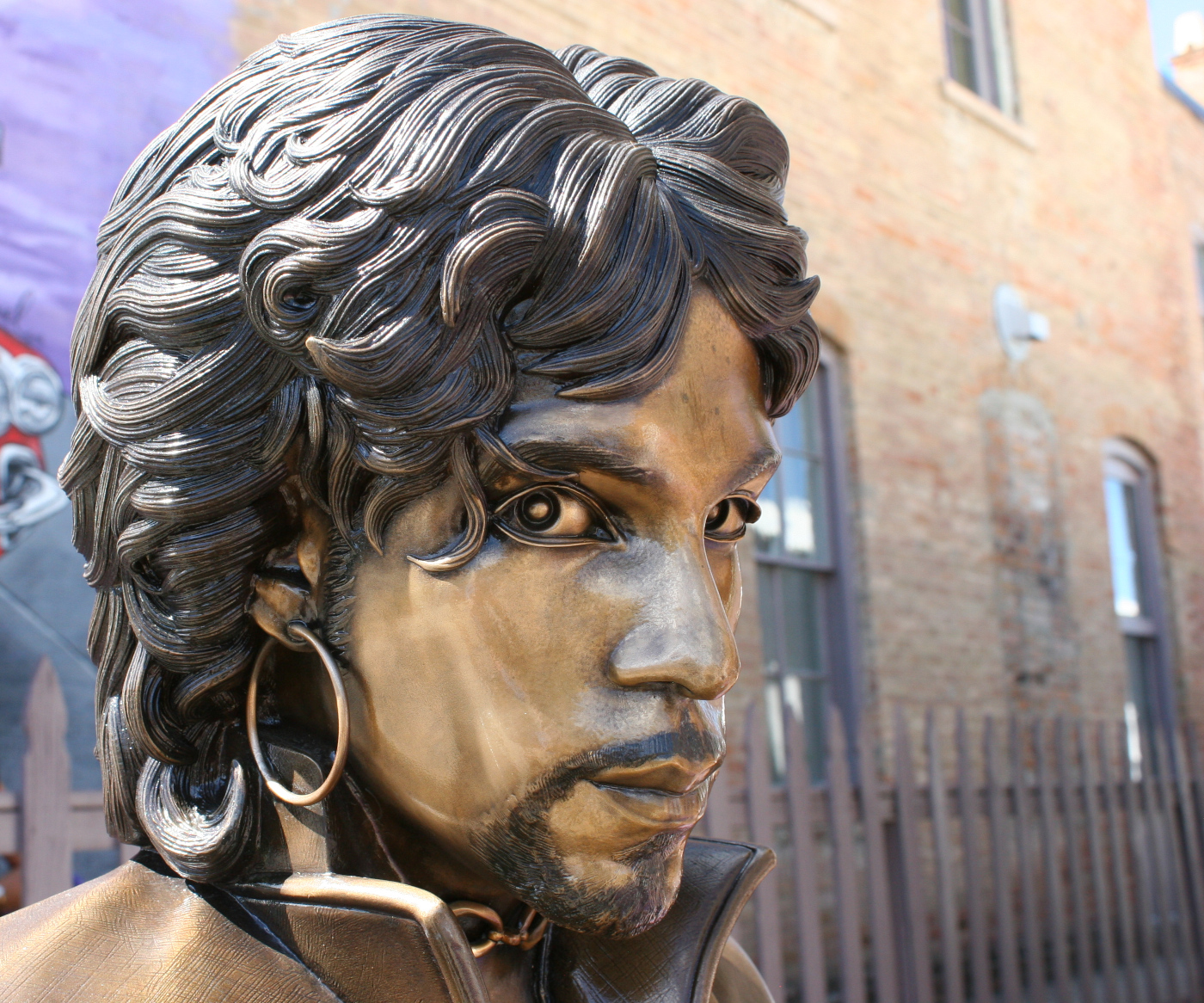
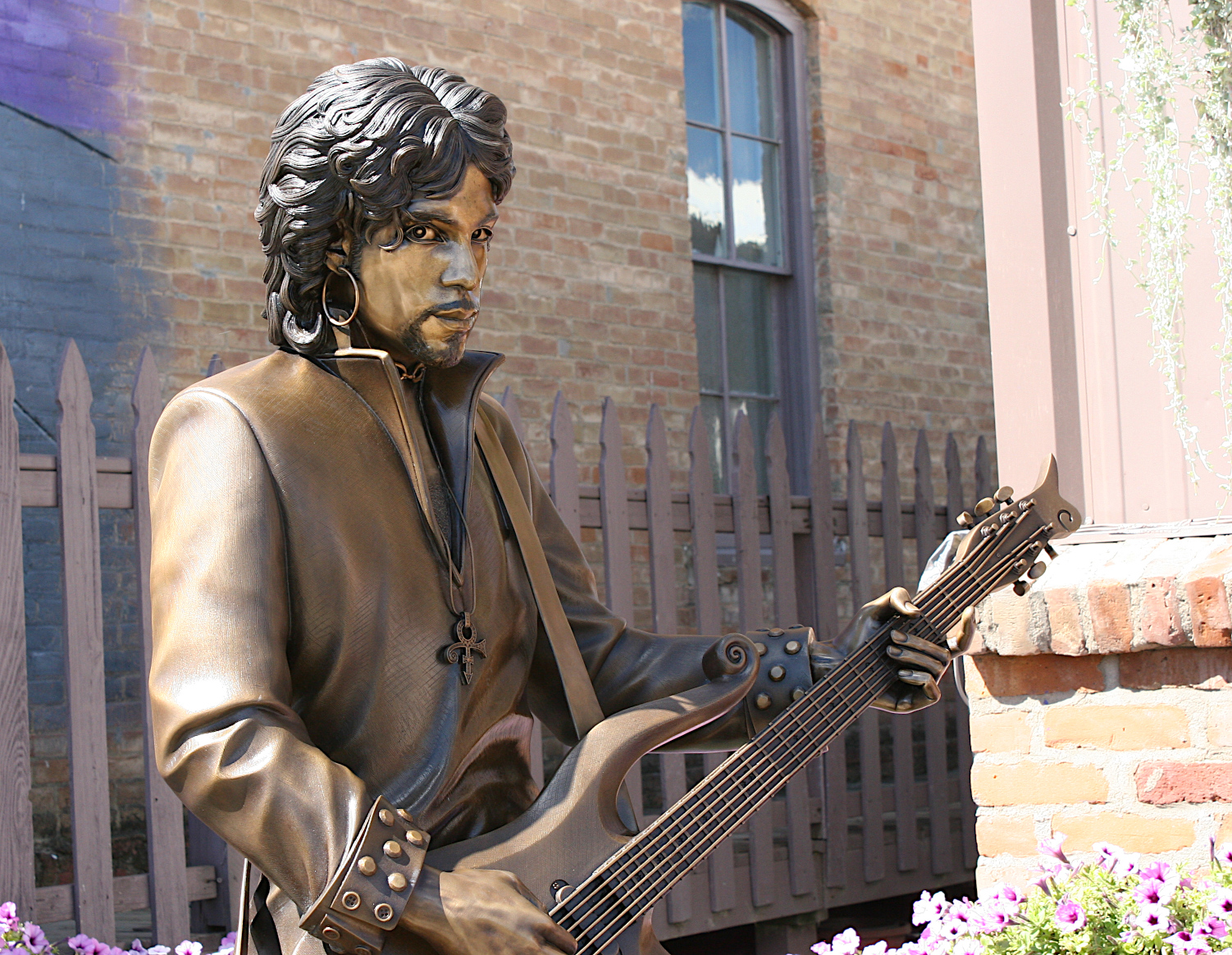
Up close with Prince,in bronze. (Minnesota Prairie Roots copyrighted file photo August 2020)
Ah, the Minnesota Music Hall of Fame. That’s not nearly as familiar to most Minnesotans as Paisley Park. But for Prince lovers, it likely will become a new pilgrimage destination. Located in New Ulm in southern Minnesota, the Hall of Fame now features a bronze statue of Prince, a memorial bench, street signs and more moved from Henderson.
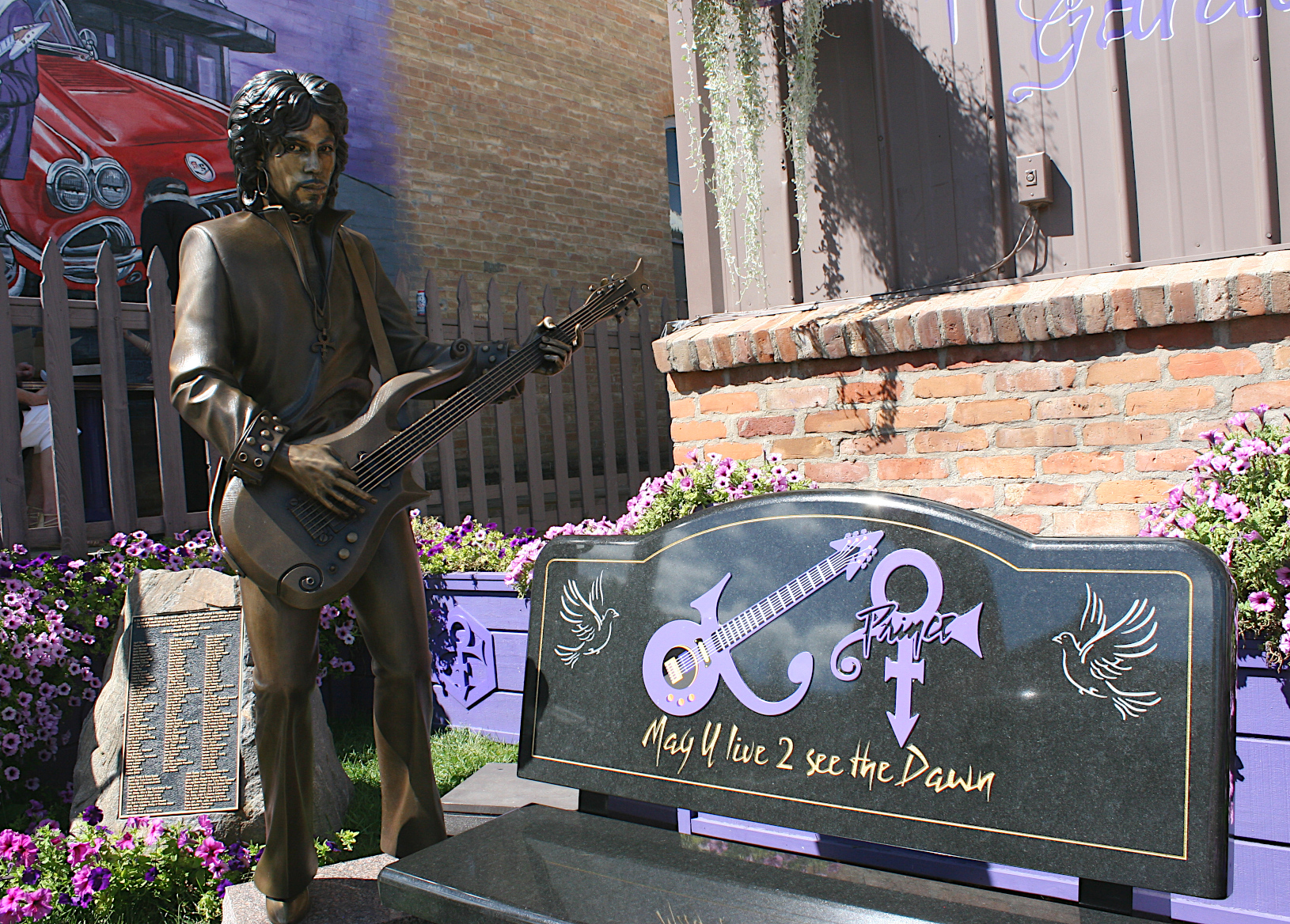
The Prince Garden previously in Henderson. (Minnesota Prairie Roots copyrighted file photo August 2020)
In August 2020, I photographed the outdoor Prince shrine in Henderson, location of a scene in “Purple Rain” along the nearby Minnesota River. I was surprised to learn that the Prince Garden items are now in New Ulm. Apparently there were a few issues in Henderson.
This bronze statue of Prince is now at the Minnesota Music Hall of Fame in New Ulm. (Minnesota Prairie Roots copyrighted file photo August 2020)
Also coming to the New Ulm location is a 15-foot tall sculpture of Prince’s guitar. It was part of the Mankato CityArt Walking Sculpture Tour, a temporary annual installation of outdoor art. Iowa artist Jefferson Davis created the piece from upcycled metal. The now-dissolved Prince Legacy Henderson Project purchased the guitar art via fundraising and a grant. The sculpture will be placed near the entrance to the Minnesota Music Hall of Fame. Located along an arterial street through New Ulm, the over-sized purple guitar is sure to draw attention.
The museum, the movie, the music, the musician. And now a stretch of roadway renamed Prince Rogers Nelson Memorial Highway. I’d say it’s raining purple in Minnesota.
Portraits of the deceased musicians grace the Surf Ballroom. (Minnesota Prairie Roots copyrighted file photo May 2015)
I’M SEVERAL DAYS LATE to the party. Yet, it’s worth noting, even after the fact, the importance of February 2 and 3 in music history. On February 2, Buddy Holly, Ritchie Valens, J.P. “The Big Bop” Richardson and other musicians performed at the Surf Ballroom in Clear Lake, Iowa. The next day, the three died, along with the pilot, when their chartered plane crashed in a field near this northern Iowa community. It was, as Don McClean later wrote and sang, “the day the music died.”
A broad view of the massive ballroom which seats 2,100. (Minnesota Prairie Roots copyrighted file photo May 2015)
Each February, Clear Lake commemorates the musicians and celebrates their music at a Winter Dance Party. I’m about 10 years too young to have known these early rock and rollers. But I still appreciate their status in rock and roll, a music genre I definitely embraced as a teen. McClean’s iconic lengthy “American Pie,” which holds meaning well beyond the tragedy in Clear Lake, remains forever imprinted in my memory, like so many other songs of my adolescent years.
In the back are layers of booths, all original. (Minnesota Prairie Roots copyrighted file photo May 2015)
In mid-May 2015, Randy and I traveled to Clear Lake, just an hour and 15 minutes from Faribault across the Iowa border along Interstate 35. We toured the Surf, but because of rain, did not walk to the crash site. The sprawling ballroom is worth visiting for the history it holds and simply for its ballroom of yesteryear appeal. Retaining its original ocean beach club theme (yes, in rural Iowa nowhere near an ocean), built-in wooden booths and a hardwood floor, this music venue feels like a step back in time. Simply put, I felt like I could have brought a whiskey bottle in a brown paper bag, ordered a set-up and settled in for an evening of dancing and fun.
This display references “American Pie.” (Minnesota Prairie Roots copyrighted file photo May 2015)
Even if you’re like me, not too knowledgeable about music, the Surf will draw you into the music of the era with posters and historical information. But mostly, it’s about being there, about feeling the music that was made, and continues to be made, here.
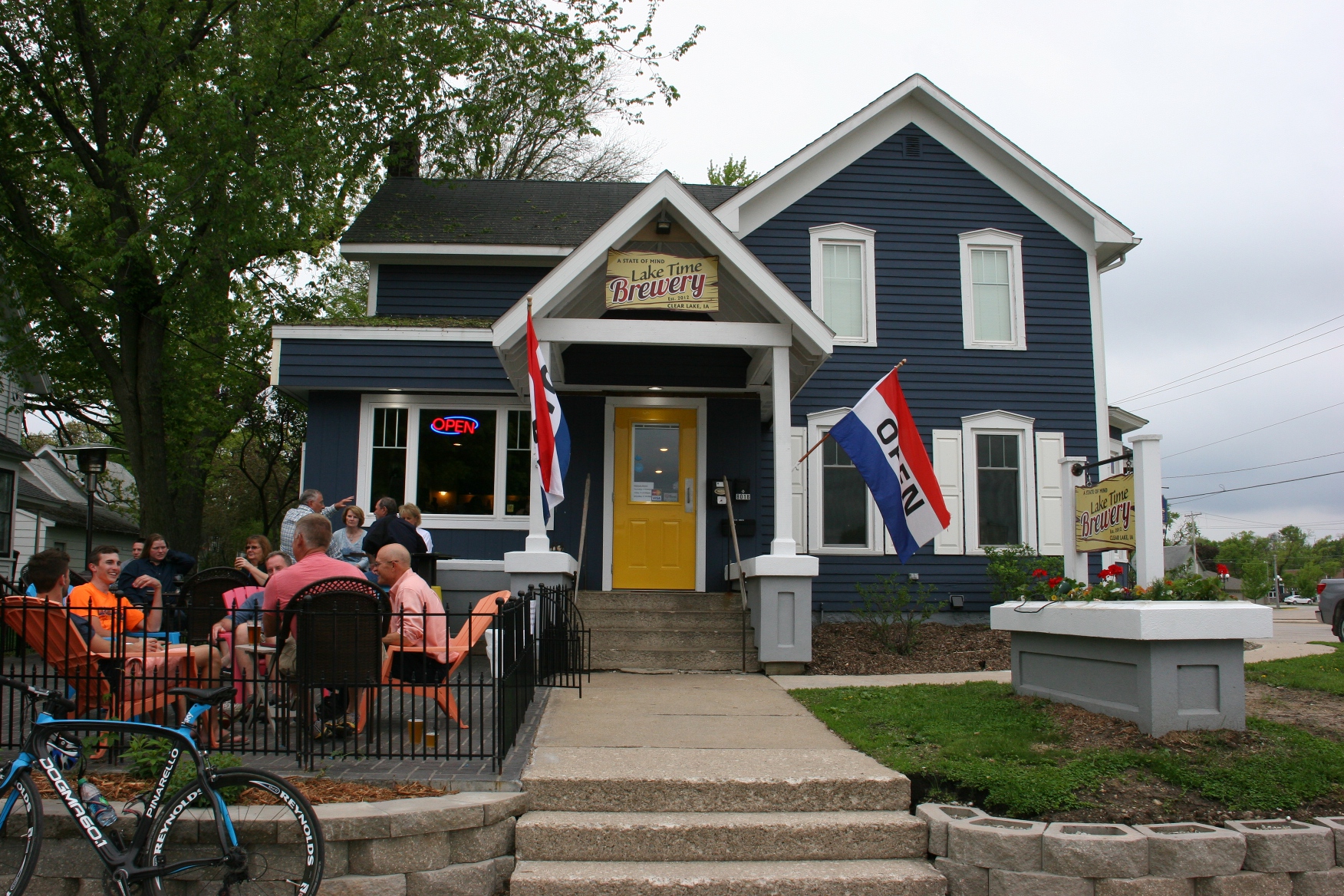
Lake Time Brewery, a great place to converse with the locals. (Minnesota Prairie Roots copyrighted file photo May 2015)
Clear Lake is one of those small towns that appeals to me. Art and history and eats and drink and natural beauty and homegrown shops and much more make this a must-visit Iowa community. Randy and I are already thinking about a return trip there this summer. On our list of places to revisit is Lake Time Brewery. There we met Connie, Nancy, Chris and “They Call Me Norm.” What a welcoming bunch, exactly the type of connection we hope to make when visiting a place. We still reminisce about enjoying craft beer with locals on the Lake Time patio on a lovely May evening.
A public dock in Clear Lake.(Minnesota Prairie Roots copyrighted file photo May 2015)
These are my thoughts as I reflect on the tragic deaths on February 3, 1959, outside Clear Lake, Iowa, so far from the ocean yet so near.
TELL ME: Have you been to the Surf Ballroom in Clear Lake?
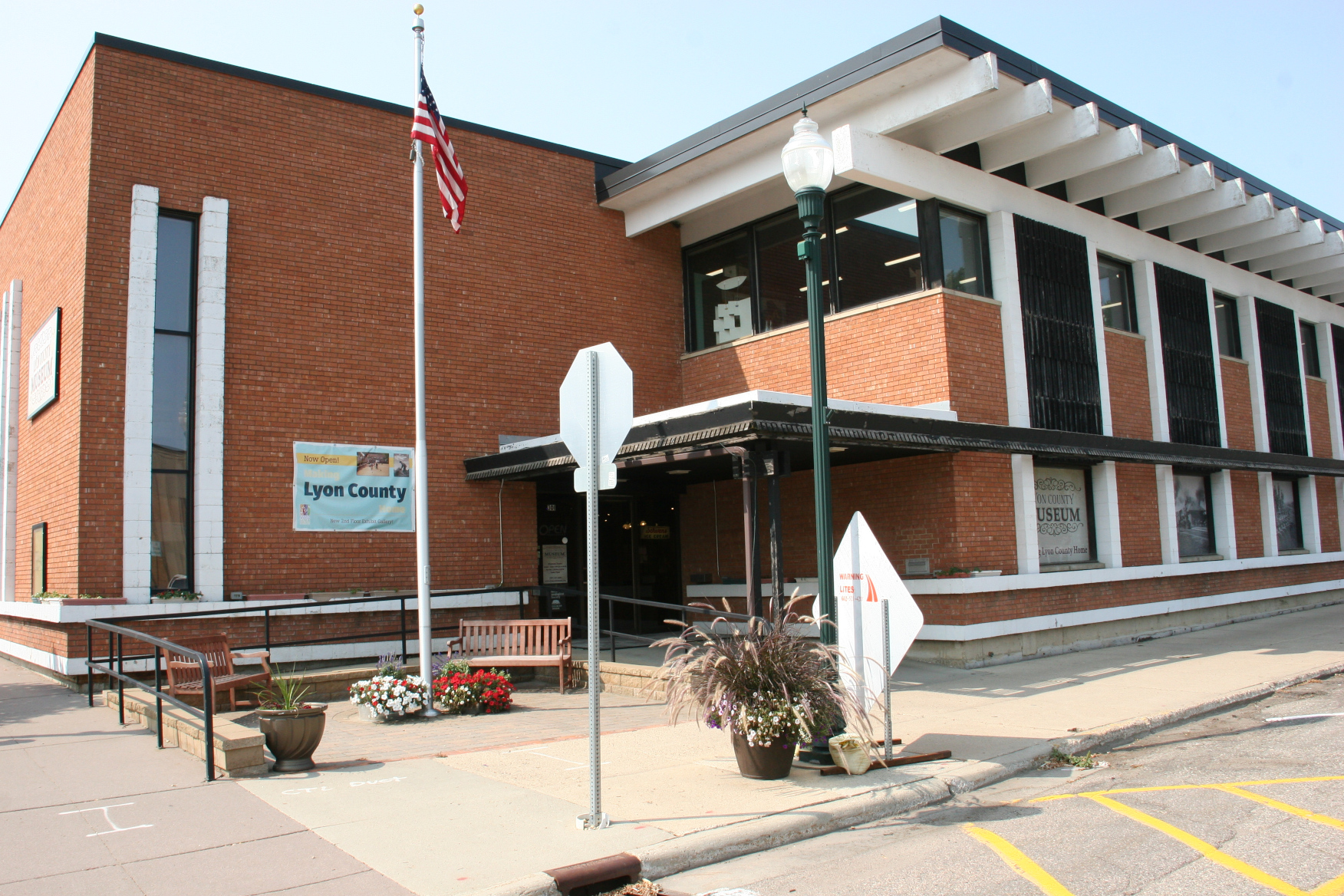
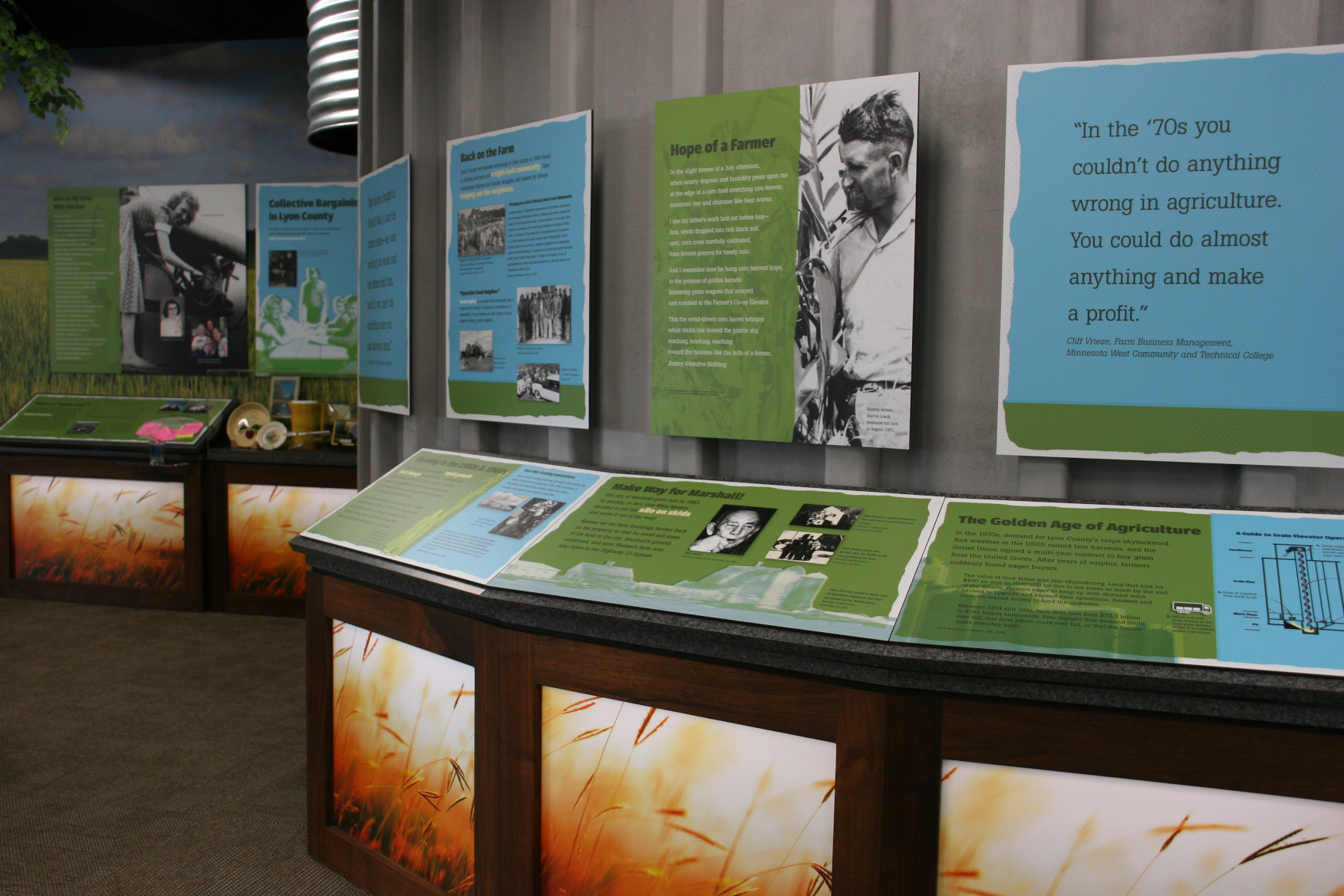
The sprawling Lyon County Historical Society Museum in the heart of downtown Marshall, across from the post office. (Minnesota Prairie Roots copyrighted photo September 2022)
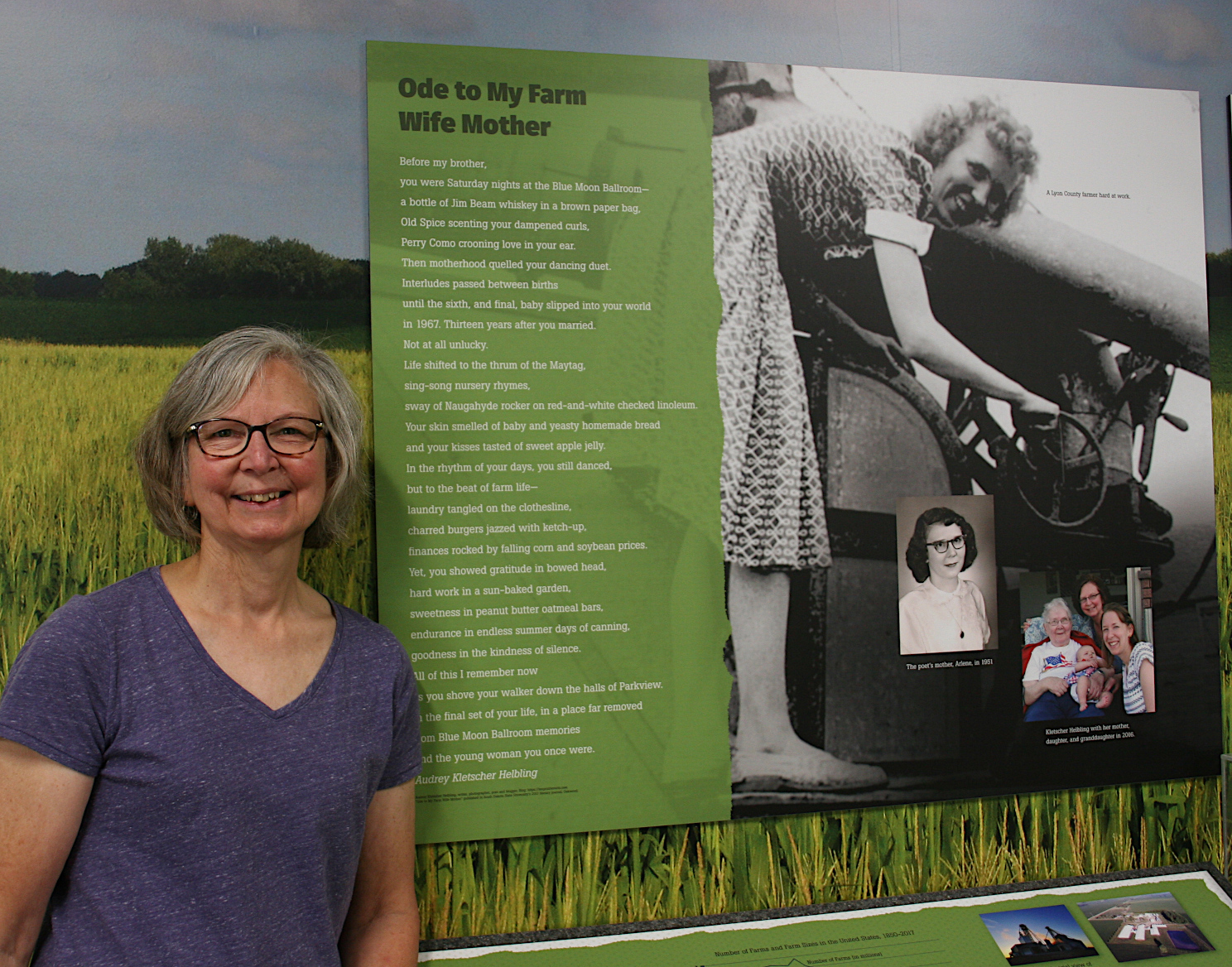
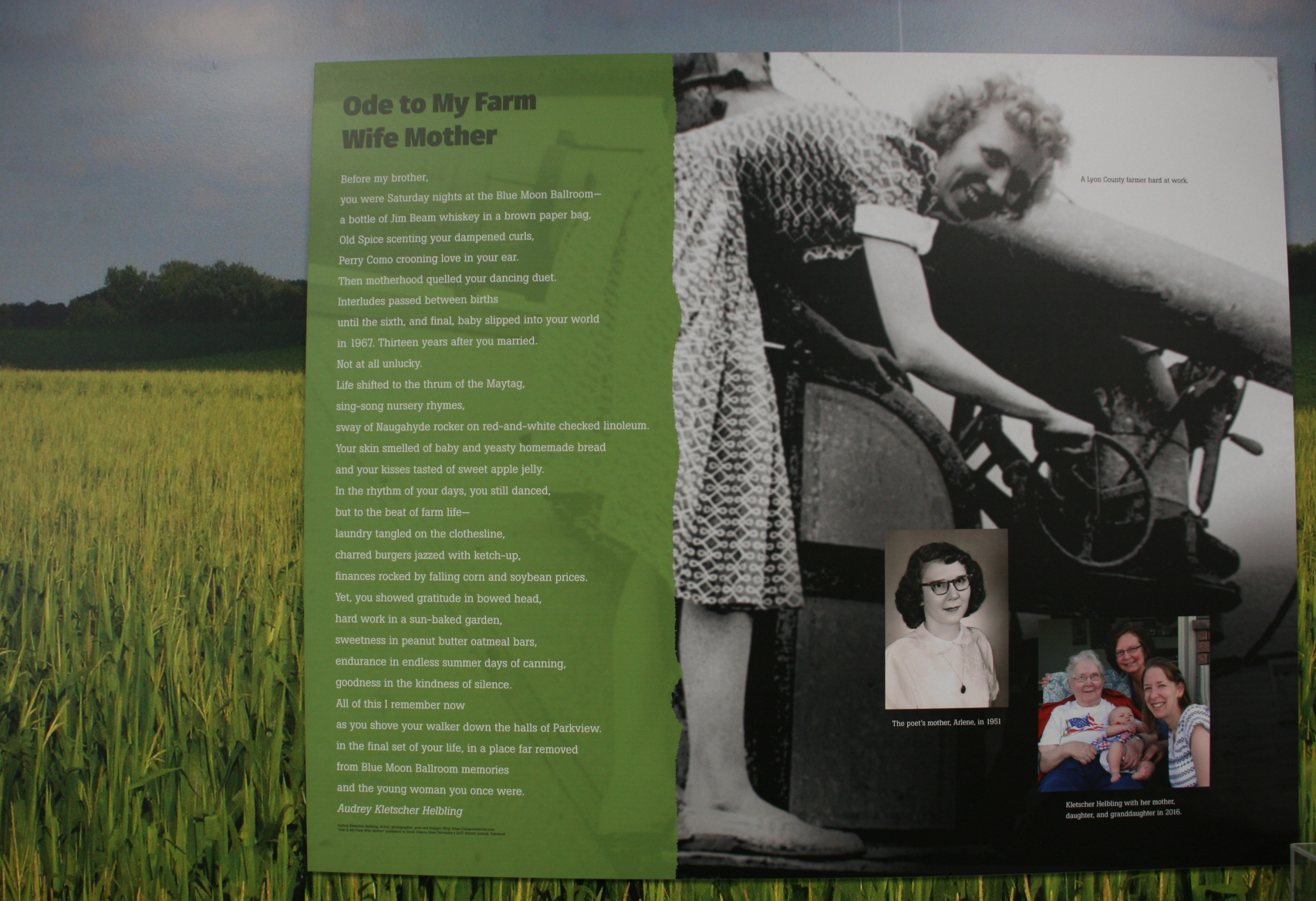
Me, photographed next to the panel featuring my poem, “Ode to My Farm Wife Mother.” My one regret is that my mom (pictured in two smaller photo insets) never saw this exhibit in person. She died in January. (Photo by Randy Helbling, September 2022)
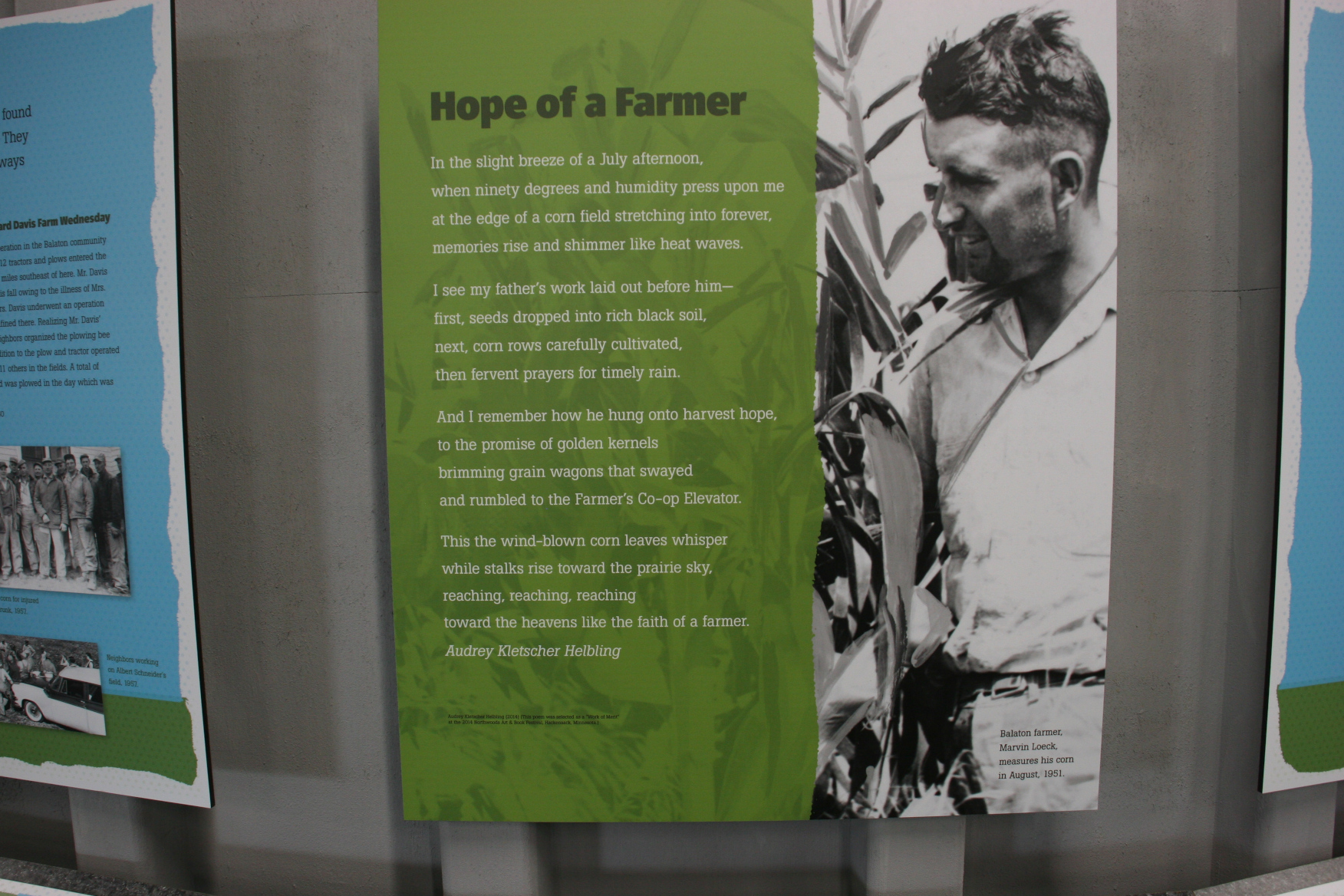
To the far left is the panel featuring my poem, “Ode to My Farm Wife Mother.” In the center is my poem, “Hope of a Farmer.” (Minnesota Prairie Roots copyrighted photo September 2022)
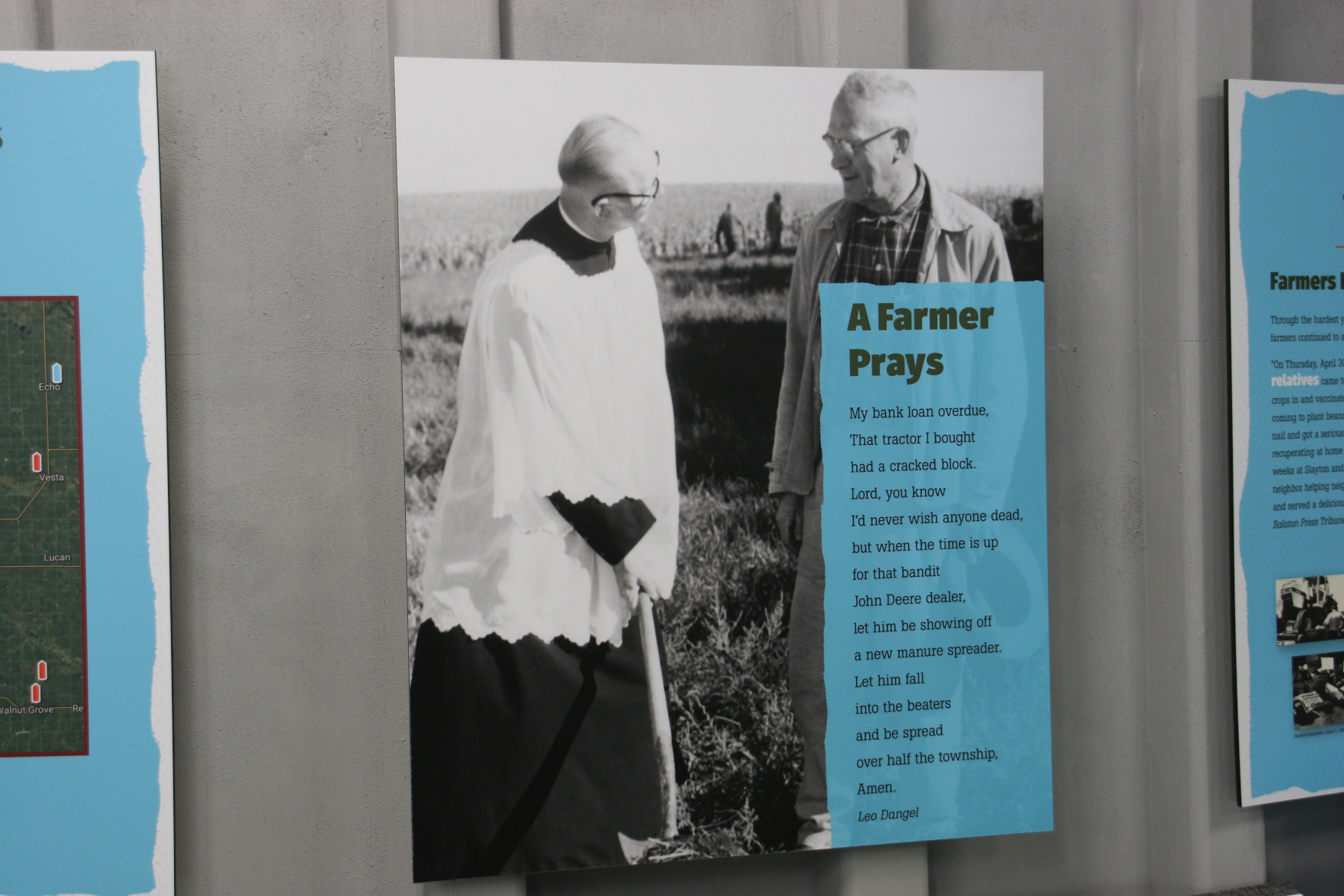
My poem, “Hope of a Farmer.” That is not my dad in the photo. (Minnesota Prairie Roots copyrighted photo September 2022)
The exhibit, which won a 2021 Minnesota History Award from the Minnesota Alliance of Local History Museums, opened in January of the same year. Finally, I got to Marshall last week. Up until my visit, I was unaware that two, not just one, of my poems are included. When I read the title “Hope of a Farmer,” I thought to myself, I wrote a poem with that title. And then, as I read, I realized this was my poem.
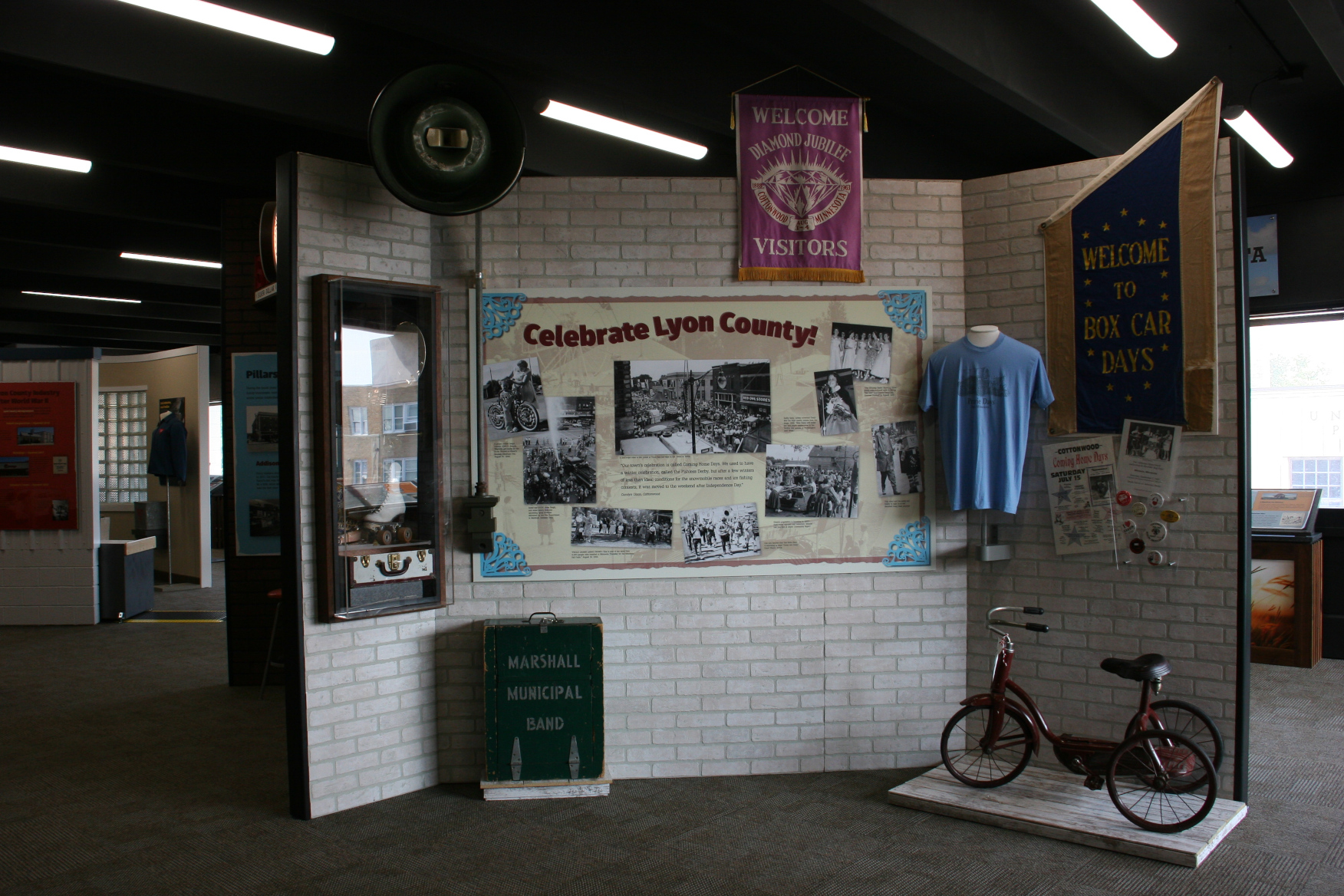
The second floor exhibit celebrates Lyon County in the award-winning exhibit, “Making Lyon County Home.” (Minnesota Prairie Roots copyrighted photo September 2022)
Now I’m doubly honored that my rural-themed poetry inspired by my farmer father and farm wife mother were chosen to be part of this outstanding exhibit focusing on the people, places, businesses, communities, activities, events, history and arts of Lyon County.
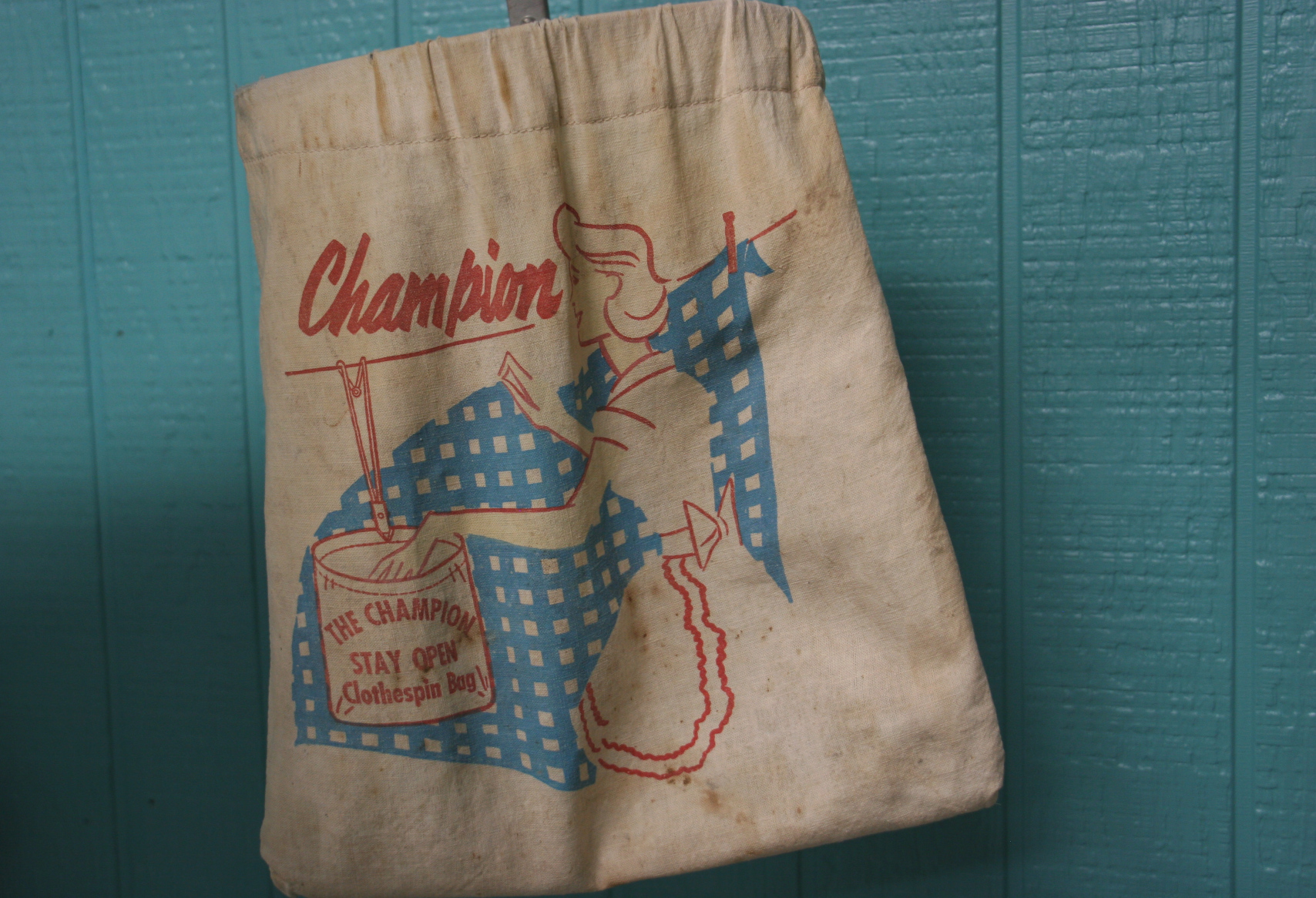
A clothes pin bag hangs in an exhibit space near my “Ode” poem, quite fitting. Visitors can turn a dial to generate “wind” blowing dish towels on a clothesline. (Minnesota Prairie Roots copyrighted photo September 2022)
finances rocked by falling corn and soybean prices.
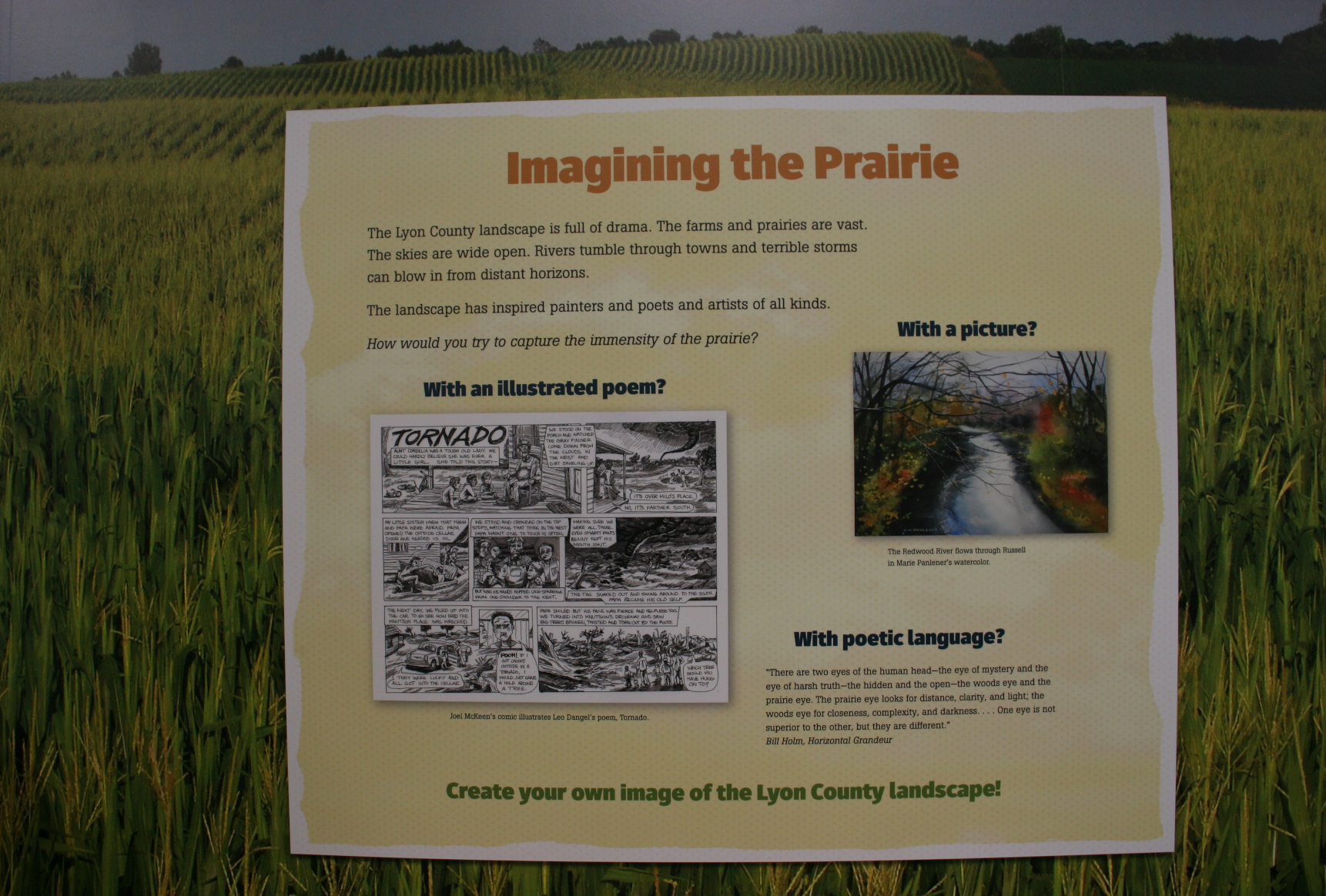
This panel honors literary and visual artists of the region. (Minnesota Prairie Roots copyrighted photo September 2022)
As I read the “Imagining the Prairie” informational panel, my gratitude to the LCHS staff, volunteers and Museology Museum Services of Minneapolis (lead contractor for the exhibit) grew. I appreciate that an entire panel focuses on the arts: The Lyon County landscape…has inspired painters and poets and artists of all kinds. I’ve long thought that as I see the prairie influence in my writing and photography. Farms, vast prairies, wide skies and tumbling rivers define the landscape of southwestern Minnesota.
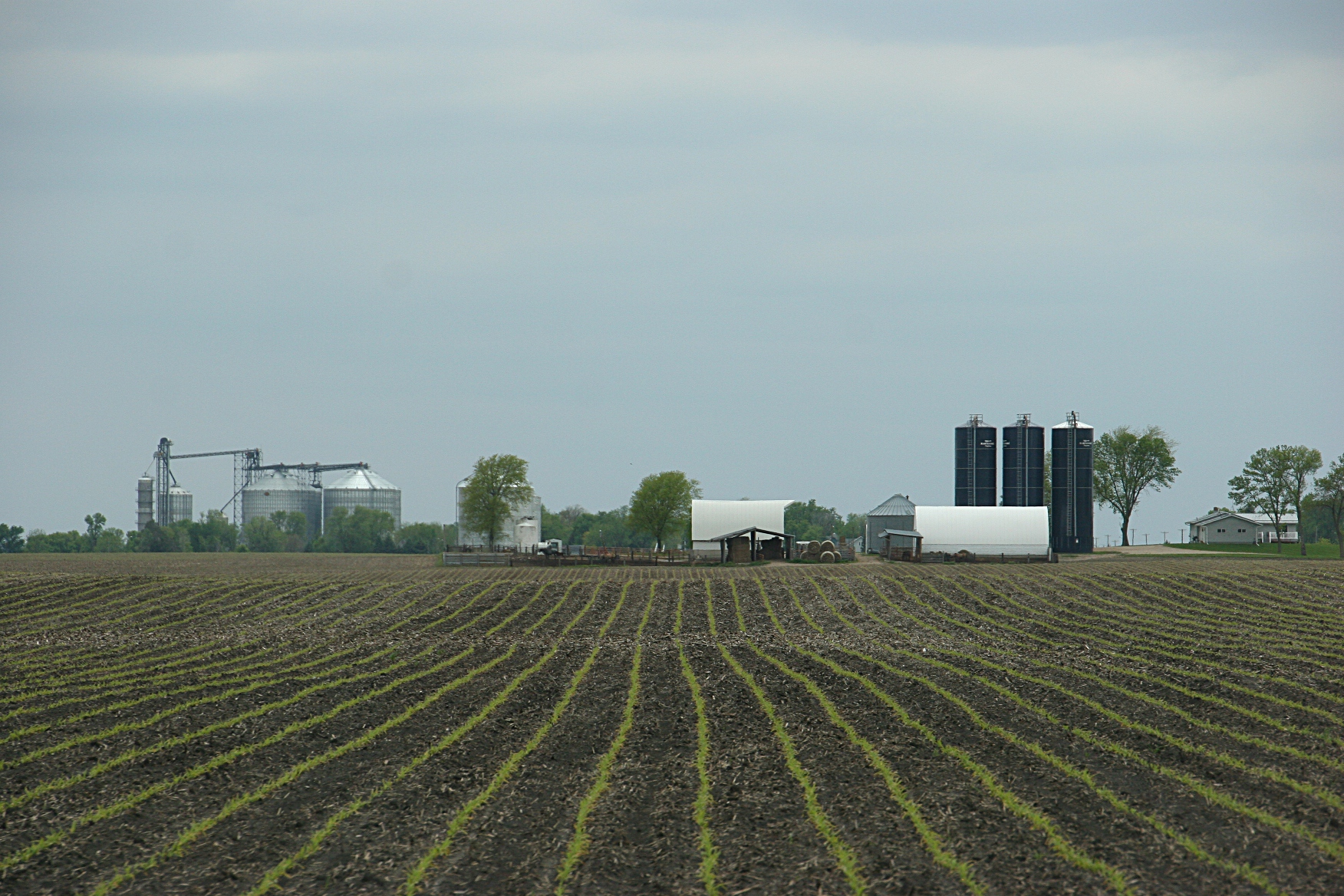
Corn rows emerge in a field near Delhi in southwestern Minnesota. (Minnesota Prairie Roots copyrighted file photo)
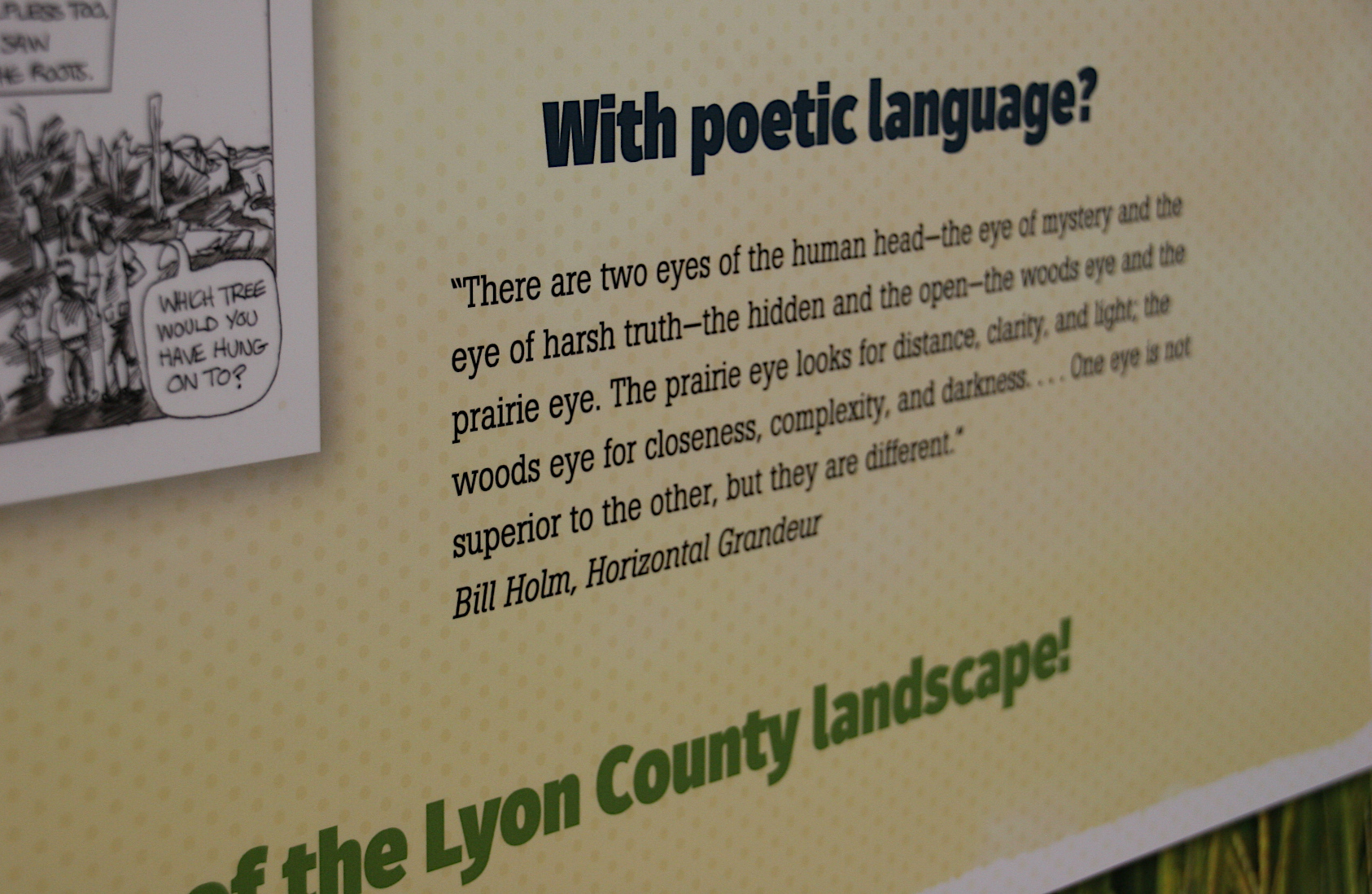
A fitting quote from Bill Holm. (Minnesota Prairie Roots copyrighted photo September 2022)
A quote from poet, essayist and musician Bill Holm of nearby Minneota, summarizes well the lens through which we prairie natives view the world and the creative process. The prairie eye looks for distance, clarity, and light…
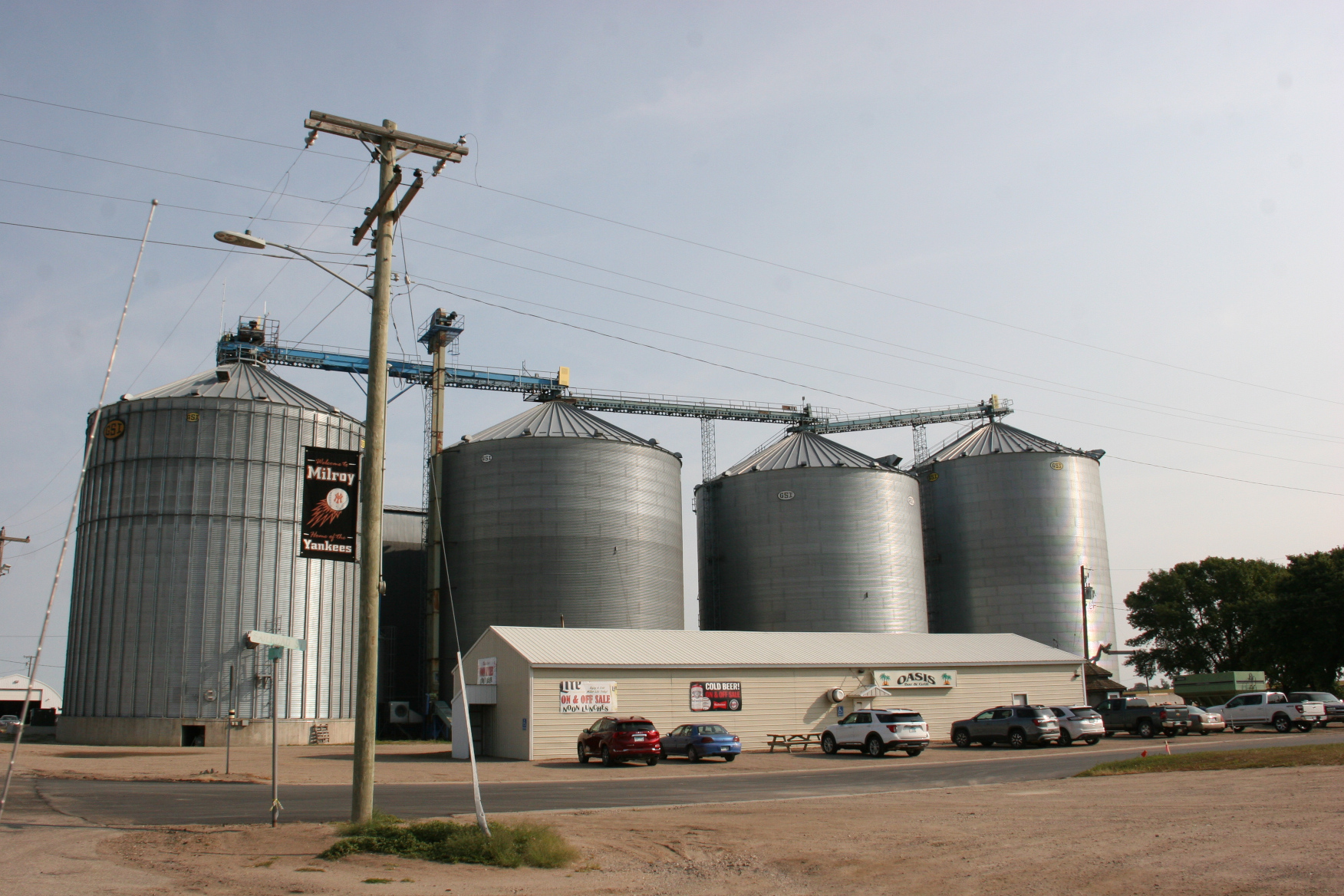
A grain complex and the Oasis Bar & Grill in Milroy, near Marshall. (Minnesota Prairie Roots copyrighted photo September 2022)
Holm, who died in 2009, was among southwestern Minnesota’s best-known writers, having penned poetry and multiple books such as his popular The Heart Can Be Filled Anywhere on Earth and Boxelder Bug Variations. His boxelder bug book inspired his hometown to host an annual Boxelder Bug Days, still going strong.
Poetry by Leo Dangel in the ag-focused part of the exhibit. (Minnesota Prairie Roots copyrighted photo September 2022)
To see my poems featured alongside the work of gifted writers like Holm and equally-talented poet Leo Dangel in the “Making Lyon County Home” exhibit was humbling. Dangel, who died in 2016, wrote six collections of poetry. The prairie and rural influence on his work show in the featured poems, “A Farmer Prays,” “A Clear Day,” and “Tornado.”
My poem honoring my mom… (Minnesota Prairie Roots copyrighted photo September 2022)
Both men taught English at Southwest Minnesota State University in Marshall, reaffirming their devotion to this rural region and to the craft of writing. The exhibit includes a section on the university, which opened in 1967 within 10 years of my leaving the area to attend college in Mankato. I sometimes wonder how my writing would have evolved had I stayed and studied on the prairie.
A serene country scene just north of Lamberton in southern Redwood County, which is right next to Lyon County. (Minnesota Prairie Roots copyrighted file photo)
When I returned to Marshall for the first time in 40 years, nothing about the town seemed familiar. Time has a way of changing a place. But when I reached the top floor of the county museum, saw my poems and began to peruse the “home” exhibit, I felt like I was back home. Back home on the prairie, among cornfields and farm sites and grain elevators and all those small towns that dot the landscape. Back home under a wide prairie sky with land stretching beyond my vision. Back home where I understand the people. Back home in the place that influenced my writing as only the prairie can for someone rooted here.
#
Please check back for more posts featuring the Lyon County Museum and the area.
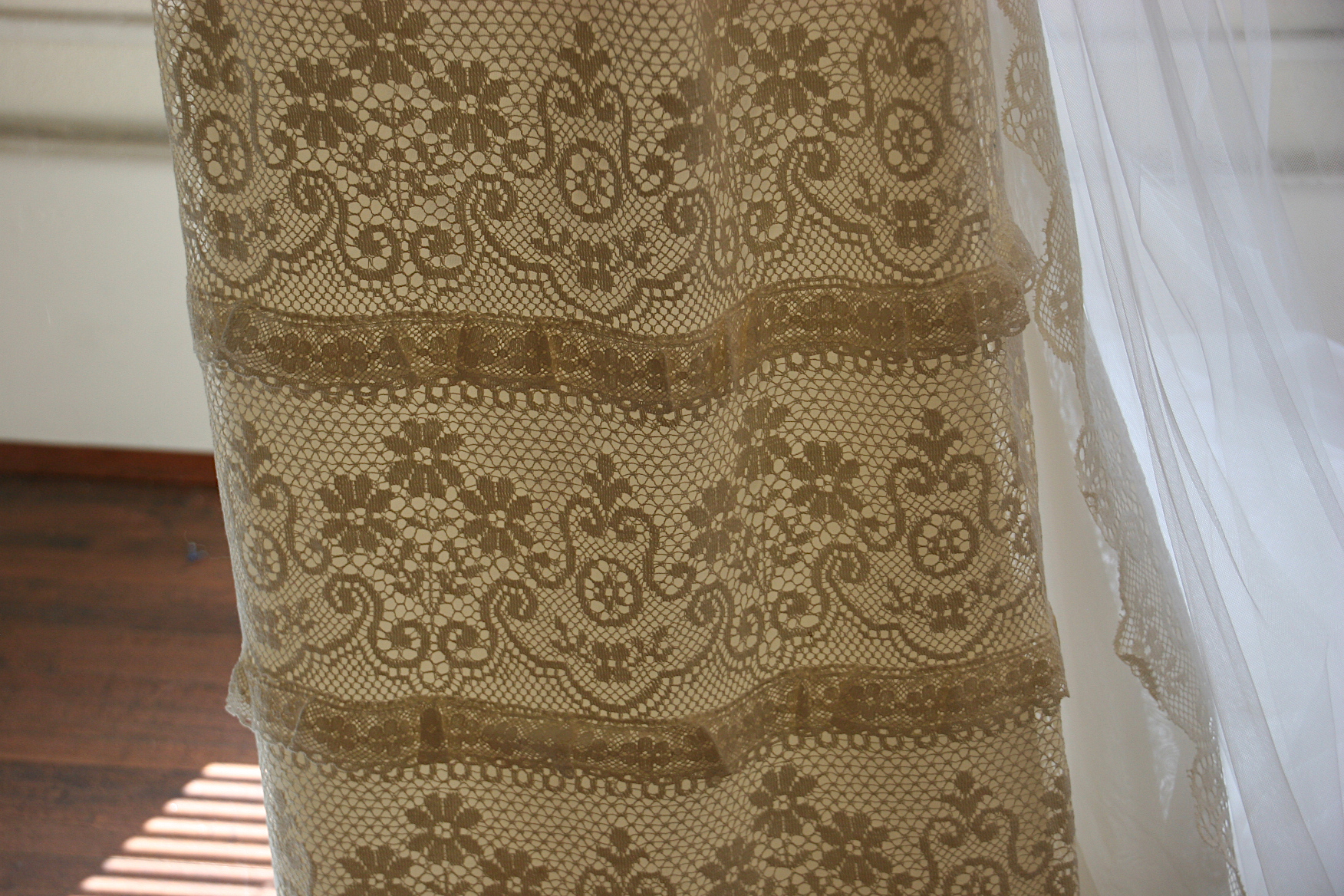
A particularly lacy wedding dressskirt up close. (Minnesota Prairie Roots copyrighted photo September 2022)
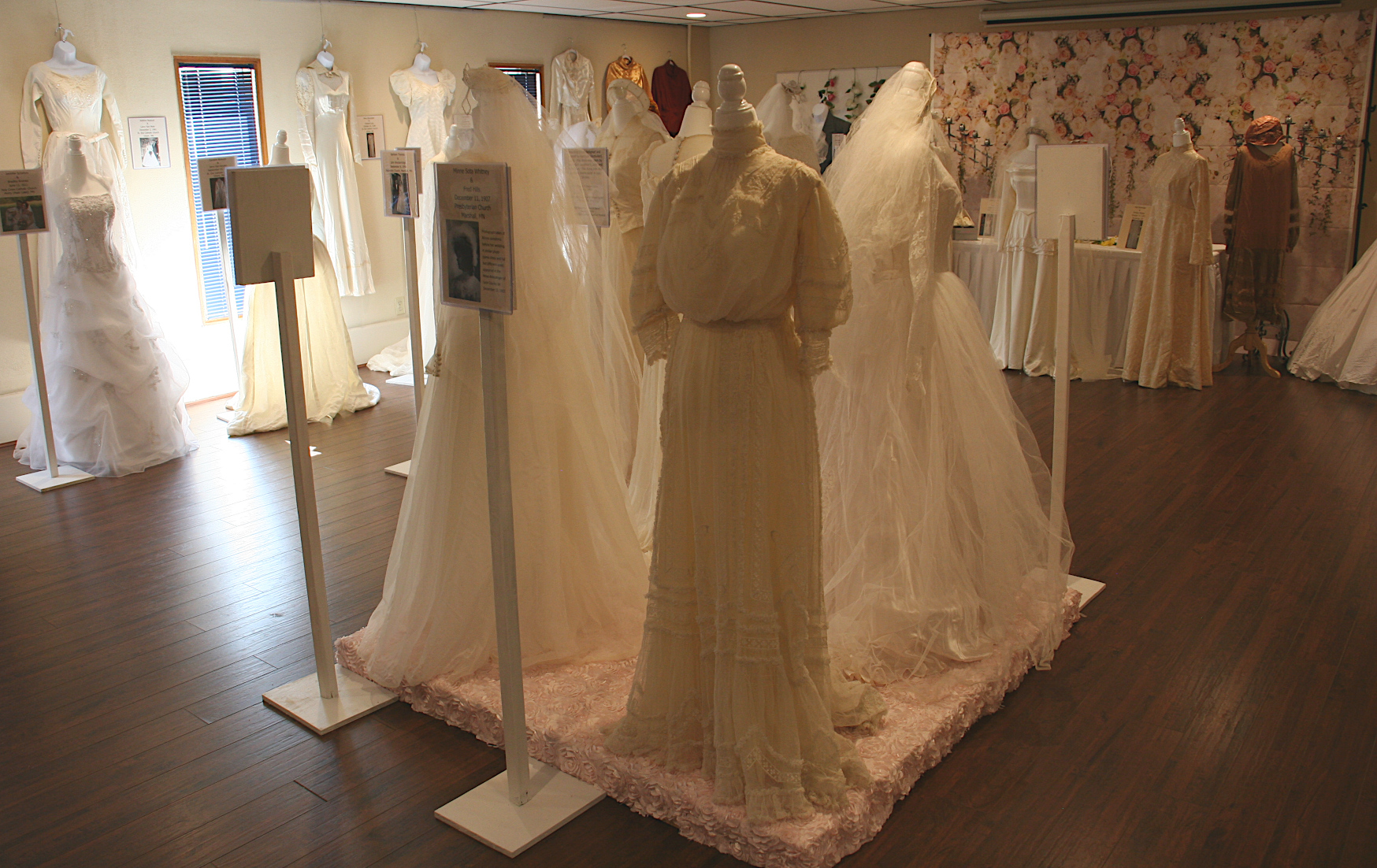
I will never pretend to understand, or even care, much about fashion. But this held my interest as I noted the variety of styles from princess full lacy skirts to sleek and elegant simple satin designs. It was the plain gowns that held the most appeal for me, even though my own wedding dress from 40 years ago featured more lace than suits me now. But it was the style of the early 80s.
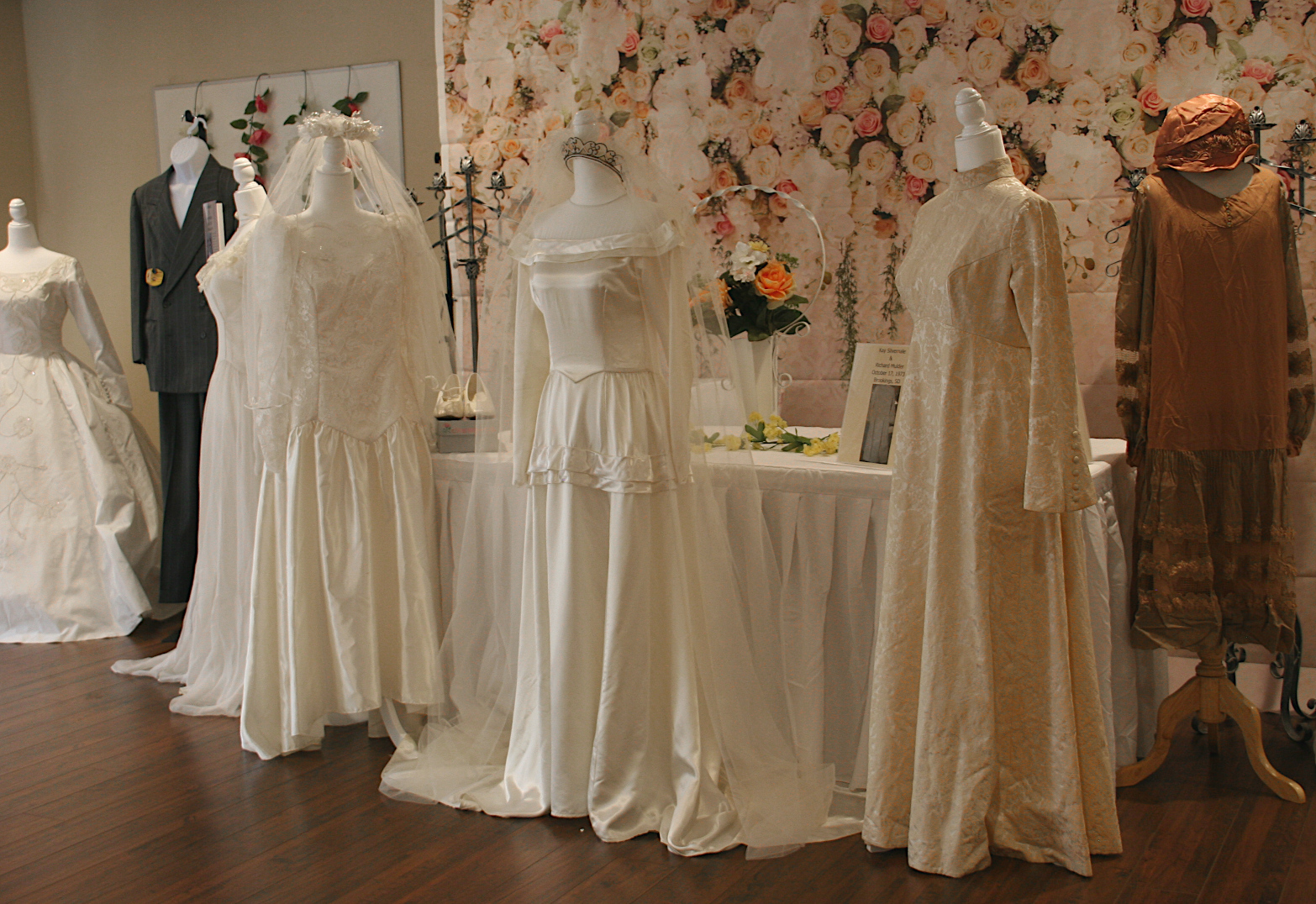
A floral backdrop lends a romantic feel to the bridal attire display. (Minnesota Prairie Roots copyrighted photo September 2022)
In a brief conversation with another museum visitor, also a native to the area but back from Nebraska, we discussed how styles always come back, although the popular strapless gowns were absent from long ago weddings. We agreed that we don’t particularly like that style.
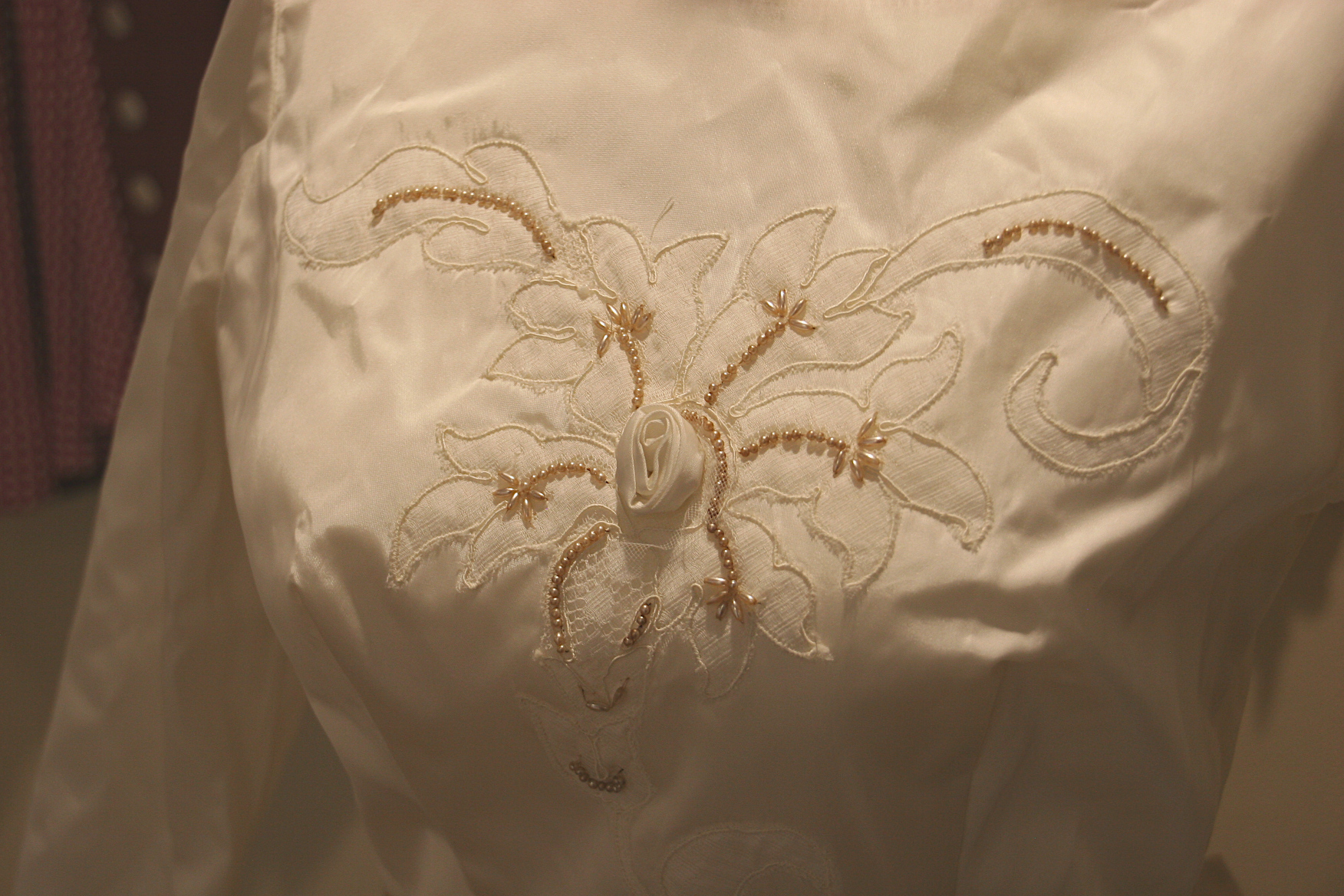
Lovely floral and beaded detail on a bridal gown. (Minnesota Prairie Roots copyrighted photo September 2022)
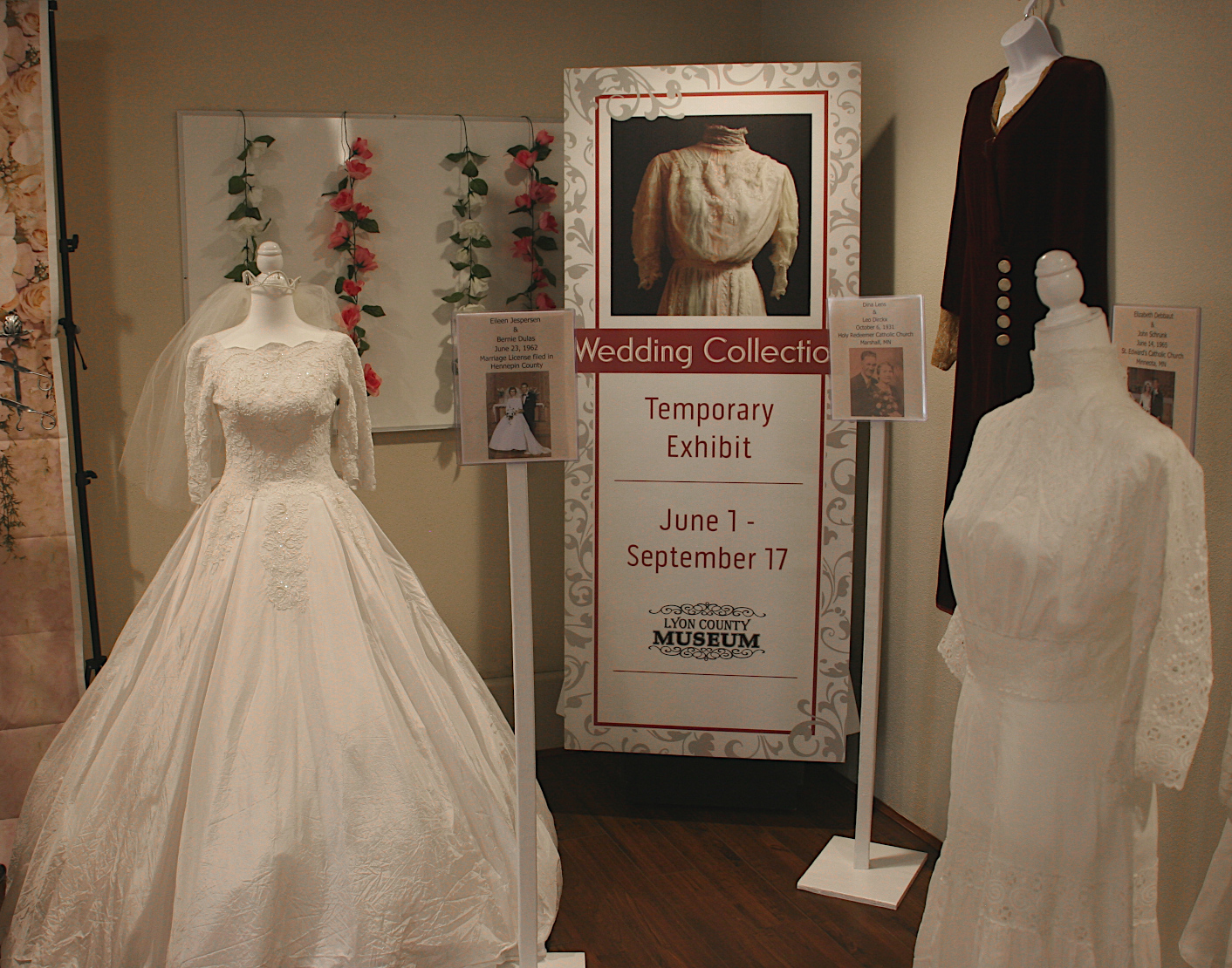
But it really doesn’t matter what I like or don’t like. It is the bride who chooses her perfect dress. And this exhibit showcases the selections of southwestern Minnesota brides through the decades from the museum’s collection and on loan.
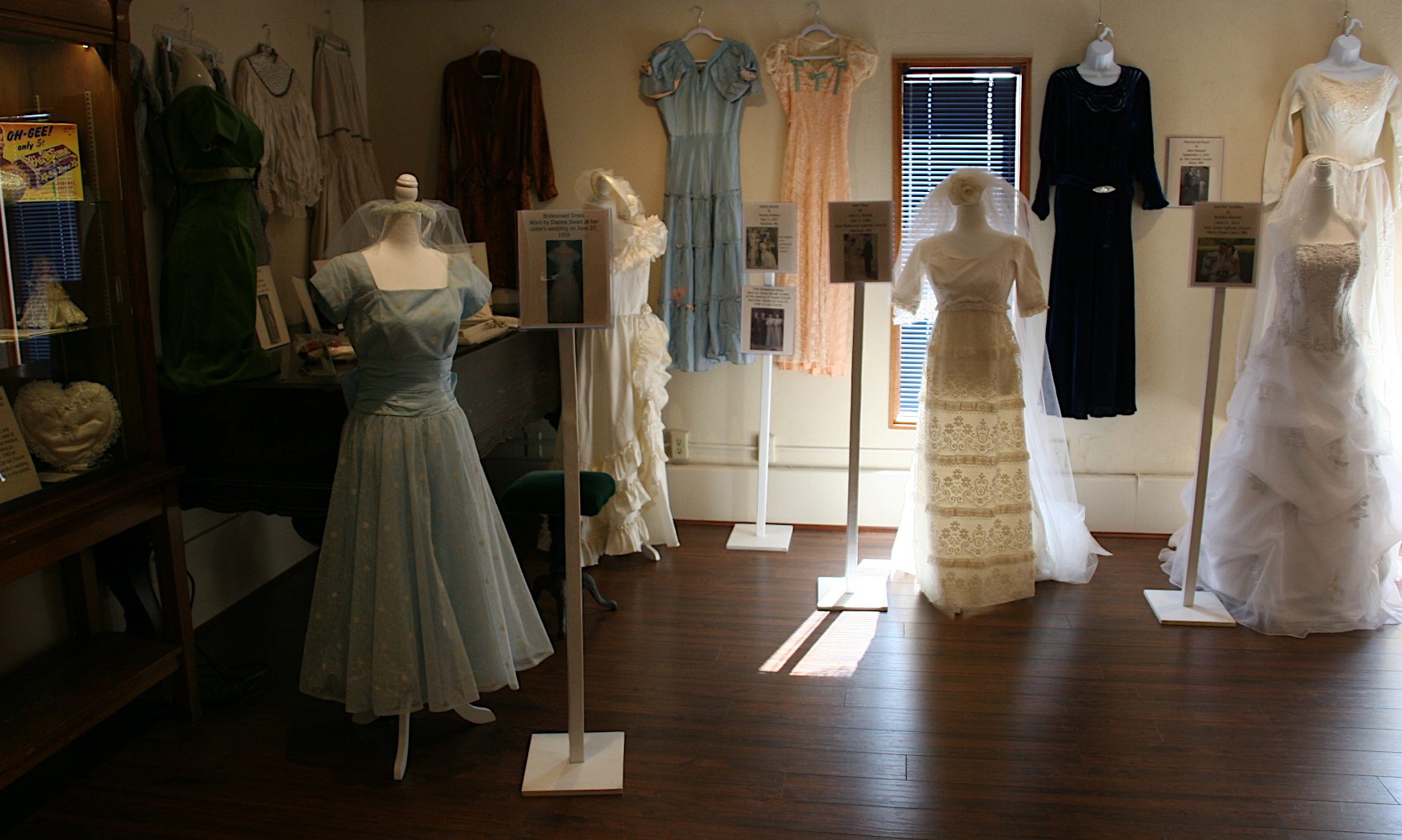
This image shows some bridesmaids’ dresses and wedding accessories. (Minnesota Prairie Roots copyrighted photo September 2022)
The exhibit also includes some bridesmaid’s dresses, suits, accessories and wedding portraits displayed in the small second floor conference room.
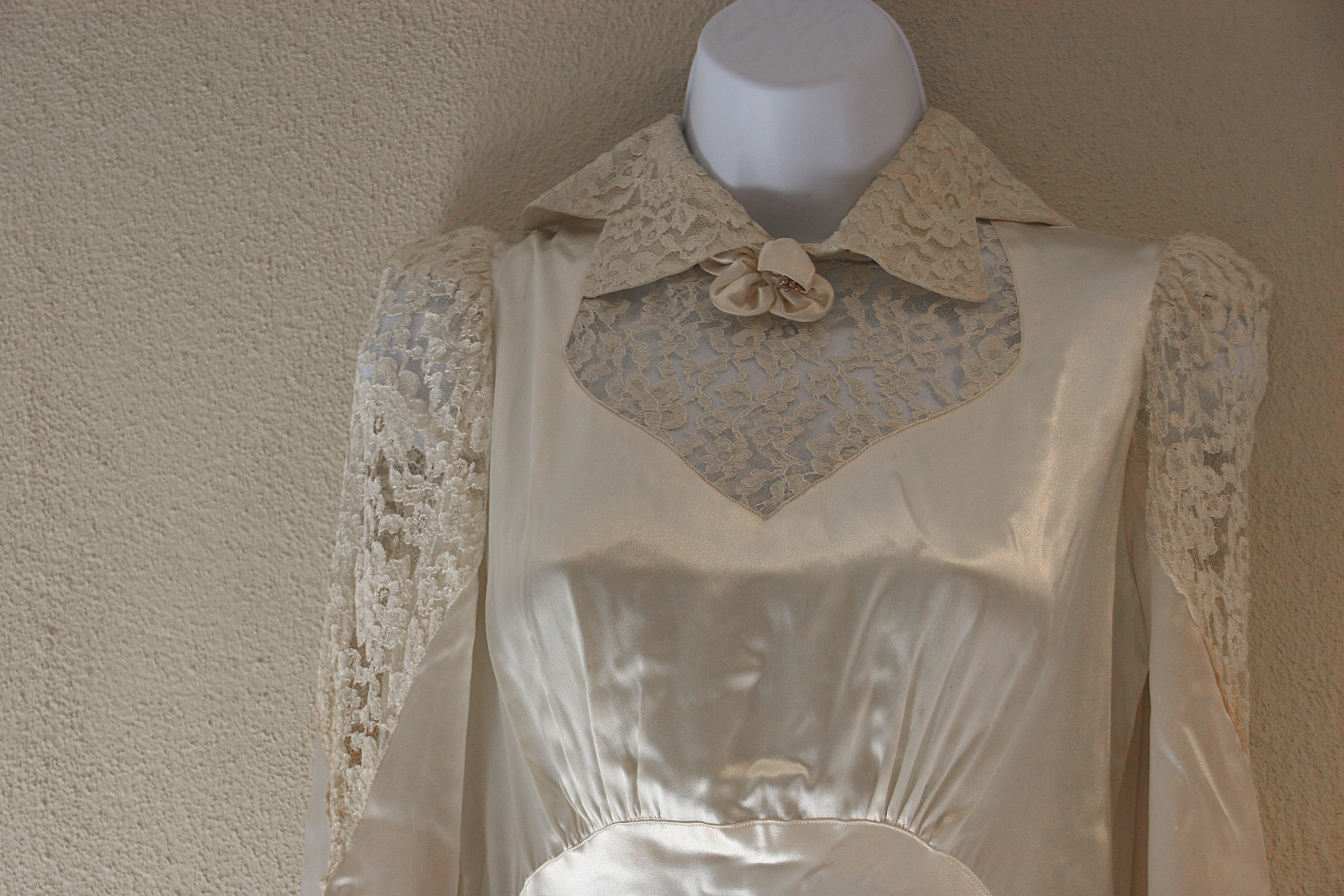
A lace and satin wedding dress. (Minnesota Prairie Roots copyrighted photo September 2022)
I realize most of my readers won’t see this exhibit in person. But if you live near Marshall, I encourage you to peruse the display, which closes at 4 pm Saturday, September 17. It’s been up since June. I saw “The Wedding Collection” as part of an overall tour of the museum, an exceptional museum, in my opinion. I traveled some three hours on Tuesday specifically to see two of my rural-themed poems, included in an impressive “Making Lyon County Home” exhibit on the second floor. Plan on spending hours at the museum with three floors of exhibit space.
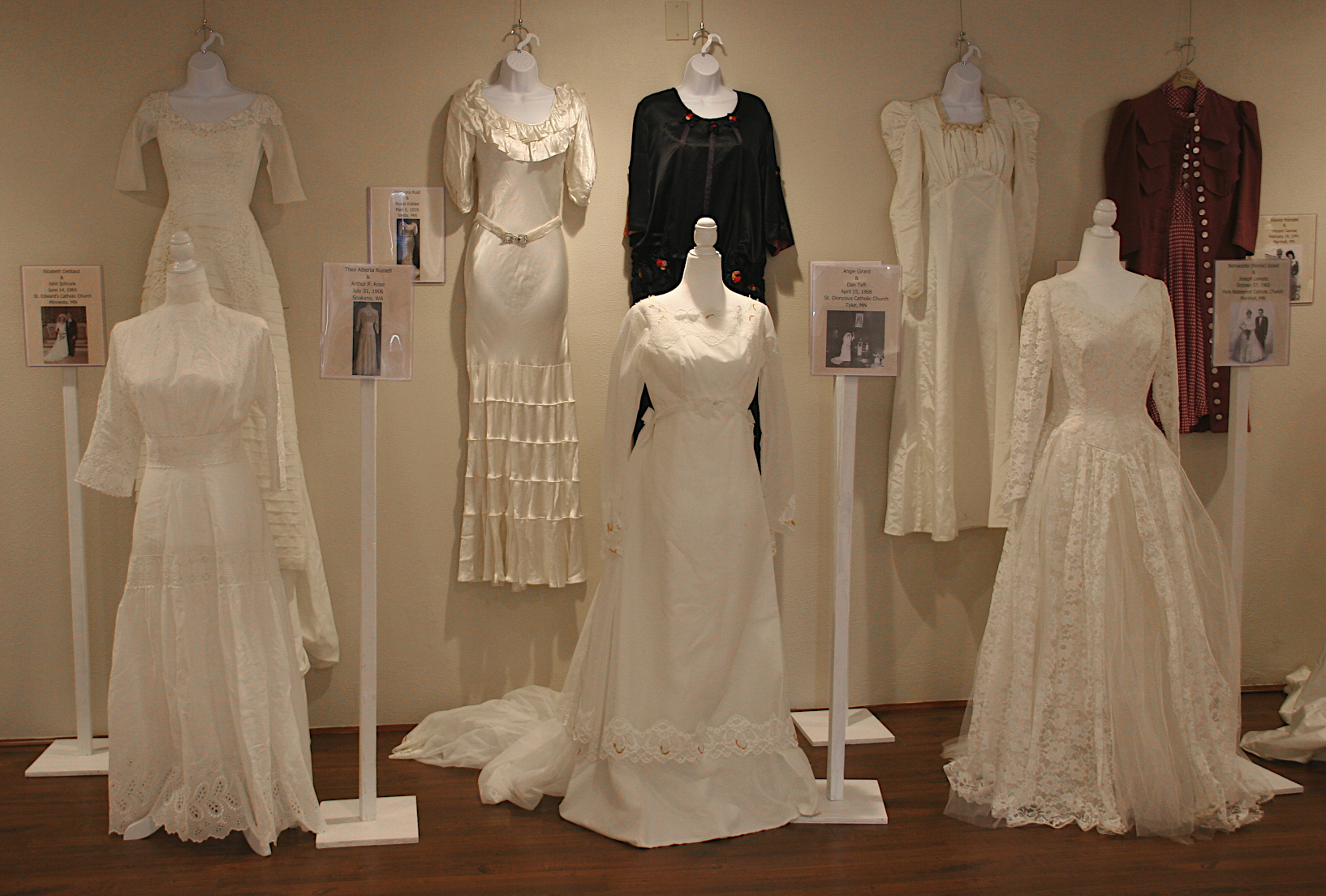
The bridal gowns span decades, some back to the early 1900s. (Minnesota Prairie Roots copyrighted photo September 2022)
Interestingly enough, I last visited Marshall 40 years ago on my May wedding night. Randy and I stayed there before continuing on our way to the Black Hills of South Dakota for our honeymoon. So in many ways, seeing “The Wedding Collection” brought me full circle back to my own wedding. Four decades seem so long ago…
#
FYI: I’ll take you back to the museum in Marshall in a future post to show you the exhibits including my poems and much more. Museum hours are 10 am – 4 pm Monday-Friday, noon to 4 pm Saturday and closed on Sunday.
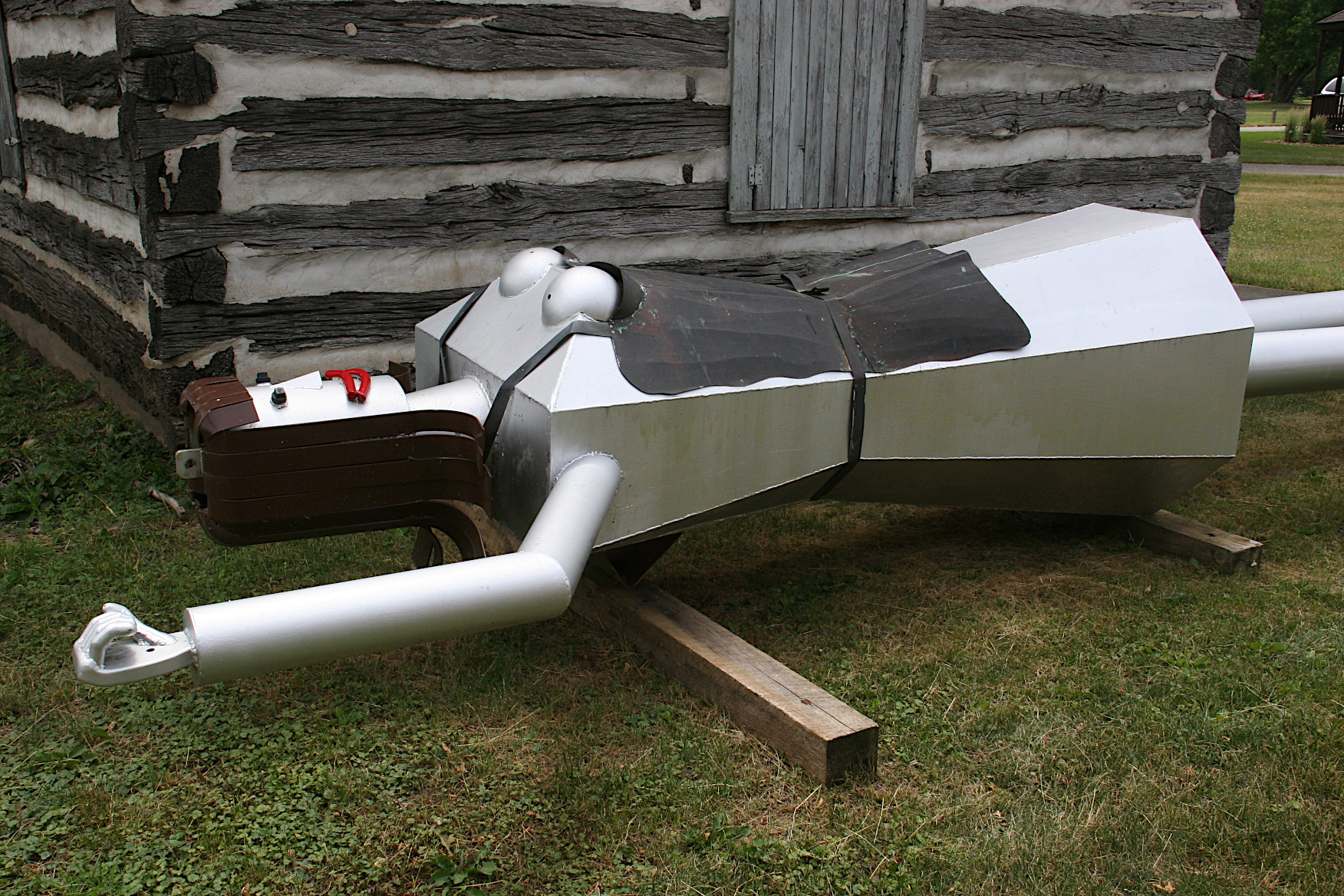
The Tin Woman sculpture from Lockerby Sheet Metal lies outside the log cabin at the Rice County Historical Society in Faribault where she will be placed. (Minnesota Prairie Roots copyrighted photo July 2022)
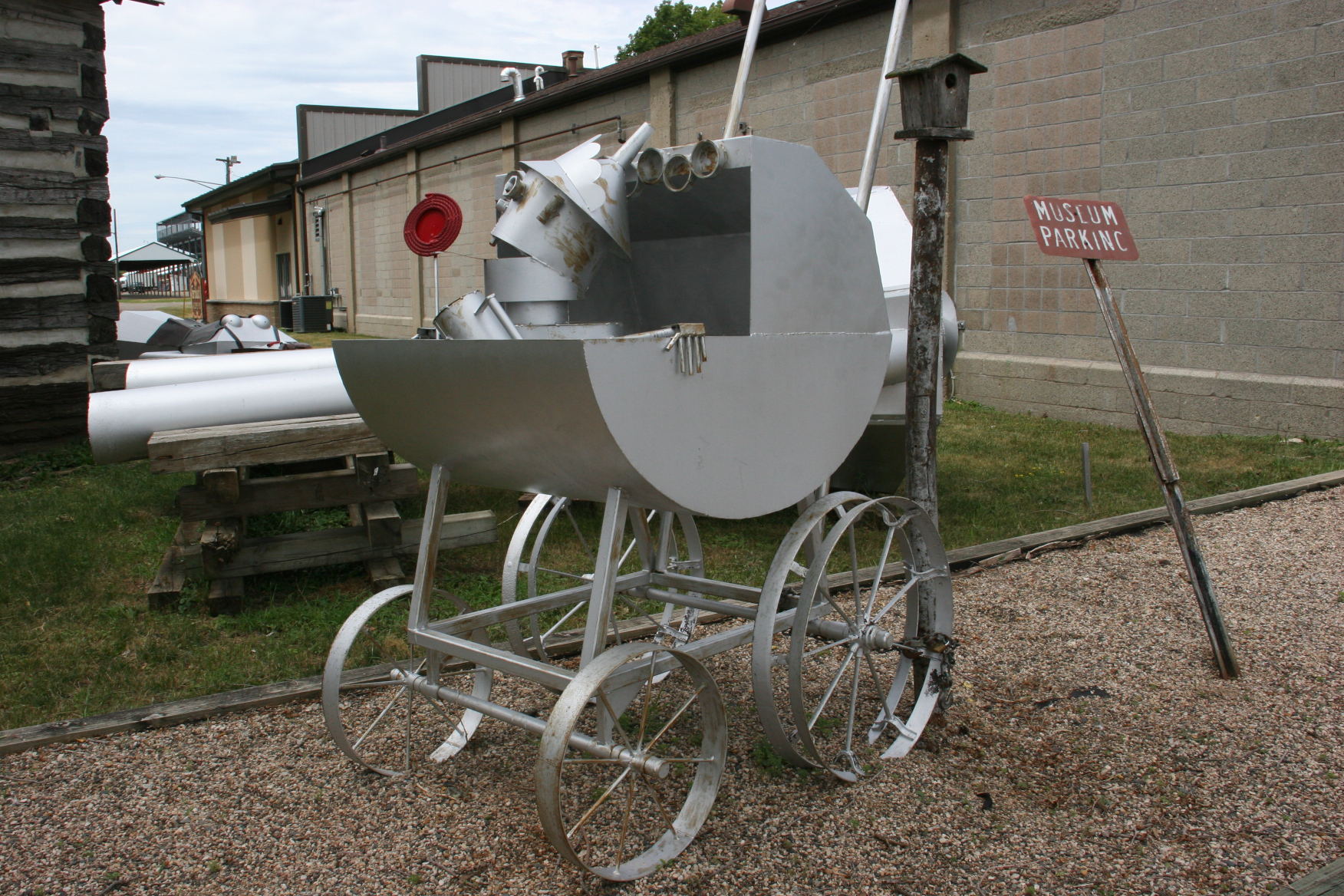
WHENEVER I THINK of a tin man, I think of three specifics: The Tin Man from The Wizard of Oz, The Tin Man and his family in Faribault, and the absence of a heart.
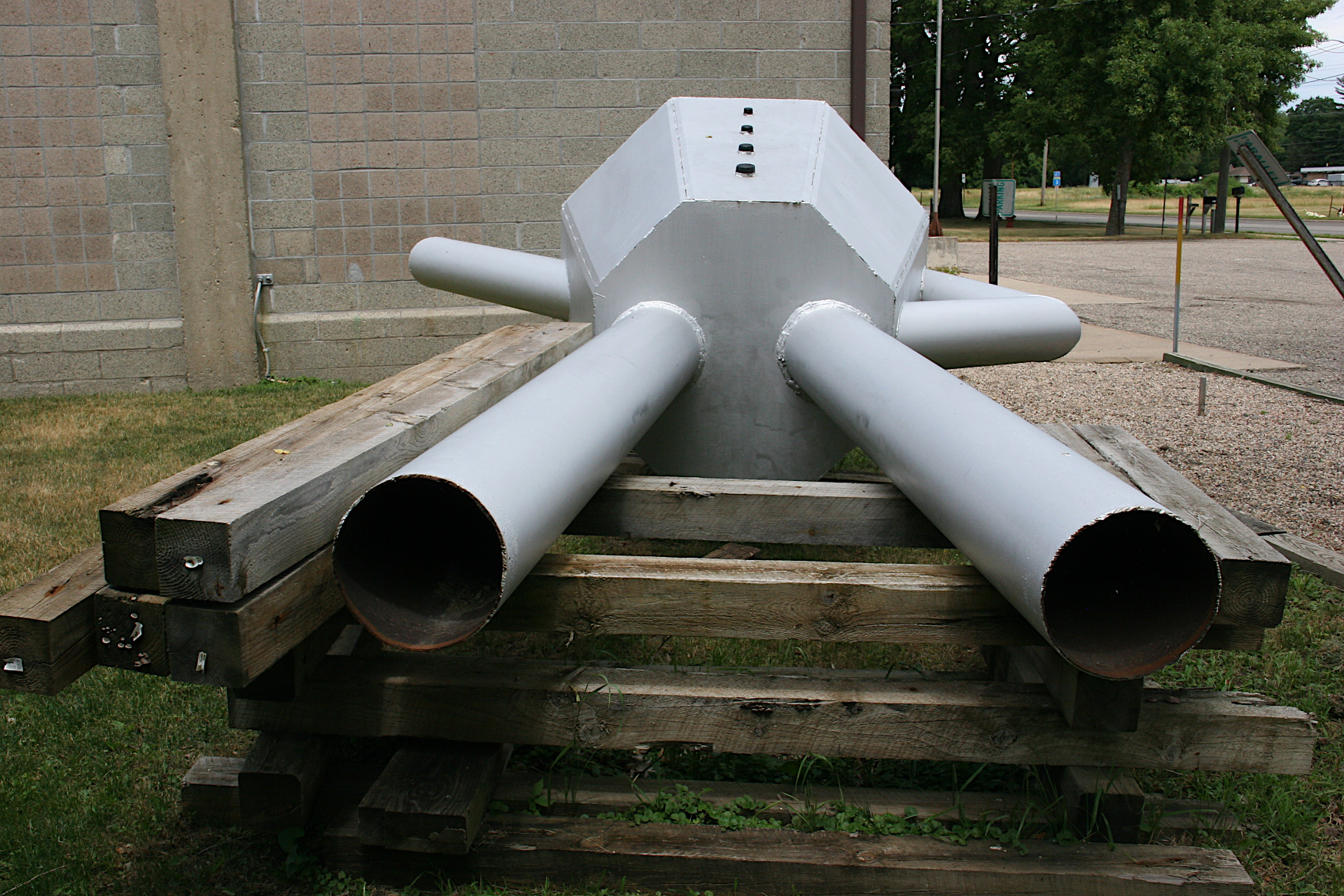
This Lockerby Sheet Metal Tin Man awaits reassembly outside the county museum. (Minnesota Prairie Roots copyrighted photo July 2022)
In the classic tale by L. Frank Baum, The Tin Man is in need of a heart, or love. The Scarecrow needs a brain. And the Lion needs courage.
The family includes a baby in a buggy. (Minnesota Prairie Roots copyrighted photo July 2022)
Now you can take away whatever you want from Baum’s book, for there are, indeed, many take-aways. But the basics of love, knowledge and courage stick all the way along The Yellow Brick Road to The Emerald City.
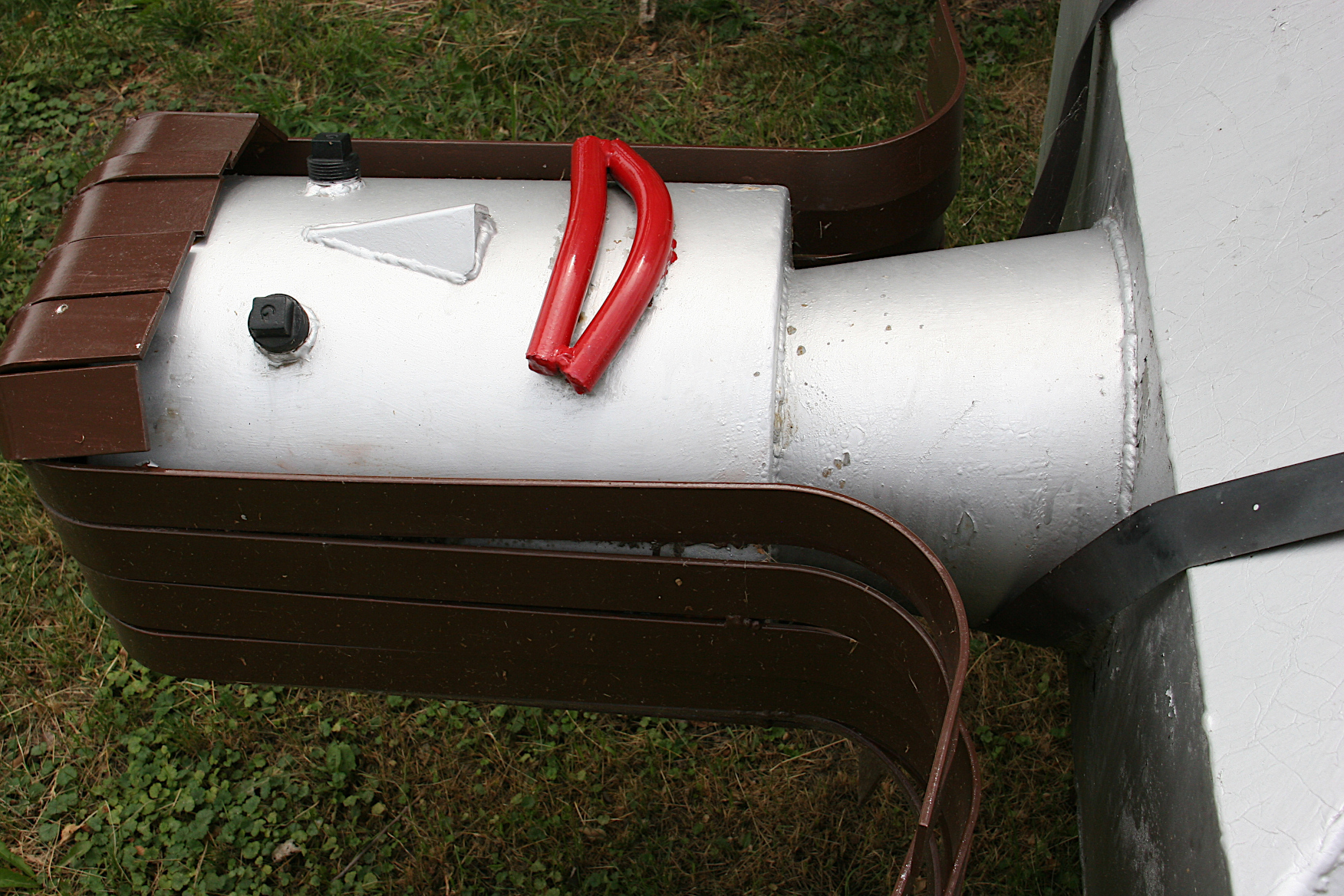
The Tin Woman, up close with her vivid red lips. (Minnesota Prairie Roots copyrighted photo July 2022)
I wish I didn’t believe this to be true. But too often these days I see heartless Tin Man after heartless Tin Man (you may also insert “woman” here) following a narrow pathway of self-focus with no regard for others. There’s no self-awareness of how actions, words, decisions hurt others. Or perhaps, more accurately, there’s no care for how others are affected by what we say or do. That can apply in business, in politics, in relationships, in friendships, in families…
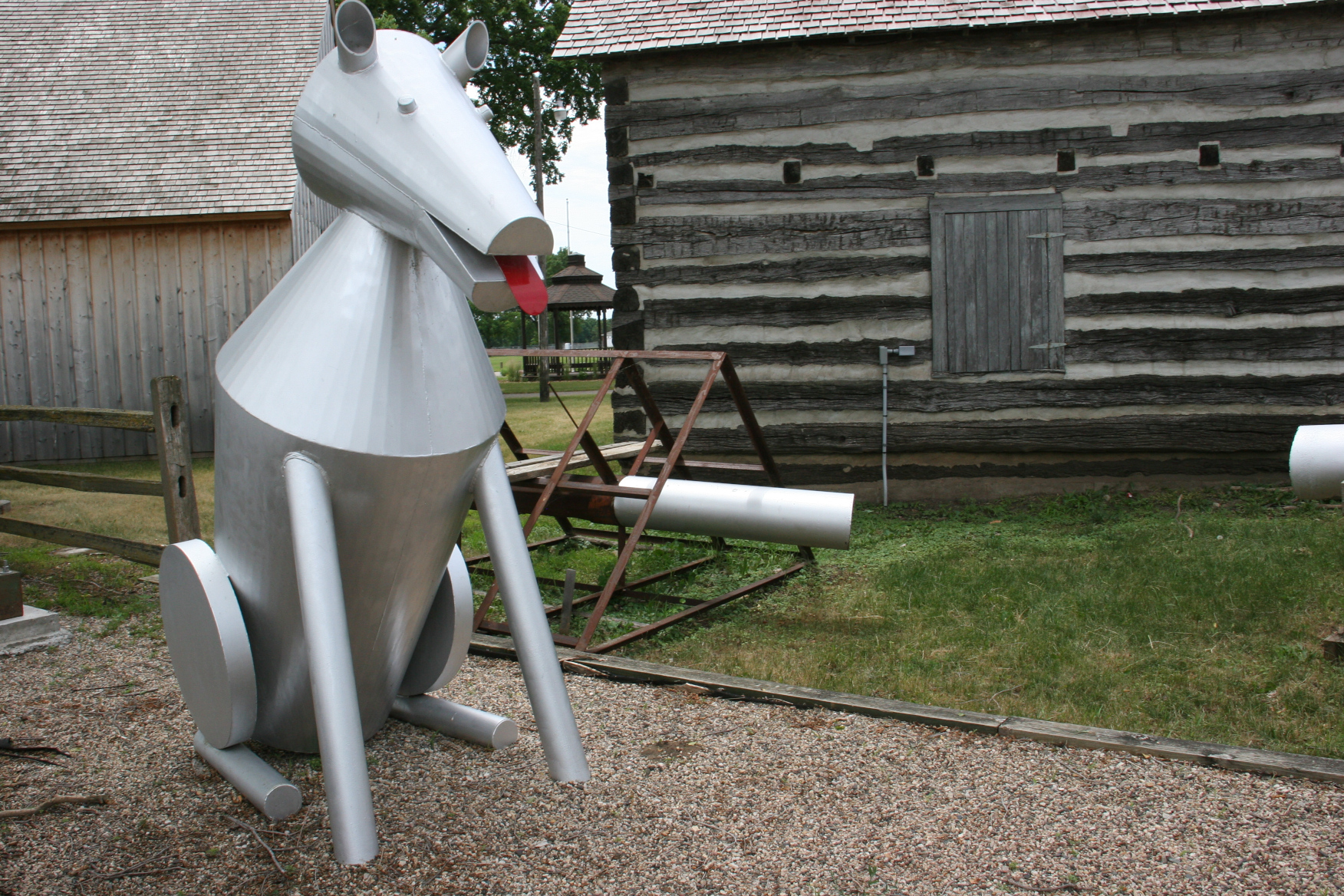
The family even has a dog. (Minnesota Prairie Roots copyrighted photo July 2022)
Sometimes I feel like our collective hearts are missing or atrophying and we really ought to work harder at being kinder, more caring, more considerate, more loving. Better people. Period.
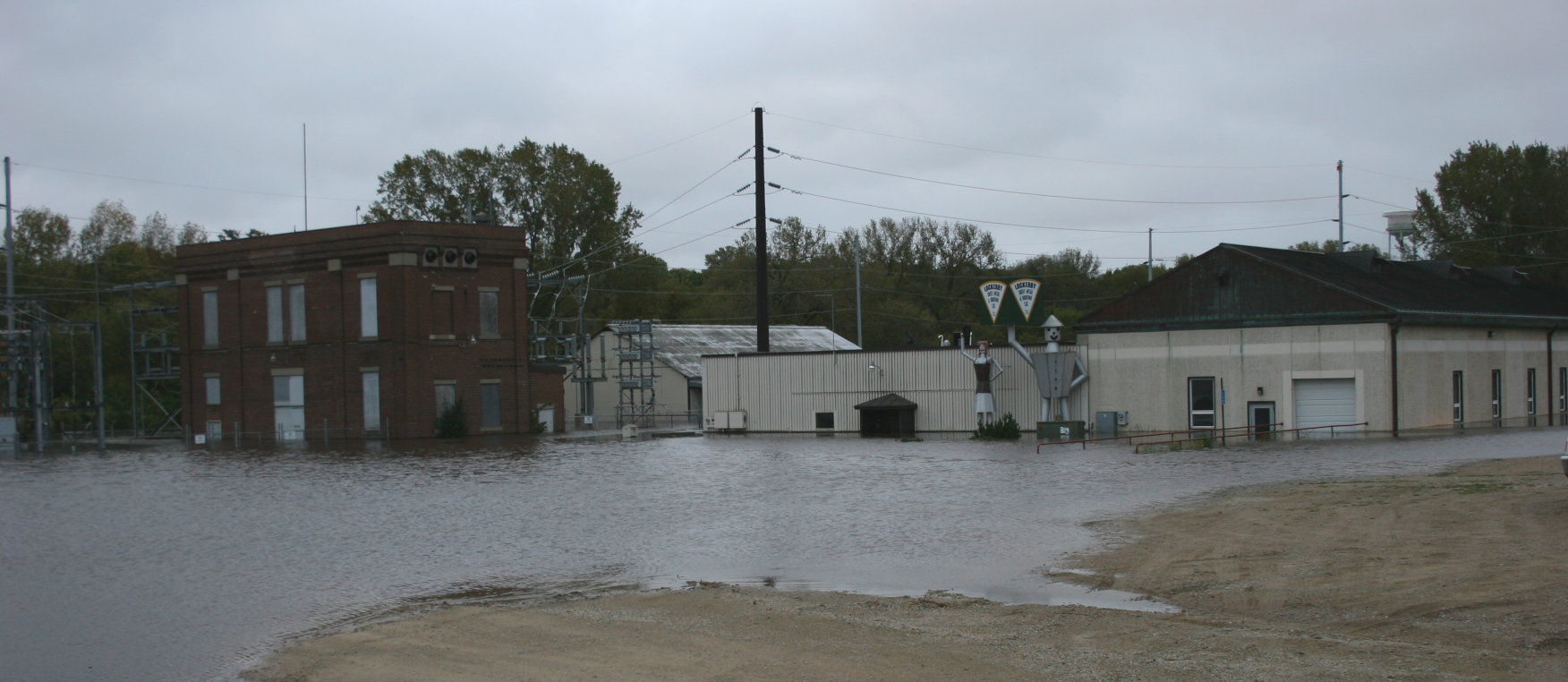
The Tin Man and Woman stand outside Lockerby Sheet Metal in September 2010, when the Straight River flooded. That event devastated the business. (Minnesota Prairie Roots copyrighted file photo September 2010)
That leads me to The Tin Man and his family in Faribault. A few weeks ago I photographed them at the Rice County Historical Society, where they’ve been hanging out for awhile. Originally, their home was at Lockerby Sheet Metal, which closed abruptly in October 2018 after 110 years in business in Faribault. I’m thankful this family found a new home at the RCHS. They are local icons.
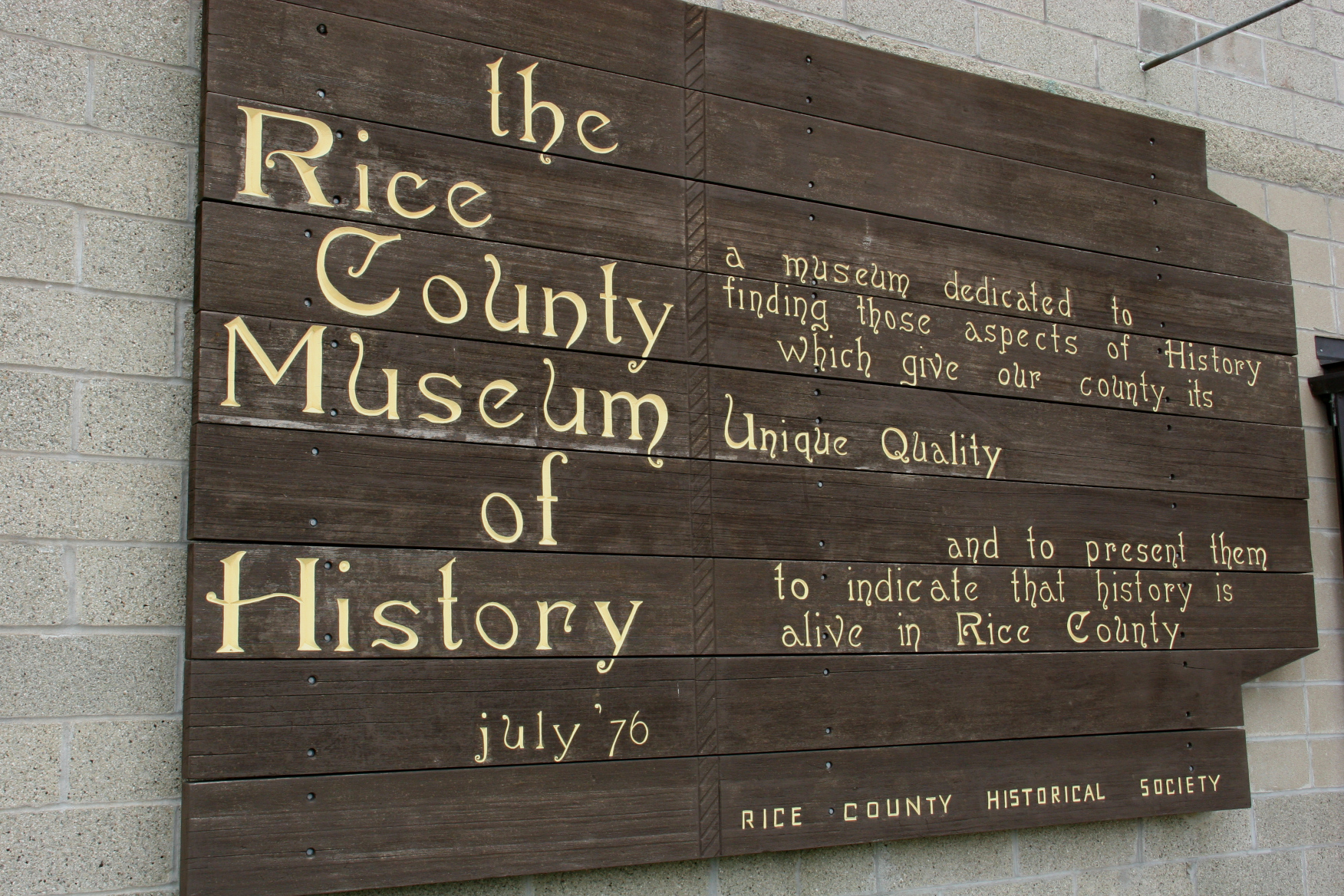
A sign on the Rice County Historical Society states its goal. (Minnesota Prairie Roots copyrighted photo July 2022)
Keeping this family together, recognizing their collective value, says something about the heart of a community. Locals care about The Tin Man and family from an historic, artistic and business perspective. And, perhaps, also from a love perspective. These creations of Lockerby Sheet Metal can visually represent community love. Yes, that’s the marketing, creative and hopeful side of me writing.
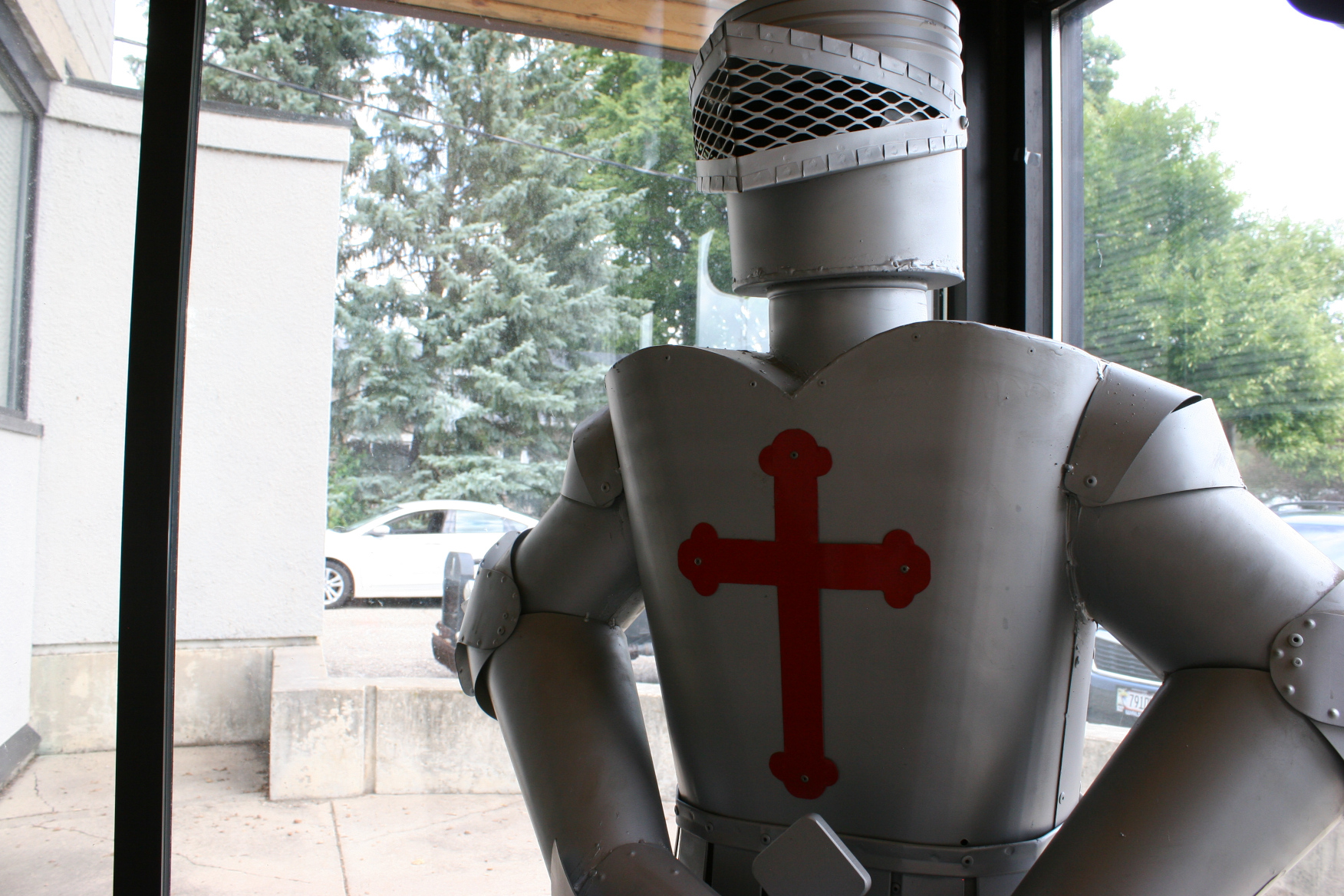
This knight metal art sculpture from Lockerby Sheet Metal stands inside the RCHS entry. (Minnesota Prairie Roots copyrighted file photo)
Even as I believe too much heartlessness exists in today’s world, I also believe that we are capable of growing our love for one another, of strengthening our hearts. Rather than follow a self-focused narrow Yellow Brick Road, we can pause, stop, consider. Pause. Stop. Consider. When we recognize how our words and actions affect others, then we no longer rattle around like a Tin Man (or Woman) without a heart.
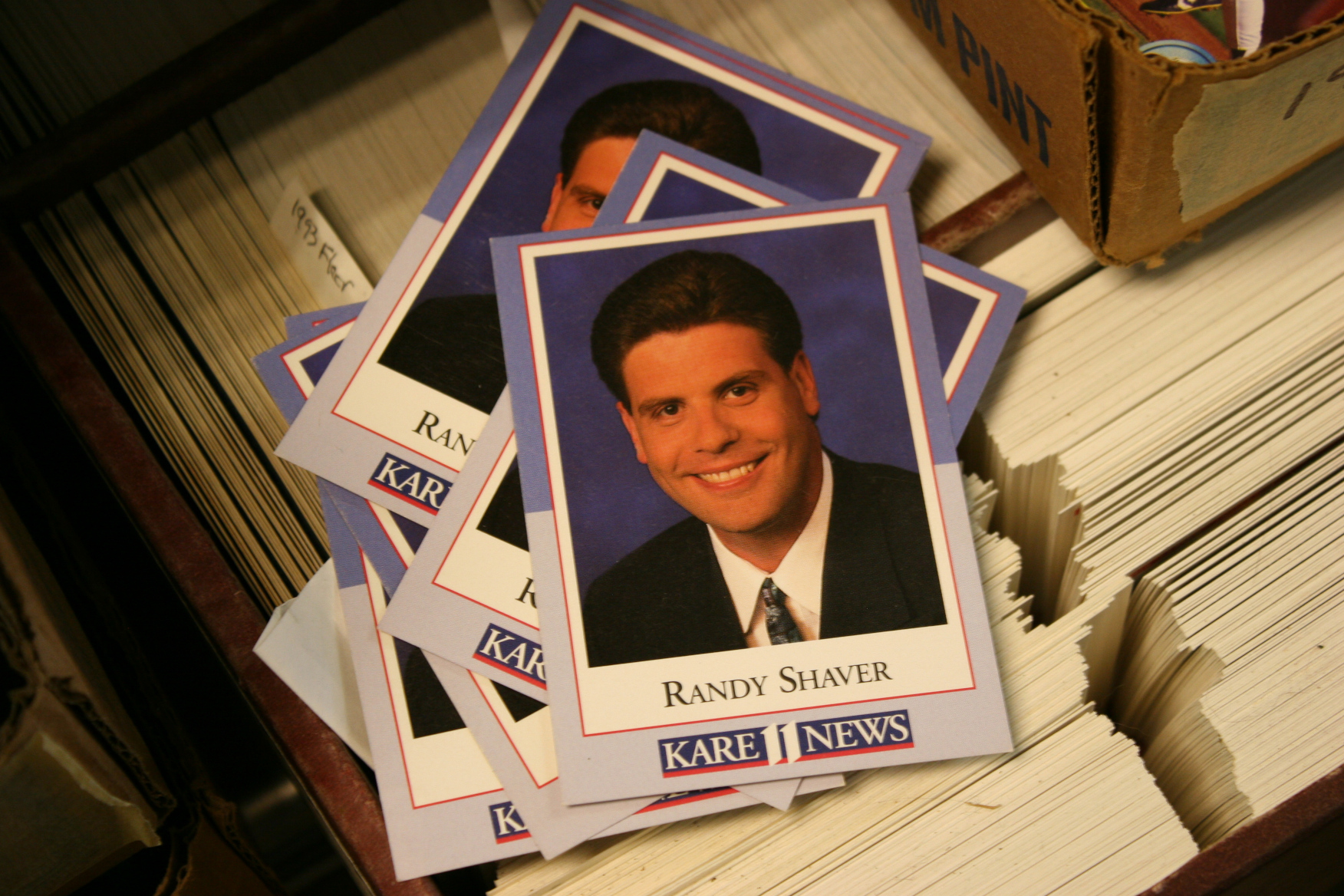
Randy Shaver trading cards. Minnesota Prairie Roots copyrighted file photo March 2021.
IF YOU’VE EVER READthe children’s picture book series, If You Give A… by Laura Numeroff, you understand the premise of how one thing leads to another. In her book, If You Give a Mouse a Cookie, for example, Numeroff writes about a mouse who, if given a cookie, will then want a glass of milk and then a straw and then…
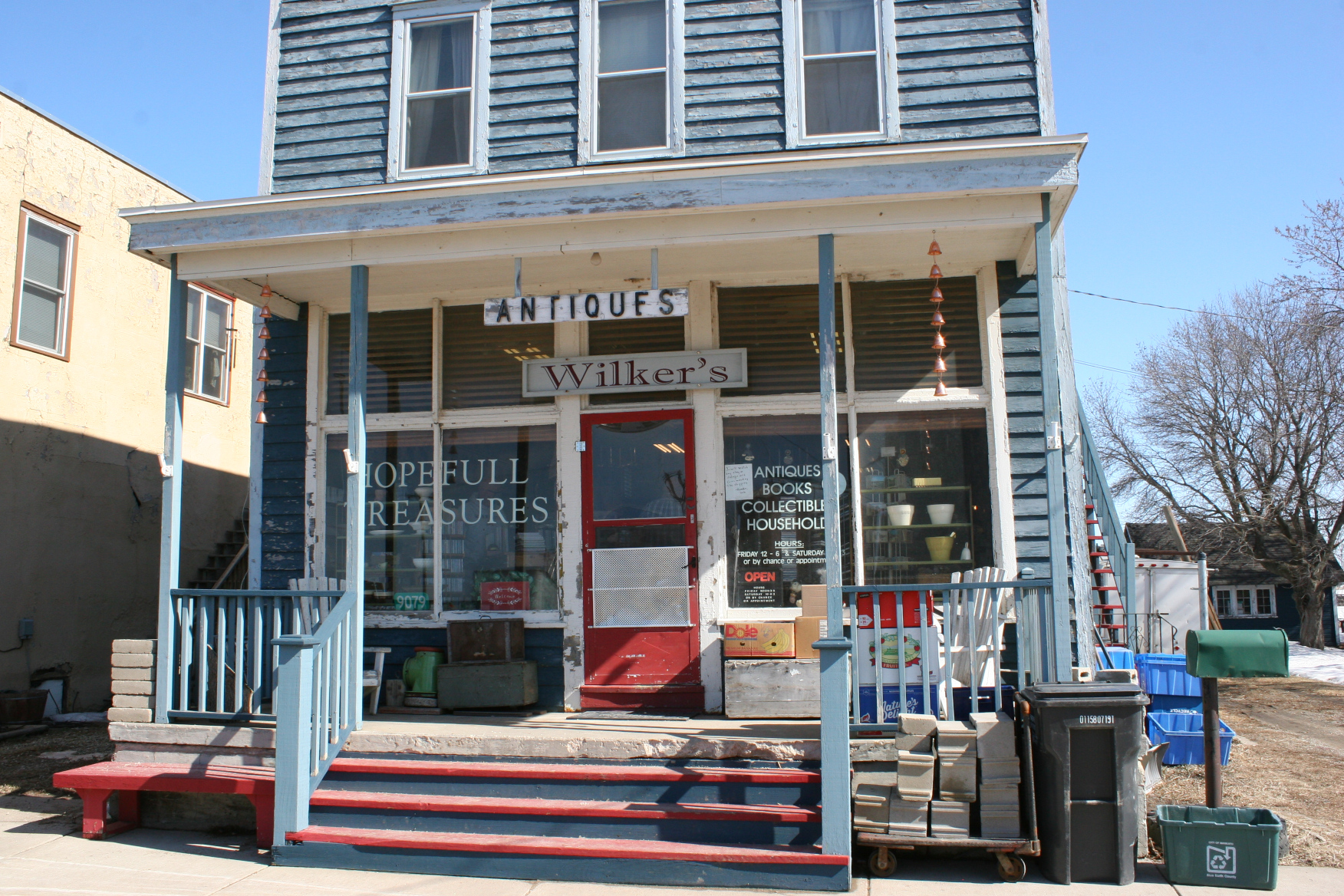
That domino thought train followed for me after I heard a news report about KARE 11 TV anchor Randy Shaver’s induction into the Minnesota Broadcasting Hall of Fame over the weekend. I remembered a photo I’d taken of a Randy Shaver trading card during a stop at Hopefull Treasures/Wilker’s Antiques in March. The antique shop is housed in an aged building in the small town of Hope just off Interstate 35 south of Owatonna.
I then began scrolling through the 2001-2018 Hall of Fame Honorees, looking for familiar names. And I found lots of them—Cyndy Brucato, Herb Carneal, Ralph Jon Fritz, Halsey Hall and, then, pause, Brad Nessler. I clicked on his bio. Nessler and I attended journalism school together at Minnesota State University, Mankato. He graduated a year before me, his focus in broadcasting and mine in news editorial/print journalism. Professionally, this small town boy from St. Charles in southeastern Minnesota excelled. Today he works as the CBS play-by-play sportscaster for the Southeastern Conference in football and basketball. I remember him, from my college days, as an all-around nice guy.
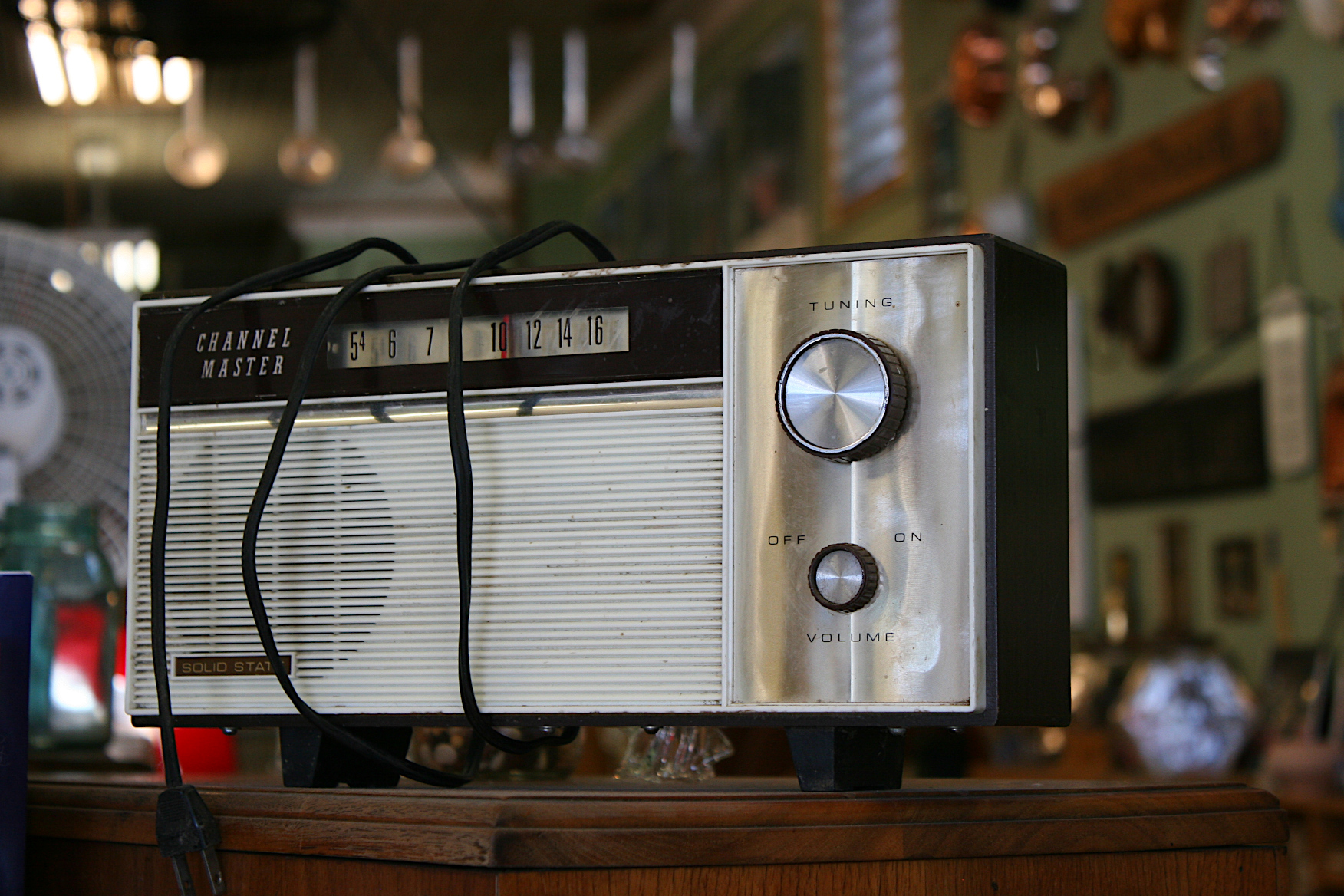
A vintage radio at Hopefull Treasures/Wilker’s Antiques. Minnesota Prairie Roots copyrighted file photo March 2021.
Once I finished scrolling through the Hall of Fame honorees, I then shifted to reading about The Pavek Museum in St. Louis Park which initiated this broadcasting award. I’d never heard of the museum. The 12,000-plus square foot museum houses antique radios, televisions and broadcasting equipment, most from the collection of Joe Pavek.
Well, then, who is Joe Pavek? He was an amateur radio operator and electronics instructor at Dunwoody Institute. And a collector.
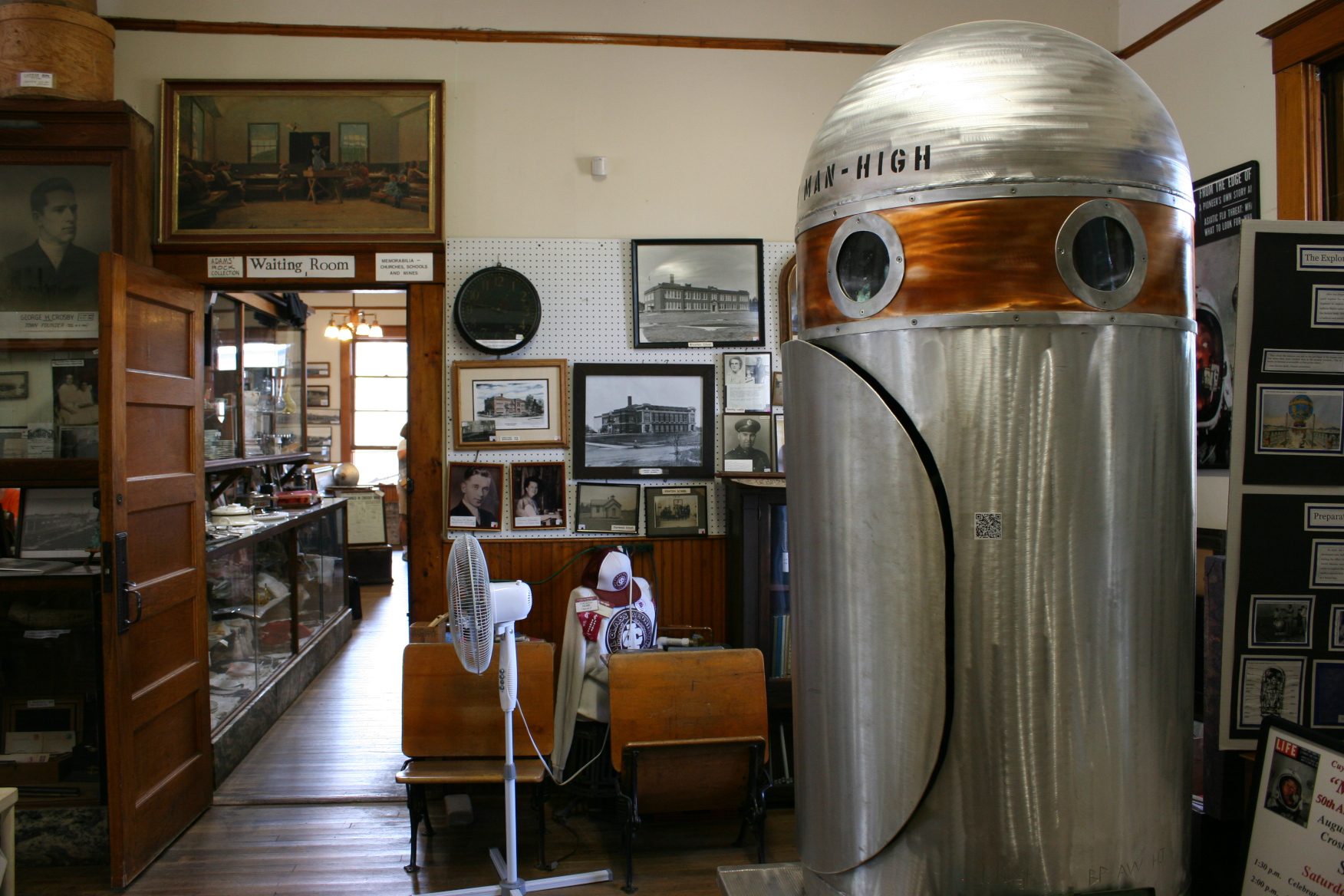
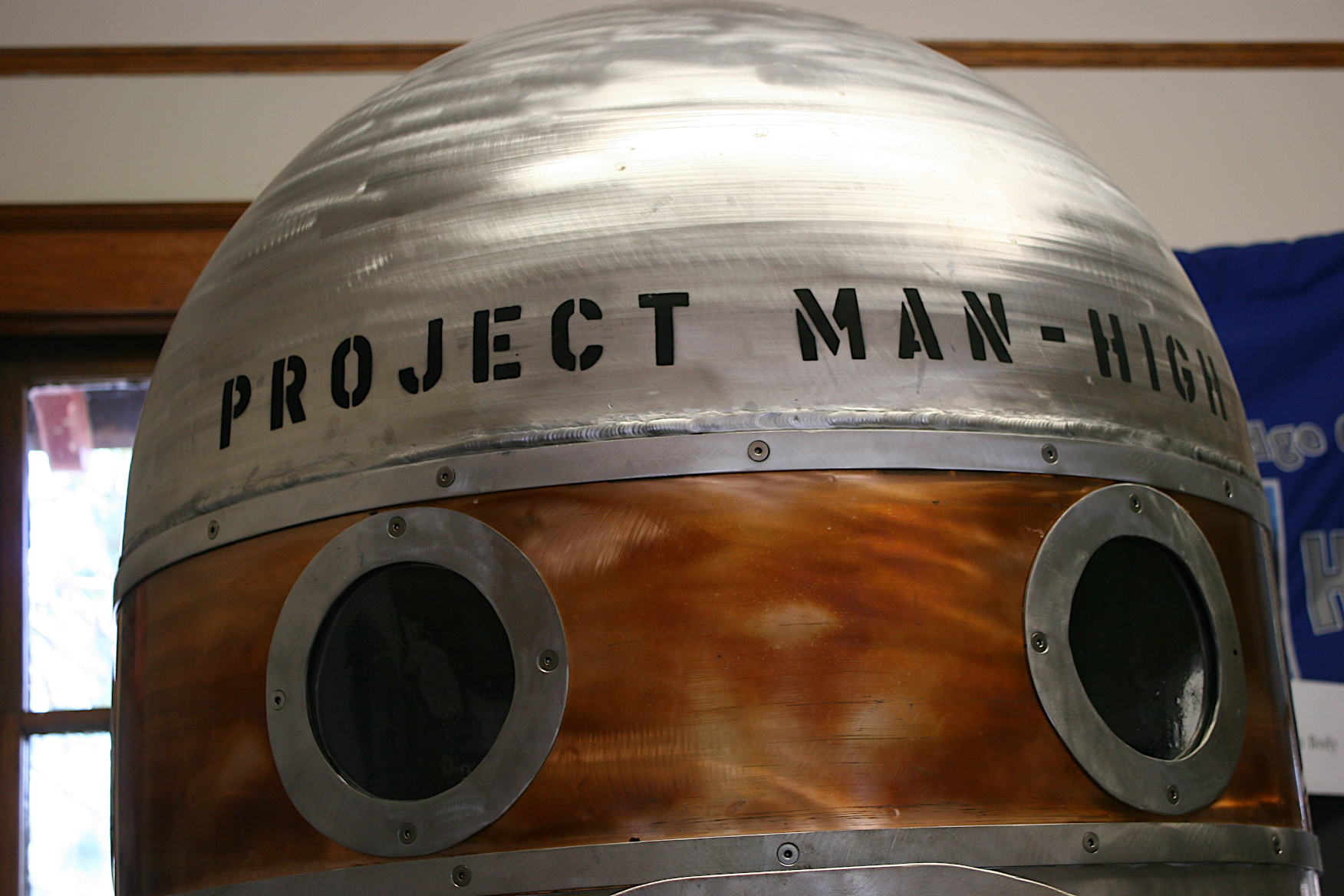
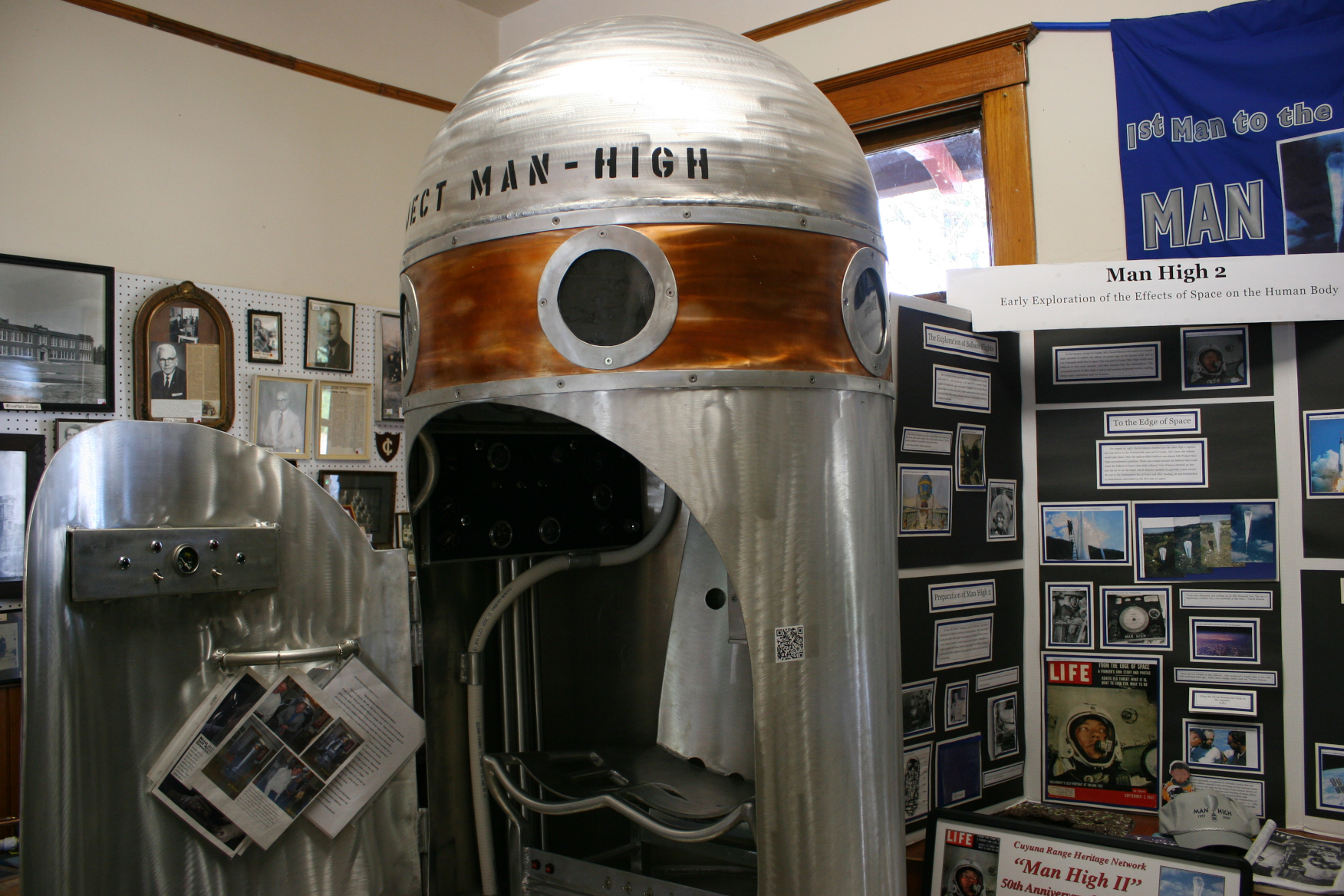
A view of MAN HIGH II, a capsule launched in Minnesota in 1957, laying the groundwork for future space travel. This replica sits in a Crosby, MN., museum. Minnesota Prairie Roots photo.
WHEN JEFF BEZOS, founder of Amazon, and three others blasted into space Tuesday morning aboard Blue Origin’s New Shepard rocket from the west Texas desert, the world watched.
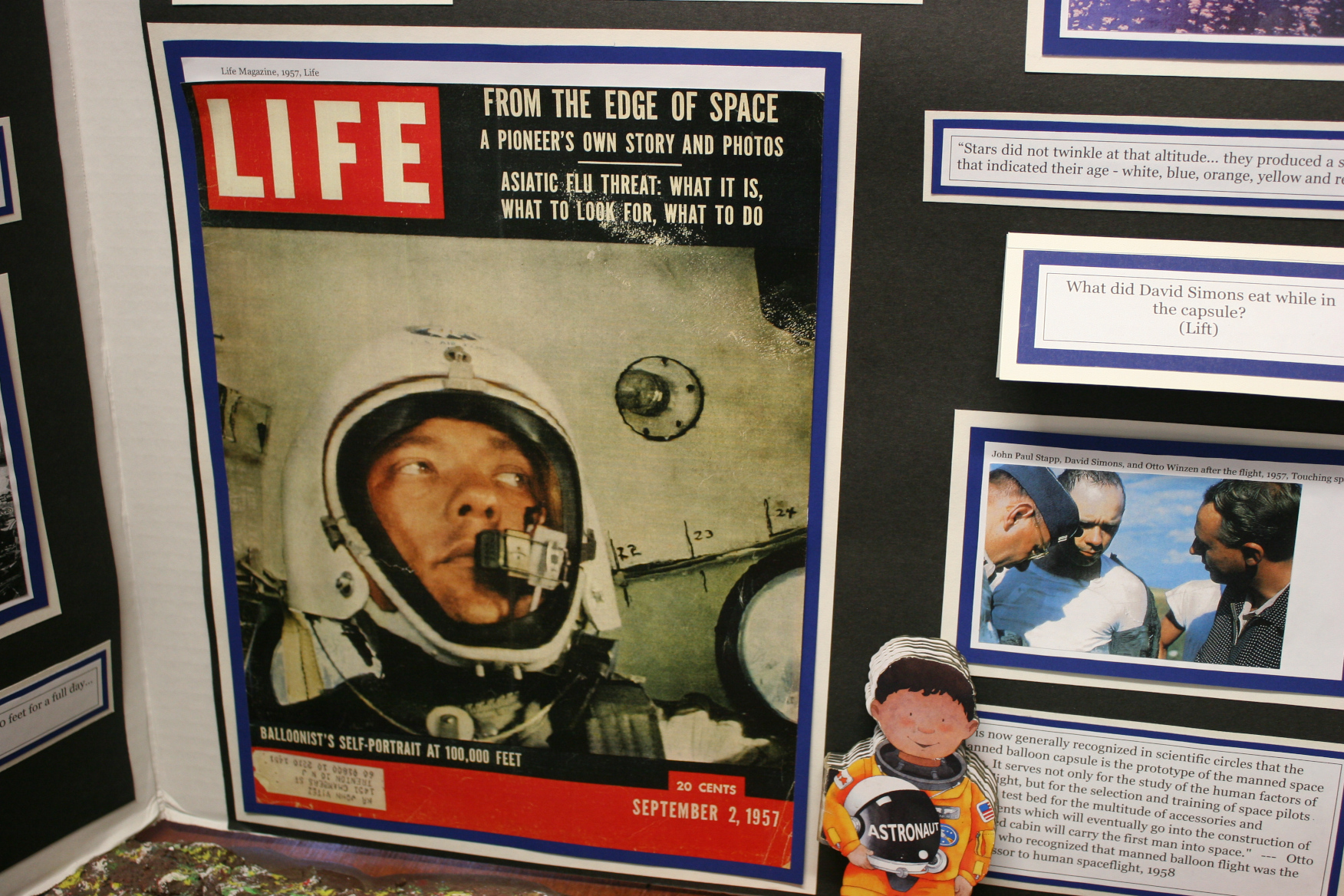
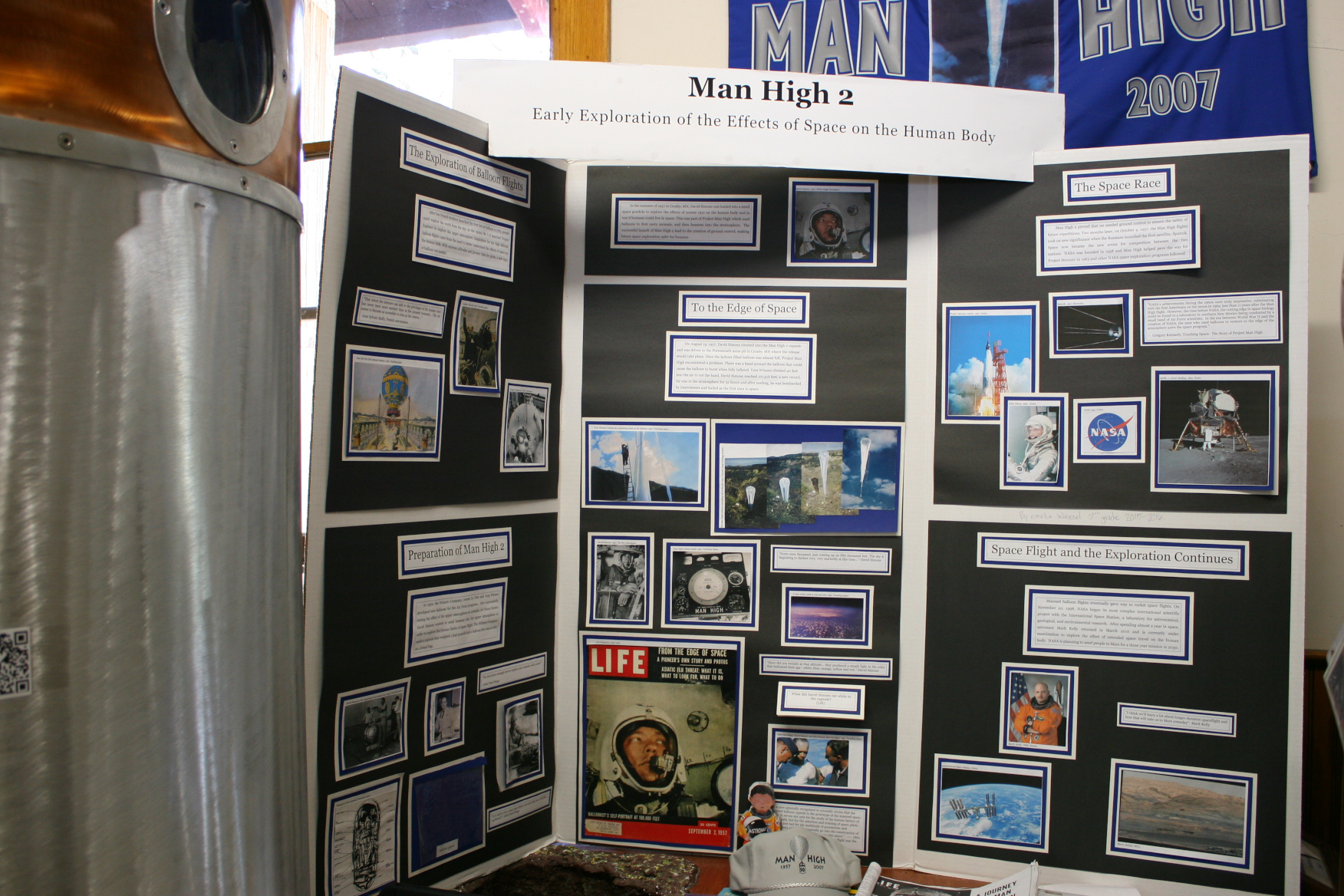
Major Simons made the cover of LIFE magazine in 1957. Minnesota Prairie Roots photo.
The astronaut aboard MAN HIGH viewed the world through these windows, small compared to the spacious windows in the 2021 Blue Origin’s New Shepard.Minnesota Prairie Roots photo.
This 1957 mission was kept intentionally secretive given the time period. Months later the Soviet Union launched the world’s first artificial satellite, Sputnik. The space race was on.
Museum visitors can climb into the mock capsule. The actual seat was a sling type seat, different than the one placed in the replica. Minnesota Prairie Roots photo.
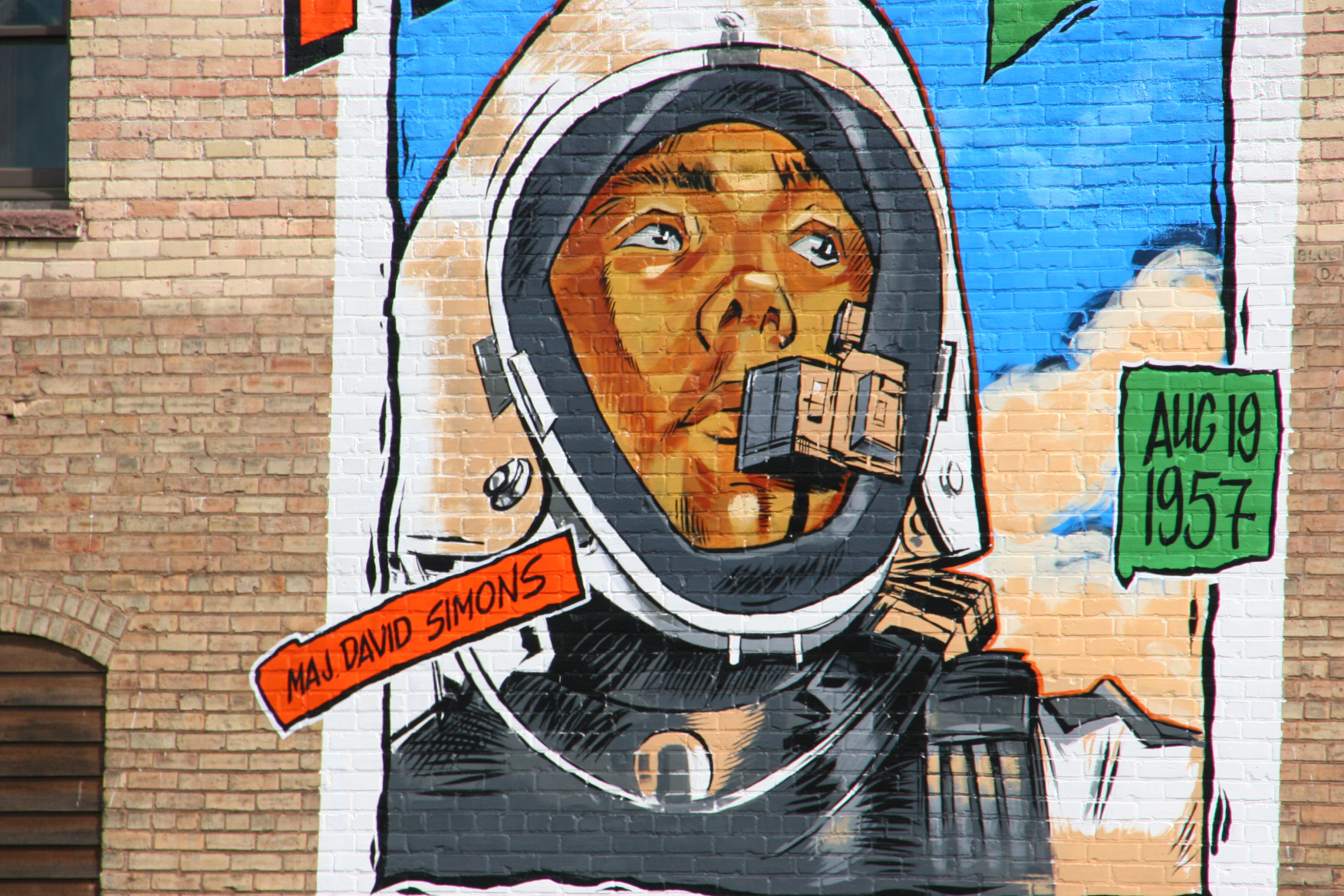
That Minnesota played an important role in the U.S. efforts to win that race is significant. And, of all places, this happened in an iron mine pit outside a small mining community on the Cuyuna Range. A 200-foot wide paper-thin balloon holding 3 million cubic feet of helium lifted the capsule skyward from the base of the Portsmouth iron mine pit. Eventually the spaceship landed in a flax field near the North Dakota/South Dakota border. And, as our tour guide Tim told me, Simons was met by a rancher and a young boy on horseback. That boy showed more interested in an arriving helicopter than the capsule, so the story goes.
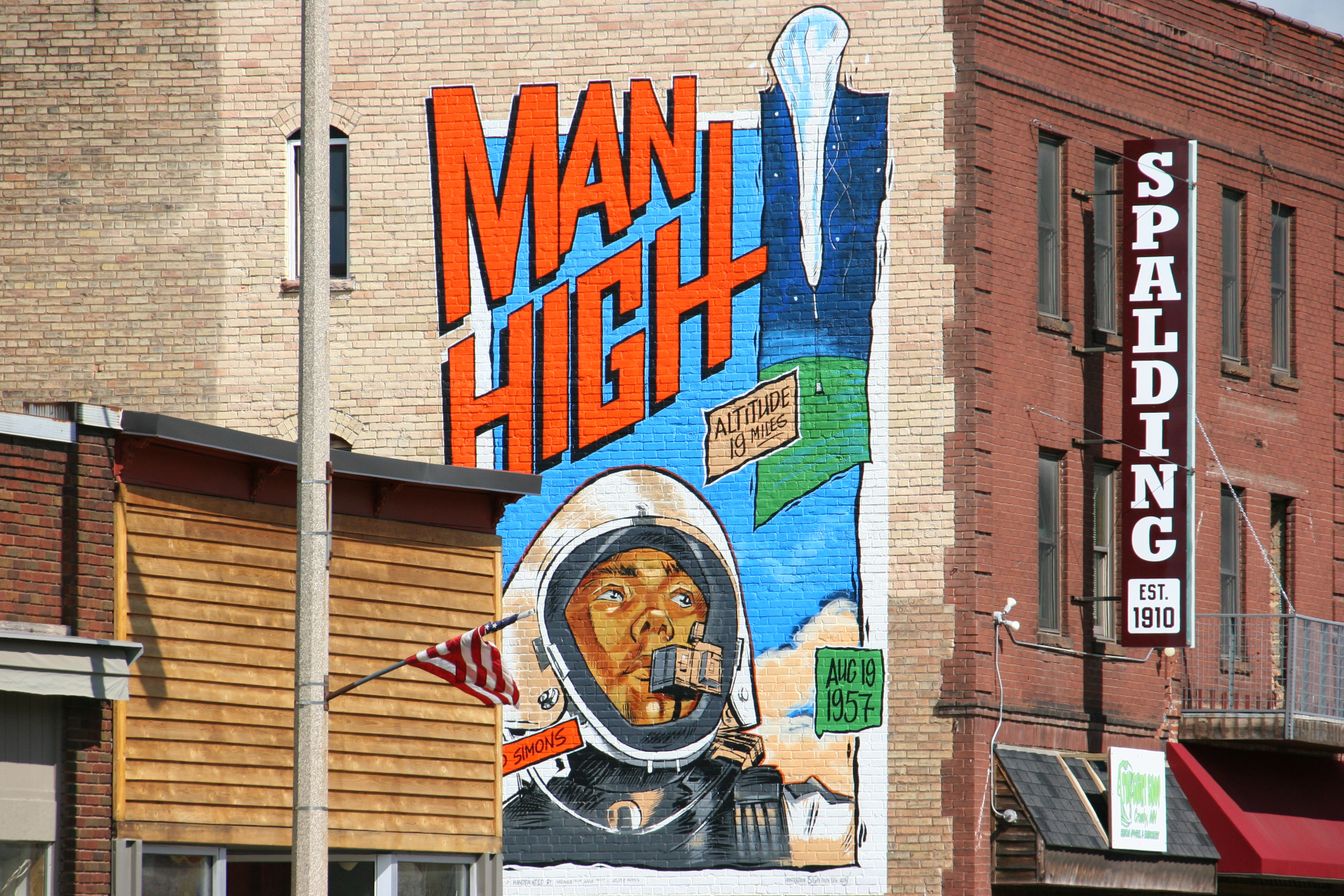
Major David Simons, depicted on a mural in Crosby. Minnesota Prairie Roots file photo 2020.
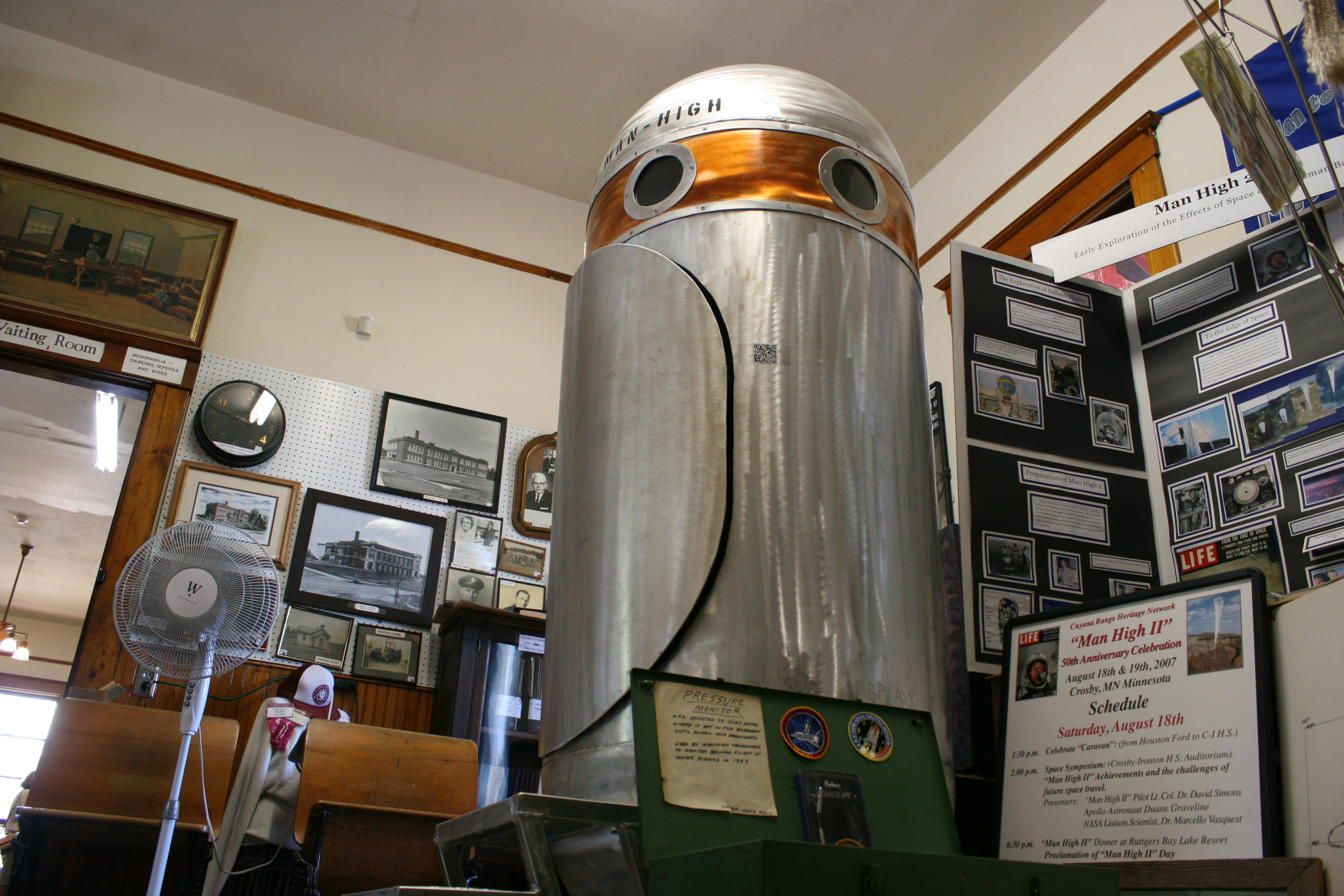
The story of MAN HIGH II truly impresses me, especially after seeing the small size of the replica capsule and feeling the thinness of the helium balloon. (The actual capsule is displayed at the National Museum of the US Air Force in Dayton, Ohio.) Simons was one brave man to confine himself inside that tight space for 44 hours. He was sealed in well before arriving at the iron mine pit from South Saint Paul. Claustrophobia got the best of another candidate. I would feel the same. Simons endured much—lack of sleep, extreme temperatures, uncertain weather, and the very real fear that he could die if the thin helium balloon developed even a crack.
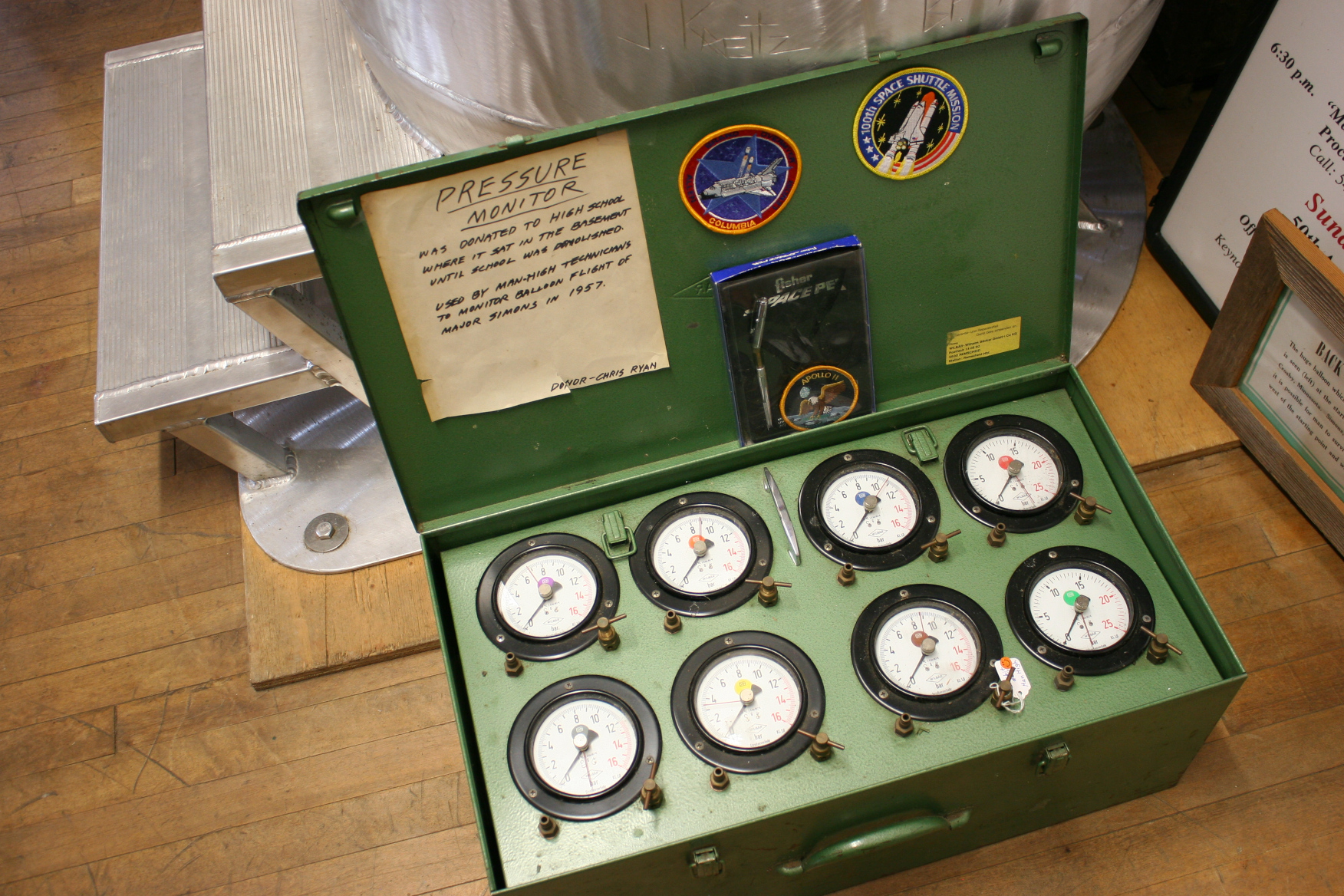
1957 technology: Technicians used this pressure monitor to monitor the MAN HIGH flight. The equipment sat in the basement of the local high school until the school was demolished. Minnesota Prairie Roots photo.
As much as Jeff Bezos and crew made history with their 62-mile high, 10-minute and 25-second space journey, using the best technology possible, the flight of MAN HIGH II 64 years ago from a Minnesota mine pit impresses me even more. The people behind the 1957 flight truly represent pioneering in space. They blazed the trail for men to land on the moon and, yesterday, for civilians like Bezos to pursue space travel.
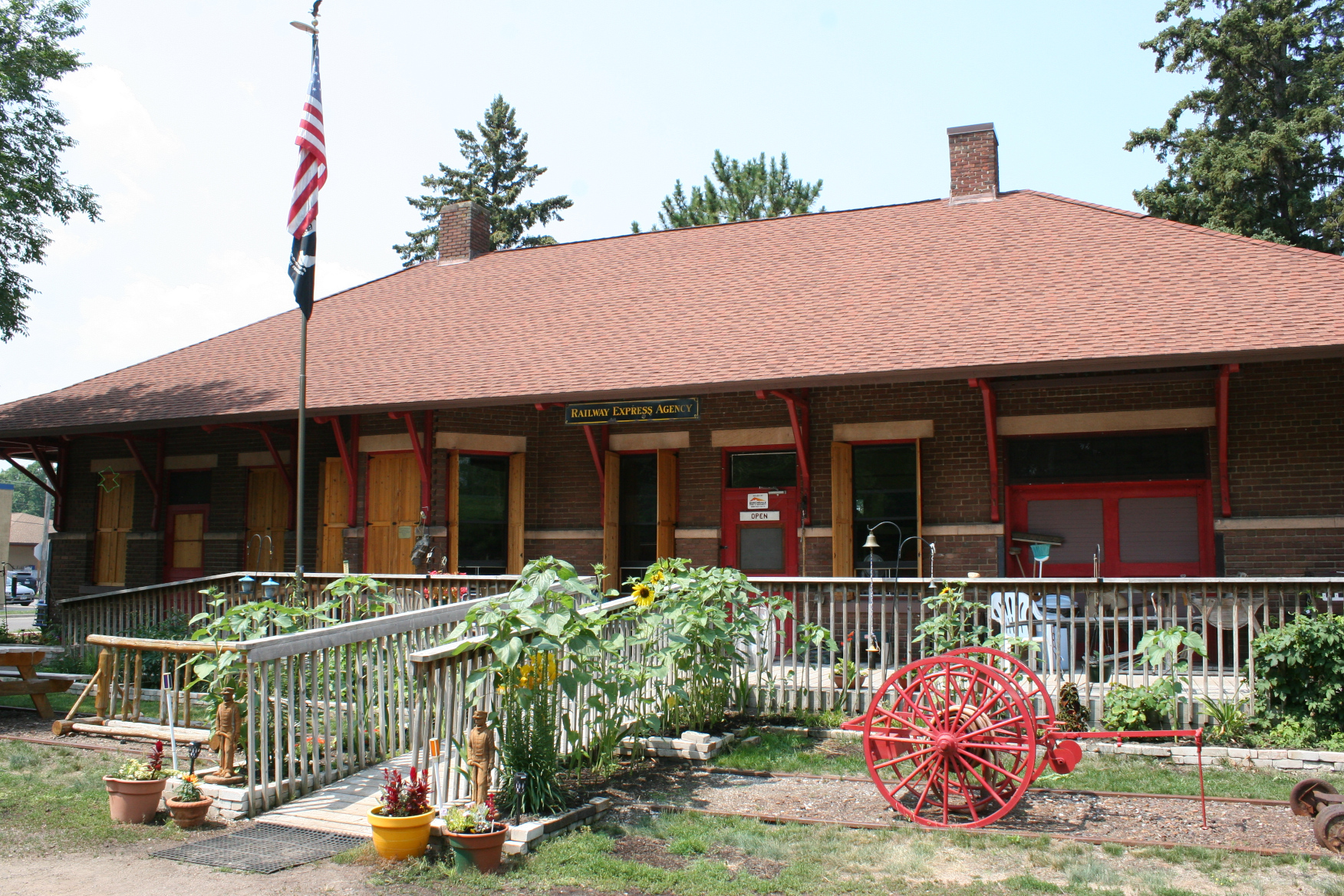
The Soo Line Depot Museum showcases local history. Minnesota Prairie Roots photo.
FYI: The Soo Line Depot Museum in Crosby houses a detailed display on MAN HIGH II. You can climb inside the replica capsule for a photo. Tour guide Tim was especially knowledgeable. You can also visit the site of the launch, the Portsmouth Pit by Crosby, although I didn’t this time. Next trip. I encourage you to check out the Crosby museum, which also highlights Minnesota’s worst mining disaster. More on that in an upcoming post.

















 Minnesota Prairie Roots
Recent Comments