Minnesota Prairie Roots

Writing and photography by Audrey Kletscher Helbling

Celebrating poetry during April, National Poetry Month April 3, 2025

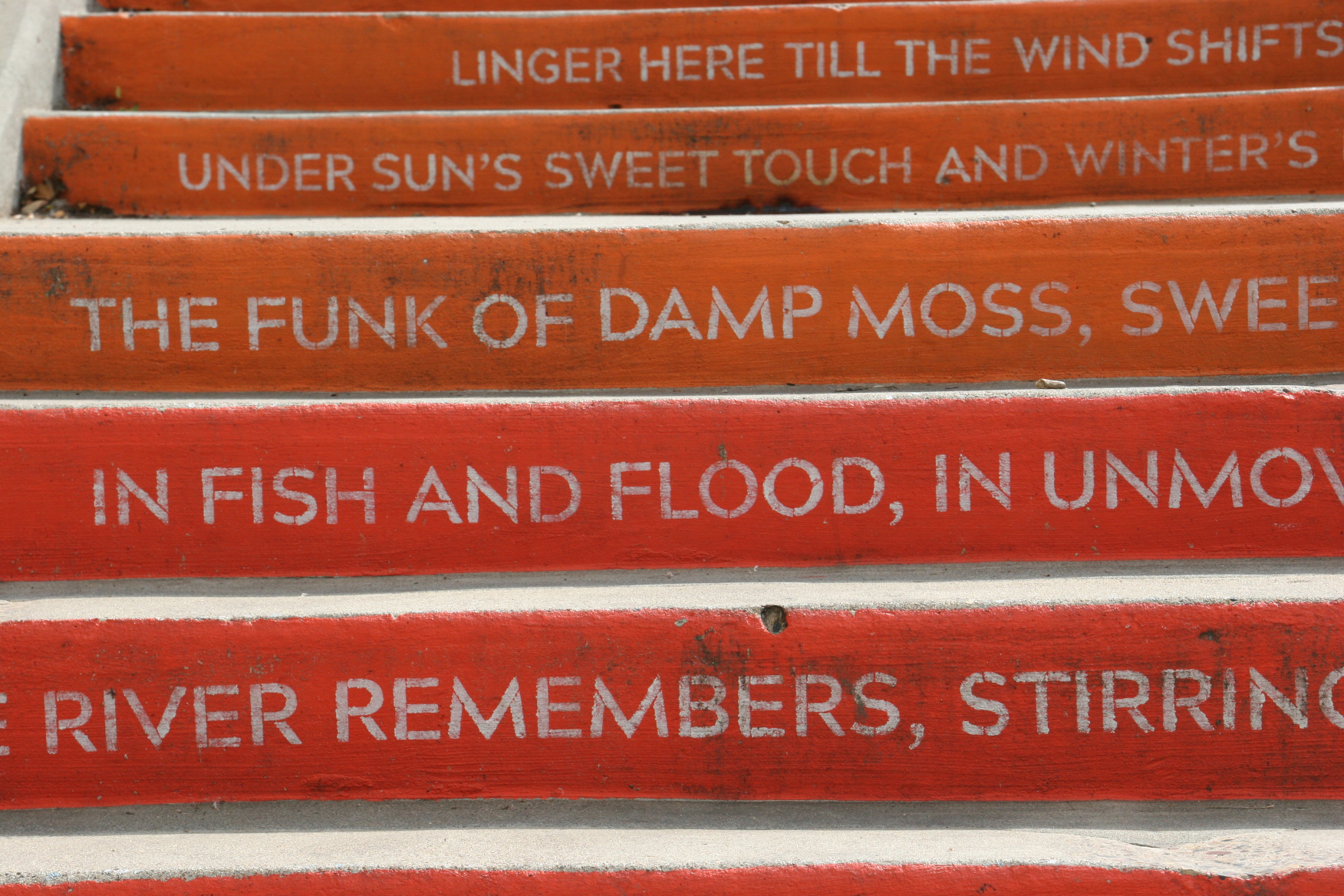
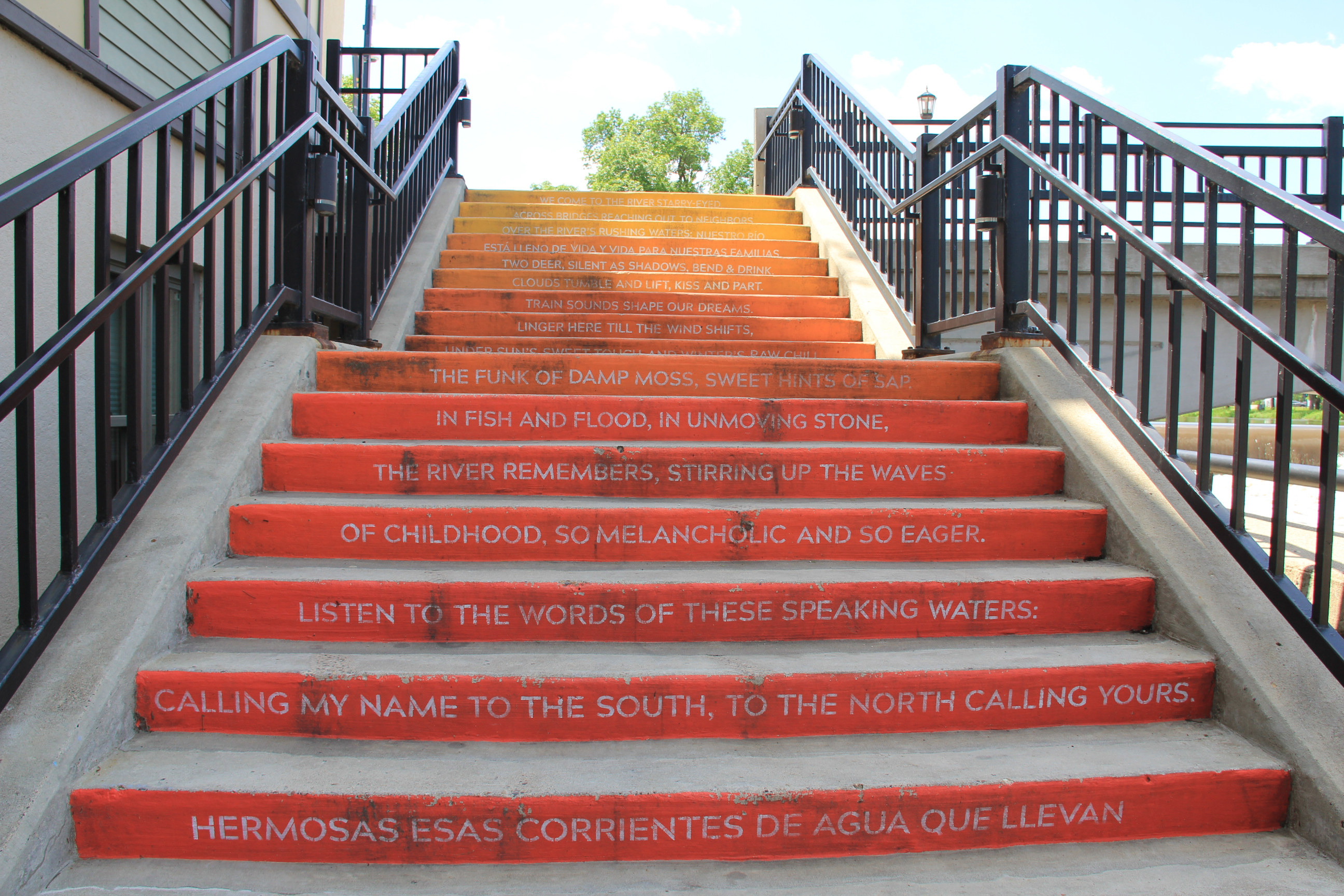
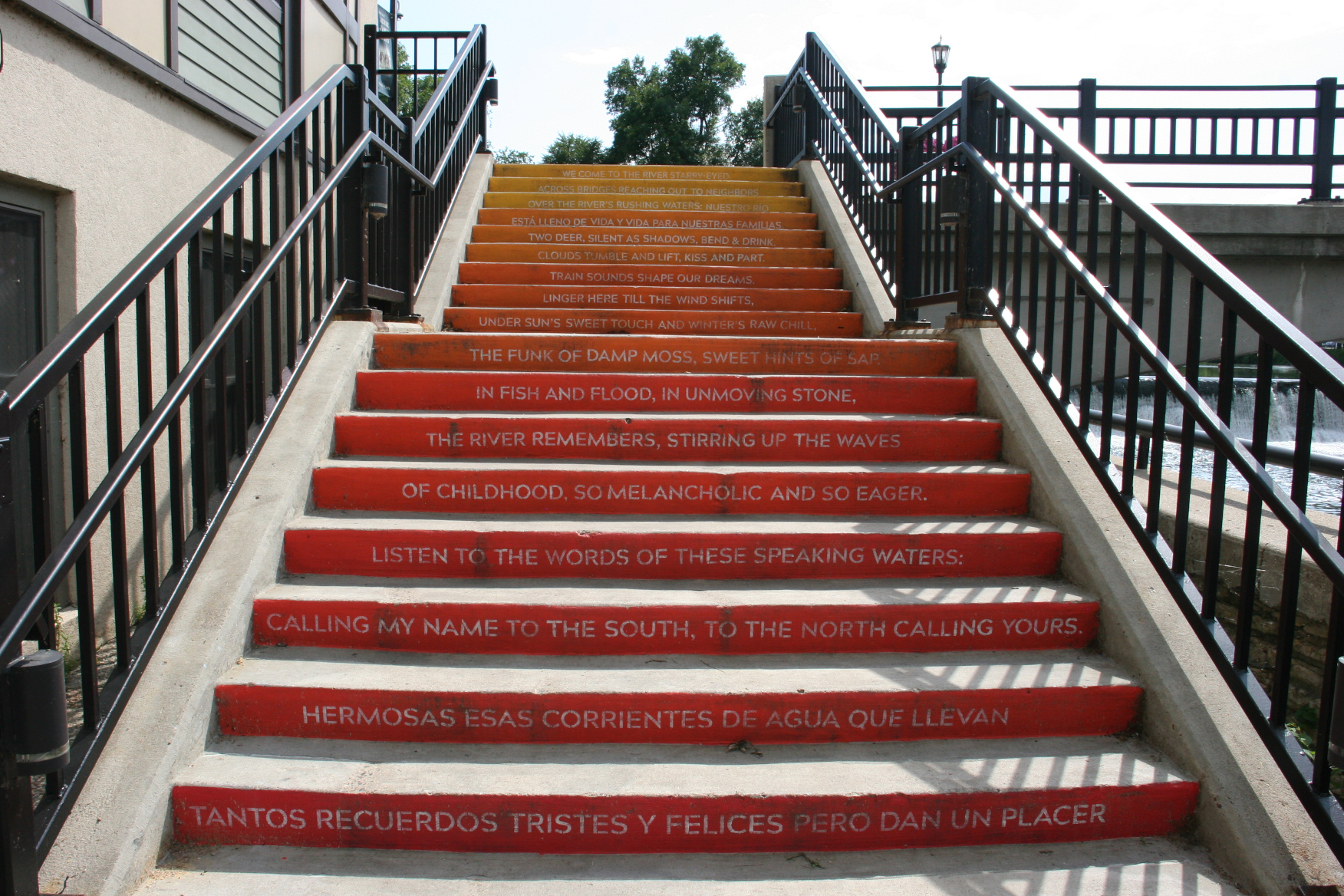
The Riverwalk Steps Poem alongside the Cannon River in the heart of downtown Northfield. (Minnesota Prairie Roots copyrighted file photo)

I FEEL FORTUNATE to live in an area of Minnesota which values poetry. Some 20 minutes away in Northfield, poems imprint upon concrete throughout the city as part of the long-time Sidewalk Poetry Project. Along the Riverwalk, a poem descends steps. In the public library, a poem graces the atrium.
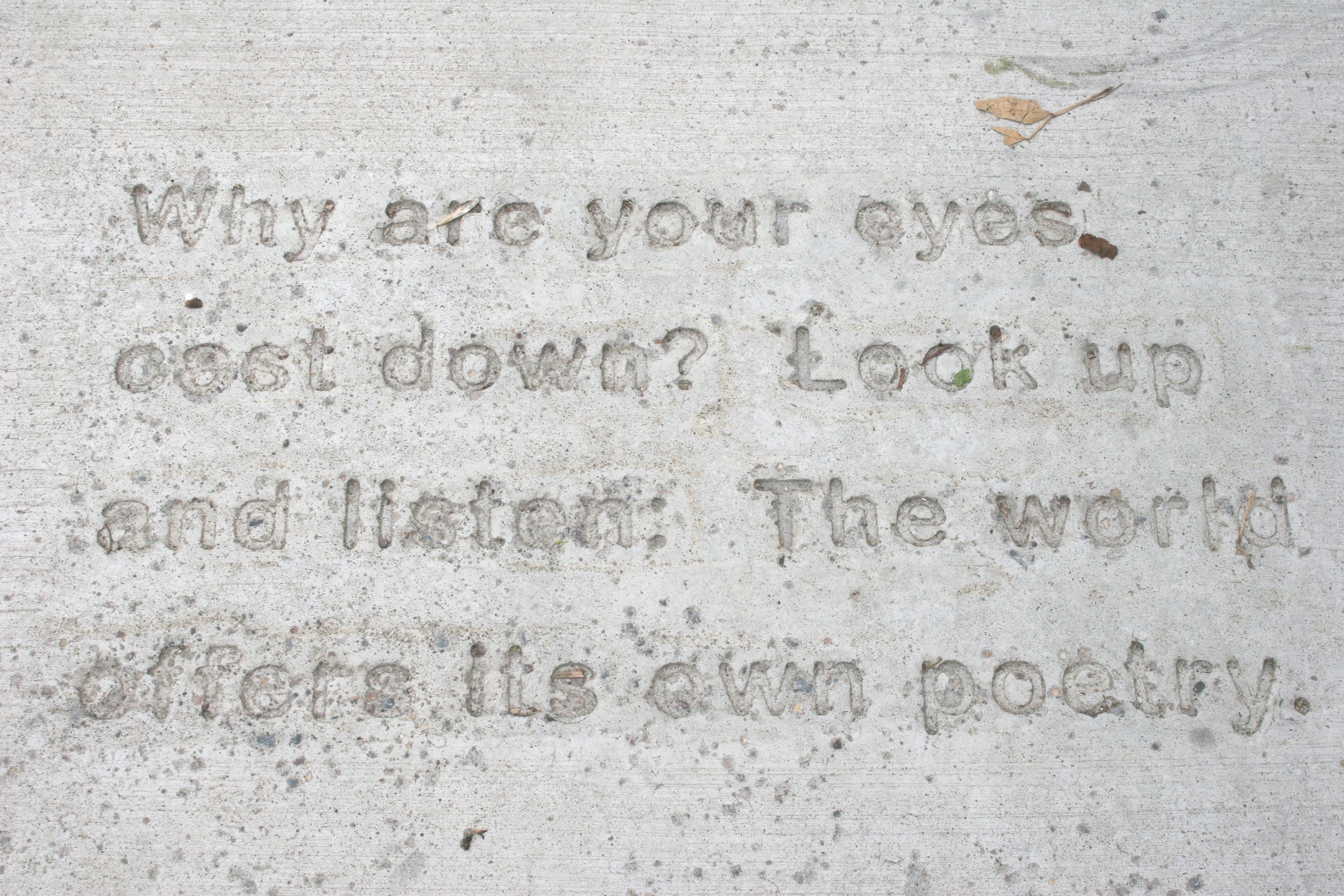
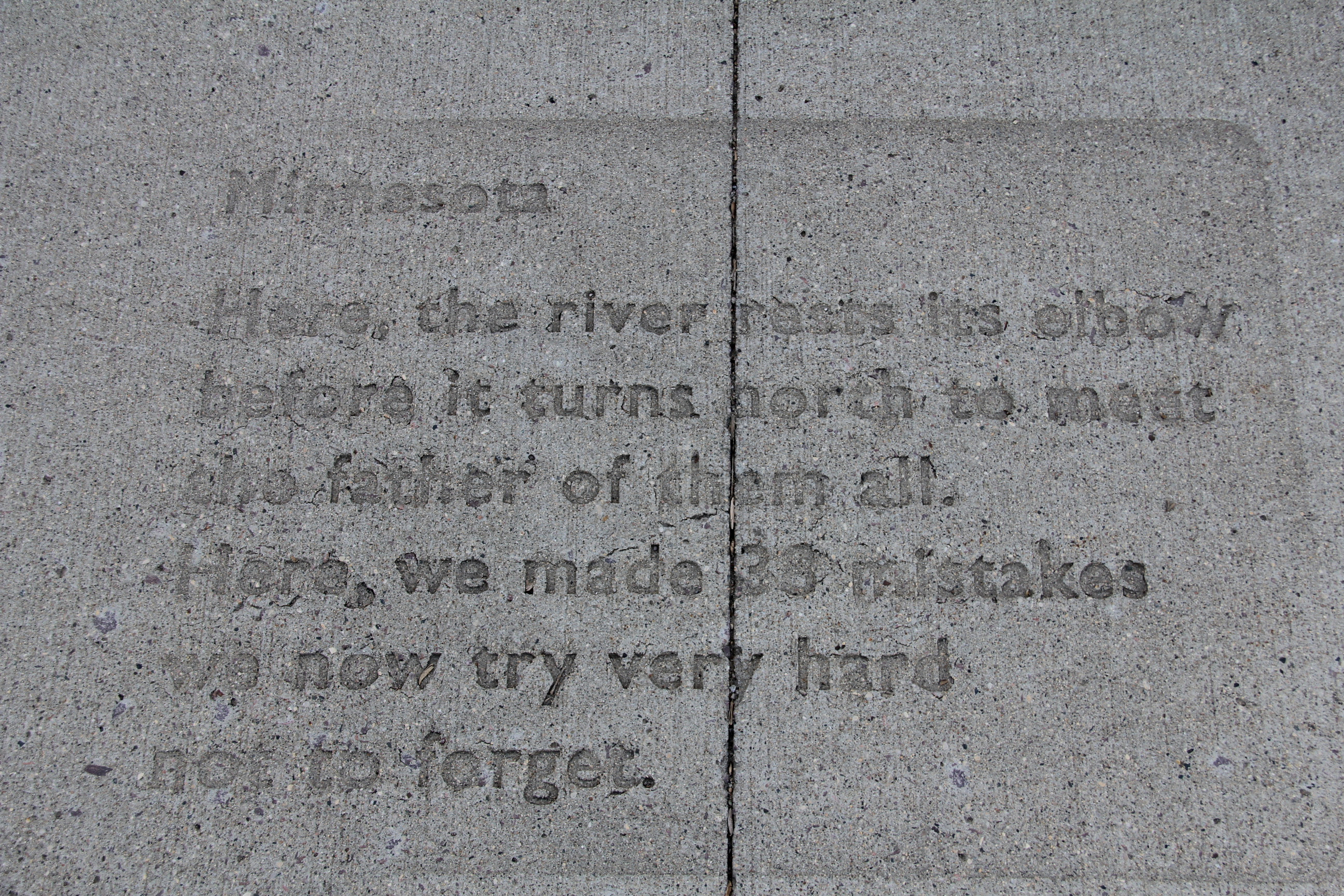
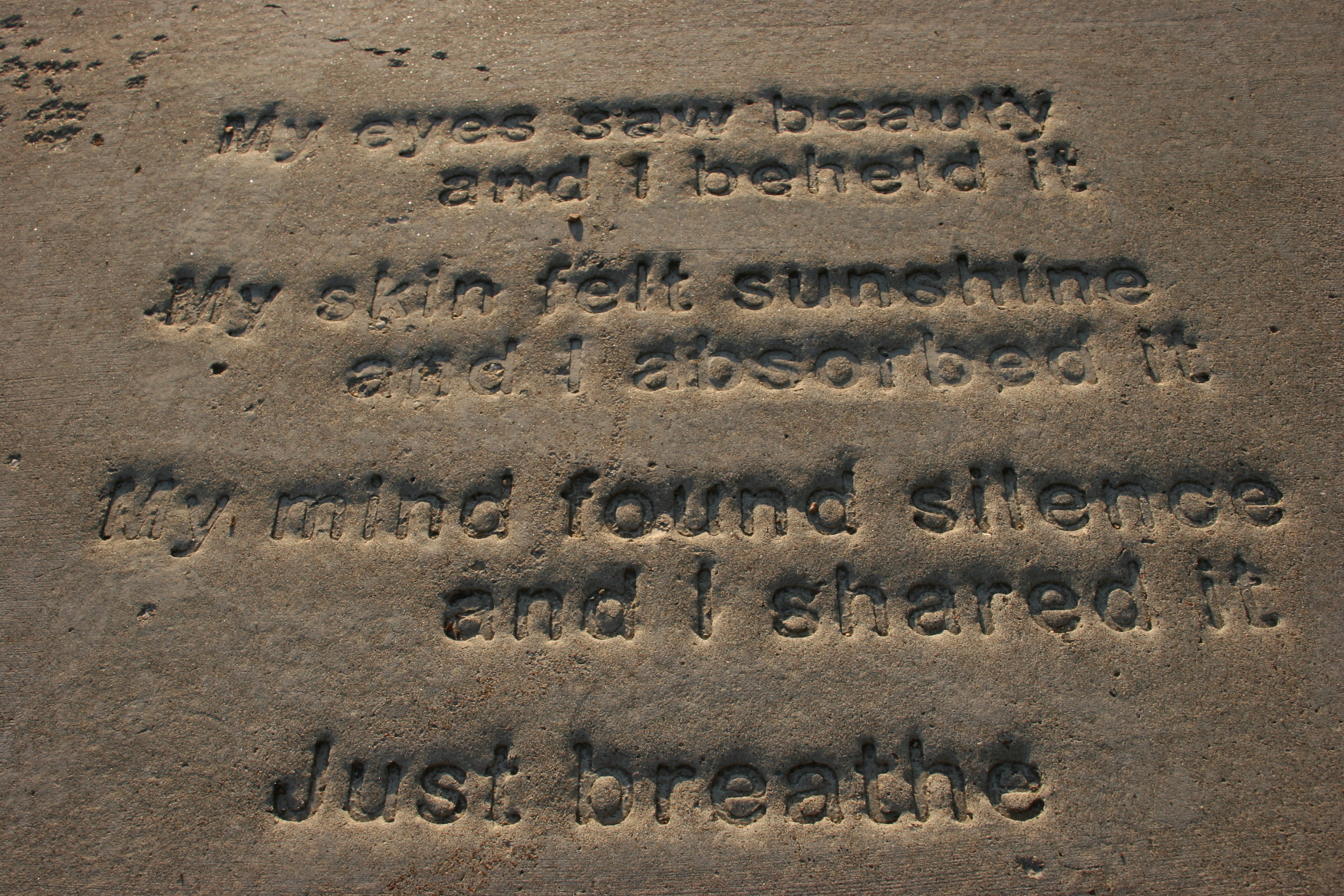
Sidewalk poetry in downtown Northfield carries a powerful message. (Minnesota Prairie Roots copyrighted file photo)

But that’s not all in Northfield. This city of some 21,000 has a poet laureate, currently Russ Boyington, who fosters poetry, organizes and publicizes poetry events, and leads an especially active community of wordsmiths. These are published poets, serious about the craft.
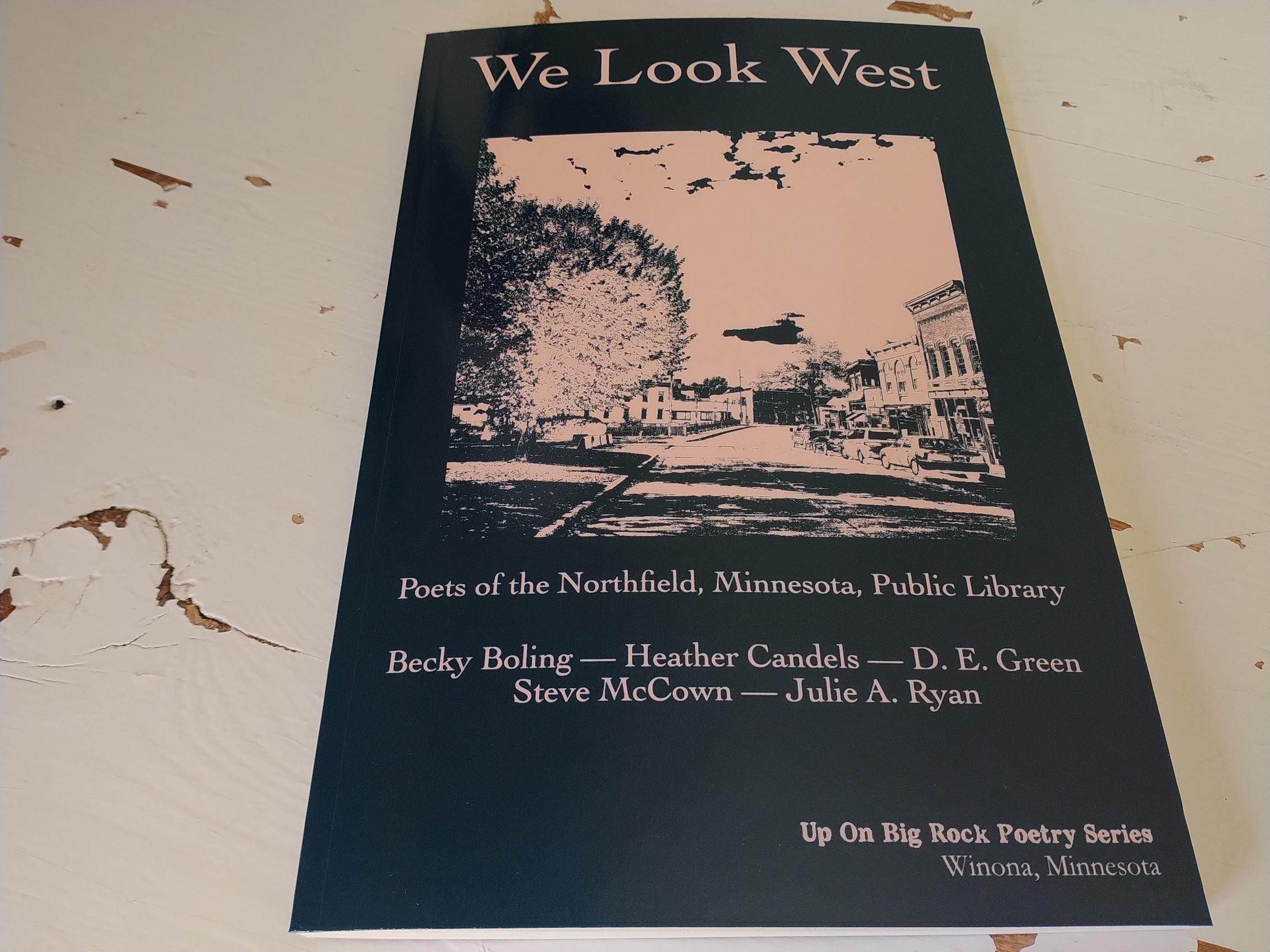
This anthology published in 2024. (Minnesota Prairie Roots copyrighted file photo)

Five seasoned Northfield poets recently collaborated to publish a collection of their work in We Look West. Even if you think you don’t like poetry, you will find something in this anthology which resonates. These poets take the reader through the seasons of life with humorous, sad, nostalgic, reflective and introspective poems. This anthology is especially fitting for anyone closer to the sunset, than the sunrise, of life.

A serene country scene just north of Lamberton in southern Redwood County on the southwestern Minnesota prairie. (Minnesota Prairie Roots copyrighted file photo)

April, National Poetry Month, marks a time to celebrate poets like those in Northfield and beyond. In my own community of Faribault, we have an especially gifted poet, Larry Gavin, a retired high school English teacher and writer. He’s published five collections of his work. Larry writes with a strong sense of place, his poems reflective of his love of nature, of the outdoors. A deep love of the prairie—he attended college, then lived and worked for a while in my native southwestern Minnesota—connects me to this remarkable poet. Plus, Larry has the rich voice of a poet, which makes listening to him read his poems aloud an immersive, joyful experience.
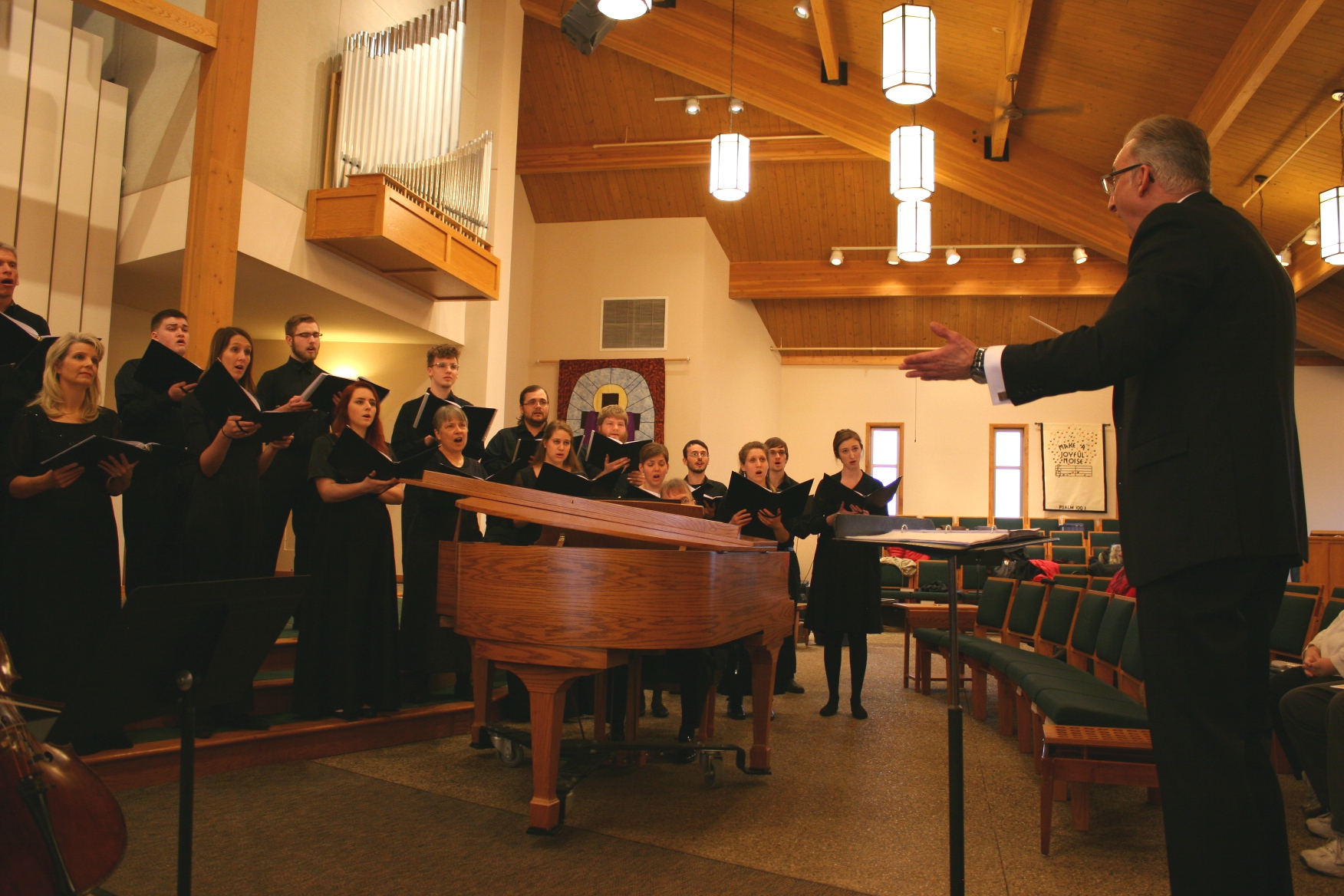
A chamber choir, directed by composer David Kassler, performs artsongs written from poems in 2017, mine included. (Minnesota Prairie Roots copyrighted file photo)

I, too, write poetry and am a widely-published poet, although certainly not as much as many other Minnesota poets. From anthologies to a museum, from the Mankato Poetry Walk & Ride to poet-artist collaborations, billboards and more, my poems have been out there in the public sector. Perhaps the most memorable moment came when a chamber choir performed my poem, “The Farmer’s Song,” during two concerts in Rochester in 2017. David Kassler composed the music for the artsongs.
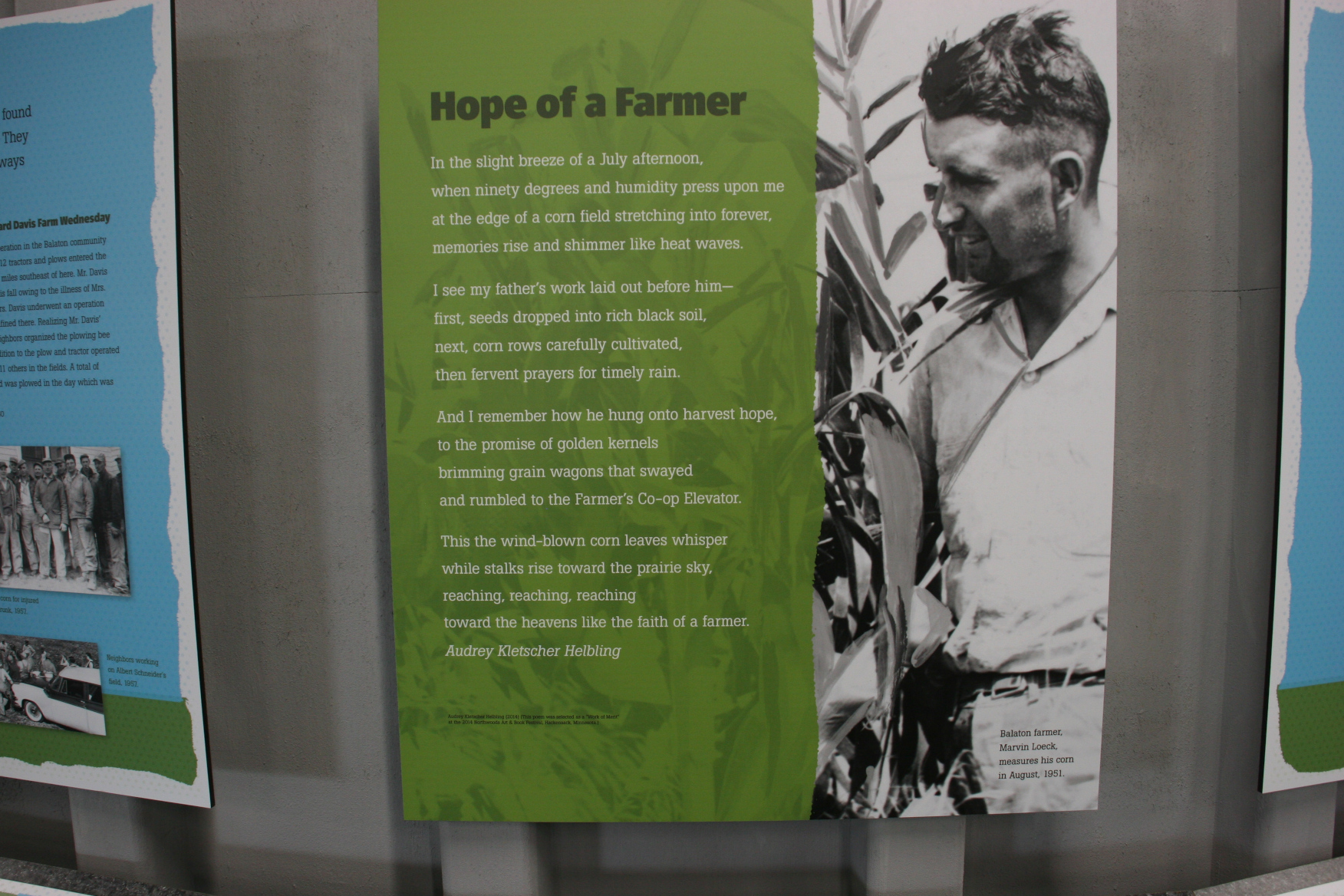
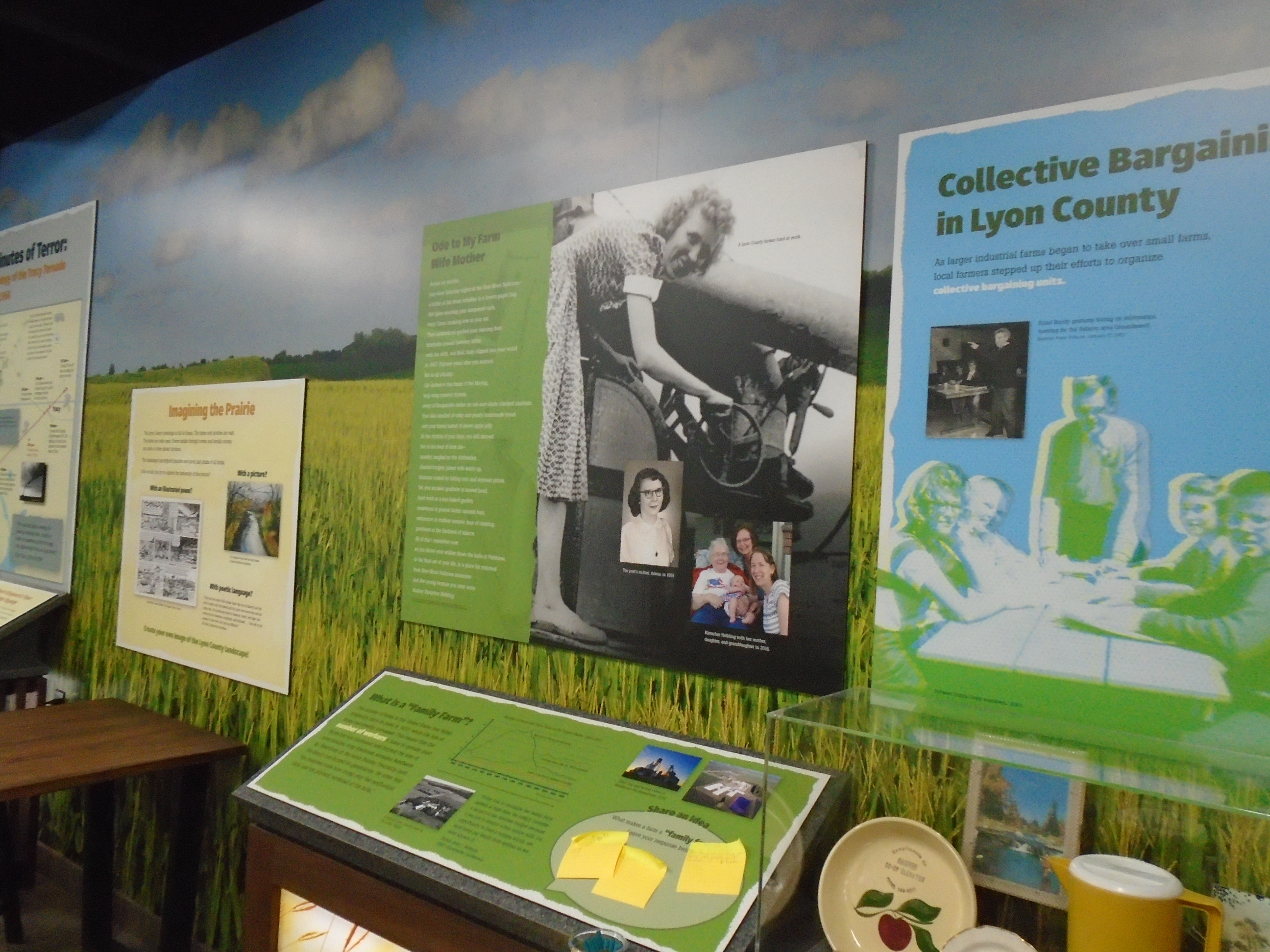
Two of my rural-themed poems are included in an exhibit, “Making Lyon County Home,” at the Lyon County Historical Society Museum in Marshall. (Minnesota Prairie Roots copyrighted file photo)

Poetry has, I think, often gotten a bad rap for being stuffy, difficult, too intellectual and unrelatable. And perhaps it was all of those at one time. Butt that’s not my poetry. And that’s not the poetry of Larry Gavin or of the five We Look West Northfield poets or most poets today. The poetry I read, write and appreciate is absolutely understandable, rich in imagery and rhythm, down-to-earth connective.
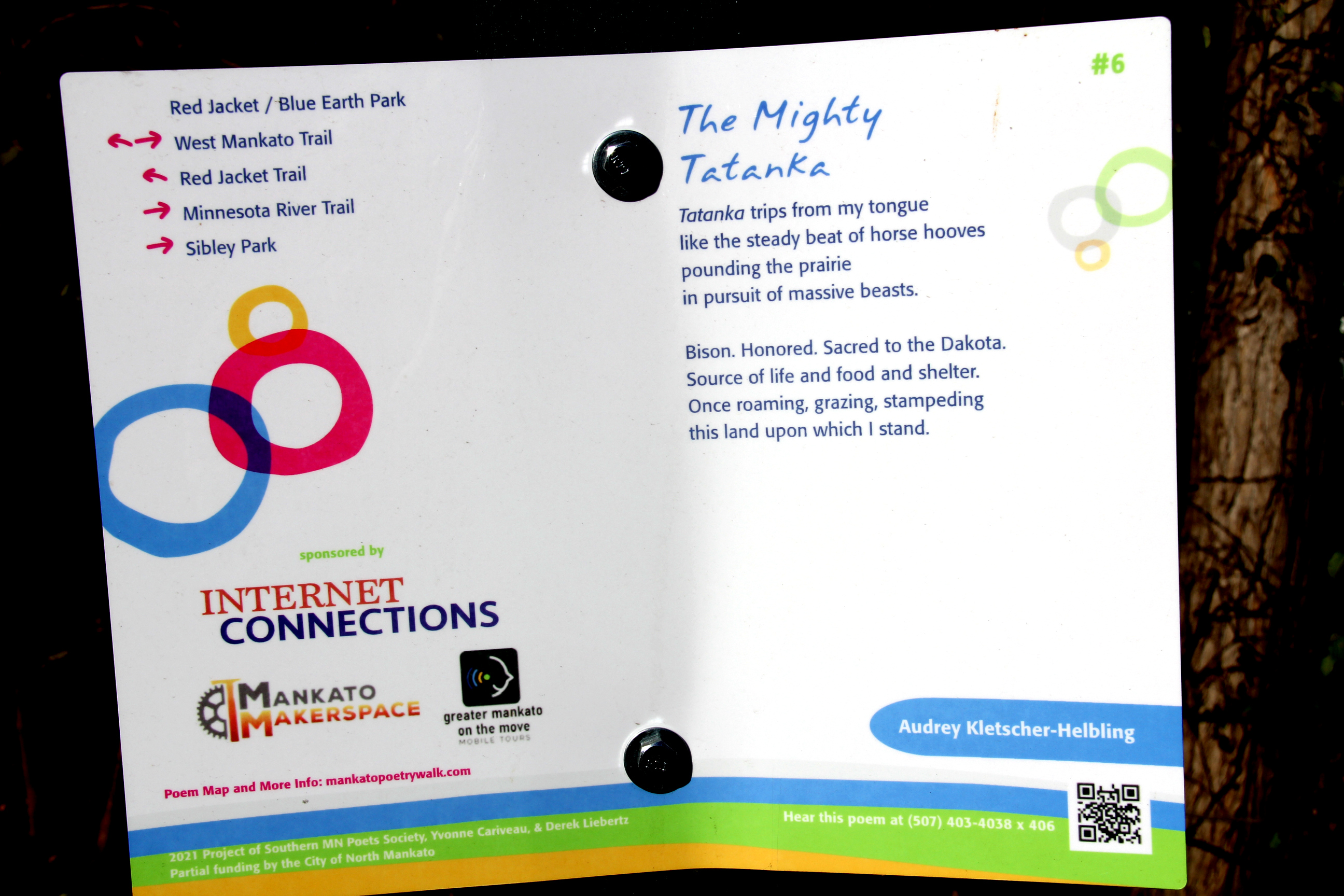
My most recent poem selected for the Mankato Poetry Walk & Ride. Poets must follow character and line limits in writing these poems. This is a competitive process. (Minnesota Prairie Roots copyrighted file photo)

When I write poetry, I visualize an idea, a place, a scene, a memory, an emotion, then start typing. The words flow, or sometimes not. Penning poetry is perhaps one of the most difficult forms of writing. Every word must count. Every word must fit the rhythm, the nuances of the poem in a uniquely creative way.
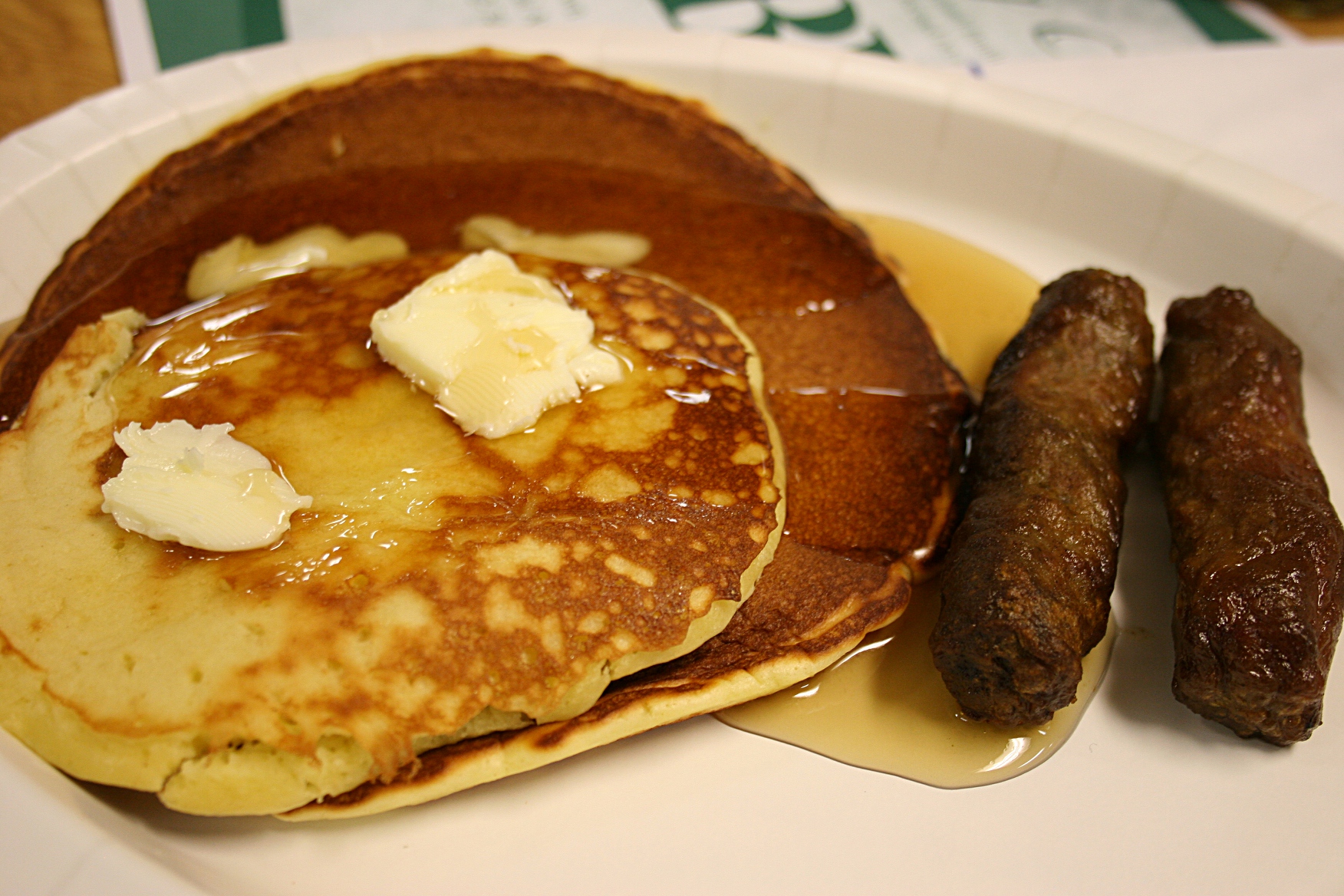
Not the pancakes Grandpa made, but the pancakes and sausages made at the annual Faribault Lions Club Pancake Breakfast. (Minnesota Prairie Roots copyrighted file photo)

One of my most recent poems, “Pancakes with Grandpa,” was inspired by an exchange between my husband, Randy, and our grandson Isaac, then four. It was printed in Talking Stick 32—Twist in the Road, an anthology published in 2023 by northern Minnesota based Jackpine Writers’ Bloc. It’s a competitive process to get writing—poetry, fiction and creative nonfiction—in this collection.

So, in celebration of National Poetry Month, here’s my pancake poem, penned by a poet who doesn’t particularly like pancakes.

Pancakes with Grandpa

Batter pours onto the hot griddle,

liquid gold spreading into molten circles

molded by the goldsmith.

The collectors eye the coveted coins

that form, bubble, solidify

in the heat of the electric forge.

Appetite fuels imagination

as Grandpa’s coins fire

into golden brown pancakes.

Piled onto a plate, peanut butter spread,

syrup flowing and a nature lesson

in maple tree tapping.

The four-year-old forks the orbs.

“Peanut butter pancakes make me happy!”

he enthuses to the beaming craftsman.

© Copyright 2025 Audrey Kletscher Helbling


“Poem in a Bag” celebrates the arts, connects cultures April 23, 2024

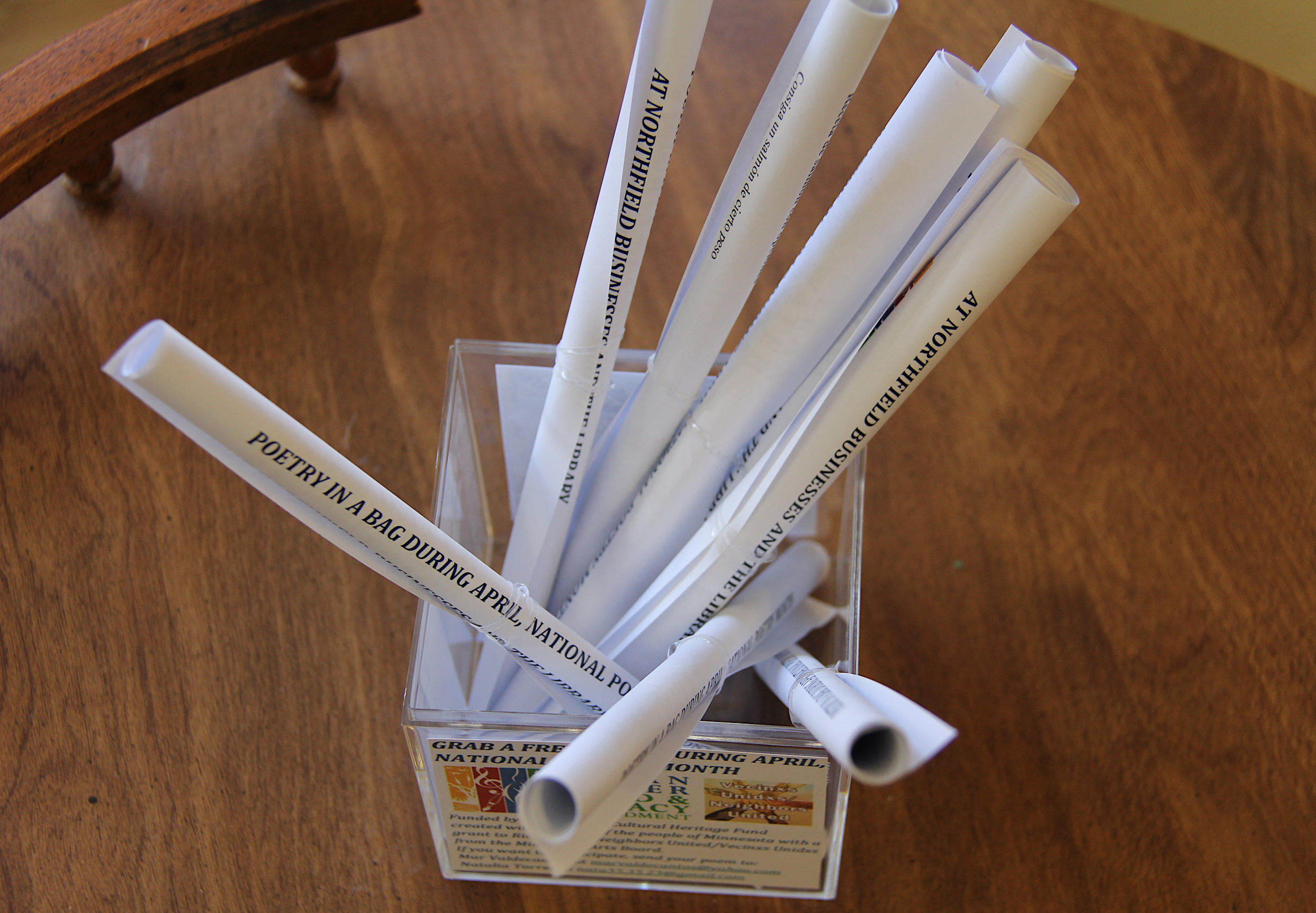
Pick a poem from a box at Mercado Local (and other locations) as part of a poetry initiative rooted in Northfield. (Minnesota Prairie Roots copyrighted photo April 2024)

PRINTED POETRY PLACED in public pleases me. Pleases me because putting poetry out there places this literary art into hands that might not otherwise pick poetry. I mean, if we’re honest, how often do we purchase a poetry book or pull a poetry volume from the 811. section of the library? Probably not all that often.

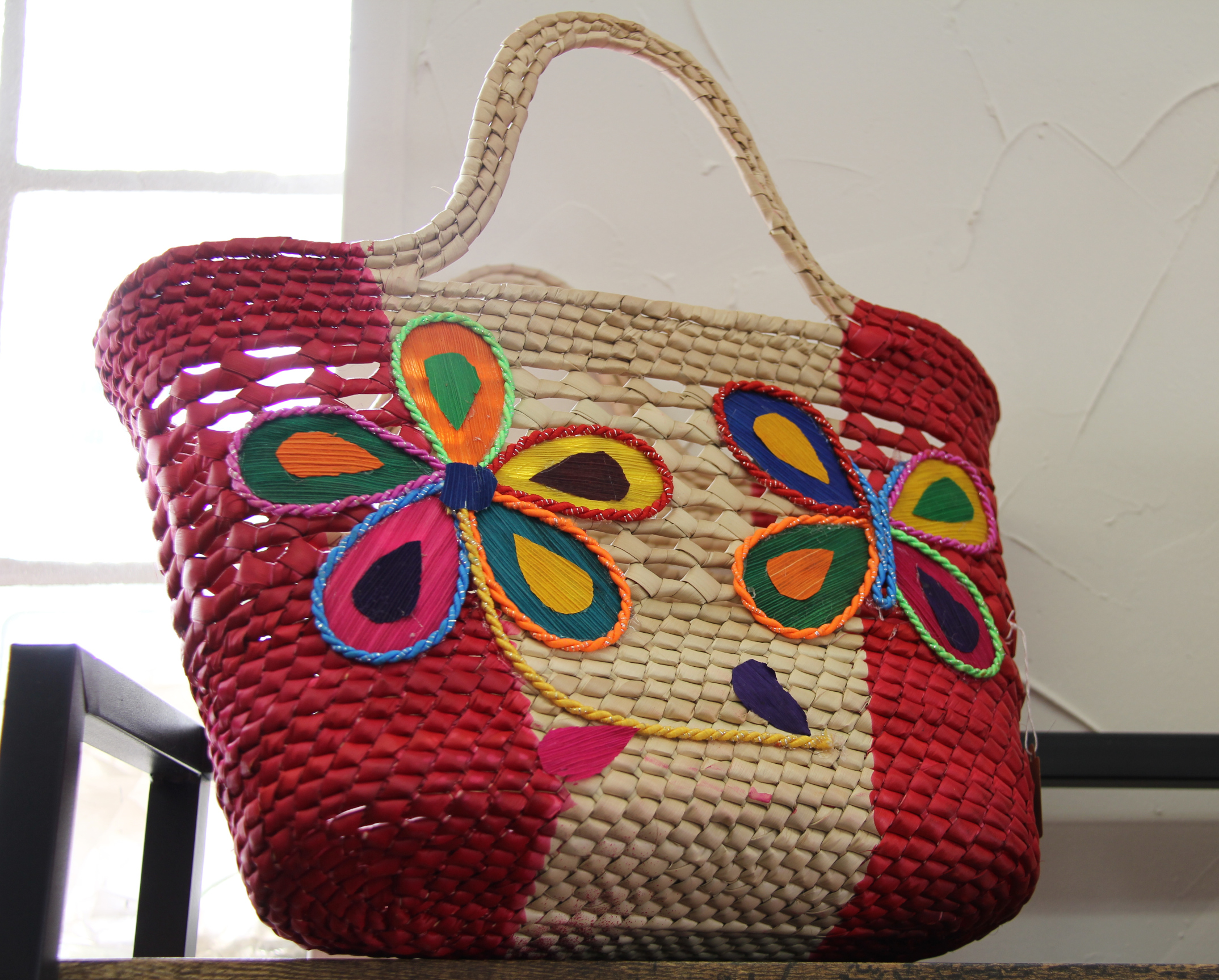
Among colorful merchandise sold by immigrant vendors at Mercado Local in Northfield. (Minnesota Prairie Roots copyrighted photo April 2024)

That is why I love the latest poetry project in my area—“Poem in a Bag.” Rice County Neighbors United, an advocacy group for low income and immigrant community members, recently launched this project in Northfield, a city rich in the arts, including poetry. Mar Valdecantos, RCNU advocate director and also a poet, writer, visual artist and art teacher, is leading this endeavor.

Grab a poetry scroll from the box. (Minnesota Prairie Roots copyrighted photo April 2024)

The concept is simple. Collect, translate, print and place poems inside a box (not a bag) in locations accessible to the public. The poetry, both original and favorites, is paired with local original art, including that of Valdecantos. Anyone can grab a poetry scroll and have instant access to literary and visual art.

Northfield is home to a sizeable Hispanic population. Immigrant vendors sell their art and more at Mercado Local. (Minnesota Prairie Roots copyrighted photo April 2024)

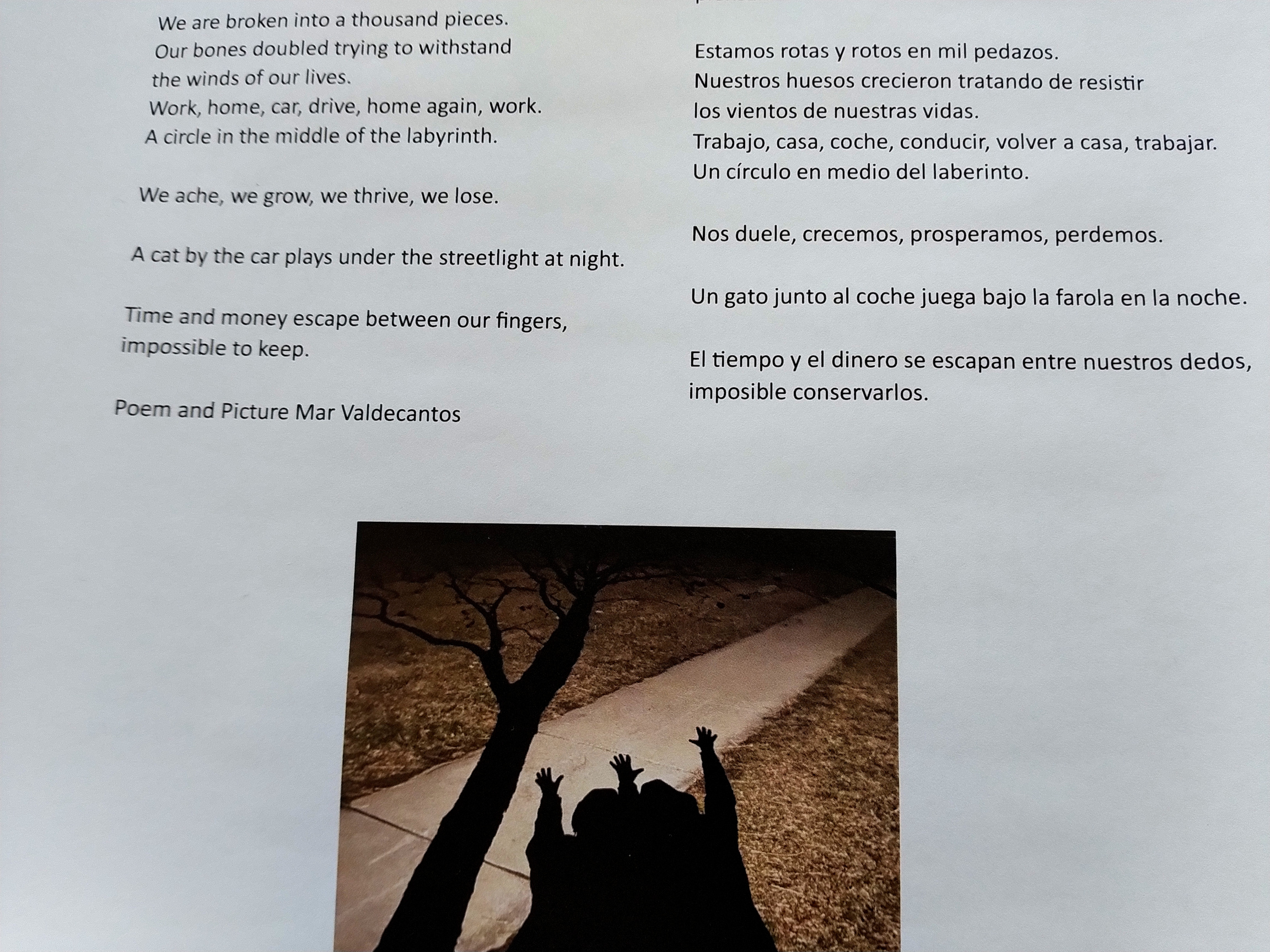
But there’s more. The poems are printed in Spanish and in English. I can’t read Spanish. (My second daughter can; she’s a former Spanish medical interpreter and translator.) That doesn’t matter. What matters is that each poem is printed in two languages, reflecting, respecting and celebrating cultural diversity in our region of southern Minnesota.

The merchandise inside Mercado Local, including this woven tote, is a colorful, visual delight. (Minnesota Prairie Roots copyrighted photo April 2024)

Rice County Neighbors United aims to raise cultural awareness via events and activities like “Poem in a Bag,” funded by a grant from the Minnesota Arts & Cultural Heritage Fund. The arts have always been a way to connect peoples, to communicate, to inspire and more. Whatever our differences, art is universal, linking us in our humanity.

A portion of the poem, “Streetlight at Night,” and art by Mar Valdecantos. All poems are printed in Spanish and in English. (Minnesota Prairie Roots copyrighted photo April 2024)

Poems submitted for this National Poetry Month project cover a range of topics, some specific, others broader. Sunrise, empanadas, children, cancer, loneliness, life, winter, salmon, even a dead mouse, are among the subjects of original poems. I’ve lent several poems for the project.

More cultural offerings at Mercado Local. (Minnesota Prairie Roots copyrighted photo April 2024)

And then there is the poetry of renowned poets—Latin American, Cuban, American—selected and submitted as favorite poems. Nature, the mother-child relationship, a white rose and service to others theme these. They, too, are accompanied by art.

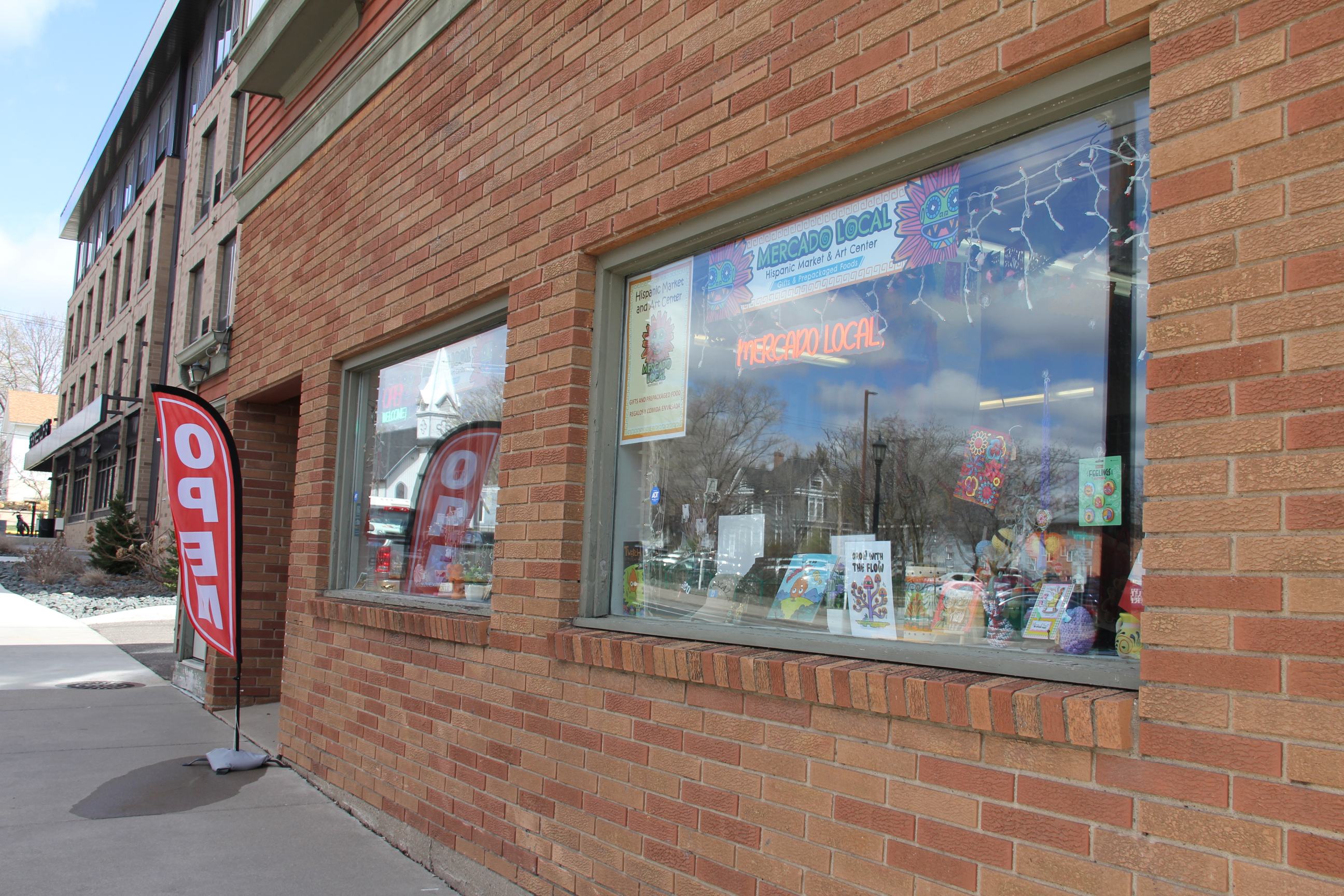
Mercado Local is located in the heart of downtown Northfield, just off Division Street. (Minnesota Prairie Roots copyrighted photo April 2024)

Art in all its forms is powerful. Rice County Neighbors United recognizes that, celebrating creativity and entrepreneurship at Mercado Local, a marketplace for immigrant vendors and also an art center, community room and education space located at 108 5th Street East in Northfield.

Mercado Local explodes with color. The “Poem in a Bag” box is on the cashier’s counter. (Minnesota Prairie Roots copyrighted photo April 2024)

“Poem in a Bag” poems are available at Mercado Local and at other Northfield businesses (currently Content Bookstore, Imminent Brewery and radio station KYMN) and at the Northfield Public Library. Valdecantos aims to get poetry boxes into more Northfield businesses. In Faribault, “Poem in a Bag” can be found at Books on Central, a used bookshop run by the Rice County Area United Way.

This is an ambitious undertaking, one Valdecantos hopes to repeat next April during National Poetry Month. She intends to extend this year’s “Poem in a Bag” into May with a poetry reading set for 6:30-8 pm Thursday, May 23, in the community room/art space at Mercado Local. I appreciate all of this. To place poetry in public places, to use art to connect cultures, is truly a welcoming, neighborly gift to our culturally diverse communities.

© Copyright 2024 Audrey Kletscher Helbling
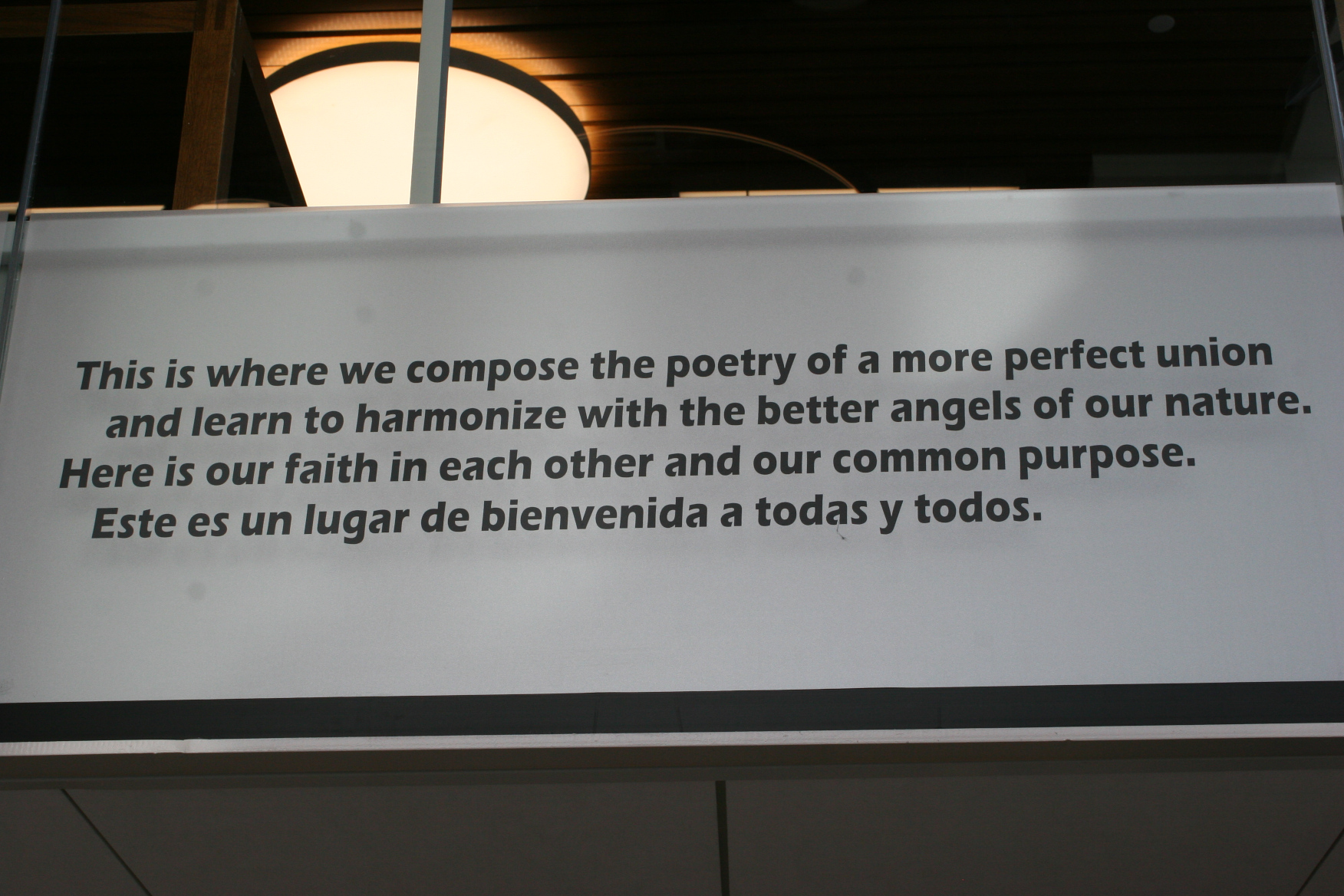
 

Celebrating poetry in southern Minnesota during National Poetry Month April 17, 2024

Sidewalk poetry in downtown Northfield, Minnesota. (Minnesota Prairie Roots copyrighted file photo 2014)

Mention poetry and many people likely stop listening. In a way, I understand. To their ears, they hear the stuffy, rhyming, difficult poems of yesteryear. The poems that made no sense to many of us. The poems that had to be read as part of a high school English class.

A close-up of lines in the poem steps along the River Walk in downtown Northfield. (Minnesota Prairie Roots copyrighted file photo 2022)

While I’m not privy to how poetry is taught today, I do recognize that it’s, overall, much more approachable, at least in Minnesota. We are home to a talented array of poets with their writing published not only in anthologies and literary journals, but also presented in widely-accessible, public ways.

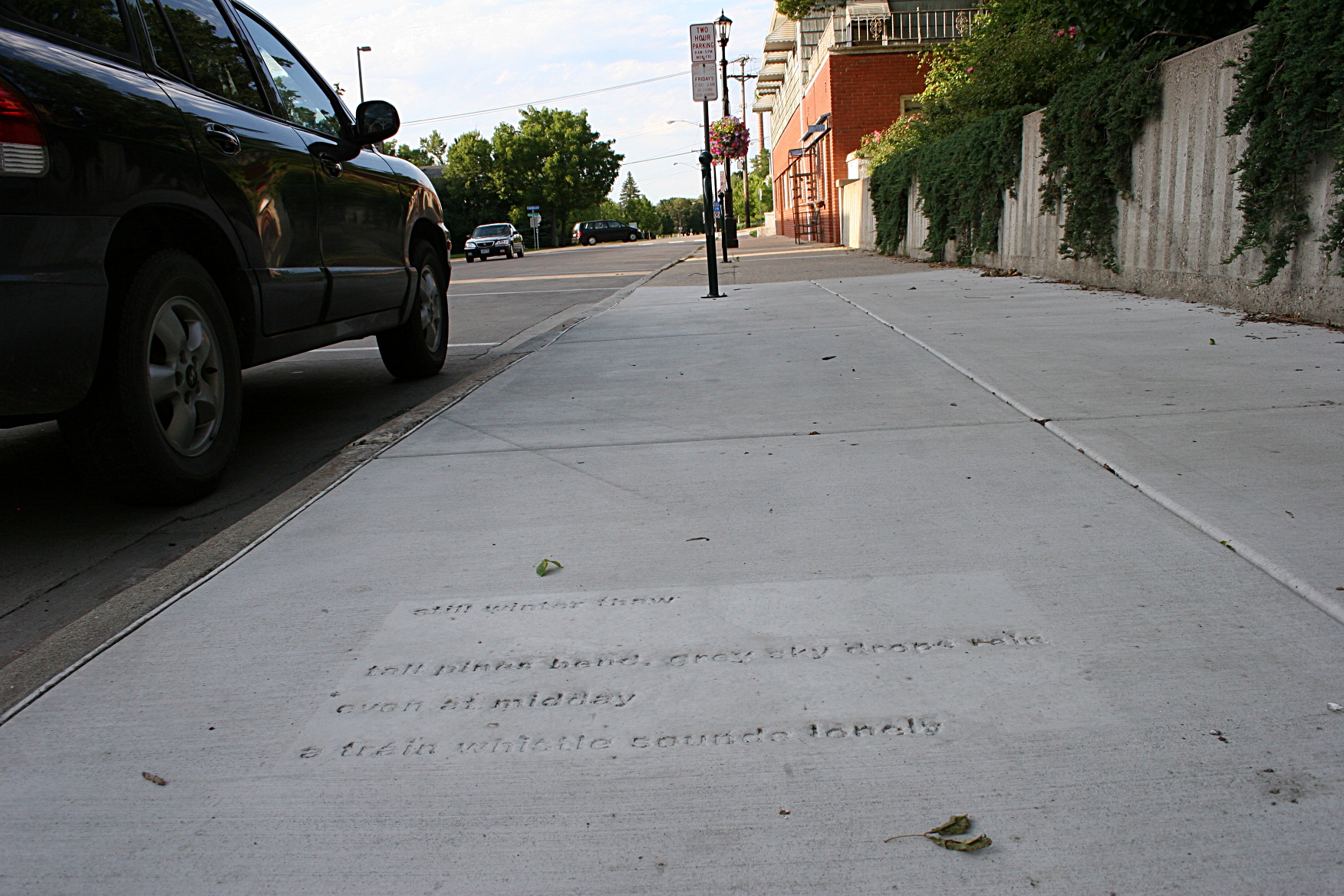
A poem by Patrick Ganey is stamped into the sidewalk near the Northfield Public Library: still winter thaw/tall pines bend, grey sky drops rain/even at midday/a train whistle sounds lonely (Minnesota Prairie Roots copyrighted file photo)

Nearby Northfield, for example, prints poetry into sidewalks. In 2011, the Arts and Culture Commission launched Sidewalk Poetry. Through that annual competition, selected poems are stamped into sidewalks in the historic downtown, along routes to schools and in residential neighborhoods. I always enjoy walking in downtown Northfield and pausing to read poetry. As a poet myself, I appreciate how much this community values this literary art.

This month, National Poetry Month, and into May, Northfield-based nonprofit Rice County Neighbors United is offering “Poem in a Bag.” Submitted original and favorite poems were printed, rolled and placed in poetry boxes (not bags) set out at select Northfield businesses and at the Northfield Public Library. Poems are printed in both English and Spanish and paired with original art by local artists. What a fun idea, to give away poems, perhaps reaching people who would not otherwise read poetry. I’ve submitted several poems for this project.

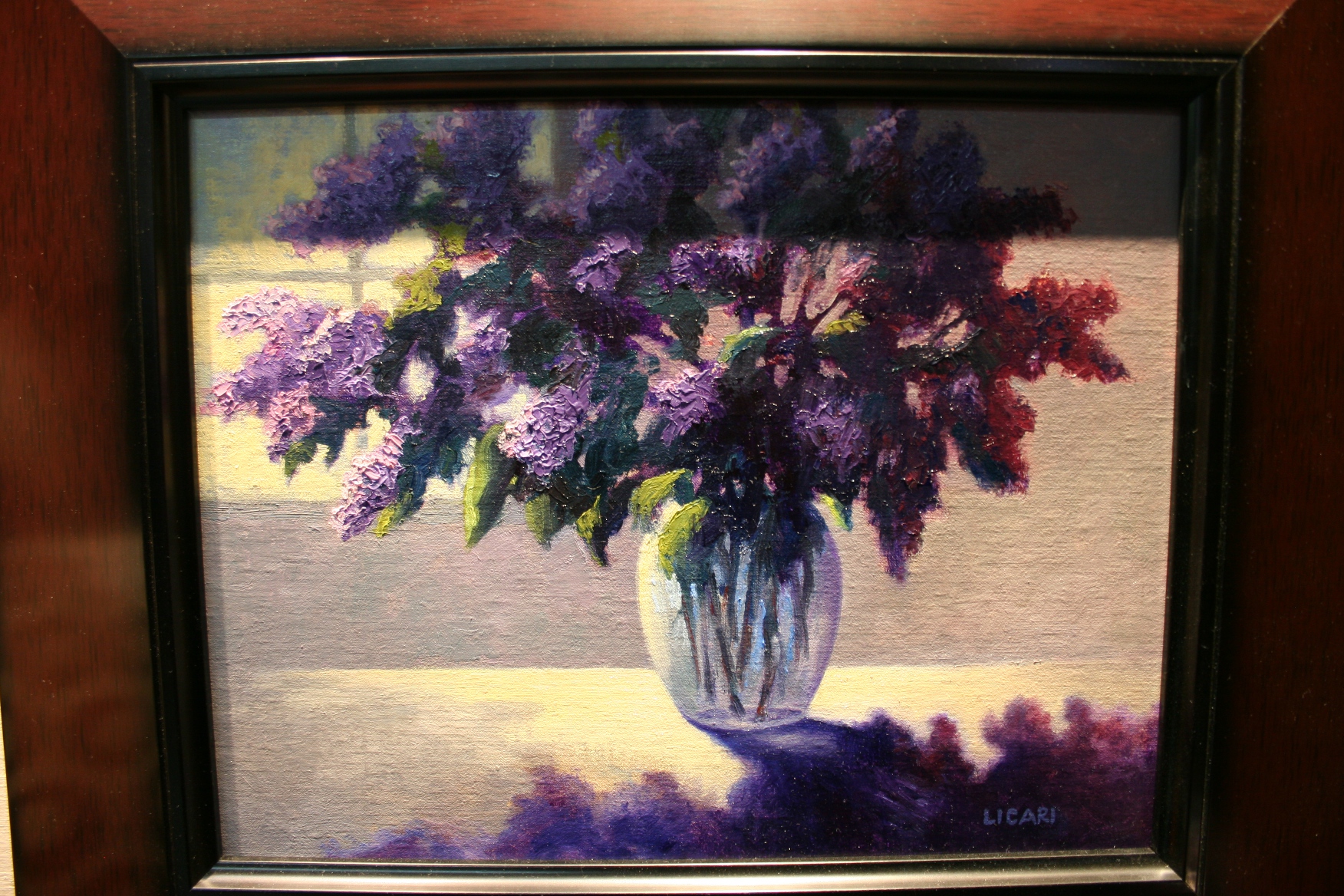
My poem, “Lilacs,” inspired “Lilacs on a Table,” an oil on linen painting by Jeanne Licari. This was part of an poet-artist collaborative exhibit at Crossings at Carnegie in Zumbrota ten years ago. Today my poem is part of Northfield’s “Poem in a Bag.” (Minnesota Prairie Roots copyrighted file photo April 2014)

For the first time this year, FiftyNorth, Northfield’s center for active aging, is featuring a poet-artist collaboration, “Echoes & Shadows,” in its gallery. The event runs until May 3. Artists created art inspired by original poems. I’ve participated in collabs like this in Zumbrota and found them to be particularly interesting—to see how poems are visually interpreted.

A portion of a poem by Rob Hardy, former Northfield Poet laureate, in the Northfield Library atrium. (Minnesota Prairie Roots copyrighted file photo)

At the Northfield Public Library, Open Mic Poetry is held monthly in the atrium for poets to share their writing with an appreciative audience. The next event is at 6:30 pm Wednesday, May 8.

Poem steps in Northfield along the River Walk. (Minnesota Prairie Roots copyrighted file photo 2022)

Northfield also has a poet laureate actively promoting poetry and poetry events within the community. A new laureate will soon be named to replace past laureate Rob Hardy and current interim co-poet laureates Becky Boling and D.E. Green.

This new anthology features the poetry of five Northfield poets. (Minnesota Prairie Roots copyrighted photo April 2024)

Next month the Northfield library hosts two poetry readings. Local poets Scott Lowery and Leslie Schultz will read at 6:30 pm Tuesday, May 7. And at 7 pm on Thursday, May 16, the Poets of the Northfield, Minnesota, Public Library, will read from and sign We Look West. The just-published 116-page anthology is part of the Up On Big Rock Poetry Series from Winona-based Shipwreckt Books Publishing Company.

This sidewalk poem in Mankato’s Riverfront Park references the mass hanging of 38 Dakota (plus two) in December 1862 in Mankato. (Minnesota Prairie Roots copyrighted file photo November 2023)

I also have two other recently-released poetry books to read: Broad Wings, Long Legs, A Rookery of Heron Poems in which Minnesota writers (including Larry Gavin of Faribault and many other recognizable poets) contemplate a regional icon, and Songs, Blood Deep by Poet Laureate of Minnesota, Gwen Nell Westerman of Mankato. Westerman is Minnesota’s first Native poet laureate and teaches English, humanities and creative writing at Minnesota State University, Mankato, my alma mater.

My poem, posted along the West Mankato Trail. (Minnesota Prairie Roots edited & copyrighted photo November 2023)

Mankato is a community rich in poetry. I’ve found poems stamped into concrete at Riverfront Park as part of WordWalk. But it’s a project of the Southern MN Poets Society which really puts poetry out in the community. Through the Mankato Poetry Walk & Ride, winning poems are printed on signs and posted along walking and biking trails in Mankato and North Mankato. My poems have been included perhaps half a dozen times—I’ve lost count—with one, “The Mighty Tatanka,” a poem about bison, currently displayed along a trail in West Mankato.

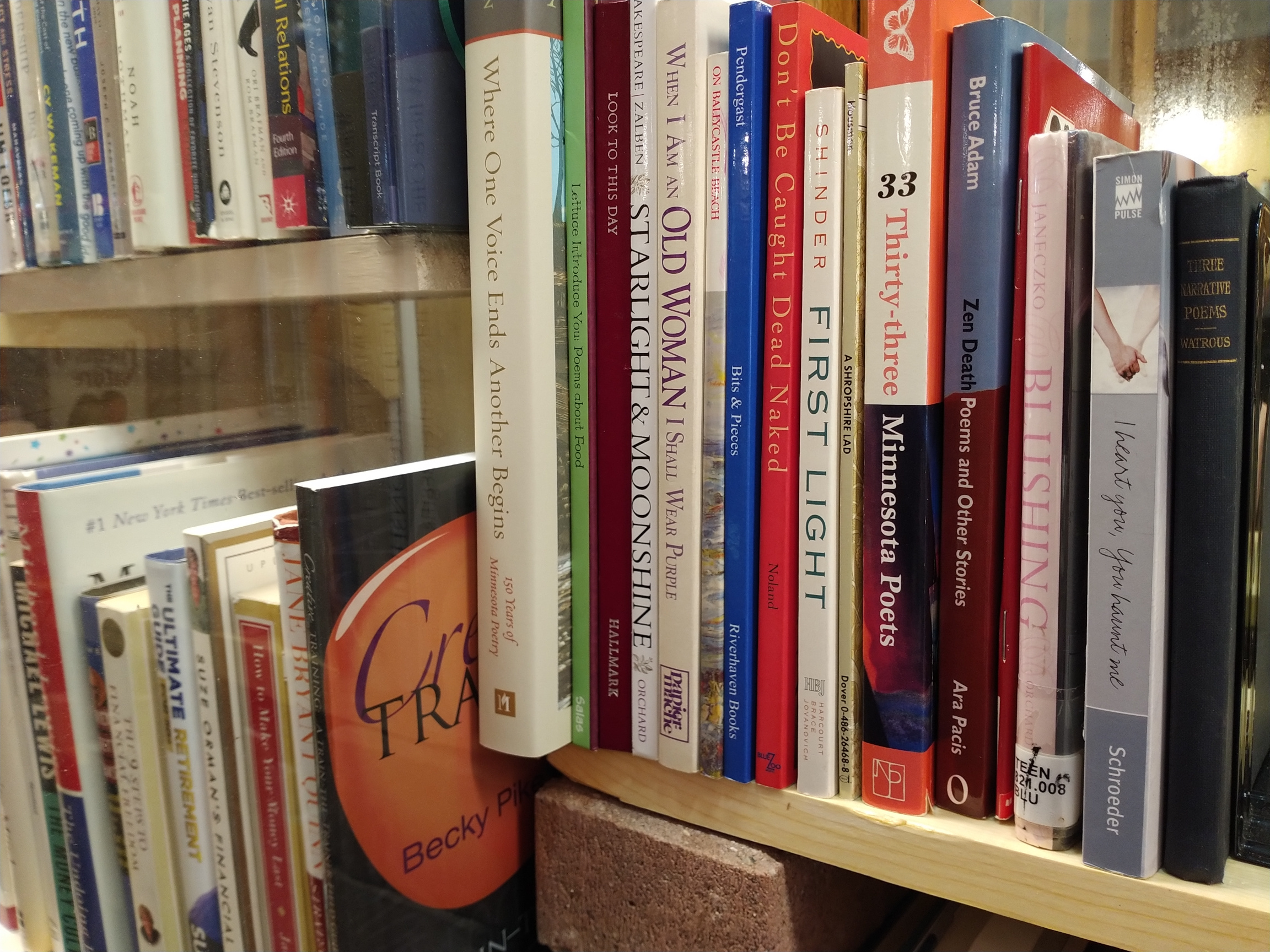
A sampling of poetry books, right, for sale at Books on Central in Faribault. (Minnesota Prairie Roots copyrighted photo April 2024)

Poetry is seemingly everywhere these days, unconfined to the space between book covers. Yet poems printed upon paper remain the primary place to find poetry. I recently picked up a stash of poetry books from my local library. I also perused poetry offerings at Books on Central, a Rice County Area United Way bookshop selling used books in downtown Faribault. In Northfield, independent bookseller Content Bookstore not only sells poetry books, but regularly hosts book signing events with writers, including poets.

An especially thought-provoking poem in Northfield’s Sidewalk Poetry project. (Minnesota Prairie Roots copyrighted file photo August 2020)

How we access poetry has certainly changed over the years. It is my hope that, even if you think you don’t like poetry, you open your mind to this creative art form. There’s much to be learned about nature, about ourselves, about life through the carefully-selected, sparse words of gifted poets, many of whom call Minnesota home.

FYI: Please check back for a more in-depth look at “Poem in a Bag” and reviews of poetry anthologies referenced in this post. Now, tell me, do you read poetry, have a favorite poem?

© Copyright 2024 Audrey Kletscher Helbling
 

In celebration of National Poetry Month, a selected poem April 5, 2023

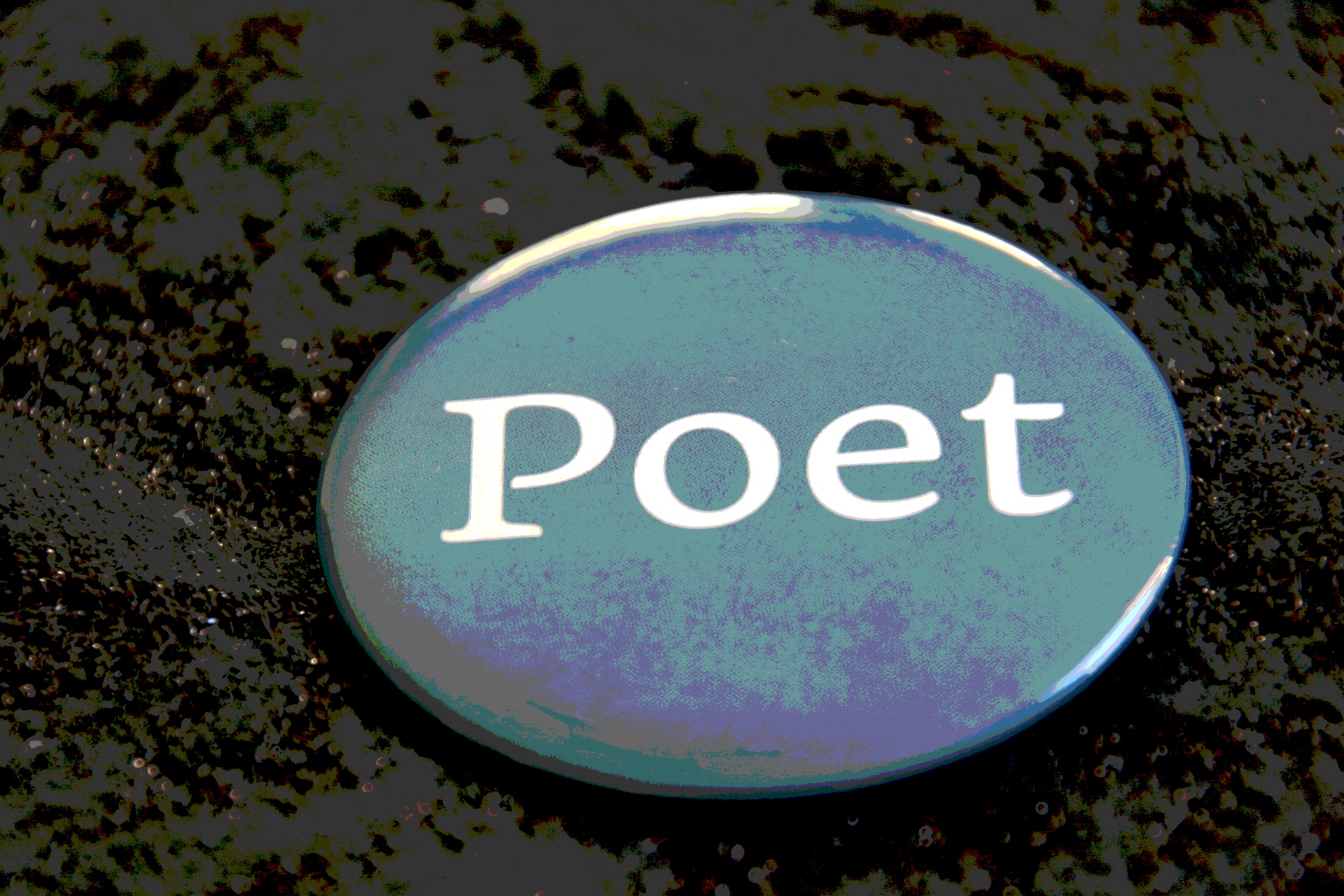
I took poetic license and photoshopped this image of the button I wore identifying me as a poet at a poetry reading. (Minnesota Prairie Roots copyrighted file photo April 2015)

APRIL MARKS National Poetry Month, a time to celebrate poetic verse and poets. As a long-time writer, I unequivocally state that penning poetry is challenging. Why? Every. Single. Word. Counts.

That makes sense given the structure of poems.

I’ve written poetry off and on since high school. All those decades ago, I wrote angst-filled poems reflective of teenage moods, emotions and life. Recently a high school friend returned a poem I wrote for her nearly 50 years ago, a poem handwritten on lined notebook paper. The folded page, yellowed with age, holds words focusing on my future and the ultimate question at life’s end: What good have I done?

The poem dedicated to Janette is not particularly well-written. Yet, it has value in reflecting my thoughts, in opening myself up, in showing vulnerability to a trusted friend. Will I share it with you? No.

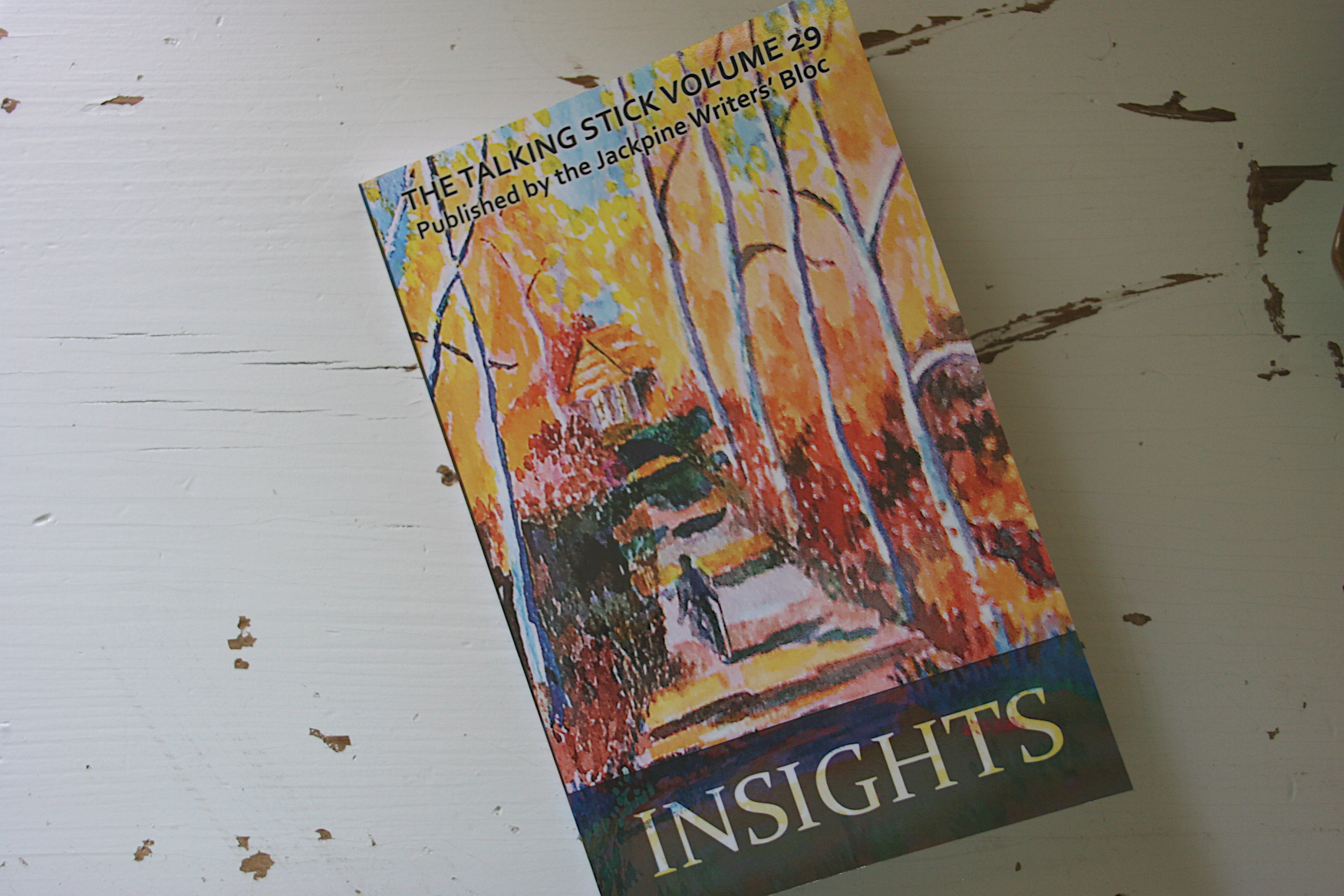
My poem, “Final Harvest,” and two pieces of creative nonfiction were selected for publication in this anthology in 2020. (Minnesota Prairie Roots copyrighted file photo 2020)

But I will share my poem, “Final Harvest,” which published in Insights, Talking Stick 29. It was chosen by the editorial team of Menahga-based Jackpine Writers’ Bloc for the 2020 edition of TS, a selected collection of poetry, fiction and creative nonfiction by Minnesotans or those with a Minnesota connection.

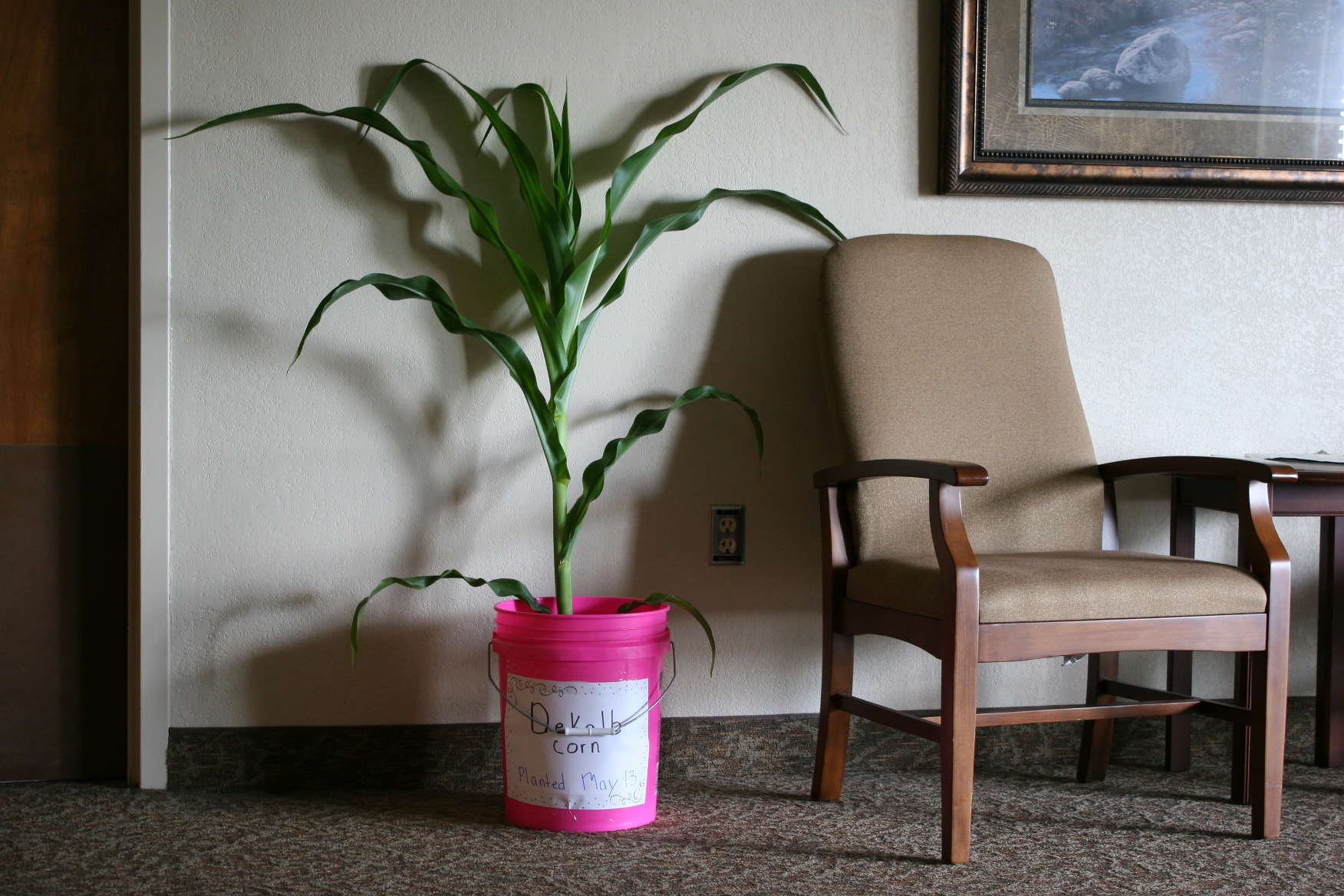
This scene at Parkview Senior Living in Belview, Minnesota, inspired a poem. (Minnesota Prairie Roots copyrighted file photo July 2019)

The poetry I write, like nearly all of my writing, carries a strong sense of place, often rooted in my agrarian roots. And, like nearly all of my creative writing, my poetry is rooted in truth. A cornstalk growing in a pink bucket in the community room at Parkview Senior Living, where my mom lived before her 2022 death, inspired “Final Harvest.” It is not at all angst-filled. But, in a round about way, it asks the same question: What good have I done?

Final Harvest

The cornstalk rises tall, straight

from the pink five-gallon bucket

set next to an uncomfortable tan chair

on carpet the color of dirt.

If the retired farmer in the wheelchair

looks long enough, he imagines rows of corn

rooted in a field of rich black soil,

leaves unfurling under a wide blue sky.

Staff stops to check the corn plant

seeded on May 13, not too late,

says the old farmer as he pours water

into the bucket, soaking the soil.

I focus my camera lens on the cornstalk,

pleased and amused by its placement here

like a still life shadowing beige walls

in the community room of my mom’s care center.

© Copyright 2023 Audrey Kletscher Helbling
 

The poetry of Rob Hardy, Northfield poet laureate April 20, 2022

A portion of Rob Hardy’s poem displayed at the Northfield Public Library. (Minnesota Prairie Roots file photo)

ROB HARDY, poet laureate of Northfield, is the kind of laid back guy who appreciates a good craft beer. I know. Back in September 2017, I met him at Imminent Brewing, where we shared a table while enjoying a beer, listened to other beer lovers read poems about beer and then read our own beer poems. He organized that Beer Poetry Contest. Poetry at a brewery, how creative and fun is that?

In January 2019, I again found myself in the company of Hardy, and other gifted area poets, for a poetry reading at Content Bookstore in Northfield.

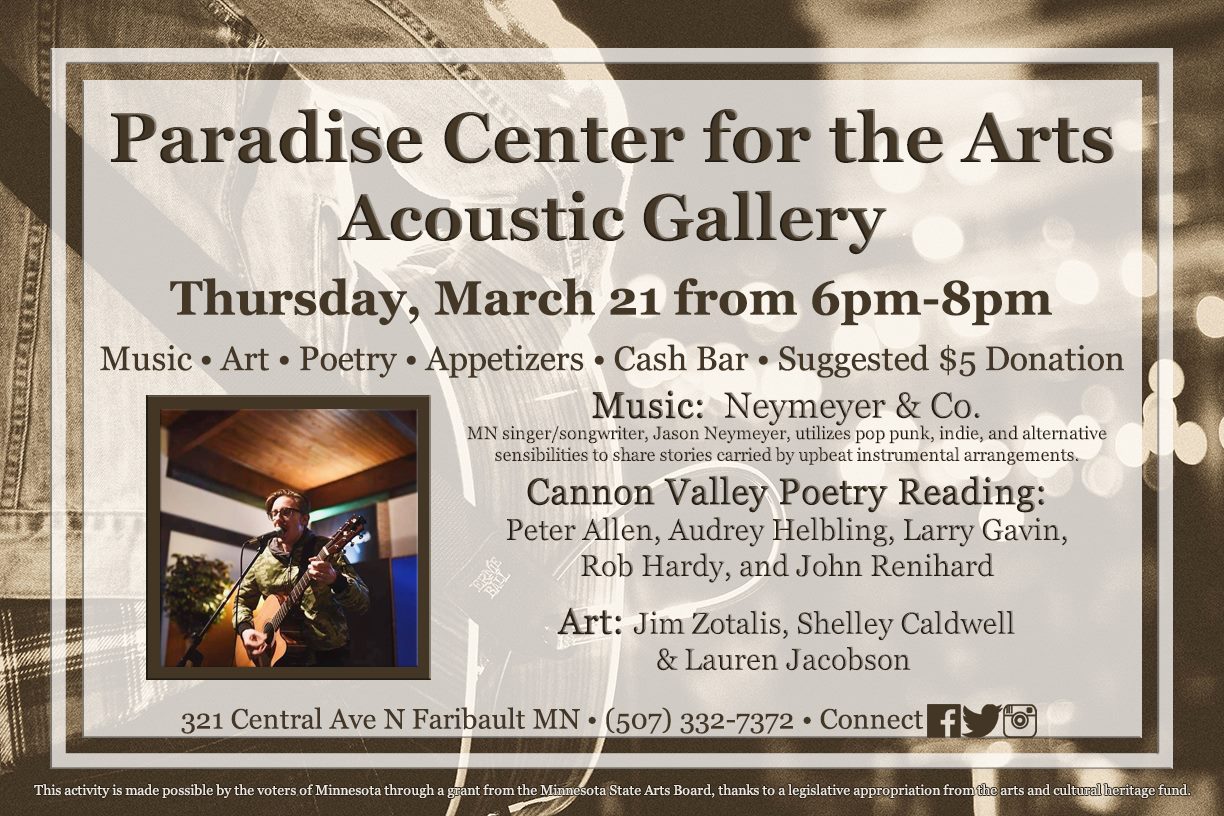
Promo courtesy of the Paradise Center for the Arts for a past event that included a poetry reading.

And then several months later, we gathered at the Paradise Center for the Arts in Faribault for more public poetry reading.

Hardy is a champion of poetry. He tirelessly promotes poetry in Northfield, where poems, including his, imprint sidewalks. He organizes poetry events and publishes a poetry-focused newsletter and even has a poem permanently posted at the public library.

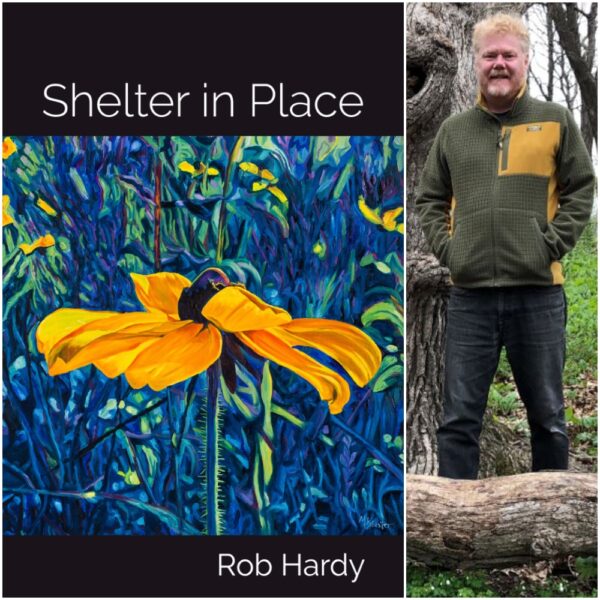
Rob Hardy, right, and his new poetry collection. (Photo source: Finishing Line Press)

And he just released a new collection of poetry, Shelter in Place, published by Finishing Line Press. The slim volume of 20 poems is a quick read with many of the poems therein inspired by his daily walks in the Carleton College Cowling Arboretum during the pandemic year of 2020.

The influence of the pandemic upon this poet’s life and writing is easy to see. In “Lyrical Dresses,” for example, he writes about looking at ordinary life through the wrong end of a telescope and sometimes crying for no reason. In “Today’s Headlines” the fourth line reads: Rice County has the highest rate of new cases in the country. That would be our county.

But these COVID-19 themed poems are not necessarily doom, gloom and darkness. They are an honest, reflective historical record of life during a global pandemic from the creative perspective of a wordsmith. Just as important as a news story in telling the story of this world health crisis. In “Grounded” he writes of pulling a shoe box from the closet to relive travel memories while unable to travel. While grounded.

He did, however, put his feet to the ground, immersing himself in nature through daily walks. He writes of birds and prairie and sky and river and wind…in poems inspired by his deepening connection to the natural world.

Shipwreckt Books Publishing published Northfield Poet Laureate Rob Hardy’s previous poetry collection.

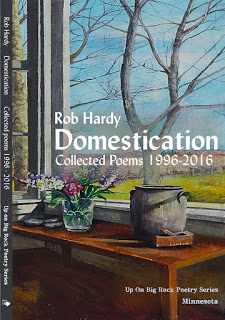
I encourage you to read Hardy’s Shelter in Place and/or attend a reading at Content Bookstore featuring Hardy and Greta Hardy-Mittell, a Carleton College student and writer. That event begins at 7 pm on Thursday, April 21. Click here for details. Rob Hardy is also the author of two other poetry collections, Domestication: Collected Poems, 1996-2016 and The Collecting Jar.

#

TELL ME: Have you attended any poetry events or read/written poems in April, National Poetry Month.

© Copyright 2022 Audrey Kletscher Helbling
 

In celebration of National Poetry Month: One April day April 18, 2022

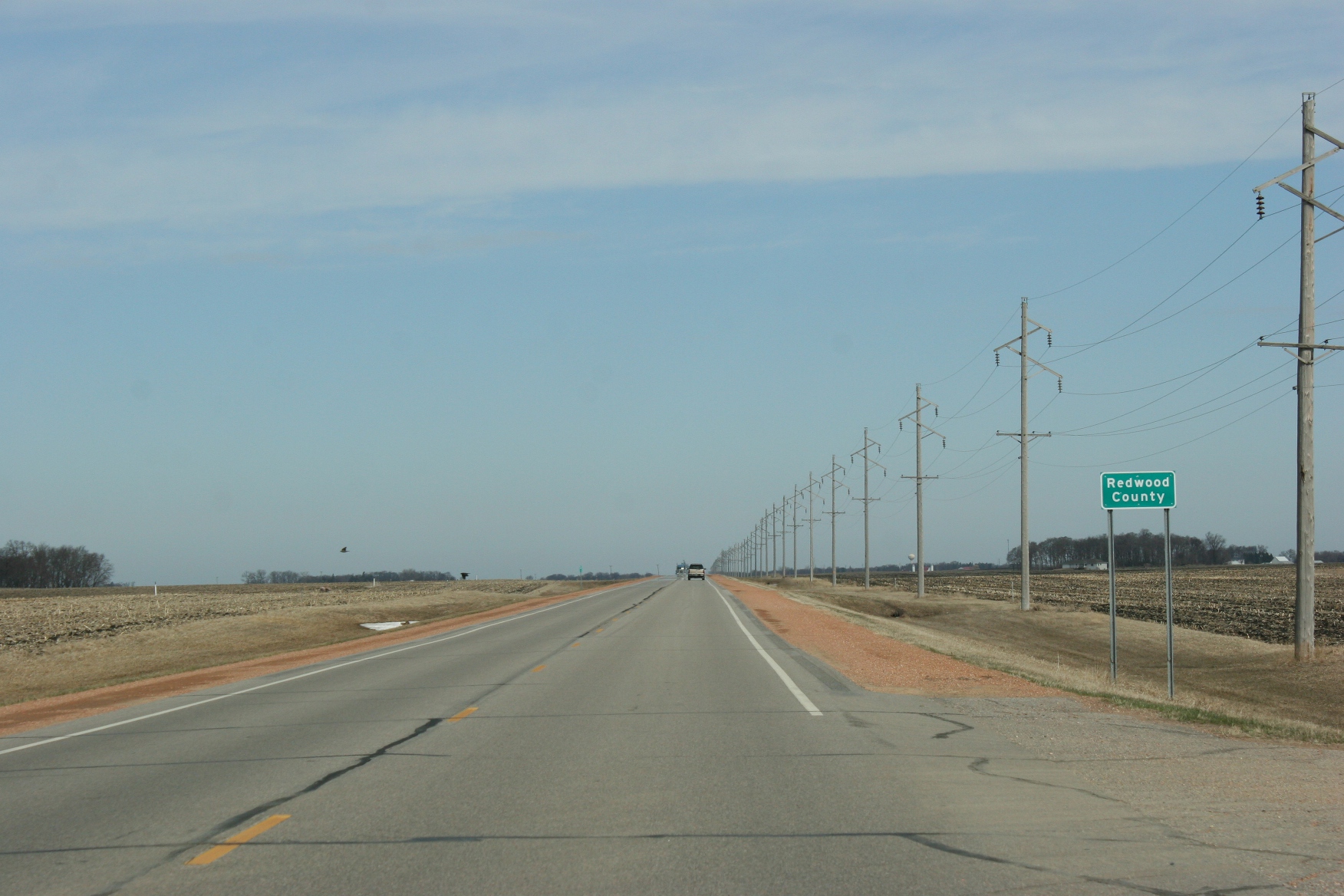
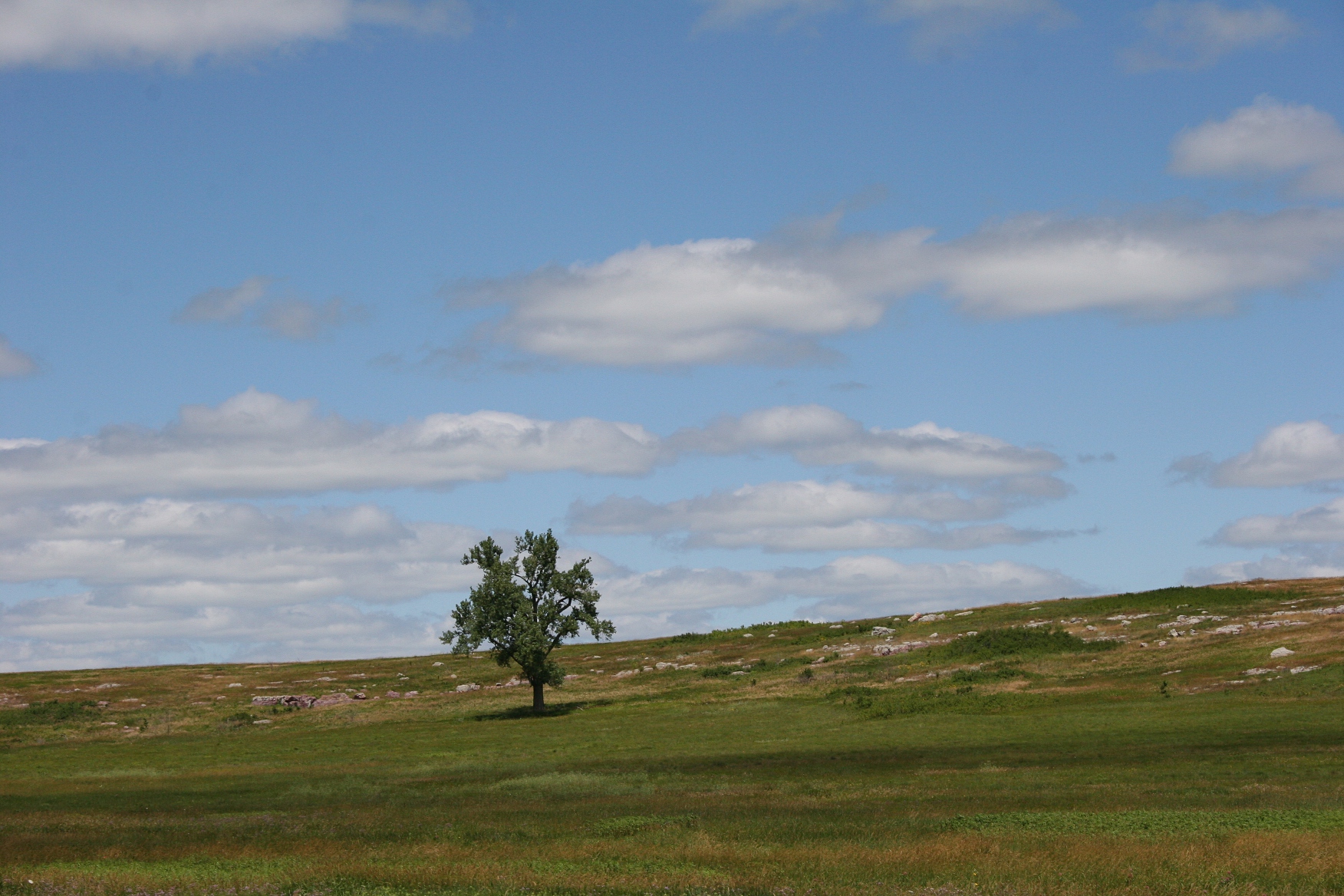
Entering my home county of Redwood along Minnesota State Highway 68 southeast of Morgan. (Minnesota Prairie Roots copyrighted file photo April 2018)

ON THE AFTERNOON of the April morning I scanned the #811 shelves at Buckham Memorial Library for poetry books, I raked a banana from the boulevard.

“Hey, I found a rotten banana,” I hollered to Randy, who had just switched off the lawnmower as he mulched leaves.

“You didn’t eat it, did you?” he asked.

“No,” I shouted back, rolling my eyes at his humor.

“I found a dead mouse or squirrel earlier,” he shared in an apparent effort to top my discovery of a dried black banana. (We never know what we’ll find while raking in the spring.) He walked across the lawn to the curb along busy Willow Street and kicked up the dried carcass I really did not want to see.

“Mouse,” I concluded, and looked away.

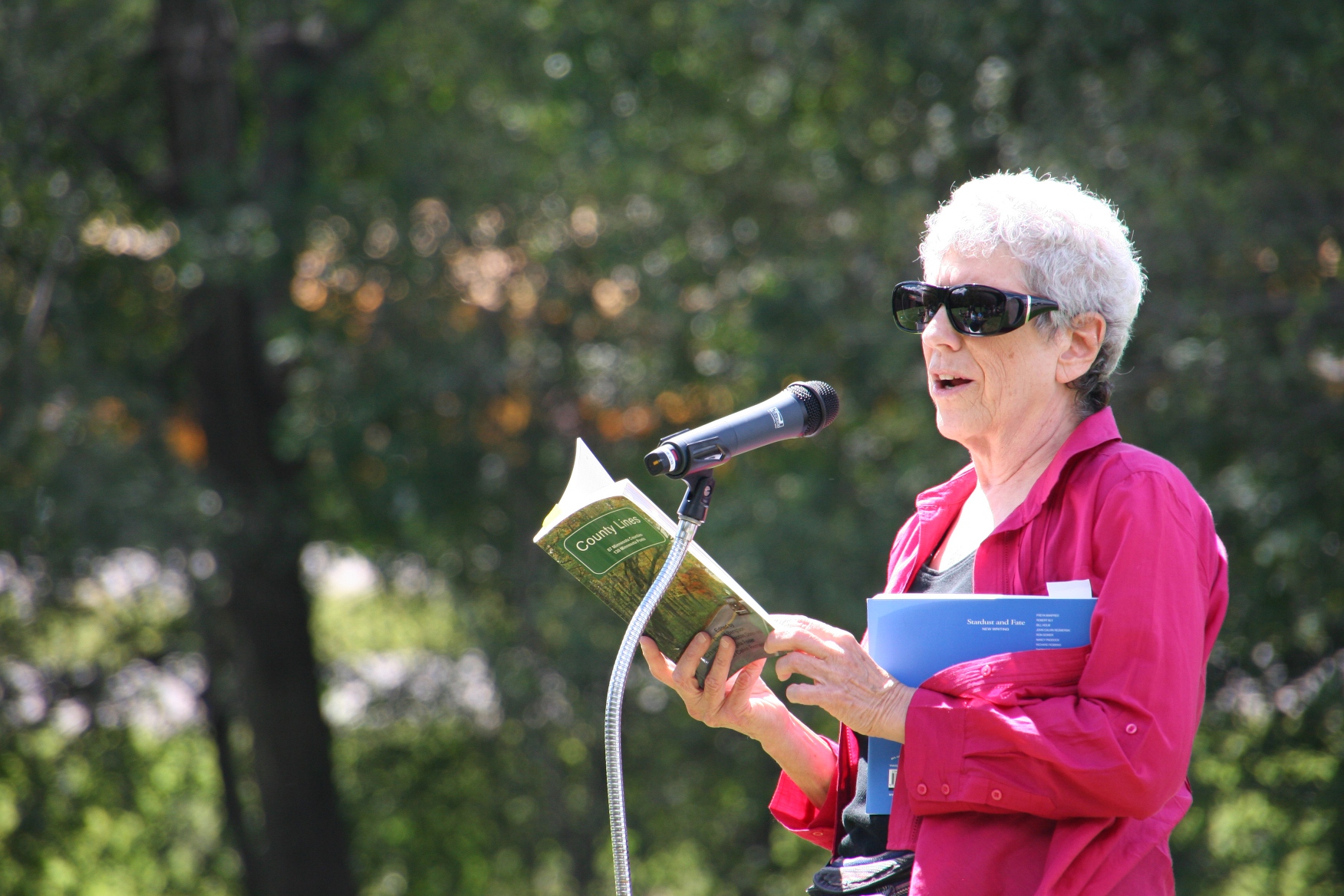
Mira Frank reads the works of Minnesota poets from “County Lines” at an event in St. Peter in 2016. (Minnesota Prairie Roots copyrighted photo August 2016)

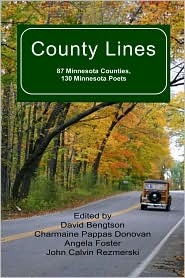
That takes me back to those poetry books I checked out, including County Lines: 87 Minnesota Counties, 130 Poets. Published in 2008 by Loonfeather Press of Bemidji, this volume features poems collected from Minnesota poets and representing all 87 Minnesota counties. It was published on the 150th anniversary of our statehood.

It’s a must-read book which accurately, and poetically, reflects Minnesota. Among the poems published therein, “April” by Connie Wanek. The first four lines of her five-verse poem from St. Louis County, are so relatable. She writes:

When the snow bank dissolved

I found a comb and a muddy quarter.

I found the corpse of that missing mitten

still clutching some snow.

As someone who’s lived in Minnesota her entire life, I “get” most of the poetry published in this collection. These poets write about land and weather, experiences and observations, small town cafes and polka dancing and trains roaring down tracks and closing the cabin and picking rock and…

The plentiful large rocks pictured here at Blue Mounds State Park are likely similar to those referenced in Leo Dangel’s poem. The park in rural Luverne is about 20 miles from Jasper, which Dangel names in “Stone Visions.” (Minnesota Prairie Roots copyrighted file photo August 2013)

I laughed aloud when I read Leo Dangel’s “Stone Visions” from Pipestone County in my native southwestern Minnesota. The topic—picking rock. For those of you who’ve never picked rocks, it’s exactly what it says. Walking through a field gathering and tossing rocks that seem to sprout every spring. Poet Dangel viewed oversized stones in a field near Jasper in a poetic way while his farmer uncle observed, “I’d hate like hell to start picking rock in those fields.”

Image source: Goodreads.

Uncovering rocks. Uncovering a dried mouse carcass. Uncovering a dried black banana. Uncovering poetry that resonates. Within the span of several hours, I found winter’s remains and a treasure of a poetry collection.

County Lines uncovers the stories of Minnesota in poetic voice from lesser-known to well-known Minnesota writers. Poets like David Bengston, Robert Bly, Philip S. Bryant, Susan Stevens Chambers, Charmaine Pappas Donovan, Angela Foster, Larry Gavin, Laura L. Hansen, Sharon Harris, Margaret Hasse, Bill Holm, John Calvin Rezmerski, Candace Simar, Joyce Sutphen and so many more.

From Willmar to Hibbing to Lac qui Parle and, oh, so many places in between, the layers of our state, our people, our stories, our history, our heritage are revealed. This April day I celebrate National Poetry Month in a Minnesota poetry book pulled from the #811 shelves at Buckham Memorial Library in Faribault.

#

FYI: Former Minnesota Poet Laureate Joyce Sutphen will read from her newest poetry books, Carrying Water to the Field and The Long Winter, at 1 pm Saturday, April 23, at the Little Falls Carnegie Library. “Making Rural Connections Through Poetry with Joyce Sutphen” focuses on the loss of small farms in Minnesota. Sutphen grew up on a Stearns County farm. Three of her poems are featured in the “Stearns County” entries in County Lines.

TELL ME: Do you have a favorite book of poetry you’d like to recommend? Or, if you’ve written a book (s) of poetry, please feel free to share information here.

© Copyright 2022 Audrey Kletscher Helbling
 

The poetry of “Where the Crawdads Sing” April 8, 2022

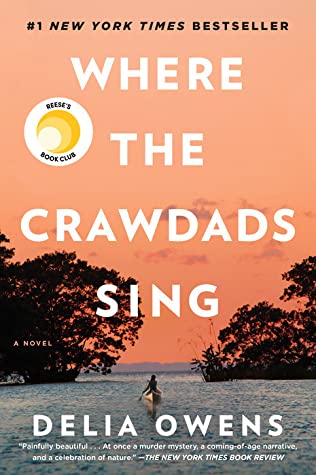
Image source: goodreads

IF I HADN’T CAUGHT the news flash in an entertainment segment on an early morning TV show recently, I doubt I would have read Where the Crawdads Sing by Delia Owens. But I did. And the book proved so riveting that I didn’t want to put it down. You know the type of book, when you stay up past your bedtime to read.

Published in 2018, this New York Times fiction bestseller, releases in July as a movie. So I suppose my timing in reading this is about right. Not that I will see the film. Big screen versions, after I’ve read a book, usually disappoint. Plus, I am not a movie-goer; the last time I went to a movie (three years ago), I walked out and asked for a refund (which I got).

All that aside, that I read Where the Crawdads Sing in April, National Poetry Month, is also fitting. More on that in a bit.

First a summary: Set along the coastal marshes of North Carolina, this book tells the story of young Kya, beginning in 1952. Her family abandons her and she grows up, isolated, alone, connecting with nature. Known to locals as “Marsh Girl,” she reads poetry to gulls, boats through the marshland, immerses herself in learning and studying and documenting the surrounding natural world.

In following her story, which is much more complicated than someone living alone in a remote location, I learned a lot about an area of the US I’ve never even come close to visiting. That includes the many birds which focus Kya’s attention. It’s good for me to stretch my reading wings to a region unfamiliar to me. To learn of landscape, sea life, culture, food, peoples and more in a focused time period, primarily 1960-1970.

The book broadens to include a mystery—the death of a well-known young man from the coastal town of Barkley Cove. Even the name of that community sounds foreign to my Minnesota ears. His life intertwines with Kya’s and that’s what left me wanting to stay up late reading.

Themes of abuse, abandonment, isolation, misconceptions, meanness, prejudice, privilege and small town narrow-mindedness thread through the pages of Where the Crawdads Sing. Love, too.

Author Delia Owens also weaves poetry into pages in poems quoted. Poems by Emily Dickinson. By Pulitzer Prize-winning poet James Wright, who taught in Minnesota at the University of Minnesota and Maclester College. By Amanda Hamilton (there’s a surprise). A fisherman named Scupper proclaims his love of poetry, declaring that poems “make ya feel something.” He’s right.

I encourage you to read this book for the story, the strong sense of place and, yes, for the poetry.

TELL ME: Have you read Where the Crawdads Sing? If yes, what are your thoughts and will you see the movie?

© Copyright 2022 Audrey Kletscher Helbling
 

Celebrating poetry: Reflections from a Minnesota poet April 4, 2022

Roses from my husband, Randy. (Minnesota Prairie Roots file photo 2012)

Roses are red,

violets are blue.

Sugar is sweet

and so are you.

RAISE YOUR HAND if that’s the first poem you ever read or heard. My right hand is wildly waving. See it, right there next to a mass of many many hands?

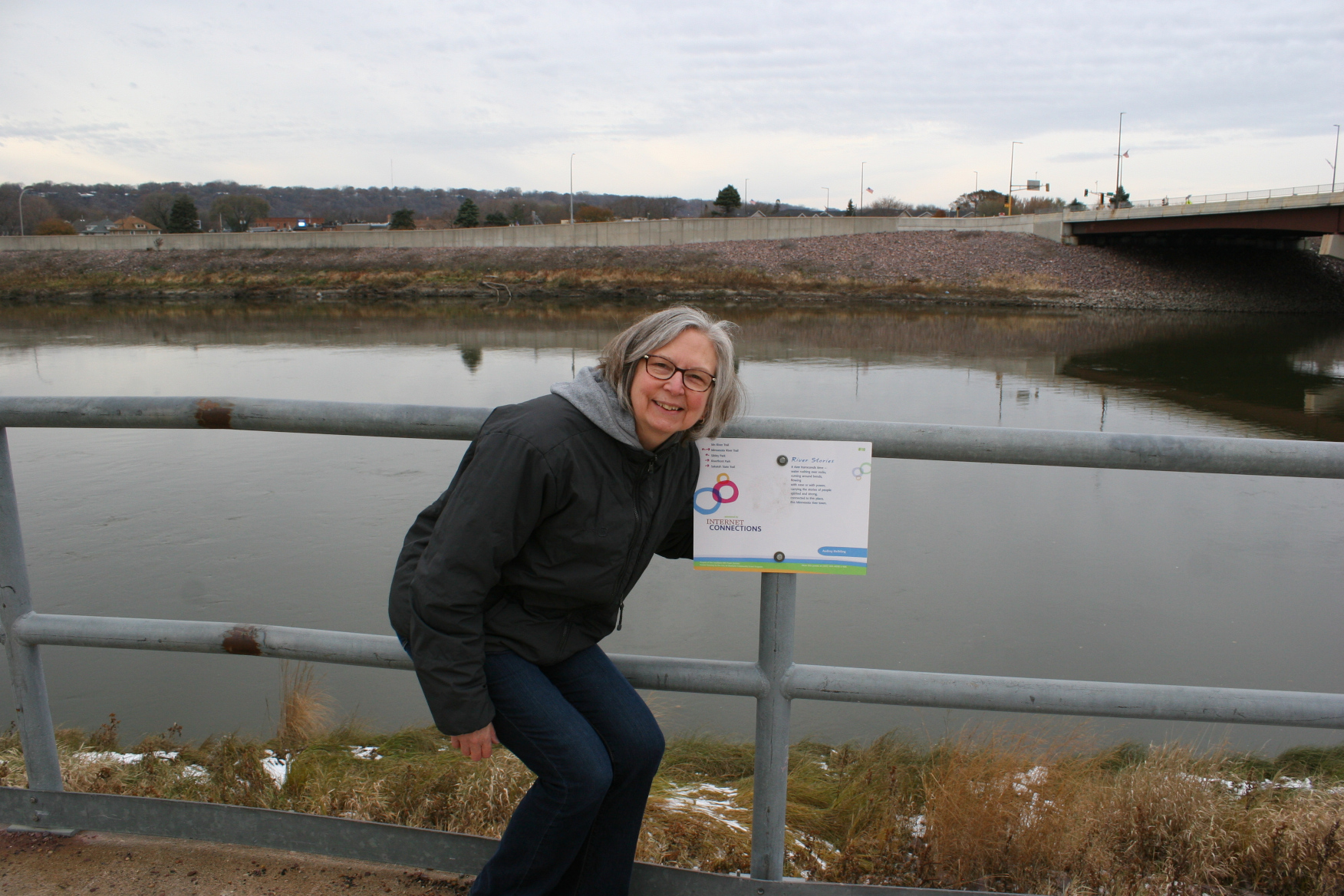
Me, next to my posted poem, “River Stories,” selected for the 2019 Mankato Poetry Walk & Ride. (Minnesota Prairie Roots November 2019 file photo by Randy Helbling)

Today, April 4, marks day four of National Poetry Month, which celebrates the importance of poetry in our culture and lives. Whether you like or dislike poetry, it holds value as a form of artistic expression, communication, storytelling, endearment…

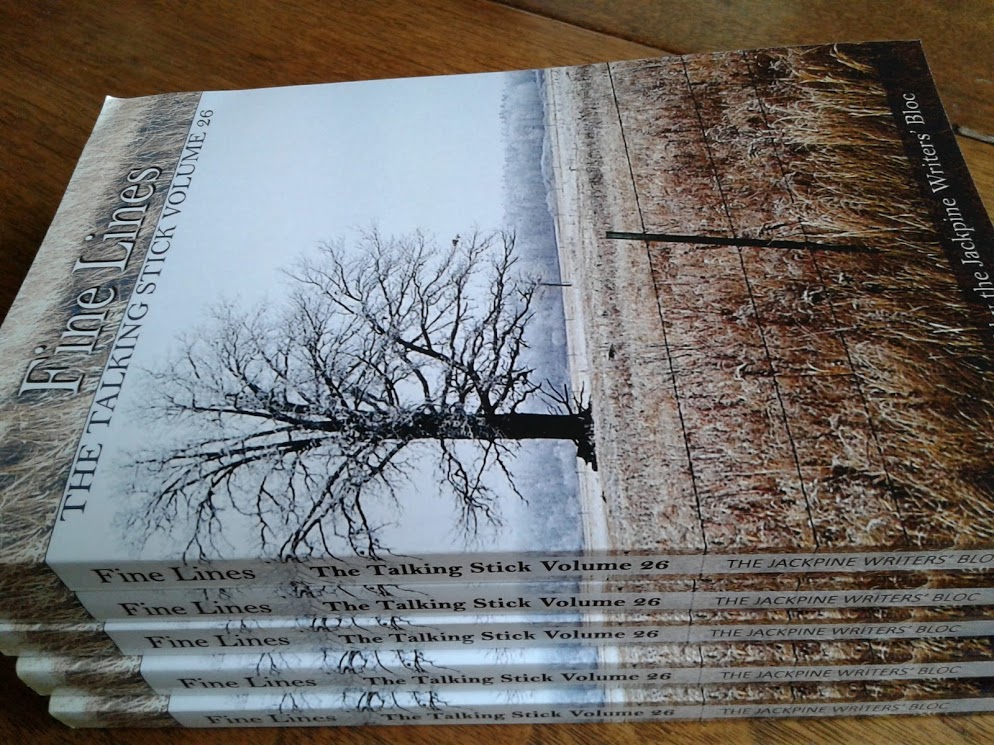
Many of my poems (plus short stories and creative nonfiction) have been selected for publication in The Talking Stick, an annual anthology published by the Jackpine Writers’ Bloc. (Minnesota Prairie Roots copyrighted file photo)

I am proud to call myself a poet. A published poet. How did I get there? I’ve always loved words, the song of language. Poetry is, I think, a lot like music. It carries a rhythm. A beat. A cadence. That comparison comes from a poet who can’t carry a tune, can’t read a musical note, can’t play an instrument.

A Chamber Choir performs artsongs written from poems, directed by David Kassler. (Minnesota Prairie Roots file photo April 2017)

But in 2017, a chamber choir performed my poem, “The Farmer’s Song,” at two concerts in Rochester. David Kassler composed the music for my poem and six others as part of an artsong project. To sit in that audience and hear those vocalists sing my poem was overwhelmingly humbling. And validating.

I took poetic license and photoshopped this image of the button I wore identifying me as a poet at a Poetry Bash. (Minnesota Prairie Roots copyrighted file photo)

I am a poet.

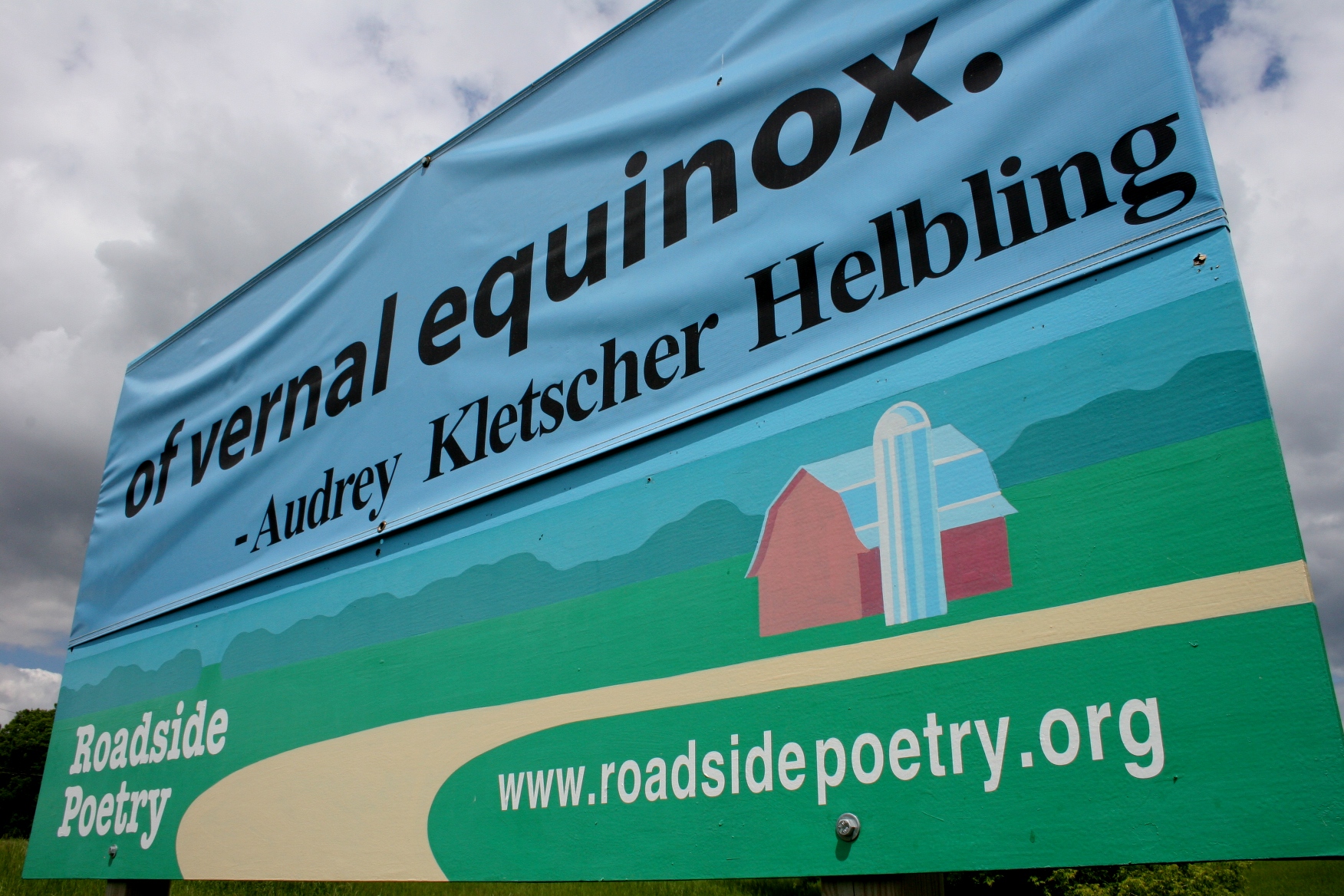
The last of four billboards featuring my Roadside Poetry spring poem. (Minnesota Prairie Roots file photo 2011)

My poetry has been published in newspapers, magazines, literary journals, anthologies… And in unexpected places. In 2011, my spring-themed poem bannered four billboards in Fergus Falls as part of the Roadside Poetry Project. Other poems have been posted on signs along trails as part of the Mankato Poetry Walk and Ride. “Ode to My Farm Wife Mother” is currently showcased in an exhibit at the Lyon County Historical Society Museum in Marshall, Minnesota, in my hometown area.

Jeanne Licari’s absolutely stunning interpretation of my “Lilacs” poem. Her “Lilacs on the Table” is oil on mounted linen. (Minnesota Prairie Roots copyrighted file photo May 2014)

Some of my poems have inspired art in Poet-Artist Collaborations, been aired on the radio and read by me at poetry readings.

I read poetry at this event at my local arts center in March 2019. I was honored to read with other talented area poets. (Promo courtesy of the Paradise Center for the Arts)

Even I’m surprising myself at the volume of poetry I’ve crafted through the decades. I never set out to be a poet. It simply happened as an extension of my love of words, of language. And that undeniable need to express myself creatively. Unlike that “Roses are red…” introductory poetry of old, my poems do not rhyme.

My poem, “Ode to My Farm Wife Mother,” with accompanying photos (center of this photo) in the Lyon County exhibit. (Photo courtesy of the LCHS)

My poetry is like me. Unpretentious. Down-to-earth understandable. Flannel shirt and blue jeans. Honest. Detail-oriented. Rooted in the land with a strong sense of place and a story to be told.

TELL ME: What’s your opinion of poetry? Do you read it, like it, write it? I’d like to hear.

Please click on links in this post to read some of the poems I’ve written.

FYI: Content Bookstore, 314 Division St. S., Northfield, is hosting two Poetry Nights, both beginning at 7 pm. On Thursday, April 7, Northfield poet Diane LeBlanc will read from her latest works. That includes her new poetry book, The Feast Delayed. Northfield Poet Laureate Rob Hardy and poet Greta Hardy-Mittell will read from their latest works also. Hardy’s newest poetry collection, Shelter in Place, just released.

© Copyright 2022 Audrey Kletscher Helbling
 

The poetry of trees at sunset April 14, 2020


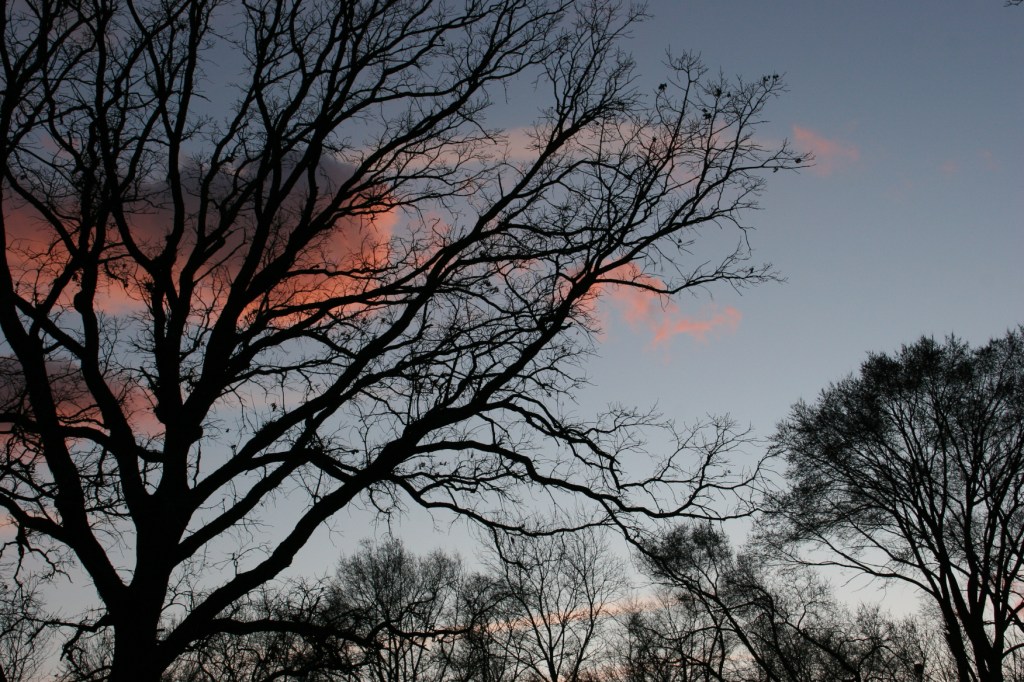
SUNSET. I FIND IT profoundly beautiful. Poetically beautiful.


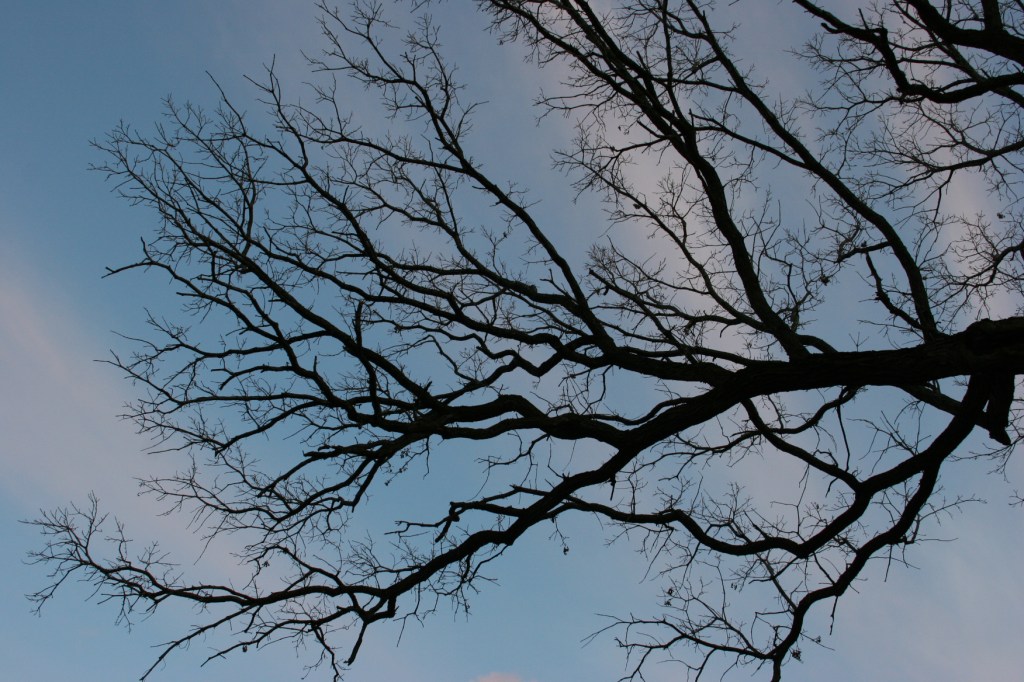
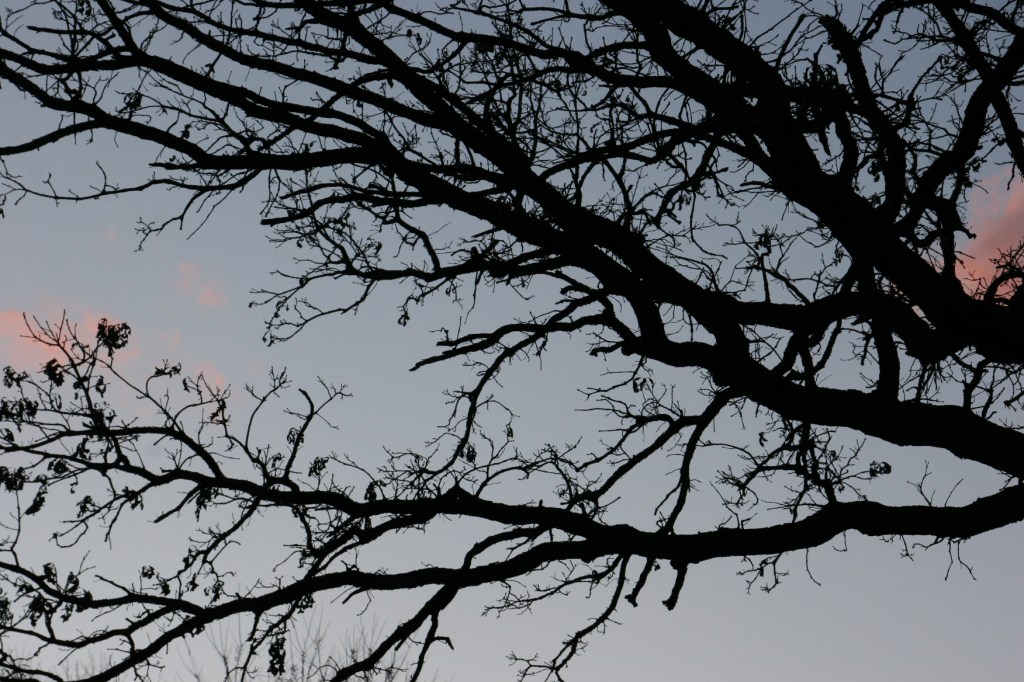
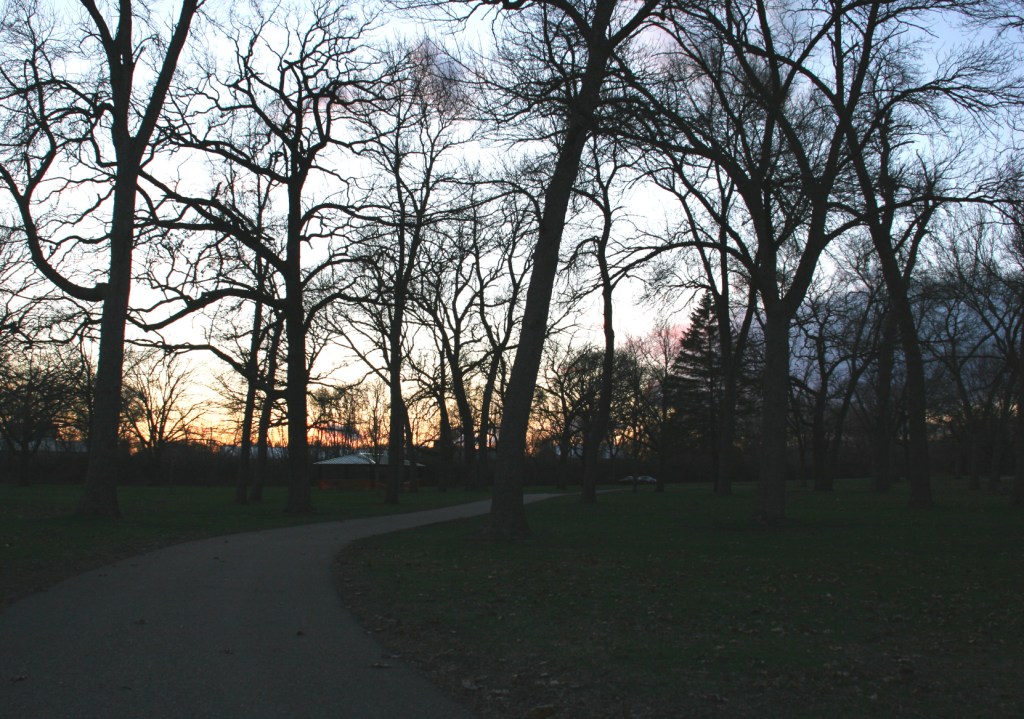
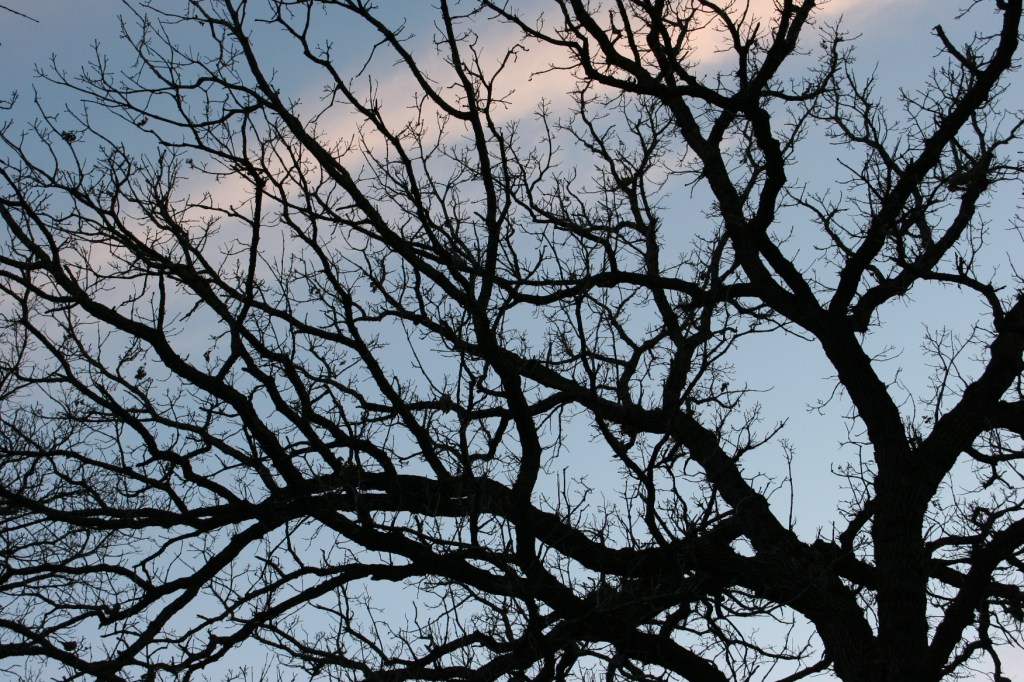
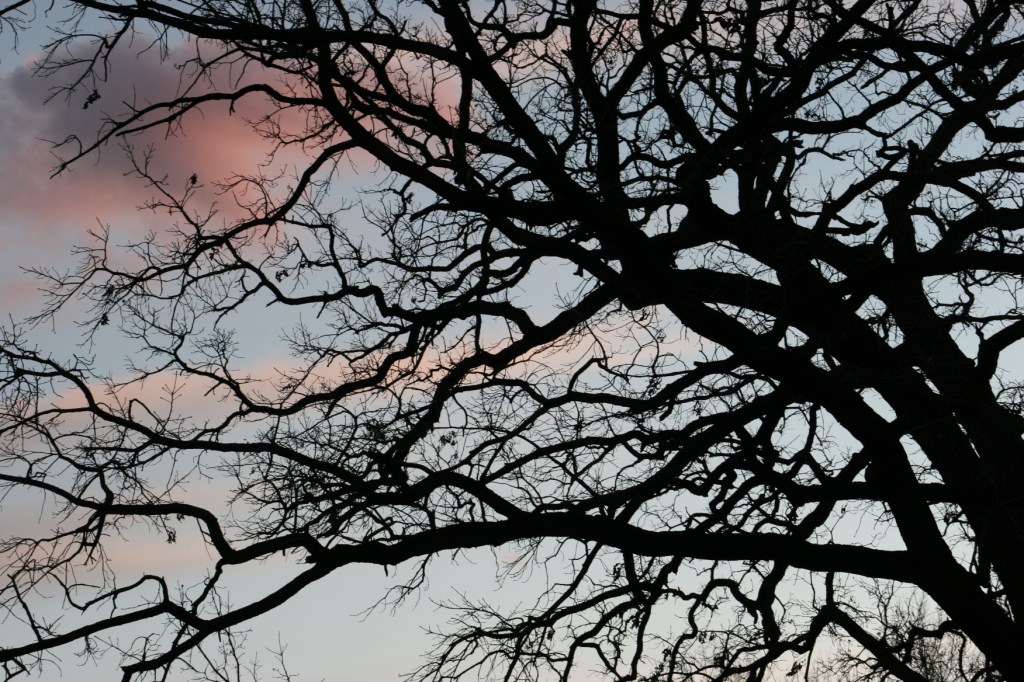
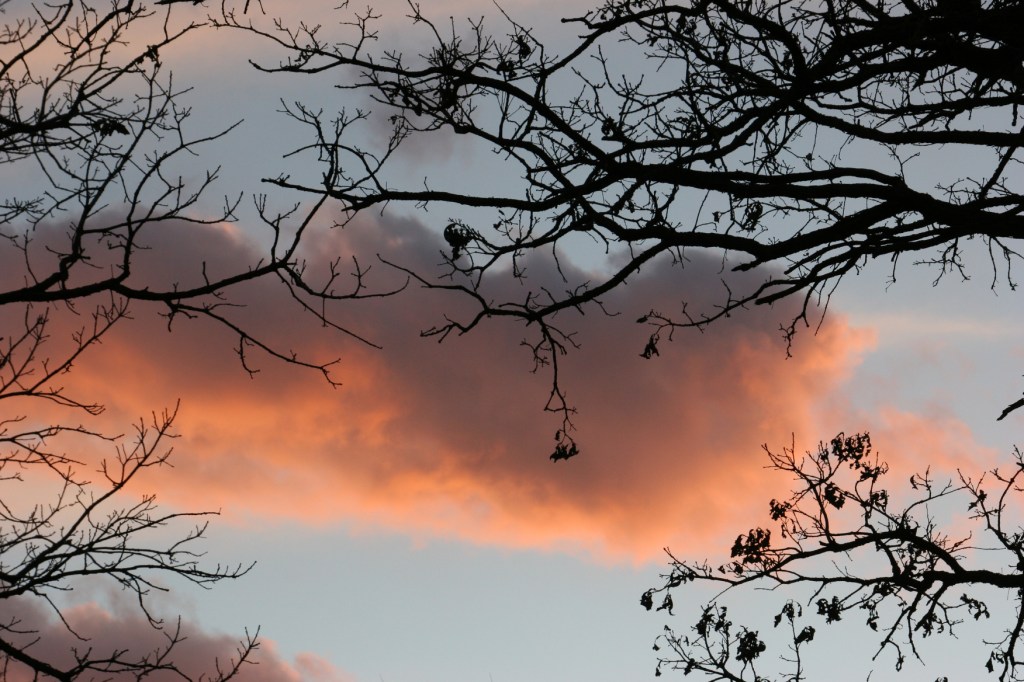
Last week while walking a tree-lined trail in Faribault’s North Alexander Park, I stopped to appreciate the sunset through the trees.


I aimed my camera lens skyward, toward treetops. Branches, like lines drawn in wide chisel and felt tip markers, traced the sky. Sharp against backdrop canvases of blue, pink and orange. Lovely. The literary and visual work of an artist.


Scenes like this are so ordinary, yet extraordinary. Nature, when viewed in pause mode, seems even more stunning these days.


When I lift my camera and look through a viewfinder to frame a photo, I see so much. I notice details. Shapes. Colors. Patterns. Light.


It’s a process similar to writing poetry. I immerse myself in creating something beautiful. Poetry requires sparse, well-chosen words. Photography requires that, too, but in a visual way.


In this unprecedented time of social distancing, isolation and concern about COVID-19, I feel especially grateful for a quiet place to walk, to appreciate the art of nature and then create my own art via photography.


April is National Poetry Month. Celebrate by reading a poem, writing a poem or finding a poem in nature, like I did at North Alexander Park on a cold April evening with strong winds gusting from the northwest, sometimes shaking my camera lens.

© Copyright 2020 Audrey Kletscher Helbling
 

How I love this poetry collection April 22, 2019


HOW DO I LOVE THEE? Let me count the ways.

Those introductory words to sonnet number 43 by Elizabeth Barrett Browning imprinted upon many a heart, mine included. Not that I can recite the poem. But I remember that first love line and the two lines that follow.

I love thee to the depth and breadth and height
My Soul can reach, when feeling out of sight.


Ah, how I appreciate lyrical love poems. Words with depth penned from the soul.


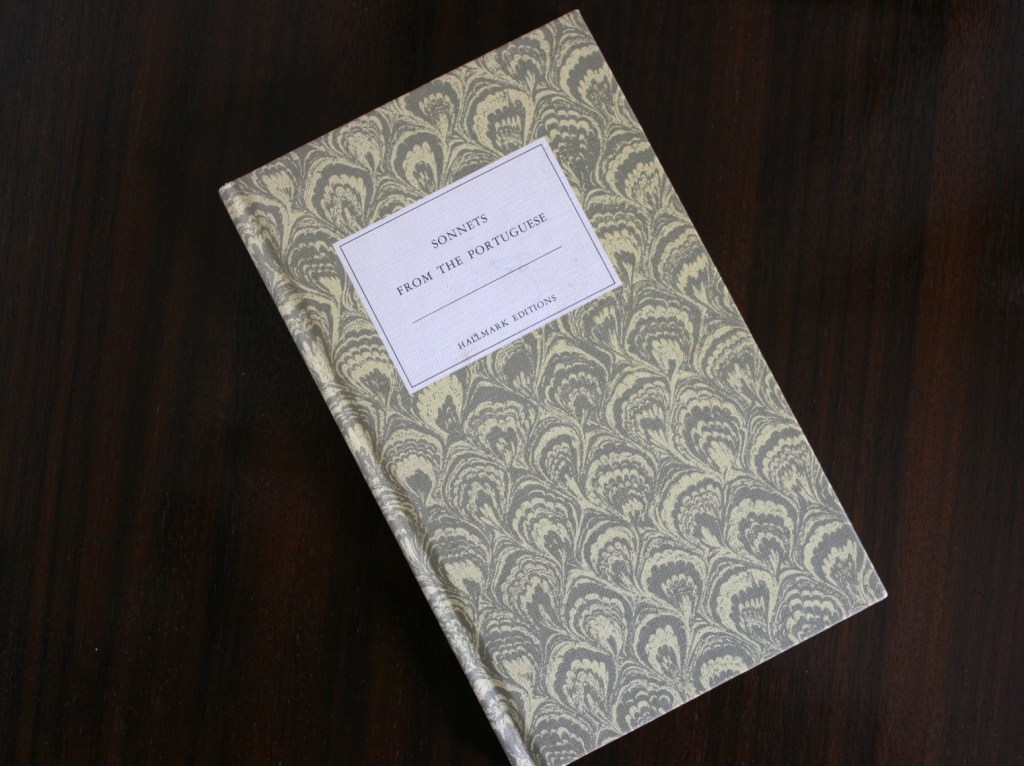
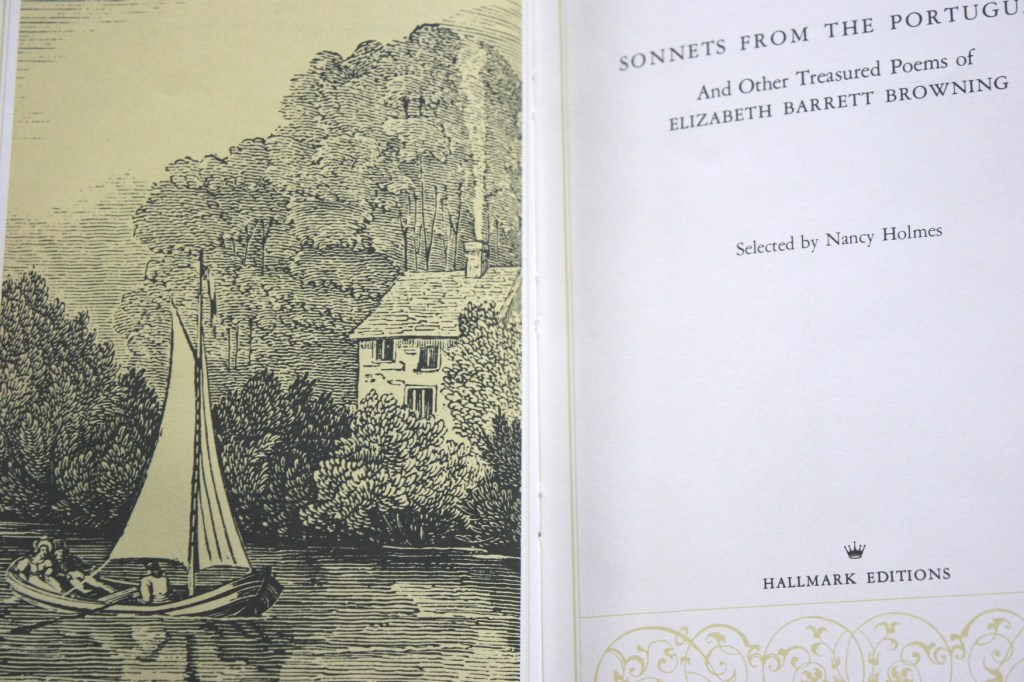
And how I appreciate those who embrace poetry. Like my friend Barb. She recently gifted me with a 1967 Hallmark Editions volume of Sonnets from the Portuguese and Other Treasured Poems of Elizabeth Barrett Browning. It’s a beautiful vintage collection of Browning’s love poems written between 1845-1846 and published in 1850. The British poet wrote the sonnets before her marriage to Robert Browning, a union disapproved of by her father. The couple secretly married in 1846.

I won’t pretend to understand everything Browning writes. If I chose to study her works, I would gain that depth of understanding. But I’m OK with simply reading and interpreting on my own.


My delight in unexpectedly receiving this 52-year-old slim collection reaches beyond words. The book is a work of art with poems printed in Garamond typeface on Hallmark Eggshell Book paper and with several illustrations interspersed therein. The covers, too, are lovely in a muted sage. To hold and page through this book is to hold creativity.

I feel intentionally and richly blessed when friends like Barb understand how I value the literary and visual arts. Barb knew this collection of Browning’s writing would hold meaning for me as a poet, as a creative. Especially during April, National Poetry Month.

TELL ME: Do you have a favorite poet or poem?

© Copyright 2019 Audrey Kletscher Helbling