Minnesota Prairie Roots

Writing and photography by Audrey Kletscher Helbling

In celebration of public libraries & all they offer April 9, 2025

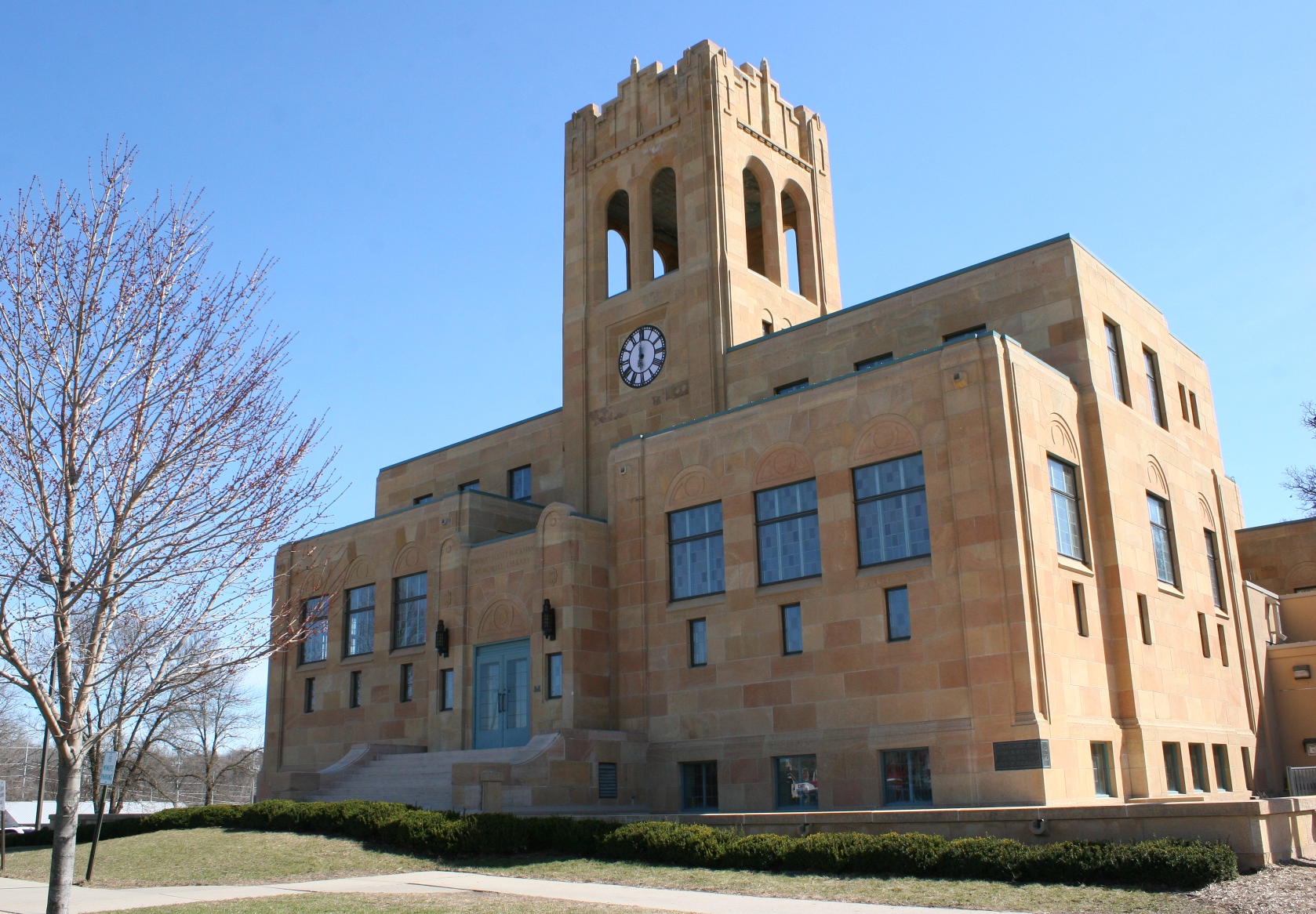
Buckham Memorial Library, Faribault, Minnesota. (Minnesota Prairie Roots copyrighted file photo)

I LOVE LIBRARIES for the most basic reason. Books. I love to read. And, for me, Buckham Memorial Library, only blocks from my home, is my go-to source for reading materials.

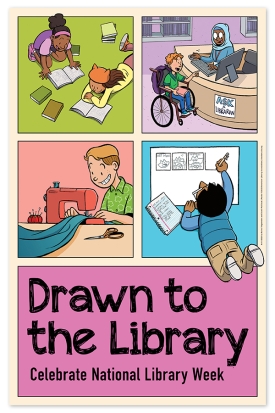
(National Library Week promo sourced online)

The week of April 6-12, National Library Week, I’ve been celebrating public libraries and all they offer. And that’s well beyond books. Libraries have evolved from a shushed setting of a stern librarian sitting behind a desk to warm and welcoming community spaces. I so appreciate the way libraries connect and grow community. I value the vast and varied services and programming they offer.

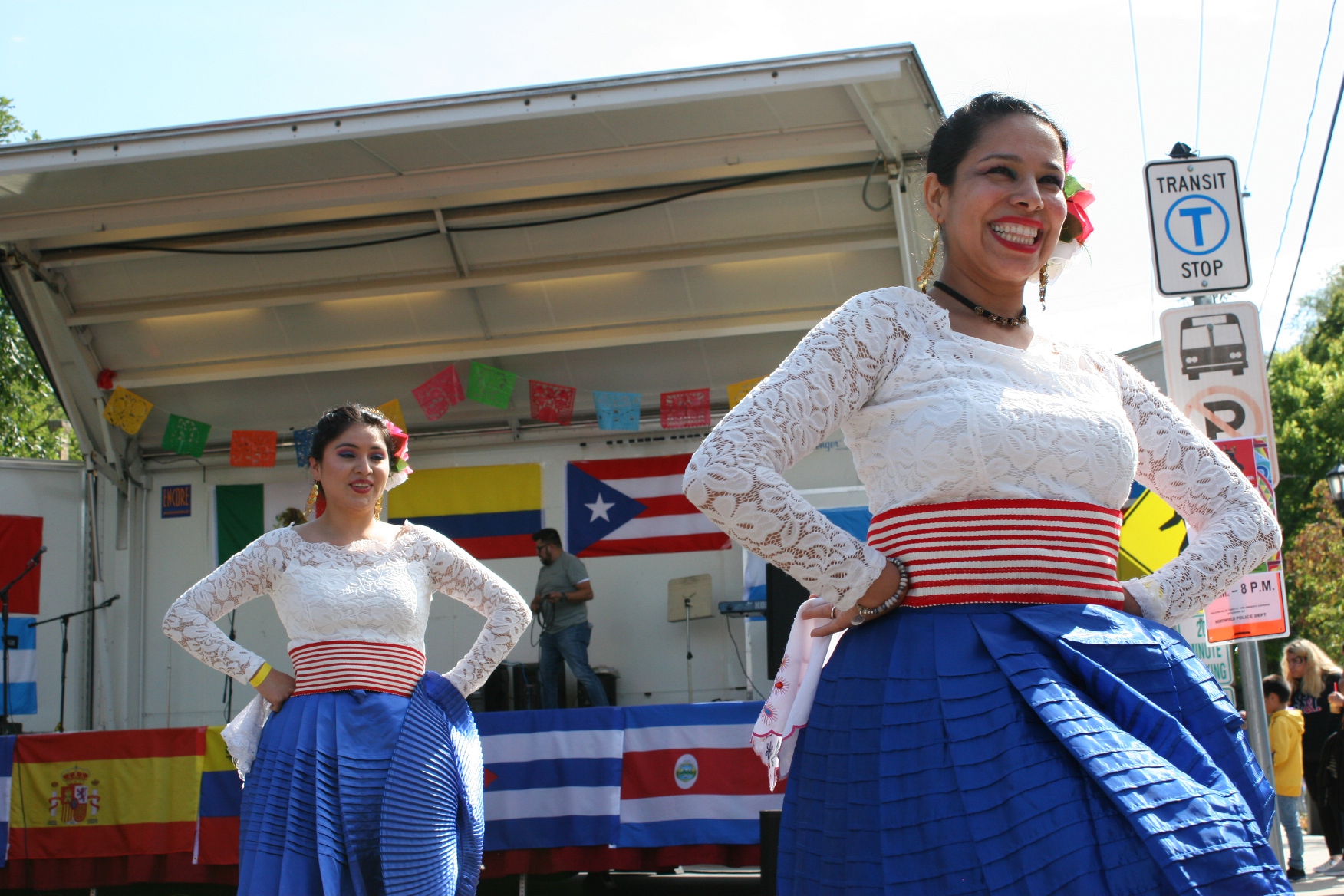
Dancers at a previous Hispanic Heritage Month event in Northfield, Minnesota. (Minnesota Prairie Roots copyrighted file photo September 2019.

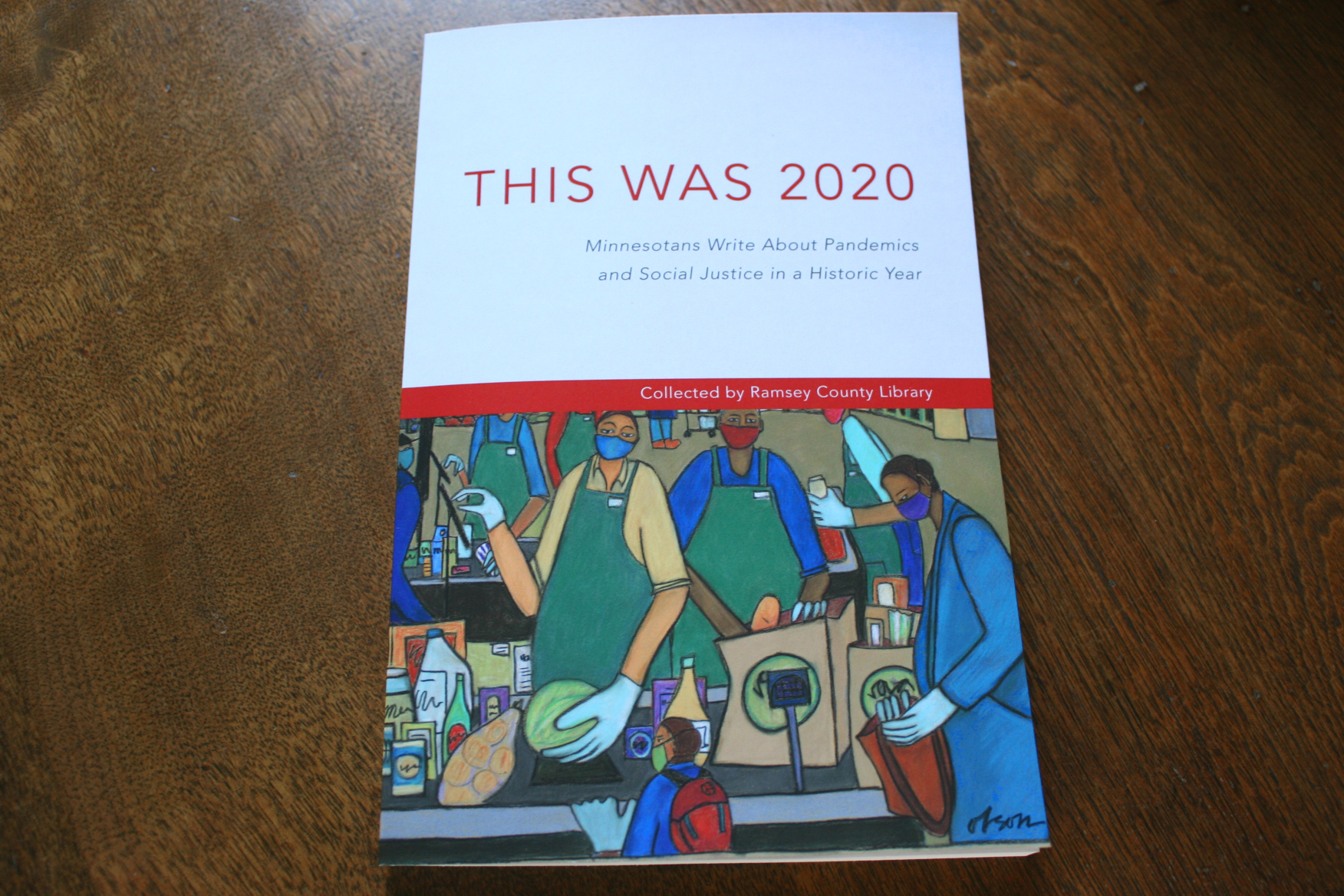
Through the years, I’ve enjoyed many author talks in the Great Hall at Buckham. I’ve even participated myself in a poetry reading and a local authors event. Likewise, I’ve attended author talks at the public library in neighboring Owatonna. In Northfield, I’ve gone to a Hispanic Heritage Month celebration. I’ve checked books out from both those nearby libraries and from all over Minnesota through the inter-library loan system. Almost any book is available to me with only the click of my keyboard and mouse. You’ll even find my writing in books available at the library. That includes This Was 2020: Minnesotans Write About Pandemics and Social Justice in a Historic Year, an award-winning book published by the Ramsey County Public Library.

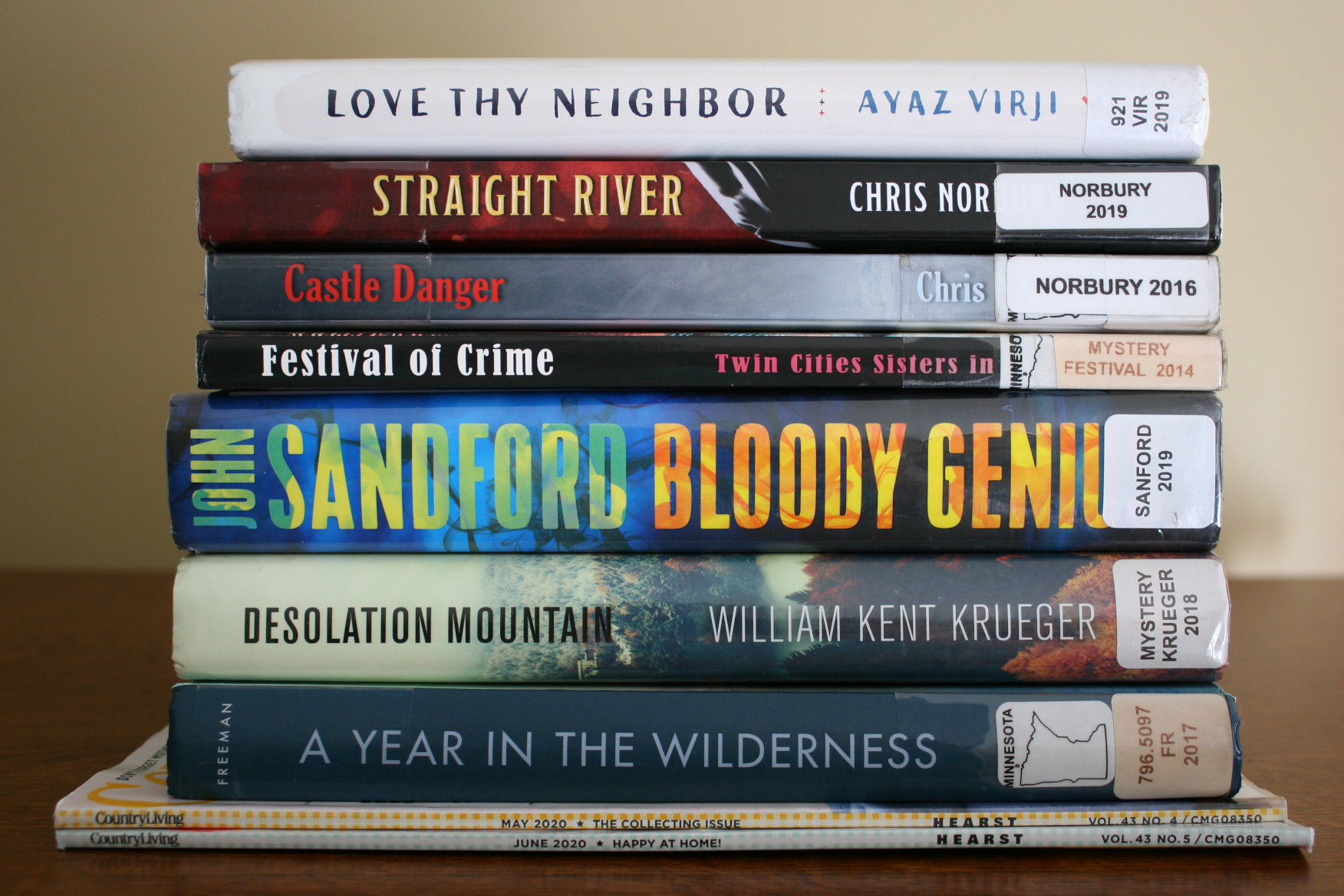
Books and magazines I checked out from the Northfield Library in the past. (Minnesota Prairie Roots copyrighted file photo)

If I didn’t have access to books through libraries, I would struggle. Many evenings I settle into the recliner and read. Reading is an escape for me and a source of information. That I have the freedom to walk into a library and choose a book is not something I take for granted. As a child, I didn’t have easy access to books given my small rural Minnesota community did not have a library. And now, as public and school libraries face book bannings and funding cuts, I hold even more dear the freedom to choose books from the shelves of a well-stocked library.

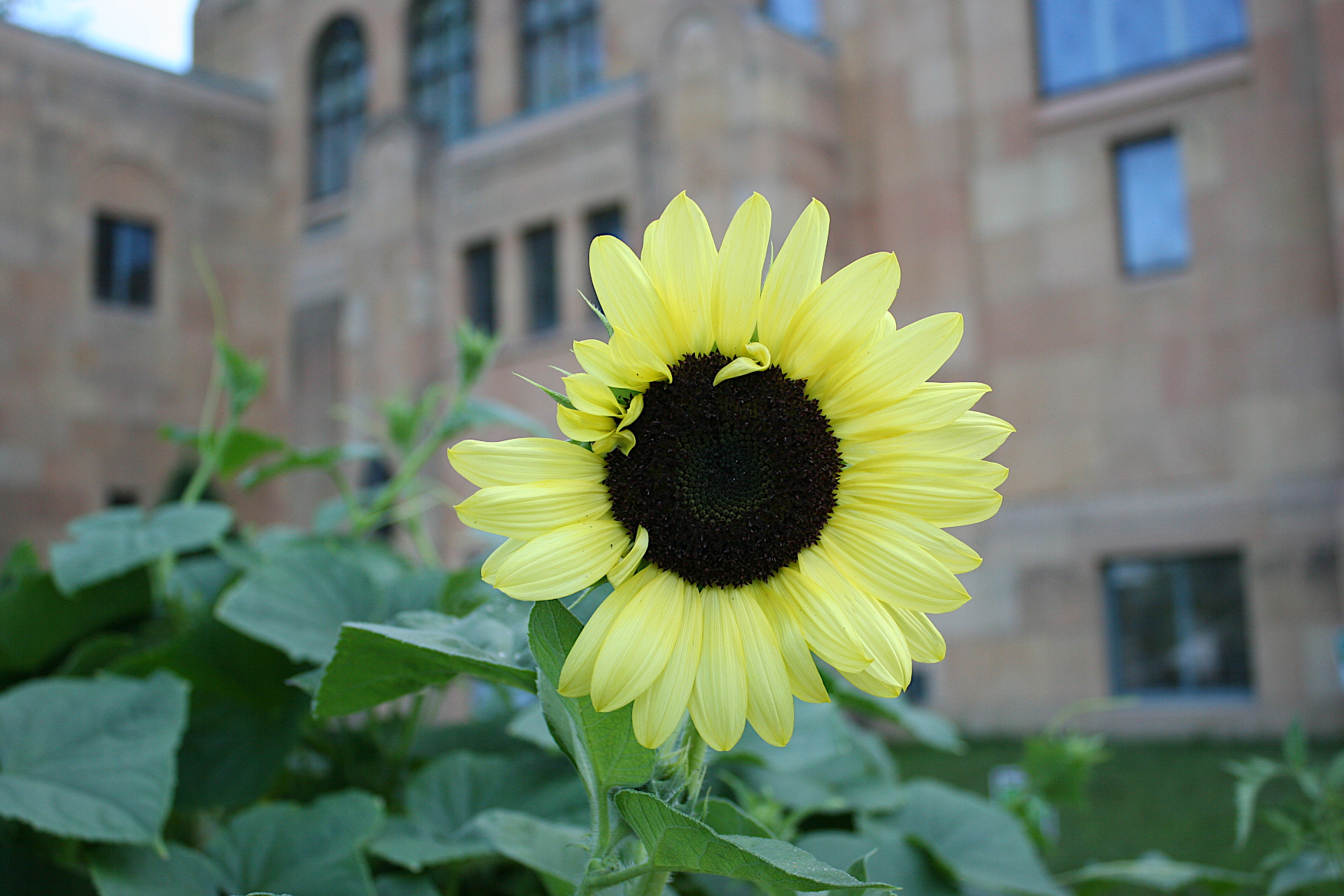
Sunflowers burst color into the library garden where flowers and vegetables are grown for the community. (Minnesota Prairie Roots copyrighted file photo)

I can also choose a whole lot more like movies and music CDs. My library also offers Adventure Kits which hold yard games, hobby-focused items (for bird watching, cake decorating, rockhounding, etc) and more. There are 3D printer labs, a Makerspace, ukulele lessons, art and gardening classes (even a community garden), a seed library, free state park passes… The list goes on and on.

This information was posted in a display at my library several years ago. (Minnesota Prairie Roots copyrighted file photo)

Libraries truly are hubs for learning, and not just from books, magazines and newspapers.

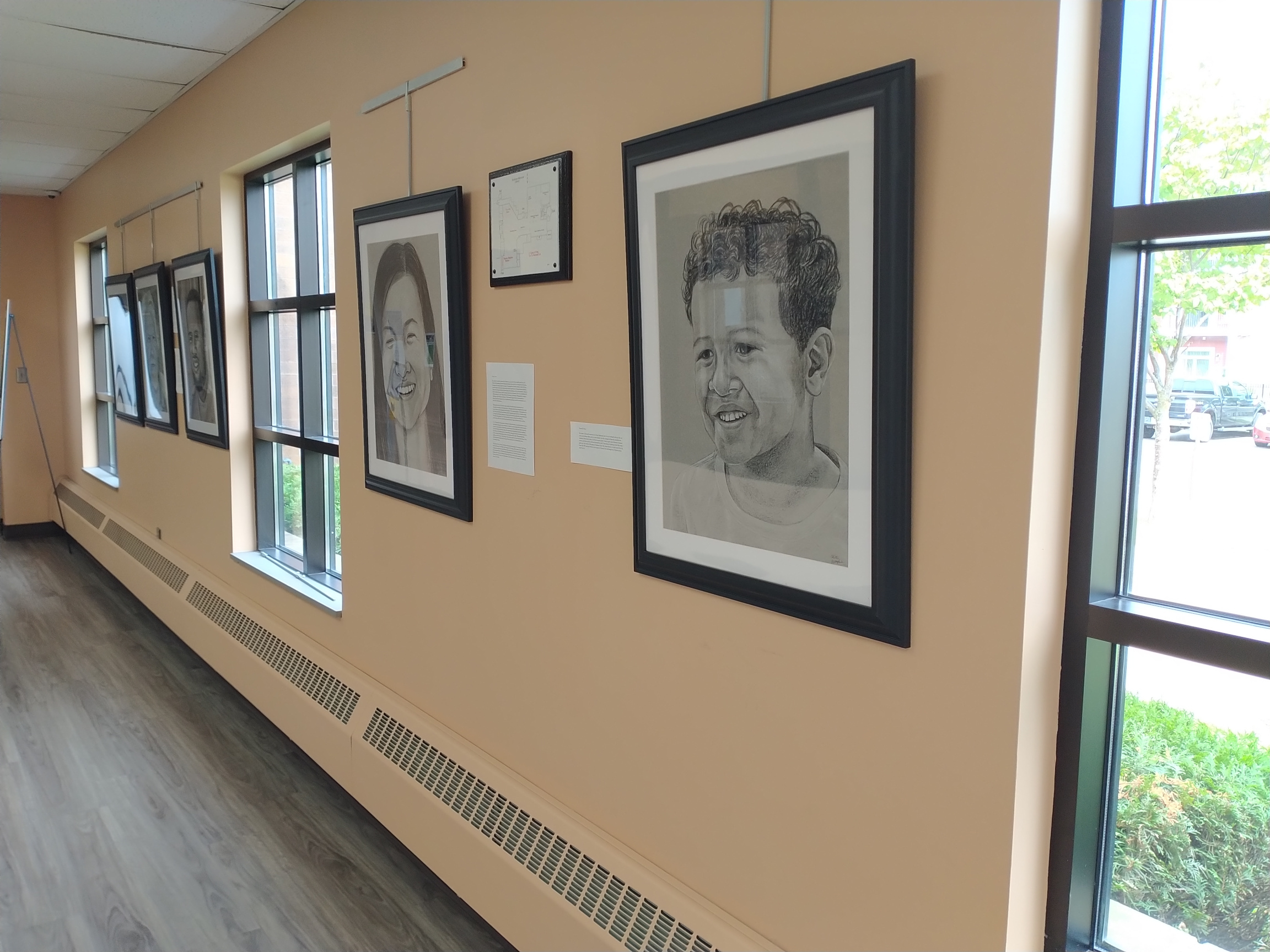
Immigrant portraits by a local artist were displayed in the library corridor. (Minnesota Prairie Roots copyrighted file photo 2023)

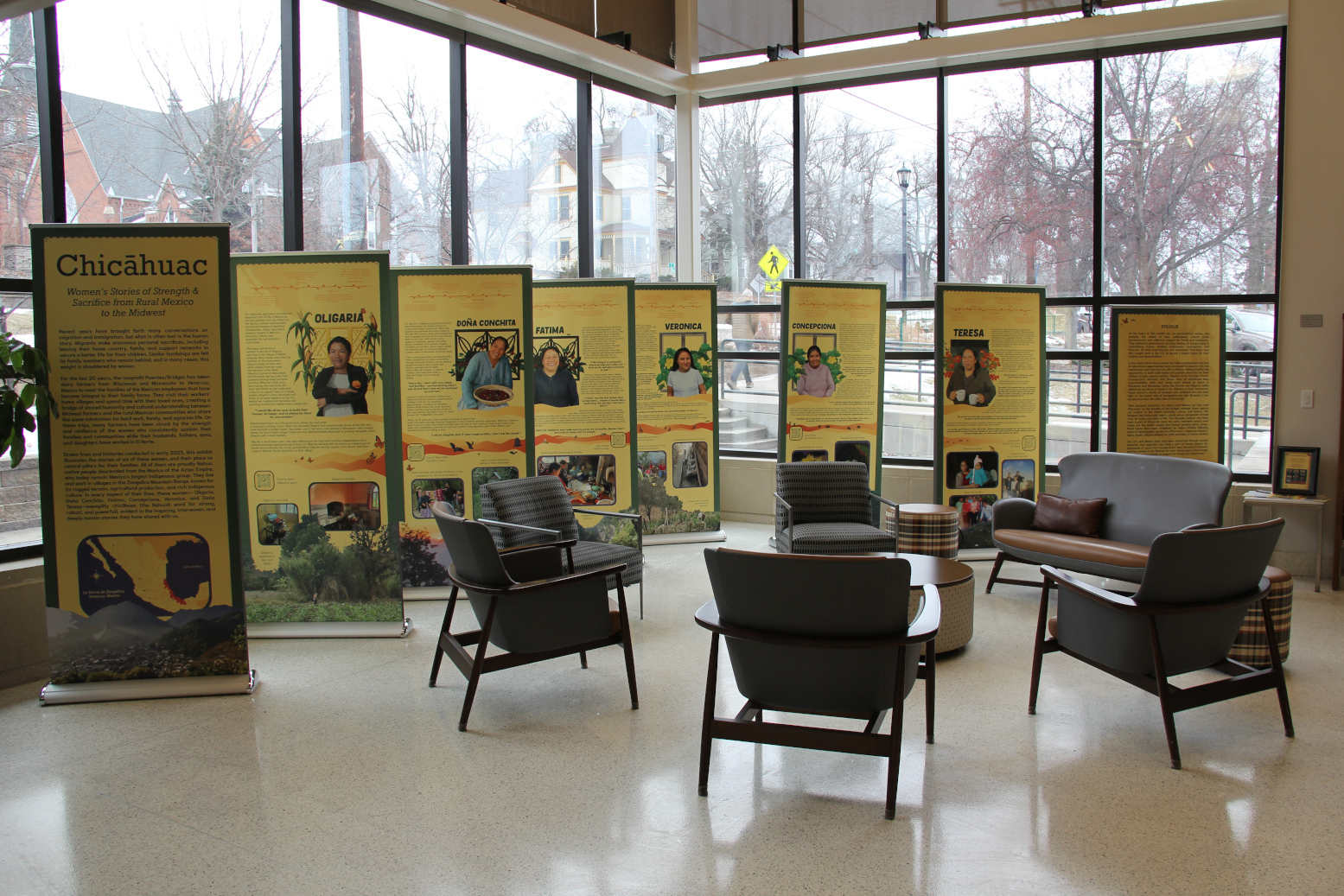
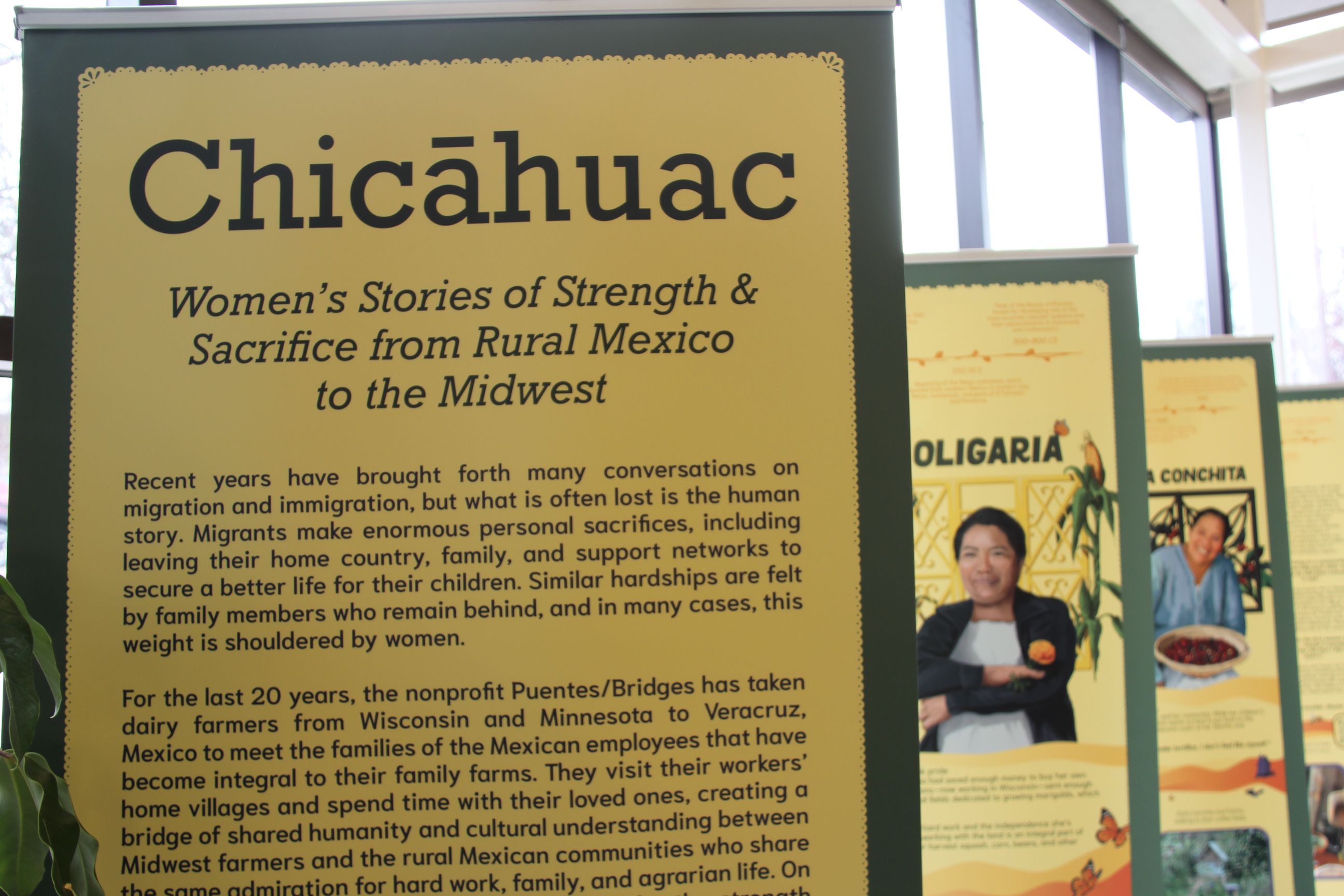
Occasional art exhibits in the hallway linking my library to the Faribault Community Center also teach me. Currently, the traveling exhibit “Testify: Americana Slavery to Today” spans that space. It’s an informative and emotion-evoking panel display of photos and information that left me deeply touched and near tears. In the past, I’ve viewed portraits of immigrants and second-generation immigrants by local artist Kate Langlais as part of her “I Am Minnesota” project. Creating an art gallery in a corridor that would otherwise serve as simply a functional connector between two buildings seems a wise use of space.

My poem, “Funeral during a Pandemic,” is published in this book available for check out at my local library and other Minnesota libraries. (Minnesota Prairie Roots copyrighted file photo)

Libraries truly are about connecting. Connecting us to stories, knowledge, information and ideas. Connecting us to each other. Young parents gather in libraries for storytime. Youth meet in my library for pizza and book discussions. The library brings music and other entertainment to the community for kids. Years ago, my son learned to yo-yo from Dazzling Dave, a national yo-yo master. Dave is still teaching Faribault kids to yo-yo during summertime library programming.

The best book I’ve ever read on the craft of writing. It’s the only Stephen King book I’ve ever read because I don’t like his genre of books. (Book cover sourced online)

My son, who now works in software research and development, taught himself to code by checking out thick books on coding from the library. And that was in junior high. I’ve checked out books on writing and photography to grow my skills. But mostly, simply reading improves my writing.

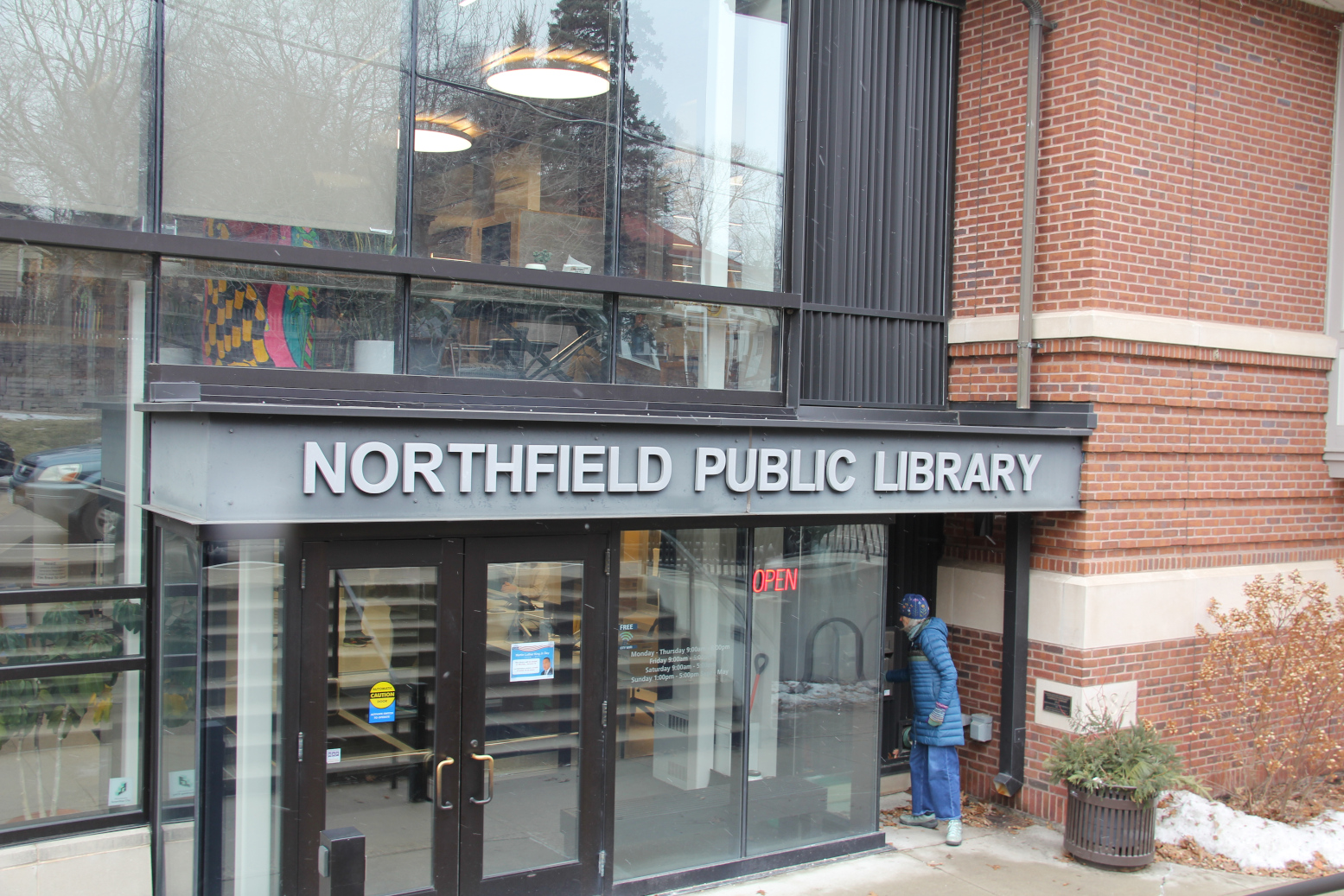
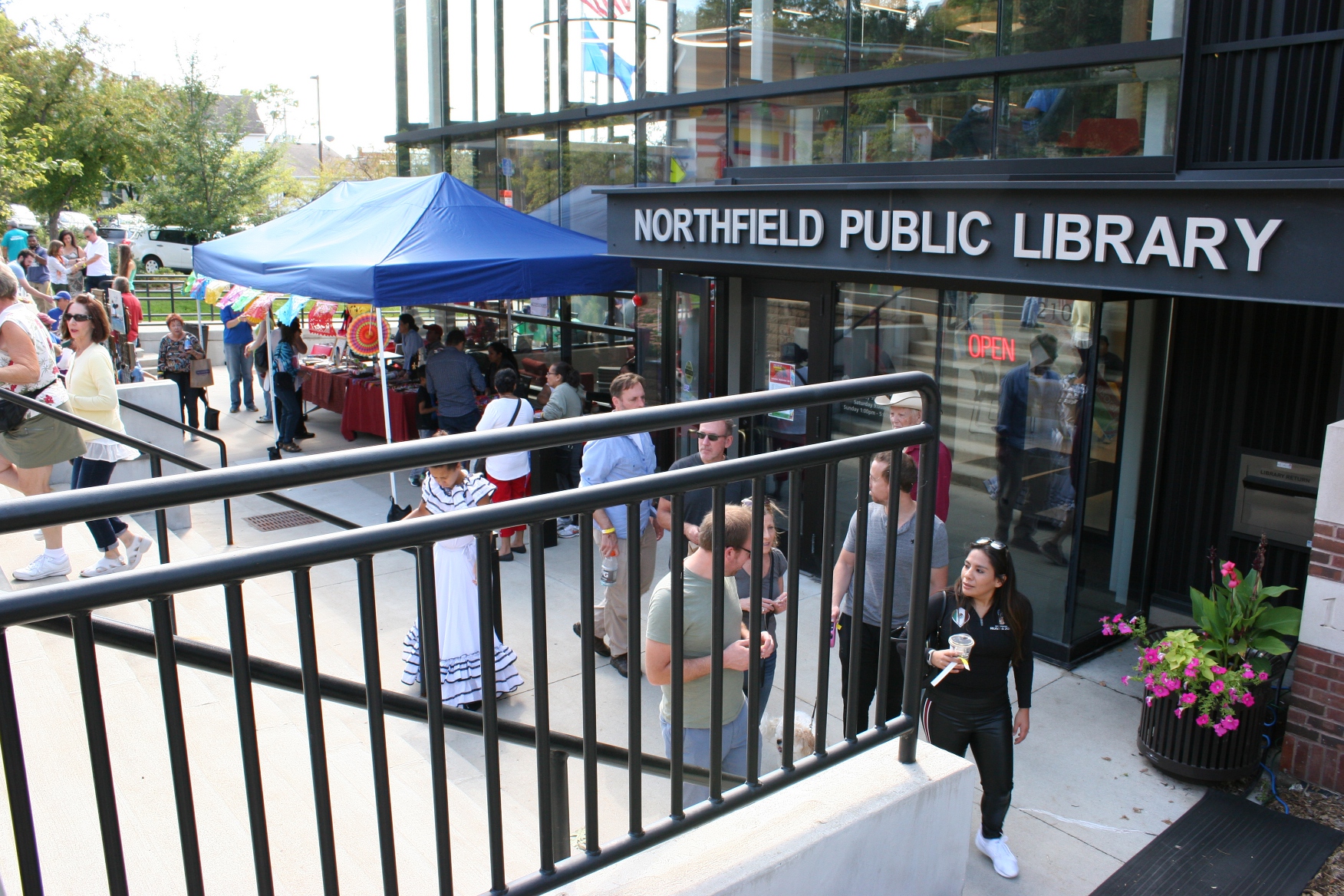
Outside the Northfield Public Library during a past Hispanic Heritage Month celebration. (Minnesota Prairie Roots copyrighted file photo)

I could go on and on about how much libraries offer and how much I value, appreciate and love them. So much draws me to the library. “Drawn to the Library” themes National Library Week. Whether the library in my community or one in a nearby city or a Little Free Library in a front yard, libraries are vital to our communities, to our country, and to me personally. They are an open and (mostly) uncensored place to access knowledge, to widen our world, to connect and grow community.

© Copyright 2025 Audrey Kletscher Helbling


Looking west in a new poetry collection by five Northfield poets April 18, 2024

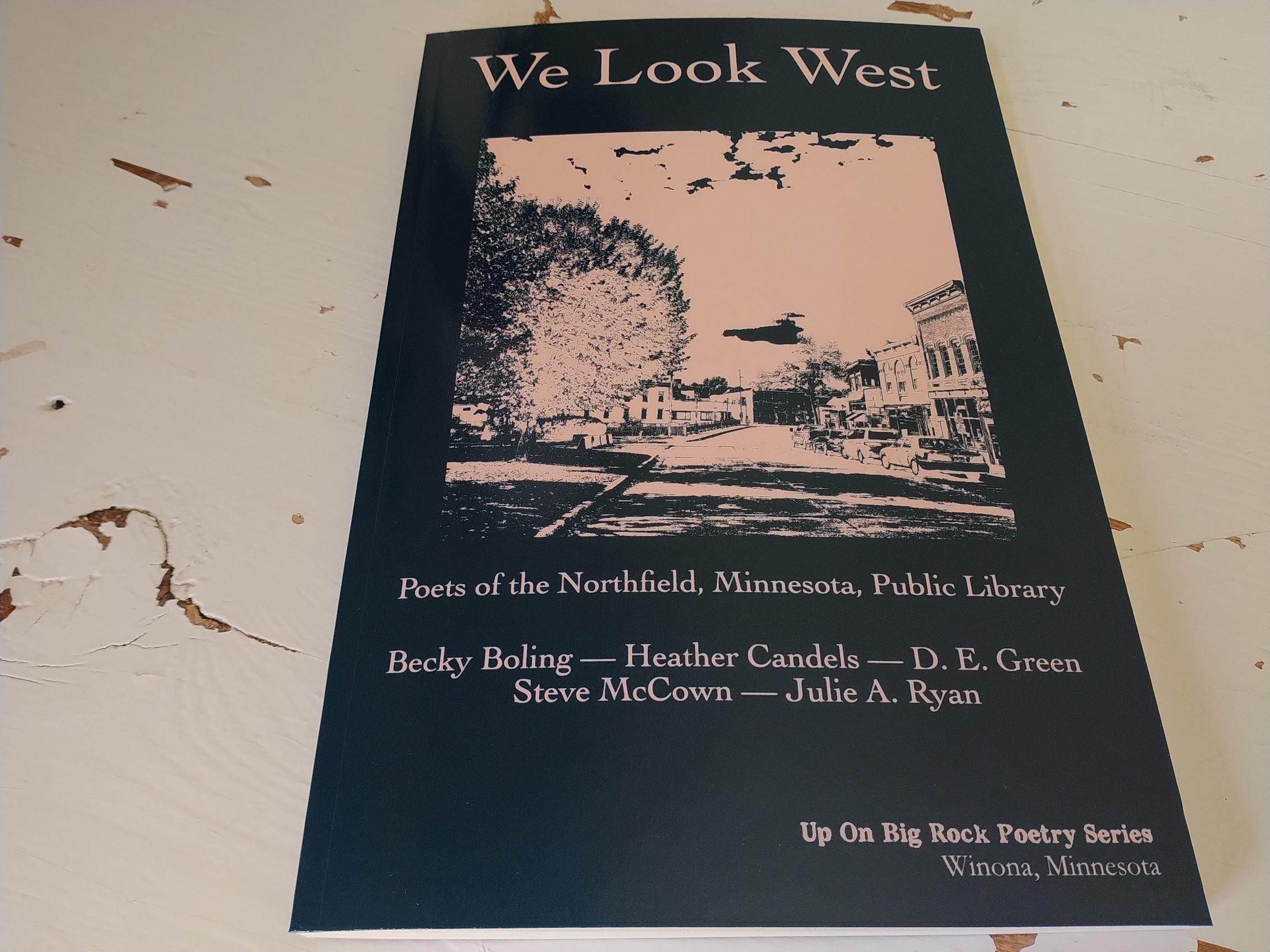
Just-published, a 116-page anthology featuring the poetry of five Northfield, Minnesota, poets. (Minnesota Prairie Roots copyrighted photo April 2024)

ON AN APRIL AFTERNOON when gray skies reverberated thunder and unleashed sheets of rain upon parched southern Minnesota, I read their words, table-side lamp pooling light onto pages. It felt right, to cozy under a fleece throw, to immerse myself in the poetry of Becky Boling, Heather Candels, D.E. Green, Steve McCown and Julie A. Ryan on a day meant for sheltering indoors.

Outside the Northfield Public Library during a 2019 celebration of Hispanic Heritage Month. (Minnesota Prairie Roots copyrighted file photo September 2019)

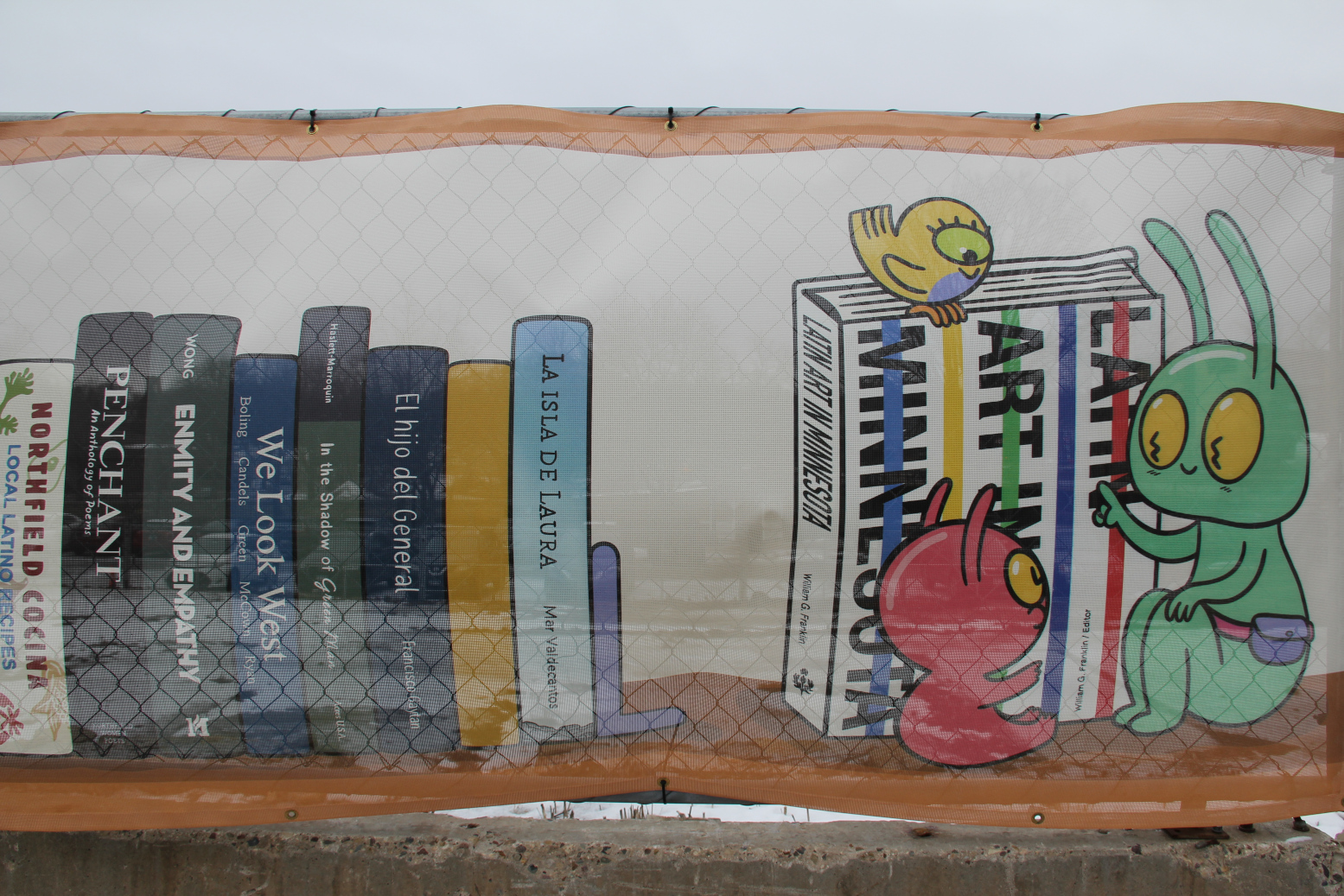
Their collective poetry, printed in the recently-released anthology, We Look West, is decidedly reflective, introspective and individually unique. Unique in voice and style for this group of writers tagged as Poets of the Northfield, Minnesota, Public Library. This book is part of the Up on Big Rock Poetry Series published by Winona-based Shipwreckt Books Publishing Company. It showcases the work of not only seasoned writers, but also poets seasoned in life. This is a relatable read, especially for Baby Boomers like me.

Antiques on 4th in Cannon Falls. (Minnesota Prairie Roots copyrighted file photo October 2021)

Youthful memories of grandmothers, homemade ice cream, small towns as they once were and much more flow through the pages. At times I feel as if I’m reading about “the dusty excess of nostalgia” of my life, as Steve McCown writes “In an Antique Store.” His mention of a Tom Thumb toy cash register sends me back to a long ago Christmas. His poems are sparse, yet fully-descriptive in the way of language carefully-culled by a man who taught high school and college English.

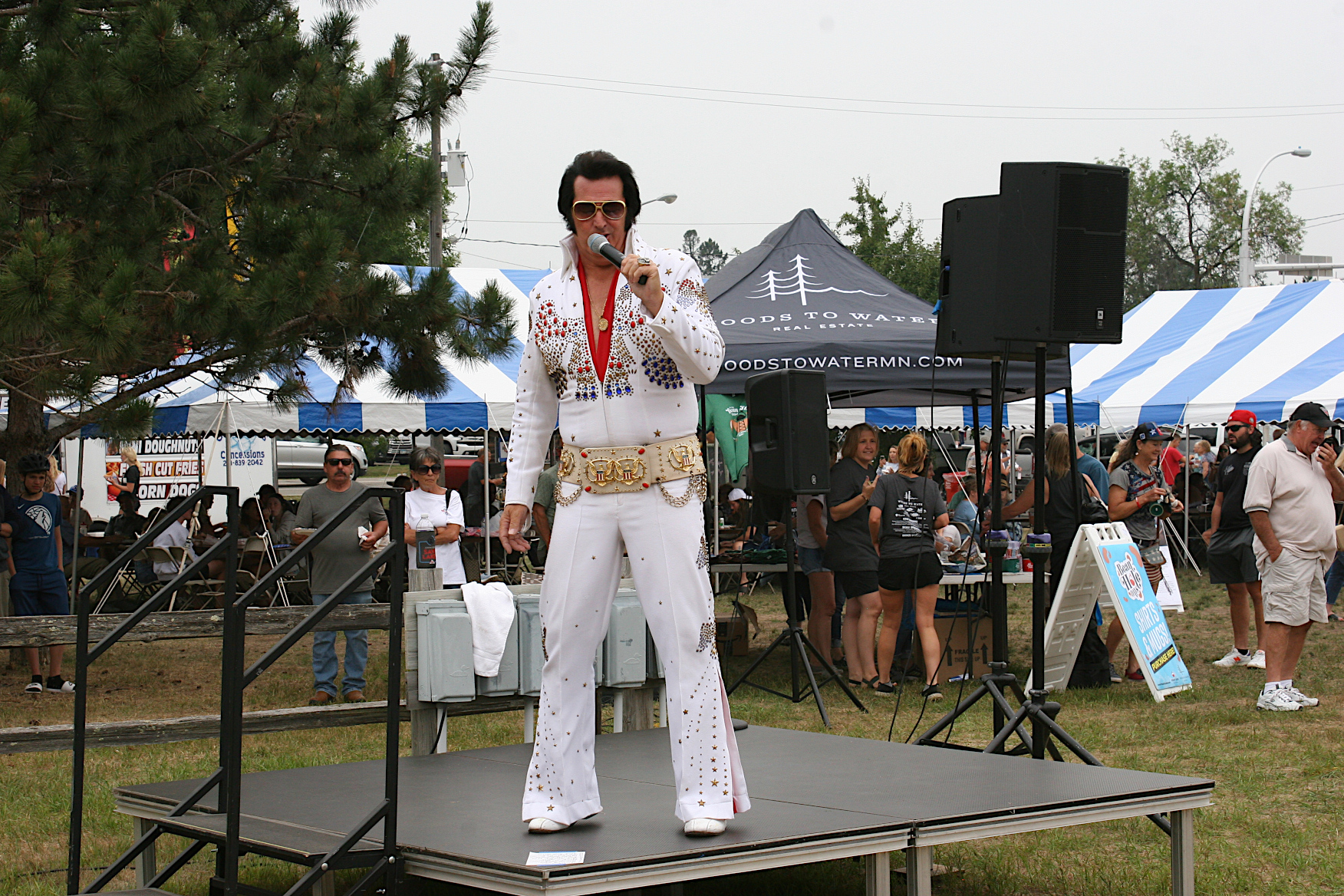
An Elvis impersonator performs during Bean Hole Days in Pequot Lakes. (Minnesota Prairie Roots copyrighted file photo July 2021)

Likewise, Julie A. Ryan, has me reminiscing with “Candy Cigarettes,” the chalky white sticks of fake cigarettes that I, too, “smoked” in the 1960s. Ryan paints with her words, revealing the visual artist side of her creativity. She mentions Van Gogh and painting and also leans into music within her poetry. Especially powerful is her poem, “’68 Comeback Special,” in which she shares about a near-death experience, of almost meeting Elvis. Her final poem, “We Look West,” titles the book, summarizing well the transition of life from sunrise/birth to sunset/death. That themes the anthology, the movement of life from east to west.

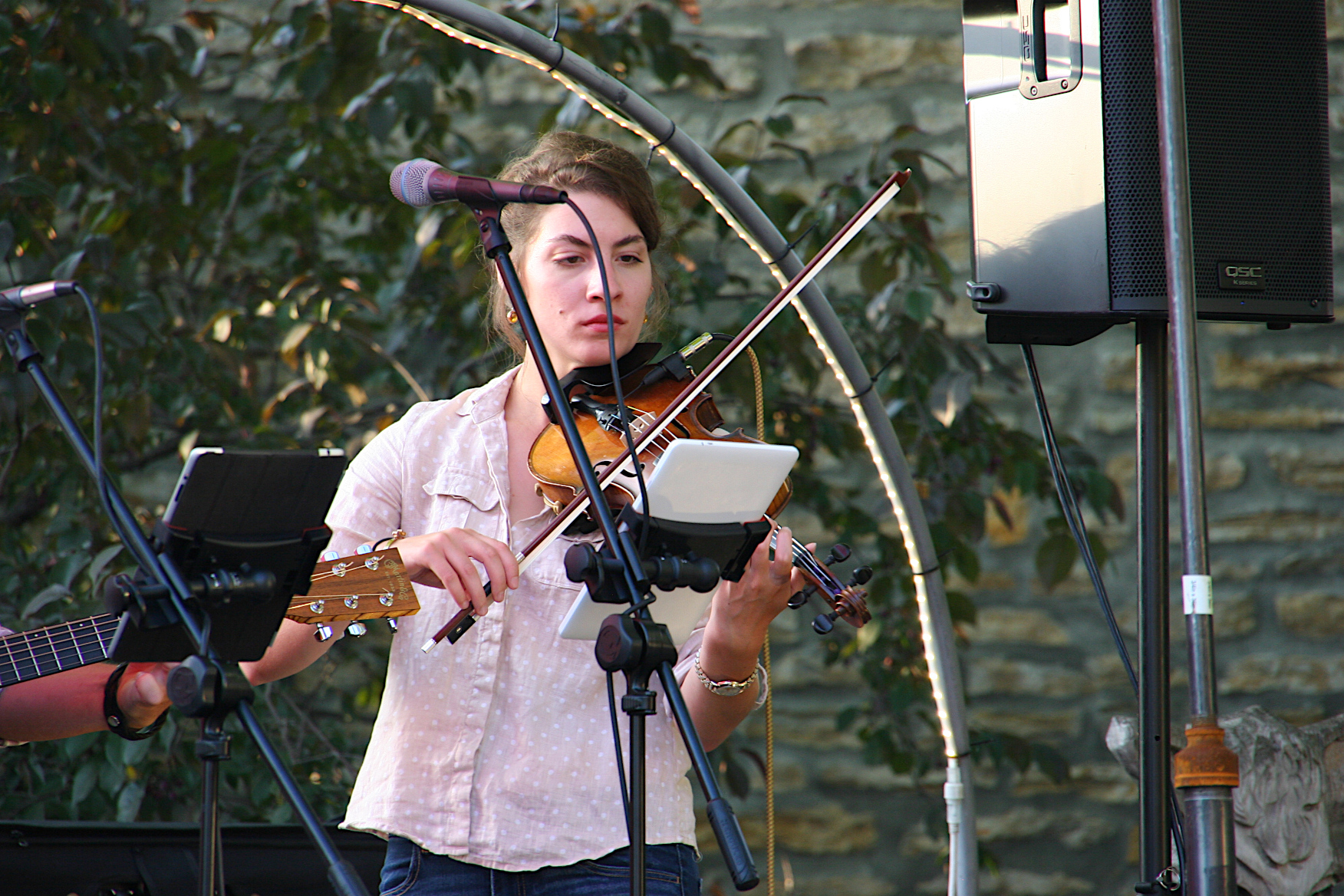
Performing at The Contented Cow in downtown Northfield. (Minnesota Prairie Roots copyrighted file photo August 2020)

In her poetry, Becky Boling moves readers through life from playground monkey bars to motherhood to contemplating old age. I am particularly drawn to “Violin Lesson,” in which Boling observes her young son learning to play the violin. From a deep cushioned armchair, she is caught up in the artistry, the beauty, the movement as am I through her observational writing. And then she closes with the emotional thought of not wanting the moment to end, of understanding that some day she will let her son go. As the mother of three, I feel her sadness at the lesson completed. I expect in her 36 years of teaching Spanish and Liberal Arts at Carleton College in Northfield, Boling has observed the movement of young people whose parents let them go to learn and grow their independence.

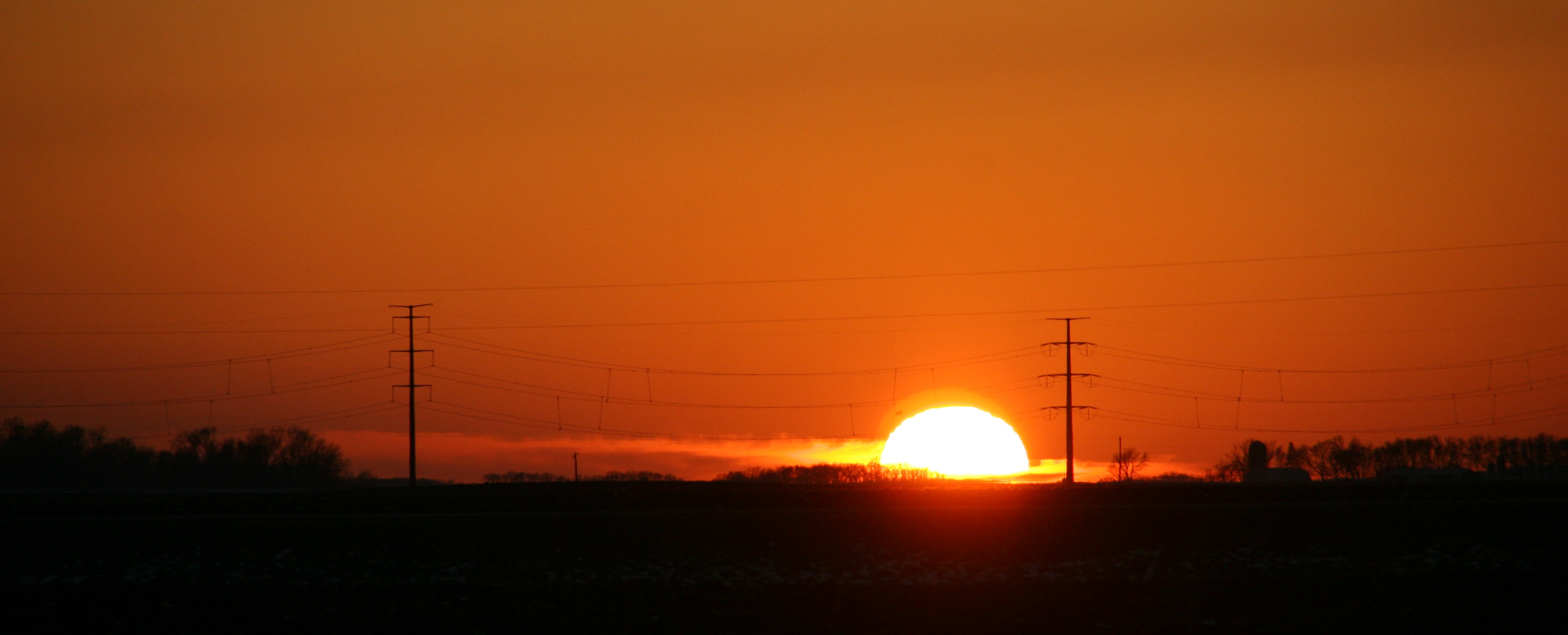
A southwestern Minnesota prairie sunset between Redwood Falls and Morgan. (Minnesota Prairie Roots copyrighted file photo)

D.E. Green, who taught English for 33 years at Augsburg University, has likely seen the same. His poems reflect life and love. Particularly endearing is his poem, “For Becky: Love Sonnet after Neruda,” written for Boling, to whom he’s married. (They also share the position of interim co-poet laureates in Northfield.) His appreciation for and study of Shakespeare show in this love poem, as touching as any love poem I’ve read. “I love you unthinkingly/like a deep breath, a careless yawn, a sigh,” he writes. Beautiful. Green also reflects on his life lived “good enough” and on life during retirement. His poetry should be required reading for anyone closer to west than to east.

My mom lived in a care center, confined to a wheelchair in the end years of her life. I took this photo of her hands about a year before her January 2022 death. (Minnesota Prairie Roots copyrighted file photo December 2020)

Heather Candels, too, reflects on her passing life in a poem aptly titled “Passing.” But it is “Situation Comedy,” a poem about a 104-year-old woman living in a care center, which elicits an especially emotional reaction from me. I can picture the centenarian shoving her walker (as my octogenarian mom did) to the dining room, then sitting with Grace and Lloyd, whom she secretly calls Grease and Lard. “Something has to be funny about all this,” Candels writes. The former English teacher is a gifted storyteller who brings unexpected emotional lines to her writing.

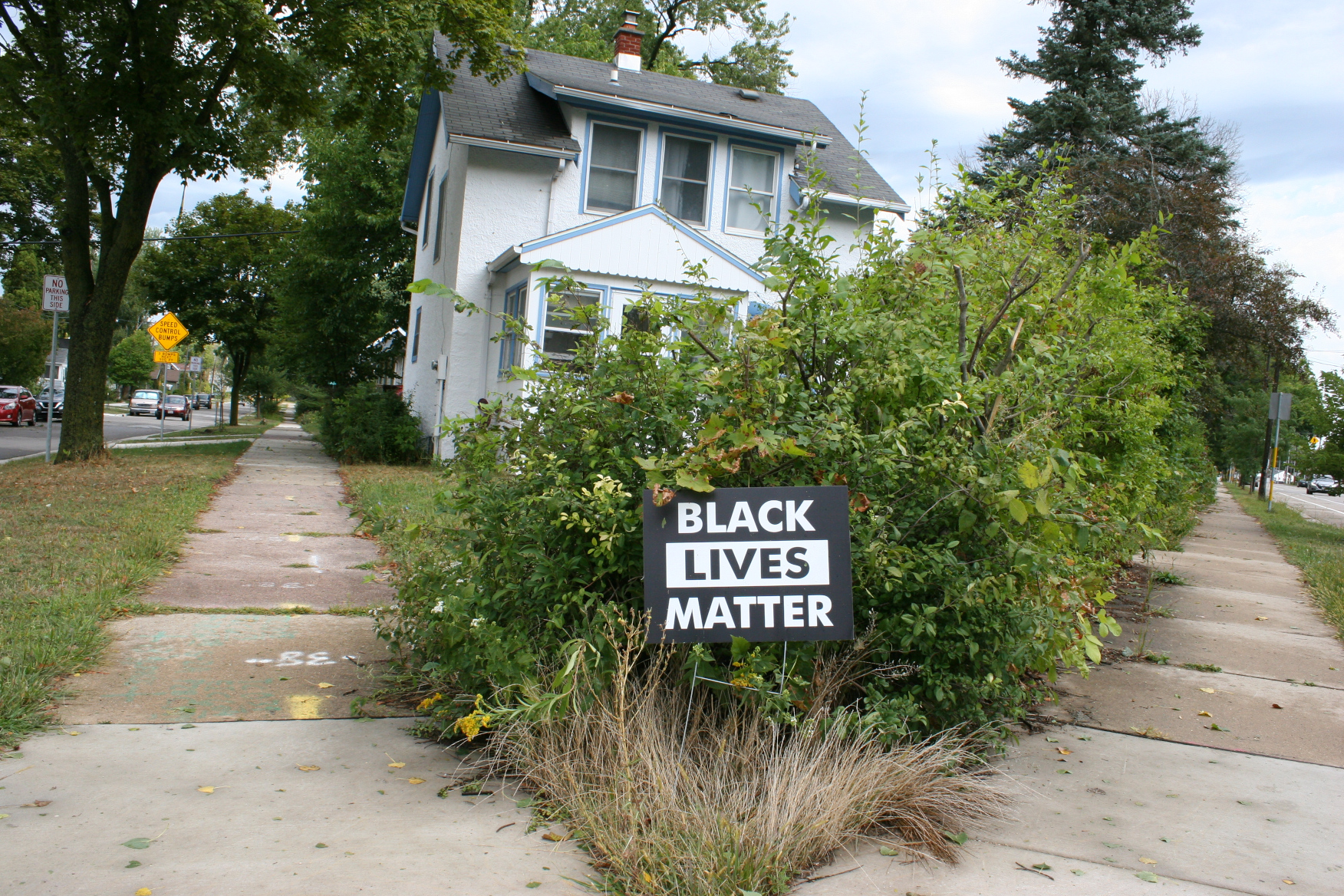
In “A Sign,” Heather Candels writes about racial injustice via white lilies of the valley and “their colonies spreading underground/roots nurtured by the rich dark soil…” This poem alone is reason enough to buy this anthology. Photo taken in Madison, Wisconsin. (Minnesota Prairie Roots copyrighted file photo September 2020)

And then there are the poems that touch on tough topics, on social issues, on disparities. Climate change. Evidence in the Nuremberg Trials. Racial injustice. Poetry doesn’t right life. But it opens our minds, causes us to think, reflect, perhaps take positive action as we move from east to west.

#

FYI: The five Minnesota poets included in We Look West will launch their anthology during a reading and book signing at 7 pm on Thursday, May 16, at the Northfield Public Library. I encourage you to attend if you live in the area. If not, I suggest you buy a copy of this 116-page anthology through an independent bookseller. These poets are gifted writers, this collection a must-read whether you’re a Baby Boomer or not.


Celebrating poetry in southern Minnesota during National Poetry Month April 17, 2024

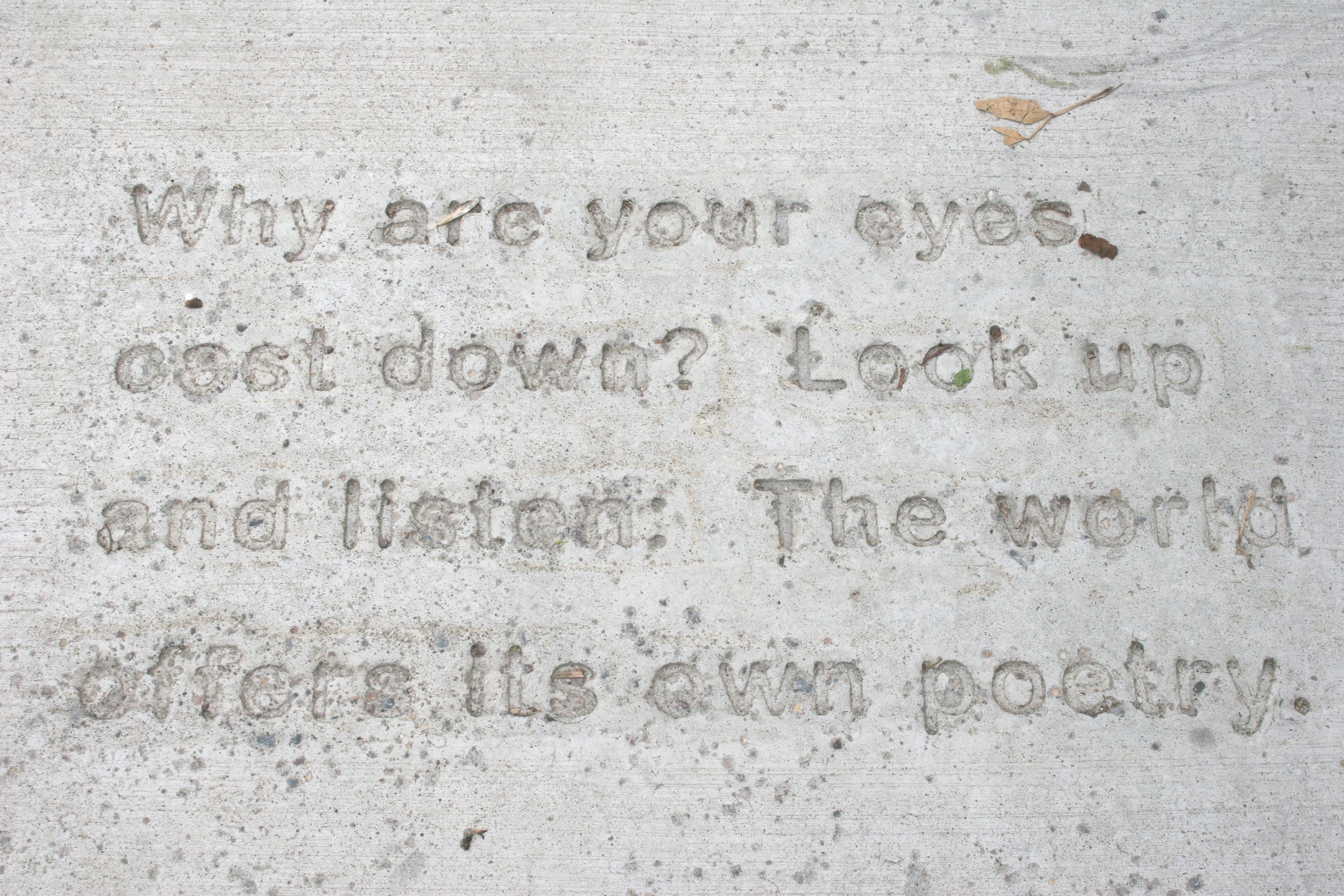
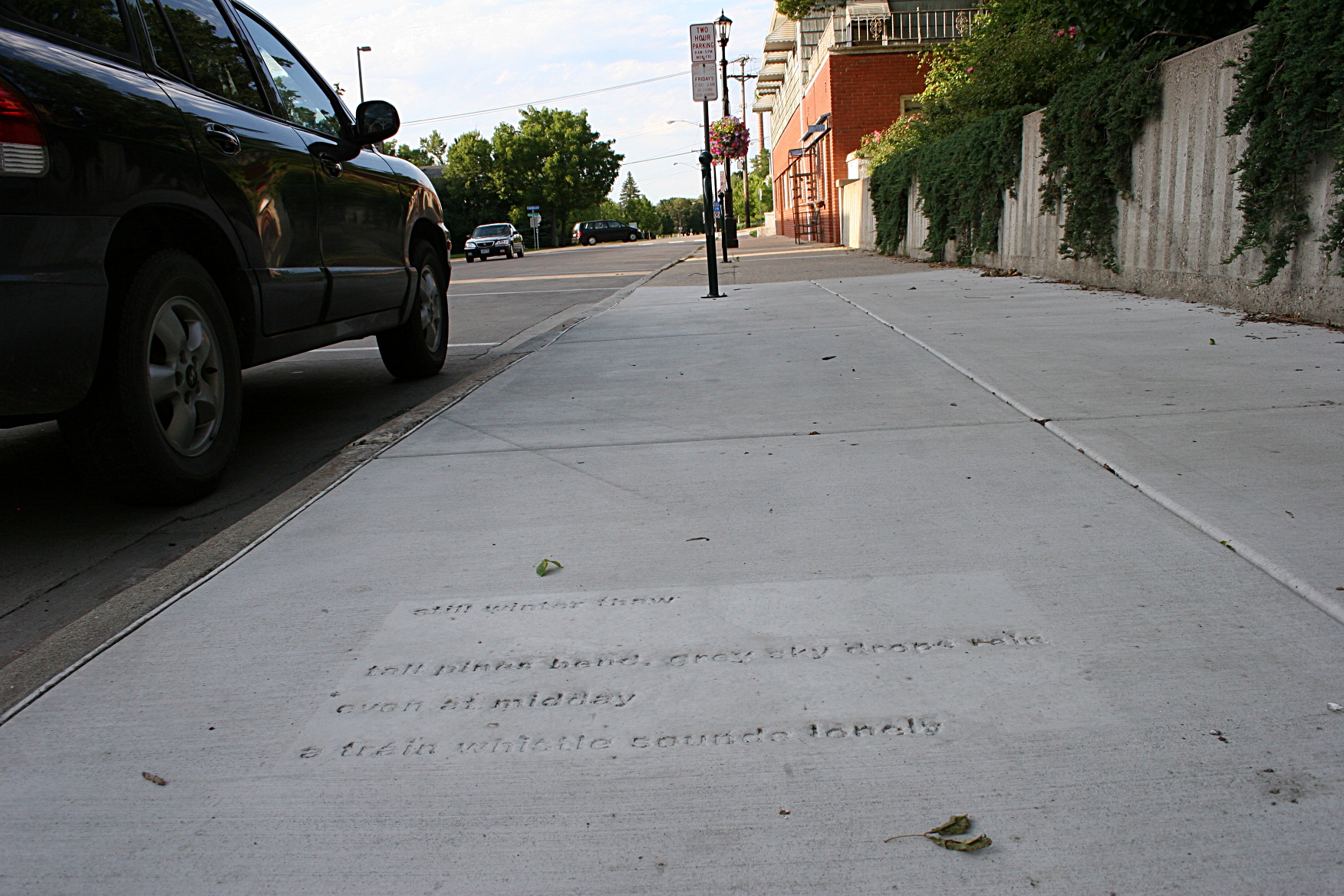
Sidewalk poetry in downtown Northfield, Minnesota. (Minnesota Prairie Roots copyrighted file photo 2014)

Mention poetry and many people likely stop listening. In a way, I understand. To their ears, they hear the stuffy, rhyming, difficult poems of yesteryear. The poems that made no sense to many of us. The poems that had to be read as part of a high school English class.

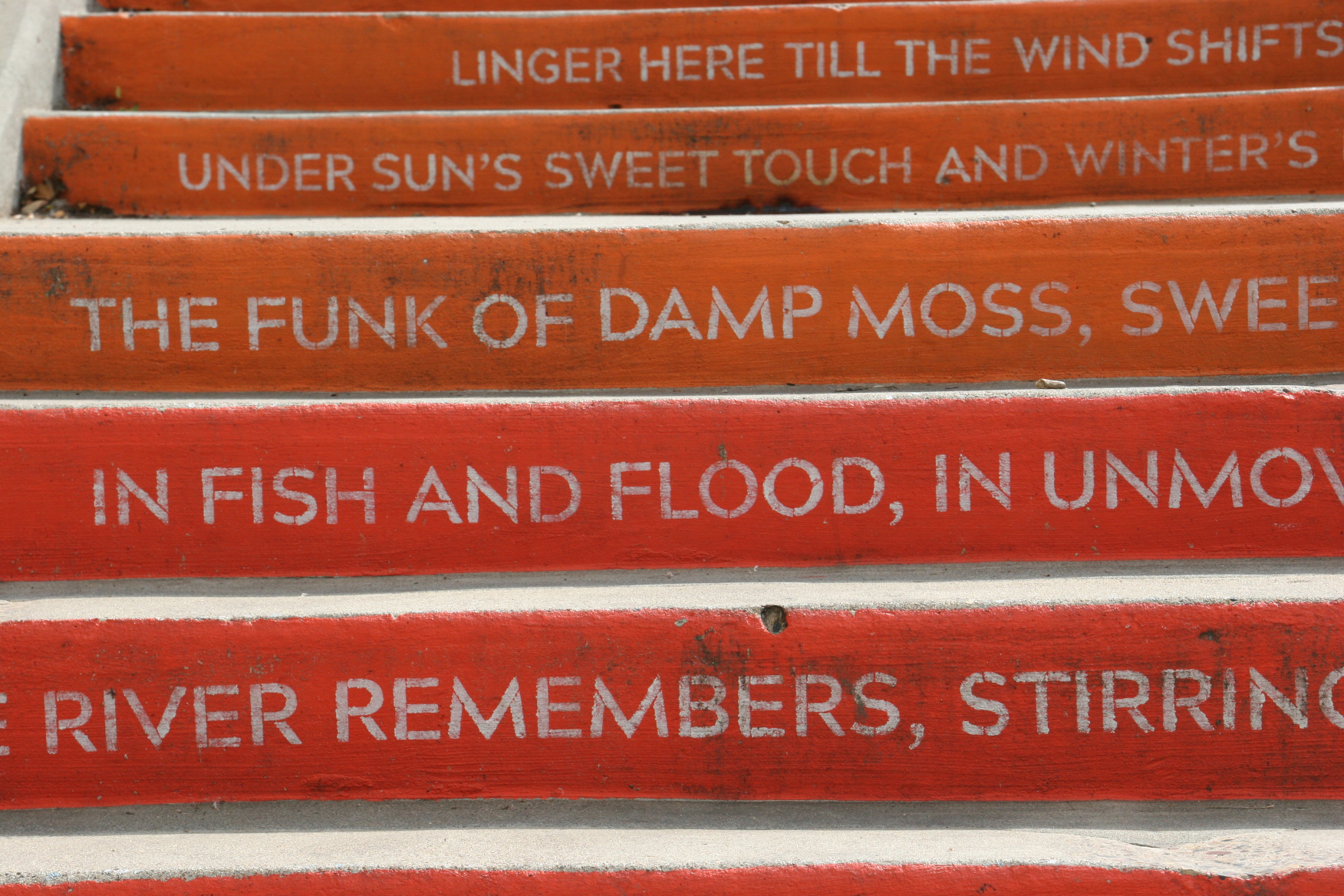
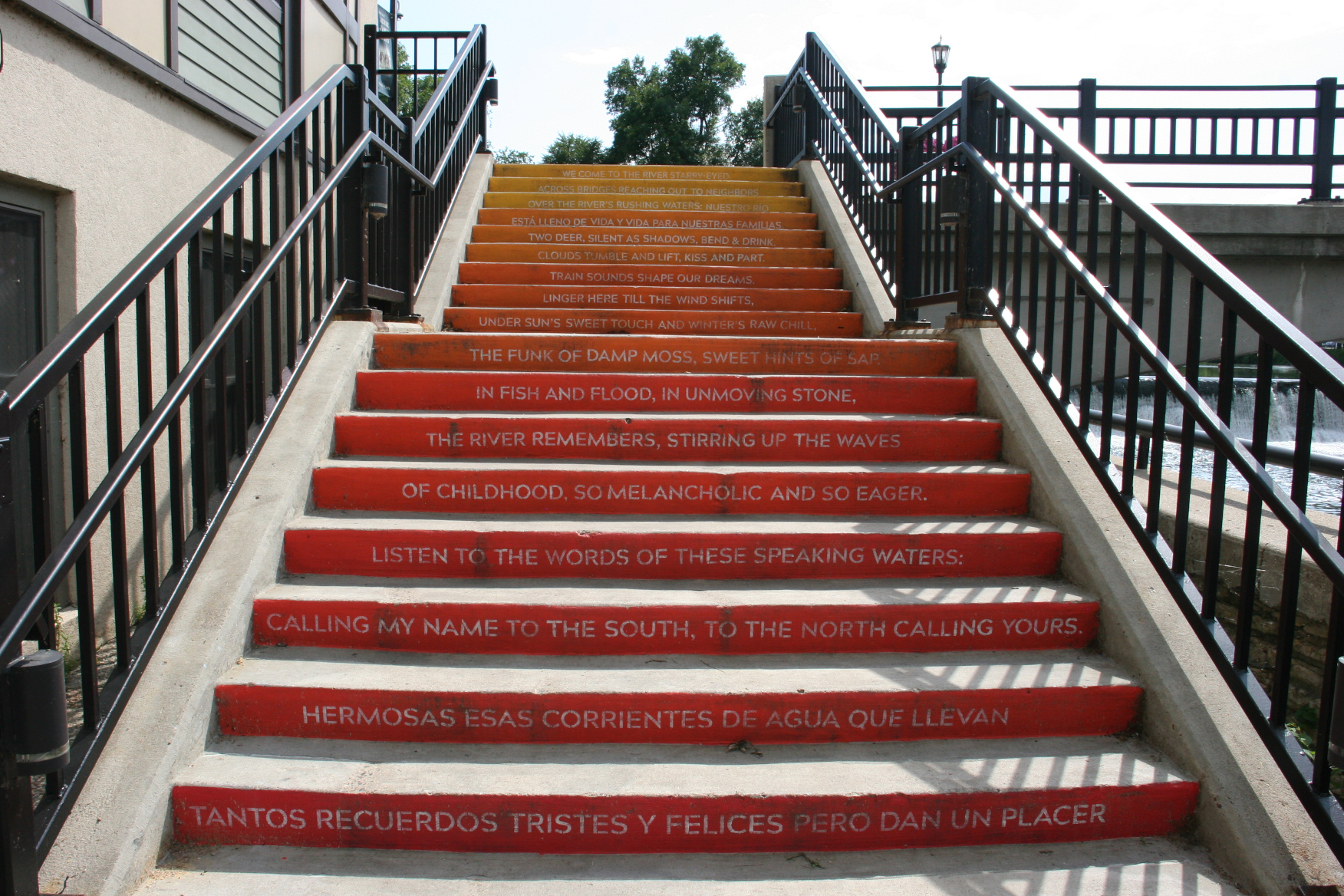
A close-up of lines in the poem steps along the River Walk in downtown Northfield. (Minnesota Prairie Roots copyrighted file photo 2022)

While I’m not privy to how poetry is taught today, I do recognize that it’s, overall, much more approachable, at least in Minnesota. We are home to a talented array of poets with their writing published not only in anthologies and literary journals, but also presented in widely-accessible, public ways.

A poem by Patrick Ganey is stamped into the sidewalk near the Northfield Public Library: still winter thaw/tall pines bend, grey sky drops rain/even at midday/a train whistle sounds lonely (Minnesota Prairie Roots copyrighted file photo)

Nearby Northfield, for example, prints poetry into sidewalks. In 2011, the Arts and Culture Commission launched Sidewalk Poetry. Through that annual competition, selected poems are stamped into sidewalks in the historic downtown, along routes to schools and in residential neighborhoods. I always enjoy walking in downtown Northfield and pausing to read poetry. As a poet myself, I appreciate how much this community values this literary art.

This month, National Poetry Month, and into May, Northfield-based nonprofit Rice County Neighbors United is offering “Poem in a Bag.” Submitted original and favorite poems were printed, rolled and placed in poetry boxes (not bags) set out at select Northfield businesses and at the Northfield Public Library. Poems are printed in both English and Spanish and paired with original art by local artists. What a fun idea, to give away poems, perhaps reaching people who would not otherwise read poetry. I’ve submitted several poems for this project.

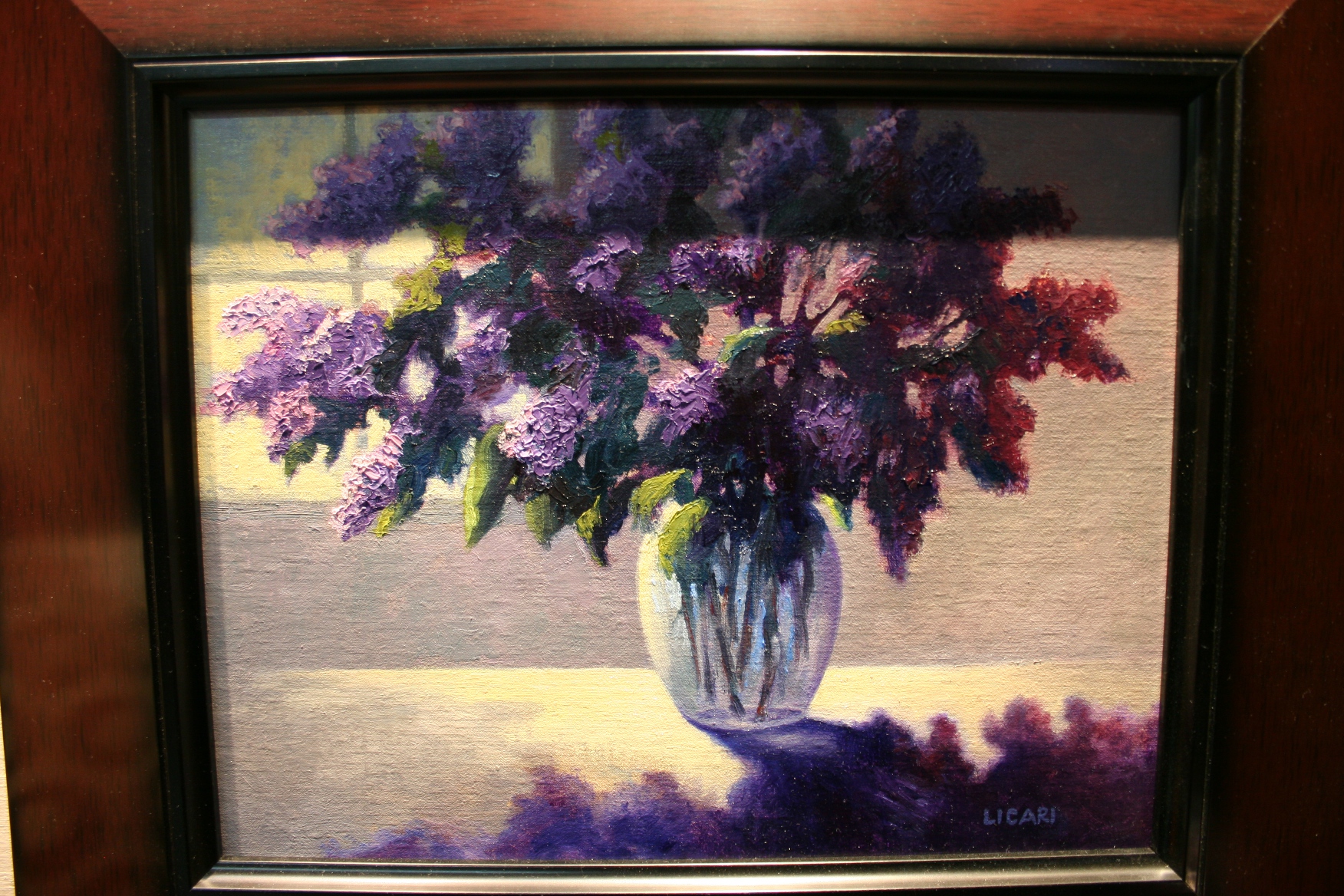
My poem, “Lilacs,” inspired “Lilacs on a Table,” an oil on linen painting by Jeanne Licari. This was part of an poet-artist collaborative exhibit at Crossings at Carnegie in Zumbrota ten years ago. Today my poem is part of Northfield’s “Poem in a Bag.” (Minnesota Prairie Roots copyrighted file photo April 2014)

For the first time this year, FiftyNorth, Northfield’s center for active aging, is featuring a poet-artist collaboration, “Echoes & Shadows,” in its gallery. The event runs until May 3. Artists created art inspired by original poems. I’ve participated in collabs like this in Zumbrota and found them to be particularly interesting—to see how poems are visually interpreted.

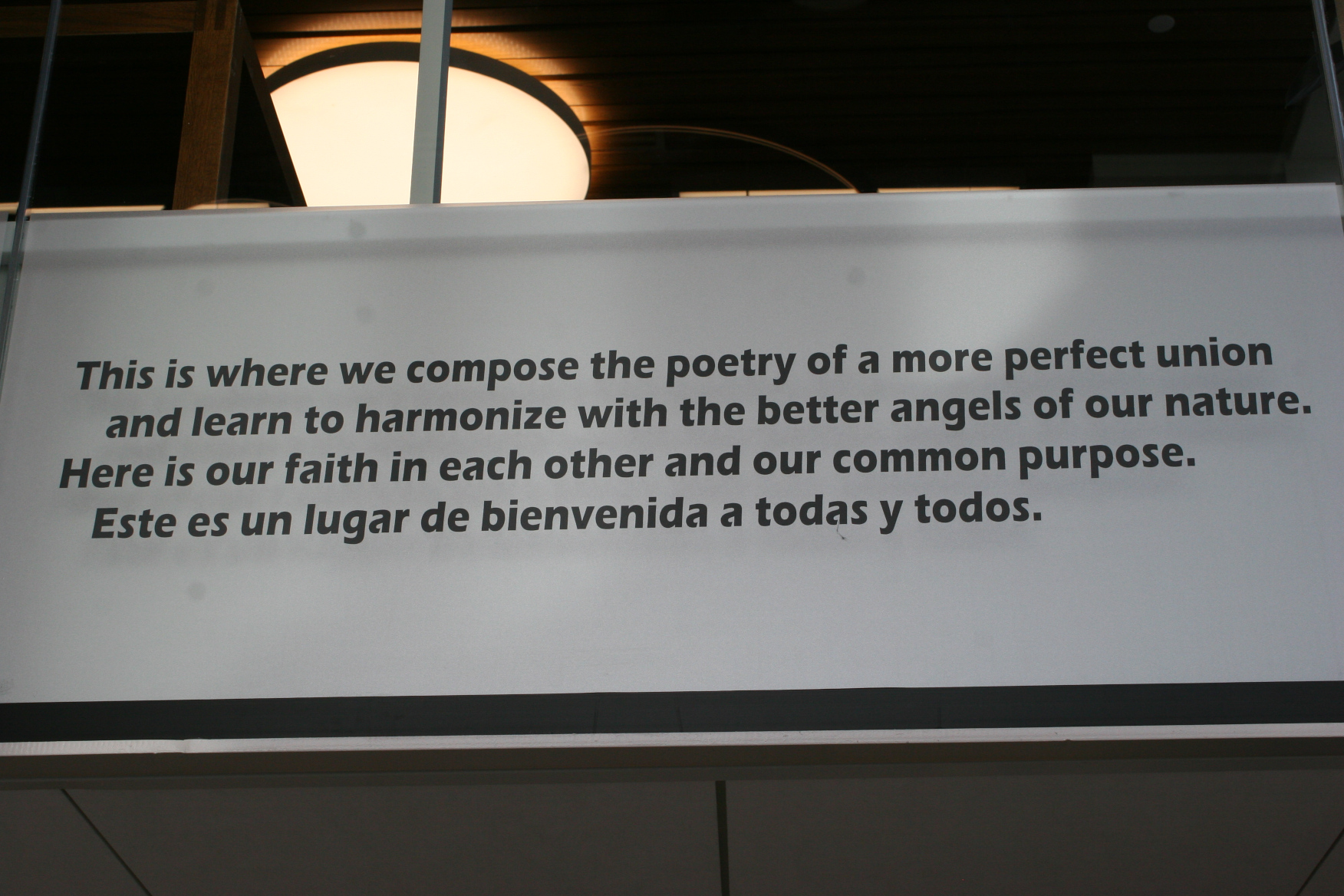
A portion of a poem by Rob Hardy, former Northfield Poet laureate, in the Northfield Library atrium. (Minnesota Prairie Roots copyrighted file photo)

At the Northfield Public Library, Open Mic Poetry is held monthly in the atrium for poets to share their writing with an appreciative audience. The next event is at 6:30 pm Wednesday, May 8.

Poem steps in Northfield along the River Walk. (Minnesota Prairie Roots copyrighted file photo 2022)

Northfield also has a poet laureate actively promoting poetry and poetry events within the community. A new laureate will soon be named to replace past laureate Rob Hardy and current interim co-poet laureates Becky Boling and D.E. Green.

This new anthology features the poetry of five Northfield poets. (Minnesota Prairie Roots copyrighted photo April 2024)

Next month the Northfield library hosts two poetry readings. Local poets Scott Lowery and Leslie Schultz will read at 6:30 pm Tuesday, May 7. And at 7 pm on Thursday, May 16, the Poets of the Northfield, Minnesota, Public Library, will read from and sign We Look West. The just-published 116-page anthology is part of the Up On Big Rock Poetry Series from Winona-based Shipwreckt Books Publishing Company.

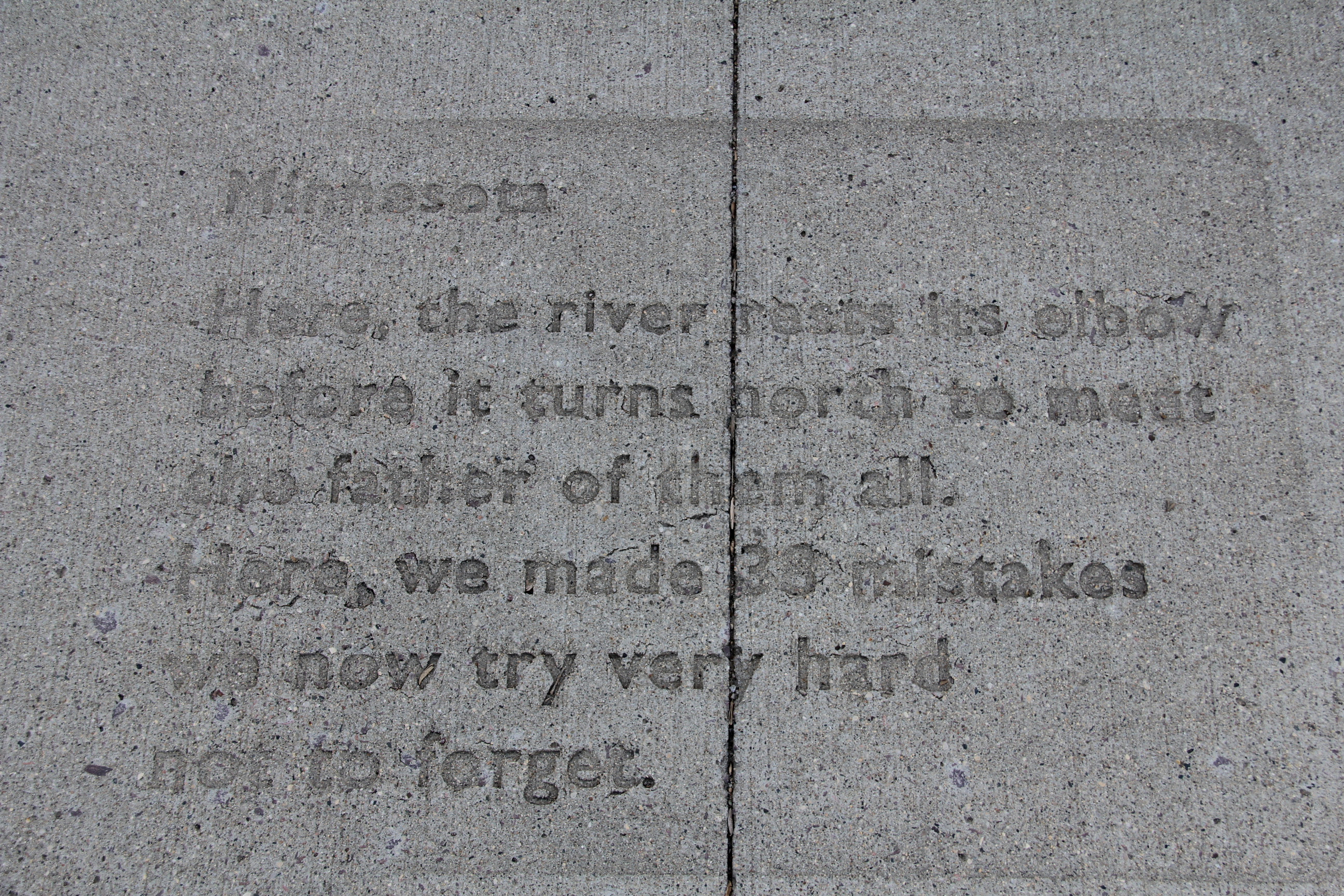
This sidewalk poem in Mankato’s Riverfront Park references the mass hanging of 38 Dakota (plus two) in December 1862 in Mankato. (Minnesota Prairie Roots copyrighted file photo November 2023)

I also have two other recently-released poetry books to read: Broad Wings, Long Legs, A Rookery of Heron Poems in which Minnesota writers (including Larry Gavin of Faribault and many other recognizable poets) contemplate a regional icon, and Songs, Blood Deep by Poet Laureate of Minnesota, Gwen Nell Westerman of Mankato. Westerman is Minnesota’s first Native poet laureate and teaches English, humanities and creative writing at Minnesota State University, Mankato, my alma mater.

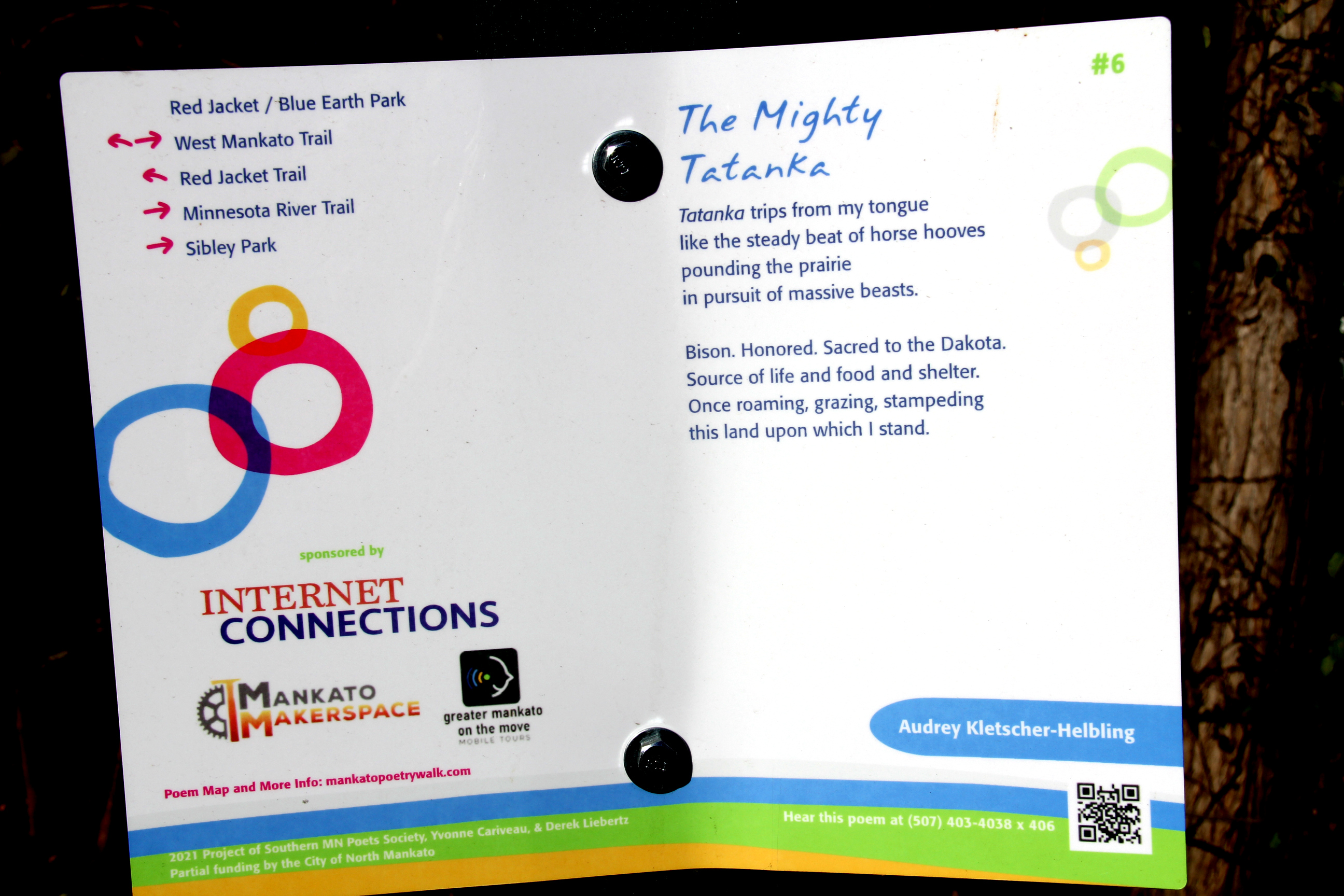
My poem, posted along the West Mankato Trail. (Minnesota Prairie Roots edited & copyrighted photo November 2023)

Mankato is a community rich in poetry. I’ve found poems stamped into concrete at Riverfront Park as part of WordWalk. But it’s a project of the Southern MN Poets Society which really puts poetry out in the community. Through the Mankato Poetry Walk & Ride, winning poems are printed on signs and posted along walking and biking trails in Mankato and North Mankato. My poems have been included perhaps half a dozen times—I’ve lost count—with one, “The Mighty Tatanka,” a poem about bison, currently displayed along a trail in West Mankato.

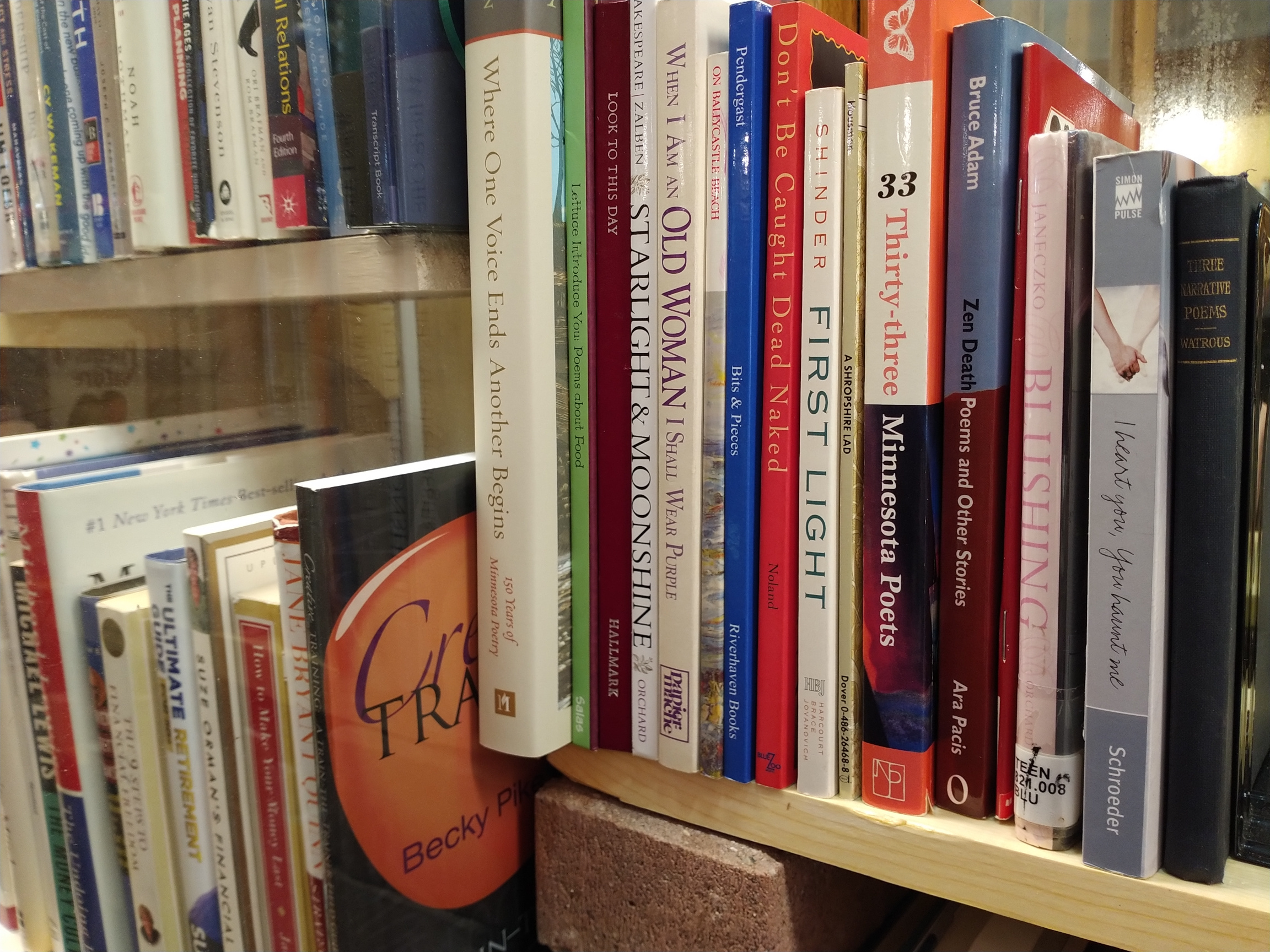
A sampling of poetry books, right, for sale at Books on Central in Faribault. (Minnesota Prairie Roots copyrighted photo April 2024)

Poetry is seemingly everywhere these days, unconfined to the space between book covers. Yet poems printed upon paper remain the primary place to find poetry. I recently picked up a stash of poetry books from my local library. I also perused poetry offerings at Books on Central, a Rice County Area United Way bookshop selling used books in downtown Faribault. In Northfield, independent bookseller Content Bookstore not only sells poetry books, but regularly hosts book signing events with writers, including poets.

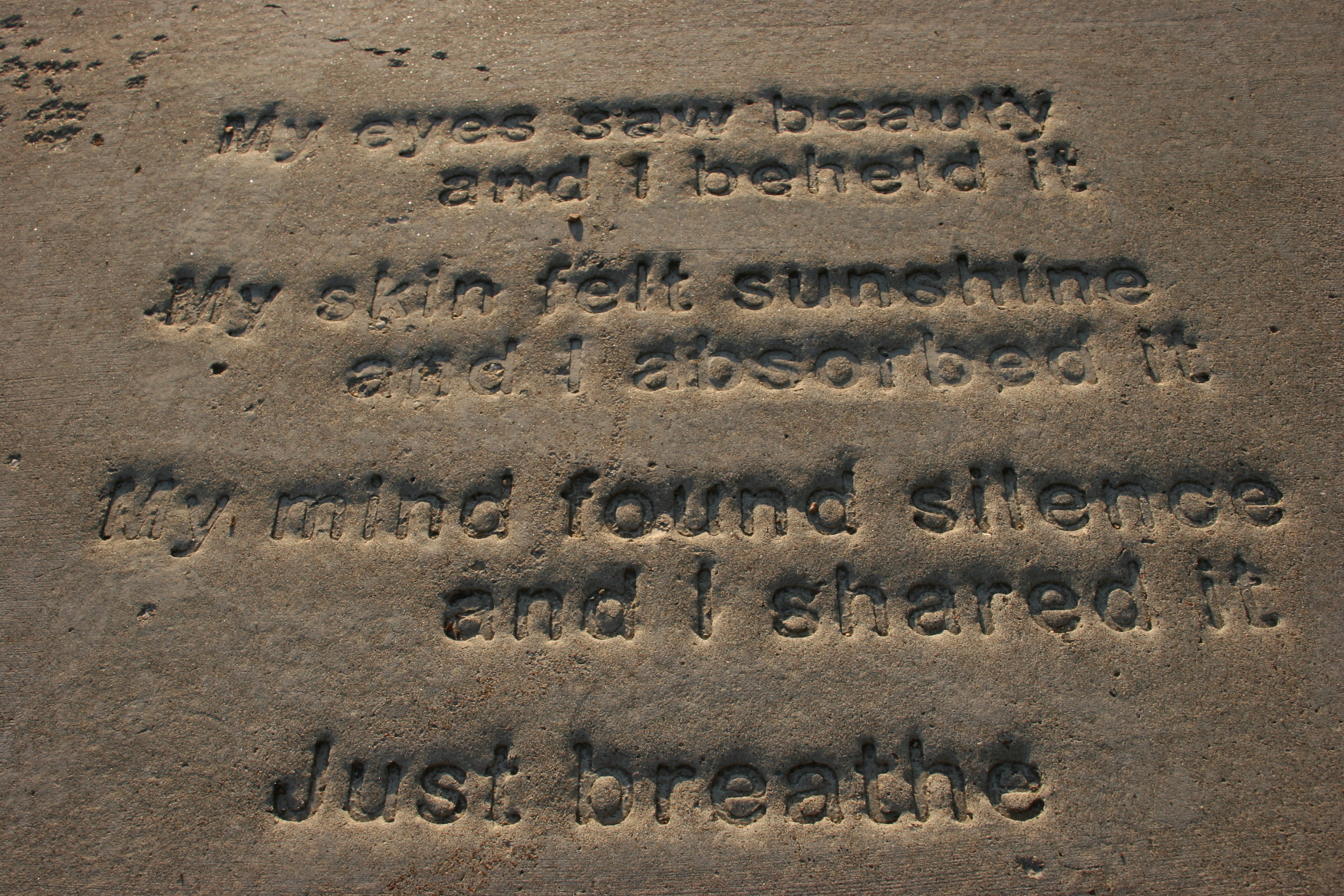
An especially thought-provoking poem in Northfield’s Sidewalk Poetry project. (Minnesota Prairie Roots copyrighted file photo August 2020)

How we access poetry has certainly changed over the years. It is my hope that, even if you think you don’t like poetry, you open your mind to this creative art form. There’s much to be learned about nature, about ourselves, about life through the carefully-selected, sparse words of gifted poets, many of whom call Minnesota home.

FYI: Please check back for a more in-depth look at “Poem in a Bag” and reviews of poetry anthologies referenced in this post. Now, tell me, do you read poetry, have a favorite poem?

© Copyright 2024 Audrey Kletscher Helbling


Expressing gratitude in Northfield May 28, 2021

Thankful for… Minnesota Prairie Roots copyrighted photo 2021.

GRATITUDE IS A CONSCIOUS CHOICE. Feeling grateful takes effort. If you disagree, that’s OK. Maybe gratitude comes naturally for you. But, for most of us, I don’t think that’s true.

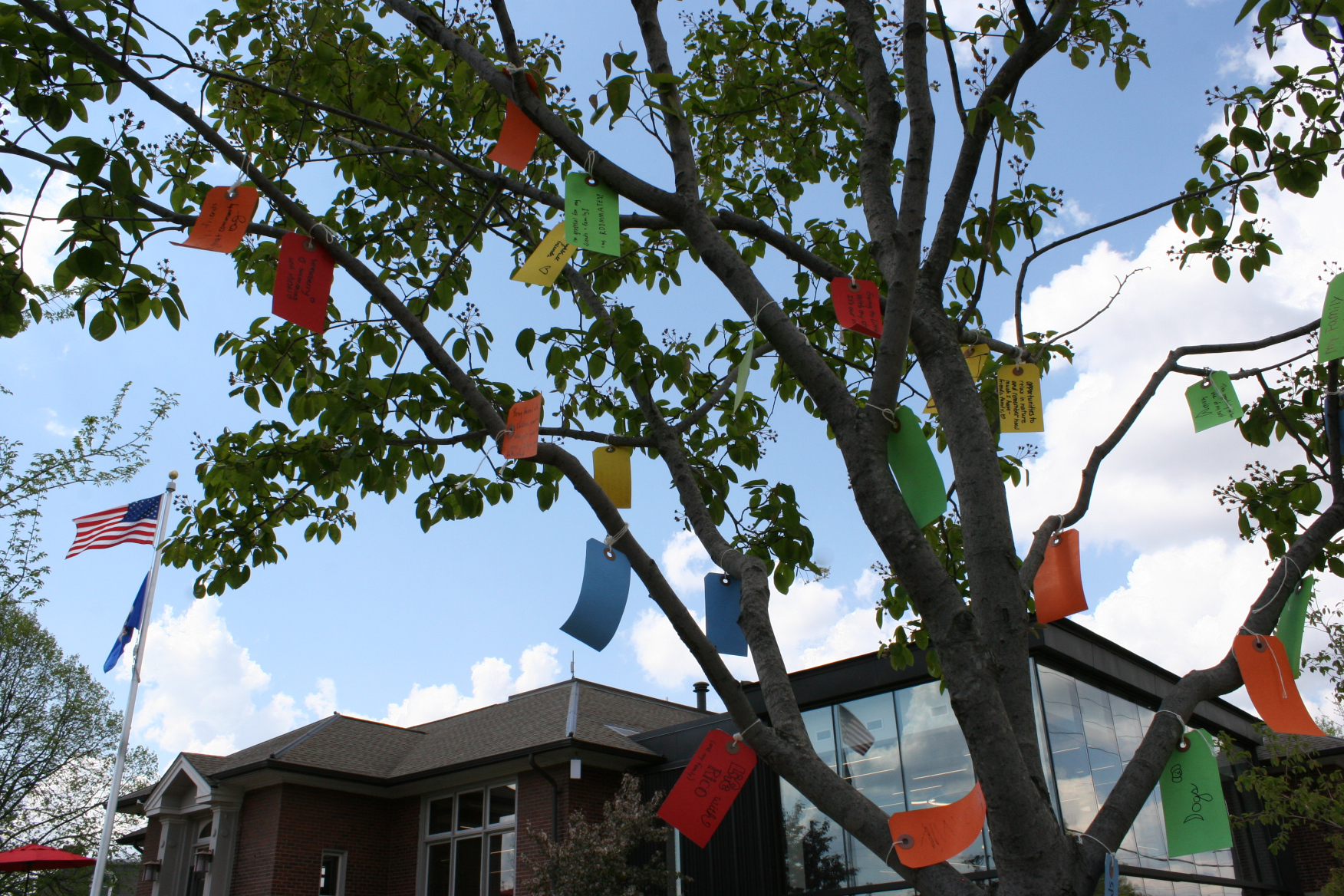
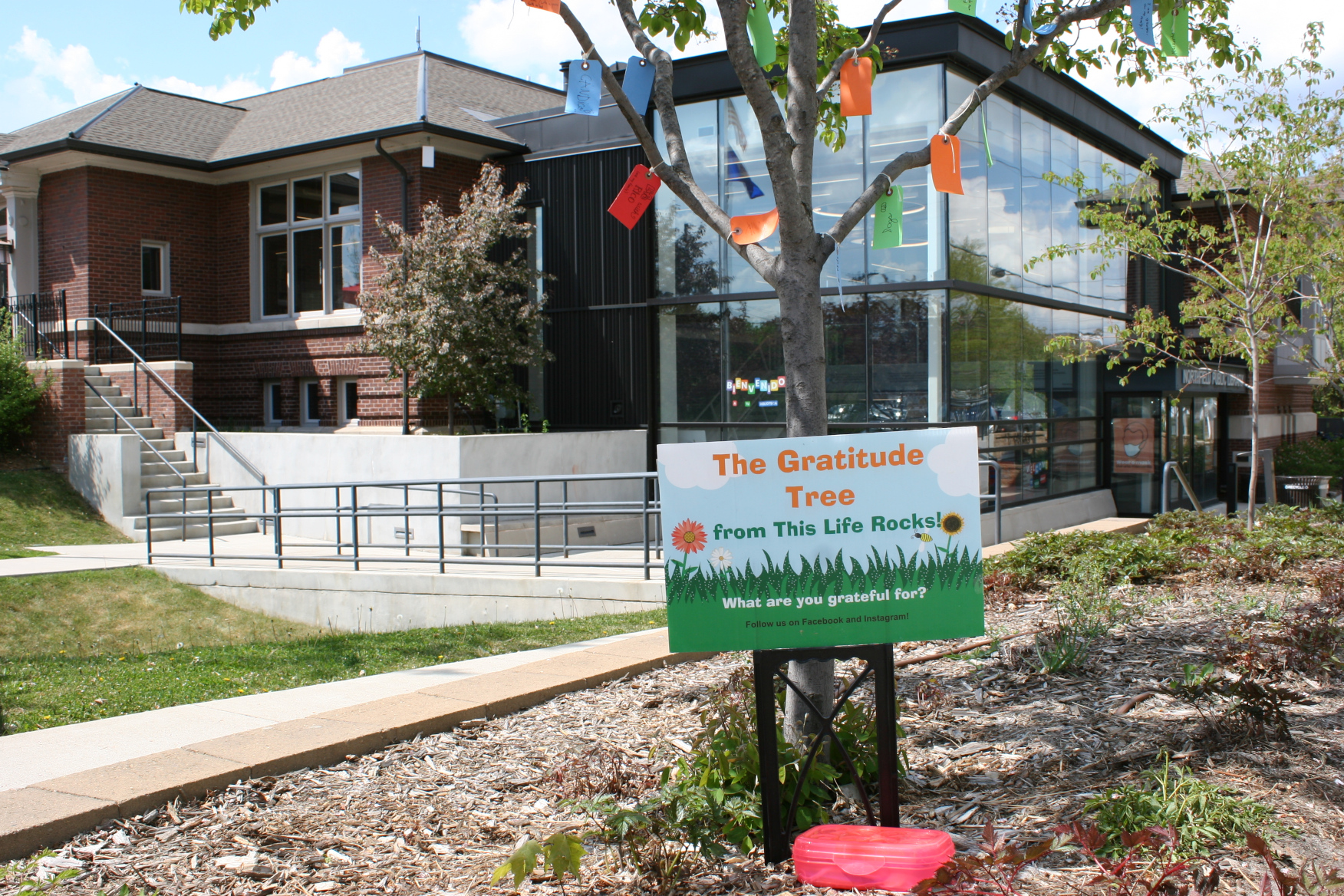
Rocco, The Gratitude Tree, just outside the Northfield Public Library. Minnesota Prairie Roots copyrighted photo 2021.
Minnesota Prairie Roots copyrighted photo 2021.

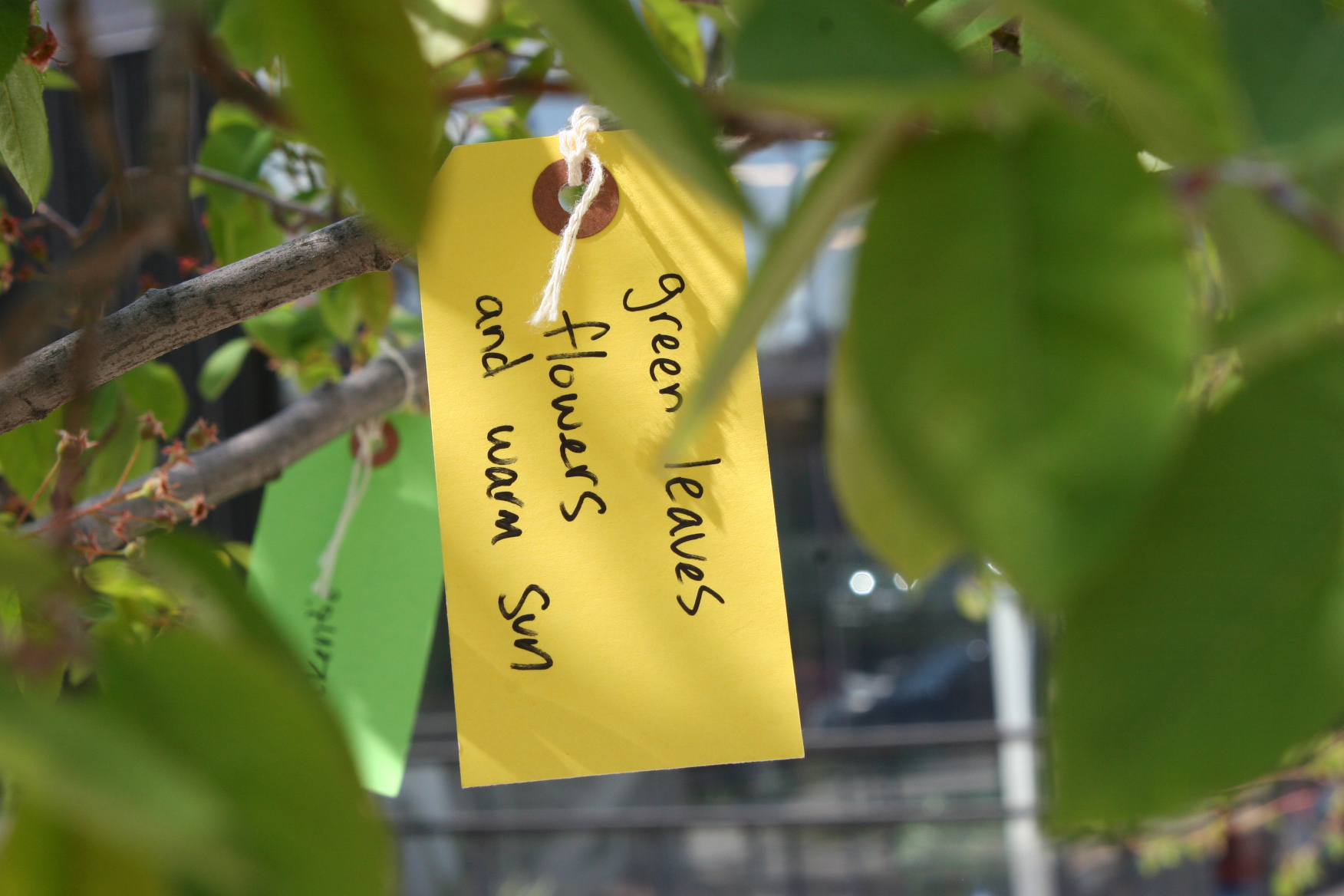
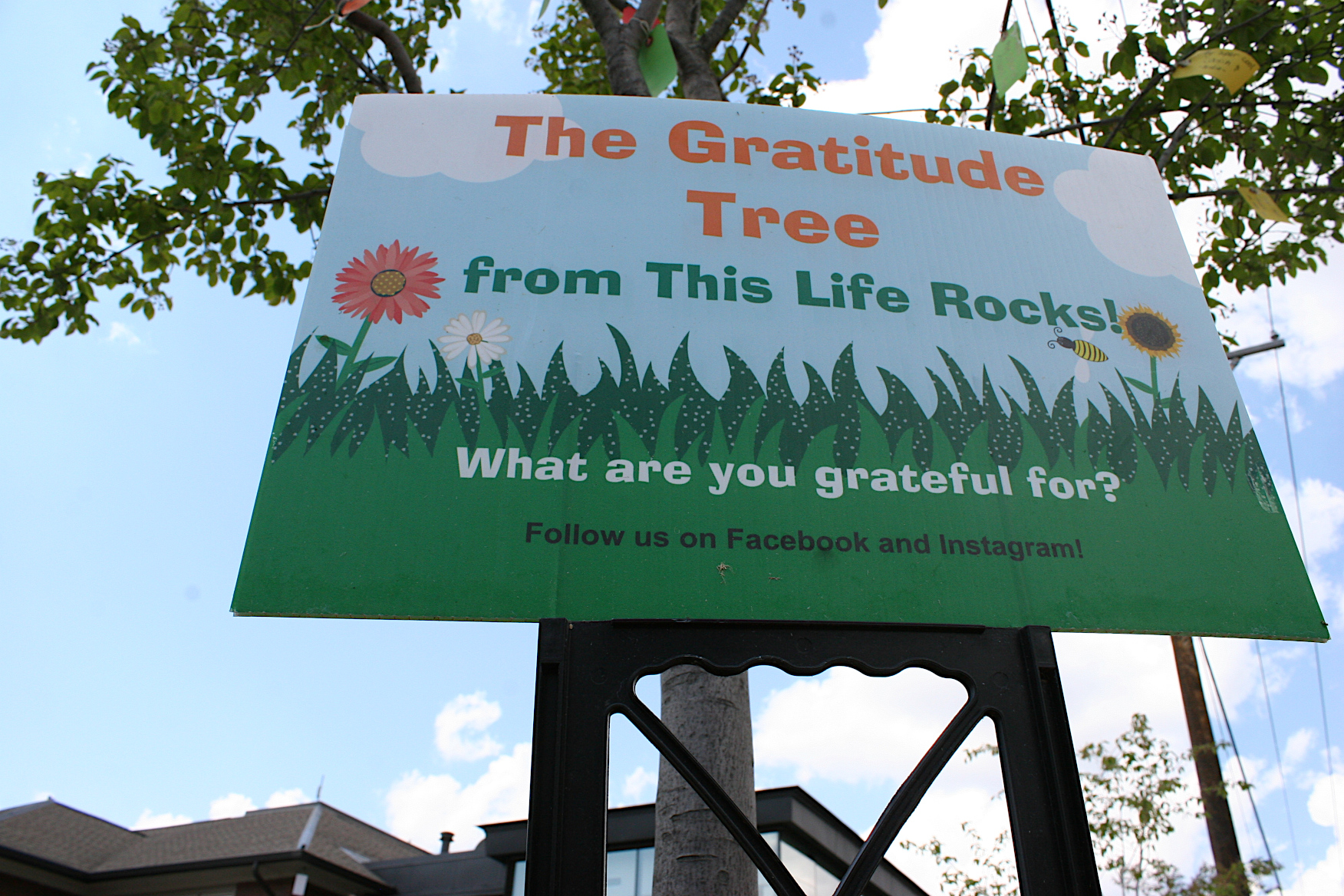
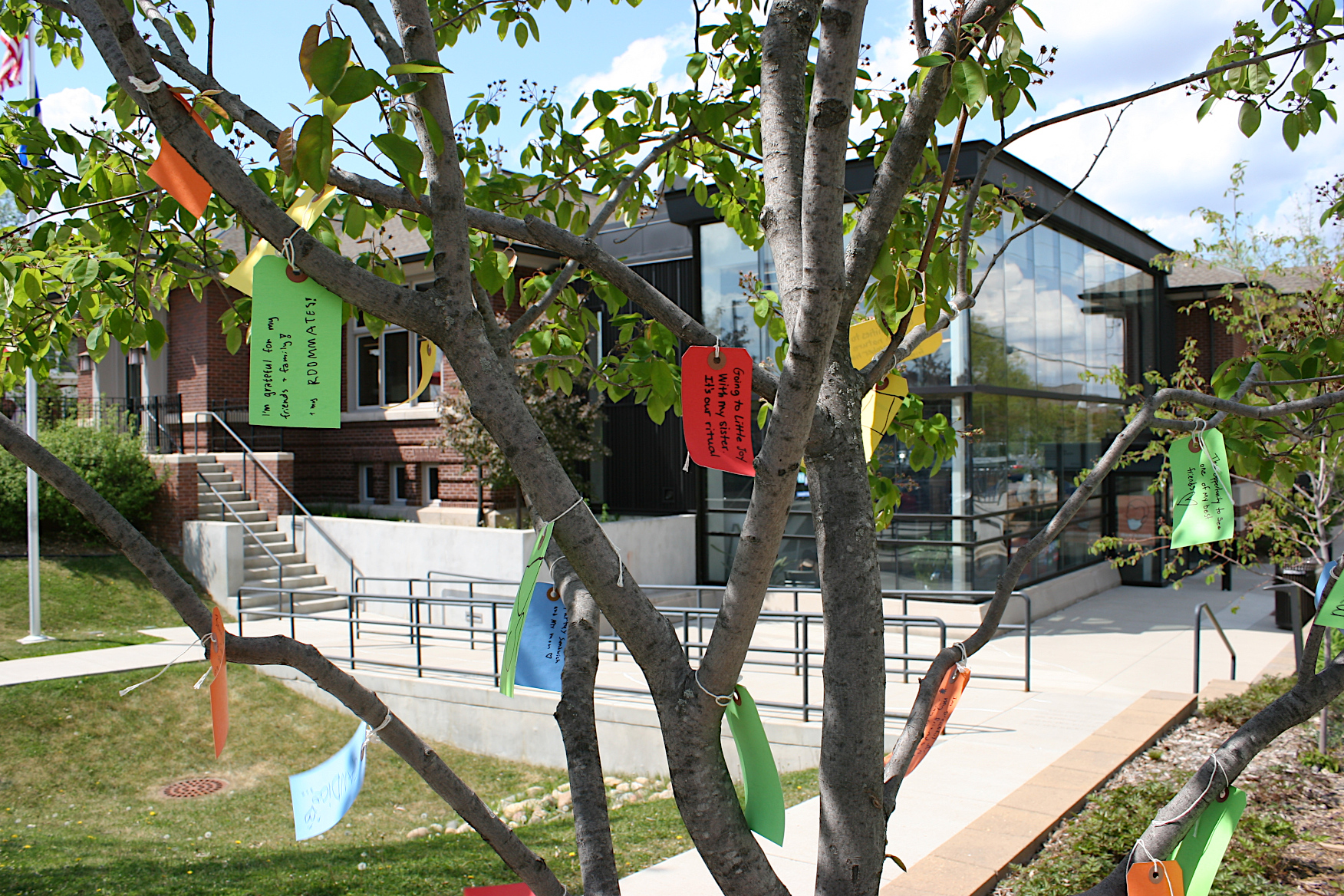
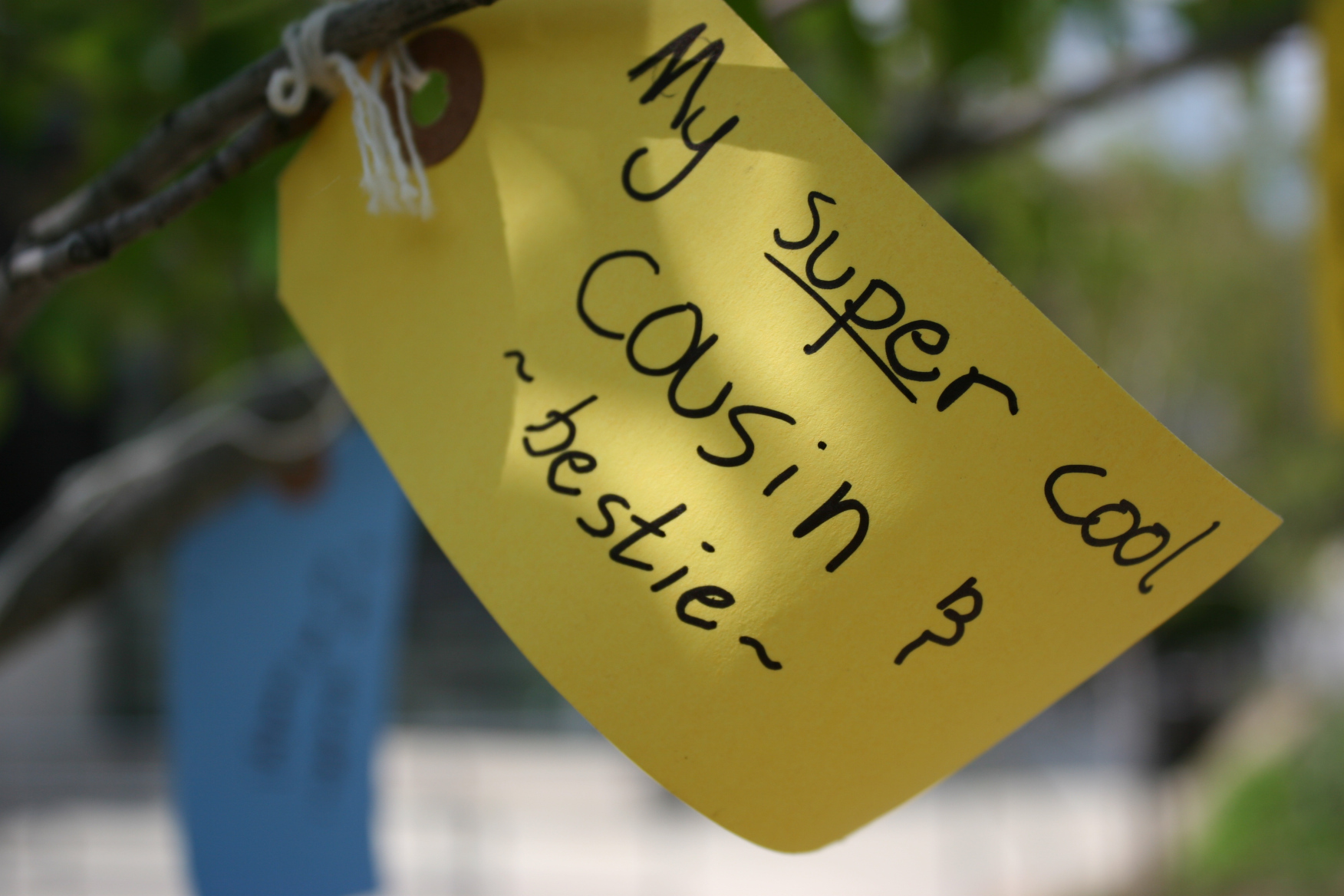
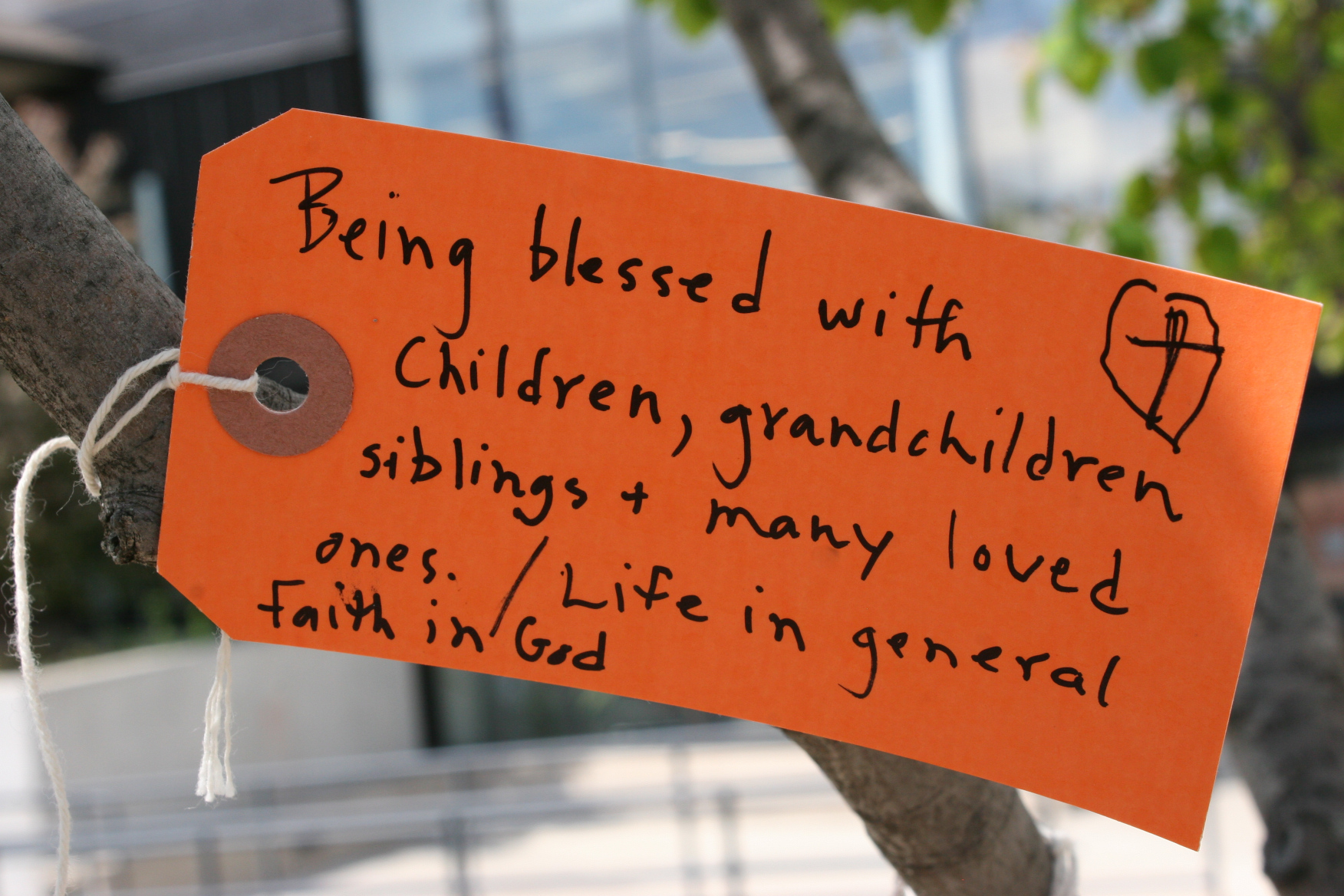
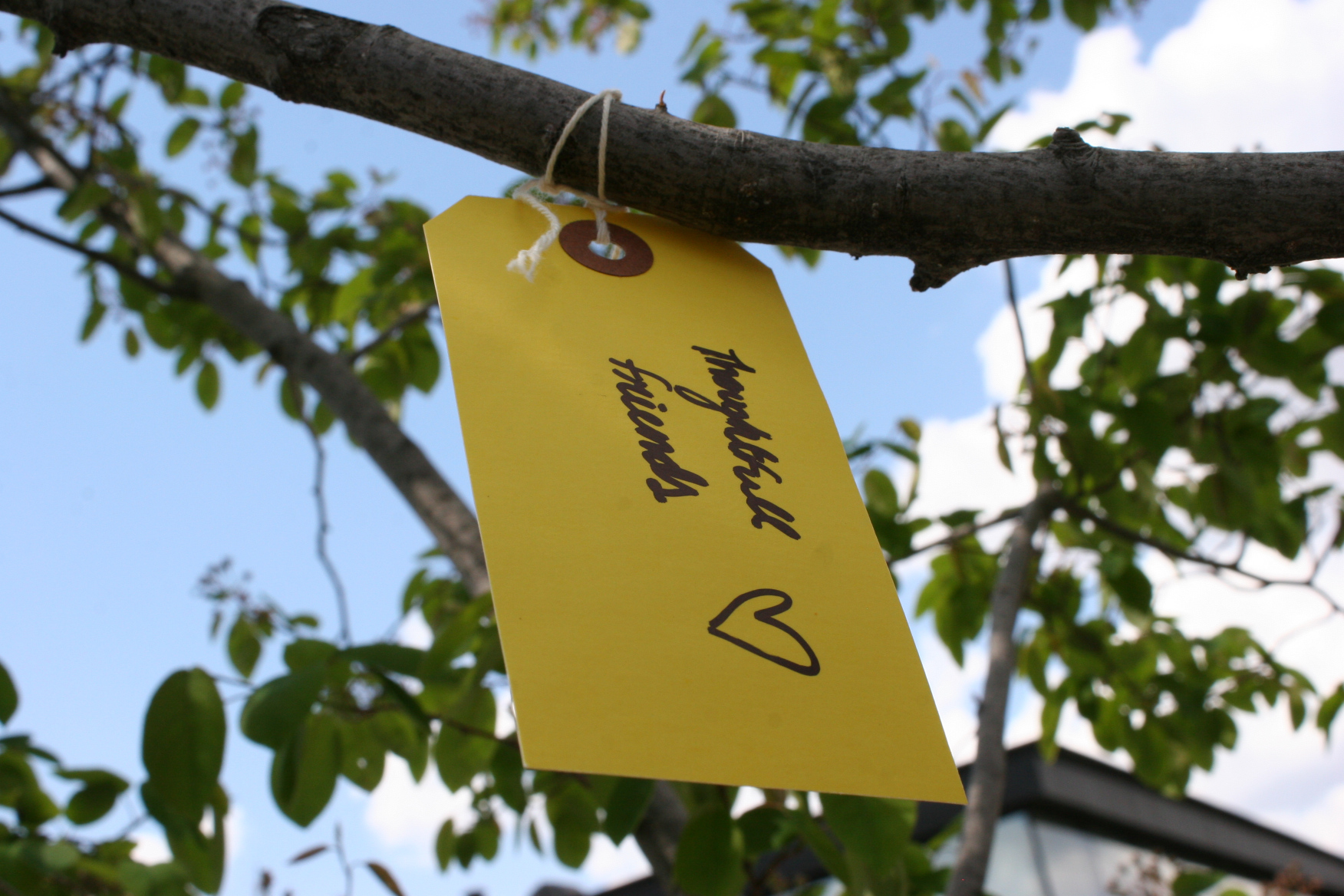
That’s why I appreciate projects like The Gratitude Tree. Outside the Northfield Public Library, colorful tags sway in the wind on the branches of a small tree. The Gratitude Tree. And on those slips of paper, people have answered the question, “What are you grateful for?”

Minnesota Prairie Roots copyrighted photo 2021.

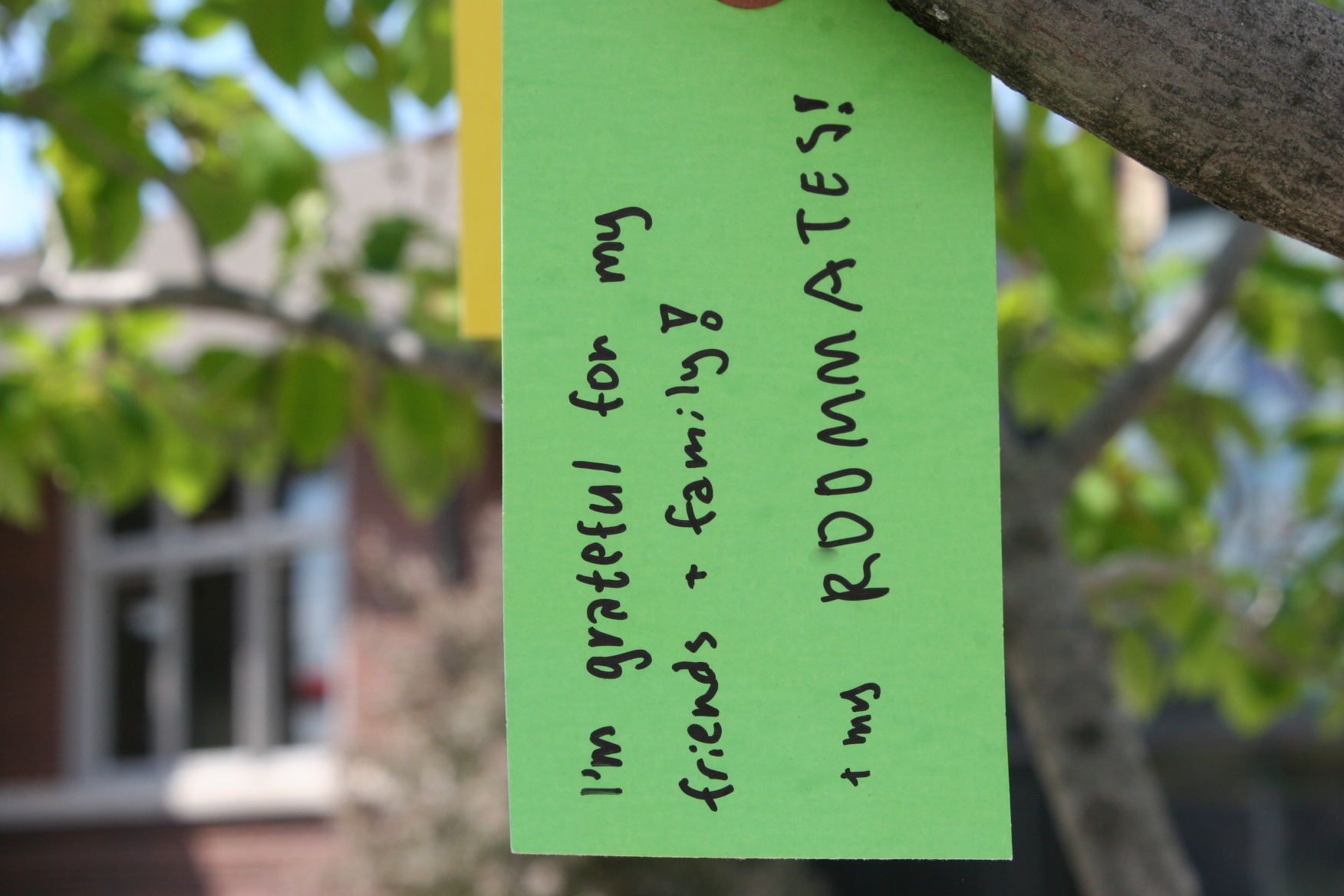
I paused to read the responses, which seemed mostly focused on thankfulness for family, friends and others. That doesn’t surprise me, especially after this past year of separation due to COVID-19. Most of us crave human connection. We’ve missed our families, friends, co-workers…

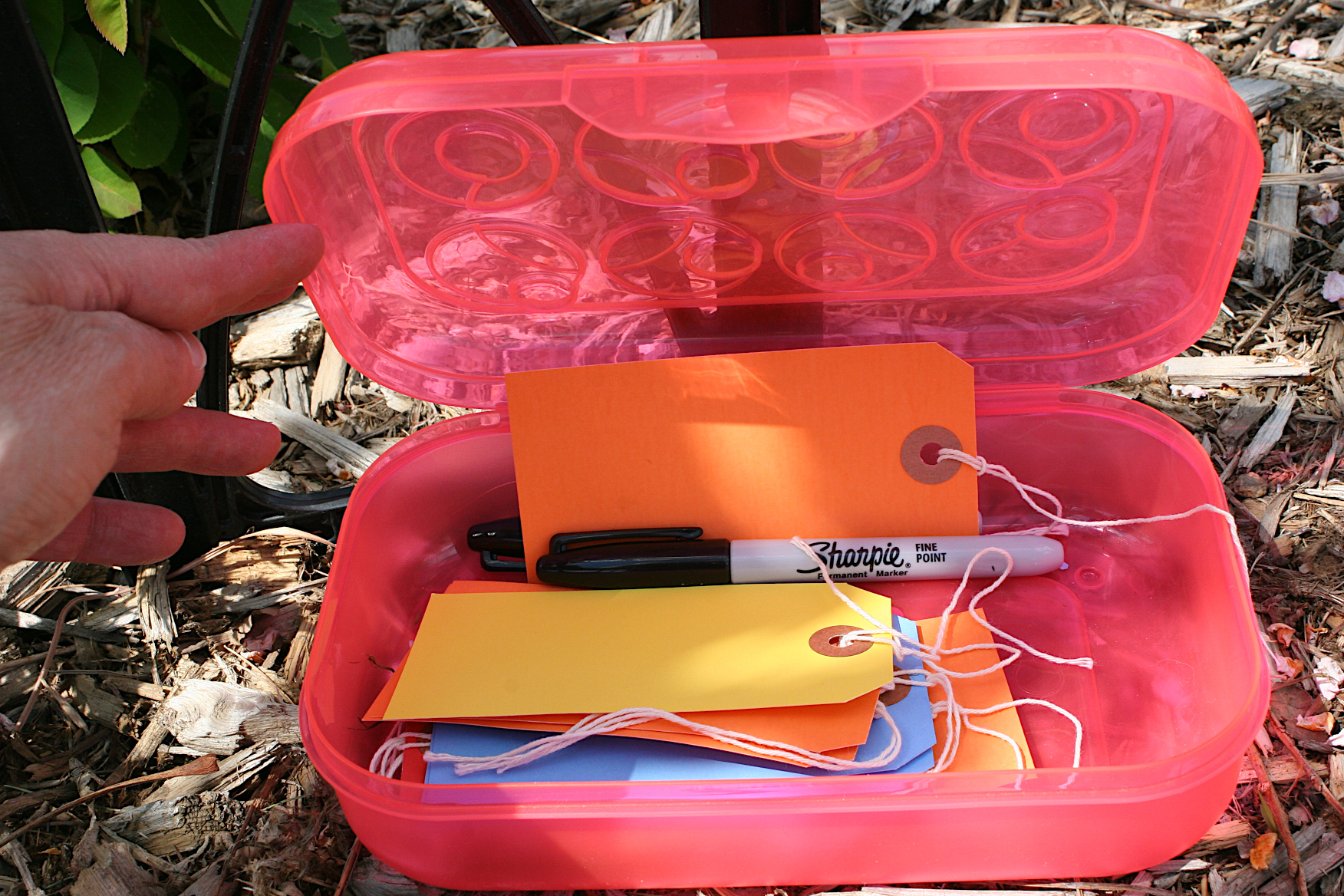
A plastic container at the base of the tree holds tags and a Sharpie for writing notes of gratitude. Minnesota Prairie Roots copyrighted photo 2021.

It’s important to acknowledge that. To say it. To write it. To embrace this feeling of longing to be with people.

Minnesota Prairie Roots copyrighted photo 2021.

I’m grateful we’re at a point in the pandemic where those of us who are vaccinated can reclaim our lives. It feels good. Really good. I can hug my second daughter now. I can feel comfortable being out in public among other vaccinated individuals. I feel grateful for that.

The Gratitude Tree, outside the Northfield Public Library. Minnesota Prairie Roots copyrighted photo 2021.

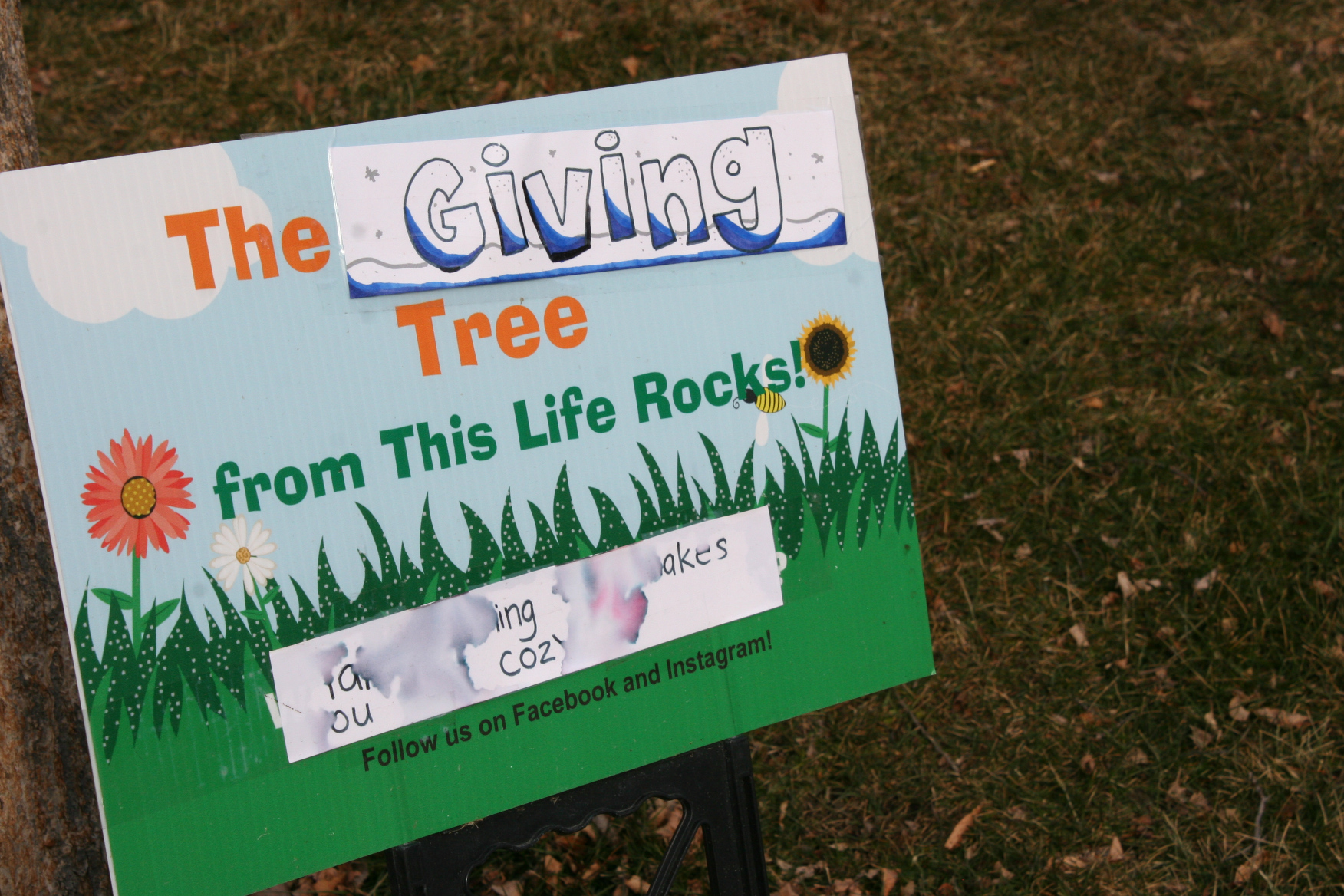
And I feel grateful for The Gratitude Tree, an ongoing project of Nika Hirsch of This Life Rocks. Nika is a young girl from Northfield who deals with social anxiety and selective mutism. Despite those challenges, or maybe because of, she chooses to connect with her community in positive ways. She’s previously hosted The Gratitude Tree and also The Giving Tree (a collection point for winter gear). She also paints stones with uplifting messages.

Minnesota Prairie Roots copyrighted photo 2021.

We can all learn from Nika, a role model for community service and positivity. She inspires. She uplifts. She causes us to pause and think. To focus on the good in life. To see the reasons to smile, to feel happy, to give thanks.

Minnesota Prairie Roots copyrighted photo 2021.

TELL ME: What are you grateful for?

© Copyright 2021 Audrey Kletscher Helbling


Nika & the giving tree December 28, 2020

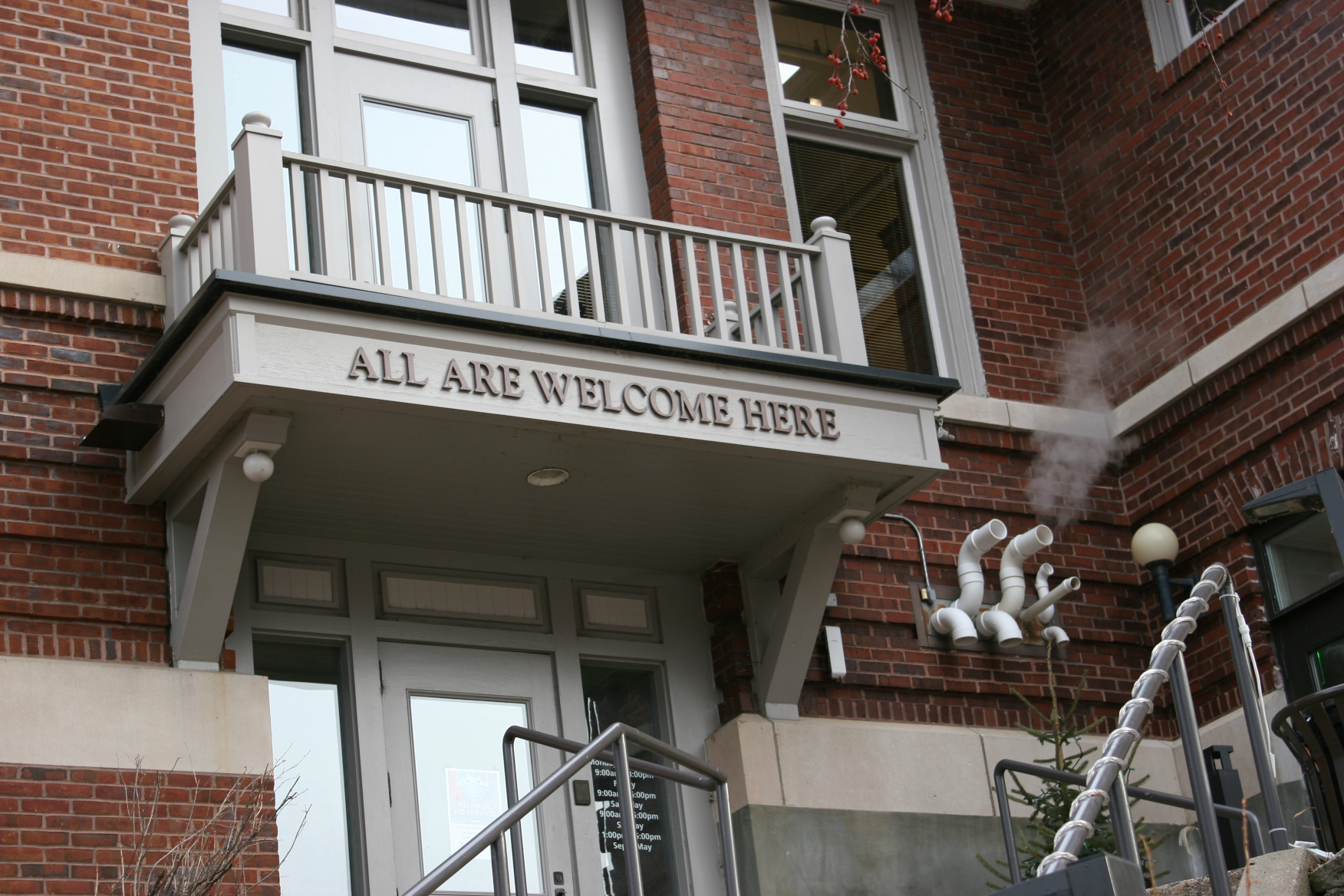
A welcoming message banners the Division Street entrance to the Northfield Public Library.

RECENTLY, I NEEDED to replenish my stash of library books. That meant a trip to the Northfield Public Library 20 minutes away. The Faribault library remains closed to in-person visits due to COVID-19. I’m the type of reader who needs to browse shelves, hold a book and read its summary before deciding whether to check it out.

Plus, Northfield, COVID or not, always rates as a delightful community to visit.

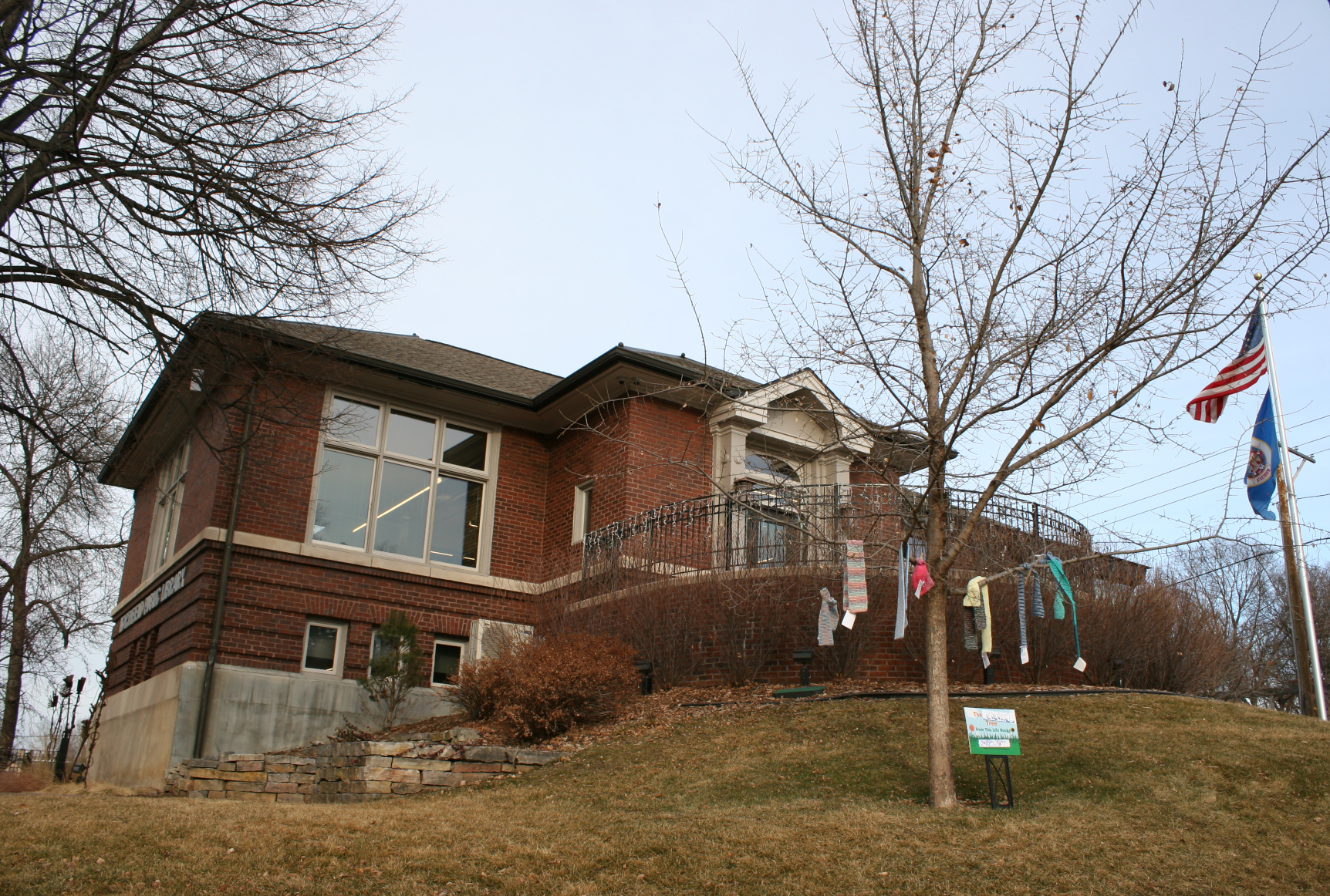
“Rocky the Giving Tree” against the backdrop of the Northfield library.

As soon as Randy and I pulled up to the Northfield library, I noticed a small tree draped with winter scarves near the base of the library hill. But first things first. Books.

I found four, one of which I started and finished that very day. Yes, sometimes books are that good.

Inside the library, a portion of a poem by Northfield Poet Laureate Rob Hardy. This seems to fit well The Giving Tree.

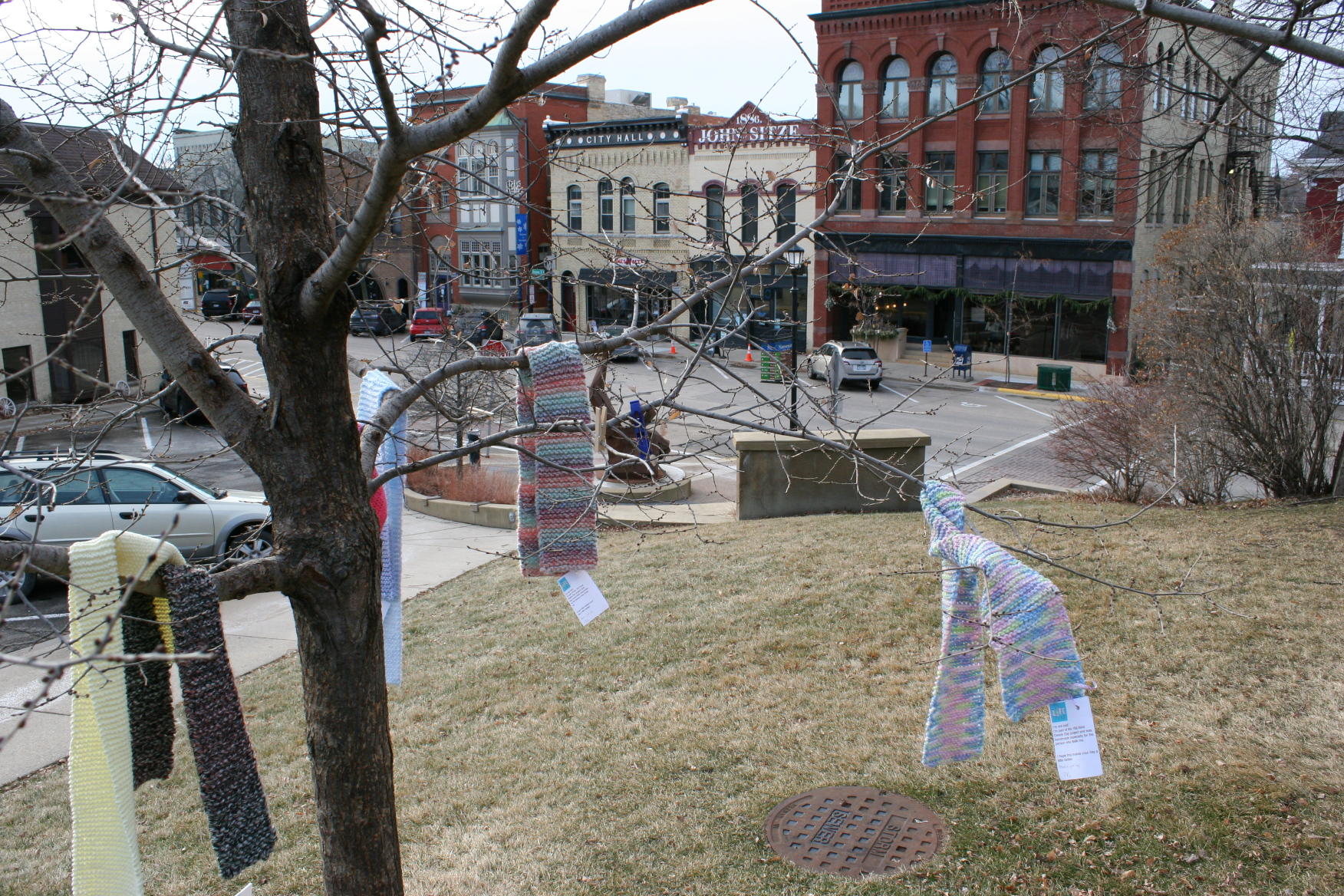
Once I’d gathered those books and snapped two photos inside the library, I focused my attention on the tree. The Gratitude Tree, now renamed The Giving Tree. Previously I photographed gratitude notes here, among the branches.

The library tree is serving as a host site for The Giving Tree and similar projects.
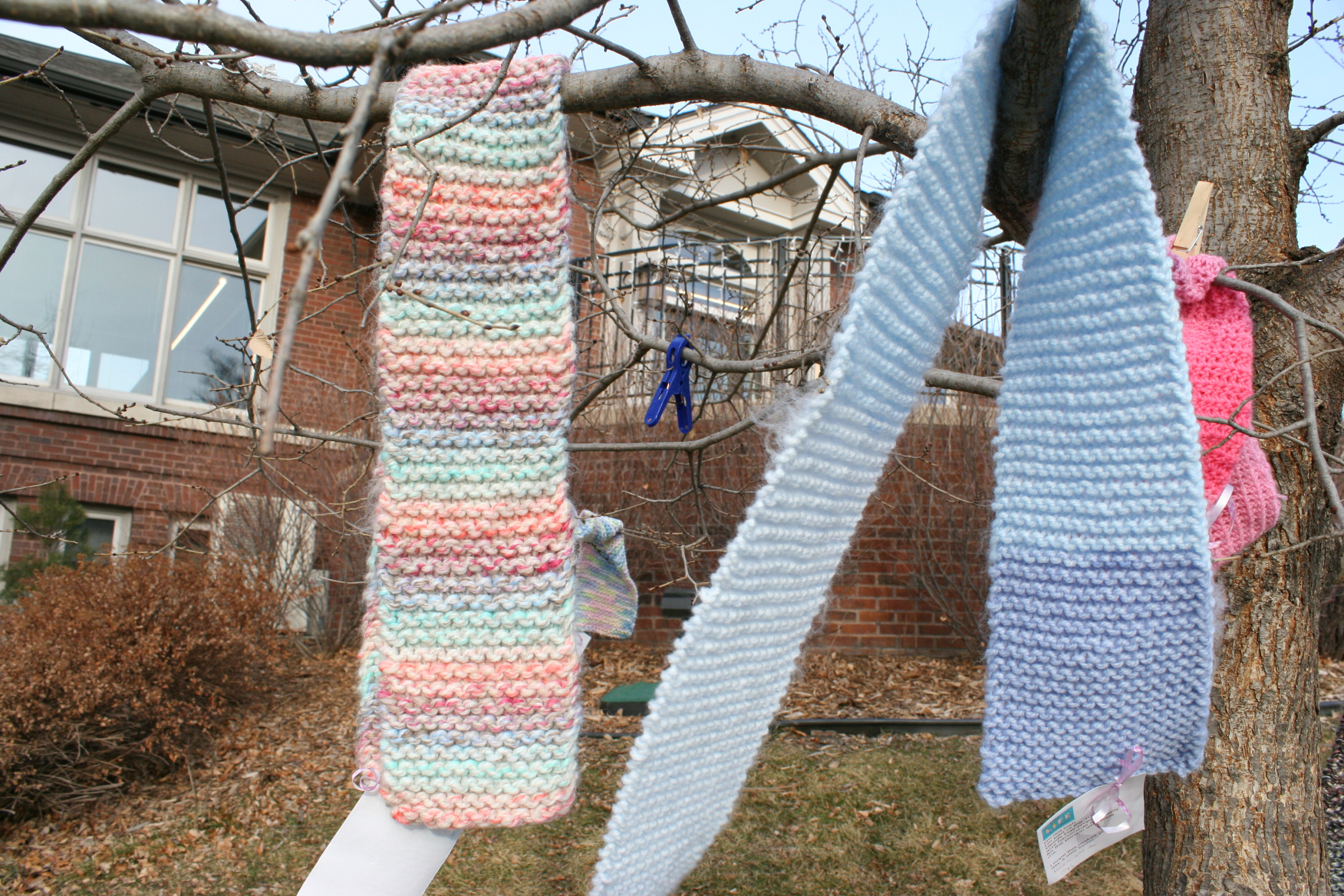
Empty clothespins indicate scarves already taken from a tree once sporting many more items of winter wear.
A tag on each item explains the project.

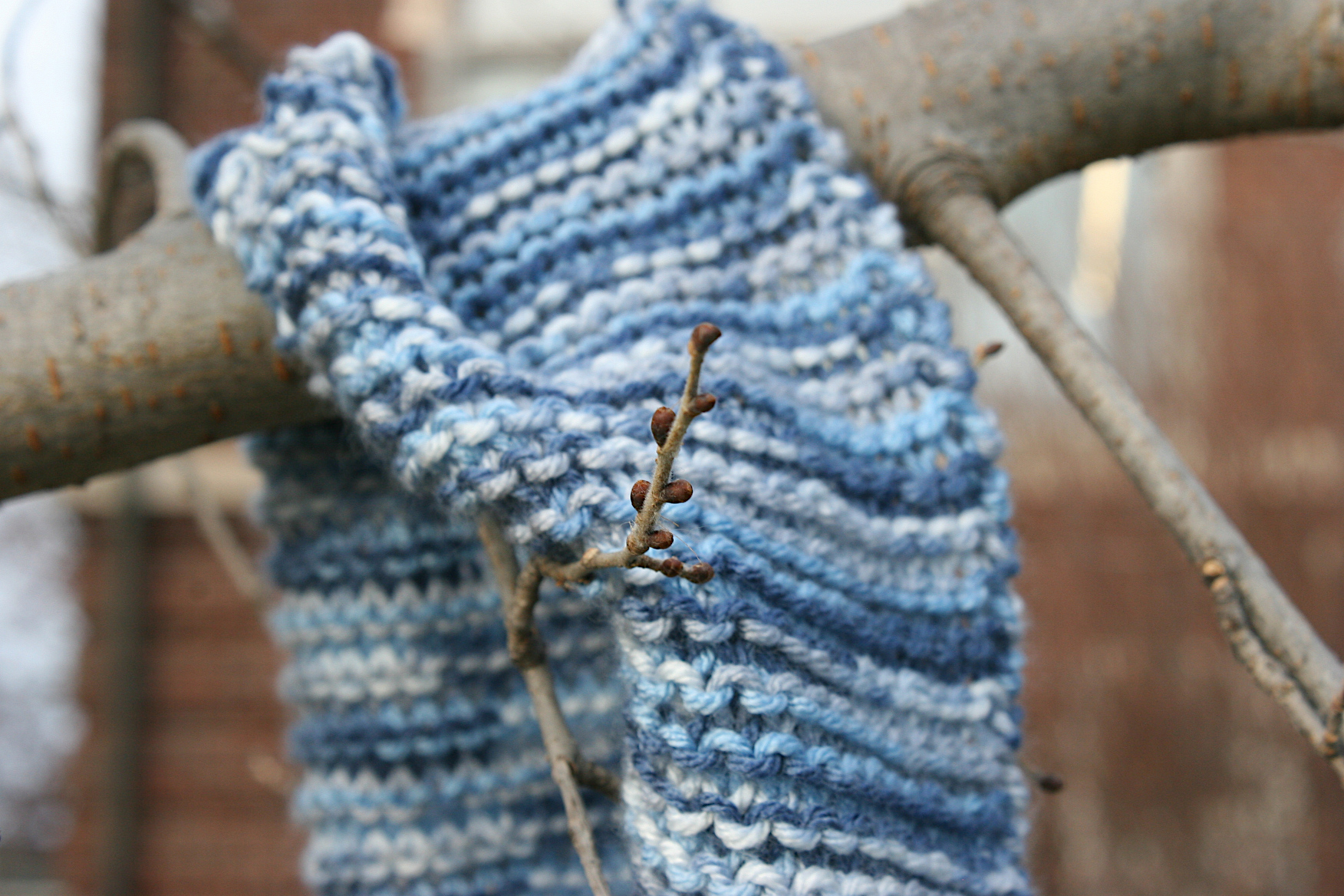
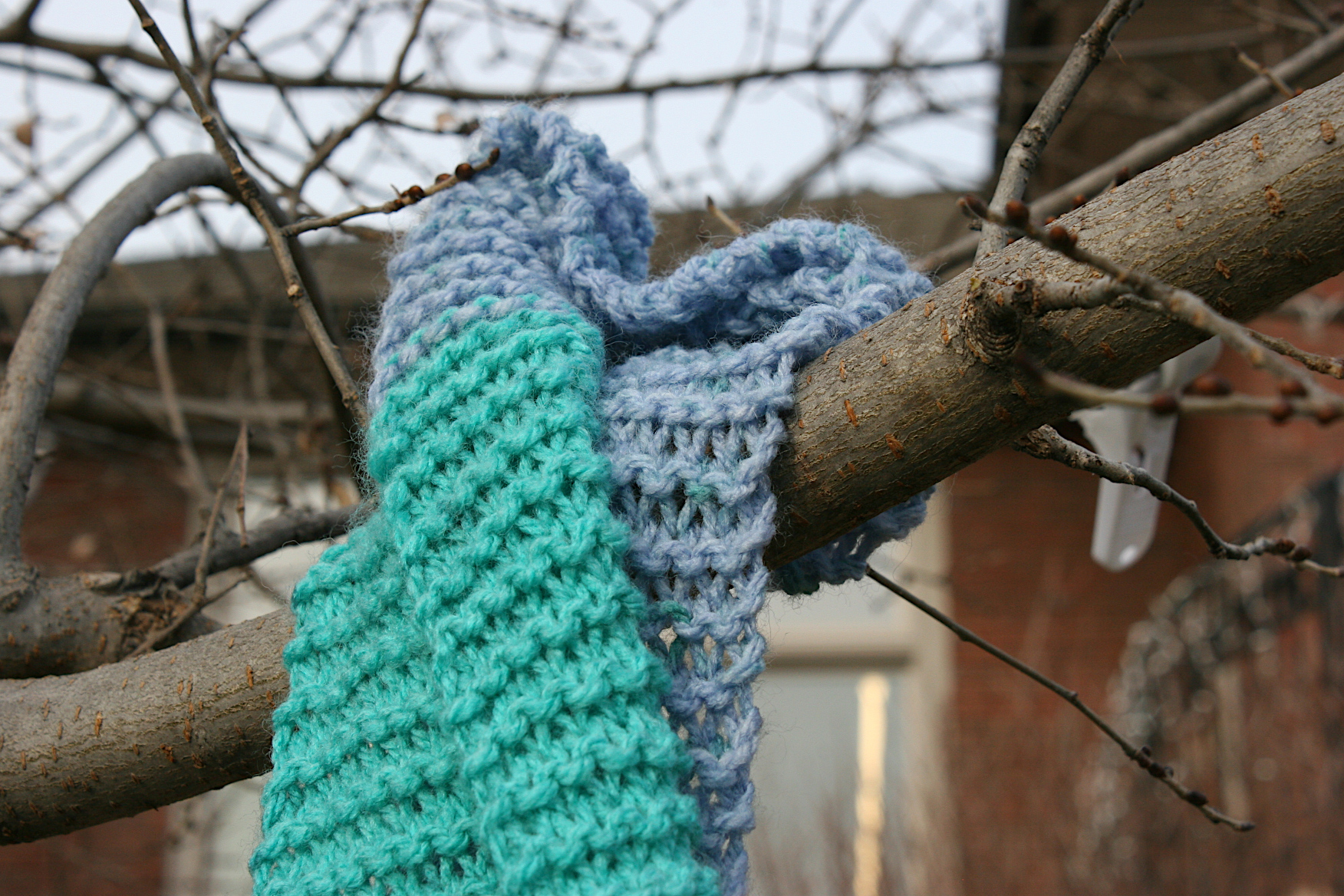
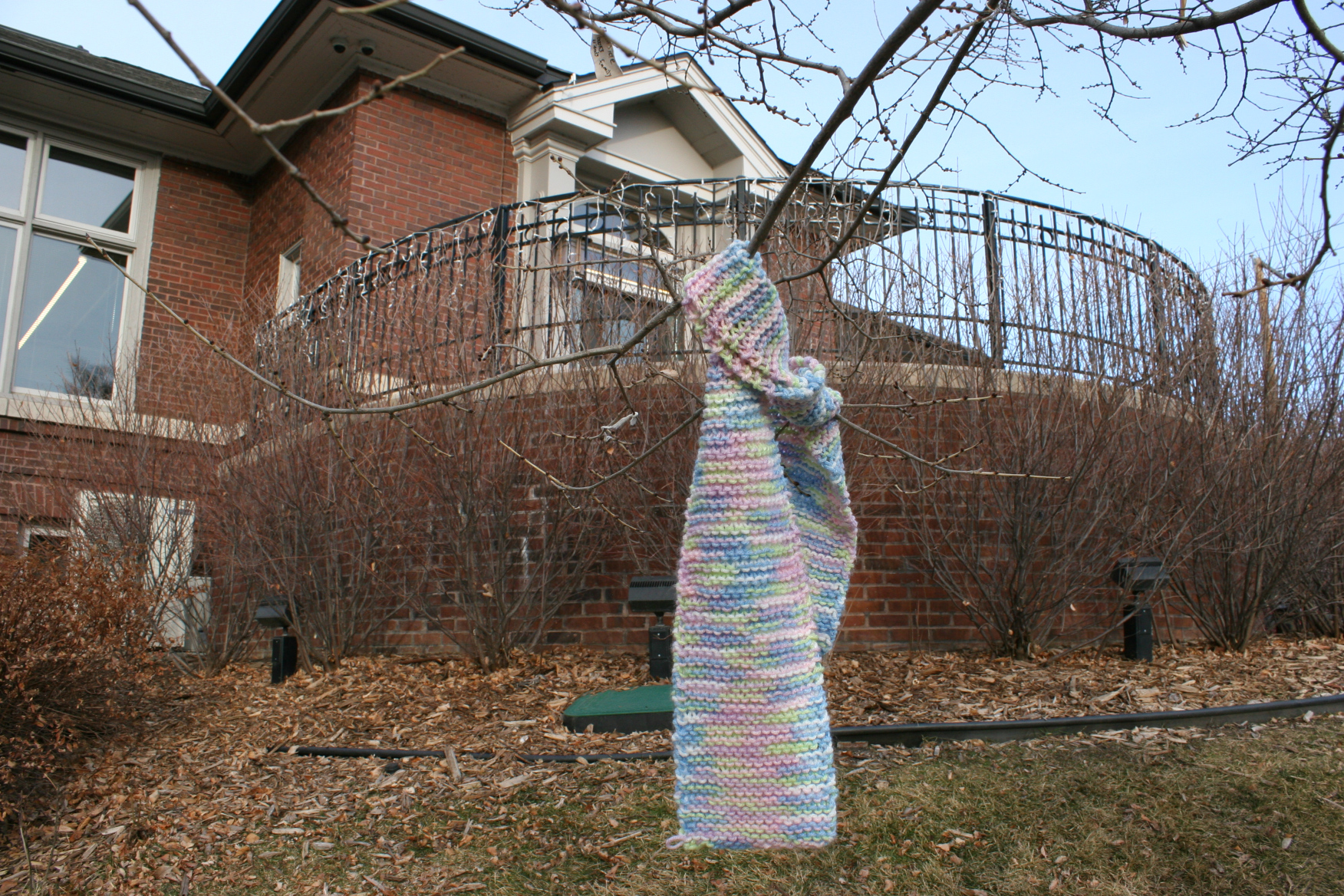
But this time, hand-knit scarves hung among the branches, each with a note attached indicating these are part of the 100 Kind Deeds Day Project. Need a scarf or other winter wear (I spotted a single hat)? Take one.

Handknit with love…and draped in The Giving Tree.
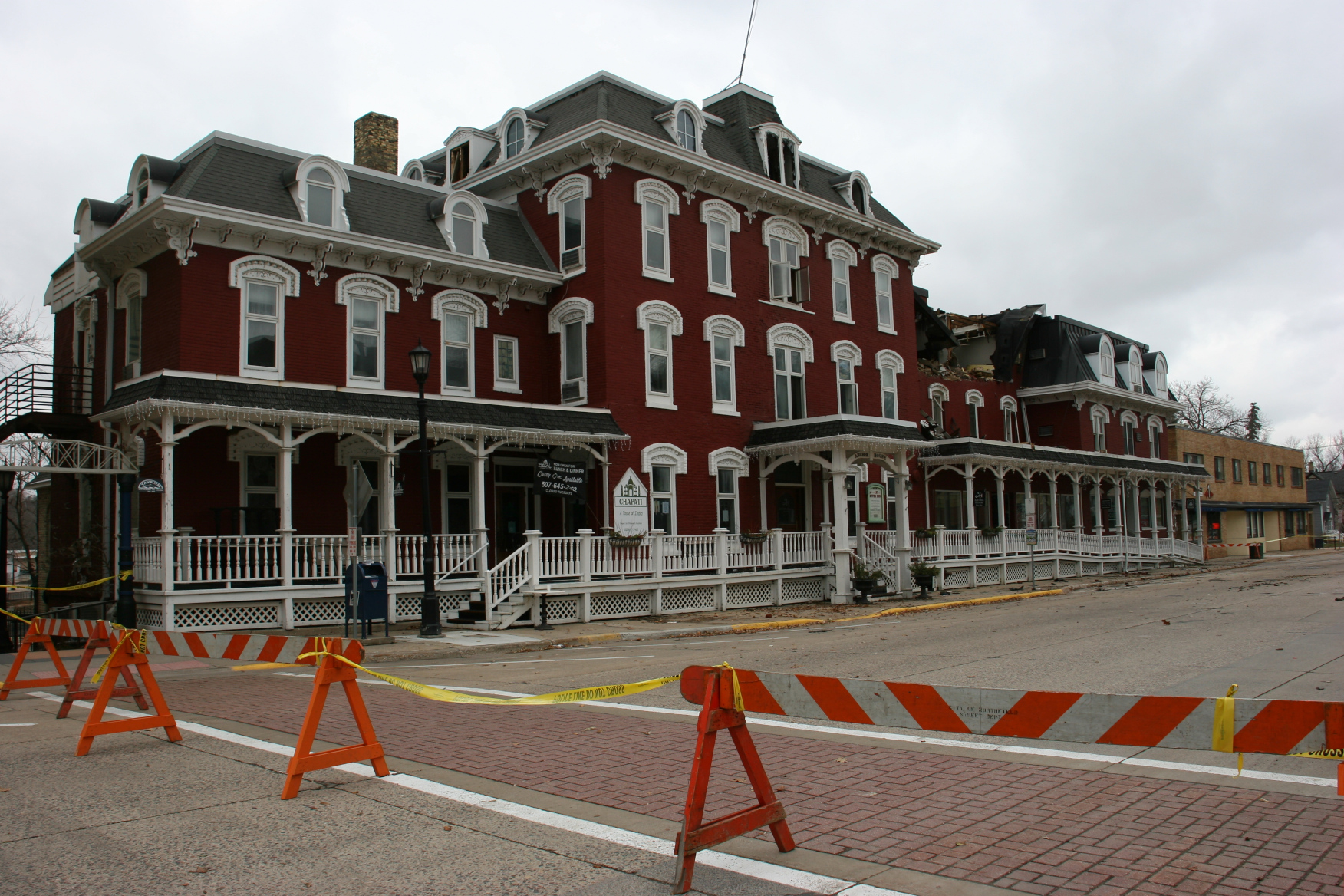
In the background sits the historic Archer House, severely damaged in a recent fire and its future unknown.
The scarves are almost like an art story.

As I photographed the collection, I wondered about the backstory. After researching online, I discovered this is the endeavor of 10-year-old Nika Hirsch of Northfield, founder of This Life Rocks. Annually for the past four years, Nika has invited the Northfield community to accomplish 100 kind acts in 24 hours. This year she dropped toys off at a hospital, picked up trash in a park and gathered donations for The Giving Tree.

Just across the street from The Giving Tree/library are the lovely historic buildings of downtown Northfield.

But there’s more. Remember that name, This Life Rocks? Well, this all started a few years back after Nika was diagnosed with selective mutism, a disorder often linked to social anxiety resulting in difficulty speaking with most people. With therapy, hard work, the love and support of her family and others, and a project—painting encouraging messages on rocks to leave in public places—Nika has accomplished much. The rock painting allowed her to communicate in a non-verbal way.

The beautiful Northfield Public Library serves as host site and backdrop for The Giving Tree.

Watching videos of Nika, I am amazed at how much she’s overcome, how confident and strong in the face of challenges. Nika truly inspires. She makes this world a much better place with her hands-on care, with her positive attitude, with her motto to live life with enthusiasm. And with her kindness.

© Copyright 2020 Audrey Kletscher Helbling


Finally, well into COVID-19, I go to the library August 11, 2020

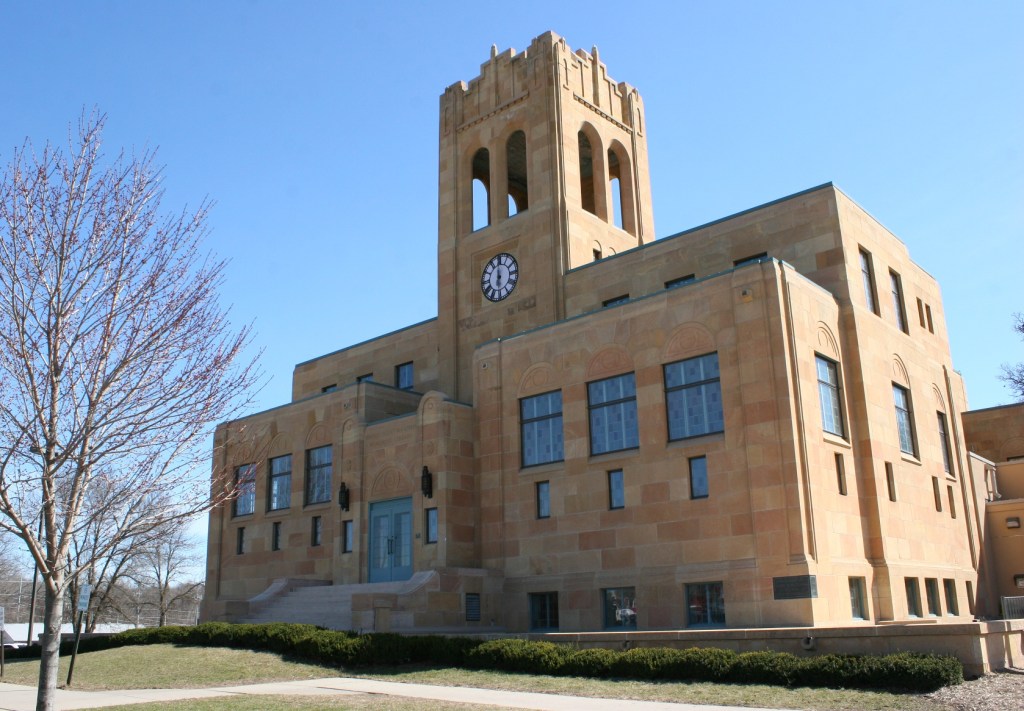
Buckham Memorial Library, Faribault. Minnesota Prairie Roots file photo.


I’VE PREVIOUSLY POSTED about my deep love of libraries tracing back to my childhood. As a child, I had limited access to books. My small rural Minnesota community had no library. Nor did my elementary school, which sourced books from the county library 20 miles away in Redwood Falls. On occasion, I would be among students selected to board a school bus to travel to that library and return with books temporarily borrowed for our school. I loved those opportunities to browse and choose.
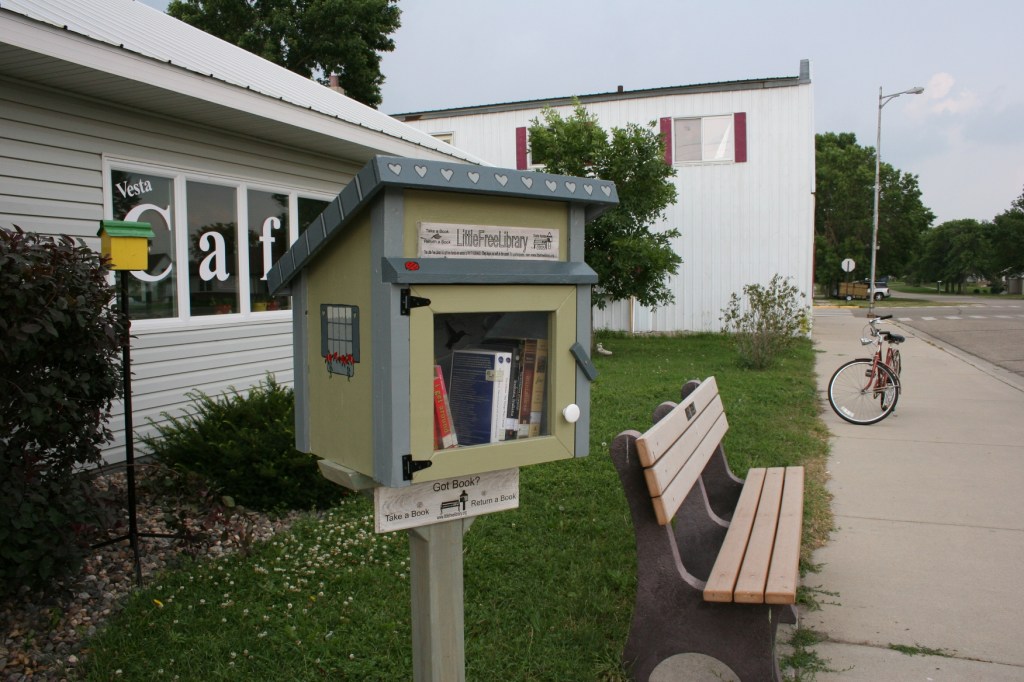
 

The LFL installed outside the community owned Vesta Cafe in July 2012. Minnesota Prairie Roots file photo 2012.


Today my hometown of Vesta still does not have a public library. County bookmobile service ended long ago with budget cuts. But, thanks to my efforts and those of locals and the generosity of Little Free Library co-founder Todd Bol, a LFL sits outside the Vesta Cafe with additional materials inside. Bol gifted the mini library to my hometown in July 2012.
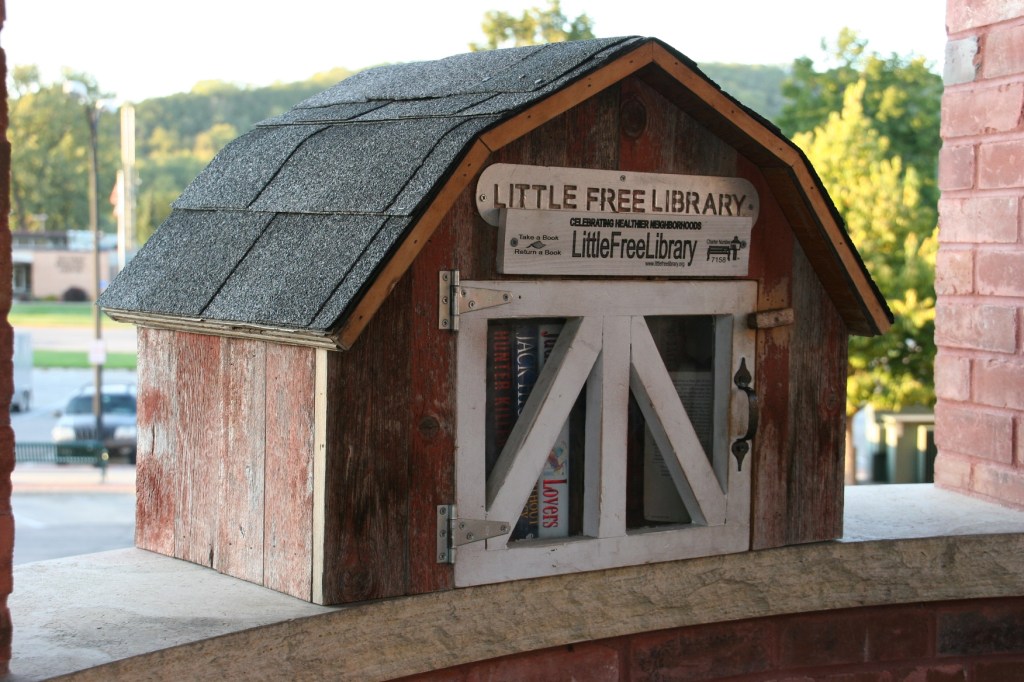
 

A LFL in downtown Decorah, Iowa. Minnesota Prairie Roots file photo.


Fast forward eight years and these mini libraries are seemingly everywhere. And during a global pandemic, especially when public libraries closed for a period (some still with restricted hours), the LFLs proved invaluable to book lovers like me. I found a few good books to read, but still longed to step inside a public library with an abundance of reading materials. That happened three weeks ago.


This photograph was taken last September (pre pandemic) outside the Northfield Public Library during a cultural event there.


Randy and I headed up to neighboring Northfield on a recent Saturday afternoon to look for and check out items at the library. Unlike Buckham Memorial Library in Faribault, the Northfield Public Library reopened months ago (May 26) for regular hours that include evenings and weekends. That makes it accessible to everyone. Masking, social distancing and other protocols are in place and required to protect patrons and staff.
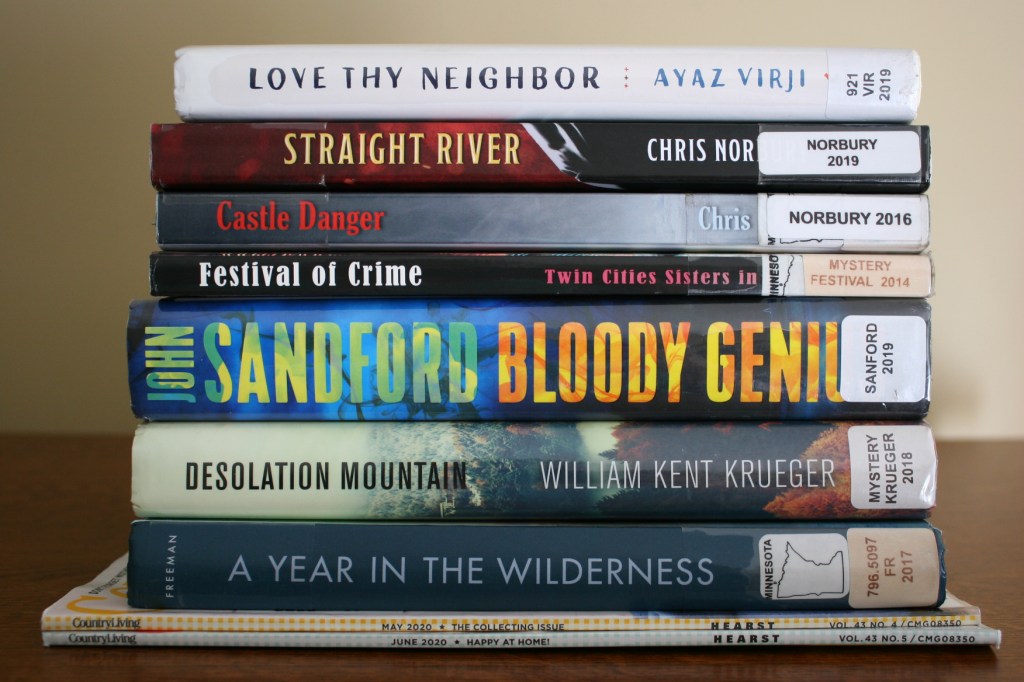
 

The books and magazines I checked out from the Northfield library.


I arrived at the NPL with a list of books I wanted. I wasn’t sure computers would be available to access the card catalog. Because I am unfamiliar with the lay-out of the library, I needed help to find some titles and staff generously assisted. I left with a bag full of seven books and two magazines.



Since then, I’ve been happily reading my stash of Minnesota-authored books. Only one—Love Thy Neighbor, A Muslim Doctor’s Struggle for Home in Rural America by Ayaz Virji with Alan Eisenstock—was not on my list. I spotted the book on a shelf of library staff picks, this one recommended by Sue. I read the book in a single day. One day. That’s how good this book is and how necessary to read. Especially today when headlines daily reveal instances of hatred, racism and so much more dividing our country. Insensitive, inflammatory, just plain horrible words and actions, including in southern Minnesota.

In summary, Love Thy Neighbor is the story of a medical doctor who relocates his family from a busy eastern urban setting to rural southwestern Minnesota to practice medicine as he desires, with a deeper personal connection to patients. Initially, all goes well and Dr. Virji and his family find themselves settling in, accepted, enjoying their new life in rural Minnesota. But then the November 2016 election happens and things begin to change. And that is the focus of this book—the shift in attitudes toward Muslims, how that negativity affected this small town family doctor and his family, and what he did about it.

I’d encourage you to read this enlightening book that recaps Virji’s struggles and the community talks he gave to help those in his small Minnesota community (and elsewhere) to understand his faith and the challenges he faces in a more toxic national environment.
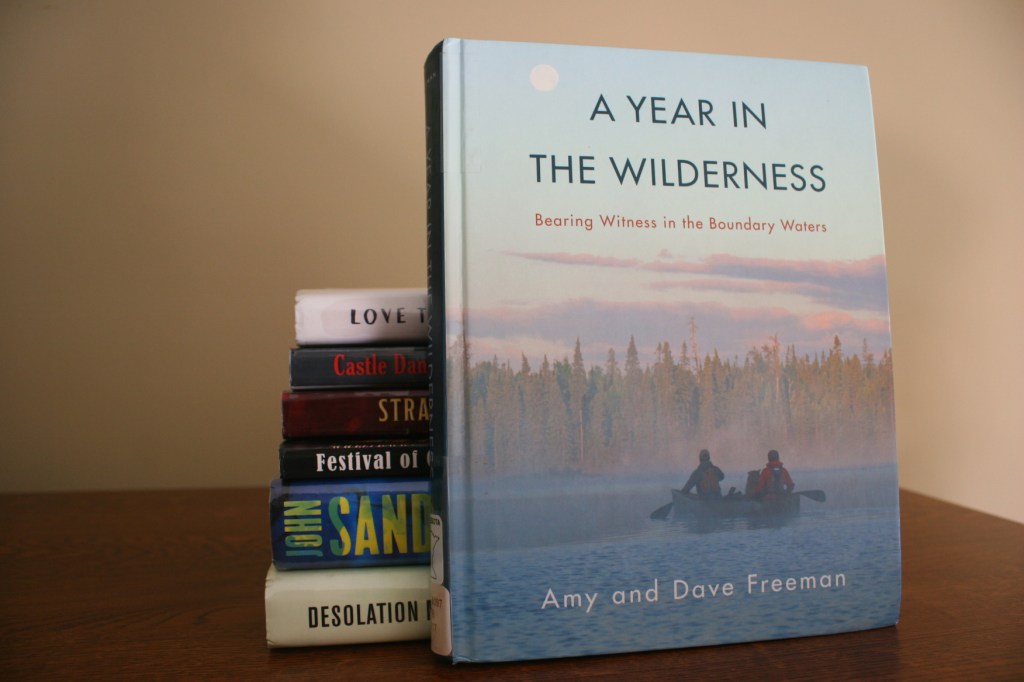


Once I finished that book, I moved onto another environment—into the Boundary Waters Canoe Area Wilderness of northern Minnesota in A Year in the Wilderness, Bearing Witness in the Boundary Waters by Amy and Dave Freeman. It’s been an enjoyable escape into the remote wild, to a place I’ve only ever visited through others. The Freemans, like Dr. Virji, wrote their book with a purpose. To educate, to enlighten and to protect the BWCAW from sulfide-ore copper mining. Incredible photos enhance this detailed documentation of living for a year in the wild. I’d highly recommend this title also.
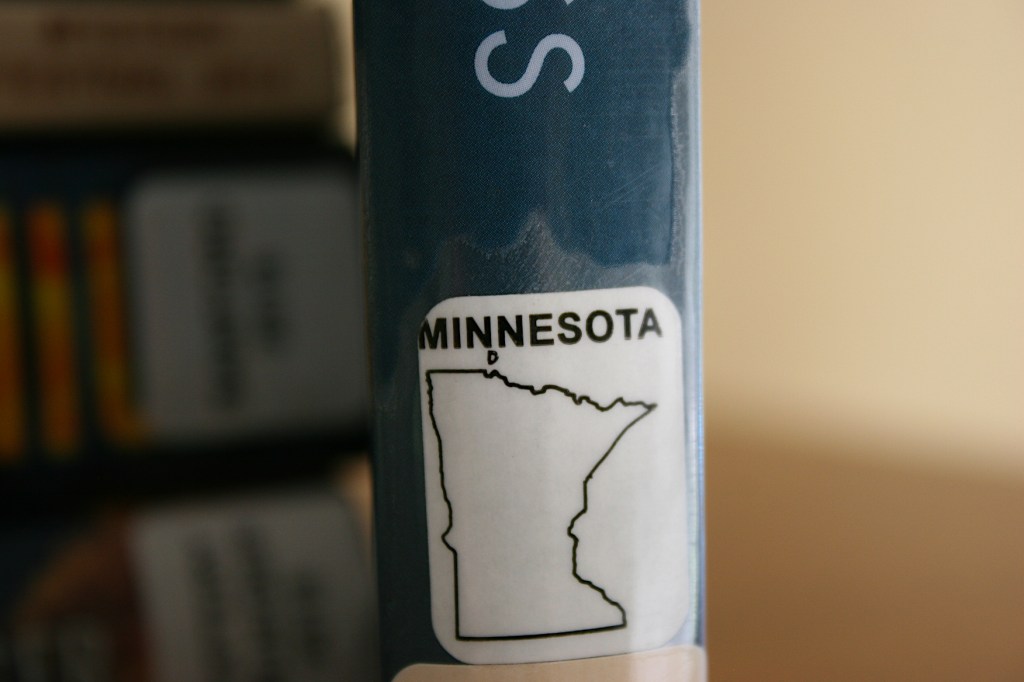
 

I especially enjoy reading books by Minnesotans and appreciate the Northfield library tagging these books with Minnesota-shaped art.


The remaining books in my library book stash are mysteries/mystery thrillers, my preferred genre. I quickly read Desolation Mountain by one of my favorite Minnesota authors, William Kent Krueger. Interestingly enough, that fictional story in the Cork O’Connor series also references potential mining near the BWCAW.

New-to-me author Chris Norbury’s books, Castle Danger and Straight River, also connect to the northeastern Minnesota wilderness. And southern Minnesota, where the main character returns to the family farm in Straight River. I always enjoy reading books that include familiar places. Norbury lives in Owatonna and references area communities. And those of you who grew up in this region recognize that the book titles are actually an unincorporated community in northeastern Minnesota and a river here in southern Minnesota.

I’m determined to stretch my reading beyond the seed mystery love planted decades ago through Nancy Drew books. To that end, I appreciate when library staff pull and showcase books they recommend. Like Dr. Virji’s book.

And I appreciate libraries. I look forward to the day when Faribault’s library opens again for regular hours. Currently, it’s open by appointment only, for 30-minute Browse-and-Go Visits between 10 am – 5 pm weekdays or for No-Contact Curbside Pickup. Because Randy is gone to work between those hours, he has no opportunity to get books locally. And so we will continue our trips to Northfield.

Now, you may wonder why these two communities within 20 minutes of each other and in the same county differ in library reopening. I expect it has much to do with numbers, usage and demographics as it relates to COVID-19. My county of Rice, according to information posted by Rice County Public Health on August 7, has had 1,020 lab confirmed cases* of COVID since March. That breaks down to 830 cases in Faribault. Northfield has had far fewer at 141. The balance of 49 cases are spread throughout other communities in Rice County.

I can only speculate that numbers factor into local library decisions about operations. But who knows? I am a word person, not a numbers person.

#

FYI: My friend Sue Ready, a book lover and writer who lives in the Minnesota northwoods, is a good source of info about Minnesota-authored books. She reviews books on her Ever Ready blog, Click here. Sue also heads up the Northwoods Art & Book Festival in Hackensack, MN., which brings together Minnesota artists and authors. This year’s event was canceled due to COVID-19.

* The number of COVID-19 cases in Rice County as of Monday, August 10, were 1,038.

© Copyright 2020 Audrey Kletscher Helbling


Featuring Faribault poet Larry Gavin March 11, 2020

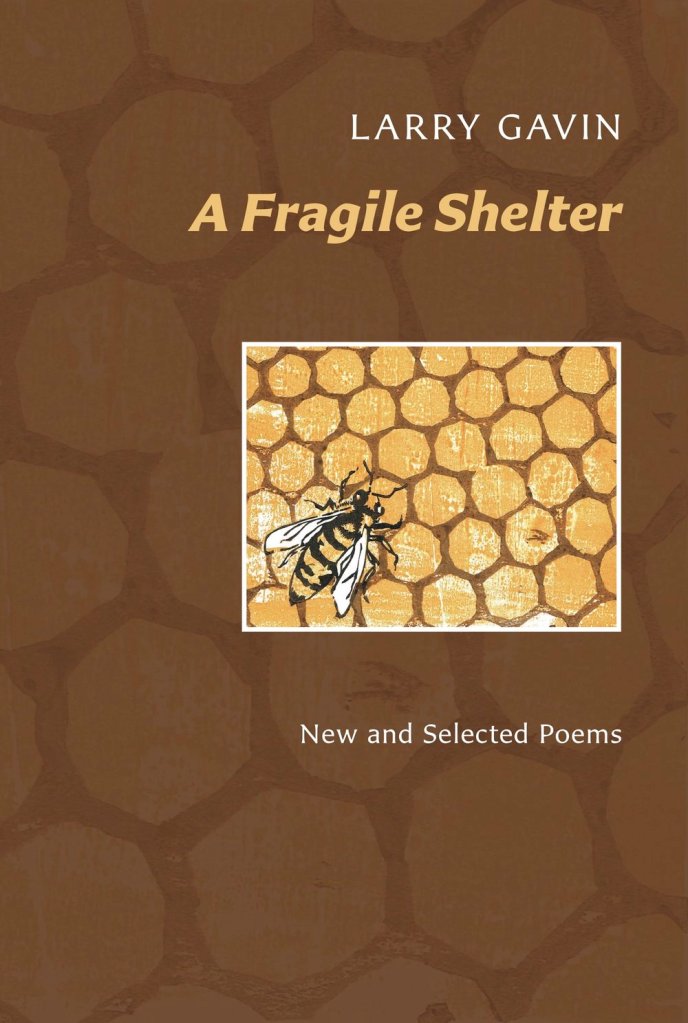
Cover art courtesy of Red Dragonfly Press.


FARIBAULT RESIDENT AND FELLOW poet Larry Gavin reads at 7 pm Thursday, March 12, from his latest poetry collection, A Fragile Shelter—New and Selected Poems, at the Northfield Public Library. This marks his fifth volume of poetry published by Northfield-based Red Dragonfly Press.

I’ve known Larry since he taught English to my eldest daughter at Faribault High School. And then to my second daughter and son. It was during parent-teacher conferences that I learned more about this gifted poet and writer and the connections we share.


An abandoned farmhouse along Minnesota State Highway 19 east of Vesta on the southwestern Minnesota prairie. The house is no longer standing. Minnesota Prairie Roots file photo.


Like me, Larry writes with a strong sense of place. His poems are down-to-earth, descriptive. I see his love of the outdoors, the natural world, imprinted upon his writing. He grew up in Austin, in a decidedly rural region of southeastern Minnesota. And he lived for 15 years, decades ago, in rural southwestern Minnesota to study writing with some remarkable writers like Robert Bly, Bill Holm, Leo Dangel and others. The prairie influence of place and details is there, in Larry’s poetry. Just as it is in mine as a native of the Minnesota prairie.

I’d encourage you to read a post I published in 2011 featuring a Q & A with this poet. Click here.


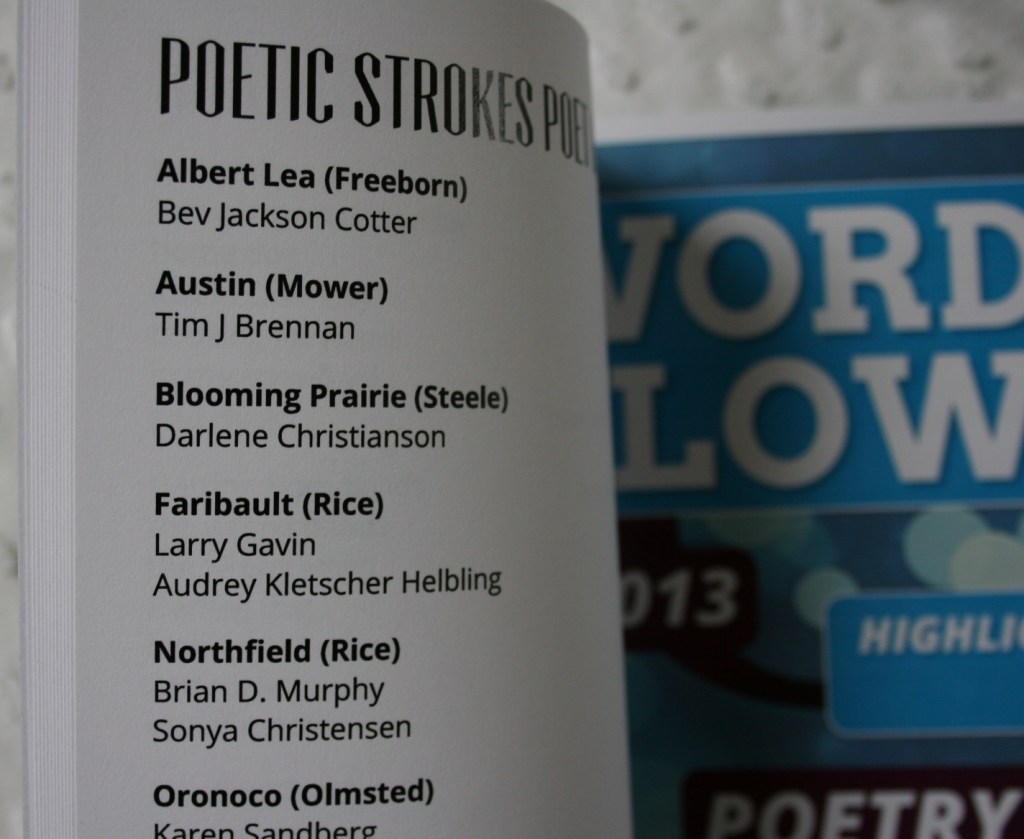
Larry and I both had poems published in the 2013 volume of Poetic Strokes. Minnesota Prairie Roots file photo 2013.


Over the years, Larry and I have sometimes found ourselves crossing as poets—work published in the same places, reading together with other area poets at events, our poems selected for poet-artist collaborations, our poems published on billboards…

It’s always been an honor and a joy to read with Larry, especially to hear him read. His voice is a radio voice—flawless, dipping and rising with the rhythm of his poem, each word flowing into the next in a way that mesmerizes. He taught me that poetry is meant to be read aloud. I find myself now, whenever I write a poem, reading it aloud to hear if a word/line works or it doesn’t.


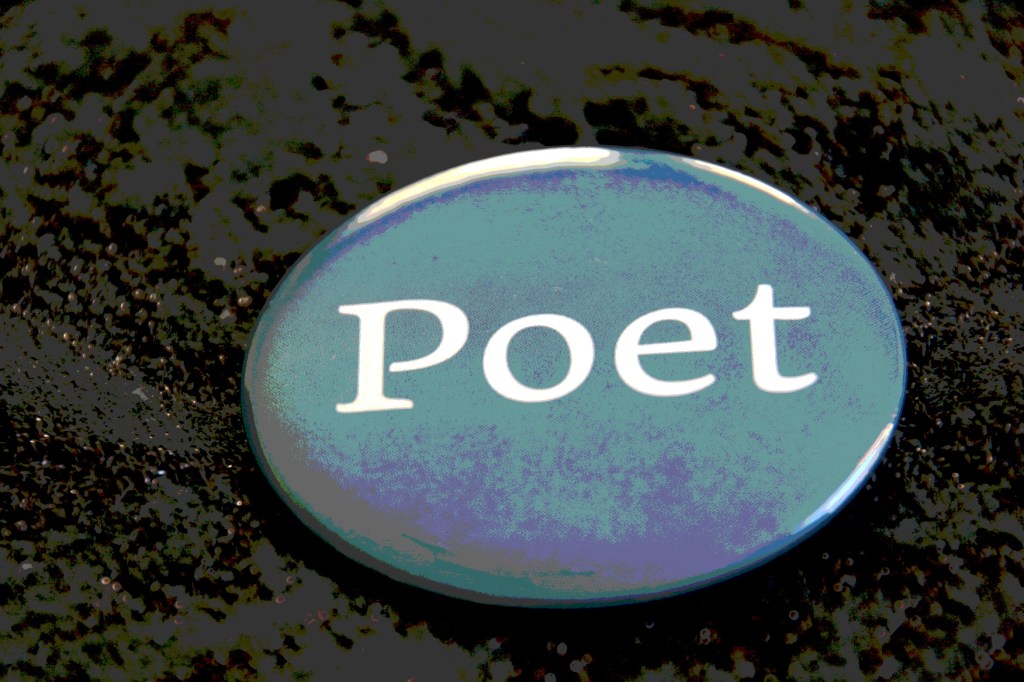
I took poetic license and photoshopped this image of the button I wore identifying me as a poet at a poetry event. Minnesota Prairie Roots file photo.


Poetry today is not your grandmother’s poetry of rhyming verses and flowery, fancied up writing. At least not the poems I write nor those written by Larry. At a poetry reading last year, he talked about “found poems,” poetry inspired, for example, by a note posted in a public place. His humorous poem about a would-be babysitter, who cited experience picking rock, prompted an outburst of laughter. I like that, too, about Larry’s writing. His poems aren’t all stuffy and serious.

To my friend, fellow poet and recently-retired English teacher, Larry Gavin, I extend my congratulations on publishing another collection of poetry. To read or hear his poetry is to recognize his talent as a wordsmith, for he crafts with a love of language, of the land, of life.

© Copyright 2020 Audrey Kletscher Helbling
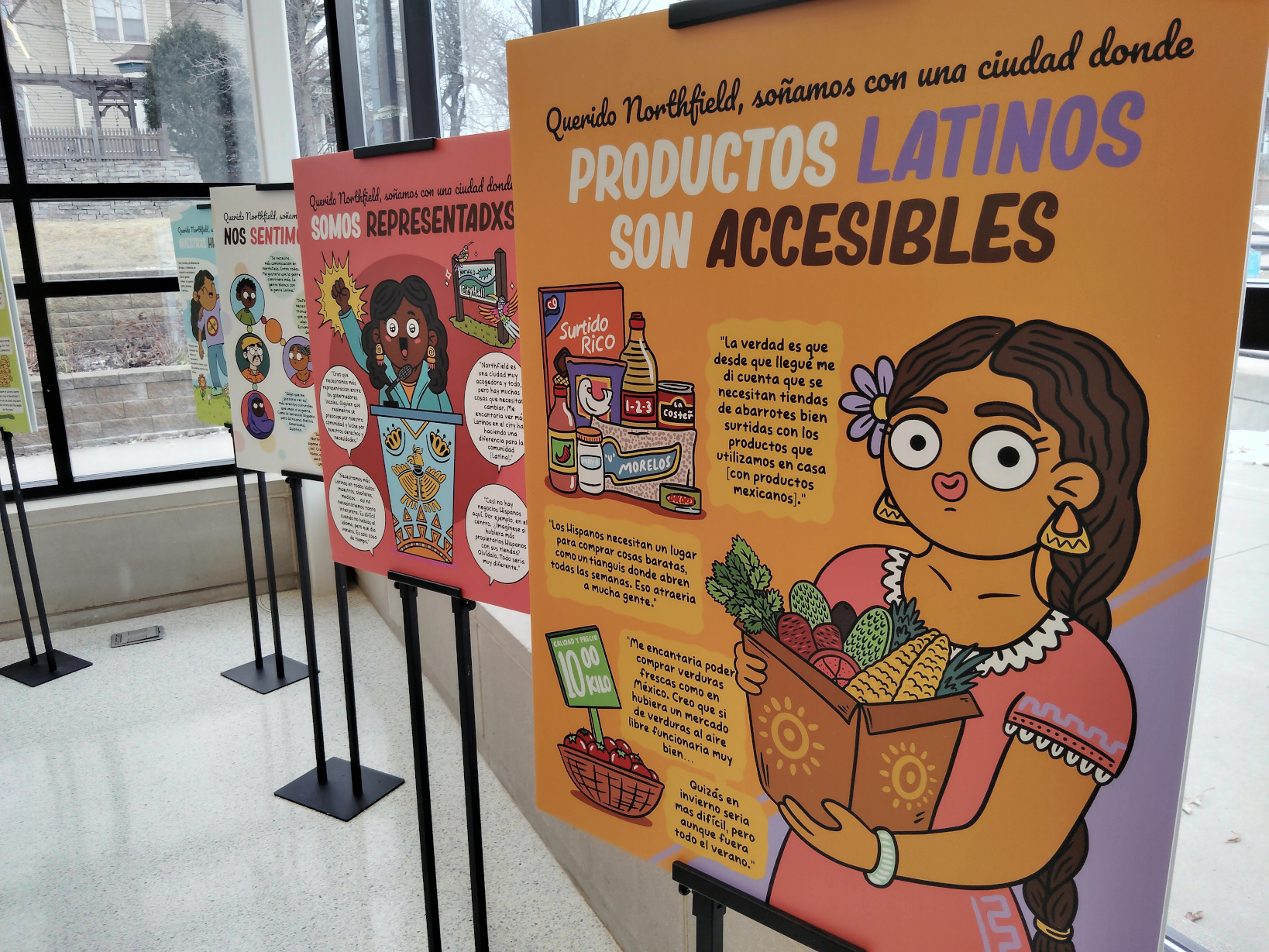
 

Embracing & celebrating the Hispanic Heritage in Northfield September 14, 2019


AFTER A WEEK OF TORRENTIAL RAINS, the sun broke through to a perfect Saturday afternoon in Northfield.


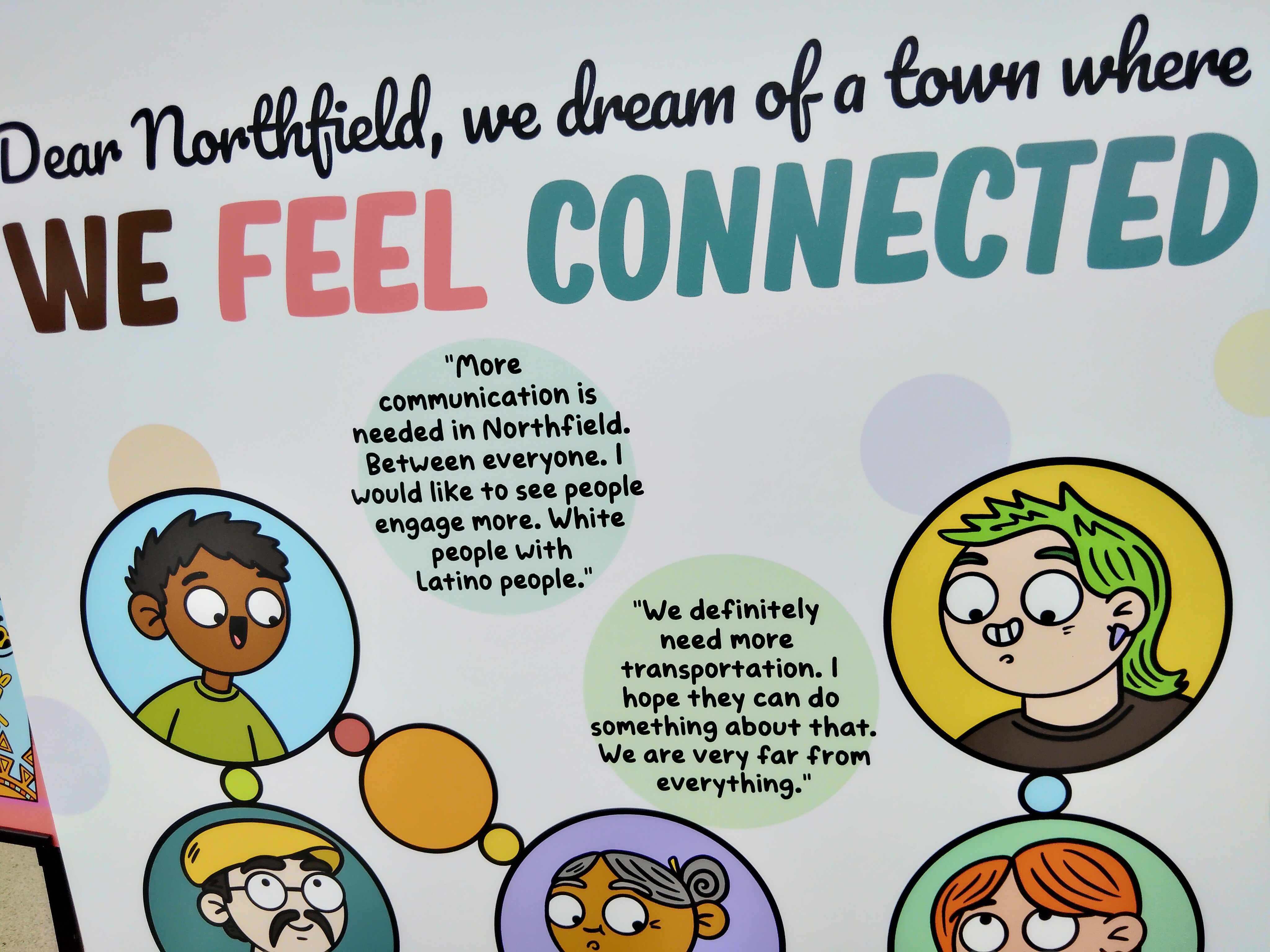
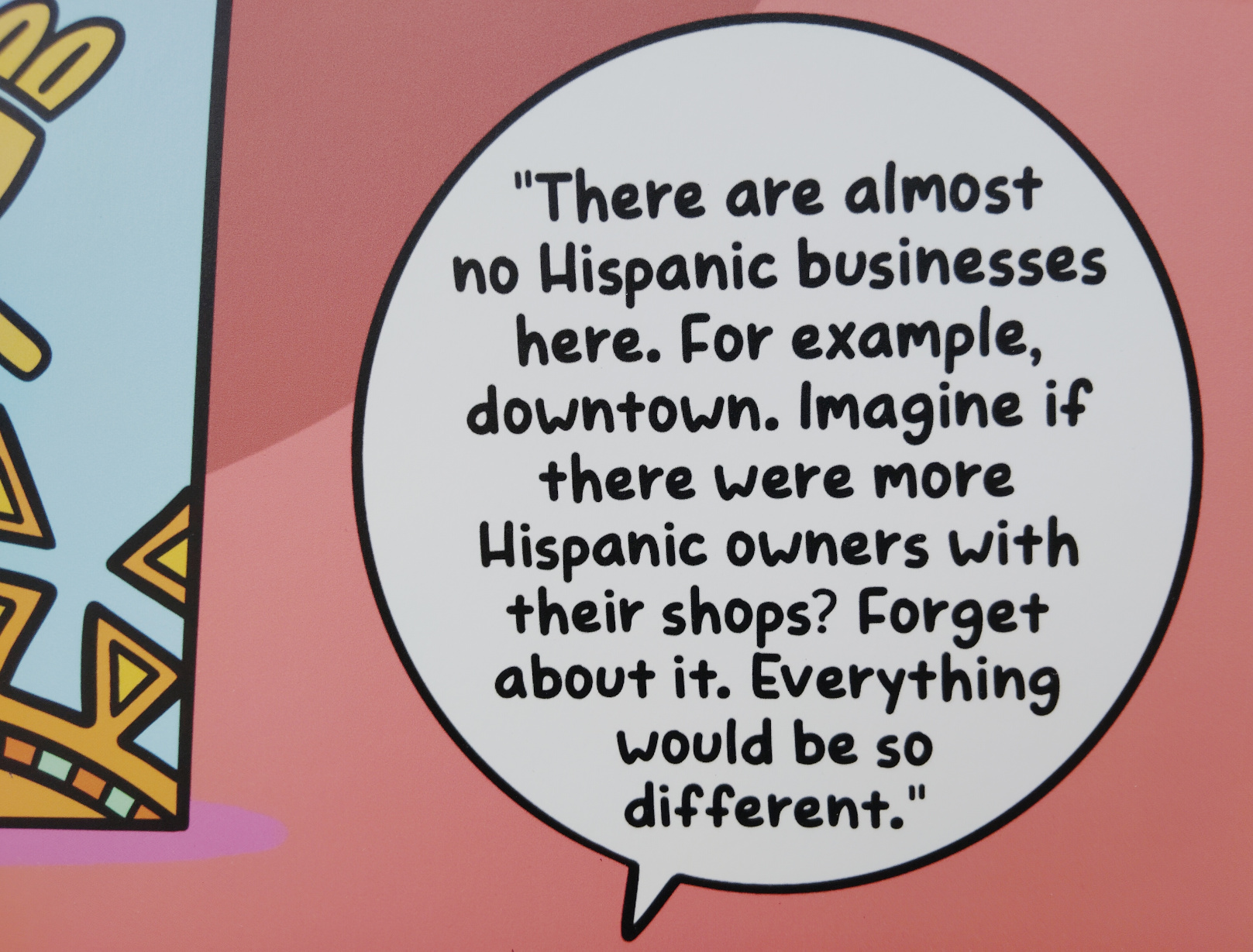
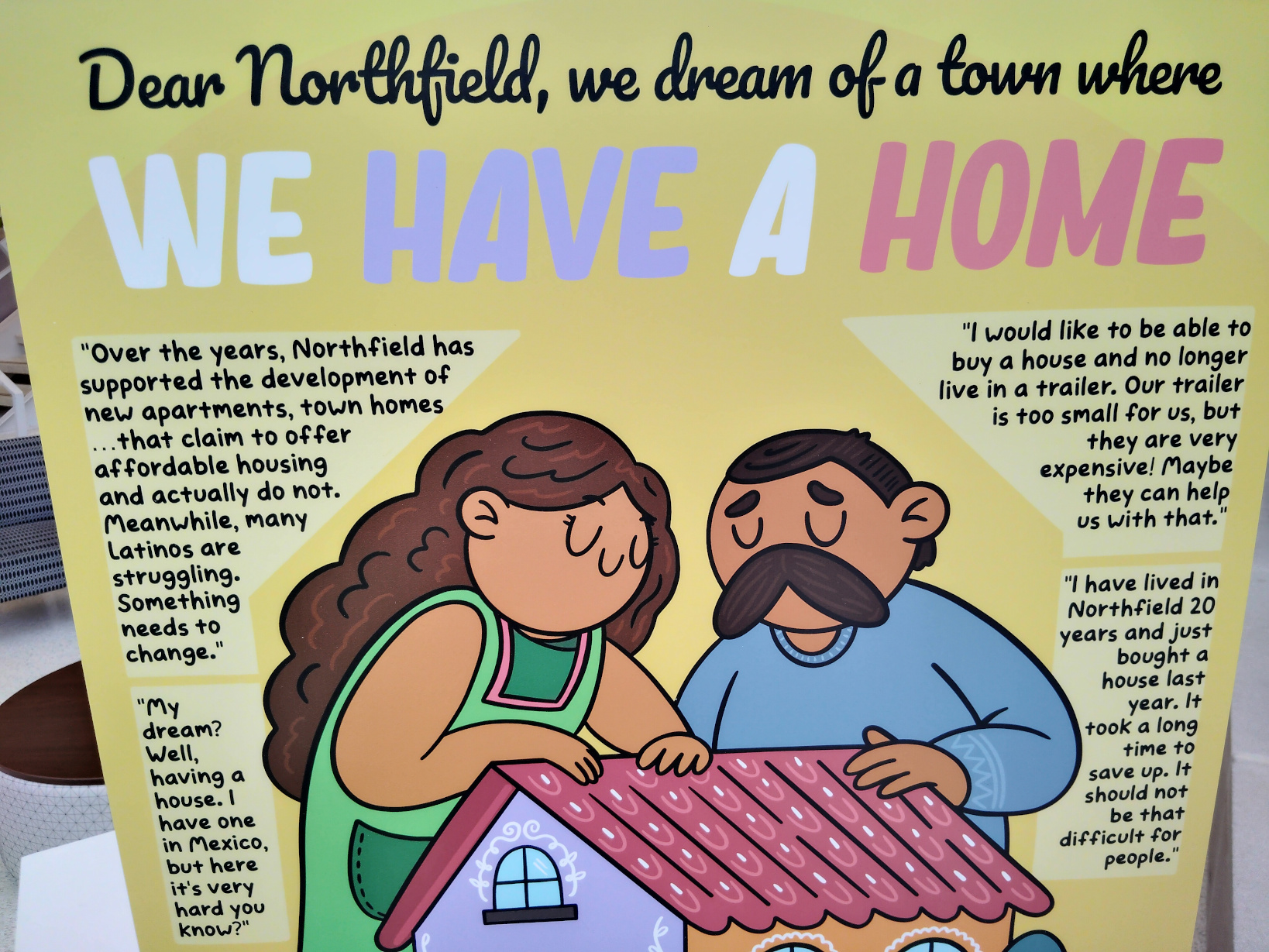
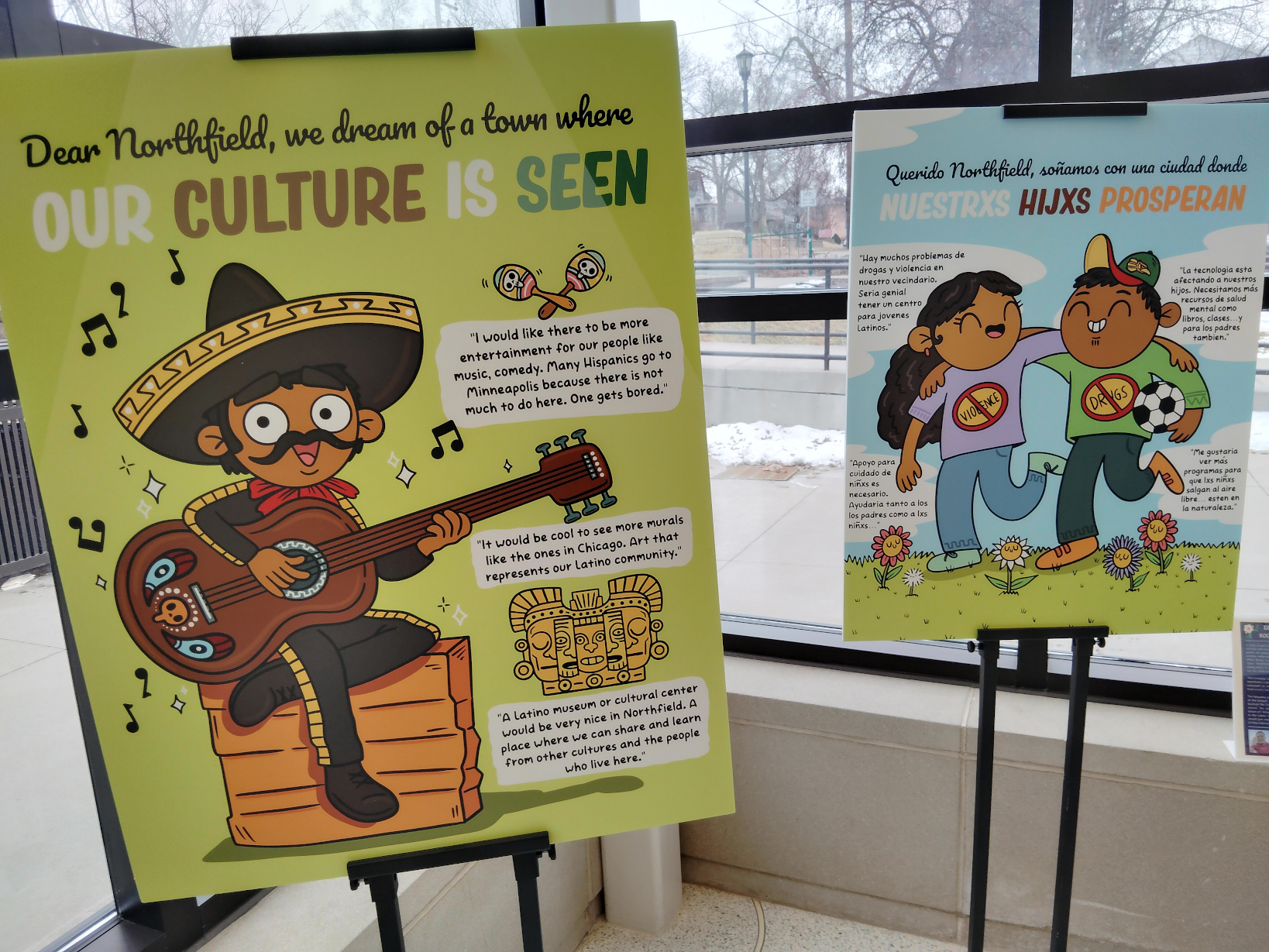
In this picturesque, historic Minnesota river town, people gathered to celebrate Hispanic Heritage Month at the public library. And what a celebration.


Art on the back of the portable stage.


Dancing centered the event as colorfully-costumed dancers entertained the crowd in this community tagged as the place of cows, colleges & contentment.


On this Saturday, it was also a city celebrating the culture of its Hispanic residents.


Giving us all a snapshot of this beautiful culture woven into our Minnesota communities.


I appreciate any opportunity to learn more about another culture. If I’ve observed one thing about those of Hispanic heritage, it’s the importance of family and of being together.


I also love the bright colors of this culture as noted in flags and costumes.


Attending this event simply made me happy with the vivid costumes.


Upbeat, thrumming music.


Wide smiles. All bring joy.


From the dancing


Sunlight filters through the colored tents, casting an orange hue onto young artists.


The art tents.


to the hands-on art


The candy table


to the vendors


to the food trucks and more, I felt immersed in the Hispanic culture for an afternoon.


Right there in the heart of Northfield. The celebration continues into October.

© Copyright 2019 Audrey Kletscher Helbling
 

Spread a little sunshine with words of gratitude July 26, 2019


GRATITUDE. How do you define that word, express it, show it?


I express my thankfulness mostly in words, written and spoken.


For that reason I was especially drawn to a tree on a hillside outside the Northfield Public Library. Upon the branches dangle colorful tags. And on those paper pieces, people penned their responses to this prompt: What are you grateful for?


I filtered through some of those answers last Saturday when heavy rains ended and the sky broke to partially cloudy. To read those responses brought more sunshine into my day, I expect exactly as The Spread Sunshine Gang intends. The Gratitude Tree is a project of the group, “a non-profit with the mission to share goodness, kindness and generosity to the Twin Cities metro area and beyond,” according to the Sunshine website.


That mission makes me smile as do these additional thoughts from the website:

The Spread Sunshine Gang believes the world needs more love, happiness, forgiveness and kindness. We are a motley crew of hard-working people who make time to spread a little sunshine. Through random acts of kindness and dedication to paying it forward we create events for others to do the same.


I love this, absolutely love the purpose behind projects like The Gratitude Tree. In a world where selfishness and meanness and anger seem sometimes all too prevalent, we need to pause and ponder gratitude. And then we need to act on that word and shine our thankfulness and love.


TELL ME: What are you grateful for? Have you seen a Gratitude Tree or something similar? I’d love to hear.

© Copyright 2019 Audrey Kletscher Helbling
 

Embracing everyday & public art, plus a new sculpture in Northfield June 28, 2012

GROWING UP, I DIDN’T have all that much formal exposure to the arts. Not at home. Not in school. Not outside of either.

Life was different back then, in the 1960s and early 1970s, with families in my southwestern Minnesota farming community simply working long, hard hours to survive. We didn’t, for the most part, have art galleries and live theatre, concerts or art shows or any of those cultural centers and events that today are an assumed aspect of life, even in the most rural of areas.

Despite that absence of organized art opportunities, I was not deprived of art. Rather, its presence was subtle—found in the flower gardens of Great Aunt Dora, in the dance of corn tassels on a breezy summer afternoon, in the patchwork symphony of quilts my Grandma Ida stitched, in the blazing orange of a prairie sunset painted across the wide sky, in the distinguishable cadence of a John Deere tractor, in the stones my great uncle rockhounds collected, sculpted and polished to shiny perfection.

Those exposures to art were so much a natural part of my life that I never realized their significance as artful influences.

Today I can find organized art anywhere, including right here in my community of Faribault. I embrace (most of) it with exuberance.

And to the north, in neighboring Northfield, the arts scene is even more vibrant.

The recently-installed “Tree of Knowledge and Delight” at the Northfield Public Library.

At 4:30 p.m. this Friday, June 29, Northfield celebrates its latest addition to downtown art at the official unveiling of the “Tree of Knowledge and Delight,” a sculpture created by 10 Northfield High School students and installed in the Northfield Public Library plaza.
A St. Olaf College emeritus professor of art and a St. Olaf art apprentice guided the students in their non-credit, extra-curricular public art course which resulted in the sculpture. Funding for the Northfield Young Sculptors Project came via a $4,150 Legacy grant approved by the Southeastern Minnesota Arts Council.
I viewed the sculpture for the first time Sunday evening. I’ll admit that I didn’t study the sculpture like I should have. But oftentimes it takes me awhile to warm up to abstract art.

Eight branches comprise the tree sculpture.

But if you take the time to examine the tree, you will see the visual themes related to learning and individual artistic expressions—the book, the faces, the snake, the harmony of colors and more.

That students would have this opportunity to create such a sizable piece of public art seems exceptional. What an encouragement to them as young artists.

The “Tree of Knowledge and Delight” will remain at the library plaza for a year before relocating to a permanent home at Northfield High School. Plans call for a public sculpture to become an annual project for NHS students and their professional mentors. And that is good.

Yet, aside from this organized project, I hope students will not overlook the art in their everyday lives. For that is the art which, as I see it, defines the artistic world in its simplest, purest, most grassroots form.

FYI: This project was also supported by the Northfield Arts and Culture Commission, the Northfield Public Library, Northfield High School and the City of Northfield.

Right next to the Northfield Young Sculptors Project you’ll see this knit art wrapped around a “Do not enter” sign post. An attached tag, which includes a photo of a young woman, reads: “It’s immortality, my darlings.– Alison.” This is apparently a memorable line by character Alison DiLaurentis from the teen drama television series, “Pretty Little Liars.” Never heard of it. Any idea who placed this quote and knit art on the Northfield street sign? And what does that message mean anyway?

© Copyright 2012 Audrey Kletscher Helbling