Minnesota Prairie Roots

Writing and photography by Audrey Kletscher Helbling

Celebrating the wordful art of poetry in southeastern Minnesota April 19, 2013

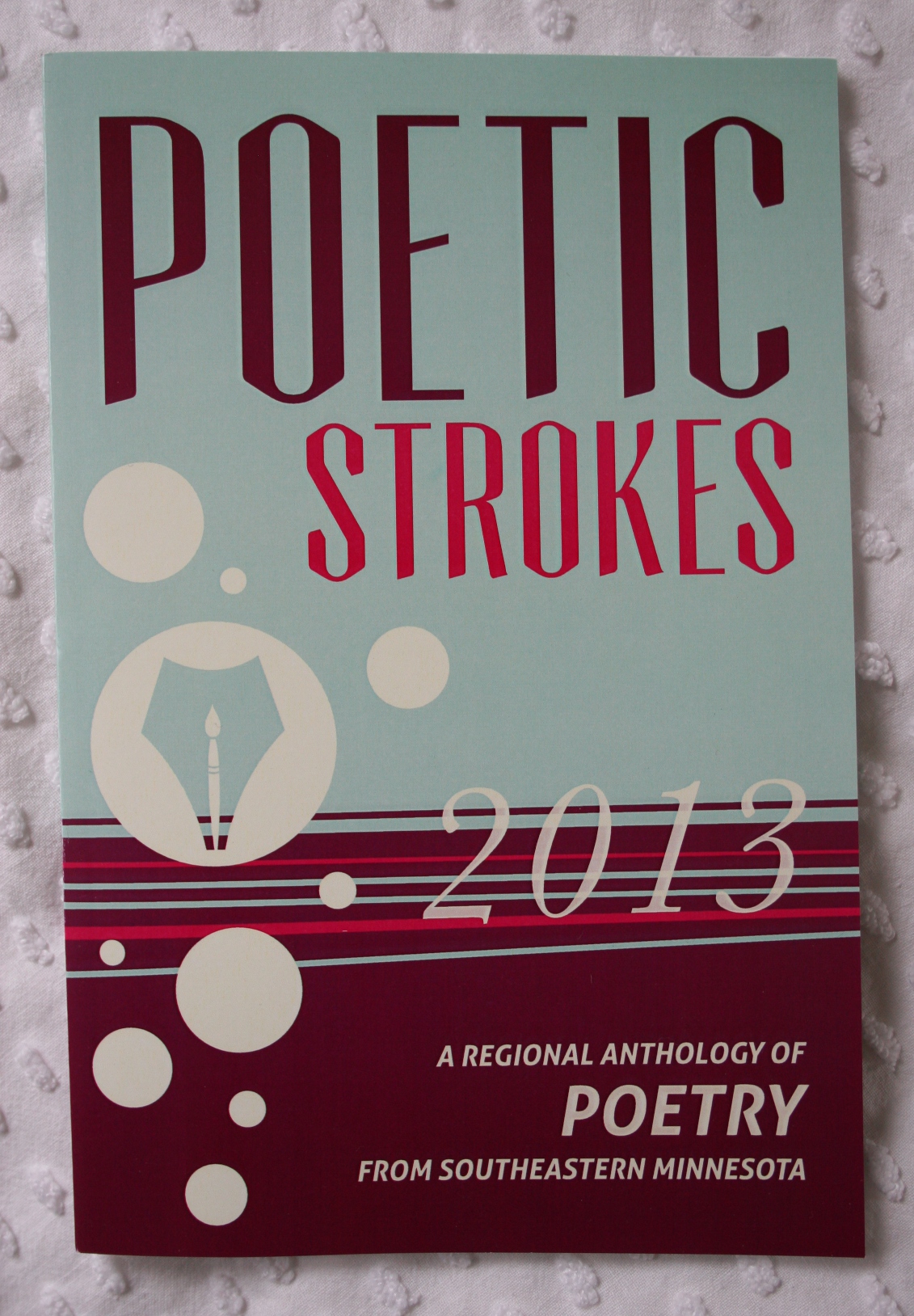
SELCO's seventh volume of Poetic Strokes.

SELCO’s seventh volume of Poetic Strokes.

POETIC STROKES. The title resonates with a graceful image of fountain pen dipped in ink sweeping words across a blank page.

In my idealistic poet’s eye, I envision letters flowing onto paper with ease and passion.

In reality, I understand that inspiration more likely comes in halting clicks on a computer keyboard, screen idling, fingers poised, poet pausing to claim the muse. If only poetry were as easy to write as it might seem.

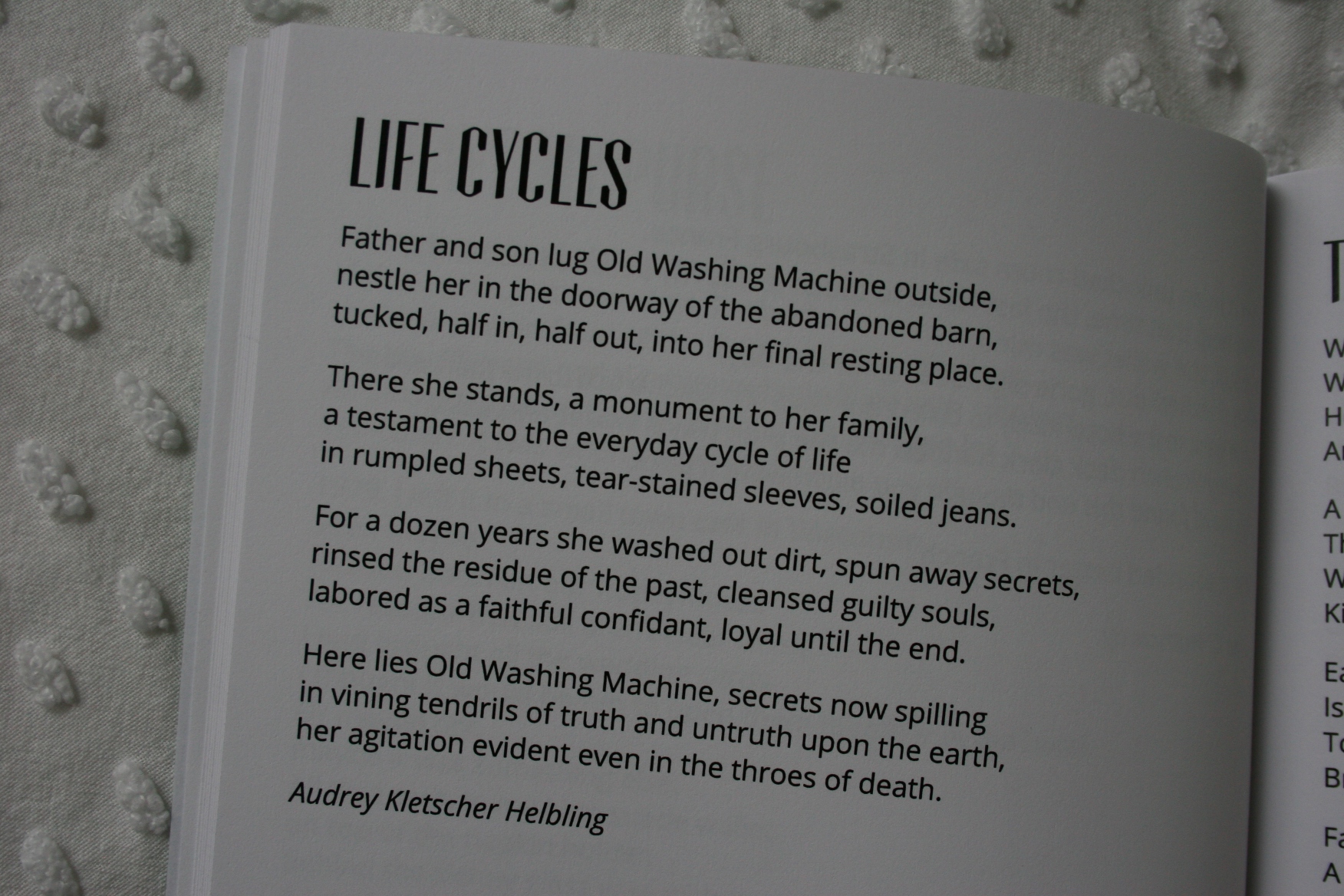
My poem, "Life Cycles."

My poem, “Life Cycles.”

These are my thoughts as I read the recently-released volume 7 of Poetic Strokes 2013—A Regional Anthology of Poetry from Southeastern Minnesota, published by Southeastern Libraries Cooperating (SELCO). My poem, “Life Cycles,” is among 18 selected for publication from 110 submissions. This marks the fifth Poetic Strokes volume in which my poetry has printed.

As I thumb through the pages of this anthology, which also includes youth poetry in a Word Flow section, I am impressed by the talent of poets who call this 11-county SELCO region home. Southeastern Minnesota claims some mighty fine poets. I recognize many poets’ names from past anthologies and other contests. I am in fine company.

If I were to ask these poets what inspires them, how would they respond?

How have they come to write about an aged woman going to the beauty shop, sweet memories from the summer of ’68, picking strawberries, perusing library shelves, baking bread and a dozen other topics which, without their creative pens, would seem rather ordinary topics?

The poet’s gift is to dip a pen into the inkwell of a memory, an emotion, a moment in time, a scene—whatever inspires—and create a wordful work of art. As a poet, there is nothing sweeter than words flowing into lines and verses, connecting to the reader in some way.

When I read about gardening or peeling an apple (not really about peeling an apple) or any of the other subjects covered in this seventh volume of Poetic Strokes, I take away my own interpretation based on my experiences. Therein lies a truth. Poetry is as much about writing as it is about experiencing this wordful art.

Eighteen poems were selected for publication from 110 submissions to Poetic Strokes. In the Word Flow section of the anthology, 14 poems were published from 99 submissions.

Eighteen poems were selected for publication from 110 submissions to Poetic Strokes. Faribault High School English teacher and writer Larry Gavin joins me as the other Faribault poet included in the anthology.  In the Word Flow youth section of the anthology, 14 poems were published from 99 submissions. All but two of those students attend Cannon Falls High School.

YOU CAN MEET Poetic Strokes poets at 6 p.m. on Tuesday, April 30, during a Meet and Greet hosted by the Owatonna Public Library and the Owatonna Poetry Writer’s Group in the third floor Gainey Room at the library, 105 North Elm Avenue. Poets will discuss and share their poetry. If you plan to attend, please RSVP to Bonnie Krueger at the library by emailing bonnie@owatonna.info or calling (507) 444-2460. Because refreshments will be served, she needs a head count.

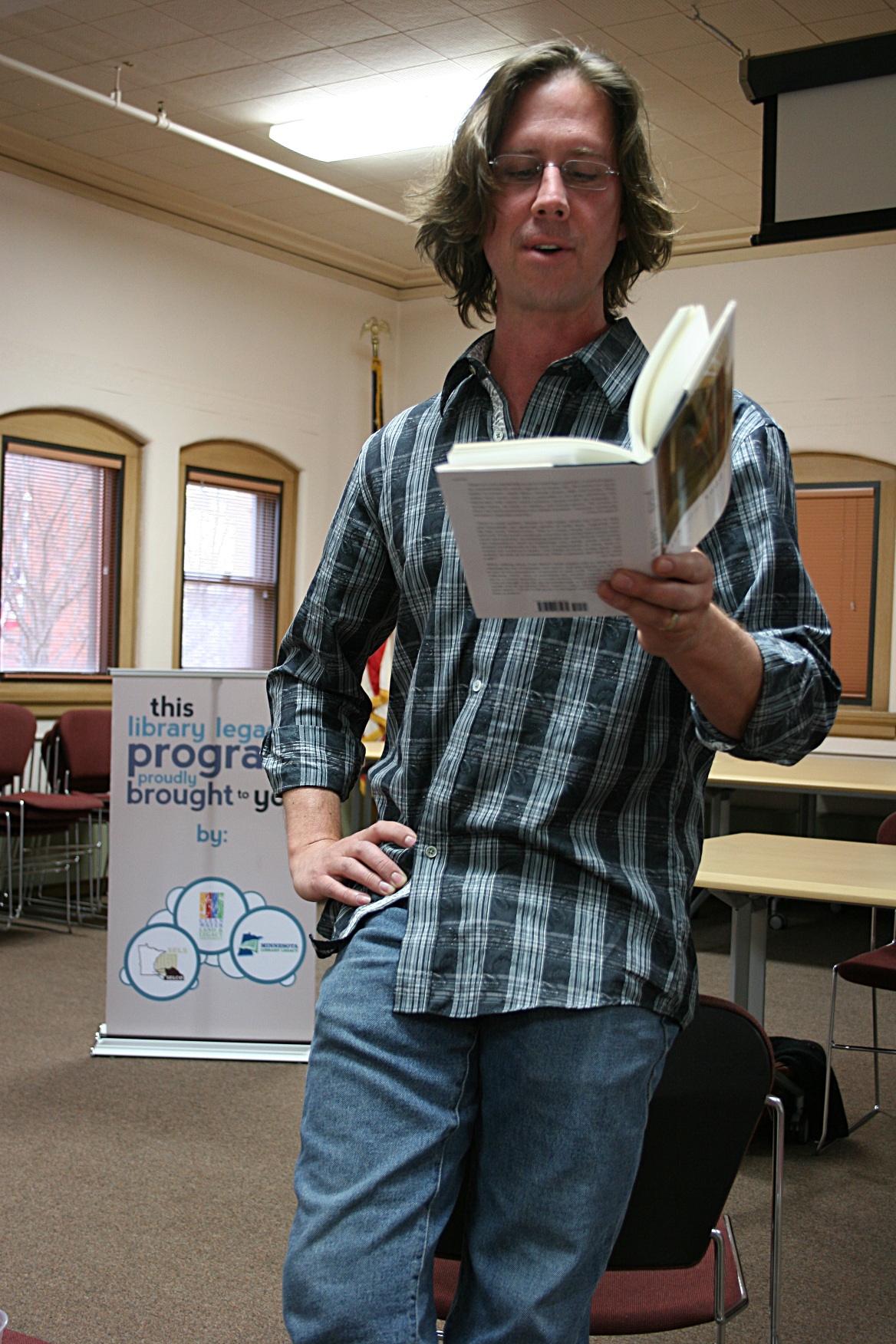
Following the Meet and Greet, at 7 p.m., Minnesota Book Award Poet Todd Boss, one of my favorite Minnesota poets, will share his works. I cannot wait to hear Todd read during this “Poets at the Library Tour” event celebrating National Poetry Month in April.

THIS EVENING, Friday, April 19, Better Brew Coffeehouse, 301 North Main Street, Pine Island, is hosting an Open Mic Poetry Night beginning at 7 p.m. The event calls for participants of all ages and all forms of poetry to read their works or that of others. Participant registration opens at 6 p.m. Better Brew, the Van Horn Public Library and Pine Area People for the Arts are sponsoring the poetry reading. Given the unfolding weather situation, I’d advise checking whether this reading is still “on” or postponed.

FYI: If you live in the SELCO system, you can check out a copy of Poetic Strokes from your local library. The anthology was funded in part or in whole with money from Minnesota’s Arts and Cultural Heritage Fund. Click here to see the names of poets published in the 2013 Poetic Strokes. To read the list of youth poets published in Word Flow, click here.

© Copyright 2013 Audrey Kletscher Helbling


How I’ve composed poetry that dances (in the barn) April 4, 2013

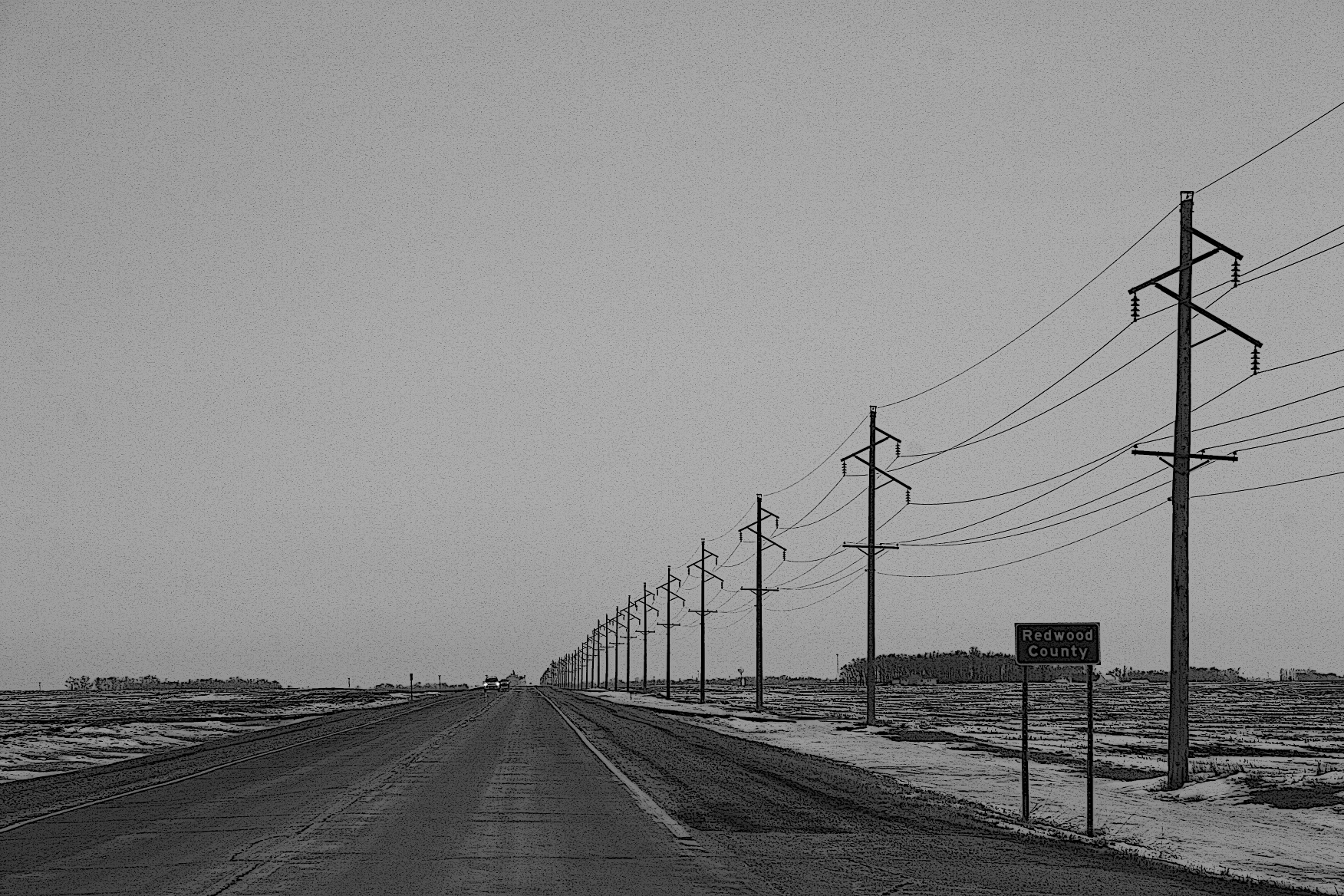
Entering my home county of Redwood along Minnesota State Highway 68 southeast of Morgan.

Entering my home county of Redwood along Minnesota State Highway 68 southeast of Morgan. Rural Redwood County is the setting for most of my poetry.

POETRY. That single word encompasses language, music, art, emotion and more. It’s a word to be celebrated in April, designated as National Poetry Month by the Academy of American Poets.

I’ve written poetry for about four decades, but not with particular passion or regularity until recent years. Something has evolved within me as a writer, directing me from the narrow path of journalistic style writing to the creativity of penning poetry.

Perhaps a parcel of my new-found enthusiasm can be traced to my publishing success. Seventeen, soon to be 18, of my poems have been published in places ranging from literary journals to anthologies to billboards to a devotional and more. I figure if editors have accepted my poetry for publication, I must be doing something right. And when they reject my poetry, as has happened often enough, they were correct in those decisions.

An abandoned farmhouse along Minnesota State Highway 19 east of Vesta on the southwestern Minnesota prairie.

An abandoned farmhouse, like this one along Minnesota State Highway 19 east of Vesta on the southwestern Minnesota prairie, inspired my poem, “Abandoned Farmhouse,” published in Poetic Strokes, A Regional Anthology of Poetry from Southeastern Minnesota, Volume 3.

Most of my poems are rooted in childhood memories from the southwestern Minnesota prairie. I write about topics like barns, walking beans, an abandoned farmhouse, canned garden produce, taking lunch to the men in the field and such.

My poetry rates as visually strong and down-to-earth. There’s no guessing what I am writing about in any of my poems.

Barns, like this one along Minnesota Highway 60 west of Waterville, have woven into my poetry.

Barns, like this one along Minnesota Highway 60 west of Waterville, have woven into my poetry.

Here, for example, is my poem which published in Volume One of Lake Region Review, a high-quality west central Minnesota-based literary magazine of regional writing. To get accepted into this journal in 2011 and then again in 2012 significantly boosted my confidence as a poet given the level of competition and the credentials of other writers selected for publication.

This Barn Remembers

The old barn leans, weather-weary,
shoved by sweeping prairie winds,
her doors sagging with the weight of age,
windows clouded by the dust of time.

Once she throbbed with life
in the heartbeats of 30 Holsteins,
in the footsteps of my farmer father,
in the clench of his strong hands
upon scoop shovel and pitchfork.

This barn spoke to us,
the farmer and the farmer’s children,
in the soothing whir of milking machines
pulsating life-blood, rhythmic, constant, sure.

Inside her bowels we pitched putrid piles of manure
while listening to the silken voices of Charlie Boone
booming his Point of Law on ‘CCO
and Paul Harvey wishing us a “good day,”
distant radio signals transmitting from the Cities and faraway Chicago.

This barn remembers
the grating trudge of our buckle overshoes upon manure-slicked cement,
yellow chore-gloved hands gripping pails of frothy milk,
taut back muscles straining to hoist a wheelbarrow
brimming with ground corn and pungent silage.

This barn remembers, too,
streams of hot cow pee splattering into her gutters,
rough-and-tumble farm cats clumped in a corner
their tongues flicking at warm milk poured into an old hubcap,
and hefty Holsteins settling onto beds of prickly straw.

A rural scene along U.S. Highway 14 near Nicollet.

A rural scene along U.S. Highway 14 near Nicollet.

Let’s examine “This Barn Remembers” to see how I created this poem. Always, always, when penning a poem like this, I shut out the present world and close myself into the past.

I rely on all five senses, not just the obvious sight and sound, to engage the reader:

  • sight—sagging doors, clouded windows, manure-slicked cement
  • sound—soothing whir of milking machines, grating trudge of buckle overshoes, silken voices of Charlie Boone
  • taste—tongues flicking warm milk
  • touch—in the clench of his strong hands, gripping pails of frothy milk, settling onto beds of prickly straw
  • smell—putrid piles of manure, pungent silage

Strong and precise verbs define action: shoved, throbbed, booming, gripping, brimming, splattering, flicking

Literary tools like alliteration—pitched putrid piles of manure—and personification—the barn taking on the qualities of a woman—strengthen my poem.

The words and verses possess a certain musical rhythm. This concept isn’t easy to explain. But, as a poet, I know when my composition dances.

I also realize when I’ve failed, when a poem needs work and/or deserves rejection.

That all said, the best advice I can offer any poet is this:

  • Write what you know.
  • Write from the heart.
  • Write in your voice.
  • Write with fearlessness and honesty. (Note especially this line: “…streams of hot cow pee splattering into her gutters…”)
I grew up on a dairy and crop farm, so I know cows well enough to write about them in my poetry.

I grew up on a dairy and crop farm, so I know cows well enough to write about them in my poetry.

You can bet I smelled that hot cow pee, watched the urine gushing from Holsteins into the gutter, pictured a younger version of myself dodging the deluges, when I penned “This Barn Remembers.” Writing doesn’t get much more honest than cow pee.

IF YOU’RE A POET, a lover of poetry and/or an editor, tell me what works for you in composing/reading/considering poetry.

© Copyright 2013 Audrey Kletscher Helbling
 

Country song March 11, 2013

Filed under: Uncategorized — Audrey Kletscher Helbling @ 6:48 AM
Tags: , , , , , , ,
Somewhere along Minnesota Highway 19 west of Red Wing, Minnesota.

Somewhere along Minnesota Highway 19 west of Red Wing, Minnesota.

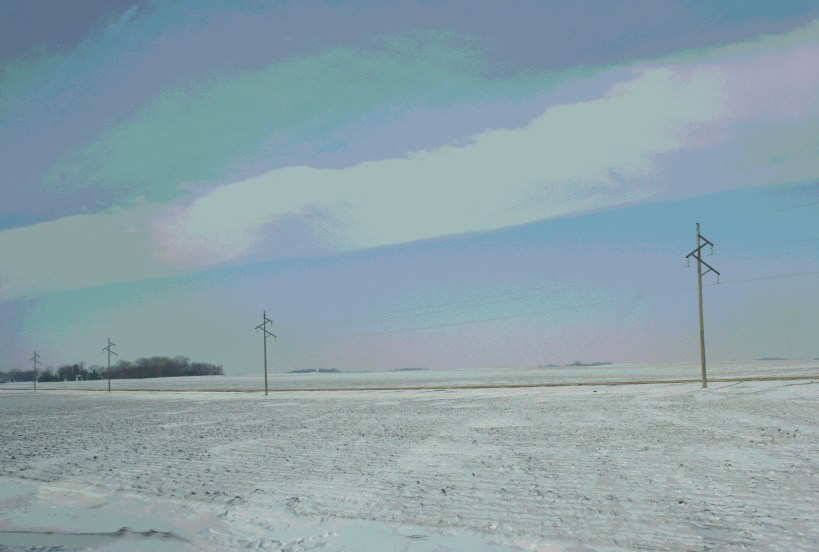
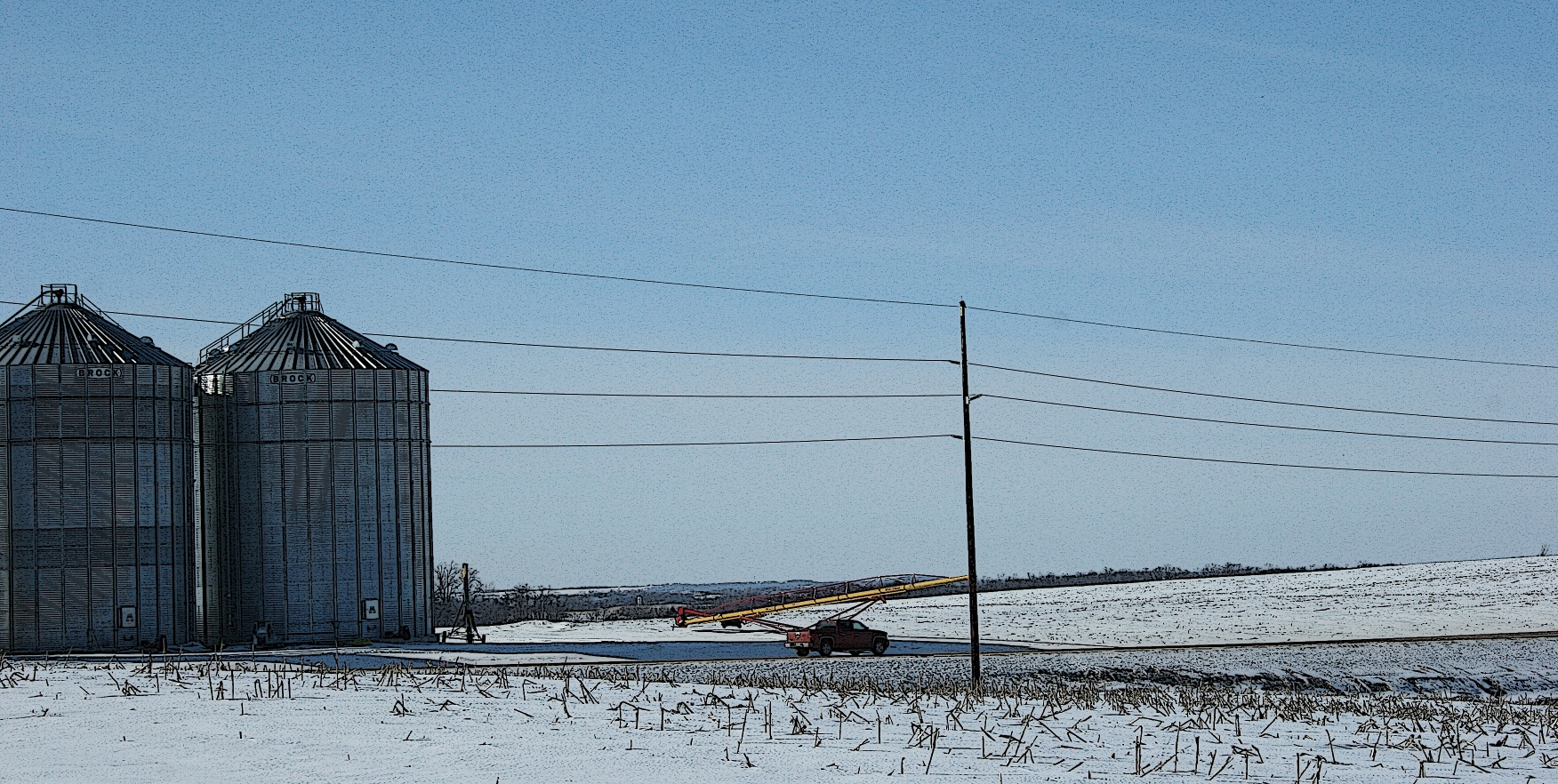
THERE’S SOMETHING about a pick-up truck on a gravel road and high-line wires (as I termed power lines in my youth) that stretch seemingly into infinity, and how the two mimic each other—the road and the wires—in strong horizontal lines.

There is something poetic and lonely and haunting in this rural winter scene, almost like the plaintive lyrics of a country western song or strings strung taut upon an acoustic guitar.

Is he destined to break her heart or has he already broken it?

© Copyright 2013 Audrey Kletscher Helbling
 

The Poetry Barn March 3, 2013

Filed under: Uncategorized — Audrey Kletscher Helbling @ 12:18 PM
Tags: , , , , , , , ,

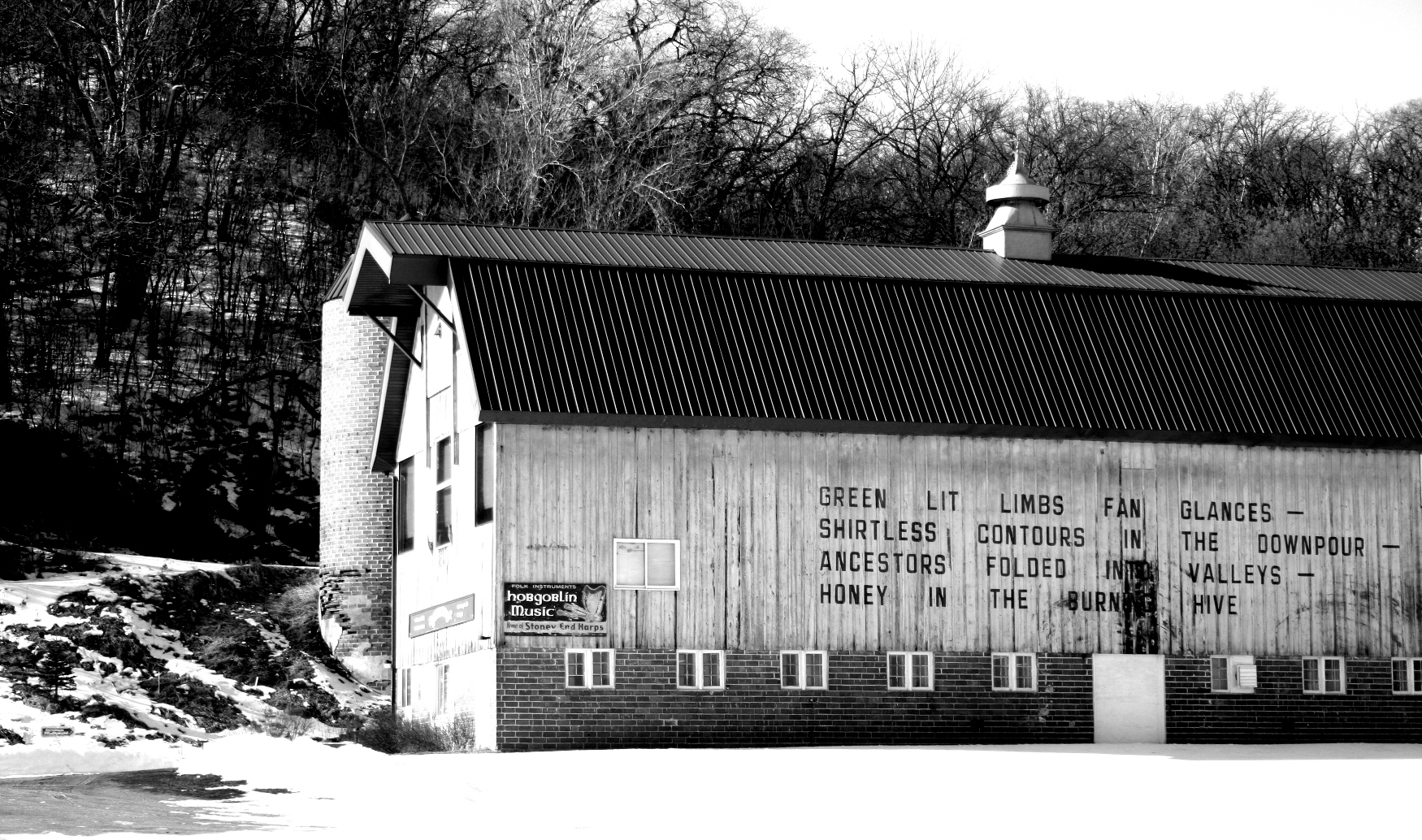
OFFICIALLY, IT’S CALLED Stoney End Music Barn.

But I call it The Poetry Barn.

Stoney End Music Barn, 920 State Highway 19, Red Wing, Minnesota

Stoney End Music Barn, 920 State Highway 19, Red Wing, Minnesota

Tucked into a wooded hillside just west of Red Wing, an aged sprawling barn draws the attention of travelers on Minnesota Highway 19. If not for the words, this barn might go unnoticed, blending into the rural landscape.

But there the barn stands, block print letters painted upon peeling paint.

Perhaps passersby ponder the poetry posted. Perhaps not.

I have photographed the barn on a sunny Saturday in March, just another person passing by en route to and from the Mississippi River town of Red Wing. Like so many others, I am in a hurry with no time to pause and explore this roadside attraction.

I have missed so much. Stoney End Music Barn, I later learn, houses a team of musicians who craft primarily harps—having made more than 7,000 since 1984.

The renovated barn is also home to the Hobgoblin Music Store and a third floor music loft/concert hall.

So you see, Stoney End Music Barn truly is a poetry barn, for music is poetry.

© Copyright 2013 Audrey Kletscher Helbling
 

Two Minnesota businessmen pitch vacuums & flowers for Valentine’s Day via poetry February 12, 2013

VACUUM CLEANERS AND ROSES seem an unlikely pair. But for long-time Waseca businessmen and friends, Rick Morris and Charlie Mathern, pairing the two has become a pre-Valentine’s Day tradition that began some 20 years ago when Rick noticed Charlie had vacuum cleaners on sale.

Rick, owner of Waseca Floral, suggested he pitch flowers and Charlie, owner of Charlie’s Hardware, push vacuums in a joint half-page print ad with this long-standing lead-in:

On Valentine’s Day, Charlie & Rick say—Sweep her off her feet! Vacuum Cleaner?…or Roses?

Then the fun began as each tried to persuade potential customers, via poetry, to choose a vacuum over roses or roses over a vacuum. This year’s ad, published February 5 in The Waseca Area Shopper, features these poems, among others:

Charlie:

Thorny roses? Fussy violets?
Wow her with flowers and you’ll be the pilot

Rick:

Roses are the language of Lust
Vacuums are the prattle of so much dust

Valentine's Day ad 2013

This shows all but the bottom portion of the 2013 print ad.

The back-and-forth bantering continues amid photos of vacuums intermixed with red poetry hearts on the left side of the ad and images of floral arrangements interspersed with poetry hearts on the right.

The valentine ad has always been about vacuums and flowers.

And, clearly, it’s also about fun.

“We just get silly with them (the poems),” says Ann Mathern, Charlie’s wife and the author of Charlie’s vacuum cleaner poetry. “The crazier, the better. I don’t know if we can call this poetry.”

Rick concurs: “I write a couple of lines at a time. It’s not exactly poetry.” He pulls out a blank sheet of paper and, in a few hours or less, pens floral-themed couplets like:

She wants roses, there is no doubt
Give her a vacuum and she may throw you out

Ann, a first grade teacher, meanwhile, sits at her computer and, in about 45 minutes, centers her eight rhyming poems around whatever vacuums Charlie is trying to sell:

Come on—admit it—flowers in a vase
Can’t compete with a Sebo, they’ll never keep pace

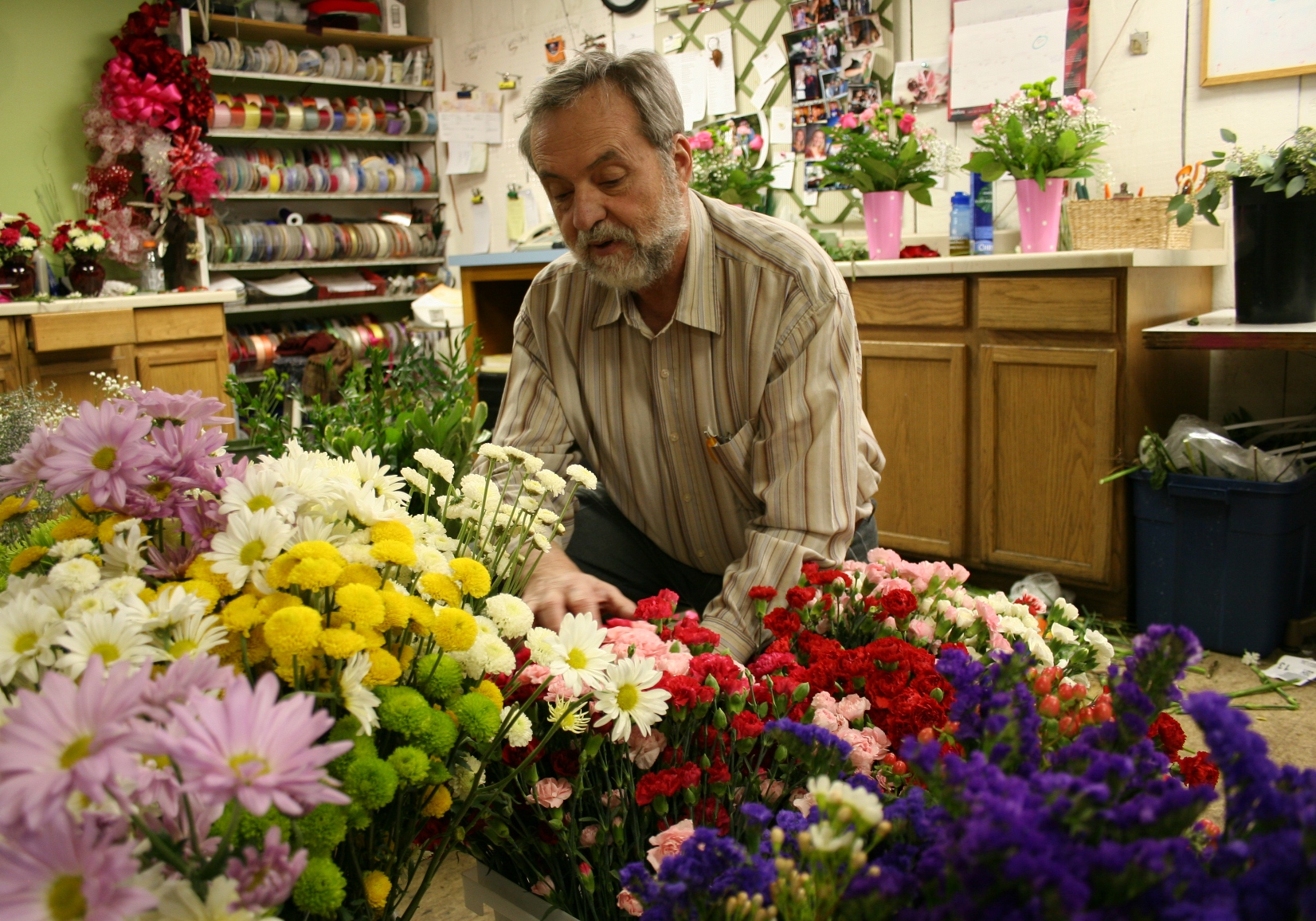
Rick Morris, owner of Waseca Floral for 40 years. Minnesota Prairie Roots file photo, February 2012.

Rick Morris, owner of Waseca Floral for 40 years. Minnesota Prairie Roots file photo, February 2012.

The poetry/sales competition gets exactly the results Rick and Charlie want—attention, laughter and sales. “People look for it (the ad),” Rick says, and will mention the ad when they purchase Valentine’s Day flowers.

Likewise, down at the hardware store, the ad generates sales. But it also sparks the occasional call from female customers angry about suggesting a vacuum cleaner as a Valentine’s Day gift, Ann Mathern says.

Charlie, who fields those sometimes unhappy calls, explains that the Valentine’s Day ad is all in good fun by mutual agreement with his good friend Rick. Occasionally Rick and Charlie need to remind themselves of that, especially when they read some of the barbed poetry.

Rick:

Flowers are beautiful and oh so sublime
Vacuums are ugly and filled with grime

Charlie:

Your honey might settle for a pretty bouquet
But she’d choose a Hoover if she could have her way

Roses pack coolers for Valentine's Day 2012 in this Minnesota Prairie Roots file photo from Waseca Floral.

Flowers pack a cooler for Valentine’s Day 2012 in this Minnesota Prairie Roots file photo from Waseca Floral.

No matter what’s written, Rick and Charlie take it all in good humor. After 30-plus years of friendship and eating breakfast together between 6:30 – 7 every morning except Wednesday (when Rick has bible study) at various Waseca cafes, they know each other well, even sharing the same dry sense of humor, Rick says. Their wives, Ann and Sheila, join them for breakfast on Fridays.

Just like the daily breakfast tradition, Rick expects he’ll continue publishing the joint flowers versus vacuums ad with Charlie as long as the two are in business and he and Ann can keep writing their so-called poetry.

© Copyright 2013 Audrey Kletscher Helbling
Disclaimer: My sister, Lanae, is a floral designer at Waseca Floral. That did not influence my decision to write this post. I know a great story when I see/hear one.


The evolution of poetry January 15, 2013

EXCEPT FOR THE POETRY of Robert Frost and Emily Dickinson, the poetry I studied in my youth seemed mostly complicated and unapproachable.

I expect you may have felt the same about any poetry you read, studied and critiqued as part of a high school and/or college English class. You could not wait to get through the required course and put poetry behind you.

Today, though, poetry has become much more approachable, even understandable. Would you agree?

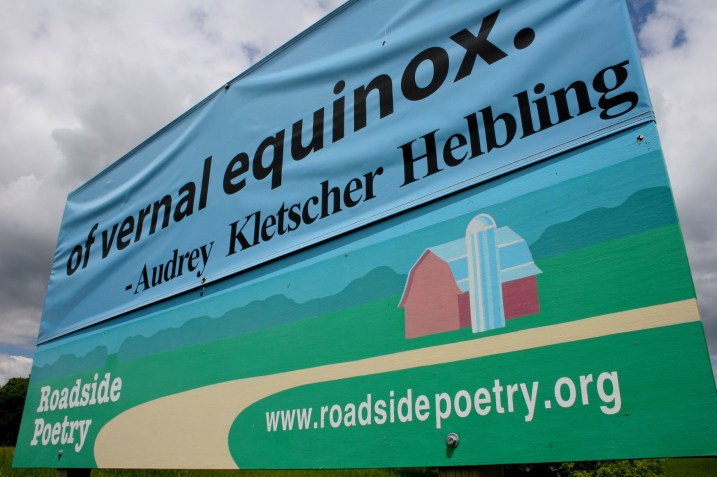
I write poetry. Seventeen of my poems have been published in places ranging from the pages of a newspaper, magazine and anthologies to billboards. Yes, billboards. Recently, the Roadside Poetry Project, which began in Fergus Falls, Minnesota, in 2008 and featured seasonally-changing poetry billboards, ended.

The last of four billboards featuring my Roadside Poetry spring poem.

The last of four billboards featuring my Roadside Poetry spring poem. Minnesota Prairie Roots file photo.

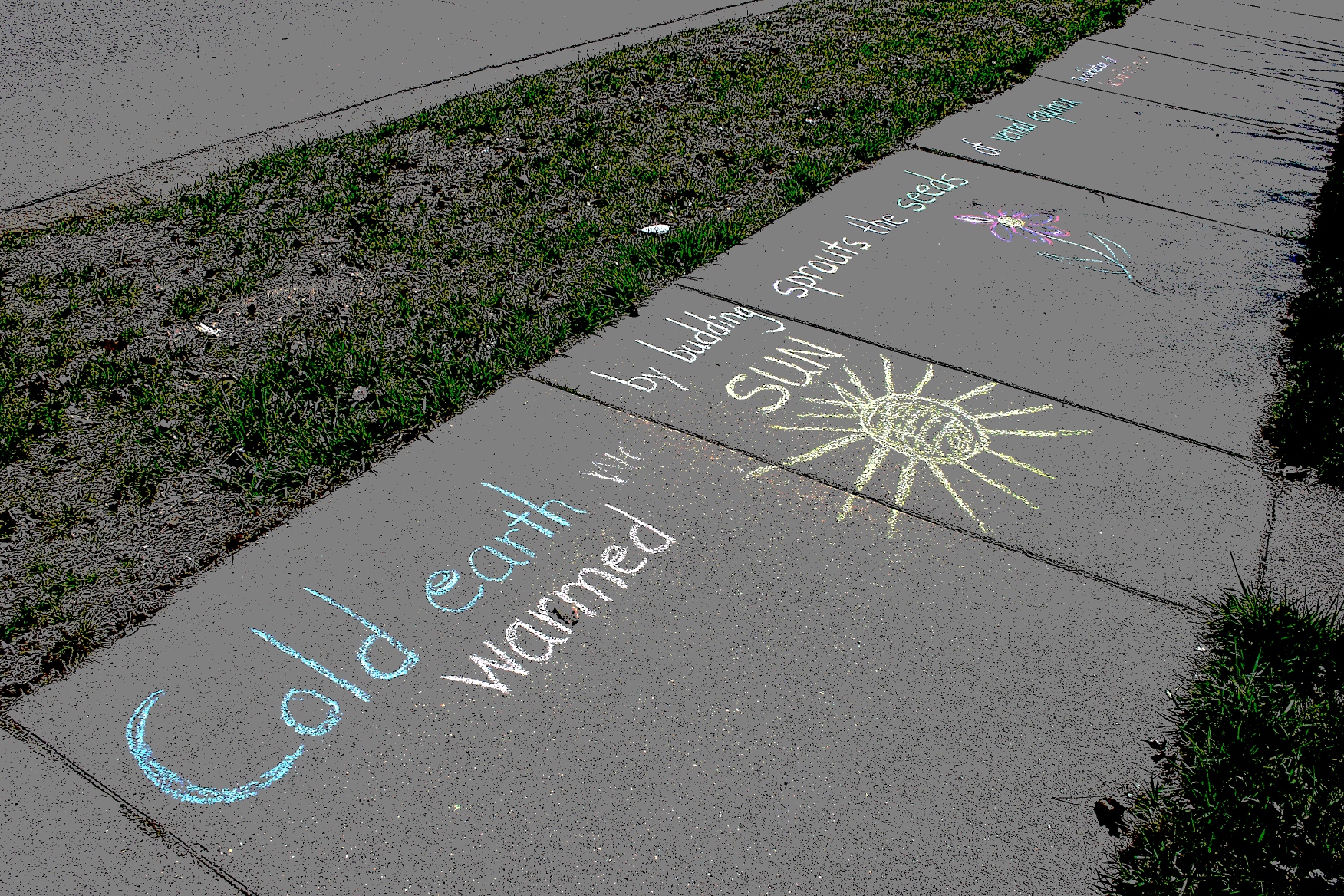
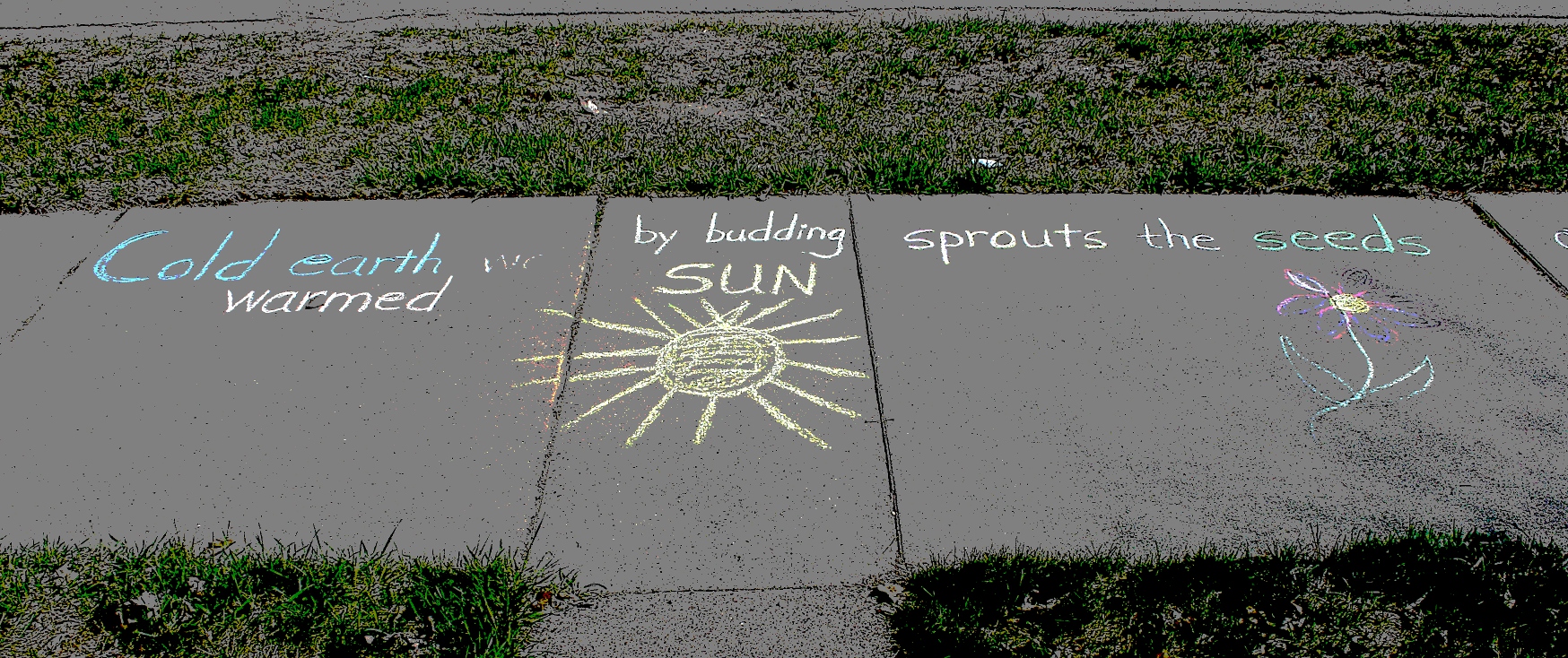
Venues like this expose poetry to the masses in an unassuming and everyday way. When a poem is limited to four lines, a maximum of 20 characters per line, every word, every letter, counts and thus the poem is penned with great care. Take my poem, winner in the spring 2011 Roadside Poetry competition:

Cold earth warmed
by the budding sun
sprouts the seeds
of vernal equinox.

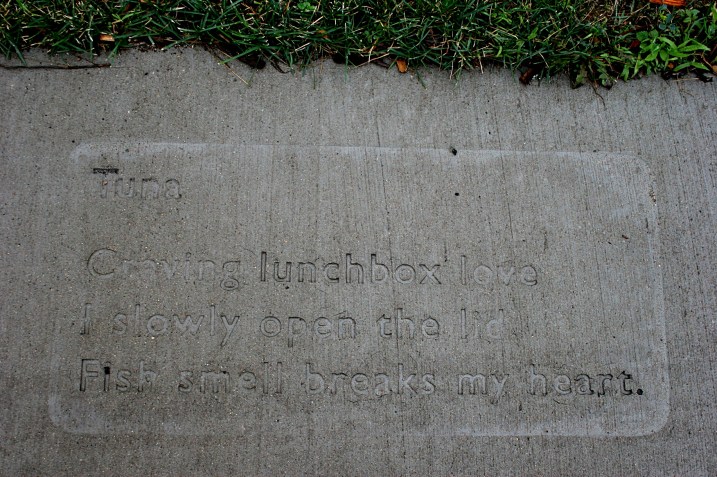
Sidewalk poetry, which graces Minnesota sidewalks in St. Paul, Mankato, Northfield and St. Cloud, also holds similar word limitations and a certain everyday appeal. Those who long ago dismissed poetry for its complexity and arrogance may develop a renewed interest in verse upon reading sidewalk poetry. That would be my hope.

A poem by Mankato resident Yvonne Cariveau imprinted  in the sidewalk at Riverfront Park, Mankato, as part of the WordWalk project.

A poem by Mankato resident Yvonne Cariveau imprinted in the sidewalk at Riverfront Park, Mankato, as part of the WordWalk project. Minnesota Prairie Roots file photo.

I’ve viewed some of the sidewalk poems in Mankato (WordWalk) and Northfield (Sidewalk Poetry). While these poems may be limited in words, they certainly are not limited in depth. Sometimes less is more. Writing a short poem with word limitations can be more of a challenge than penning a lengthy poem. Ask any poet.

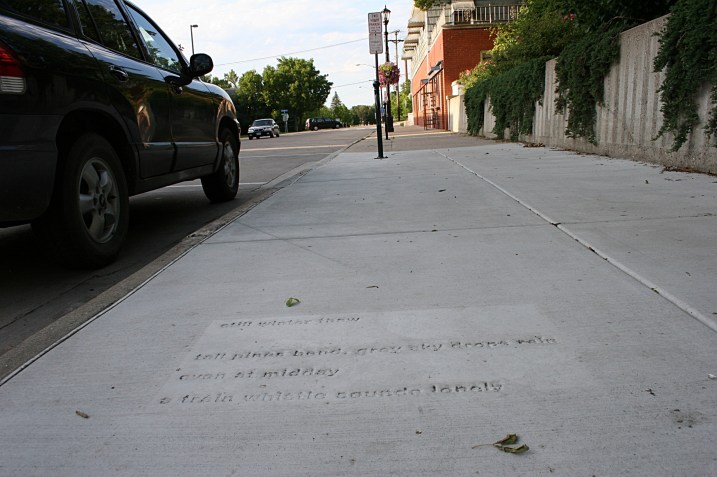
A poem by Patrick Ganey is stamped into the sidewalk near the Northfield Public Library. It reads: still winter thaw  tall pines bend, grey sky drops rain  even at midday  a train whistle sounds lonely

A poem by Patrick Ganey is stamped into the sidewalk near the Northfield Public Library. It reads: still winter thaw/ tall pines bend, grey sky drops/ rain even at midday/ a train whistle sounds lonely. Minnesota Prairie Roots file photo.

This whole concept of stamping poems into concrete, putting poetry out there to the public, appeals to me as a truly creative way to bring verse to the people, to those who might not pick up a poetry book.

Even more creative is Motionpoems, a nonprofit poetry film initiative developed under the guidance of Twin Cities animator/producer Angella Kassube and St. Paul poet Todd Boss. The pair co-founded Motionpoems in 2009. The process “turns contemporary poems into (animated) short films.”

Among my favorite Motionpoems is an adaptation of Boss’ poem titled “The God of Our Farm Had Blades,” a poem about a windmill. While some would argue that visuals detract from the words and the reader’s interpretation of a poem, I would argue that visuals and listening to verse read aloud enhance the poetry experience.

Northern Community Radio, based in Grand Rapids and Bemidji, recently embraced poetry via “The Beat,” which each weekday features a poem by a poet with a Minnesota connection. How lovely is that to listen to a poem read on the air?

For those who still prefer the old-fashioned book-in-hand method of reading poetry, as I also enjoy, plenty of excellent collections exist out there, including Boss’ two books, Yellowrocket and Pitch.

Minnetonka poet Carol Allis also recently published a particularly understandable poetry collection appropriately titled Poems for Ordinary People. Her no-frills style of writing and the content of her verse allow readers to easily connect with her words.

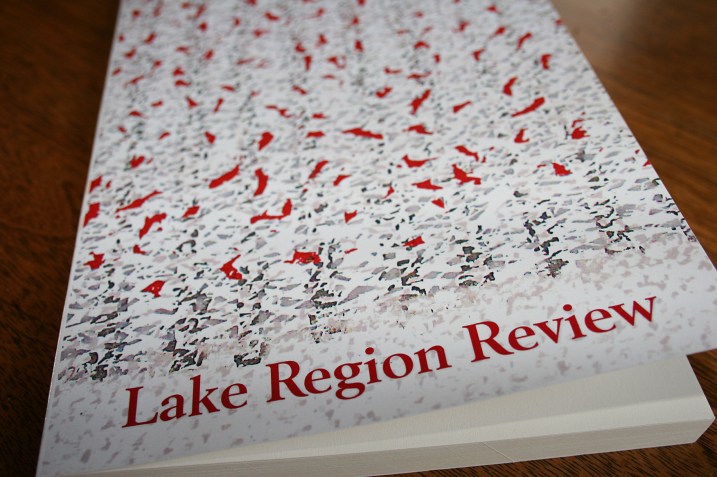
Lake Region Review, volume two, with cover art by  Charles Beck

Lake Region Review, volume two, with cover art by Charles Beck

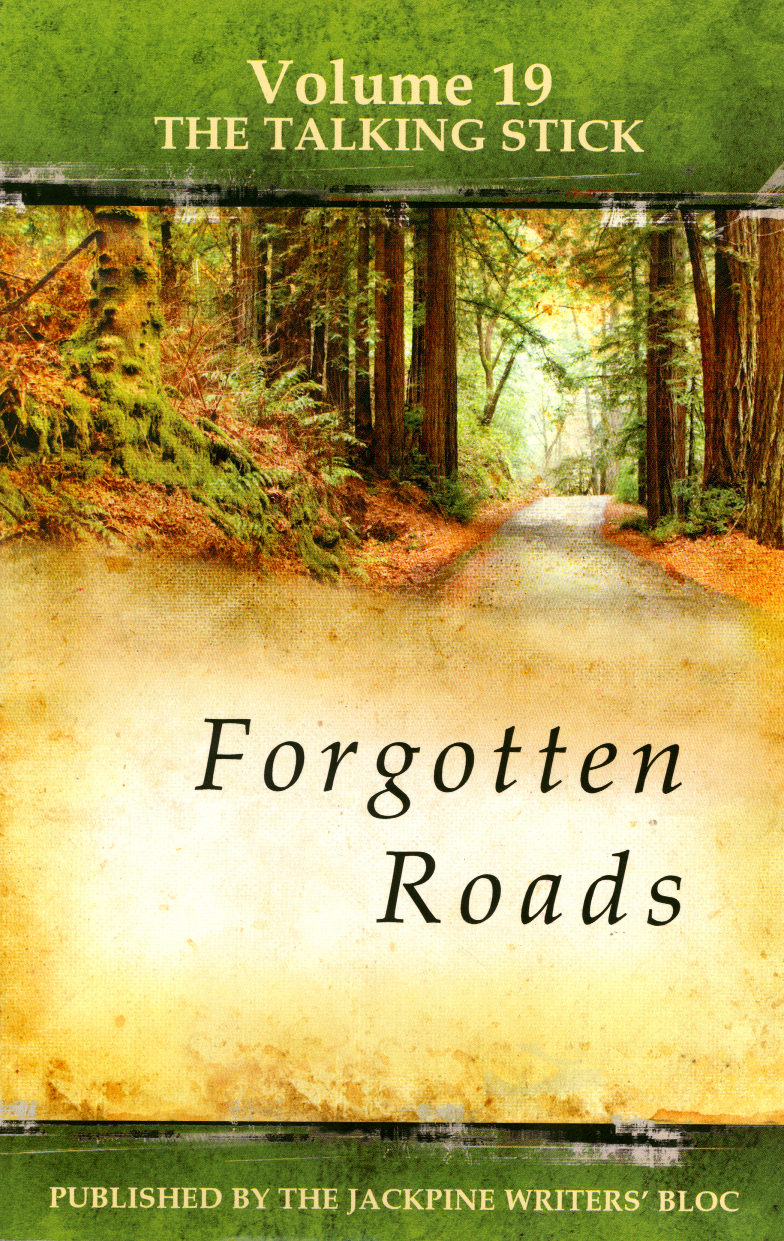
I can’t end this post without recommending two outstanding Minnesota-based collections of regional writing (including poetry) in the long-standing The Talking Stick published by The Jackpine Writers’ Bloc and Lake Region Review, in its second year of publication by the Lake Region Writers Network. Both feature a diversity of fine, fine regional writing. (And just to clarify, my work has been published in both.)

NOW IT’S YOUR TURN. Tell me how you experience, or don’t experience, poetry. Do you write, edit, listen to, read poetry?

What are your thoughts on creative poetry venues like billboards, sidewalks and film?

What are your thoughts on poetry in general?

Let’s talk poetry.

© Copyright 2013 Audrey Kletscher Helbling
 

Prairie poetry January 7, 2013

Along U.S. Highway 14

Along U.S. Highway 14 between Sleepy Eye and Springfield on the southwestern Minnesota prairie.

THOSE WHO CATEGORIZE the southern Minnesota prairie as flat, boring and in the middle of nowhere truly have not seen.

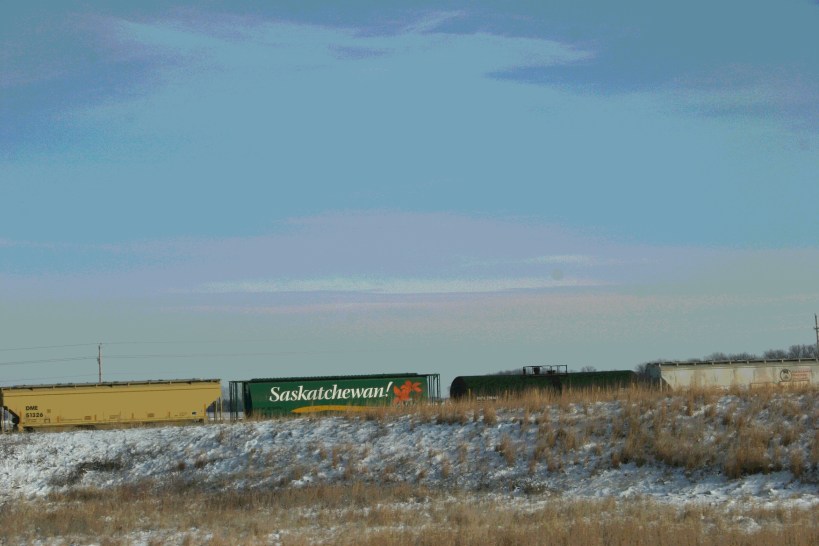
South and west of Waseca, along U.S. Highway 14, a train cuts across the flat farm land.

South and west of Waseca, along U.S. Highway 14, a train cuts across the flat farm land.

Perhaps you are one of them—a traveler passing through this land defined by horizontal lines. Your patience for the endless miles of vast sky and open space expires shortly after you exit the city.

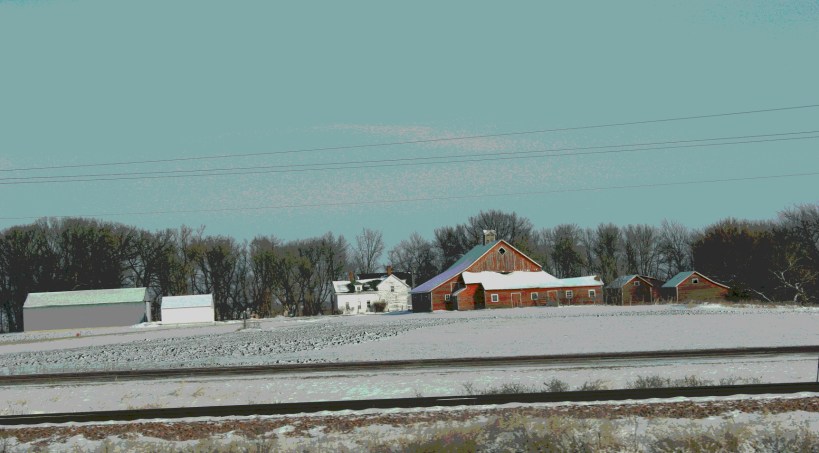
The horizontal lines of railroad tracks and farm buildings define this scene near Janesville along U.S. Highway 14.

The horizontal lines of railroad tracks, utility wires and farm buildings define this scene near Janesville along U.S. Highway 14.

You cannot fathom how anyone can live here, let alone appreciate this landscape.

East of Courtland, rows of bales edge a farm site.

East of Courtland, tidy rows of bales edge a farm site.

But I challenge you, the next time you are hurrying from City A to City B, to look beyond the pavement, beyond the preconceived ideas you have about rural Minnesota and specifically of the prairie.

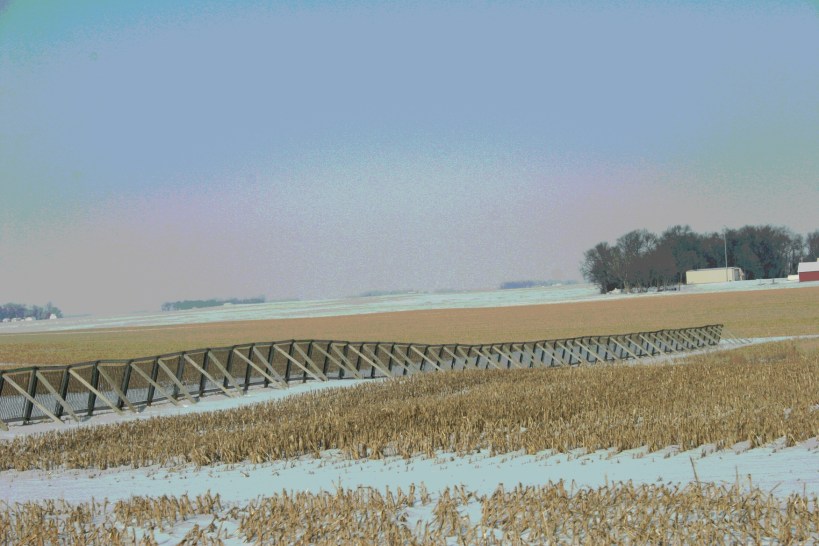
West of Springfield, a snow fence emphasizes the horizontal lines of the prairie.

West of Springfield, a snow fence emphasizes the horizontal lines of the prairie.

View this landscape as an artist’s canvas. Before your eyes, you will begin to see the bold lines, the wispy strokes, the colors (or lack thereof), the composition of a scene.

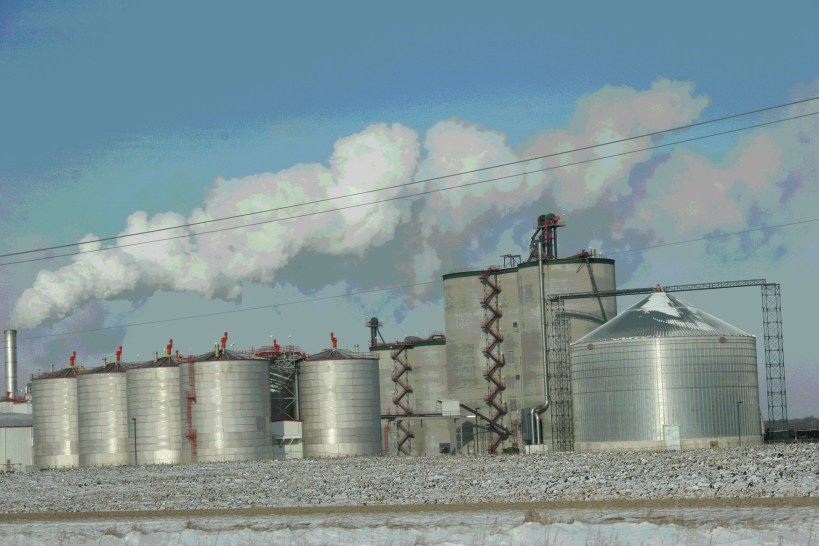
The ethanol plant near Janesville on a cold December morning.

The ethanol plant near Janesville on a cold December morning.

You will feel the strength of the artist’s brush in the wind.

One of my favorite barns along U.S. Highway 14, west of Sleepy Eye.

One of my favorite barns along U.S. Highway 14, west of Sleepy Eye.

You will read poetry in the simplicity of the uncluttered landscape and in the fortitude and kindness of those who inhabit this place.

And then, perhaps, you will begin to connect to a land which possesses an infinite beauty unlike any other.

© Copyright 2012 Audrey Kletscher Helbling


Presenting poetry: Practice makes perfect December 7, 2012

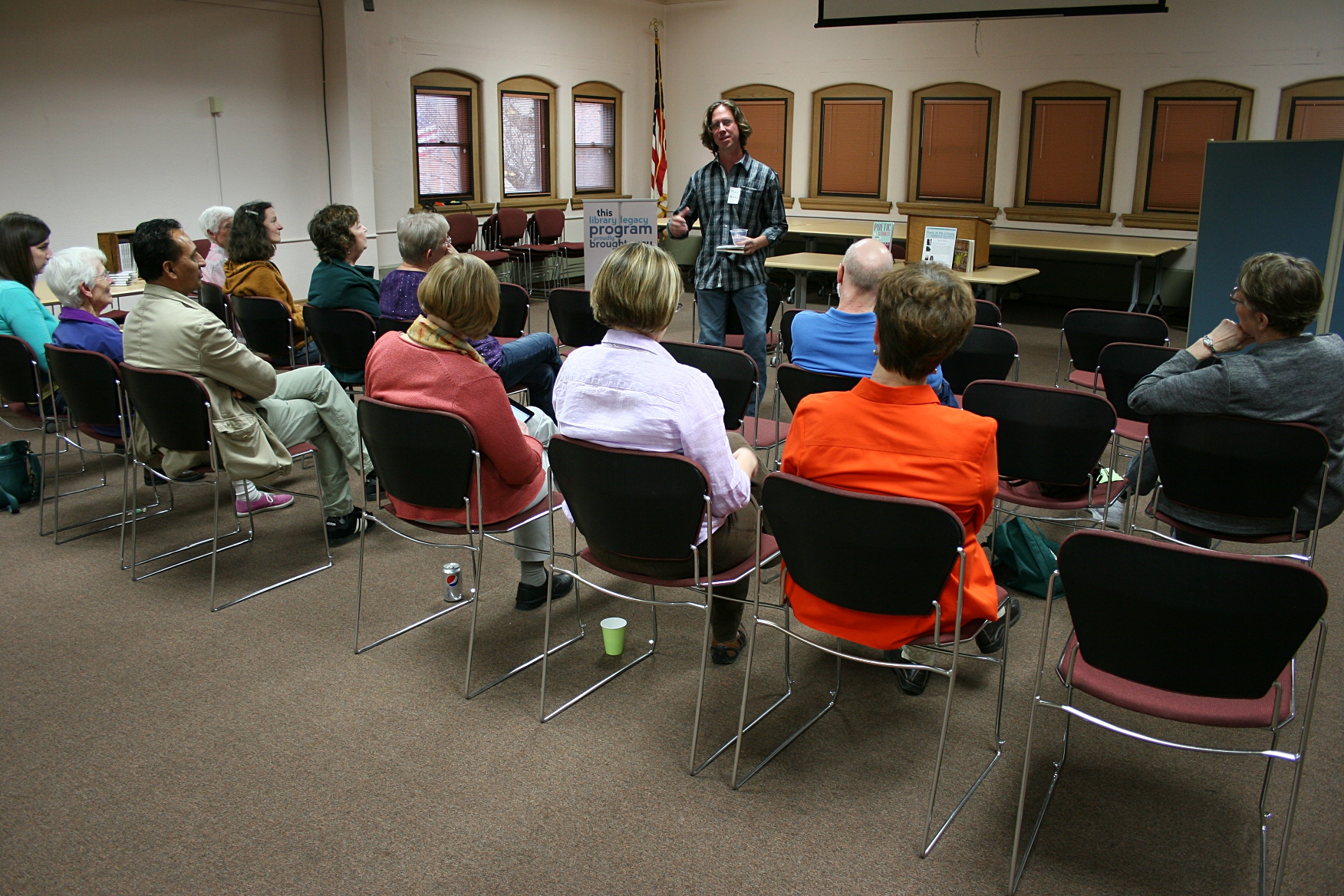
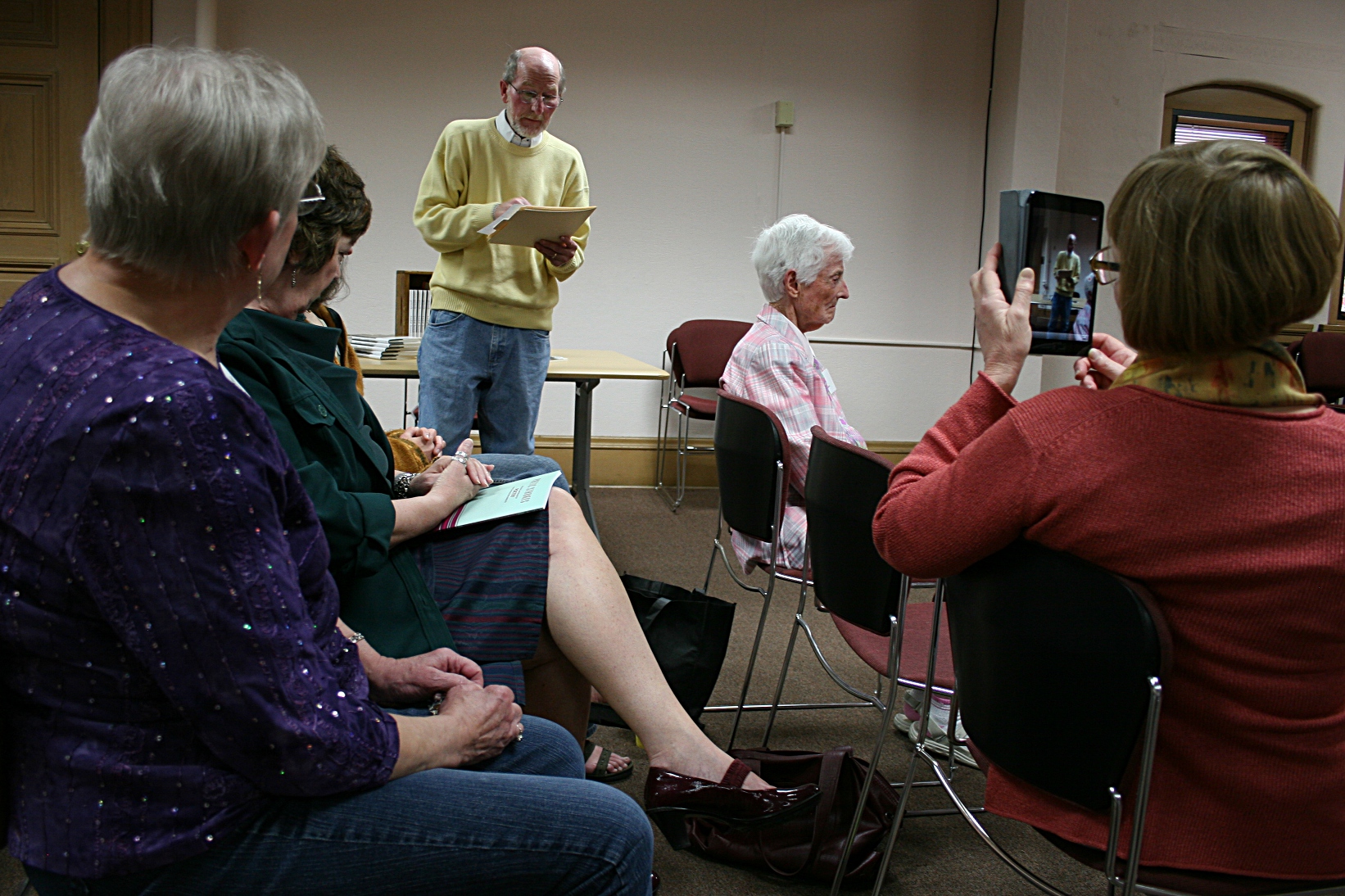
THAT WELL-KNOWN ADAGE of “practice makes perfect” proved prophetic for me Thursday evening during a poetry reading in Faribault.

An event which I had fretted/worried/stressed about for the past week nearly went off without the proverbial hitch. (I struggled only once, as I read a poem about my son being struck by a hit-and-run driver six years ago.)

Peter Allen presented with me Thursday evening at the Faribault library. I handed my camera to my husband and he tried to get some decent shots shooting available light. This one is the best.. And, no, I am not not sleeping. I'm either contemplating Peter's poem or glancing at my script. Photo by Randy Helbling

Peter Allen presented with me Thursday evening at the Faribault library. I handed my camera to my husband and he tried to get some decent shots shooting in available light. This one is the best. And, no, I am not not sleeping.

Yes, I did it. I stood before an audience and read/discussed poetry along with a co-presenter for 1 ½ hours.

The secret to that success most certainly was practice and, as I emailed my virtual, now real-life, blogger friend Beth Ann, prayer. Beth Ann traveled all the way from Mason City, Iowa, 20 miles south of the Minnesota border, with her husband, Chris, to hear me and Peter Allen present.

Me reading "Prairie Sisters," my first poem of the evening. The poem was published in volume two of Poetic Strokes.

Me reading “Prairie Sisters,” my first poem of the evening. The poem was published in volume two of Poetic Strokes.

About that practice… I’ve been reading my poetry and scripts to my kitchen walls for the past week, rehearsing twice on Thursday and even more on Wednesday. When I phoned my husband, Randy, late Thursday afternoon to remind him of the presentation (he’d asked me to do so), he inquired, “Have you been smoking? Your voice sounds hoarse.”

He was joking, of course, as I don’t smoke and can’t even tolerate cigarette smoke.

I’d been practicing, I told him. Perhaps I’d rehearsed enough if my voice was growing raspy.

The scene in the Great Hall before the audience arrived. It's a gorgeous venue.

The scene in the Great Hall before the audience arrived. It’s a gorgeous venue. I used a few props and visuals in presenting.

Here’s one of the biggest surprises of all from the evening: Because I felt so confident going into the presentation, I actually, truly, enjoyed myself. Who would have thought? Not me.

Second, the turn-out of 32 audience members floored me and Peter. I expected perhaps a dozen. Buckham Memorial Public Services Librarian Allyn M. McColley, who coordinated the event, shared my enthusiasm for the high audience attendance. And, honestly, I did not personally invite a single person, although I did post about the event here last week.

I am grateful that so many ventured out of their warm homes on a cold December evening to embrace poetry. Such interest warms this poet’s heart. I could hear that interest in the laughter, in the questions, in the comments.

It also warms my heart that my two dear friends, Billie Jo and Tammy, both the mothers of young children, would choose to hear me read poetry on their girls’ night out.

And then to think that blogger Beth Ann, whom I’d never met prior to Thursday evening, drove more than an hour with her husband from northern Iowa to listen to me and Peter present simply touches me. (Beth Ann blogged this morning about our meeting and the poetry presentation, so be sure to click here and read her engaging piece.)

Finally, my dear husband, Randy, who helped me tote a van full of props and books and food to the library and then assisted with props and hand-outs, took me out to dinner afterward. We dined at a lovely Italian restaurant, Augusto’s Ristorante, several blocks from the library. It was the perfect way to end a fabulous evening.

FYI: Click here to link to photos posted on the Buckham Memorial Library website.

I believe this is a bust of Judge Thomas Scott Buckham, after whom the library is named. His wife, Anna, gifted the city of Faribault with this Art Nouveau/Greek Revival style building constructed in 1929-1930. The bust is located above the fireplace in the Great Hall, right behind where Peter and I presented.

I believe this is a bust of Judge Thomas Scott Buckham, after whom the library is named. His wife, Anna, gifted the city of Faribault with this Art Nouveau/Greek Revival style building. The bust of this pioneer settler is located above the fireplace in the Great Hall, right behind where Peter and I presented.

One of several Greek murals gracing the Great Hall.

One of several Greek murals gracing the Great Hall.

Buckham Memorial Library, Faribault, was built in 1929 with a Greek theme. Interior features include a Charles Connick stained glass window and Greek murals.

Buckham Memorial Library, Faribault, was built in 1929-1930 with a Greek theme. Interior features include a Charles Connick stained glass window and Greek murals. Minnesota Prairie Roots file photo.

© Copyright 2012 Audrey Kletscher Helbling

 

You’re invited to hear two Faribault poets read & talk about poetry November 29, 2012

WITH ONLY A WEEK until the presentation, I figured I better buckle down and finish my prep work. After all, wasn’t I the annoying mom sometimes harping on my once high school-aged kids to finish their homework?

“Don’t leave it until the last minute,” I would urge, not that they heeded my advice.

Peter C. Allen and I will present in the Great Hall, a lovely room with Greek murals on the second floor of the library.

I decided to listen to myself and have been preparing for a poetry presentation Faribault poet Peter C. Allen and I will give at 6 p.m. next Thursday, December 6, in the second floor Great Hall of Buckham Memorial Library, 11 East Division Street, Faribault.

I expect Peter is not really stressing at all about this event as he enjoys reading his poetry to an audience.

Me? Not so much.

Connie Ludwig, right, and I pose with her watercolor, “Pantry Jewels” (above my head), inspired by my poem, “Her Treasure.” We were participants in Poet-Artist Collaboration XI at Crossings at Carnegie in Zumbrota in April.

I’m counting on Peter, whom I first met last spring at a poet-artist collaboration in Zumbrota, to help me ease into our joint poetry reading and poetry educating. He’s the kind of guy who makes you feel comfortable and who reads with the confidence of a seasoned poet.

And that he is. Several weeks ago Peter invited my husband and me to dinner in his home with wife, Maria, and their adult son, Peter Allen (the sixth). After our savory meal, I asked the elder Peter to read some of his poetry. When my friend pulled out a thick binder of his poetry, I spouted, “You’ve written way more poetry than me.”

That matters not to Peter. Nor, I suppose, should it matter to me. After all, we each write poetry when the muse calls—or in my case when a contest deadline approaches.

The 2012 volume of Poetic Strokes in which Peter Allen and I are both published.

Peter and I were both winners in the Southeastern Libraries Cooperating 2012 Poetic Strokes competition, which is why we were invited to speak at the library next week. Of the 202 submissions from regional poets, only 30 poems were selected for publication in Poetic Strokes: A Regional Anthology of Poetry from Southeastern Minnesota, Volume 6.

I’ve also been published in volumes 2, 3 and 4 of Poetic Strokes.

Lake Region Review 2, right, in which I was recently published, and LRR 1, to the left, in which I was published in 2011. I will read from both volumes during the poetry presentation next Thursday evening. This weekend you can listen to writers read their works from LRR 2 on selected western Minnesota radio stations. Go to lakeregionwriters.net and click on “Upcoming Events” for details. LRR 2 writers will also read and discuss the craft of writing at  Zandbroz Vareity, 420 Broadway Ave., Fargo, North Dakota, at 2 p.m. on Sunday, December 9, where I shot this photo.

I’ll read six of my poems from those four volumes plus an additional 11 published elsewhere. Even I did not realize, until I began gathering my work, that I’d been published this often. Do I have enough published work to possibly think about compiling a book of my poems?

Additionally, I’ll share tips on poetry writing and a sampling of places Minnesota poets can submit their poetry right here in Minnesota.

The most unusual place my poetry has been published, on billboards as part of the Roadside Poetry Project in Fergus Falls.

You can also expect me to use visuals in presenting several of my poems. Initially I’d considered using PowerPoint, but worried that I couldn’t pull that off given I have no idea how to prepare or technically present a PowerPoint. Lack of equipment at the library for that type of presentation caused me to drop that thought and rely instead on my ingenuity. (No, I’m not even going to hint at what I have planned.)

Besides listening to Peter and me read our poetry and talk about poetry and our other writing experiences (including blogging), you will leave with a gift—a free copy of the 2012 Poetic Strokes, compliments of SELCO.

Peter and I will also treat you to snacks and beverages.

So…if you’re up for an hour of poetry followed by a question-and-answer period, or simply want to meet me, the real person behind this blog, join Peter and me at 6 p.m. next Thursday, December 6, at the Faribault library. Peter and I promise a casual and relaxed (hopefully for me) atmosphere with down-to-earth poetry you will (hopefully) understand and enjoy.

Full disclosure: I am being paid a small stipend to present on poetry at the library. However, I was not asked to write this post and did so because I often promote such cultural events in my community and elsewhere.

The Poetic Strokes project is funded in part or whole by Minnesota’s Arts and Cultural Heritage Fund.

© Copyright 2012 Audrey Kletscher Helbling
 

My writing connection to a Fargo bookstore November 9, 2012

A snippet of the many bookshelves at Zandbroz Variety. So artful and colorful and inviting.

MY PURPOSE IN CHECKING OUT a downtown Fargo, North Dakota, bookstore/gift shop recently focused on a single reason—Lake Region Review.

I wanted to see this Minnesota literary journal on the shelves of Zandbroz Variety because, well, my poetry is published in volumes one and two. Recently-released LRR 2 features 34 pieces of writing by selected authors in Minnesota and the eastern Dakotas.

Lake Region Review 2, with wood print cover art by well-known Minnesota artist Charles Beck of Fergus Falls, nestles next to the first volume of LRR. Beck’s cover art is titled “Cardinals.”

Given that 430 fiction, creative nonfiction and poetry submissions were submitted to the Battle Lake-based Lake Region Writers Network for volume two, getting into the collection is an honor and accomplishment. I’m in the company of mighty fine writers, many of them with an impressive list of writing credentials.

I also happen to live in southeastern Minnesota, far, far away from most of the writers featured in LRR and also far away from events related to the release of the second volume.

The back room of Zandbroz Variety, site of readings, book club meetings and other events and gatherings.

Visiting Zandbroz Variety offered me an opportunity to connect with the Fargo bookstore which will host a Lake Region Review Two Reading Event at 2 p.m. Sunday, December 9. I didn’t know about the event when I visited Zandbroz and introduced myself. And when I photographed the delightful back room of Zandbroz, I was unaware LLR 2 contributors will soon be reading in this cozy and inviting space.

Artwork in Zandbroz Variety’s back room with a favorite quote of mine from the book, The Help.

It was pure coincidence that, two days later, I would receive an email from Luke Anderson, president of the LRWN inviting me and other LLR 2 writers to participate in the reading at Zandbroz. I wish I could, but a 300-mile (one-way) road trip to Fargo is not in my plans as I’ve been to that North Dakota city four times already since February. (My son attends North Dakota State University.) Gas, hotel and dining expenses add up.

Likewise, I couldn’t join other LRR 2 writers who recently read their works for a program to be aired November 30 – December 2 on nine western Minnesota radio stations from Worthington in the extreme southwest to Fergus Falls on the north.

So it goes. I’m not much anyway on public appearances, preferring to write rather than perform. But I’m learning, too, the value in reading poetry aloud to an audience, having done that thrice now.

Promoting is also part of this writing gig. And that, too, can be a challenge given my Minnesota predisposition not to call attention to myself.

However, I did inform the young man staffing Zandbroz Variety that I had poems in both volumes of Lake Region Review. “Perhaps you remember the first; I mentioned cow pee,” I told him. “And in the second, I mention beer.”

He laughed, considered for a moment and replied that “cow pee” sounded familiar to him. Maybe. Maybe not. But I expect he’ll remember me now.

The lines, the books, the setting…this a scene in the back reading room. Love the ambiance.

A close-up of the chair back in the photo above. I have no idea from what book these pages were pulled. But I’d place a literary chair like this in my home any day.

Jolts of color on a door in that welcoming back room.

A rug for sale in the variety section of Zandbroz where you will find an eclectic mix of funky and retro and otherwise interesting merchandise. This made me think of Alfred Hitchcock’s “The Birds.”

An enchanting Christmas display near the front of the store.

Outside a front door of Zandbroz, I found this lovely tile work. I apologize for the lack of exterior store photos. But a light mist was falling at the time and I was reluctant to pull out my camera. I also limited my interior shots as Zandbroz was busy, busy and other shoppers do not always appreciate someone aiming a camera at them.

FYI: To learn more about Lake Region Writers Network, click here to reach the writers’ group website.

To see where you can find copies of Lake Region Review, published in 2011 and 2012, click here. LRR 2 includes writing by the following: Maxine Adams, Luke Anderson, Joe Baker, Frances Ann Crowley, Holly Dowds, Cindy Fox, Yahya Frederickson, Susan Gilbert, Ruby Grove, Vinnie Hansen, Audrey Kletscher Helbling, Nancy Klepetka, Karla Klinger, Elisa Korentayer, Judy R. Korn, Ryan Kutter, Julie C. Larson, Kim Larson, Linda Frances Lein, Kathleen Lindstrom, Ethan Marxhausen, Linda Back McKay, Travis Moore, Kristine Price, Candace Simar, Doris Lueth Stengel, Liz Sweder, Francine Marie Tolf, Benet Tvedten and Kevin Zepper.

Click here to see where you can listen to readings from LRR 2 airing soon on nine western Minnesota radio stations.

Finally, click here to learn more about Zandbroz Vareity, founded by brothers Jeff and Greg Danz and with stores in Fargo (420 Broadway) and in Sioux Falls, South Dakota. Do you see how they came up with the clever name for their business?

© Copyright 2012 Audrey Kletscher Helbling