Minnesota Prairie Roots

Writing and photography by Audrey Kletscher Helbling

Appreciating the Sunday afternoon drive June 29, 2013

Filed under: Uncategorized — Audrey Kletscher Helbling @ 6:30 AM
Tags: , , , , , , , ,
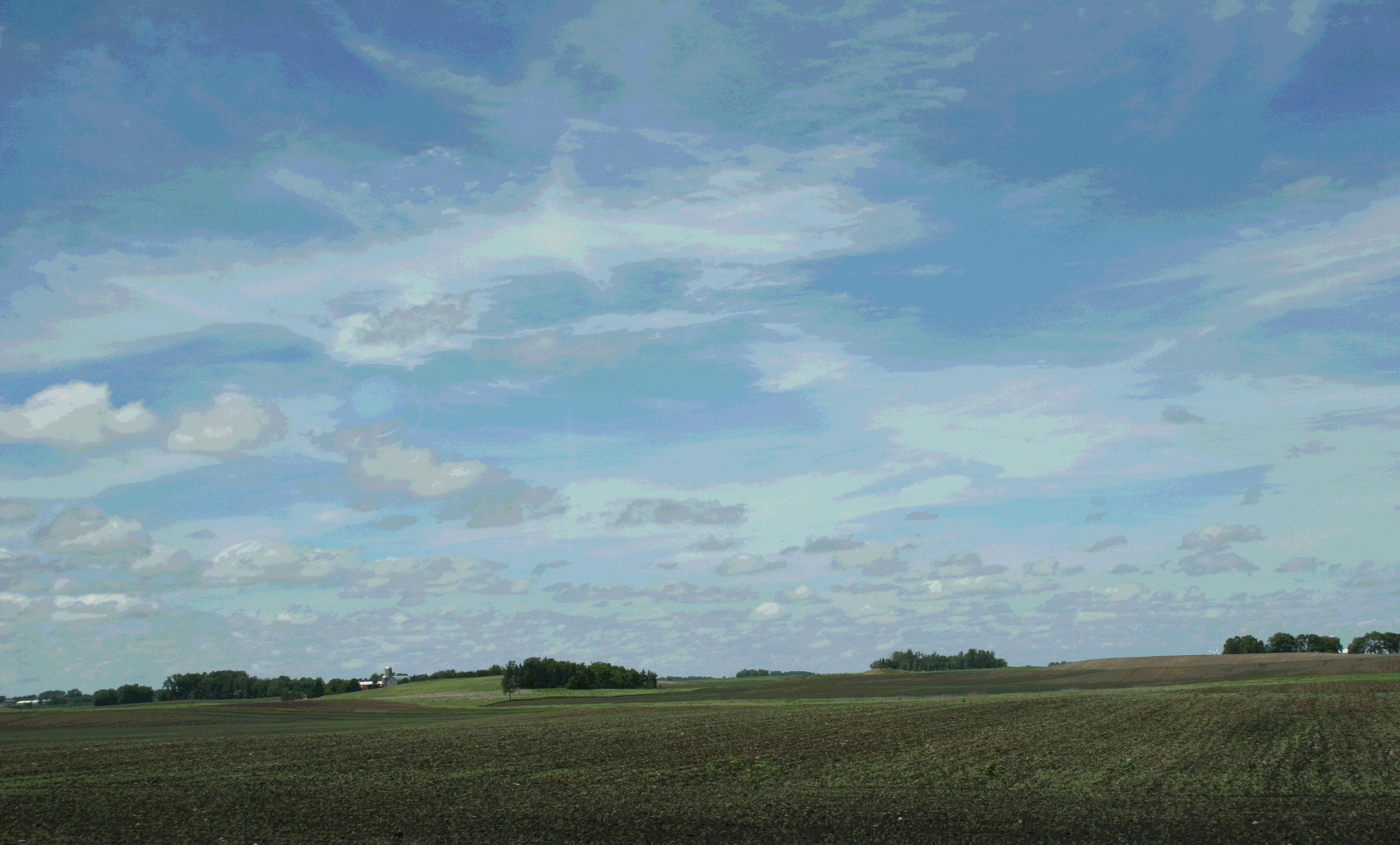
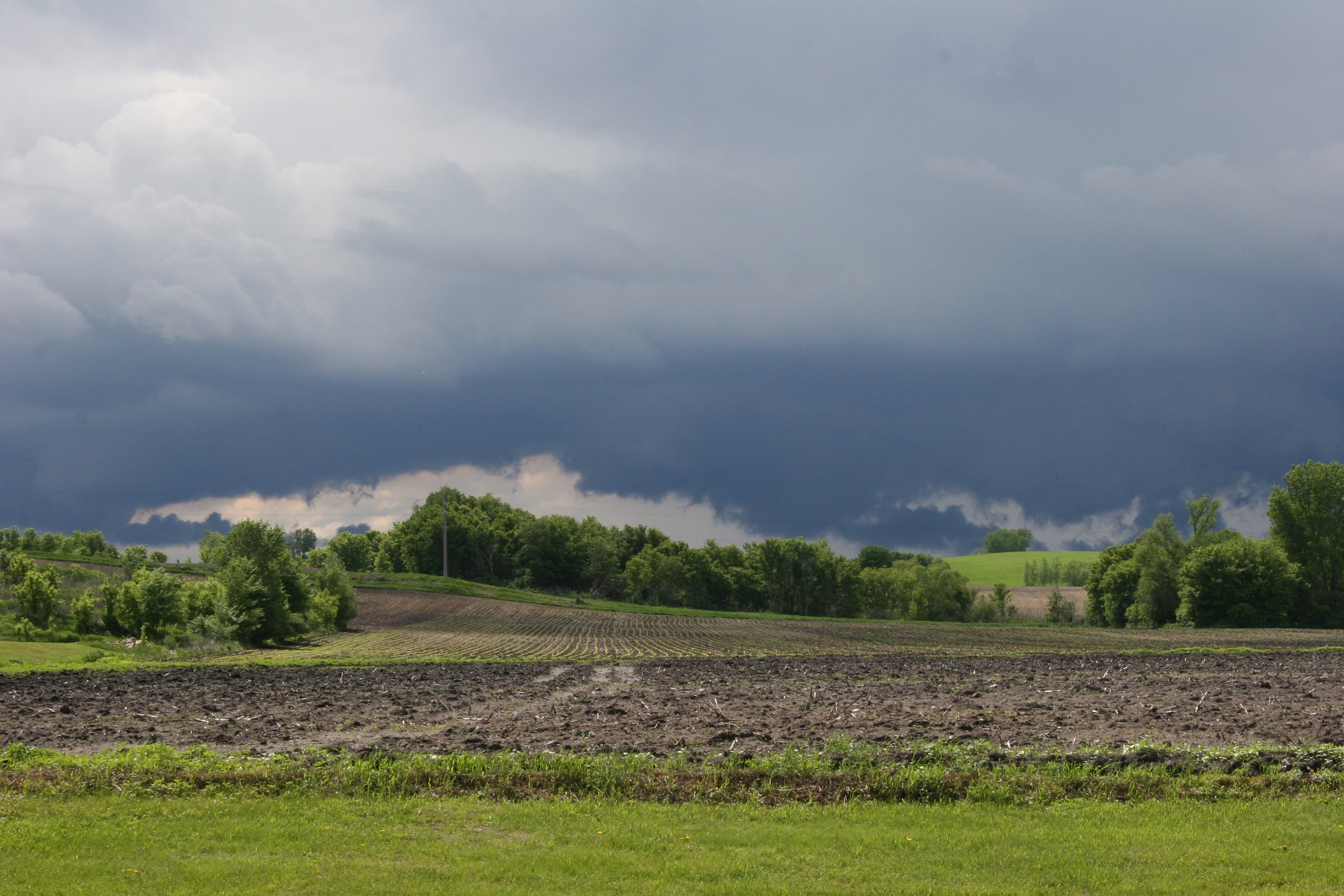
Checking out the crops near Moland Lutheran Church in Steele County, Minnesota.

Checking out the crops near Moland Lutheran Church in Steele County, Minnesota.

ONCE UPON A TIME, I thought Sunday afternoon drives were reserved for farmers checking out the crops or for old people with nothing more important to do.

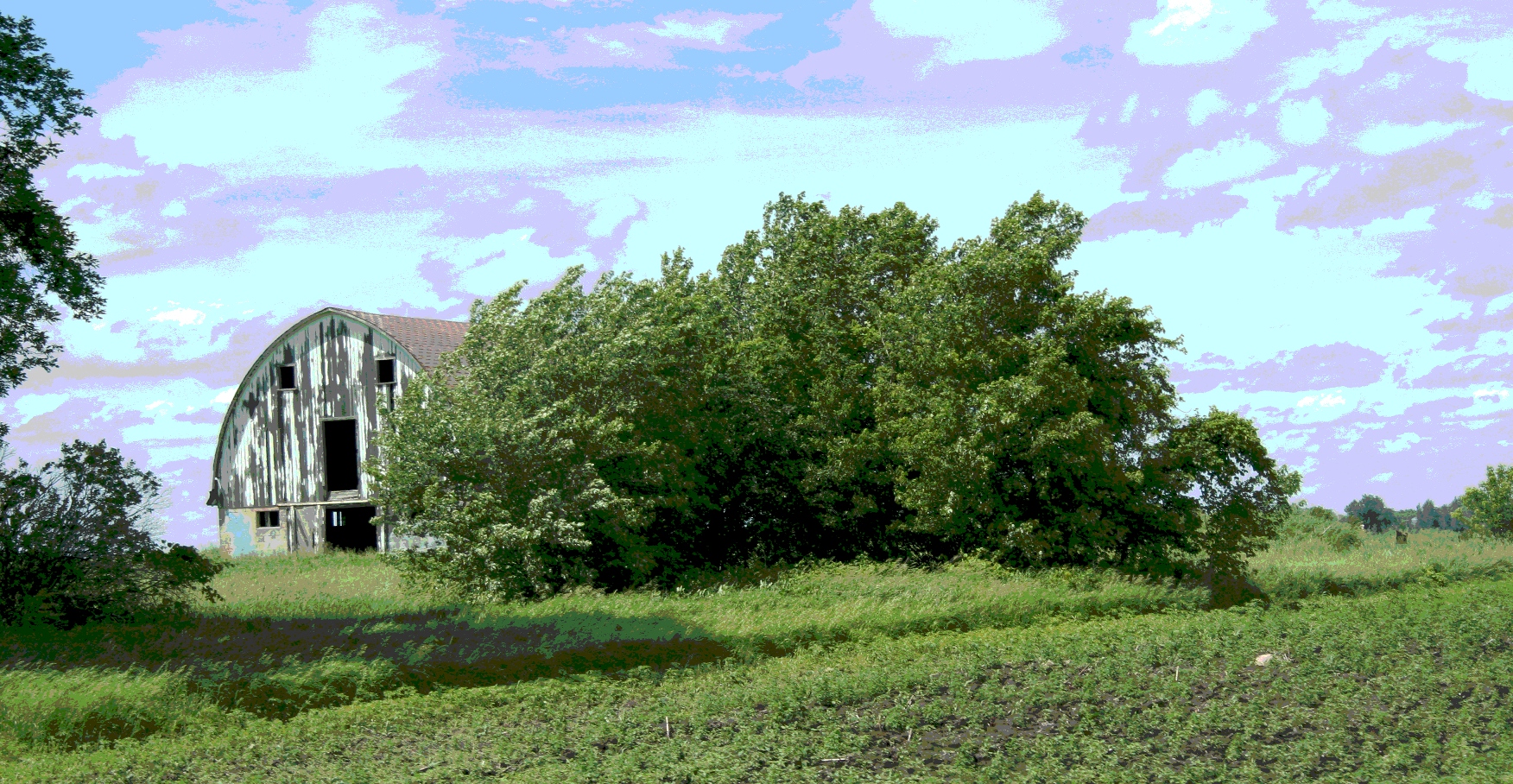
In Merton Township, Steele County, Minnesota.

In Merton Township, Steele County, Minnesota.

No longer do I think that. I now welcome these day trips into the country for the solace, the beauty, the discovery, the photo ops, the joy of whiling away an afternoon with no specific destination.

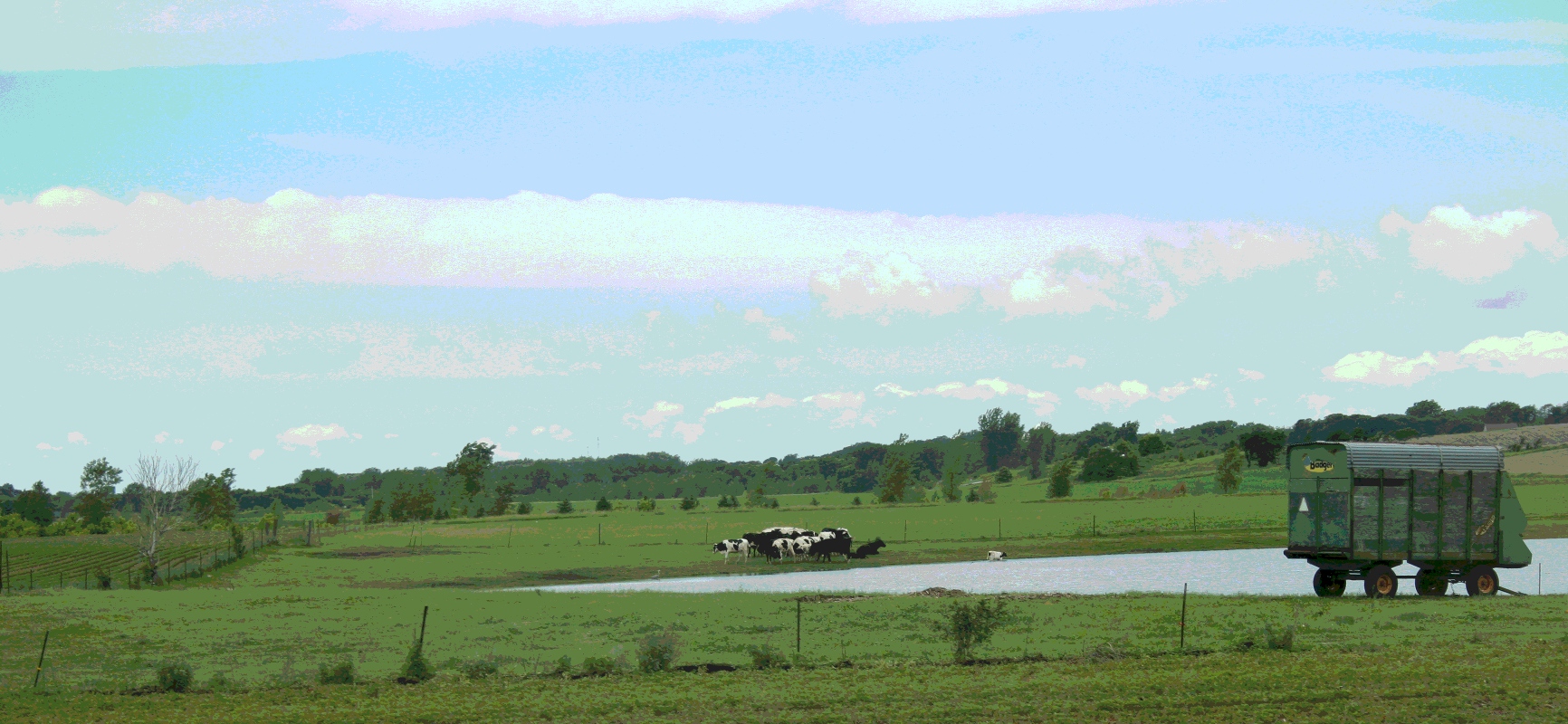
Along Rice County Road 21 south of Faribault.

Along Rice County Road 21 south of Faribault.

I love wide skies and open fields. I love old barns and gravel roads and cows grazing and tidy rows of corn. I love country.

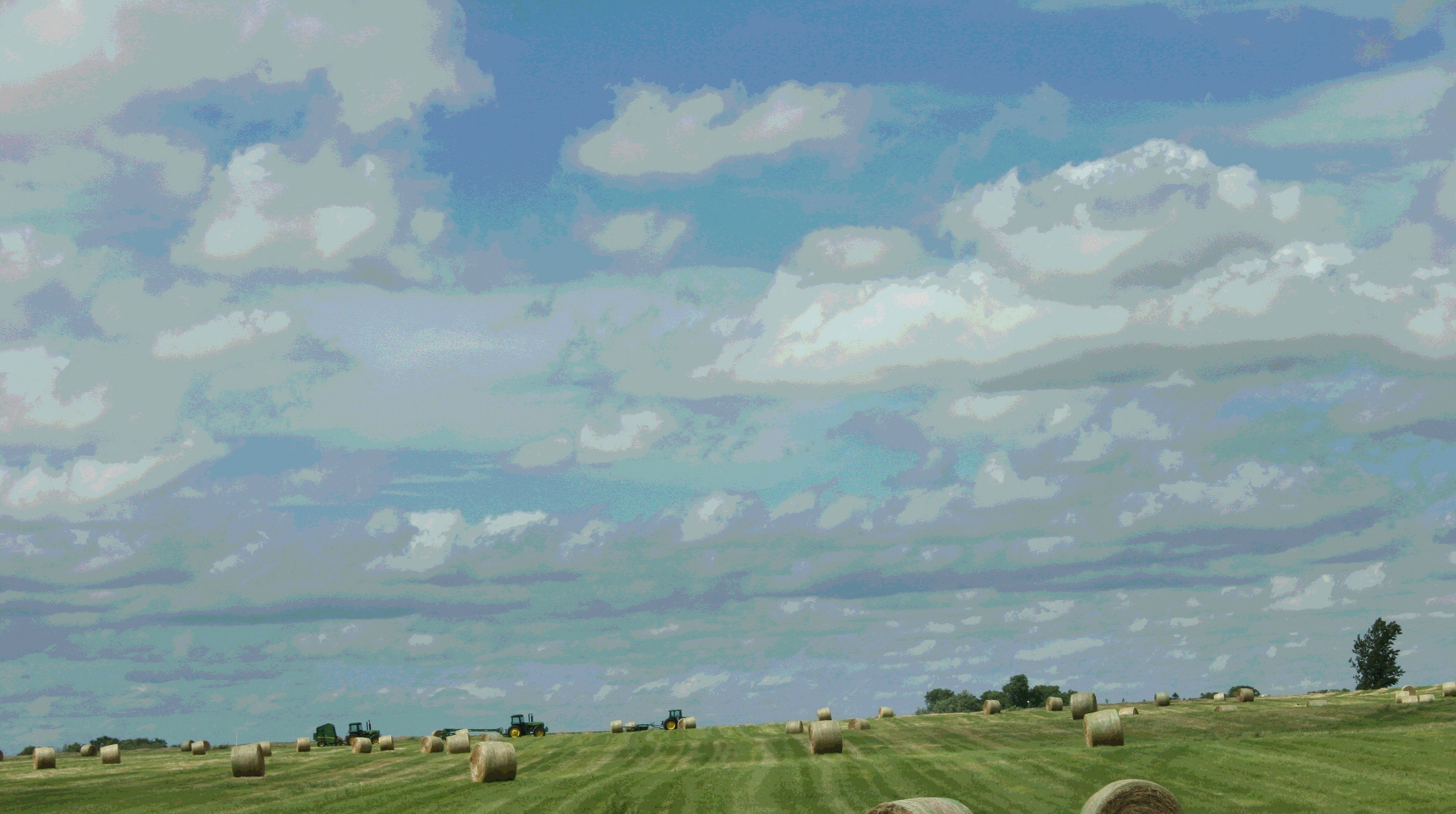
Making hay, along old U.S. Highway 14 west of Owatonna.

Making hay, along old U.S. Highway 14 west of Owatonna.

In this crazy fast-paced world of scheduled activities and rare free time, such impromptu rural jaunts are to be embraced.

Near Clinton Falls in Steele County, Minnesota.

Near Clinton Falls in Steele County, Minnesota.

If you have not discovered the Sunday afternoon drive, you are missing out on one of life’s simplest and most soul satisfying pleasures.

Northwest of Owatonna along Steele County Road 17.

Northwest of Owatonna along Steele County Road 17.

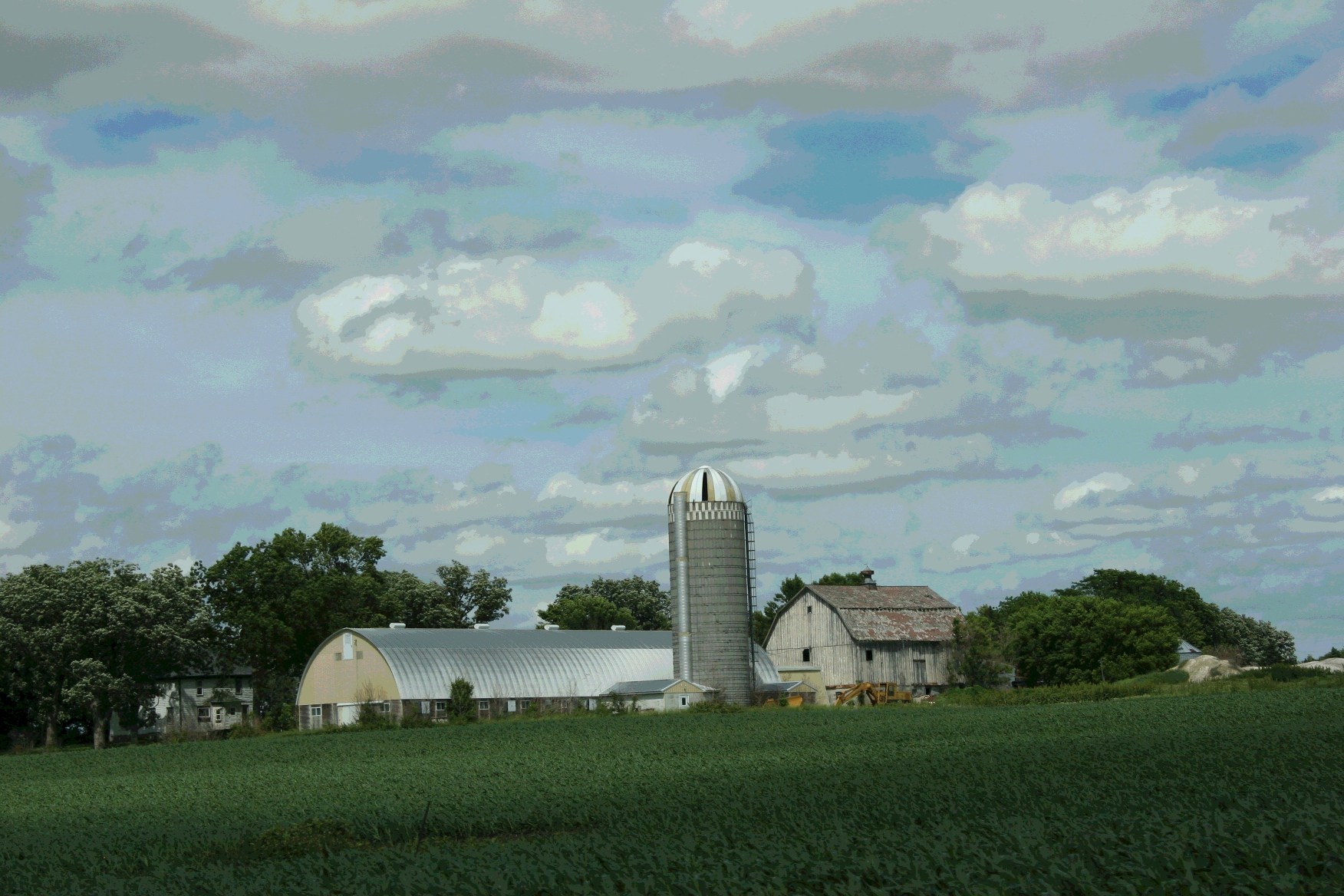
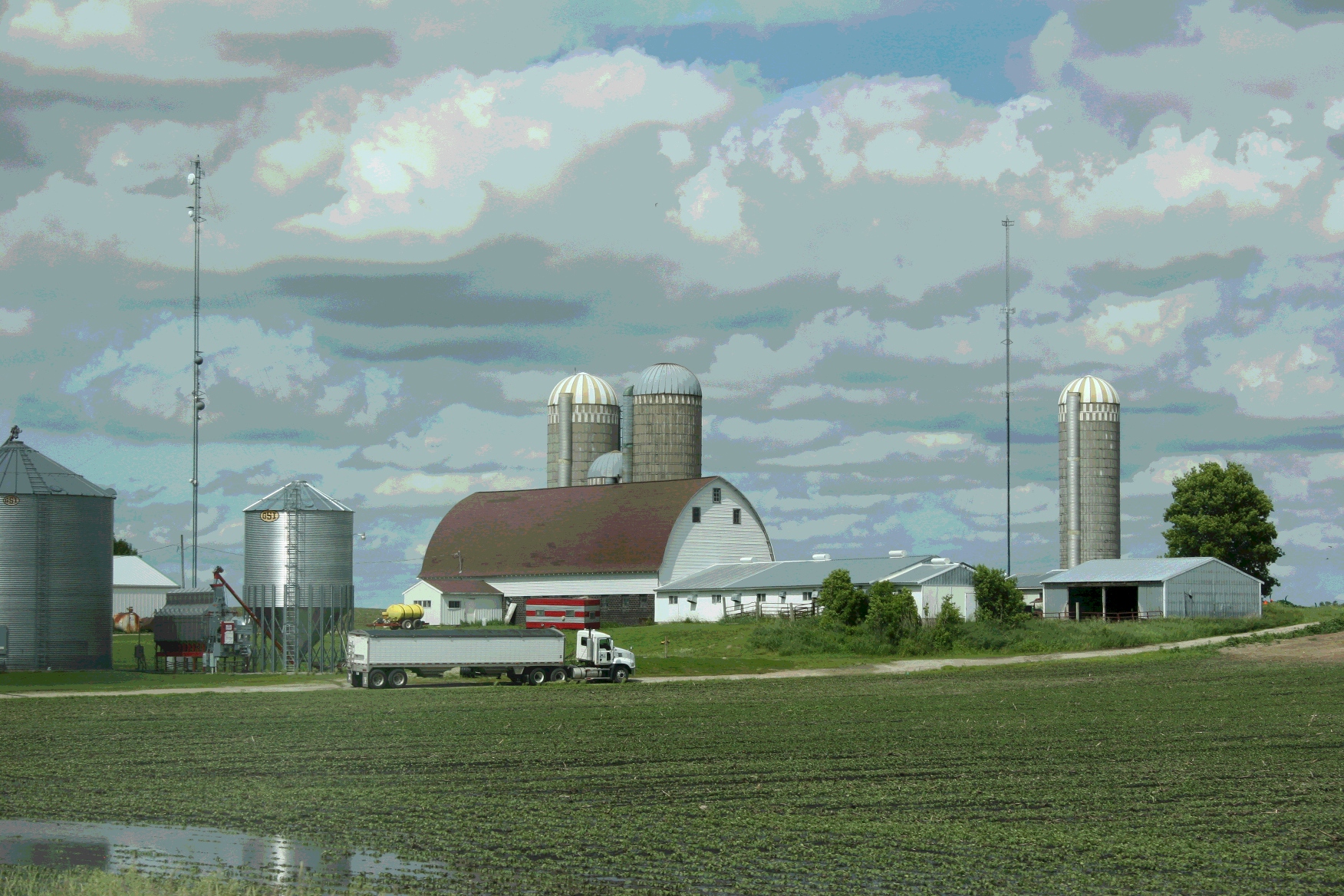
On a farm site west of Owatonna.

On a farm site west of Owatonna.

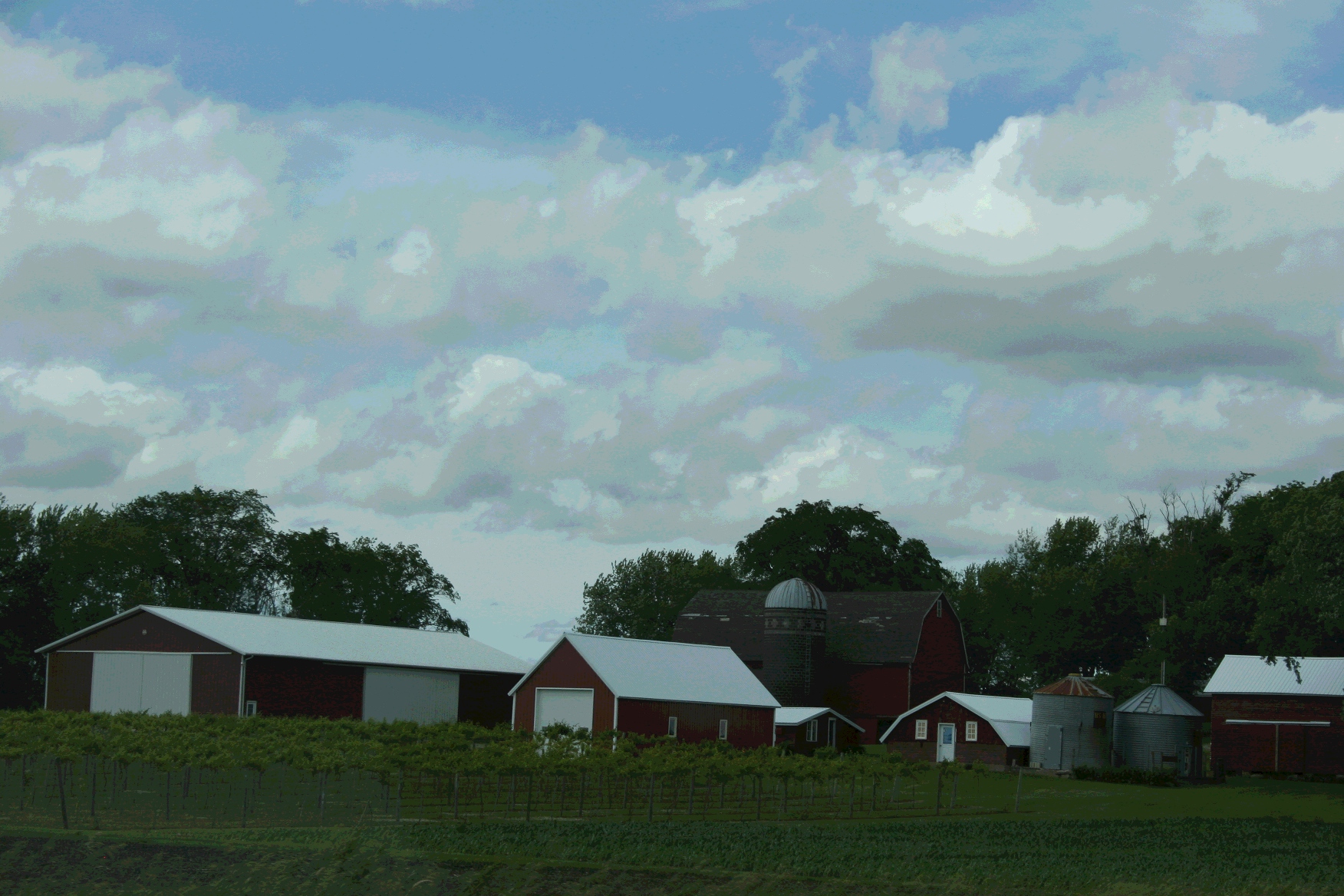
A vineyard along Steele County Road 17.

A vineyard along Steele County Road 17.

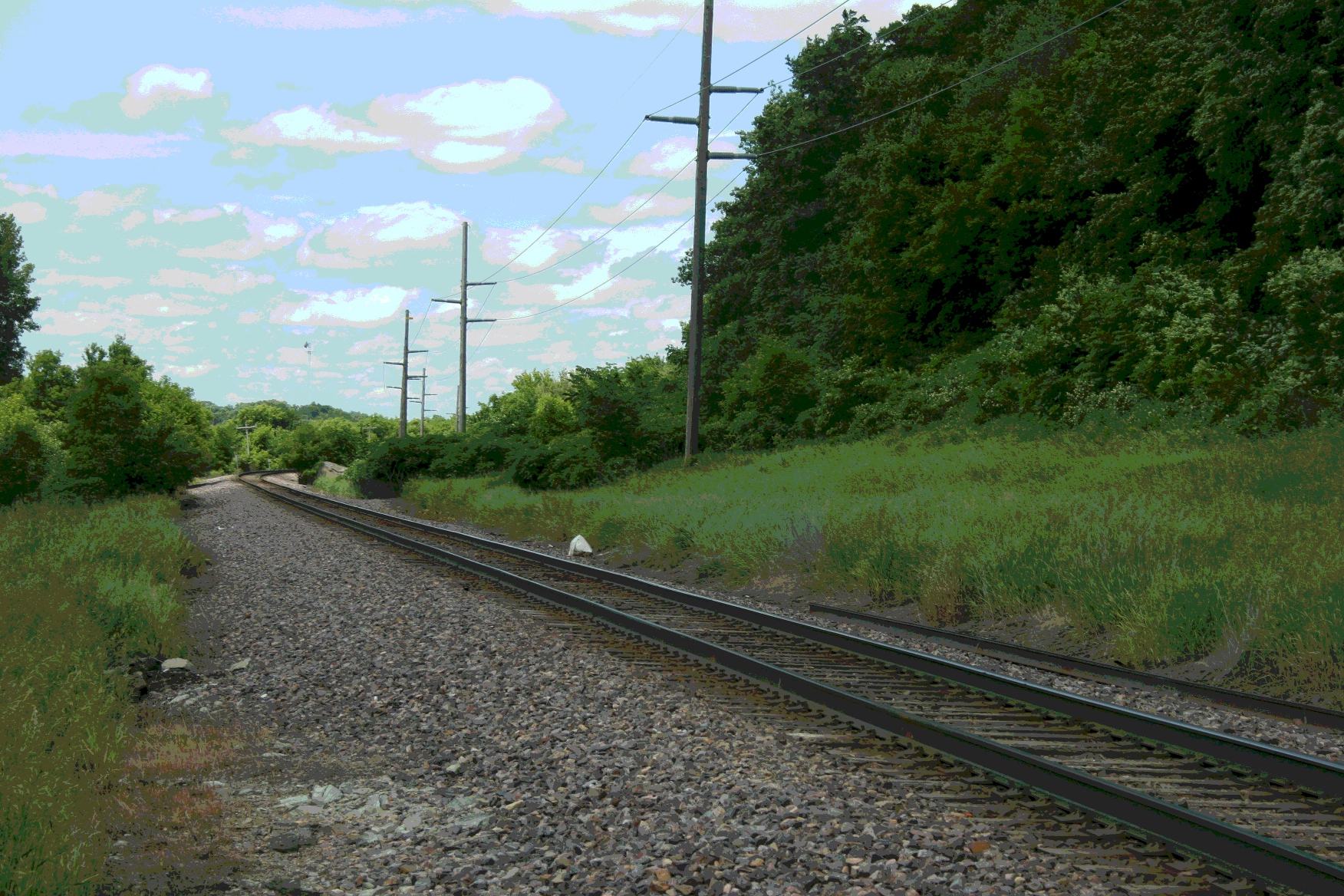
Southwest of Faribault.

Southwest of Faribault.

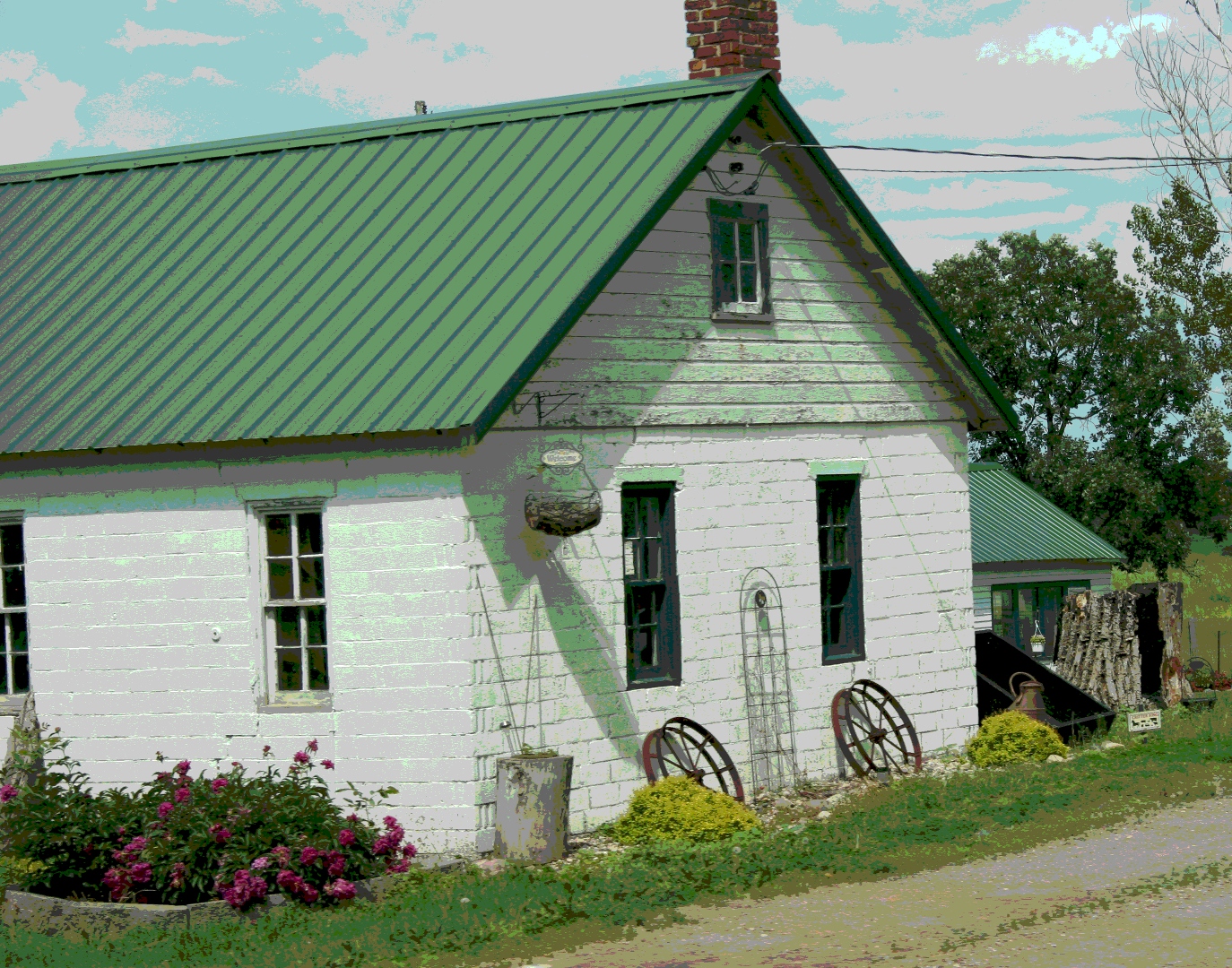
FYI: The edited photos featured here are from a recent Sunday afternoon drive south and east of Faribault and then west and north of Owatonna looping back to Faribault. All images were shot from the passenger seat of our van at highway speeds, or slightly under.

Copyright 2013 Audrey Kletscher Helbling


Touring an historic mill in Morristown June 4, 2013

I WISH MY MEMORIES of the old feed mill were imprinted upon the pages of a book. Indelible ink. Words recorded so that I would always remember. The smell. The sound. The sights. The everything encompassing this agricultural business in my southwestern Minnesota prairie town.

I recall so little—the wooden steps leading to the feed mill; the ground feed residue lingering in the air and on surfaces; the ever-deafening grinding noise of machinery chomping grain; handsome operator Wally Anderson with his shock of white hair who lived in a well-kept corner house several blocks north; and the summer a ventriloquist sat in front of Vesta’s feed mill with a dummy perched on his knee.

The Morristown Feed Mill in Morristown, Minnesota.

The Morristown Feed Mill in Morristown, Minnesota.

Those faint wisps of recollection filtered through my thoughts on Saturday as I meandered through an historic 1860 grist mill along the banks of the Cannon River in Morristown. Once a year this rural southeastern Minnesota community opens the mill for tours and grinds wheat and corn.

A replica waterwheel built in 1997 by Theodore E. Sawle.

A replica waterwheel built in 1997 by Theodore E. Sawle.

I won’t even pretend to understand all I viewed and photographed at this mill once powered by a waterwheel, later by electricity.

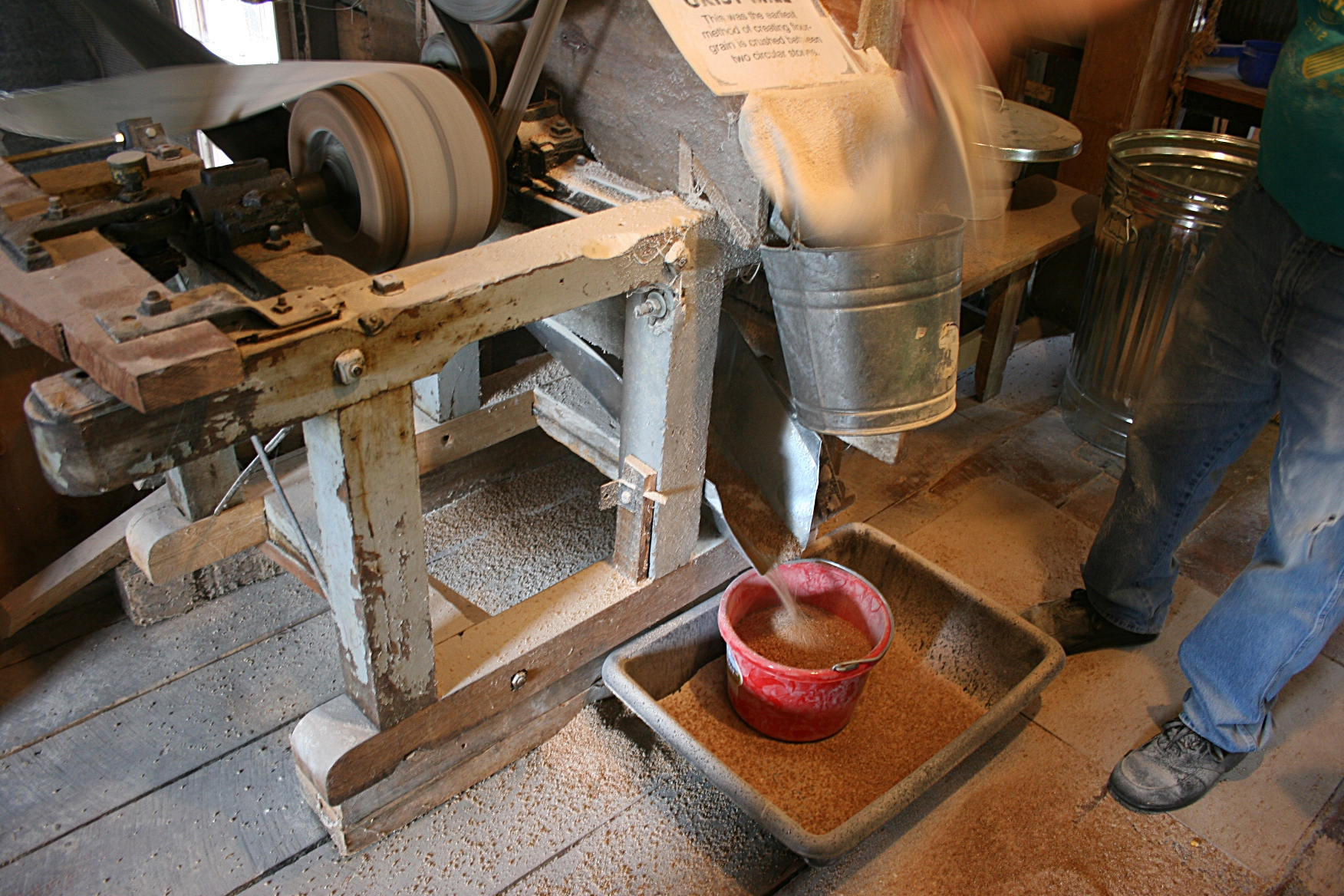
A volunteer grinds wheat into flour in the old grist mill. Each time the waterwheel turns, it spins the millstone 17 times in the process of crushing grain between stones. The volunteer's wife bakes Communion bread for the local Methodist church.

A volunteer grinds wheat into flour in the old grist mill. Each time the waterwheel turns, it spins the millstone 17.5 times in the process of crushing grain between stones. The volunteer’s wife bakes Communion bread for the local Methodist church.

Initially, the mill opened in 1855 as a sawmill. But, within years, the business was replaced by Hershey Grist Mill, a mill for grinding grain into flour and livestock feed. On the afternoon I toured, a volunteer was grinding wheat into flour with the waterwheel powering the grinder. I had intended to buy a bag of the $2 wheat flour, but forgot in the midst of my photographic focus.

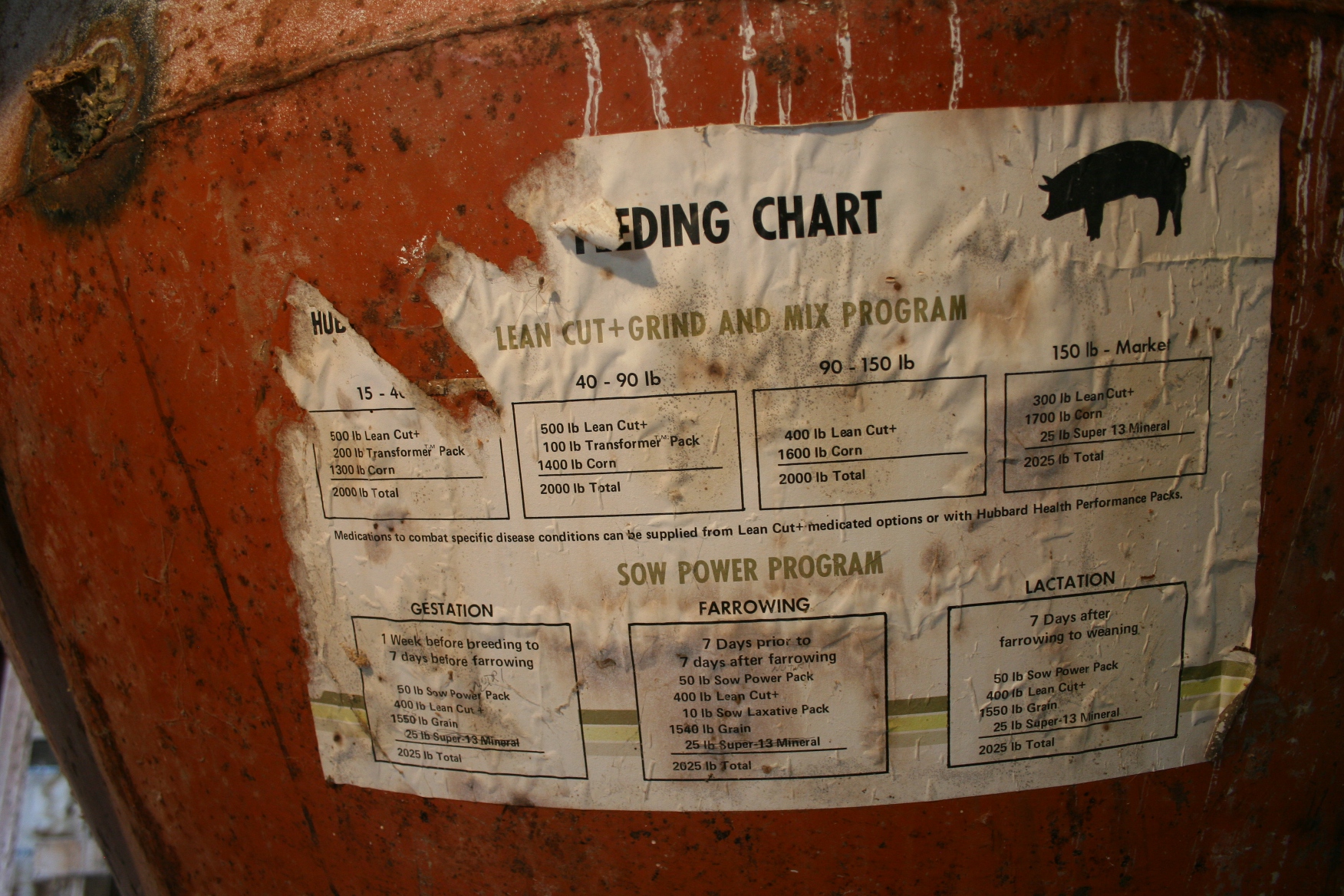
Guidelines for pig feed.

Guidelines for pig feed posted on a mixer.

The Morristown Historical Society today cares for the facility which closed in the 1970s as the Morristown Feed Mill, purveyor of livestock feed. For those like me, who grew up on a farm but have long ago left the land, such endeavors to preserve the rural past are deeply appreciated.

The conveyor belt powered by the waterwheel. This operates the grinder.

The waterwheel turns these pulleys and belts which operate the grinder.

While I walked the old wooden floor of the feed mill, descended stairs into the cluttered utility room where a dangerous conveyor belt cycled and afterward climbed stairs to the second floor, I reconnected with my rural roots.

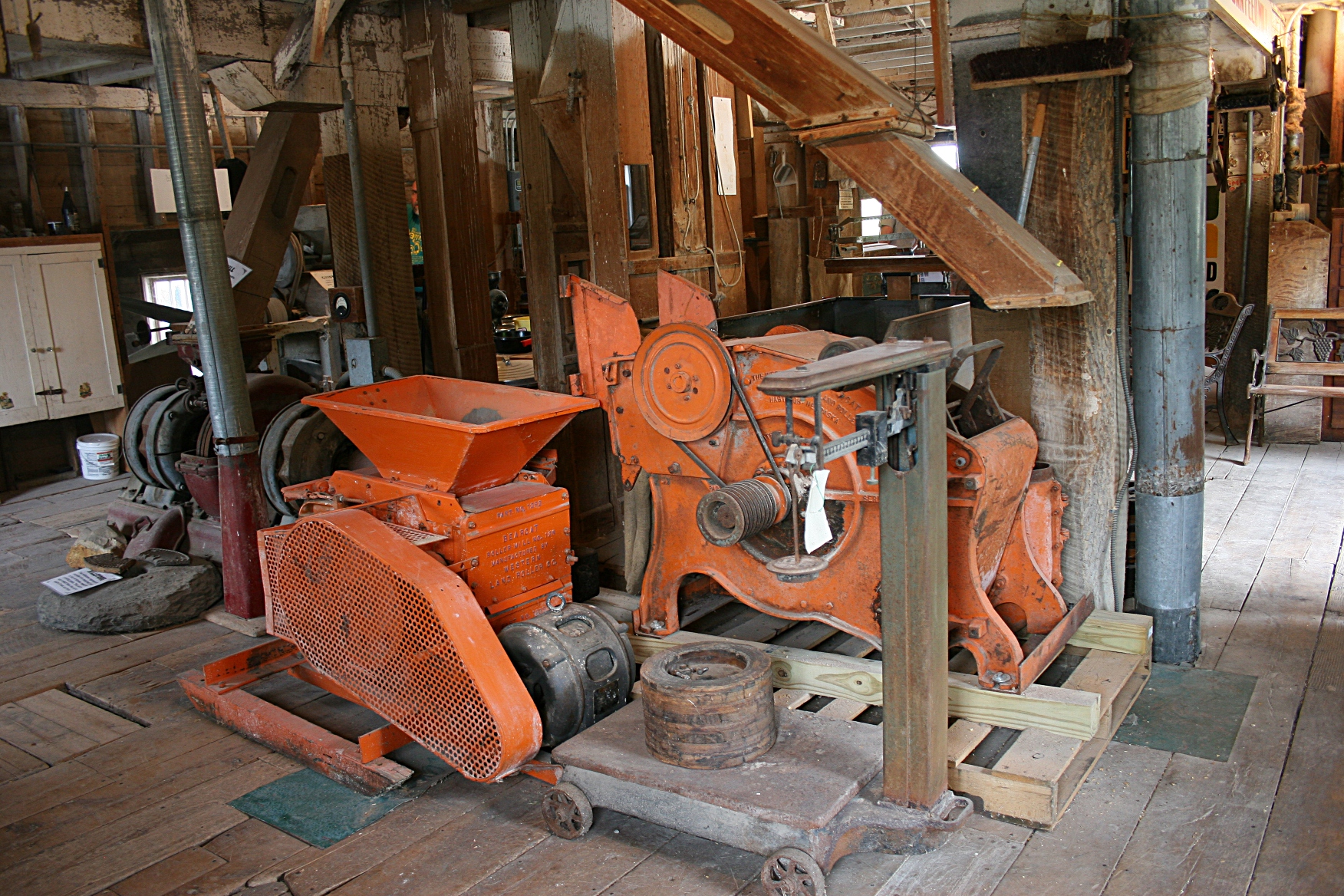
The old feed mill is stocked with lots of vintage grinding equipment.

The old feed mill is stocked with lots of vintage mill equipment.

And it may not have been in the way you most likely would expect. For me, the experience was mostly about the dust—knowing I needed to protect my camera from the fine grain dust which permeates a place like this, layers on the skin, hovers in the air, filters into memories.

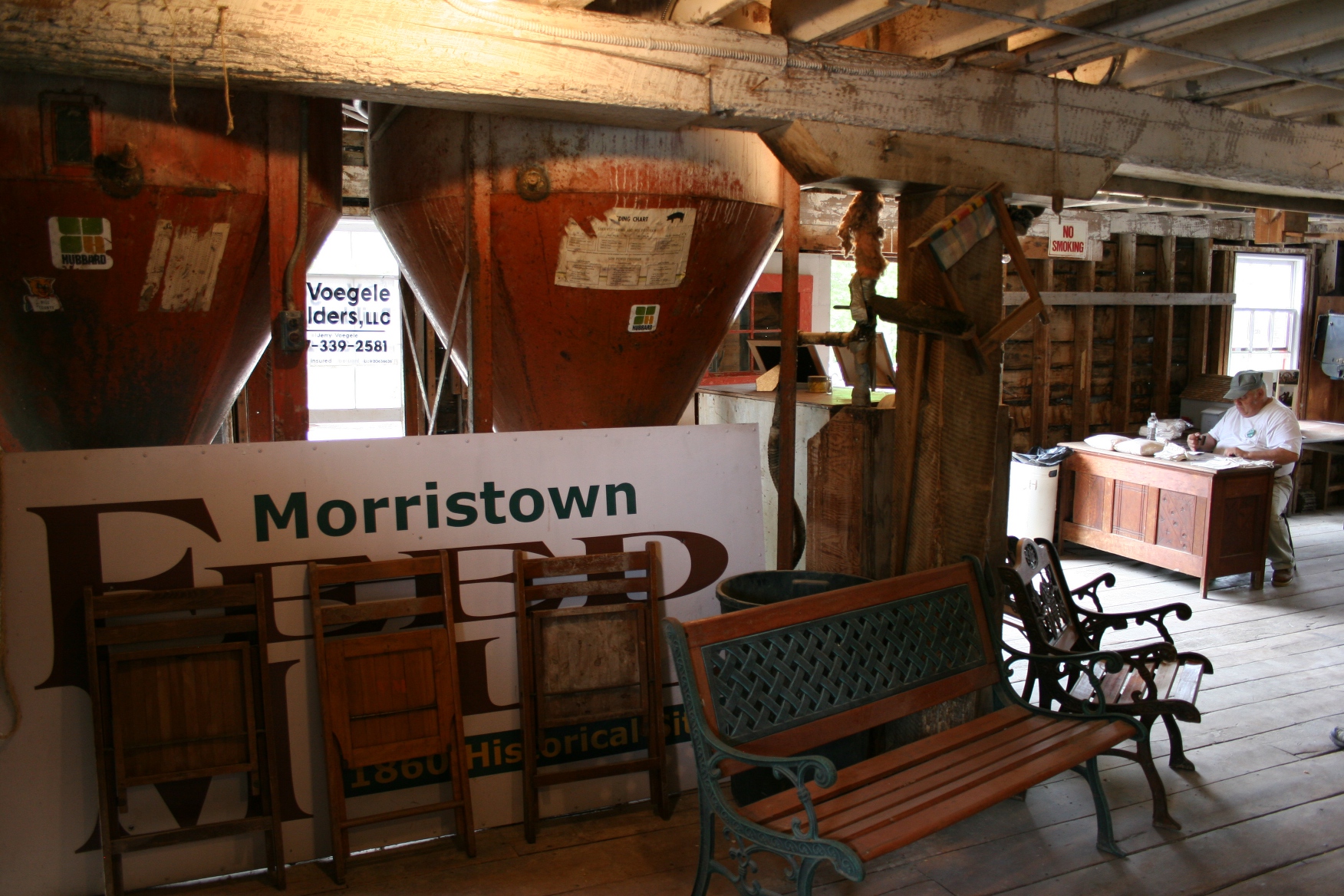
Inside the feed mill, where a volunteer stamps cloth bags with Morristown Feed Mill.

Inside the feed mill, a volunteer stamps cloth bags with Morristown Feed Mill. Behind the sign are two mixers.

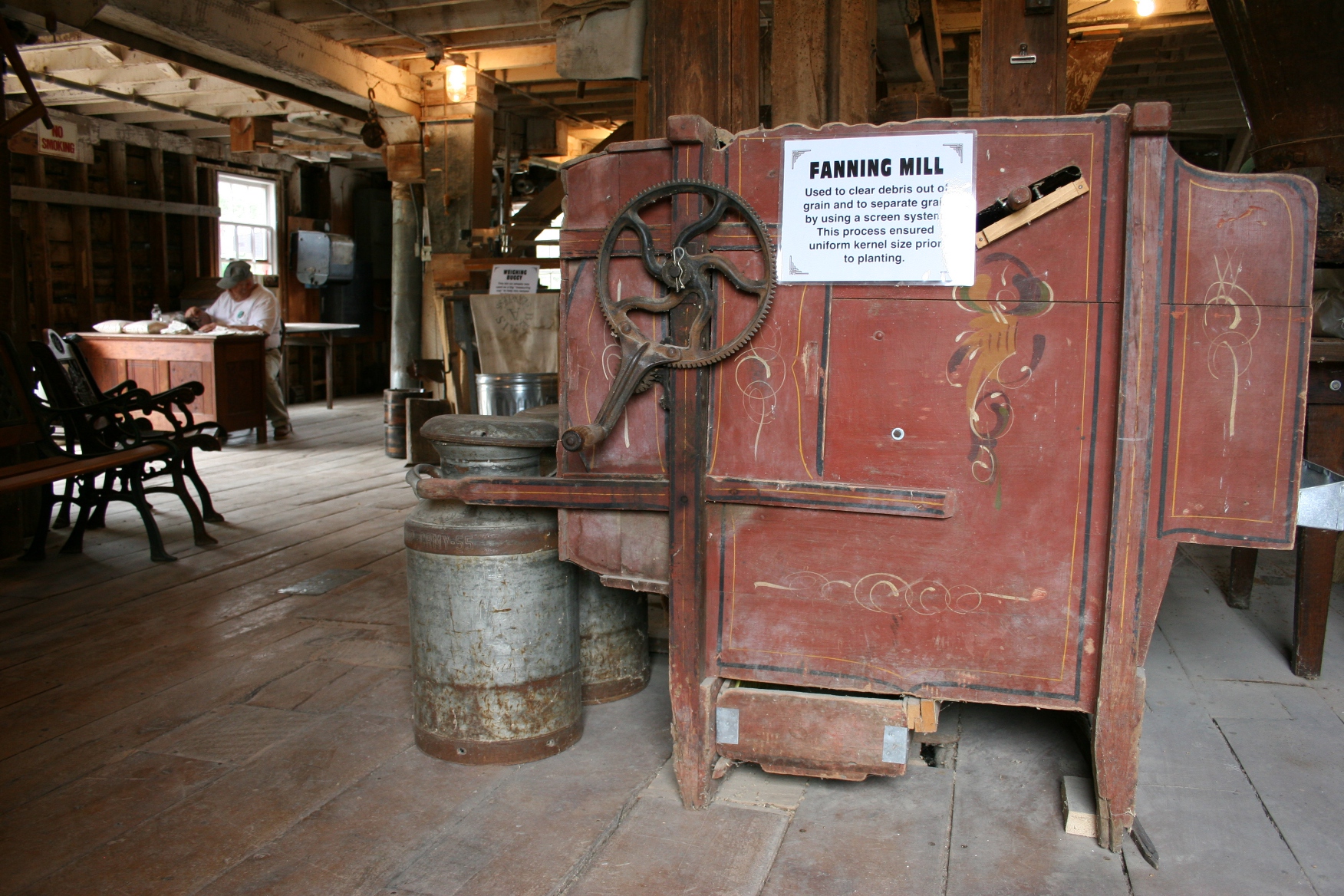
An old fanning mill cleans the grain for planting.

An old fanning mill cleans the grain for planting.

When I heard mention of mice, I was a little nervous about going into the utility room.

When I heard mention of mice, I was a little nervous about going into the utility room.

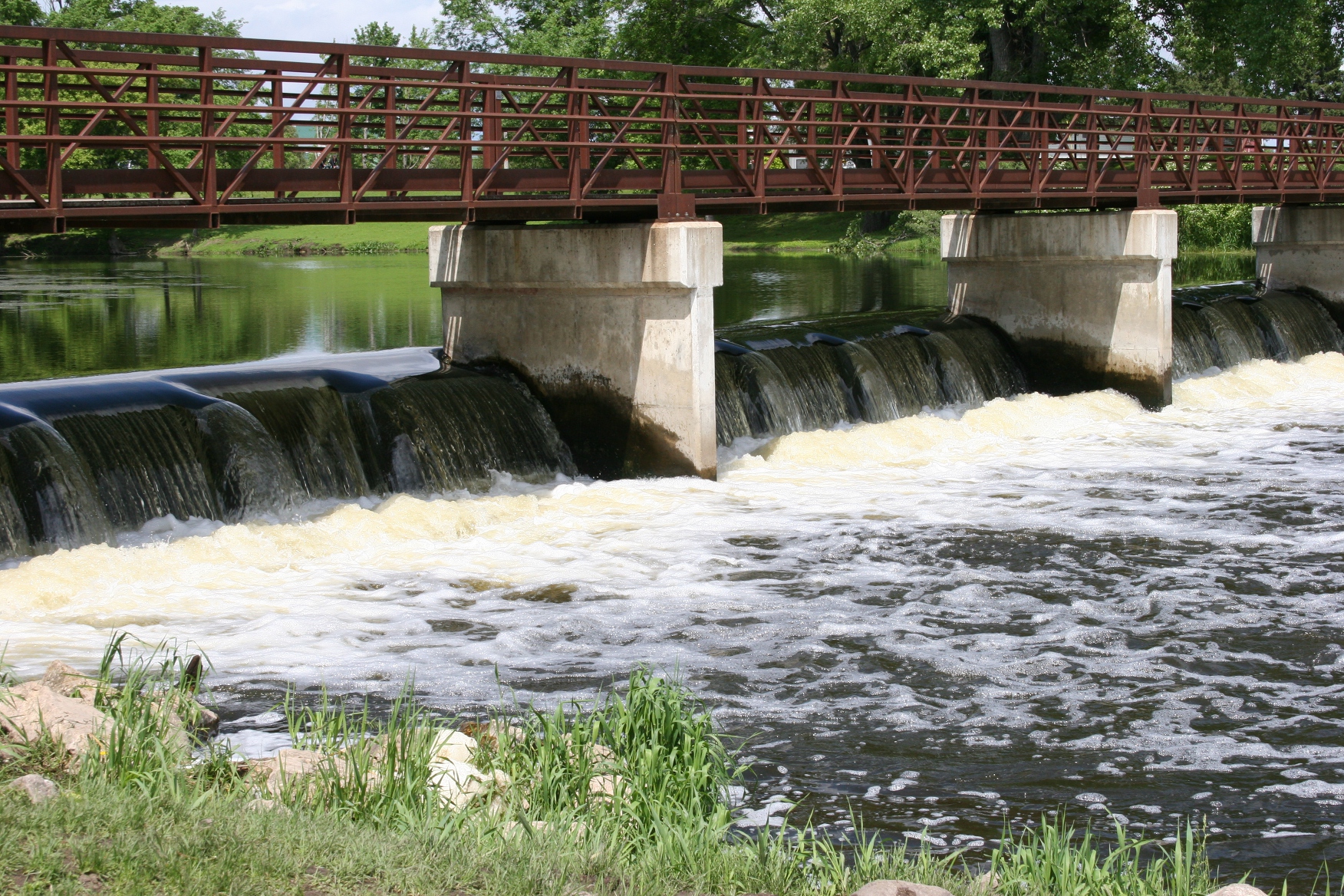
The Cannon River dam right next to the mill.

The Cannon River dam right next to the mill.

FYI: As a side note, the mill sheltered several refugees from the U.S. – Dakota Conflict of 1862.  Check back for more mill photos.

© Copyright 2013 Audrey Kletscher Helbling


Celebrating rural America at a kids’ pedal tractor pull in Morristown June 3, 2013

Heavy clouds rolled in from the west as I stood on the west edge of the ball field in Morristown late Saturday afternoon.

Heavy clouds rolled in from the west as I stood on the west edge of the ball field in Morristown late Saturday afternoon.

ONLY BLOCKS FROM THE HEART of Morristown, next to Babe Nordmeier Field on the west edge of town, corn sprouts in tidy rows upon the fertile earth.

This southeastern Minneosta community runs rural through and through with businesses centered on agriculture. Farmers live and work on land passed down through generations.

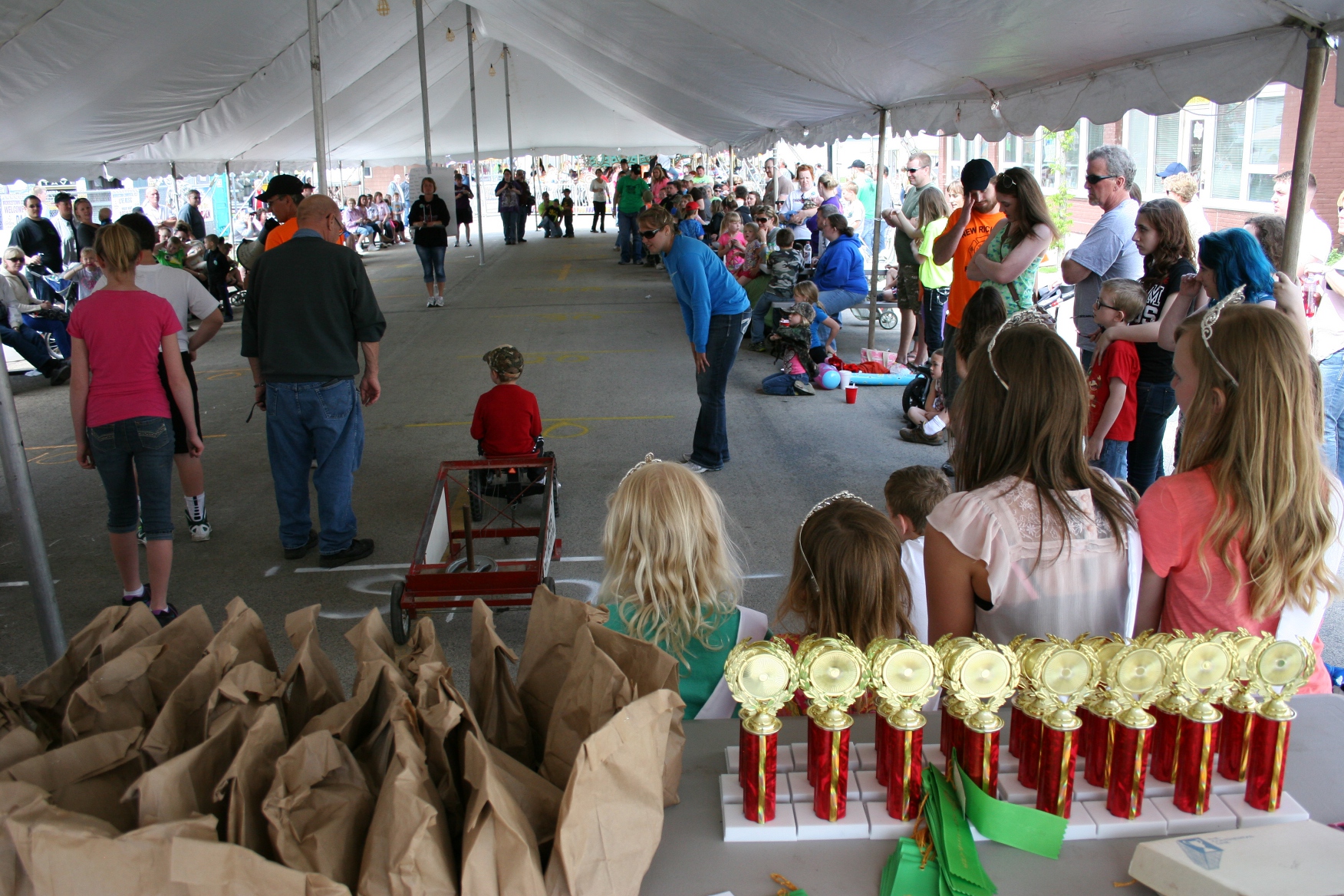
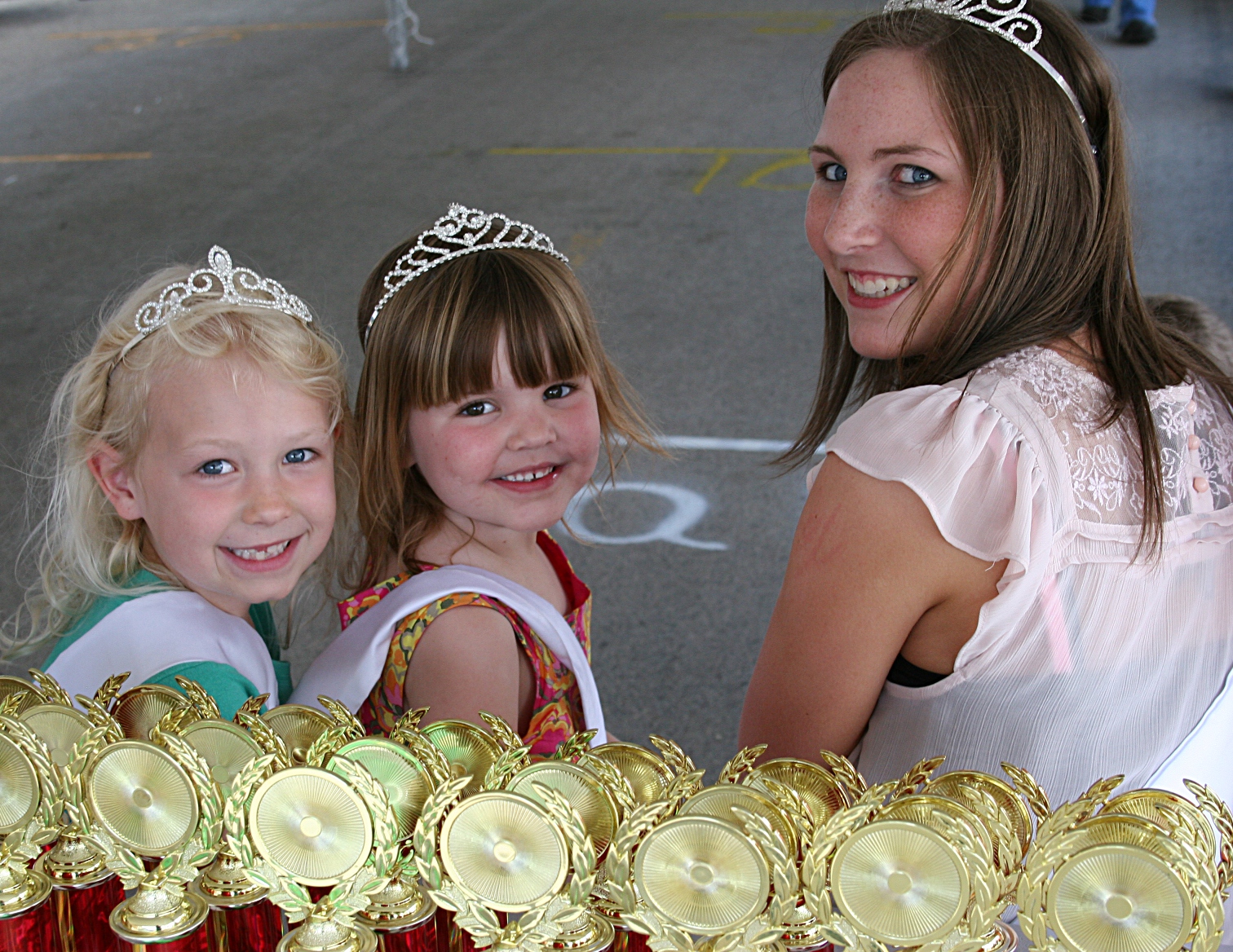
I climbed onto the back of the riser/stage to shoot this photo. In the foreground, behind the Dam Days royalty, are the trophies and ribbons and perhaps other prizes in the bags.

I climbed onto the back of the riser/stage to shoot this photo. In the foreground, behind the Dam Days royalty, are the trophies and ribbons and perhaps other prizes in the bags.

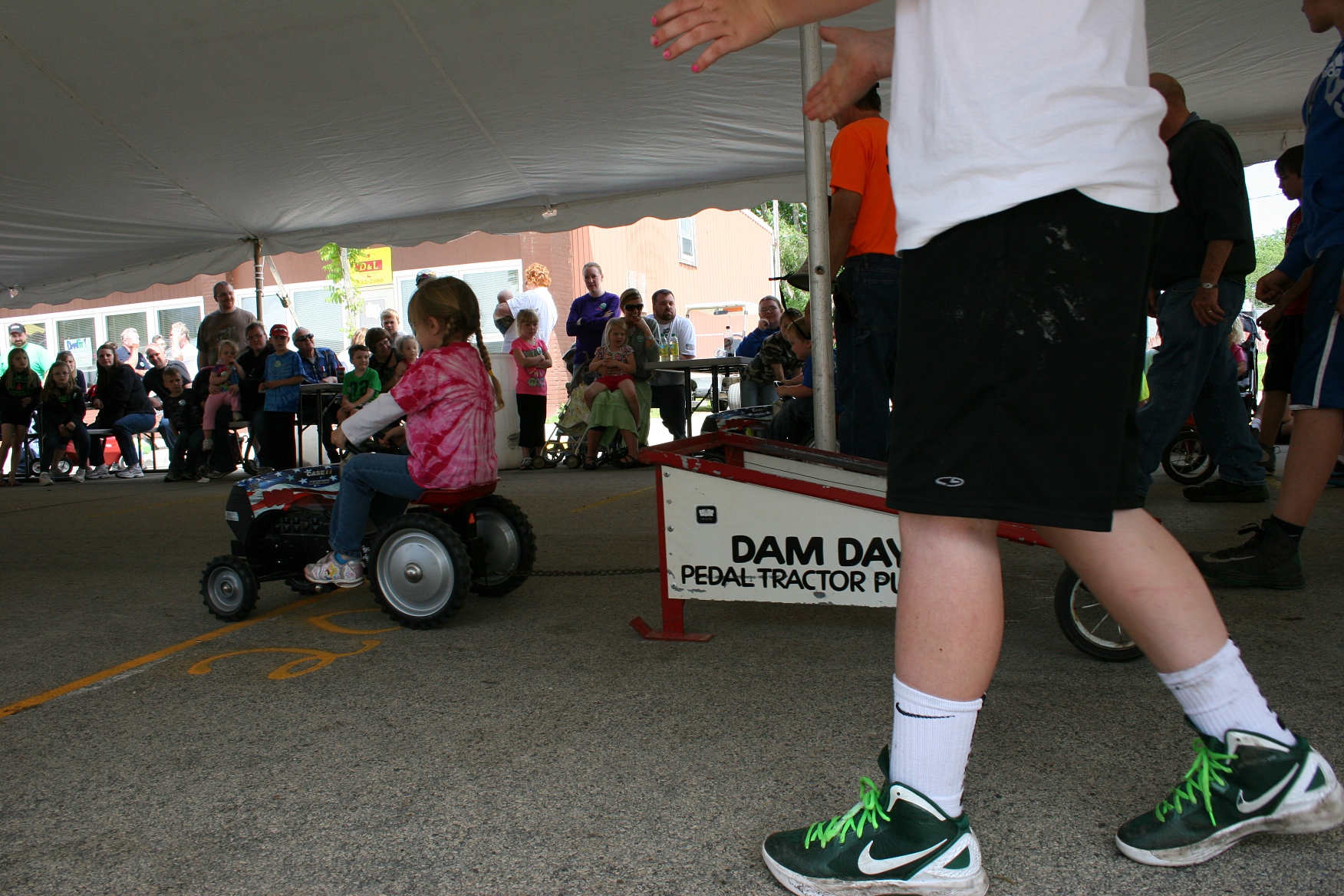
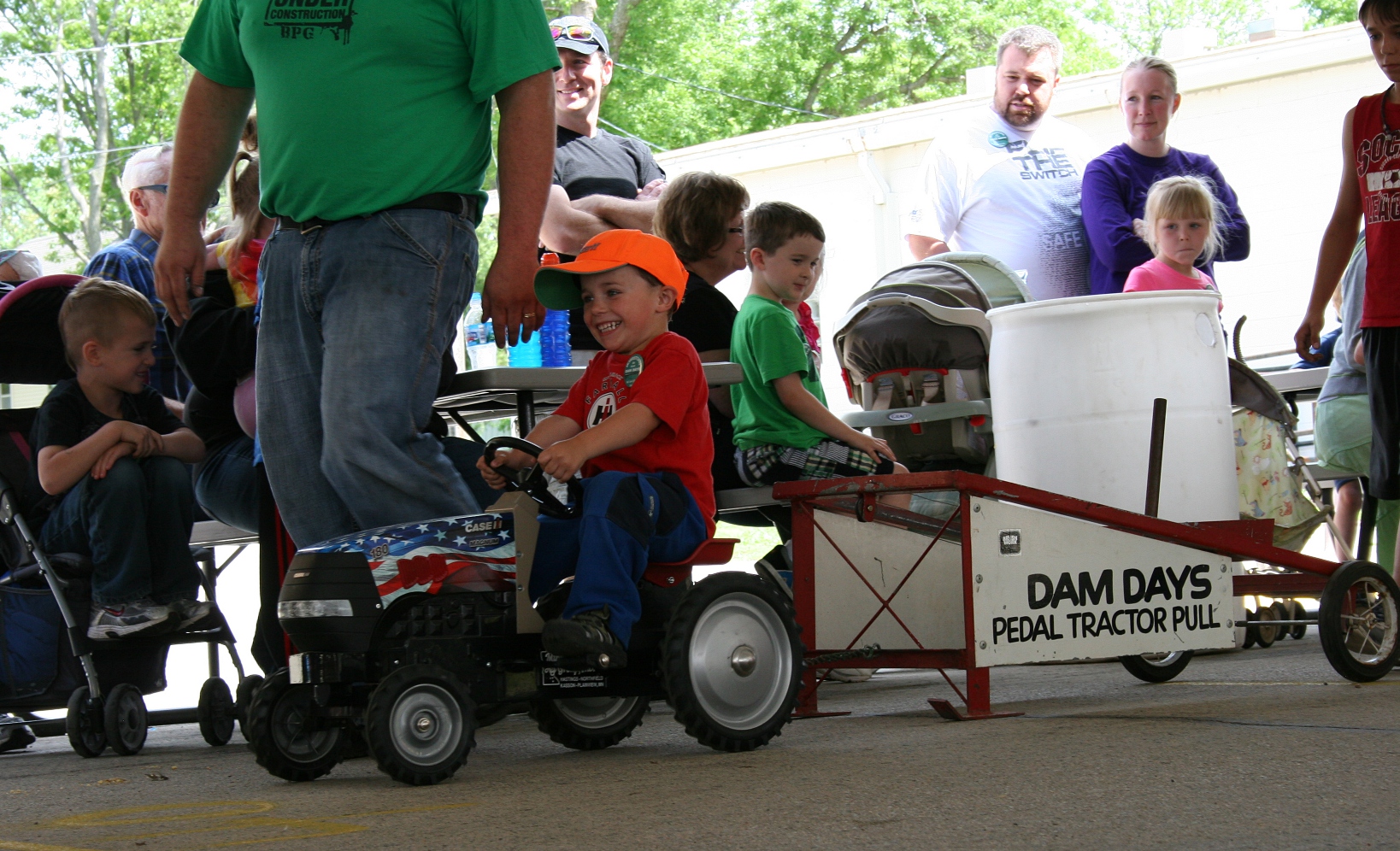
On Saturday afternoon, locals and those who grew up here, and others, like me, gathered under a tent on Main Street to watch the Kids’ Pedal Tractor Pull during the annual Dam Days celebration. It’s a grassroots event that melds a deep appreciation of the town’s rural roots with the connections of family and friendly competition.

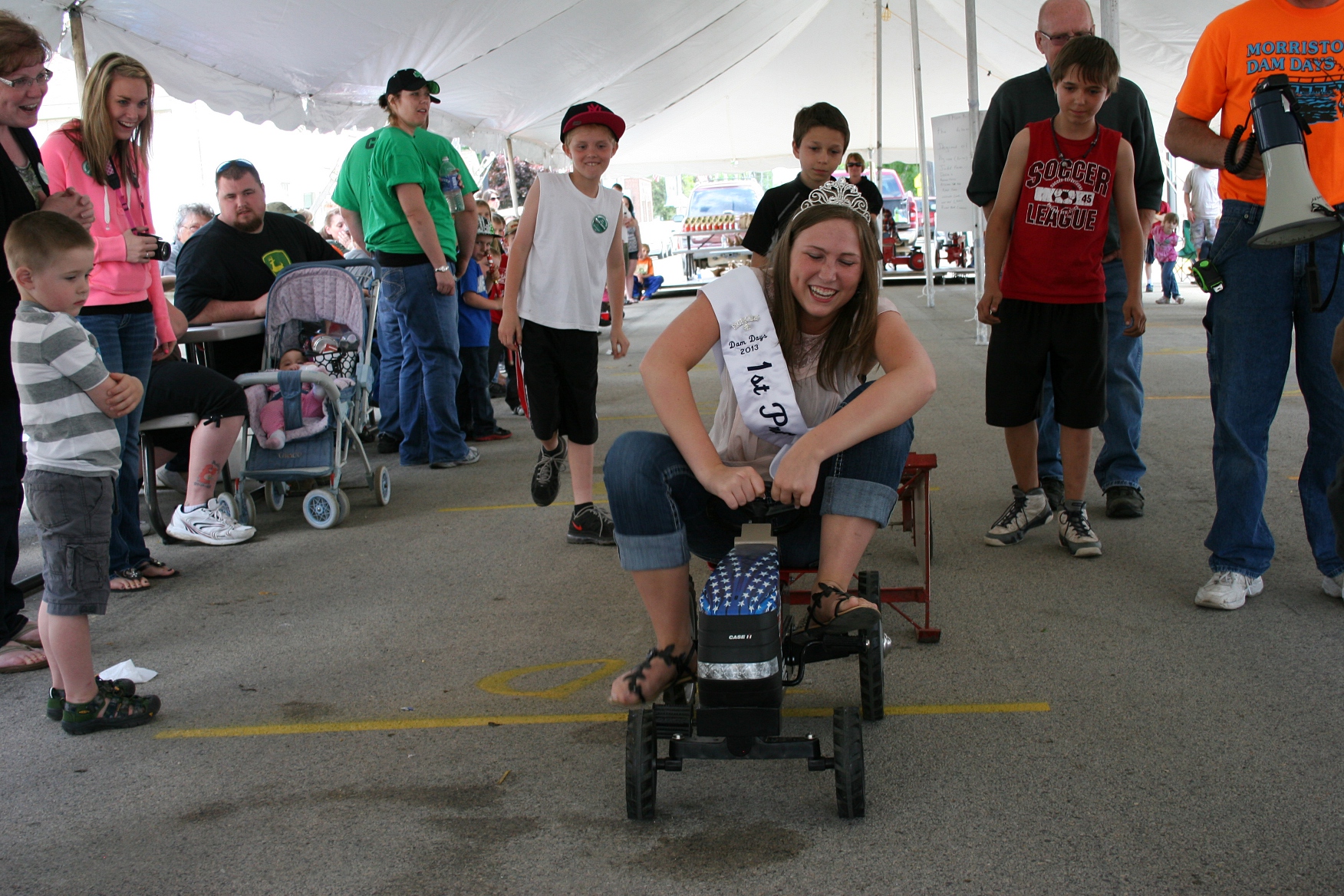
Even the Dam Days princesses participated in the pedal pull. Look at the faces in the crowd.

Even the Dam Days princesses participated in the pedal pull. Look at the faces in the crowd.

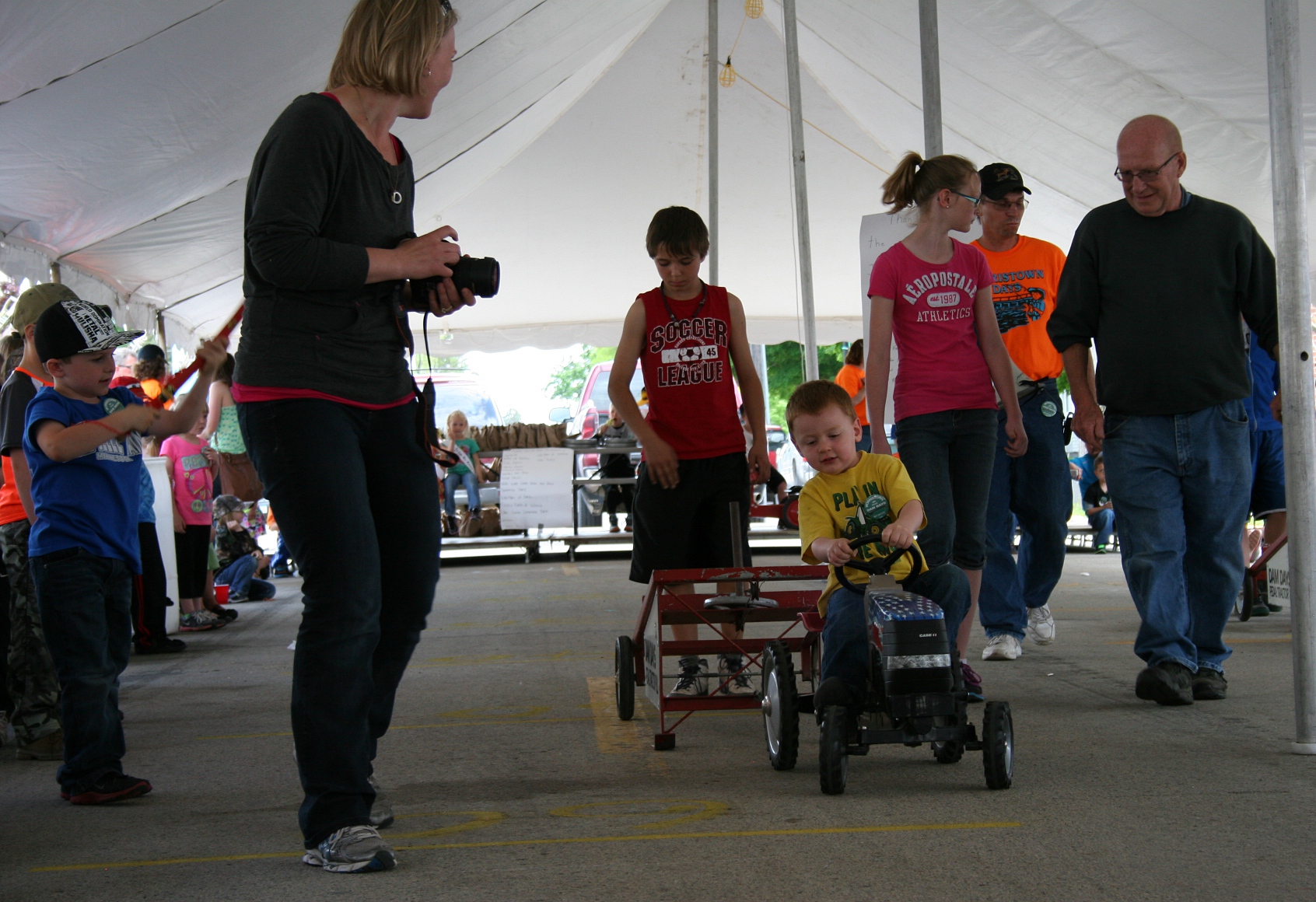
As I observed the pedal pull, I focused not only on the determined little ones peddling with all their might, but on the proud parents, the equally encouraging grandparents, the enthusiastic siblings, the sweet princesses and more.

Cameras and encouragement abounded.

Cameras and encouragement abounded.

Before me I viewed a competition, yes. But I also noted smiles and felt that sense of community which prevails in the heart of rural America. At this moment in time, in this small town, all is well in the world.

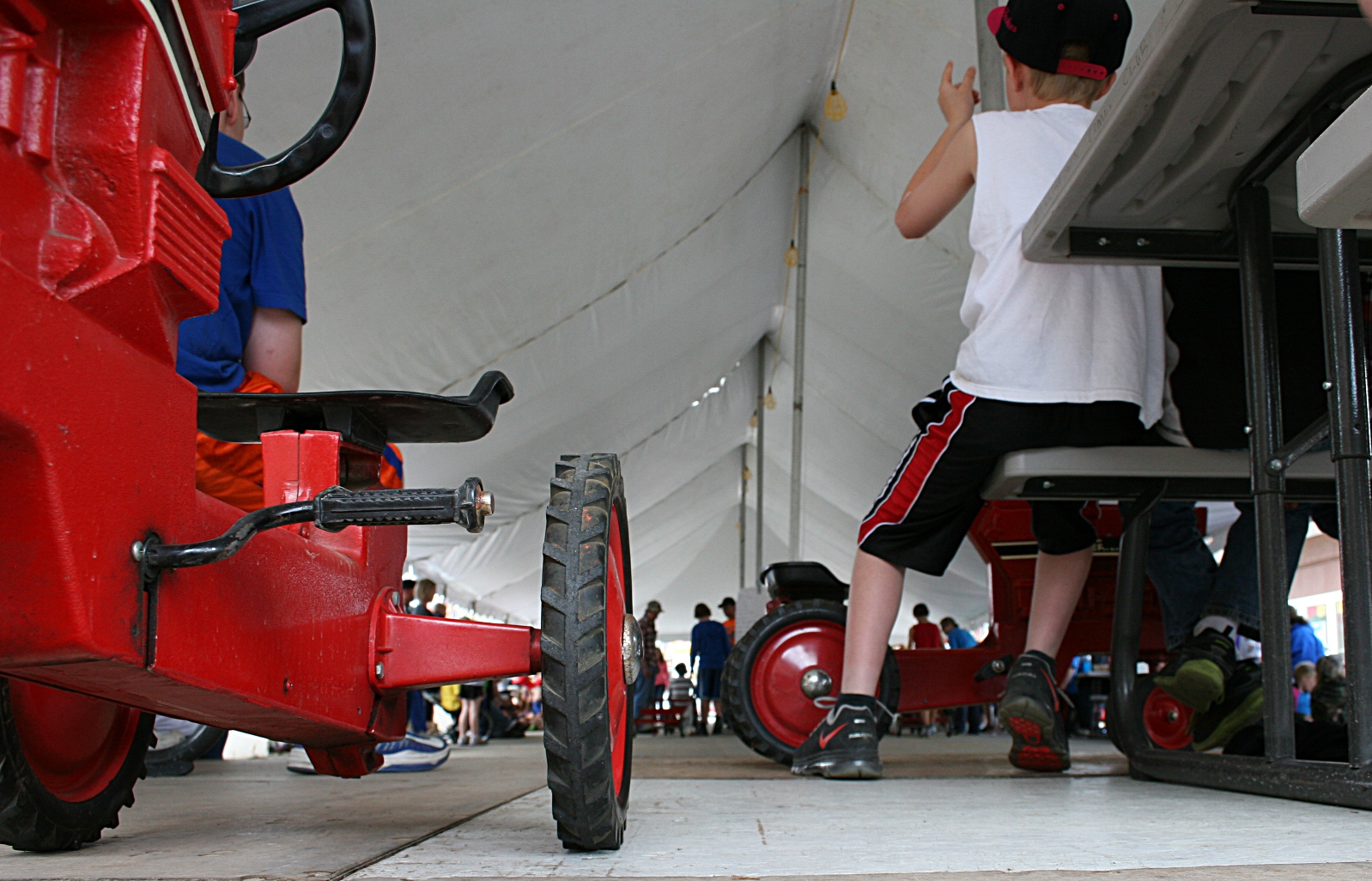
The vehicle of competition, momentarily parked.

The vehicles of competition, momentarily parked.

This little guy cheers on a competitor.

This little guy cheers on a competitor.

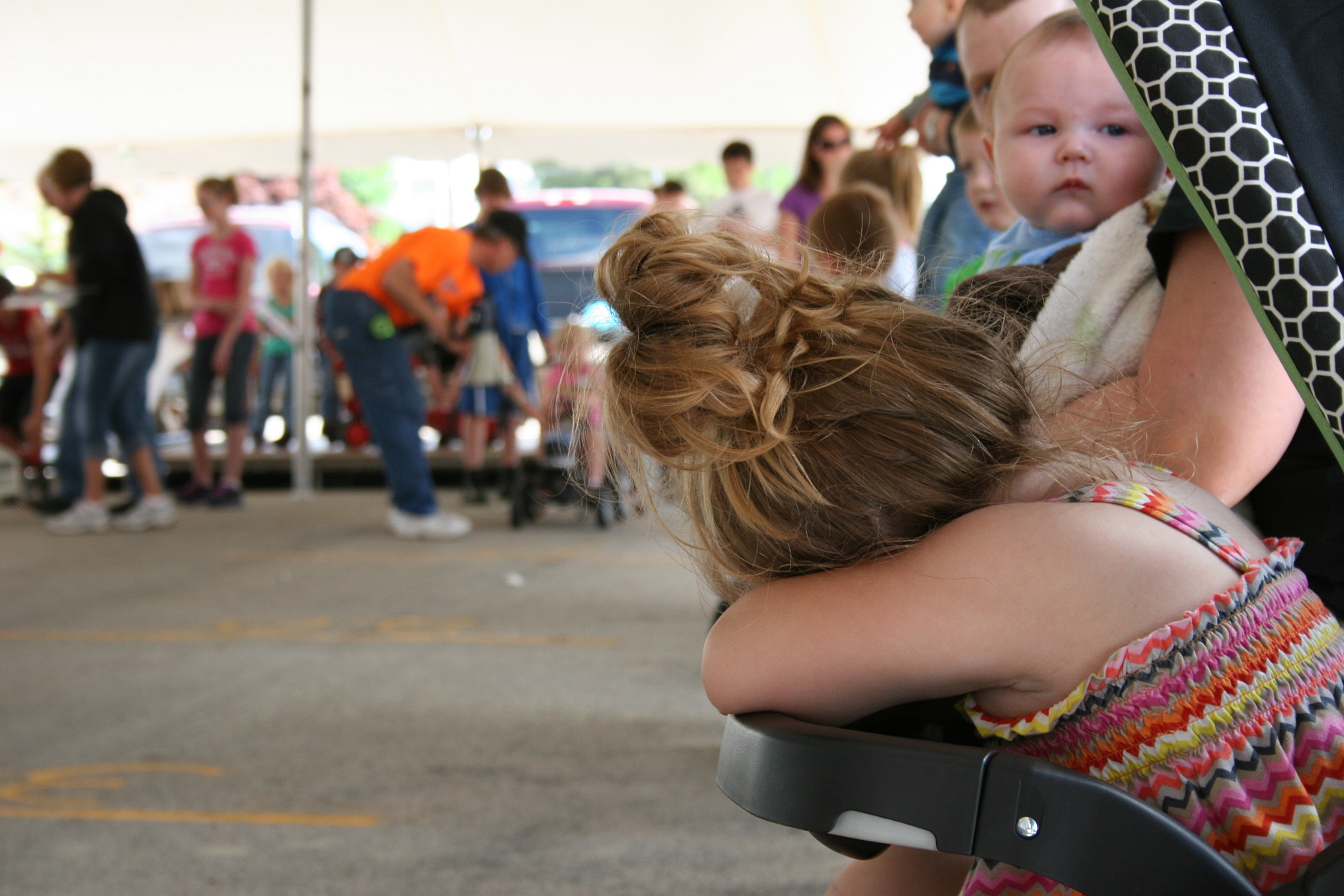
...while this preschooler was getting tired. She wasn't sleeping, but...

…while this preschooler was getting tired. She wasn’t sleeping, but…

Cheering on a contestant.

Cheering on a contestant.

Dam Days royalty turned around and flashed their royal smiles when they realized I was behind them.

Sweet Dam Days royalty turned around and flashed their royal smiles when they realized I was behind them.

One word: Determined.

Happy and determined.

© Copyright 2013 Audrey Kletscher Helbling


My blogging approach to covering a Minnesota flea market May 29, 2013

An overview of the Rice County Steam & Gas Engine Flea Market Saturday morning near Dundas.

An overview of the Rice County Steam & Gas Engine Flea Market Saturday morning near Dundas.

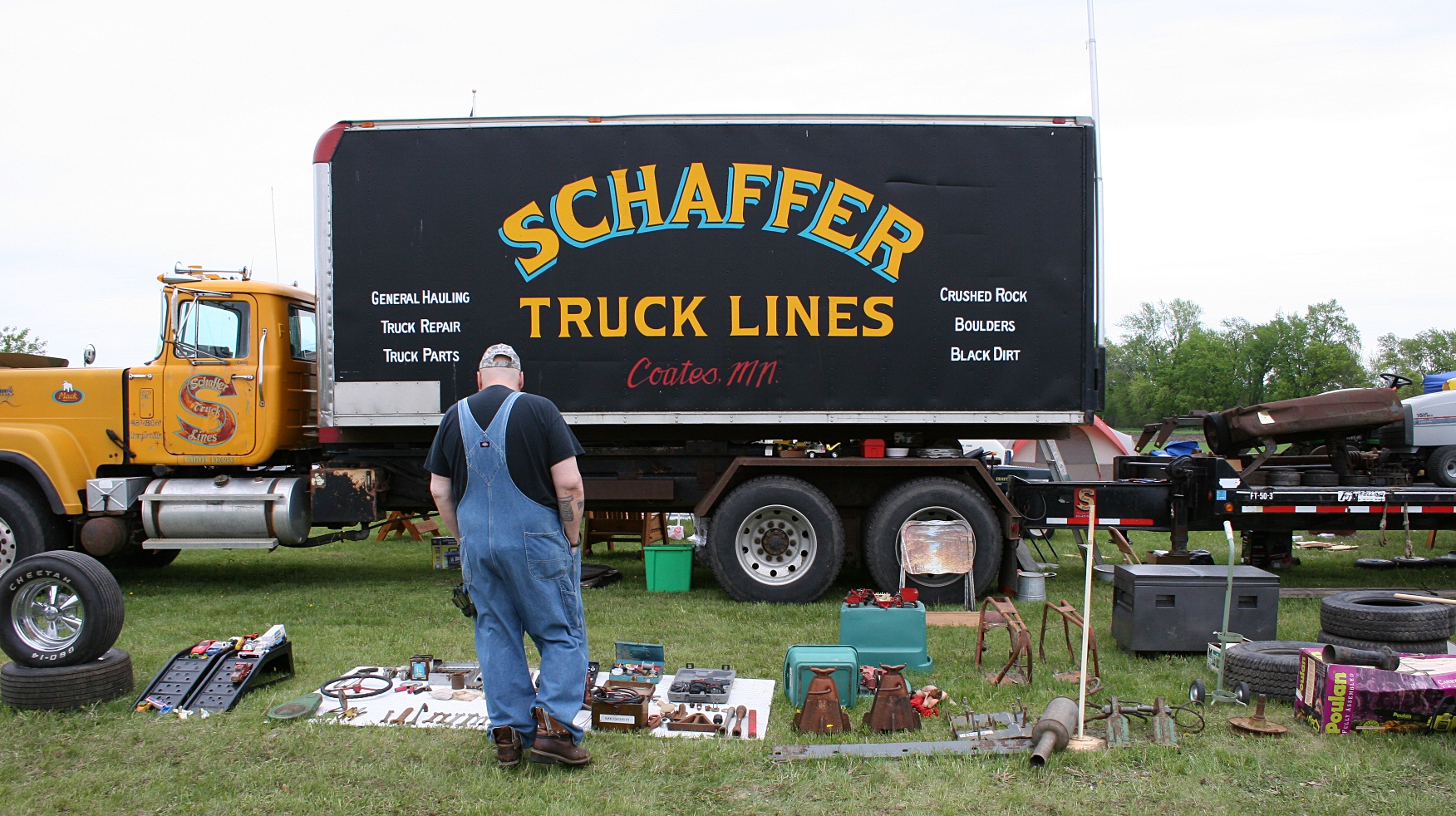
FLEA MARKETS OFFER an eclectic mix of merchandise and people, the two ingredients which make shopping and photographing these venues especially entertaining and enlightening.

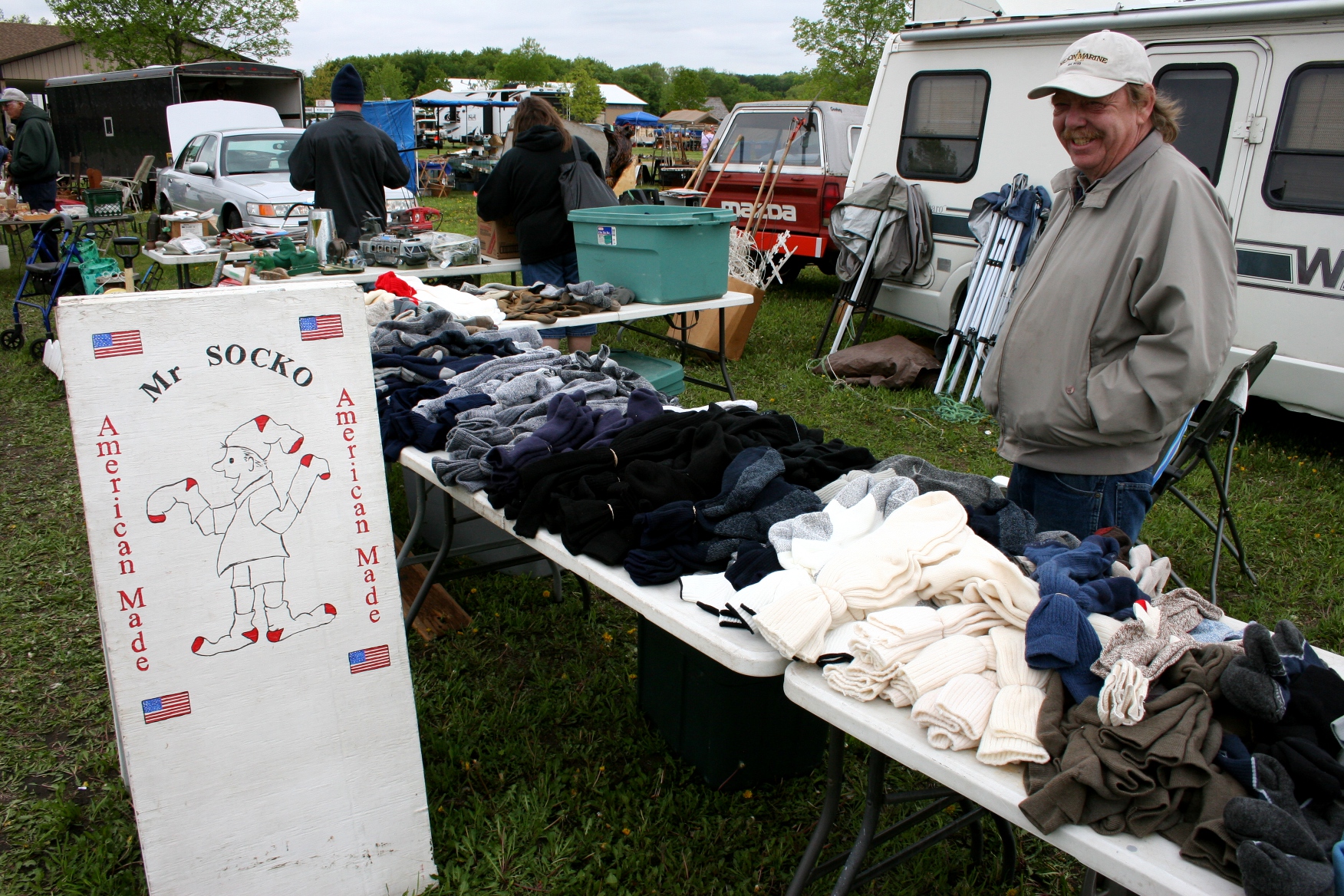
Mr. Socko, the sock guy, vends socks from Fox River Mills, which originated in Appleton, Wisconsin (home to the Fox River), before moving to Iowa.

Mr. Socko, the sock guy,  right, vends socks from Fox River Mills, which originated in Appleton, Wisconsin (home to the Fox River), before moving to Iowa.

For example, I met Mr. Socko of St. Paul peddling American made socks this past weekend at the Rice County Steam & Gas Engines Flea Market in rural Dundas. Ben Suckow’s (his real name) been selling socks for seven years, driving down to Fox River Mills in Osage, Iowa, to pick up these quality socks to vend at flea markets.

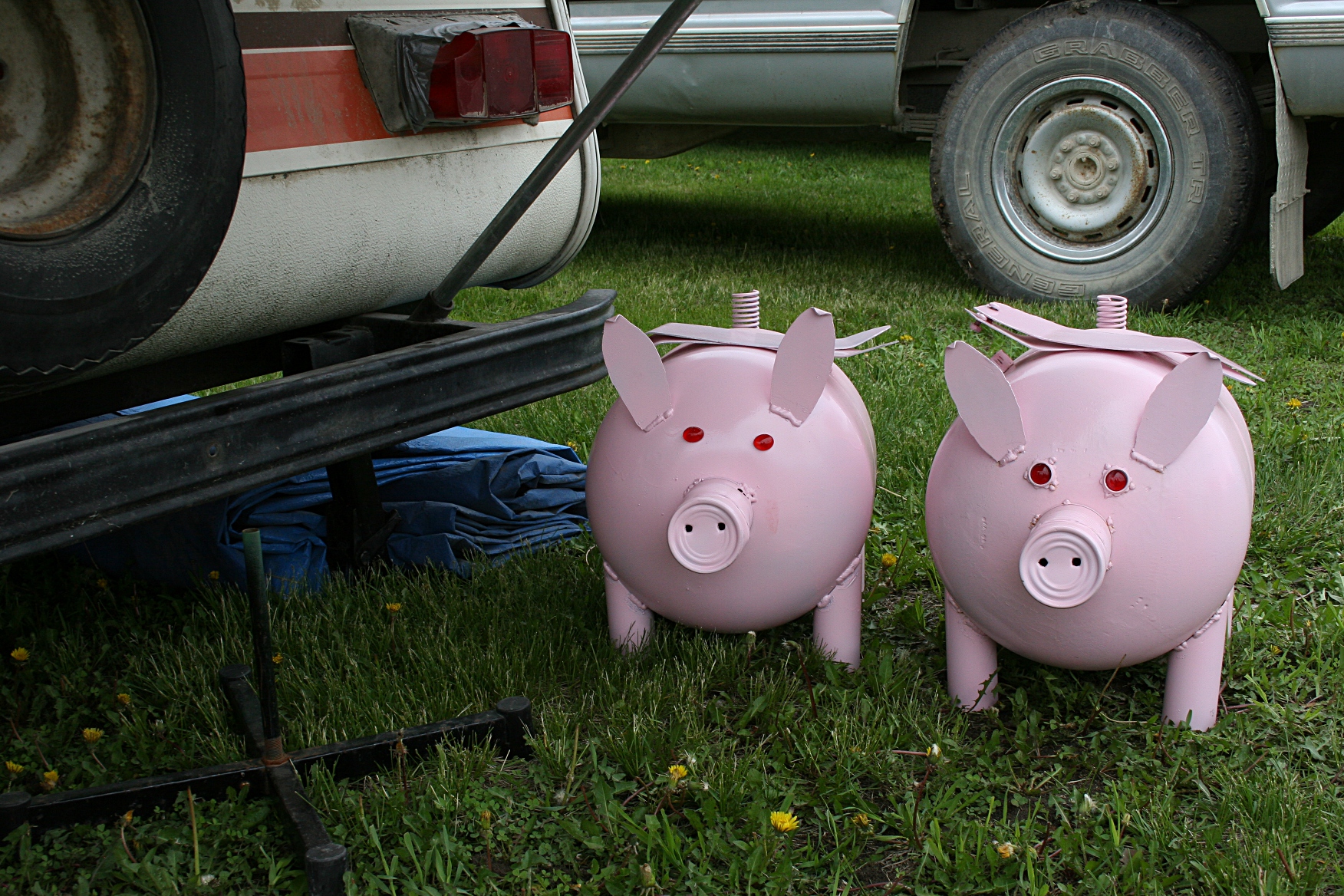
Pigs crafts by Gerald Skluzacek.

Pigs crafts by Gerald Skluzacek.

At the same event, I spotted whimsical flying pigs (and other) garden art created by Northfielder Gerald Skluzacek, retired owner of a sandblasting company. He also makes jewelry.

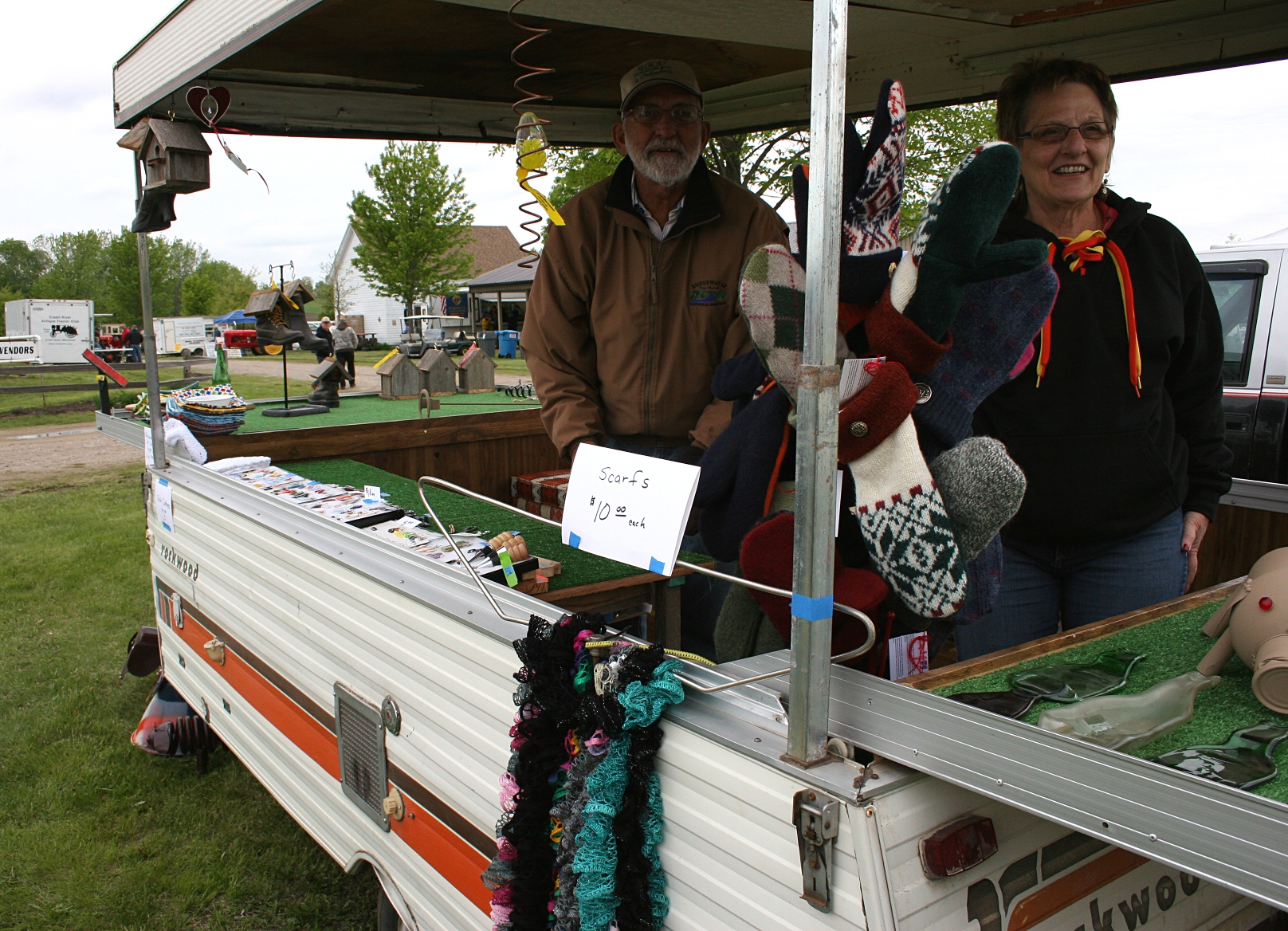
Linda Stadler arrived with her mittens to sell in Gerald Skluzacek's vendor trailer.

Linda Stadler arrived with her mittens to sell in Gerald Skluzacek’s vendor trailer.

On this cold Saturday, his and wife Jane’s friend, Linda Stadler, arrives with mittens she crafted from recycled sweaters. And, yes, the weather was cold enough to warrant mittens. Linda would be minding the Garden Space while Gerald attended a party.

As a bonus, Linda asked if I was “that blogger,” yes, the one who writes about her ventures into small towns. That would be me. Always nice to meet a reader who appreciates your blogging.

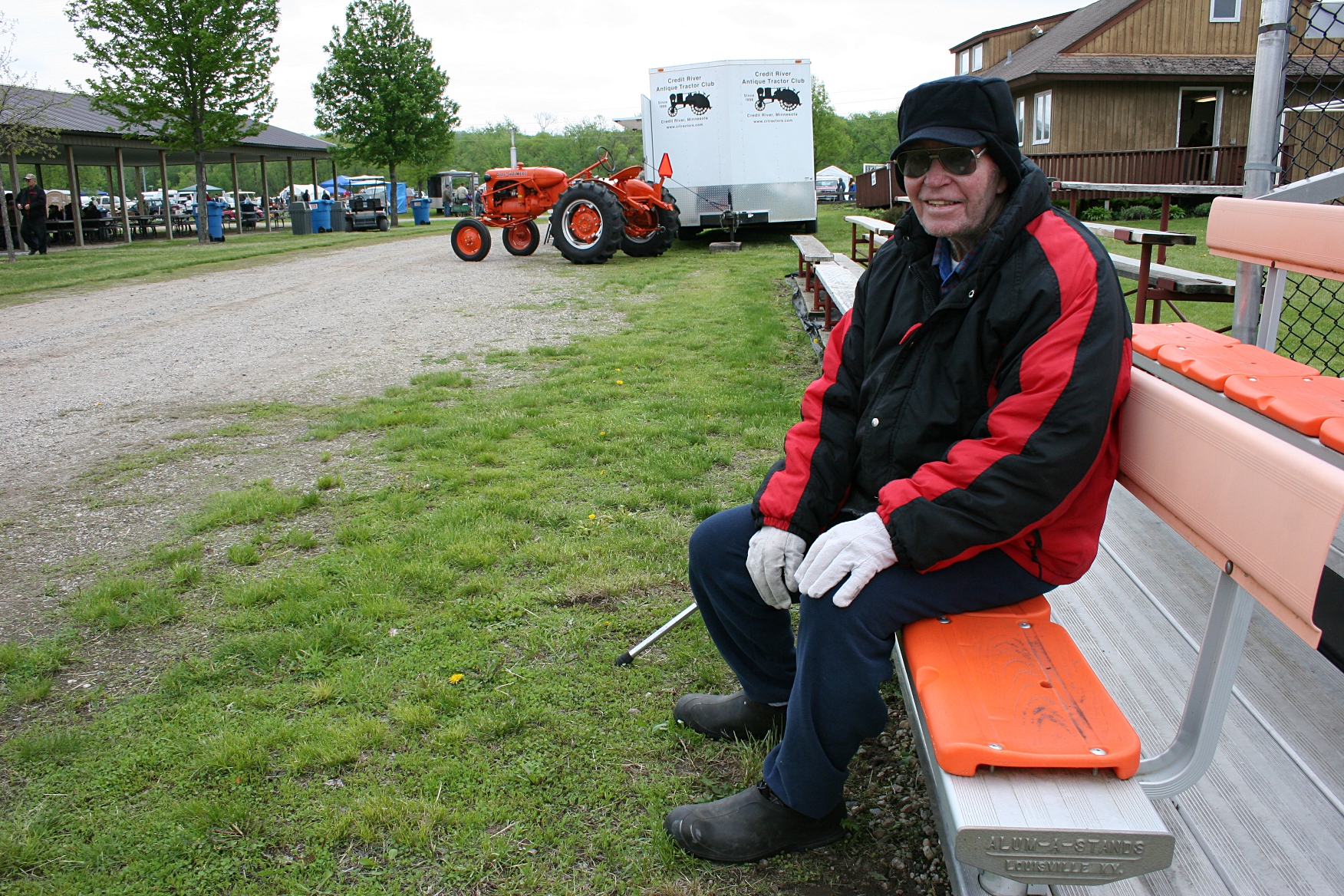
Photogenic Albert Remme.

Photogenic and personable Albert Remme.

I also had the honor of meeting and chatting with Albert Remme of Dennison, who was bundled in a warm coat, an ear flapper cap and gloves on this windy 50-something degree day as he waited on bleachers for his nephew.

After seeking permission to photograph him, I asked Albert if he was a retired farmer. He was a farmer and a soldier. Drafted between Korea and Vietnam, Albert was sent to Hawaii and thanks God he never saw combat. “I don’t know how you could kill anyone who’s done nothing to you,” he said.

Then I told him about my dad, a Korean War vet who fought on the front lines. “It was kill or be killed,” I shared. Not easy. And Albert just kind of nodded his head in silent agreement.

And that’s how these photo shoots go—I spot an interesting person or object or scene and I either shoot a few quick frames or I shoot, then pause to learn more.

Shopping the flea market...

Shopping the flea market…

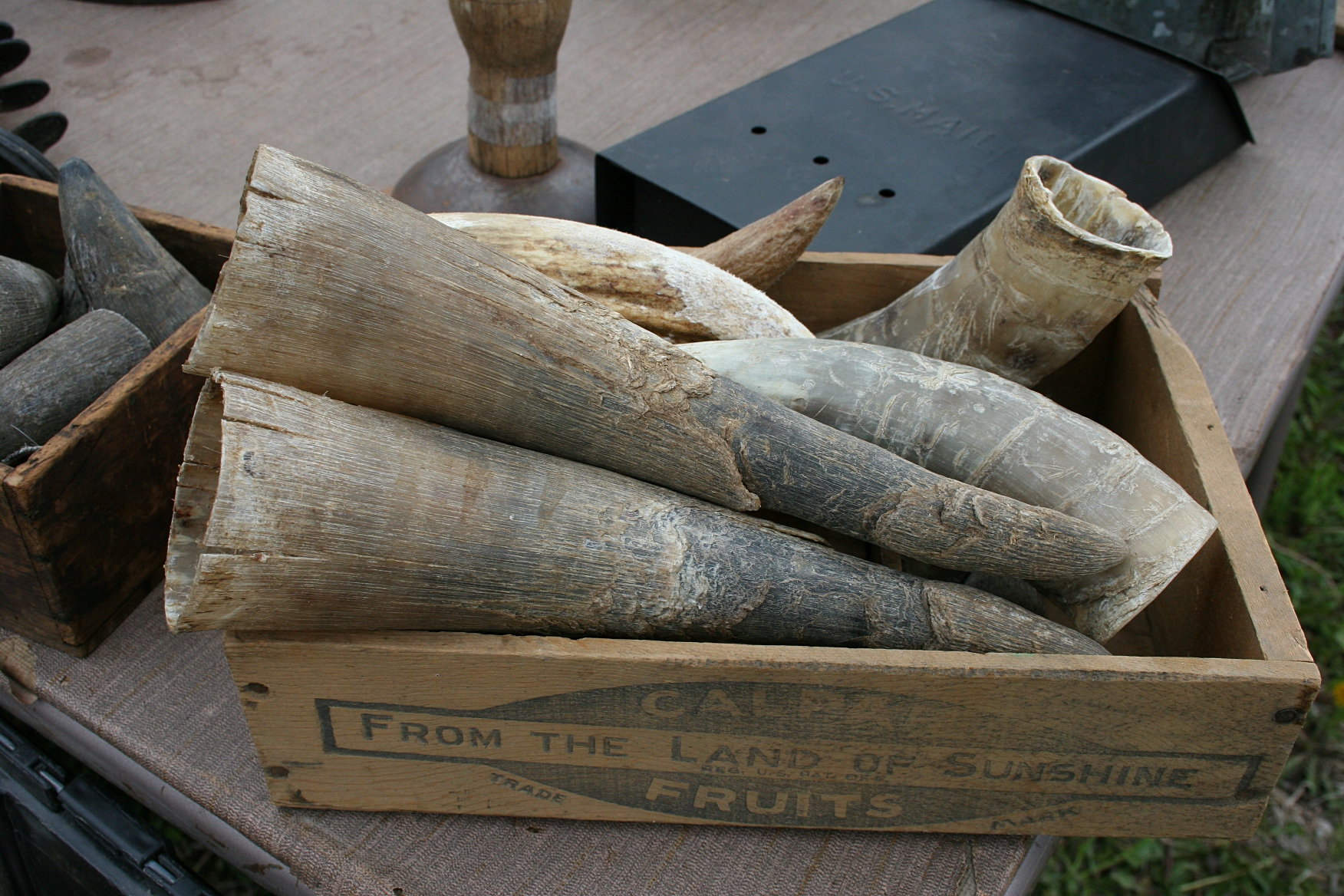
Every time I attend this flea market, I look for a weird piece of merchandise. This year it would be these horns.

Every time I attend this flea market, I look for a weird piece of merchandise. This year it would be these horns. Why, I ask, would anyone save these? Would you buy these horns or try to sell them?

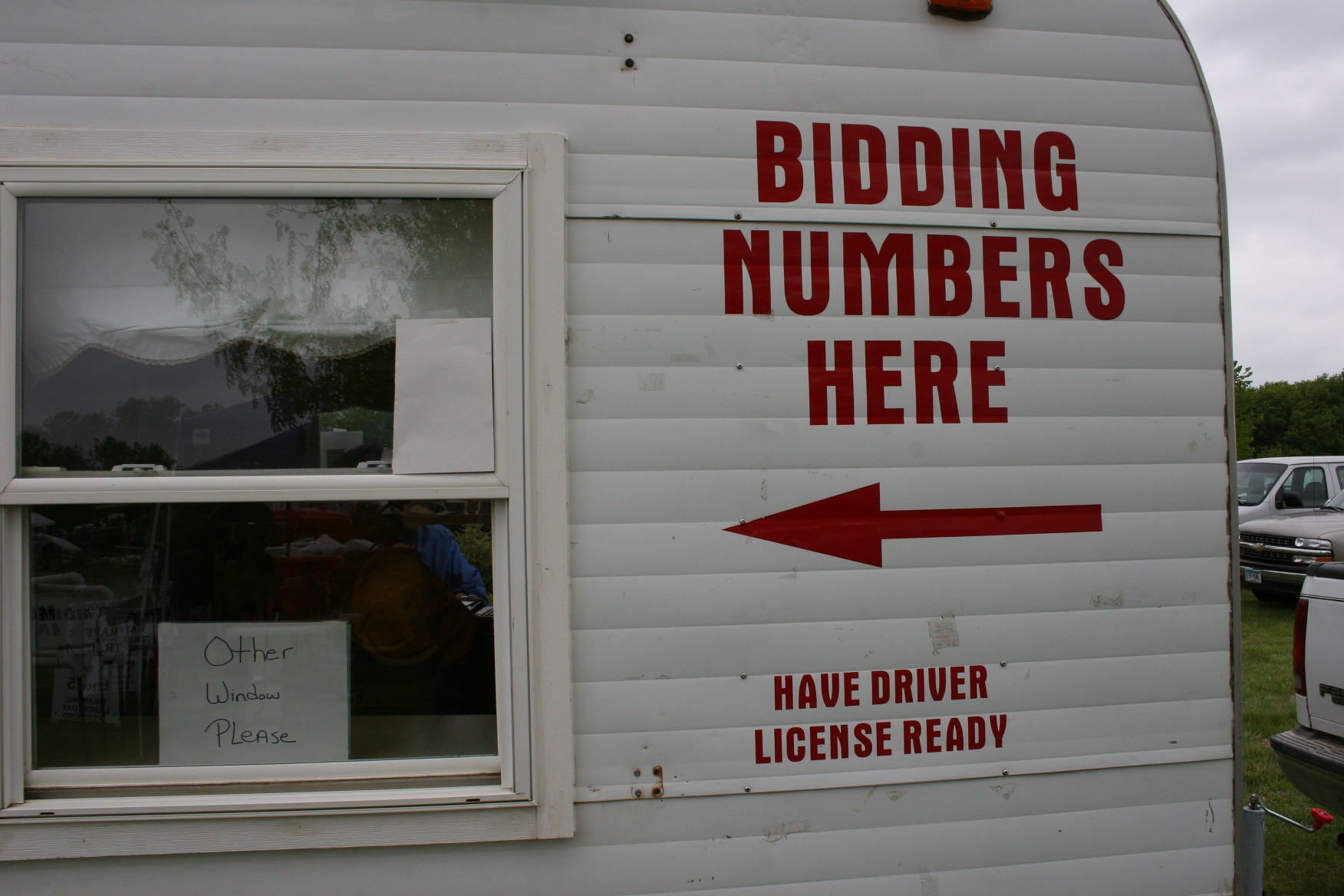
Signs tell a story, too, like this on an auction wagon there for the live auction.

Signs tell a story, too, like this on an auction wagon there for the live auction.

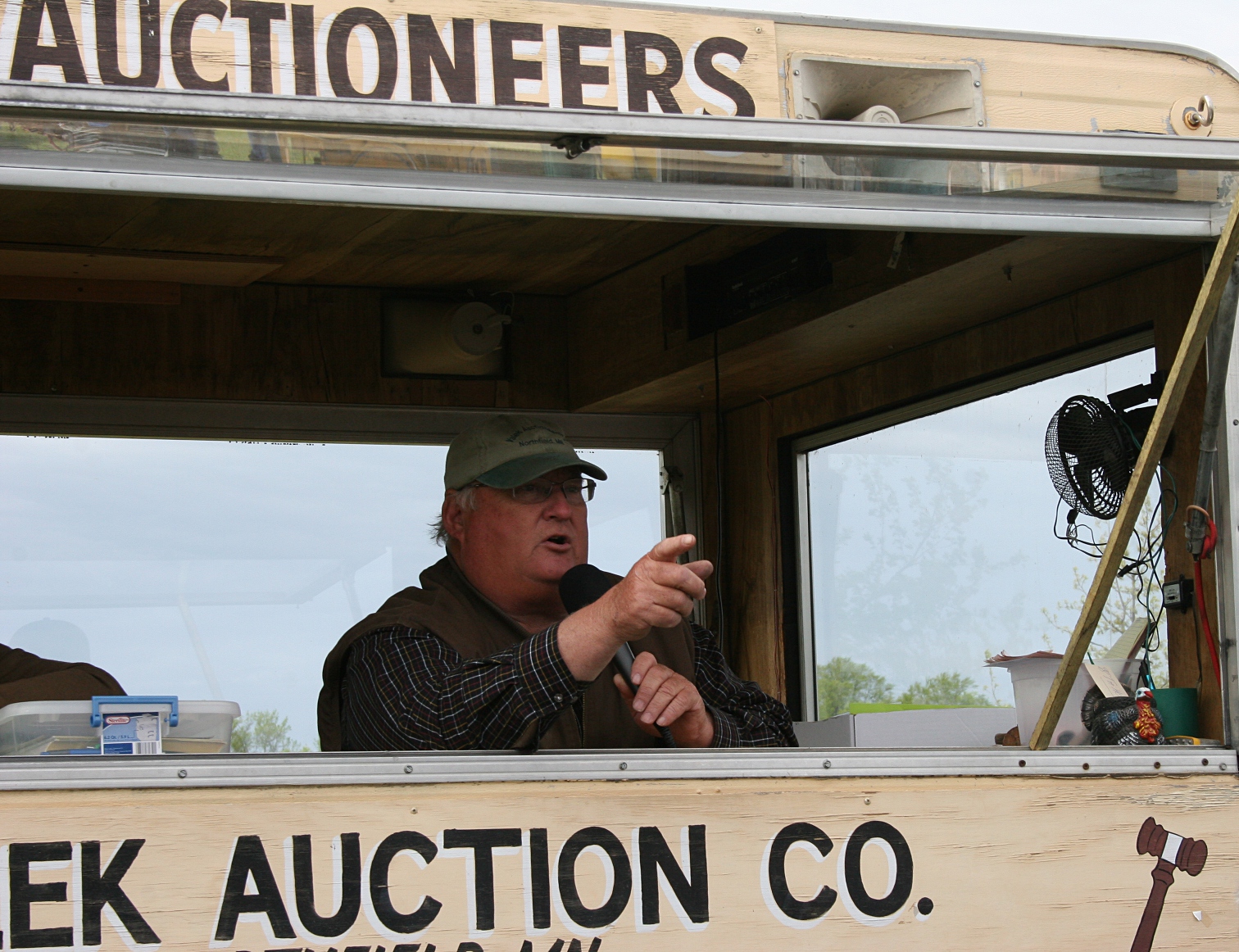
The auctioneer solicits bids from his movable auction wagon.

The auctioneer solicits bids from his movable auction wagon.

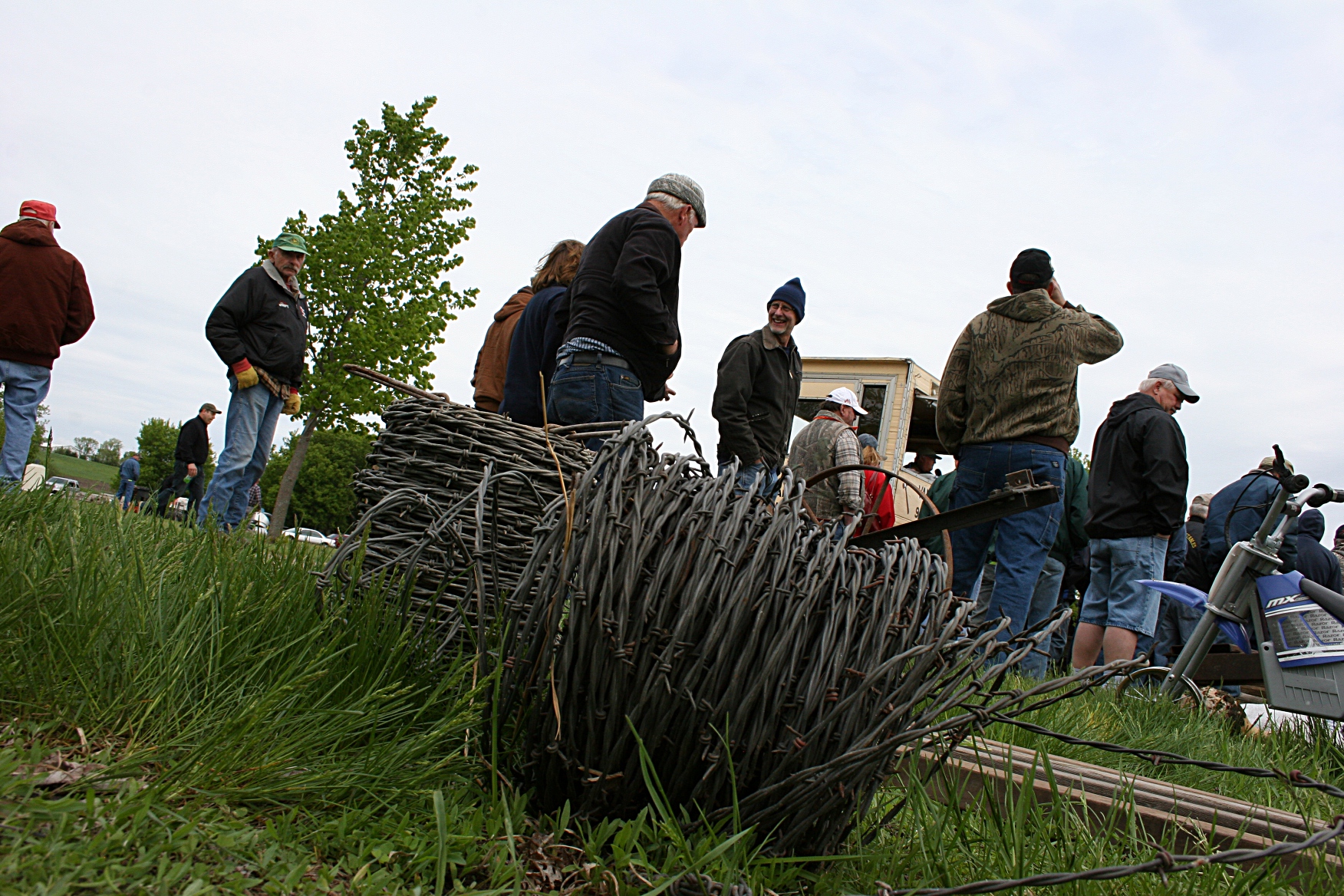
I set my camera on the grass to shoot this image of barbed wire that had been auctioned off.

I set my camera on the grass to shoot this image of barbed wire that had been auctioned off as the auction continues.

FYI: Click here and here to read two previous posts from the Rice County Steam & Gas Engines Flea Market. Check back for one final post in which I will show you my purchases.

© Copyright 2013 Audrey Kletscher Helbling


Touring a third-generation family print shop in Fergus Falls May 23, 2013

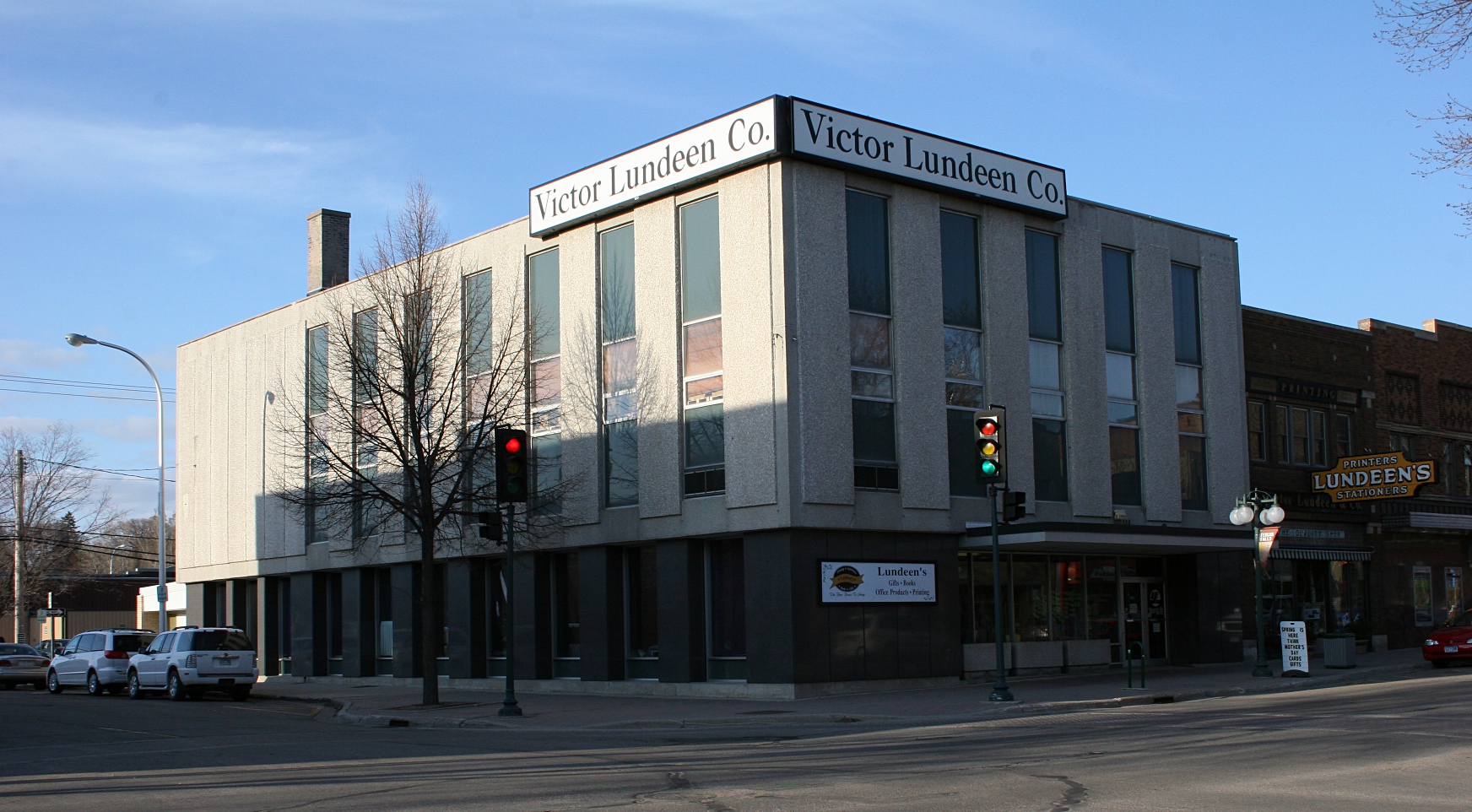
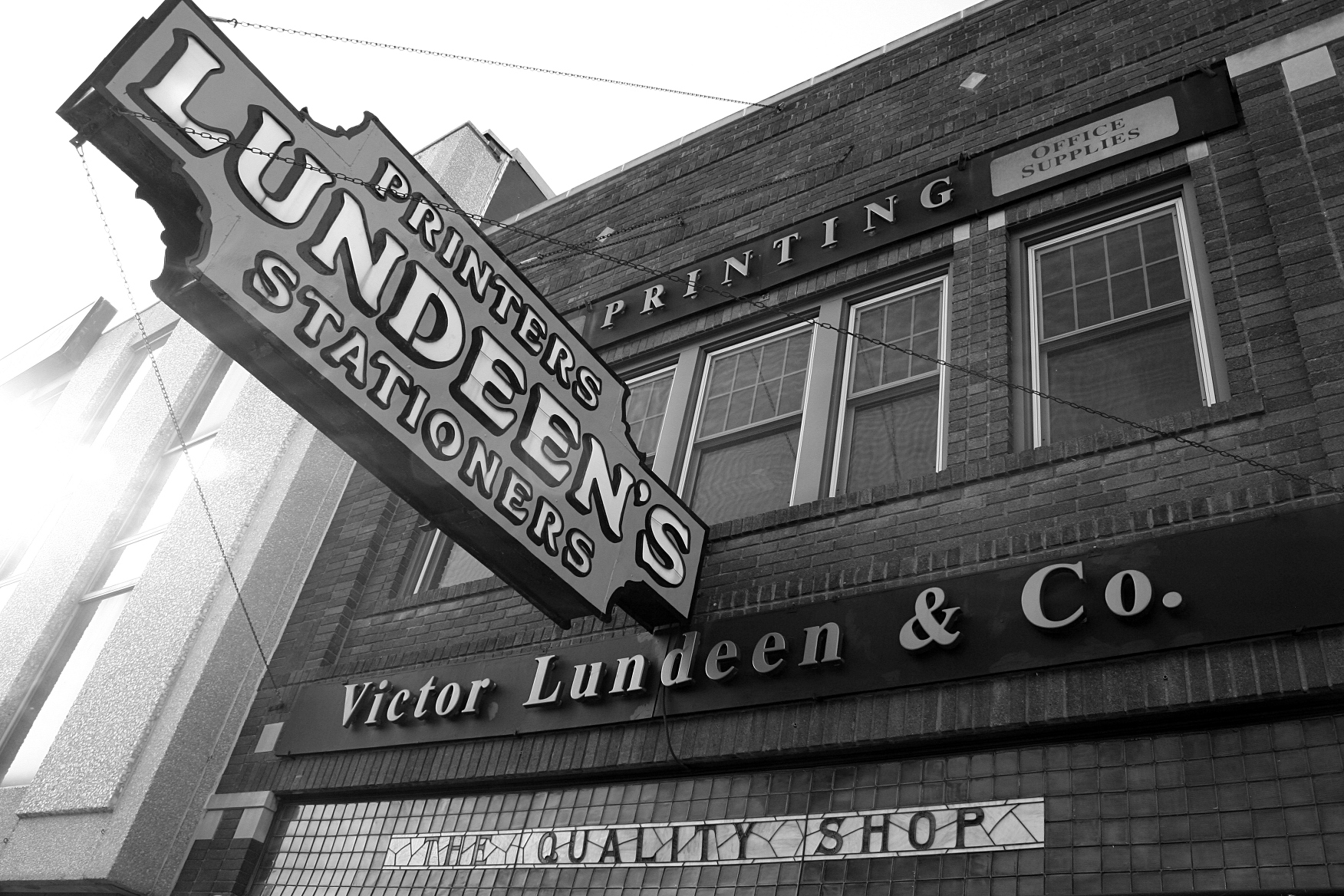
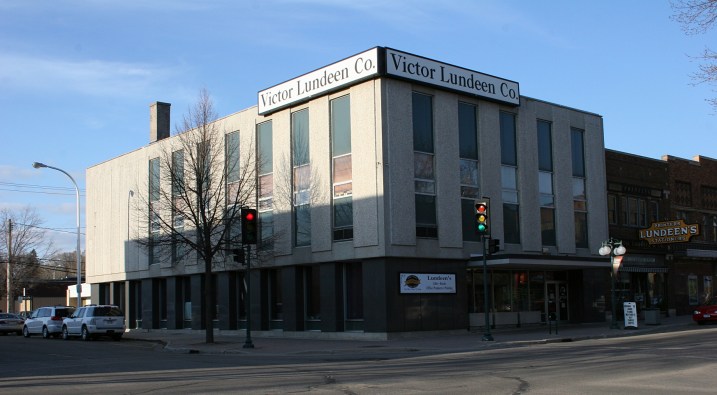
The Victor Lundeen Company, located in the 100 block of West Lincoln Avenue, downtown Fergus Falls.

The Victor Lundeen Company, located in the 100 block of West Lincoln Avenue, downtown Fergus Falls.

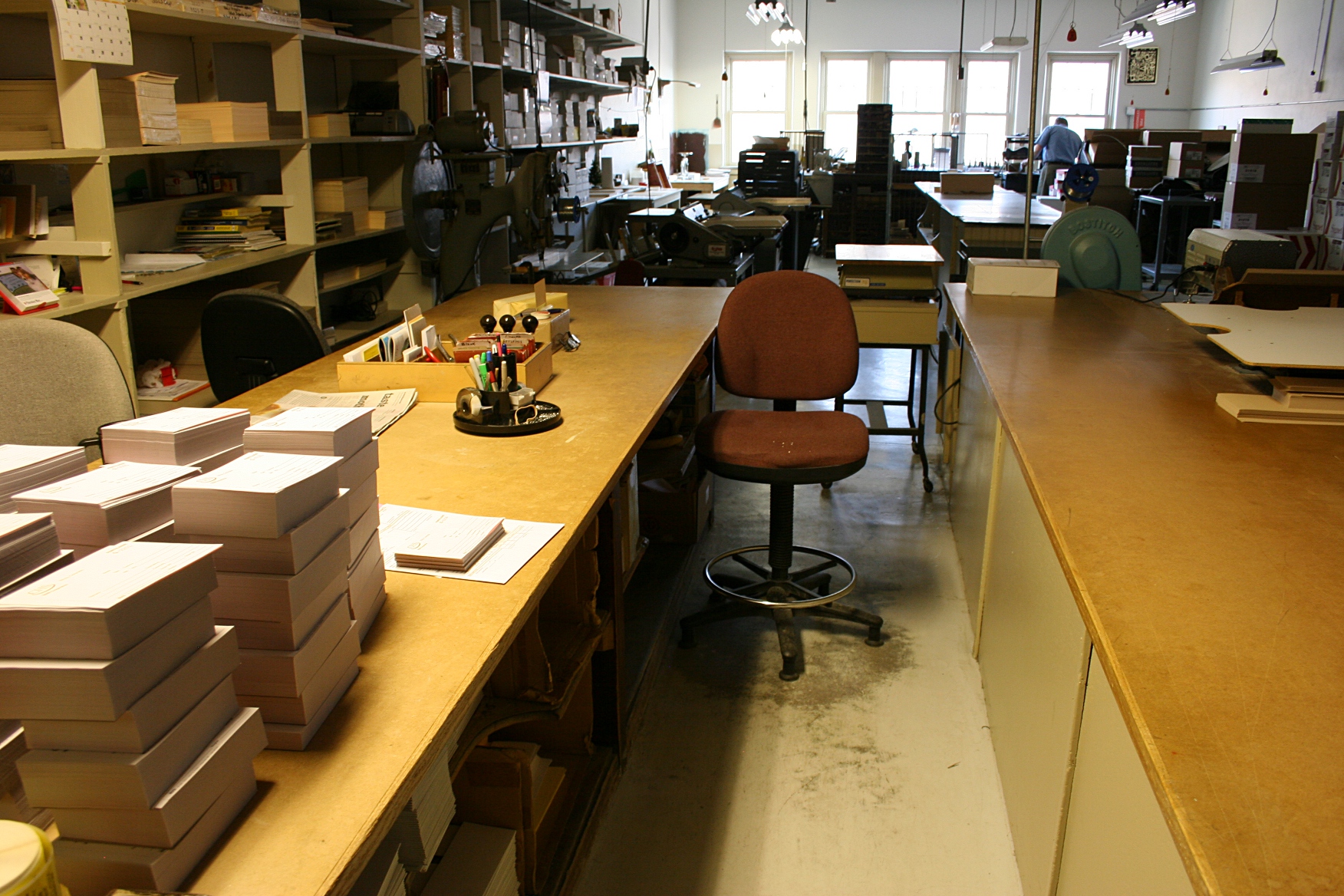
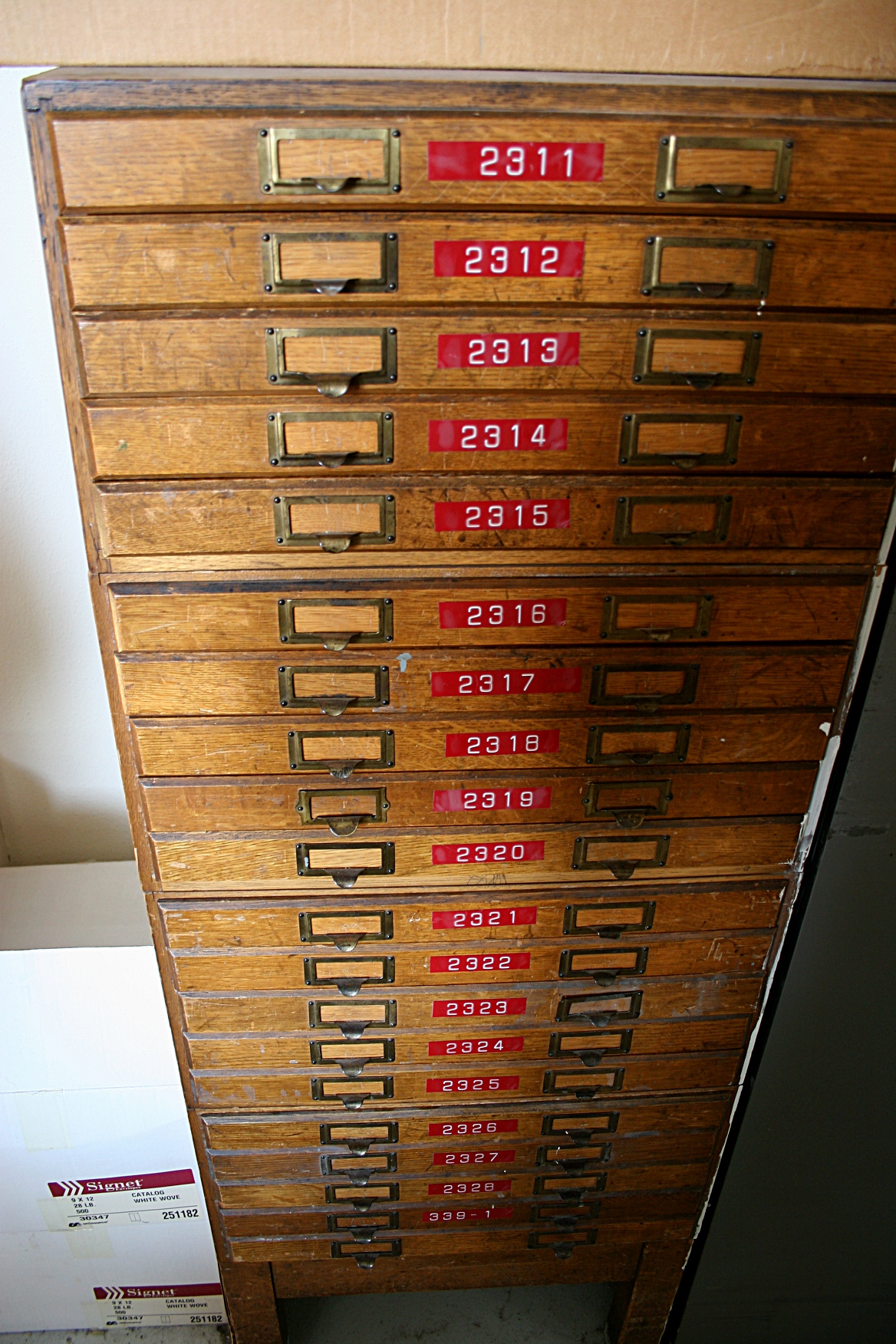
ON A RECENT IMPROMPTU TOUR of a third-generation family-owned print shop in Fergus Falls, I couldn’t contain my giddiness over drawers of aged logos/artwork, handcrafted stamps, stacks of paper, even the vintage cabinets and stools and carts.
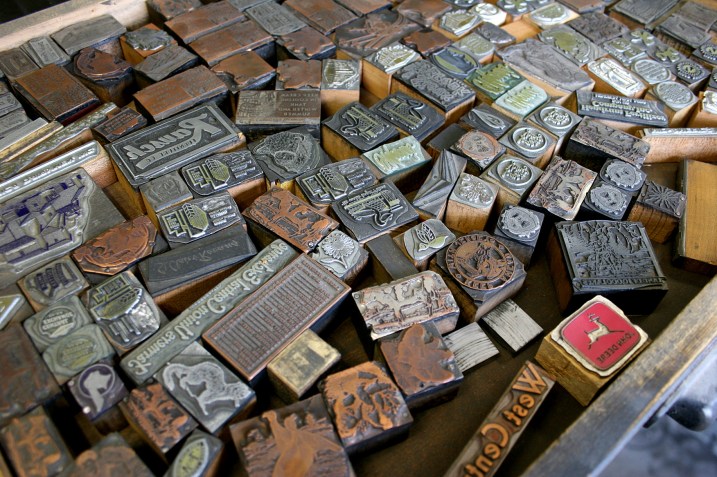
I was just giddy over all this handcrafted vintage art tucked into drawers.

I was just giddy over all this handcrafted vintage art tucked into drawers.

The 99-year-old Victor Lundeen Company is the type of place that appeals to a writer like me, with ink flowing through my veins.

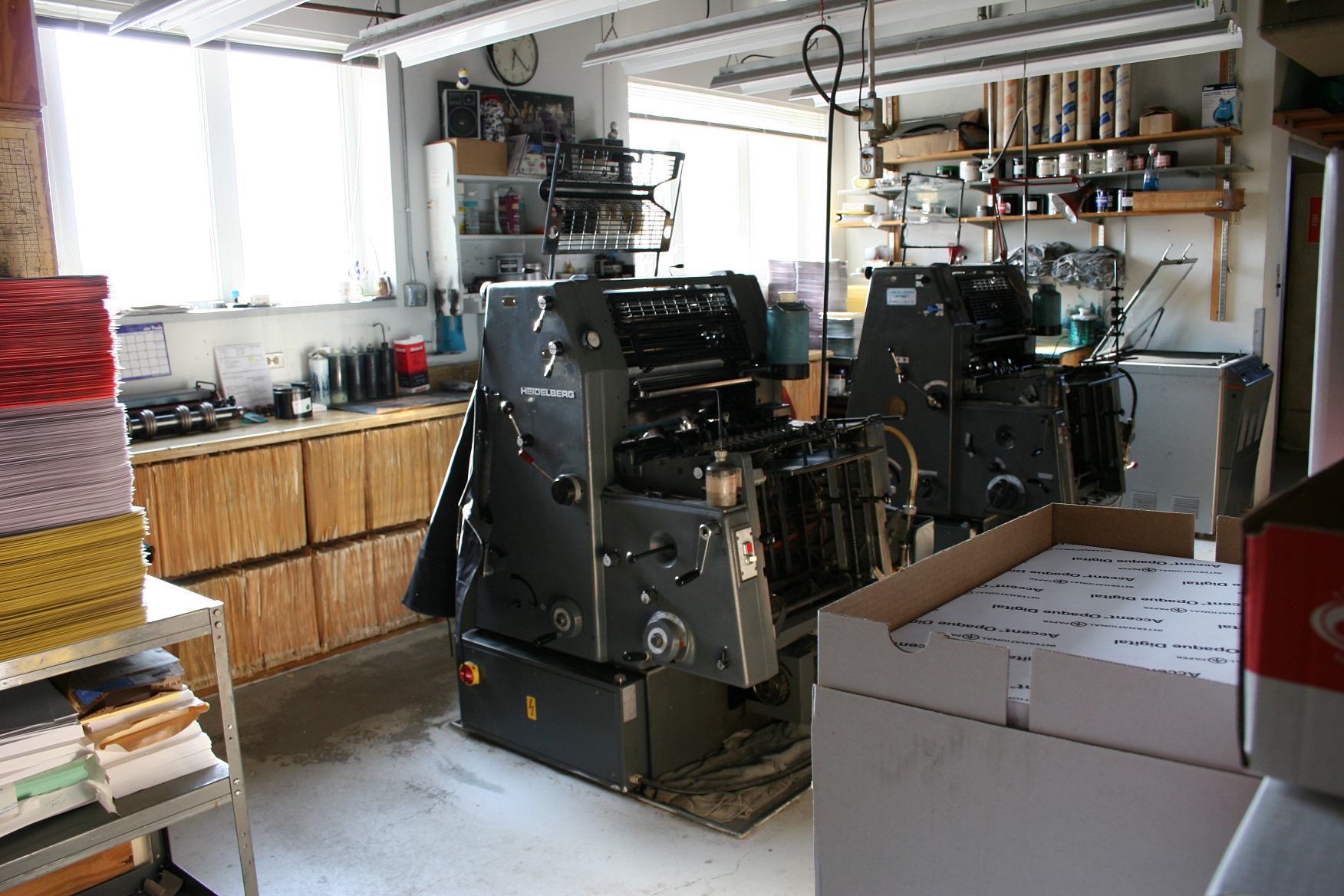
The 1960s Heidelberg offset presses, still used in the second floor print shop.

The 1960s Heidelberg offset presses, still used in the second floor print shop.

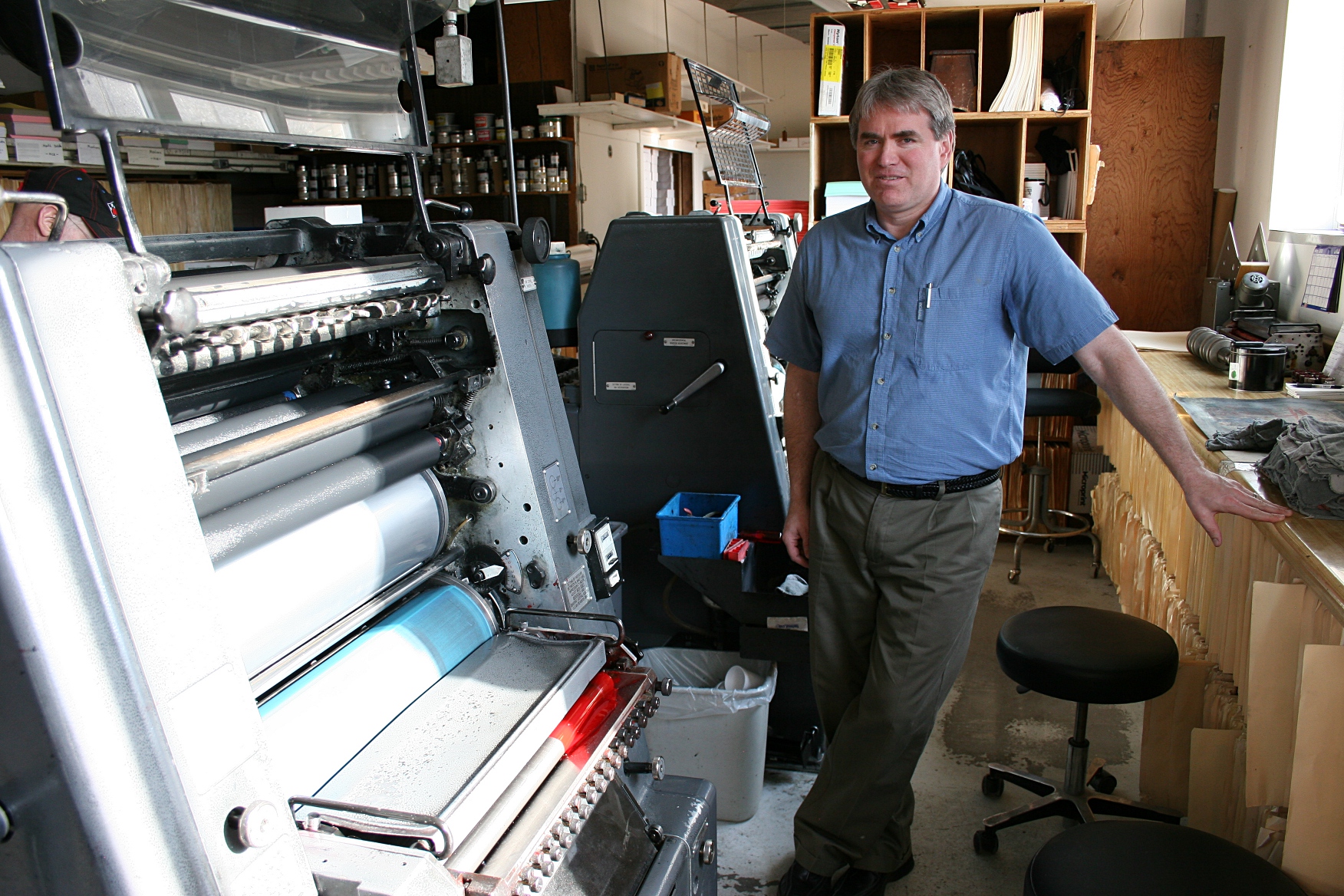
Ah, the ink. The smell of ink. I just stood there beside owner Paul Lundeen’s vintage 1960s Heidelberg offset presses, breathing in the distinct scent of ink imprinted upon my memory.
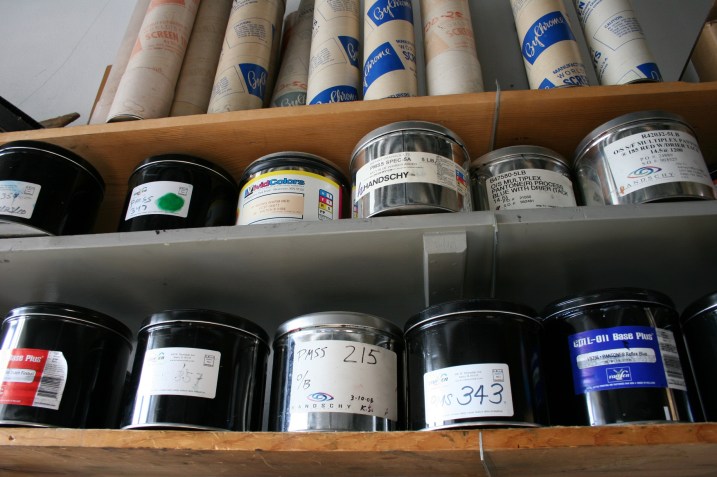
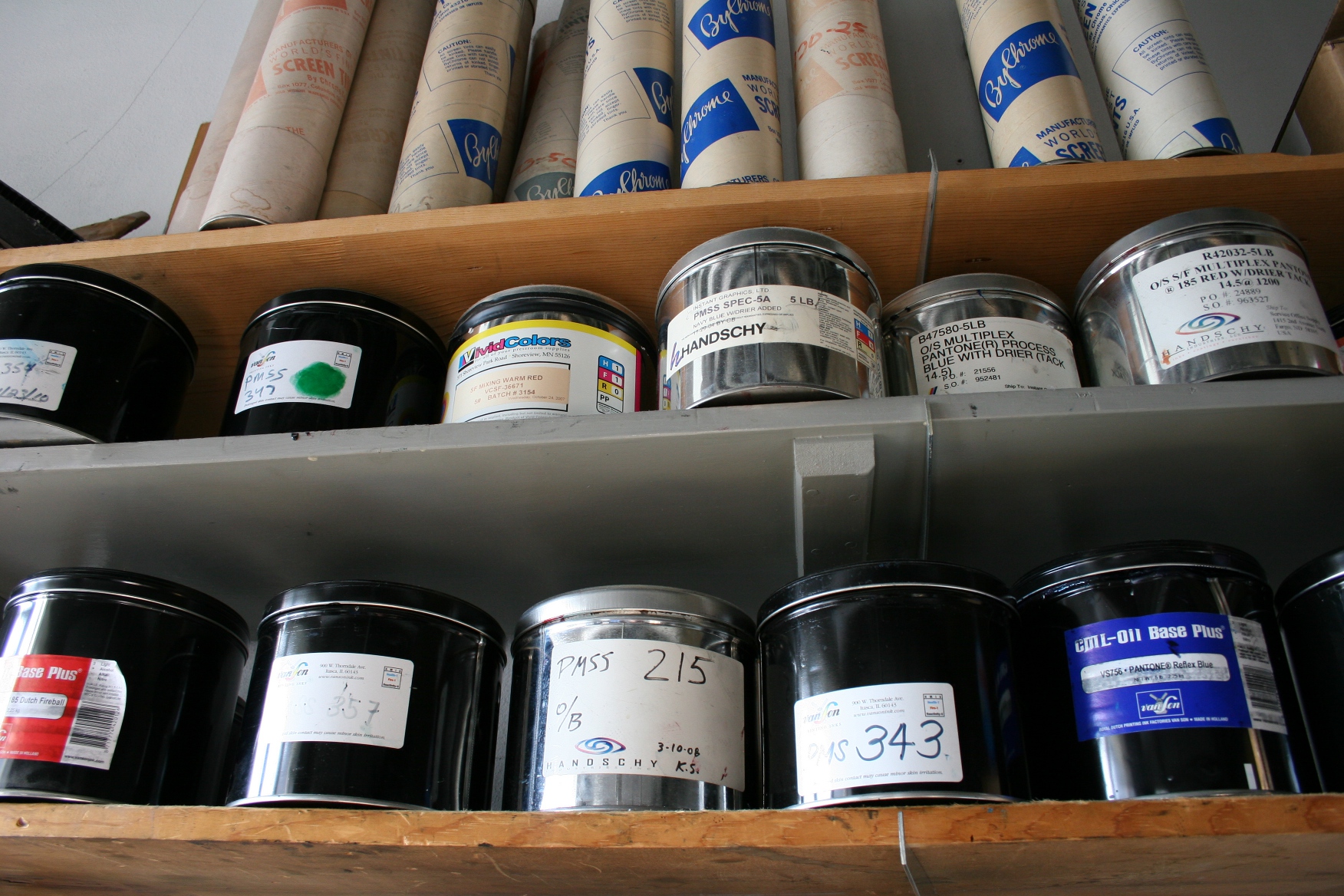
Cans of ink line shelves.

Cans of ink line shelves.

Decades ago, working at The Gaylord Hub as a young newspaper reporter and photographer fresh out of college, I first smelled that ink, heard the clack-clack-clack of ancient machines printing auction bills. I watched Frank “Chick” Deis set type on the old letterpress.
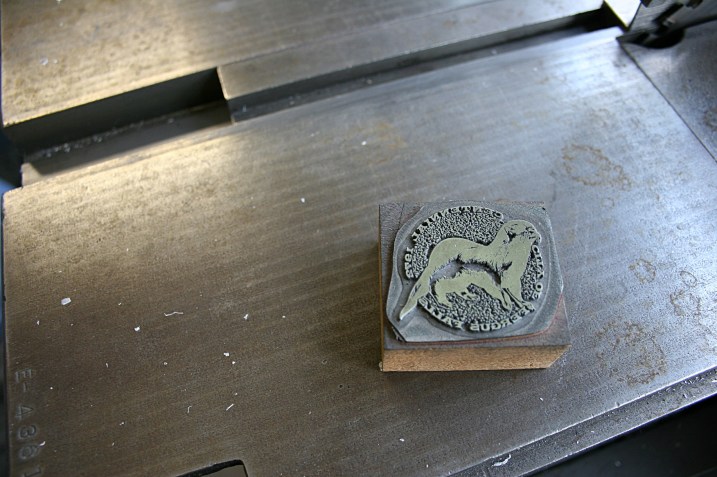
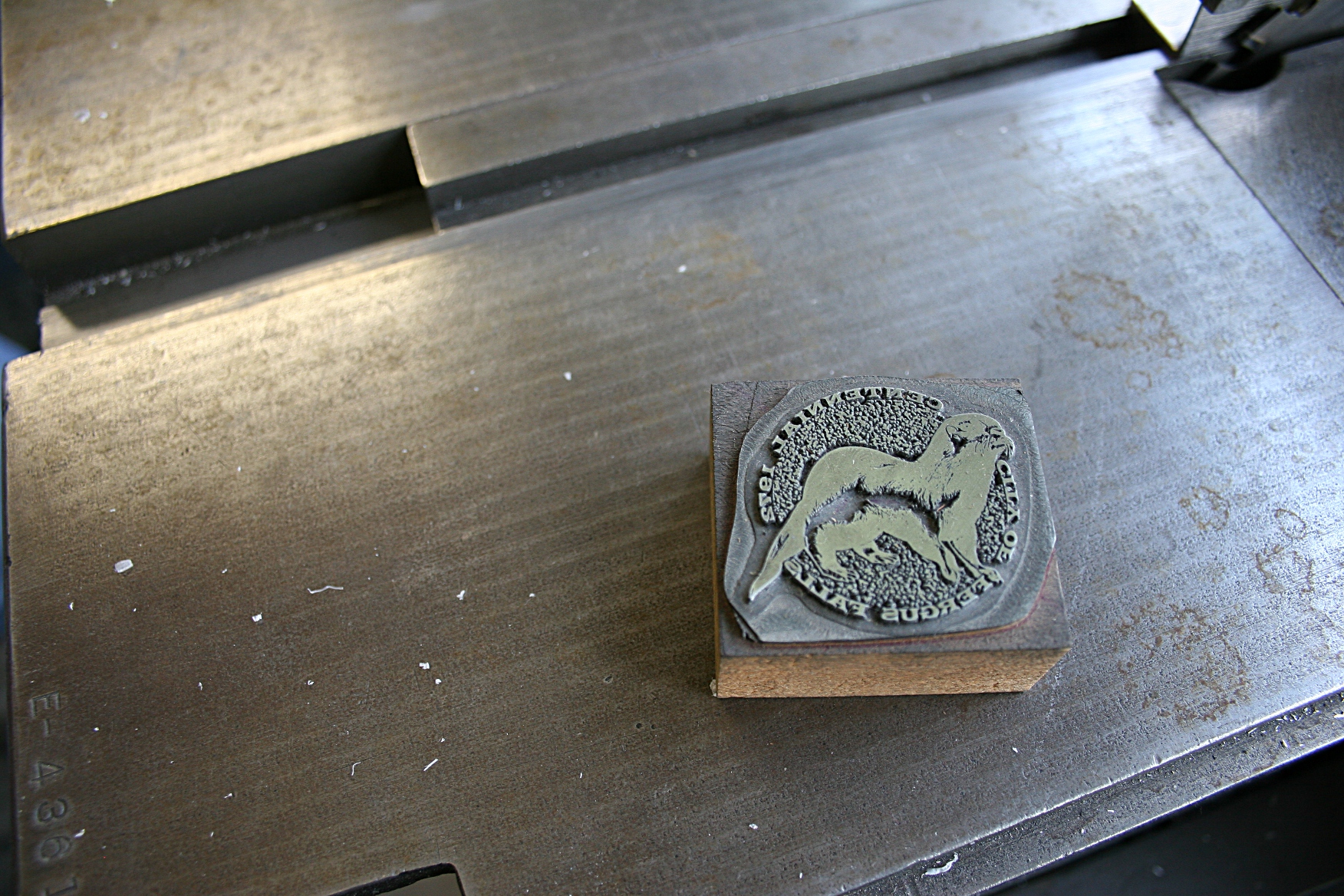
While digging through all that vintage art, we found this City of Fergus Falls Centennial Seal of an otter. The city is located  in Otter Tail County.

While digging through all that vintage art, we found this City of Fergus Falls Centennial Seal of an otter. The city is located in Otter Tail County. The Lundeens recently sold all but one letterpress.

Such memories endear me to places like Victor Lundeen Company, started in 1914 by Victor Lundeen, Sr., who bought out a Fargo print shop and moved the equipment to his hometown of Fergus Falls. Today the company is owned by Victor Lundeen, Jr., and his son, Paul Lundeen.
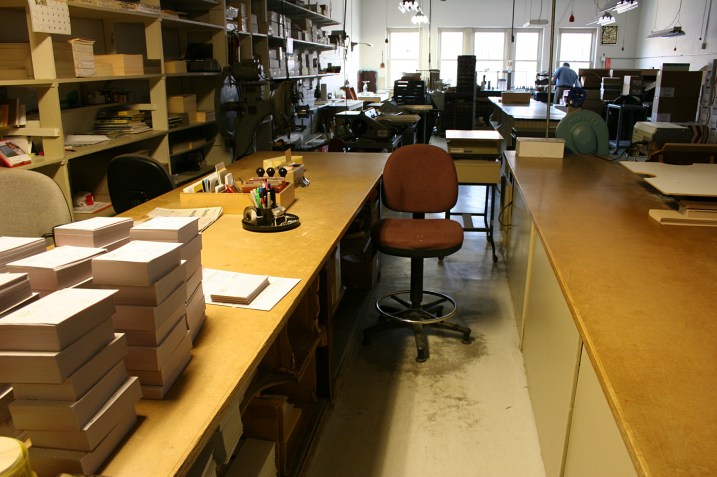
A portion of the print shop looking toward the bank of street-side windows.

A portion of the print shop looking toward the bank of street-side windows.

I find it especially impressive, in this advanced technological age, that printing businesses like the Lundeen Company can survive, even seemingly thrive. This Fergus Falls firm has apparently found its niche in focusing on agri-business needs primarily in Minnesota, the Dakotas and Montana, but also extending to grain elevator businesses nationwide.

That said, this family-owned print shop, which employs eight in production (30 total in all aspects of the company), also values the individual walk-in customer. Paul didn’t specifically tell me that during our tour. Rather, I surmised that when, for example, I noticed the corner area where employees engrave gold foil names onto bibles for Confirmation gifts. Just like my King James bible imprinted with my name and given to me by my parents on my Confirmation Day in 1970.
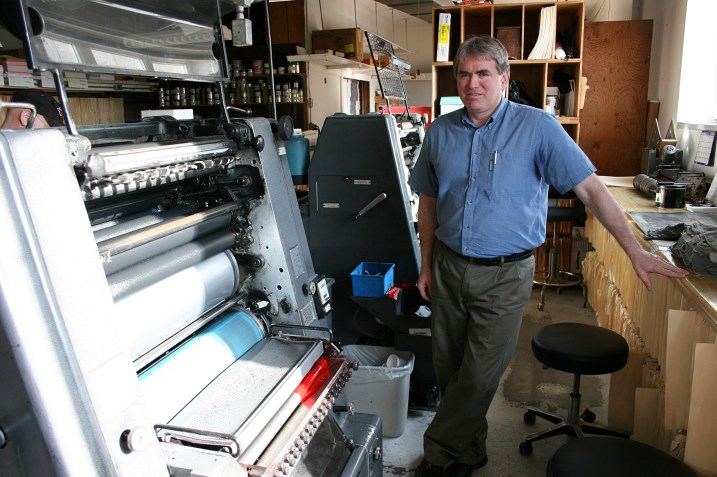
Tour guide Paul Lundeen inside his print shop.

Tour guide Paul Lundeen inside his print shop.

And then there’s Paul himself, who welcomed my husband and me on a Thursday evening like we were long-time friends rather than out-of-towners checking out his store and other downtown businesses during an overnight stay in Fergus Falls. I mean, what businessman shows you the original safe of the former First National Bank of Fergus Falls shortly after meeting you? Paul did just that.
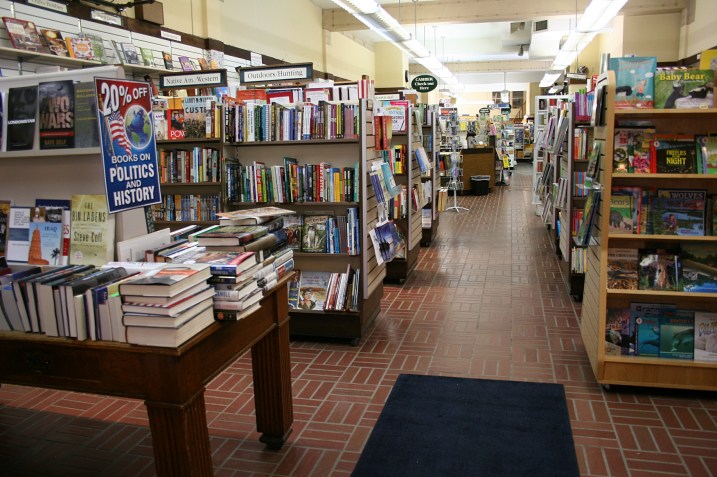
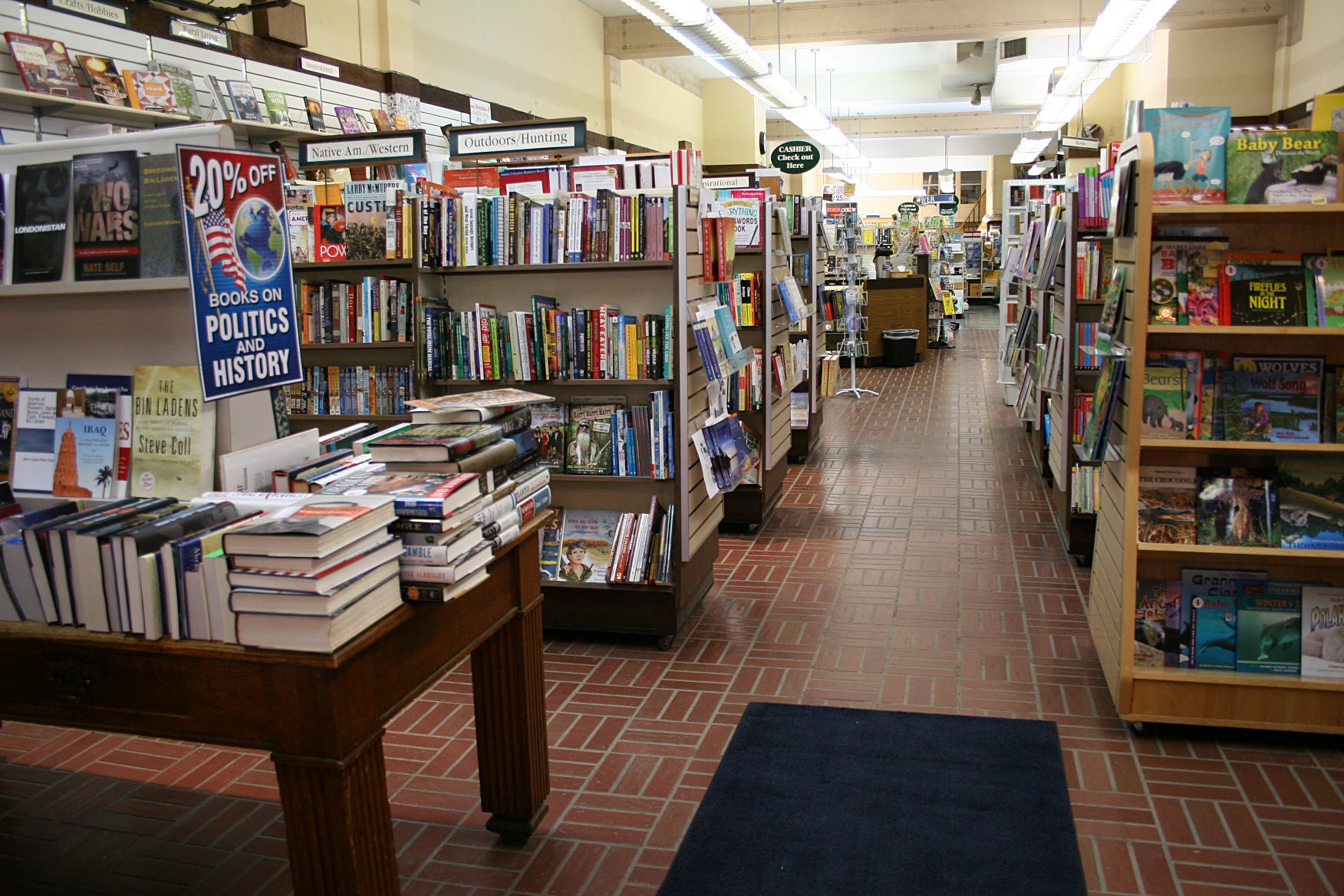
The independent bookstore portion of Victor Lundeen Company on the first floor. Gifts and office supplies are also sold here.

The independent bookstore portion of Victor Lundeen Company on the first floor. Gifts and office supplies are also sold here. I even asked if the store carries Lake Region Review, a regional anthology in which I’ve been published. It does.

His office supply/bookstore/gift shop/printing business occupies two connected buildings, one of them the old bank, in the heart of this historic downtown.
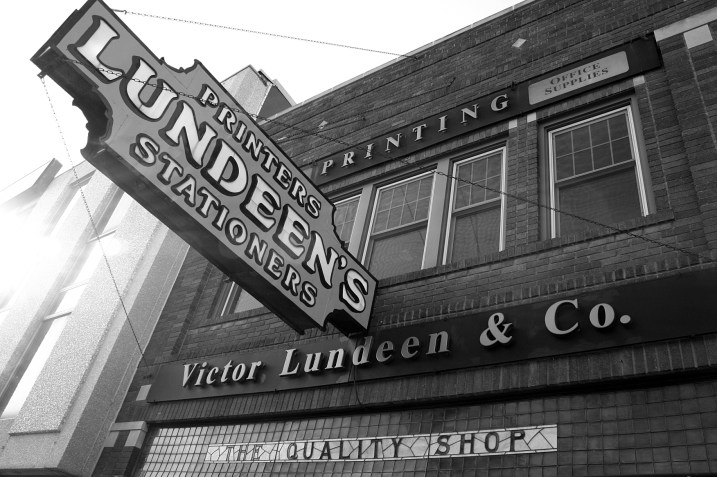
History in the signage.

History in the signage.

Such hospitality reaffirms my belief that chain stores have nothing on businesses like Victor Lundeen Company, which clearly values the importance of outstanding customer service and friendliness.

You can bet, thanks to Paul Lundeen and to Pat Connelly, whom I met later that evening at Dairyland Drive In (that’s a forthcoming post), I left Fergus Falls the next morning with the warmest of feelings for this west central Minnesota community.

BONUS PHOTOS:
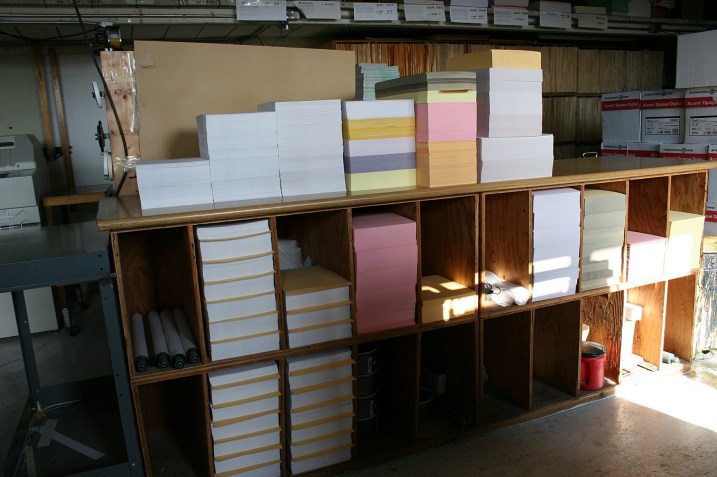
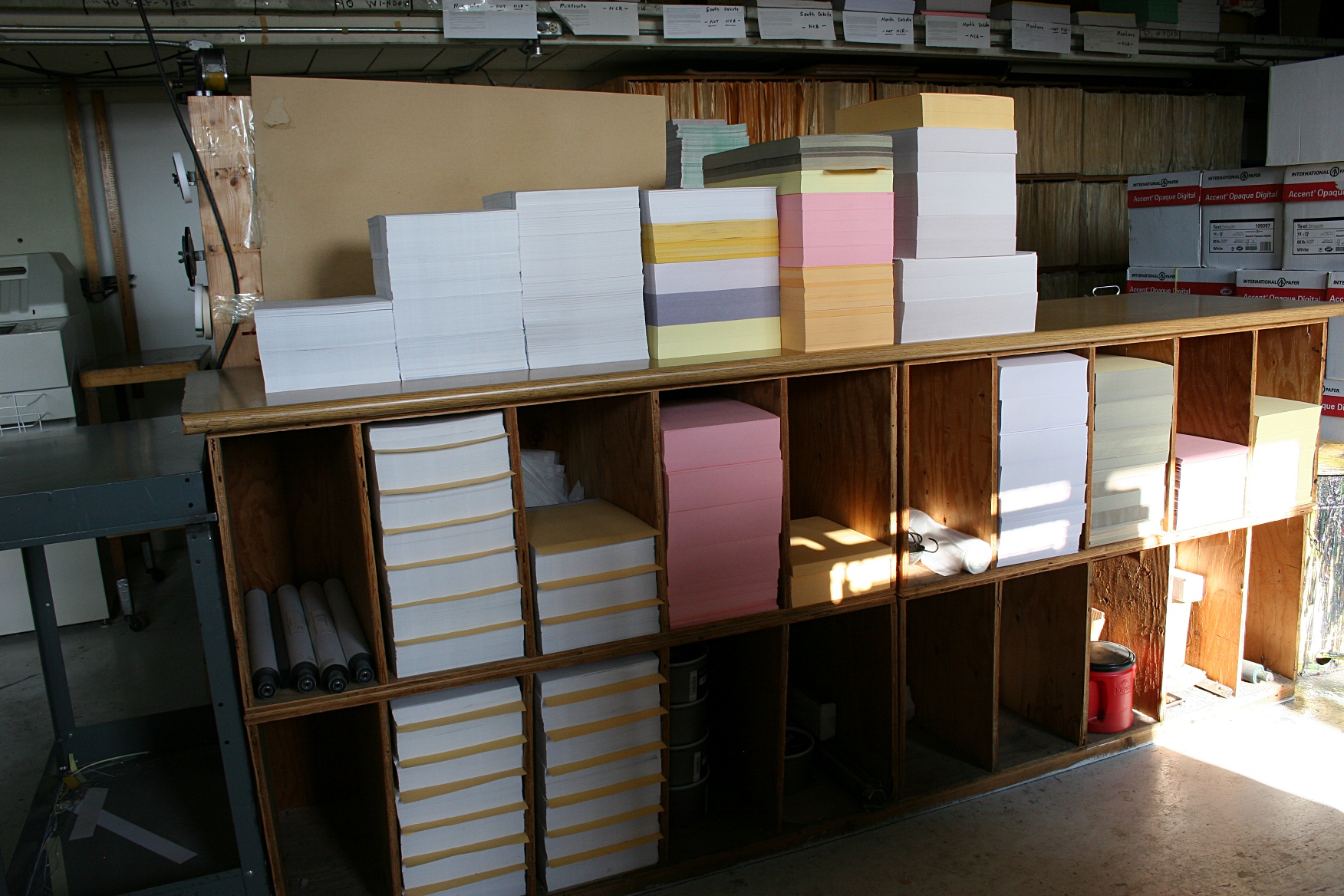
Paper packed near the presses.

Paper stacked near the presses.

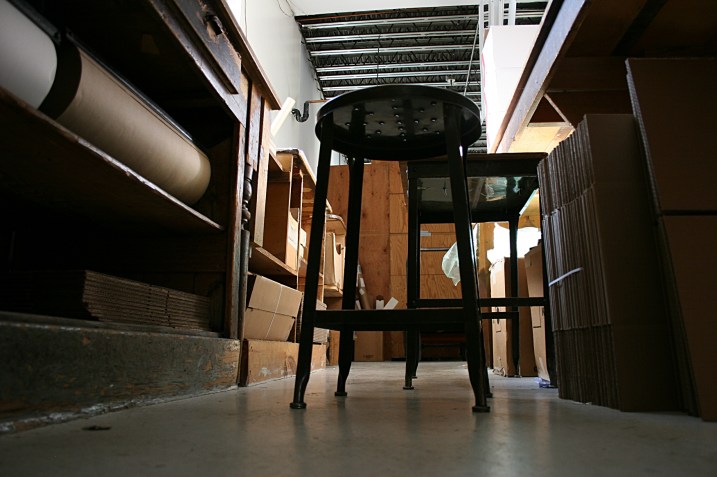
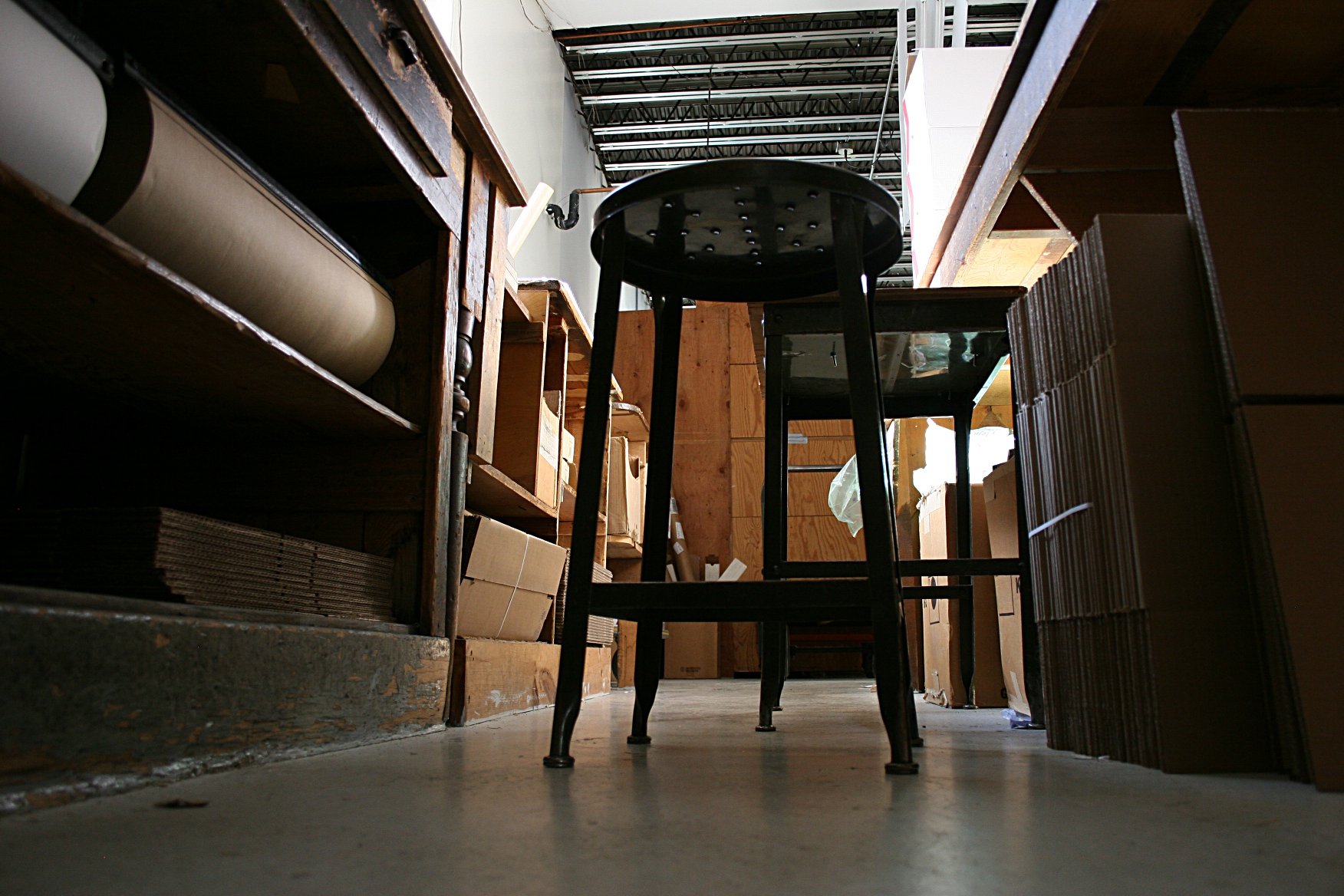
A vintage stool caught my eye.

A vintage stool, between counters, caught my eye.
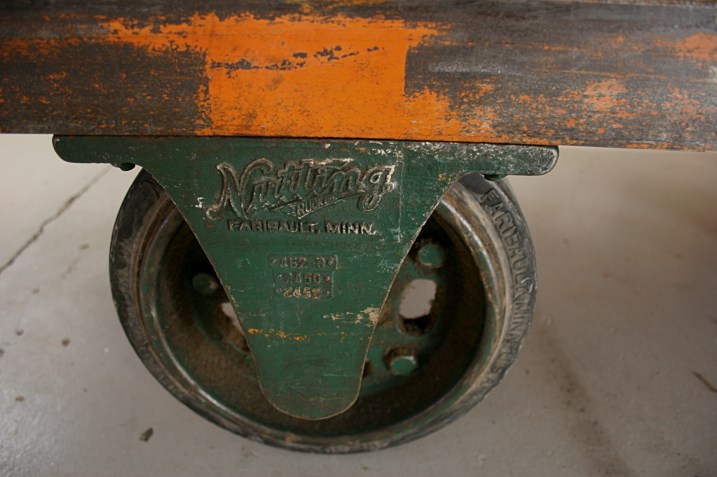
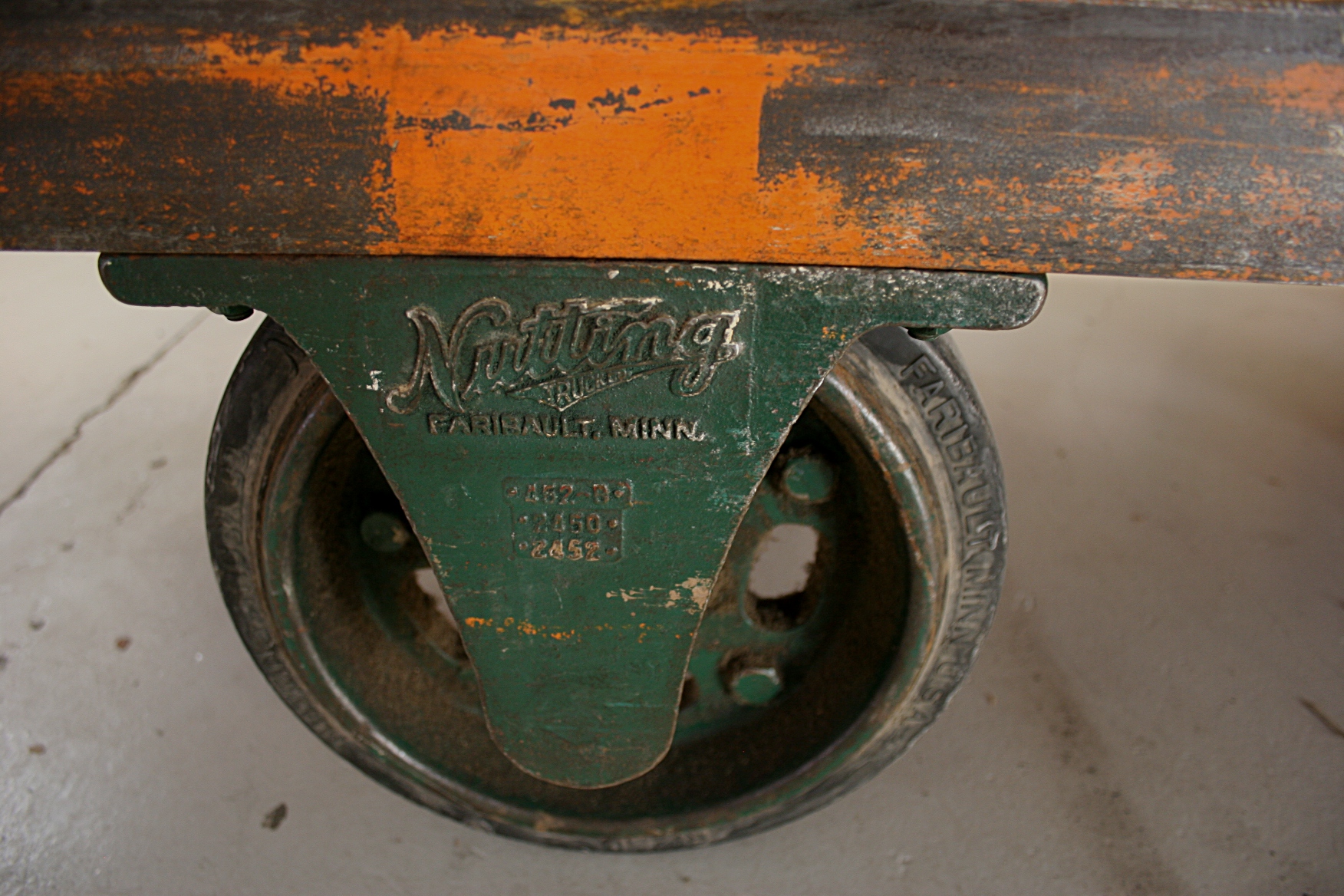
My husband noticed the wheels on a cart, made at the former Nutting Company in our community of Faribault.

My husband noticed the wheels on a cart made at the former Nutting Company in our community of Faribault.
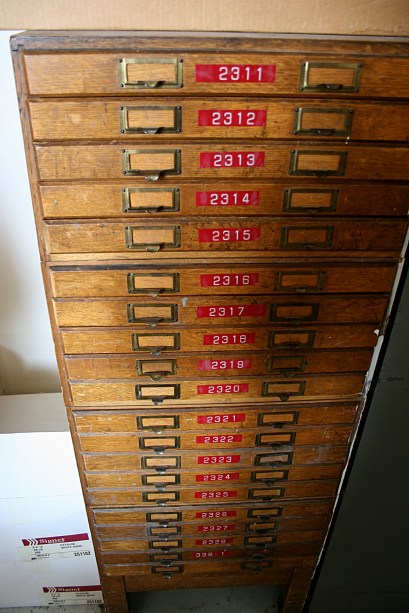
I aimed my camera down to shoot this lovely old cabinet.
I aimed my camera down to shoot this lovely old cabinet.

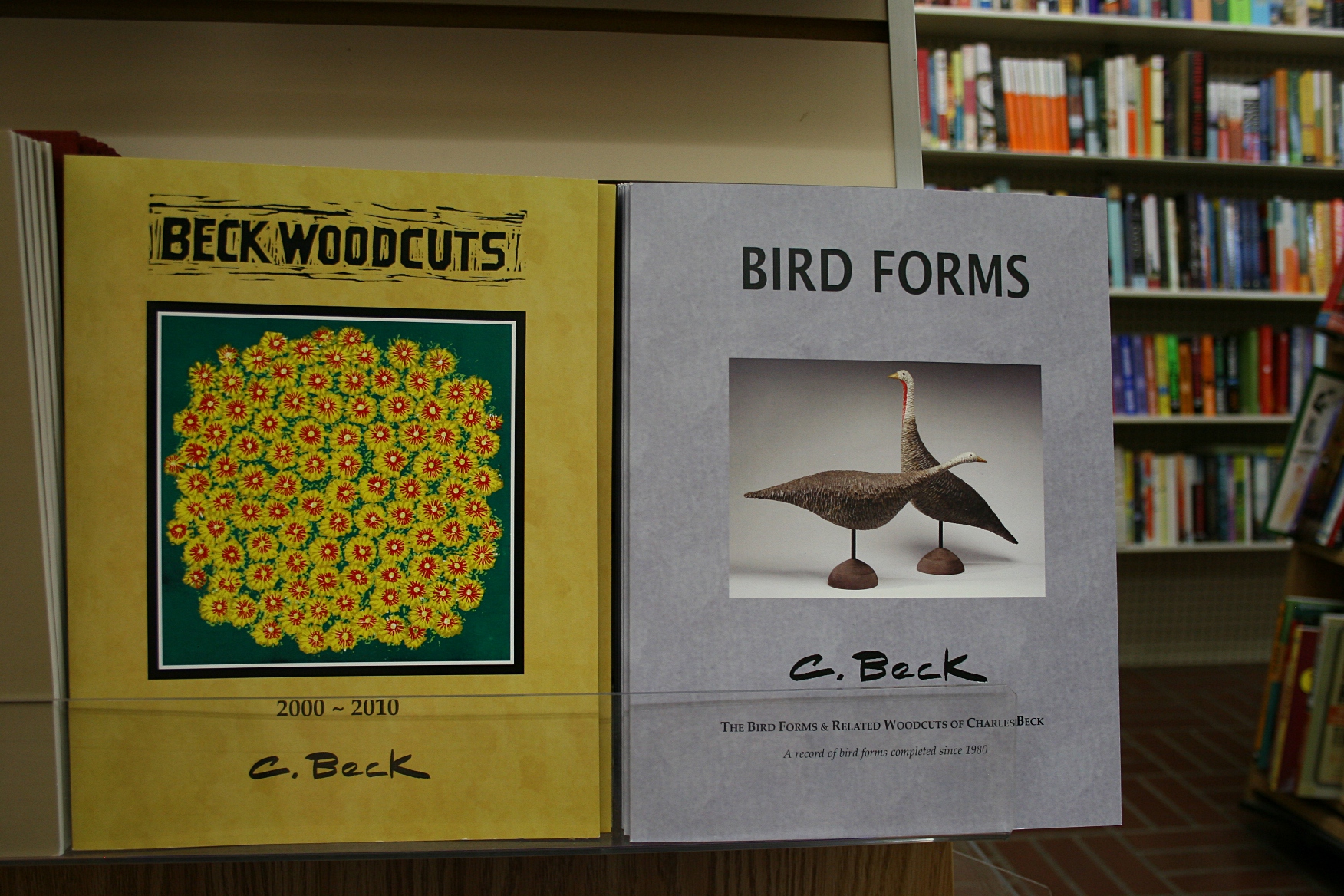
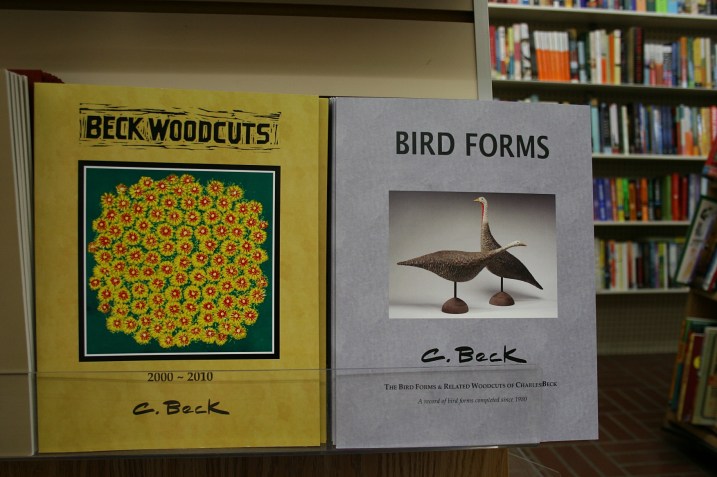
The art of well-known Fergus Falls resident Charles Beck, noted for his woodcut prints, featured in two books printed by Victor Lundeen Company. The books are sold in the bookstore. Across the street, you can view Beck's art at the Kaddatz Galleries.

The art of well-known Fergus Falls resident Charles Beck, noted for his woodcut prints, featured in two books printed by Victor Lundeen Company. The books are sold in the bookstore. Across the street, you can view Beck’s art at the Kaddatz Galleries.

TO VIEW PREVIOUS posts from Fergus Falls, see yesterday’s post and check my mid-June 2011 archives. Watch for more stories from this delightful community.

© Copyright 2103 Audrey Kletscher Helbling


Touring Rothsay, the “Prairie Chicken Capital of Minnesota” May 17, 2013

DAILY, THOUSANDS OF TRAVELERS zip by Rothsay on Interstate 94, mostly oblivious to this rural Wilkin County community which claims notoriety as the “Prairie Chicken Capital of Minnesota.”

If not for the 18-foot high prairie chicken statue perched atop a hill overlooking the interstate, few would notice Rothsay. (Click here to view my previous prairie chicken post.)

Small

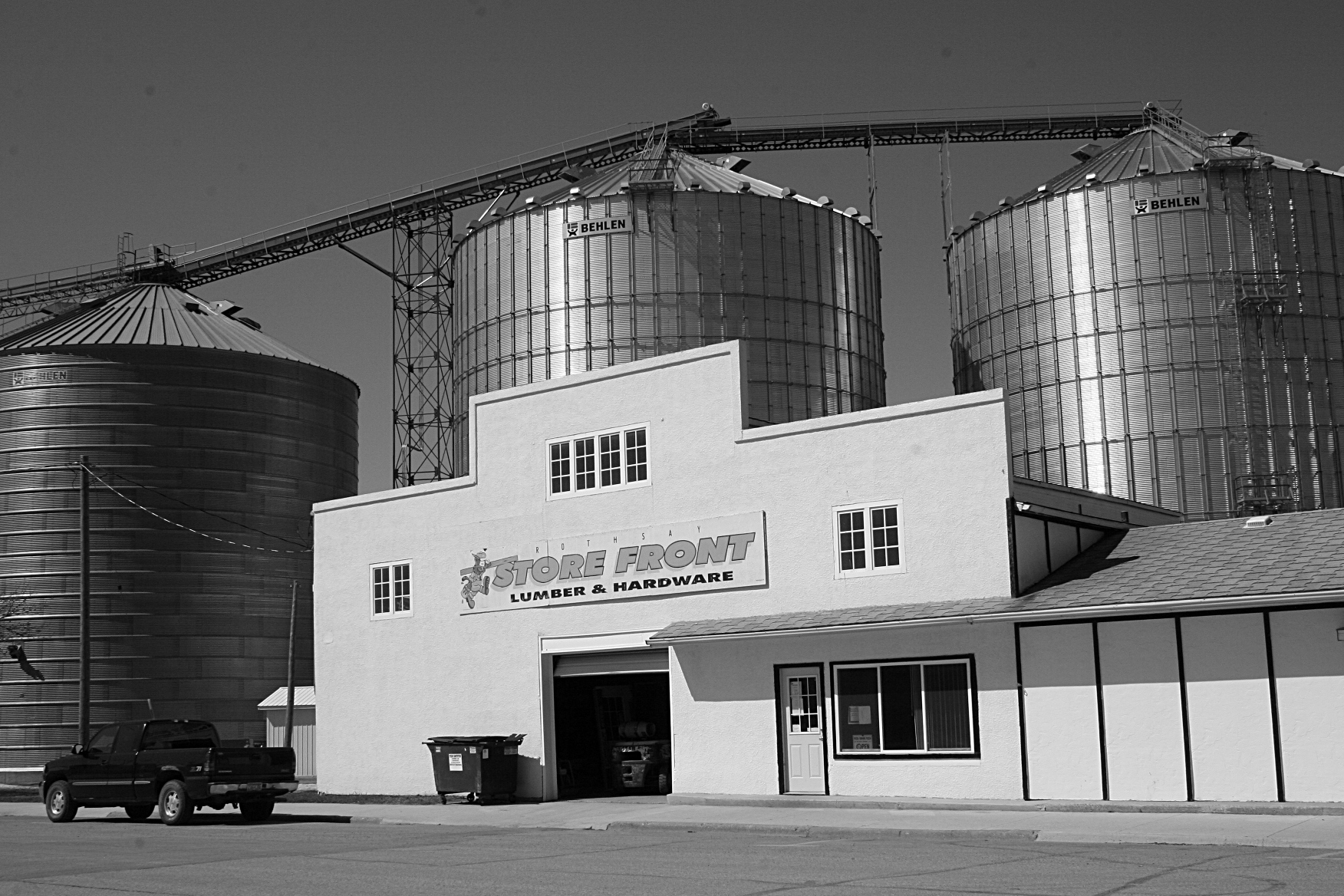
The local combination lumberyard and hardware store, a mainstay of small towns.

But this community of nearly 500 is worth a stop for anyone who appreciates small towns as I do. I delight in the businesses which define communities like this—the local co-op, hardware store and lumberyard. The bank. The home-grown eateries and one-of-a-kind shops. The efforts to preserve history.

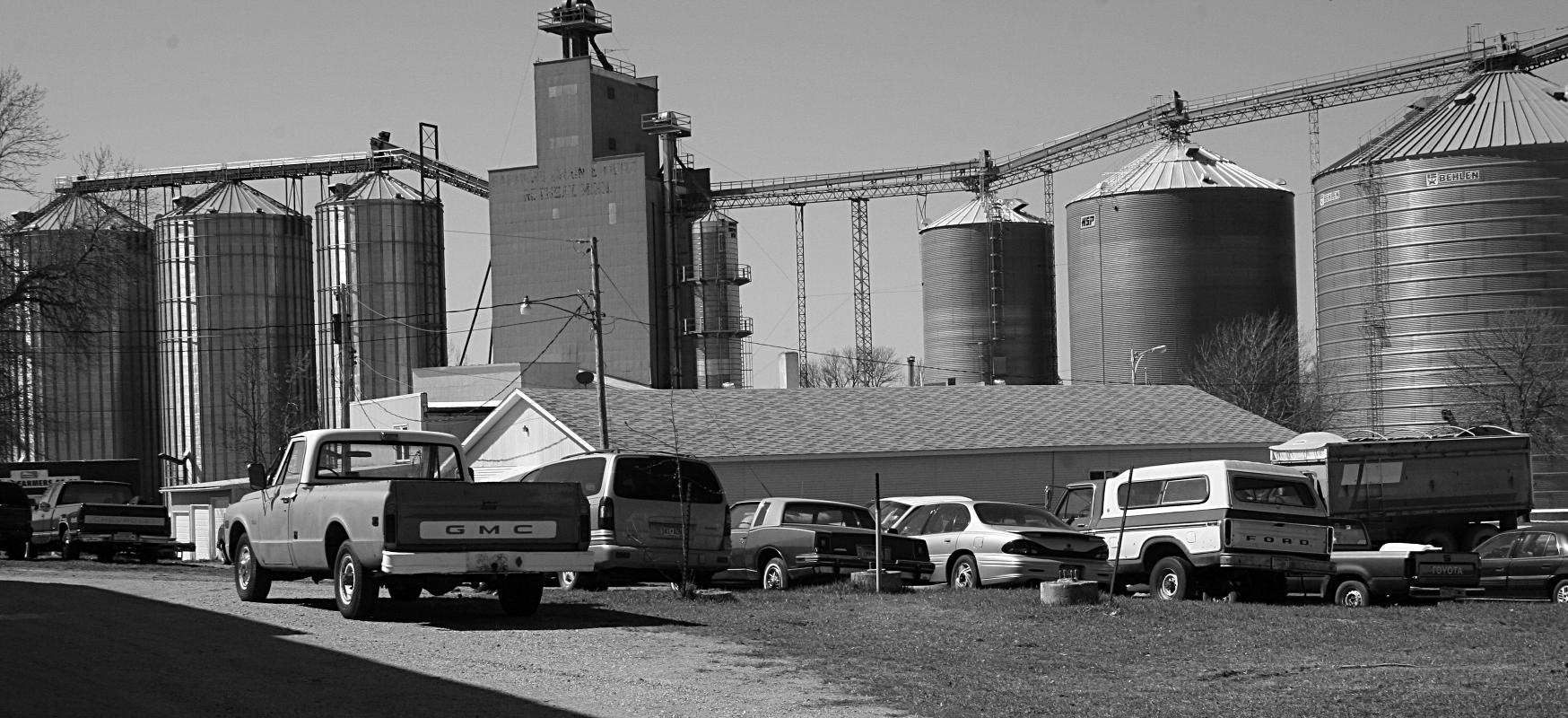
Vehicles parked behind the body shop.

Vehicles parked behind the automotive body and repair shop.

Even the vehicles parked along the quiet streets, the unlocked bikes beside the school, tell a story.

On this stop in Rothsay, I had only time for a quick photographic perusal. That was enough to satisfy my desire to view this community, to feel its heartbeat.

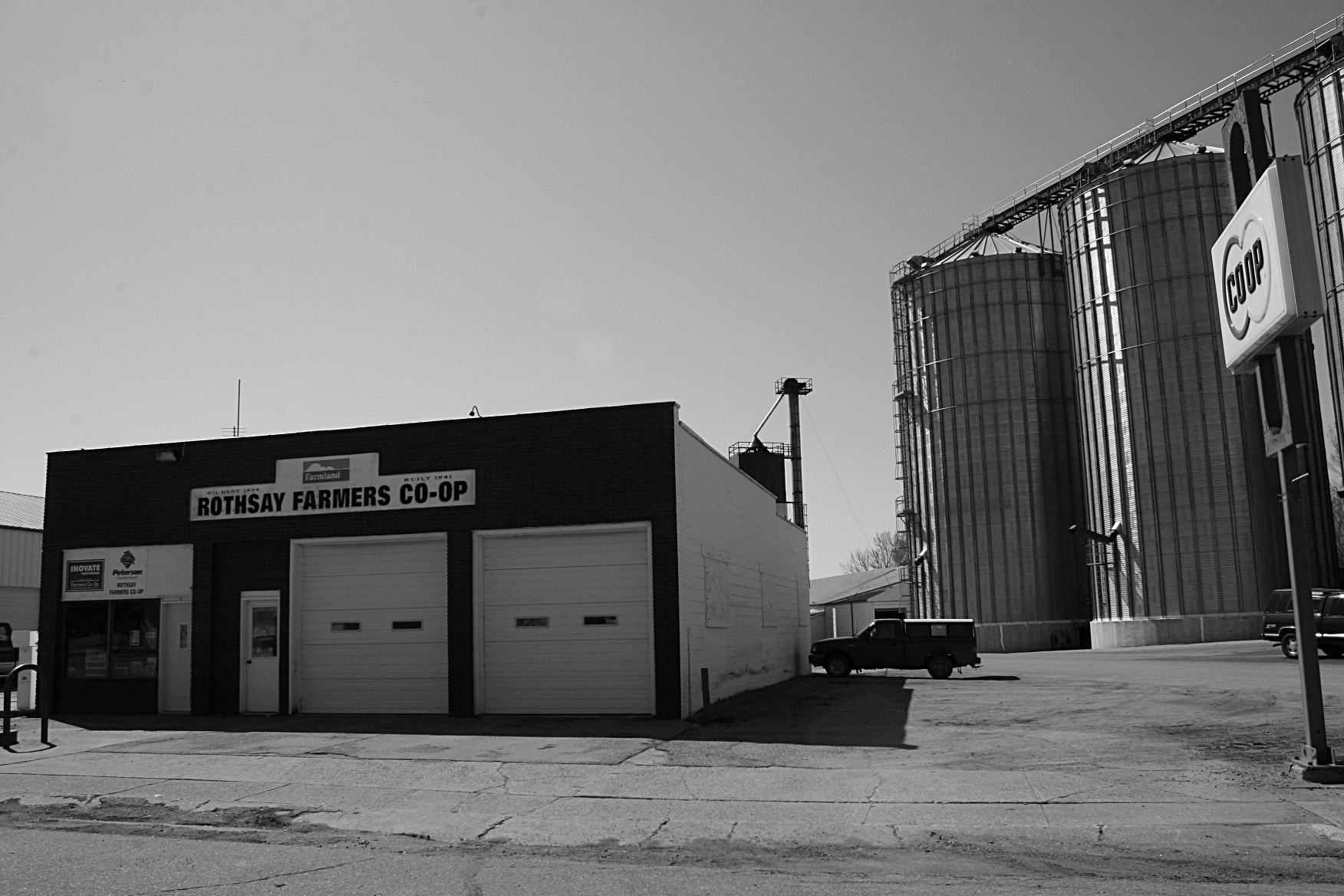
Most rural communities are home to a cooperative.

Most rural communities are home to a famer’s cooperative.

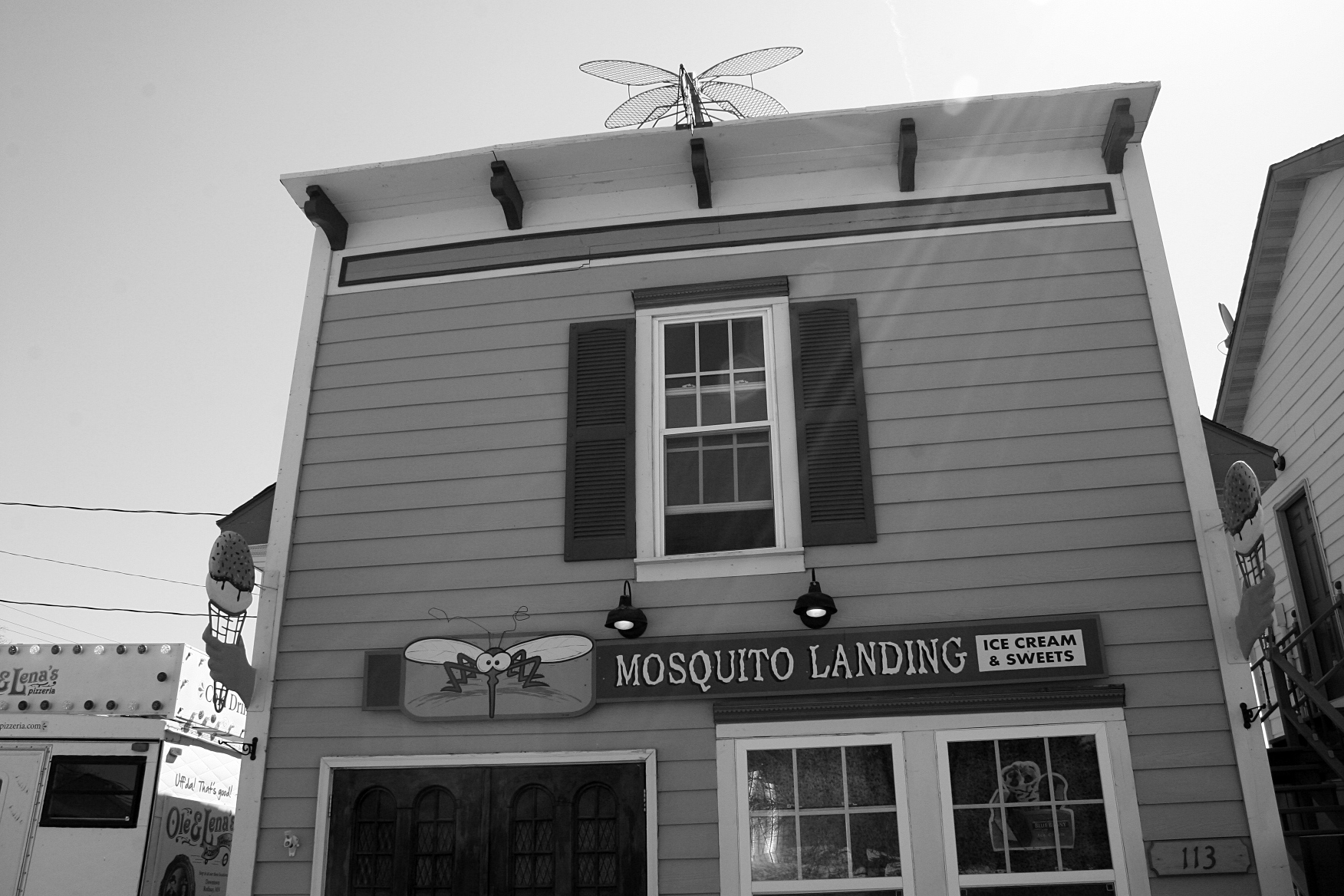
I just had to appreciate the name of this ice cream shop in Rothsay, with a mosquito atop the roof.

I just had to appreciate the name of this ice cream shop in Rothsay, with a mosquito atop the roof.

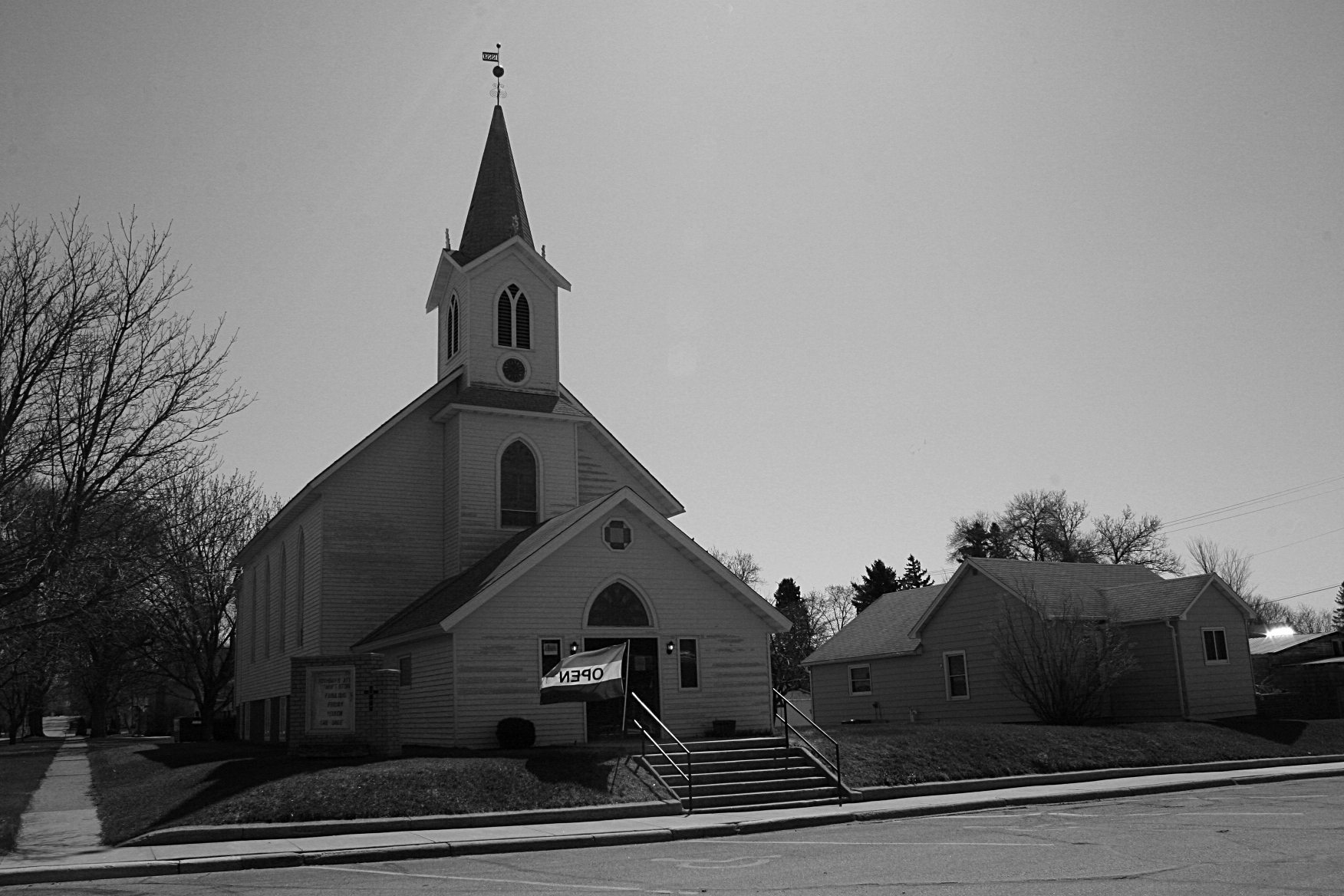
A church turned thrift store.

A church turned thrift store.

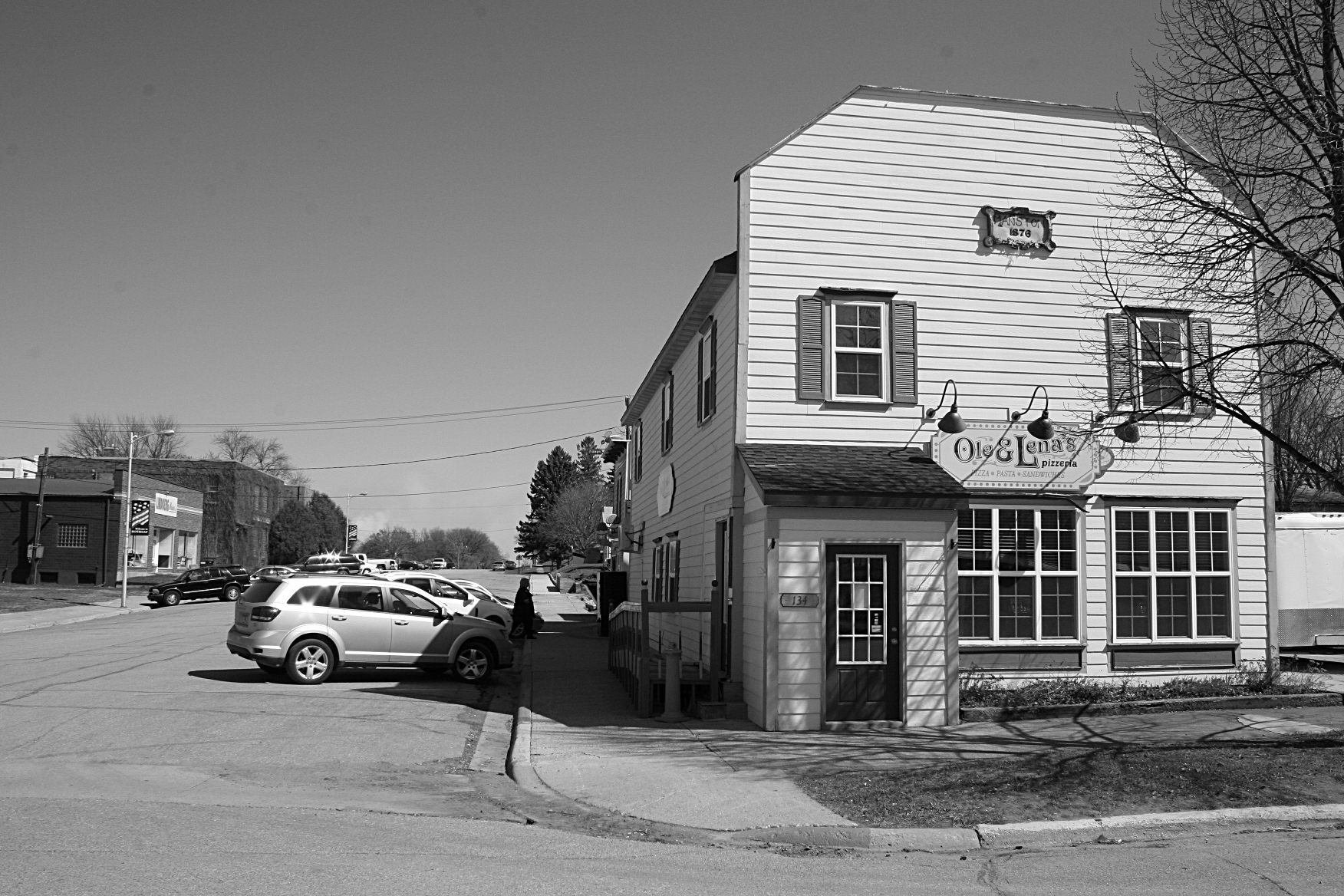
Ole and Lena's Pizzeria serves pizza, pasta and sandwiches. No lutefisk listed on the outdoor sign.

Ole and Lena’s Pizzeria serves pizza, pasta and sandwiches. No lutefisk or lefse listed on the outdoor sign.

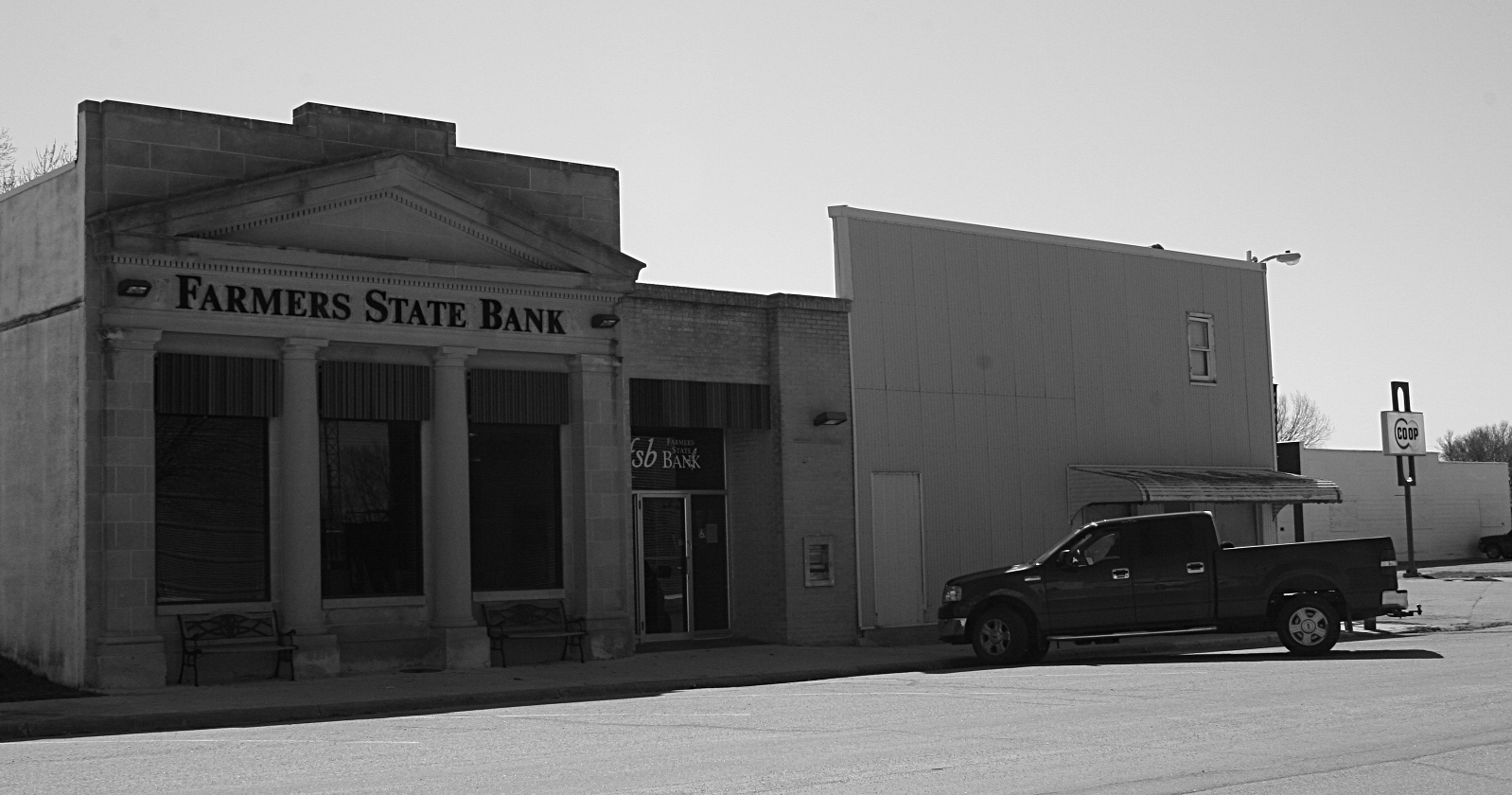
Typically the nicest building in town, the bank.

Typically the nicest building in town, the bank.

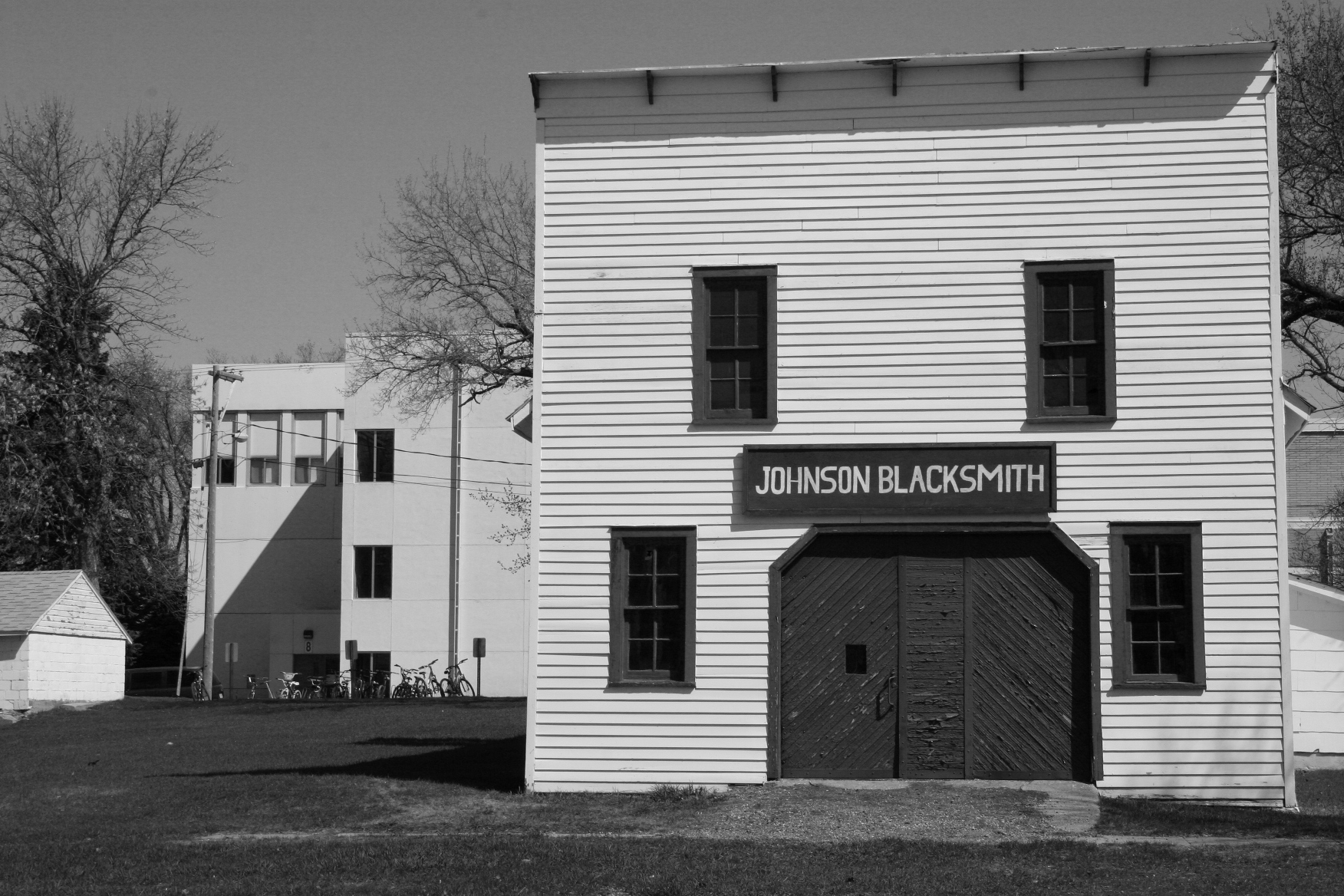
From what I observed, this is an historic blacksmith shop, not a working one. Note the bikes in the background parked outside the public school.

From what I observed, this is an historic blacksmith shop, not a working one. Note the unlocked bikes in the background parked outside the public school.

FYI: Click here to read my previous post about the Wilkin County Sheriff’s Department office in Rothsay.

© Copyright 2013 Audrey Kletscher Helbling


Law & order in Rothsay May 16, 2013

SMALL TOWNS, TIME AND AGAIN, draw me in to explore.

It is the unpretentious genuineness, the make-do, no-frills approach to life that appeals to me. Folks in small towns typically are not trying to impress. Rather, they are simply living their lives—being good neighbors, working hard, getting by on what they have.

I’m not saying big city residents don’t do likewise. I just think the evidence of simpler living is more visible in our rural communities.

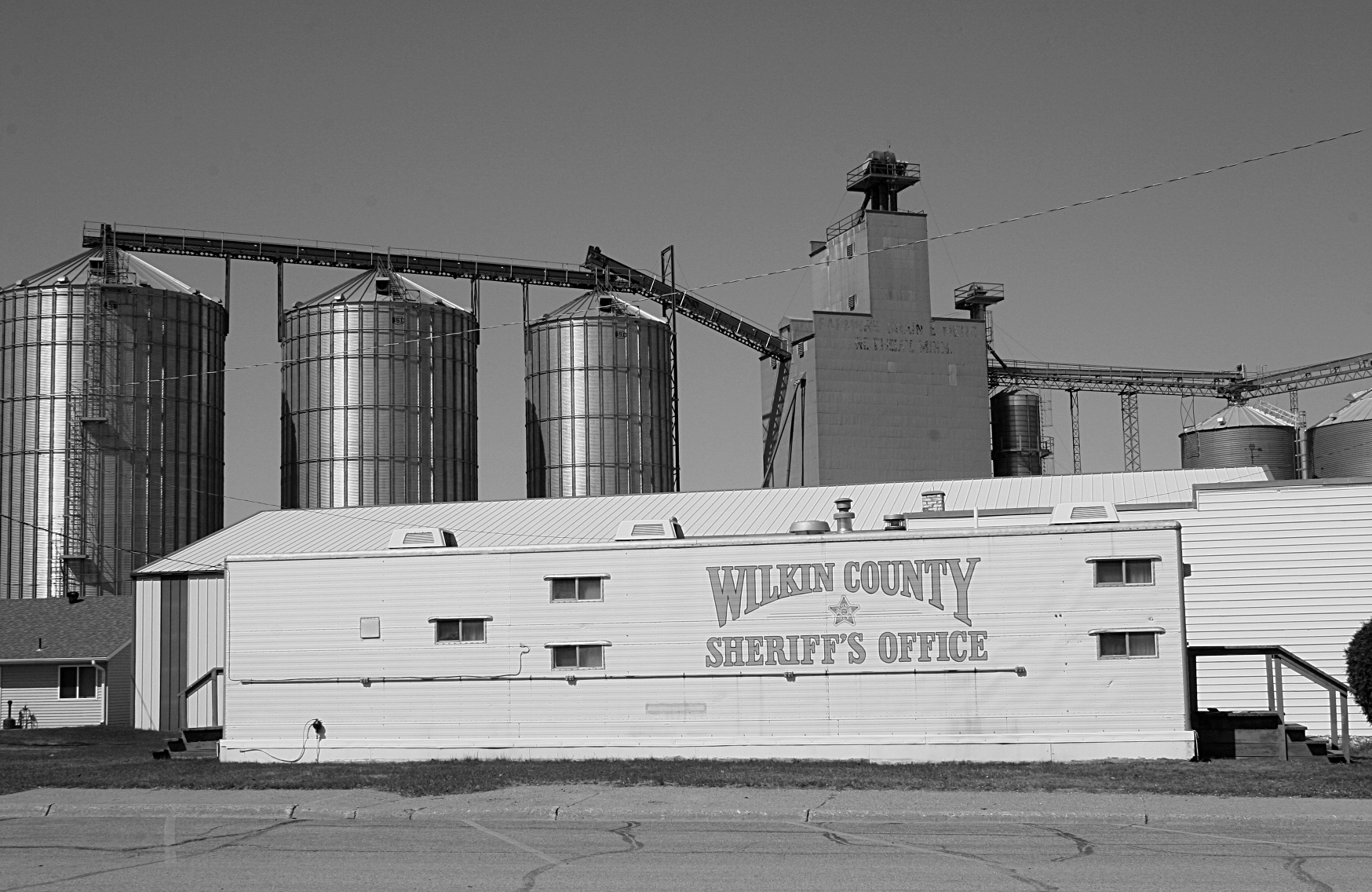
Wilkin County Sheriff's Dept. 1

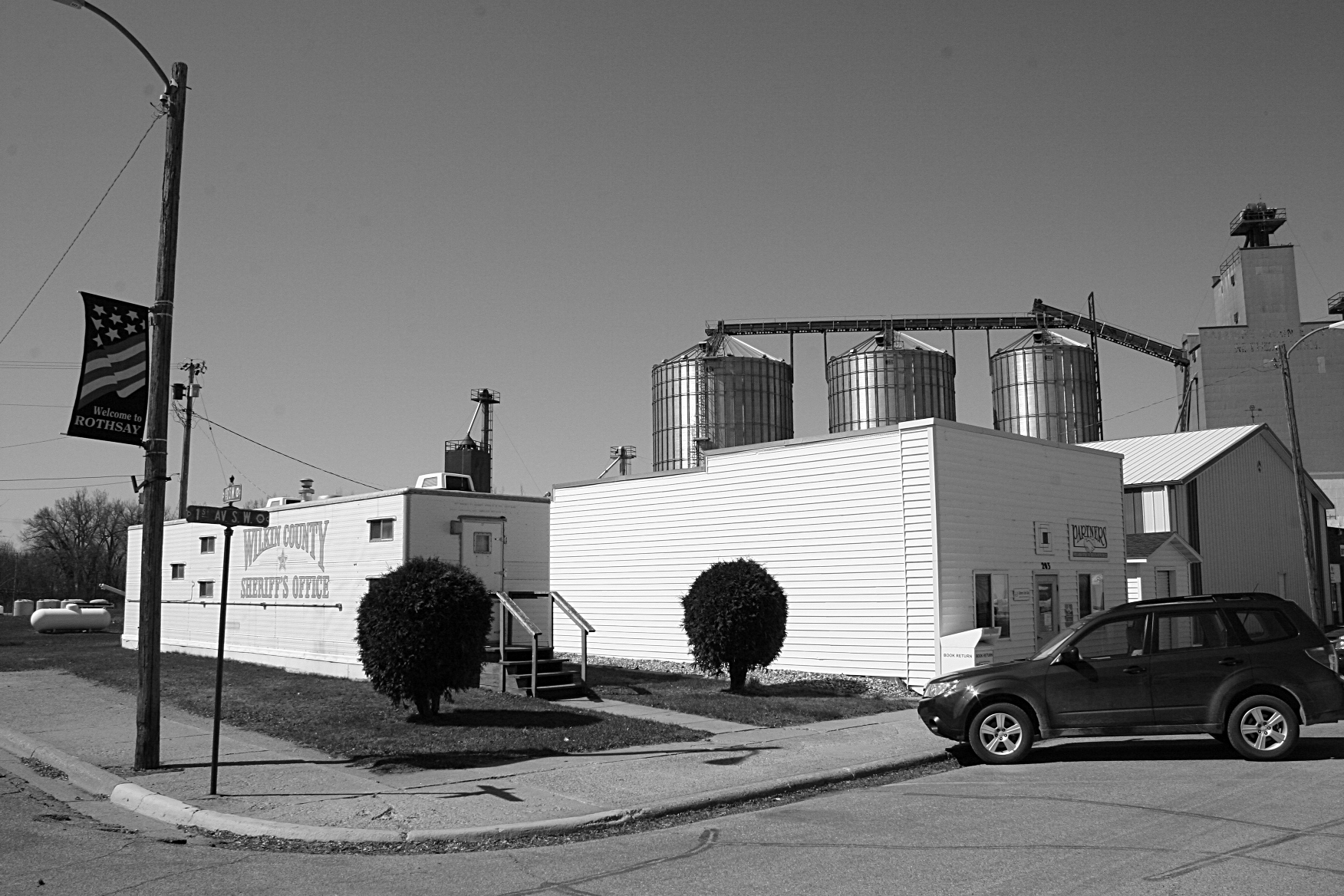
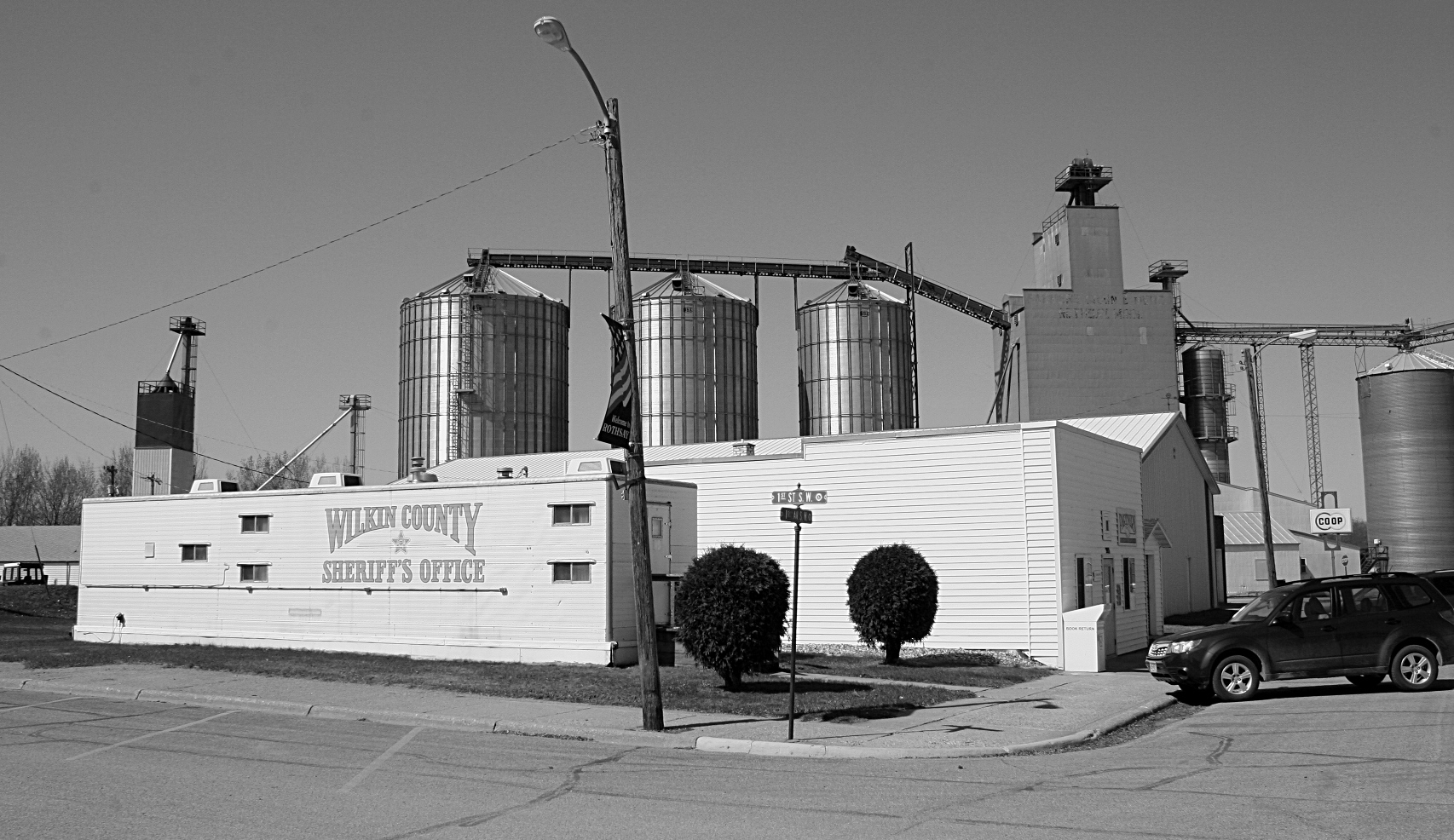
Take Rothsay, population around 500. Just look at the building which houses the Wilkin County Sheriff’s Department in Rothsay, which lies along Interstate 94 some 35 minutes southeast of Fargo.

Wilkin County Sheriff's Dept. 2

Nothing fancy about this vintage trailerhouse, apparently a satellite office for the sheriff’s department based in the county seat of Breckenridge 30 miles distant.

Wilkin County Sheriff's Dept. 3

My husband and I were, should I say, awestruck when we pulled into the downtown business district and spotted this law enforcement headquarters. We’d never seen a sheriff’s office quite like this one.

I knew I’d found a gem, another slice of small-town Minnesota worthy of preserving via a photo shoot.

FYI: Check back tomorrow for more photos from Rothsay.

© Copyright 2013 Audrey Kletscher Helbling
 

For my mother May 12, 2013

Filed under: Uncategorized — Audrey Kletscher Helbling @ 10:35 AM
Tags: , , , , ,
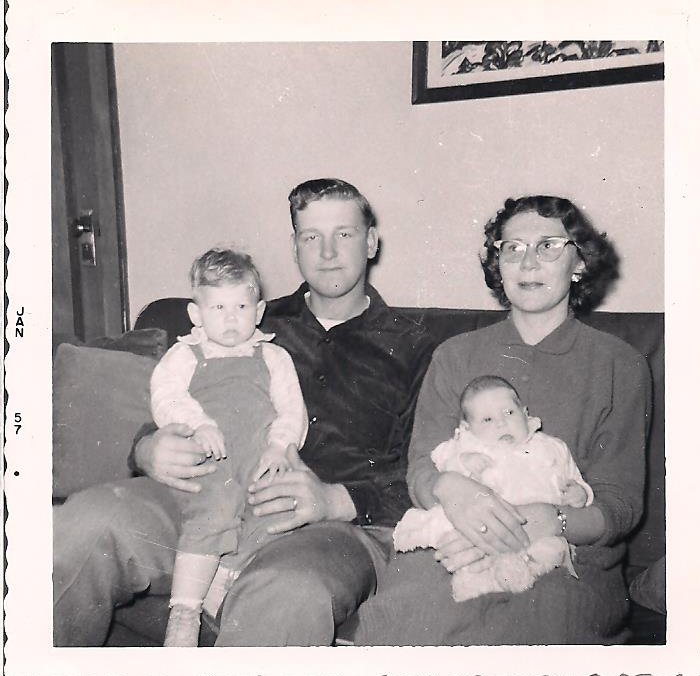
My parents with my brother and me in a photo dated January 1957, but likely taken a few months earlier.

My parents with my brother and me in a photo dated January 1957, but likely taken a few months earlier at my maternal grandpa’s house.

I WONDER SOMETIMES what my mother’s life would have been like had she not chosen motherhood over career.

Not that long-term employment was truly an option for a young woman of the 1950s, unless you chose teaching or nursing, neither of which fit my mother’s professional talents or interests.

After graduating from Wabasso High School in 1951, as valedictorian no less, she attended Mankato Business College then landed a job with the state employment office in Marshall.

By September of 1954, she had quit her job and married. In July 1955 she gave birth to her first son. Within a dozen years, my mother and father would have six children.

Raising a family in rural southwestern Minnesota, in a cramped and drafty three bedroom house with no bathroom, could not have been easy.

I retain memories of my mother striking farmer matches to light the oil burning stove centered in the living room, heating a house wrapped in brown paper, straw bales snugged to the foundation.

I see her dumping buckets of hot water into the galvanized bathtub positioned before the kitchen stove on Saturday nights.

I feel her hands lacing through my stick-straight hair as I lie face-up on the kitchen counter, head draped over the sink, as she works shampoo onto my scalp.

I watch her dump cups of flour and sugar into the white bowl of her Hamilton Beach mixer, stirring up batches of bars too quickly consumed by six hungry kids. I remember, too, the treat of a few chocolate chips dropped into hands.

I smell the yeasty scent of her homemade bread pulled from the oven, remember the snippets of dough she parceled out for me and my sisters to shape miniature buns.

I hear the hiss of hot iron against cotton cloth she’s sprinkled with water.

I watch her grasp the iron ring on the kitchen floor trap door as she sends me down the creaky stairs to the dirt-floored cellar for a jar of golden peaches. Memories of summer days, of wooden crates lugged home from the local grocer, of peaches wrapped in pink tissue, of fruit slipped into boiling water, linger.

I can feel her strength as she stirs the clothes in her Maytag wringer washer with a grey stick propped always against a wall in the porch where smelly chore clothes hung.

She traded a career for all of this.

Was she happy? Did she regret giving up a well-paying and stable job for six kids and poverty?

I’ve never asked.

But I’d like to think she was happy raising a family, instilling in each of her children a strong faith in God and an appreciation and love of family, and of life.

The old farmhouse to the left, where I grew up with the "new house," built in the late 1960s.

The old farmhouse to the left, where I lived until about age 12, with the “new house” in the background. That’s my sister, Lanae, standing on the front steps leading into the porch. Was the house really that small? Apparently so.

© Copyright 2013 Audrey Kletscher Helbling


Old Glory at the elevator in Castle Rock May 6, 2013

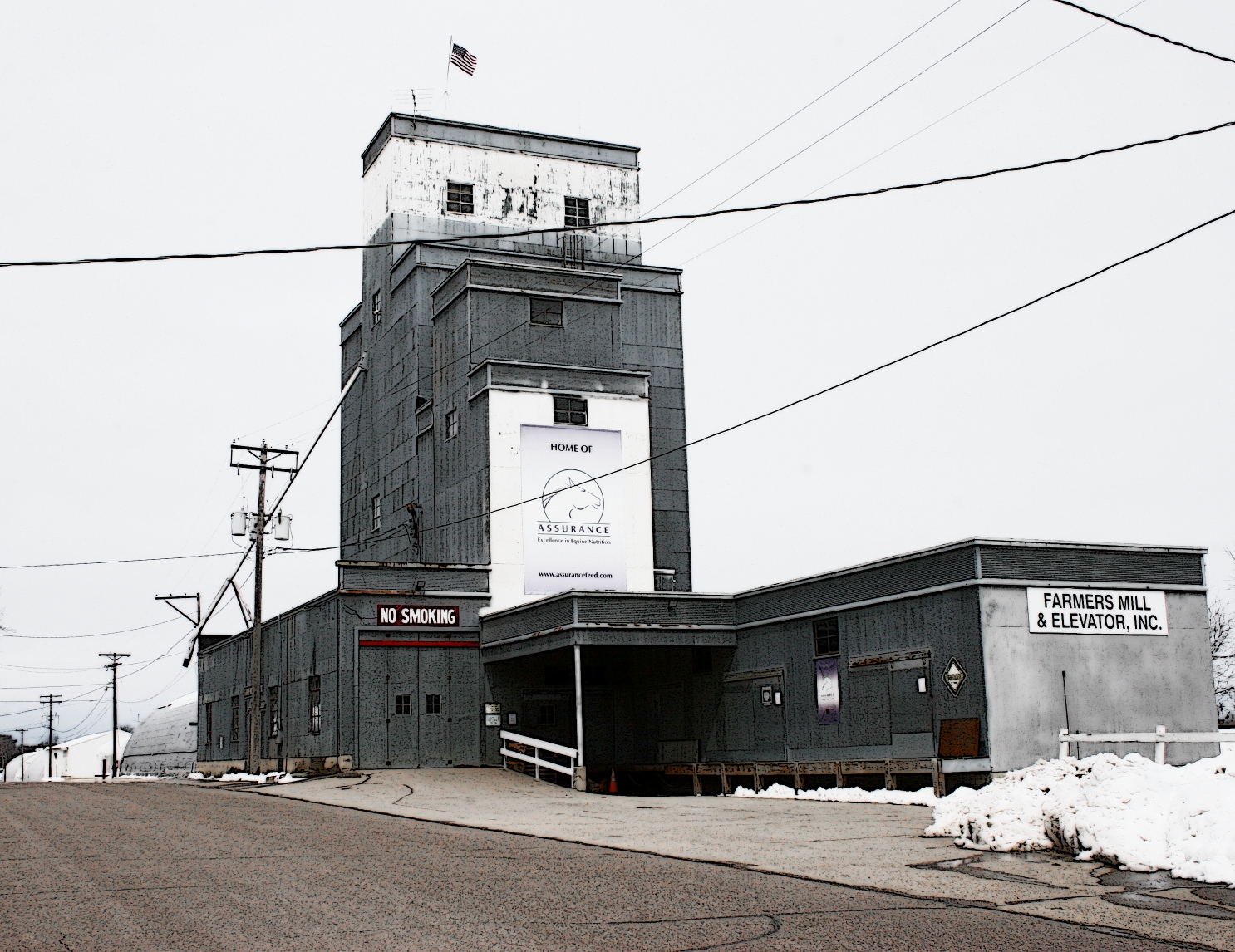
Farmers Mill and Elevator, Inc., Castle Rock, family-owned for 70 years by third generation.

Farmers Mill and Elevator, Inc., Castle Rock, family-owned for 70 years by third generation.

SMALL TOWN GRAIN elevators, like barns, beckon me to photograph them, for I fear that these skyscrapers of the prairie, as some have called them, will someday vanish.

Recently, on a pass through Castle Rock, an unincorporated village located about six miles north of Northfield in Dakota County, I spotted Farmers Mill and Elevator, Inc.

The grey of the elevator complex matched the grey skies in a landscape late in welcoming spring.

Despite that seasonal indifference over which we possess no control, I noticed the prevailing spirit of rural patriotism in an American flag stretching her stars and stripes in the brisk April afternoon wind.

Grey be gone. Red, white and blue flourishes, at least atop the grain elevator in Castle Rock.

© Copyright 2013 Audrey Kletscher Helbling
 

The barn April 18, 2013

Filed under: Uncategorized — Audrey Kletscher Helbling @ 6:57 AM
Tags: , , , , ,
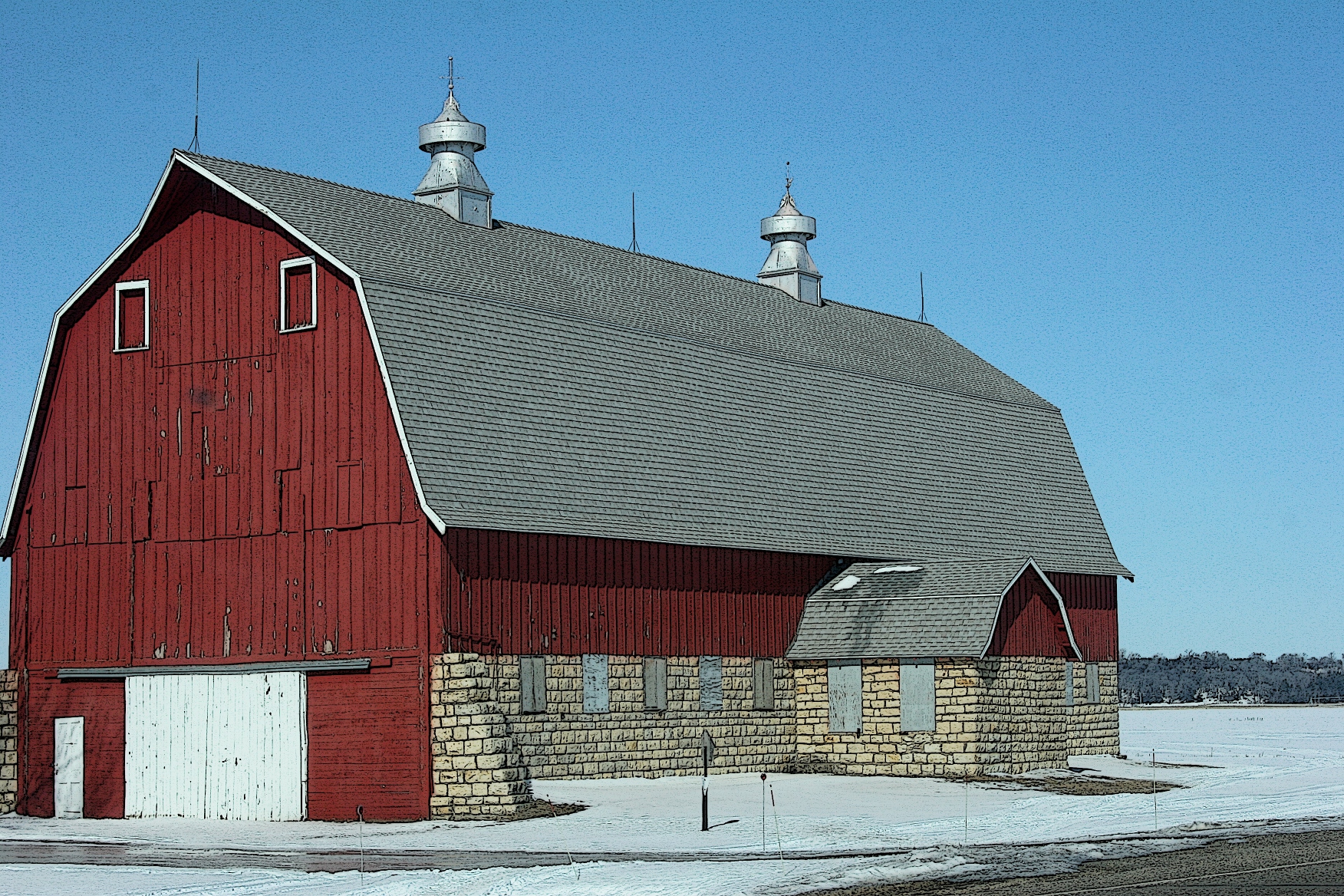
This study and well-maintained barn sits at the intersection of Minnesota Highways 19 and 56 near Stanton, east of Northfield.

This study and well-maintained barn sits at the intersection of Minnesota Highways 19 and 56 near Stanton, east of Northfield.

NOTHING DEFINES RURAL Minnesota more than a red barn.

Whether nestled among the rolling hills of southeastern Minnesota or anchored to the earth in the wide open spaces of the west, red barns symbolize the hope, the fortitude and the dreams of generations of Minnesotans.

For inside the walls of our barns, farm families have worked together—pitching manure, stacking bales, milking cows, building a livelihood as much as a lifestyle.

Strong work ethics have been birthed here, life lessons taught.

While many red barns now stand empty, their roofs sagging, their paint peeling, they remain a symbol of all that is good about life in rural Minnesota.

© Copyright 2013 Audrey Kletscher Helbling
Text first published in the September/October 2005 issue of Minnesota Moments