Minnesota Prairie Roots

Writing and photography by Audrey Kletscher Helbling

My enduring appreciation of barns January 6, 2014

Filed under: Uncategorized — Audrey Kletscher Helbling @ 6:00 AM
Tags: , , , , , ,

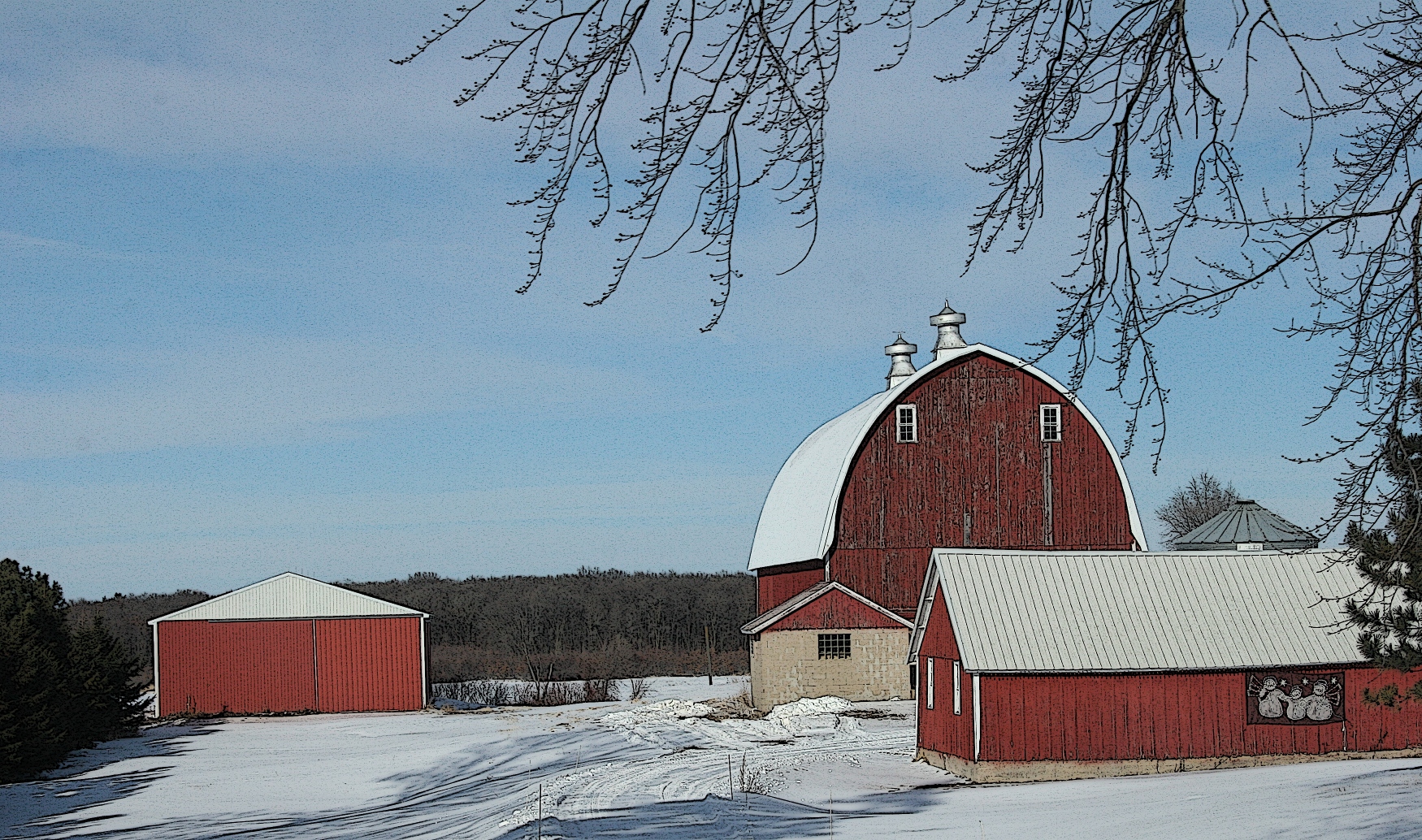
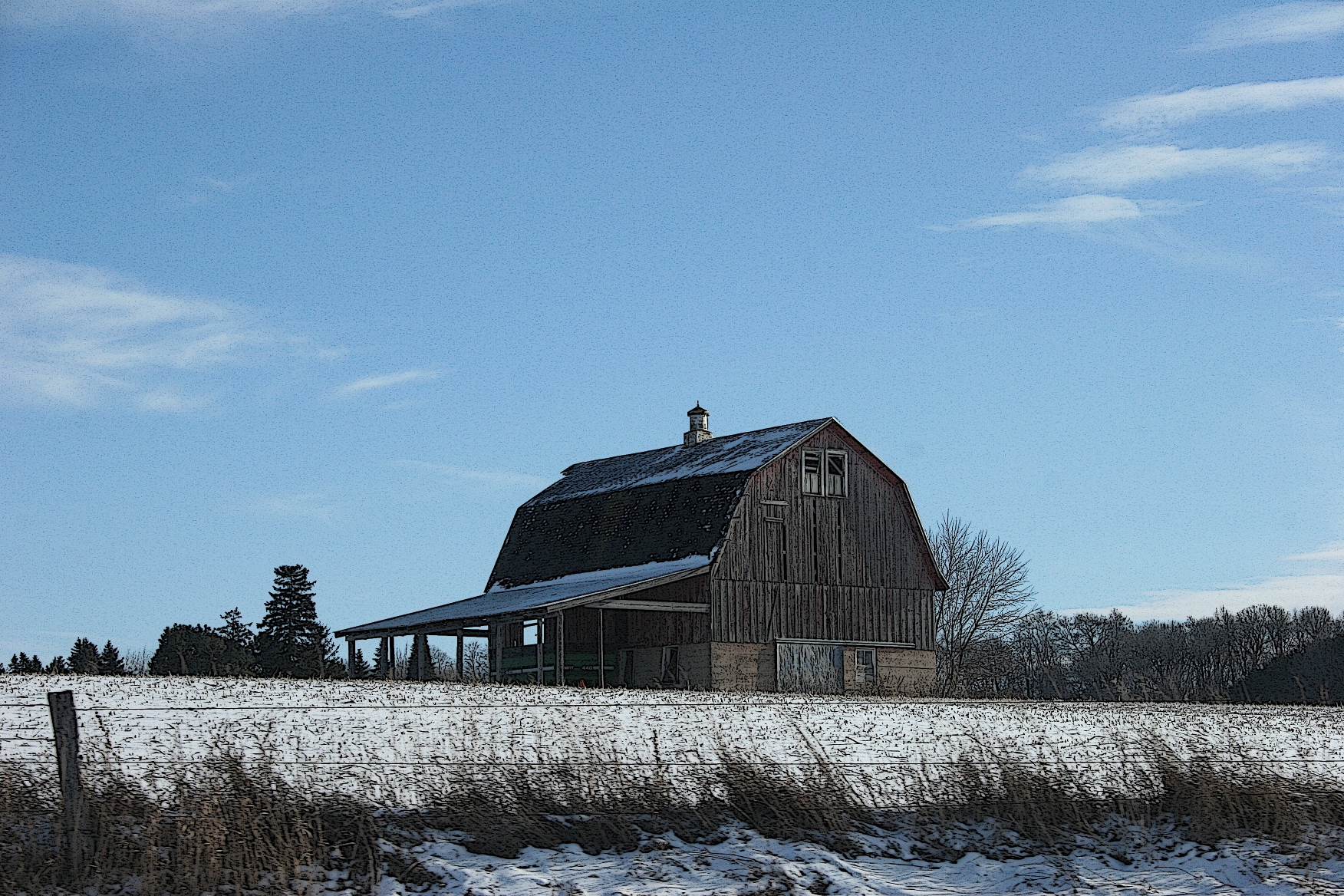
Barn on the way to Northfield

OLD BARNS ALWAYS TURN my head, including this one along Minnesota Highway 3 between Faribault and Northfield.

Weathered wood, a strong roof line, the physical bulk of the barn, the work once done therein, the stories this agrarian building could tell all cause me to notice and ponder.

It is my own rural roots, my years of laboring in a barn—scooping manure, pushing wheelbarrows heaped with ground corn, shoveling scoops of smelly silage, lugging tall cans of frothy milk—which connect me to this anchor farm building.

Though decades have passed, those memories remain strong, unweathered by time or age.

© Copyright 2014 Audrey Kletscher Helbling


What is this Minnesota bicyclist thinking? December 22, 2013

Filed under: Uncategorized — Audrey Kletscher Helbling @ 5:16 PM
Tags: , , , , , , , , , ,
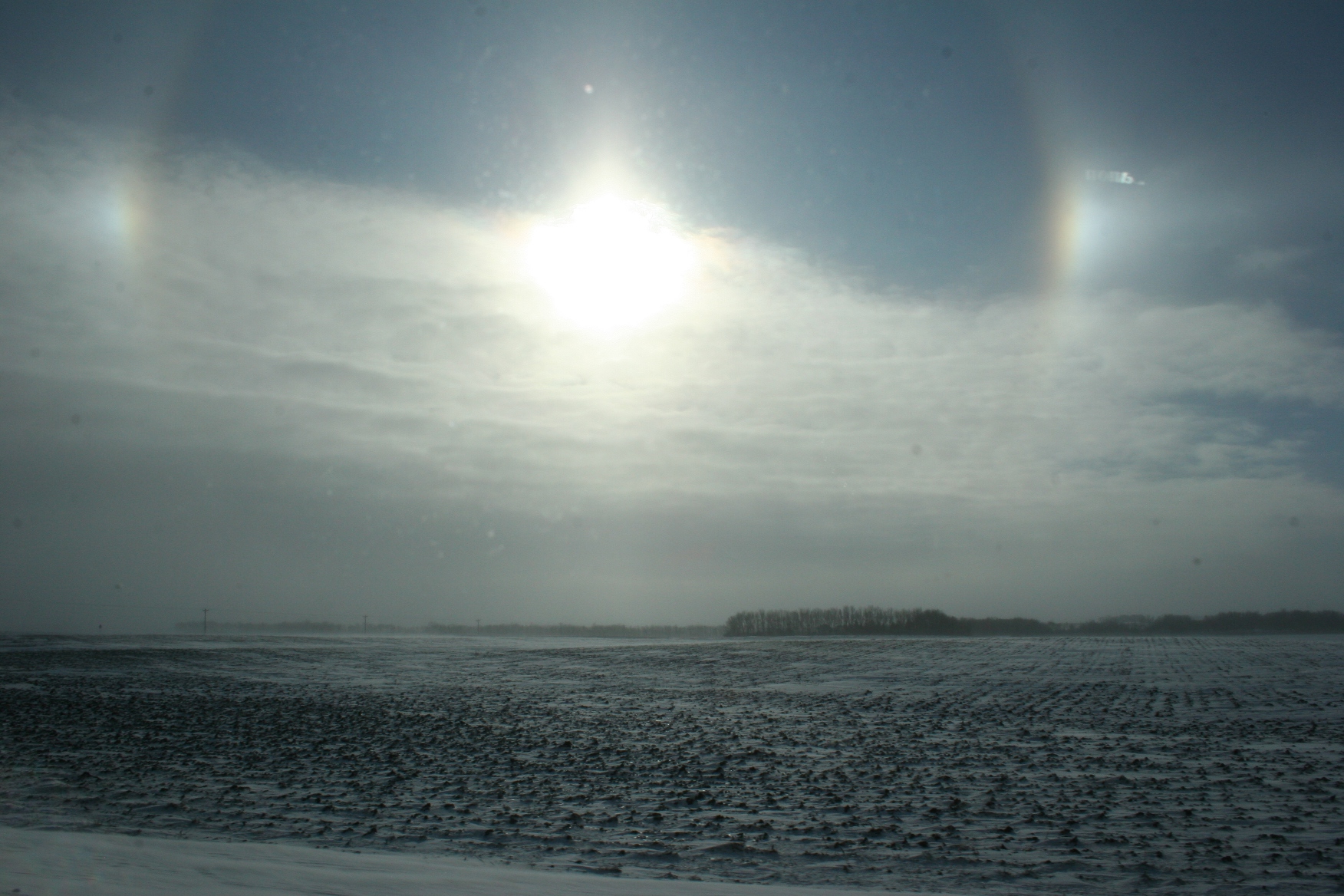
Sun dogs photographed through the dirty passenger side window of the van this morning east of Lamberton along U.S. Highway 14.

Sun dogs photographed this morning through the dirty passenger side van window east of Lamberton along U.S. Highway 14 in southwestern Minnesota.

YOU KNOW IT’S COLD when sun dogs emerge, the wind whips flags straight out and a bank sign temperature reads five degrees Fahrenheit.

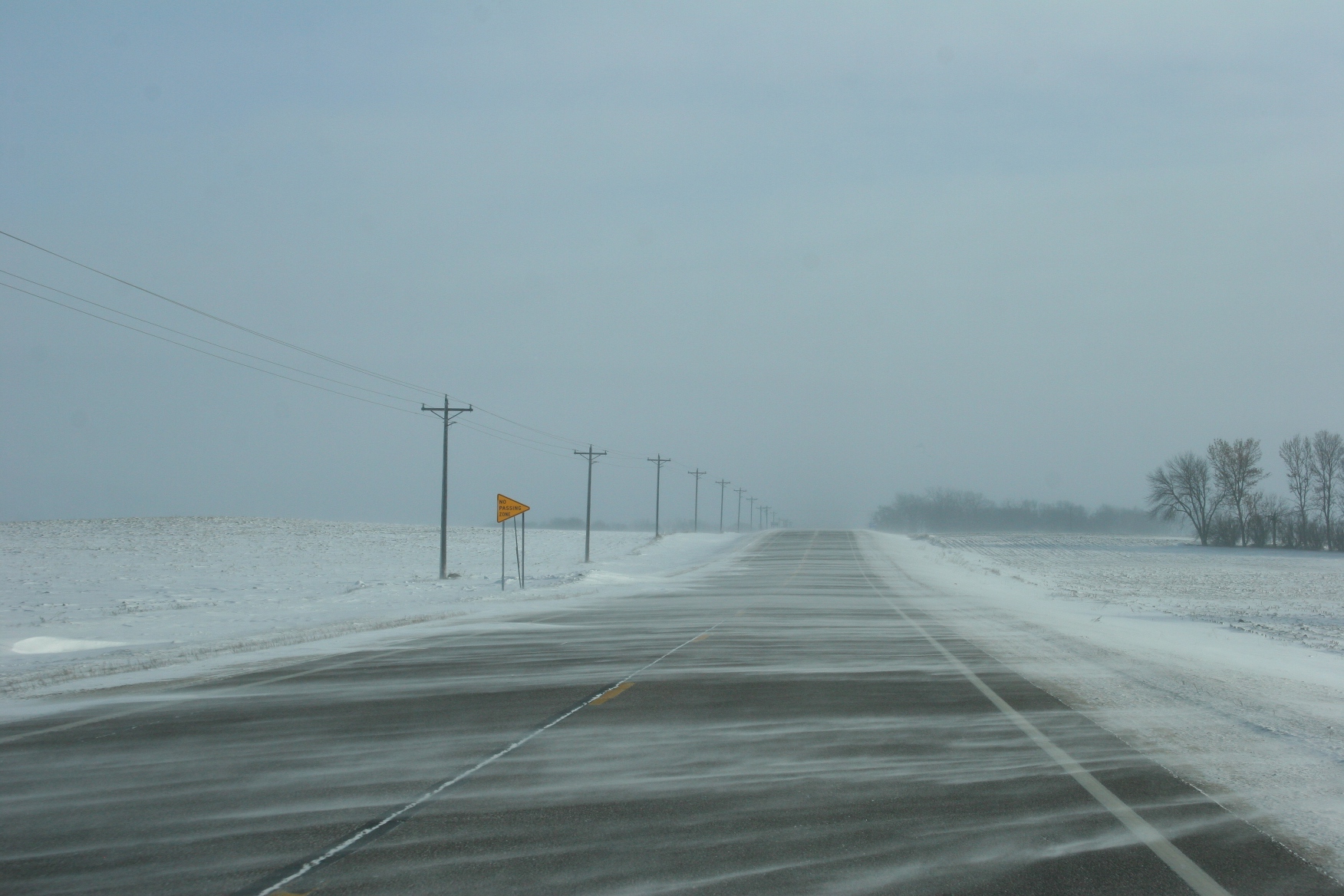
Strong winds drift snow across U.S. Highway 14 east of Lamberton this morning.

Strong winds drift snow across U.S. Highway 14 east of Lamberton this morning.

That would be southwestern Minnesota this morning as my family left my brother and sister-in-law’s rural Lamberton home after a family Christmas and began the 2 1/2-hour drive east back to Faribault.

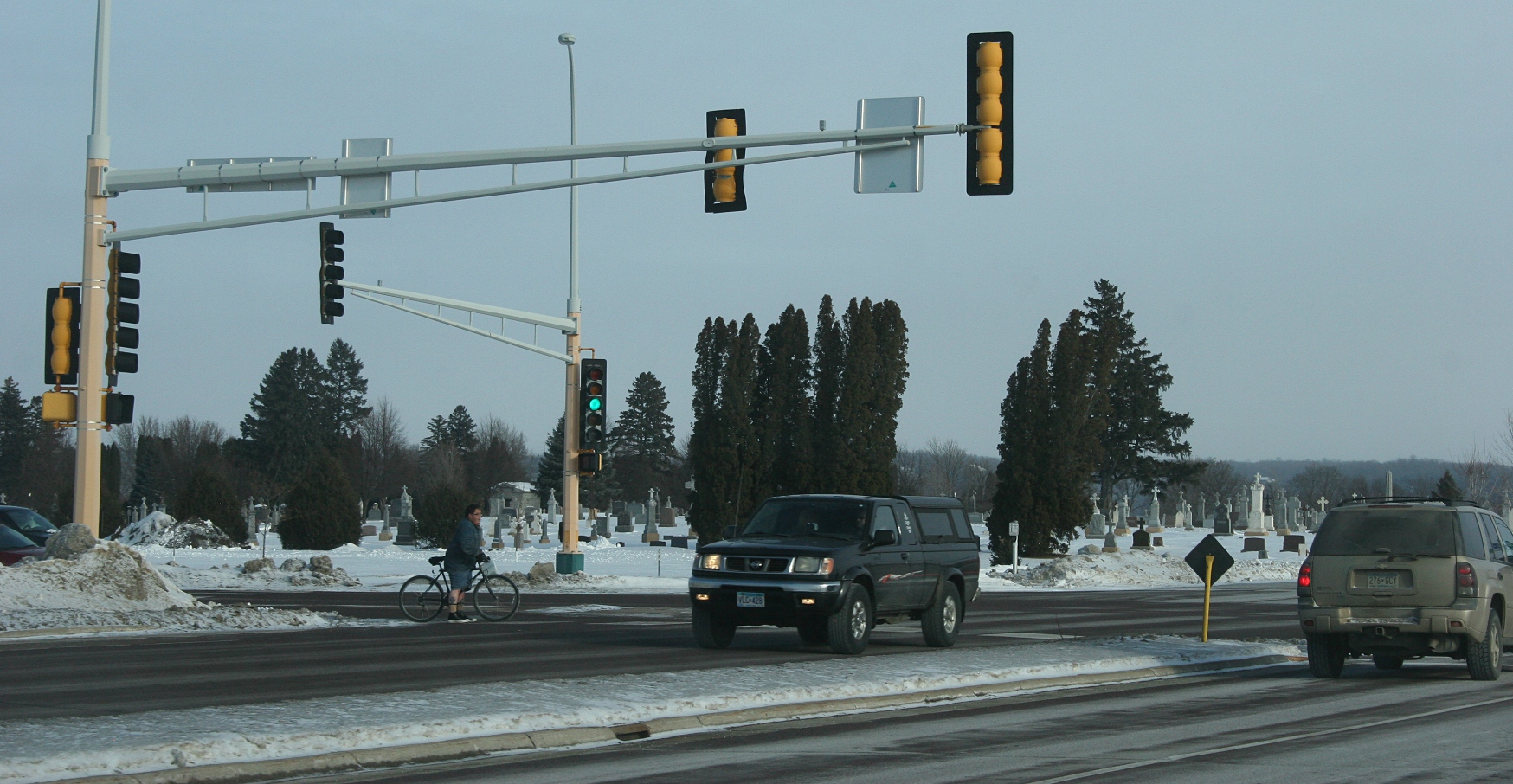
After an hour on the road, we entered New Ulm where I photographed this scene at the intersection of Brown County Road 29 and U.S. Highway 14:

The biker, to the left in photo, caught my eye in New Ulm because of his attire.

The biker, to the left, caught my eye in New Ulm because of his attire.

Tell me, how could this bicyclist tolerate biking in shorts or without a cap on his head? I sincerely hope he didn’t have far to pedal on this official second day of winter. Exposed skin can freeze quickly in such brutal temps.

He was, at least, wearing gloves.

© Copyright 2013 Audrey Kletscher Helbling


Bins, bars & beer December 4, 2013

THE LAST TIME I WAS in Cobden, I told my husband, I was photographing a burning building.

That was decades ago, when I worked as a newspaper reporter and photographer for The Sleepy Eye Herald-Dispatch. Thirty-plus years later, I can’t recall what burned, but I think a bar.

Apparently little has changed in Cobden since I raced, with camera and notebook, to this community of 36 residents just off U.S. Highway 14 between Sleepy Eye and Springfield. As I remember, I borrowed a pen (because mine ran out of ink and why didn’t I have a spare?) from a firefighter. Interesting how a detail like that sticks with me.

Downtown Cobden with Tubby's to the left and Ridin' High to the right and the grain bins a few blocks away.

Downtown Cobden with Tubby’s to the left and Ridin’ High to the right and the grain bins a few blocks away.

Today, two bars and grain bins define this community in southwestern Minnesota, which boasts some of our state’s best farmland.

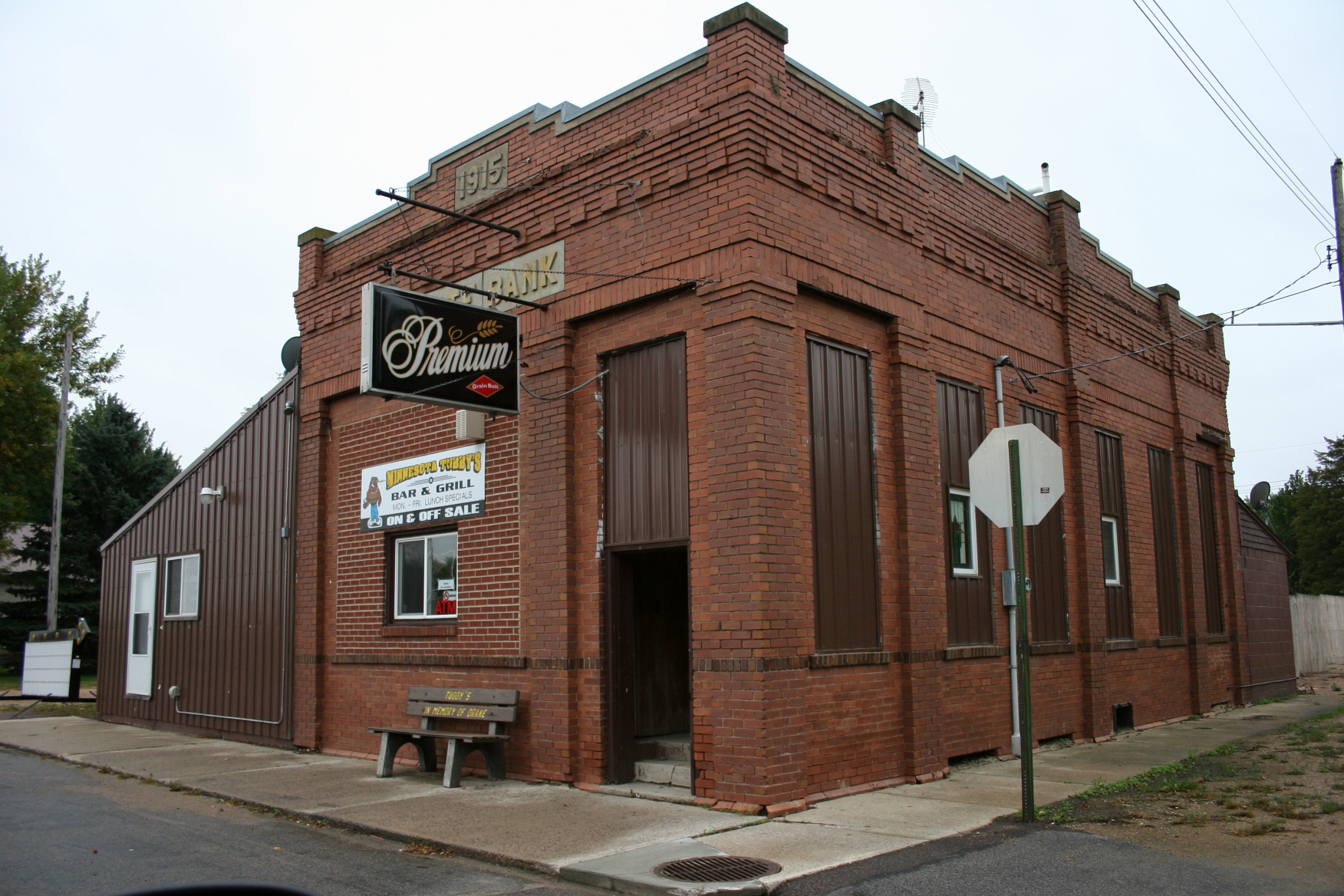
A few months ago while en route to Lamberton, my husband turned our van north off the Laura Ingalls Wilder Historic Highway to circle through Cobden, past the grain bins and then between the two bars—Minnesota Tubby’s Bar & Grill and Ridin’ High Saloon—which comprise the downtown.

Tubby's, in the old bank building.

Tubby’s, in the old bank building.

There was no time to stop and explore, only a quick roll down of the van window to shoot the building exteriors under grey and drizzly skies. I wished we had time to park and peek inside Tubby’s, housed in the stately 1915 corner brick State Bank building. I wished I could yank away the sheets of brown metal siding that cover the windows. I wished I could see the old bank interior.

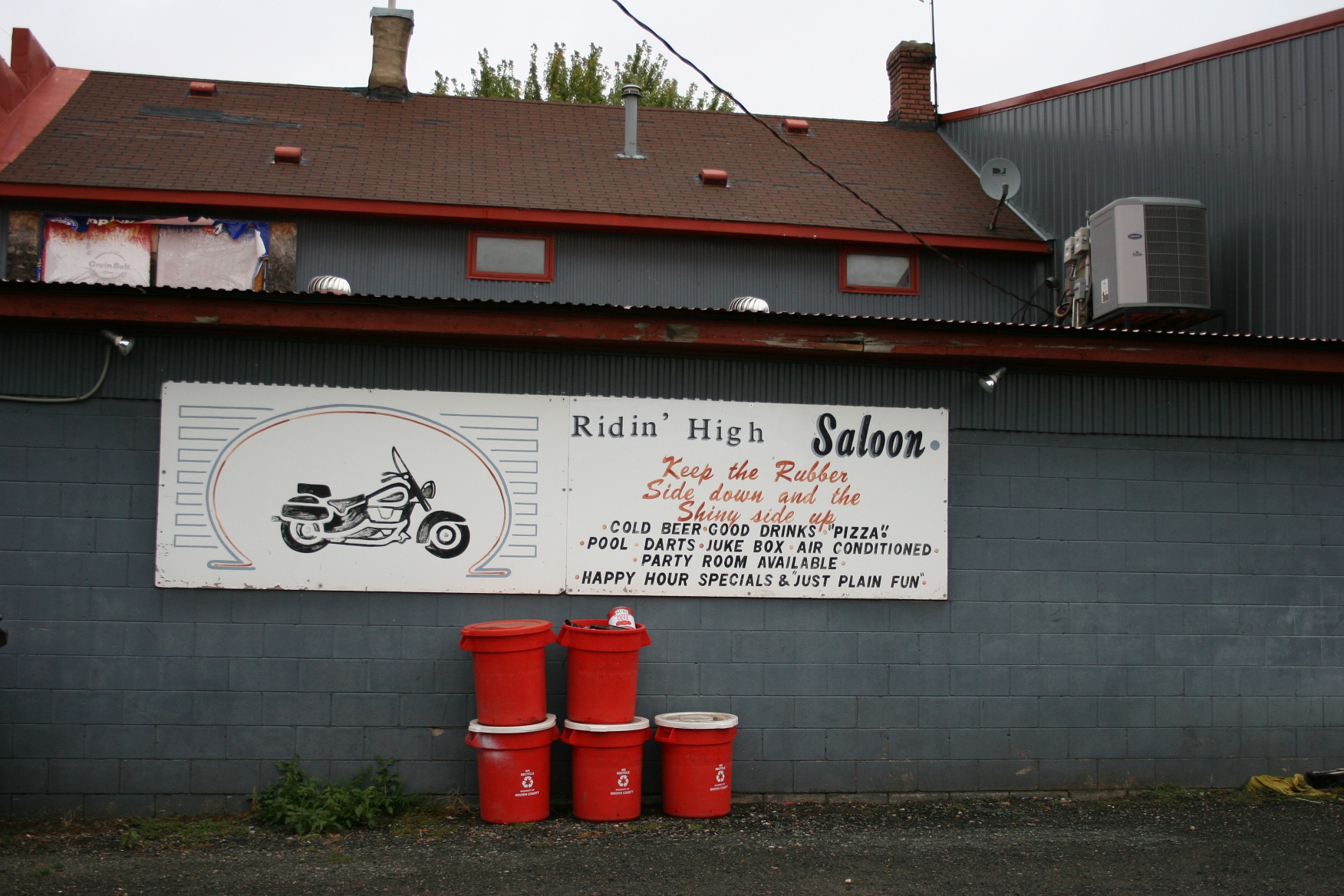
Bikers get a hearty welcome at Ridin' High Saloon.

Bikers get a hearty welcome at Ridin’ High Saloon.

Across the street, Ridin’ High Saloon, from the looks of the exterior signage, caters to bikers.

The Saloon connects to the Back Porch.

The Saloon connects to the Back Porch, right.

The outdoor Back Porch hang-out.

The outdoor Back Porch hang-out.

The machine shed style open air Back Porch gives that rough-and-tumble beer drinking impression, a great place to hang out with friends on a warm summer evening.

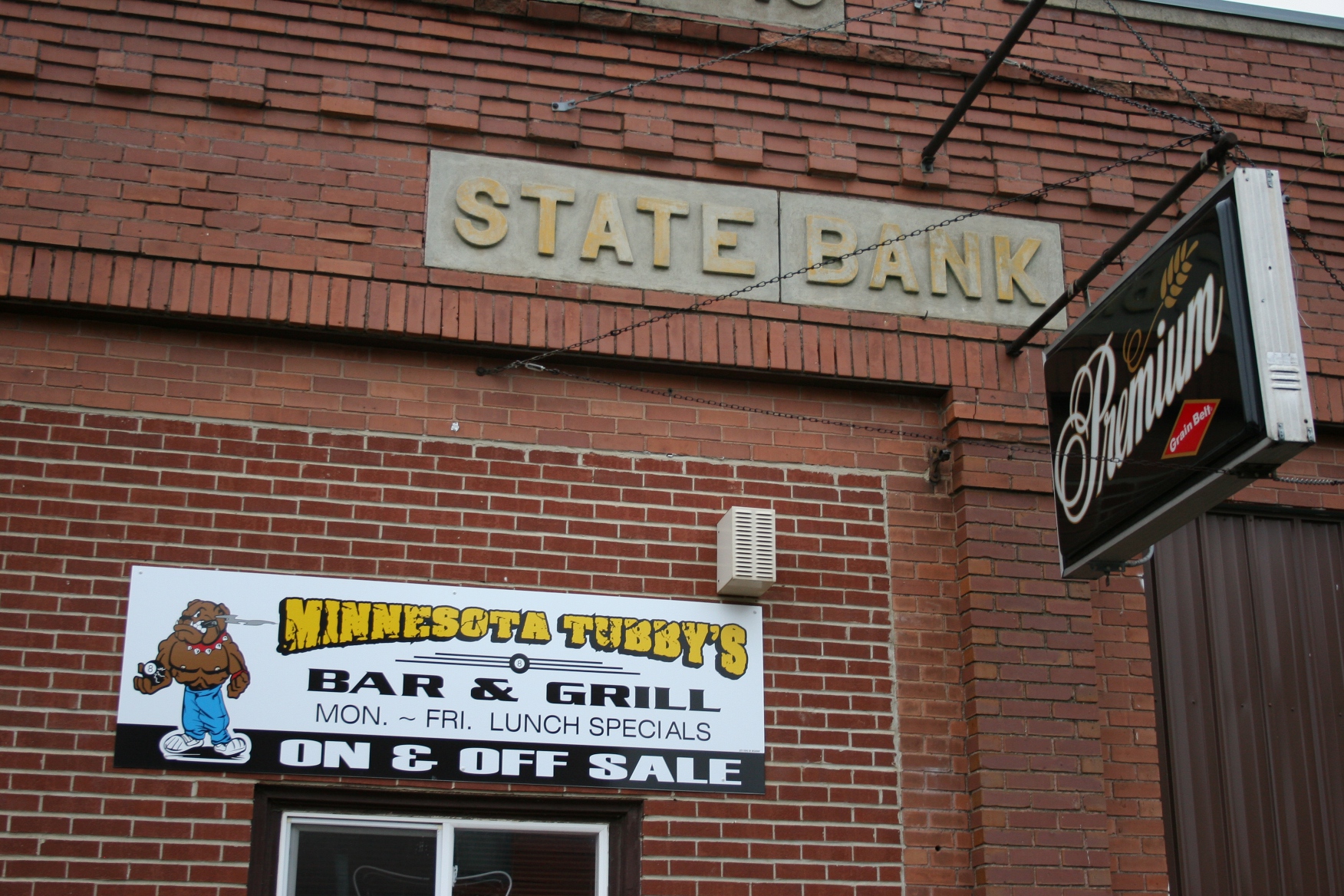
A close-up of Tubby's signage.

A close-up of Tubby’s signage.

Maybe next stop in Cobden will be the charm with no fire to cover, no schedule to keep. Just time for a beer.

© Copyright 2013 Audrey Kletscher Helbling


Simple country joys November 12, 2013

IT’S 10:30 ON A SUNDAY MORNING and I am savoring a slice of yellow cake topped with vanilla pudding and a dollop of whipped cream.

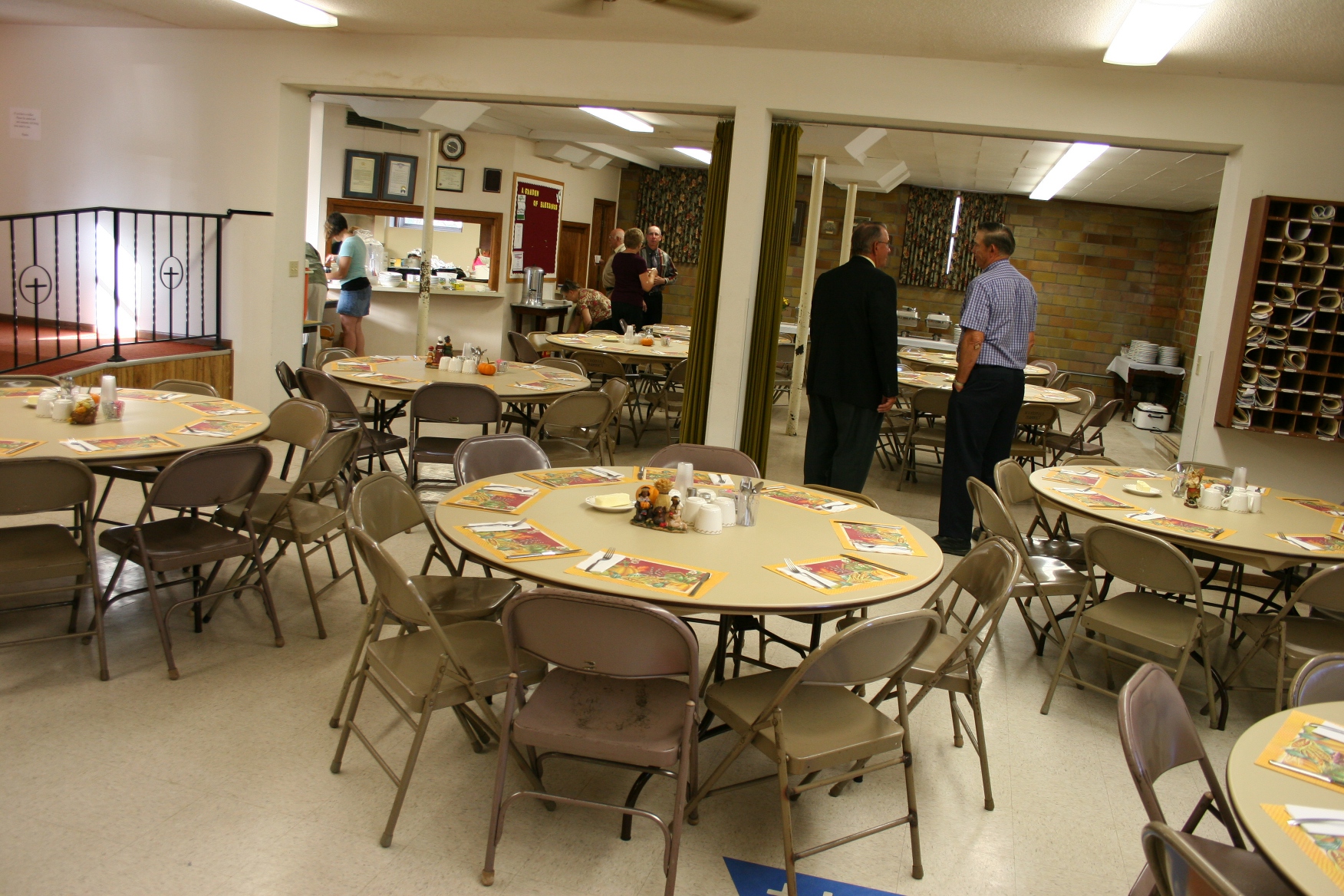
Trinity's basement, set up before the annual October fall dinner. Minnesota Prairie Roots file photo.

Trinity’s basement, set up before the annual October fall dinner. Minnesota Prairie Roots file photo 2011.

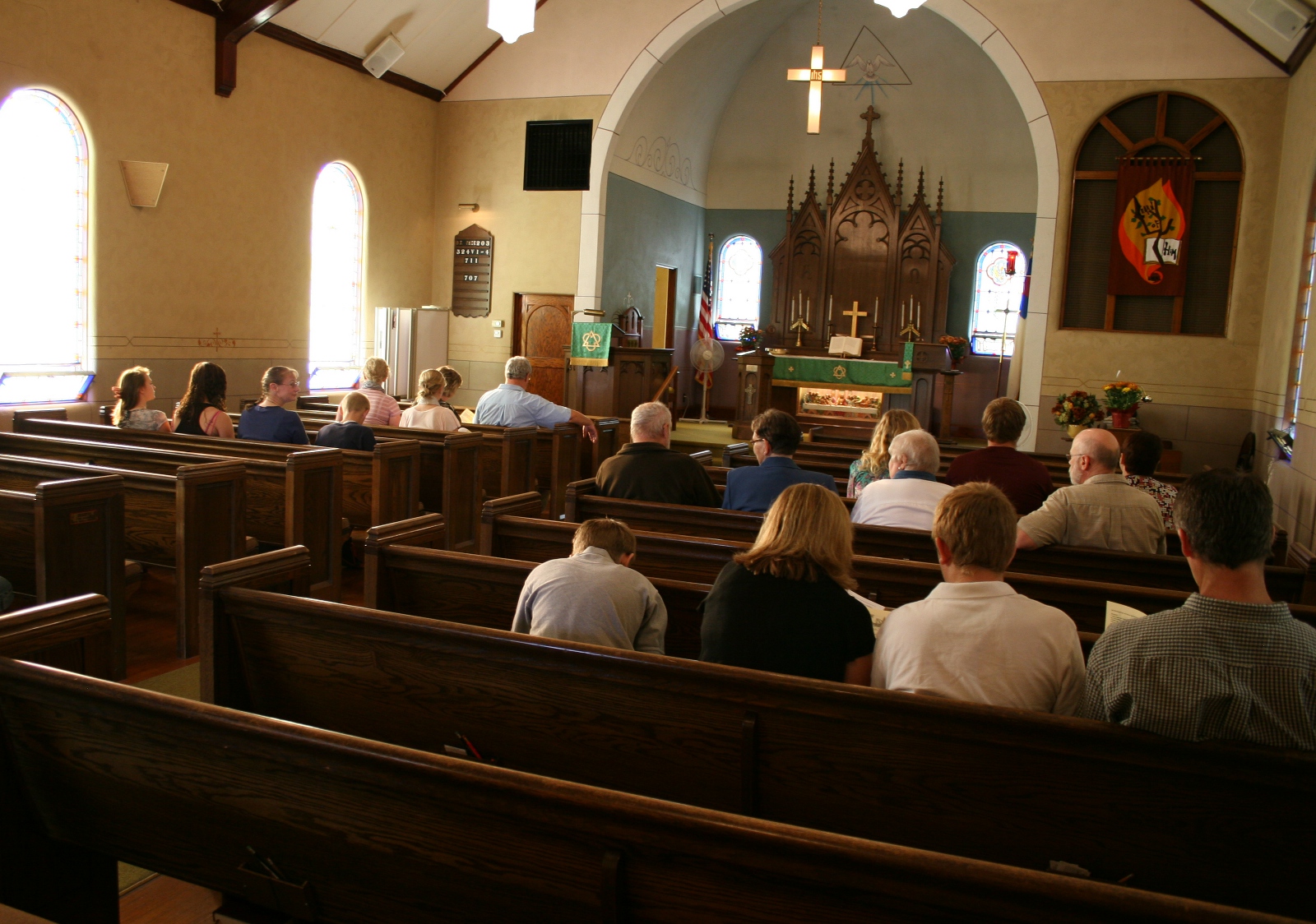
I really shouldn’t be eating cake; I don’t need it. But my husband and I have been personally invited by Jean into the basement of Trinity Lutheran Church, North Morristown, for the fellowship hour after worship services. We are visitors.

Beautiful Trinity Lutheran Church. Minnesota Prairie Roots file photo.

Trinity Lutheran Church, a small country church west of Faribault in North Morristown. Minnesota Prairie Roots file photo 2011.

I’m not about to pass on this opportunity to mingle with folks in this rural Rice County church. They are a friendly bunch. These congregants know us as we’ve attended church dinners and the annual North Morristown Fourth of July celebration many times.

I feel comfortable here, chit chatting with Jean about her granddaughter who attends college in South Dakota and is working as a waitress for $2.50/hour. Our discussion centers on whether such a wage is even legal. “How can it be?” we ask one another, incredulous.

But before we can resolve the pay issue, one of the pastor’s sons bolts into the basement clutching something in his hand. He unfurls his fingers to reveal an egg.

“Our first egg!” he exclaims as his older brother peers across the table at the precious brown egg and Dad enthuses about the first egg laid by the flock of 25 chickens. I learn then that the pastor’s boys sold futures on eggs—30 dozen at $6/dozen—during a recent fundraising auction for Cannon Valley Lutheran High School. Now that the hens are starting to lay, it will soon be time to deliver on those purchases.

As I witness this enthusiasm over an egg, I am reminded that sometimes it is the simplest things which give us the most joy. A brown egg in a boy’s hand in a country church basement on a Sunday morning. You can’t make this stuff up.

On bald eagle in this shot, or any I took, but simple joys in viewing this rural scene along Rice County Road 12 on the way to church in North Morristown.

No bald eagle in this shot, or any I took, but simple joy in viewing this rural scene along Rice County Road 12 on the way to church in North Morristown. There’s something about the big sky and the red barn…

Then, after we’ve left the church basement and the boy and his egg and wonder whether he might smash it between his fingers in his excitement, we are equally as excited to spot a bald eagle winging above farm fields. Simple joys. Like cradling a brown egg in your hand in a country church basement.

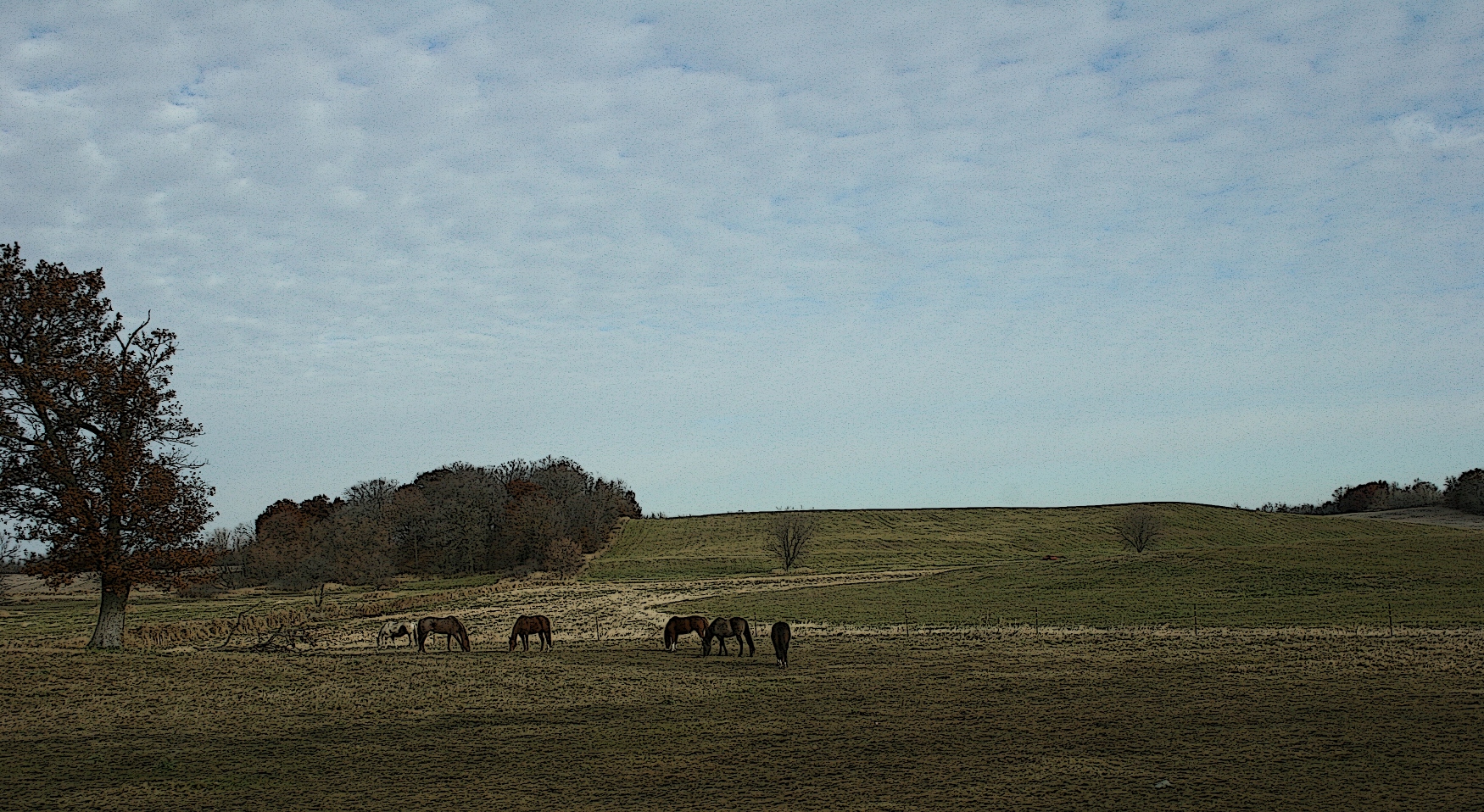
Horses in the pasture drew my camera, not a deer dangling from a tree.

Horses in the pasture, not a deer hung from a tree, drew my camera on the way home from church.

And then I glimpse a dead deer dangling from a tree, half-skinned, hunters clustered around the body. I am not overjoyed at the sight. But I expect these men are excited. Like cradling a brown egg in your hand in a country church basement.

© Copyright 2013 Audrey Kletscher Helbling


Sunday afternoon drive snapshot: Sculpture garden in Jarrett November 10, 2013

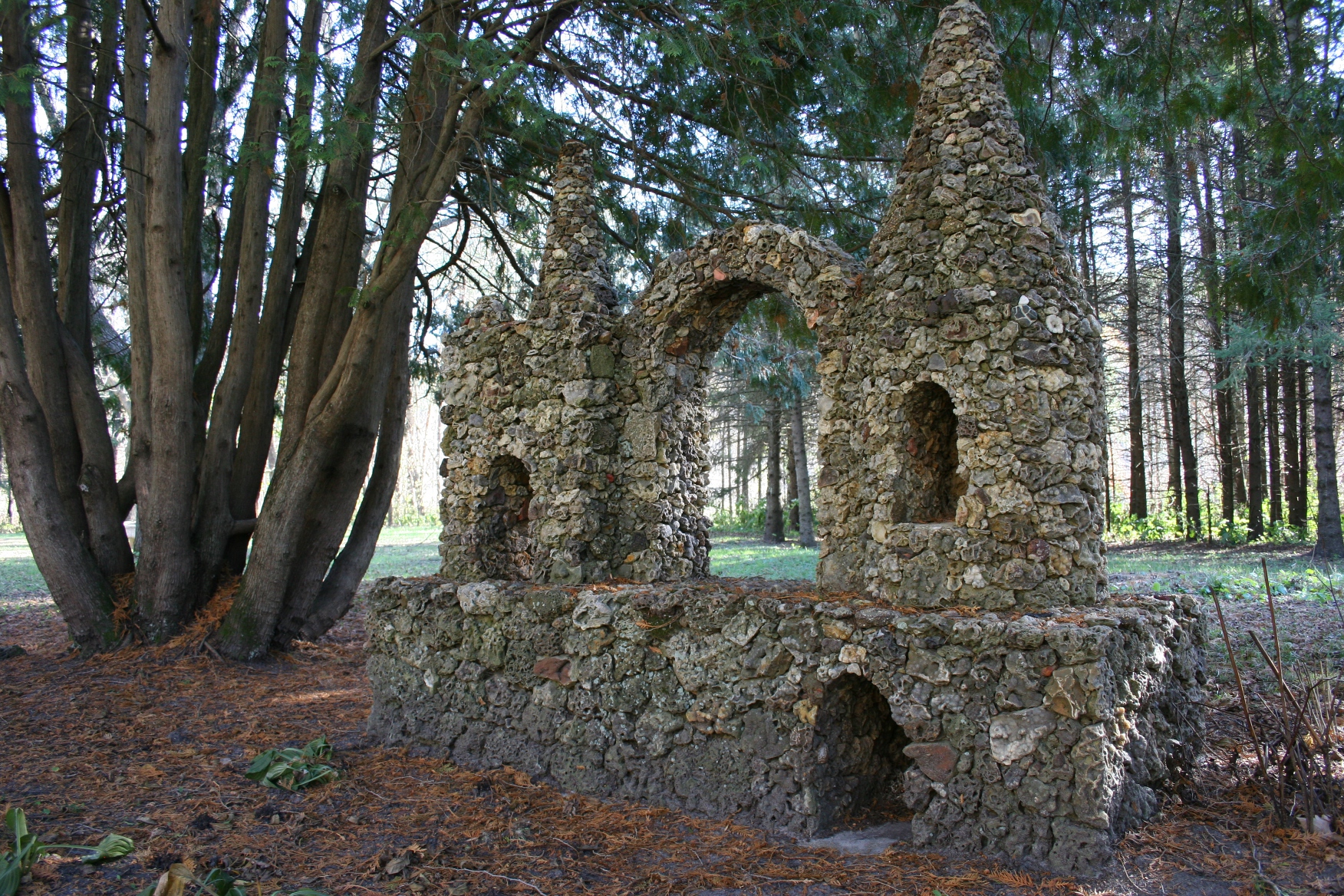
Sculpture, lens flare on arch

SUN FILTERED THROUGH THE STAND of cedars. Bright enough to cause lens flare when I shot toward the scraggly close-knit cluster of trees shadowing the banks of the clear, fast-flowing Zumbro River.

The setting appeared almost surreal and haunting in the sense that viewing the unexplained can impress upon the mind.

Sculpture, castle

I’d heard of this place, missed it on a previous pass through Jarrett, and nearly missed it again. But on this Sunday afternoon drive, I glimpsed the stone configurations among the cedars and asked my husband to swing the van around.

So here we were, pulled off Wabasha County Road 11, parked in a drive about the length of our van. I wasn’t even sure we should be here, uncertain whether this was public or private land. But I figured “No trespassing” signs would mark the property if visitors weren’t welcome into this sculpture garden.

Sculpture, wreath

In the quiet of this Sunday afternoon, and I cannot imagine any day being anything but quiet here in this secluded wide spot in the road, we meandered among the sculptures, shoes sinking into squishy earth tunneled by varmints.

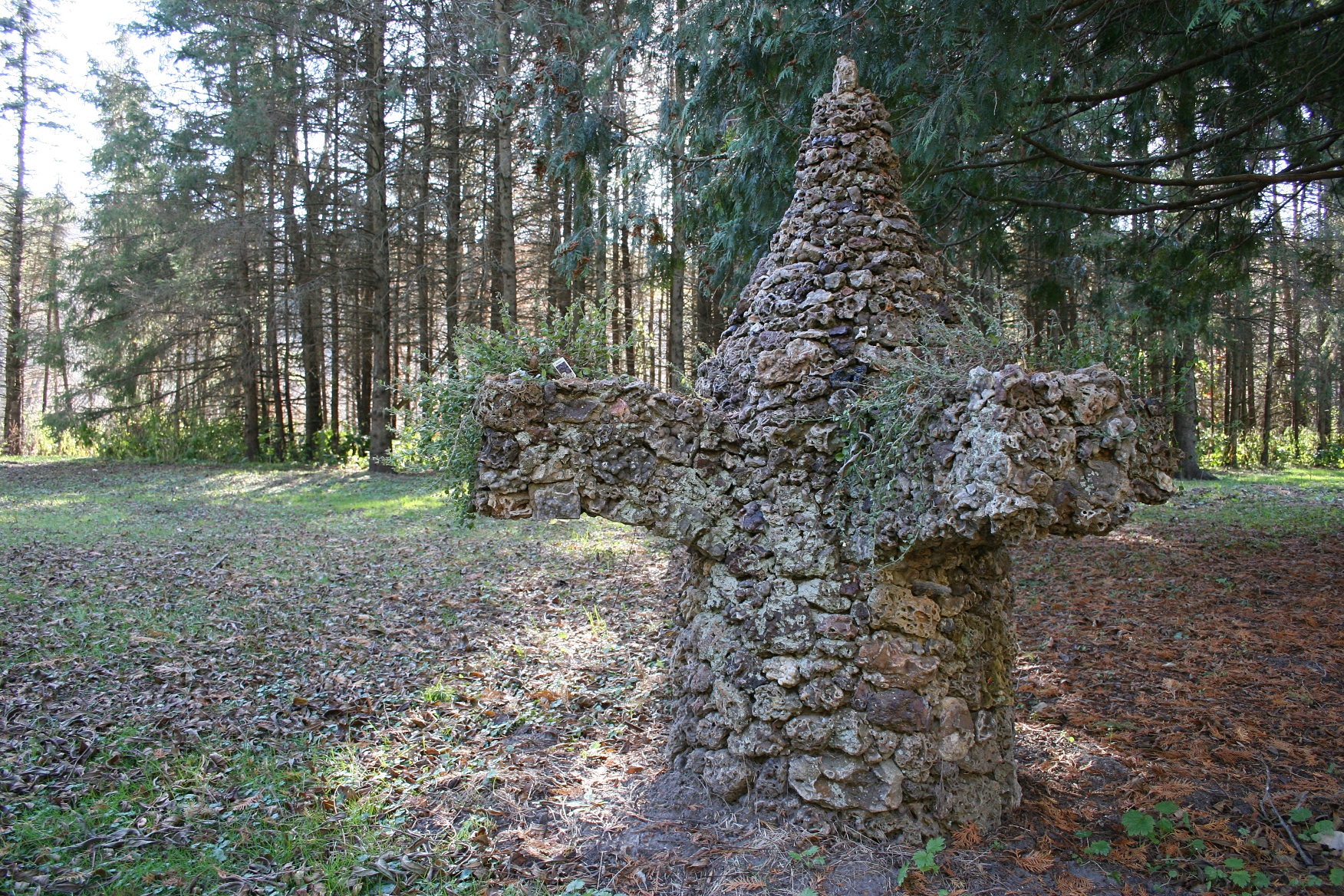
Sculpture, cone top sculpture

Arches and points.

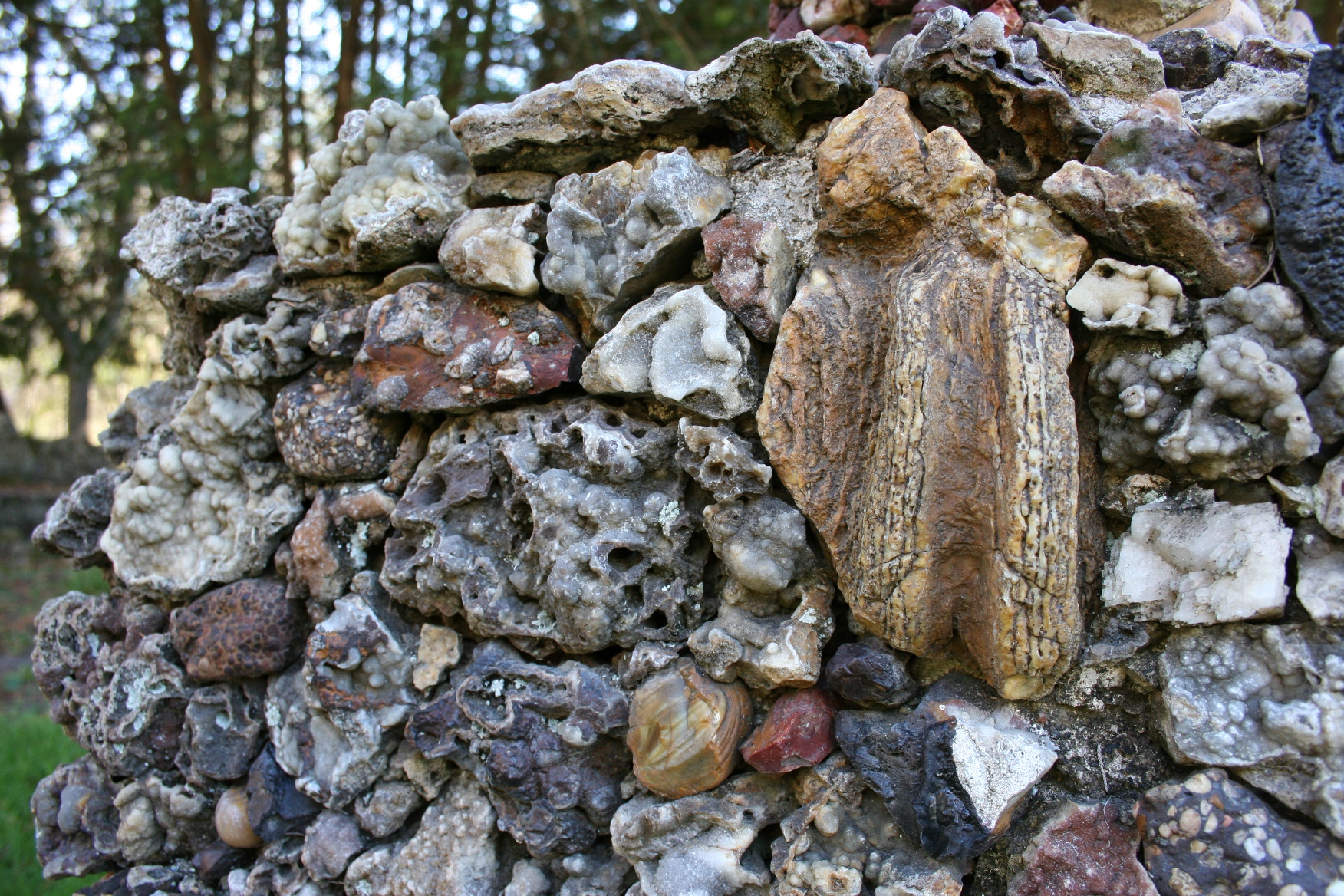
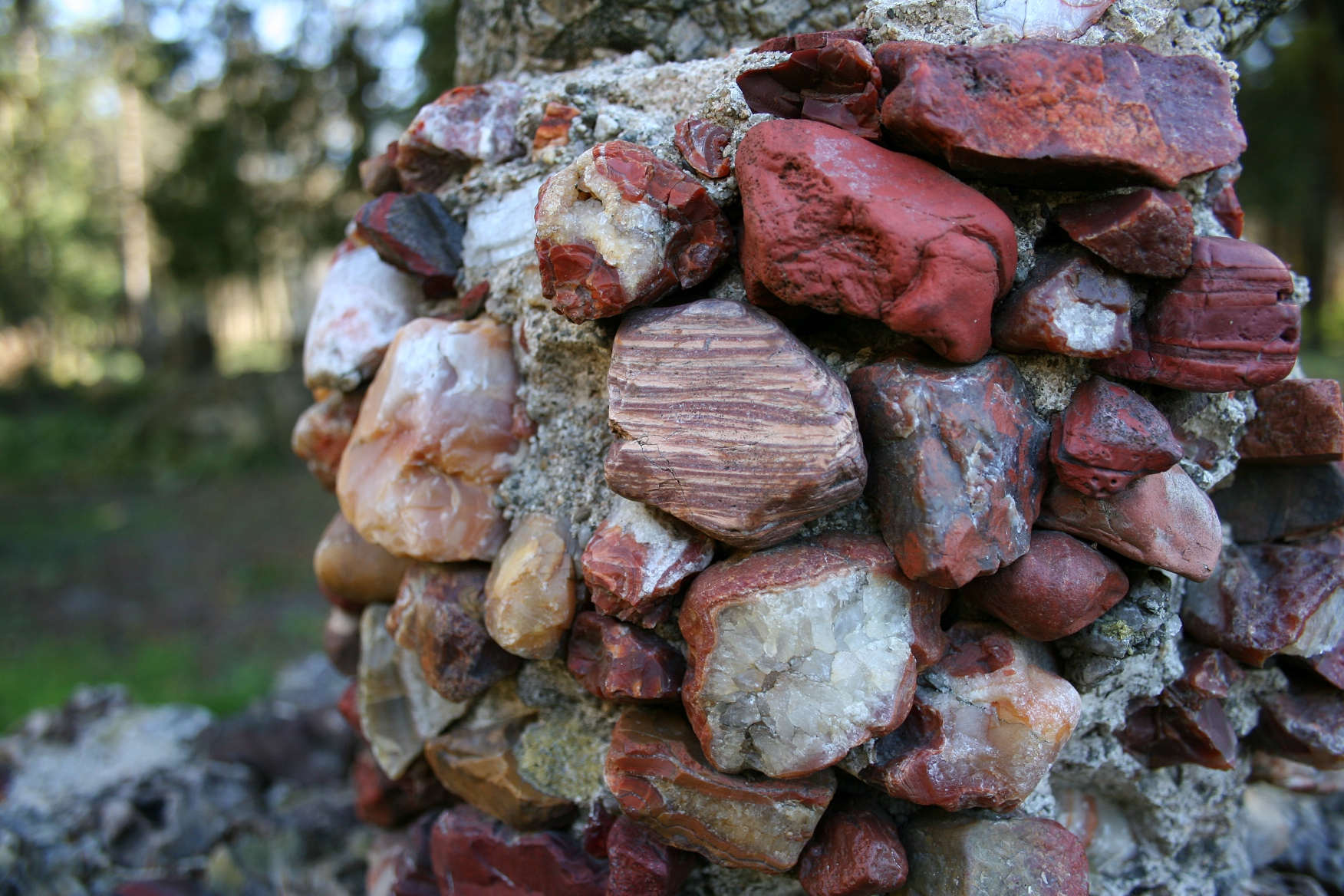
Sculpture, stones close-up 1

Sculpture, stone close up 3

Sculpture, stone close-up 2

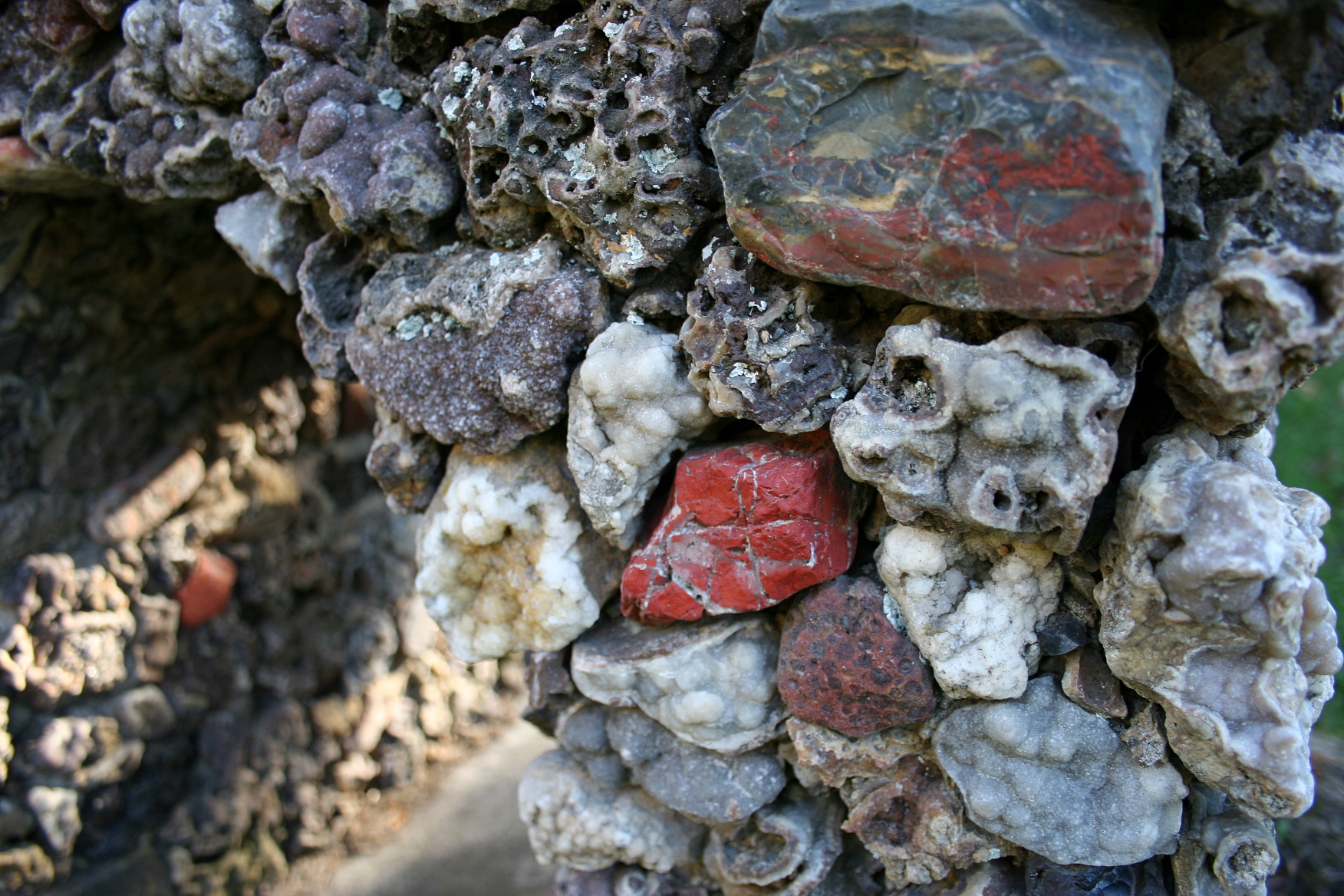
Stones joined somehow into these interesting pieces of art. By whom? And why?

As Randy and I wandered and examined and wondered aloud, my appreciation grew for this artist. I expect he worked alone here, drawn to the solitude of this rugged place in the valley. He was, perhaps, viewed as a bit of an odd fellow. Was he a poet? A farmer? A musician?

Do you know the story of this artist and the rock garden in Jarrett, the unincorporated community which made headlines when the Zumbro roared from its banks during the flash floods of September 2010? I’d like to hear.

Someone tends this sculpture garden as flowers grew (during the warmer months) here among the artwork. Someone cares…

BONUS PHOTO:

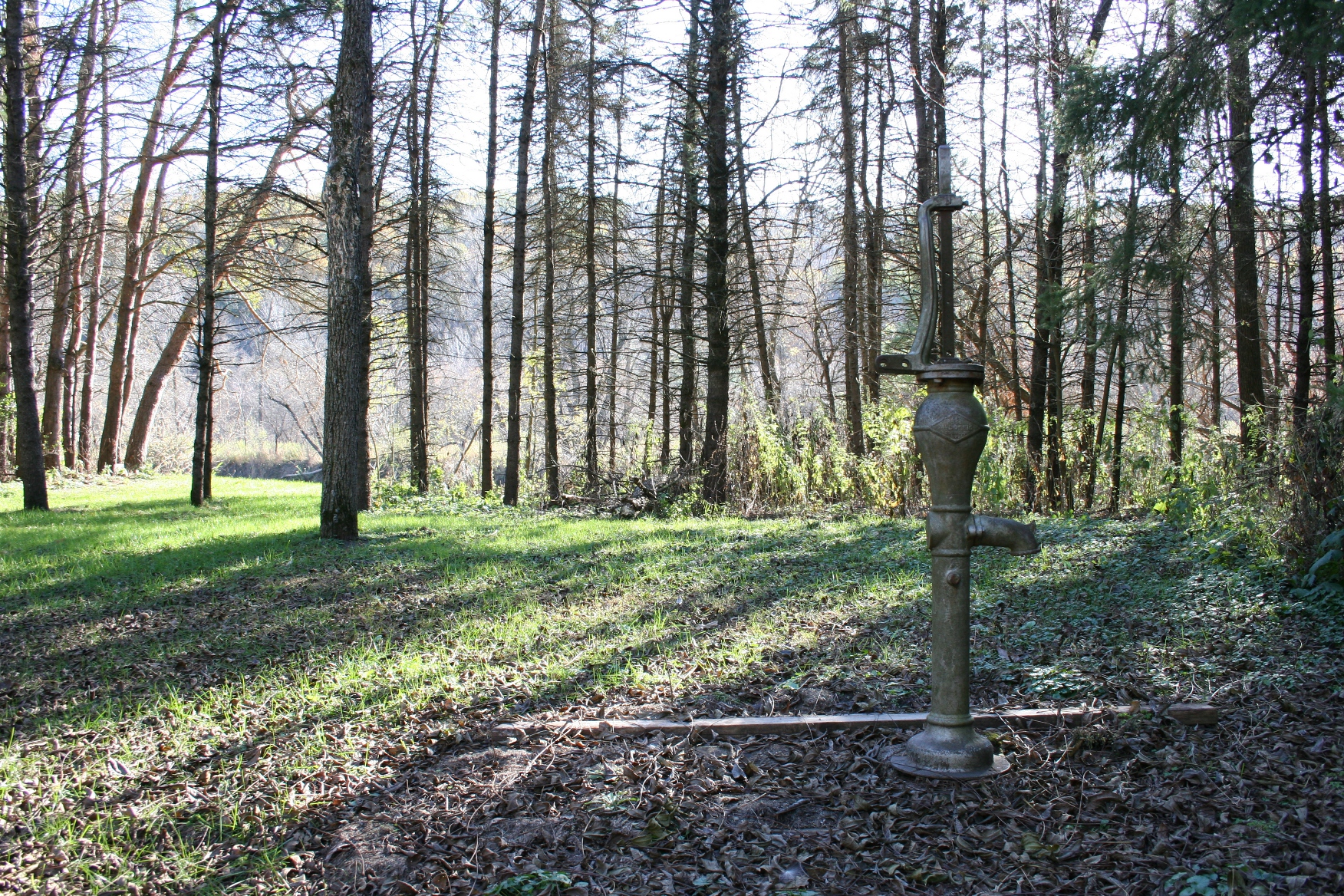
As I walked away from the sculpture garden toward the Zumbro River, I spotted this charming old water pump. I moved closer, until my husband stopped me in my tracks. We saw boards lying across the ground around the pump, an indication that this might not be a safe place to walk.

As I walked away from the sculpture garden toward the Zumbro River, I spotted this charming old water pump. I moved closer, until my husband stopped me. We saw boards, mostly buried under leaves, lying across the ground around the pump, an indication that this might not be a safe place to walk.

© Copyright 2013 Audrey Kletscher Helbling


Reflecting on Minnesota’s rural landscape November 5, 2013

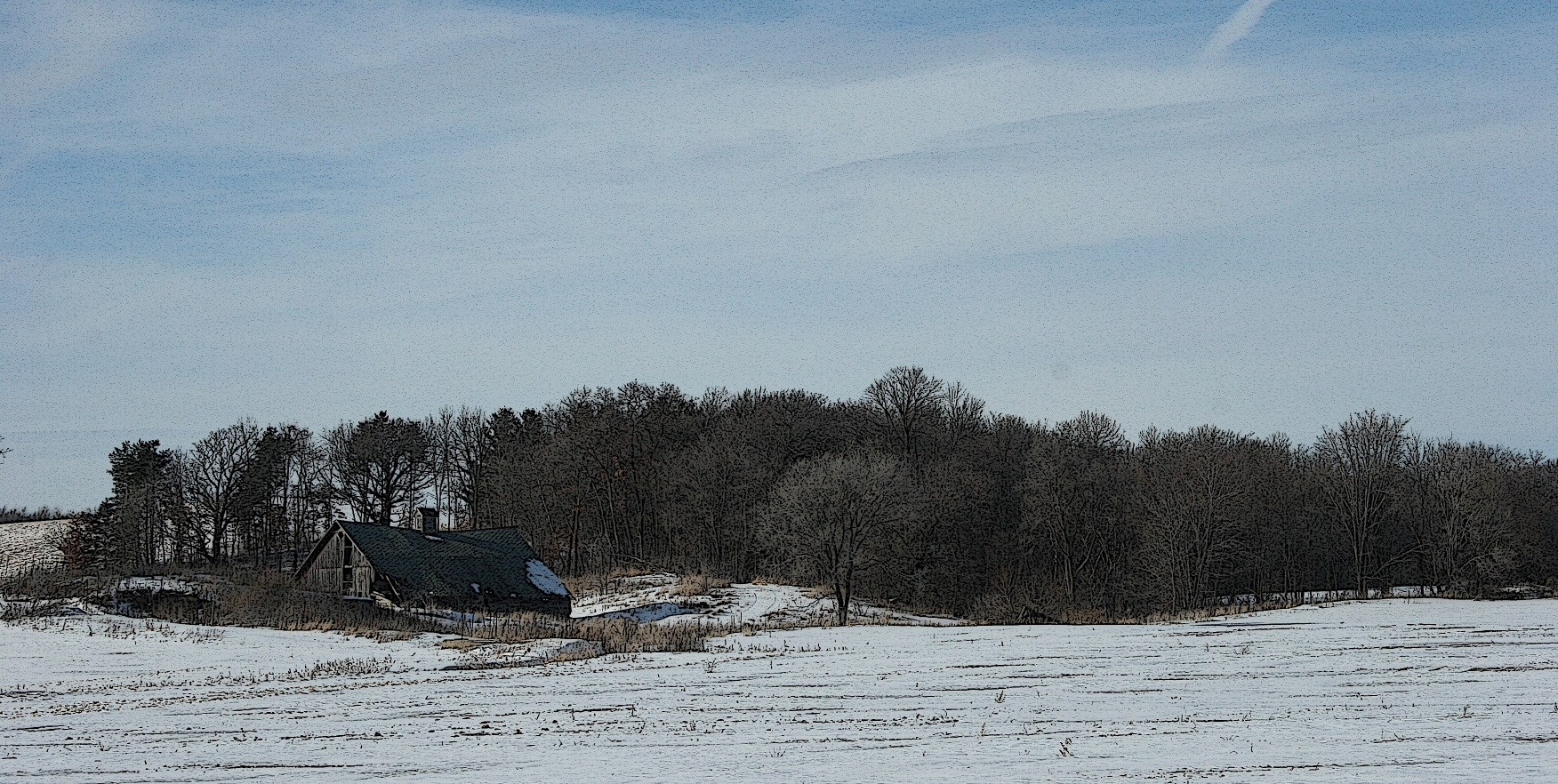
Expansive sky and land inspire the poet in me. Photographed, as are all photos here, along Minnesota State Highway 60 between Faribault and Kenyon.

Expansive sky and land inspire the poet in me.

WHAT DRAWS YOUR EYE in a rural landscape?

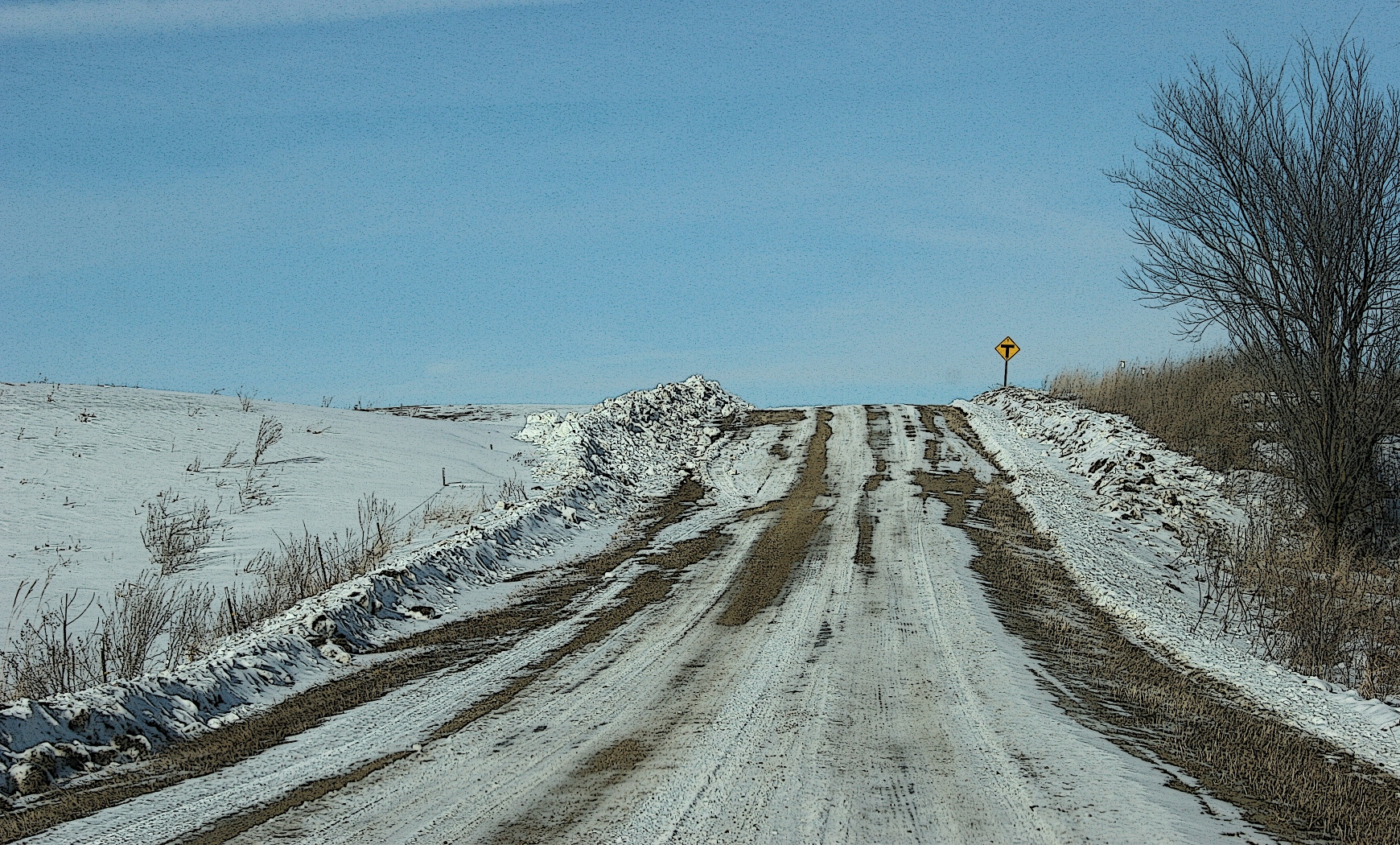
Strong lines pull me in, lead me to wonder where that gravel road would take me.

Strong lines pull me in, lead me to wonder, “Where would that rugged gravel road take me?”

Or do you even notice your environment as you travel from point A to point B?

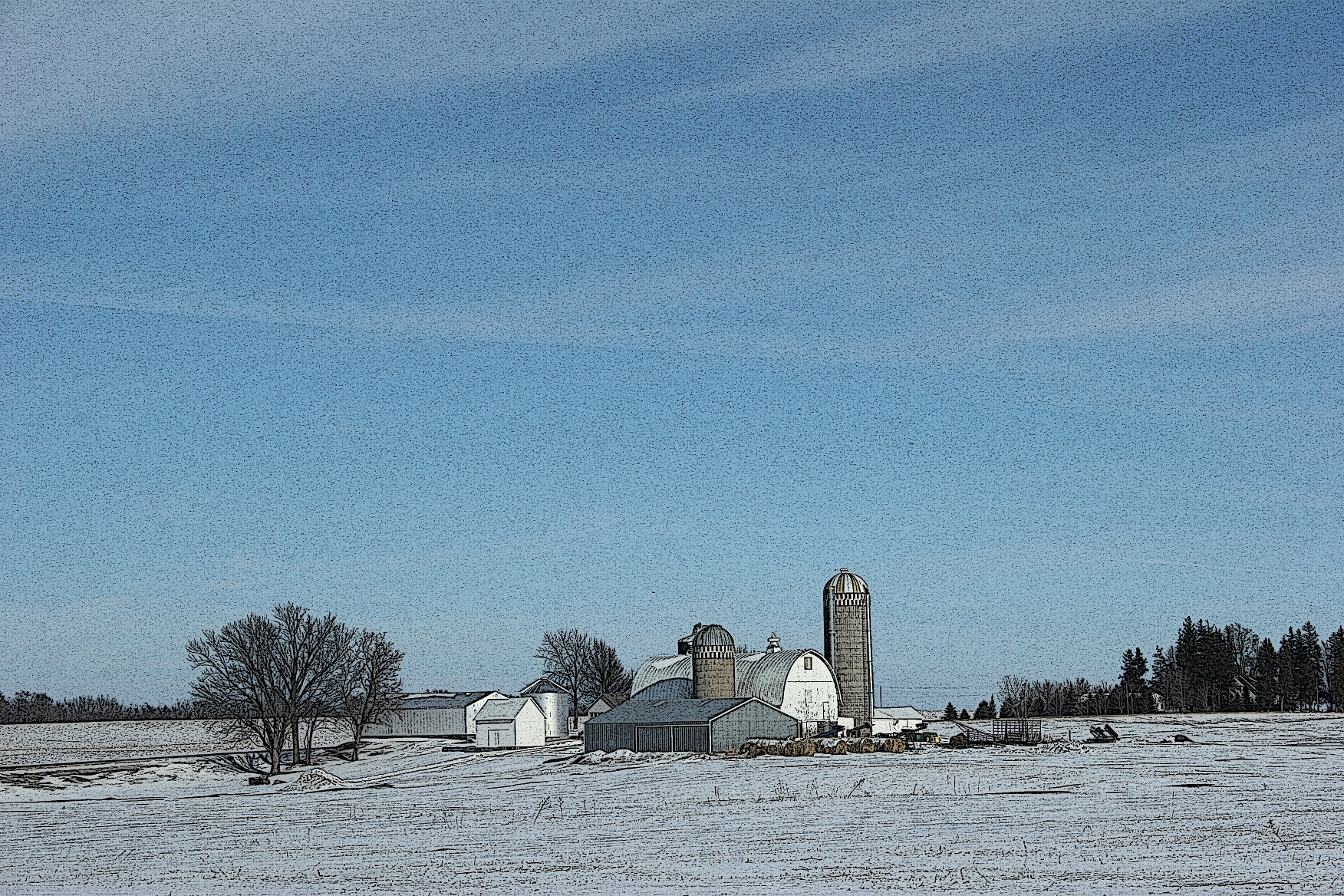
Noticing the geometry in these buildings clustered on a farm site.

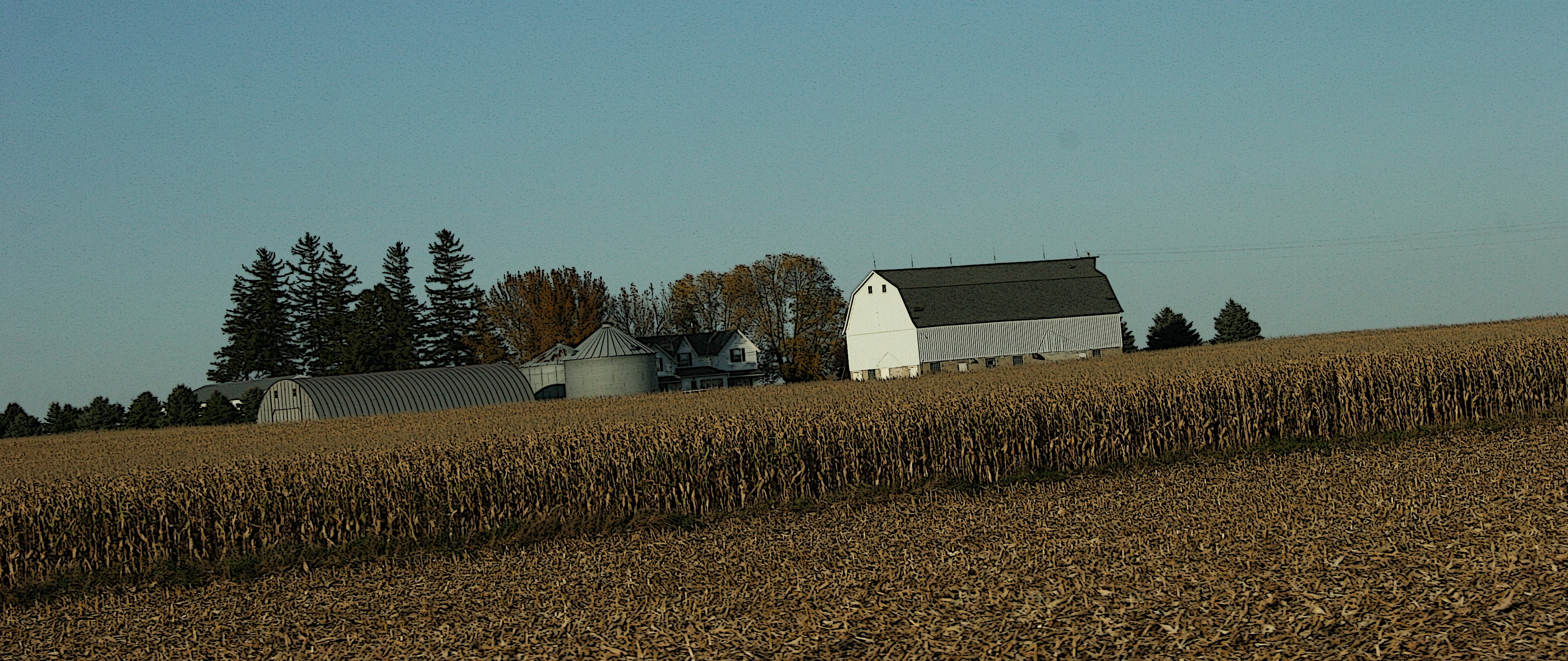
I notice the geometry in these buildings, how they cluster and fit together on this farm site.

I challenge you, the next time you drive through rural Minnesota, or rural Anywhere, to truly see your surroundings. Don’t just look with glazed eyes. See. Once you see, you will appreciate.

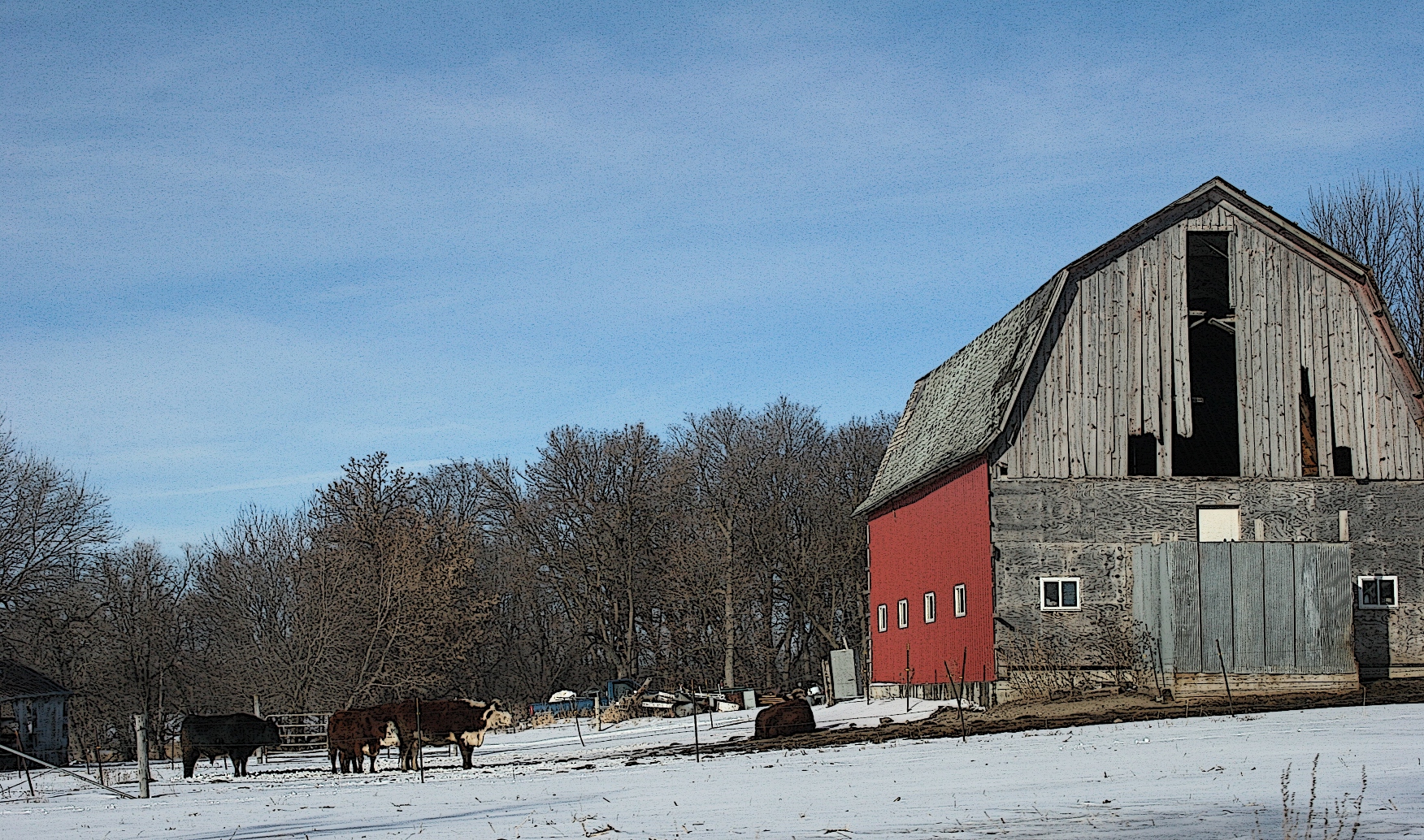
A sense of history defines this farm in that strong barn which dominates.

A sense of history defines this farm in that strong barn which dominates and in the mishmash roof lines of the farmhouse. Both cause me to reflect upon my rural upbringing, upon my forefathers who settled 150 miles from here on the southwestern Minnesota prairie.

History, point in life, memories, even your mood on a given day, will influence how you view the rural landscape, what draws your focus.

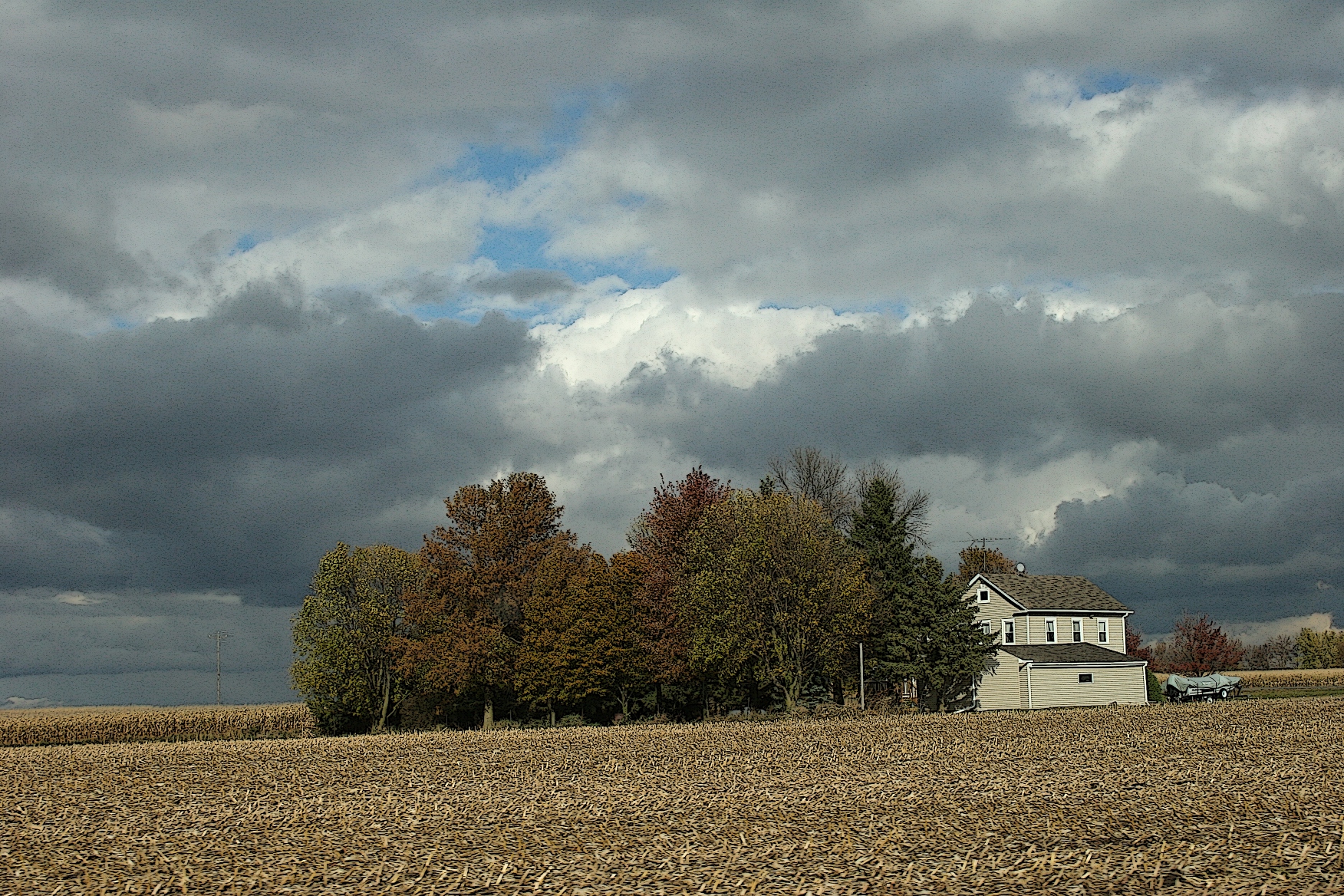
I see here trees huddled, protecting and sheltering that house from the elements. My thoughts turn introspective at this scene.

I see trees huddled, protecting and sheltering that house from the elements, from that threatening sky. My thoughts turn introspective as I consider how we are all sometimes vulnerable and huddled, drawn into ourselves.

Whether a writer or photographer, architect or historian, teacher or retiree, stay-at-home mom (or dad), a farmer or someone in between, you will lock onto a setting that inspires creativity or prompts thought or perhaps soothes your soul.

There is much to be said for noticing details, for understanding that the miles between small towns are more than space to be traveled.

FYI: These edited images were photographed nine days ago while traveling along Minnesota State Highway 60 between Faribault and Kenyon. In just that short time, the landscape has evolved with crops harvested, trees stripped of their leaves by strong winds and now, today, snow in the forecast.

© Copyright 2013 Audrey Kletscher Helbling


Harvesting photo ops in rural Minnesota and rural Wisconsin October 16, 2013

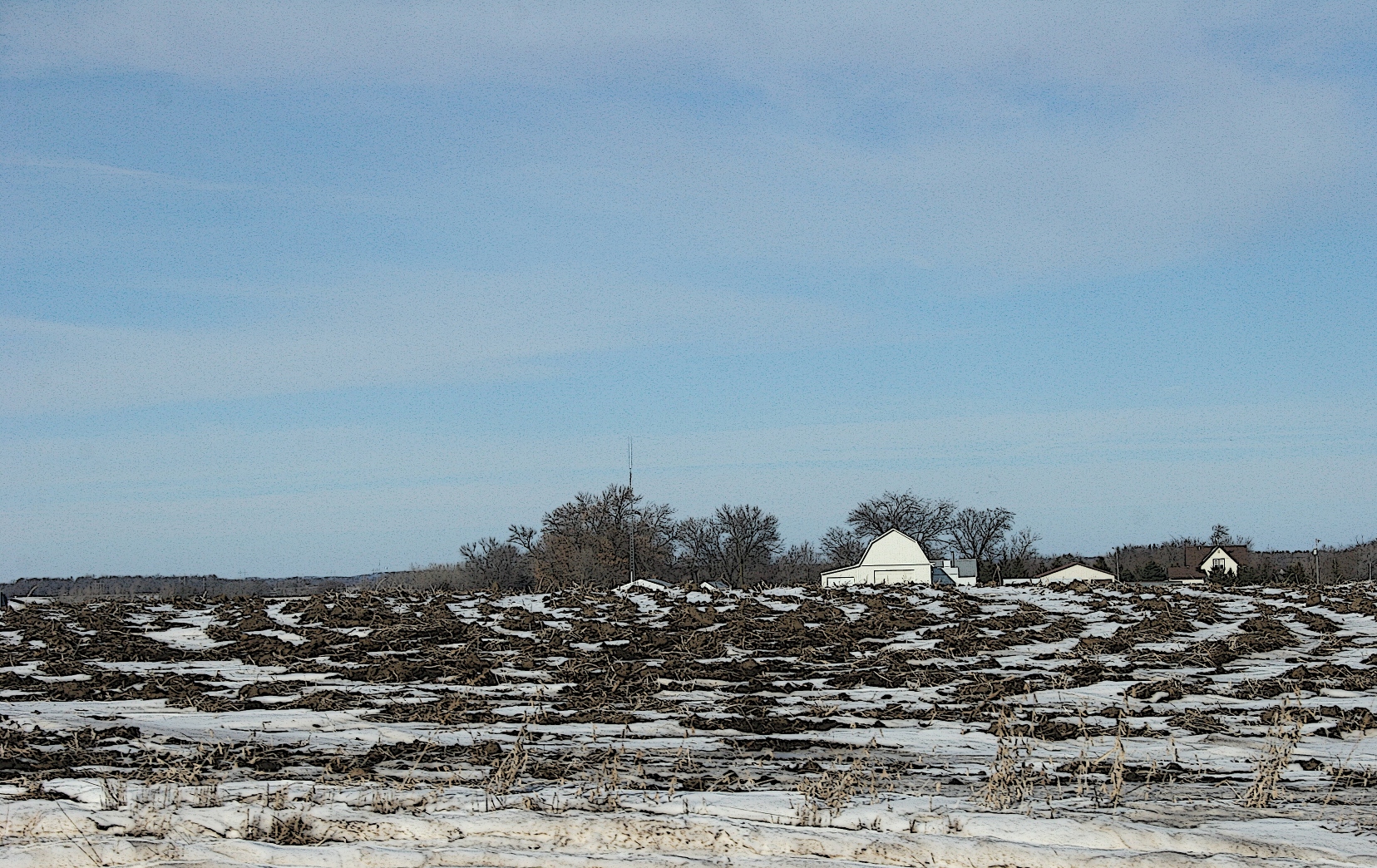
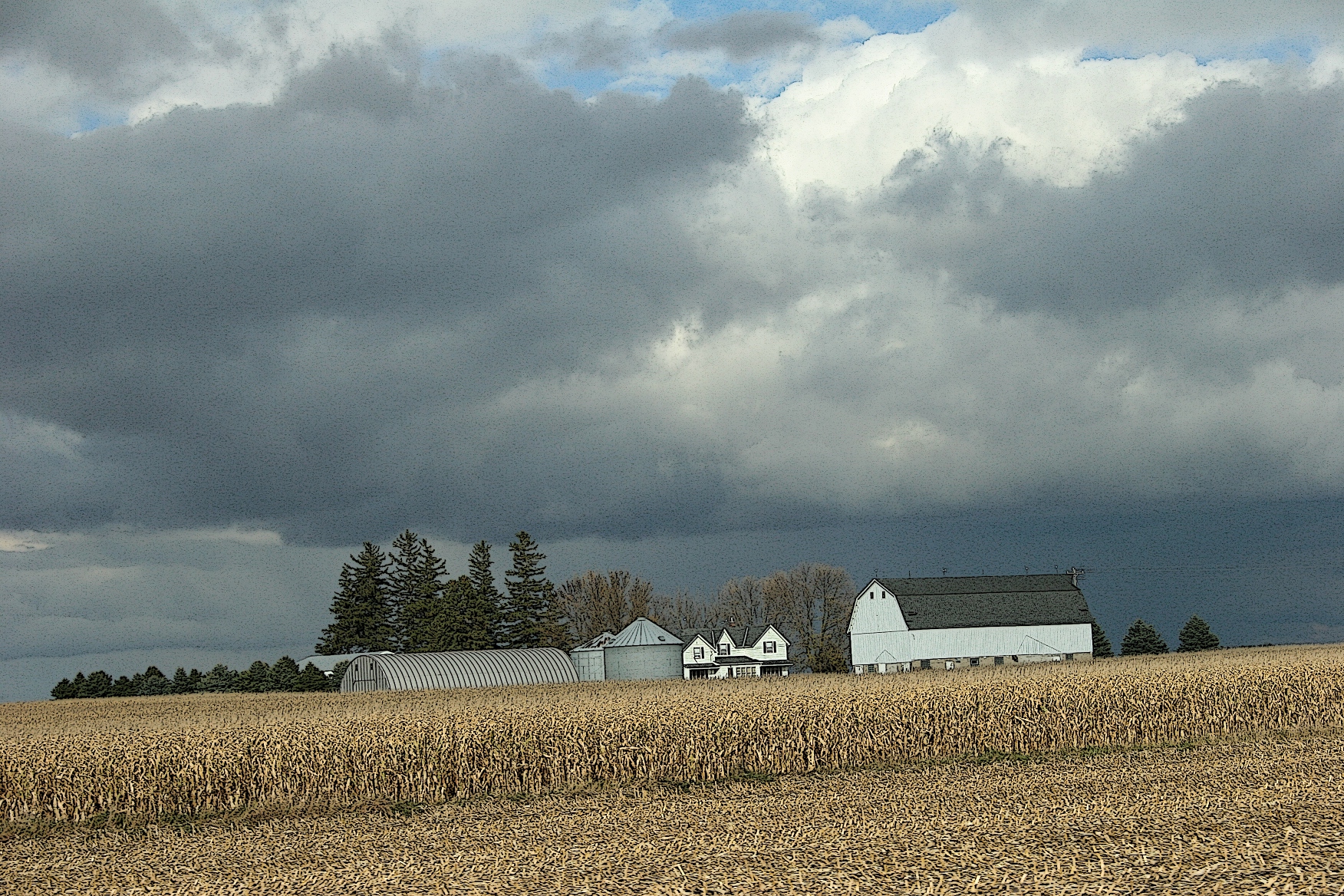
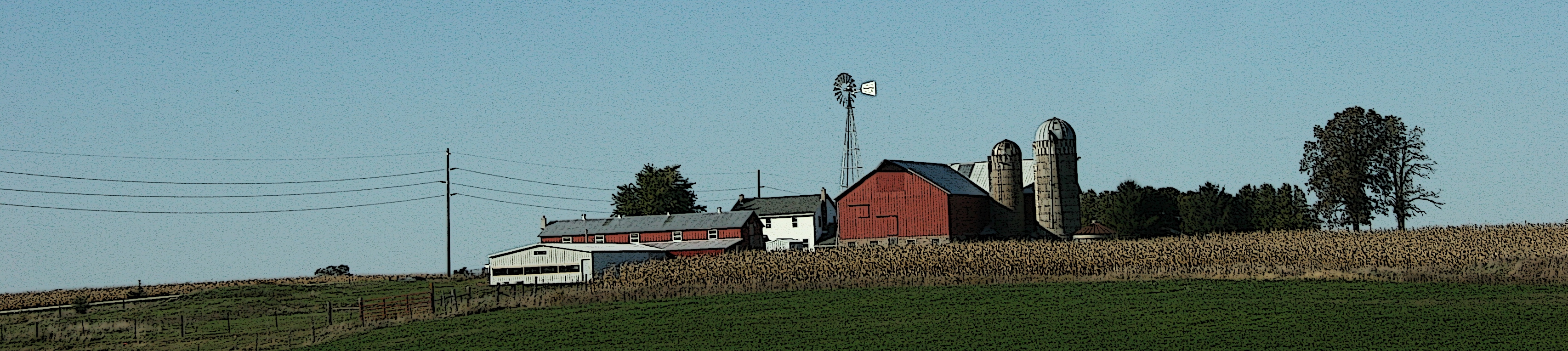
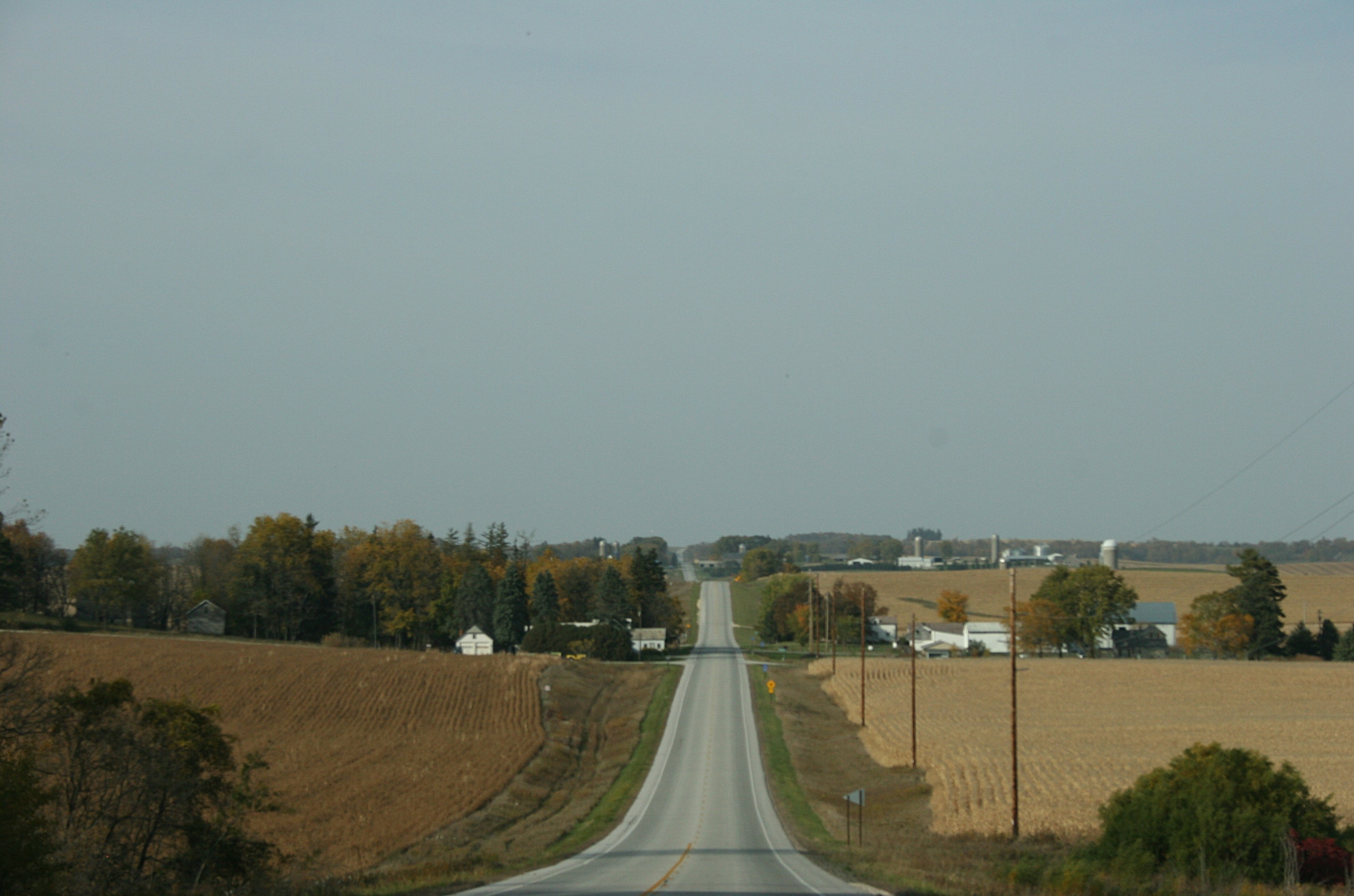
A rural scene along Minnesota State Highway 60 between Faribault and Zumbrota.

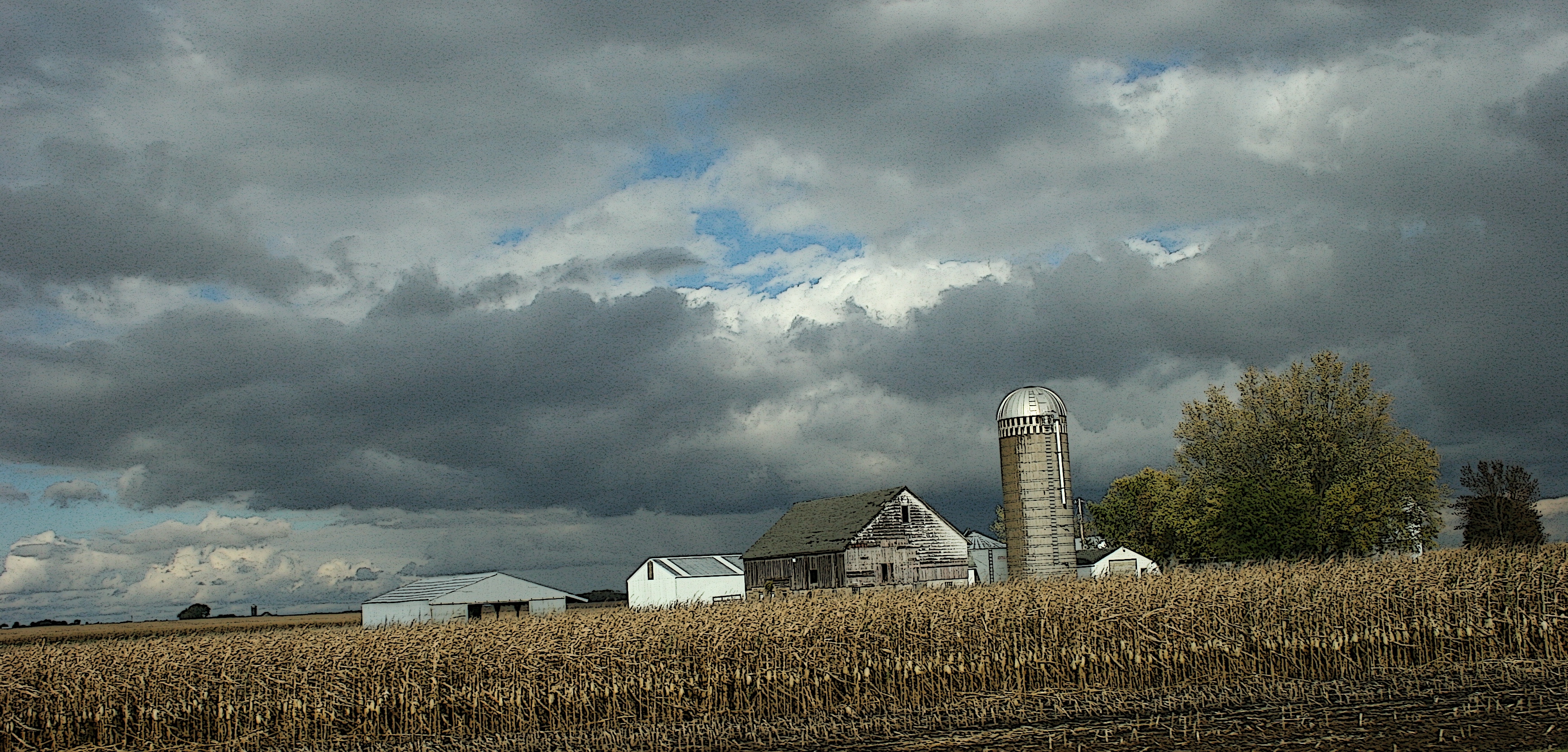
A cornfield awaits complete harvest along Minnesota State Highway 60 between Faribault and Zumbrota, Minnesota.

IT IS THE FORMER FARM GIRL that drives me to turn my camera toward the fields this time of year, to the harvest of corn and soybeans.

Harvest in progress near U.S. Highway 10 east of Appleton, Wisconsin.

Harvest in progress along U.S. Highway 10 east of Appleton, Wisconsin.

This past weekend provided the perfect opportunity to scope out the harvest on a 600-mile round trip through southeastern Minnesota across central Wisconsin to Appleton (just south of Green Bay) and back. Lots of windshield time with the husband. And lots of time to observe rural Wisconsin and rural Minnesota and capture those scenes with the quick click of my shutter button while passing by at highway speeds.

A scenic

A cornfield awaits harvest along Interstate 90 in southeastern Minnesota.

In most areas, corn fields have faded from green to a golden hue. Soybean fields likewise are transforming to the muted browns of autumn.

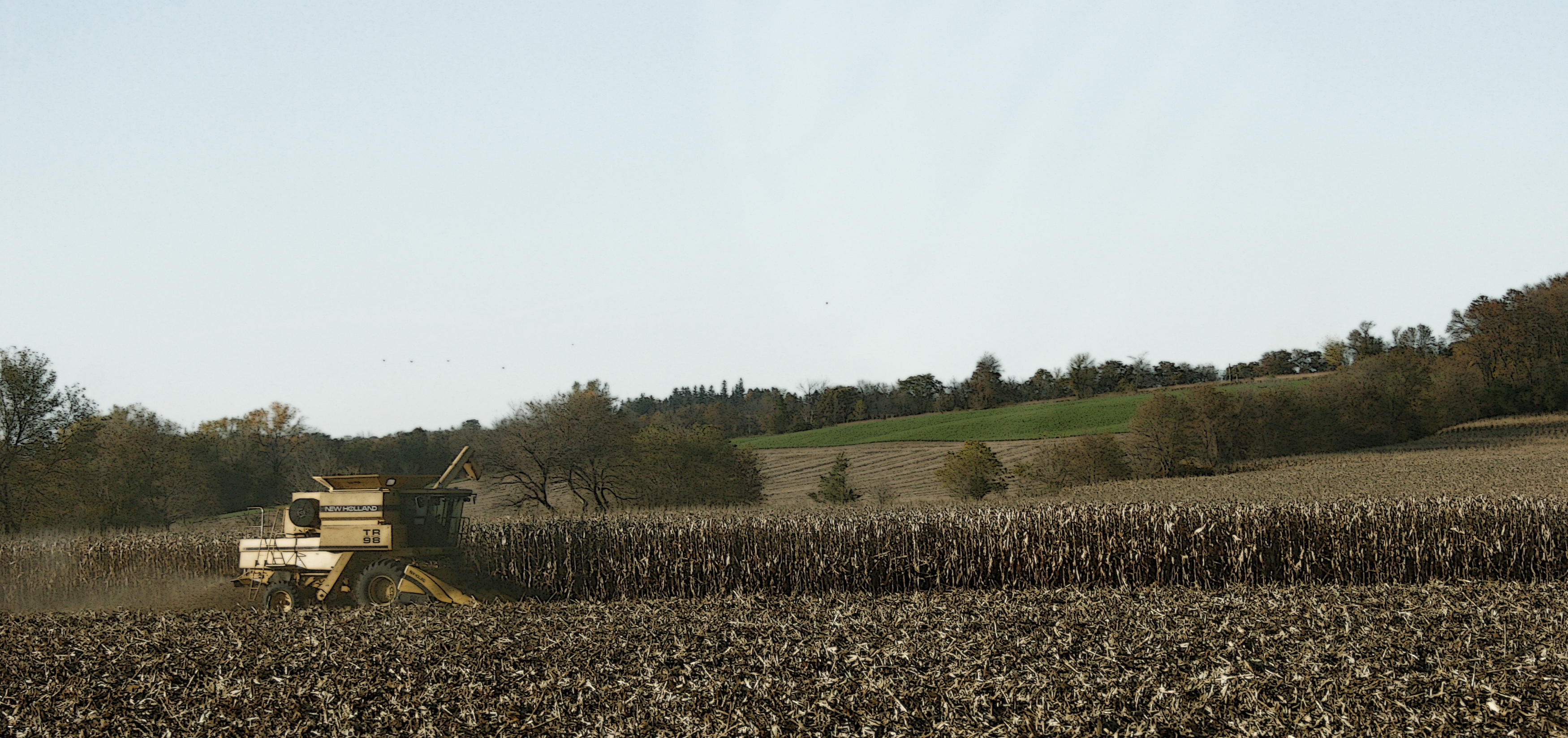
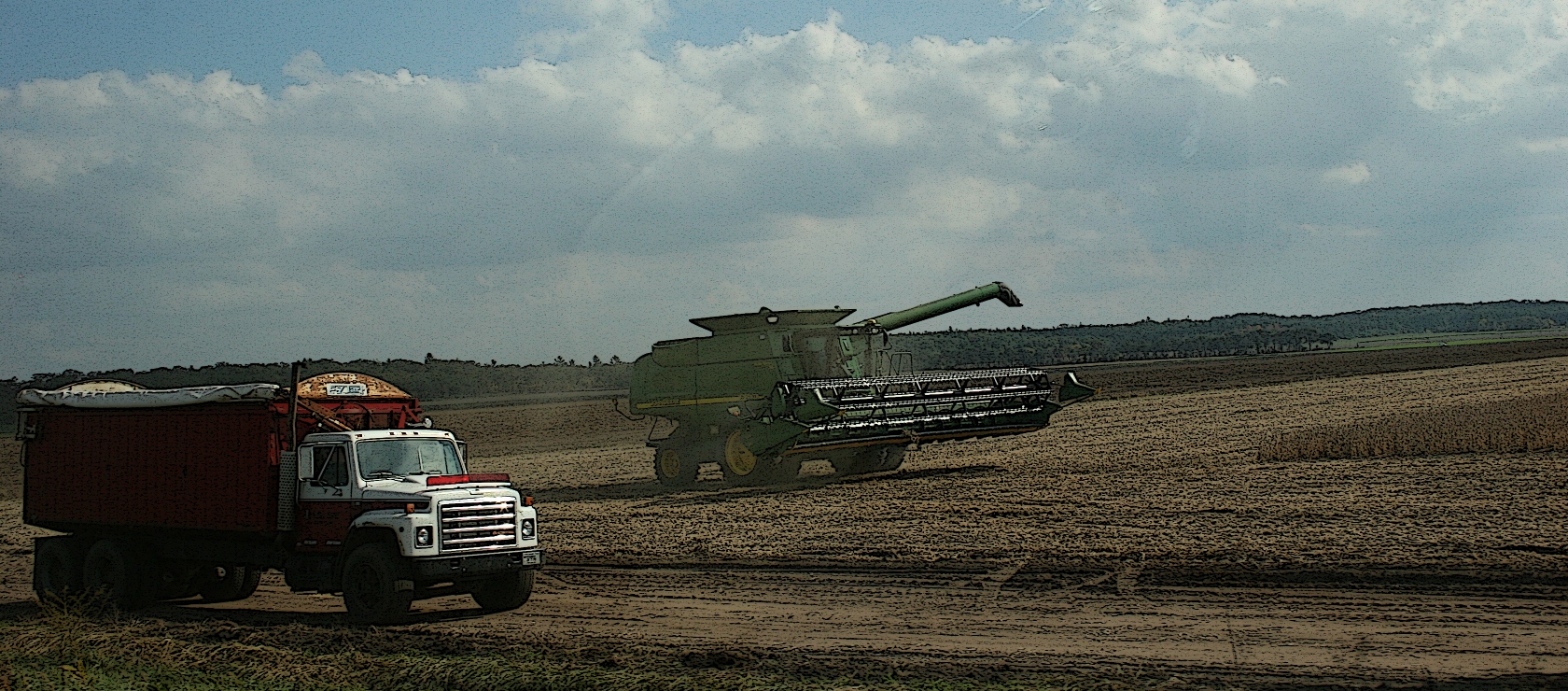
A combine works the land along U.S. Highway 52 north of Rochester.

A combine works the land along U.S. Highway 52 north of Rochester, Minnesota.

Combines kick up dust.

A vintage grain truck rolled out of storage and parked along side a southeastern Minnesota field.

A vintage grain truck parked along side a southeastern Minnesota field.

Grain trucks rumble out of storage.

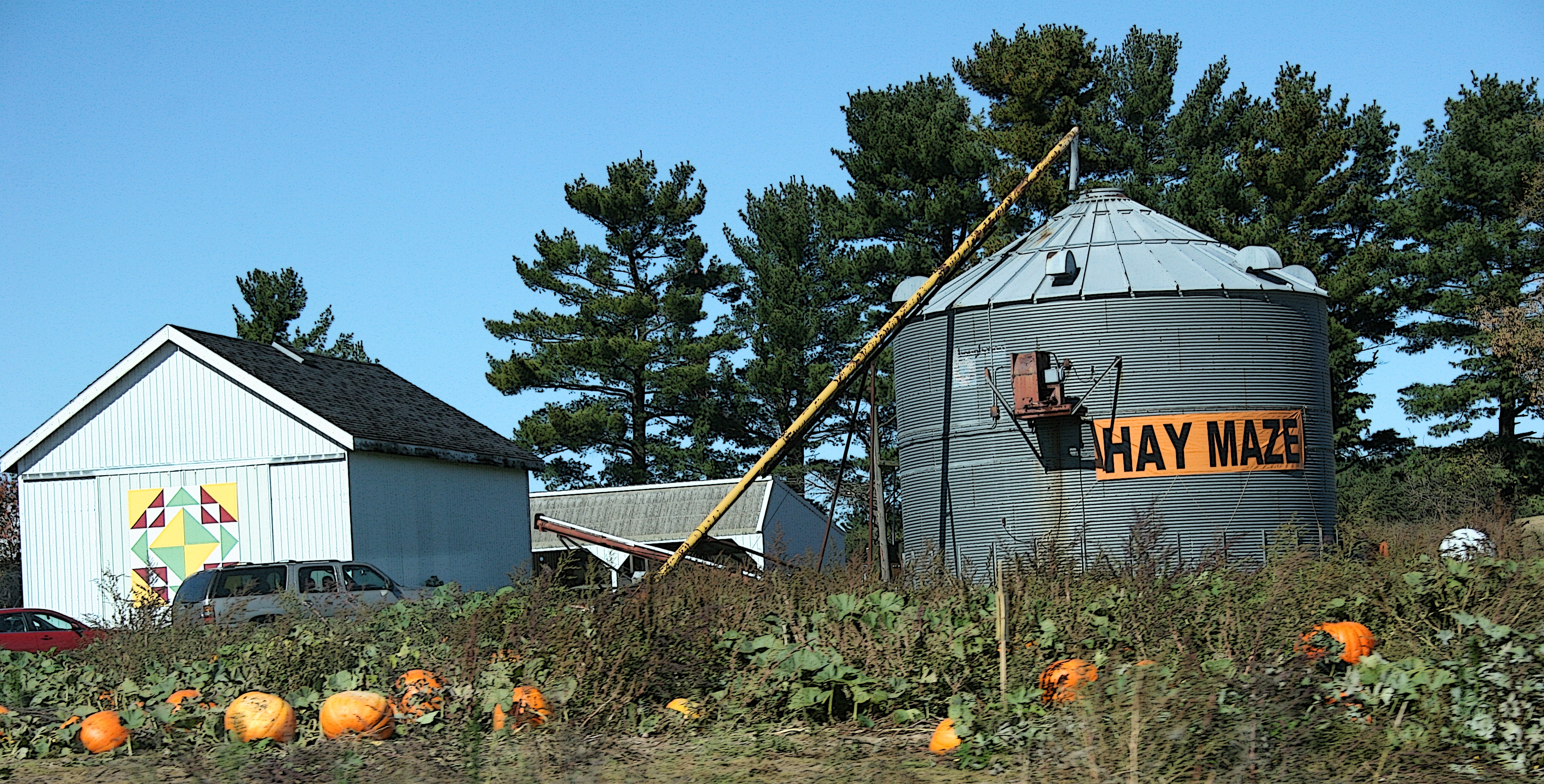
Lots of pumpkins harvested also and for sale, these along Wisconsin State Highway 21.

Lots of pumpkins harvested also and for sale, these along Wisconsin State Highway 21.

Hurry hangs heavy.

Bringing in the crop along Wisconsin State Highway 21.

Bringing in the crop along Wisconsin State Highway 21.

There’s that anticipation, that sense of urgency, that hustle to get the crop out. Before the snow flies.

FYI: Here are a few photo tips for all you on-the-road wannabe photographers out there: Clean your vehicle windows. Make sure you are the passenger and not the driver; safety first. Set your camera at a fast shutter speed. Anticipate. Watch the glare on your windows. Then shoot, shoot, shoot.

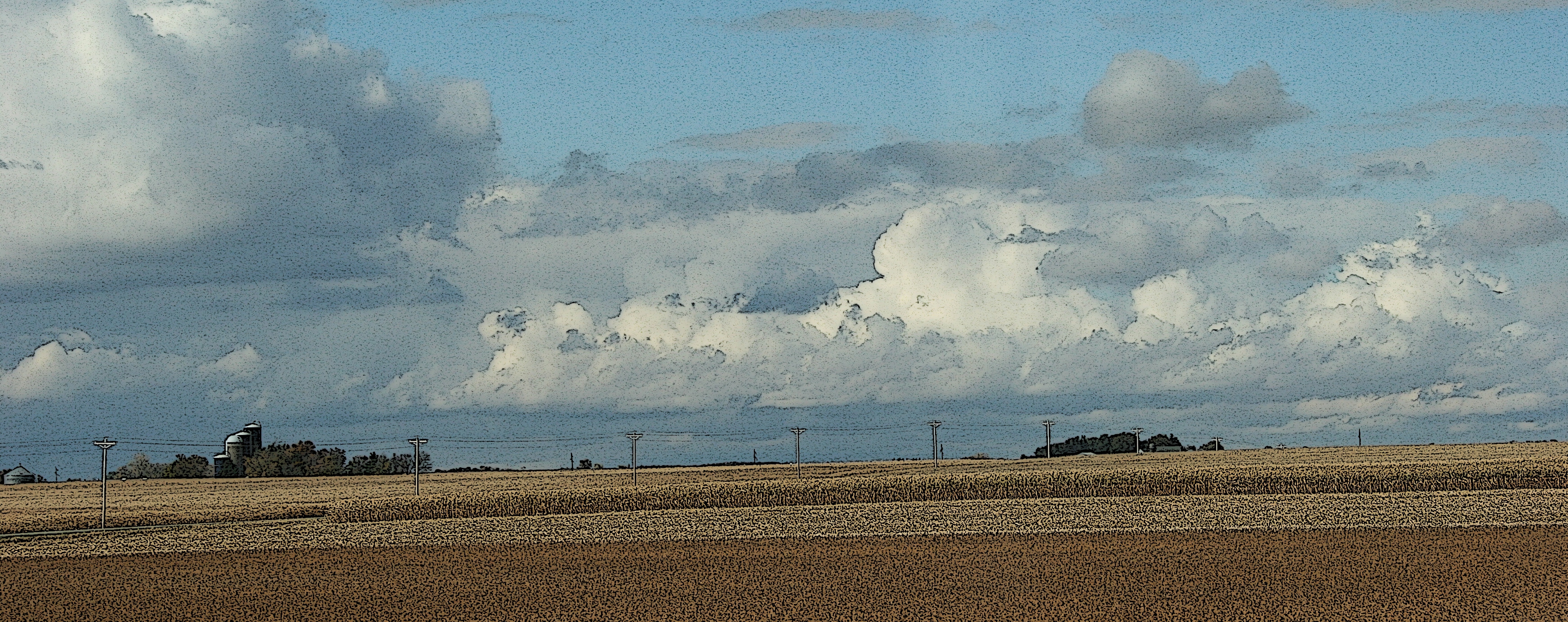
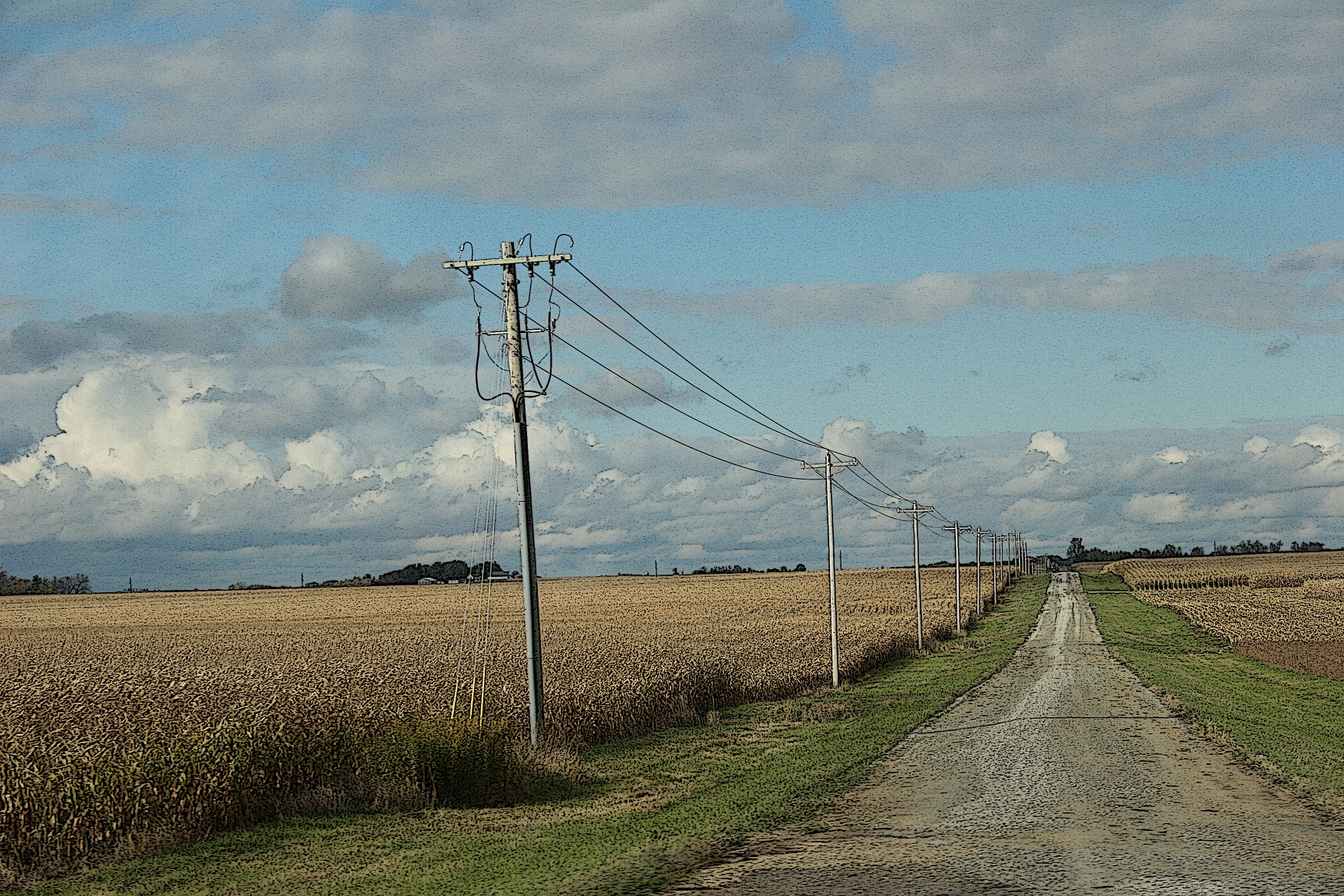
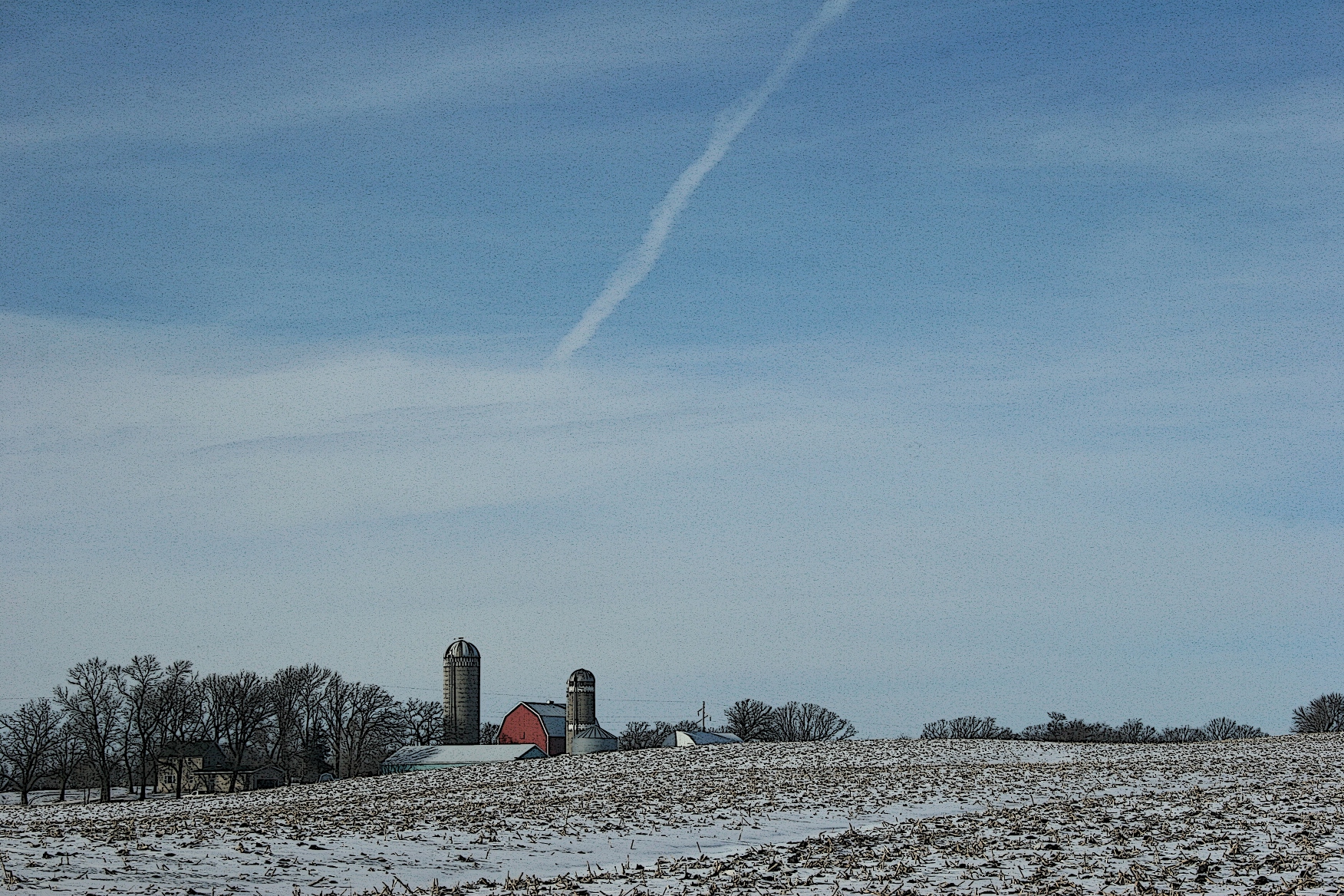
If results are not perfect, and they likely will not be due to bugs, sun, and a myriad of other issues, use photo editing tools. Crop. Change the contrast. Sharpen if necessary. Get creative as I did here with usage of the artistic “cartoonify” editing tool. And, if all else fails to produce a pleasing image with the impact you desire, hover and delete.

PLEASE CHECK BACK tomorrow, when I take you on a tour of a Tomah, Wisconsin, cranberry farm.

© Copyright 2013 Audrey Kletscher Helbling


Up close with an Amish family in southeastern Minnesota October 15, 2013

HIS NAME SURPRISES ME. Dennis. “It is not,” I insist to my husband, “in The Book of Amish.”

Not that a Book of Amish exists. I have made that up. But in my mind, this trim Amish carpenter with the dark beard, suspenders criss-crossing his back and a tape measure hooked on his black pants, should bear a biblical name like Samuel, Jacob or Daniel.

Dennis sounds too Englisch.

His surname of Hershberger, however, seems appropriate although the German in me would like to insert a “c” and make that Herschberger.
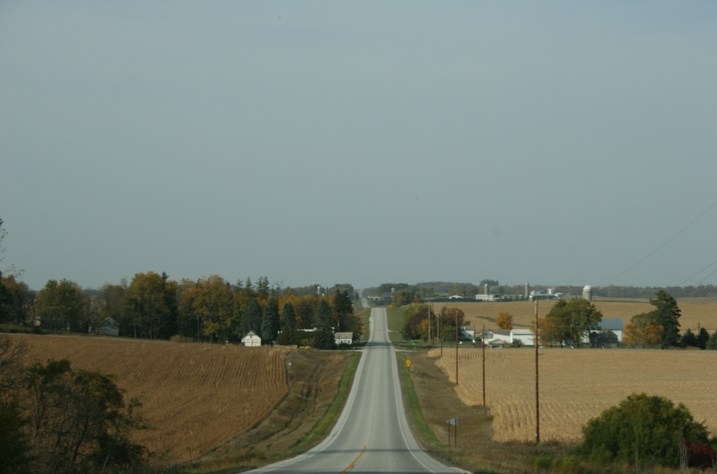
Driving Fillmore County Road 21 north of Canton toward Henrytown then west to Dennis and Mary Hershberger’s farm in early October 2012. This is deep in Minnesota Amish country.

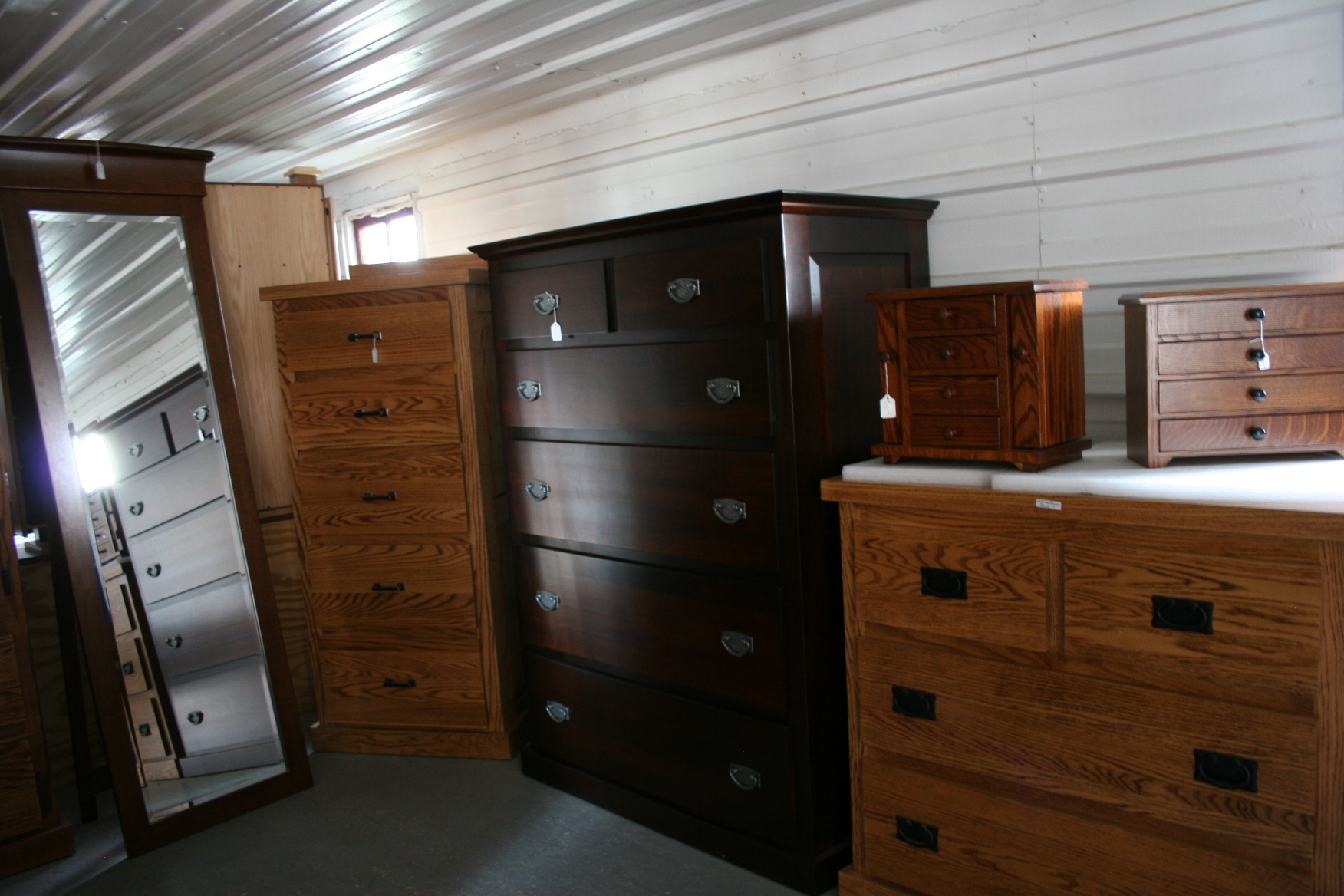
The photographer in me would also like very much to photograph this young Amish father who crafts the most beautiful, gleaming furniture you can imagine on his farm north of Canton and west of Henrytown in southeastern Minnesota. But I know that to photograph him would violate his trust and hinder my welcome to Countryside Furniture.
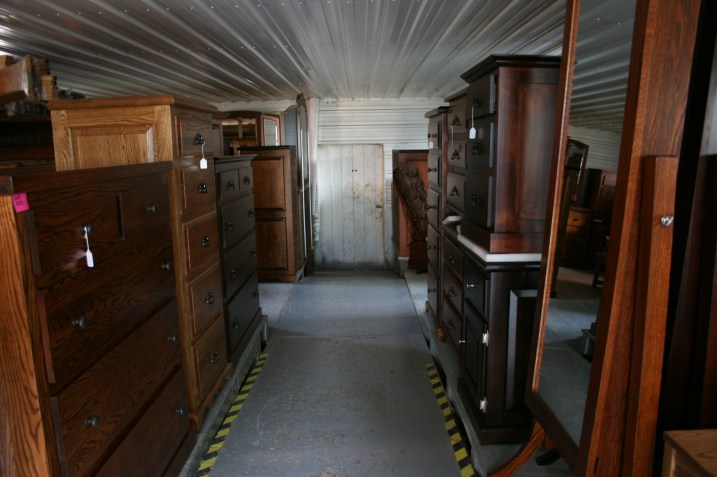
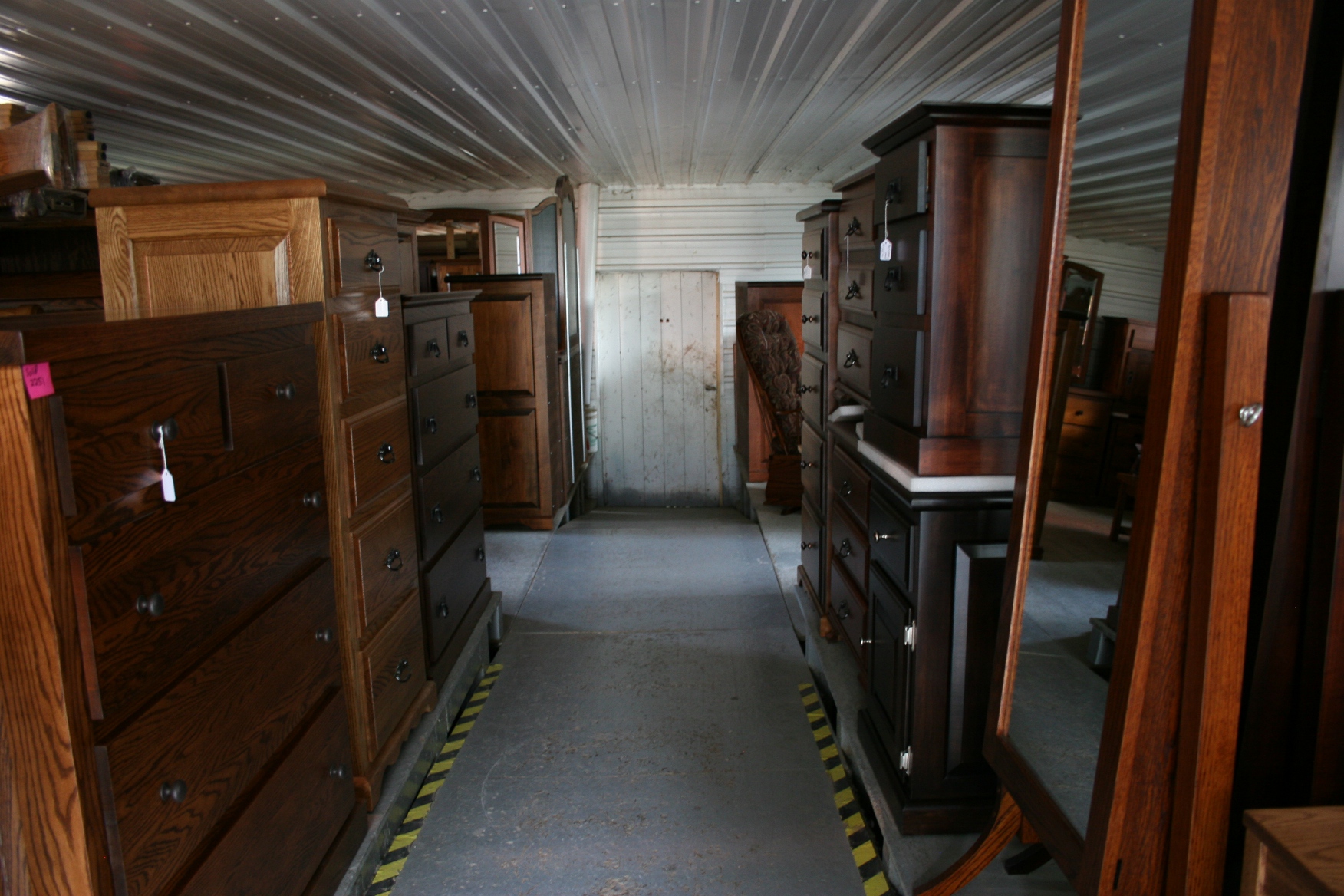
Inside Countryside Furniture, with furniture crafted by Dennis and crew.

So I keep my camera low, tugging it to my side as I watch the Hershberger children, 17-month-old Simon and his 3-year-old sister, whose name I never do learn, wheel a faded red wagon. I am mostly intrigued by Simon in the plain handcrafted blue dress that skims his ankles above pudgy bare feet hardened to the stones and rough grass underfoot. His face is still edged with the softness of a baby, but emerging into that of a little boy. Straight cut bangs ride high on his forehead with wisps of hair tickling his ears in a bowl cut hair style.
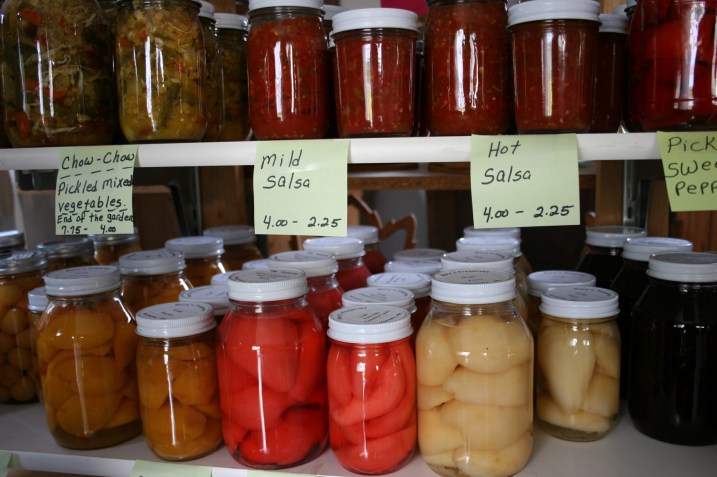
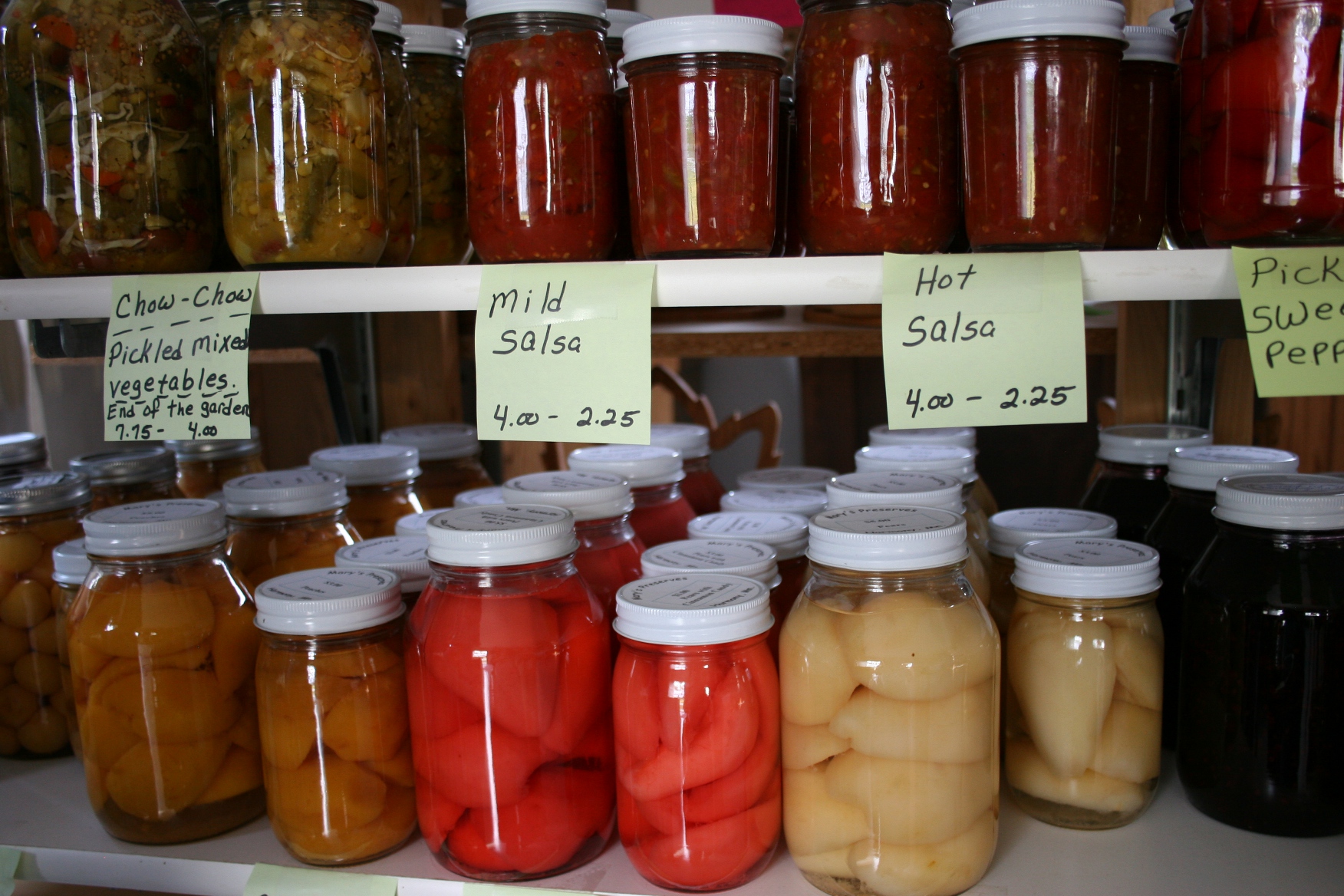
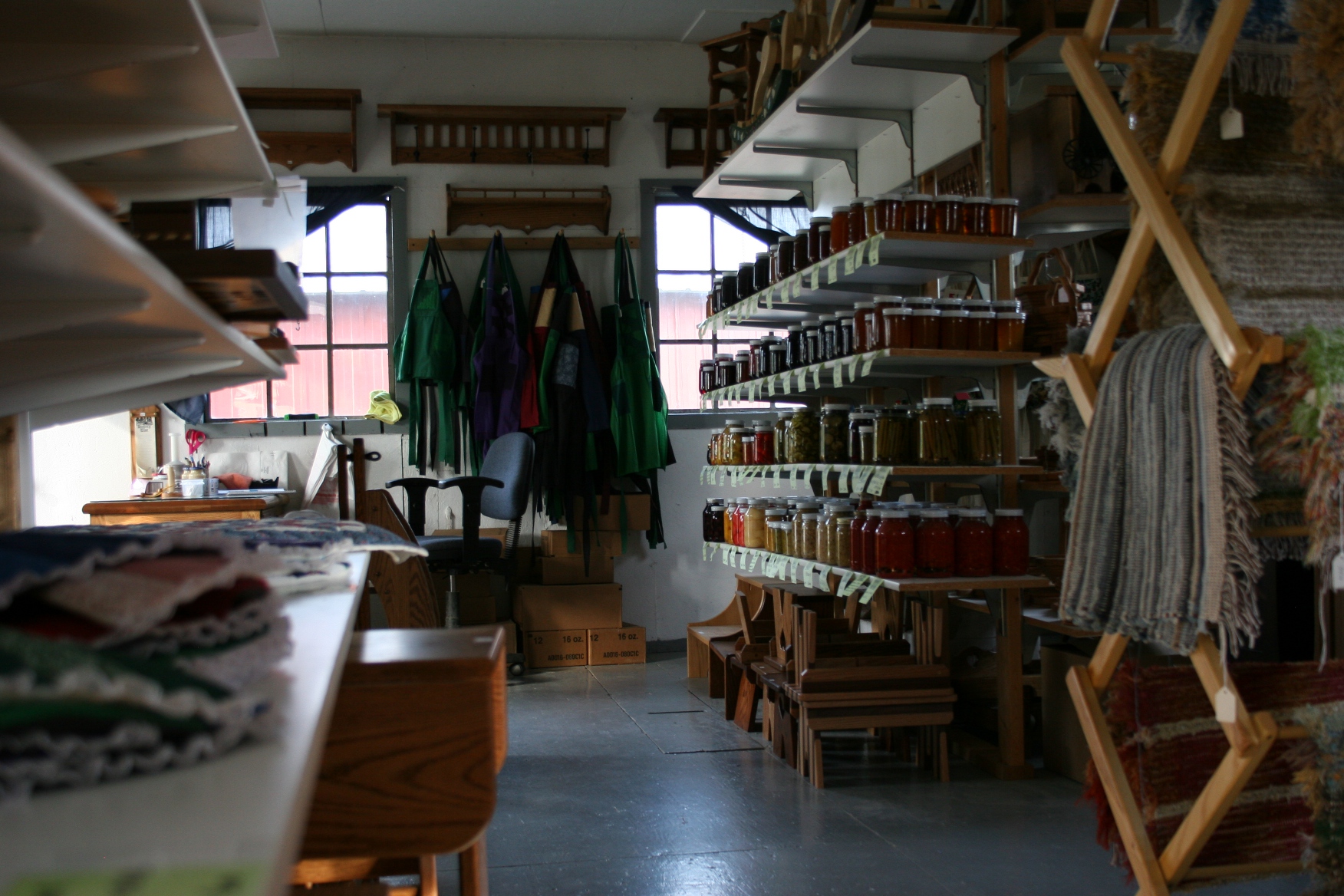
Jars of canned goods line the shelves in Mary’s shop.

When I amble next door, the siblings follow me into their mother’s shop, rattling round and round with the wagon like a car on a racetrack.

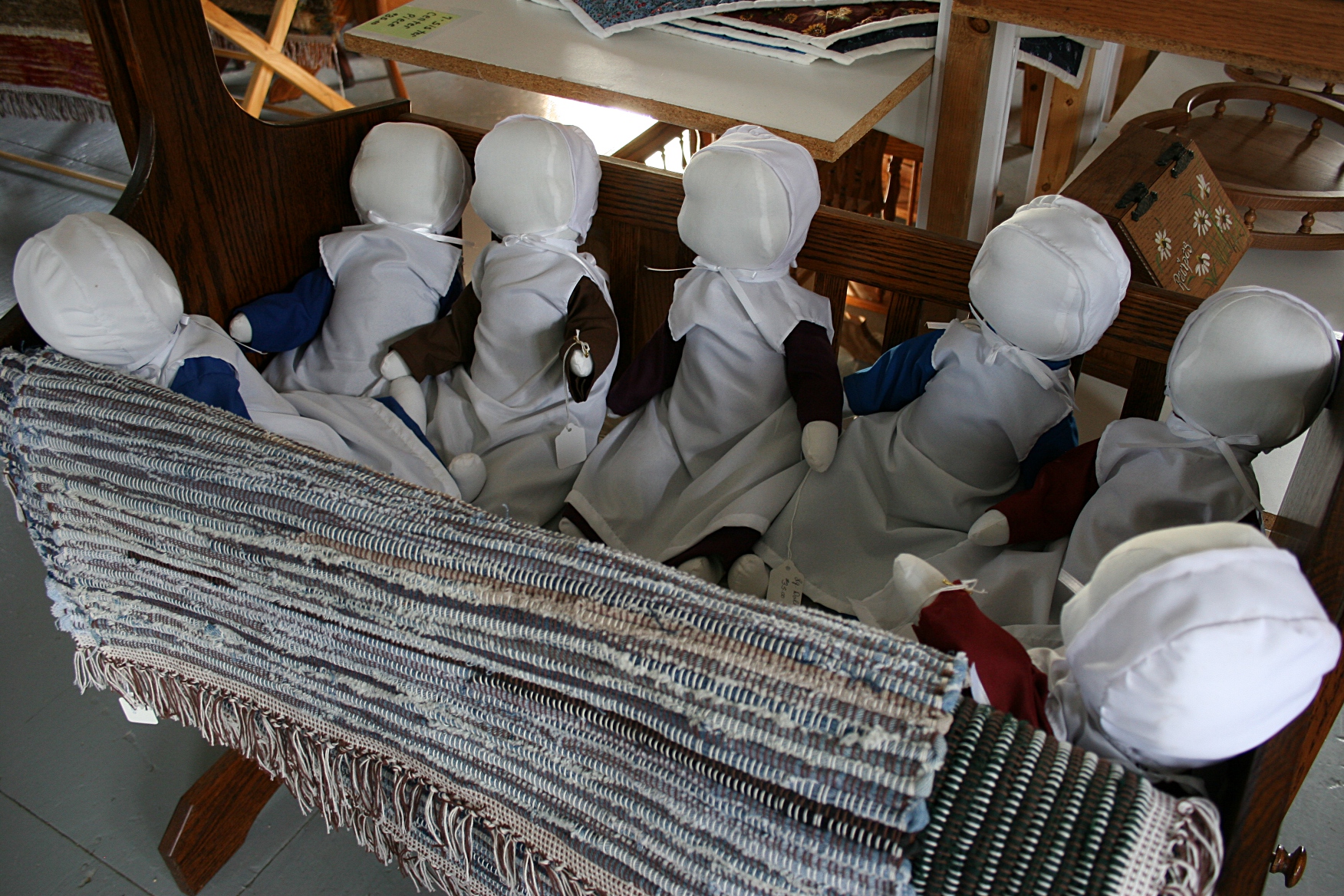
I admire the rows of canned produce (bright orange carrots, golden nuggets of corn, jade spears of dill pickles), the faceless Amish dolls snug in a cradle, the tight weave of cotton rag rugs…
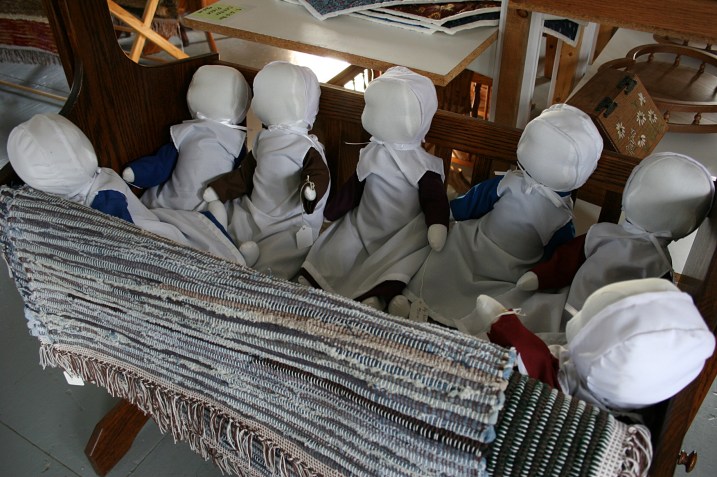
Faceless handcrafted Amish dolls in a handcrafted cradle.

I lift bars of homemade soap and breathe in their perfumed scent.
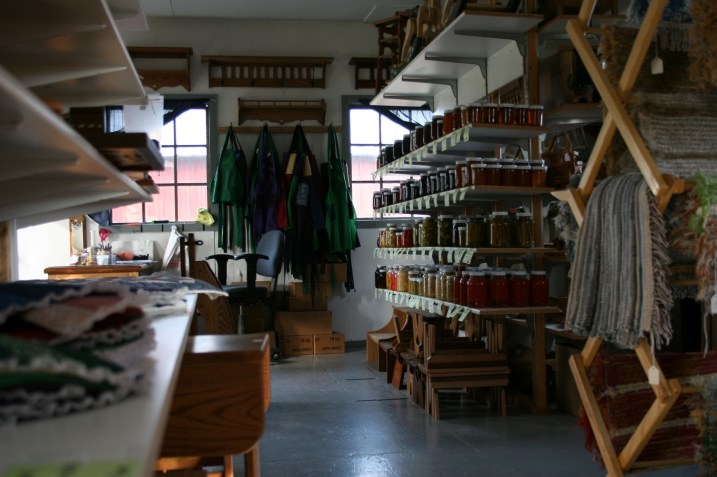
A pathway in the crafts store where Simon and his sister circled their wagon.

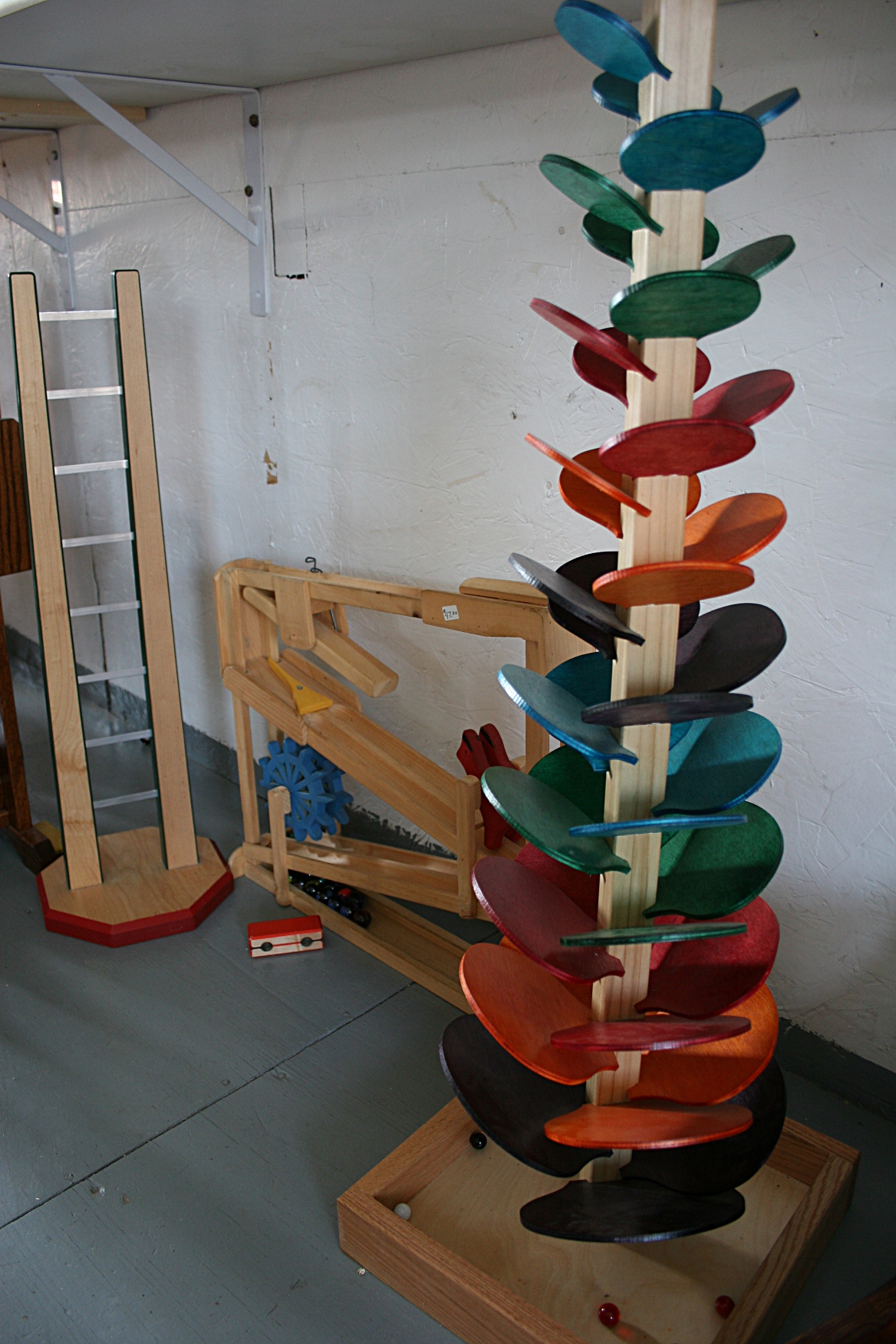
Then my attention turns again toward little Simon and his sister as they drop marbles onto a colorful tower before darting outside. Clack, clack, clack.
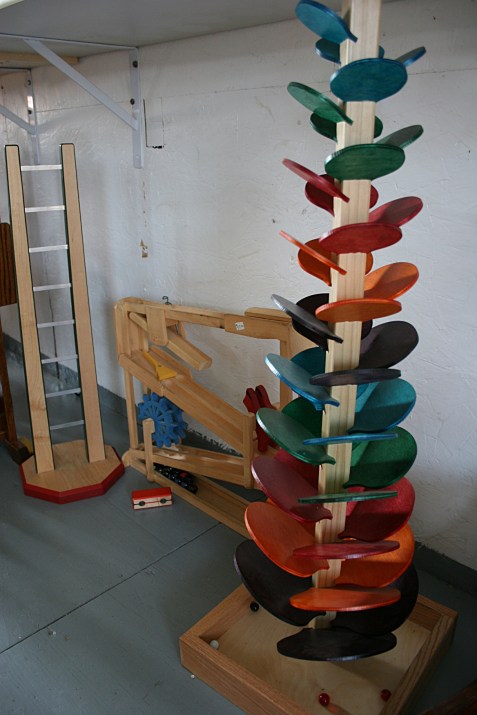
The siblings dropped marbles down the colorful tower on the right.

Through the open shop door, I watch a horse and buggy wheel into the farmyard, steering toward the weathered red barn. A boy, perhaps 10 years old, strolls toward the farmhouse and I lift my right hand to wave. He hesitates, then returns my greeting.

I turn my attention back to Mary’s merchandise. We must choose something to purchase now. It is expected. So Randy picks two jars of Mary’s Preserves. We head back to the furniture showroom, a small outbuilding with white walls and a low ceiling, with two jars of strawberry and tripleberry jams.

We make small talk. Dennis asks where we’ve come from. “Faribault,” I tell him.

“Along Interstate 35,” he notes, then tells us of a good customer from our community.
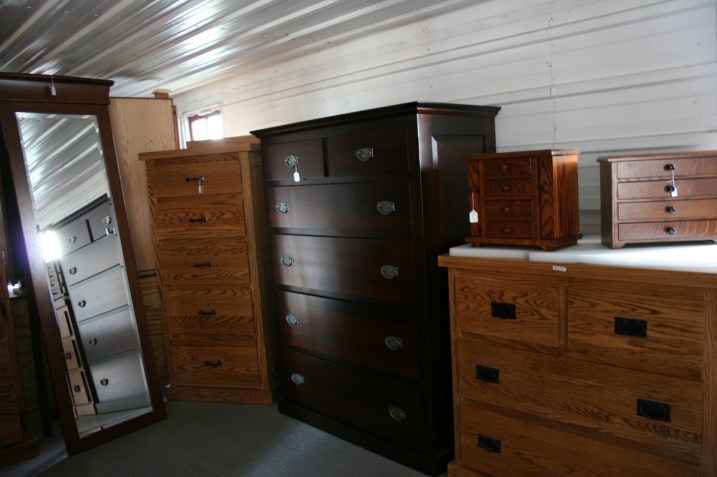
A close-up of the furniture Dennis and his crew craft.

I ask Dennis’ permission to photograph his fine furniture and he gives his OK. Then we return, with Simon still tugging that wagon, to Mary’s shop. As we walk, Dennis lifts his son off the ground, snugs the boy against his right hip, then speaks to him in a language I can only assume is a German dialect. I expect Simon may be getting a gentle admonition about taking the wagon inside his mother’s shop.

Randy pays $4.50 for the jam. We thank Dennis for the gracious welcome to his farm.
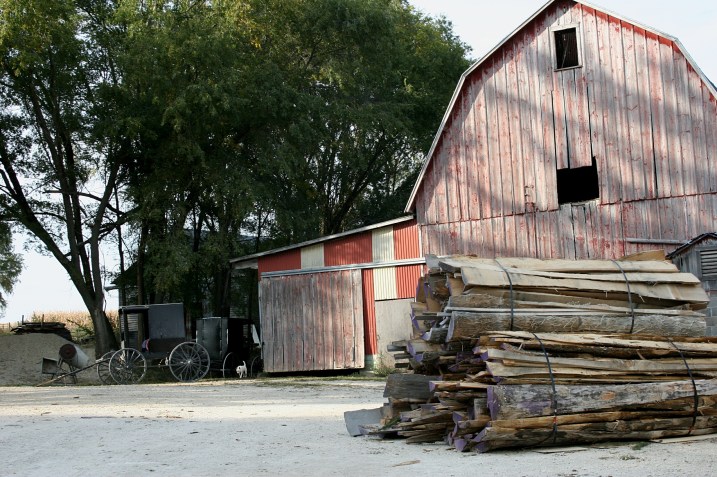
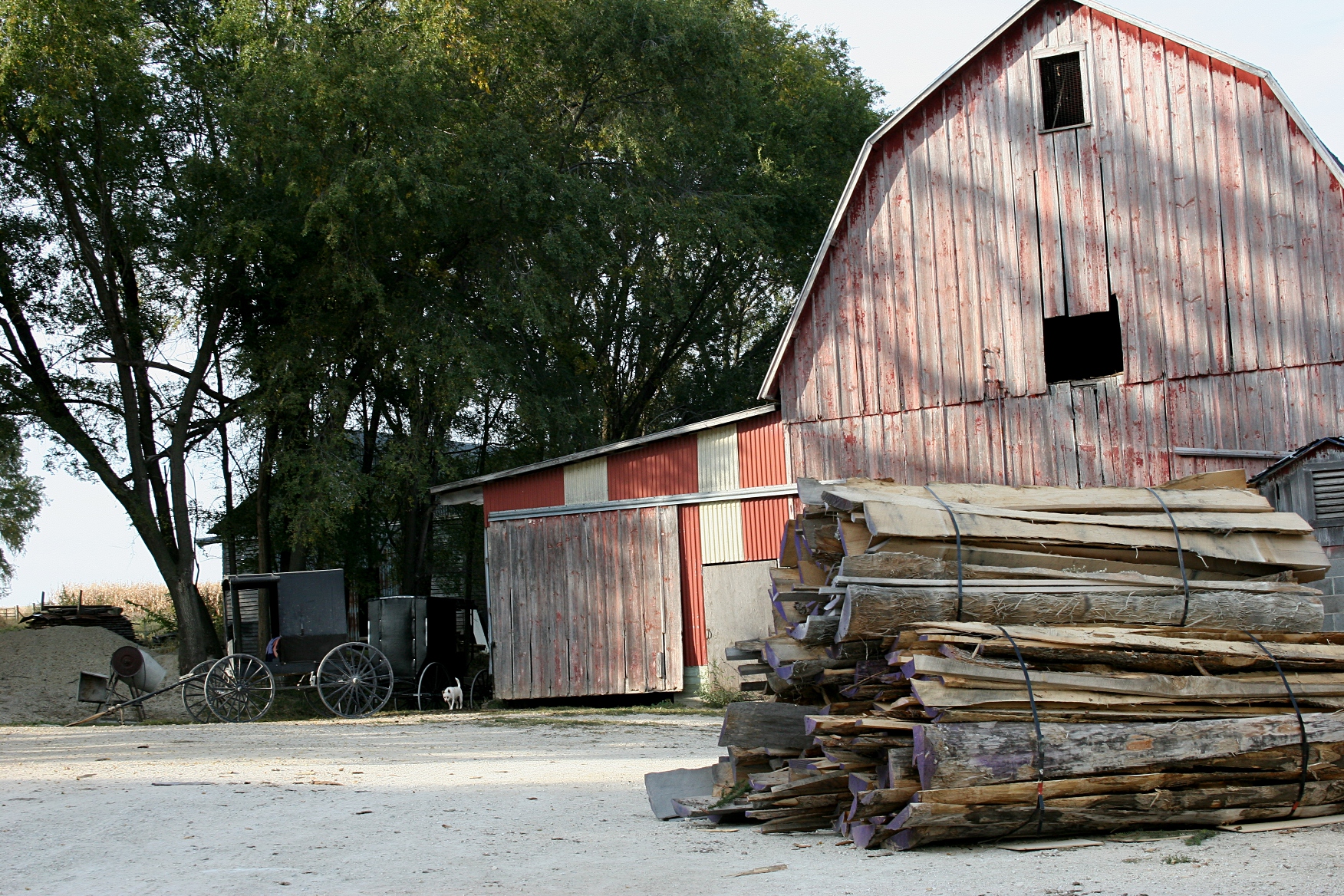
My final shot of the Hershberger farmyard: the barn, the buggies, the stack of wood.

As we head to the car, I photograph the red barn, the two buggies parked next to it and the rough-hewn lengths of stacked wood which Dennis and his helpers will soon craft into fine furniture.

Even though I couldn’t photograph the Hershbergers, the visuals of this place, of this Amish family, of this experience, have imprinted upon my memory. And sometimes that is better than a photo.
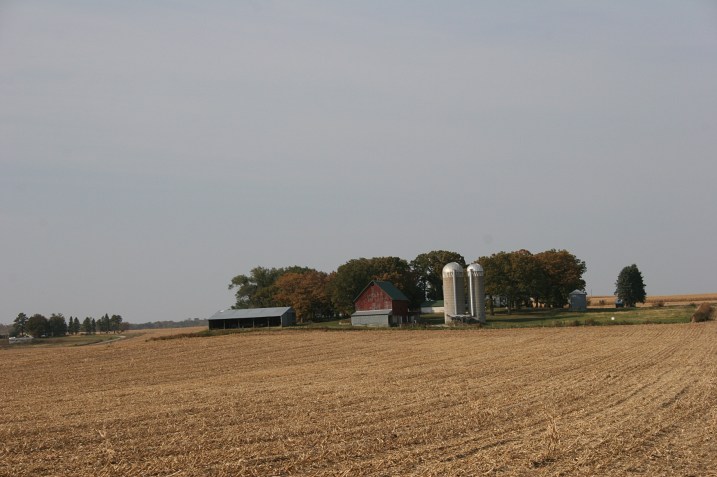
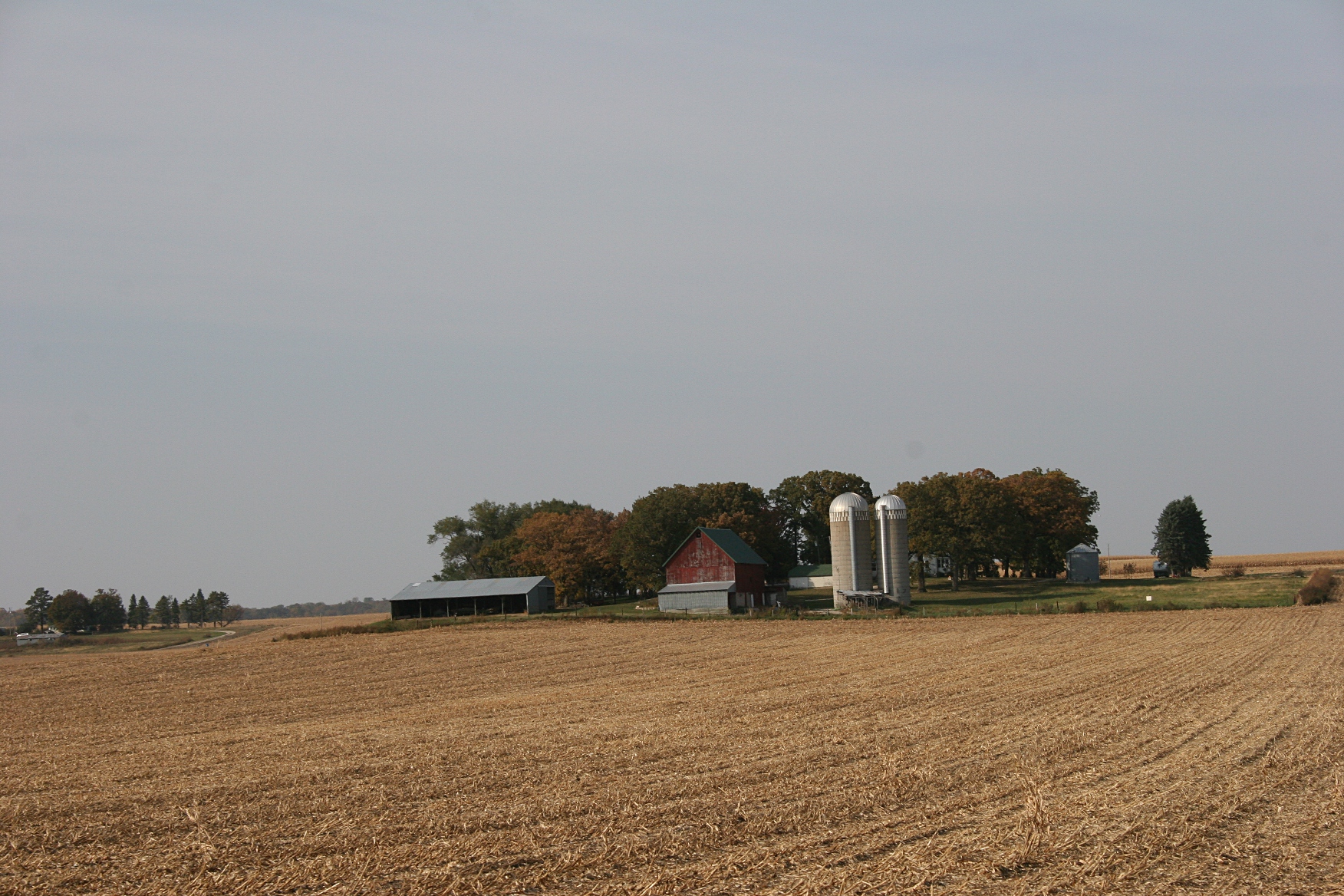
A picturesque farm near the Hershberger place, rural Fillmore County, Minnesota, taken in early October 2012.

FYI: Dennis Hershberger also sells his furniture at Countryside Furniture, located at Old Crow Antiques in Canton, at the intersection of U.S. Highway 52 and Fillmore County Road 21. The Hershberger farm is about five miles northwest of that intersection.

Old Crow Antiques is a great place to stop for information on local Amish farms.

This story and these images are from an October 2012 visit to the Hershberger farm.

© Copyright 2013 Audrey Kletscher Helbling


On the cusp of harvest in southwestern Minnesota October 4, 2013

Grey skies and rain create a moody scene along U.S. Highway 14 between Sleepy Eye and Lamberton.

Grey skies and rain create a moody scene along U.S. Highway 14 between Sleepy Eye and Lamberton.

RAIN DRIZZLES, SOMETIMES SPLATTERS, across the windshield of our van as my husband and I aim toward the southwestern Minnesota prairie, driving toward Lamberton for a day of making horseradish with my extended family. It is a time-honored tradition, started by my father, dead 10 years now.

For me, this 120-mile trip from our Faribault home is not as much about the horseradish as it is about family and memories and spending a weekend in my beloved native prairie, the place that shaped me in to the person/writer/photographer I’ve become.

This section of U.S. Highway 14 between Sleepy Eye and Lamberton features many stately and well-kept barns like this brick one.

This section of U.S. Highway 14 between Sleepy Eye and Lamberton features many stately and well-kept barns like this brick one.

Even after 40 years away from this place of big skies and flat open spaces, of small towns and family farms, of corn and soybean fields stretching into forever, I still miss this land.

Especially at harvest time.

A cheery smile on a barn off U.S. Highway 14 serves as a backdrop to a ripened soybean field on a grey Saturday morning.

A cheery smile on a barn off U.S. Highway 14 serves as a backdrop to a ripened soybean field on a grey Saturday morning.

As we journey, my head pivots toward the corn and the beans, ripened mostly to muted gold.

I can almost hear the corn leaves rustling in the bendy wind under moody grey skies.

I can almost smell the intoxicating scent of earth that prevails only at harvest time.

I can almost hear the chomping combines and rumbling grain trucks, the roaring tractors and the lumbering grain wagons, parked and silent now as rain sweeps across the acres.

A serene country scene just north of Lamberton in southern Redwood County.

A serene country scene just north of Lamberton in southern Redwood County.

Later that day, after we’ve reached our rural destination and dug, washed, peeled, chopped, blended and bottled the horseradish, the heaviest of the clouds lift and shift east.

The skies have cleared along Redwood County Road 6 north of Lamberton where corn fields await harvest.

The skies have cleared along Redwood County Road 6 north of Lamberton where corn fields await harvest.

By Sunday morning we awaken to the clear and crisp skies of autumn in rural Minnesota.

Driving U.S. Highway 14 back to Faribault Sunday morning.

Driving U.S. Highway 14 back to Faribault Sunday morning.

It’s a perfect morning.

Barns and ripening crops define the landscape of southwestern Minnesota this time of year.

Barns and ripening crops define the landscape of southwestern Minnesota this time of year.

Sunshine upon fields.

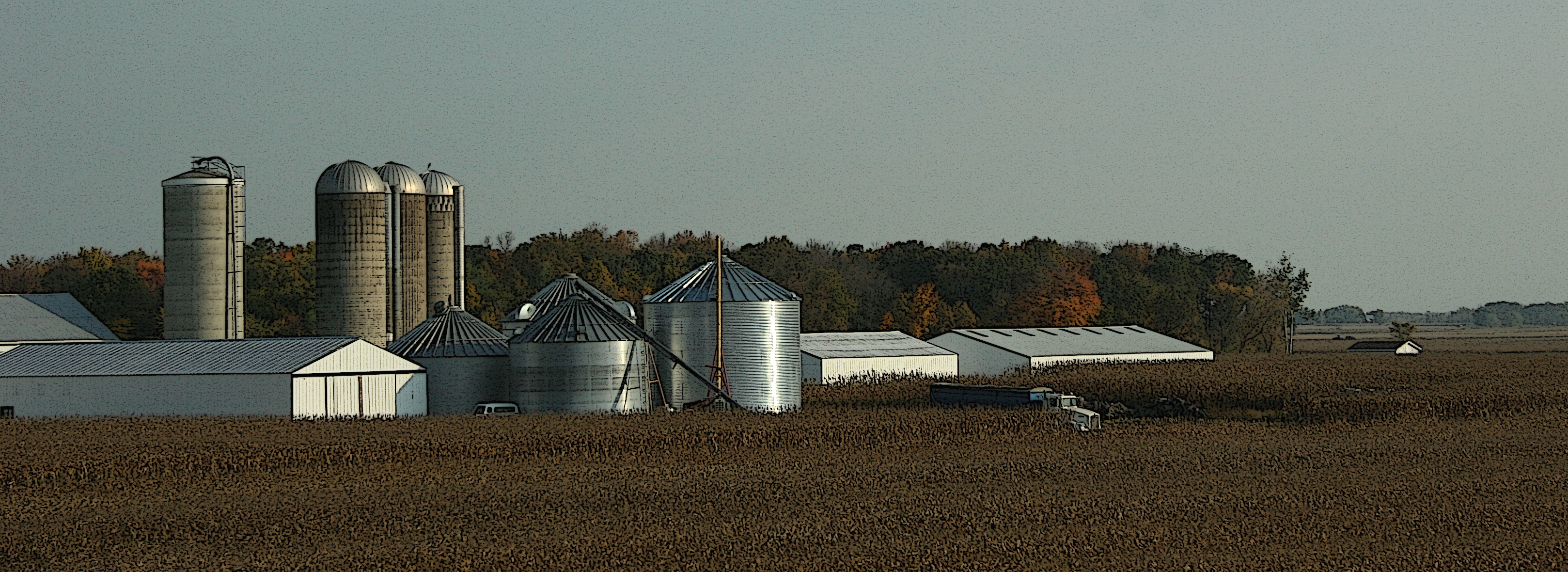
Grain bins await the harvest on a southwestern Minnesota farm.

Grain bins await the harvest on a southwestern Minnesota farm.

Sunshine pooling upon my lap as we aim east, past bins and barns and bountiful fields, back home.

Rounding the curve eastbound into Sleepy Eye.

Rounding the curve eastbound into Sleepy Eye.

Past the ripening crops. Through the small towns, like Lamberton and Springfield and Sleepy Eye.

And when we reach the western outskirts of New Ulm, I feel as if we’ve crossed a line. Menards and Walmart loom to the left. U.S. Highway 14, the Laura Ingalls Wilder Historic Highway, is now a four-lane through this German community, busy with traffic and drivers racing to get ahead before the roadway once again narrows to two lanes en route to Mankato.

Barns, like this one, rise above the soon-to-be-harvested corn fields.

Barns, like this one, rise above the soon-to-be-harvested corn fields.

My mood shifts. I’ve left the peace of the prairie, the one place on this earth that holds my soul in solace.

FYI: This post was previously published on streets.mn. The above photos were taken on Saturday, September 28, and Sunday, September 29. Conditions change rapidly during harvest time, so I expect harvest is well underway, although delayed now due to the rain.

A post will be forthcoming on making horseradish.

Copyright 2013 Audrey Kletscher Helbling
 

A photo essay: St. John’s Germanfest in rural Minnesota September 29, 2013

I AM 100 PERCENT German.

My plate, filled with German foods at St. John's annual Germanfest.

My plate, filled with German foods like sauerbraten, sauerkraut, German potato salad, sweet and sour beets and more at St. John’s annual Germanfest.

I like German food.

Today was a gorgeous autumn day here in southeastern Minnesota, as glorious as they get.

The steeple of the historic stone church with the roofline of a German themed beverage booth in the foreground.

The steeple of the historic stone church with the roofline of a German themed beverage booth in the foreground.

St. John’s United Church of Christ, Wheeling Township, rural Faribault, was hosting its annual Germanfest at its historic stone church out in the country.
Just a snippet of the buffet line.

Just a snippet of the buffet line.

I had to eat.

The social hall and rooms off the dining area were filled with diners.
The social hall and rooms off the dining area were filled with diners.
And I couldn’t think of a better place to dine on this Sunday afternoon than at St. John’s. Great food in the company of wonderful folks. Out in the country. Perfect weather. Perfect day.

Some of the St. John's kitchen crew, including long-time member Elsie Keller who is making German potato salad.

Some of the St. John’s kitchen crew, including long-time member Elsie Keller who is making German potato salad.

One of the major components of Germanfest is the fabulous quilt show inside the sanctuary.

One of the major components of Germanfest is the fabulous quilt show inside the sanctuary.

Among the incredible quilts were these three hung from the balcony.

Among the incredible quilts were these three hung from the balcony.

Each quilt comes with a story, this one among my favorites.

Each quilt comes with a story, this one among my favorites.

That glorious quilt show.

That glorious quilt show. Here you are seeing only a snippet of the quilts draped over pews.

My husband and I each bought a quilt raffle ticket.

My husband and I each bought a quilt raffle ticket.

The beautifully-appointed altar, complete with German and American flags.

The beautifully-appointed altar, complete with German and American flags.

Outside the church, I fell in love with the adorable goats at the petting zoo.

Outside the church, I fell in love with the adorable goats at the petting zoo.

And this little guy loved the miniature donkeys.

And this little guy loved the miniature donkeys.

Along with fresh produce and bakes goods and greeting cards (some published by Warner Press with my verses)

Along with fresh produce and baked goods and greeting cards (some published by Warner Press with verses I wrote) and apple jelly was this art (including these cute pooches).

Bingo drew the young and the older.

Bingo drew the young and the older.

Old-time music drew dancers and listeners to the tent next to the church.

Old-time music drew dancers and listeners to the tent next to the church.

© Copyright 2013 Audrey Kletscher Helbling