Minnesota Prairie Roots

Writing and photography by Audrey Kletscher Helbling

Looking for the “best of” places to dine in small towns & two recommendations April 10, 2018

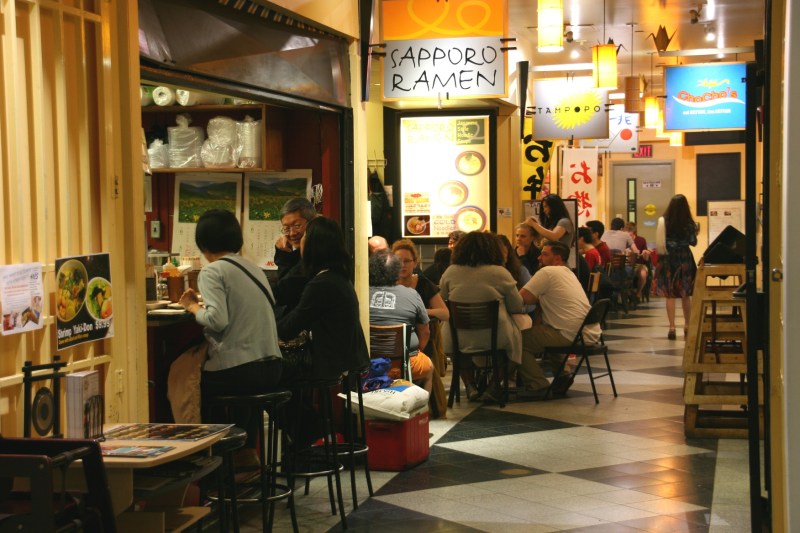
Sapporo Ramen in Cambridge, Massachusetts. Minnesota Prairie Roots file photo May 2016.


MY FIRST AND ONLY ATTEMPT ever to eat with chopsticks happened nearly two years ago at Sapporo Ramen in Cambridge, Massachusetts. I tried to position my fingers like my son demonstrated, to clamp the slippery ramen noodles between thin sticks and then maneuver the food to my mouth. I failed.
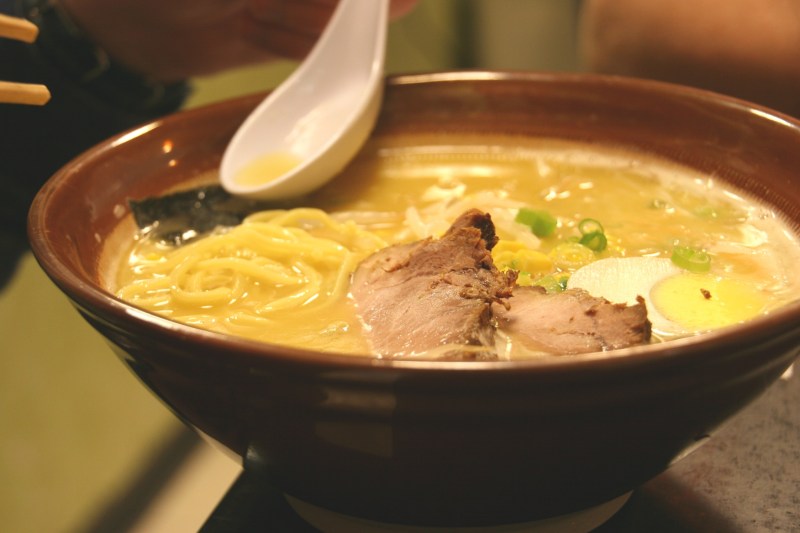
 

A ramen dish at Sapporo Ramen, Minnesota Prairie Roots file photo May 2016.


I was hungry. A spoon would work just fine, thank you.

I’ll admit, I haven’t had all that much exposure to ethnic foods. Choices are limited here in Greater Minnesota, the name tagged to any place outside the Twin Cities metro. Typical restaurant fare around here is standard American. Any ethnic restaurants are primarily Mexican.

 

One of my favorite burgers, the Strawberry Hill Burger, served at Fielder’s Choice in Northfield, Minnesota. The burger features peanut butter, strawberry jam, pepperjack cheese and bacon. Minnesota Prairie Roots file photo.


I often wish we had more creative choices in dining. But the reality is that folks seem to like the usual burgers and fries, chicken sandwiches, deep-fried fish, the occasional steak—familiar foods to Minnesotans.
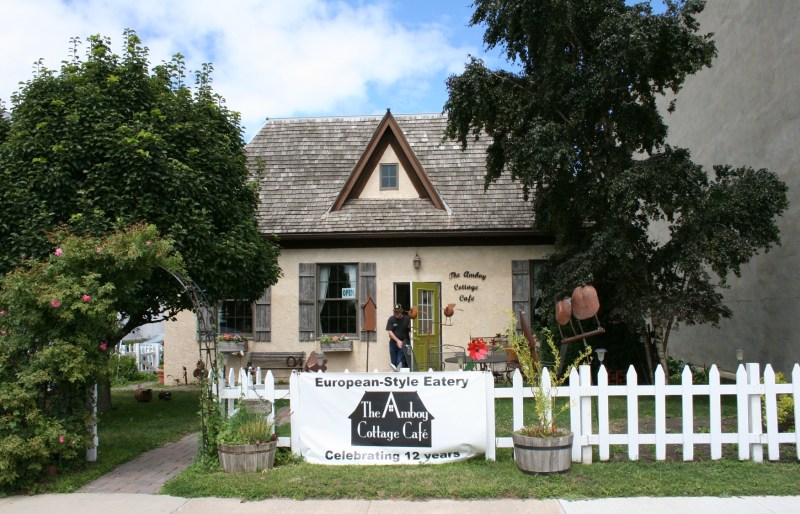
 

The Amboy Cottage Cafe. Minnesota Prairie Roots file photo July 2013.


Because of cost, I don’t dine out all that often. So when I do, I want something different, something I can’t prepare at home, something tasty and fresh and definitely something made from scratch. When I think about really good food that I’ve eaten at Minnesota restaurants, two places pop to mind—The Amboy Cottage Cafe and The Good Life Cafe.
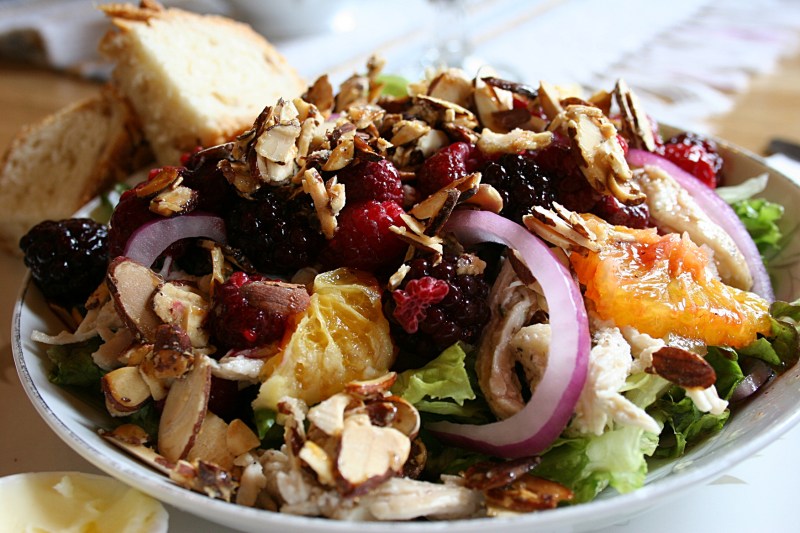
 

My incredible raspberry chicken salad. Minnesota Prairie Roots file photo July 2013.

 

Spaghetti with homemade meatballs and sauce. Minnesota Prairie Roots file photo July 2013.
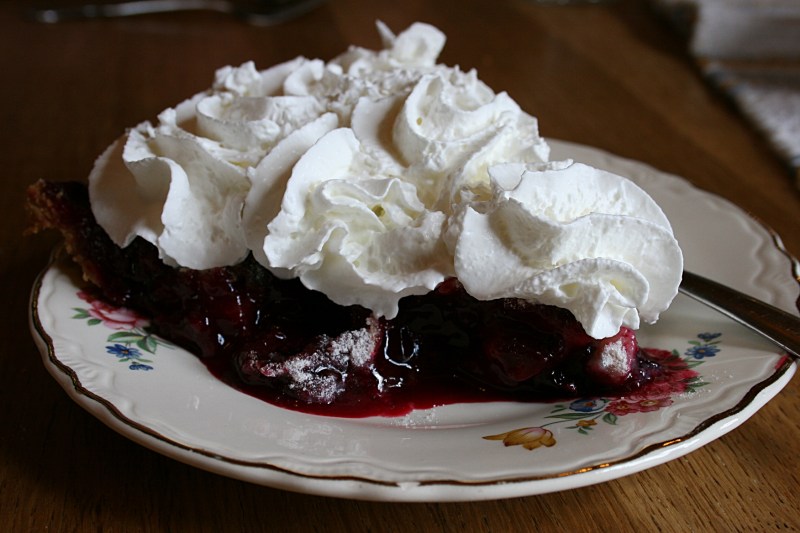
 

Homemade blackberry pie. Minnesota Prairie Roots file photo July 2013.


Five years ago Randy and I ate at the Cottage Cafe in Amboy south of Mankato. We specifically stopped in this small town to dine in the 1928 cottage style former gas station. I’d read about the great homemade food. There I enjoyed the best salad ever—raspberry chicken—while Randy had spaghetti with homemade meatballs and sauce. Both were superb as was our shared slice of blackberry pie. I need to revisit this restaurant.


My Chicken Wild Rice Hotdish with salad and bread on the side from The Good Life Cafe. Minnesota Prairie Roots file photo September 2017.


Some 4.5 hours to the north in the tourist community of Park Rapids I found another hometown restaurant that served up one memorable dish. That would be The Good Life Cafe and the Chicken Wild Rice Hotdish. I loved the creamy, savory flavor of the hotdish (casserole to those of you not from Minnesota), so comforting and delicious on a cool and rainy September day.

How about you? What do you look for when dining out? Tell me about a favorite restaurant and/or meal. I’m especially interested in hearing about restaurants in small (Minnesota) towns.


© Copyright 2018 Audrey Kletscher Helbling


Snapshots of Le Center April 5, 2018

Filed under: Uncategorized — Audrey Kletscher Helbling @ 5:00 AM
Tags: , , , , , , ,

Parked along an alley in downtown Le Center, Minnesota.


WHEN THE WEATHER WARMS (it will happen soon in Minnesota, right?), I’ll have my camera out more. Documenting. Photographing. Showing you the places I visit, the discoveries made.


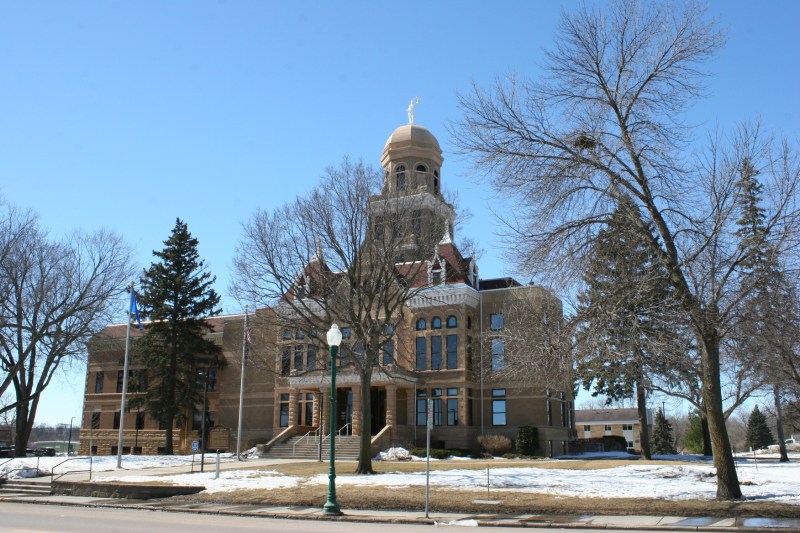
The original section of the Le Sueur County Courthouse was built in 1897 of brick and Kasota stone at a cost of $55,000. It was designed by Chicago architect Louis M. Curry of Mayo & Curry in the Richardsonian Romanesque Revival style. Additions have been made to the building and remodeling done.


Those include small towns like Le Center. It’s the county seat of Le Sueur County and about a 45-minute drive northwest of Faribault. It’s one of those communities you’d likely not drive to unless you had business or family there or were passing by en route to somewhere like St. Peter.


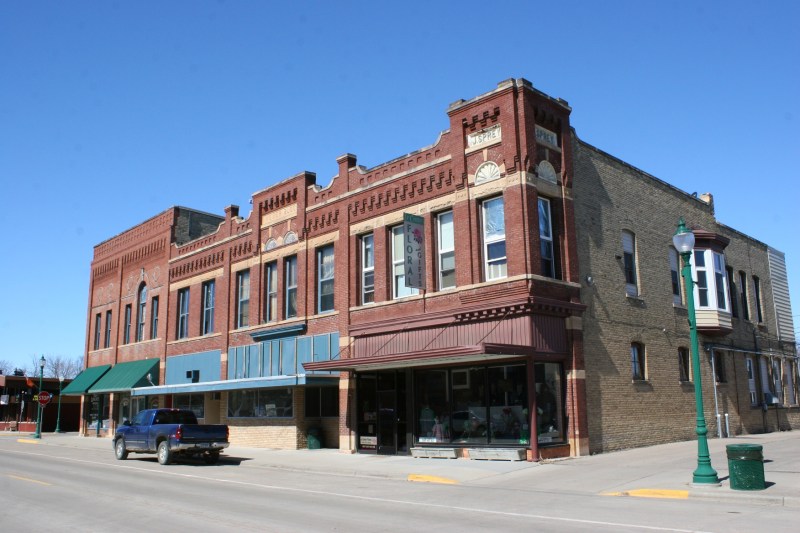
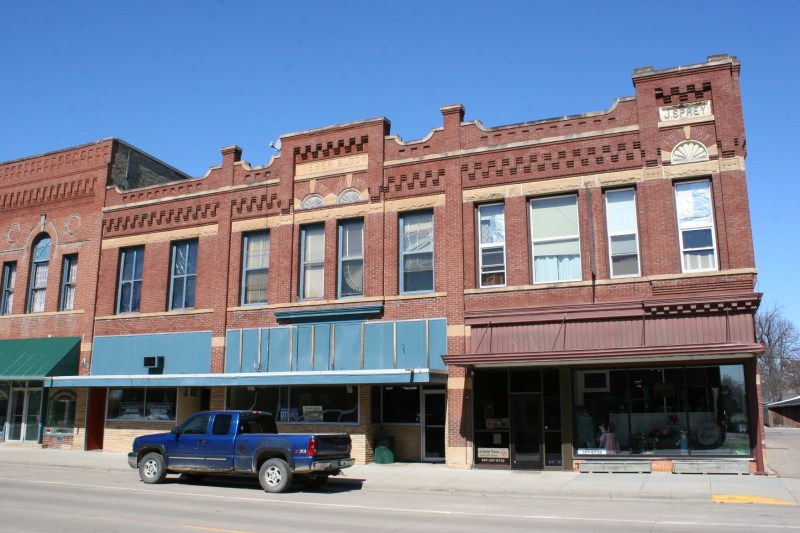
I love this row of well-kept old buildings in the heart of Le Center.


On a recent Saturday afternoon of road tripping, Randy and I stopped in Le Center. We parked downtown, popped into the thrift store minutes before closing, walked 1 ½ blocks along sidewalks and then looped back through an alley to the van.


I snapped a few photos. These images offer a glimpse of this community.


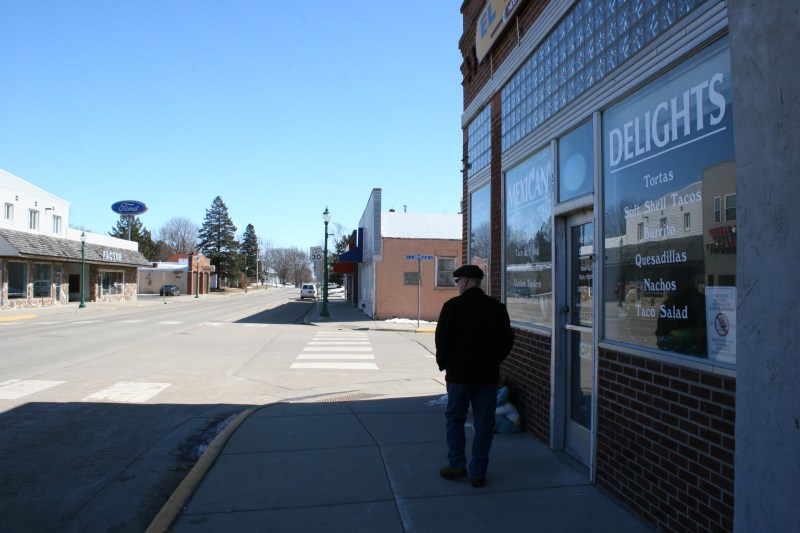
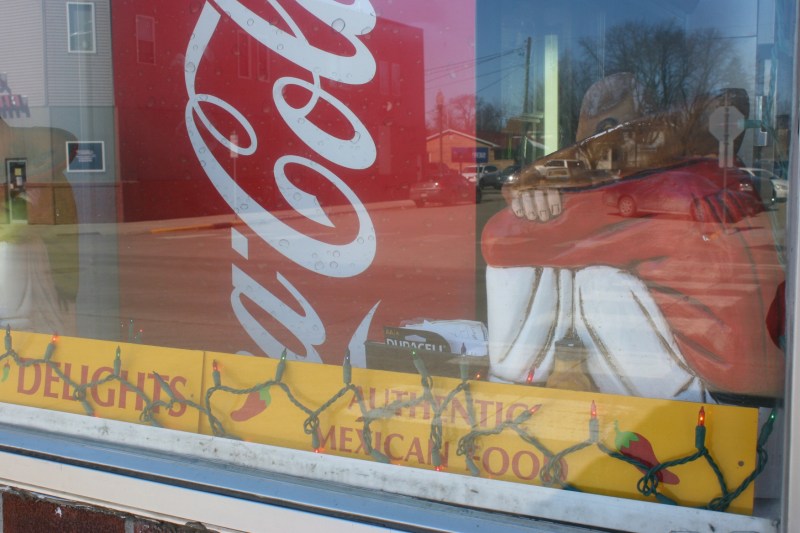
A front window in Mexican Delights, a downtown restaurant.


Diverse.


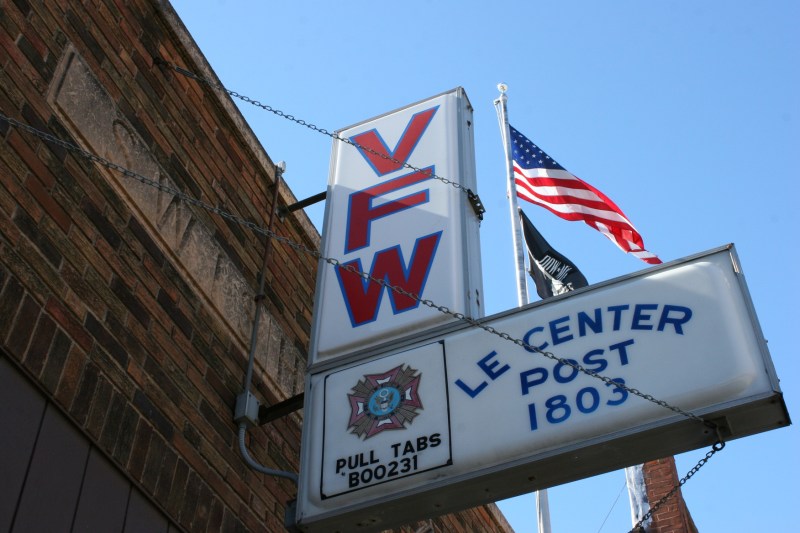
Patriotic.


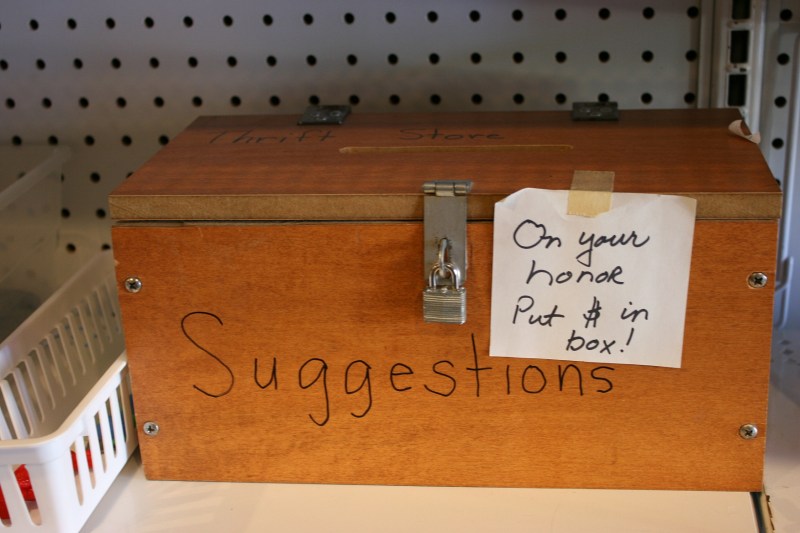
Spotted inside a Le Center thrift store.


Trusting.


Lovely in aged buildings.


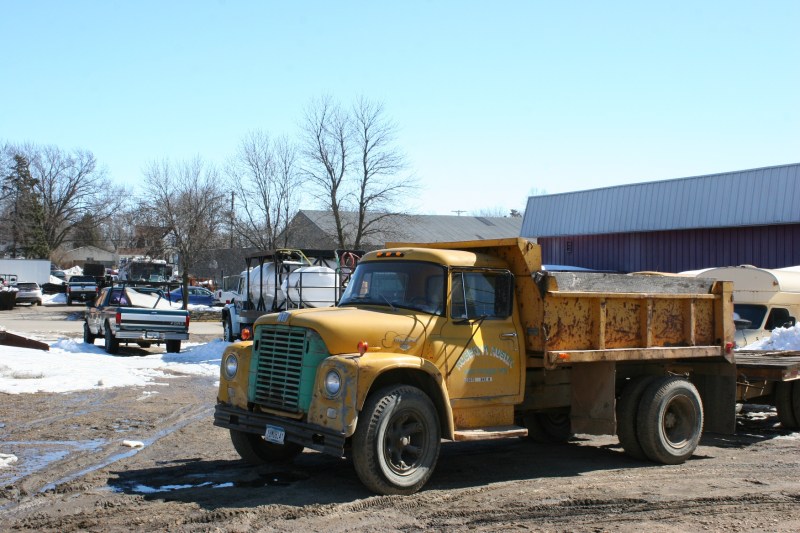
Assorted trucks and other vehicles were parked in a vacant lot and along an alley behind Main Street businesses.


You can tell a lot about a town in first impressions. I need to revisit Le Center, though, to uncover more of its personality. Small towns are each individual, as individual as the folks who call these communities home.

© Copyright 2018 Audrey Kletscher Helbling
 

Mazeppa, not just another small Minnesota town, Part II March 29, 2018

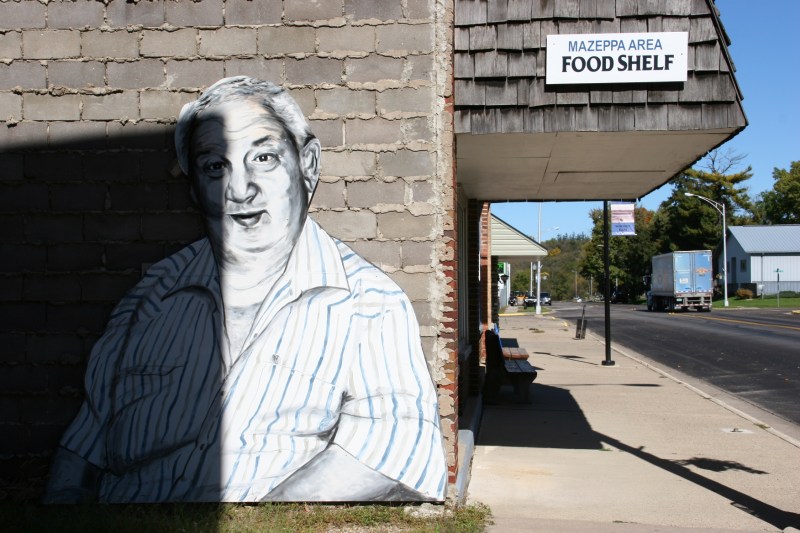
A scene in downtown Mazeppa, photographed in October 2016.


SMALL TOWNS CONTINUE to hold my interest.


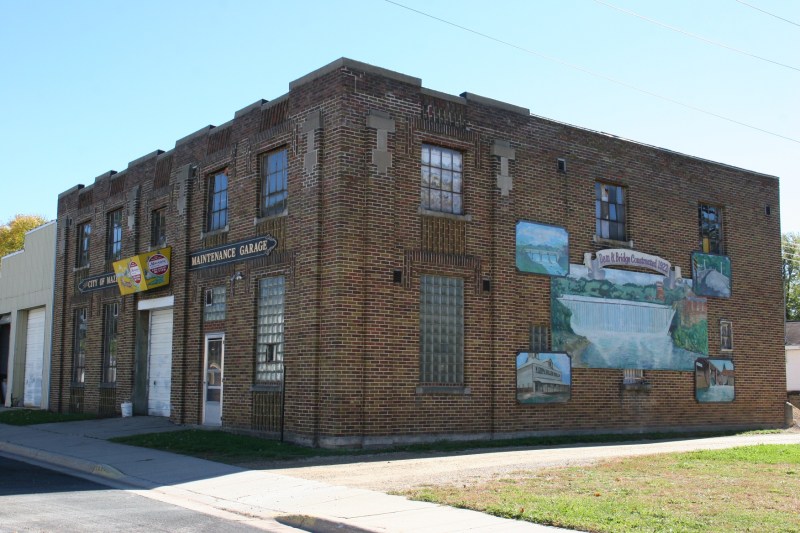
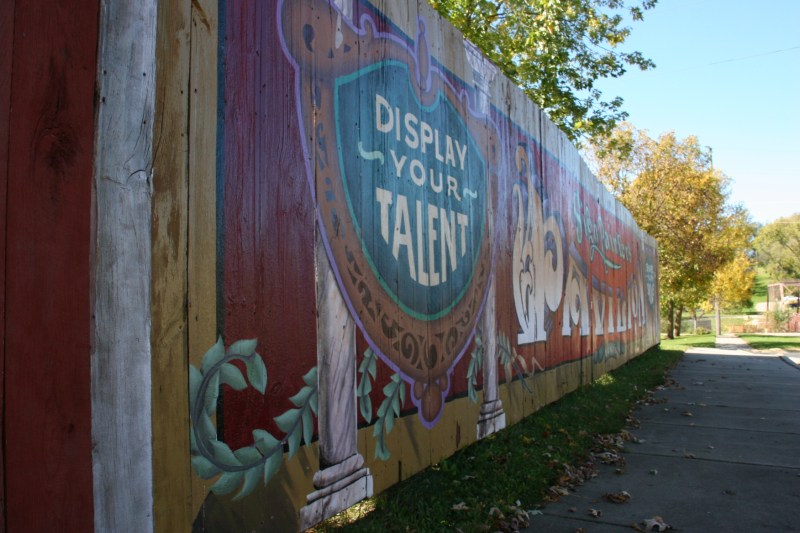
The former creamery in Mazeppa houses the city maintenance garage and also serves as a backdrop for historical art.


Therein I often find unexpected delights, but also decline. Most of these communities are not the places they once were with thriving businesses lining Main Street. You know the story.


Out for a walk in downtown Mazeppa, October 2016.


Still, these towns are home to life-long residents or kids who stuck around or newbies—folks looking for a quiet and affordable place to live within driving distance of jobs outside city boundaries.


People make a town. And if they’re lucky, locals still have places to gather for fish fries and beer and BINGO and a meal out. Gathering spots—restaurants, bars, schools, churches and more—provide that sense of community essential to small towns.


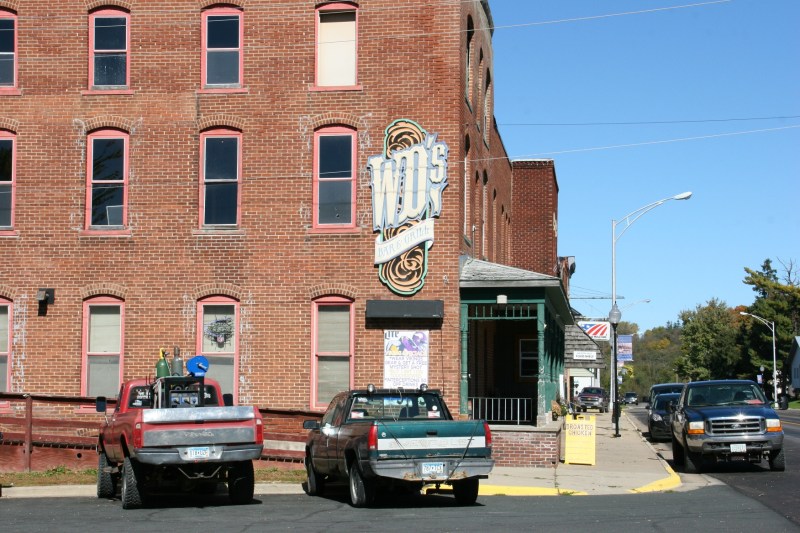
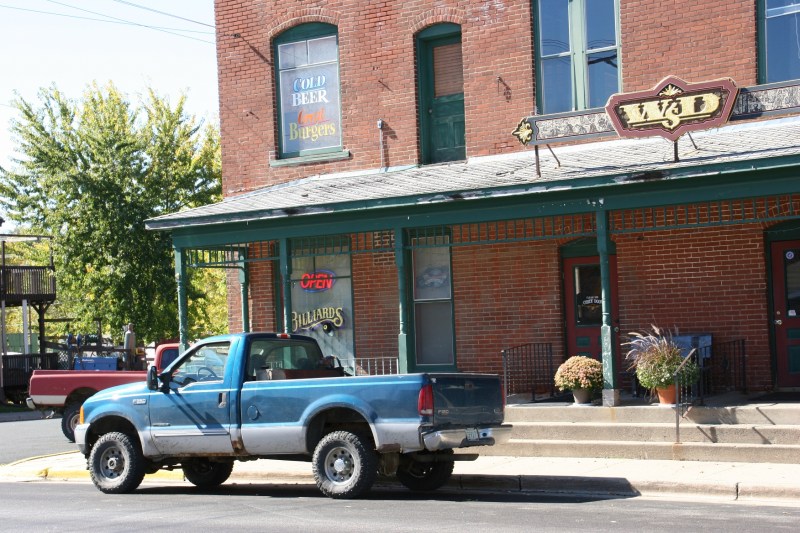
WD’s, destroyed by fire, was a community gathering spot.


I saw those communal places when I visited Mazeppa in October 2016 (although one—WD’s Bar & Grill recently burned to the ground).


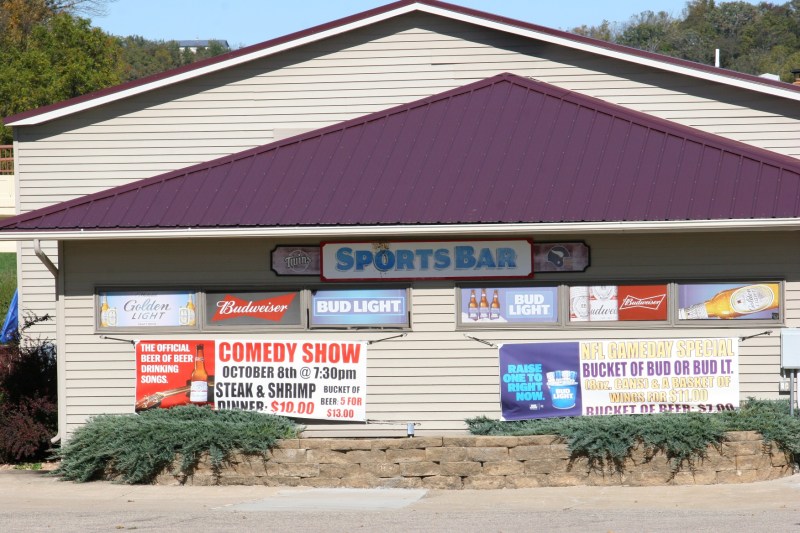
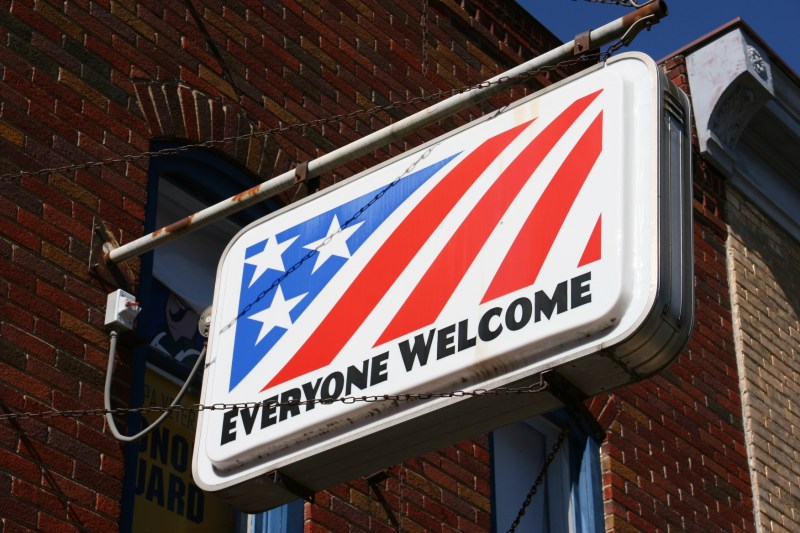
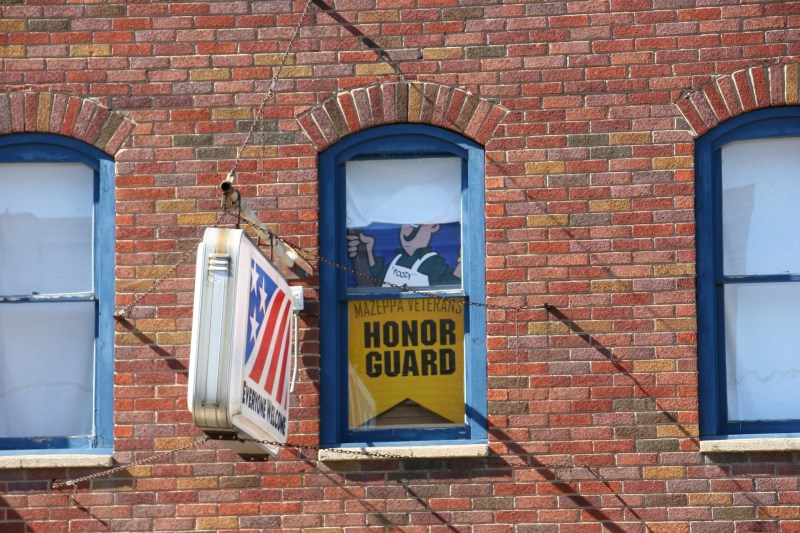
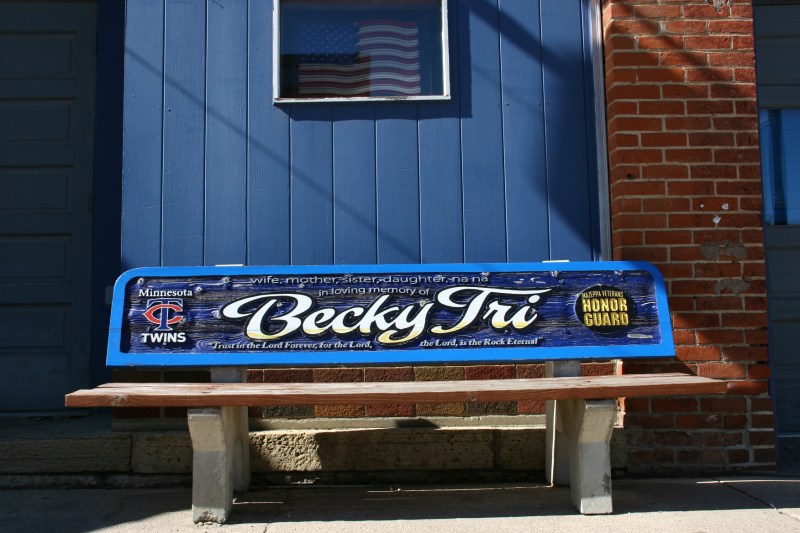
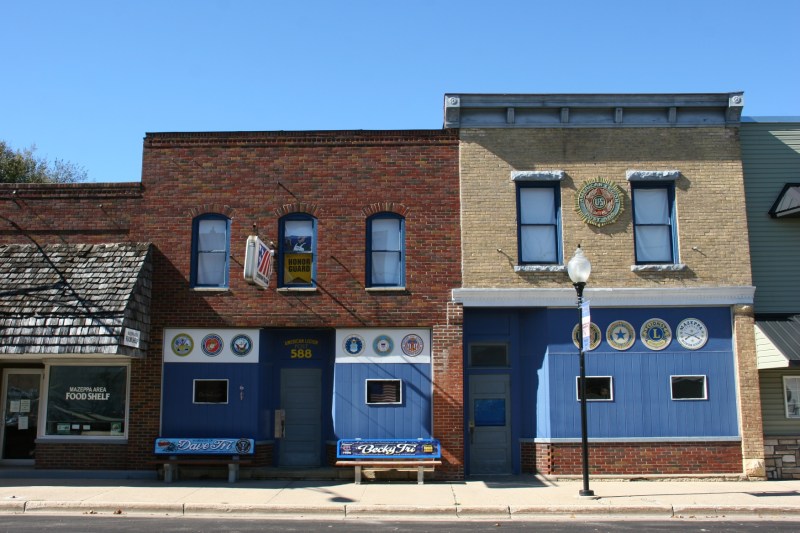
Patriotism often runs strong in small towns. The presence of the well-kept American Legion Post 588 in the heart of downtown Mazeppa confirms that.


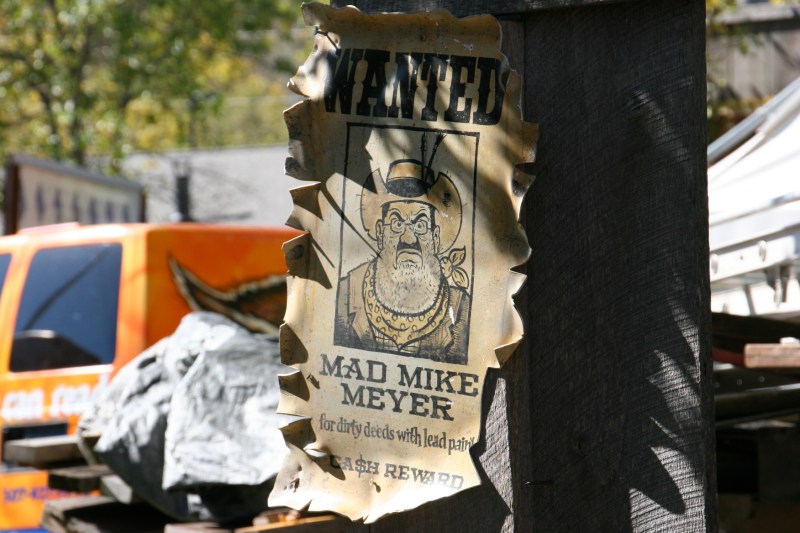
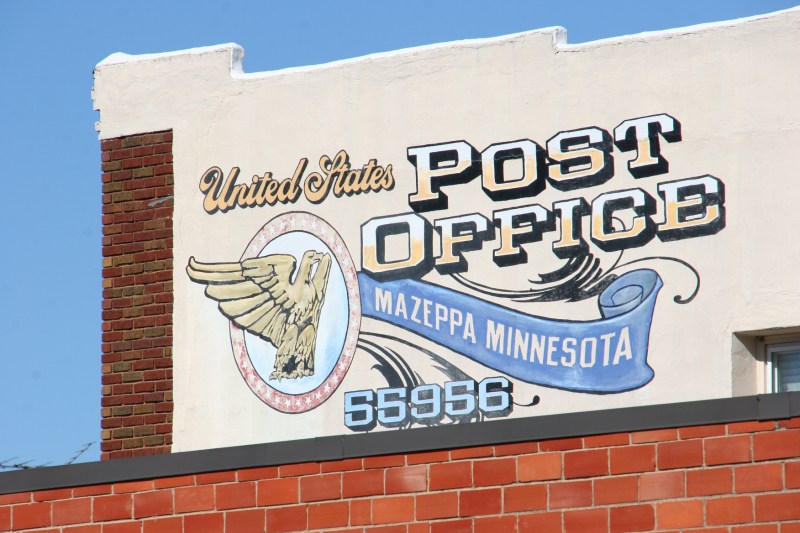
Mazeppa is a visual delight for a photographer. Signs crafted by local sign painter Mike Meyer give this southeastern Minnesota riverside community a signature artsy look. This is a town I remember.


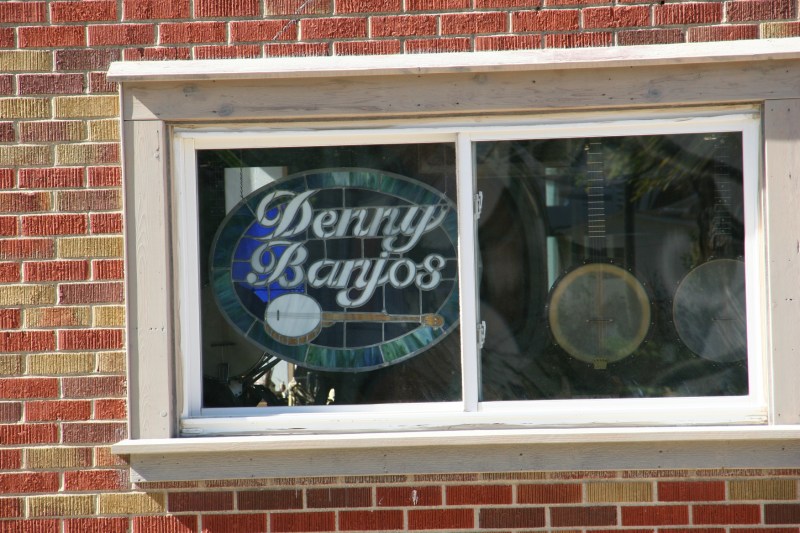
A unique business in Mazeppa. The shop was closed when I was in town. Andy Denny builds banjos here.


That’s the thing, too, about small towns. They need an identity to draw visitors. A unique business or three. A historical site. A theater or other arts venue. A natural attraction.


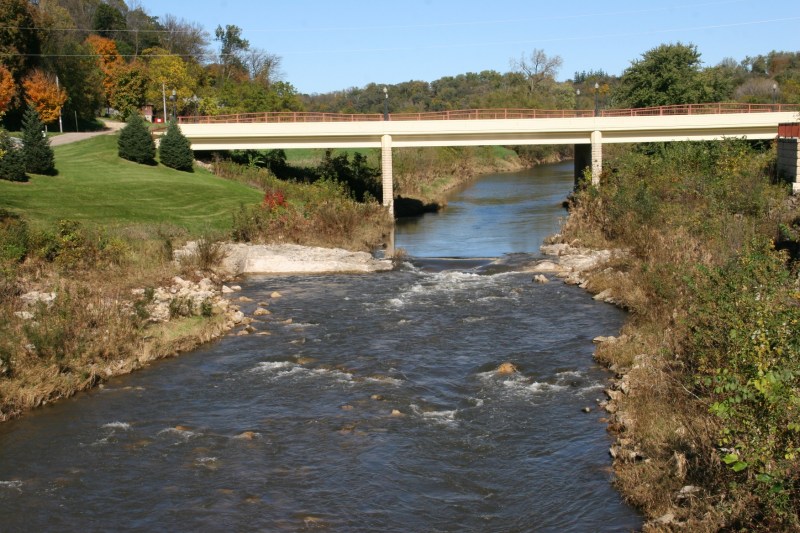
The Maple Street Bridge crosses the north branch of the Zumbro River a block off Mazeppa’s Main Street.


How often have you sidetracked off a main highway or interstate, or even a county road, to drive through a small town, maybe even stop? Not that often, I expect. But you’re missing something by not doing so. You’re missing out on people and places and experiences that are grassroots America. Interesting. Yes, even that quintessential word “charming.” Perhaps vibrant or thriving. Maybe not. But still at their root essence, authentic.


BONUS PHOTOS:

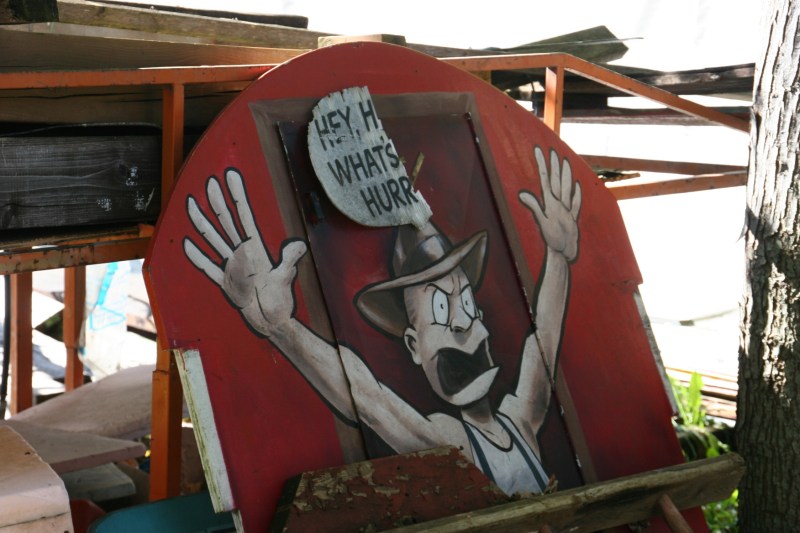
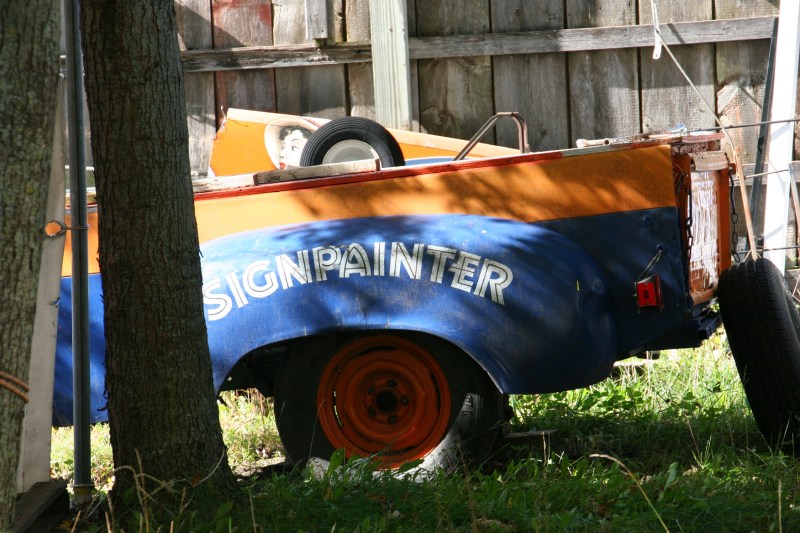
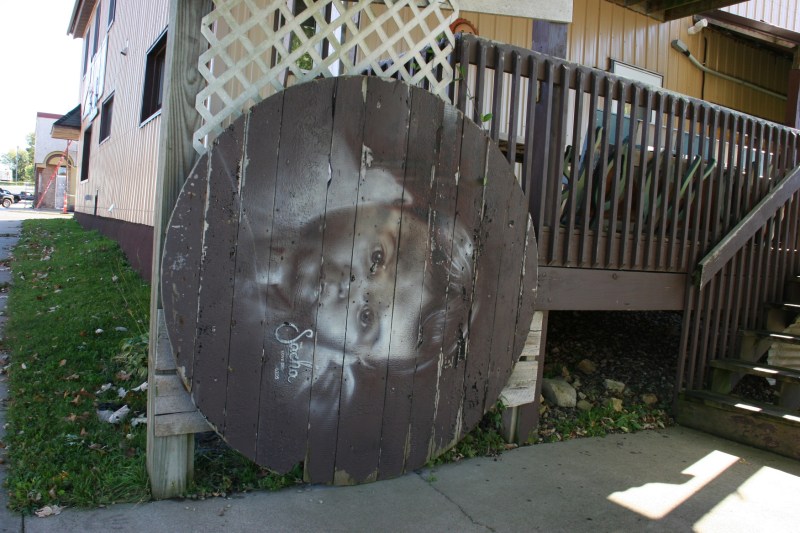
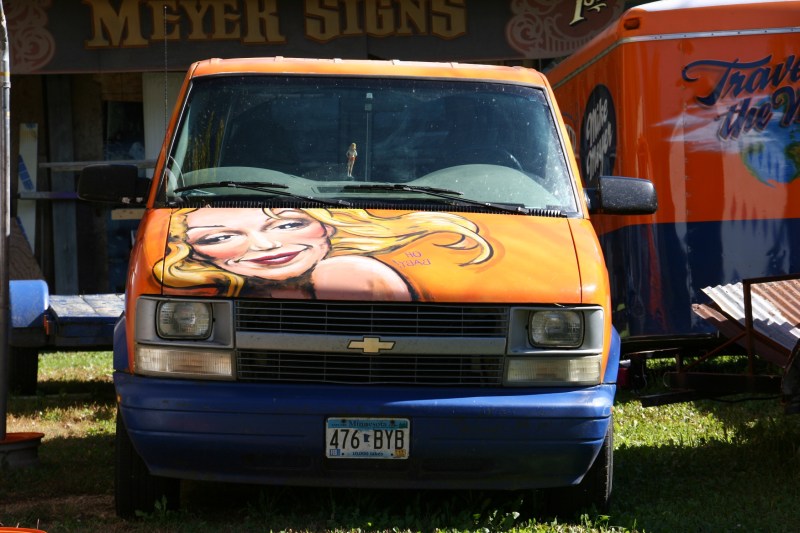
Propped by Mike Meyer’s sign shop.


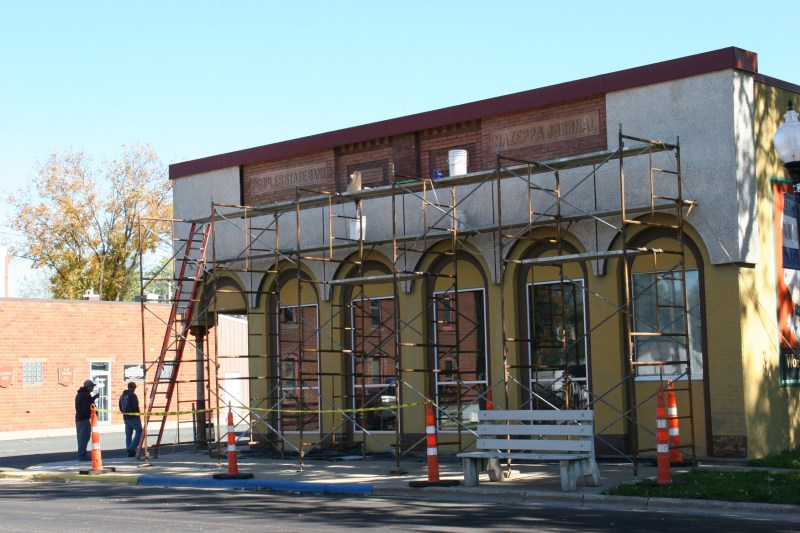
When I was in town in October 2016, work was being done on the original 1909 bank building, now housing the Mazeppa Area Historical Society. The exterior covering of the beautiful brick building traces back to the 1970s when the former People’s State Bank was “updated.”


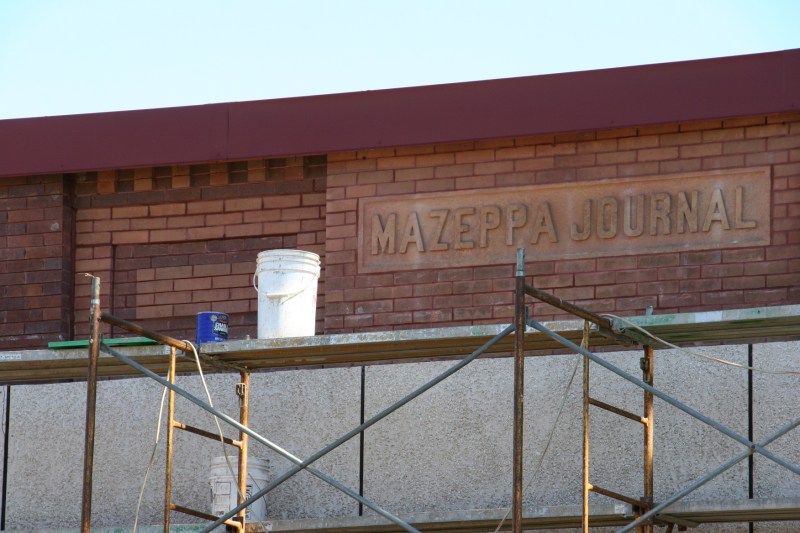
In 1912, an addition was made to the bank building to house the local newspaper.


Signage on the side of the historical society building.


TELL ME about a favorite small town and why you appreciate the community.


© Copyright 2018 Audrey Kletscher Helbling
 

The sign painter of Mazeppa, Part I March 28, 2018

Filed under: Uncategorized — Audrey Kletscher Helbling @ 5:00 AM
Tags: , , , , , , , , ,

I love that Mazeppa restored this historic bridge spanning the Zumbro River and converted it into a pedestrian walkway. Noted W.S. Hewett Company designed the Walnut Street Bridge in 1904.


WHEN I VISITED MAZEPPA awhile back, I fell in love with this town of some 800 just north of Rochester and along the north branch of the Zumbro River.


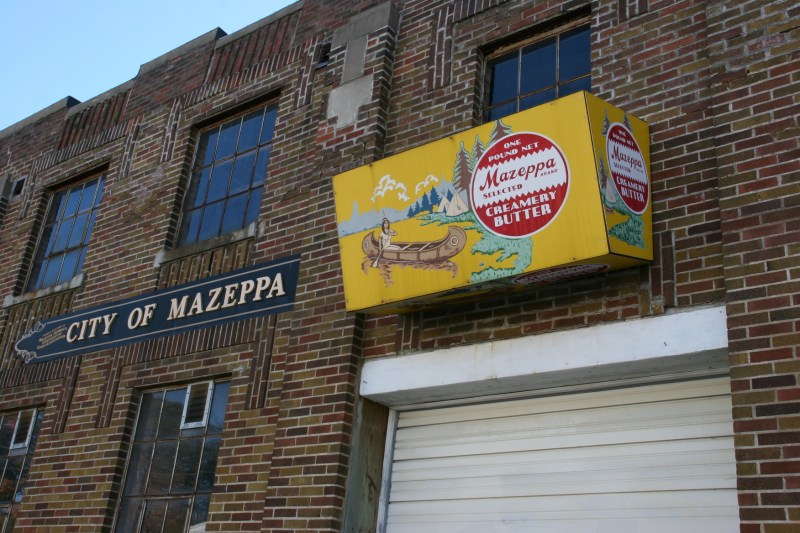
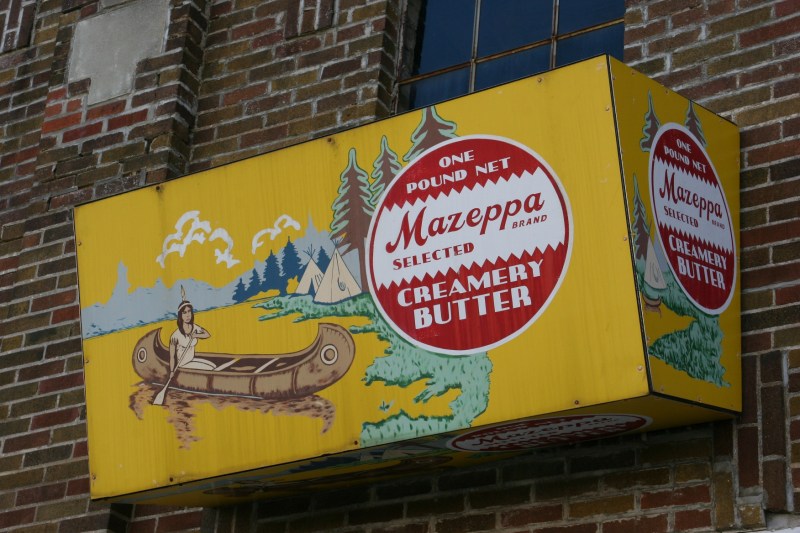
Some of my favorite signage hangs on the City of Mazeppa maintenance garage housed in a former creamery.


This signage honors the butter crafted by the former Mazeppa Farmers’ Cooperative Dairy Association.


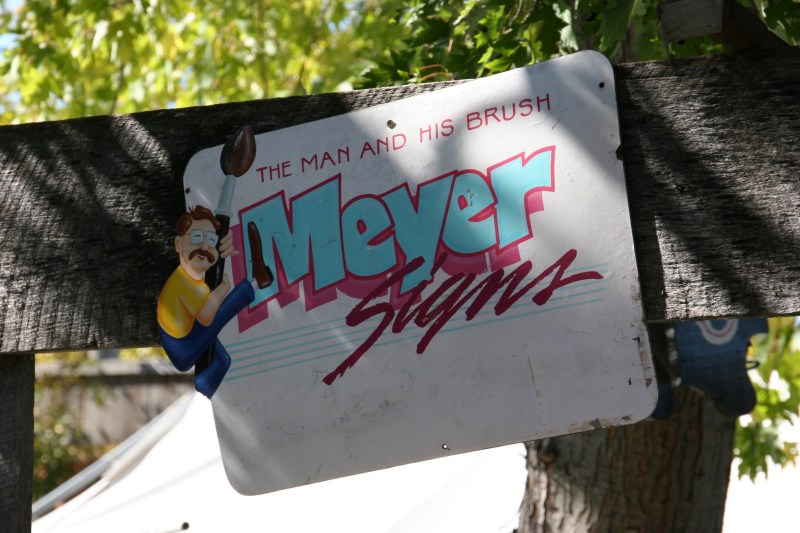
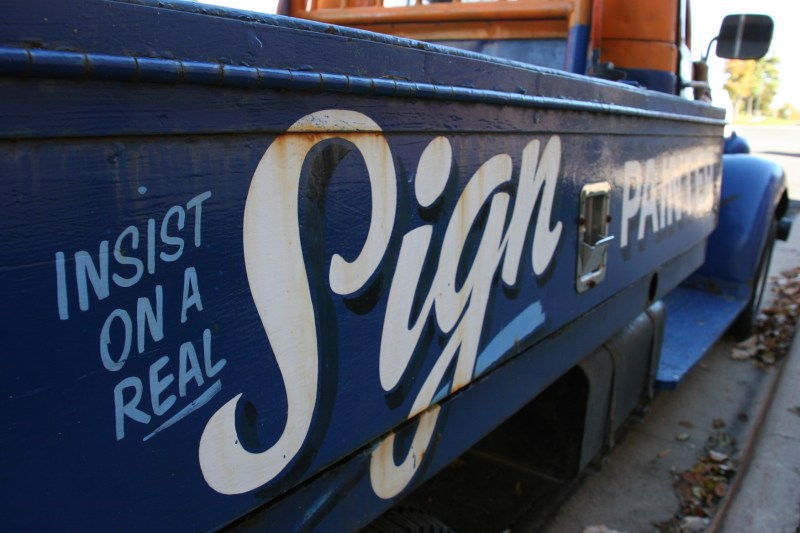
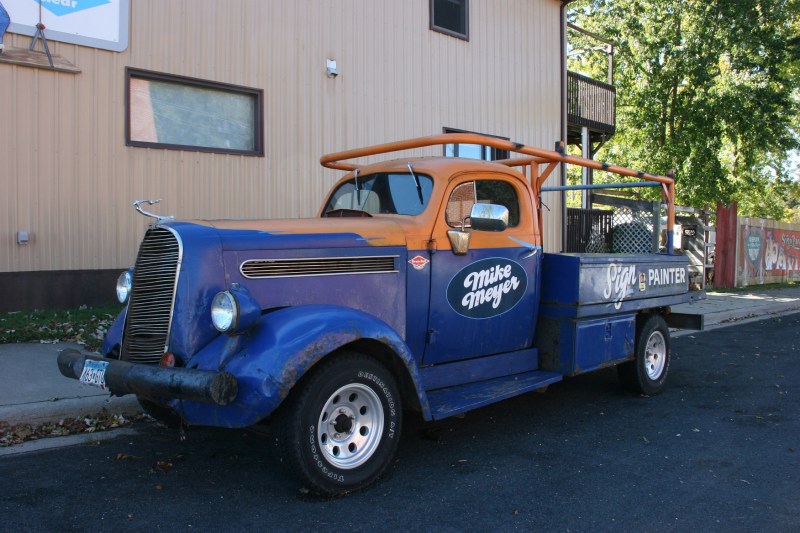
Another favorite of mine: this sign on Mike Meyer’s shop.


Or to be more specific, I fell for the hand-painted signs that grace buildings in this community. Most are the work of local sign painter, Mike Meyer.


Meyer’s corner sign shop was closed on the day I visited. So I knew nothing then of his notoriety. But he is world-renowned for his sign painting skills. This I learned while researching him online and watching the short film, “Man with a Brush.” He leads hand lettering workshops across the country and around the world from Amsterdam to Berlin to Dublin to Barcelona to Sweden and beyond.


Alright then. I’m impressed. But I’m even more impressed by the humbleness of this artist who grew up in Mazeppa and claims there’s no place he’d rather live than in his southeastern Minnesota hometown. His father barbered and painted signs in between cutting hair and Meyer learned from him. He left for three years to serve in the Army, but came right back home to follow his passion of painting signs. He went to sign school, too, and worked for a sign painter before being laid off.


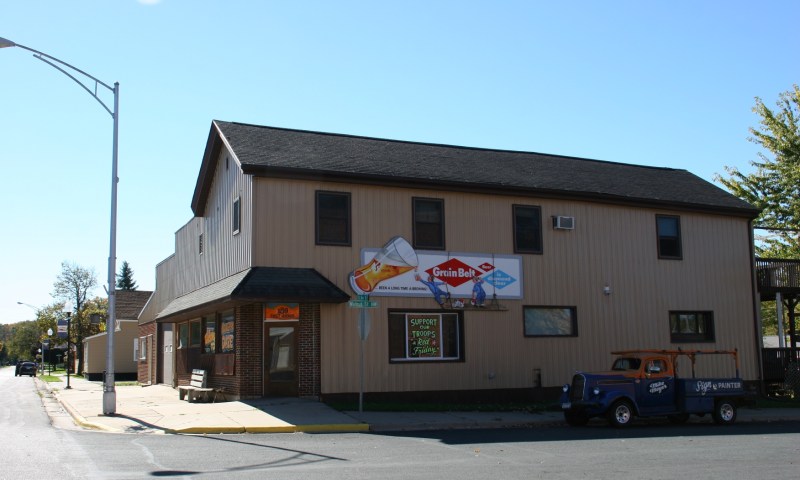
Meyer’s shop anchors a corner of downtown Mazeppa.


That prompted him to take the bold step of opening his own sign shop. One quote in the “Man with a Brush” strikes me in particular: “Nobody really said, ‘Don’t run over the hill like the rest of the rats. Go the other way,’” Meyer says. He chose to make his future in his hometown doing what he loves. Away from the rat race. How many people can say they are doing what they love in a place they love as they go to work every day? Probably not many.


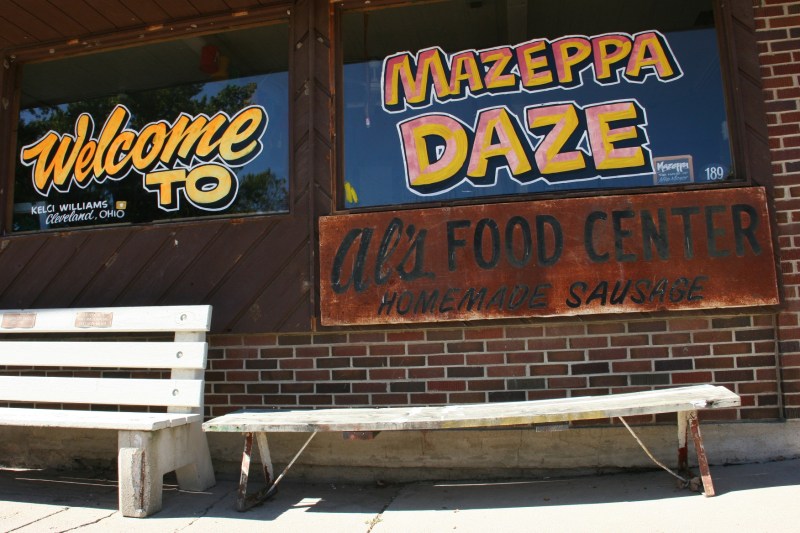
Now Meyer could have just stayed in Mazeppa, tucked away quietly painting signs for businesses and such. But he didn’t. He holds an innate desire to pass along his knowledge, his skills, his passion, to others. That theme of mentorship threads throughout the film on Meyer’s life as a sign painter. He teaches others the artistry of the trade.  Watch the film (click here) and you see the undeniable joy this long-time painter experiences in sharing his expertise while working side-by-side with novices and beyond. He’ll lead workshops locally during Mazeppa Daze in July.


Individuals like Meyer make our small towns unique places that exist outside the rat race. He proves that success and happiness come from within ourselves in following our passions. No matter where we live.


Please check back for another post from Mazeppa.

© Photos copyright 2018 Audrey Kletscher Helbling
Sources: Mike Meyer’s Facebook page, Better Letters Co. and “Man with a Brush” (directed and produced by UK-based Dimension 2)


A lot of Irish in Saint Thomas in Derrynane Township March 20, 2018


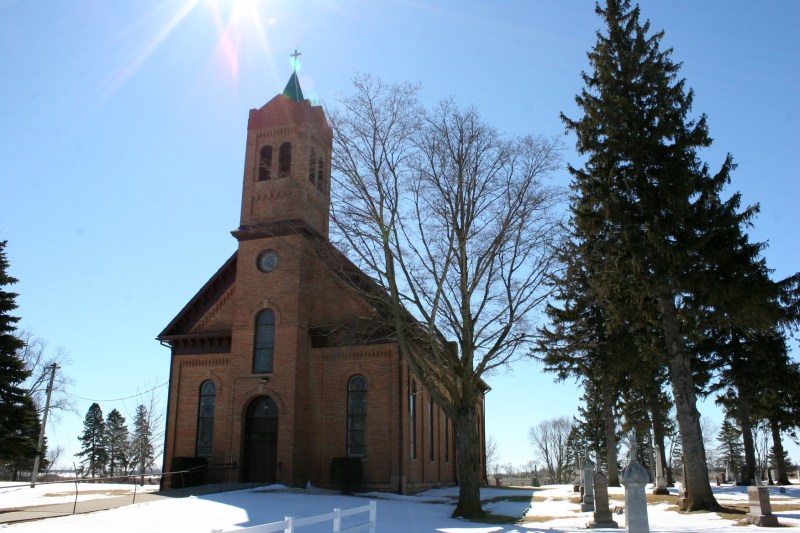
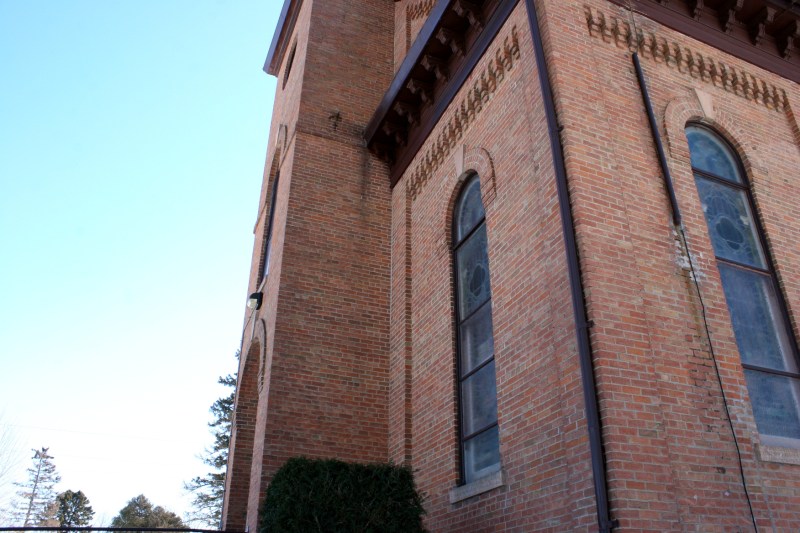
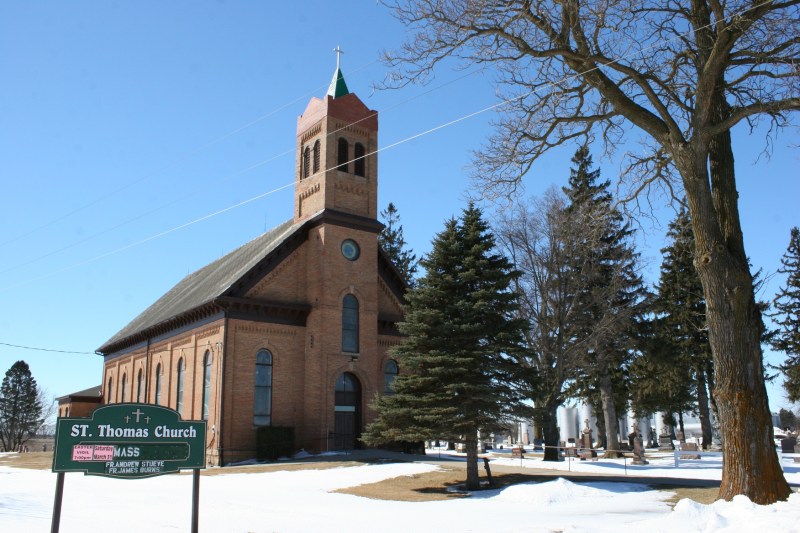
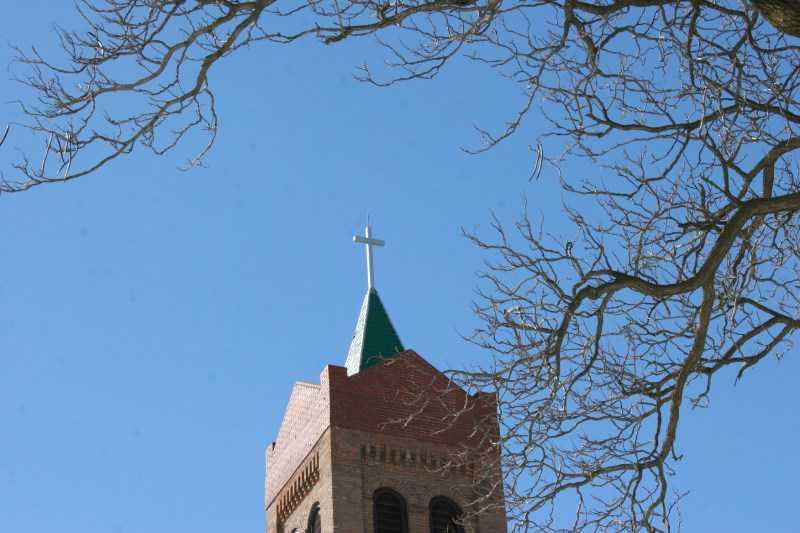
I APPROACHED THE BEAUTIFUL brick church with the full expectation that the doors would be locked. They were. There would be no getting inside St. Thomas Catholic Church on this St. Patrick’s Day. I felt disappointment, but not surprise.


A hot pink sign tacked onto the church sign notes an Easter vigil here on March 31.


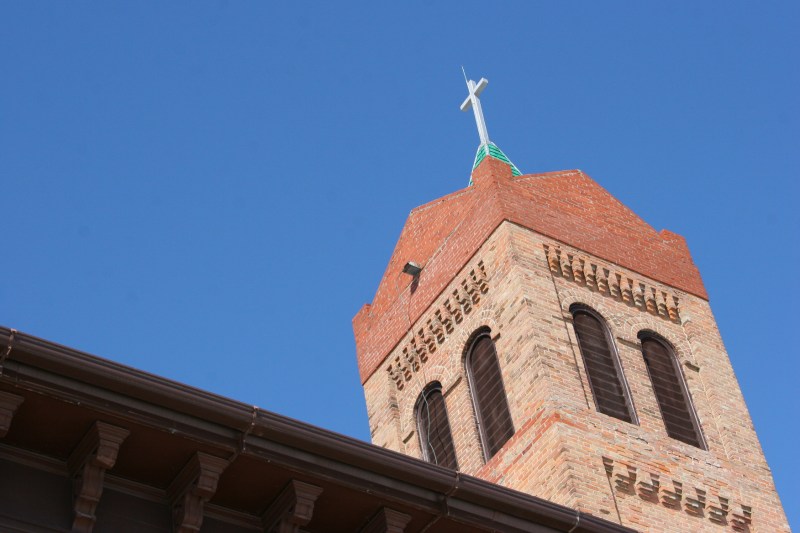
Even though shut out, Randy and I still explored, circling this immense church with stained glass windows and with tower steepling to a cross.


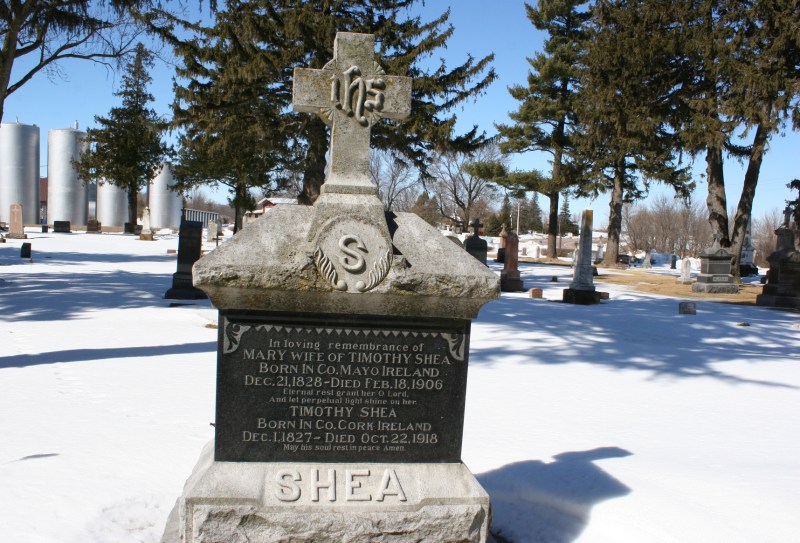
We crunched across crusty snow to look at gravestones that bear the Irish history of this place in names like O’Malley, Shea, O’Connell and noted ancestral roots in Cork County, Ireland and elsewhere.


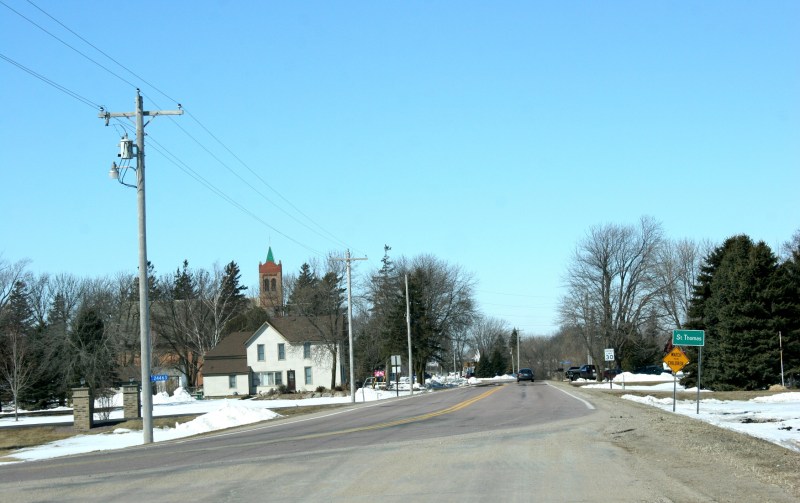
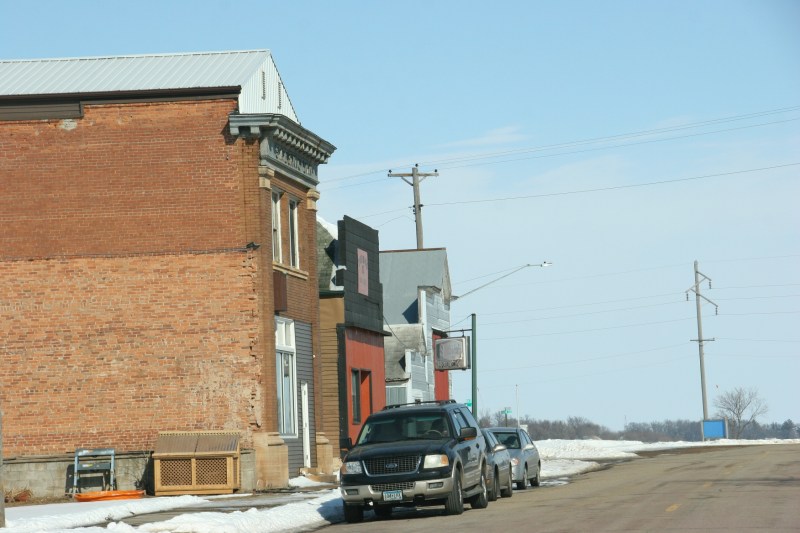
Driving into Saint Thomas, Minnesota.


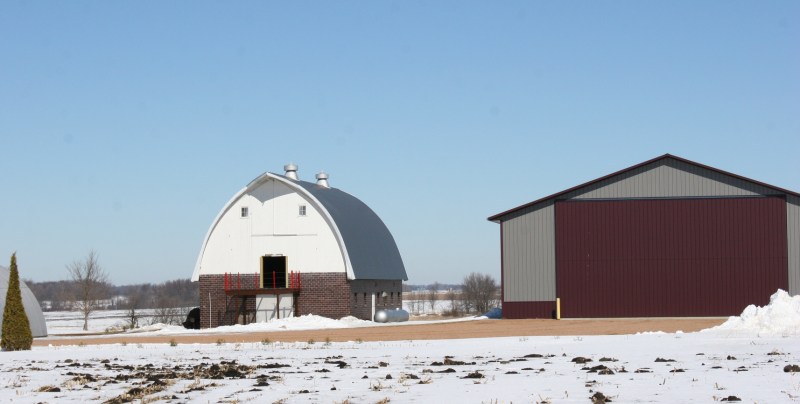
This village lies in the middle of farmland with this farm site on the edge of Saint Thomas.


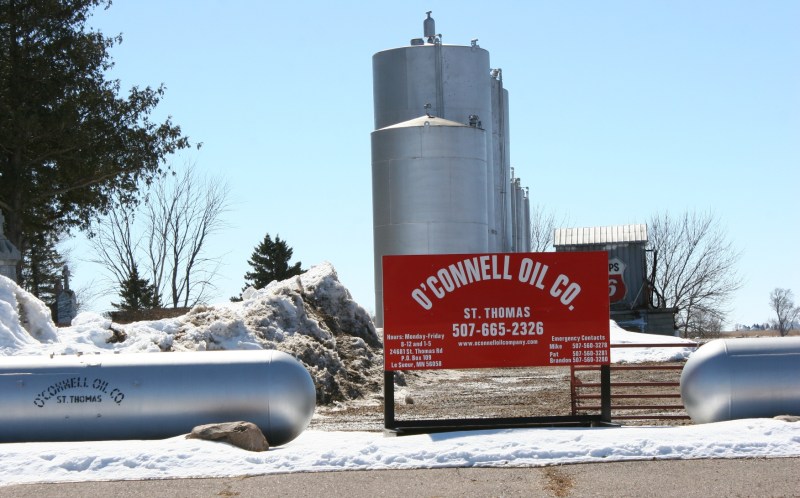
This ag business sits right next to the cemetery.


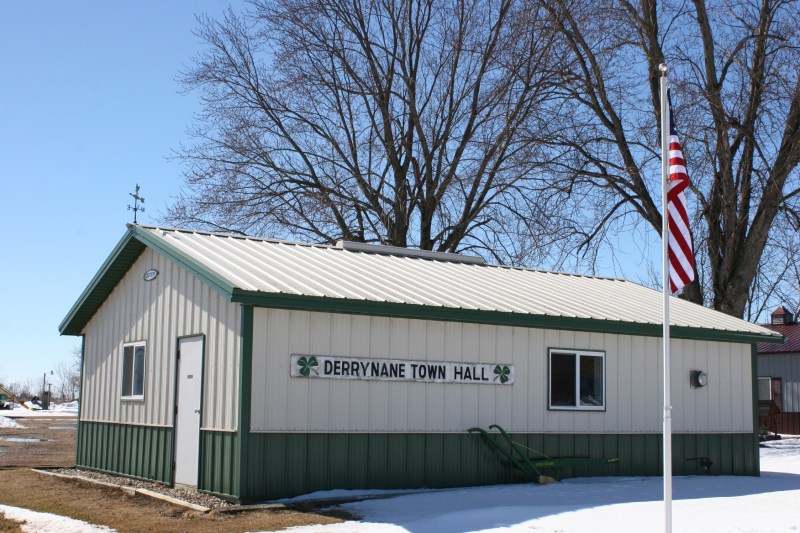
Then comes the town hall.


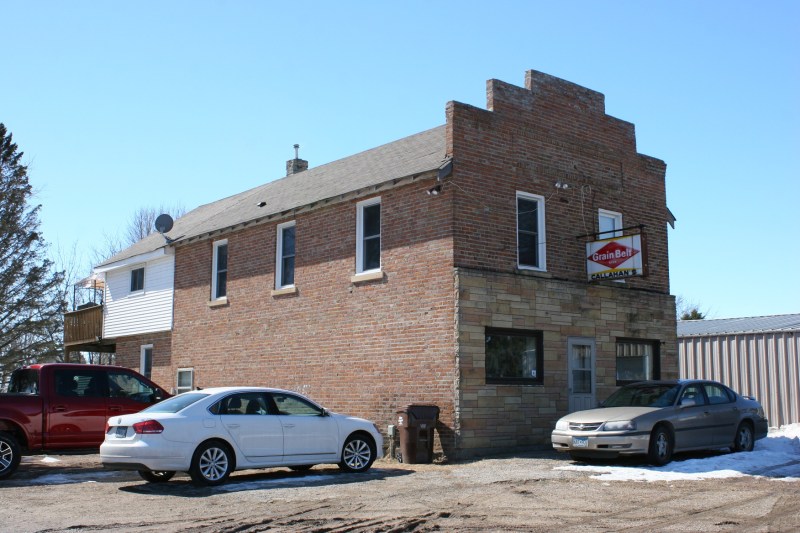
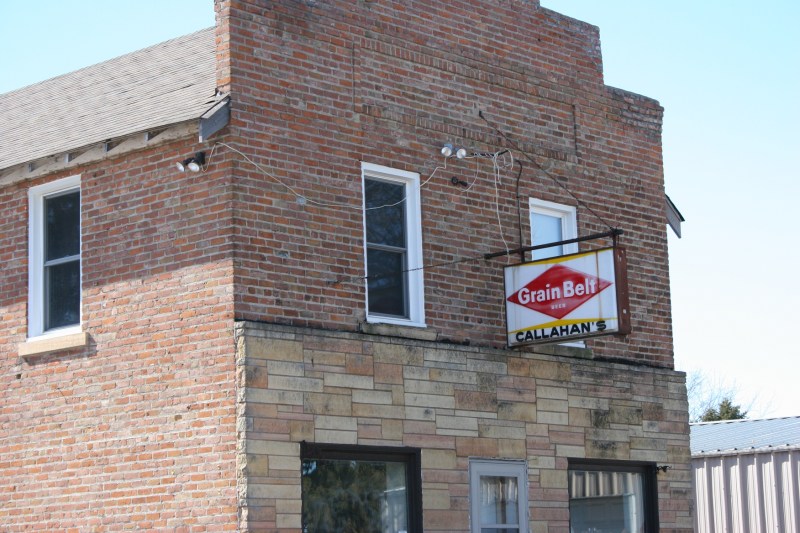
And, finally, Callahan’s, which appeared no longer in business.


Saint Thomas is through-and-through Irish, based on our observations of this unincorporated village along Le Sueur County Road 28 just north of Le Center in Derrynane Township. We found this settlement via an atlas that is our guidebook to mostly unknown places in Minnesota. With a name like St. Thomas, we expected a Catholic church and not much more.


The church, built in 1883, closed in January 2011, just another among many rural Catholic churches shuttered and merged. Mass is still held occasionally at St. Thomas.


I often wonder how long such mostly vacated churches will stand. St. Thomas appeared well-cared for still. At least on this St. Patrick’s Day in 2018. But when those who once worshiped weekly here are gone, will their descendants care? Will they still tend the cemetery, swing open the doors for an Easter vigil? I hope so.


© Copyright 2018 Audrey Kletscher Helbling
 

Evan, like so many small southwestern Minnesota towns, is fading into the prairie March 19, 2018

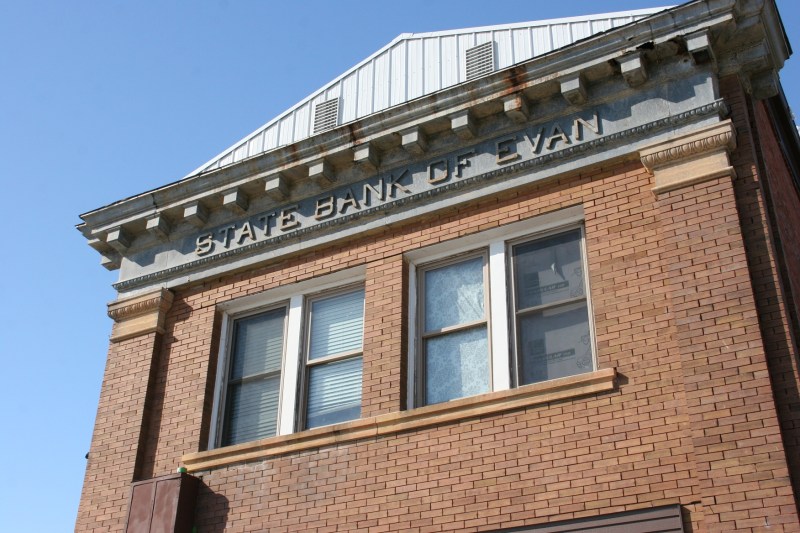
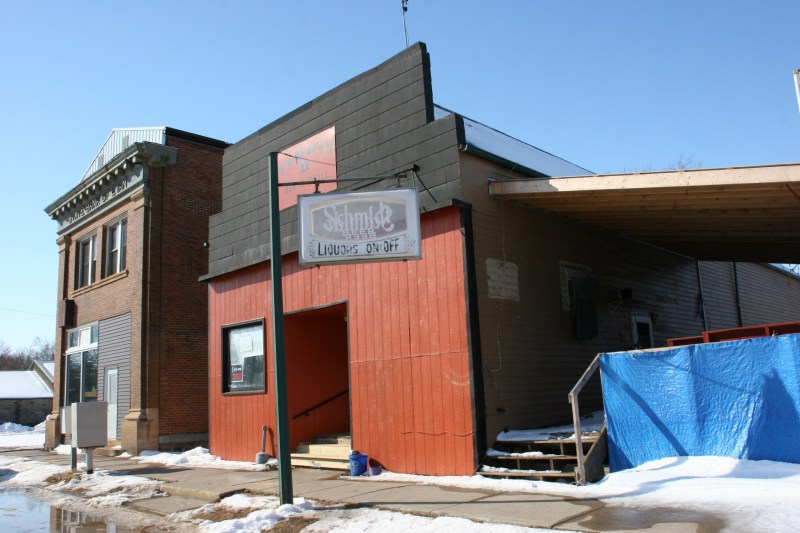
Downtown Evan today anchored by a former bank building.


LIKE SO MANY OTHER SMALL TOWNS on the southwestern Minnesota prairie, Evan once boasted a long list of businesses—creamery, bank, two general stores, hardware store, lumberyard, blacksmith shop, stock dealer, garage, implement dealer, three elevators, restaurant, utility company, library and two churches.


Evan, incorporated in 1904, is named after Eva Hanson, married to Nels. He platted the railroad station known as Hanson Station several years earlier.


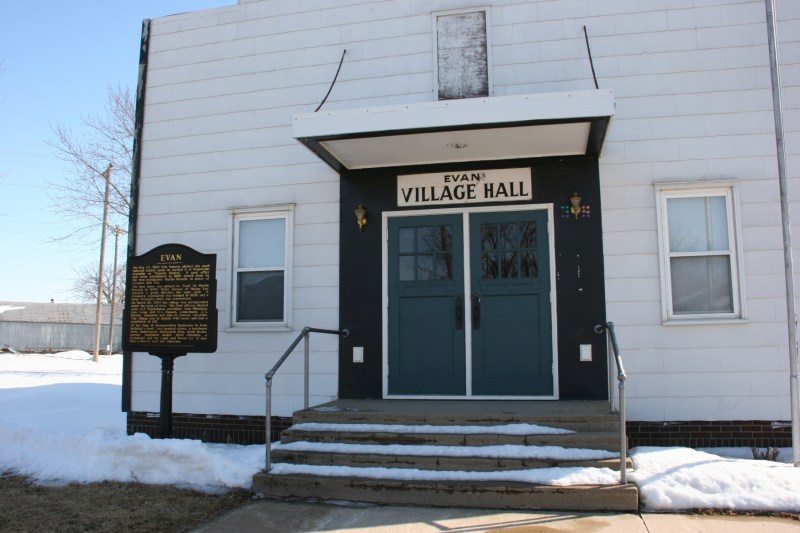
So claims the historical marker fronting the village hall in this Brown County community of around 80 residents.


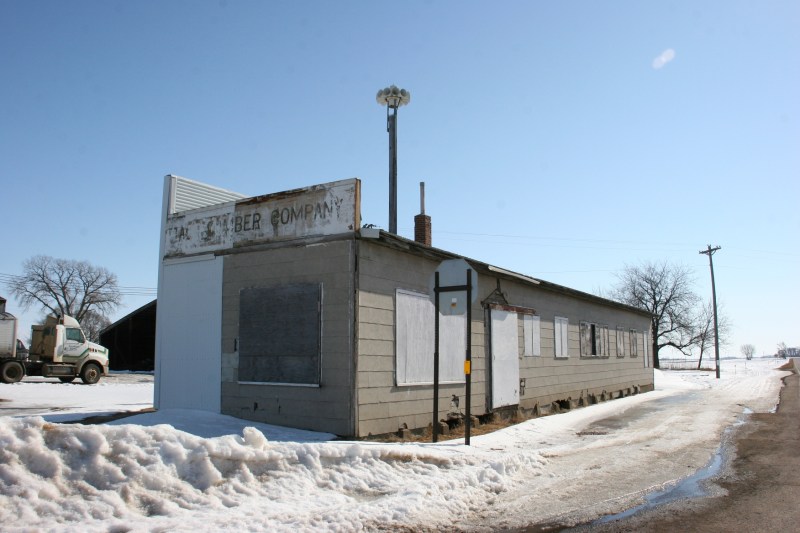
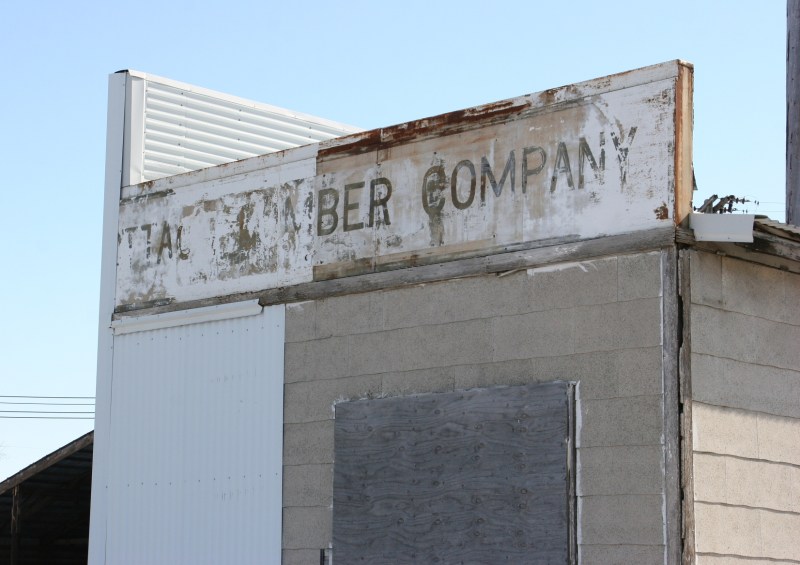
Fading signage identifies this as the former lumberyard.


Today only remnants of those original businesses remain.


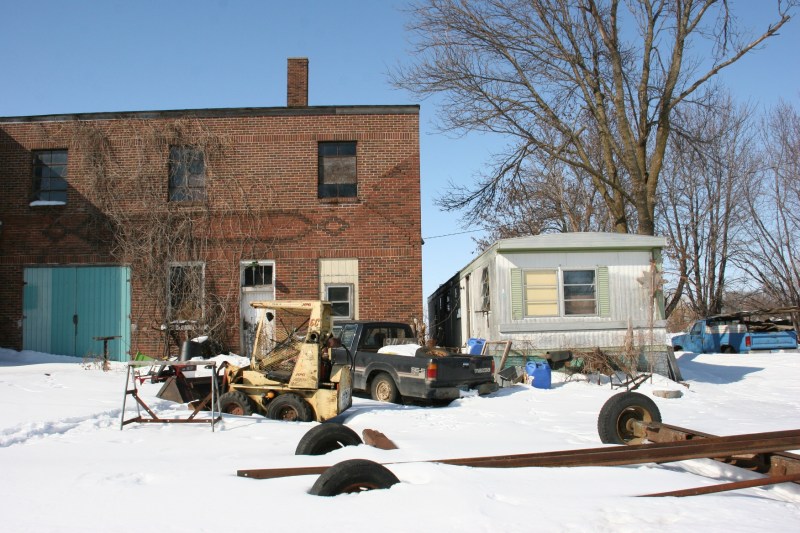
I believe the brick building may be the former creamery.


On a recent drive through Evan, I noted the decline.


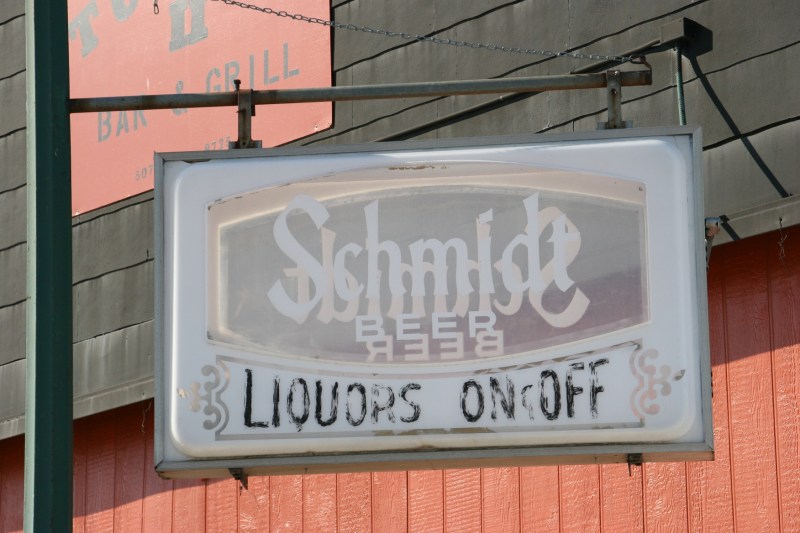
This vintage sign hangs outside Tubby’s II Bar & Grill. A sign in the window noted the bar is closed for the winter.


Faded signs.


Boarded windows.


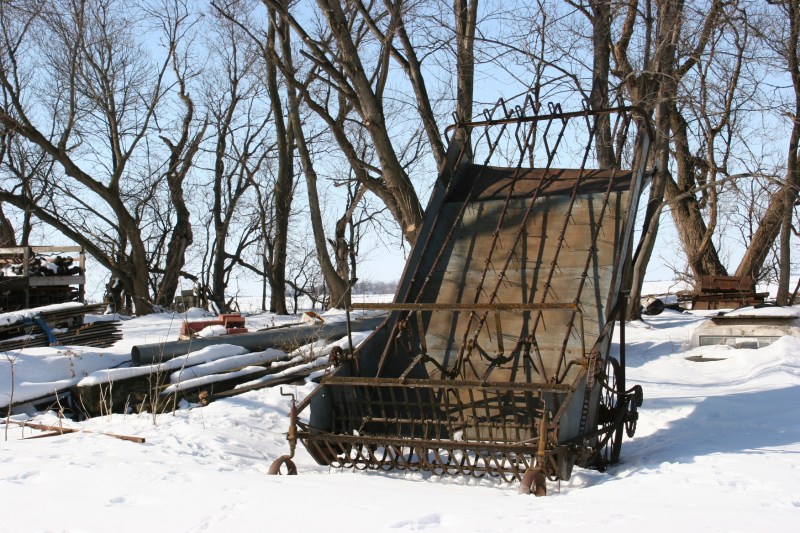
This vintage hay loader rested among other junk.


Clustered junk.


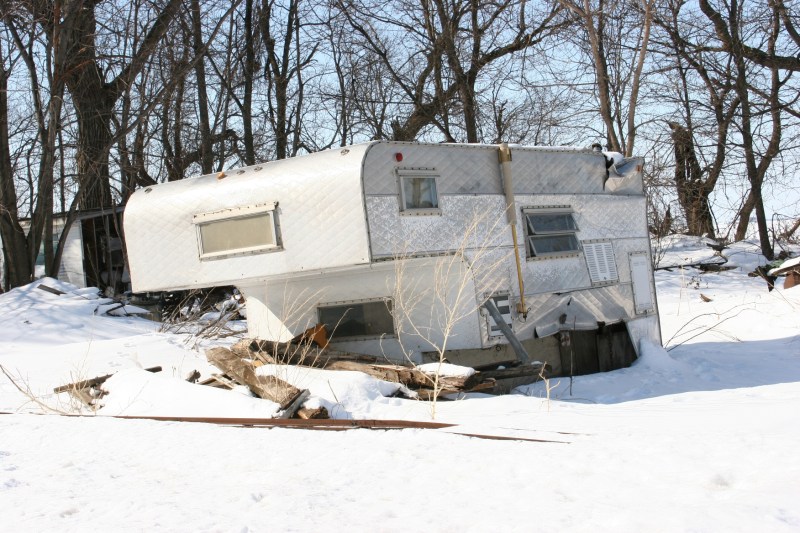
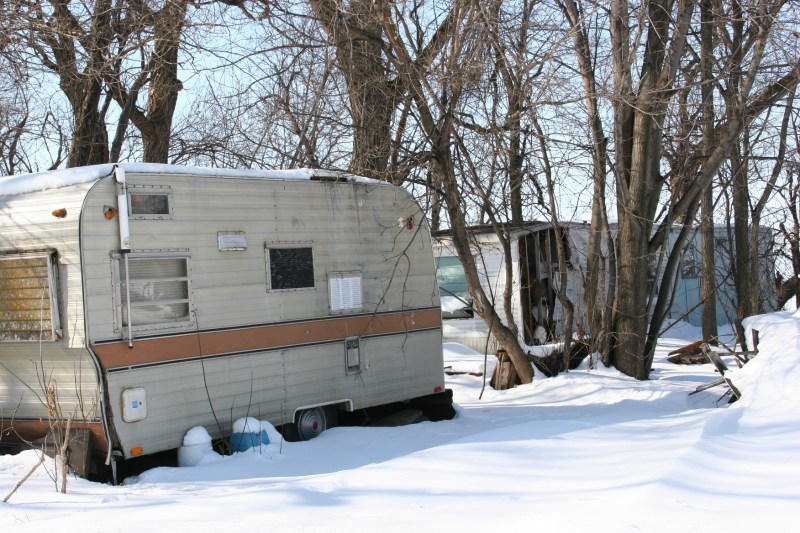
I’ve never seen anything like this graveyard of campers and trailers.


Abandoned campers and trailers and trucks. It made me sad, just sad, to see the abandonment.


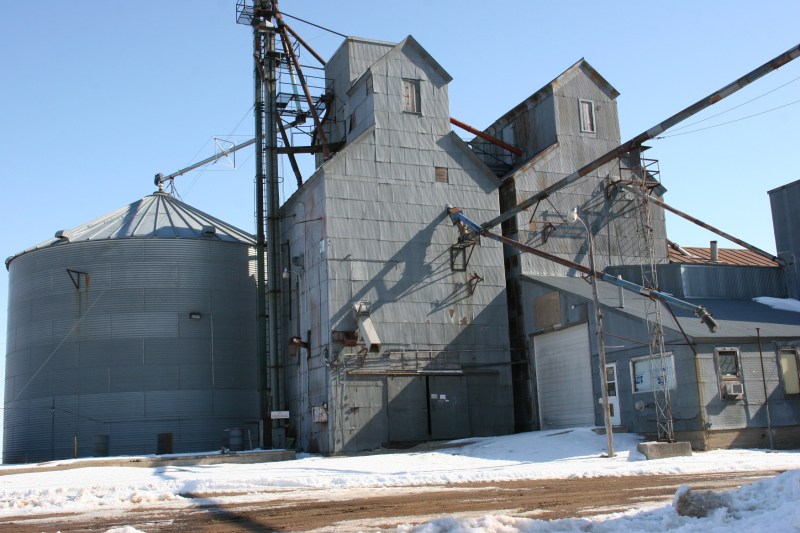
The old grain elevators still stand on the edge of town along the highway.


But none of this surprises me. It’s our fault really. We are a much more mobile society, a society much different than back-in-the-day or even 20 years ago. At one time, places like Evan thrived as area farmers and locals kept their business local. Today regional shopping centers pull in customers from all those small towns.


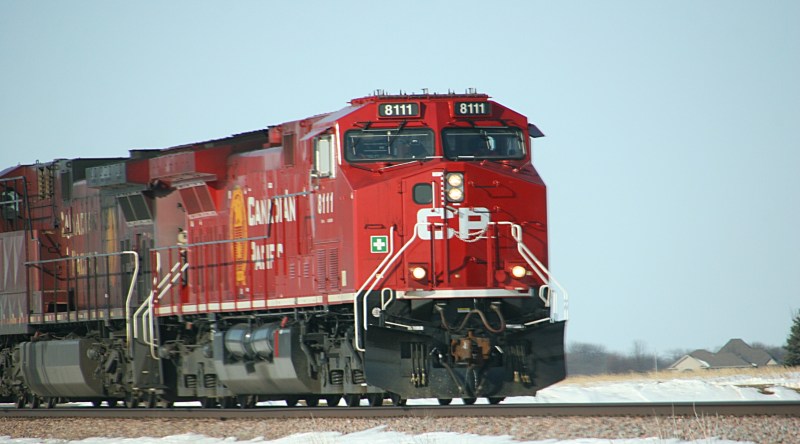
The train still runs, not through Evan, but through neighboring Sleepy Eye.


The railroad left.


Without jobs, with our farmer fathers still farming, many from my generation of Baby Boomers left Minnesota’s small towns. We couldn’t bank on a future in our rural hometowns.


Attitudes changed. Kids from my generation left for college and bigger cities and better opportunities. There’s nothing wrong with that desire to see the world, to become something other than our parents. But in doing so we added to the demise of many a small town. I am hard-pressed to think of many classmates who stayed in my hometown of Vesta 45 minutes from Evan to the north and west. Vesta, too, is a shell of the community it was when I grew up there in the 1960s and 1970s.


Grain bins on opposite ends of town mark this as a farming community still today.


I don’t pretend to know the intricacies of Evan’s decline except an overall understanding of why once thriving towns now are mere ghosts of their pasts. Certainly Evan’s remote rural location factors into the mix. Located along Minnesota State Highway 68, Evan is easy to bypass on the shortcut route between Sleepy Eye and Morgan.


The only person or moving vehicle I saw in Evan during my short stop there.


Yet, Evan is home for some. I saw newer homes there. Not new as in recent, but newer than old. I saw a lovely church and that well-kept village hall. And grain bins. And the fading letters on the lumberyard, a visual reminder that at one time a demand for building supplies existed in a farming community that once prospered.

© Copyright 2018 Audrey Kletscher Helbling
 

This & that from my tour of downtown Sleepy Eye, Part IV March 13, 2018

Editor’s note: Today’s post concludes my four-part series from downtown Sleepy Eye in southwestern Minnesota. This final photo essay presents a mishmash of images. Enjoy.


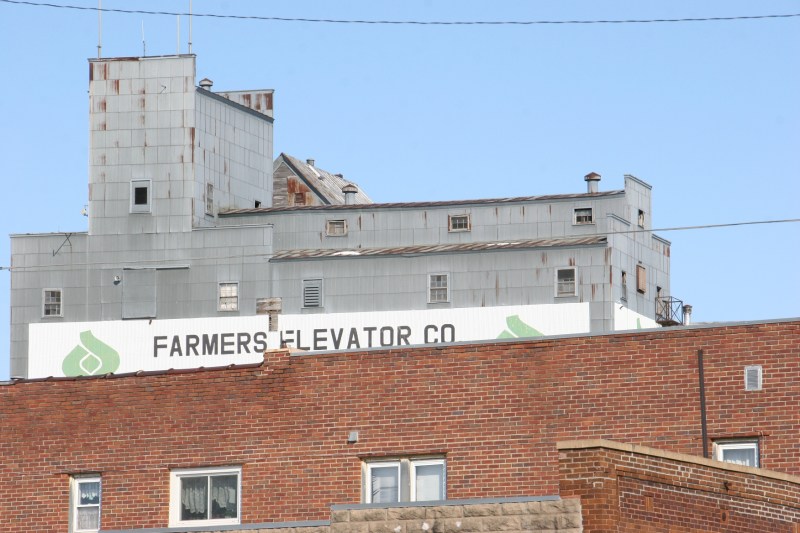
The Sleepy Eye Farmers Elevator stands as a visual reminder of this area’s strong farming base. However, the elevator has not been used since 2009 and was purchased by a private party from Central Region Cooperative just a year ago.


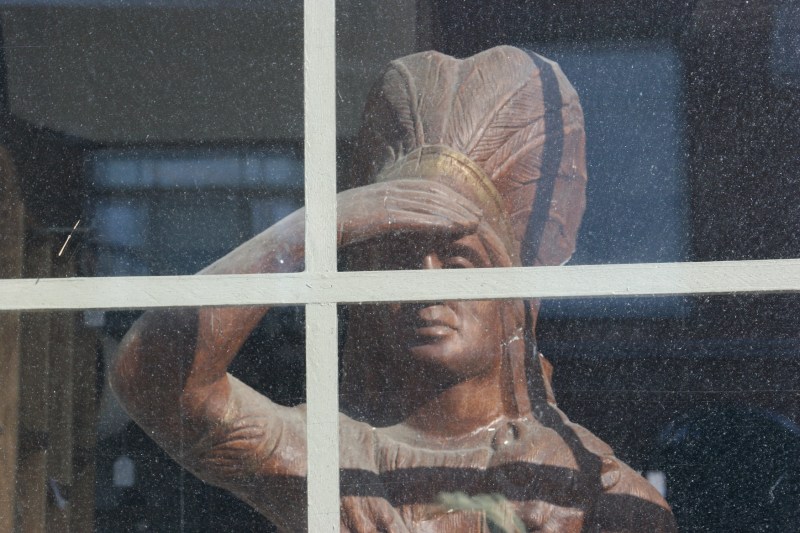
An Indian chief, spotted in a storefront window, connects visually to the town’s namesake, Chief Sleepy Eyes.


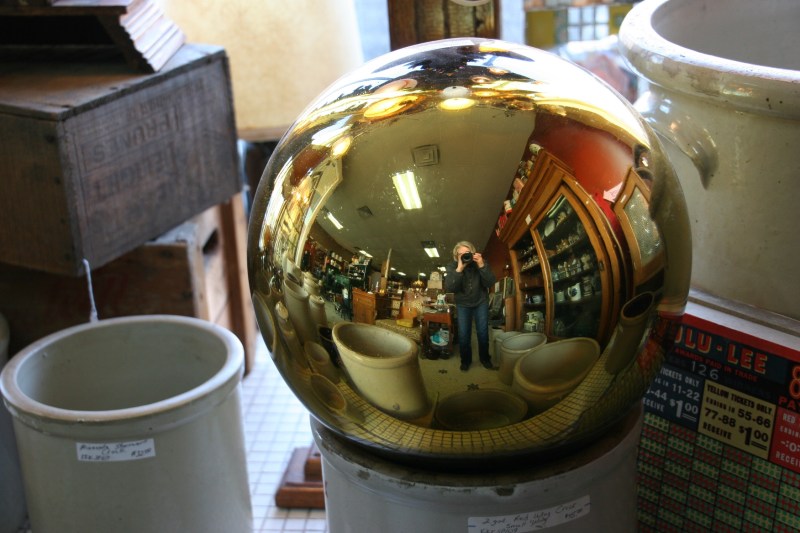
I took my camera inside K & J Antiques & Collectibles where shopkeeper Kurk Kramer graciously allowed me to take photos.


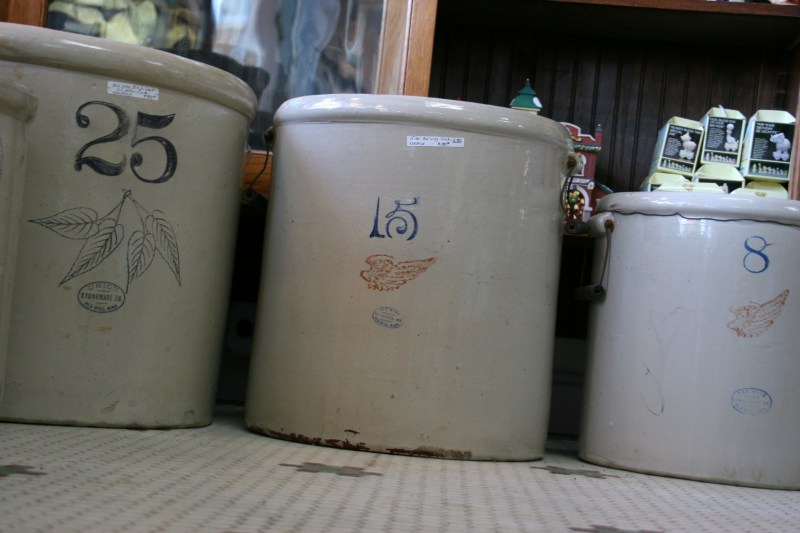
Red Wing crocks and a beautiful vintage tile floor drew my attention in this former bakery turned antique shop.


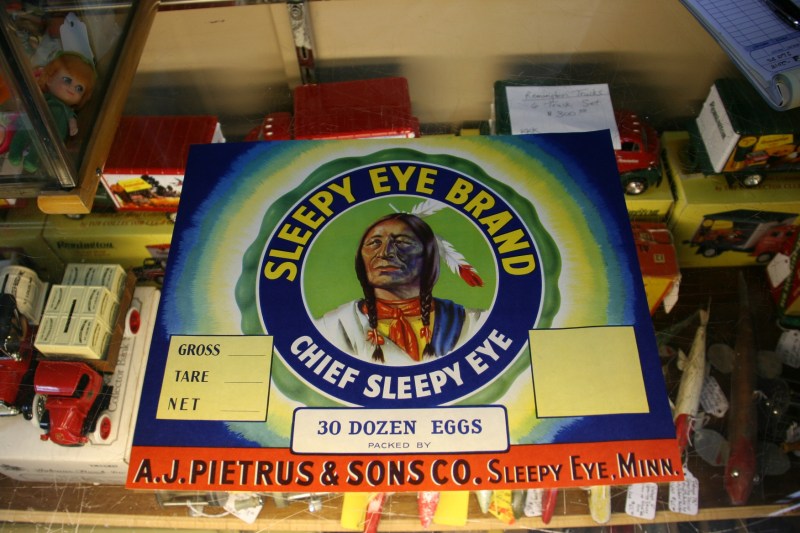
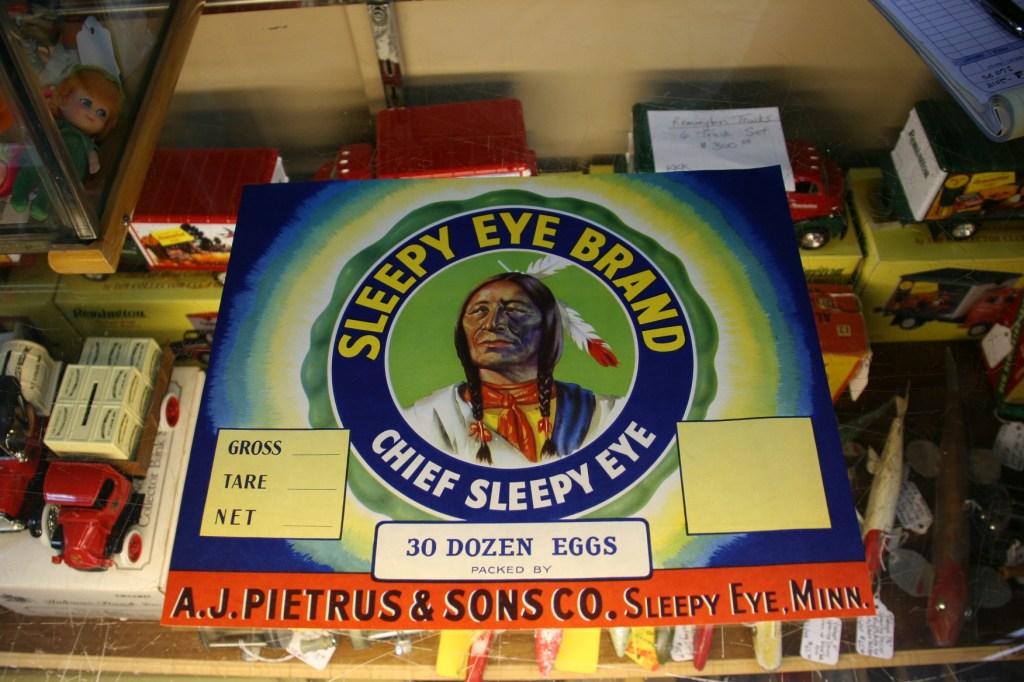
Dakota Chief Sleepy Eyes is the town’s namesake. Kurk Kramer pulled this A.J. Pietrus & Sons vintage promo from a display case. He has plenty of Sleepy Eye collectibles for sale.


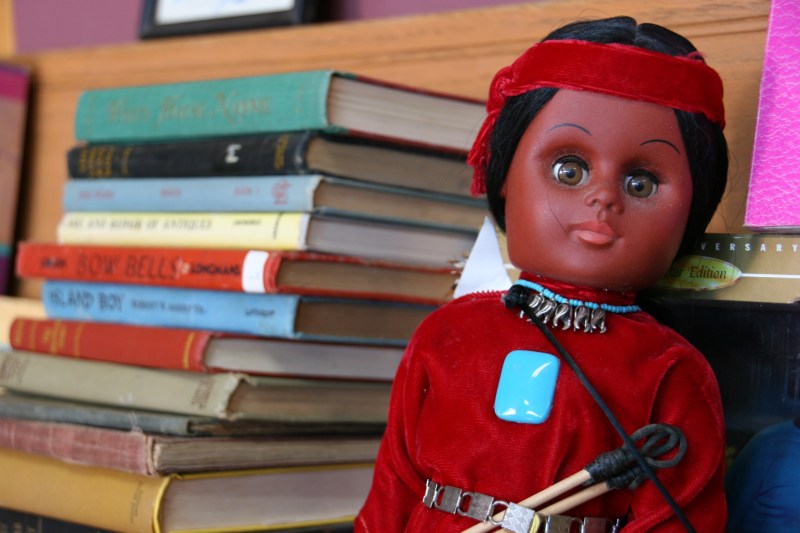
Native American collectibles are prominently displayed in this town named after a Dakota chief. This doll is offered for sale at K & J Antiques.


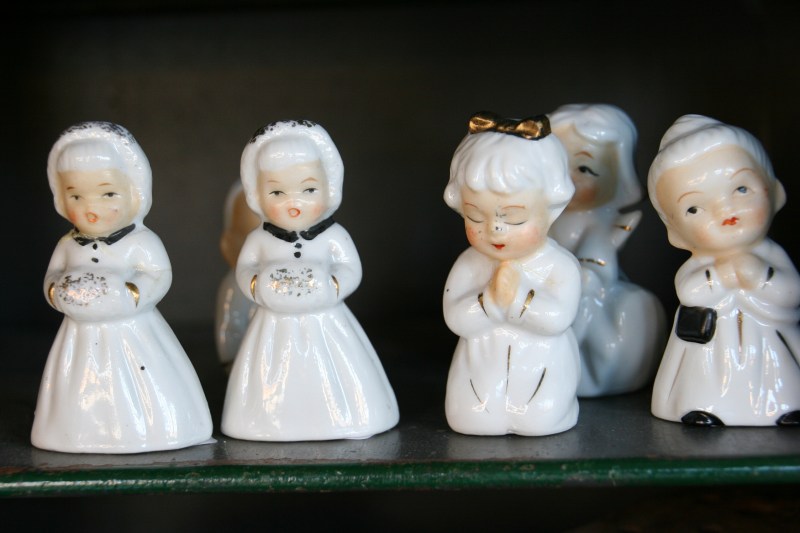
Sleepy Eye has a strong faith community with St. Mary’s Catholic Church and churches of other denominations. These figurines are shelved at K & J Antiques.


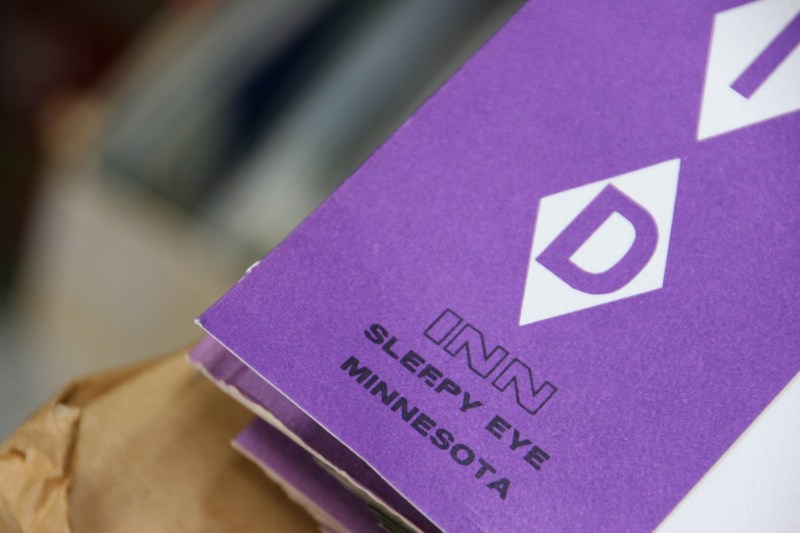
This photo shows a corner of a promo for the Orchid Inn, once a fine dining, banquet and dance hall in Sleepy Eye. These vintage paper pieces are for sale at K & J Antiques. The promo boasts (in part): “Of prime importance is the fact that while conveniently located, the Inn does provide the host with a site free of metropolitan distractions–a vital factor in group control.” It’s an interesting piece of literature for a former regional gathering place. Plans call for the property to become a STEM learning center with a focus on agriculture.


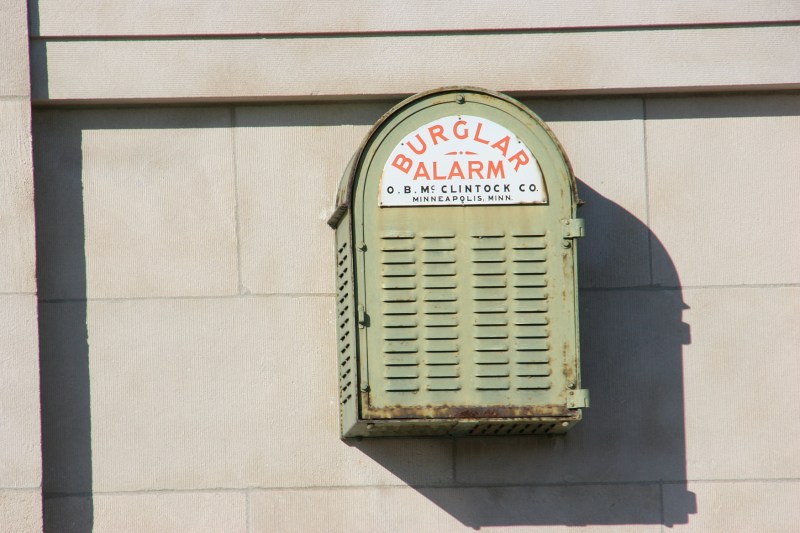
On a stalwart former bank building, I noticed this vintage alarm.


On another building I spotted this rusted mail slot. It looks like it’s been there awhile, as has the door.


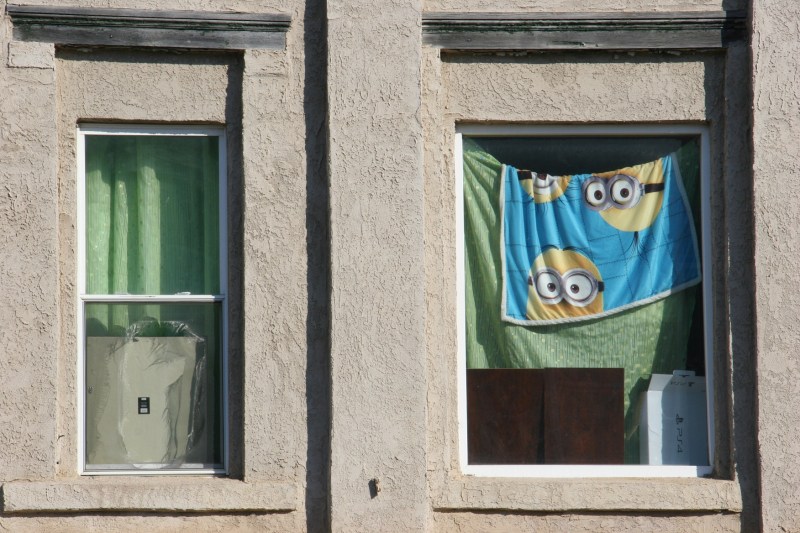
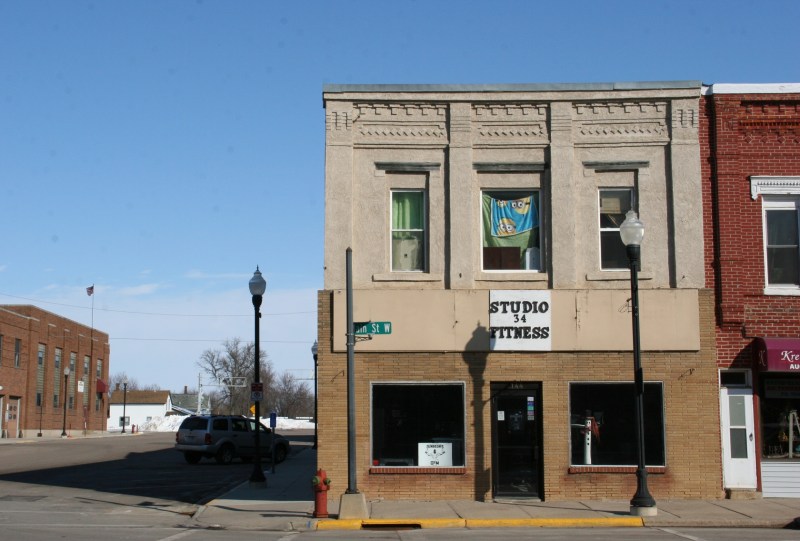
I notice details, including this Minion towel hanging in a second floor window in an historic building. Made me laugh.


If you are interested in reading past posts written about Sleepy Eye through the years, please type Sleepy Eye into my blog search engine. Note that Sleepy Eye is much more than I presented in this four-part series. These posts are a result of about an hour spent walking through the downtown area before I had to be on my way. Plan your own trip to explore this community in Brown County, Minnesota. Click here to visit the Sleepy Eye Chamber of Commerce & CVB site for more information. 

© Copyright 2018 Audrey Kletscher Helbling
 

From Mazeppa: When fire destroys a community gathering place March 12, 2018


PERUSE THE FACEBOOK PAGE for WD’s Bar & Grill in Mazeppa and you get a strong sense of what this business means to the folks of this small southeastern Minnesota community north of Rochester.


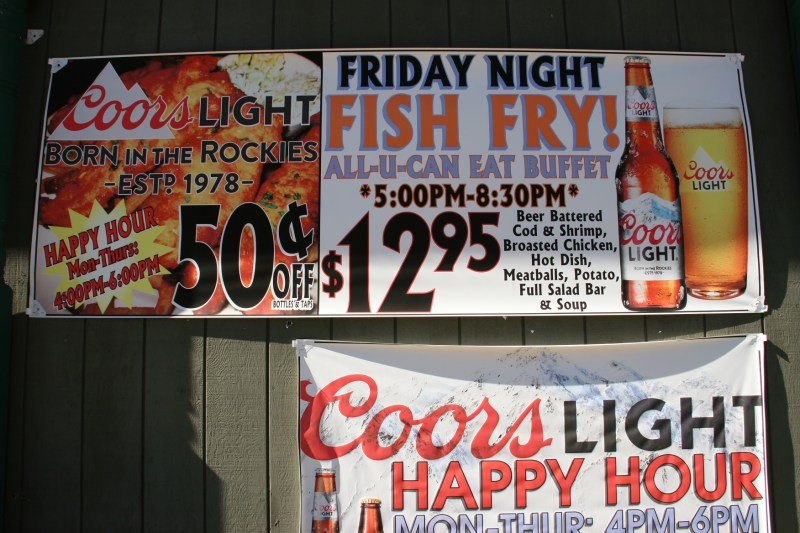
Here locals gather to celebrate special occasions like Valentine’s Day with prime rib and jumbo shrimp dinners. Or birthdays with burgers and a beer. And during this season of Lent, a Friday Night Fish Fry draws crowds. This seems the place to be—to meet your family, your friends, your neighbors, to commune over good food and conversation.


But no more. Early Sunday morning this 1900 brick corner building in the heart of this town burned. I can only imagine how locals are reeling from the loss of a community gathering spot. When a town of around 800 loses a business, it loses part of its identity. I should note, though, that Mazeppa still has other bars/restaurants/gathering places.


I visited Mazeppa in October 2016 and found it an especially interesting community to photograph given the historic buildings and also the incredible building signage created by resident sign painter Mike Meyer. If only I’d stepped inside WD’s Bar & Grill during that brief visit. There’s a lesson to be learned in that. Although I documented this town with my camera, I didn’t really experience it. I didn’t walk into that long-time bar and grill and observe the locals, feel the heartbeat of this community. I regret that now.

Even if WD’s chooses to rebuild, something will have been lost. Not in the people. But in the setting of history, of a rooted sense of place.


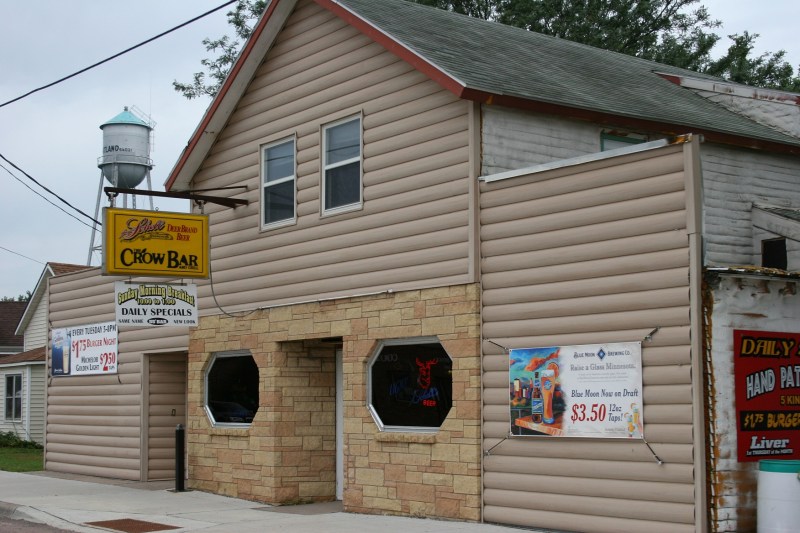
The Crow Bar & Grill, Courtland, Minnesota. Minnesota Prairie Roots file photo July 2014.


FYI: Click here to read a post from November 2015 about another small town bar and grill destroyed by fire. Last time I passed by nearly two weeks ago, a new building stood on the site in Courtland, presumably the rebuilt The Crow Bar & Grill.

Please check back soon for more photos from my October 2016 stop in Mazeppa, including the signage of Mike Meyer. It’s time I post those forgotten filed images.

© Copyright 2018 Audrey Kletscher Helbling
 

The art of signs in Sleepy Eye, Part III

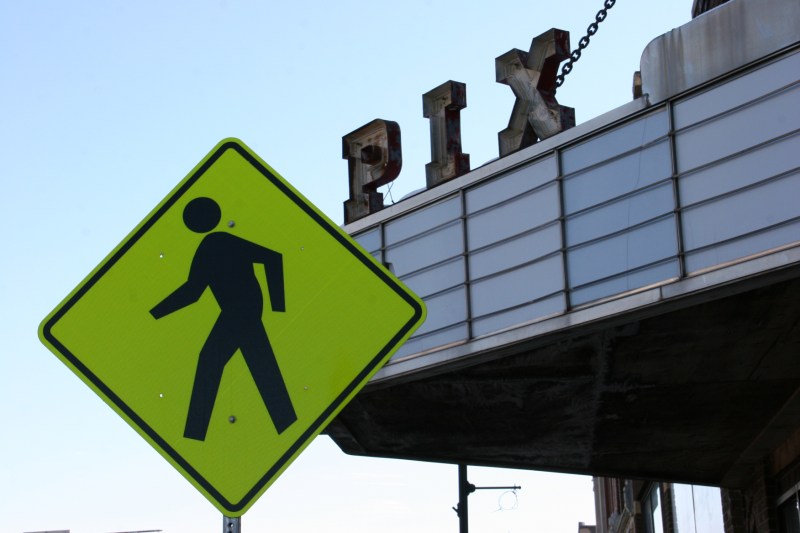
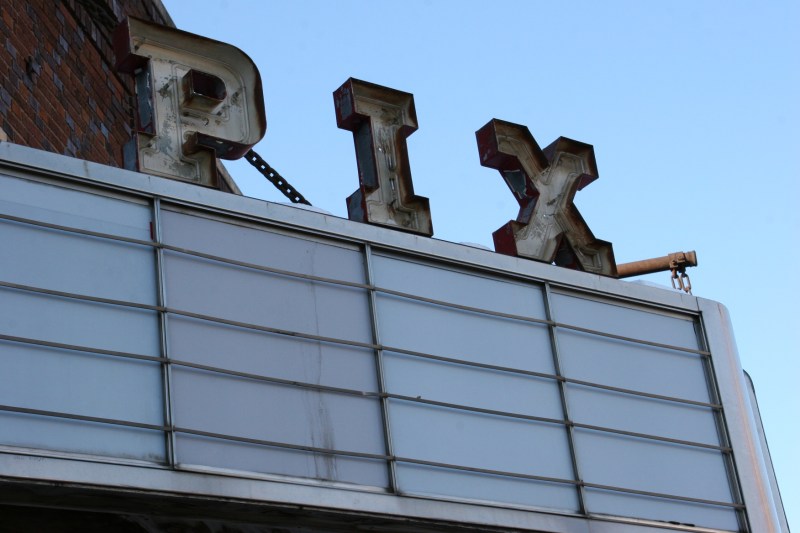
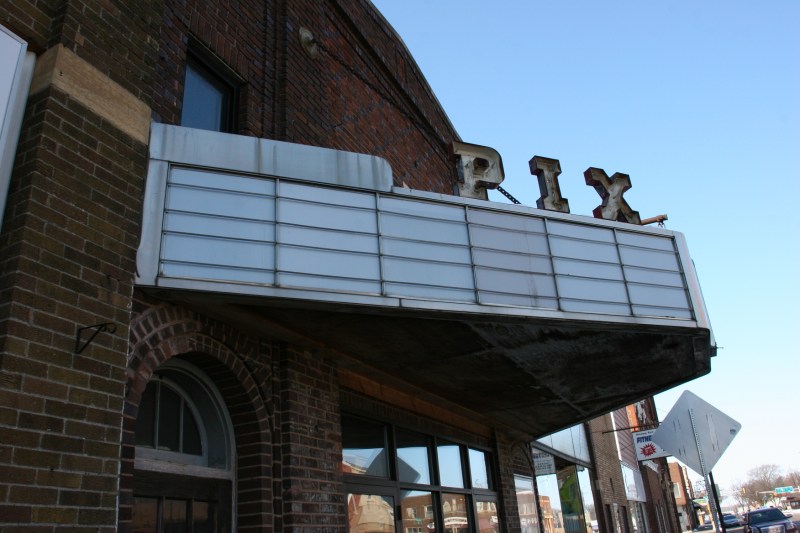
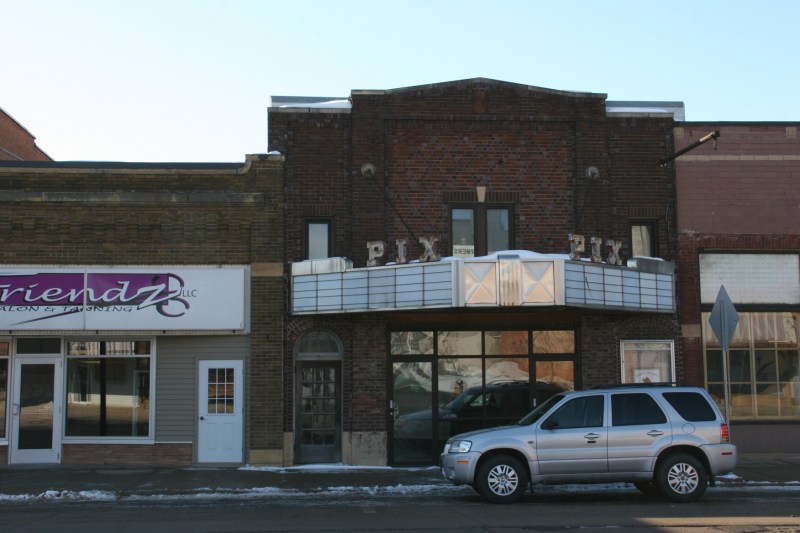
A pedestrian crossing sign contrasts with the historic PIX Theatre sign in need of repair in downtown Sleepy Eye, Minnesota.


AS A CREATIVE TYPE, I am drawn to signage. I appreciate the graphics, the fonts, the uniqueness of signs that mark businesses.


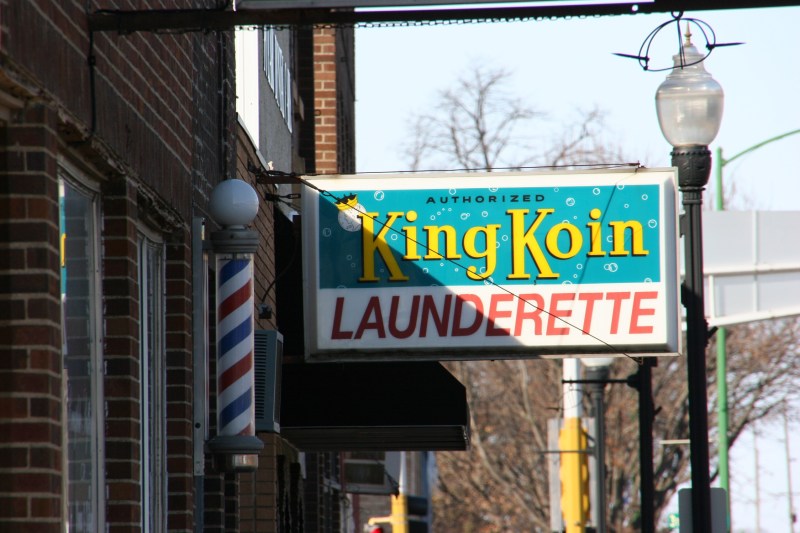
Sleepy Eye in southwestern Minnesota features one of my favorite signs—that of the King Koin Launderette. I love the colors, the name, the bubbles.


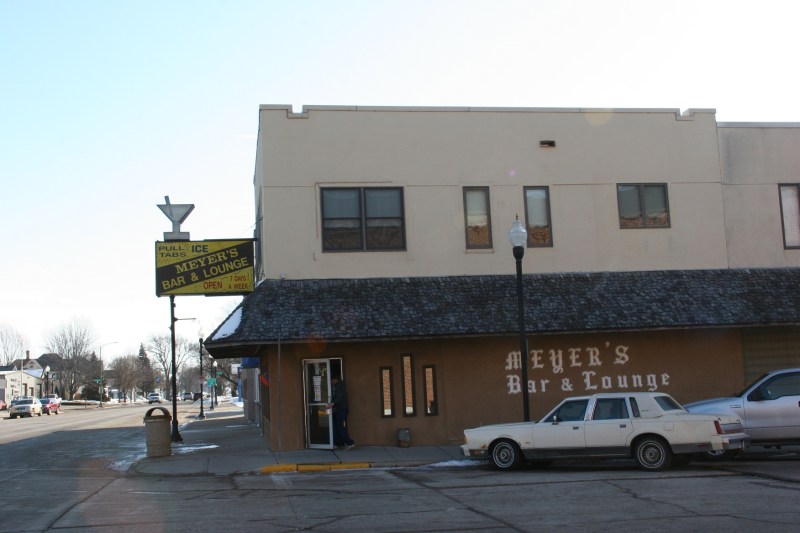
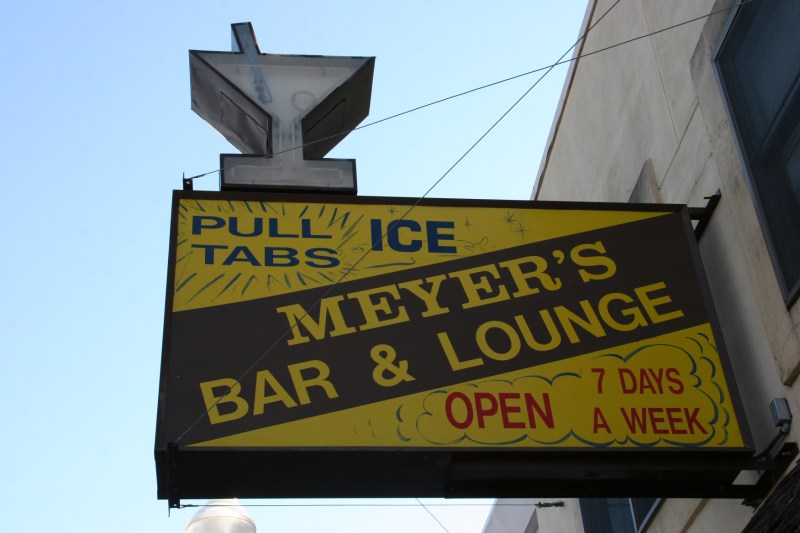
Then there’s the bright yellow signage on Meyer’s Bar & Lounge. The martini glass makes this sign as does the word lounge. That tag hearkens to a bygone era of mixed drinks served in a place fancier than a bar. I’ve never been inside Meyer’s so I can’t confirm whether a lounge really exists there.


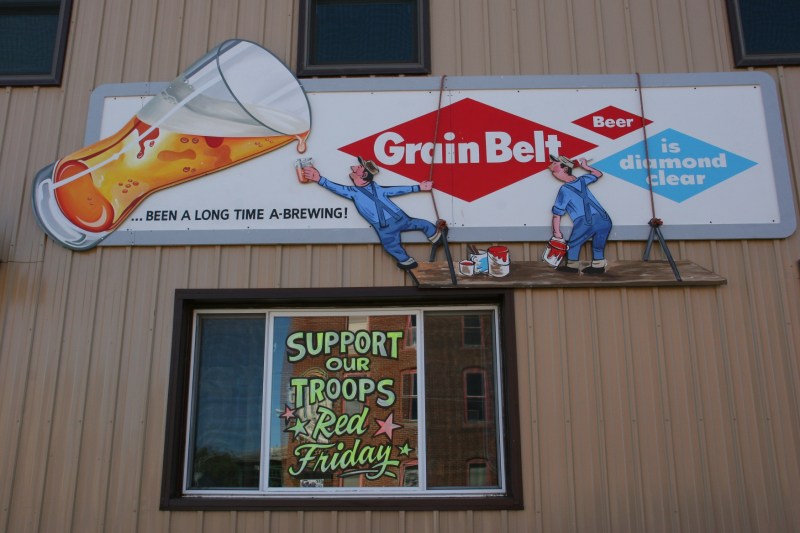
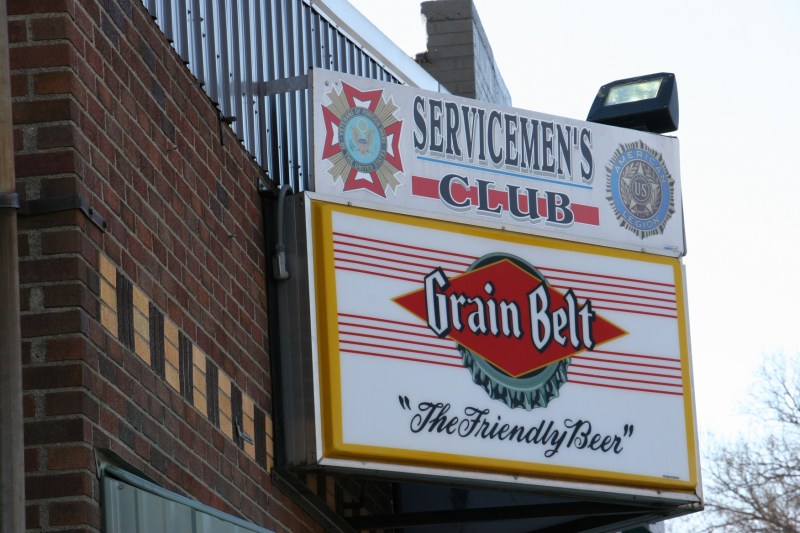
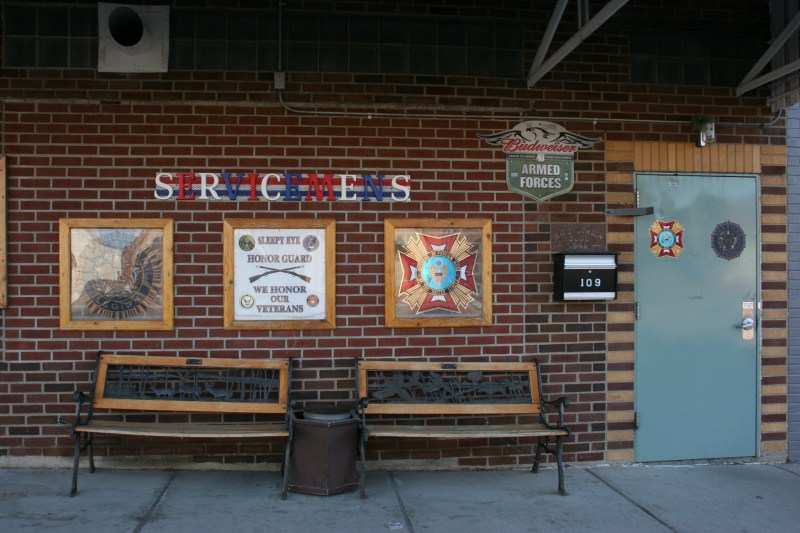
Nor have I been inside the Servicemen’s Club. But I sure do like, from an artistic perspective, the back-to-back Grain Belt signs. I don’t understand, though, how a beer can be friendly. People can be friendly. Not beer. Minneapolis Brewing Company debuted the slogan, “The Friendly Beer With the Friendly Flavor,” in 1933. Despite that confusing message, I still appreciate this visually-appealing sign advertising a beer now made by August Schell Brewing Company. That’s just down US Highway 14 from Sleepy Eye in the city of New Ulm.


If all goes as planned, more local beer should be available within a year or two in a former downtown movie theater, according to Sleepy Eye Economic Development Authority Coordinator Kurk Kramer. Local physicians plan to open a nano brewery and coffee shop therein. That pleases me, especially since the couple intends to restore the historic PIX Theatre marquee.


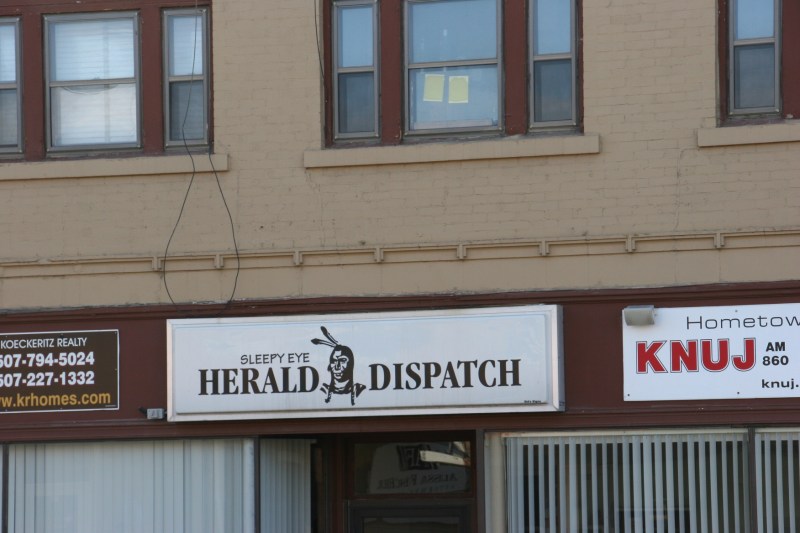
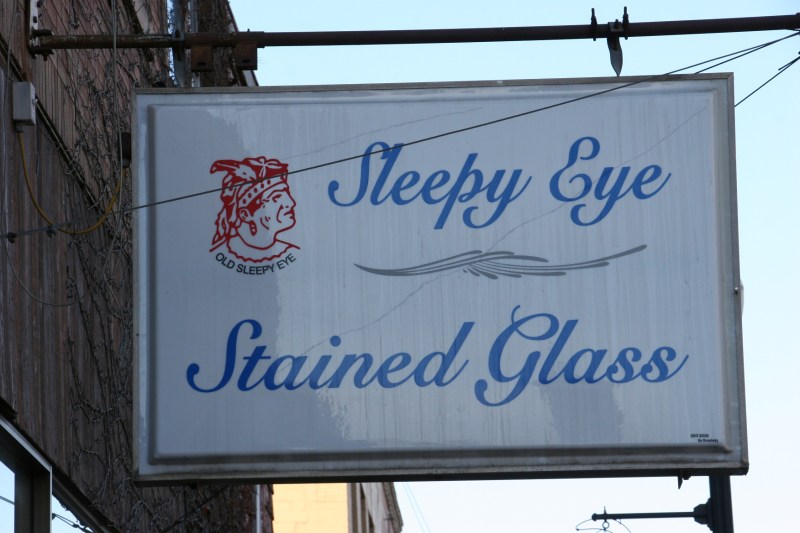
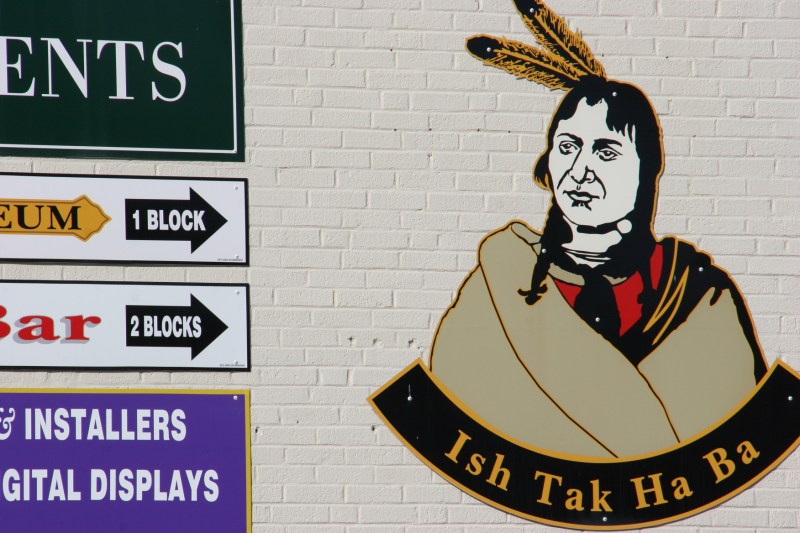
Sleepy Eye businesses also honor the town’s namesake, Chief Sleepy Eyes, with his portrait featured on numerous signs. You’ll see his likenesses marking Sleepy Eye Stained Glass, The Sleepy Eye Dispatch Herald (where I worked briefly decades ago), posted on a corner downtown business and elsewhere. It’s a nod to local history, just one more point of interest.

I challenge you, the next time you are in a small town like Sleepy Eye, to pause and study the signage. Consider the graphics, the fonts, the uniqueness of these signs that often make them works of art as much as place markers.


Check back tomorrow for “This & that from my tour of downtown Sleepy Eye, Part IV.” That post will conclude my series on Sleepy Eye.

© Copyright 2018 Audrey Kletscher Helbling
 

An outsider’s quick look at, & visions for, downtown Sleepy Eye, Part II March 9, 2018


WHEN I SEE A COMMUNITY like Sleepy Eye with so many architecturally-pleasing historic buildings, I wish I could wave a financial wand.


If I could, I would sweep away the metal, the wood, the stucco, the fake fronts that hide the bones of these beautiful, mostly-brick, structures. I would restore them to their grandeur, drawing the interest of motorists passing through this southwestern Minnesota community. I would give people a reason to stop, to check out the architecture, the unique small town shops and eateries. Many do. More could.


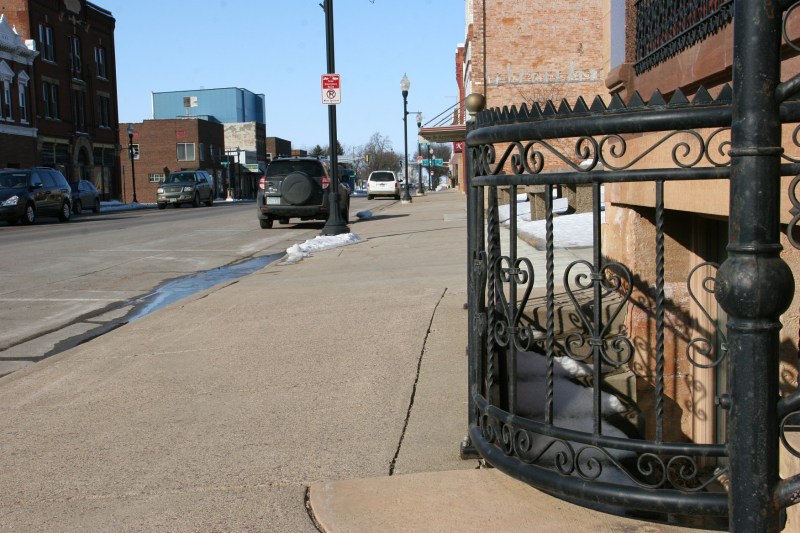
Details like this curved, ornate railing on city hall add visual interest and charm.


I would also make this busy main street more pedestrian and visually-friendly with bump-out corners graced by public art and lovely flower planters.  I would replace concrete sidewalks with brick, or at least edge them in brick. I’d buy some paint and repair windows and fix unsafe and run-down buildings…if only I held a magical wand of unlimited finances.


This map, from a vintage Orchid Inn promo, shows Sleepy Eye’s location in southwestern Minnesota.


With US Highway 14, a major east-west roadway running right through Sleepy Eye, heavy traffic is already here. And the bonus of this route as the Laura Ingalls Wilder Historic Highway adds to the potential.


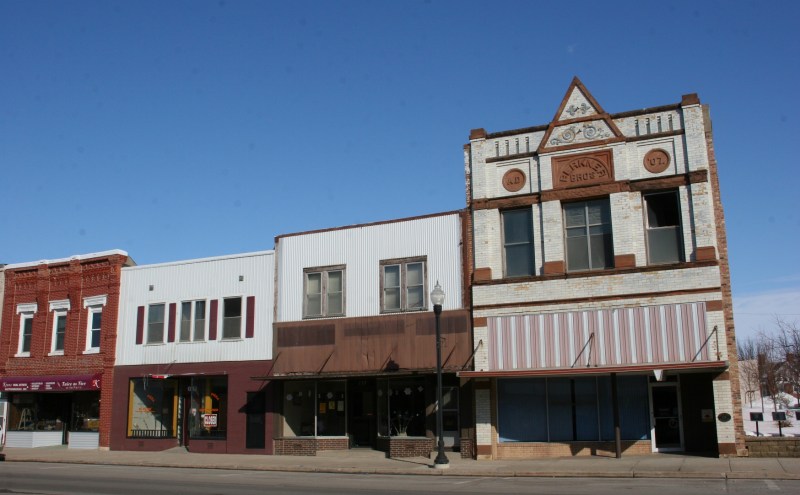
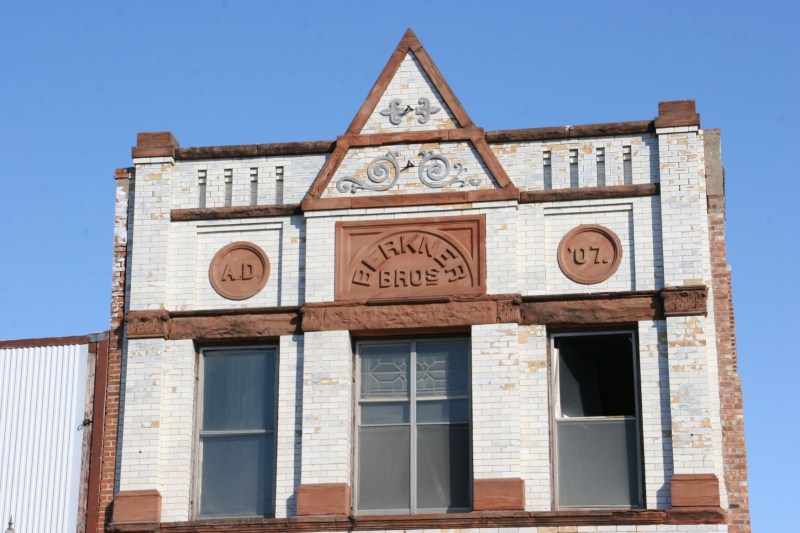
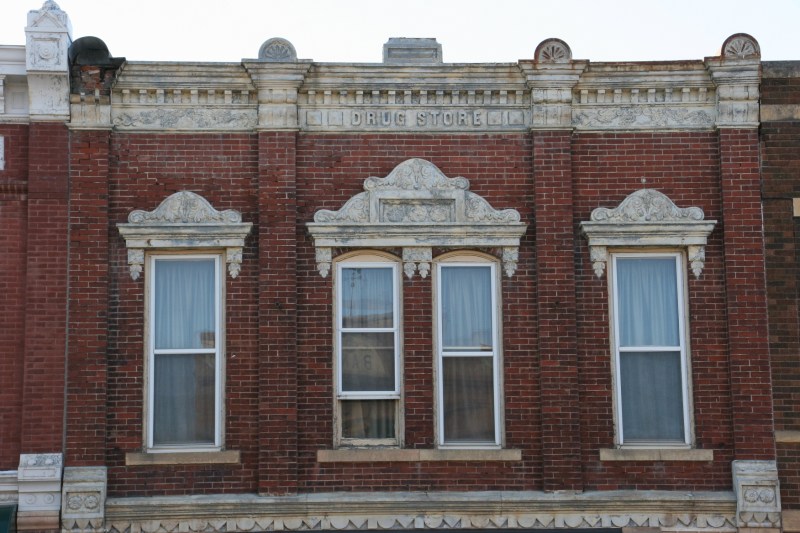
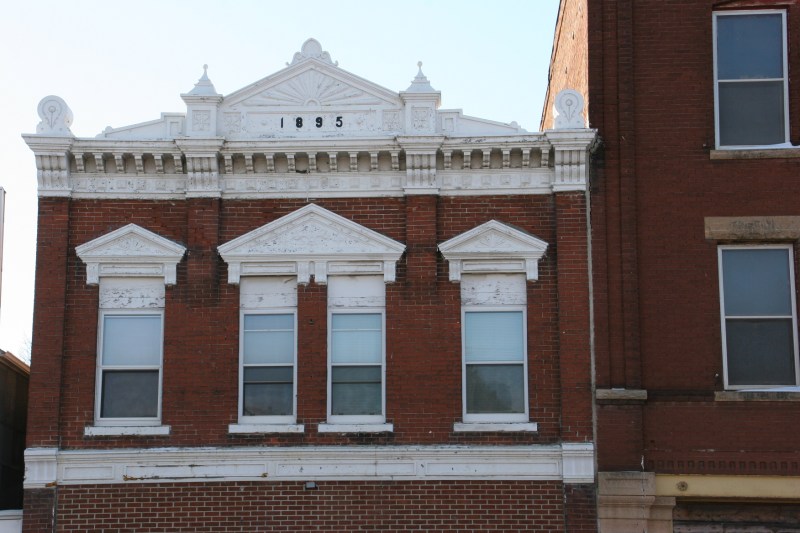
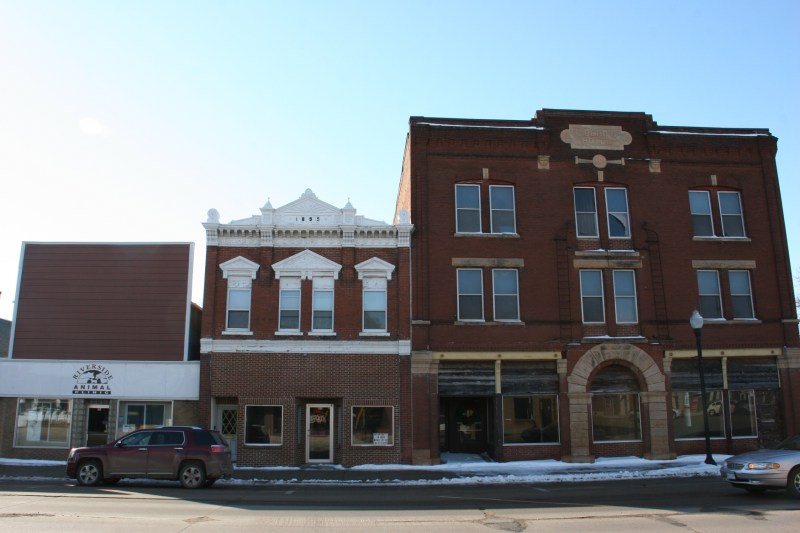
These architecturally detailed buildings hold Sleepy Eye’s history in dates and names.


You have to look upward to see the true beauty of these historic buildings.


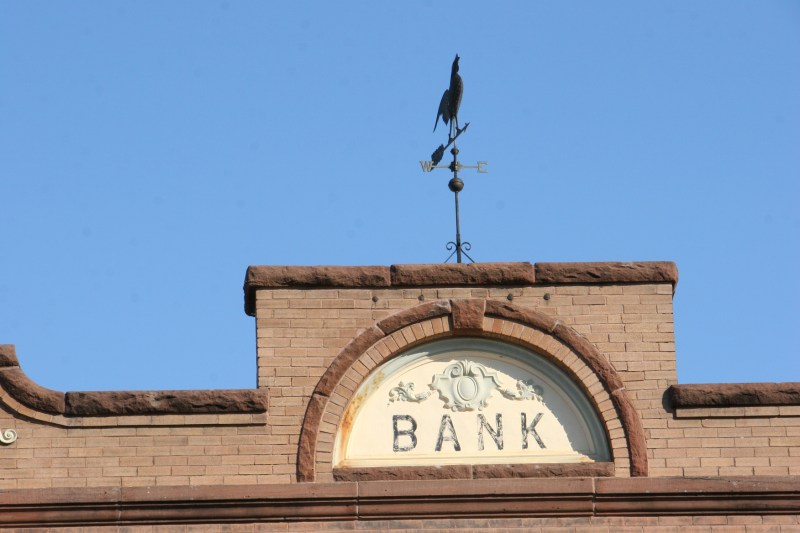
A rooster weather vane drew my interest atop city hall, housed in a former bank.


If I had unlimited financial resources, I would do all of these things for this Brown County community west of New Ulm. But magical wishes differ from reality. It takes money to make these improvements. And I expect the merchants here, like those in so many small farming communities, are simply happy they’re still in business given competition from regional shopping centers, Big Box stores and online sources.


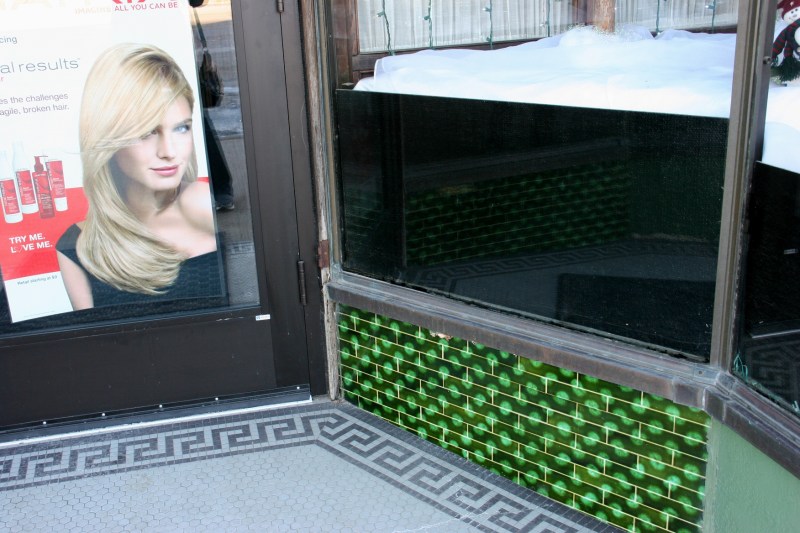
In numerous buildings I noted lovely tile, inside and out.


Yet, small towns like Sleepy Eye offer an alternative, a welcome break from the sameness of mass everything. Places like Sleepy Eye Stained Glass draw customers from all over to purchase stained glass supplies or to get stained glass windows and more restored. Three local antique shops, other shops and the friendliness and service of small town proprietors are additional draws. Schweiss Meats is a popular place for those who appreciate small town meat markets.


The old Pix Theatre needs lots of work inside and out. The intention is to save and restore the marquee, according to EDA Coordinator Kurk Kramer.


Within a year or so, two local physicians hope to reopen the abandoned Pix Theatre as a nano-brewery and coffee shop, according to Sleepy Eye Economic Development Authority Coordinator Kurk K. Kramer. He also runs K & J Antiques and Collectibles. If all goes as planned, the former Orchid Inn motel and event center will become AGlobal, a STEM-based learning center with a focus on agriculture. Additionally, the Orchid would house a language immersion institute.


Those plans show me people are working hard to keep this community thriving, with businesses that distinguish Sleepy Eye from other small Minnesota towns. EDA Coordinator Kramer noted that Sleepy Eye is also home to a business (Mark Thomas Company) which serves the funeral home industry by producing such products as handcrafted wooden urns. Who knew? Not me.


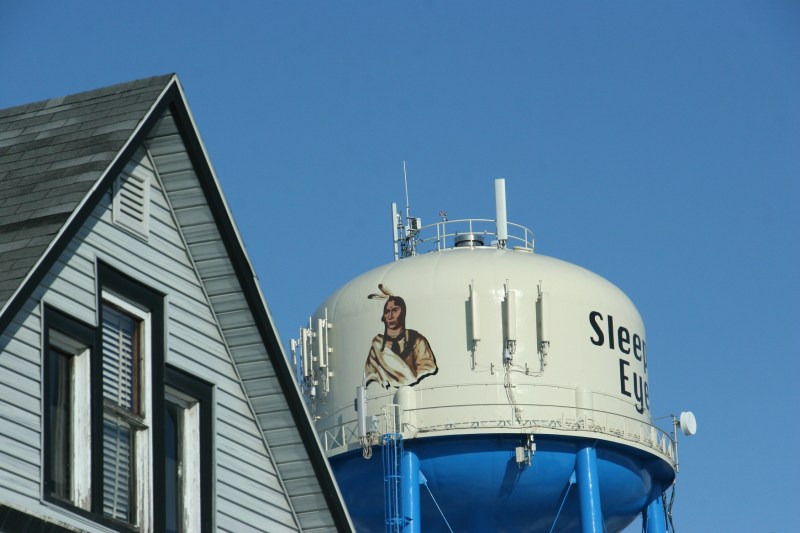
Sleepy Eye honors its namesake on its water tower.


But I do know that Sleepy Eye is named after Chief Sleepy Eyes, buried at a monument site marking his grave. Everywhere you will see the respected Dakota leader’s portrait. He brings historical interest and identity to Sleepy Eye. Those are existing strengths.


Perhaps some day these historic downtown buildings will all be restored. I appreciate that some already are. Funds are available through the Sleepy Eye Downtown Rehabilitation Incentive Program to make improvements. So perhaps my vision for this small Minnesota town will evolve into more than simply a wish…


FYI: Highway 14 improvements in downtown Sleepy Eye this summer call for sidewalk replacement, pedestrian flashers at ped crossings and more. Click here to read details.

Please check back next week for “The Art of Signs in Sleepy Eye, Part III.”


© Copyright 2018 Audrey Kletscher Helbling
Content on this site may not be duplicated, transmitted or otherwise copied without the permission of Audrey Kletscher Helbling.