Minnesota Prairie Roots

Writing and photography by Audrey Kletscher Helbling

Sunday afternoon drive snapshot: Sculpture garden in Jarrett November 10, 2013

Sculpture, lens flare on arch

SUN FILTERED THROUGH THE STAND of cedars. Bright enough to cause lens flare when I shot toward the scraggly close-knit cluster of trees shadowing the banks of the clear, fast-flowing Zumbro River.

The setting appeared almost surreal and haunting in the sense that viewing the unexplained can impress upon the mind.

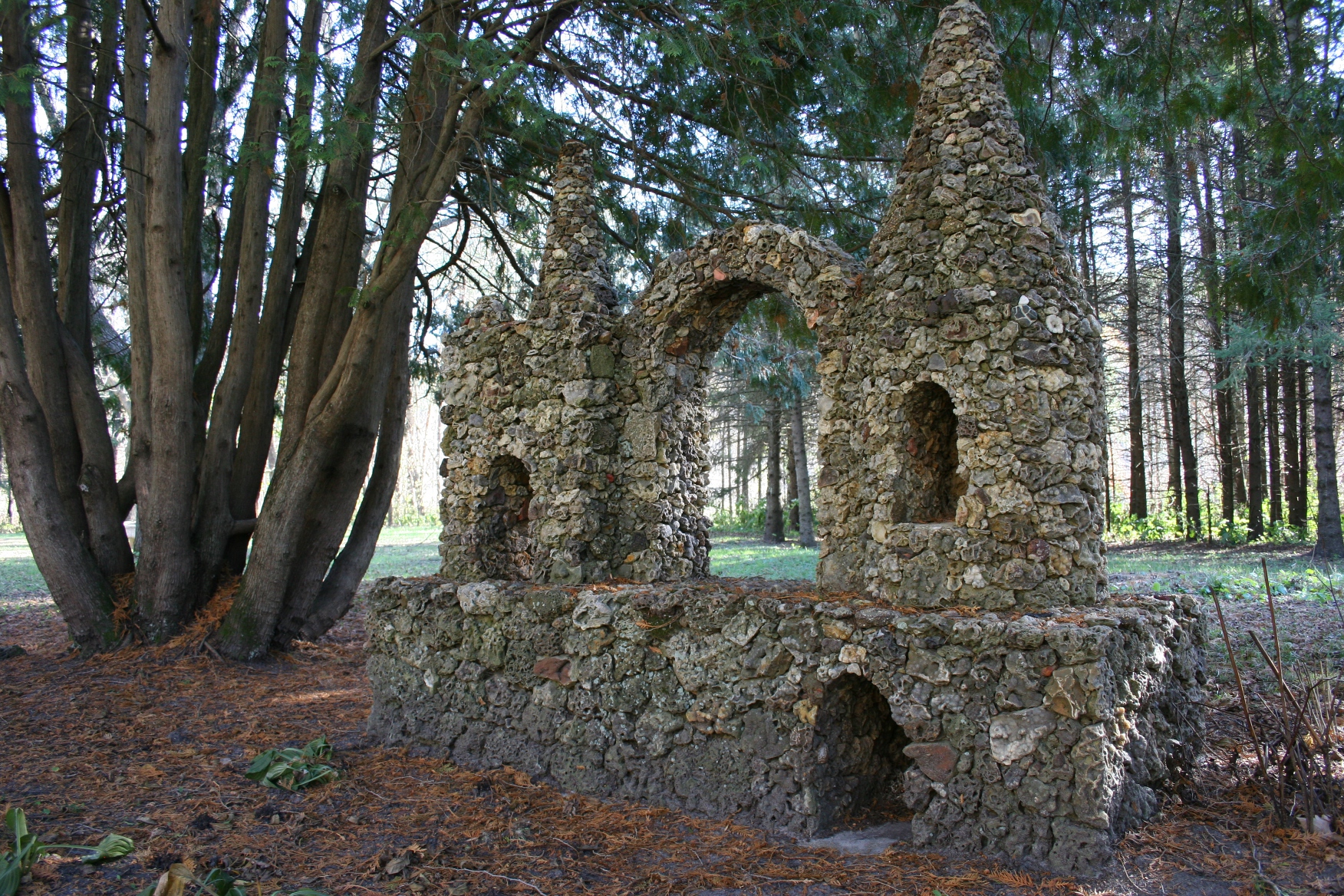
Sculpture, castle

I’d heard of this place, missed it on a previous pass through Jarrett, and nearly missed it again. But on this Sunday afternoon drive, I glimpsed the stone configurations among the cedars and asked my husband to swing the van around.

So here we were, pulled off Wabasha County Road 11, parked in a drive about the length of our van. I wasn’t even sure we should be here, uncertain whether this was public or private land. But I figured “No trespassing” signs would mark the property if visitors weren’t welcome into this sculpture garden.

Sculpture, wreath

In the quiet of this Sunday afternoon, and I cannot imagine any day being anything but quiet here in this secluded wide spot in the road, we meandered among the sculptures, shoes sinking into squishy earth tunneled by varmints.

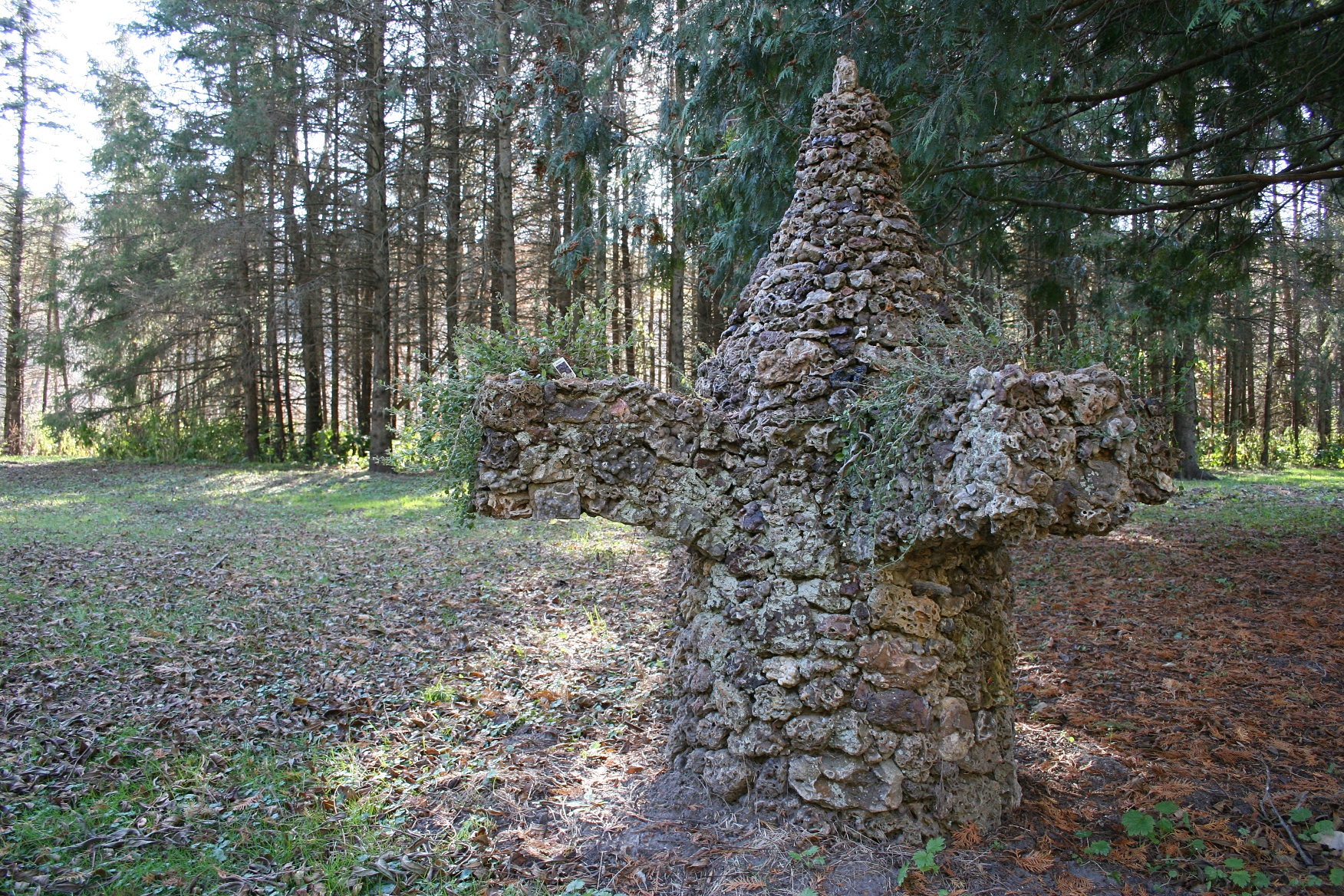
Sculpture, cone top sculpture

Arches and points.

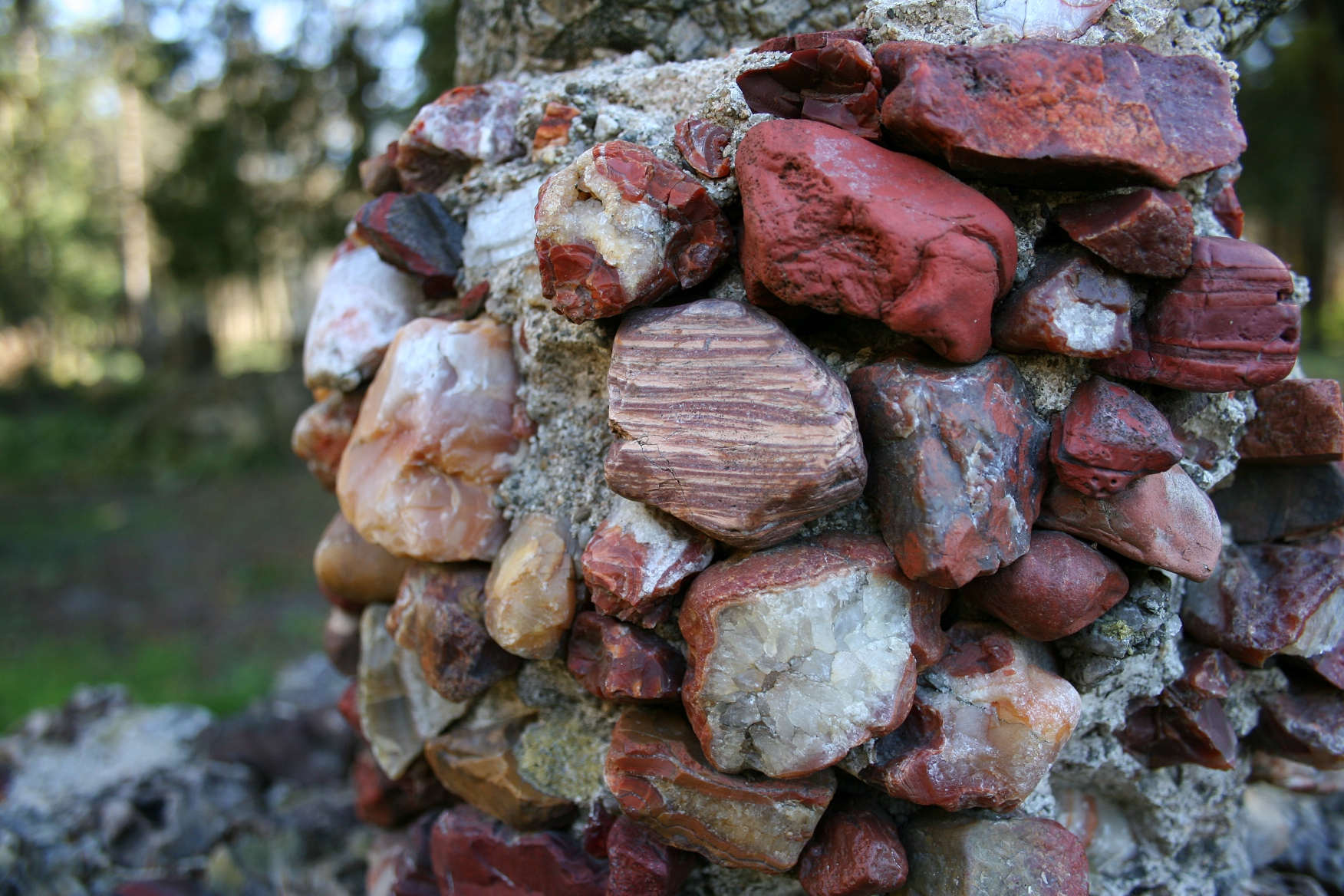
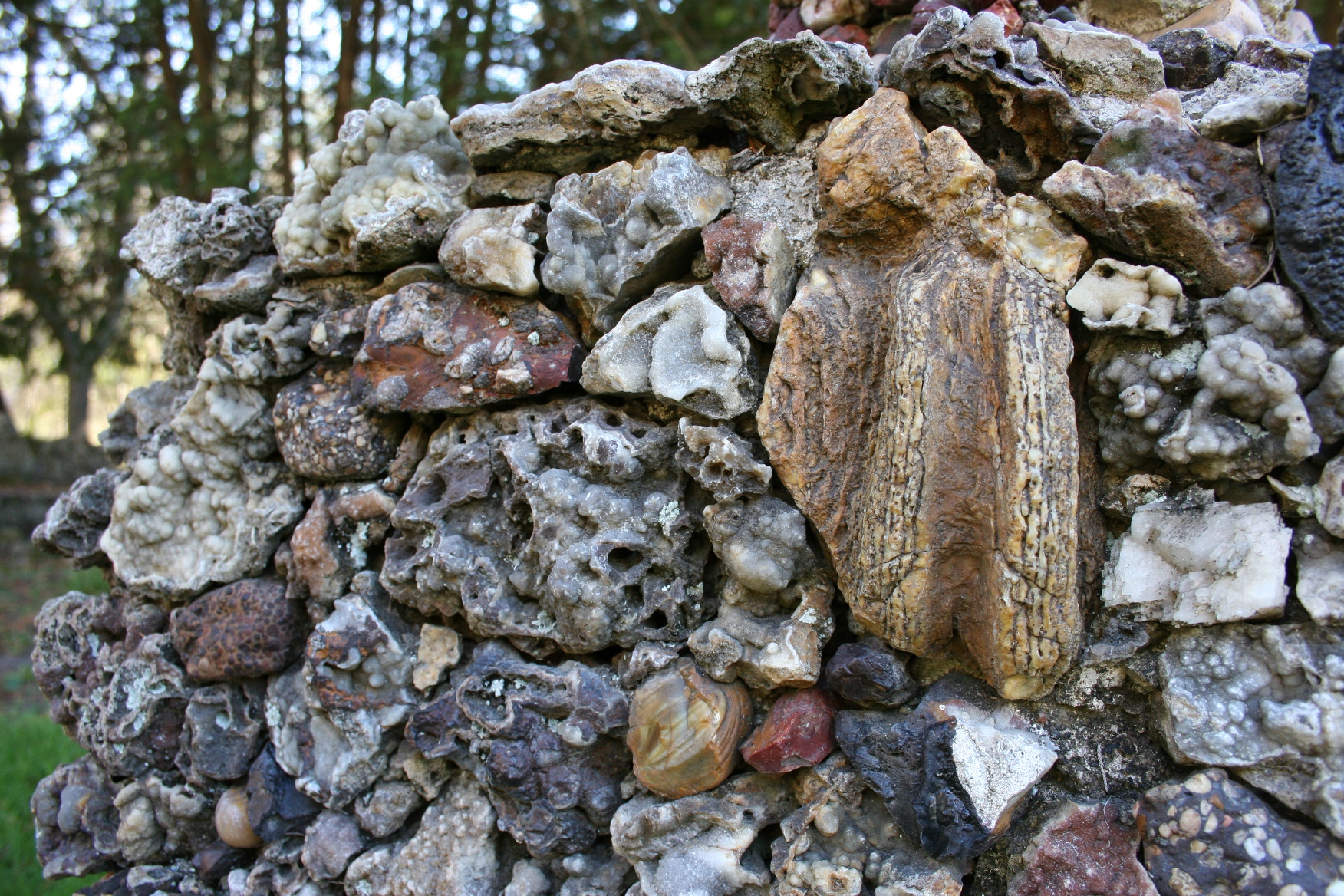
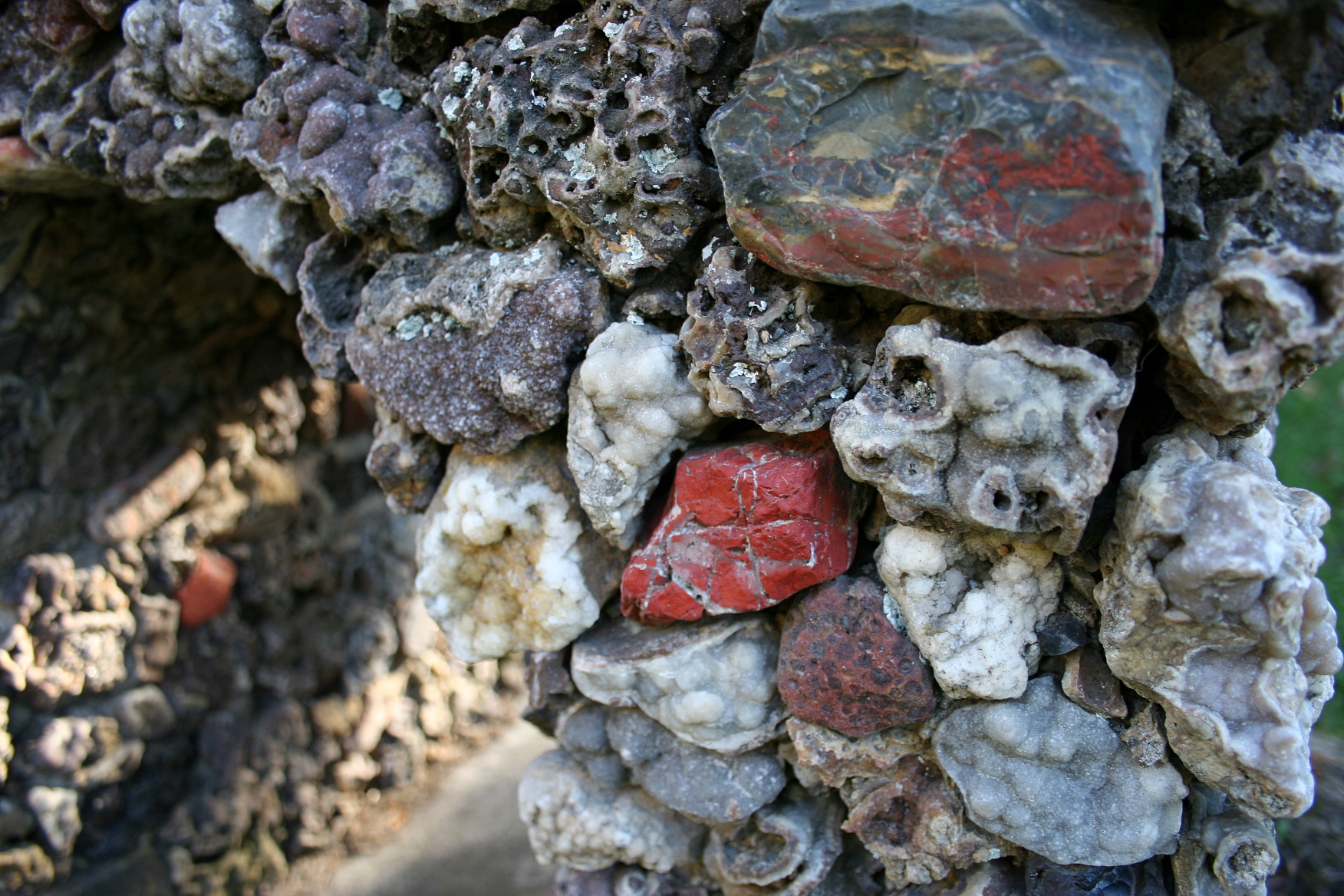
Sculpture, stones close-up 1

Sculpture, stone close up 3

Sculpture, stone close-up 2

Stones joined somehow into these interesting pieces of art. By whom? And why?

As Randy and I wandered and examined and wondered aloud, my appreciation grew for this artist. I expect he worked alone here, drawn to the solitude of this rugged place in the valley. He was, perhaps, viewed as a bit of an odd fellow. Was he a poet? A farmer? A musician?

Do you know the story of this artist and the rock garden in Jarrett, the unincorporated community which made headlines when the Zumbro roared from its banks during the flash floods of September 2010? I’d like to hear.

Someone tends this sculpture garden as flowers grew (during the warmer months) here among the artwork. Someone cares…

BONUS PHOTO:

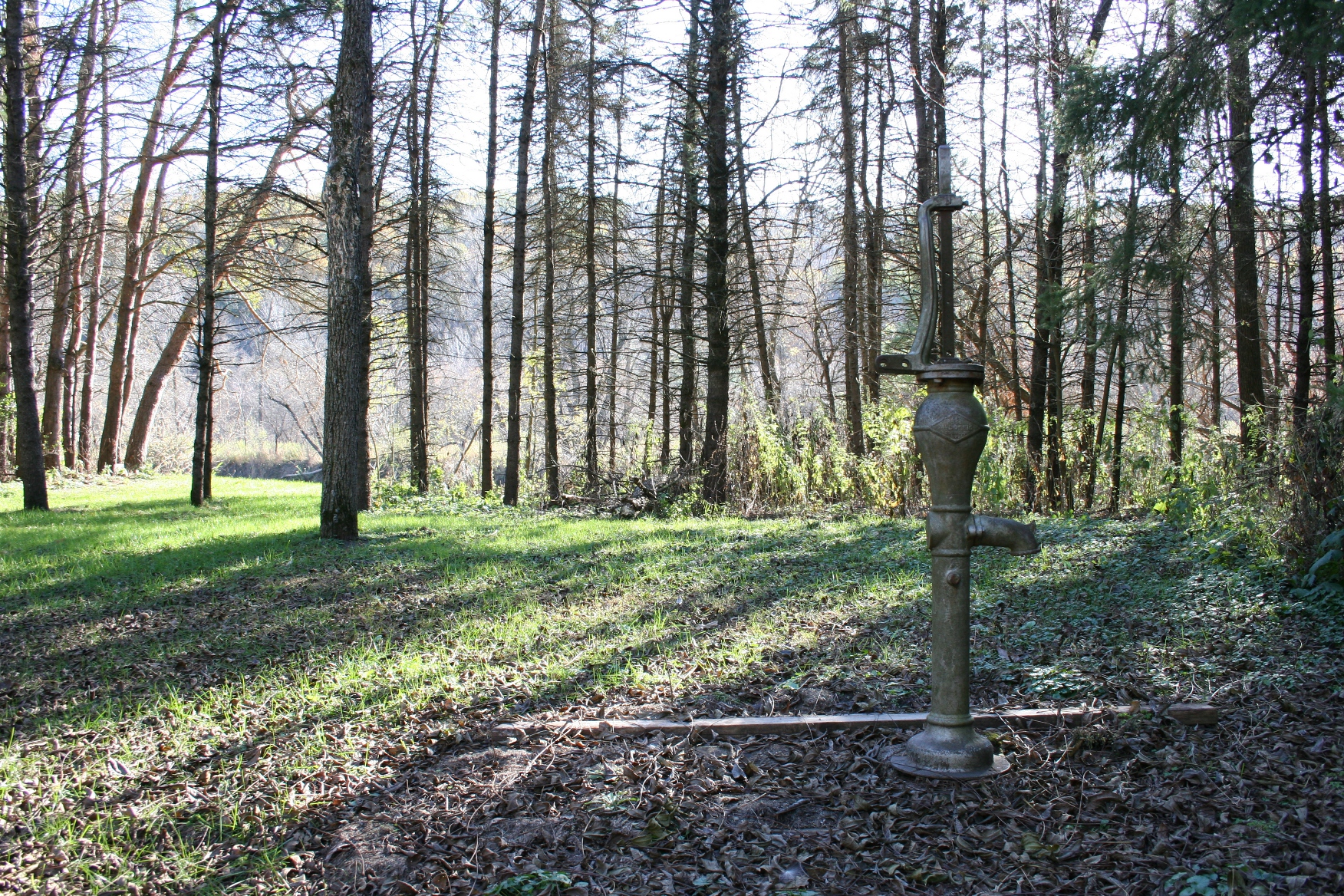
As I walked away from the sculpture garden toward the Zumbro River, I spotted this charming old water pump. I moved closer, until my husband stopped me in my tracks. We saw boards lying across the ground around the pump, an indication that this might not be a safe place to walk.

As I walked away from the sculpture garden toward the Zumbro River, I spotted this charming old water pump. I moved closer, until my husband stopped me. We saw boards, mostly buried under leaves, lying across the ground around the pump, an indication that this might not be a safe place to walk.

© Copyright 2013 Audrey Kletscher Helbling


Small town Sunday snapshot: Millville, Minnesota November 3, 2013

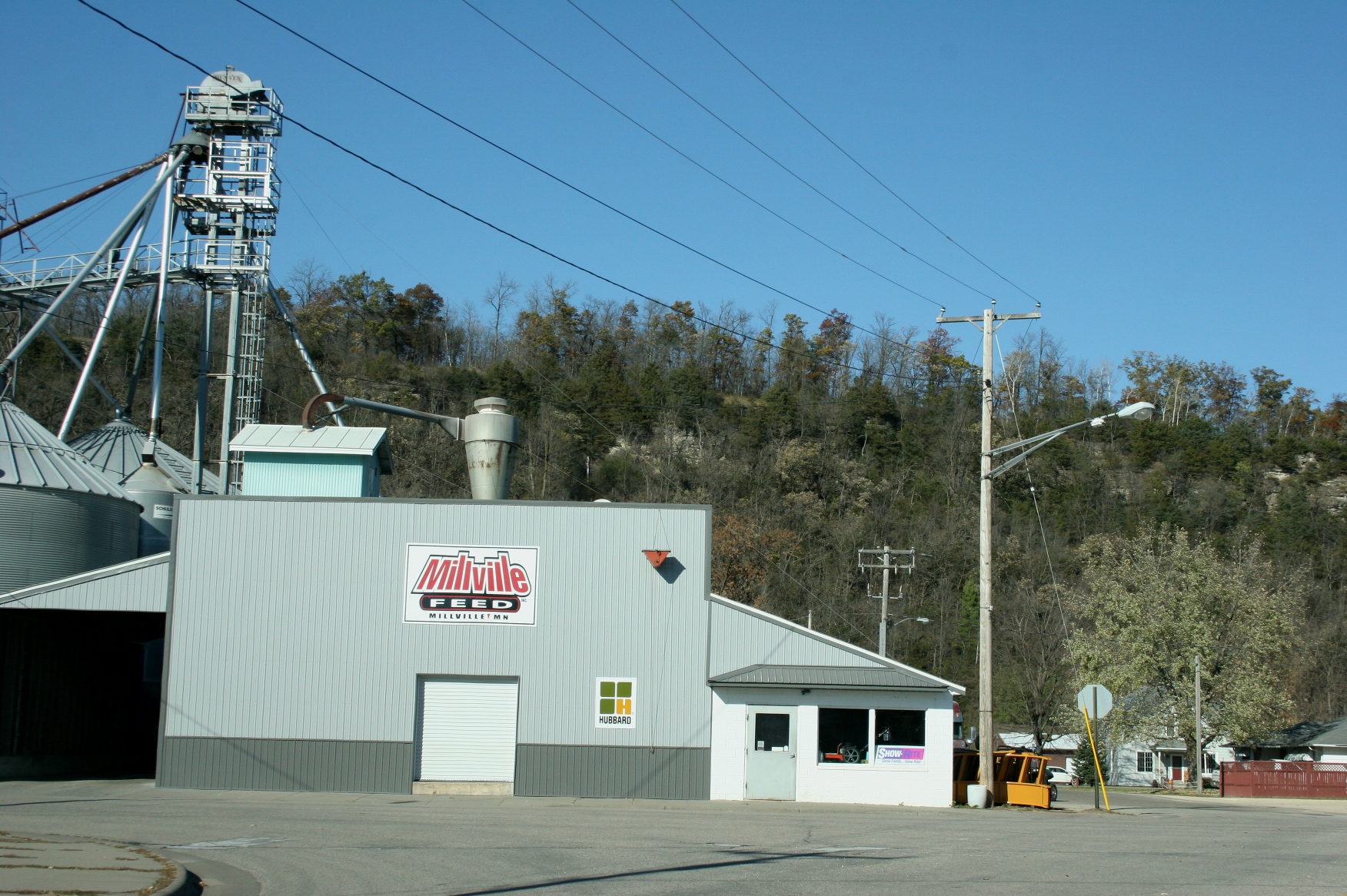
Milville, Milville Feed

A WEEK AGO, my husband and I drove into Millville, population 182, located along the Zumbro River in Wabasha County in southeastern Minnesota. We were on one of our Sunday afternoon drives. We choose a general direction in which to travel from our Faribault home. Then we just go, atlas in hand,

Whatever we discover, we discover. And, even if we do not find anything seemingly extraordinary, we celebrate the ordinary, the everyday, the small towns and farms that hold our hearts. For, although Randy and I have lived in Faribault, population around 24,000, for 29 years, we still long for the land, for small-town life, for Redwood and Morrison counties and the farms upon which we were raised.

Perhaps you, too, were raised on a farm, now live in town, and understand that longing, that forever rooted to the land connection.

That said, I highly recommend a Sunday afternoon drive.

And I also recommend viewing (click here) Minnesota Public Radio’s Ground Level project, “Fighting for an American Countryside,” which published awhile ago. I watched the first video clip on Friday and was moved to tears. The promo summary reads:

 People in rural Minnesota are battling small-town decline with determination, resourceful thinking, and unwavering belief.

I wish that was true for all rural areas, but it is not. I’ve seen all too many shuttered buildings, empty Main Streets, neglected personal properties in too many small towns. Times are tough. Young folks are leaving; the population is aging. It’s difficult, sometimes, to survive the economic and other challenges unique to rural areas.

Some small towns can rise to these challenges like those featured in the MPR project. Others lack the resources, the leadership, the creativity to do so.

Yet, all of these small towns, whether in growth or decline, are to be valued. For they are home to someone. Or they were home to someone, like Randy and me, empty nesters who now take Sunday afternoon drives and end up in places like Millville.

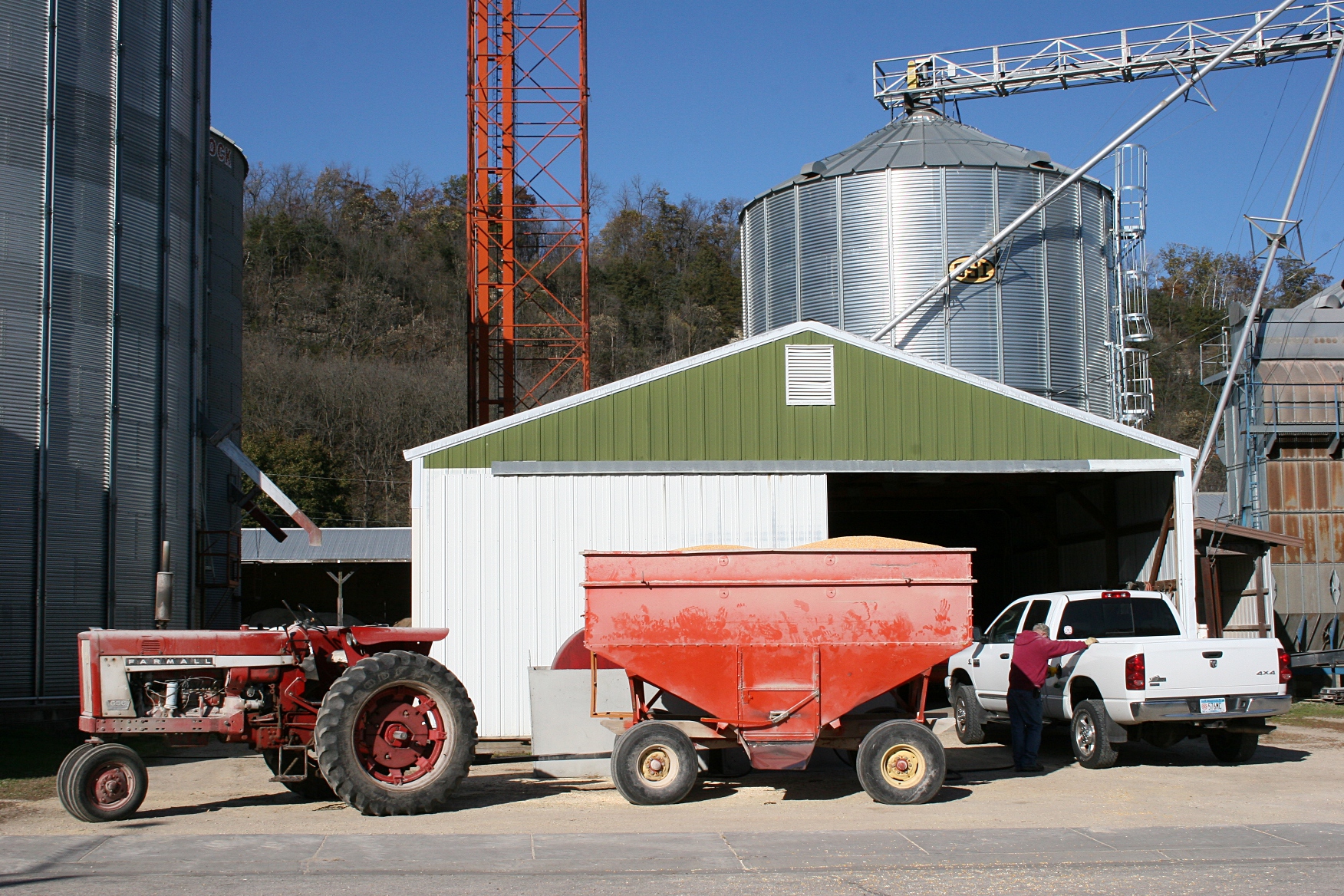
Millville, tractor and wagon

When Randy pulled over in Millville to check the map, I hopped out and photographed a farmer leaning on his pick-up truck near a wagon brimming with corn. It’s a typical small-town scene this time of year.

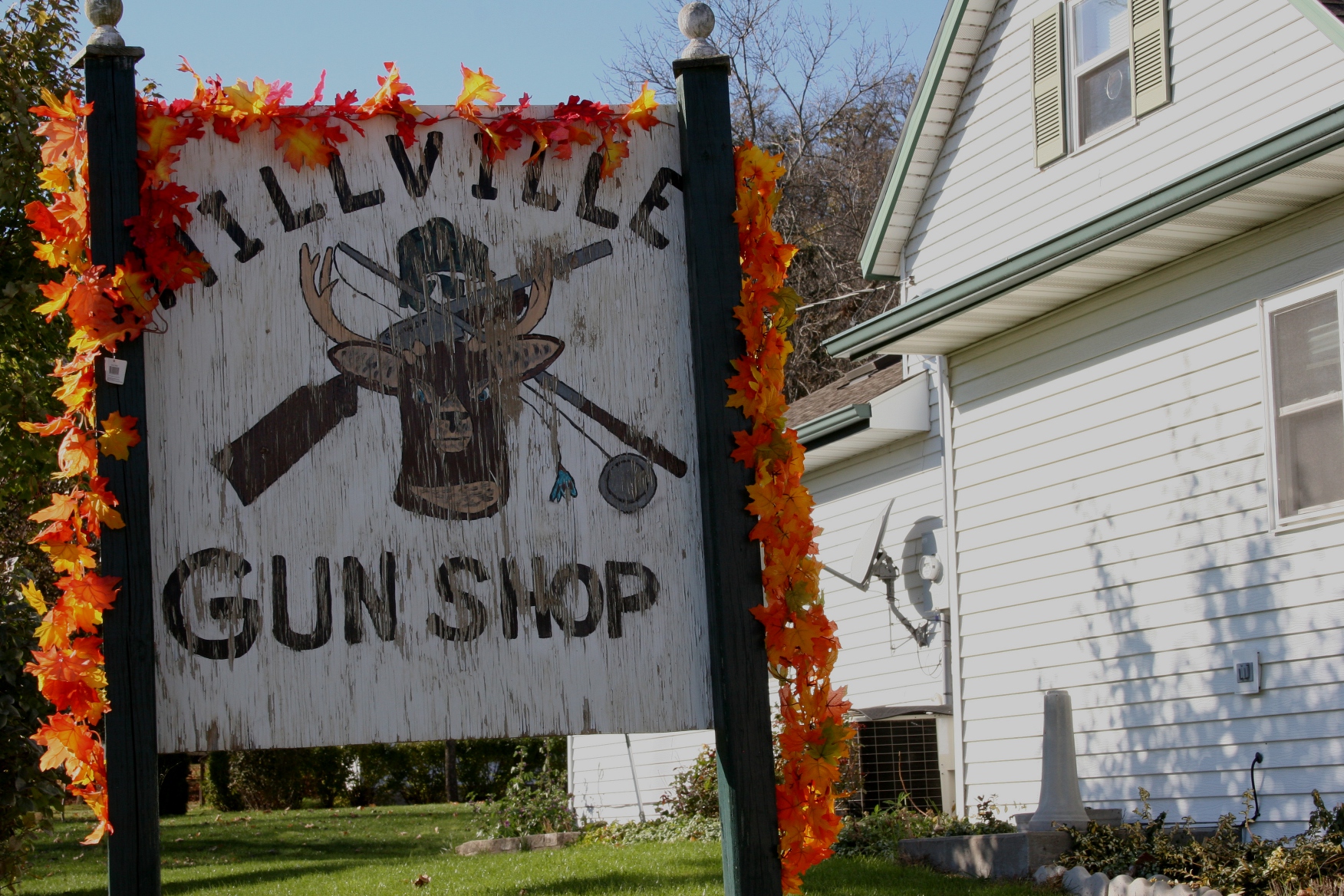
Millville, gun shop sign

Then I walked just up the road and snapped a picture of the gun shop signage before we aimed out of town, and then turned around a few miles out. Apparently we were on the wrong route.

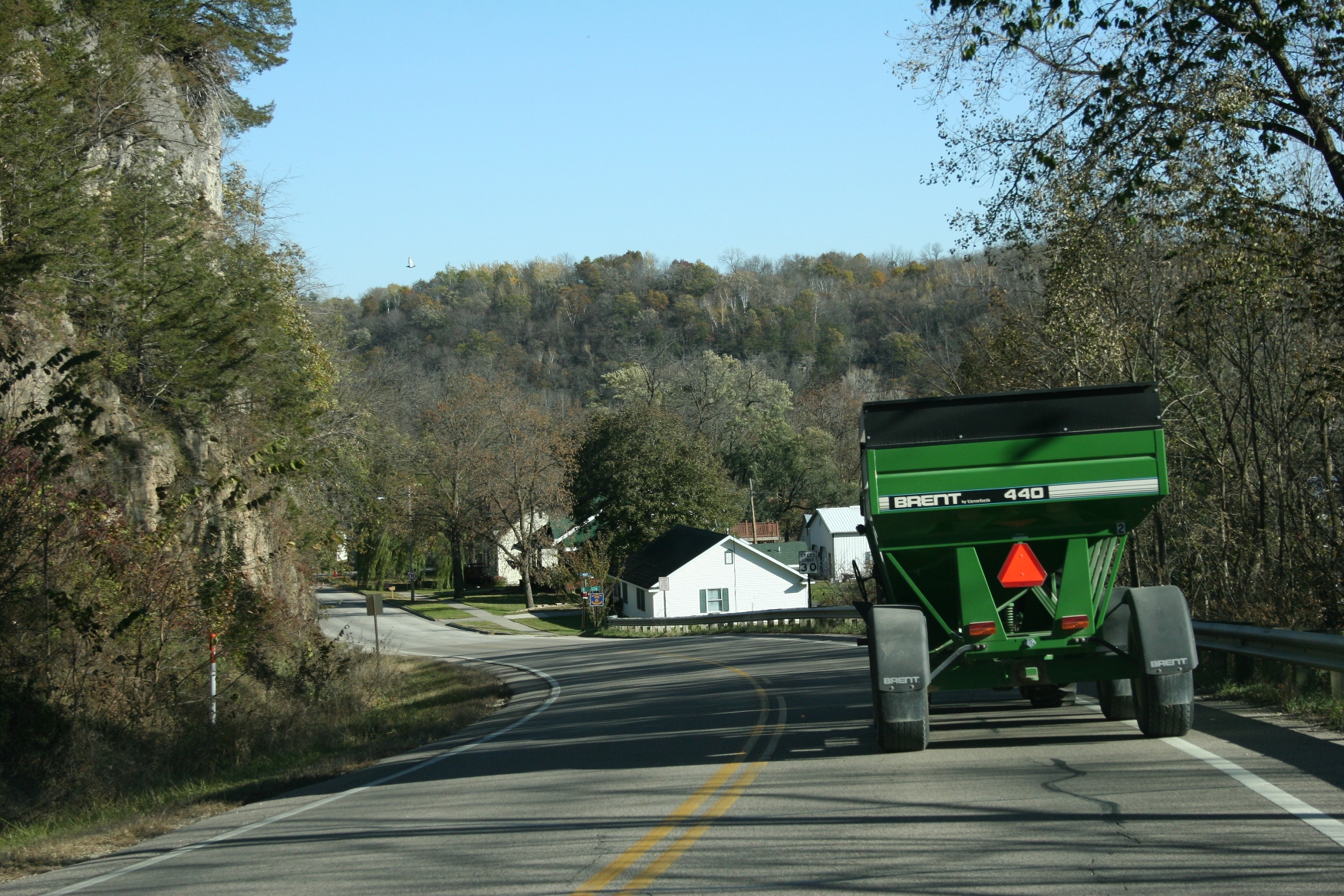
Millville, tractor and wagon entering

We followed a tractor and wagon, winding at a snail’s pace down the hill back into Millville.

Millville, brick house

And then, as we drove by, I photographed a curb-appealing brick house I’d noticed earlier. I love the wrap around porch, the strong lines, the neighborly appeal of this home.

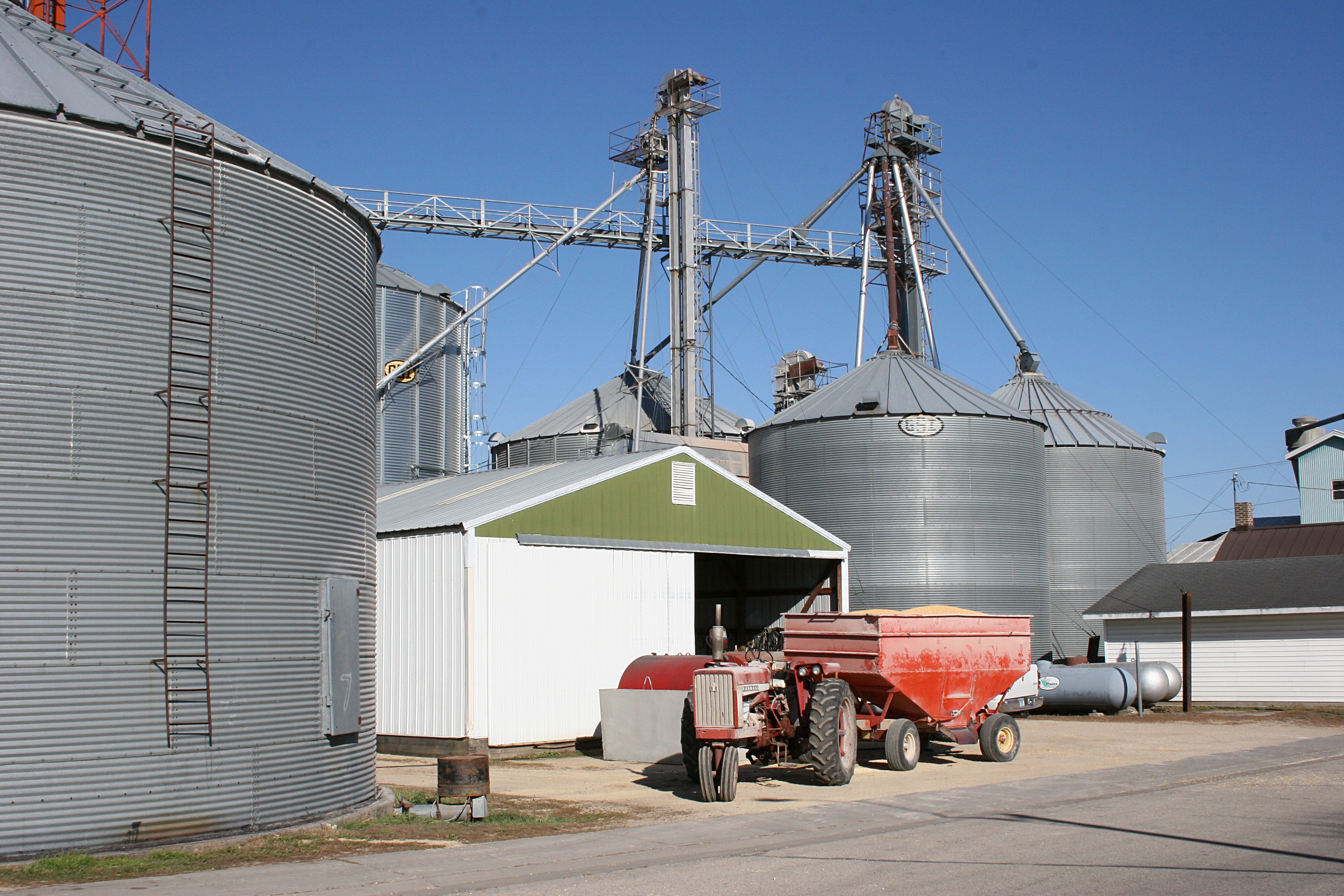
Milville, grain bins

Past the grain bins, again, and the farmer waiting by his truck, we turned and found the “right road,” although there are really no “wrong roads” on a Sunday afternoon drive.

Copyright 2013 Audrey Kletscher Helbling
 

In Owatonna: Celebrating the old-fashioned shoe store September 10, 2013

I CAN STILL FEEL the taut cotton string snugged around the shoebox, knotted and clamping the lid in place, the smell of polish and leather locked inside.

I can taste, too, the sugary sweetness of the sucker tied to the shoebox, a treat for any child getting a new pair of shoes.

A back-to-school display at Owatonna Shoe.

A back-to-school display at Owatonna Shoe.

Leather and lollipops are as much a part of my childhood back-to-school memories as a Big Chief tablet and boxes of sharp-tipped Crayola crayons and lace-edged anklets.

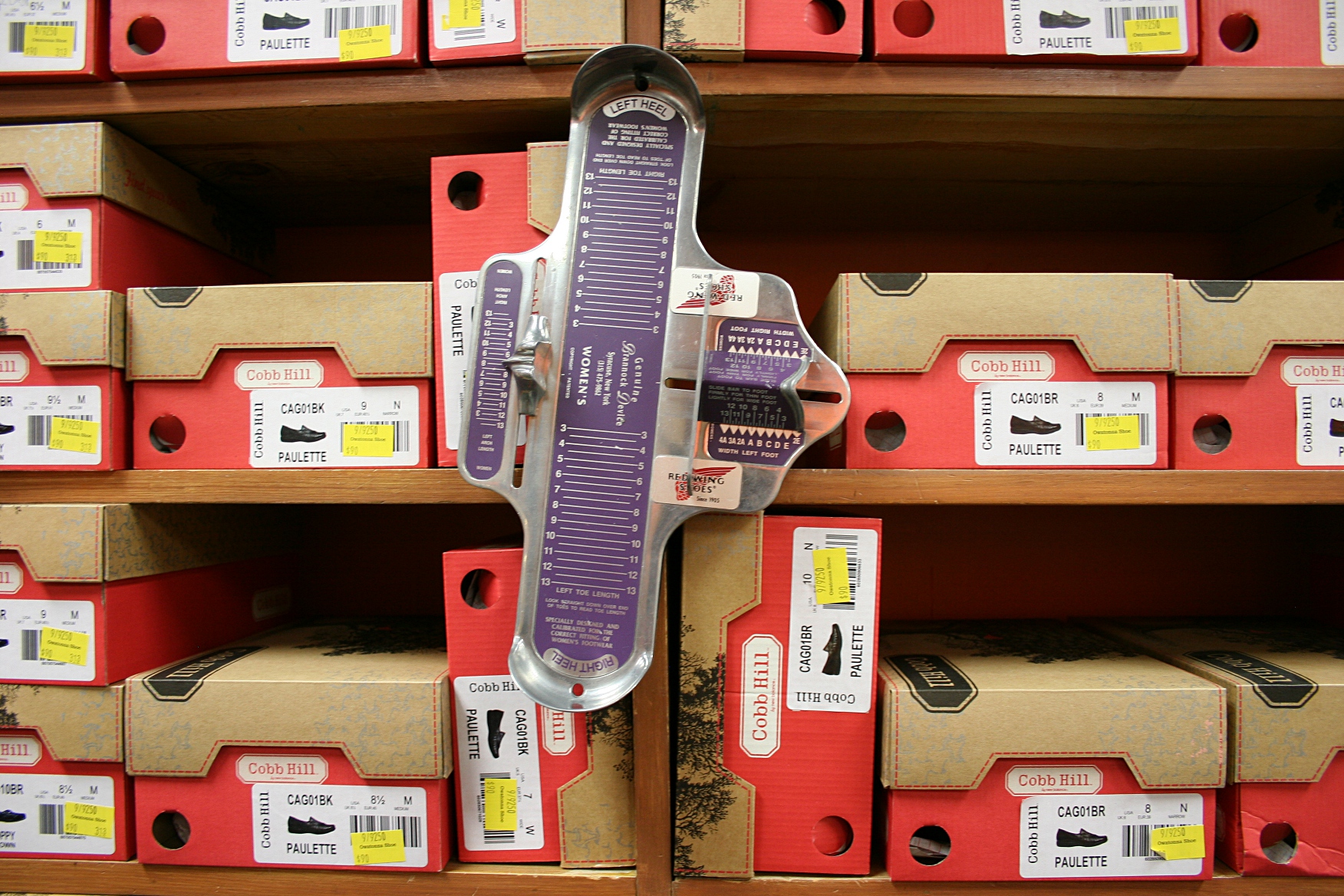
They'll measure your feet at Owatonna Shoe.

They’ll measure your feet at Owatonna Shoe.

Back in the day, there were stores that sold just shoes or retailers like Montgomery Wards which featured sizable shoe departments with full customer service. Employees measured your feet then disappeared behind a cloth-covered doorway only to return with stacked boxes of shoes.

A clerk retrieves a box of shoes for a customer.

A clerk carries a box of shoes for a customer.

I remember feeling like a princess of sorts as the clerk slipped a shoe onto my foot, sometimes yanking shoelace ends before tying a tight bow. I would wiggle my toes upon command as the salesman bent low, pressing on the tip of the shoe to assure the right fit.

Nostalgia today draws me to places like Burkhartzmeyer Shoes in Faribault, a third-generation family-owned business. It’s my favorite shoe store as much for the service and quality of shoes as for the people who work there.

Owatonna Shoe is located to another long-time local business, St. Clair's for Men in the heart of downtown Owatonna.

Owatonna Shoe is located next to another long-time business, St. Clair’s for Men, in the heart of downtown Owatonna.

Recently I checked out another area family-owned shoe store, Owatonna Shoe at 121 N. Cedar Avenue in Owatonna, 15 miles to the south of my community. I didn’t need shoes. Rather I simply wanted to poke around, to see for myself why others have raved about this place.

I found the look of an old-fashioned shoe store in the basment, complete with vintage chairs.

I found the look of an old-fashioned shoe store in the basement, complete with what appear to be vintage chairs.

I found what I expected—a down-home friendly place with a welcoming atmosphere and great customer service.

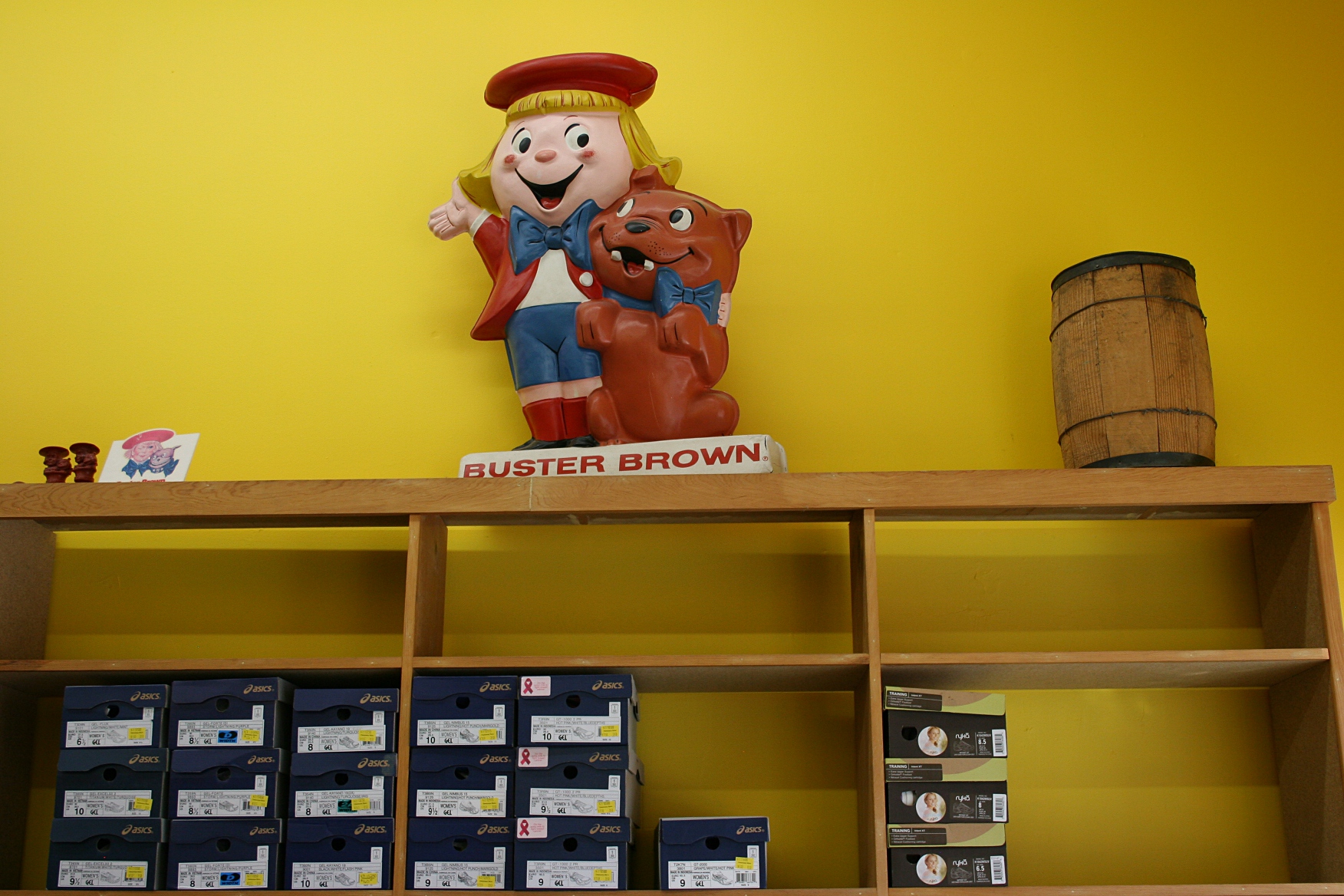
On display: several items of Buster Brown memorabilia.

On display: Buster Brown memorabilia.

As a bonus, I also discovered bits of the past in a collection of Buster Brown collectibles…

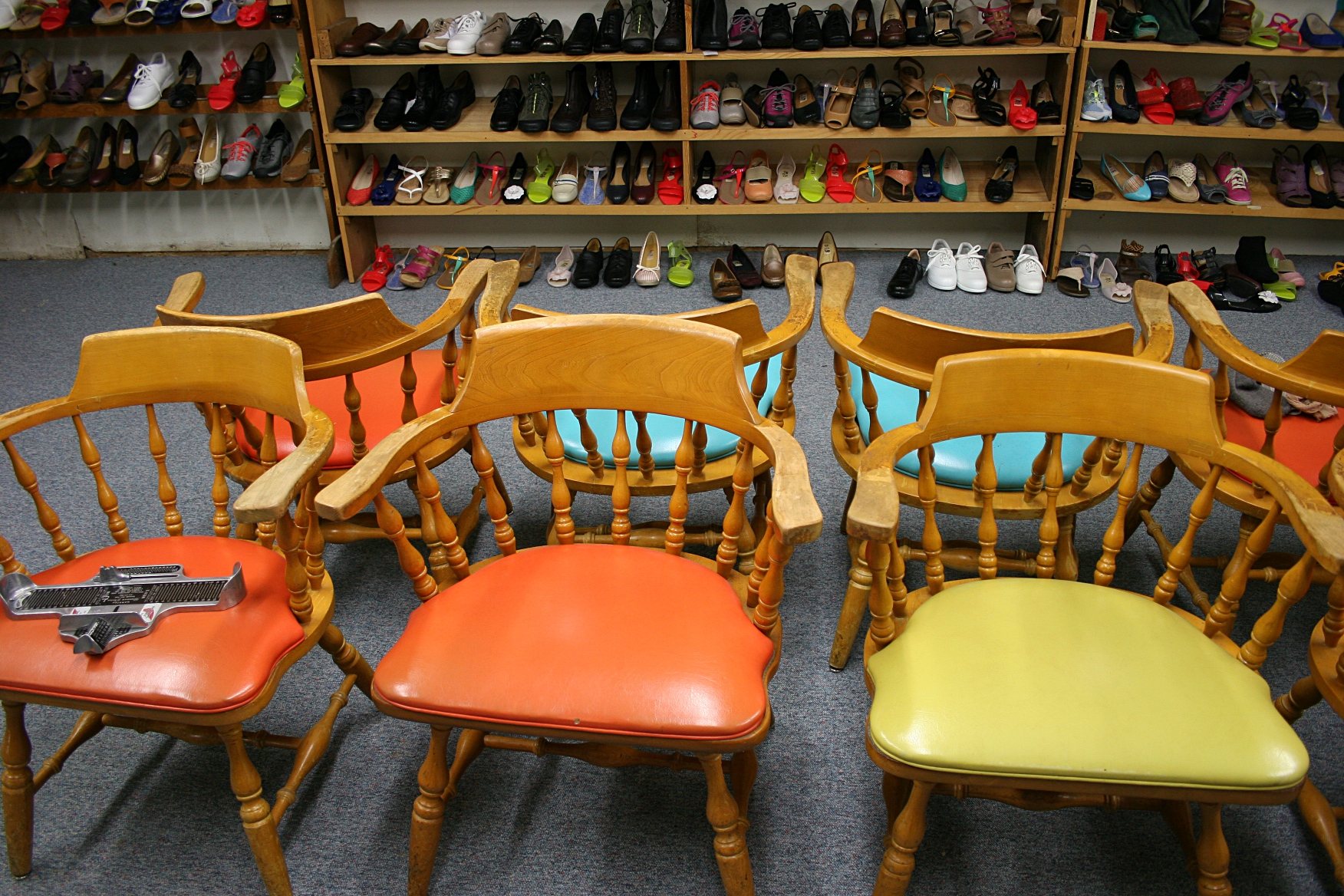
Colorful vintage chairs in the basement.

Colorful vintage chairs and shoes in the basement.

…vintage chairs…

Tom Brick purchased this mechanical horse for Owatonna Shoe in 2010. It's original history in Owatonna stretches back to Duffy's Fairway Food Store, where it entertained generations of children from 1946-1990.

Tom Brick purchased this mechanical horse for Owatonna Shoe in 2010. Its original history in Owatonna stretches back to Duffy’s Fairway Food Store, where it entertained generations of children from 1946-1990. The horse still works.

…and a mechanical horse for the kids to ride.

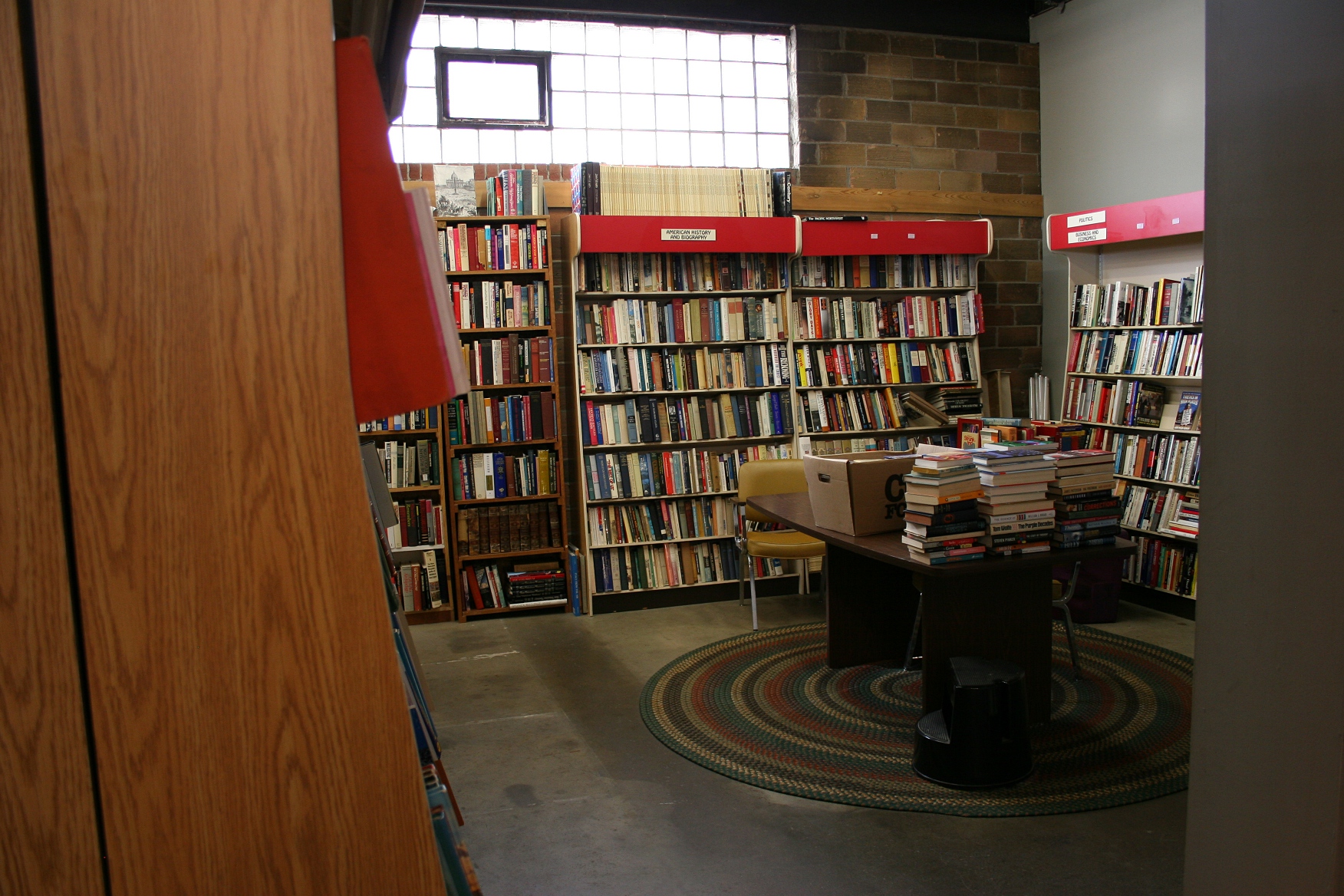
Stacked boxes of shoes fill the store.

Stacked boxes of shoes fill the store.

Owatonna Shoe’s business motto, published on its website, says it all:

“We don’t just want to make the sale, we want to make a customer for life.” It’s a long time philosophy of Owatonna Shoe. We pride ourselves in providing unparalleled customer service, unique product offerings, and personalized attention in a fun, laid-back atmosphere.

FYI: To learn more about Owatonna Shoe, which has been serving the area for more than 65 years with service, quality and fit, click here.

BONUS PHOTOS:

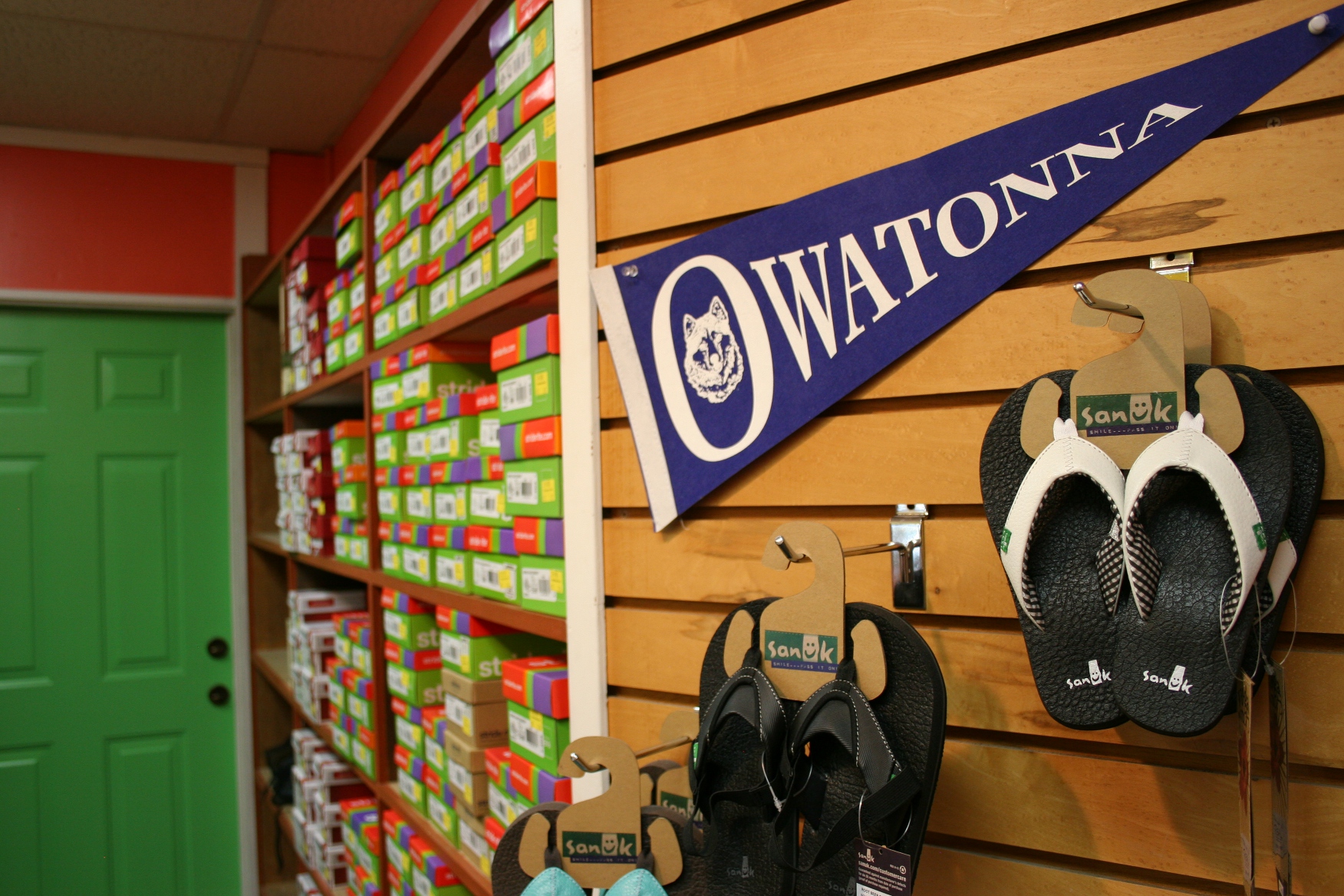
This place pops with color and Owatonna pride.

This place pops with color and pride for the Owatonna Huskies.

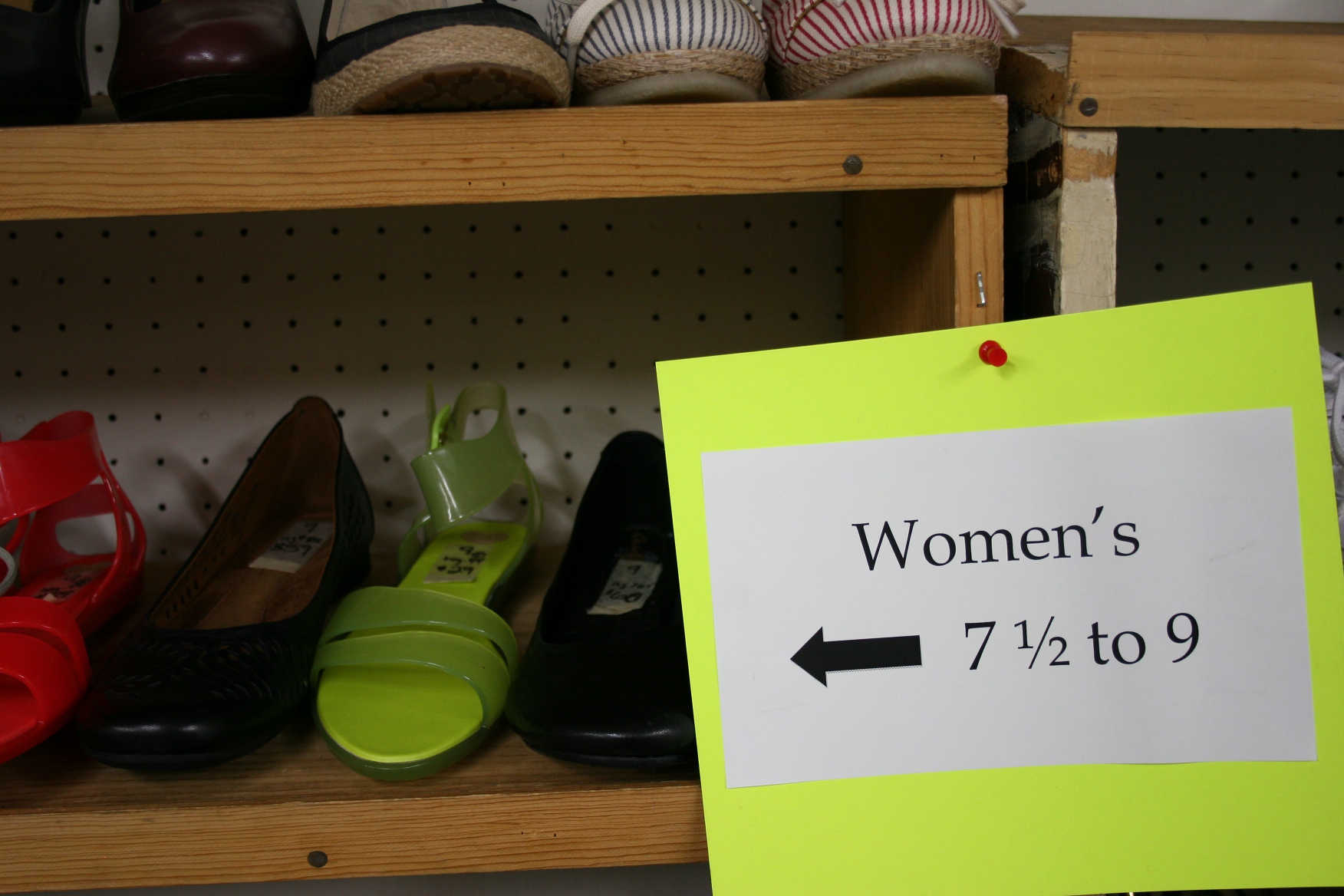
A shoe sale in the back room in the basement.

A shoe sale in the back room in the basement.

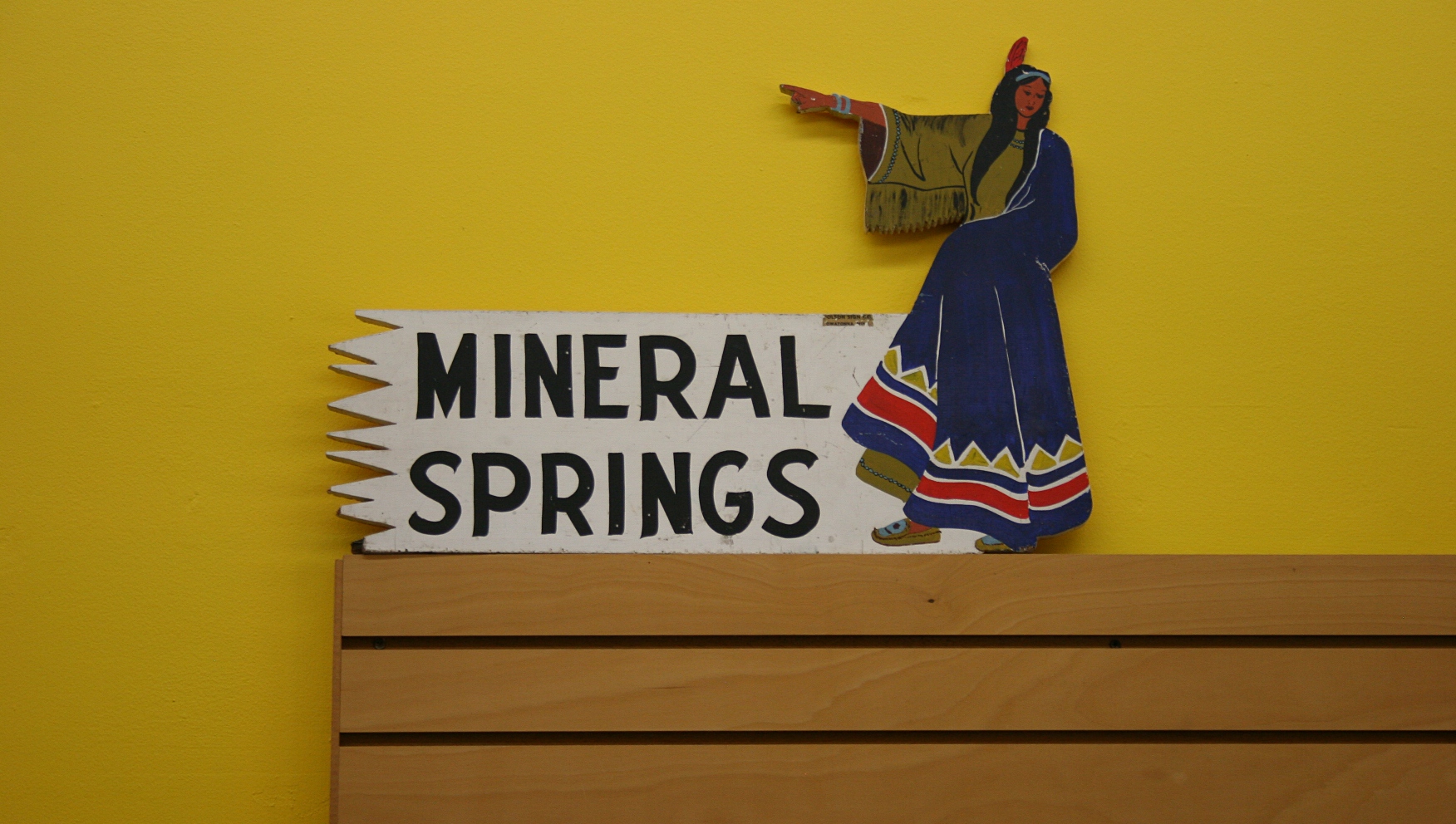
A nod to Owatonna's namesake, the legendary Indian Princess Owatonna, at home where her statue stands in Mineral Springs Park.

A nod to Owatonna’s namesake, the legendary Indian Princess Owatonna. As the story goes, the maiden drank from the healing natural spring waters in the current day Mineral Springs Park.

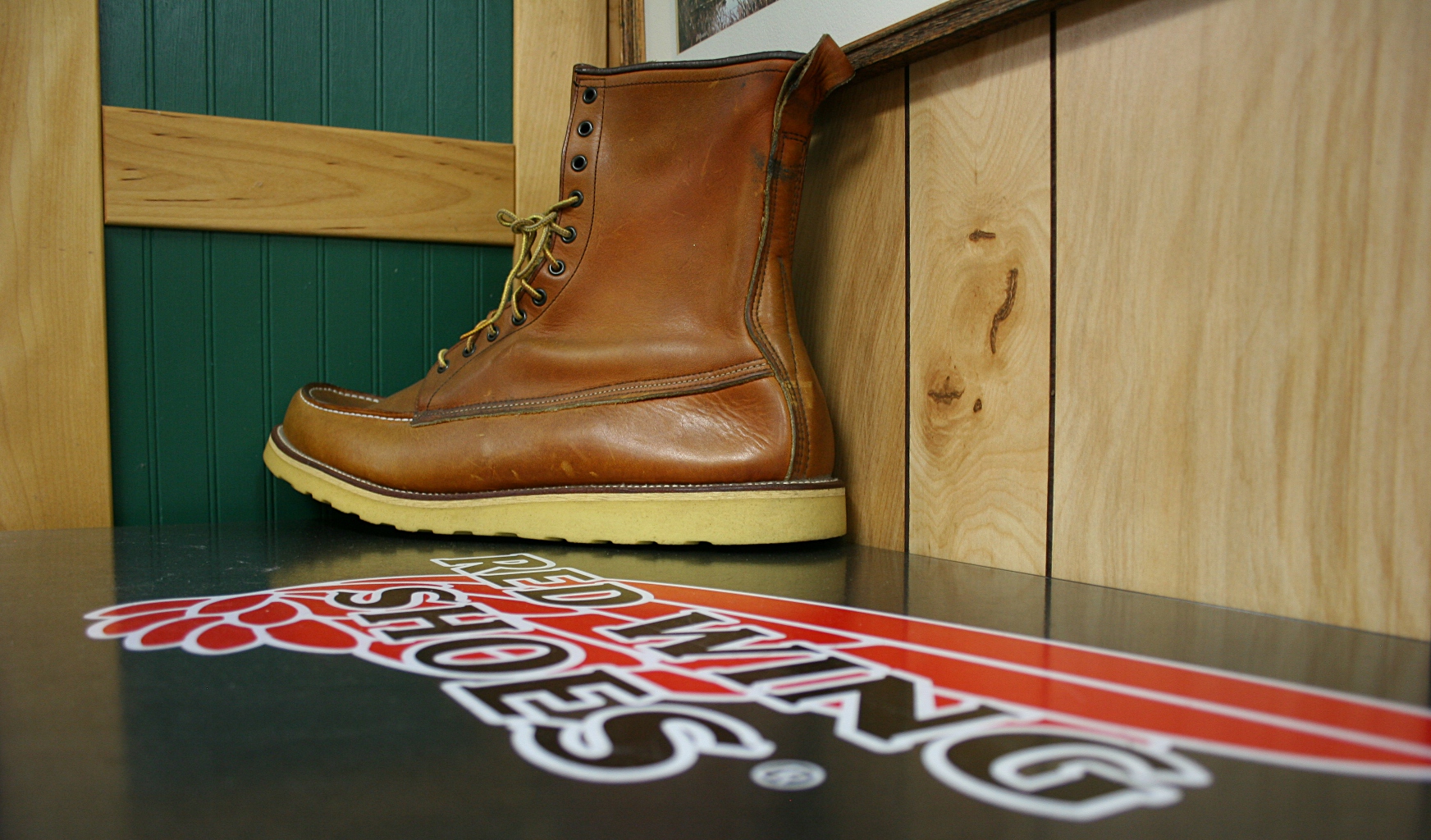
The store carries the ever popular Red Wing brand of shoes made in Red Wing, Minnesota.

The store carries the ever popular Red Wing brand of shoes made in Red Wing, Minnesota.

Colorful shoes, colorful signs.

Colorful shoes, colorful signs.

© Copyright 2013 Audrey Kletscher Helbling
 

In Luverne: “Go digital or go dark” August 29, 2013

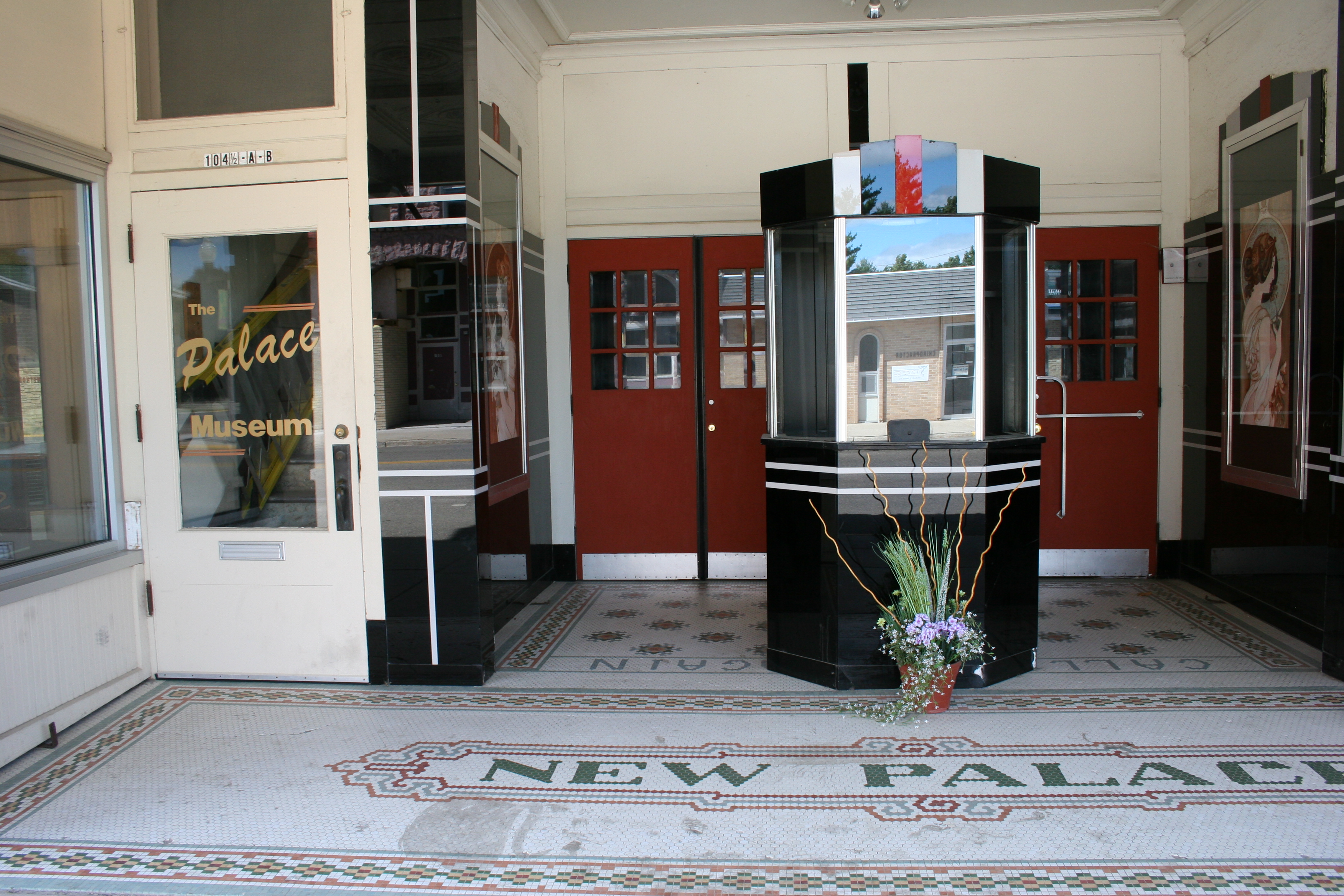
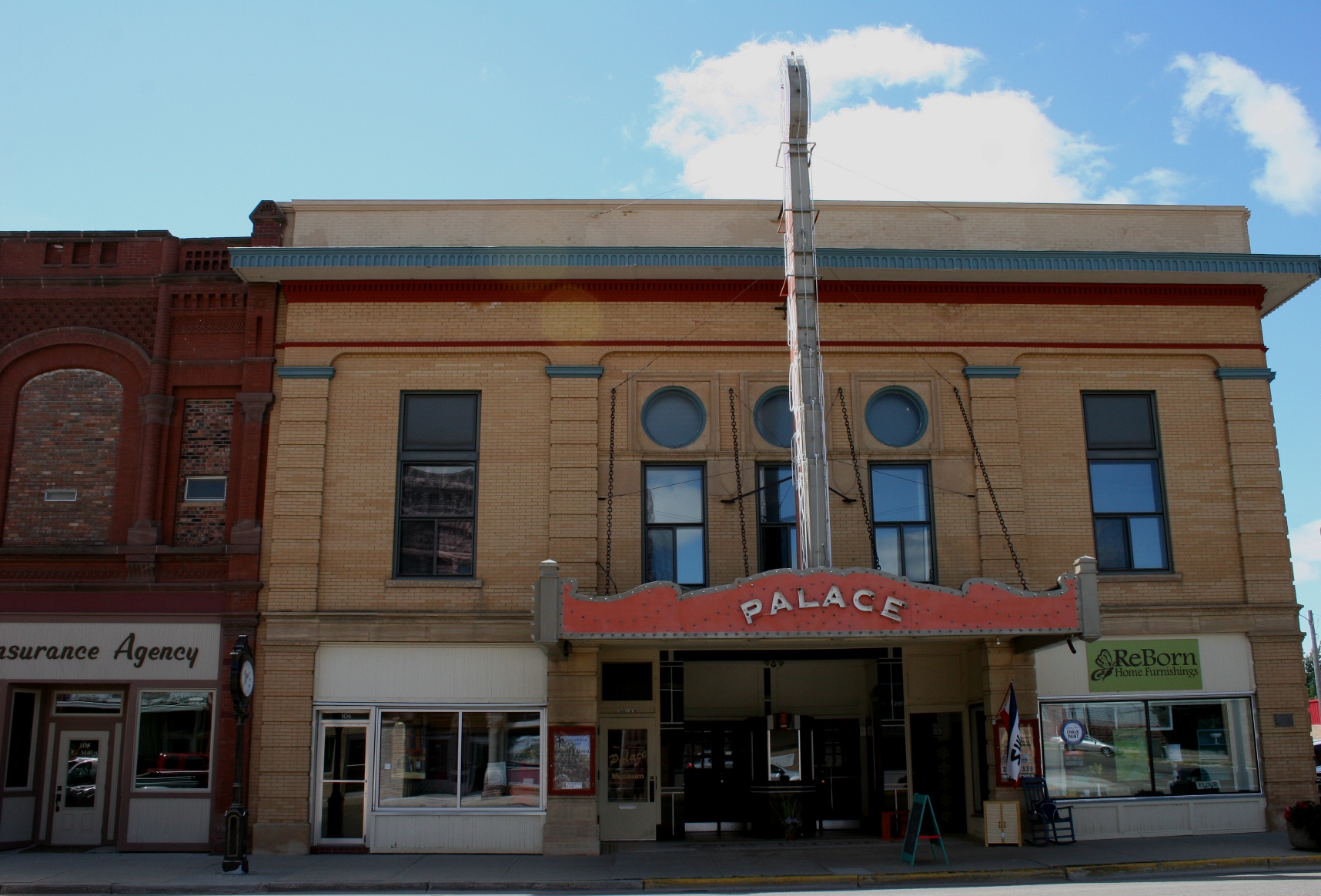
The entry to the historic Palace Theatre in downtown Luverne, Minnesota.

The entry to the historic Palace Theatre in downtown Luverne, Minnesota.

THE DOORS TO THE OLD THEATRE were locked, much to my dismay, on a recent Saturday visit to Luverne in extreme southwestern Minnesota.

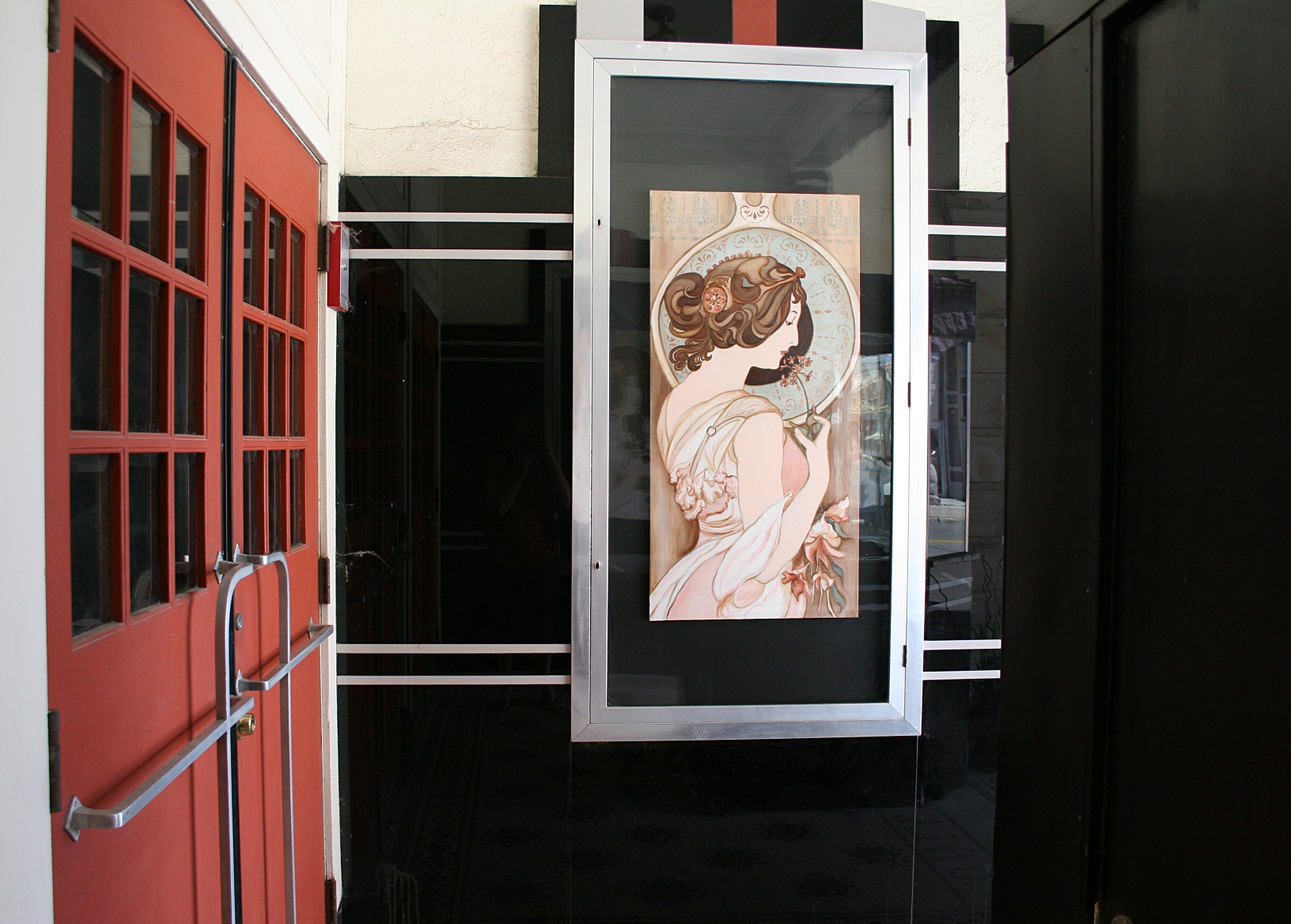
Charming exterior art.

Charming exterior art.

If only I could have gotten inside to view the original painted wall panels, stage curtains, pipe organ, and artistic wall and ceiling décor inside the 1915 Palace Theatre.

I am a fan of old theatres and of old buildings in general. But you know that if you’ve followed Minnesota Prairie Roots.

That's ReBorn, in the right corner of the city-owned theatre building at 102 E. Main Street.

The city-owned Palace Theatre at 102 E. Main Street, operated by the nonprofit Blue Mound Area Theatre.

That Luverne appreciates the value of its historic theatre enough to preserve the building, which hosts a variety of cultural and other events, pleases me. The building was placed on the National Register of Historic Places in 1978.

Theatre supporters are currently working to continue one aspect of the building’s use, that of showing movies. Through the “Go Digital or Go Dark” campaign, efforts are underway to raise $75,000 for the purchase of a digital projector. At the end of 2013, film companies will no longer produce 35mm film, necessitating the switch.

Now I’m not a big movie watcher, having last viewed an in-theatre movie several years ago. But I like the option of a local theatre, which my community of 23,000 no longer has. Sad. Truly sad.

I expect the good folks of Luverne would miss their movies, too, should funding not come through for the digital projector.

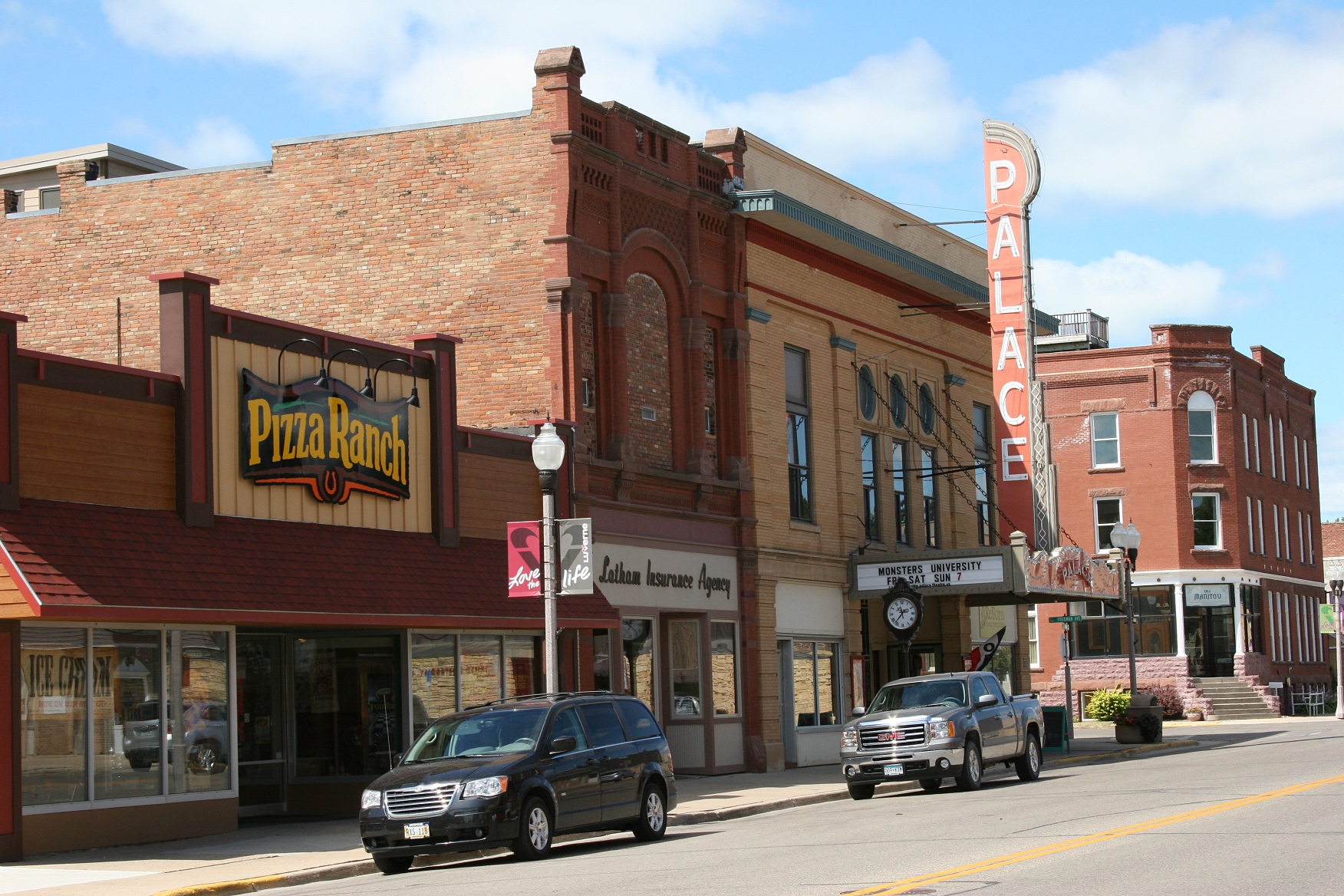
A notable sign draws the eye to the Palace.

A notable sign draws the eye to the Palace.

A special fundraising event, “A Night at the Palace,” slated for Saturday, September 7, will raise monies specifically for that projector. Click here to learn more.

There’s just one more bit of information you should know about the Palace Theatre. Six years ago, on September 6, the Palace Theatre hosted the world premiere of The War, a Ken Burns documentary on World War II. Luverne is one of four communities featured in the film.

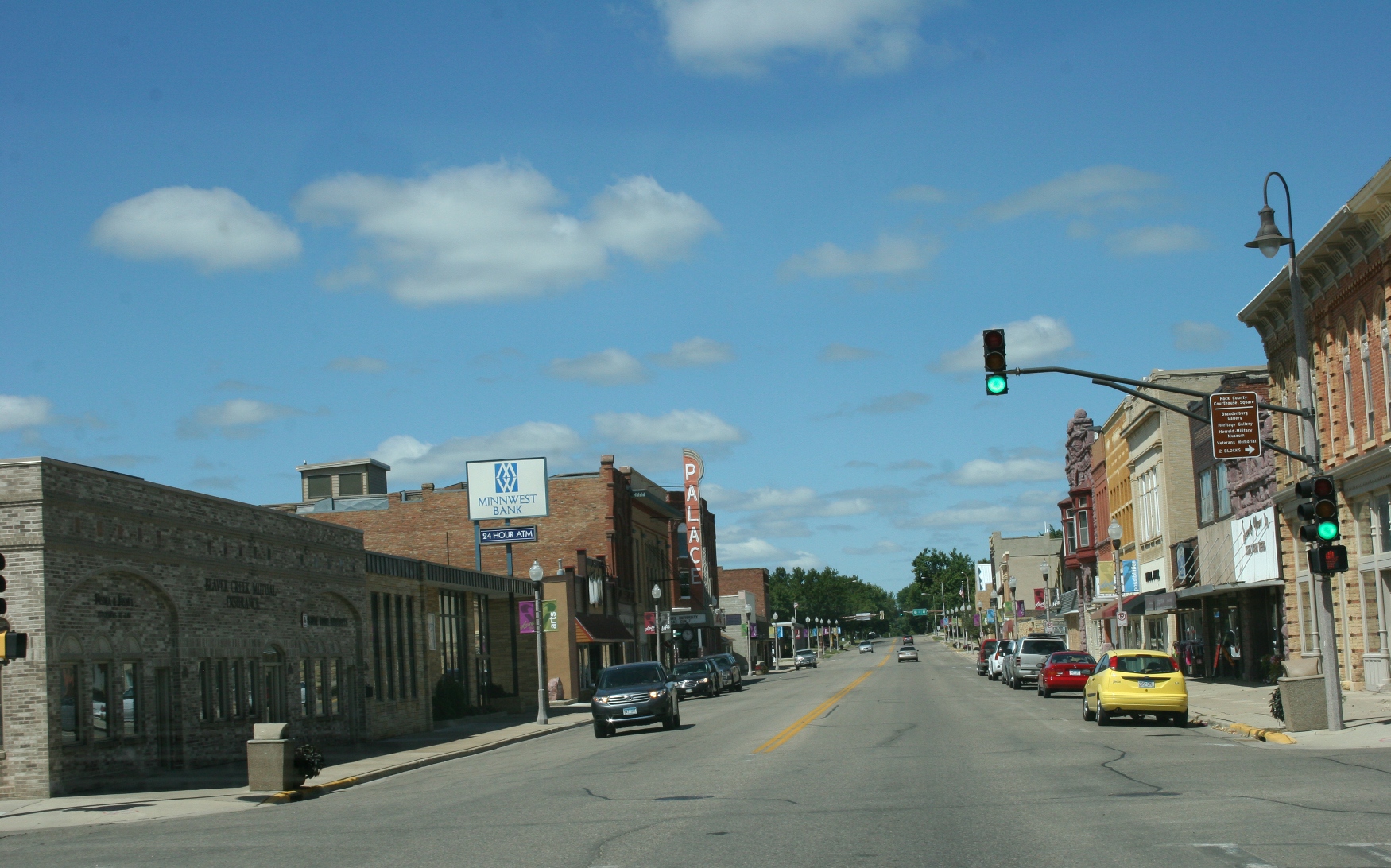
Downtown Luverne, Minnesota.

Downtown Luverne, Minnesota.

Of all the venues which could have been selected for the debut showing, the Palace Theatre was chosen. That, my friends, says a lot for the community of Luverne and the historic theatre.

FYI: To learn about another Luverne theatre in need of funding for a digital projector, click here and read about the Verne Drive-in.

If you wish to donate monies (via PayPal) toward purchasing a digital projector for the Palace Theatre, click here.

© Copyright 2013 Audrey Kletscher Helbling
 

Hey, check out this southeastern Minnesota small town July 27, 2013

Filed under: Uncategorized — Audrey Kletscher Helbling @ 6:00 AM
Tags: , , , , , , ,

SMALL TOWNS INTRIGUE ME. Each possesses a unique character.

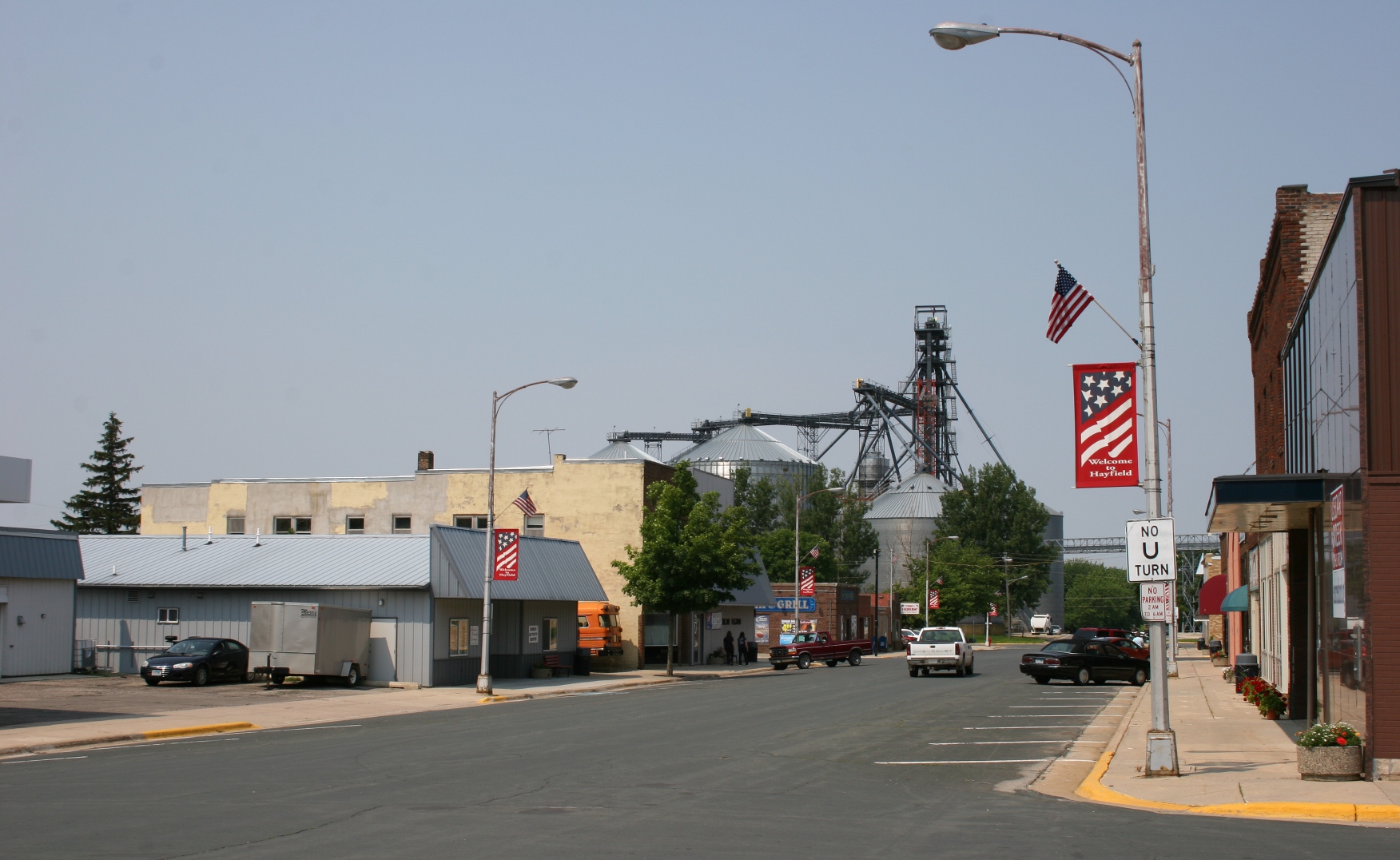
A snapshot of Hayfield's downtown business district.

A snapshot of Hayfield’s downtown business district.

For that reason, and because I favor rural more than urban, my husband and I purposely detour off highways, park our vehicle along Main Streets and explore.

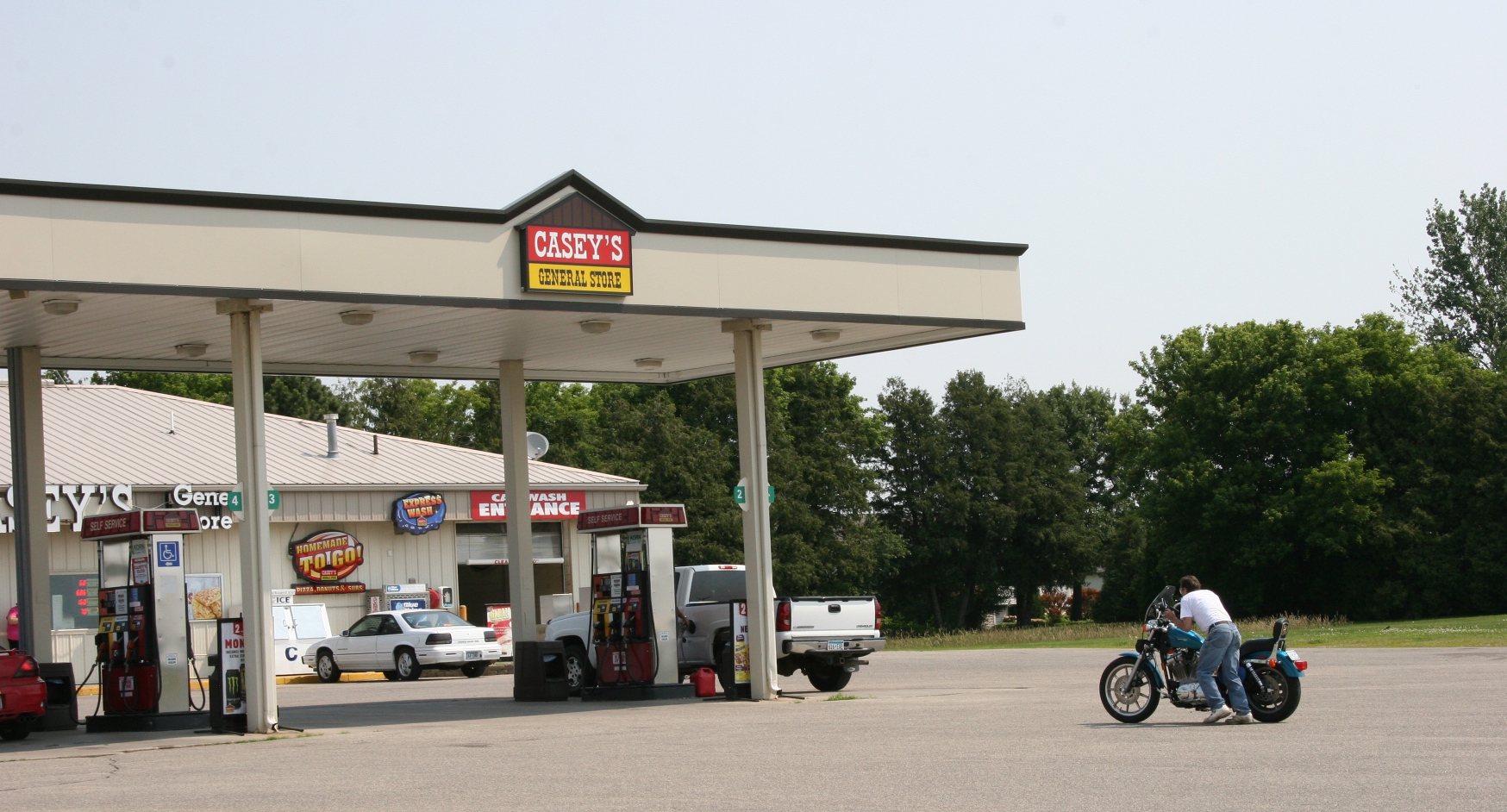
This biker ran out of gas and pushed his motorcycle up to the pumps at Caseys in Hayfield, just off Minnesota Highway 56.

This biker ran out of gas and pushed his motorcycle up to the pumps at Casey’s General Store in Hayfield, just off Minnesota Highway 56.

Often we are the only ones walking about, especially since our stops are typically on Sunday afternoons.

However, even on a recent Monday morning visit to Hayfield, population 1,300, southwest of Rochester in Dodge County, the downtown was quiet enough that I didn’t have to worry about standing in the middle of the street to take photos.

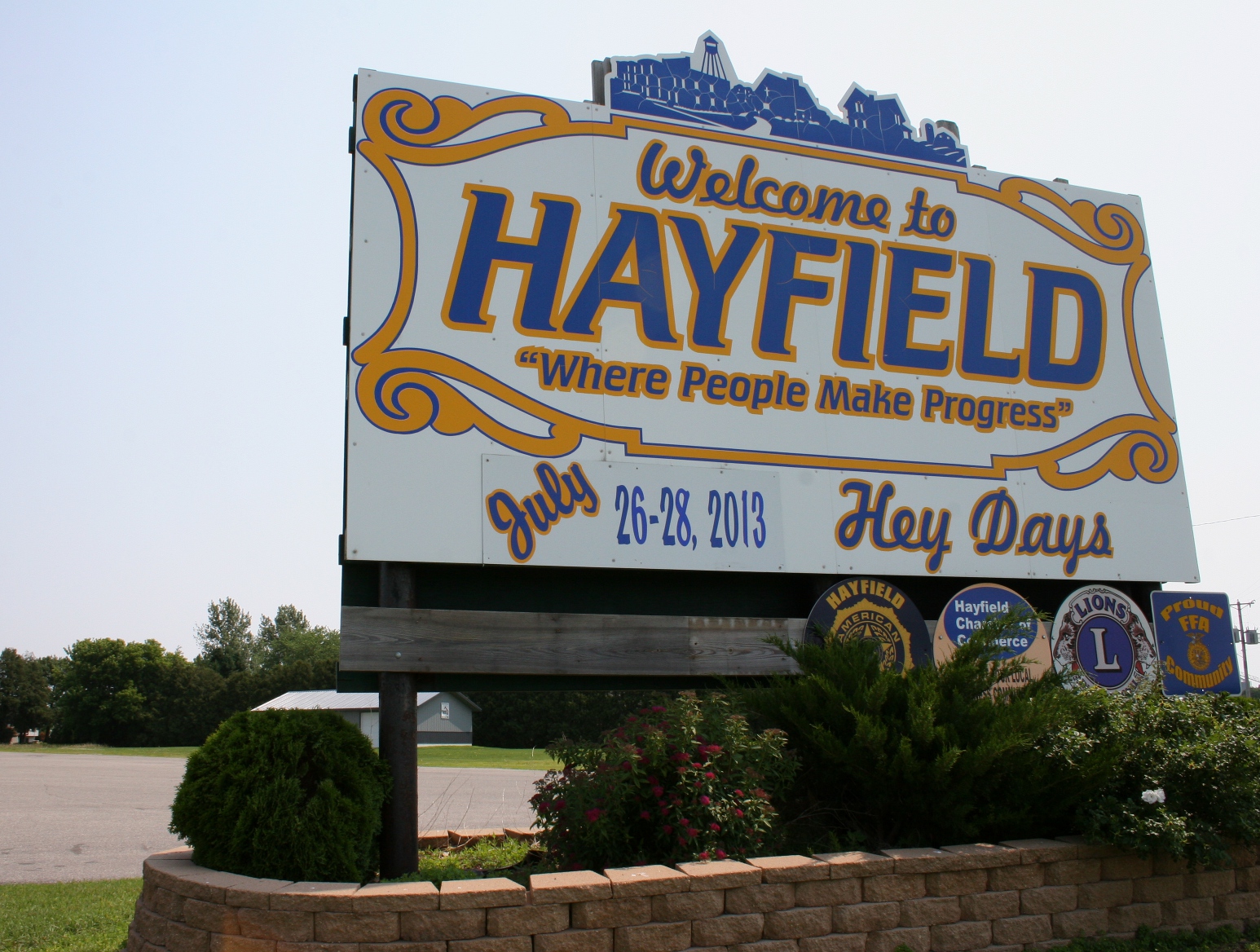
Welcome to Hayfield. So...I'm wondering whether the town is named after a person or a hay field.

Welcome to Hayfield. So…I’m wondering whether the town is named after a person or a hay field.

And Hayfield offers plenty of photo ops, beginning with the welcome sign just off Minnesota State Highway 56. The “Where People Make Progress” slogan puzzled me, until I read this explanation on the city’s website:

Our community has had many projects which have been accomplished by grants, donations and countless volunteer hours.

Examples of that progress include the local pool, ball diamonds, the library, Meals on Wheels…

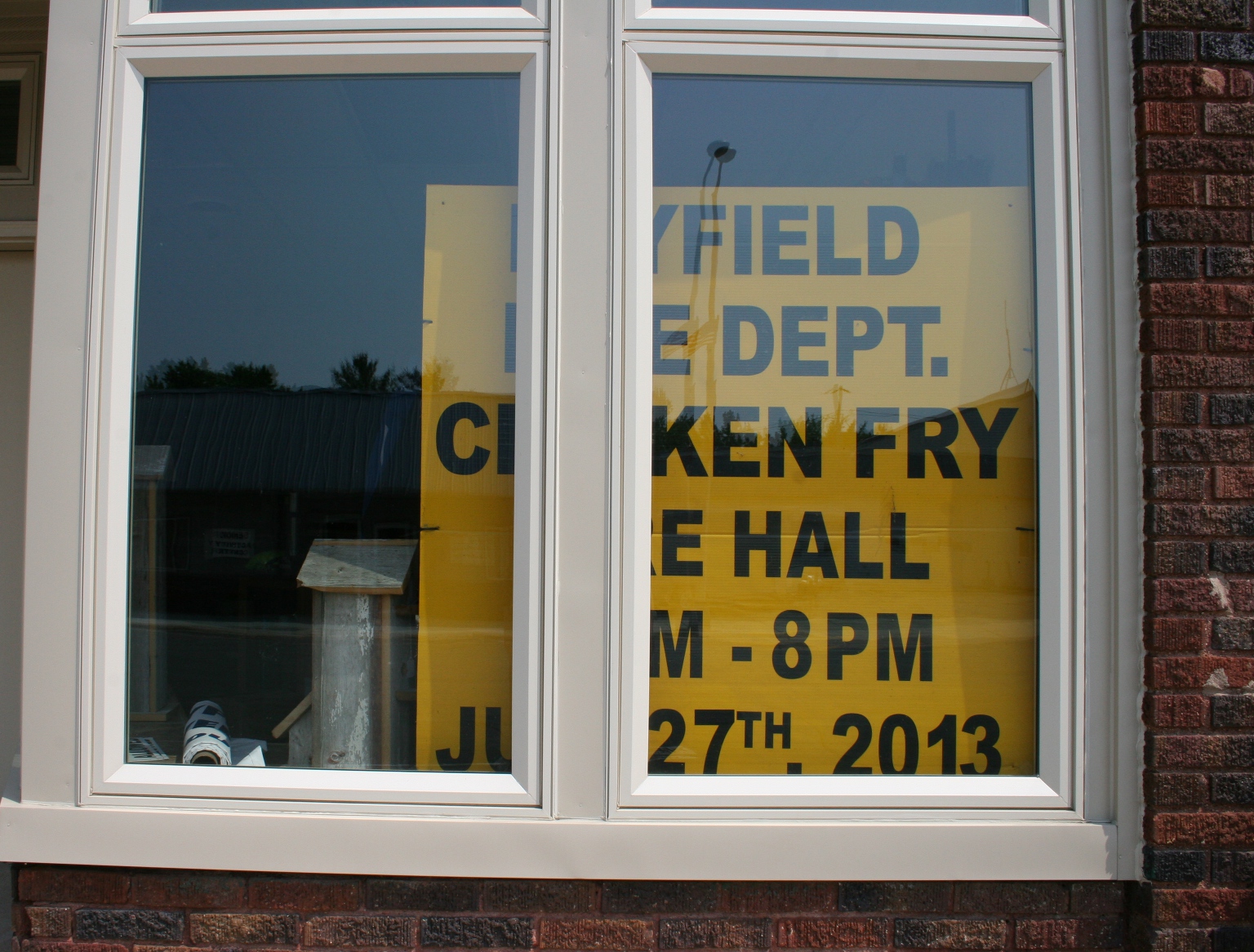
A sign in a window advertises the chicken dinner served during Hey Days.

A sign in a window advertises the chicken dinner served during Hey Days.

The annual community celebration of Hey Days, slated for July 26 – 28, also involves countless hours of volunteerism. That’s the thing about small towns. People don’t necessarily sit and wait for someone else to do something. They just do it.

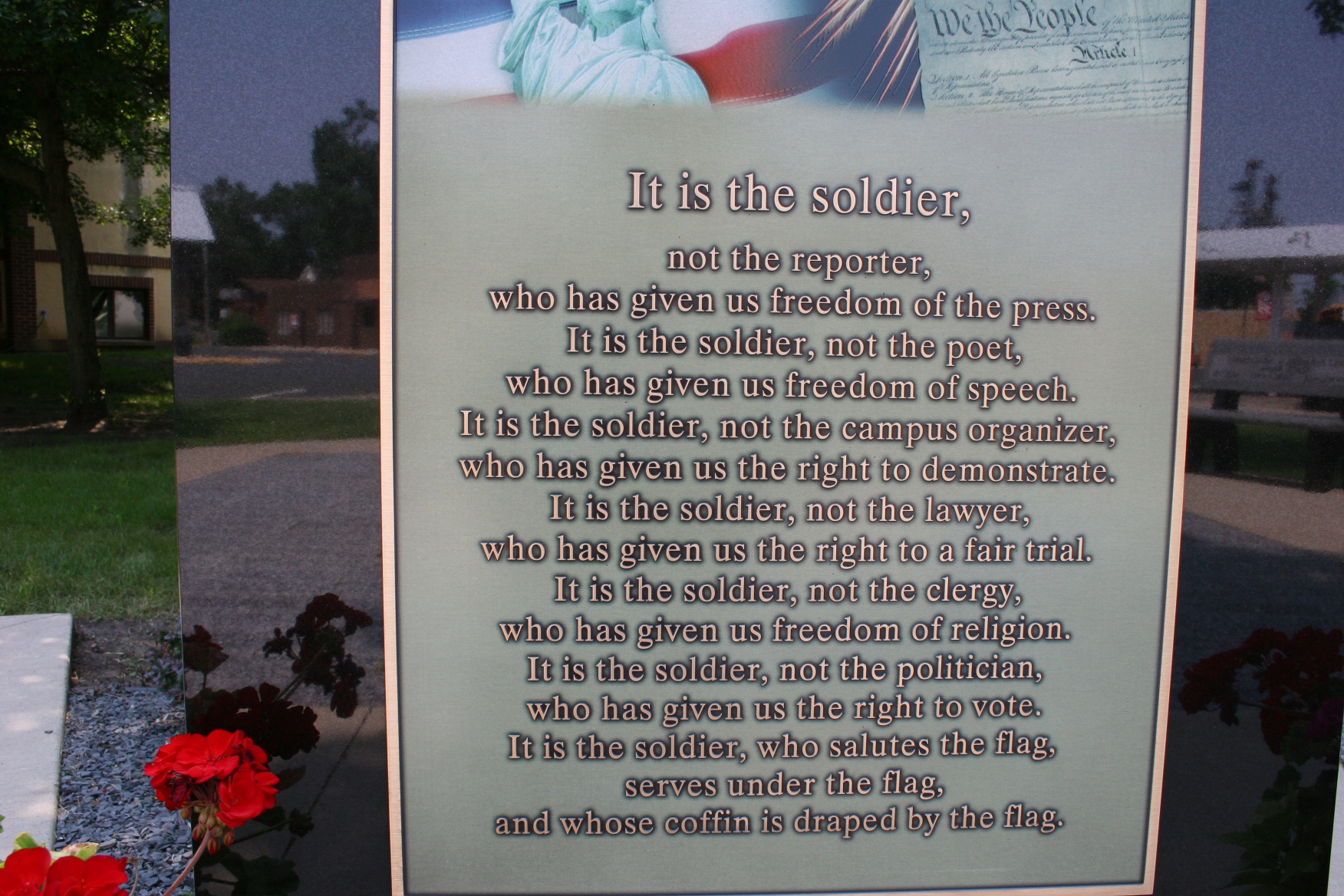
Part of the impressive vets' memorial.

Part of the impressive vets’ memorial.

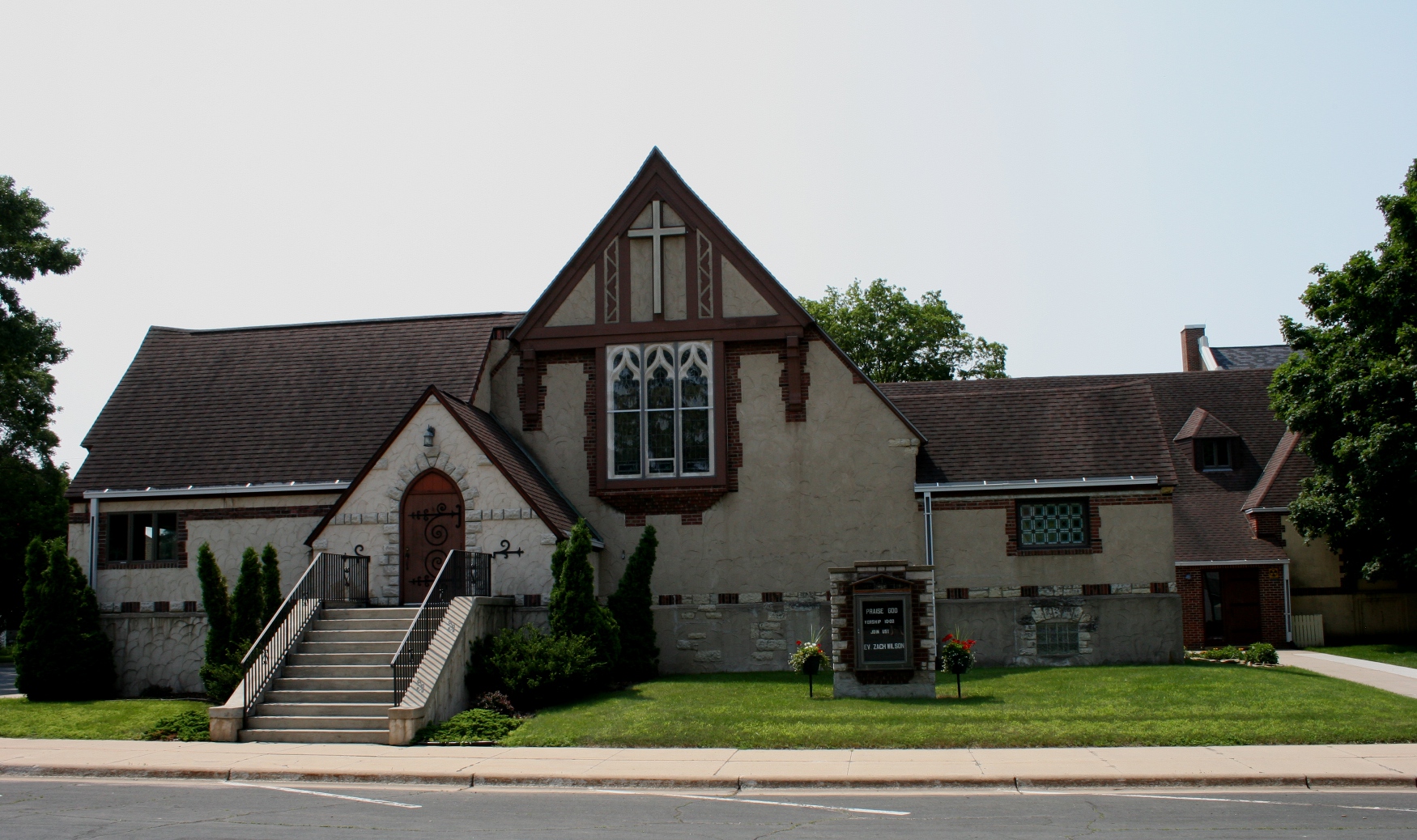
I bet volunteers planned, raised funds for and helped build the veterans’ memorial park next to First Presbyterian Church at the end of the business district. It’s one of the most impressive memorials we’ve seen.

First Presbyterian Church, next to the veterans' memorial.

First Presbyterian Church, next to the veterans’ memorial.

Inside that lovely old church.

Inside that lovely old church.

That memorial is definitely worth a trip into town as is the church. We found the door unlocked and so let ourselves into this beautiful sanctuary. I’m pretty certain the guy working on a school bus at the bus garage was watching us.

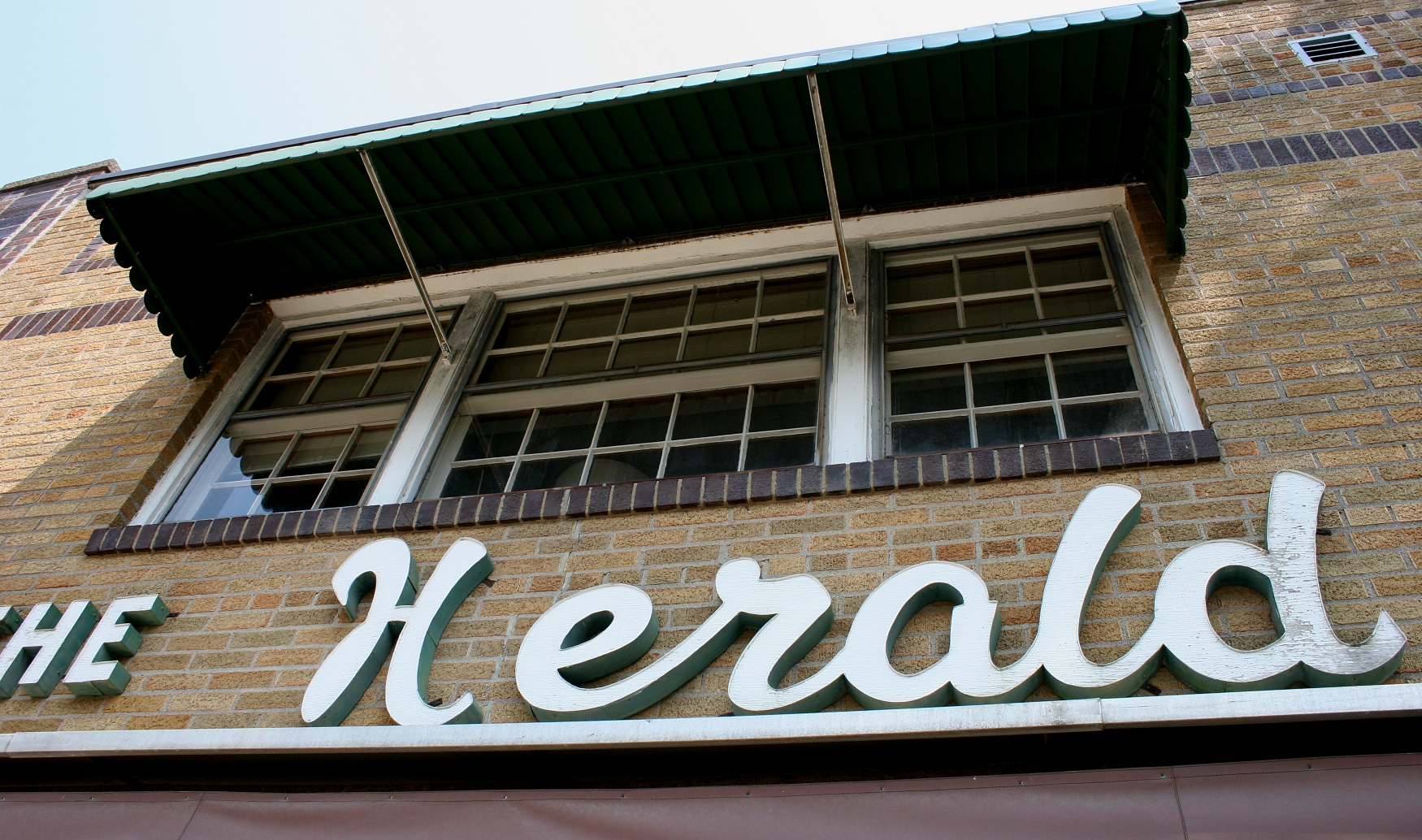
Font art at the former newspaper office.

Font art at the former newspaper office.

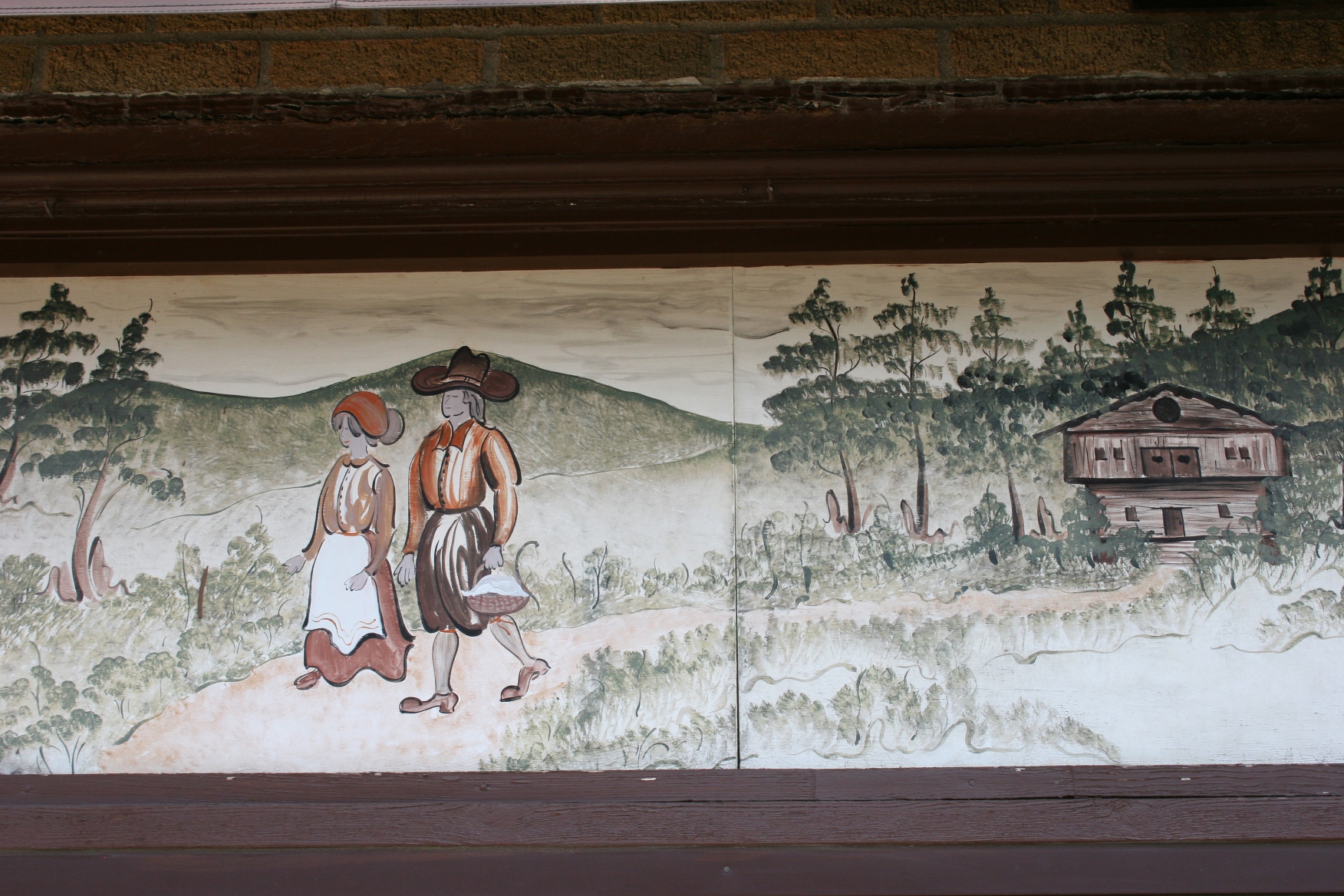
And more art on the former news office.

And more art on the former news office.

Across the street, the font and paintings on the former Herald newspaper office, now a home, caught my eye. The newspaper is now merged as the Star Herald based in nearby Dodge Center.

The library on the left, the former newspaper office on the right.

The library on the left, the former newspaper office on the right.

Next door I tried the door of the library, only to find it locked.

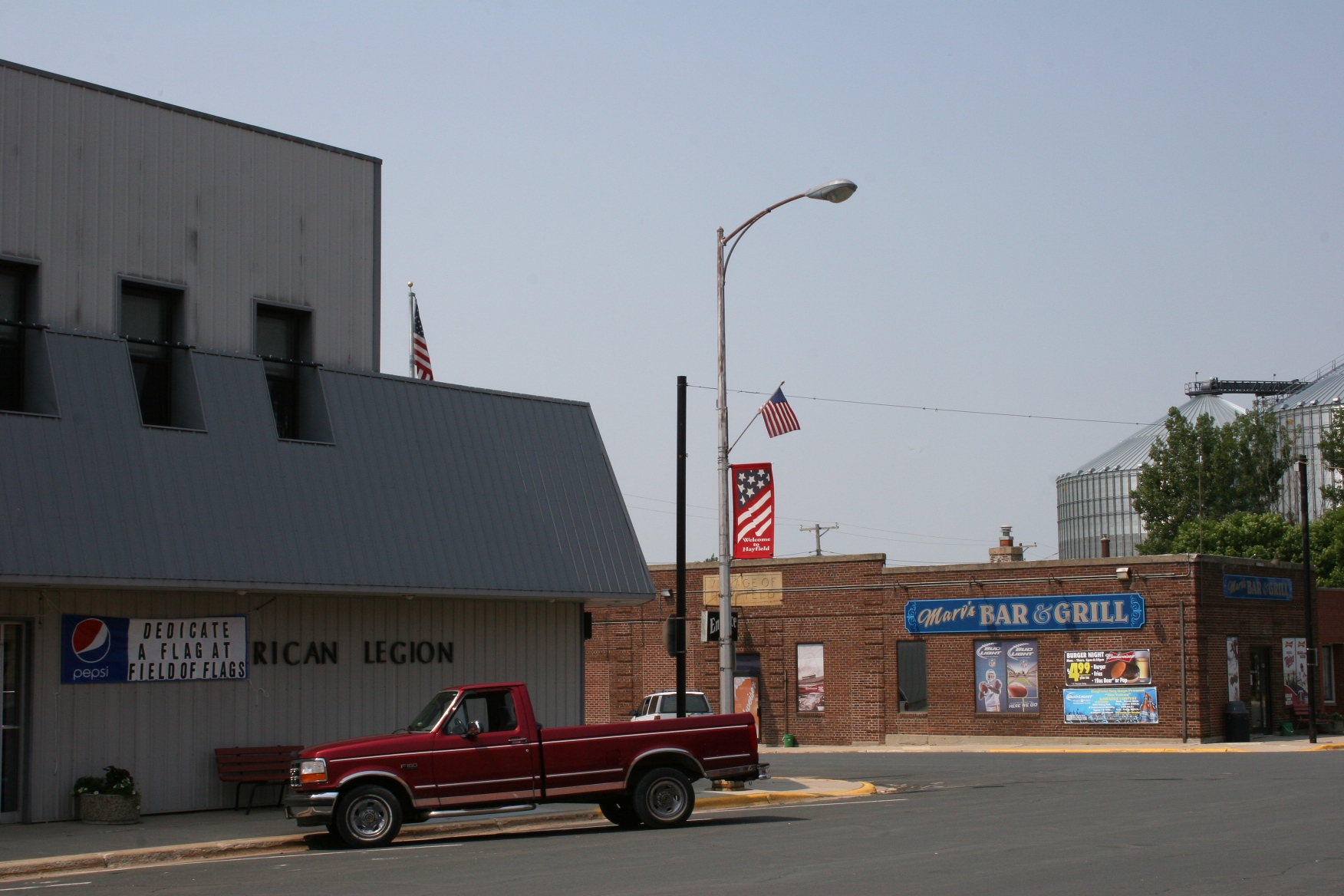
Like most small towns, you will find a Legion and a bar and grill in Hayfield.

Like most small towns, you will find a Legion and a bar and grill in Hayfield.

Yes, when I explore small towns, I’ll always try the doors. Always.

© Copyright 2013 Audrey Kletscher Helbling
 

A muddy shoe ban in Morgan July 24, 2013

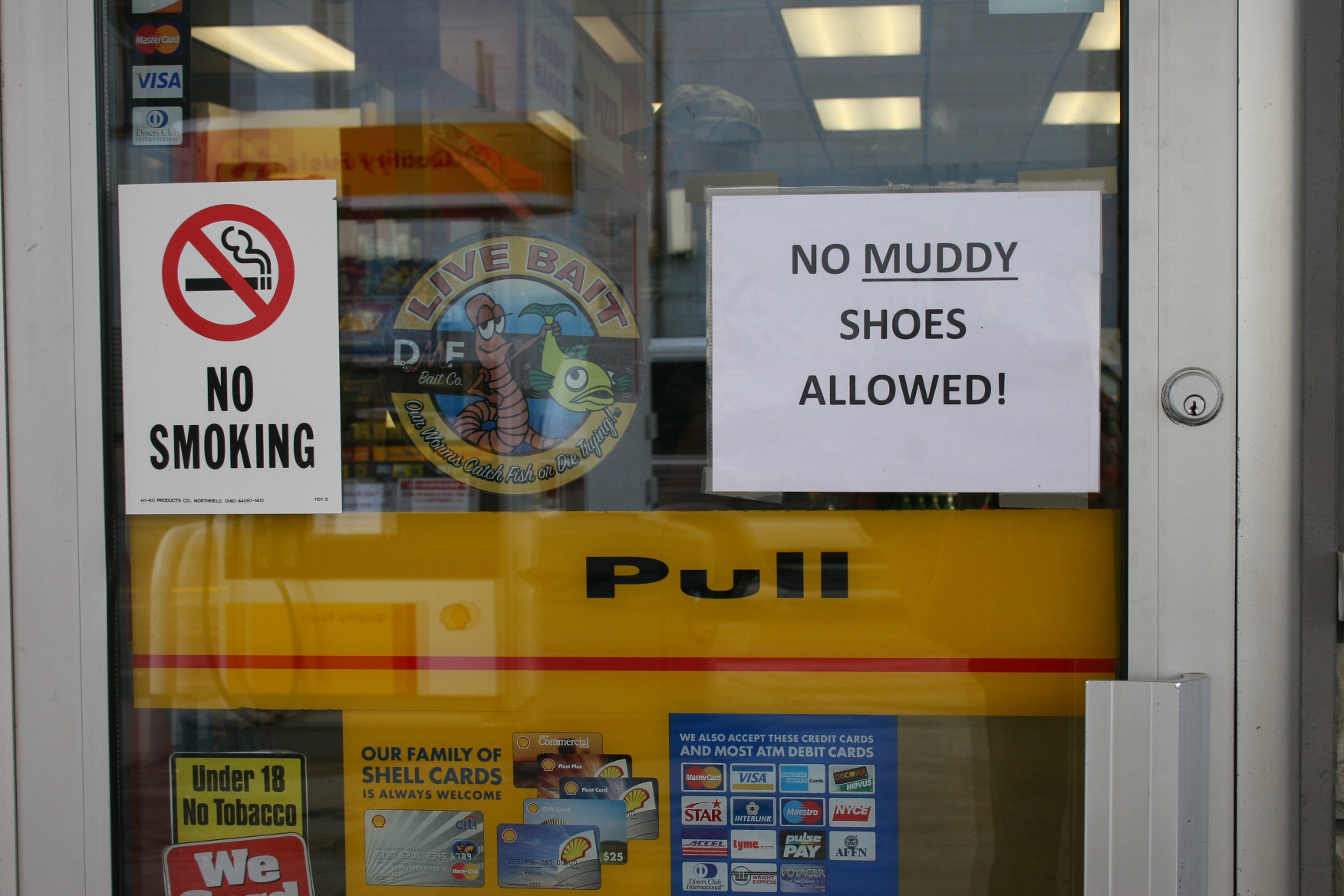
YOU BEST NOT ENTER the Shell convenience store/gas station in Morgan with muddy shoes. I never checked my flip flops nor the floor upon entering. My initial focus was finding the bathroom in Wayne’s C-Store, as it’s known by locals.

Posted on doors of the Shell station in Morgan.

Posted on doors of the Shell station in Morgan.

Only afterward did I ponder the message and wonder how many times staff has dealt with mud trekked inside this retail hub in this rural southwestern Minnesota community. Often enough, apparently, given the postings on the two front doors.

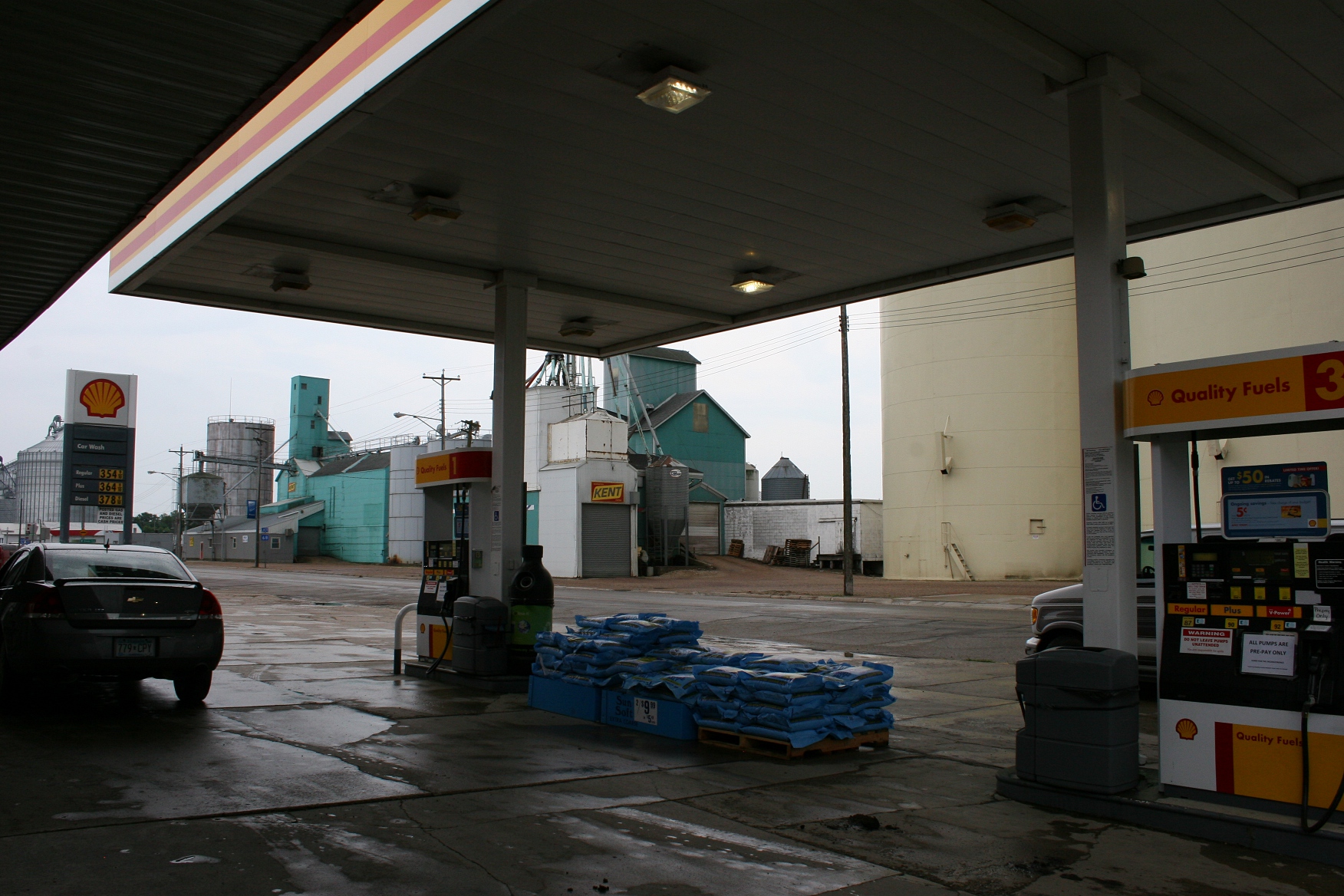
A view right outside the Shell station.

A view right outside the Shell station.

My husband and I had just driven about 100 miles, more than an hour of that in rain. But, unless our soles acquired mud while walking from our gravel parking space into the store, they should have been clean.

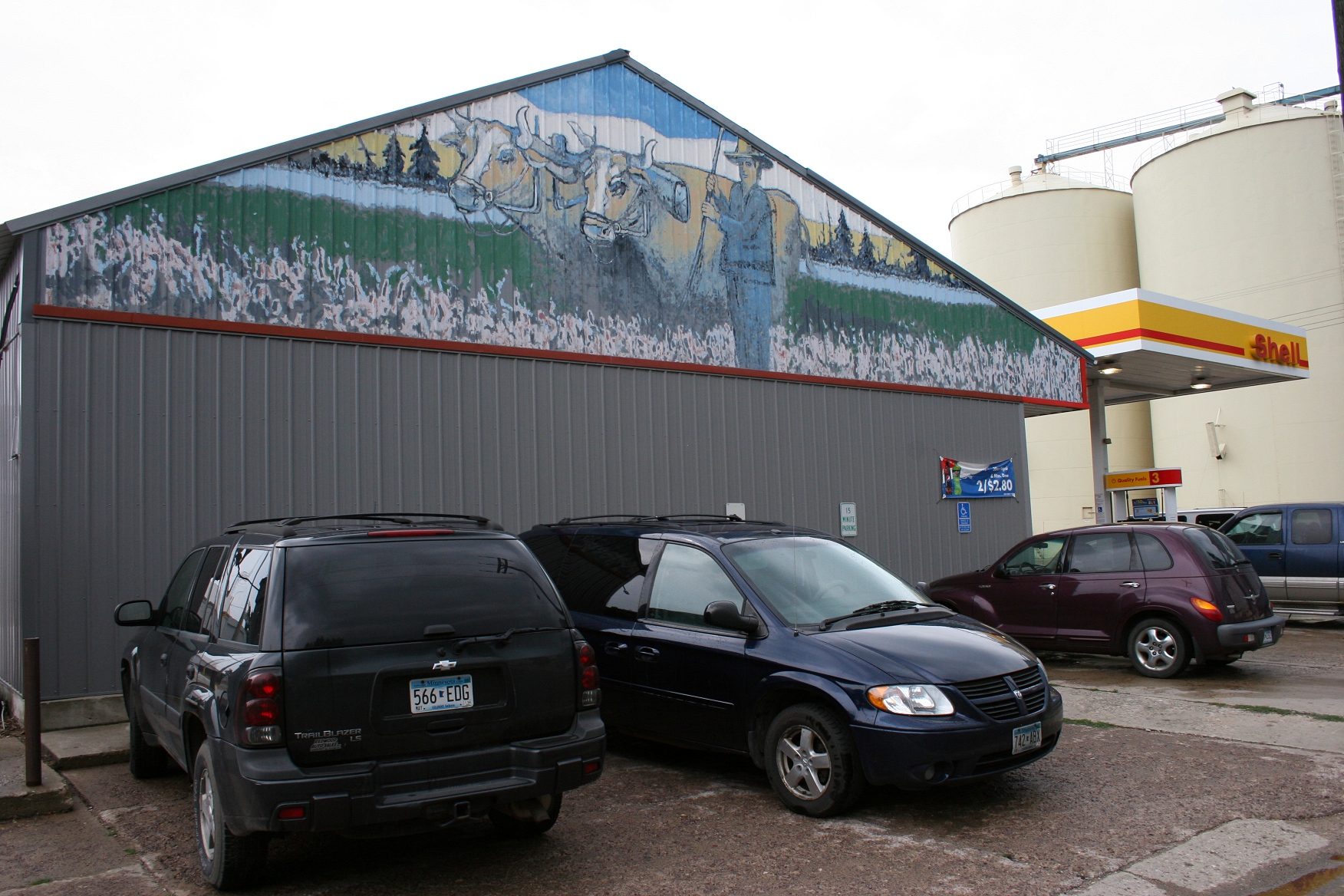
A rural-themed mural on the side of Wayne's C-Store.

A rural-themed mural on the side of Wayne’s C-Store.

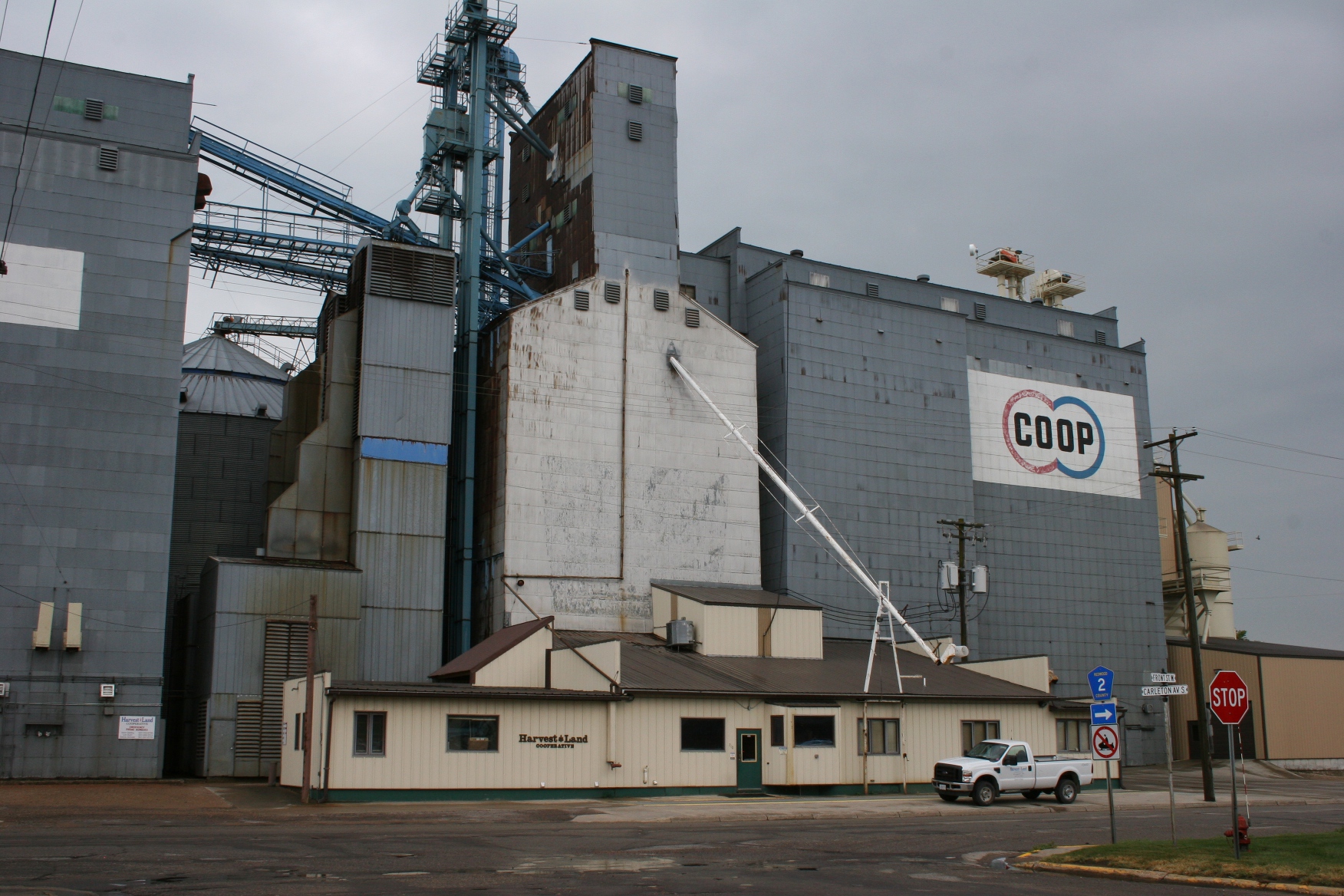
After photographing the NO MUDDY SHOES ALLOWED! sign and the mural on the side of the convenience store, I swung my camera around to photograph Harvest Land Cooperative across the street.

A snippet of the Harvest Land Co-op complex across the highway from the Shell station.

A snippet of the Harvest Land Co-op complex across the highway from the Shell station.

There’s something about an elevator that always causes me to pause and reflect on my rural Minnesota prairie roots.

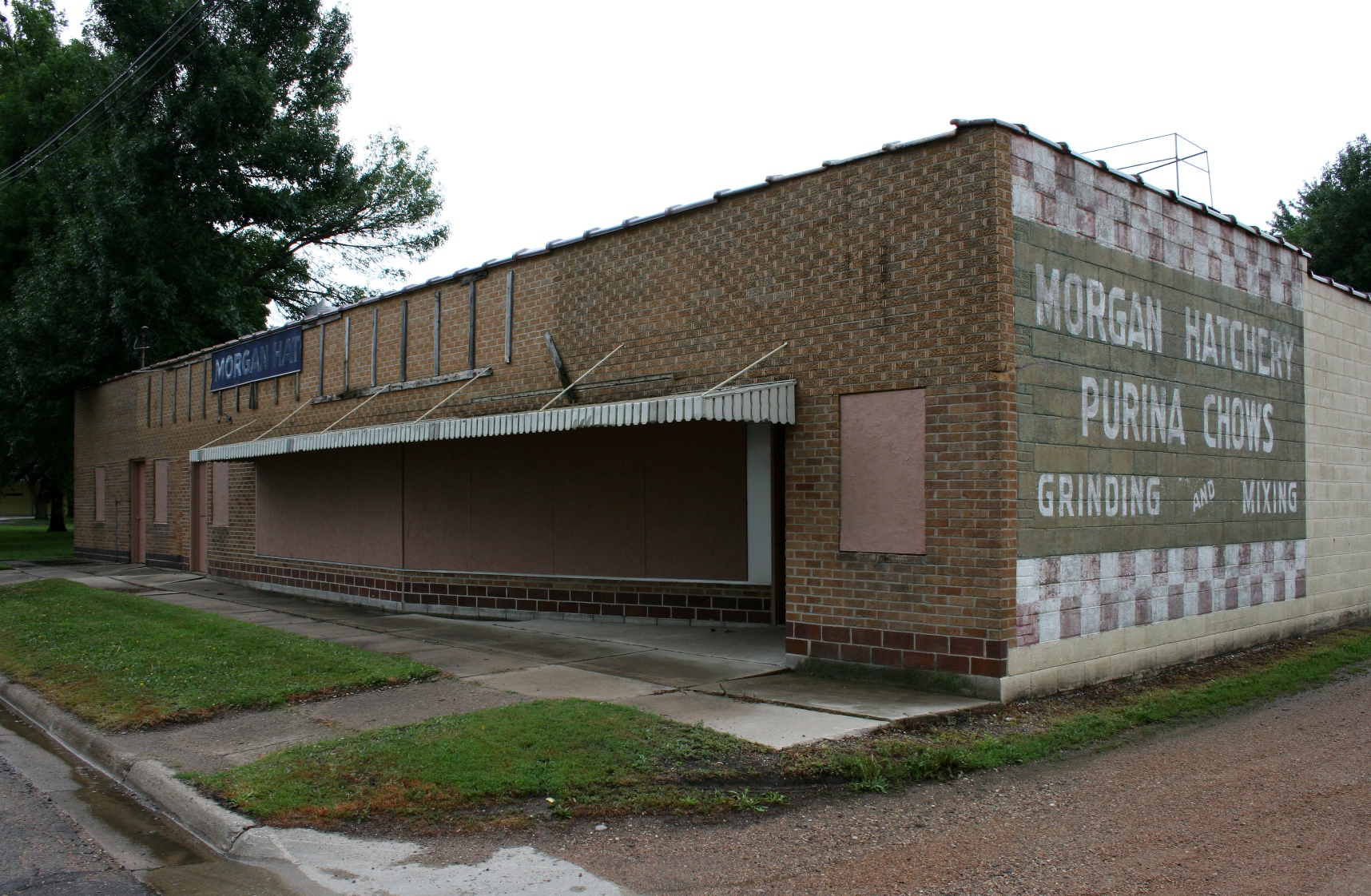
The hatchery is closed.

The hatchery is closed.

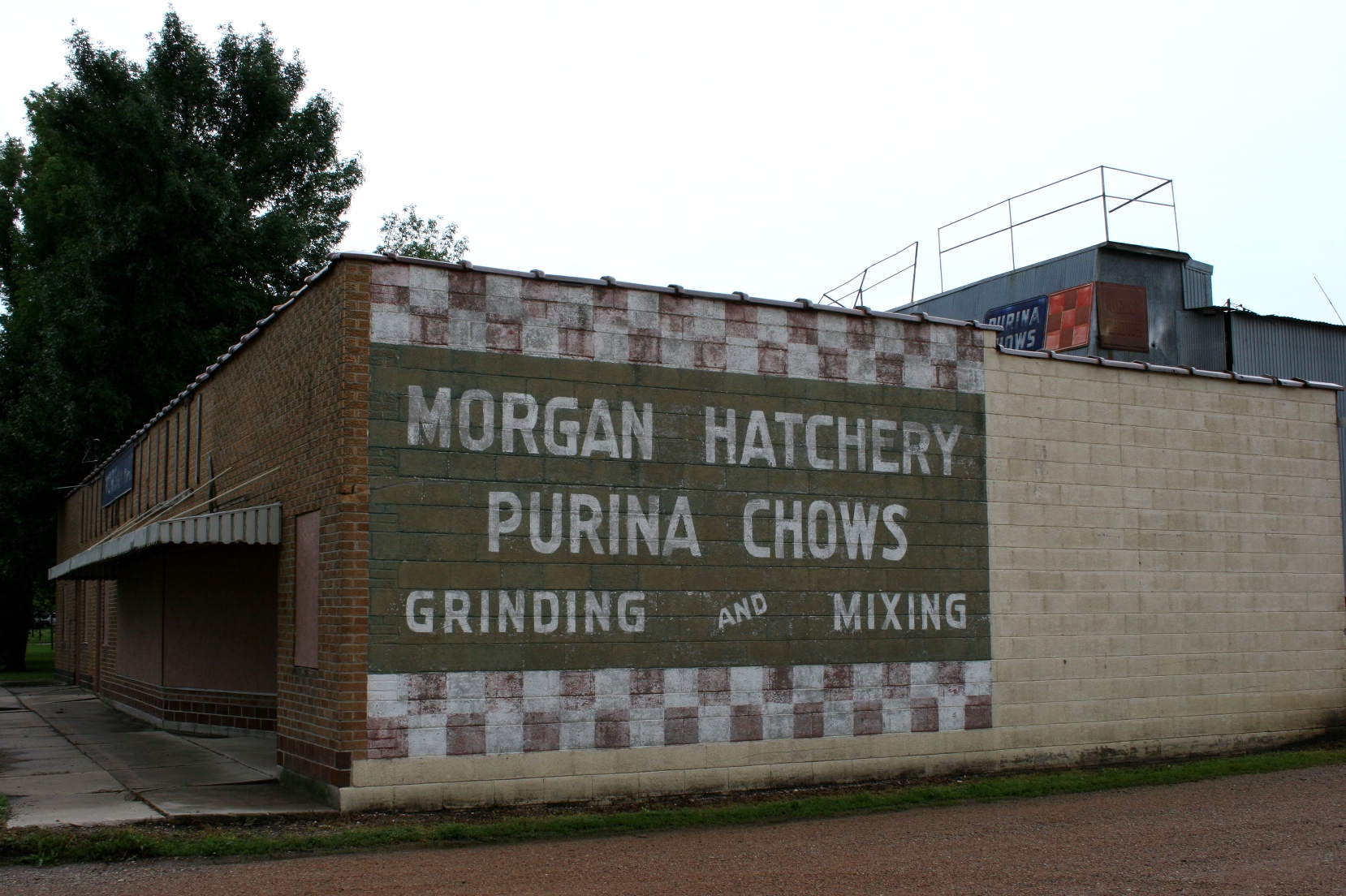
From there I skirted vehicles parked alongside the Shell station and dodged puddles to photograph signage on the next door old Morgan Hatchery.

A side view of the former hatchery.

A side view of the former hatchery.

At that point I likely muddied my flip flops. But that was just fine. I wasn’t returning to the NO MUDDY SHOES ALLOWED! store.

© Copyright 2013 Audrey Kletscher Helbling
 

Walnut Grove mural bridges cultures July 18, 2013

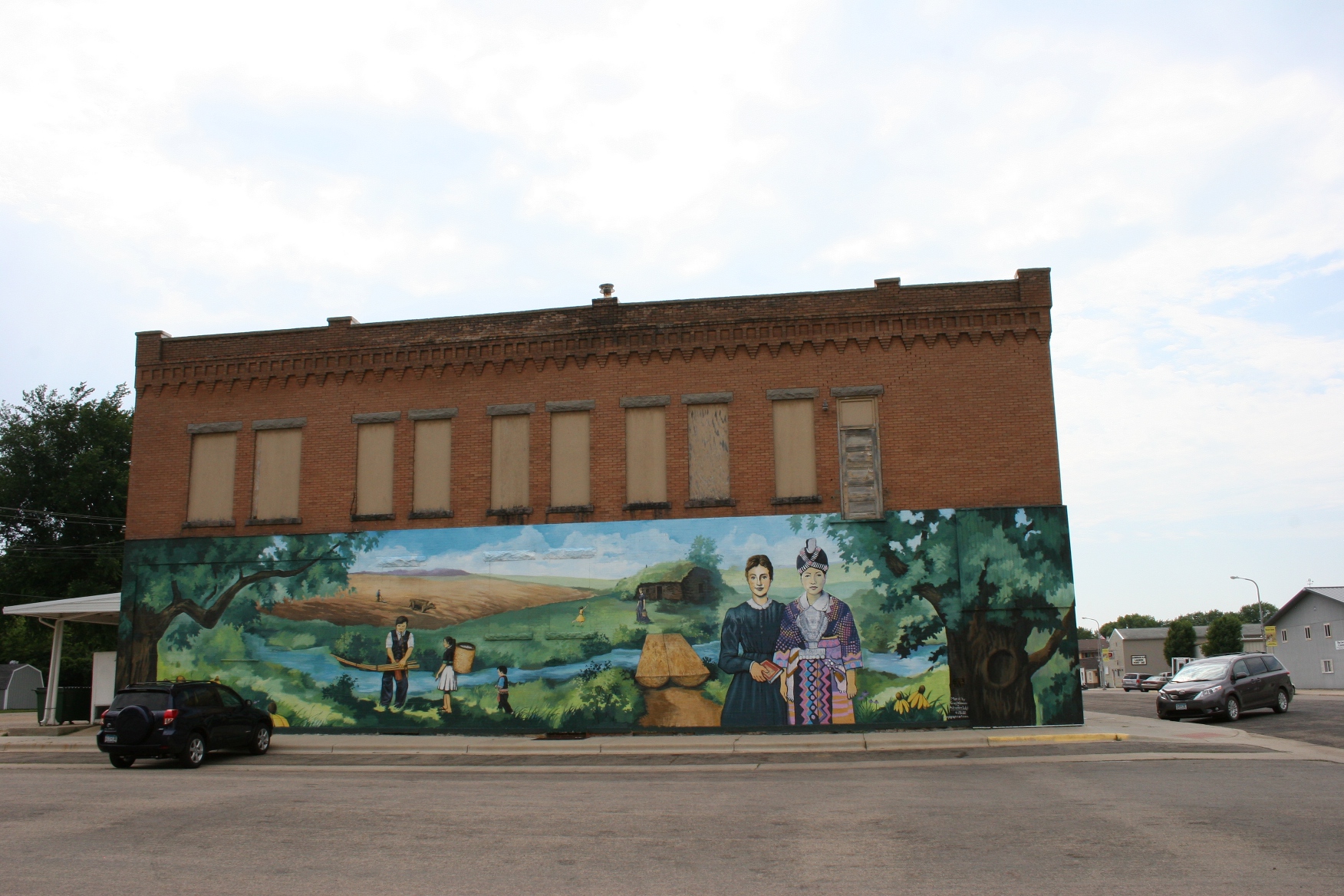
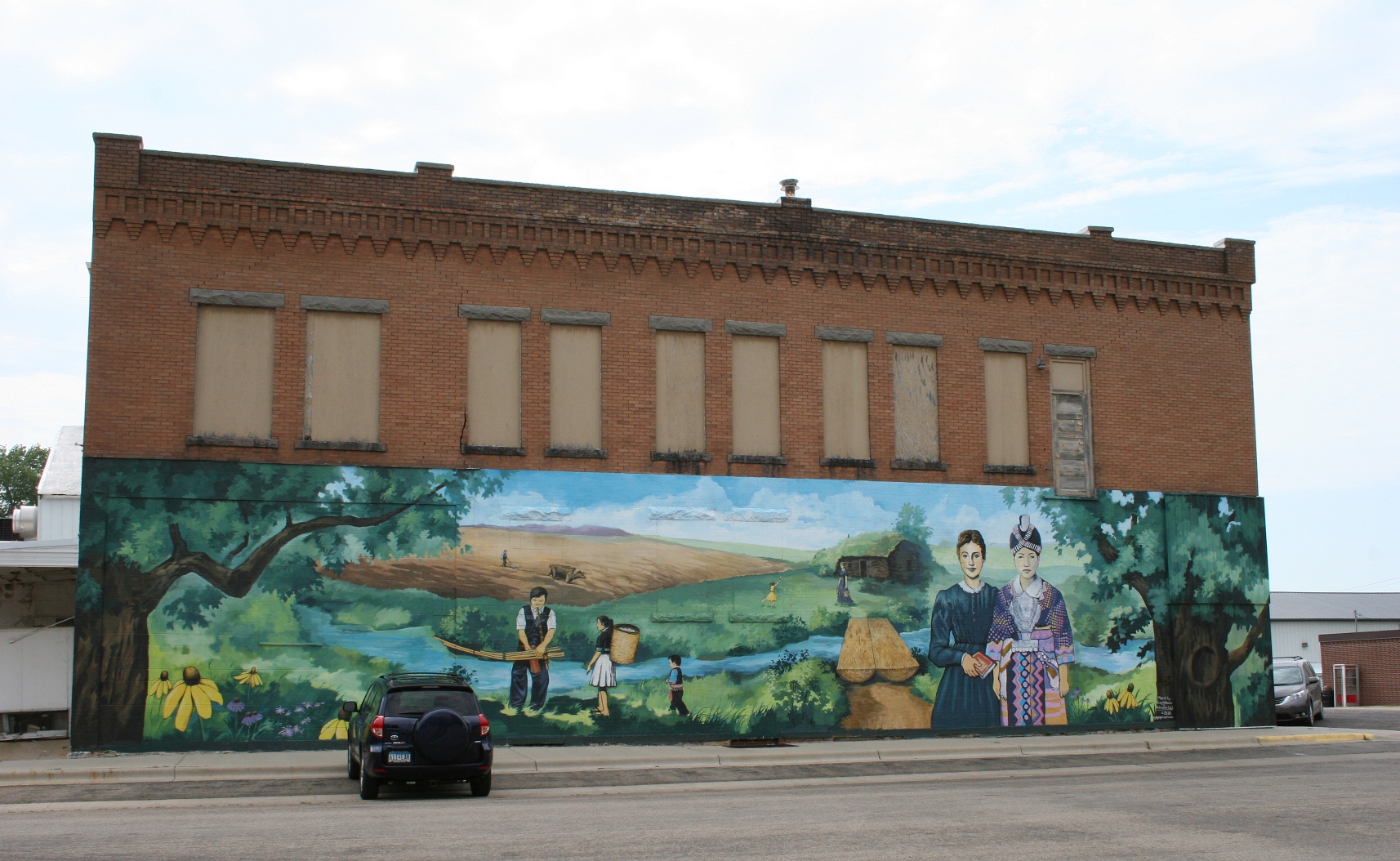
Rochester artist Greg Wimmer was commissioned to paint this mural last summer in downtown Walnut Grove.

Rochester artist Greg Wimmer was commissioned to paint this mural last summer in downtown Walnut Grove.

MY NEPHEW, ADAM KLETSCHER, who lives and teaches in Walnut Grove, told me to check out the new mural downtown when I recently visited this southwestern Minnesota community. So, after leaving the Family Festival during the town’s annual celebration of Laura Ingalls Wilder’s Little House books, I stopped to photograph the 20-foot by 78-foot painting on the east side of Bubai Foods along Main Street.

Being a bit rushed, I failed to photograph the front of the building housing a combination Asian and American food market. And I didn’t have time to go inside and ask questions.

Later I connected with Terry Yang, who moved to Walnut Grove in 2001 from St. Paul, opened the Asian portion of Bubai Foods in 2003 and purchased the American foods side in 2005.

Yang is among the estimated 30 percent of Walnut Grove’s 870 residents of Hmong ethnicity. The Hmong first came to this rural area in 2000, Yang says, to settle in a quiet small town with affordable housing (“We don’t have to lock our houses or cars here,” he says) in a landscape similar to their native Laos.

Walnut Grove is now home to retired Hmong and to young people employed mostly at factories in nearby Marshall, Wabasso and Worthington.

The mural in progress. Photo courtesy of Greg Wimmer.

The mural in progress. Photo courtesy of Greg Wimmer.

It is that infusion of Laotian immigrants that figured in to the design of the community-supported mural painted last summer by Greg Wimmer of Rochester based Wimmer Illustration and Design with assistance from Adrienne Lobl. Mural sponsors included individuals, local businesses and the Laura Ingalls Wilder Museum.

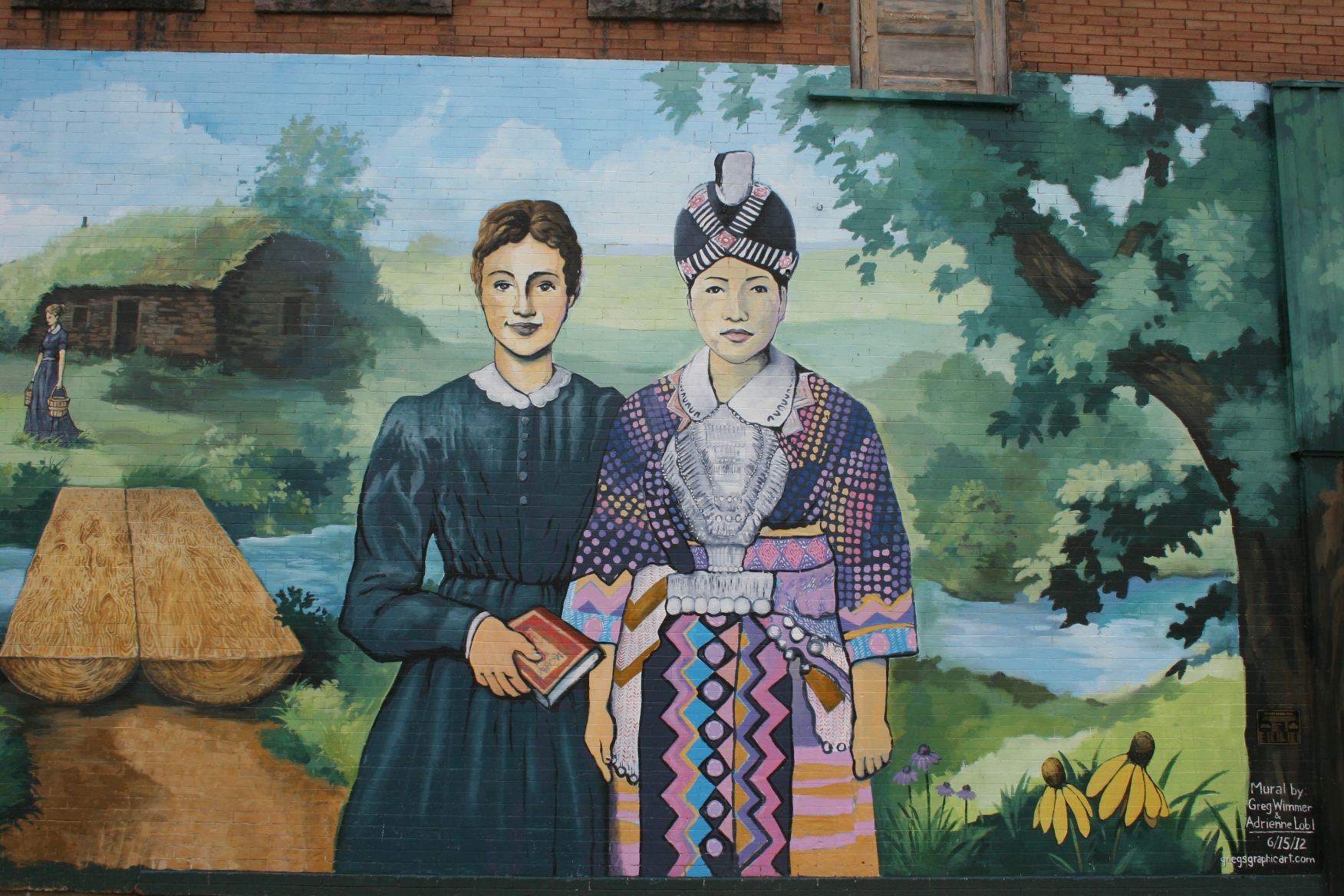
This snippet of the mural shows Laura Ingalls Wilder as a teacher next to a Hmong woman. To the left is the log bridge spanning Plum Creek, where the Ingalls family lived in a dug out.

This snippet of the mural shows Laura Ingalls Wilder as a teacher standing next to a Hmong woman. To the left is the log bridge spanning Plum Creek, where the Ingalls family lived in a sod house.

The painting, Yang says, shows the similarities between Laos and Walnut Grove and also melds the new Hmong culture and the pioneer history of this Minnesota community. For example, Laura Ingalls and a Hmong woman stand side by side, one in a simple lace-collared prairie dress, the other in intricate and colorful traditional celebratory Hmong attire reserved for special occasions like weddings and New Year’s celebrations.

Wimmer worked with the Hmong community, integrating many of their suggestions in to the design. A log bridge spanning Plum Creek, part of an original Ingalls family mural here which had faded and was in need of repair, was incorporated in to the new work and represents the bridging of two cultures, according to the artist.

“My personal opinion is that it (the mural) makes a statement about the changes in the community without saying a word,” Wimmer says.

In the foreground a Hmong man plays a bamboo flute near a rice field as his daughter carries a basket. In the background, a pioneer  busts sod with a an ox and a plow.

In the foreground, left, a Hmong man plays a bamboo flute near a rice field as his daughter carries a basket. In the background, a pioneer busts sod with an ox and a plow.

Yang also references the connections between the two cultures via two farming scenes—of a pioneer man plowing a Minnesota field with an ox, similar to the water buffalo that work the land in Laos, and of a Hmong family near a rice field and shown with a basket for carrying harvested crops from farm to village.

Native prairie plants, like black-eyed Susan and coneflowers, are part of the painting.

Native prairie plants, like black-eyed Susan and coneflowers, are part of the painting.

One of the draws to Walnut Grove, Yang says, is the land available for Hmong to plant gardens. Laotian natives, like native Walnut Grove area residents, are connected to the land.

Yang has always felt welcome in southwestern Minnesota and appreciates the mural showcasing the changes in his community, which now includes, he says, “so many races.”

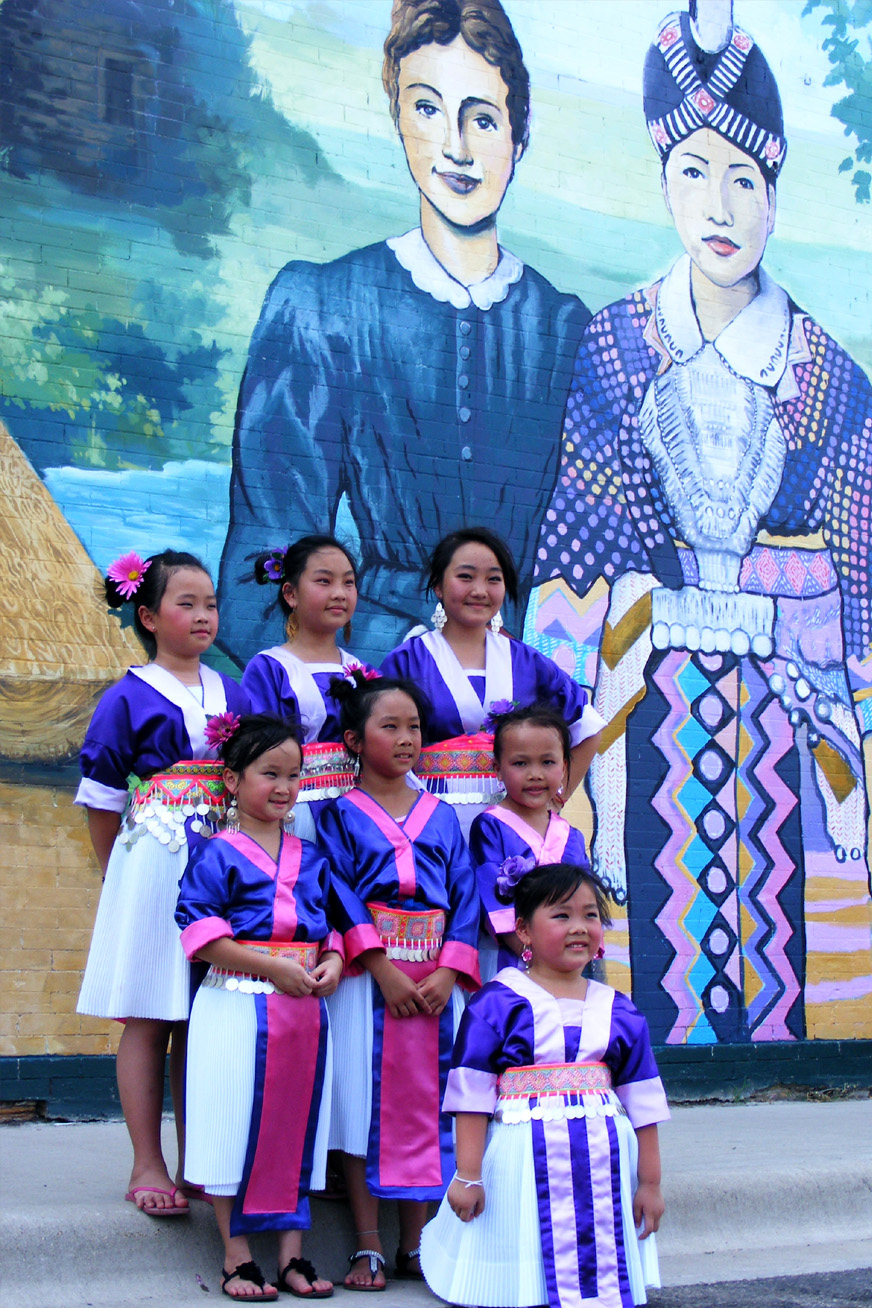
Girls in traditional Hmong dress attended the mural dedication last year.

Girls in traditional Hmong dress attended the mural dedication last year. Photo courtesy of Greg Wimmer.

FYI: Hmong dancers will be among entertainers at the Family Festival from 11 a.m. – 6 p.m. this Saturday, July 20, at the Walnut Grove City Park as part of the festivities celebrating the Little House books by Laura Ingalls Wilder. Click here to see the festival schedule.

And click here for more information about other events at the annual celebration.

BONUS PHOTOS:

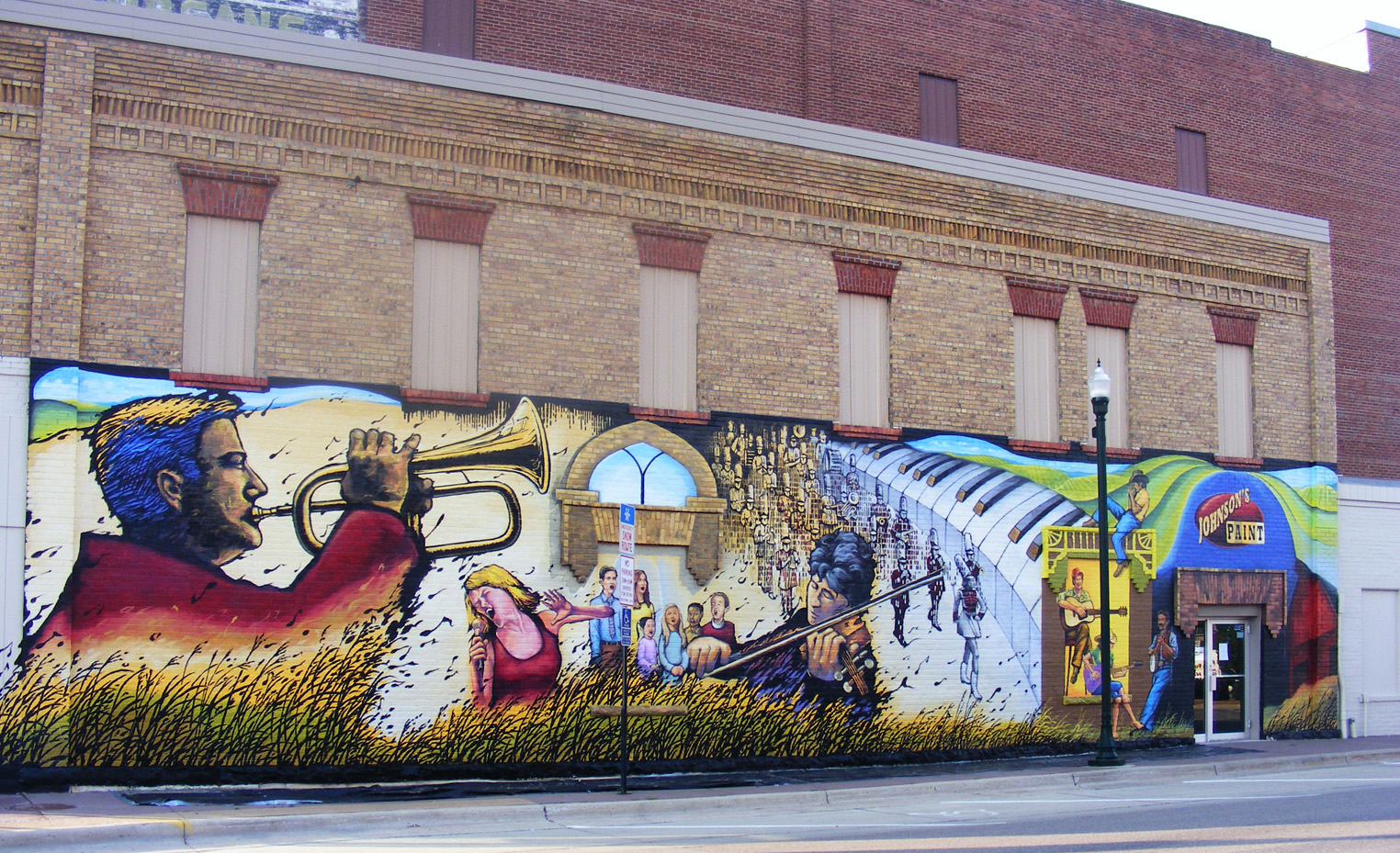
Greg Wimmer painted this mural in nearby Marshall. Photo courtesy of Greg Wimmer.

Greg Wimmer painted this mural in nearby Marshall. Photo courtesy of Greg Wimmer.

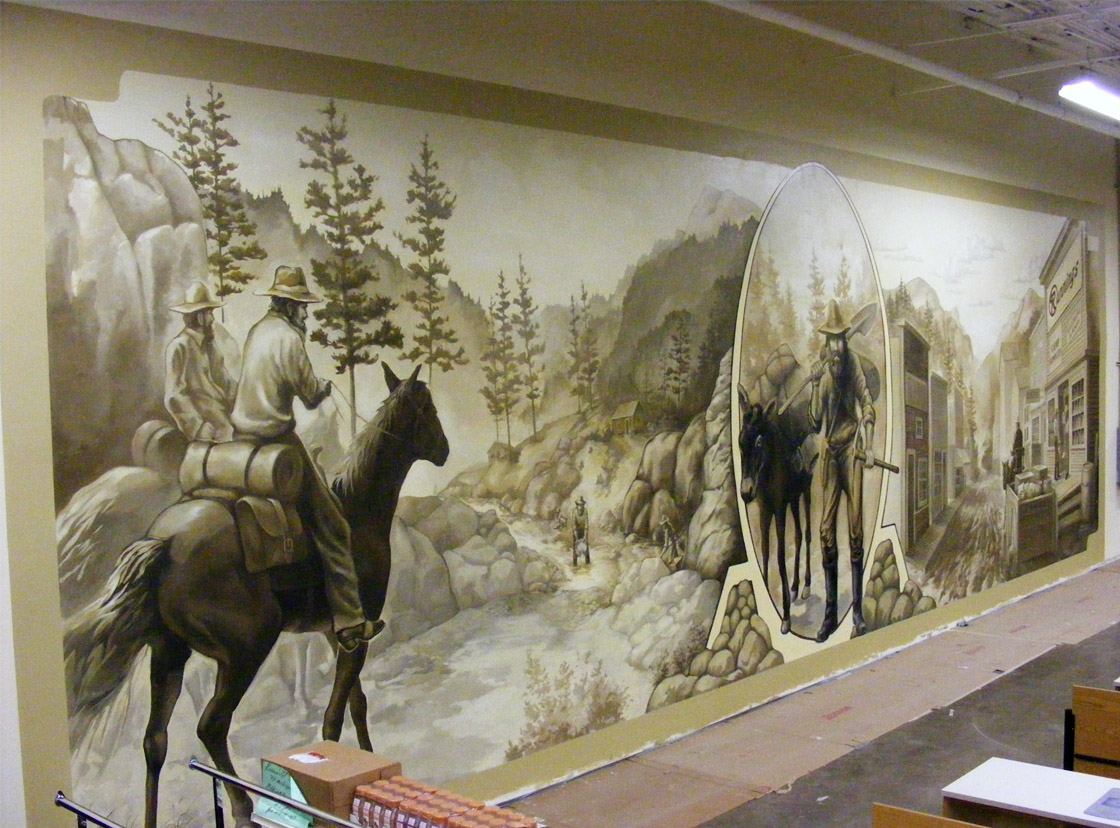
And Wimmer painted this mural in Rapid City, South Dakota. Photo courtesy of Greg Wimmer.

And Wimmer painted this mural in Rapid City, South Dakota. Photo courtesy of Greg Wimmer.

© Copyright 2013 Audrey Kletscher Helbling
 

Celebrating Laura Ingalls Wilder with a Laura Look-A-Like contest & more in Walnut Grove July 16, 2013

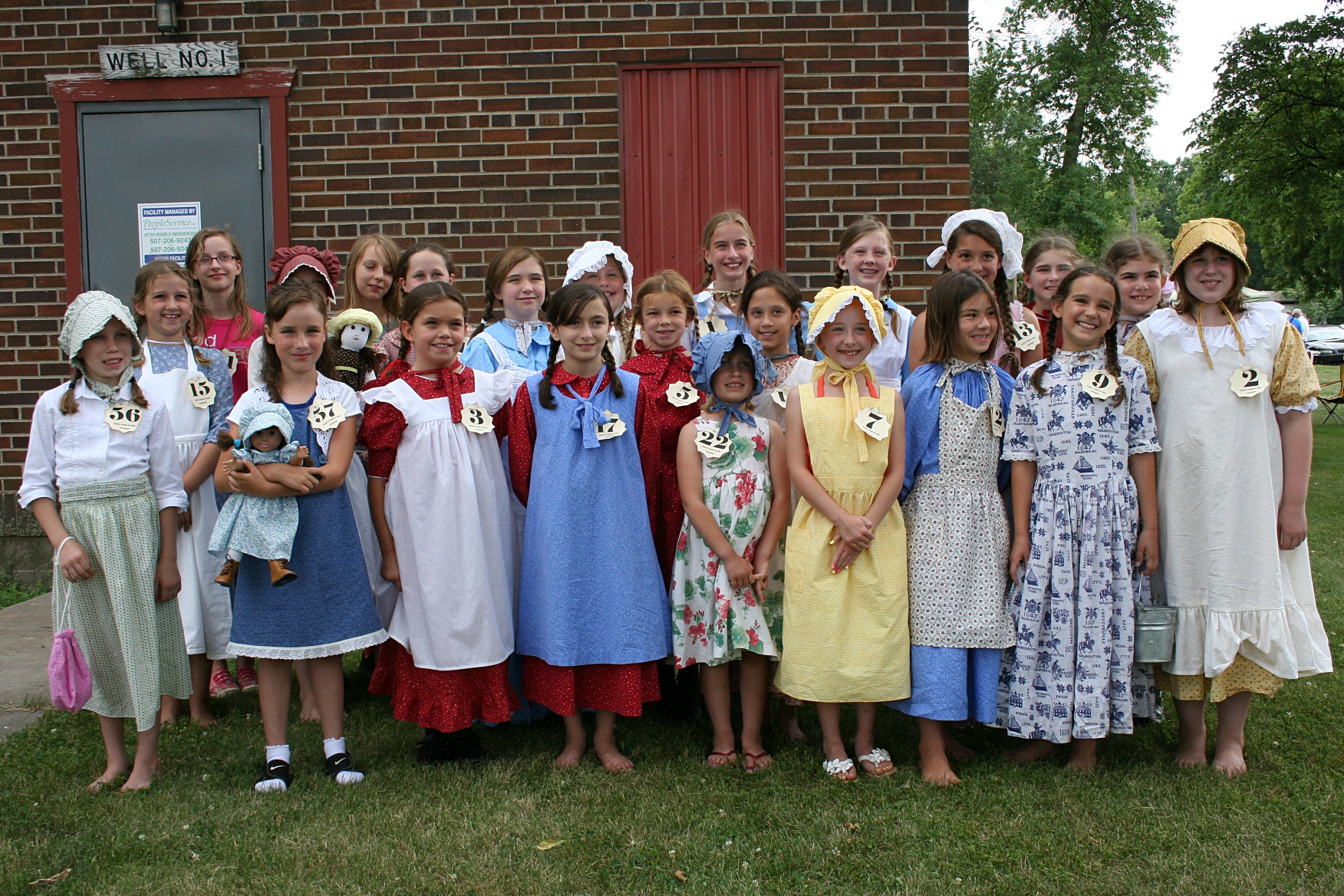
The prairie attire of girls entered in the Laura Look-A-Like Contest in Walnut Grove.

The prairie attire of girls entered in the Laura Look-A-Like Contest in Walnut Grove.

CALICO SKIRTS SKIM bare legs. Bonnets brush braids. Charlotte rag dolls tuck into crooks of arms and lunch pails dangle from clenched hands.

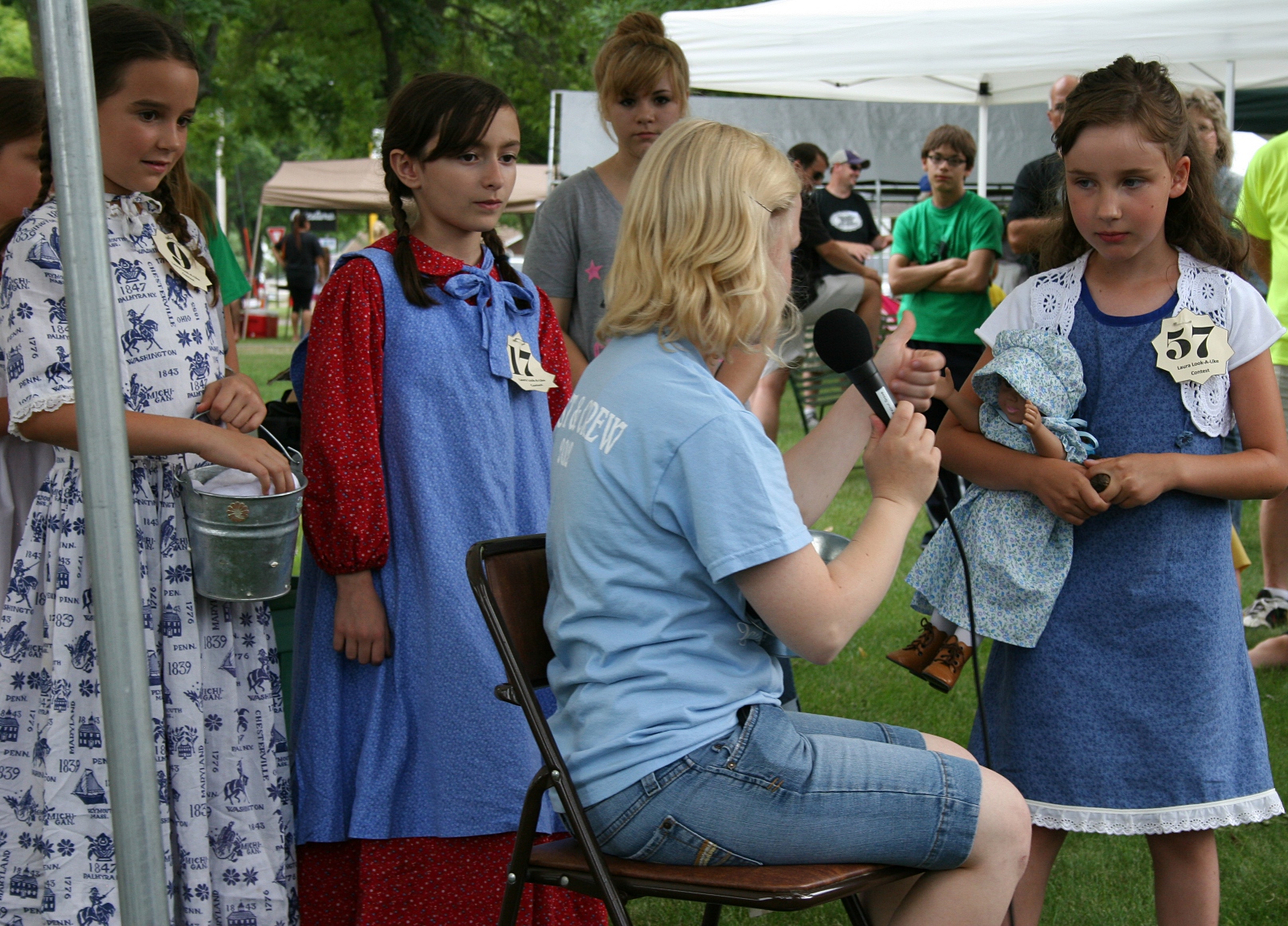
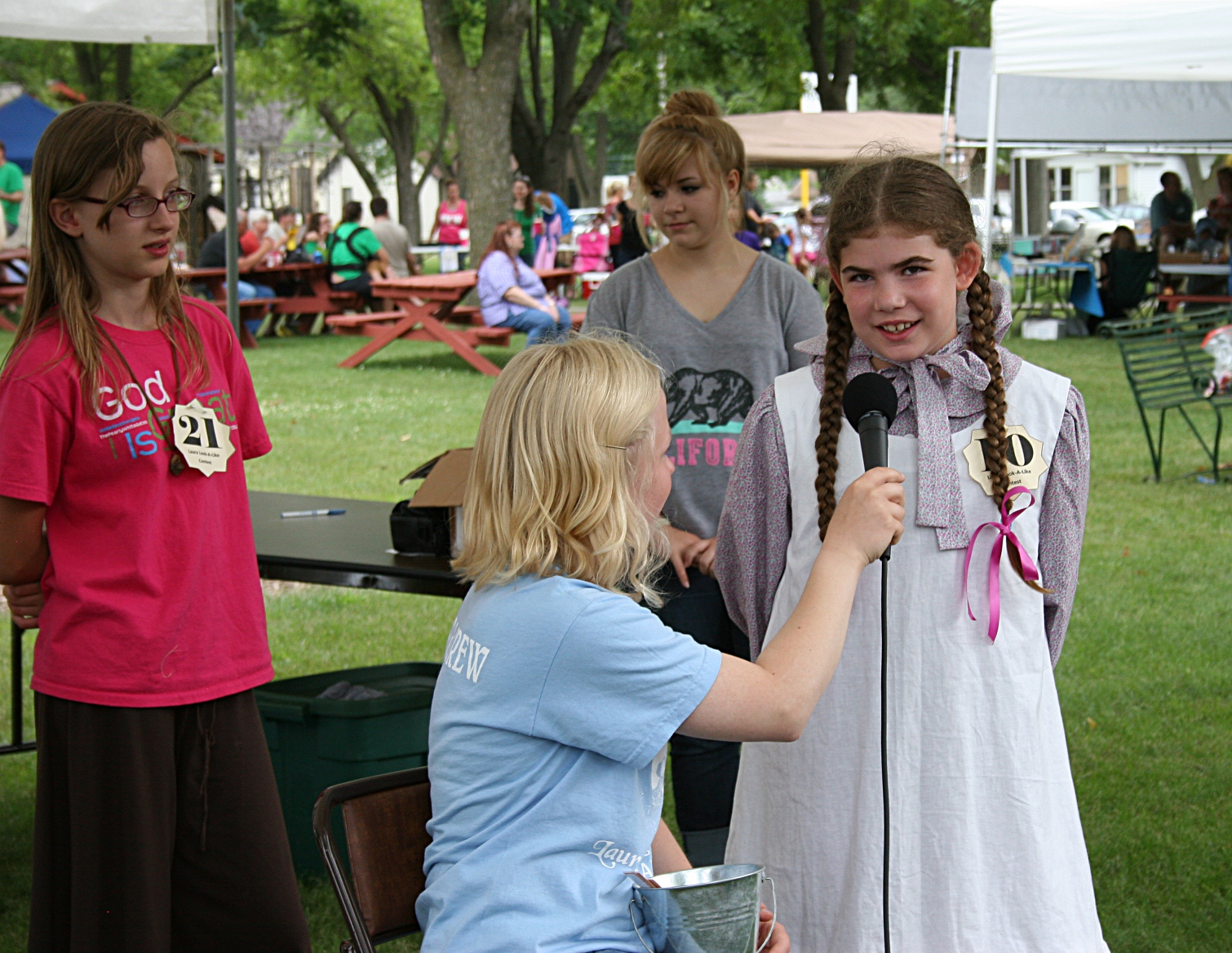
Each contestant was asked where she had traveled from, whether she'd visited other "Laura" sites and whether she'd attended the "Wilder Pageant" before drawing a question from a lunch pail.

Each contestant is asked where she traveled from, whether she’s visited other “Laura” sites and whether she’s attended the “Wilder Pageant.” Then each drew a Little House-related question from a lunch pail.

And Laura look-a-likes step up to the microphone during the Laura Look-A-Like Contest Saturday afternoon in Walnut Grove, the southwestern Minnesota childhood home of author Laura Ingalls Wilder.

I am in the city park with my husband and mother to meet my brother-in-law, sister-in-law and their 9-year-old daughter who have driven from North Dakota for this weekend celebration of all things Little House.

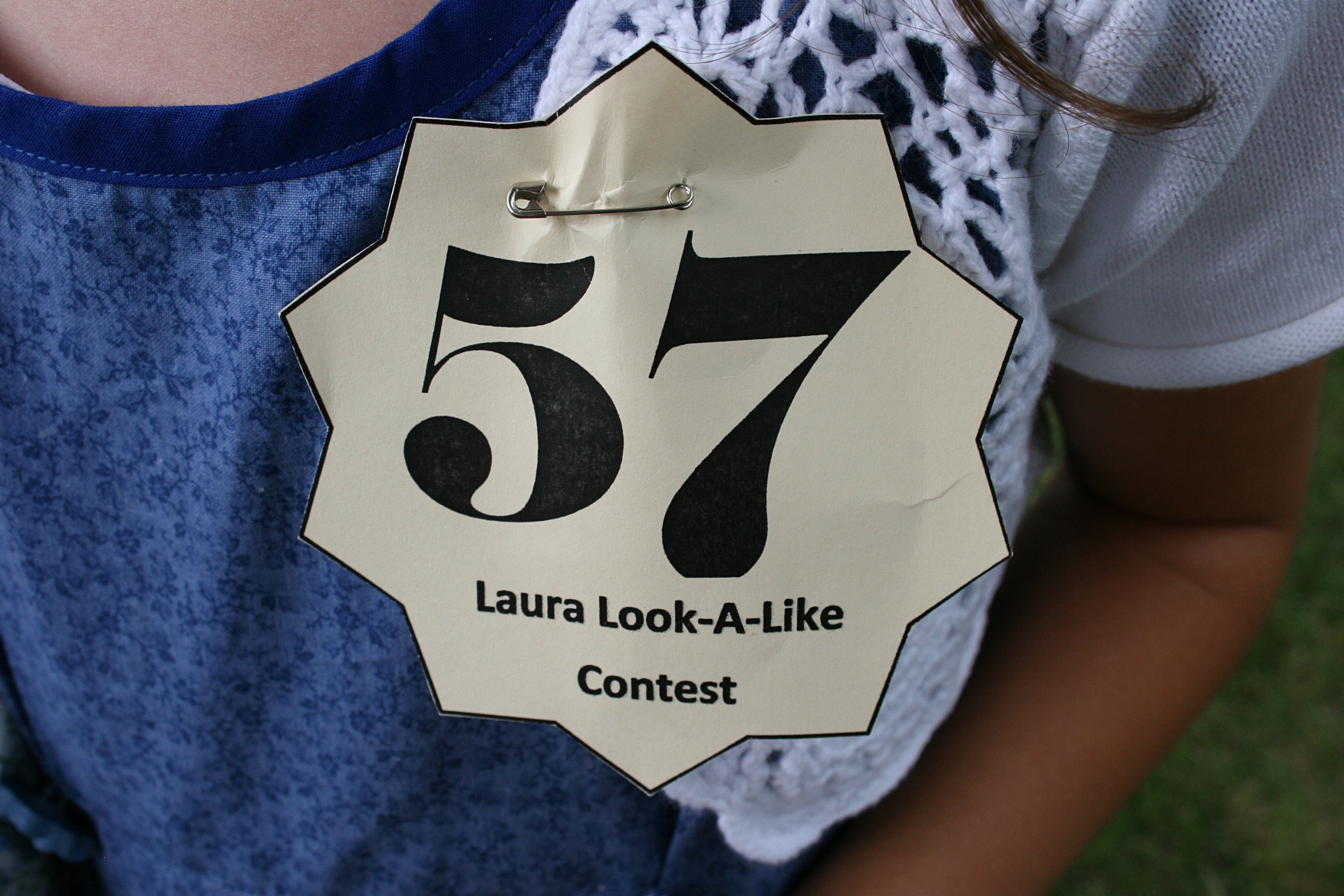
My niece's entry number. No, there were not 57 contestants. This is just the identifying number tag she was handed after I paid a $5 entry free and she registered.

My niece’s entry number. No, there were not 57 contestants. This is just the identifying number tag she was handed after I paid a $5 entry free and she registered.

At the last minute, my niece decides to enter the Laura competition and she scrambles to complete an entry form while the other girls are already answering questions about themselves and the Little House books.

My niece considers her randomly drawn question: What's another name for a leech? She got a little help with the answer.

My niece considers her randomly drawn question: What’s another name for a leech? She gets a little help with the answer.

Soon Beth joins the other Lauras on the grass, eventually taking her place in line to move up to the mic. I can sense her nervousness. She momentarily forgets that she lives near Grand Forks and that she’s seen the Wilder Pageant, an outdoor production featuring snippets from the Little House books, the previous evening. She hesitates again after pulling her question—What’s another name for leeches?—from a lunch bucket. (Bloodsuckers would be the answer.)

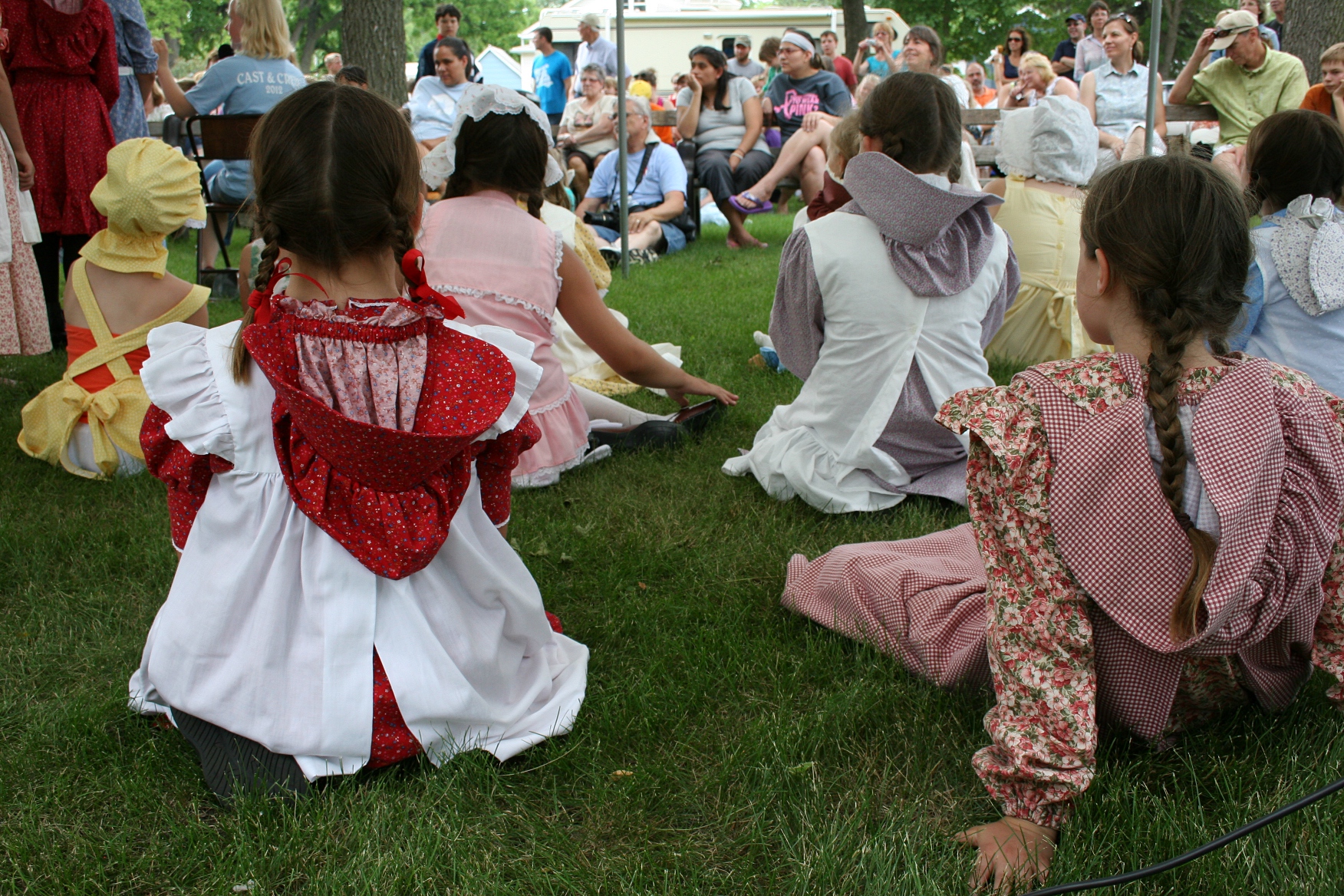
Pure Laura with bonnets, braids and prairie dresses.

Laura contestants with bonnets, braids and prairie dresses.

I am incredibly proud of Beth for joining the fun. And fun it is to see all of these 8 to 12-year-olds who have journeyed to the prairie from all parts of the country because they appreciate the stories of Laura Ingalls Wilder.

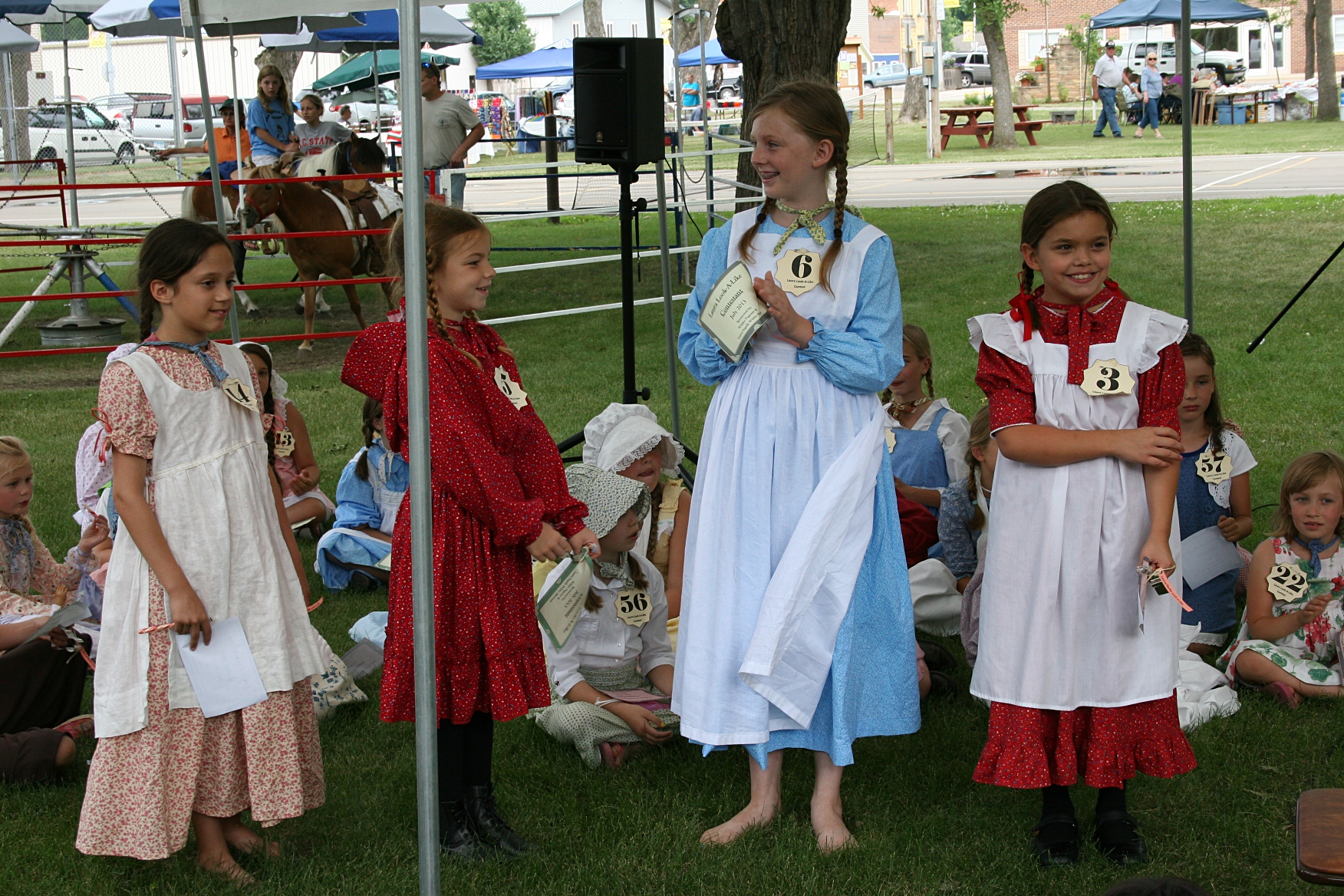
Four of the finalists in the Laura Look-A-Like contest. the fifth finalist was found shortly after I took this photo.

Four of the finalists in the Laura Look-A-Like contest. The fifth finalist was found shortly after I took this photo.

Beth doesn’t win the contest and, because of another commitment, we must leave before the top five finalists begin presenting a skit.

The Laura Look-A-Like contestants gather for a group shot in the park.

The Laura Look-A-Like contestants gather for a group shot in the park.

But my niece gathers with the other Lauras next to a brick building as the official photographer, along with a contingent of adoring parents, grandparents and at least one proud aunt, photograph the Laura look-a-likes.

If the contestants were chosen solely on which most resembled my image of Laura, it would have been this contestant.

If the contestants were chosen solely on which most resembled my image of Laura, it would have been this girl. She possesses that “look” which seems most like the Laura I imagine from the books.

FYI: Walnut Grove’s annual July celebration of all things Little House continues two more weekends, July 19-20 and July 26-27. The Laura-Nellie Look-A-Like Contest is part of the Family Festival, set again for 11 a.m. – 6 p.m. on Saturdays, July 20 and 27, in the city park. The Look-A-Like Contest starts at 3 p.m. with prizes based on overall appearance and knowledge of Laura Ingalls Wilder and Nellie Oleson, Laura’s nemesis.

The Family Festival features an abundance of activities for kids, plus music, re-enactments, arts and crafts, demonstrations of old-time activities, author visits, pony rides and more. I’d highly recommend attending. I’ll show you additional fest images tomorrow.

Other attractions in Walnut Grove include the Laura Ingalls Wilder Museum, several shops and a mural.

About a mile north of town, visitors can see the site of the Ingalls’ family dug-out along the banks of Plum Creek.

But the highlight for most is the Wilder Pageant, performed Friday and Saturday evenings, beginning at 9 p.m., in an outdoor amphitheater just outside of town. I’ve seen this locally-produced show, which features a horse-pulled covered wagon, a prairie fire and more, several times. It’s outstanding. Four more performances are set for July 19, 20, 26 and 27. I’d recommend reservations. If you are traveling from afar, be aware that you likely will have to travel some distance to find a hotel room. Walnut Grove does not have a hotel and the nearest one in Lamberton is likely already booked. There’s camping at Plum Creek Park, a Redwood County park near the pageant site. But this fills quickly, especially on pageant weekends. Reservations are recommended.

Click here to read more details about the Little House celebration in Walnut Grove.

BONUS PHOTOS:

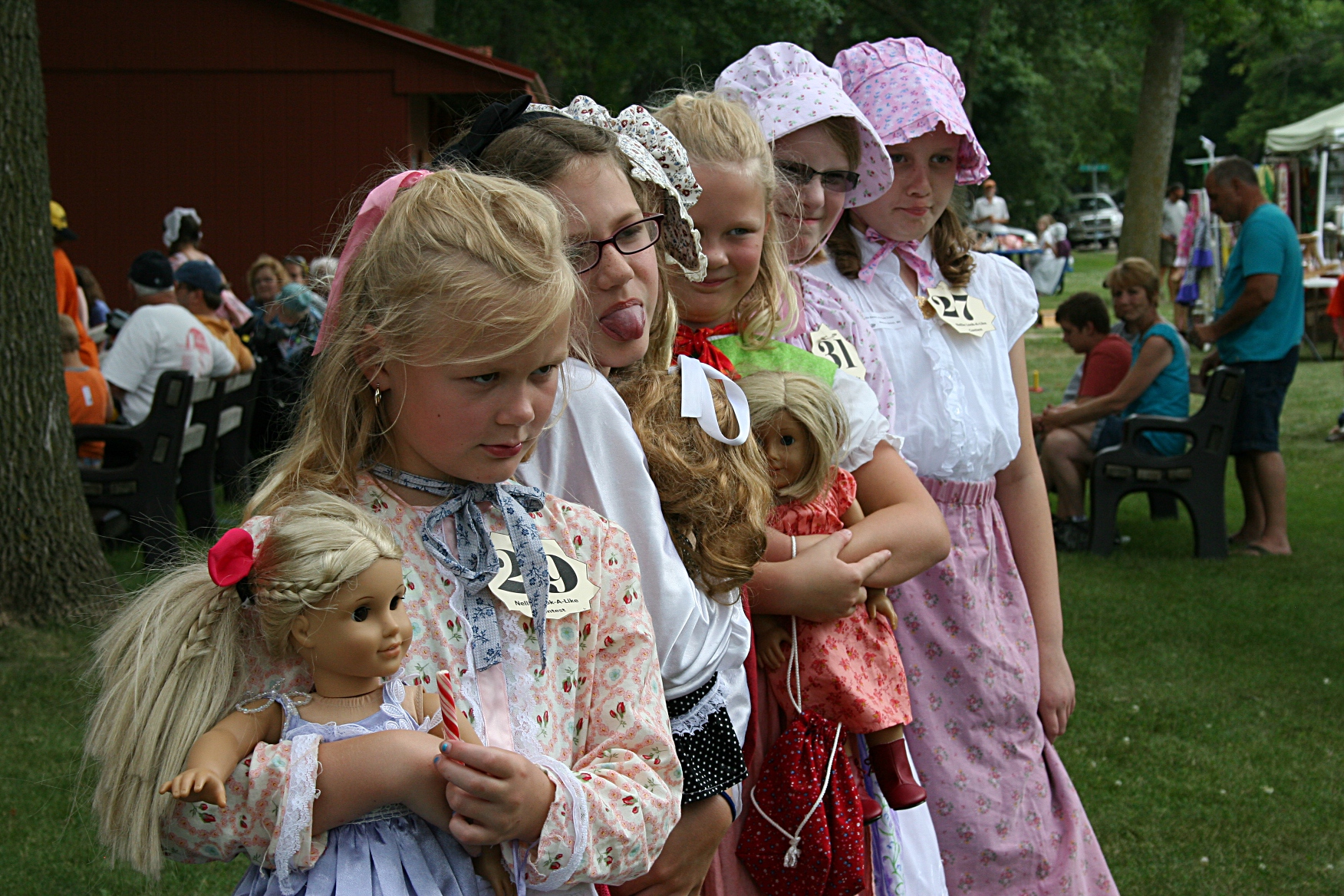
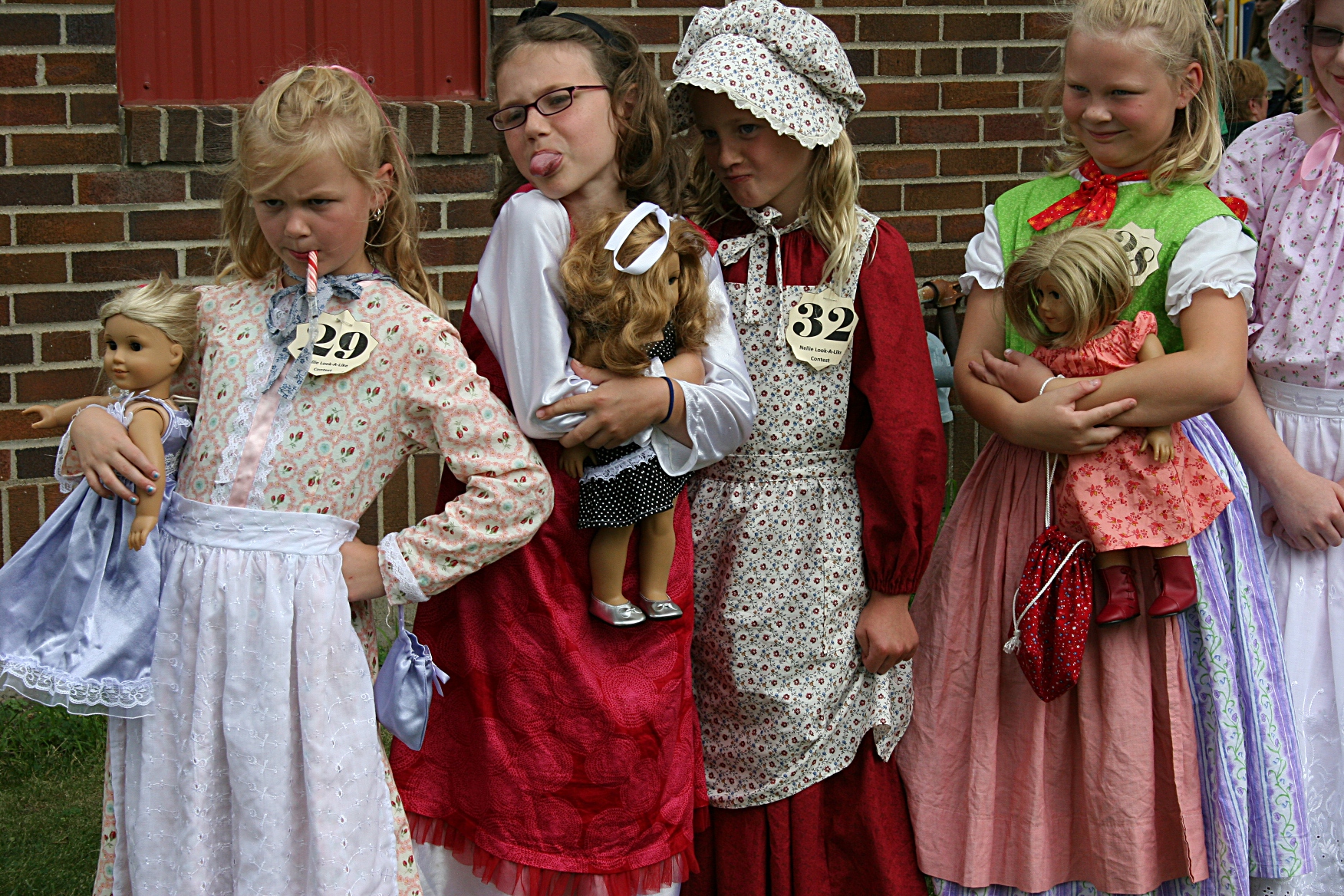
Far fewer girls competed in the Nellie Oleson Look-A-Like contest. Clearly, few want to role play the mean Nellie. But look how these girls played the haughty role to the hilt.

Far fewer girls competed in the Nellie Oleson Look-A-Like contest. Clearly, few want to role play the mean Nellie. But look how these girls played the haughty Nellie to the hilt as a group photo was taken.

Take two of the Nellie Look-A-Likes.

Take two of the Nellie look-a-likes.

What grandpas won't do for their granddaughters.

What grandpa won’t do for his granddaughter.

Lots of families watched the Laura and Nellie contests and spent hours at the kid-oriented Family Festival in the park.

Lots of families watched the Laura and Nellie contests and spent hours at the kid-oriented Family Festival in the park.

Too young for the Look-A-Like contest, but still outfitted in prairie girl clothing.

Too young for the Look-A-Like Contest, but still outfitted in prairie girl clothing.

© Copyright 2013 Audrey Kletscher Helbling
 

You know you’re in a small town when… July 1, 2013

Filed under: Uncategorized — Audrey Kletscher Helbling @ 6:30 AM
Tags: , , , , ,

I HONESTLY DID NOT THINK that small town folks were still so trusting. But, apparently I am wrong. Let me show you.

Example 1:

Mill, bikes

These bikes were left unattended and unlocked in a Morristown city park while the cyclists, a young couple and their son, walked across the street to the historic Morristown Feed Mill during a community celebration earlier this summer. They listened to music and hung out for awhile before returning to their unattended, unlocked and untouched bikes.

Example 2:

Mill, bike close-up

Now you’re probably thinking, Audrey, you just showed us those unattended, unlocked and untouched bikes. Yes, I did. But look closer at the contents of the bike basket. Do you see what I see? Yes, the young mom left her purse while she walked across the street to the mill.

Now, if I were the criminal type, instead of the photographing type, I could have stolen that purse right then and there.

Maybe the purse held nothing of value. But, if the contents are like the contents of my bag, plenty of valuable information and stuff I would not want stolen could be found therein.

Would you be so trusting?

Copyright 2013 Audrey Kletscher Helbling
 

Preserving a small town’s history in a Minnesota country schoolhouse June 7, 2013

The District #54 country school, built in 1870, was moved into Morristown several years ago to a site next to the old mill along the banks of the Cannon River.

The District #54 country school, built in 1870, was moved into Morristown several years ago to a site next to the old mill along the banks of the Cannon River.

OH, THE THINGS YOU LEARN upon visiting a grassroots historical society run by volunteers in a small town.

One of my favorite images is this one of volunteer Helen Newman's hand. She was cutting and taping info into the 2005 sesquicentennial book lying on the desk.

One of my favorite images is this one of 87-year-old volunteer Helen Newman’s hand. the life-long Morristown resident was cutting and taping info into the 2005 sesquicentennial album shown here.

Nothing against sprawling museums with paid staff—those places are fabulous, too. But there’s something especially touching about folks from a small town collecting photos and artifacts, memories and information, to display in a building(s) with a deep connection to the community.
You’ll find exactly that in Morristown, population around 1,000, in Rice County in southeastern Minnesota. Set next to the Cannon River are the Morristown Feed Mill, once home to a sawmill and flour mill, and the District 54 Epard School moved in from a few miles north of Morristown and today the District #54 Schoolhouse Museum. The Morristown Historical Society maintains both buildings, which I toured during the recent Dam Days community celebration.

I didn’t study the content of the two buildings like a local with an intimate connection to this place. Rather, I picked topics of particular interest to me to read and photograph.

Information about the Ku Klux Klan's presence in Morristown and the region.

Information about the Ku Klux Klan’s presence in Morristown and the region.

For example, I was unaware that my county of Rice was home to Ku Klux Klan chapters and hosted the first statewide Klan convention at the fairgrounds in August of 1924. Chapter #26 was headquartered in Morristown with other chapters in nearby communities like Faribault and Owatonna and Austin and Albert Lea further to the south. Certainly, such membership doesn’t please me. But I’m thankful the Morristown Historical Society didn’t ignore this negative part of the town’s history. We need to learn from our mistakes.

A “Morristown Crime Wave of 1914” display also caught my eye with crimes such as profane and abusive language, drunken and disorderly conduct, and stealing fish noted.

News stories about the devastating 1900 fire.

News stories about the devastating 1900 fire in downtown Morristown.

In another display, a front page article published in the February 1, 1900, issue of the Morristown Press detailed a devastating fire which destroyed 20 buildings, nearly the entire business district, in downtown Morristown. “Loss will reach $35,000,” a sub-head reads.

Mrs. Lydia Meehl, who helped so many Morristown area women birth their babies.

Mrs. Lydia Meehl, who helped so many Morristown area women birth their babies.

My friend Dale, who joined a historical walking tour on the day I visited the schoolhouse museum and mill, learned about his place of birth in the Meehl Maternity Home. Hundreds of local babies were birthed there with the assistance of licensed practical nurse Mrs. Lydia Meehl. A newspaper story quotes the 82-year-old Meehl as saying she “loves them all (the 500-plus babies born in her maternity home).”

A snippet of the artifacts and info displayed inside the schoolhouse turned museum.

A snippet of the artifacts and info displayed inside the schoolhouse turned museum. Those are Civil War cannonballs on the shelf near the center of the photo

In the museum collection, you’ll also find the usual military (including Civil War cannonballs), school, telephone and other small town artifacts.

Helen Newman and Cindy Packard work on a sesquicentennial album.

Helen Newman and Cindy Packard work on a sesquicentennial album.

As a bonus, I met 87-year-old Helen Newman, who’s lived in Morristown her entire life, and Morristown native Cindy Packard, visiting her hometown from Colorado Springs. The two were seated behind a hulk of a desk inserting info into an unfinished album about the town’s 2005 sesquicentennial.

Packard brought with her a few items for the schoolhouse museum, including a spatula imprinted with “Our Twentieth Year LLOYD’S FOOD MARKET, Morristown, Minn.” She kind of hated to give it up, but…

Switchboard wires and switches reportedly from Adolph Hitler's bunker.

Switchboard wires and switches reportedly from Adolph Hitler’s bunker.

Upon my request, the pair pulled the spatula and a snippet of wires and two switches from a plastic bag resting on the corner of the desk. The switches came from the switchboard in Adolph Hitler’s bunker and were brought back by Oscar Ahlman to Hewitt Thomspon in Morristown, according to a note accompanying Packard’s donation.

Helen and Cindy visit while they cut and tape information into the album.

Helen Newman and Cindy Packard visit while they write, cut and tape information into the album. I told them just to ignore me and my camera and they obliged. I simply love this photo of the pair.

And that’s how these small town museum collections grow—with donations from the likes of a hometown girl come home every year and the dedication of volunteers like the 87-year-old Newman.

BONUS PHOTOS:

There's something about an old school map that takes me back to Vesta Elementary School, my childhood school.

There’s something about an old school map that takes me back to Vesta Elementary School, my childhood school.

A display of school-related items includes a lunch pail.

A display of school-related items includes a lunch pail, books and photos.

Presidential portraits grace the blackboard by the teacher's desk.

Presidential portraits grace a corner blackboard by the teacher’s desk.

FYI: To read a previous post on the historic Morristown Feed Mill, click here. A second mill post will be forthcoming. Also check my recent archives for stories from Morristown Dam Days.

© Copyright 2013 Audrey Kletscher Helbling