
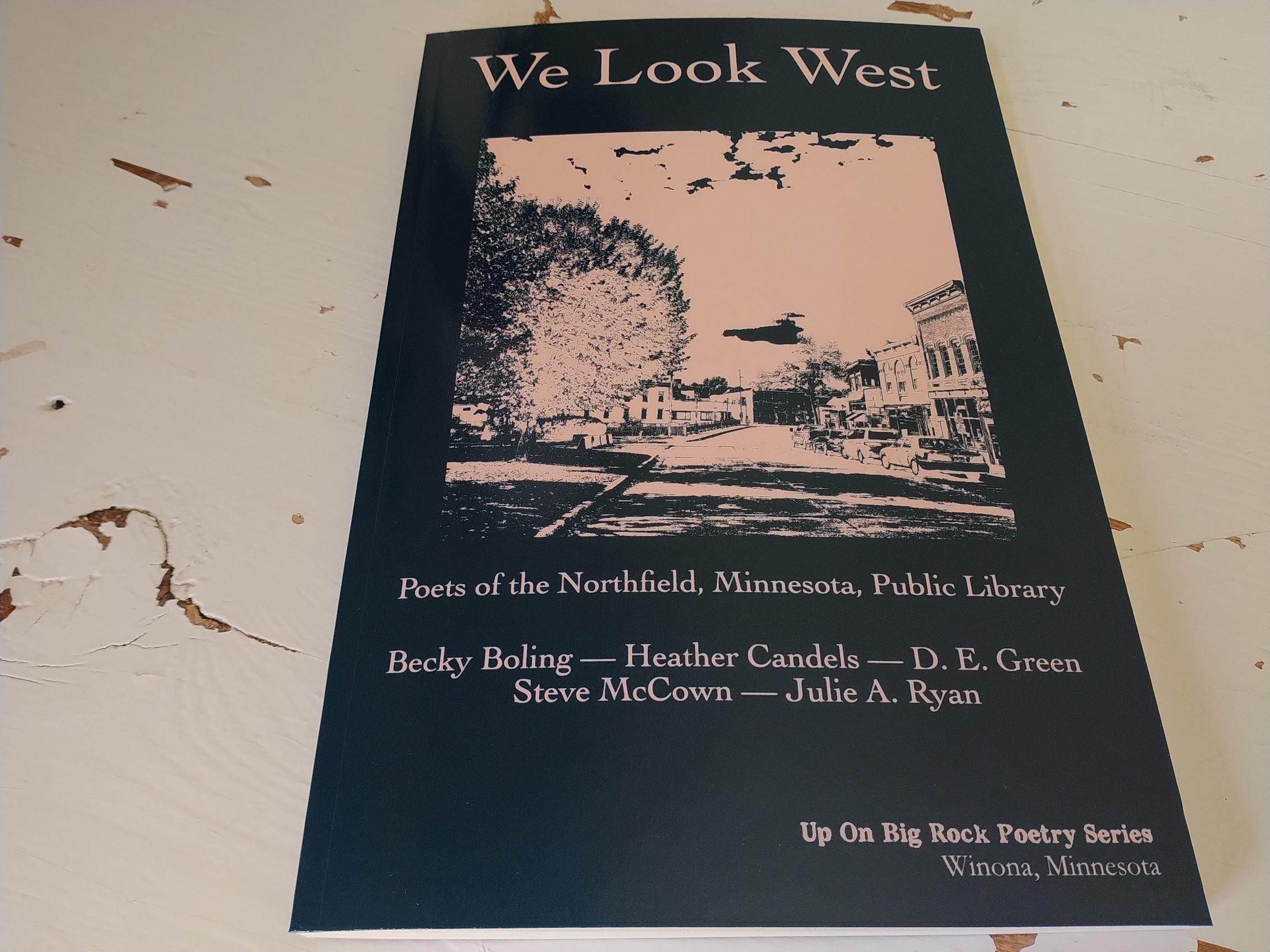
ON AN APRIL AFTERNOON when gray skies reverberated thunder and unleashed sheets of rain upon parched southern Minnesota, I read their words, table-side lamp pooling light onto pages. It felt right, to cozy under a fleece throw, to immerse myself in the poetry of Becky Boling, Heather Candels, D.E. Green, Steve McCown and Julie A. Ryan on a day meant for sheltering indoors.
Their collective poetry, printed in the recently-released anthology, We Look West, is decidedly reflective, introspective and individually unique. Unique in voice and style for this group of writers tagged as Poets of the Northfield, Minnesota, Public Library. This book is part of the Up on Big Rock Poetry Series published by Winona-based Shipwreckt Books Publishing Company. It showcases the work of not only seasoned writers, but also poets seasoned in life. This is a relatable read, especially for Baby Boomers like me.

Youthful memories of grandmothers, homemade ice cream, small towns as they once were and much more flow through the pages. At times I feel as if I’m reading about “the dusty excess of nostalgia” of my life, as Steve McCown writes “In an Antique Store.” His mention of a Tom Thumb toy cash register sends me back to a long ago Christmas. His poems are sparse, yet fully-descriptive in the way of language carefully-culled by a man who taught high school and college English.
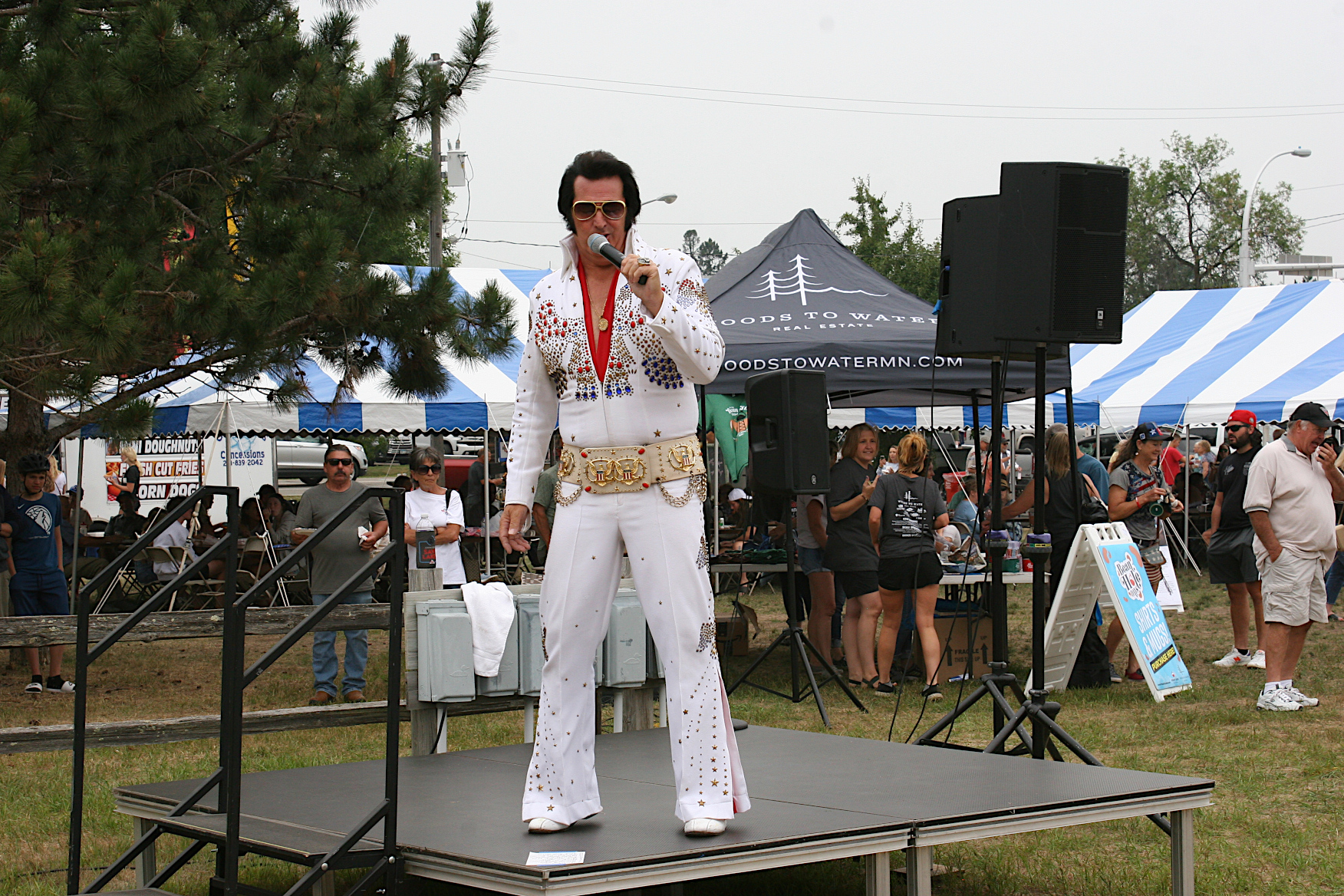
Likewise, Julie A. Ryan, has me reminiscing with “Candy Cigarettes,” the chalky white sticks of fake cigarettes that I, too, “smoked” in the 1960s. Ryan paints with her words, revealing the visual artist side of her creativity. She mentions Van Gogh and painting and also leans into music within her poetry. Especially powerful is her poem, “’68 Comeback Special,” in which she shares about a near-death experience, of almost meeting Elvis. Her final poem, “We Look West,” titles the book, summarizing well the transition of life from sunrise/birth to sunset/death. That themes the anthology, the movement of life from east to west.
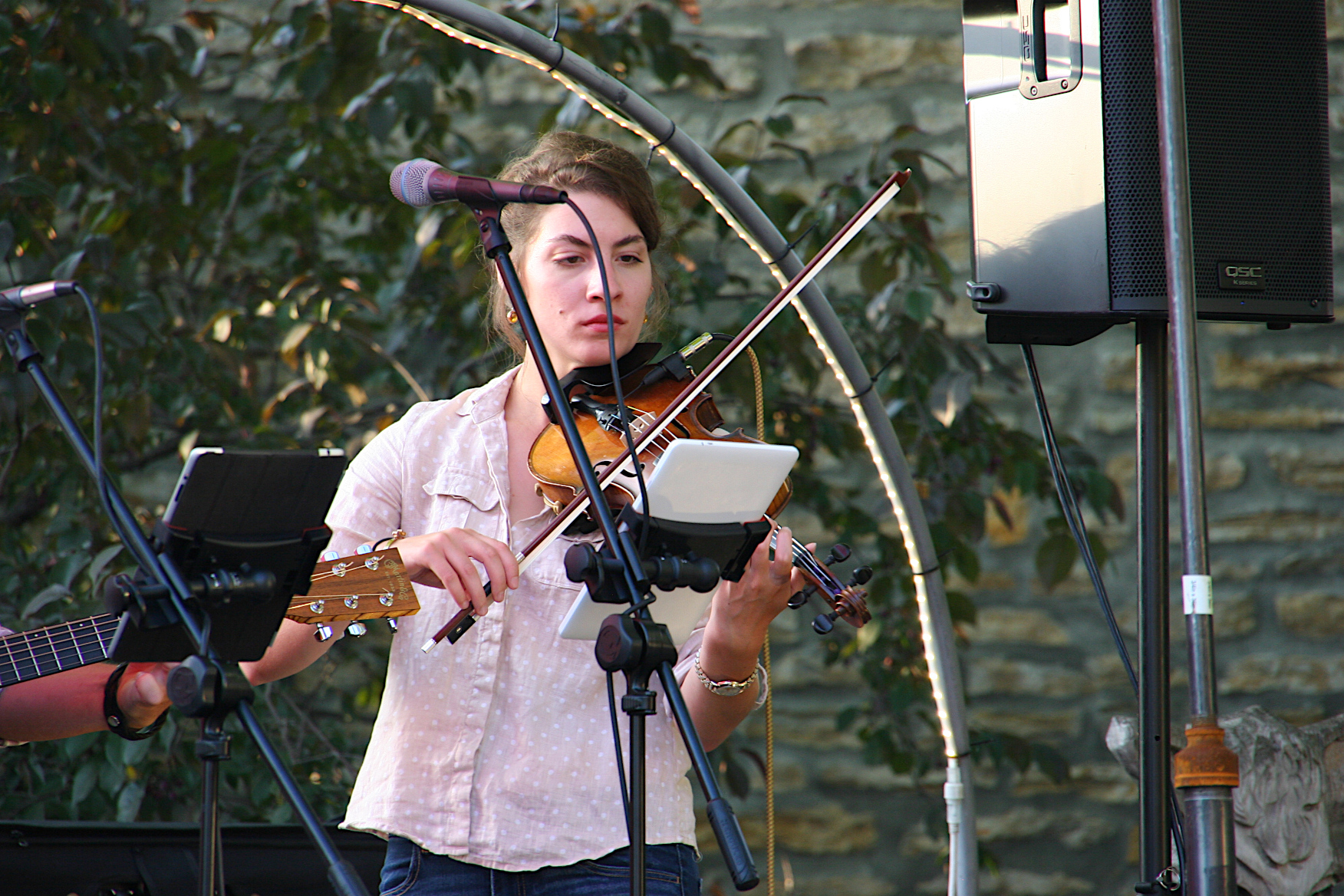
In her poetry, Becky Boling moves readers through life from playground monkey bars to motherhood to contemplating old age. I am particularly drawn to “Violin Lesson,” in which Boling observes her young son learning to play the violin. From a deep cushioned armchair, she is caught up in the artistry, the beauty, the movement as am I through her observational writing. And then she closes with the emotional thought of not wanting the moment to end, of understanding that some day she will let her son go. As the mother of three, I feel her sadness at the lesson completed. I expect in her 36 years of teaching Spanish and Liberal Arts at Carleton College in Northfield, Boling has observed the movement of young people whose parents let them go to learn and grow their independence.
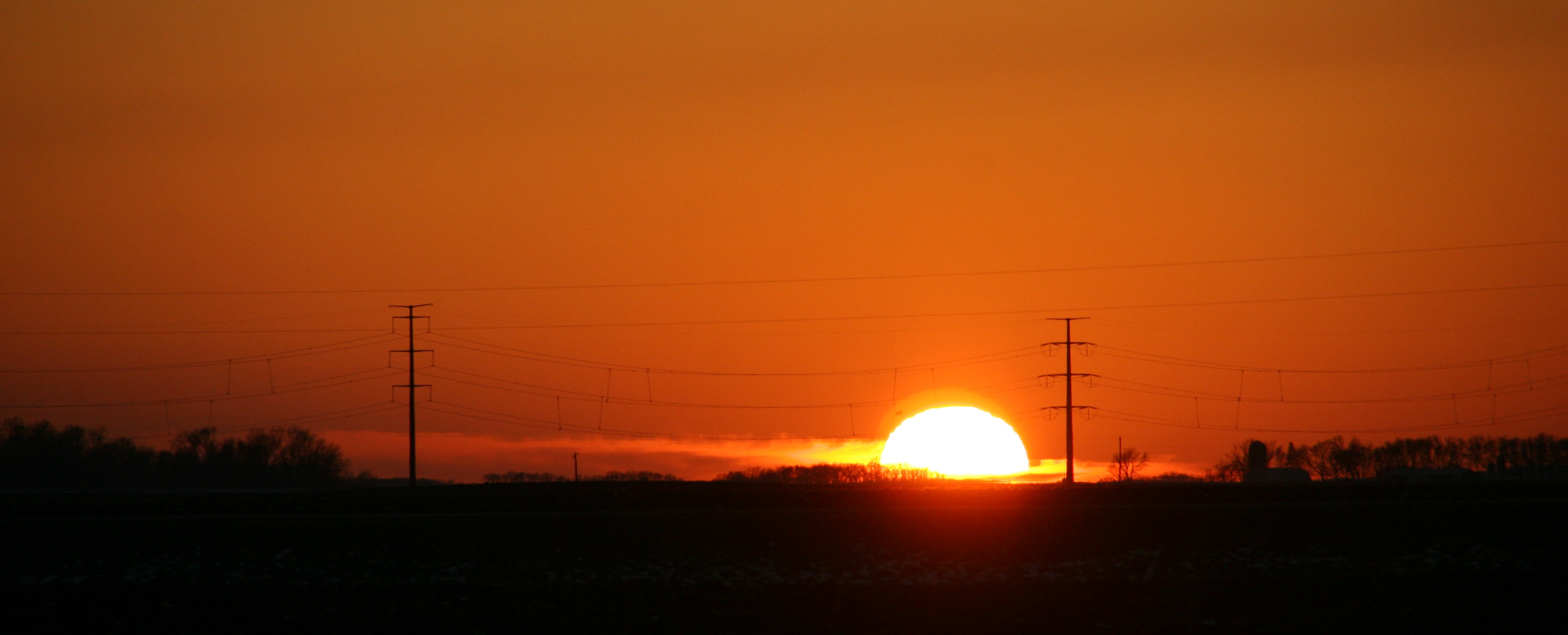
D.E. Green, who taught English for 33 years at Augsburg University, has likely seen the same. His poems reflect life and love. Particularly endearing is his poem, “For Becky: Love Sonnet after Neruda,” written for Boling, to whom he’s married. (They also share the position of interim co-poet laureates in Northfield.) His appreciation for and study of Shakespeare show in this love poem, as touching as any love poem I’ve read. “I love you unthinkingly/like a deep breath, a careless yawn, a sigh,” he writes. Beautiful. Green also reflects on his life lived “good enough” and on life during retirement. His poetry should be required reading for anyone closer to west than to east.

Heather Candels, too, reflects on her passing life in a poem aptly titled “Passing.” But it is “Situation Comedy,” a poem about a 104-year-old woman living in a care center, which elicits an especially emotional reaction from me. I can picture the centenarian shoving her walker (as my octogenarian mom did) to the dining room, then sitting with Grace and Lloyd, whom she secretly calls Grease and Lard. “Something has to be funny about all this,” Candels writes. The former English teacher is a gifted storyteller who brings unexpected emotional lines to her writing.
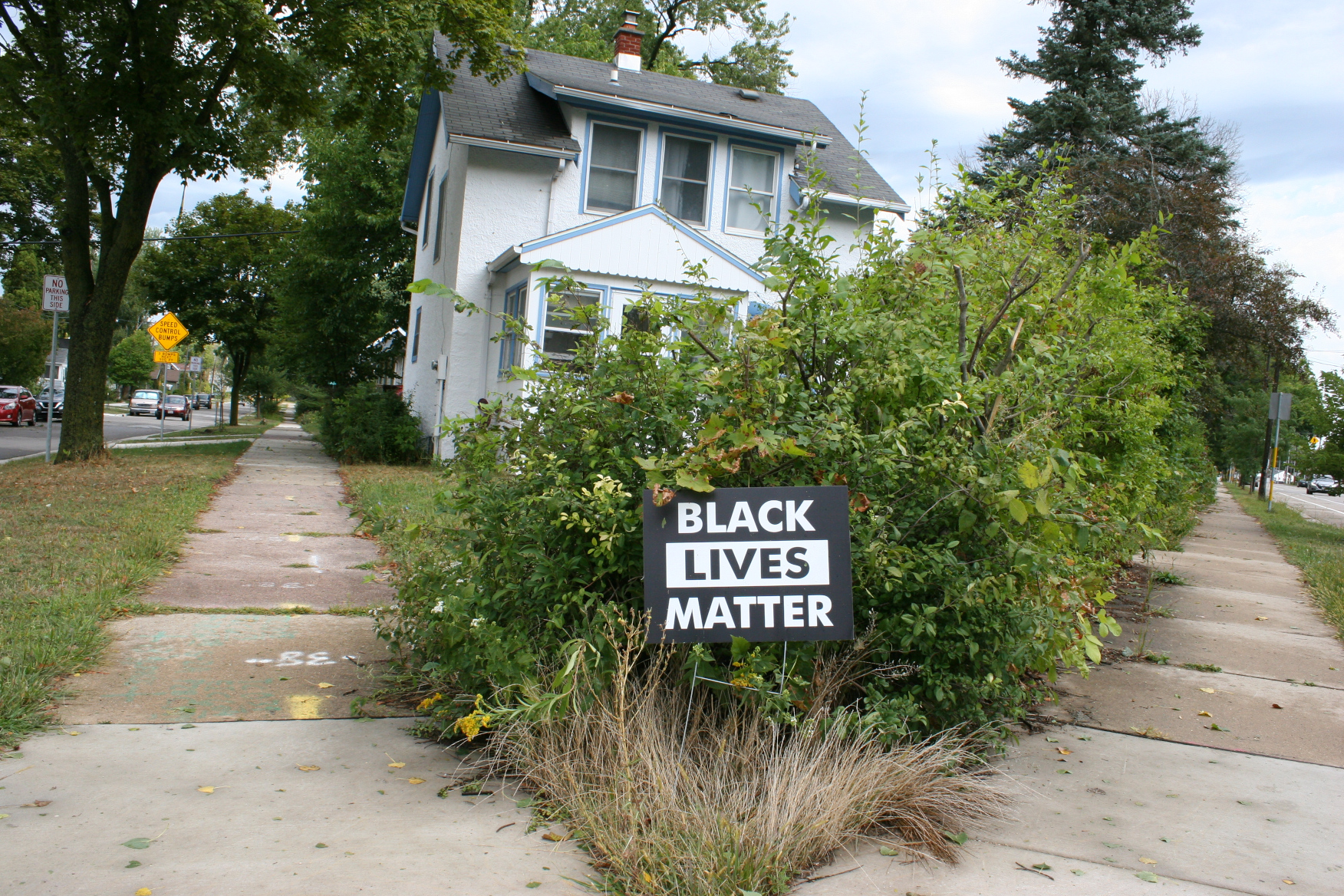
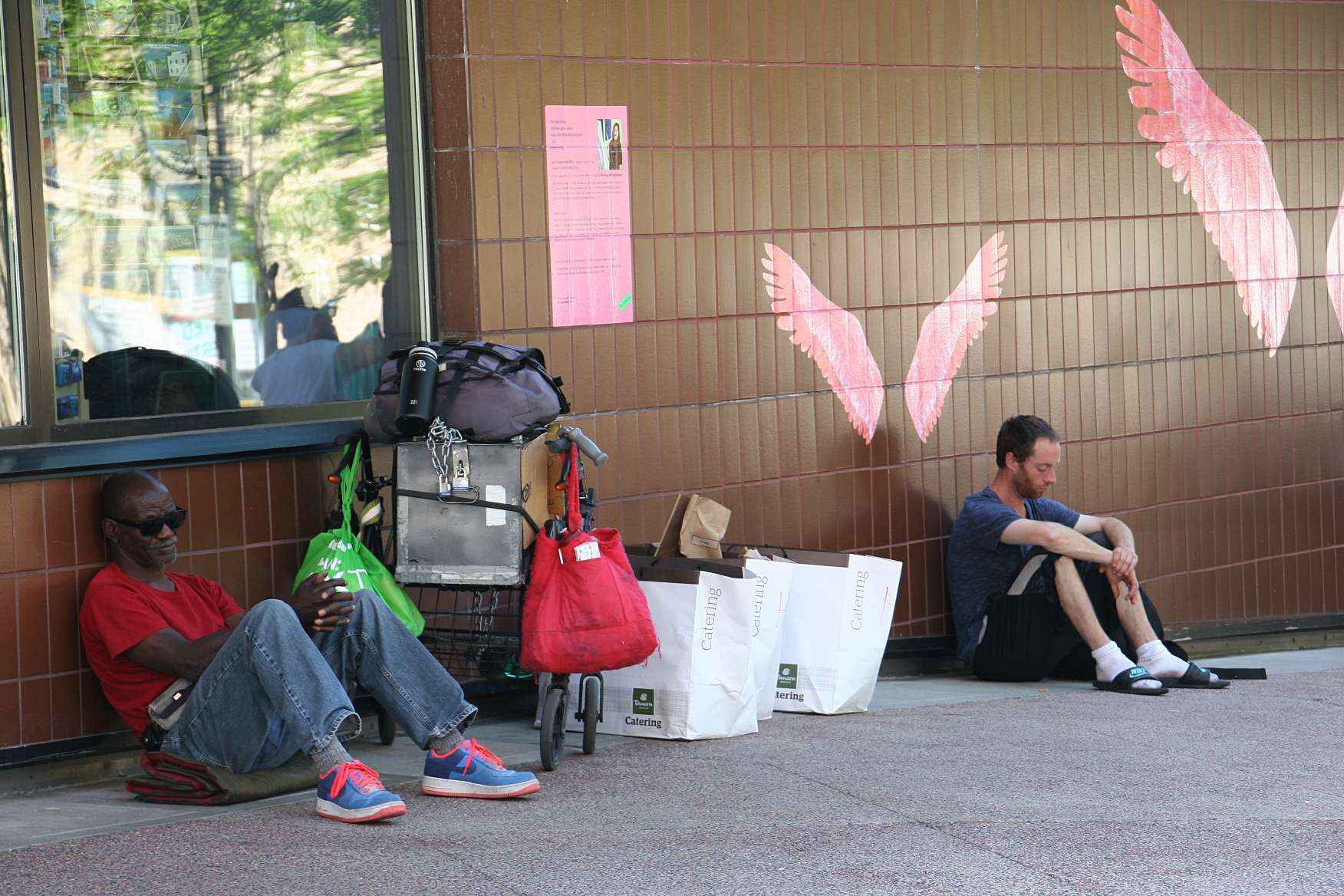
And then there are the poems that touch on tough topics, on social issues, on disparities. Climate change. Evidence in the Nuremberg Trials. Racial injustice. Poetry doesn’t right life. But it opens our minds, causes us to think, reflect, perhaps take positive action as we move from east to west.
#
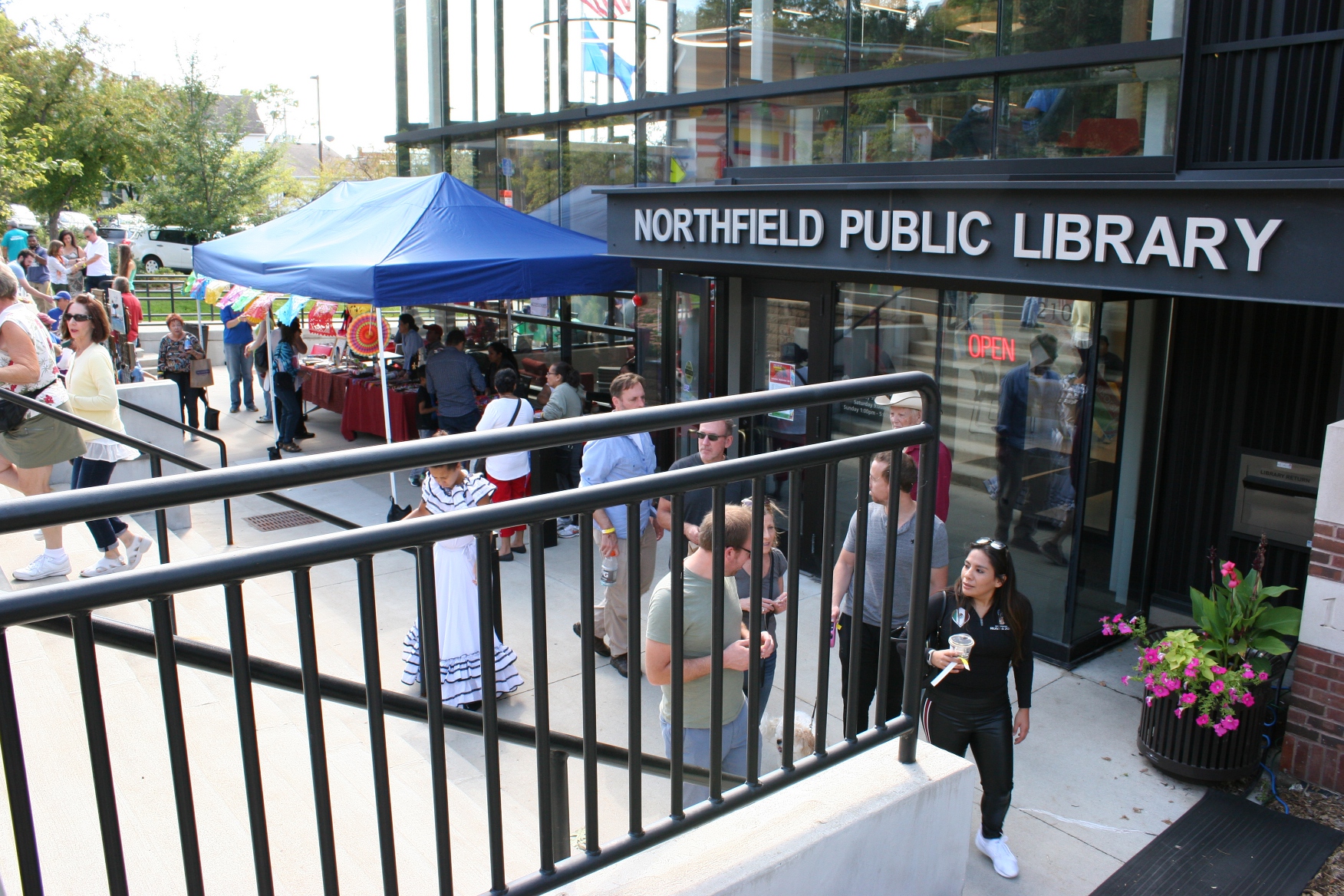
FYI: The five Minnesota poets included in We Look West will launch their anthology during a reading and book signing at 7 pm on Thursday, May 16, at the Northfield Public Library. I encourage you to attend if you live in the area. If not, I suggest you buy a copy of this 116-page anthology through an independent bookseller. These poets are gifted writers, this collection a must-read whether you’re a Baby Boomer or not.








 Minnesota Prairie Roots
Town hall talk, a commentary March 20, 2025
Tags: 1st Congressional District, Americans, commentary, concerns, democracy, DFL Senate District 19, education, Faribault, farming, federal government, Minnesota, opinion, Representative Brad Finstad, social issues, town hall meeting, veterans
I DEBATED FOR SEVERAL DAYS whether I should write this post, because it could be misconstrued as purely political. It is not. Rather this is a story about a grassroots gathering of people sharing information, ideas and opinions. Democracy at its core. This story is about us as Americans—listening, learning, agreeing or disagreeing, and letting our voices be heard.
Tuesday evening I attended a town hall meeting in Faribault hosted by DFL Senate District 19. It was open to everyone, regardless of political affiliation. But the crowd was decidedly Democrat, as you would expect given the hosting group. Republican Brad Finstad, who represents the 1st Congressional District in Minnesota, was invited, but did not attend. His district includes parts of Goodhue, Rice (where I live), Steele and Waseca counties in rural southern Minnesota.
Some 300 constituents packed the space, overflowing into adjacent rooms. Yes. Even I was surprised by the turn out. That tells me a whole lot of people have concerns about what is currently happening at the federal level and how government action is, or will, impact them. I expect not a single American will be untouched, whether directly or indirectly, by slashes in government personnel and funding and/or by changes in domestic and foreign policies.
Town hall organizers lined up speakers to address topics covering a broad range of subjects affecting a whole lot of people and programs—farmers, education, healthcare, seniors, veterans, those with disabilities, communication, nonprofits and much more. I was impressed by how well prepared these speakers were with facts and statistics. I learned a lot.
I’m not going to give you a detailed report of what each speaker said. Rather, I want to share several messages or phrases which really resonated with me and which should resonate with every American, no matter who they voted for. The phrase “we the people” was repeated by one speaker and embraced by the crowd. “We the people” means us. Americans, not members of one political party or the other. And, yes, I’m well aware of how those words from the preamble to the Constitution are being used politically as a mantra of sorts. But in this context, “we the people” references our right to speak up, to be heard, to tell our elected officials what we think and what we would like them to do as our representatives in Washington DC. That can be done by attending town halls like this; the meeting was video taped and will be sent to Representative Finstad. We can be heard via phone calls, emails and letters. We the people have power in our voices, in our votes, whether Democrat, Republican or Independent.
Secondly, a local educator asked the crowd and Finstad to ask themselves this question: “How are the children?” So, yes, how are the children, when many live in poverty, when federal funding for education is in imminent danger of being mostly cut, when…fill in the blank here? I think we can all agree that children are our future and we ought to care about their health, happiness, education and much more.
Third, one of the speakers shared that, as someone of the Catholic faith, he is called upon to help others. He called upon Representative Finstad, who is also Catholic, to do the same. That means feeding the hungry (funding USAID, for example), protecting Medicaid and Social Security, etc. all of those ways and places we help one another as human beings in this country and abroad. Now I’m not Catholic; I’m Lutheran. Doesn’t matter. My faith compels me to show love, compassion and care for others, especially those in need. America once did that as a country. Generously. But that is changing. We have bounty and resources we can share to help starving children, to provide medical care, to help others in any way we can. It is the right thing to do as a nation blessed with great bounty.
Fourth, a local farmer spoke about $3.2 million in contracts with farmers in our district which have now been broken by the U.S. government. The consequences will be devastating to those farmers who have already invested those federal monies in their operations. Trust has been broken, she said. I think we can all agree that when a legal contract is broken, it’s a breach of trust.
There’s so much more I could share from that town hall session. But I want to conclude with this. I encourage you, if you have the opportunity to do so, attend a town hall meeting. Listen. Learn. Engage. Let your voice be heard. Remind your elected officials, too, that they need to listen, learn and engage.
FYI: A second Town Hall Meeting hosted by DFL Senate District 19 is set for 6 p.m. Sunday, April 6, at Mineral Springs Brewery, 210 N. Oak Ave., Suite 1, in Owatonna. It will follow the same format as the Faribault Town Hall with a moderator, speakers and an open mic. Representative Brad Finstad has been invited.
© Copyright 2025 Audrey Kletscher Helbling