Minnesota Prairie Roots

Writing and photography by Audrey Kletscher Helbling

Discovering a historic gem (pearl) in Lake City July 16, 2012

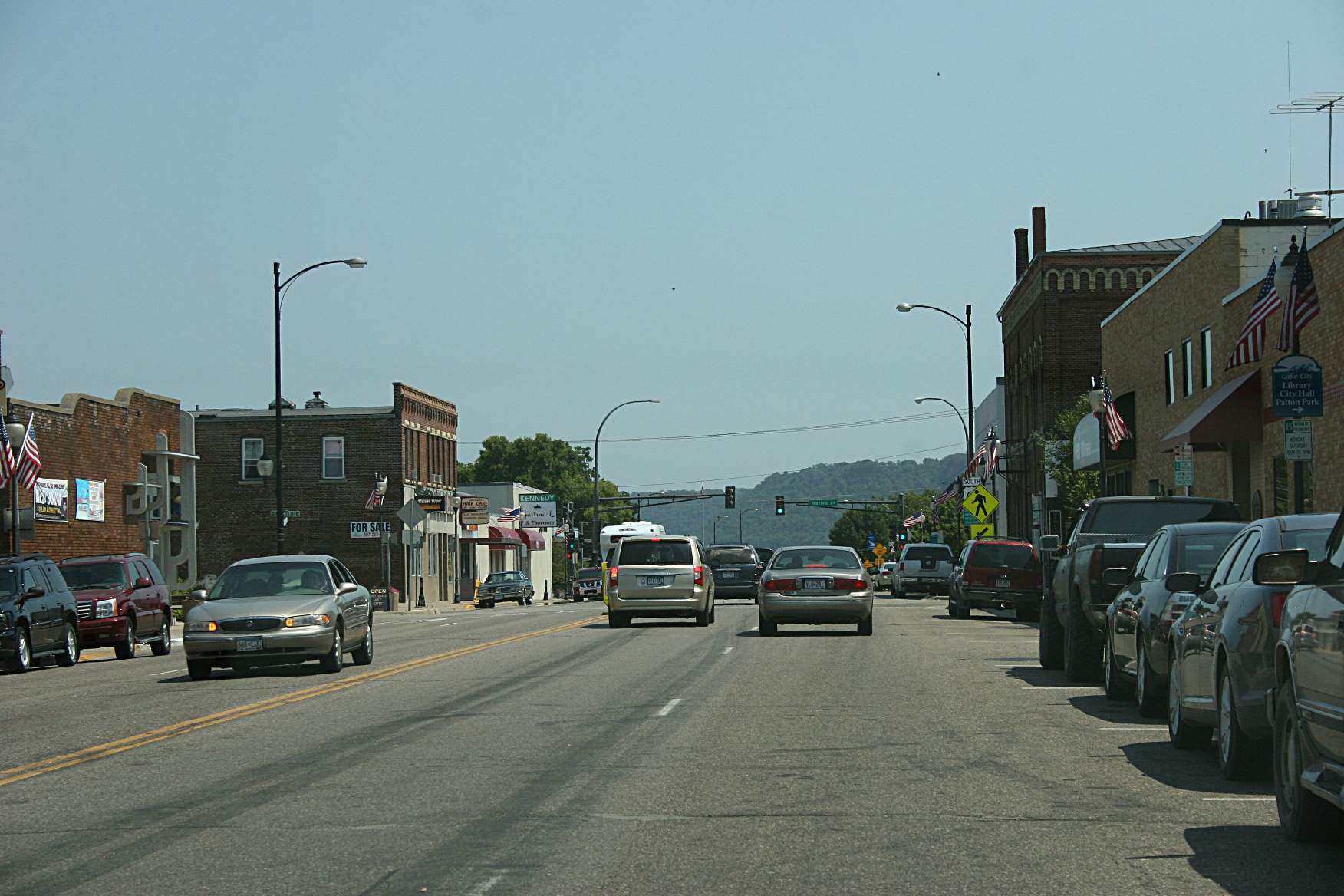
A view of downtown Lake City, Minnesota.

DRIVING INTO LAKE CITY on a recent sultry summer afternoon, I expected to learn about water skiing in this Lake Pepin side community which calls itself the birthplace of that water sport.
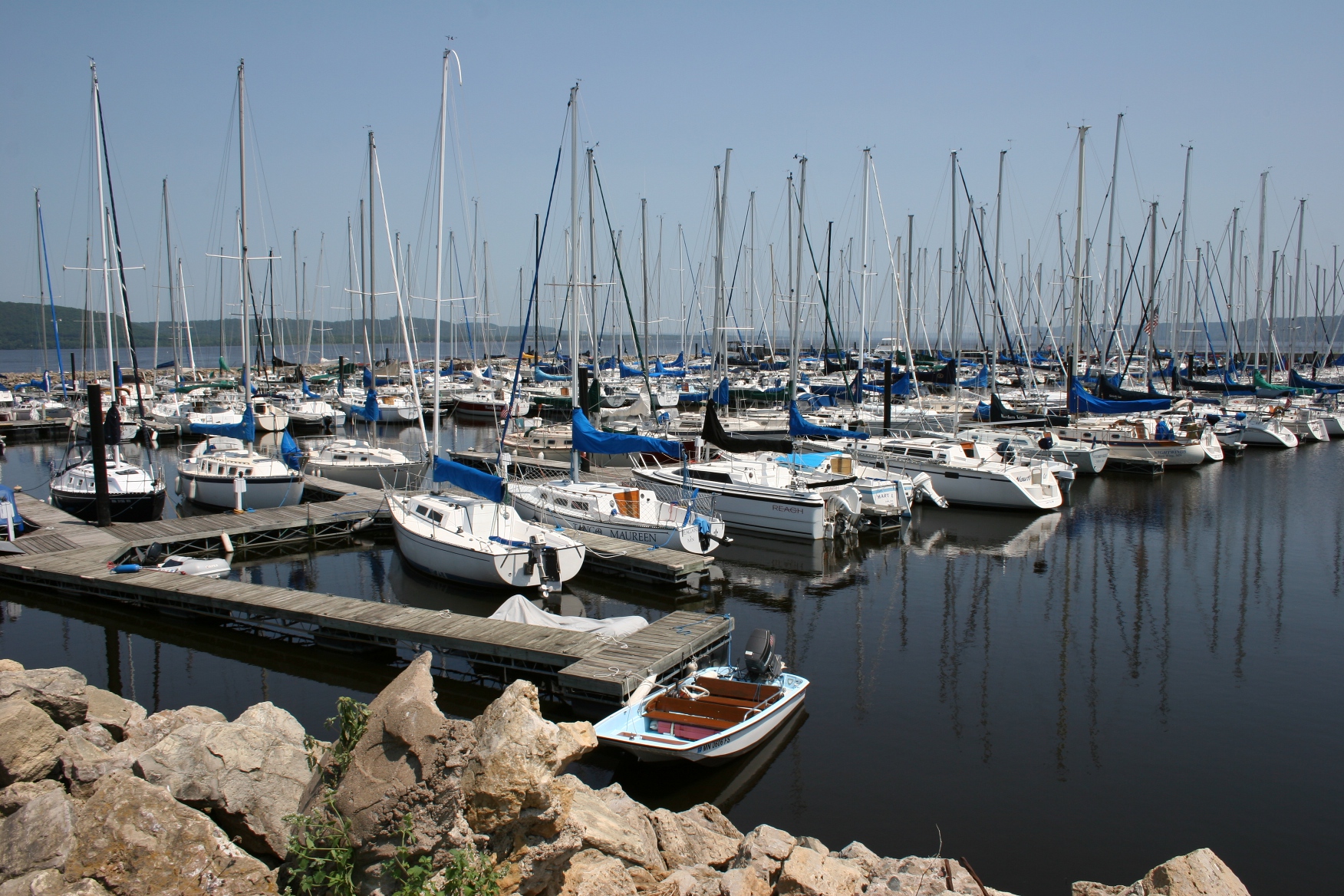
Lots and lots and lots of sailboats are moored in Lake City.

After all, the popularity of water sports is evident in the sailboats crammed and tethered in the harbor on a weekday, waiting to be unleashed on the weekend.

I wanted to check out the sculpture (an anchor?) along Lake Pepin, but no parking was allowed and the weather was too hot to walk any distance. That’s Wisconsin across the lake. Beautiful scenery here in this busy water sport area.

And around the bend, fancy yachts—at least that’s what I call boats so big that one arrived on a semi—float in the bay. And a bit farther, boaters enjoy a summer afternoon on the lake.
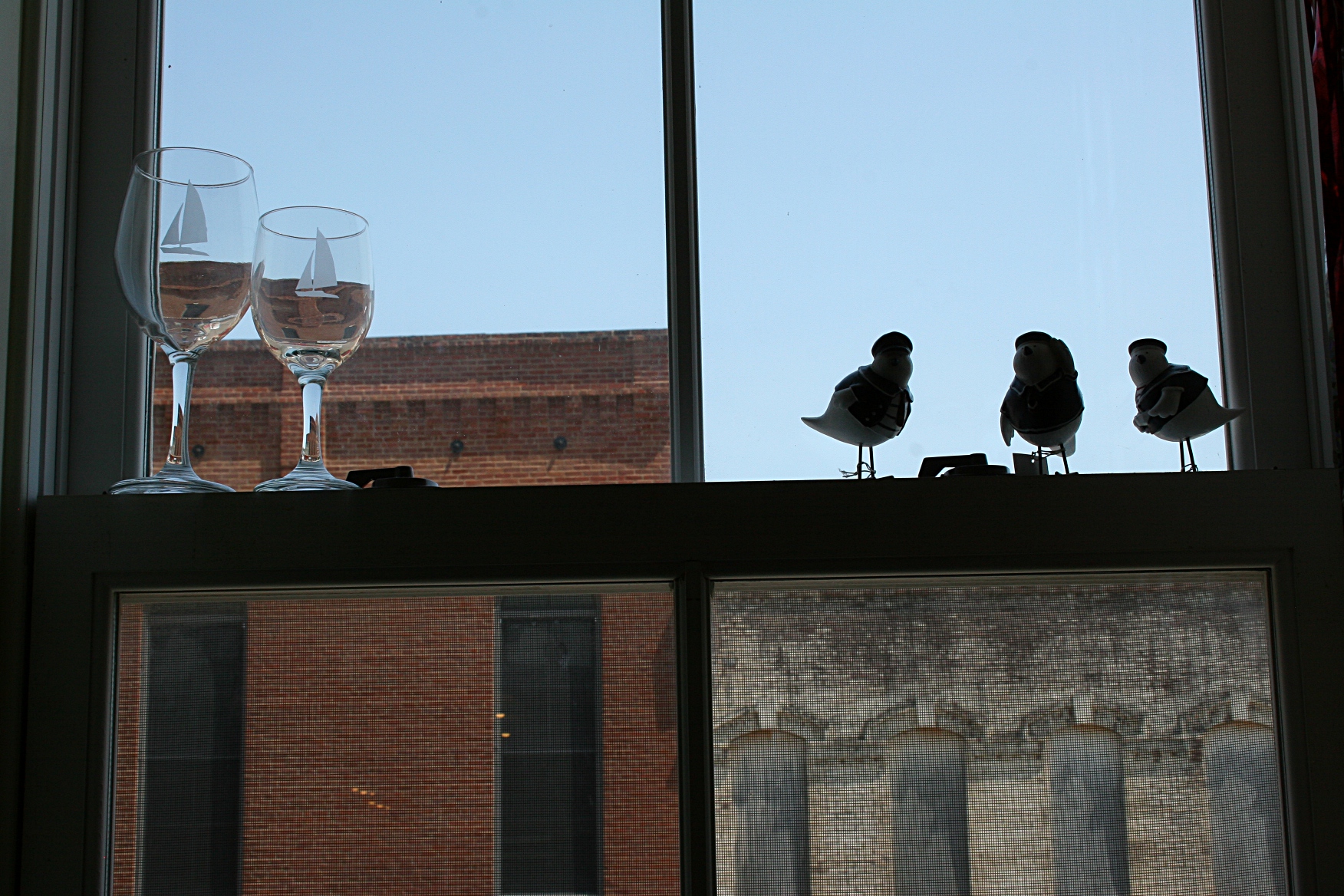
Nautical-themed merchandise perched on a window on the second floor of Treats and Treasures. The “treats” are homemade candy, found downstairs in the treats section.

Offshore, too, you’ll catch the nautical theme of this Mississippi River town in business names and merchandise.
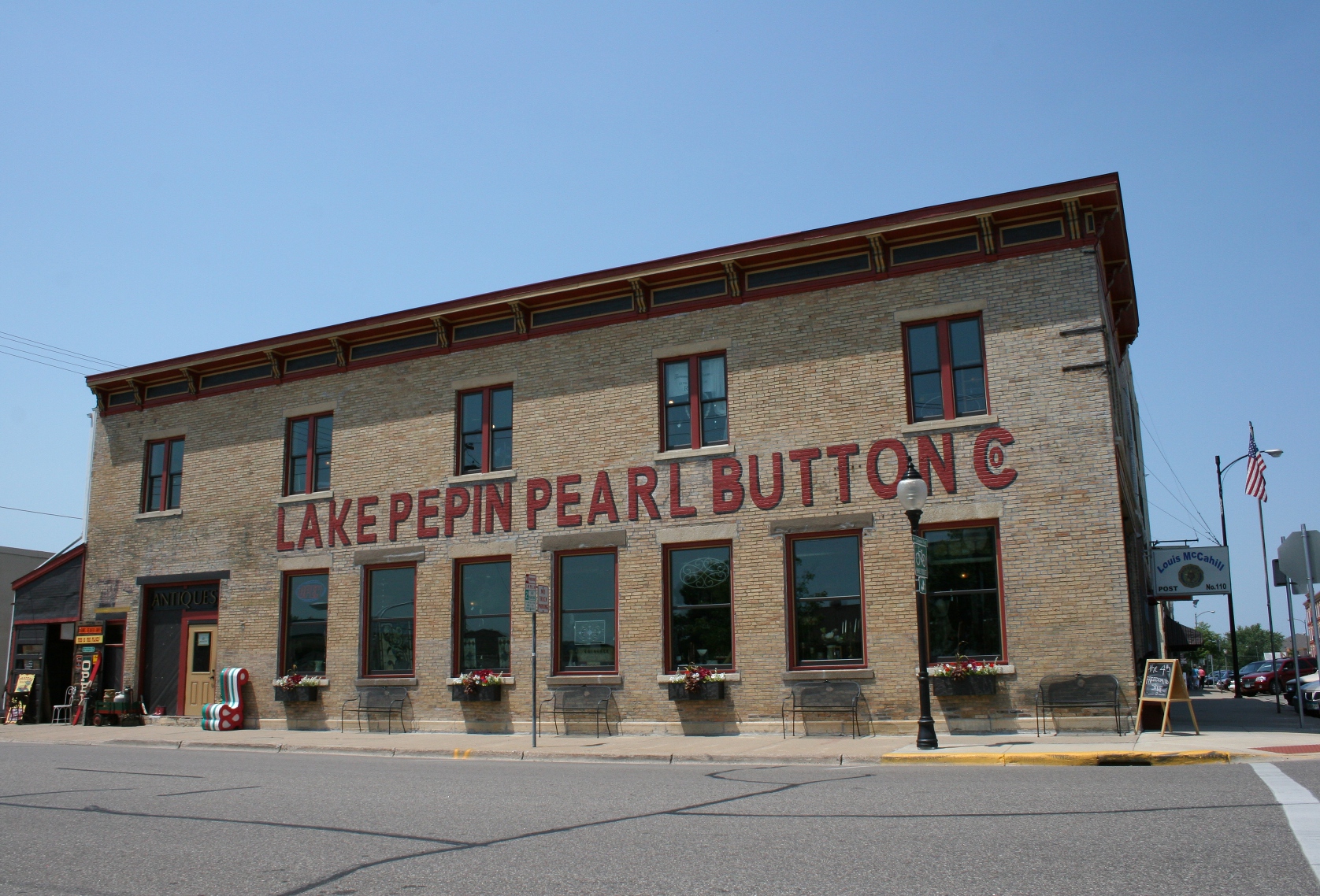
A side view of the Lake Pepin Pearl Button Co., now an antique store featuring merchandise from some 40 dealers.

But, if you happen to walk into the Lake Pepin Pearl Button Company, which is today a place of “the old, odd and unusual,” you will learn the gem of history I found most interesting about Lake City. Dave Close, who along with his wife, Juleen, runs the aforementioned antique store, will educate you about Lake City’s role in making pearl buttons.

It’s fascinating to hear about clammers who once harvested freshwater clams from Lake Pepin, delivering them to the Lake Pepin Pearl Button Company and The Wisconsin Pearl Button Company (according to Steve Swan at Swan Jewelers). Both Swan and Close can offer detailed oral histories about local button making.
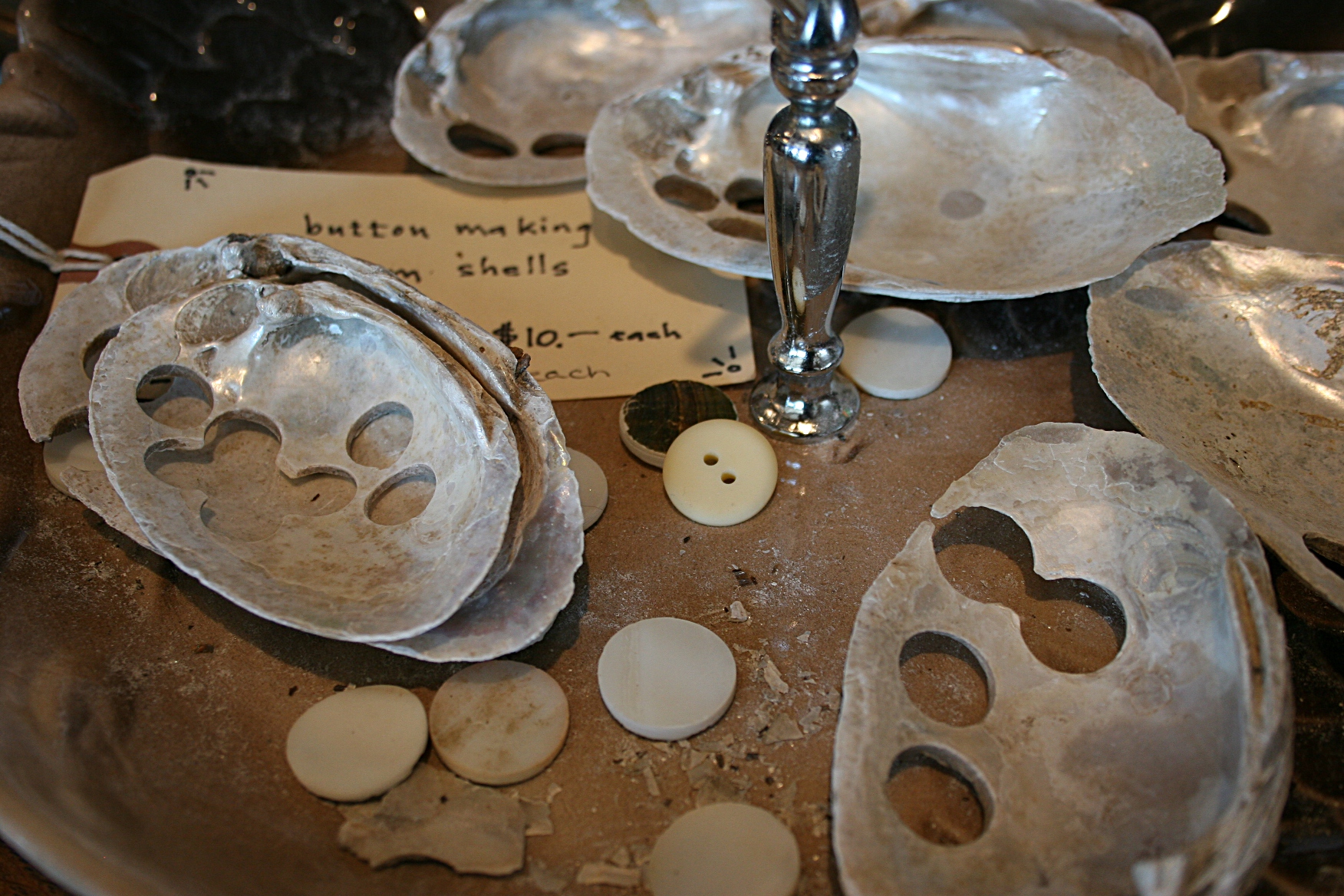
The Closes have this display of clam shells and button blanks in their shop.

According to Close, about 50 percent of the buttons in the world once came from the Upper Mississippi River, north of Ohio. That included Lake City, where factory workers sawed button “blanks” from clam shells before shipping the 50-pound burlap bags of clam shell cut-outs downriver to button finishing houses in La Crosse, Wisconsin, and Muscatine, Iowa.
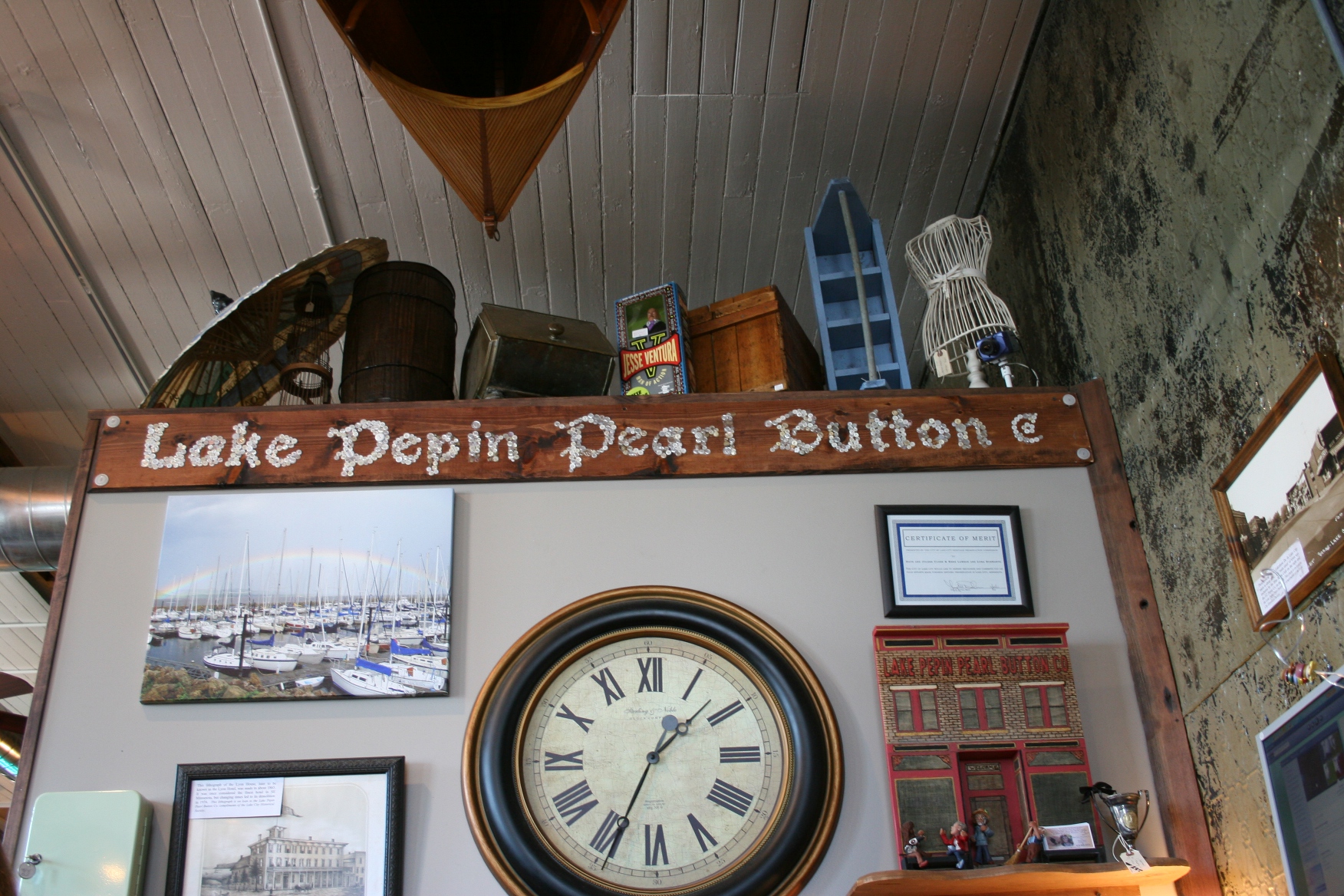
Old photos and more pay homage to this building’s former use as the Lake Pepin Pearl Button Co.
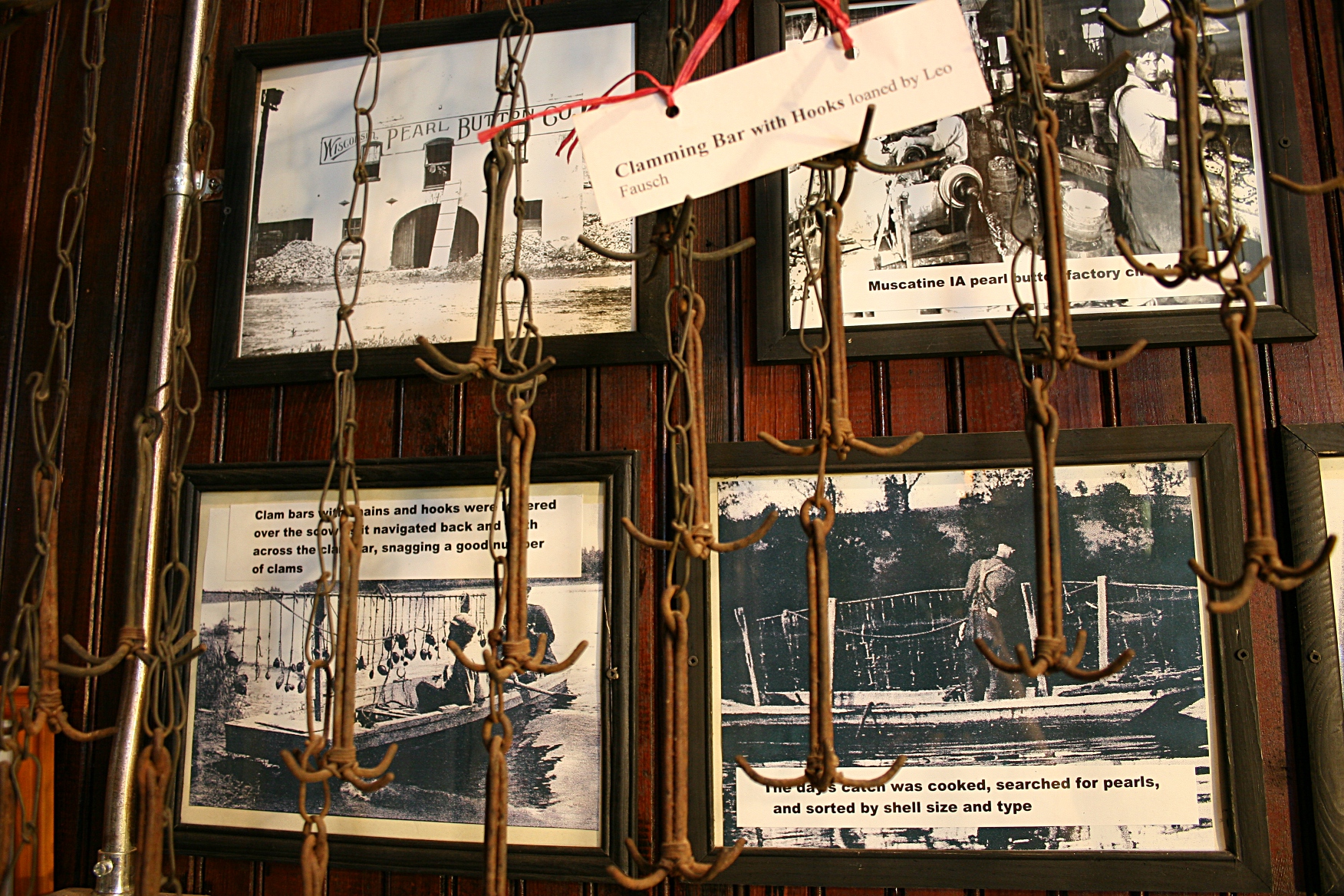
Next to the still operating original freight elevator, the Closes have posted vintage photos and other items, including these clamming bar hooks. Note also the beautiful original wainscoting from the building.
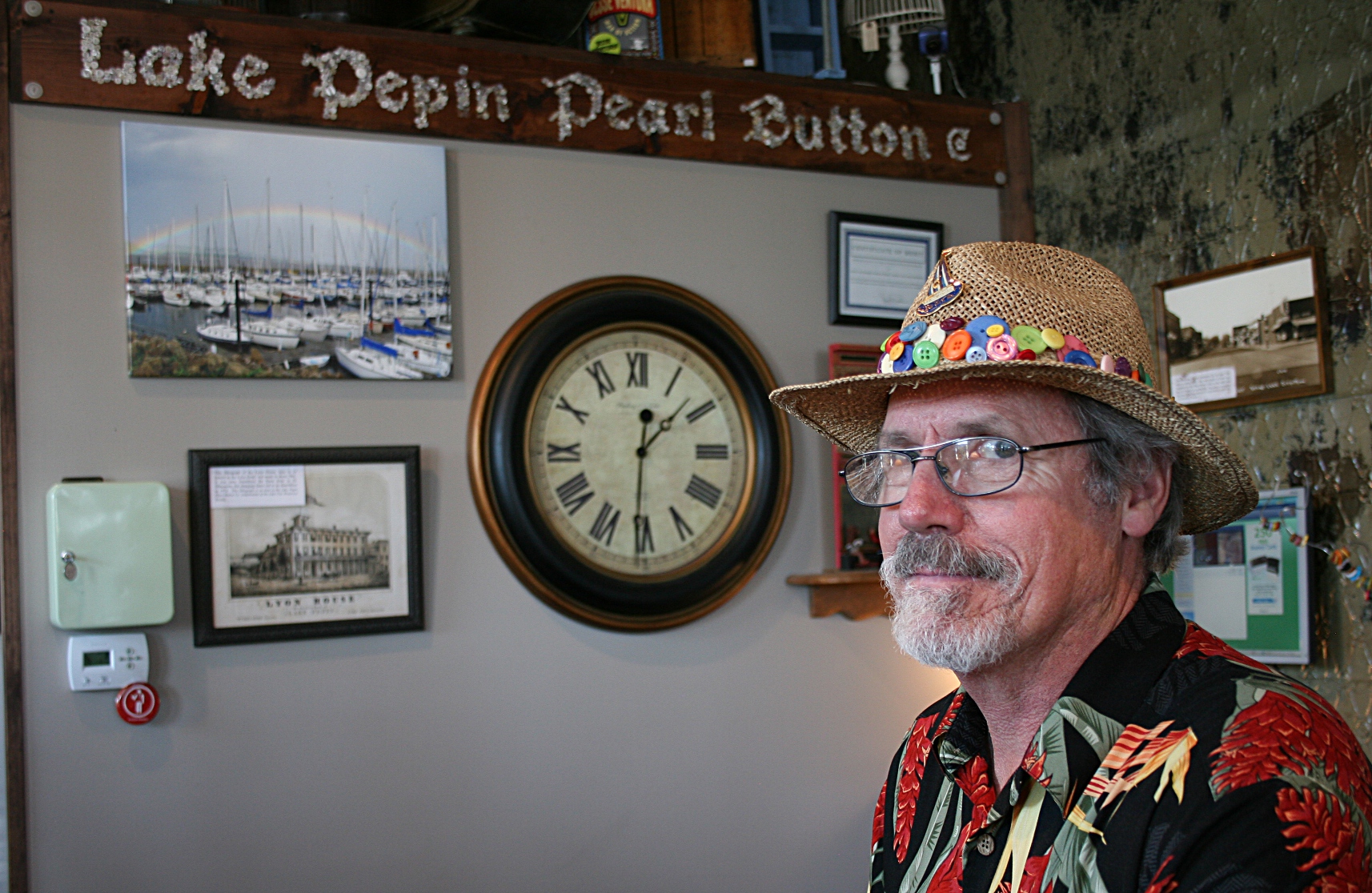
Dave Close, co-owner and in-house historian at the Lake Pepin Pearl Button Co.

Close has created a mini museum about this side of Lake City’s history behind the counter and in a corner of the 1866 former dry goods store which housed the button company from 1914 – 1920. It is the building’s history and Close’s clear appreciation for that history, which set his business apart from your typical antique shop. You need only notice the clam shells on the counter, the rainbow of buttons secured to his straw hat and the Pearl Button signage, inside and outside, to inquire about the Lake Pepin Pearl Button Company.

Two freshwater pearl rings crafted by jeweler Steve Swan of Swan Jewelers in Lake City.

Nearby, Swan also honors Lake City’s button past via a display in his jewelry store that includes jewelry he’s crafted from the pearls of freshwater clams. Up until about a dozen years ago, when the Minnesota Department of Natural Resources halted clamming operations on the river, this jeweler was buying from clammers.

However, the once thriving pearl button making industry ended long before that, in the late 1930s, when plastic buttons replaced pearl buttons, according to Swan.

All of this I learned on a sultry summer afternoon in Lake City, the birthplace of water skiing.

WATCH FOR ANOTHER POST from this southeastern Minnesota community of some 5,000 residents and many, many, many boats.

© Copyright 2012 Audrey Kletscher Helbling


Poetic Strokes: Strong regional writing April 12, 2012

COULD YOU WRITE a poem about bacon?

Julie Hathaway of Rochester did. She penned “Bacon,” one of 30 poems selected for publication in 2012 Poetic Strokes: A Regional Anthology of Poetry from Southeastern Minnesota.

When I saw the poem title, I had my reservations. How could bacon possibly be poetic?

Julie proves that bacon, bacon grease specifically, can certainly be poetic when connected to your past—to fried eggs and fried potatoes and a cast iron skillet—and to your life today. This unlikeliest of topics made for a nostalgic read in a volume that highlights some strong regional writing.

You’ll find poems like “Zumbro River Almanac” by Kevin Strauss of Rochester, where the Zumbro slices through the heart of the city. Other poems in the volume, such as “To the North” by Betty J. Benner of Austin, “Sunrise” by Nicole Borg of Wabasha and “Jacobs Lake” by John Chernega of Winona, also possess a strong sense of place.

And then there are poems like “Scottie’s Apple Pie” by Bev Jackson Cotter of Albert Lea. It’s perhaps the sweetest verse in this volume as Bev writes about the precious memories a mother tucks into her heart after baking a pie from the crab apples her four-year-old picks.

On the opposite end of youth, Peter C. Allen of Kenyon writes about his aged, dying father in a poignant poem.

Then, to lighten the mood, Riki Kölbl Nelson of Northfield compares a first snowfall to rollicking, out-of-control children slitting bed covers and spilling feathers from a sky castle. It is a playful image.

All in all, this sixth edition of Poetic Strokes, a project of Southeastern Libraries Cooperating and financed with Minnesota’s Arts and Cultural Heritage fund monies, is a delight to read. You will find copies of 2012 Poetic Strokes now available for check-out from libraries within the 11-county SELCO system.

FYI: My poem, “Writing Poetry as the Sun Rises,” is published in this 2012 anthology as one of 30 poems selected from 202 submissions.

© Copyright 2012 Audrey Kletscher Helbling

 

Appreciating historic downtown Faribault, especially in her holiday finery December 21, 2011

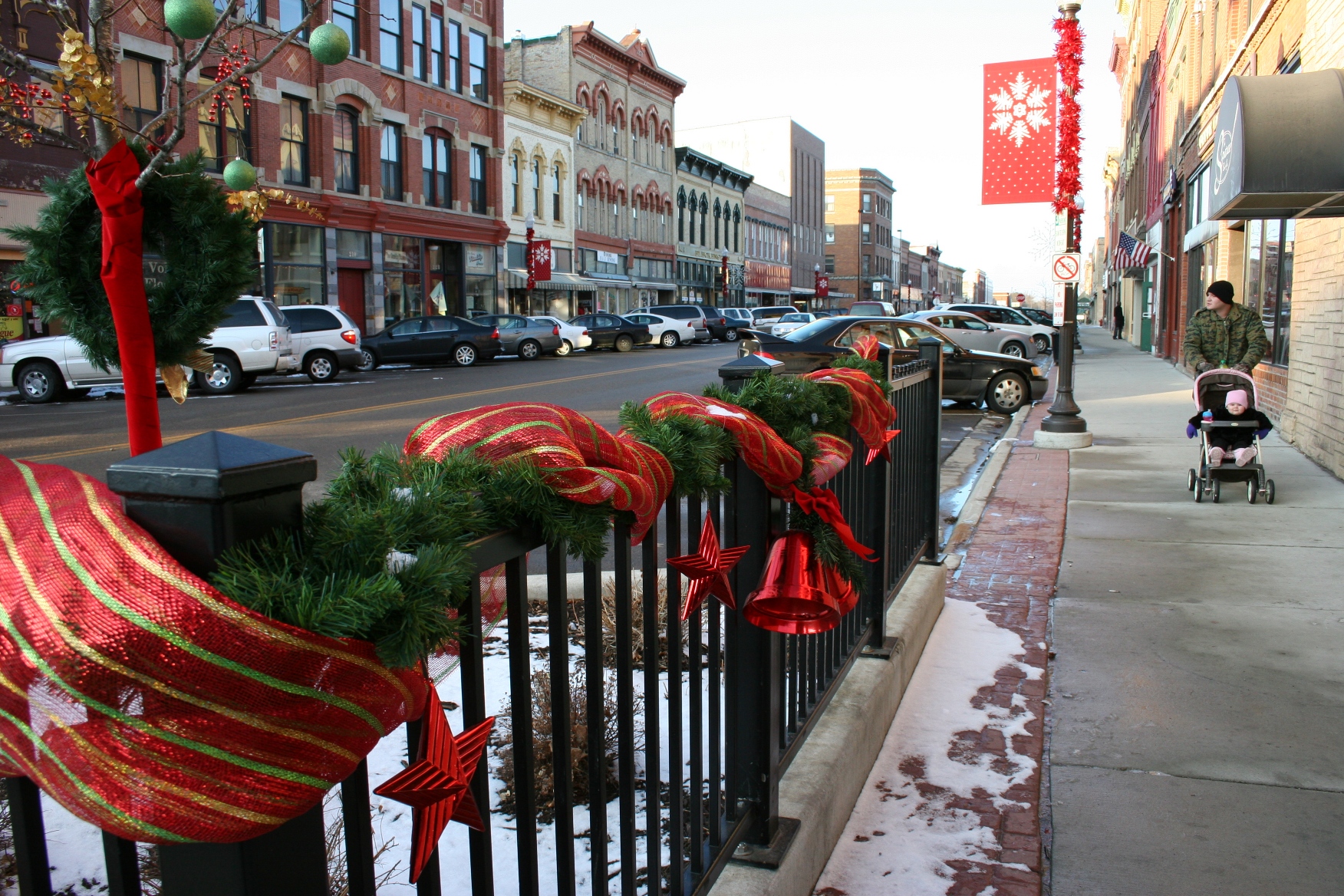
Strolling along Central Avenue in historic downtown Faribault late on a Saturday afternoon in December.

SATURDAY AFTERNOON, while my husband shopped for dress shoes at Burkhartzmeyer Shoes in historic downtown Faribault, I meandered a block north to view Central Avenue dressed in holiday finery.

She’s stunning with sparkles and ribbons and Christmas reds and greens befitting any holiday party.

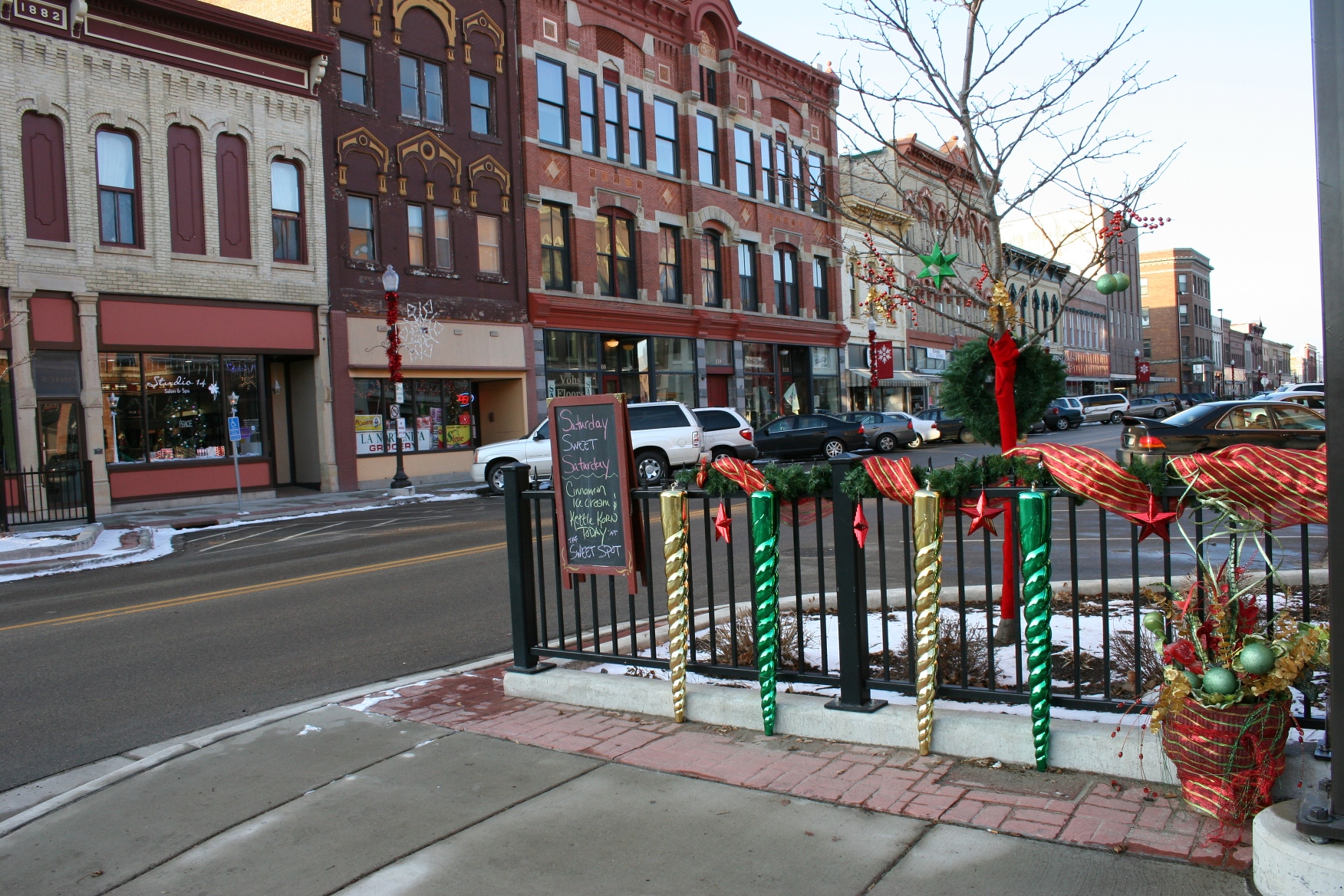
Keepers Antique Store decorated the wrought iron fencing on a downtown street corner as part of a "Winter Wonderland" themed decorating contest.

Honestly, I love the look and feel of my downtown. Even without the glitz and glamour of the holiday season, Faribault shines. The old brick buildings, the comforting small-town vibe, the ease of parking, the slow pace and the friendliness of shopkeepers appeal to me.

Next to the Signature Bar & Grill, a lovely holiday-bedecked street corner.

An elf outside The Crafty Maven, "featuring a unique mix of new and vintage items."

Quotes from Charles Dickens' "A Christmas Carol" portrayed in store-front windows.

I am always surprised when locals fail to appreciate downtown. How can you not value this treasure of a business district with arched windows, decorative trim and more on vintage buildings that impart an historic and homey feel to our town? Perhaps because I didn’t grow up here, I can truly see the beauty that native residents often overlook.

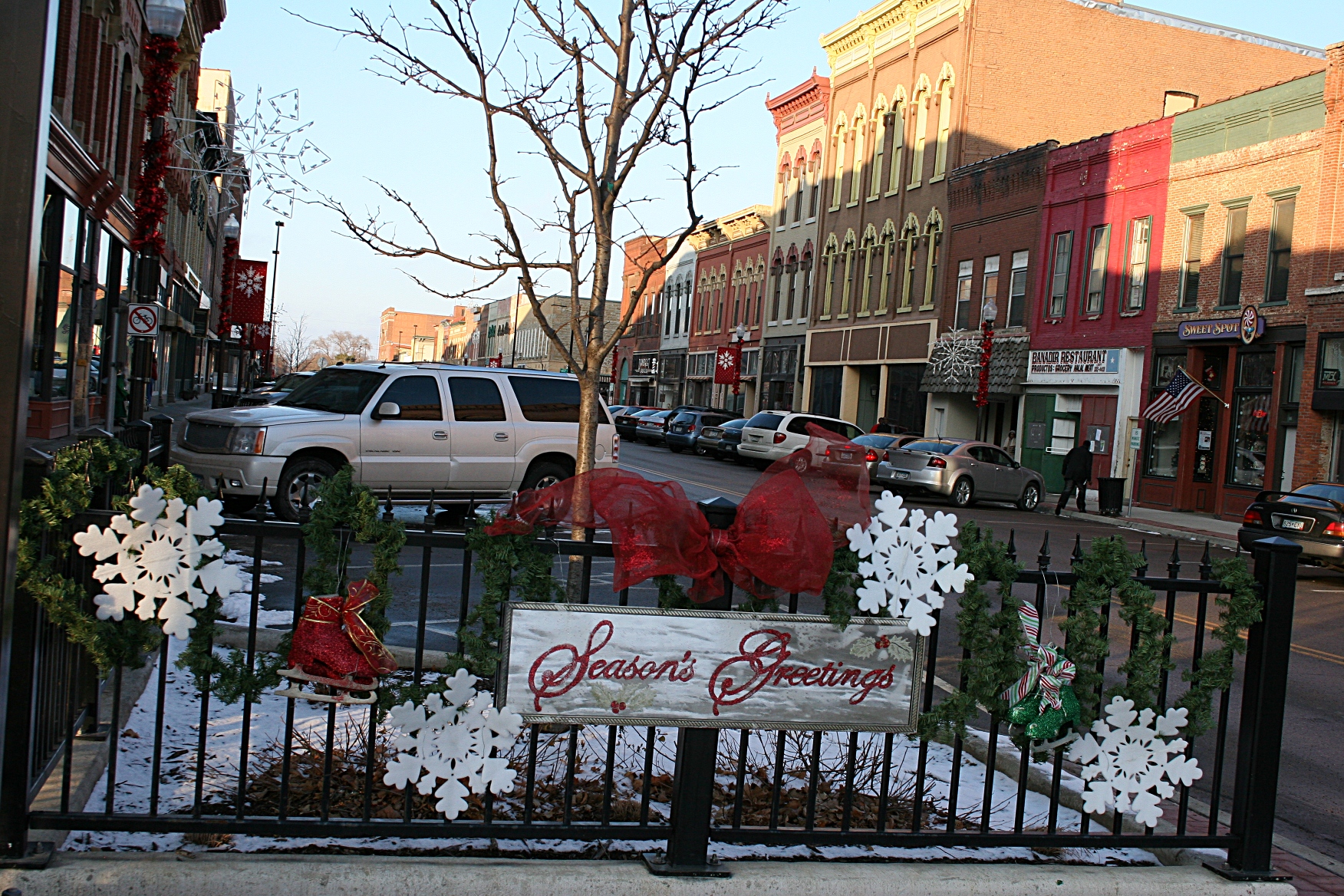
Another seasonally-decorated street corner charms visitors to Central Avenue.

I am always surprised, too, that Faribault hasn’t been discovered—like Red Wing or Stillwater or Wabasha or neighboring Northfield—as a destination city. The potential exists to draw tourists here into our specialty shops and arts scene. It’s not for a lack of effort, but…we’re not there yet.

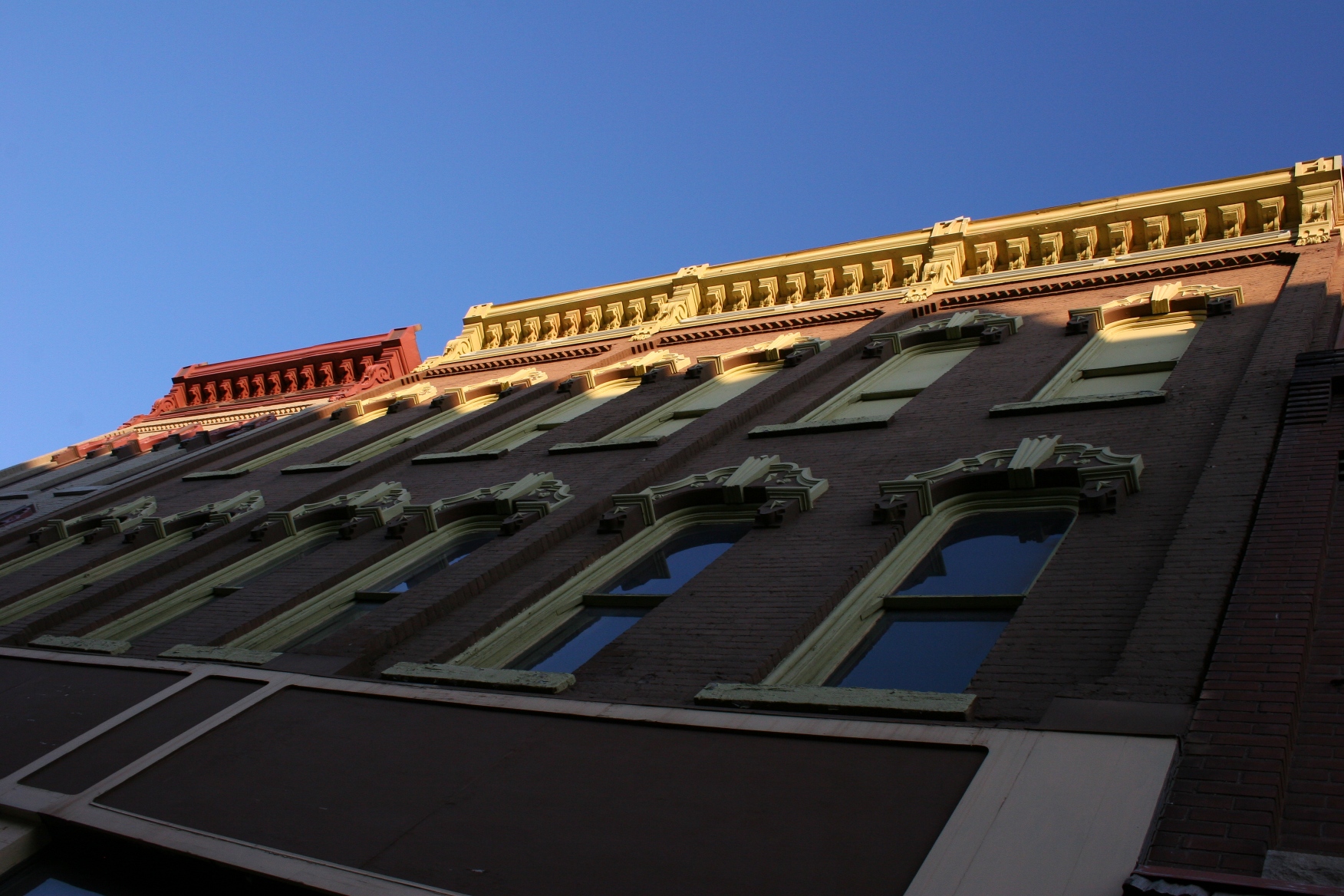
I aimed my camera skyward as the setting sun caught the tops of historic buildings along Central Avenue.

First, we need to sell our own residents on the value of Central Avenue, our Main Street. Do we truly realize how fortunate we are to have a solid, core downtown like ours with a deep history and an inviting character?

Mega malls and strip malls and Big Box retailers—and I shop at those places, too—have nothing on Main Street.

Yes, I grew up in the 1960s and 1970s, meaning my perspective evolves from memories of shopping in a downtown, not a mall.

When I stroll along Central Avenue in Faribault, nostalgia accompanies me. And she’s a mighty fine friend to walk with, especially during the holiday season.

Outside Keepers Antique Store, a rustic vignette charms.

Across the street at That Scrapbooking Place, a punch of color on the front window backed by a holiday display and reflections of historic buildings.

Sweet, dreamy gingerbread houses fill the display window at Sweet Spot, a Central Avenue candy and ice cream shop. I love how the reflection of an old building across the street melds with the gingerbread house.

IF YOU’VE NEVER been to Faribault, consider a trip here. We’re located along Interstate 35, just an hour south of Minneapolis. You’ll find antique, craft, candy, cheese and many other specialty shops and businesses, hometown eateries, as well as an arts center, along Central Avenue. If you have a specific question about Faribault, ask and I’ll answer.

LOCALS,  if you haven’t been downtown in awhile, I’d encourage you to park your vehicle, walk and appreciate your town. She’s all glammed up right now and a wonder to behold.

READERS, PLEASE CHECK back on Thursday for more Central Avenue holiday-themed images.

© Copyright 2011 Audrey Kletscher Helbling


Thoughts after the season’s first snowfall December 4, 2011

Filed under: Uncategorized — Audrey Kletscher Helbling @ 1:58 PM
Tags: , , , , , , , ,

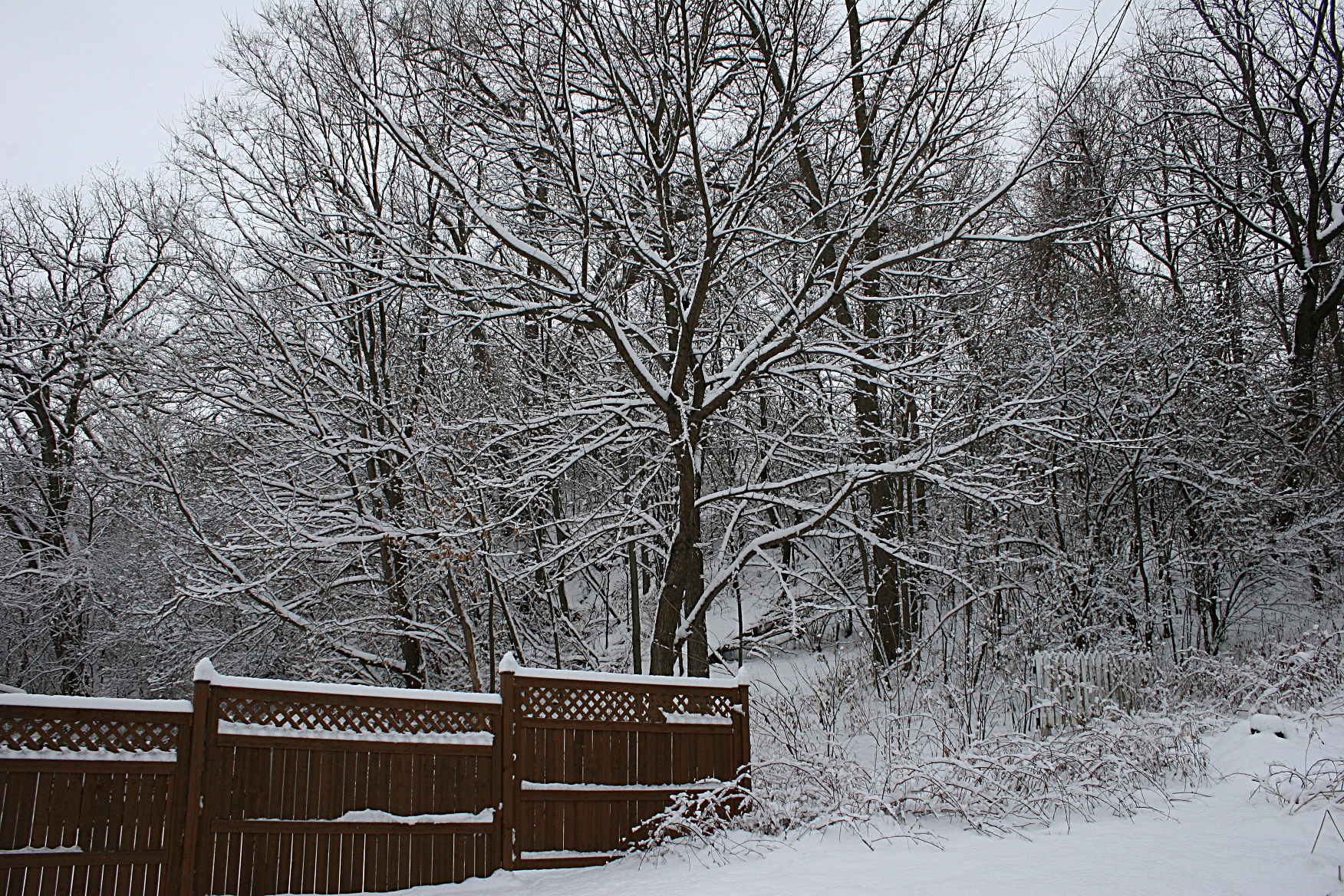
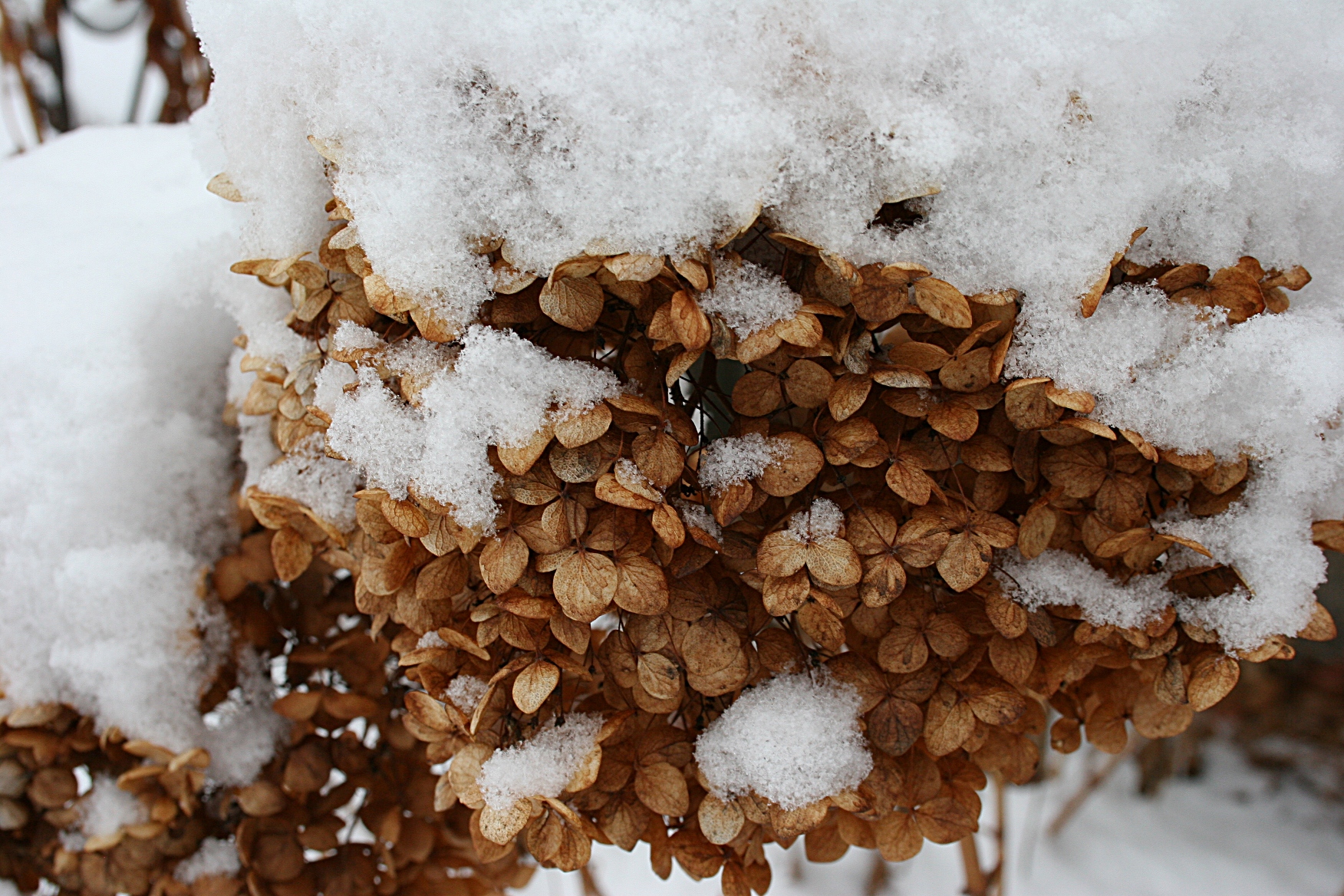
The snowy woods adjoining my backyard in Faribault late Sunday morning following about a five-inch snowfall.

WELCOME TO MY BACKYARD after the first significant snowfall in Faribault this season.

It is a world of mostly black-and-white, like vintage photos in an album.

Branches laden with the first significant snowfall.

I’m trying to be poetic here because, as disloyal Minnesotan as this sounds, I don’t particularly like snow. I dread the resulting icy sidewalks and parking lots.

I realize I possess the attitude of  “an old person” here. No offense meant to any of you who are older than me. But, at age 55 and with an artificial hip implanted in my right side three years ago, snow and ice threaten me. I fear falling, so I inch across ice with trepidation.

Just to clarify, my hip replacement did not result from a fall. I suffered from osteoarthritis and reached the point where surgery was the only option to deal with near immobility and chronic pain.

So here we are, in the season of snow and ice in Minnesota. If I don’t exactly embrace it, now at least you understand why. I suspect it is the reason many Minnesotans flee to Arizona and Florida during the winter months—not only to escape the cold, but to escape the danger.

Yet, even I can see the beauty in a fresh snowfall that layers branches and seed heads and the entire world around me in a surreal sort of peacefulness on a Sunday morning.

That, for me, redeems winter.

The blessing of winter lies in its beauty, seen here in a snippet of time-worn fencing in my backyard.

An unobtrusive patch of color in a mostly black-and-white world Sunday morning: Snow capping a hydrangea.

HOW DO YOU feel about snow and winter in general? The truth, please.

© Copyright 2011 Audrey Kletscher Helbling
 

Tough tilling in Minnesota farm fields November 9, 2011

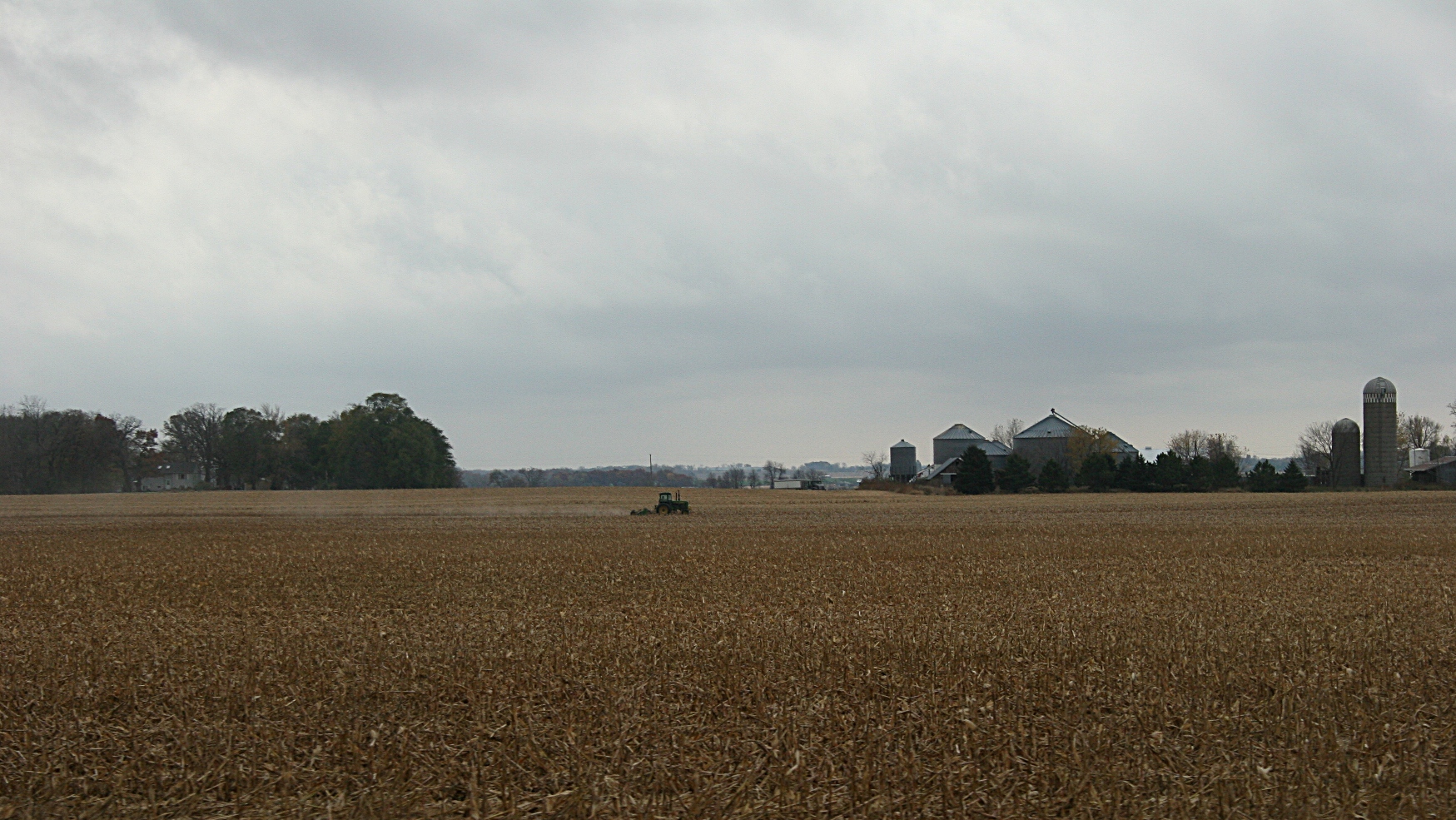
A farmer works the field recently in this scene shot in southeastern Minnesota.

HAVE YOU TRIED DIGGING into the ground lately? Takes some effort, doesn’t it? This soil in Minnesota rates as rock hard right now given the lack of moisture.

I’m hesitant to admit it, but I don’t think about soil conditions and moisture nearly as much as I once did, when I was not so long-removed from the farm.

But last week when a carpenter, who is also a farmer, was working on a project at my house, we chatted briefly about crops, soil conditions and weather.

Kenny shared how fall tillage has been especially trying this year. Farmers in his area around Owatonna in southeastern Minnesota have been breaking implement parts with all-too-often frequency in the dry, hard earth. He mentioned shanks, which he claims never break.

Some parts are in short supply, Kenny says, meaning farmers sometimes need to wait. That’s not a good thing when you’re trying to finish fall tillage before the snow flies.

Friends of mine who farm near Dundas finally halted all tillage work for the season, leaving some 300 acres, of 700, untilled. The rock hard dry soil proved too difficult to work and too tough on their equipment.

IN SOUTHWESTERN MINNESOTA, my brother Doug Kletscher, the parts manager at Westbrook Ag Power in Westbrook, confirms that tillage is tough there, too, and farmers are going through the parts. “We ran out of ripper points and they have been back-ordered for a good month. I have heard of a few farmers that have pulled their rippers in half,” Doug says. “We have sold at least five years’ worth of chisel plow spikes in one year. Bolts have also been in very high demand.”

On the flip, positive side, farmers haven’t had to deal with mud, Doug reports, and the corn has been very dry with 14 percent or less moisture content (a significant cost savings on corn drying).

However, farmers are facing another issue related to moisture-depleted conditions. “The fertilizer companies are not putting on any anhydrous as it is too dry to hold the anhydrous in the ground,” my brother continues. “Anhydrous needs moisture to adhere to keep it in the ground; also it (the soil) is pulling so hard that they would break their anhydrous bars.”

Doug reports the last rain over a half inch fell on July 14 with .78 inch. Since then any rainfall has been .10 inch or less. That makes for extremely dry soil conditions for farmers trying to prep the soil for next spring’s planting season.

LIKEWISE, IF YOU’RE a gardener, digging vegetables has been anything but easy this autumn. Take my friend Virgil Luehrs, who lives along Cedar Lake west of Faribault. Unearthing potatoes proved tough, he says. But then he got to the carrots:

“First I tried the garden spade, then a round-point shovel and then a tiling shovel. I had to dig a trench beside the rows to loosen the soil around the carrots to get them loose enough to pull out.  Finally I resorted to a pick to loosen the soil and that was easier but still a lot more work than normal.”

Tilling the garden, even with a powerful Troybuilt rear tine tiller, proved equally challenging. “I could not get down deep enough,” Virgil reports. “Hopefully next spring.”

When Virgil talks soil and weather, I listen. He’s not just your average Minnesota gardener. He’s also a retired high school science teacher with a Masters in biology, a former interim and assistant director at River Bend Nature Center in Faribault, and a volunteer rain gauge reader for the Rice County Soil Water Conservation District (SWCD) and the state Climatology Lab.

In other words, he’s a knowledgeable resource.

So then, exactly how much rainfall has Virgil recorded at his Cedar Lake home (where the lake water level is the lowest in 20 years, but not as low as in the drought years of 1988- 1990). Thus far since April, Virgil has taken these rain gauge readings:

April:  3.14”

May:  4.63”

June:  5.26”

August:  1.38”

September:  1.00”

October:  .58”

TOTAL during the past six months: 15.99”

Says Virgil: “This year we had a much wetter spring and that probably helped to carry us through the dry fall. Recall that last fall we had record rainfalls.”

His 2010 readings were as follows:

April:  1.35”

May:  2.75”

June:  4.76”

July:  5.49”

August:  3.91”

September:  9.13”

October:  1.91”

TOTAL during those six months: 29.3”

According to information Virgil passed along from State Climatologist James Zandlo and University of Minnesota Climatology/Meteorology Professor Dr. Mark Seeley, 2010 was the wettest year in Minnesota modern climate record. The 34.10-inch state average precipitation total was roughly 8 inches more than the historical average.

But here we are in November 2011, desperately short of moisture.

What will winter bring here in Minnesota? A continued shortage of precipitation? Or more snow than we care to shovel?

WHAT’S YOUR PREDICITON for snowfall in Minnesota this season? Submit a comment with a forecast and the reasoning behind your prediction.

IF YOU’RE A FARMER, an implement dealer or a gardener, have you faced any special challenges this year due to dry (or other) weather conditions? Submit a comment. I’d like to hear, whether you live in Minnesota or elsewhere.

CLICK HERE to link to climate.umn.edu for detailed statistics and information about Minnesota weather.

© Copyright 2011 Audrey Kletscher Helbling
 

Snippets of rural Minnesota in photos November 1, 2011

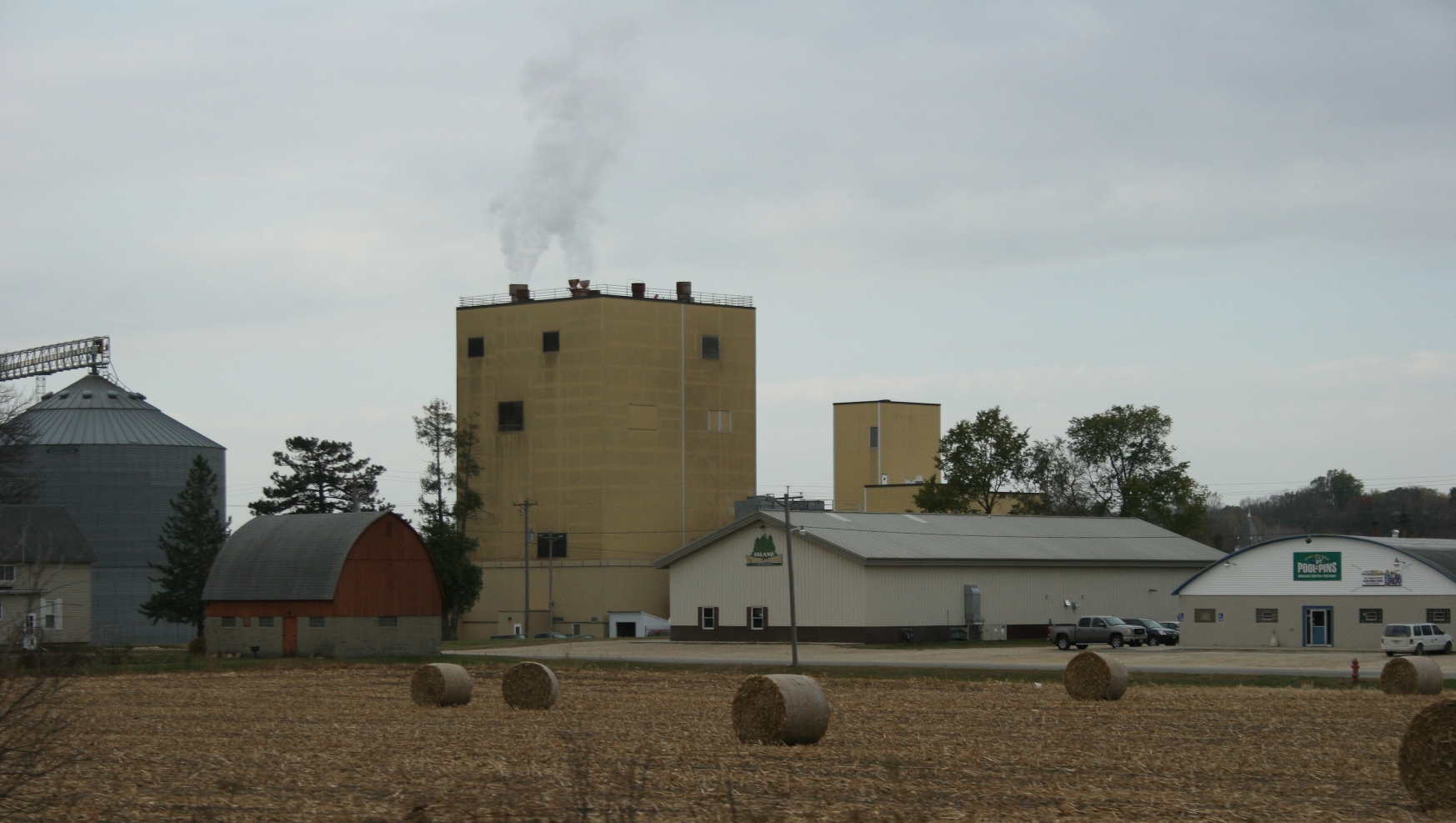
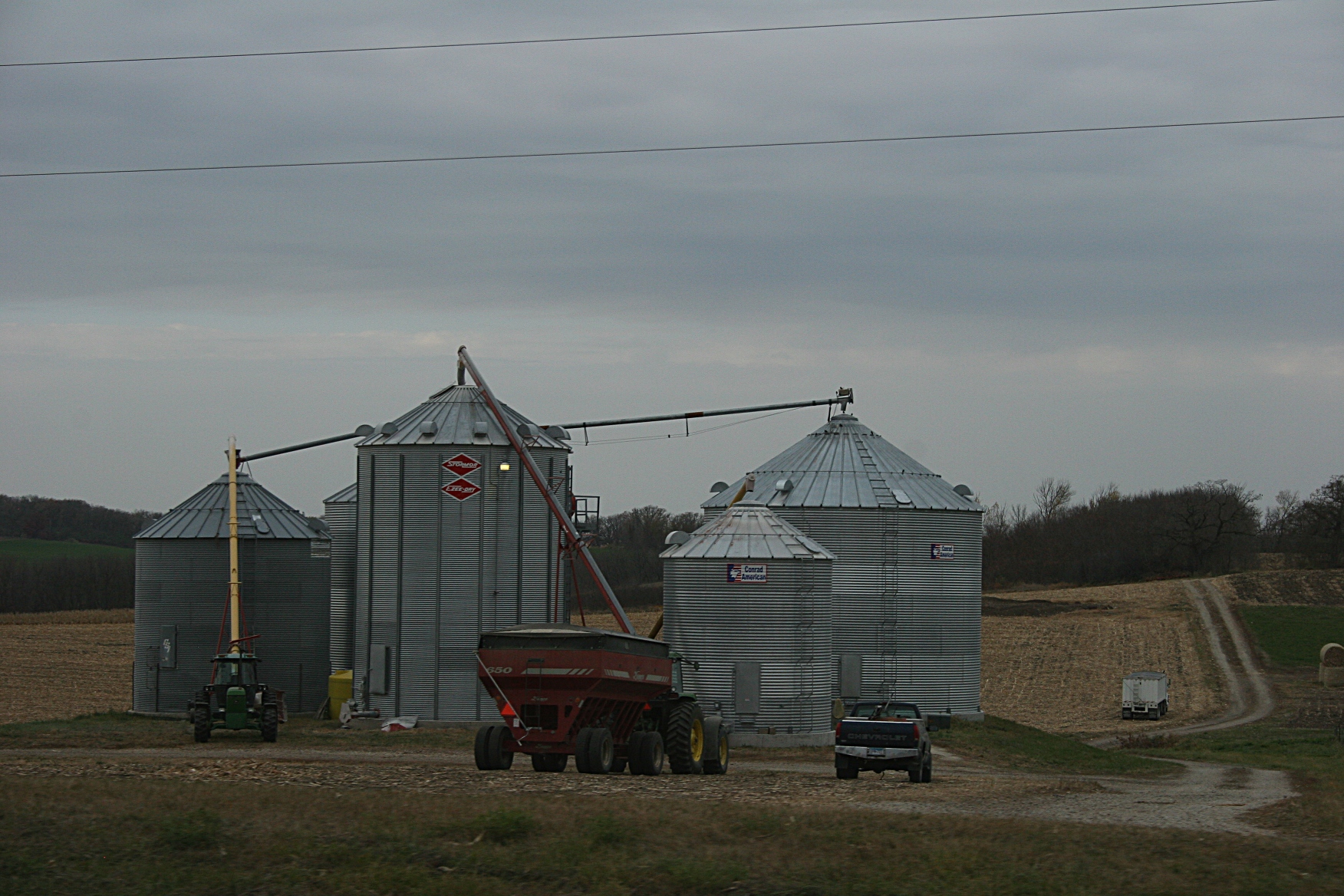
A harvest scene along U.S. Highway 52 in southeastern Minnesota Sunday afternoon.

YOU CAN TAKE the girl off the farm, but you can’t take the farm out of the girl.

Even decades after leaving my childhood farm at age 17 to start my freshman year of college in the fall of 1974, I hold tight to my agricultural roots.

My rural upbringing shaped me as a person, defined me as a writer and photographer.

More often than not, I find myself creatively focused on the rural, on those places and memories that remind me of the farm and which hold the strongest grasp on my heart.

So I am naturally drawn to photographing rural landscapes and barns and country churches and tractors and small towns whenever I travel. These are the places and objects to which I feel the deepest connection.

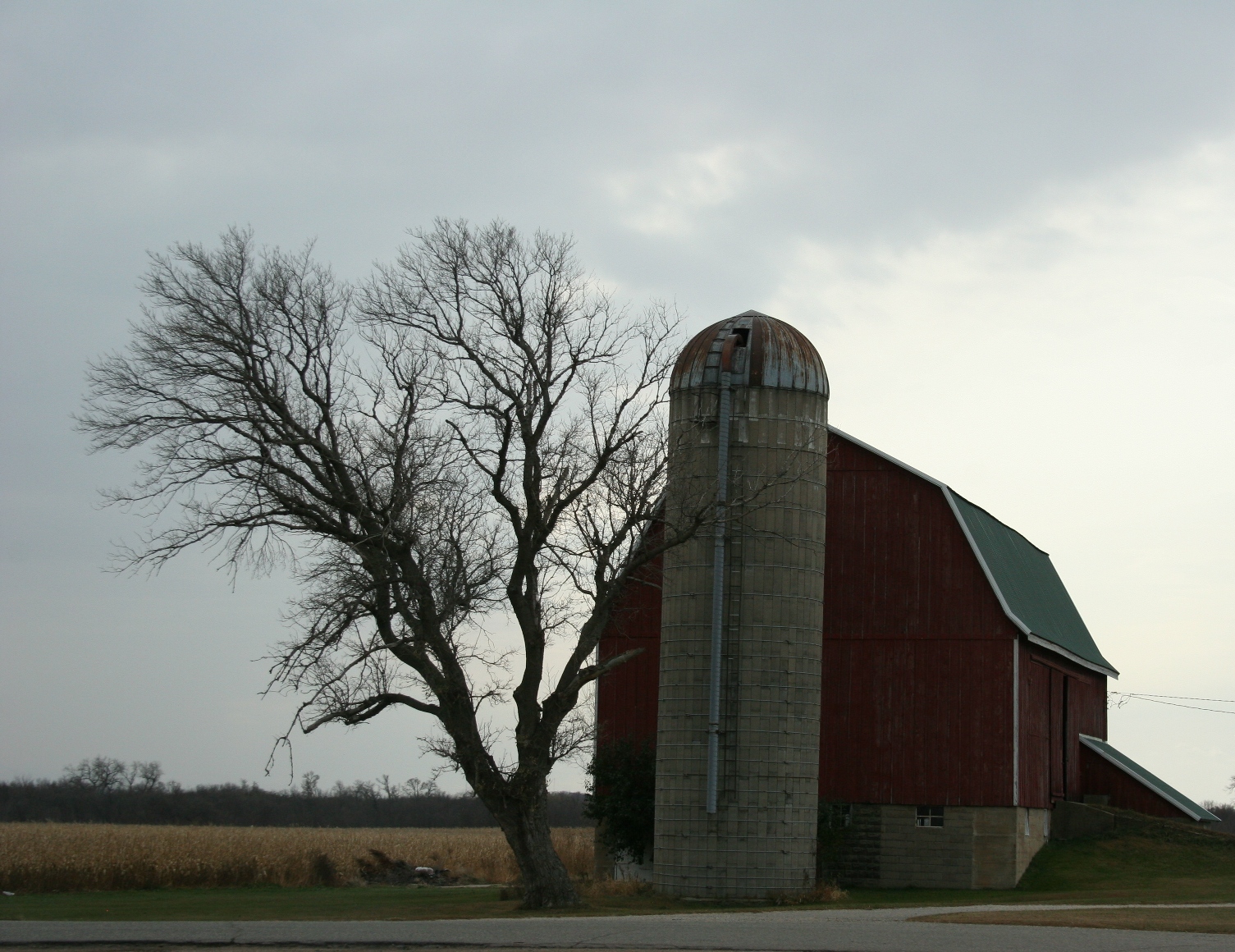
I'm always and forever photographing barns like this one along Hwy 52 between Pine Island and Rochester.

Today I’ll take you along U.S. Highway 52 and Interstate 90 in the southeastern section of Minnesota. I’ll show you rural snippets photographed at highway speeds through the passenger side and front windows of our family’s cars. Yes, cars, plural. My husband and I made a quick jaunt to Tomah, Wisconsin, on Sunday to exchange vehicles with our second daughter. Hers needs repair and we met her half-way between her home and ours.

After 2 ½ hours of travel to reach Tomah, we lunched with Miranda and a friend before turning around and heading back home to Faribault.

The day rated as gloomy and dreary weather-wise. Yet, as you will see, such moody skies bring out an emotion in images that you might not feel had the day been sunny bright.

I’m always surprised, when I view the photos, to see the details I missed in the process of shooting the images. But then, along-the-highway scenes flash by in an instant and they are gone, not wholly appreciated until that second, later look in a photo.

You can barely see the distant tractor in this shot. But that's what I like about this scene, how the sheer size of the cornfield and the skies dwarf the tractor, reinforcing the thought that everything is truly small in comparison to the landscape, to the big, big world.

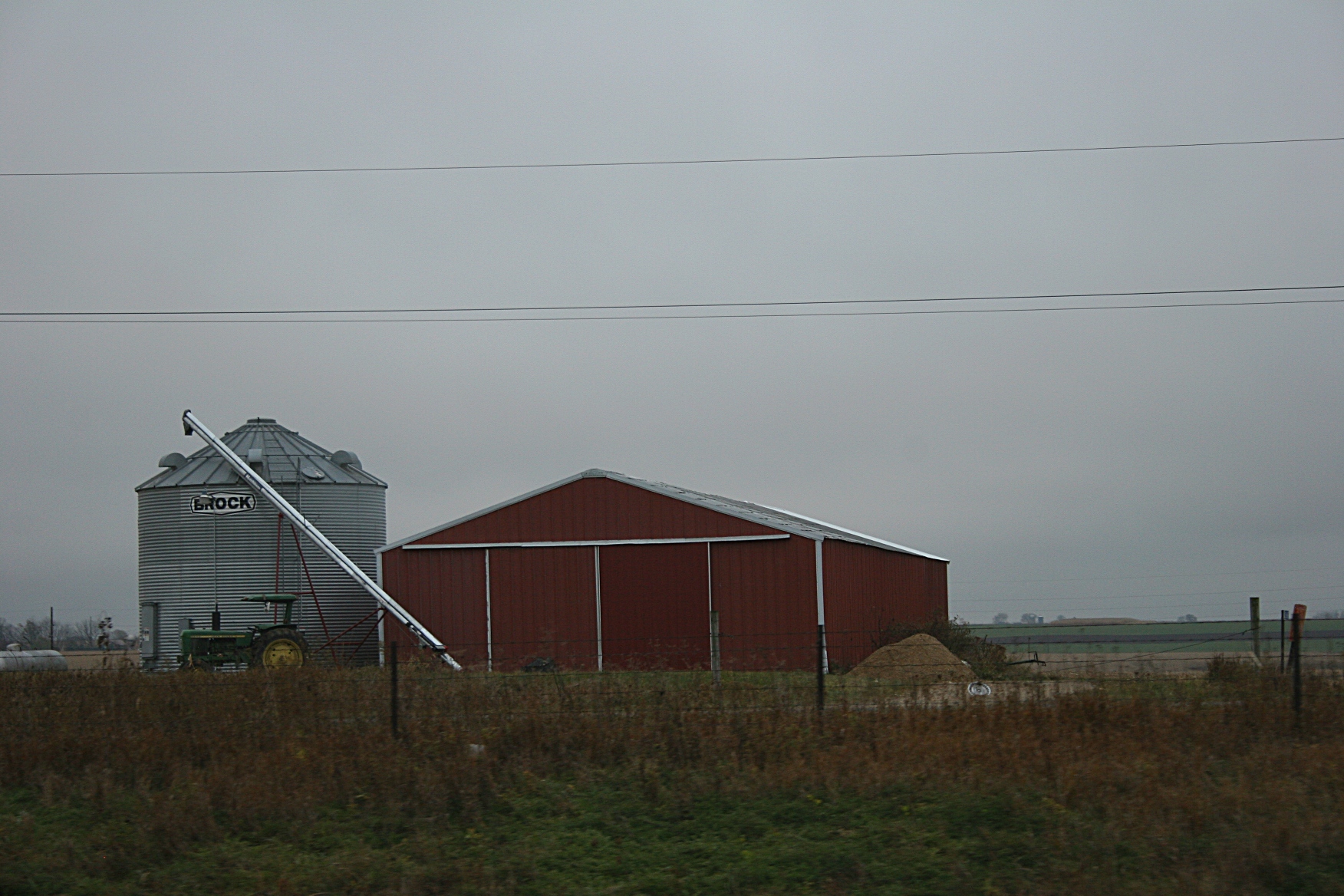
Every red building stood out against the grey, grey skies. Sky is always an integral part of my photos.

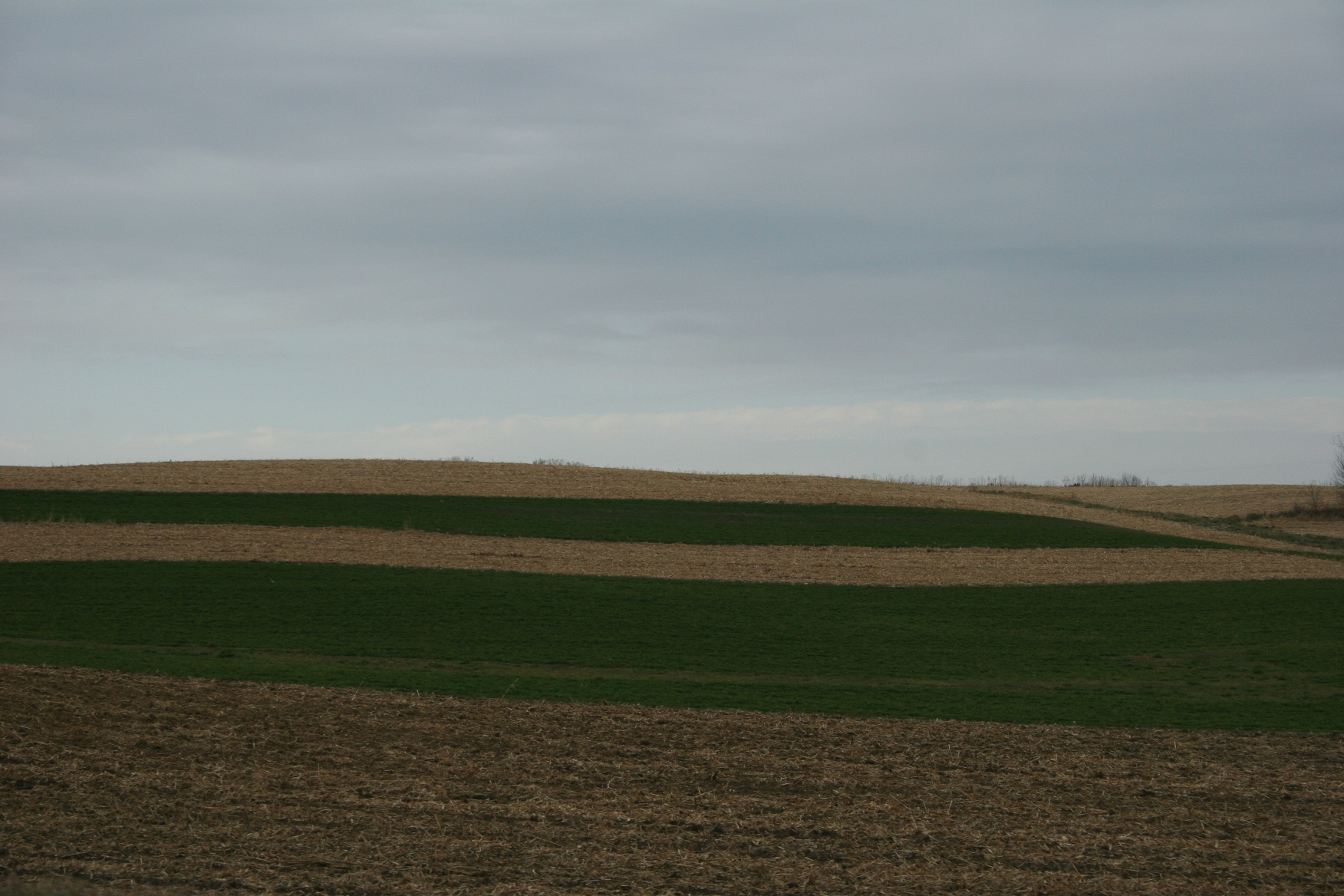
Even the stripes of crops are aesthetically pleasing to my photographer's eye.

This photo of Pine Island connects town and country in a seamless blend.

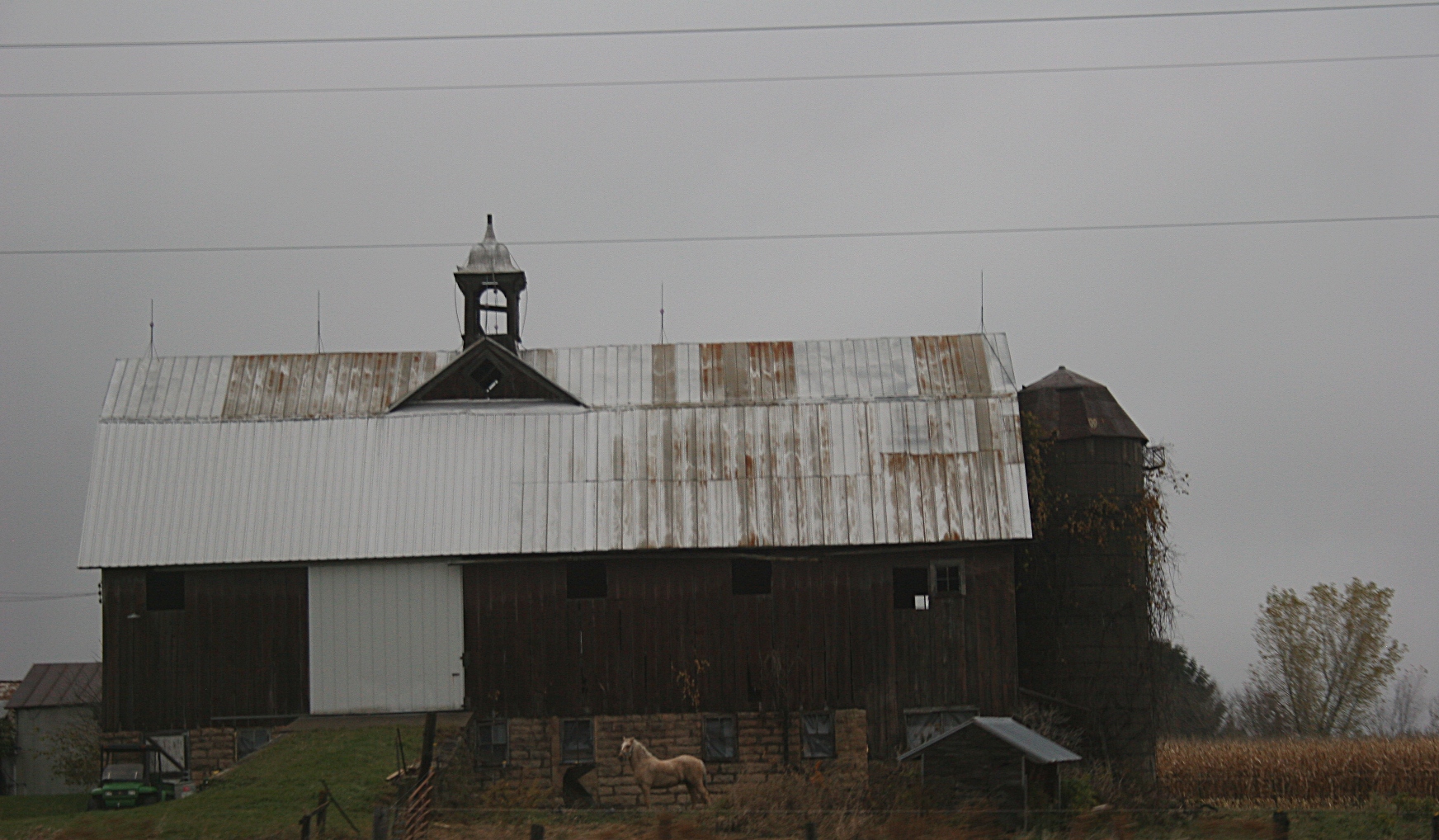
An historic barn and a horse...a common sight along Hwy 52 and I-90.

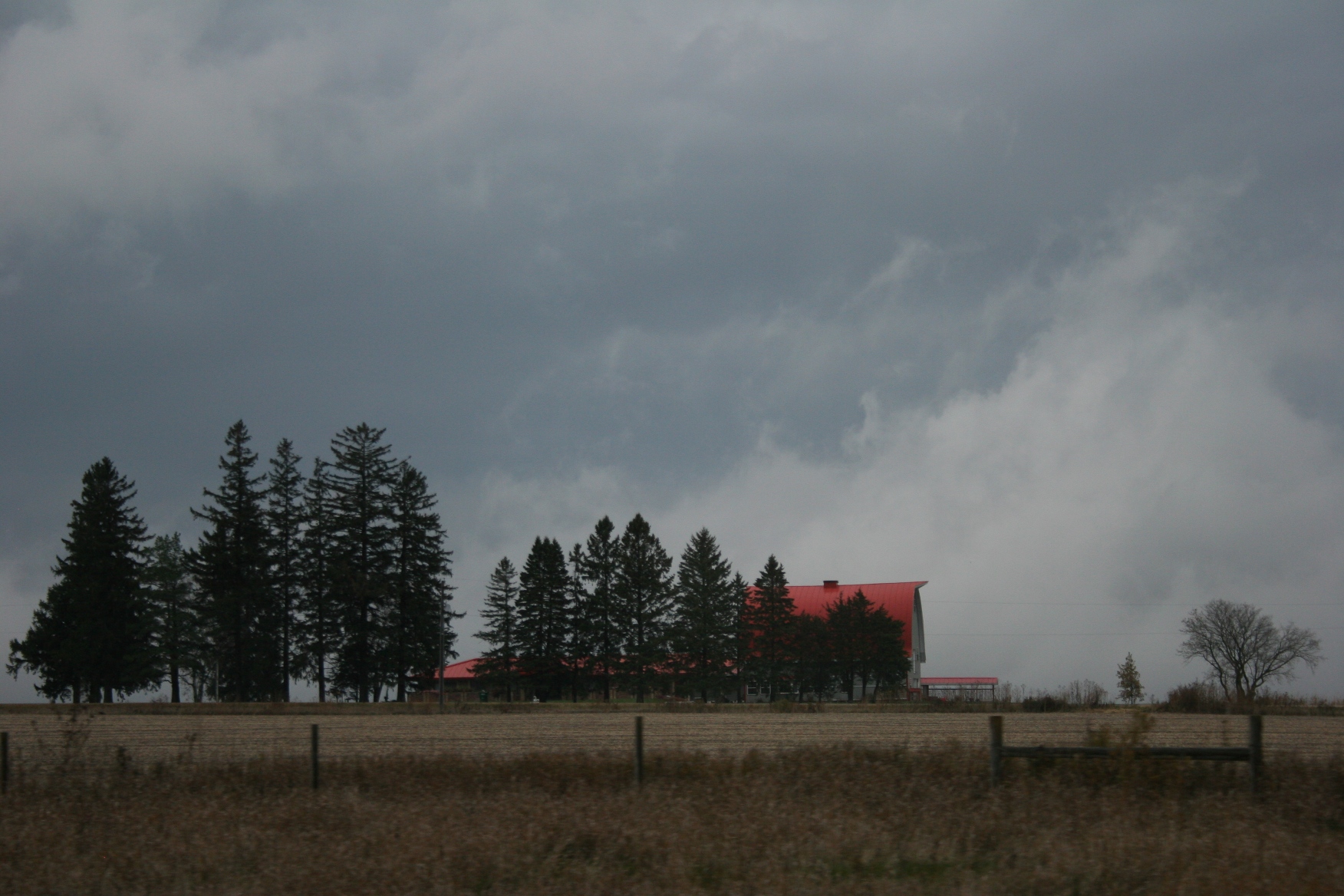
The red-roofed barn provides a jolt of color under heavy grey skies.

A country church, strong and sturdy, along I-90 near the Winona exit. Look closely and you'll see a sheriff's department squad car parked by the church.

Westbound on I-90, the sun begins to set. I like the contrast between the vivid yellow sign and the grey of the day.

© Copyright 2011 Audrey Kletscher Helbling
 

October beauty along I-90 in southeastern Minnesota October 31, 2011

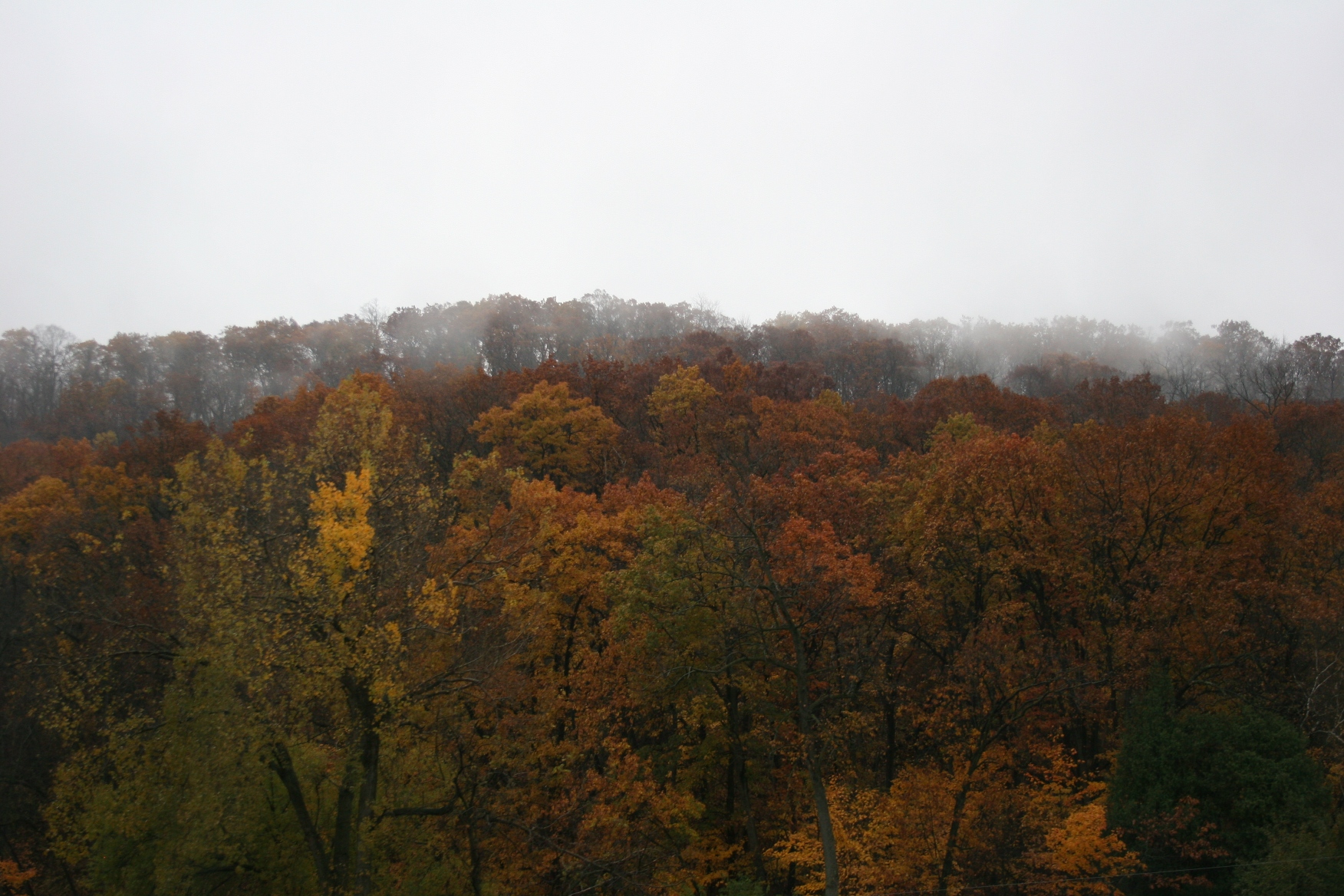
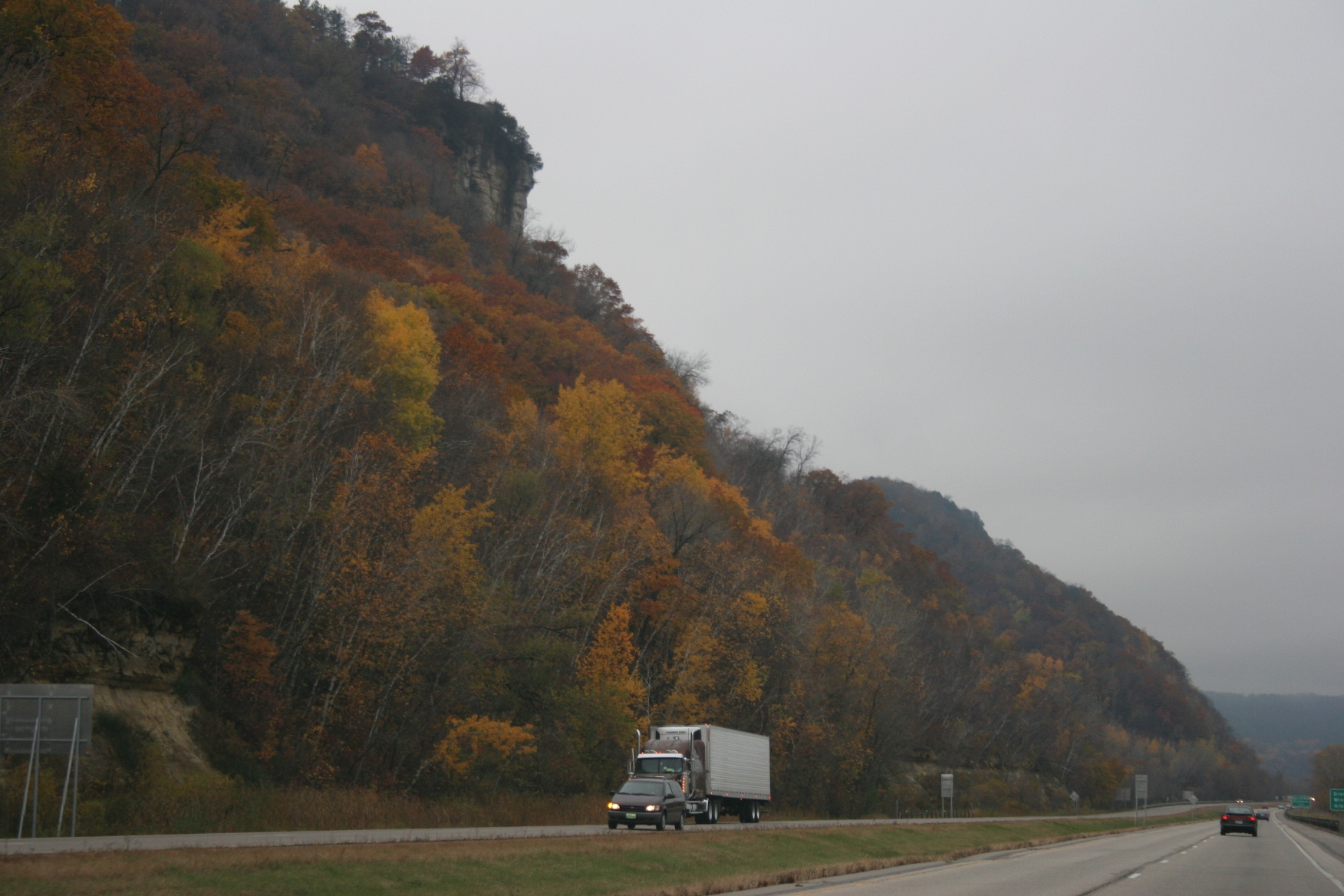
Hillsides of colorful trees along I-90 in southeastern Minnesota Sunday morning.

I DID NOT EXPECT IT—leaves rusting under a gloomy, grey sky which gripped the second to last day of October like an iron fist.

Autumn seemed determined to hang on, to stand strong and sturdy against winter for one final weekend.

And it was a glorious one. Not glorious in the sense of sunny skies and warm weather.

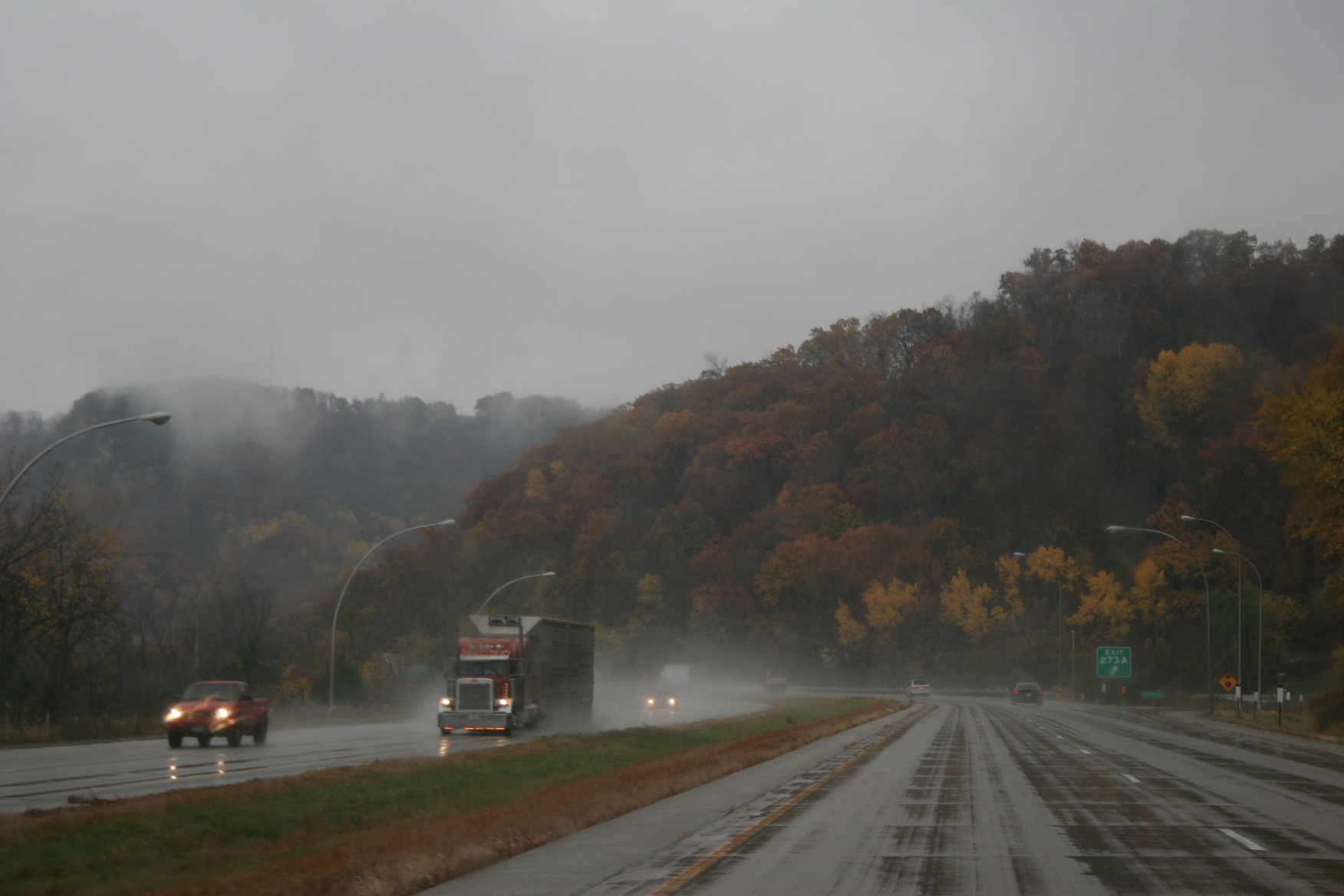
But beautiful and wondrous and spectacular in the surreal scene of clouds and wisps of fog that pressed against the wooded Mississippi River bluffs along Interstate 90 in southeastern Minnesota Sunday.

As my husband and I traveled through the area between Nodine, Minnesota, and La Crosse, Wisconsin, and onto Tomah, I couldn’t take my eyes off the hillsides of trees shaded in muted hues of rust and moss green and the occasional spark of golden yellow.

I did not expect this so-late-in-October autumn beauty.

Despite the drive day of off-again, on-again rain and mist and pressing-down-upon-you iron grey skies, I felt myself appreciating the irrepressible beauty of the natural world around me.

Even on the dreariest of days, around each curve in the highway, a new scene unfolded and I couldn’t stop taking pictures between swipes of the windshield wiper blades.

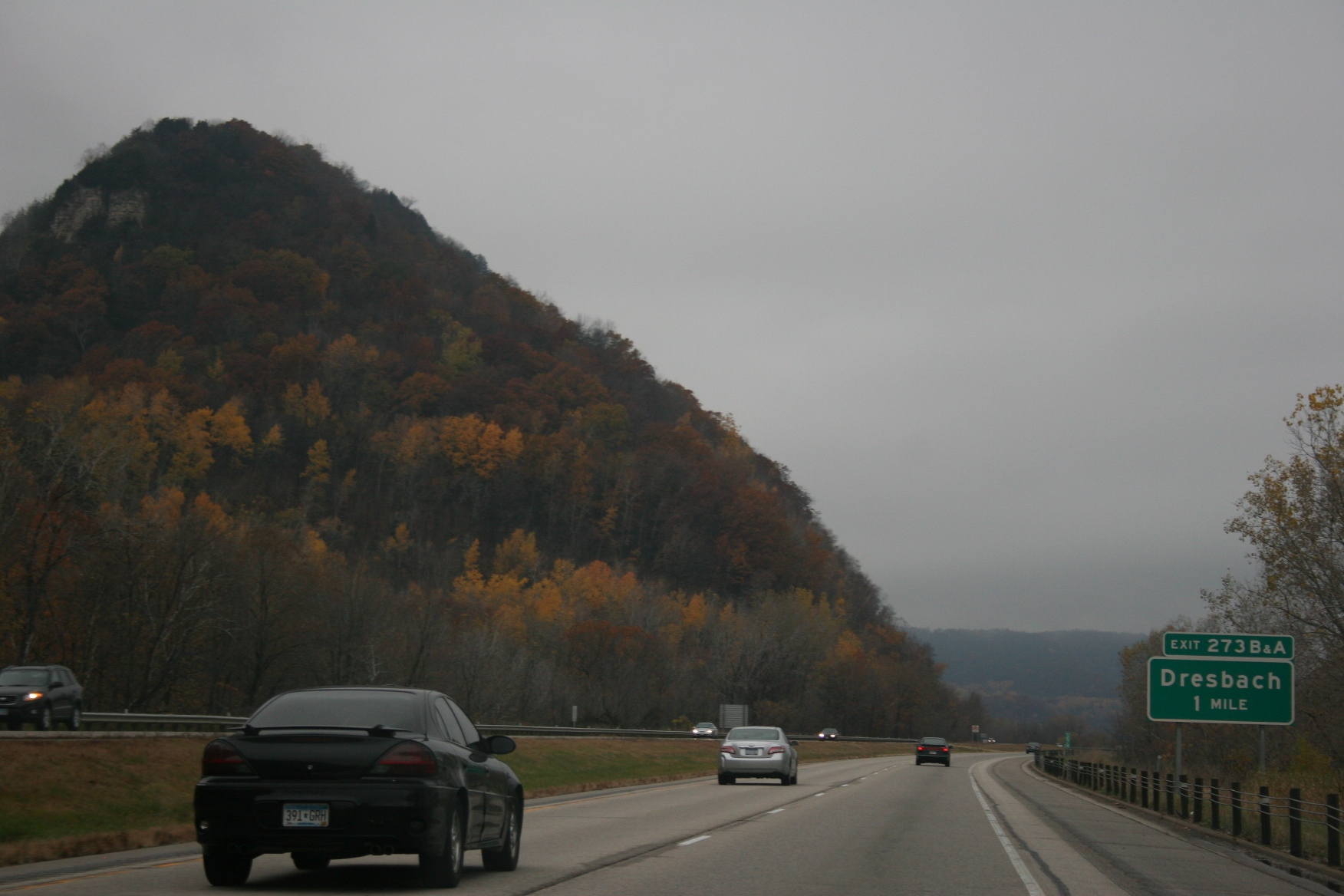
Driving I-90 near Dresbach, heading toward La Crosse, fog shrouded the wooded bluffs.

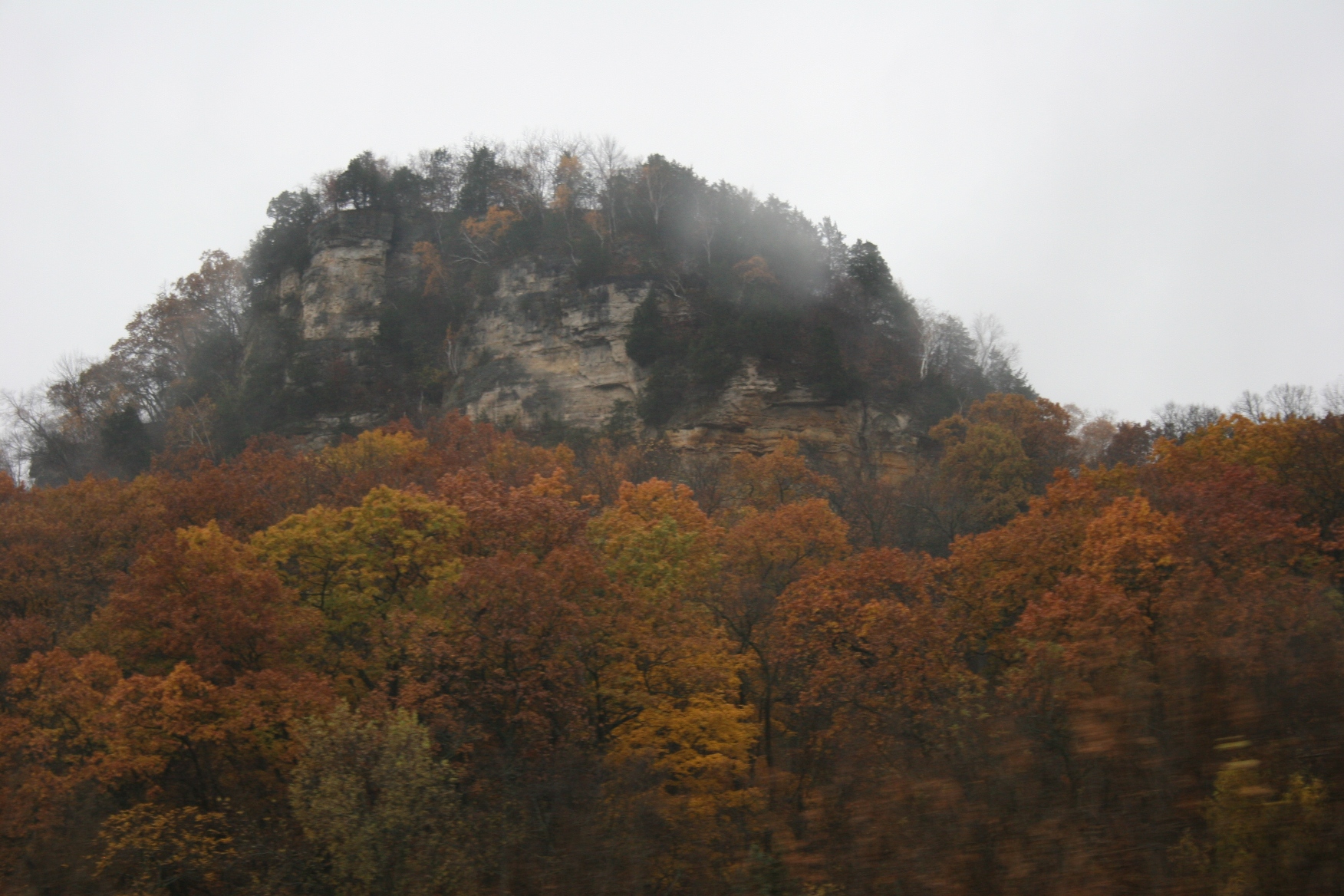
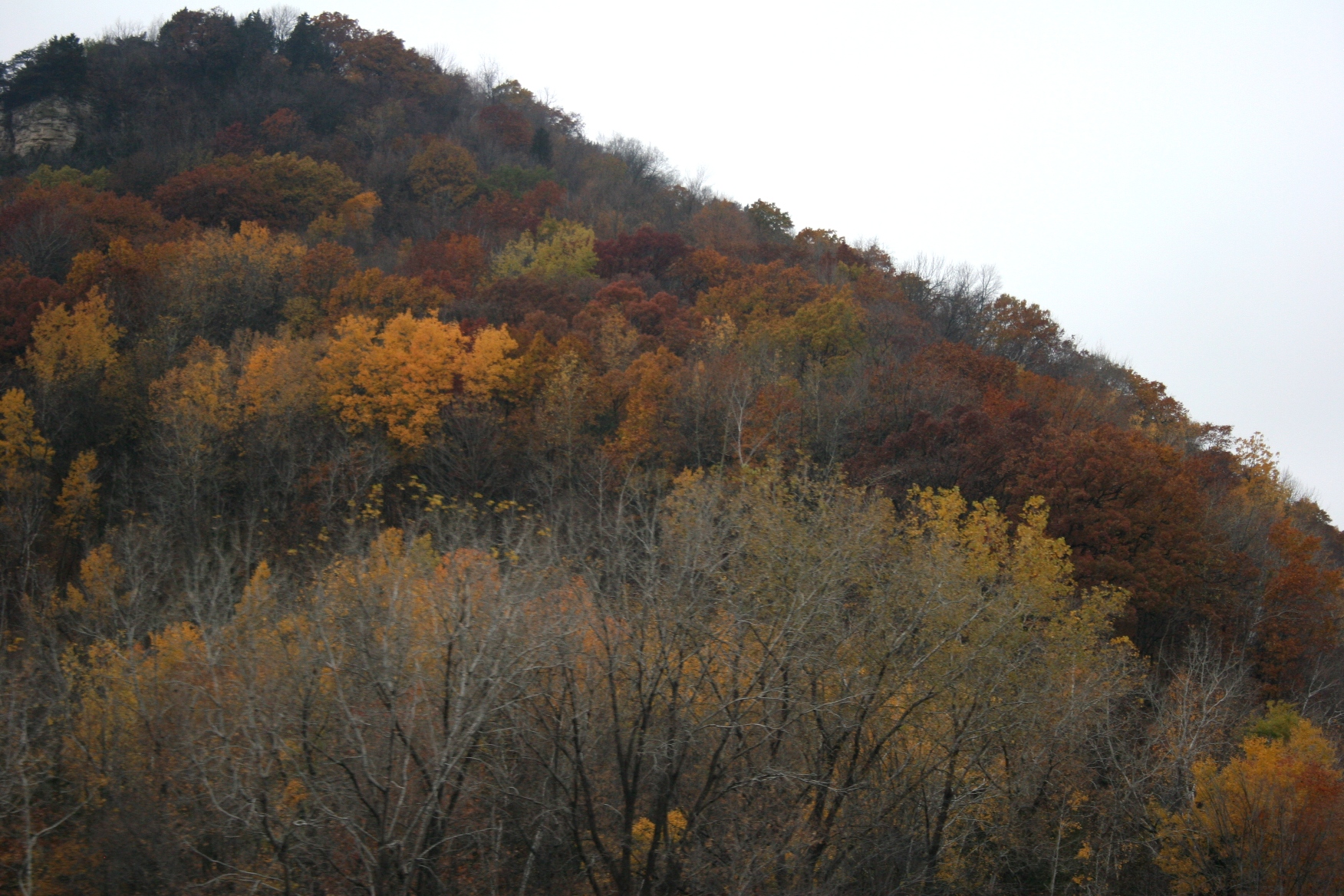
Woods fade into sky into stone in this surreal setting Sunday morning near La Crosse.

And then, several hours later, we saw the same trees from a different perspective as we drove back from Tomah. Here we are driving into Minnesota from La Crosse.

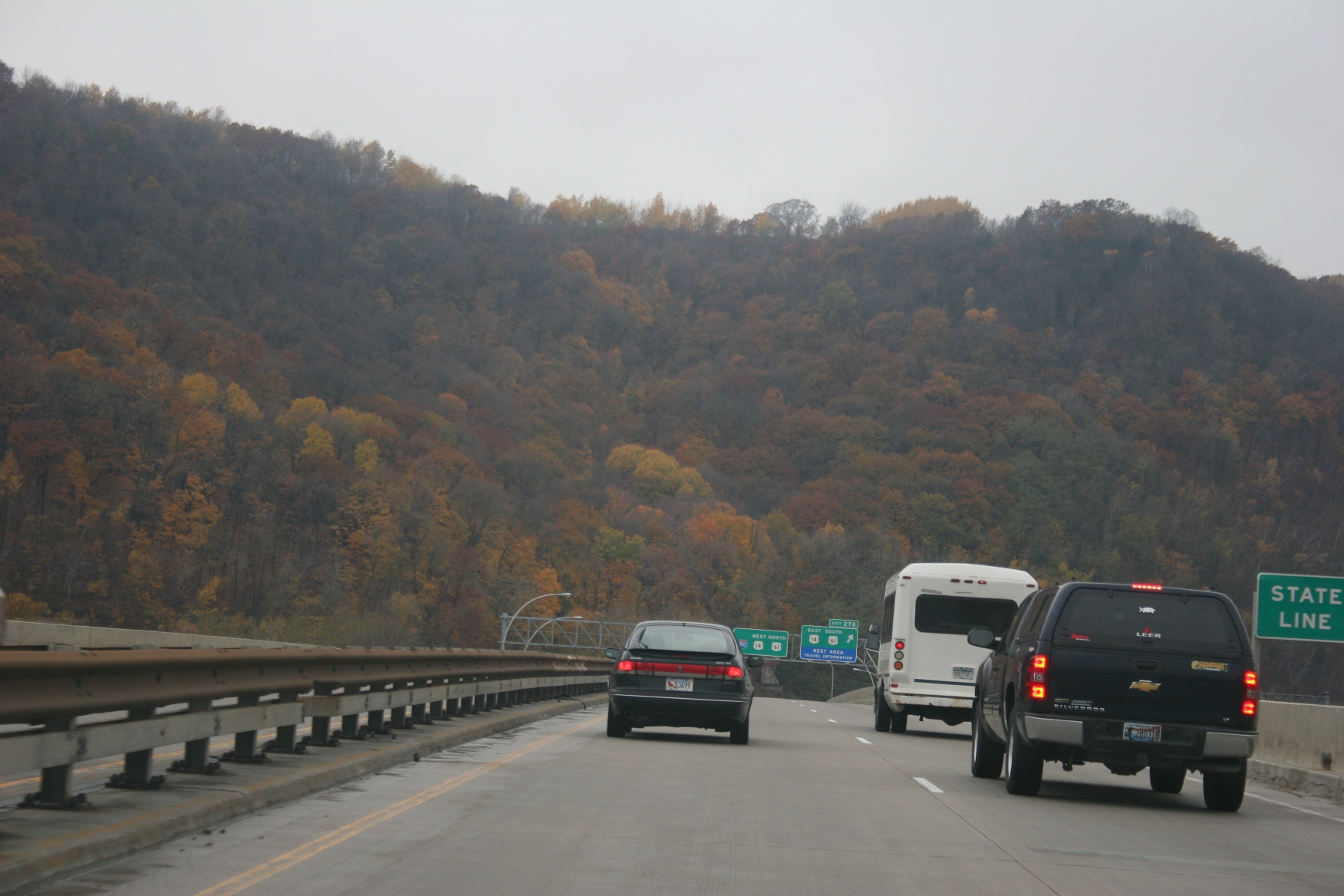
I-90 hugs the bluffs on one side, the Mississippi River on the other along this picturesque stretch of winding roadway between the border and Dresbach.

Approaching Dresbach...

What most surprised me were all the leaves still clinging to branches. I expected most would have been blown off by fierce autumn winds. And the colors, oh, the rust of oaks, so beautiful.

© Copyright 2011 Audrey Kletscher Helbling
 

Sampling chili along Central October 18, 2011

HOW DO YOU LIKE your chili? With a shot of whiskey? Beer? An extra dash of cayenne?

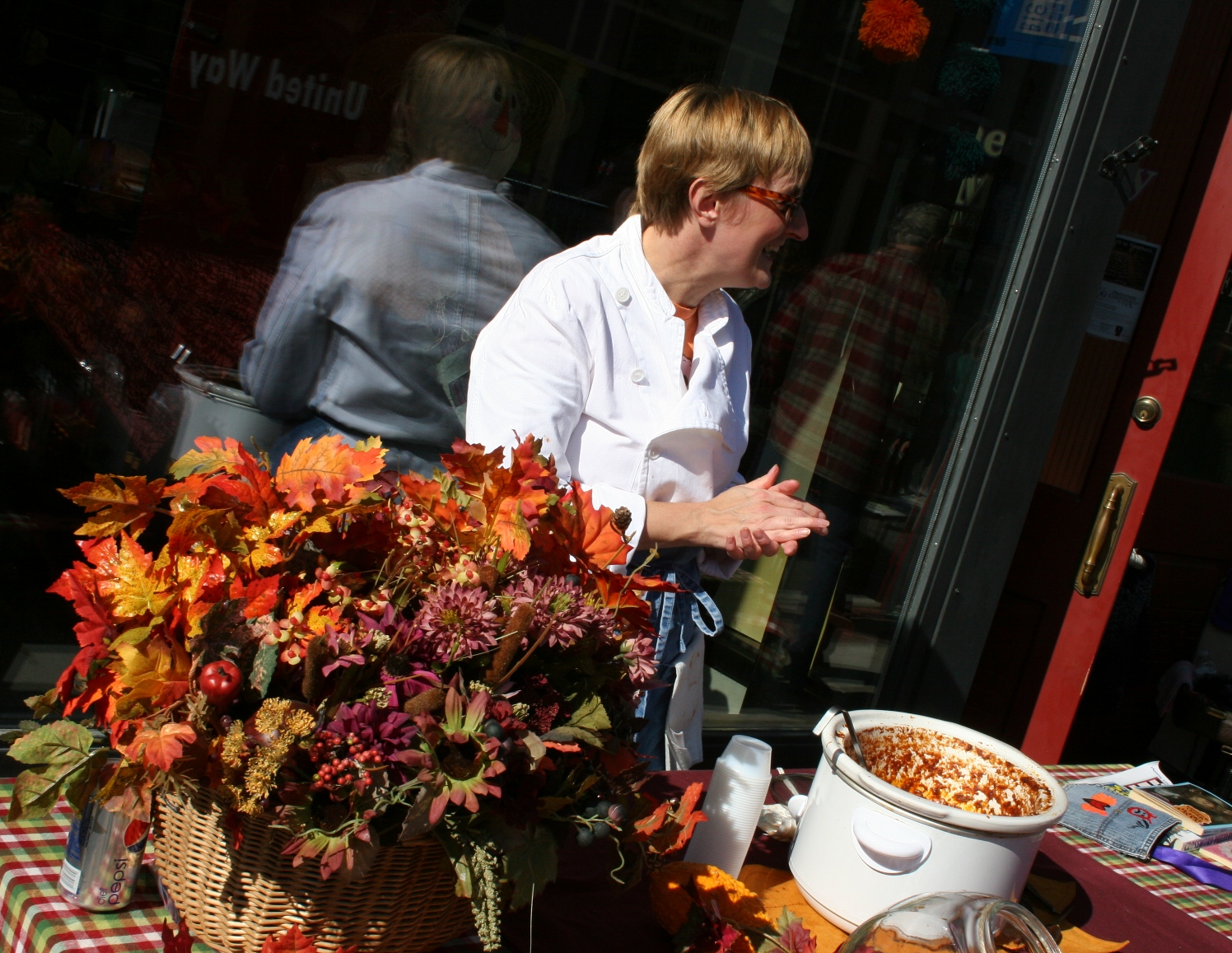
All three were among ingredients incorporated into some of the chili served Saturday during the 2011 “Main Street” Fall Festival Chili Cook-Off along Central Avenue in historic downtown Faribault.

I was there, tagging behind my husband Randy and sister Lanae as they raced ahead of me, determined to taste all 33 chilies in an hour. (I had my camera, thus the lagging.) We didn’t quite accomplish our goal; some vendors ran out of chili and we missed a few.

But we all ate enough to fill our stomachs and then vote for our favorites.

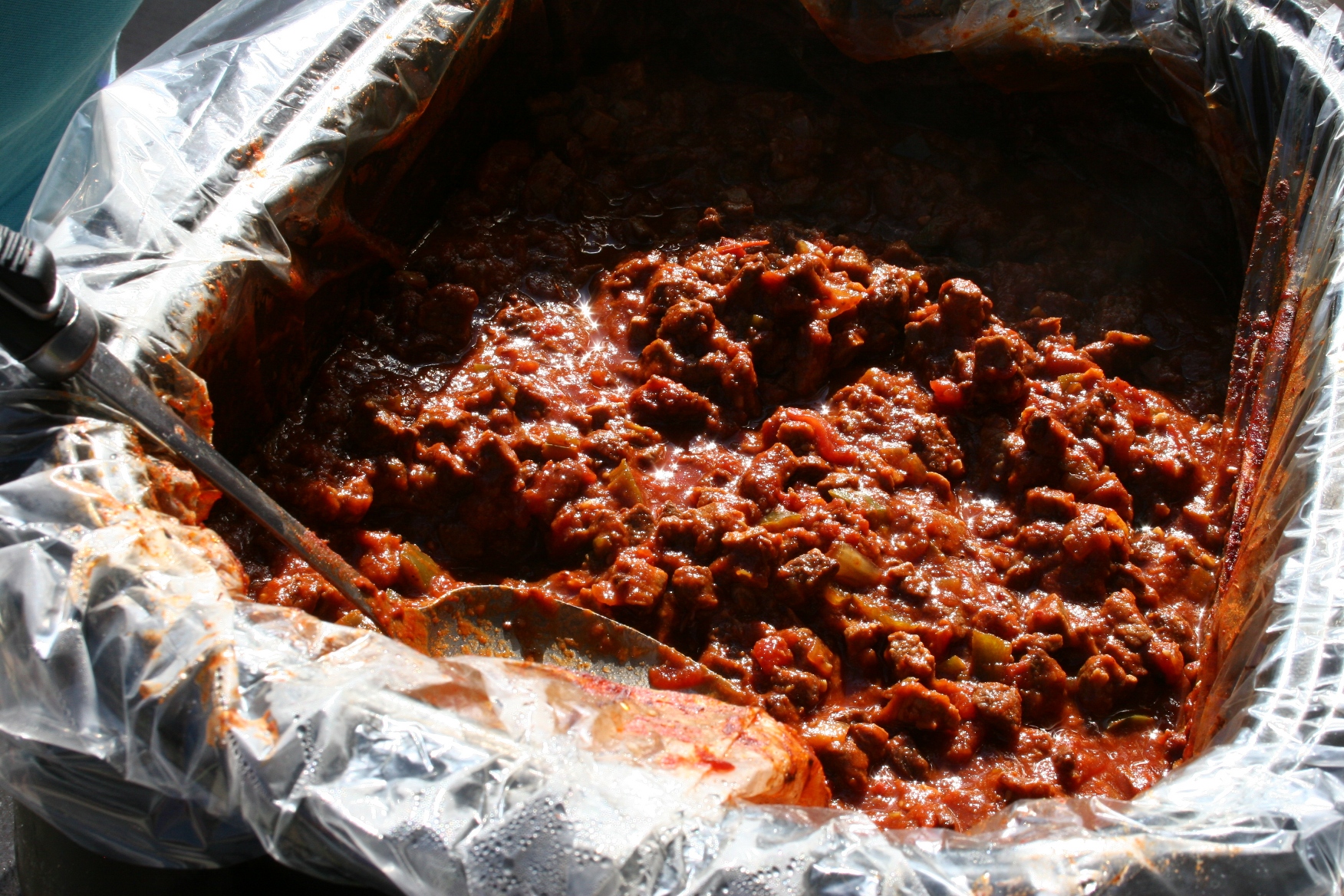
Randy and Lanae apparently know a good chili when they taste one as the chili they selected—John Stepan’s at Geek Central—won the cook-off contest with 13 percent of the vote. John wouldn’t divulge his secret recipe to us, but he did mention something about soaking the chunky, green pepper-laced beef in an oriental sauce. And that was about all he would reveal.

I photographed only one chili and it happened to be the winner, John Stepan's chili at Geek Central.

I nearly voted for John’s chili, but instead cast my ballot for Glenn’s Towing. The guys manning the booth claimed motor oil and ground-up rubber as ingredients.

My sister and I took that as a challenge to finagle the truth out of them. They offered us 25 cents off a gallon of gas if we could guess three of the unusual ingredients. I suggested vinegar. Wrong. Lanae suggested brown sugar. Right.

But we failed to guess the other two, three actually, as it turns out: whiskey, cream cheese and cocoa. No discounted gas for us.

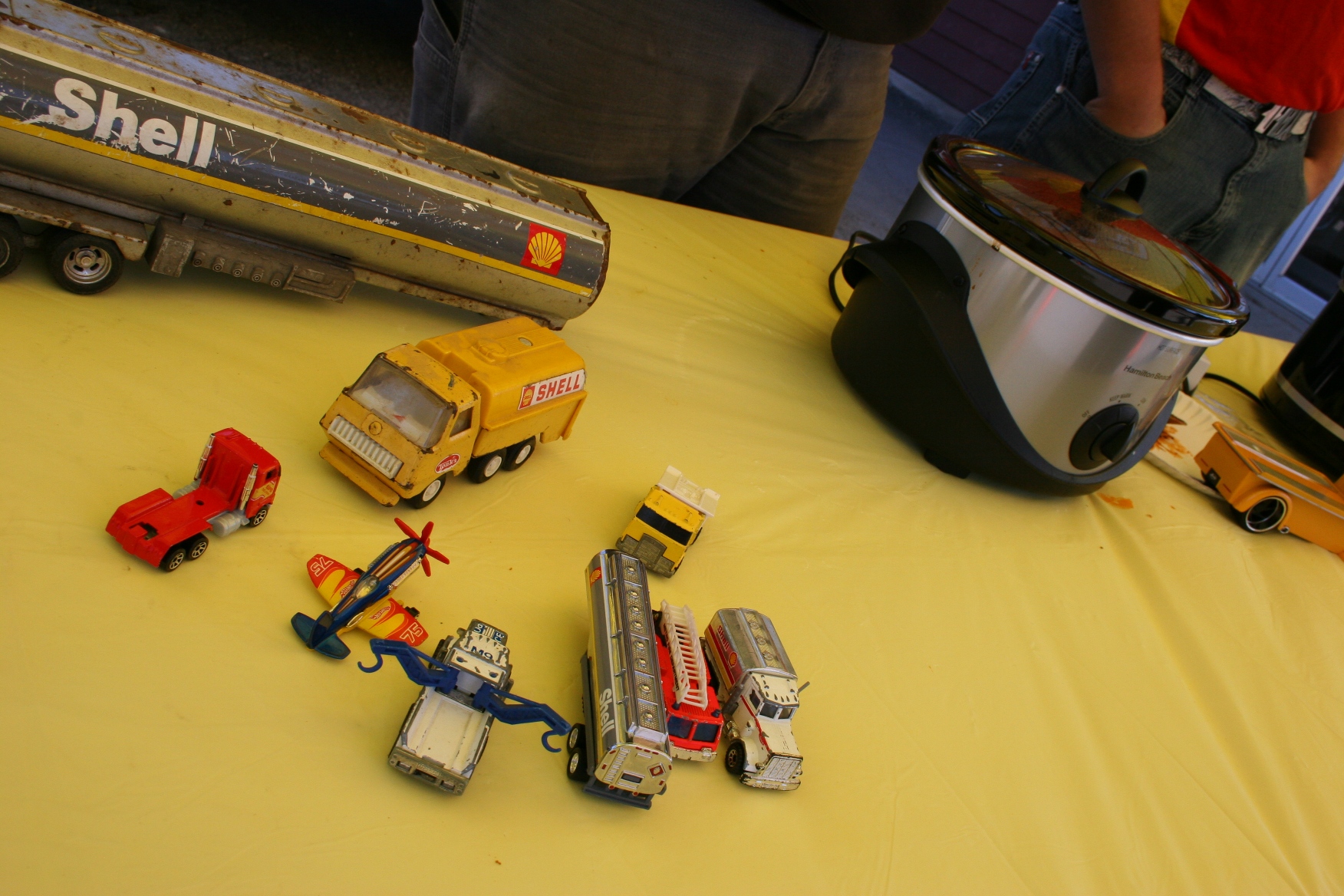
The catchy display of vintage toys at the Glenn's Towing booth.

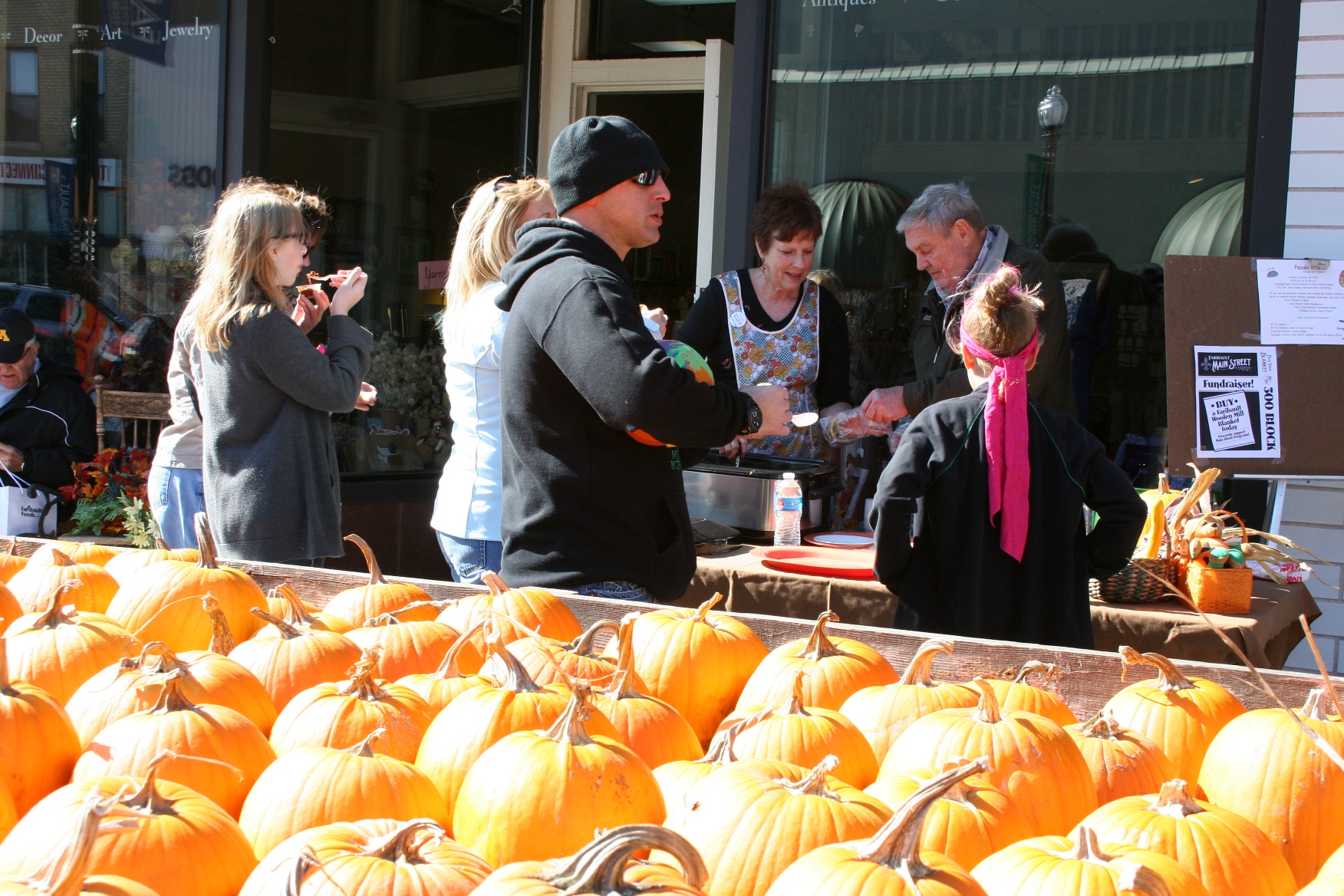
A wagon-load of pumpkins were for sale in front of the Nook & Cranny, where Carl Mortenson's chili was served.

Theirs wasn’t the only chili including alcohol. At the Nook & Cranny, Carl Mortenson served his Guinness-infused chili.

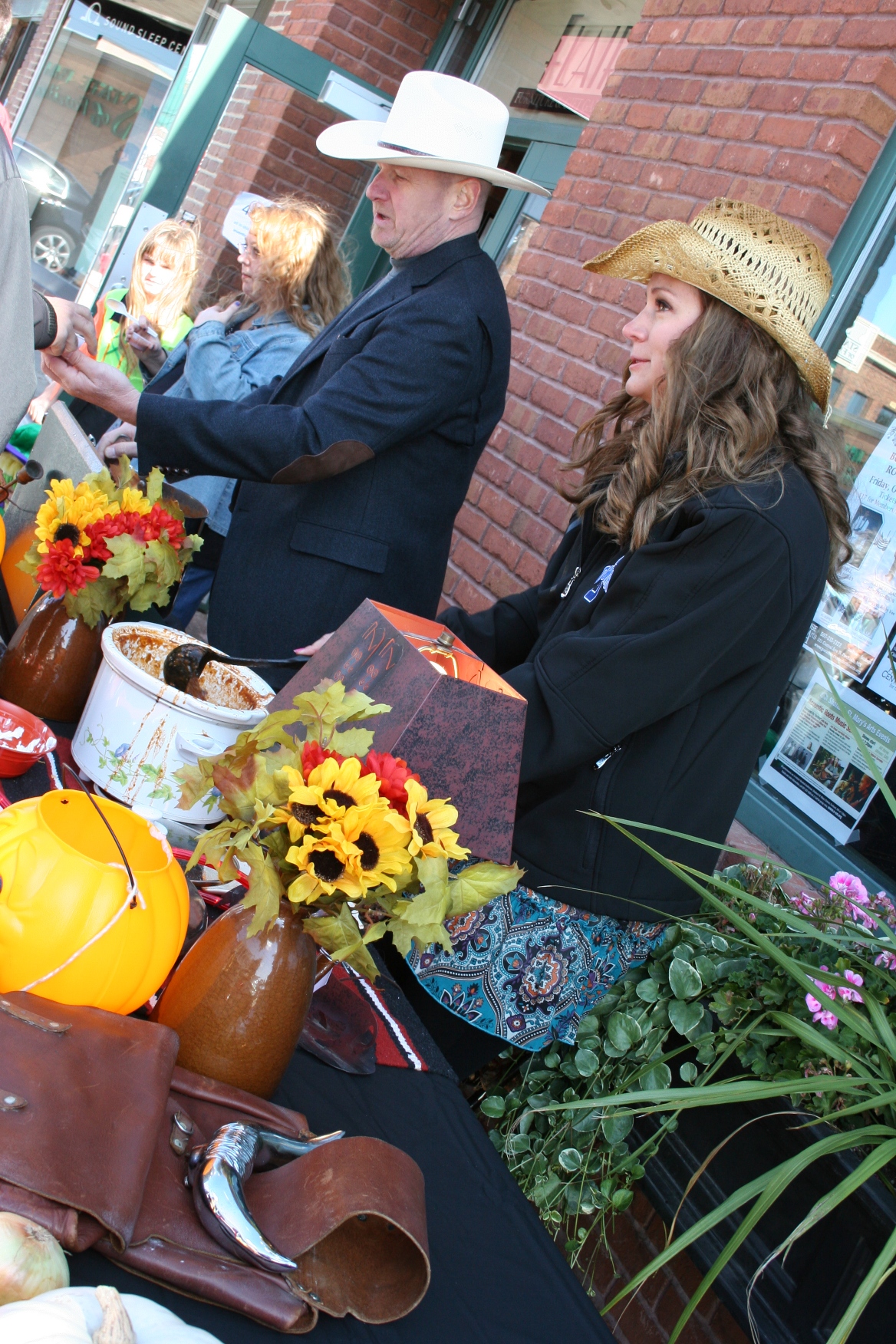
And across the street at Flair Furniture, another chili taster thought beer might go well with the cowboy and cowgirl chilies served by competing father-in-law/daughter-in-law David and Mara Thiele.

The Thieles offering their western style chili at Flair Furniture.

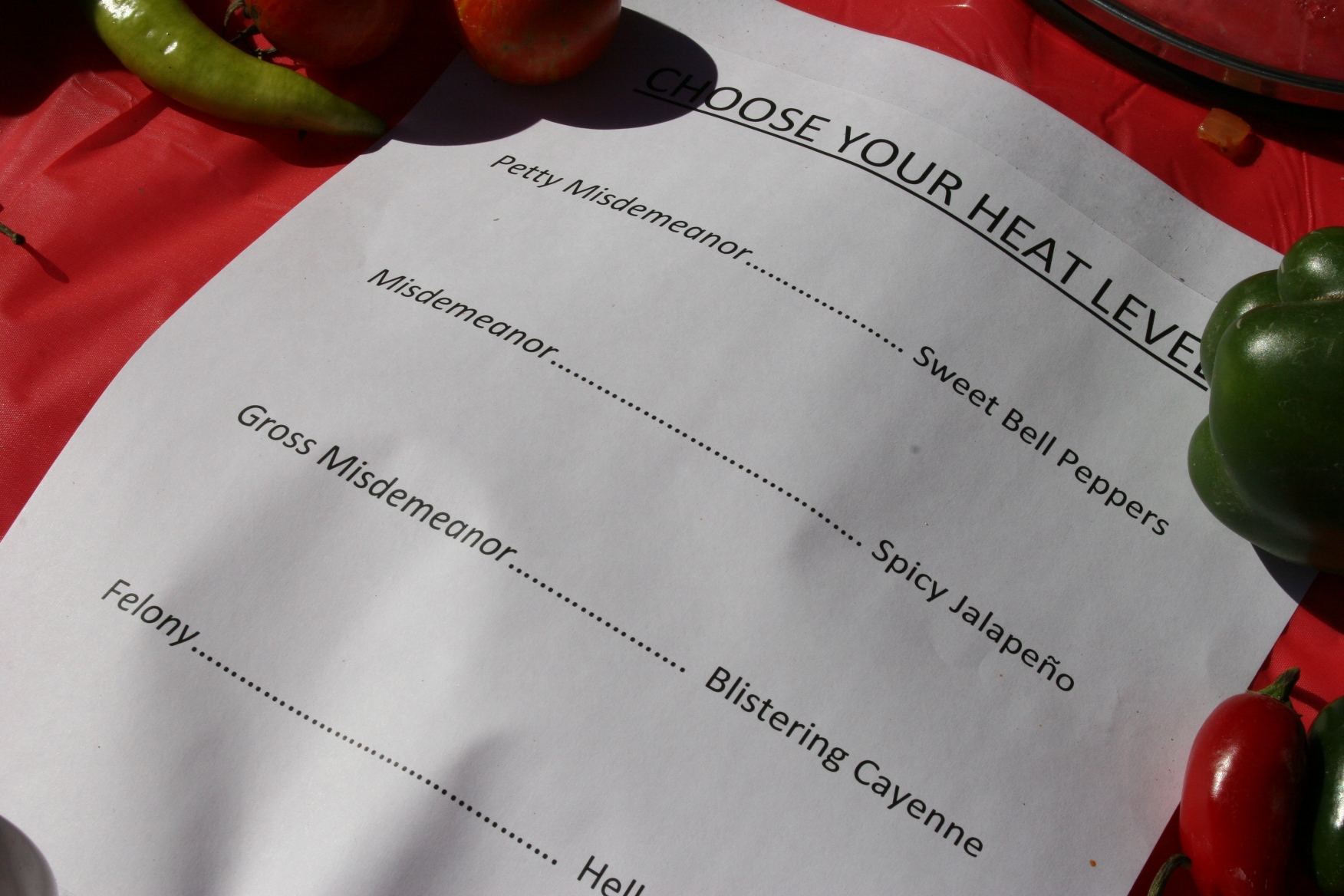
At Hoffman Law Office, you could add your level of heat toppings to your chili. The felony level: Hell-fire Habanera

In fact, if you ever imbibe in this chili smorgasbord, I’d recommend buying a bottle of water to cleanse your palate or quell the tongue-burning fiery chilies—and we’re not talking temperature here.

Just for the record, plenty of fire-free and alcohol-free chilies were served.

An especially festive table at the Crafty Maven.

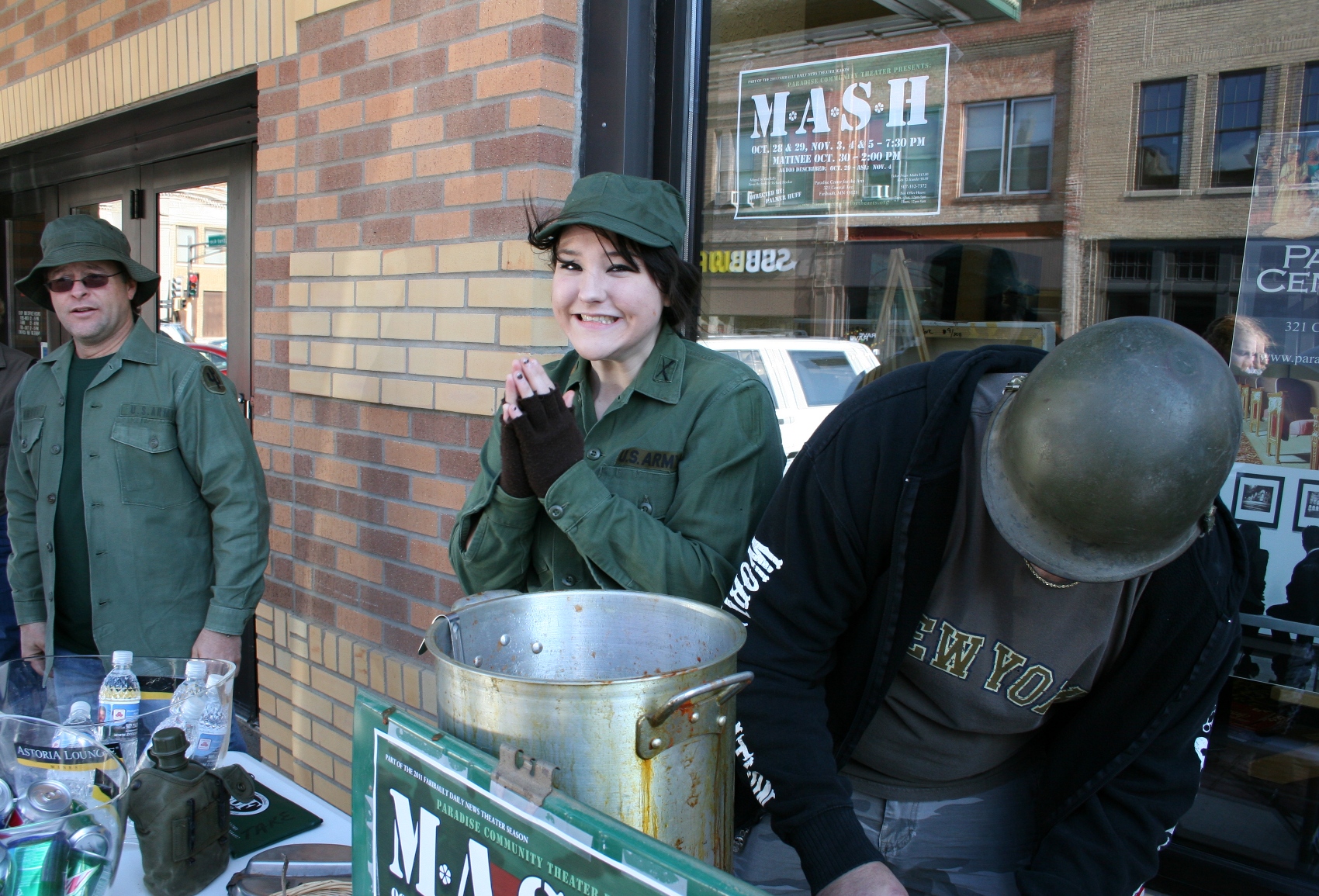
The Paradise Center for the Arts served chili and promoted its upcoming MASH production.

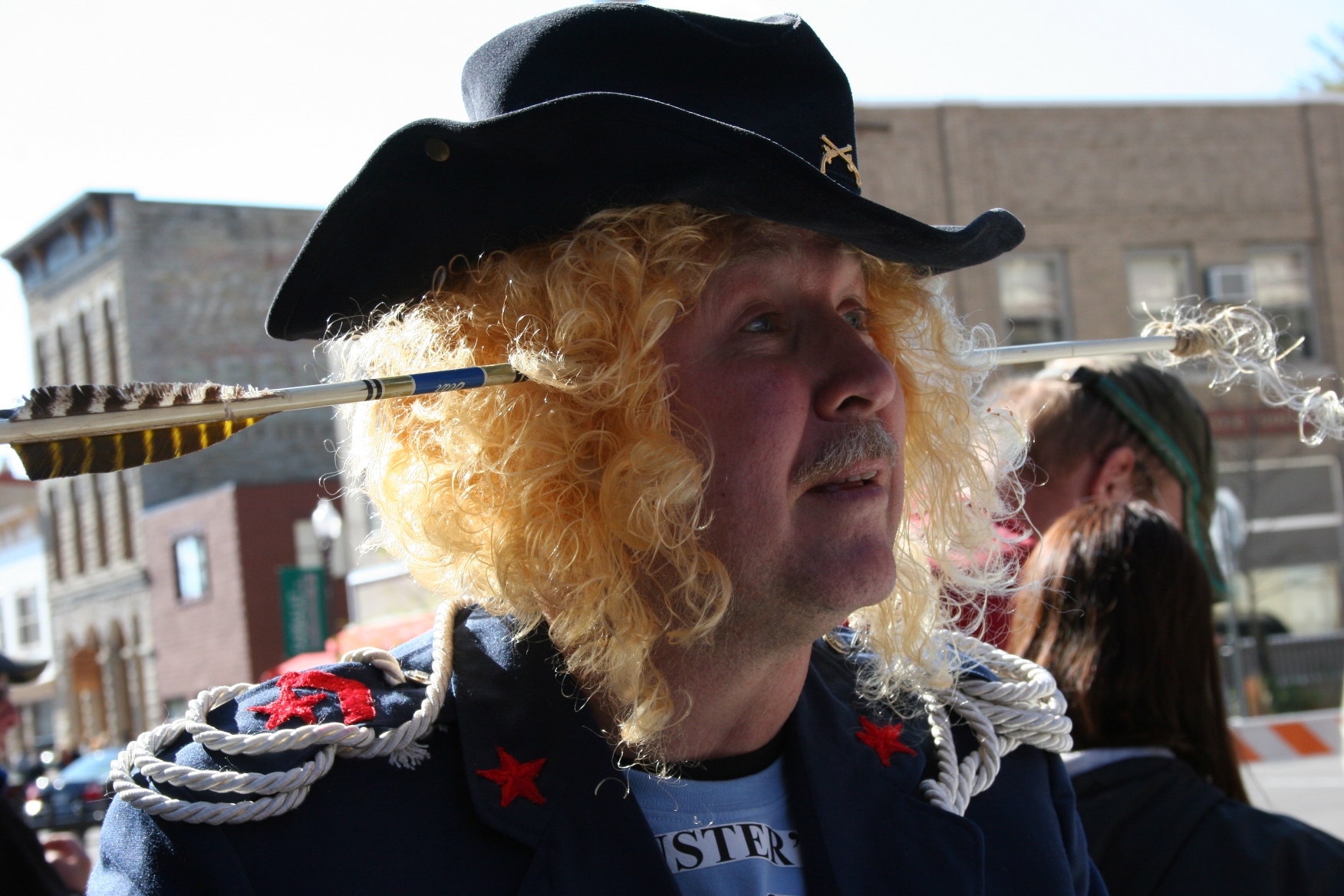
At the Signature Bar & Grill, General George Custer (aka Dave Custer) served his chili.

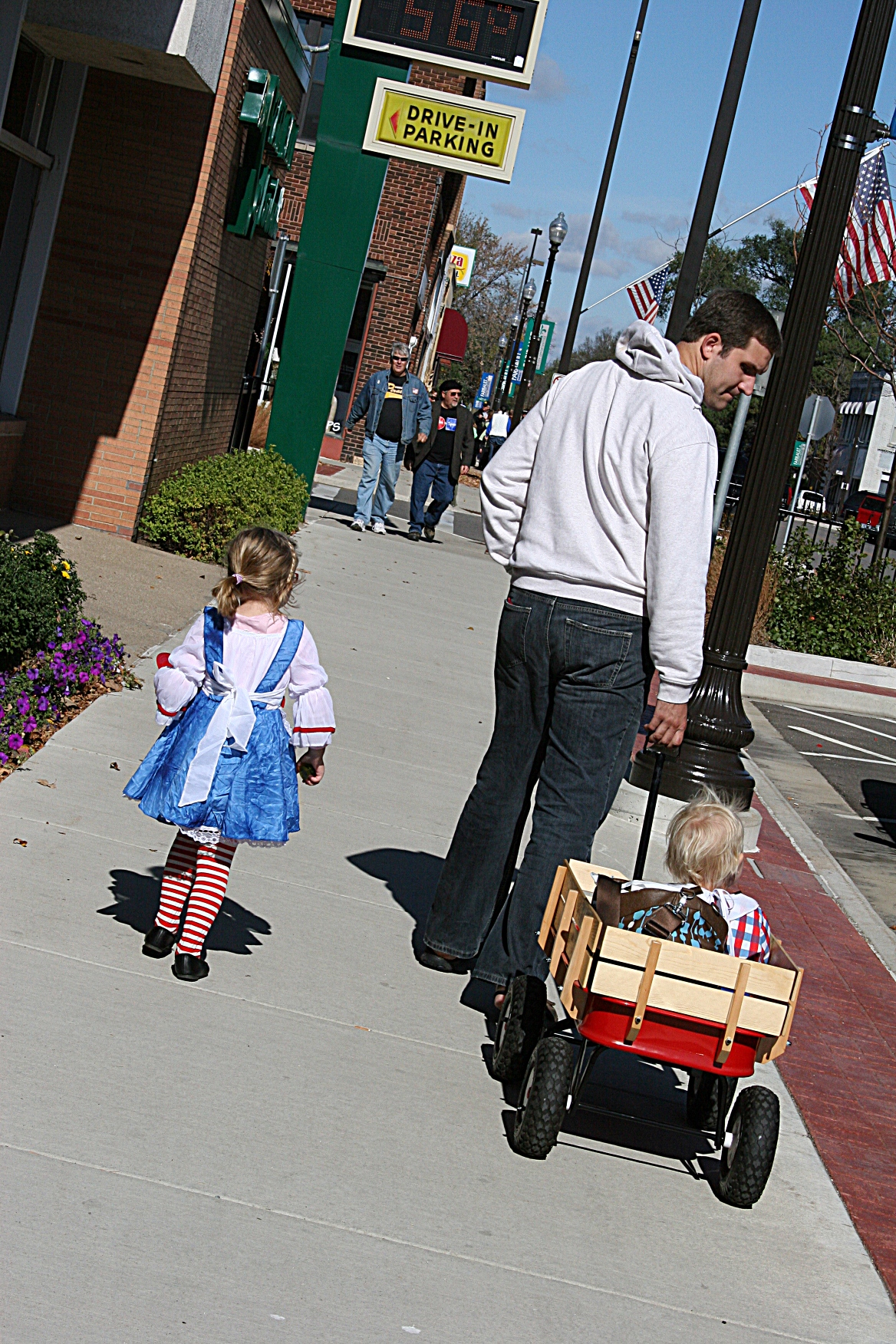
There really was a costume contest, albeit for kids, not adults. Although we missed the actual costume parade down Central Avenue earlier in the morning, I caught this Raggedy Ann and Andy and their dad later.

All in all, if you enjoy chili on a fall day, Faribault’s Fall Festival Chili Cook-Off would be the event for you. This year it cost a reasonable $2 to purchase a plastic spoon and then meander—or race—from booth to booth for two hours trying chili. We didn’t get there until about noon, so had only an hour to sample. Give yourself more time, especially if you want to visit with other fest-goers, check out the businesses and really take in the atmosphere.

FYI: Proceeds from the Chili Cook-Off benefit the Faribault Main Street program designed “to create an attractive destination in which businesses prosper, the community benefits and residents and visitors enjoy a quality downtown experience.” To learn more, click here.

© Copyright 2011 Audrey Kletscher Helbling
 

Walking into yesteryear at the Oak Center General Store October 17, 2011

IF NOT FOR THE MINNESOTA Highway 60 detour onto U.S. Highway 63 north of Zumbro Falls, we never would have found Oak Center.

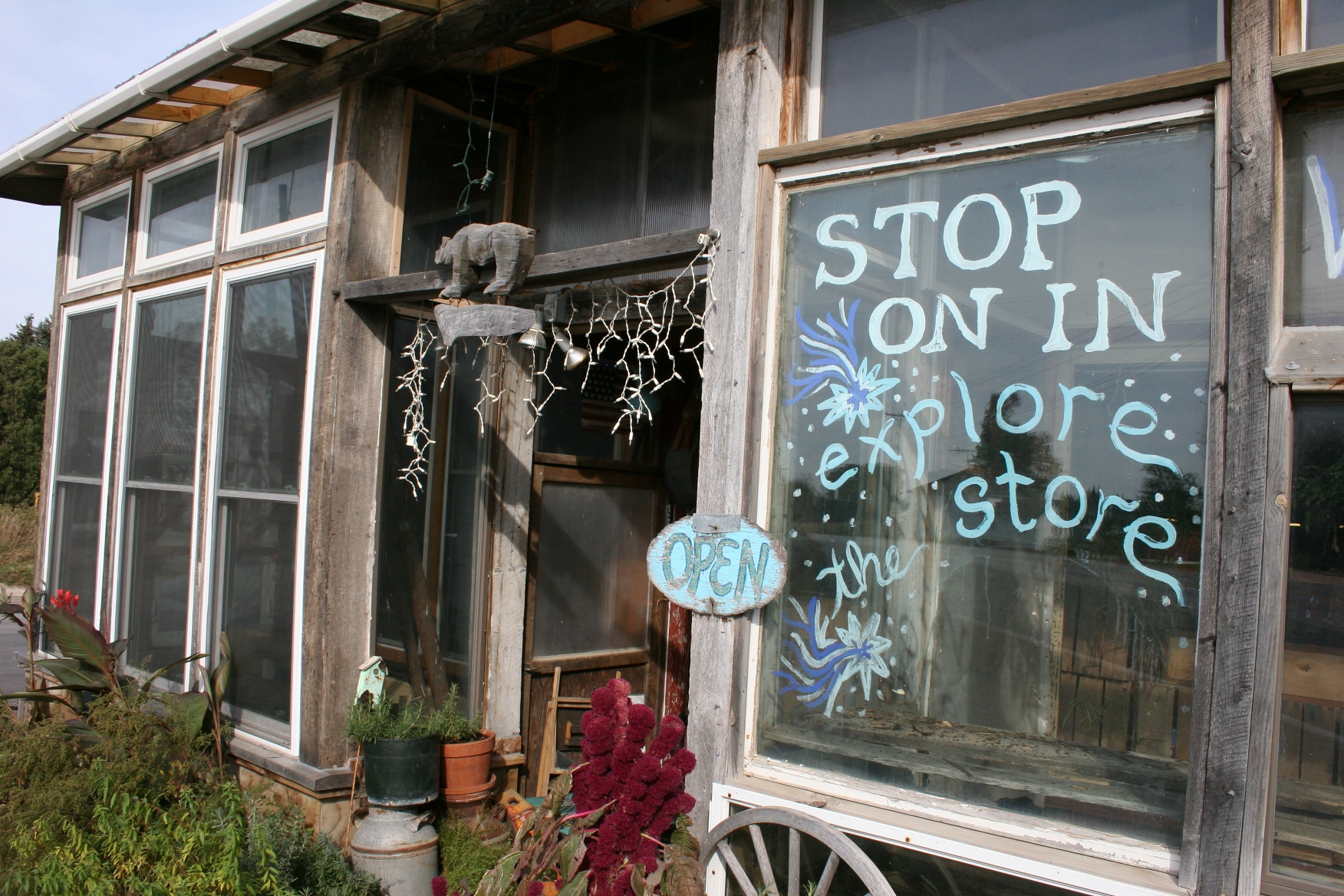
And had we not seen the writing on the window, “Stop on in and explore the store,” and the OPEN sign, we might have driven right by the Oak Center General Store.

That message on the front window that urged us inside.

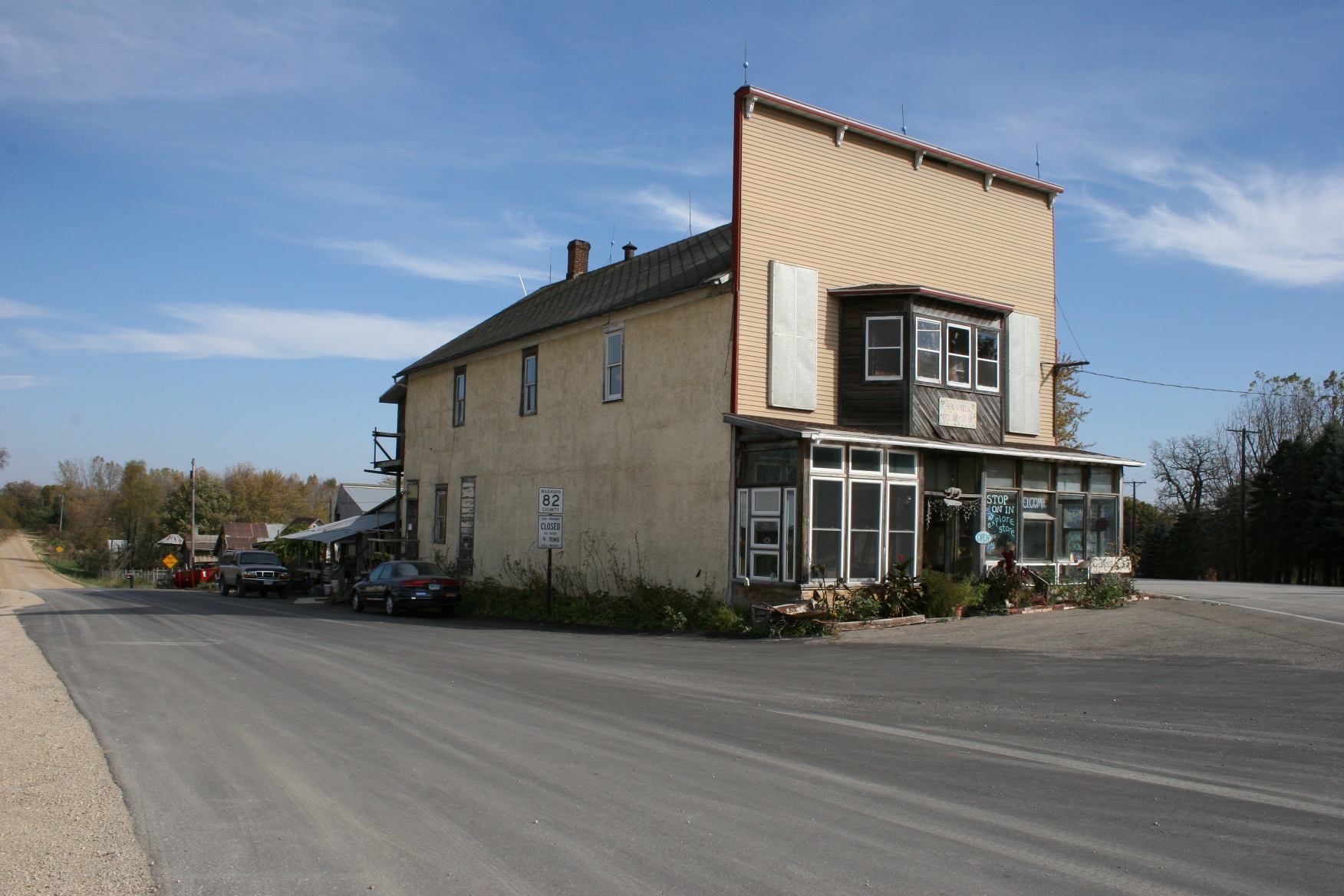
The general store sits nearly on top of Highway 63, right, in Oak Center.

From the exterior, it’s that type of structure and setting—a visual hodgepodge which makes you question whether the place truly is open.

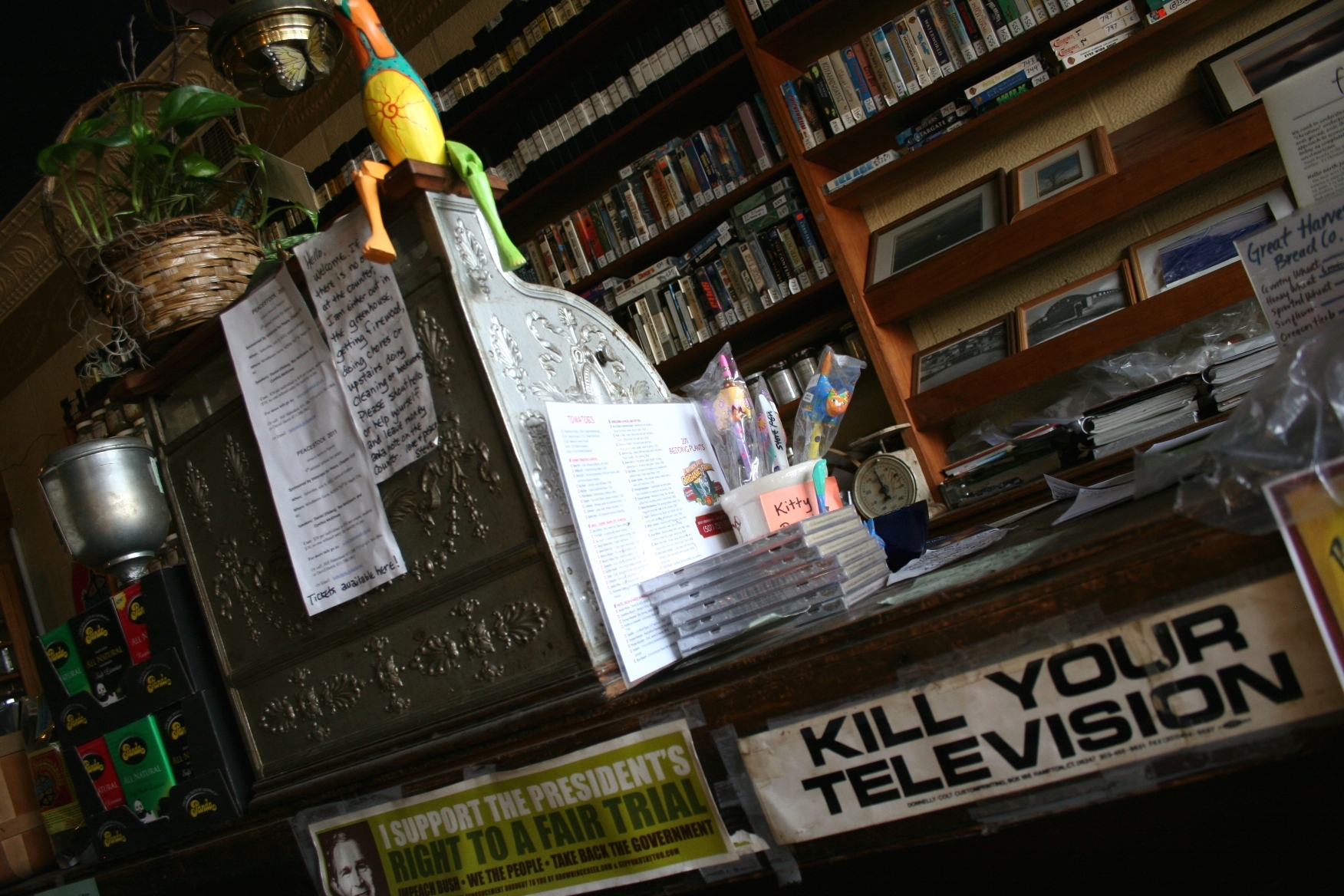
My husband and I wondered that when we pulled off the highway and parked next to the old building. Then we stepped inside and it was like we had walked into a general store of yesteryear, right down to the vintage push-button cash register.

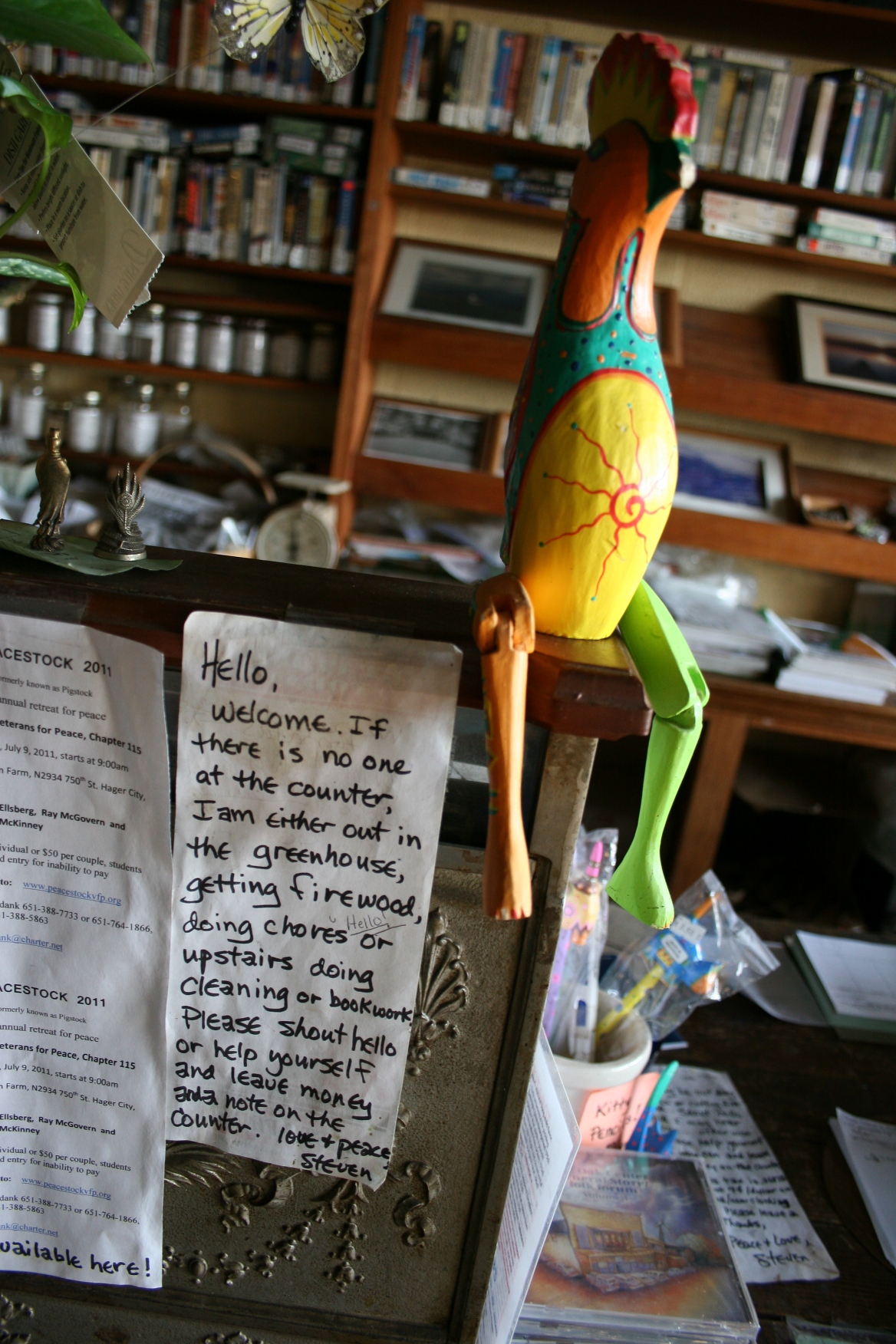
The vintage cash register sits atop a counter labeled with strongly-worded messages.

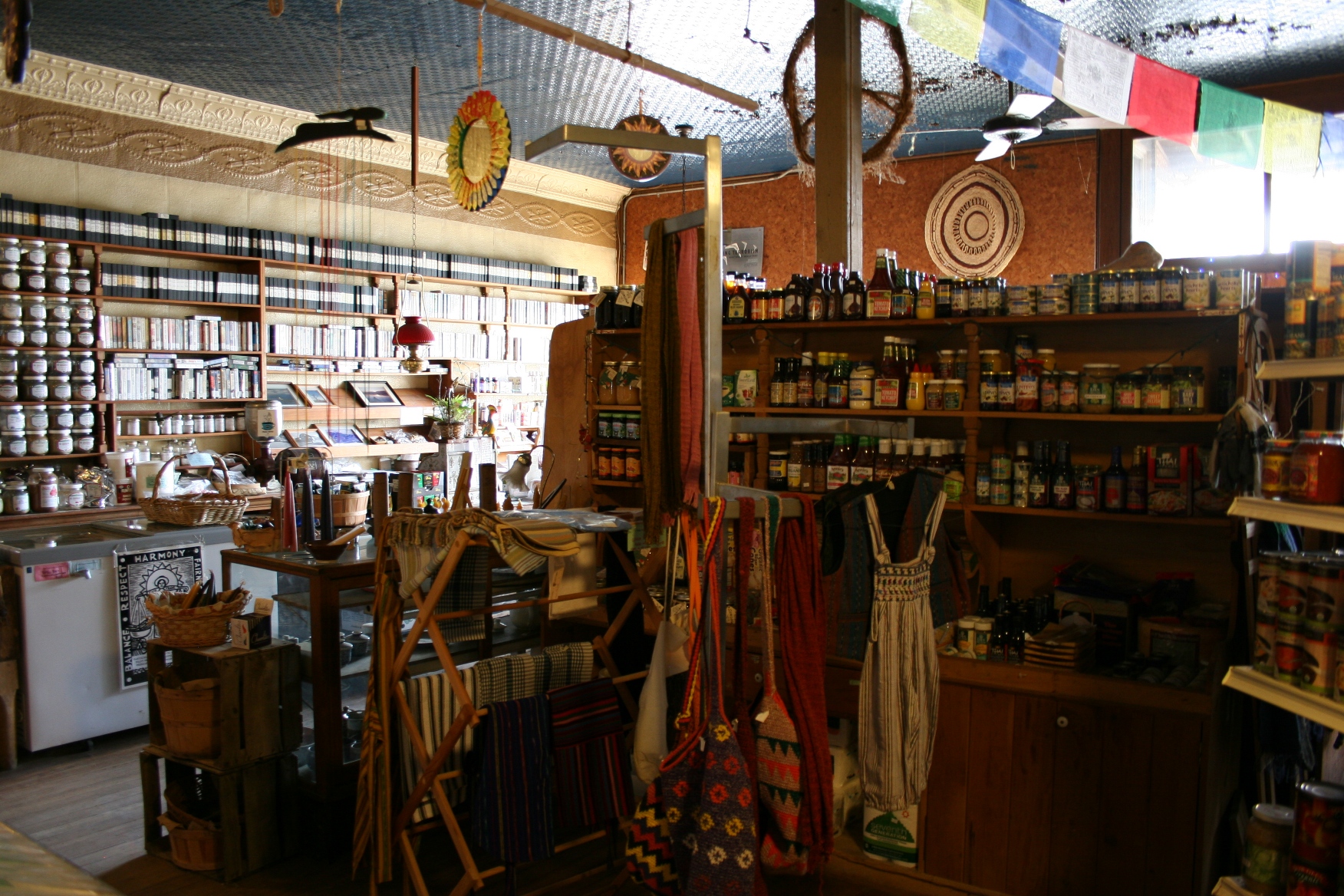
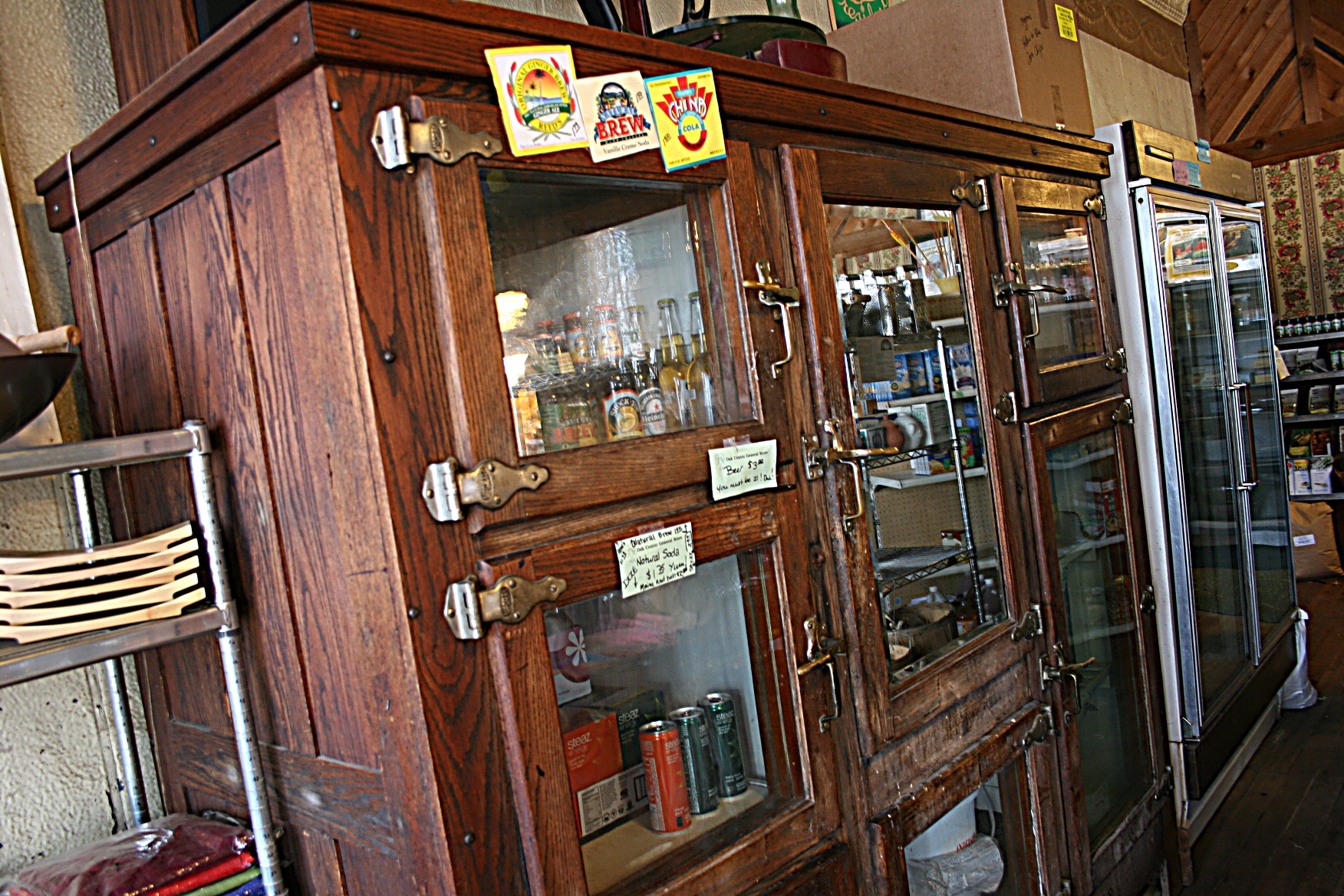
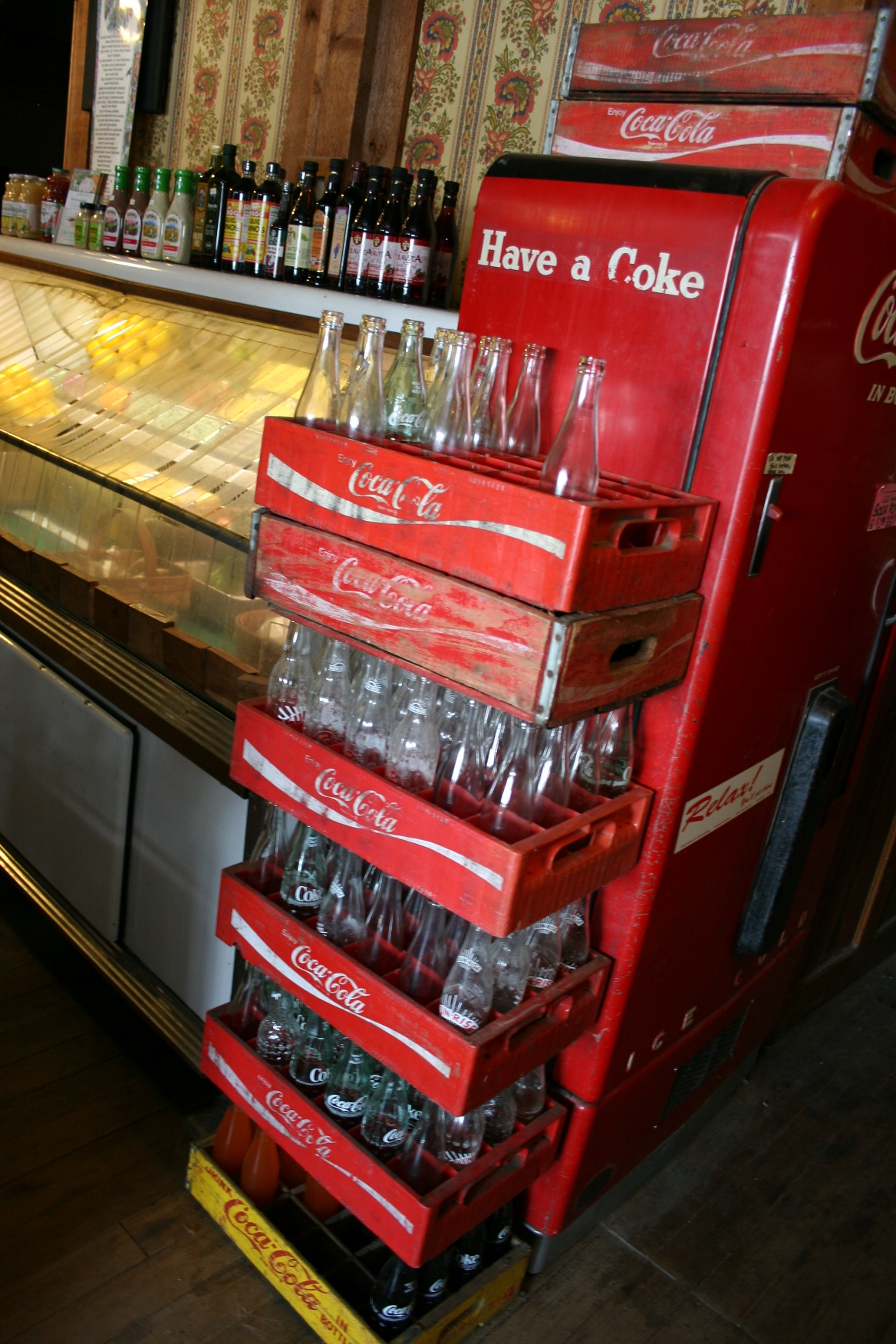
For the longest time we meandered around the shelves, taking it all in—the worn wood-plank floor, the tin ceiling, the old wooden refrigerators, the vintage bottled pop machine, the bulk spices…

An eclectic mix of merchandise is crammed into the store.

Old-style refrigerators, still in use in the store.

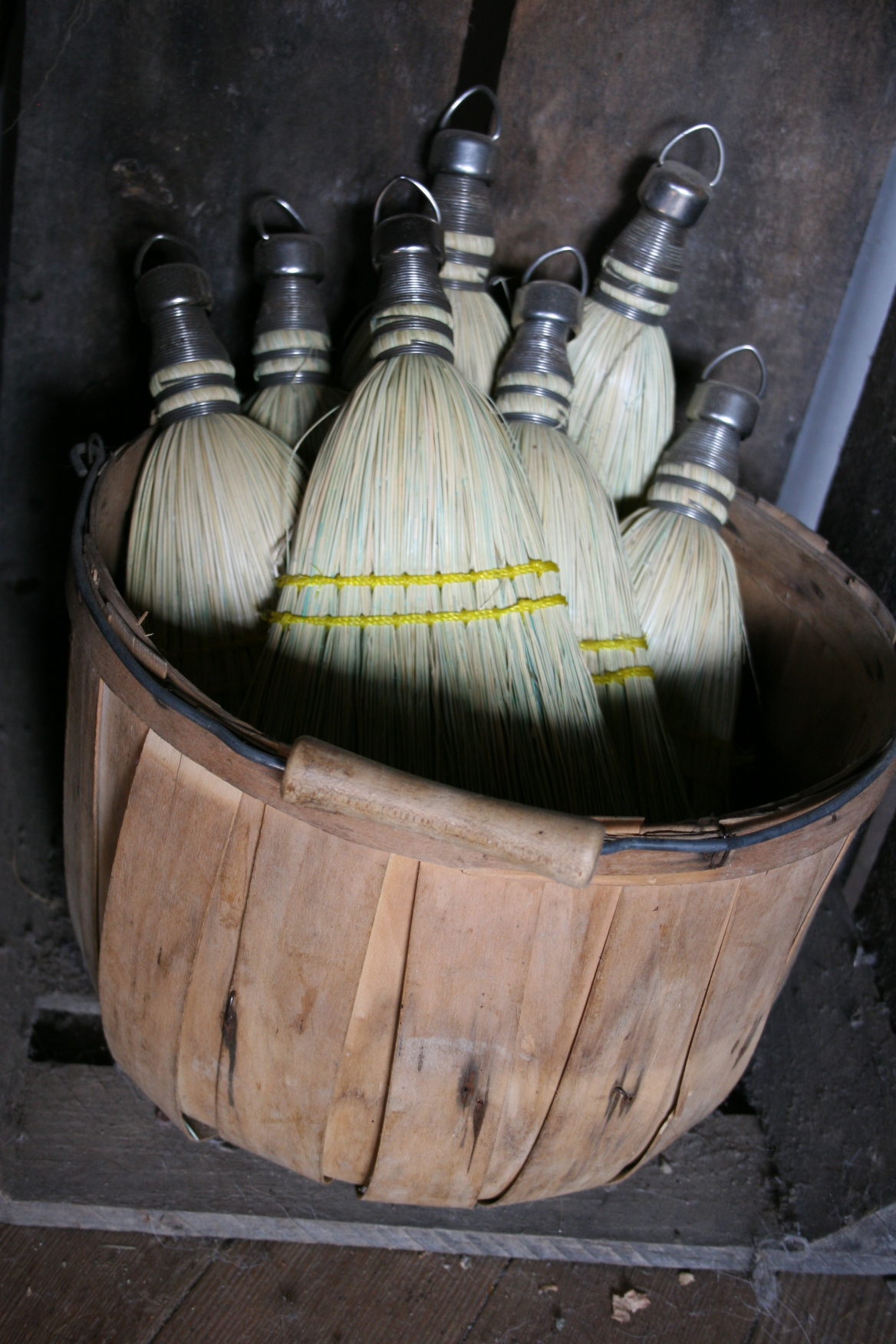
Brooms for sale tucked into a basket on the floor.

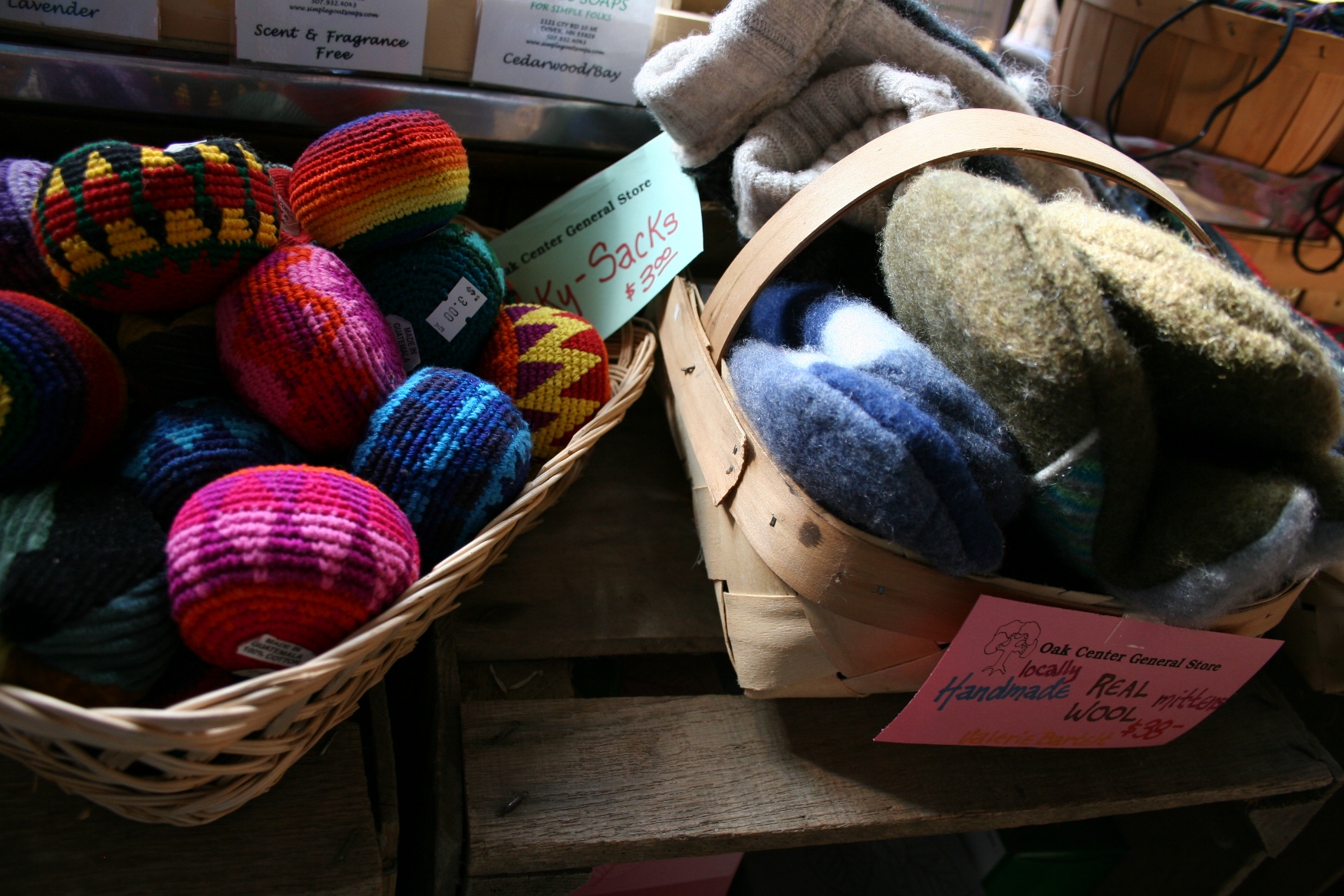
Hacky sacks and handmade woolen mittens on display near a front window.

You can purchase pop in bottles from a vintage pop machine.

I couldn’t get enough of this historic general store, which hearkens back to 1913 in this unincorporated locale. I’m not sure exactly what I said to my husband when we were there, all alone, perusing the place. I think we were both too in awe to even talk much.

That’s a good thing, because, even though no one was minding the shop, the baby monitor was switched on, we later learned, and our conversation could be overheard.

A message on the cash register advises customers to leave their payment on the counter with a note if no one is around.

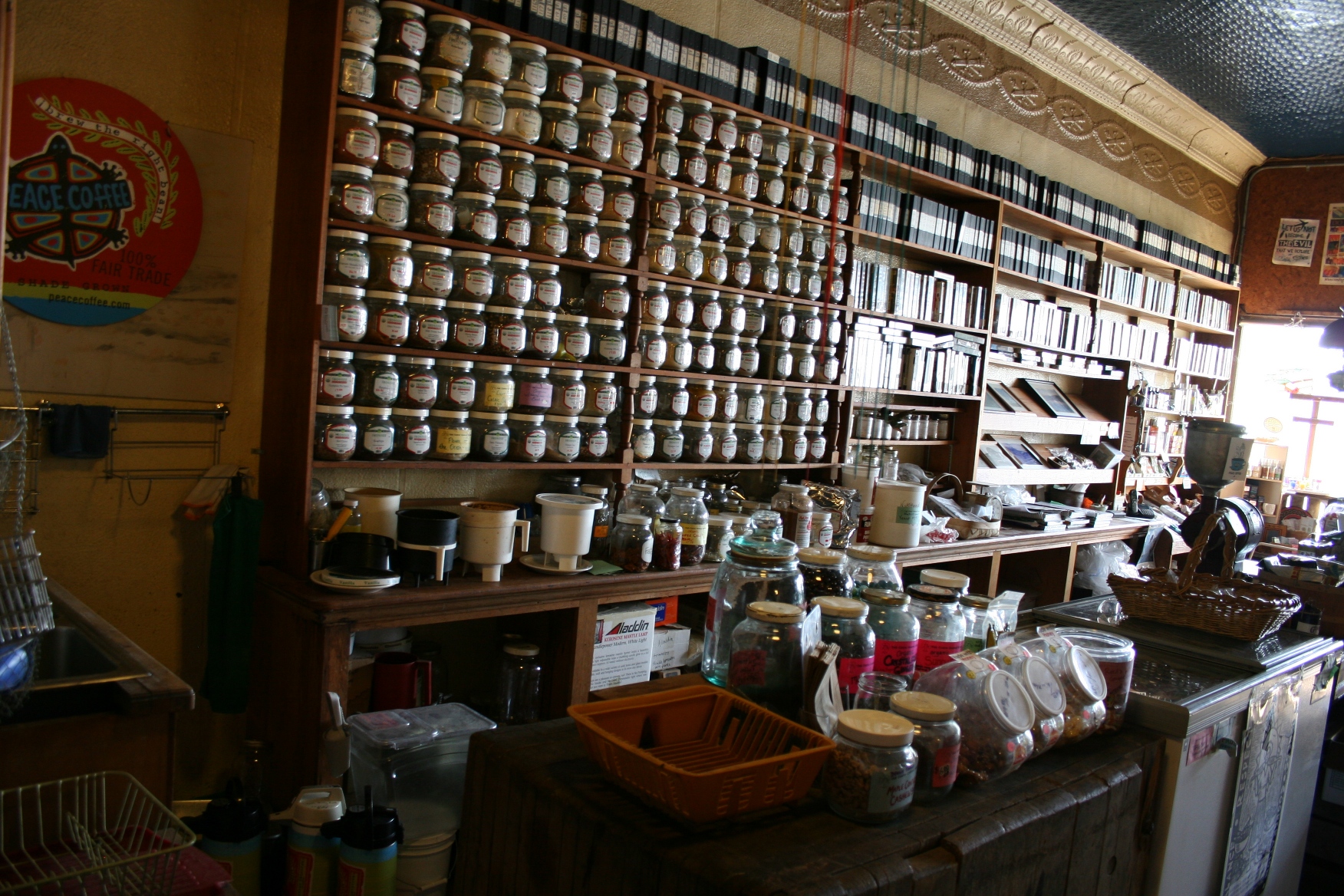
Rows of bulk spices line the shelves behind the counter.

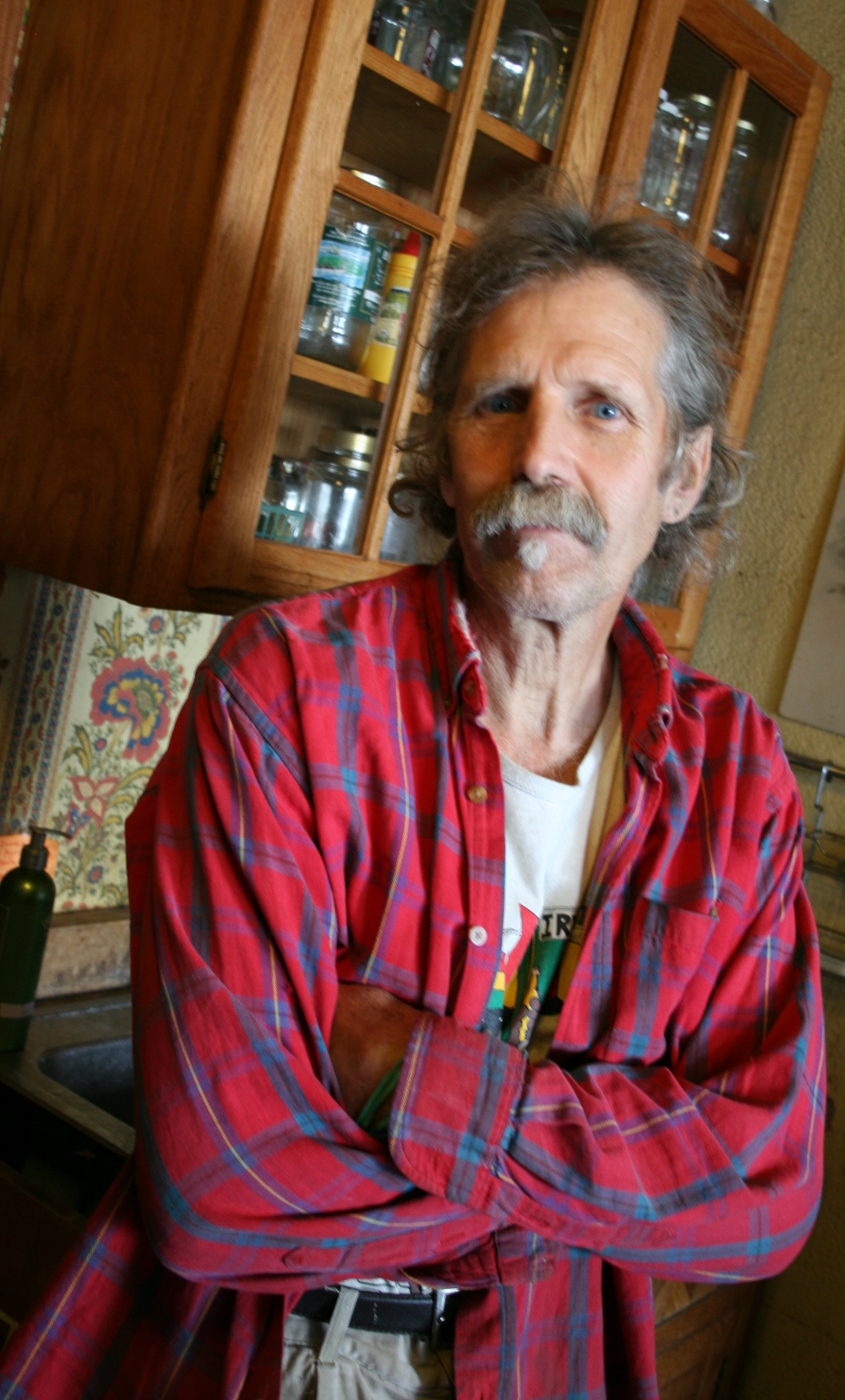
Steven Schwen

About the time I stepped behind the counter to photograph the cash register, Strider Hammer strode into the room and, when I began asking questions, he fetched owner Steven Schwen.

Introducing himself as a “voluntary peasant,” Steven and I shook hands and he apologized for the damp hand. He’d been washing dishes.

Strider clamped my hand in a friendly vise grip handshake.

And so, properly introduced, Randy and I learned a thing or ten about the Oak Center General Store, which Steven purchased 35 years ago after the business closed and the building sat vacant for five years.

Today the Oak Center General Store is “dedicated to rebuilding a better world from the earth up.”

Although I didn’t ask for details about his life views, Steven’s comments and signage inside the store speak to an outspoken, yet gentle, man deeply-rooted in his independent, self-sufficient, non-materialistic, environmental, anti-war beliefs.

“Produce, don’t consume,” he says.

With that philosophy, Steven runs this general store which sells organic foods, kitchenware, candles, incense, local fair trade products, herbs and a lengthy list of other miscellaneous items.

He also operates Earthen Path Organic Farm, a 14-acre fruit, vegetable and herb farm based directly behind the general store, and works with son Joe and daughter-in-law Rebecca of Heartbeet Farm. They sell their products at the Rochester Farmers’ Market and to co-ops in Northfield and the metro area. The Community Supported Agriculture farm, Steven says, supports his family and the store. He also builds furniture and cabinets during the winter months.

Later, after touring the other facet of Oak Center General Store—the music scene—Strider would take us out back to see the farm.

But first things first. Steven disappeared and Strider led us through a dark middle room gathering place cozied with worn couches and a wood burning kitchen stove, past the corner media center (aka computer) to a back stairway nearly as steep as a ladder.

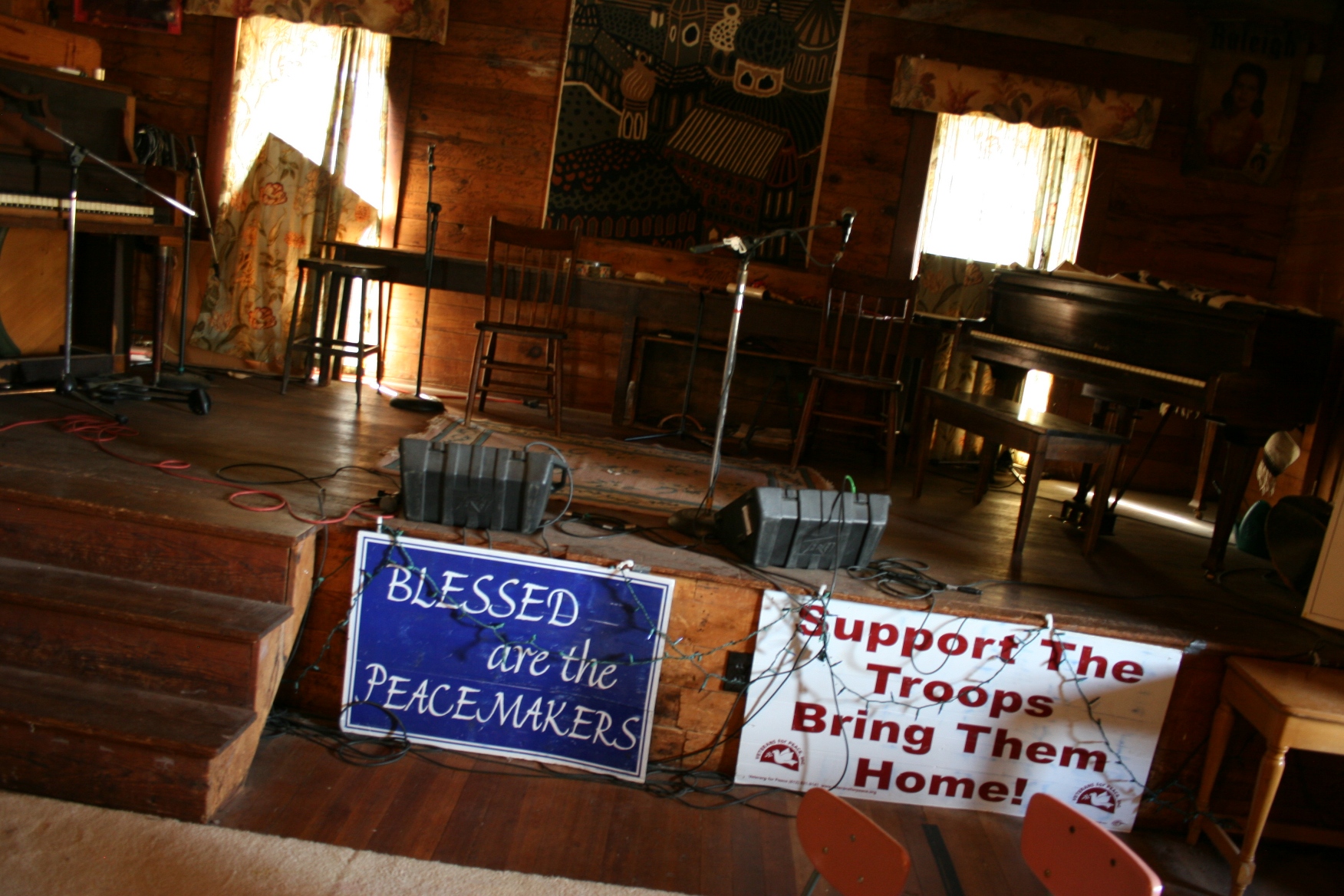
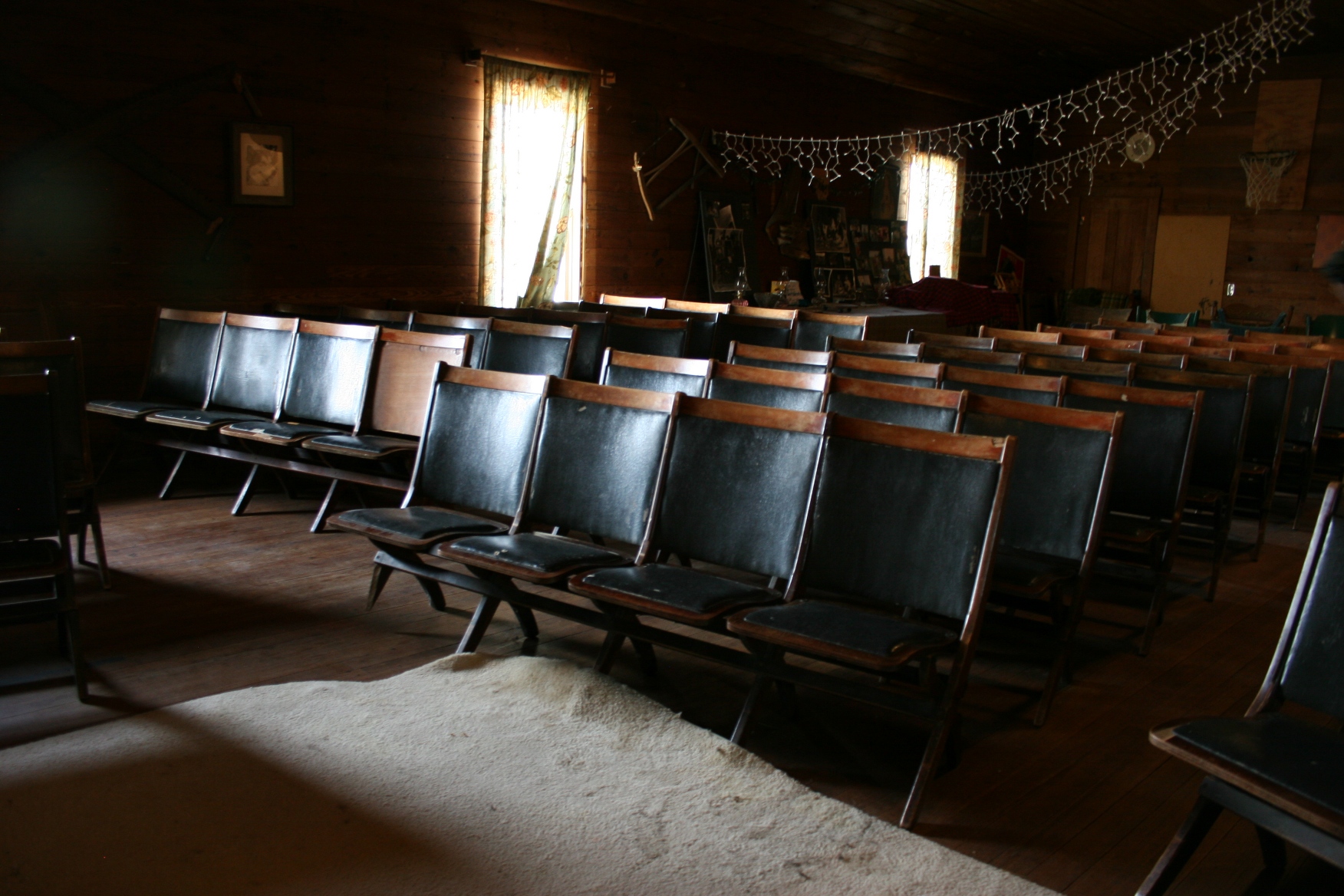
Those steps led us to the old Grange Hall, a former meeting place for farmers and now an entertainment center for local, national and international bluegrass, blues, folk, jazz and similar musical acts.

Earlier, Steven defined the 30-year run of October – April Folk Forum weekend concerts as “non-commercial entertainment connecting people to the land, music and each other.”

The former Grange Hall stage where musicians perform during the Folk Forums.

Rows of seating in the old Grange Hall.

I know nothing really about the music genres that entertain at Oak Center. But I recognized Monroe Crossing, the bluegrass group which will present a 2 p.m. Christmas Matinee on Sunday, December 4.

Other upcoming performers include Bingham and Thorne, Marty Marrone & Tangled Roots, Robby Vee, Galactic Cowboy Orchestra and many more slated in from now through December 23. (Click here to get the full line-up of musicians.)

Strider invited us to return for a concert with a recommended $5 – $15, but “pay what you’re able,” ticket price and what I expect would be a laid-back atmosphere.

He’s a personable guy, who, when I asked, said he’s a friend and extended family to Steven. You get the sense that anyone who steps inside Oak Center General Store is family.

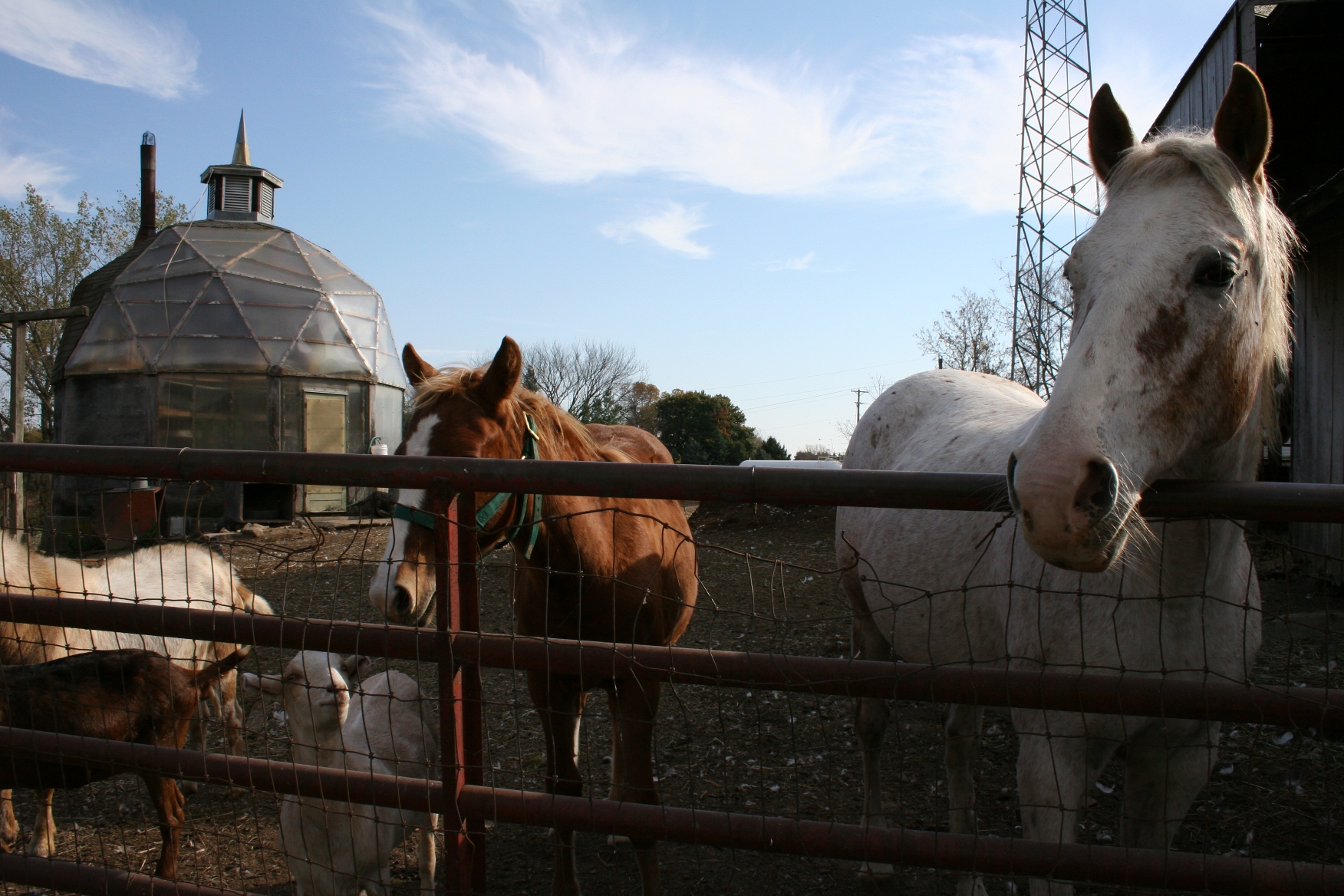
Even the animals out back are the friendly sort; they nuzzle up to the fence when Strider beckons.

Strider Hammer calls animals to the fence at Earthen Path Organic Farm.

The friendly animals on the "Old McDonald" style farm. Steven's son Joe and his wife Rebecca farm with draft horses. Steven once used those horses to farm, but now, because he can no longer lift the harnesses, relies on tractors.

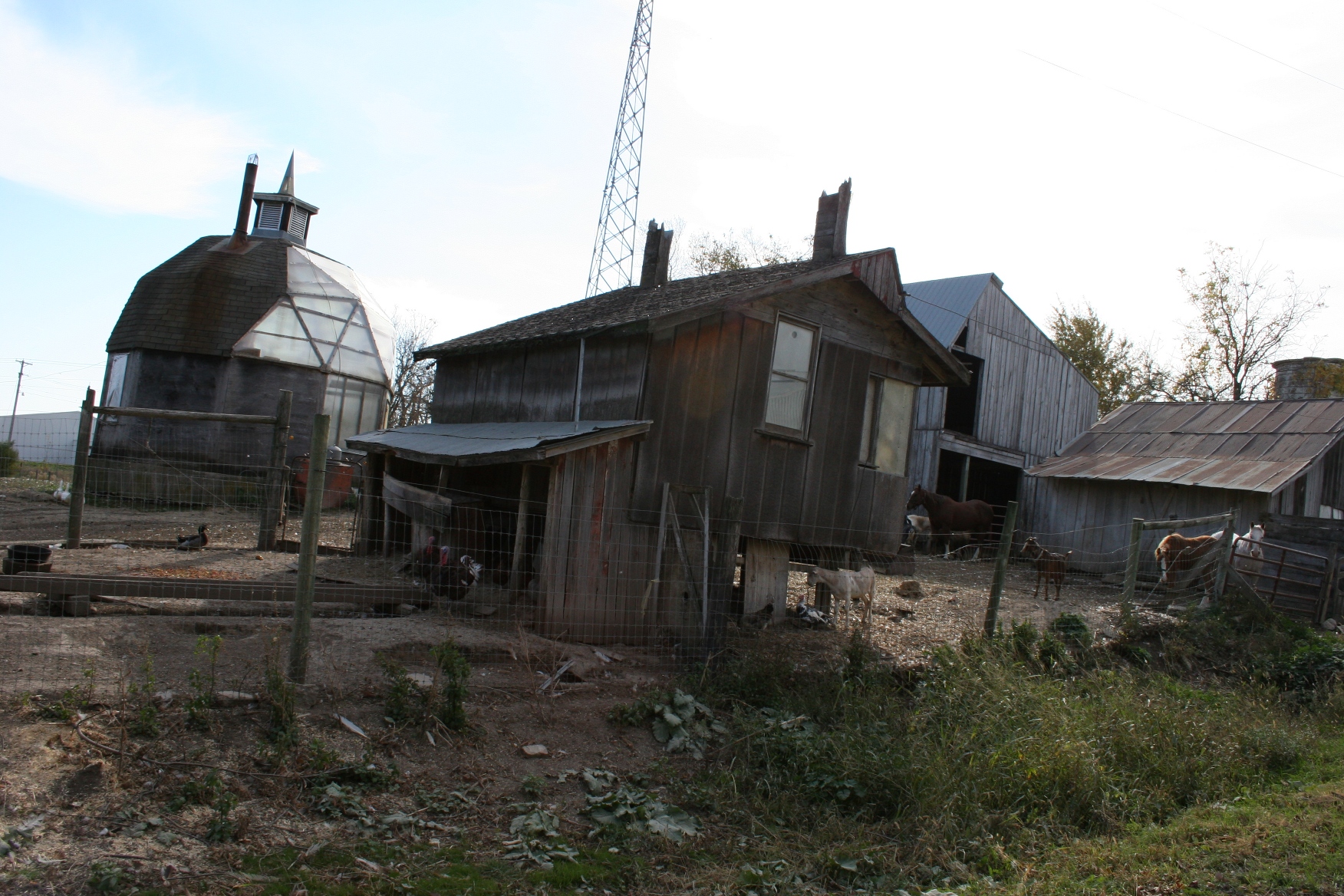
The mishmash of buildings behind the general store.

Back at the side door that leads to the former Grange Hall and back room gathering place, Strider climbed the few stairs onto the weathered deck and bid us farewell with a single and seemingly fitting word for the vibe of the Oak Center General Store:

“Peace,” he said and walked away.

A flower blooms next to the general store.

A side view of the store from Highway 63.

FYI: The store is open from 9 a.m. – 6 p.m. Monday – Saturday and some Sundays. In addition to music, Oak Center General Store hosts theater, round table discussions and workshops (ie., holistic medicine, organic gardening, batik) at its Folk Forums.

For more information about the Oak Center General Store, click here.

To learn about  Earthen Path Organic Farm, click here.

For info about  Heartbeet Farm, click here.

© Copyright 2011 Audrey Kletscher Helbling
 

Sign junkie October 14, 2011

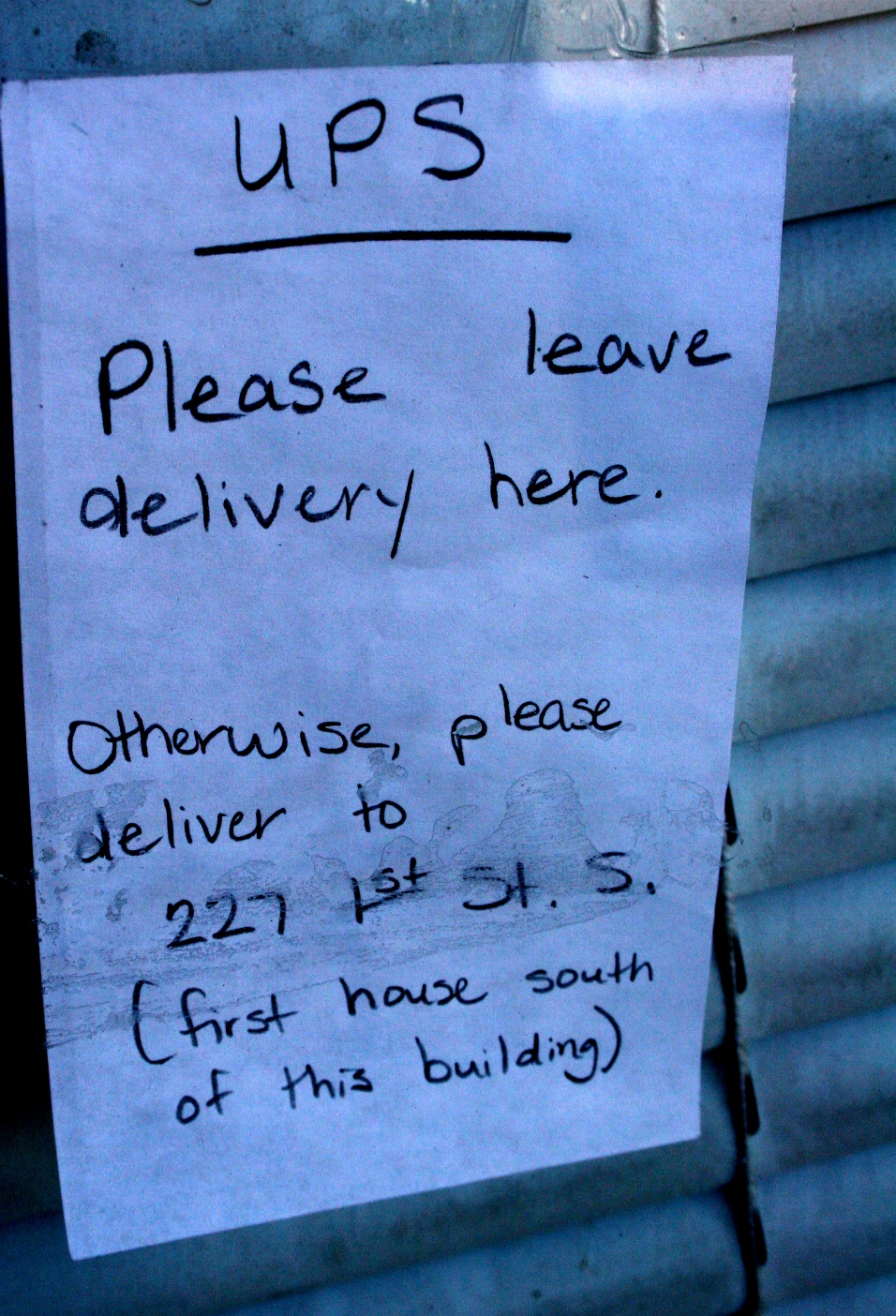
A note on the door at Medallion Case.

YOU MIGHT NOT APPRECIATE business signage like me. Heck, you may not even pay much attention to signs unless, of course, you are looking for a specific place. Then you would notice.
But I notice signs because I consider them to be works of art, reflections of personalities and history, trademarks of small-town life, and sources of entertainment.

I’m not talking about the mass-produced, generic signage that marks a chain store. Rather, I mean those handcrafted and/or custom signs (and notes) you’ll find on small-town Main Street or along rural roadways.
Recently, signage in Nerstrand, a village of 233 residents in eastern Rice County near Nerstrand Big Woods State Park, attracted my interest.

And because most of you aren’t going to drive to Nerstrand to see these signs, you can just view them here.

Then, once you’ve perused my discoveries, I challenge you to go out into your own communities and search for sign art.

WARNING: If you accept this assignment, you may become a sign junkie just like me.

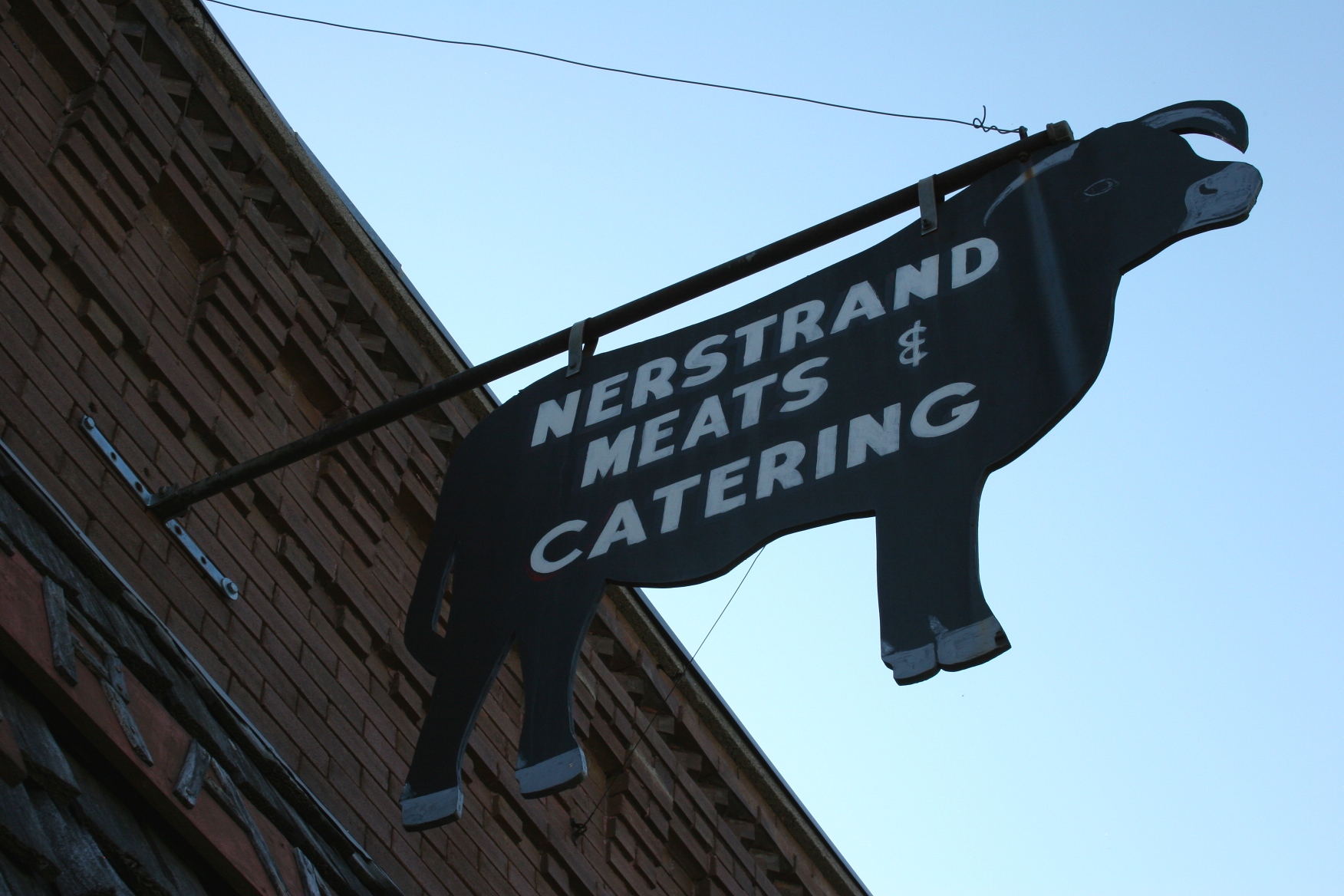
No confusion about the meat market business located here along Main Street Nerstrand.

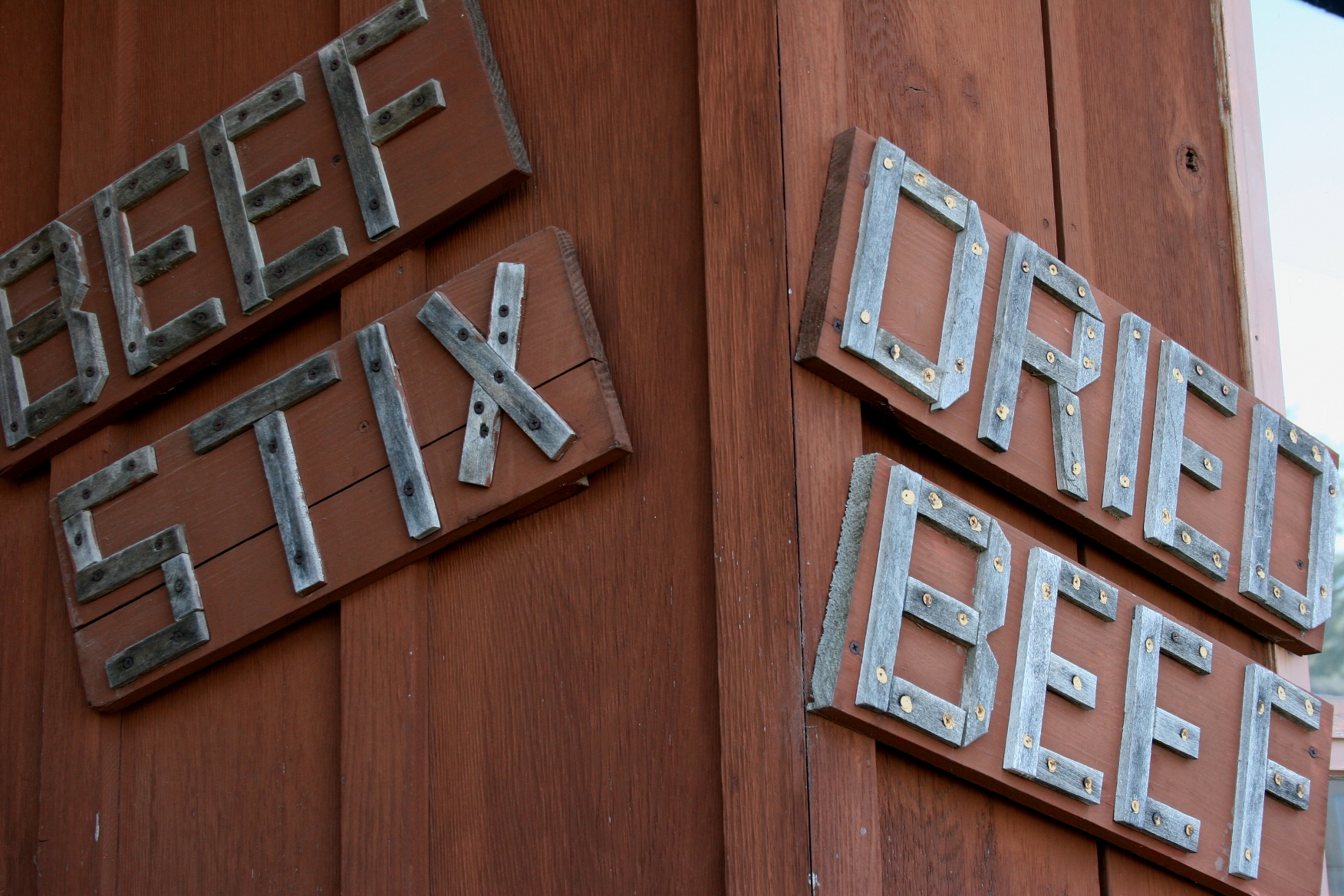
Additional signage on the Nerstrand Meats building highlights the products available.

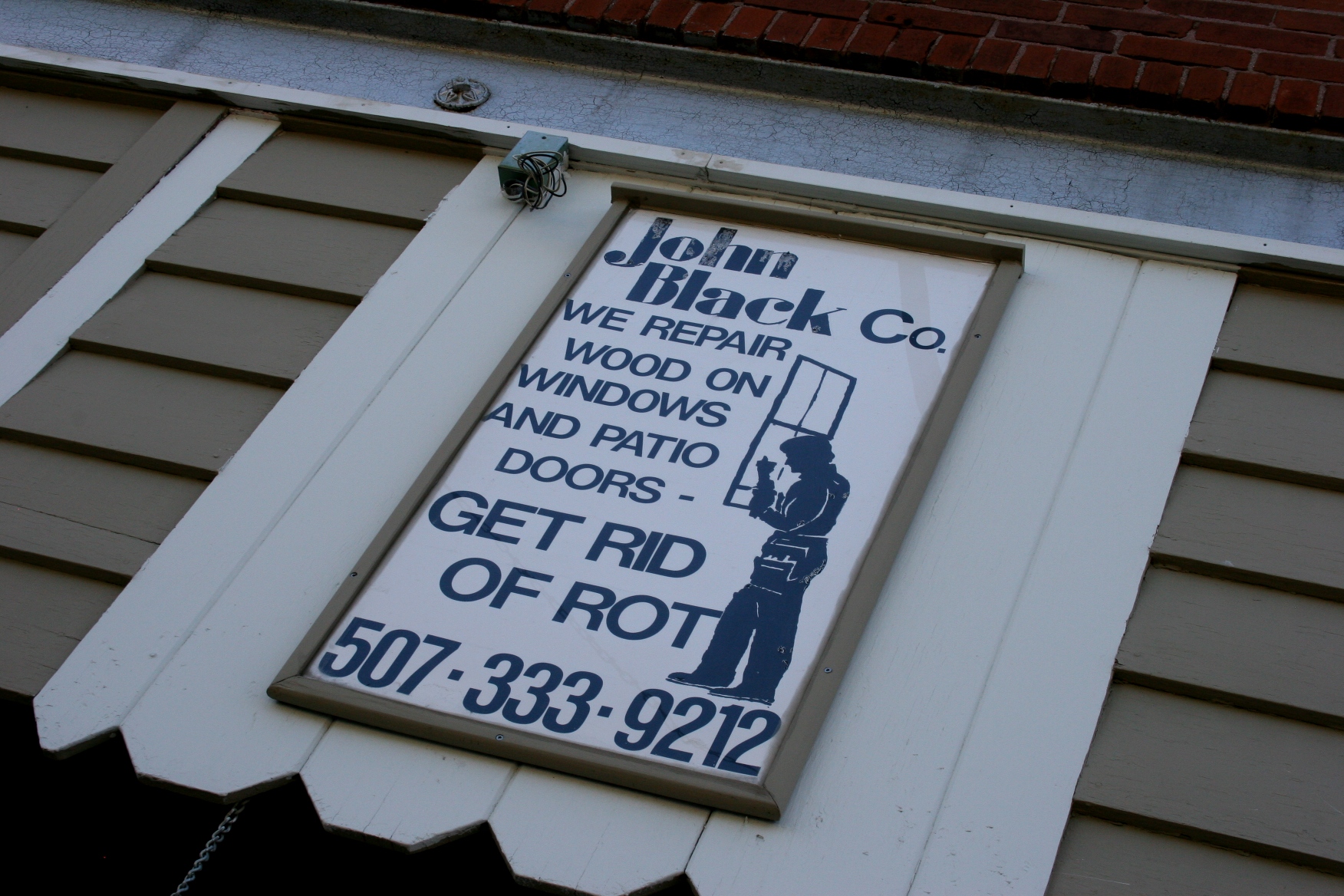
Another business sign along Nerstrand's Main Street.

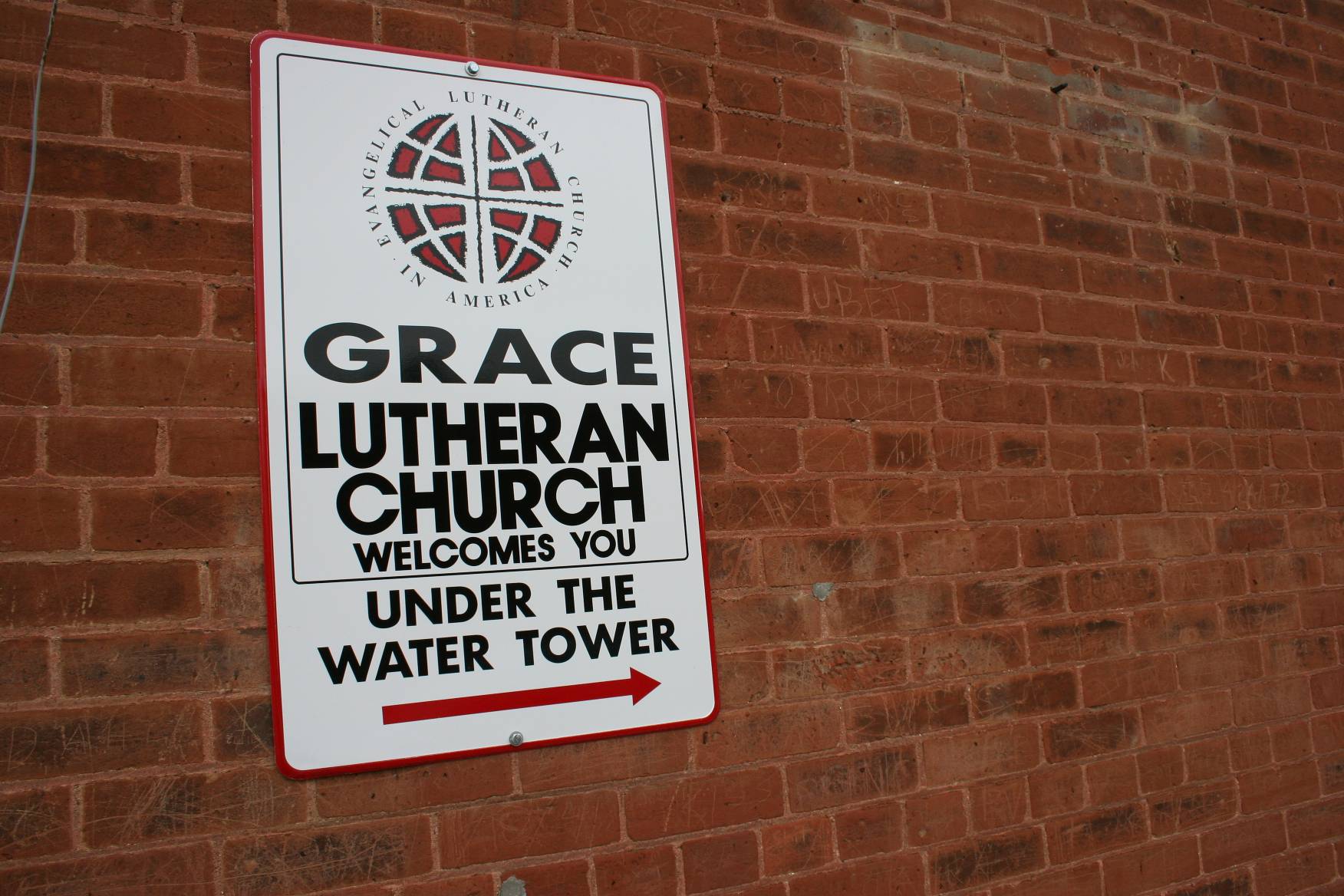
This sign on the corner of a Main Street business in Nerstrand directs motorists to Grace Lutheran Church.

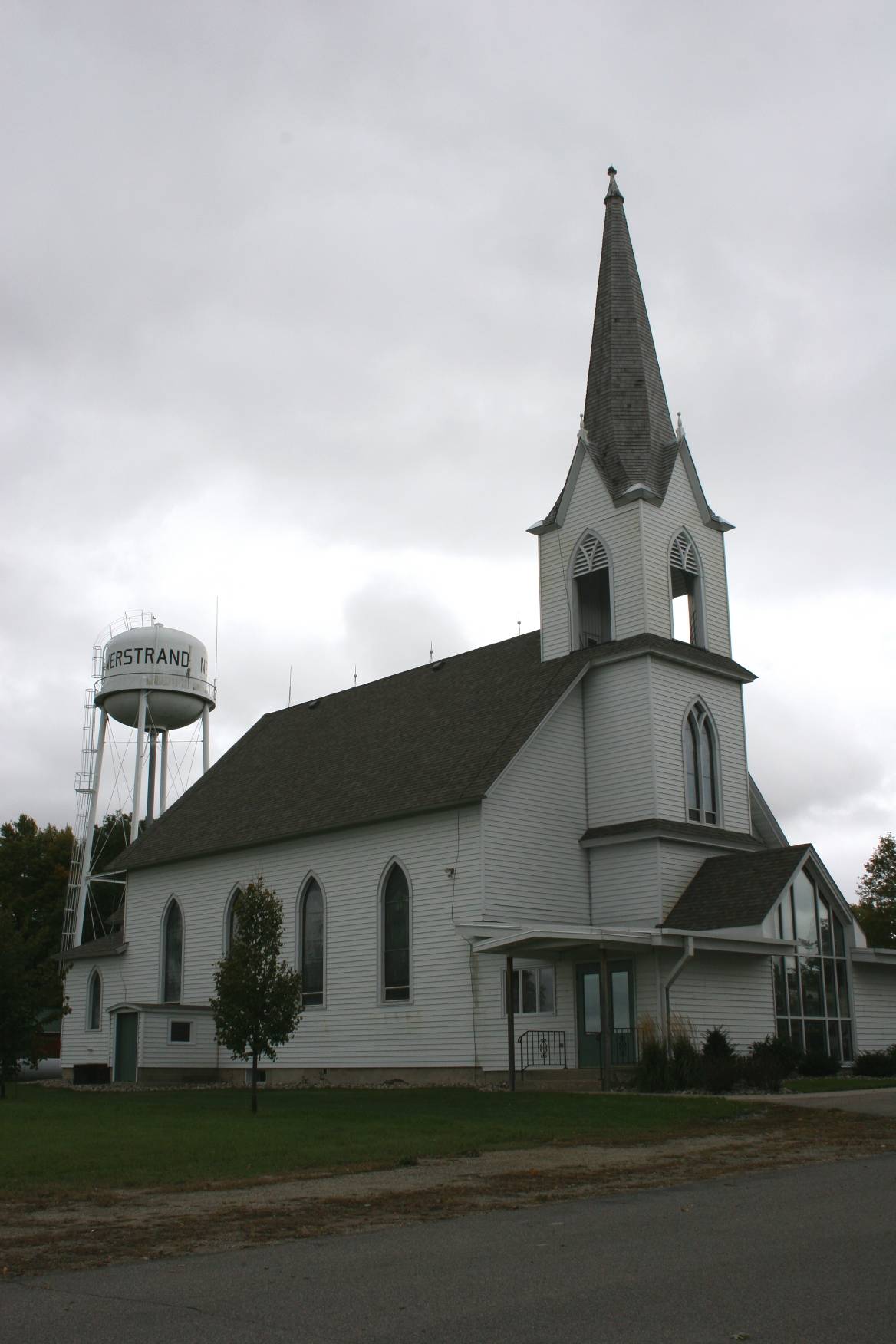
Just so you believe me, here's Grace, under the water tower.

BONUS: I’ve tossed in two signs from rural Dennison also.

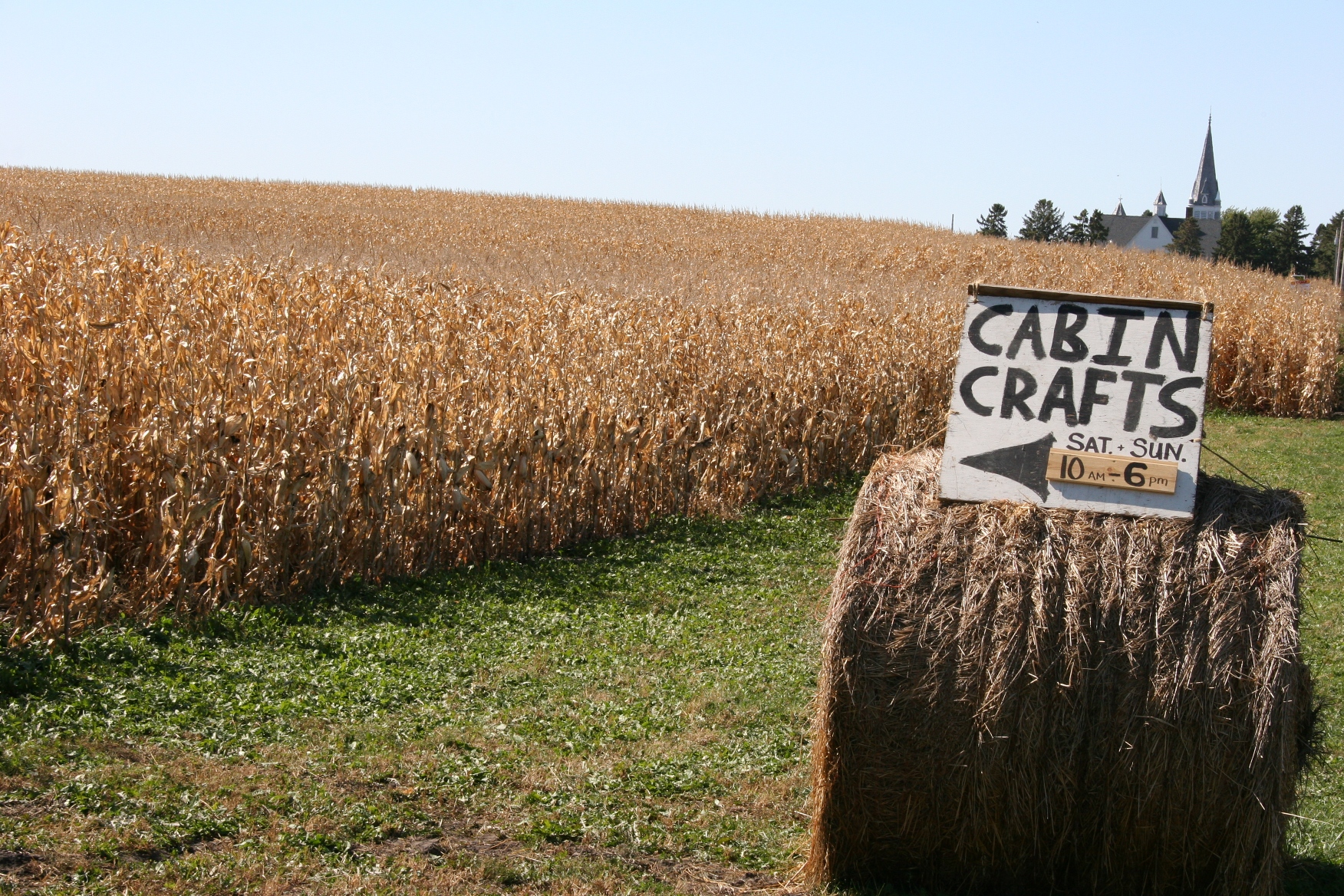
This sign at the end of the driveway at 2290 Goodhue County 49 Blvd will direct you to Potpourri Mill Log Cabin near Dennison. That's Vang Lutheran Church in the background.

Once you drive up to the log cabin, you'll see this season appropriate sign outside the front door. Inside you'll find the Harvest Thyme Craft Show, which runs weekends through October 16.

© Copyright 2011 Audrey Kletscher Helbling