Minnesota Prairie Roots

Writing and photography by Audrey Kletscher Helbling

Autumn, Southern Minnesota’s season of harvest & hope October 4, 2016

Filed under: Uncategorized — Audrey Kletscher Helbling @ 5:00 AM
Tags: , , , , , , , , , ,
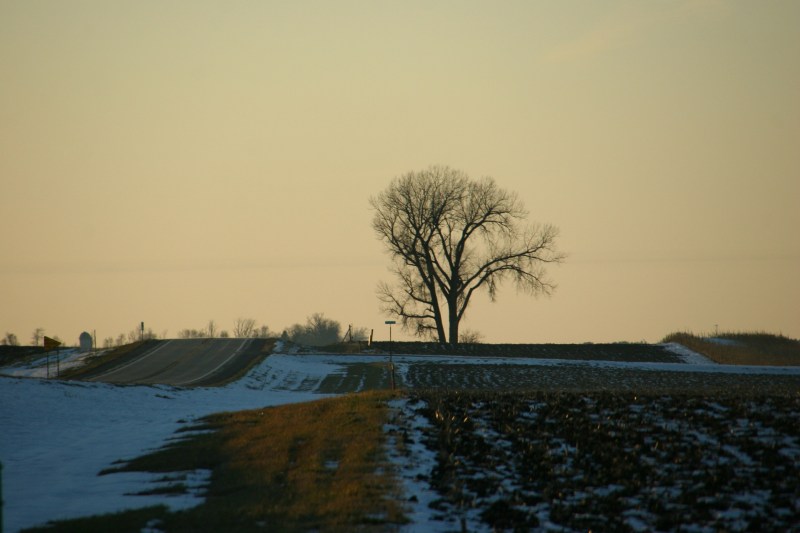
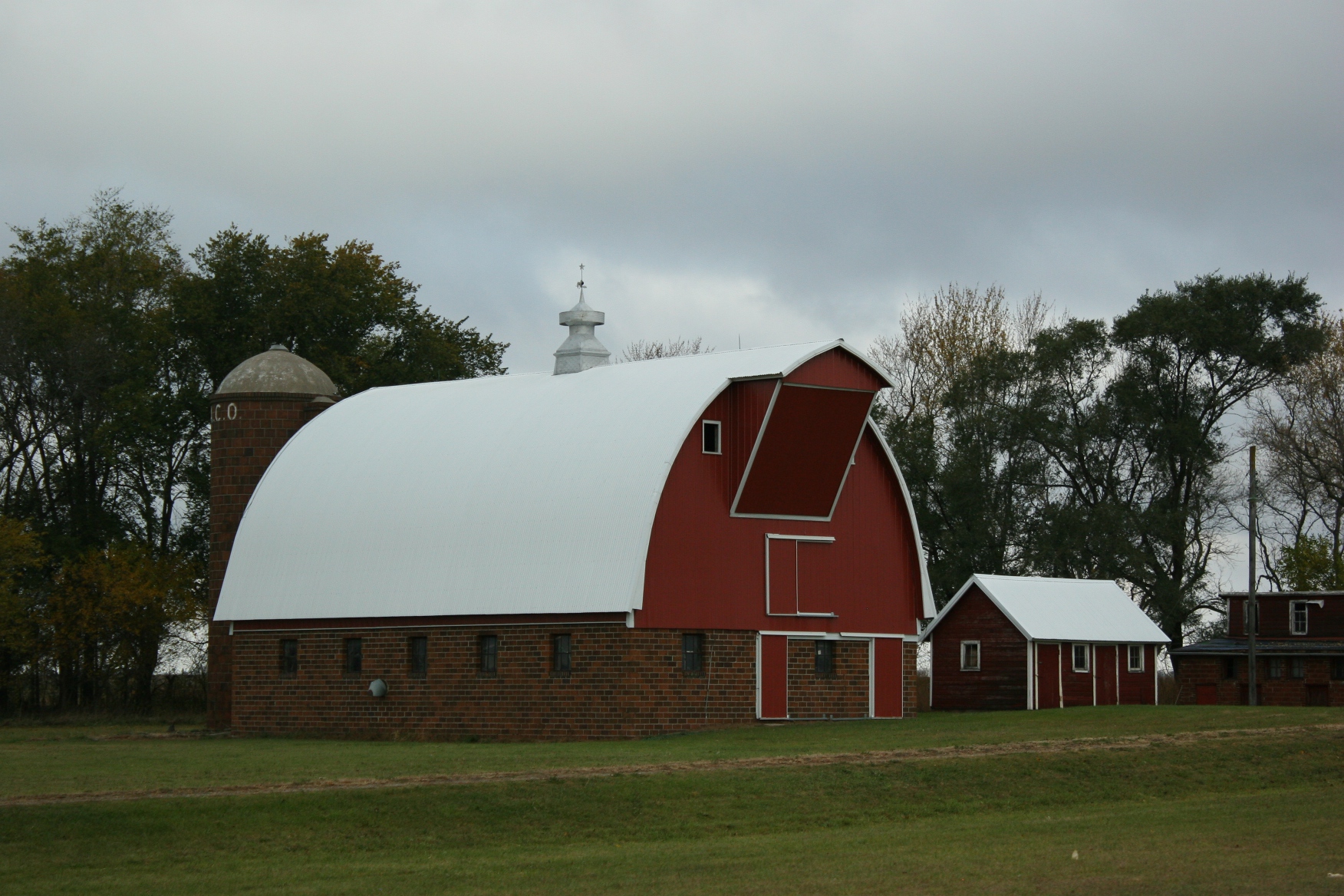
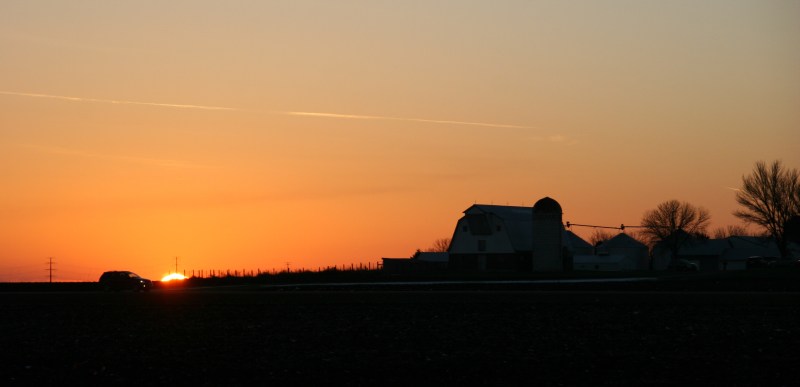
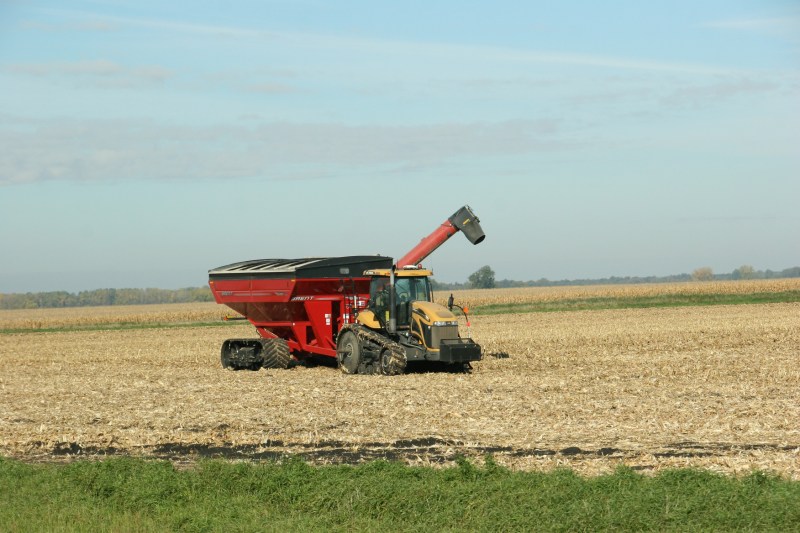
Somewhere between Morgan and New Ulm, in the middle of prime Minnesota farm land.

Somewhere between Morgan and New Ulm, in the middle of prime Minnesota farm land early Saturday evening.

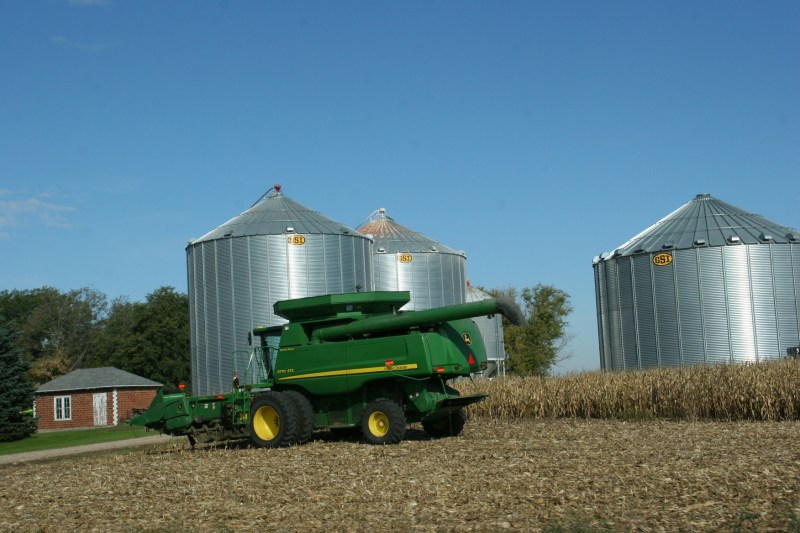
HARVEST. That word holds the seasons of a farmer’s hope.

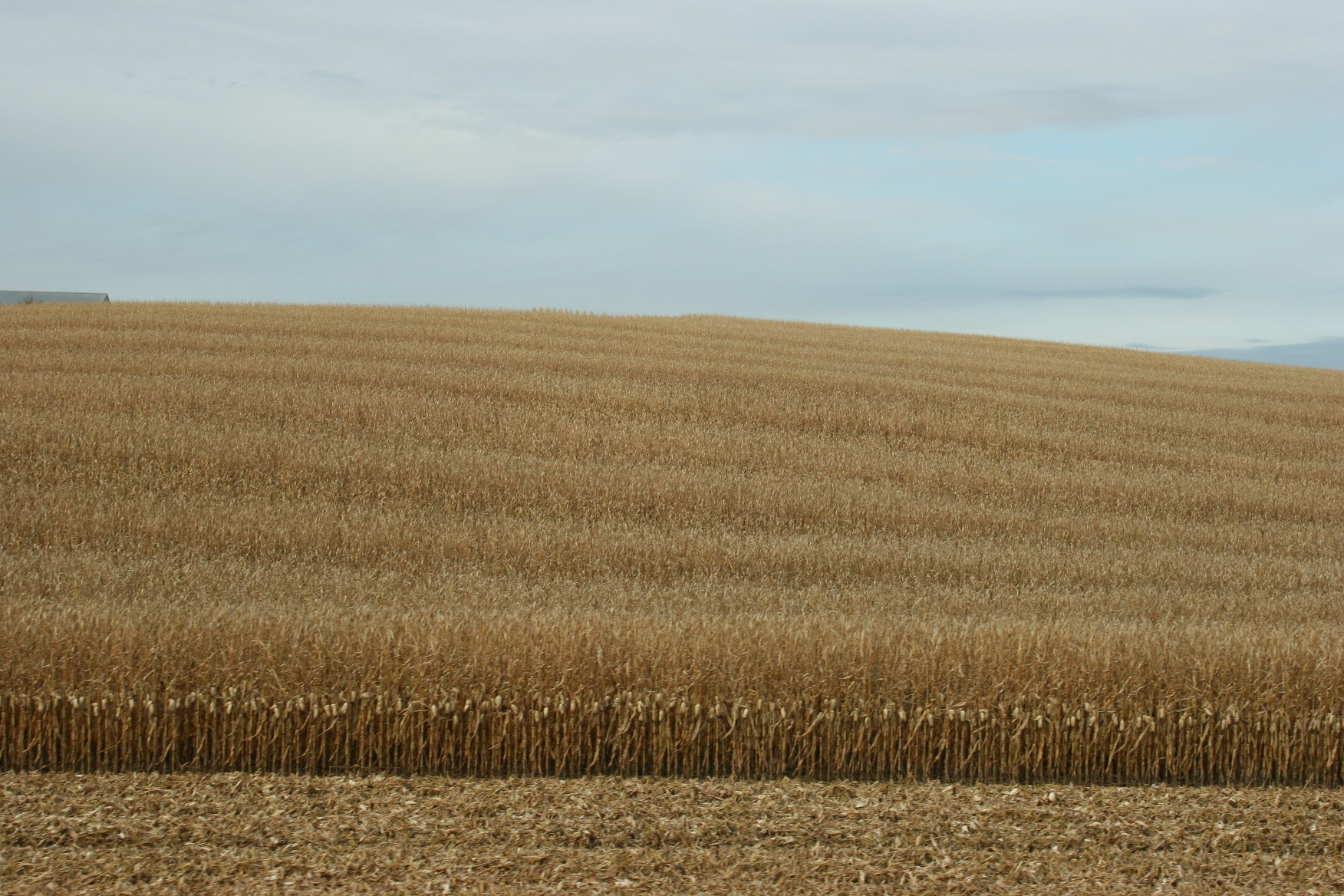
A partially-harvest cornfield between New Ulm and Morgan.

A partially-harvest cornfield between New Ulm and Morgan.

From spring planting to summer growth to autumn ripening, a farmer focuses on the outcome—a yield that brims with golden corn and soybeans.

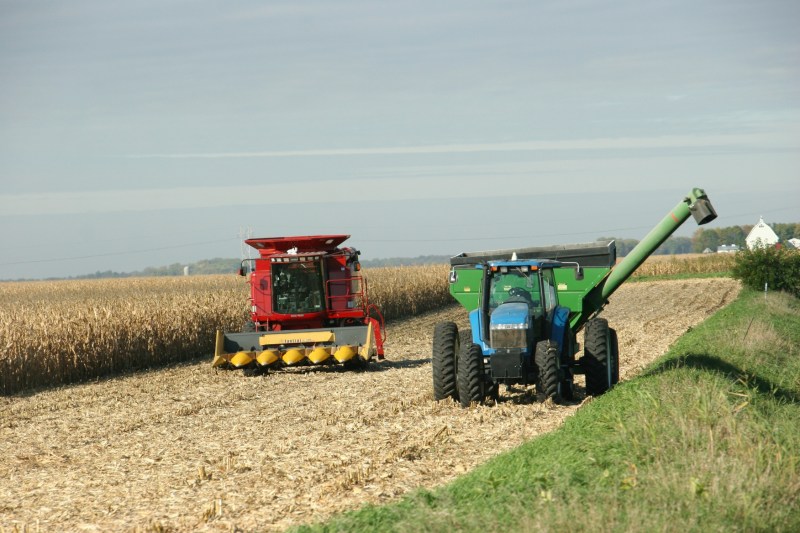
Harvesting between St. Peter and Nicollet.

Harvest equipment sits in a cornfield west of St. Peter.

Through months of looking toward the skies, of weathering too much or too little rainfall, of watching heat shimmer waves across fields, of tending and waiting, a farmer anticipates this season of harvest.

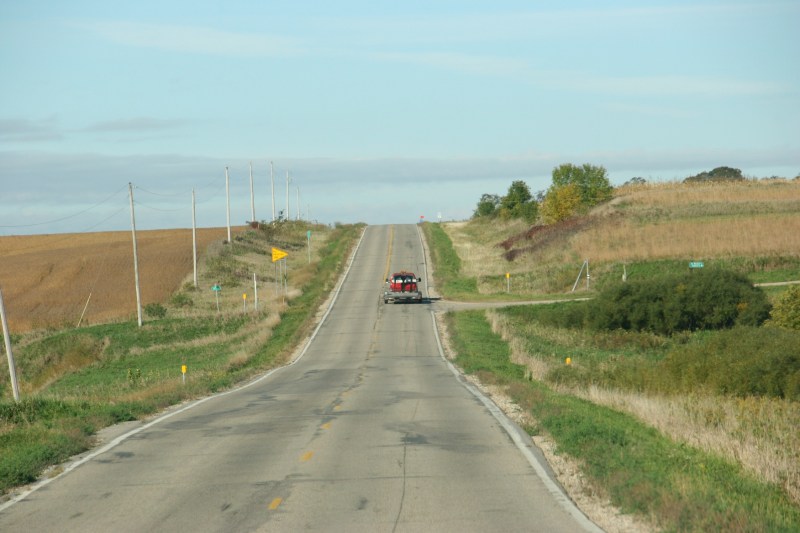
Driving west on Minnesota State Highway 99 toward Le Center.

Driving west on Minnesota State Highway 99 toward Le Center.

On a day trip Saturday from the southeastern to the southwestern side of Minnesota—through Rice, Le Sueur, Blue Earth, Nicollet, Brown and Redwood counties and back—I observed the harvest. Minimal on the eastern side, which has been flooded with too much recent rainfall, but in full swing in the counties of Brown and Redwood.

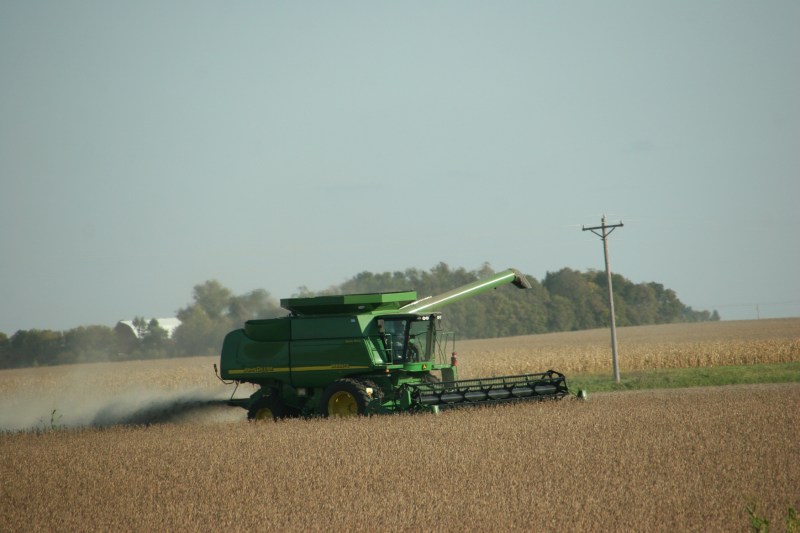
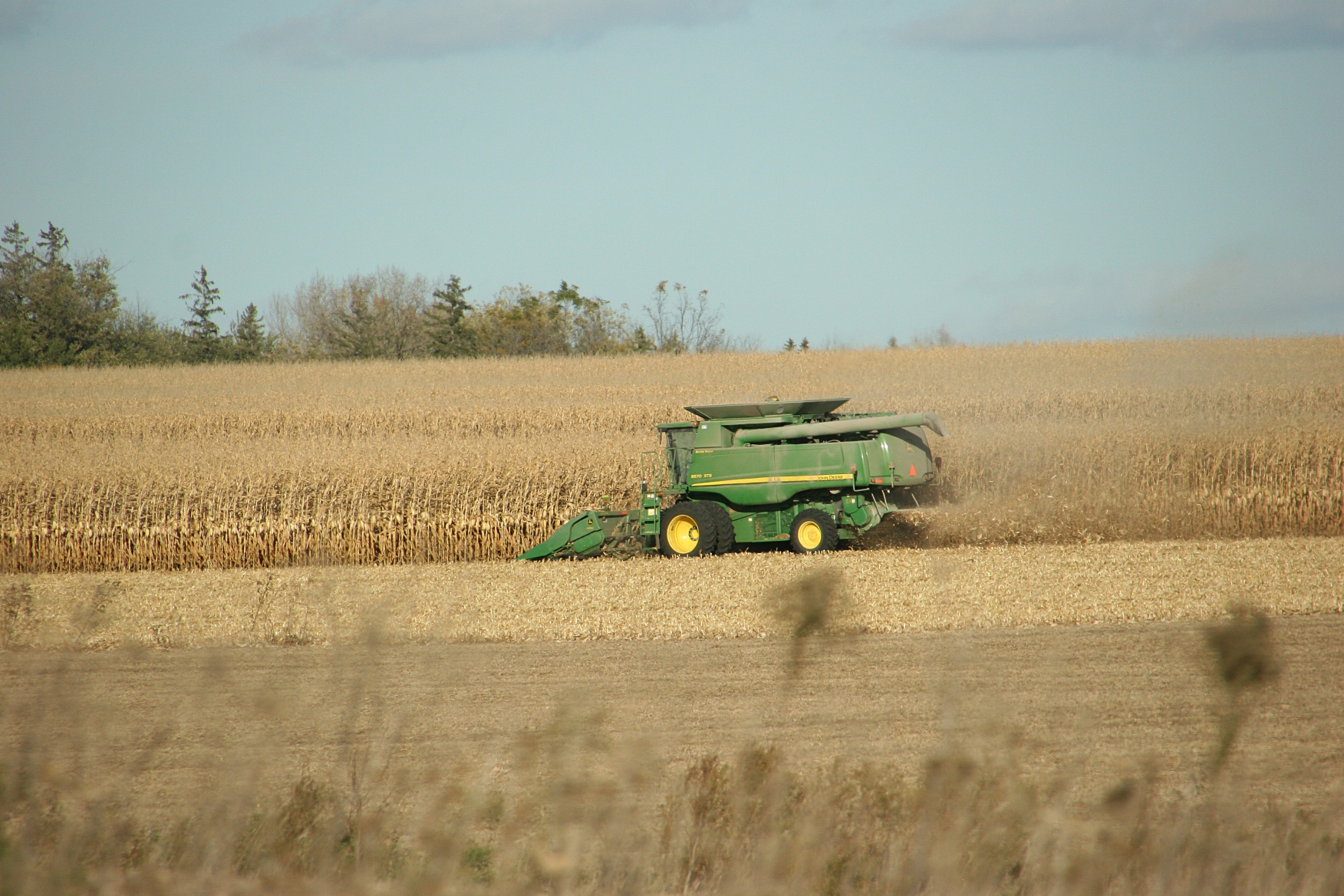
Combing beans near New Ulm.

Combining beans near New Ulm.

Farmers worked the land, dust enveloping combines.

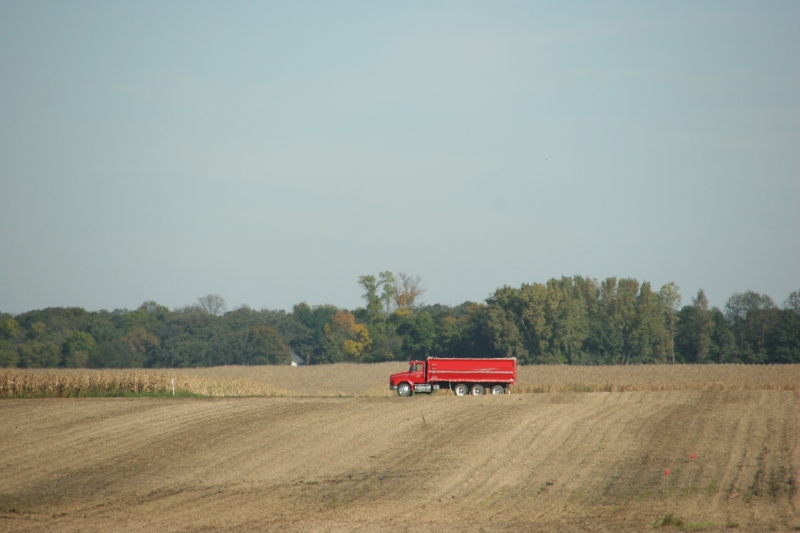
A red grain truck jolts color into a field near New Ulm.

A red grain truck jolts color into a field near New Ulm.

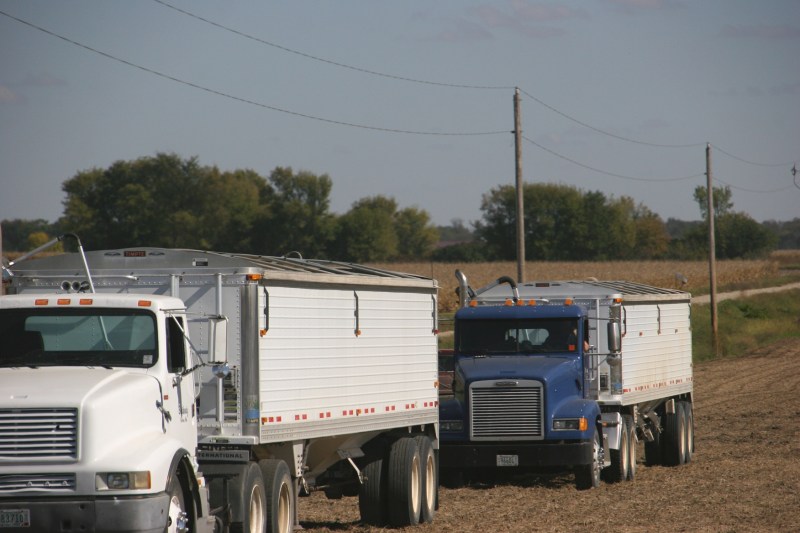
North of Belview, trucks await the harvest.

North of Belview, trucks await the harvest.

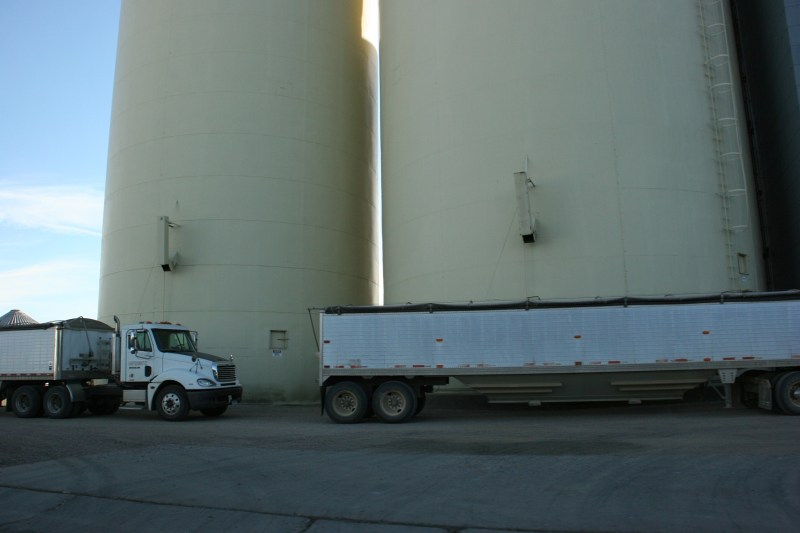
Parked outside the elevator in Morgan.

Parked outside the elevator in Morgan.

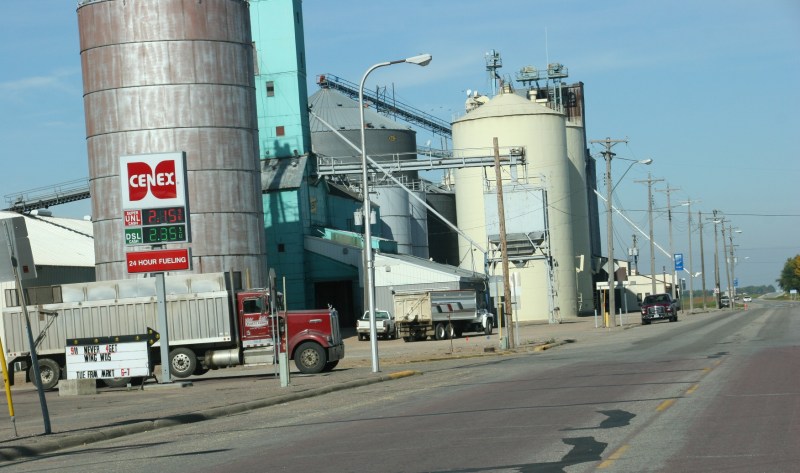
Farming communities like Morgan are busy with harvest.

Farming communities like Morgan are busy with harvest.

Grain trucks idled in fields and barreled down county roads toward local elevators

Near Courtland.

Near Courtland.

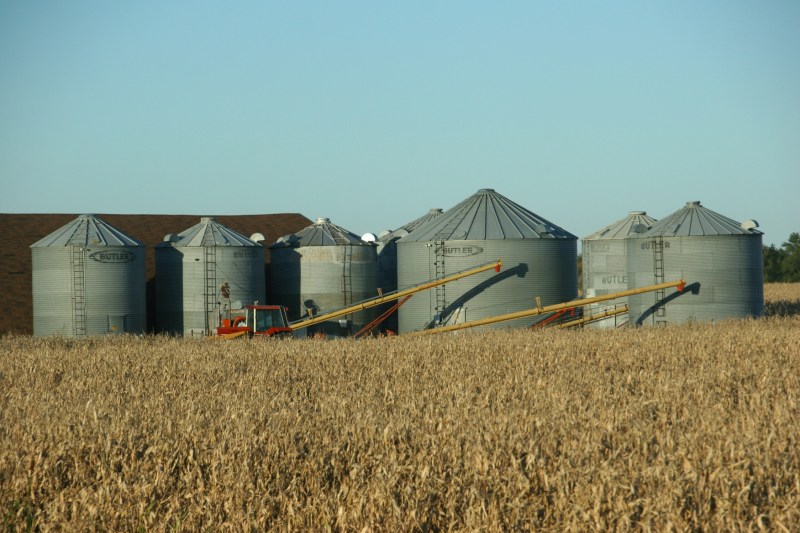
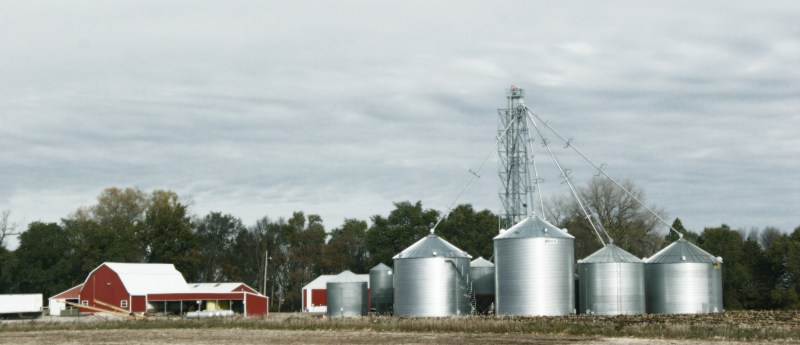
Grain bins near Waterville.

Grain bins near Waterville.

or homestead grain bins.

Driving into Courtland.

Driving into Courtland.

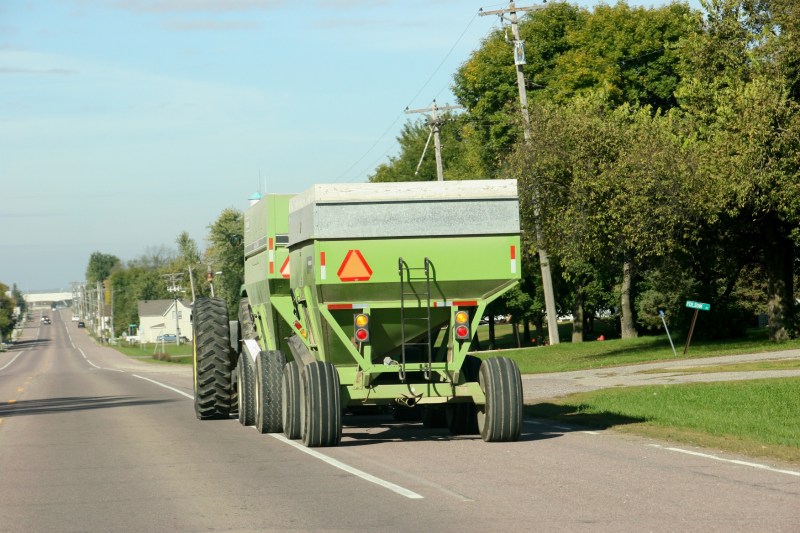
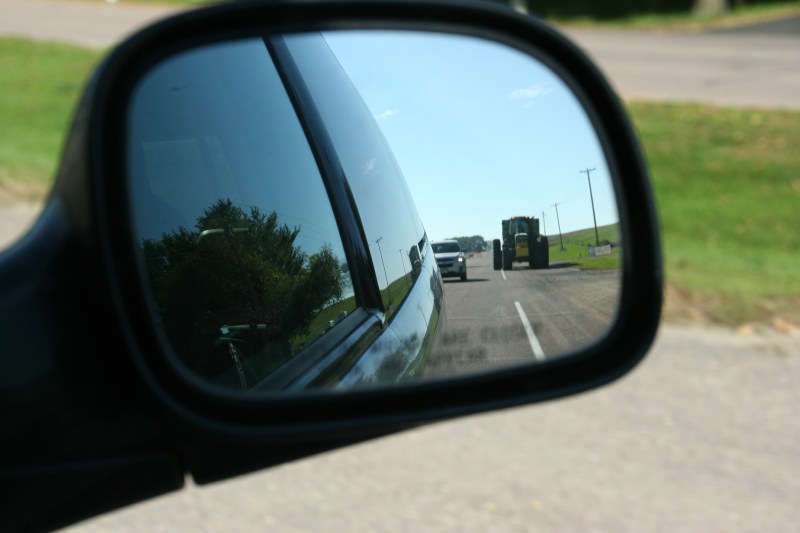
This time of year, motorists need to be watchful of slow-moving farm equipment.

This time of year, motorists need to be watchful of slow-moving farm equipment.

Harvest started west of St. Peter.

Harvest started west of St. Peter.

The landscape crawled with tractors and combines and trucks, farmers at the wheels, guiding the crops toward harvest.

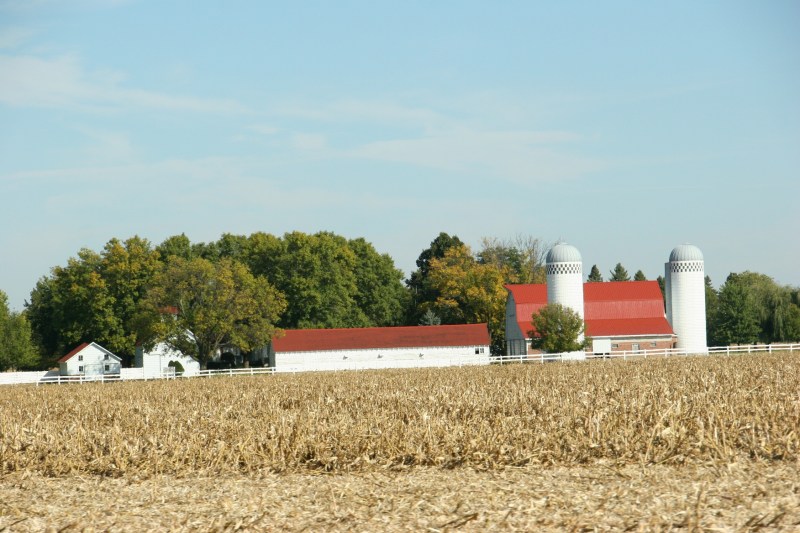
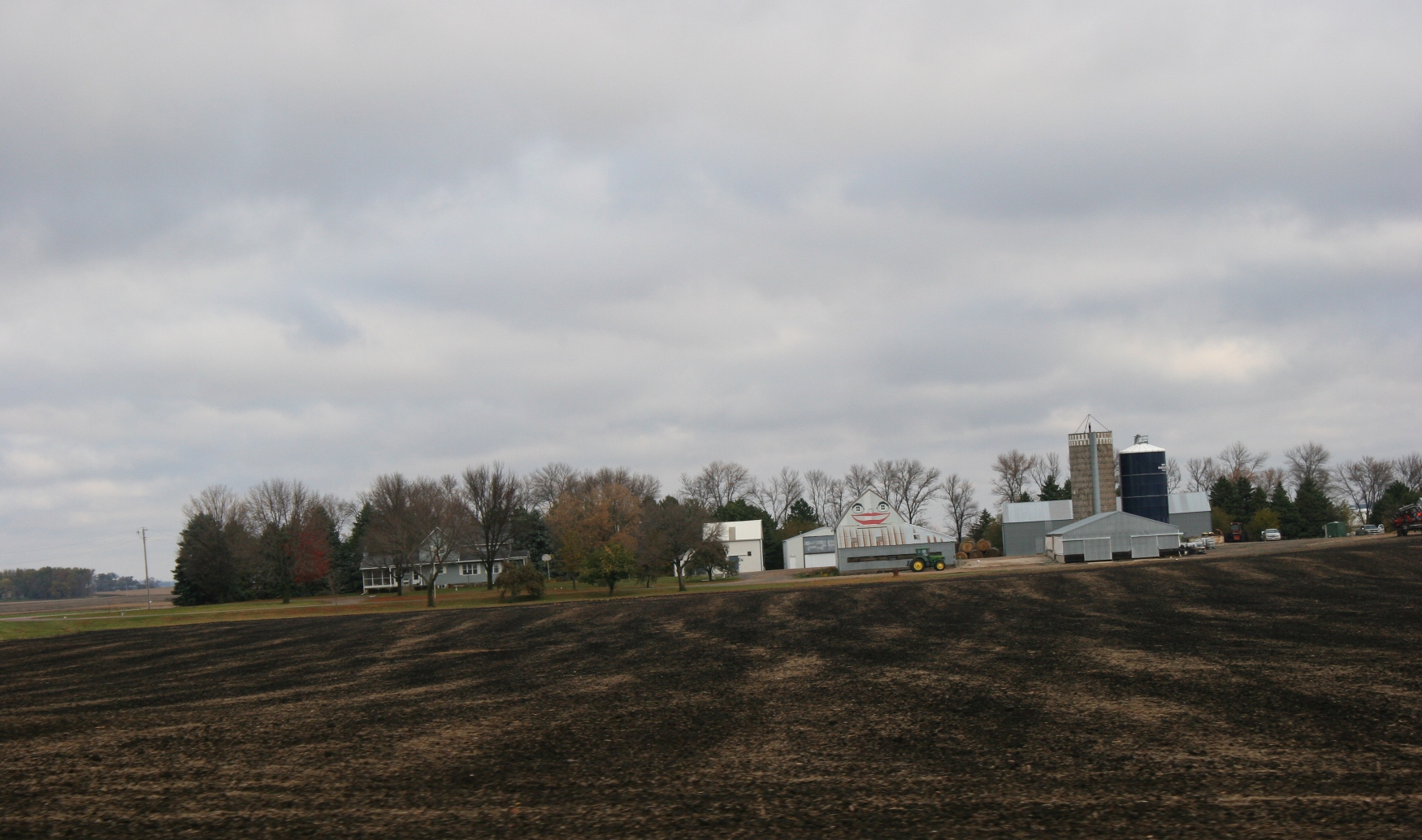
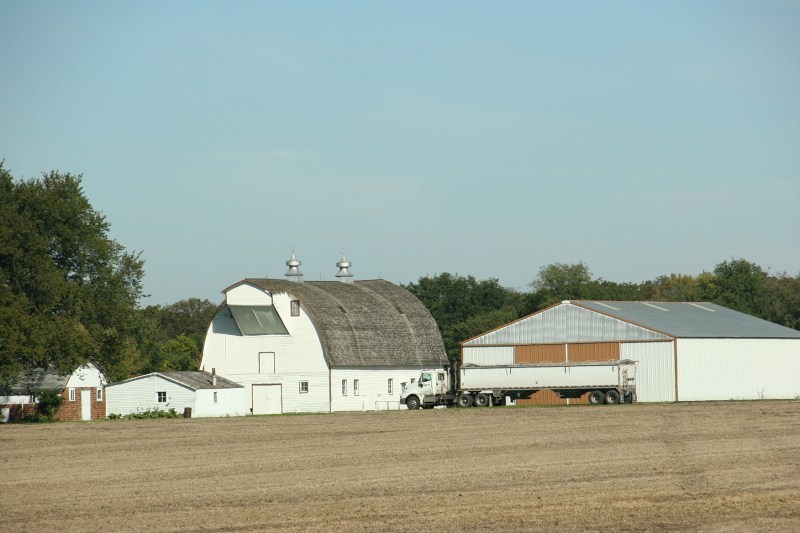
White among fields of golden crops.

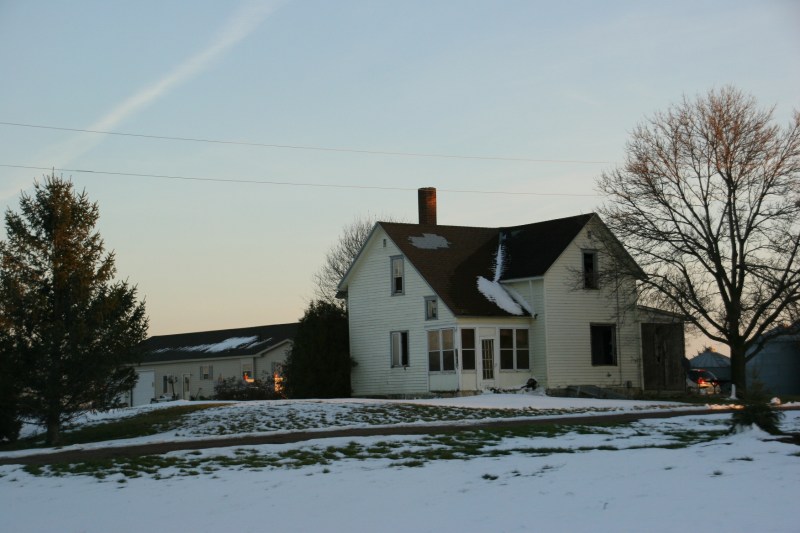
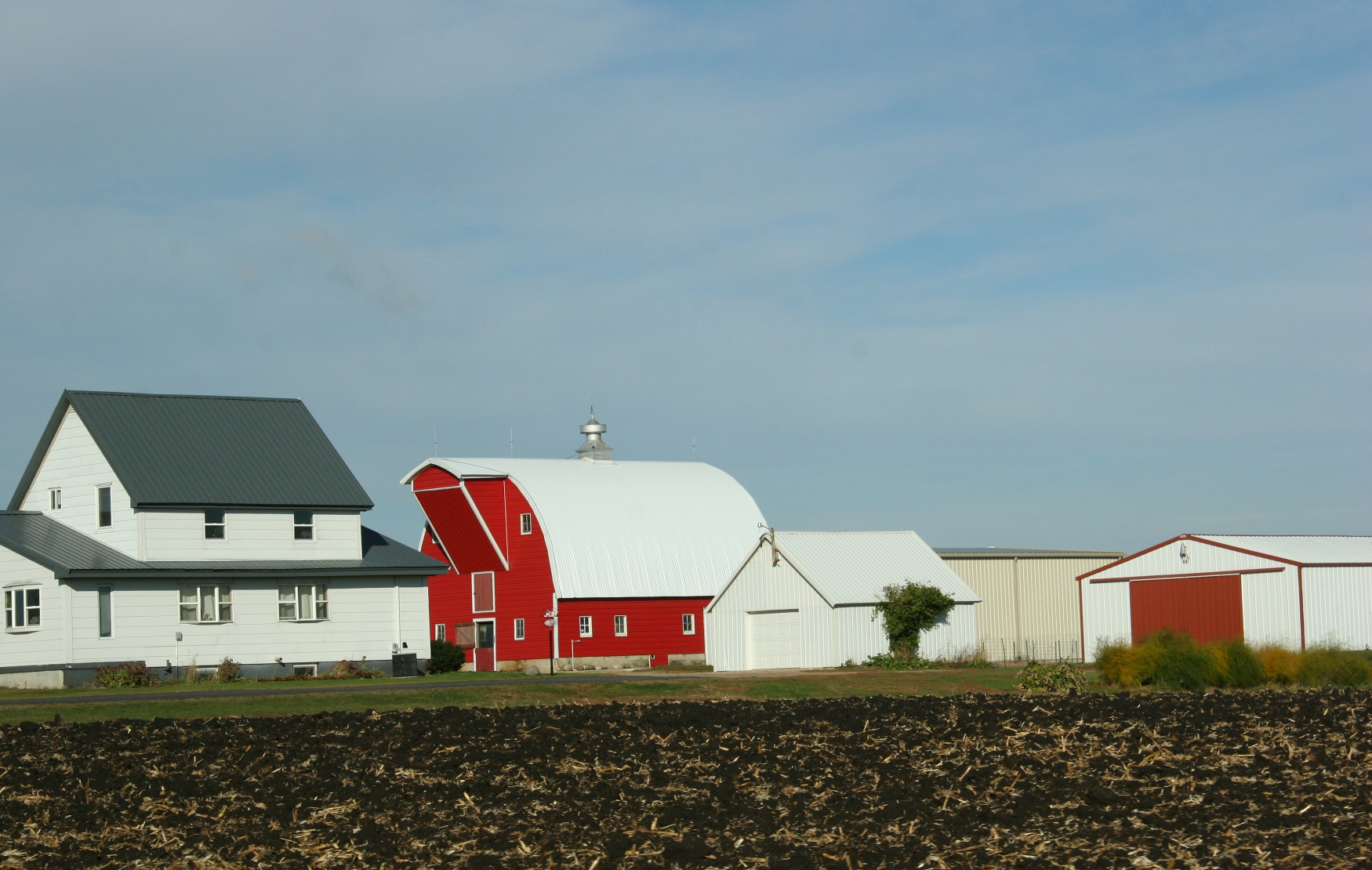
A harvested field against a farm site backdrop of white.

And I observed it all. No longer an intimate part of this process as I once was so many decades ago on my Redwood County childhood farm, I am still connected to this season by the memories that trace deep within me.

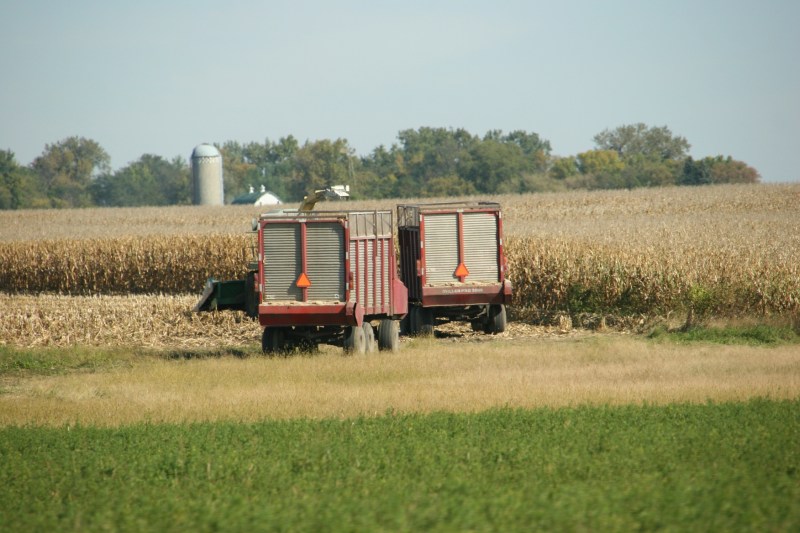
West of New Ulm, grain wagons sit in a field.

West of New Ulm.

Harvest still holds me in hope.

© Copyright 2016 Audrey Kletscher Helbling
 

A country moment from southwestern Minnesota October 3, 2016

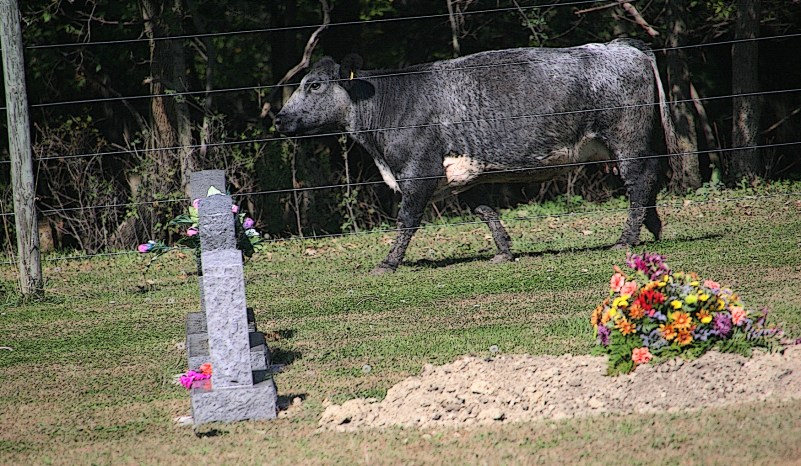
YOU KNOW YOU’RE in rural Minnesota when…


cattle-by-rock-dell-cemetery-123


…within feet of a country cemetery, a fenced-in cow saunters past a mounded grave graced with flowers.

#

Photo taken on October 1, 2016, Rock Dell Lutheran Church, rural Belview, Minnesota.

© Copyright 2016 Audrey Kletscher Helbling
 

The skies of summer in southwestern Minnesota July 8, 2016

Filed under: Uncategorized — Audrey Kletscher Helbling @ 5:00 AM
Tags: , , , , ,

Sky in sw MN, 27 red barn close-up


DECADES AGO, I LAY flat on my back in a Redwood County, Minnesota farm yard, eyes fixated on the clouds. I wasn’t a weather watcher. Rather, I was a girl with an imagination. As I lay there, I imagined a monstrous bird swooping from the sky to bite a chunk from the silo.


Sky in sw MN, 15 big sky & farm site


I’d just viewed a movie about a giant bird attacking the Empire State Building. It was no surprise then that I noticed frightening creatures looming in the sky.


Sky in sw MN, 21 highway 14


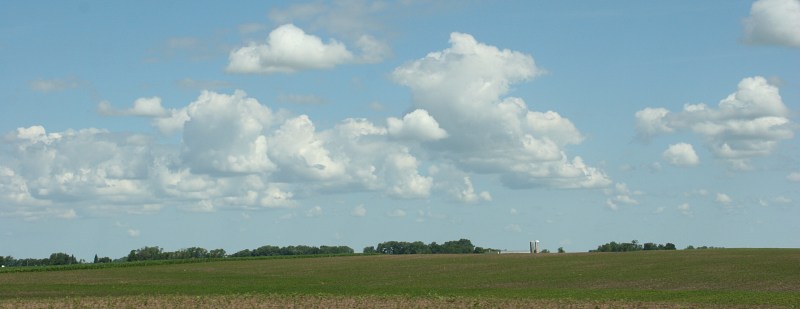
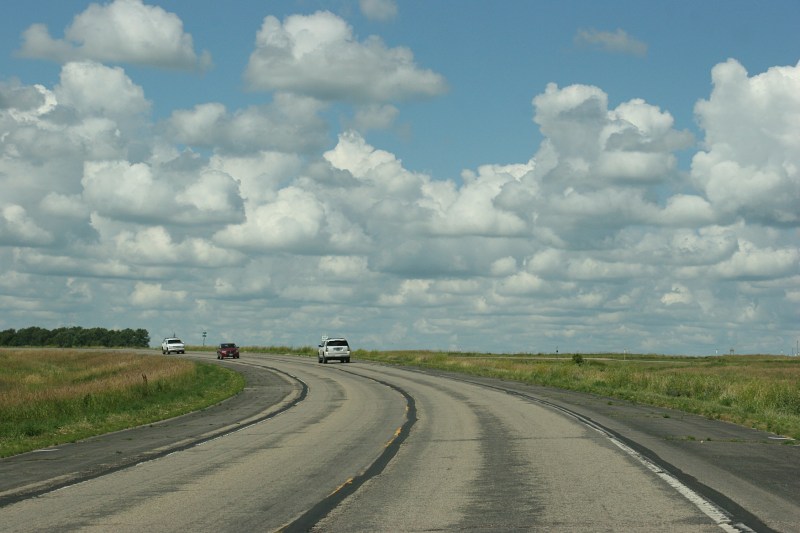
That was then. This is now, decades later, when I am still fascinated by the clouds of summer. There’s nothing quite like the summer skies of my native southwestern Minnesota prairie. Traveling west on July 2 to a family gathering near Lamberton, I delighted in the perfect summer sky of white clouds suspended above the land in a background of blue.


Sky in sw MN, 23 corn, barn & bins


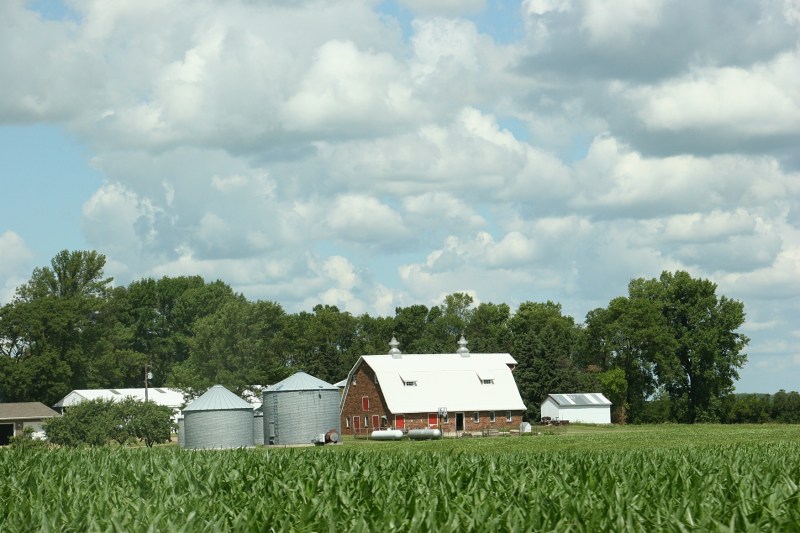
Below, fields of corn and soybeans stretched for acres, broken only by farm sites, grain elevators, small towns and slashes of roadways.


Sky in sw MN, 7 big sky & farm site


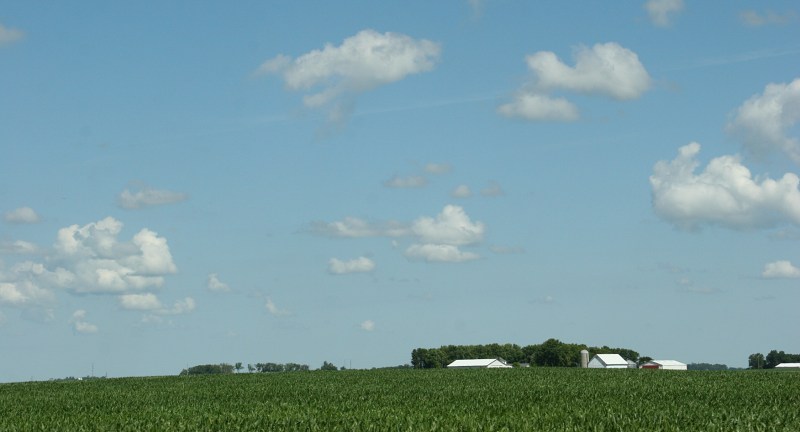
The sky and land are so big here. I suppose to some, the vastness can unsettle. But for me it’s freeing.


Sky in sw MN, 28 full corn field, farm site and cloudy sky


My mind wanders from worries and difficult realities of life, of attacking giant birds, to a carefree state. I simply feel happy here beneath clouds that hang like wispy pulls of cotton candy above the greening cropland.


Sky in sw MN, 24 bins and sky


This land, this sky, this place, this rural Minnesota shall always claim my heart and my imagination.


Sky in sw MN, 30 entering Lamberton


TELL ME: What place claims your heart and why?

© Copyright 2016 Audrey Kletscher Helbling
Note: All of these photos were taken on July 2 while traveling westbound on U.S. Highway 14 between Sleepy Eye and Lamberton, Minnesota.


Rural roadside surveillance May 18, 2016

Filed under: Uncategorized — Audrey Kletscher Helbling @ 5:00 AM
Tags: , , , , , , ,

Roadside stand, 93 side view


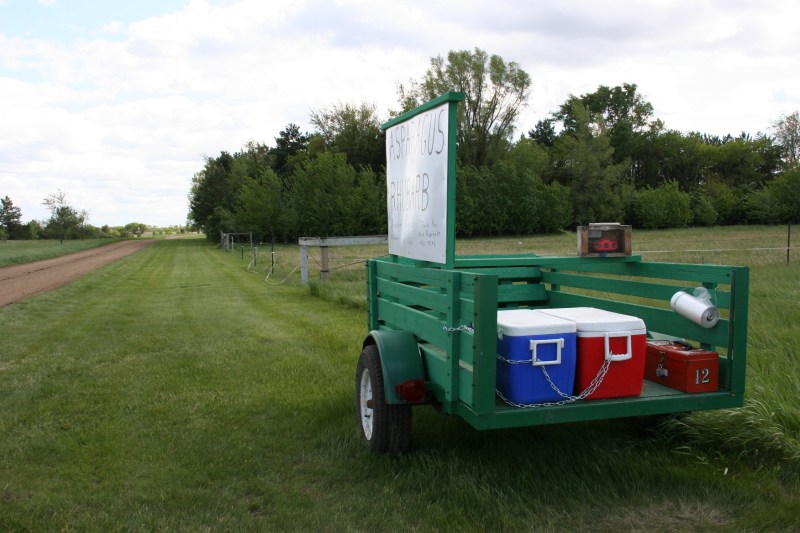
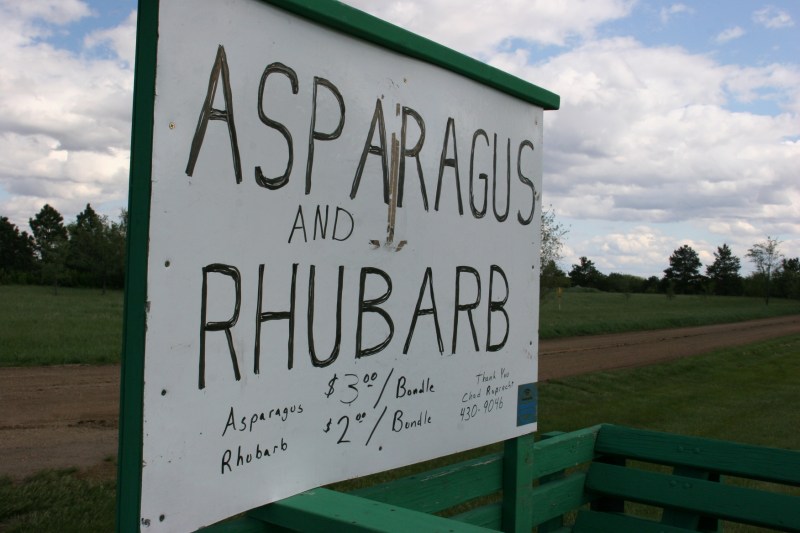
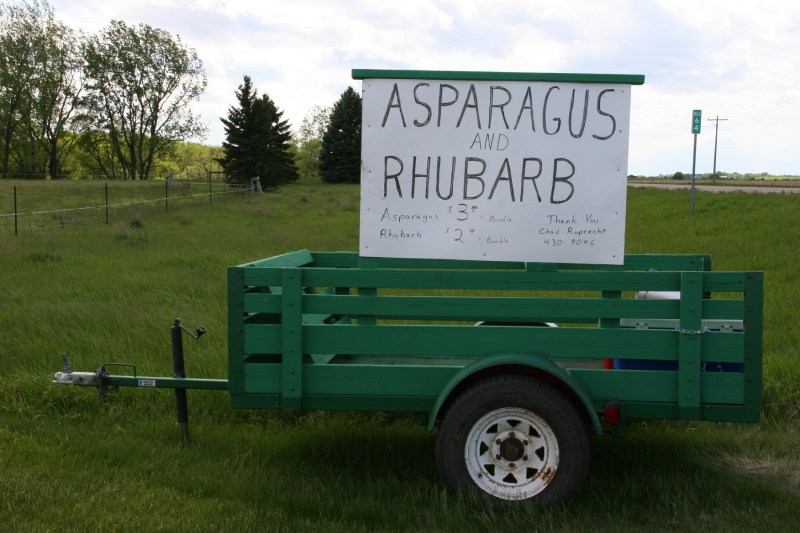
ALONG U.S. HIGHWAY 14 at its intersection with the road to Wanda, just east of Lamberton, I spotted a roadside stand advertising rhubarb and asparagus. I had rhubarb back home in my refrigerator. But I didn’t have asparagus and I love that spring-time vegetable.

So Randy pulled our van off the highway, turning onto a farm driveway next to a green trailer. I asked if he had $3. He did. I had only larger bills. I grabbed the money and my camera, bracing myself against a fierce prairie wind to snap a few photos.


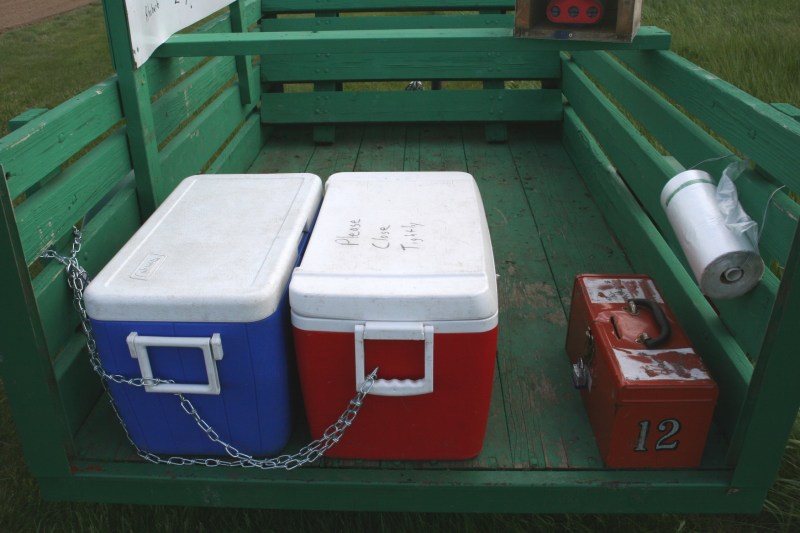
Roadside stand, 95 close-up of coolers


Then I headed for the trailer. I lifted the lid on a red cooler, noting the instructions to “Please close tightly.” I did after finding that cooler empty. Then I opened a blue cooler with the same results. Empty. No asparagus for me.


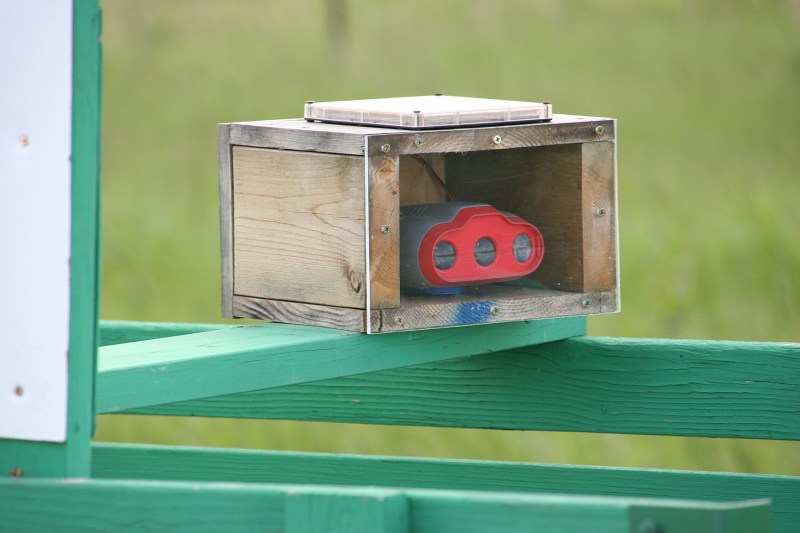
Roadside stand, 97 camera


Discouraged, I took a few more photos and headed back to the van. Randy was already backing up, which I found odd. “Is that a wildlife camera?” he asked, indicating a camera inside a wooden box mounted to the trailer. Could be.


Roadside stand, 94 trailer next to driveway


I slammed the van door, handed the money back to Randy and buckled up as he resumed backing toward the highway. About that time, a white vehicle started heading down the driveway. “We’re being watched,” I observed, which should have been obvious to me given the camera and sign noting “Protected by security system.”

Soon the vehicle curved back onto the farm site.


Roadside stand, 96 close-up of sign


I left not only without the asparagus I craved, but also a bit disillusioned. I’d like to think unattended roadside stands don’t need security systems or chains or locks. But who am I kidding? Apparently myself.

© Copyright 2016 Audrey Kletscher Helbling
 

A forever road February 24, 2016

Filed under: Uncategorized — Audrey Kletscher Helbling @ 5:00 AM
Tags: , , , , , ,
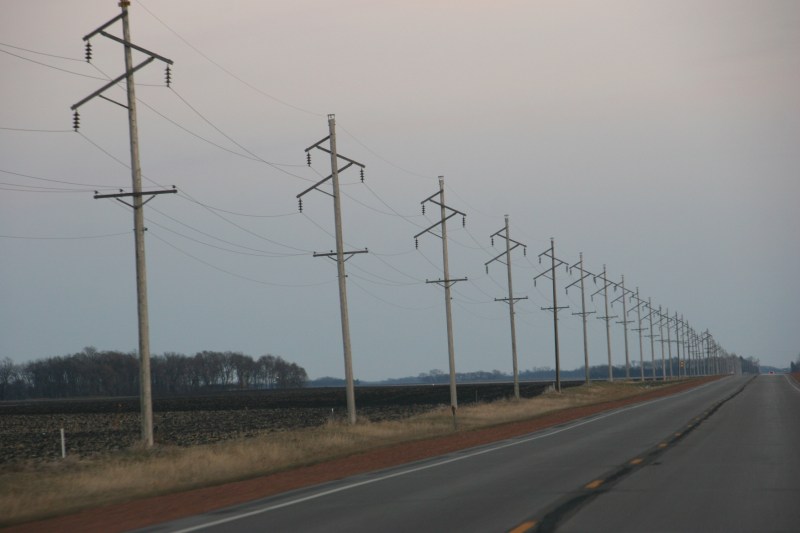
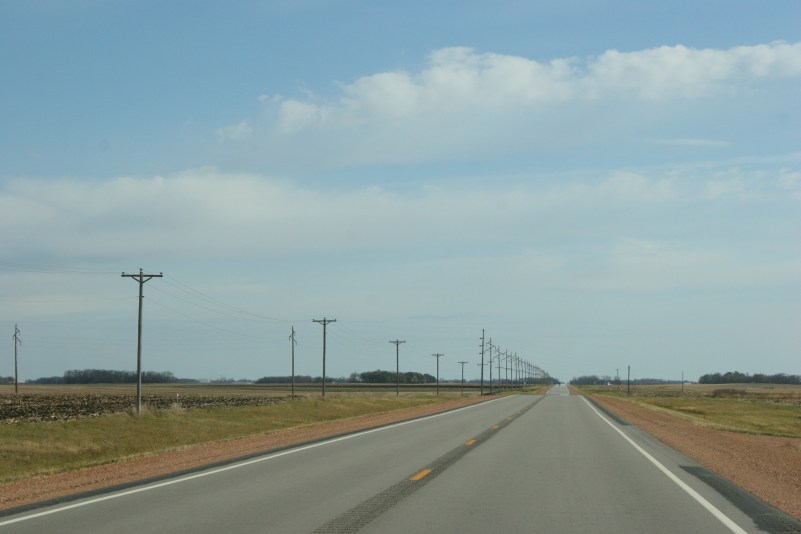
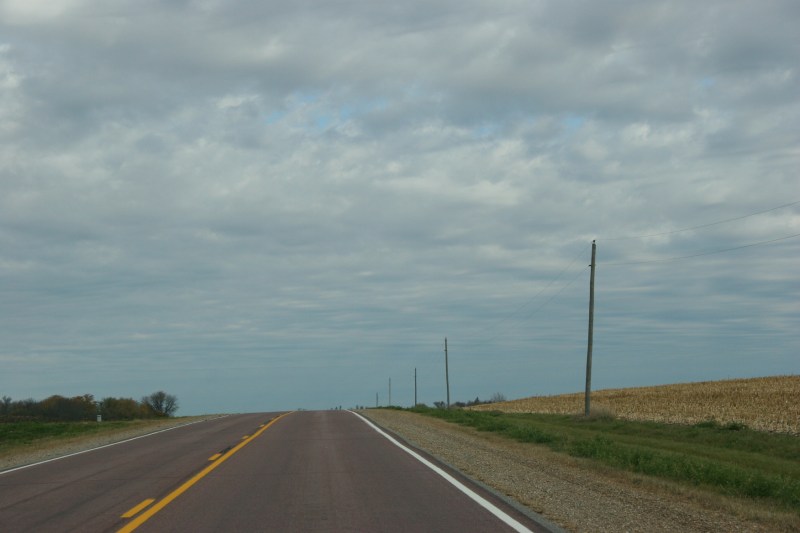
Minnesota State Highway 68 near Morgan.

Minnesota State Highway 68 near Morgan. Minnesota Prairie Roots file photo 2015.

WITHIN SOUTHWESTERN MINNESOTA, I occasionally travel sections of roadway that stretch visually into forever. One is the diagonal of State Highways 67 and 68 running from Evan through Morgan to Redwood Falls. It’s a distance of about 20 miles. But it seems much farther.

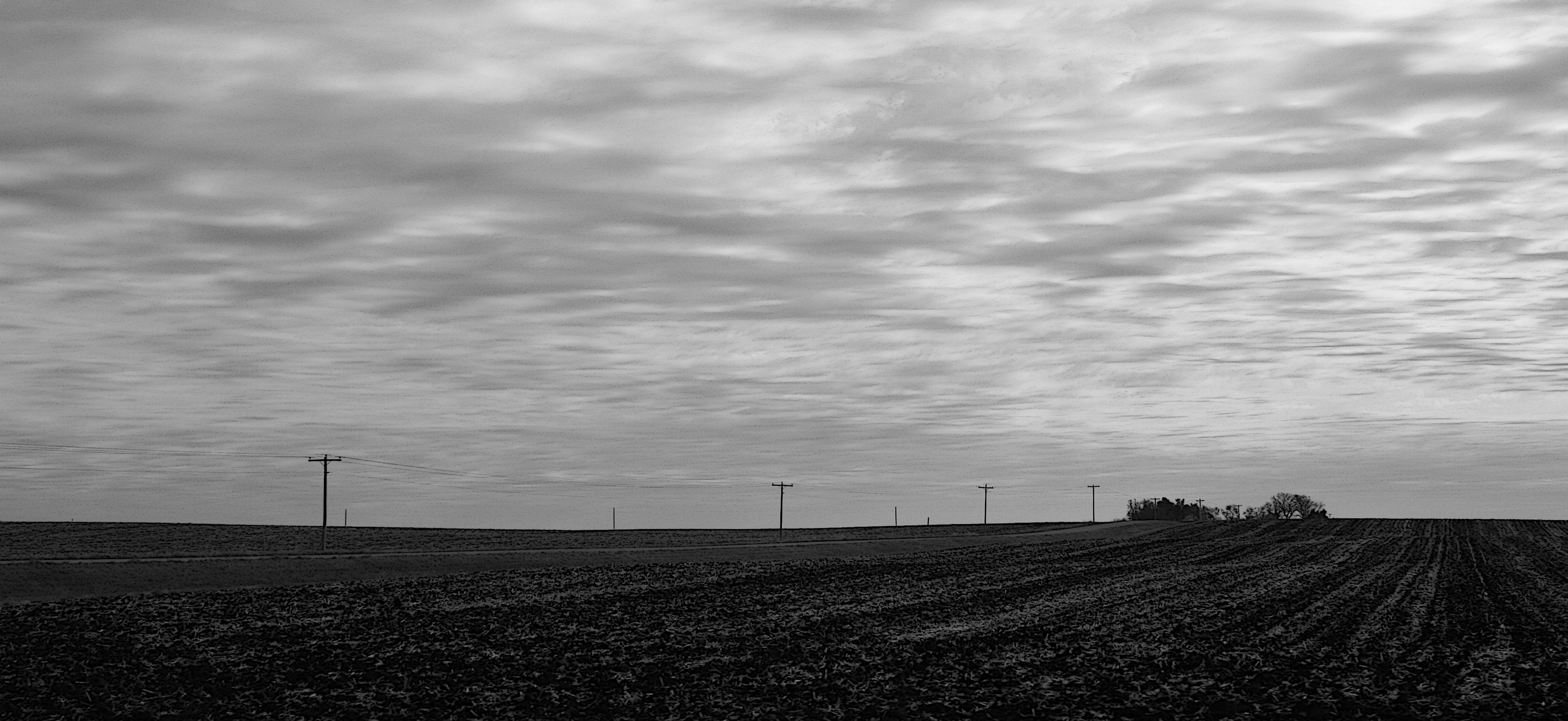
After years of following a section of that route back to my native Redwood County, I’ve realized that the flatness of the land along a road as straight as a ruler lengthens the distance in my mind.

Few farm places snug the highway. Trees stand only in groves sheltering farm sites. As far as I can see down the asphalt ribbon—and it’s a long ways—utility poles guard road ditches in precise vertical lines.

And because this roadway angles across the land rather than runs straight north or south, I feel geographically unbalanced. Any sense of direction is lost.

That all said, I delight in photographing forever roads like this which draw the viewer right into the scene. It’s as if I am writing poetry with my camera.

TELL ME, WHAT SECTION of roadway evokes this same reaction in you?

© 2015 Audrey Kletscher Helbling
 

A Groundhog Day snowstorm socks Minnesota February 3, 2016

Filed under: Uncategorized — Audrey Kletscher Helbling @ 5:00 AM
Tags: , , , , , , ,
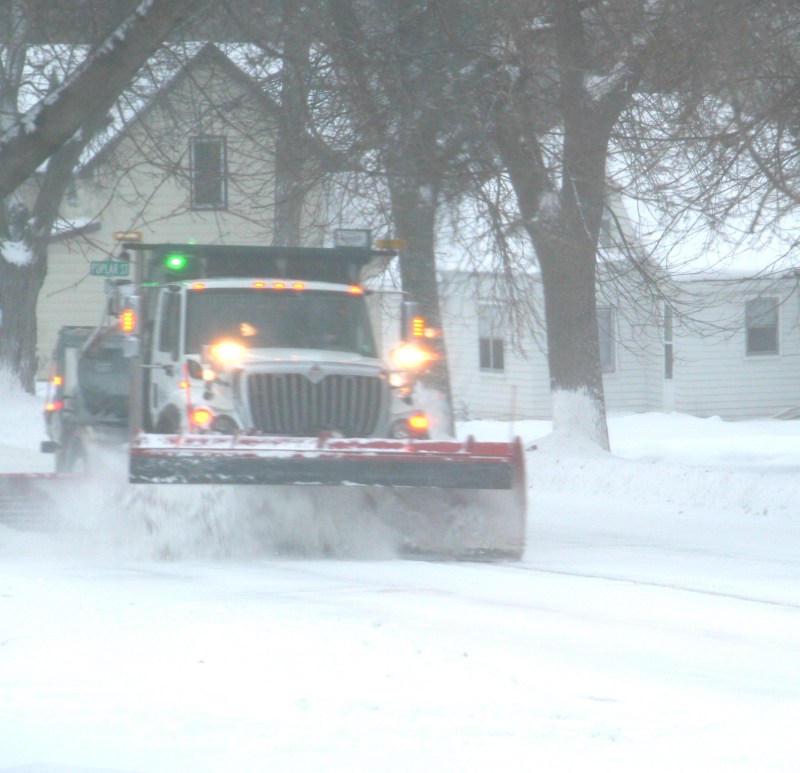
A City of Faribault truck plows snow on the street past my house Tuesday afternoon.

A City of Faribault truck plows snow on the street past my house Tuesday afternoon.

MINNESOTA HUNKERED DOWN on Groundhog Day during the first major winter storm of the season.

In the southwestern corner, nearer the Iowa and South Dakota borders, Interstate 90 closed as did all state highways south of U.S. Highway 14 due to white-out conditions. I grew up in that prairie area and fully appreciate the power and dangers of a blizzard.

In my county of Rice, we received about eight inches of snow—according to the husband’s snow-clearing estimates—by early evening. Randy reported icy, snow-compacted lanes and drifting snow on Minnesota State Highway 3, his route home from work in Northfield.

For Minnesota kids, Tuesday was a day off from classes. Many schools announced closings already Monday evening in anticipation of the storm.

Some businesses closed early. Activities were canceled. There was no bingo at the Eagles in Faribault, no euchre at the Morristown Legion, no LeSueur County Cattlemen’s annual meeting.

This morning we resume the task of clearing away snow.

© Copyright 2016 Audrey Kletscher Helbling
 

When the polka music fades in Seaforth December 10, 2015

Northbound on Redwood County Road 7 just minutes from Seaforth.

Northbound on Redwood County Road 7 just minutes from Seaforth.

ON MY LAST VISIT back to my native southwestern Minnesota in late October, my husband and I drove through Seaforth. This community of 86 residents lies seven miles to the east of my hometown of Vesta in Redwood County.

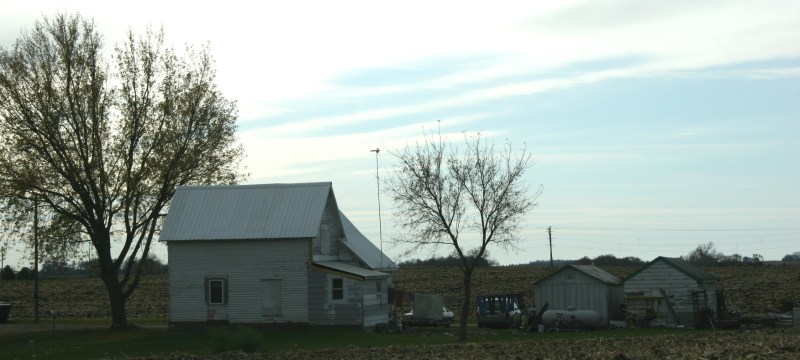
A farm site along CR 7 near Seaforth.

A farm site along CR 7 near Seaforth.

When I was growing up, my school bus passed Seaforth en route to Wabasso, stopping along the way to pick up farm kids.

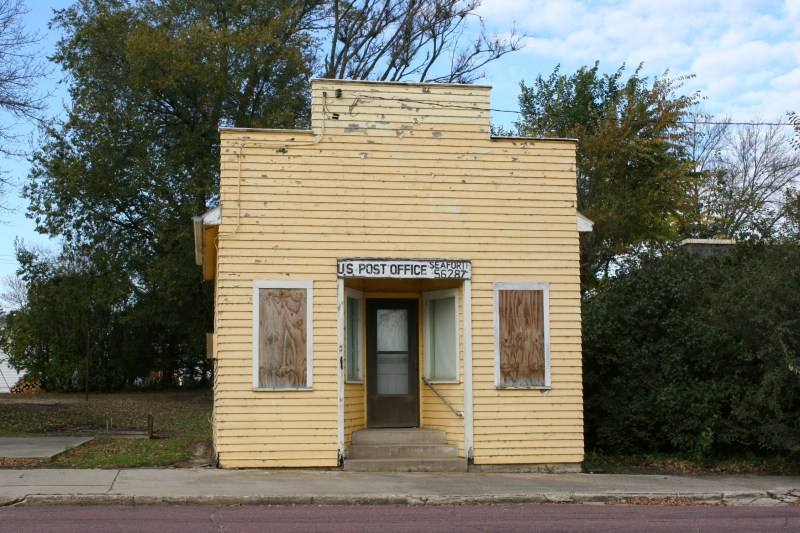
The former post office in Seaforth. Like so many small town post offices, the one in Seaforth was closed.

Like so many small town post offices, the one in Seaforth was closed by the U.S. Postal Service.

On occasion I attended a funeral, bridal shower or wedding at the Lutheran church in Seaforth at a parish that, because of diminishing congregational size, closed years ago. The church is now a house.

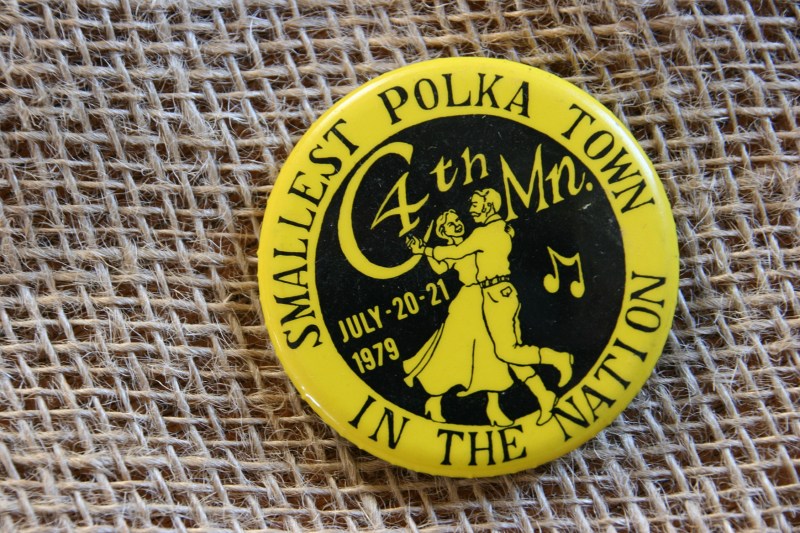
One of the many buttons my mom saved from Seaforth Polka Days.

One of the many buttons my mom saved from Seaforth Polka Days.

As a teen and young adult, I sometimes attended Seaforth Polka Days, an annual July event featuring, as you would expect, polka bands. For 42 years, Seaforth has hosted this celebration and billed itself as “The Smallest Polka Town in the Nation.” That will be no more, I learned from my mom, who today resides in an assisted living apartment in Belview the next town north of Seaforth. Mom didn’t know details. So I turned to the internet and found this July 14 entry on the Seaforth Polka Days Facebook page:

It is the end of an era, the booster club has decided that this will be the last year for polka days. Every year becomes harder to find enough volunteers to work and crowds have been smaller as well. Let’s make this year one to remember. Spread the word that it will be the last, for those who always planned to come one of these years or for those who have fond memories from years past this weekend will be your last chance to celebrate polka days in Seaforth!

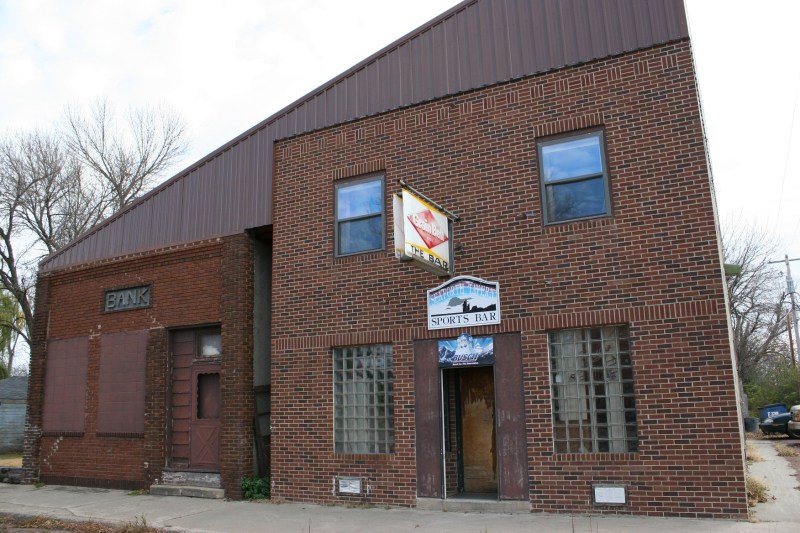
Still open or shuttered, I don't know.

Still open or shuttered, I don’t know.

Such decisions to end large-scale small town celebrations are not uncommon. Year after year, the same locals often find themselves planning and working these events.

A scene in the heart of Seaforth.

A scene in the heart of Seaforth.

Yet, Seaforth isn’t totally giving up. Area residents are still planning a 2016 community celebration during the last full weekend in July: softball games, bean bag toss competition, the fire department fundraising supper, tractor pulls, a DJ and one polka band (instead of many) and “buckets of beer.”

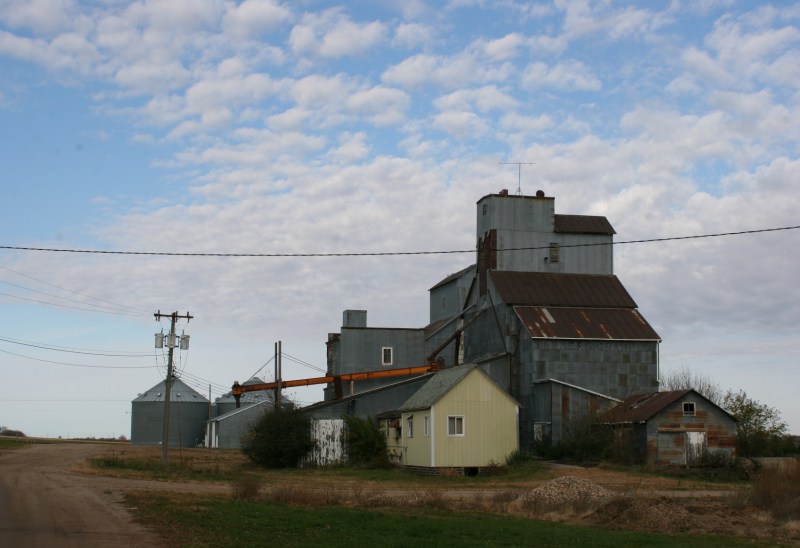
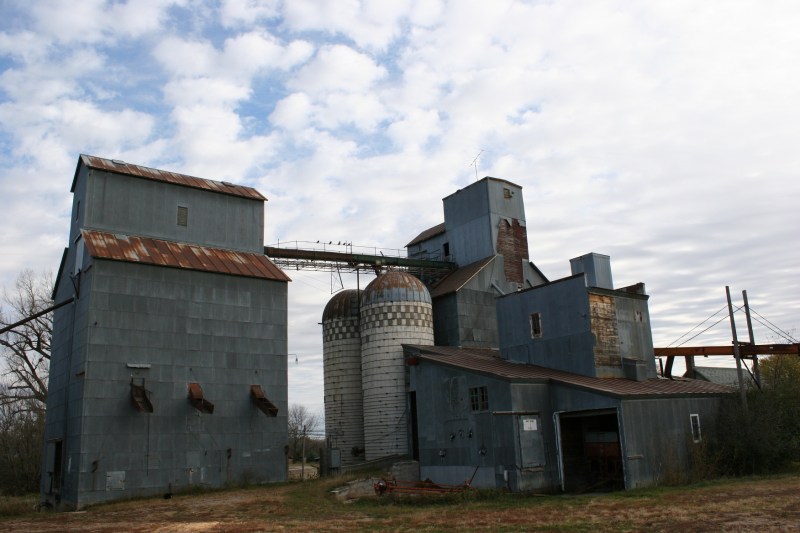
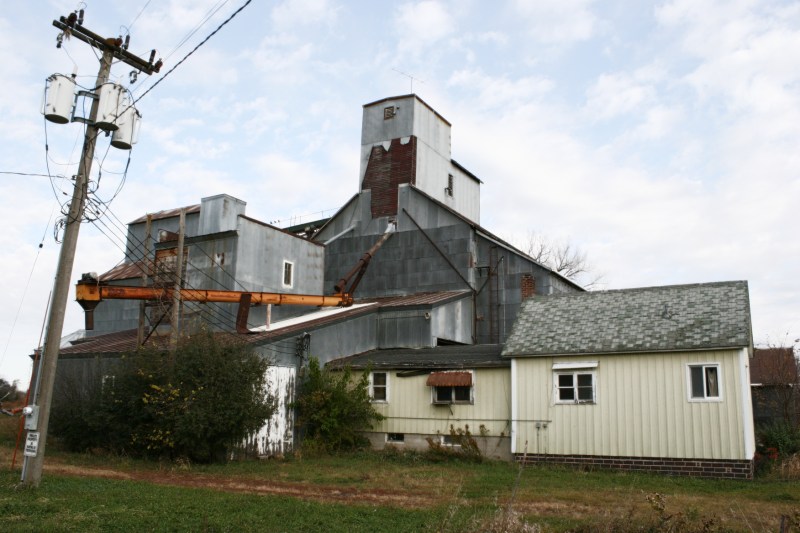
On the north edge of Seaforth, even the grain elevator is closed.

On the north edge of Seaforth, even the grain elevator is closed.

Now they’re soliciting names. Online Facebook suggestions thus far include C4th Small Town Days, C4th Clear Creak (sic) Days, C4th Clear Creak (sic) Fest, C4th Hometown Days, C4th Summer Days, Polka Days Part 2 and, finally, Redneck Fest.

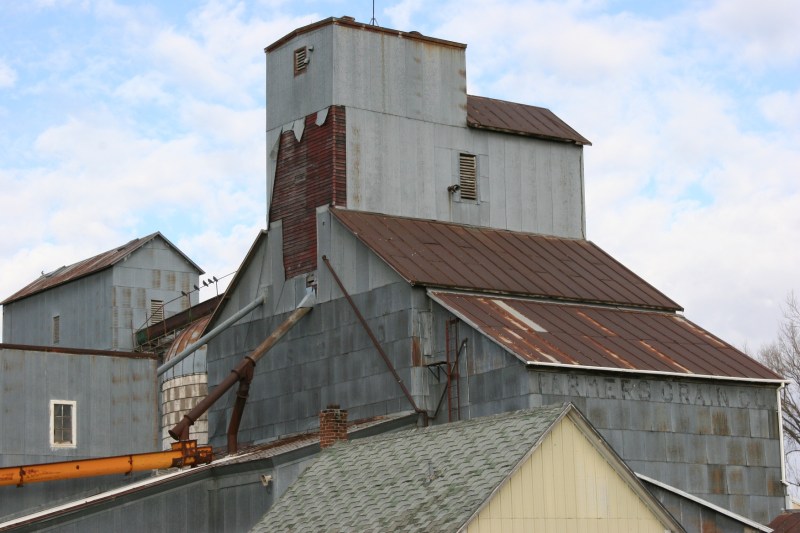
Look closely, and you can see the faded words "Farmers

Look closely, and you can see the faded words “Farmers Grain Co.”

Thoughts, on any of this?

Last I knew, my Uncle Milan owned this grain elevator complex. I don't know whether he still does.

Last I knew, my Uncle Milan owned this grain elevator complex. I don’t know whether he still does.

Do you help plan and work at a small town celebration? Do you attend small town celebrations? Let’s hear. Why are such events important to rural communities like Seaforth?

© Copyright 2015 Audrey Kletscher Helbling
 

The prairie part of Minnesota December 9, 2015

Filed under: Uncategorized — Audrey Kletscher Helbling @ 5:00 AM
Tags: , , , , , , ,
The grain elevator in Seaforth, in Redwood County, Minnesota, closed long ago.

The grain elevator in Seaforth, in Redwood County, Minnesota, closed long ago.

MINNESOTA IS MORE than the Twin Cities, St. Cloud, Rochester and Duluth. It’s also farms and small towns like Vesta, Sleepy Eye, Gaylord and St. James. I’ve lived in all of those rural areas and, for the past 33 years, in Faribault.

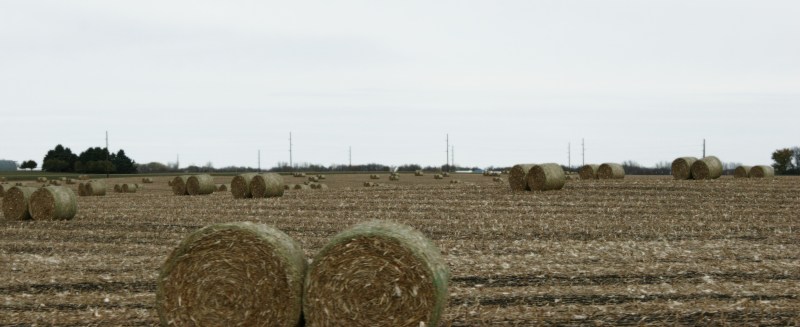
Cornstalk bales litter fields between Redwood Falls and Morgan.

Cornstalk bales litter fields between Redwood Falls and Morgan.

My husband was raised on a farm near Buckman in central Minnesota. Heard of it? Few people have. Likewise, not all that many Minnesotans know of Vesta, my hometown. Both communities are small—several hundred residents.

A vintage car travels eastbound along U.S. Highway 14 toward Nicollet.

A vintage car travels eastbound along U.S. Highway 14 toward Nicollet.

When folks ask where I grew up, I typically respond Vesta, bookmarked by “between Redwood Falls and Marshall.” If I get a blank look, I add “west of New Ulm.” If the geographic location still remains a mystery, I continue with “west of Mankato.” Then I usually see a flicker of recognition.

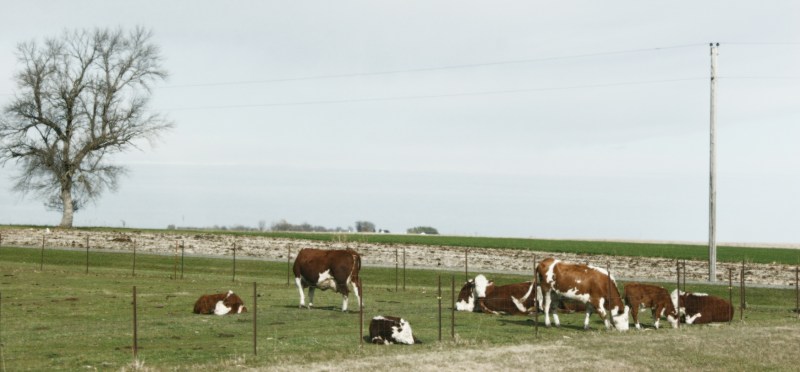
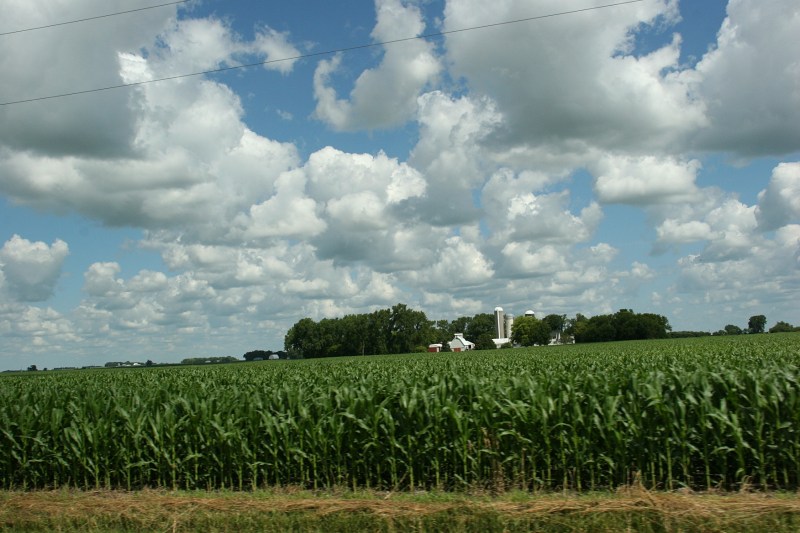
Occasionally you'll see cattle in a pasture. But mostly, farm land in southwestern Minnesota is used for crops like corn and soybeans.

Occasionally you’ll see cattle in a pasture. But mostly, farm land in southwestern Minnesota is used for crops like corn and soybeans.

My native southwestern Minnesota seems unappreciated by many who dismiss it as that boring prairie landscape en route to some place like Sioux Falls or the more distant destination of the Black Hills.

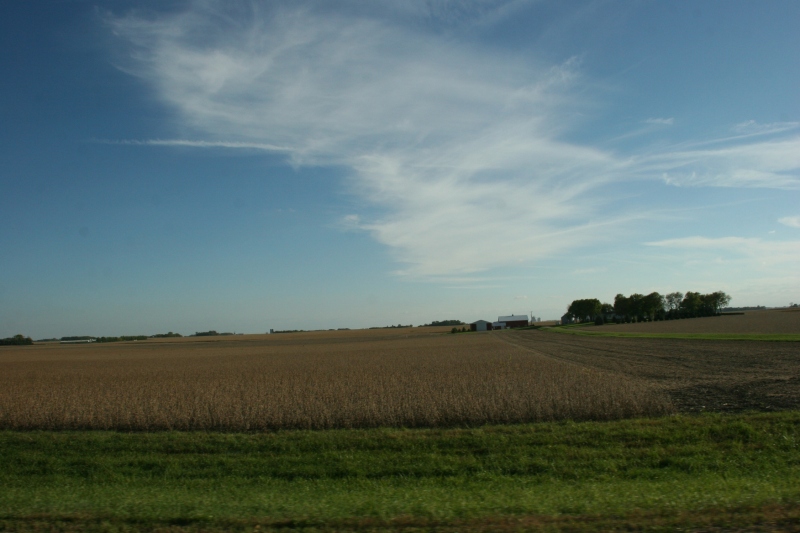
Fields and sky envelope a farm building just west of Wabasso.

Fields and sky envelope a farm building just west of Wabasso.

Appreciating the prairie, if you aren’t a native, takes a bit of effort. Wide skies and unhindered vistas can, I suppose, leave a landlocked city or hemmed-in by trees dweller feeling unsettled, untethered. There’s a sense of vulnerability and isolation on the prairie.

This farm site sits north of Lamberton in Redwood County.

This farm site sits north of Lamberton in Redwood County.

Land and sky overwhelm. Wind dominates. And for non-natives, that feeling of powerlessness within a landscape pushes away any thought of liking the prairie. Hurry. Power through the place. It’s just a bunch of farms and small towns and endless fields. But it isn’t. It is farm homes and red barns, grain elevators and water towers, corn and soybeans. Someone’s home. Someone’s land. Someone’s life. Someone’s livelihood. The prairie part of Minnesota. The place that shaped me as a person, a poet, a writer, a photographer. For that, I am grateful.

#

Note: All images were taken during my last visit “back home” in October and were edited to add a soft quality to the scenes.

© Copyright 2015 Audrey Kletscher Helbling


The shifting of seasons in Minnesota November 4, 2015

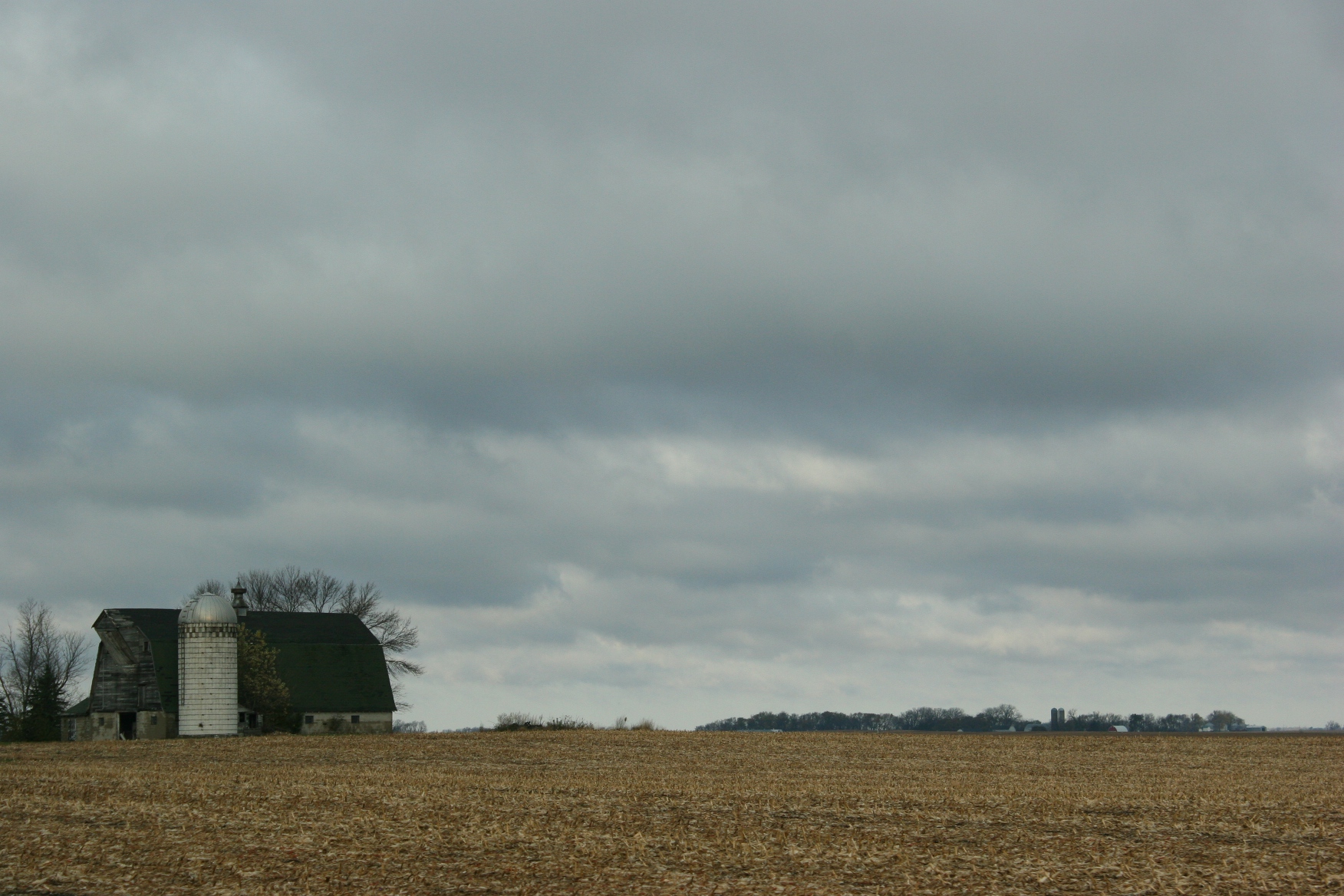
barn

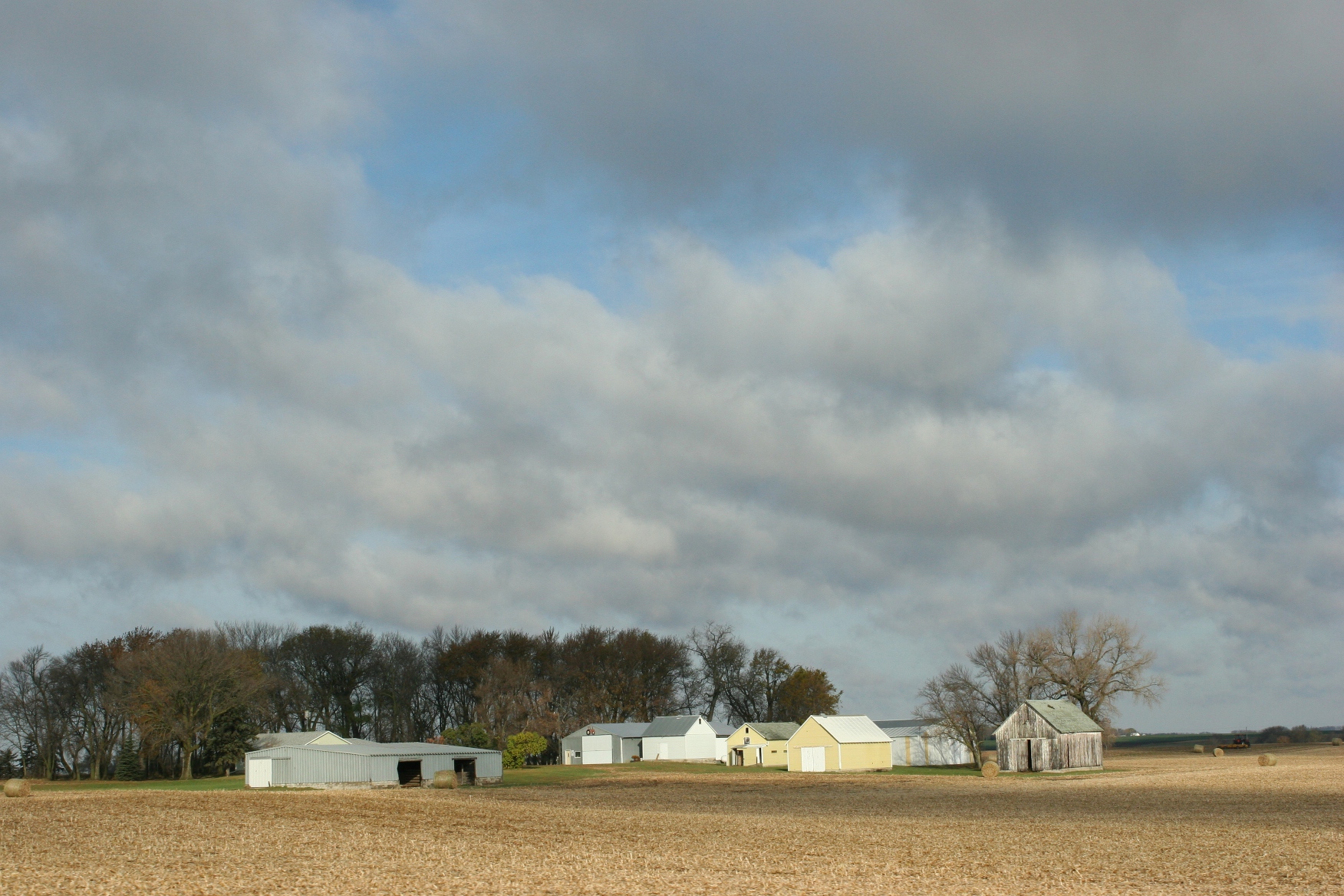
Grey skies hang over a barn and harvested cornfield west of Sleepy Eye along U.S. Highway 14 on a late October morning.

AS THE SEASON SHIFTS here in Minnesota, I struggle to hold onto the light. To the color. To memories of lush landscapes and warm days.

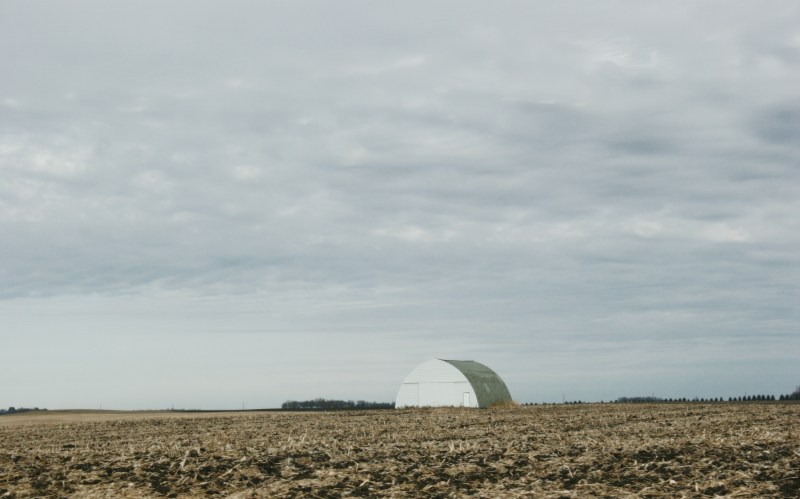
A bare field near Belview in southwestern Minnesota.

A bare field near Belview in southwestern Minnesota on a late October morning.

I am no fan of the transition months—November and March. I’ve always thought these the least visually inviting. Grey skies dominate. Cold winds rage. The land appears devoid of color. Black fields. Muted tones. Everywhere.

One of my favorite barns in the Springfield area along U.S. Highway 14 in southwestern Minnesota.

One of my favorite barns in the Springfield area along U.S. Highway 14 in southwestern Minnesota.

But then a barn flashes red in the monotone landscape.

Clouds break apart over a farm along U.S. Highway 14 in southwestern Minnesota.

Clouds break apart over a farm along U.S. Highway 14 in southwestern Minnesota.

Sun spotlights through the clouds beaming light upon the land. A patch of blue emerges overhead.

In the final days of October, my camera landed on this stunningly beautiful treeline near Shieldsville.

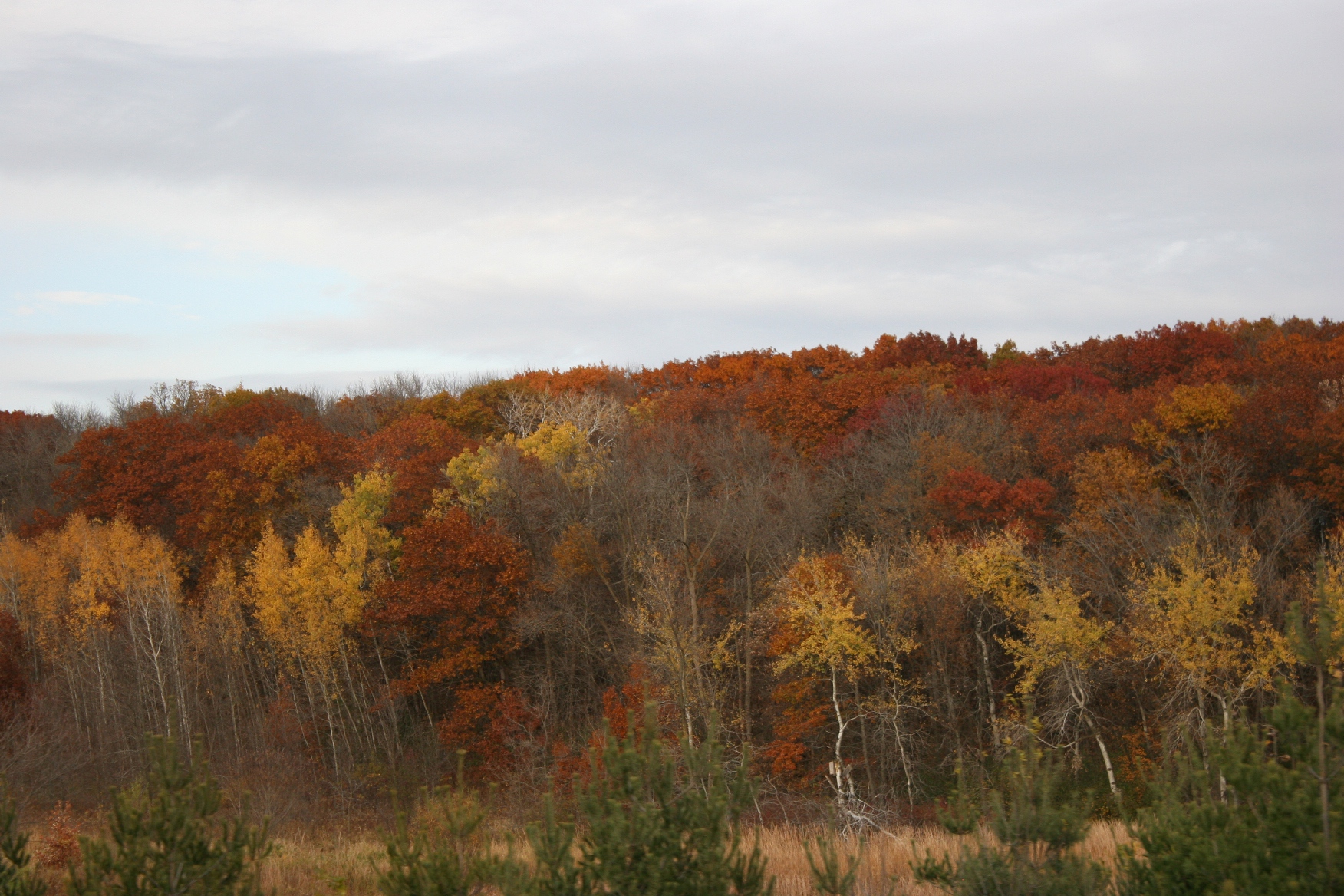
In the final days of October, my camera landed on this stunningly beautiful treeline near Shieldsville. I’ve seen some of the prettiest fall colors near my Faribault home. This is true every year.

Nearing the end of October, some corn remained to be harvested.

Nearing the end of October, some corn remained to be harvested.

Along U.S. Highway 14 east of Springfield, this brick barn stands strong and tall.

Along U.S. Highway 14 east of Springfield, this brick barn stands strong and tall.

I begin to notice patches of color—autumn leaves still hanging on, corn carpeting fields, defiant red barns still standing.

The barn with the smiling lips, between Sleepy Eye and Springfield, always makes me smile.

The barn with the smiling lips, between Sleepy Eye and Springfield, always makes me smile.

Harvesting corn along U.S. Highway 52 in the Rochester area in mid-October.

Harvesting corn along U.S. Highway 52 in the Rochester area in mid-October.

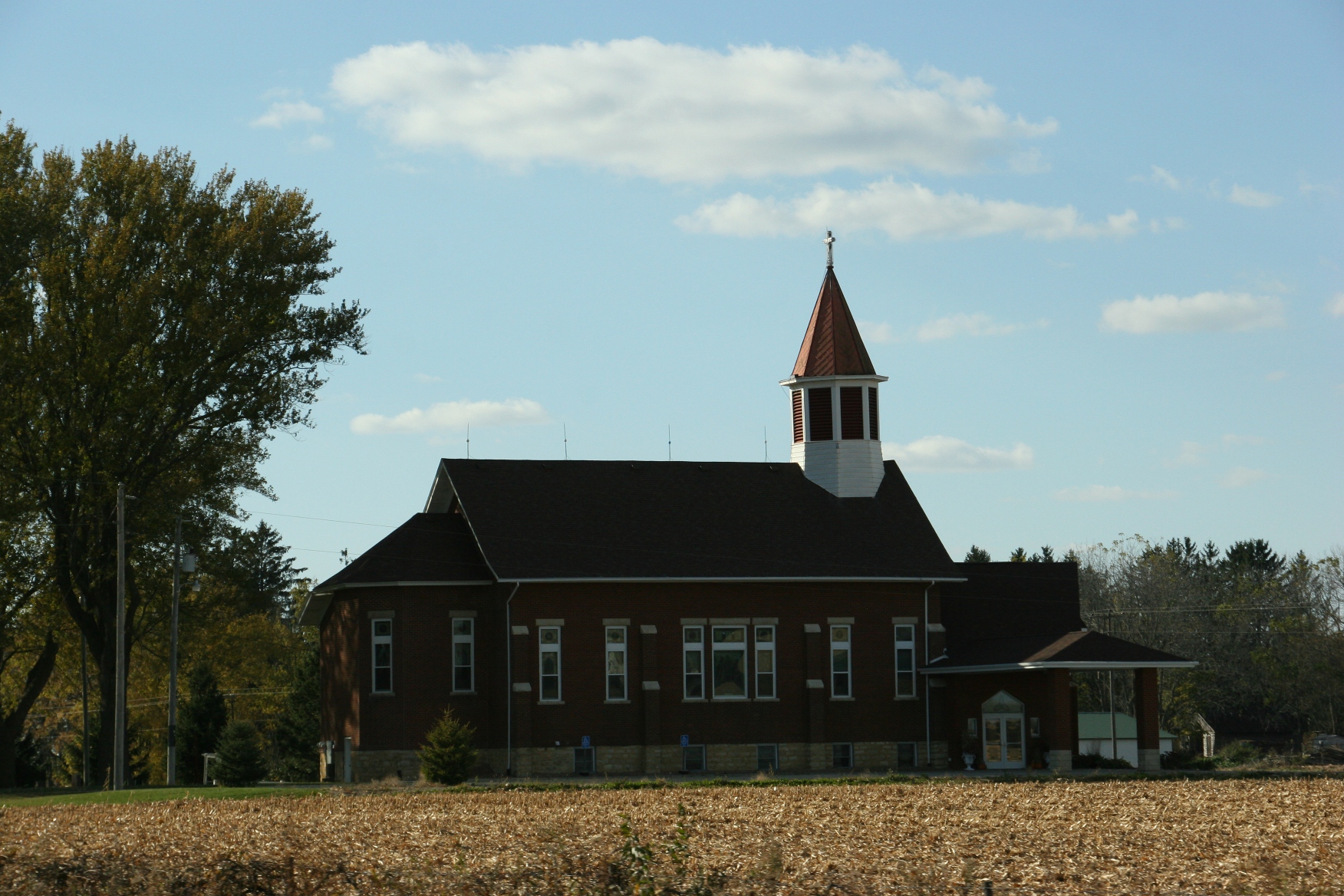
A country church along Interstate 90 near the Winona exit reminds me of blessings and thankfulness, especially at harvest time.

A country church along Interstate 90 near the Winona exit reminds me of blessings and thankfulness, especially at harvest time.

Reasons to smile. Reasons to appreciate November. This eleventh month raises my awareness of thankfulness. Thankfulness that I live in Minnesota, a state of four seasons, of changing landscapes, of bountiful harvests. And this week of unexpected November warmth.

© Copyright 2015 Audrey Kletscher Helbling


Rooted in the land, still August 4, 2015

Filed under: Uncategorized — Audrey Kletscher Helbling @ 5:00 AM
Tags: , , , , , , , ,
The elevator in Lamberton, Minnesota, just to the south of my brother's place.

Grain elevators, like this one in Lamberton to the south of my brother’s place, define rural small town Minnesota skylines.

THERE ARE DAYS, even now after forty years away from the farm, that I yearn to permanently return, to plant my feet upon the land, to follow a gravel road, to breathe in deeply the scent of freshly-mown alfalfa, to step into the blackness of a summer night under a sky pinpointed with an infinity of stars. On land that is mine. It will never happen.

Clover on the edge of a field.

Clover on the edge of a field.

But I am fortunate that my middle brother and his wife live on my native prairie on a rural acreage that they share. It has become the extended family gathering spot, the site that reconnects me to southwestern Minnesota, my childhood home.
Brian and Vicki recently added an outhouse (used for storage) to their property. This reminds me of the first 11 years of my life, living in a house without a bathroom and using a two-holer outhouse.
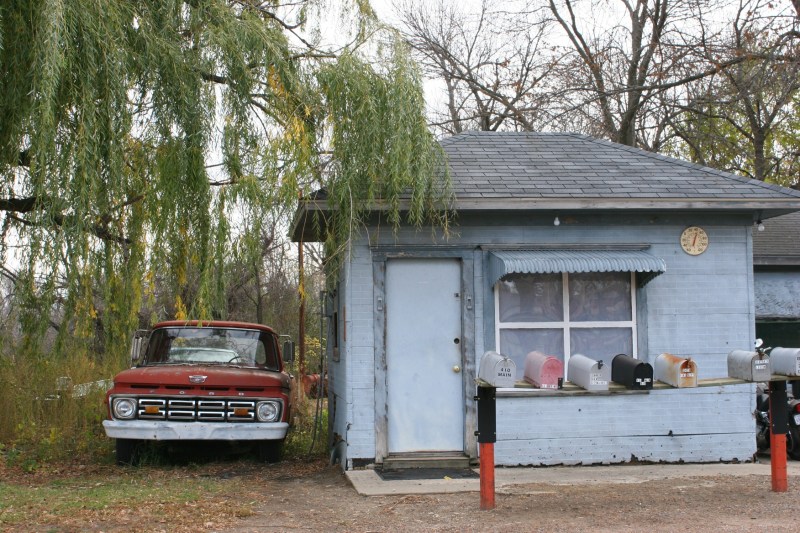
Brian and Vicki recently added an outhouse (used for storage) to their property. This reminds me of the first 11 years of my life, living in a house without a bathroom and using a two-holer outhouse.

Each time I visit Brian and Vicki’s home 120 miles distant from Faribault, I wander their land with my camera, photographing rural scenes, capturing memories with my lens.

Monarch attracting milkweed grows next to a soybean field.

Monarch attracting milkweed grows along the fence line next to a soybean field.

Scents of clover and of milkweed.

The John Deere tractor roared by my brother's place much of the afternoon

The John Deere tractor roared by my brother’s place much of the afternoon as the farmer baled hay.

Roar of a tractor.

The gravel road that runs past my middle brother's rural acreage just north of Lamberton, Minnesota.

The gravel road that runs past my middle brother’s rural acreage just north of Lamberton.

Crunching of gravel beneath feet.

The sun begins to set.

The sun begins to set.

The undeniable serenity that descends with daylight’s impending departure.

There's something about a leaning fence post that is authentically rural.

There’s something about a leaning fence post that is authentically rural.

Fence posts leaning, sun setting, crops growing. Absence of noise.

Wheat in the field just across the fence line.

Wheat in the field just across the fence line.

This is enough to hold me, to remind me of my roots, to imprint the poetry of the land upon my soul.

BONUS PHOTOS:

A rural home for the birds.

A rural home for the birds.

There's something poetic about an old wooden fence post.

There’s something poetic about an old wooden fence post at dusk.

Beautiful brohm grass. As a child, my siblings and I would play make-believe in the tall grass on our farm.

Beautiful brohm grass. As children, my siblings and I would play make-believe in the tall grass on our farm near Vesta.

Even the sight of this aged insulator sparks memories.

Even the sight of this aged insulator sparks memories.

A birdhouse, perfect in its simplicity.

A birdhouse, perfect in its simplicity.

Growing up on our crop and dairy farm, my eldest brother, Doug, photographed the cows and recorded details about them. My middle brother treasures this compilation of information from our farm. And so do I. Memories...

Growing up on our crop and dairy farm, my eldest brother, Doug, photographed the cows and recorded details about them. My middle brother treasures this compilation of information from our farm. And so do I. Memories… Brian showed this to us on our last visit and I considered it important enough to photograph. It is a piece of rural, and family, history.

FYI: All of these photos were taken on the July Fourth weekend.

© Copyright 2015 Audrey Kletscher Helbling